

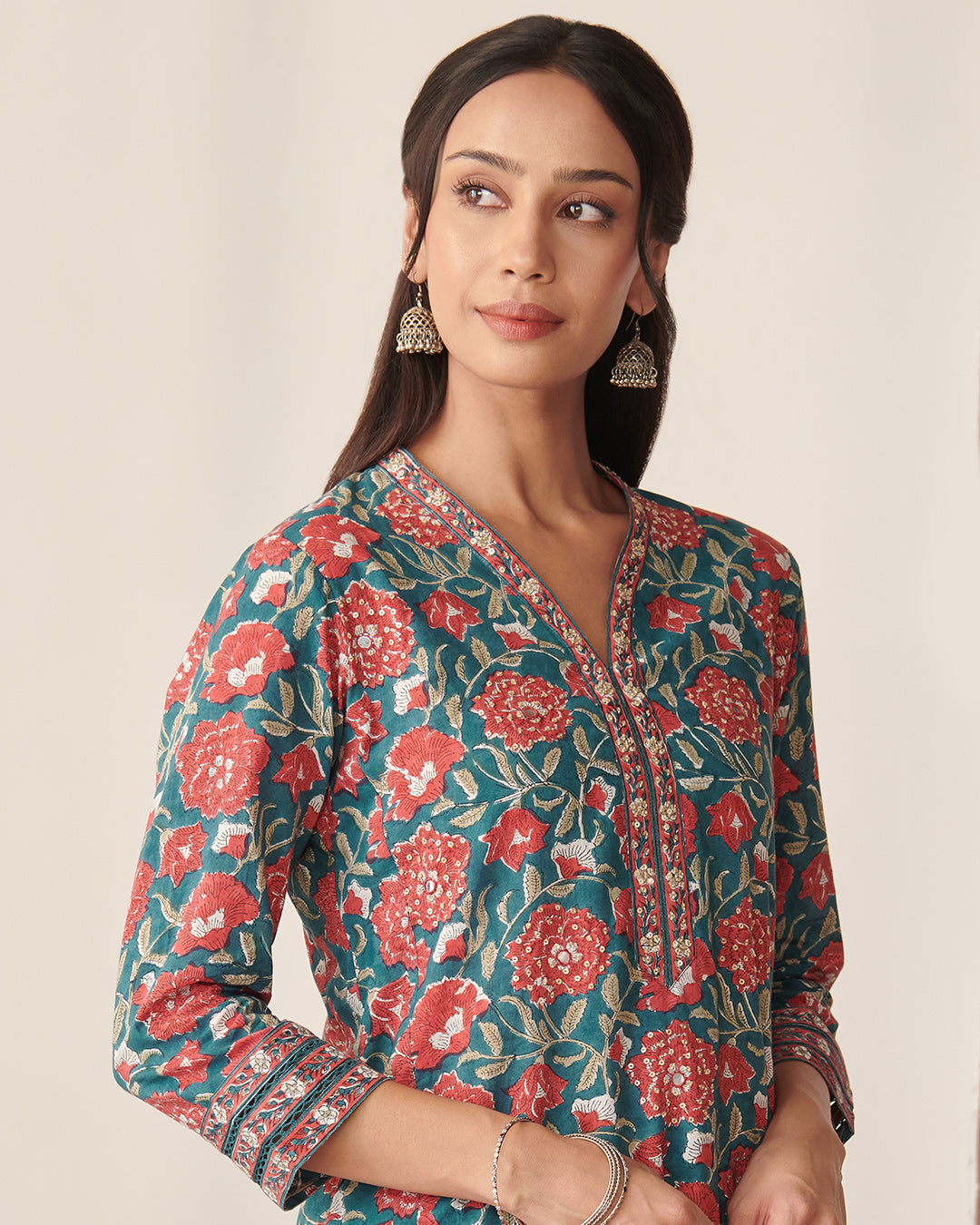
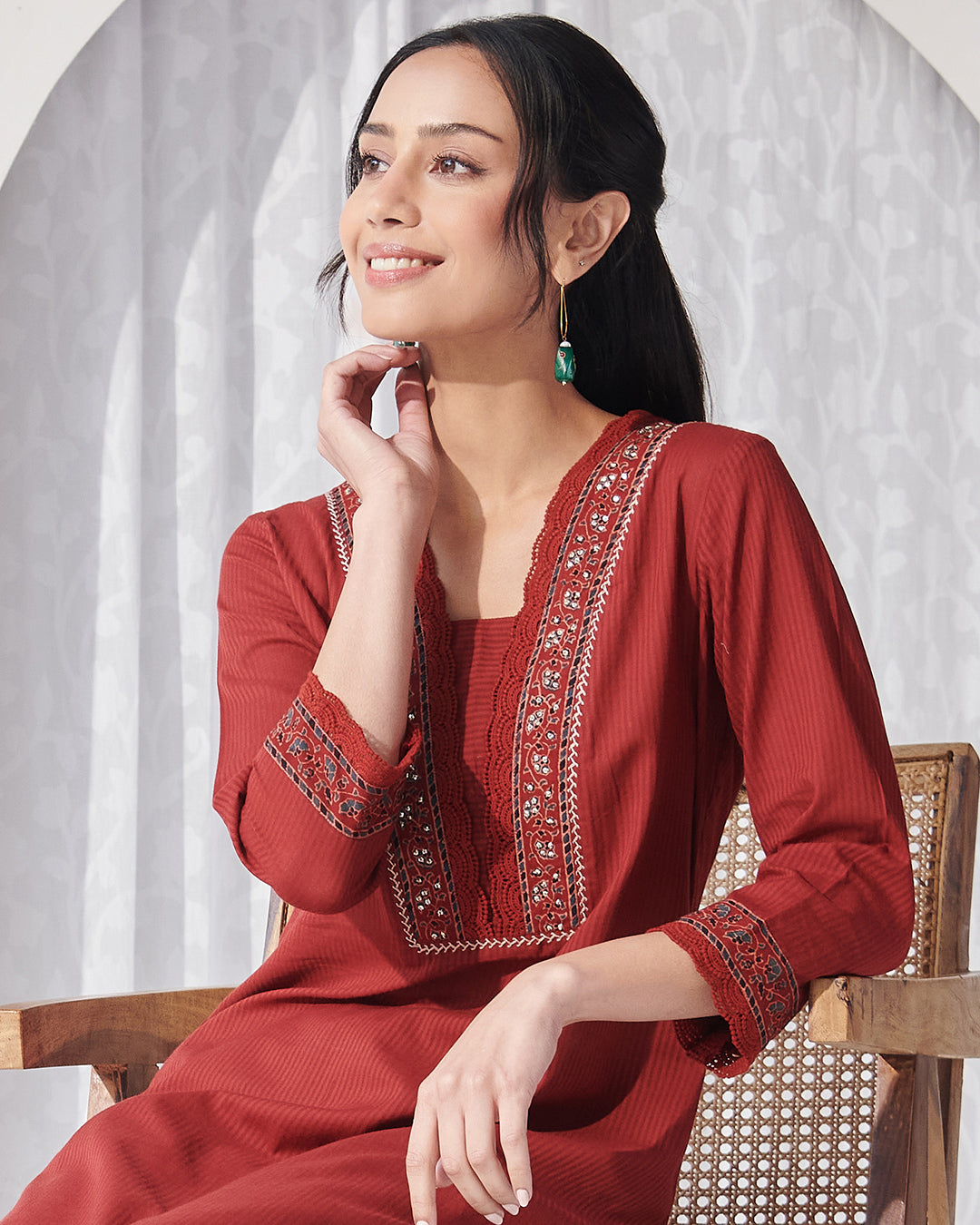
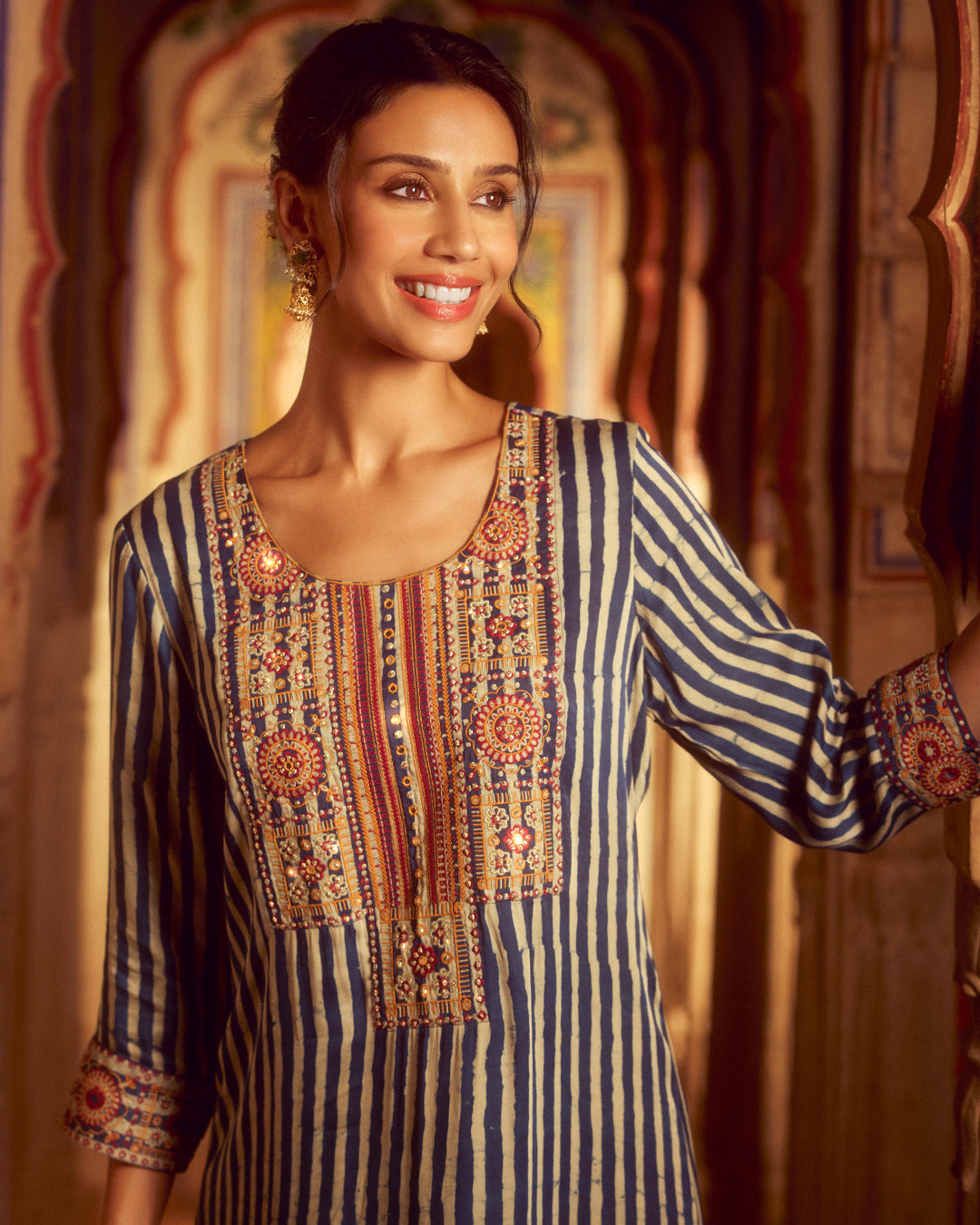




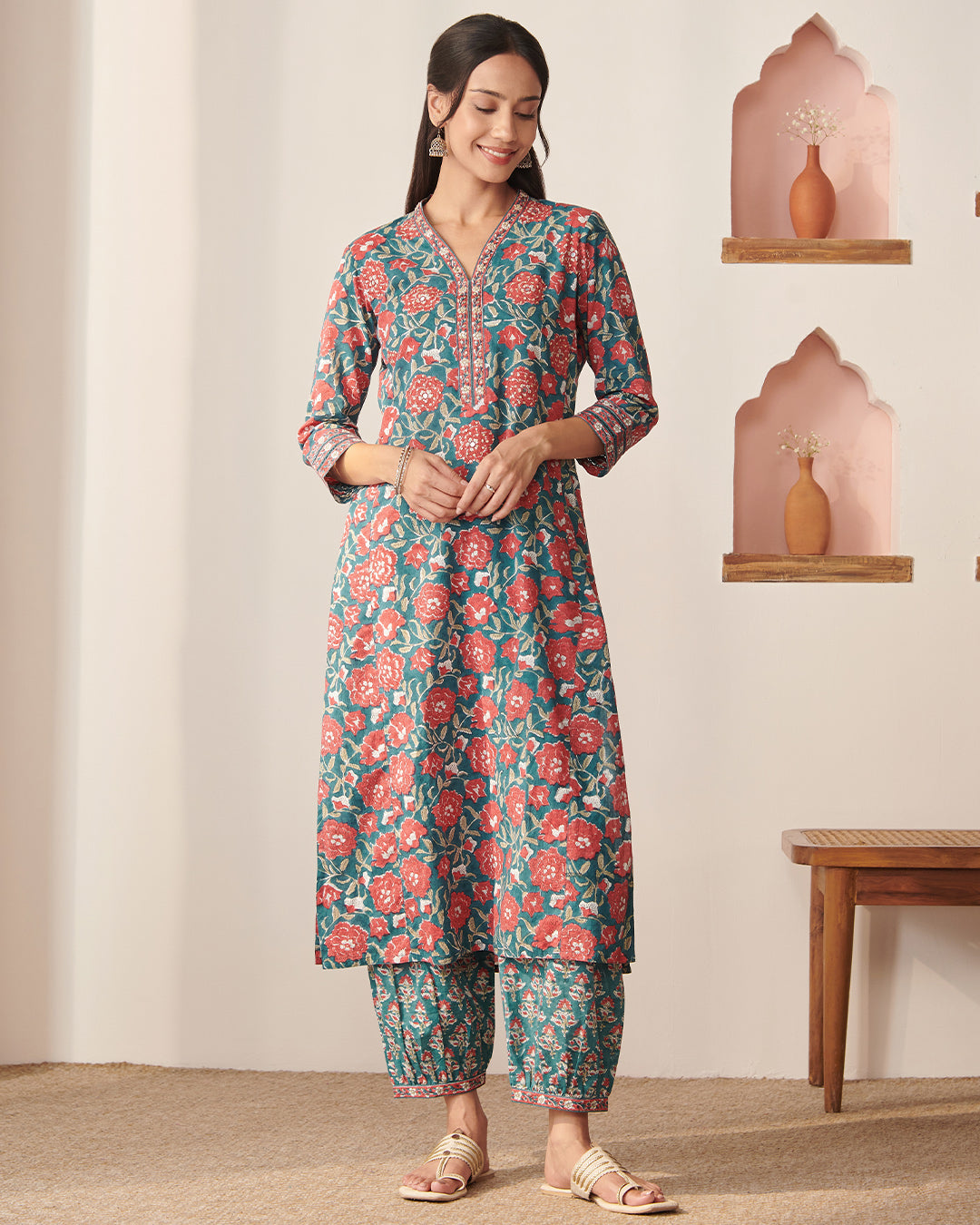
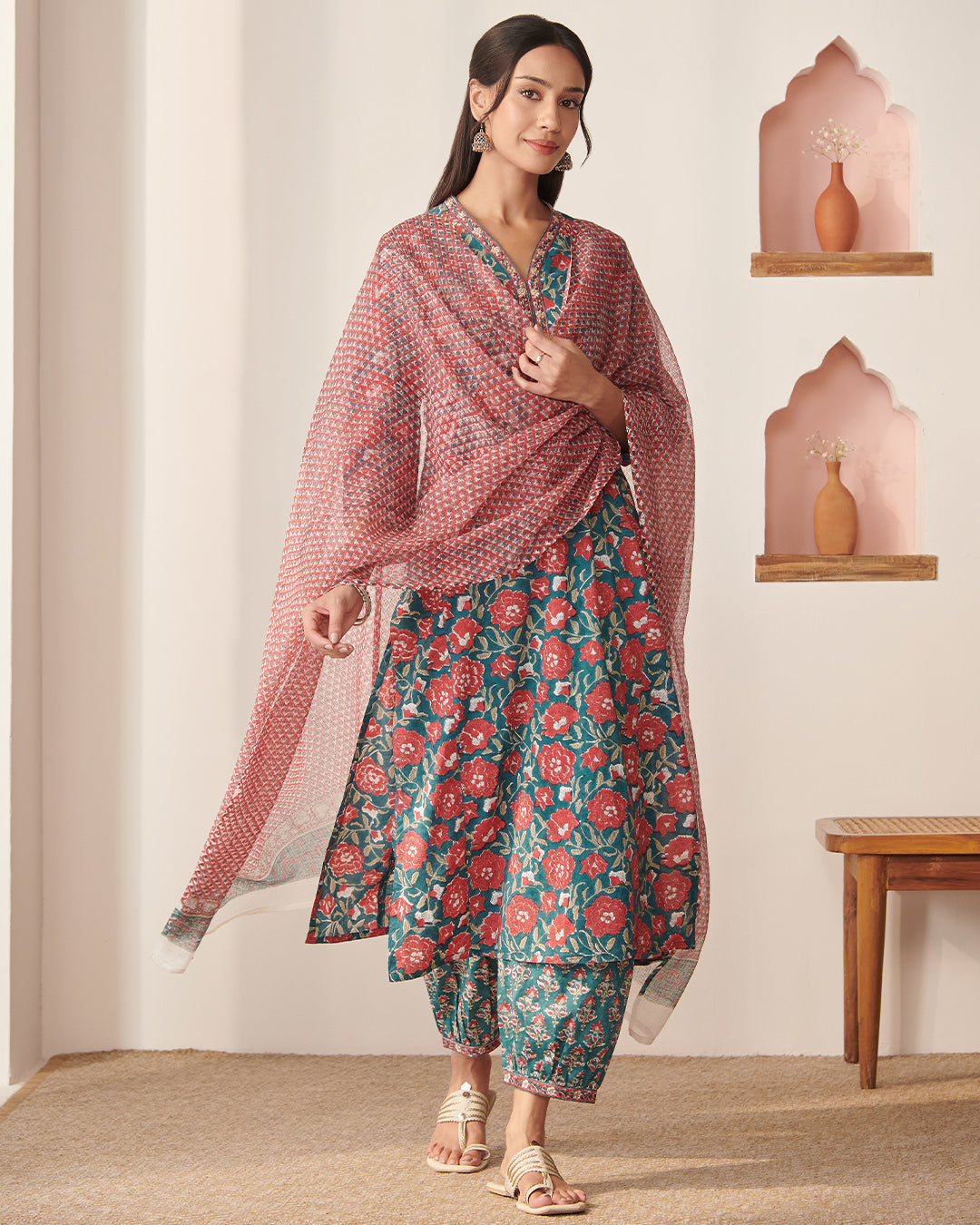
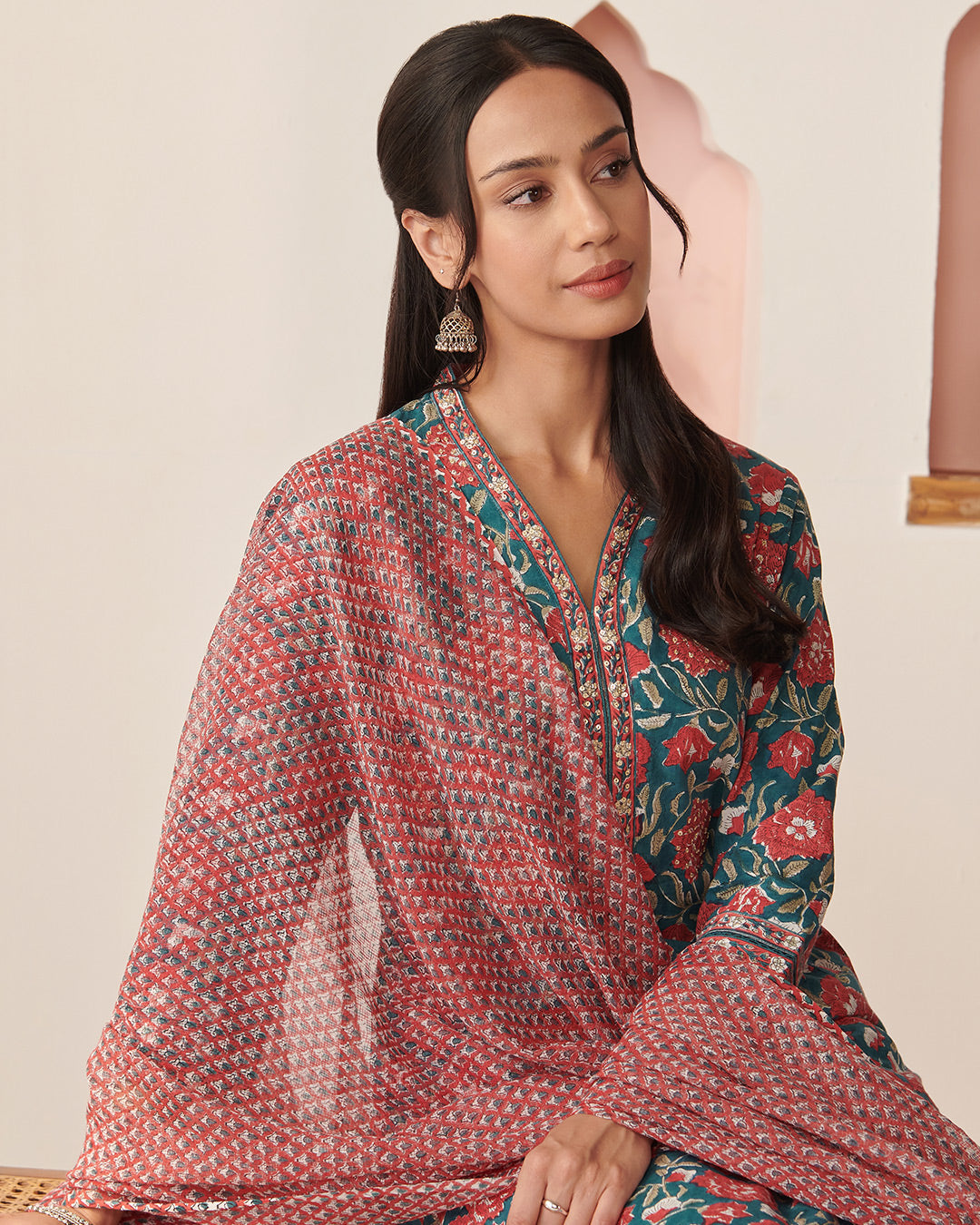
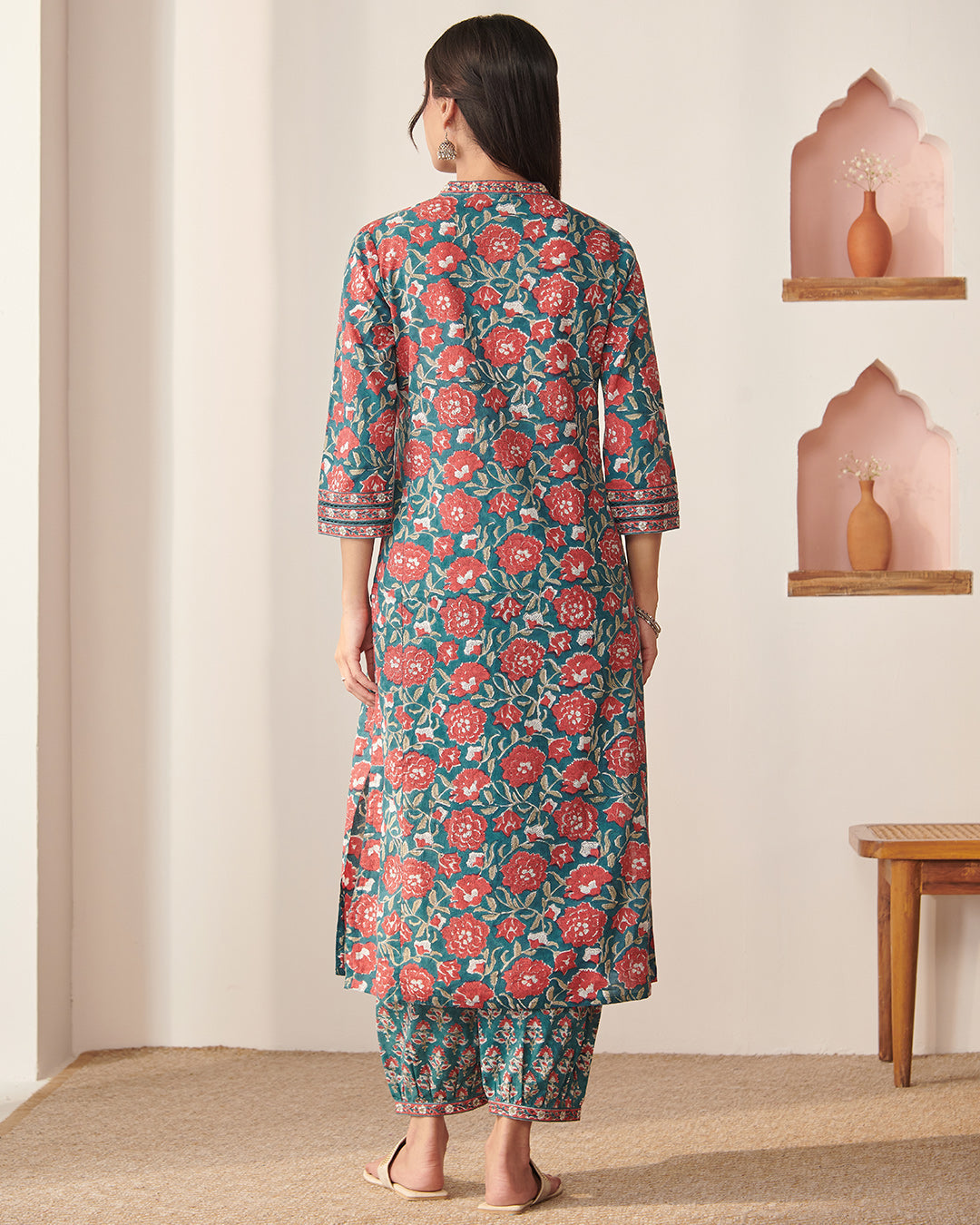
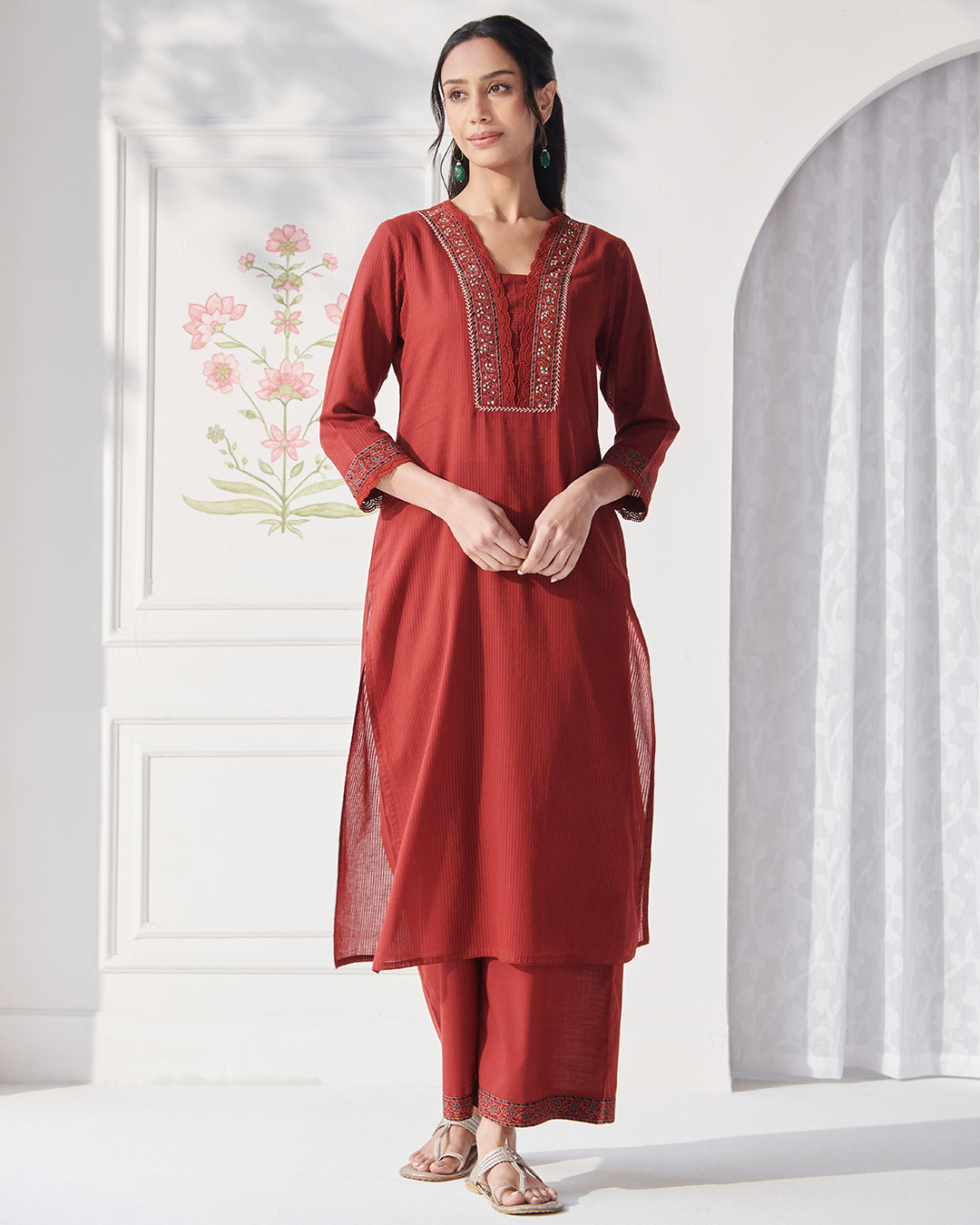
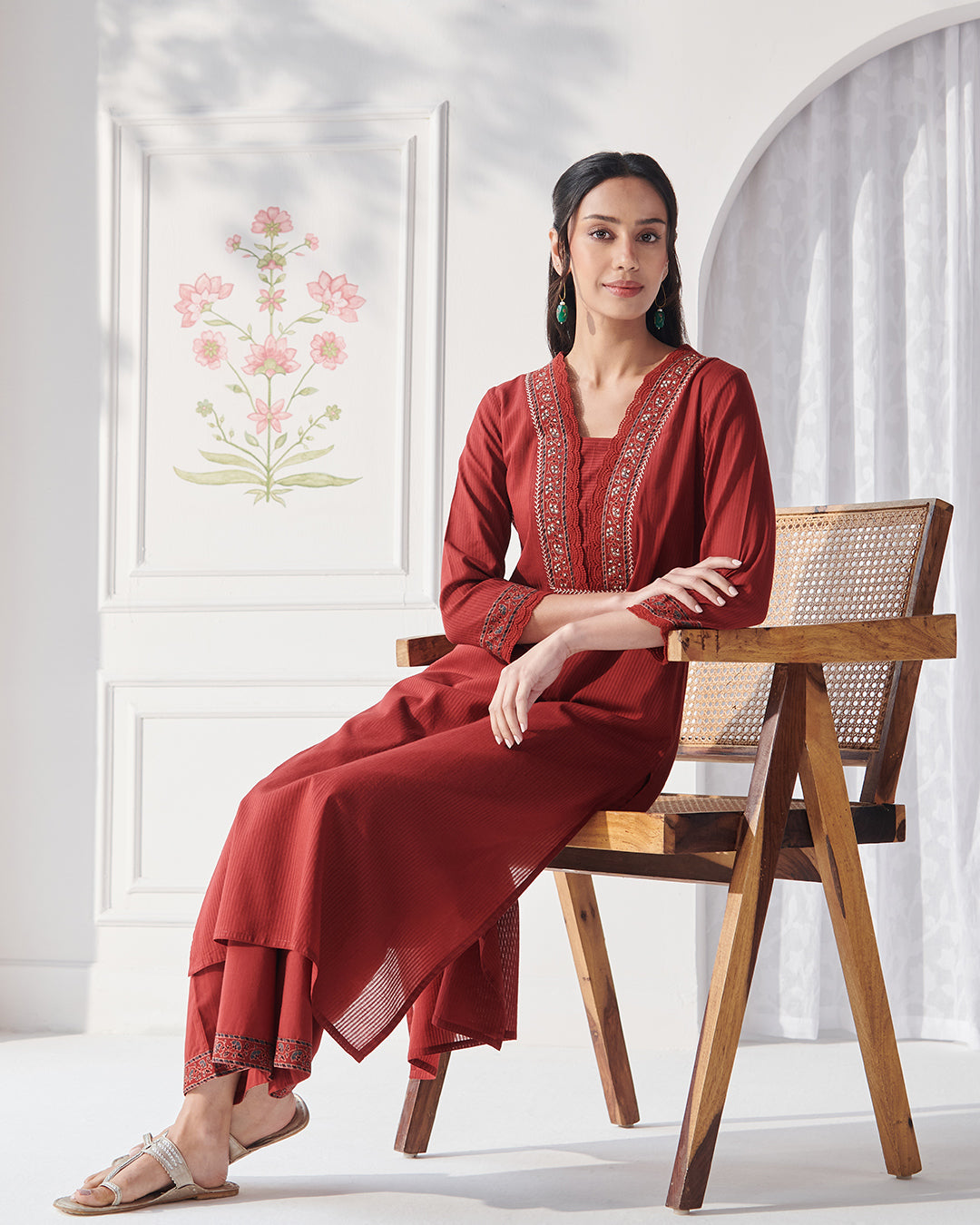
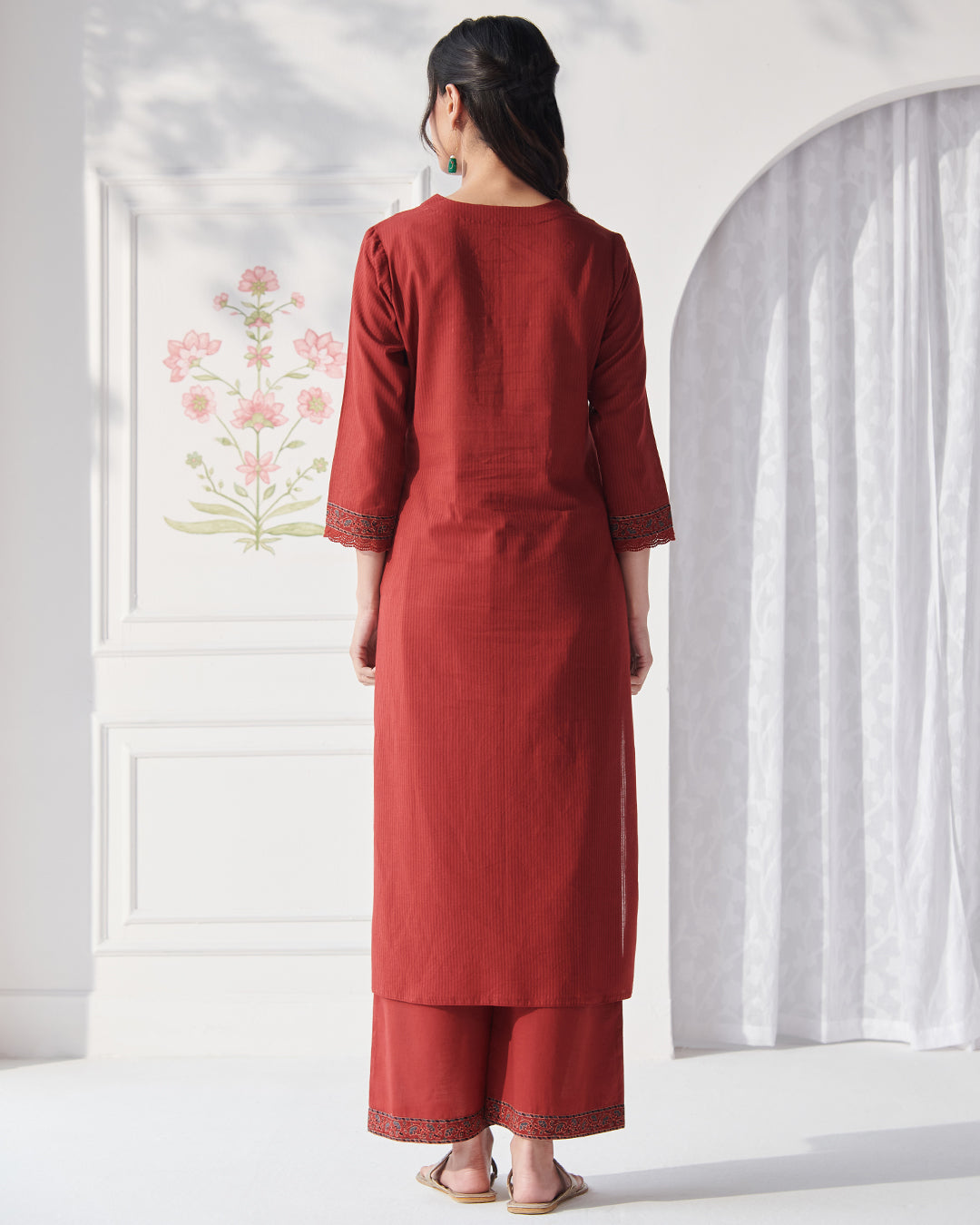
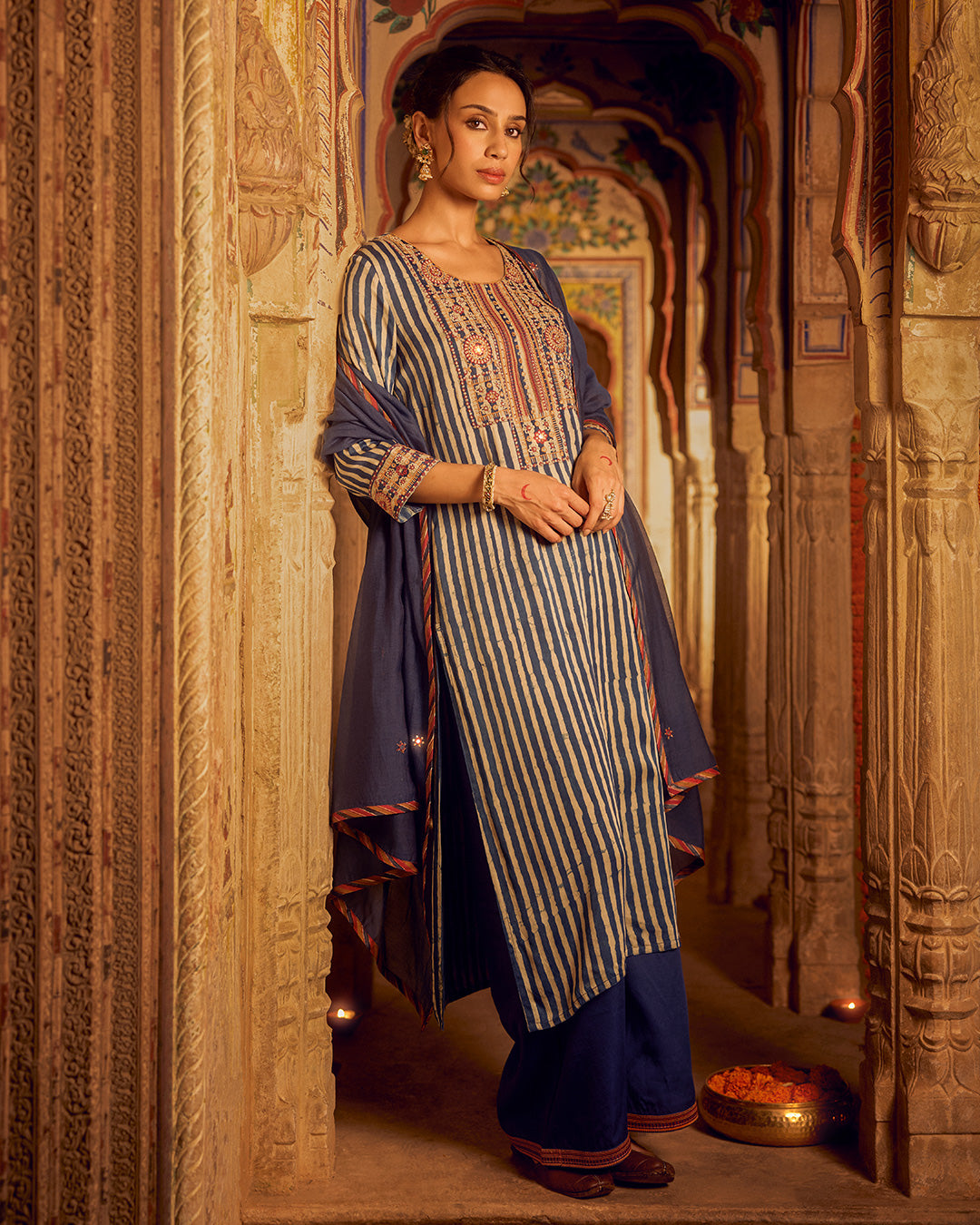
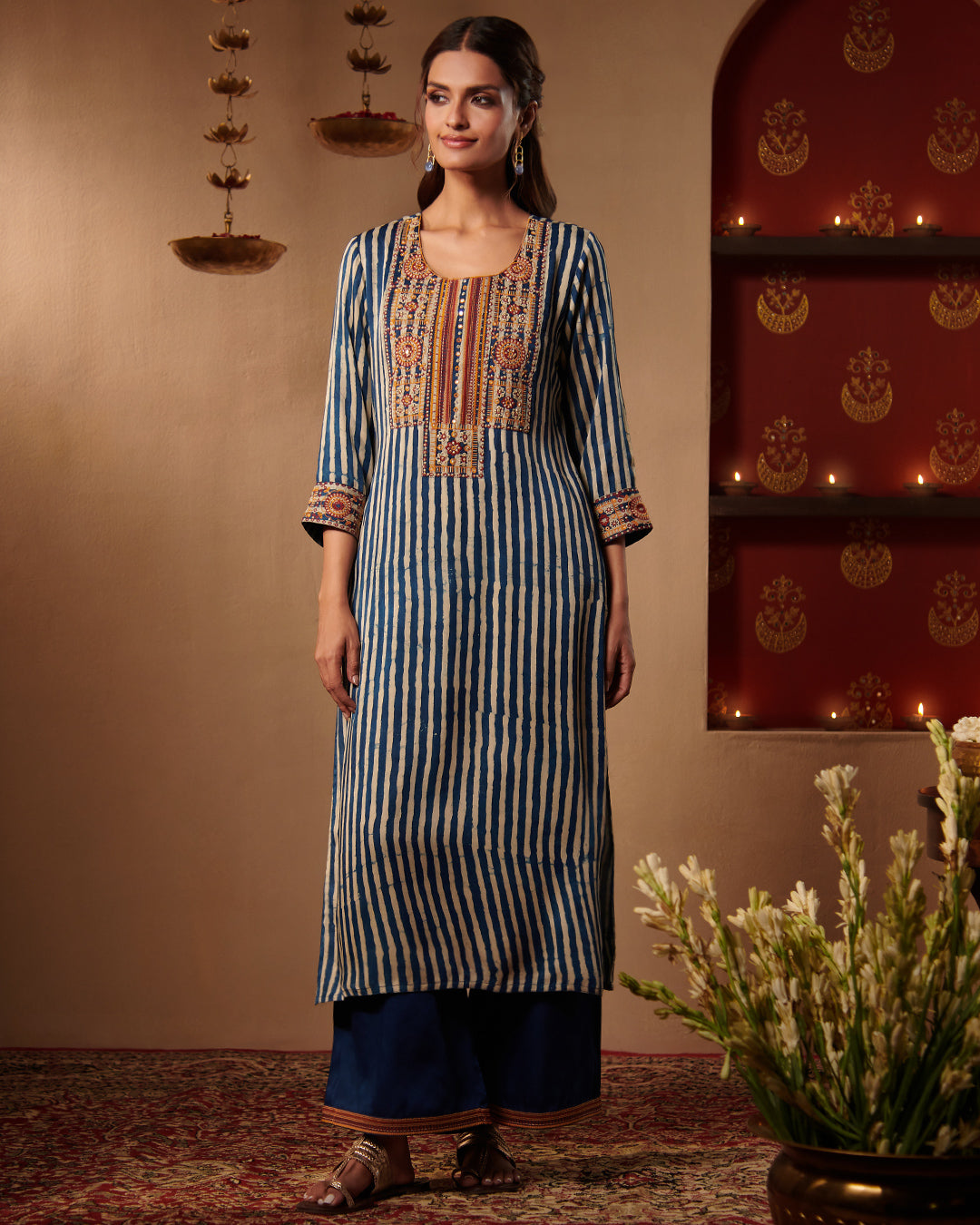
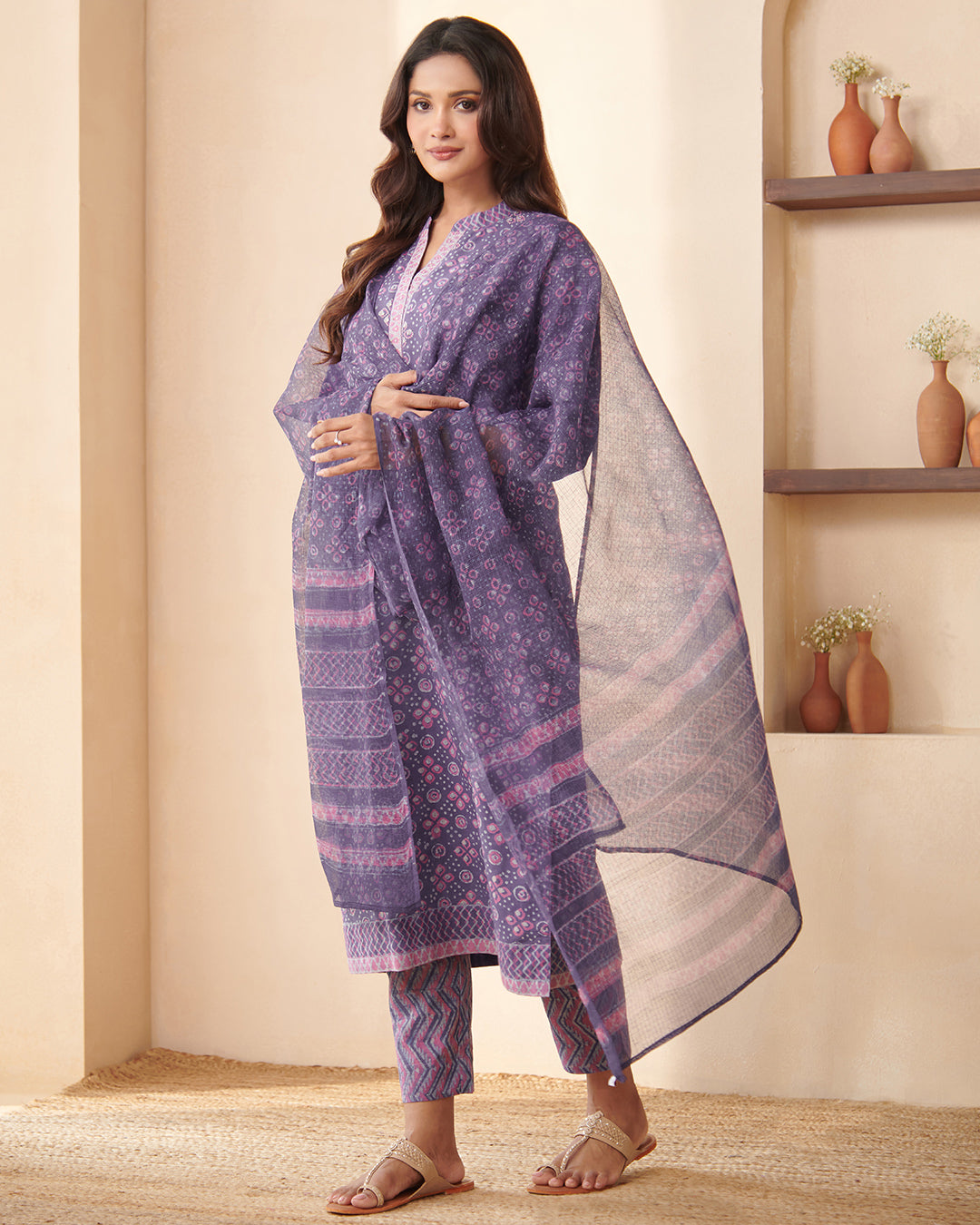
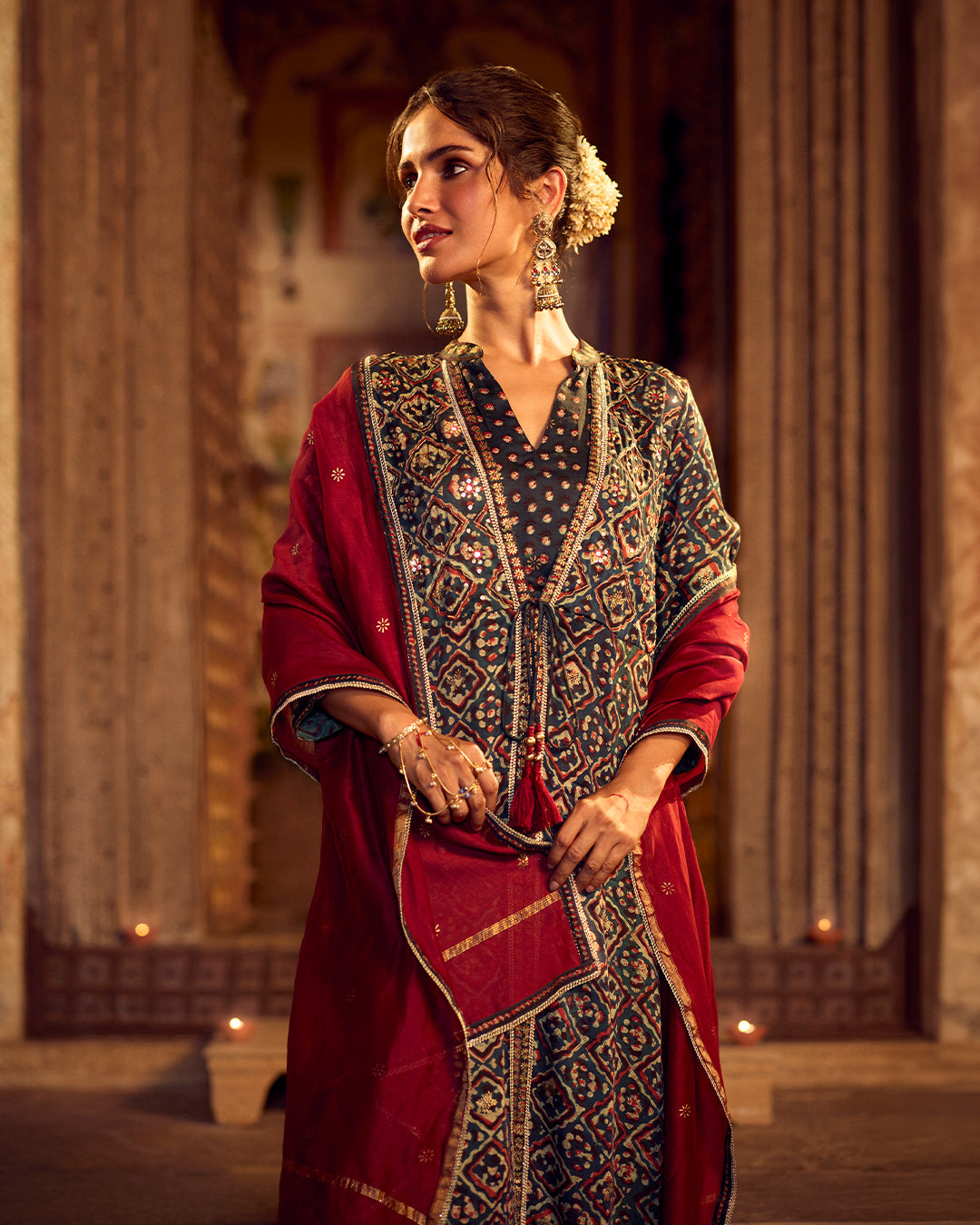
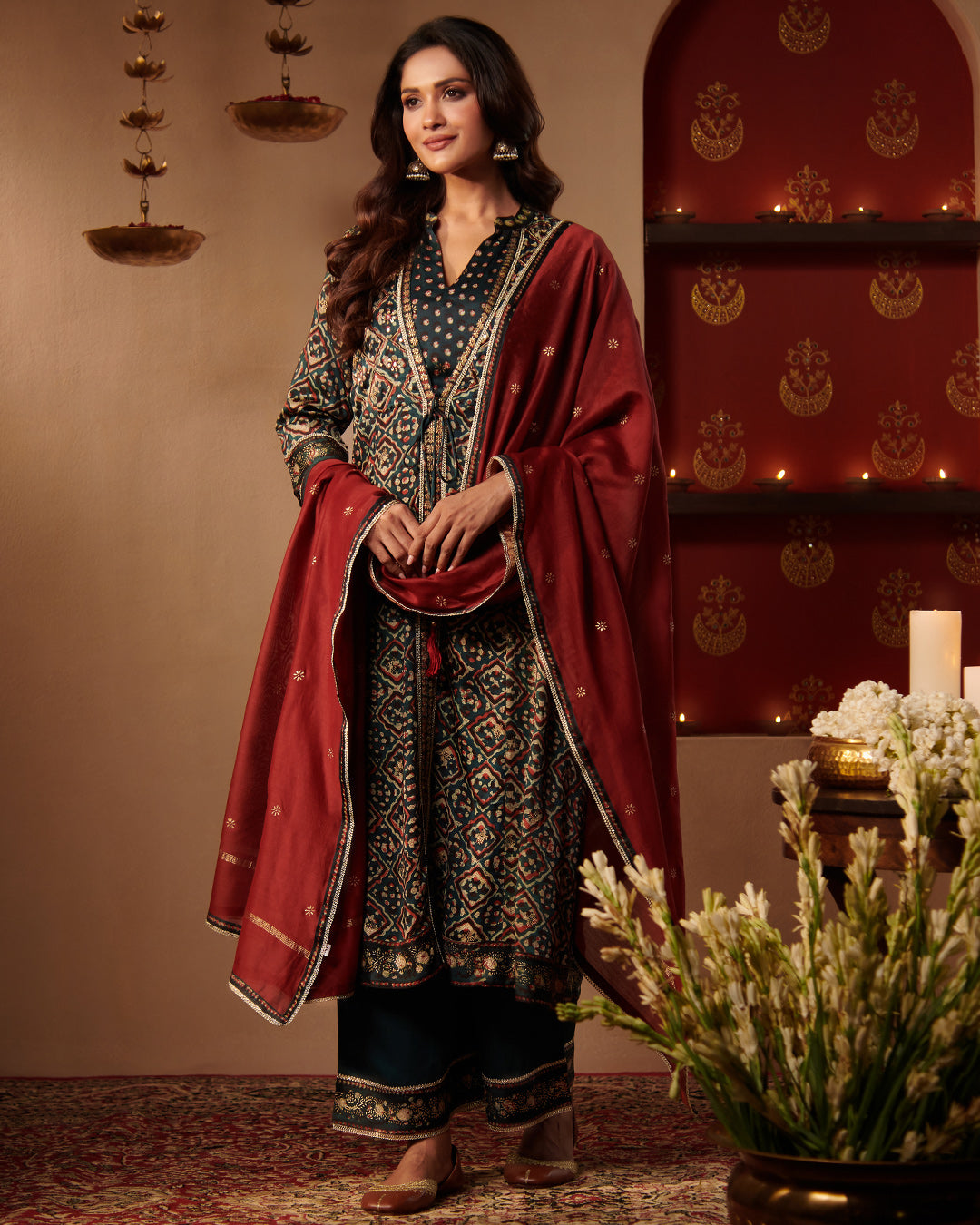
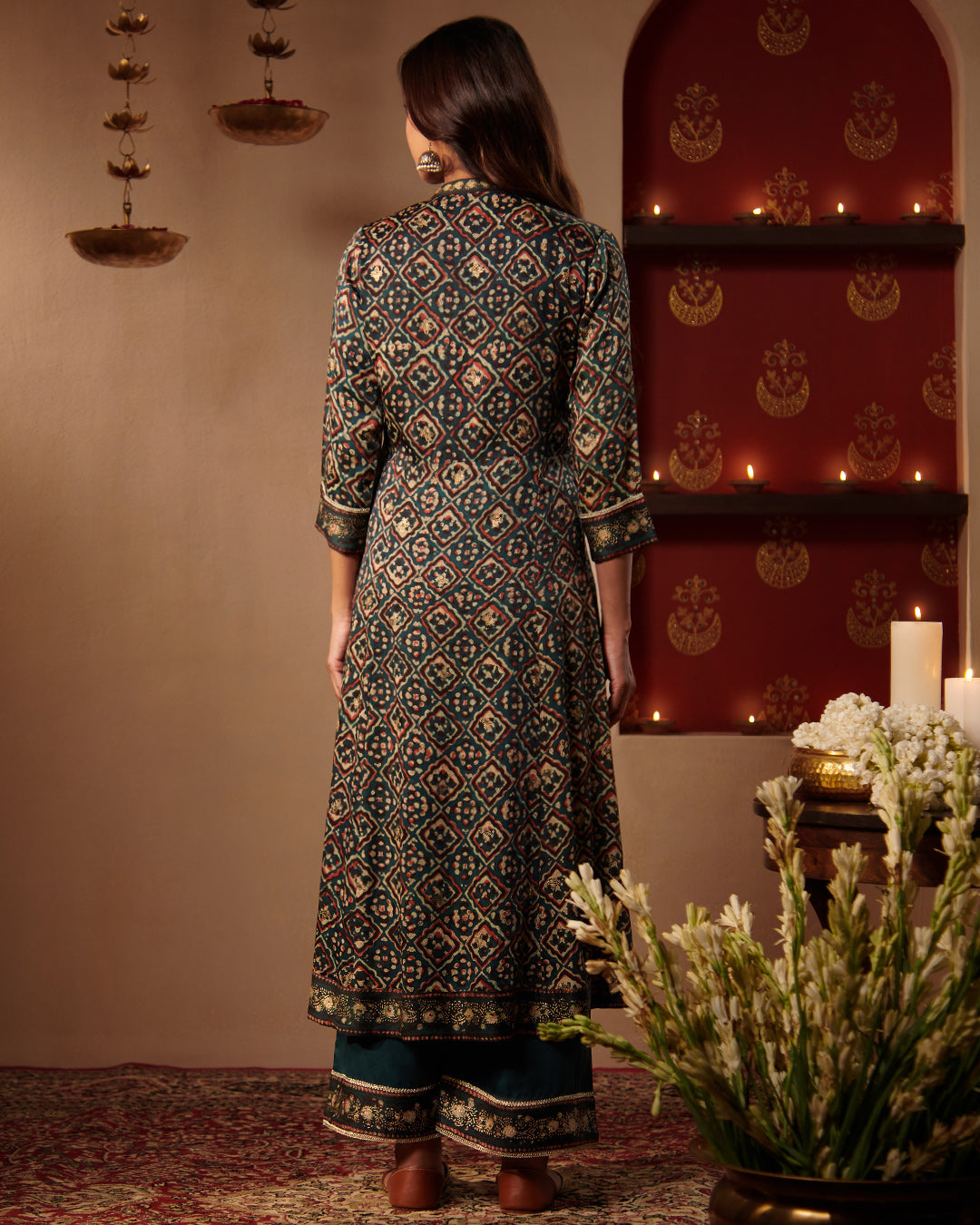
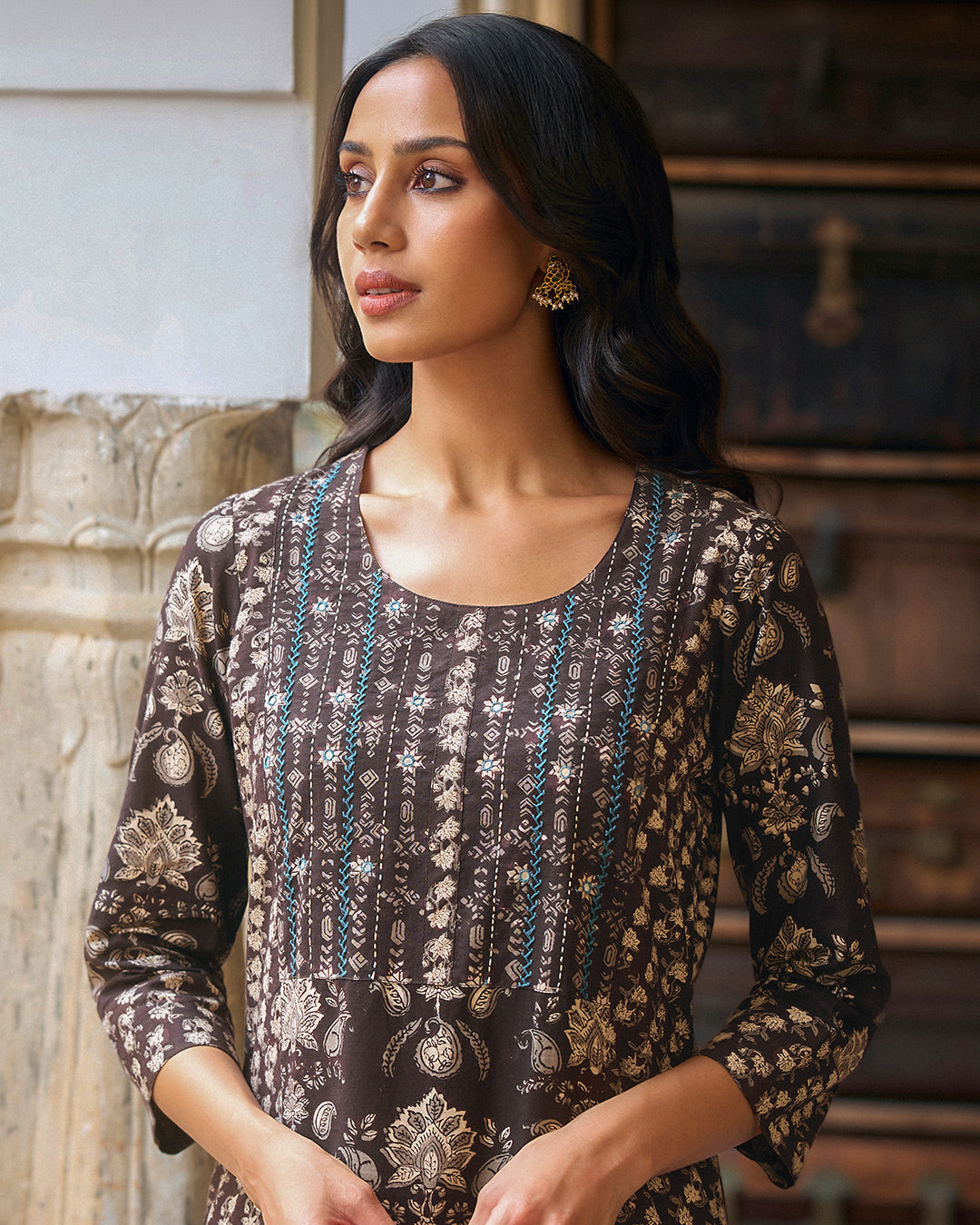
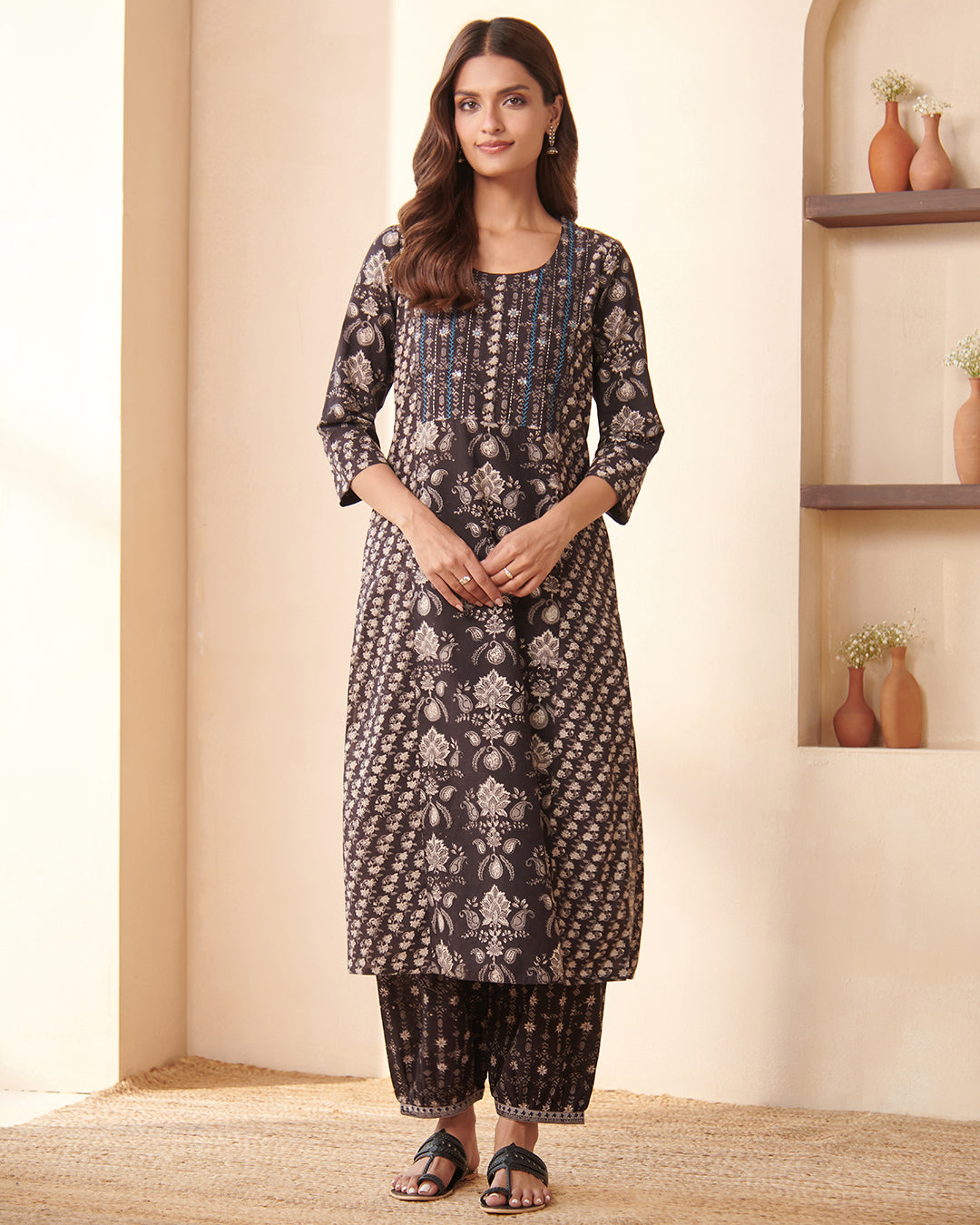
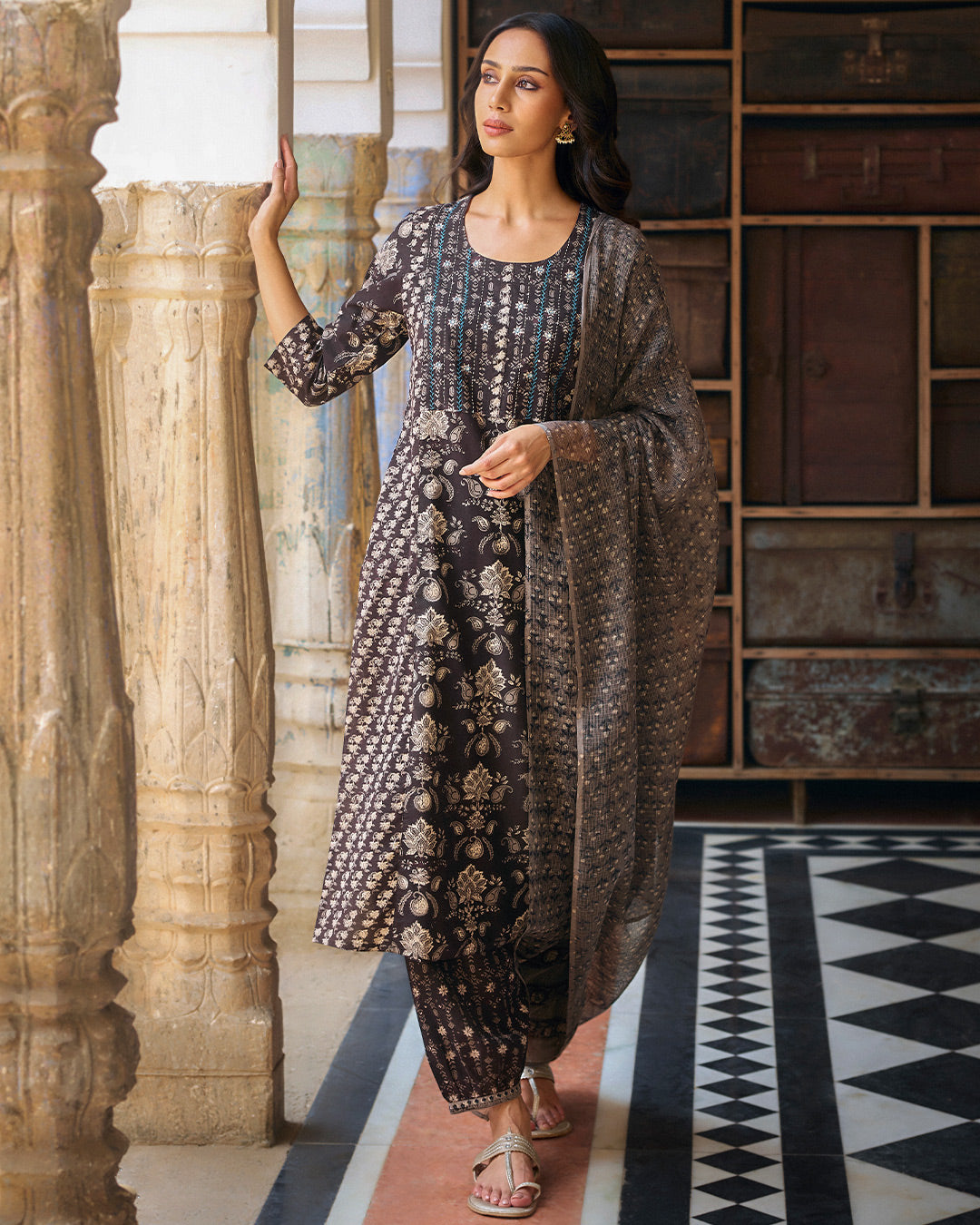
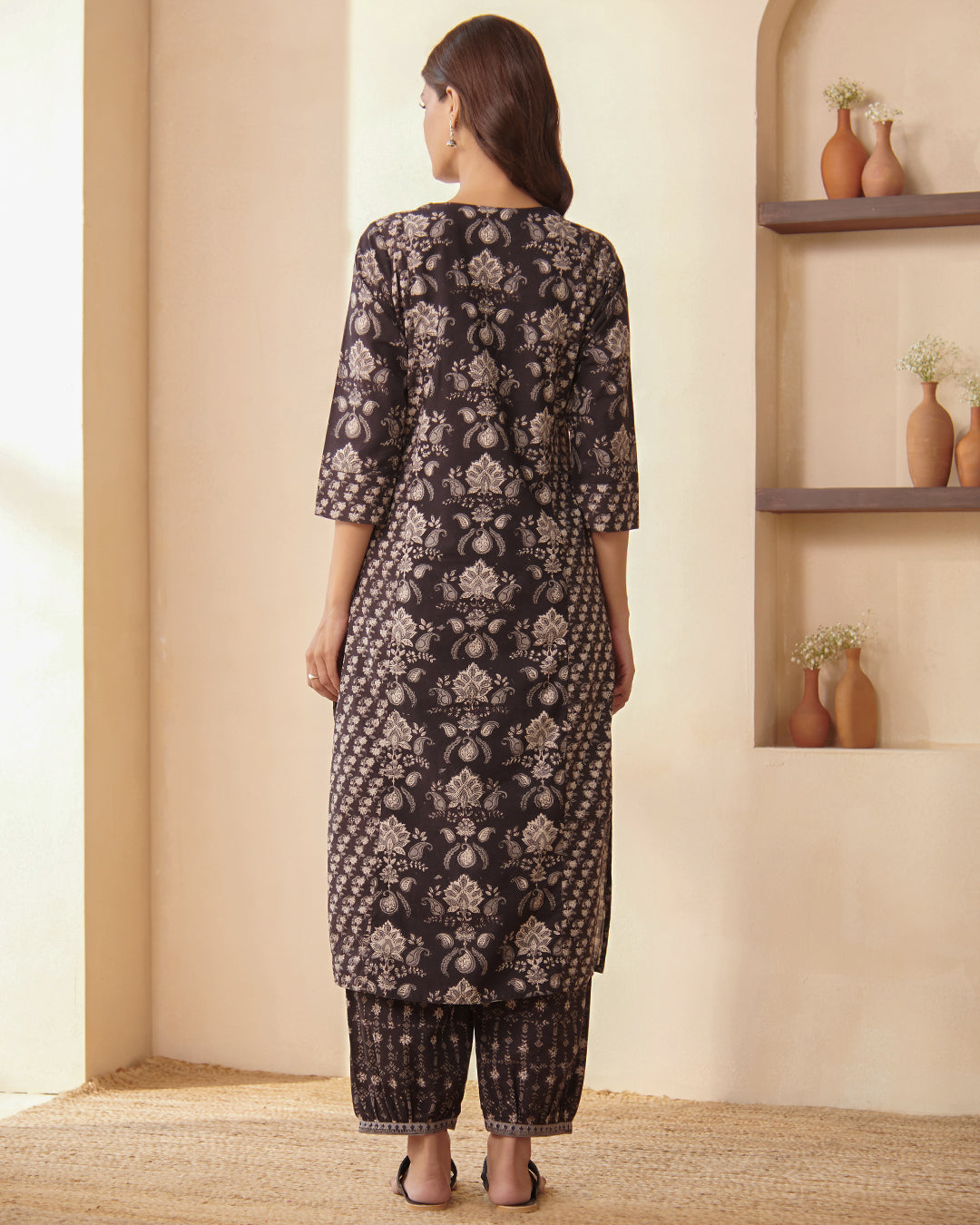

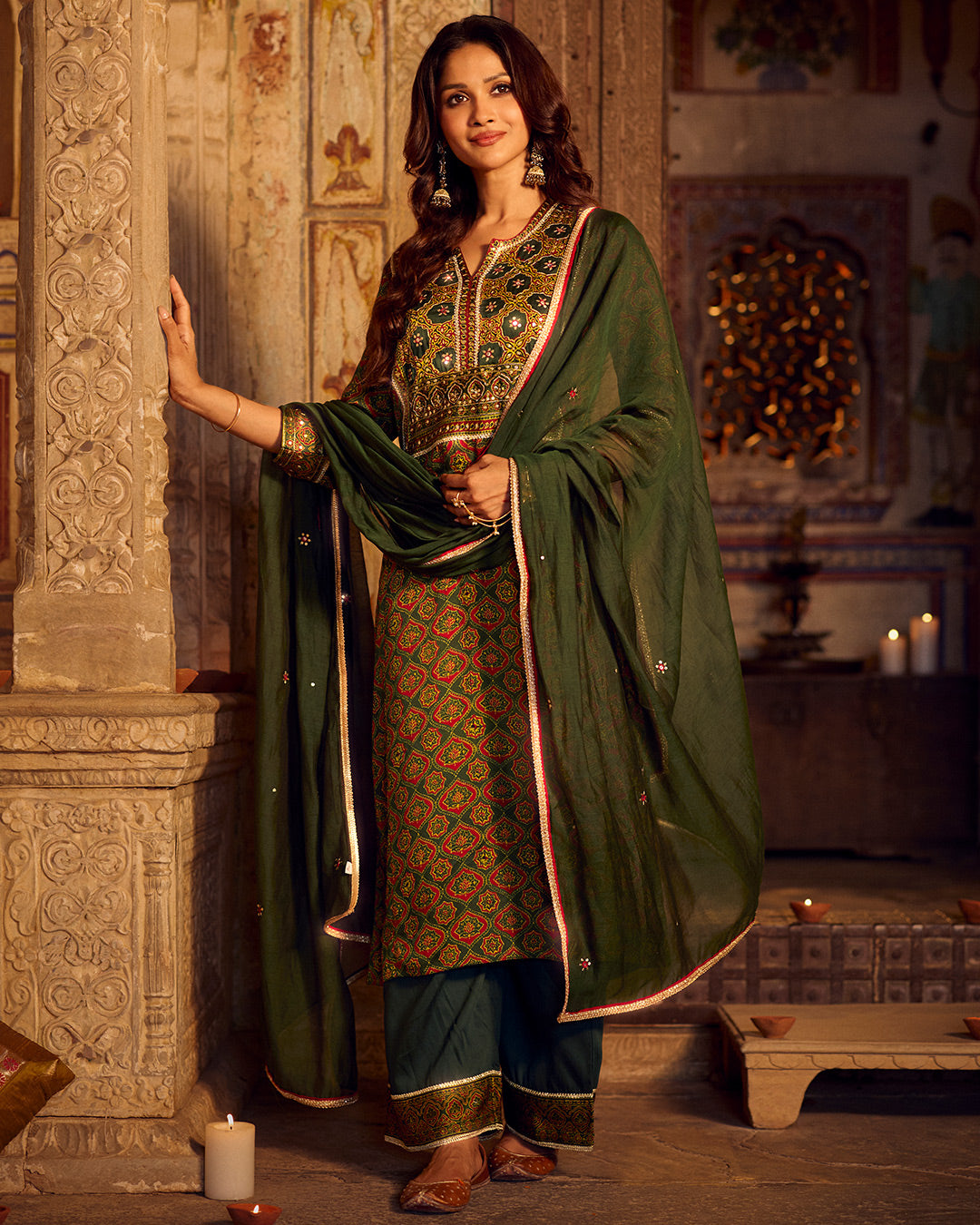
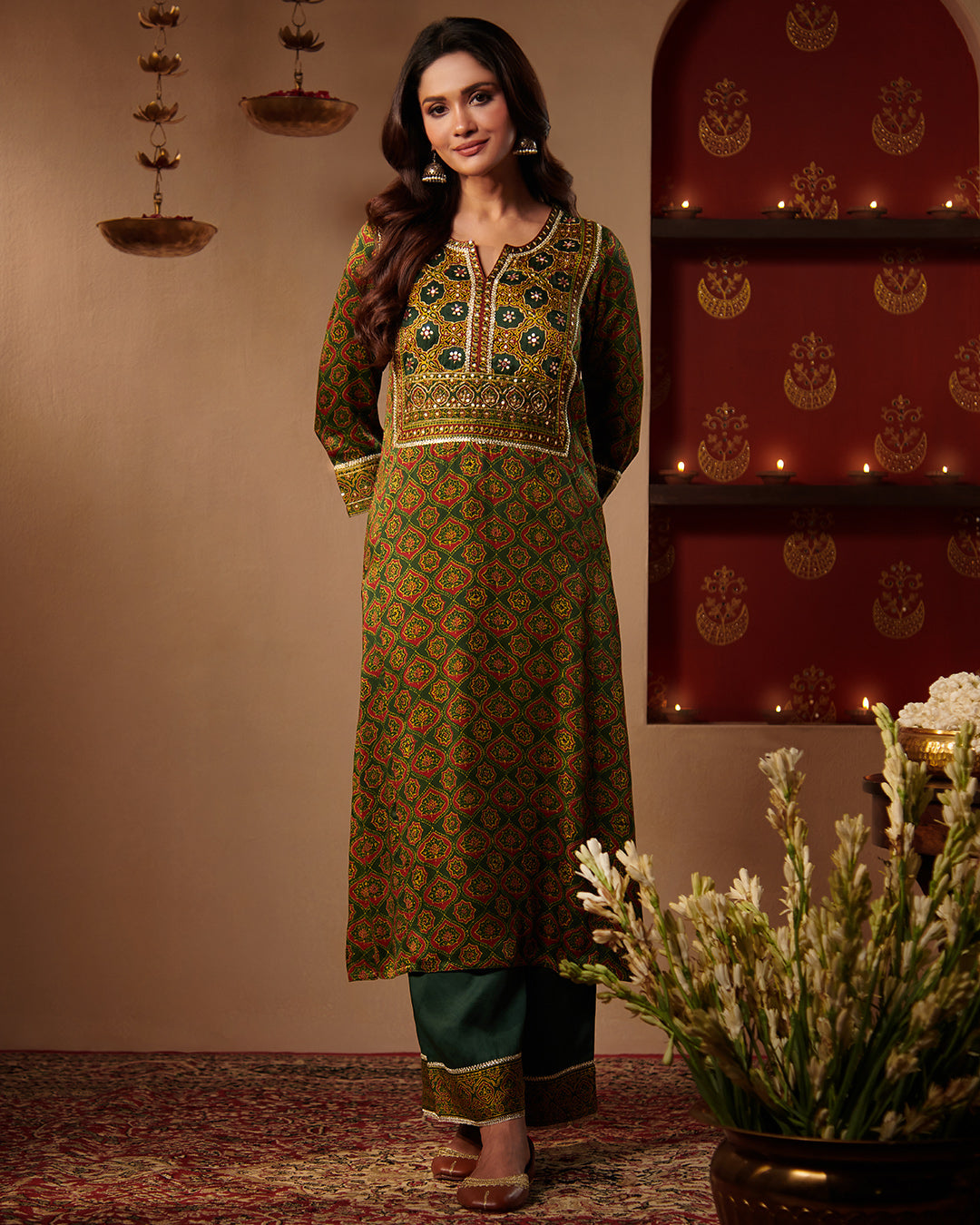
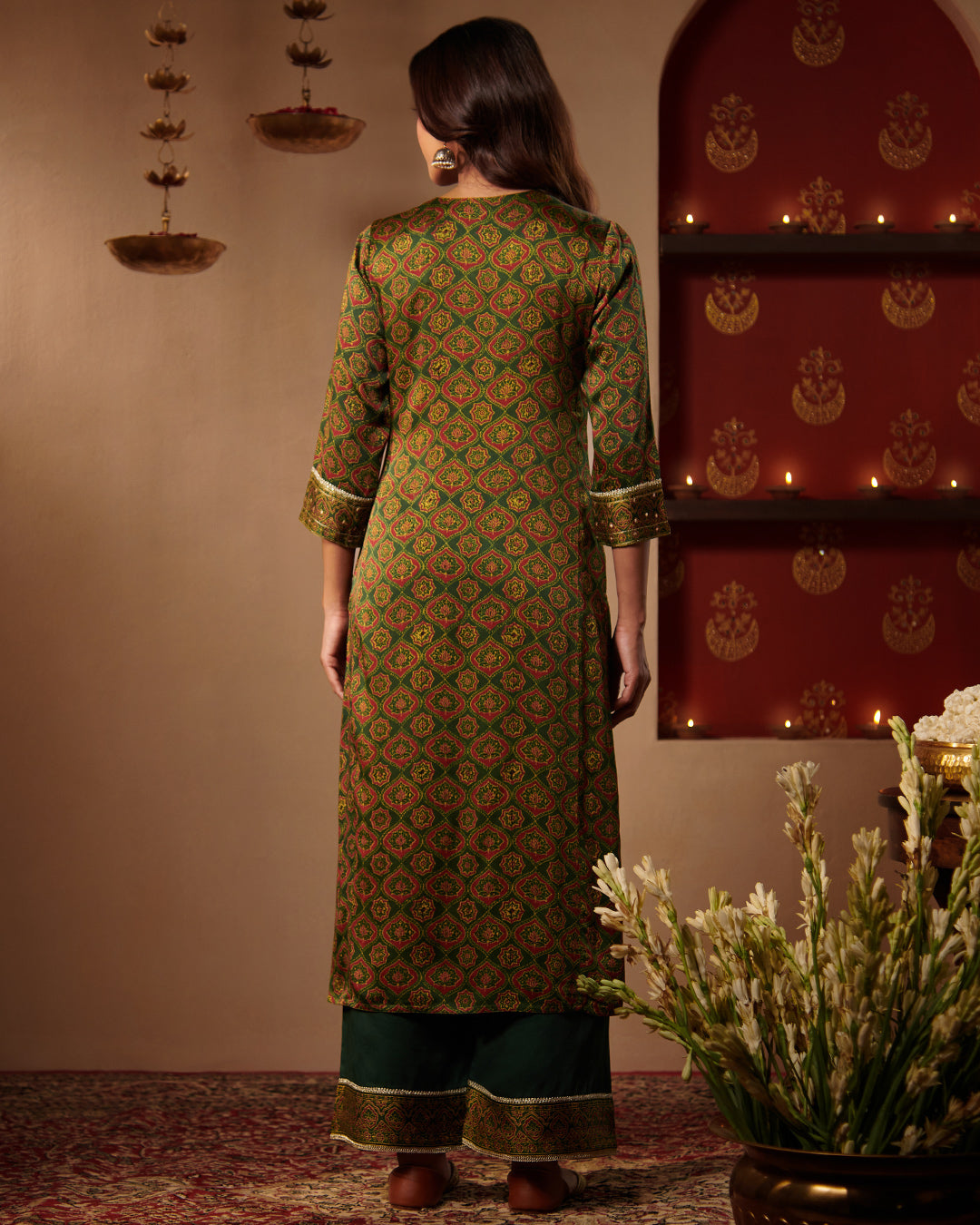
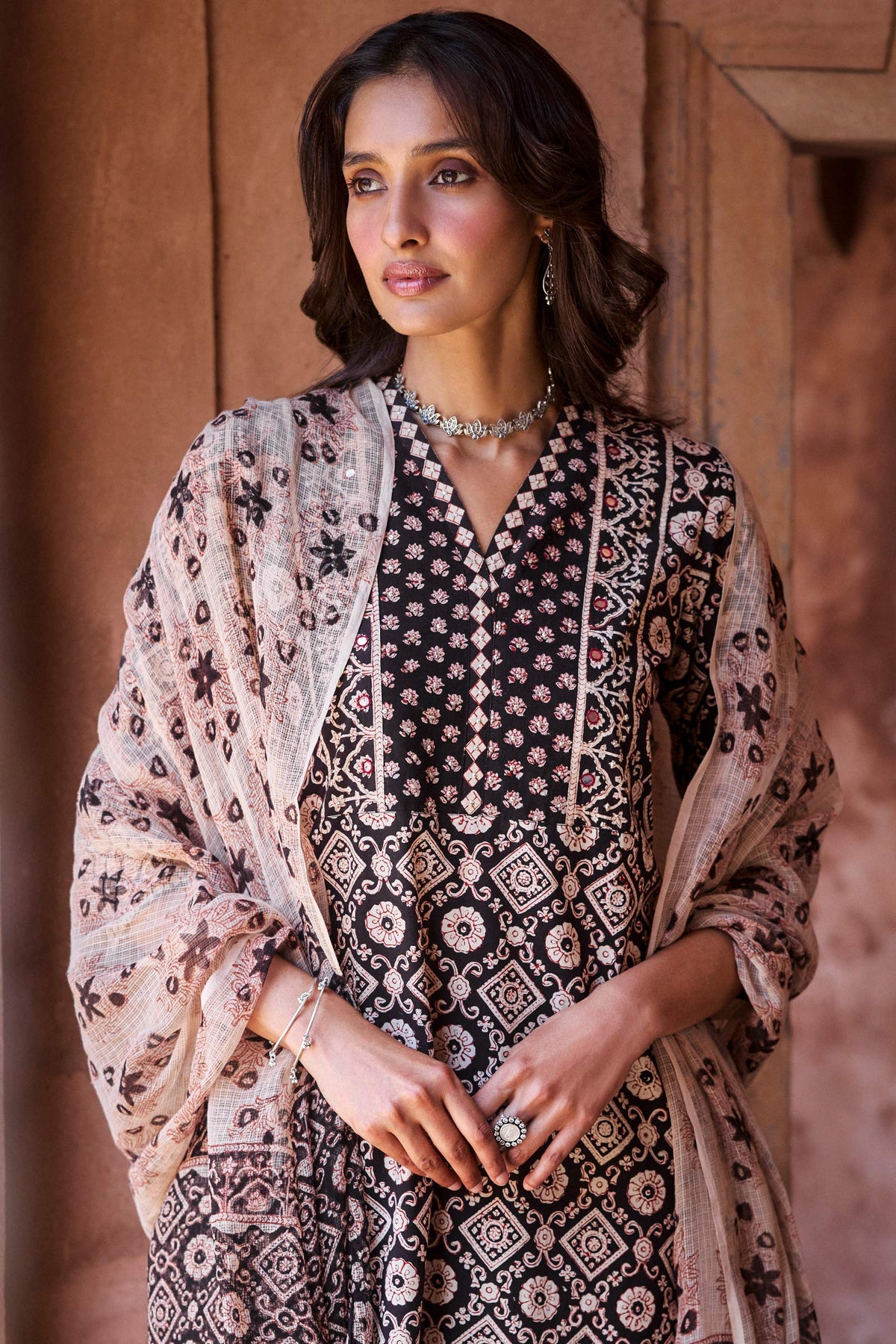
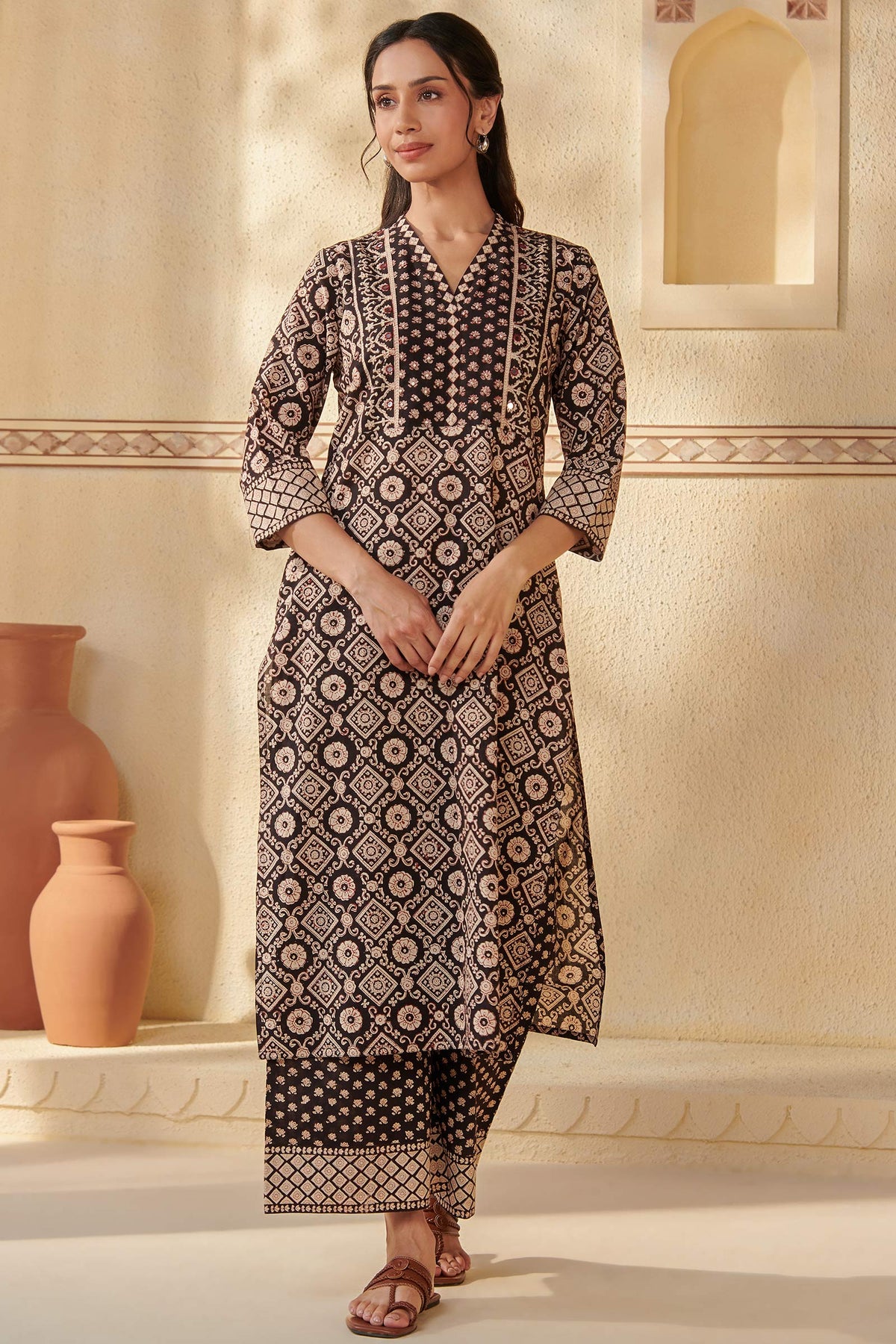
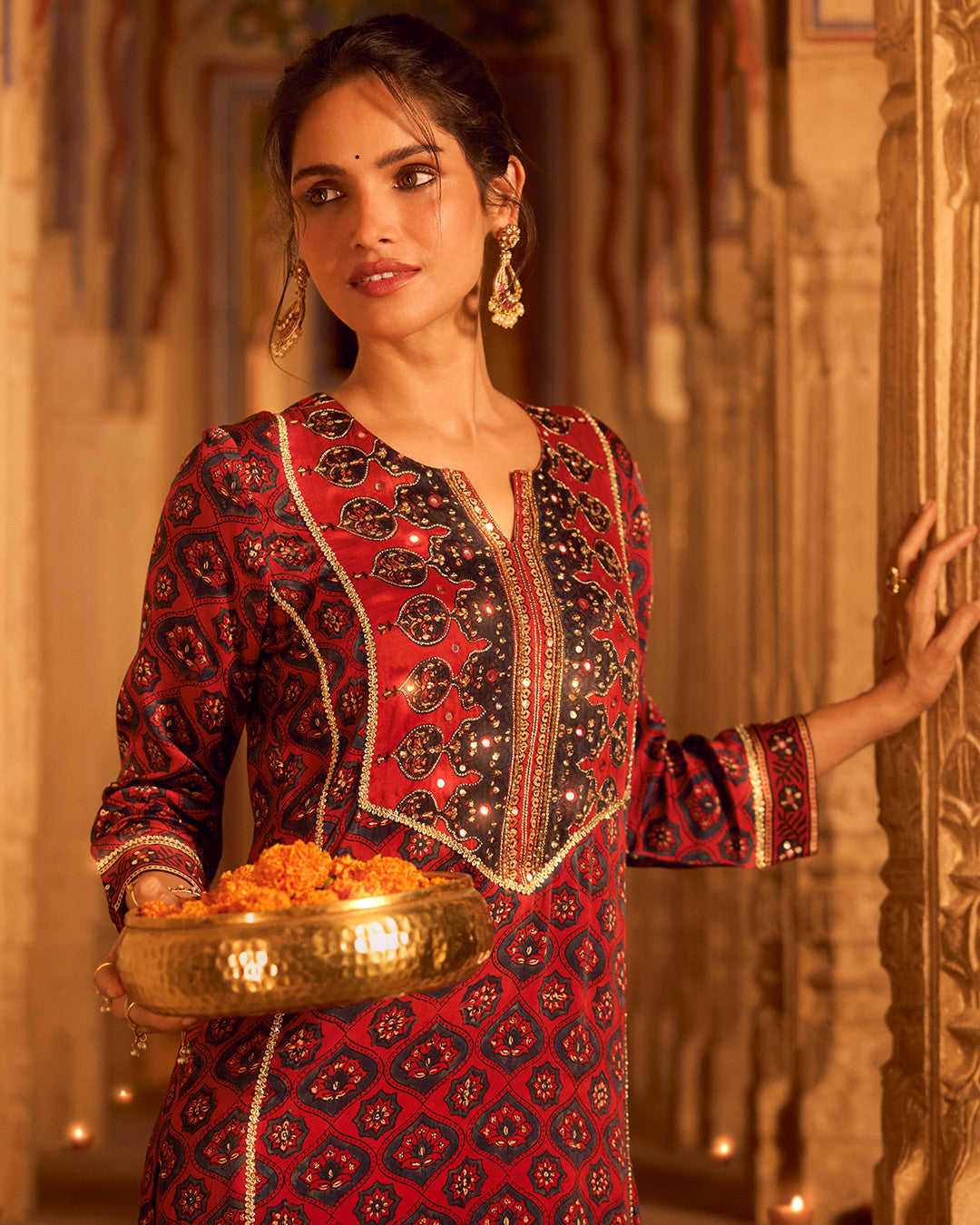
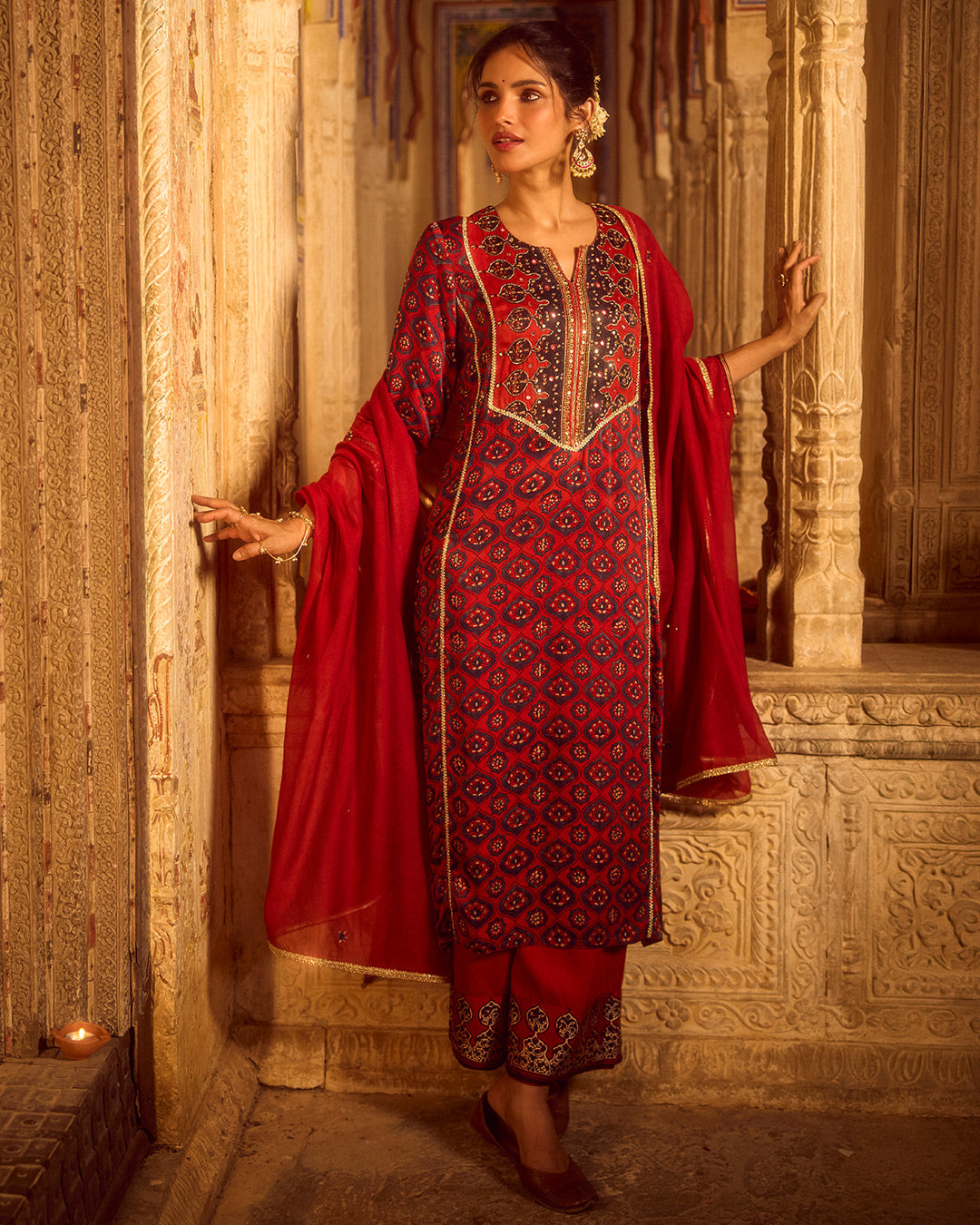
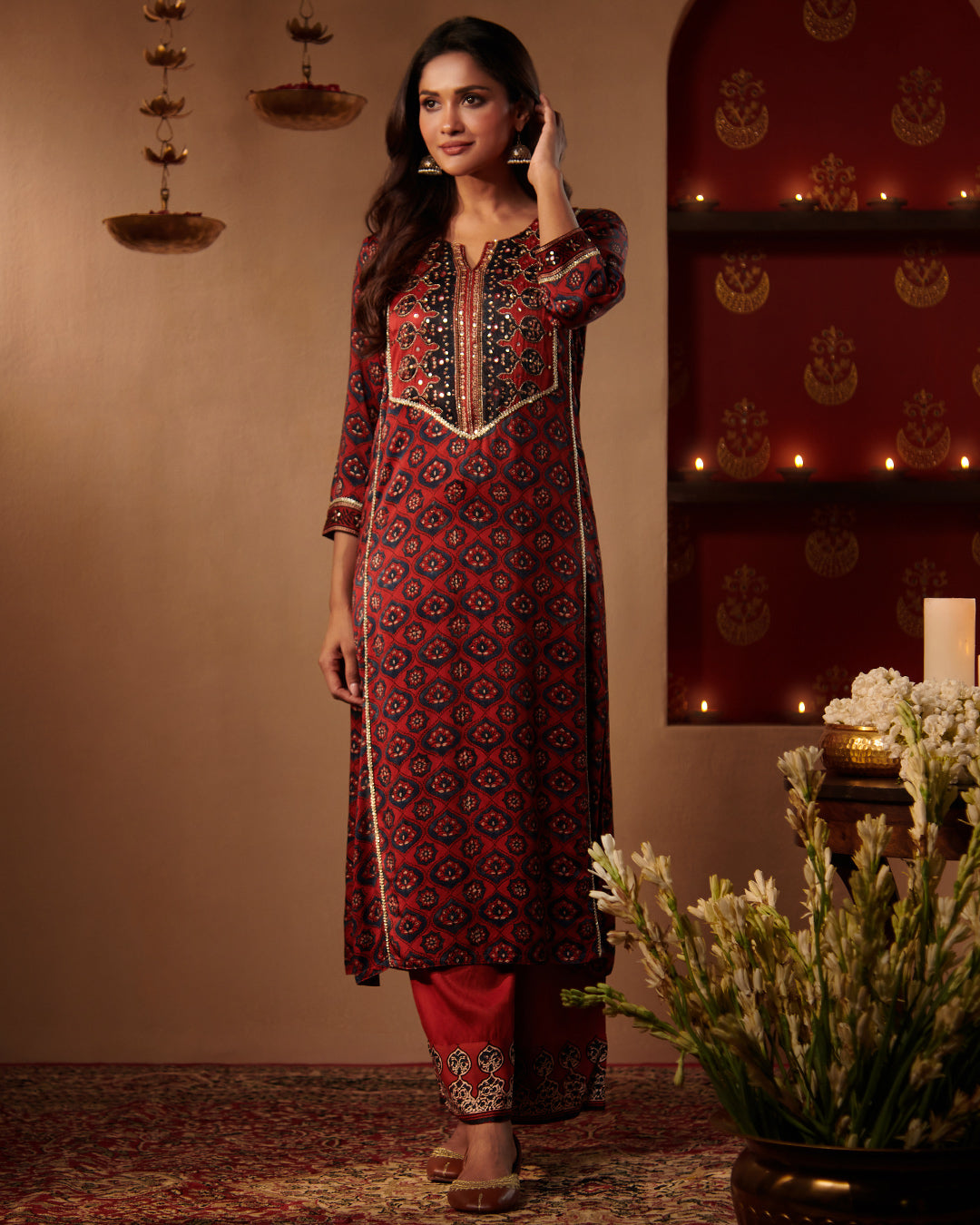
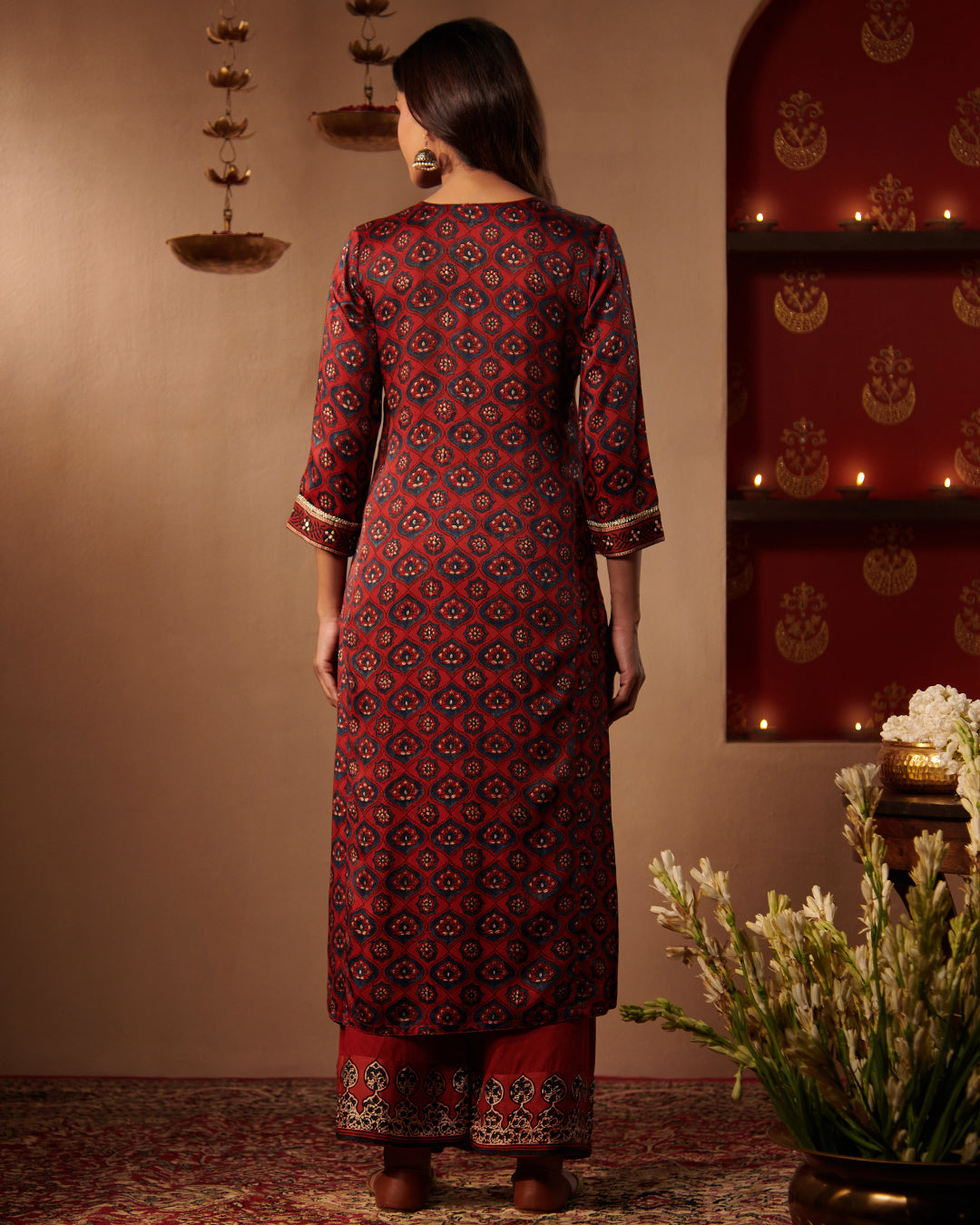
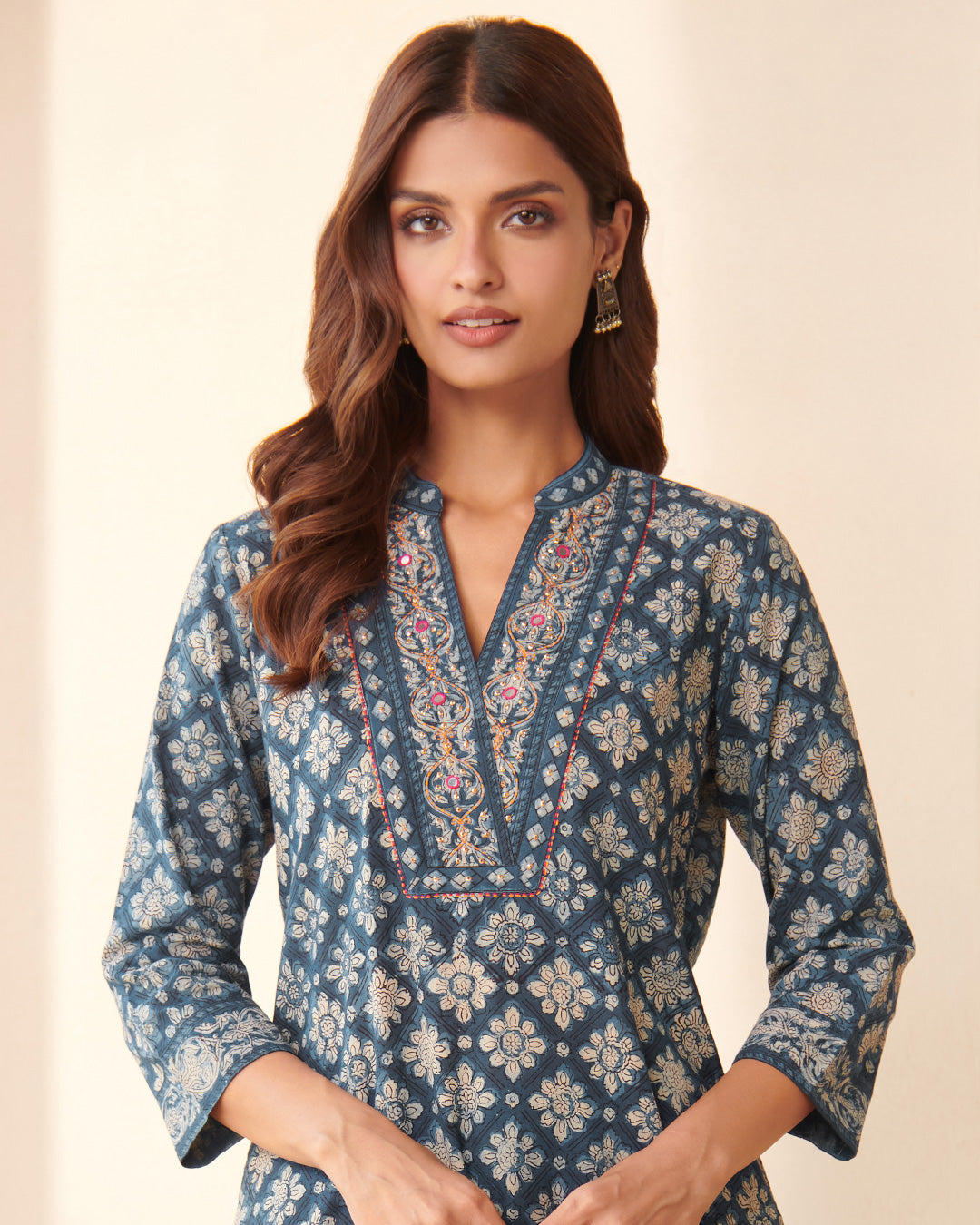
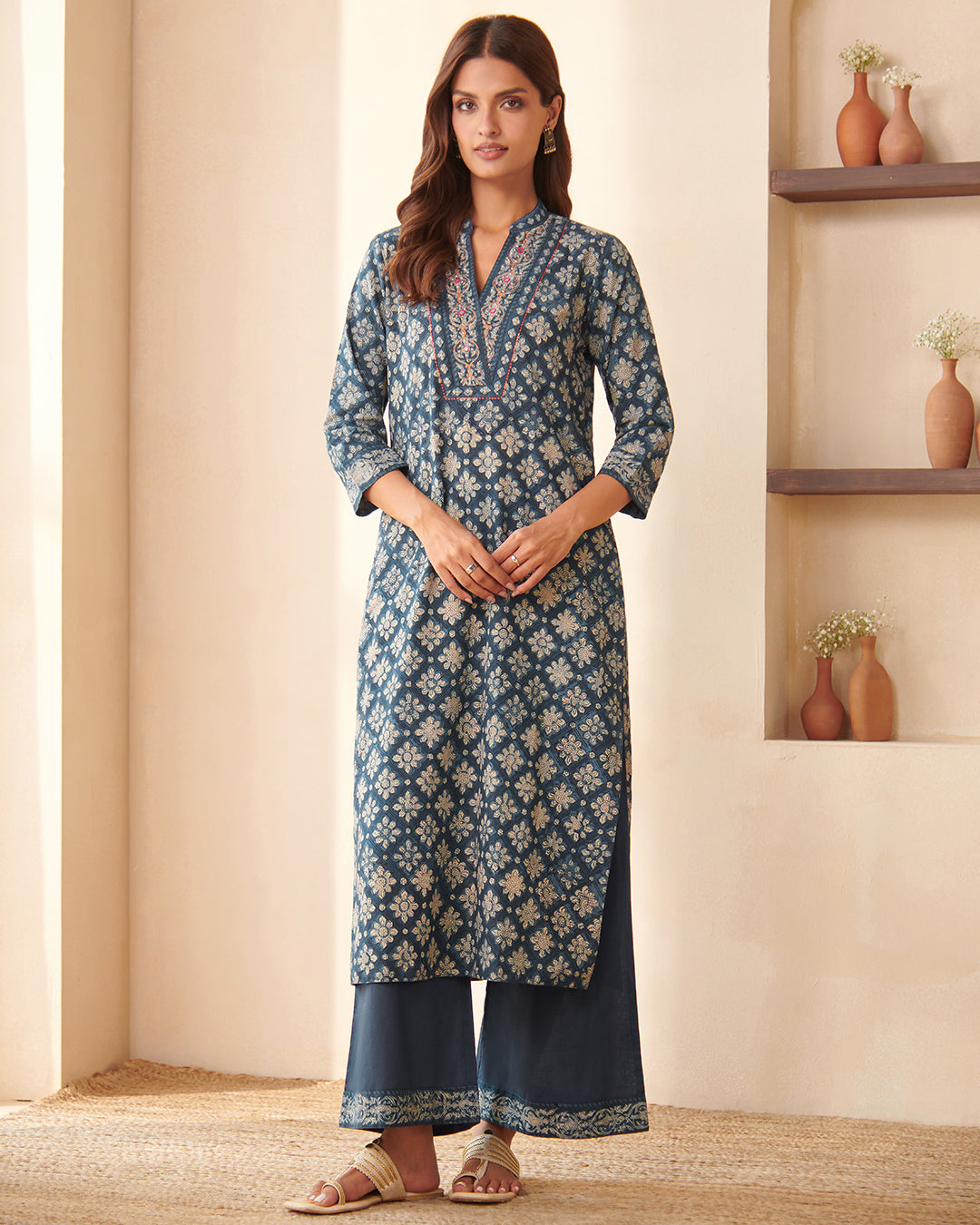
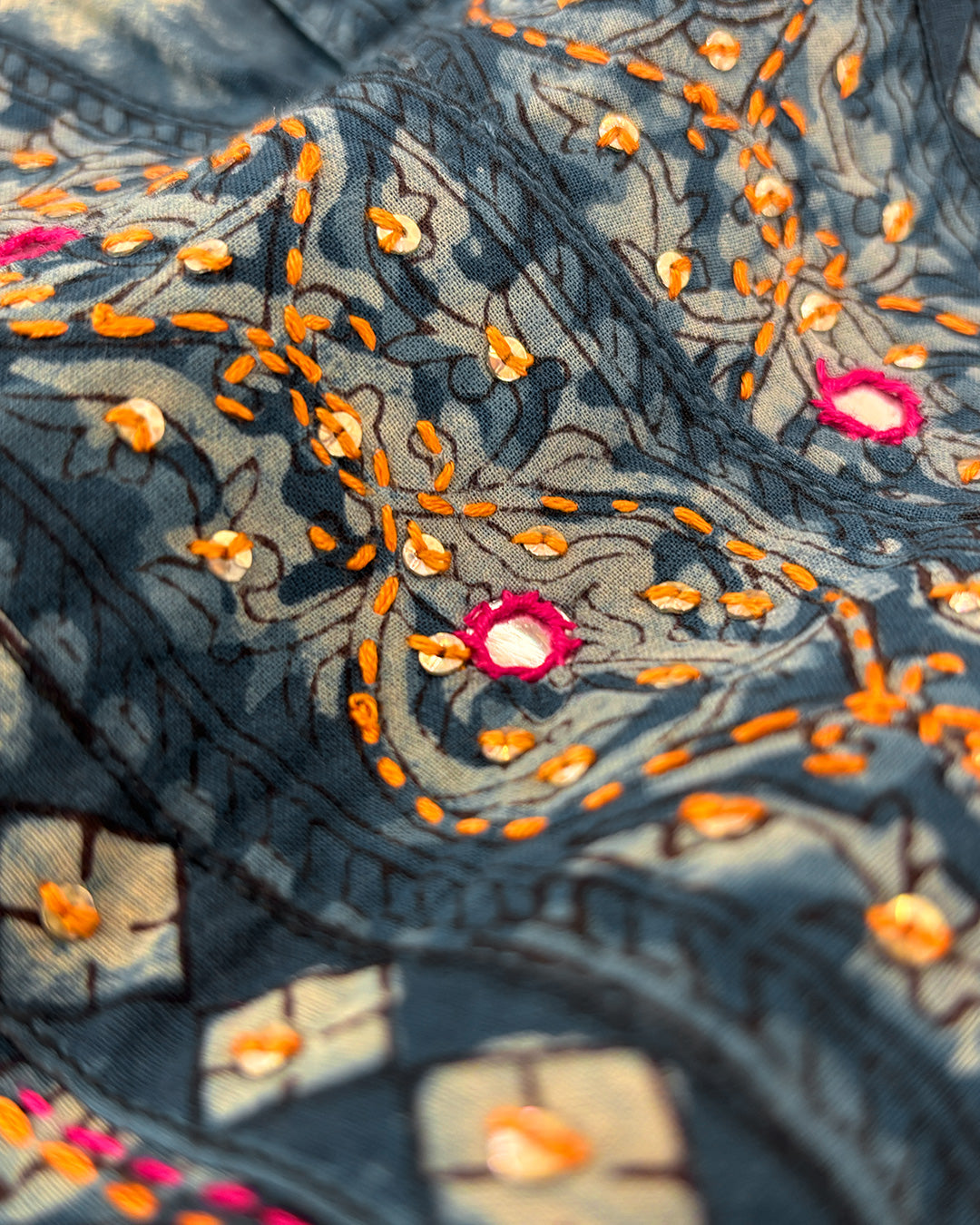



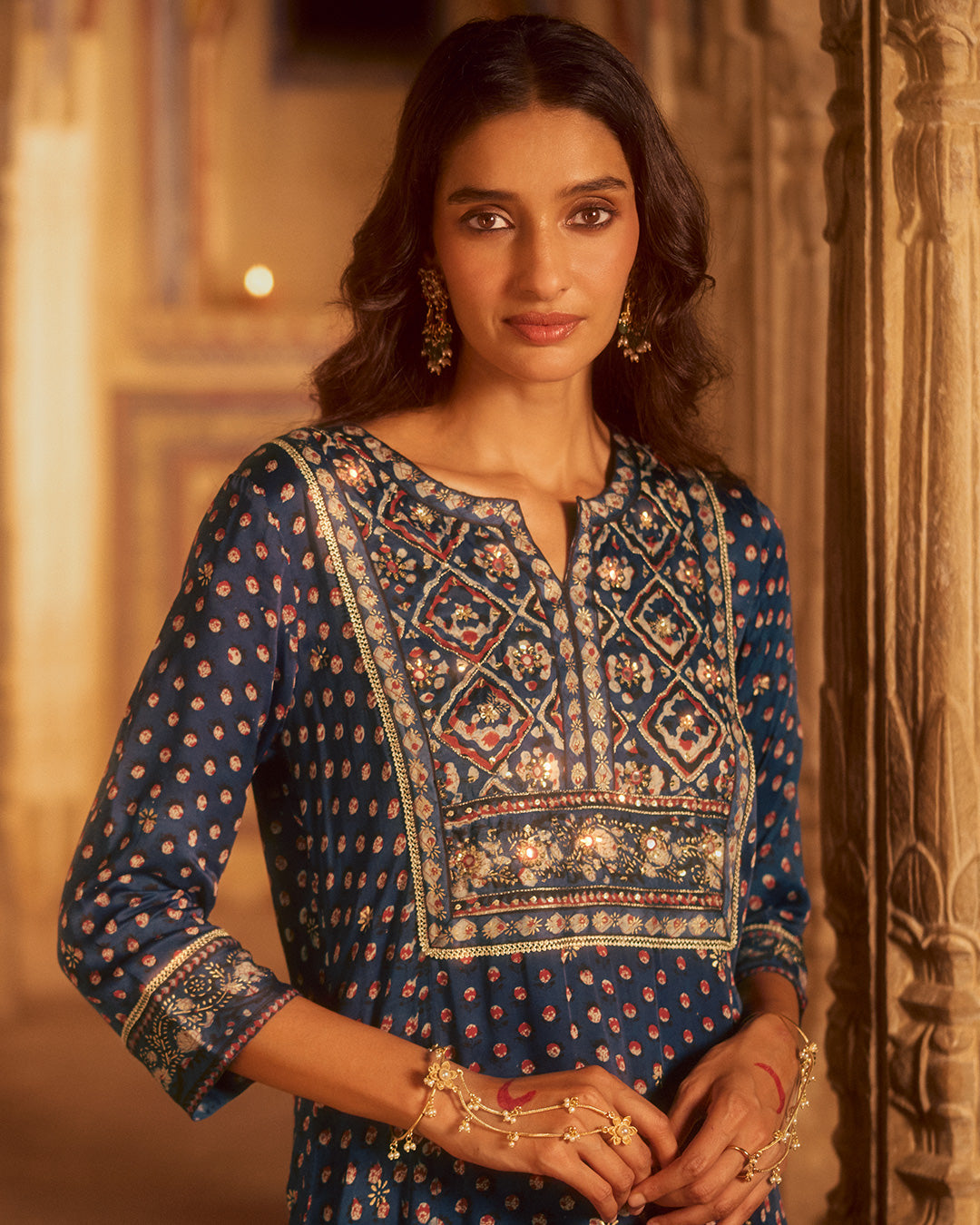
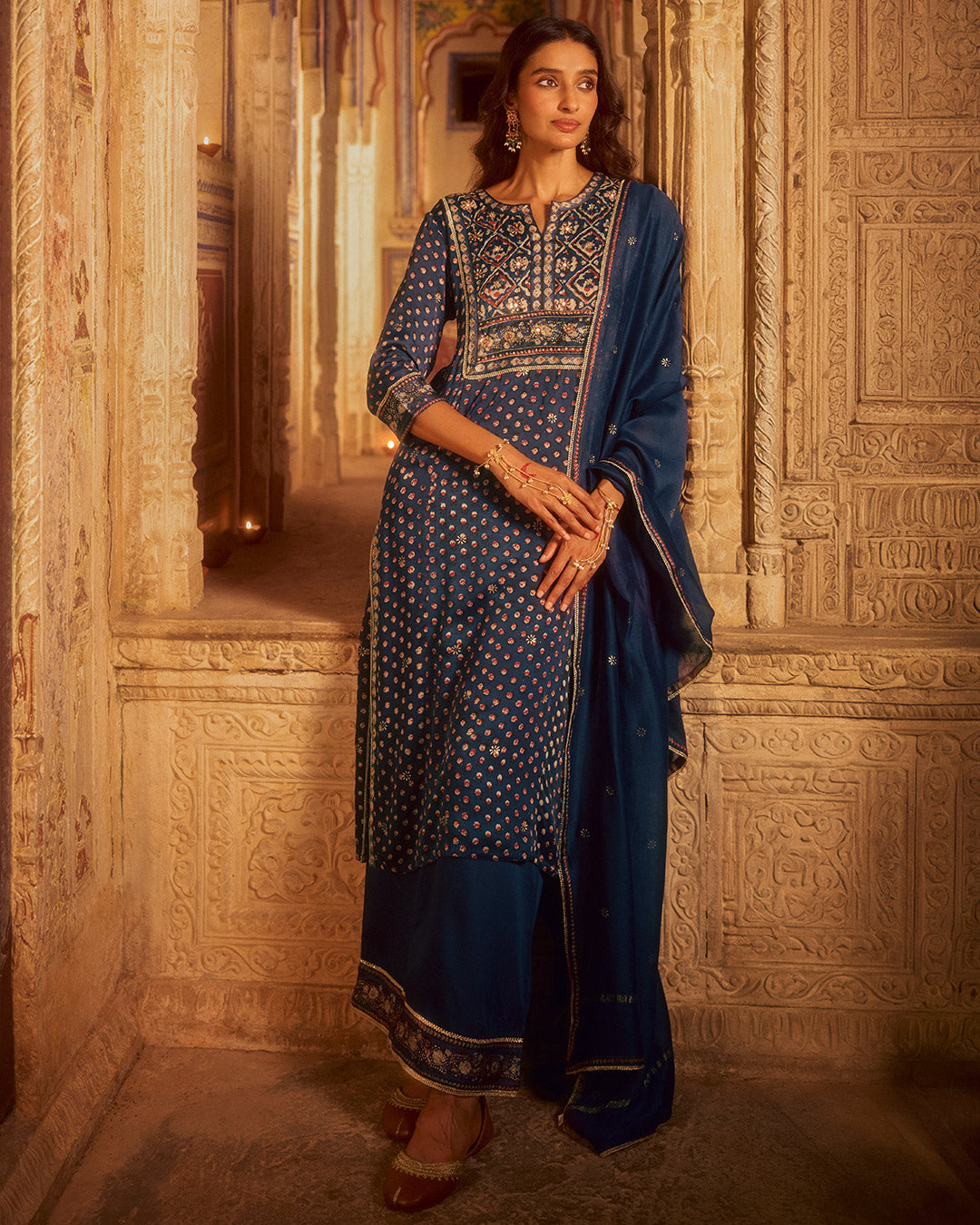
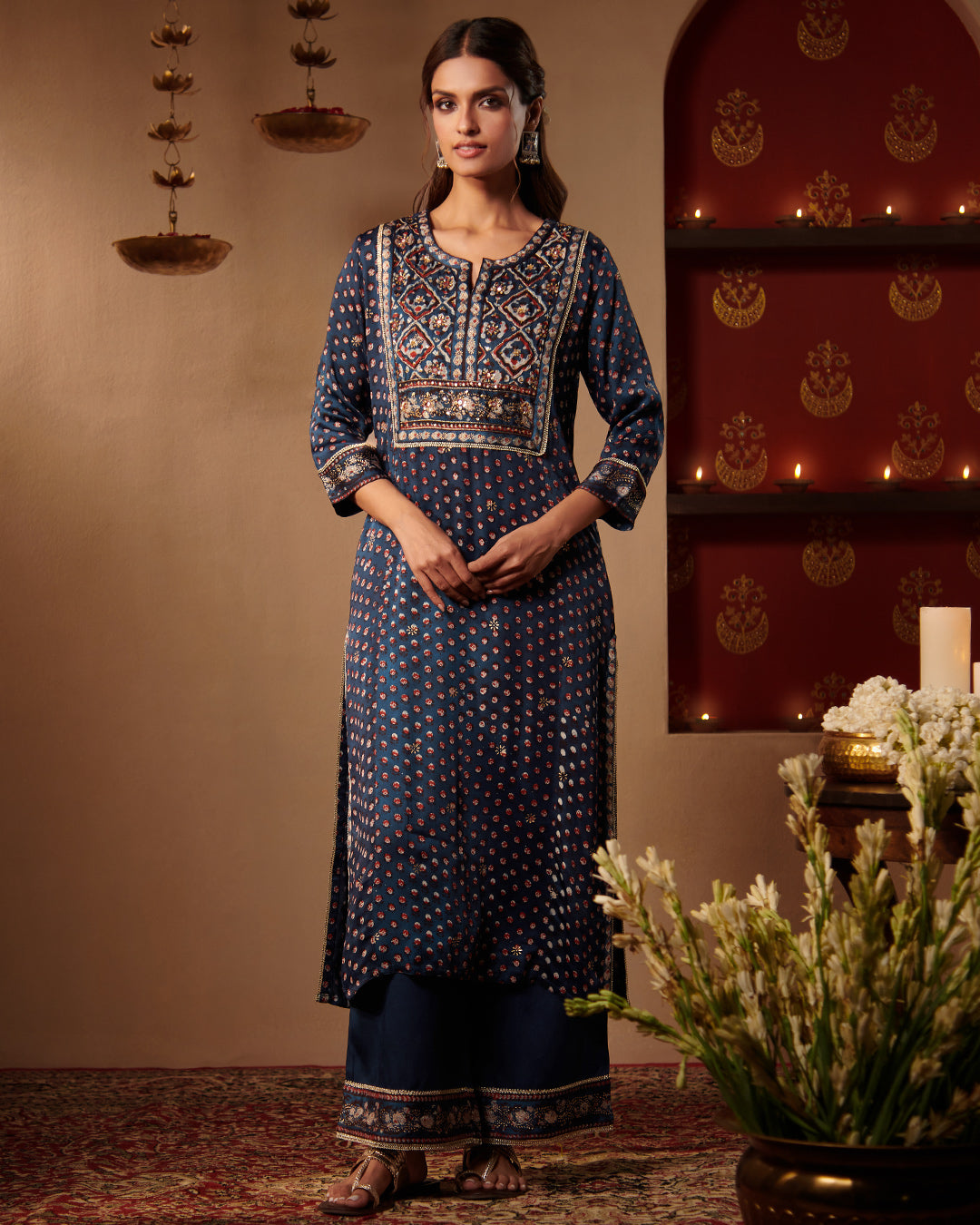
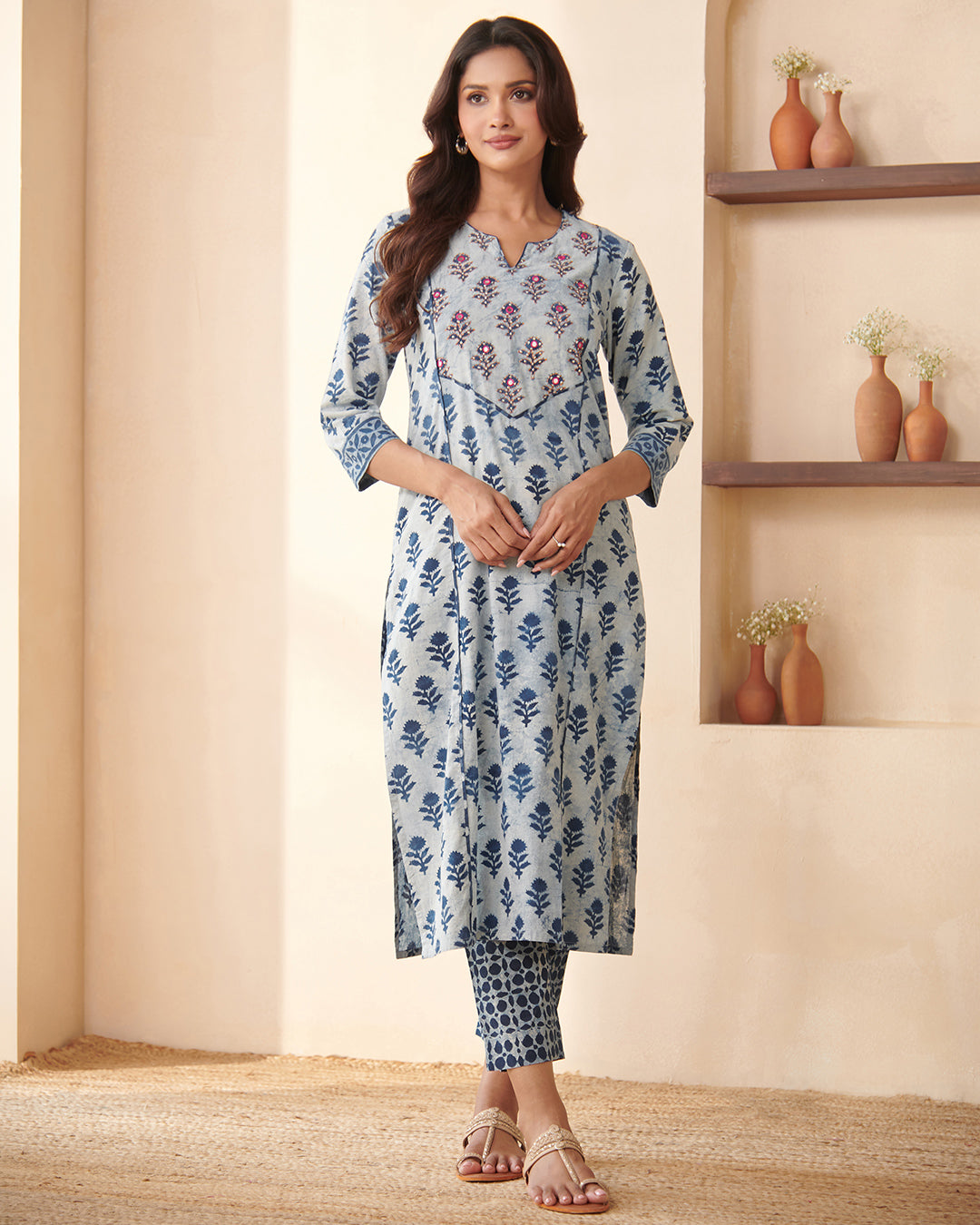
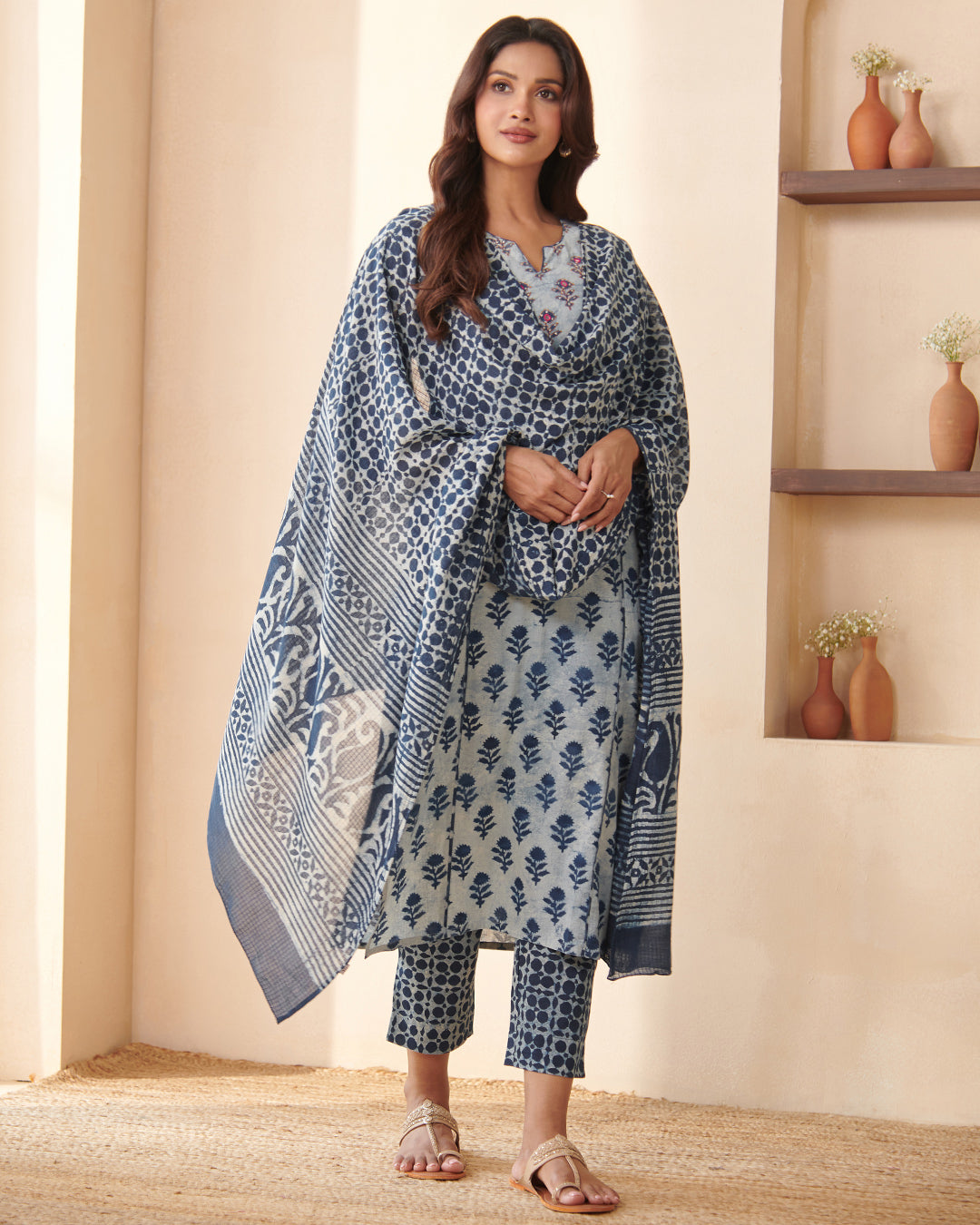
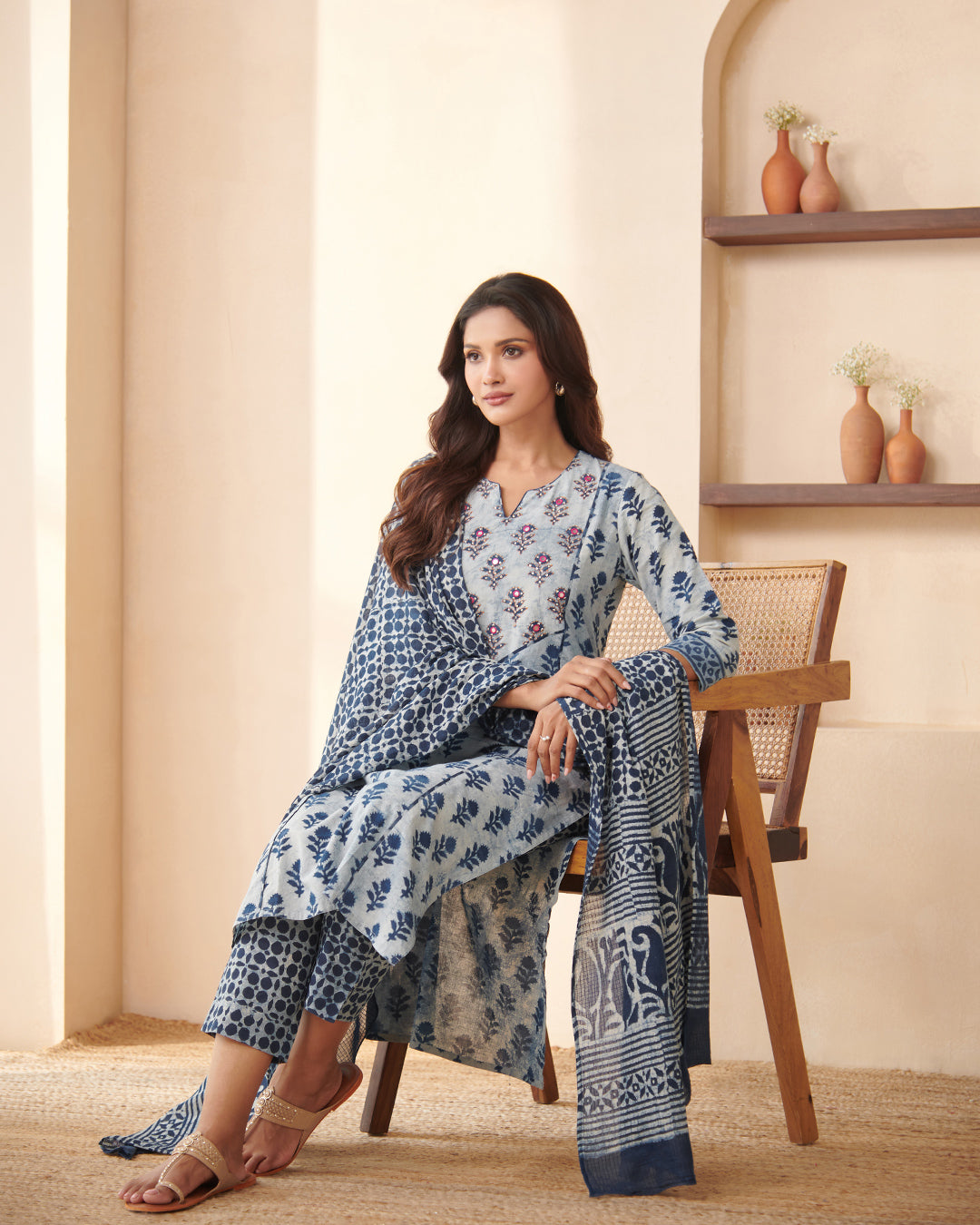
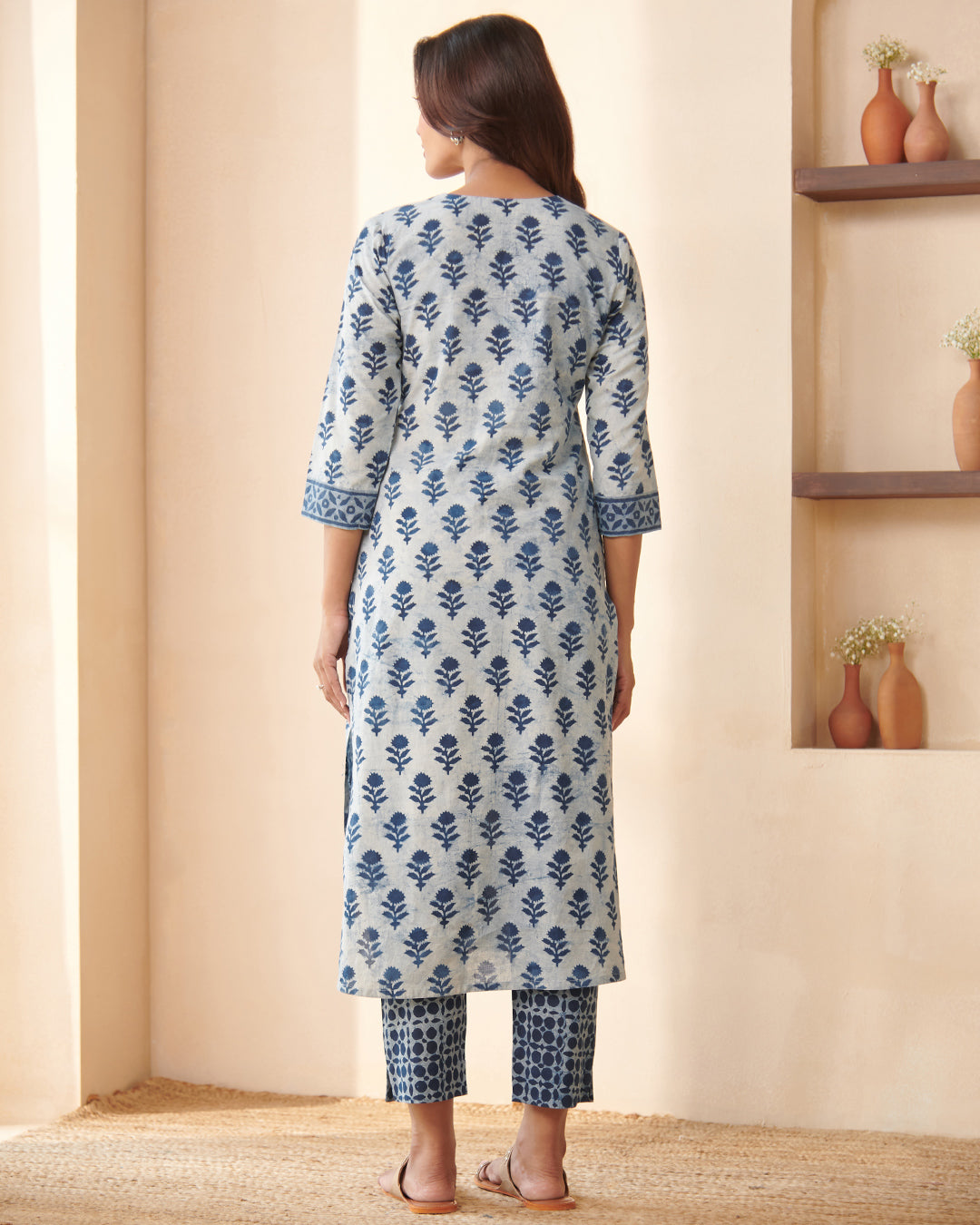
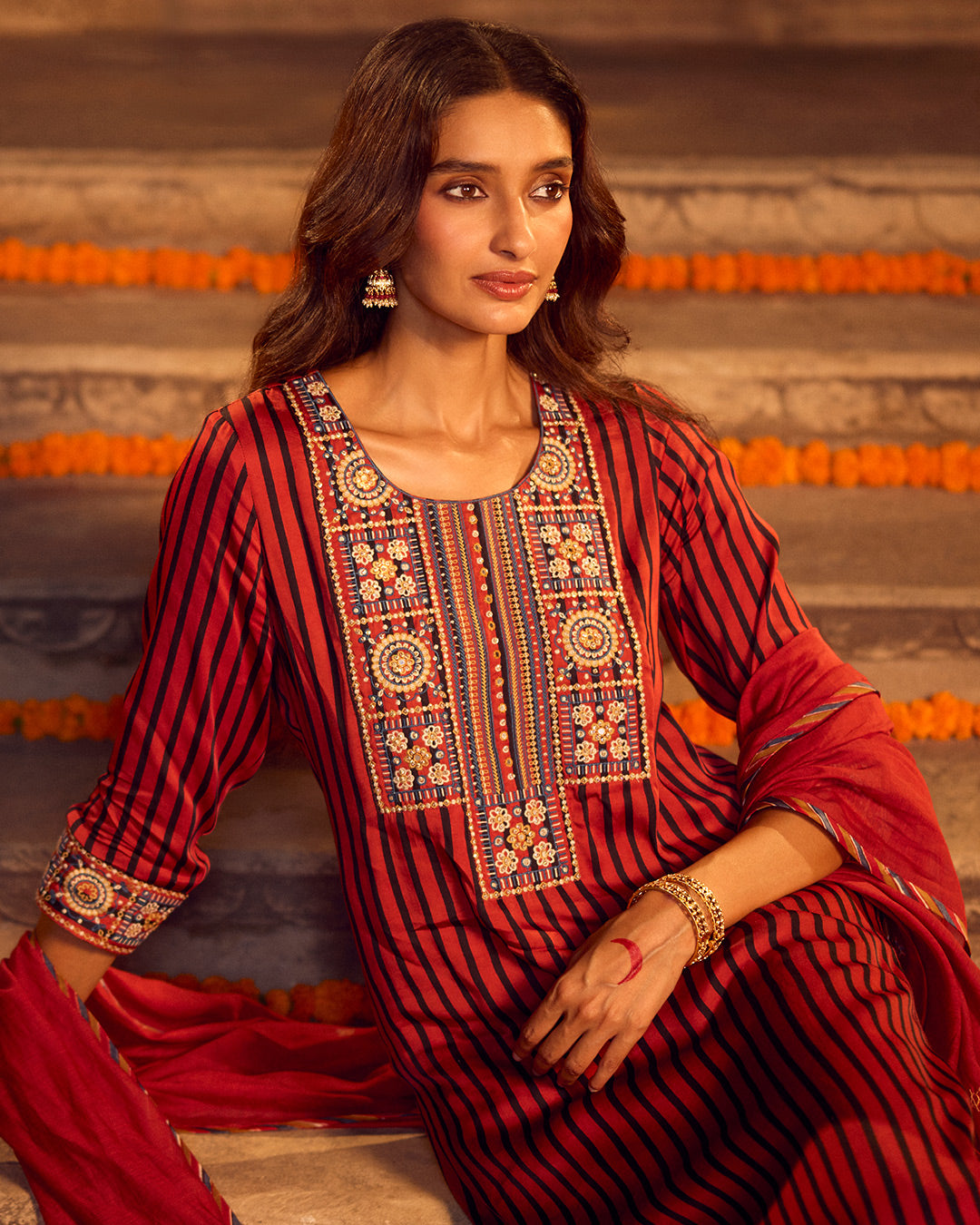
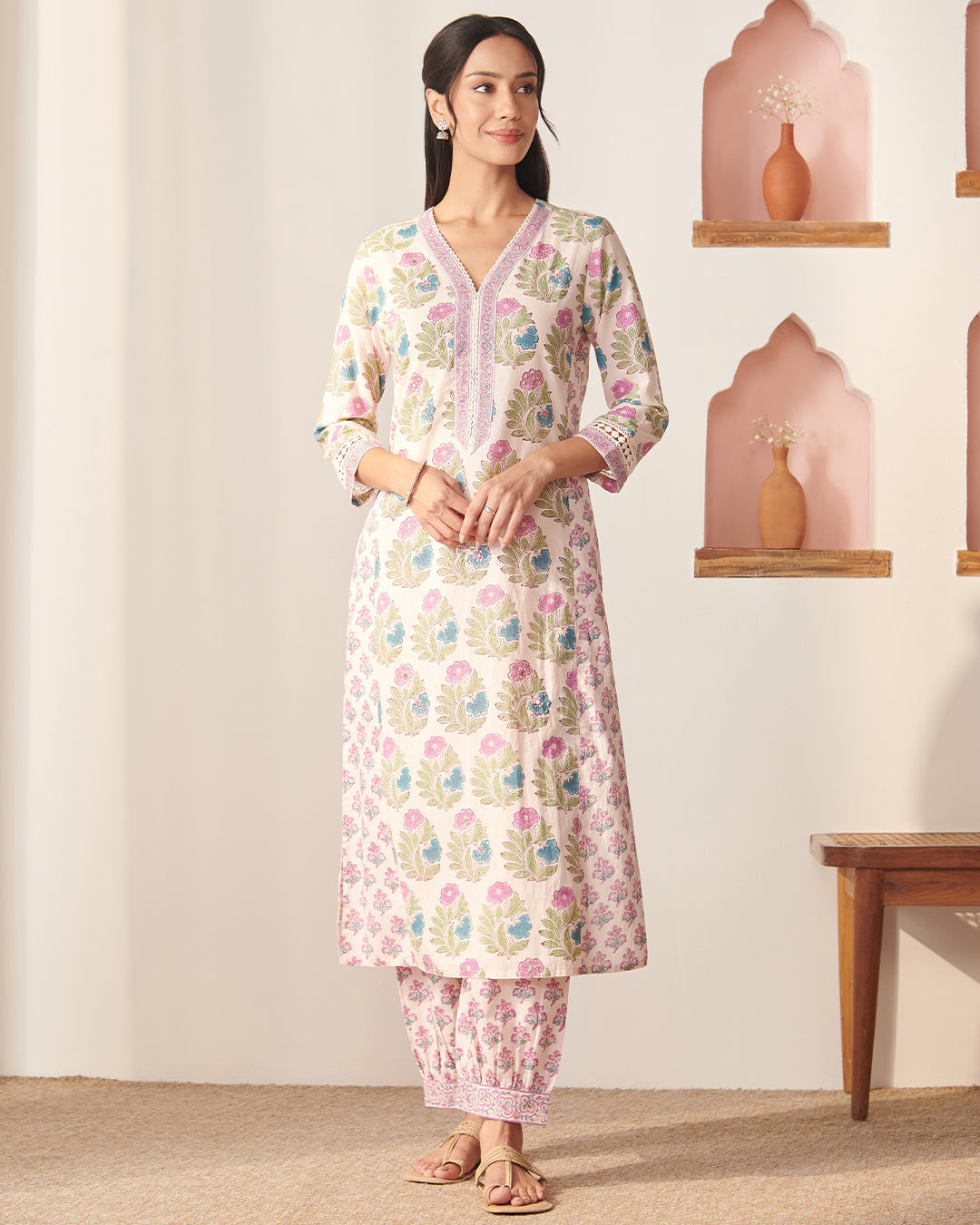
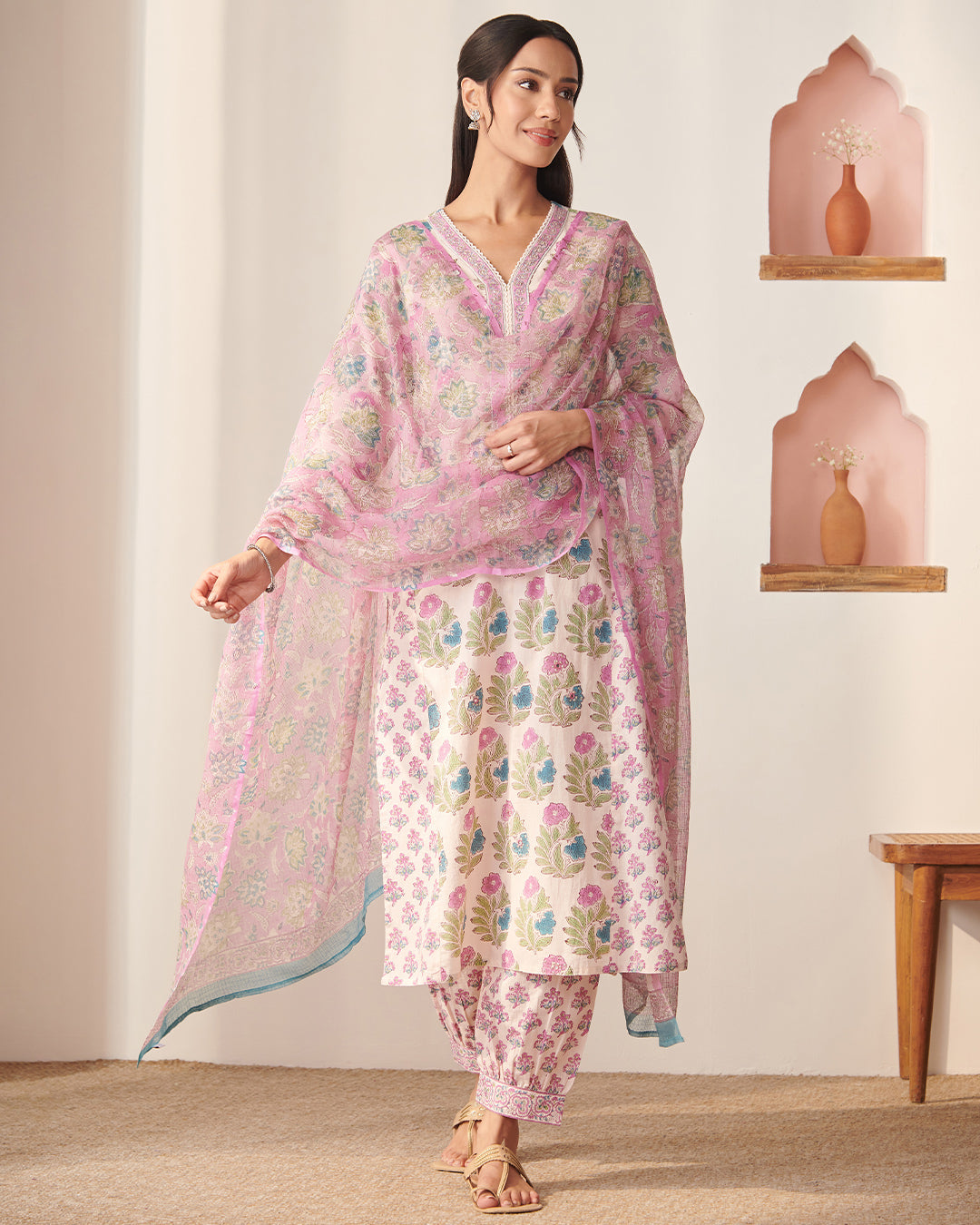
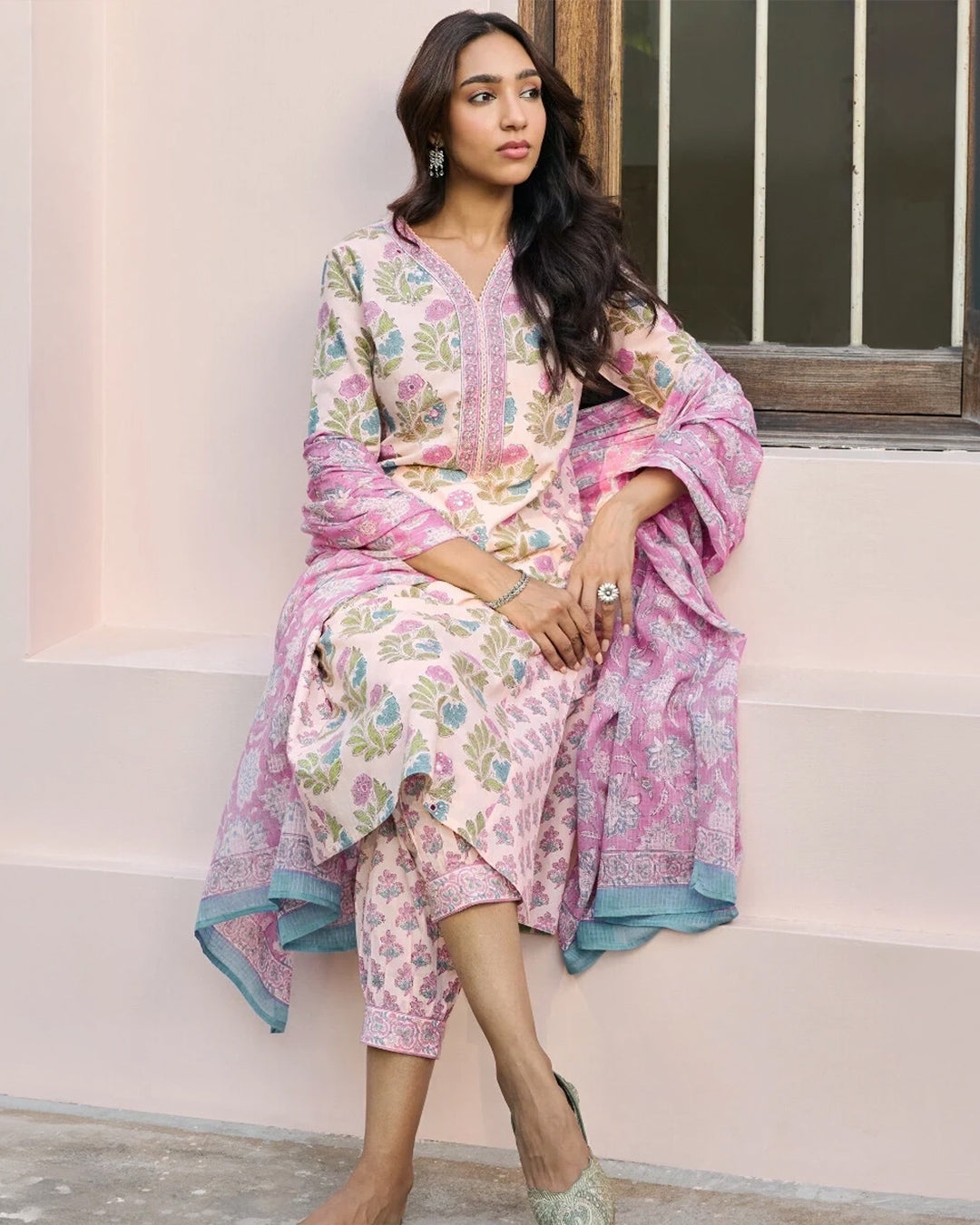
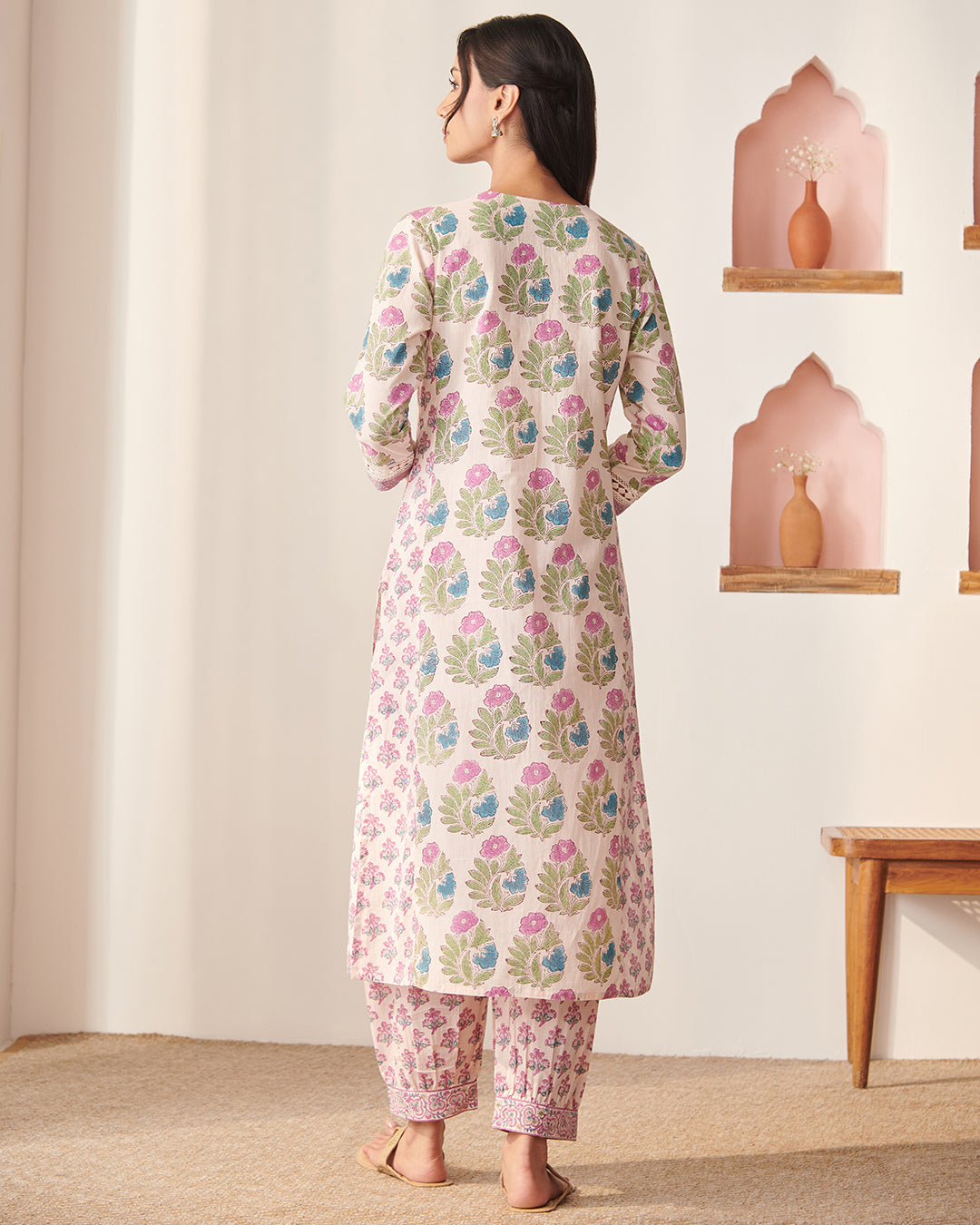


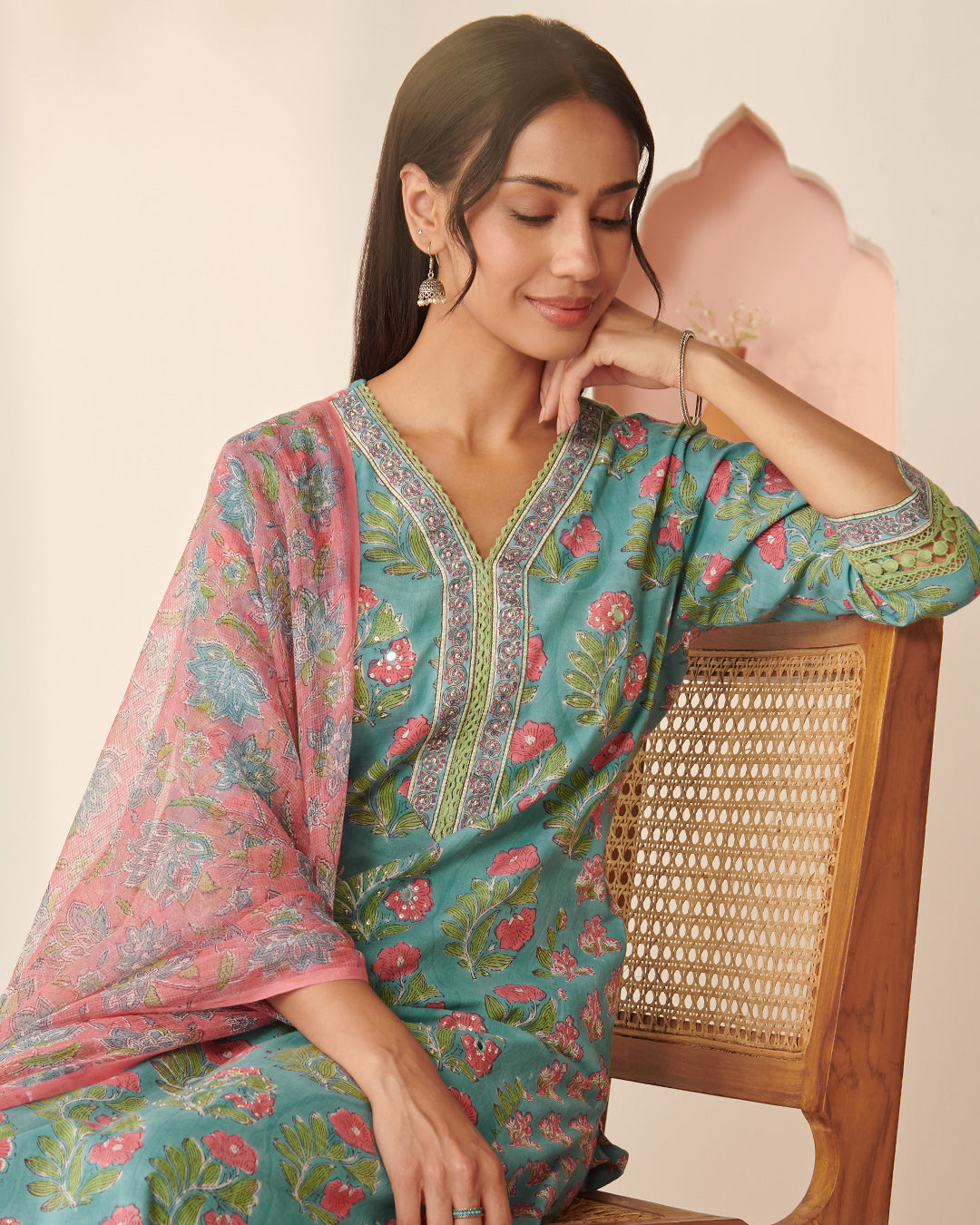
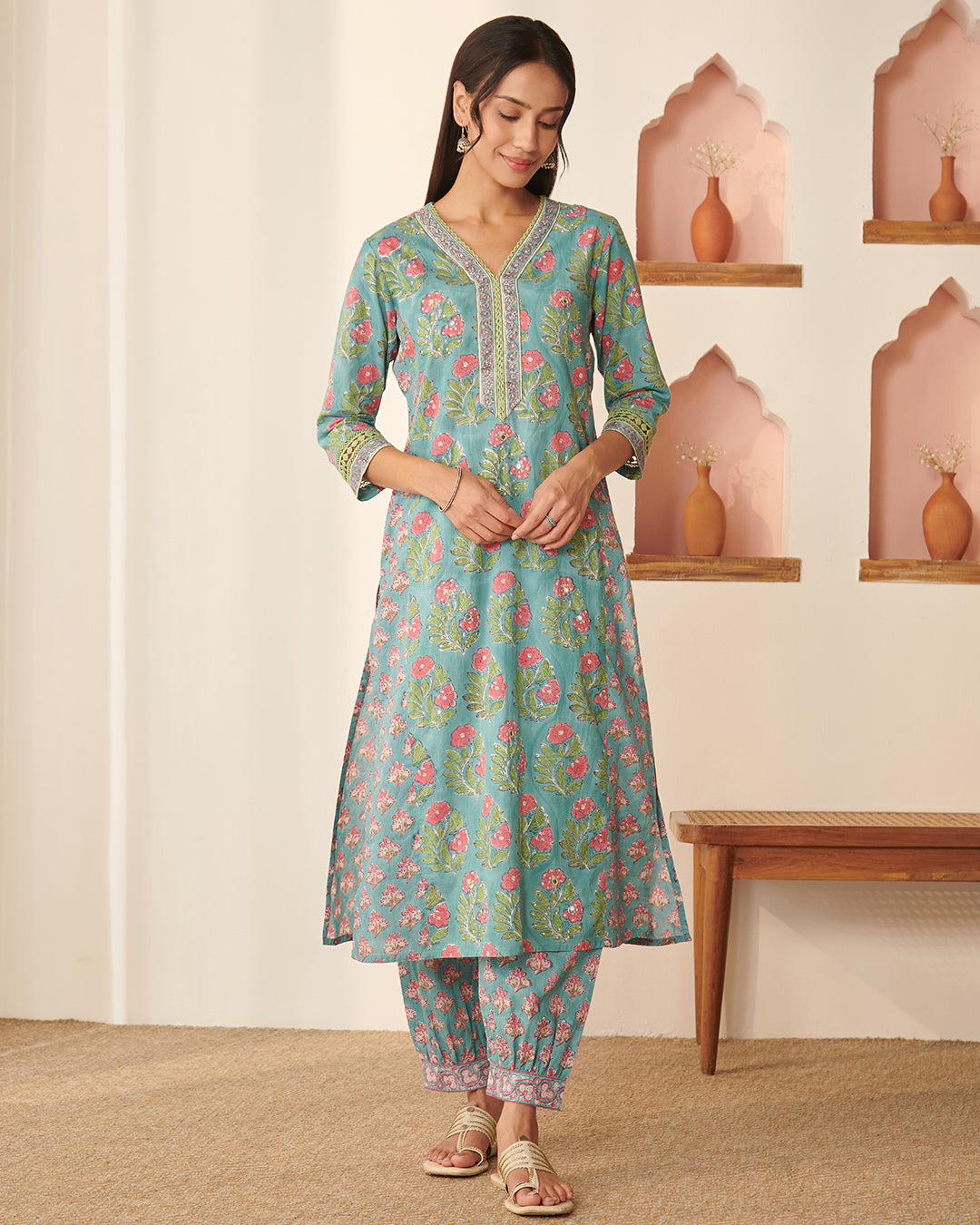
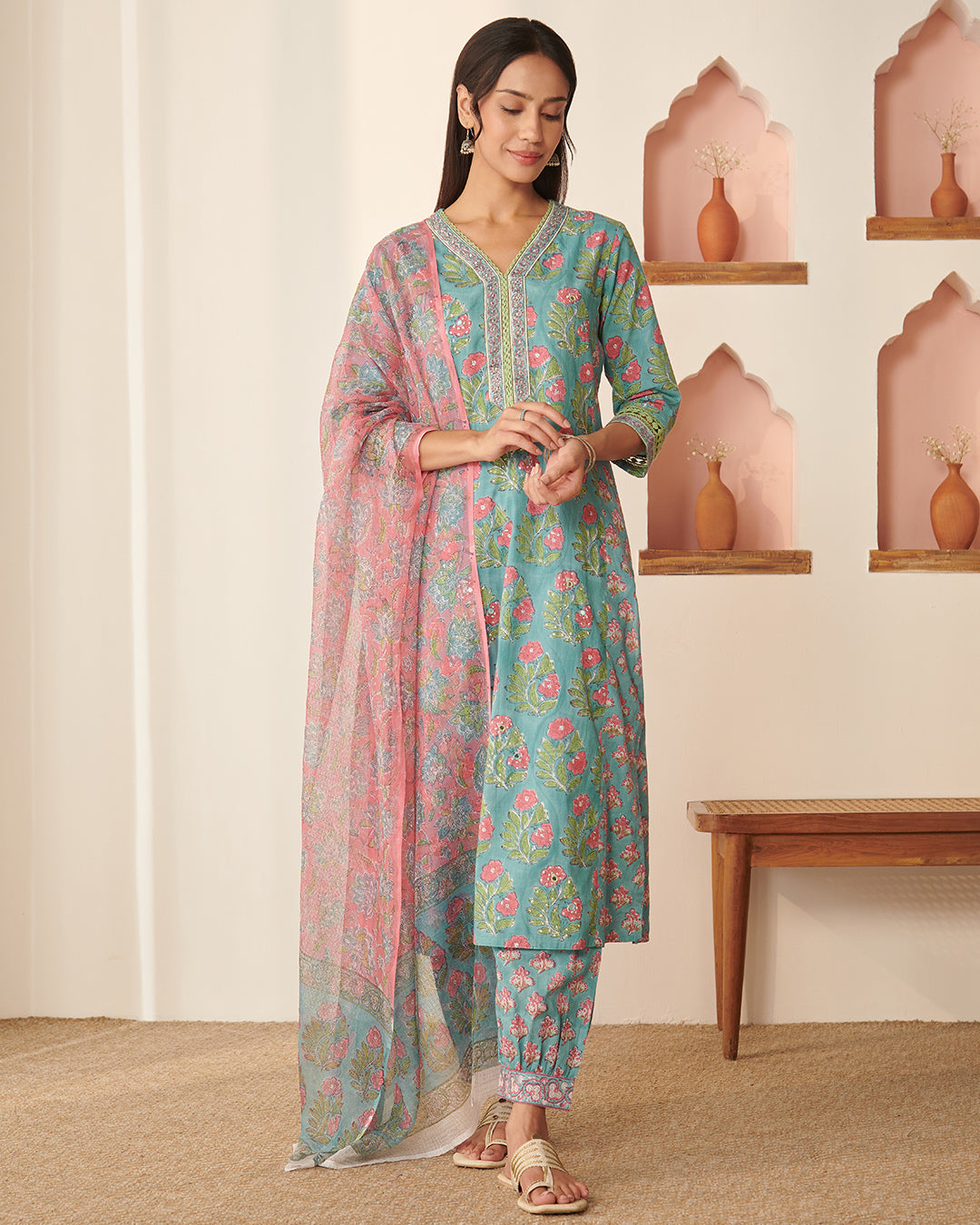
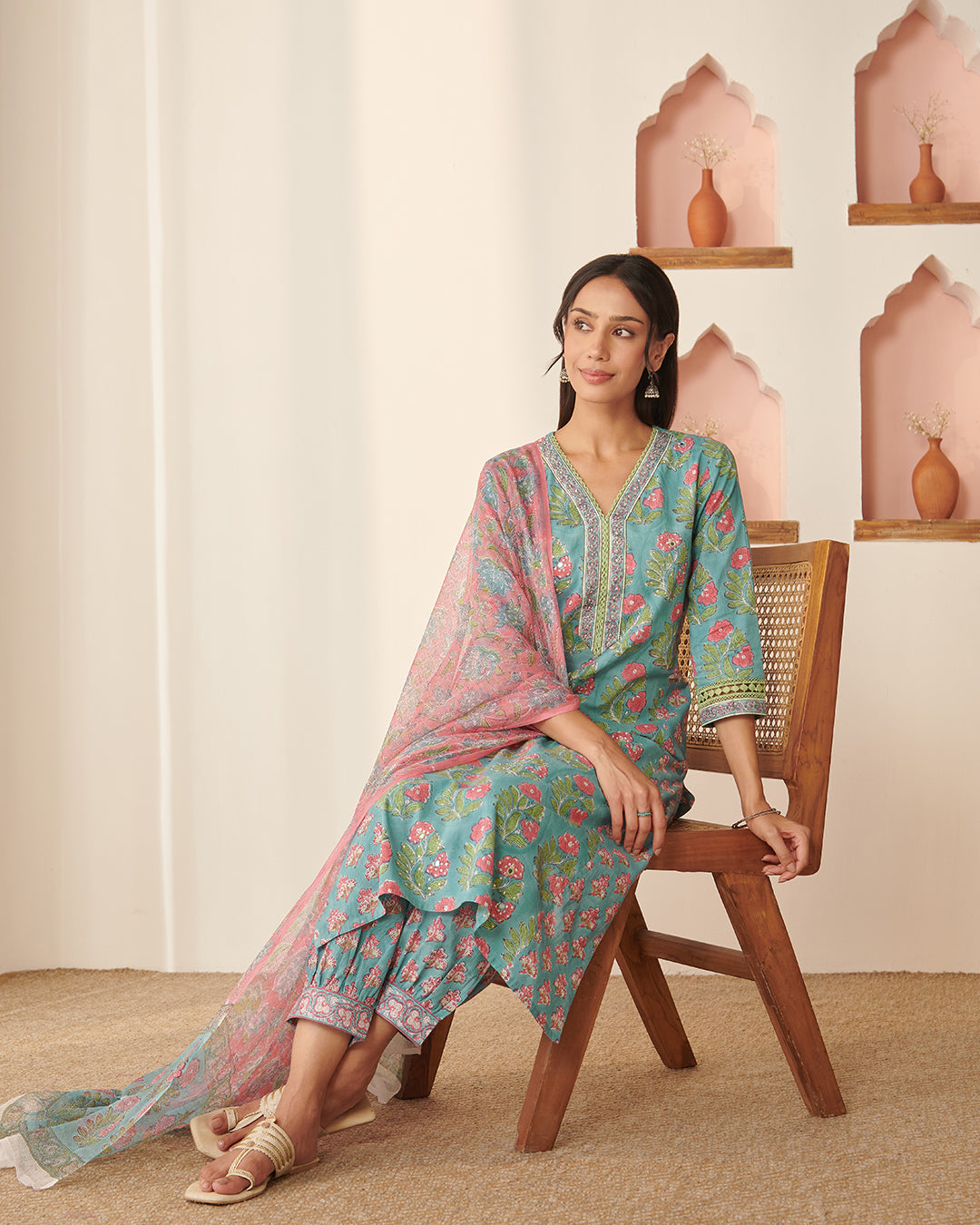
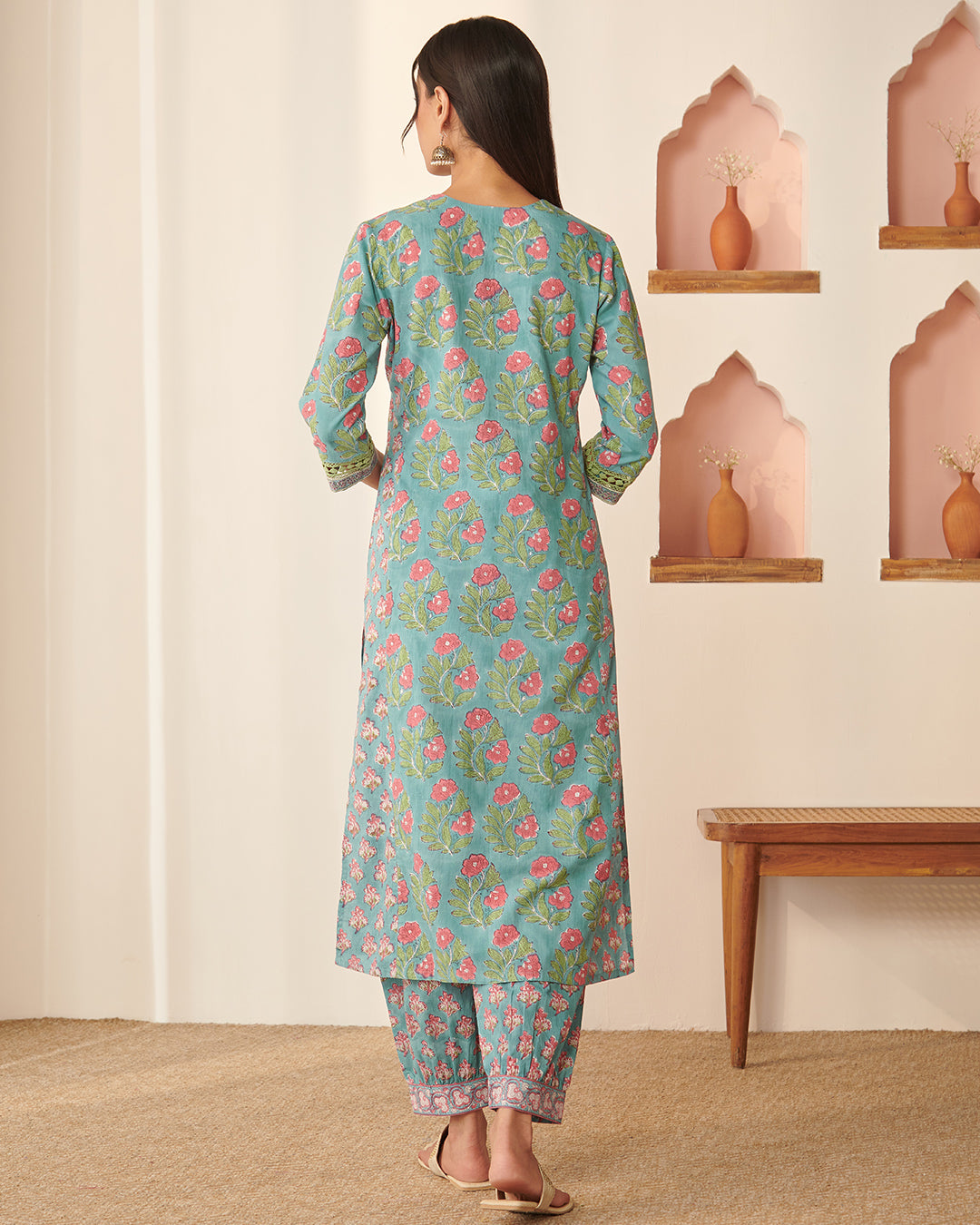


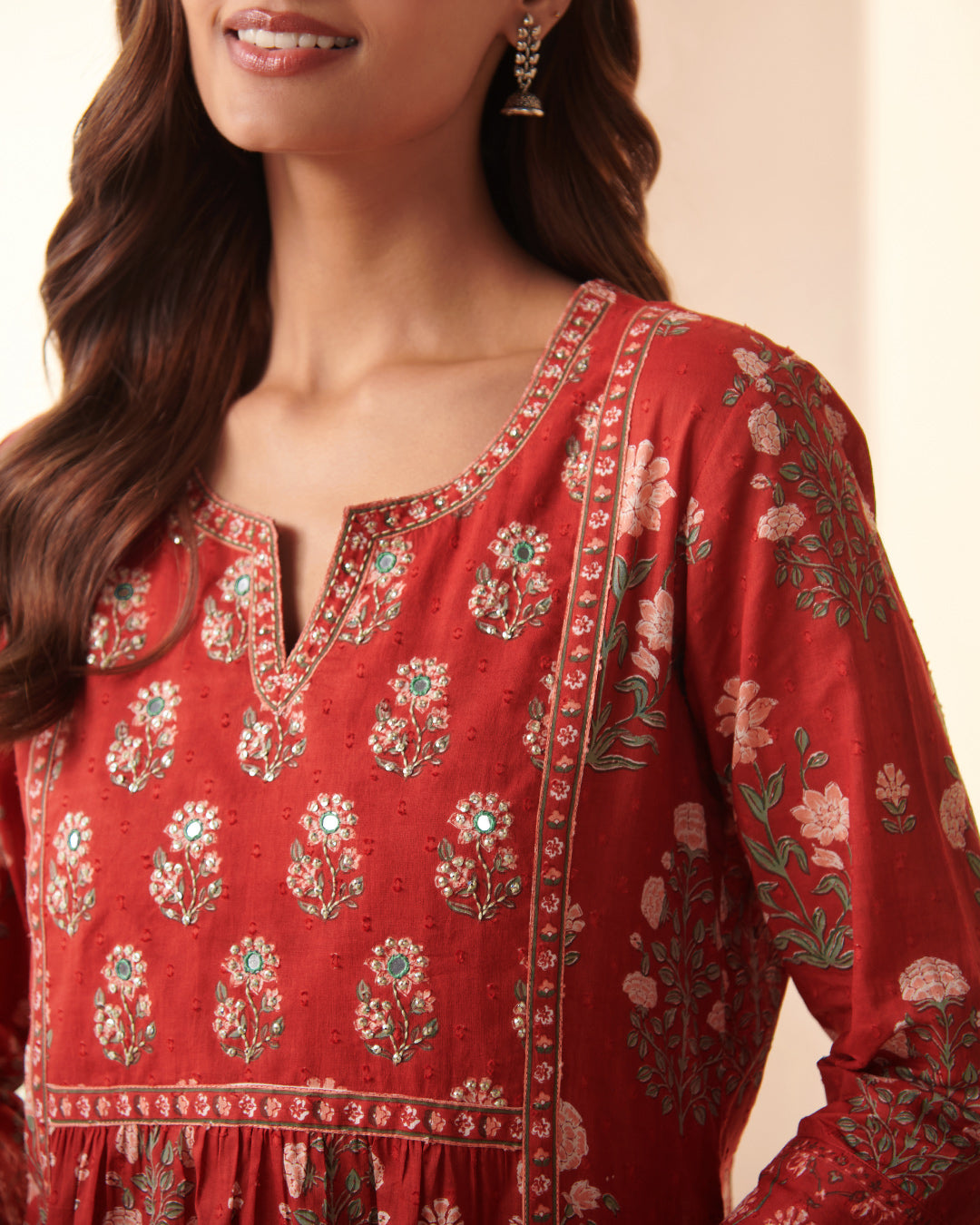
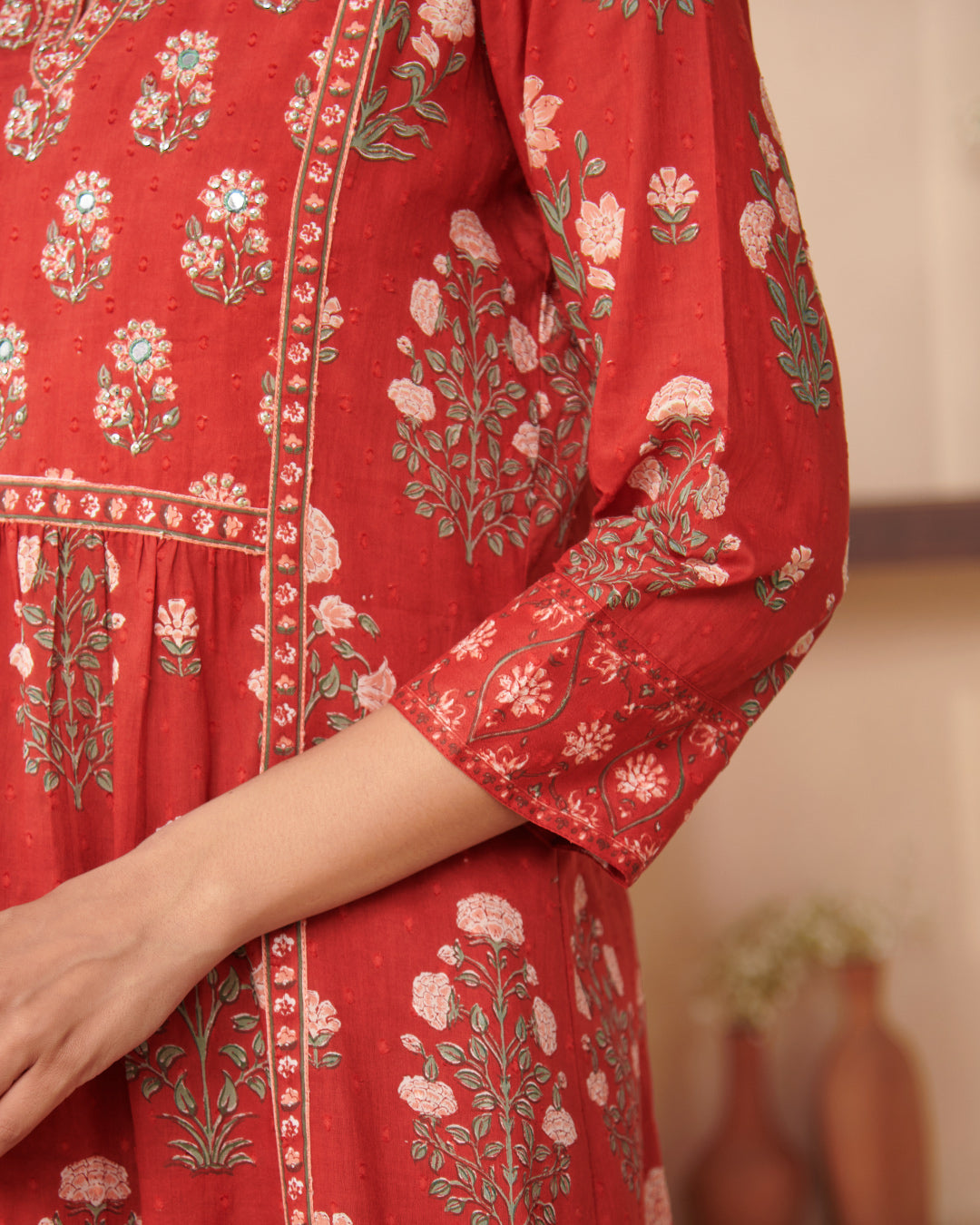
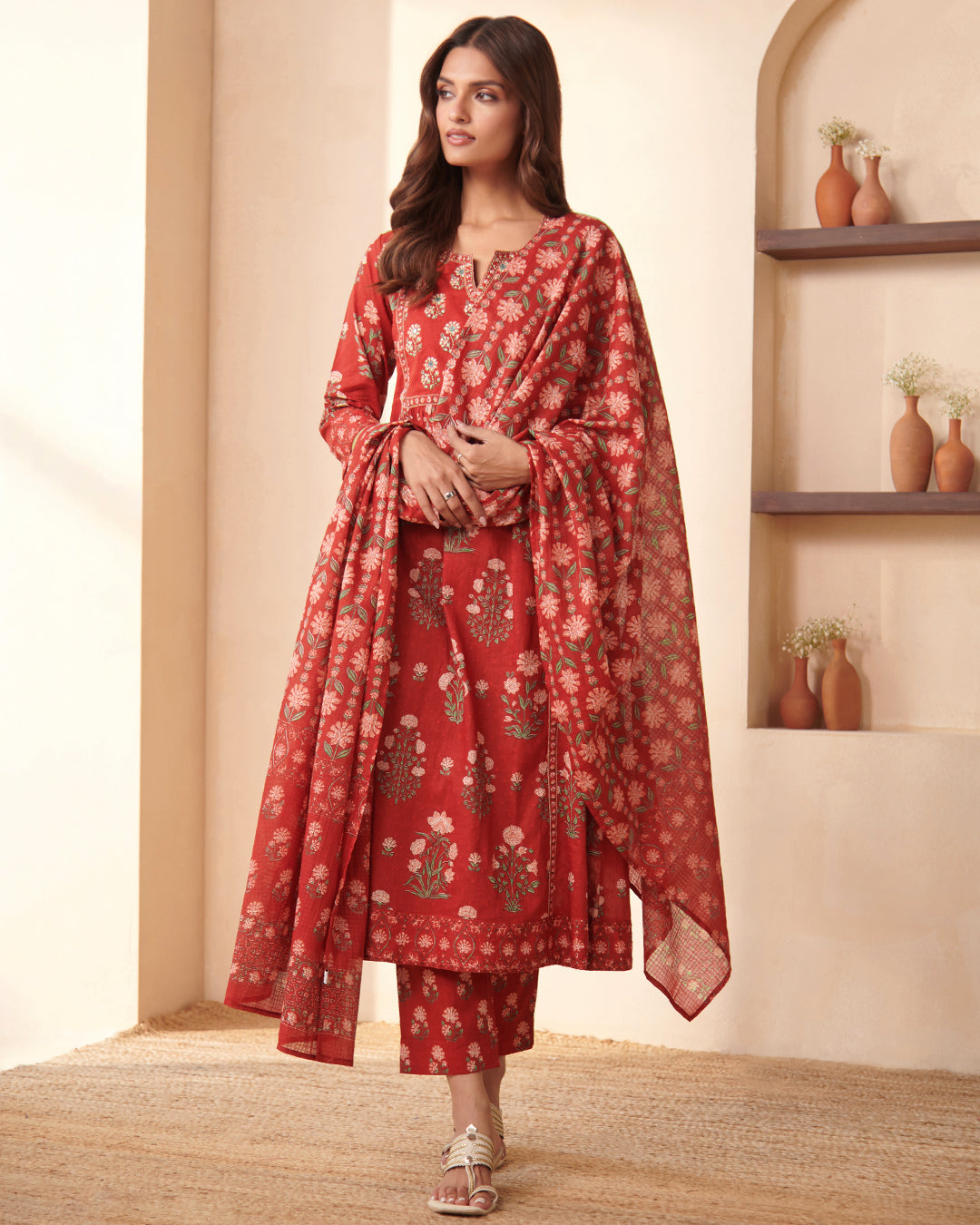
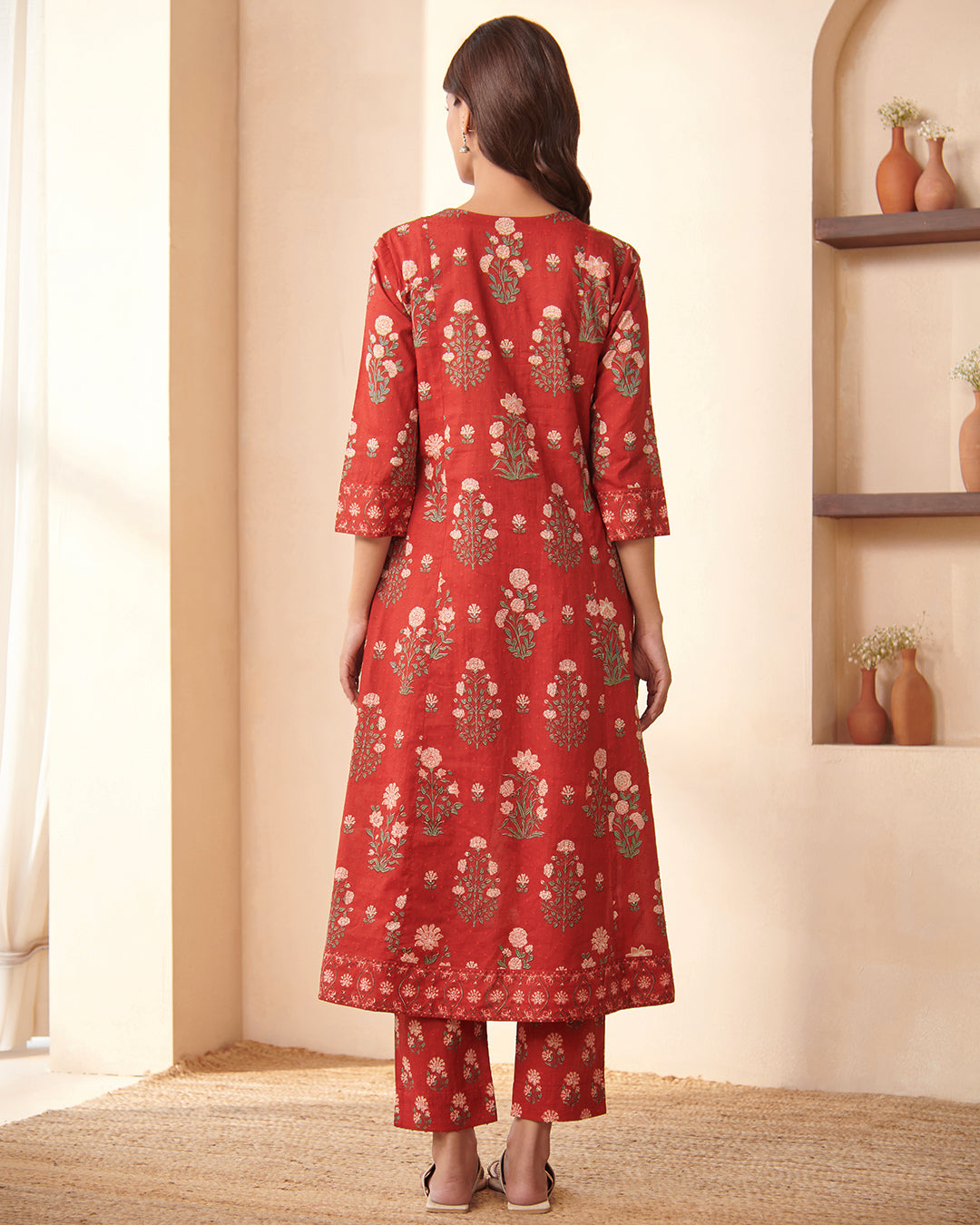
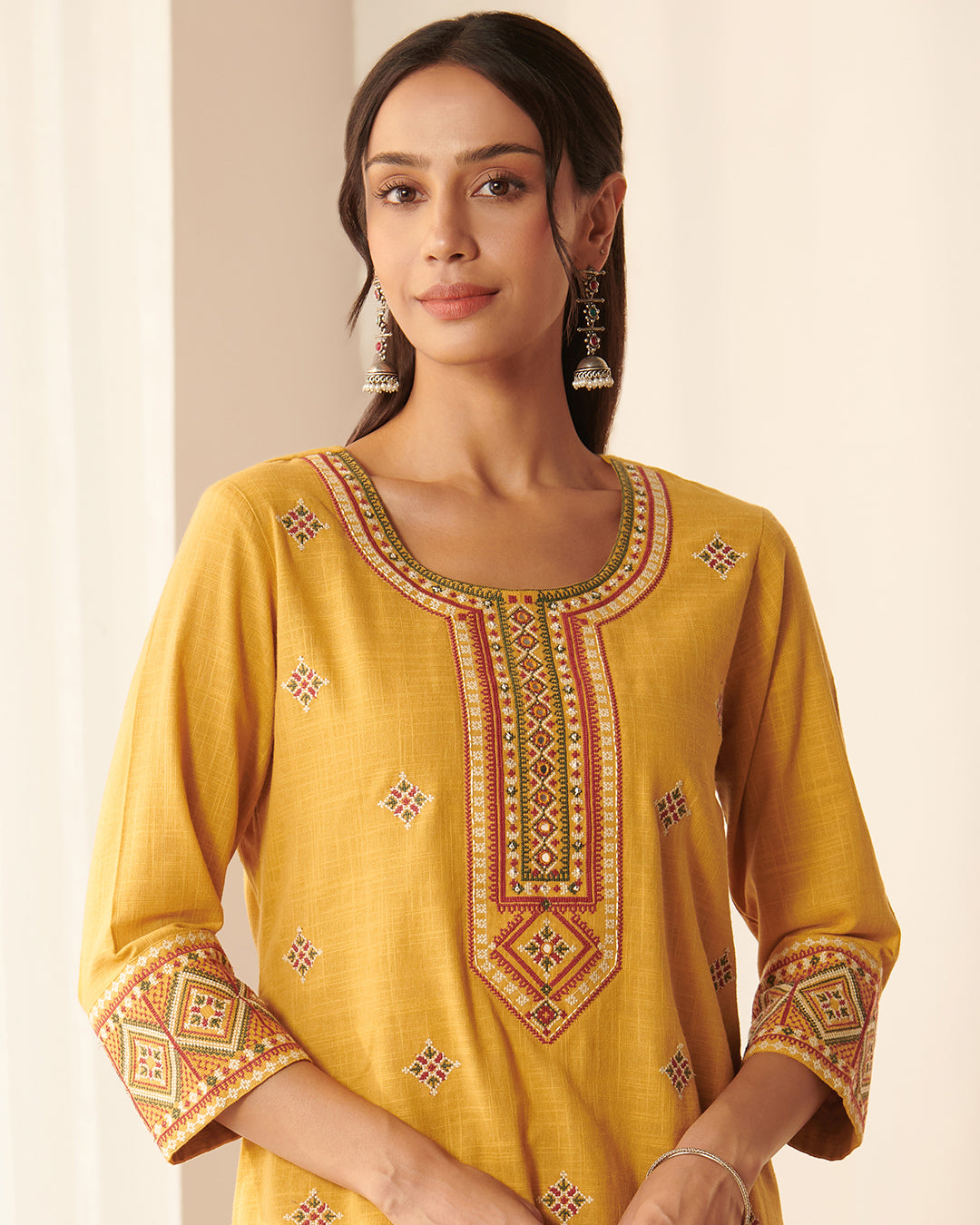
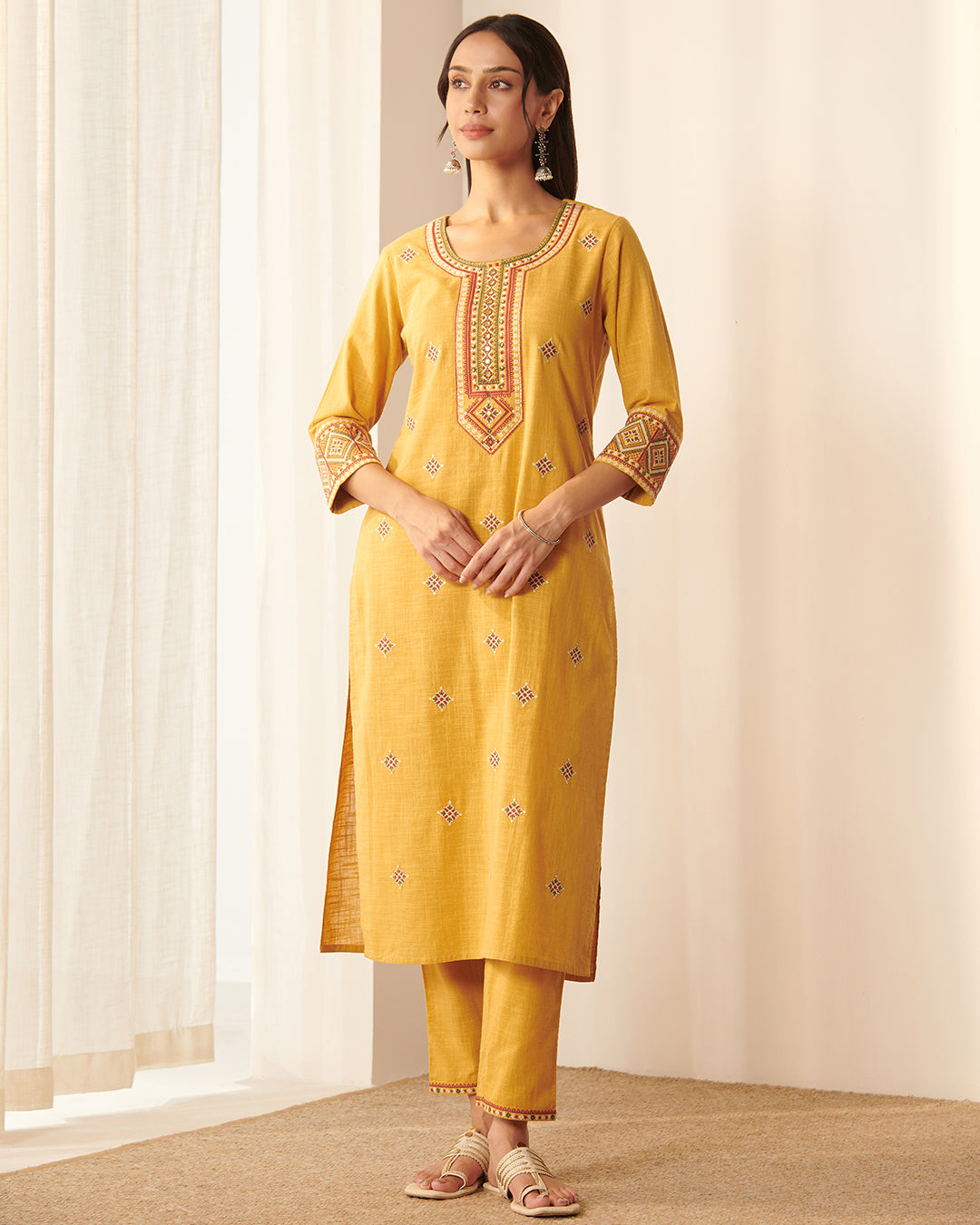
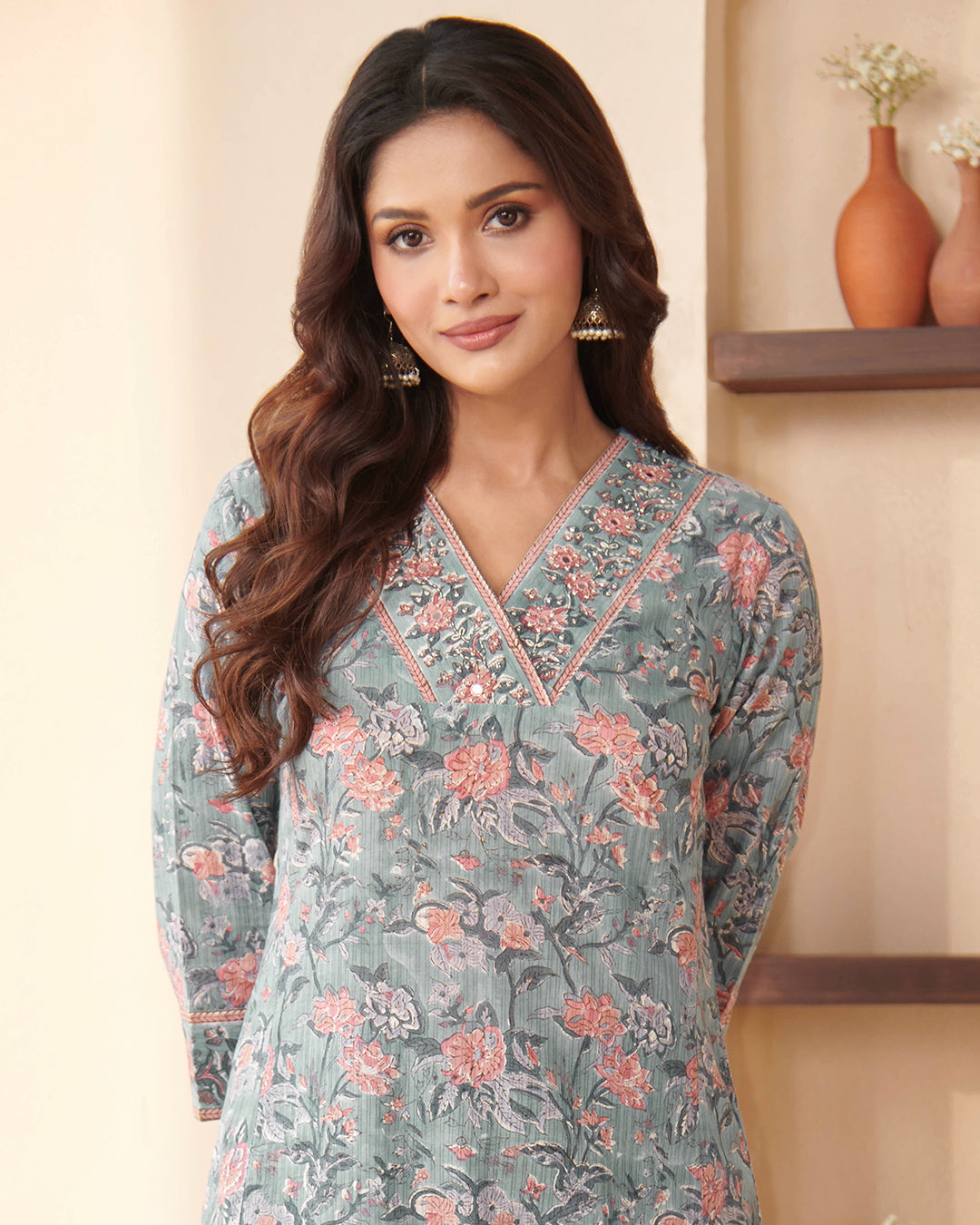
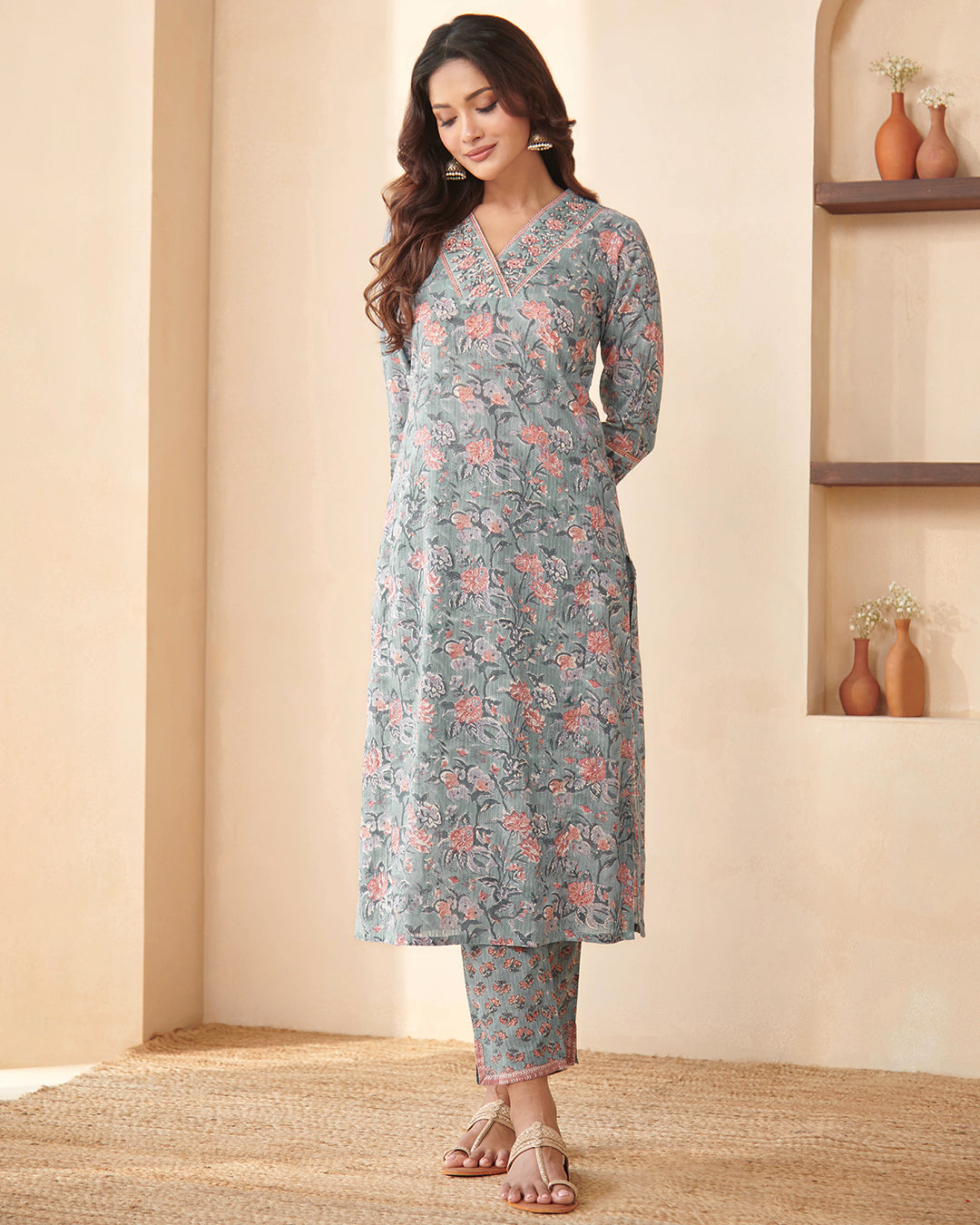
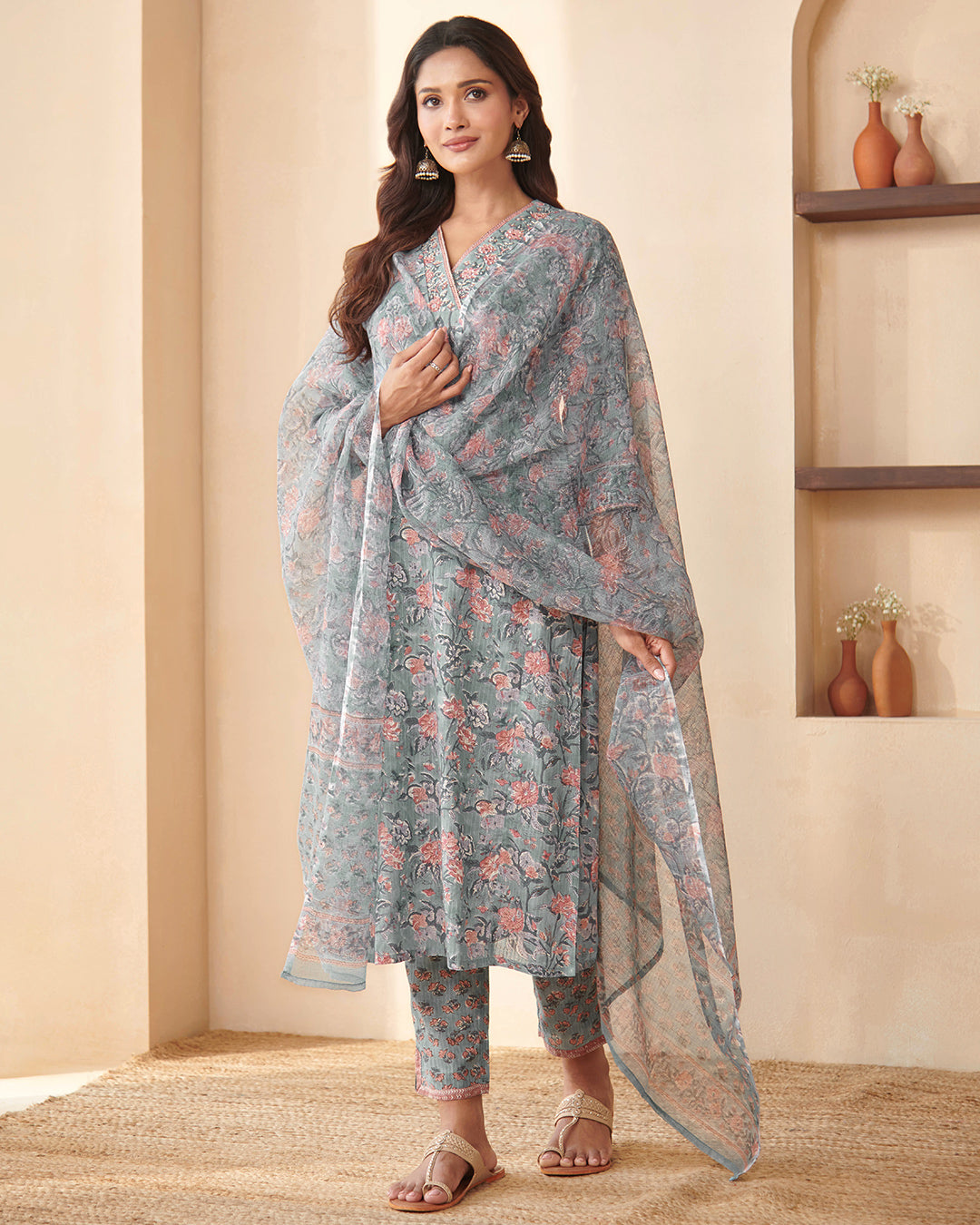
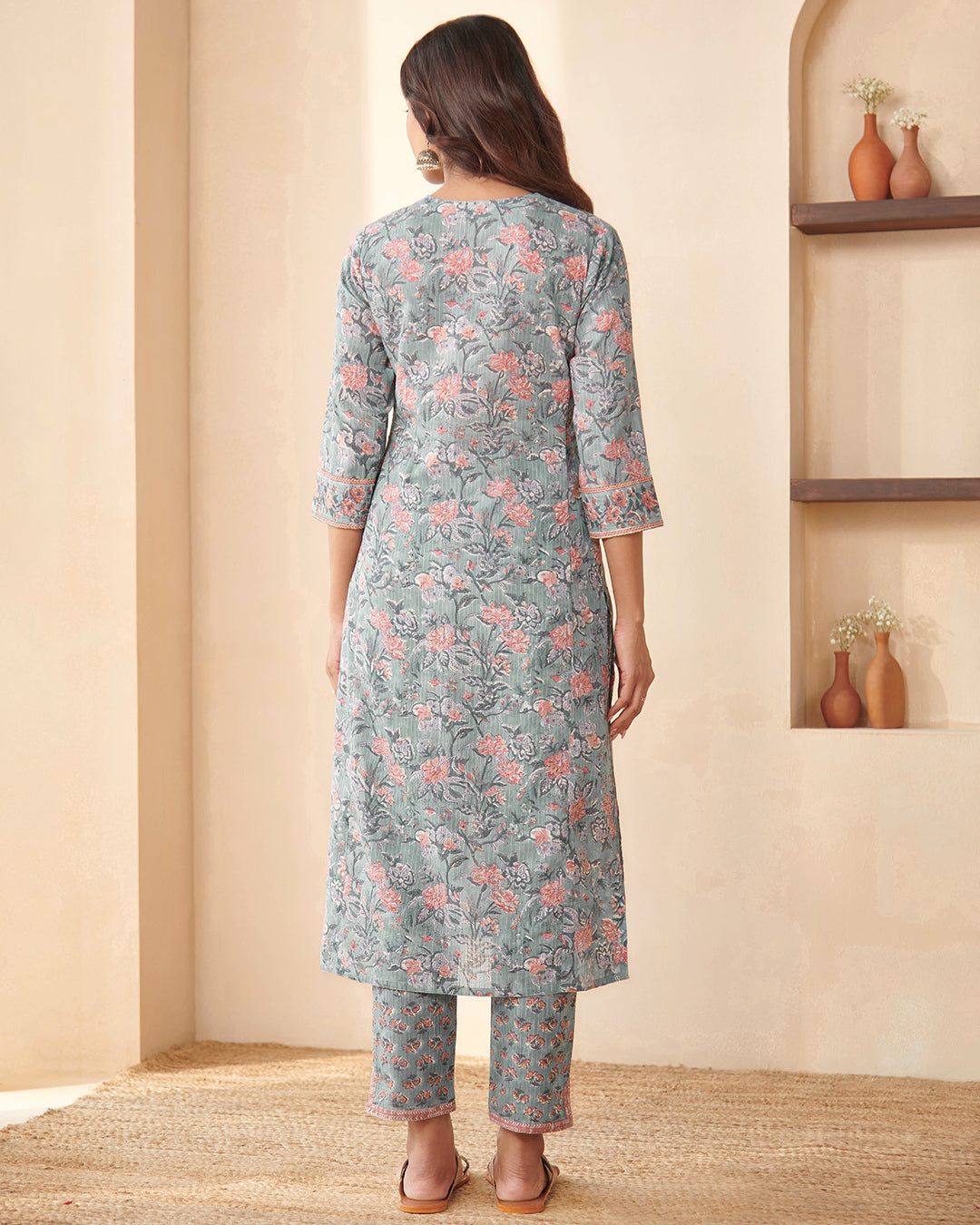



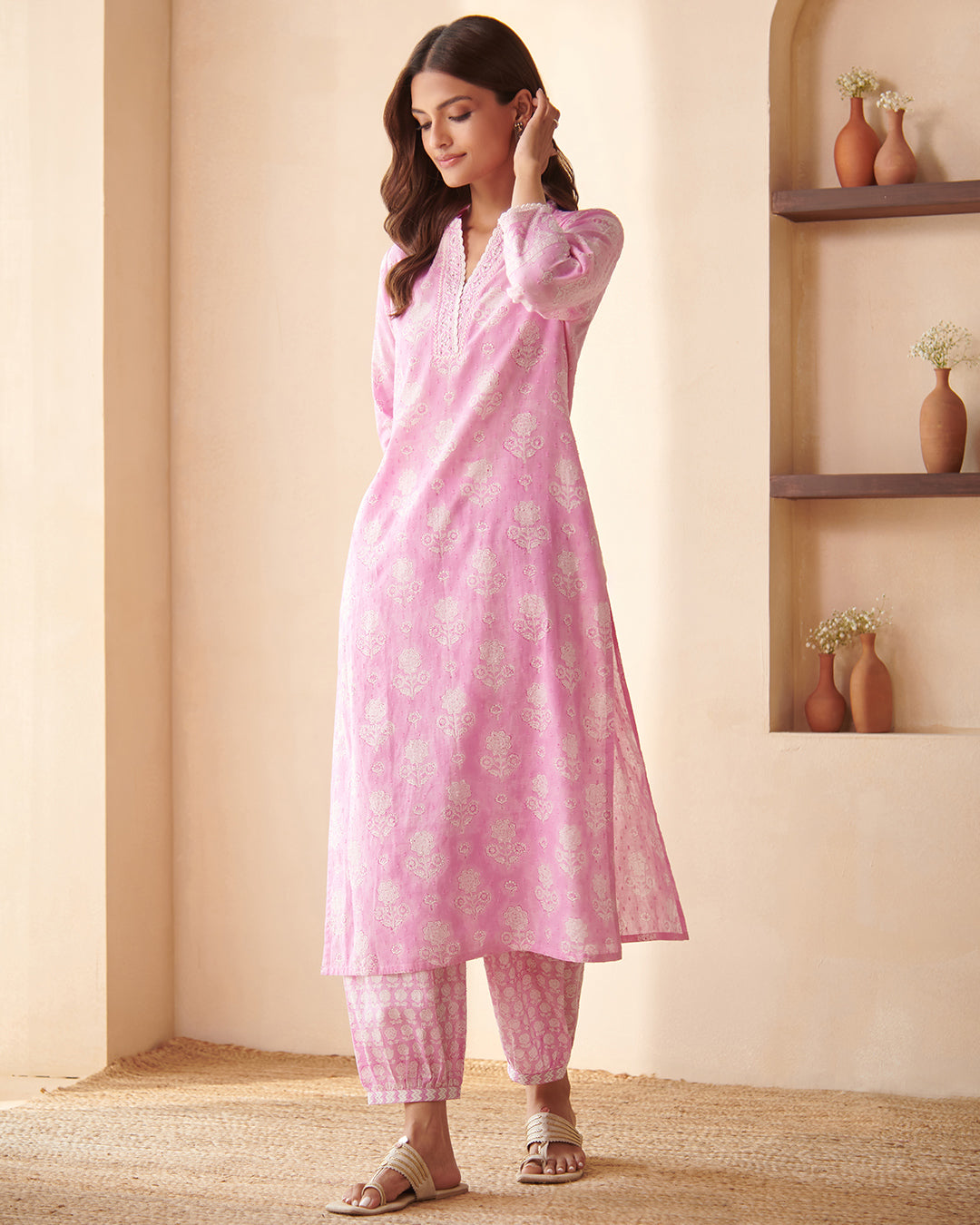
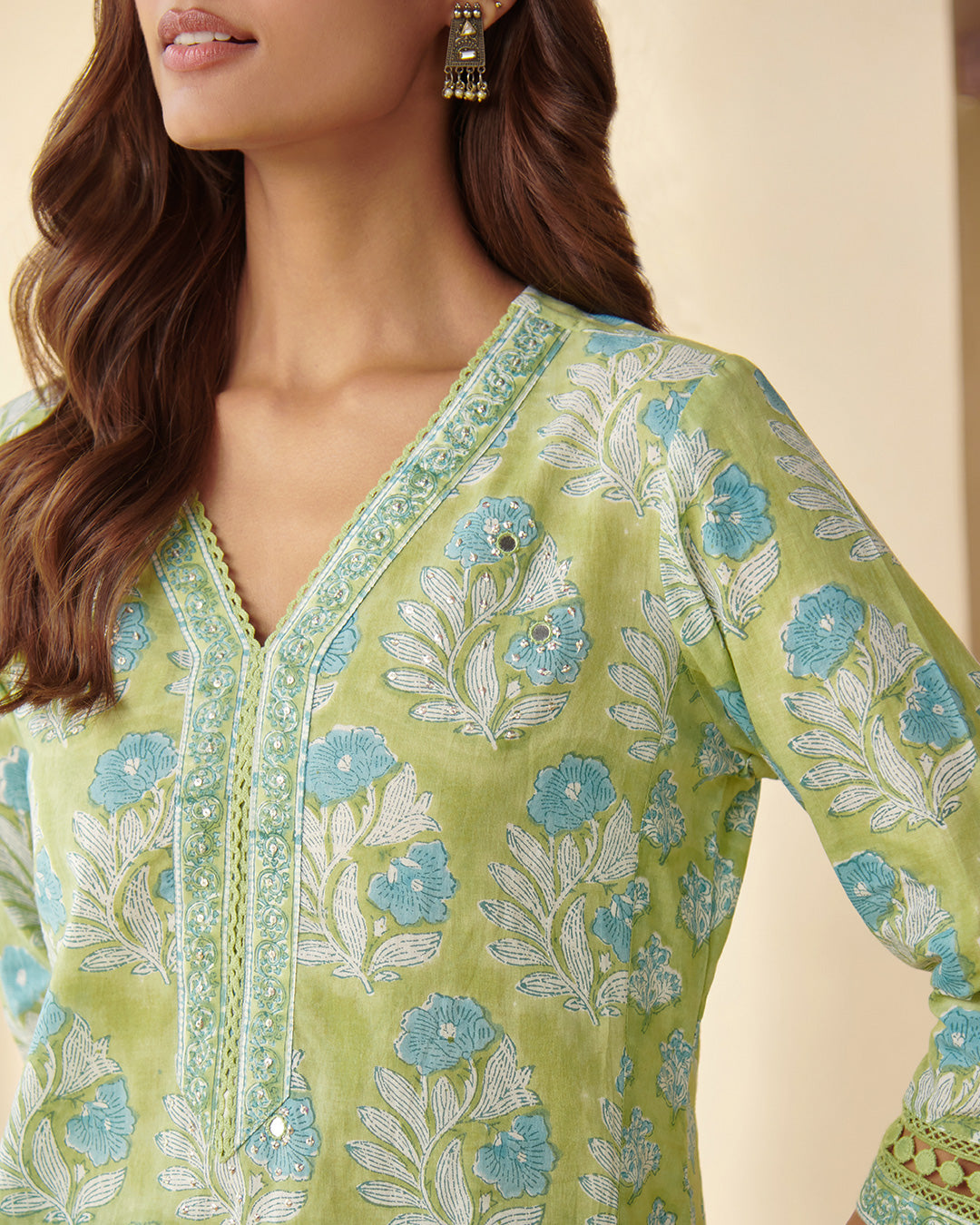
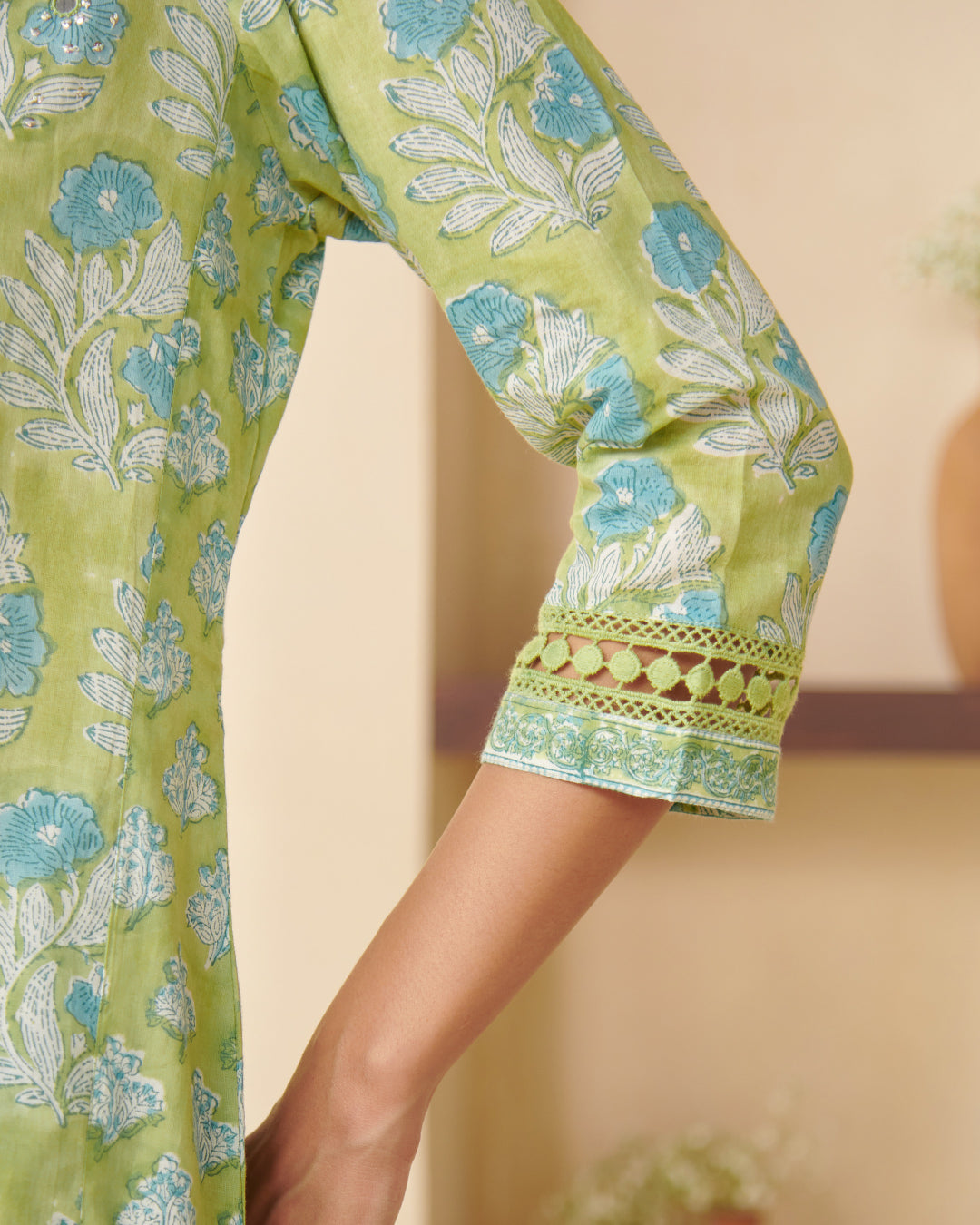
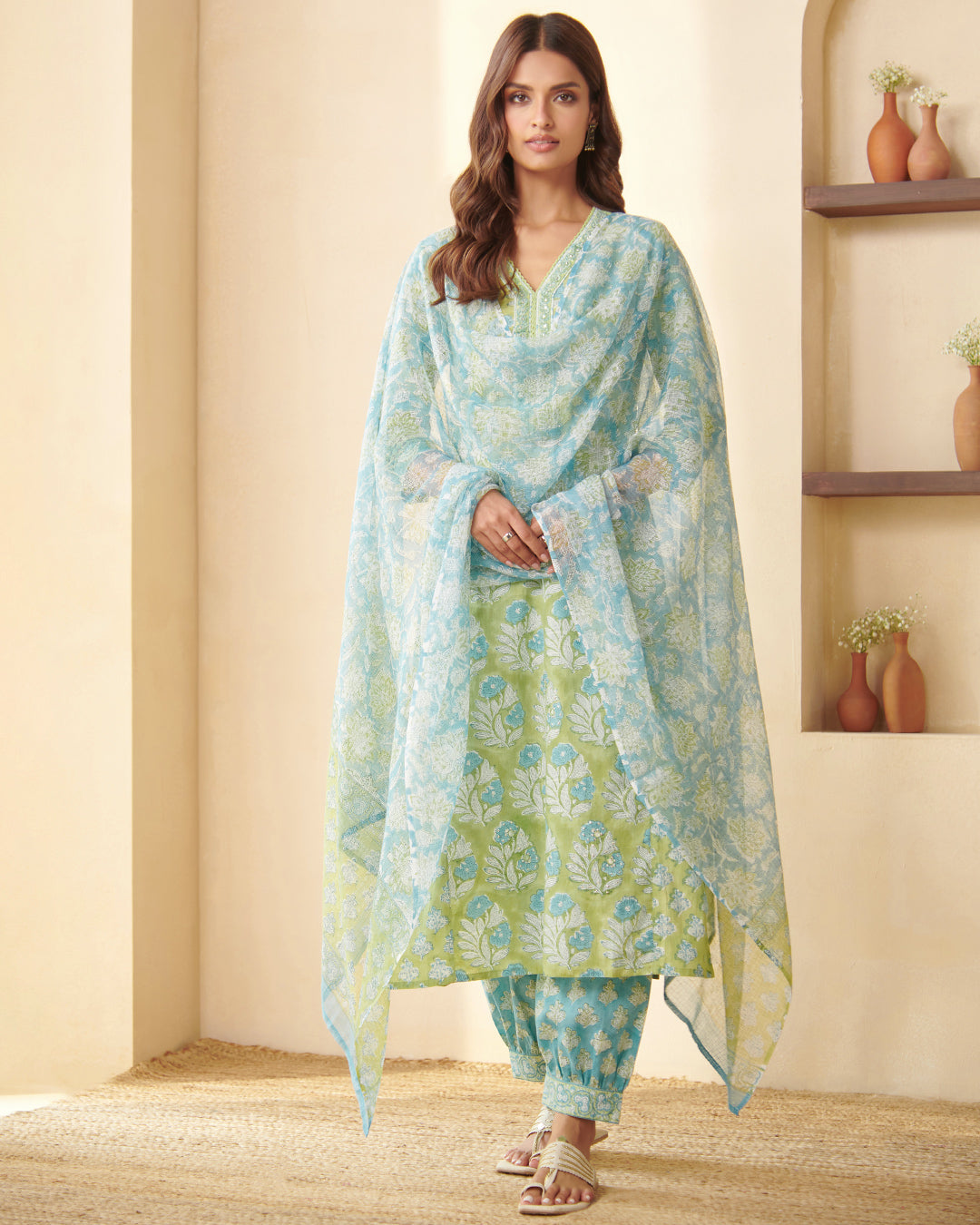
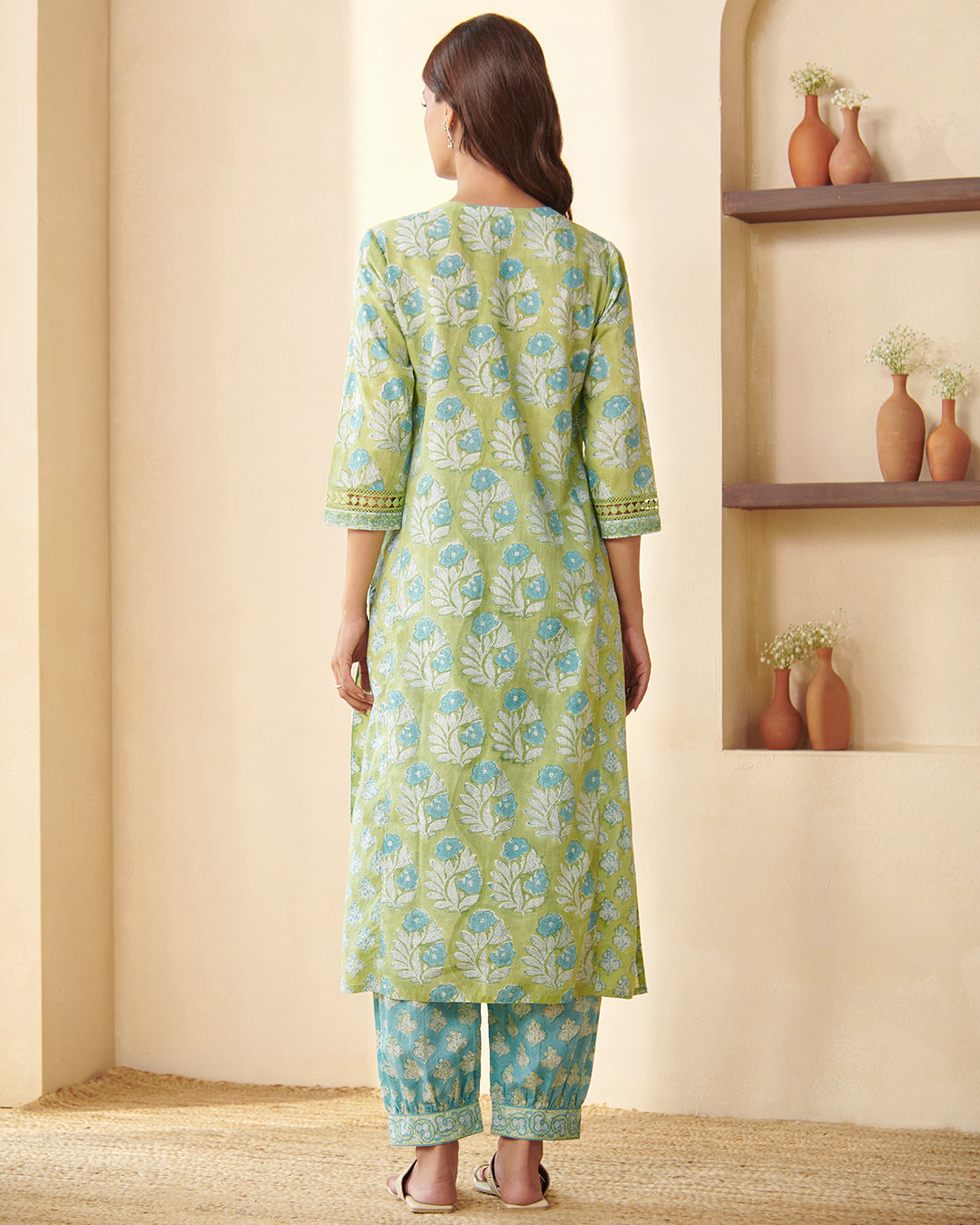
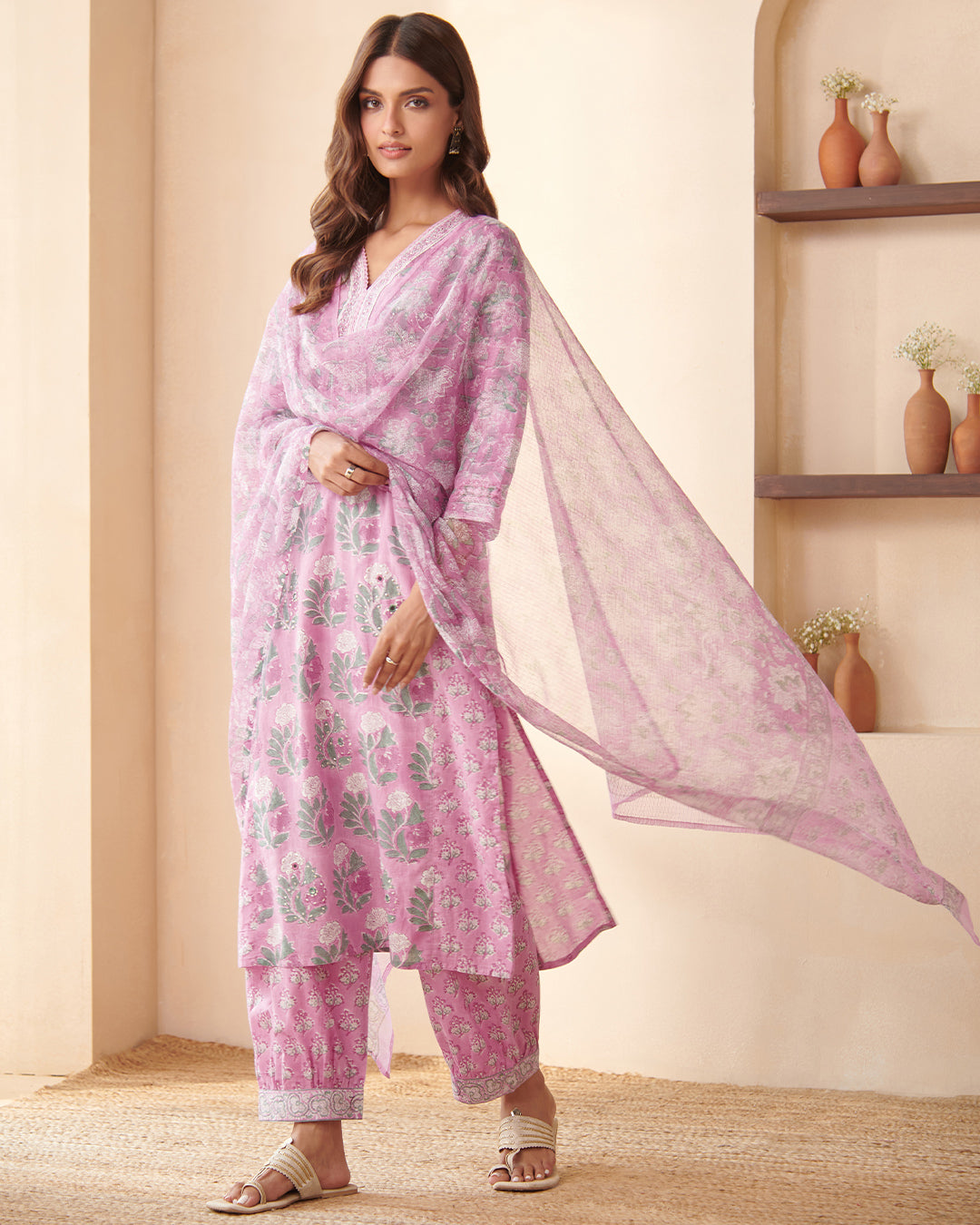
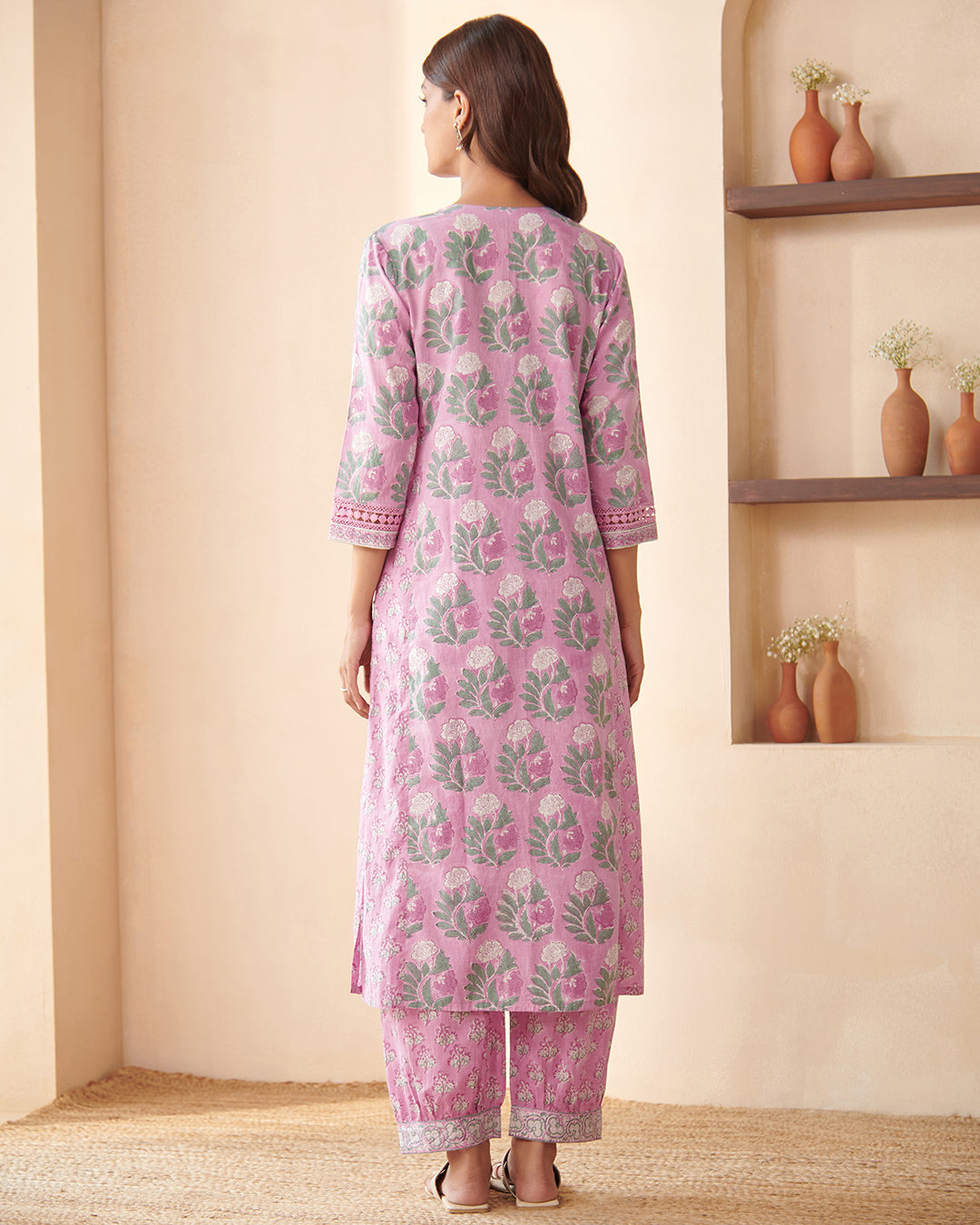
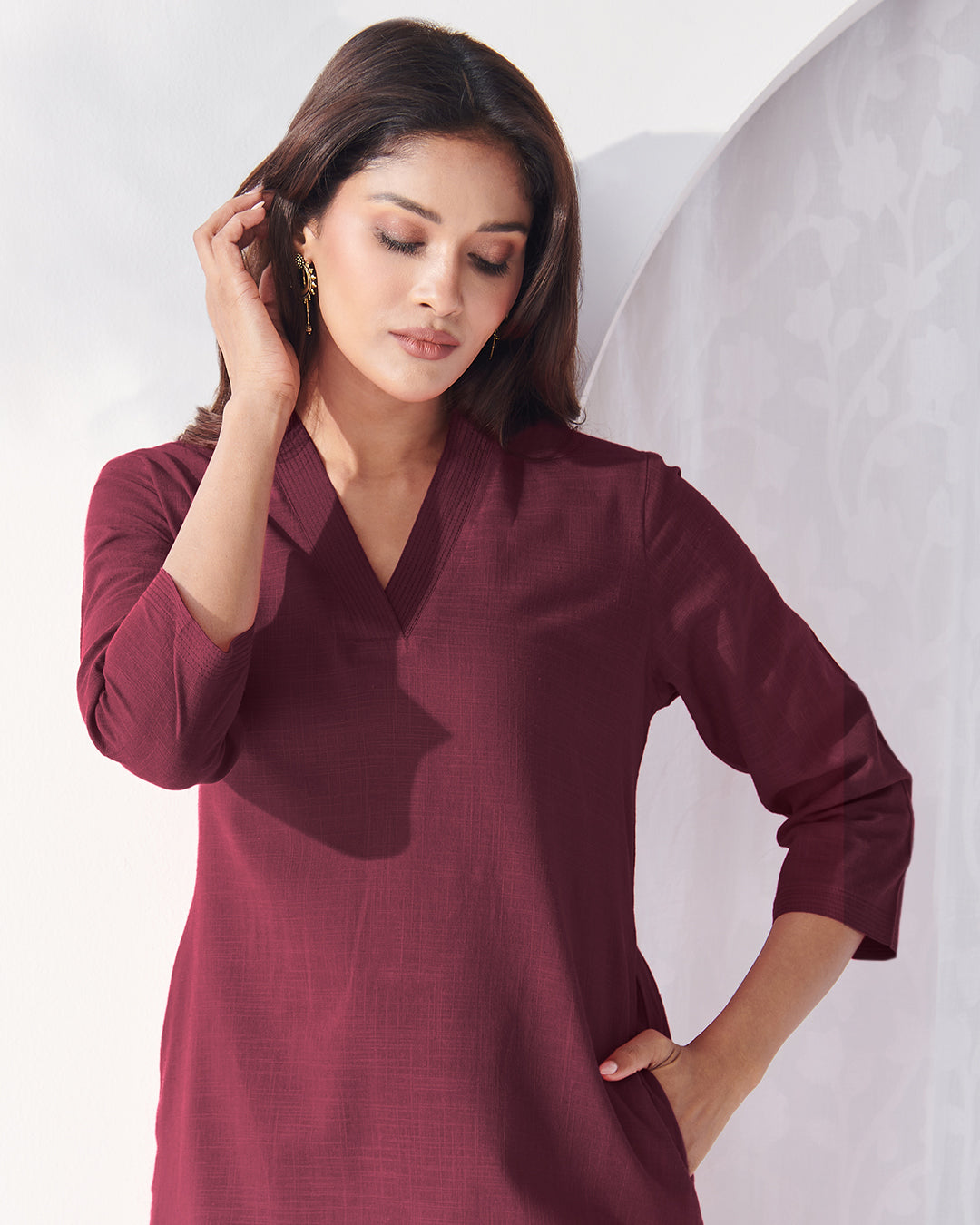
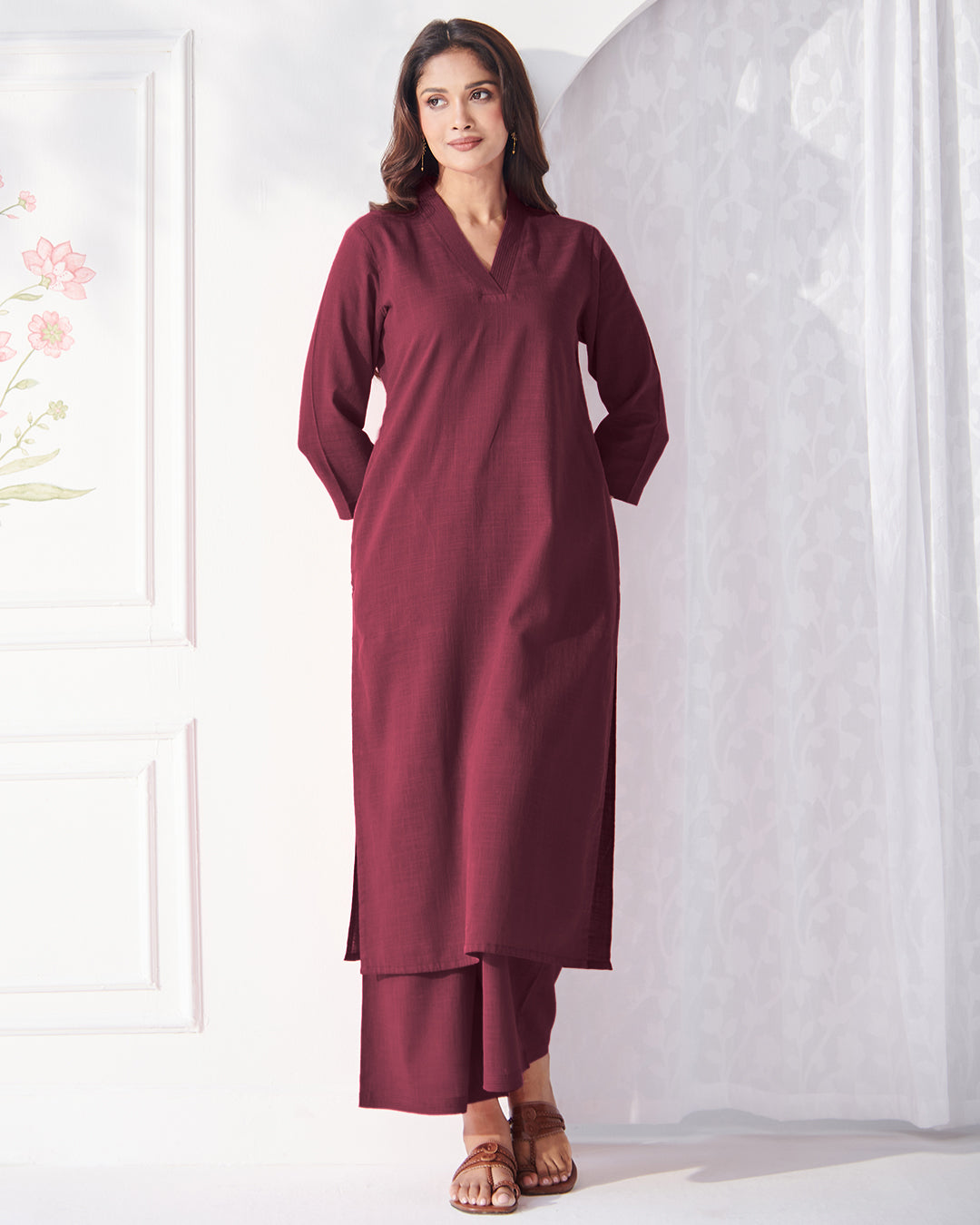




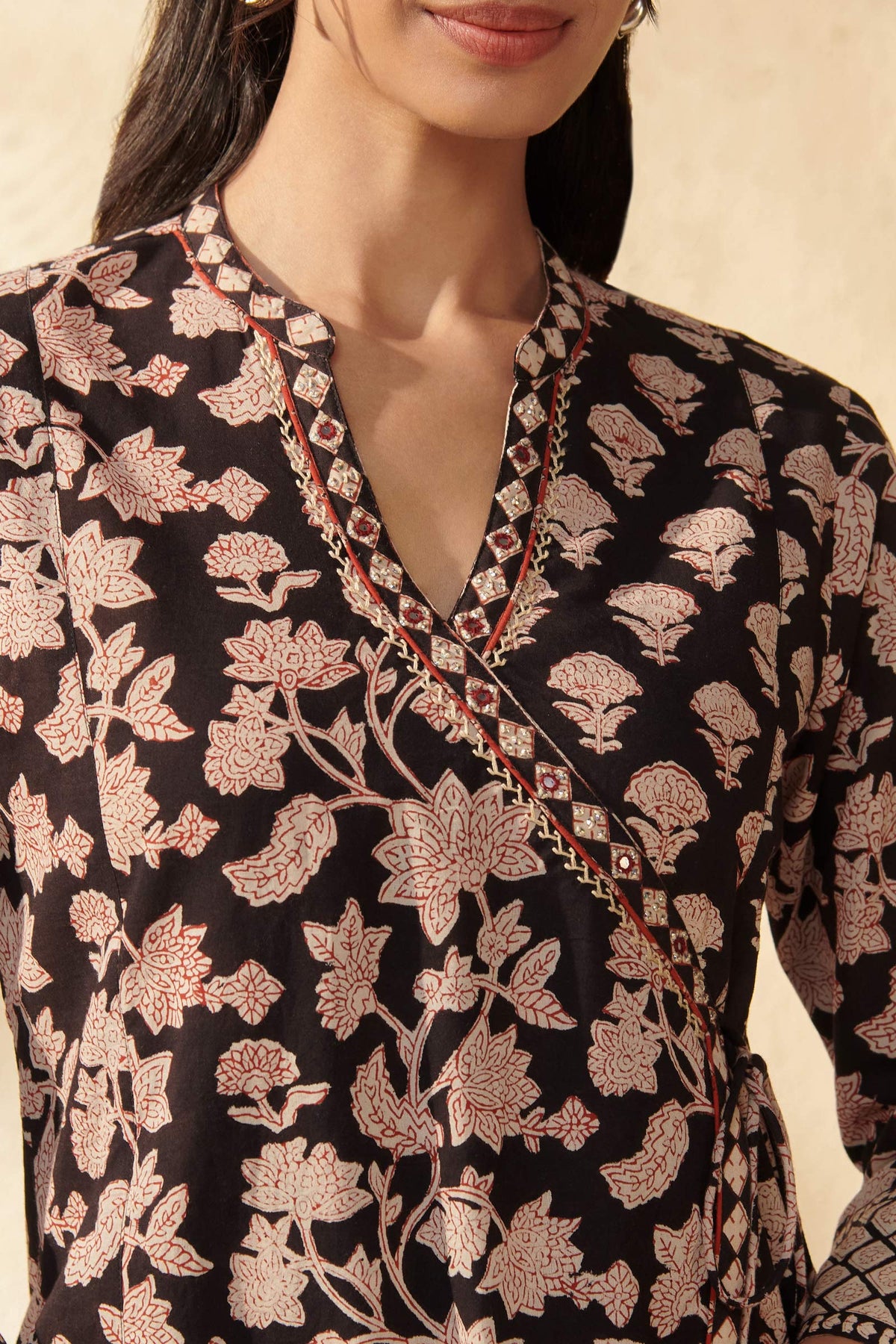
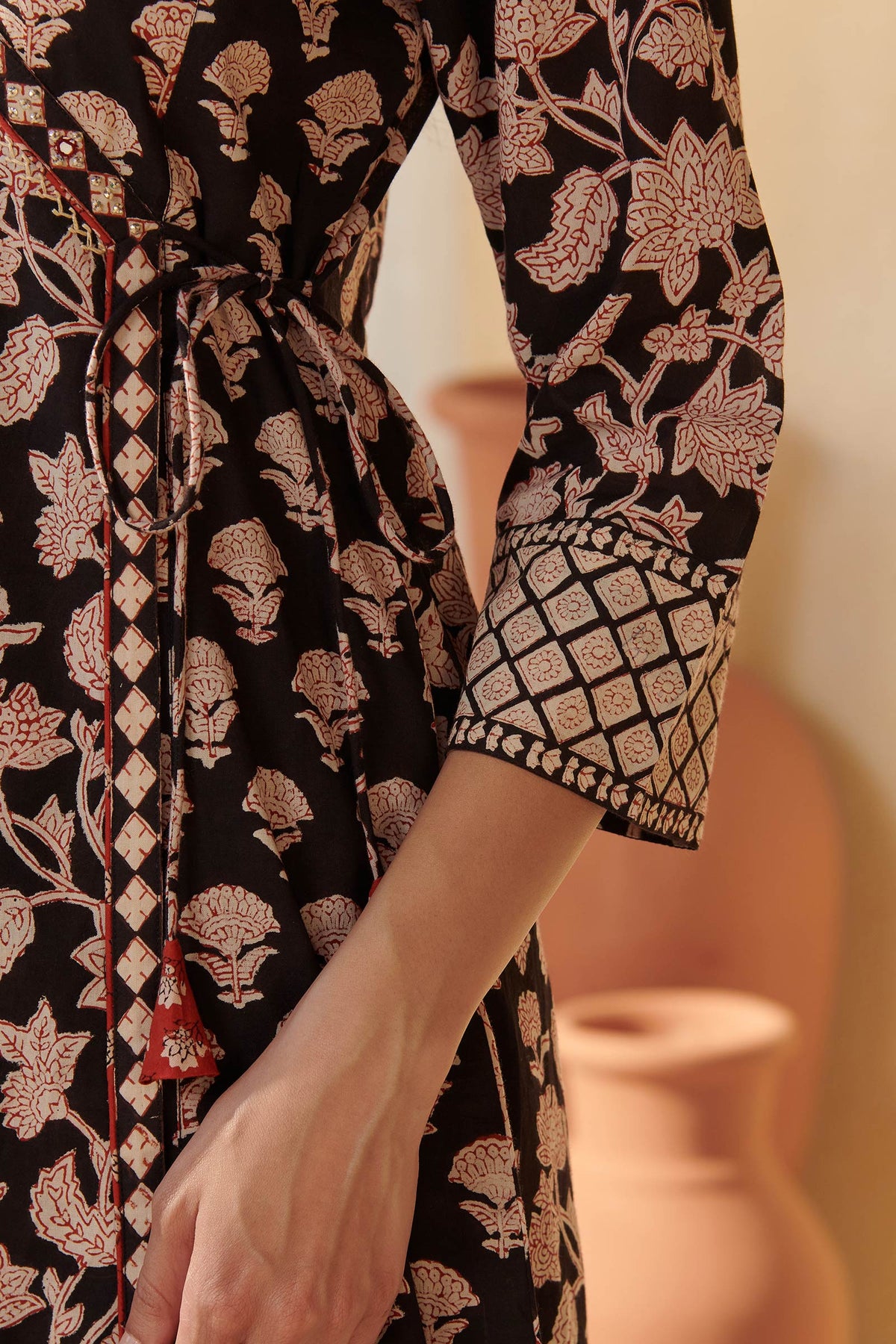
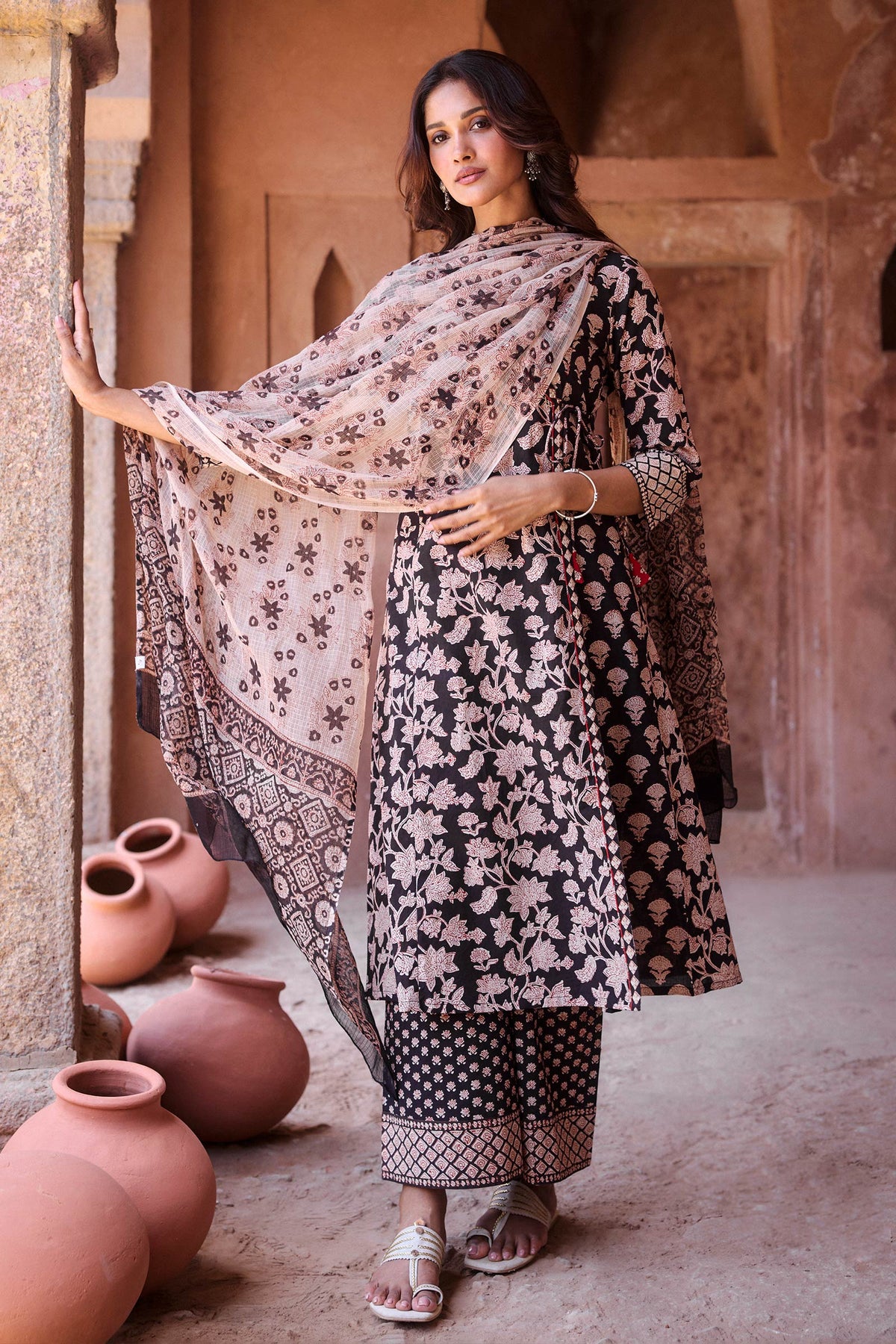
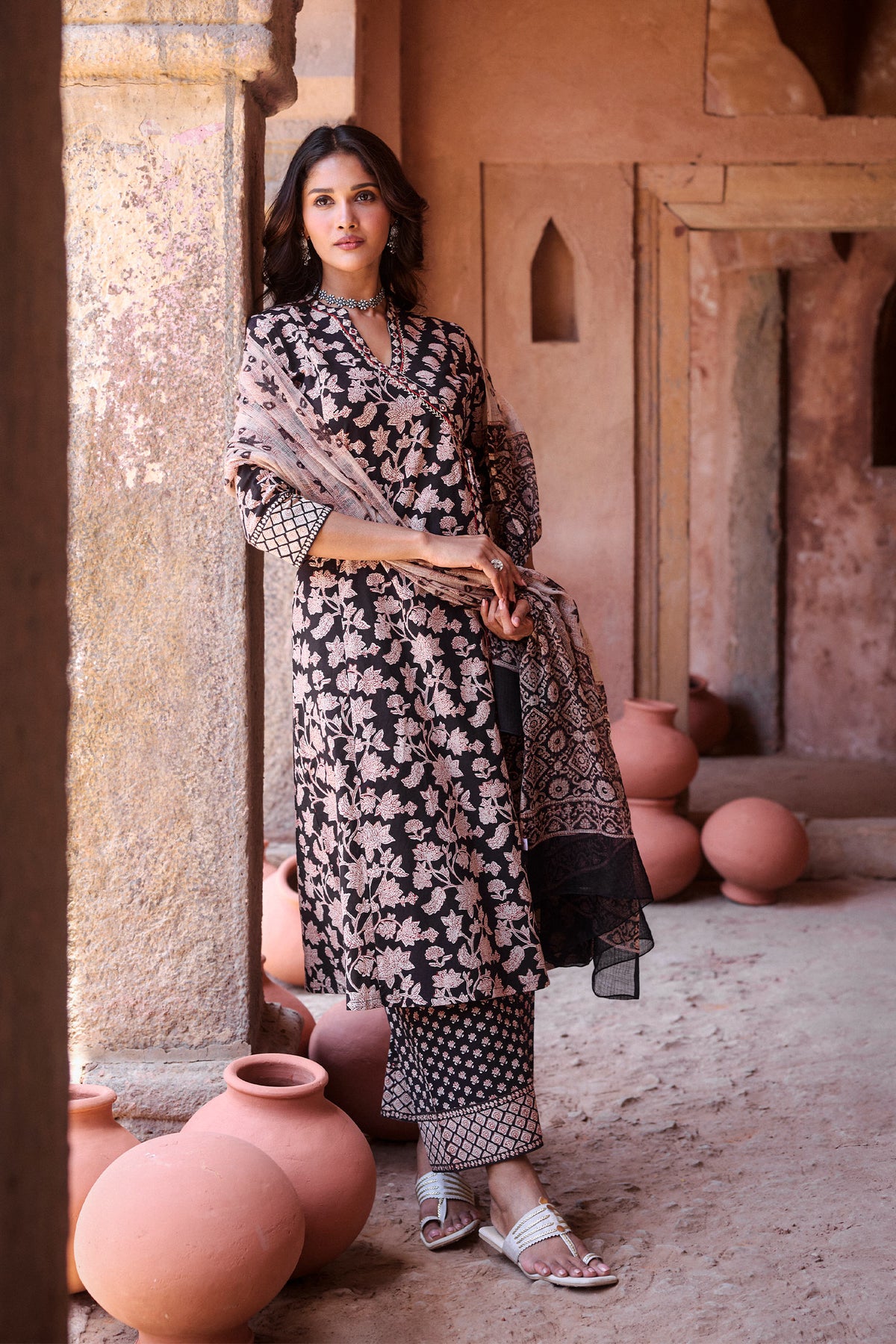
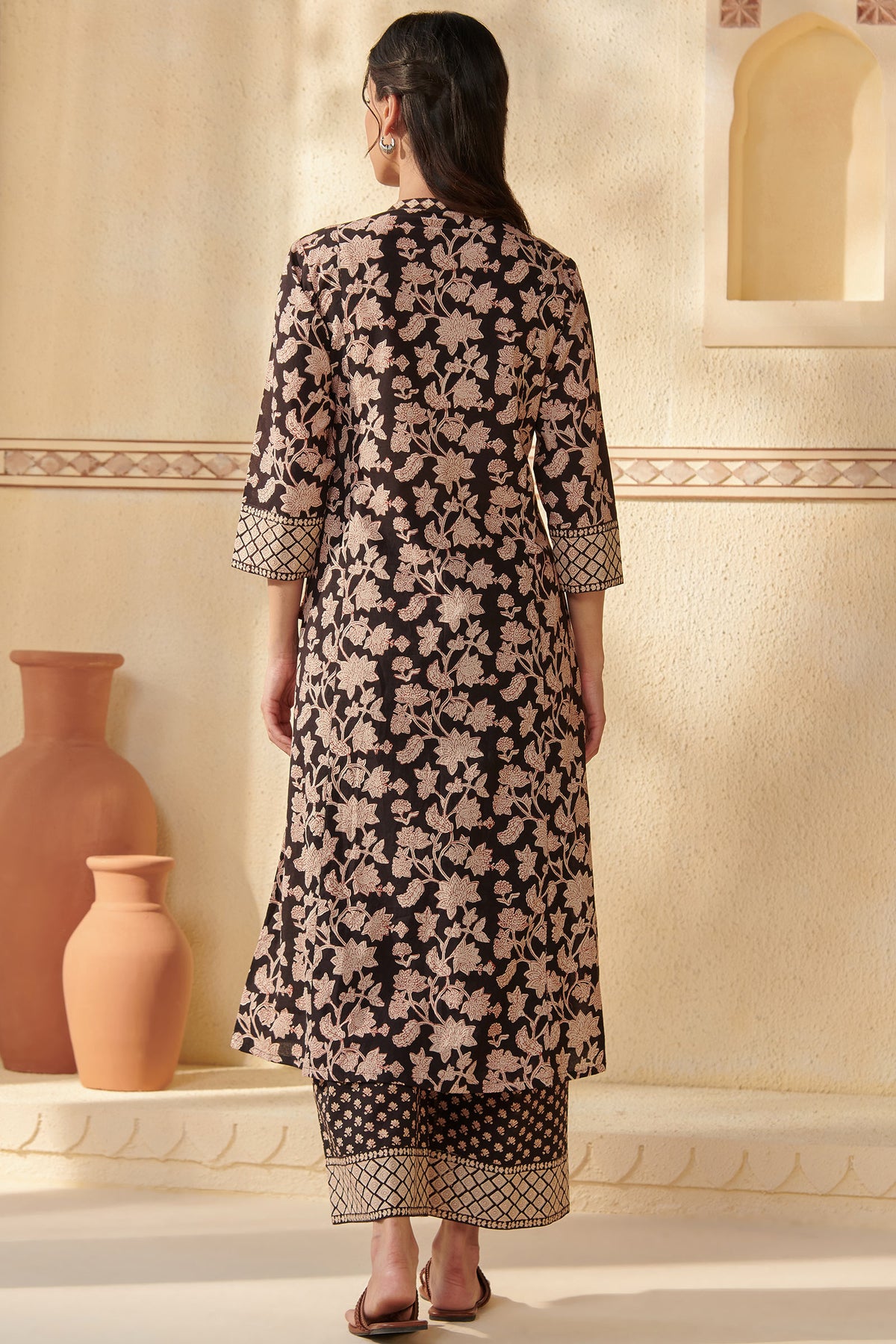
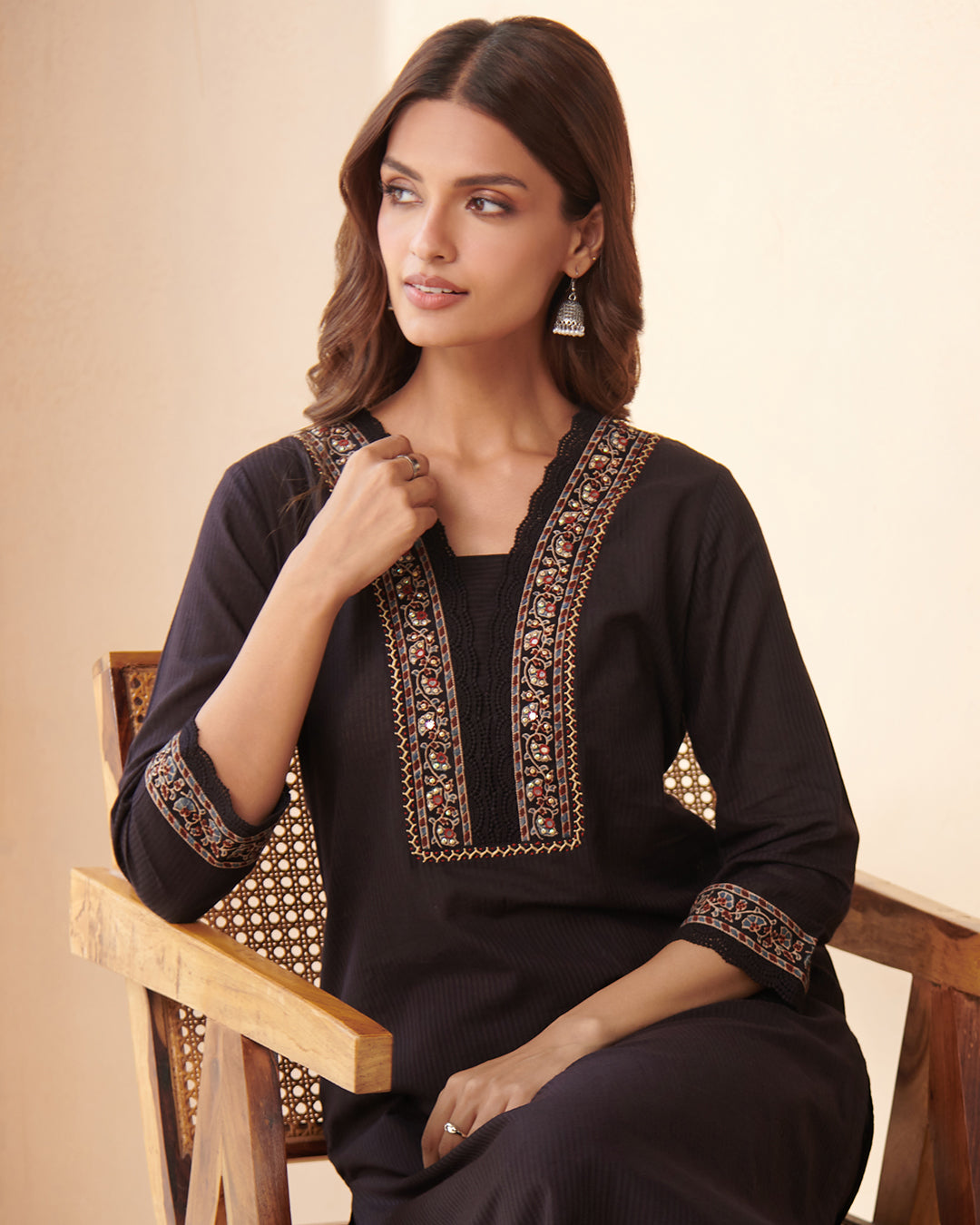
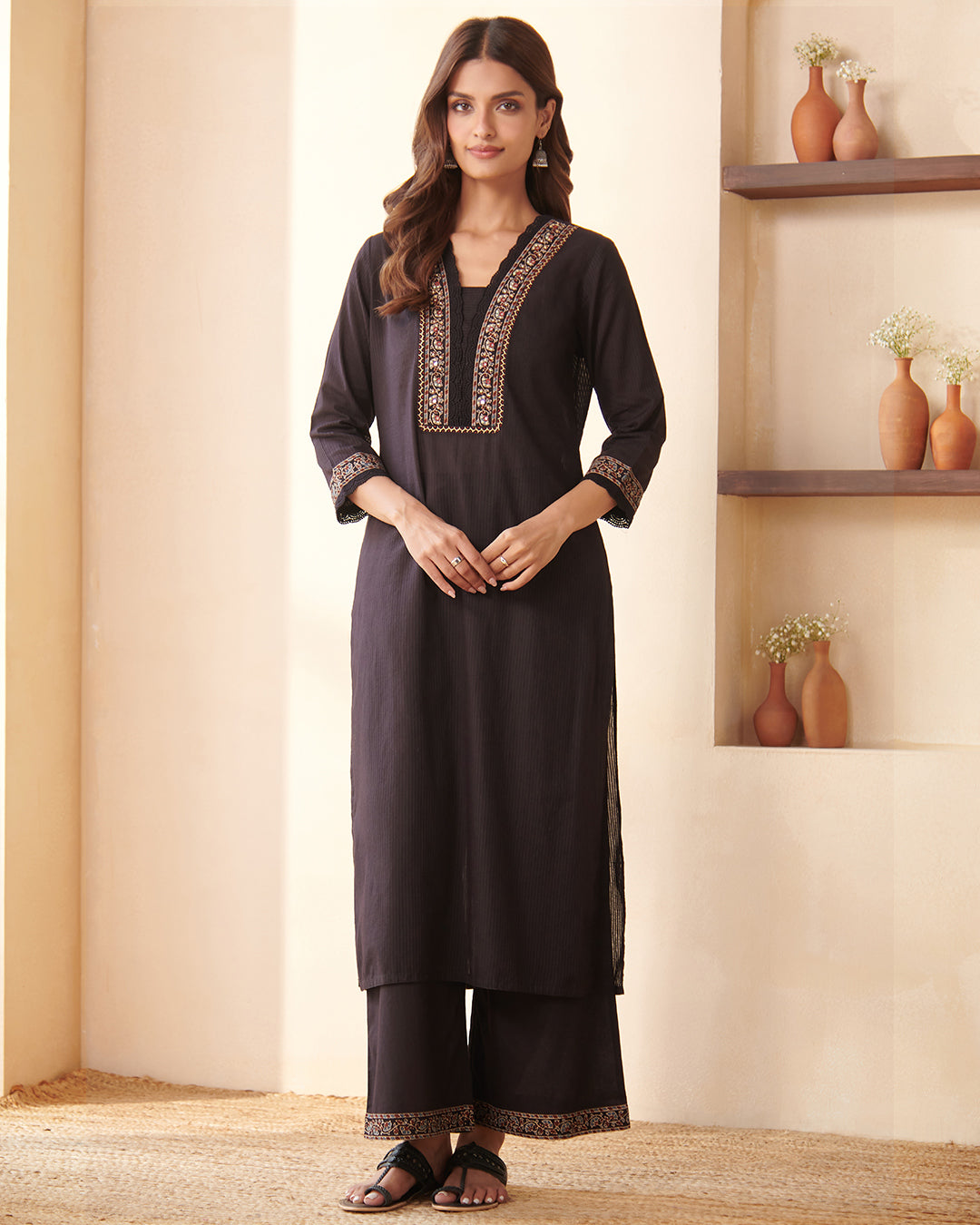

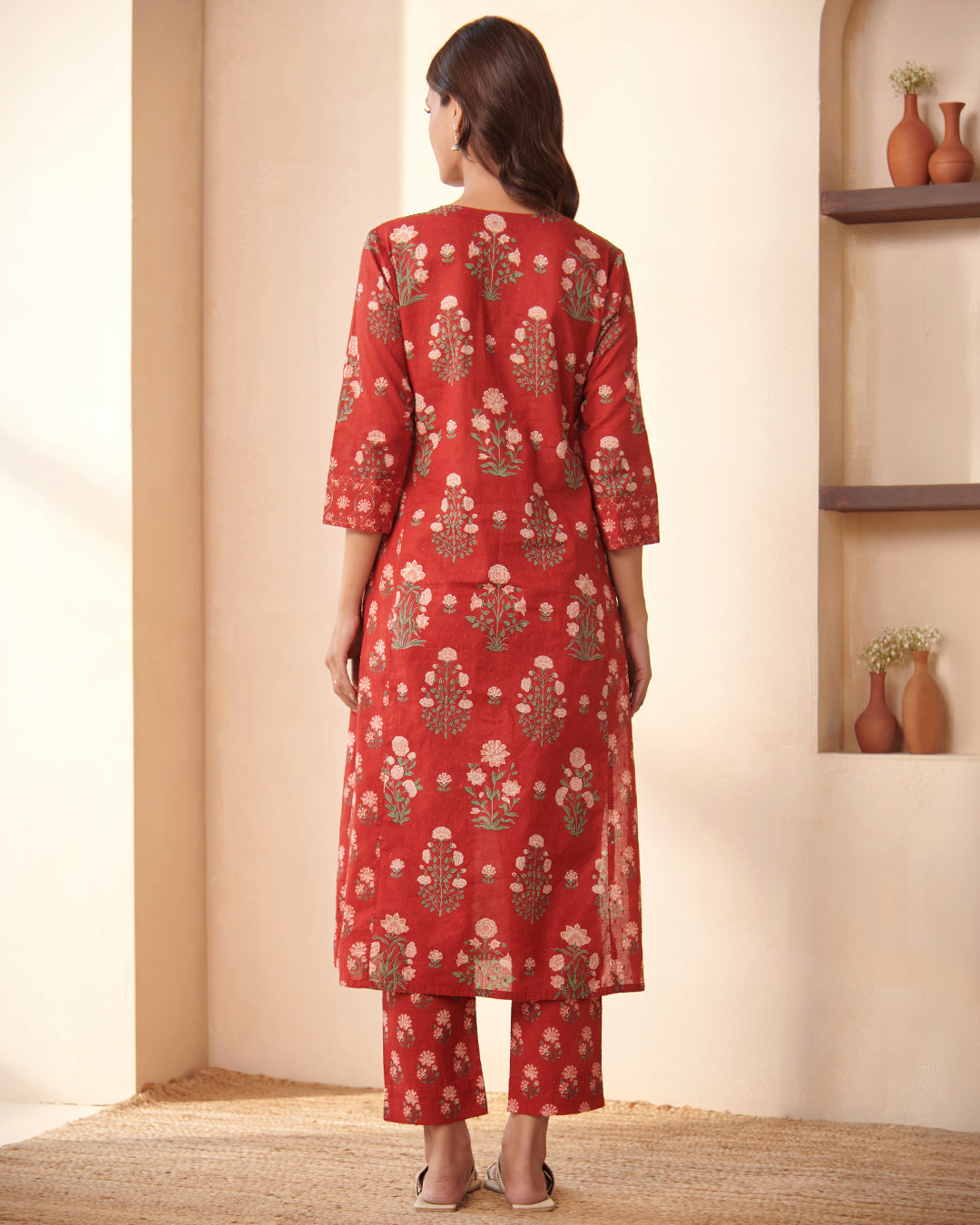
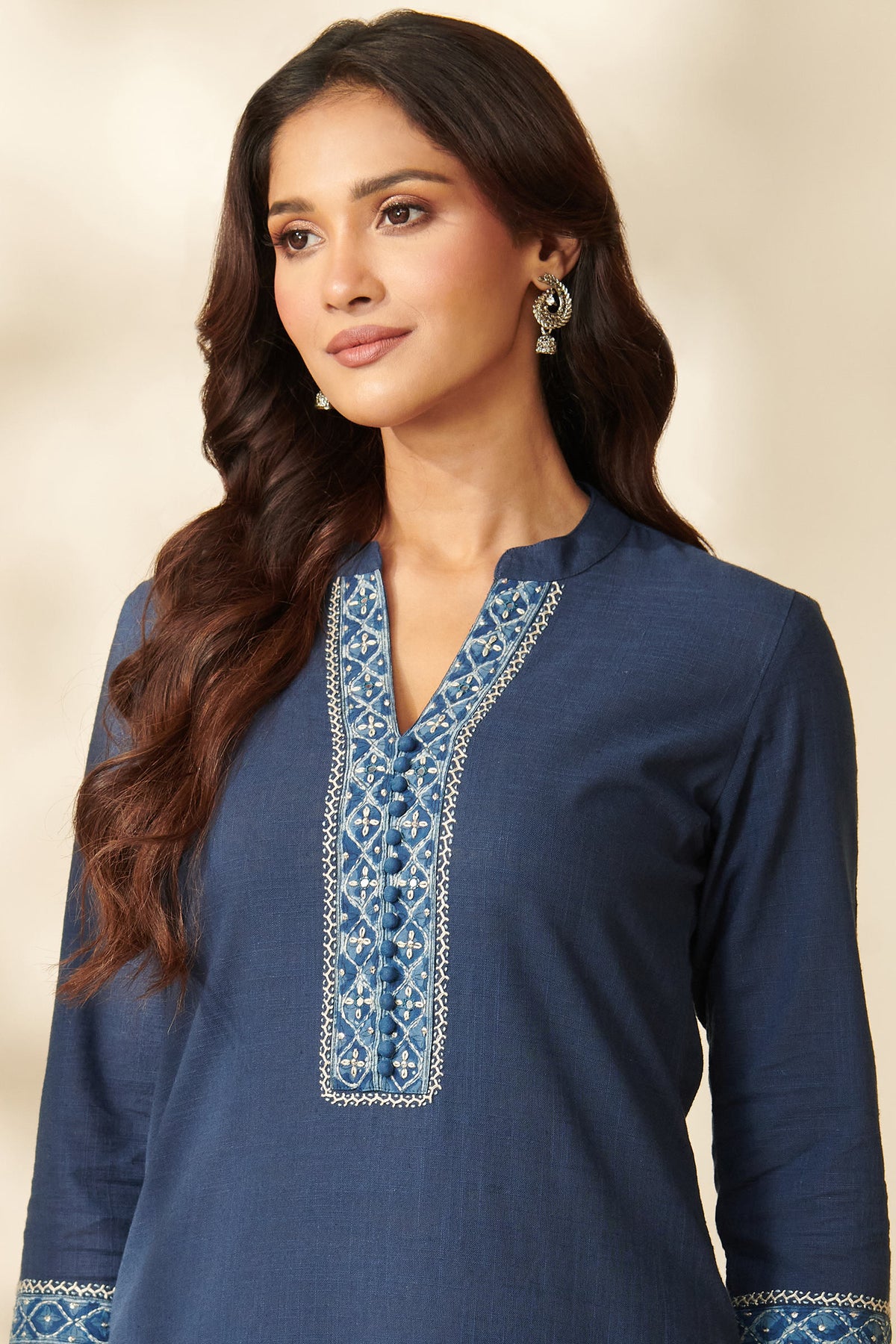
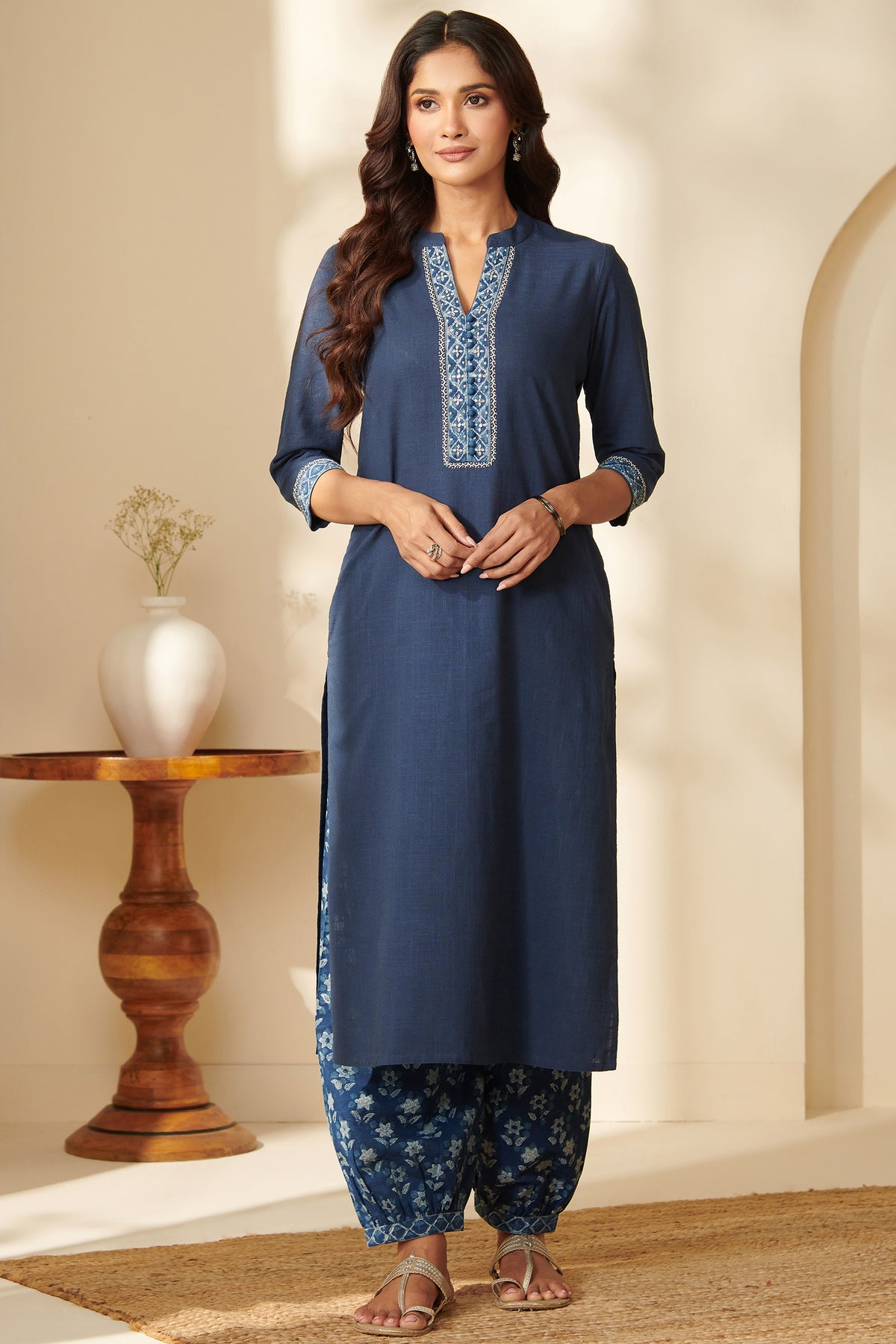


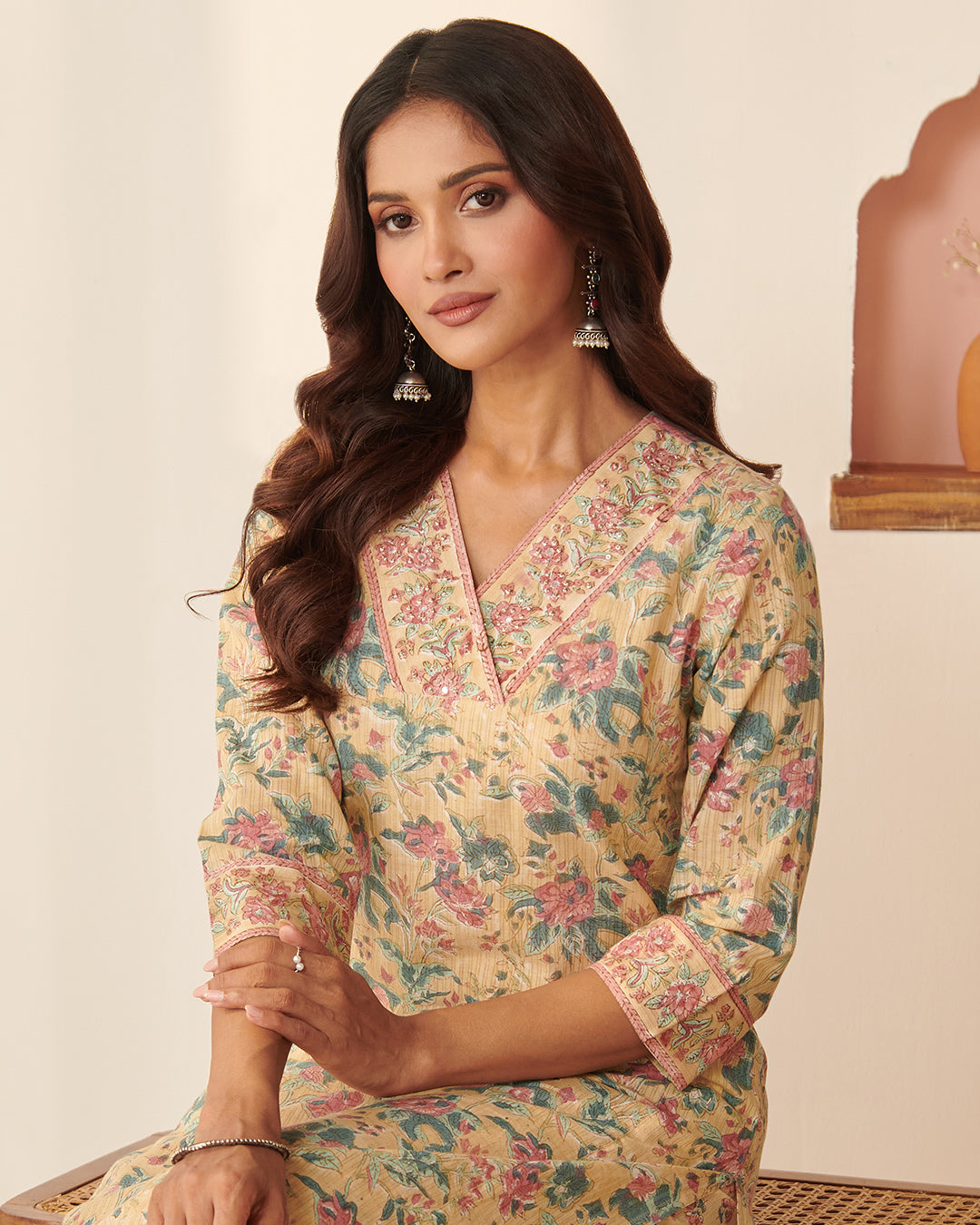
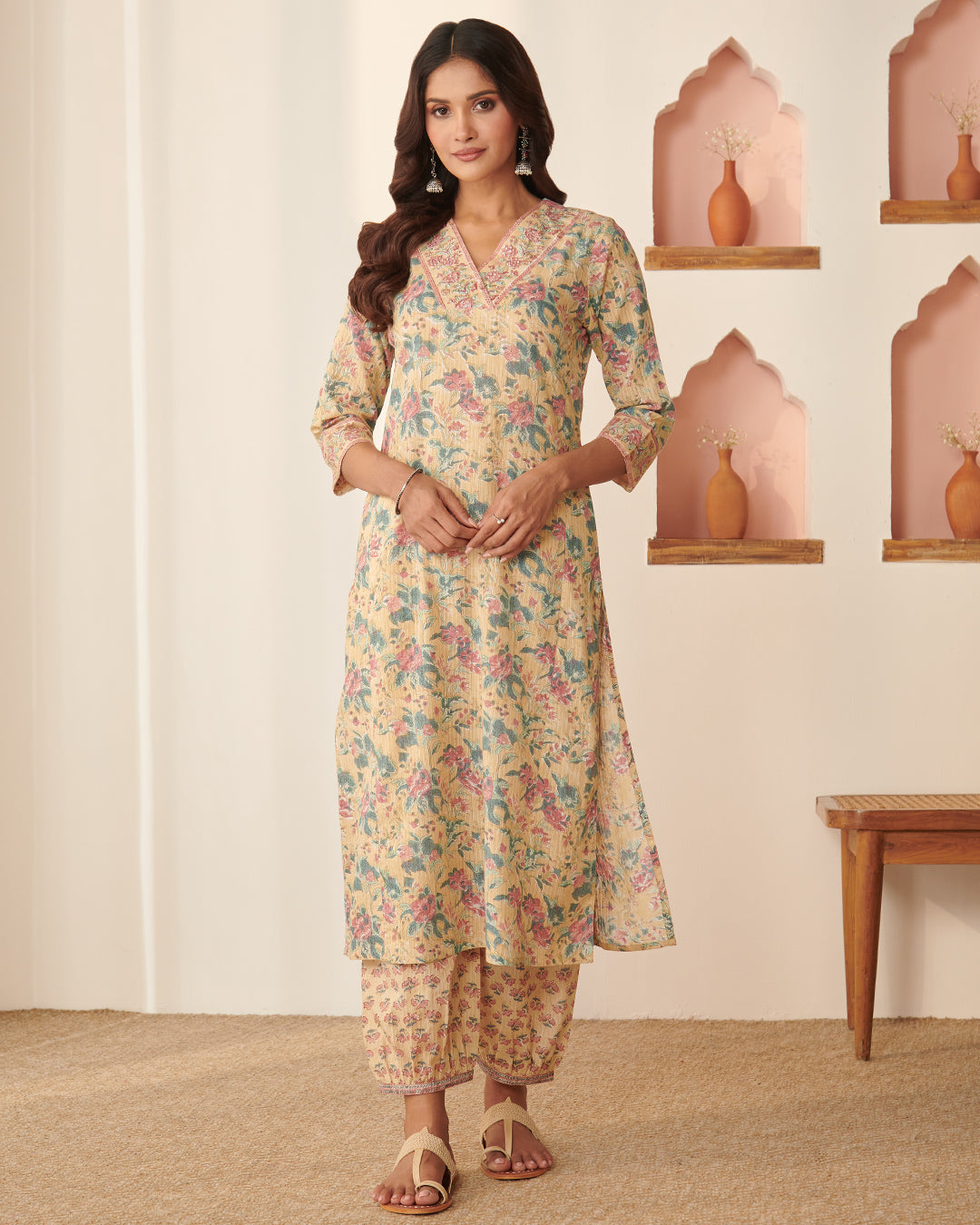
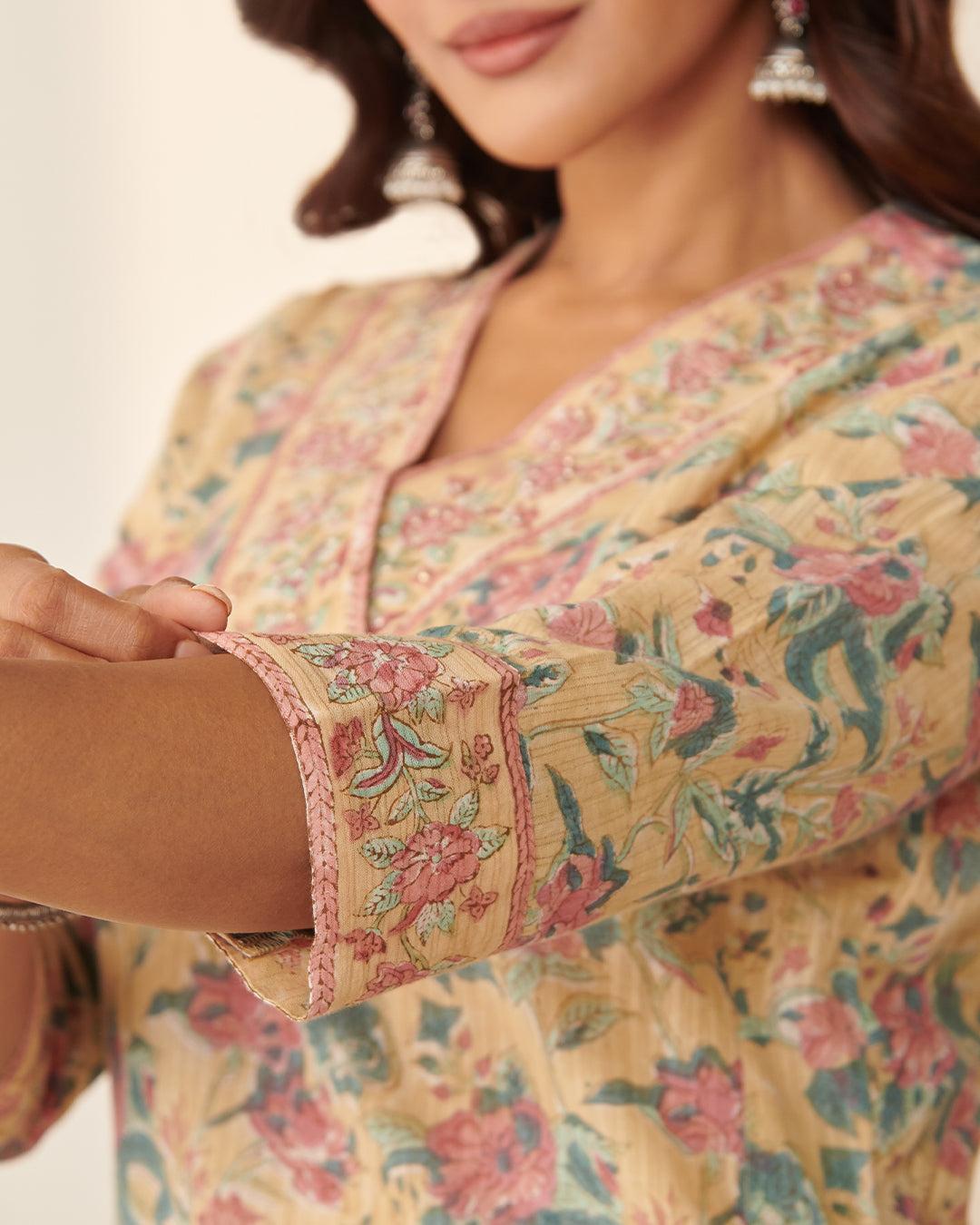
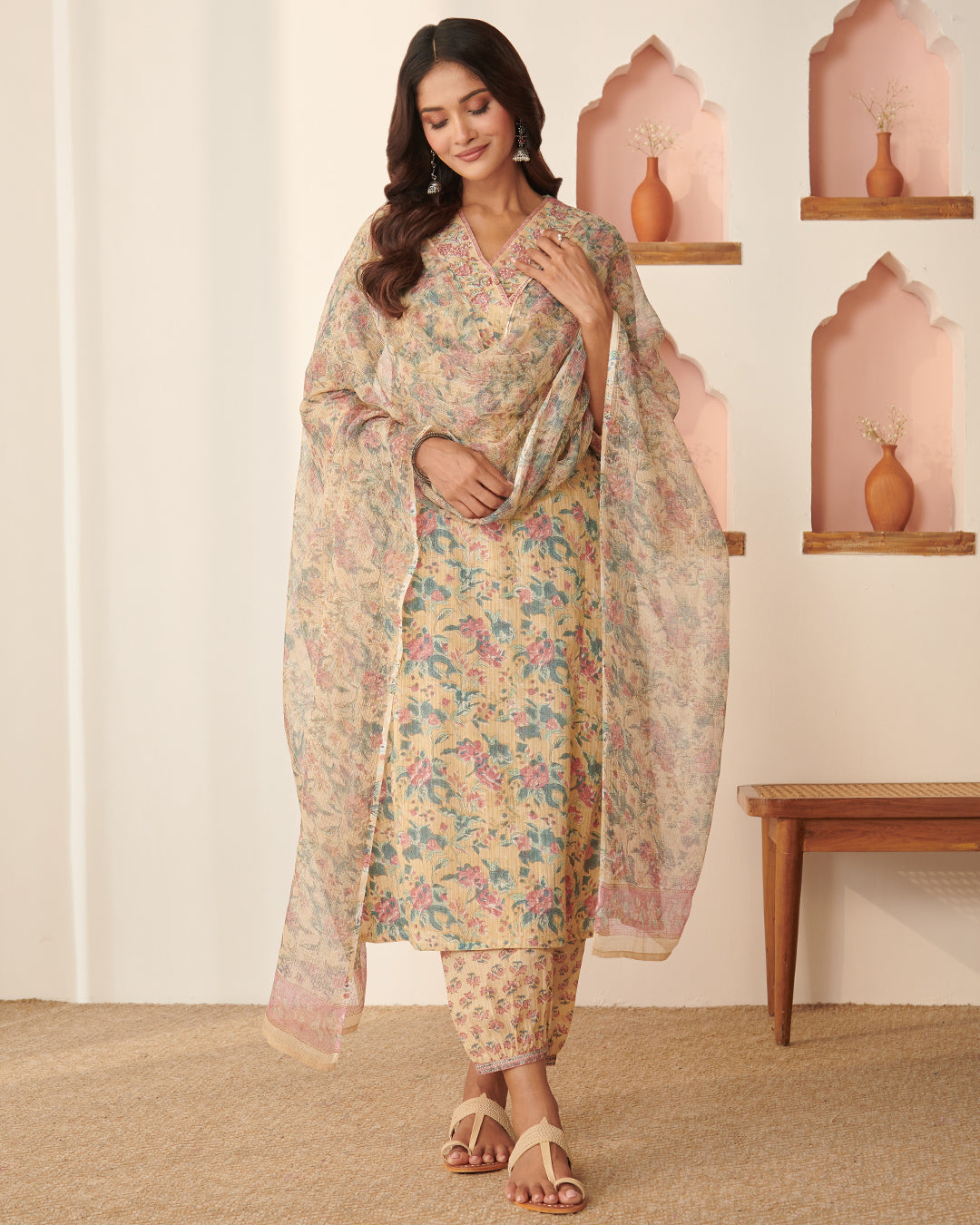
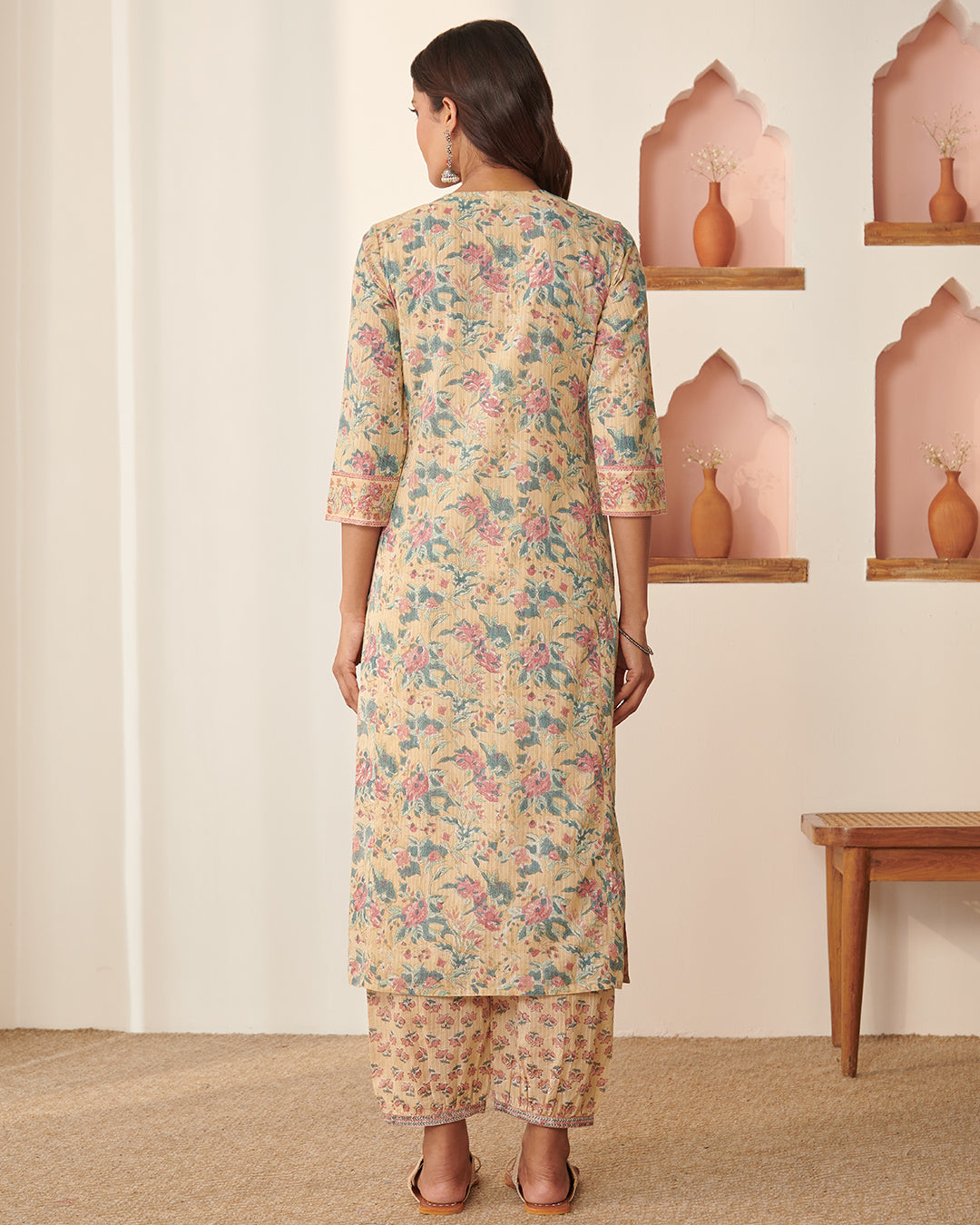
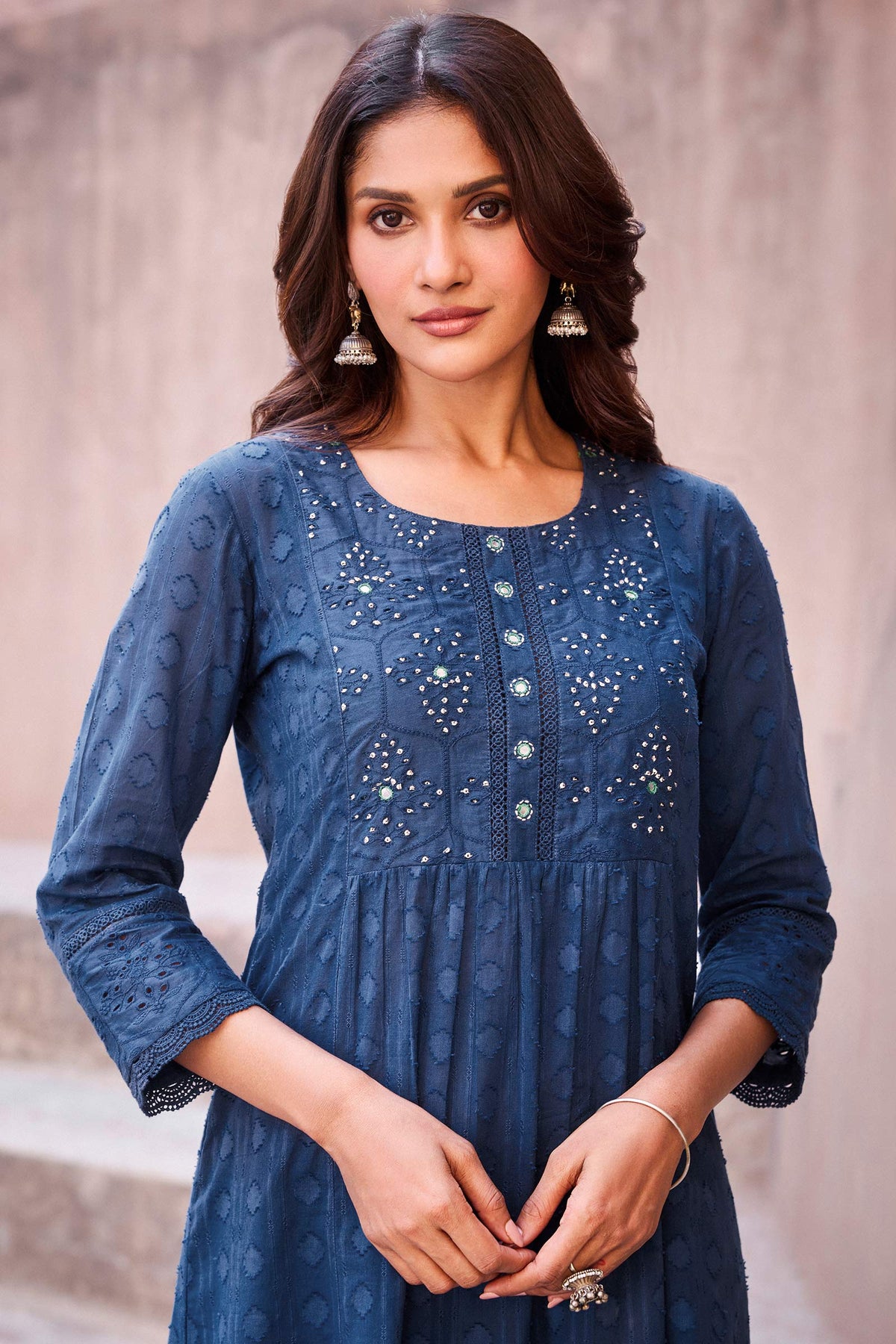
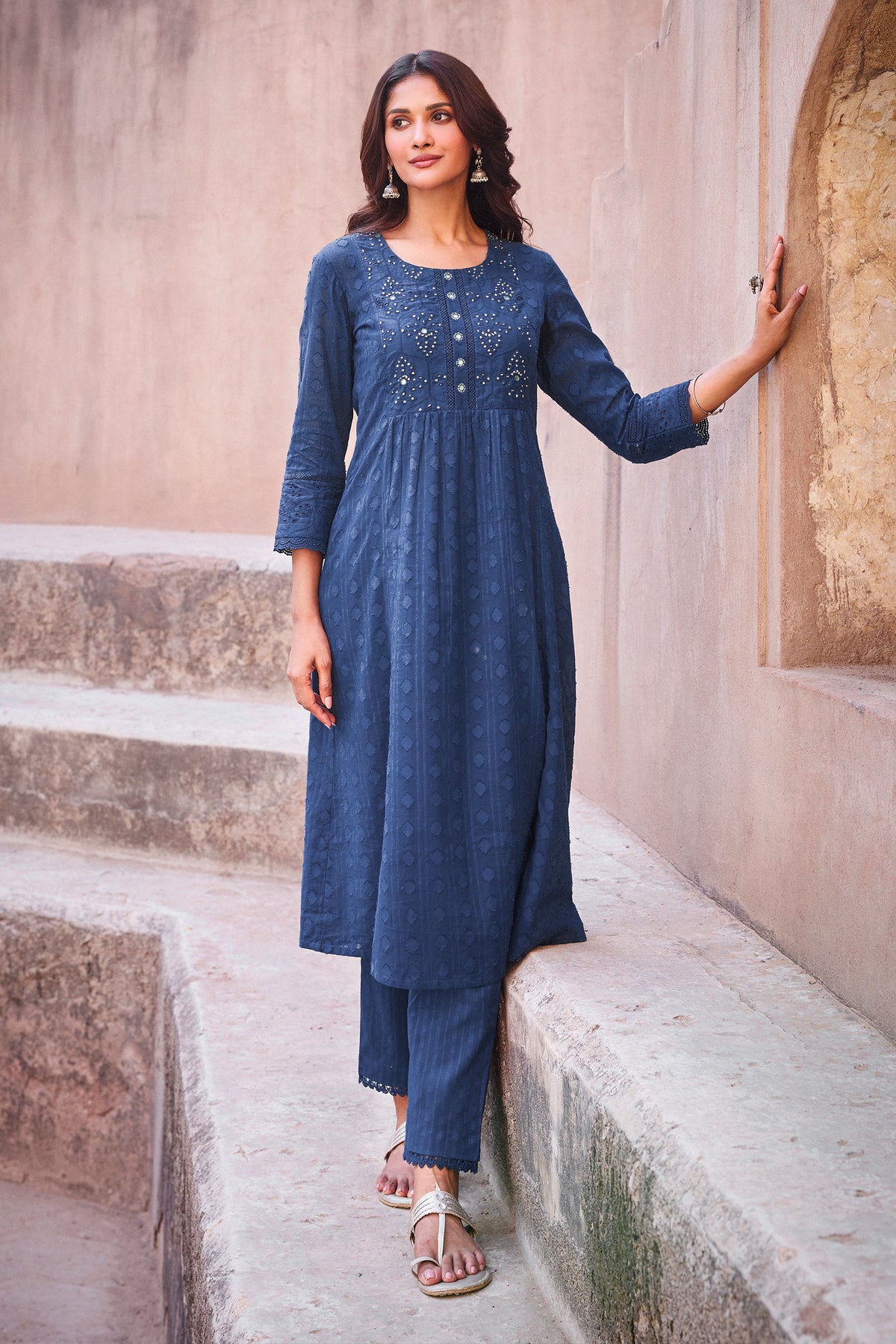
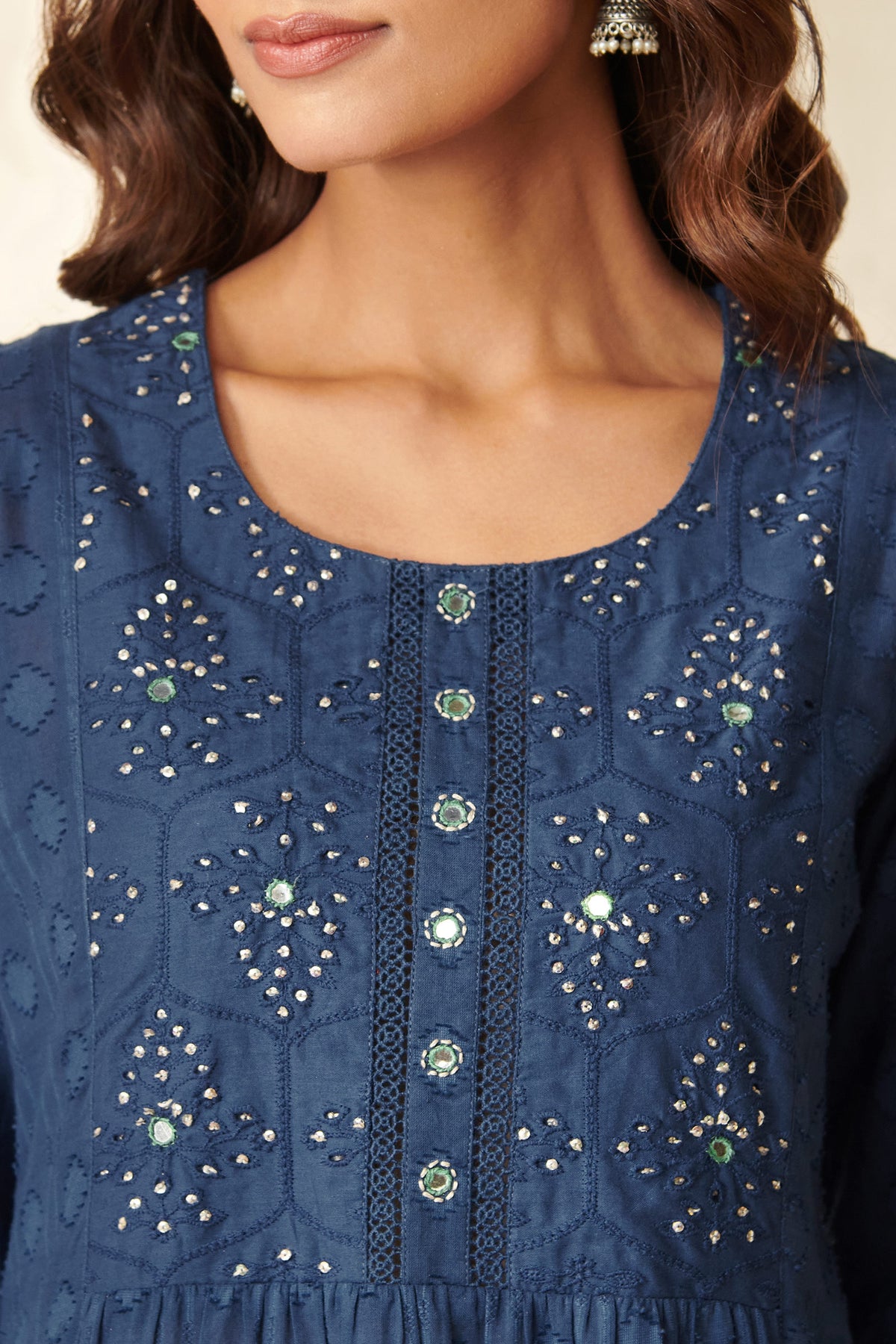
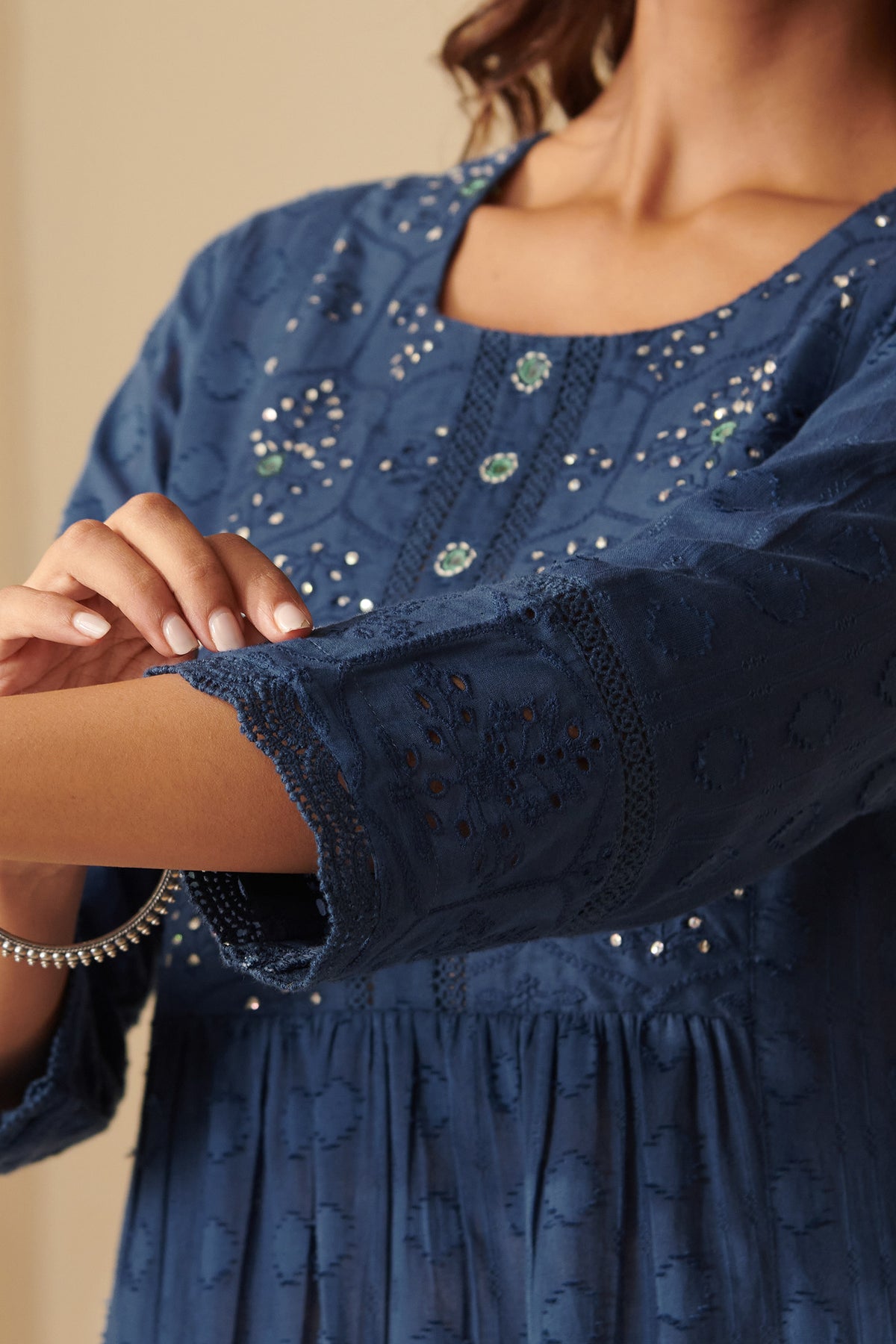

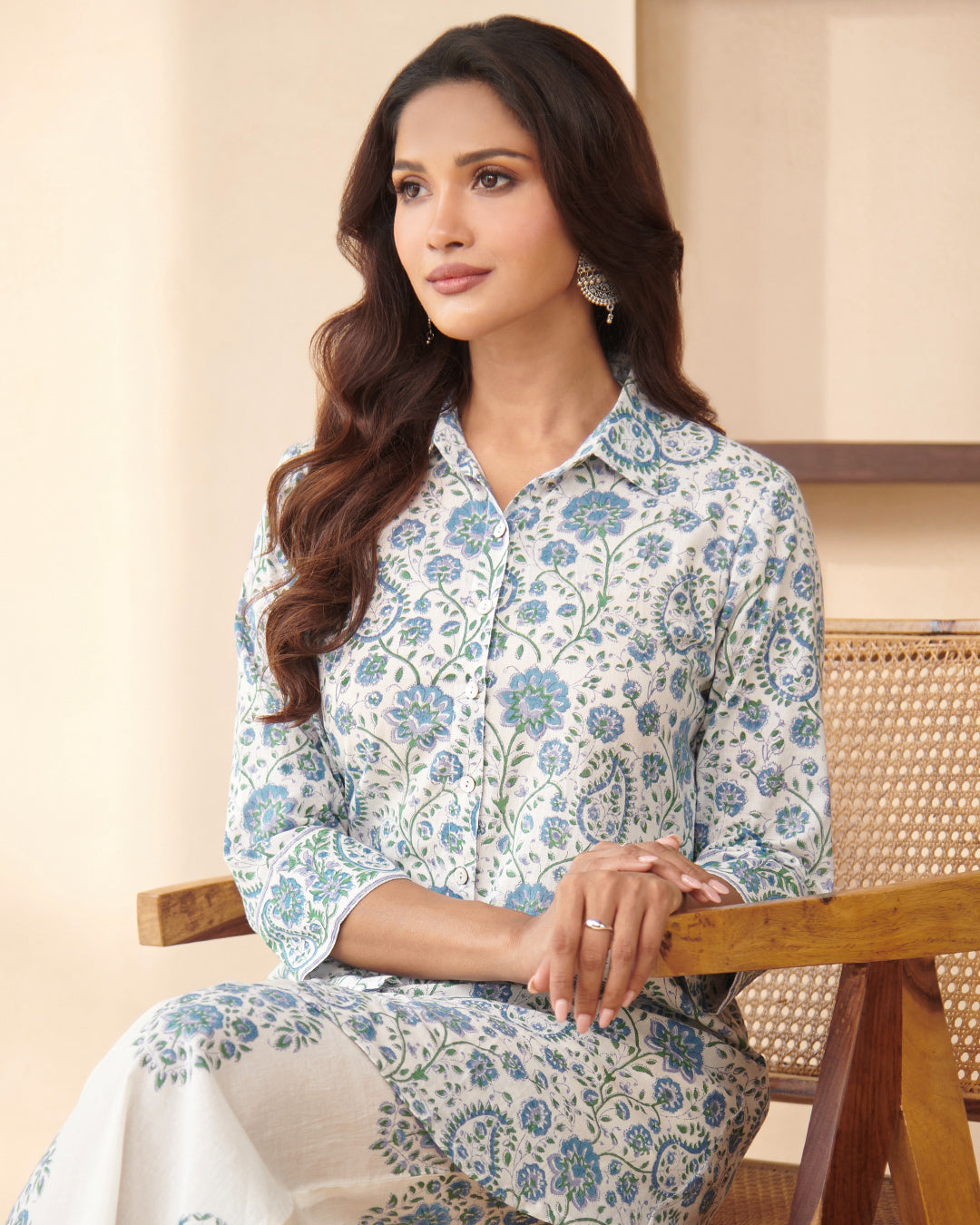
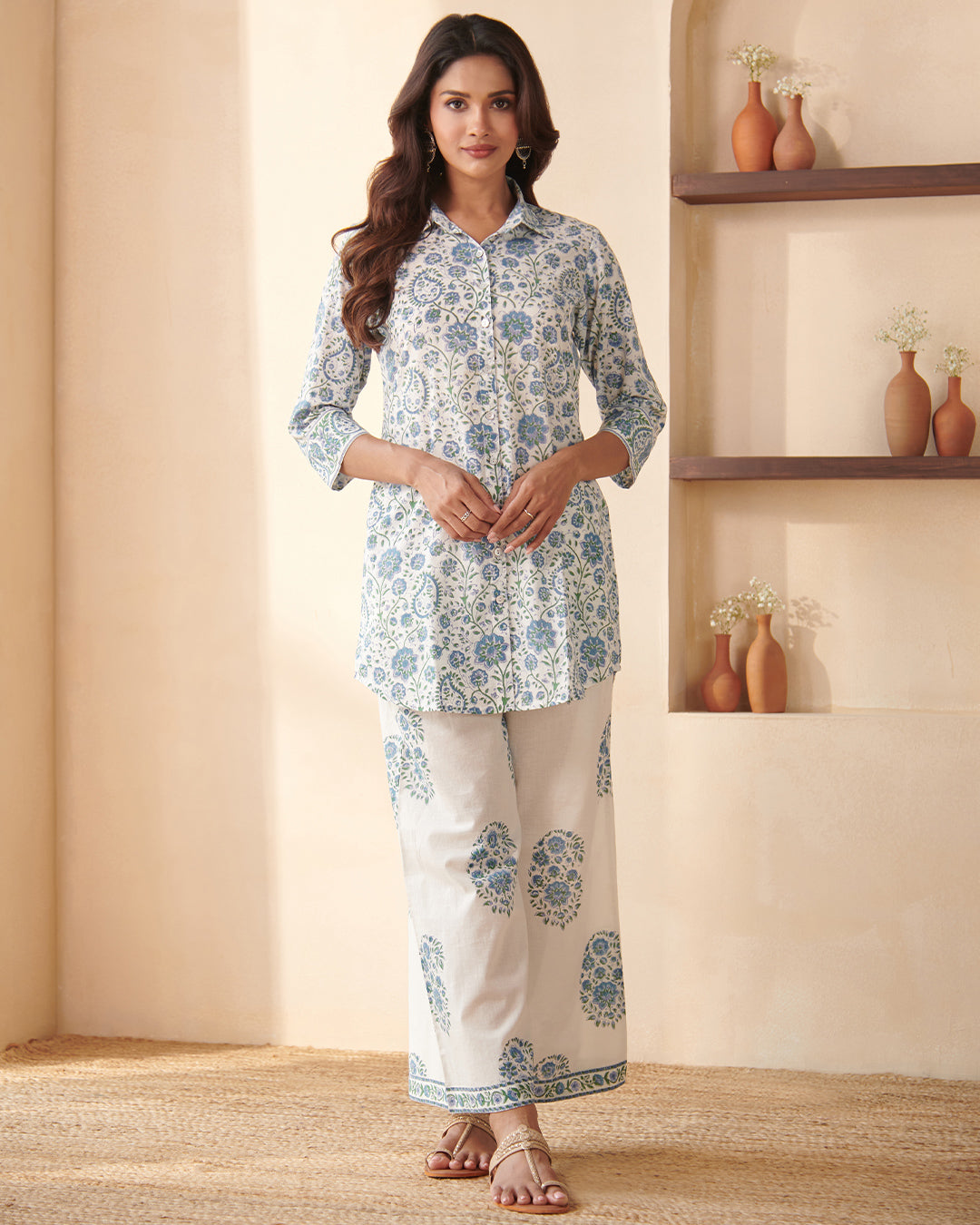
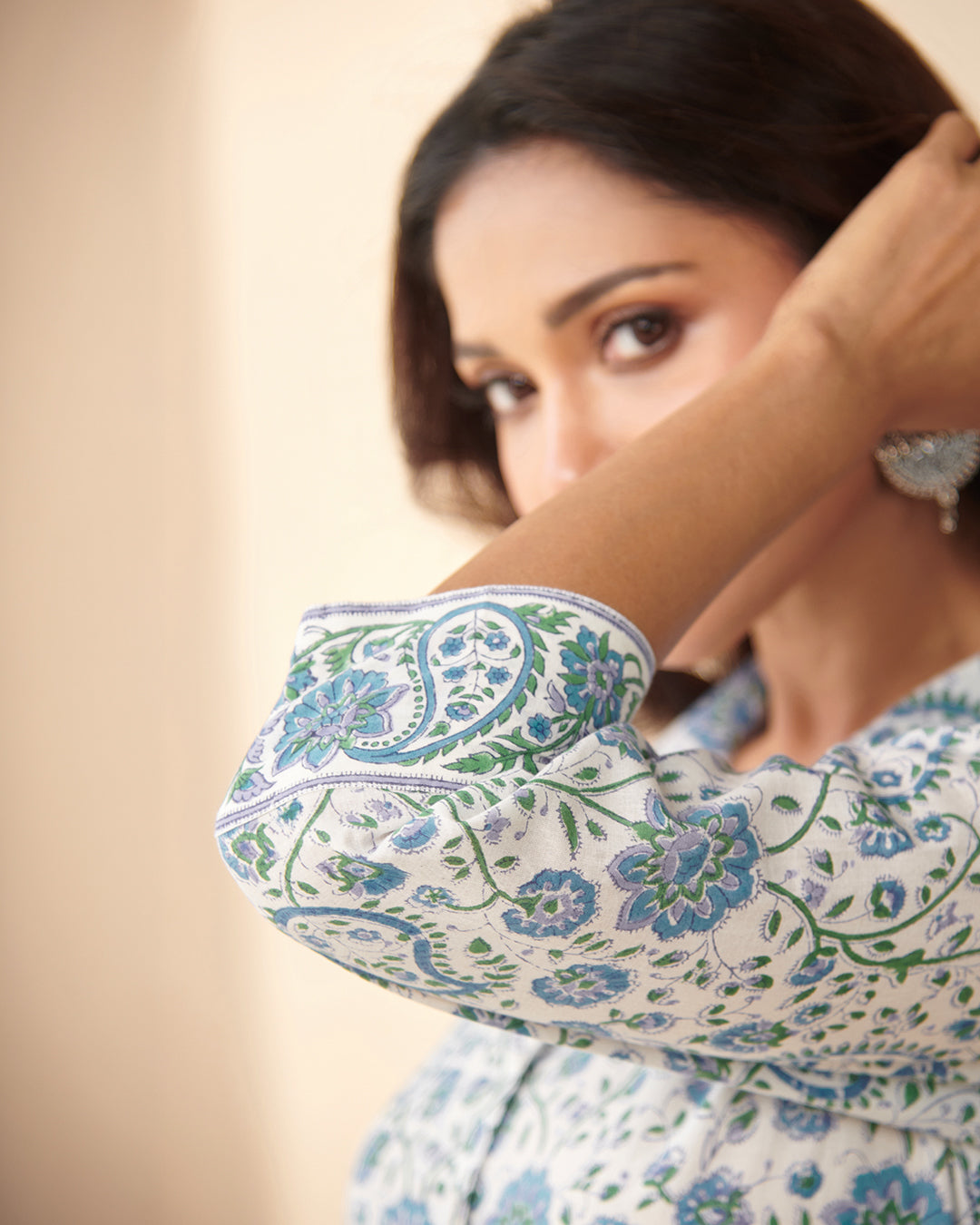
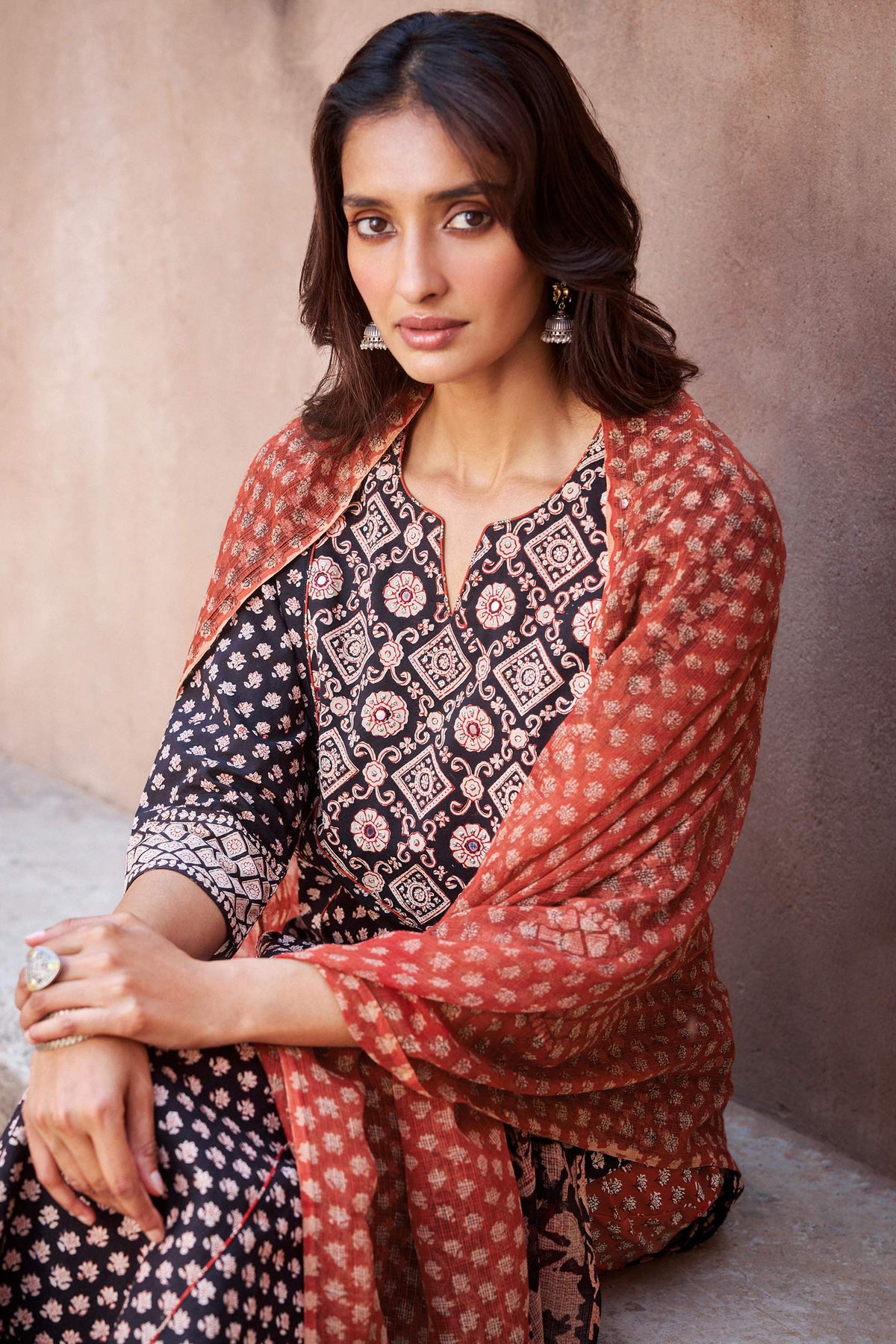
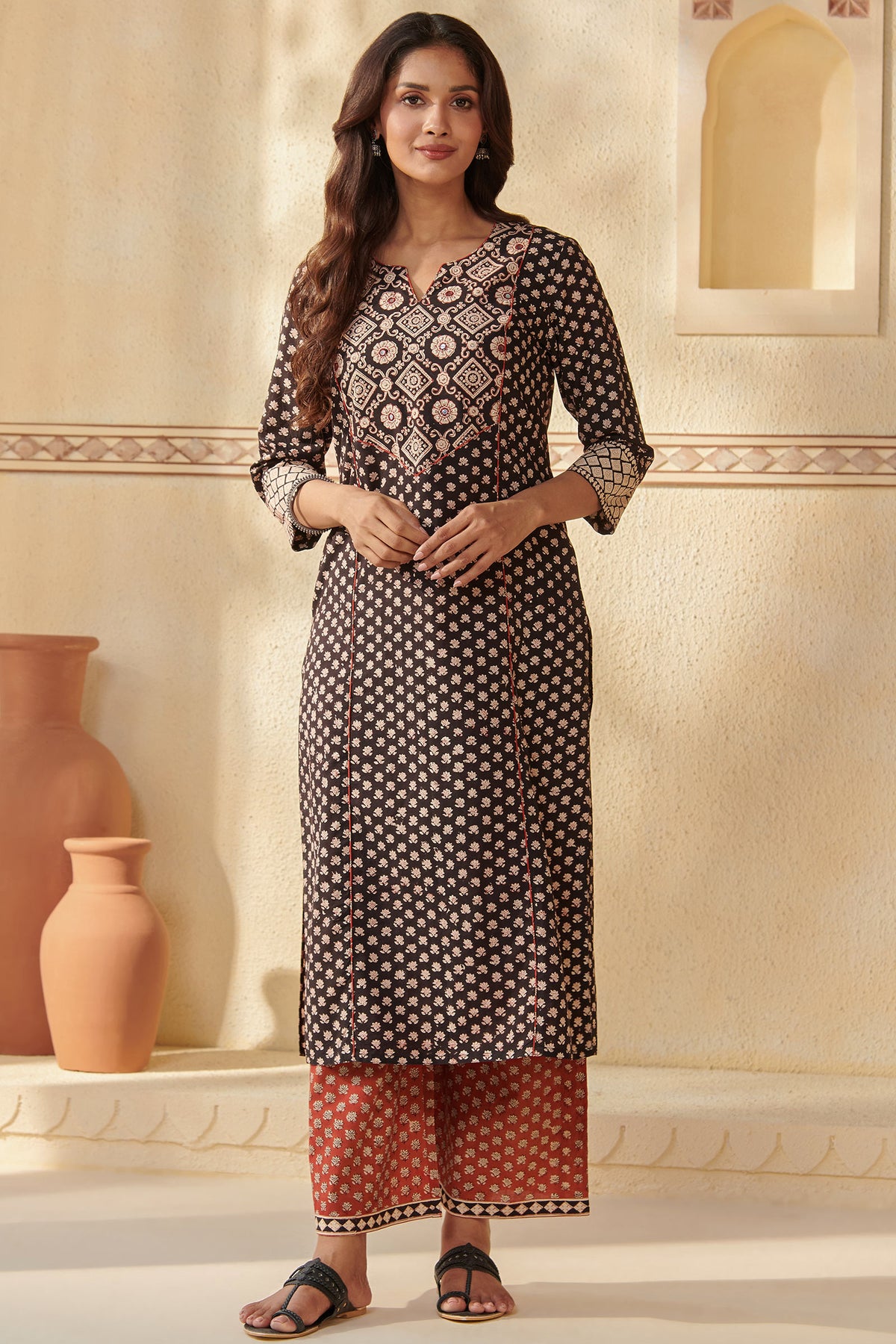

Most of us have picked up a printed kurta without thinking much about how the print got there. It looked good, the price felt right, and that was enough.
But there's a real difference between a kurta off a factory printing machine and one where someone spent hours pressing a hand-carved wooden block onto cloth, using dye made from plants and minerals. That difference shows up in how the fabric feels against your skin, how it holds up over years of wearing, and what the production left behind environmentally.
Hand-printed fabrics have been part of Indian textile tradition for centuries, not out of sentimentality but because they keep delivering something machine production hasn't matched. This blog gets into what that actually means for your skin, the planet, and the people still doing this work.
What Makes Hand-Printed Fabrics Different from Machine-Made Textiles?

Machine printing is built for speed and consistency. A factory can push out thousands of meters of identical fabric in a day. Hand printing is the opposite. One artisan, one block, one impression at a time. A full day's work might cover a single length of cloth.
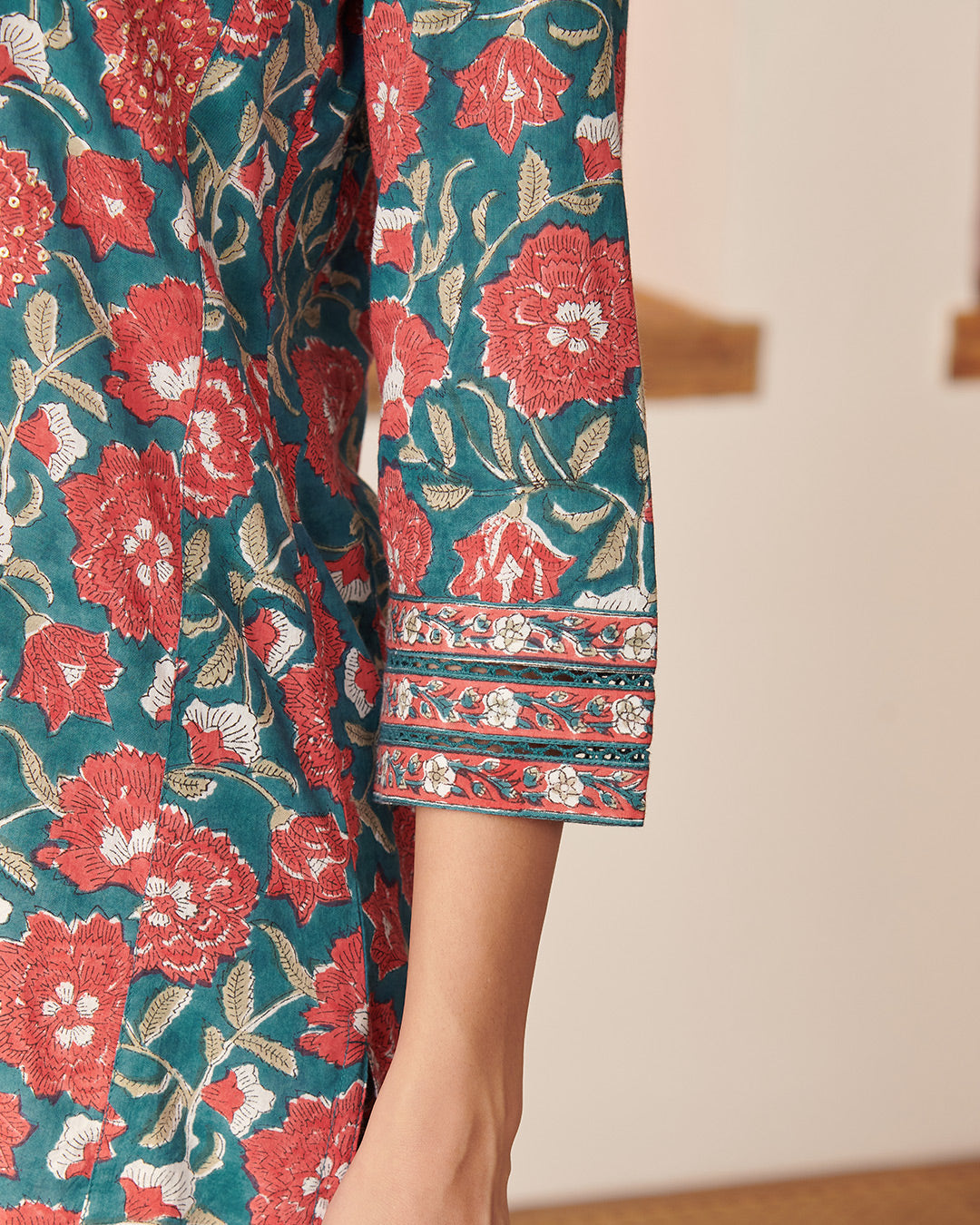
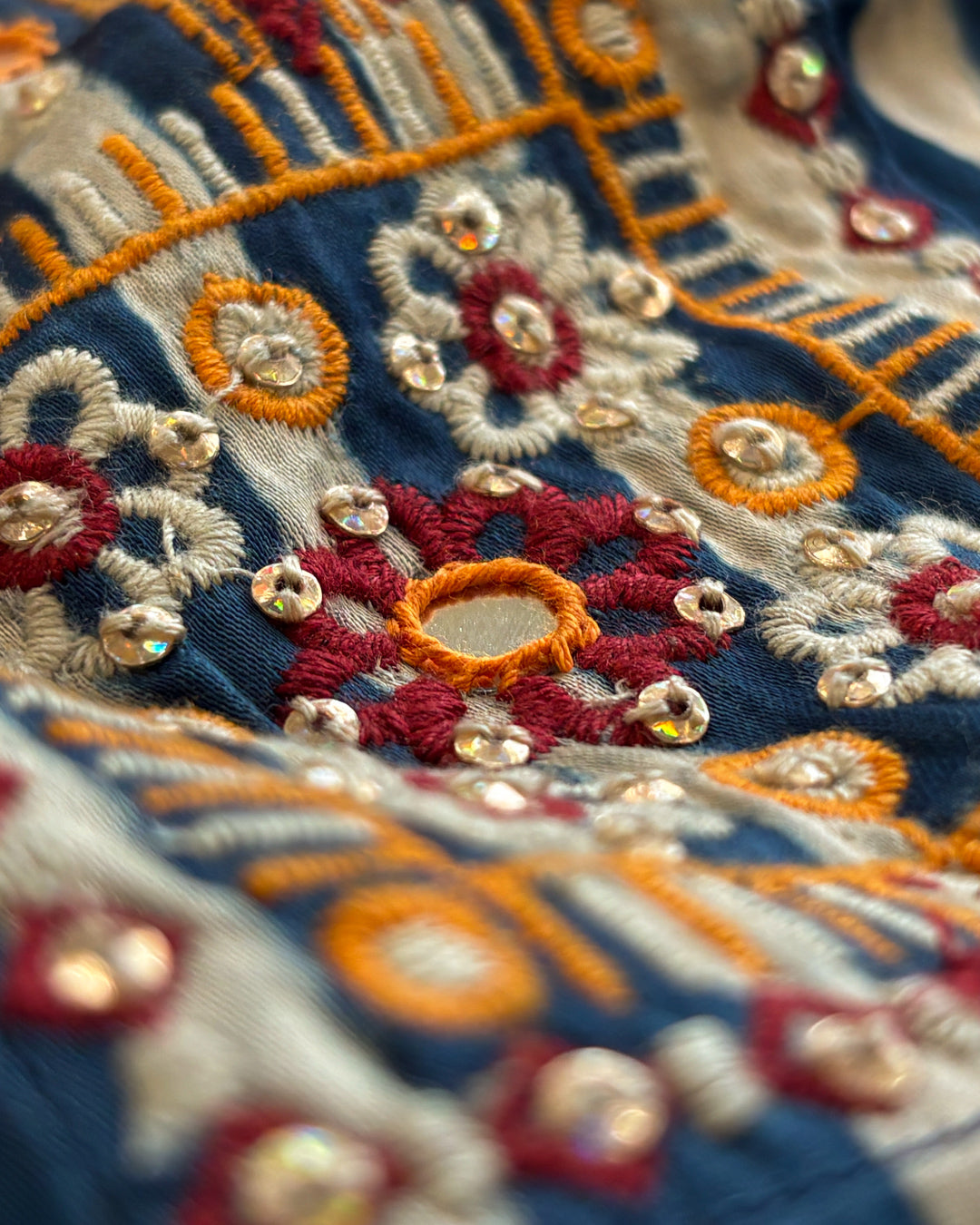
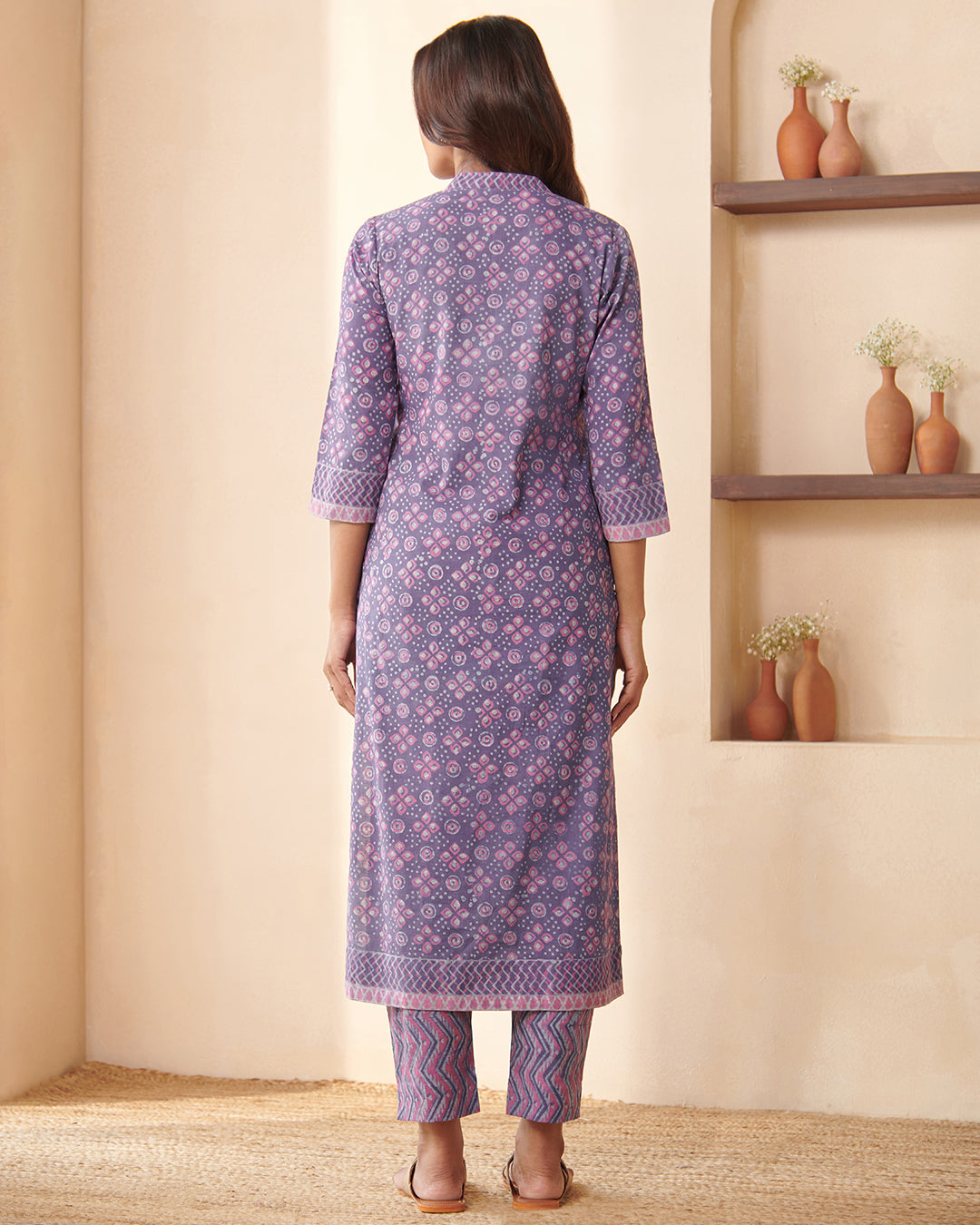
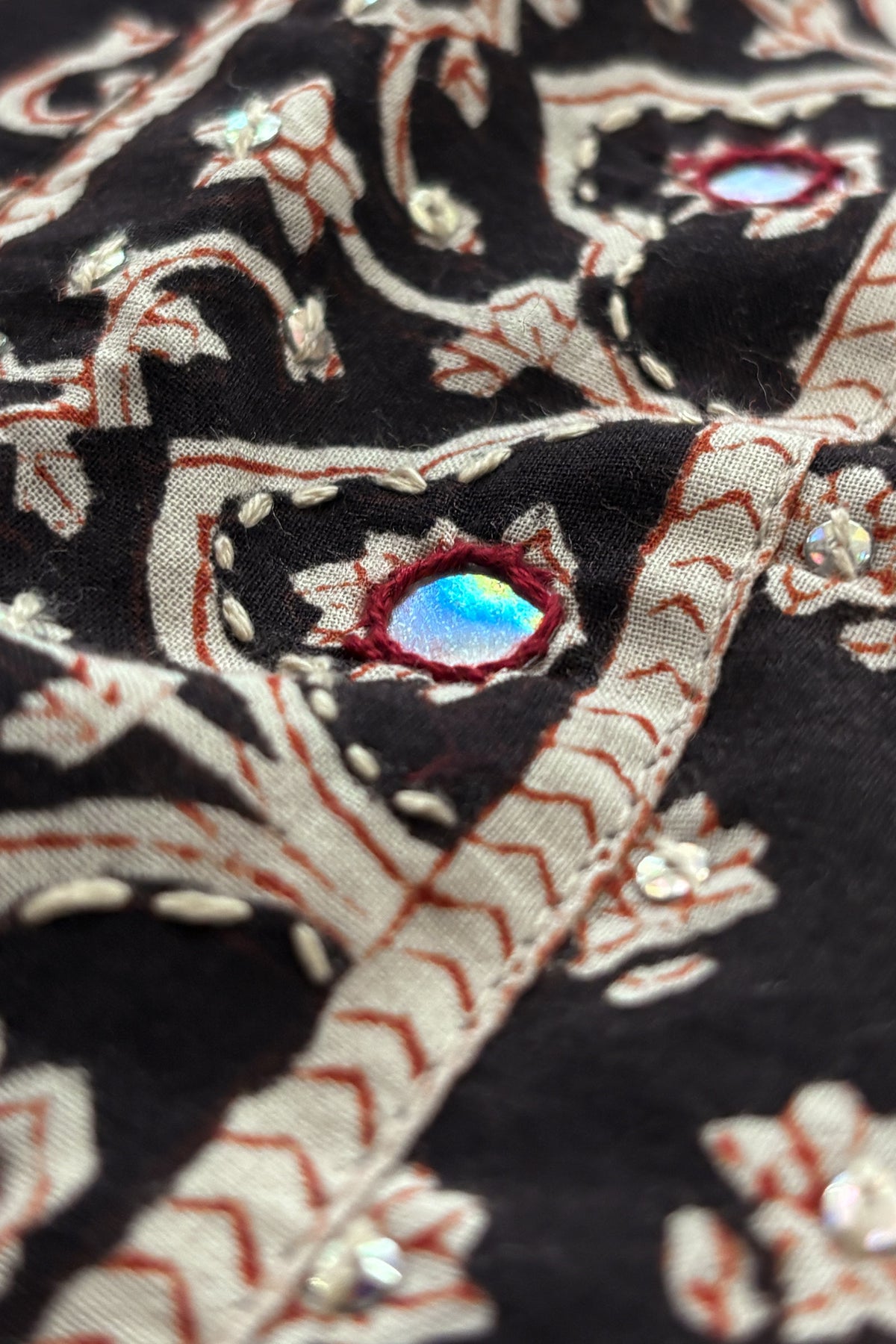
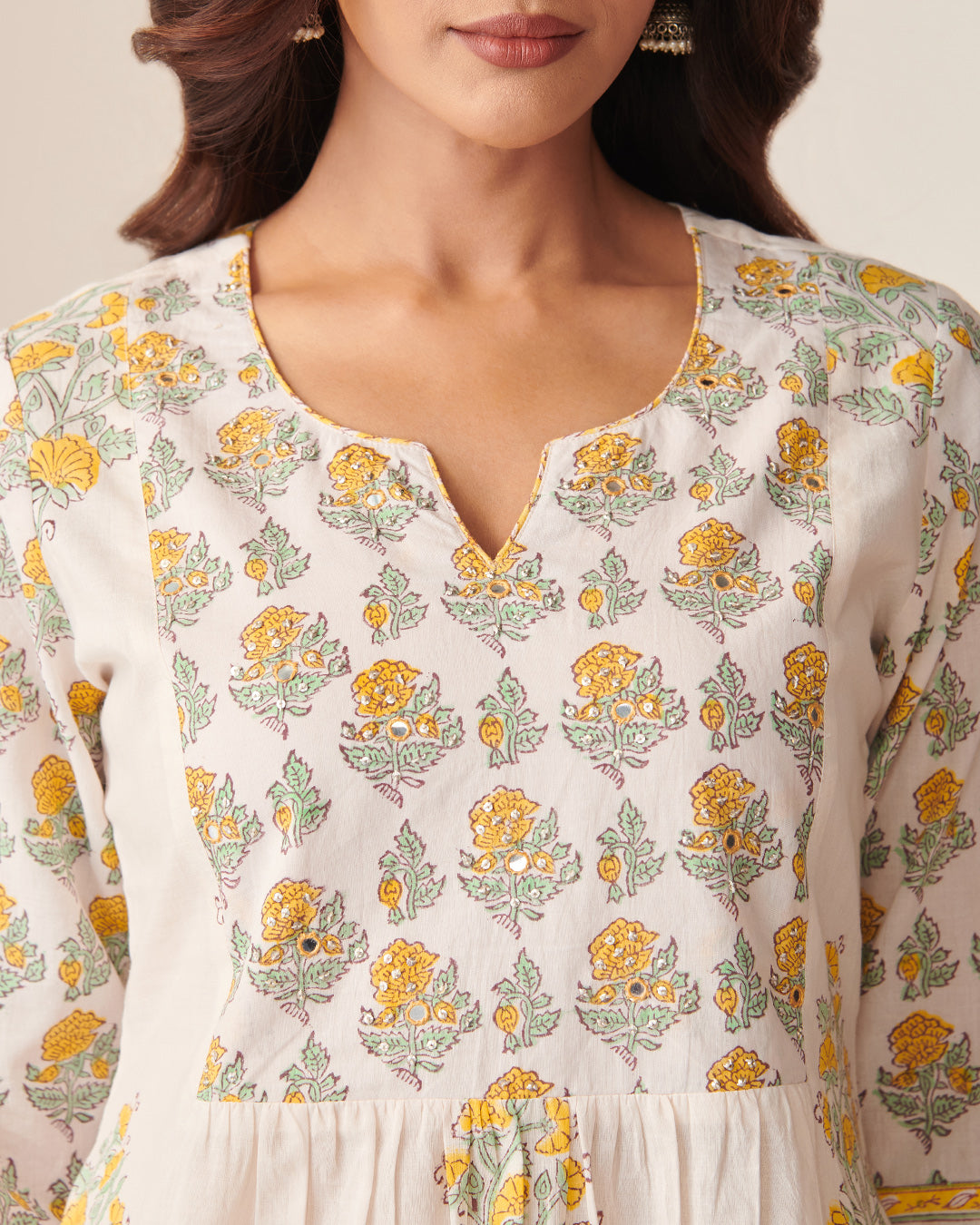
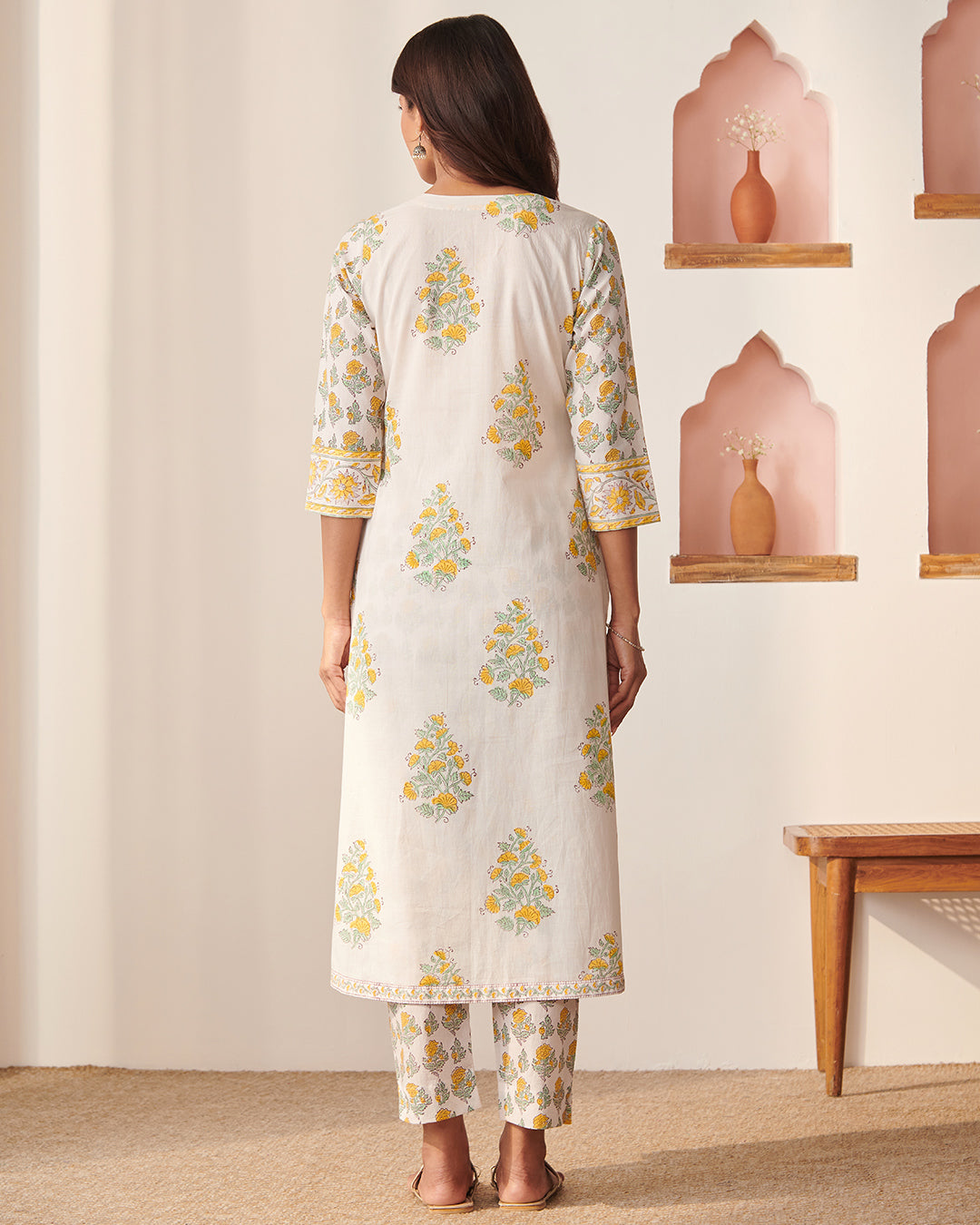
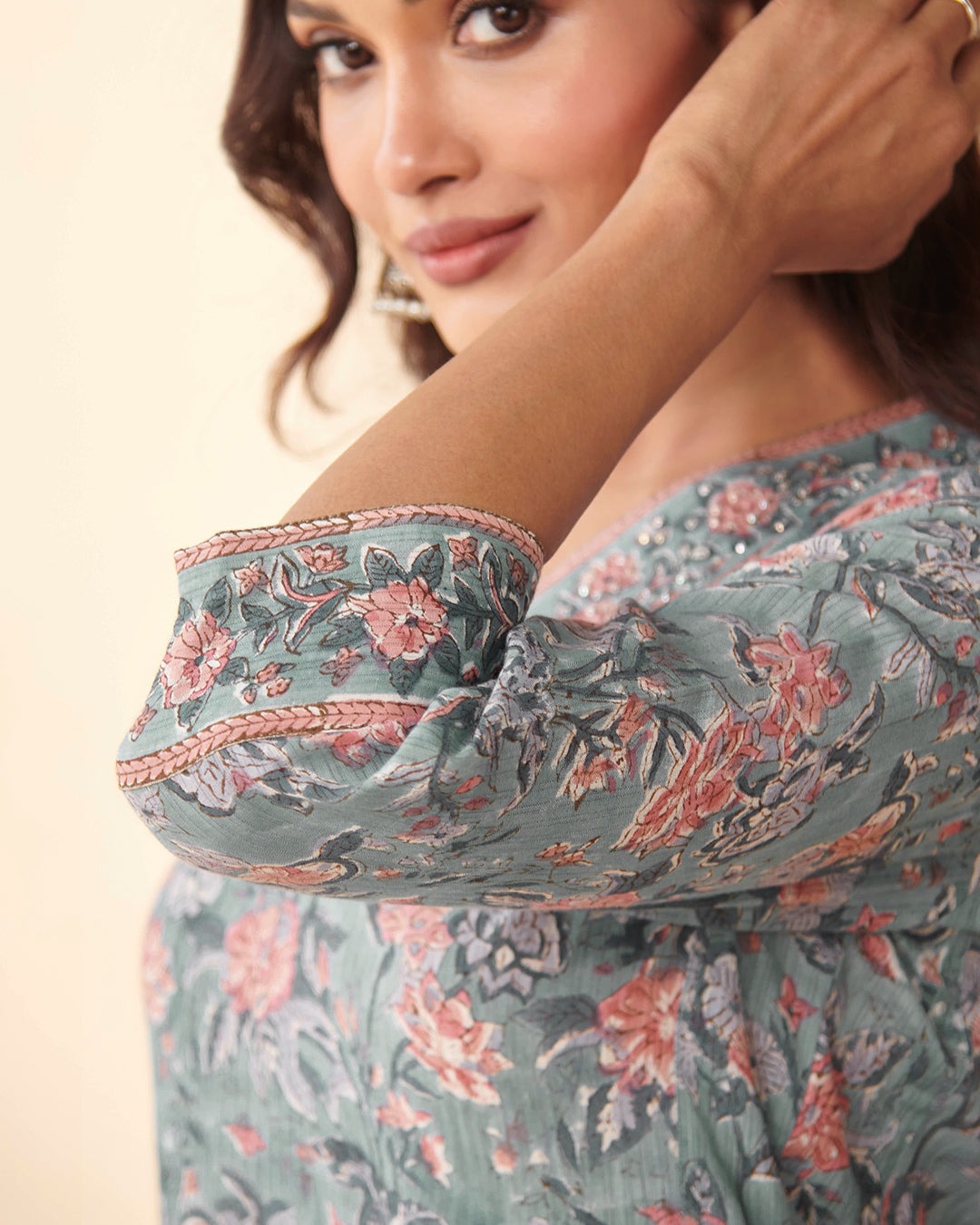
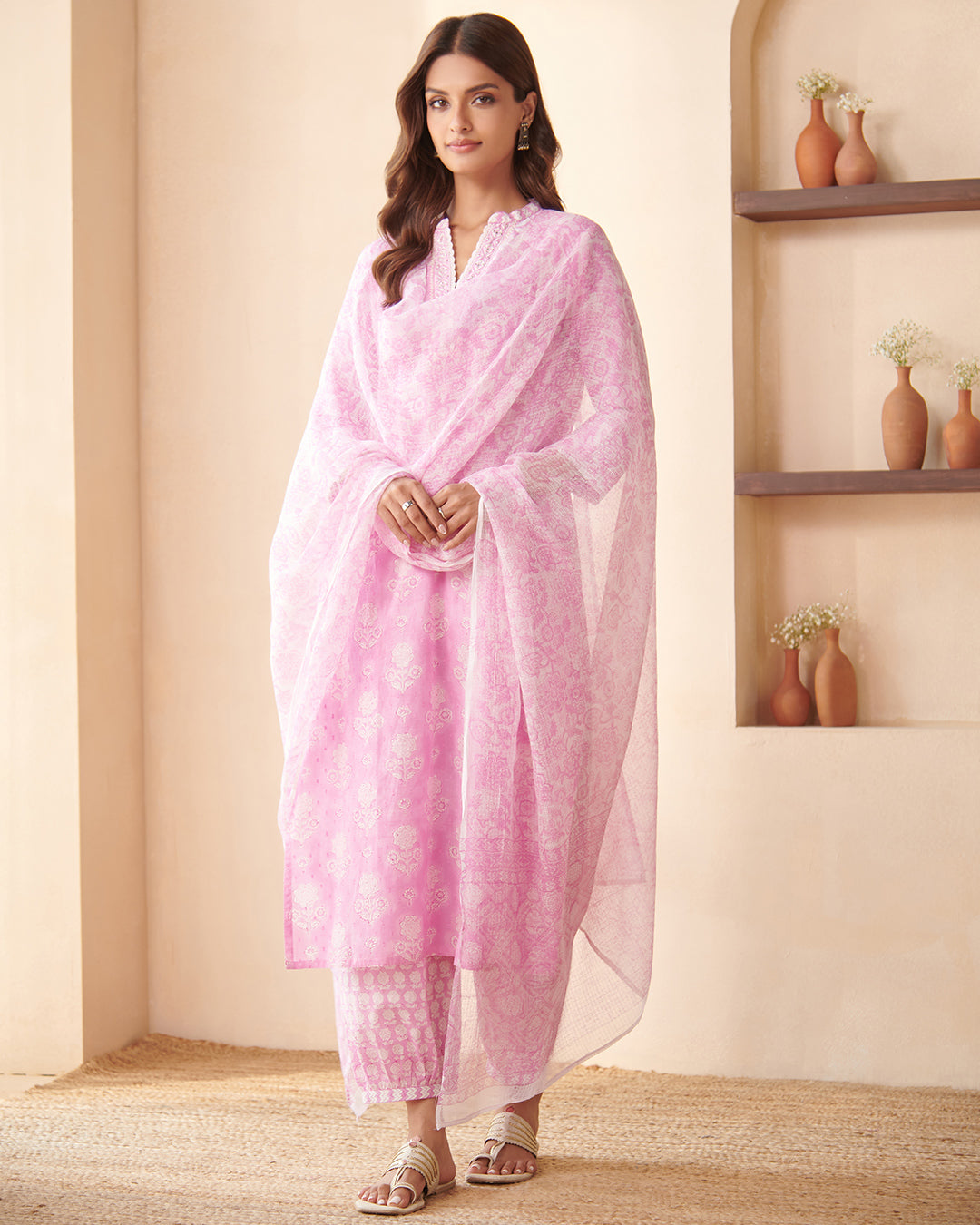
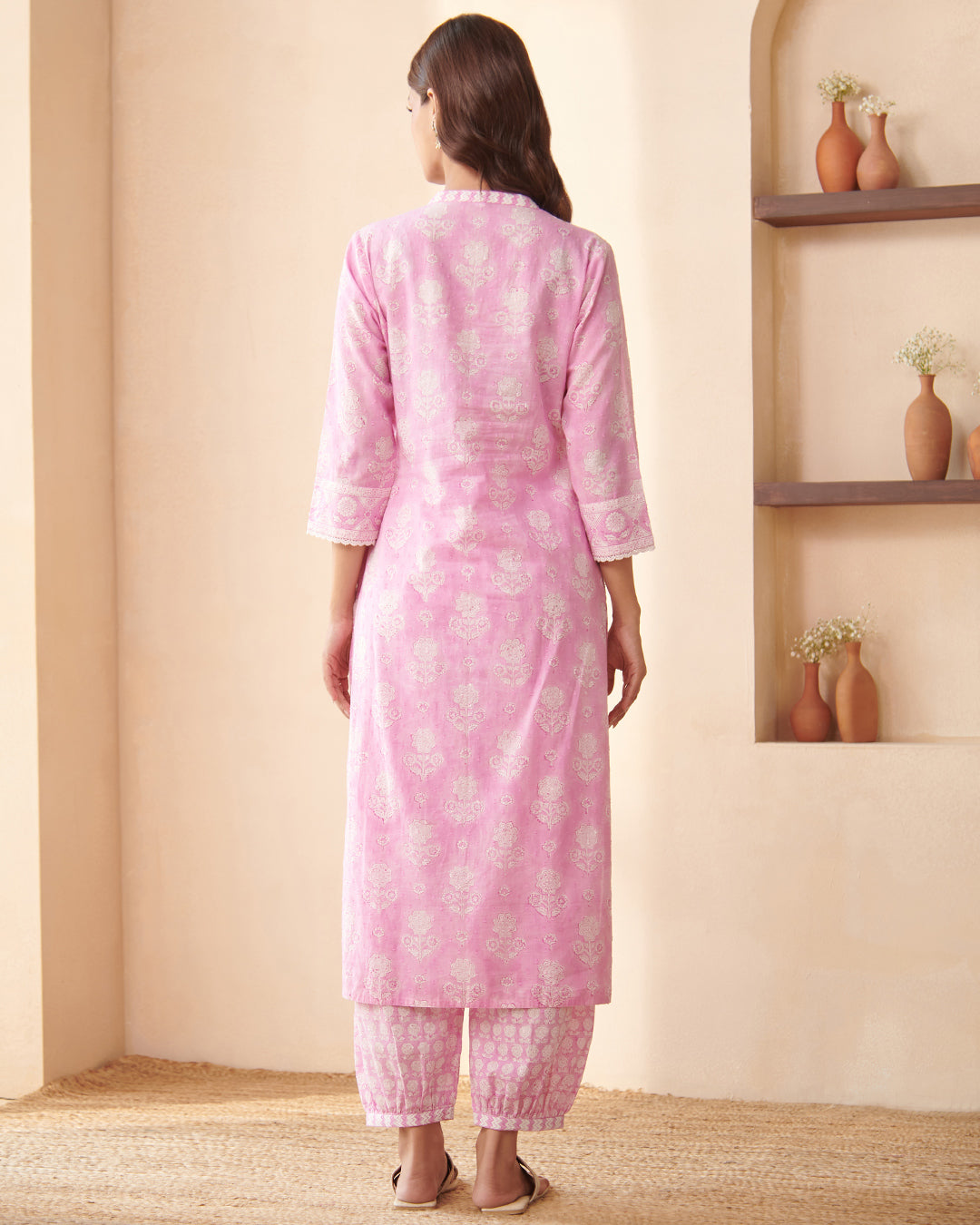
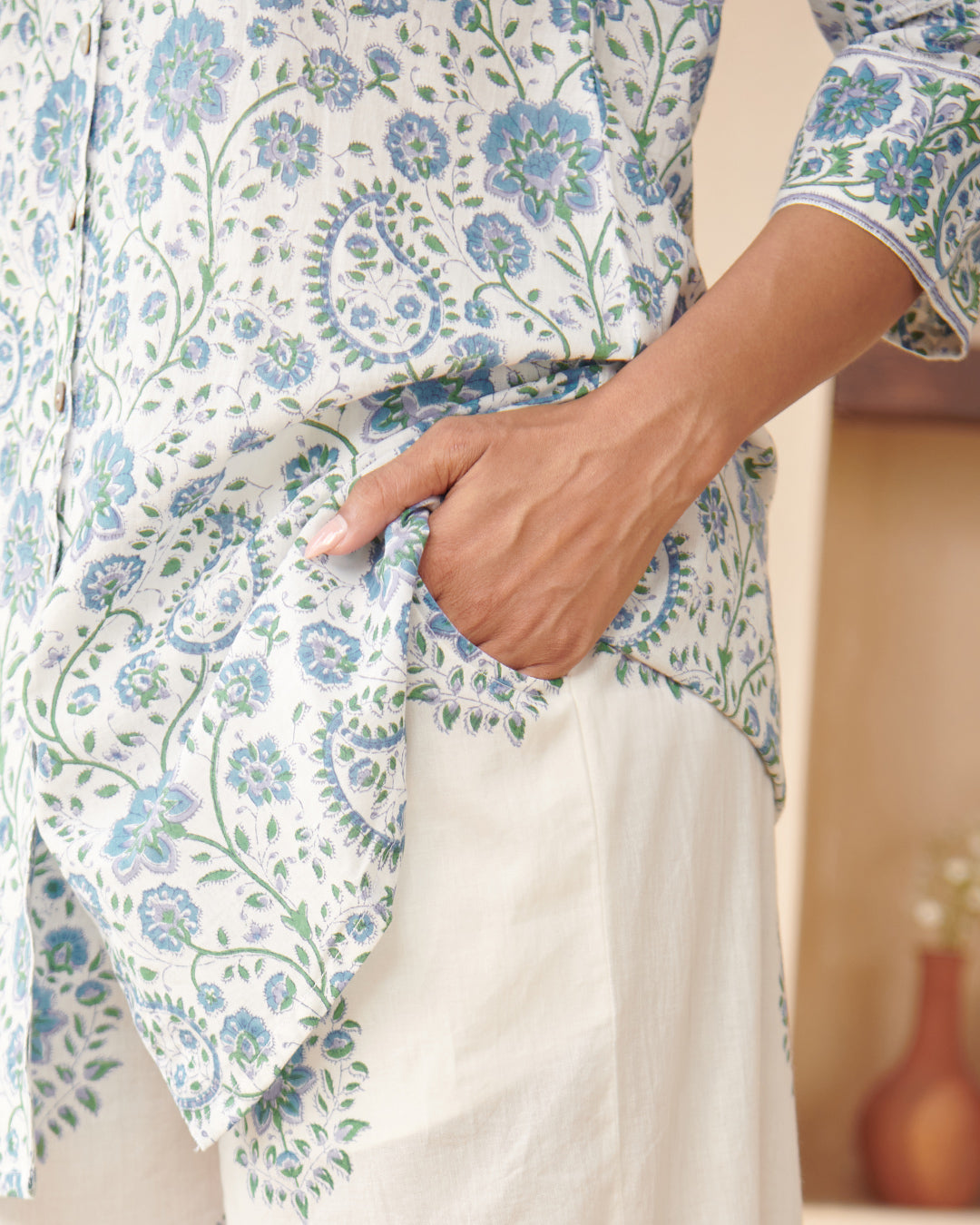
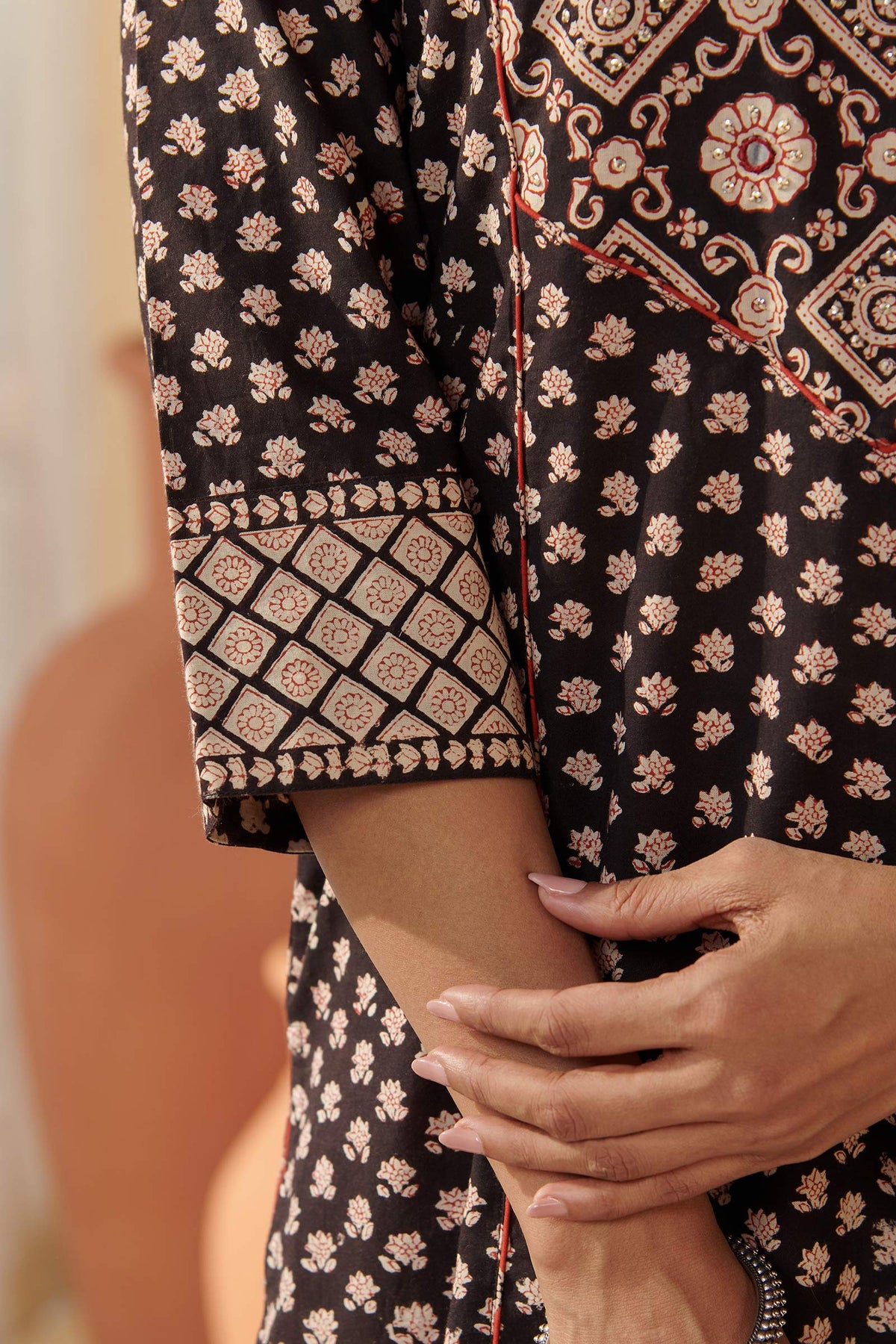
That gap in pace creates a gap in the product. Machine-printed fabric is perfectly uniform, every repeat identical, every color exact. Hand-printed fabric has natural variation. The block shifts slightly between impressions. Dye absorbs differently depending on fiber, temperature, and how loaded the block was. These aren't mistakes. They're what happens when a person does the work, and they're what makes each piece its own thing.
The materials differ too. Hand printing needs natural fabrics like cotton, linen, and silk. Machine printing runs across synthetics and relies on chemical finishes for consistent results. Those finishes are where most environmental and skin-related concerns with machine-made textiles begin.
Why Hand-Printed Fabrics Are Better for Your Skin
Made with Natural and Breathable Fabrics
Hand printing works best on natural fabrics, so most hand-printed kurtas are made from cotton, linen, or natural silk. These breathe properly, allow air circulation, and don't trap heat the way synthetics do. In warm weather, the difference is something you feel within the first hour of wearing.
Fewer Harsh Chemicals and Synthetic Finishes
Before a machine-made garment reaches you, the fabric has been through several rounds of chemical treatment. Anti-wrinkle finishes, color fixatives, surface coatings. These stay in the fabric and sit against your skin every time you wear it. Hand-printed fabrics, especially those using traditional methods, go through far fewer of these processes. What you get is much closer to what the fabric actually is.
Gentle on Sensitive Skin
Redness, itching, general irritation from clothing often comes from synthetic dyes and chemical finishes rather than anything else. Natural dyes come from plants, minerals, and organic materials and have been used on skin-contact fabric for centuries without the irritation problems that show up with synthetic alternatives. For anyone who knows their skin reacts to certain fabrics, naturally dyed hand-printed cloth is worth trying.
Better Airflow and Moisture Absorption
Cotton and linen pull moisture away from skin and let it evaporate. Synthetic fabrics hold moisture against the skin, creating that uncomfortable clammy feeling that worsens through the day. Natural dye printing doesn't interfere with the breathability of natural fibers, so hand-printed cotton or linen behaves exactly the way those fabrics are supposed to.
Softer Feel That Improves Over Time
With most machine-made clothing, the garment feels its best when new and gets slightly worse with every wash. Natural fabric printed with traditional dyes tends to go the other way. It softens with wear. Colors settle into something warmer and more interesting over time.
Traditional Hand-Printing Techniques That Promote Sustainability

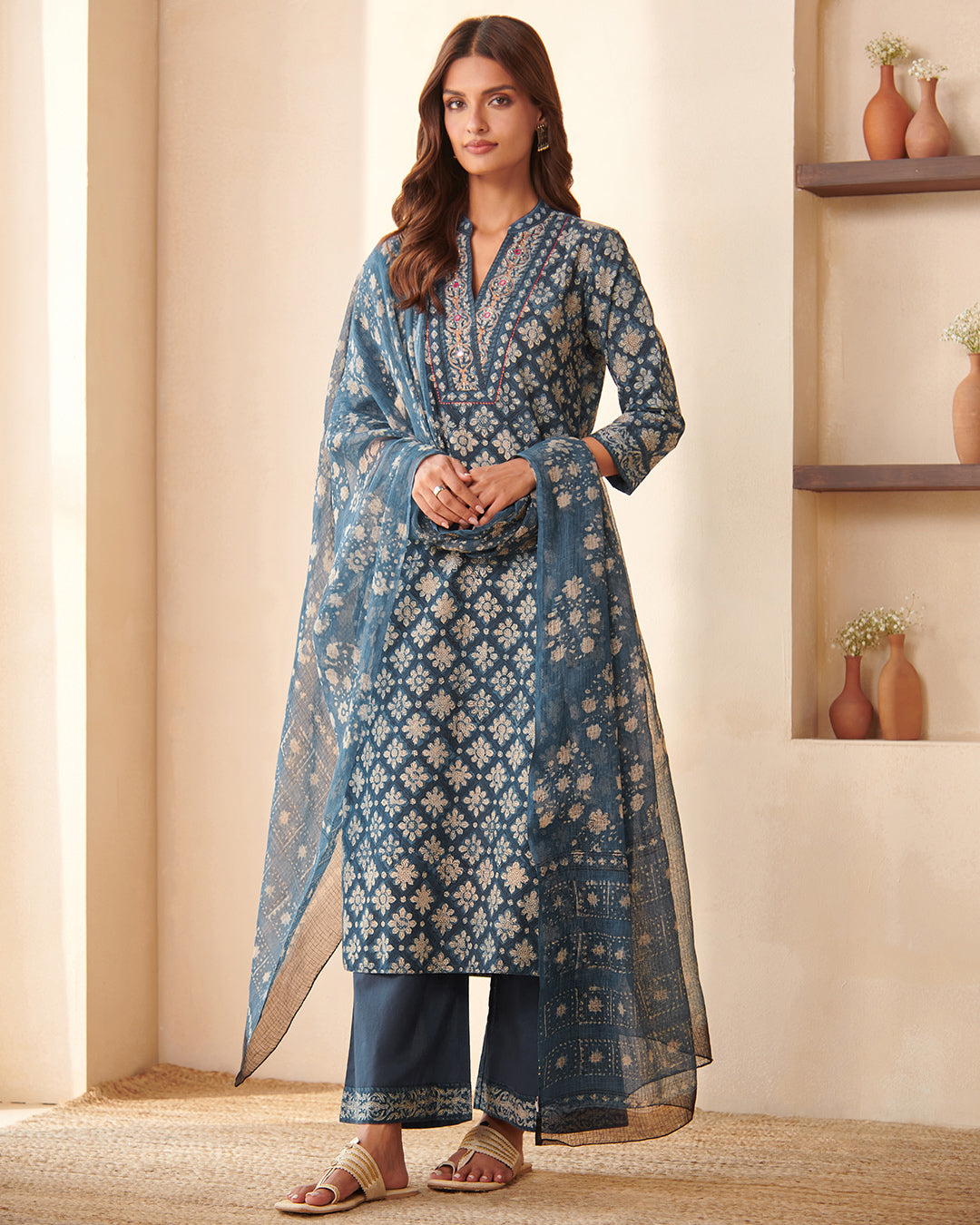
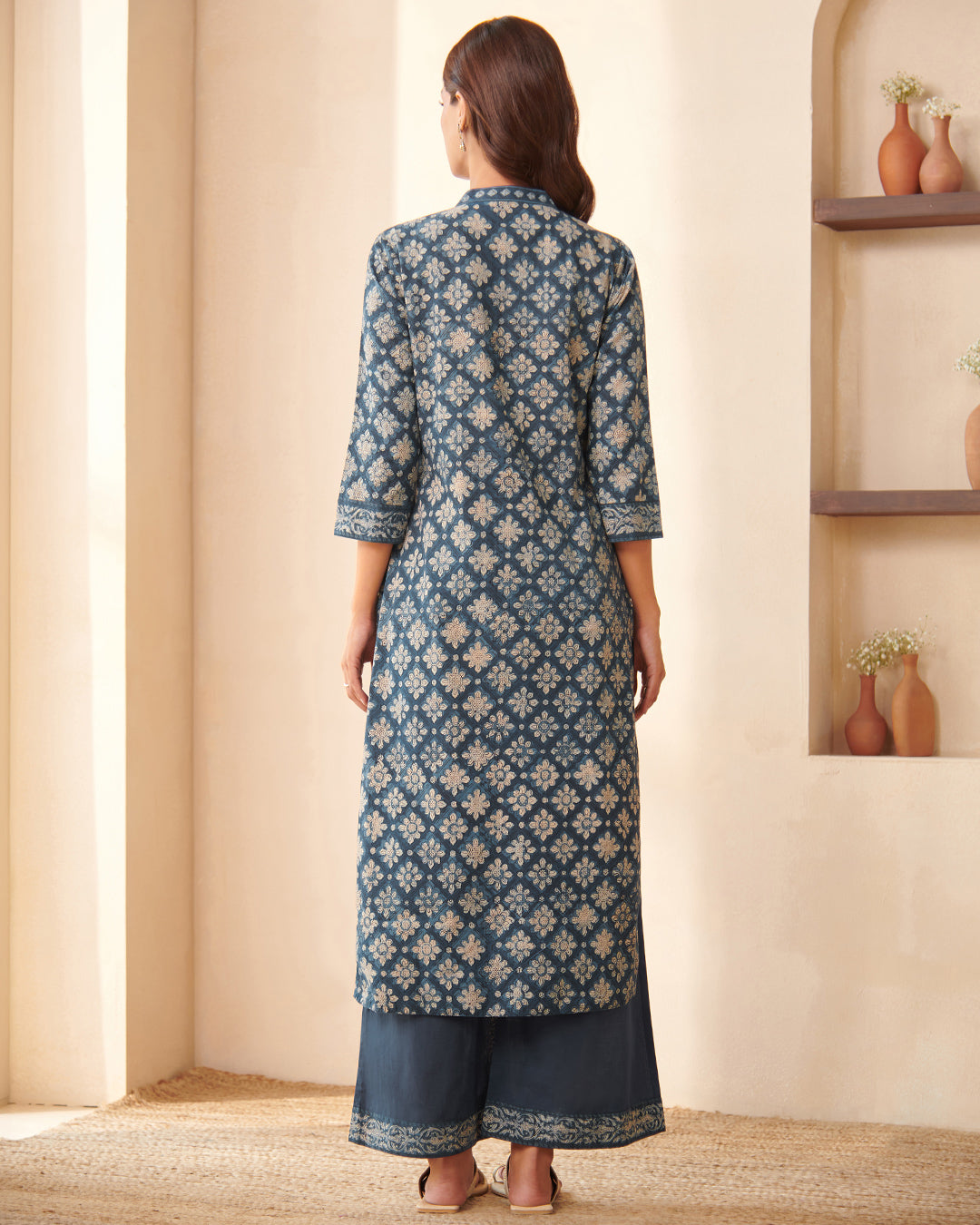
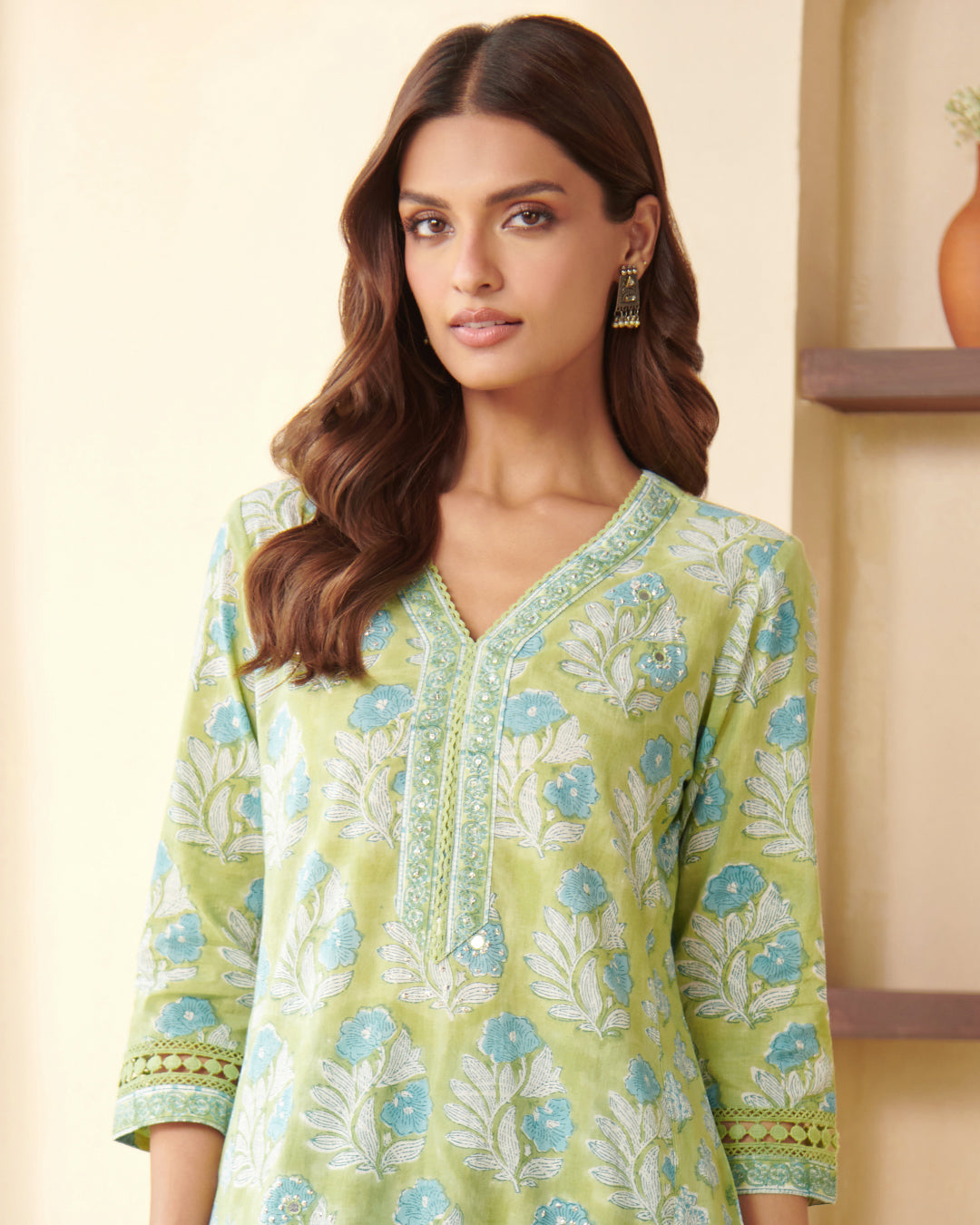
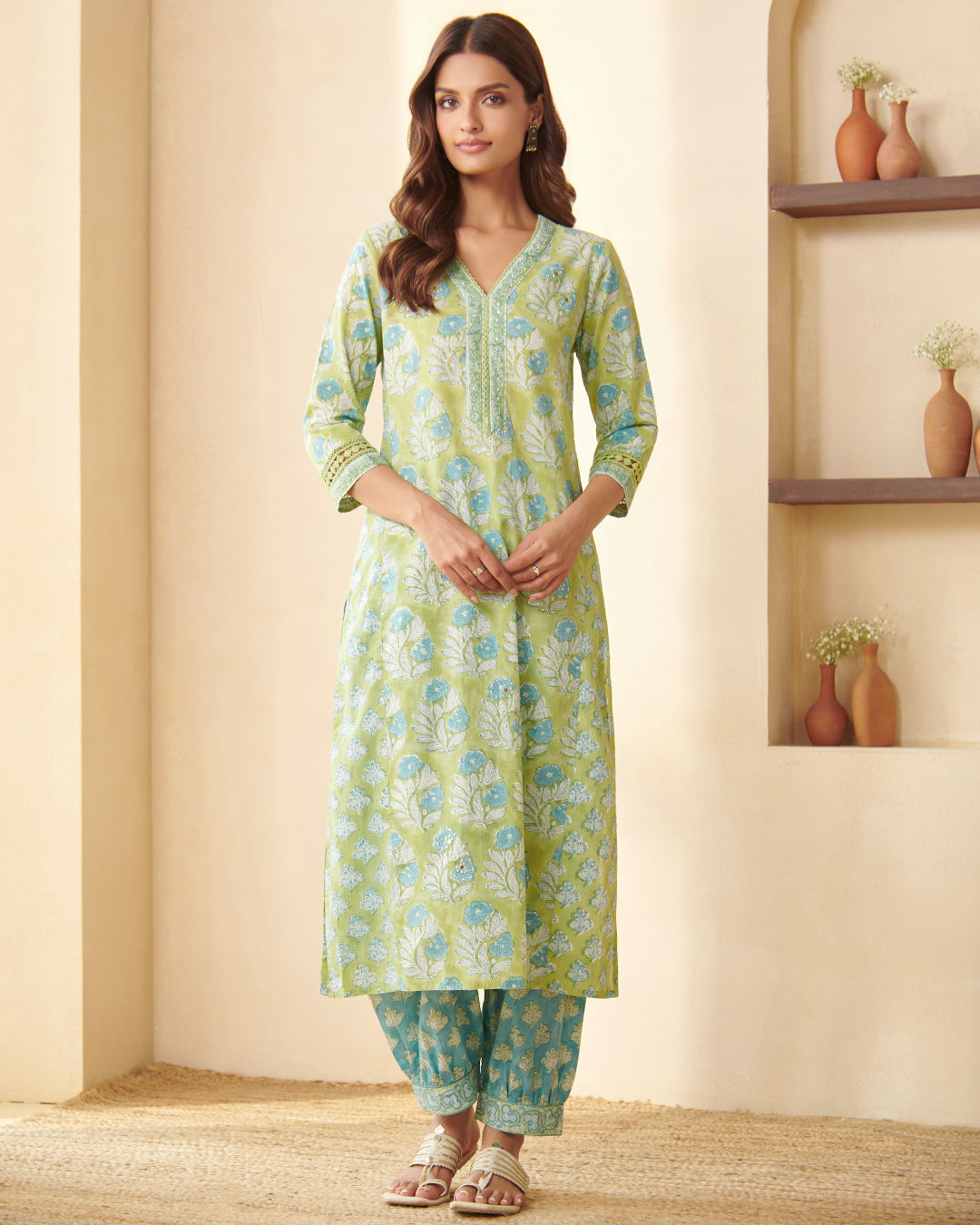
Hand Block Printing
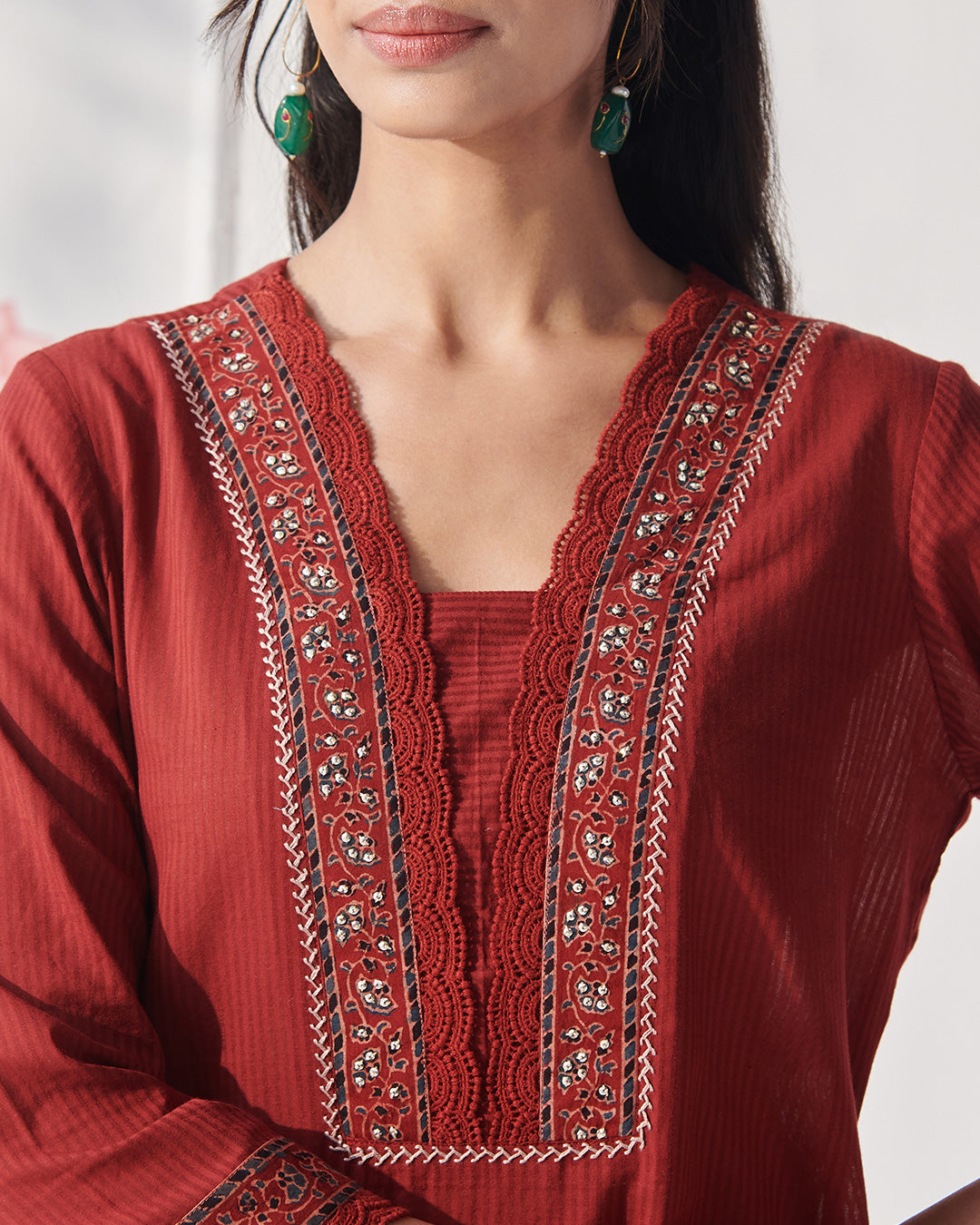
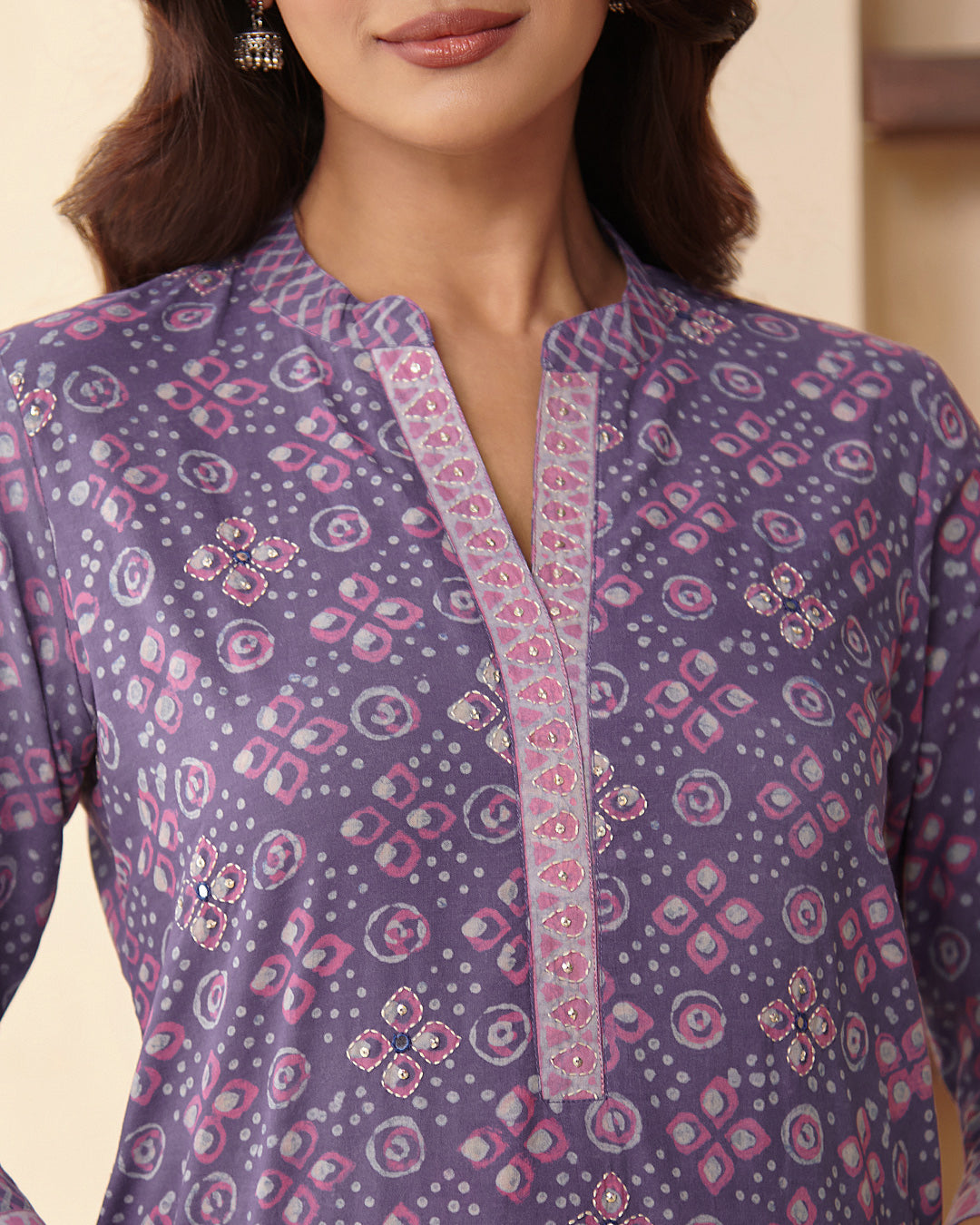
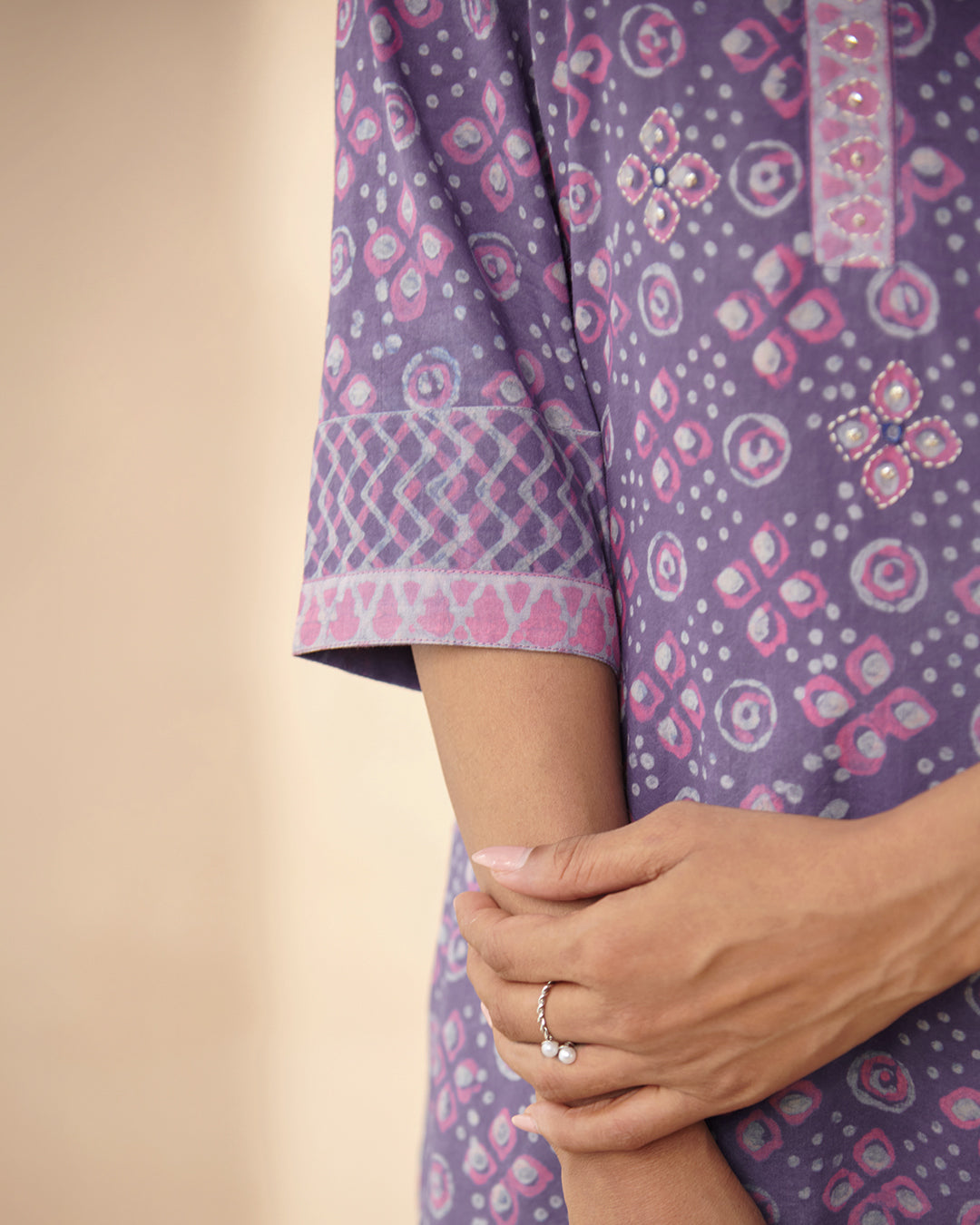
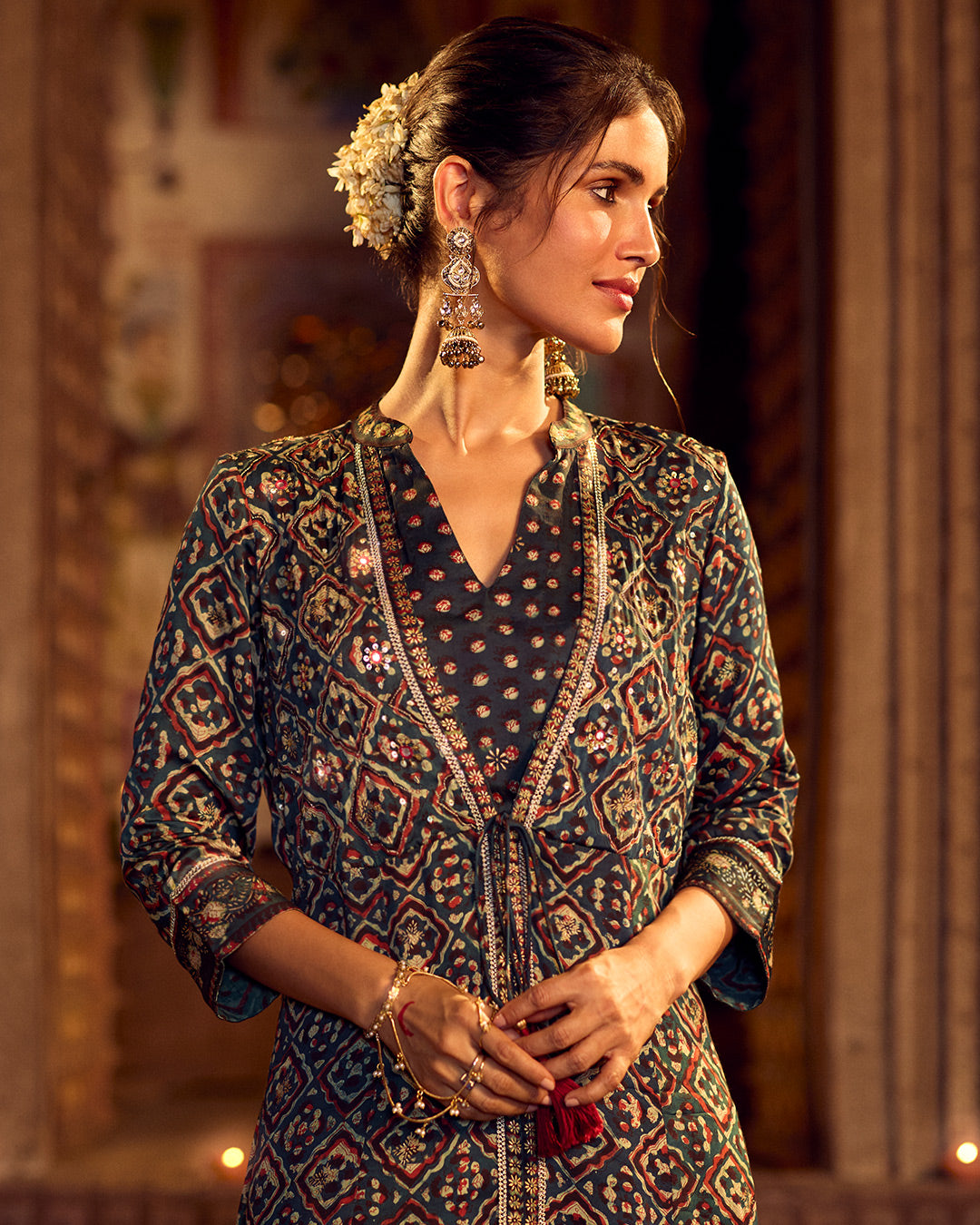
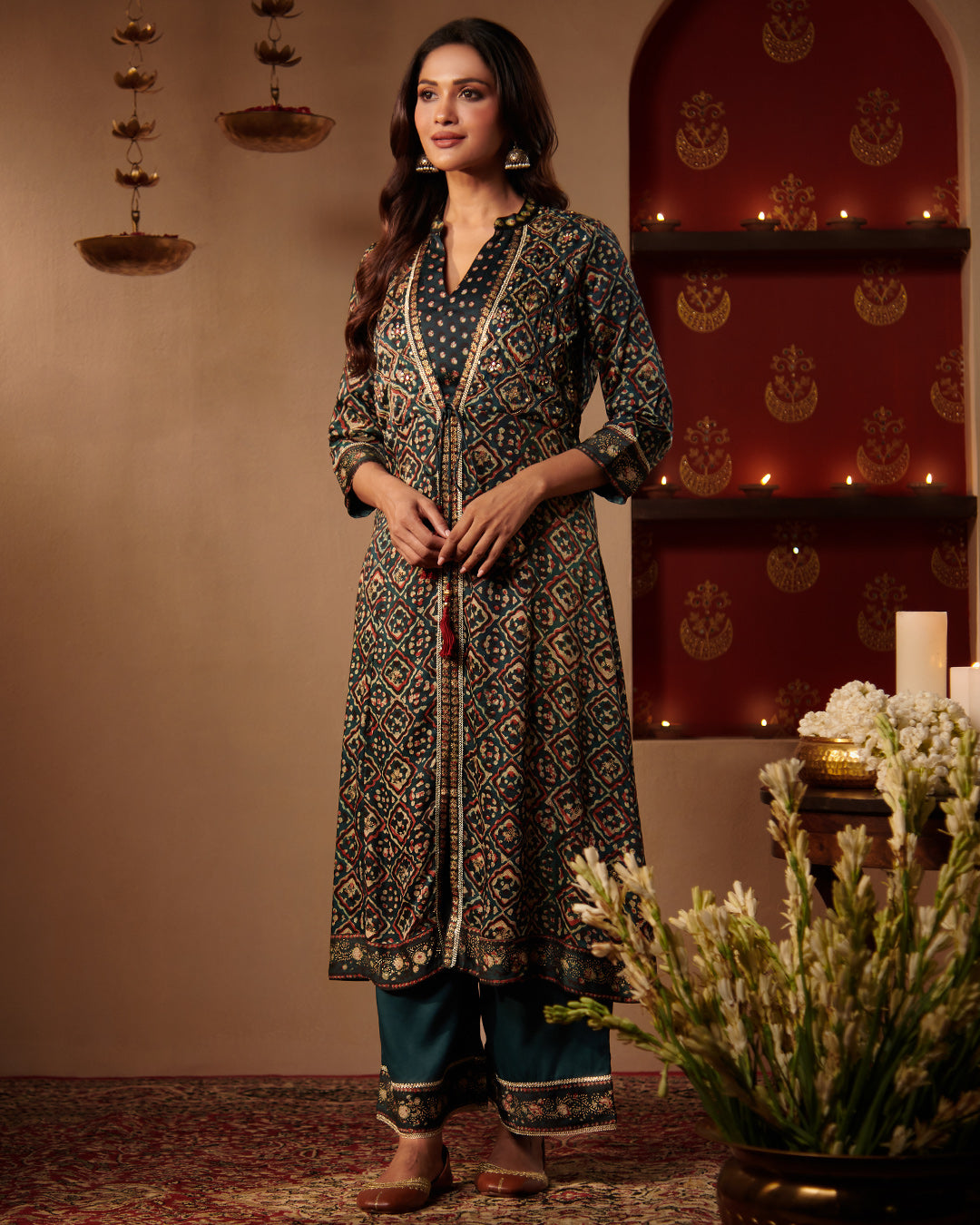
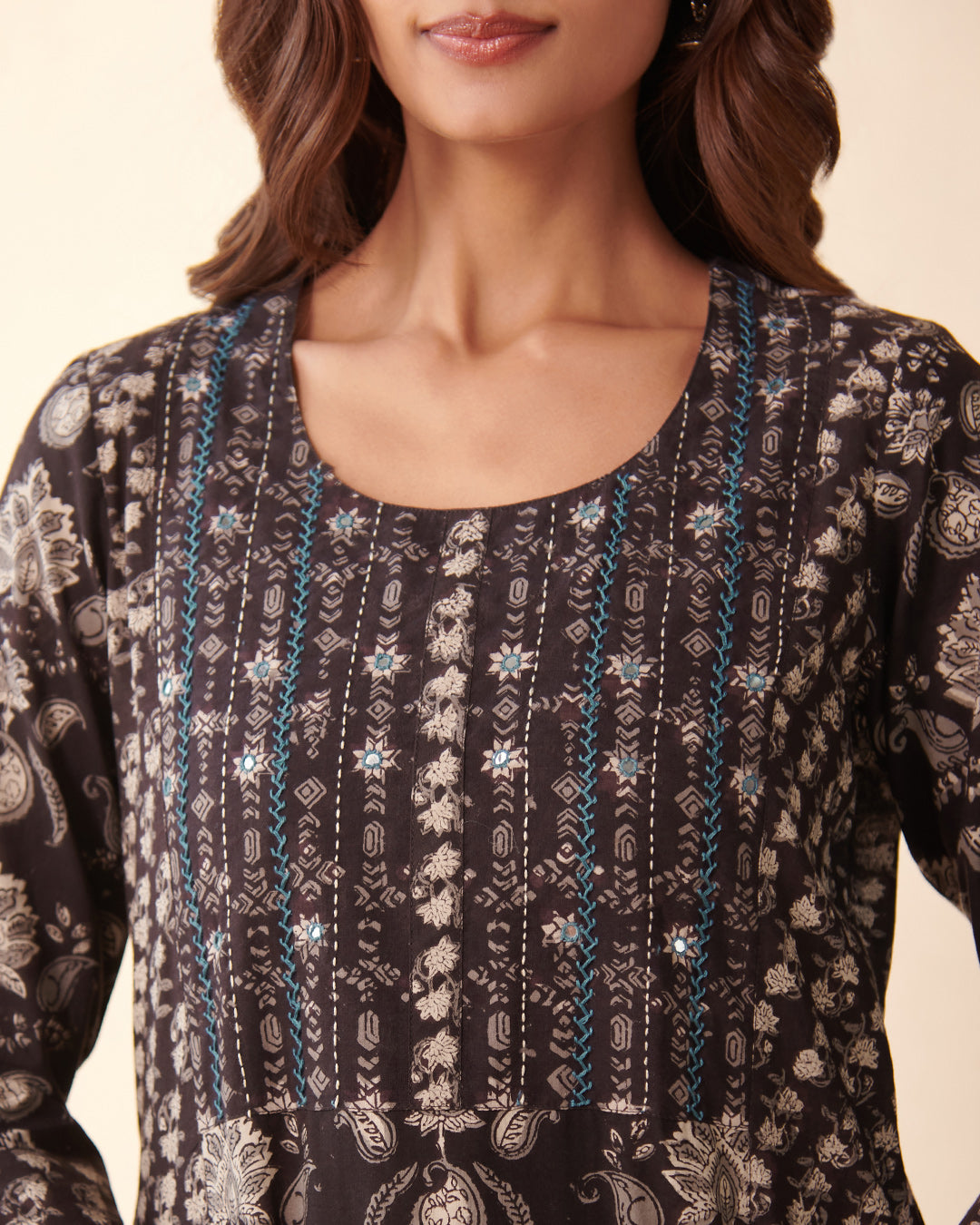
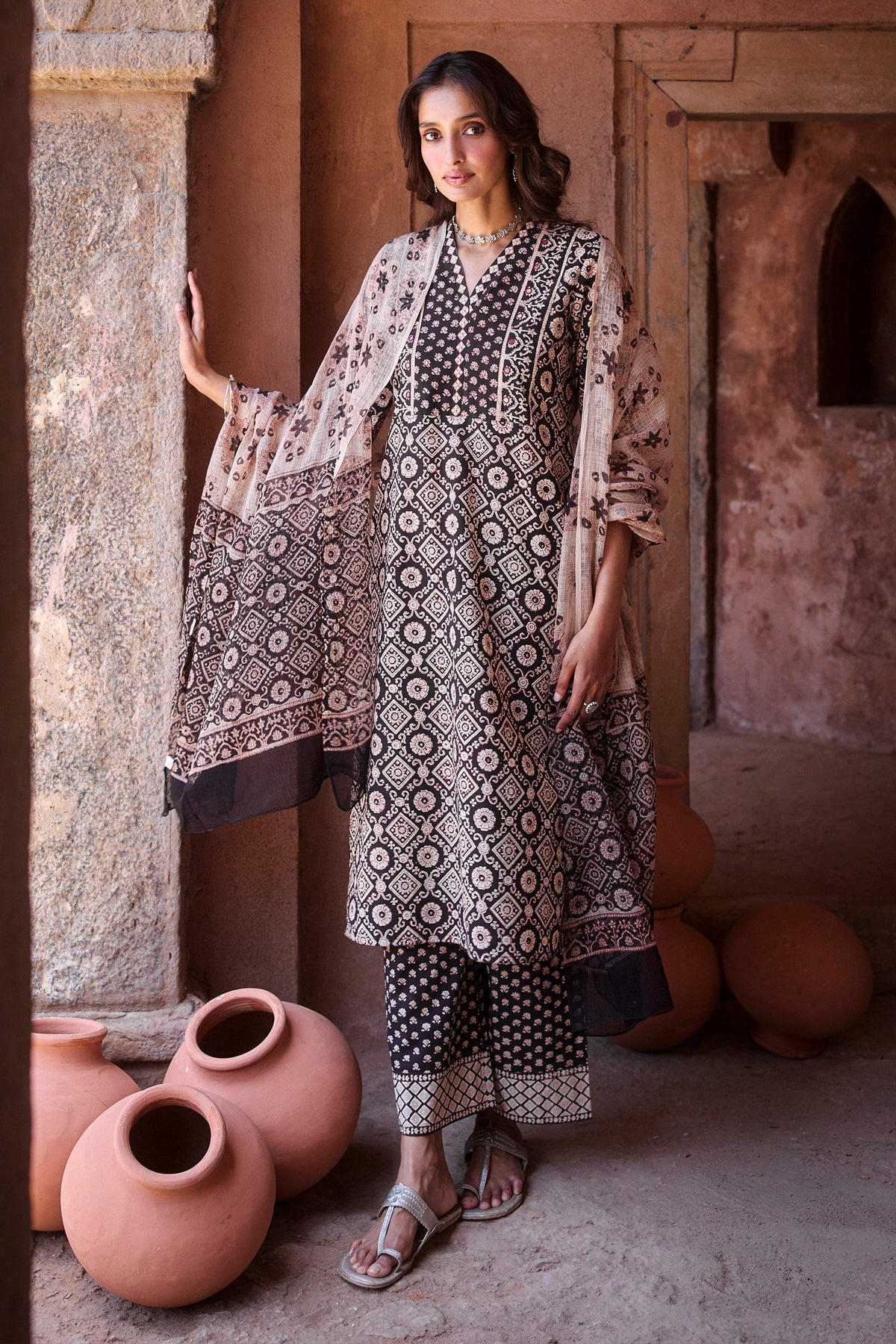
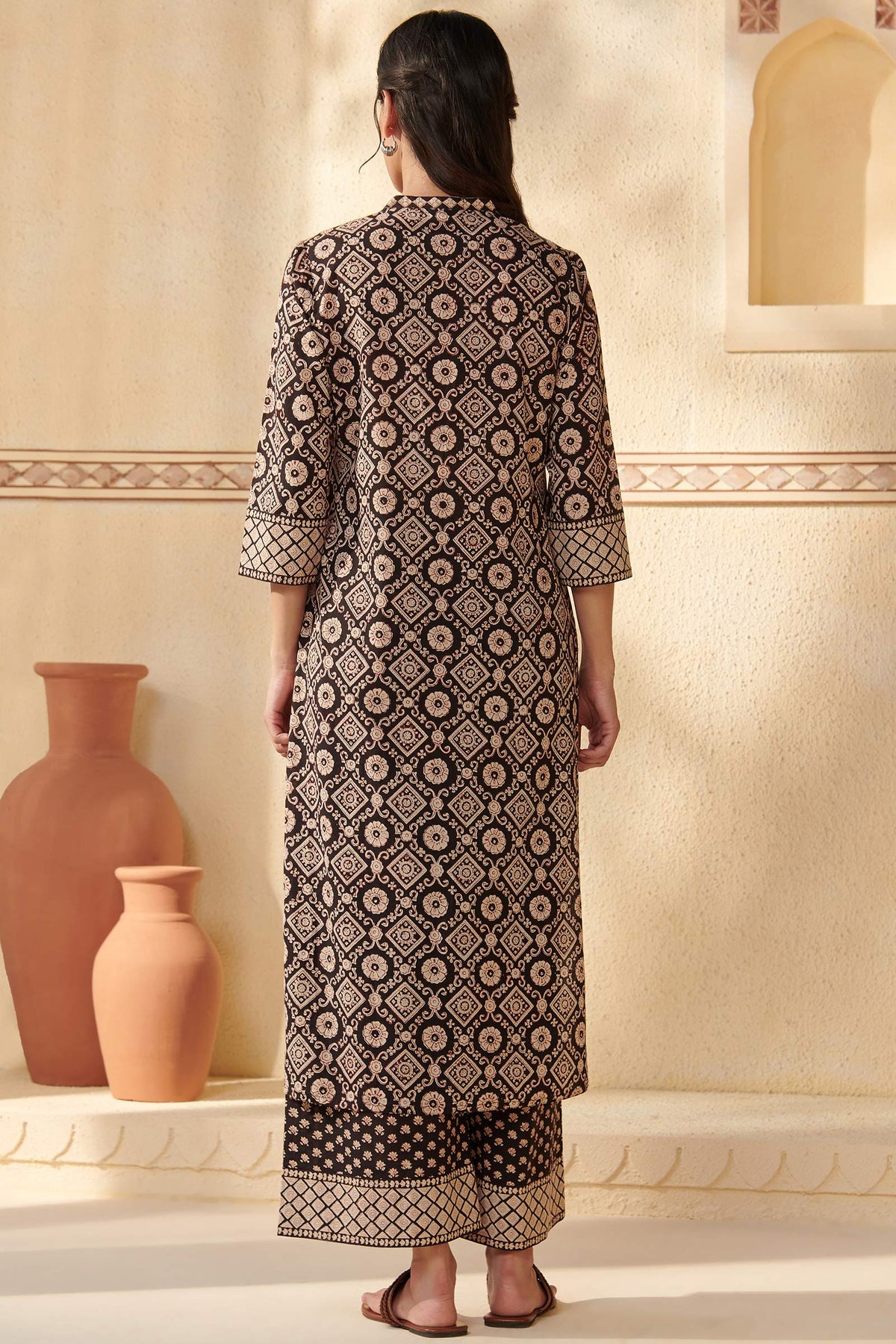
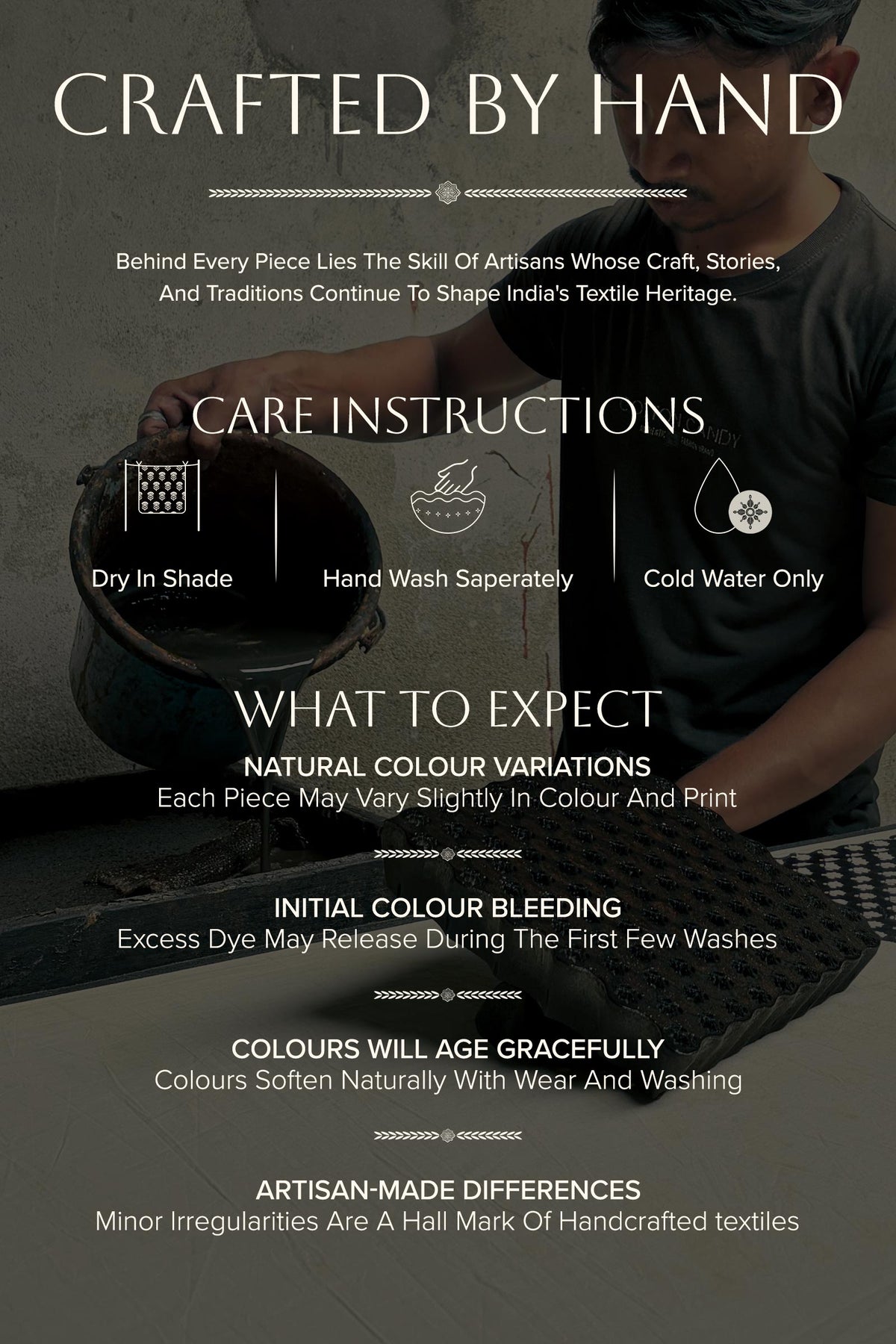
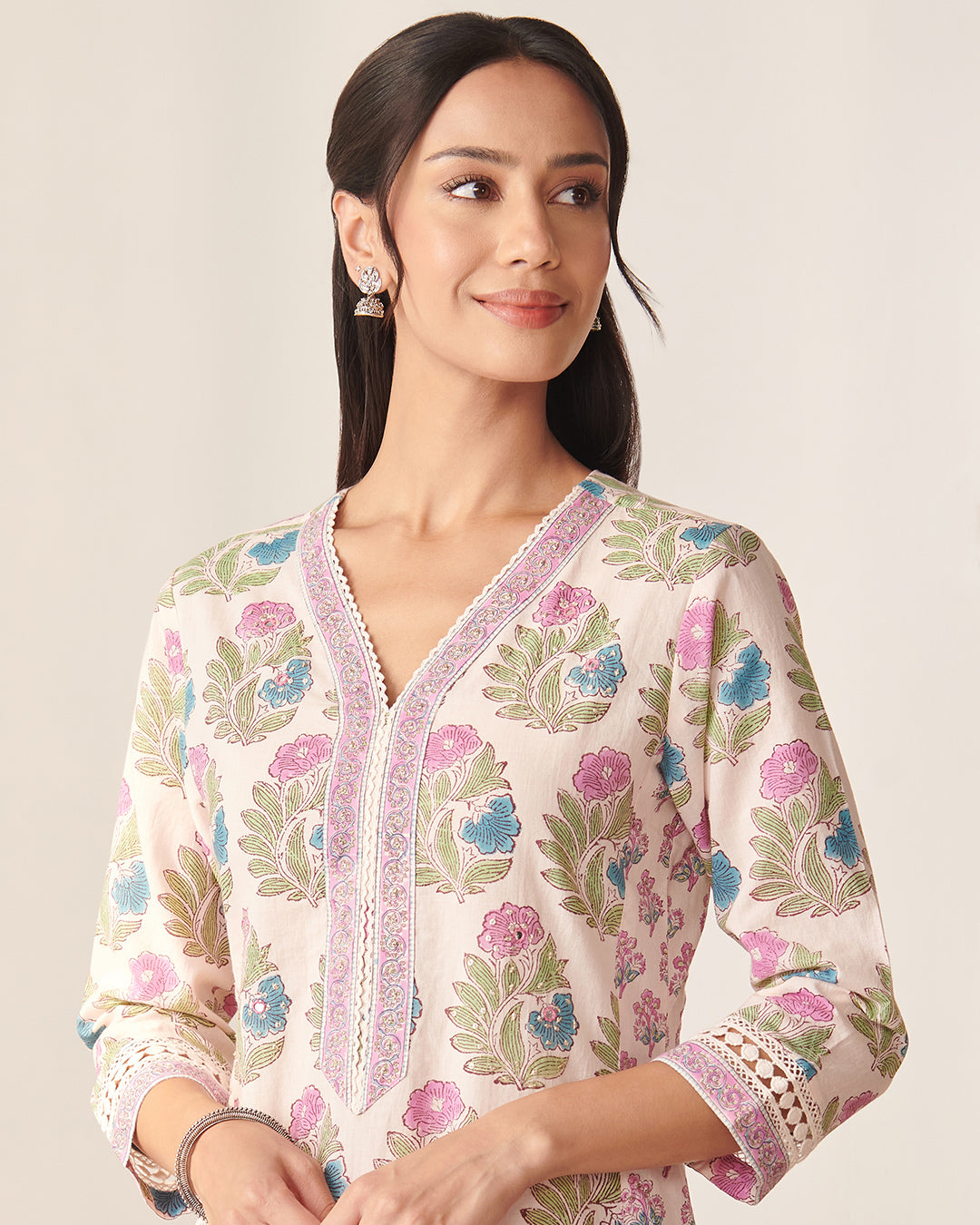
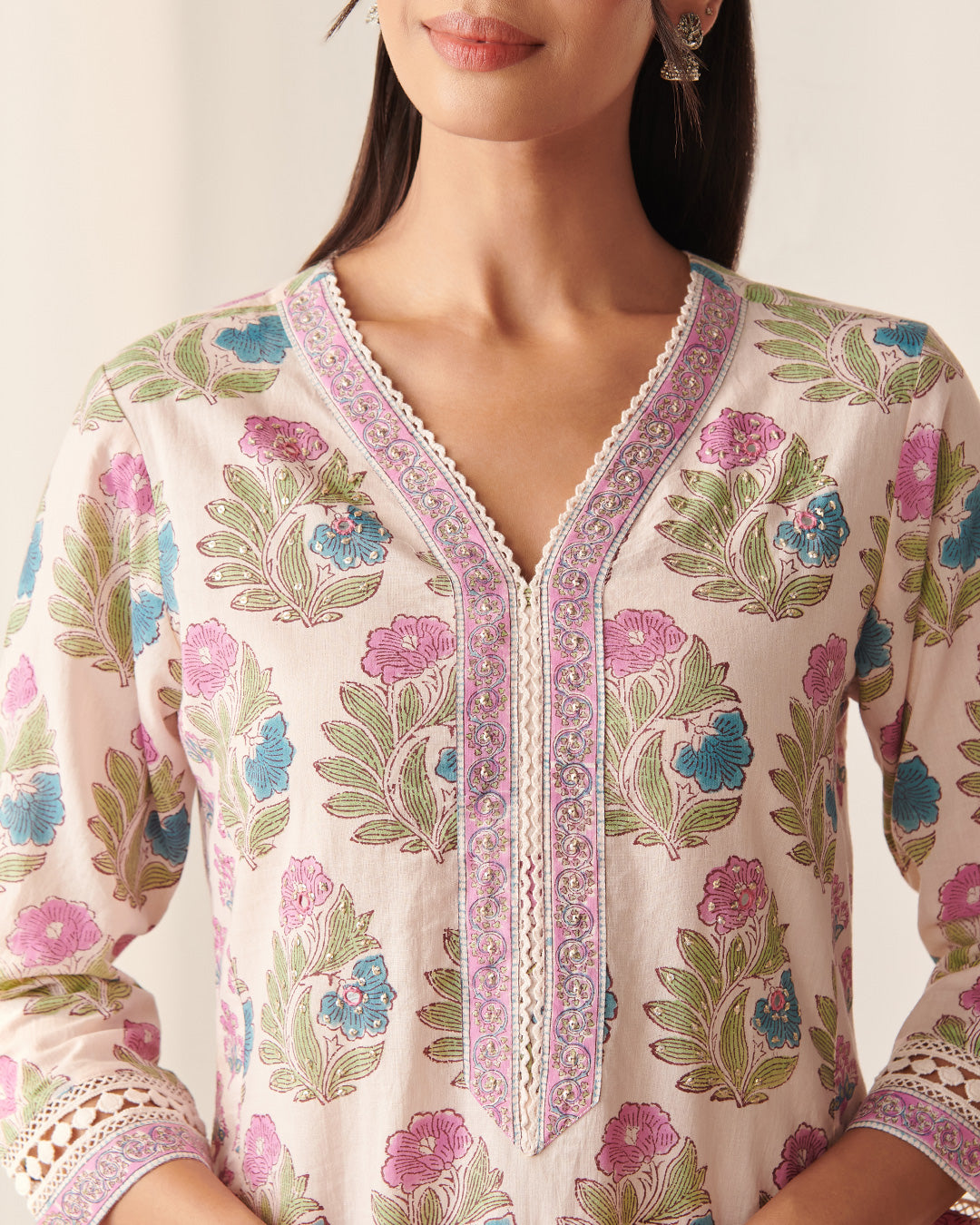
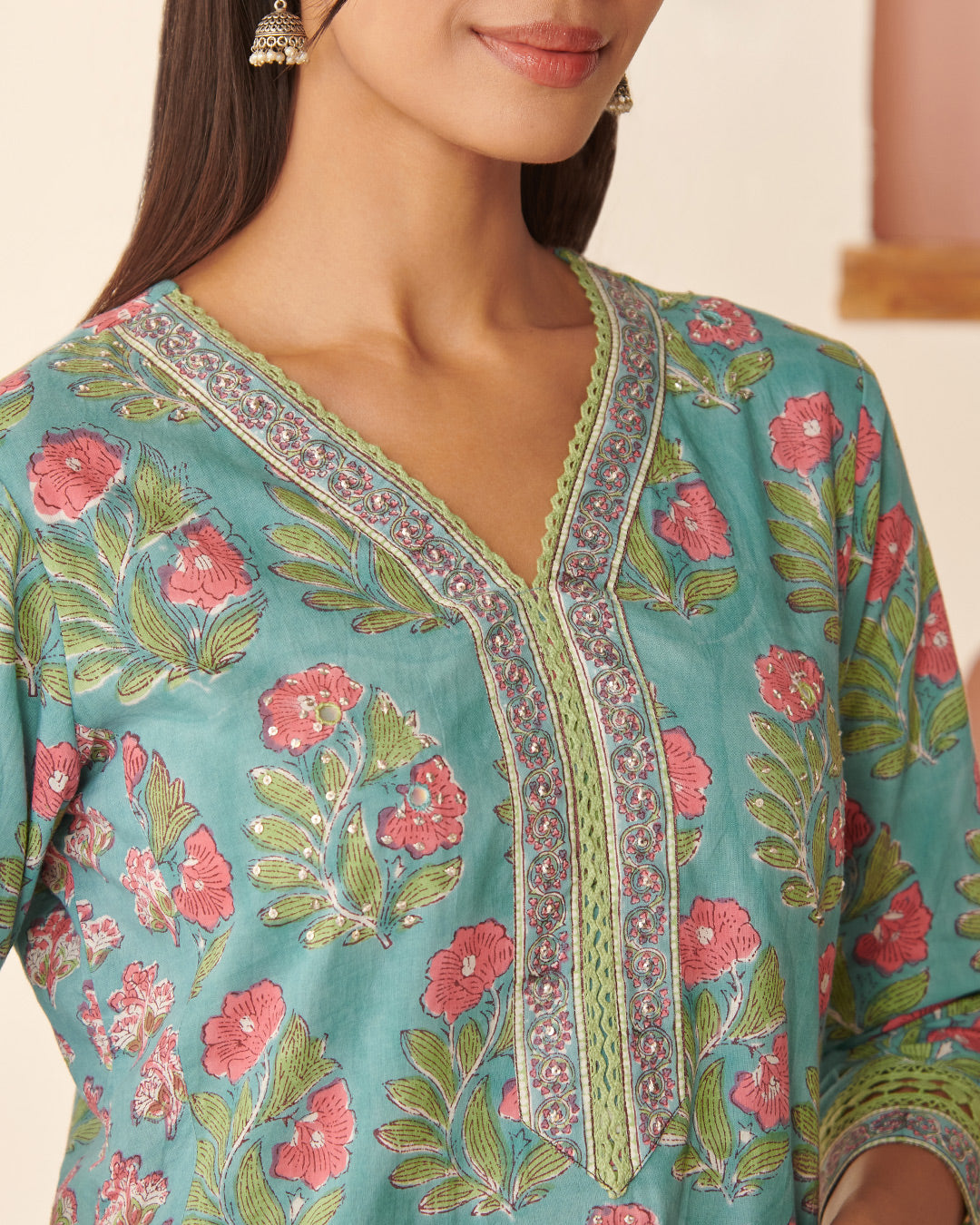
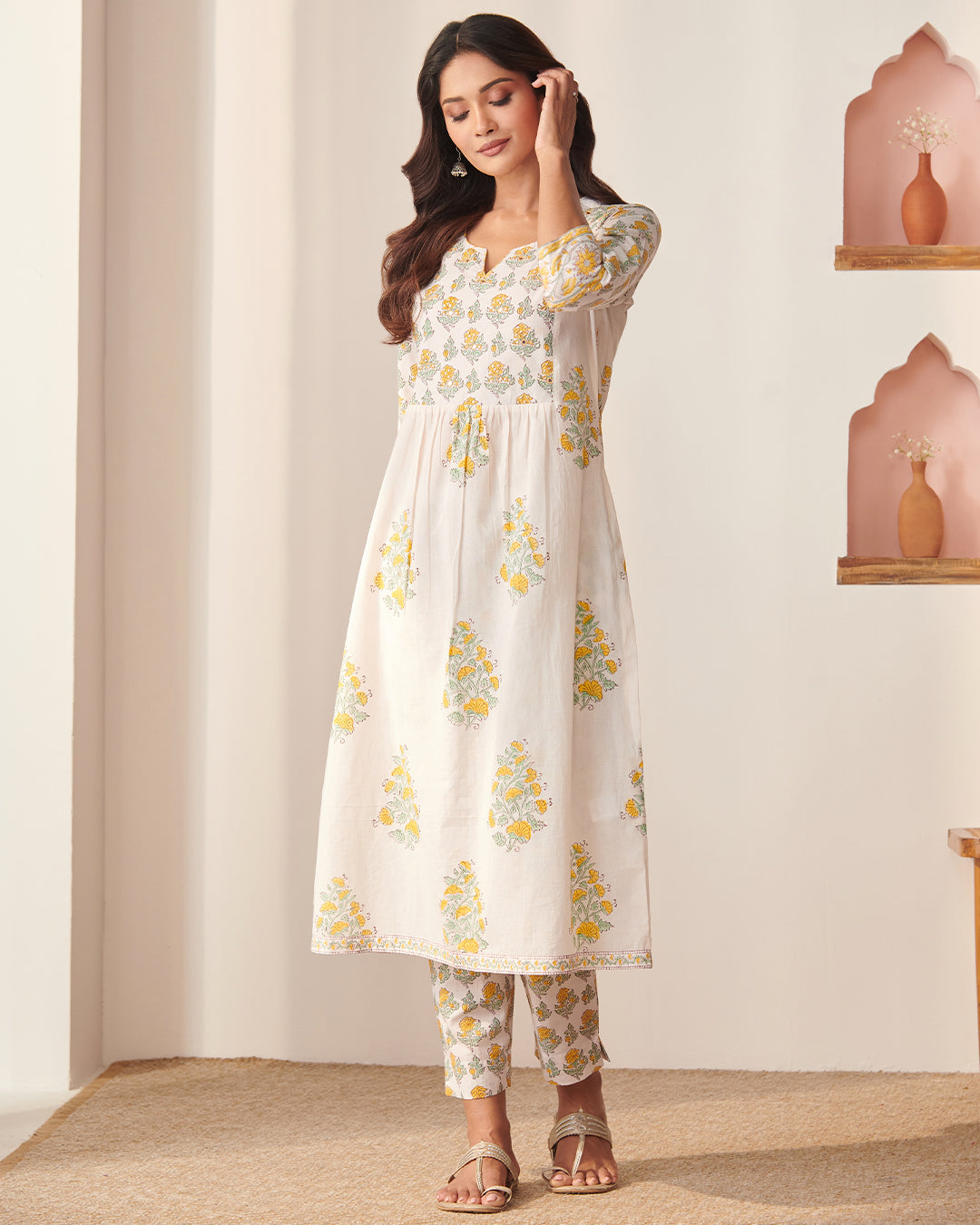
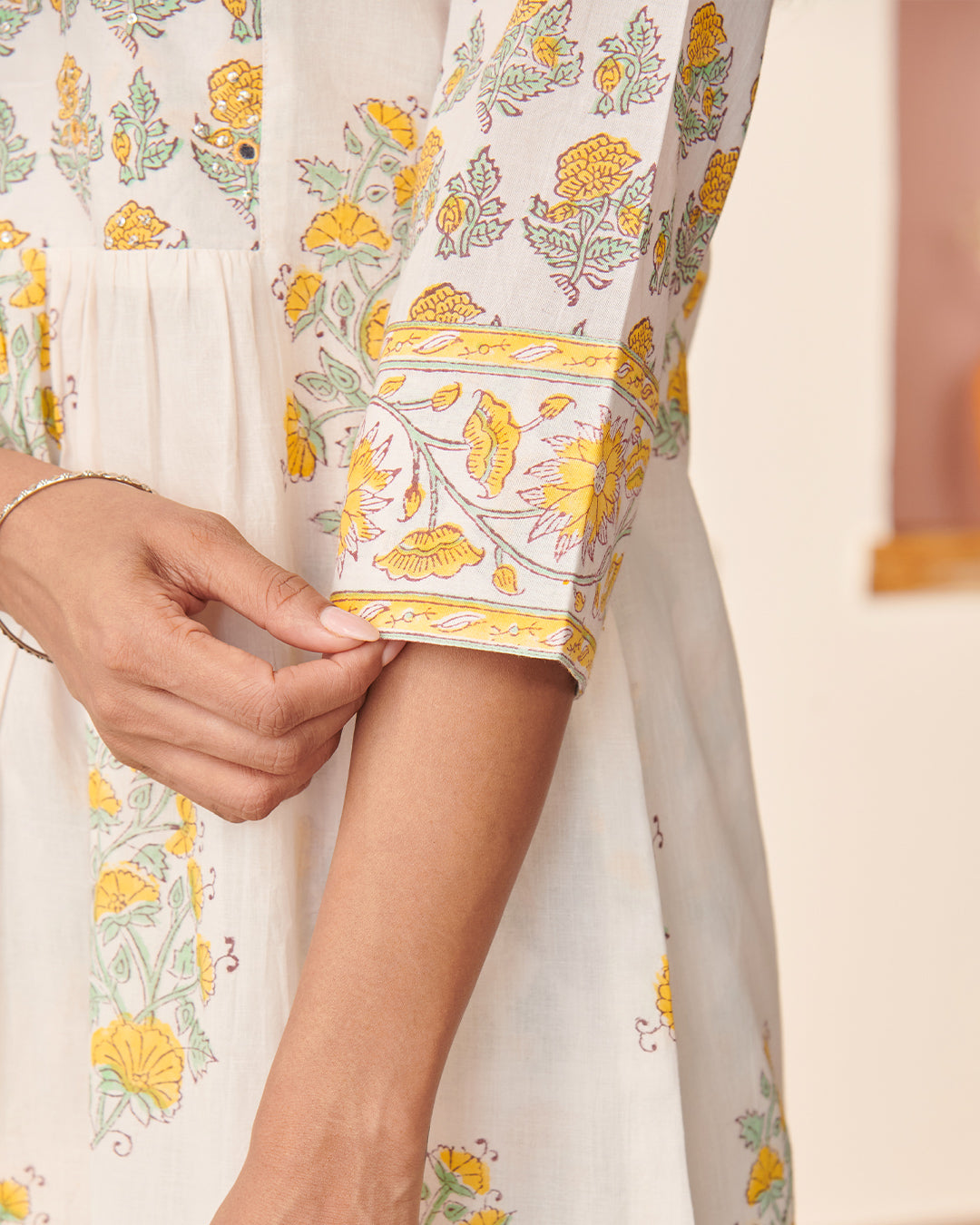
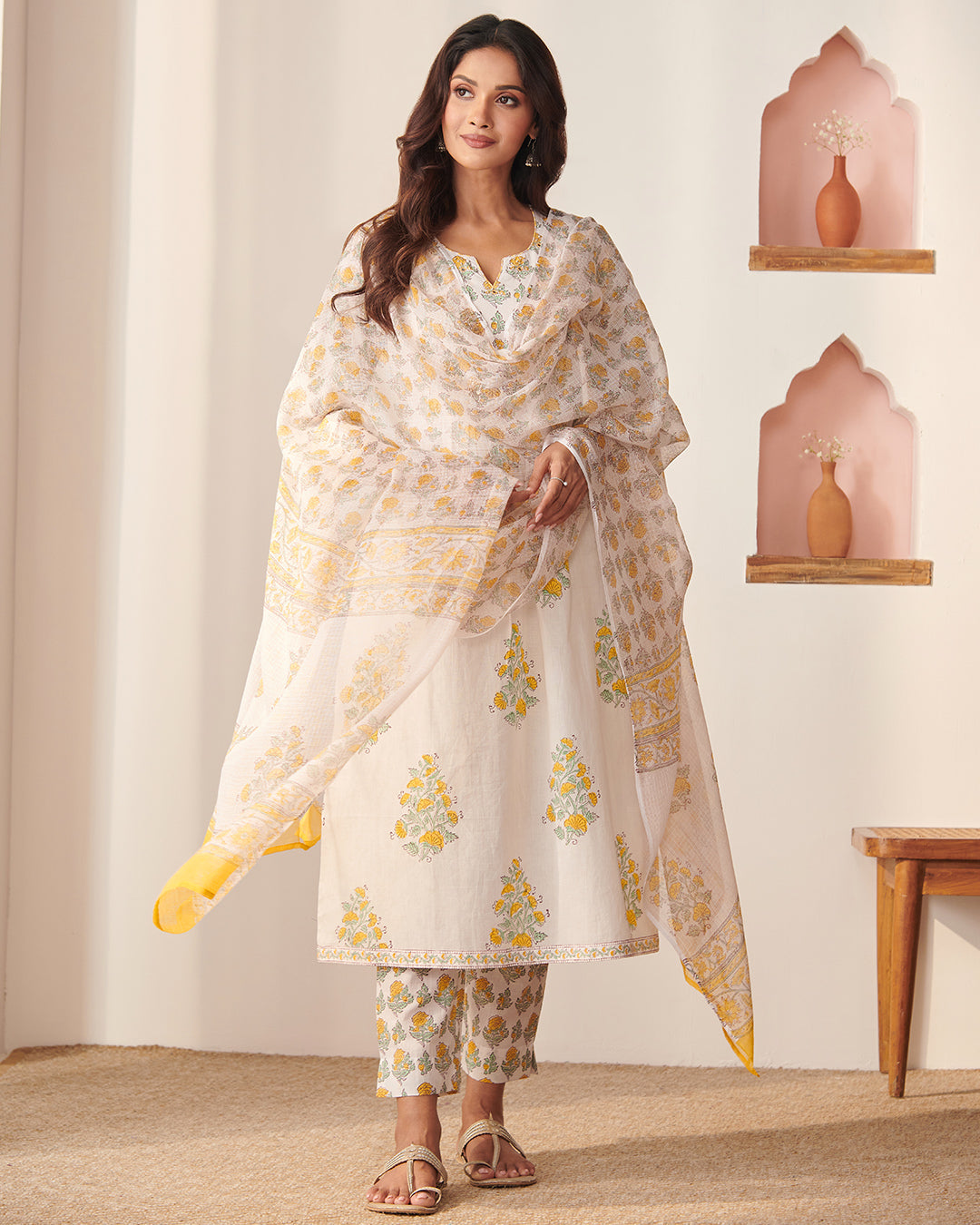
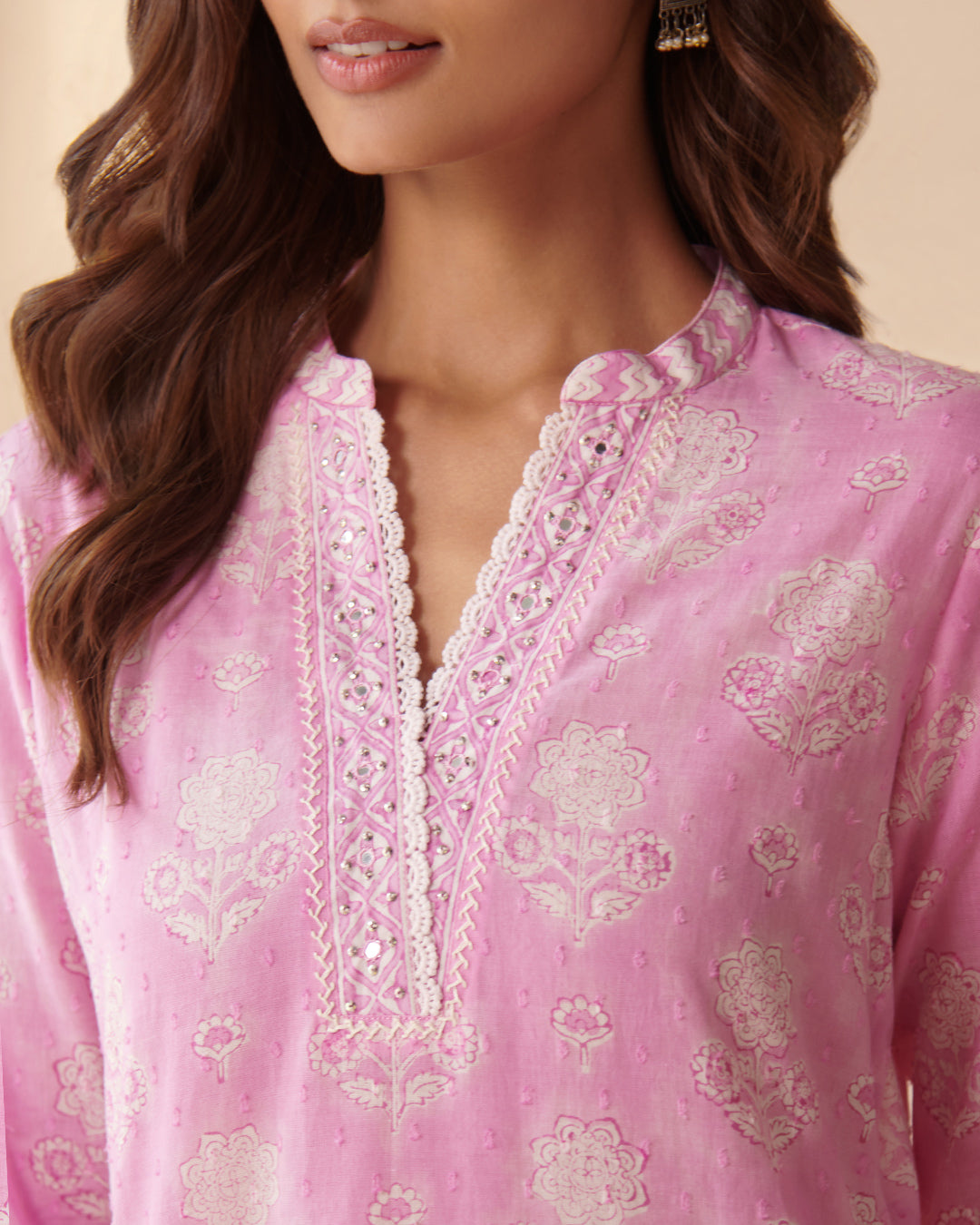
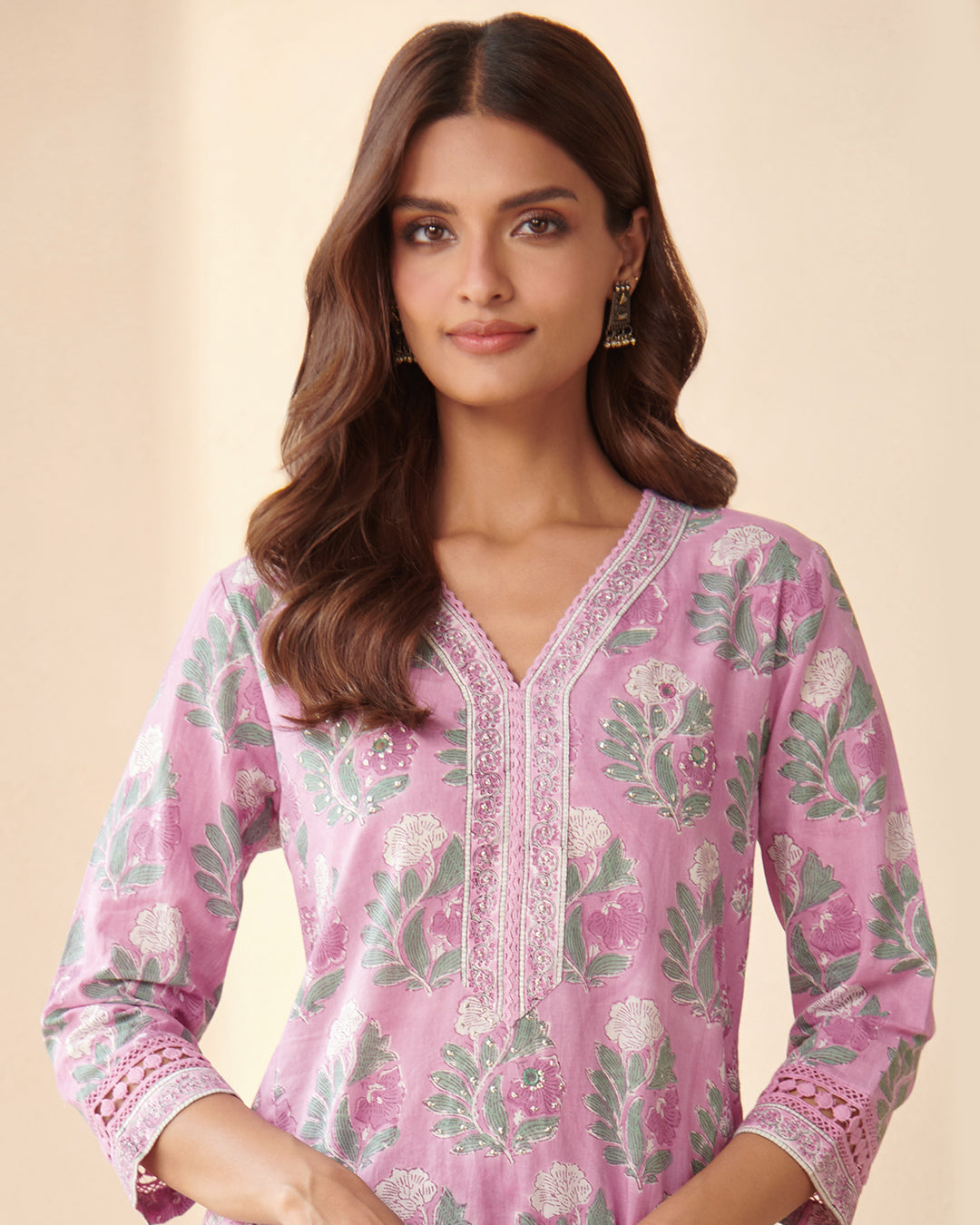
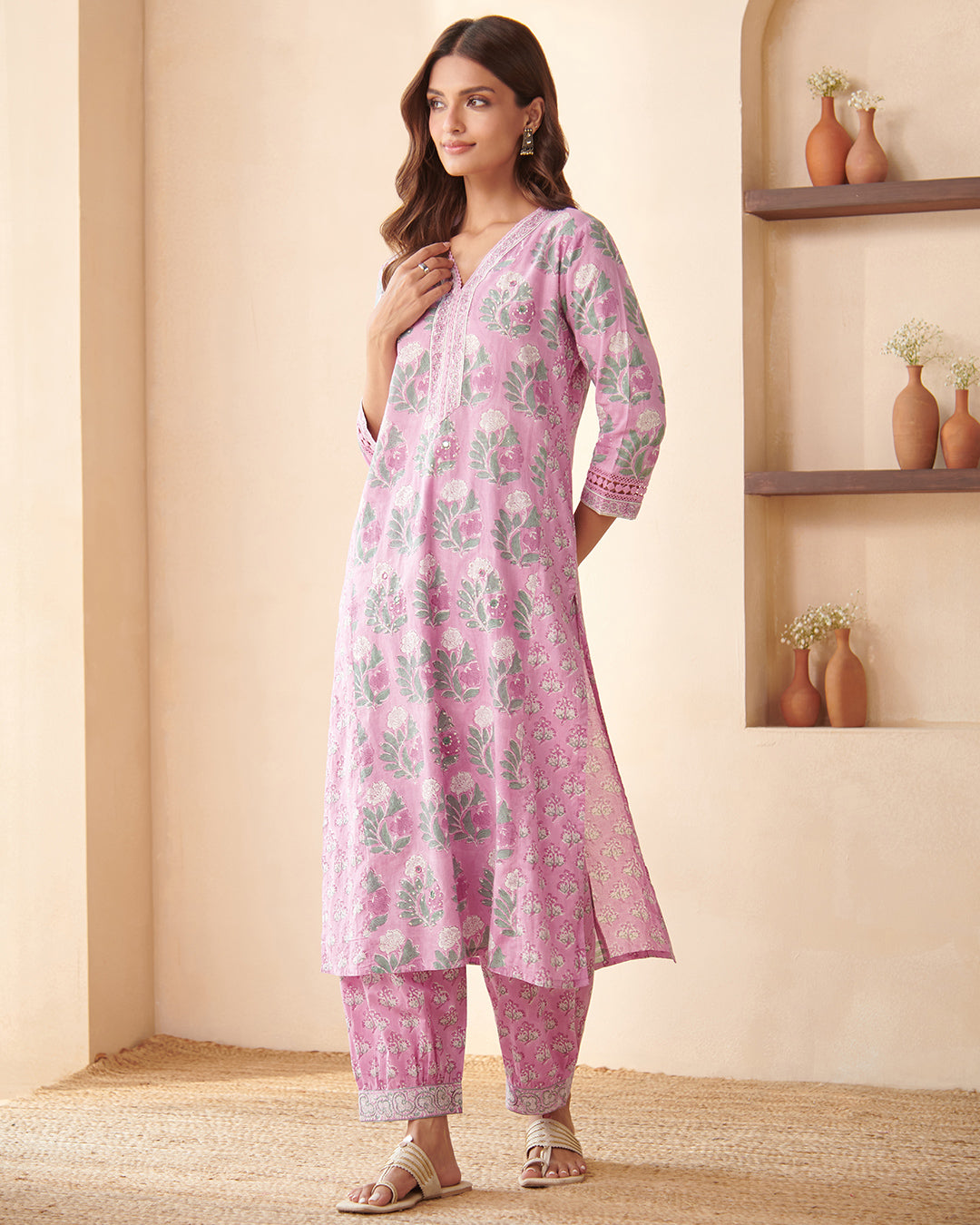
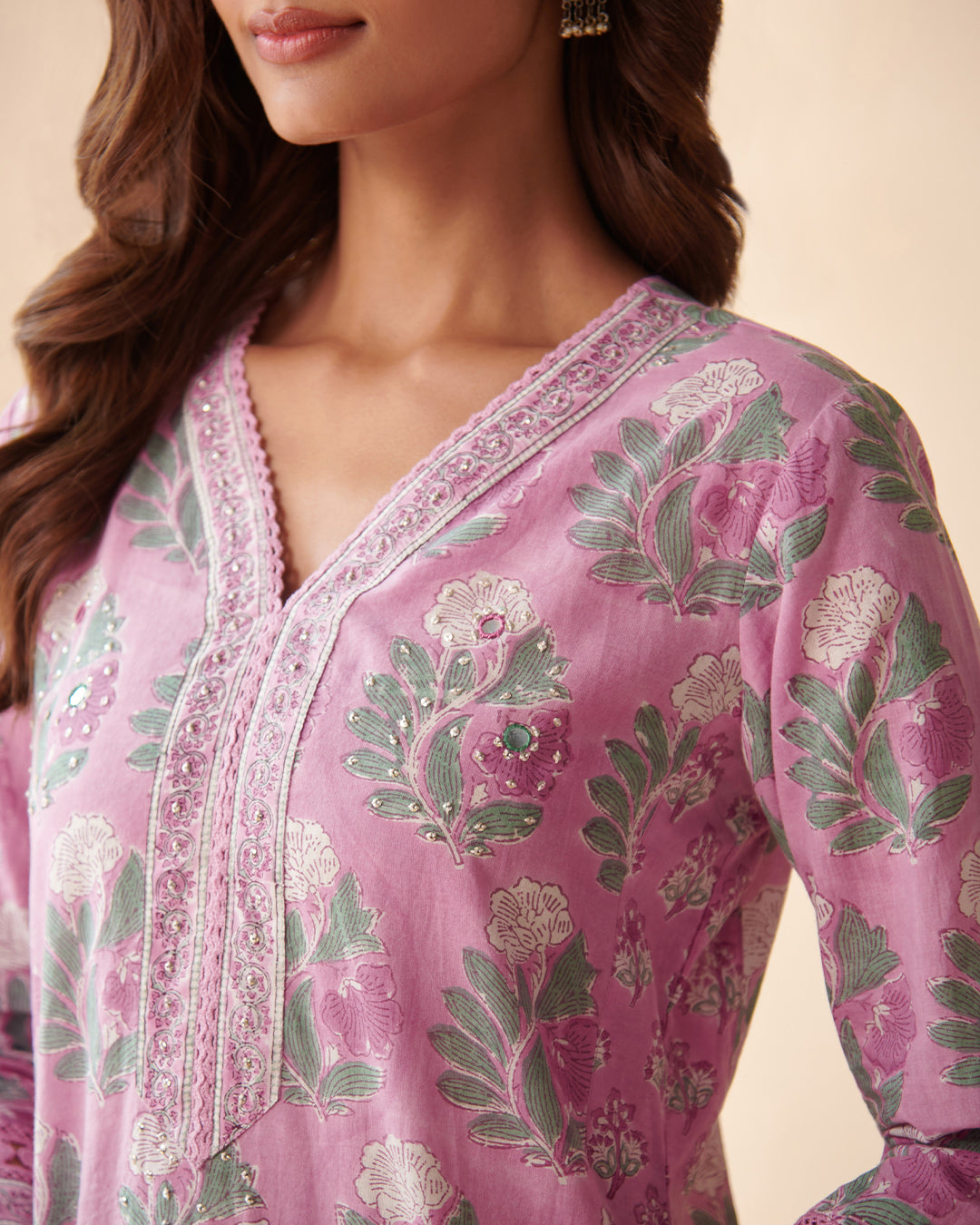
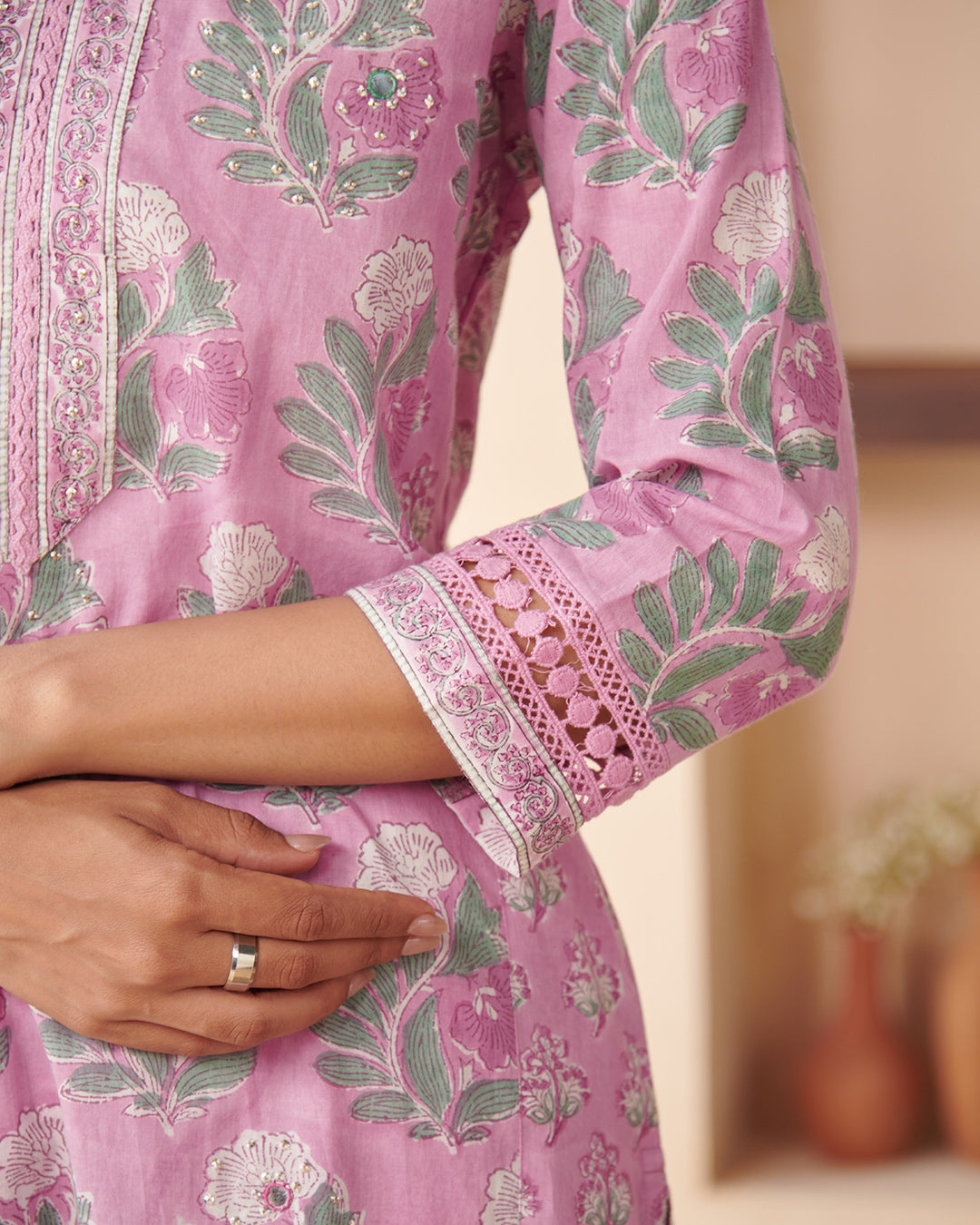
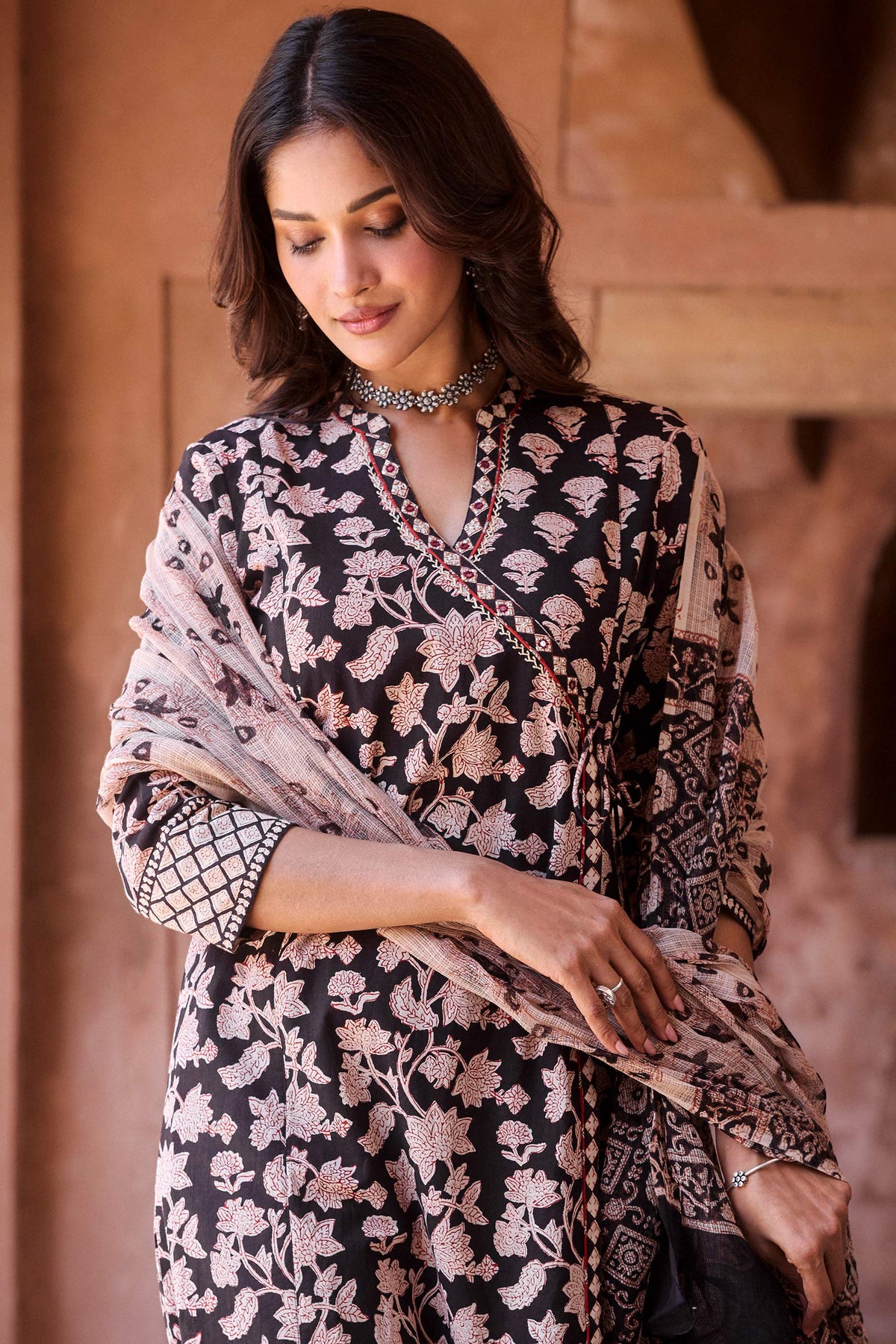
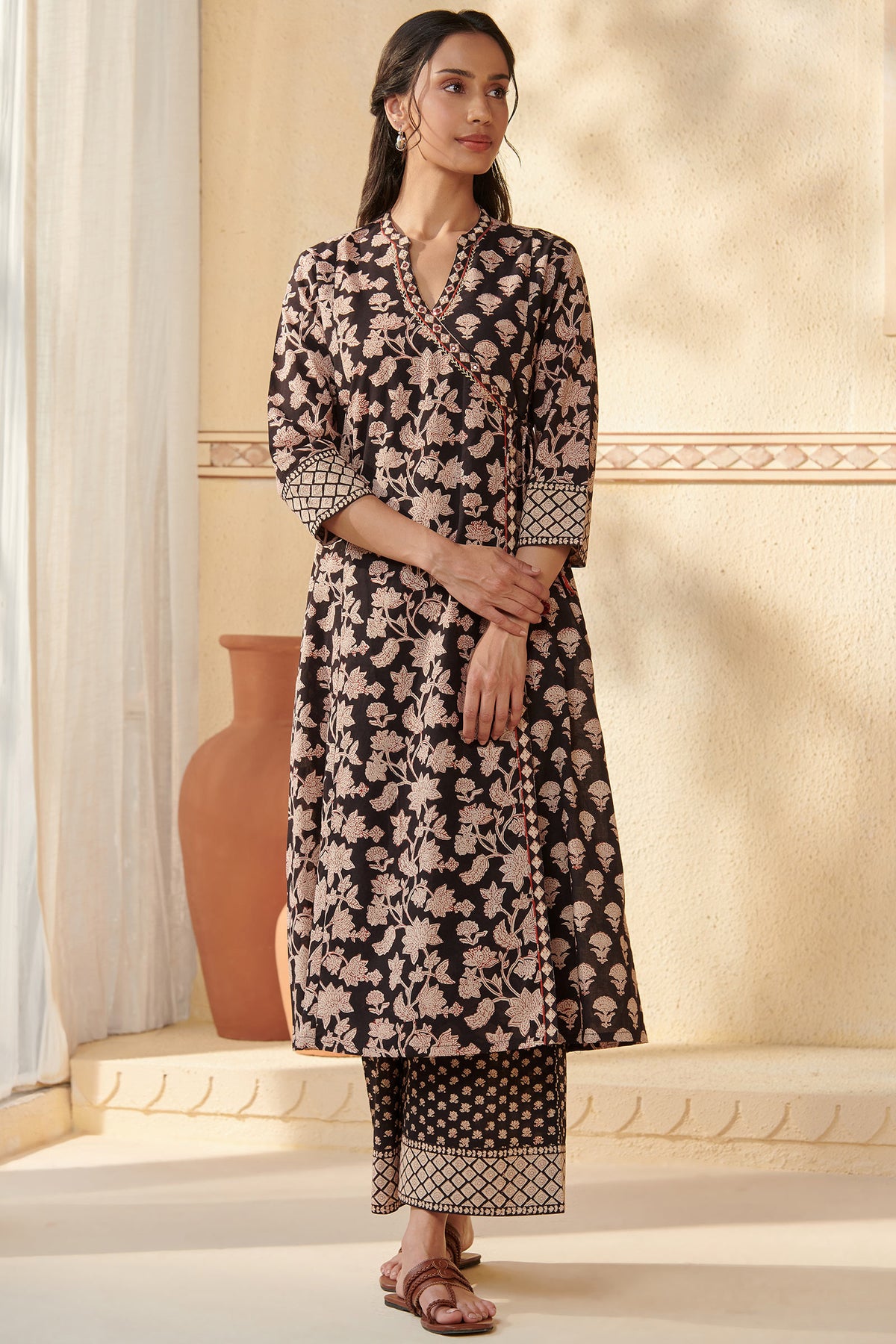
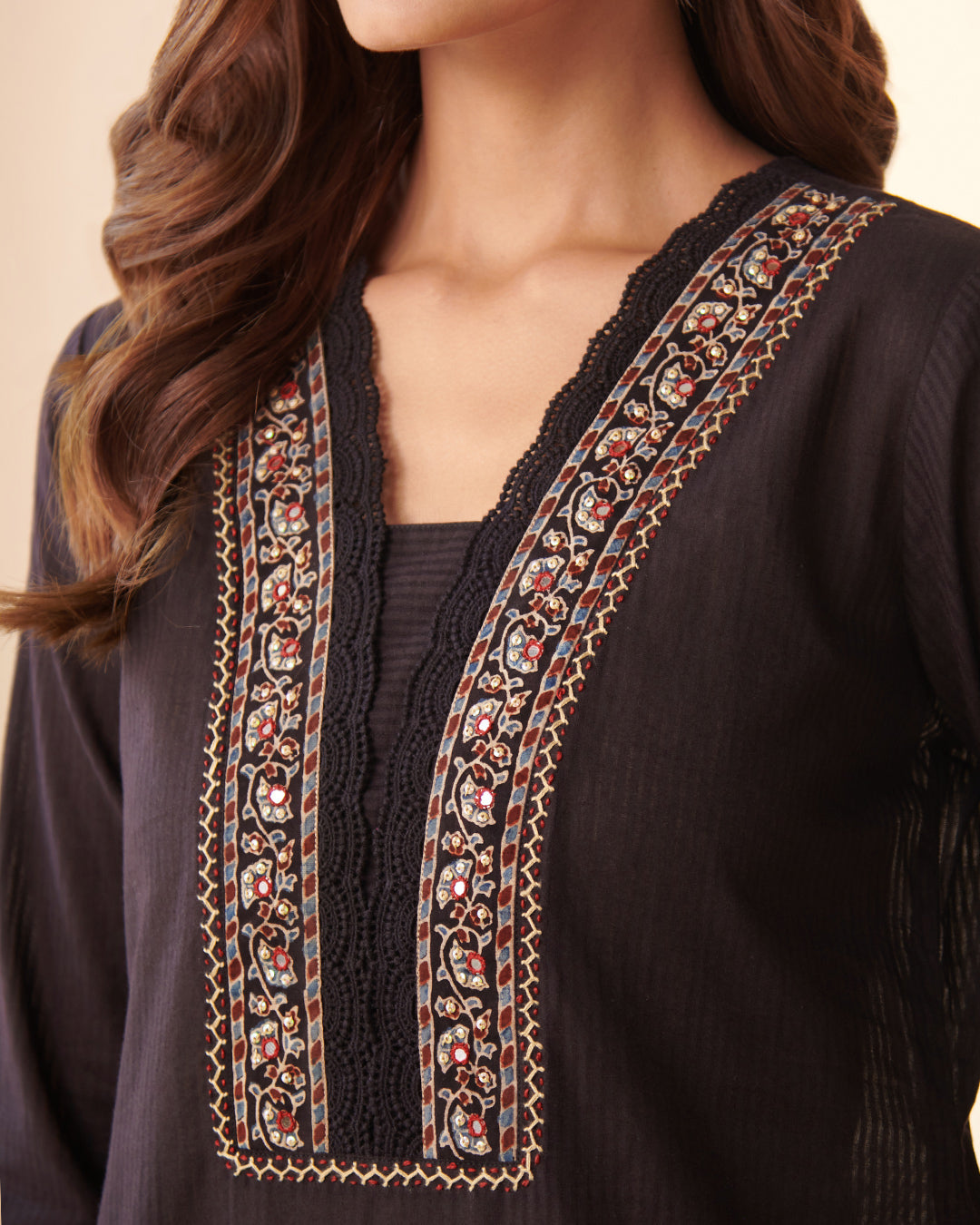
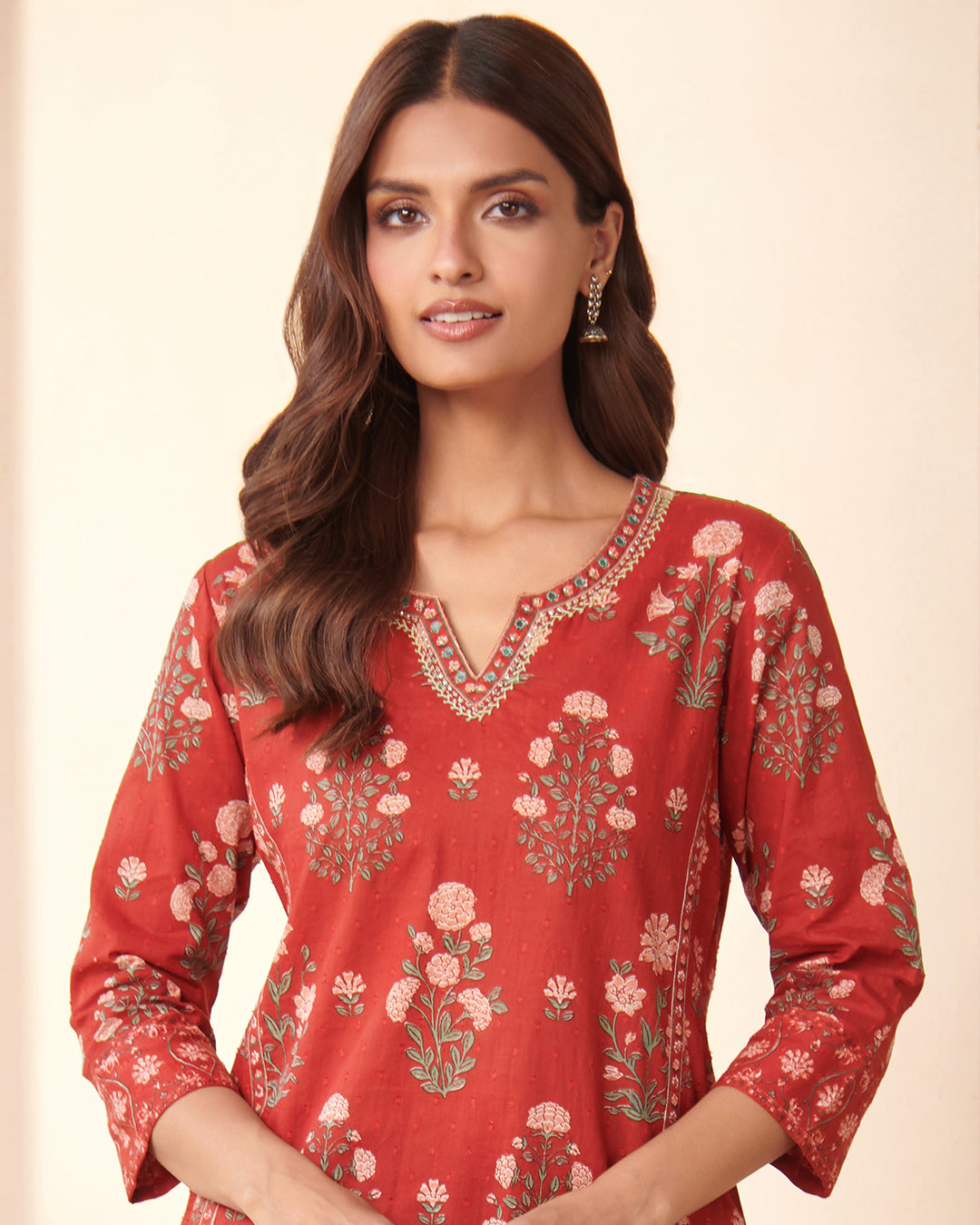
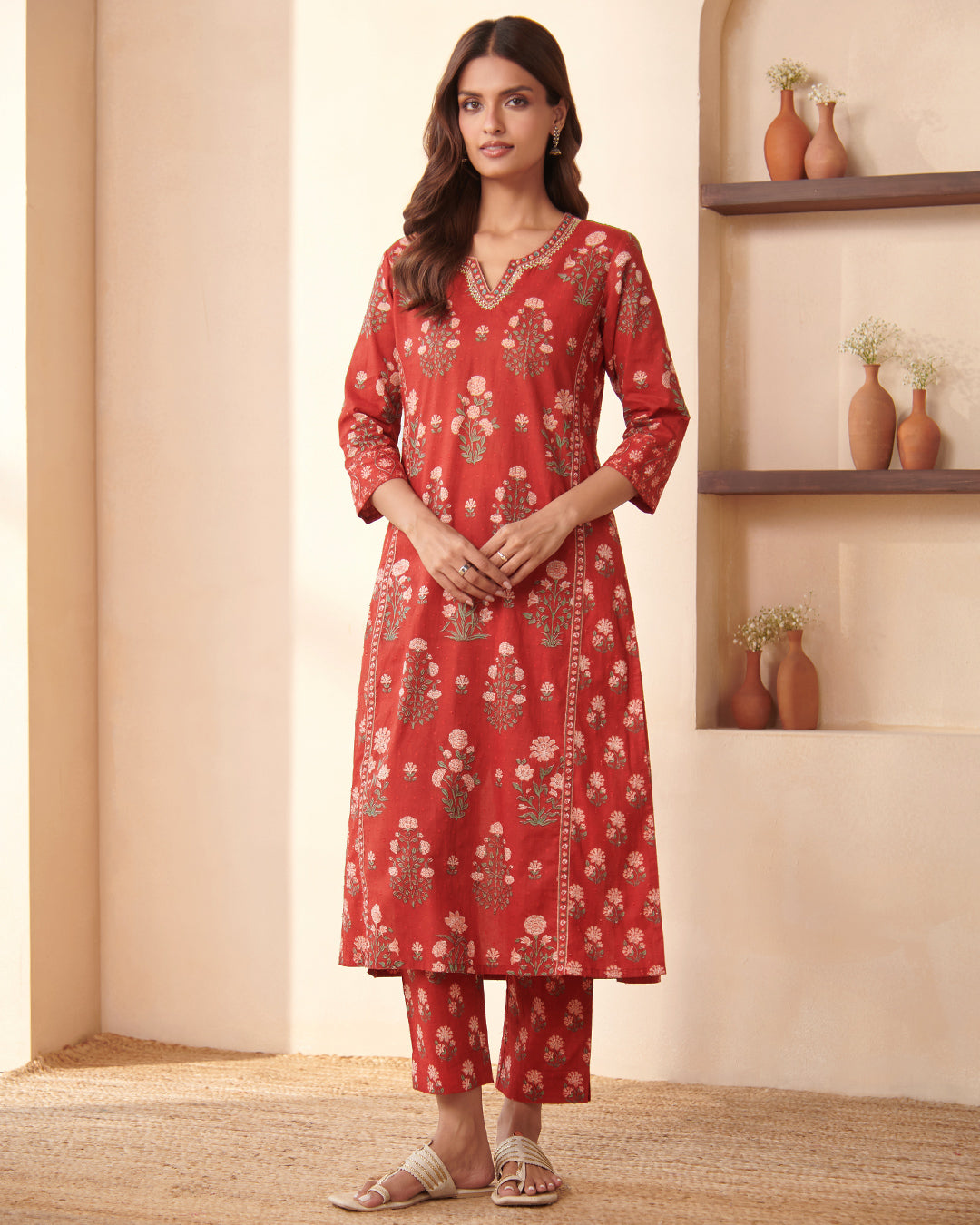
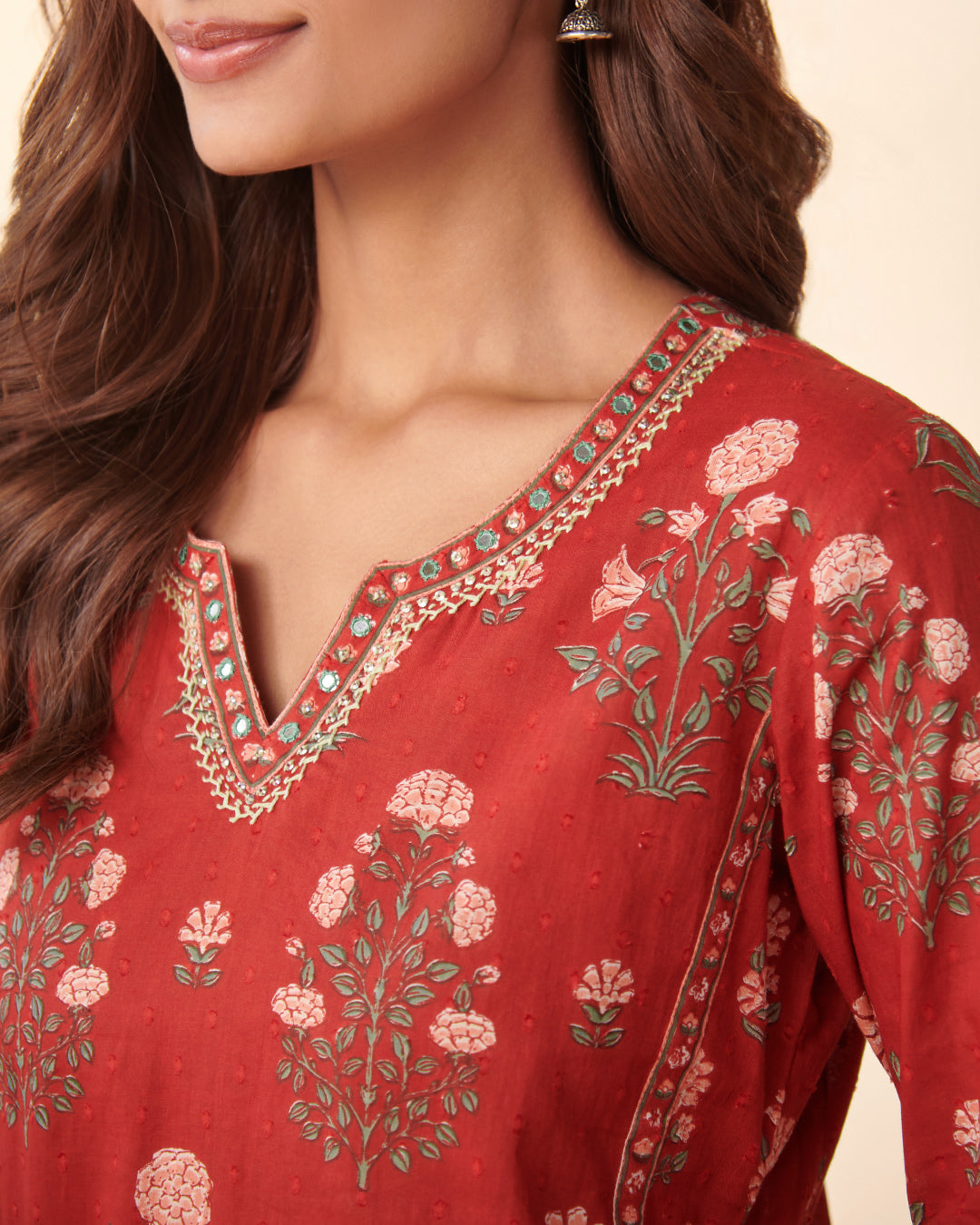
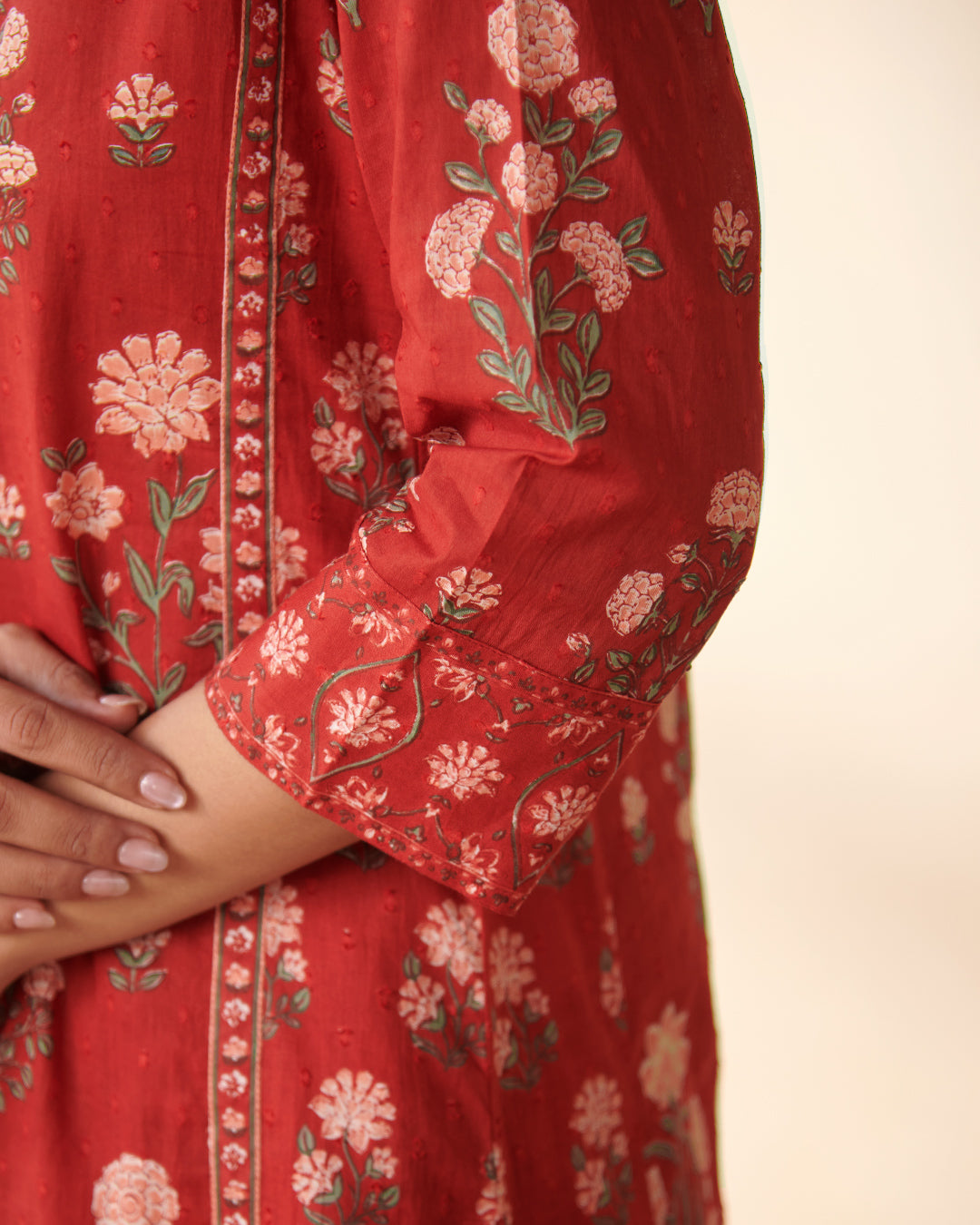
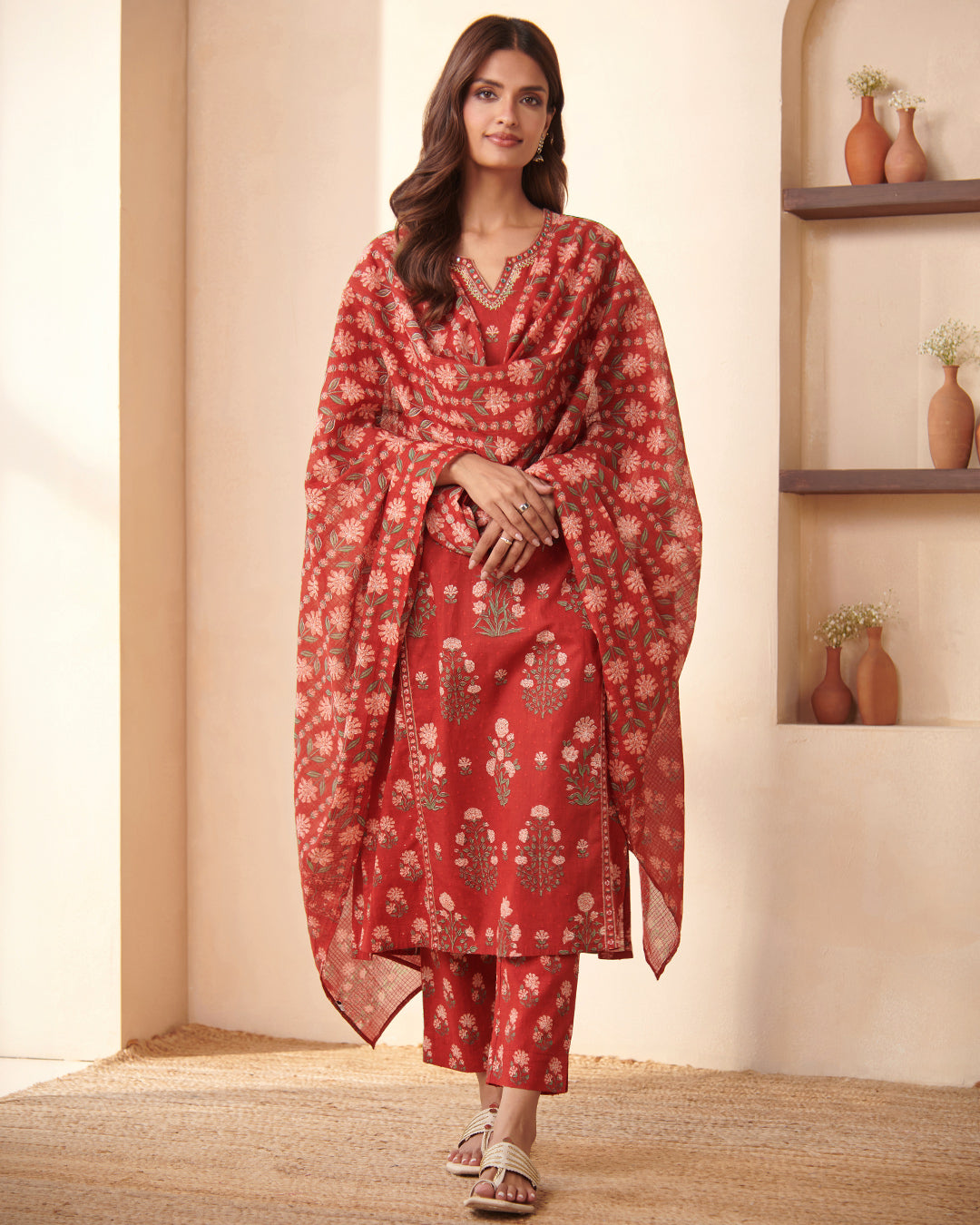
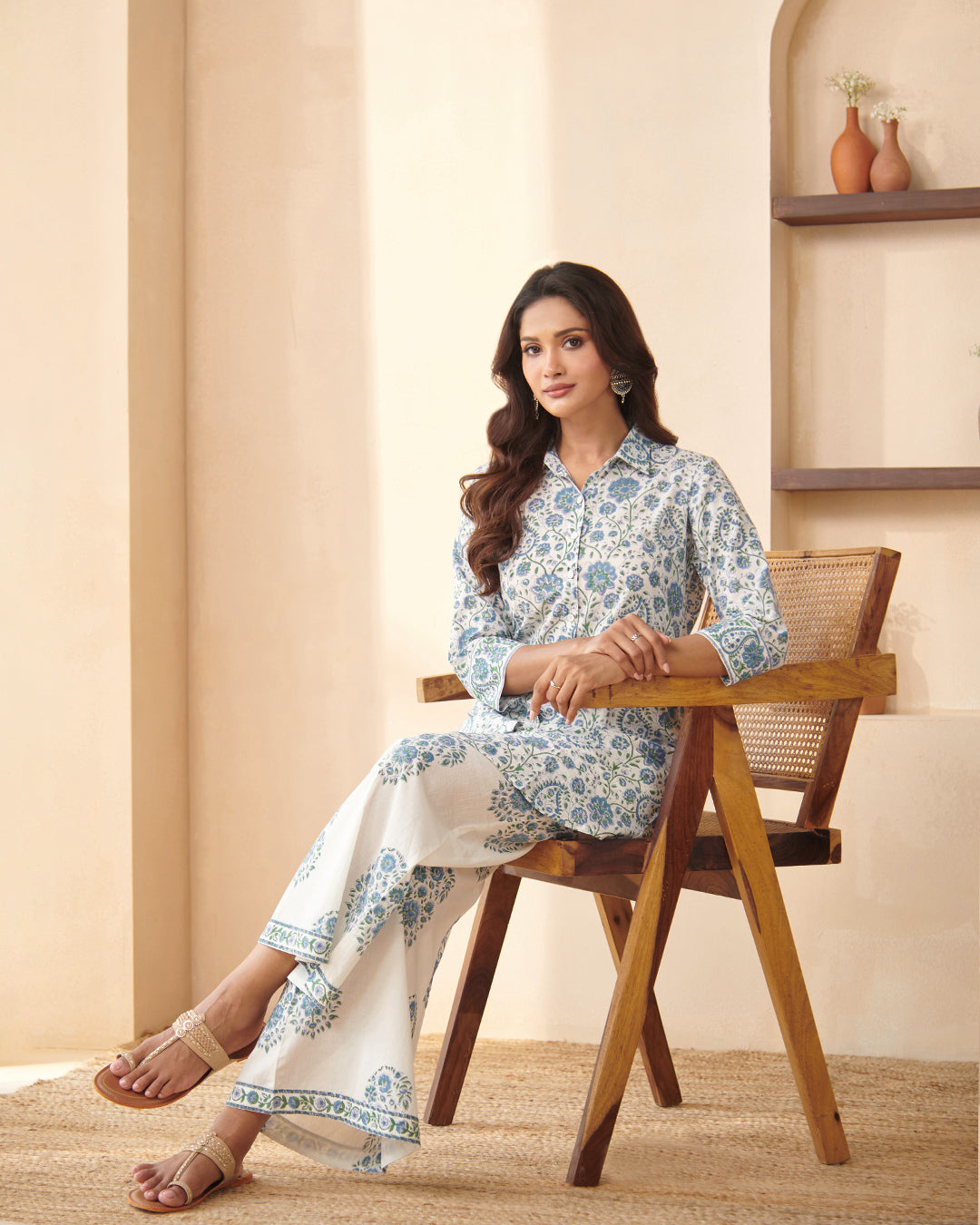
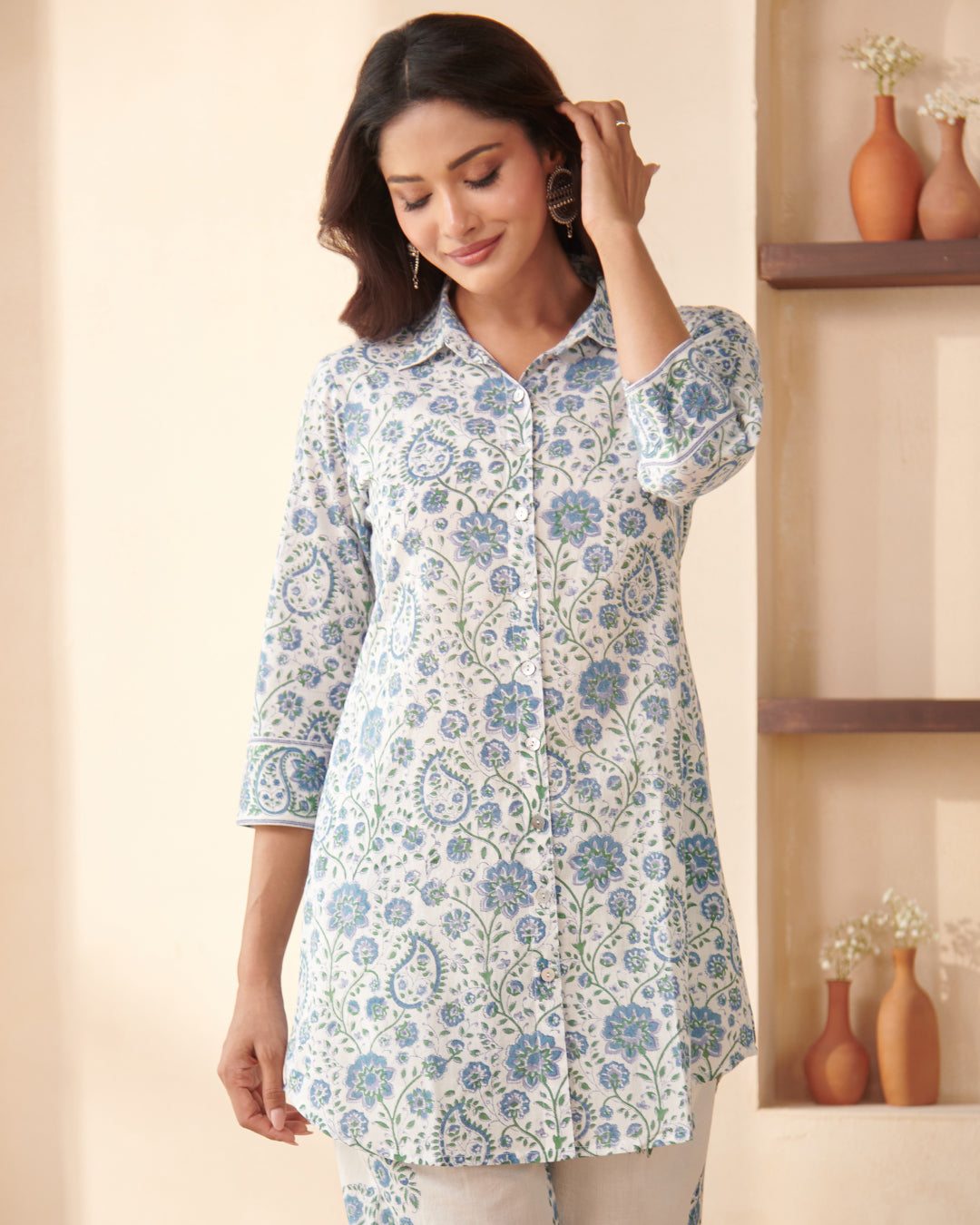
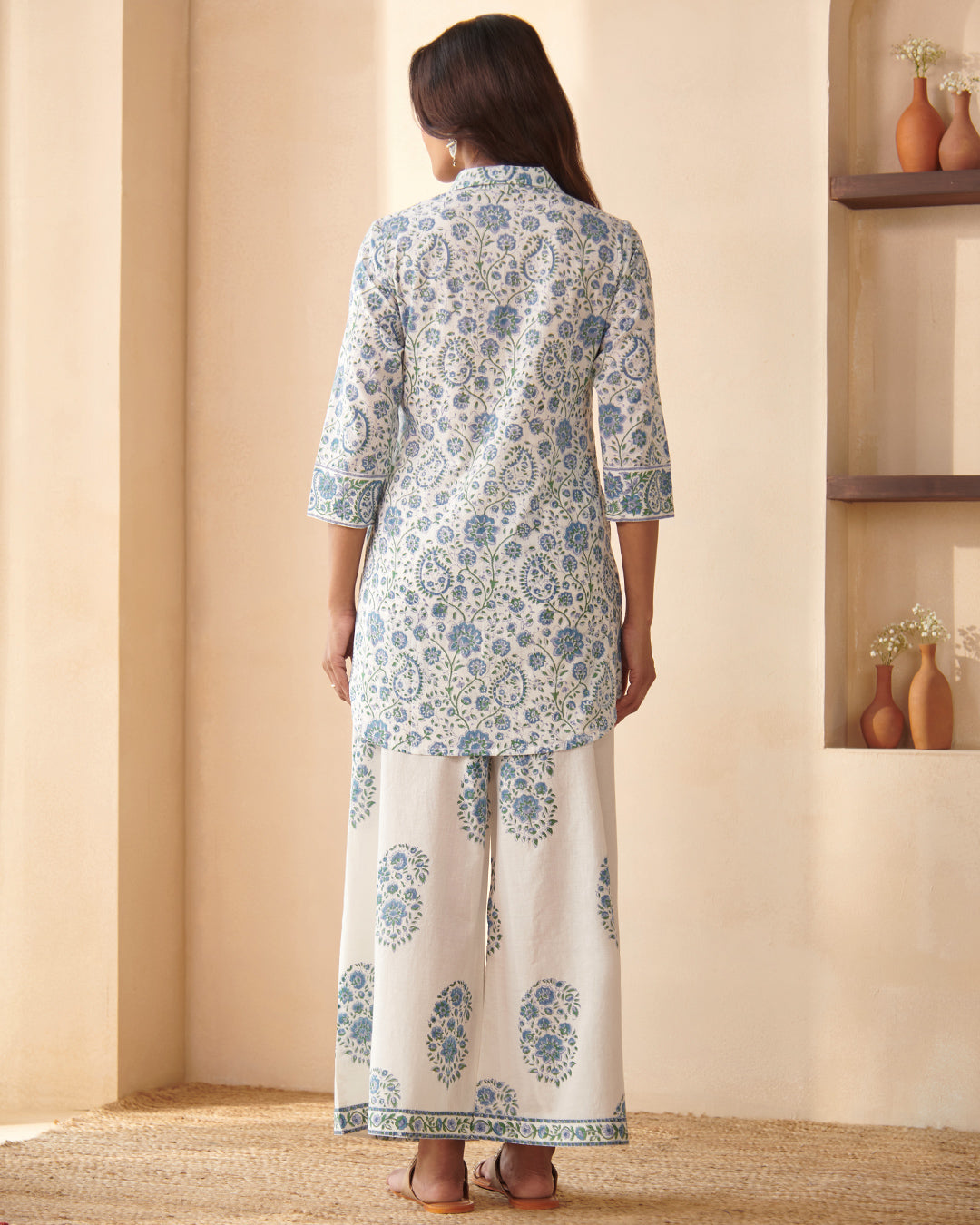
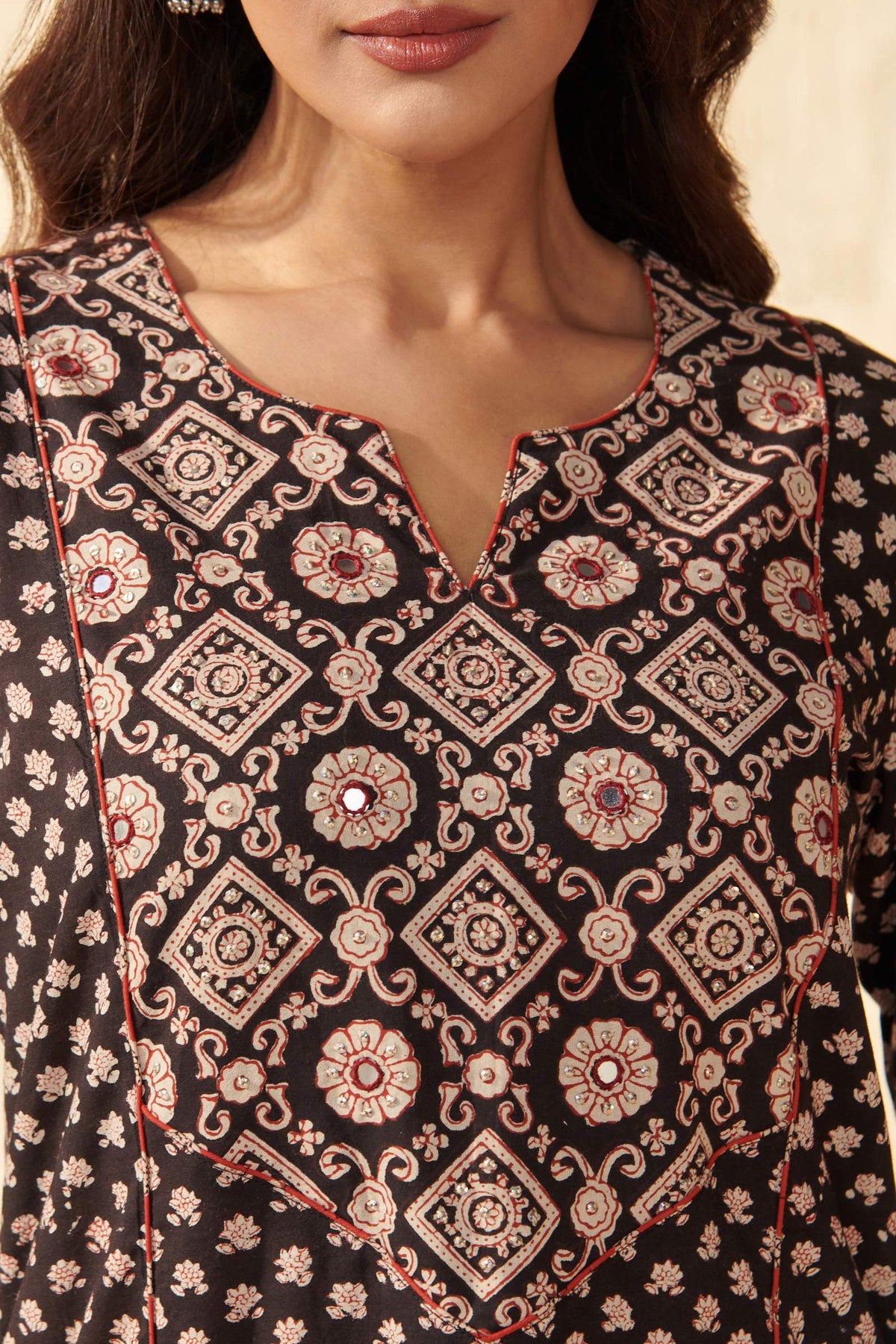
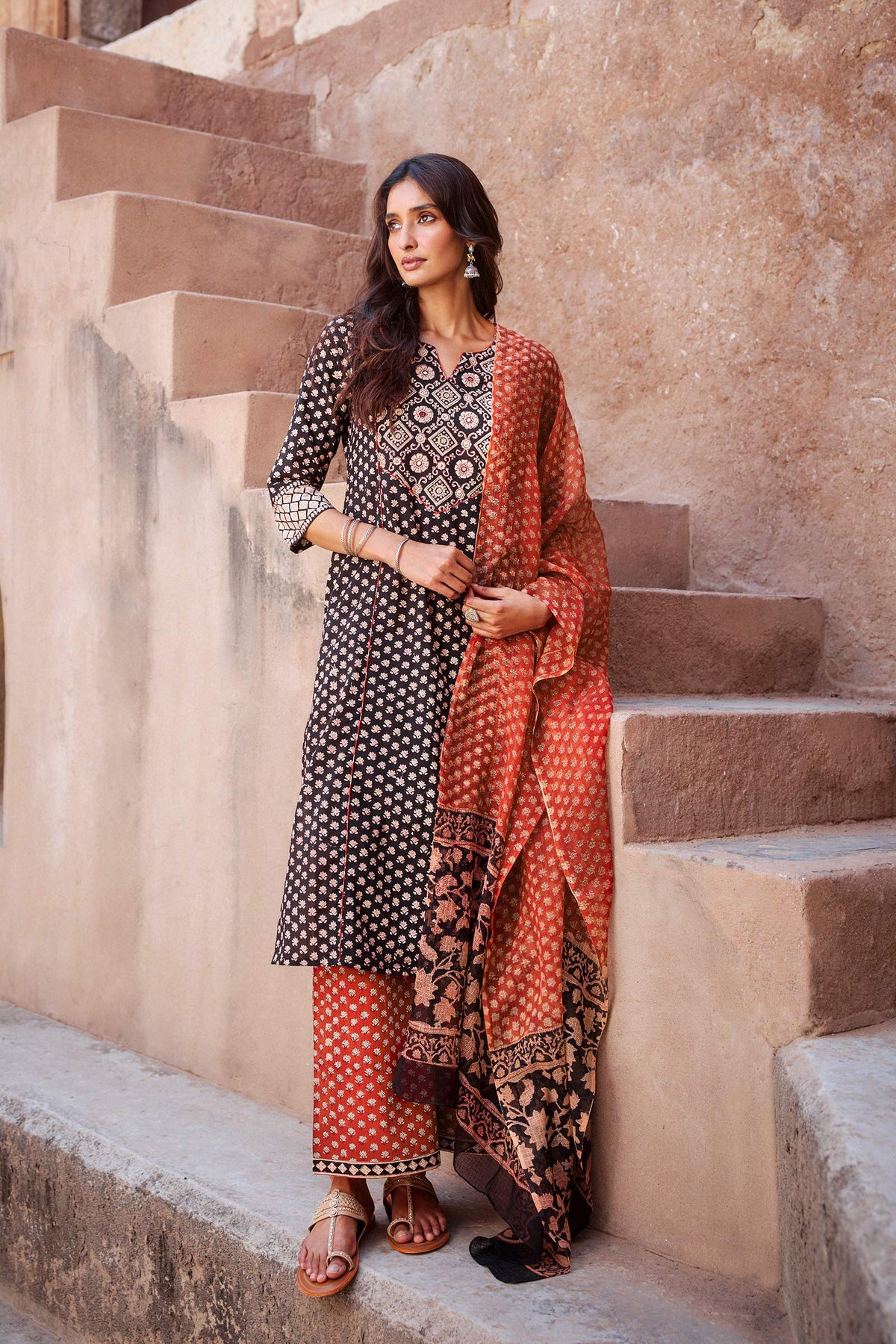
A pattern gets carved into a wooden block, pressed into dye, and stamped onto cloth by hand. Every single color needs its own block and its own separate pass across the fabric. It's slow, tiring work and the quality of what comes out depends completely on the person doing it. That's also why no two pieces ever look exactly the same.
Ajrakh Printing
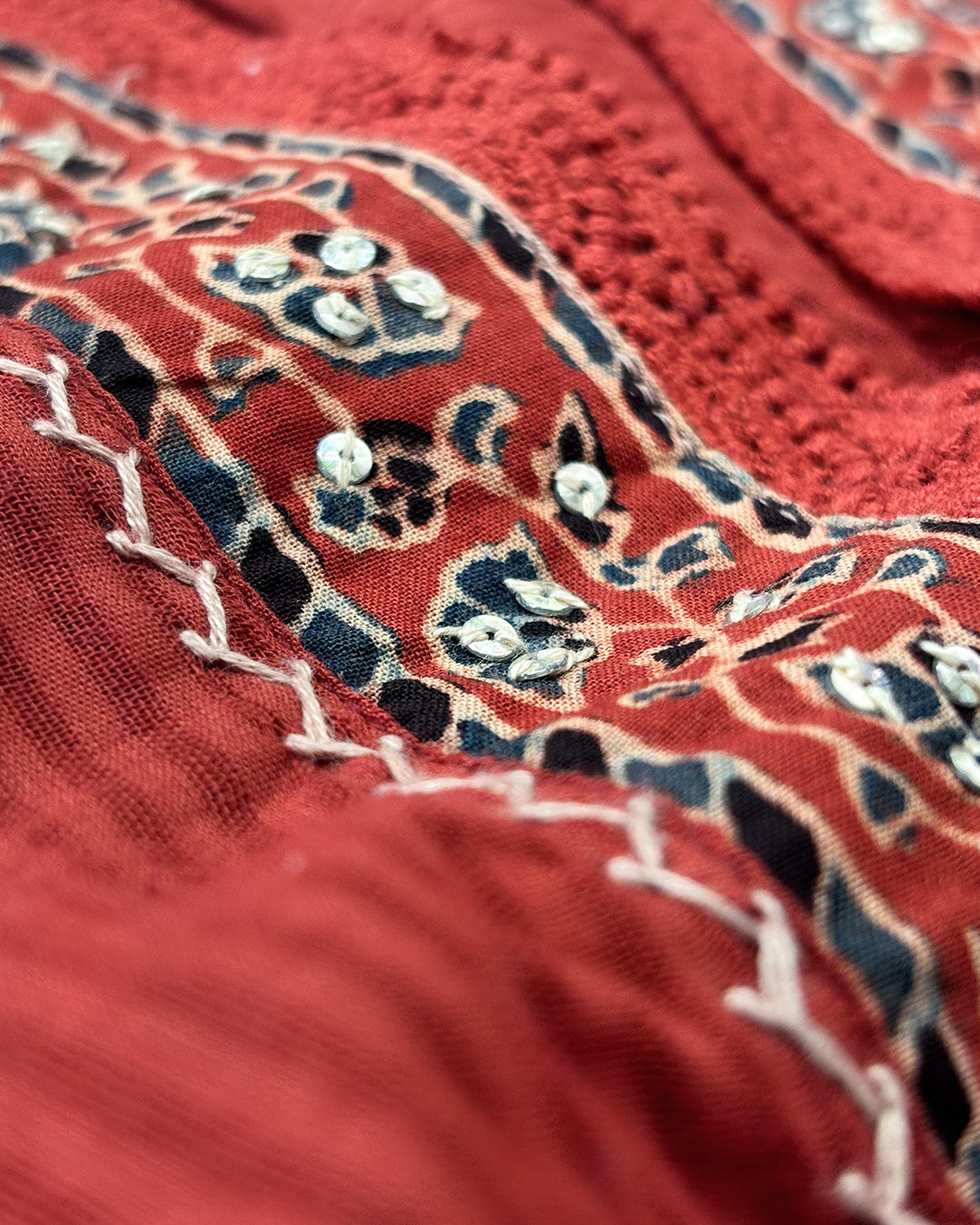
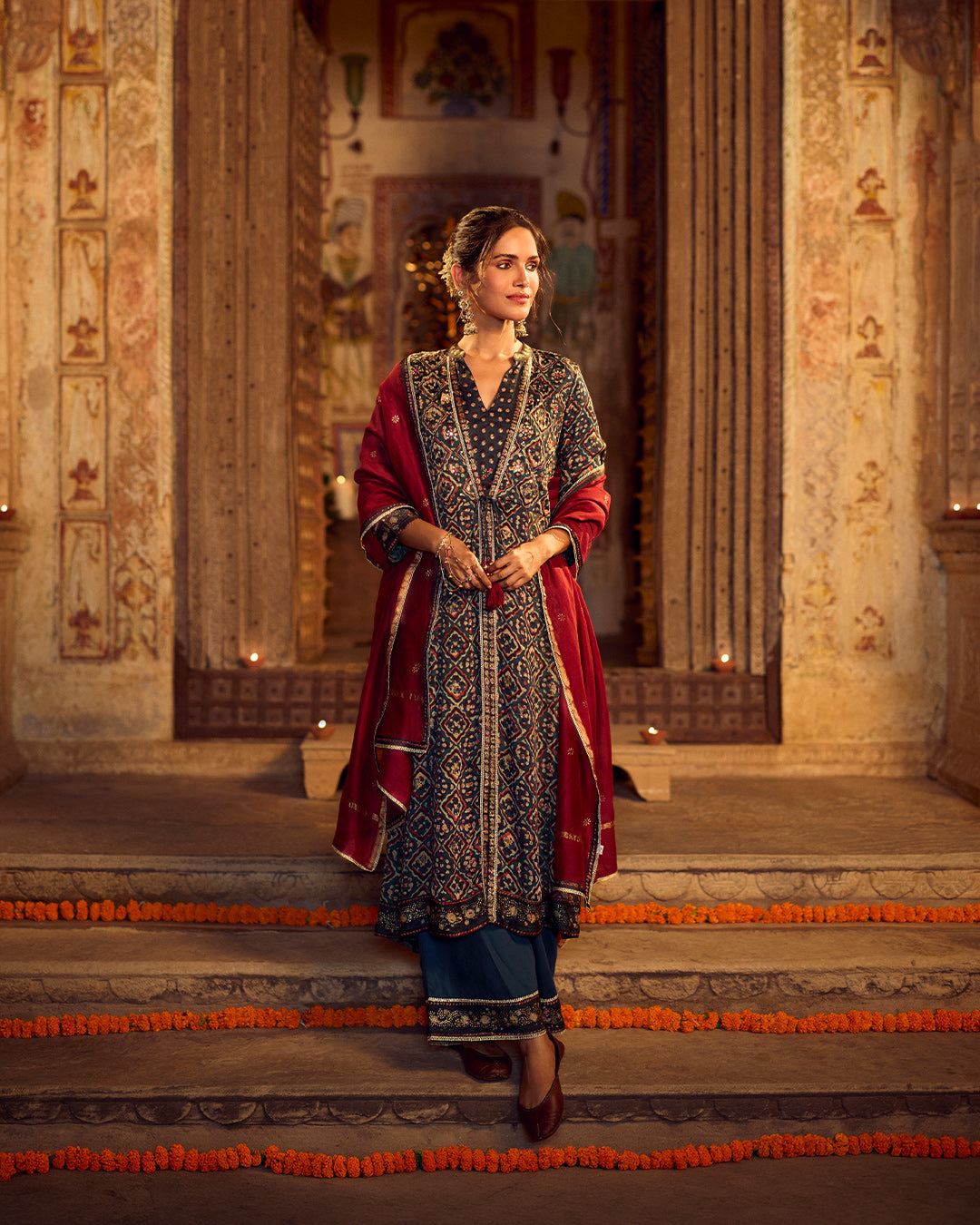
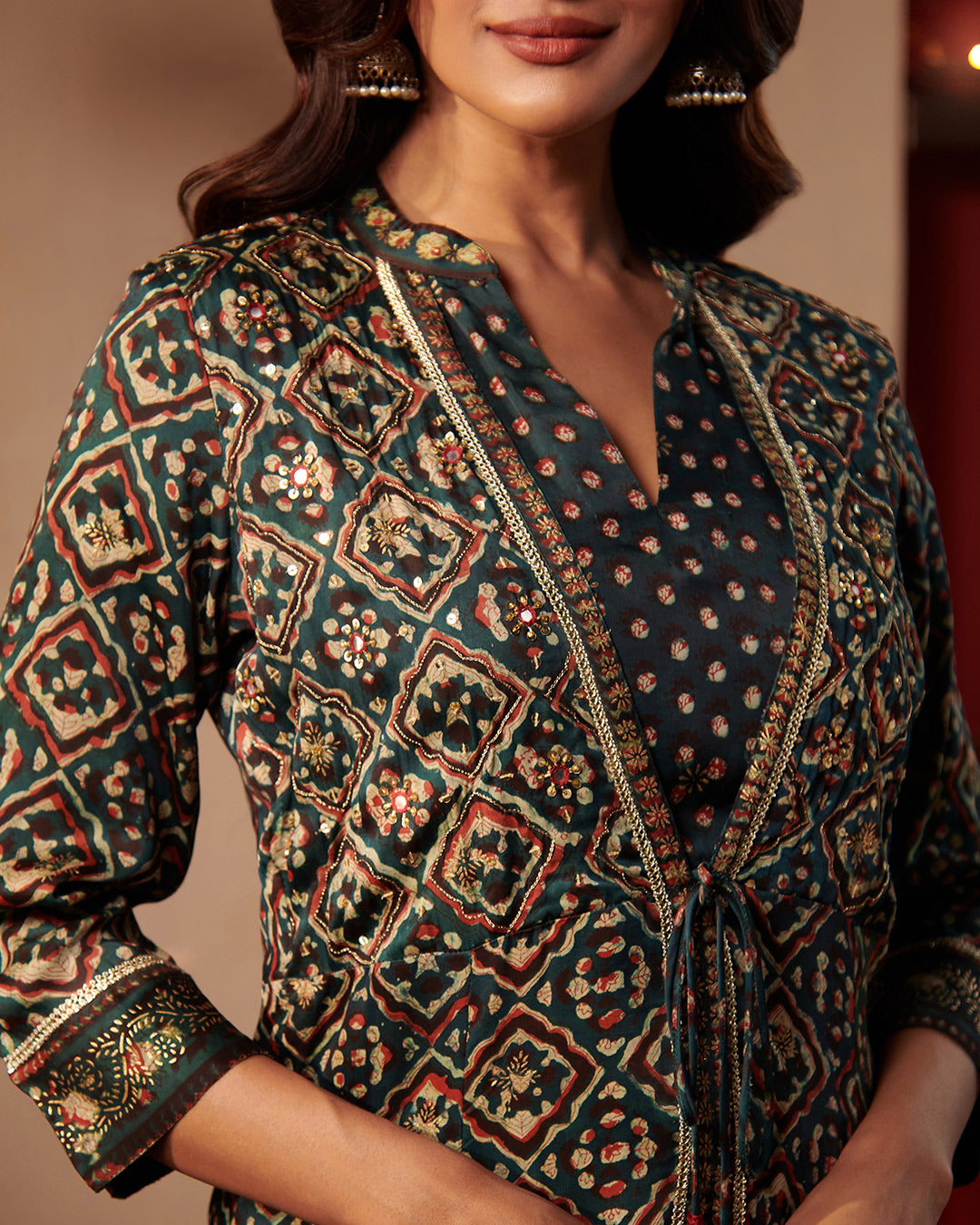
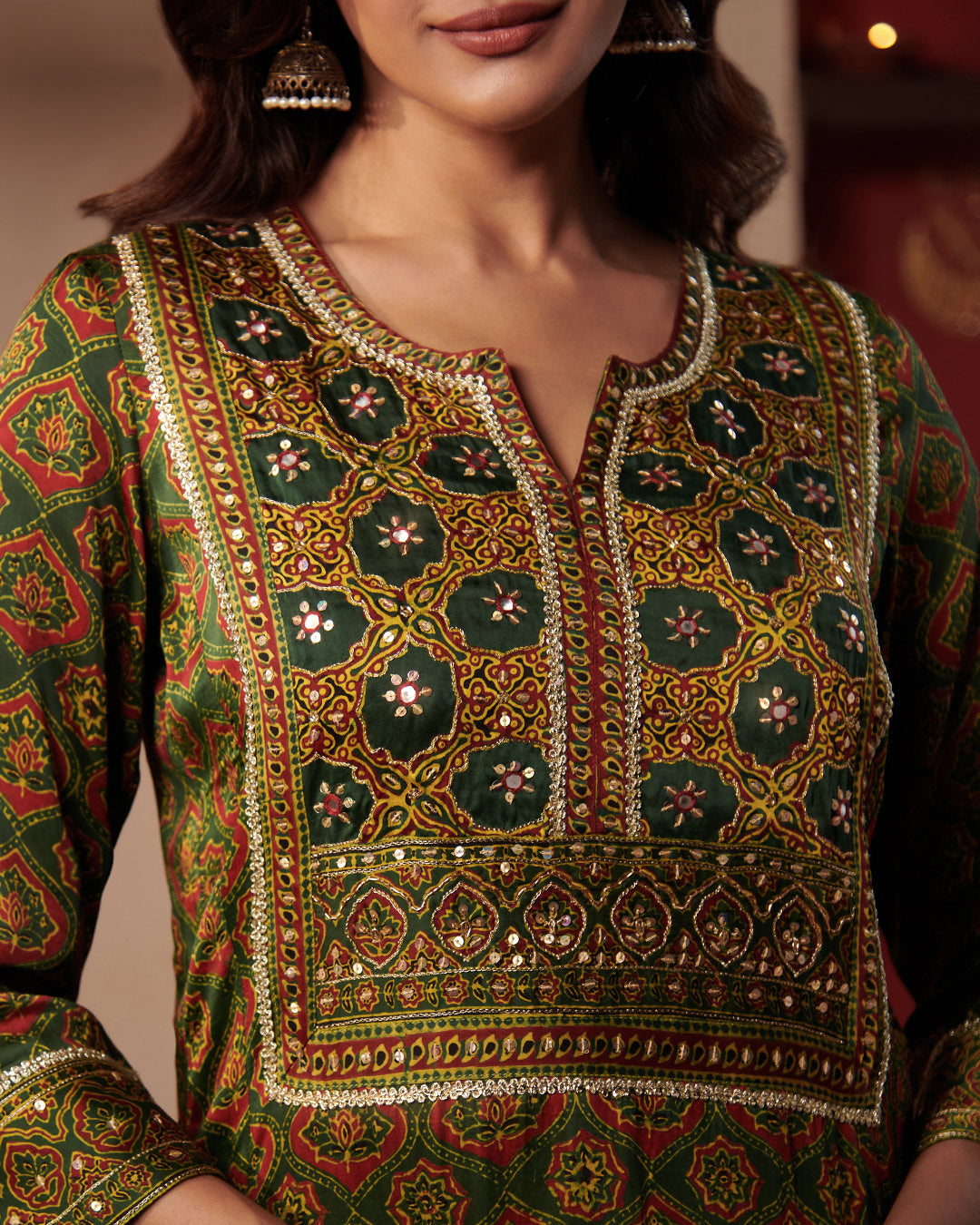
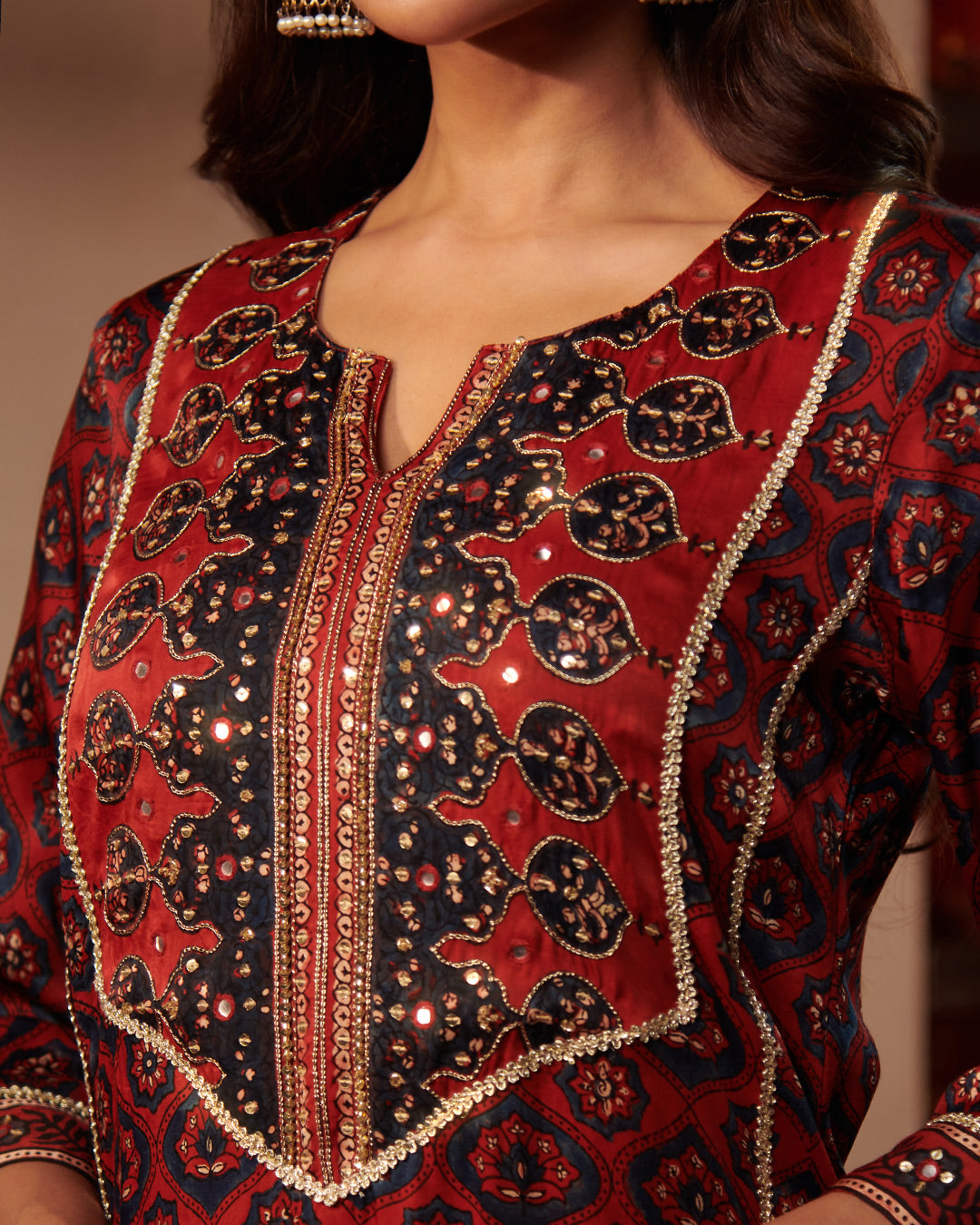
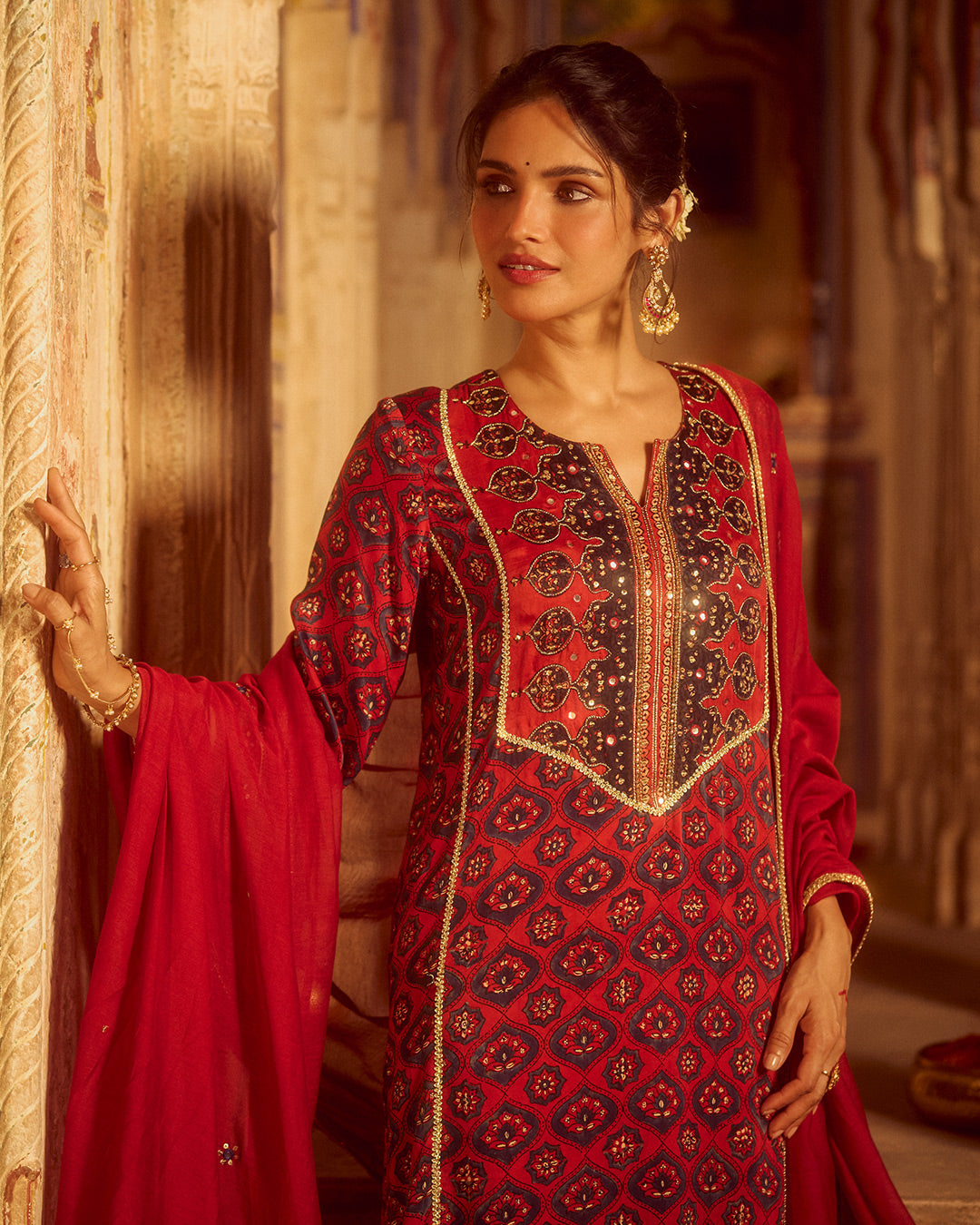
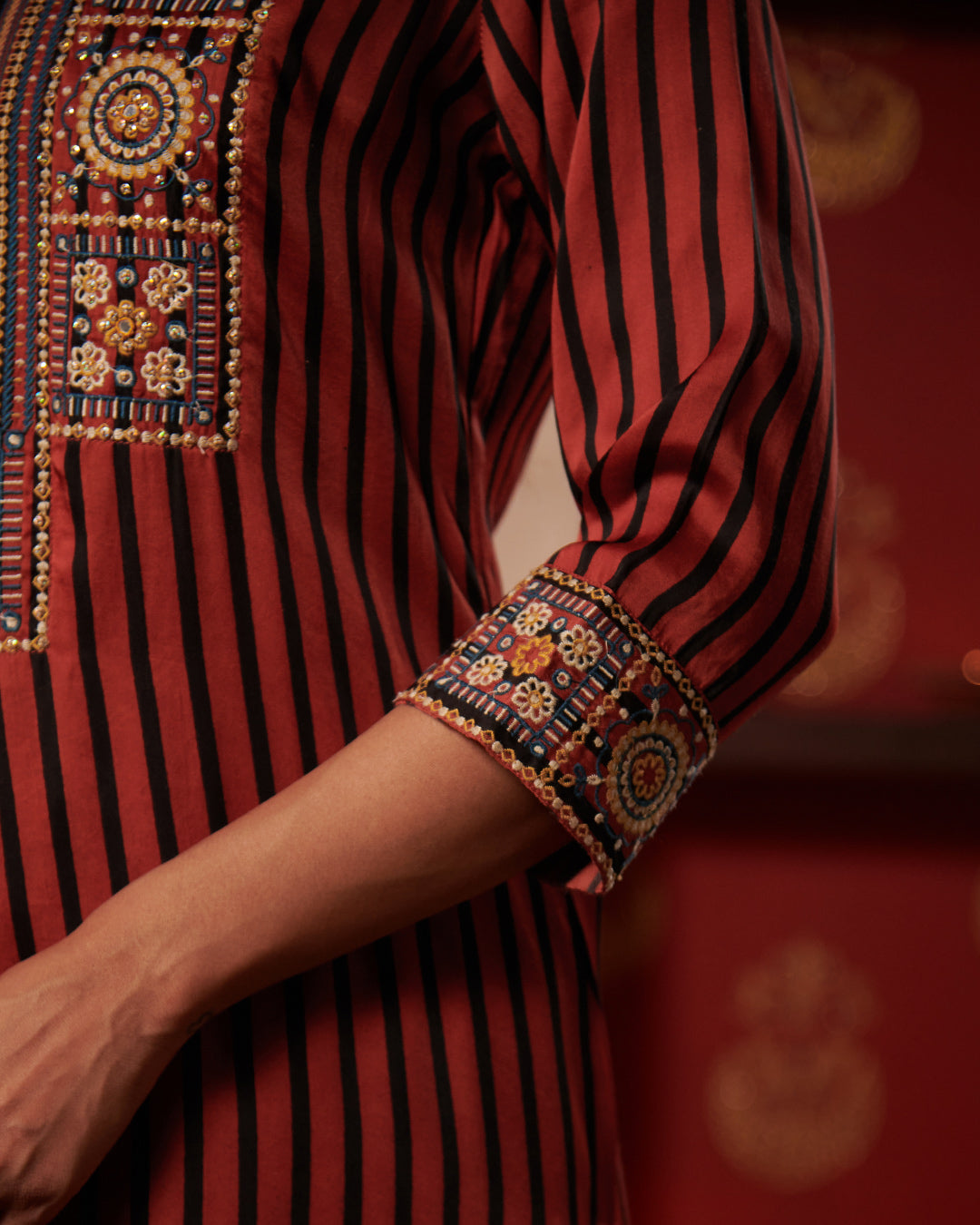
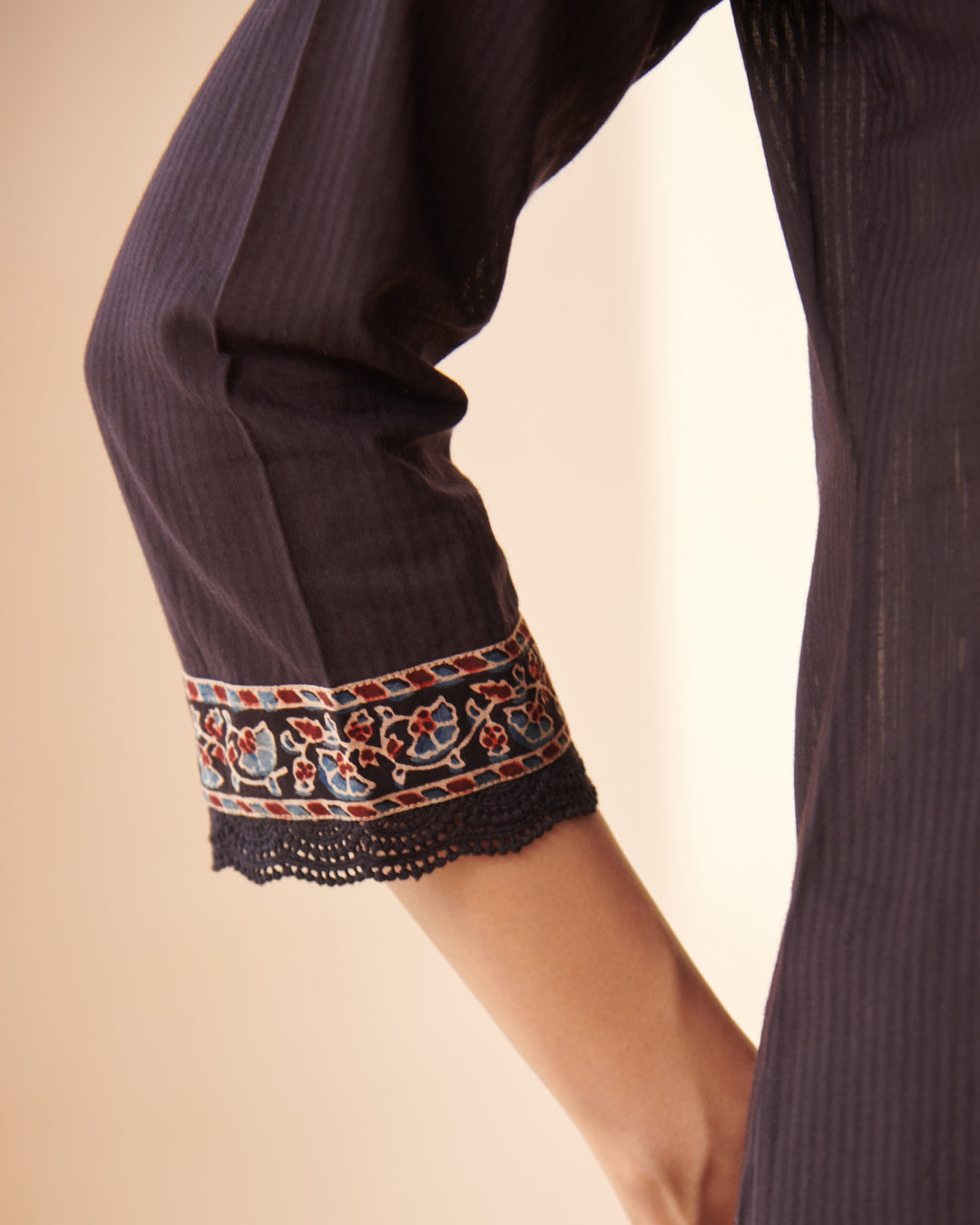
This one comes from the Kutch region of Gujarat and is one of the most demanding Ajrakh printing processes still being done in India. Fabric goes through round after round of resist paste and natural dye, drying fully between every stage before the next one begins. Indigo and madder are the traditional dyes. One finished piece can take weeks from start to end.
Dabu Printing
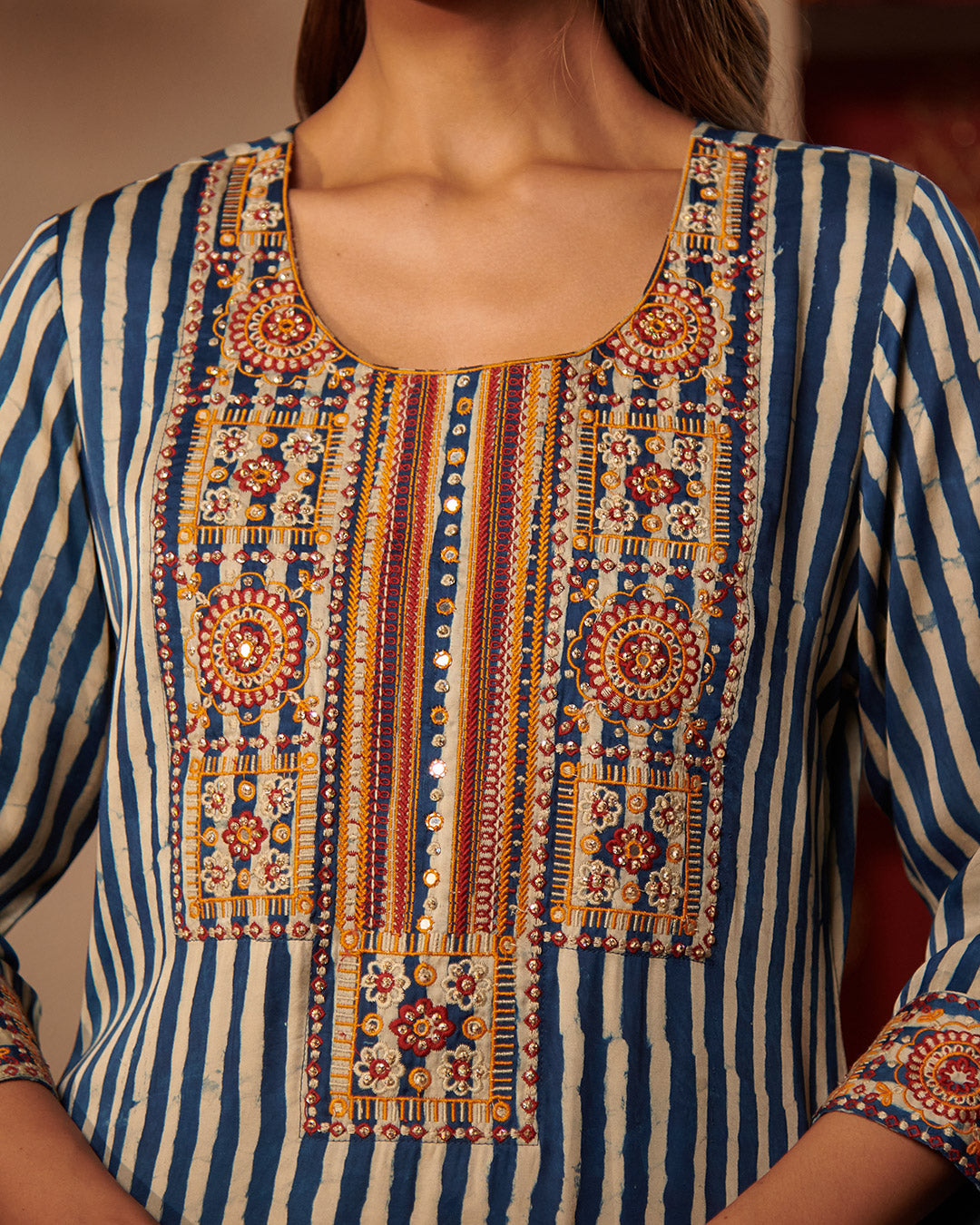
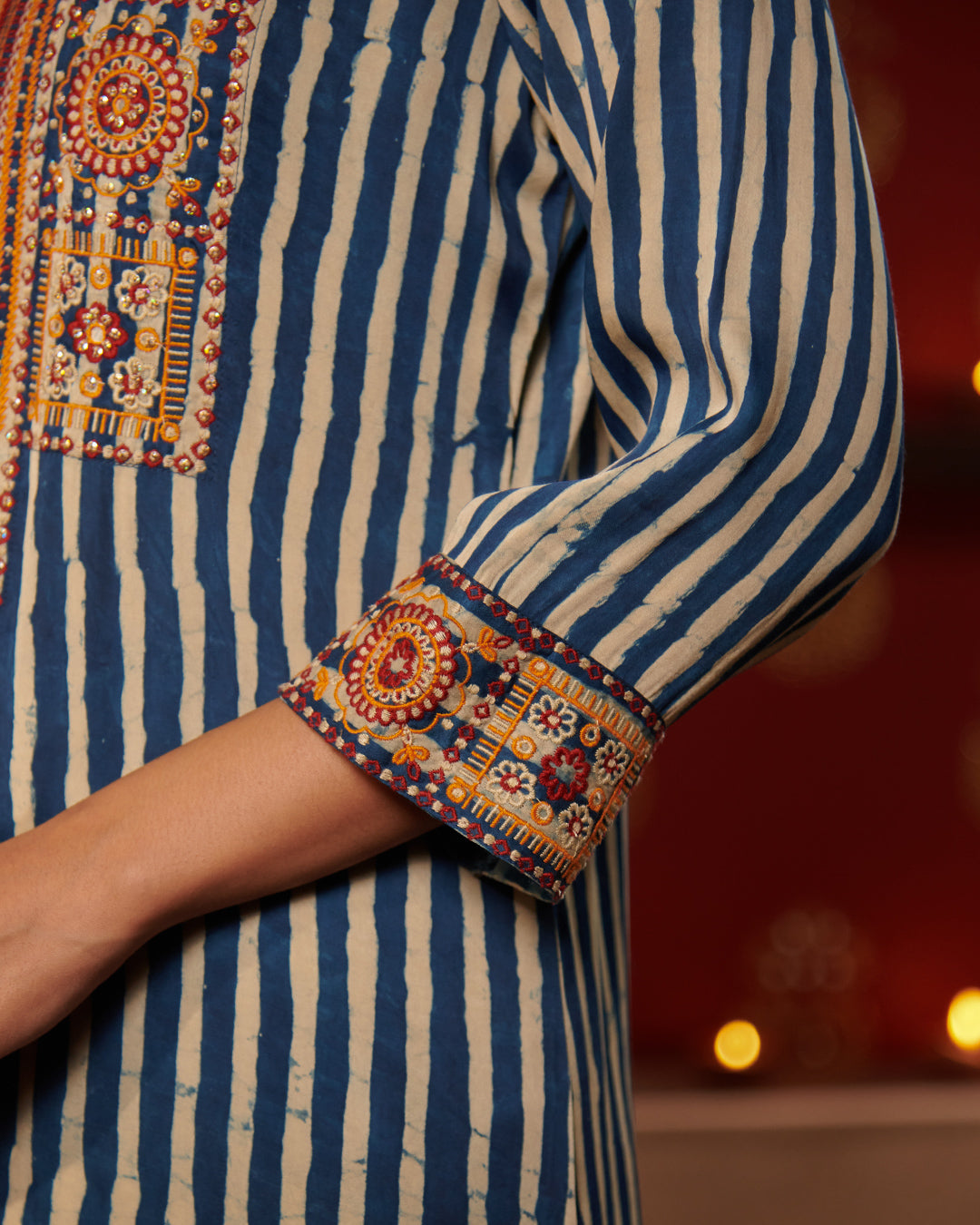
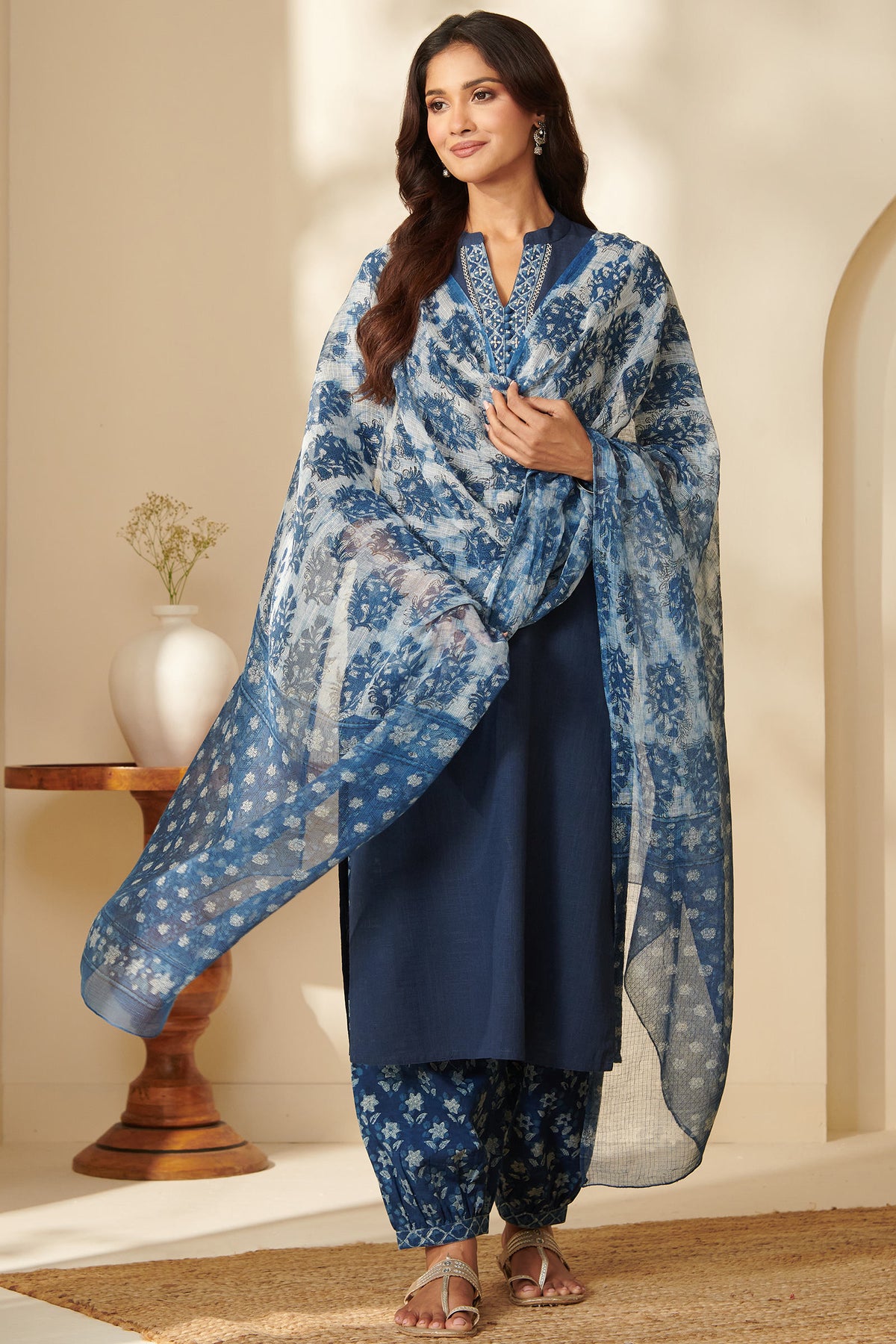
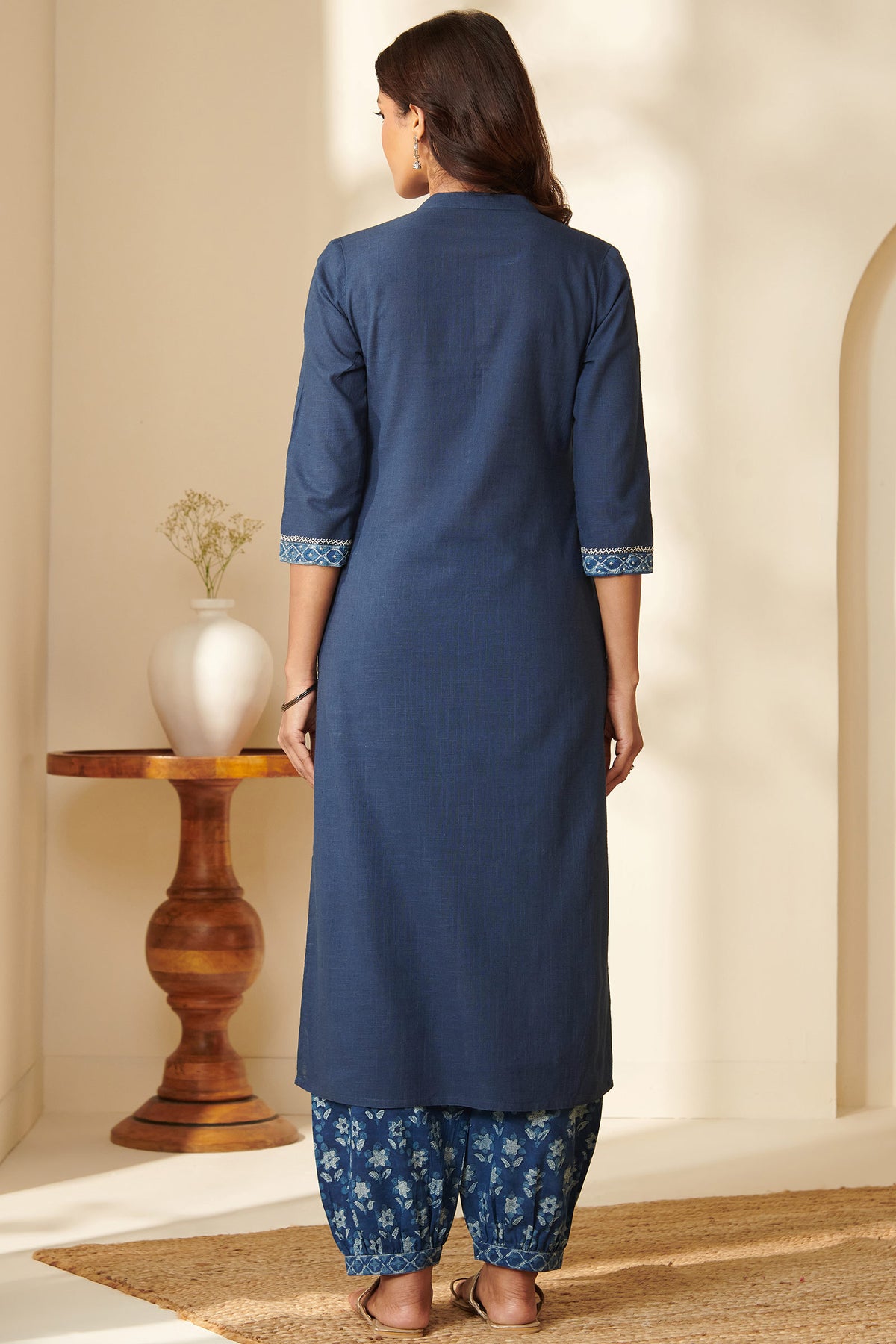
Dabu is from Rajasthan and works by blocking color out rather than putting it in. A paste of clay, lime, and gum gets applied to parts of the fabric before it goes into the dye bath. Those areas stay lighter while everything around them absorbs the color. The whole process uses natural materials, so it ends up being sustainable without any extra effort.
Kalamkari Art
The name means pen work, and that's what it is. Artisans draw straight onto fabric using a pen made from bamboo or palm. The Srikalahasti tradition from Andhra Pradesh is done completely freehand. Machilipatnam uses blocks but sticks to the same natural dye approach. Both take years to learn properly and produce fabric that has a quality you won't find anywhere machine-made.
Natural Dye Printing Techniques
Indigo, madder, turmeric, pomegranate rind, iron. These are the dyes that Indian printers have worked with for generations. Each one behaves differently depending on the fabric and how it's been prepared. Getting consistent results takes real experience. But the colors that come from natural dyes have a warmth to them that synthetic dyes struggle to replicate.
The Role of Indian Artisans in Sustainable Textile Craft

Preserving Traditional Printing Techniques
These crafts are still alive because specific people never stopped doing them. Block carvers, dye makers, fabric preparers, and printers working across Rajasthan, Gujarat, Andhra Pradesh, and Madhya Pradesh are the reason any of this still exists outside of a museum. Whether they keep working is simple: it depends on whether what they make finds buyers.
Handmade Craftsmanship and Small-Batch Production
There's only so much a single artisan or small workshop can produce. That limitation turns out to be one of the more sustainable things about handmade textiles. Less gets wasted. Fewer resources get used. Each piece gets proper attention. The kind of overproduction that drives so much of fast fashion's environmental damage just isn't possible when the work is being done by hand.
Supporting Rural Artisan Communities
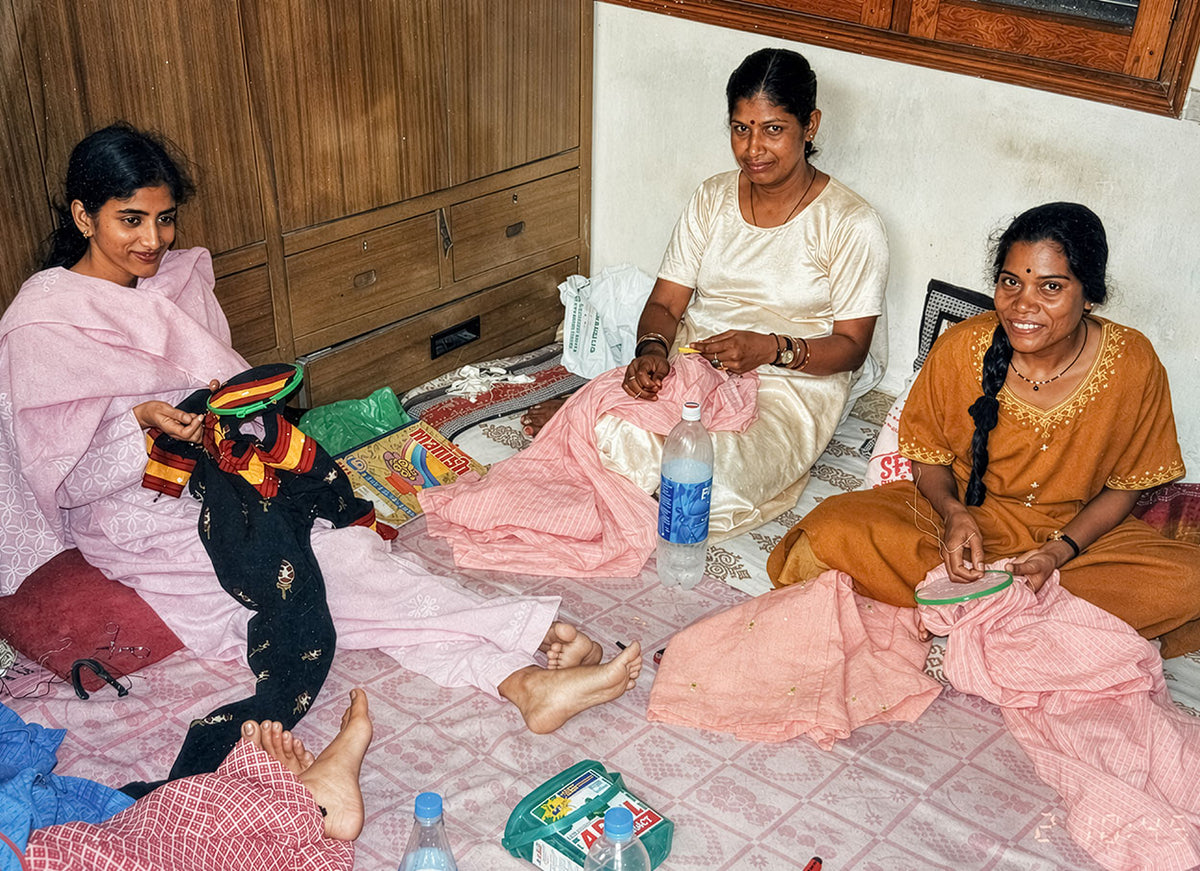
Most of India's printing communities are in rural areas where other work options are limited. Craft income doesn't just support the printer. It supports the block carver, the dye supplier, the weaver, and the families connected to all of them. When handmade textiles sell consistently, that money moves through the community in ways that matter. When sales fall off, the pressure on people to find other work becomes very real, and the craft loses people it won't easily get back.
How to Identify Genuine Hand-Printed Fabrics
Slight Variations and Handmade Imperfections
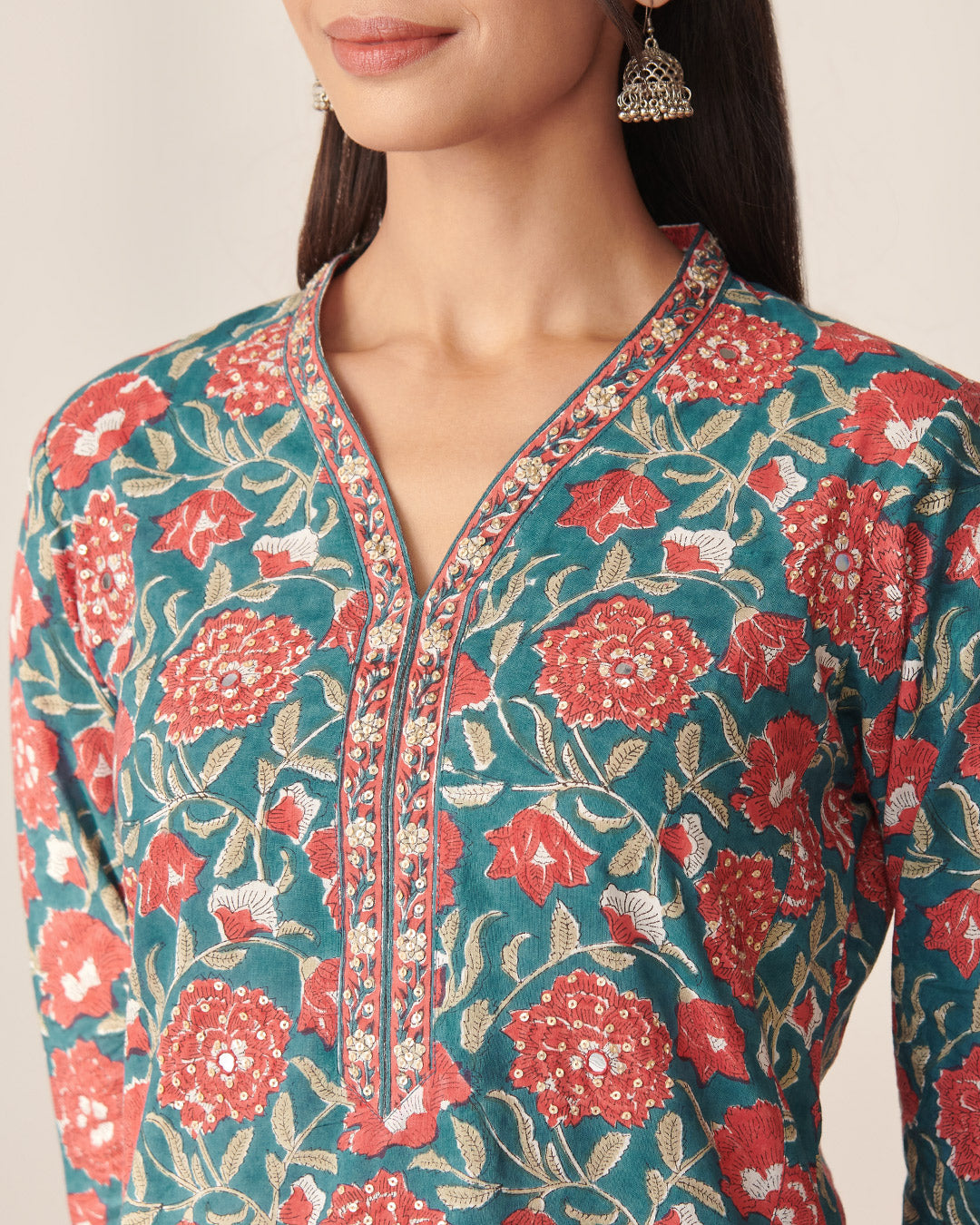
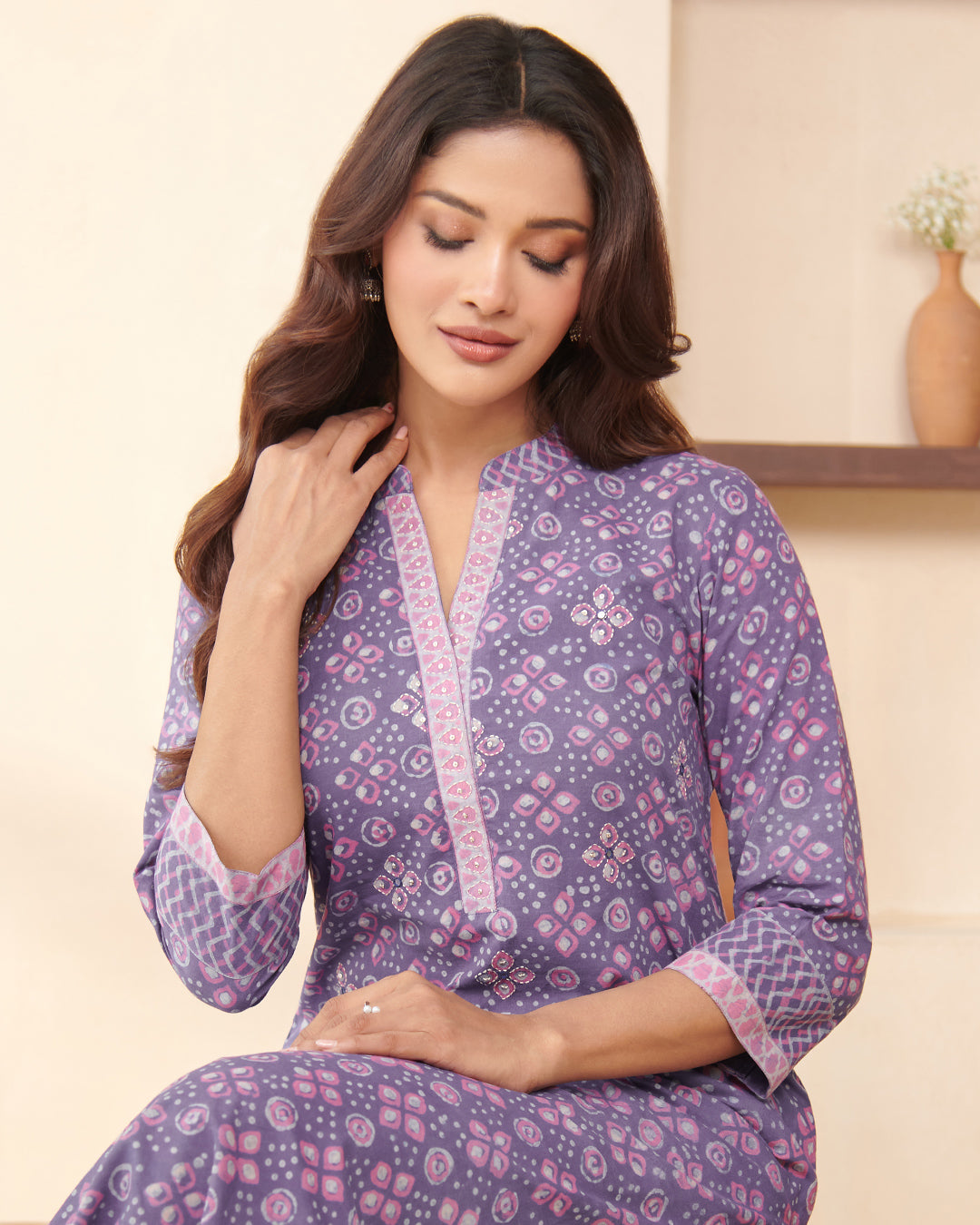
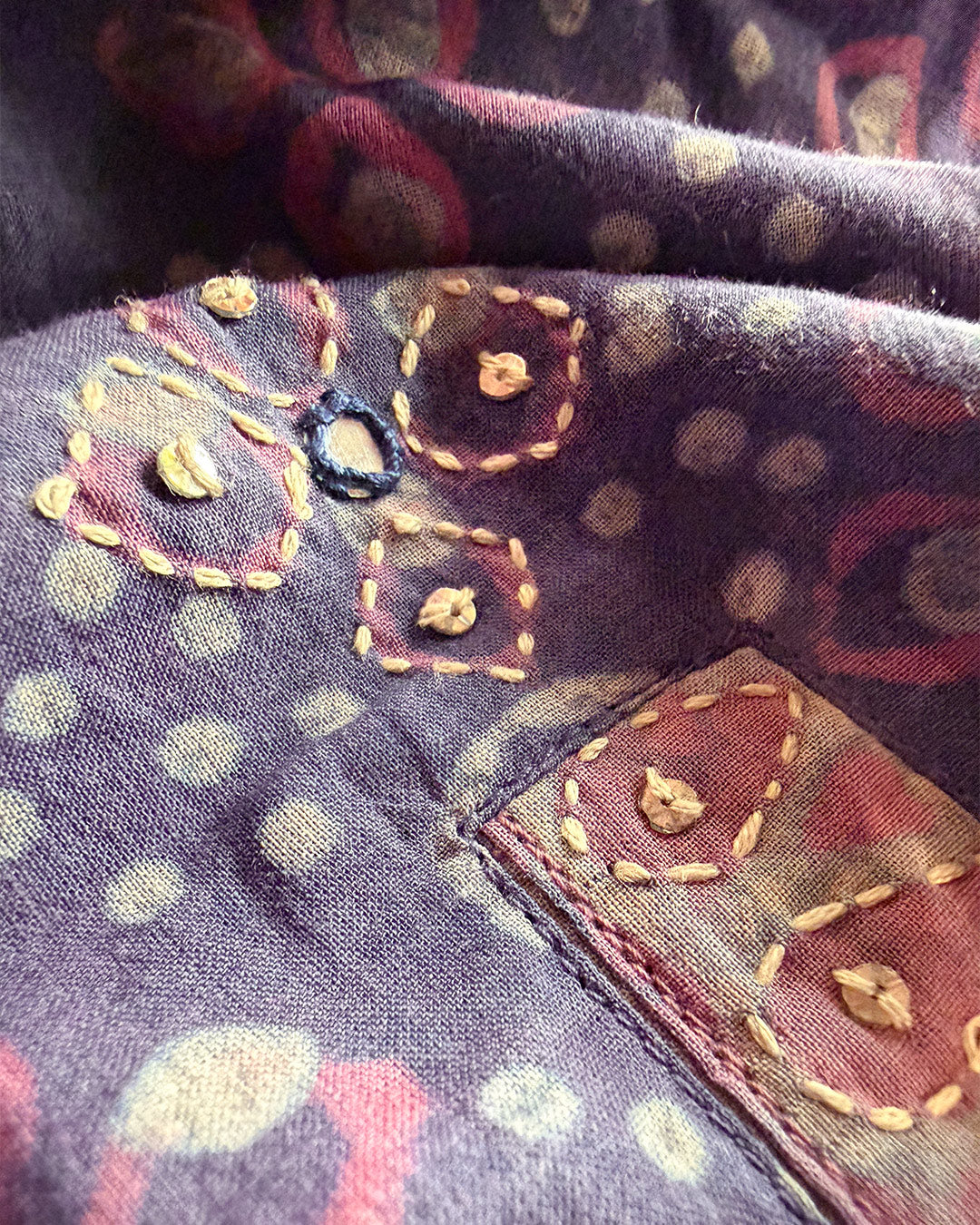
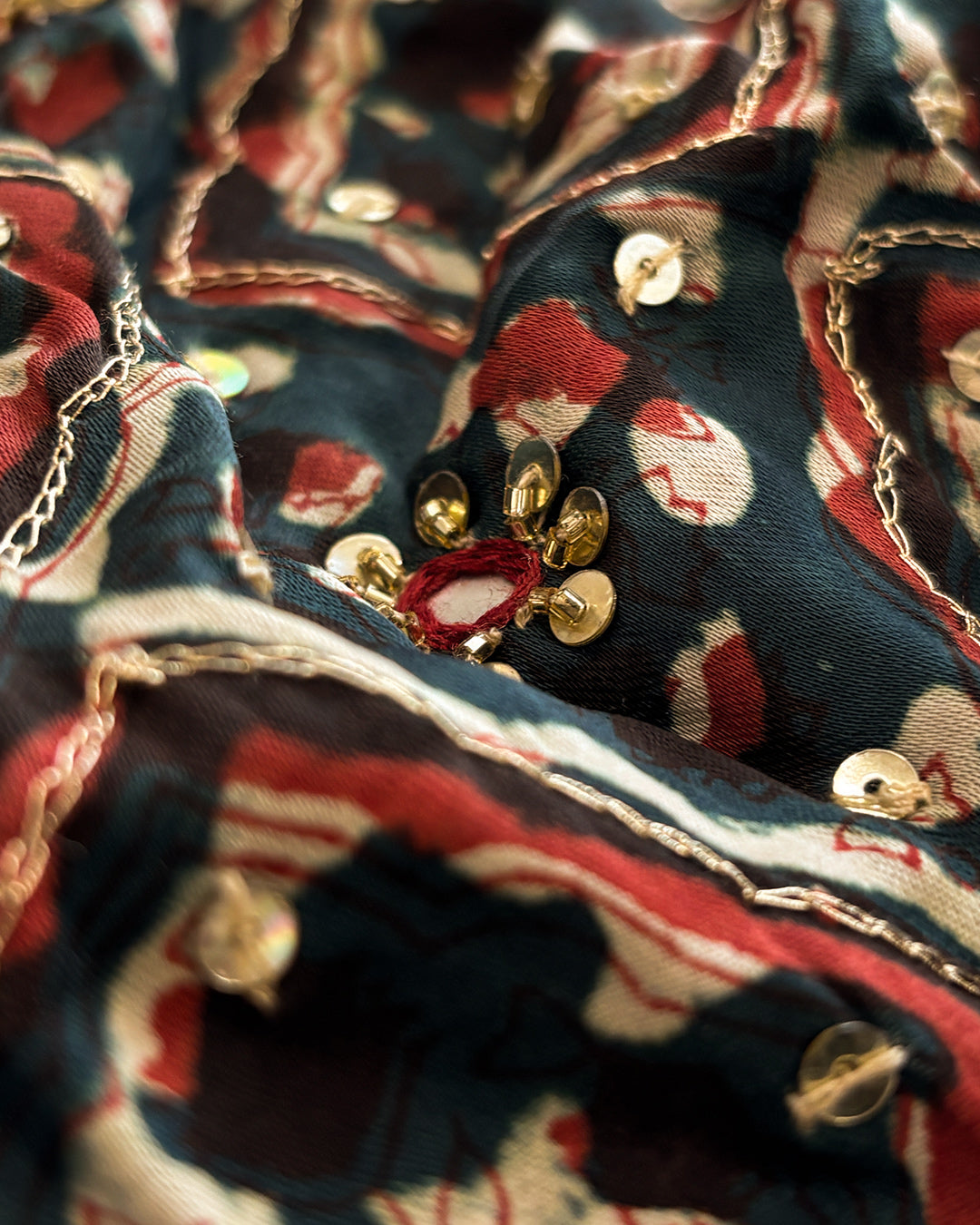
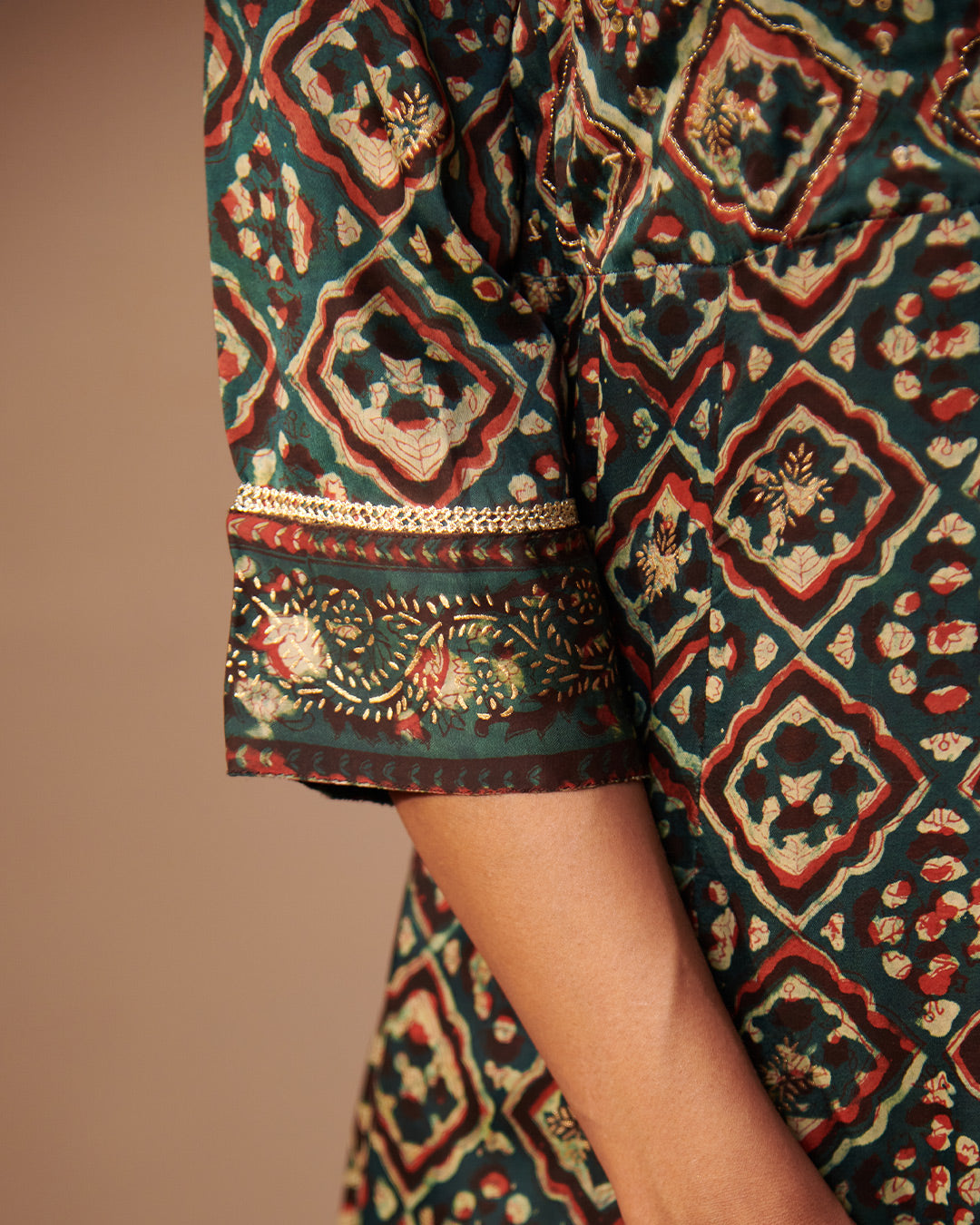
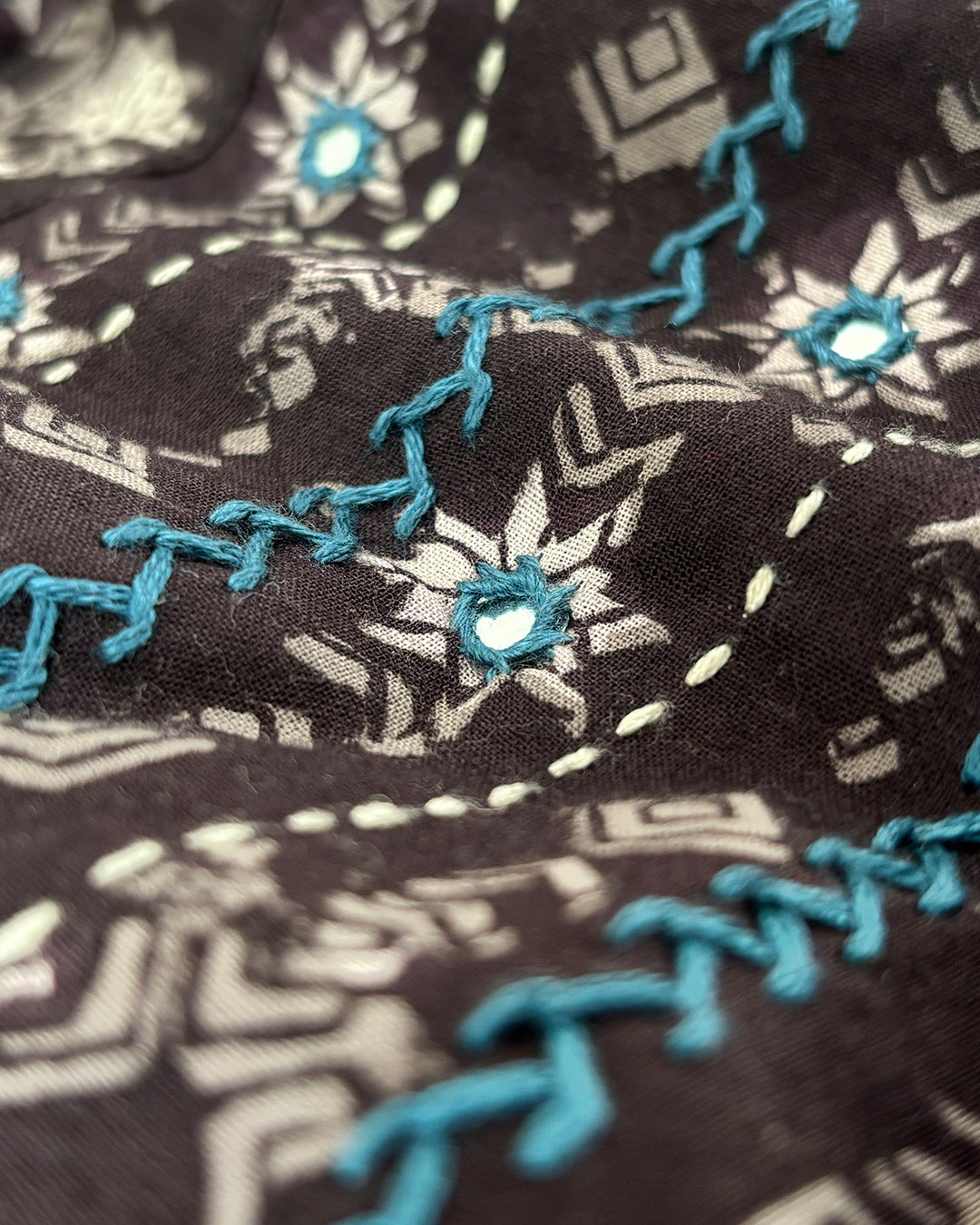
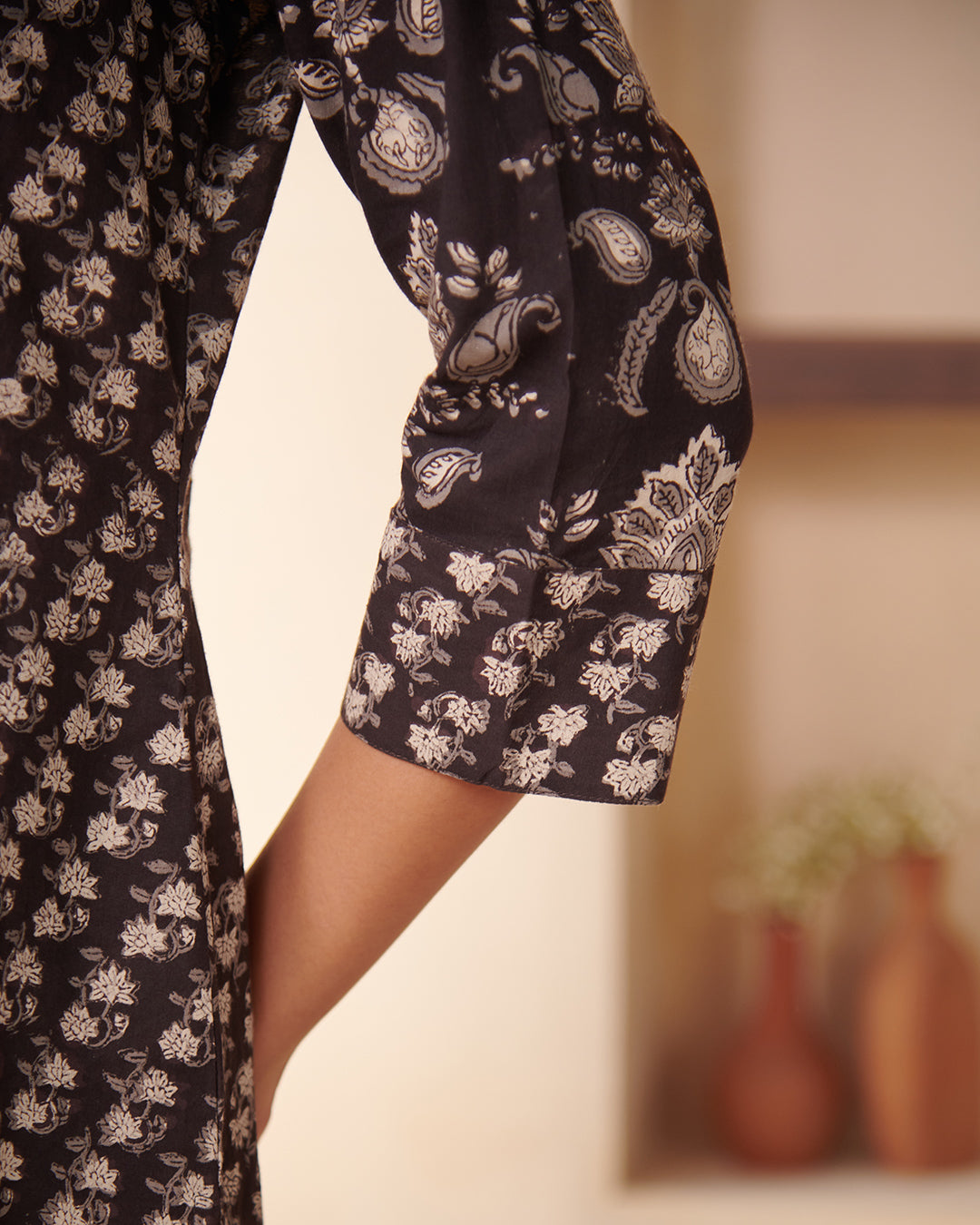
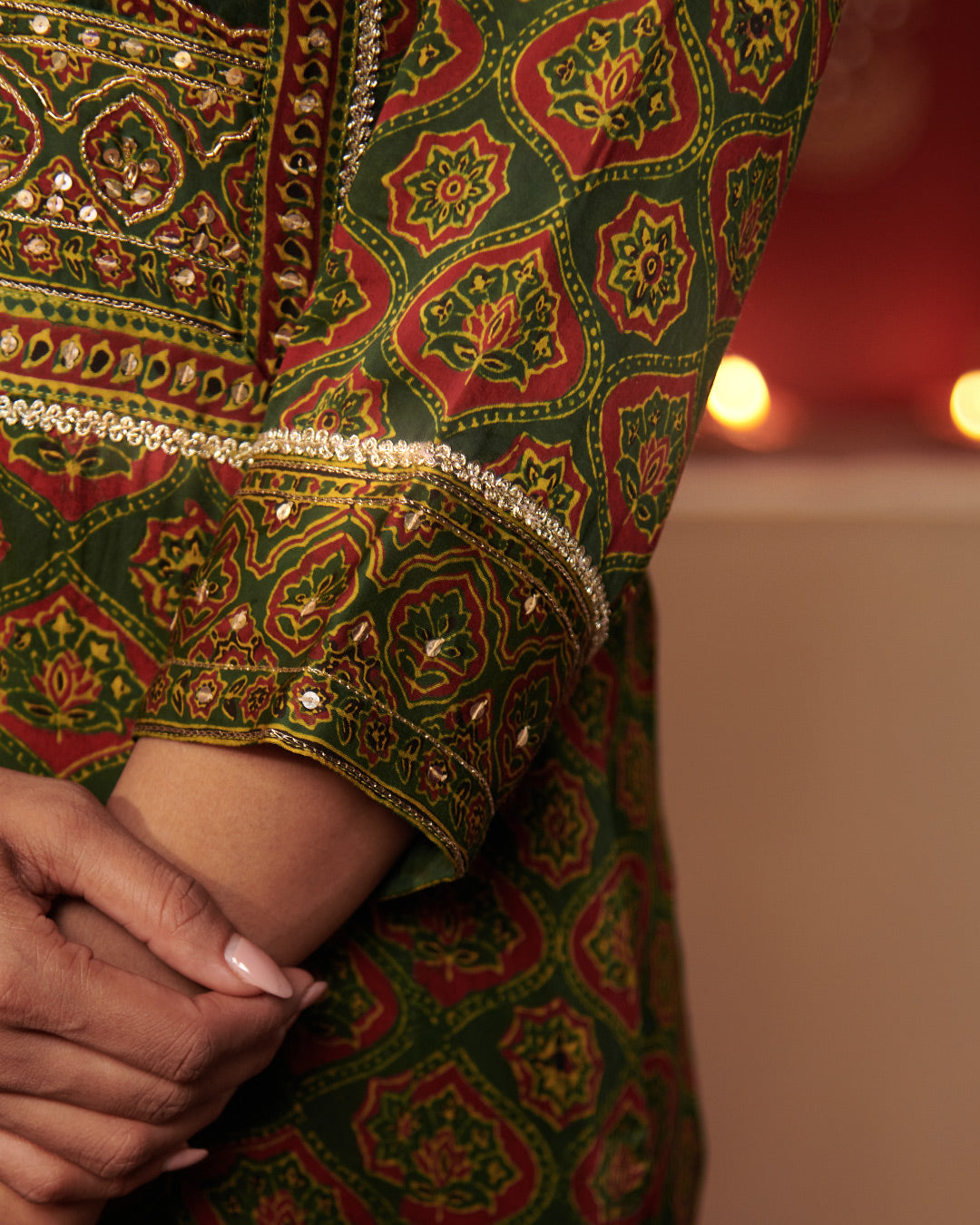
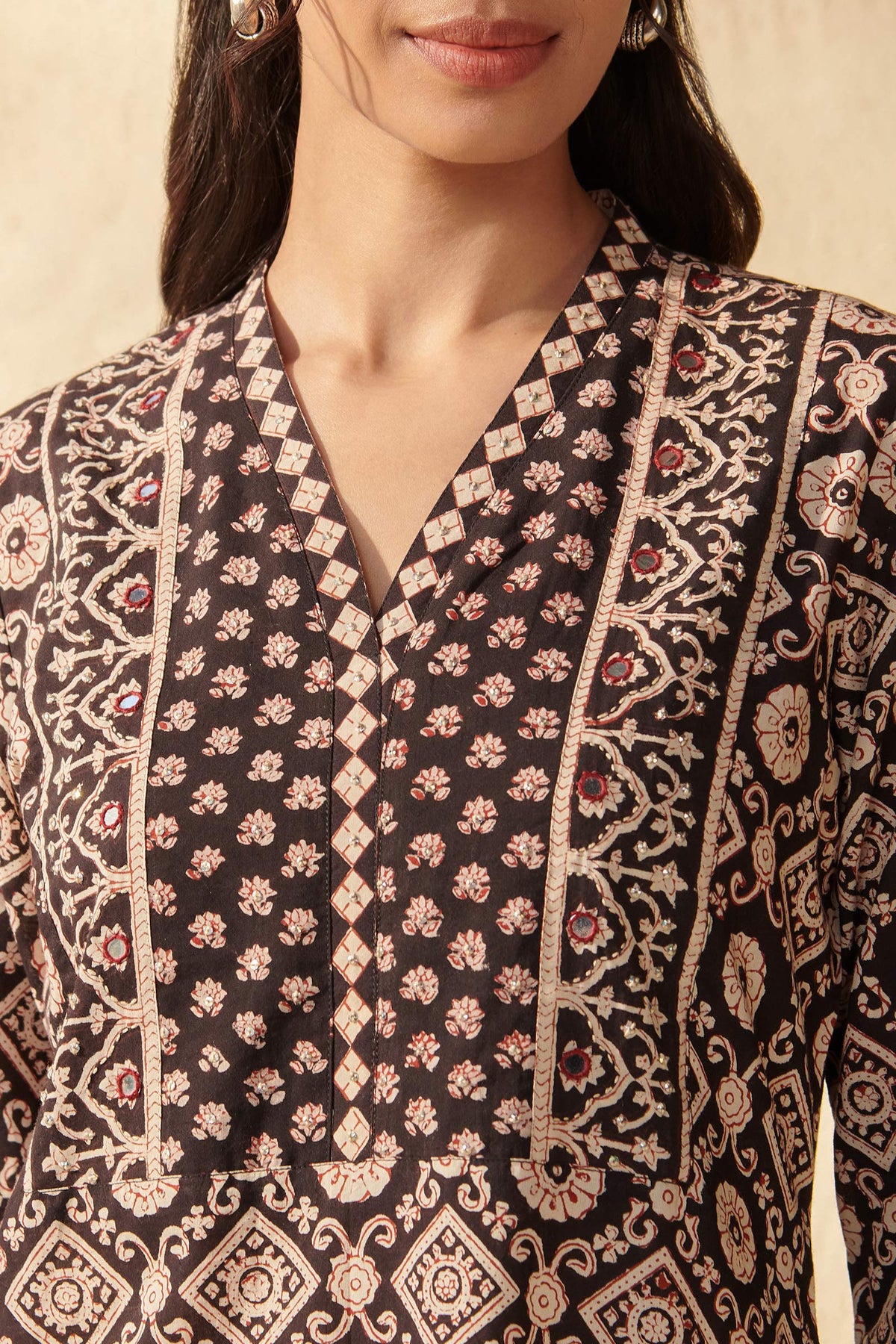
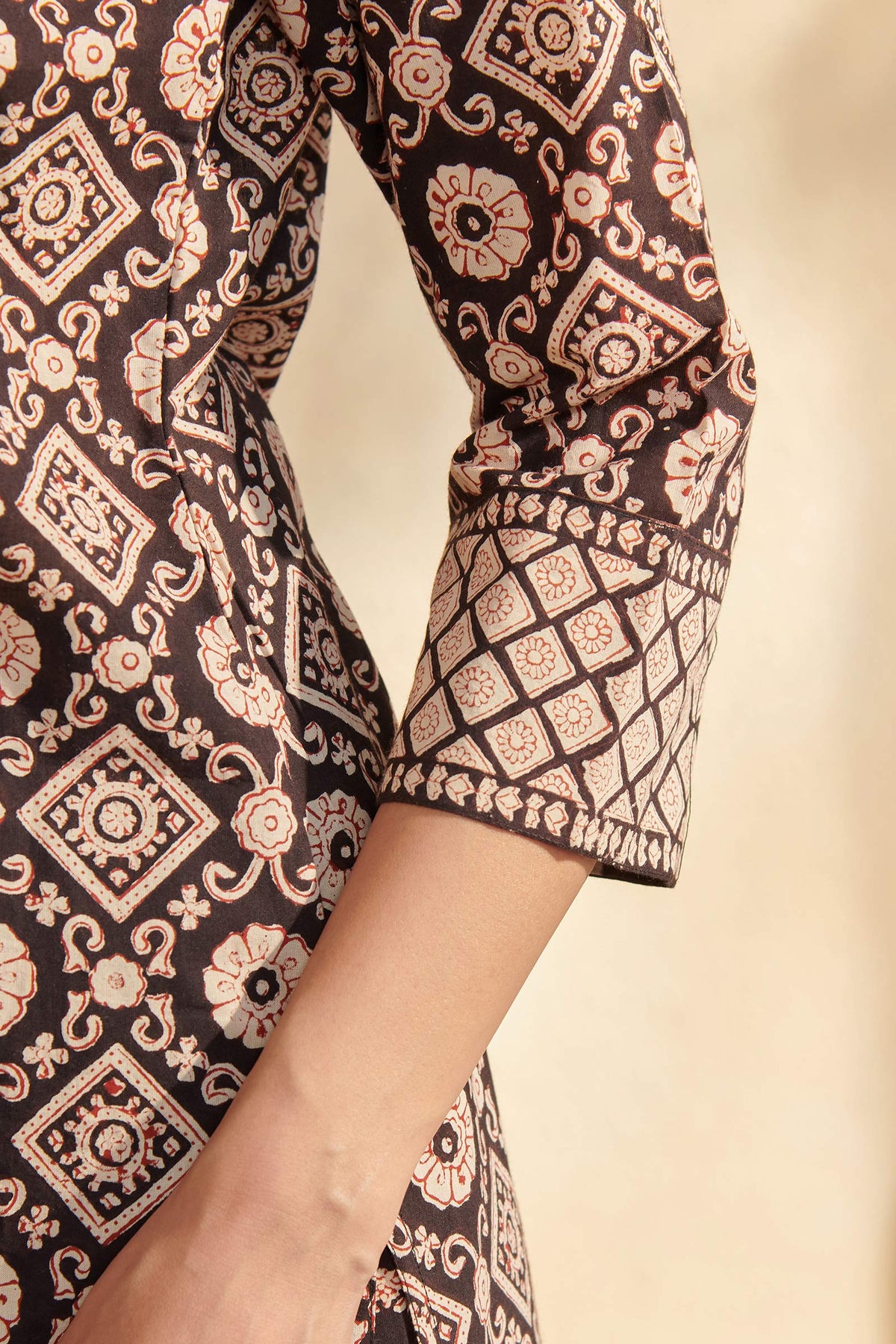
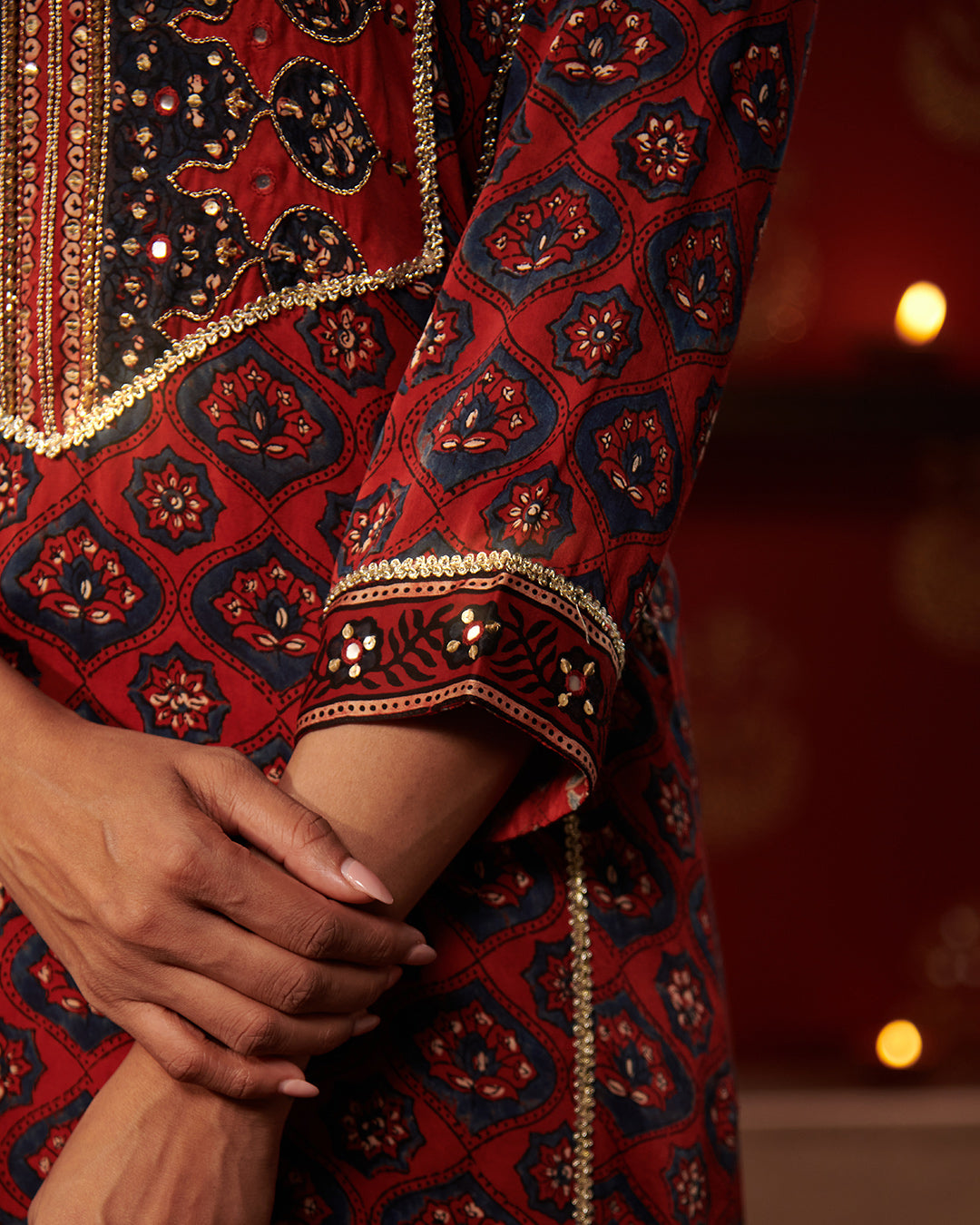
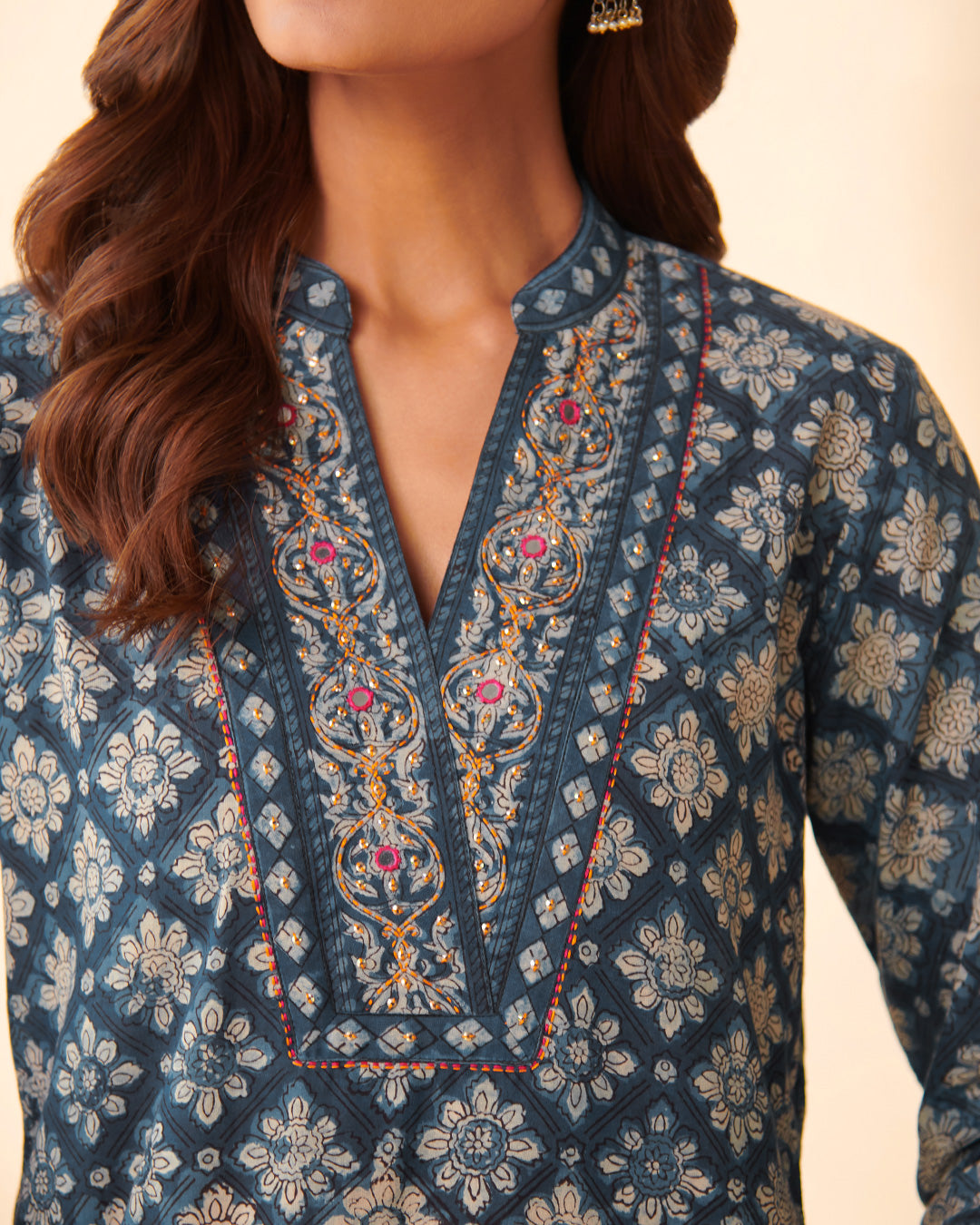
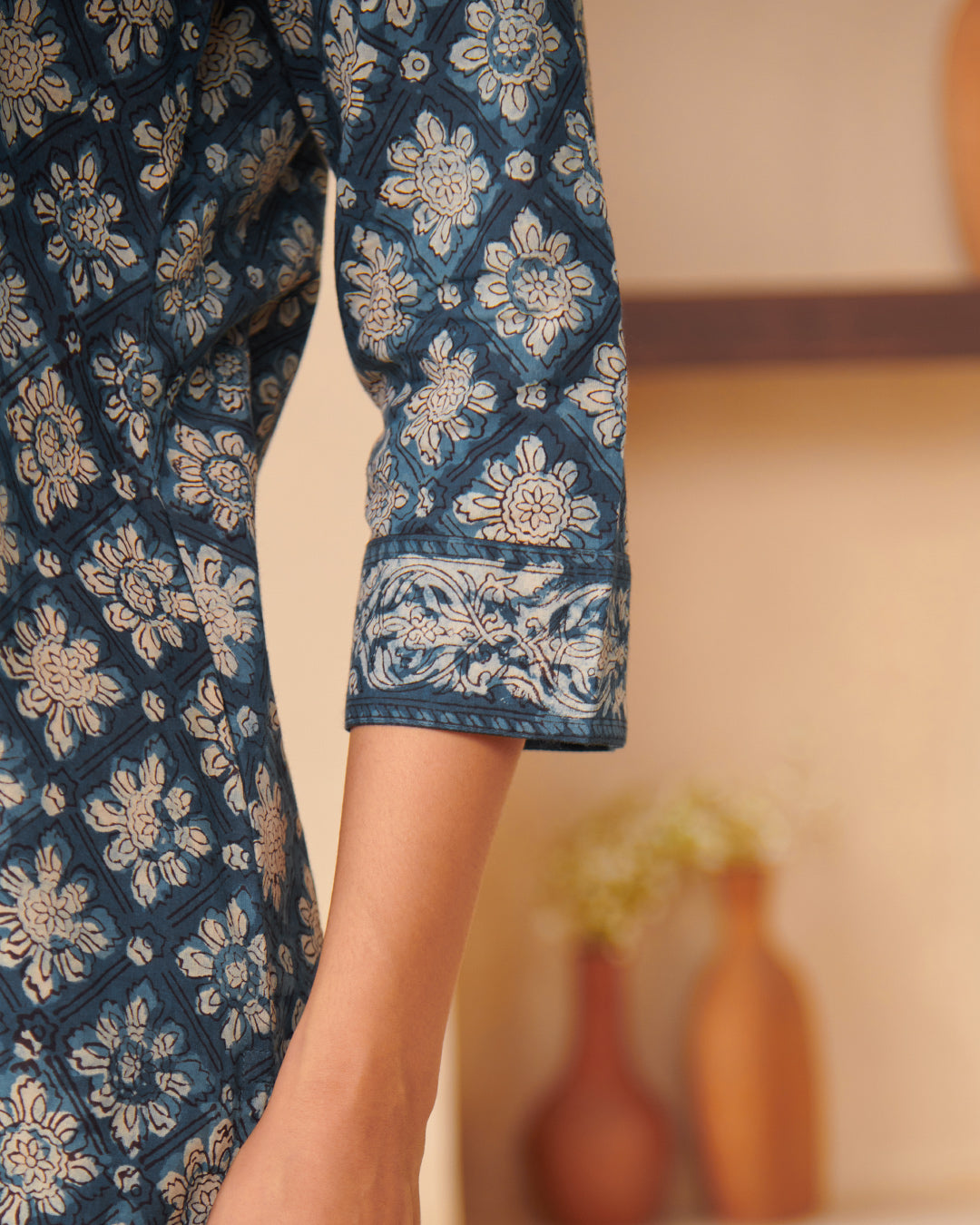
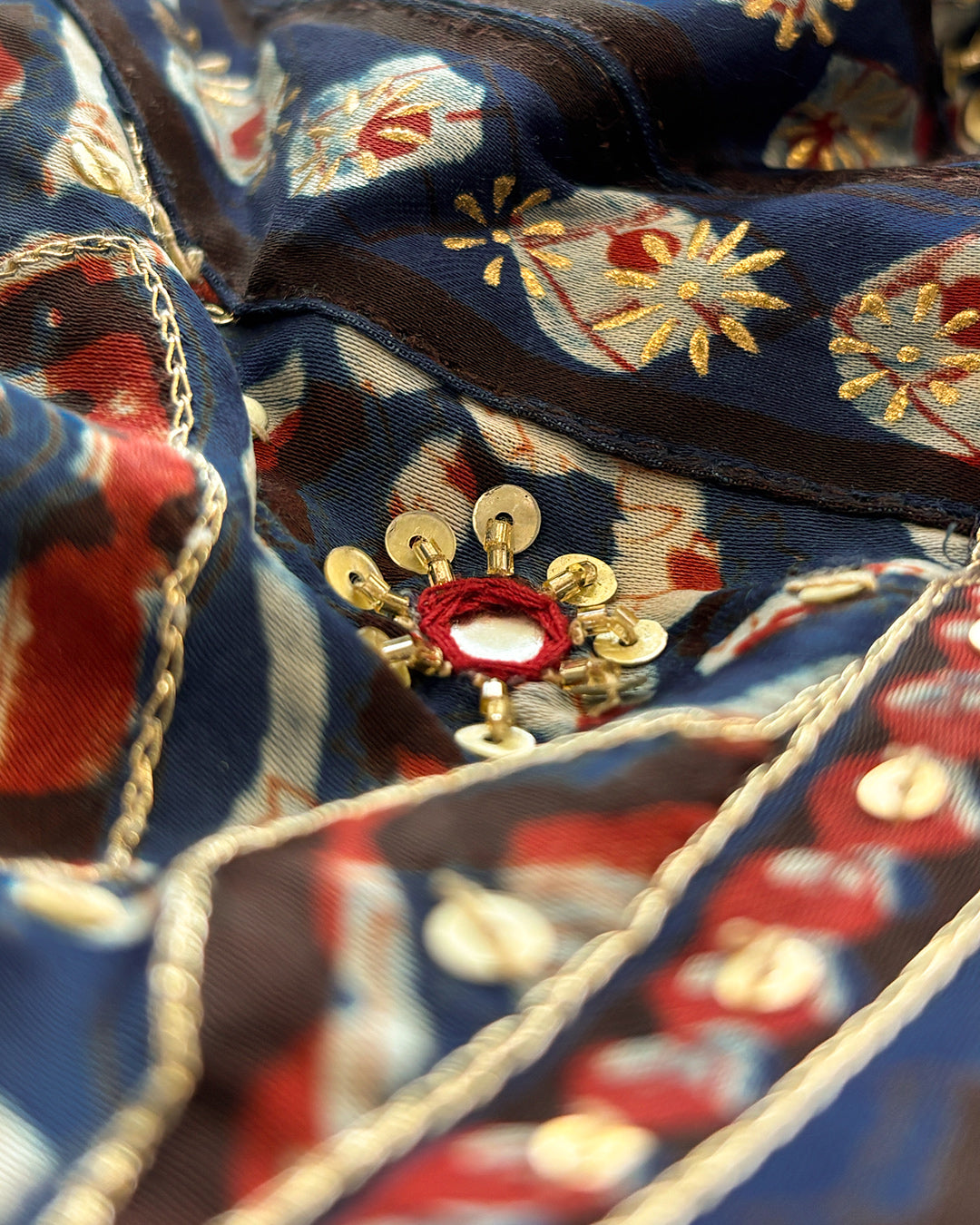
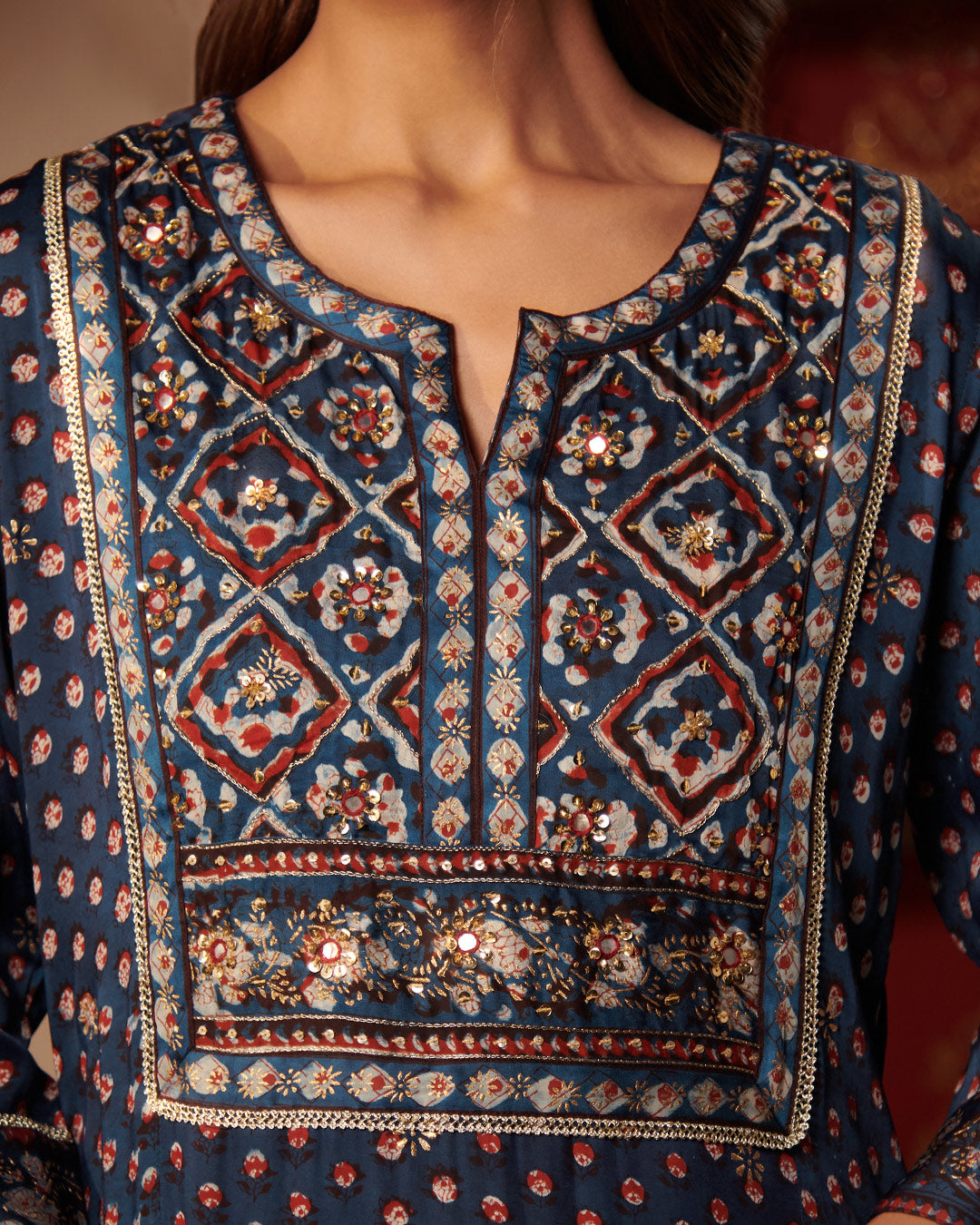
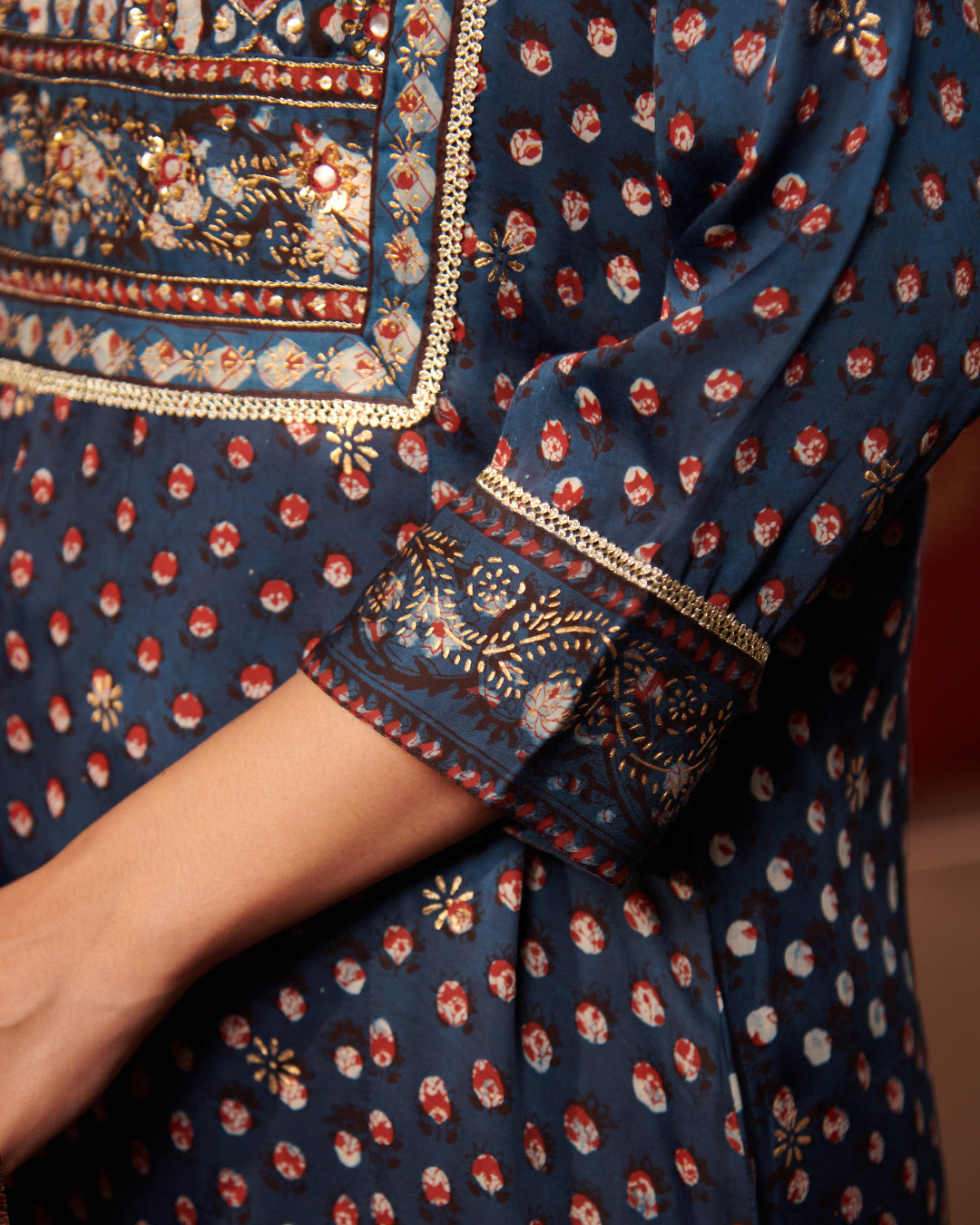
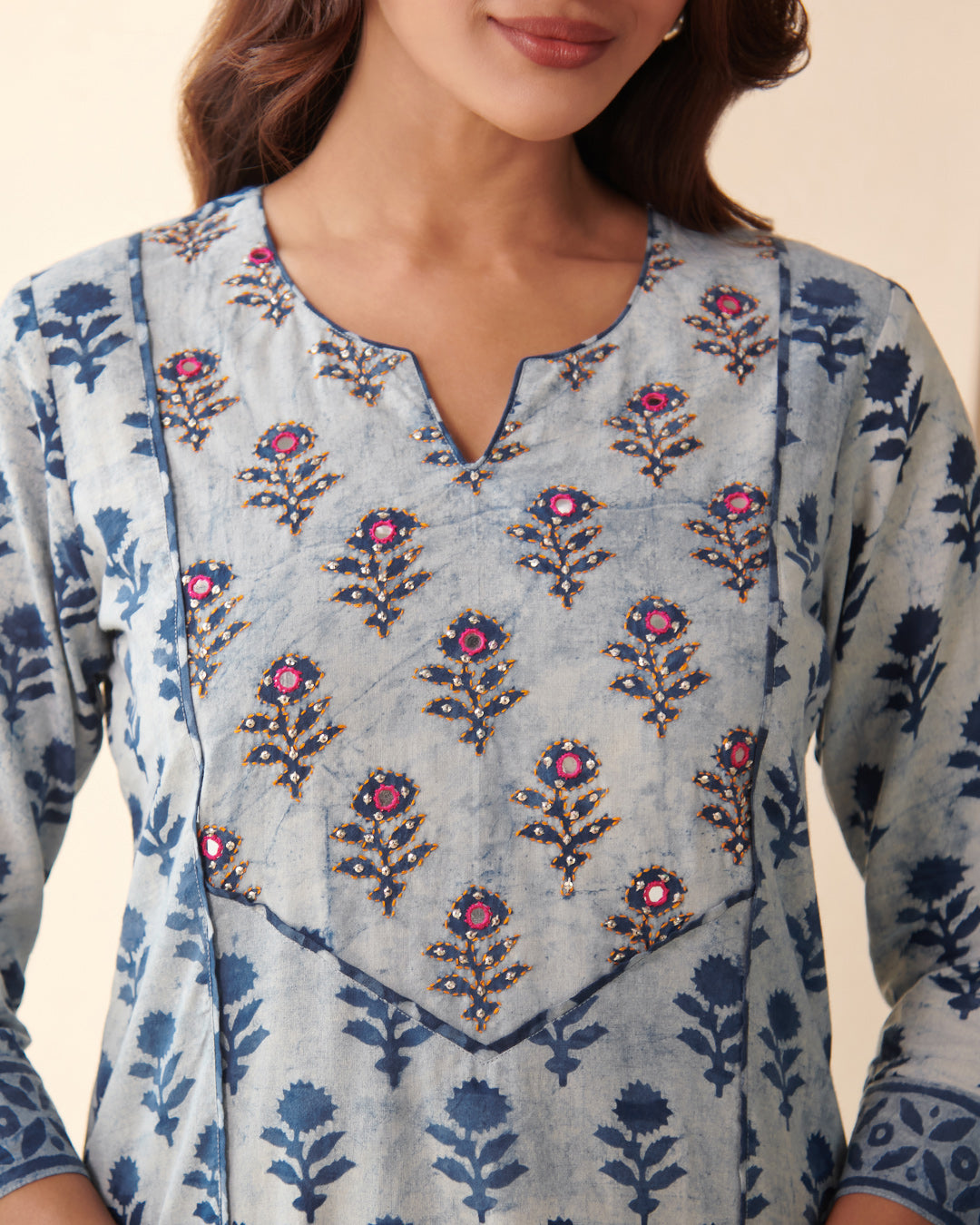
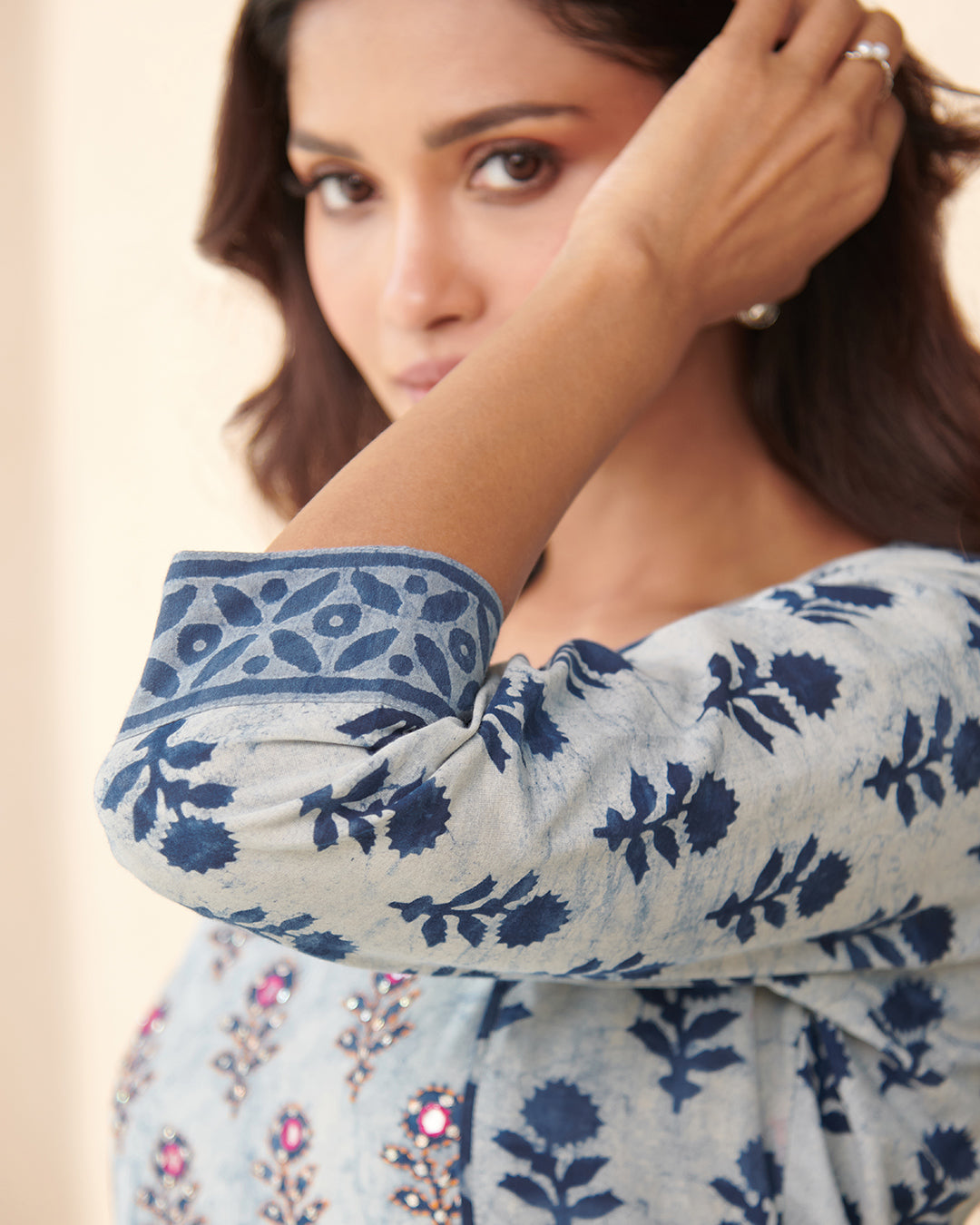
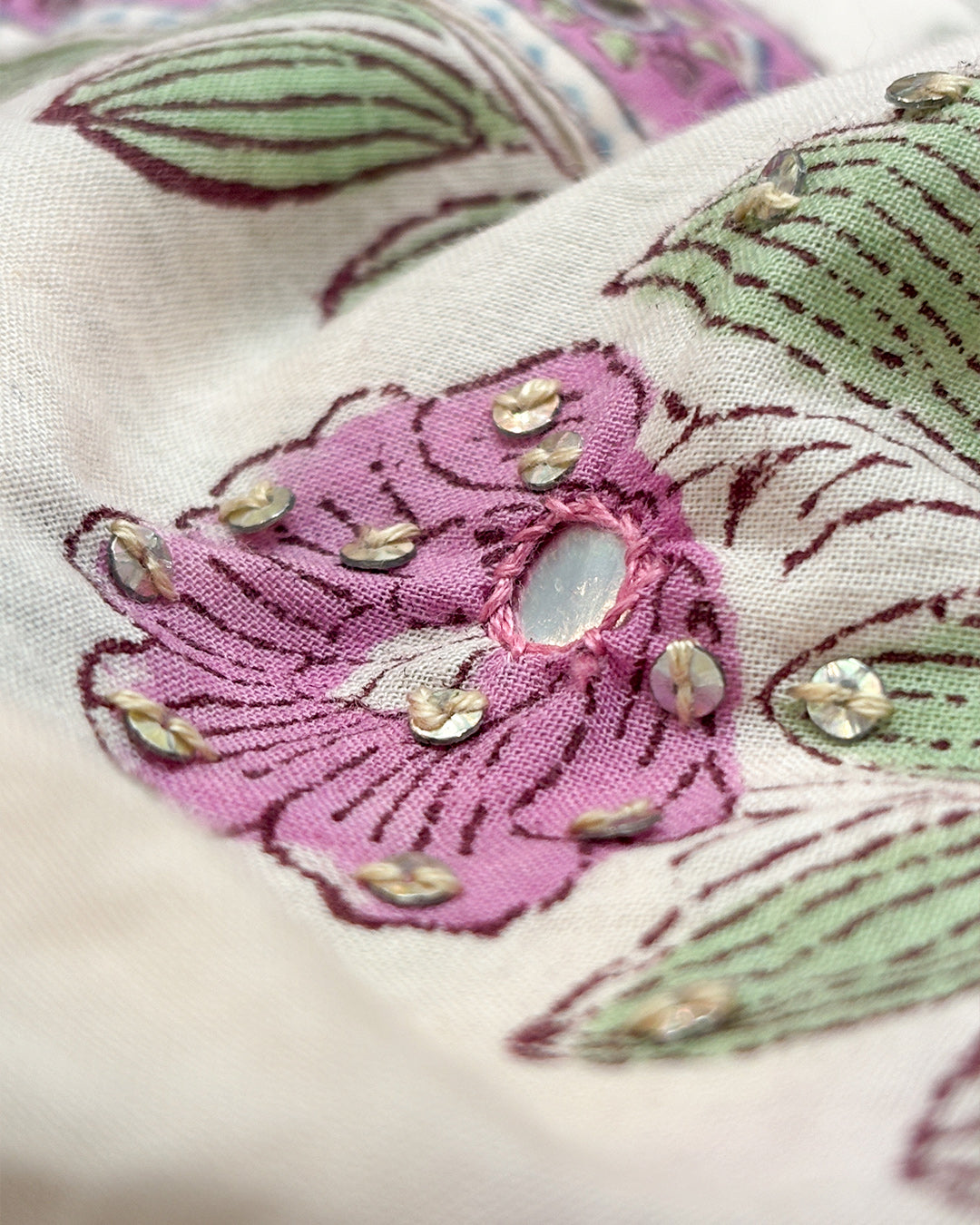
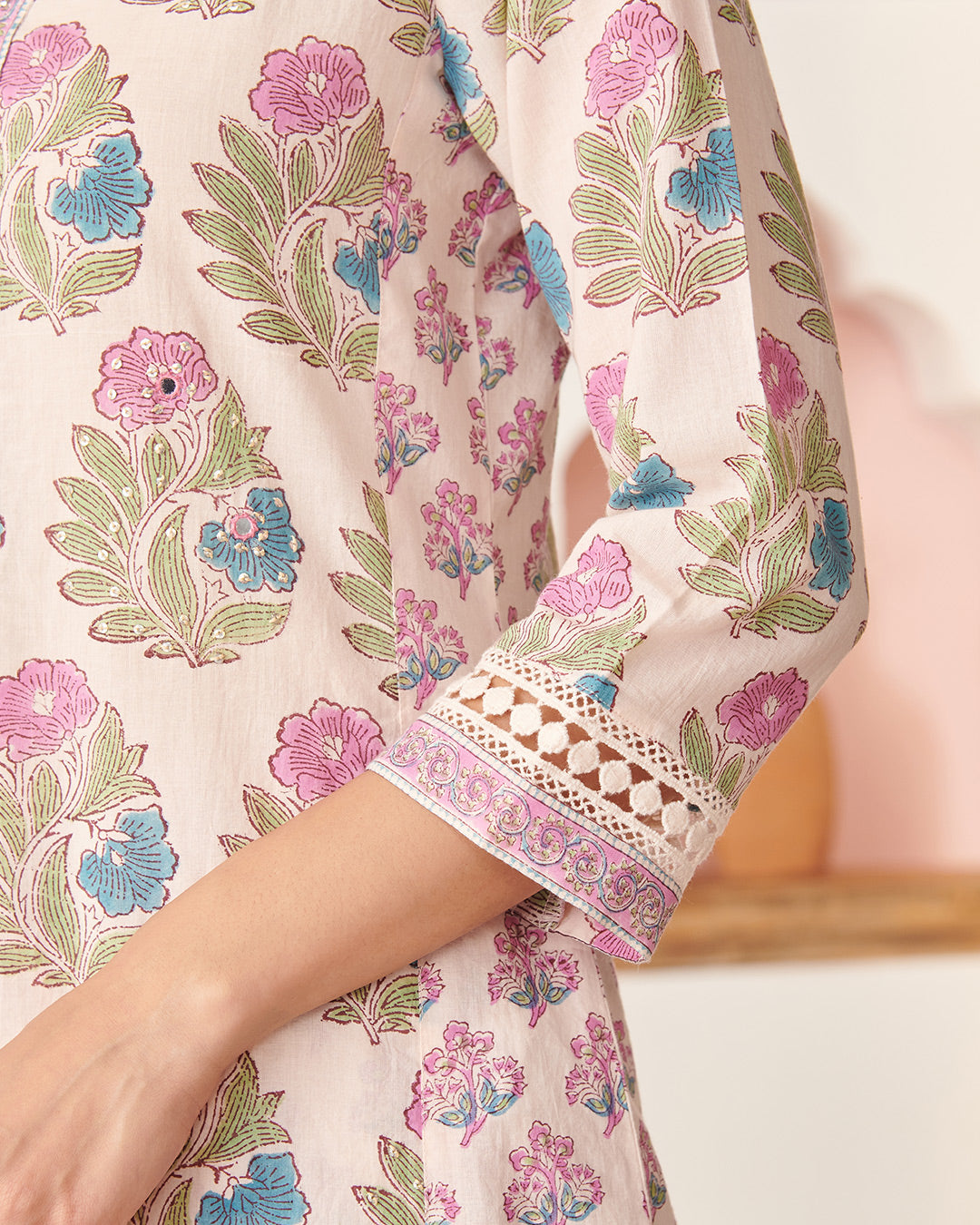
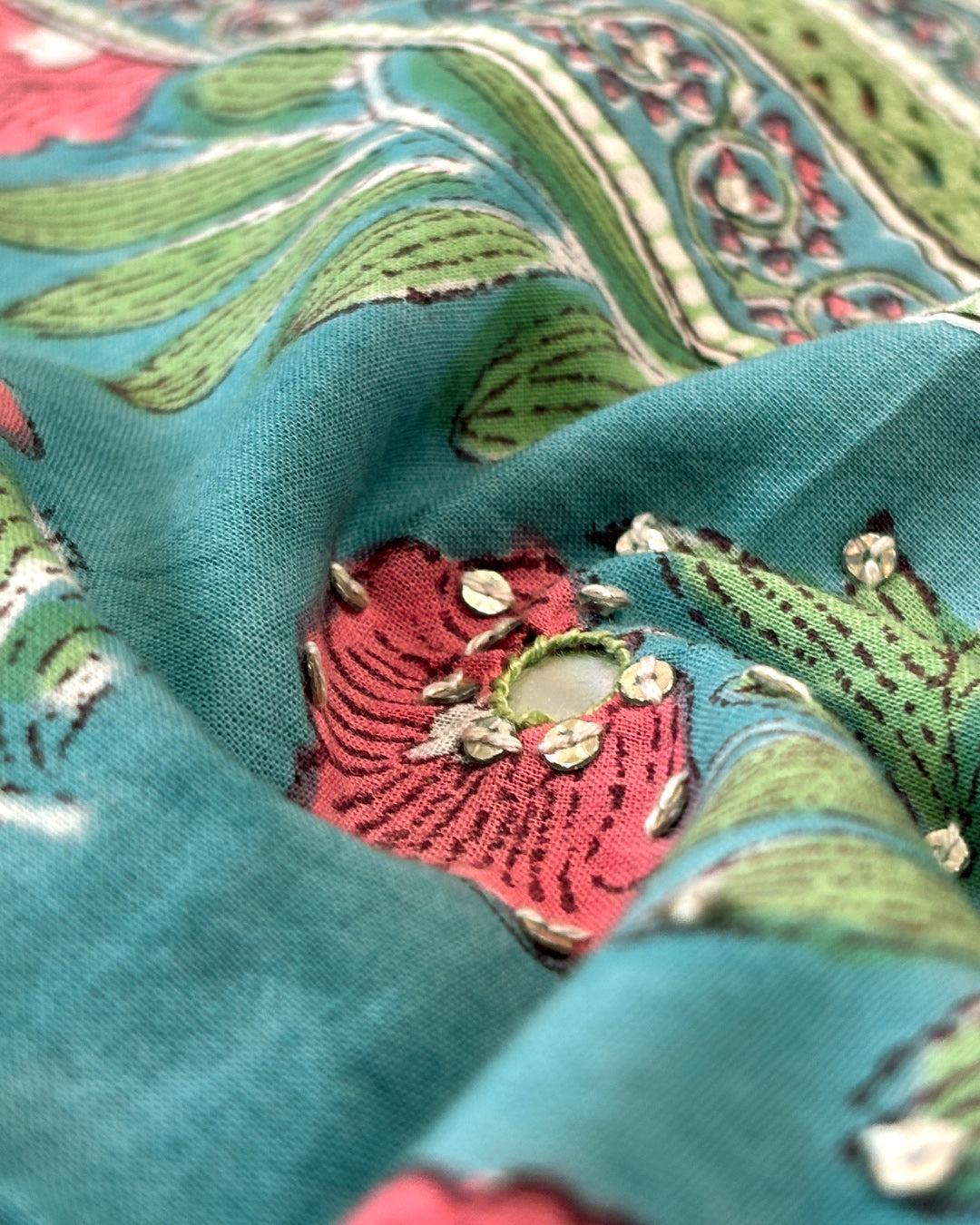
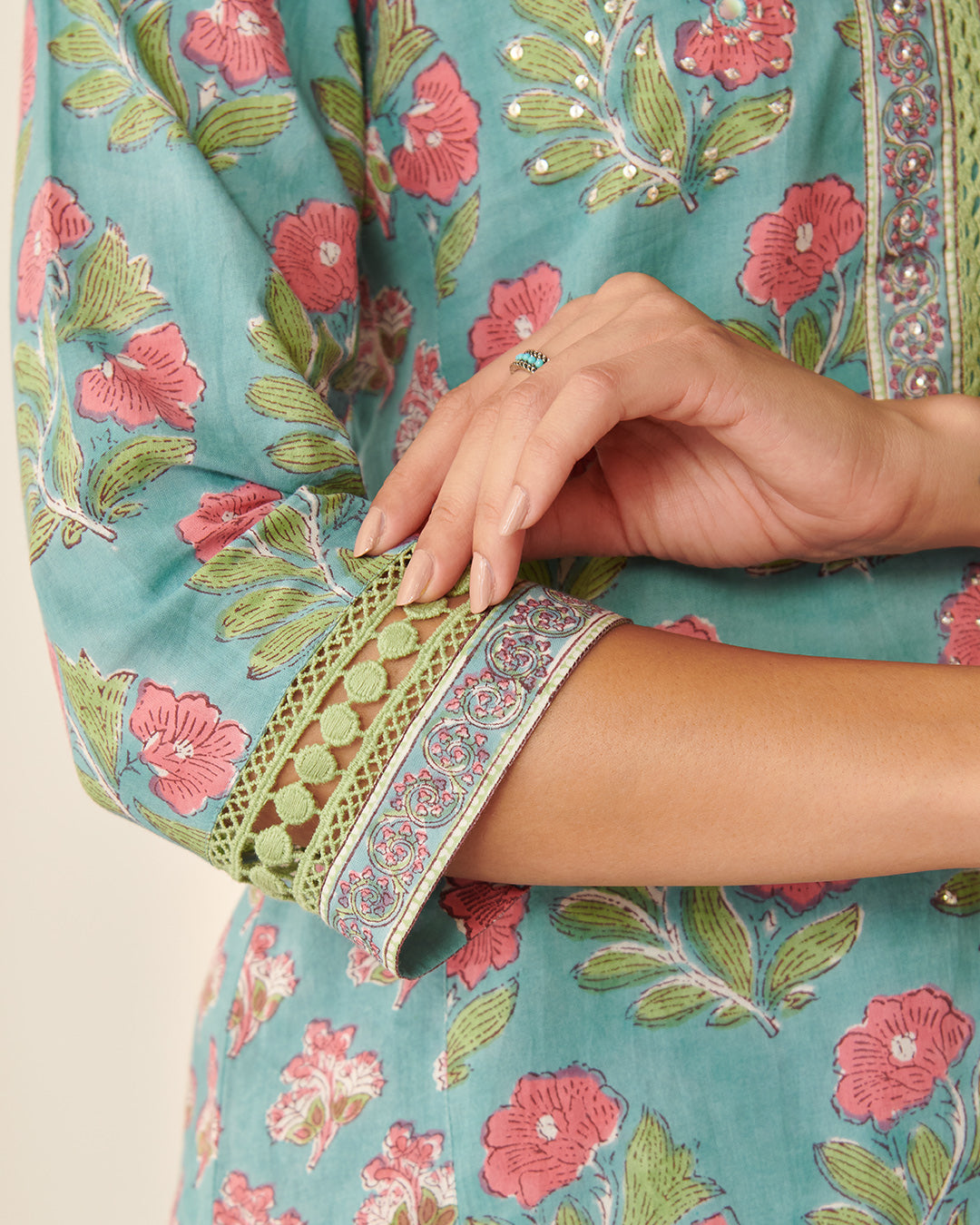
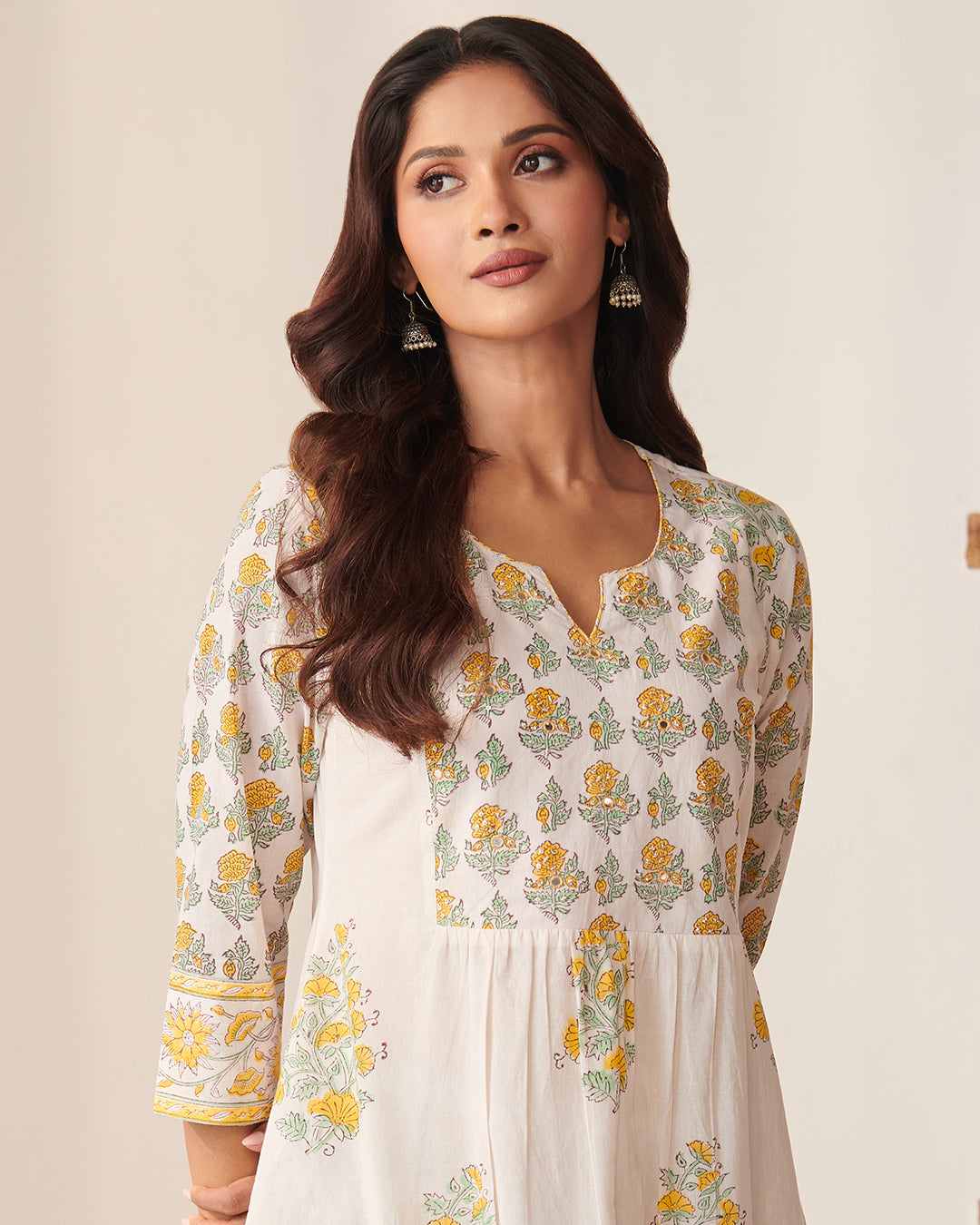
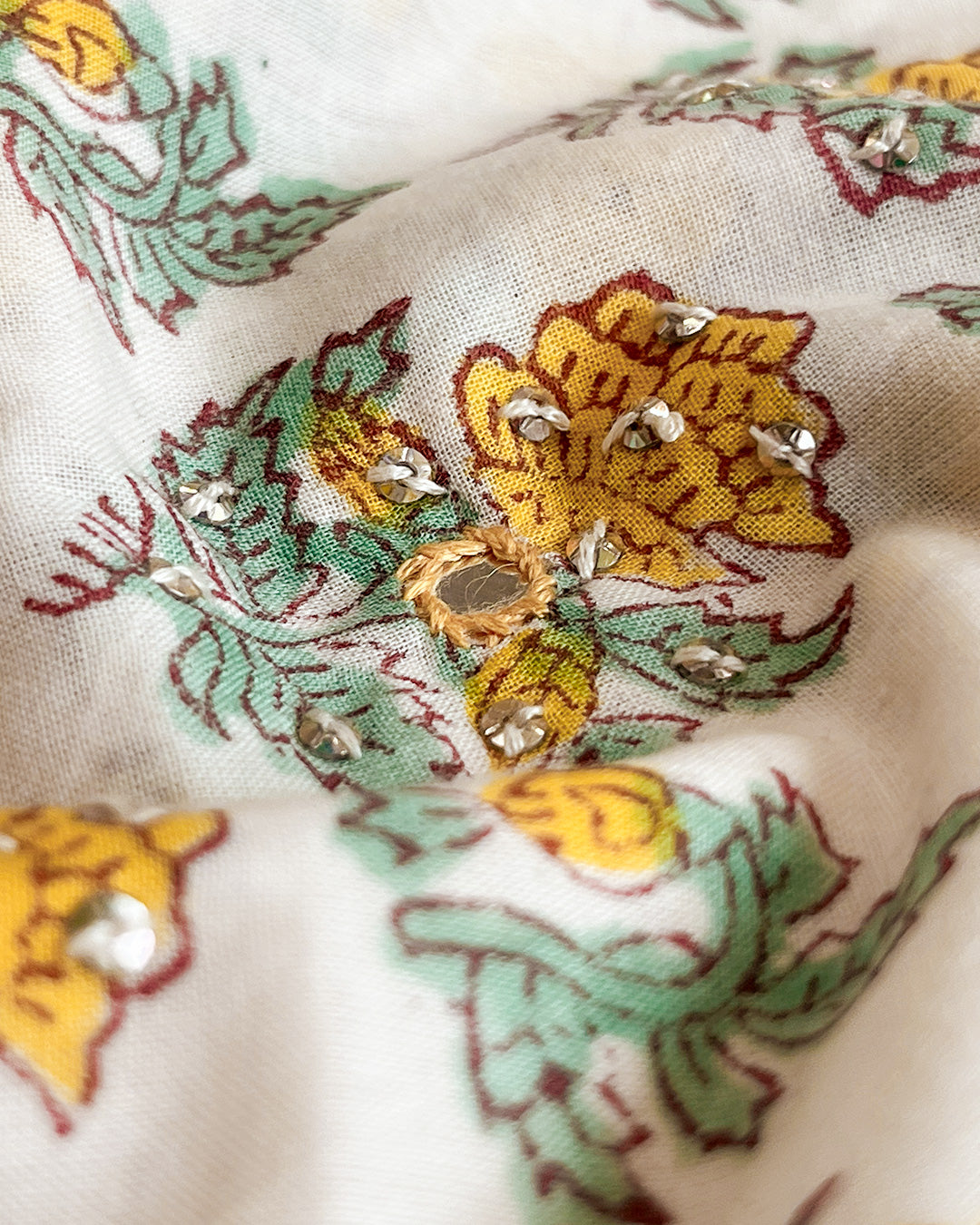
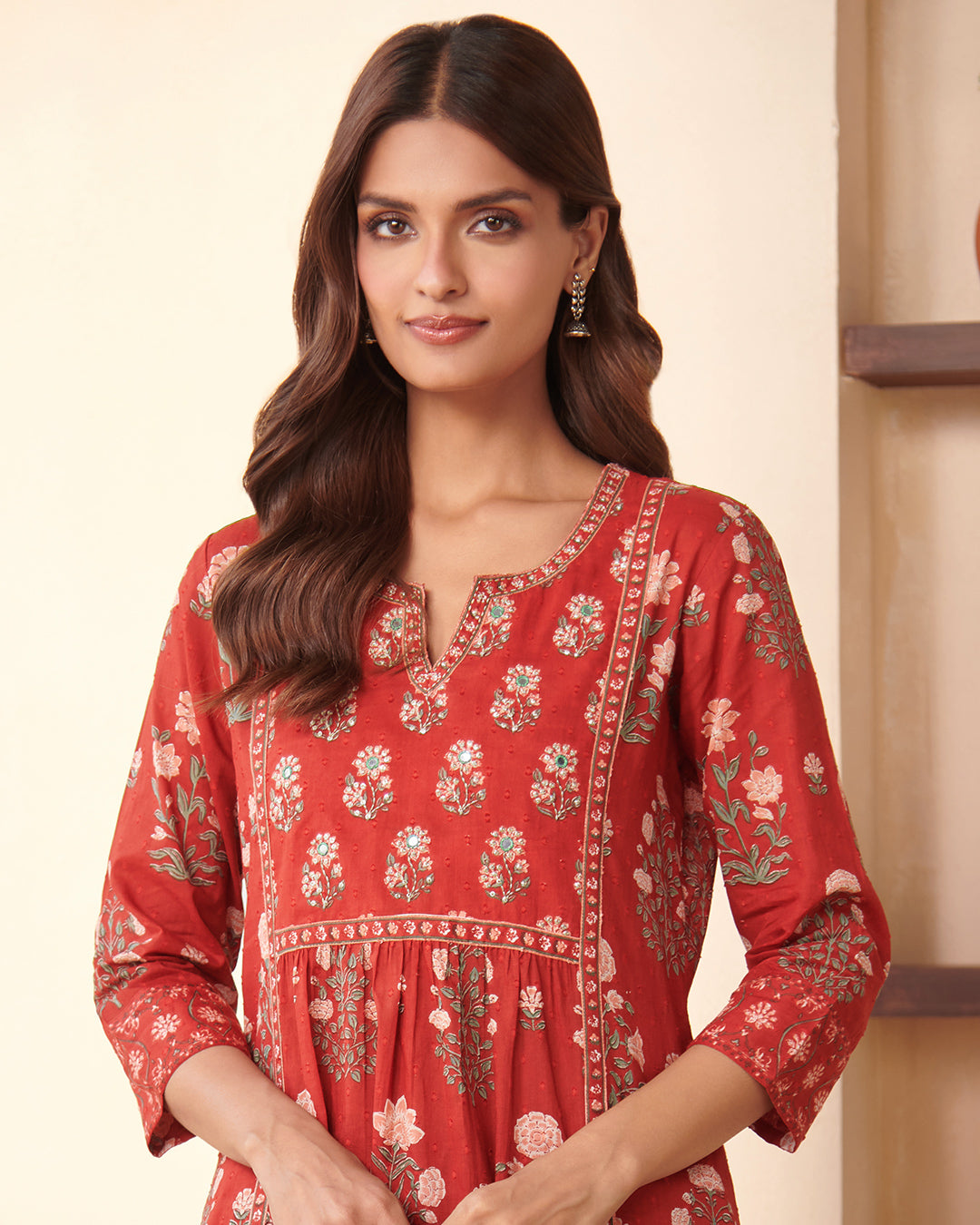
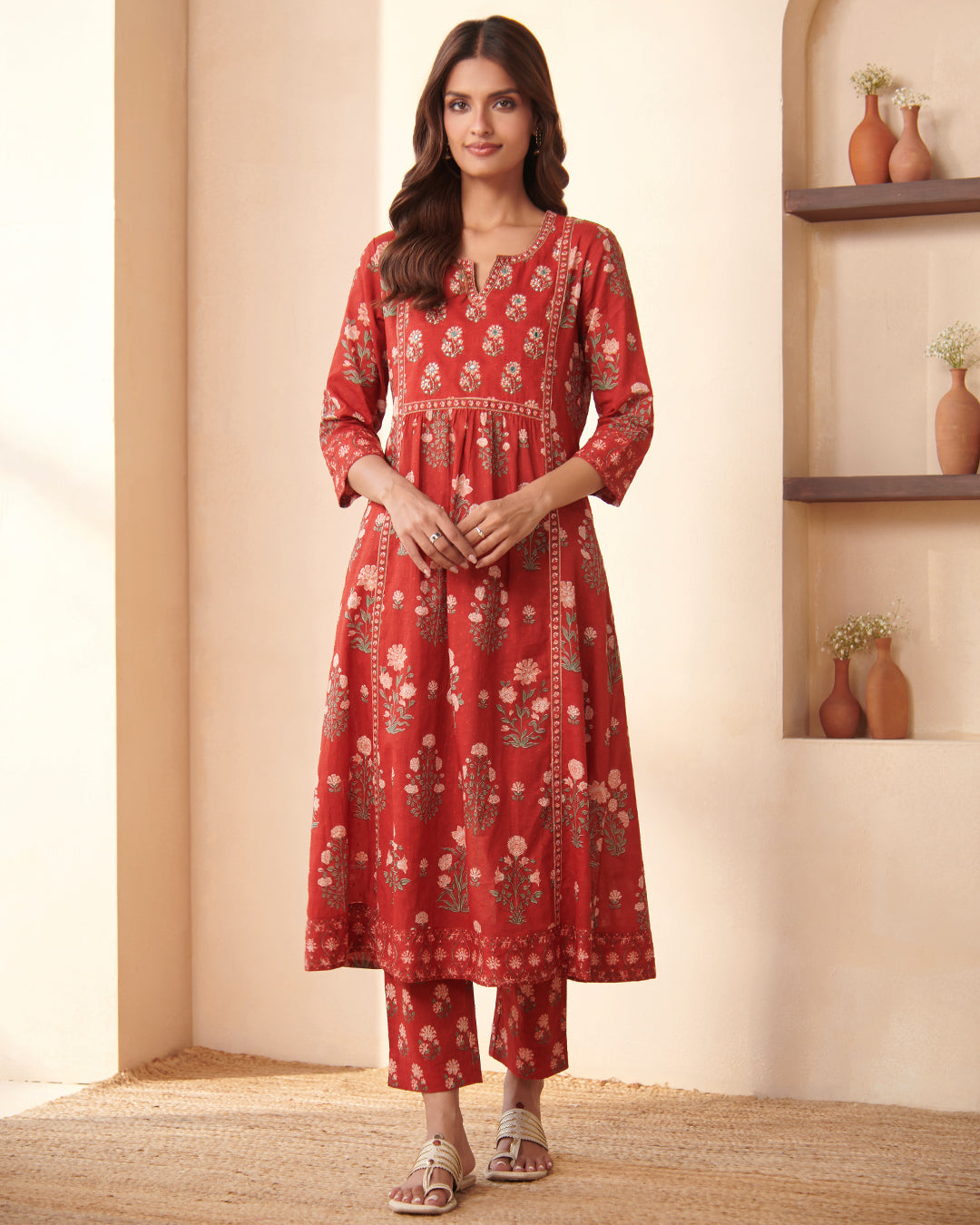
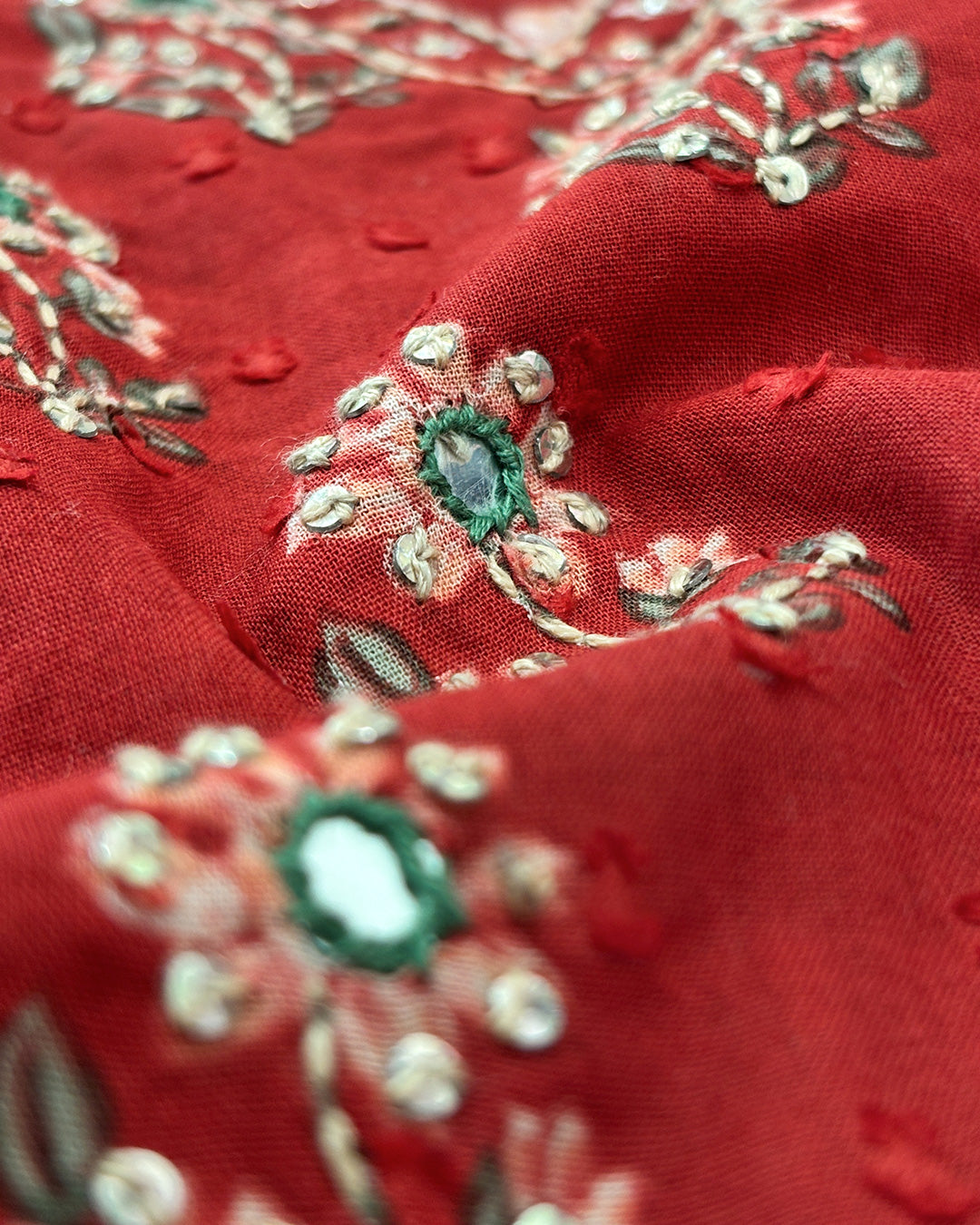
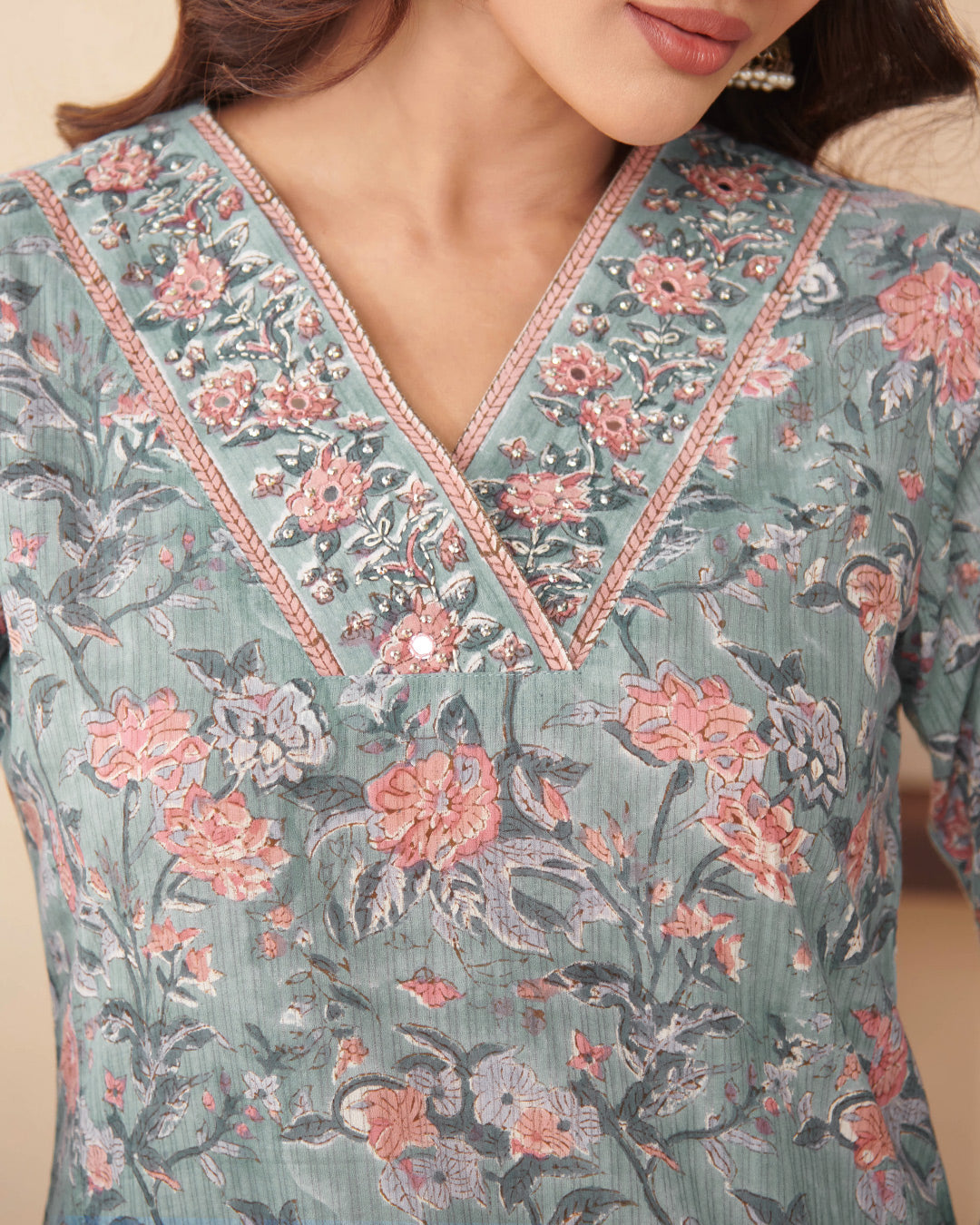
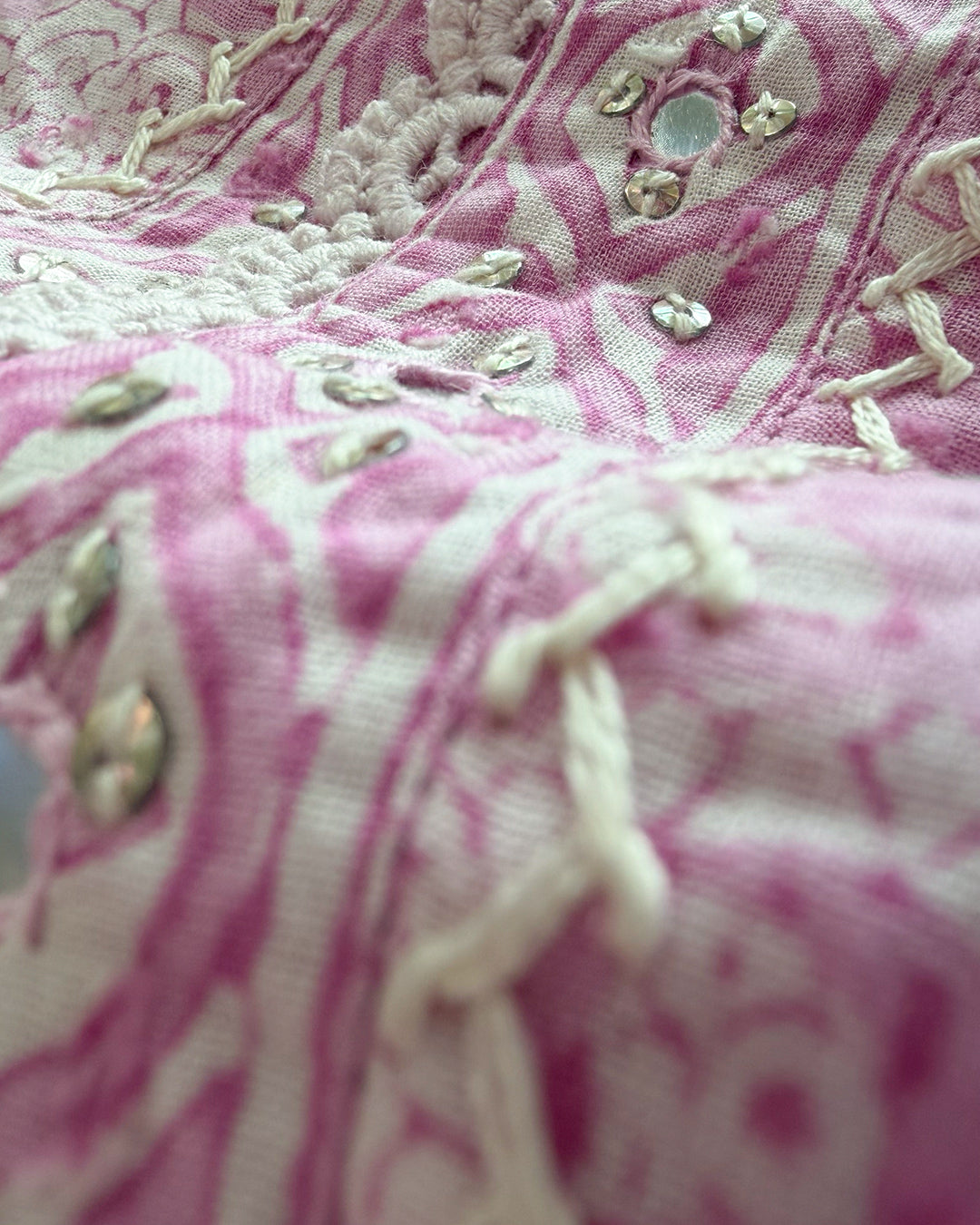
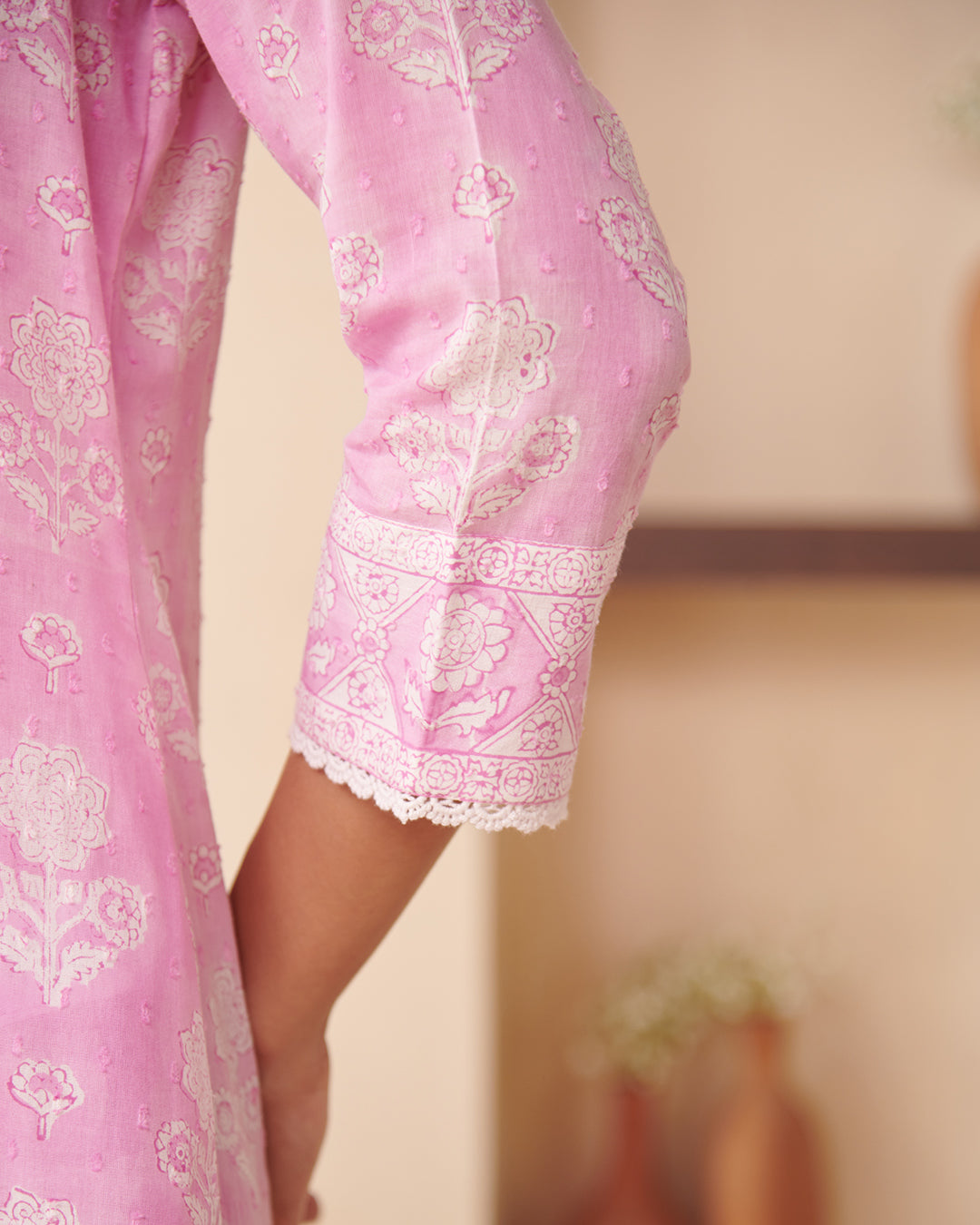
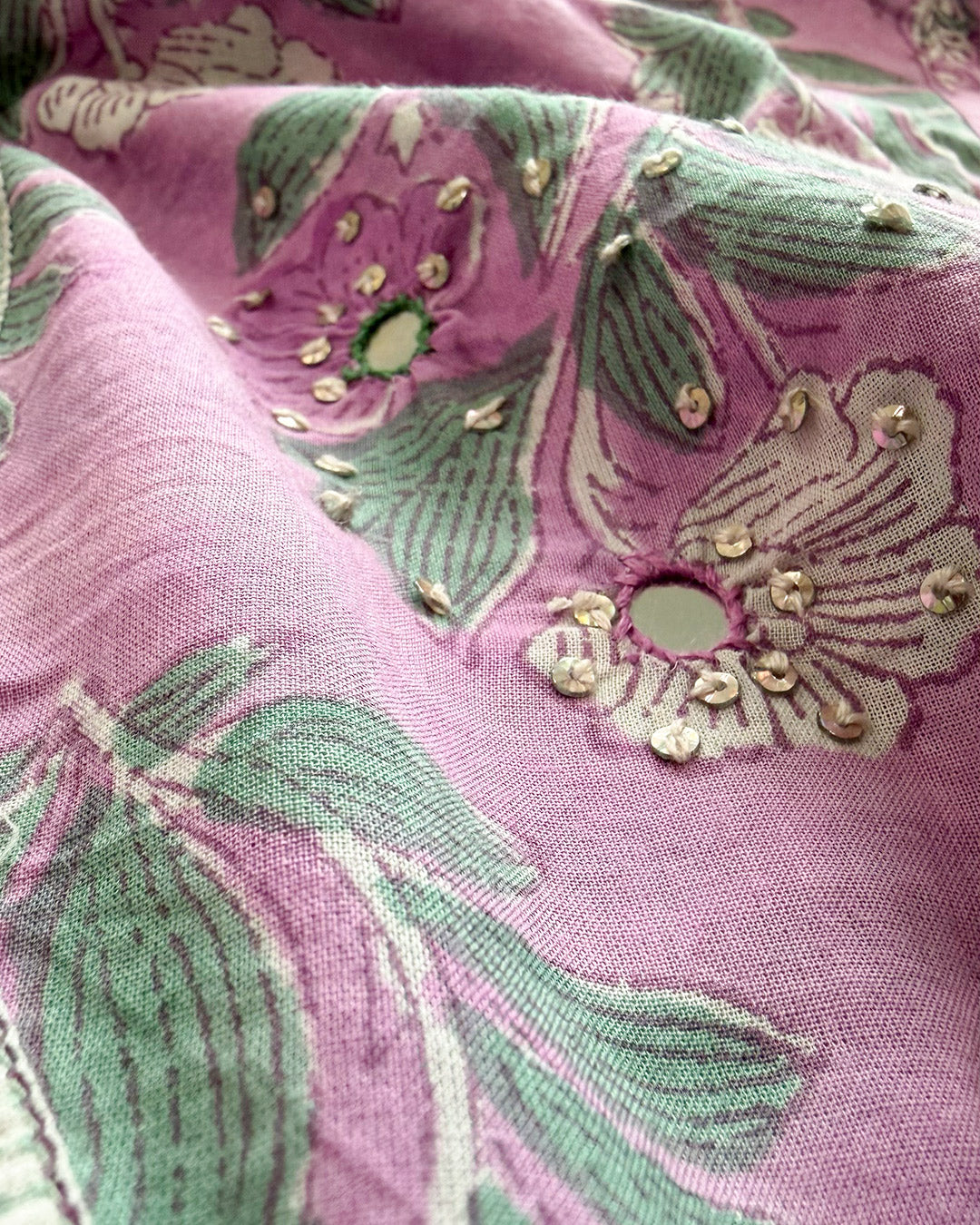
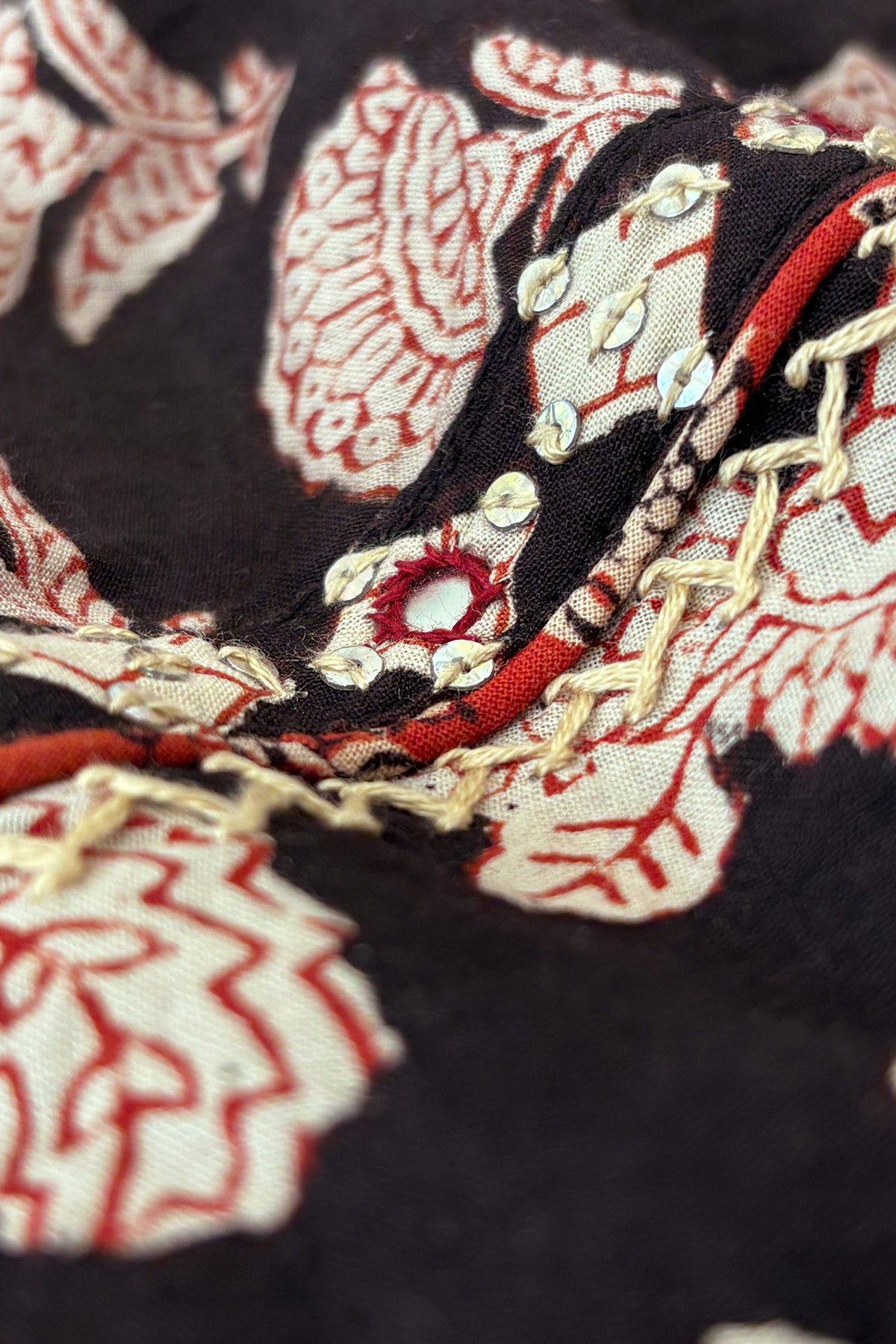
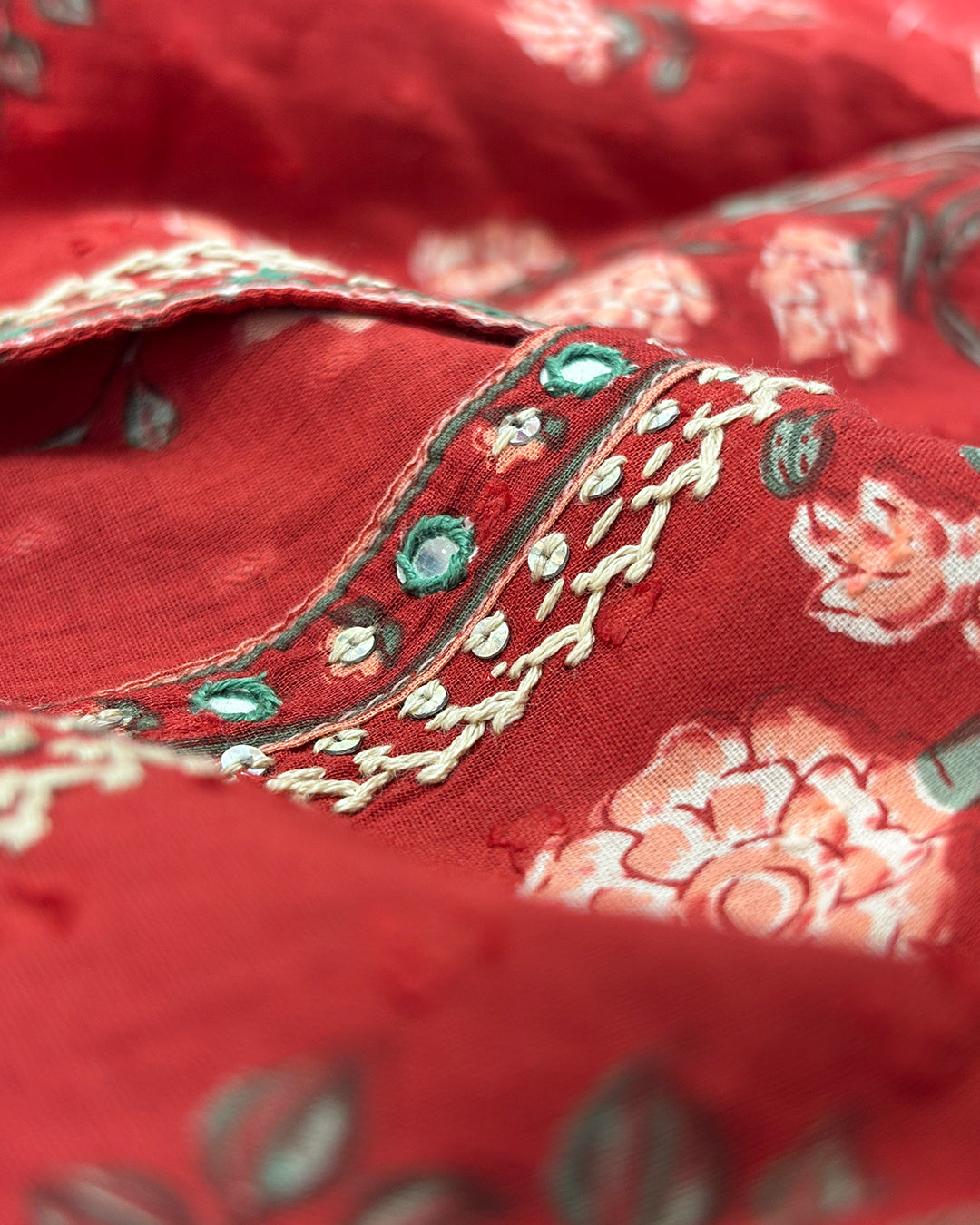
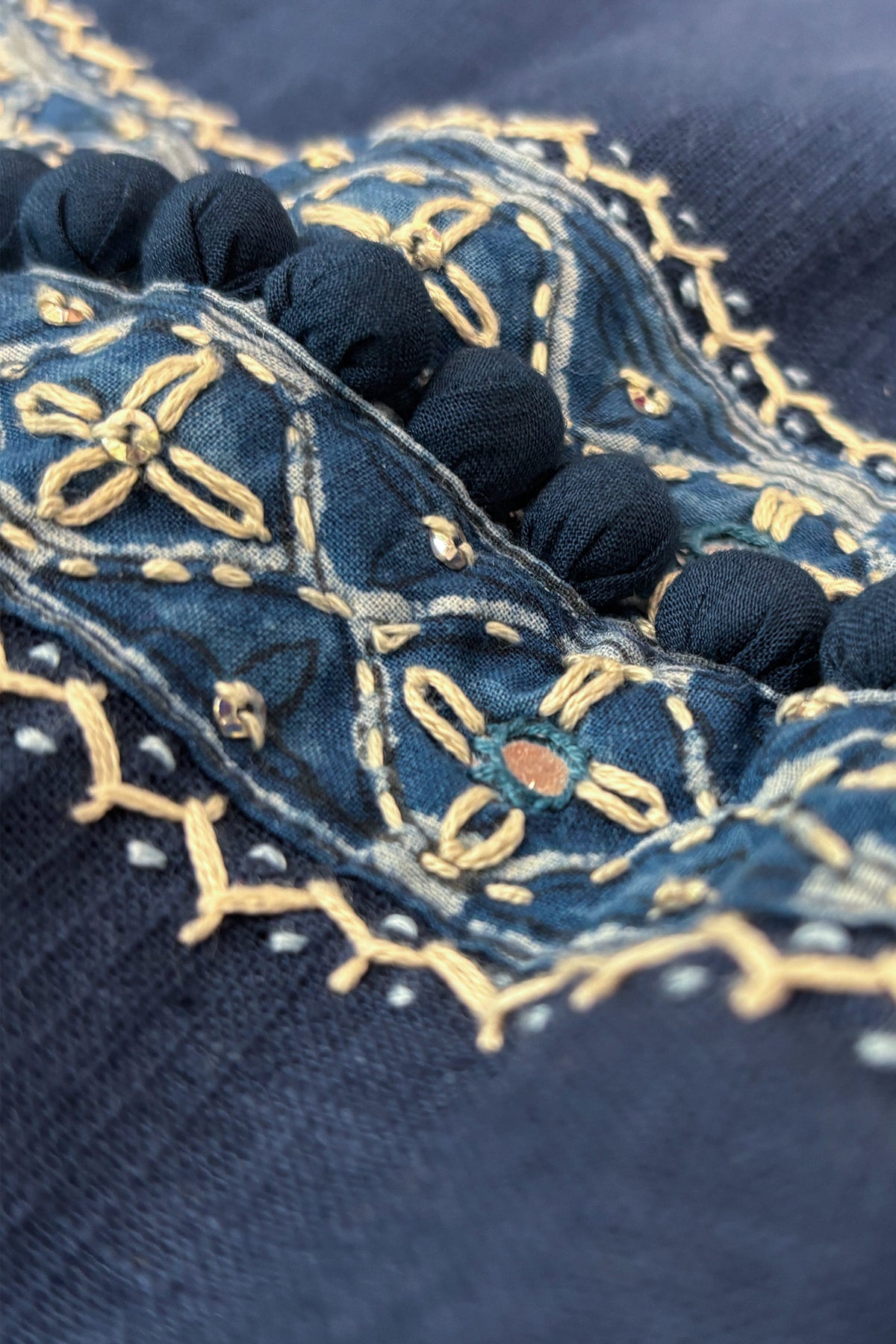
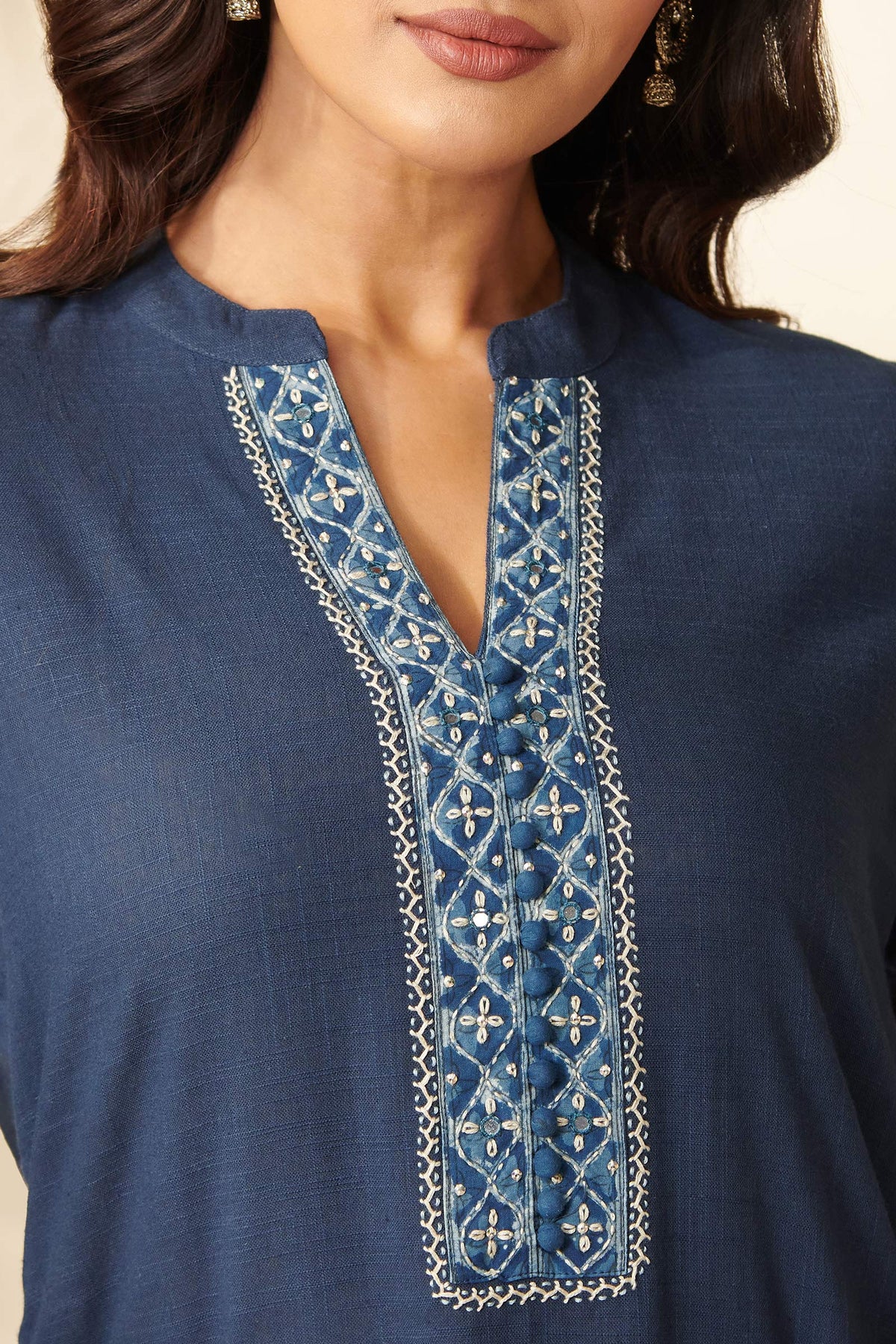
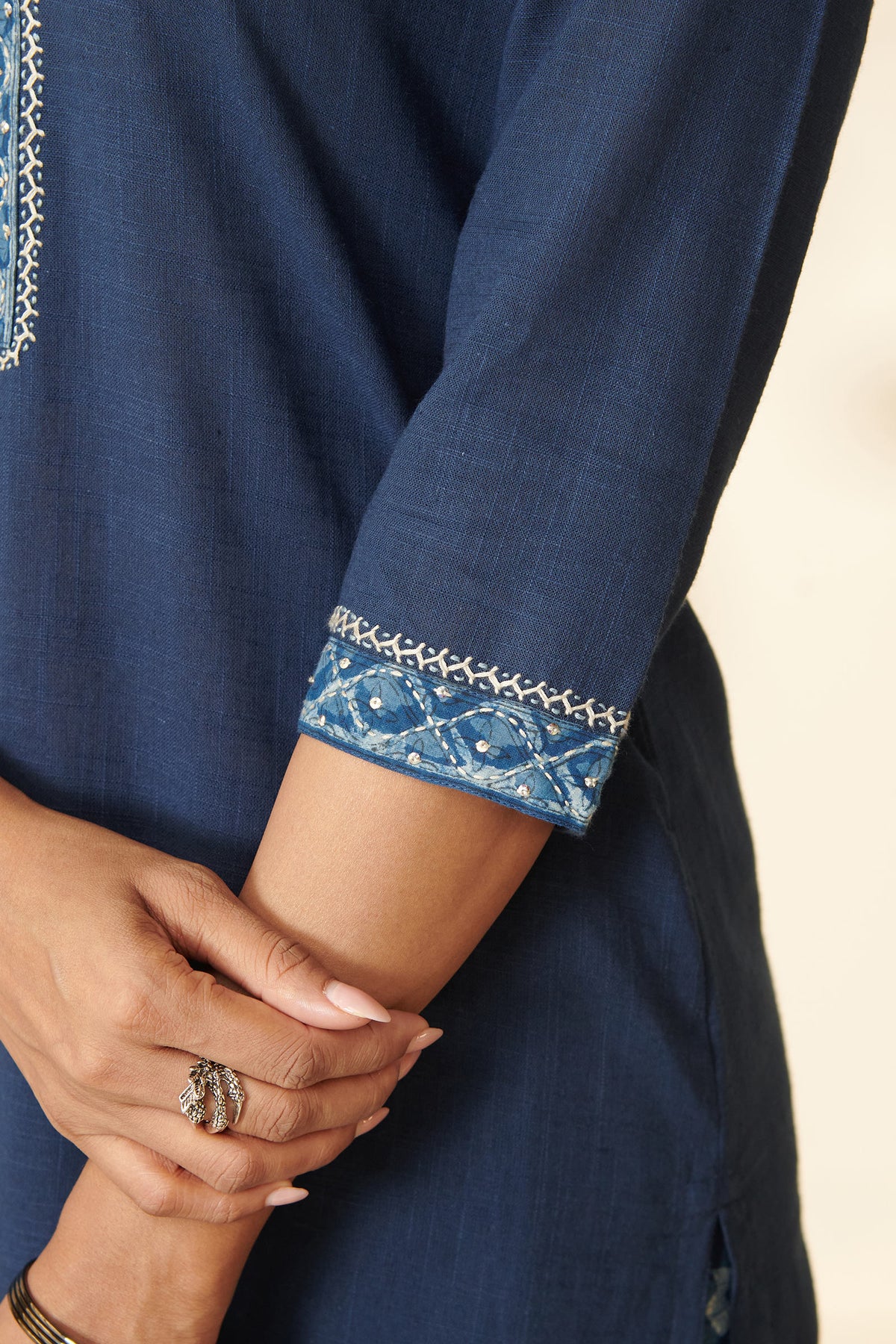
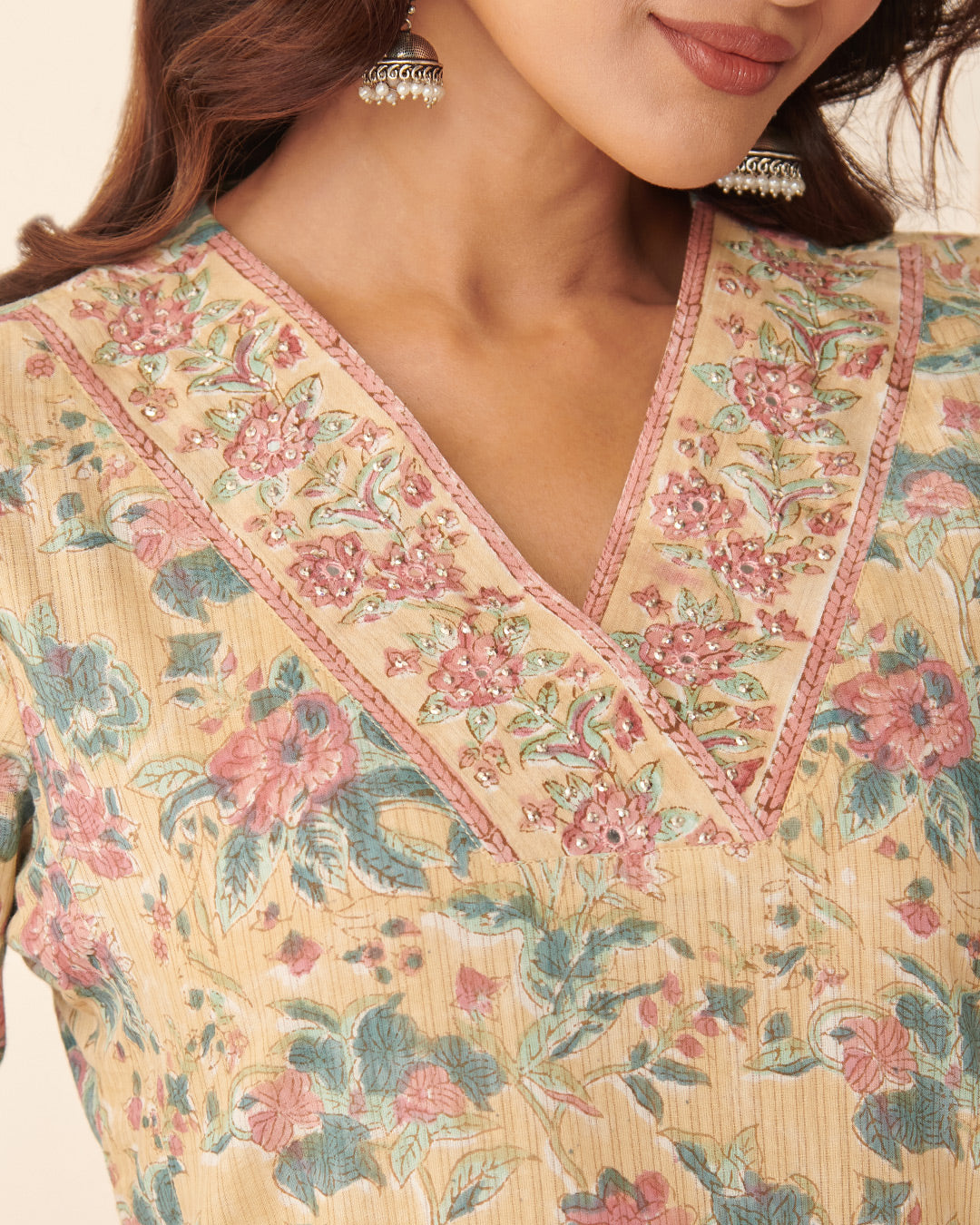
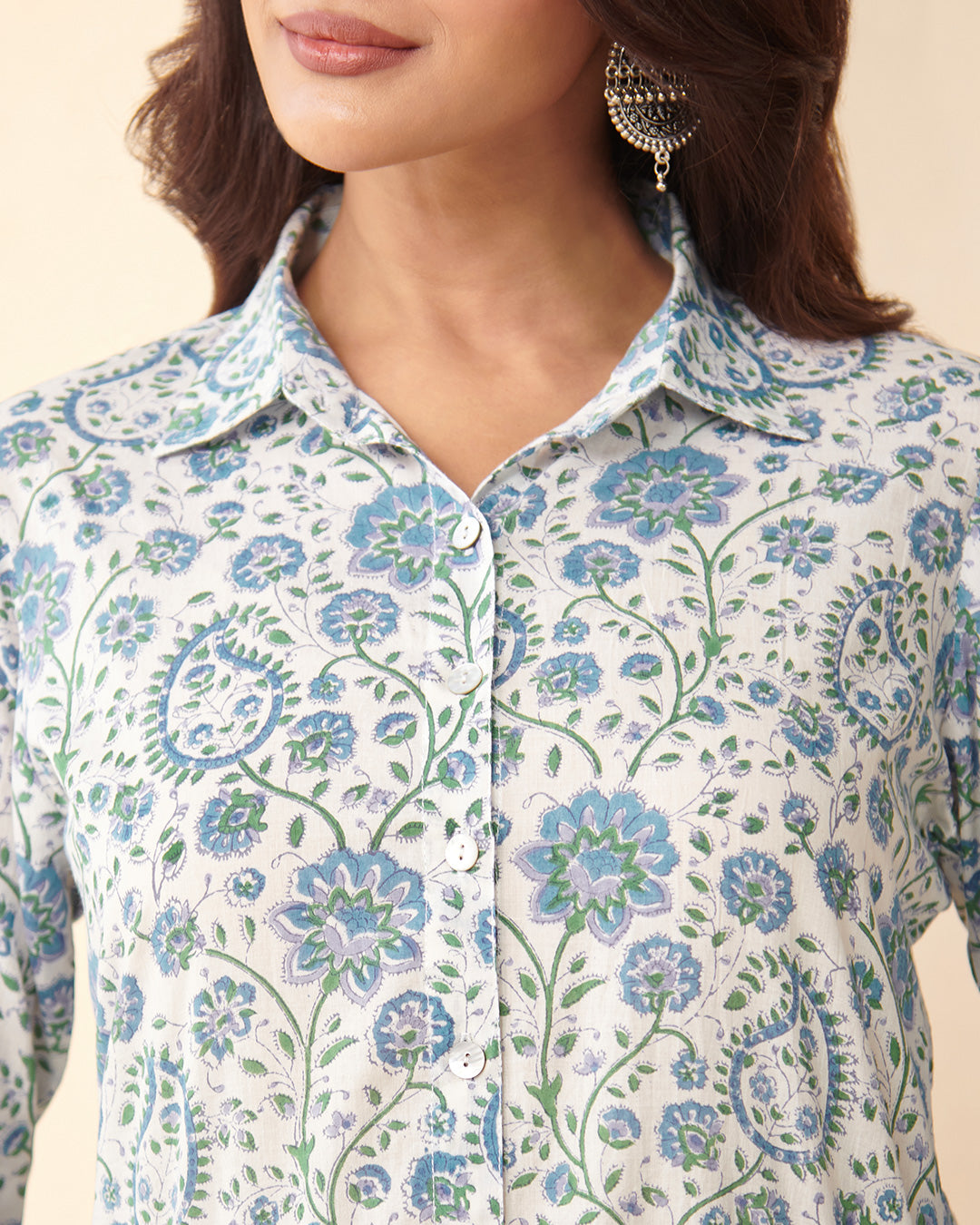
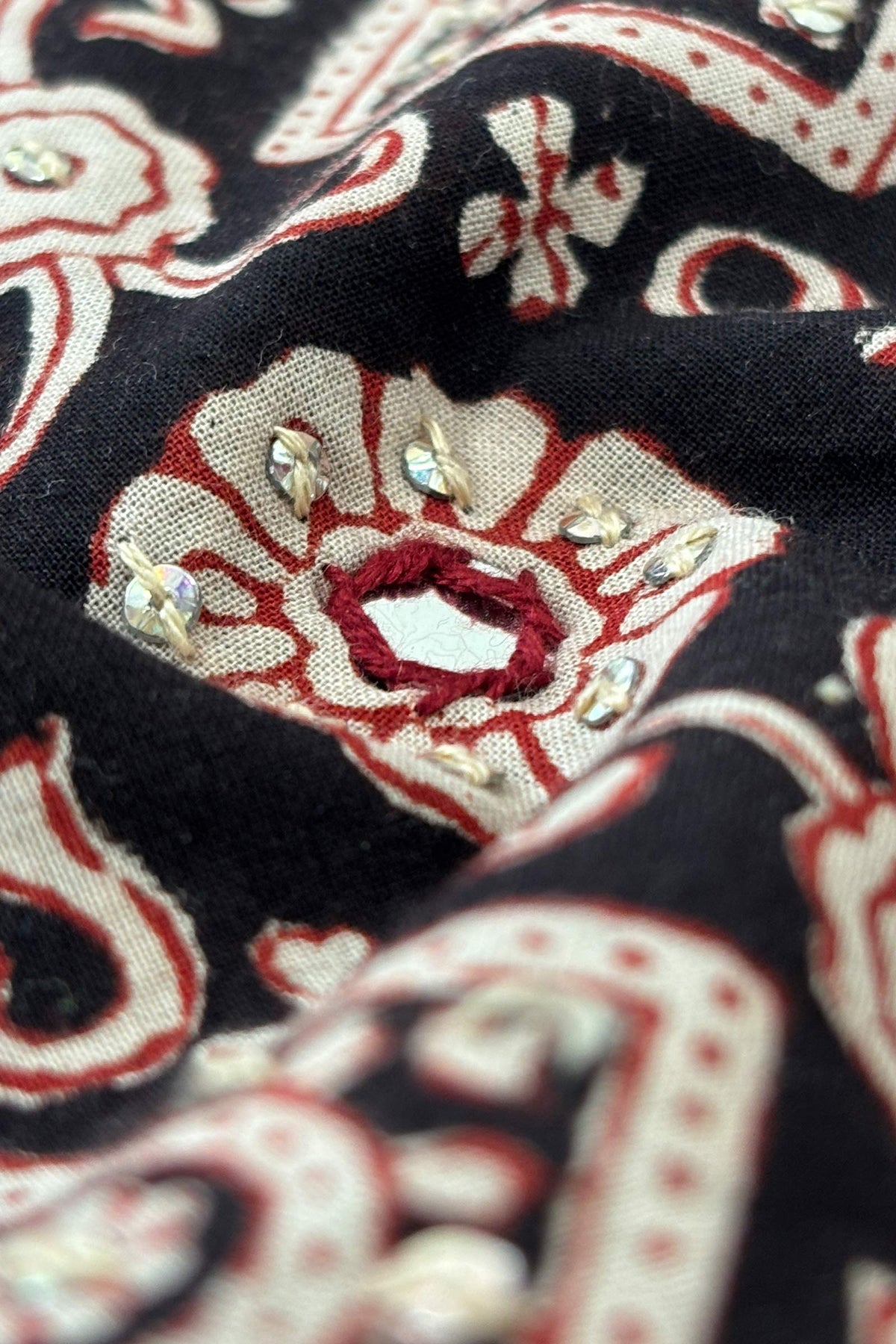
Look at how the pattern repeats across the fabric. Machine printing is built for perfect consistency, every repeat identical, every color at the same depth. Hand printing isn't like that. The block shifts slightly. Color depth changes between impressions. Edges of a motif soften in places. None of that is a problem. It's just what happens when a person does the work, and it's the clearest sign that one actually did.
Fabric Texture and Print Quality
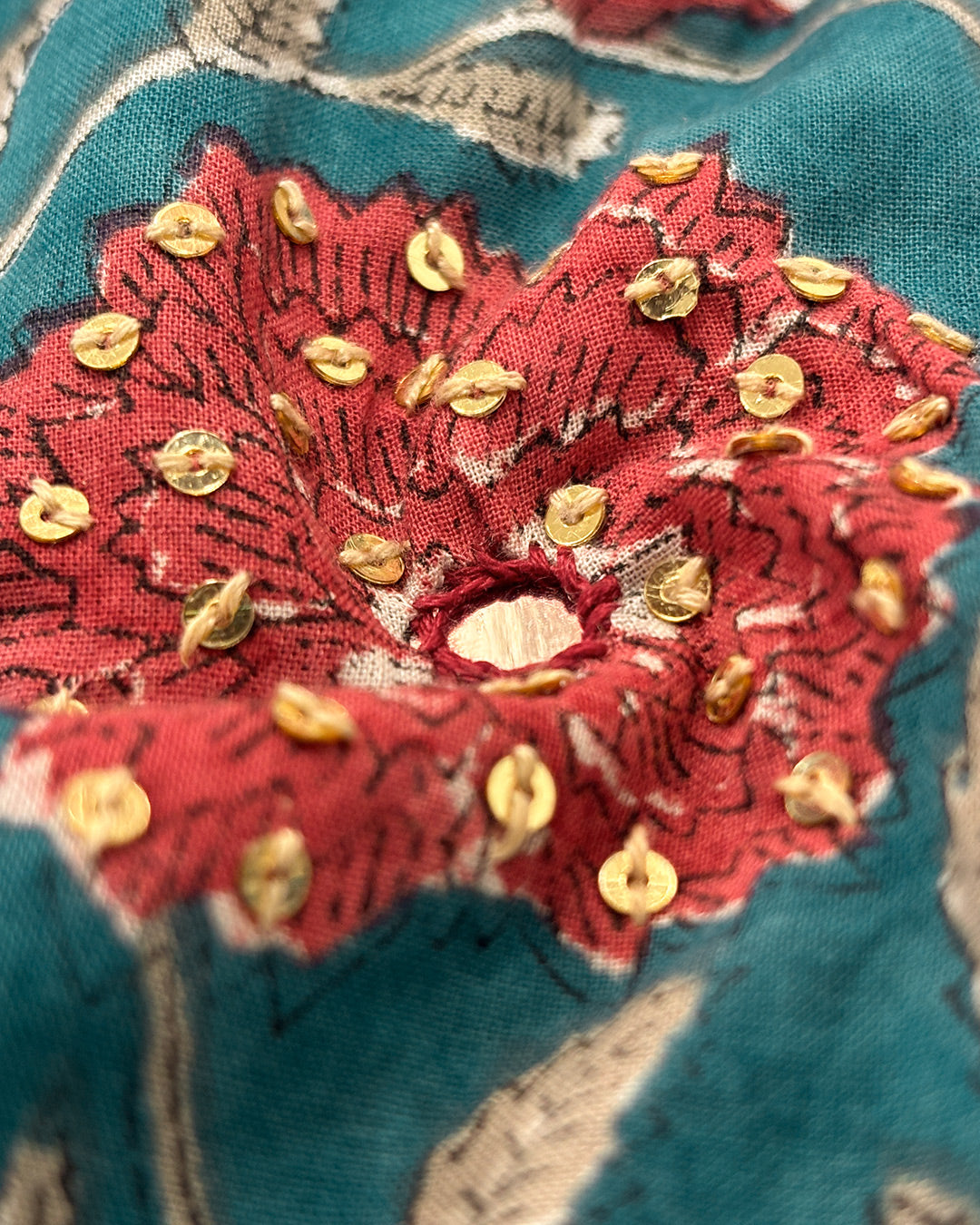
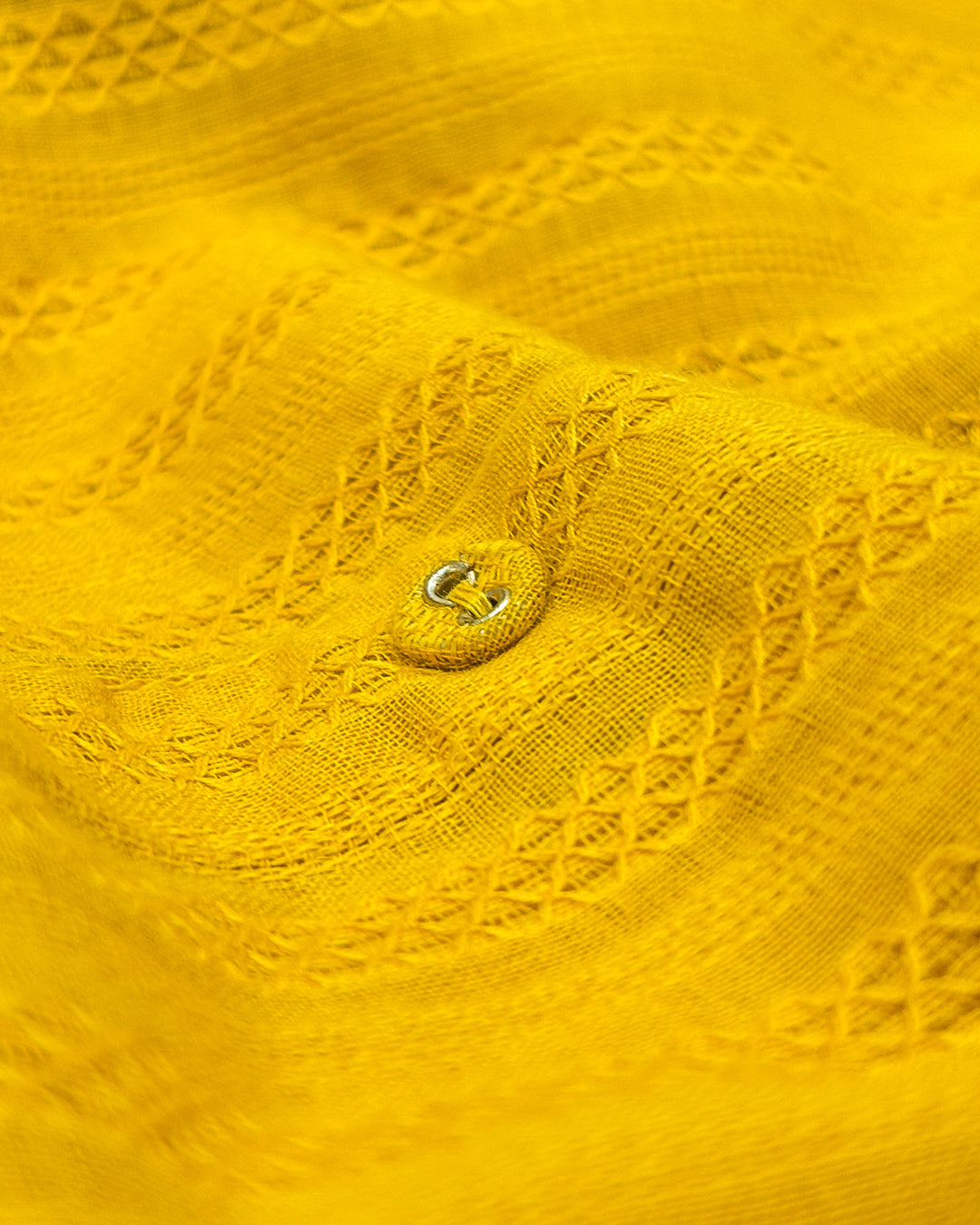
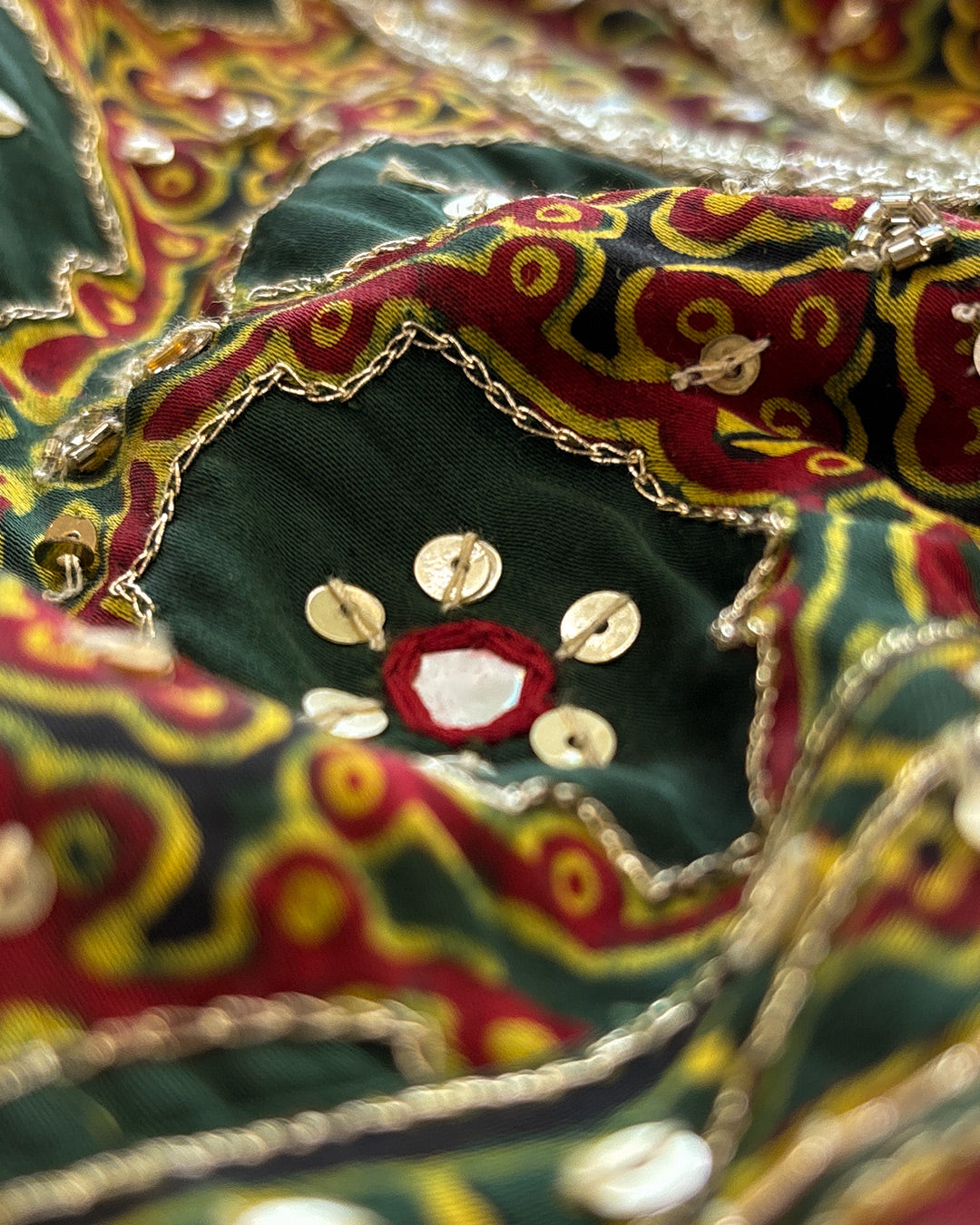
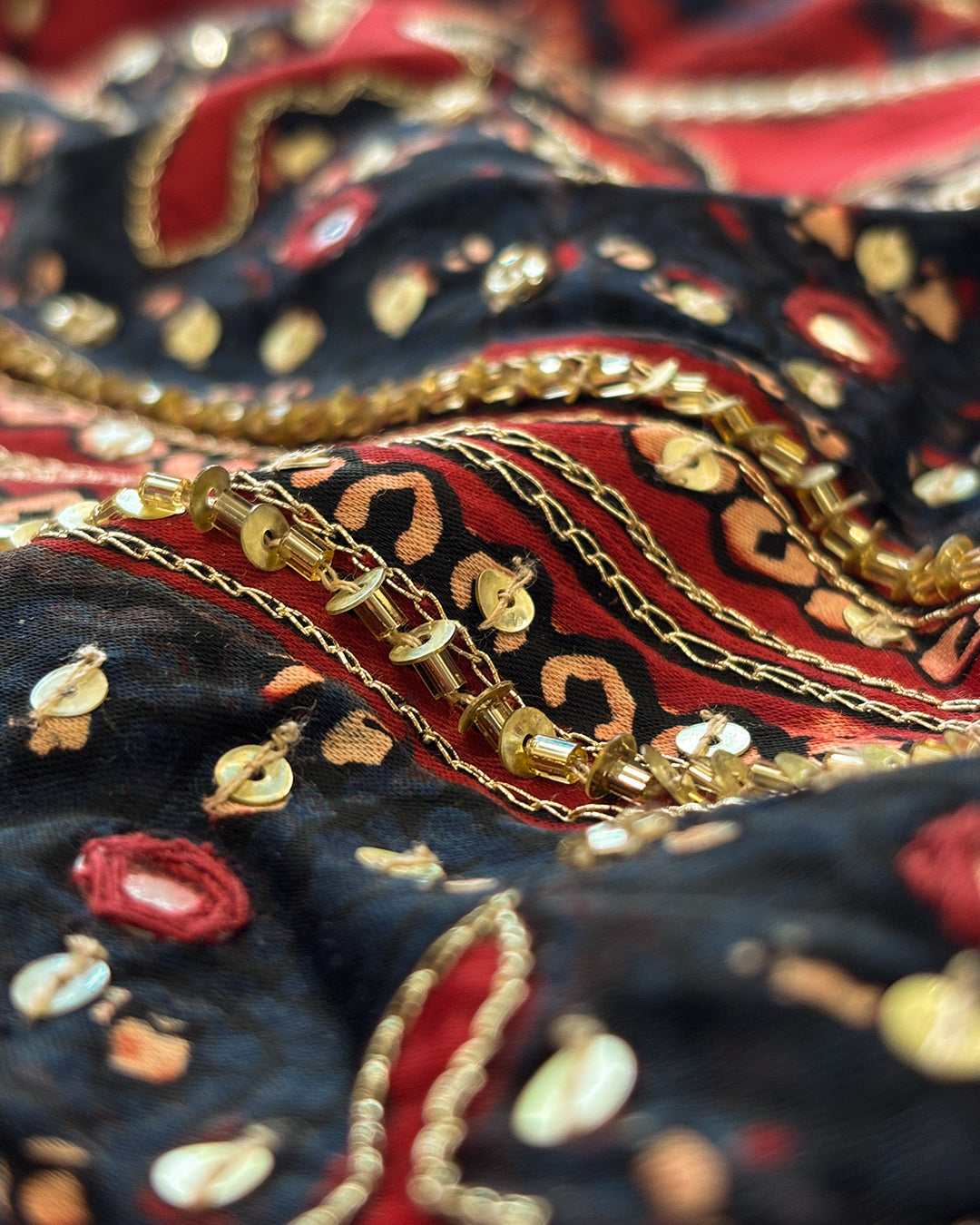
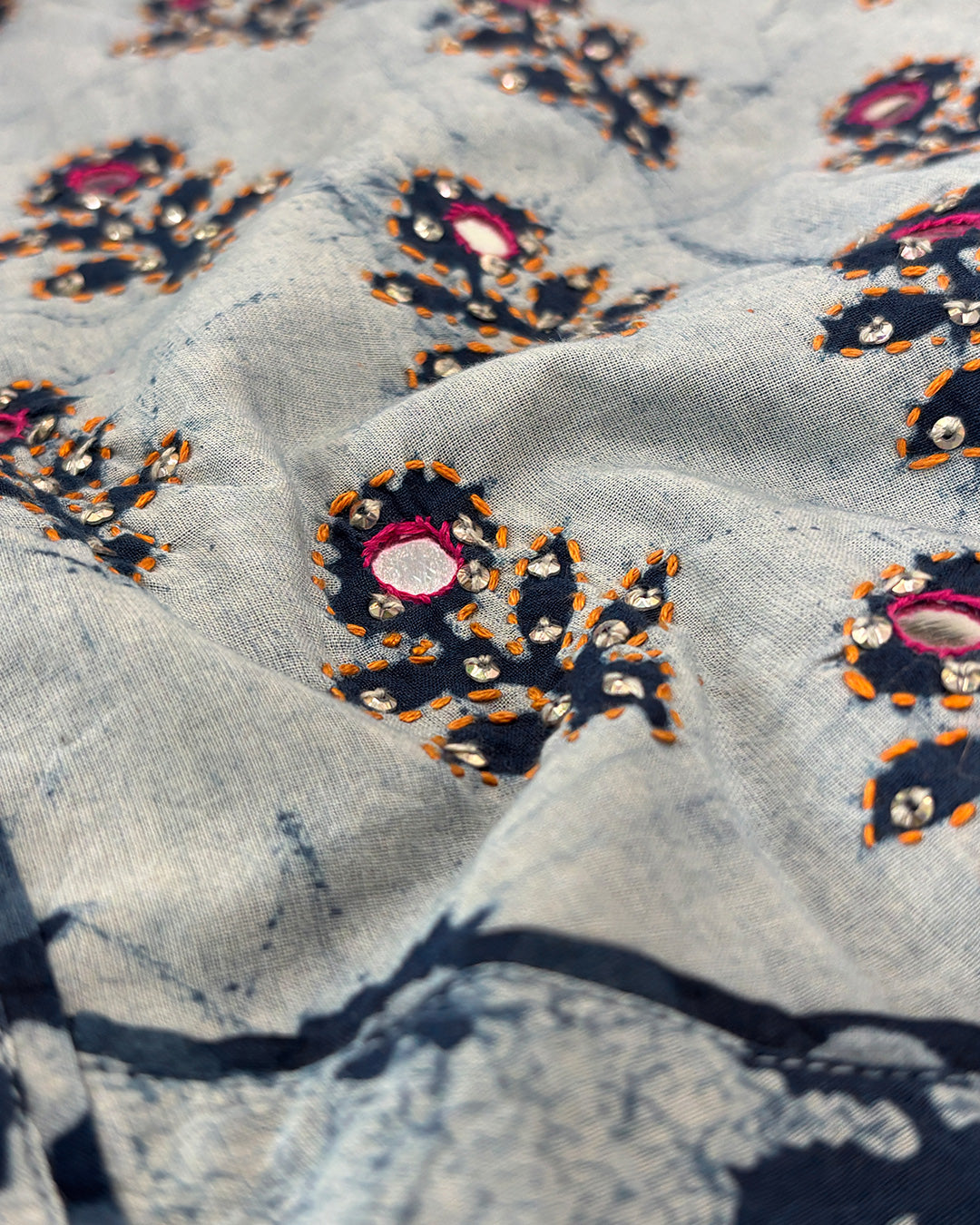
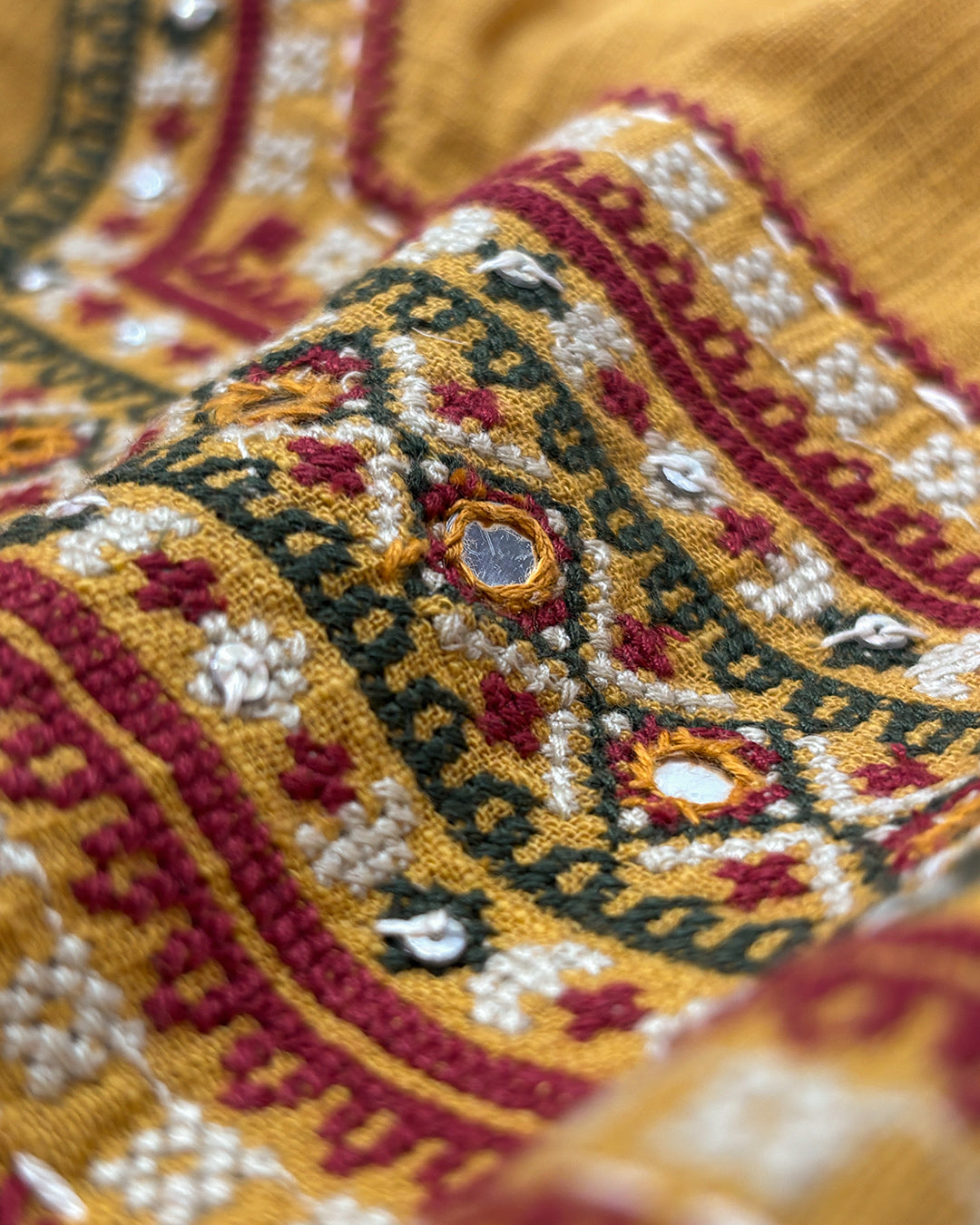
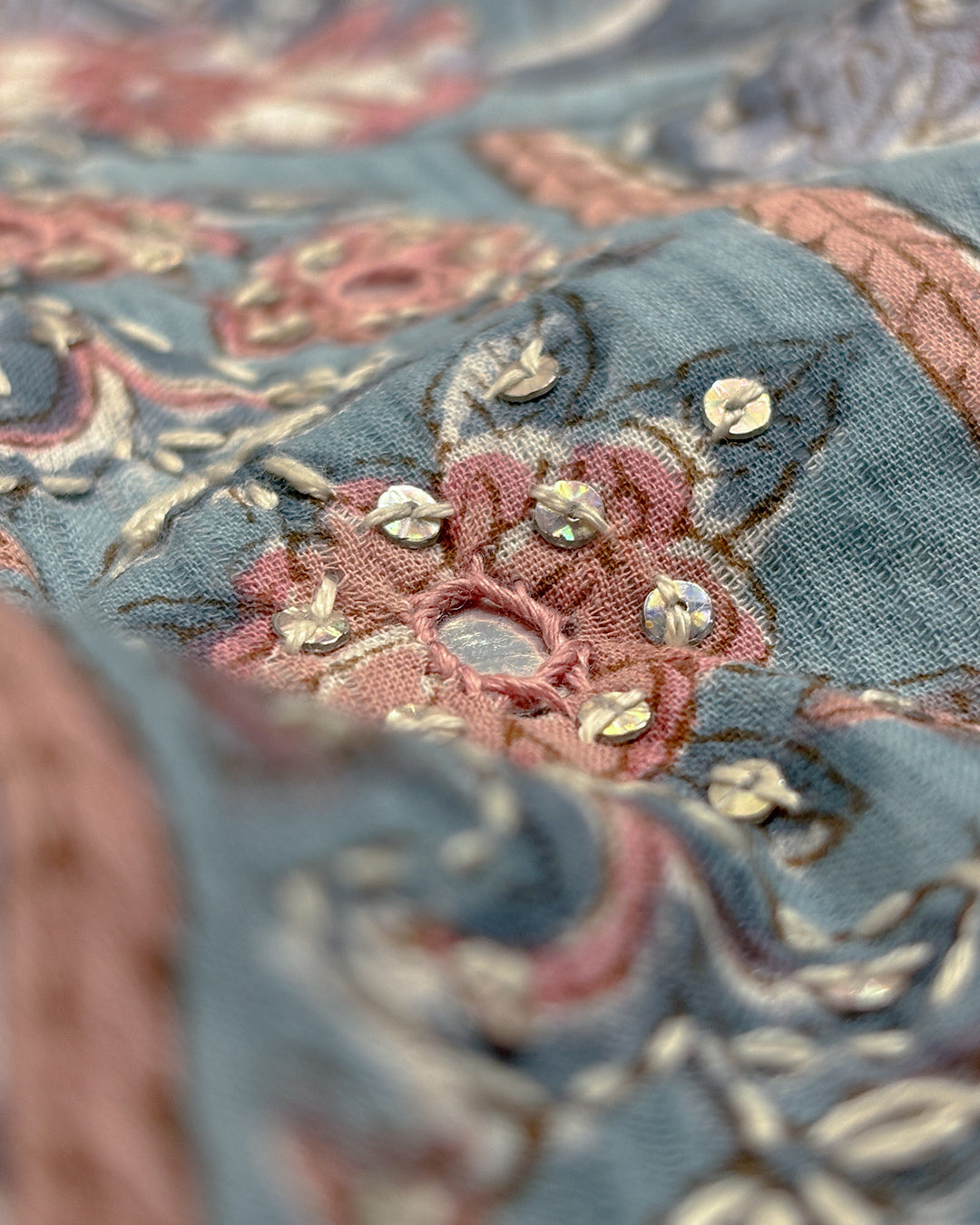
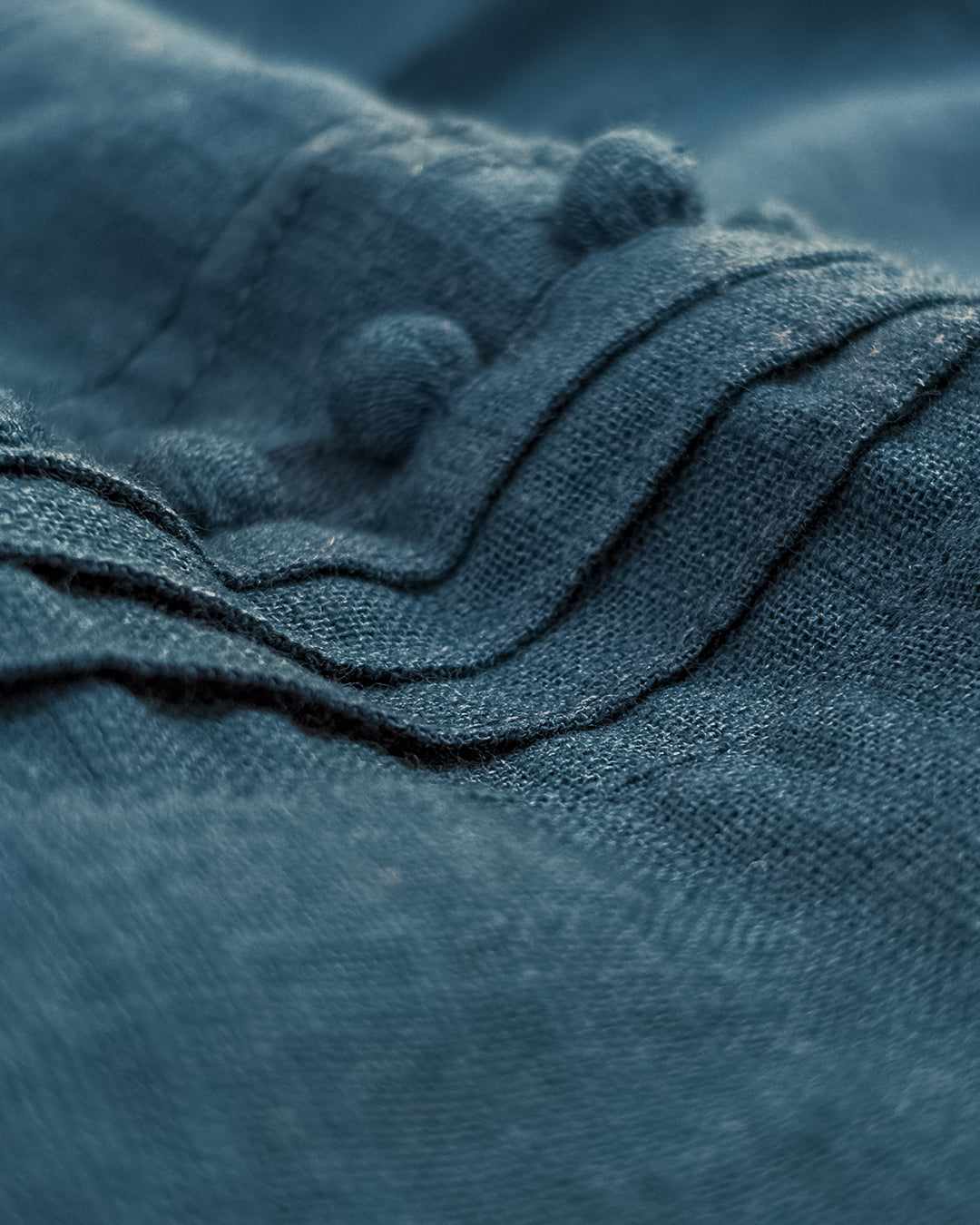
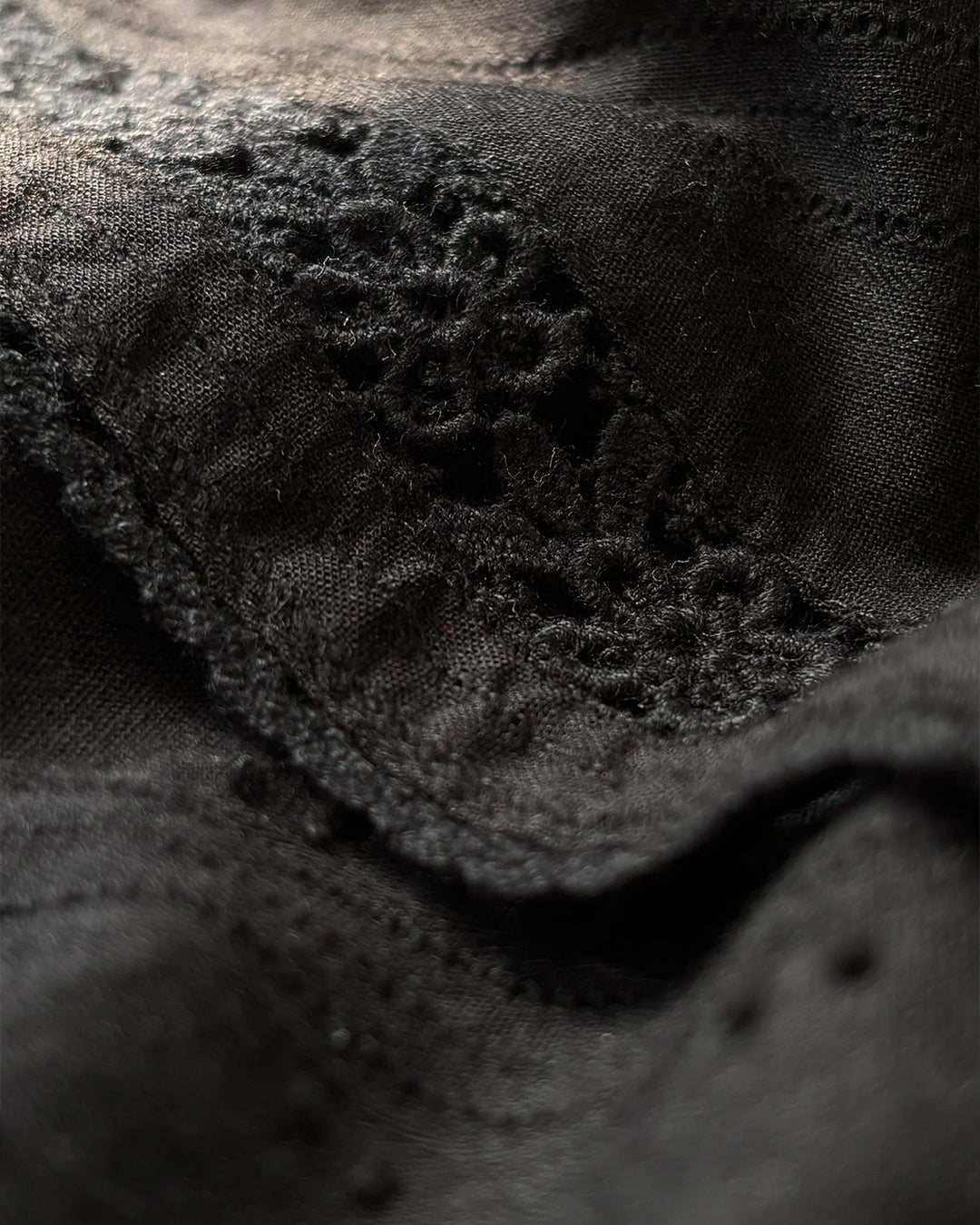
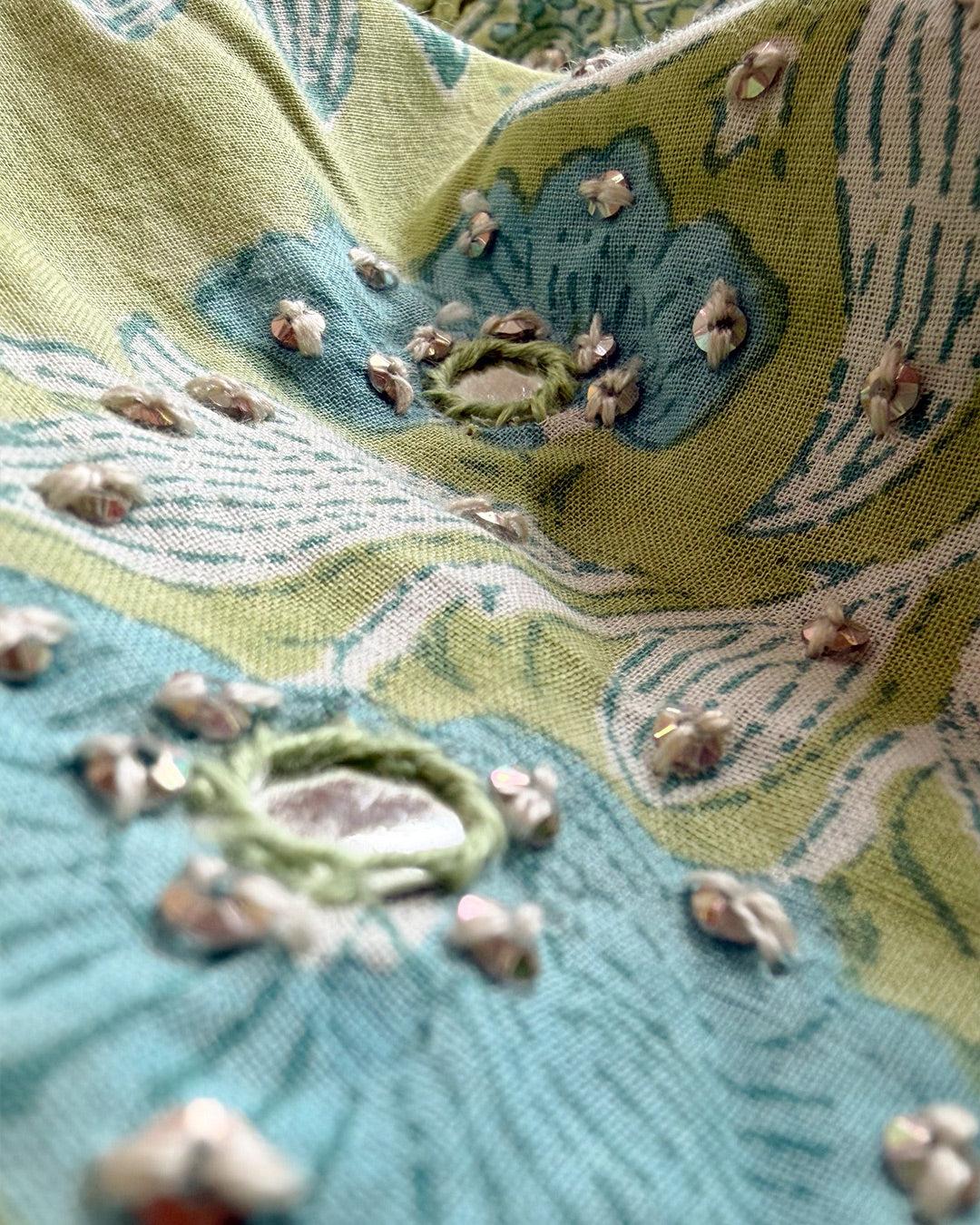
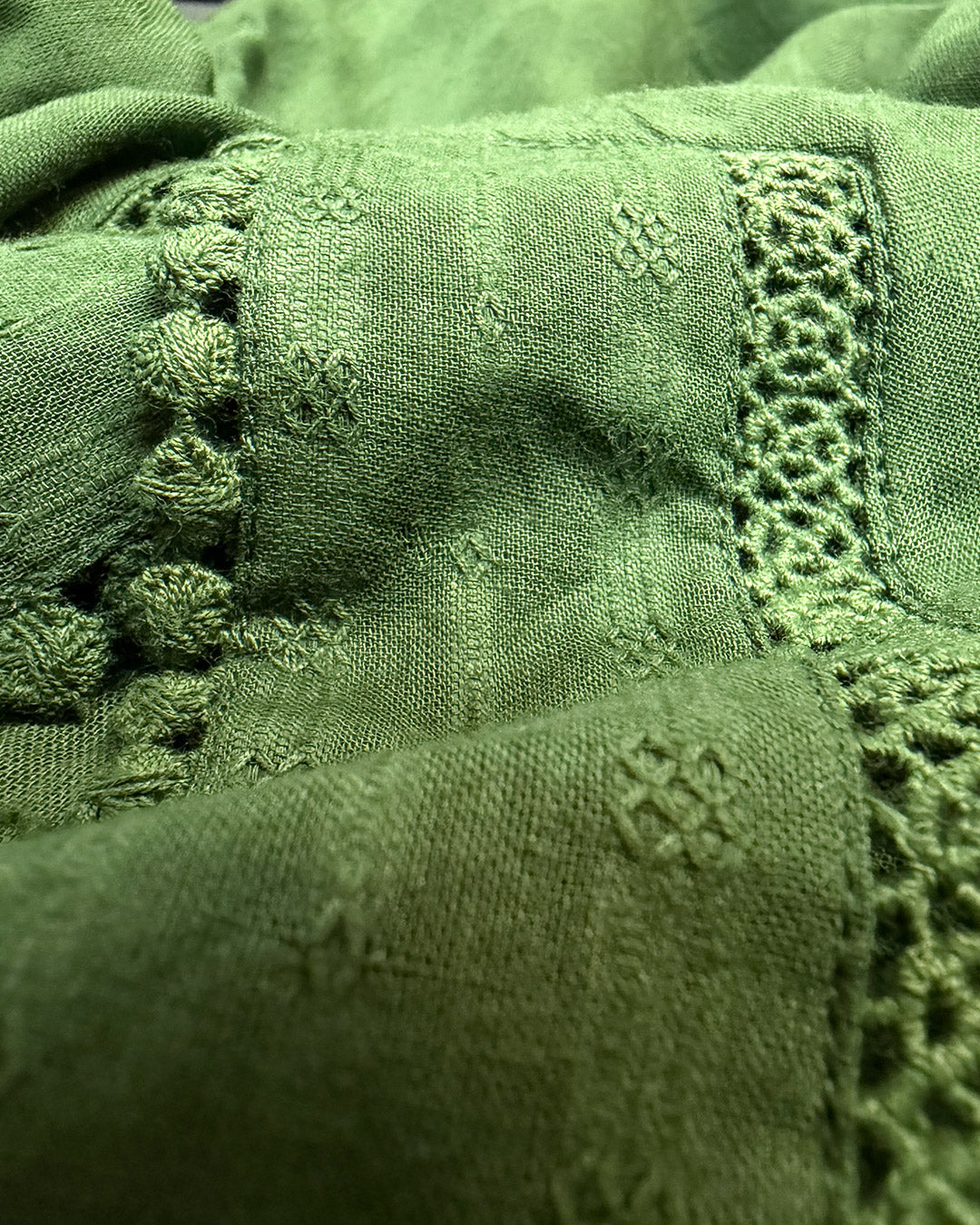
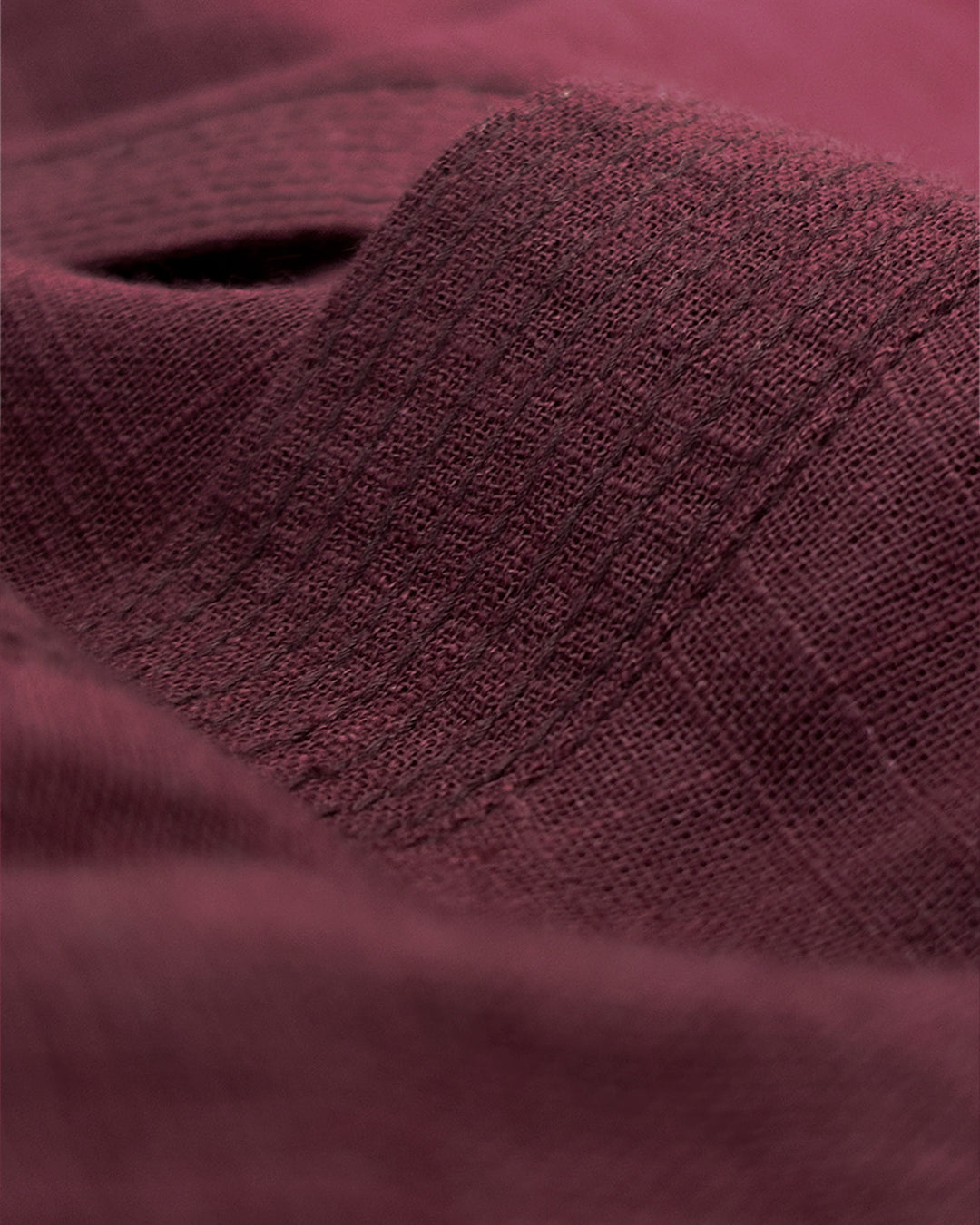
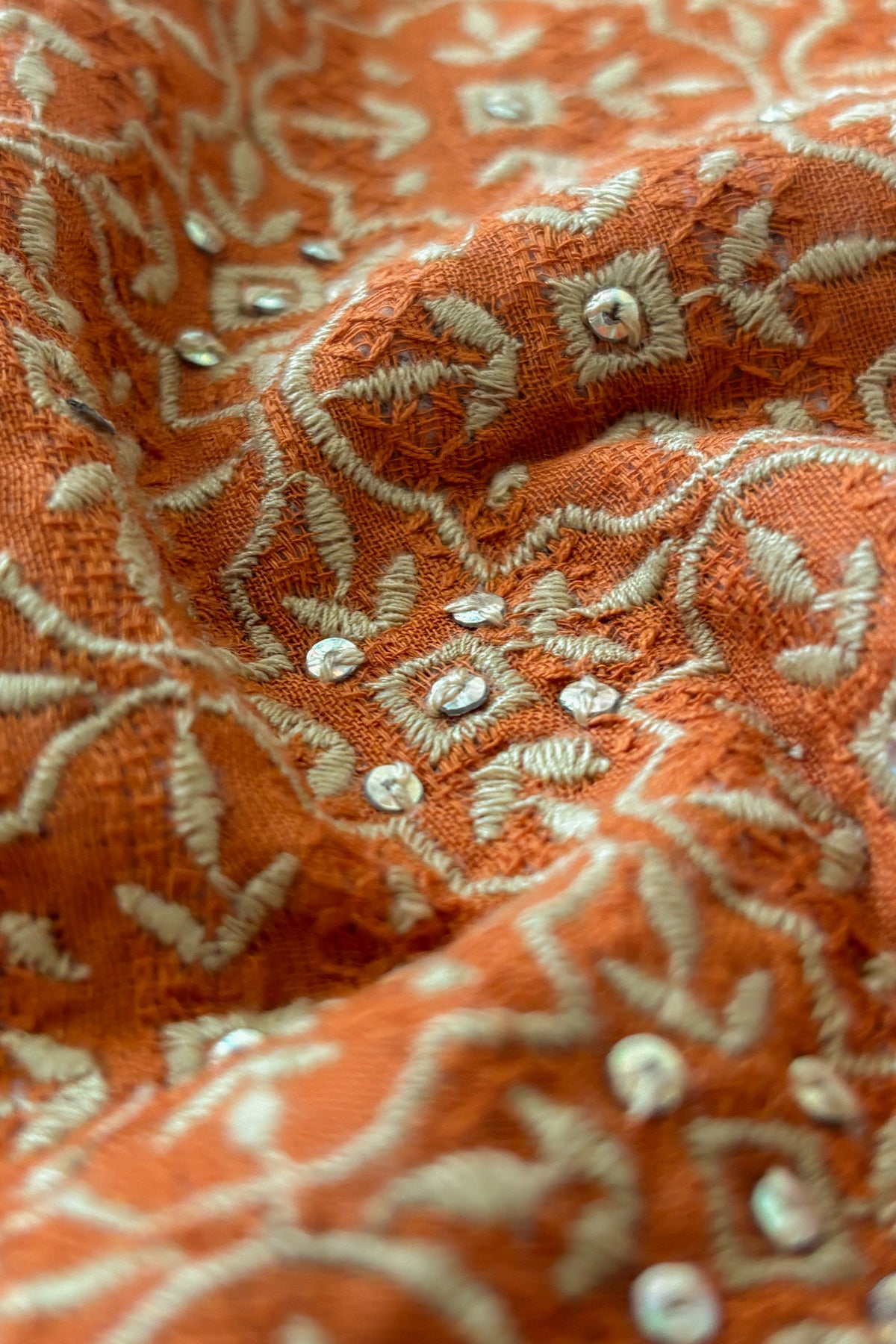
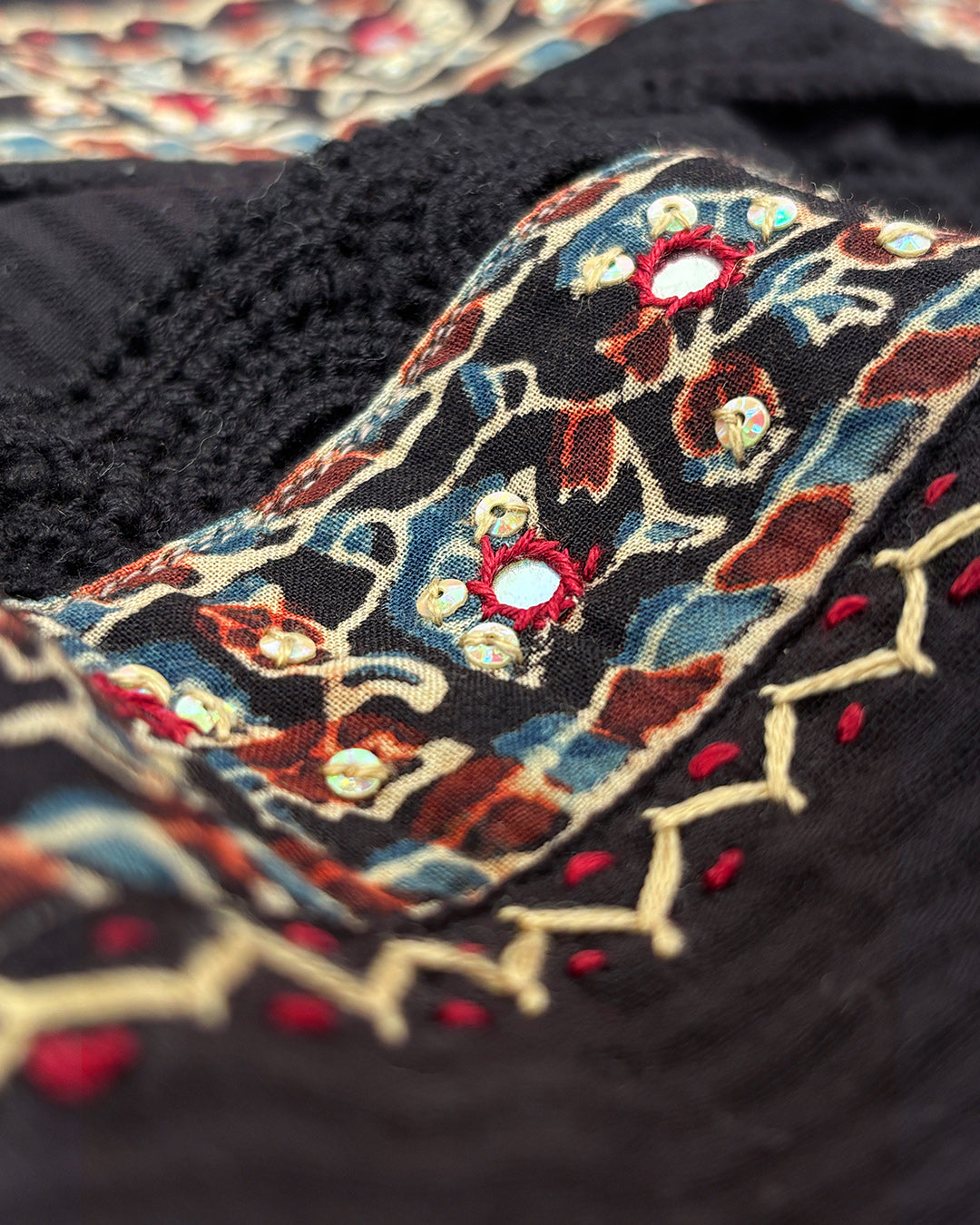
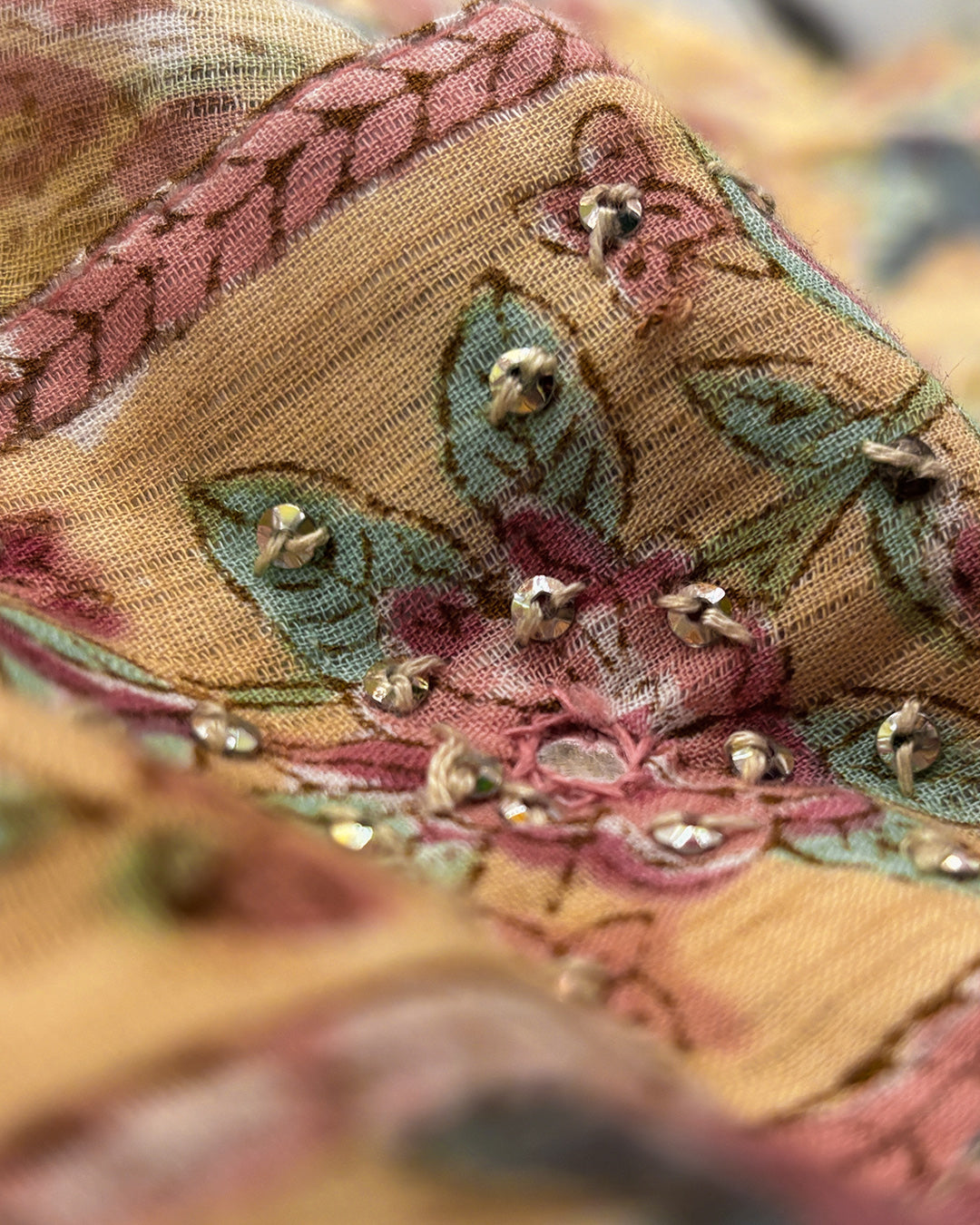
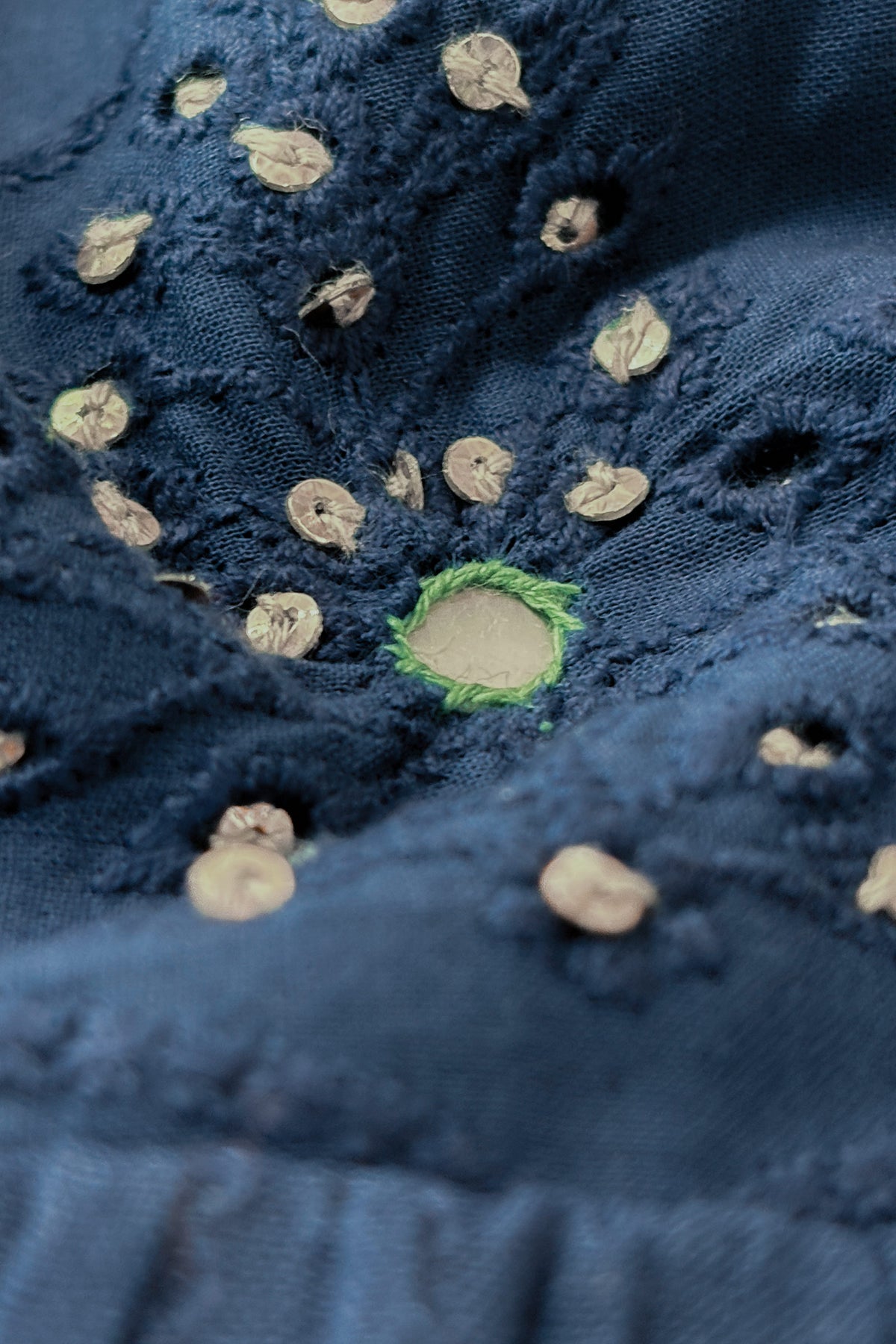
Feel the fabric. On a genuine hand-printed piece, the dye gets absorbed into the fiber rather than sitting on the surface. The weave texture is still there under the print. It feels like the print is part of the cloth. Machine-printed synthetic fabric feels different, the print tends to sit on top and the fabric underneath often lacks the texture you'd feel in a natural weave.
Signs of Natural Dye Usage
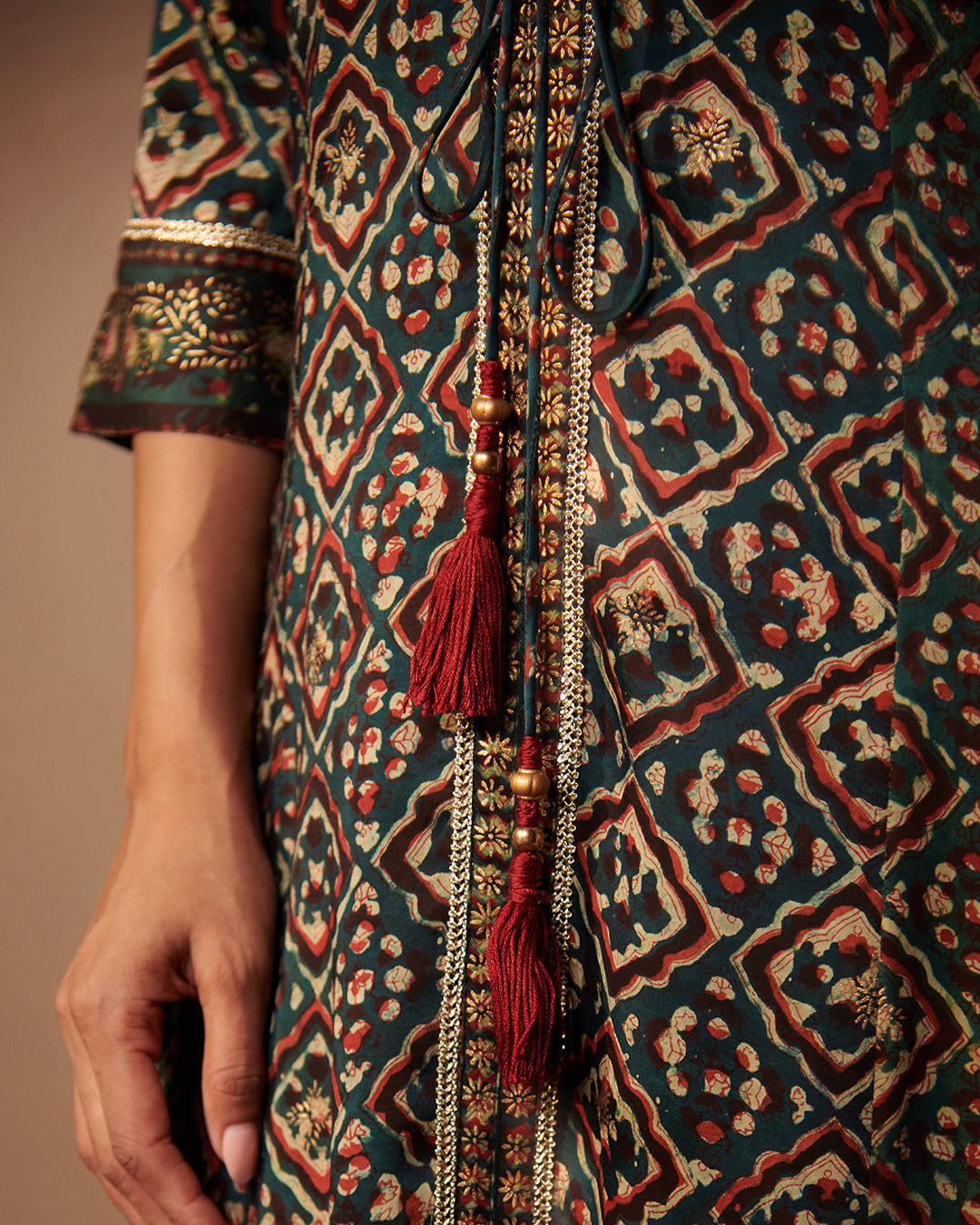
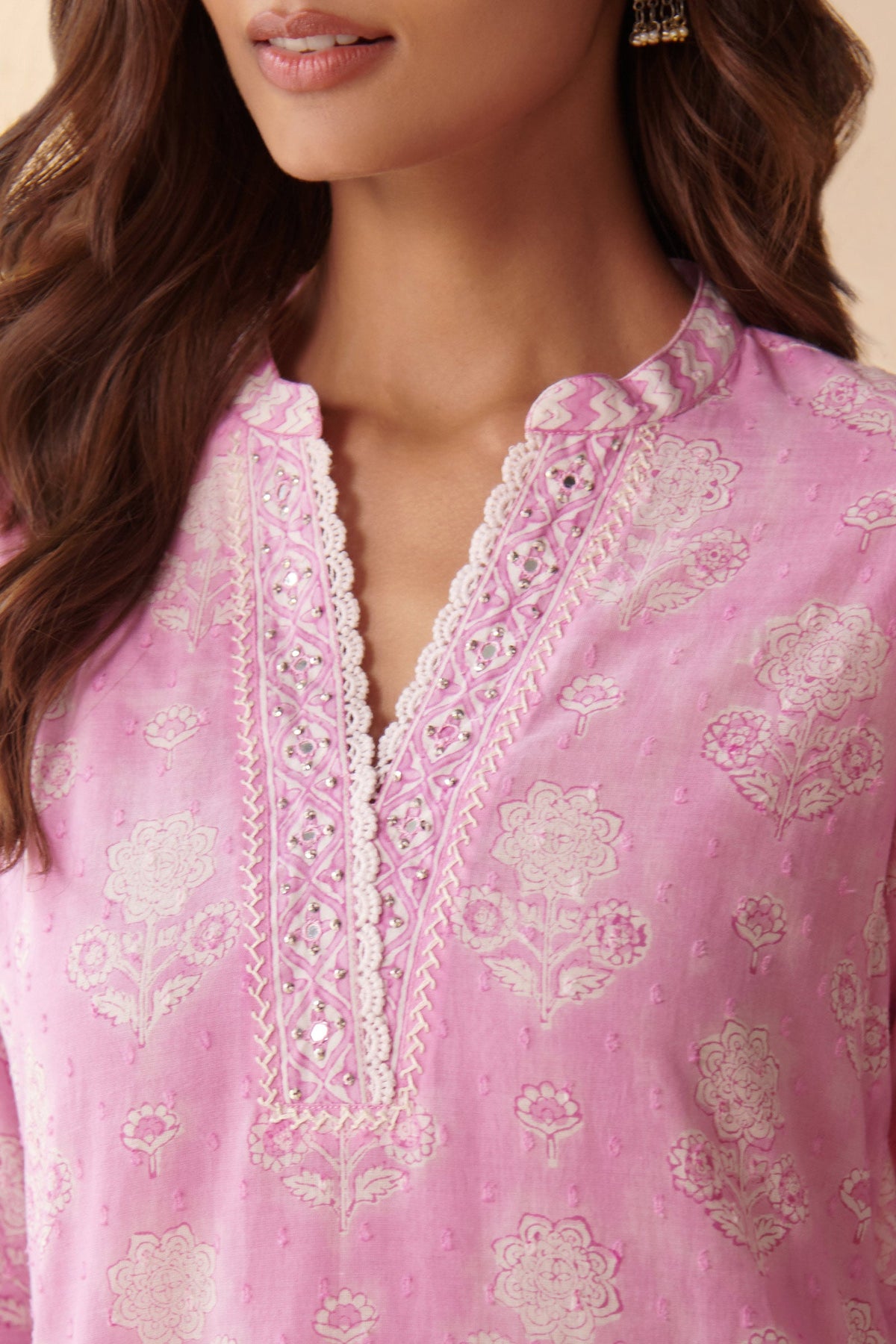
Naturally dyed fabric has softer, slightly muted colors rather than intensely saturated ones. There's usually some tonal variation across the cloth, areas that absorbed the dye a little more or less than others. Color that's perfectly flat and even throughout is more typical of synthetic dyeing. Natural dye colors have a particular warmth that's fairly easy to recognize once you've seen enough of both.
Caring for Hand-Printed Fabrics the Right Way
Gentle Washing Tips
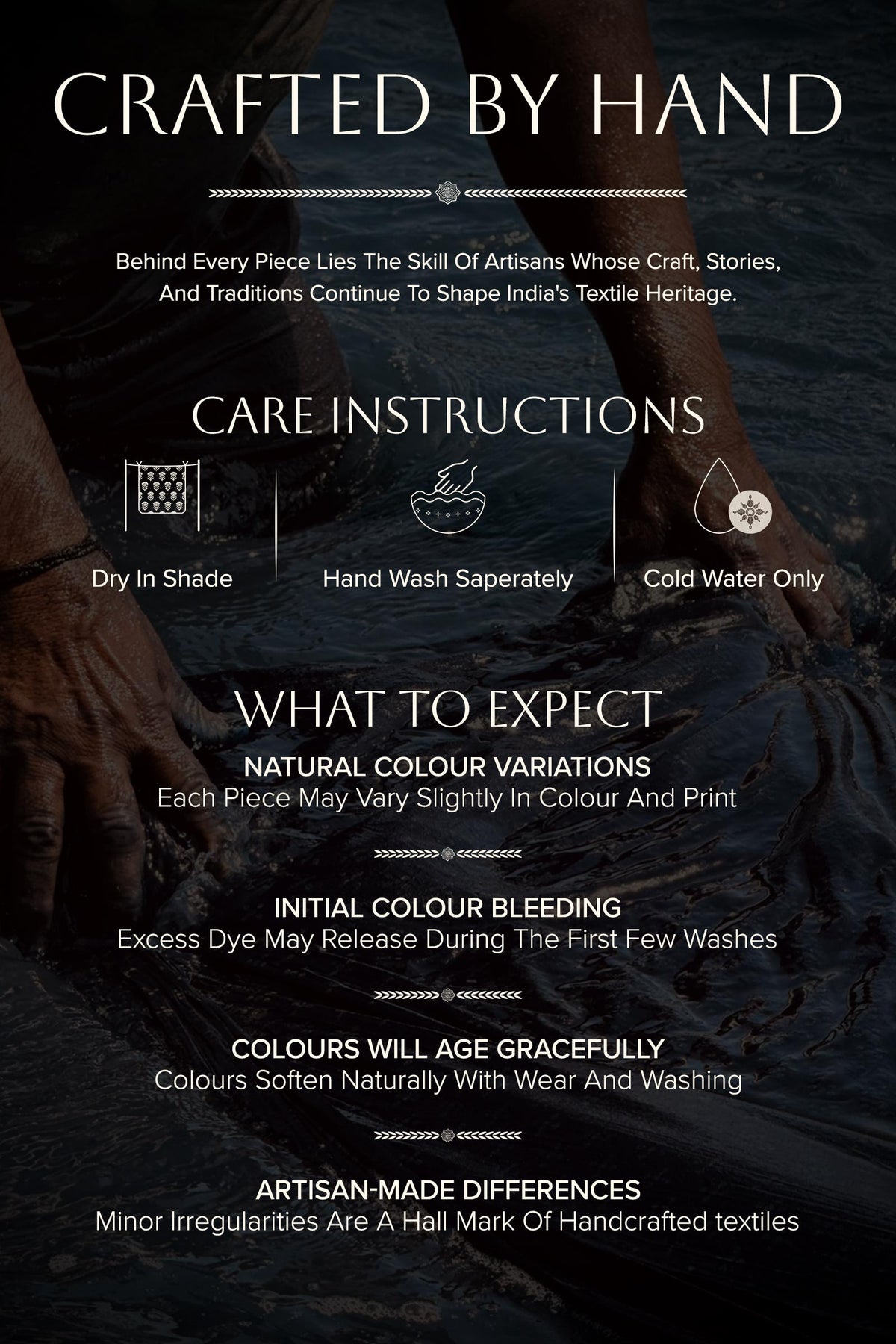
Cold water is safest, by hand or on a gentle machine cycle with a mild detergent. Hot water and strong detergents are hard on natural dyes and on the fabric itself. Don't leave naturally dyed pieces sitting in water for long. For the first few washes, keep them separate since some natural dyes release a little color before they fully settle in.
How to Preserve Natural Colors
Direct sunlight is the main thing to avoid. UV exposure fades natural dyes faster than synthetic ones, so drying in shade and storing away from bright light both make a real difference over time.
Proper Storage and Fabric Care
Natural fabrics need to breathe, so sealed plastic bags for long-term storage aren't ideal. Folding is better than hanging to prevent the fabric from stretching over time. Cedar or neem-based repellents keep insects away without leaving chemical residue on fabric you've otherwise been careful about.
Why Hand-Printed Fabrics Are Worth Investing In
They cost more and the reasons are honest. The time involved is real. The skill involved is real. Natural materials cost more than synthetic ones and small production runs don't allow for the pricing that factory scale makes possible.
What you get back is fabric that feels good, gets better the more you wear it, and doesn't carry the chemical or environmental baggage of synthetic textiles. No two hand-printed pieces are exactly alike, so what you own is actually yours in a specific way. And the money goes to people who put real work into making something worth having.
For anyone who wears kurtas regularly and expects them to last, hand-printed natural fabric is simply the better choice over time.
Final Thoughts
Hand-printed fabrics aren't a niche thing for people who think very hard about sustainable fashion. They're just better in ways that are practical and tangible. How they feel. How they last. What they cost the environment. What buying them means for the people who make them.
Choosing one isn't a complicated decision. It's just a slightly more considered one. And for something you wear regularly over many years, that consideration tends to pay off in ways that are easy to notice. These fabrics have been around for centuries because they keep being worth it. That's reason enough.

