









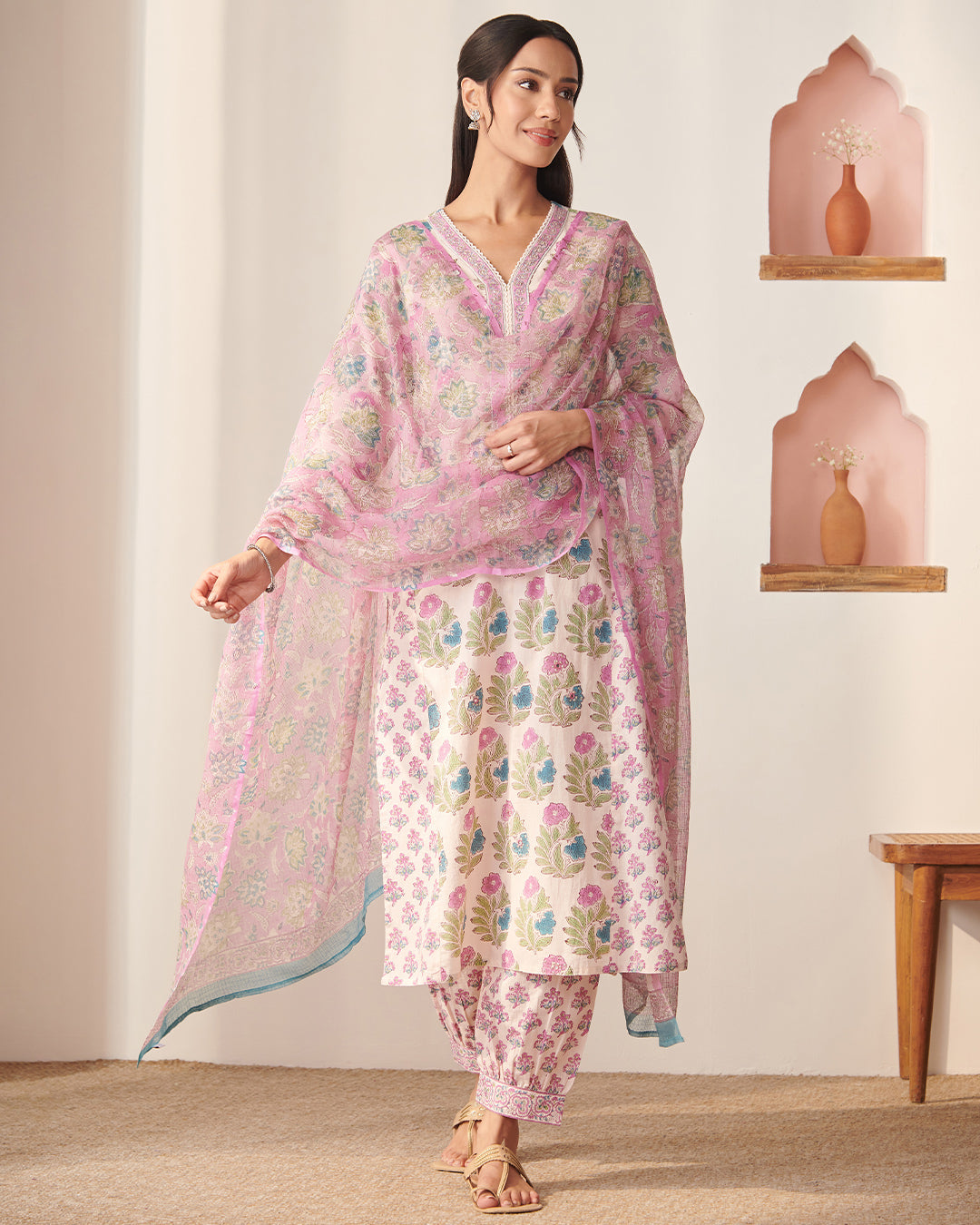
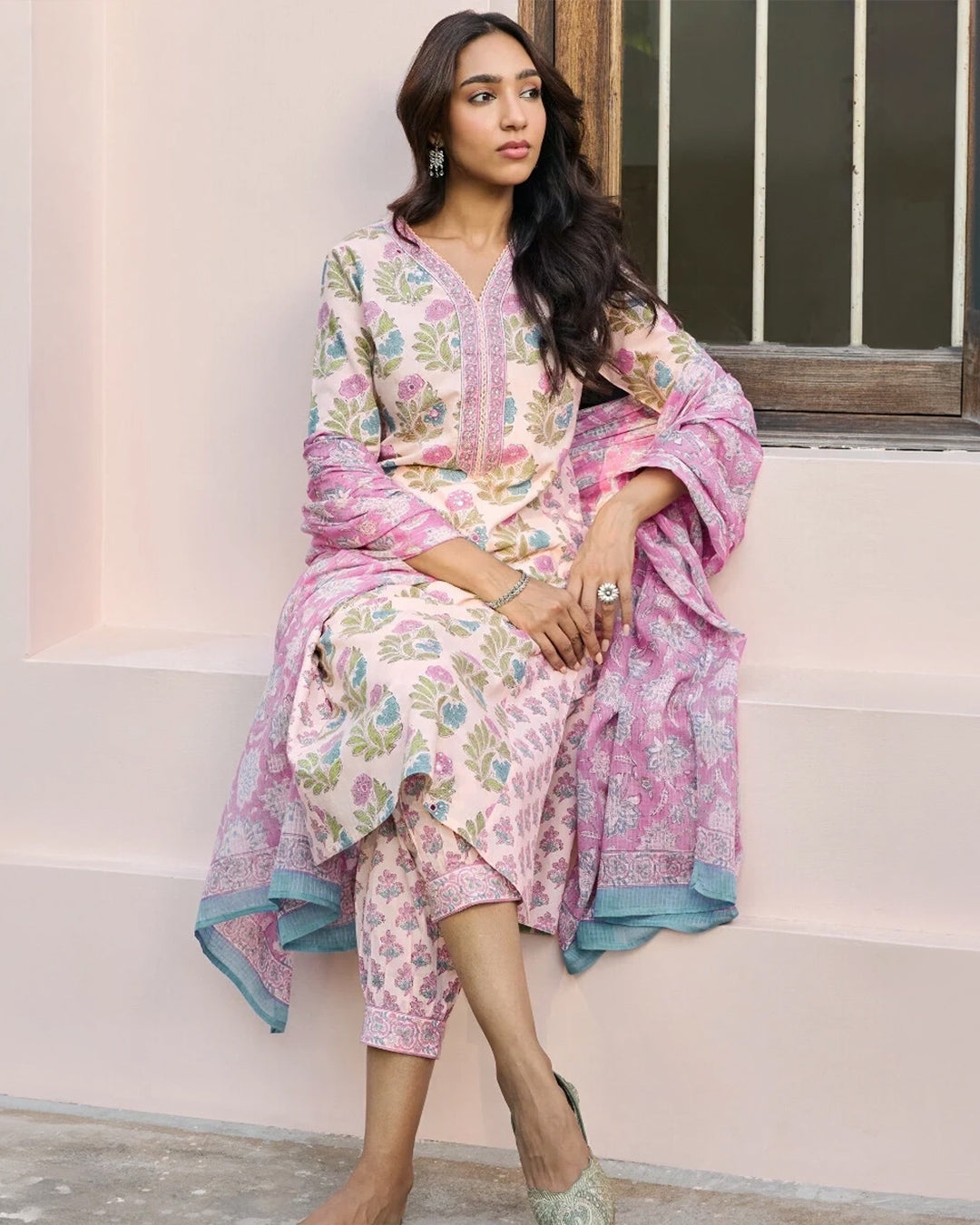
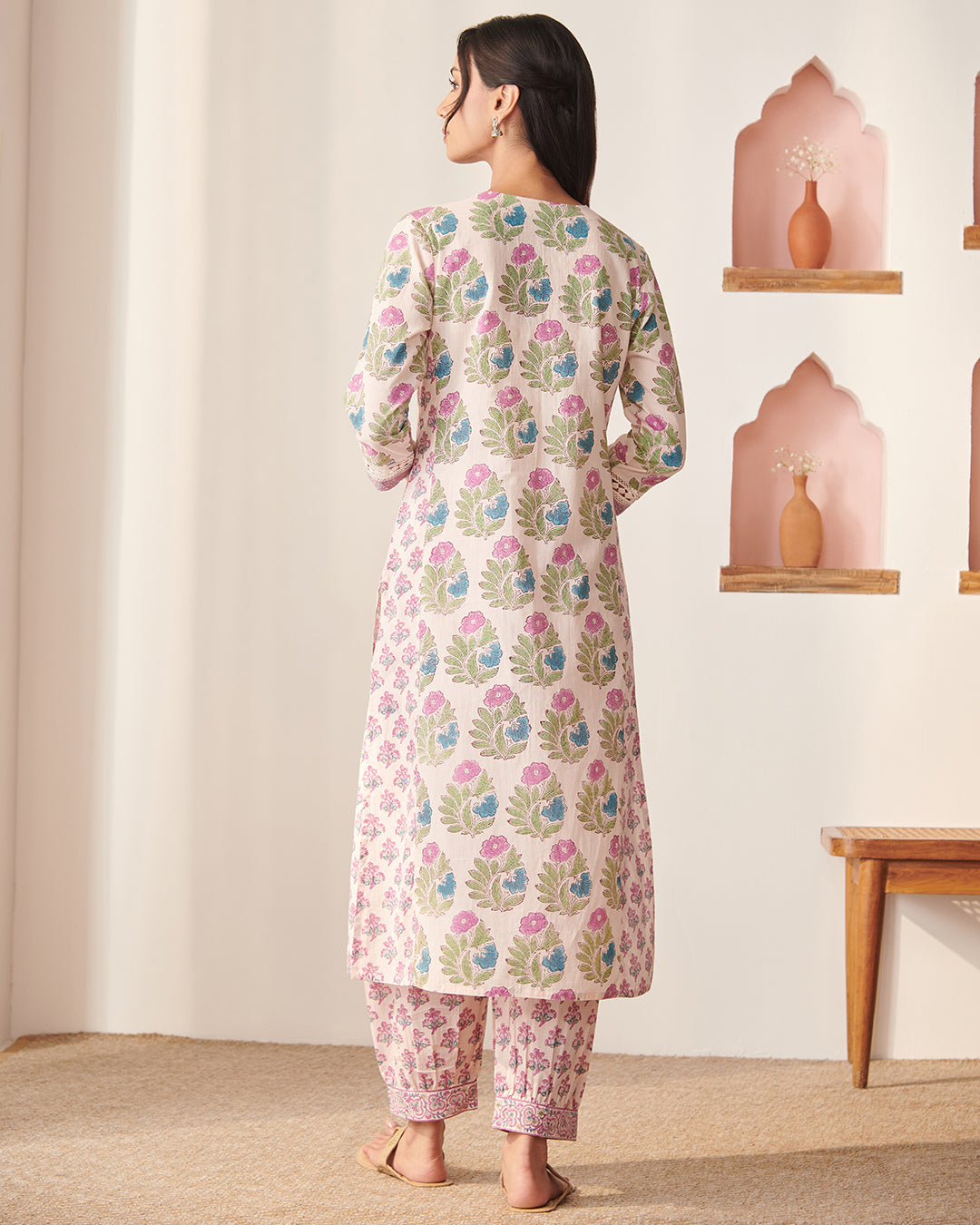
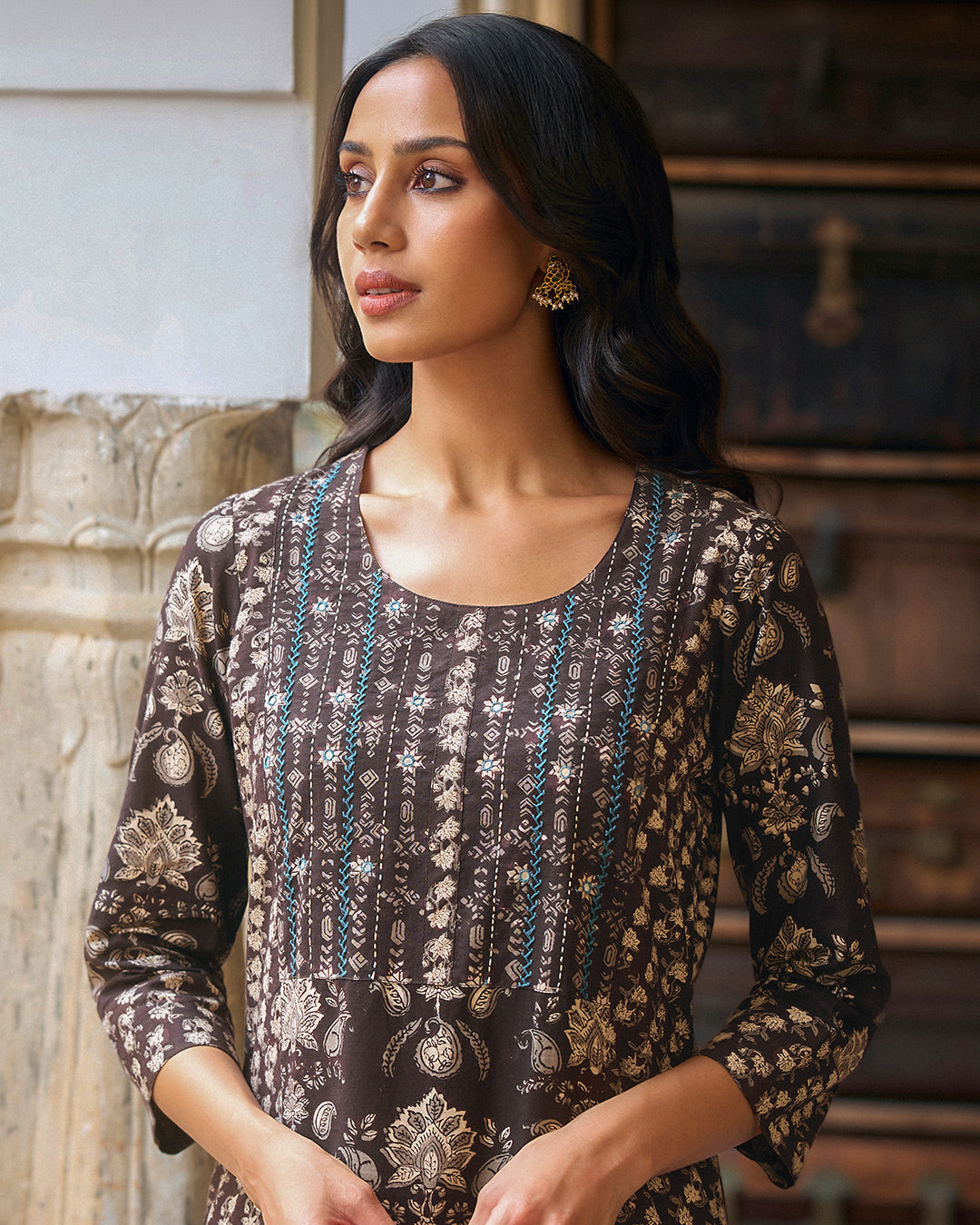
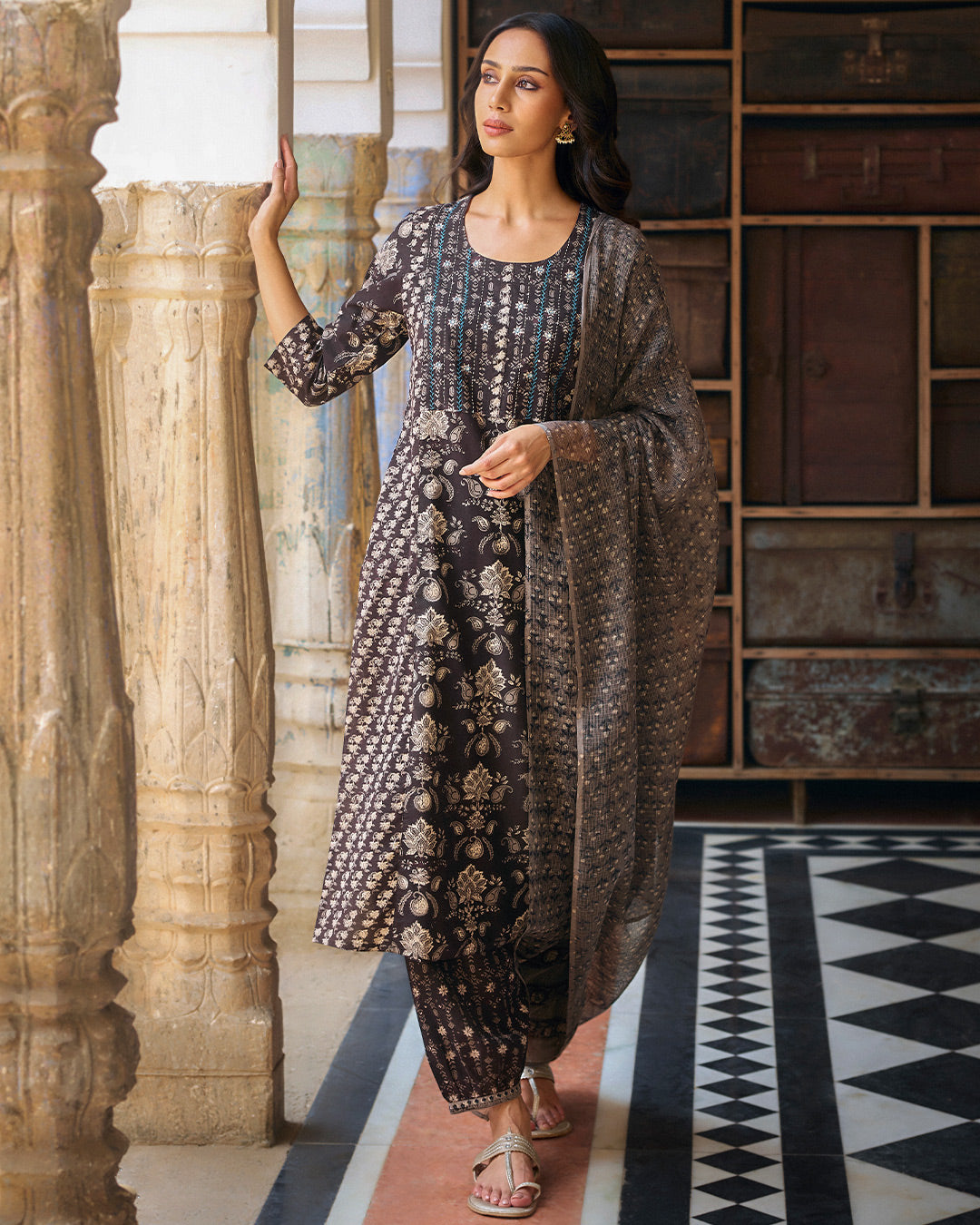
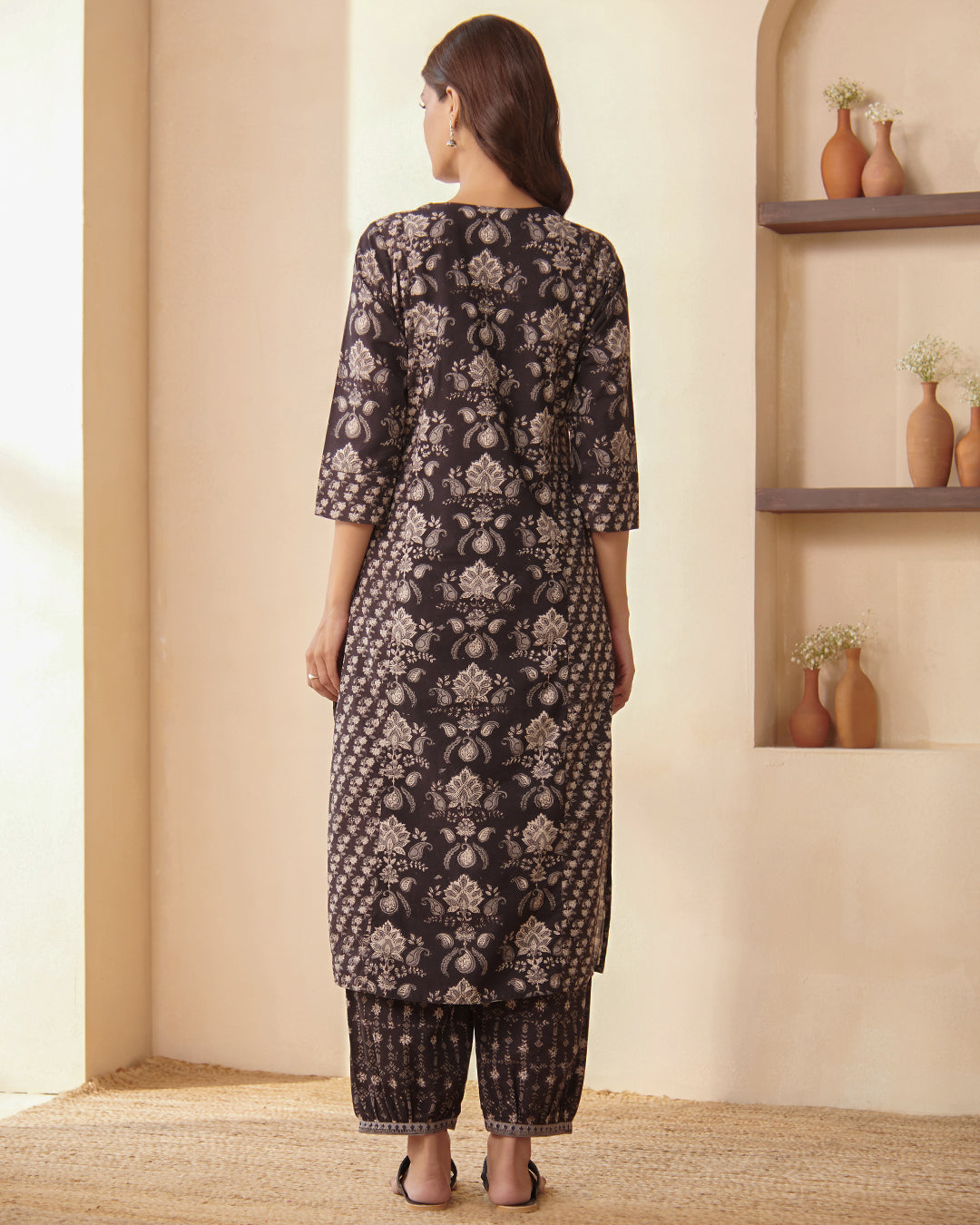
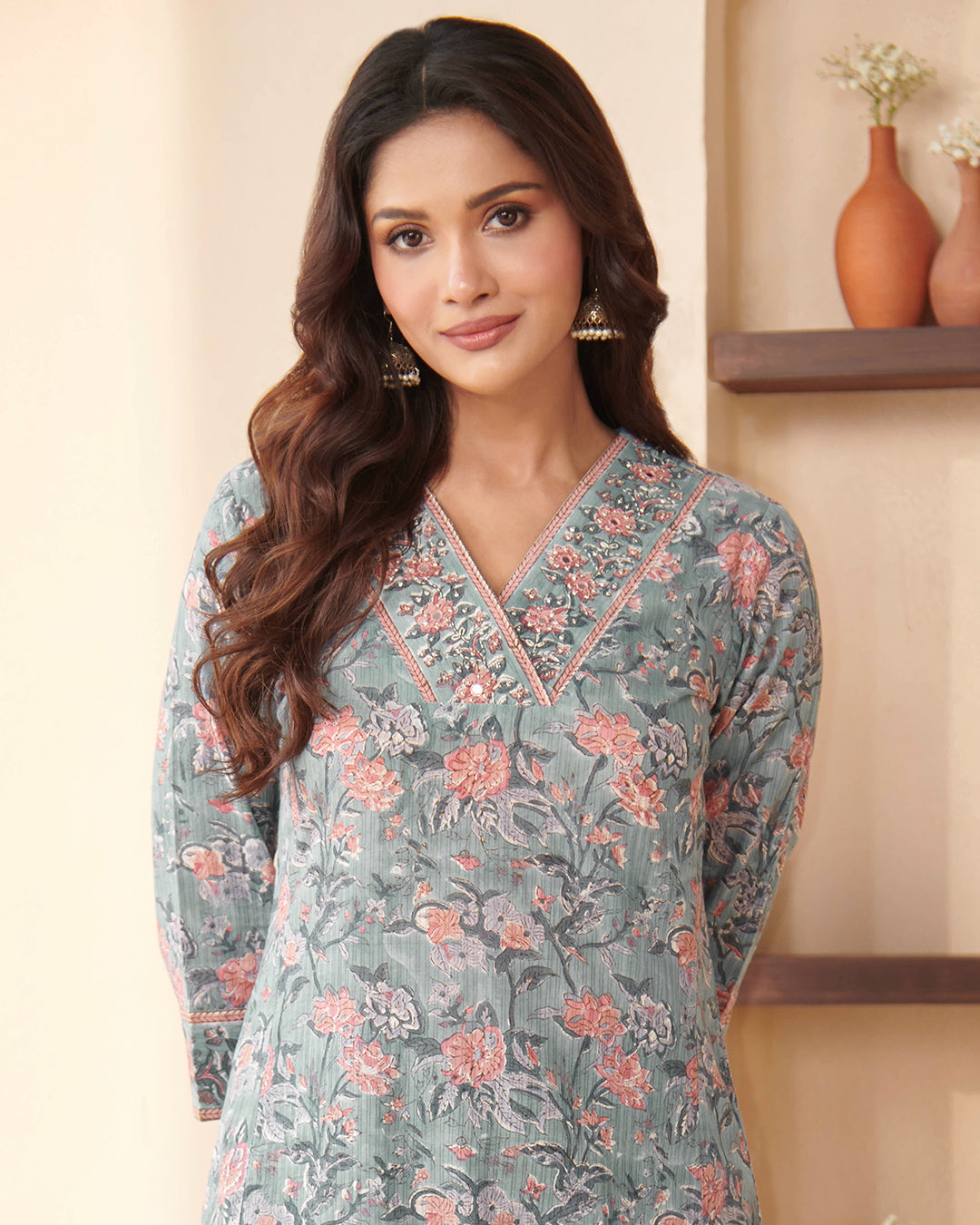
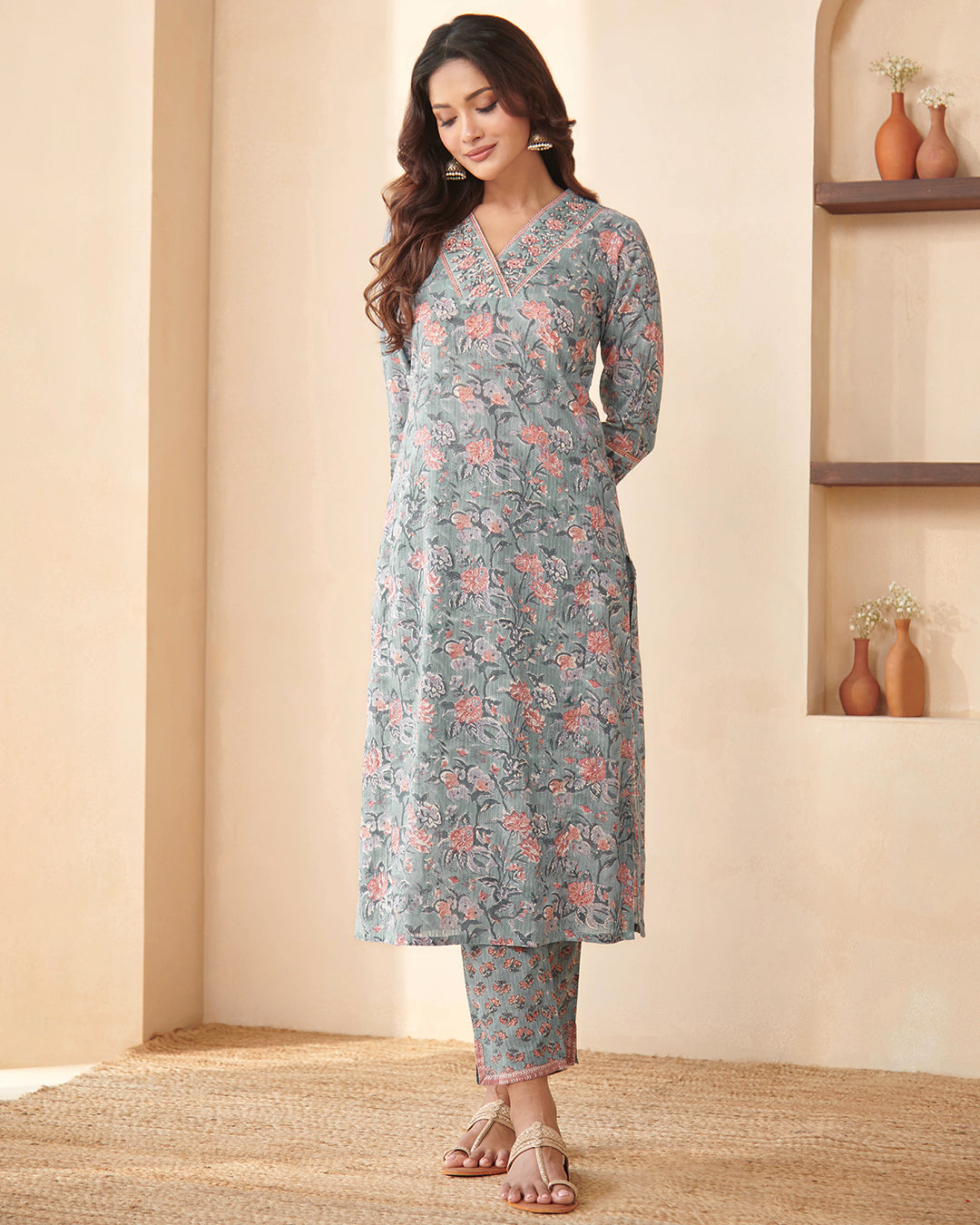


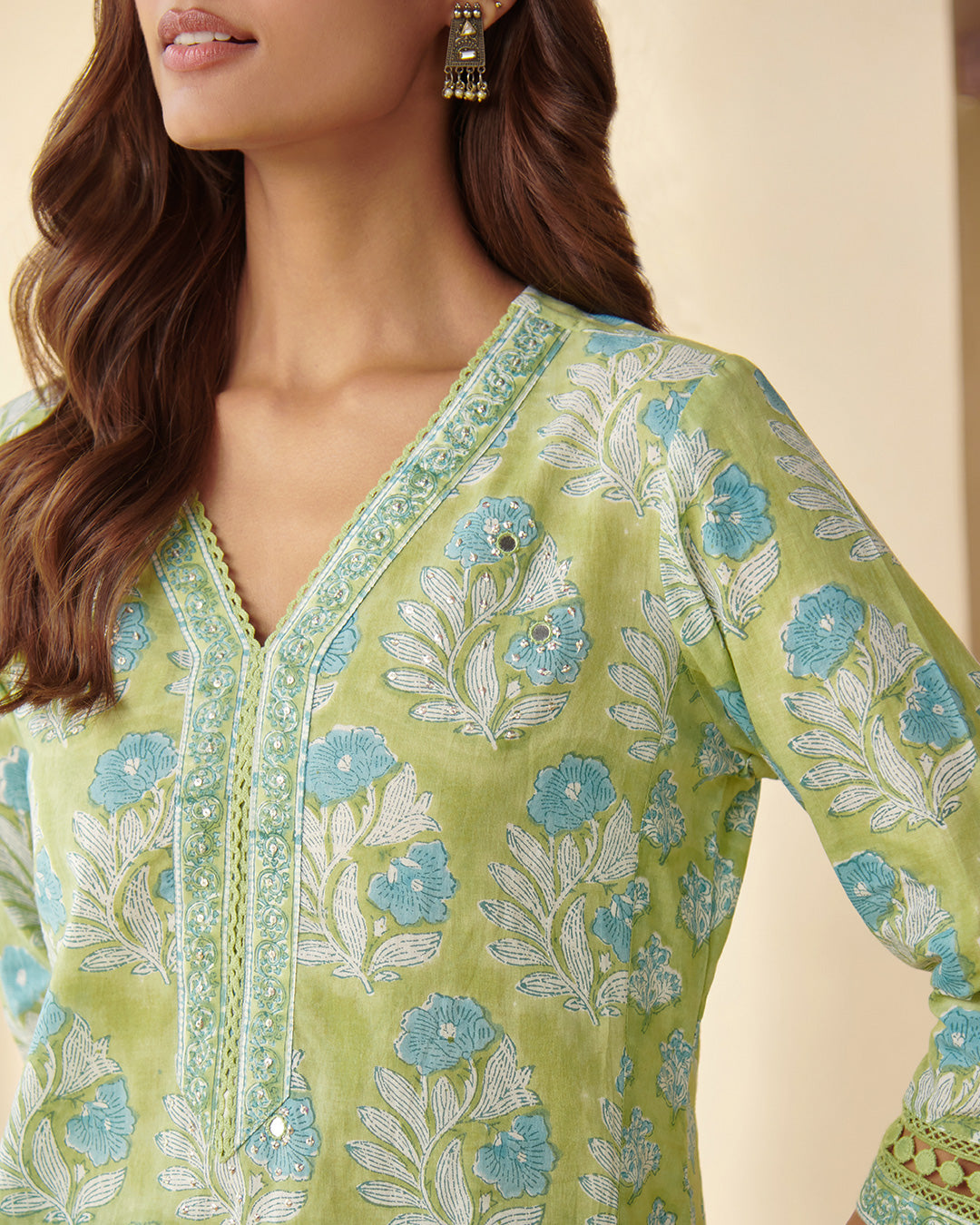
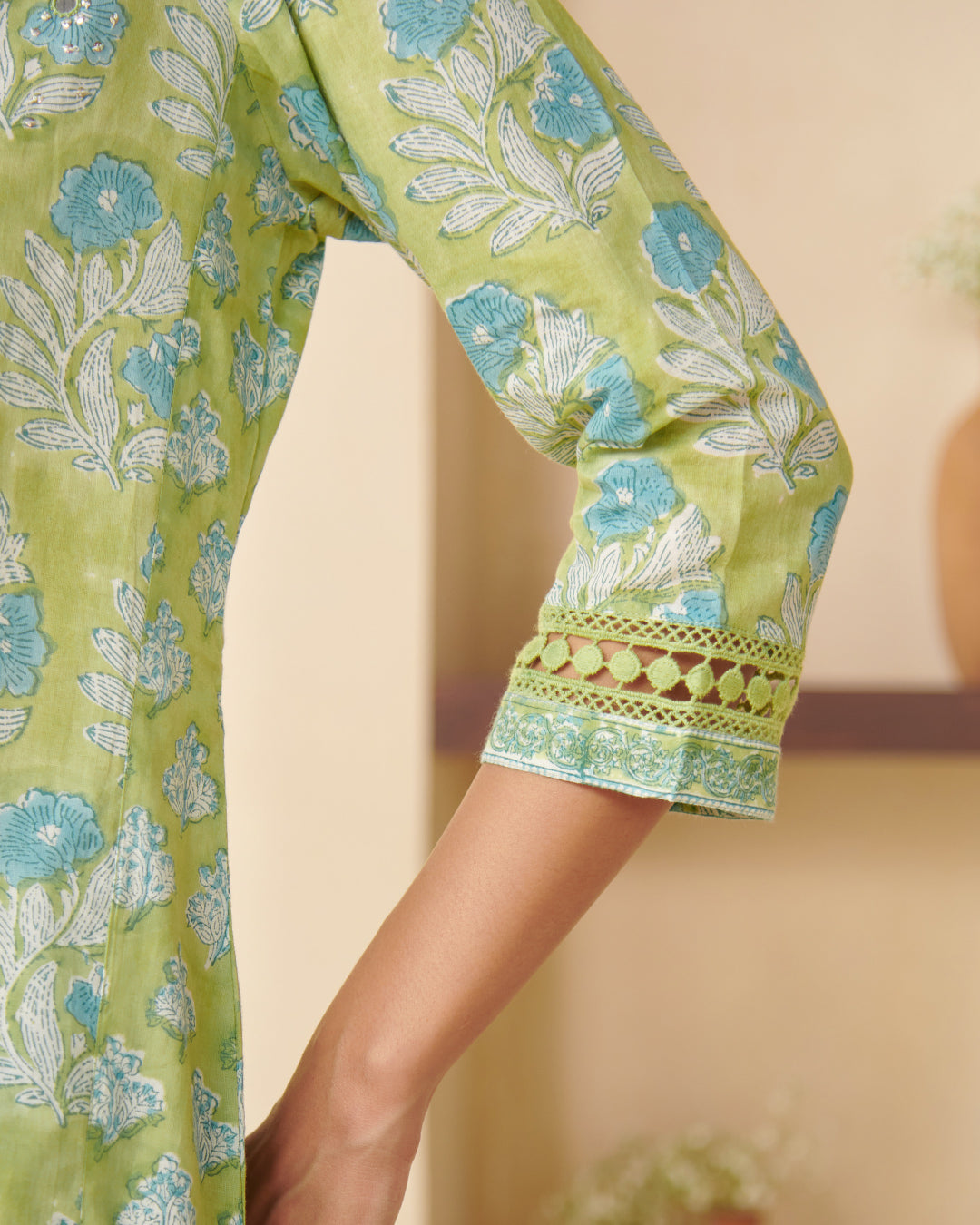
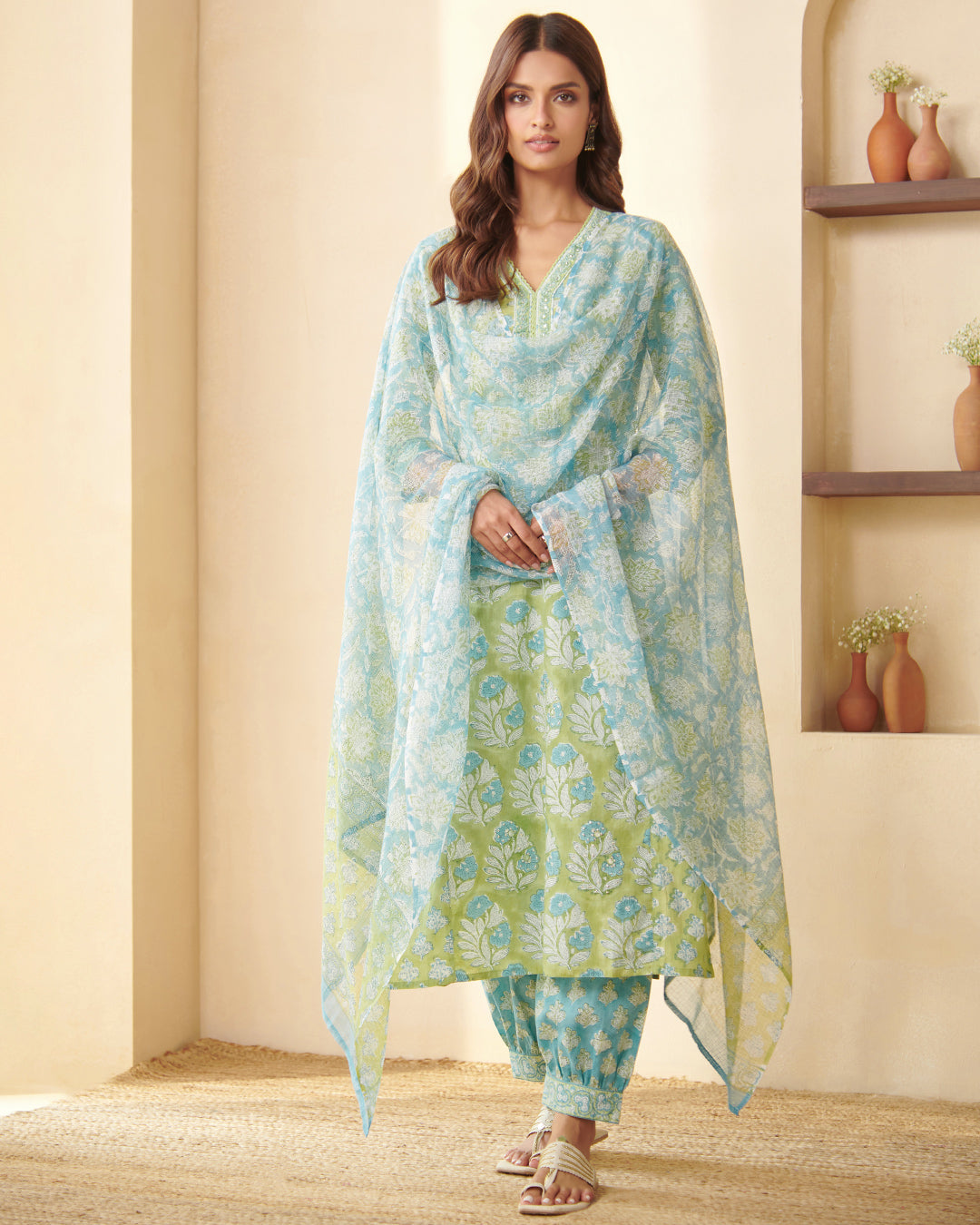
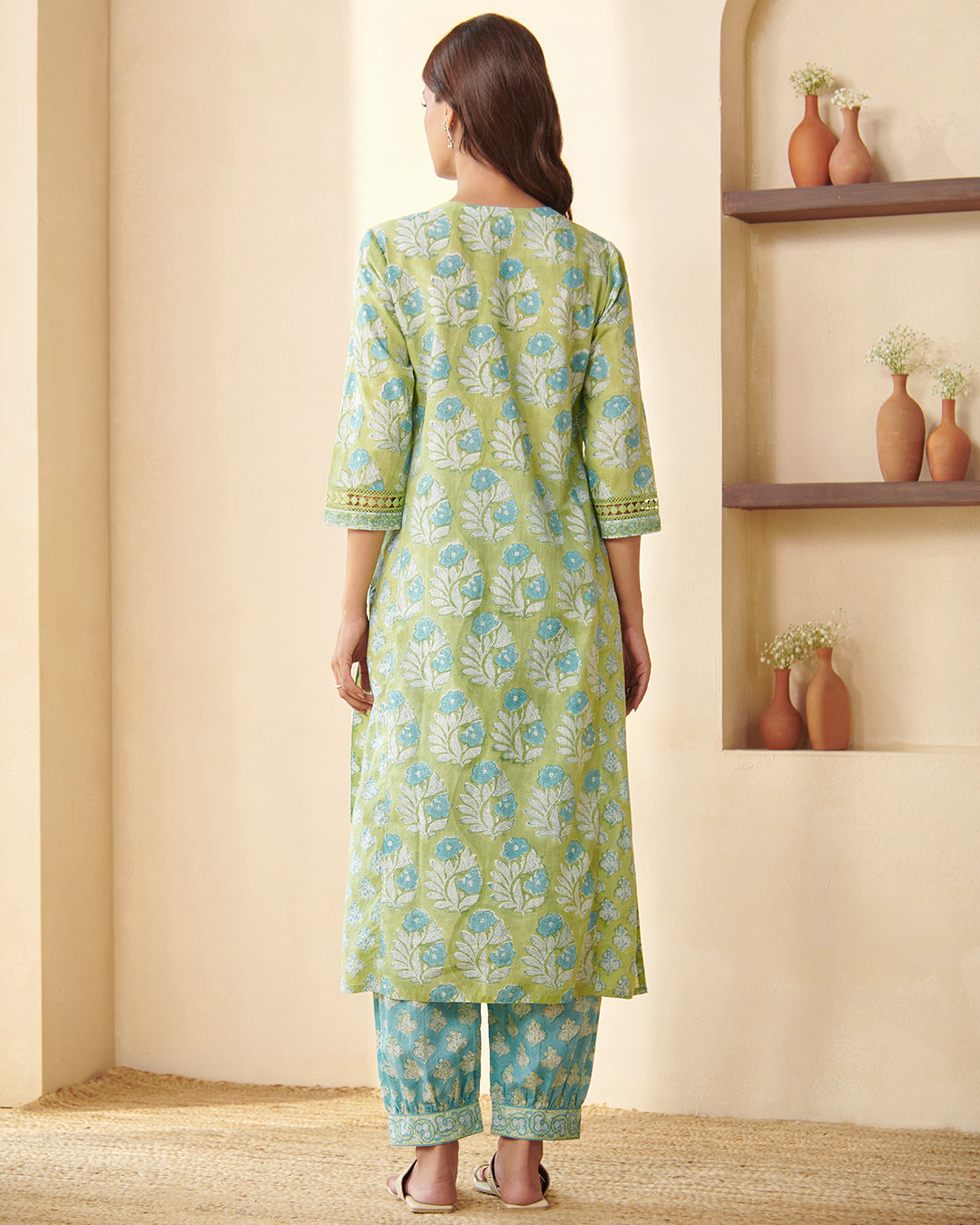
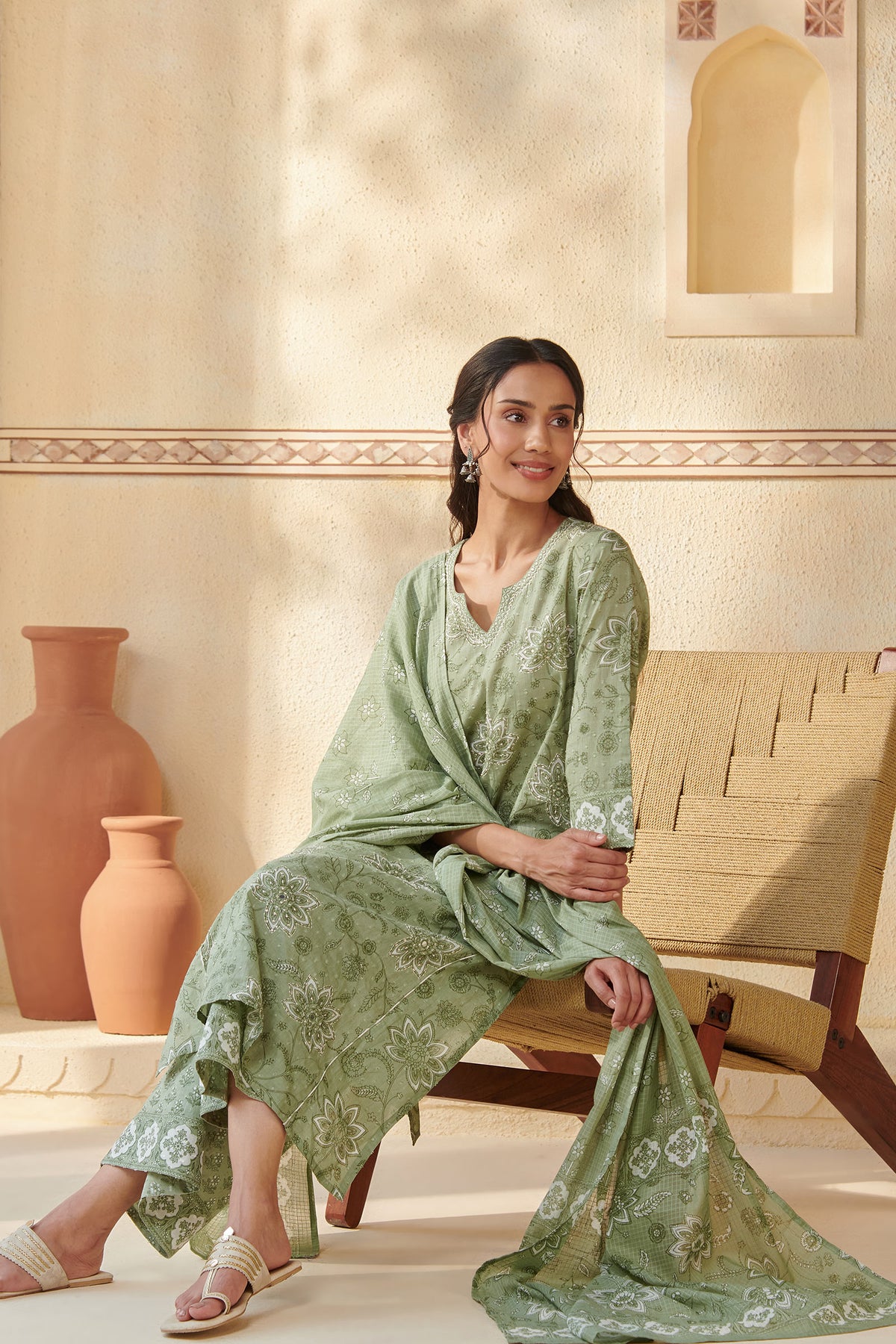
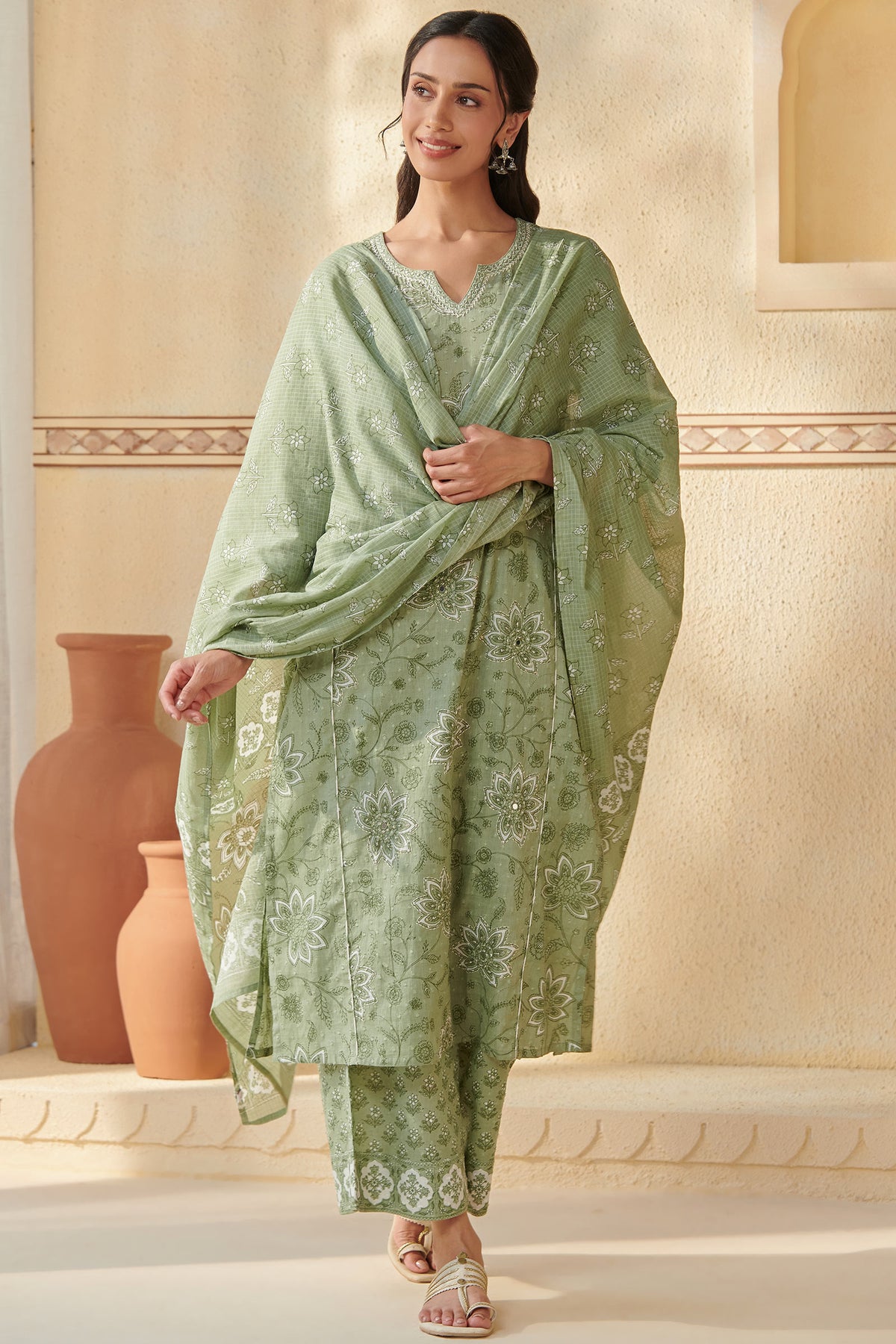
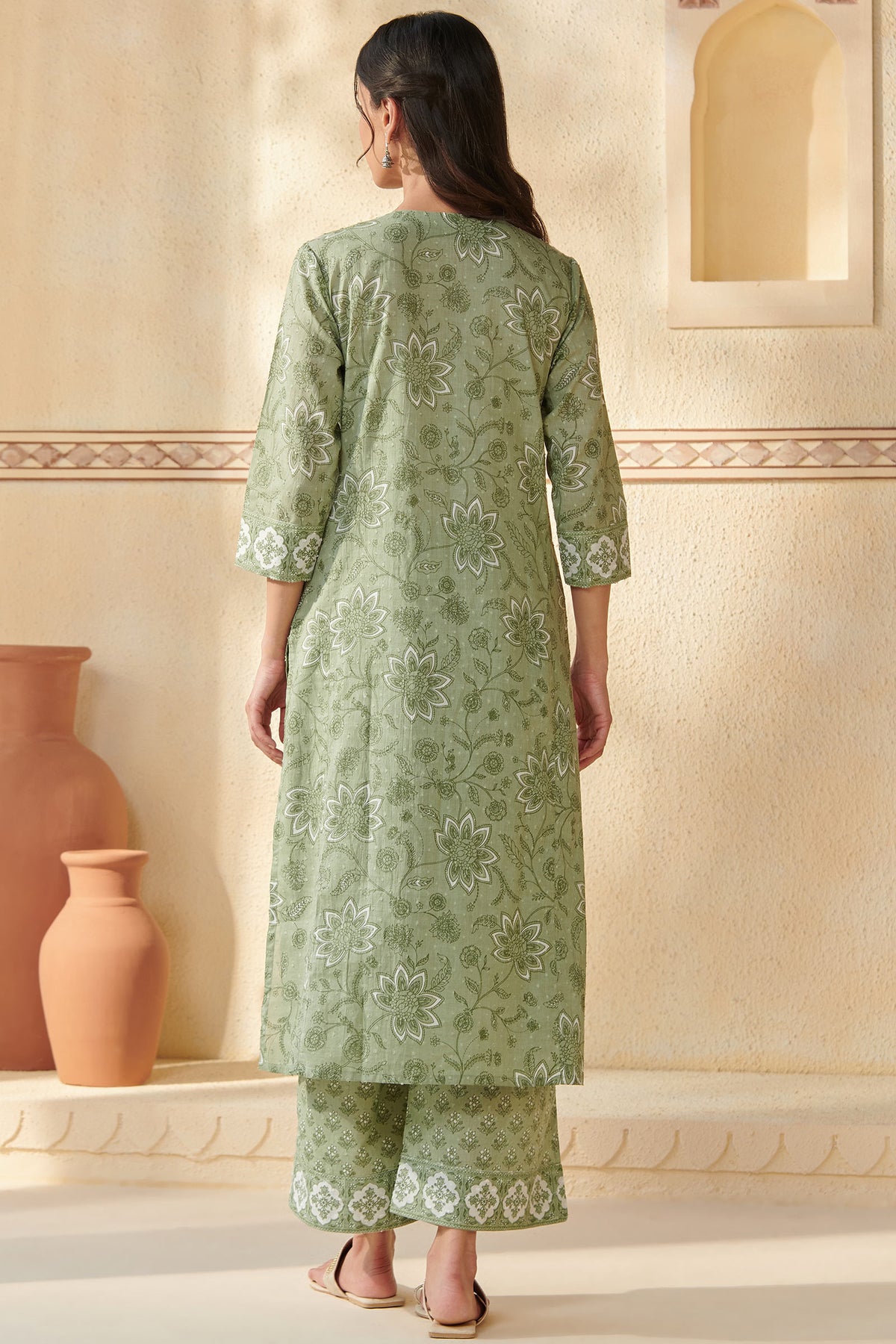
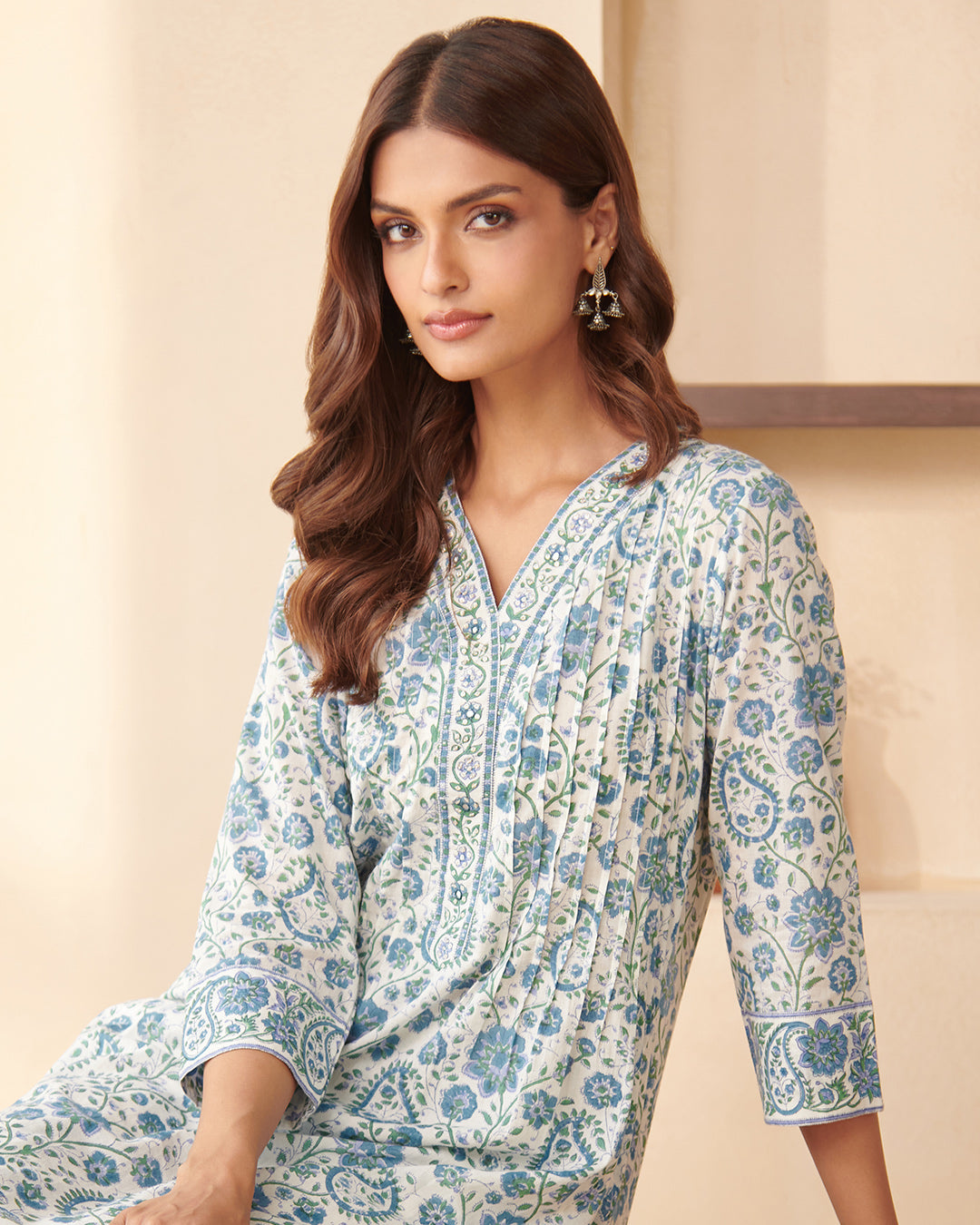
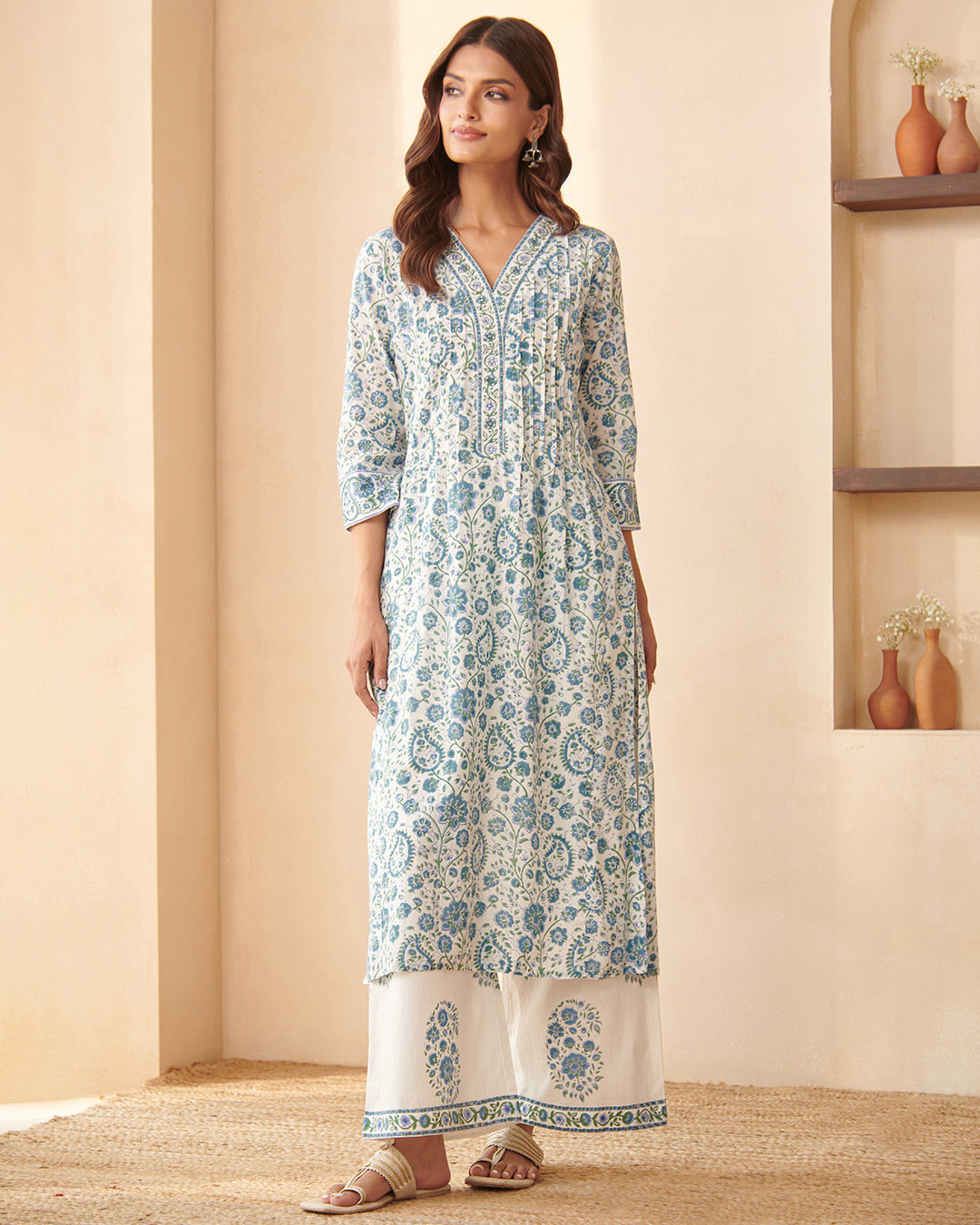
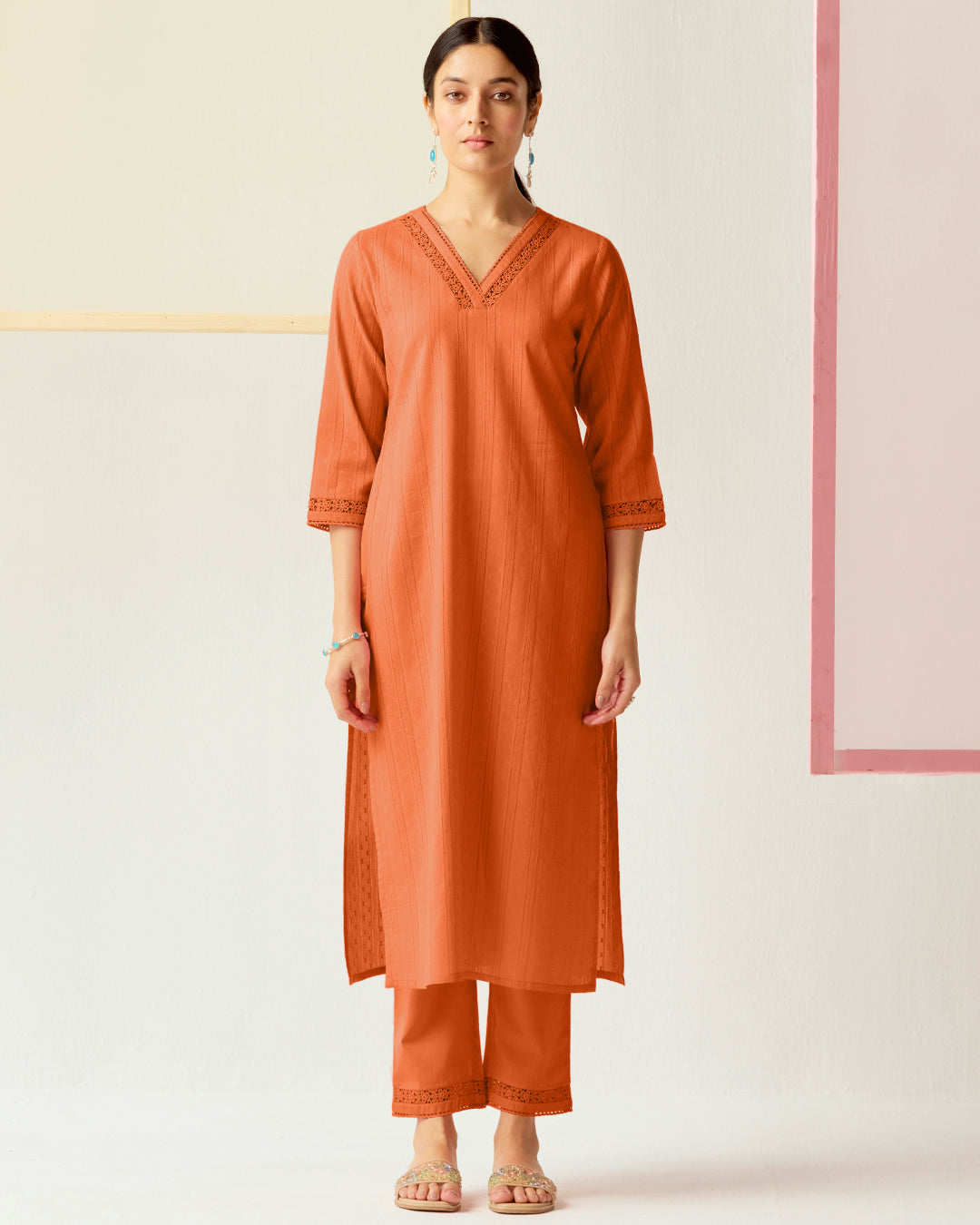
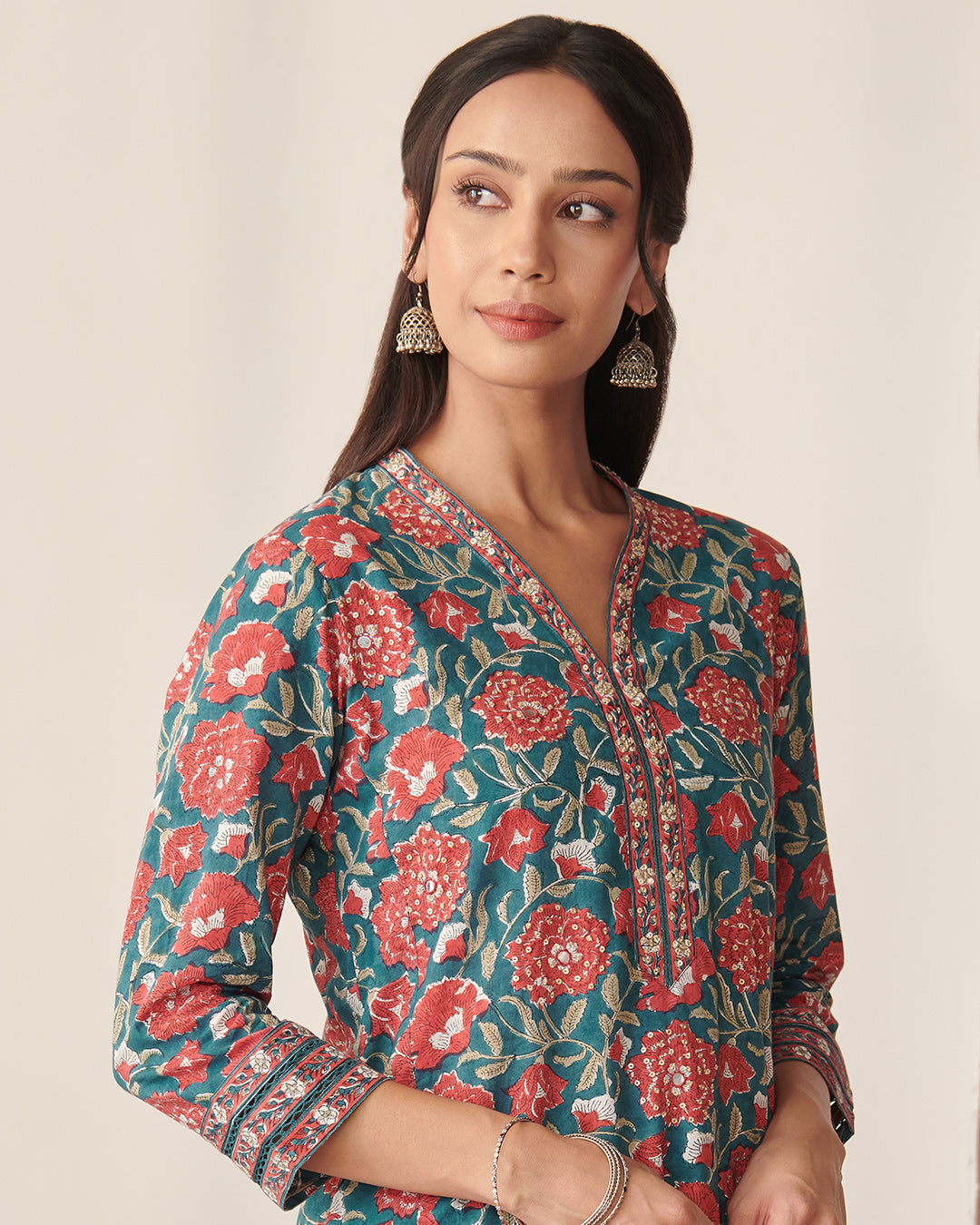
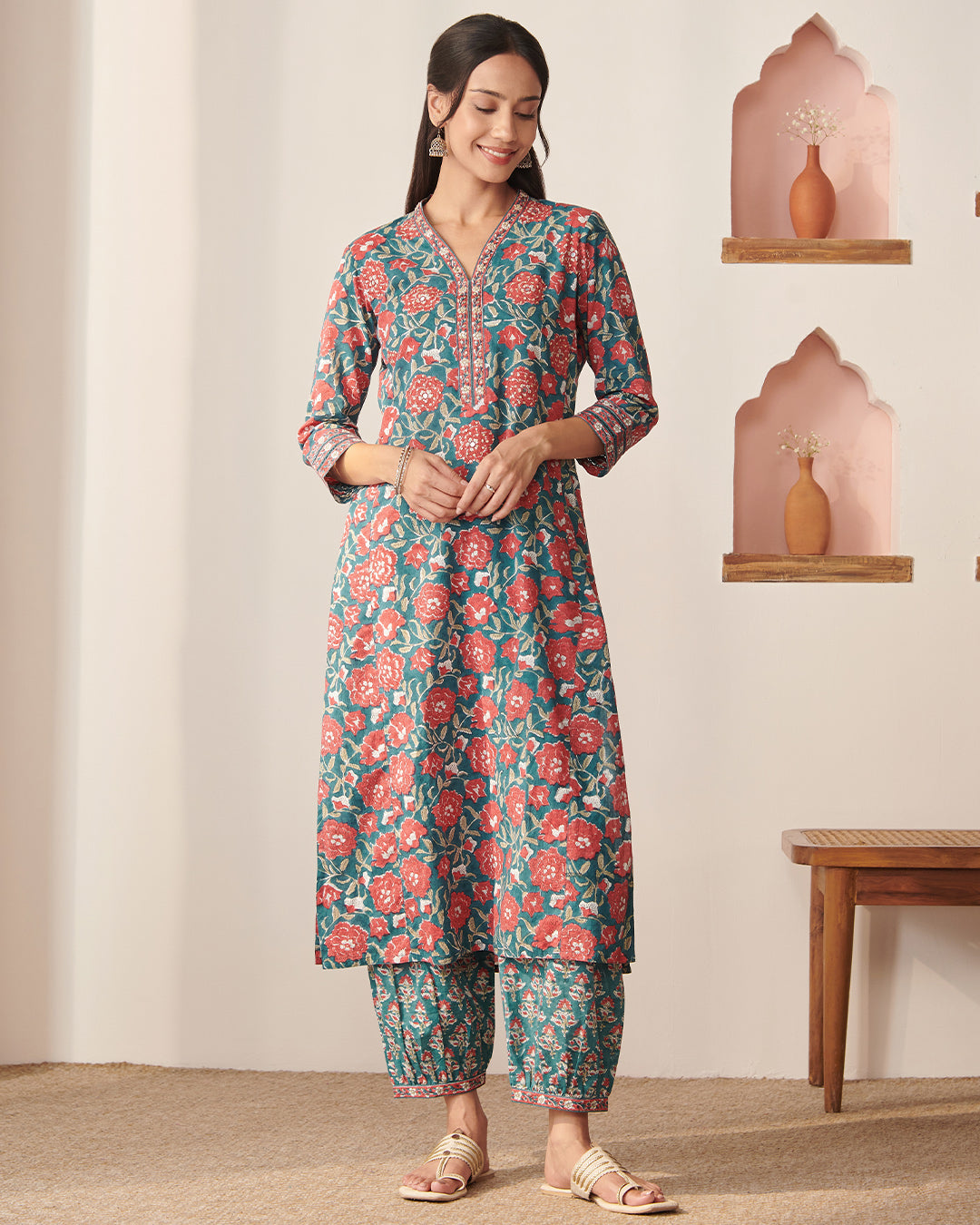
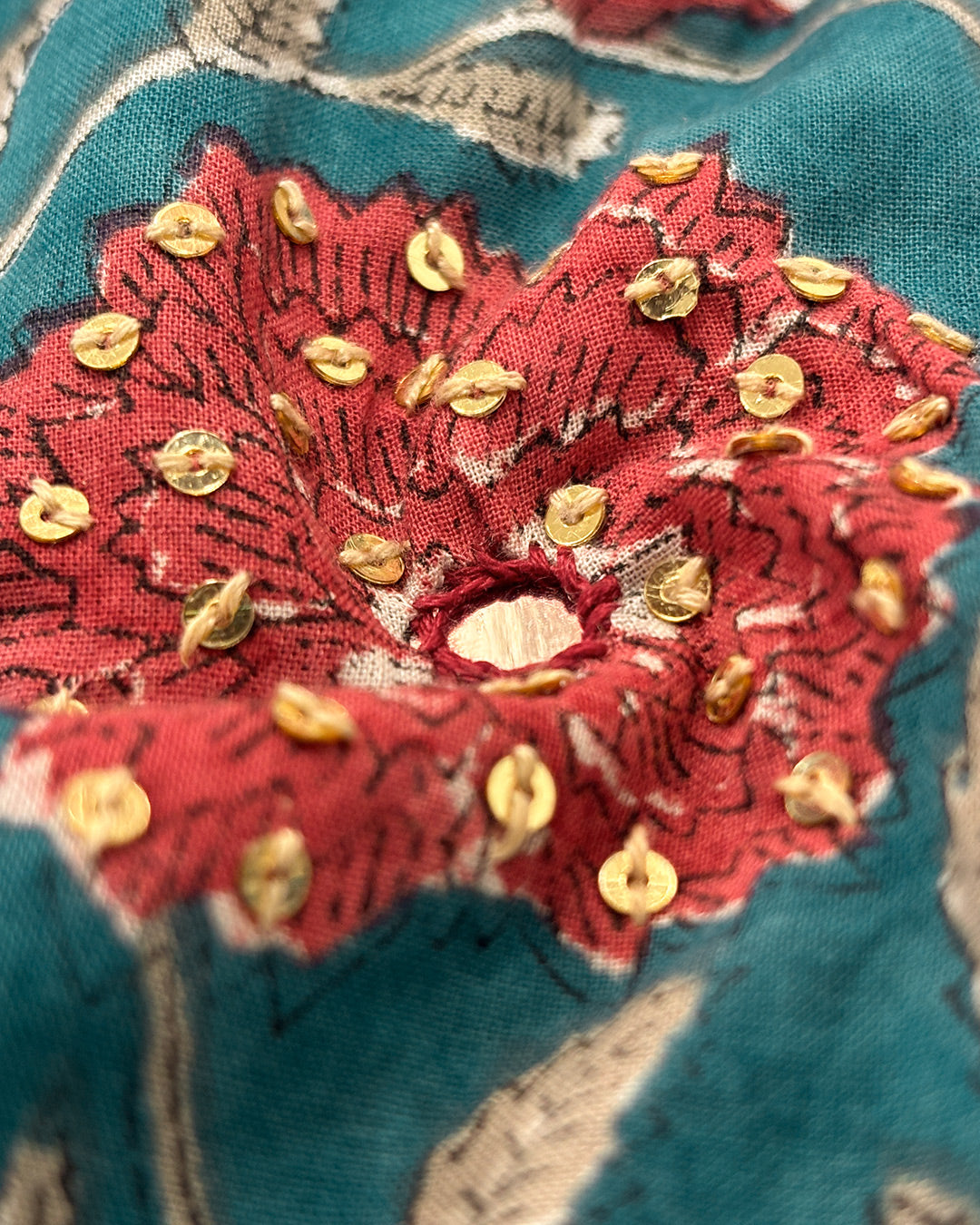
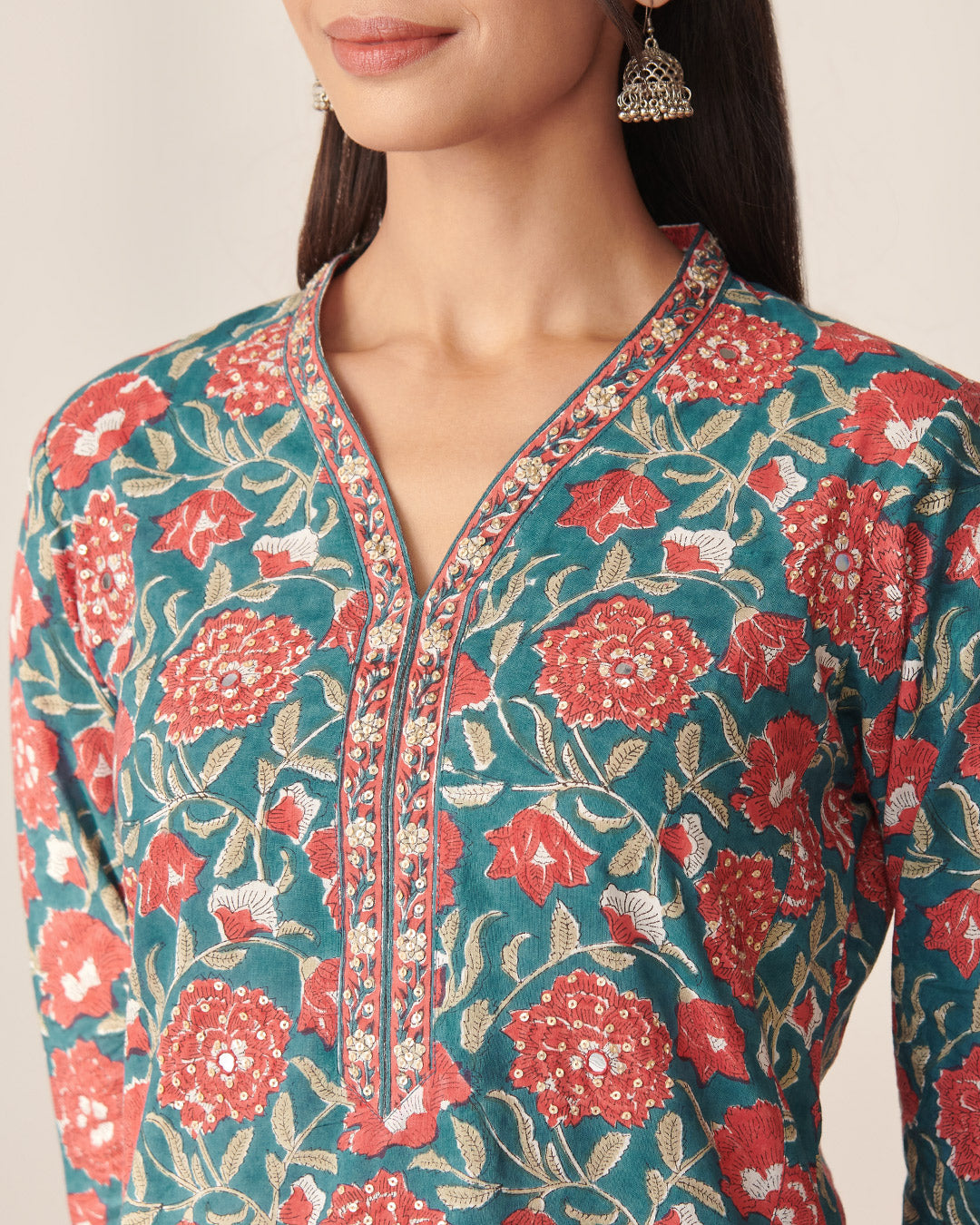
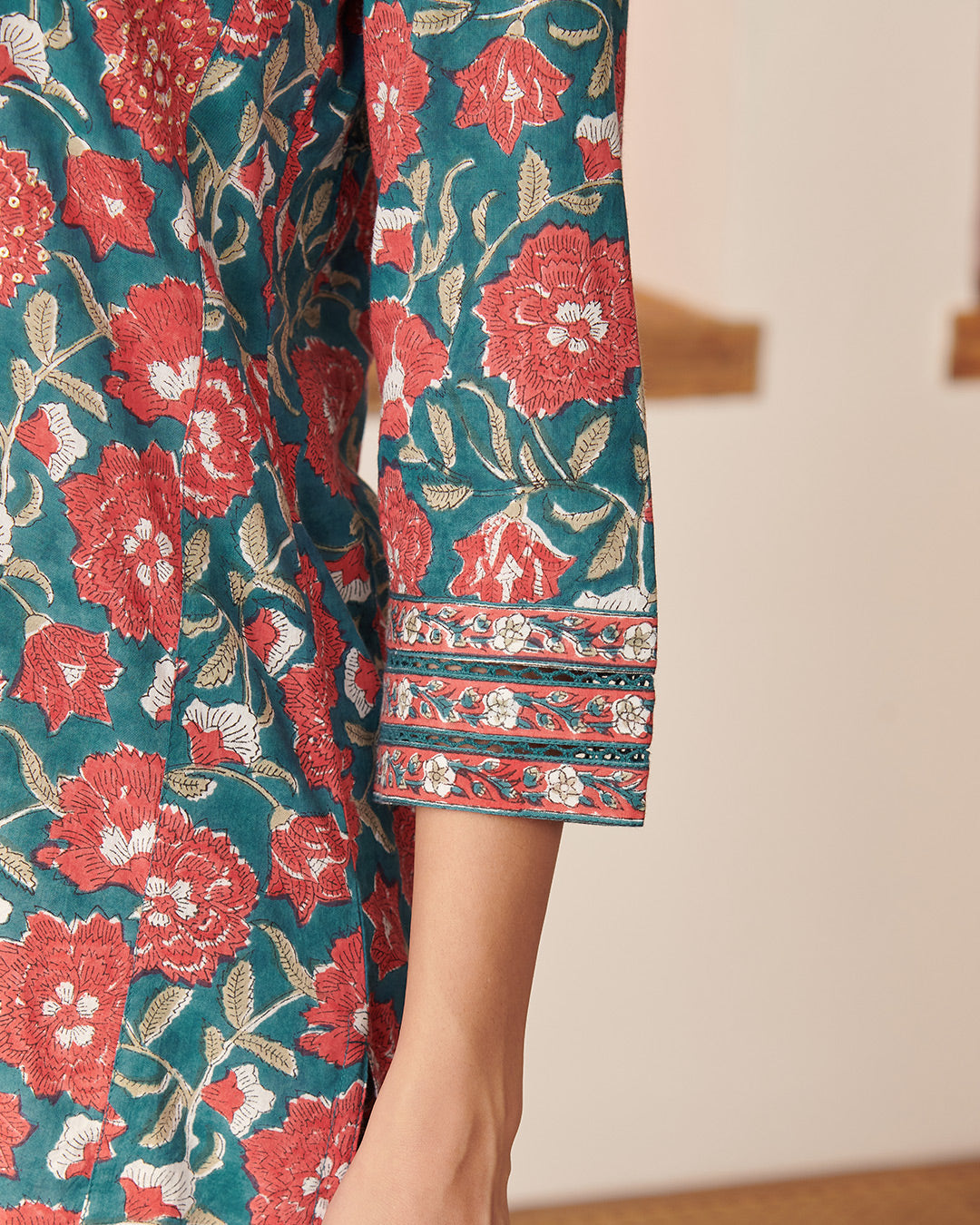
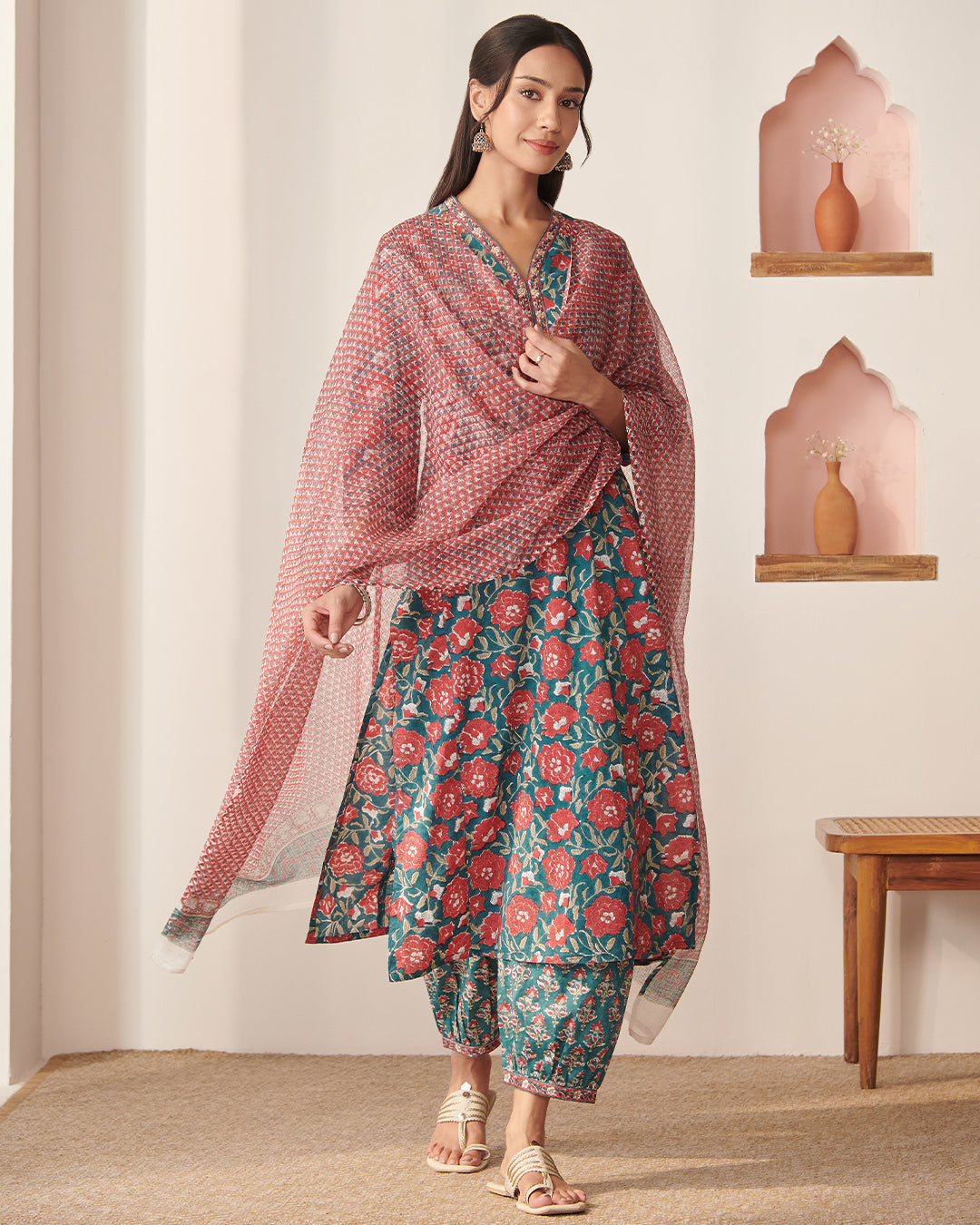
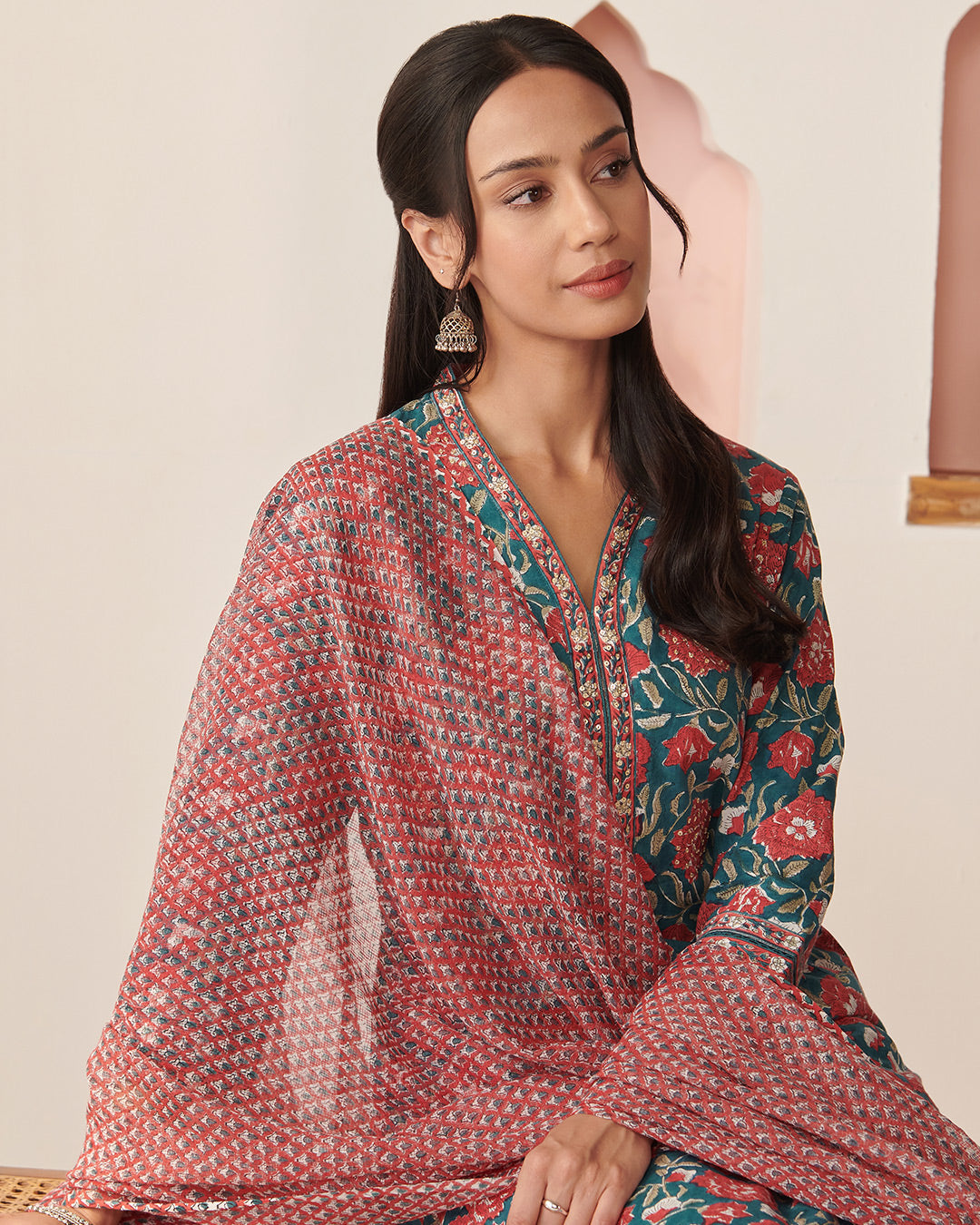
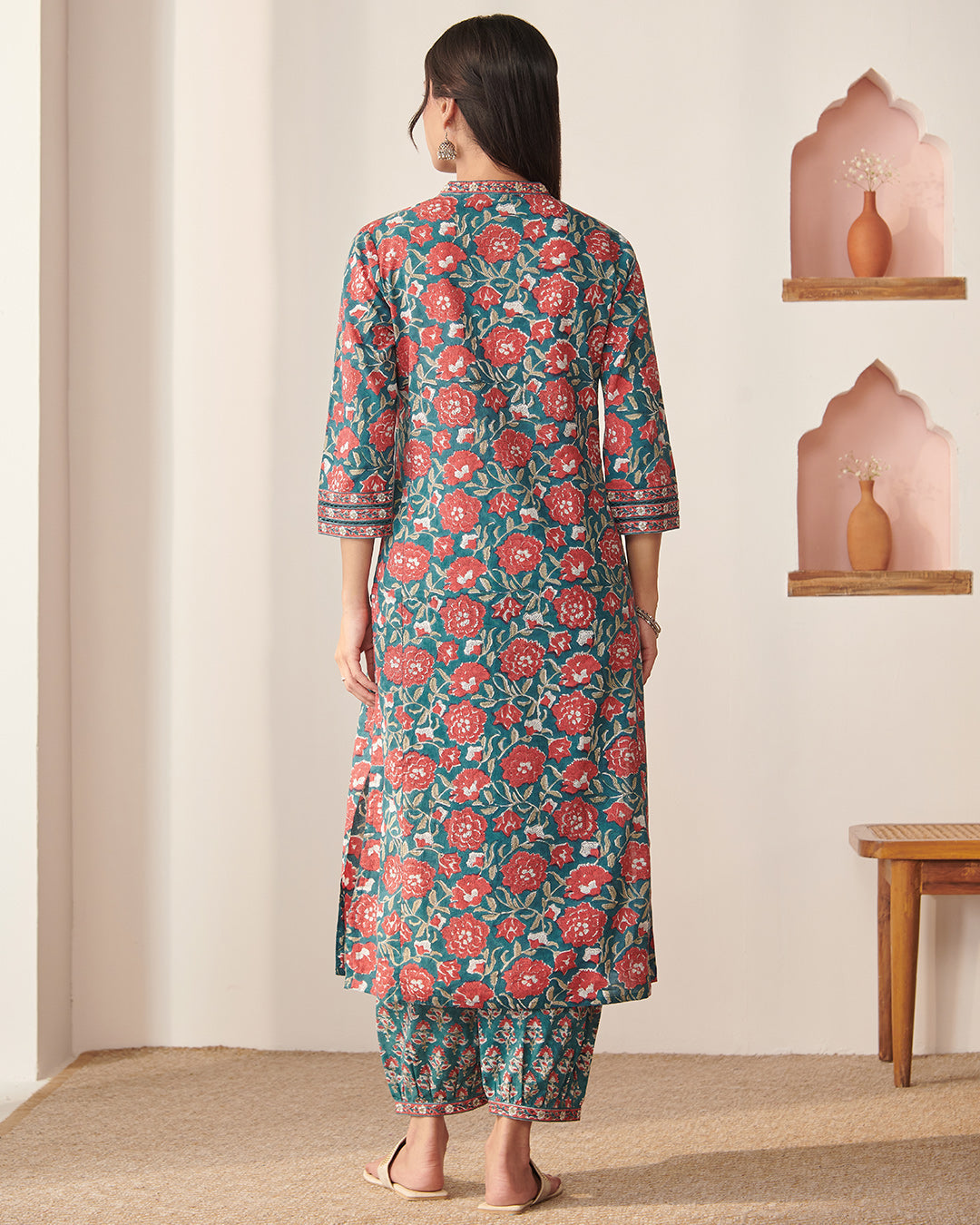
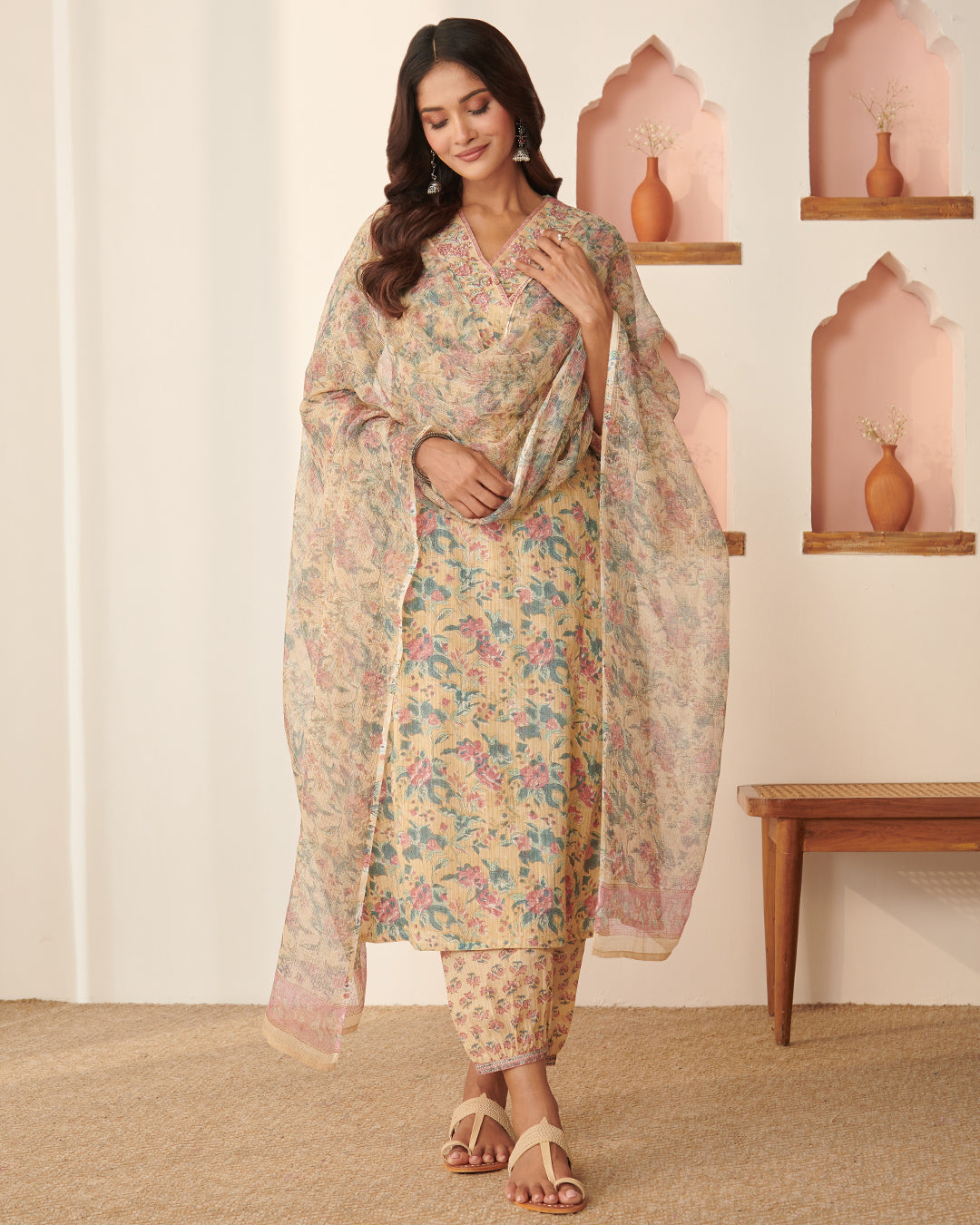
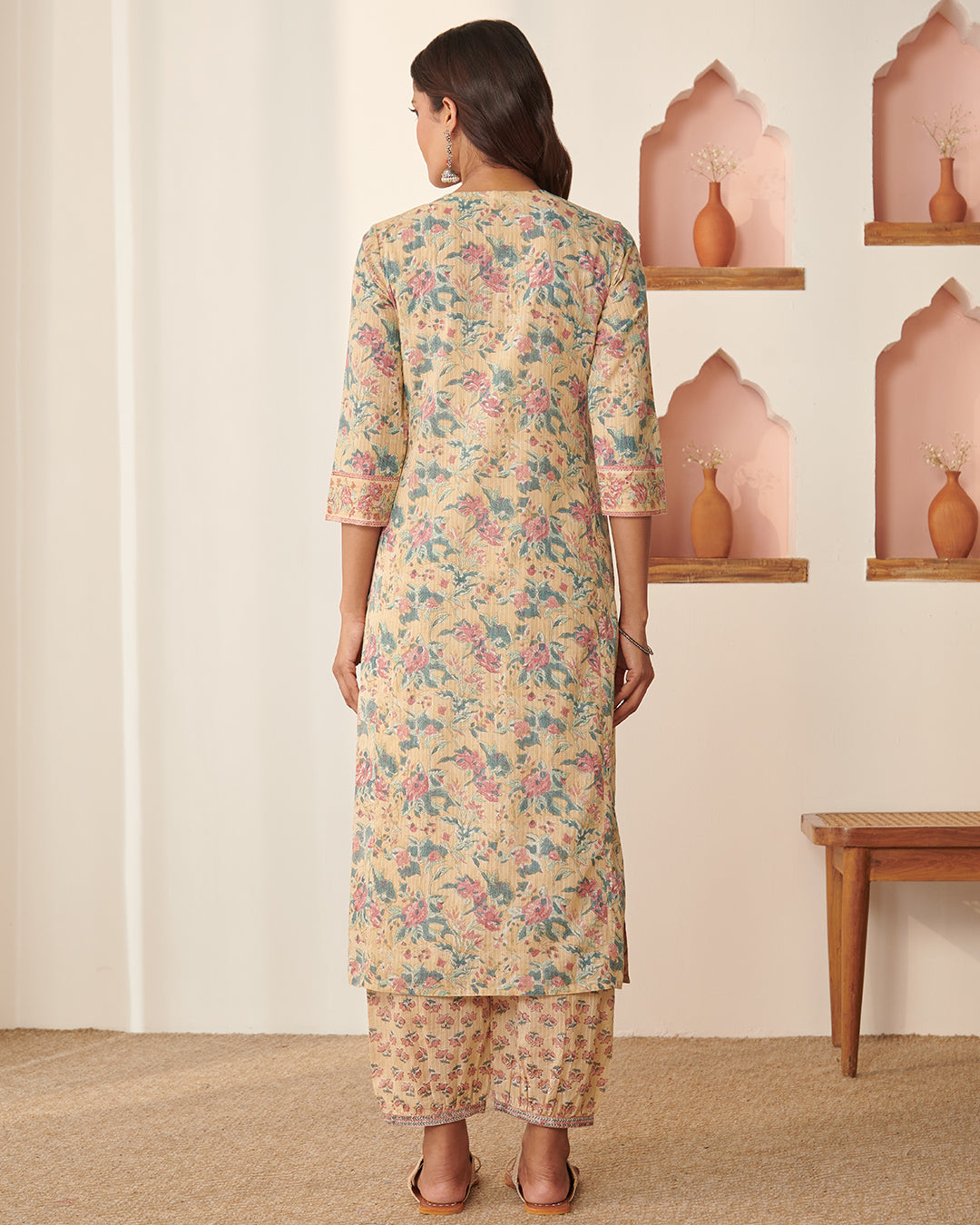
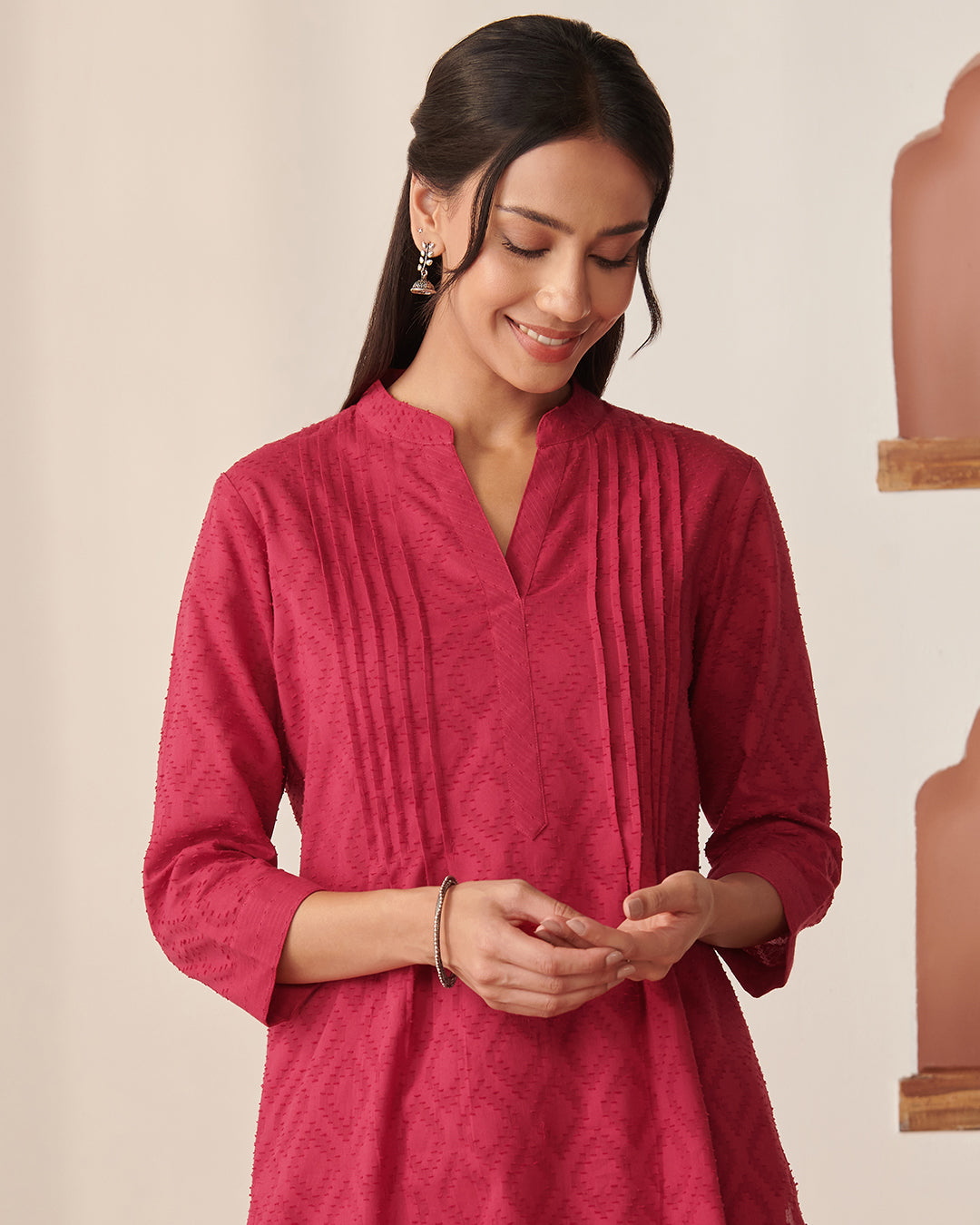
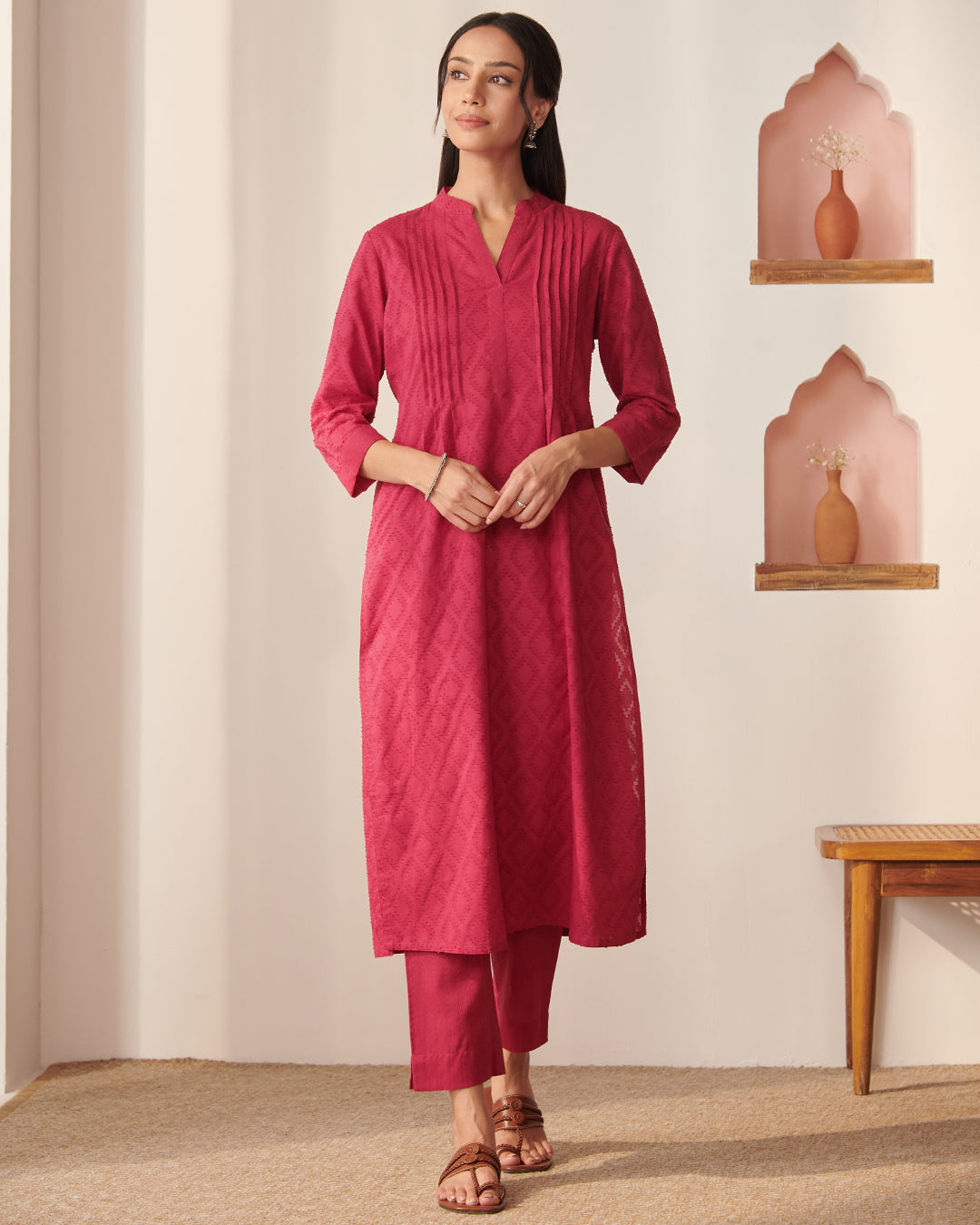



Choosing a kurta often begins with the silhouette or fabric, but it is the colour that quietly shapes how the garment feels. Before a print catches the eye or an embroidered detail is noticed, colour creates the first impression. It can make an outfit feel calm, festive, understated, or celebratory.
Indian wardrobes have always reflected this understanding. Certain colours are instinctively chosen for festivals, while others become part of everyday dressing. Some shades feel comforting on a summer afternoon, while deeper tones naturally belong to winter evenings and family gatherings.
The beauty of a thoughtfully chosen kurta colour is that it doesn't just suit the occasion. It also reflects personality, mood, and the way you want to carry yourself. Understanding how different colours work can help you build a wardrobe that feels both versatile and deeply personal.
Why Kurta Colour Matters

Colour does more than change the appearance of a kurta. It influences how the garment blends into the moment, whether it is a busy workday, a festive celebration, or a quiet weekend with family.
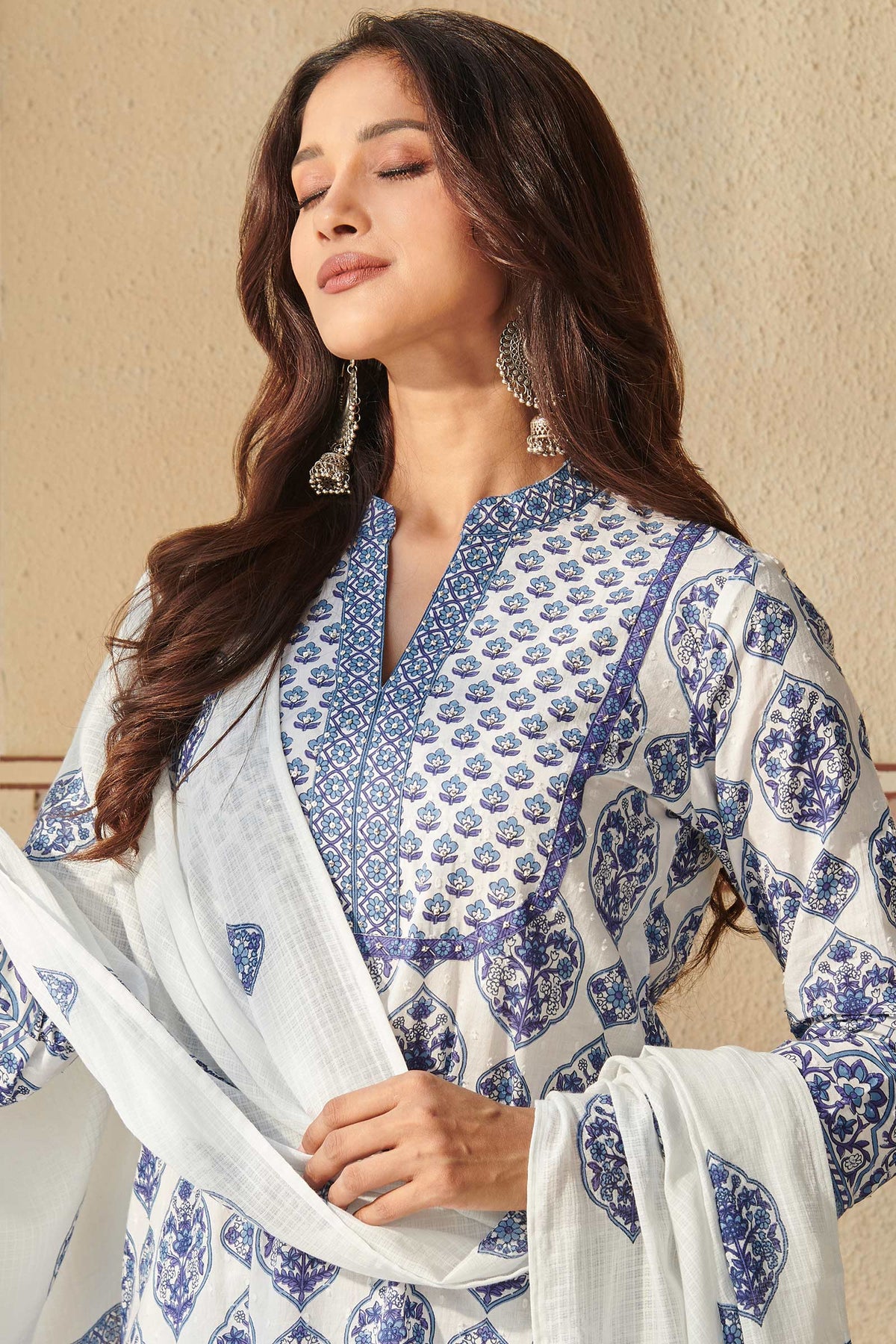
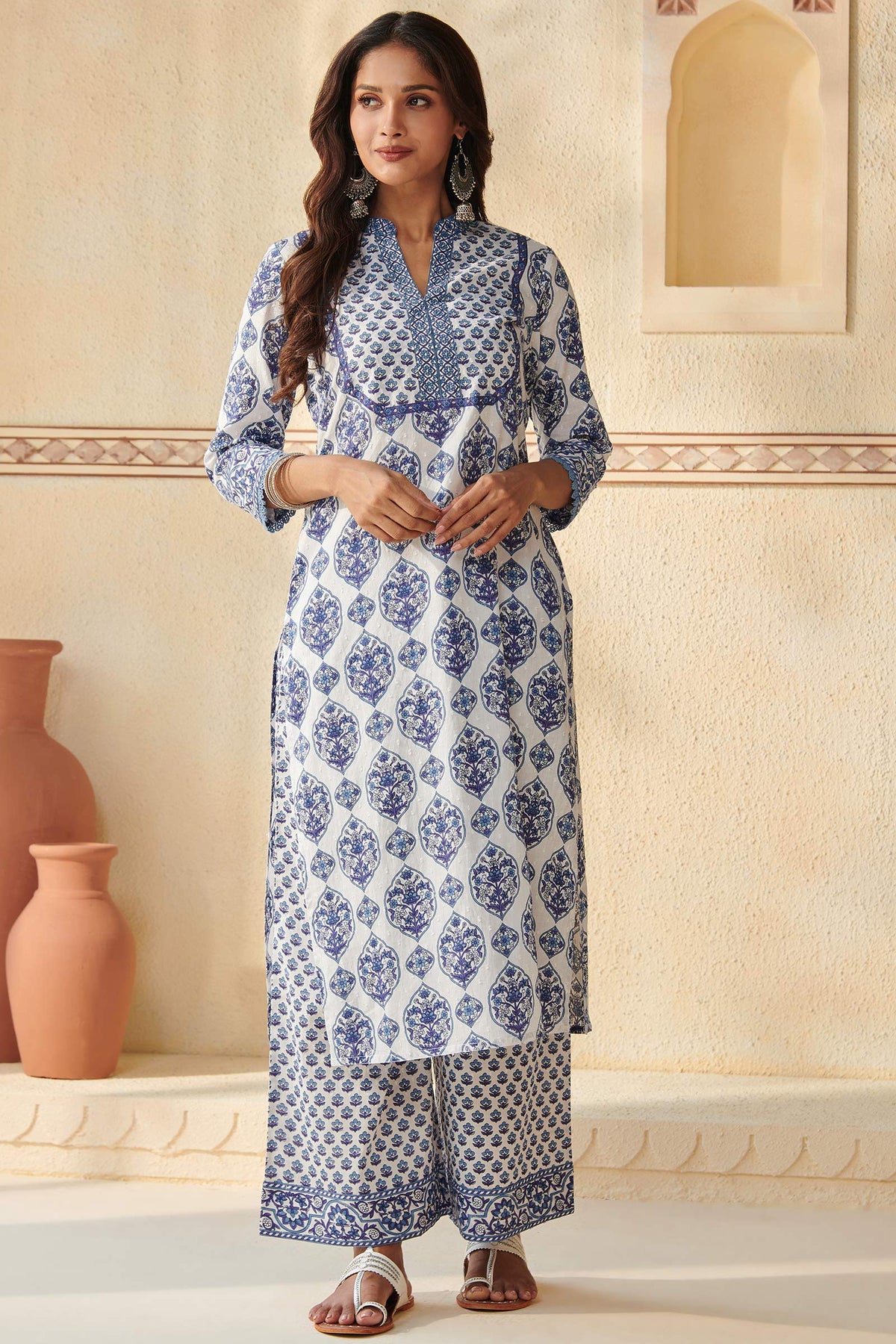
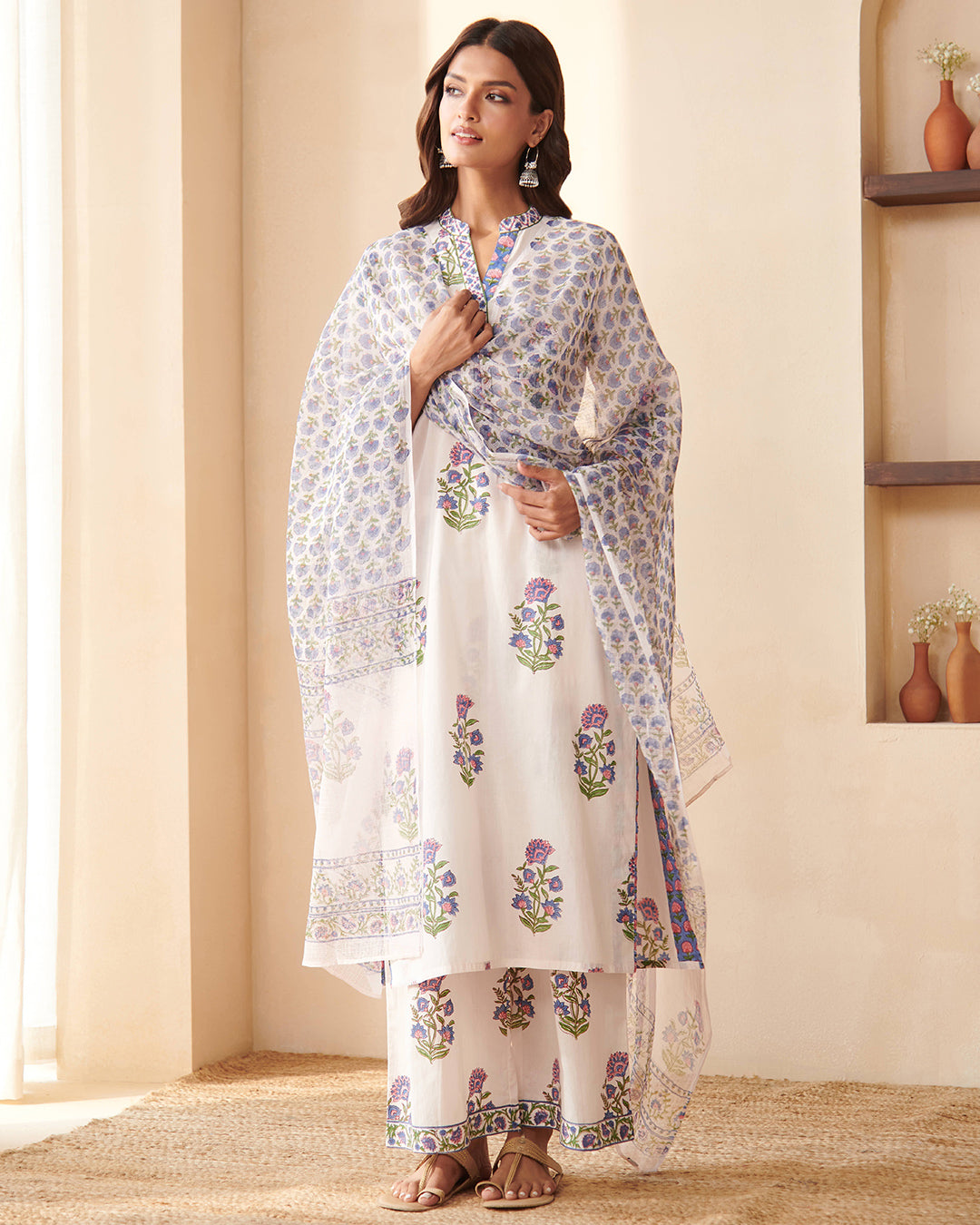
While trends come and go, certain colours continue to hold meaning in Indian dressing traditions. White kurta is often associated with simplicity and grace. Red represents celebration and joy. Blue feels composed and dependable, while earthy shades bring warmth and ease. Choosing the right colour allows the kurta to feel naturally suited to both the occasion and the person wearing it.
How Colours Influence Your Overall Look
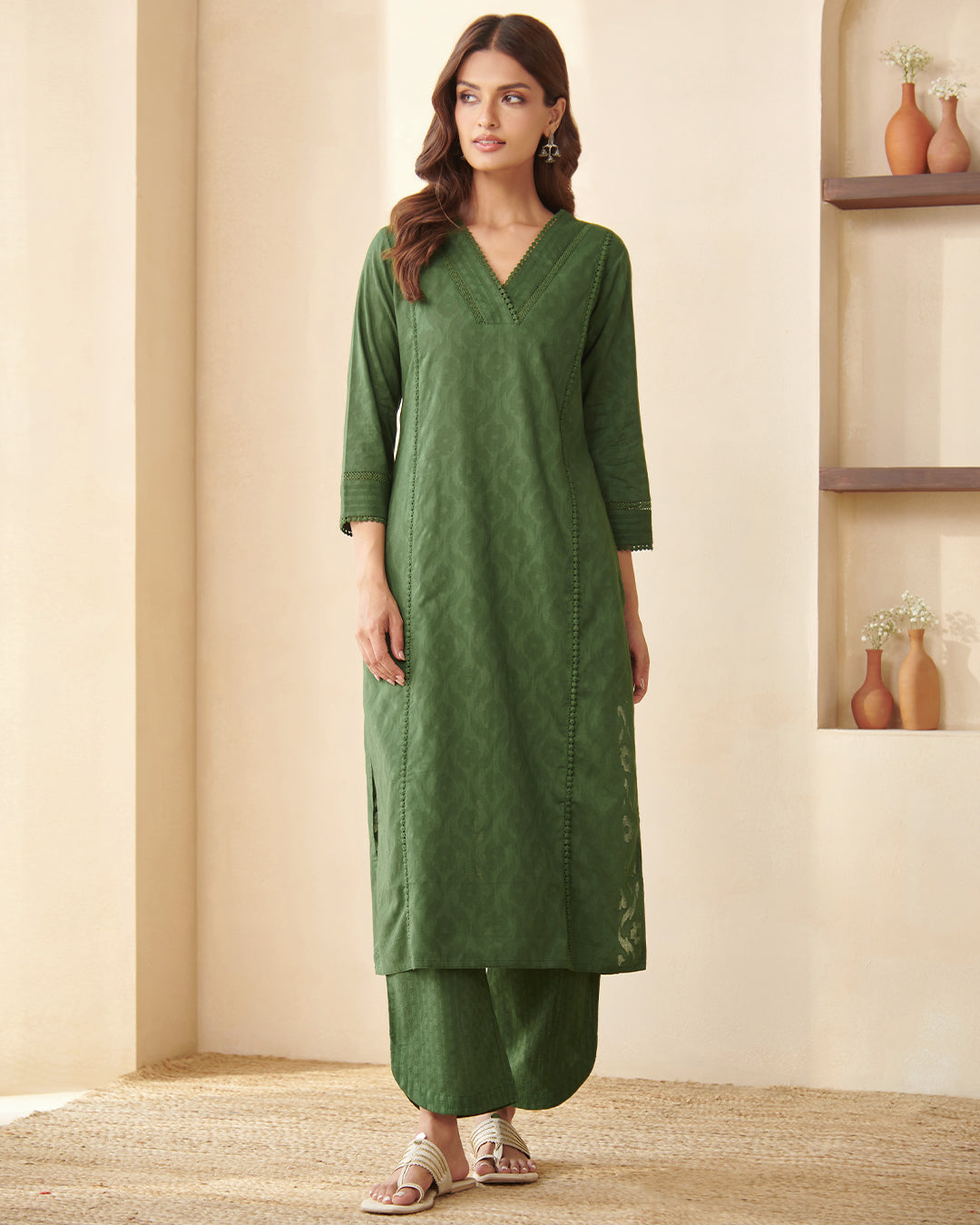
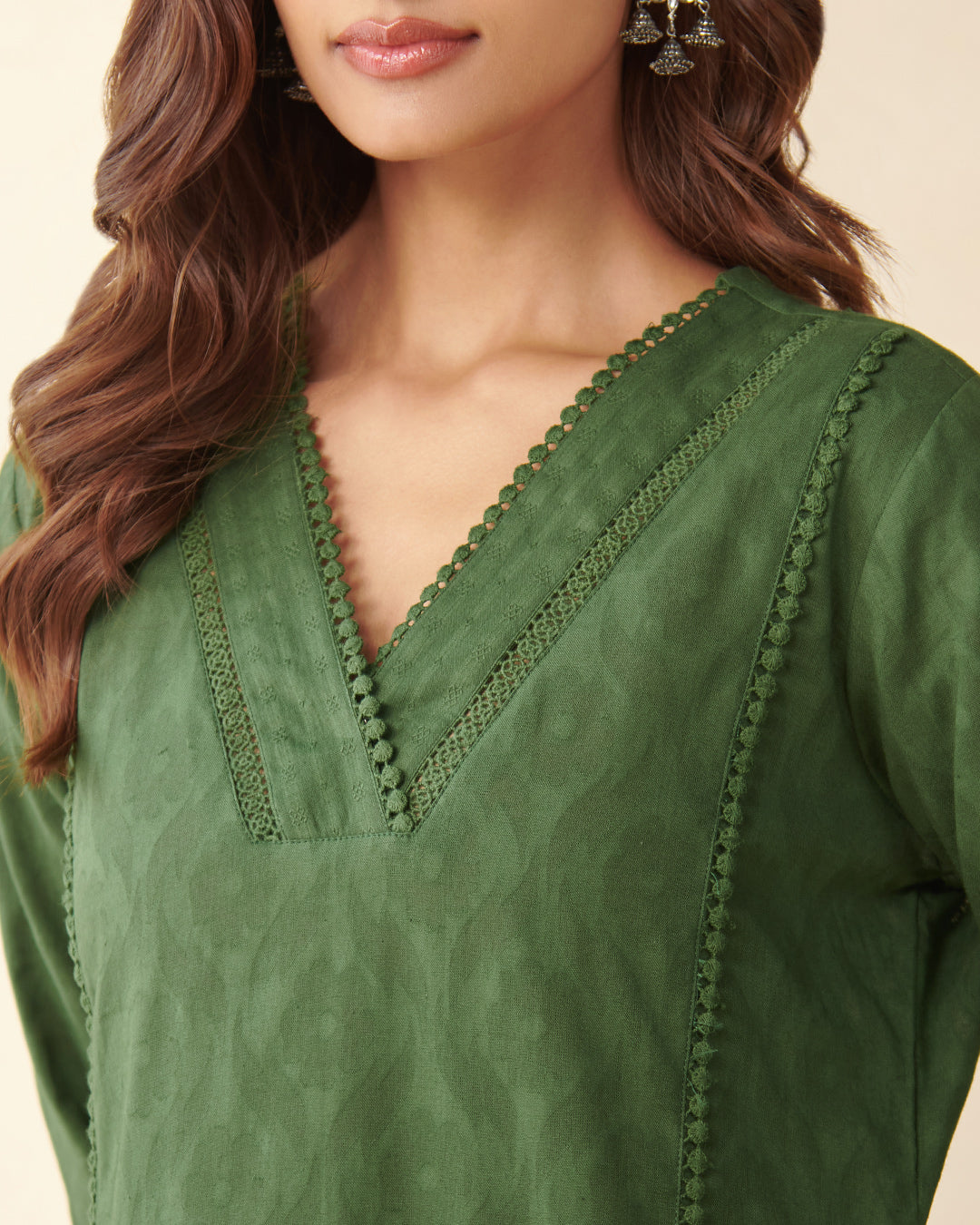
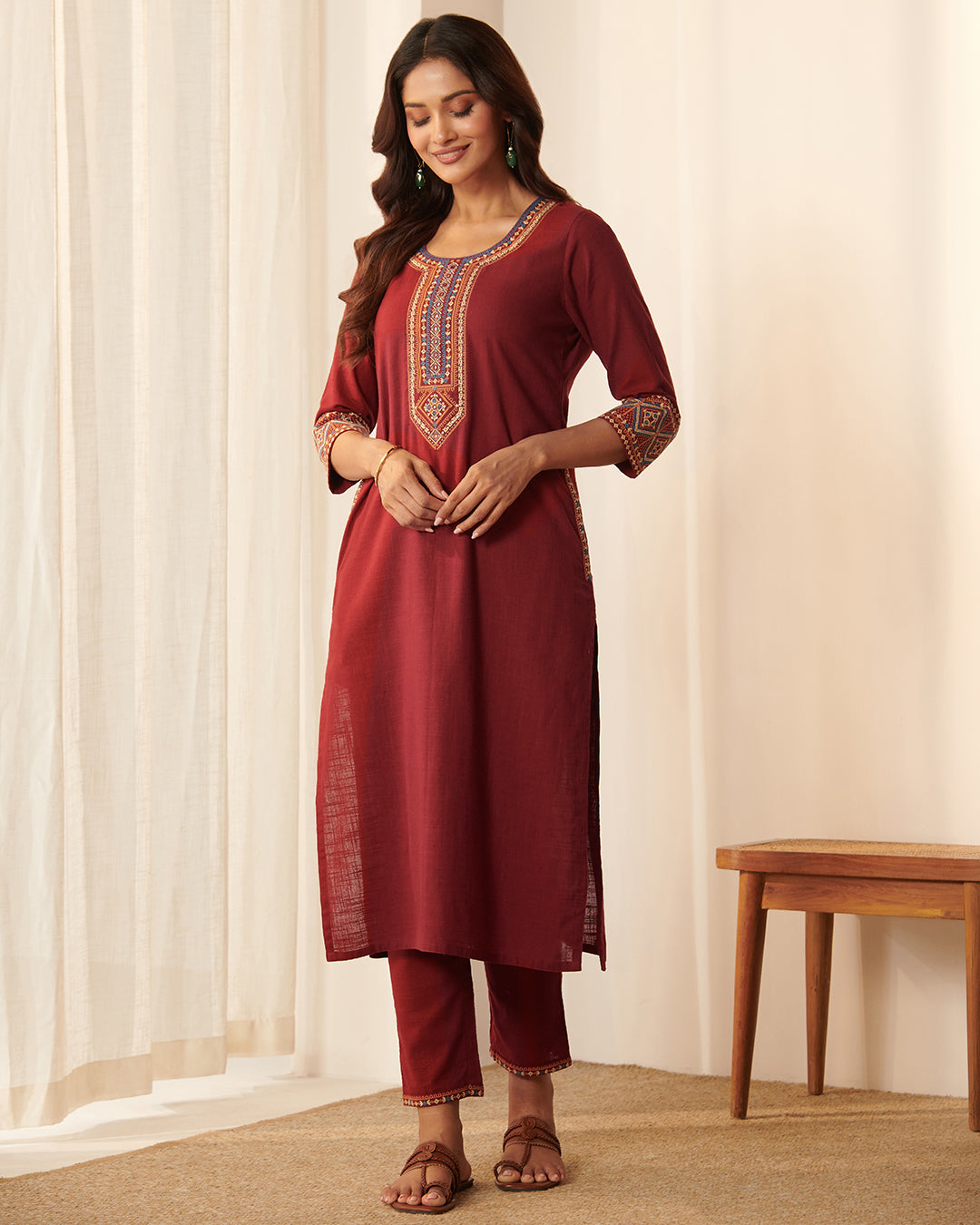
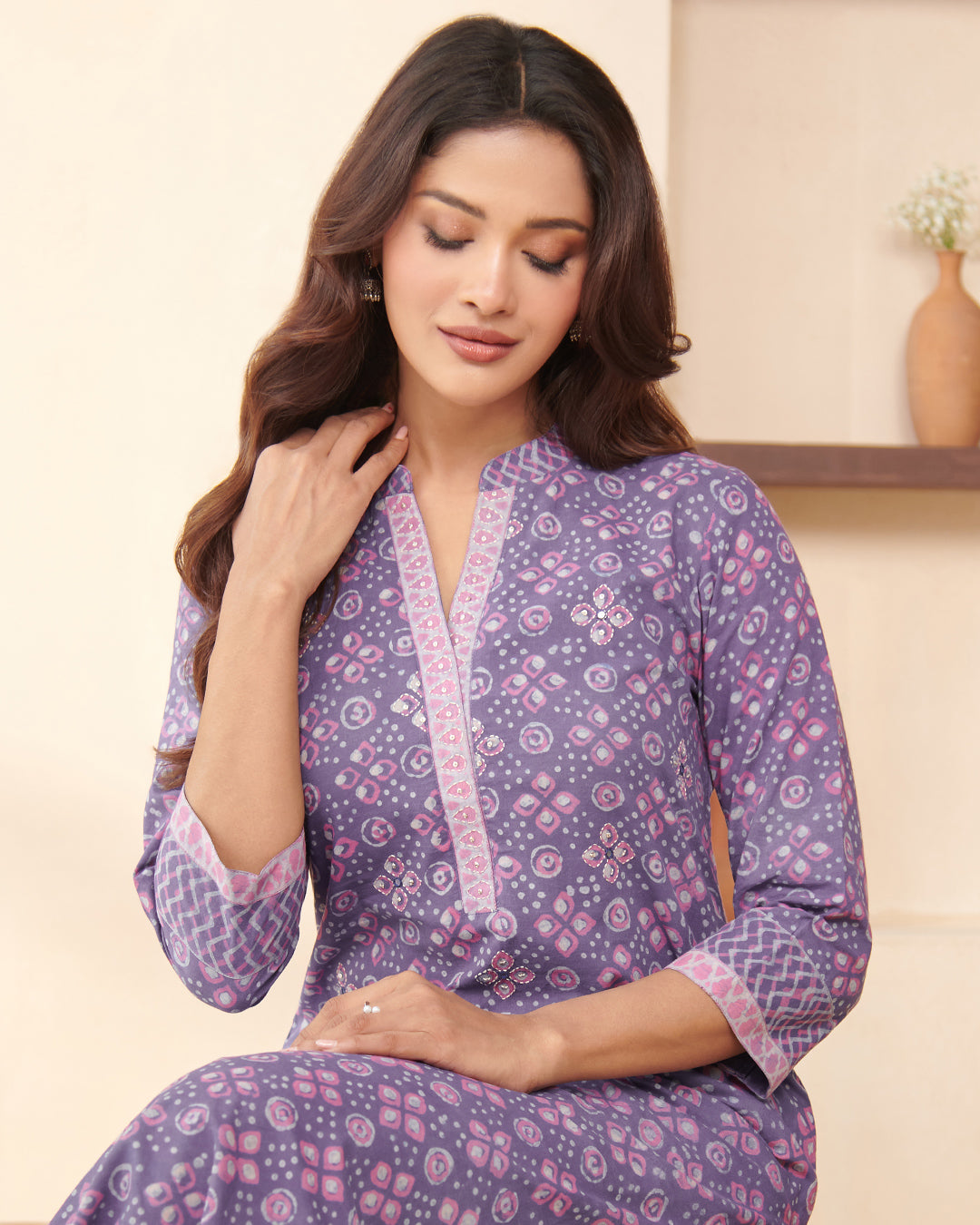
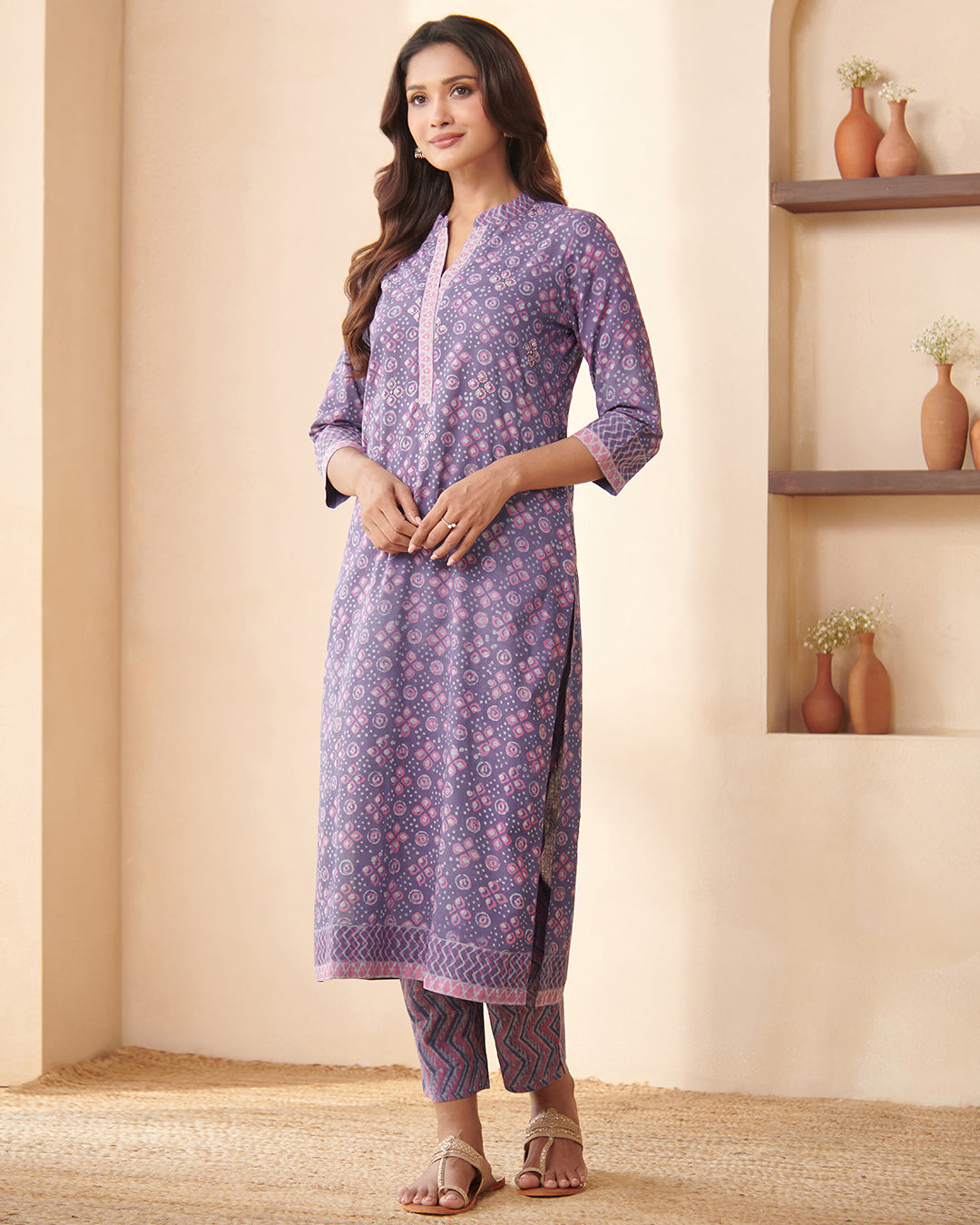
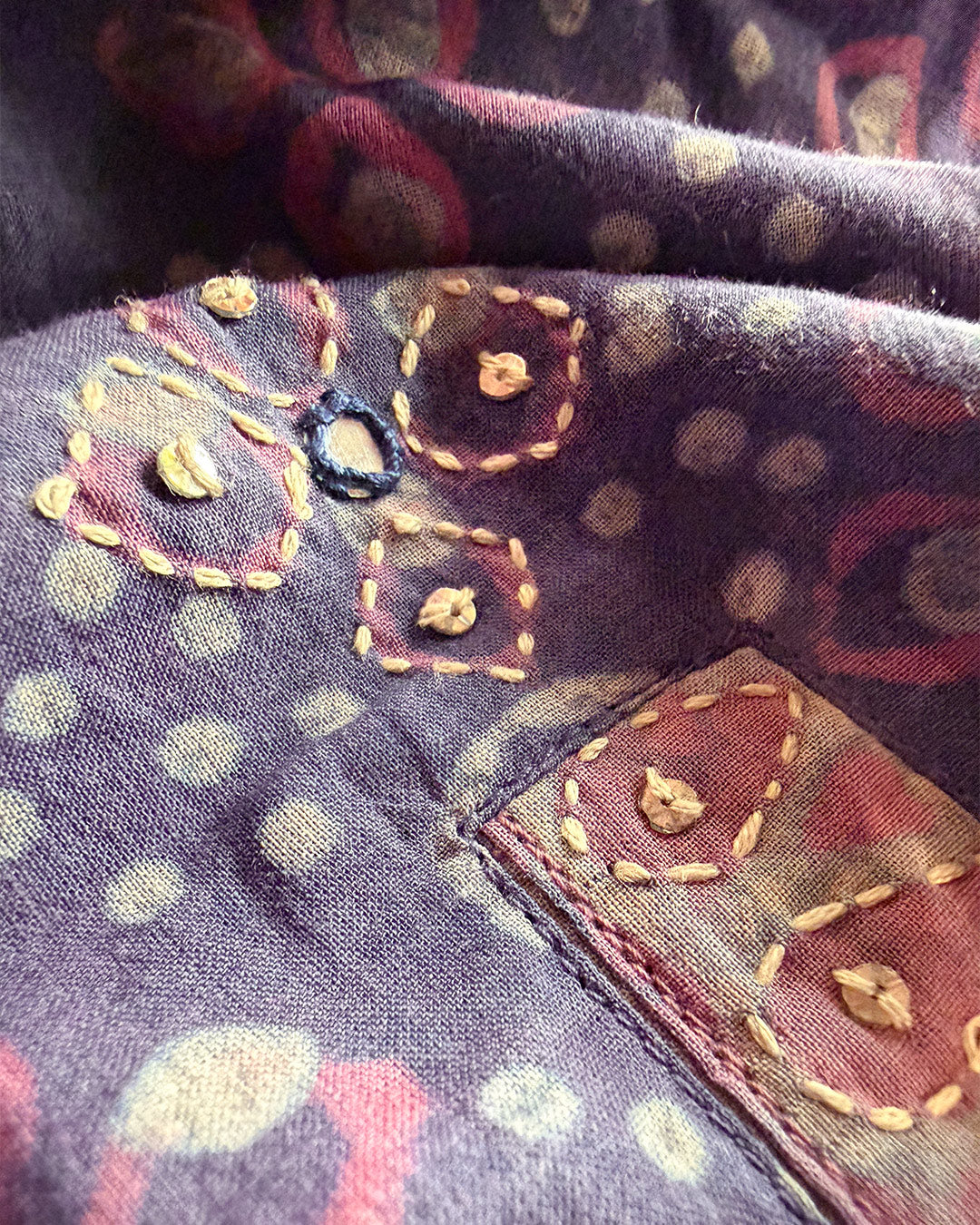
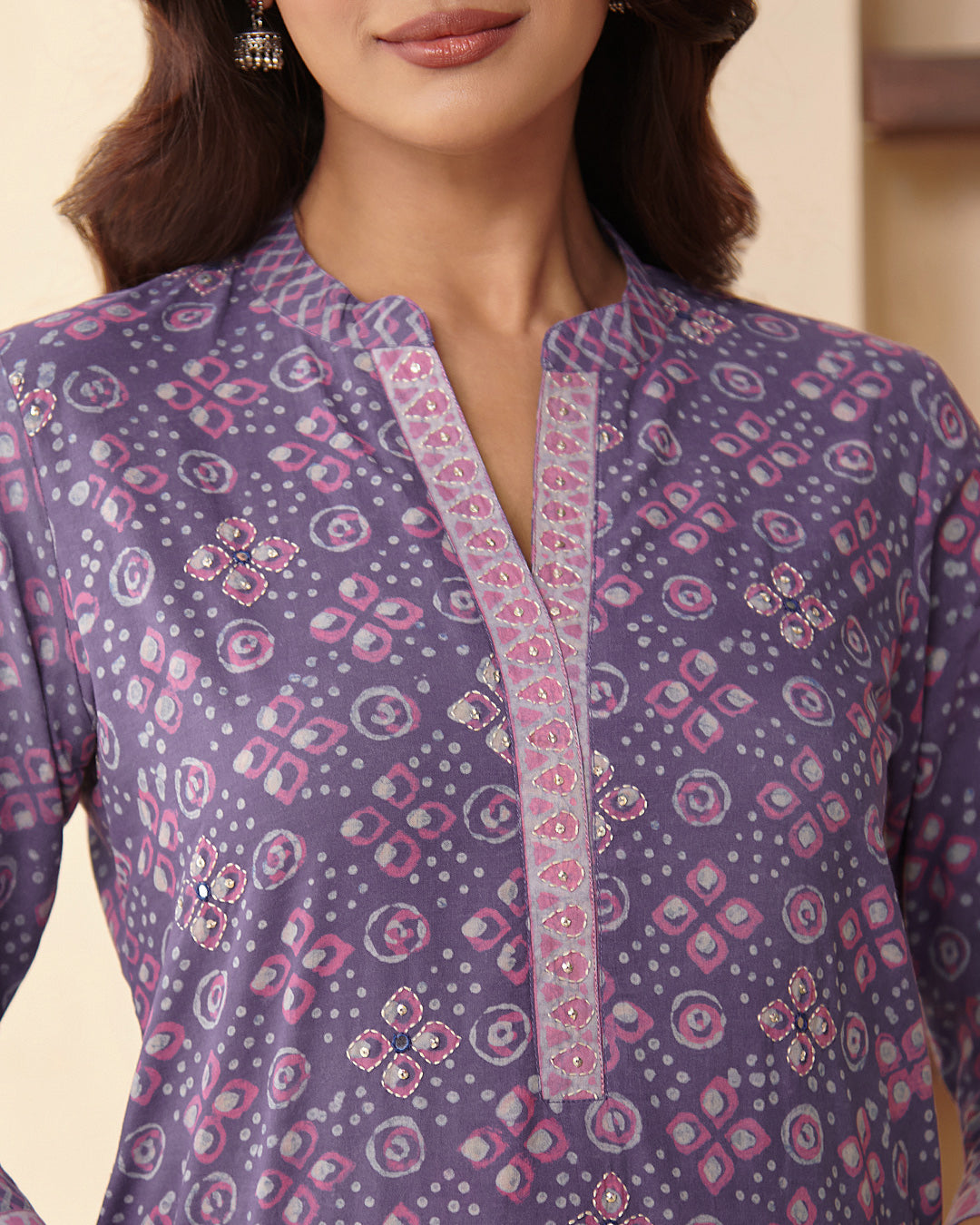
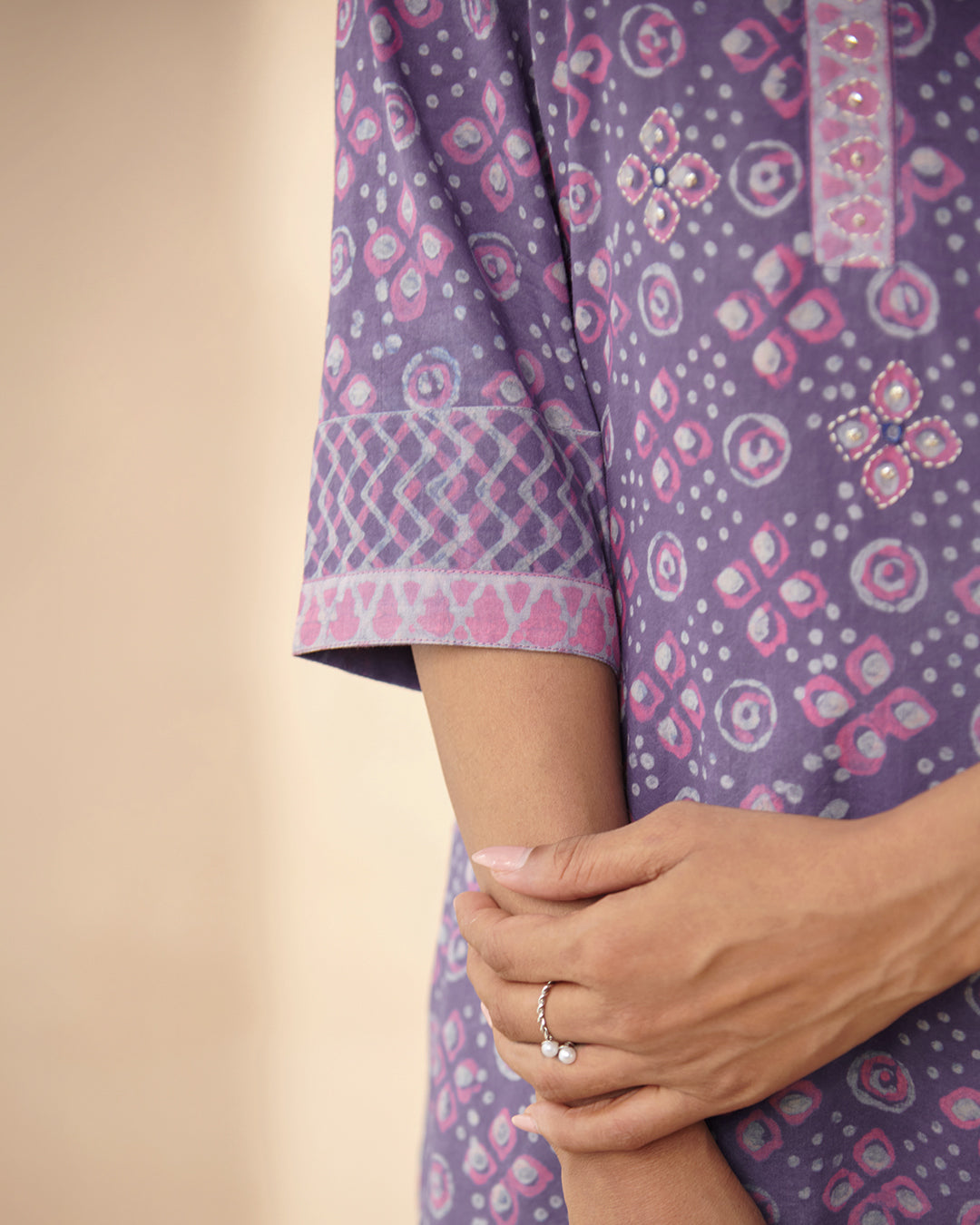
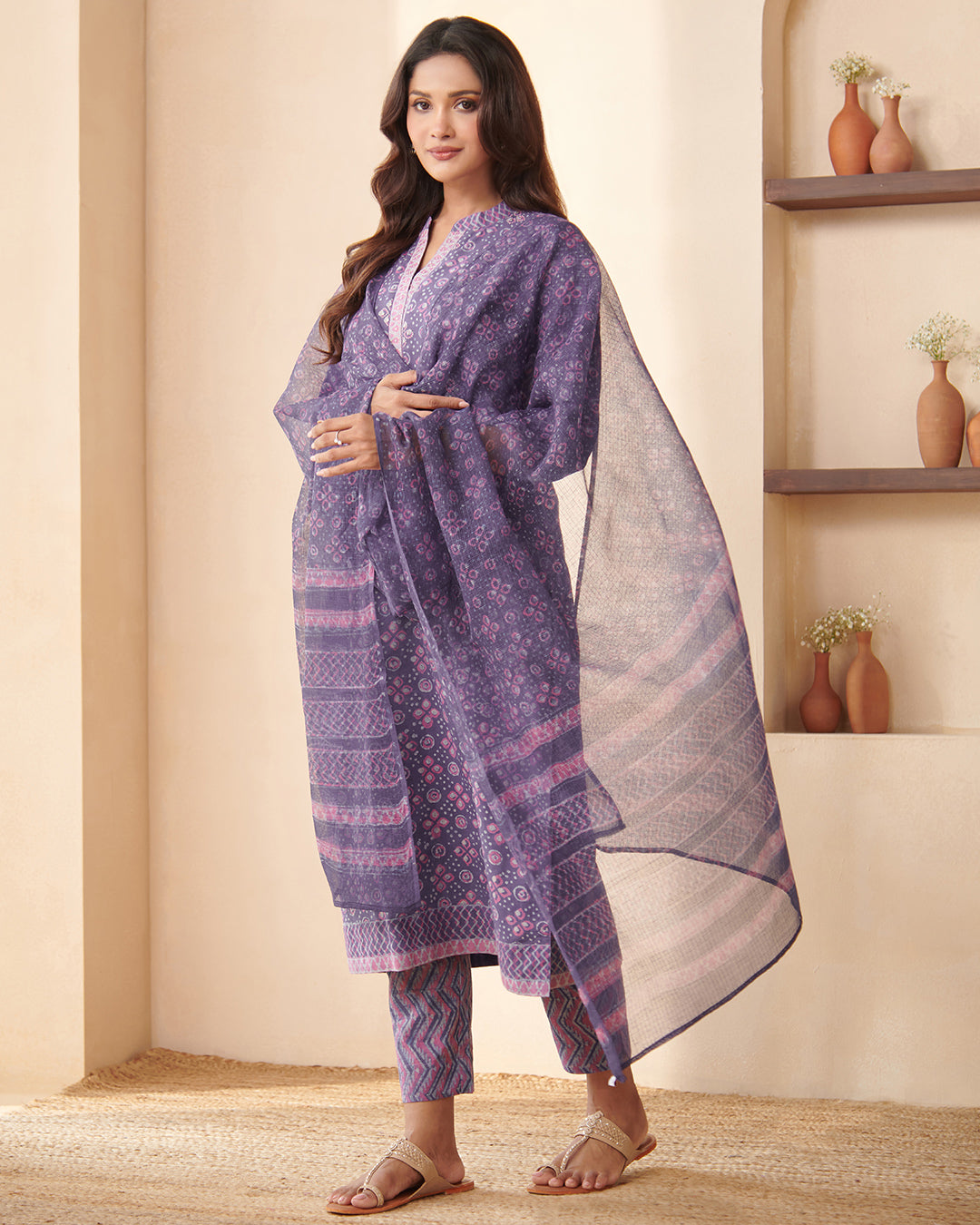
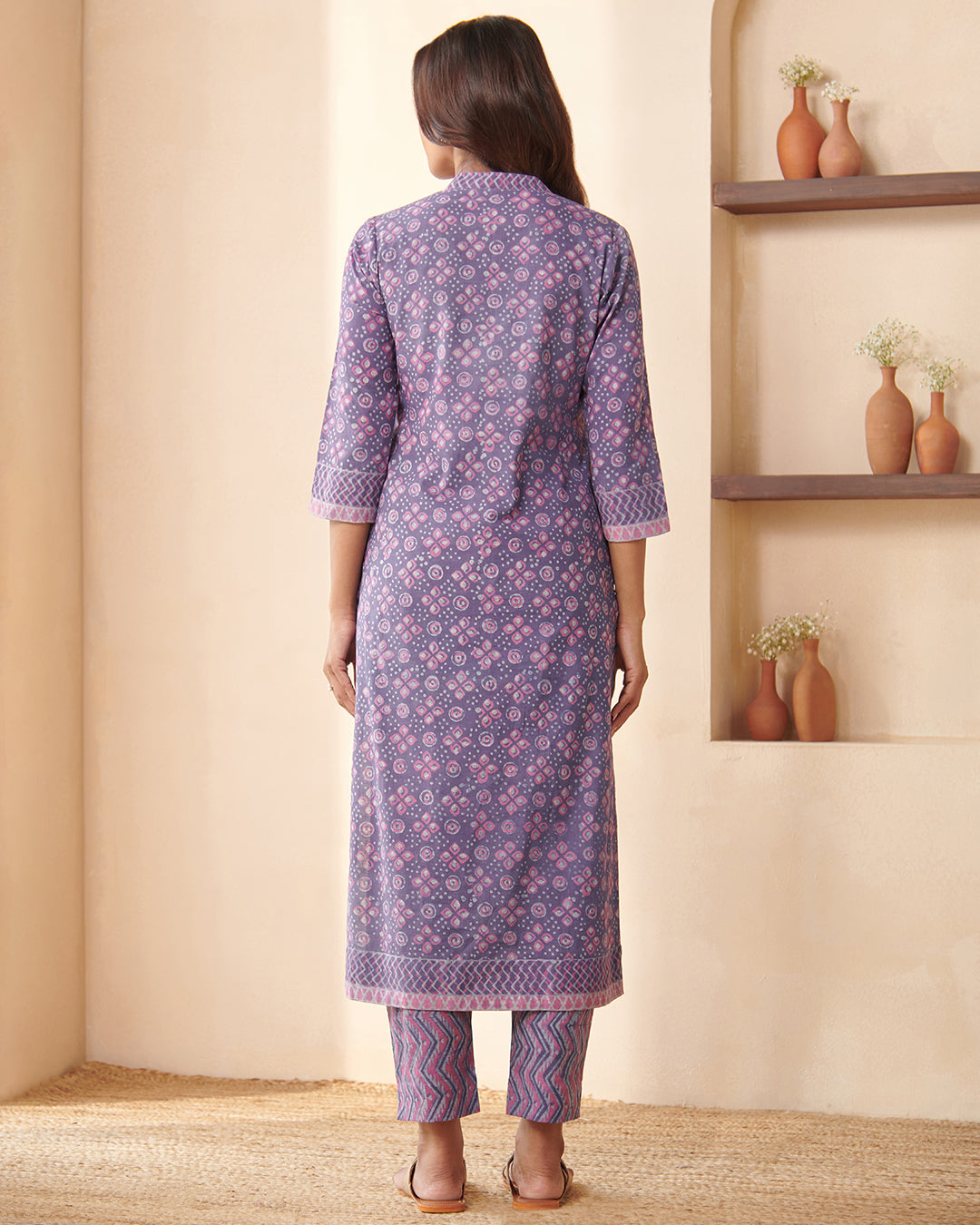
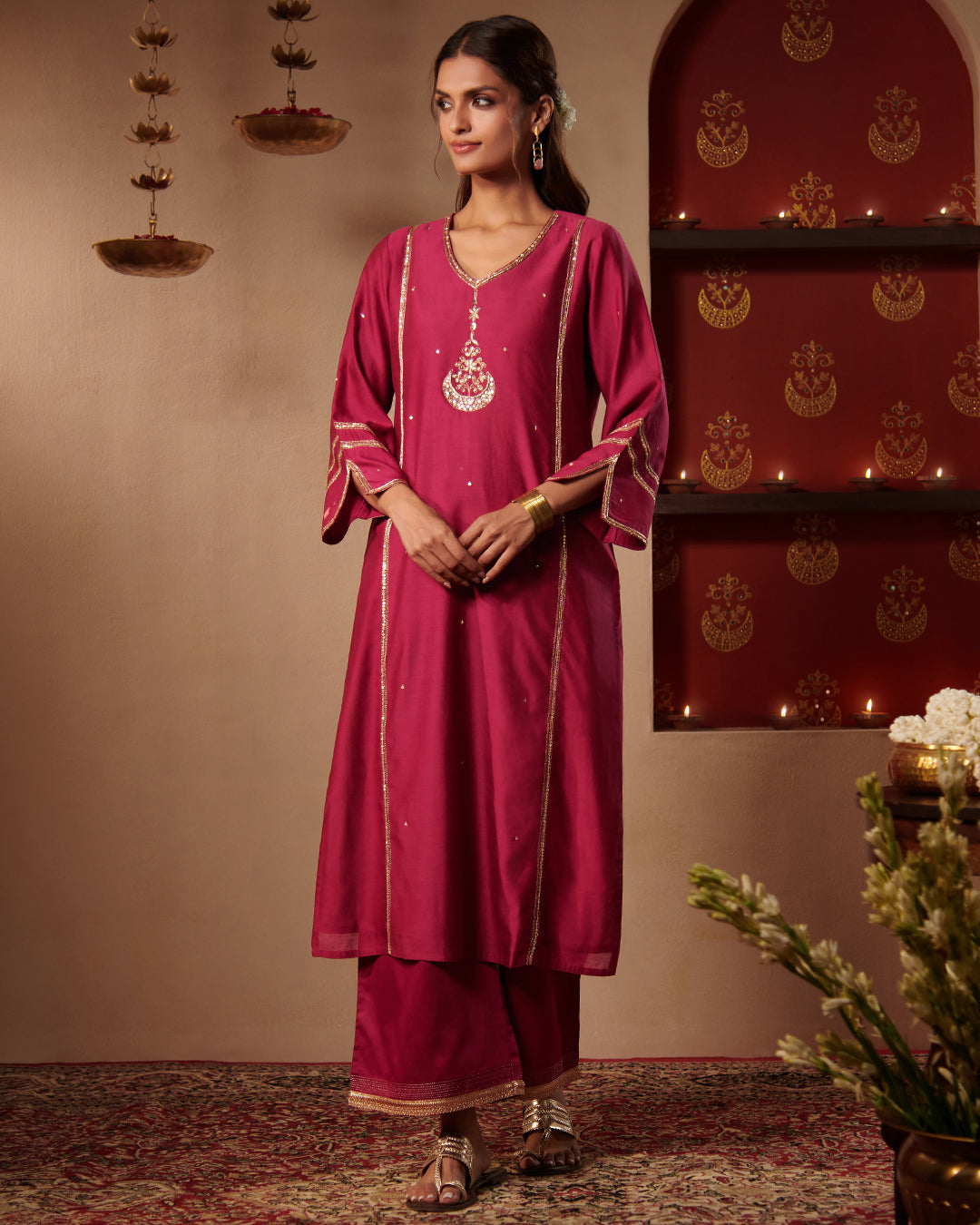
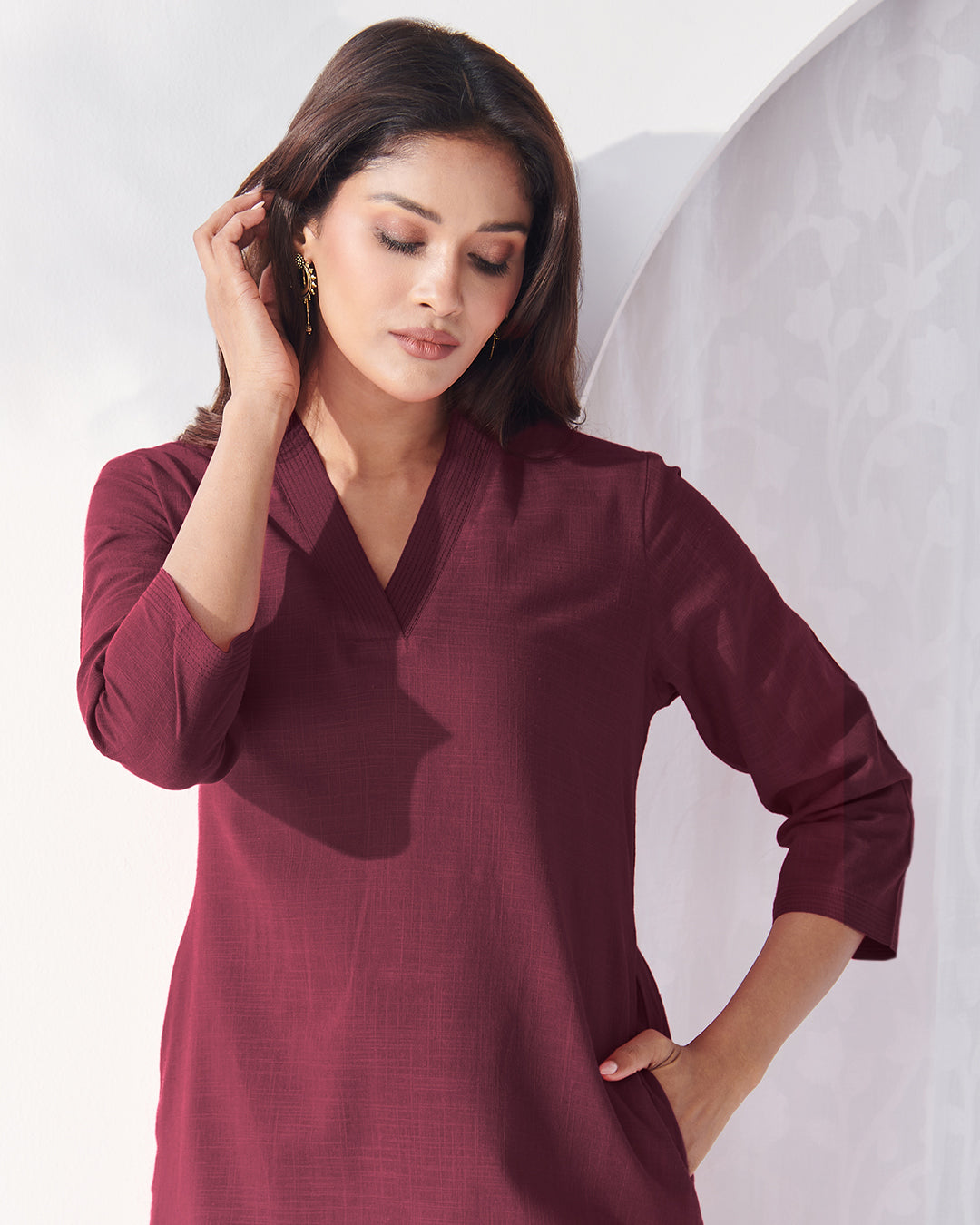
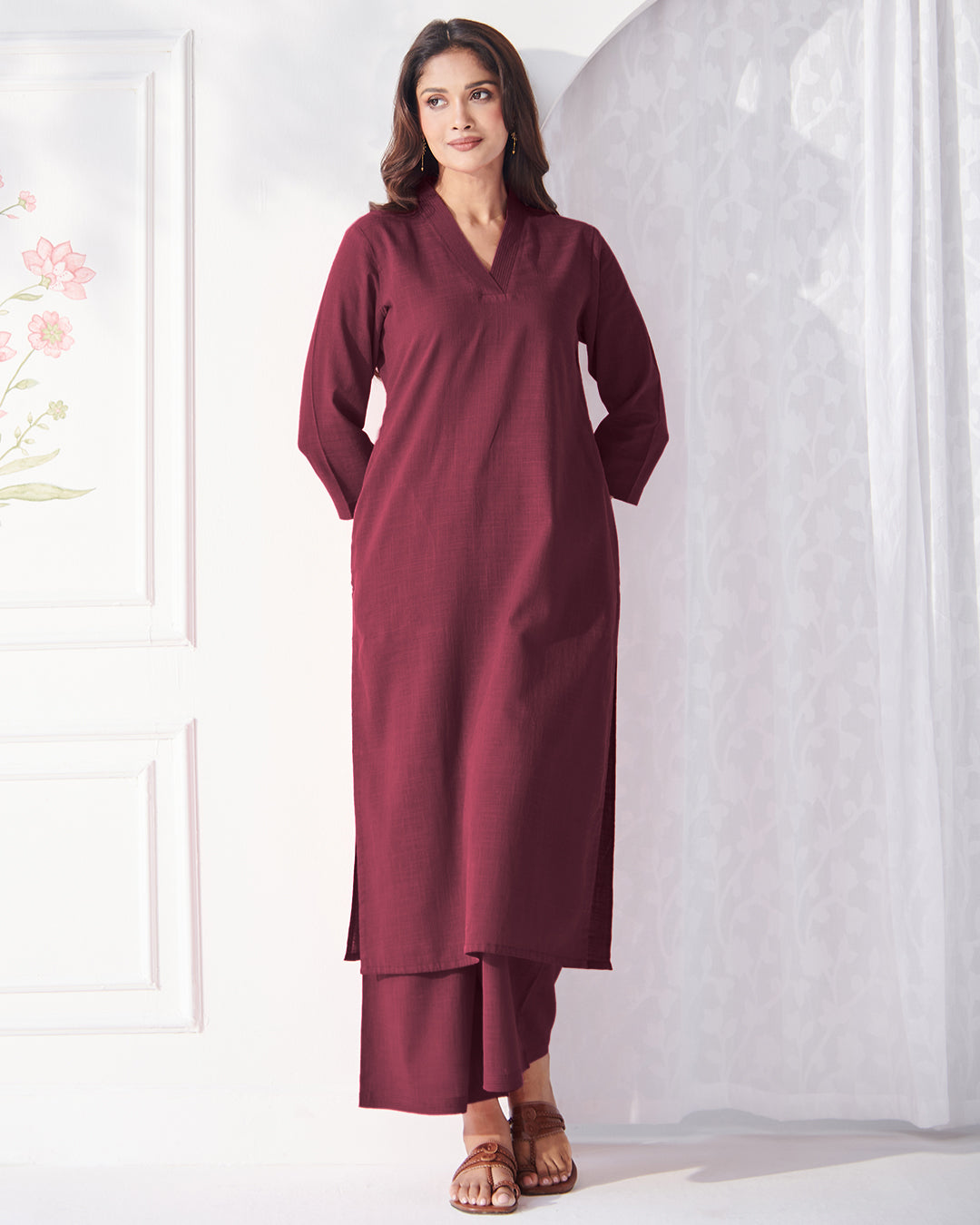
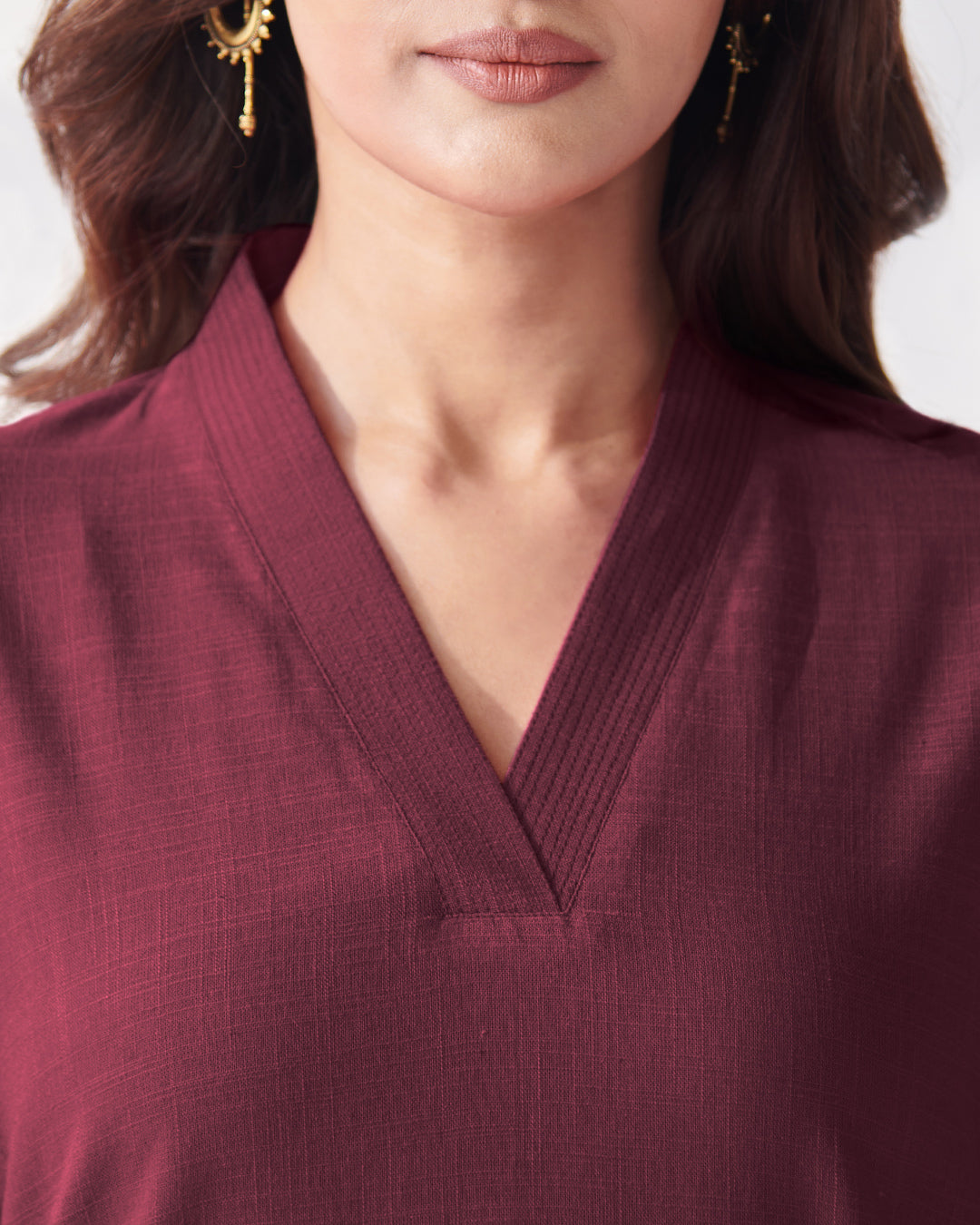
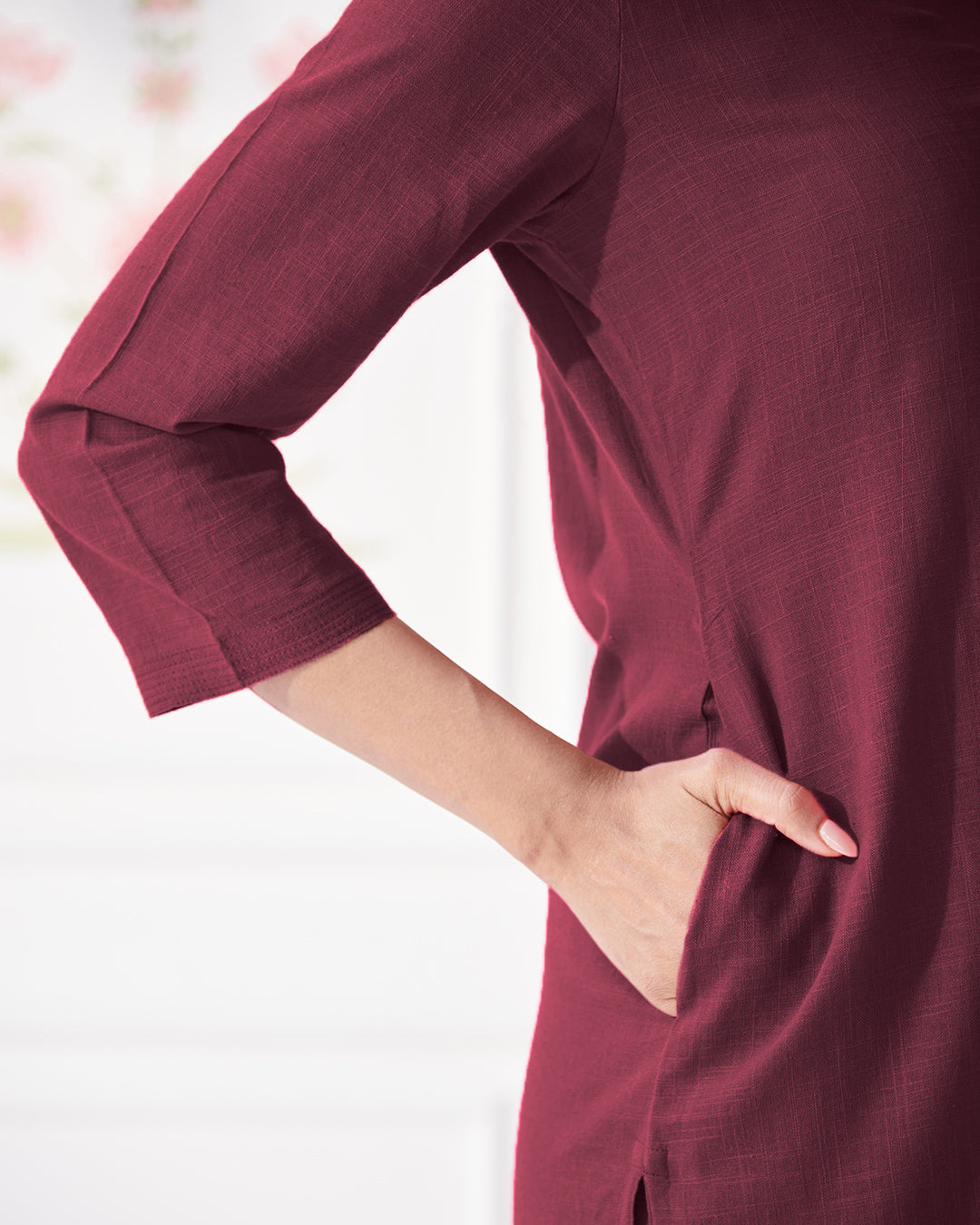
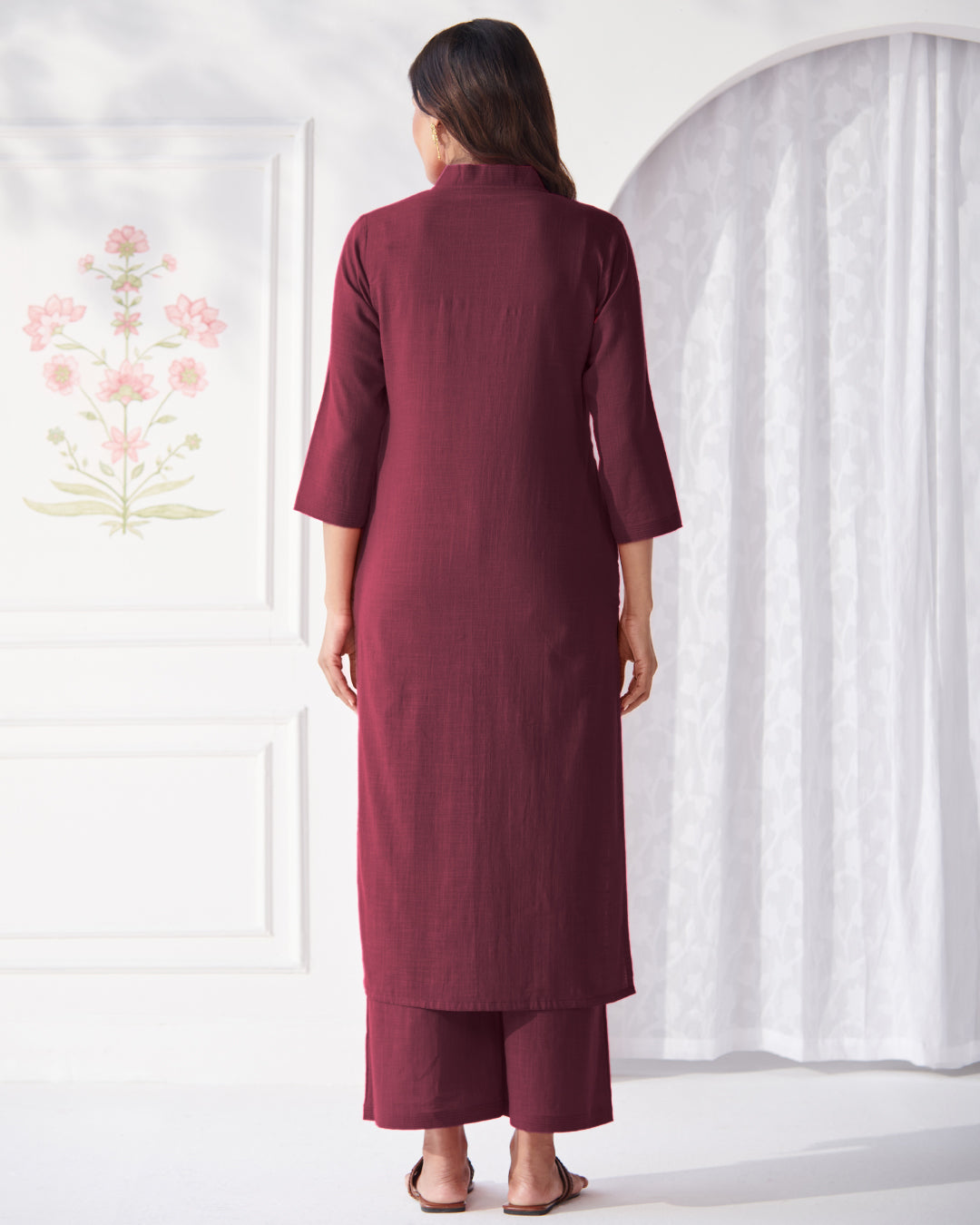
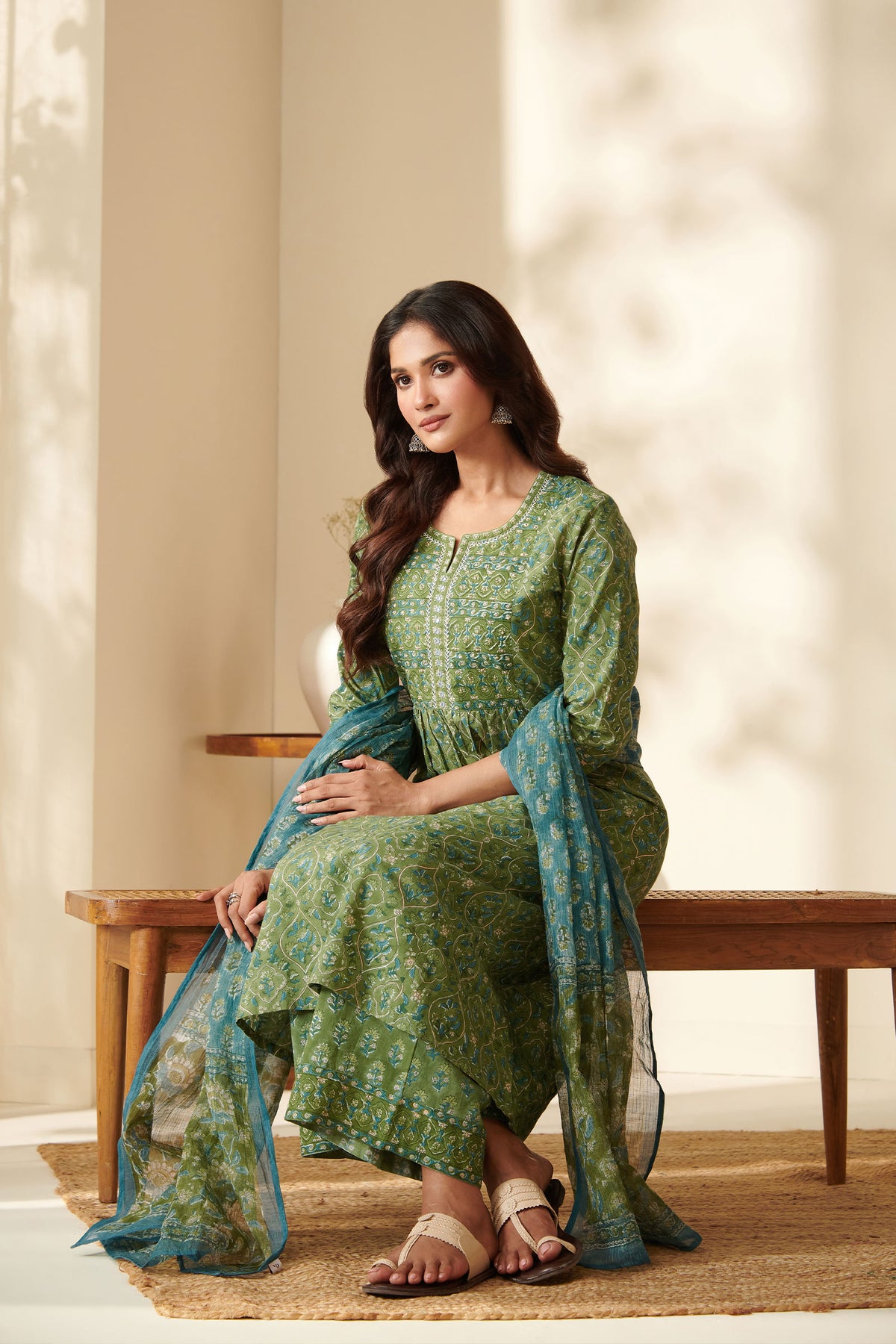
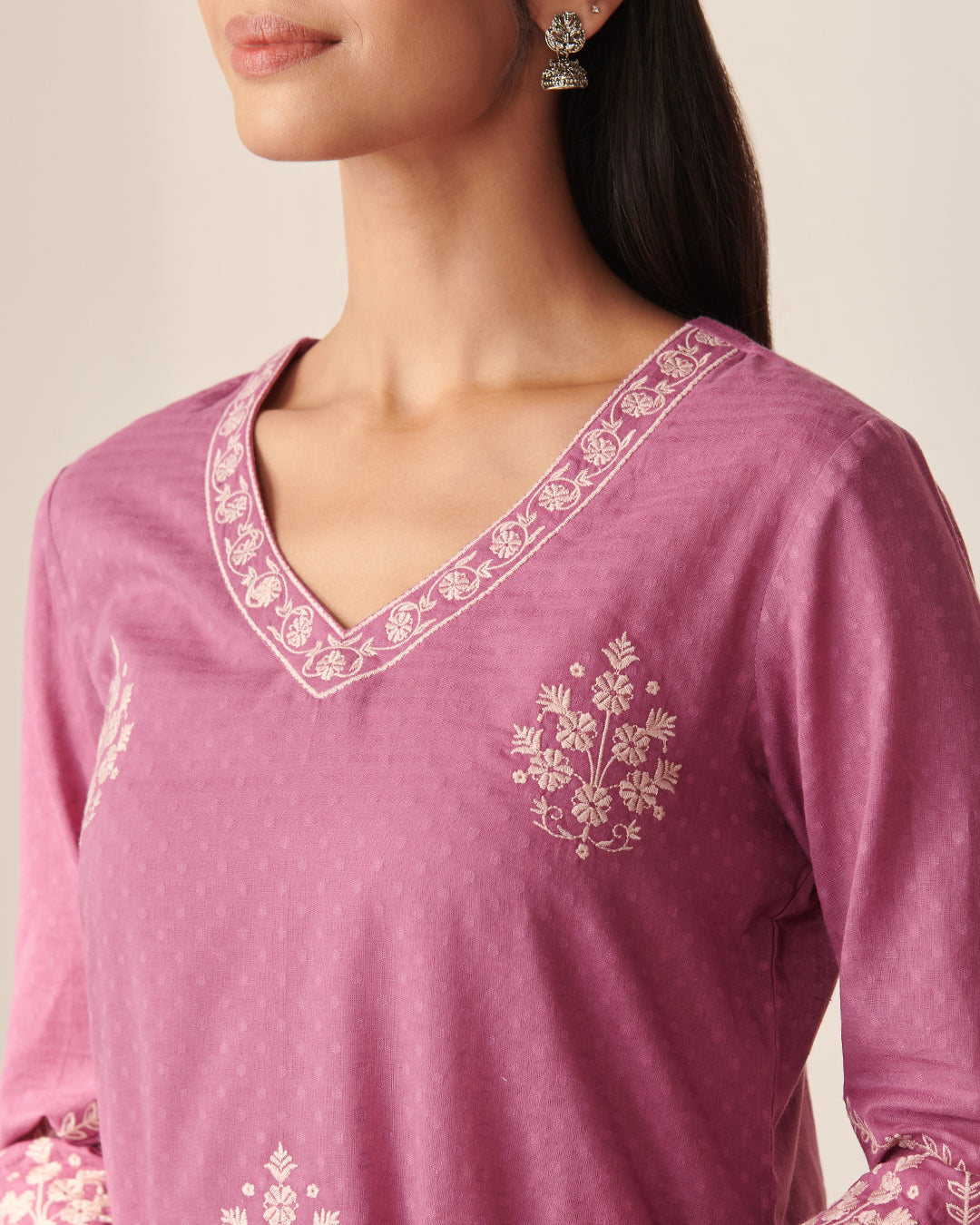
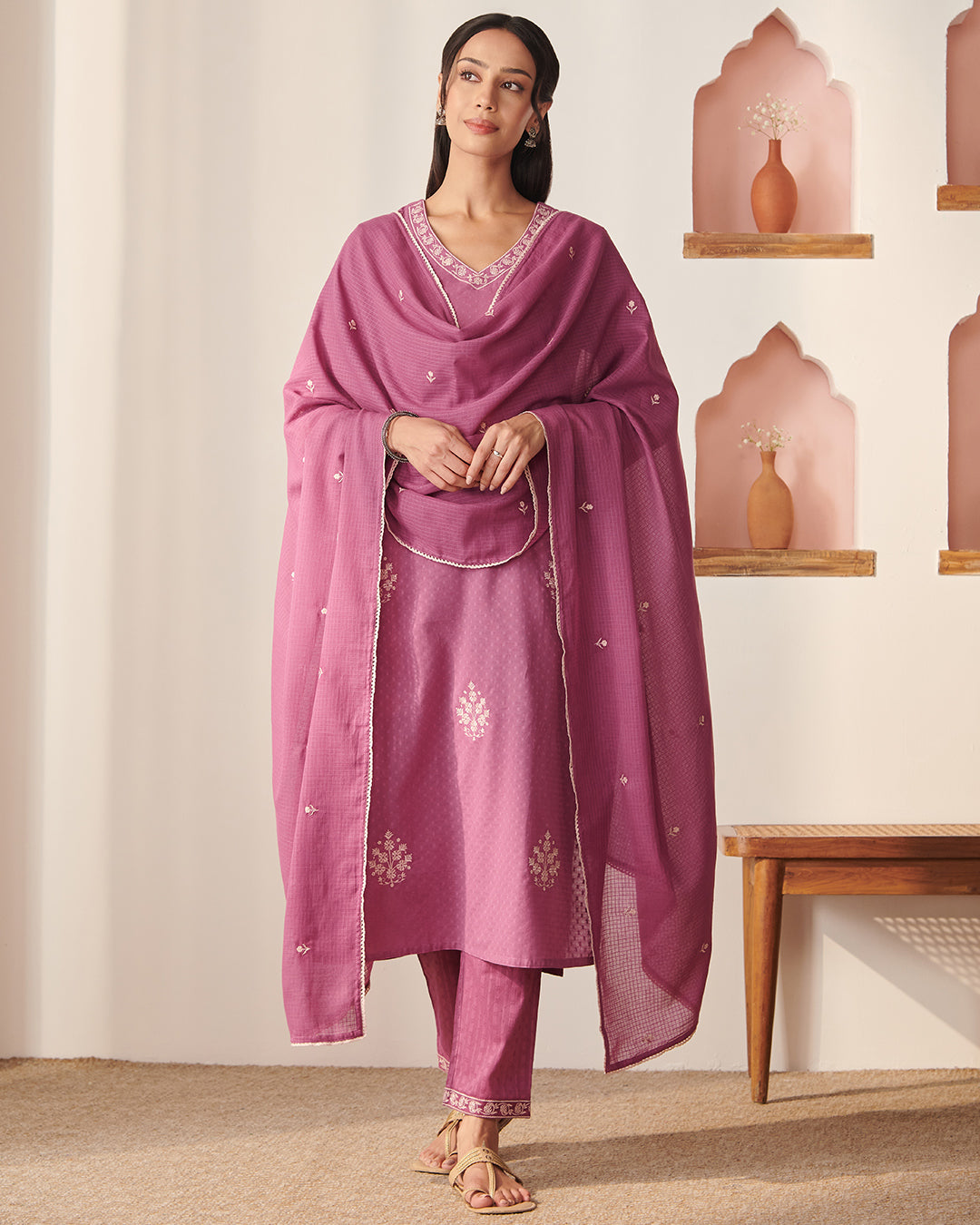
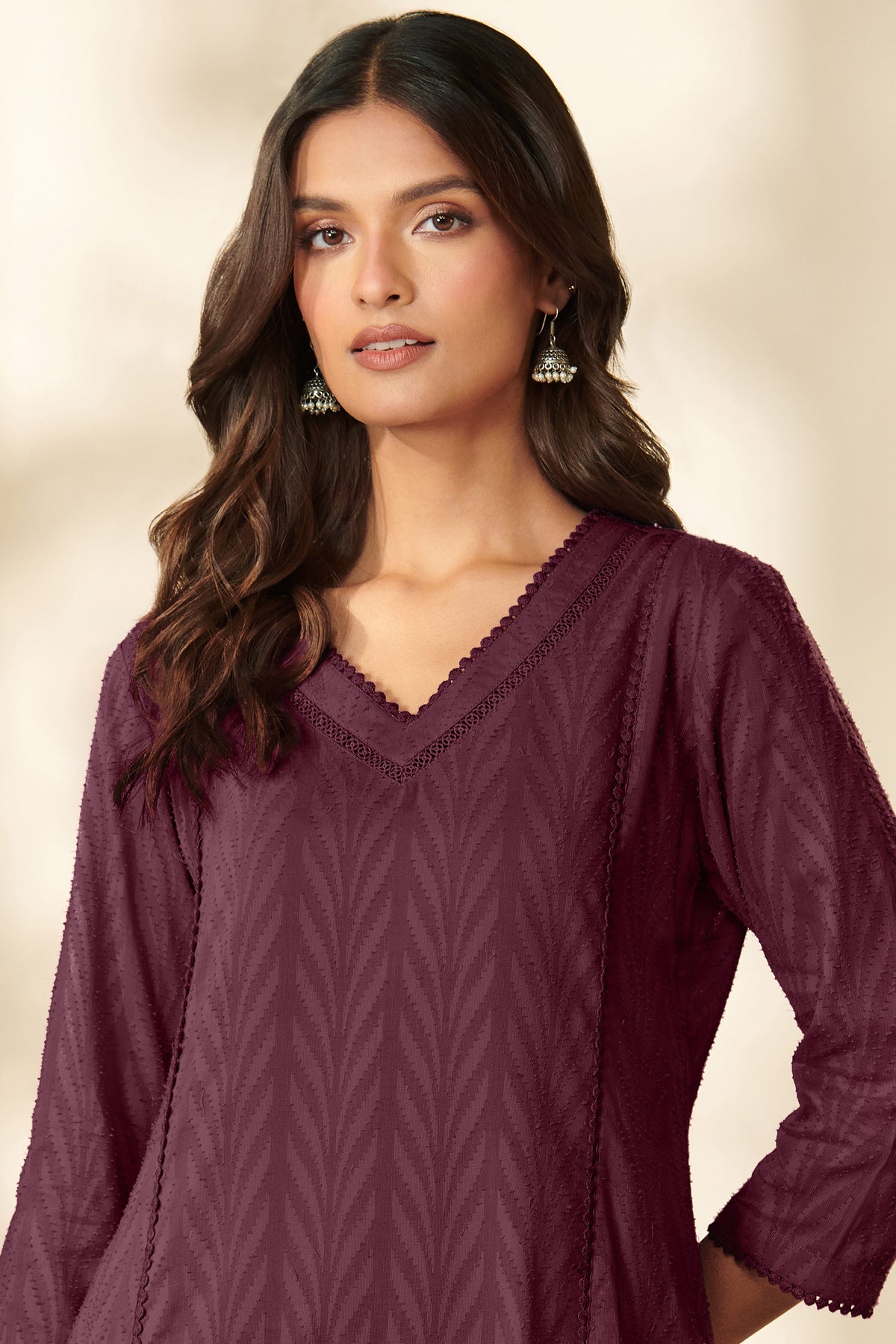
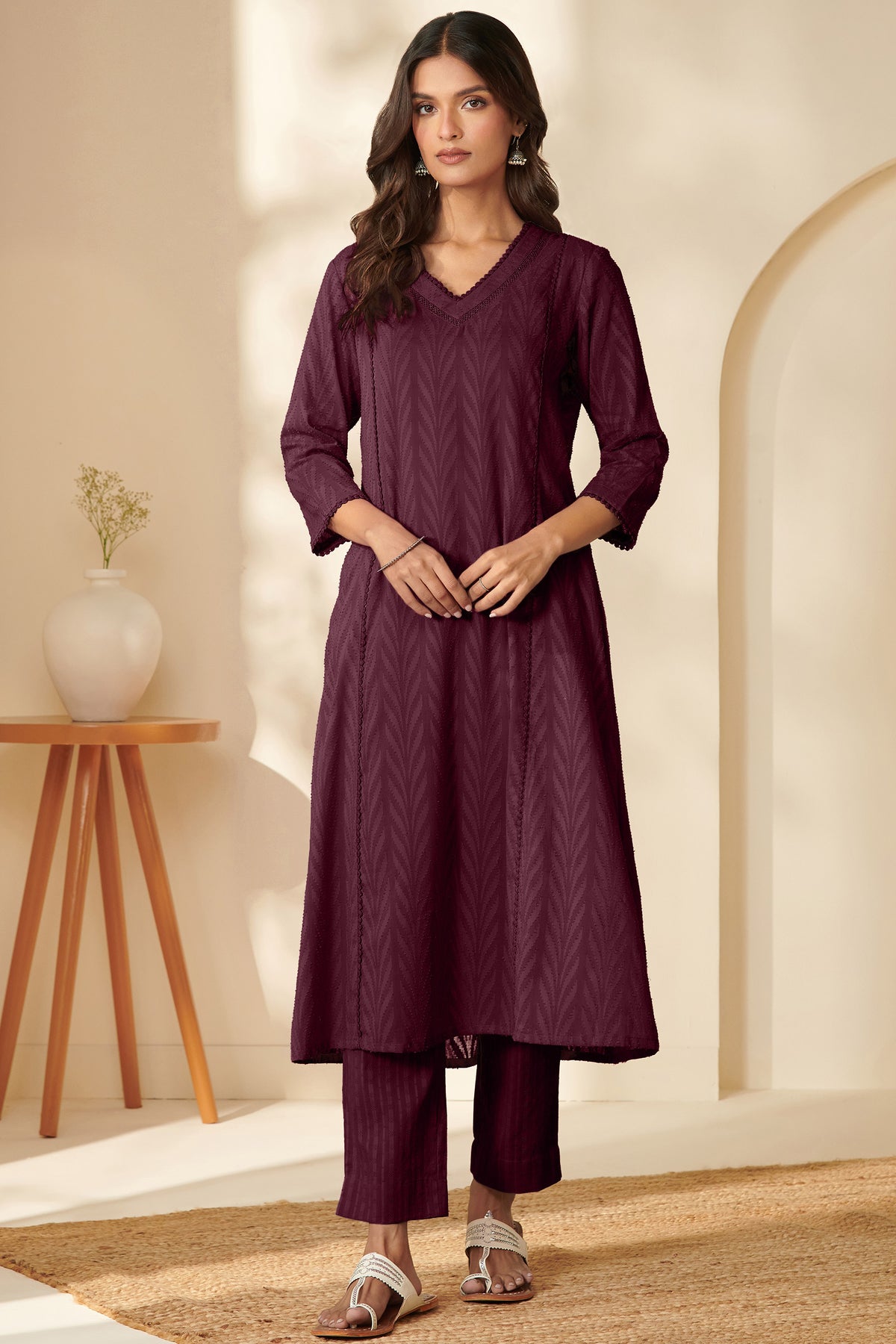
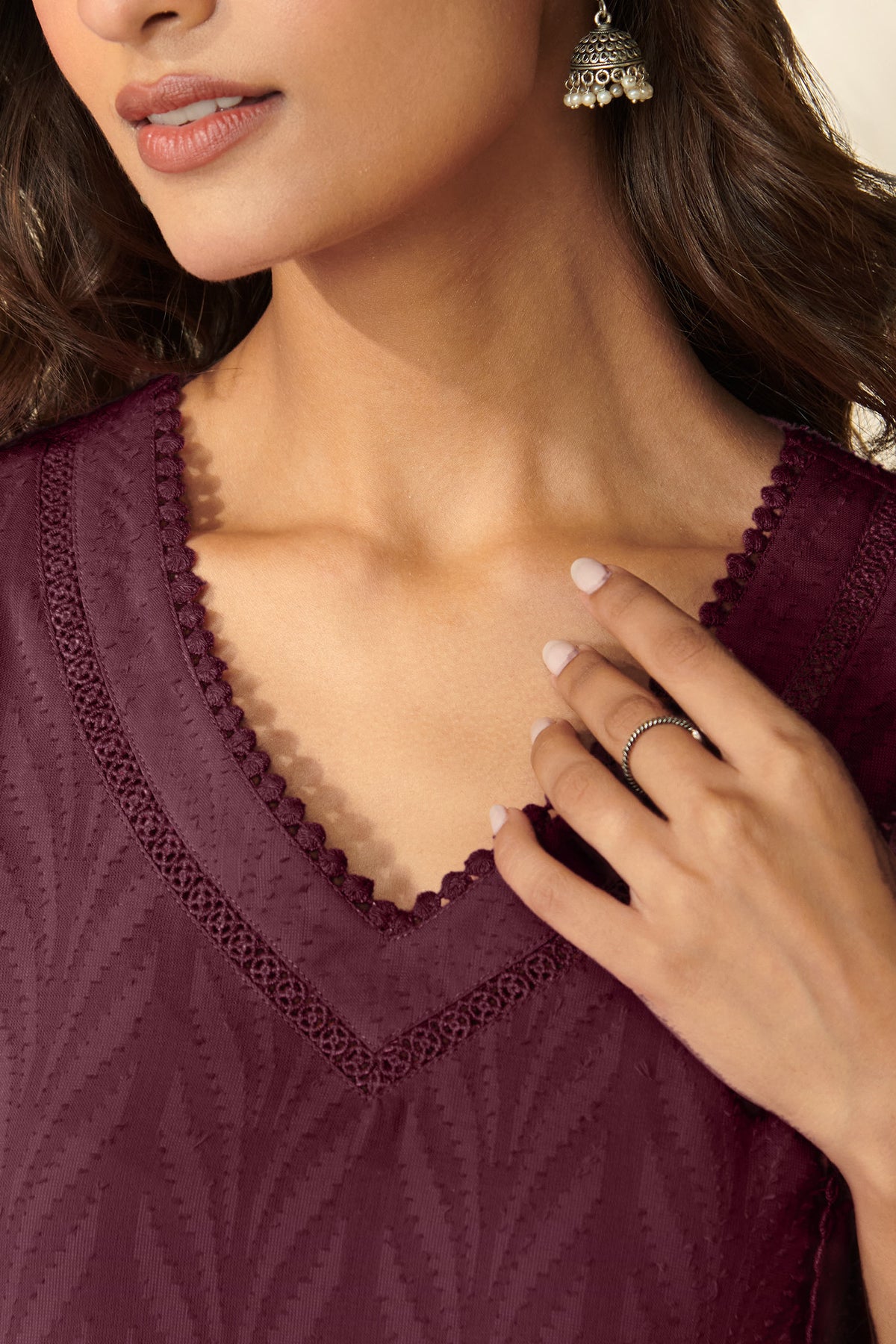
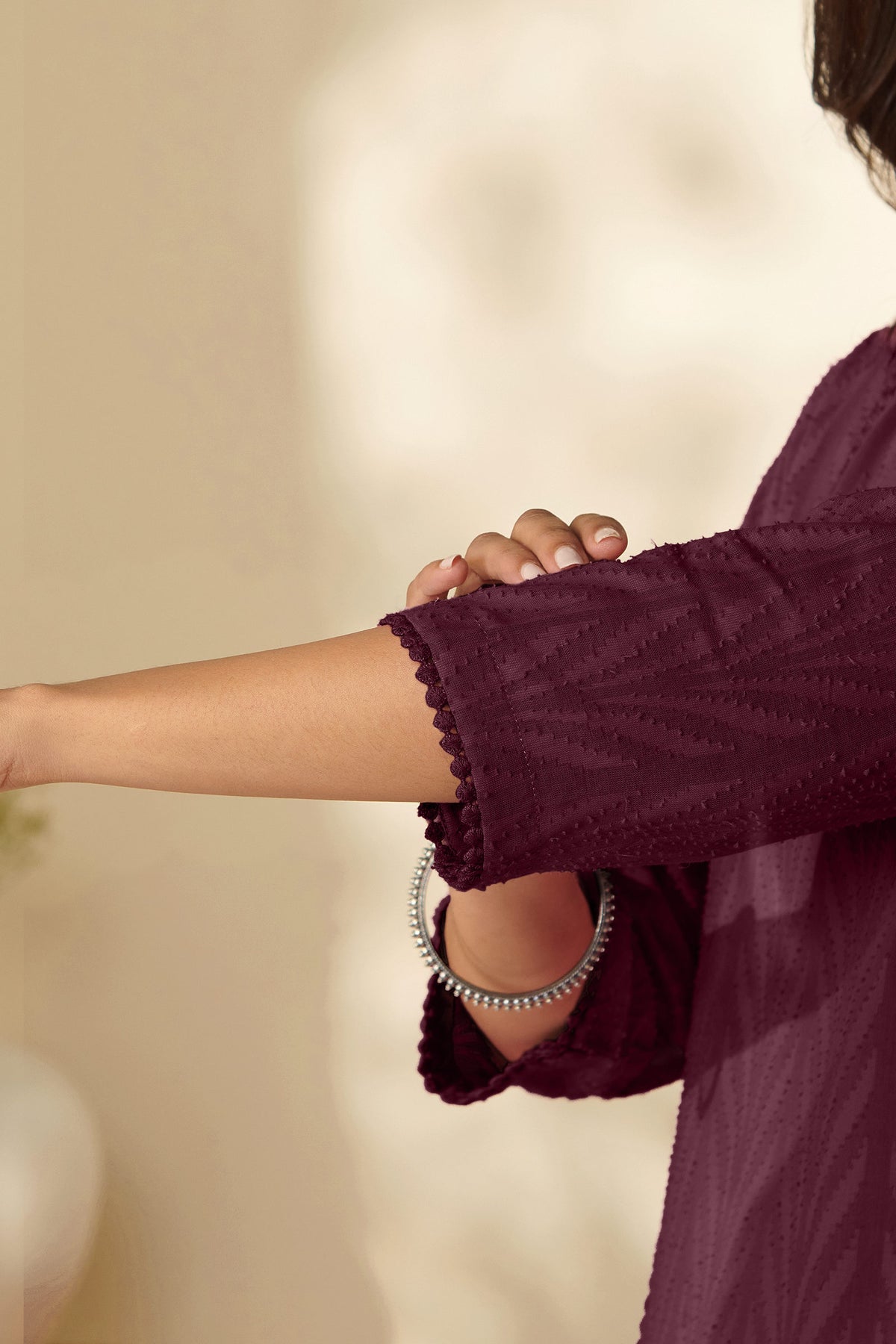
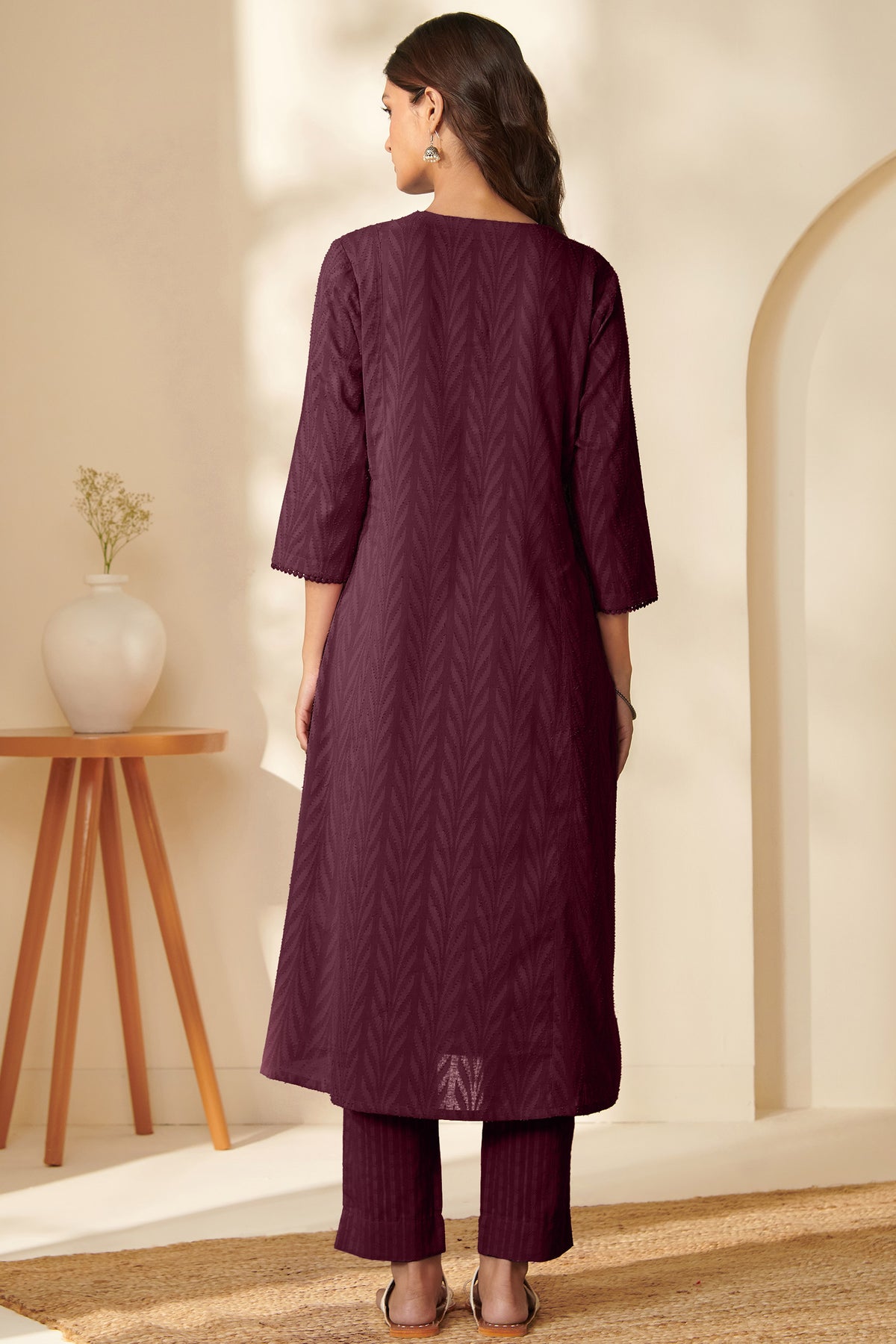
Every colour creates a different impression. Soft shades like ivory, blush, and powder blue feel light and effortless. Rich colours such as maroon, emerald, and deep purple kurta bring depth and elegance without needing elaborate embellishments.
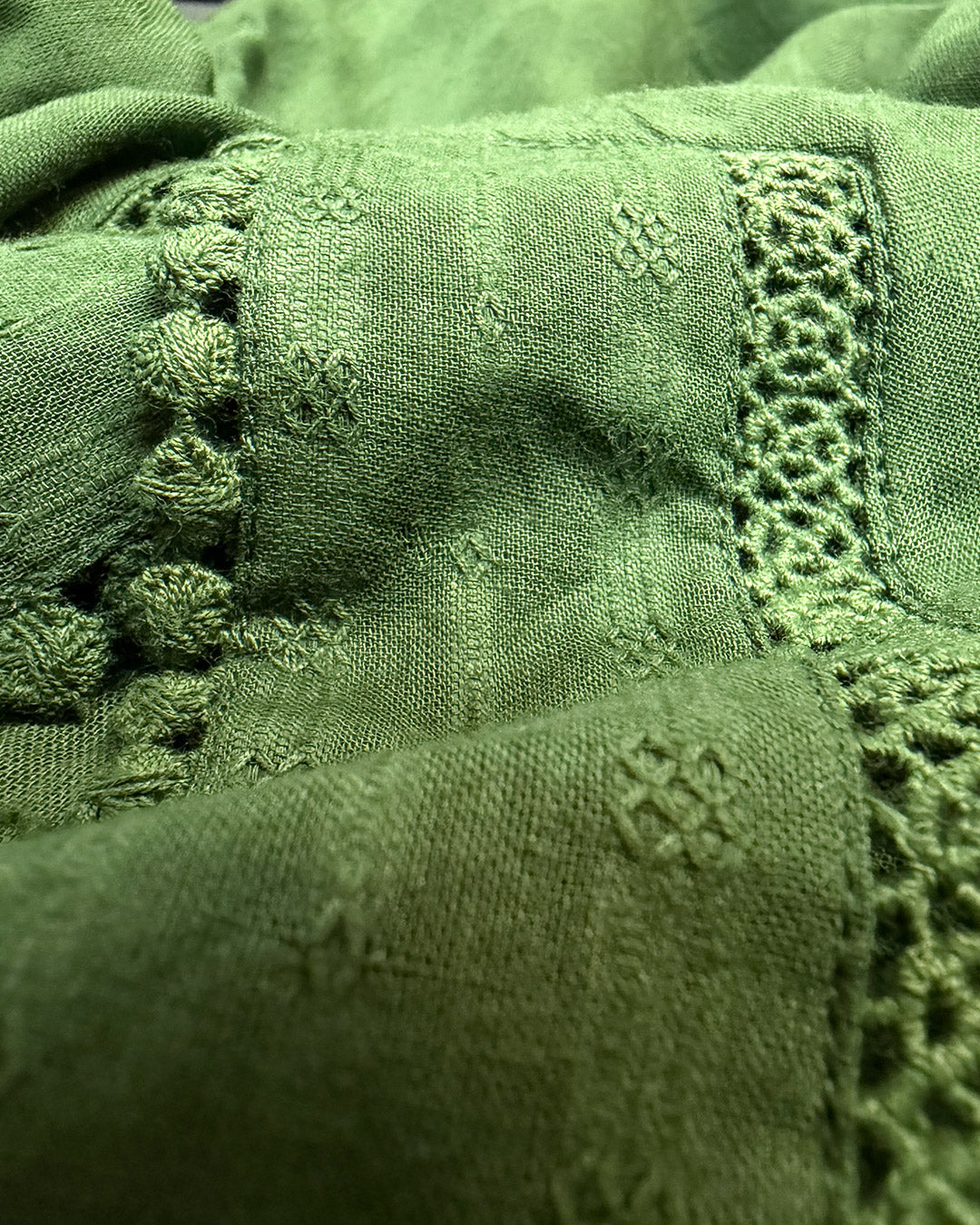
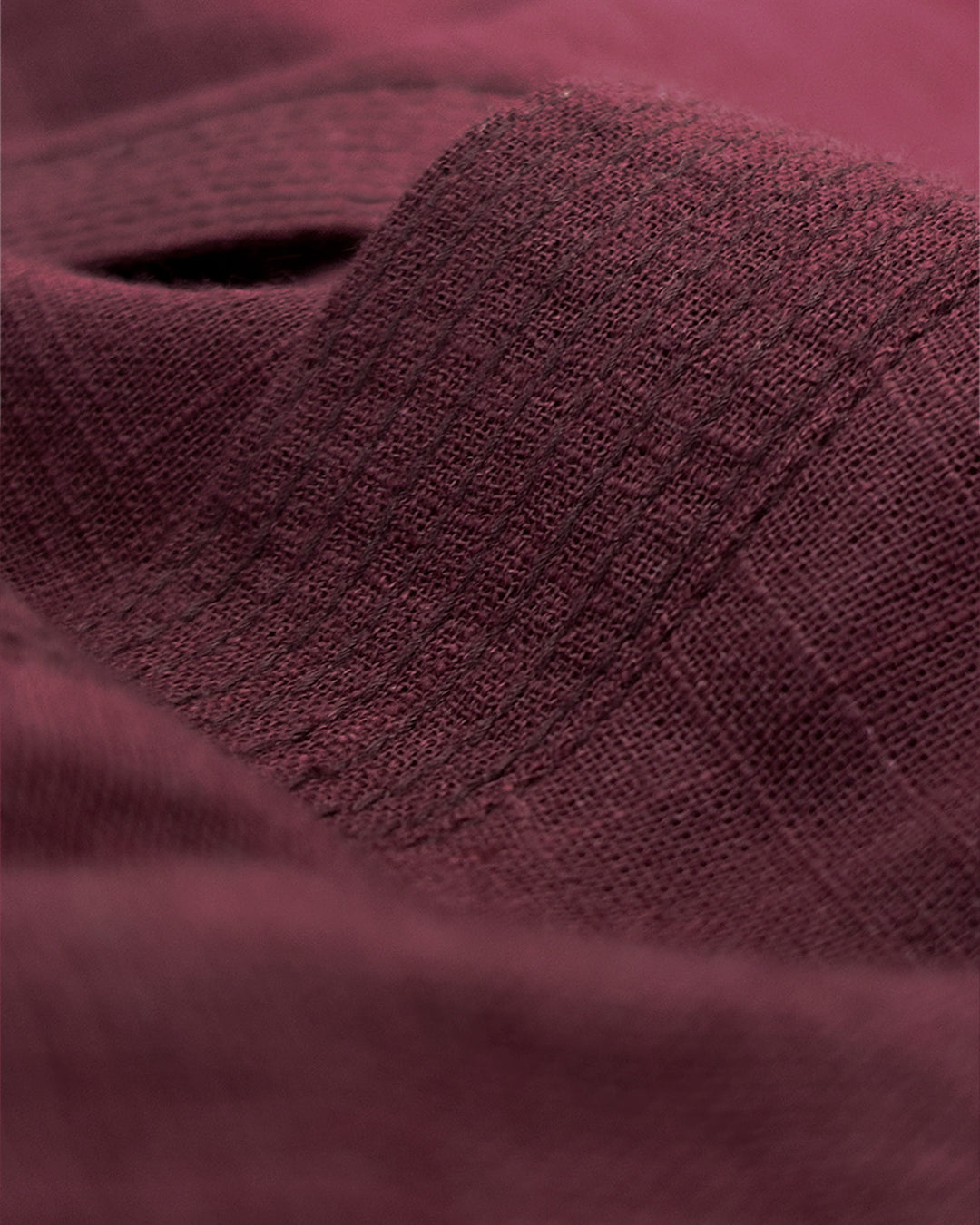
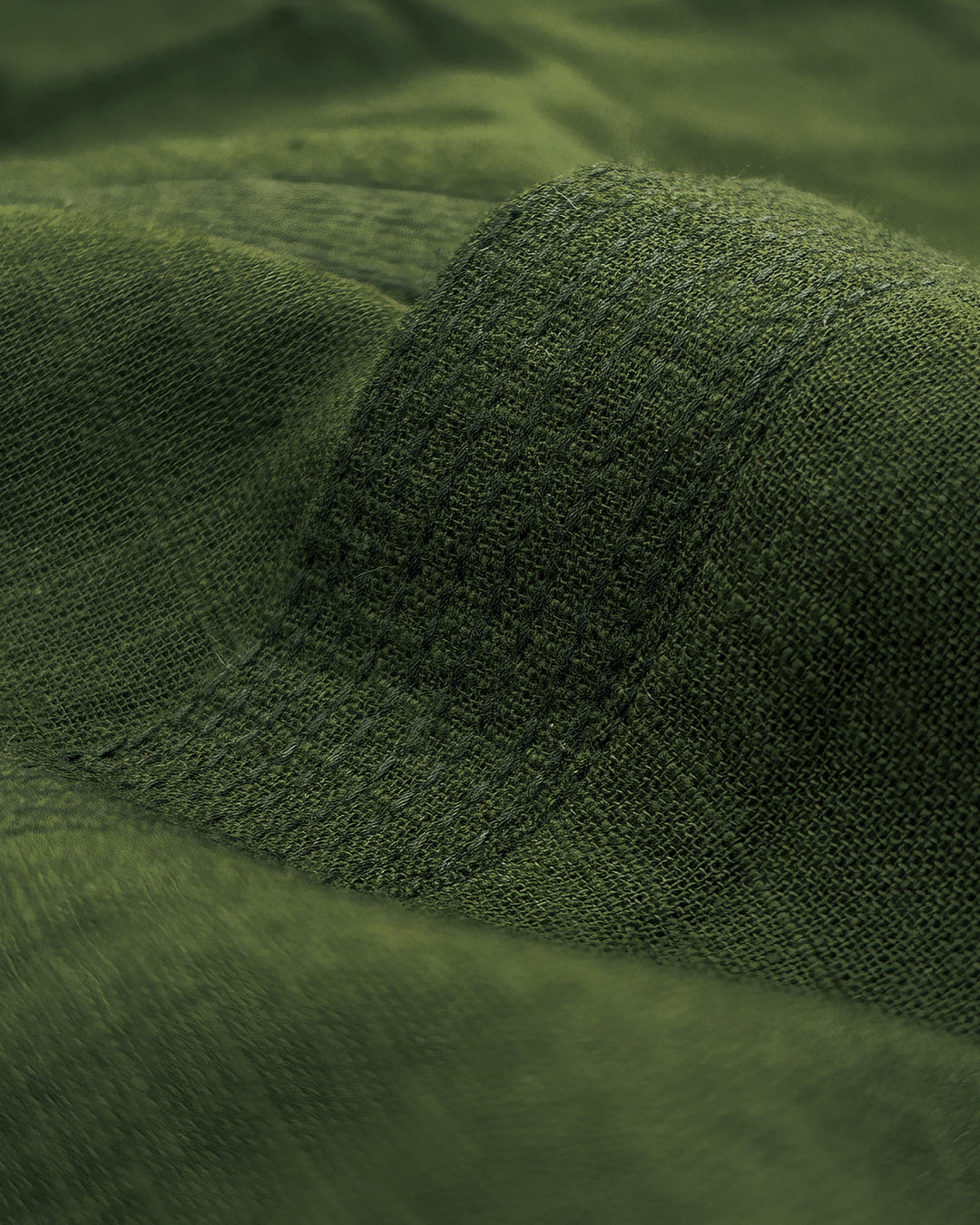
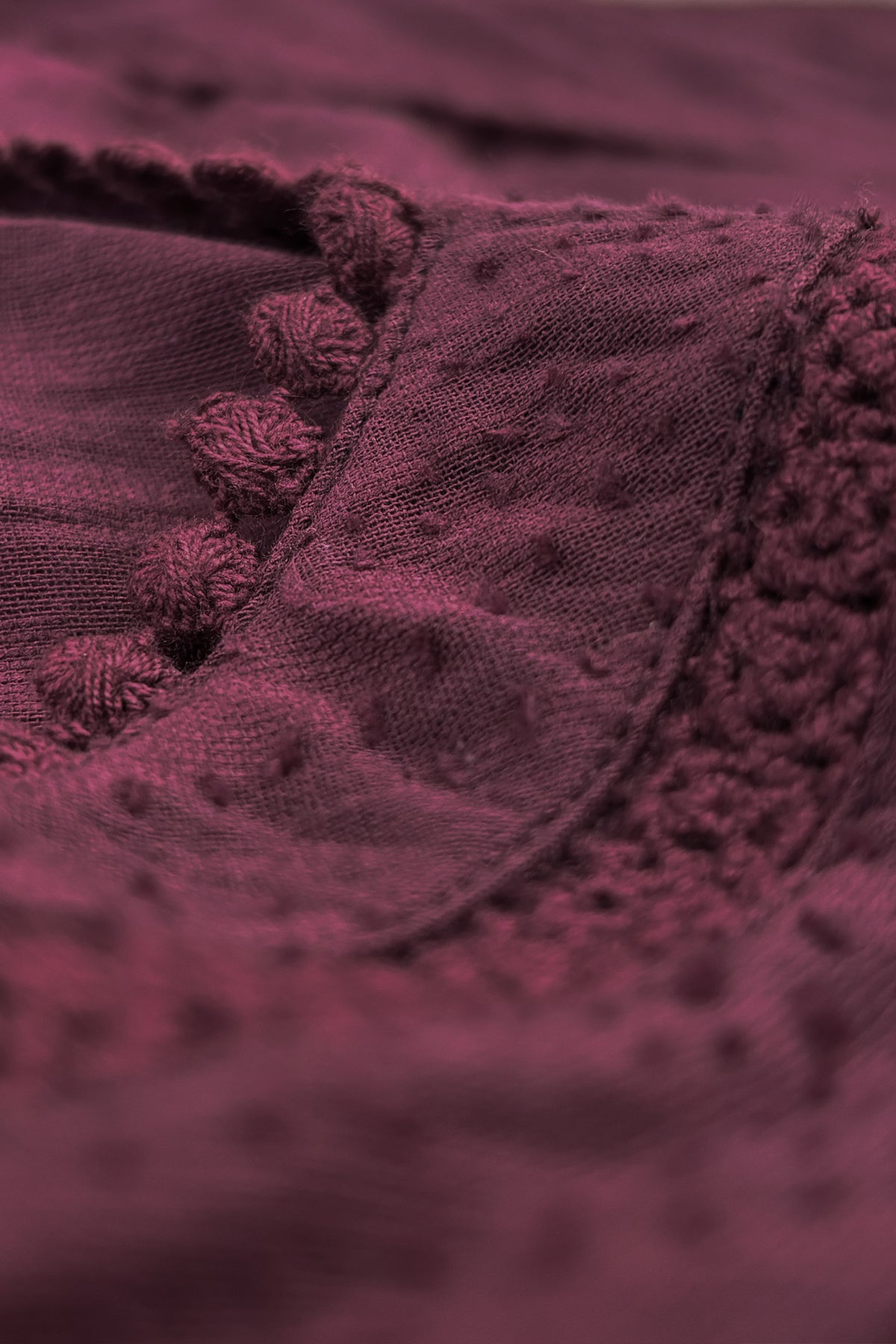
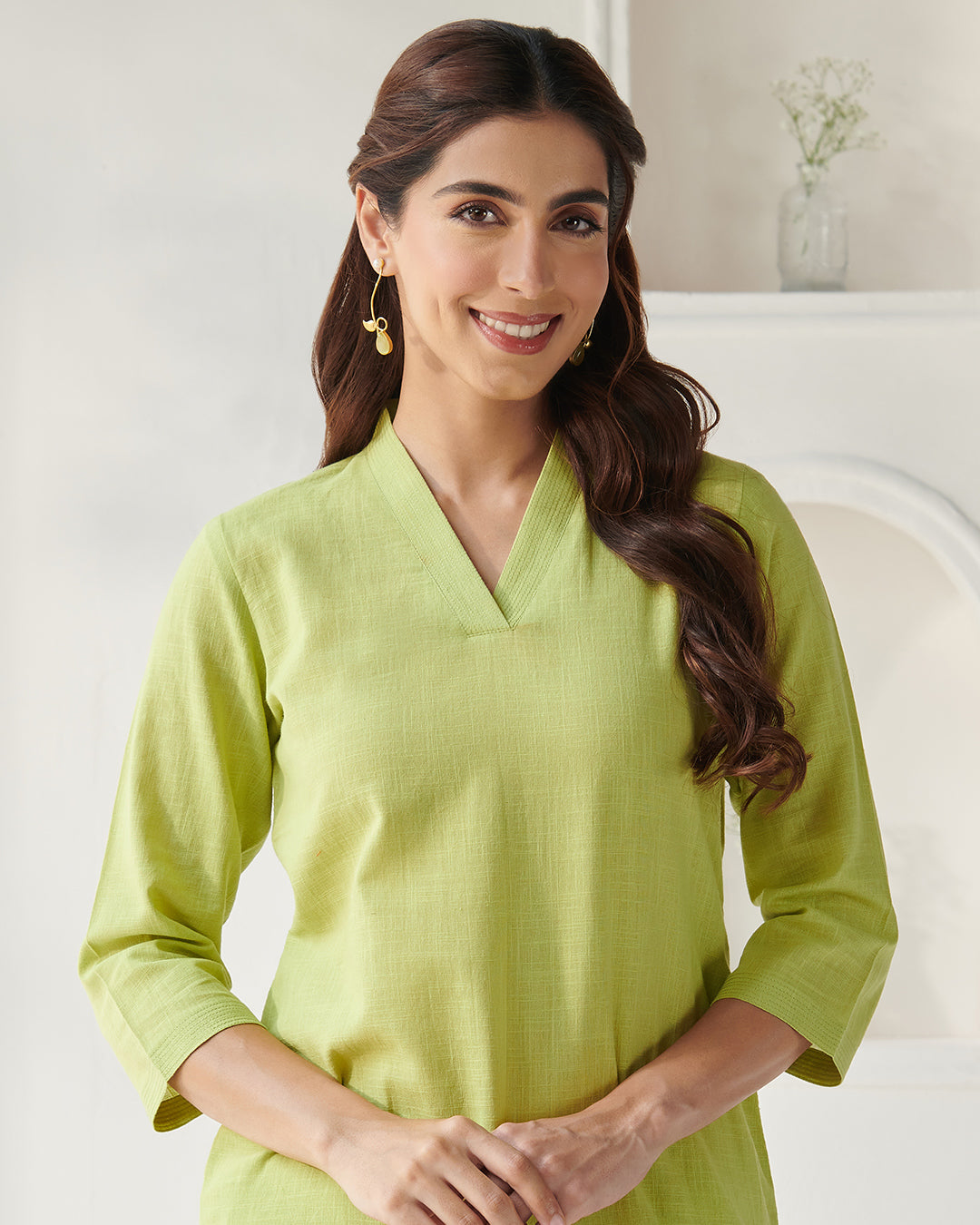
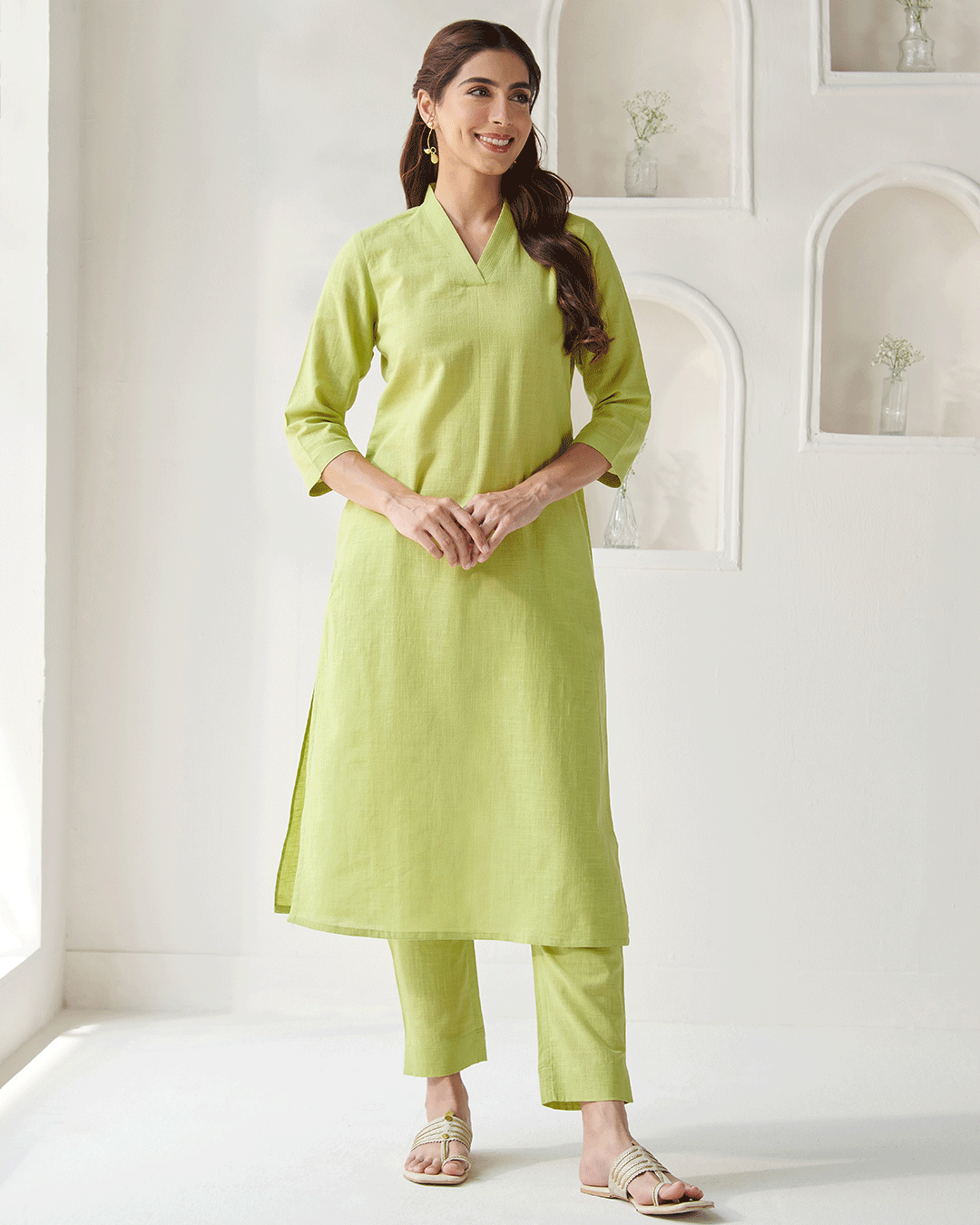
Colour also works with fabric to create a complete look. A cotton kurta in pastel green feels relaxed and breathable, while the same shade in silk carries a more refined presence. The combination of colour and texture often determines whether an outfit feels casual or occasion ready.
Choosing Colours Based on the Occasion
Every occasion has its own rhythm, and colour helps reflect it naturally.
For daily wear, lighter shades and soft neutrals feel comfortable and easy to style. Professional settings often call for understated colours that appear polished without drawing unnecessary attention. Festivals and celebrations welcome richer hues that have long been part of Indian cultural traditions.
Rather than following fixed rules, think of colour as a way to match the mood of the moment. A wardrobe with a thoughtful mix of everyday neutrals and festive tones offers flexibility throughout the year.
Best Kurta Colours for Everyday Wear

Everyday clothing should feel comfortable, effortless, and easy to repeat. Colours that are gentle on the eye often become the ones we reach for most because they pair well with different bottoms, dupattas, and accessories.
A versatile everyday wardrobe does not need endless options. A small collection of well-chosen colours can comfortably take you through work, errands, travel, and casual gatherings.
White, Beige, and Pastel Shades
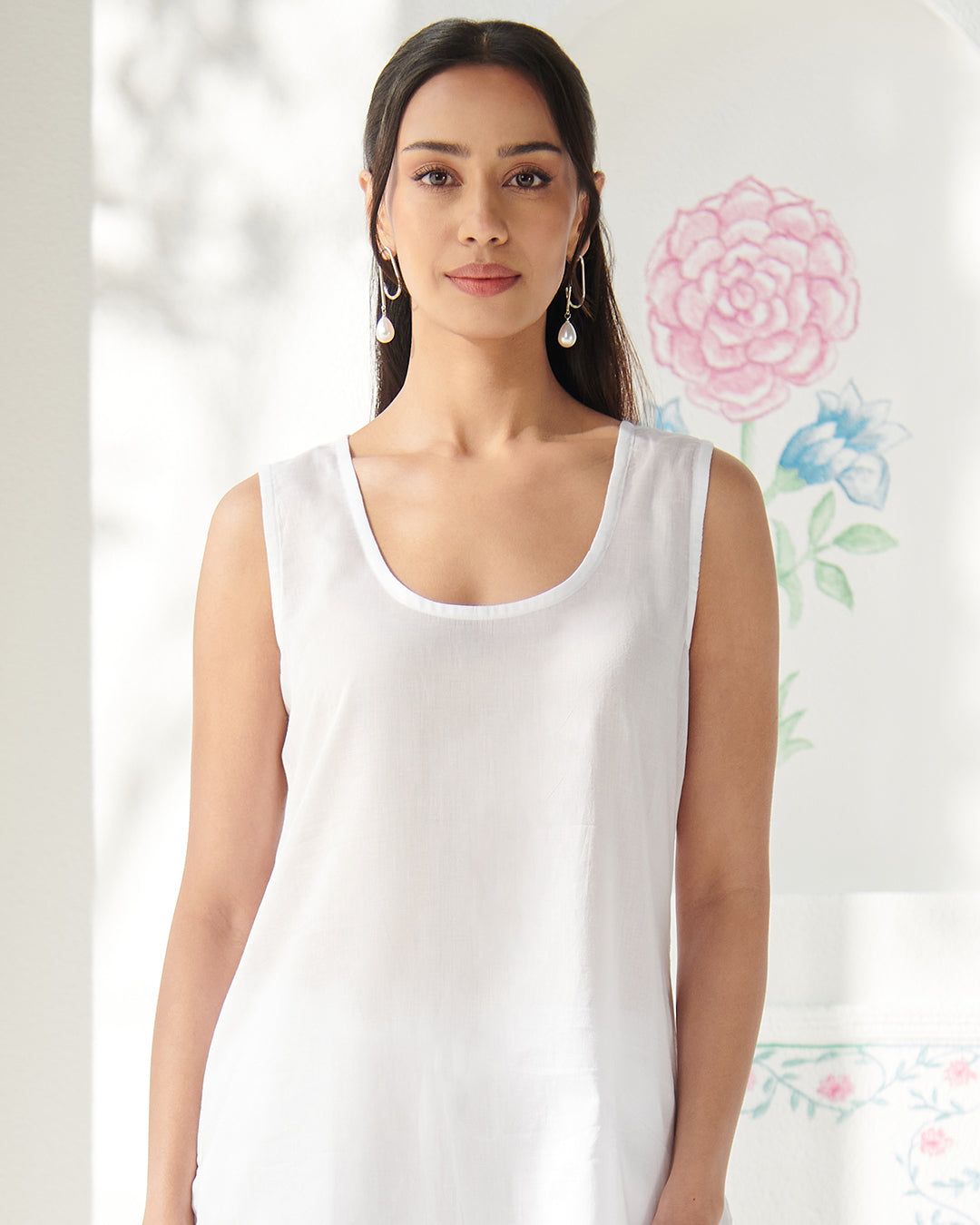
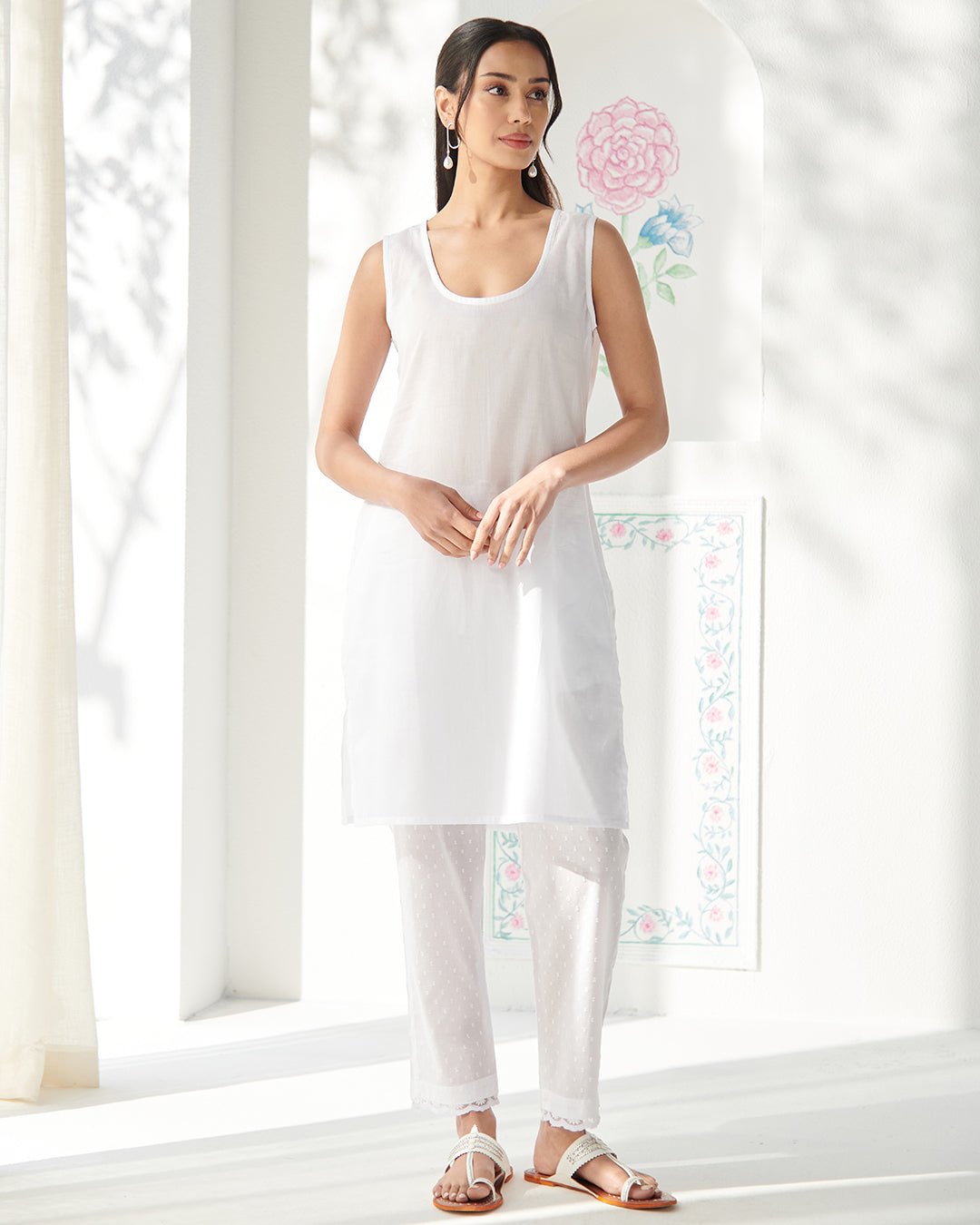
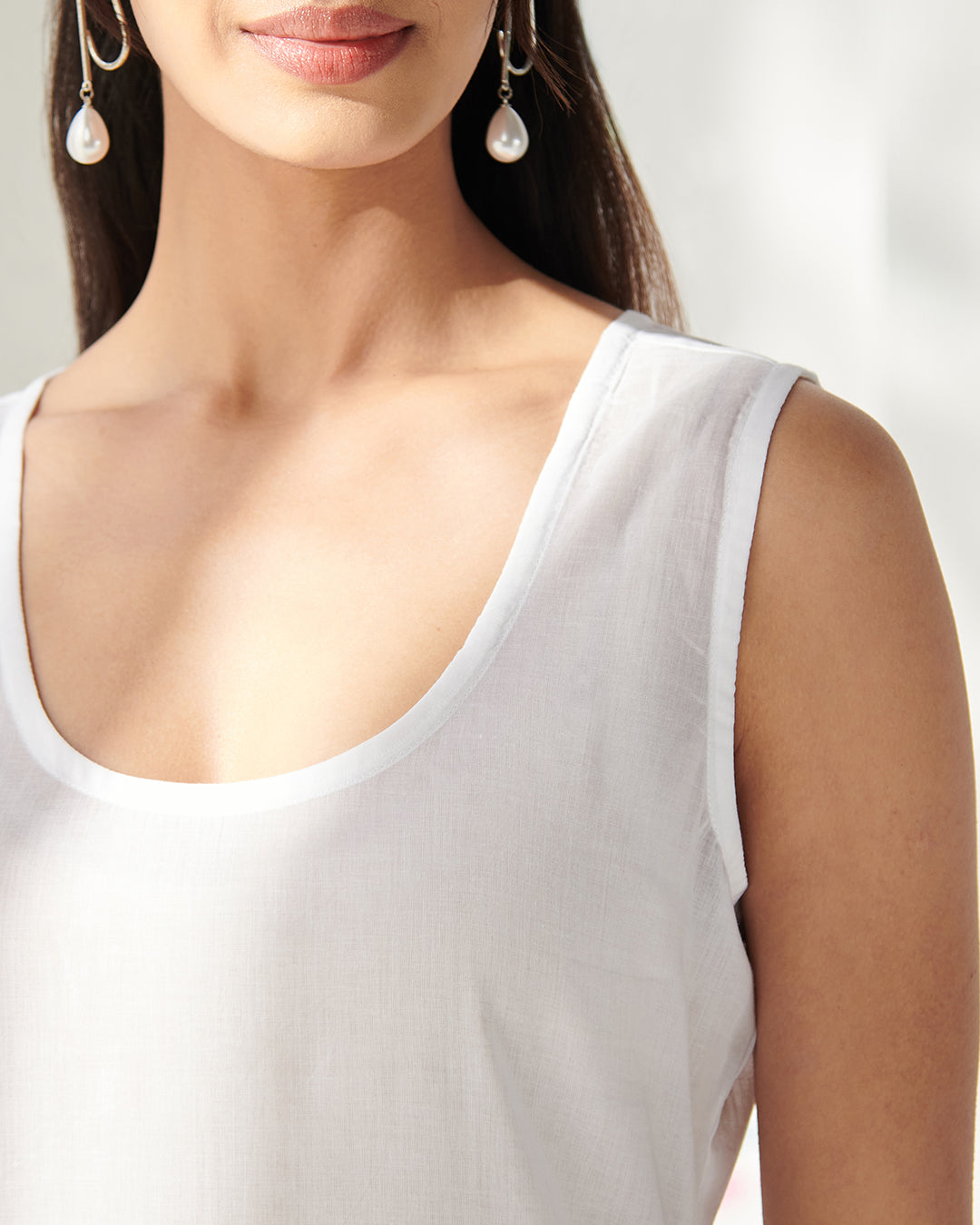
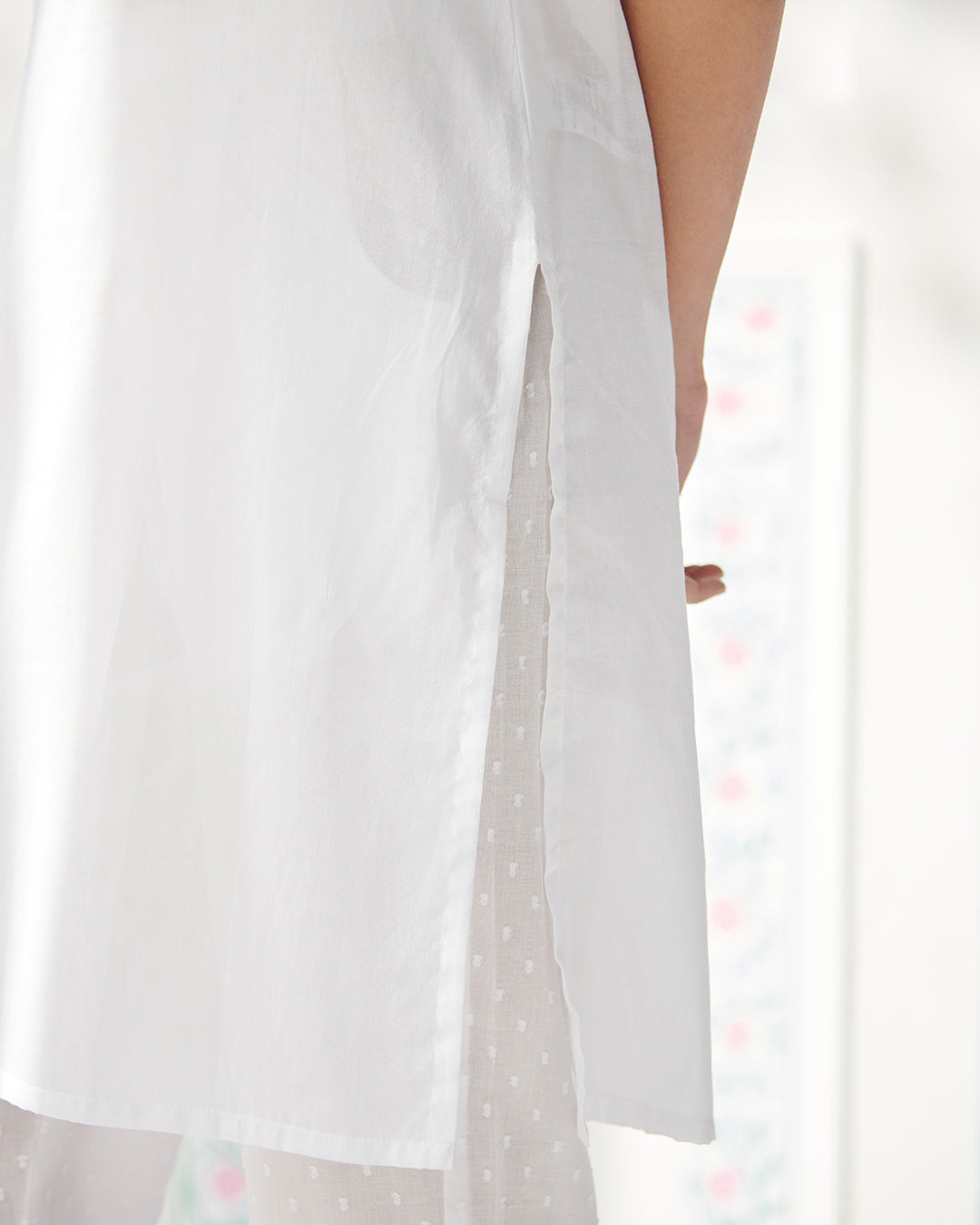
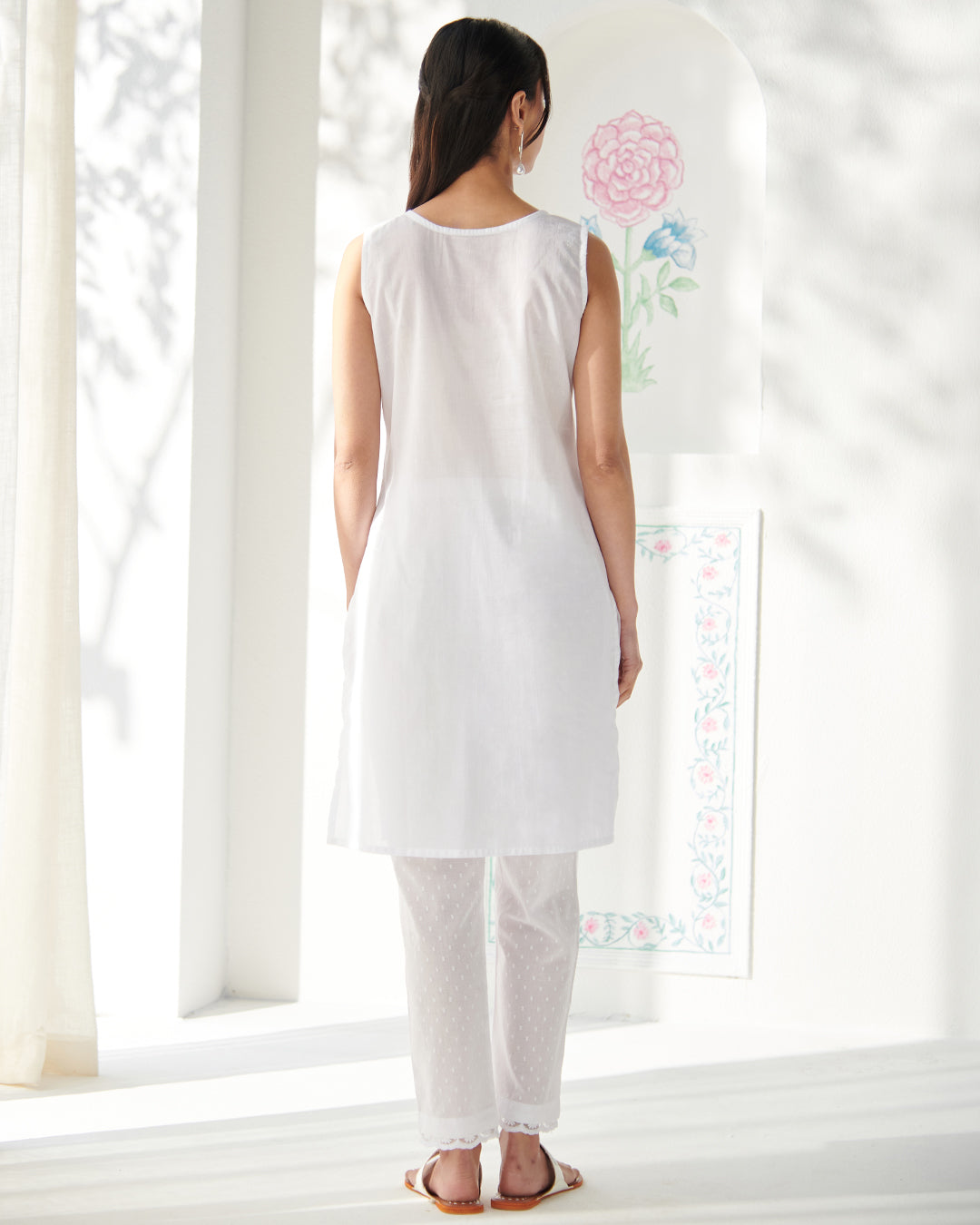
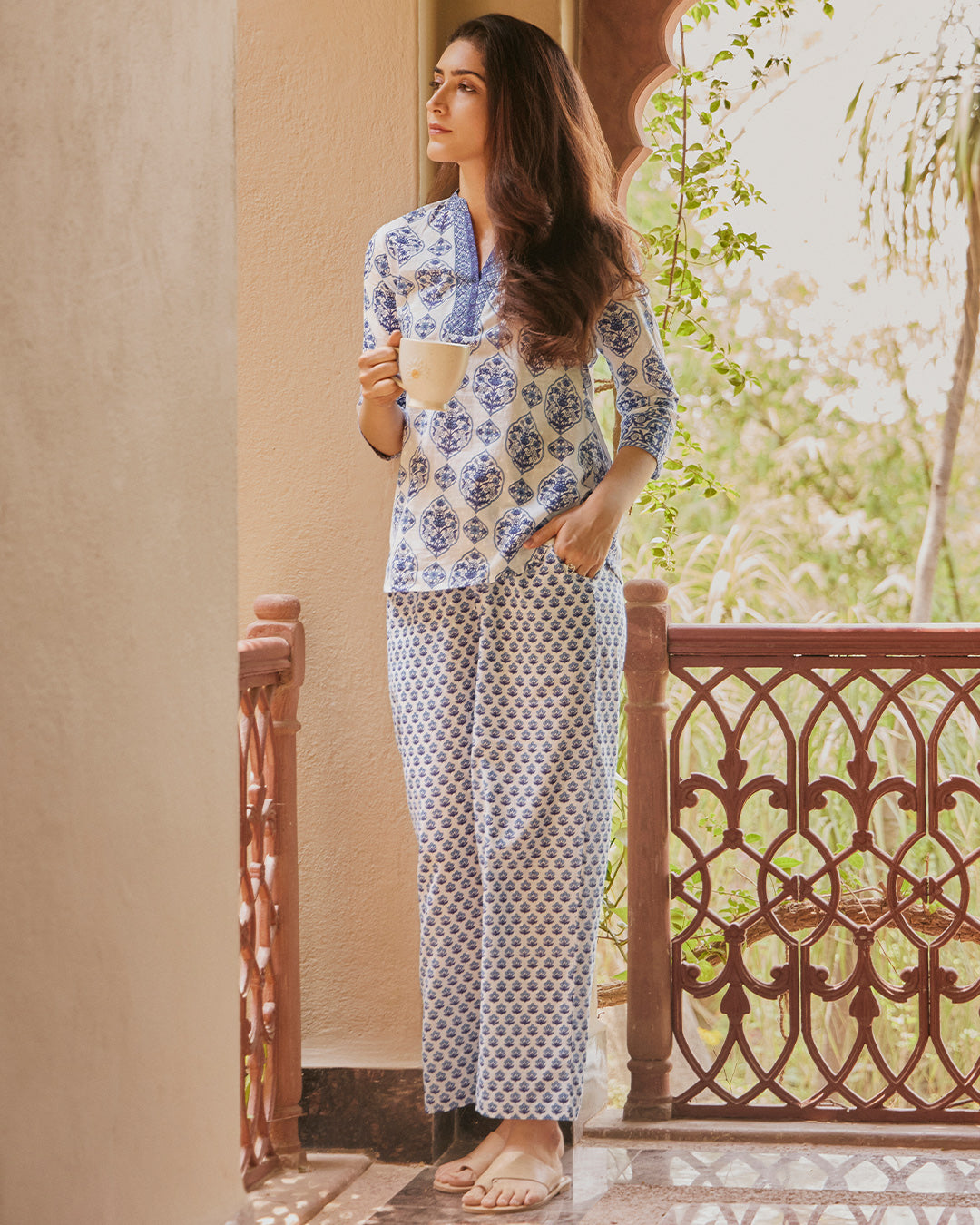
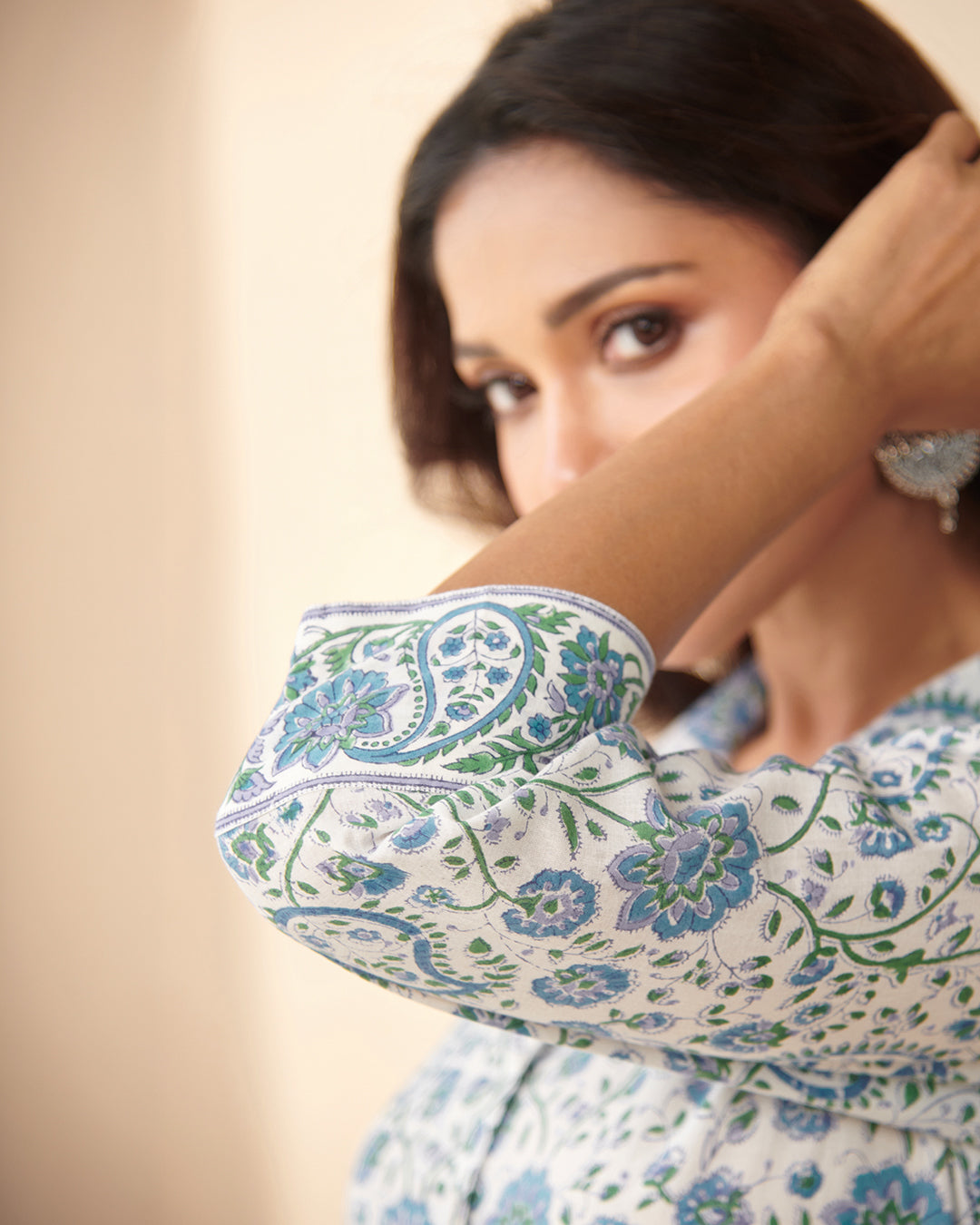
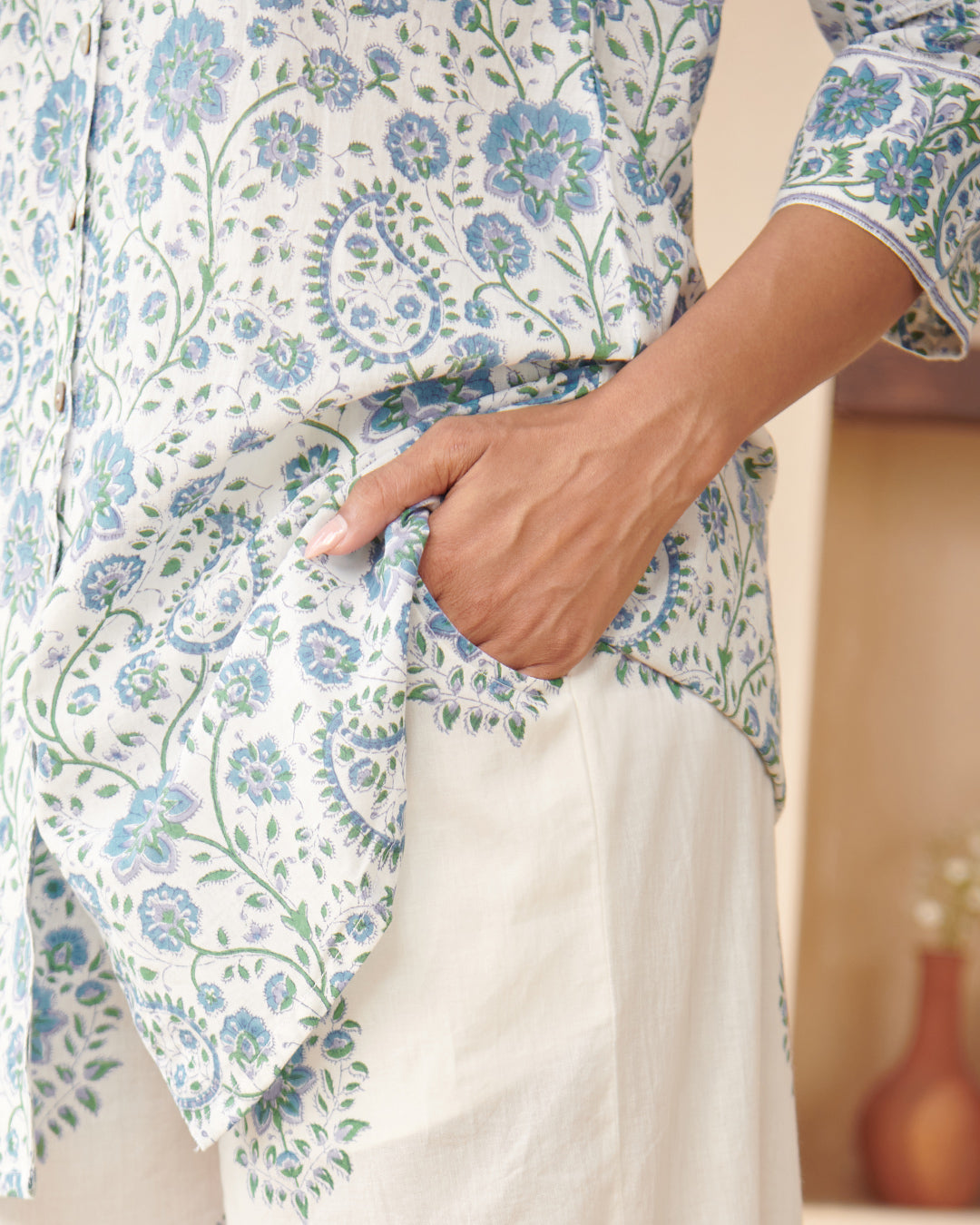
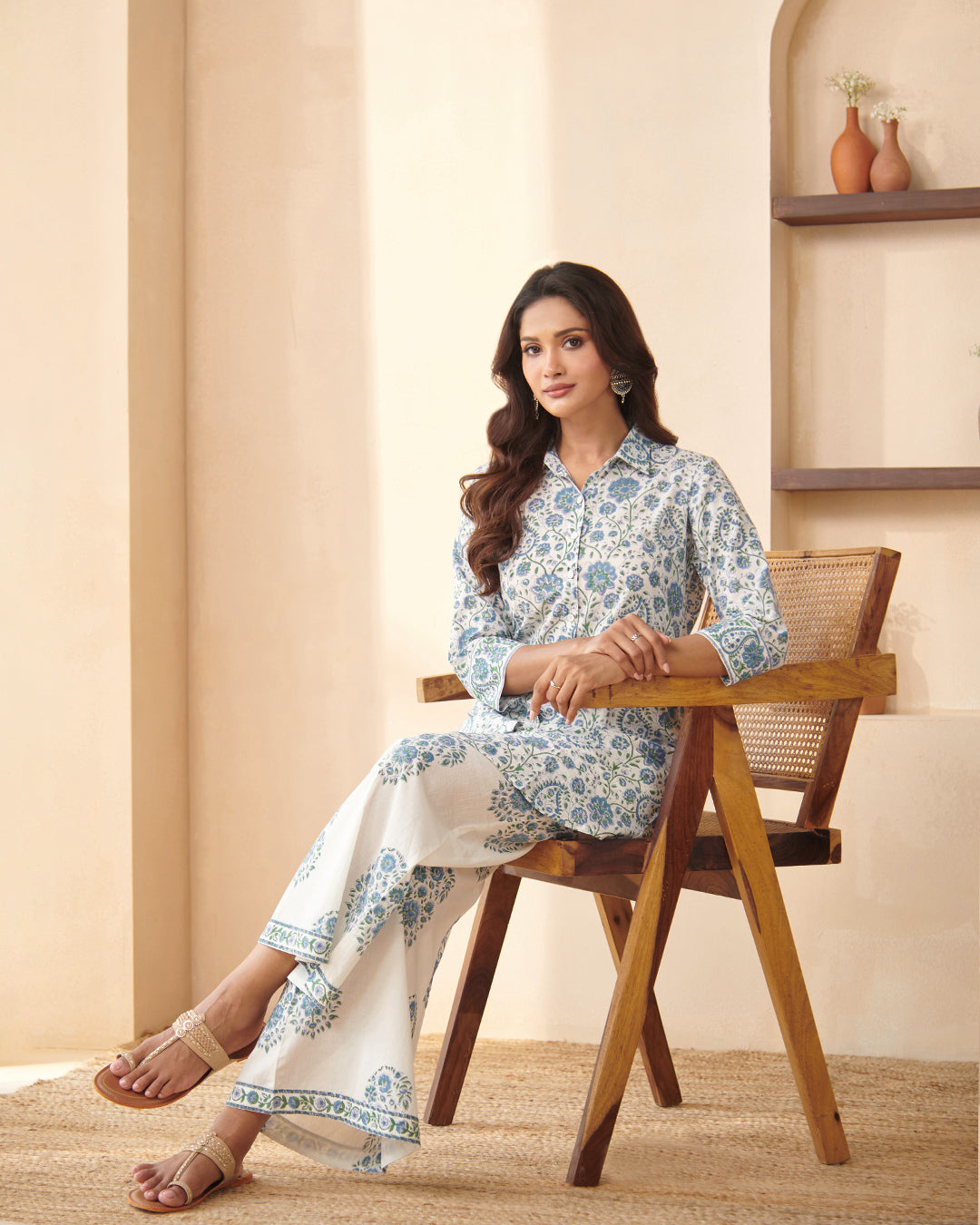
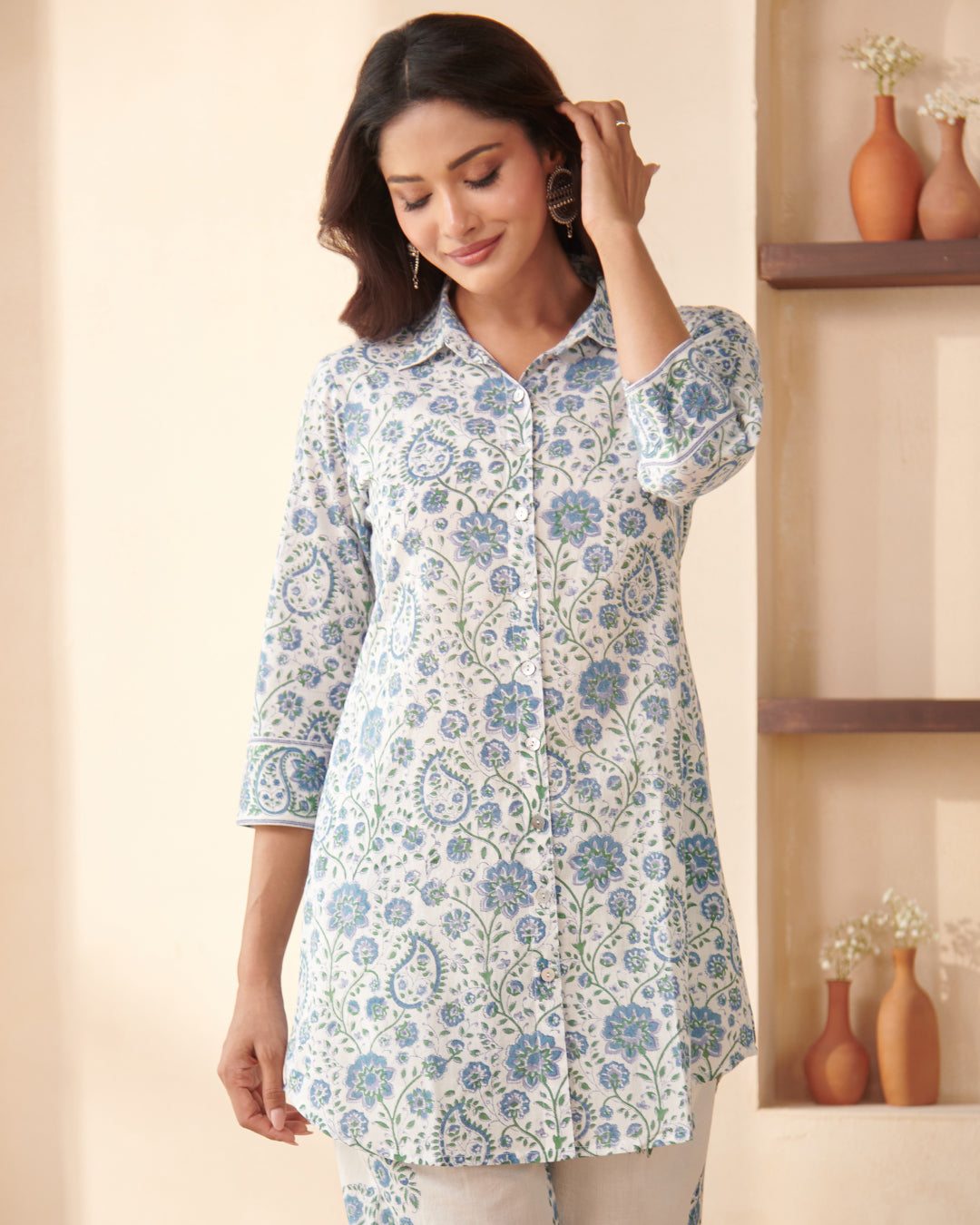
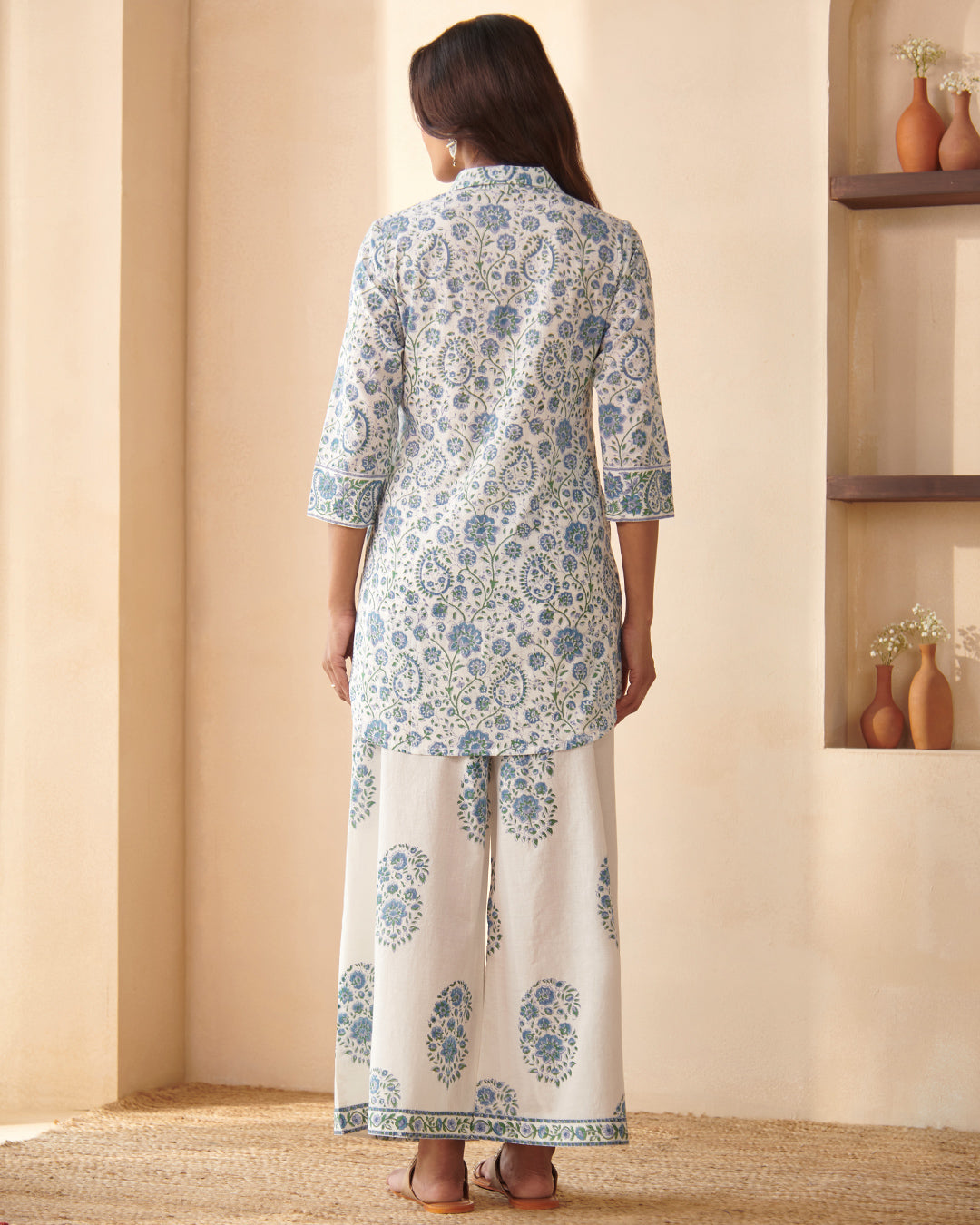
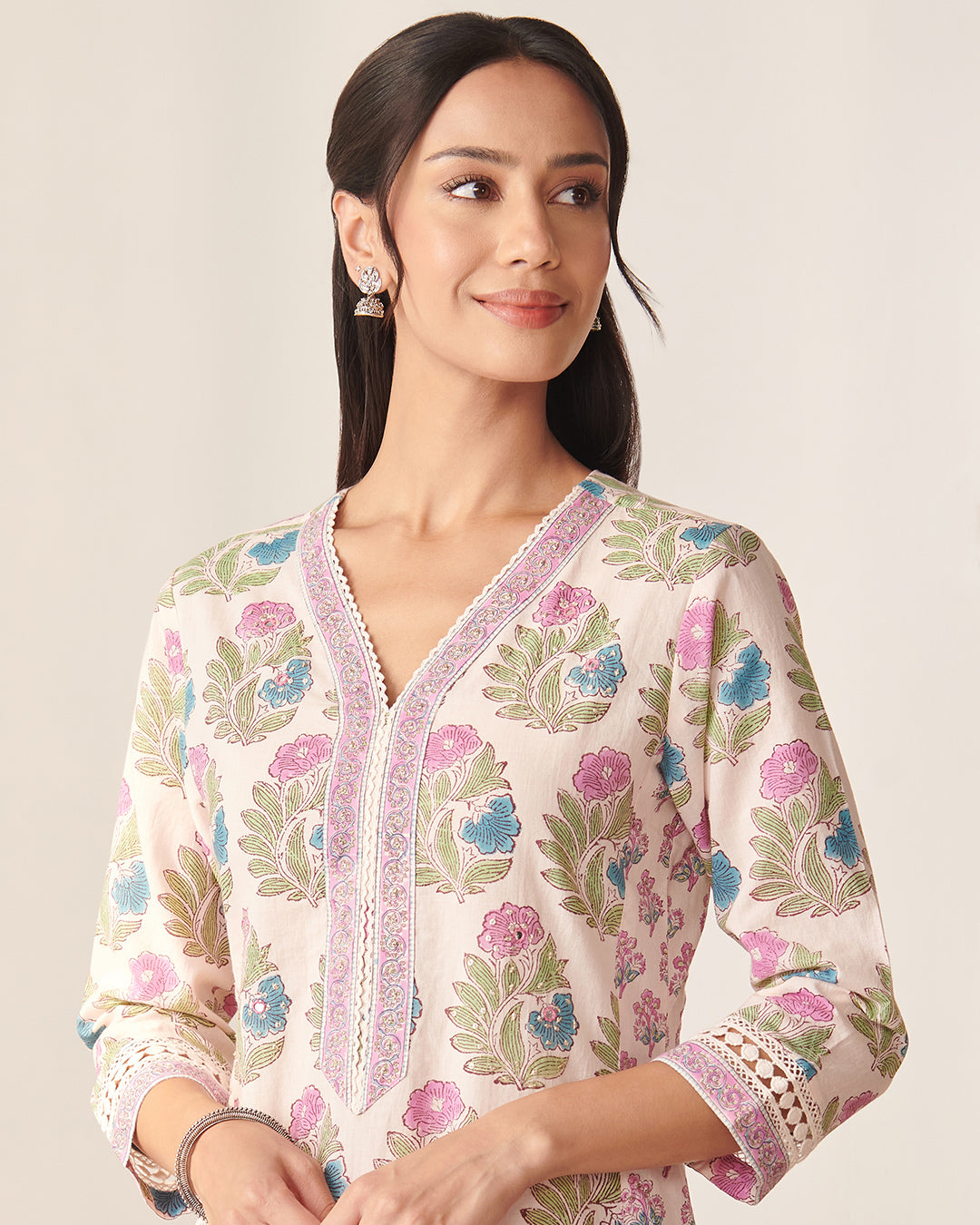
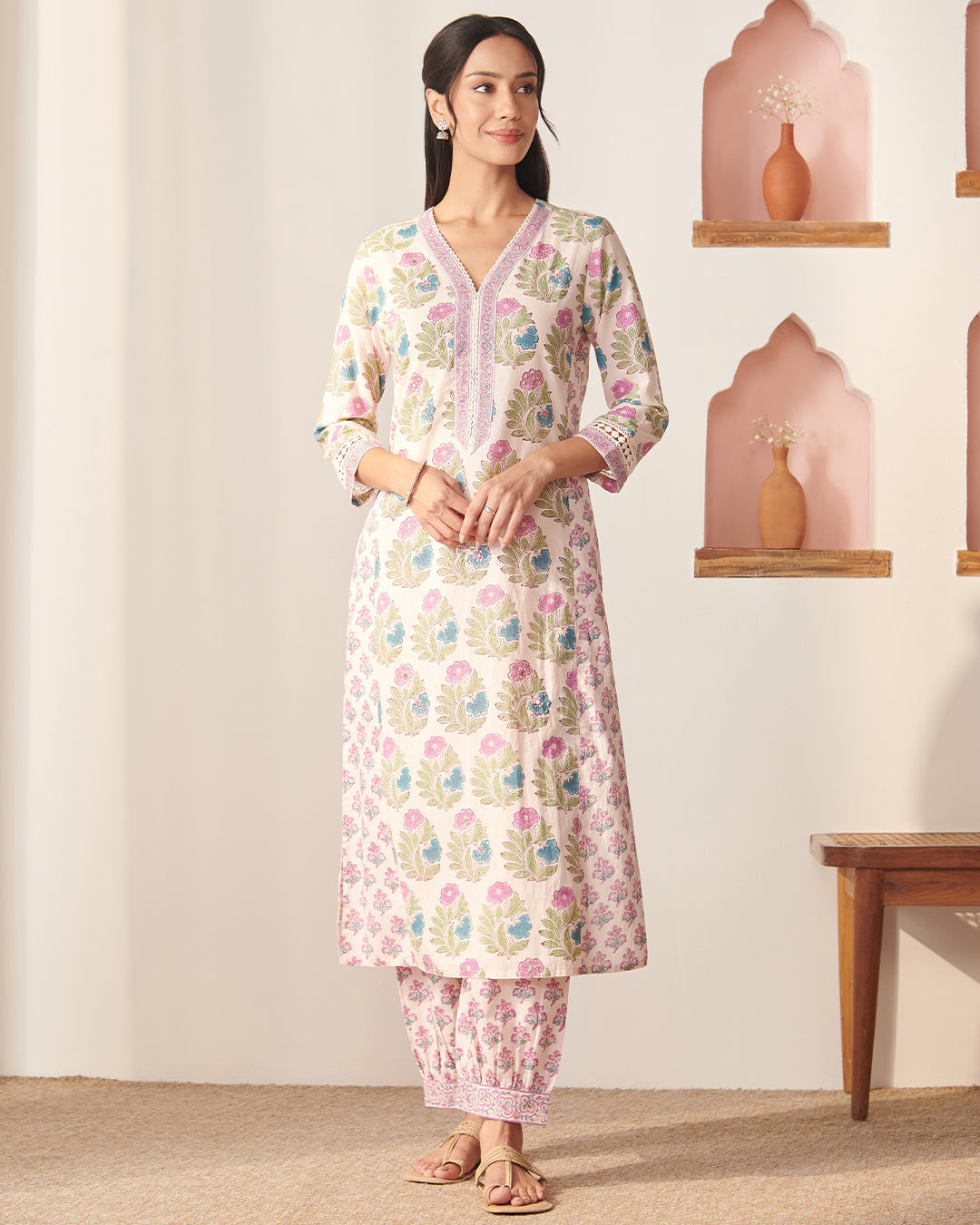
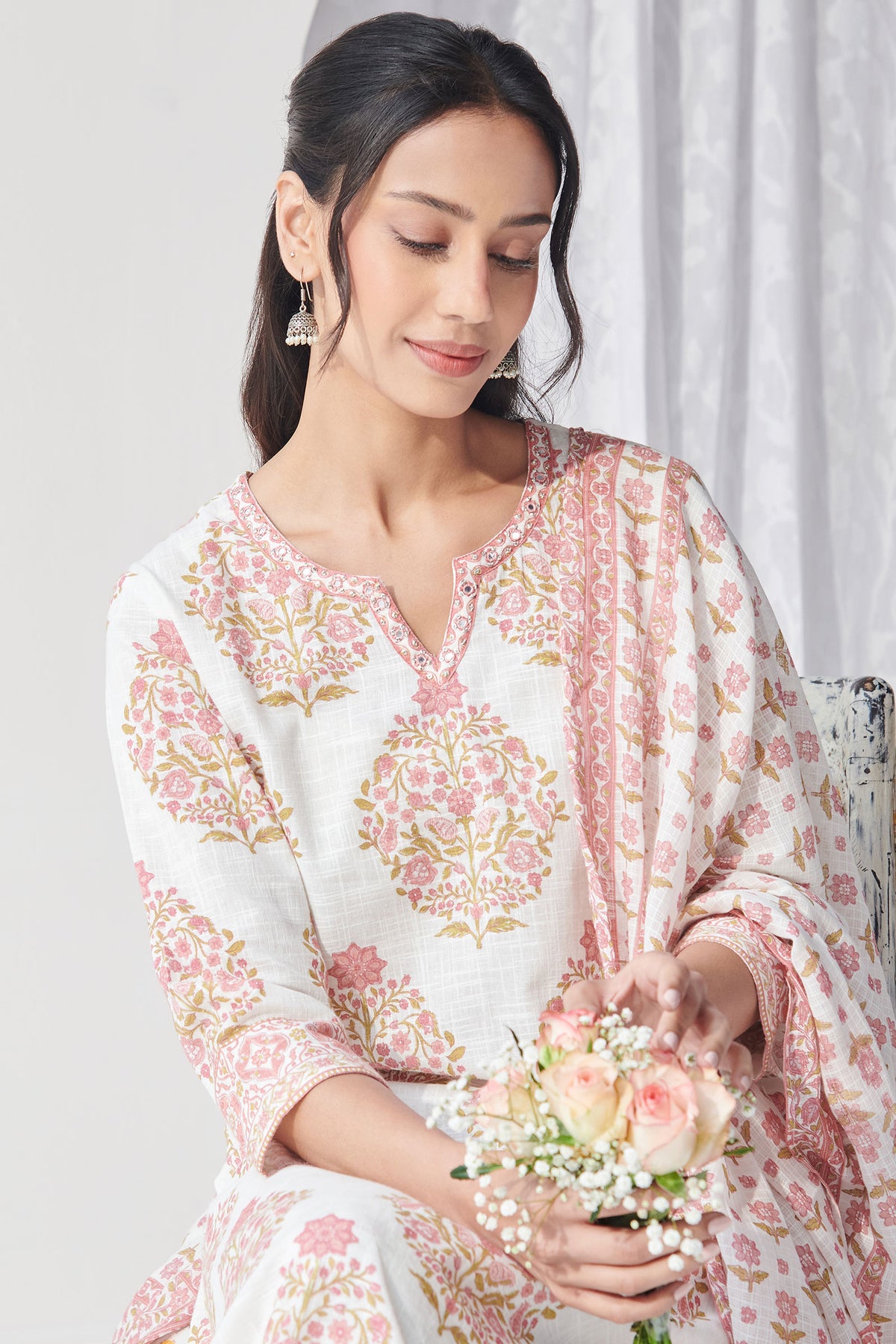
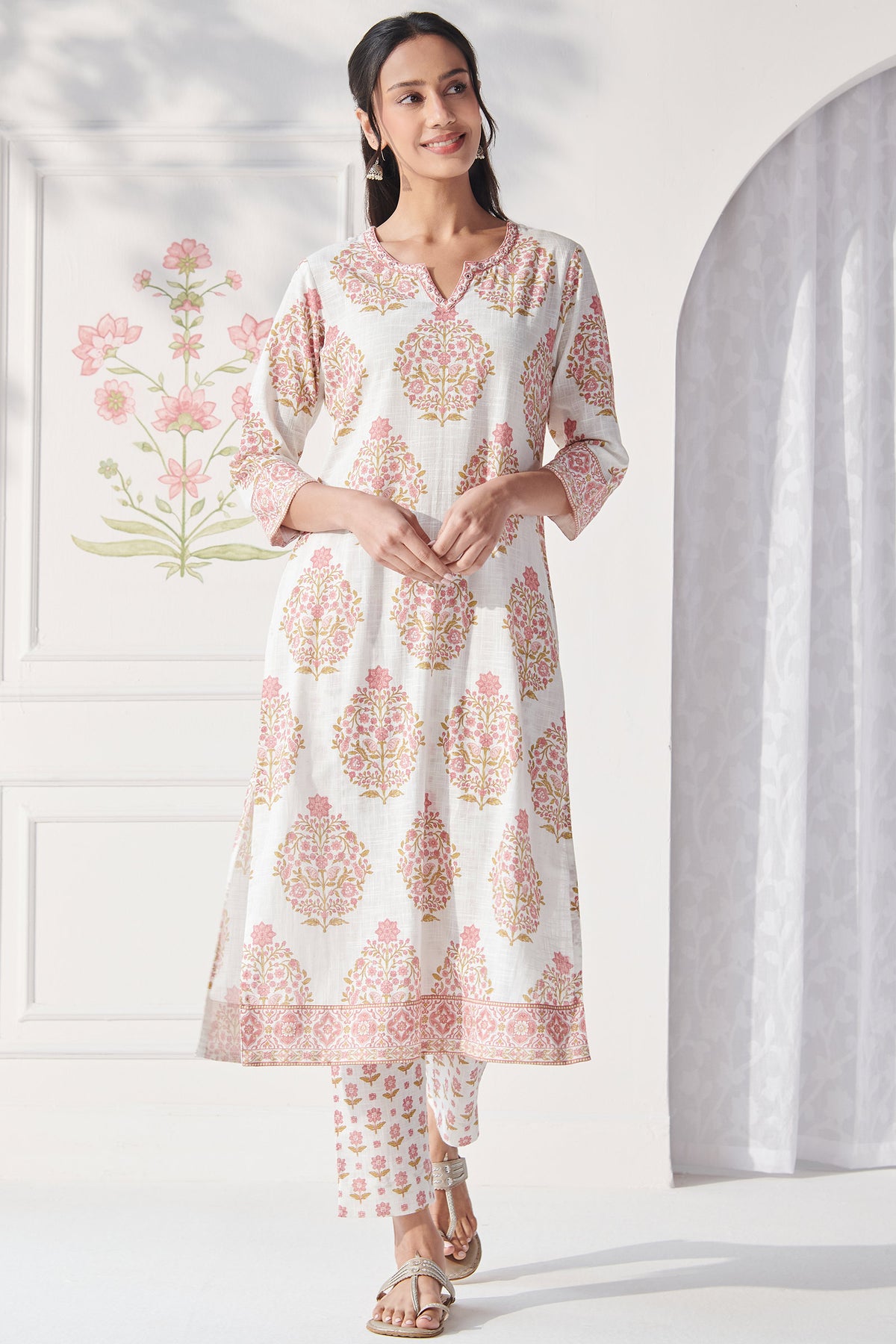
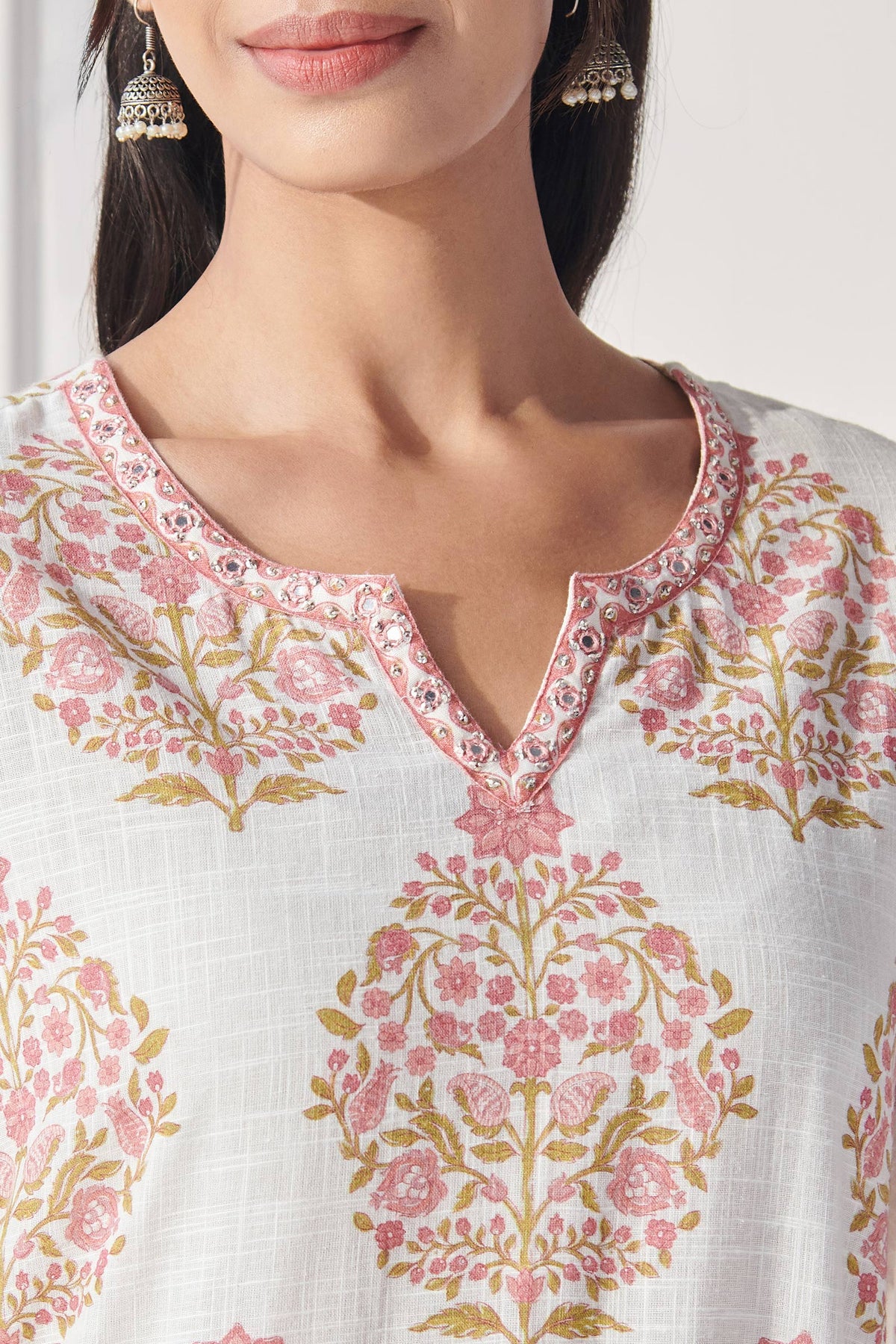
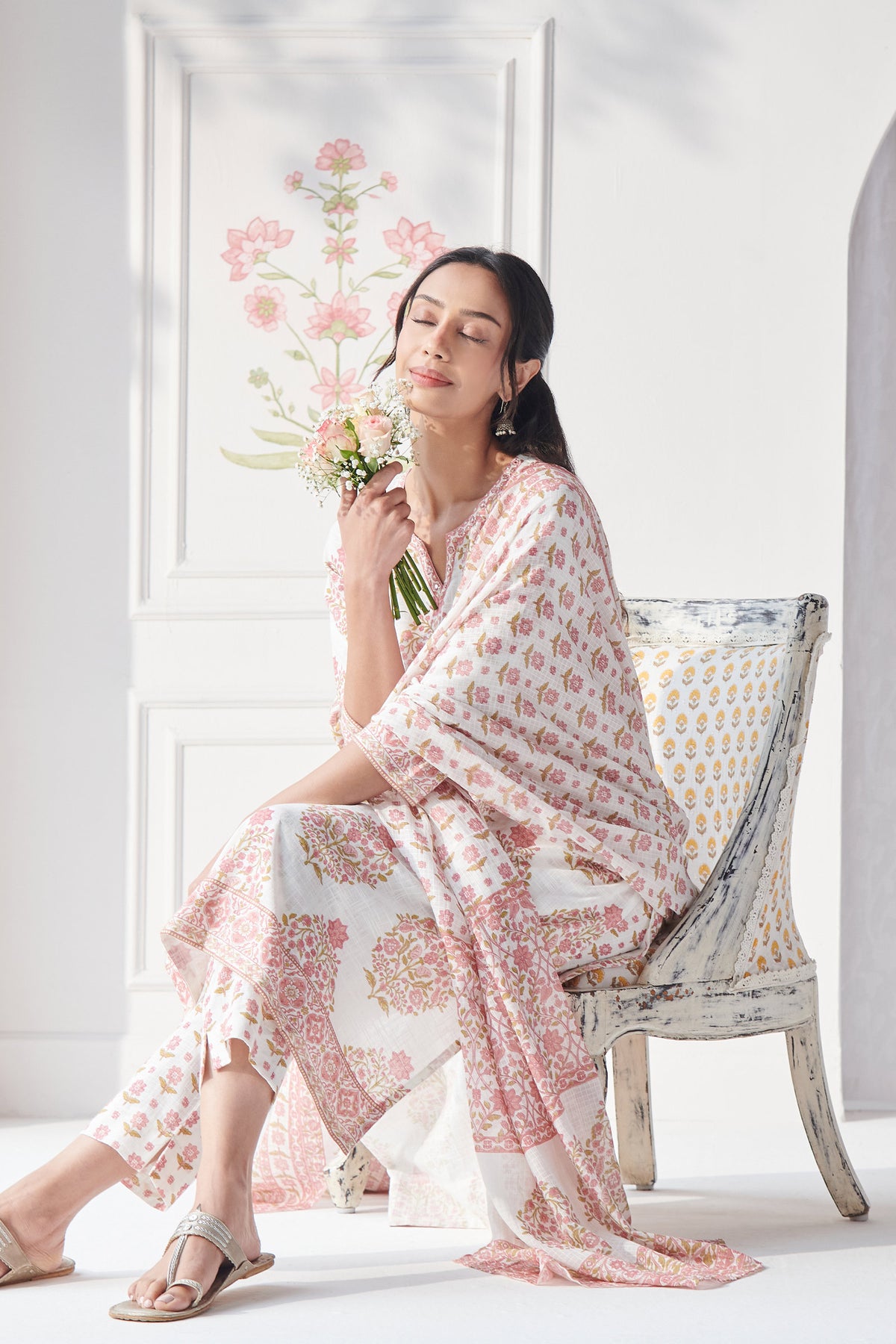
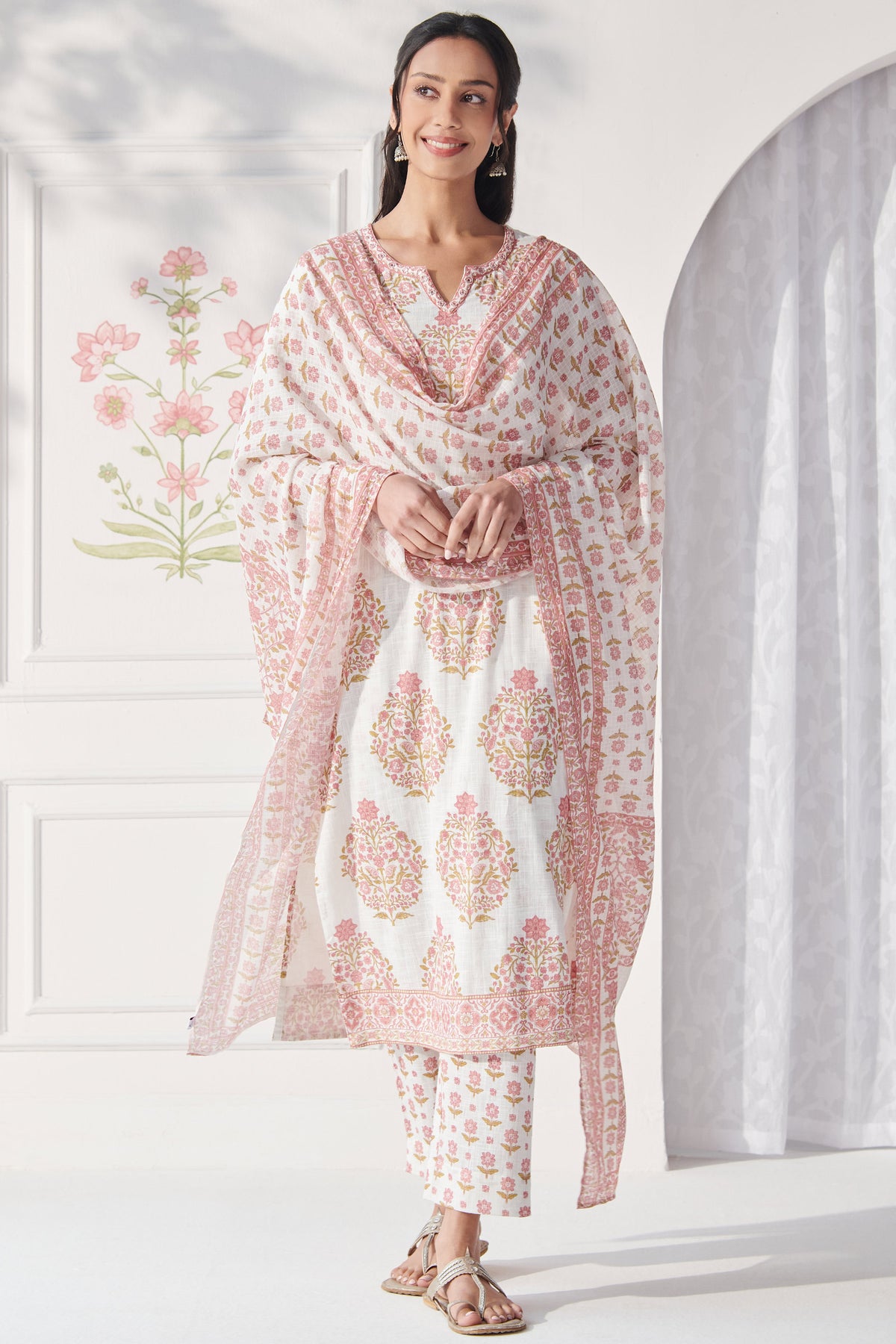
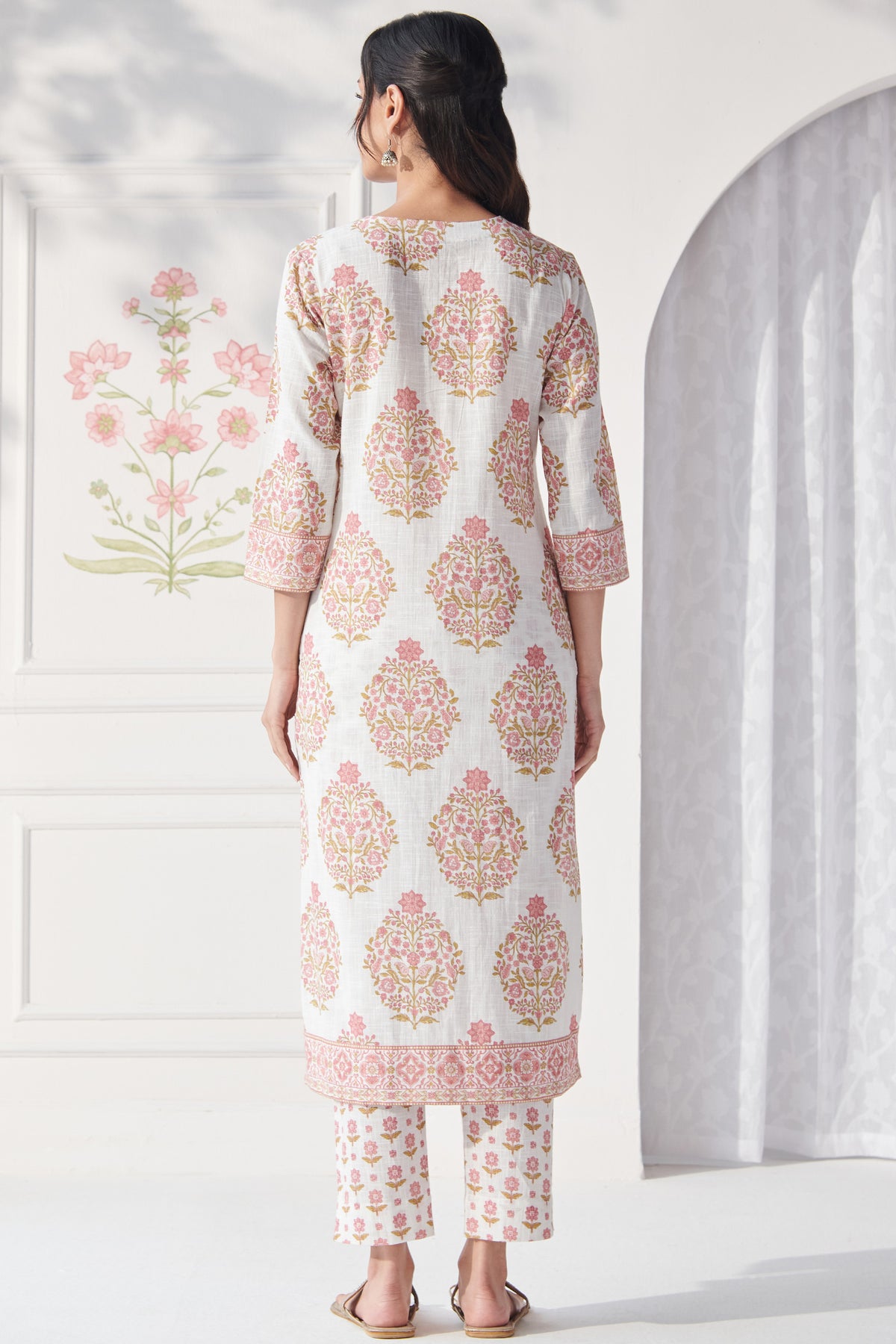
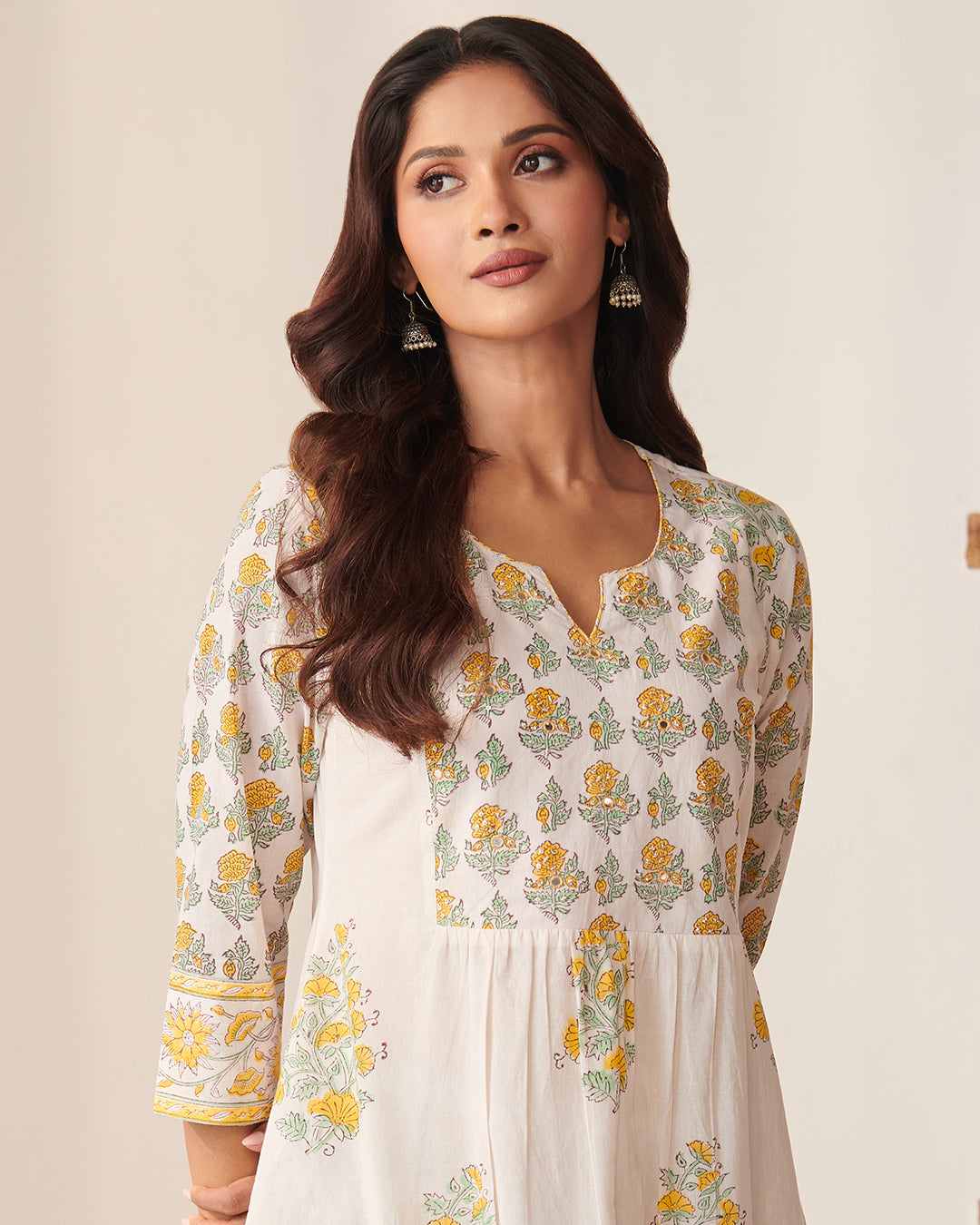
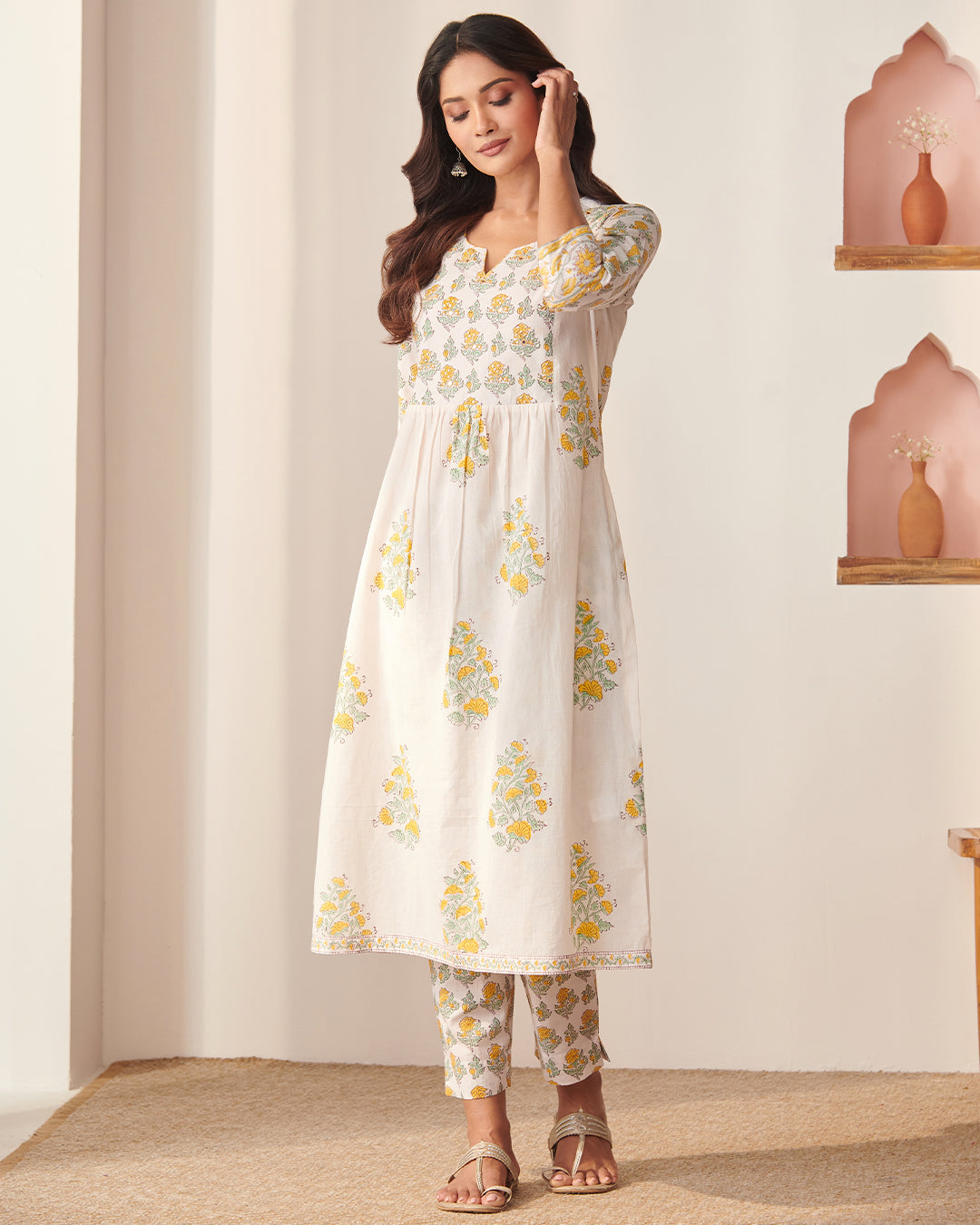
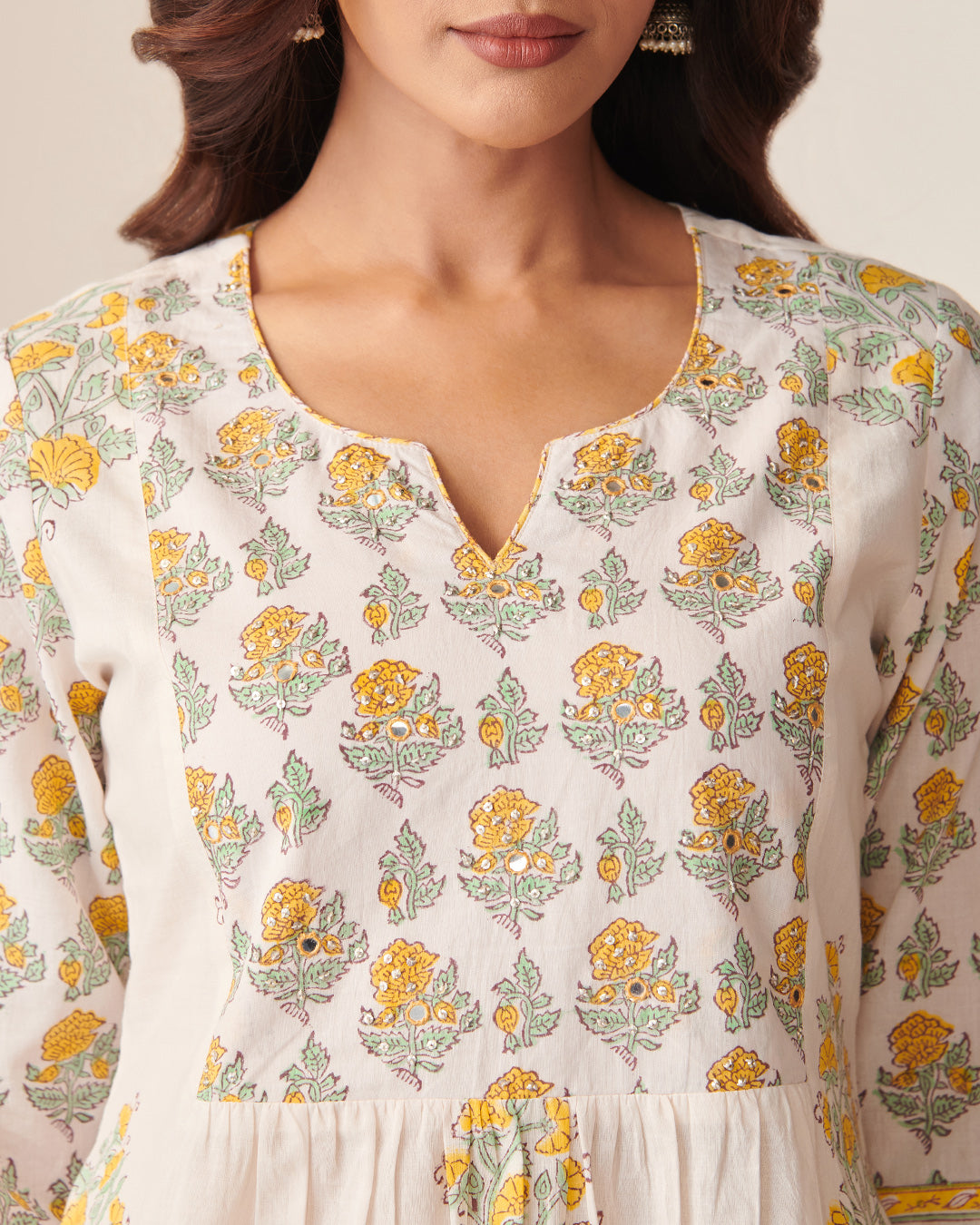
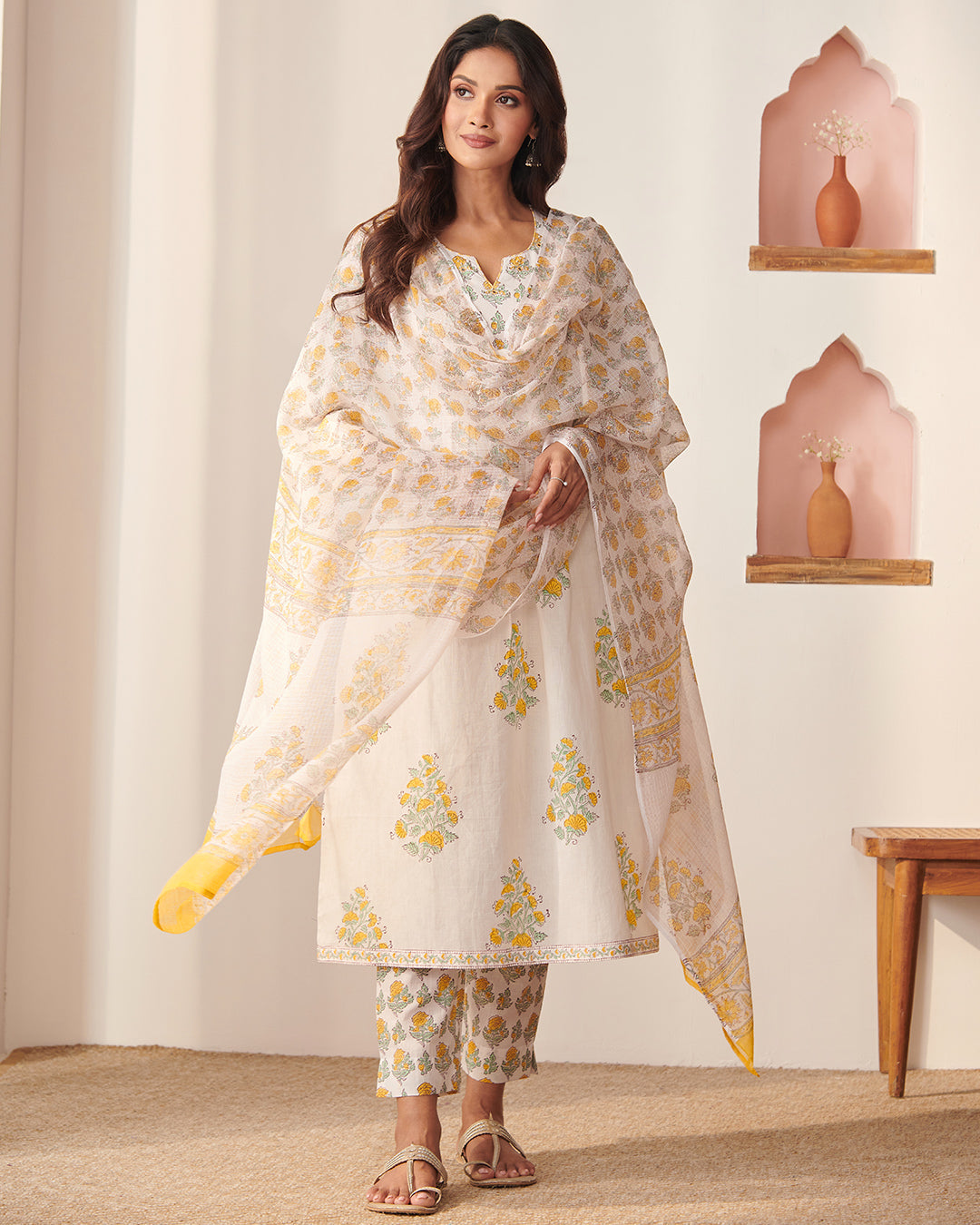
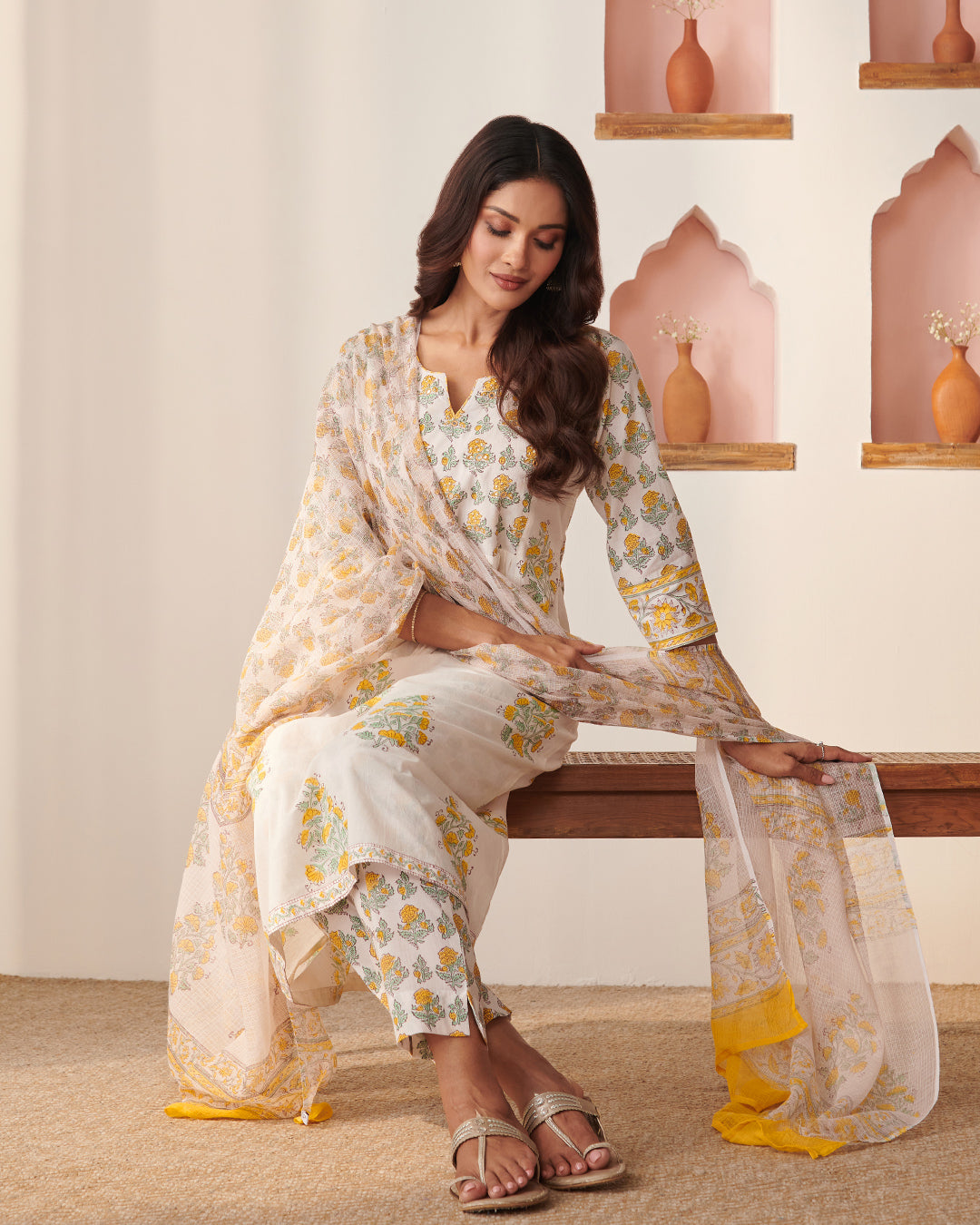
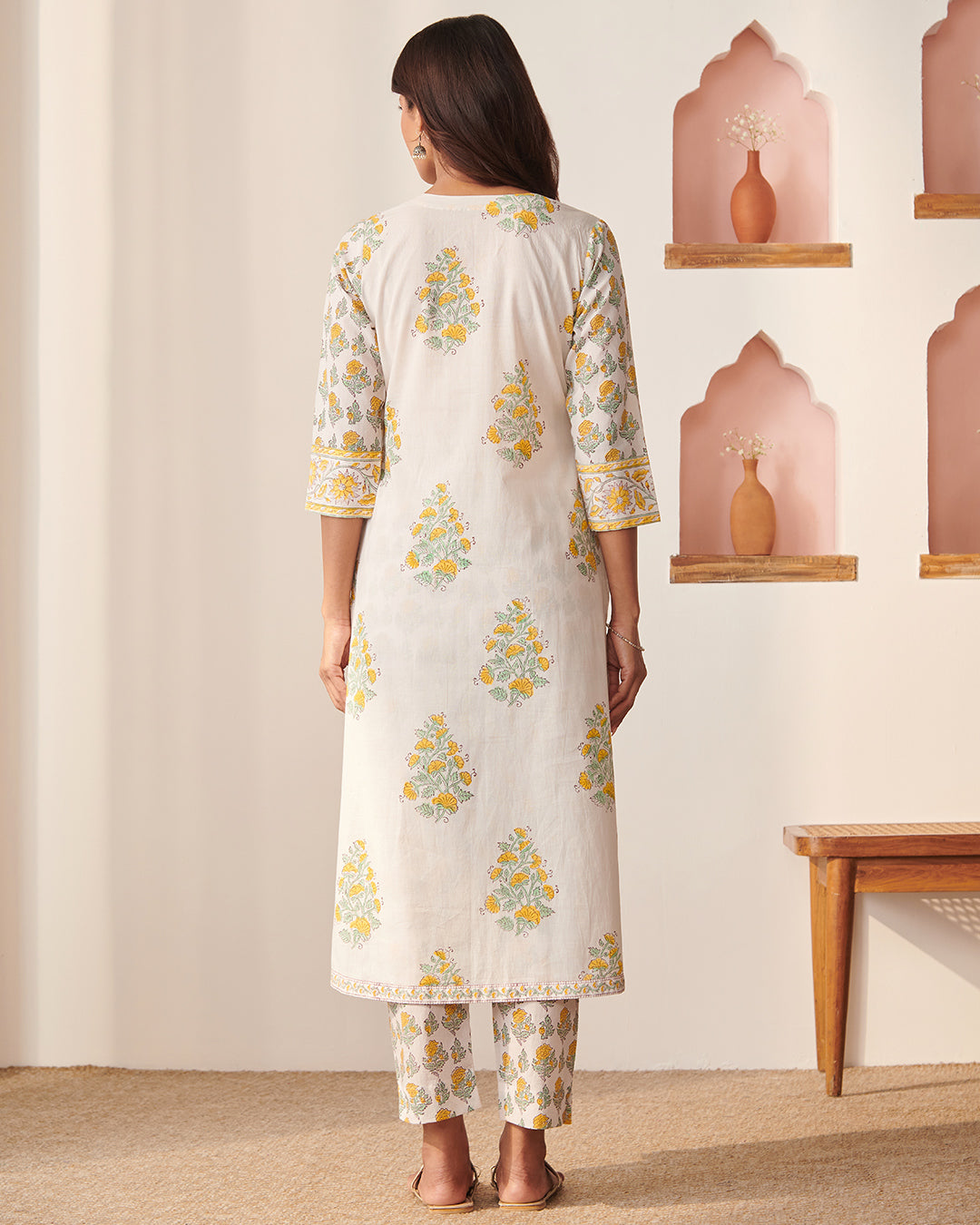
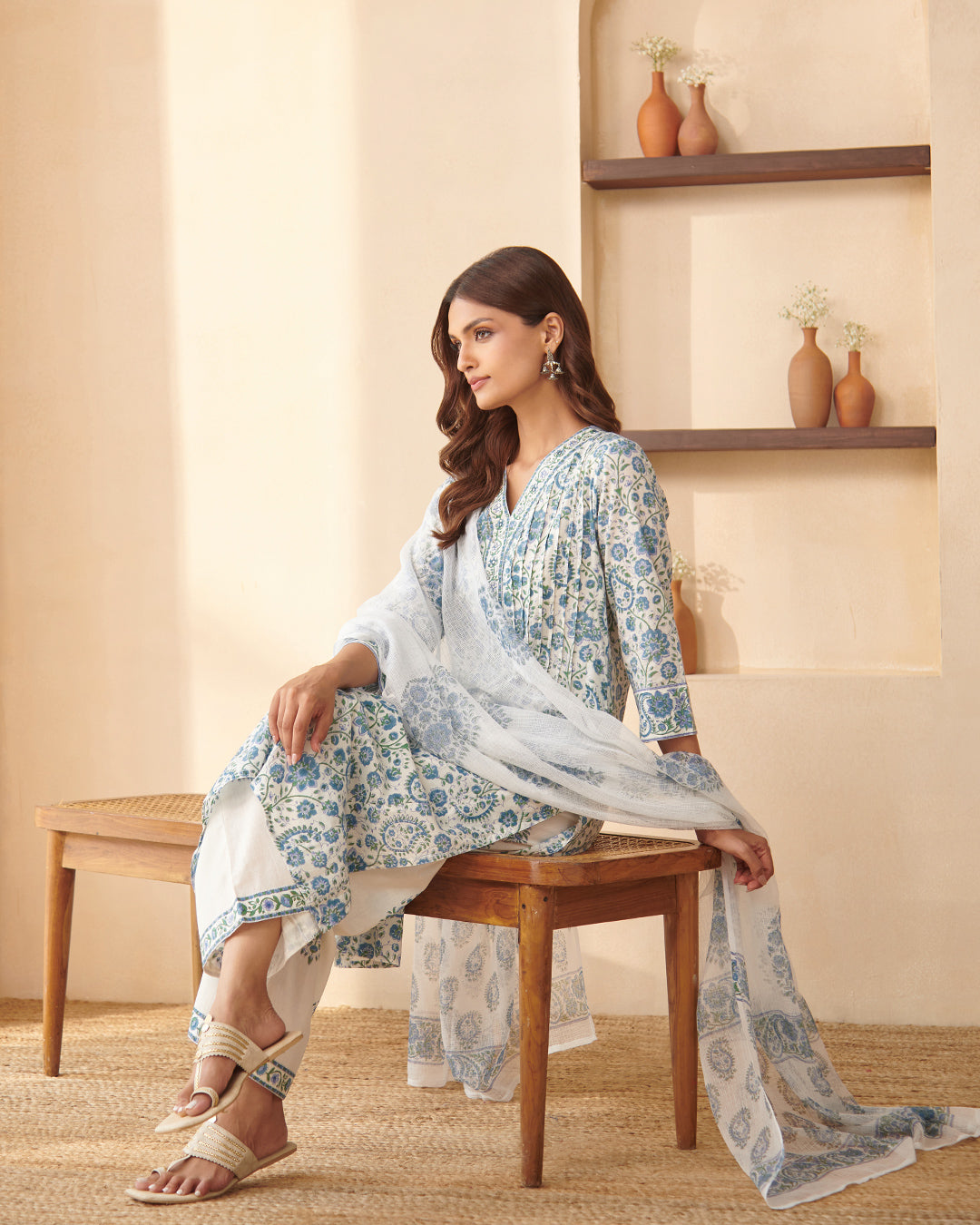
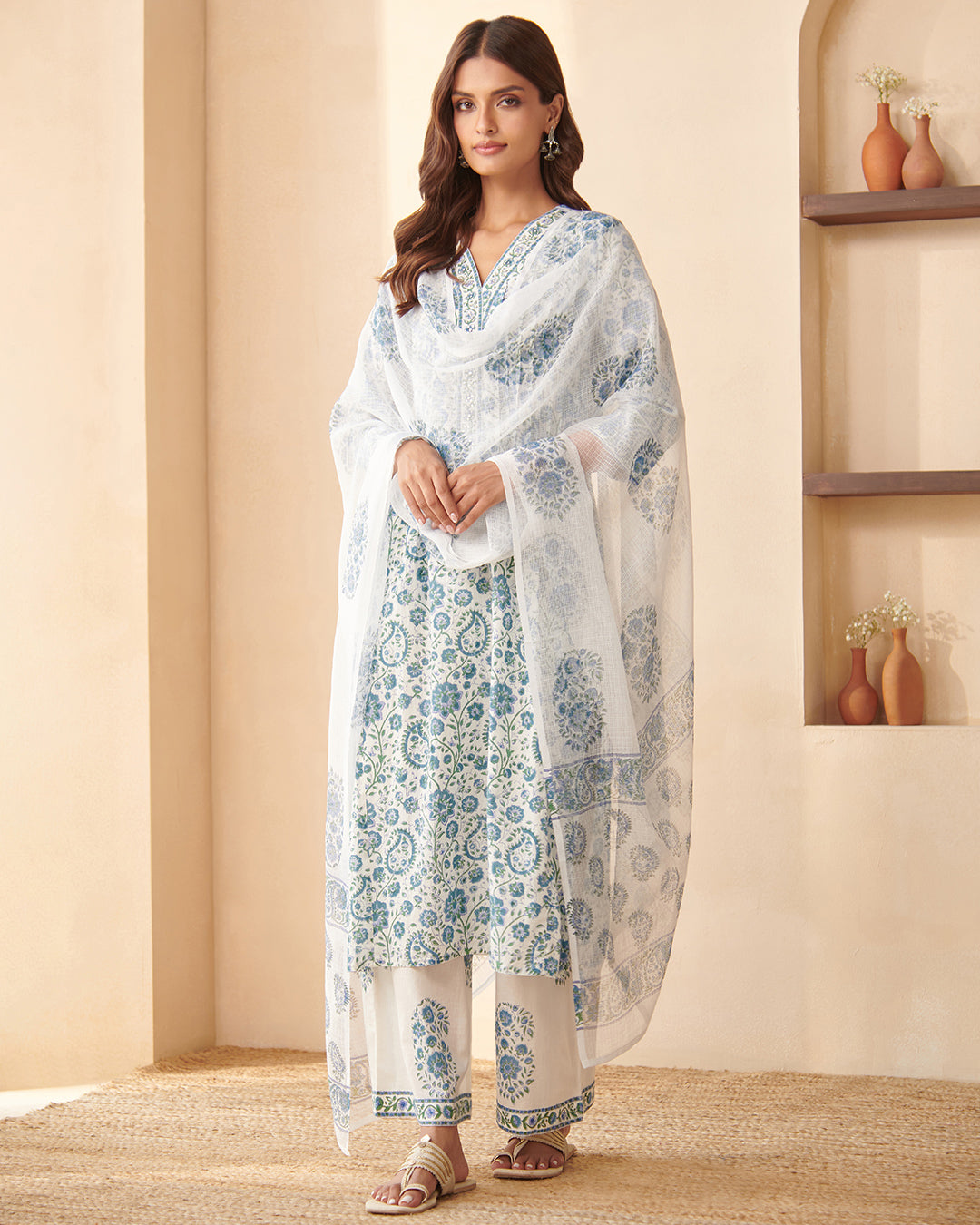
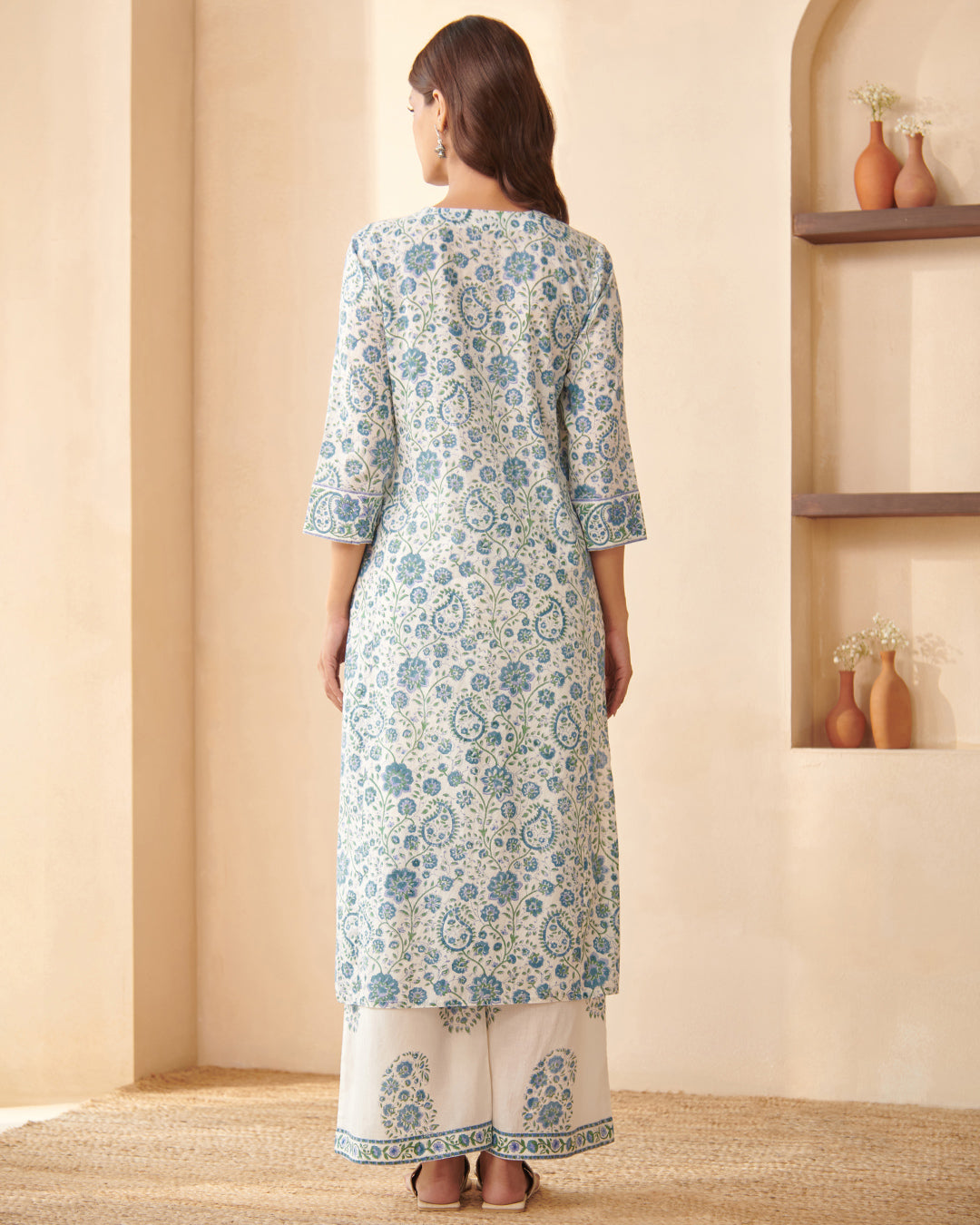
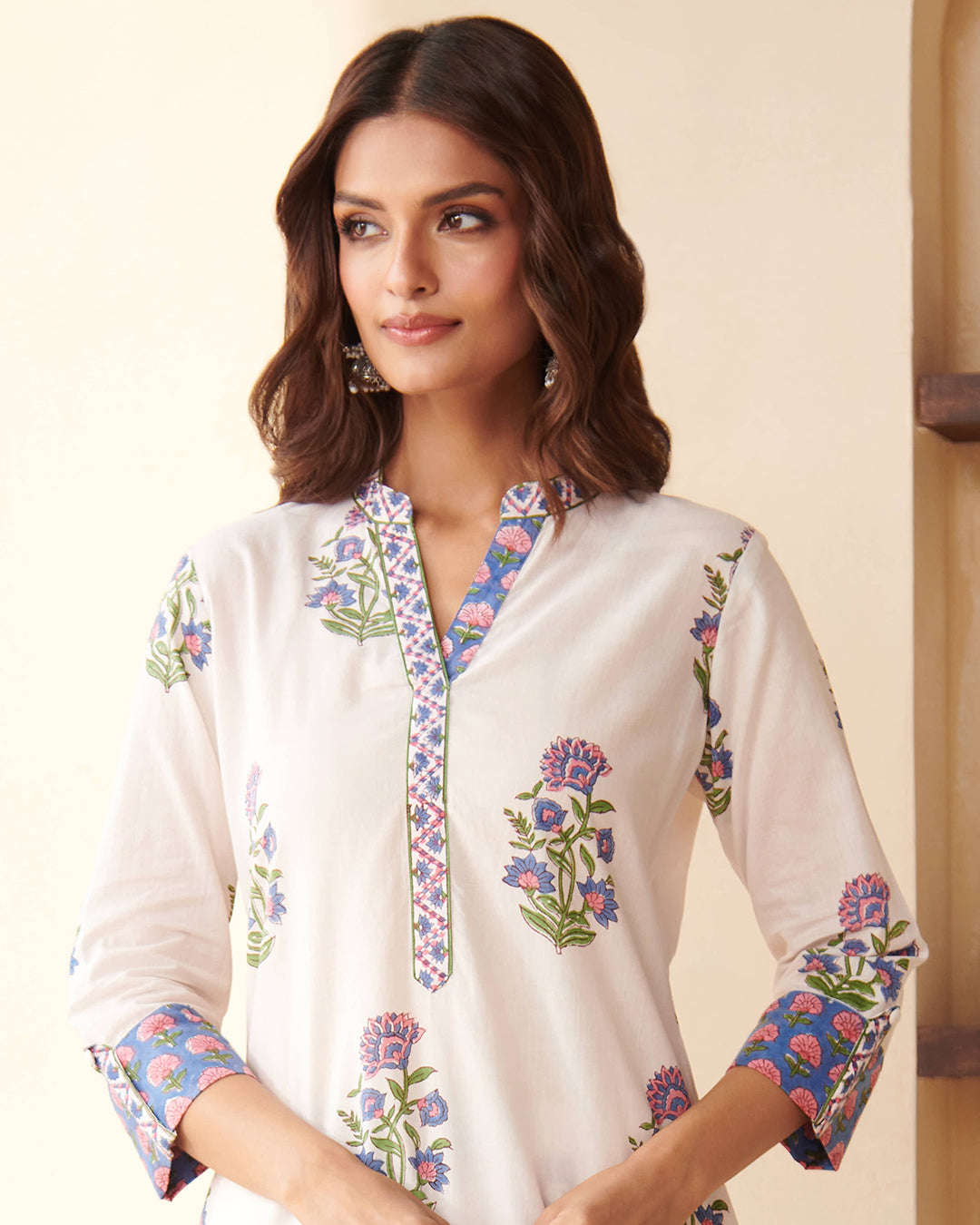
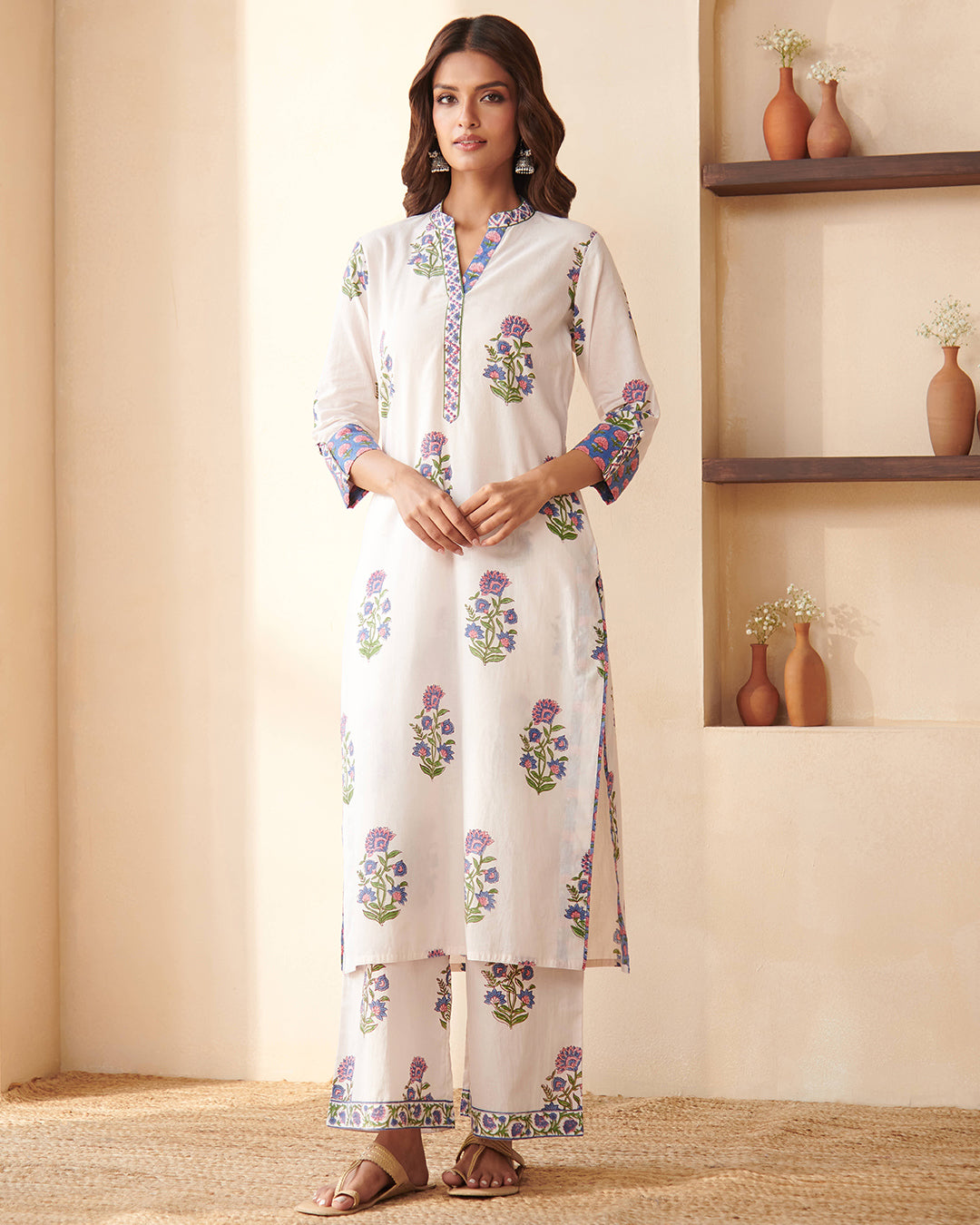
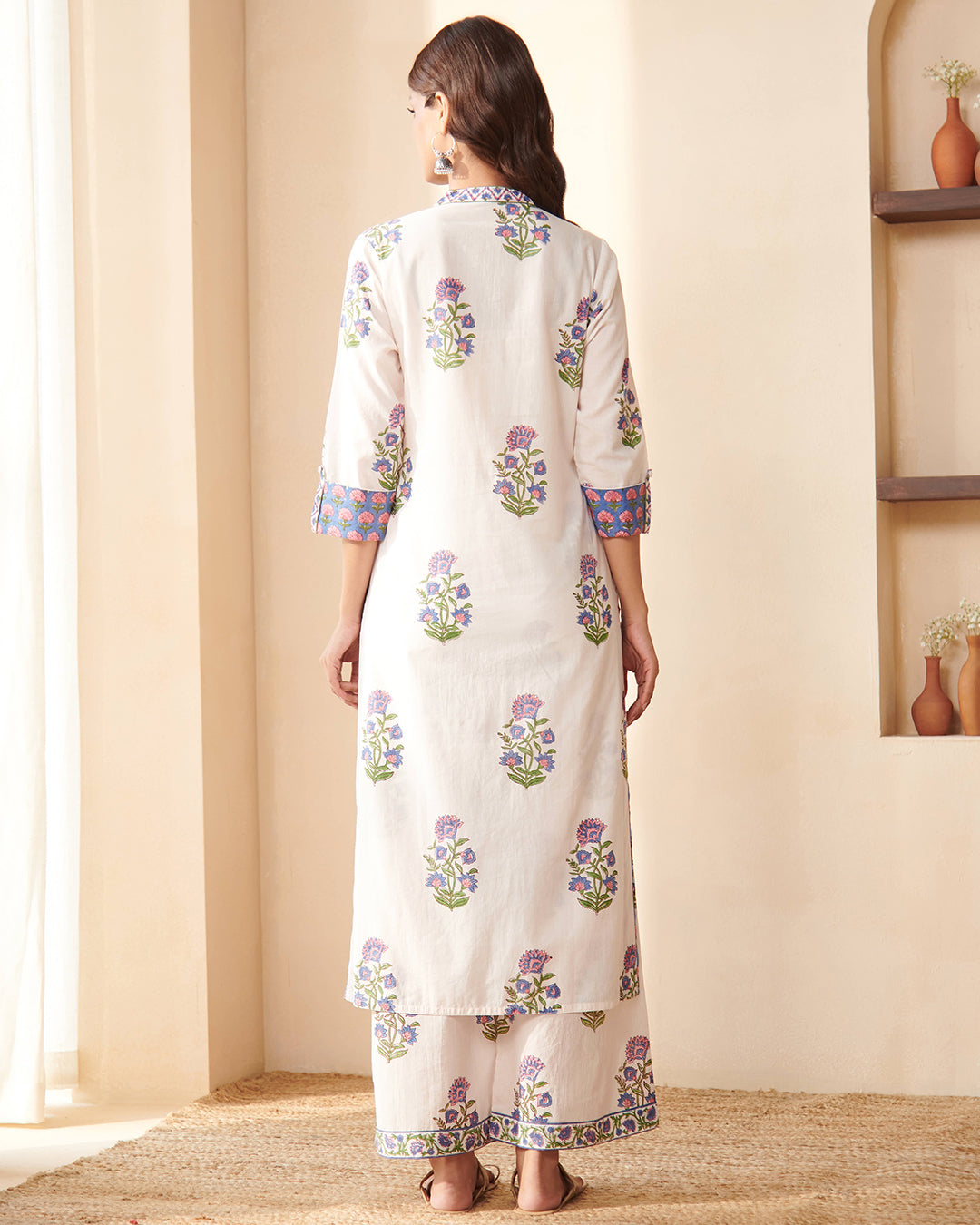
Few colours are as timeless as white. It feels fresh throughout the year and pairs beautifully with printed dupattas, colourful bottoms, or handcrafted jewellery. Beige and ivory offer the same versatility while adding a touch of warmth.
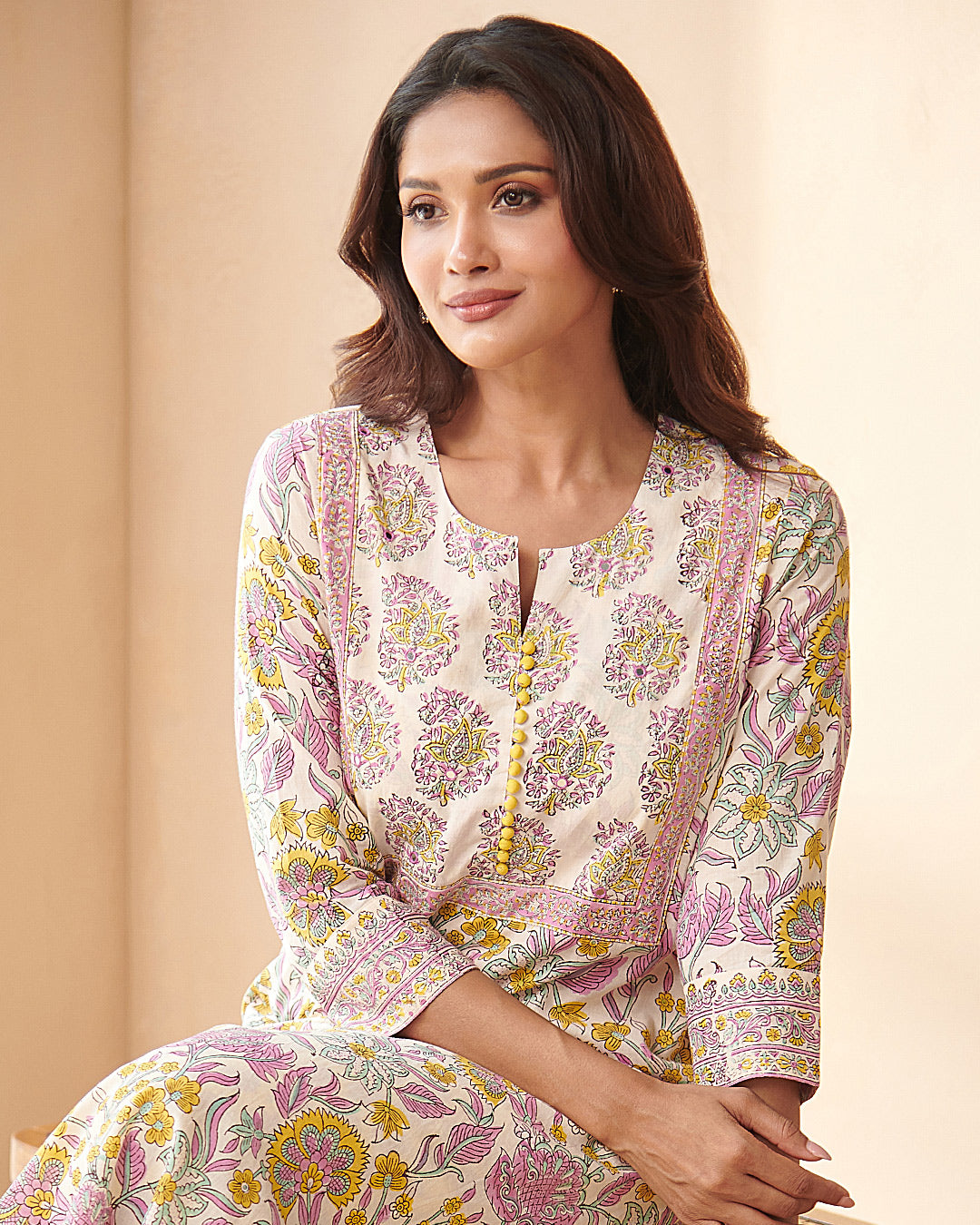
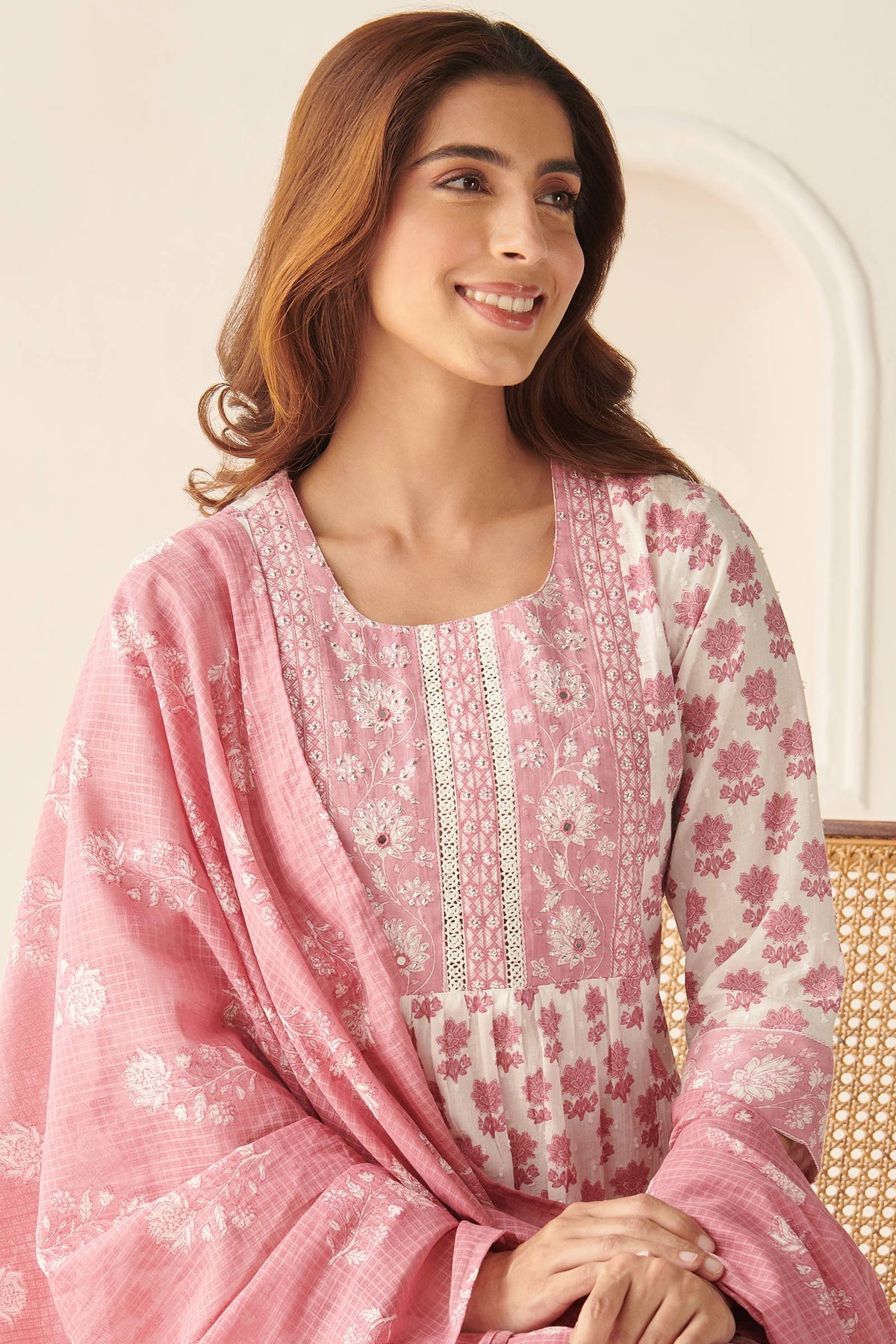
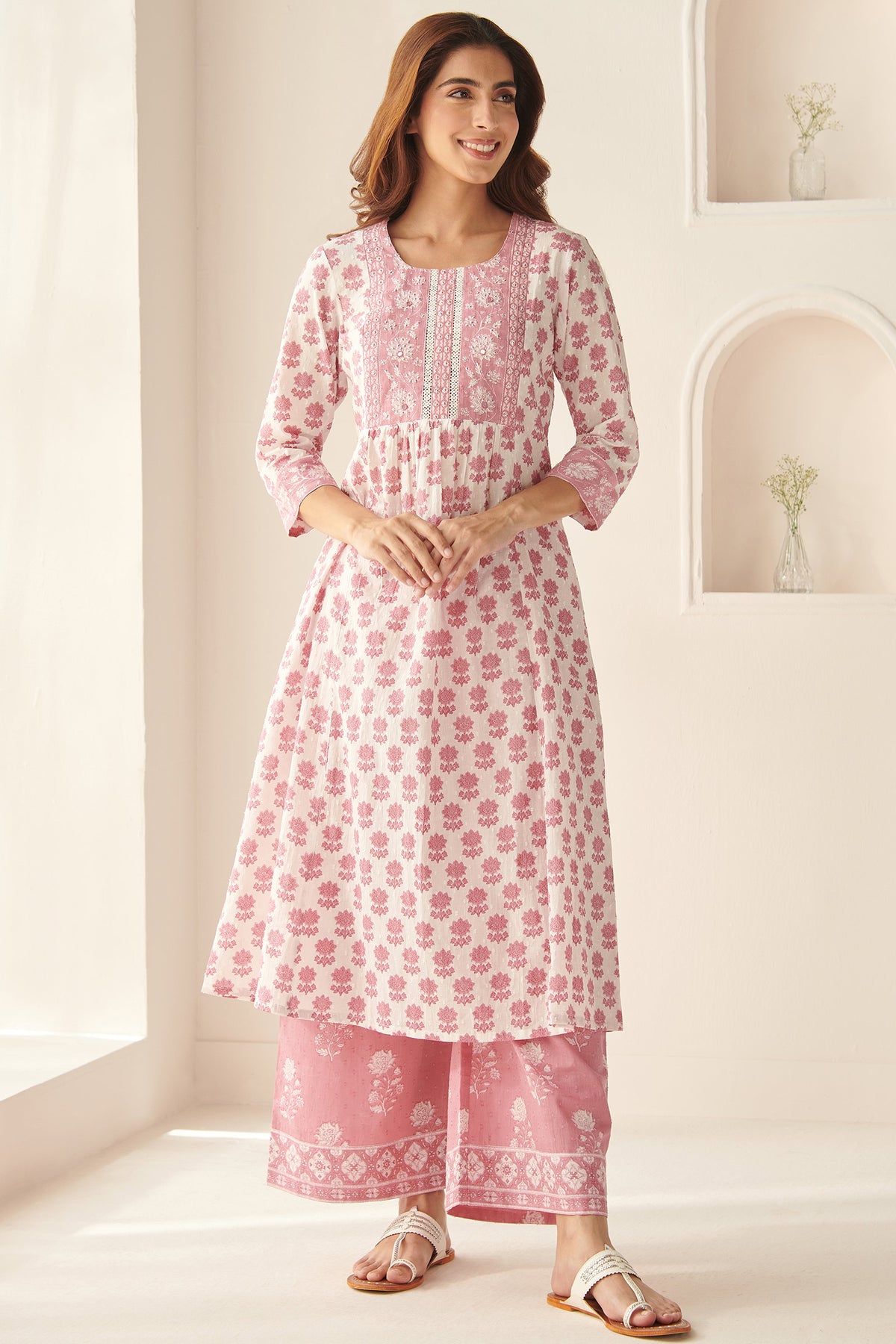
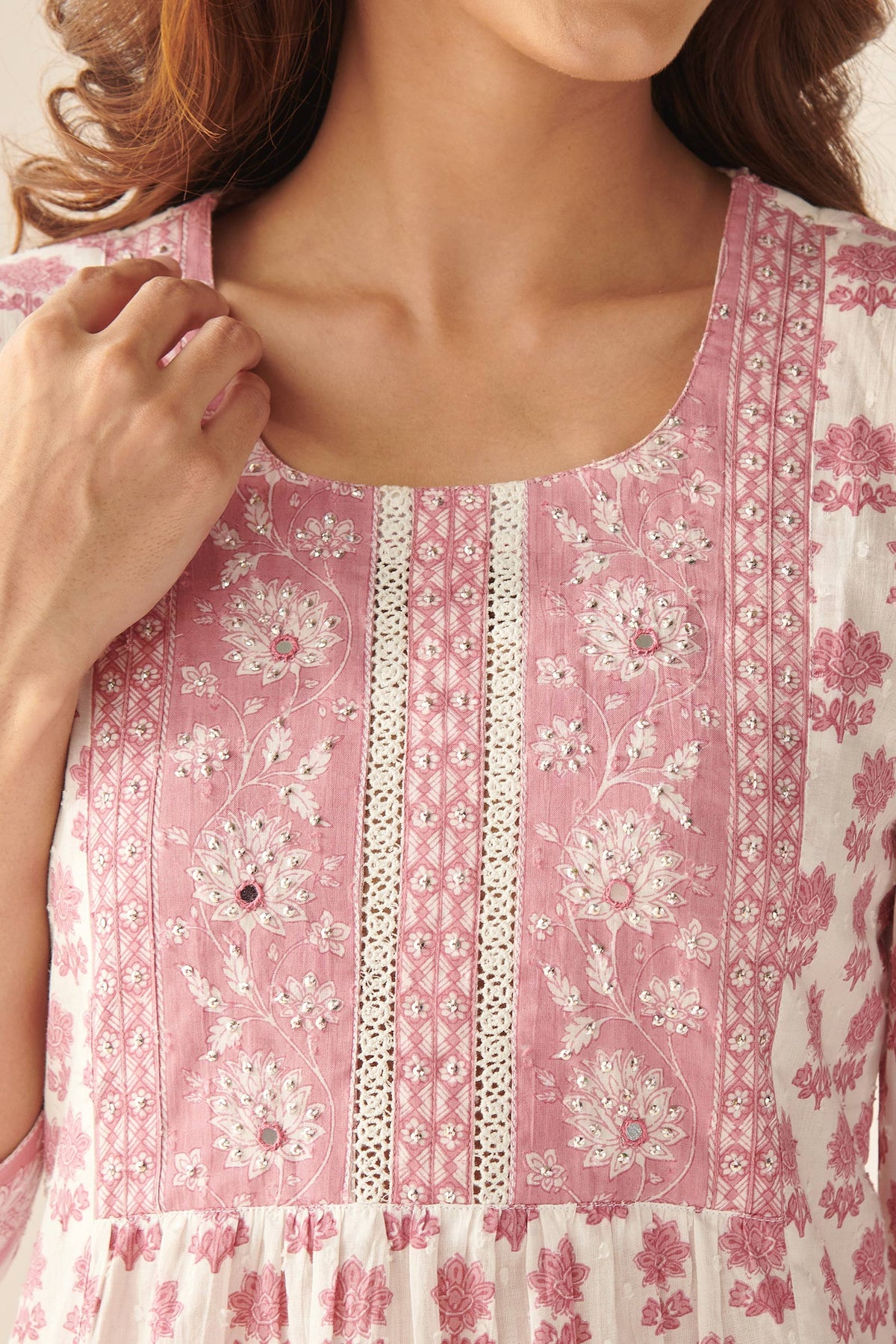
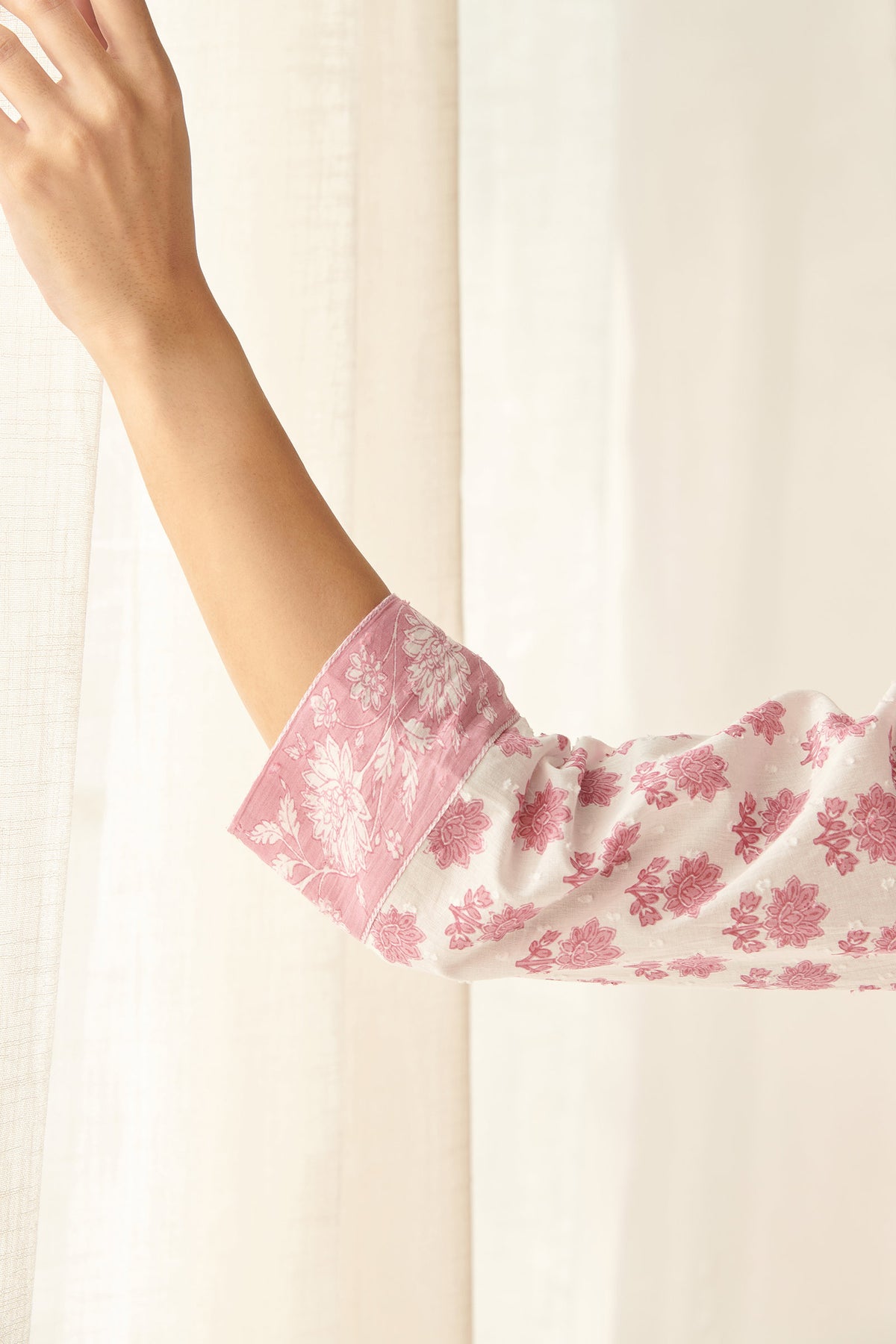
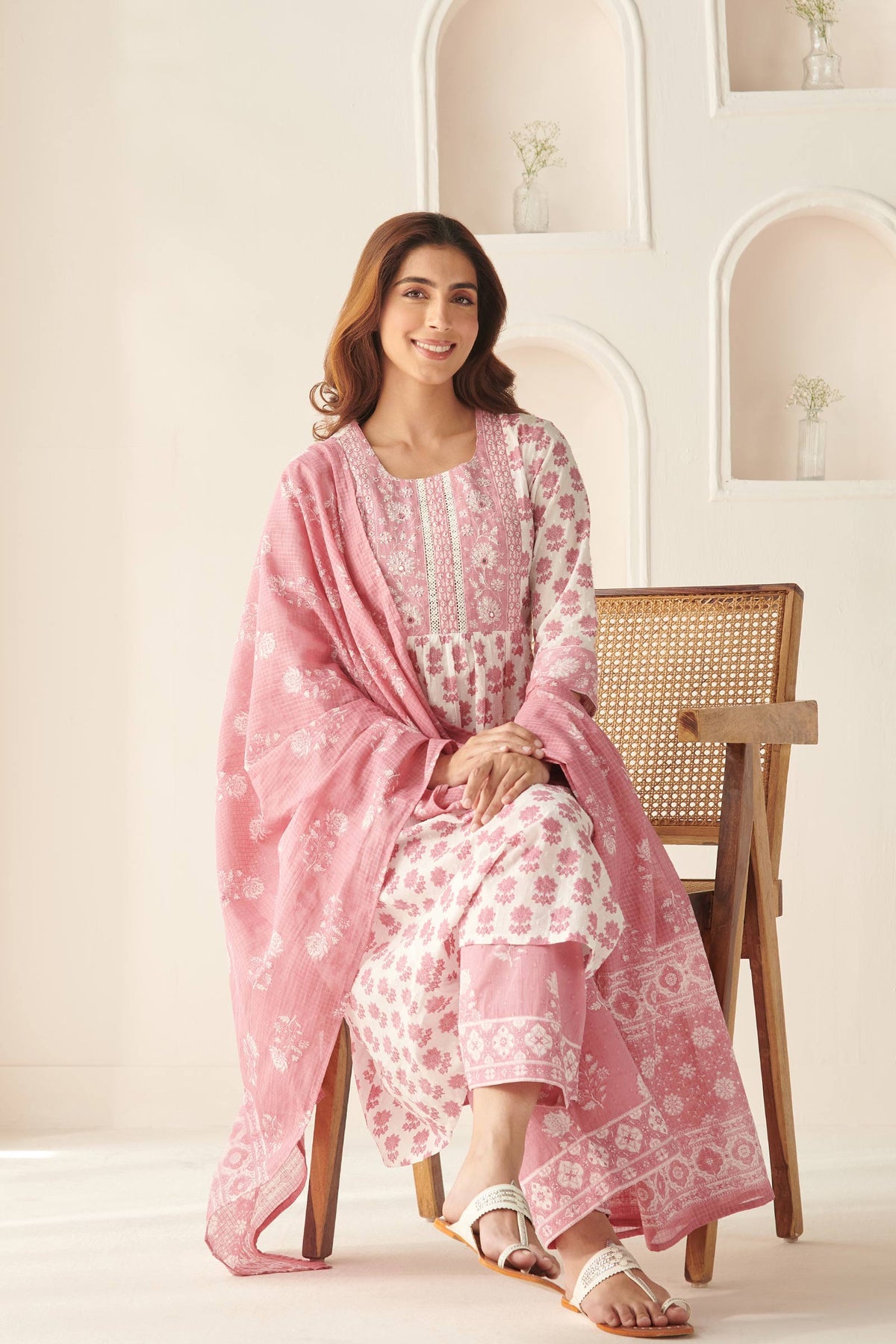
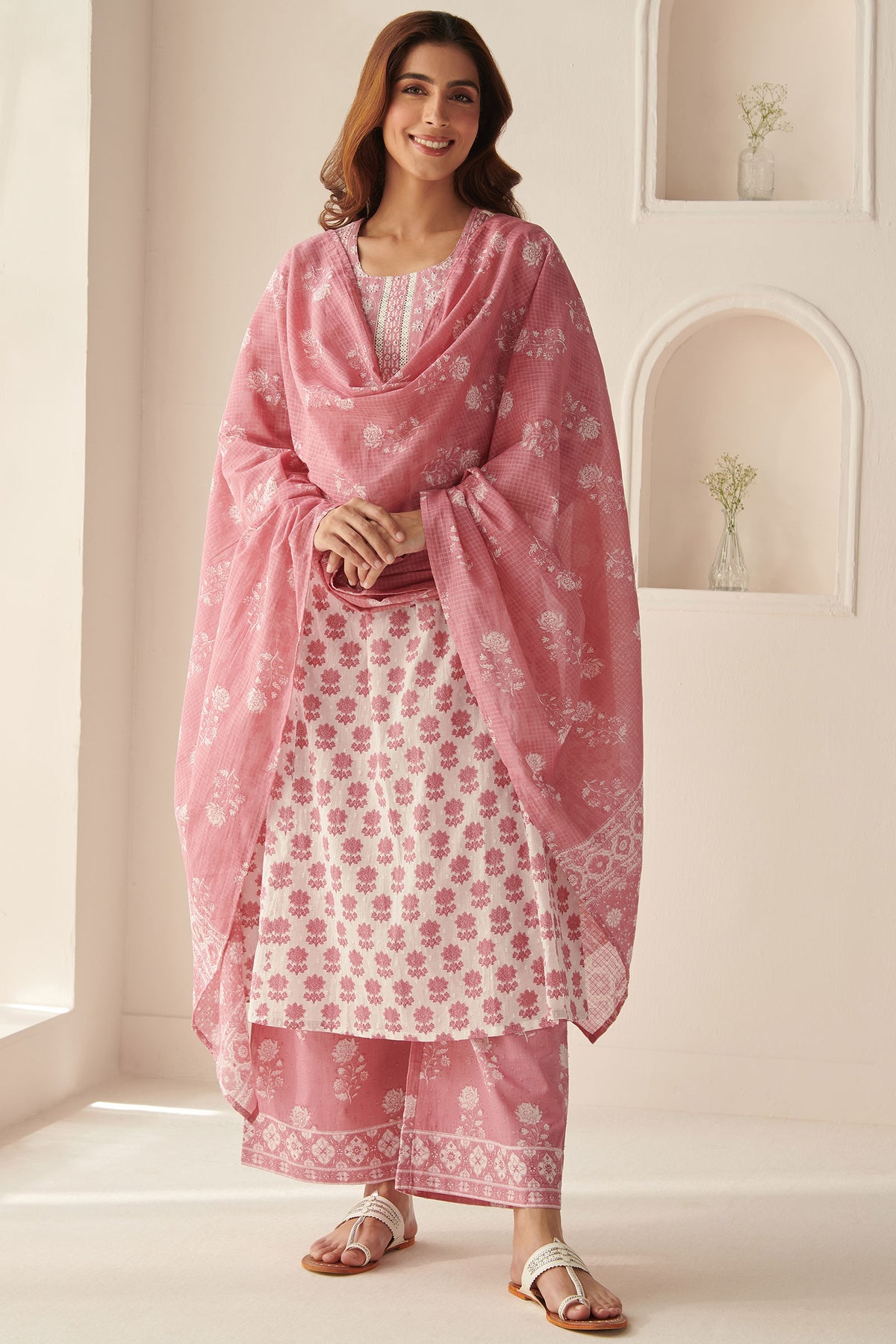
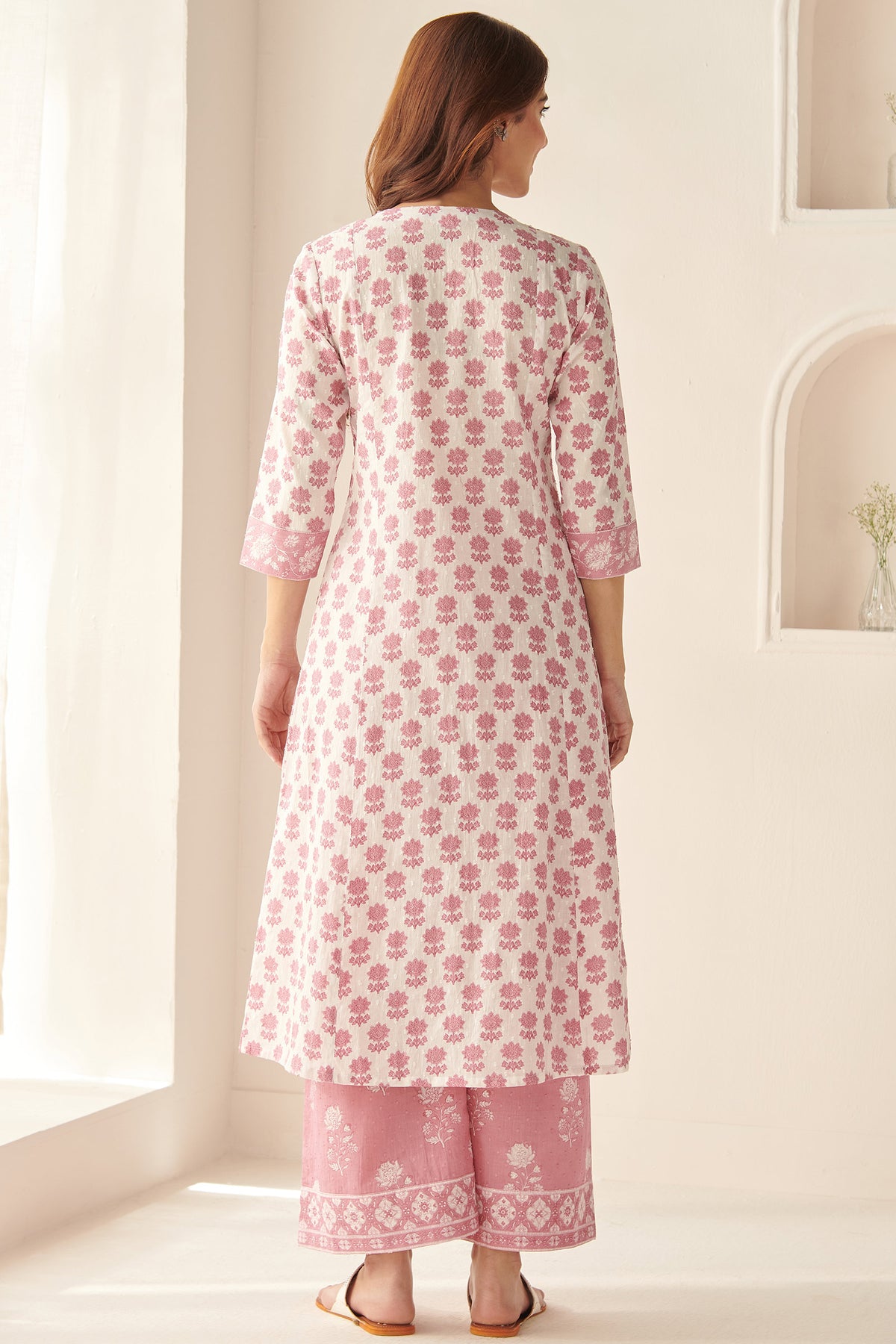
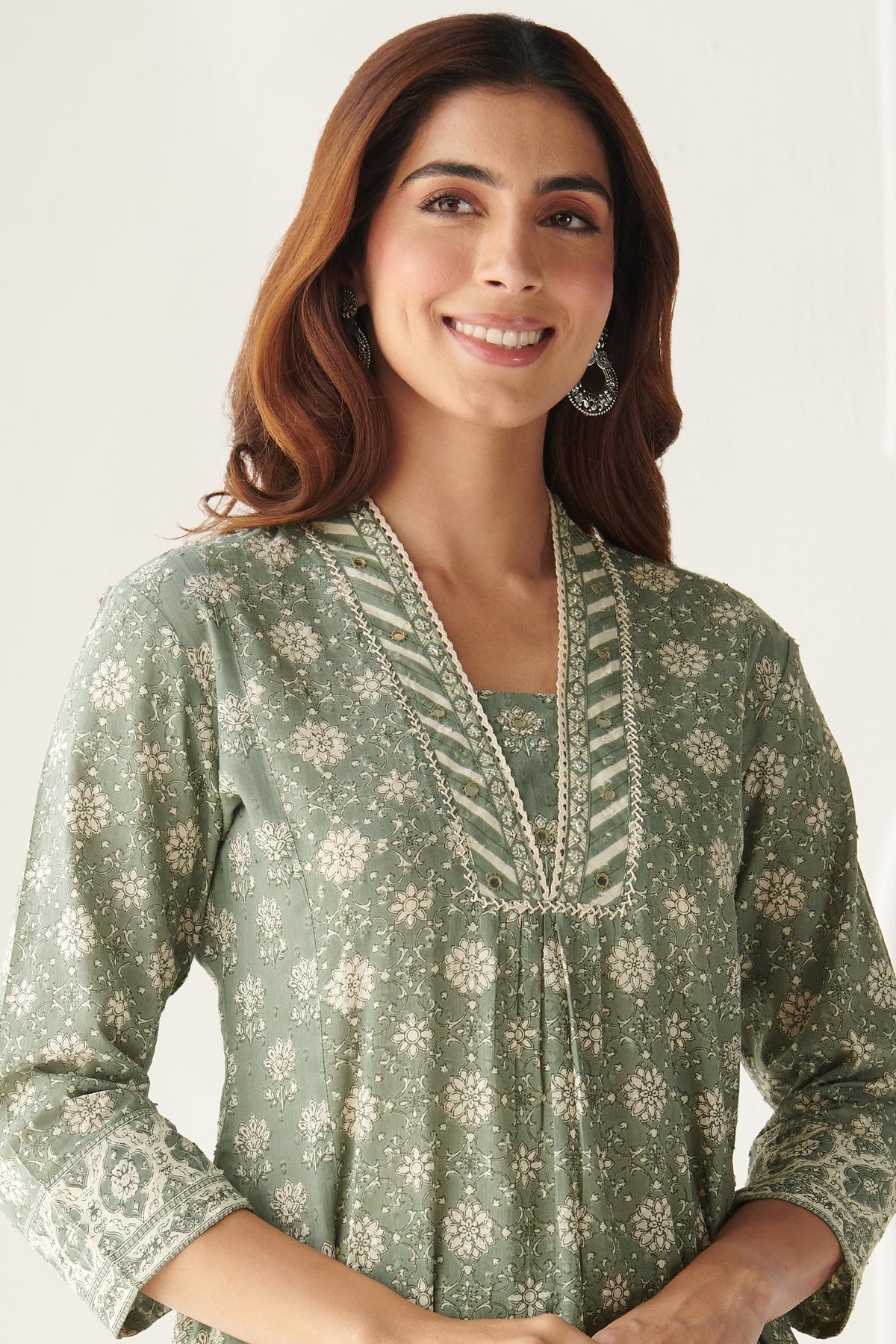
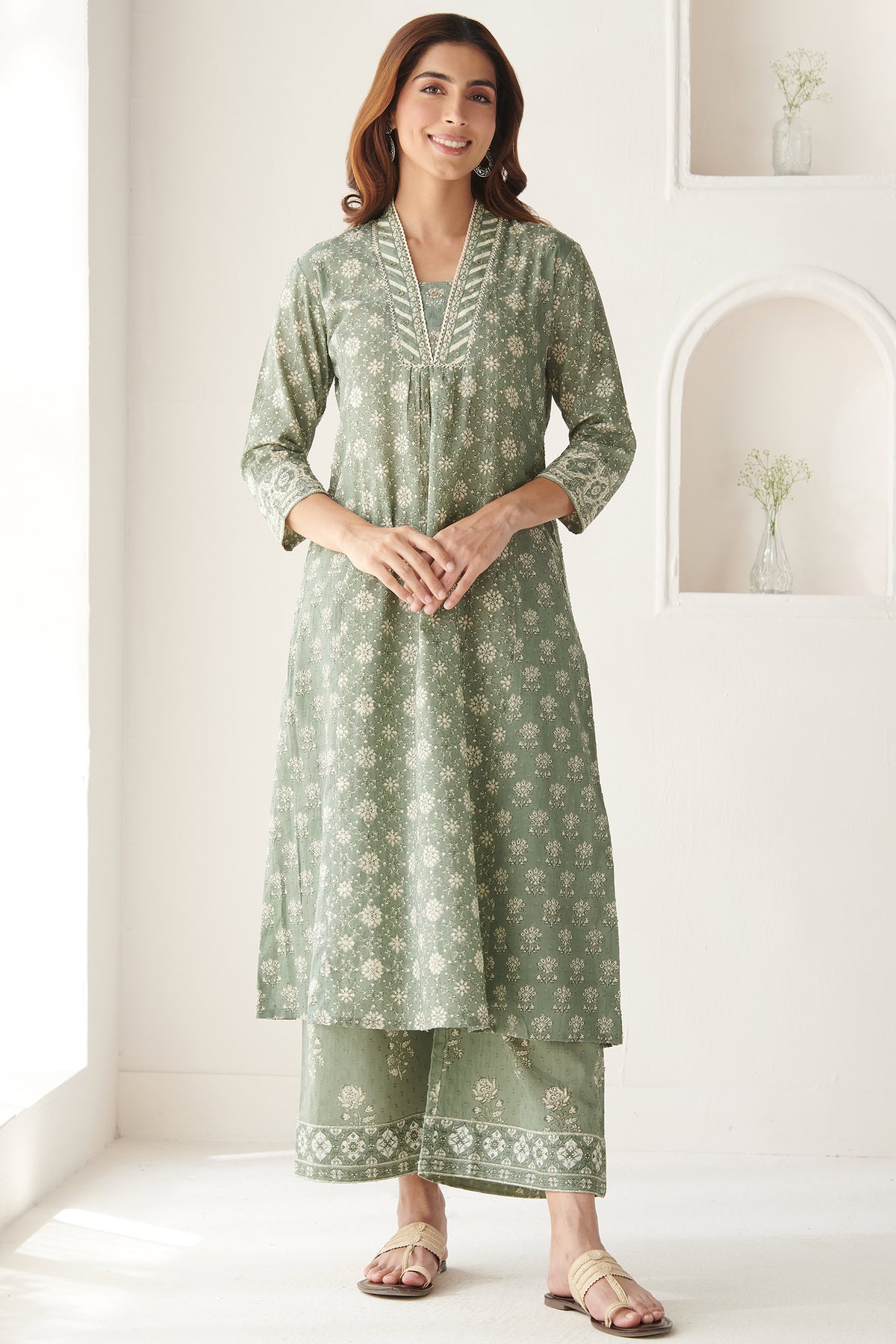
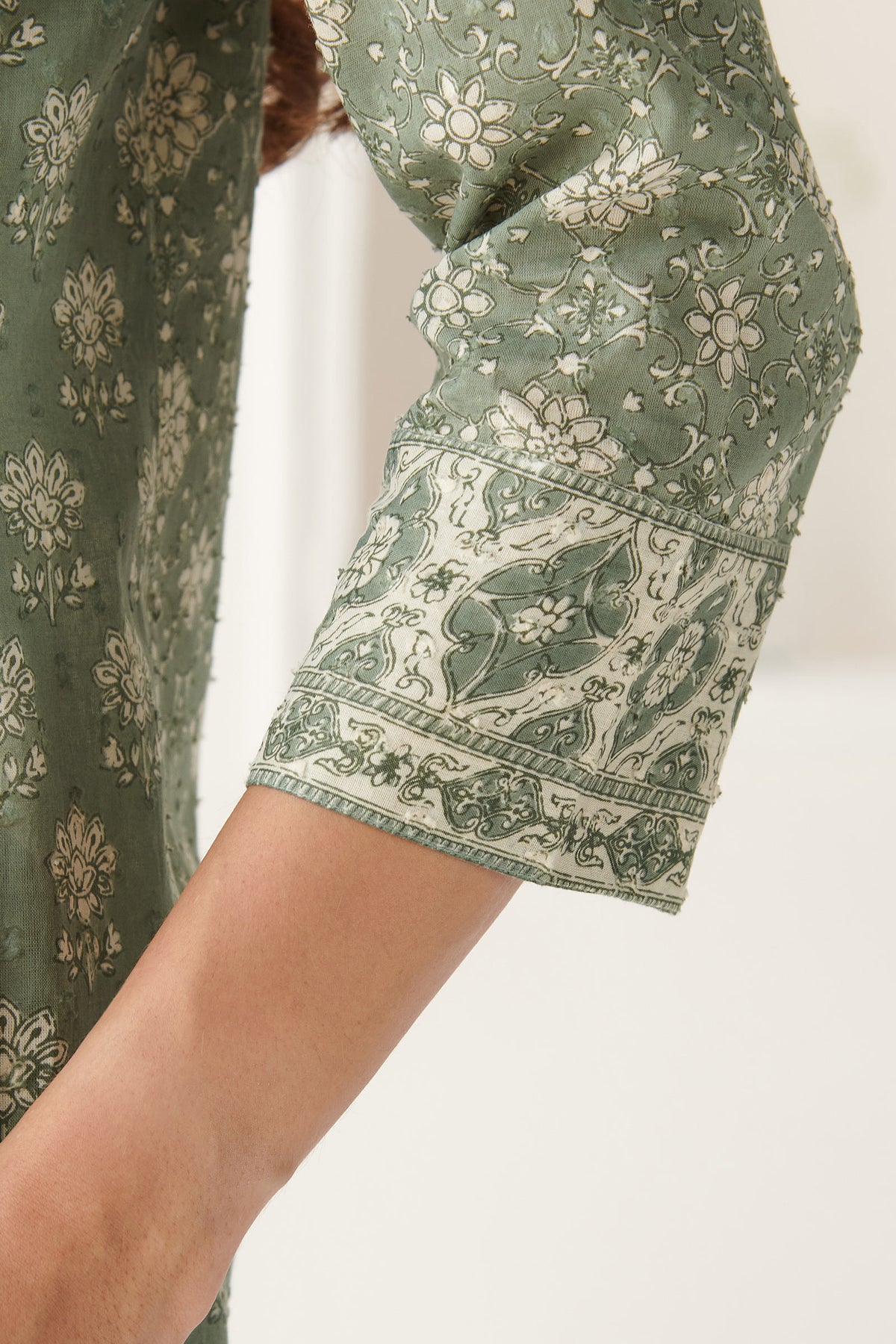
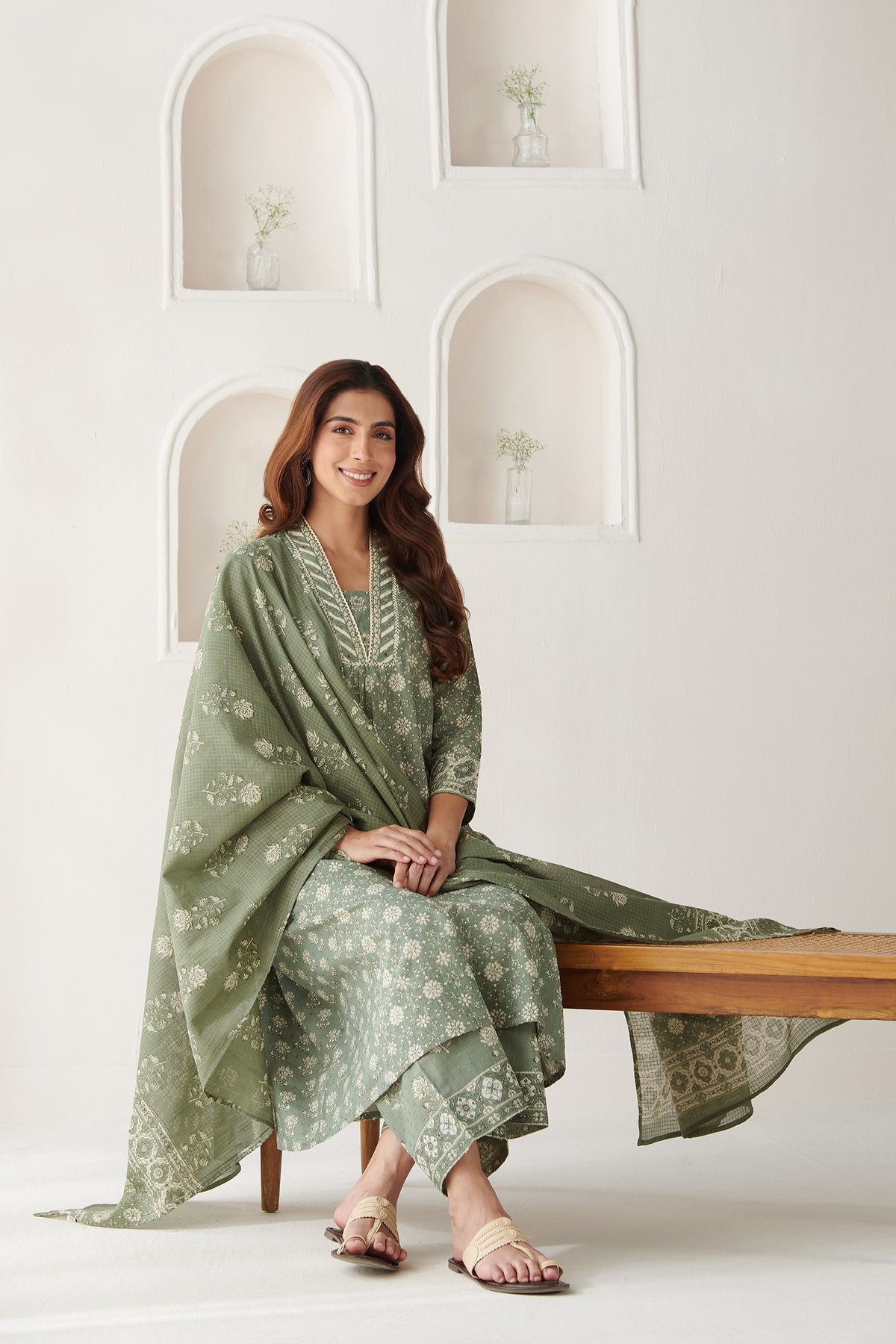
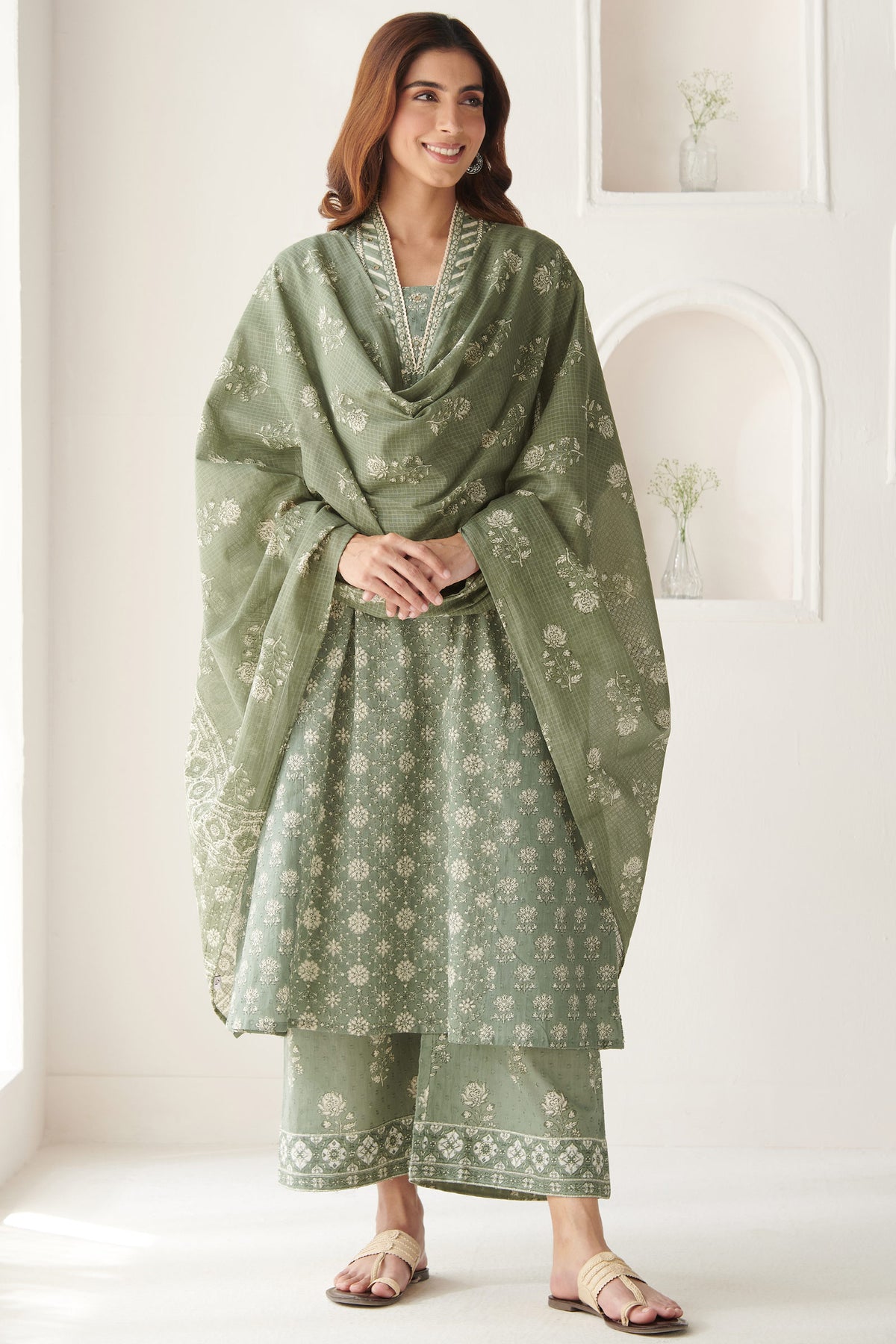
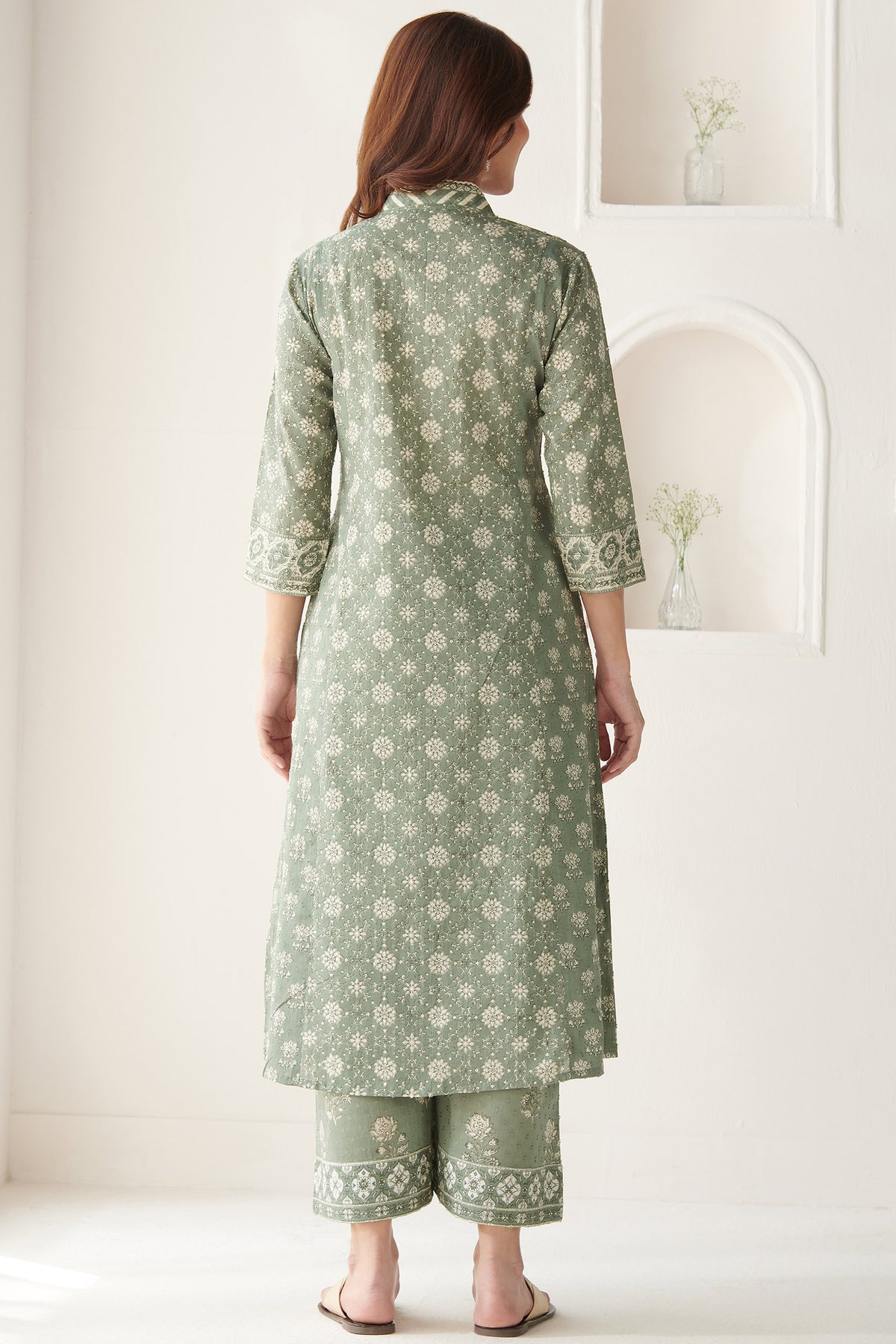
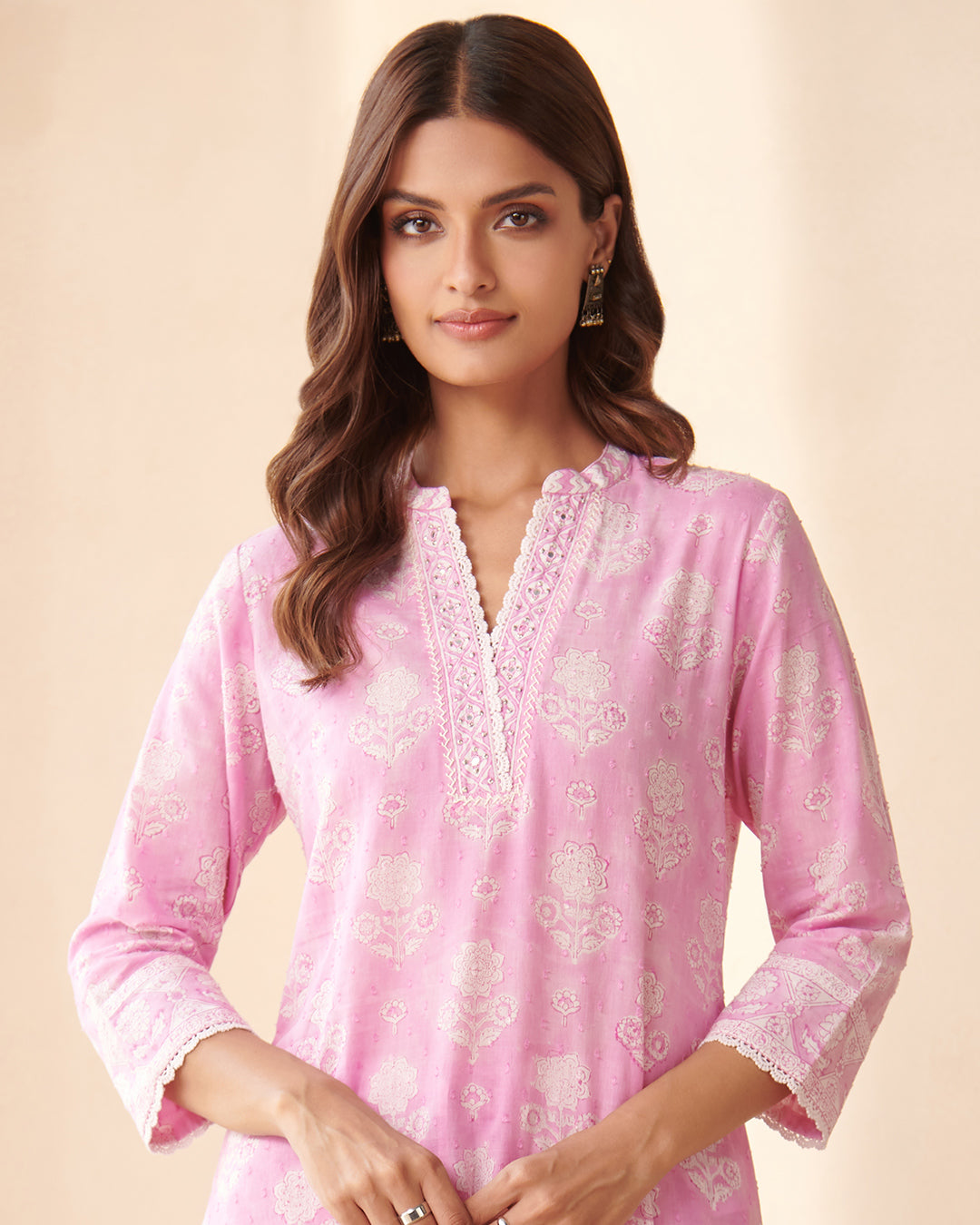
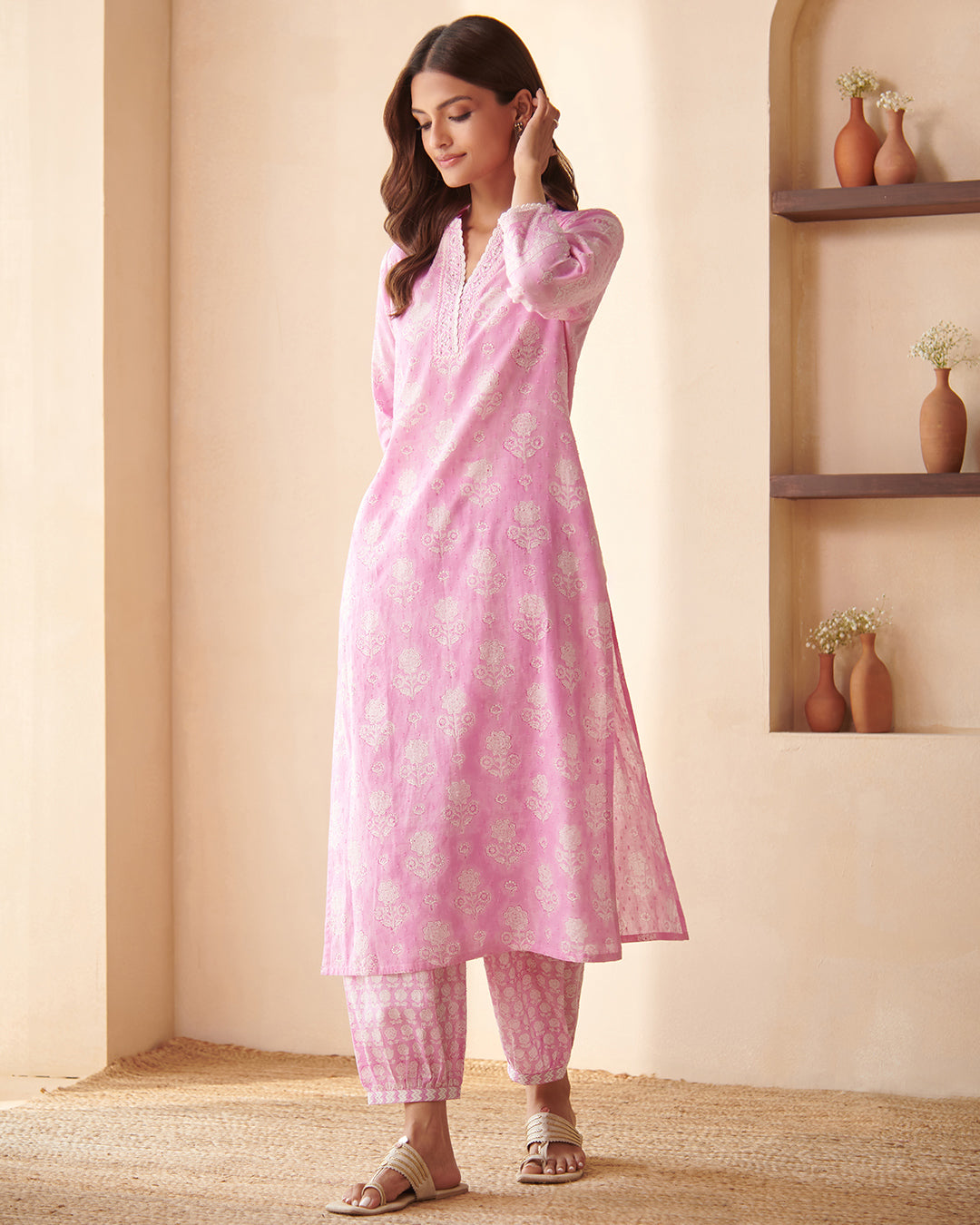
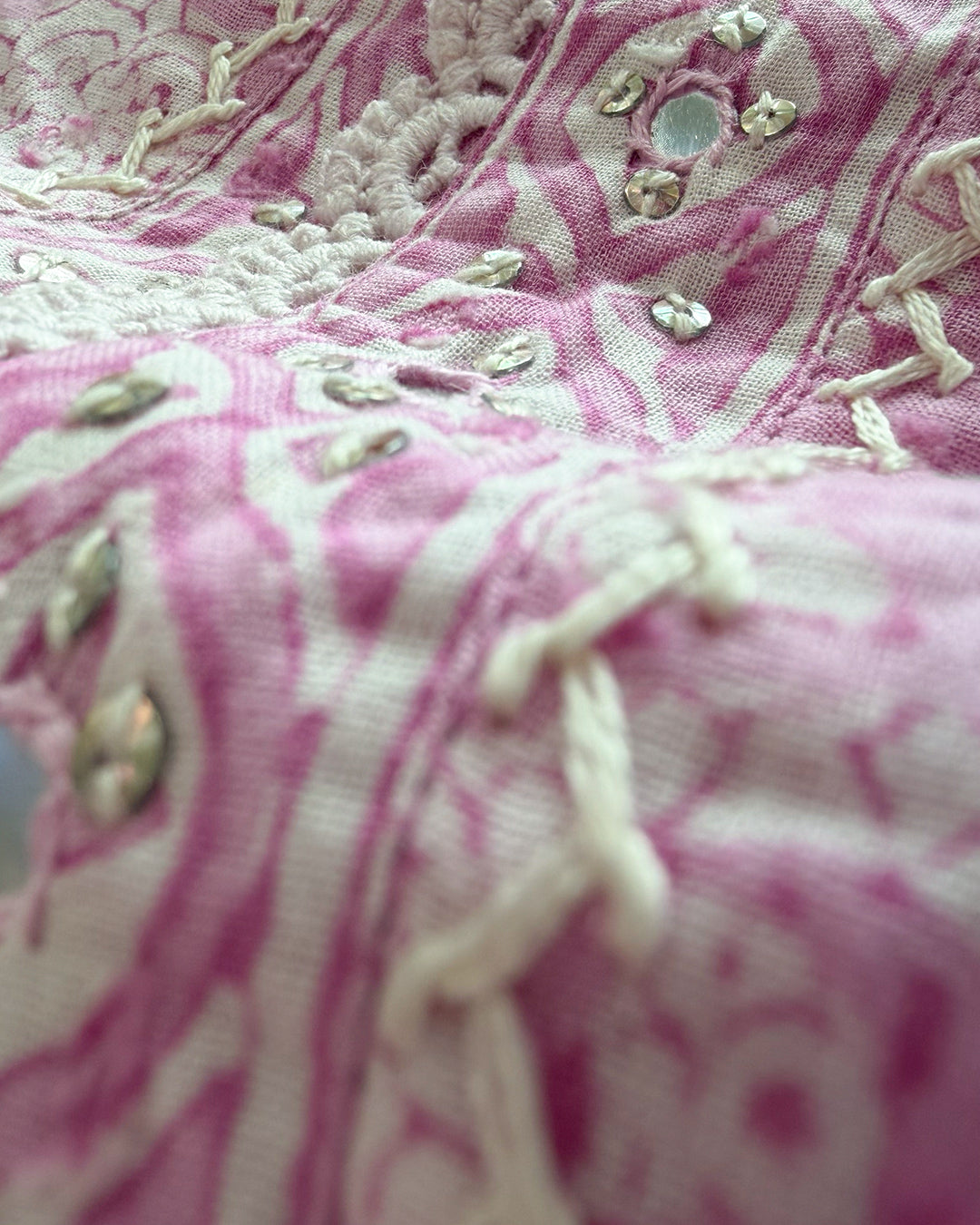
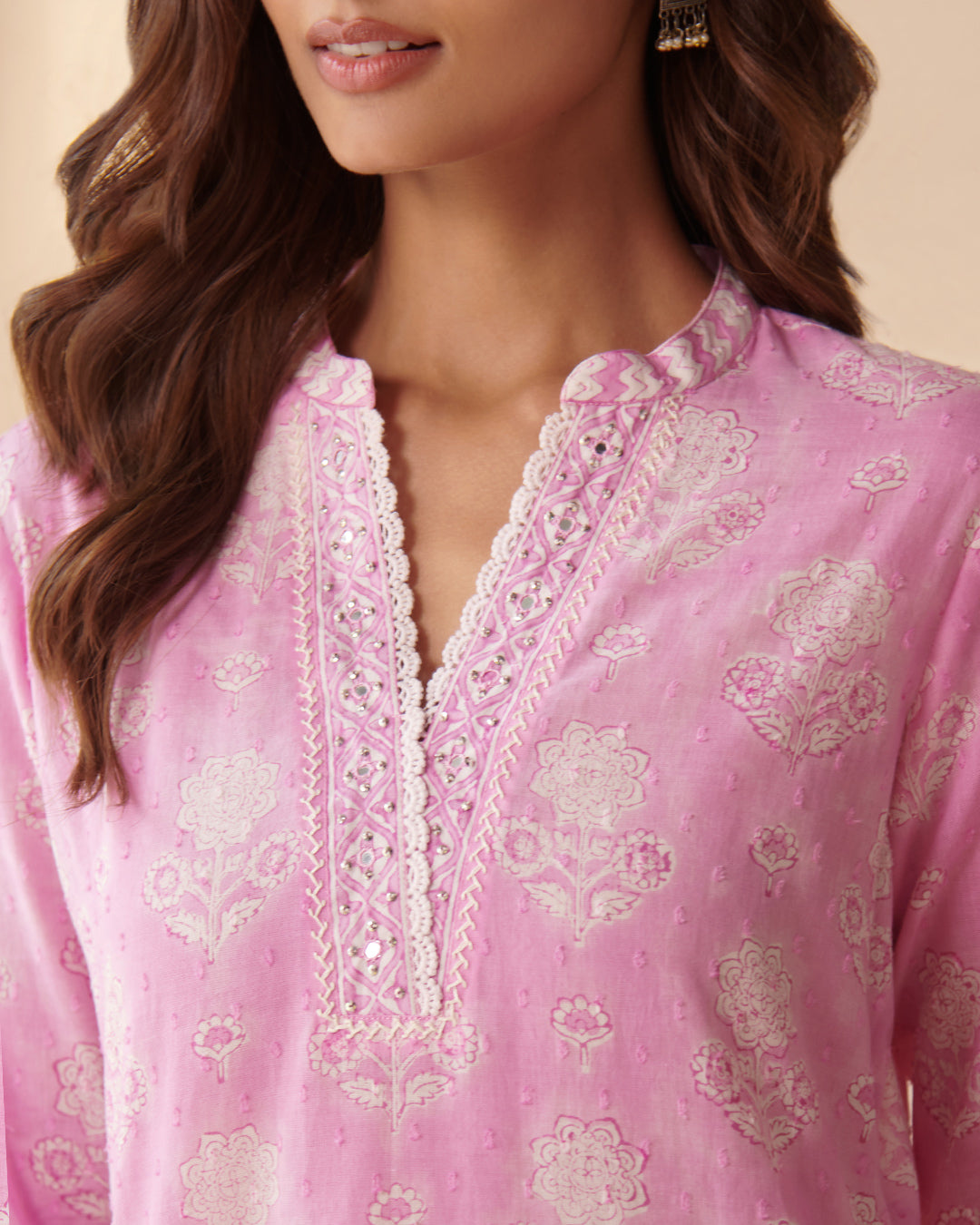
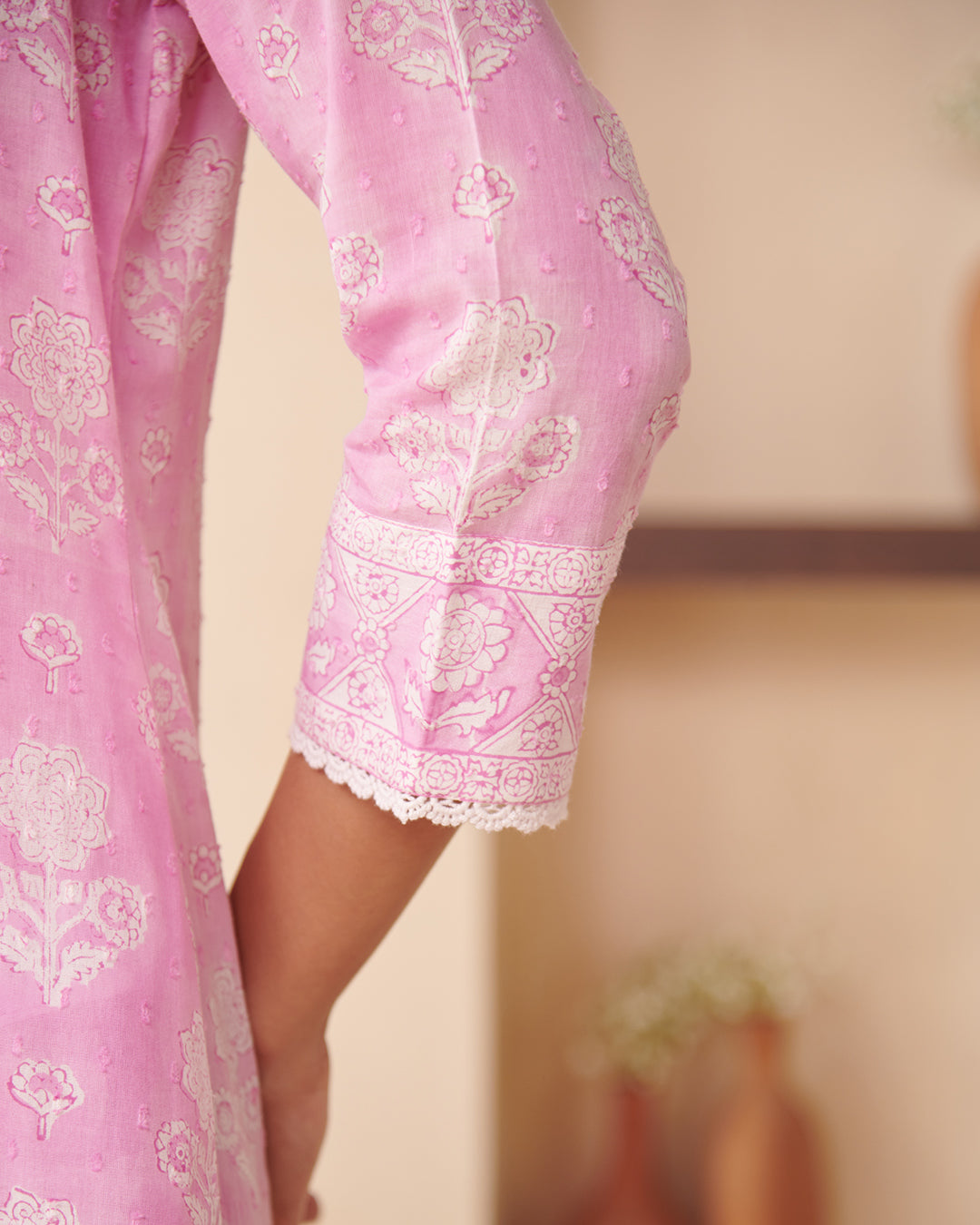
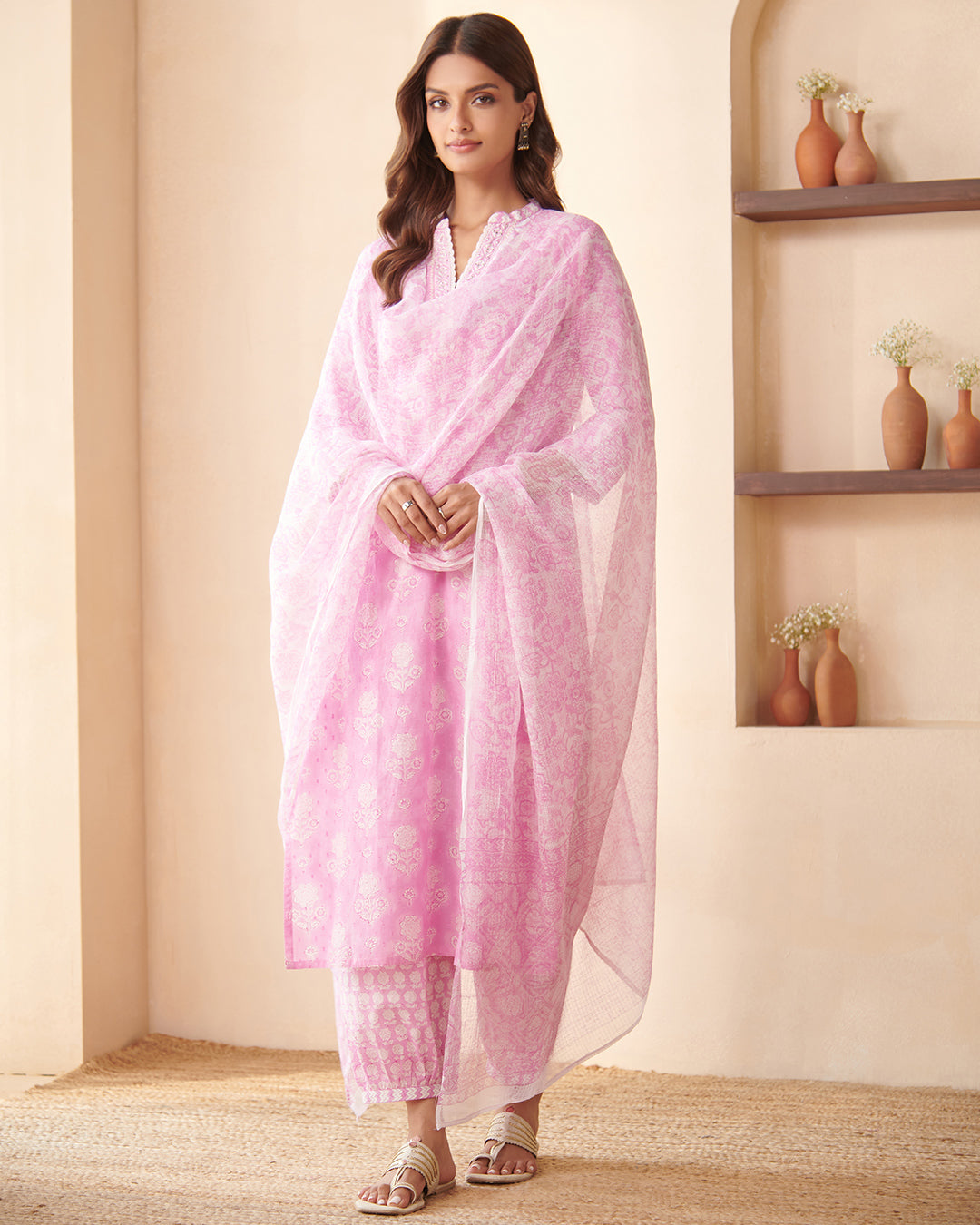
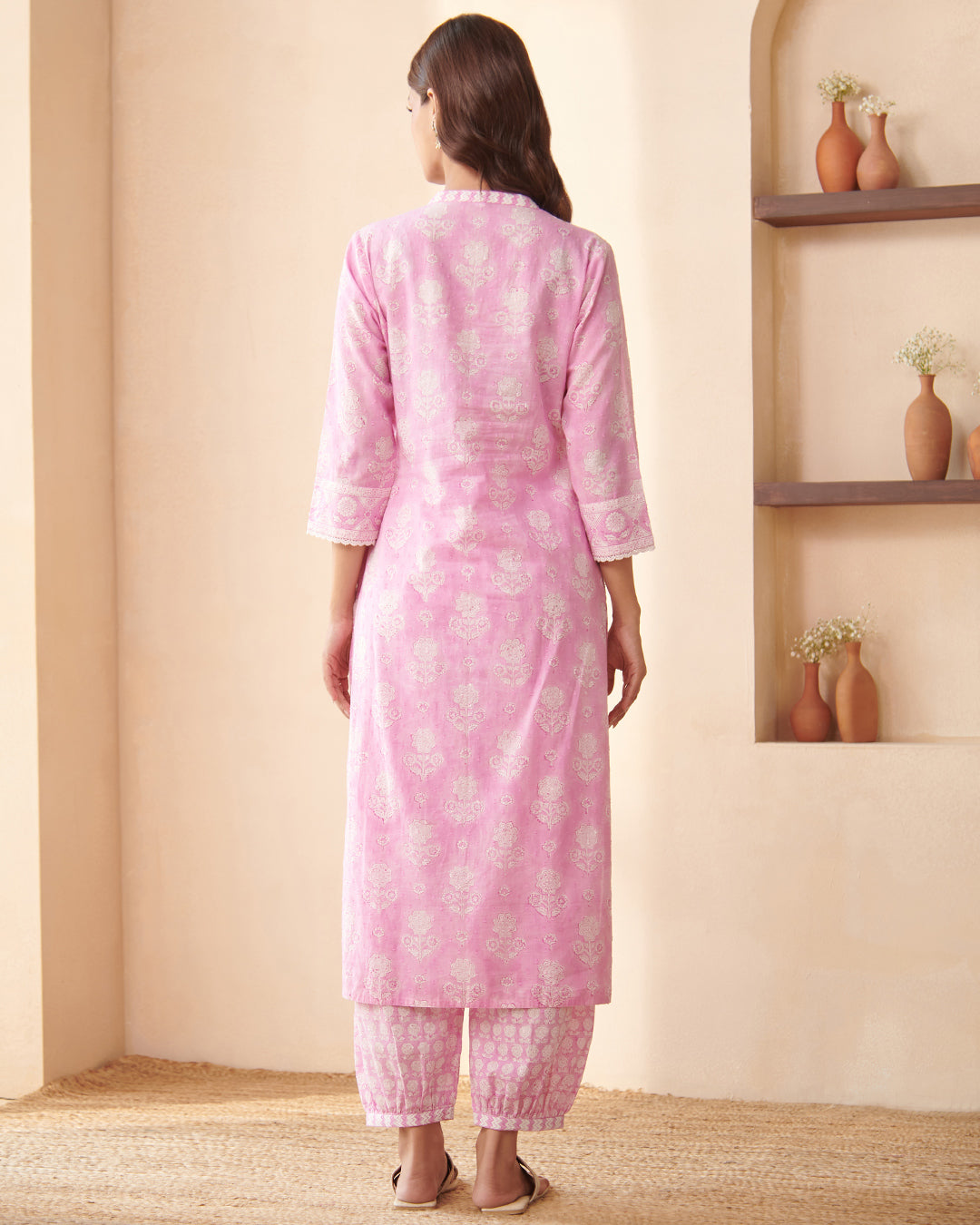
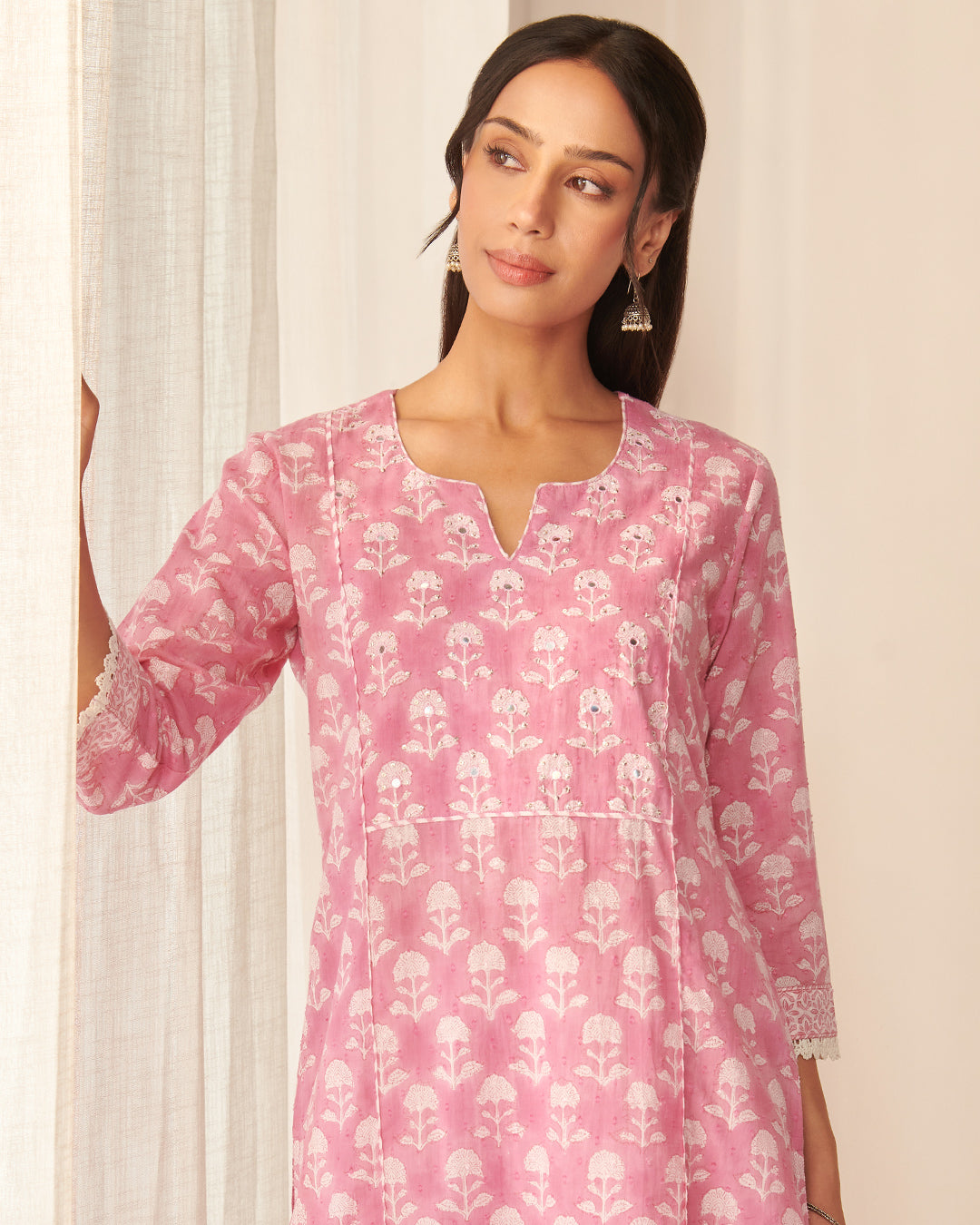
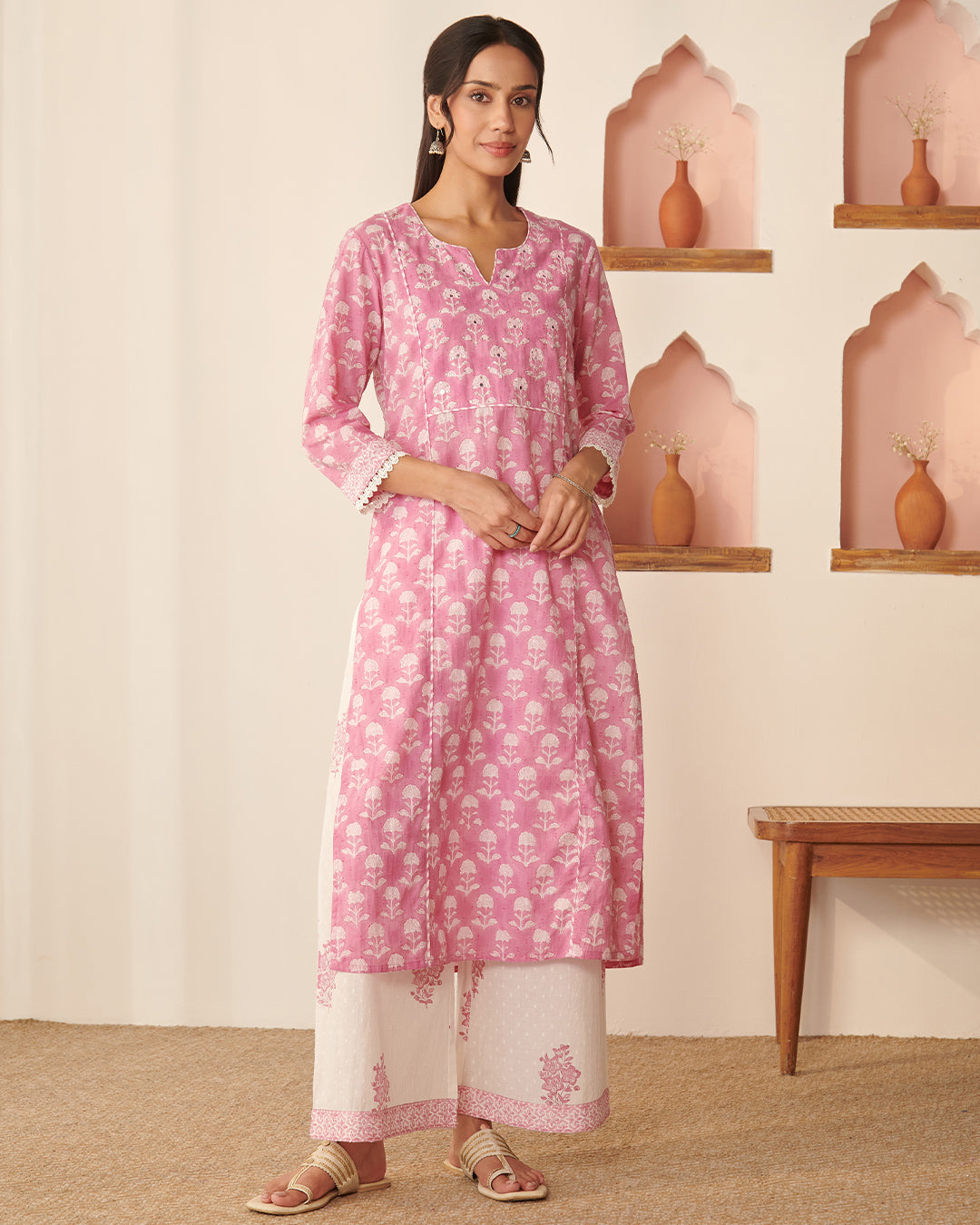
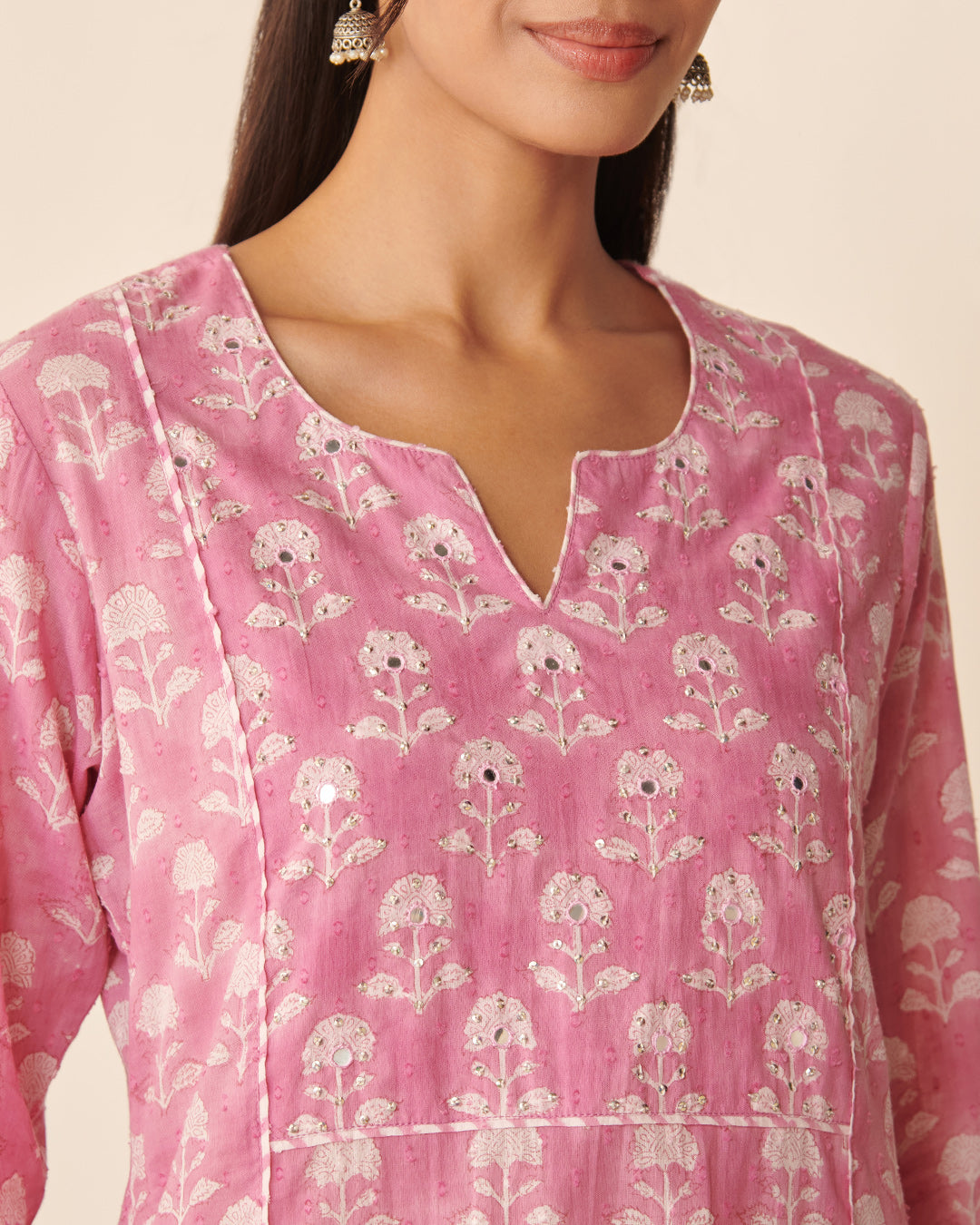
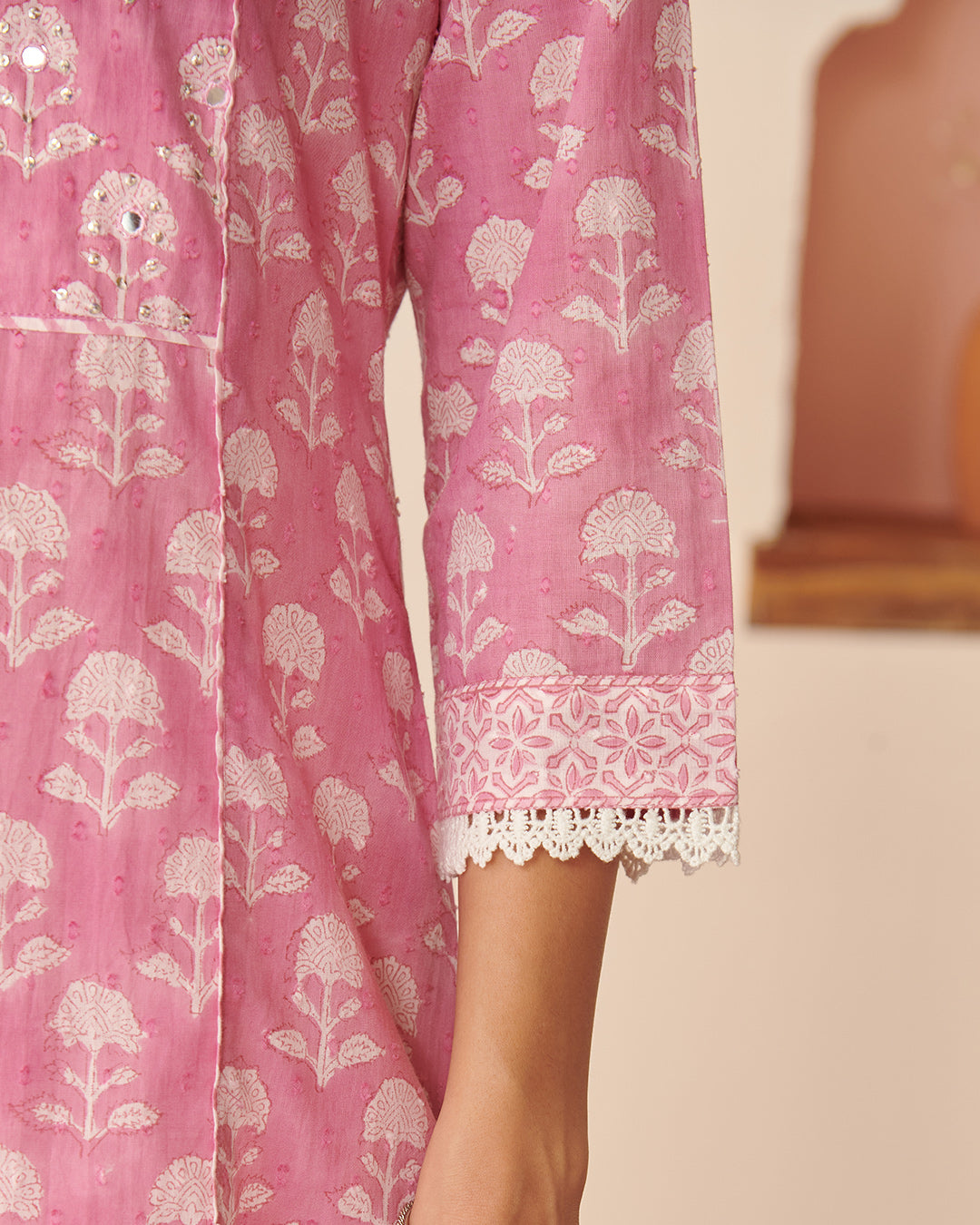
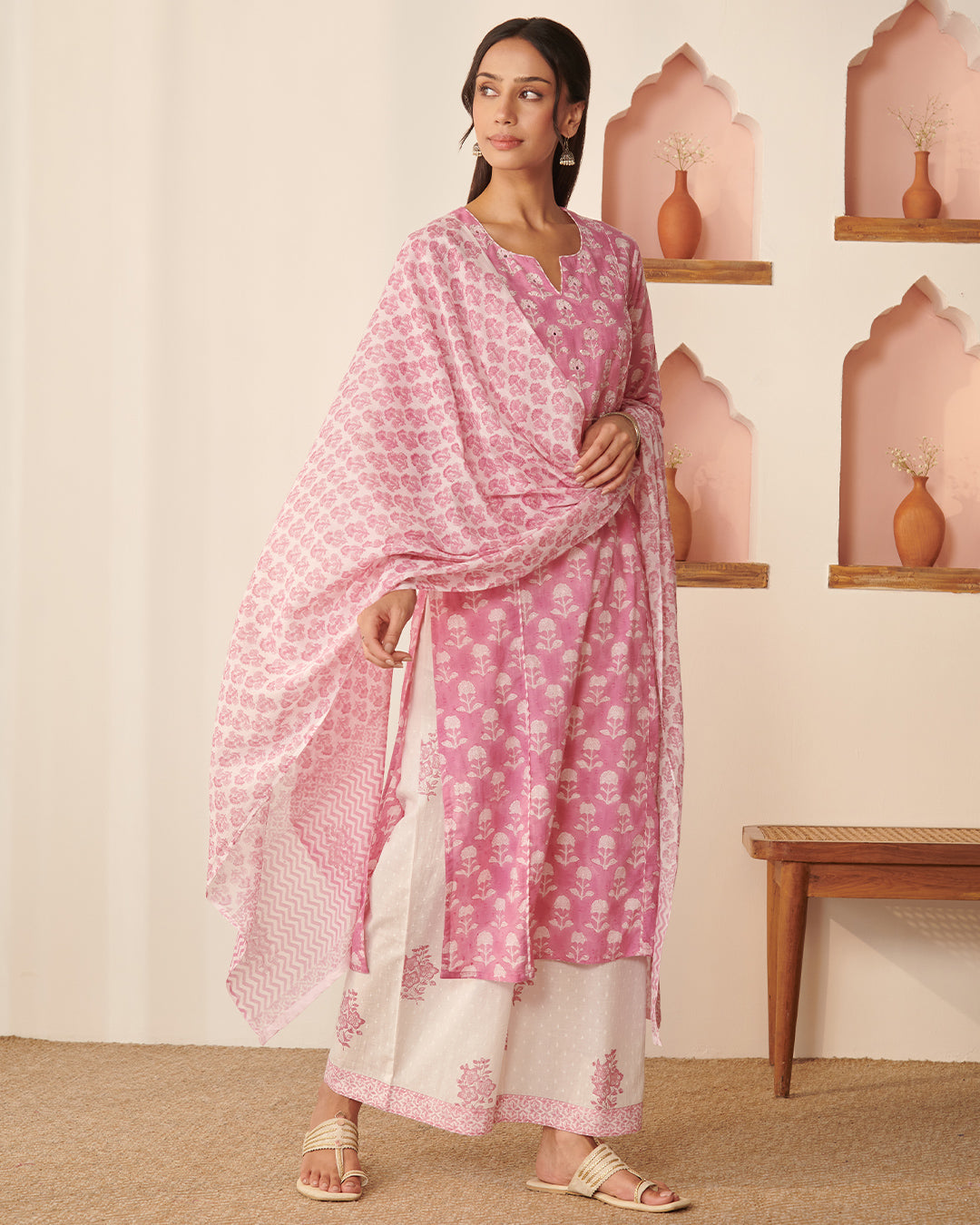
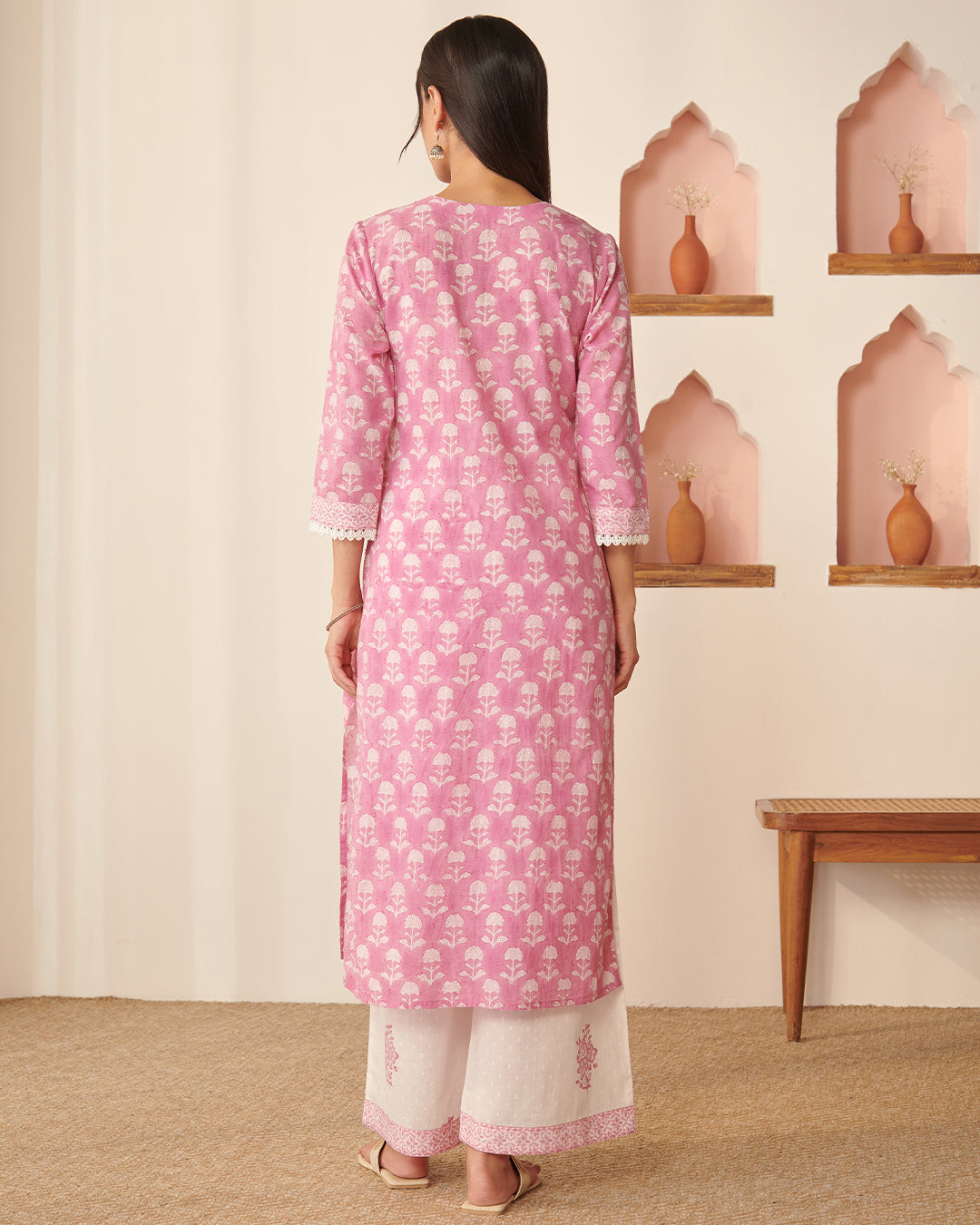
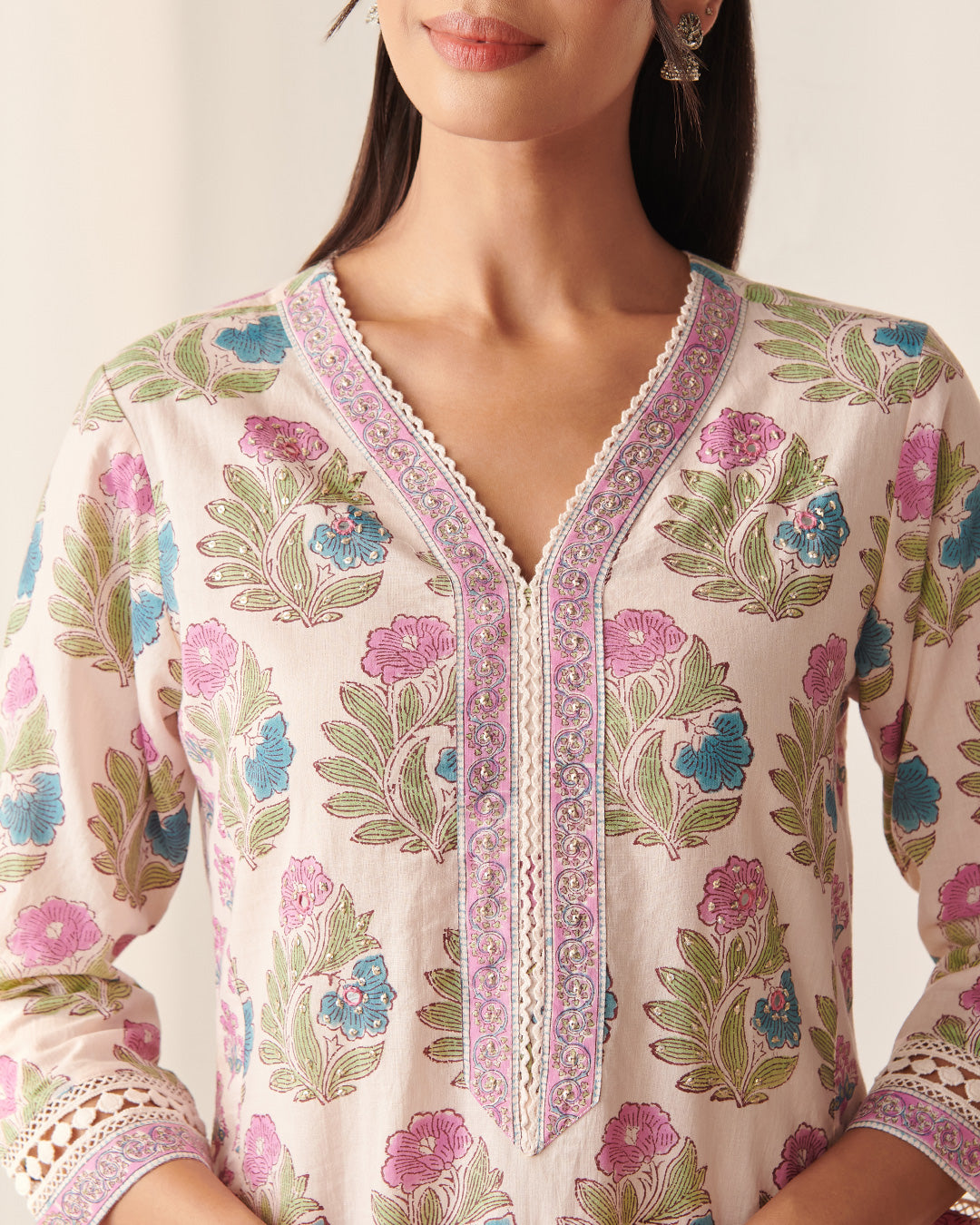
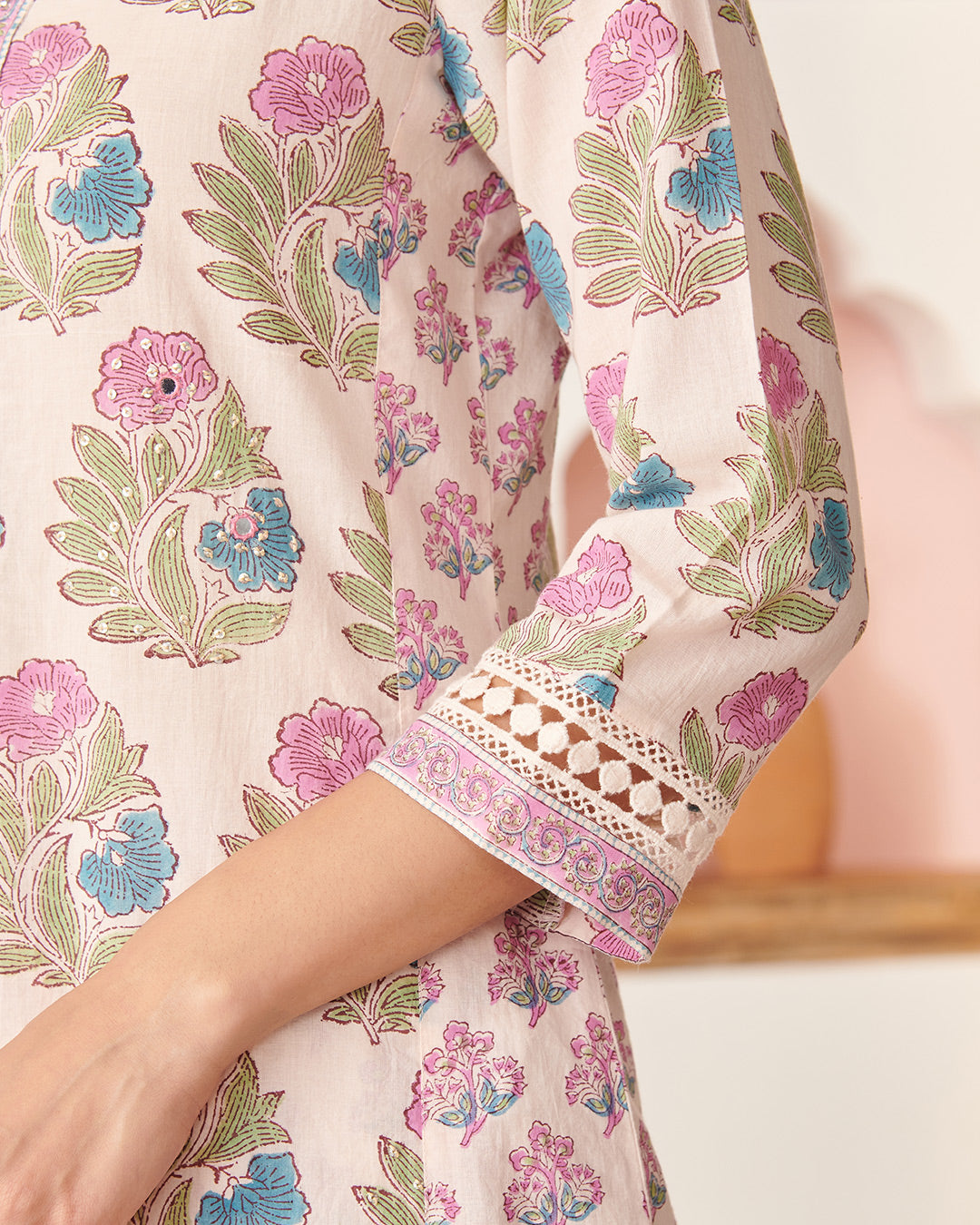
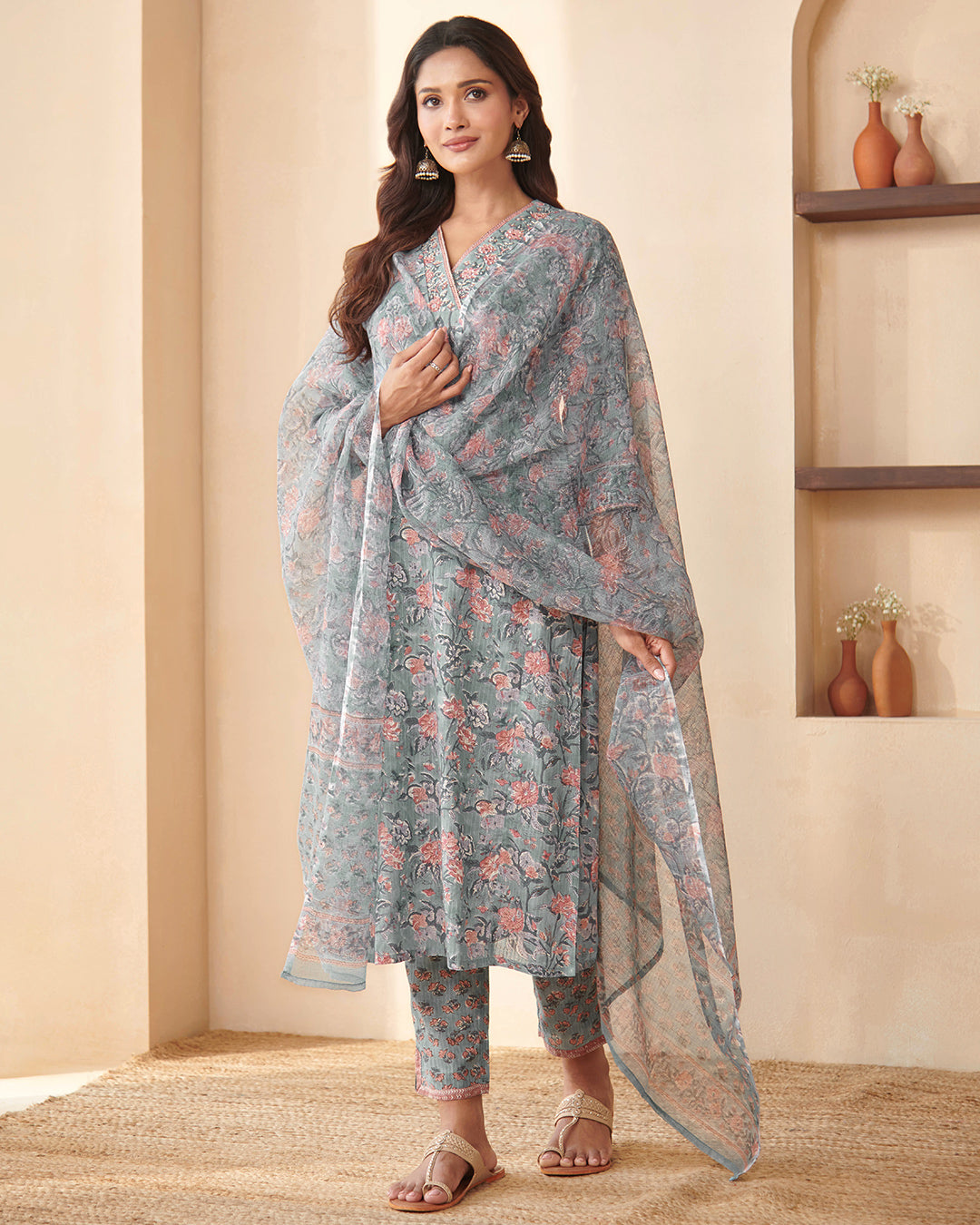
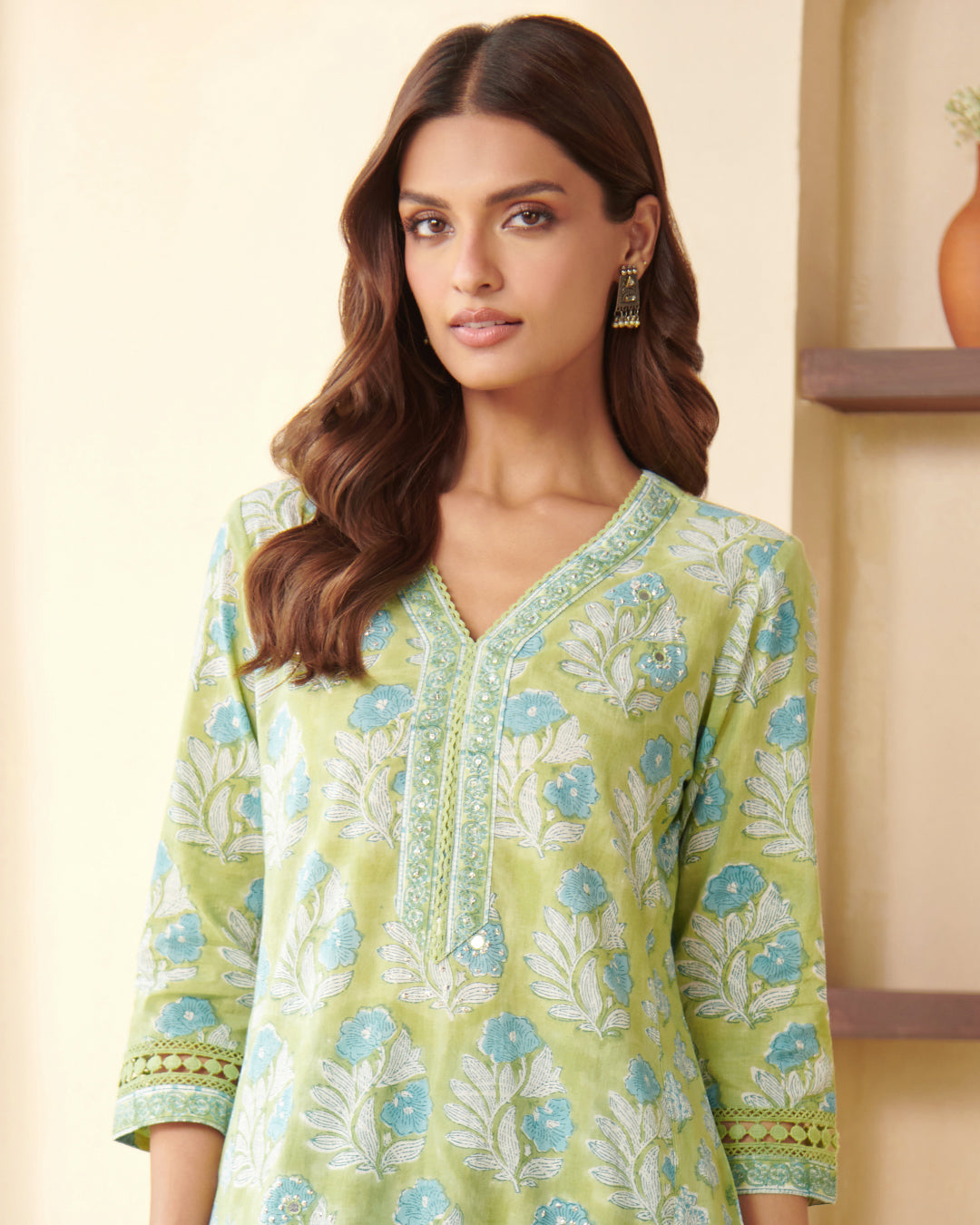
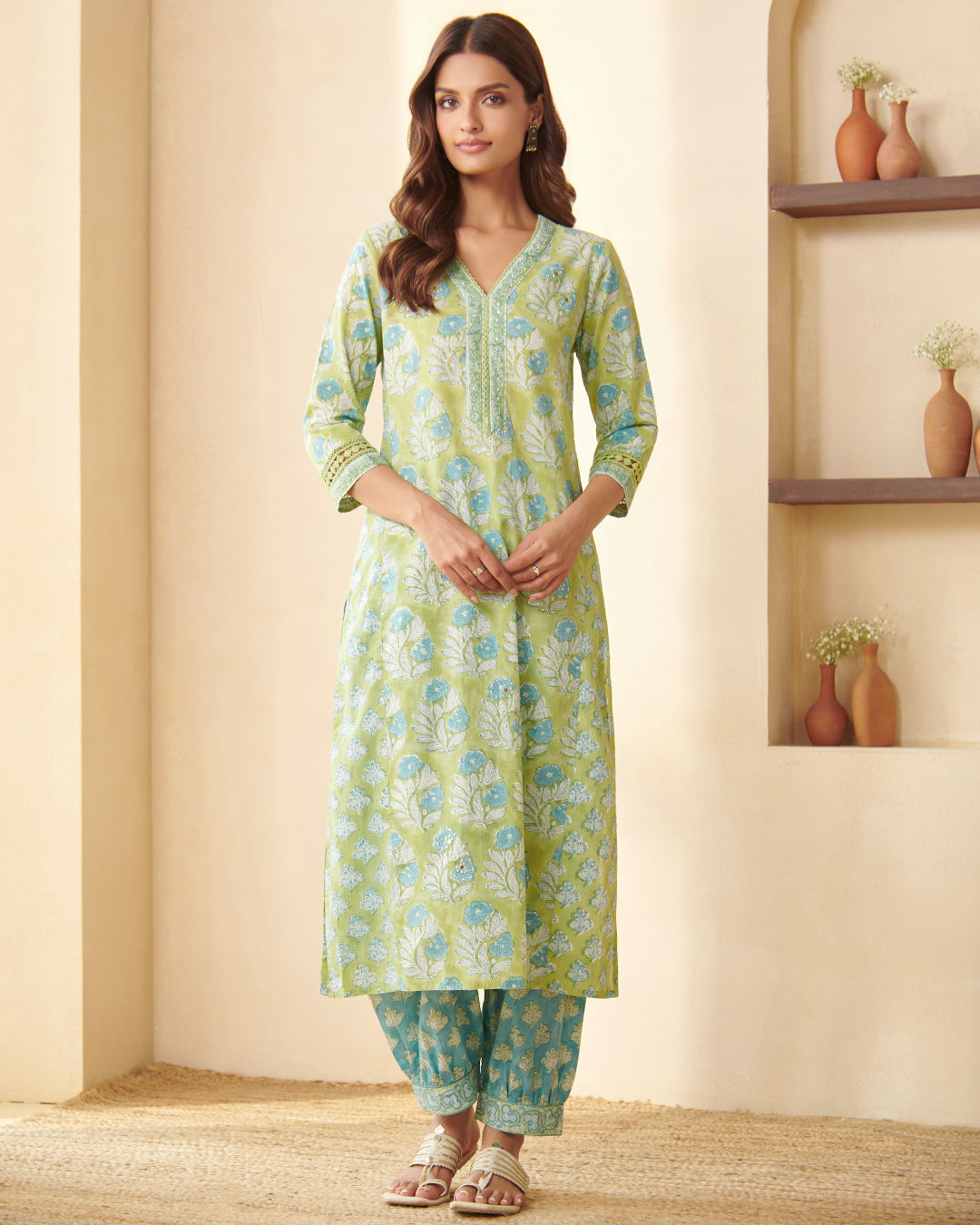
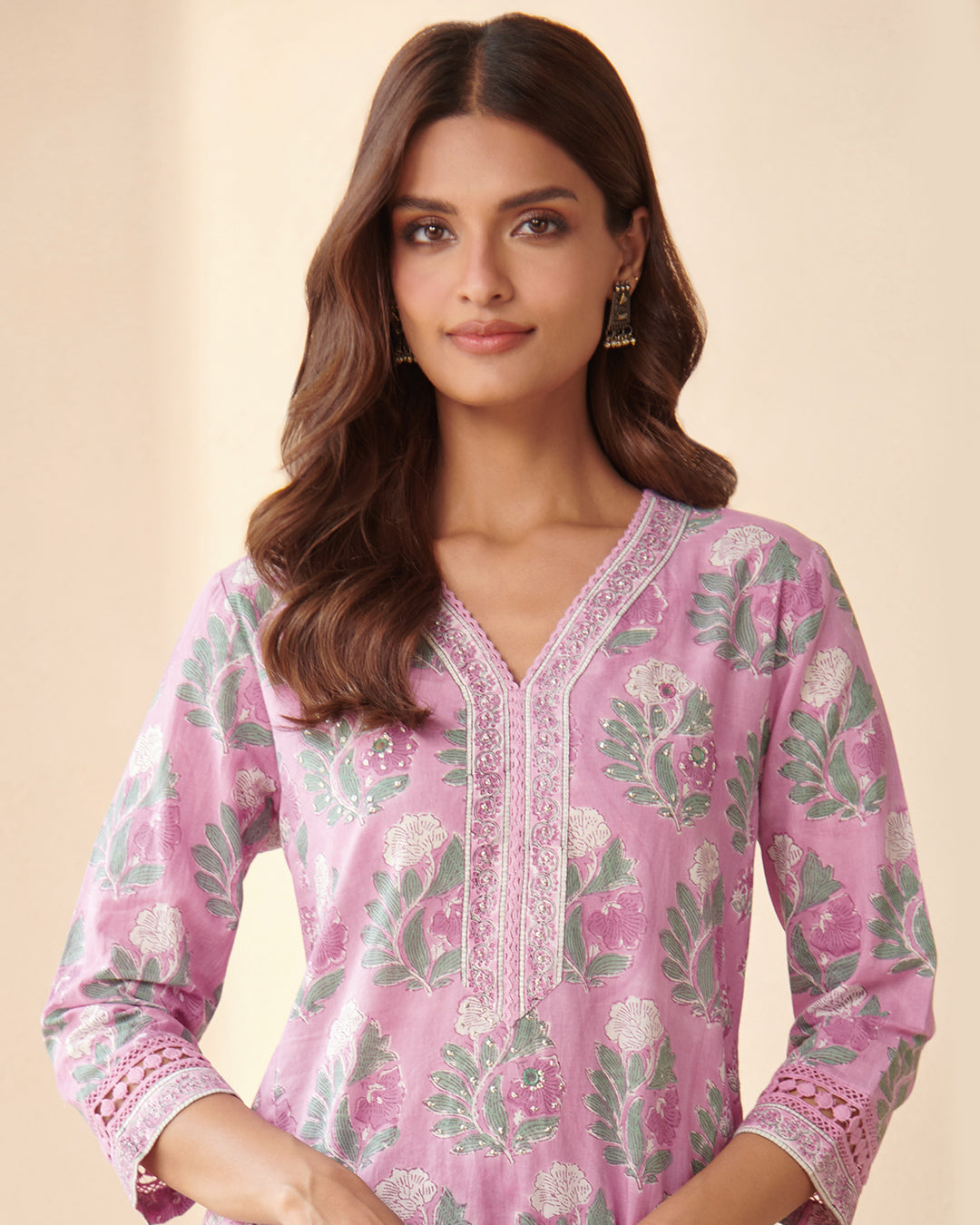
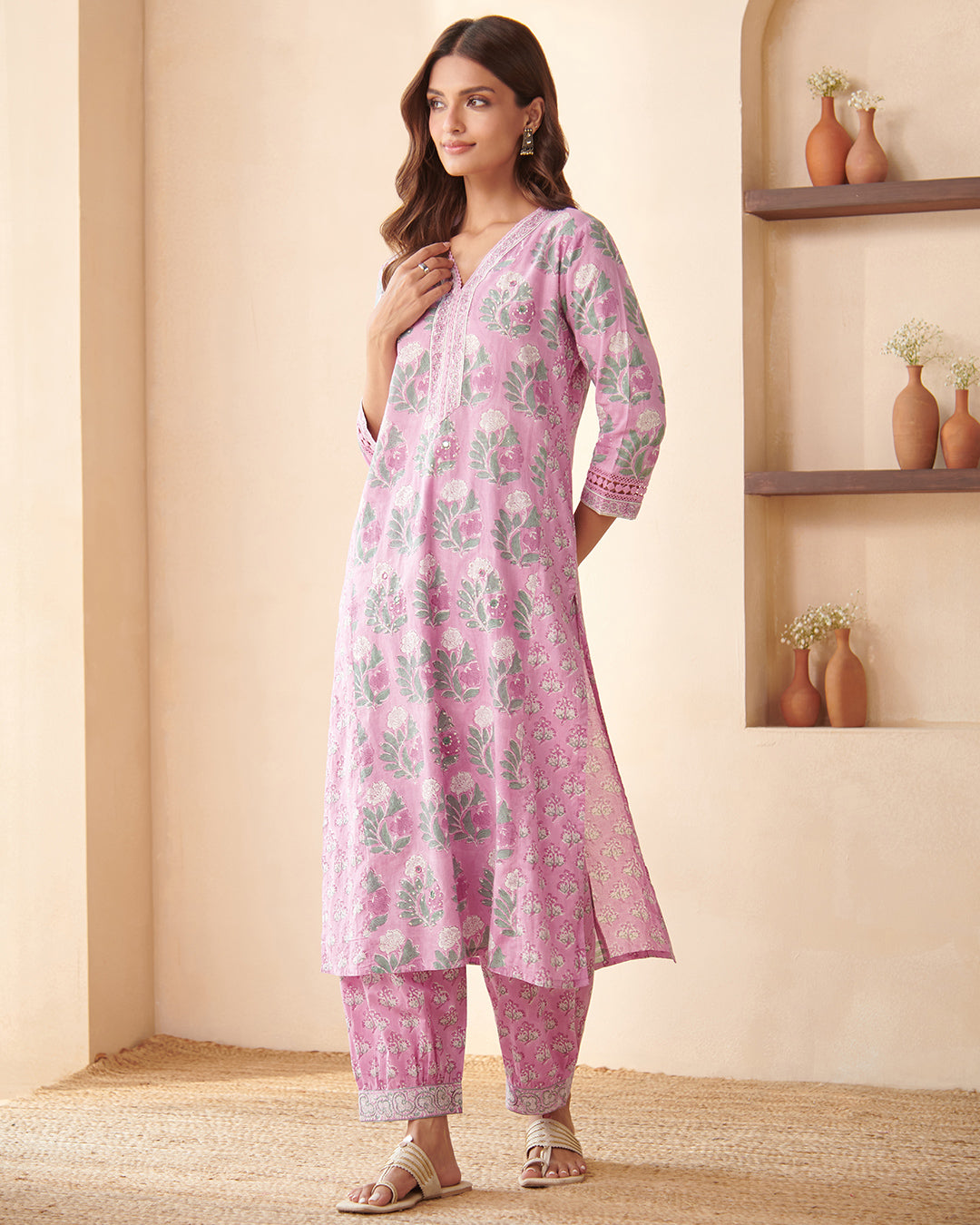
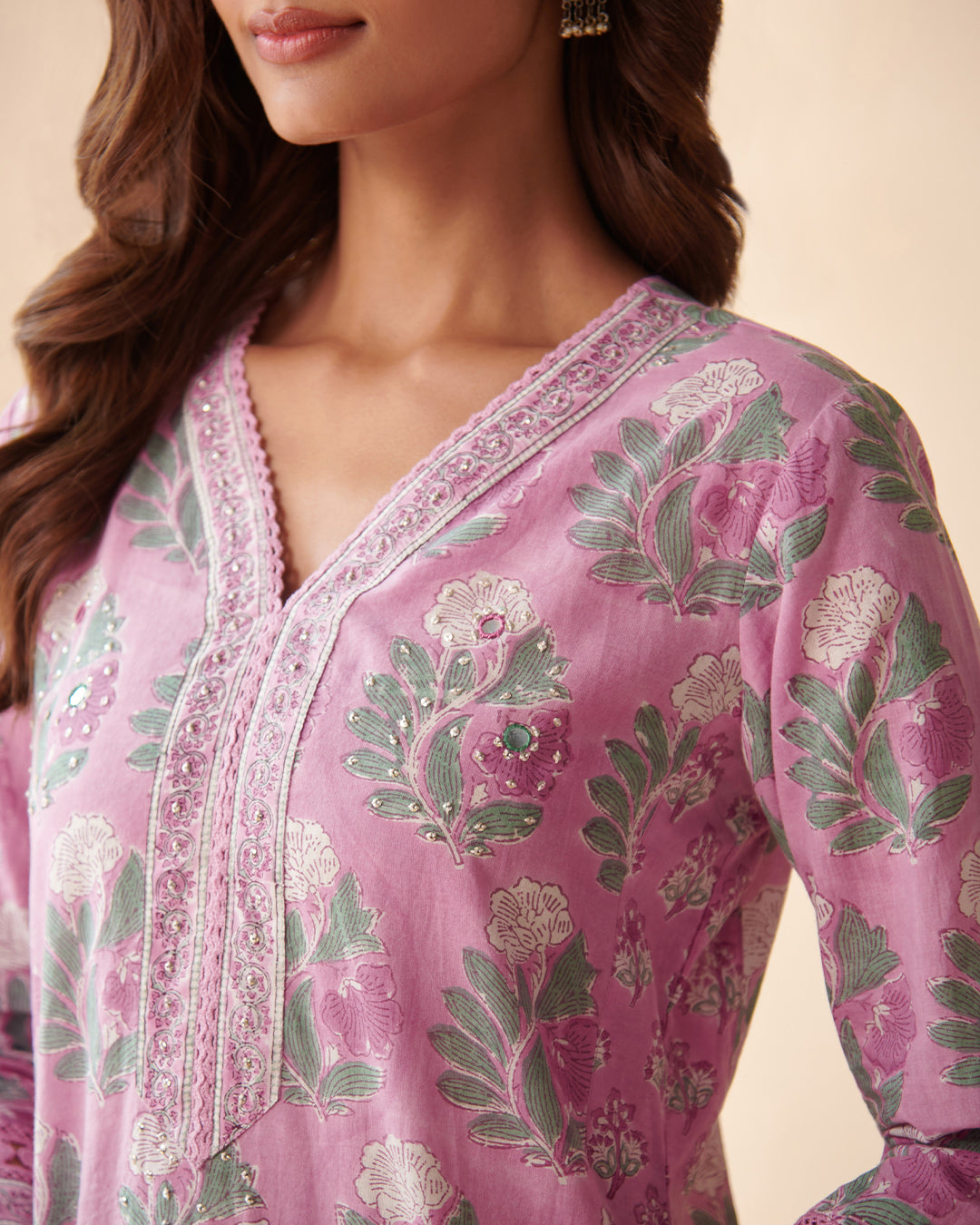
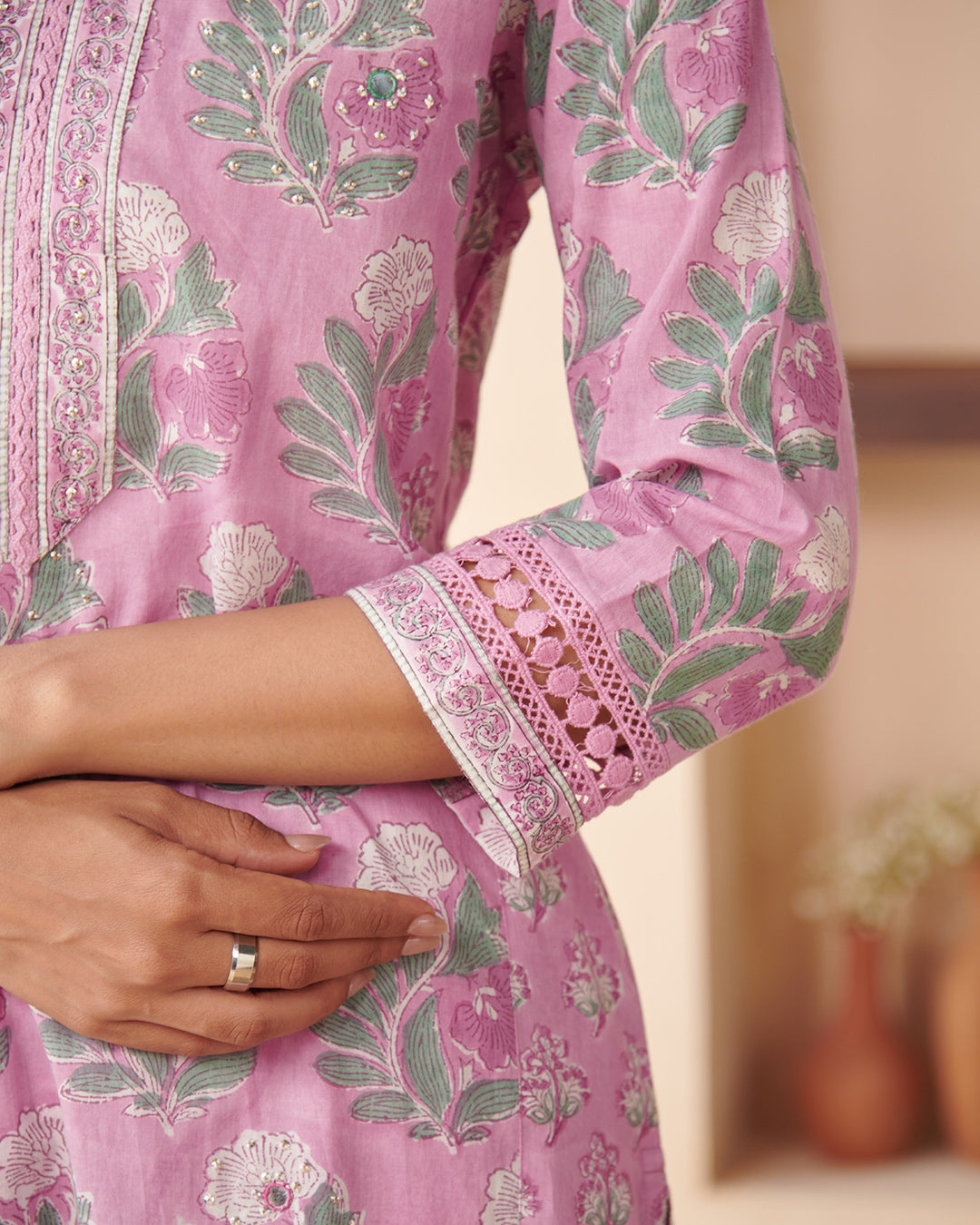
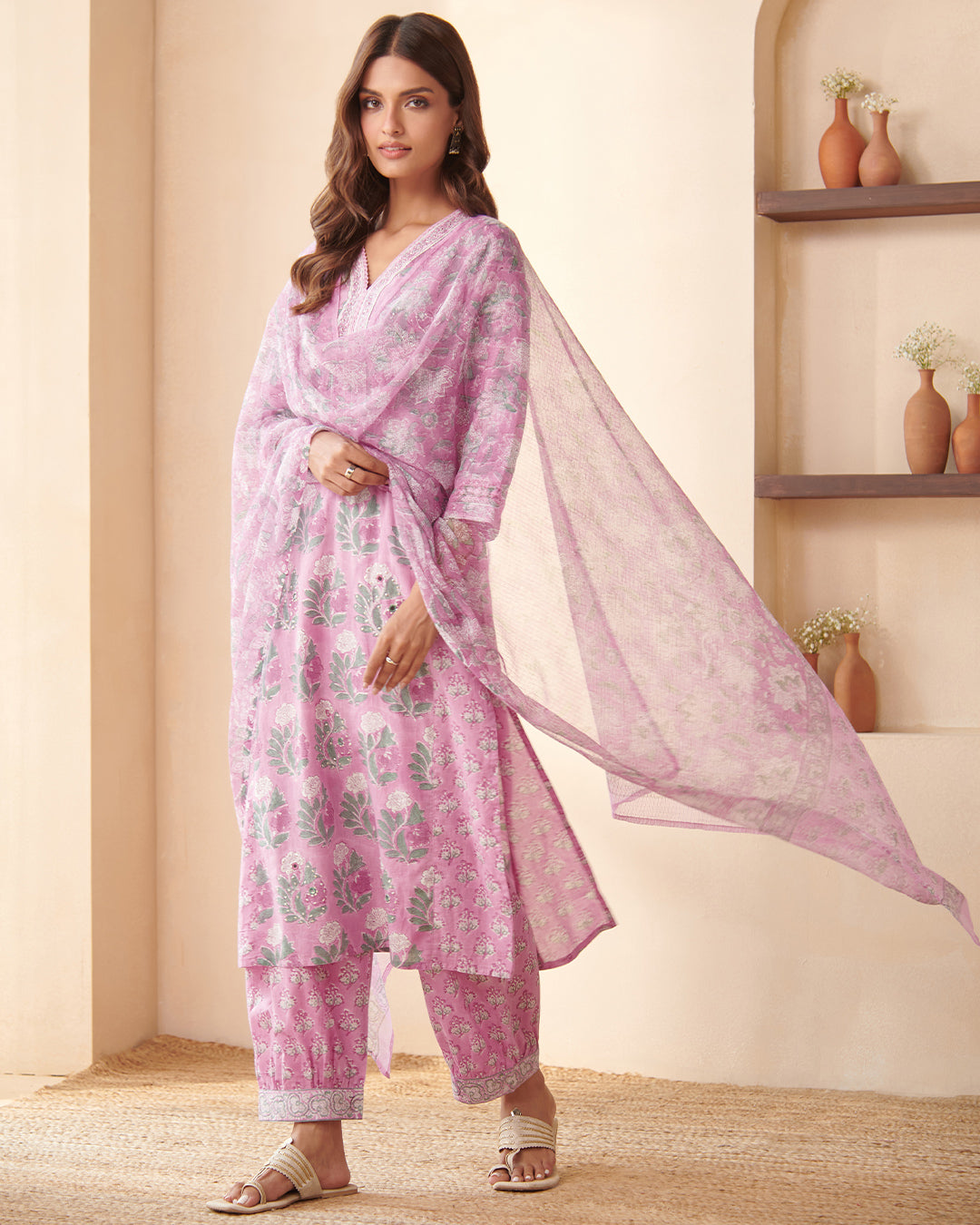
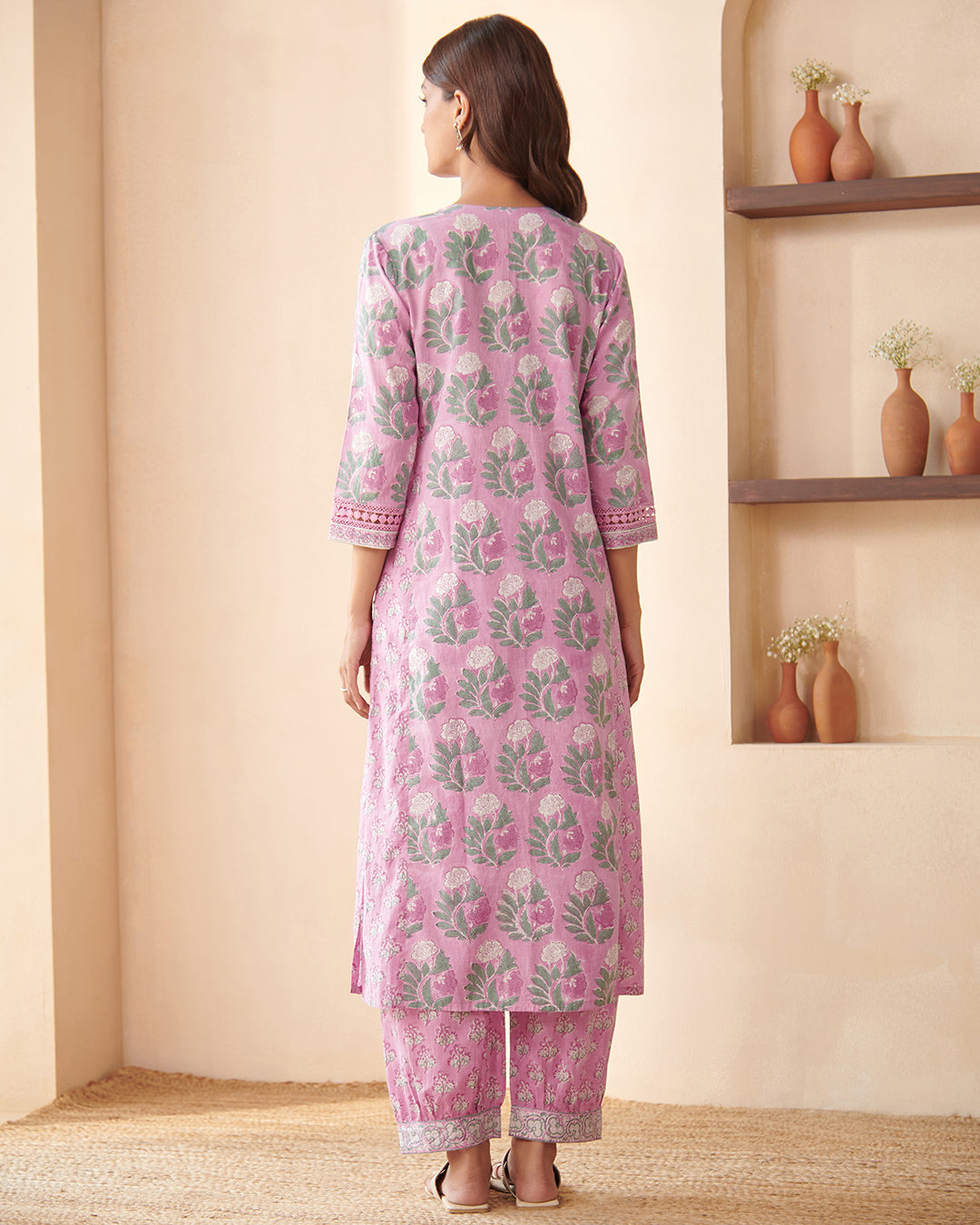
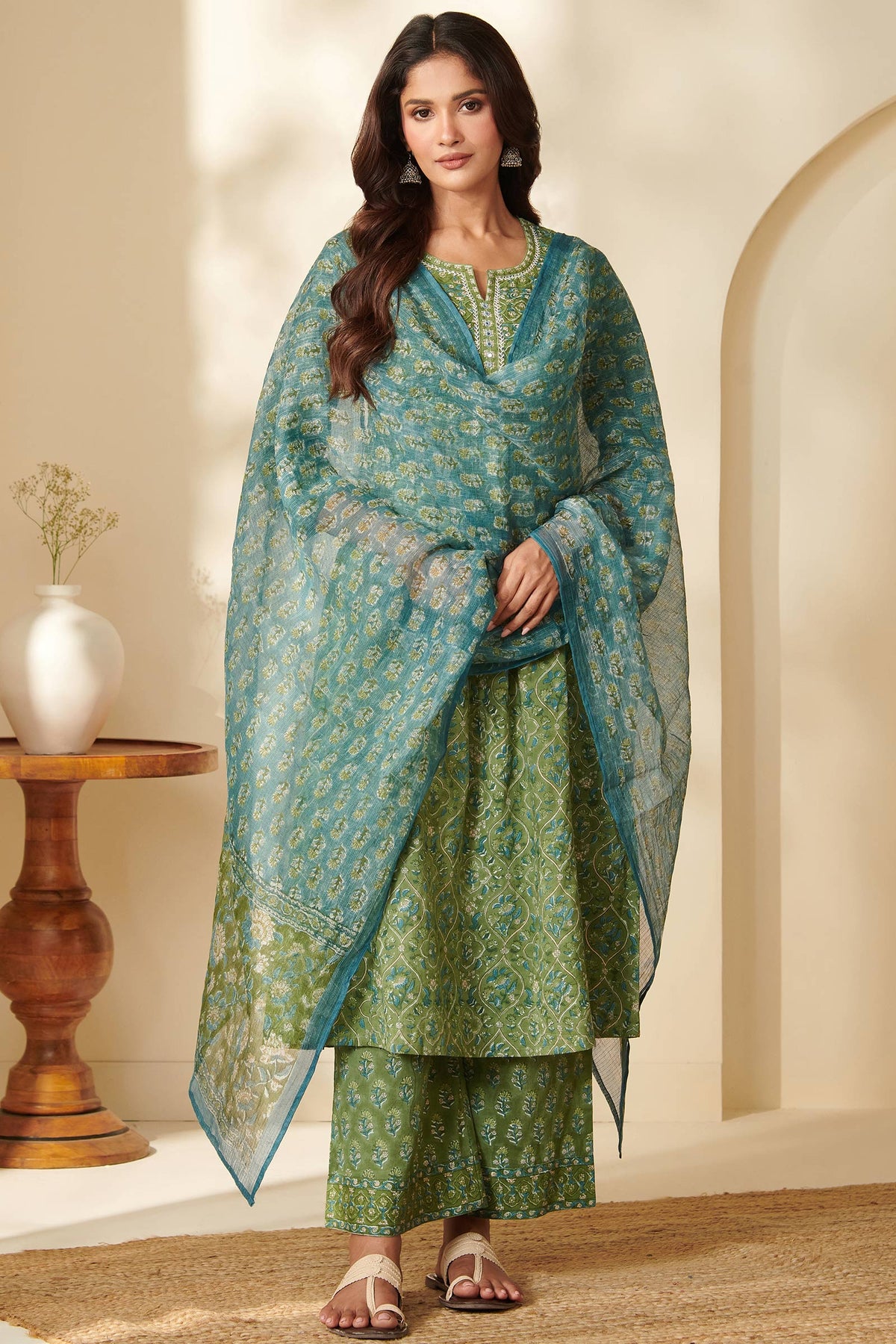
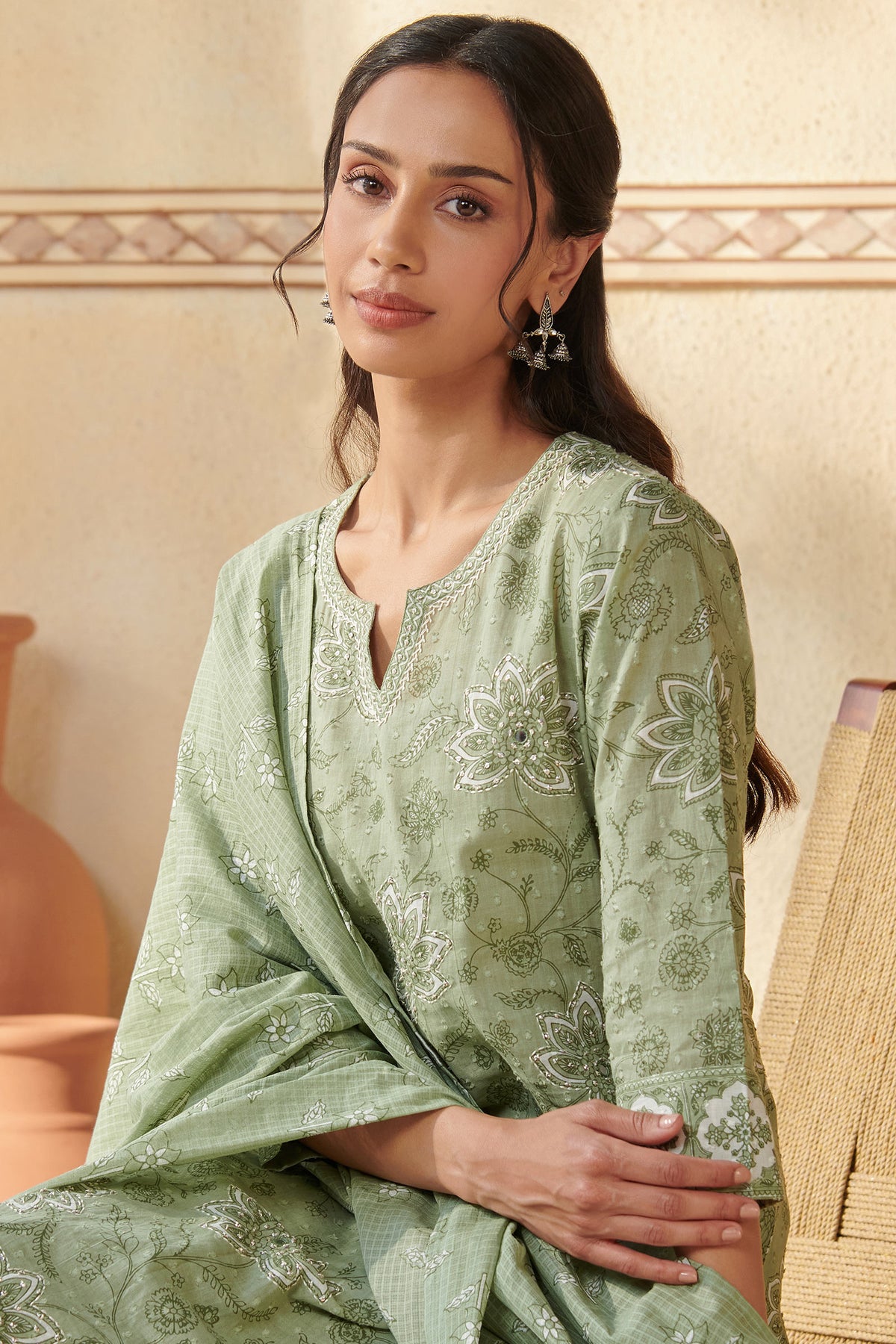
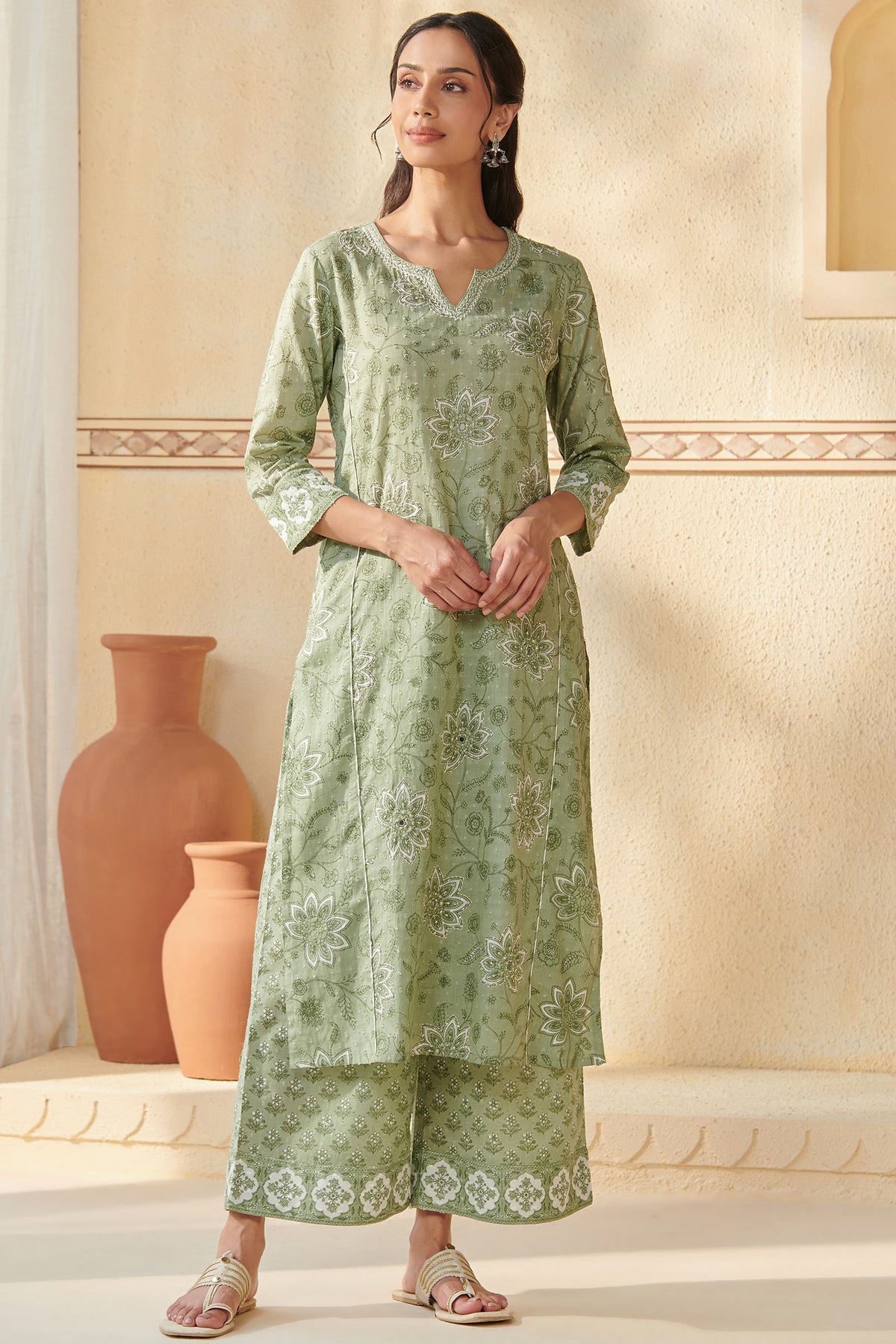
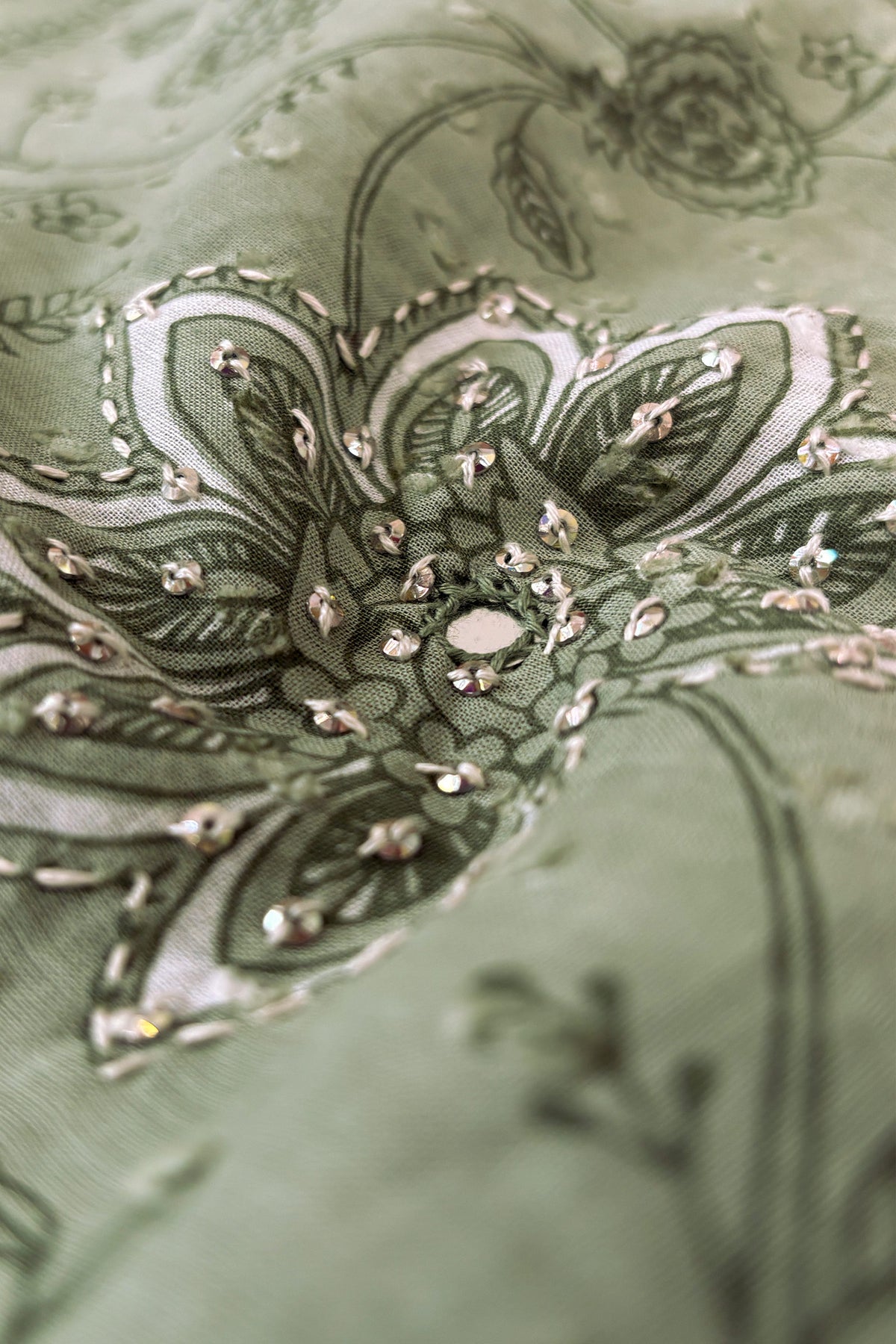
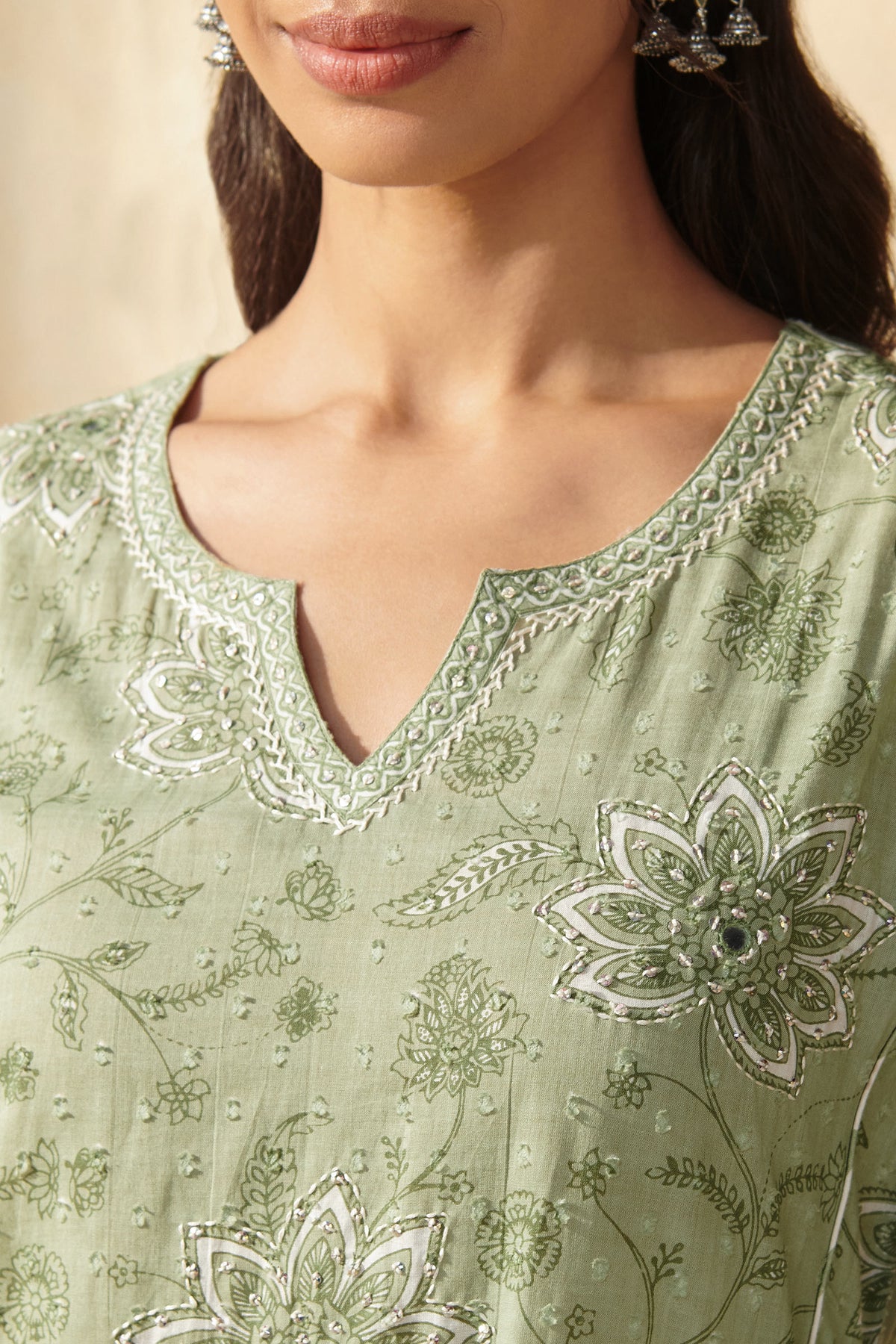
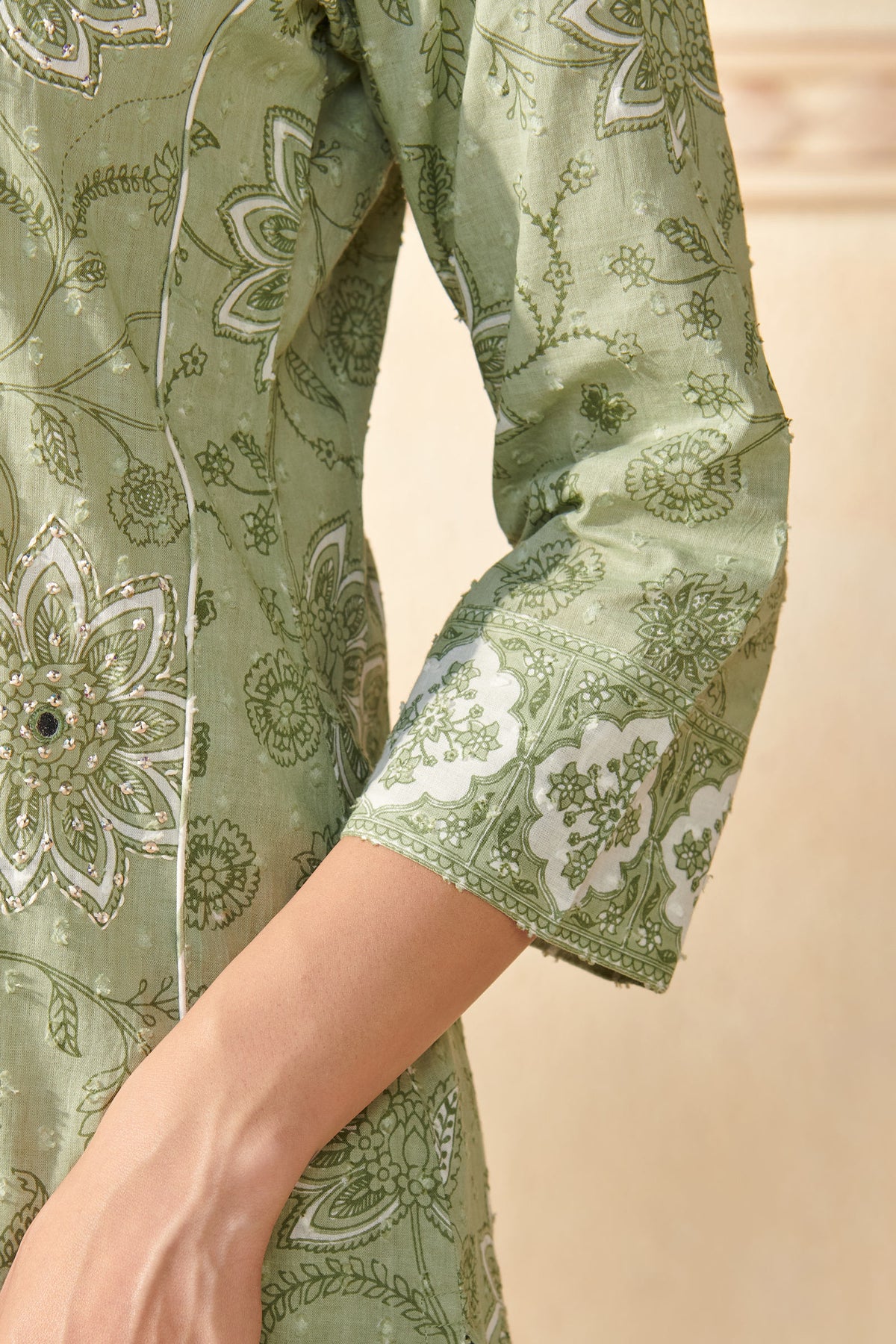
Pastel shades like blush pink kurta, sage green, powder blue, and lavender bring softness to everyday dressing. They feel especially comfortable during warmer months and create a calm, understated look without feeling plain.
Blue, Green, and Other Easy to Wear Colours
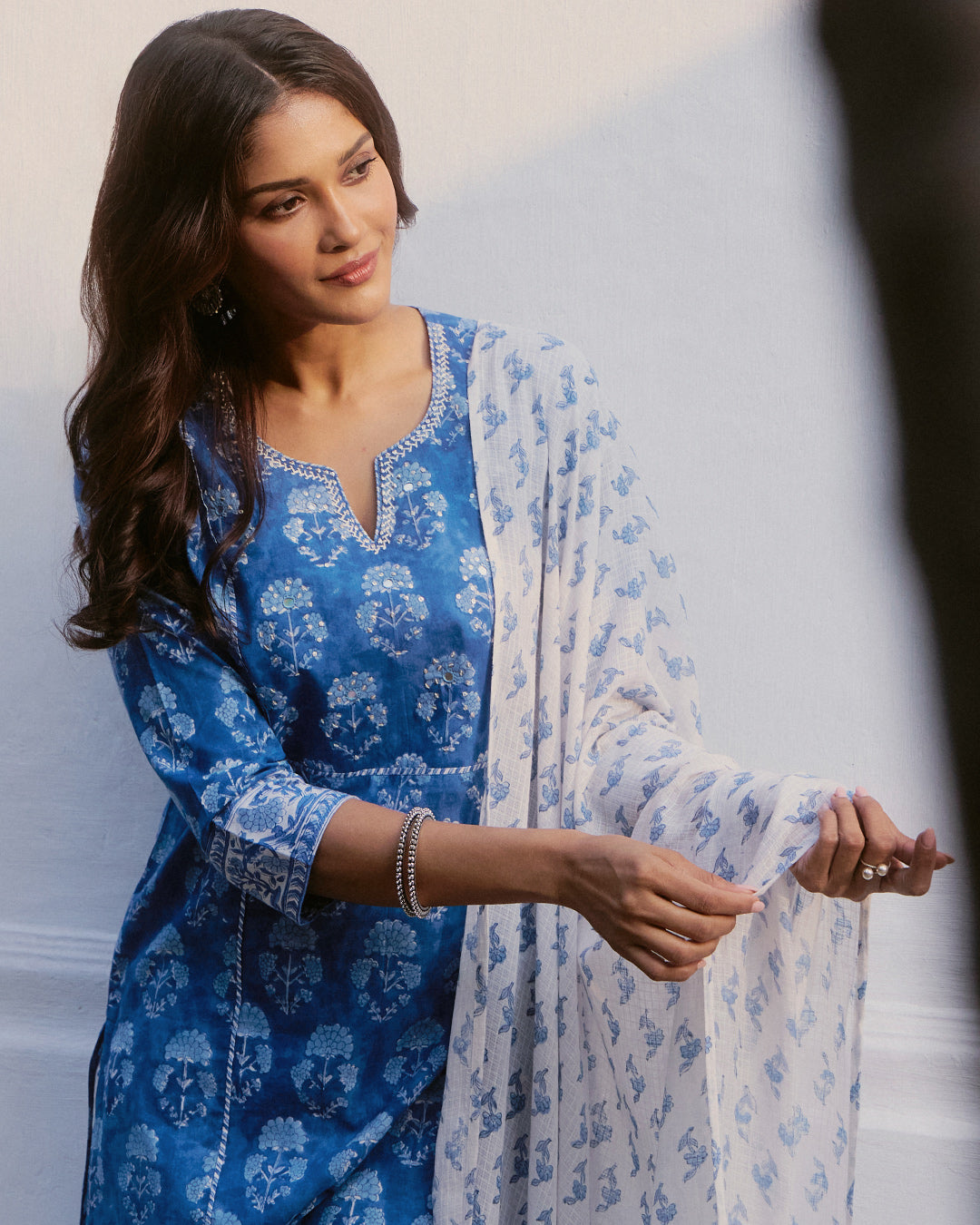
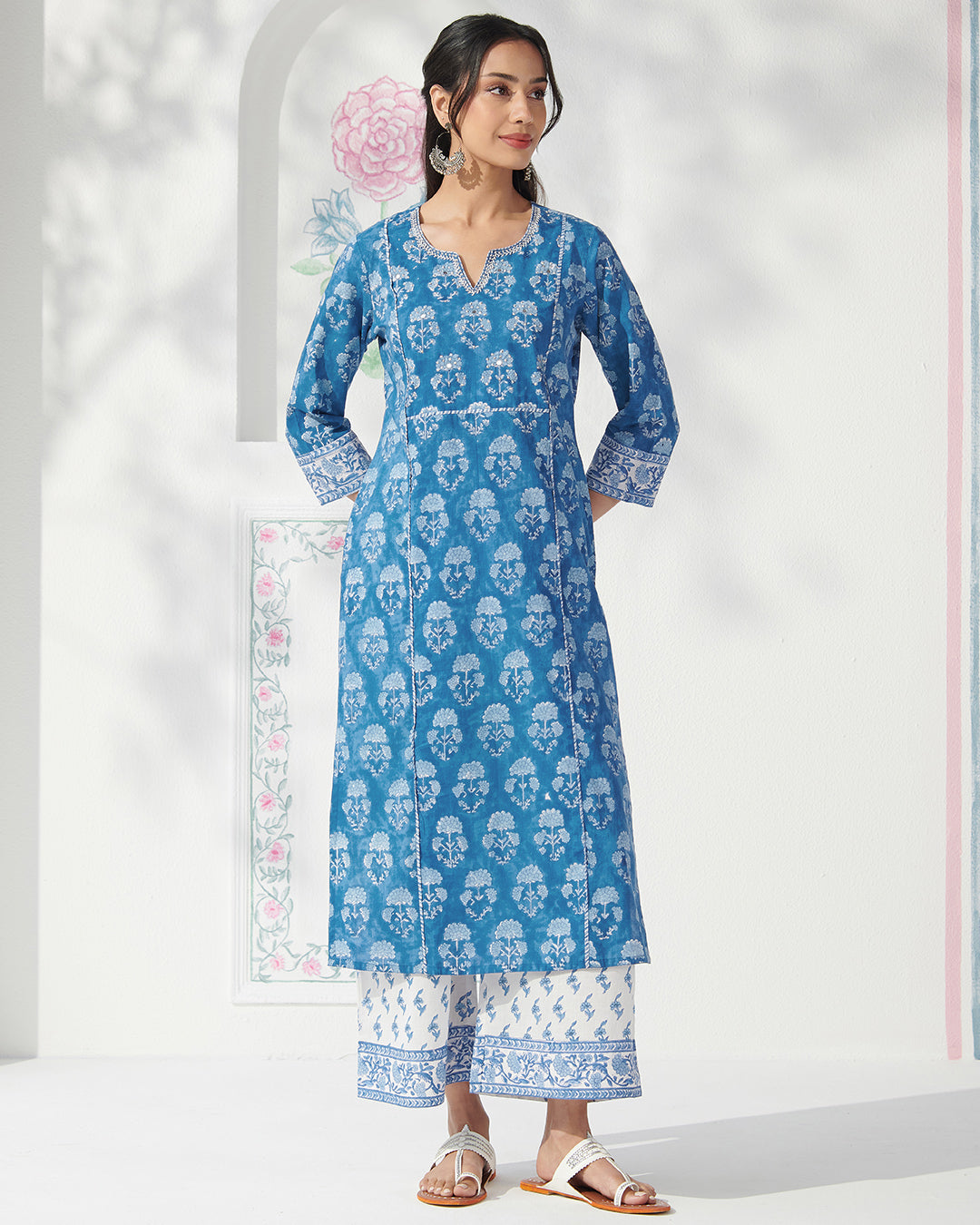
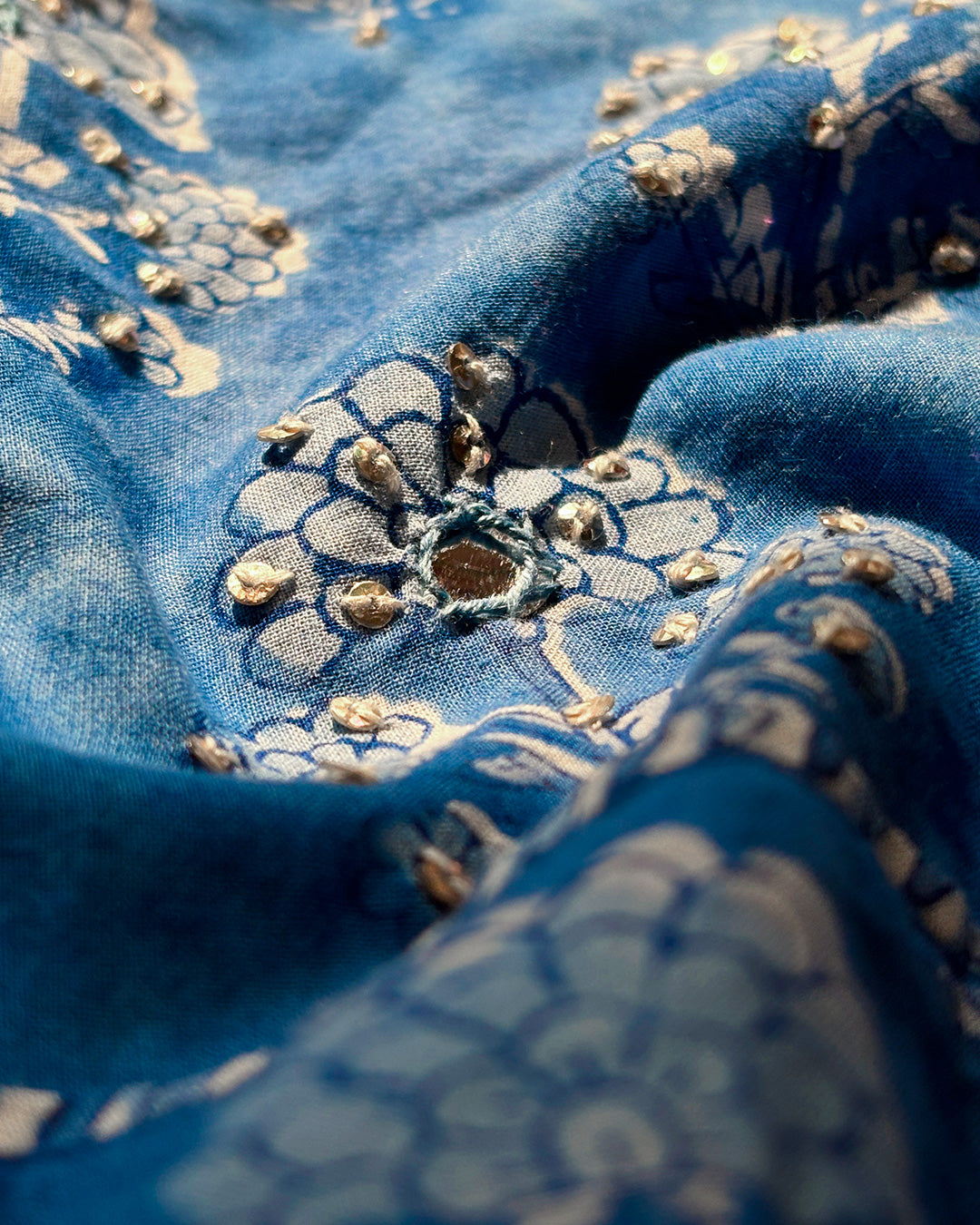
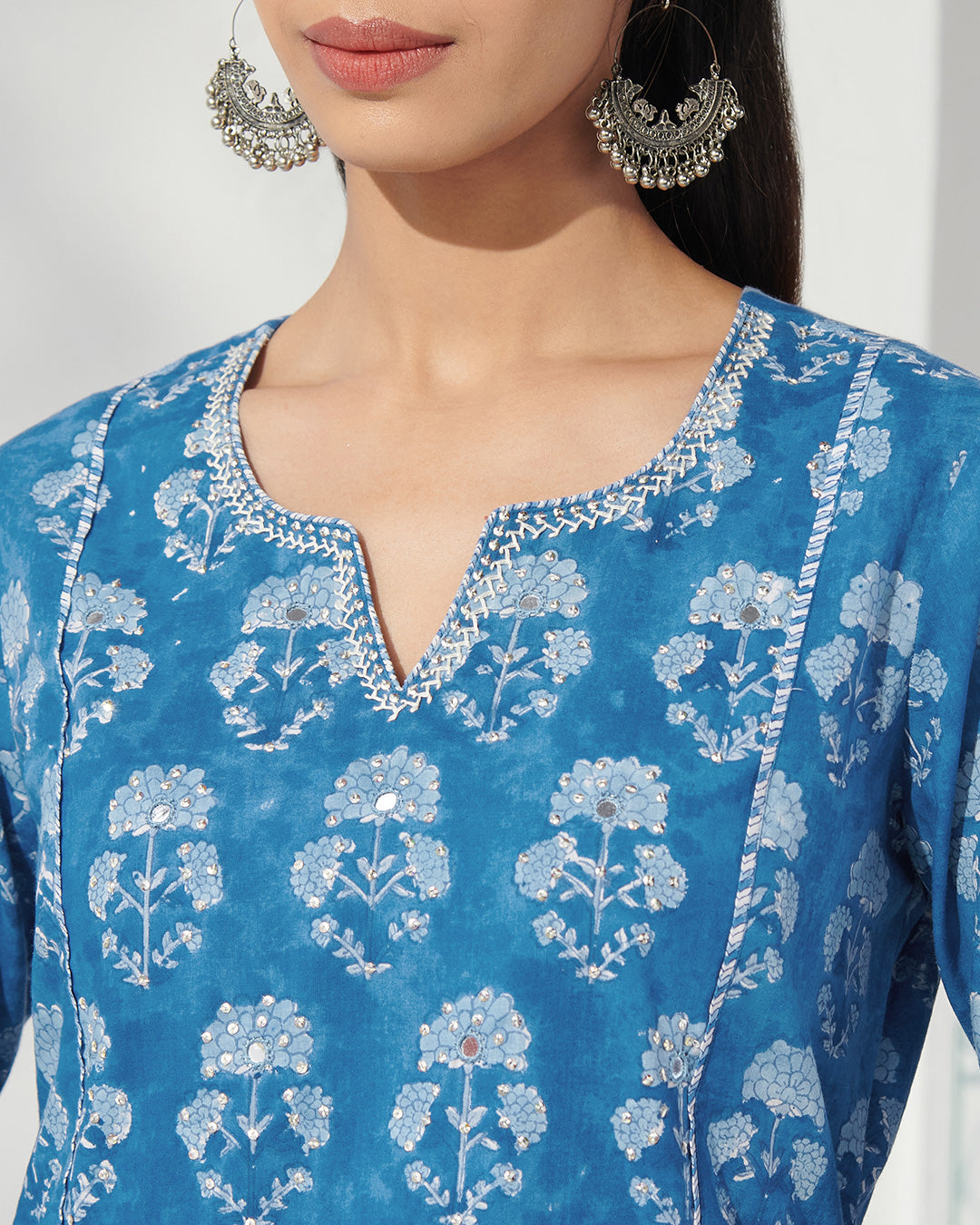
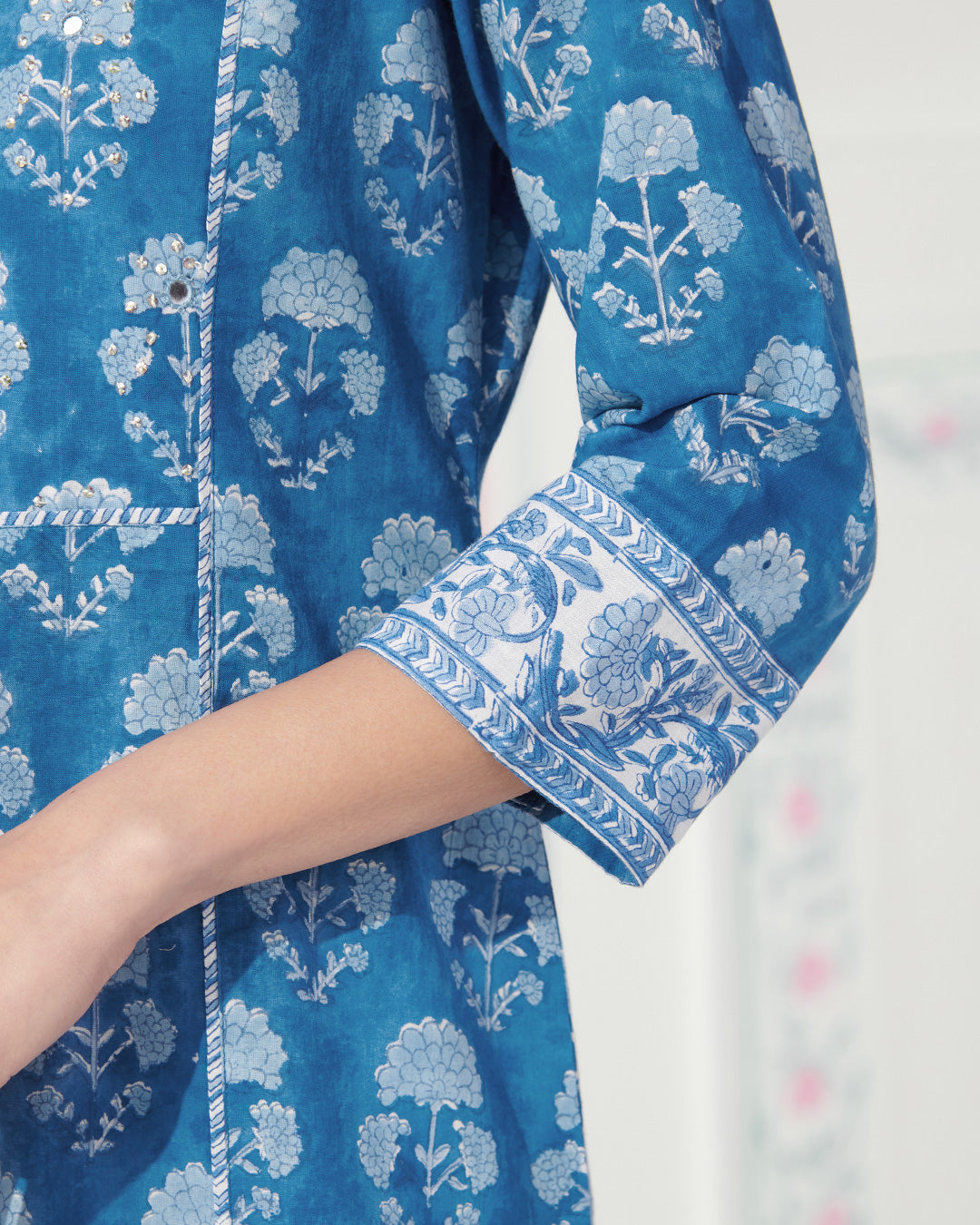
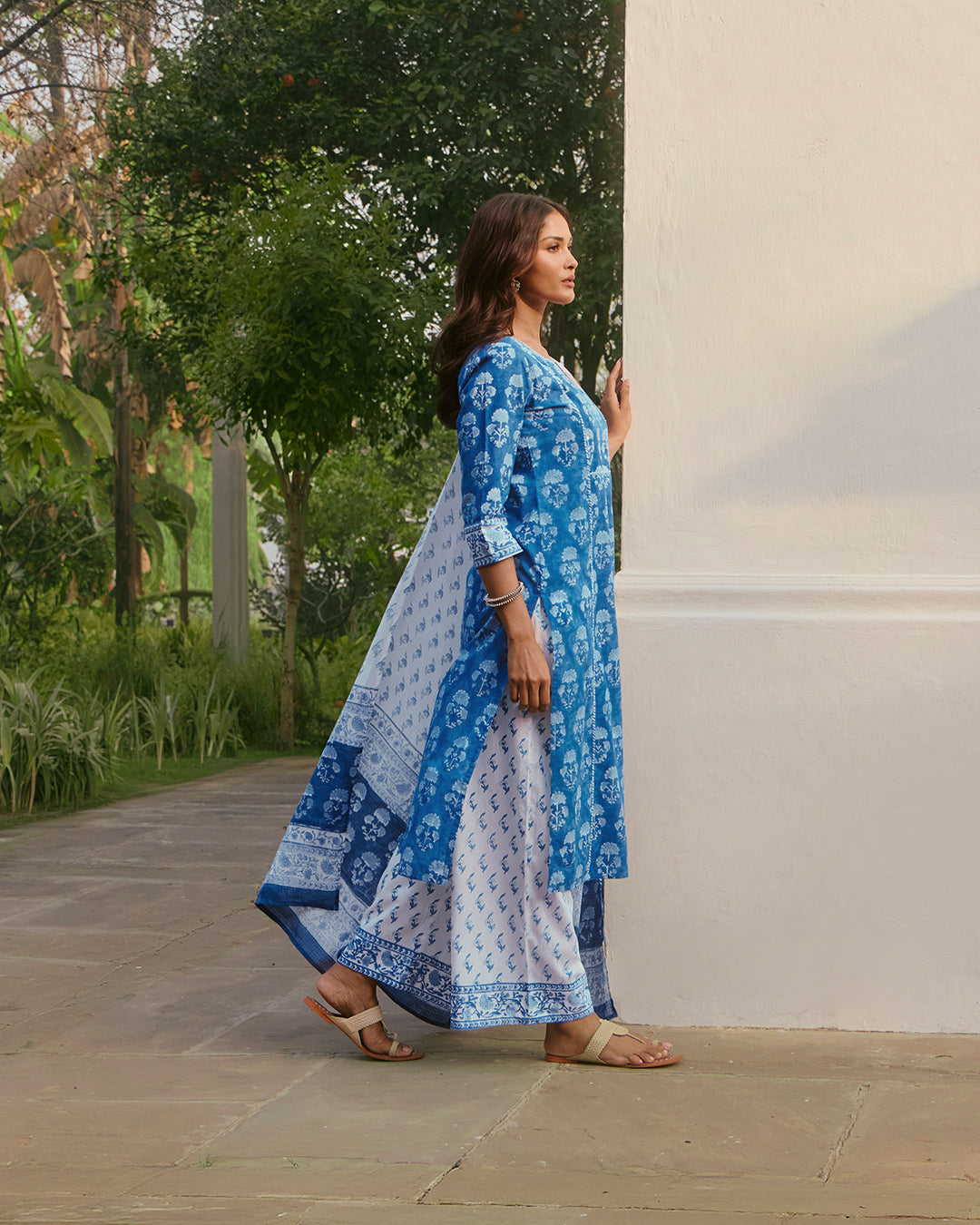
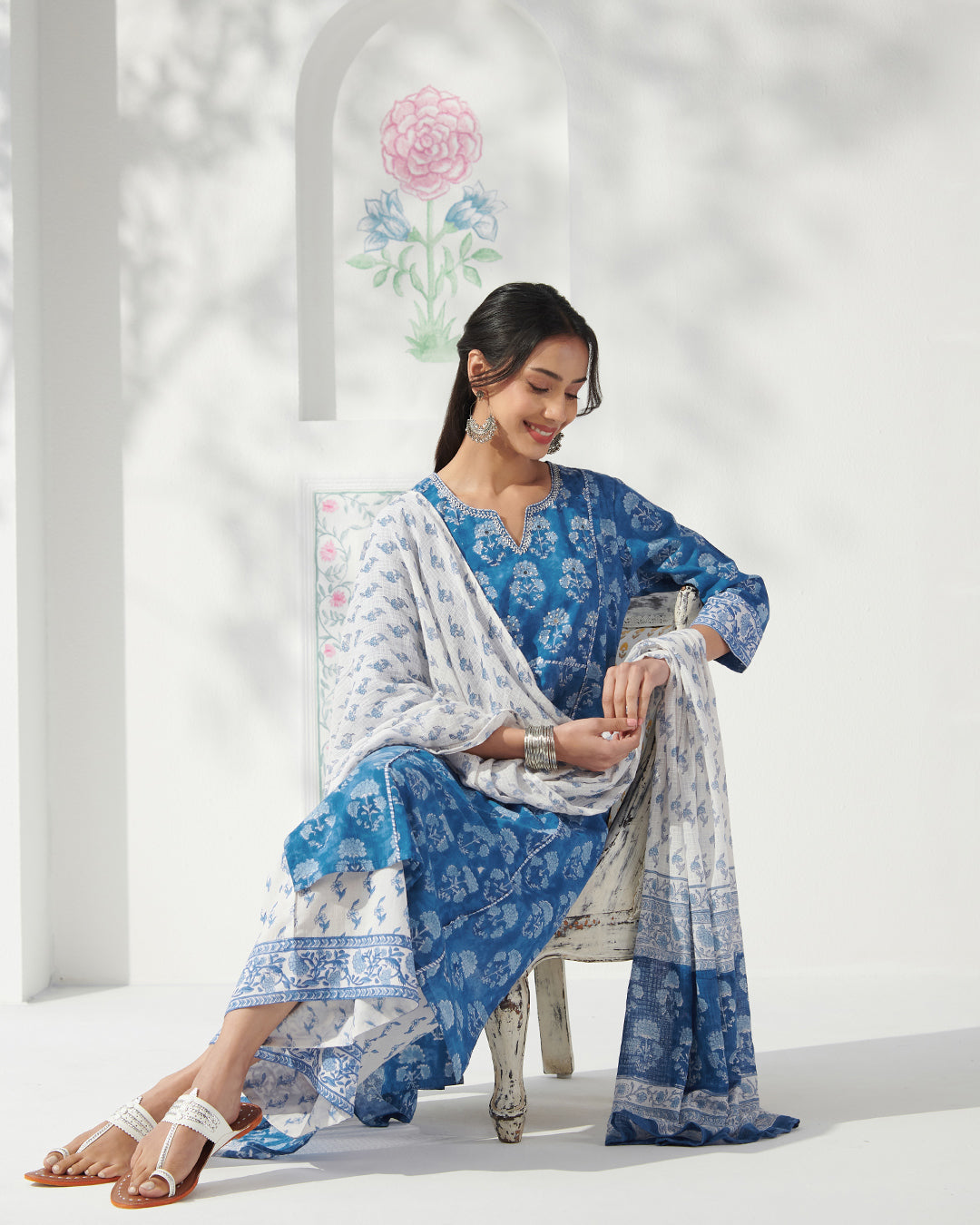
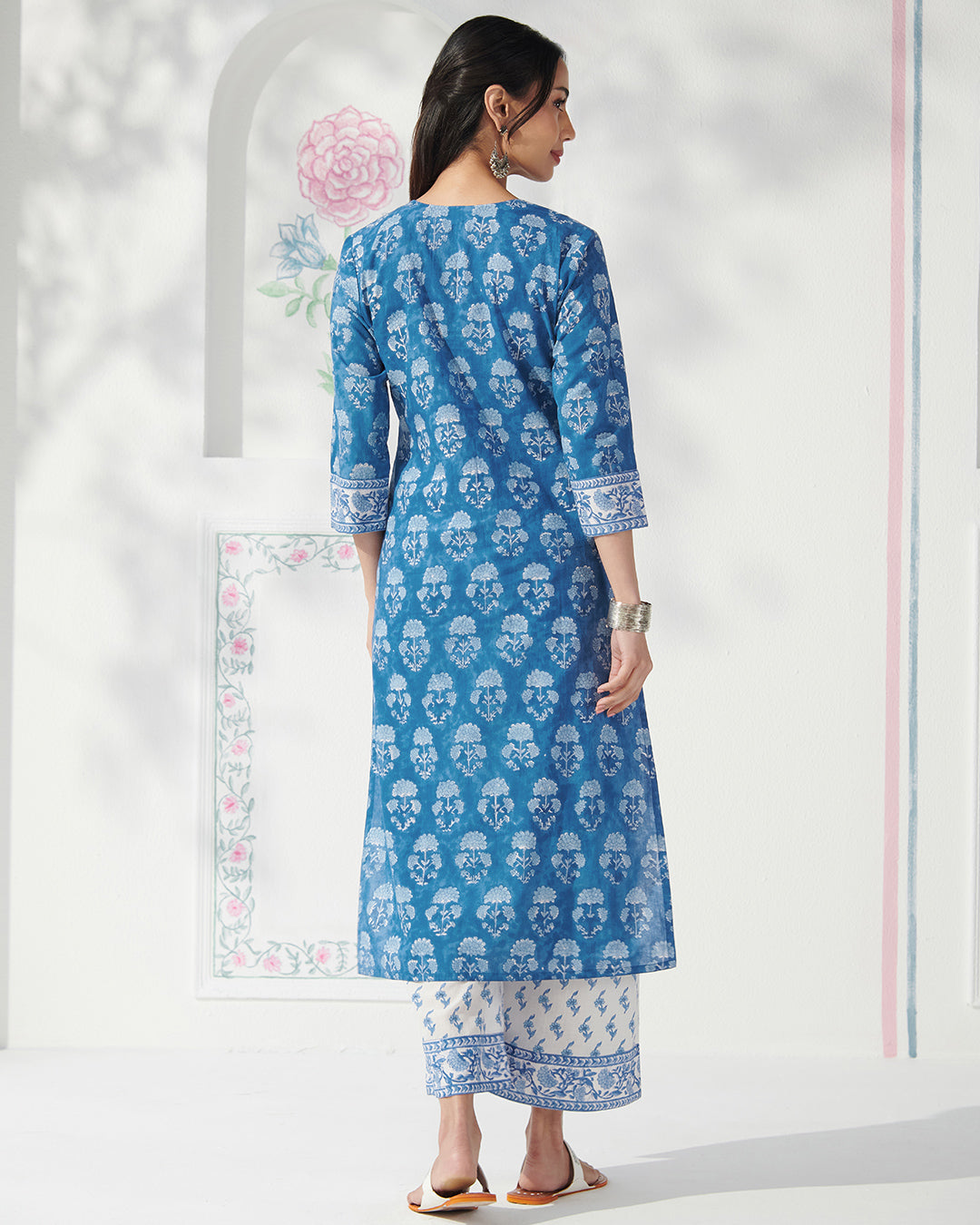
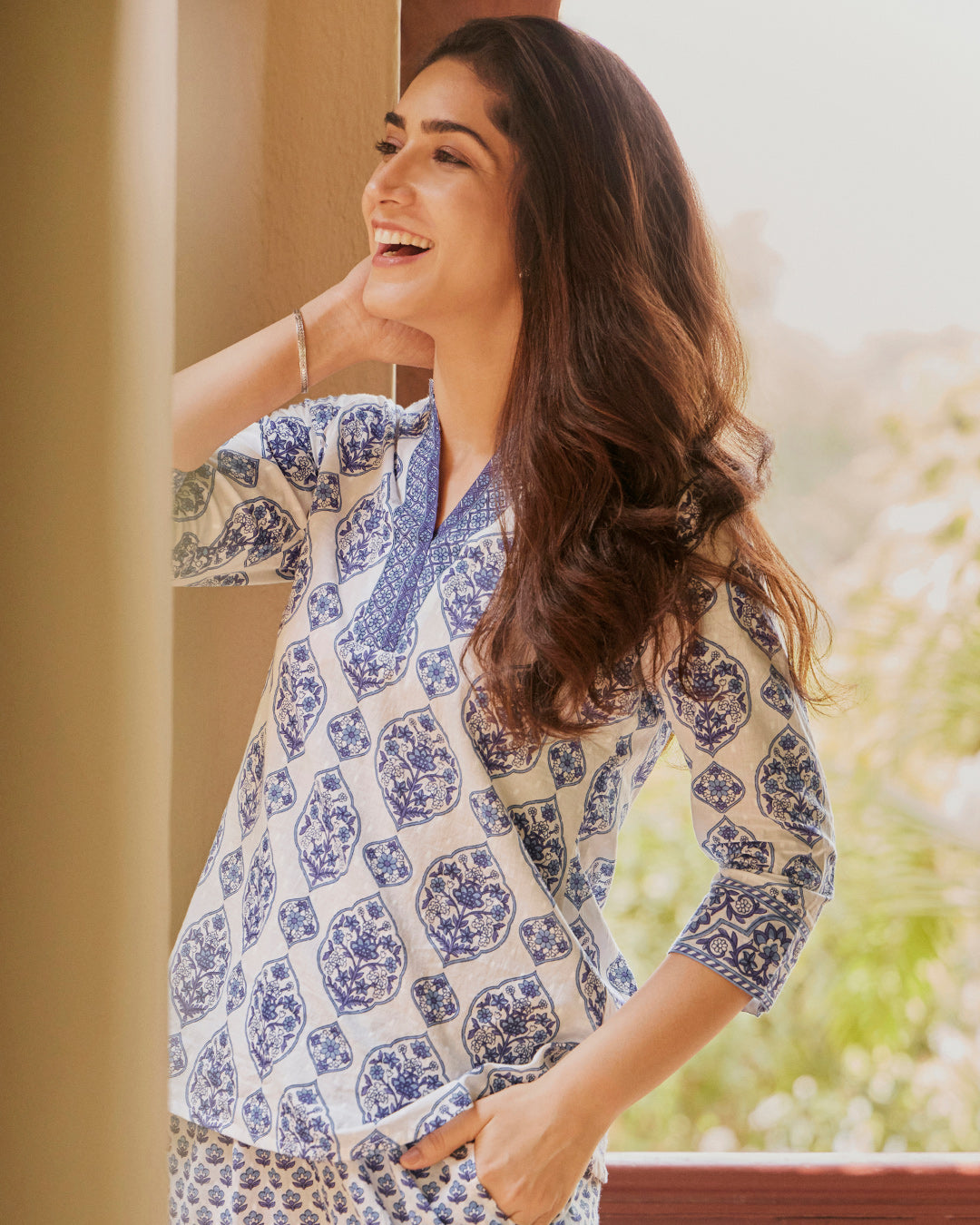
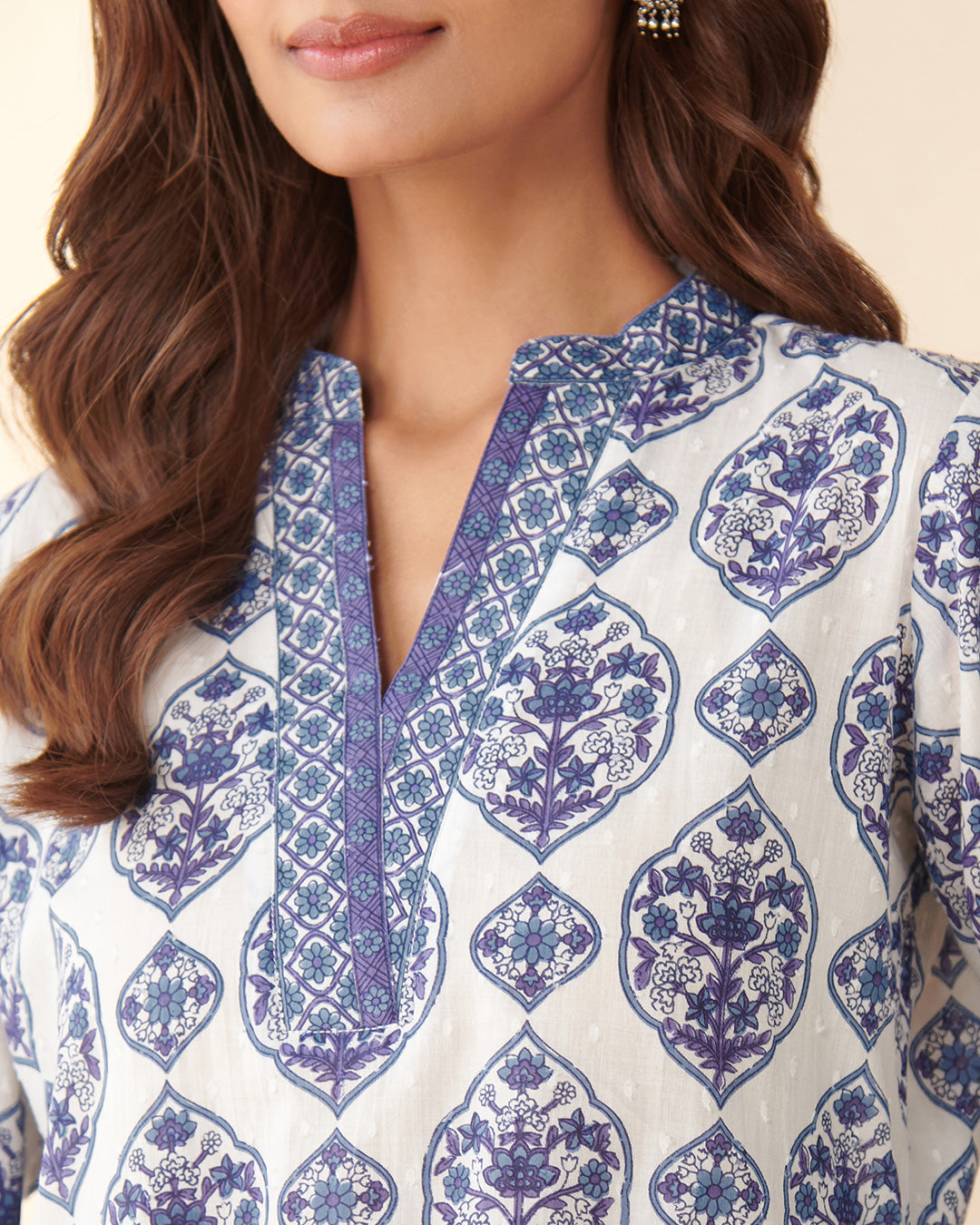
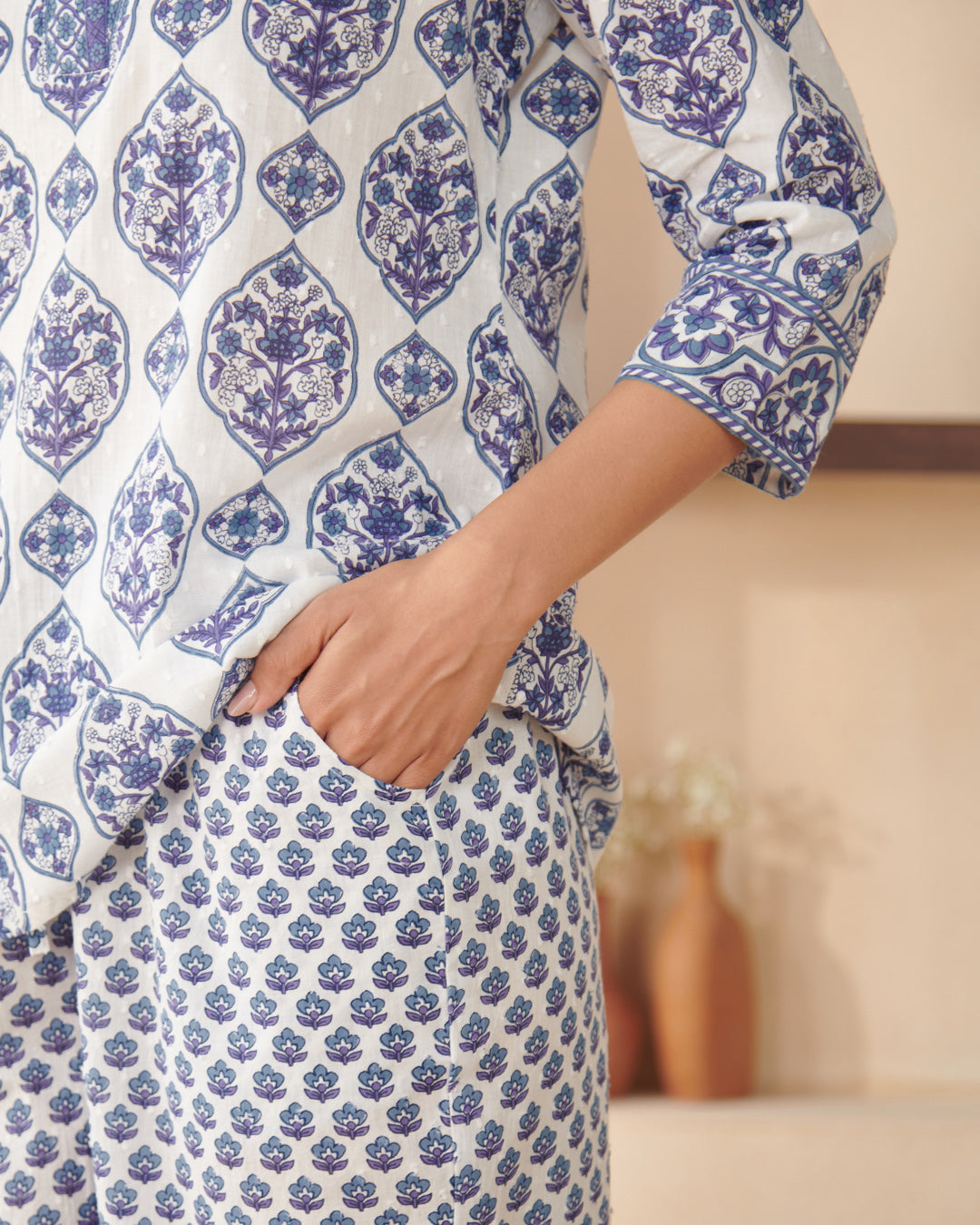
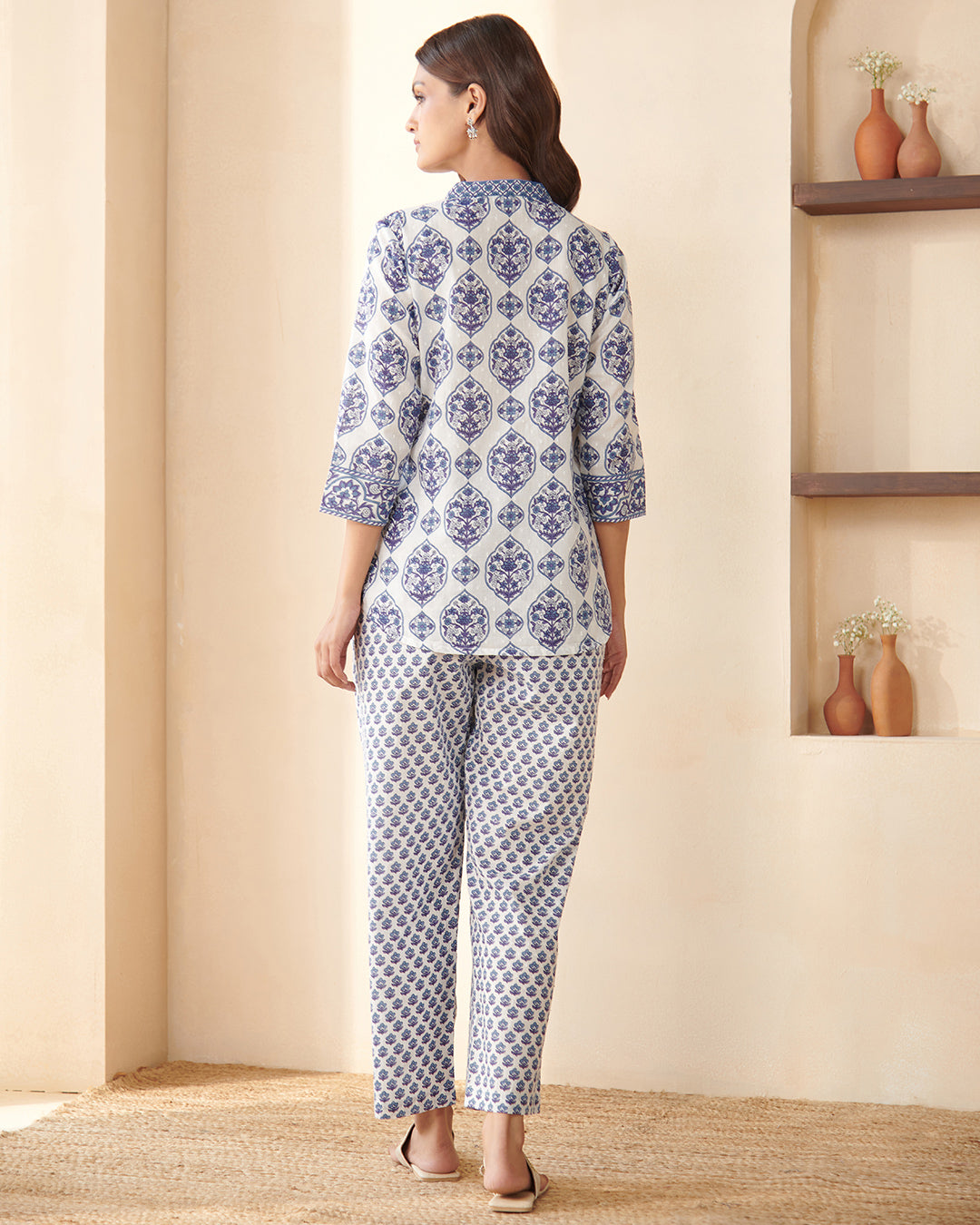
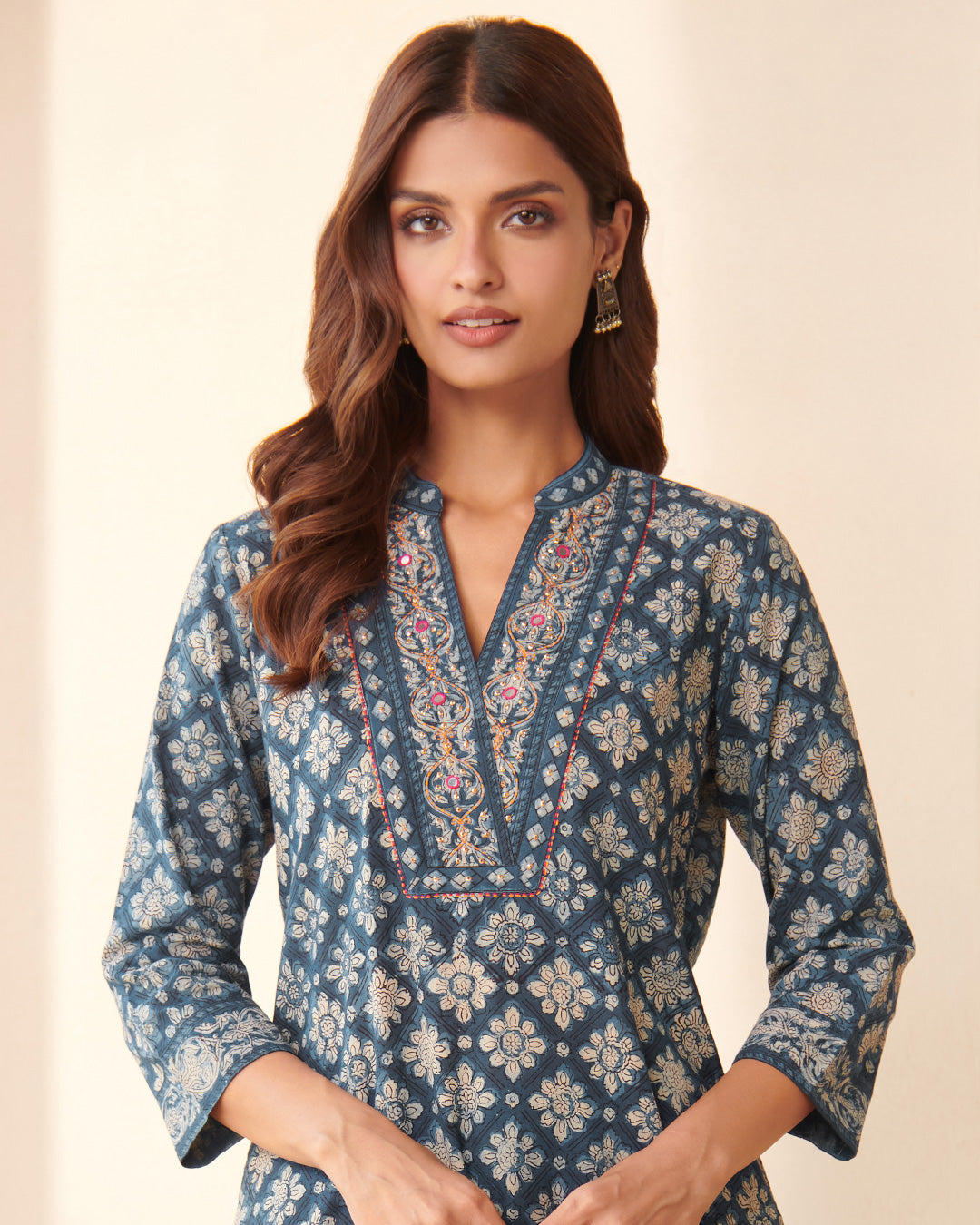
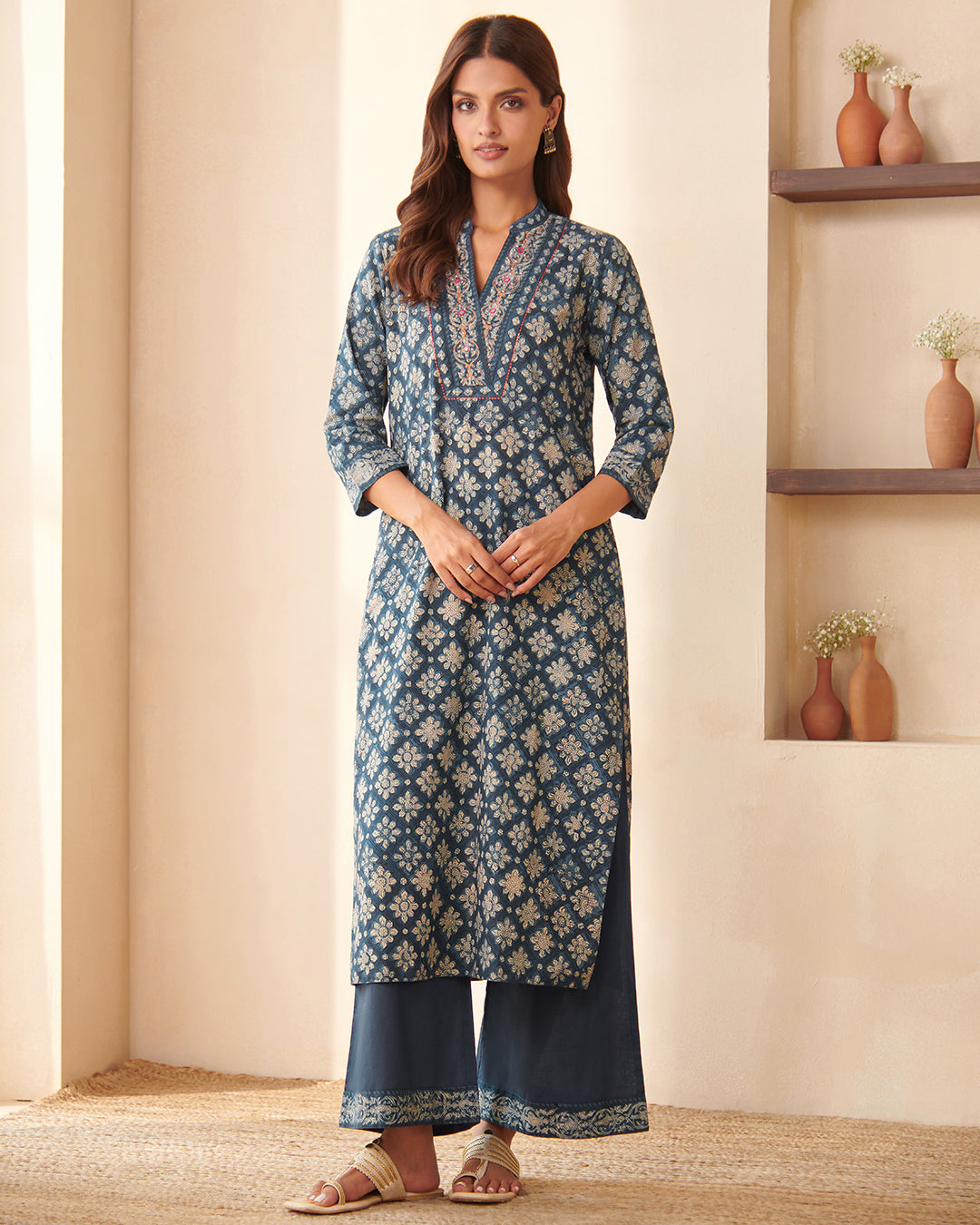
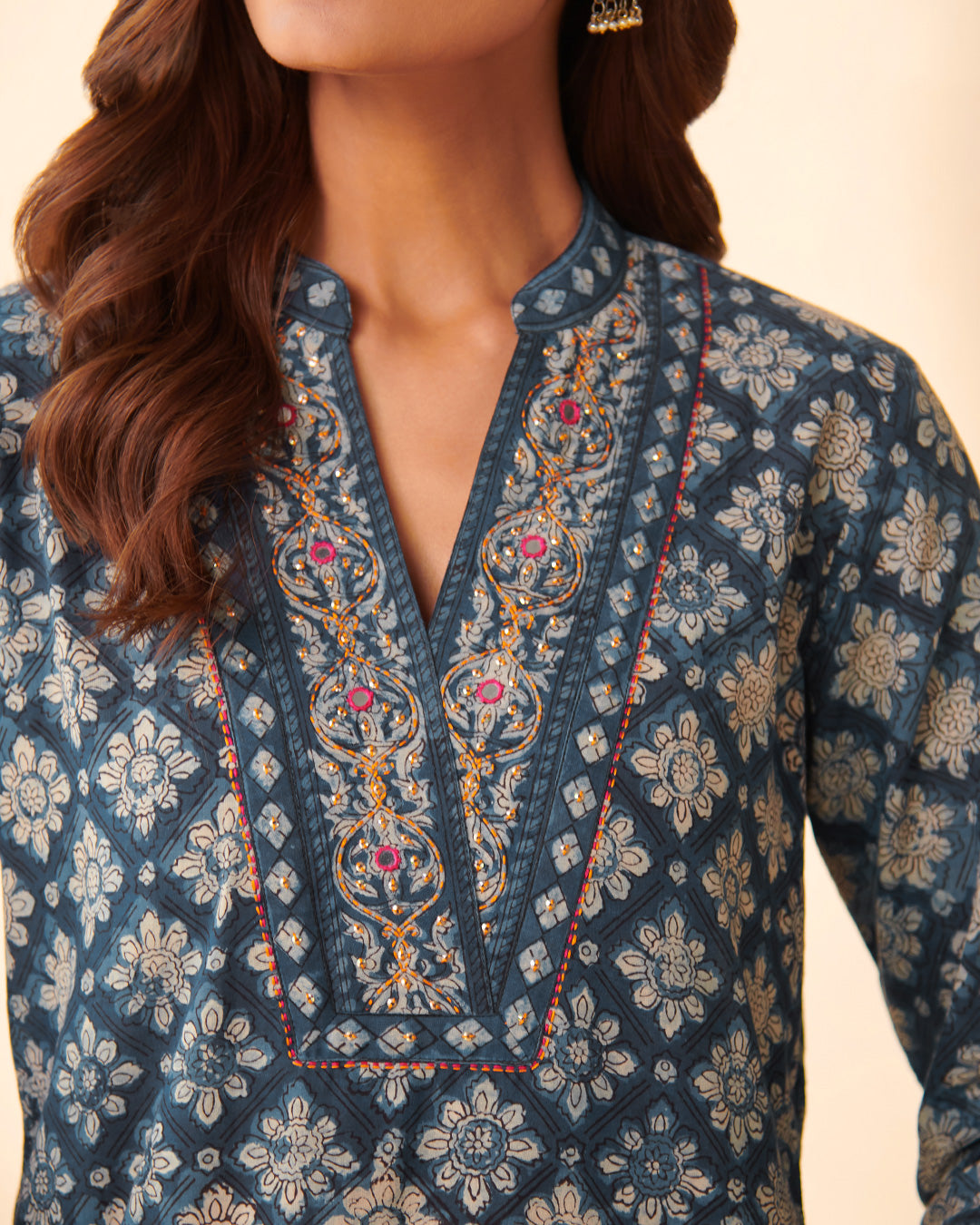
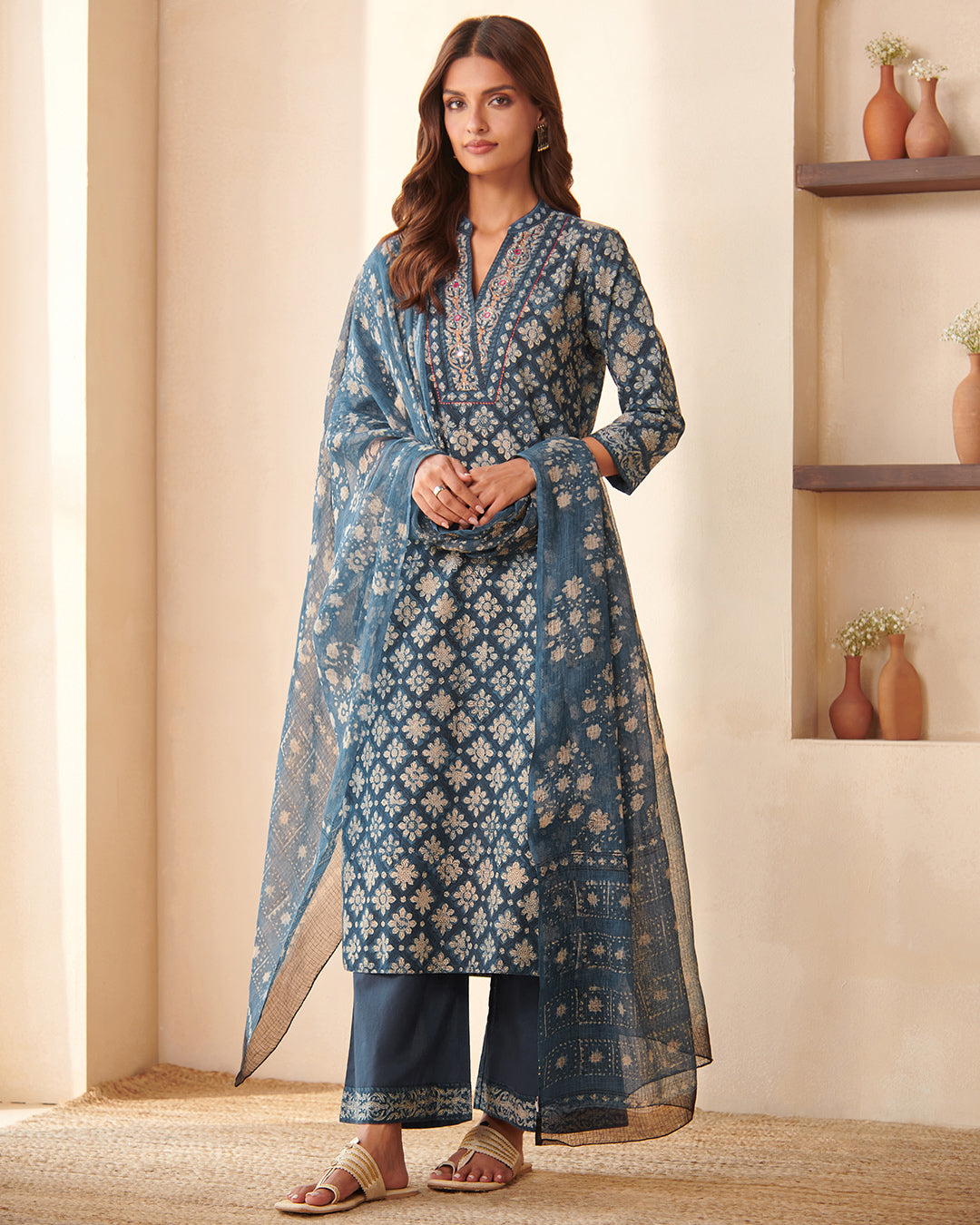
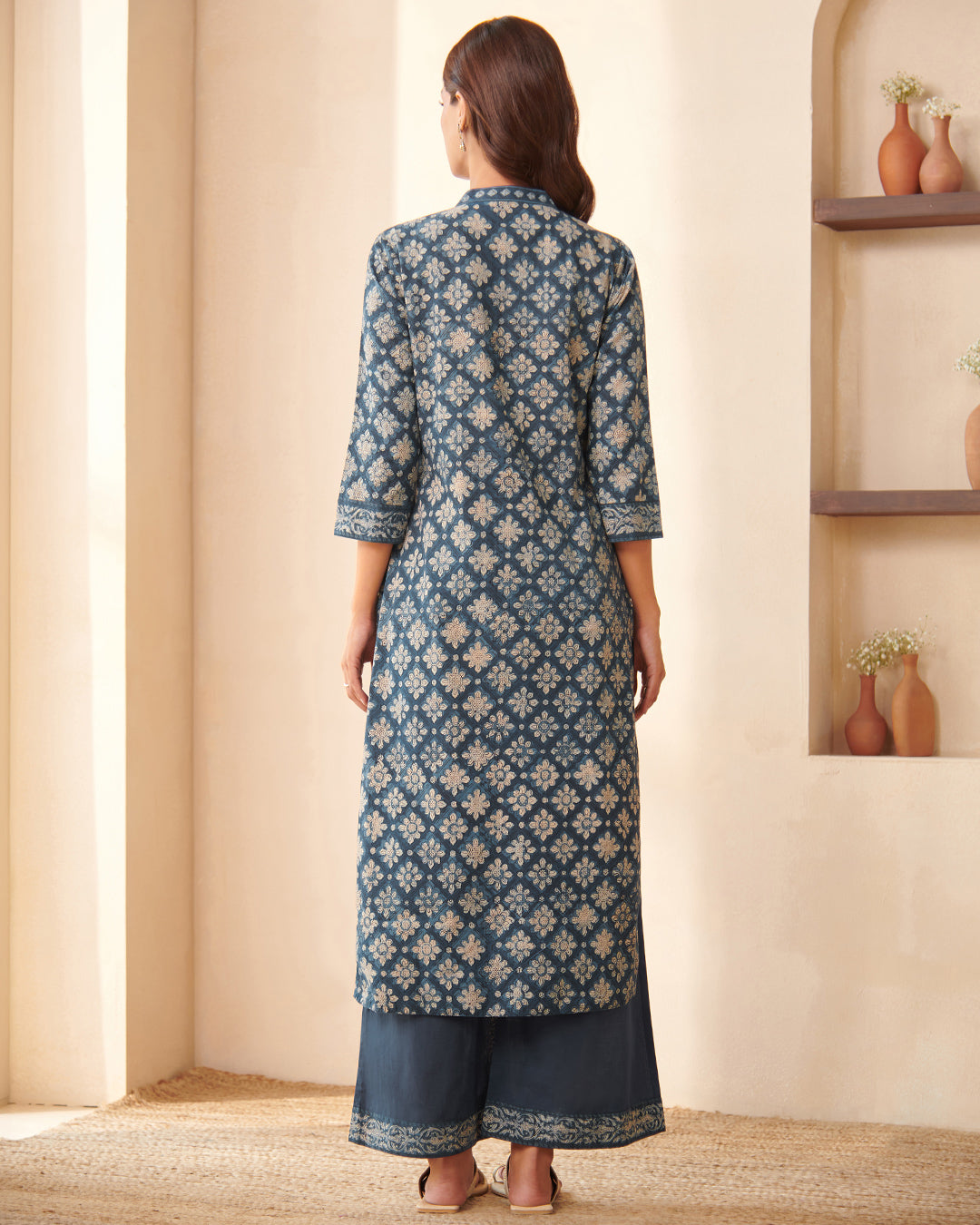
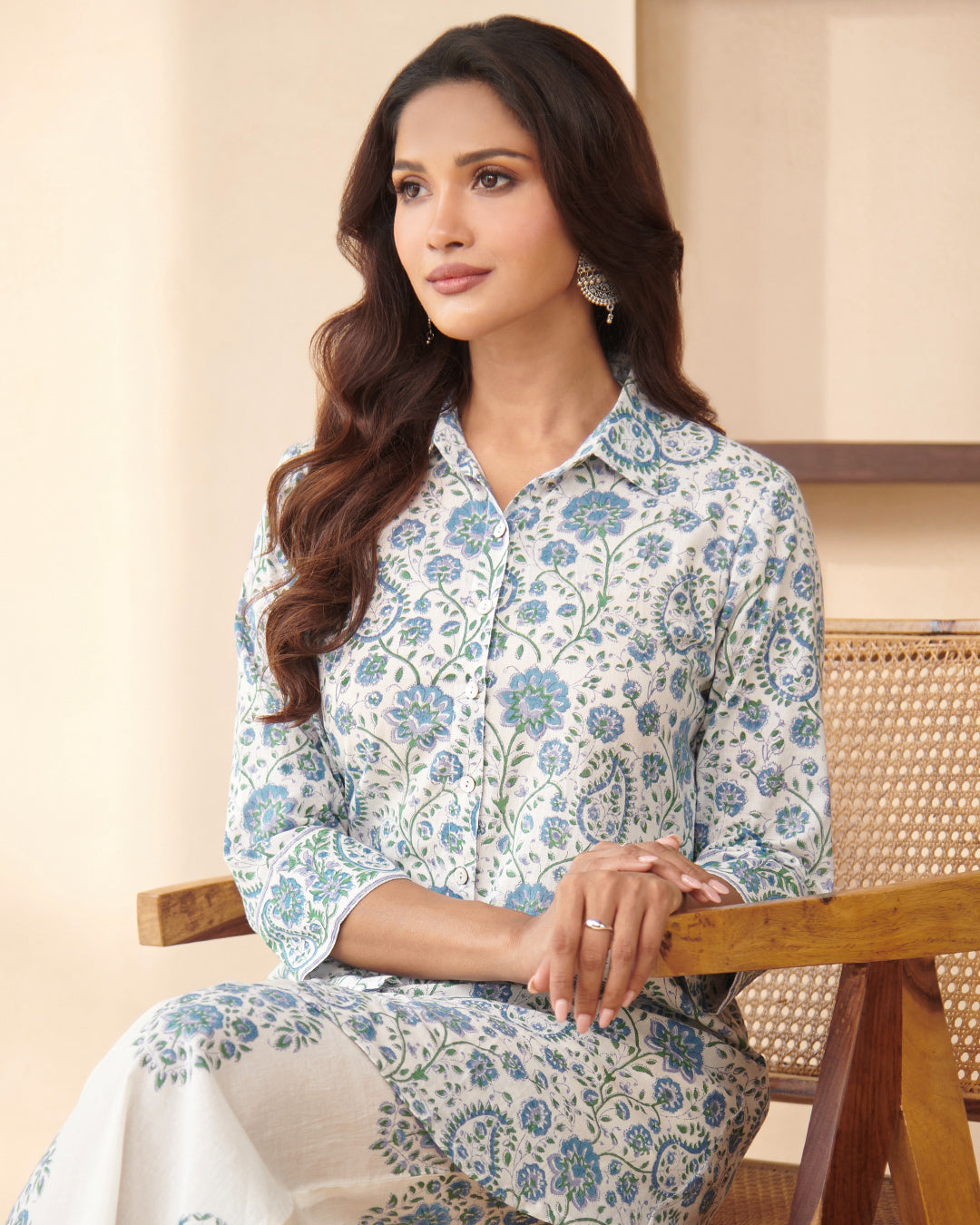
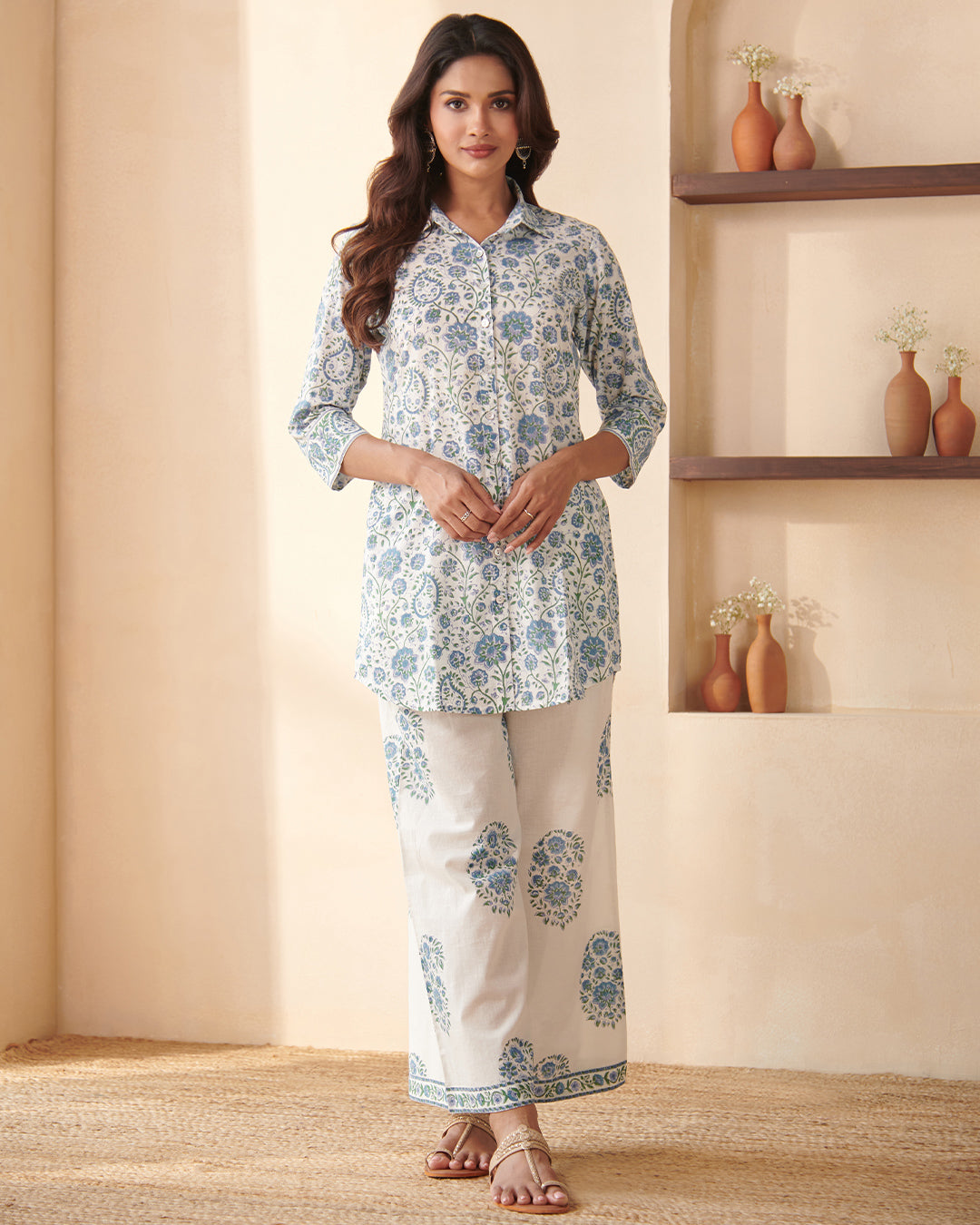
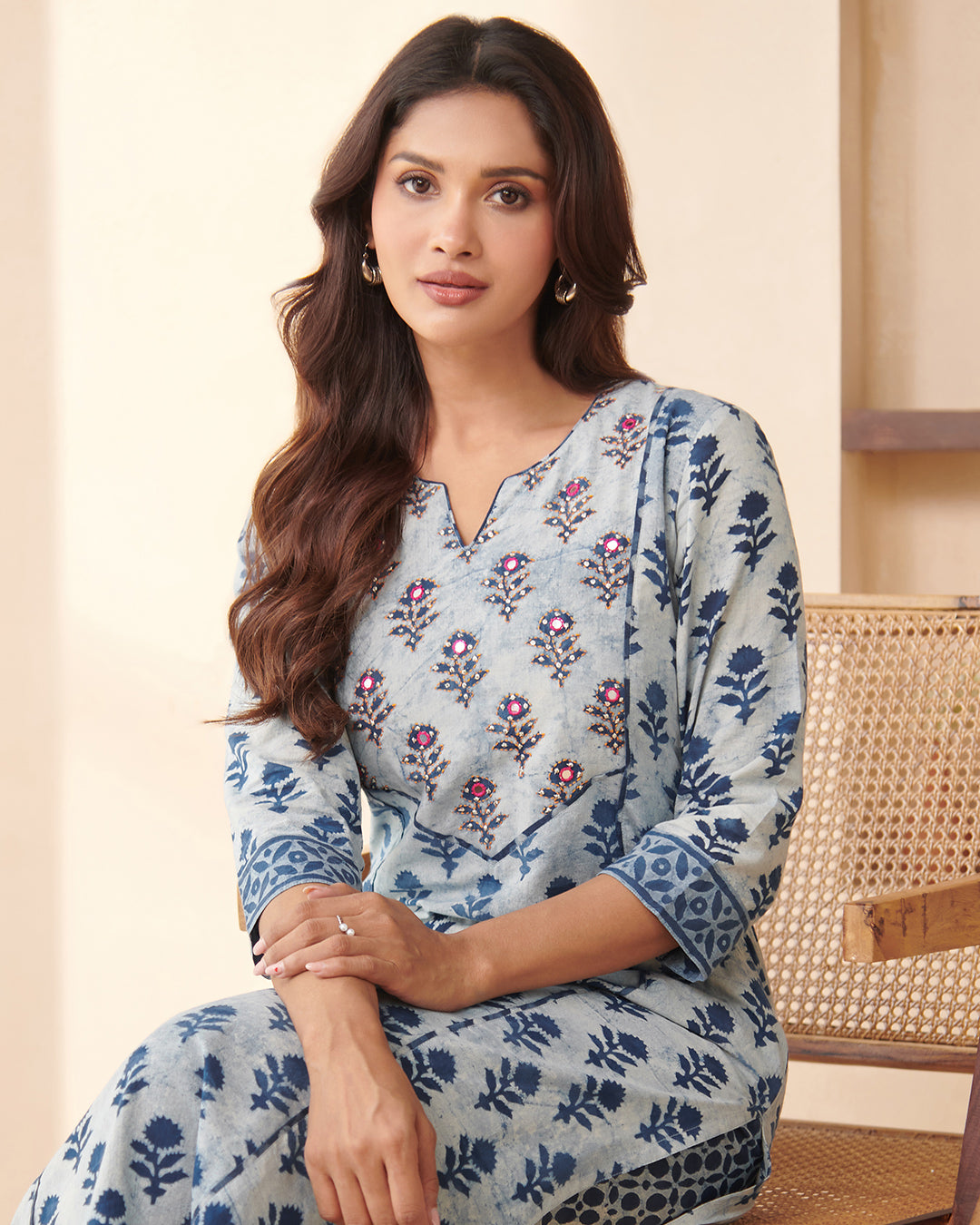
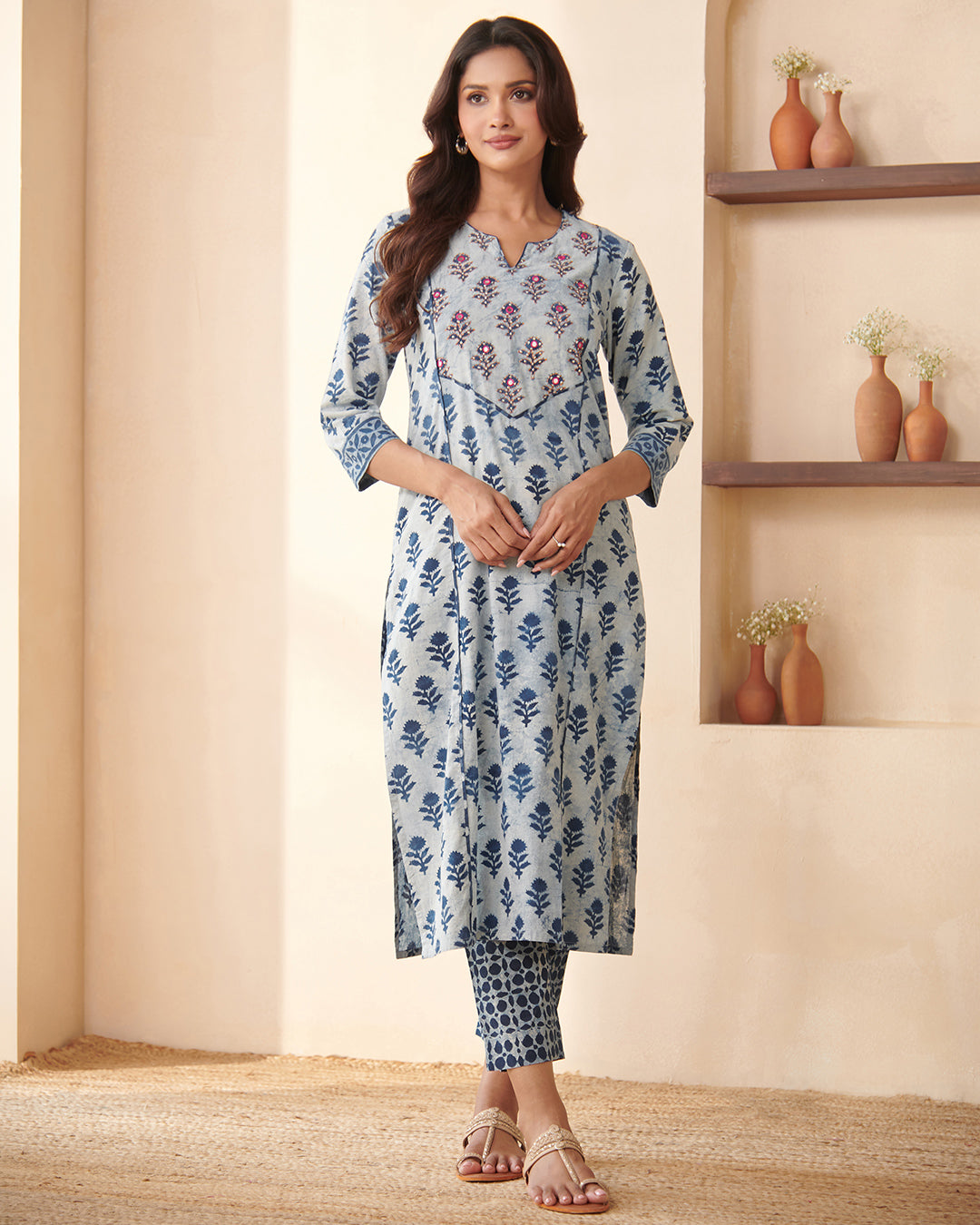
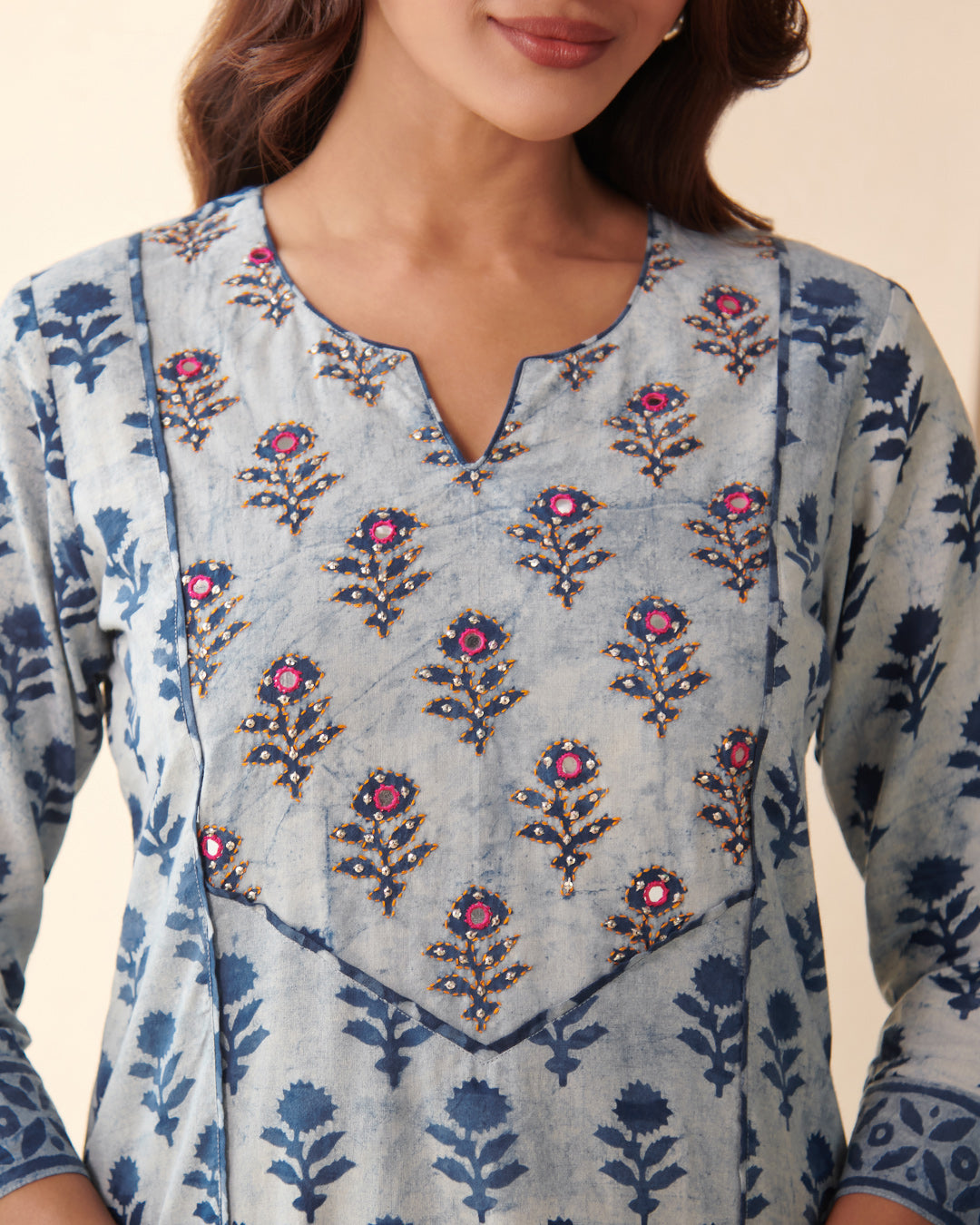
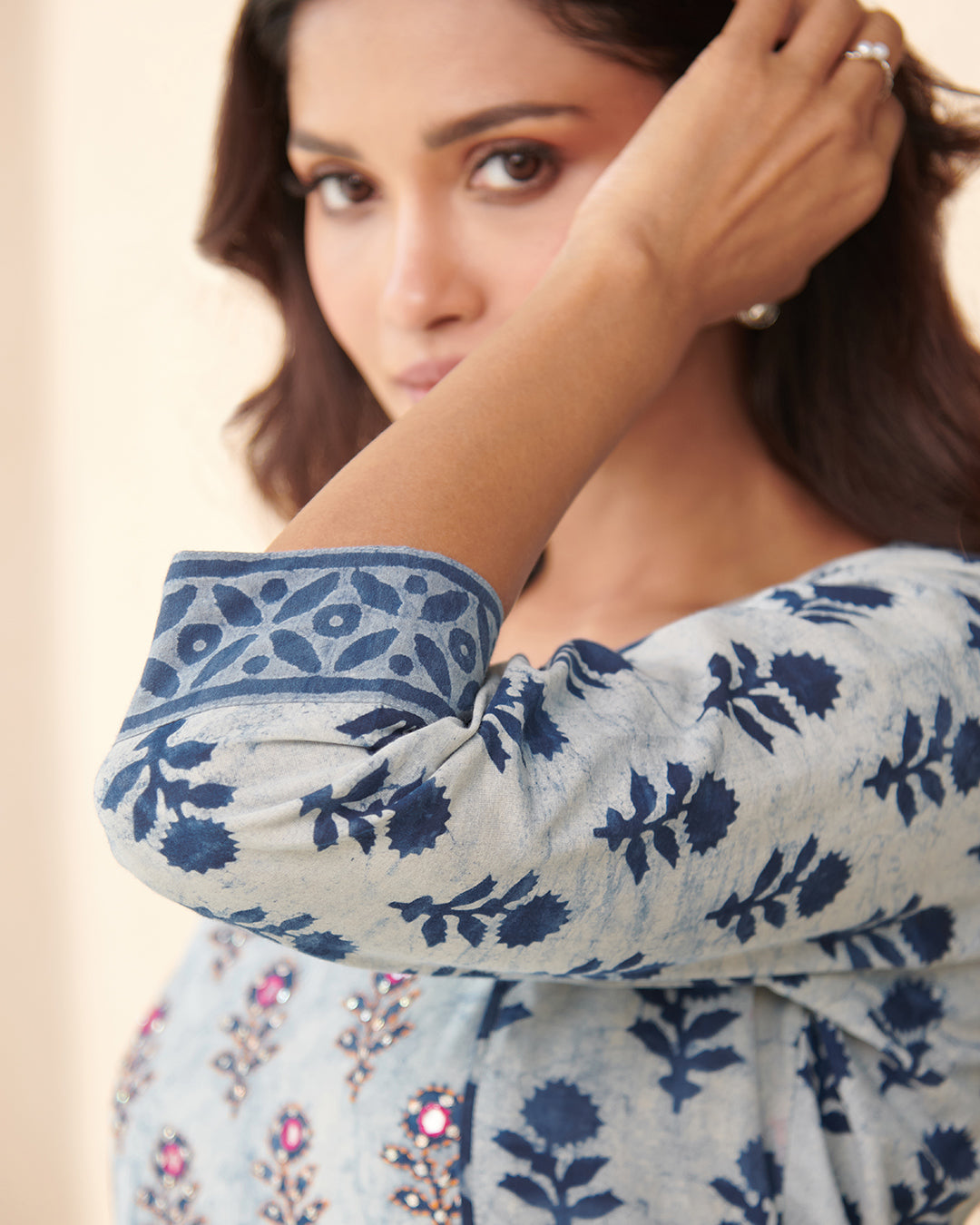
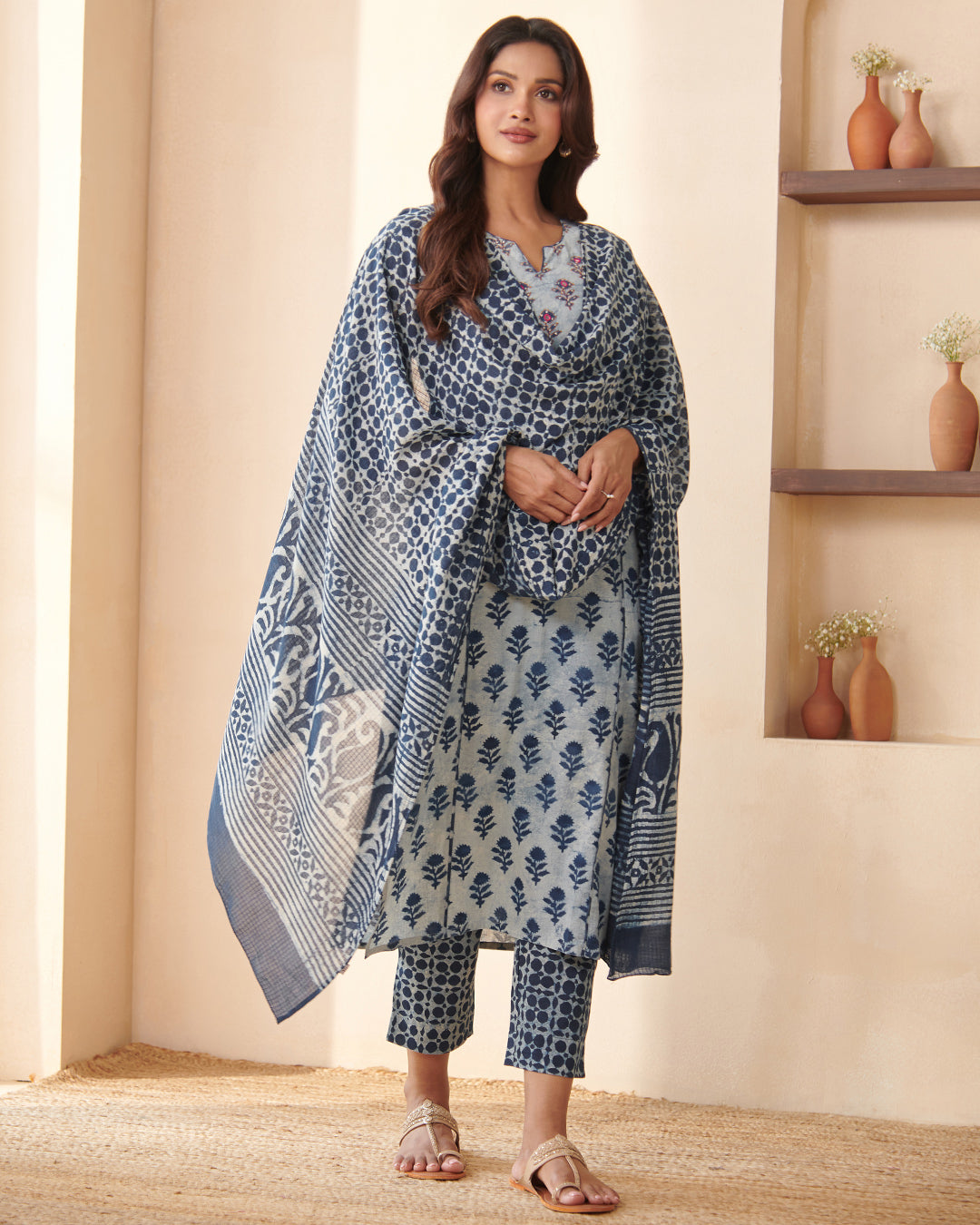
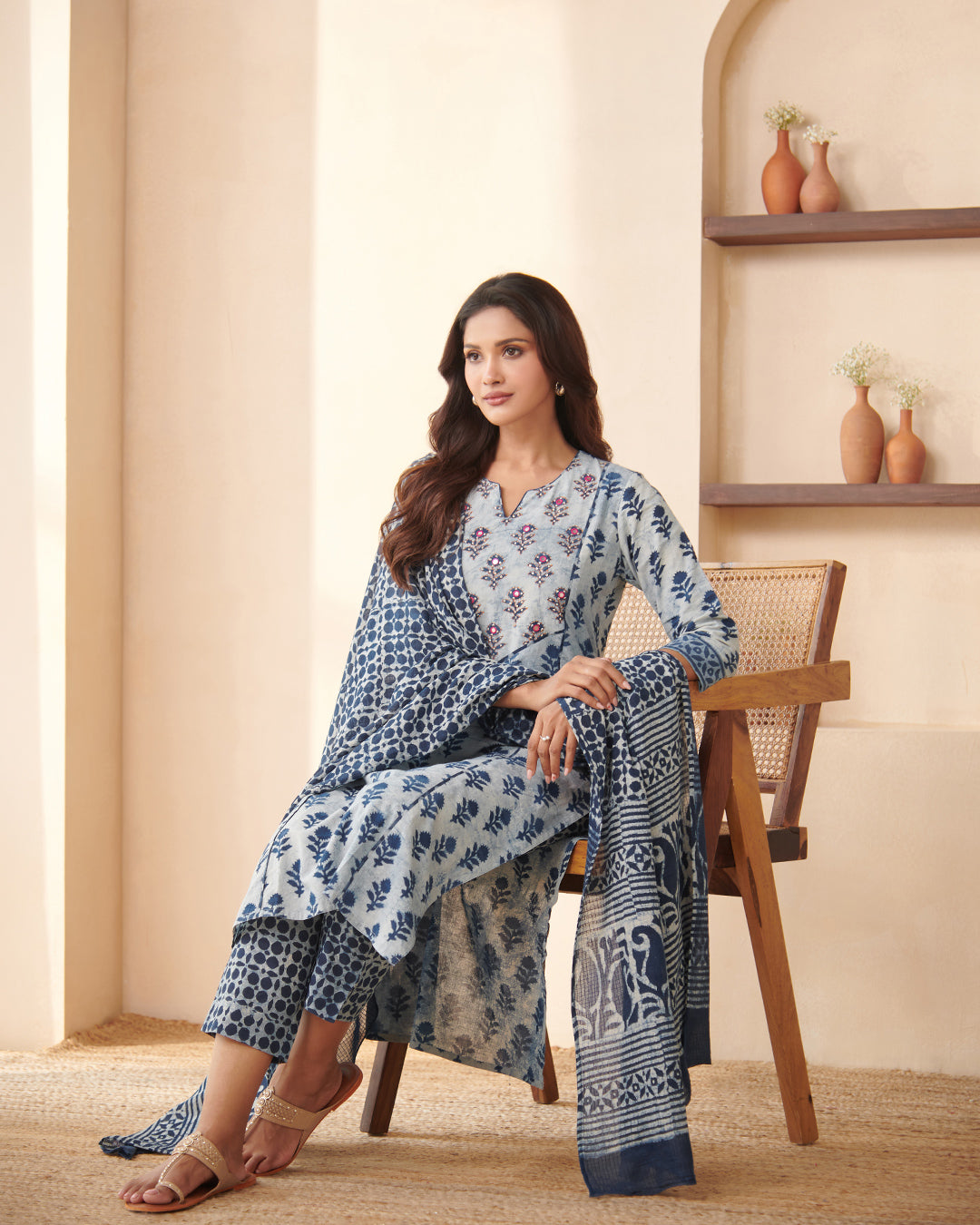
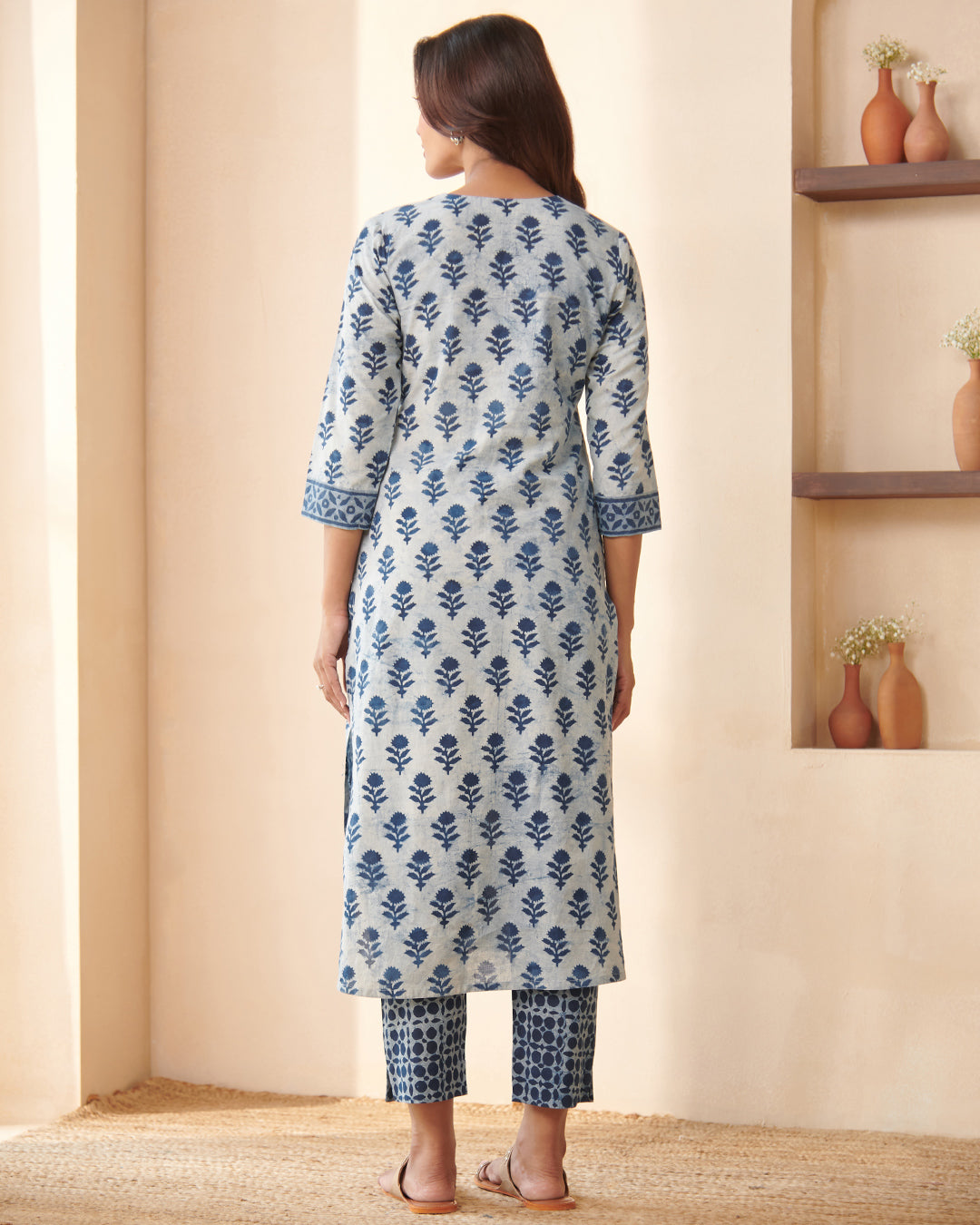
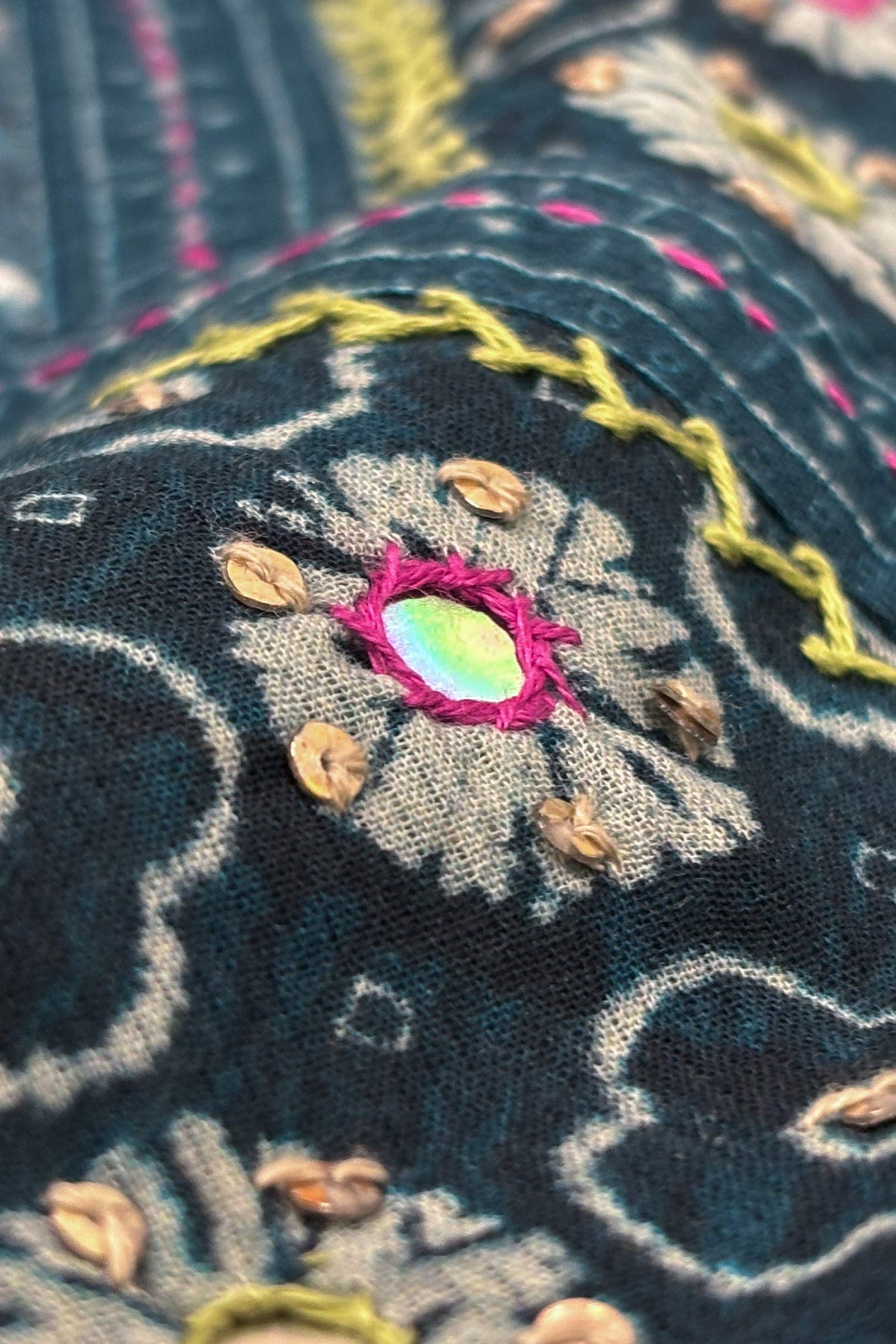
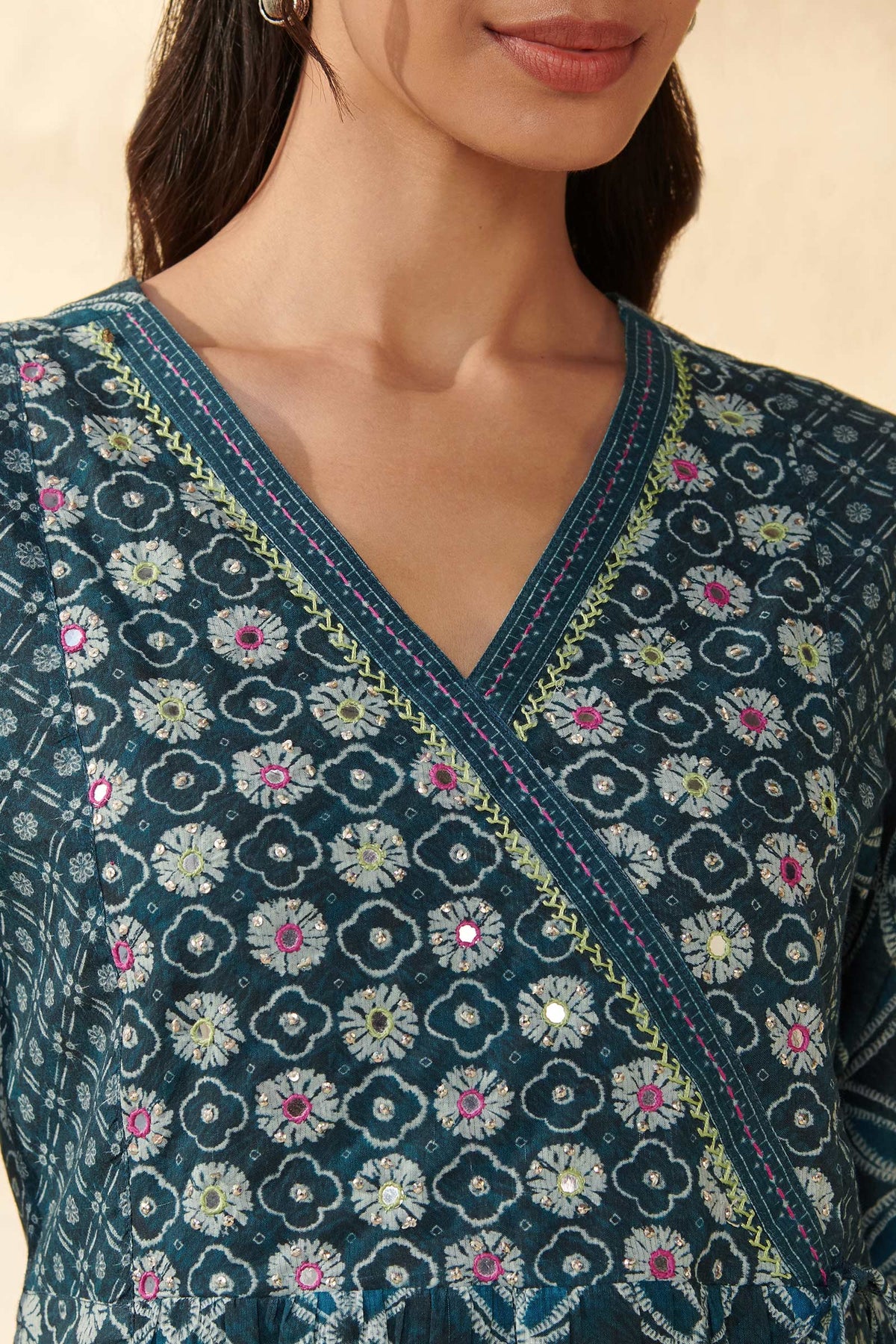
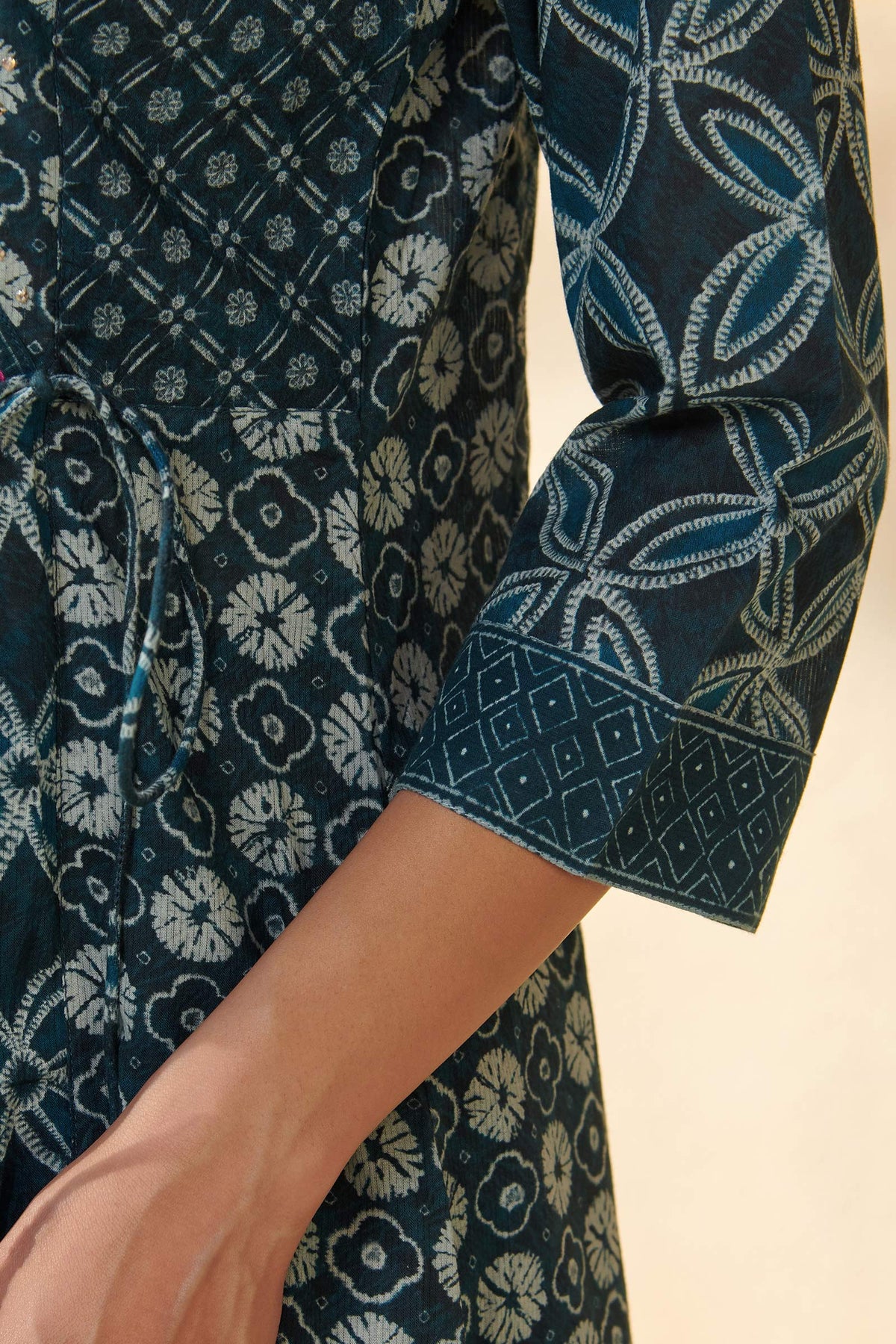
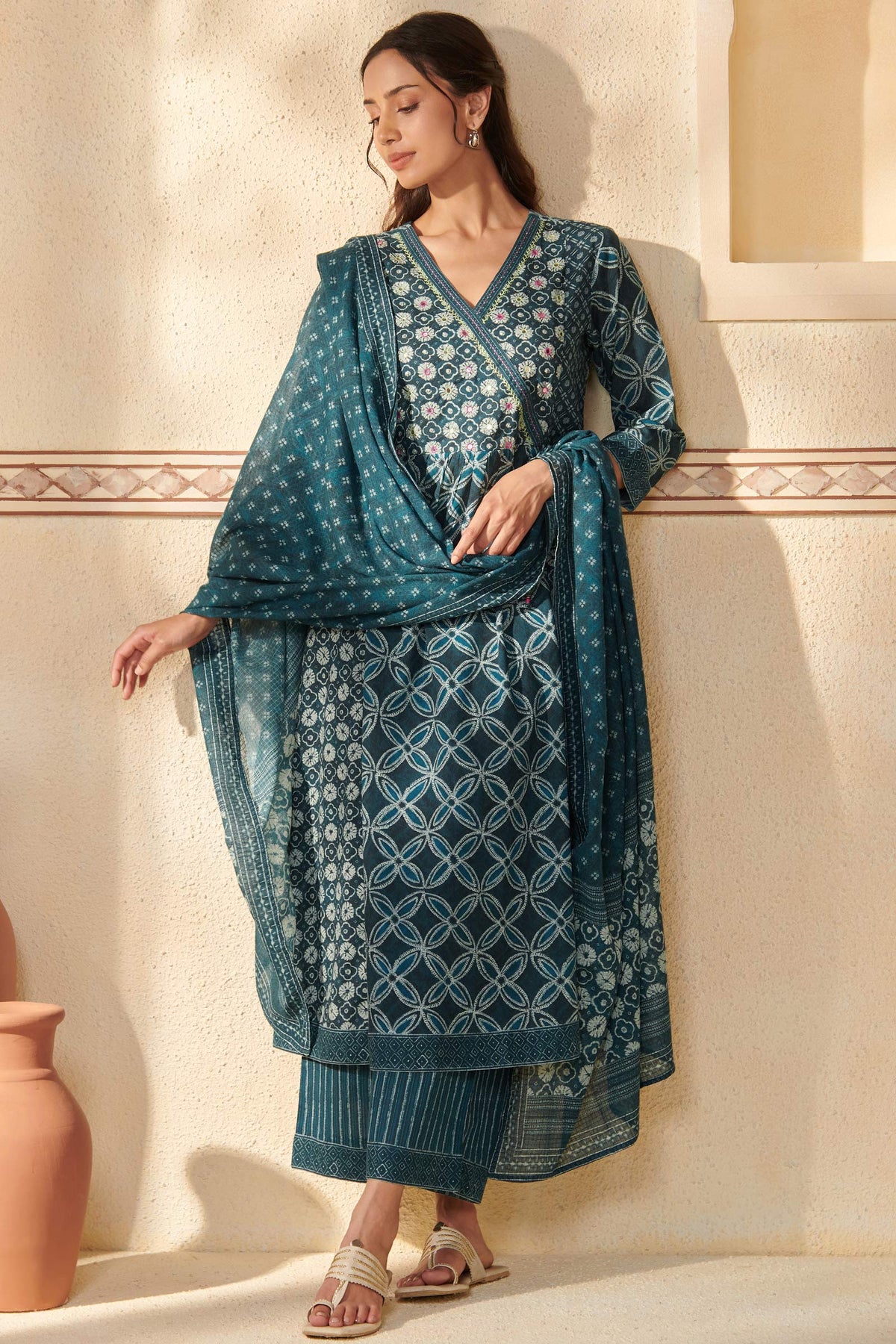
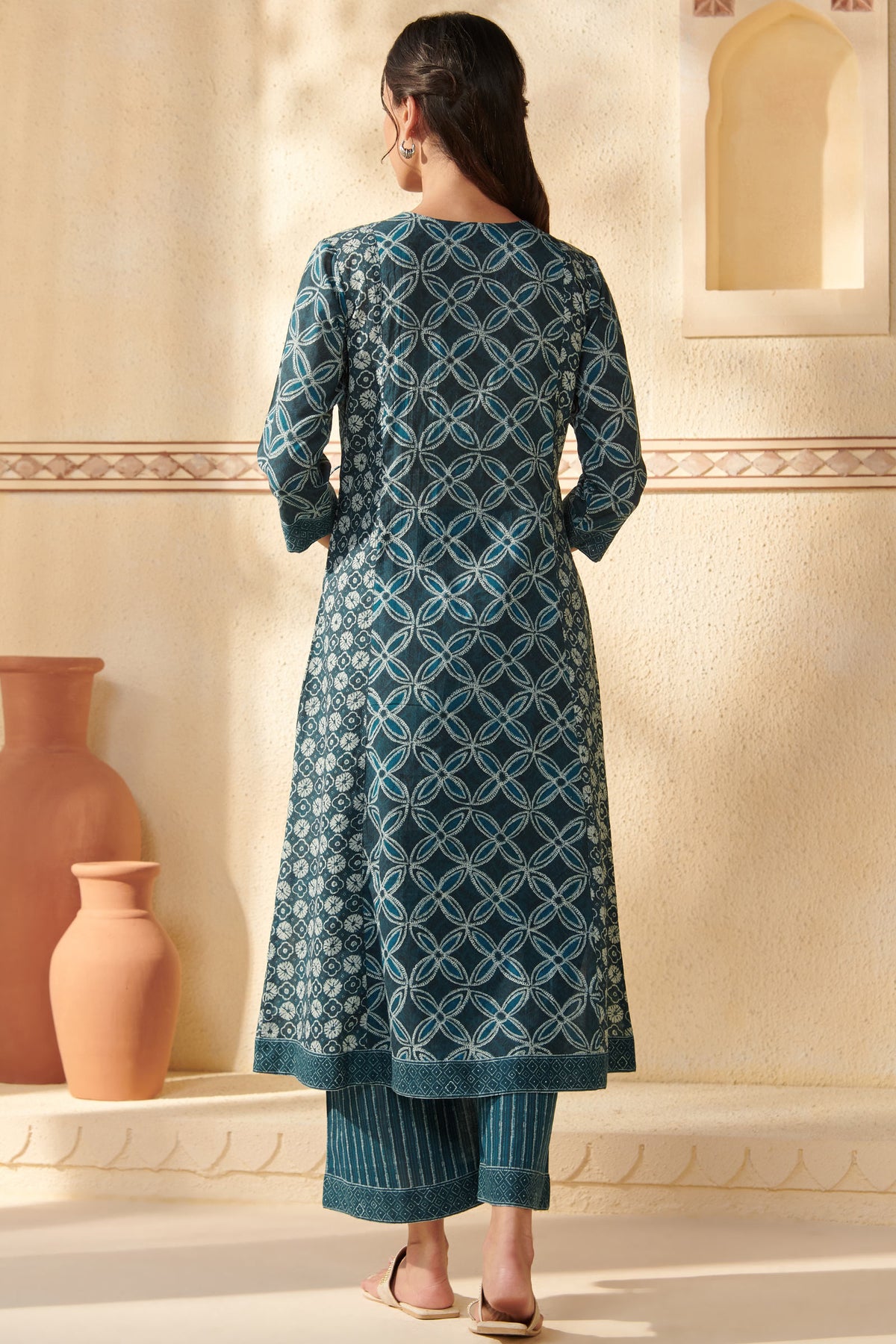
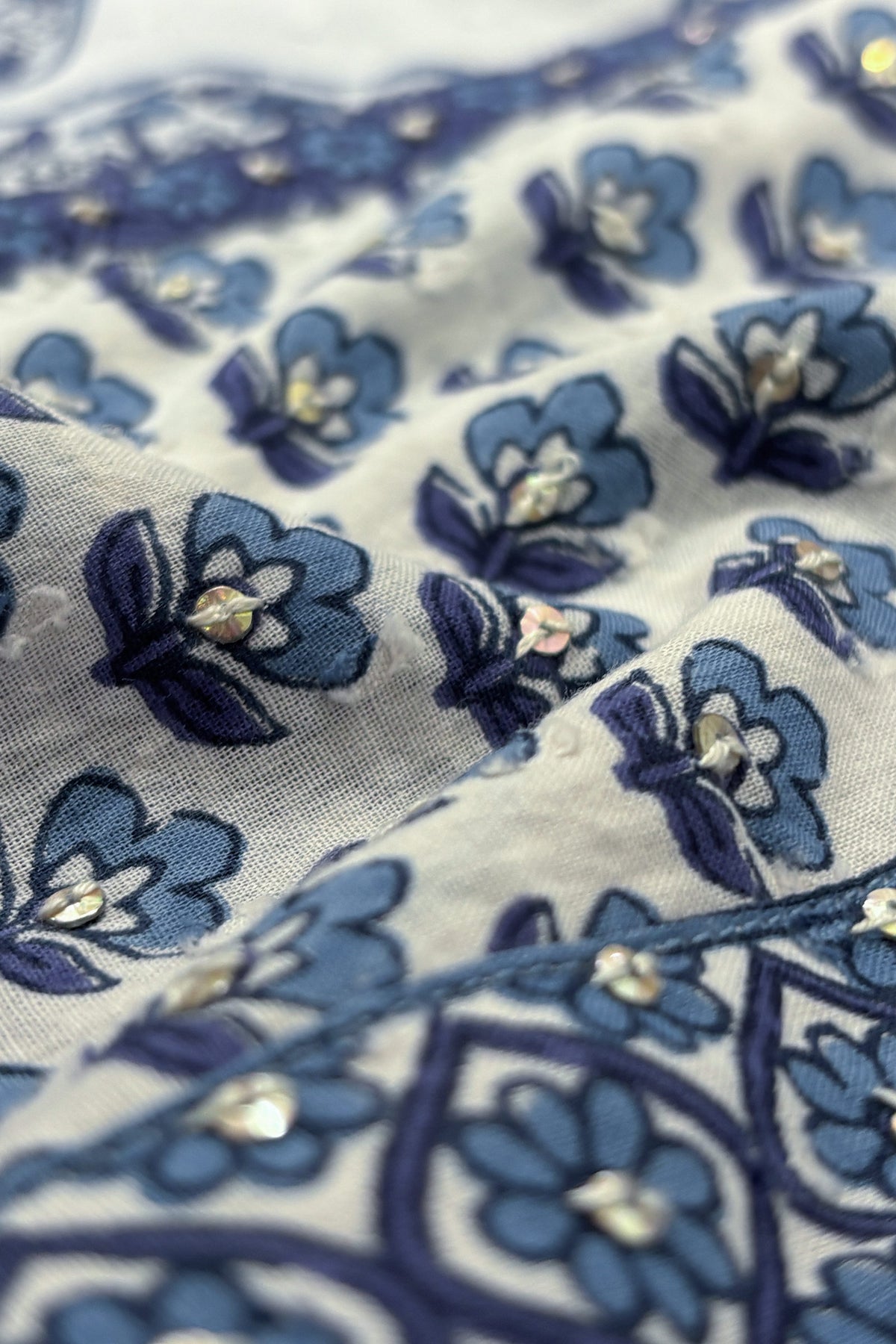
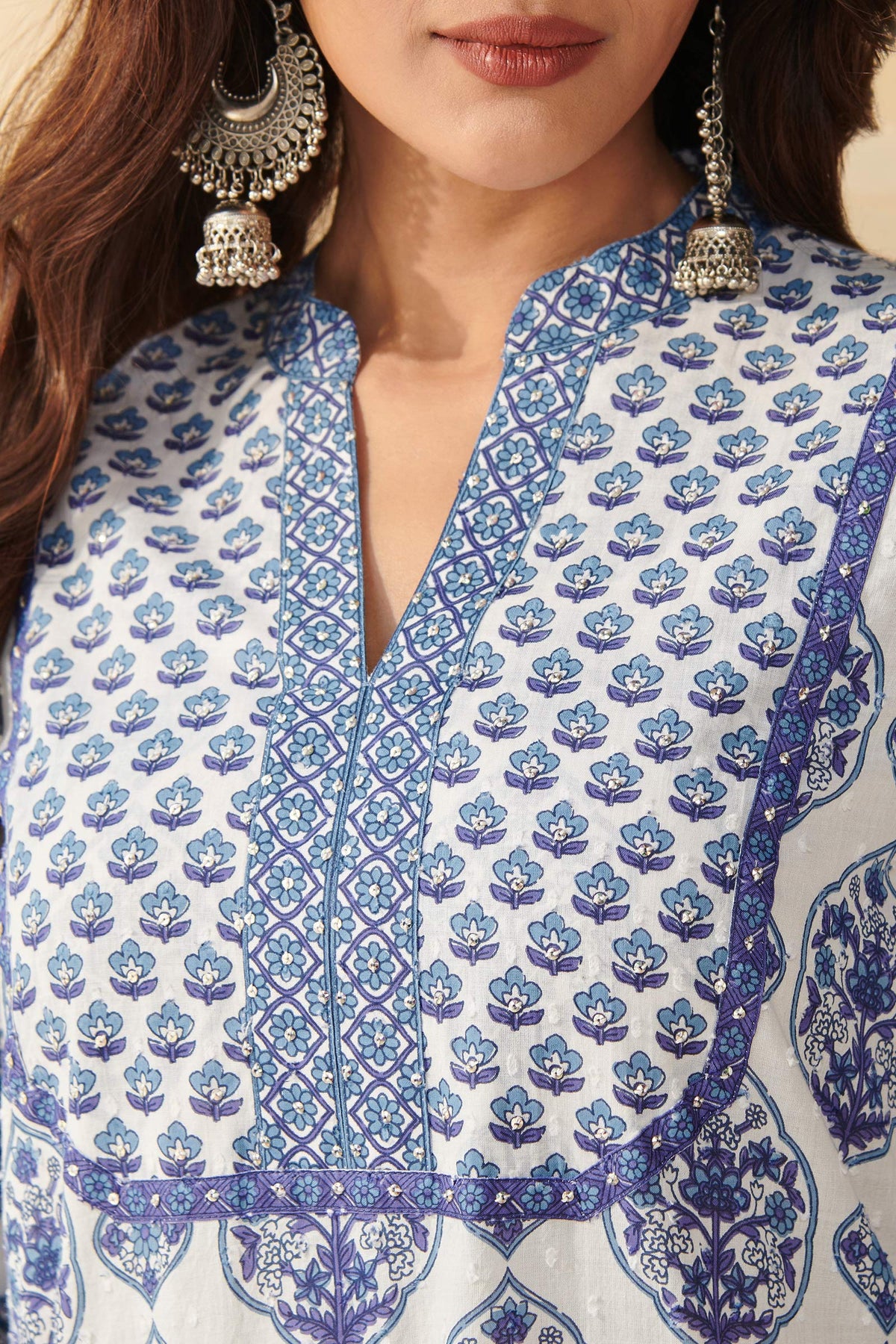
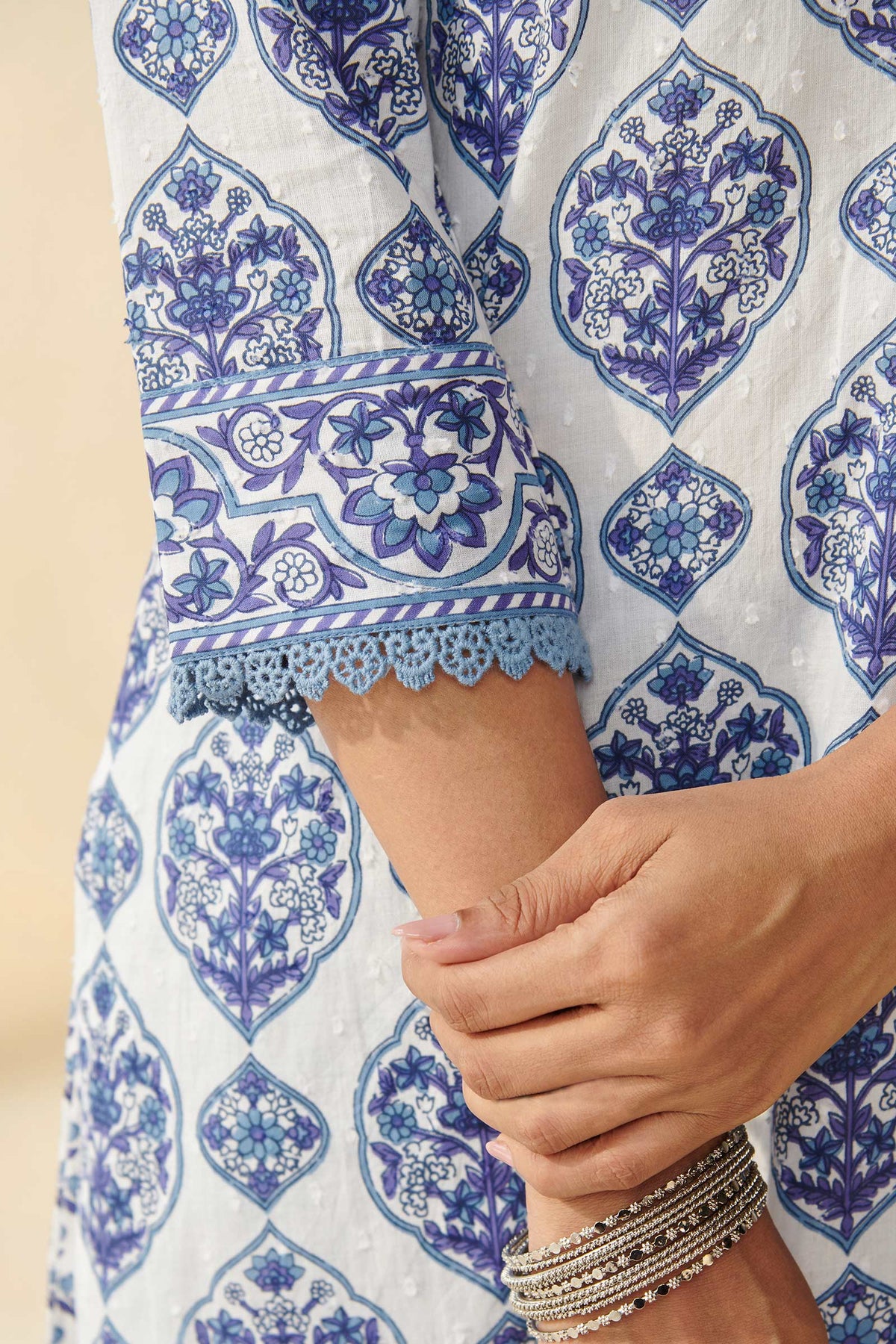
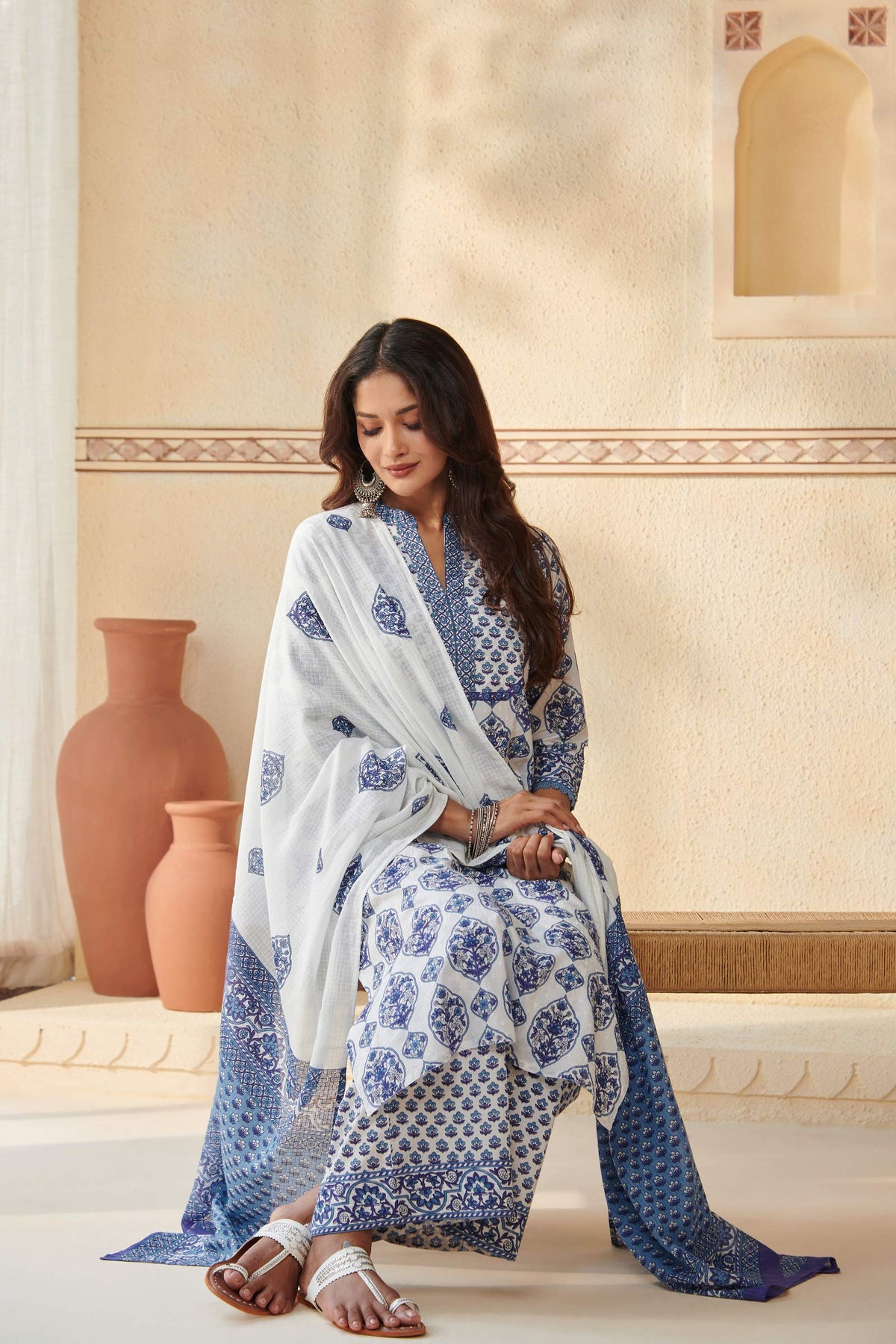
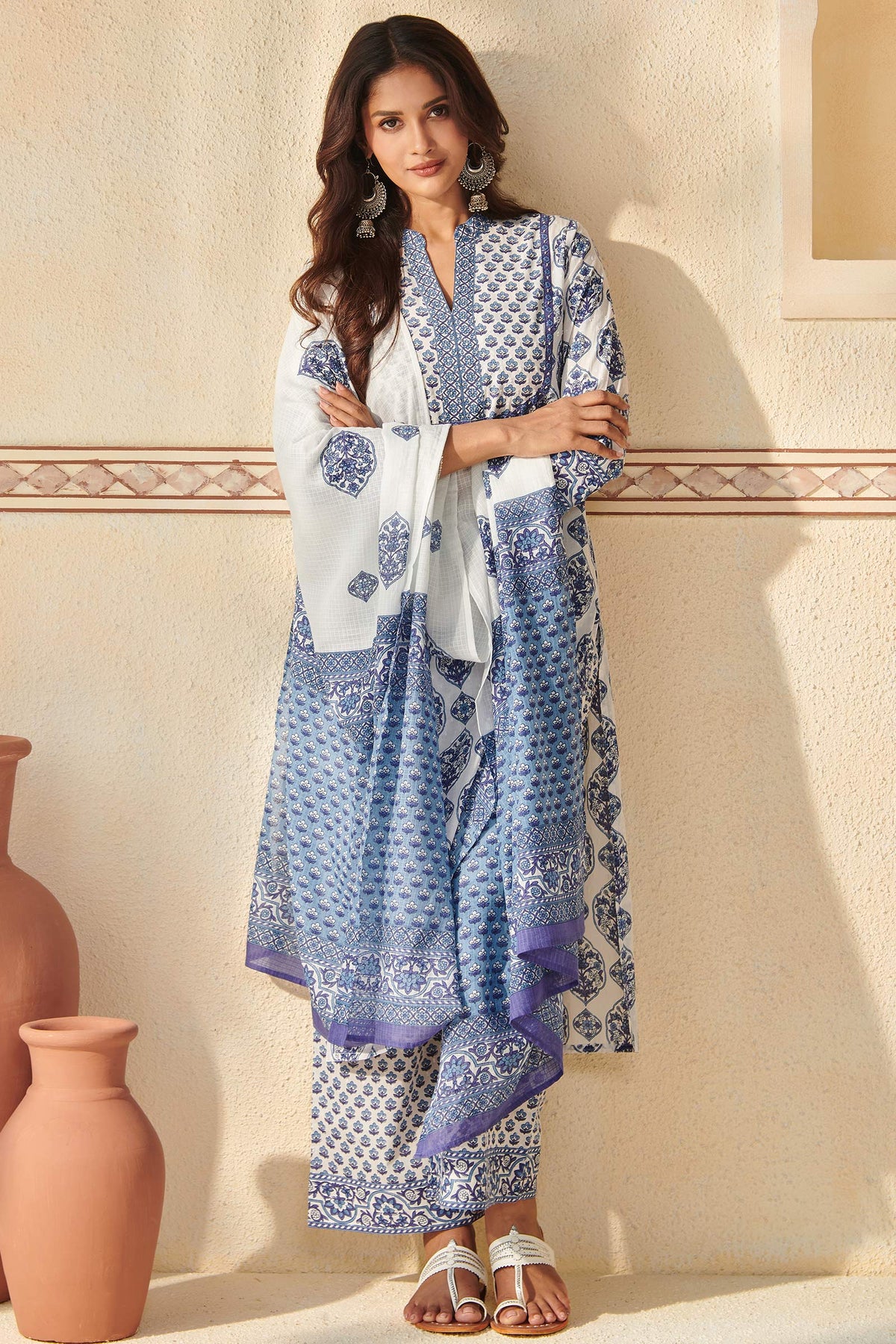
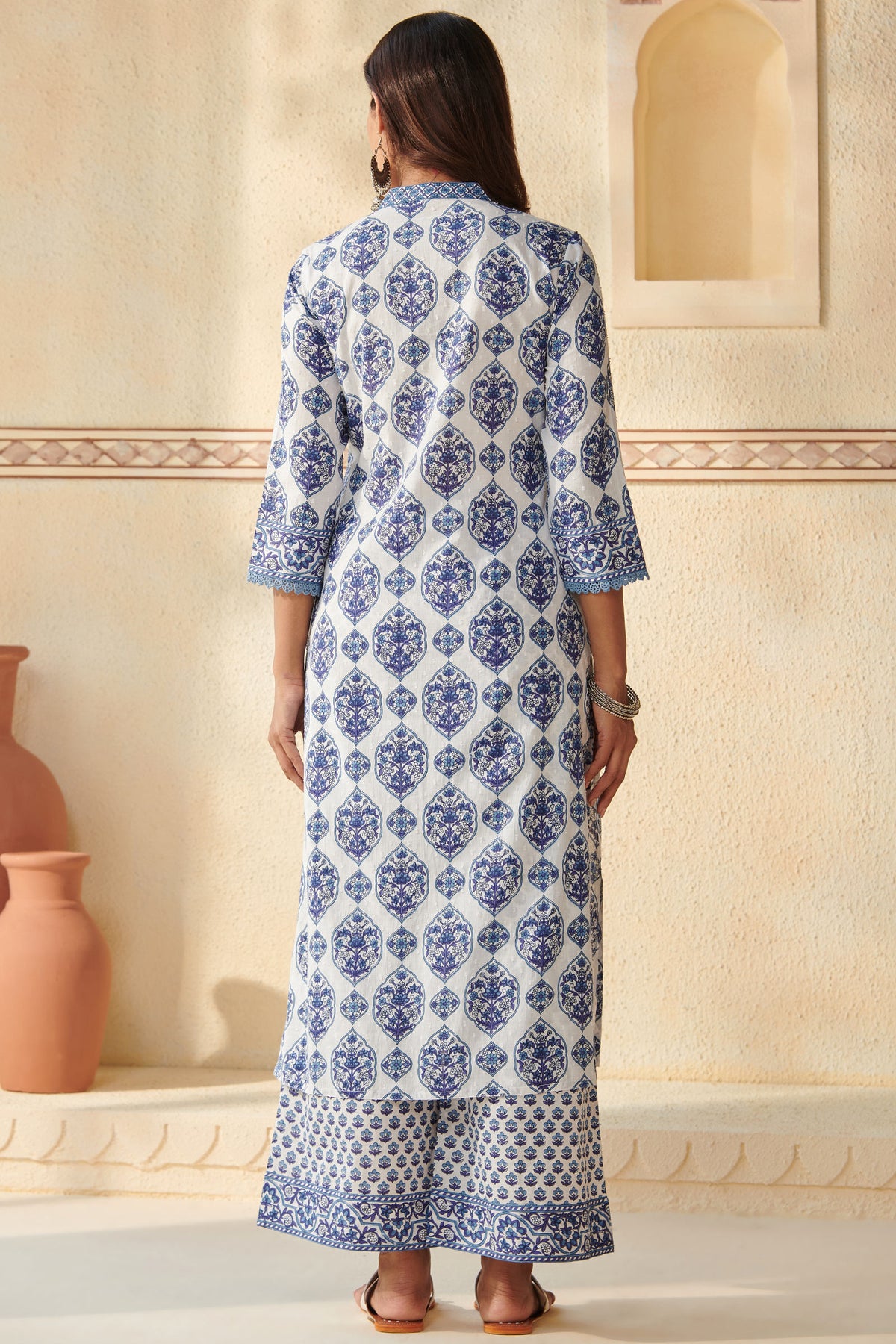
Blue remains one of the easiest colours to style. From soft sky blue to deeper indigo kurta colour, it works across seasons and occasions with very little effort.
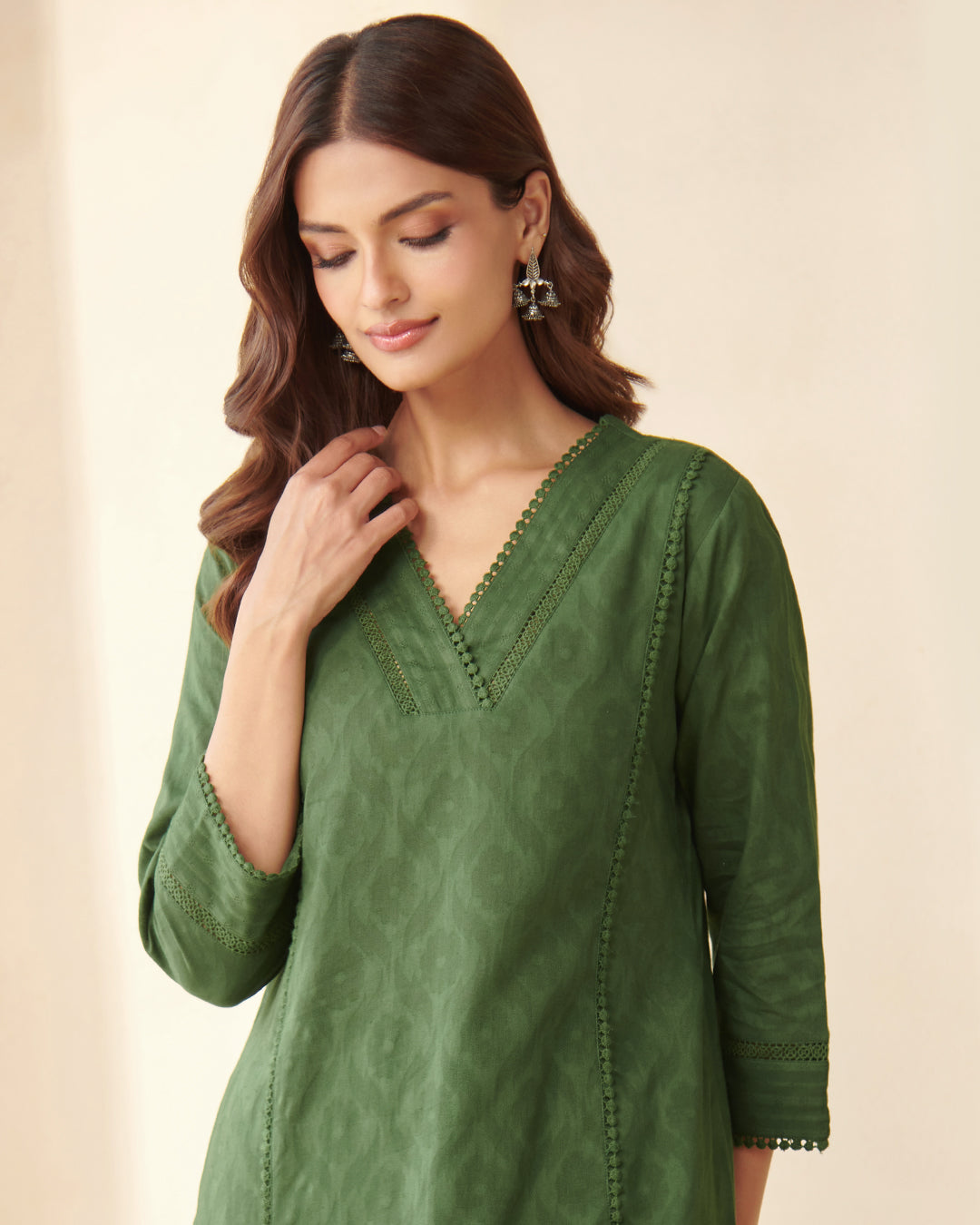
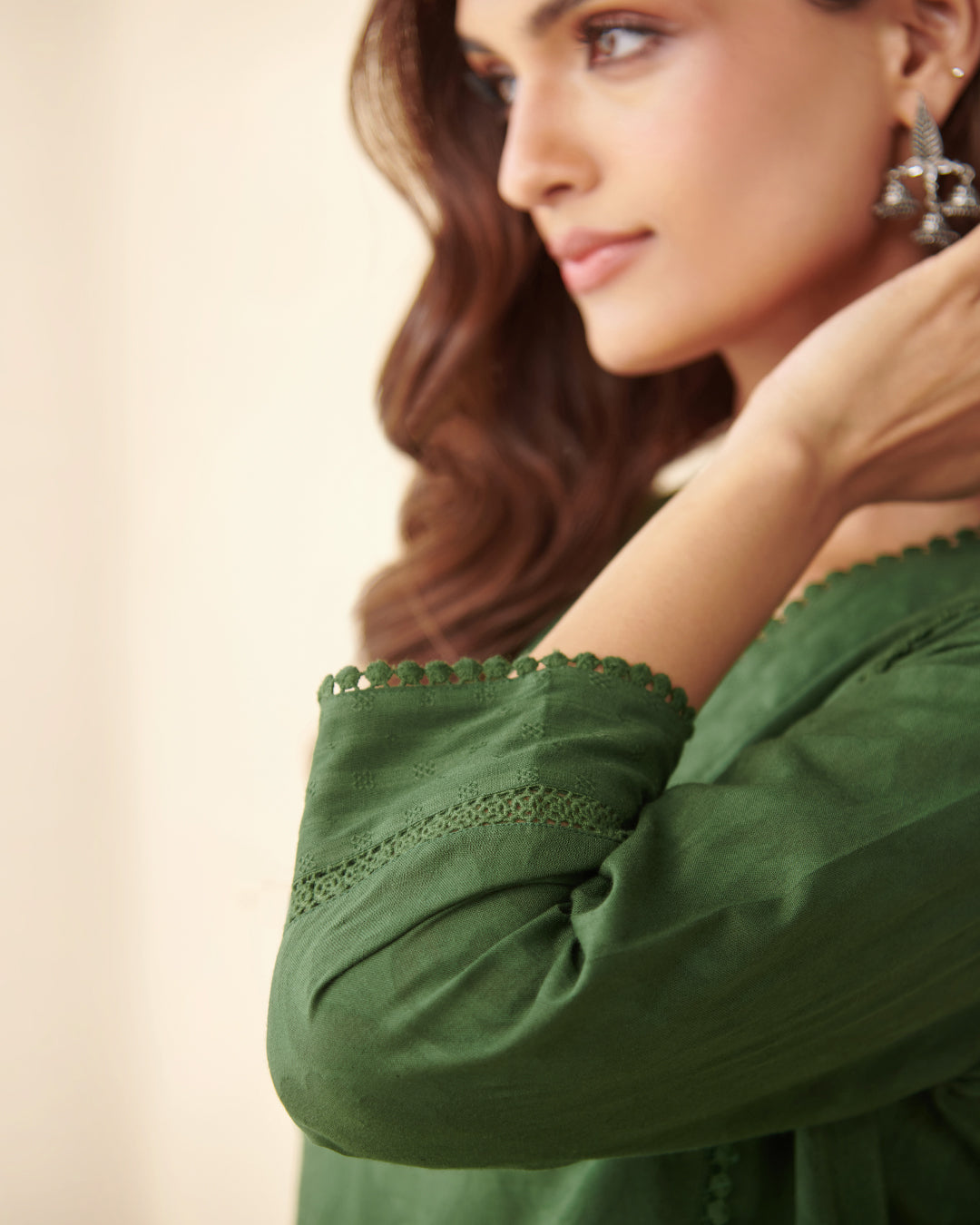
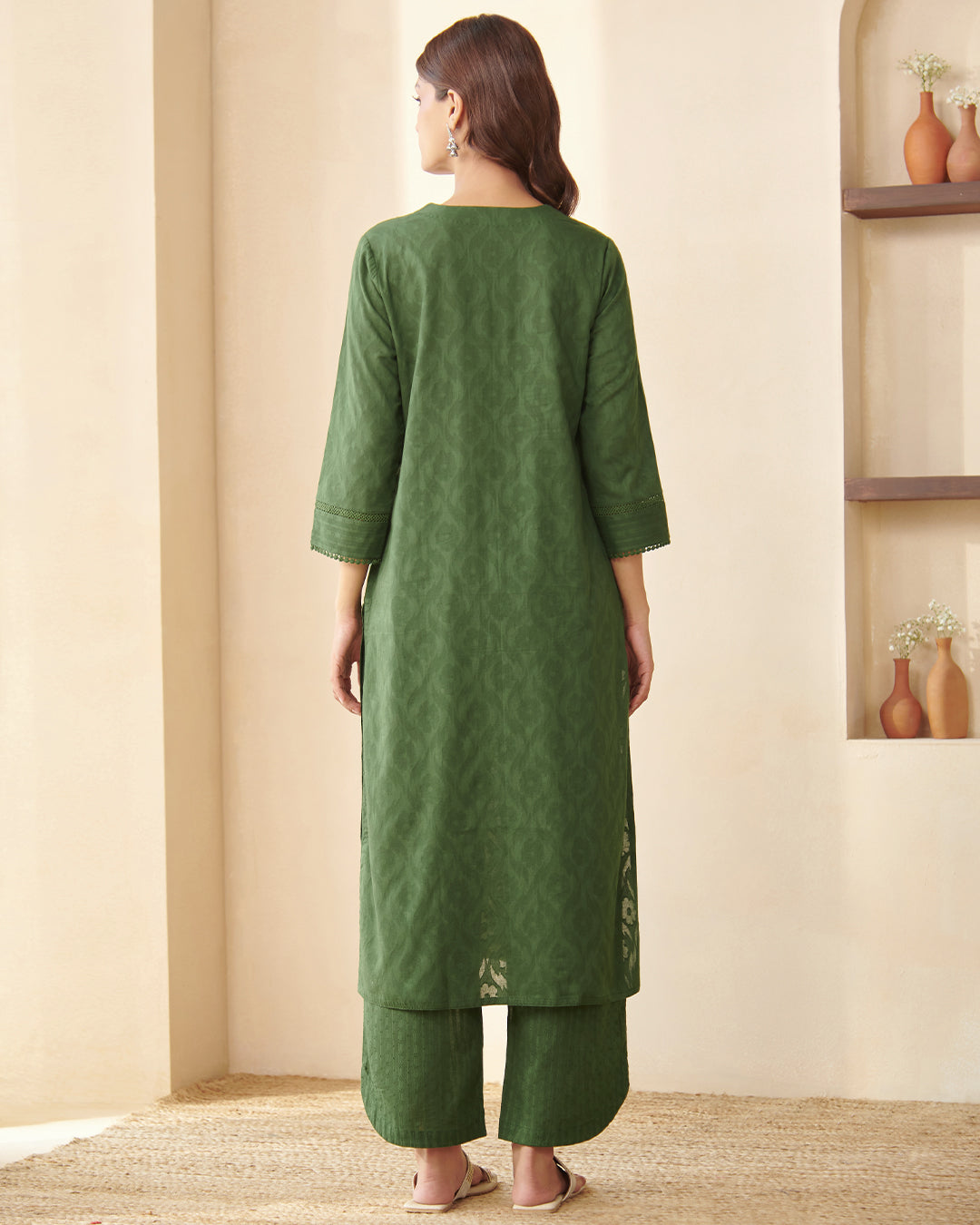
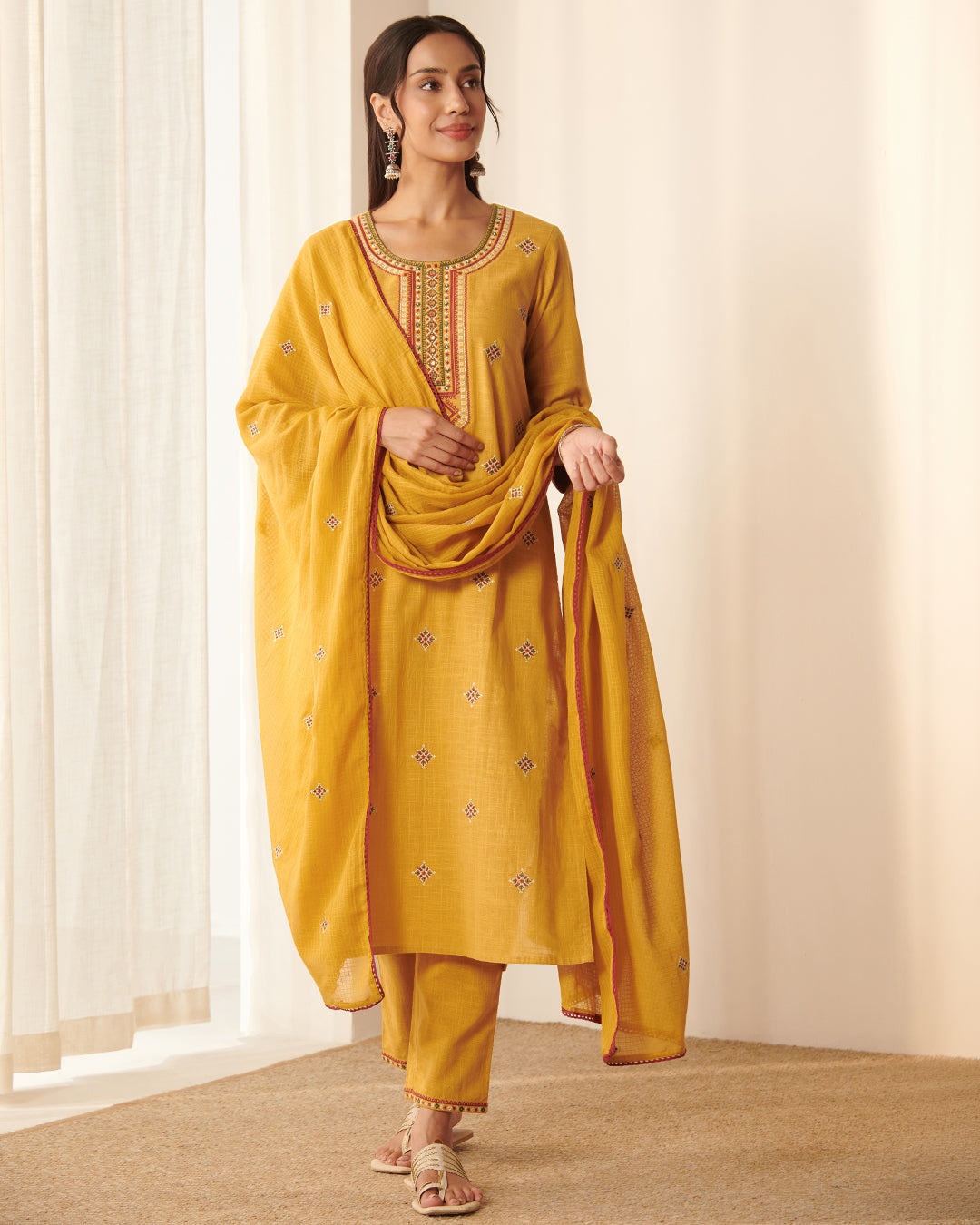
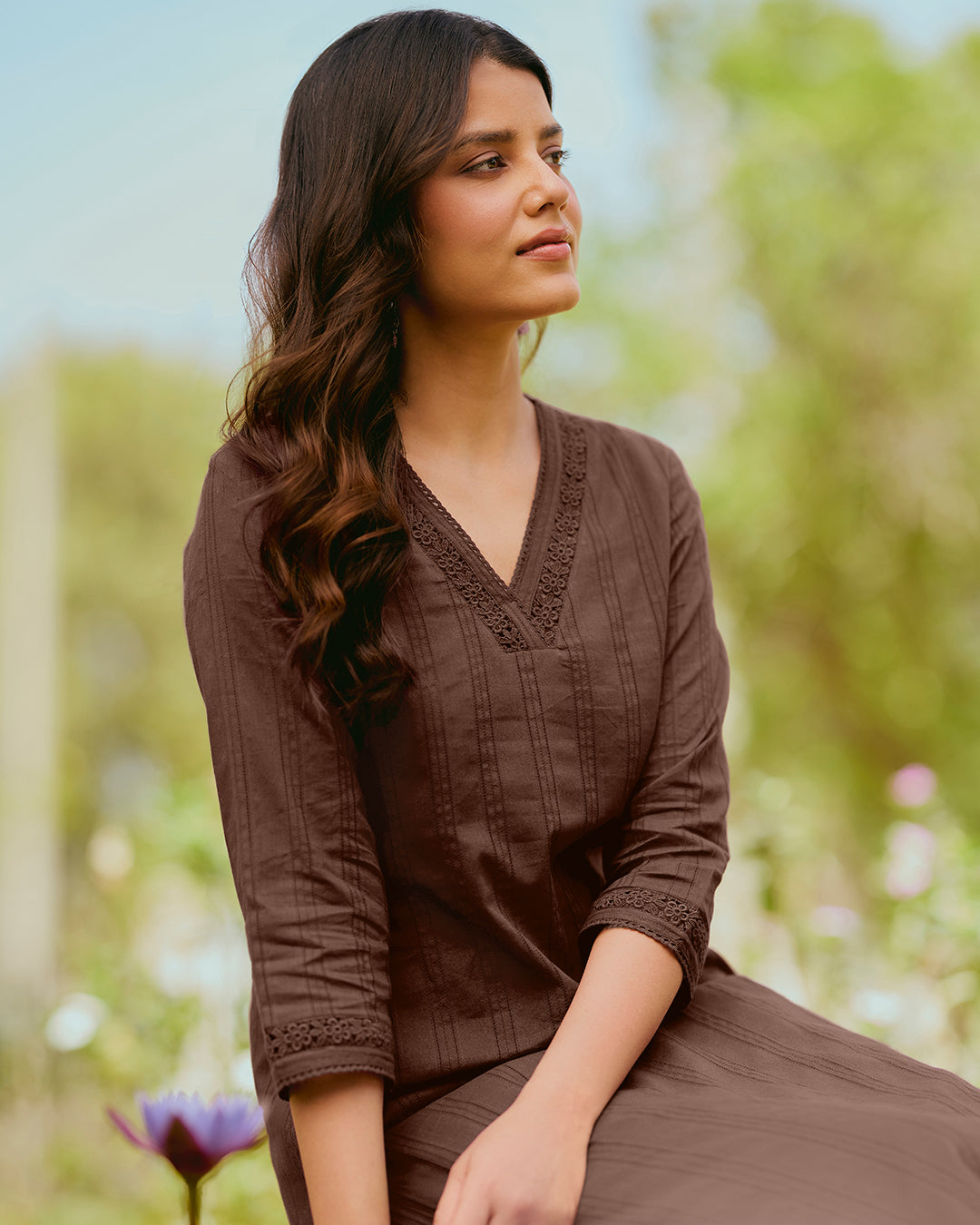
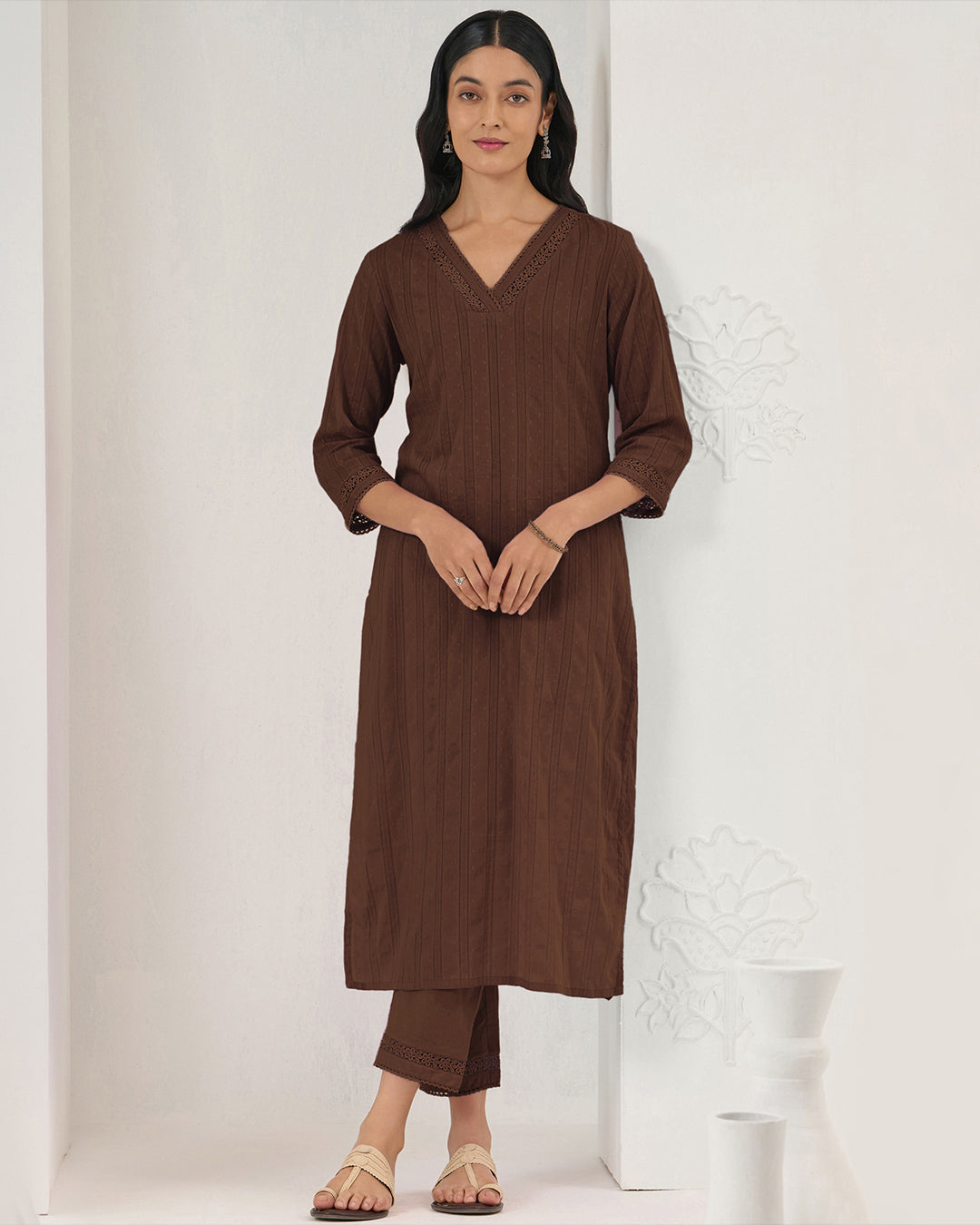
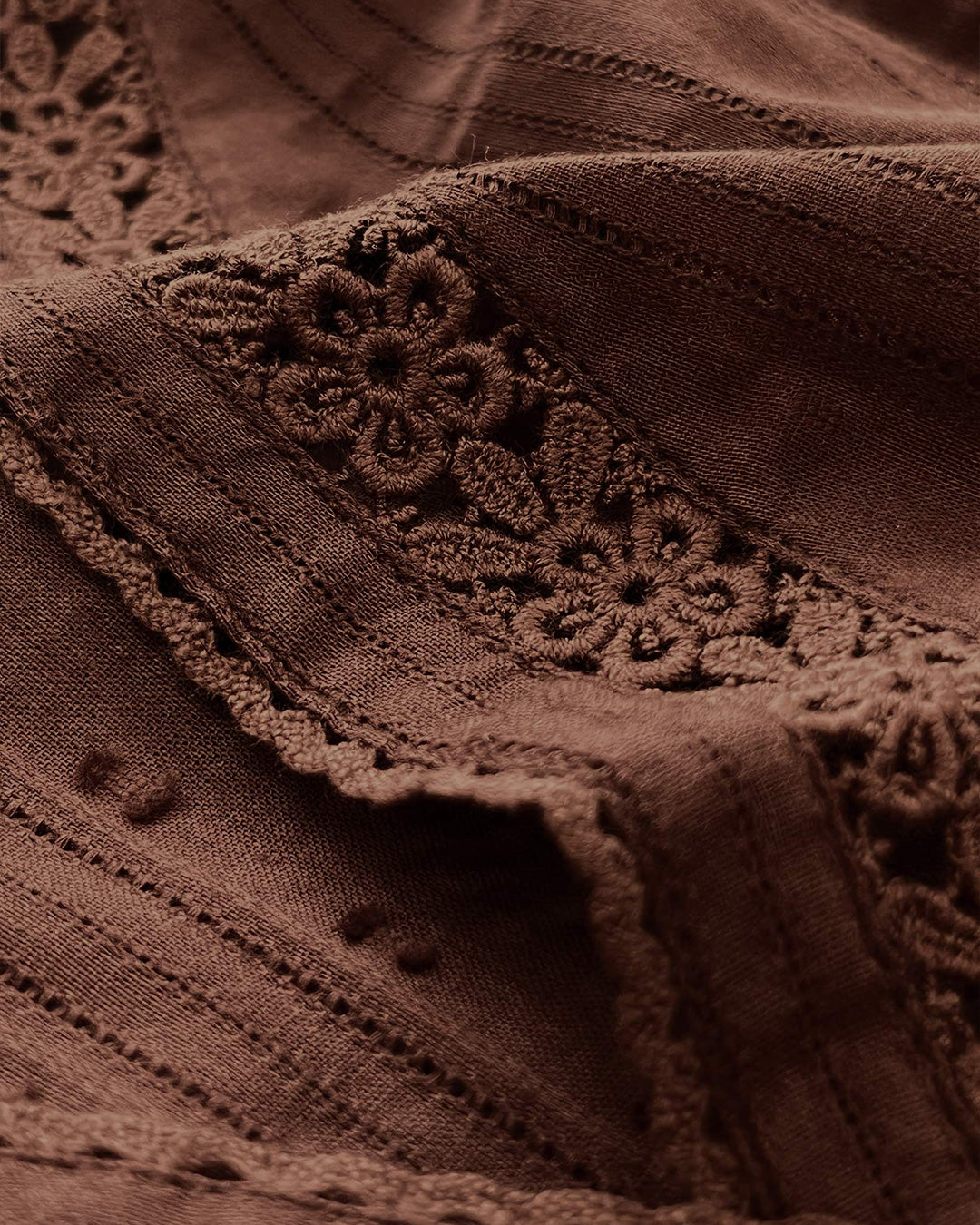
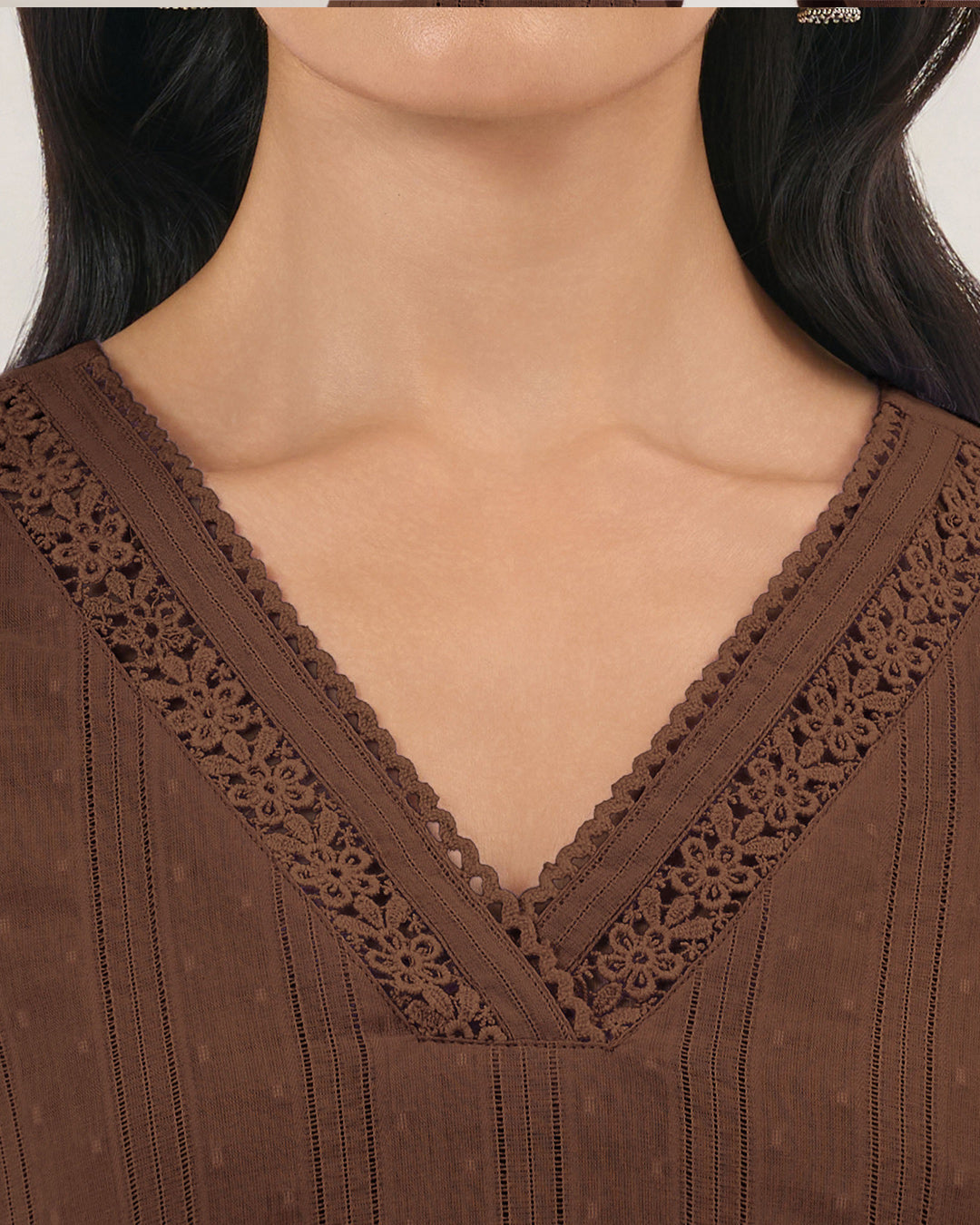
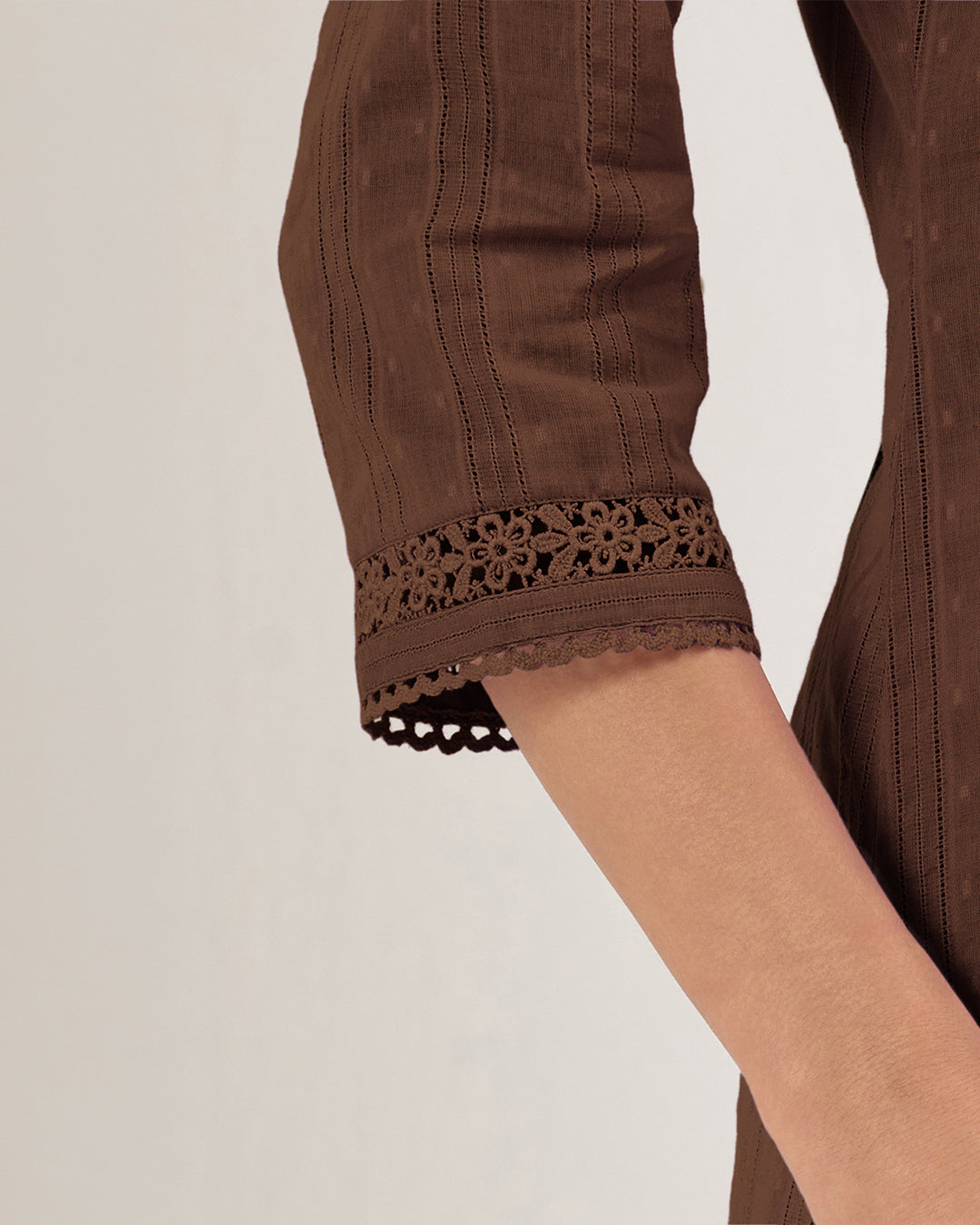
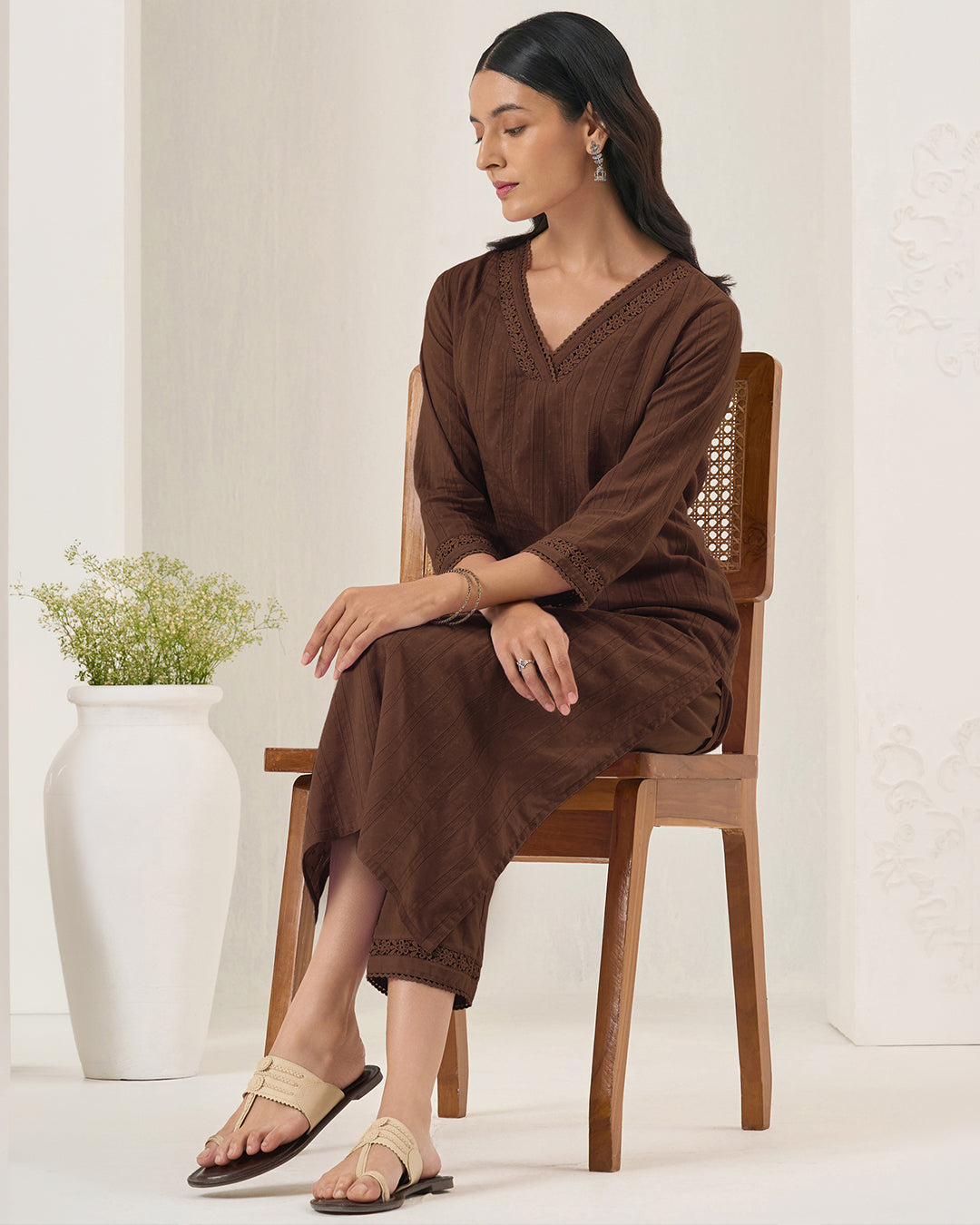
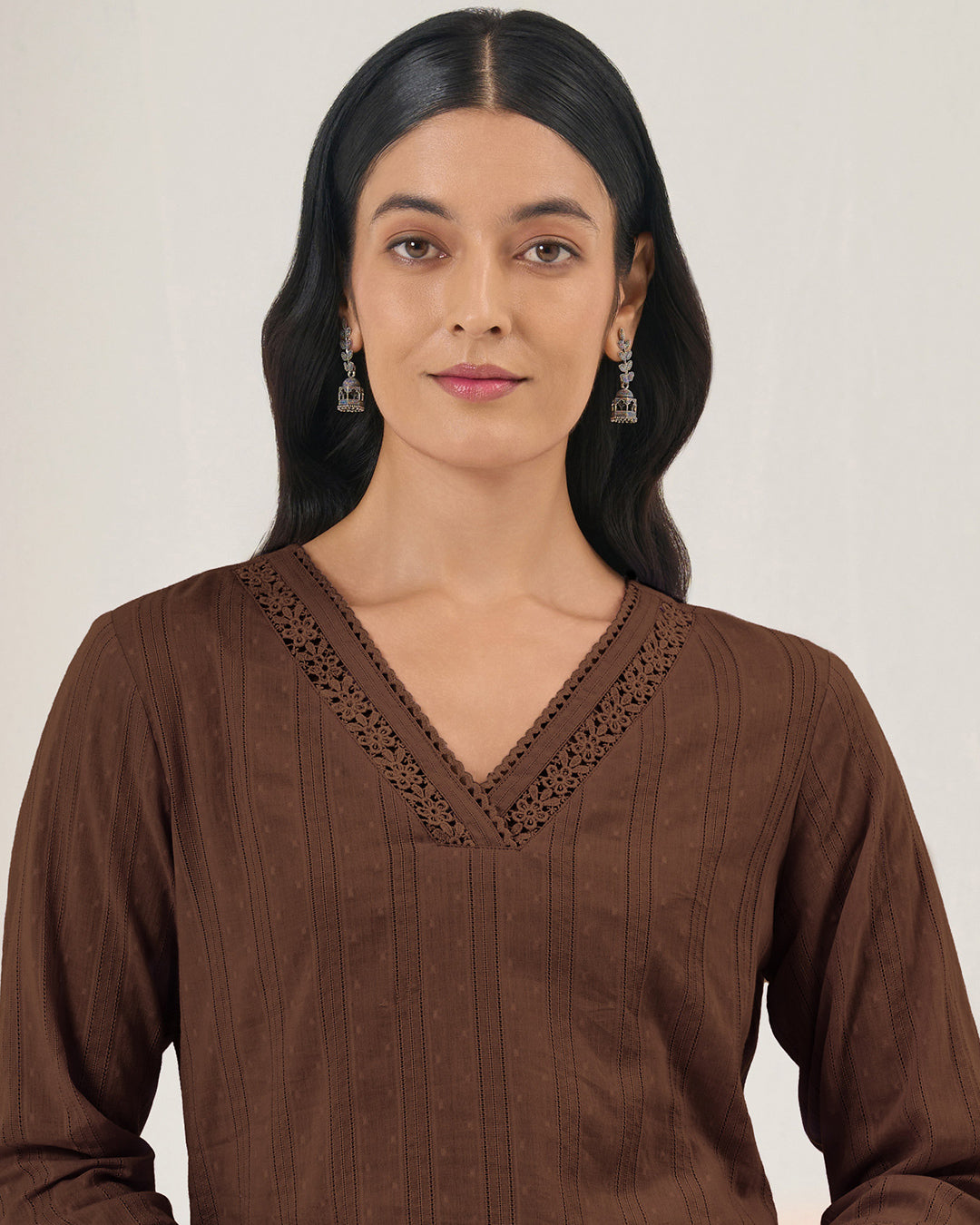
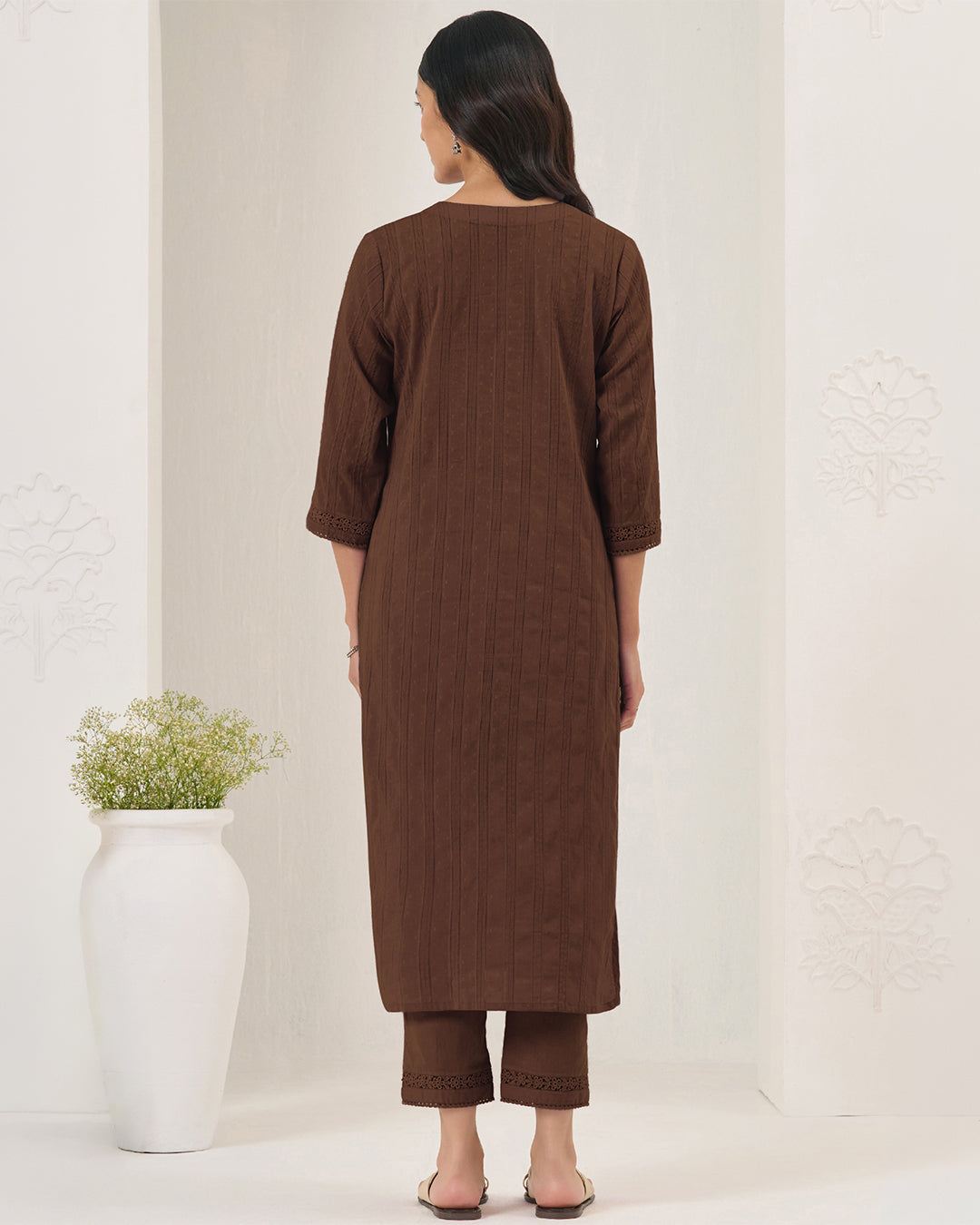
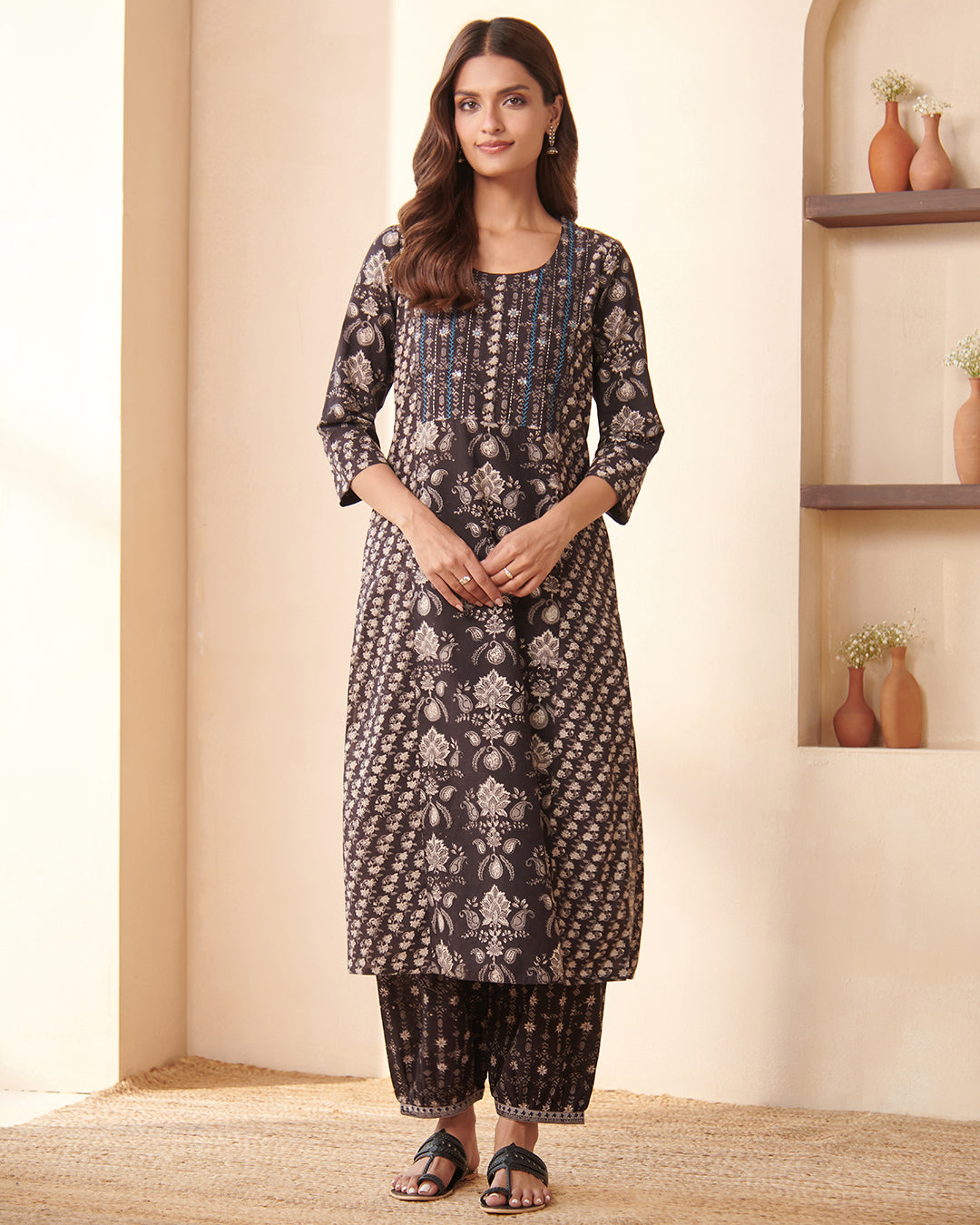
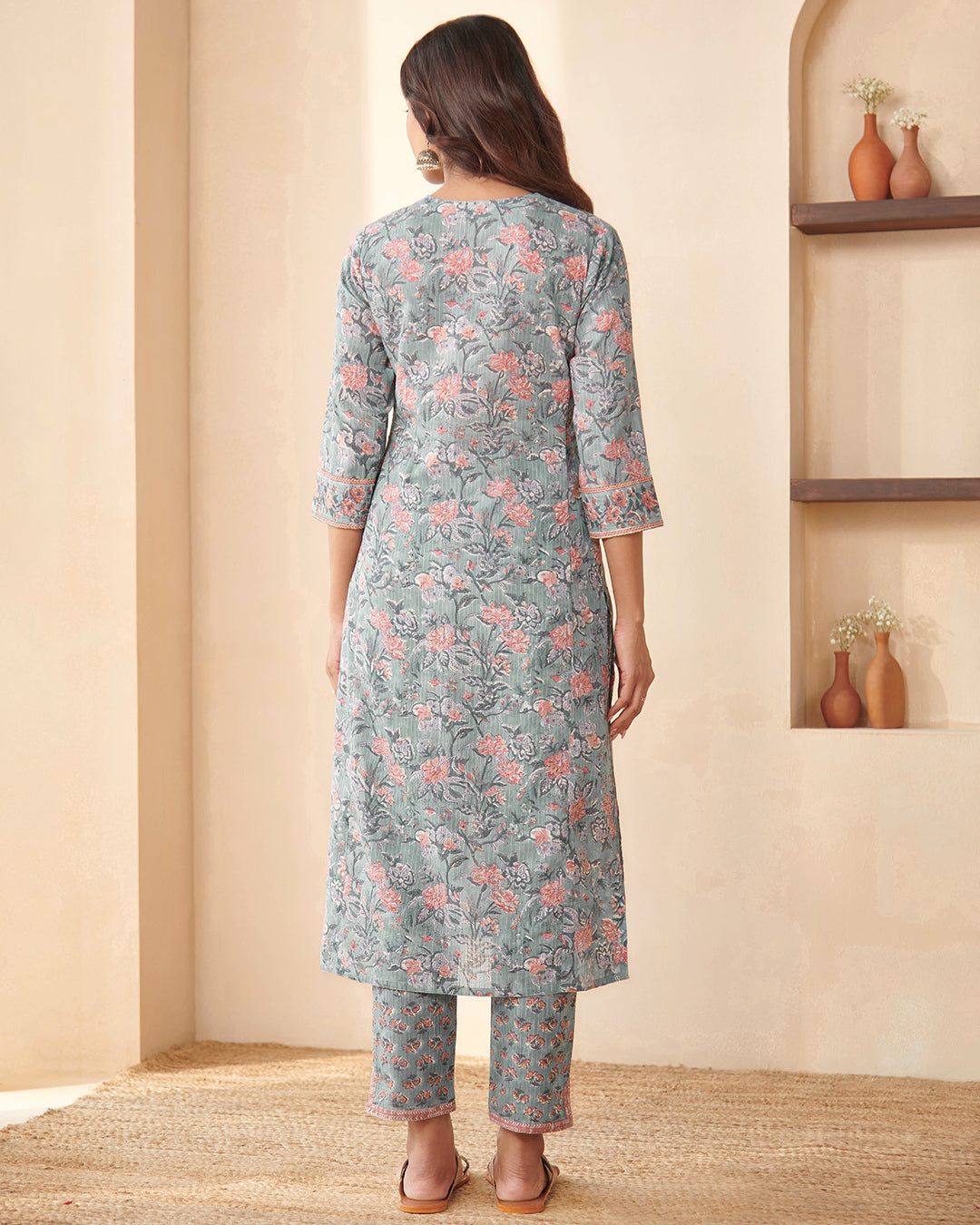
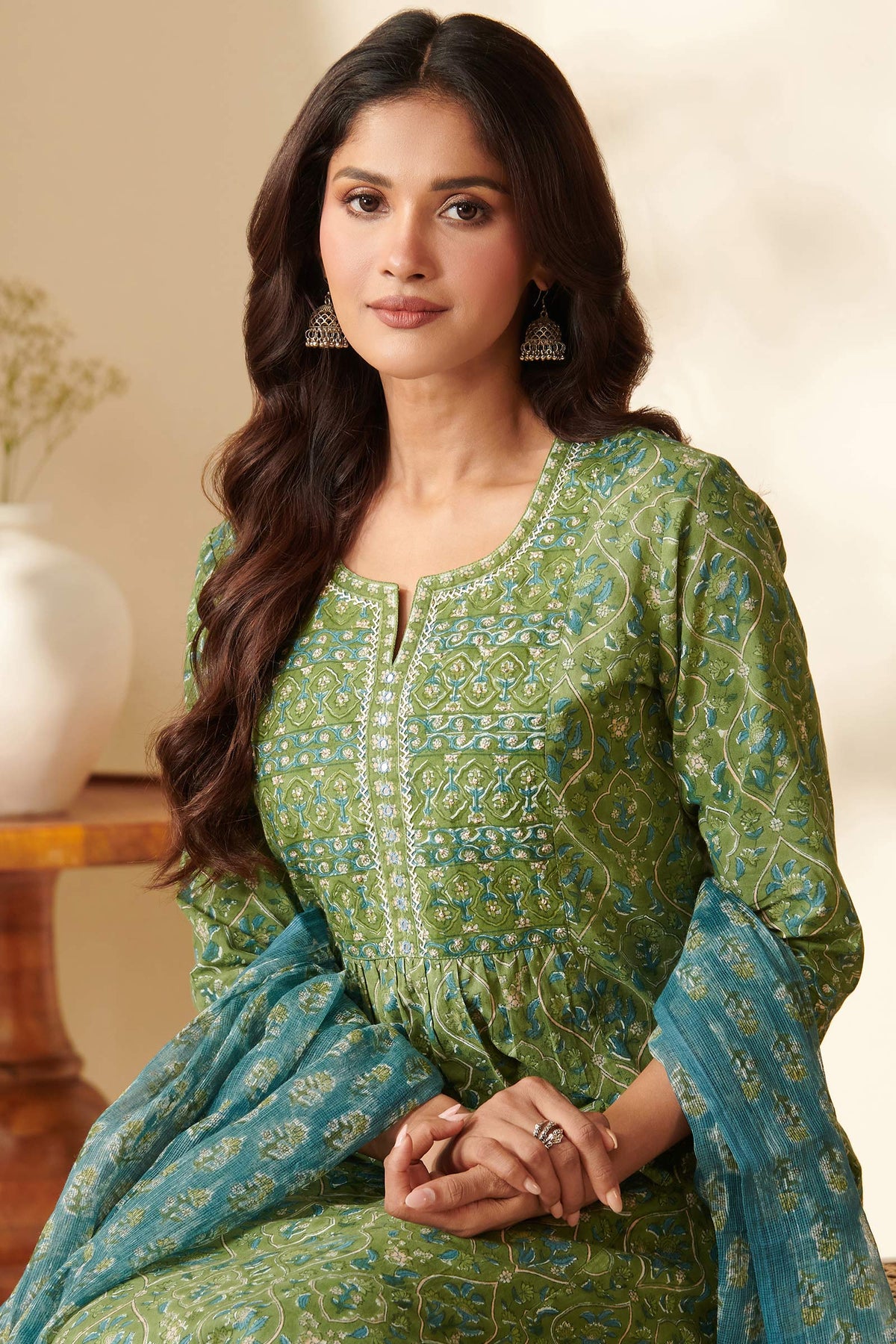
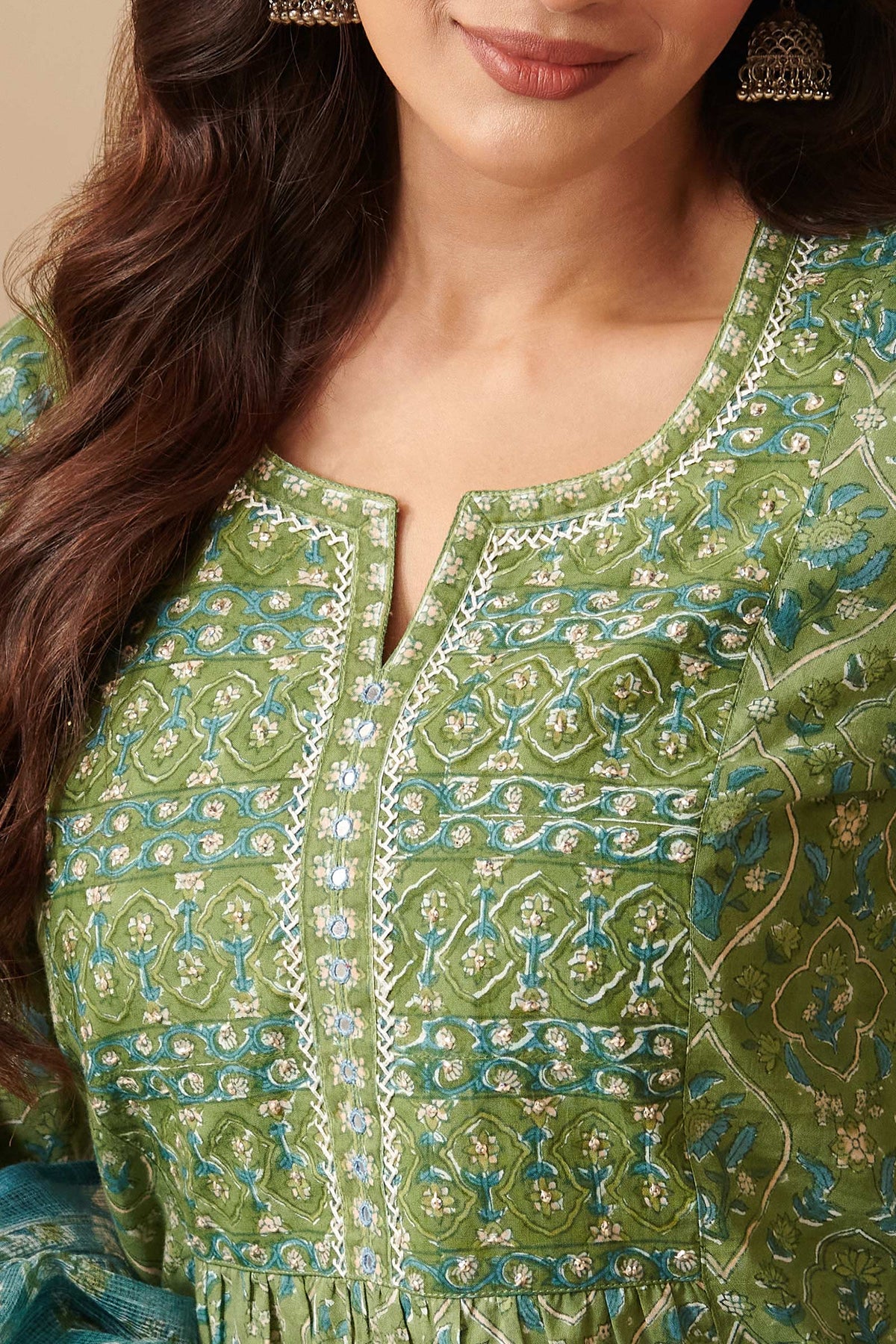
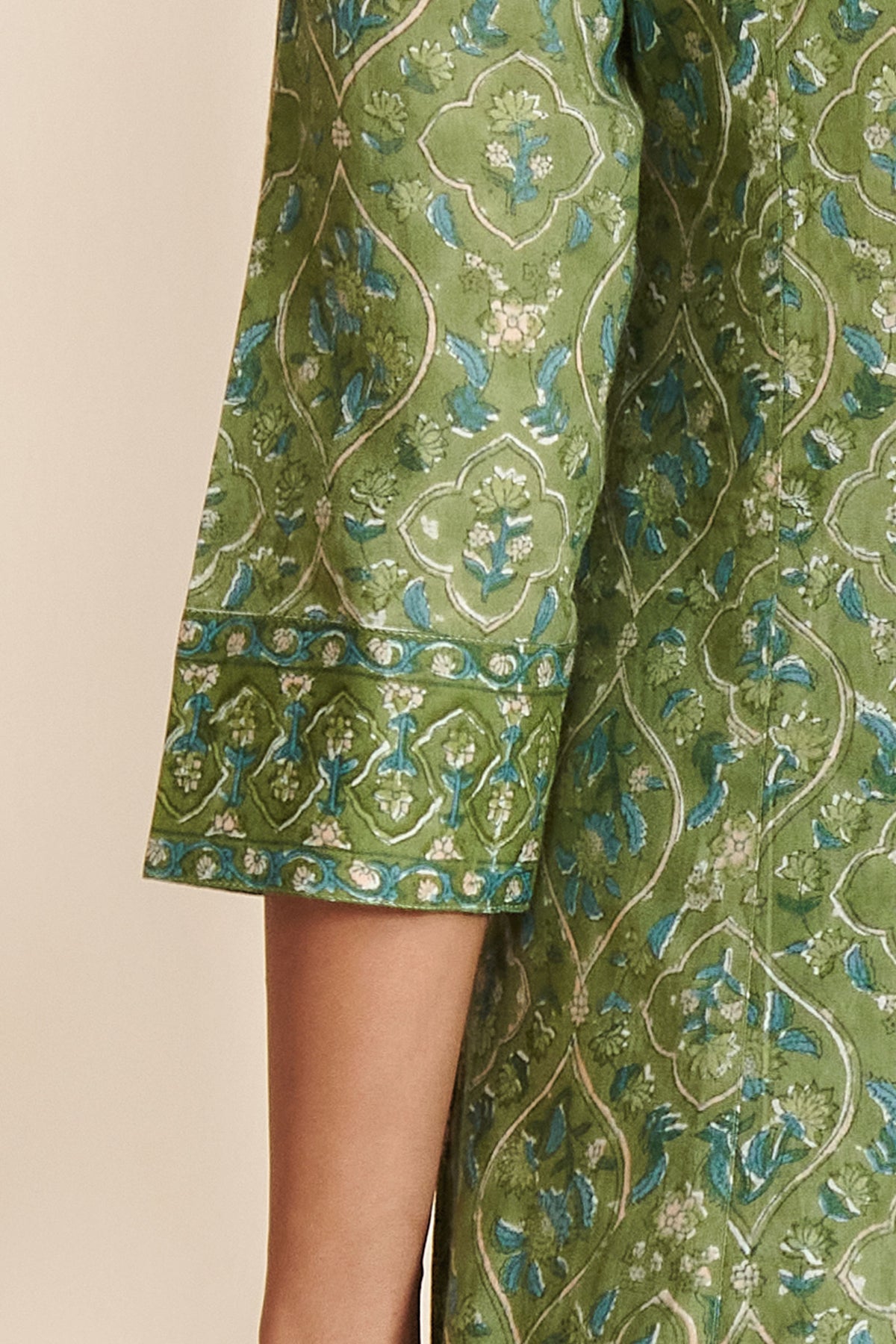
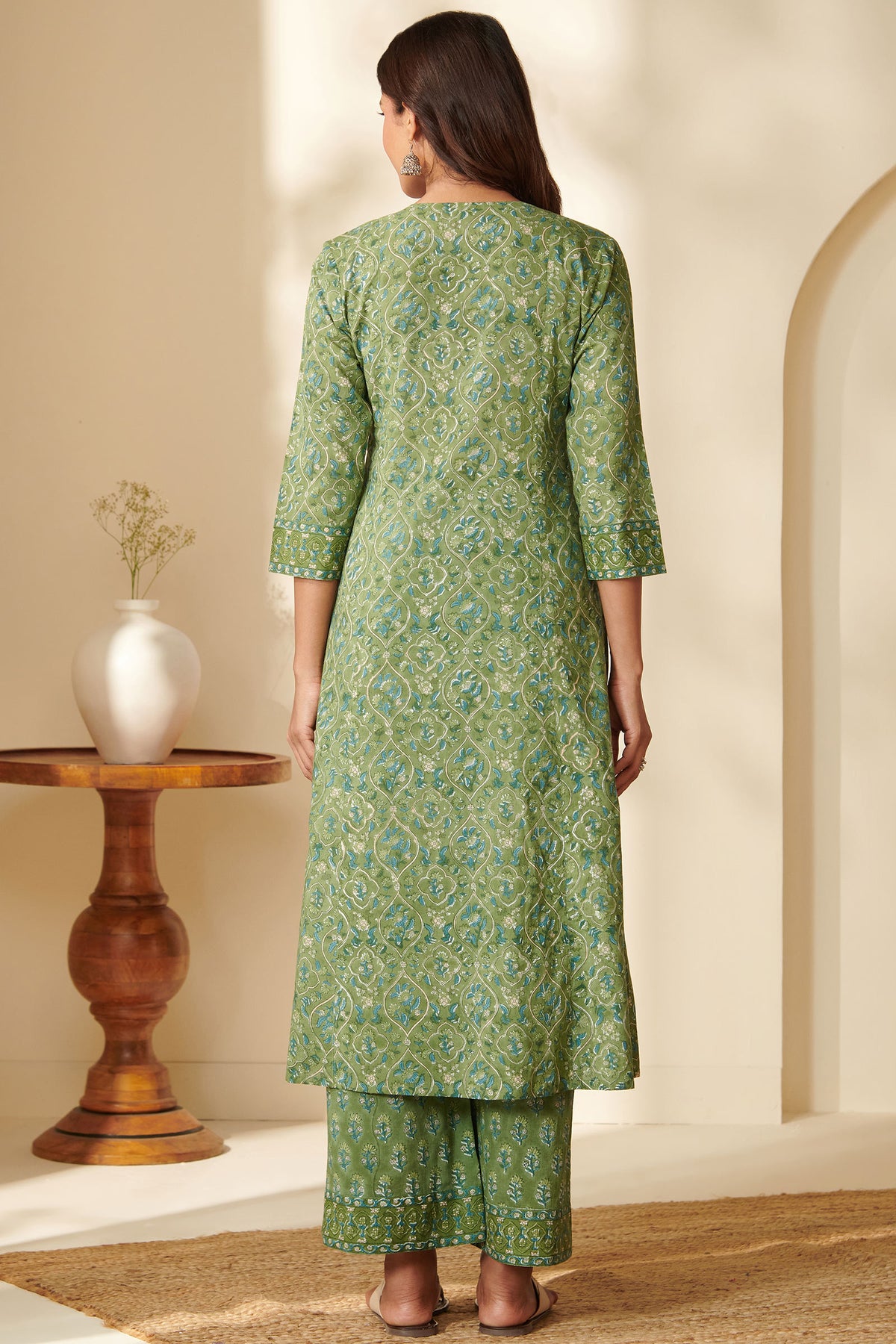
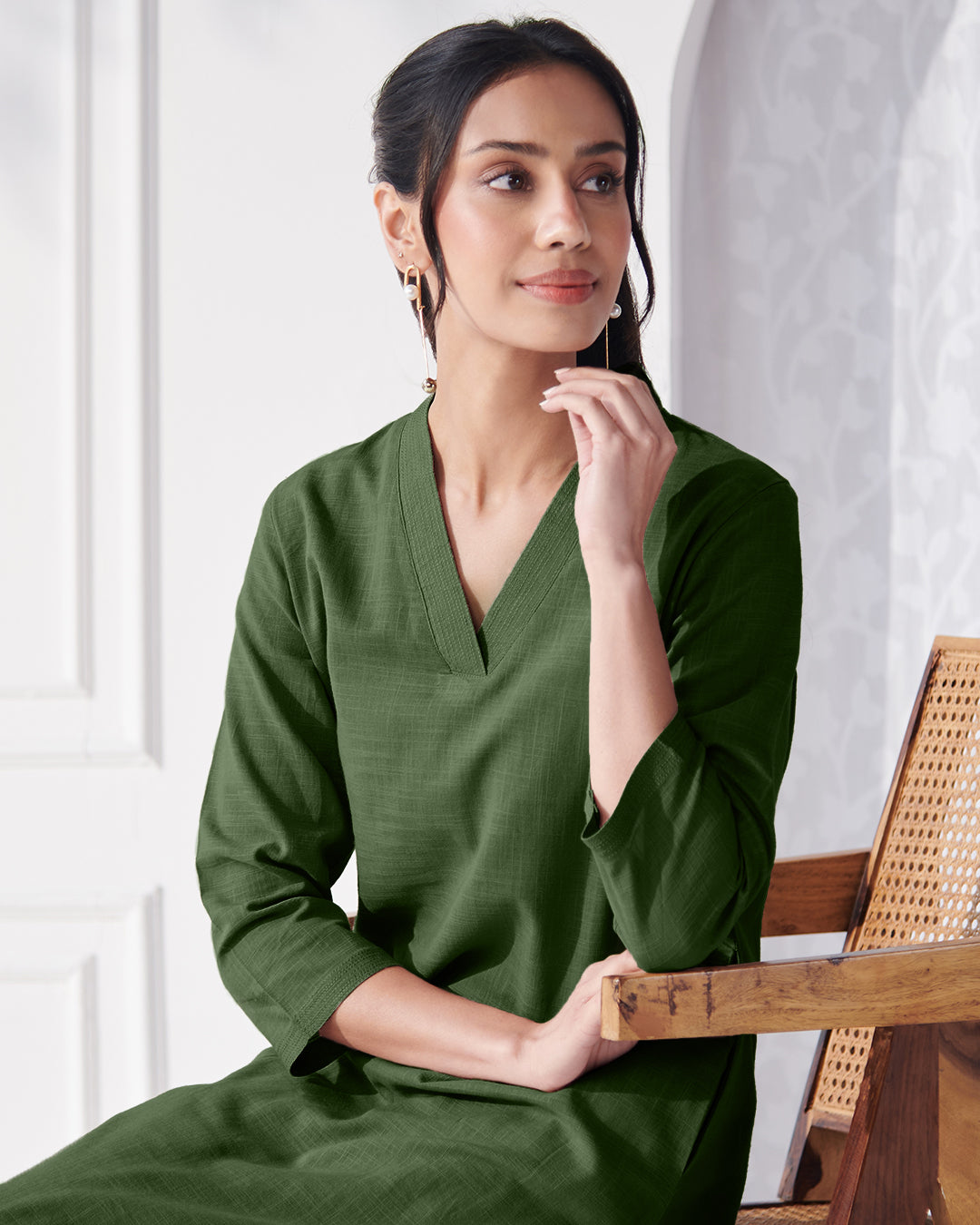
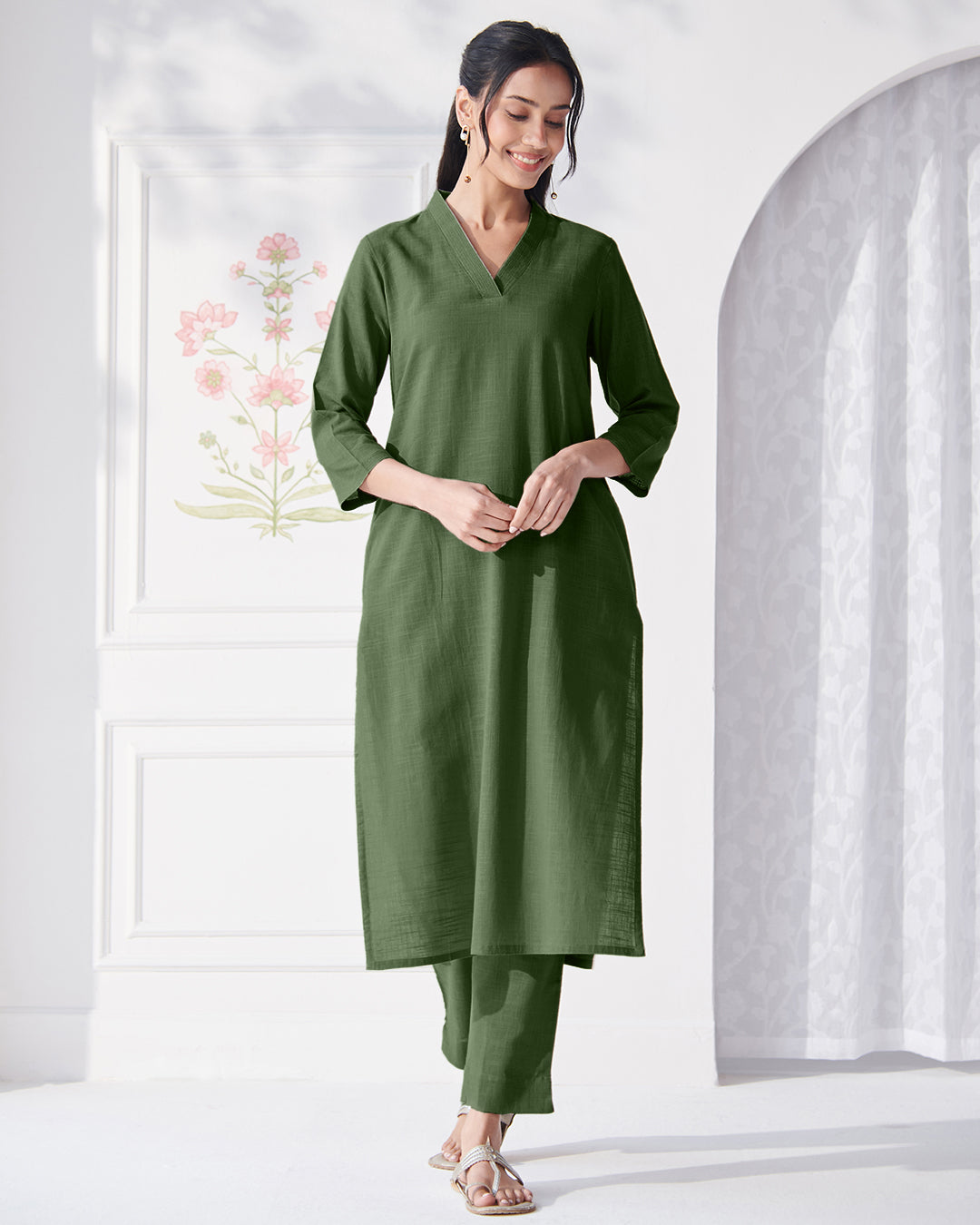
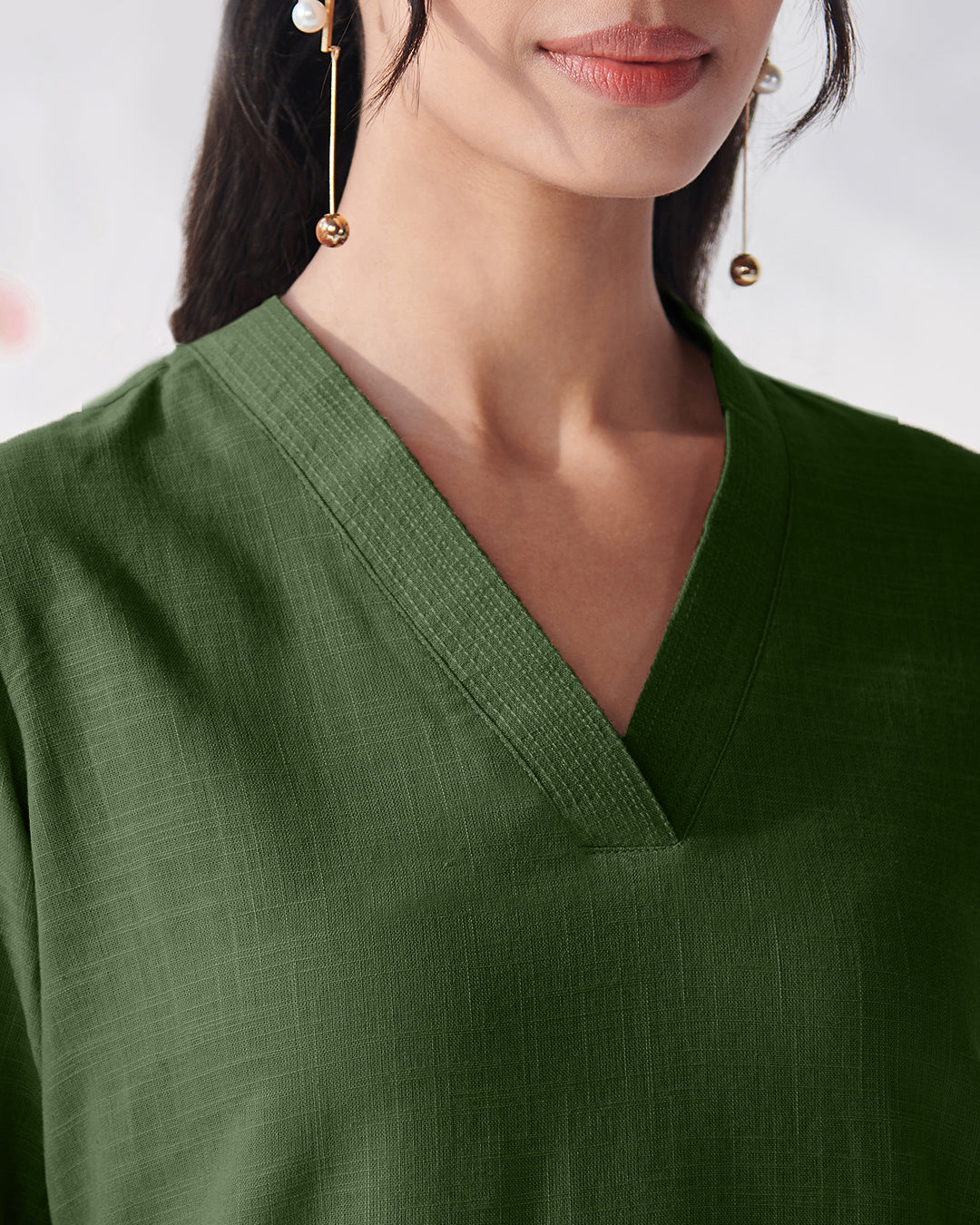
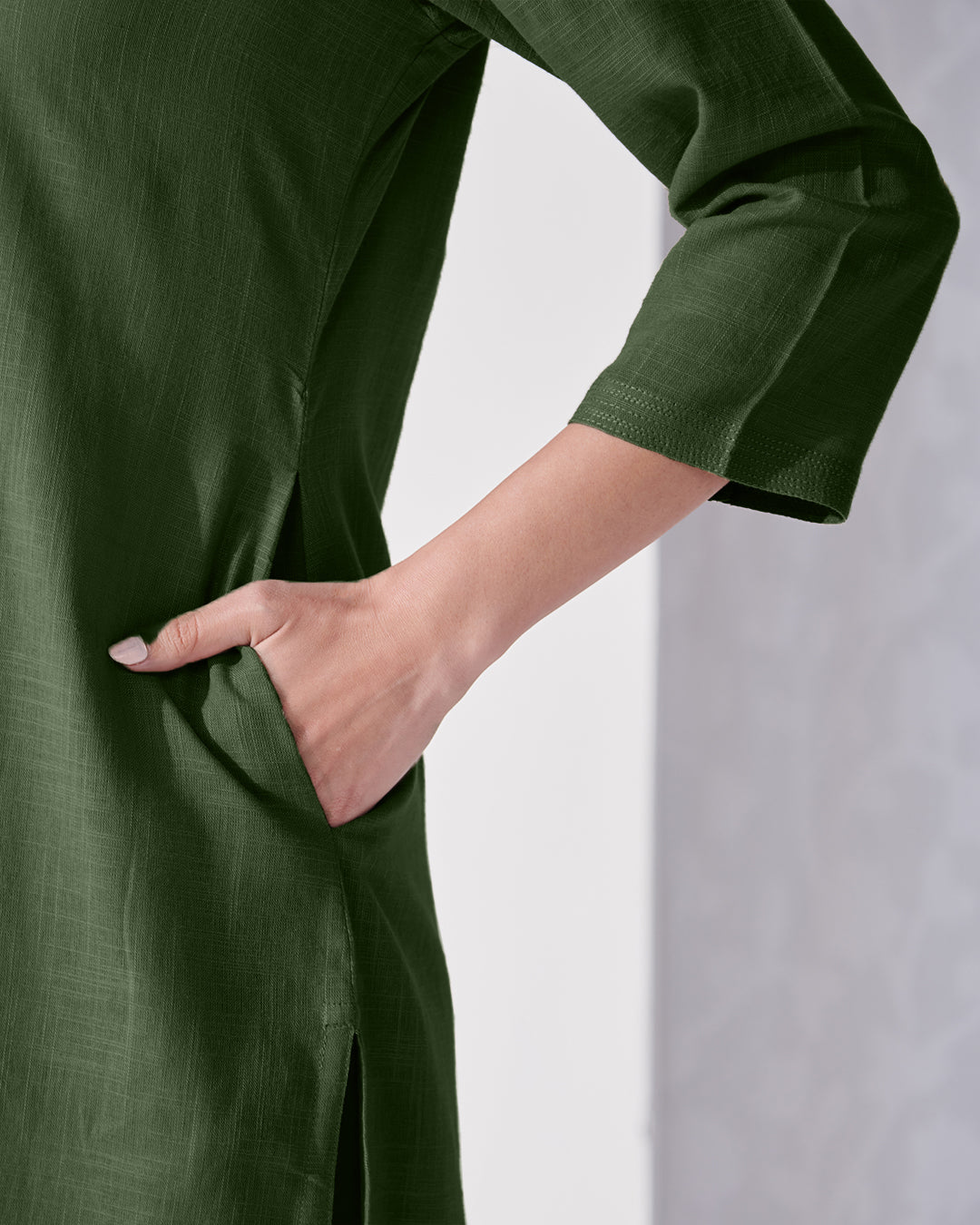
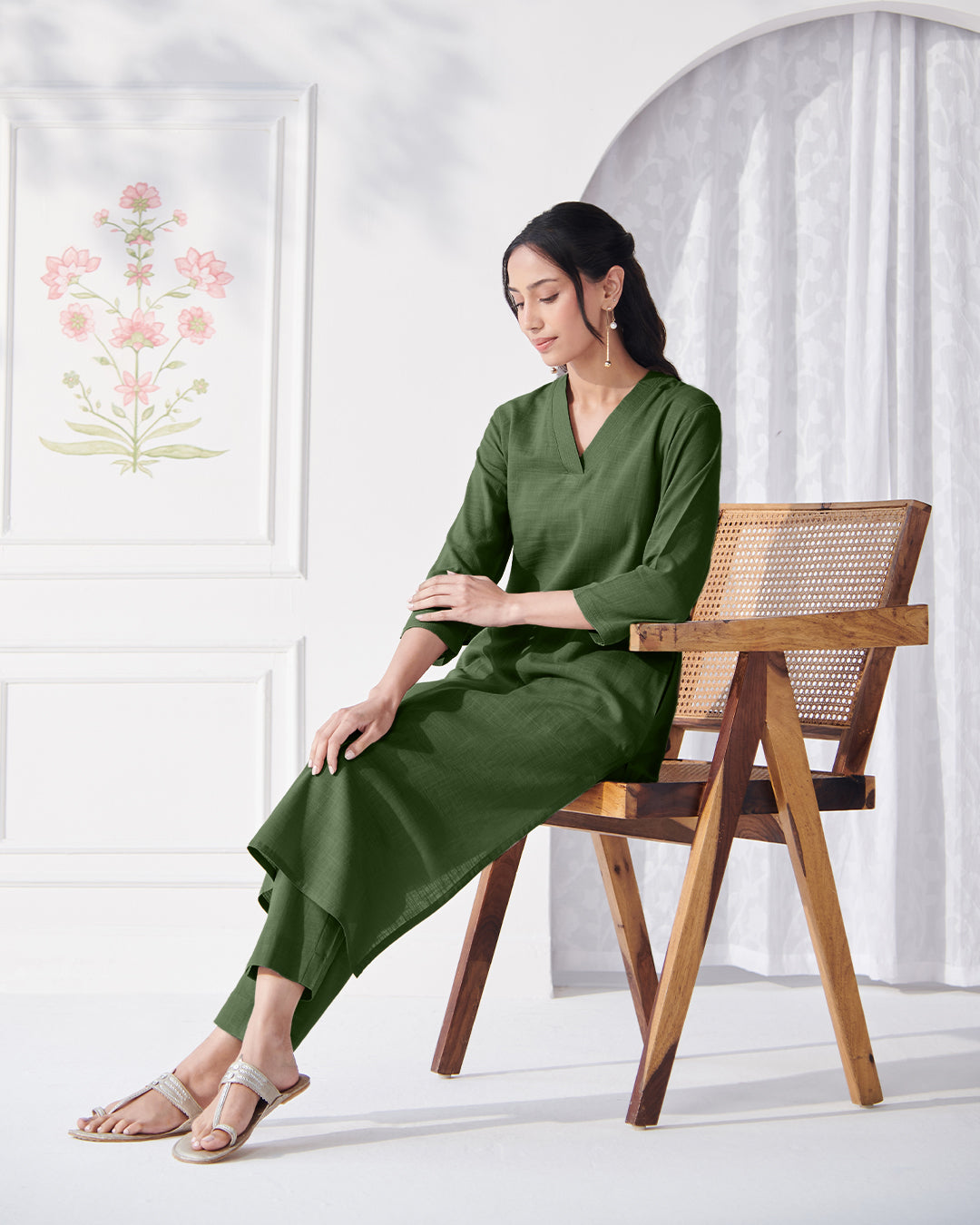
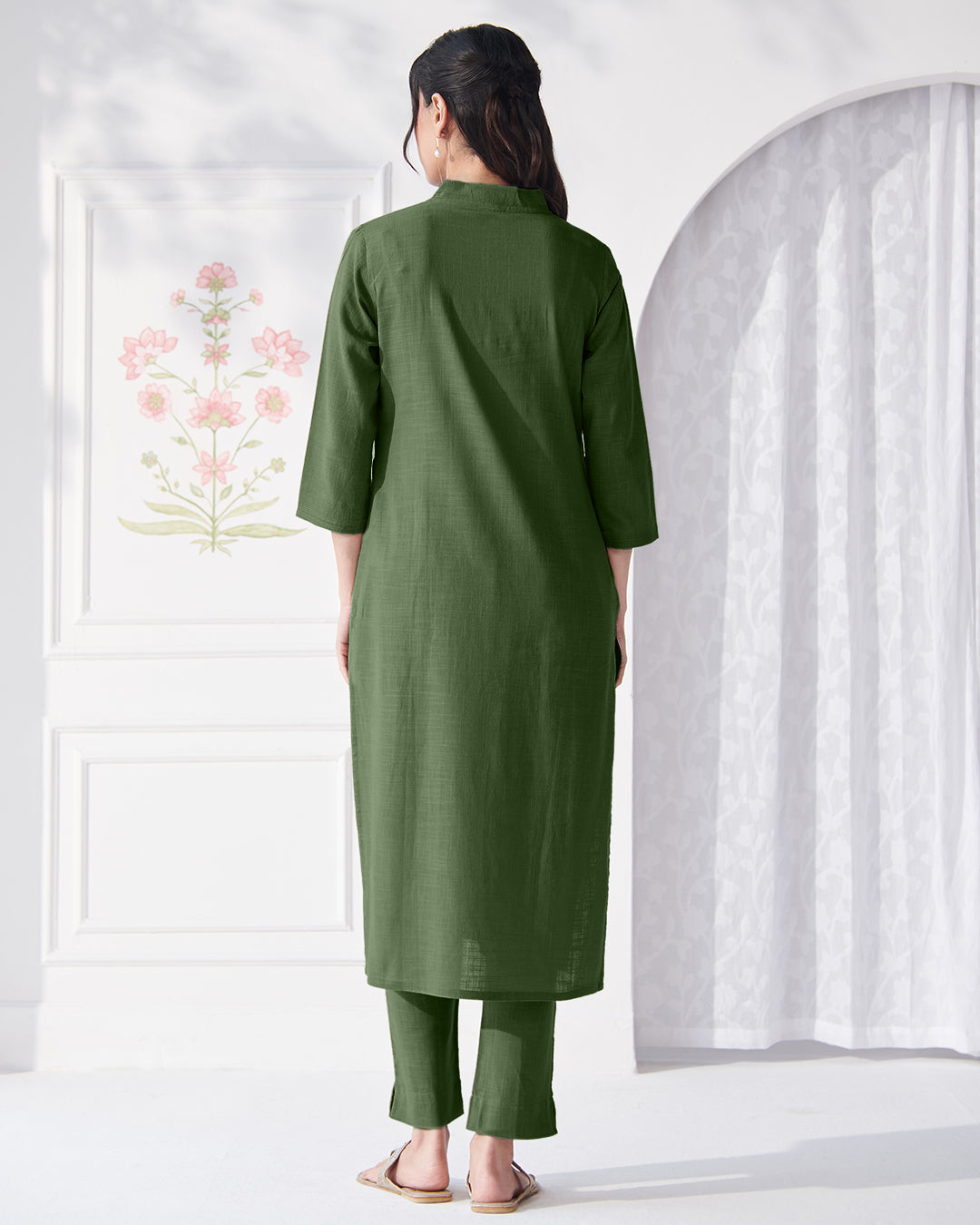
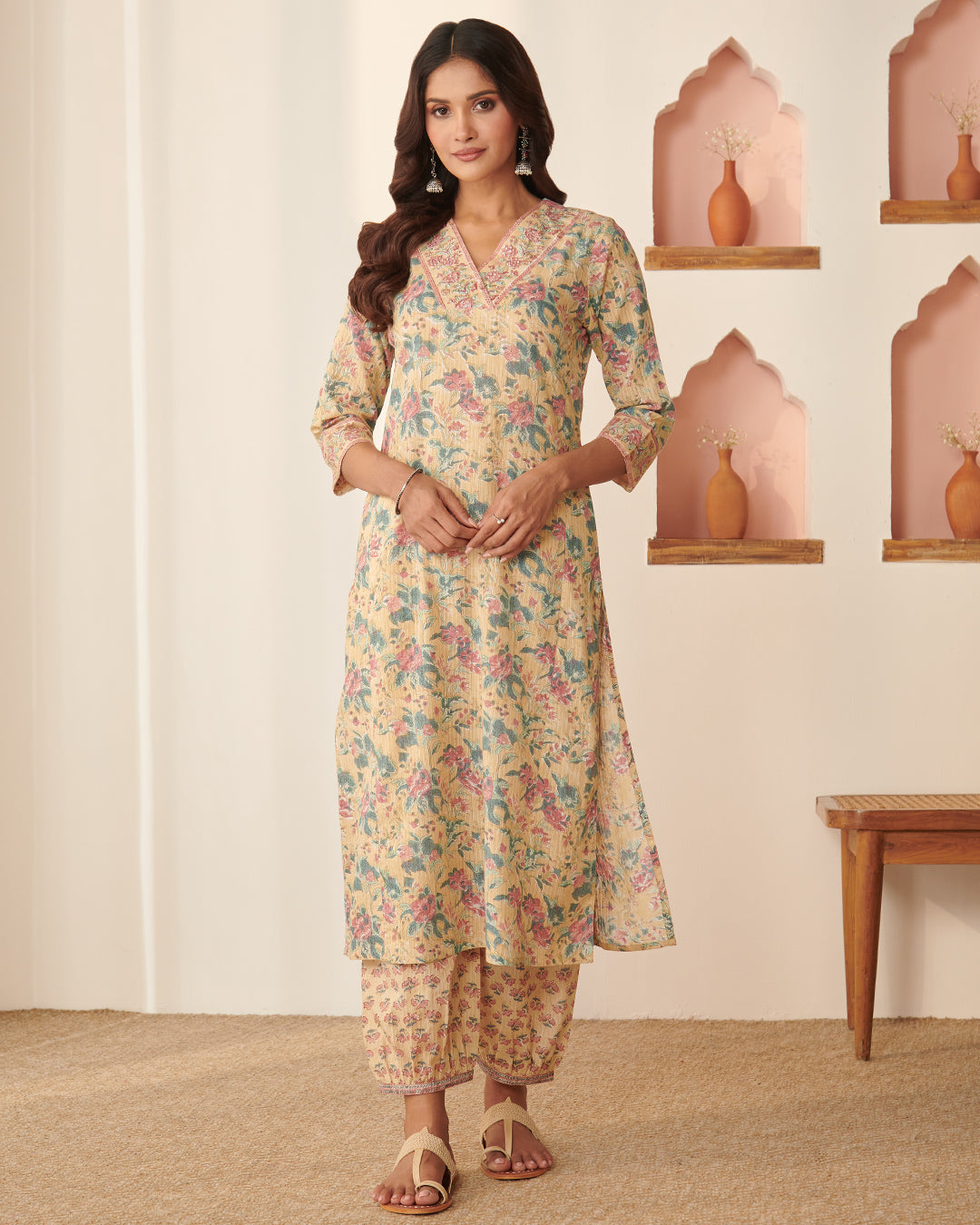
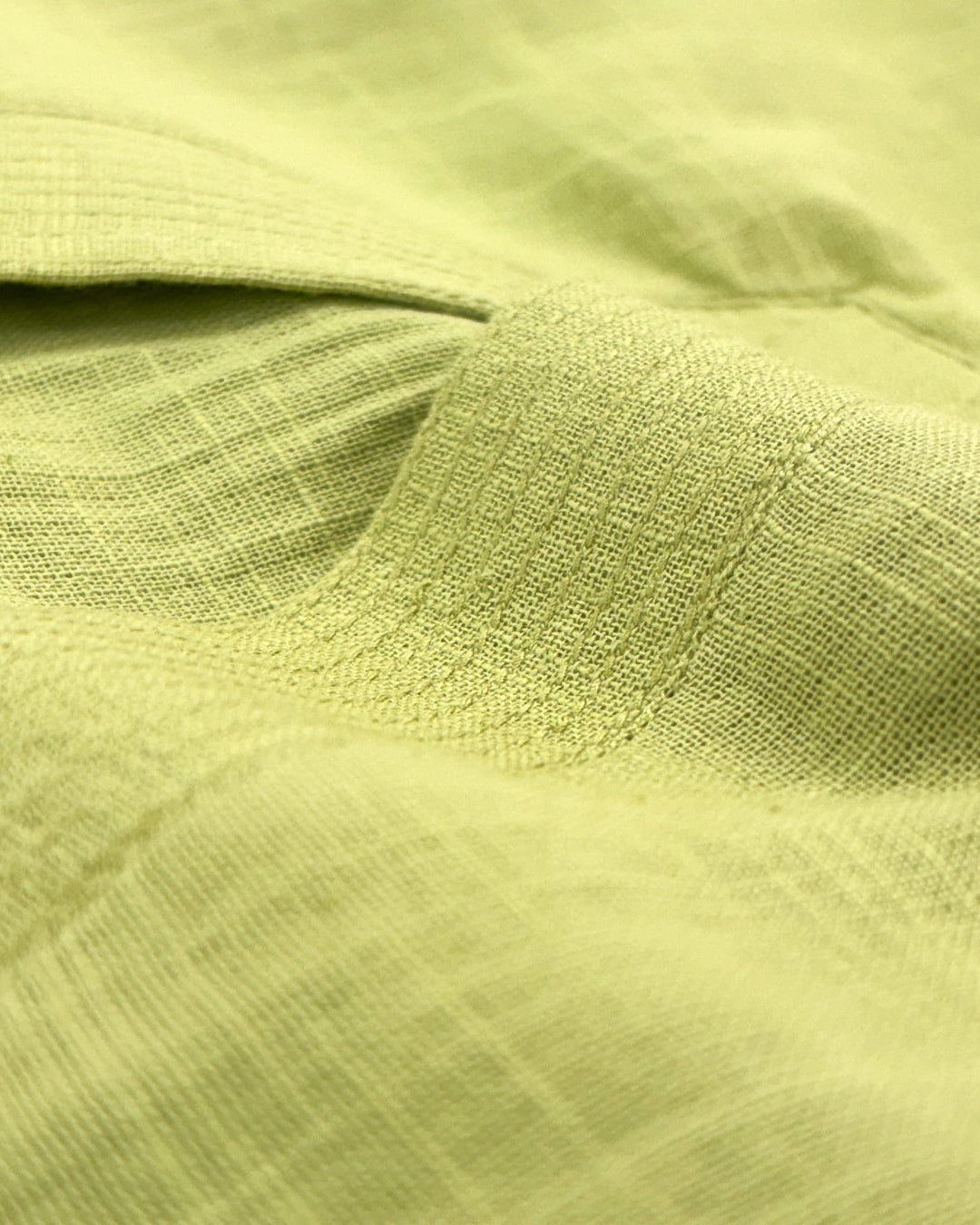
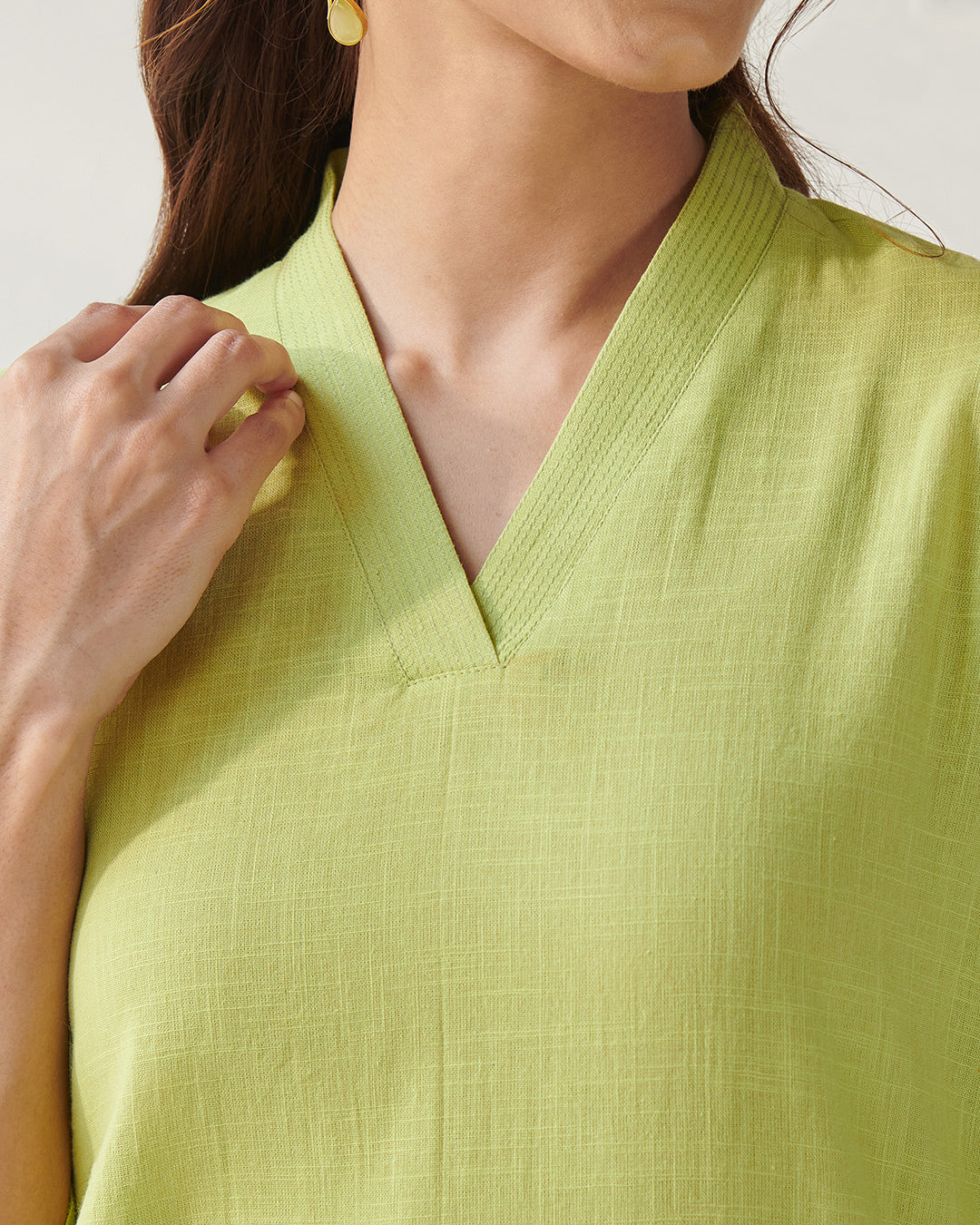
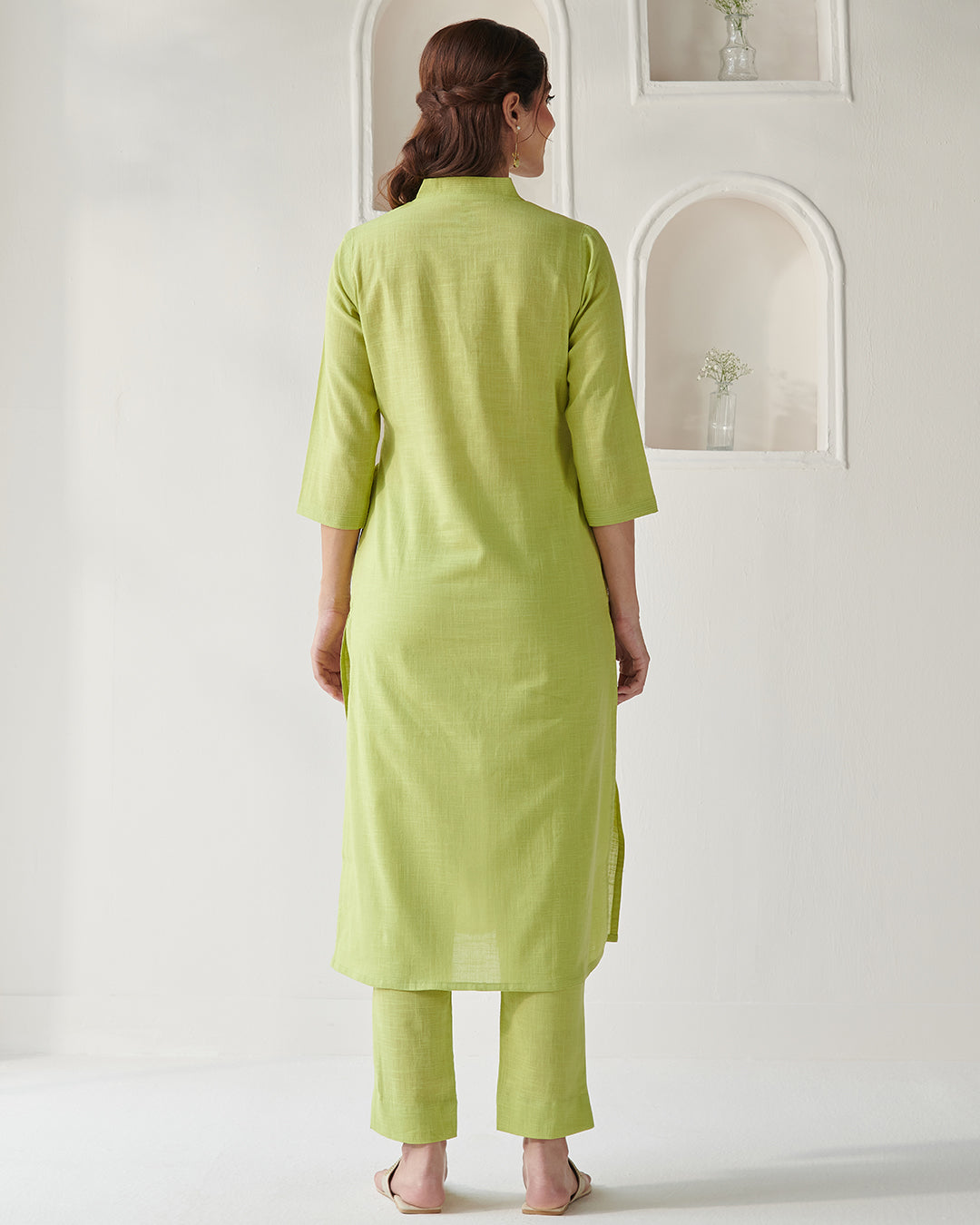
Greens inspired by nature, such as olive, mint, and leaf green kurta, add freshness while remaining subtle. Mustard toned neutrals, dusty rose, muted peach, and earthy brown colour kurta also blend seamlessly into everyday wardrobes, offering variety without becoming difficult to pair.
Choosing Kurta Colours for Work and Formal Settings

Workwear often benefits from colours that feel refined rather than attention seeking. The right shade creates a polished appearance while remaining comfortable for long hours.
Instead of relying on bold colours, many women build their work wardrobe around versatile tones that transition easily from office meetings to evening plans.
Subtle and Sophisticated Shades
Soft blue kurta, charcoal grey, olive green, muted mauve, beige, and ivory are dependable choices for professional settings. They create a composed look without feeling overly formal.
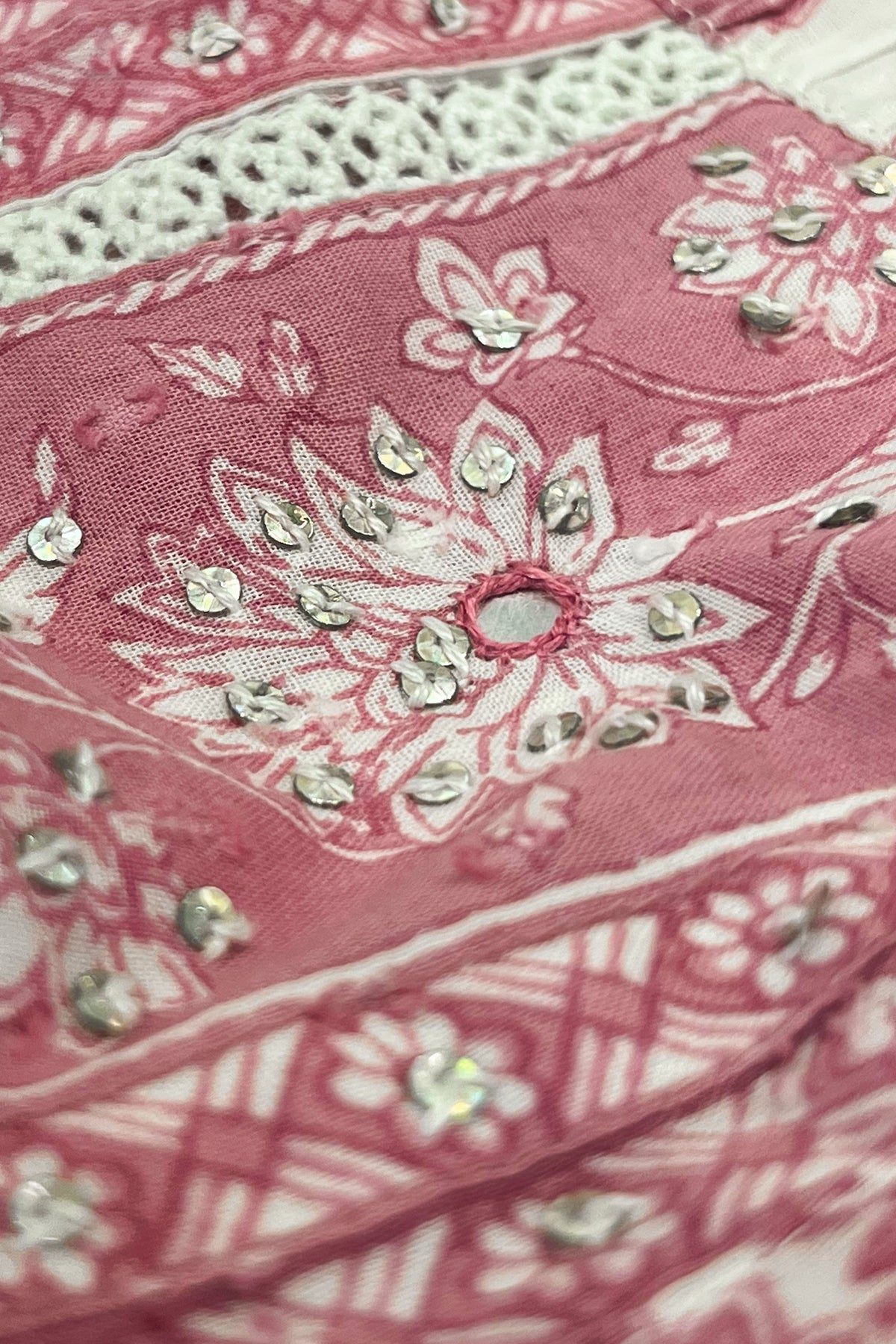
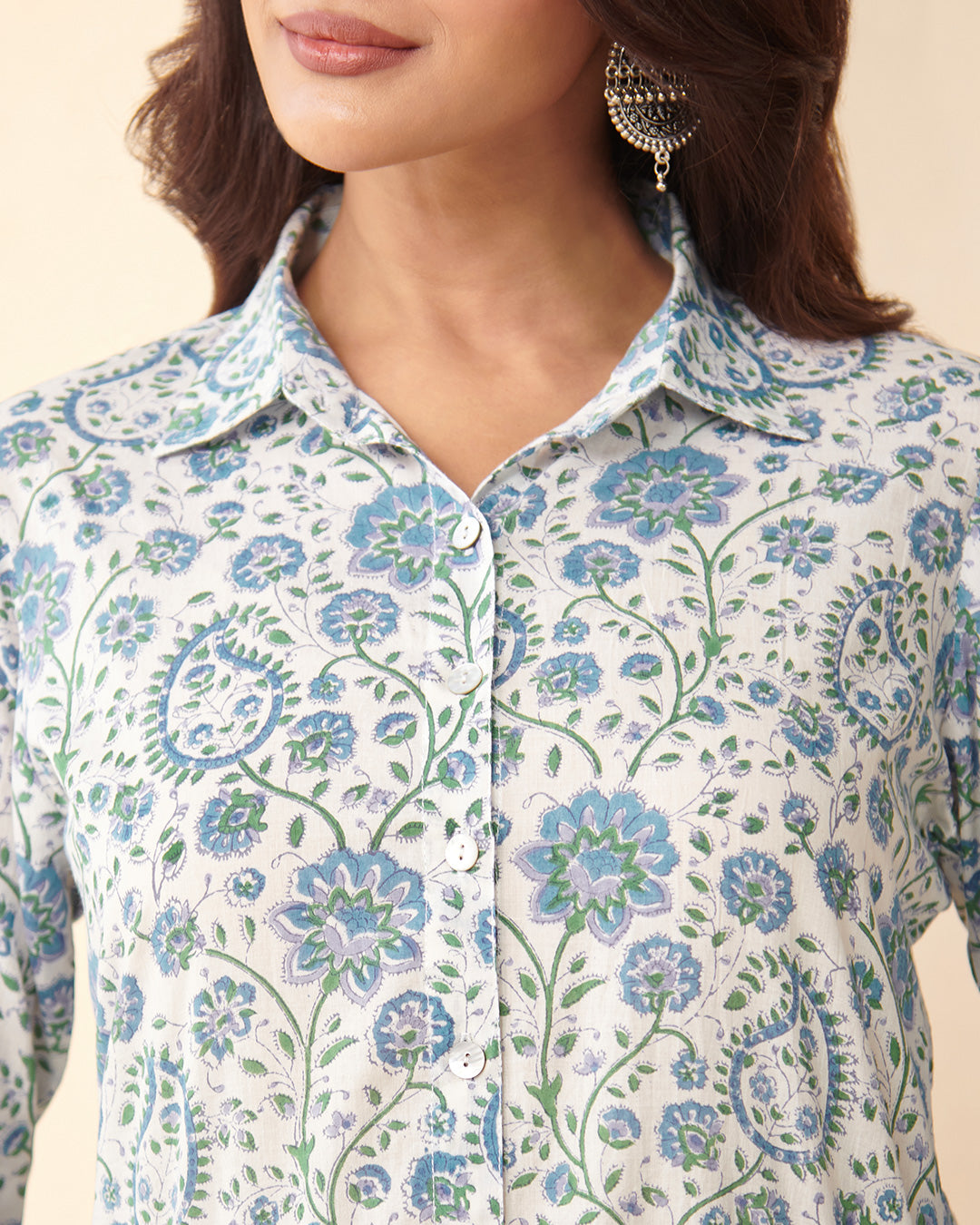
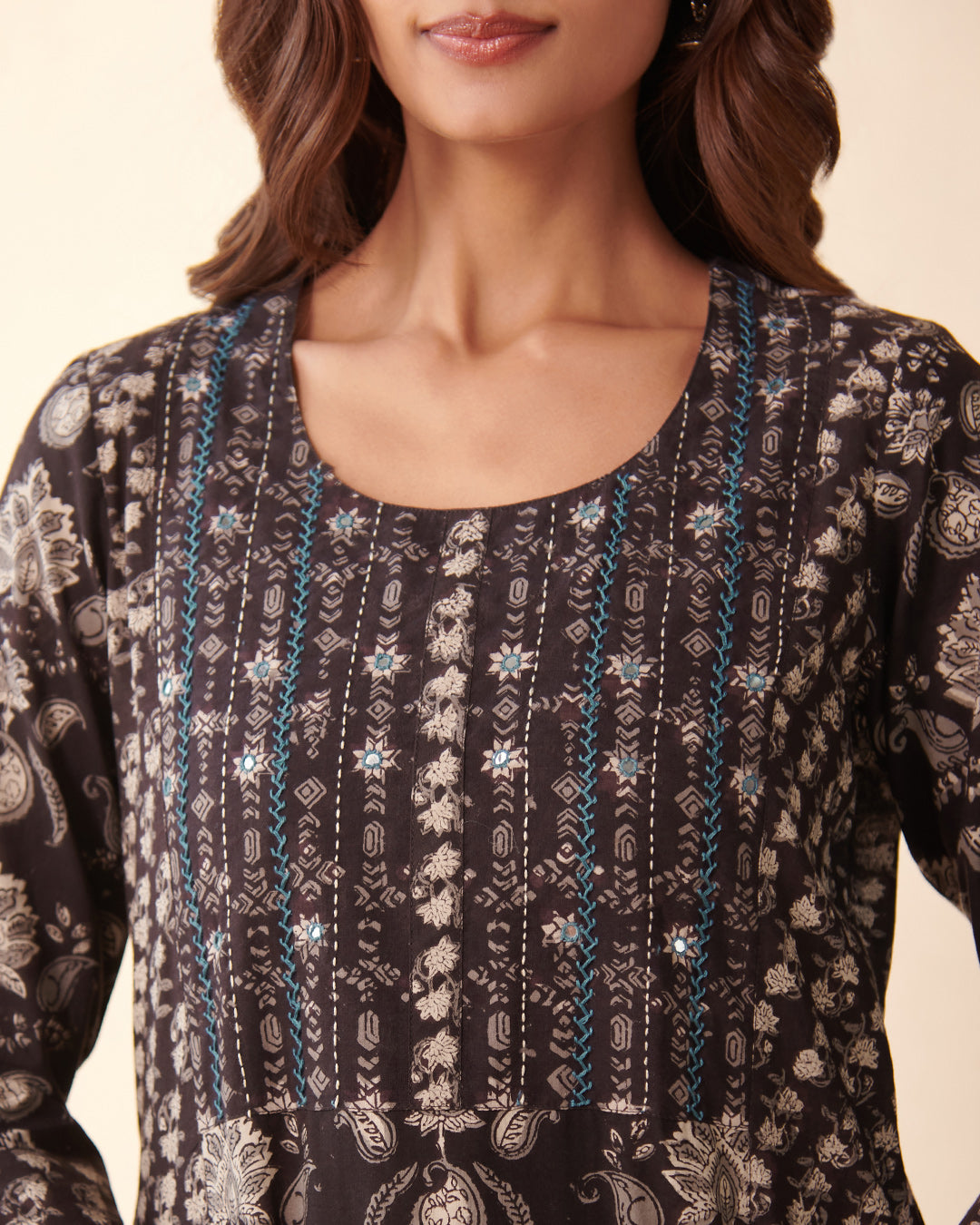
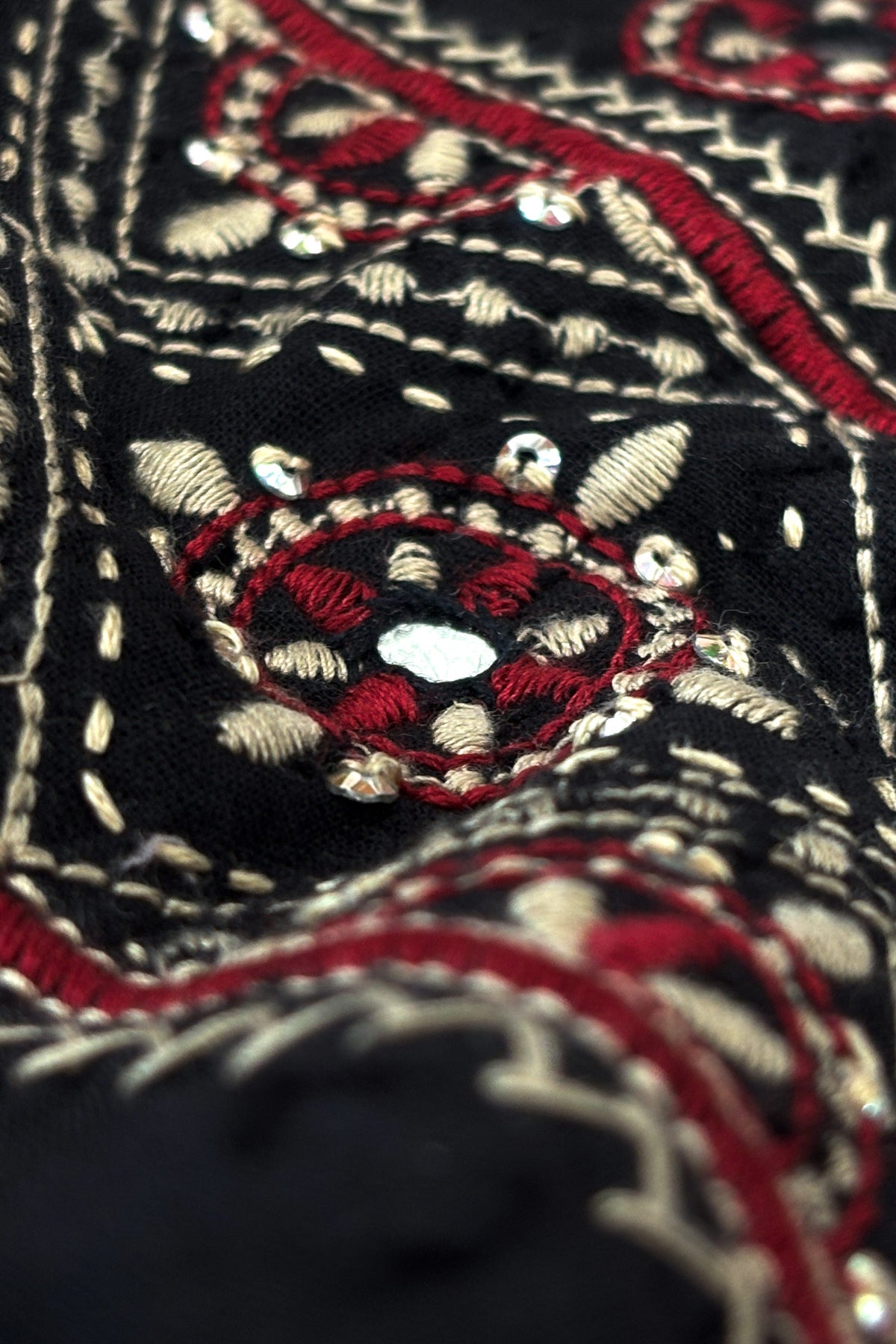
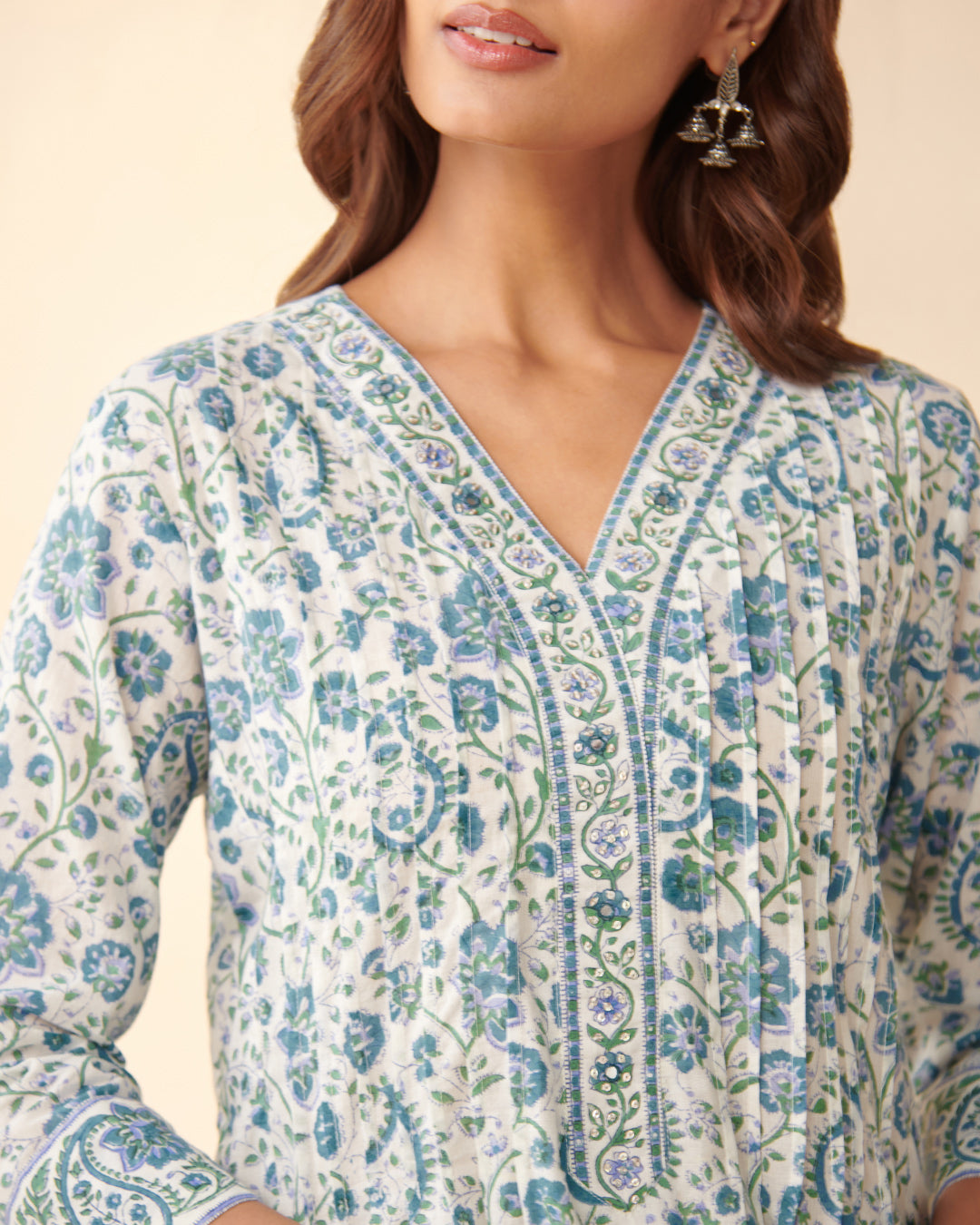
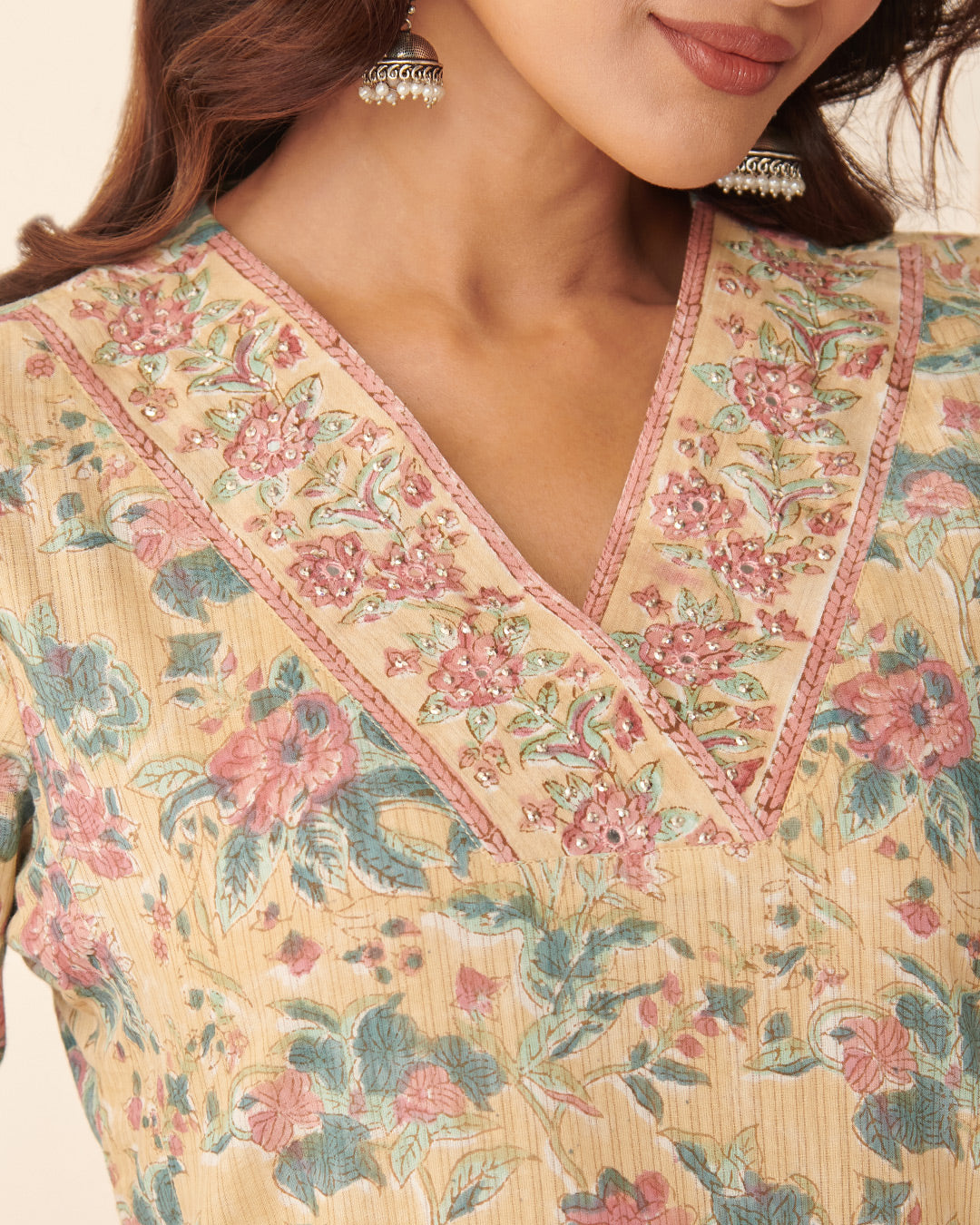
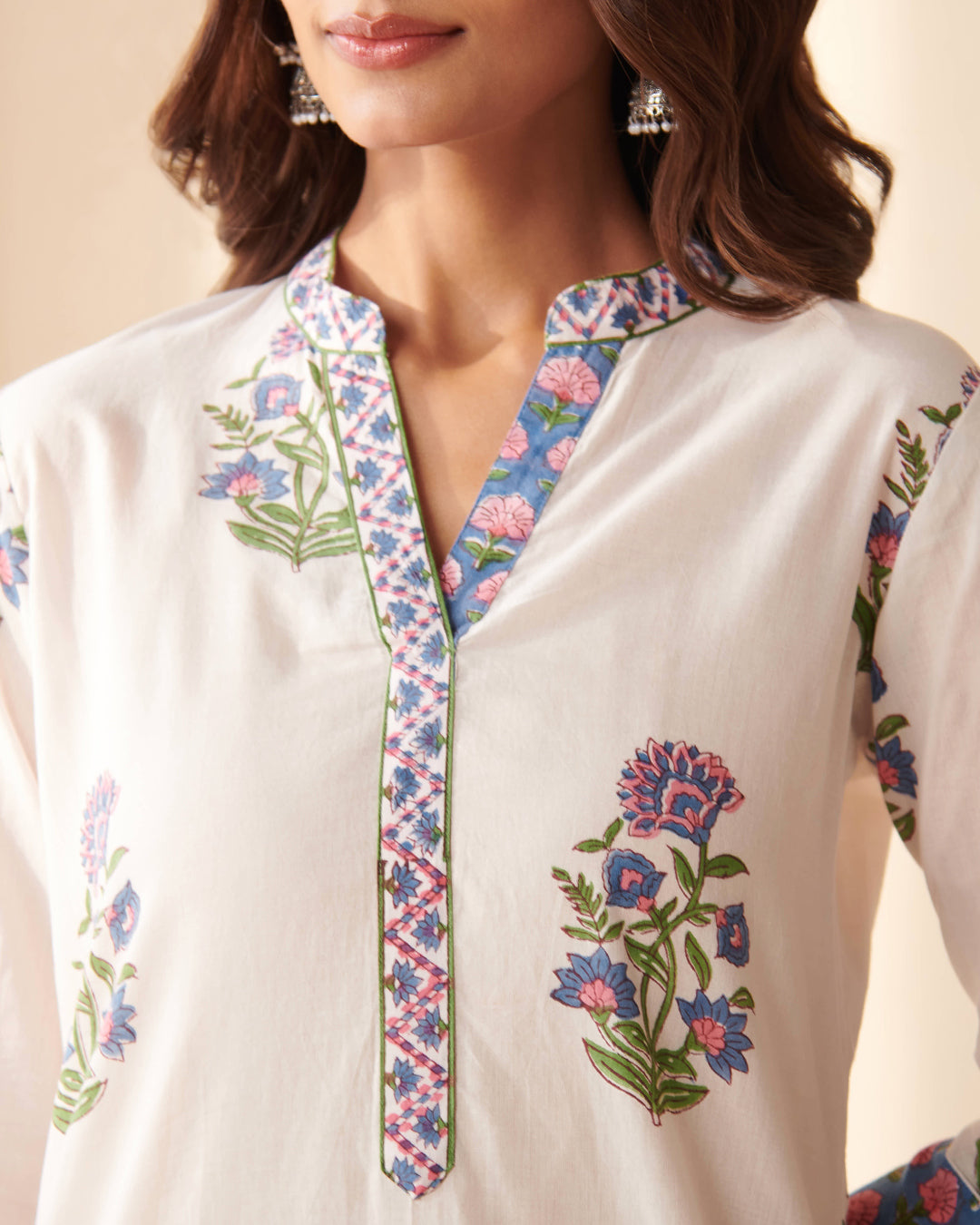
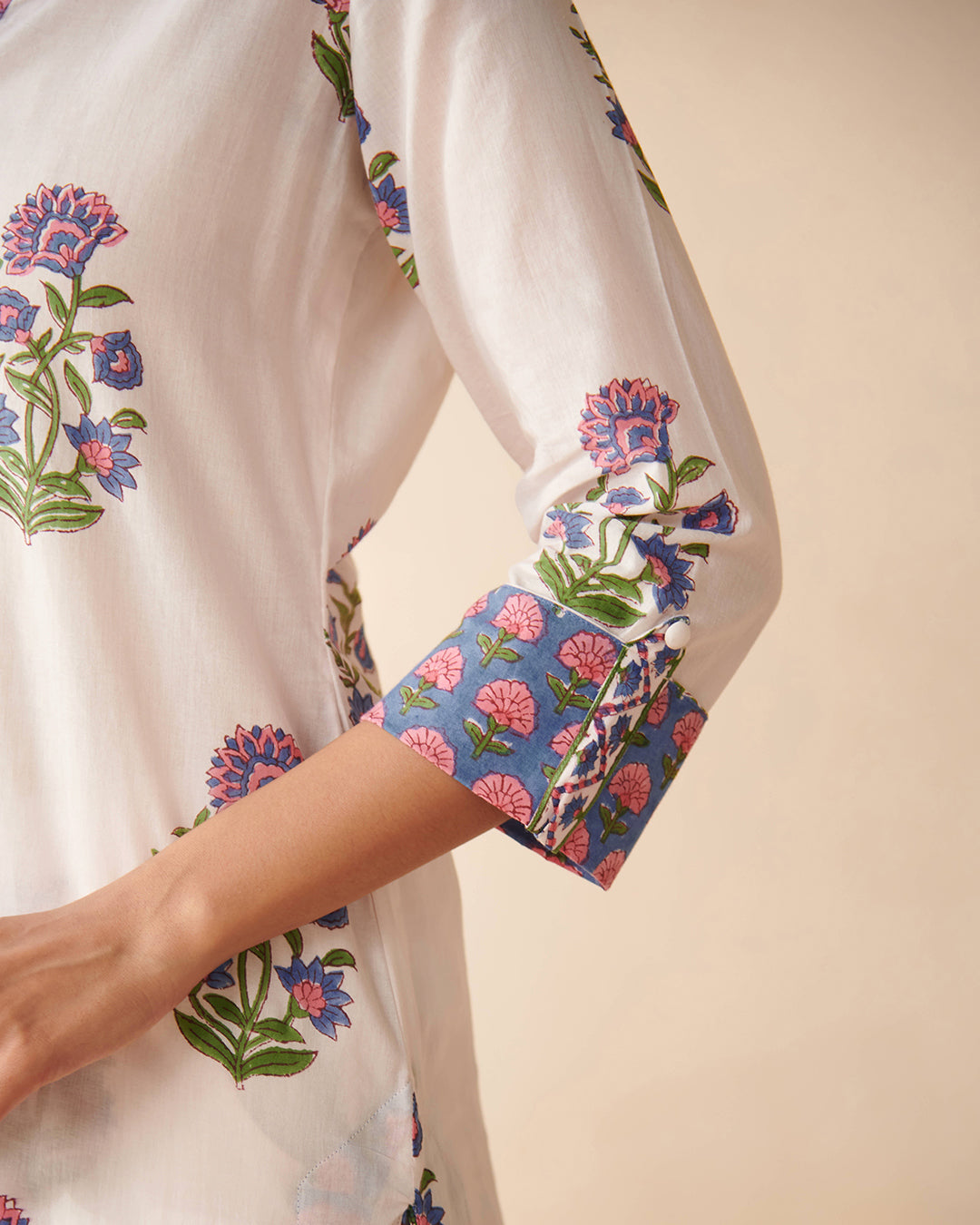
Fine prints, delicate embroidery, or clean tailoring can add personality while allowing the colour to remain the focus. These combinations feel elegant without becoming distracting.
Colours That Work Across Seasons
Some colours naturally adapt throughout the year. Navy blue feels equally appropriate in summer and winter. Ivory remains fresh regardless of the season, while olive green, slate grey, dusty pink, and muted mustard continue to work across changing weather.
Choosing colours that are not tied to a particular season makes building a practical wardrobe much easier.
Popular Kurta Colours for Festive and Celebration Wear
Festive dressing in India has always celebrated colour. The richness of traditional textiles becomes even more beautiful when paired with shades that hold cultural significance.
While every region has its own preferences, some colours have remained favourites for generations because they capture both celebration and heritage.
Red, Maroon, and Mustard for Traditional Occasions
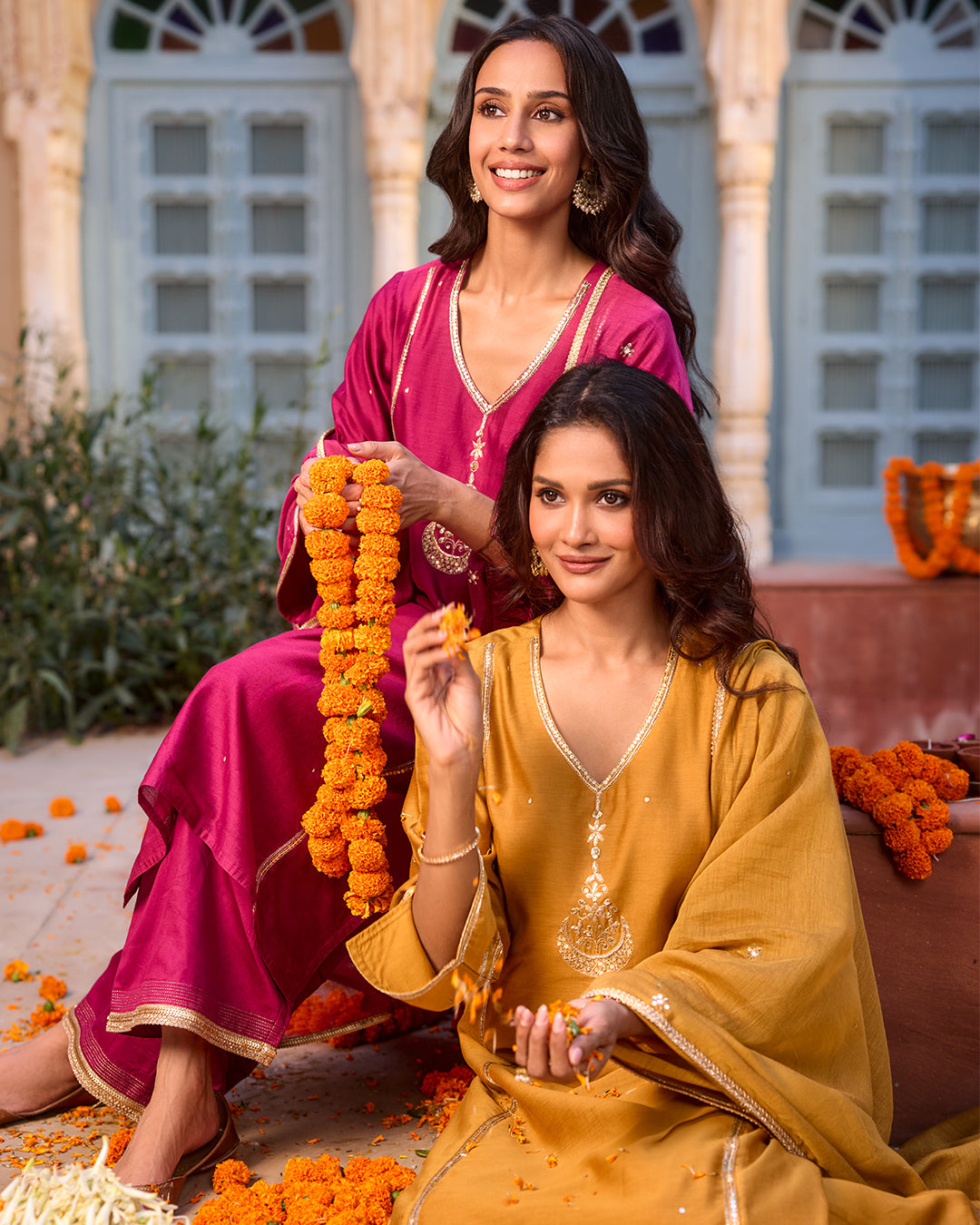
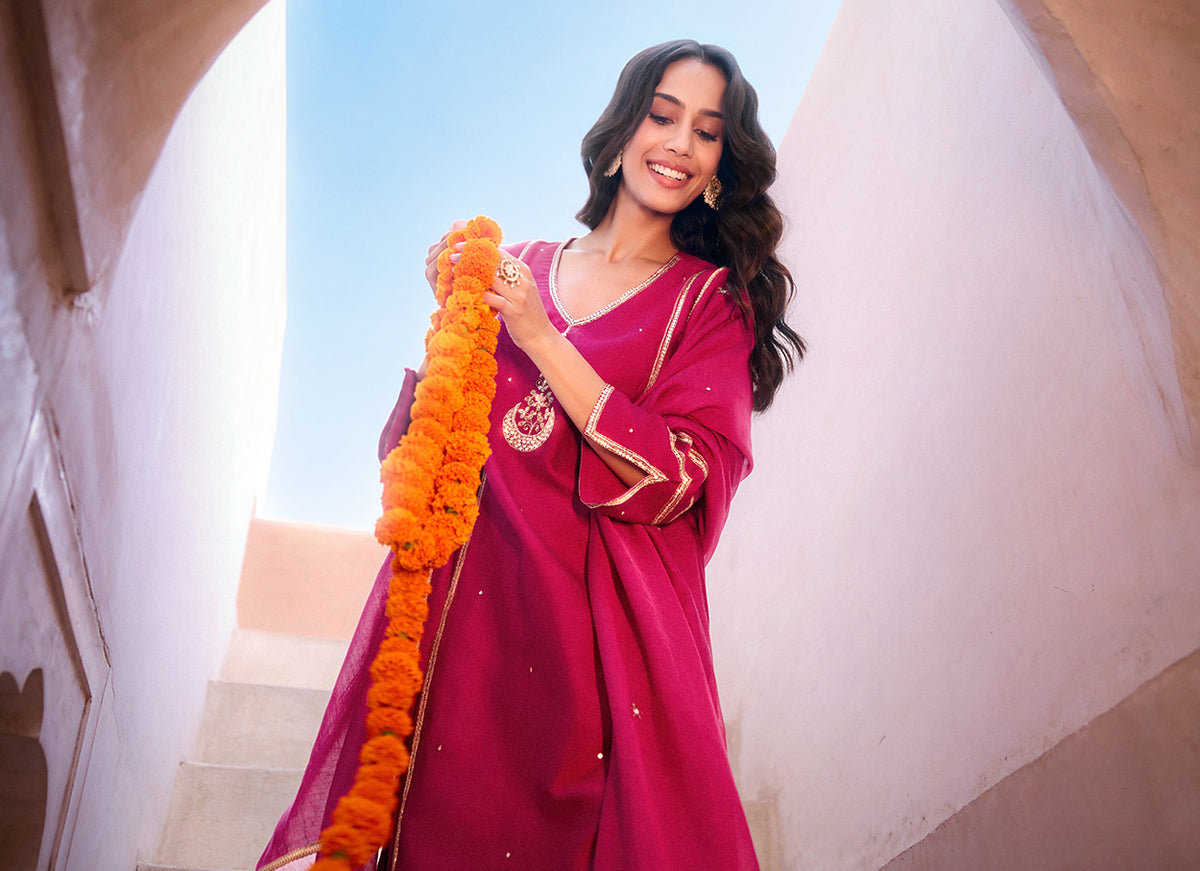
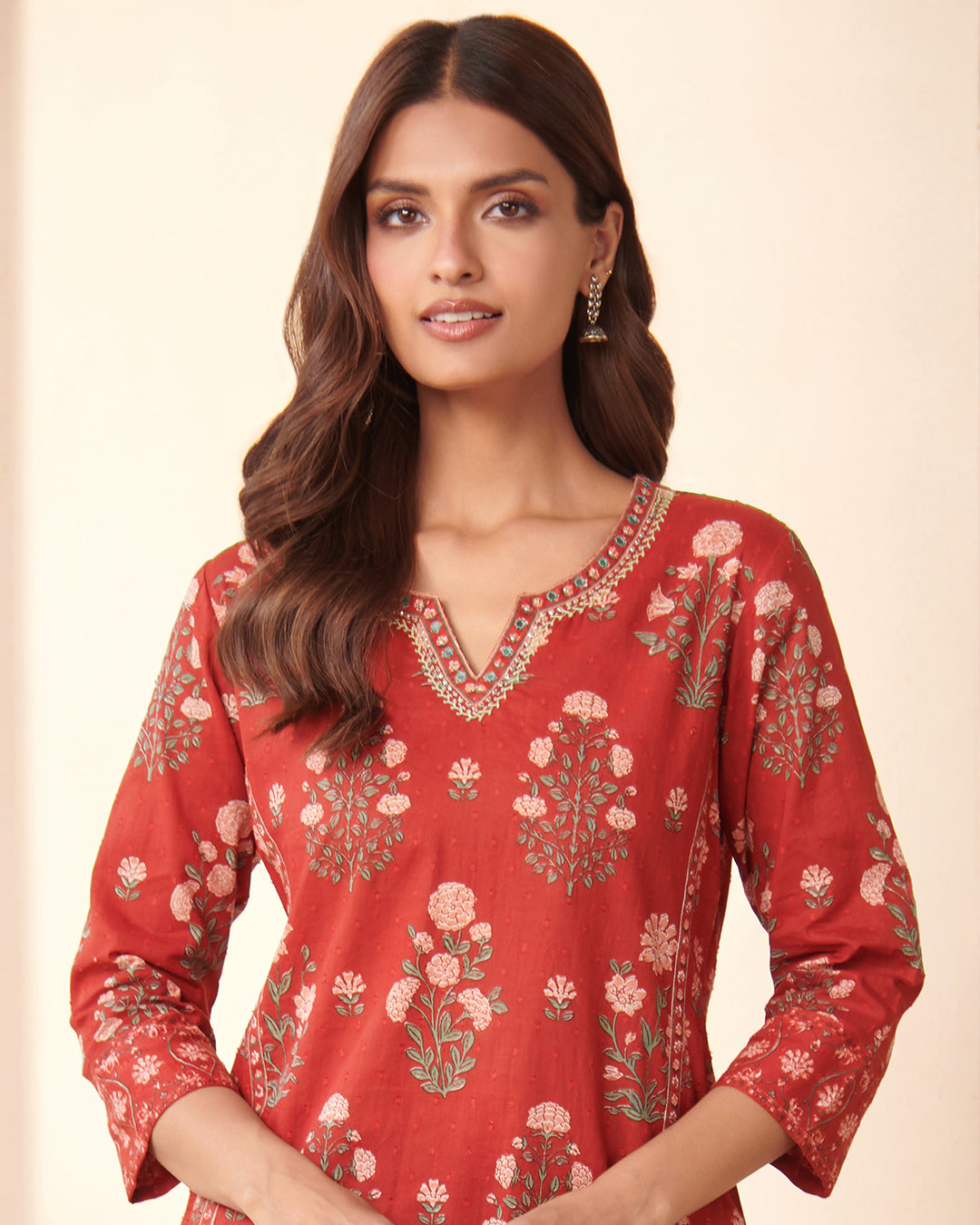
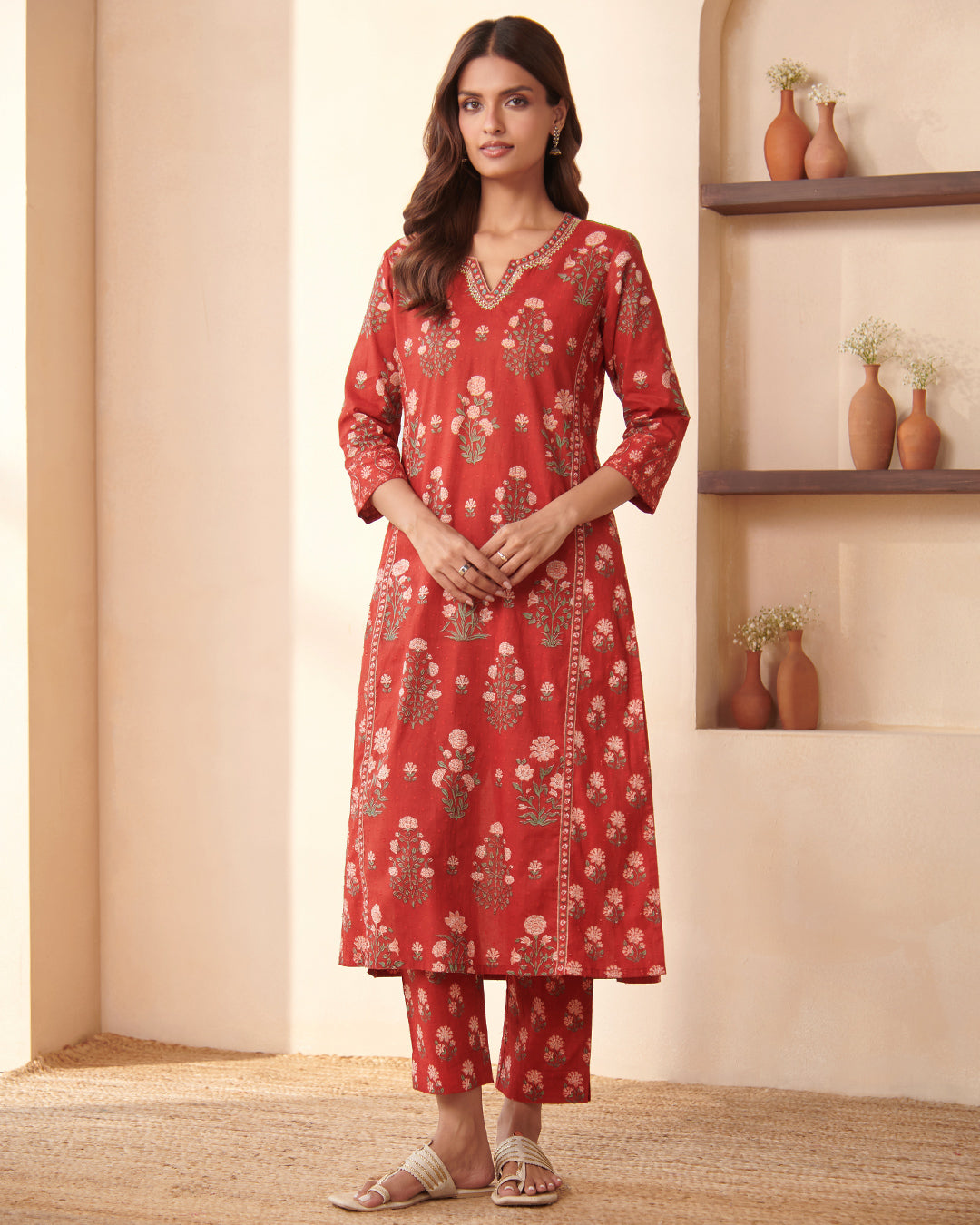
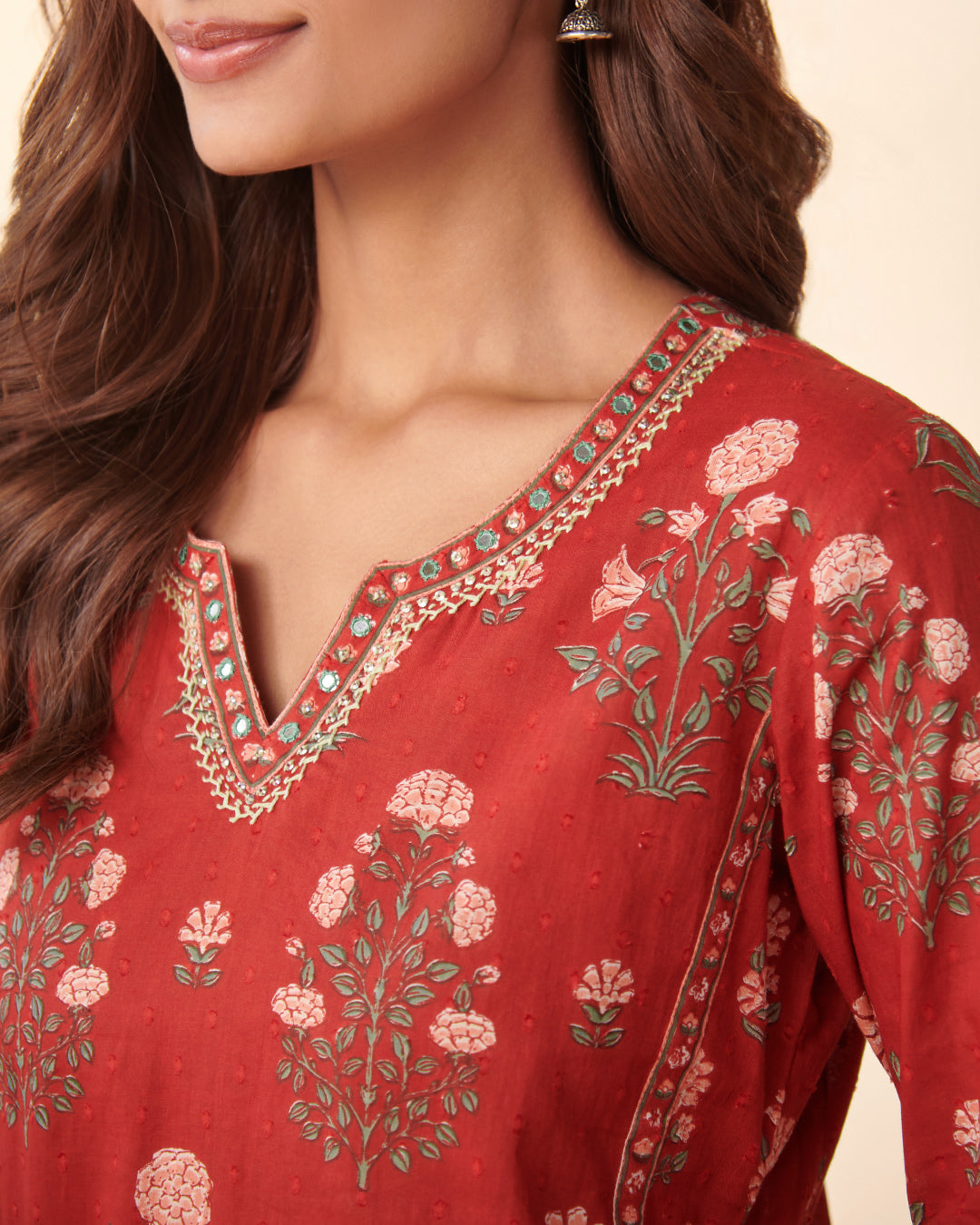
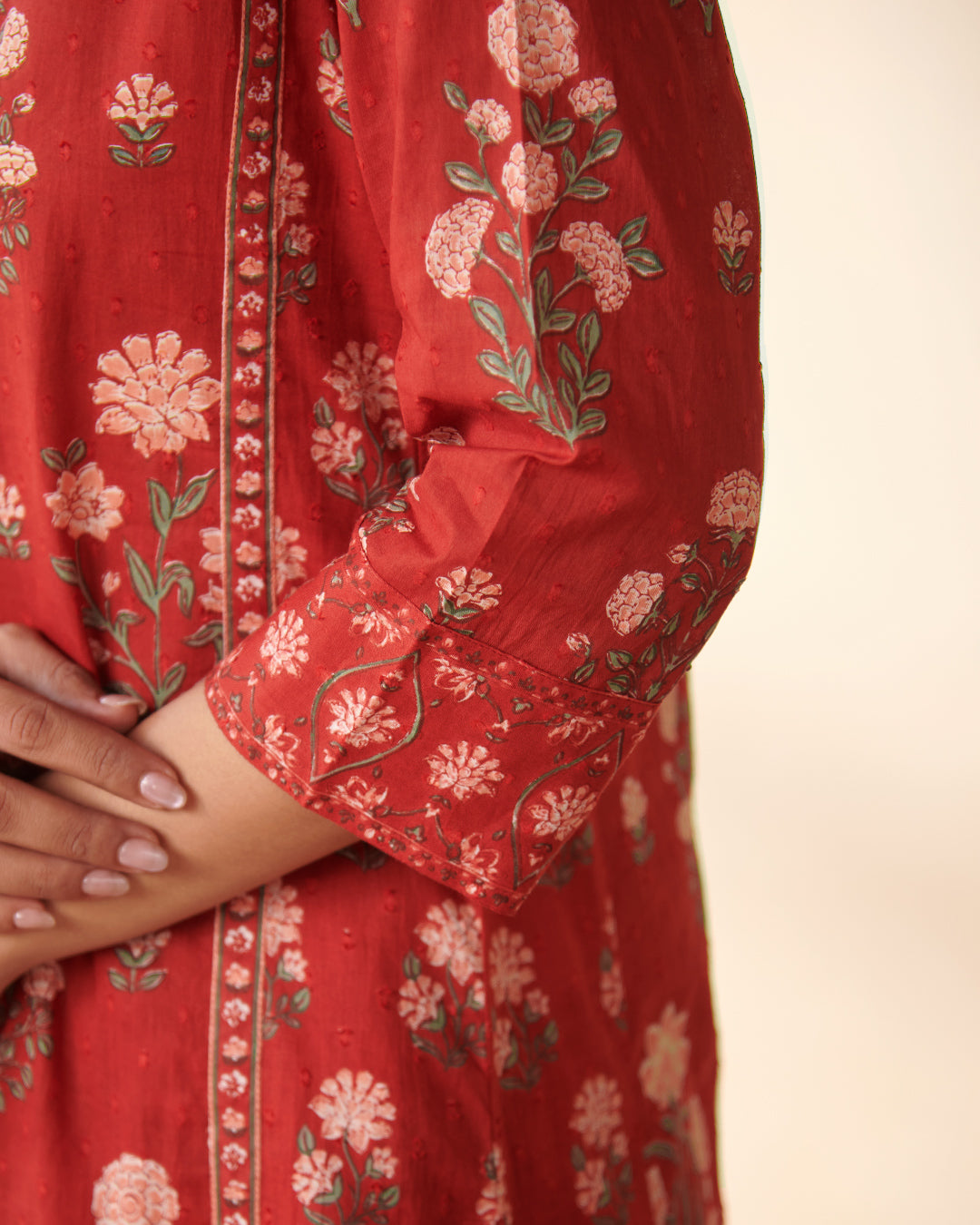
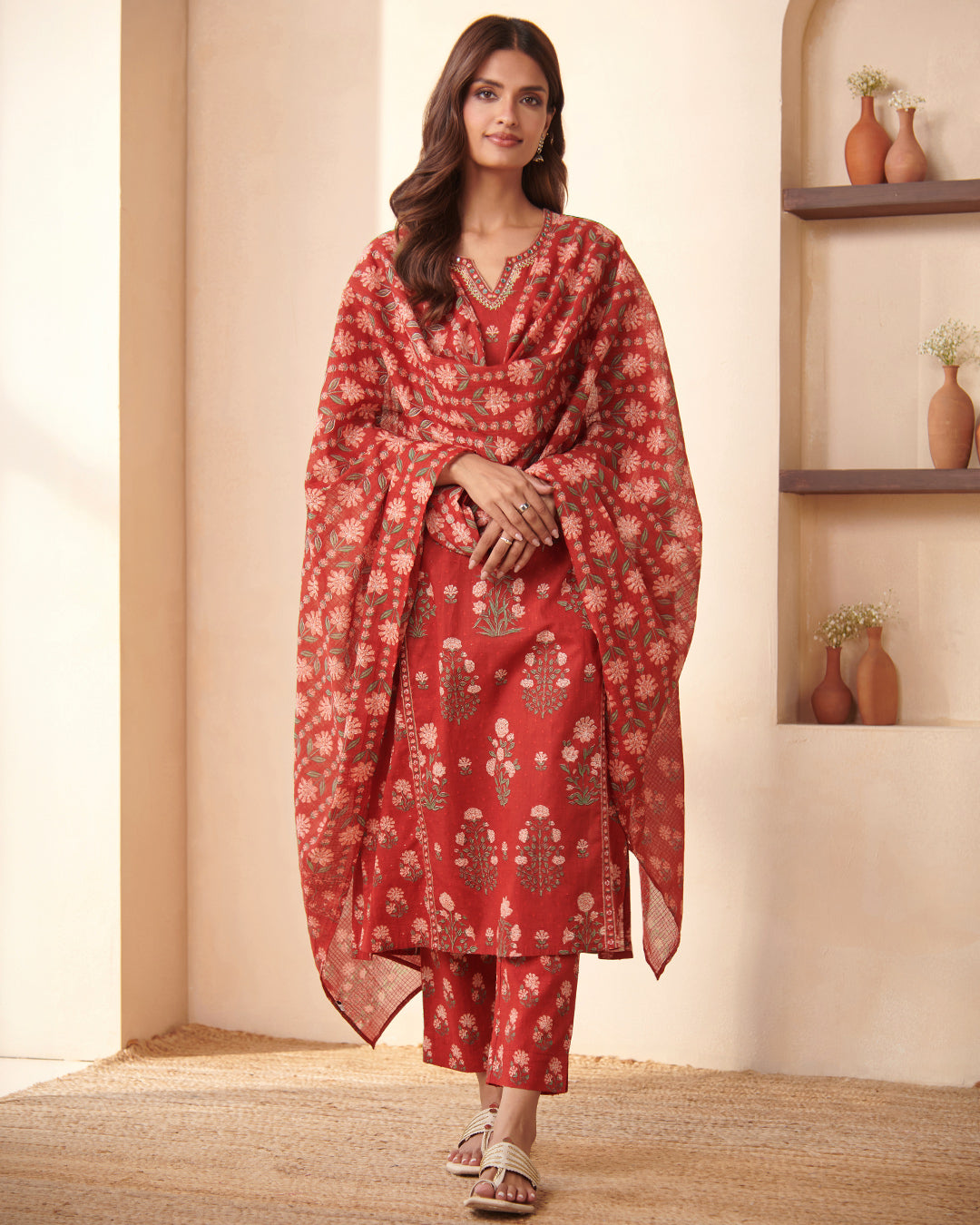
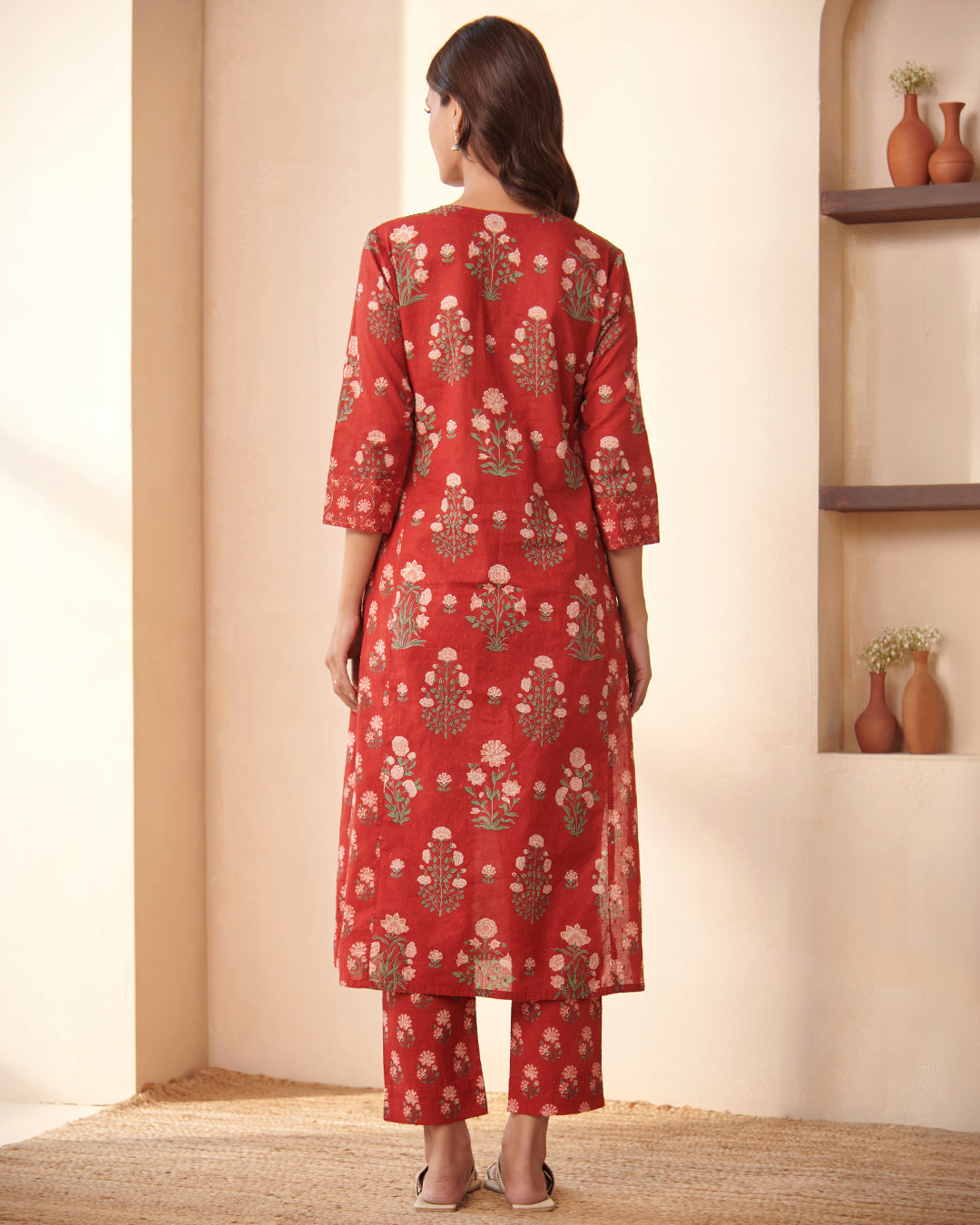
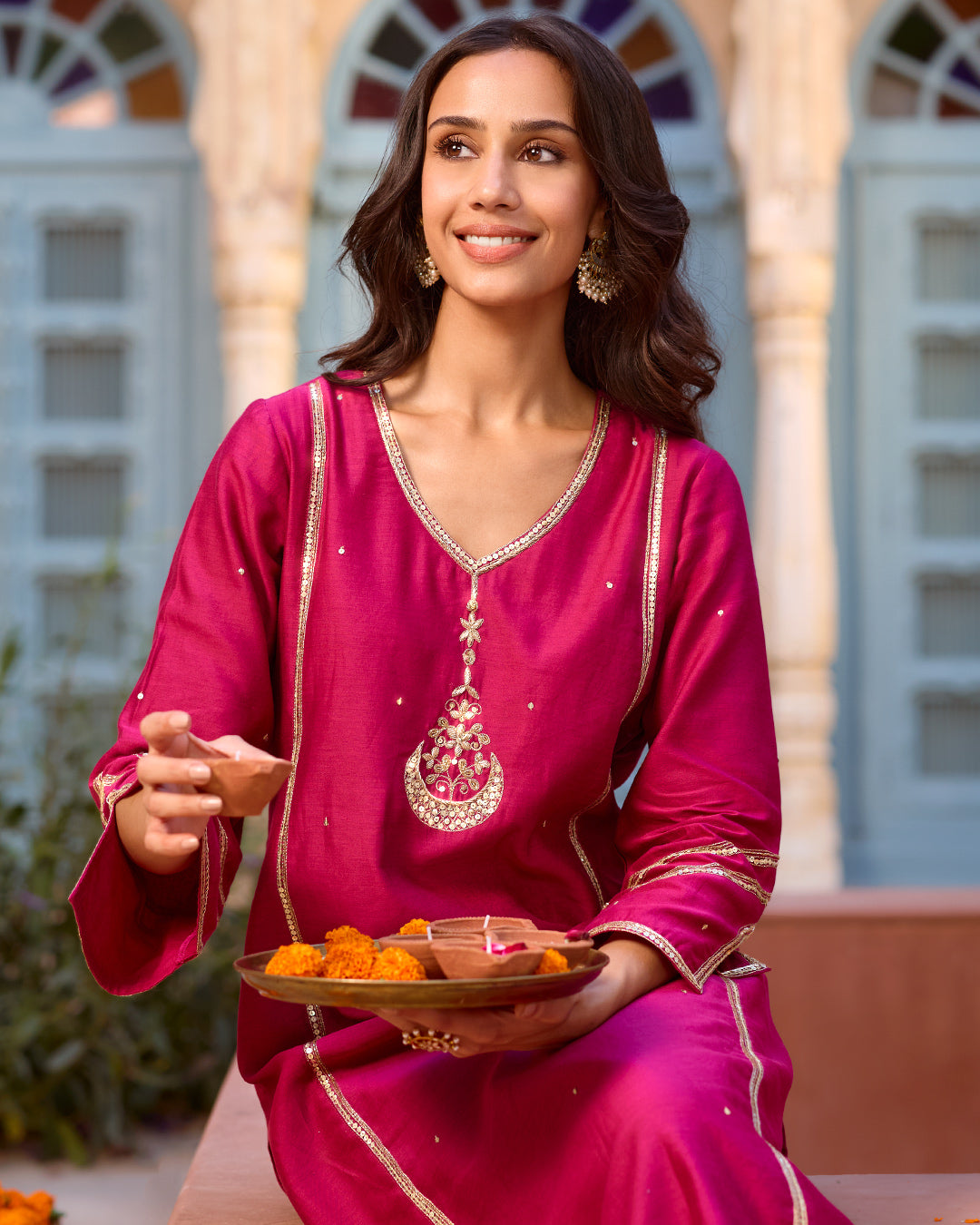
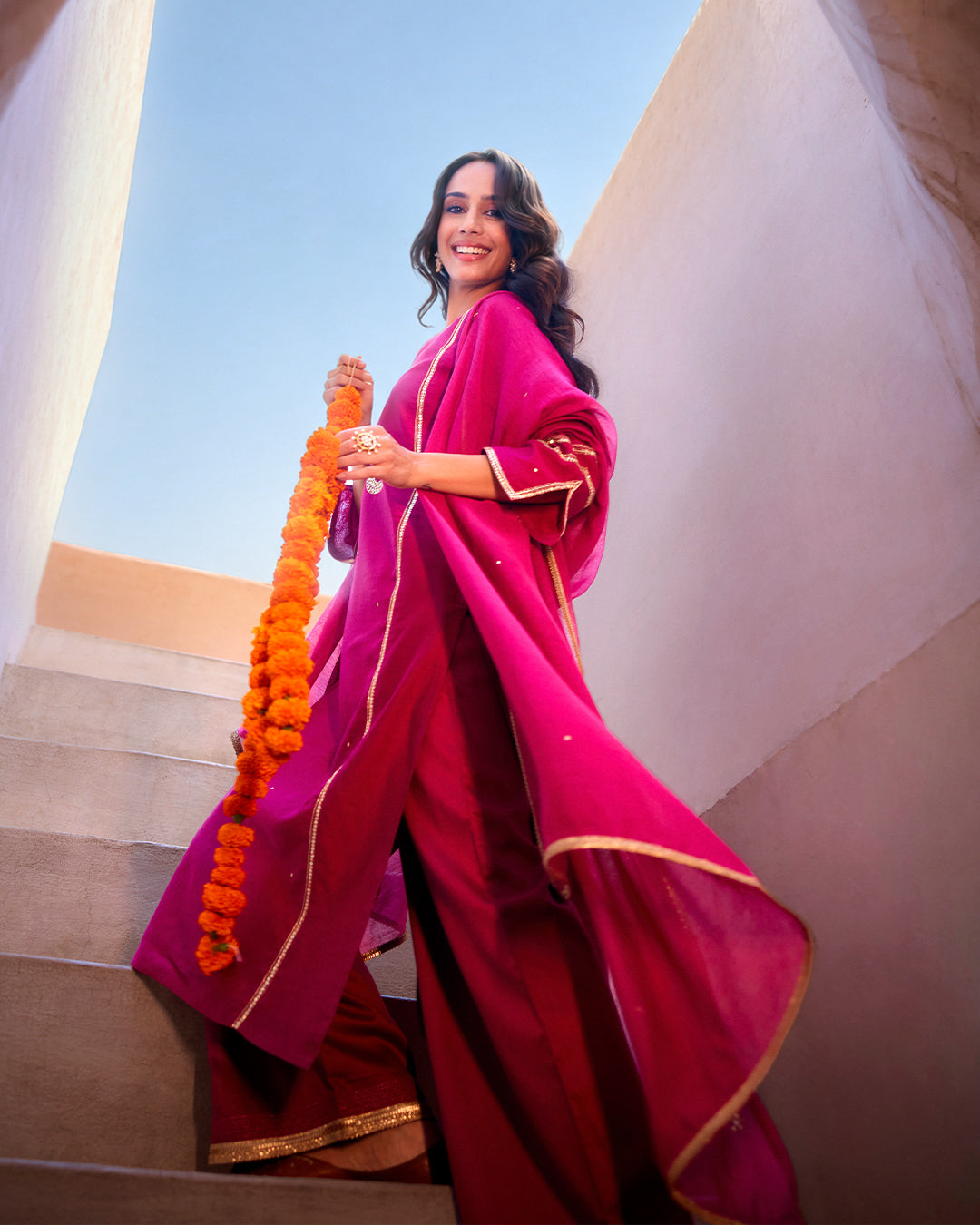
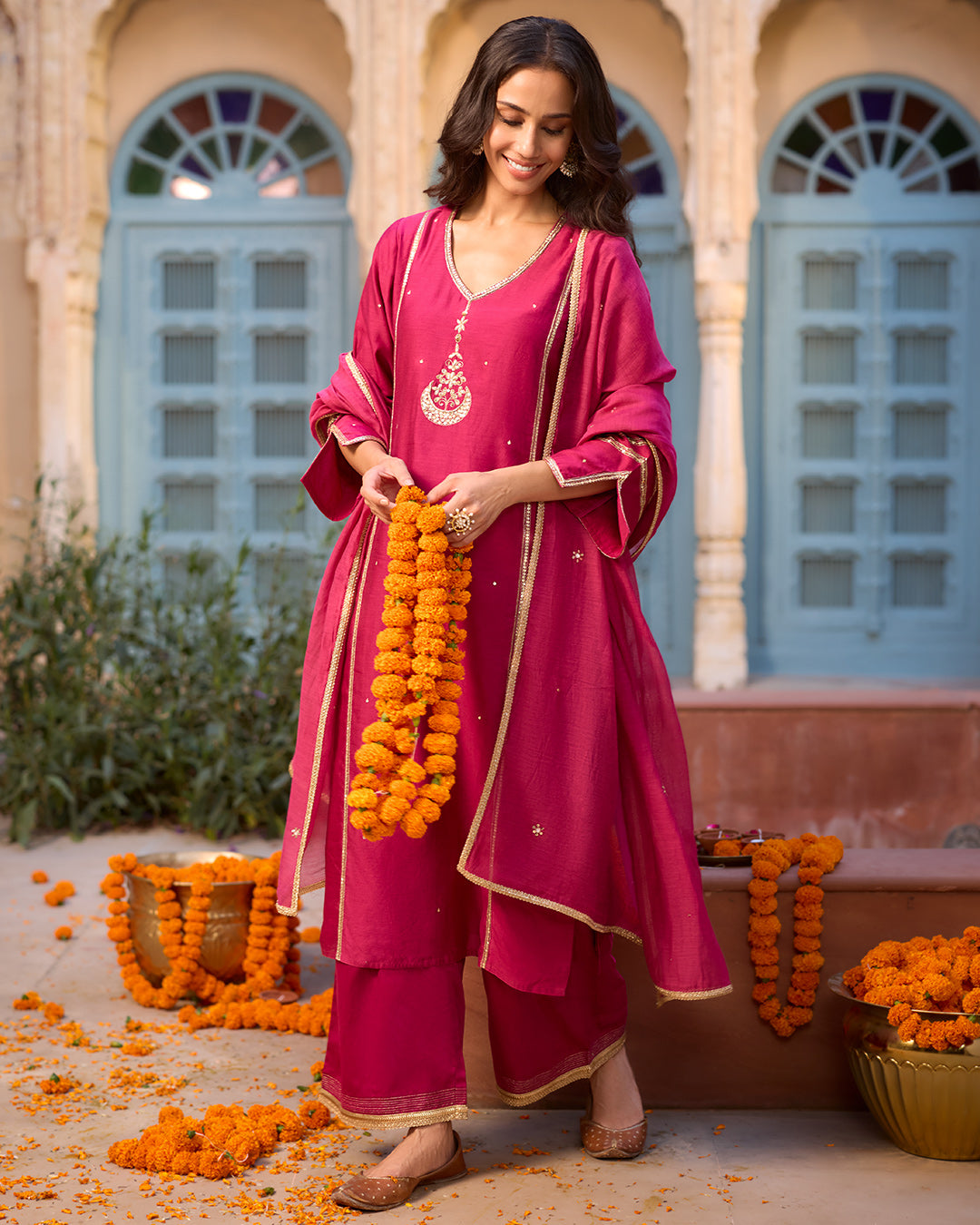
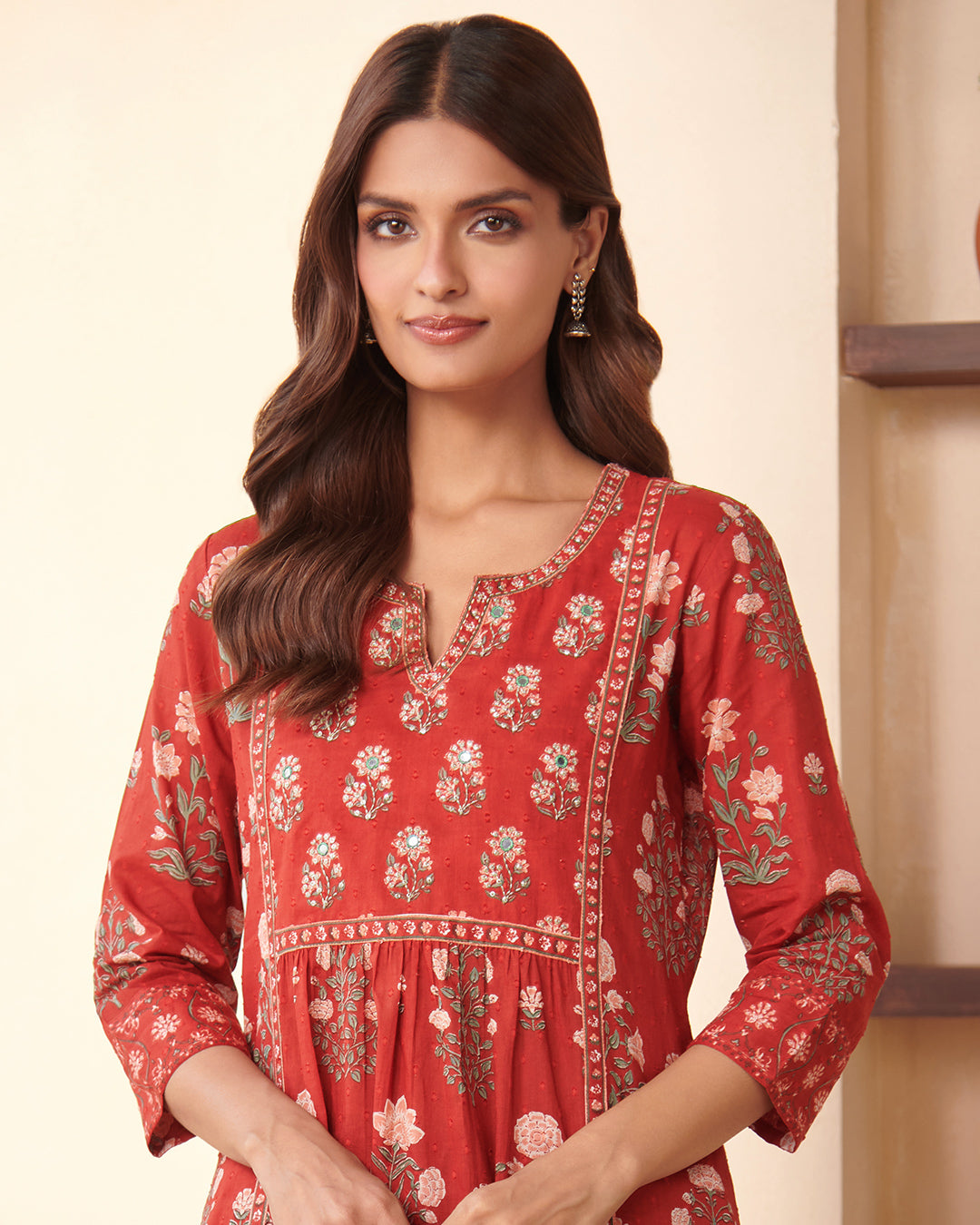
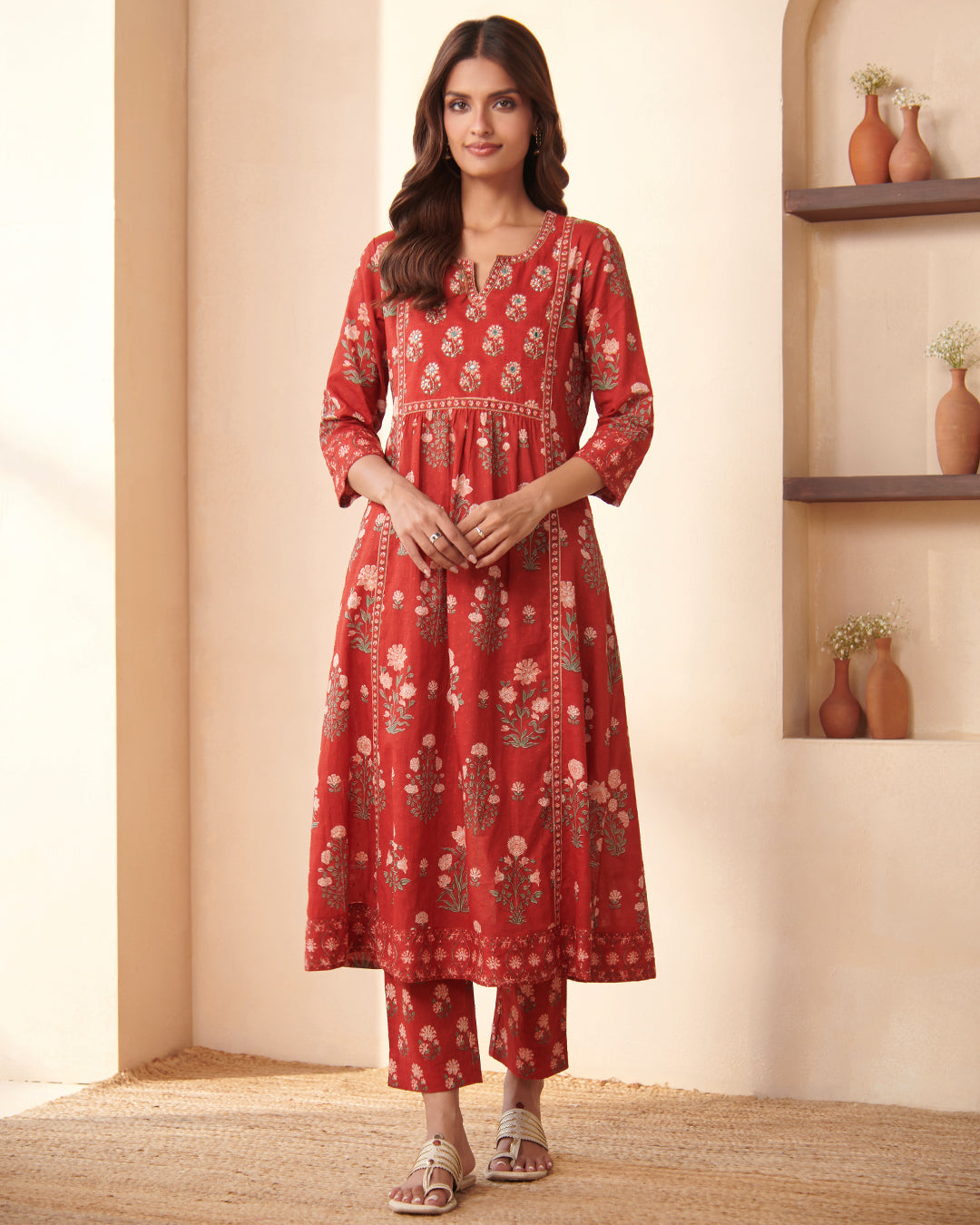
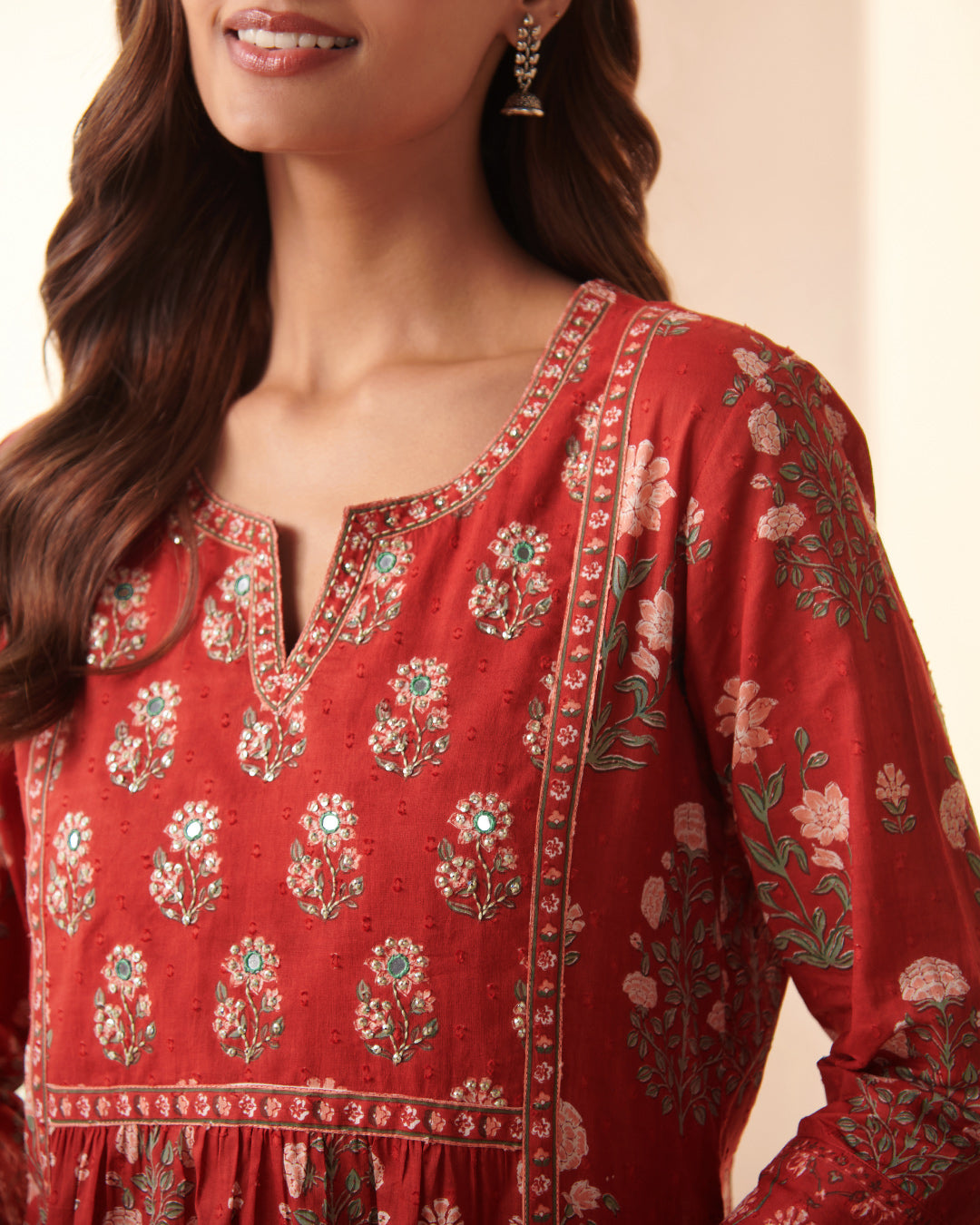
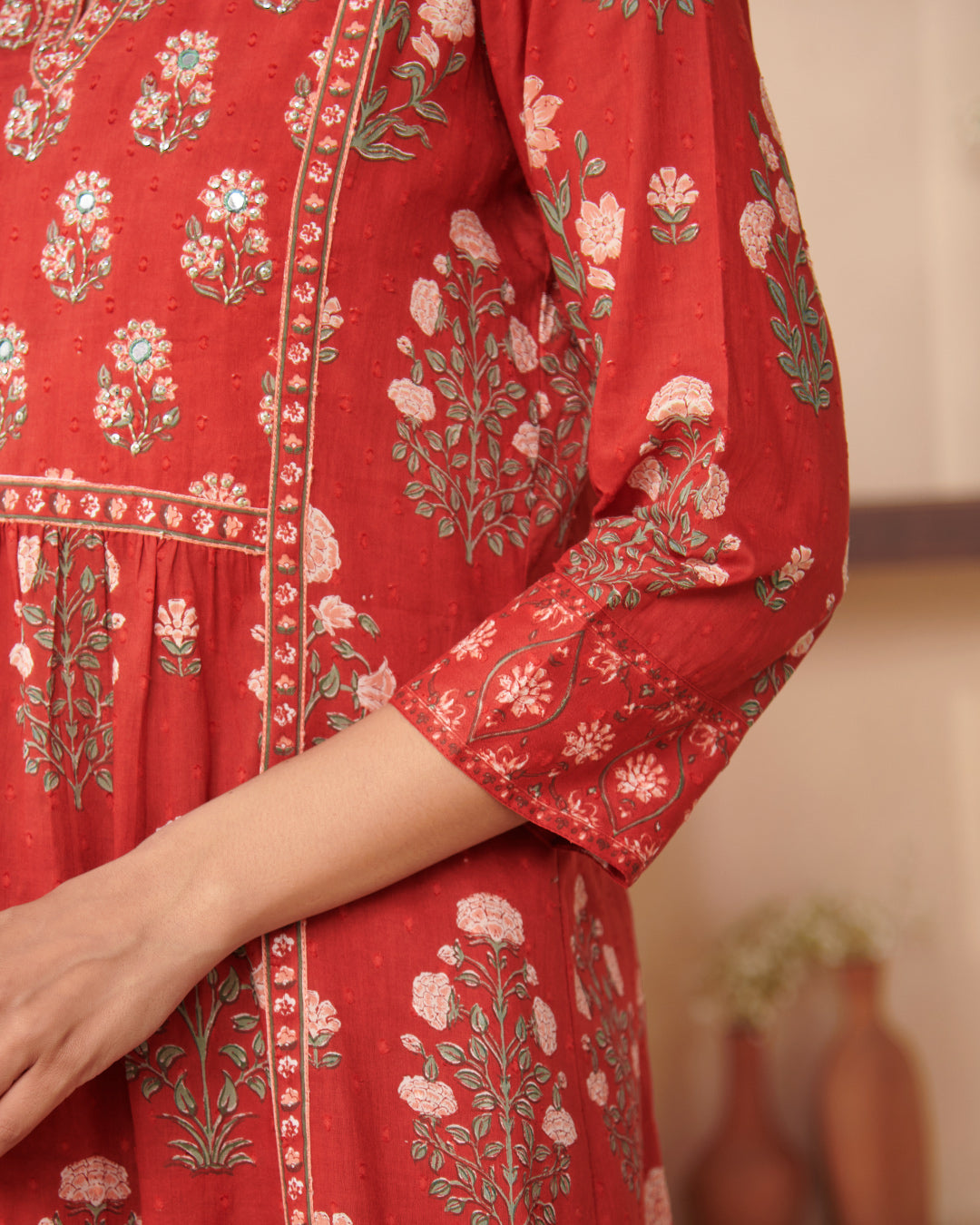
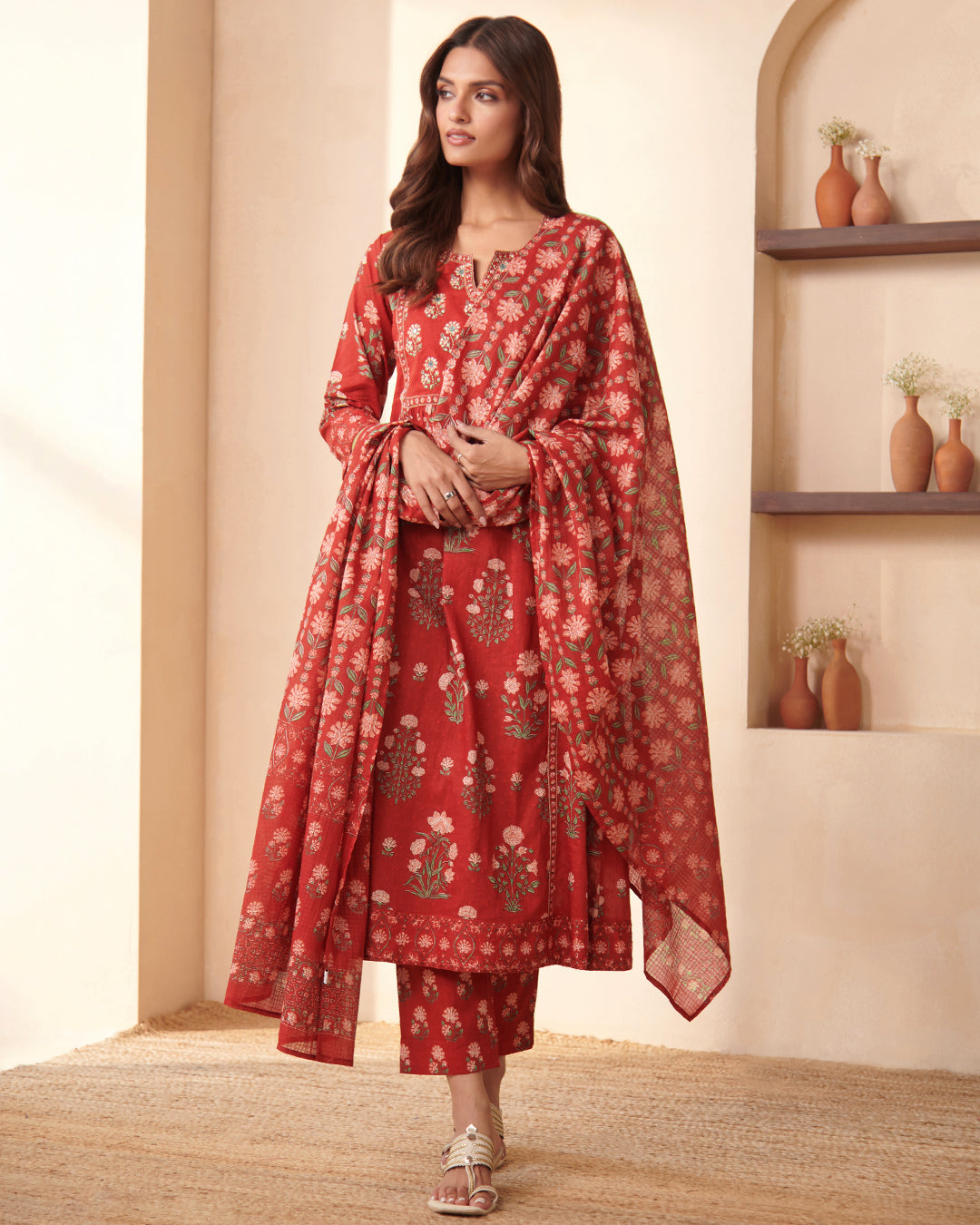
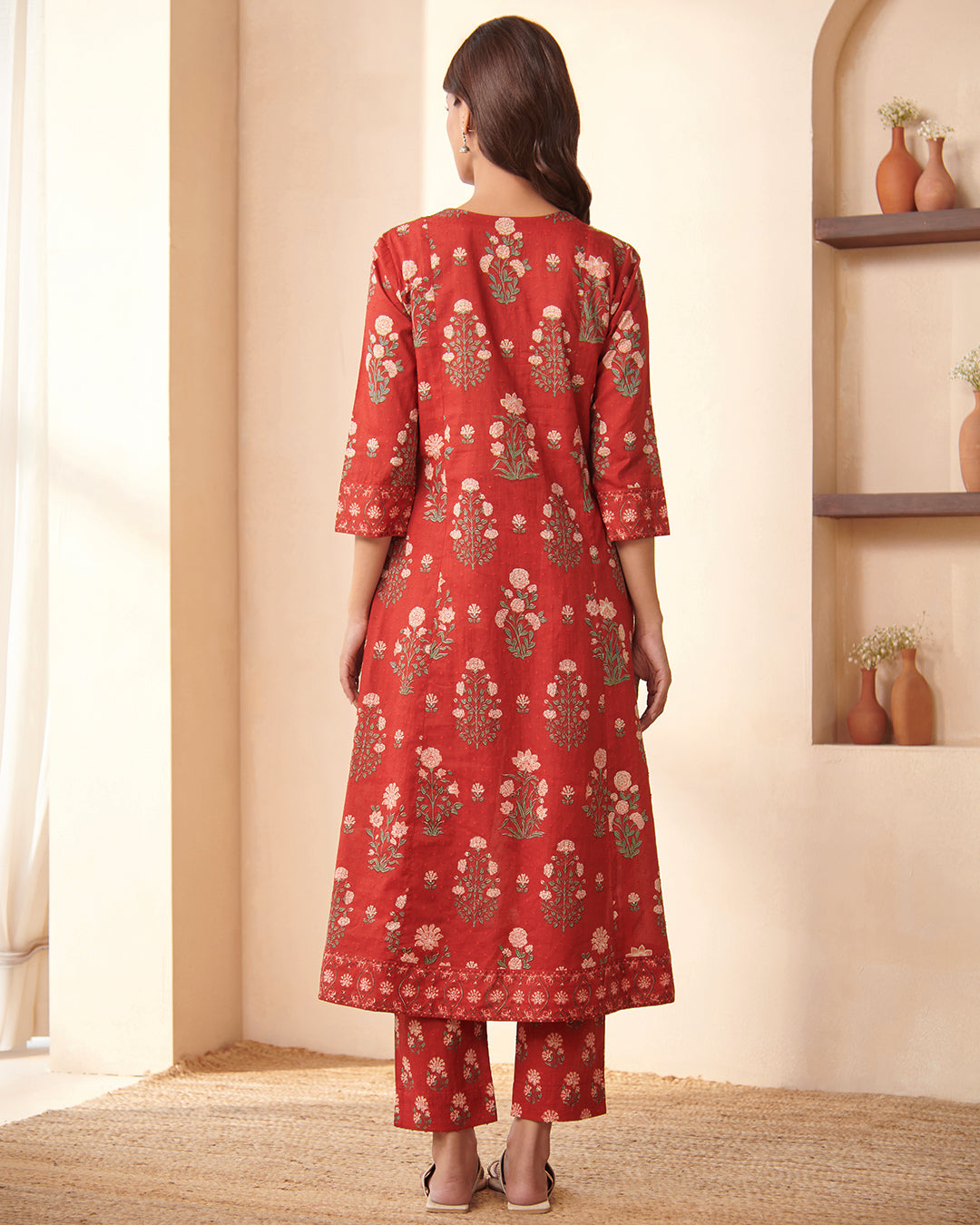
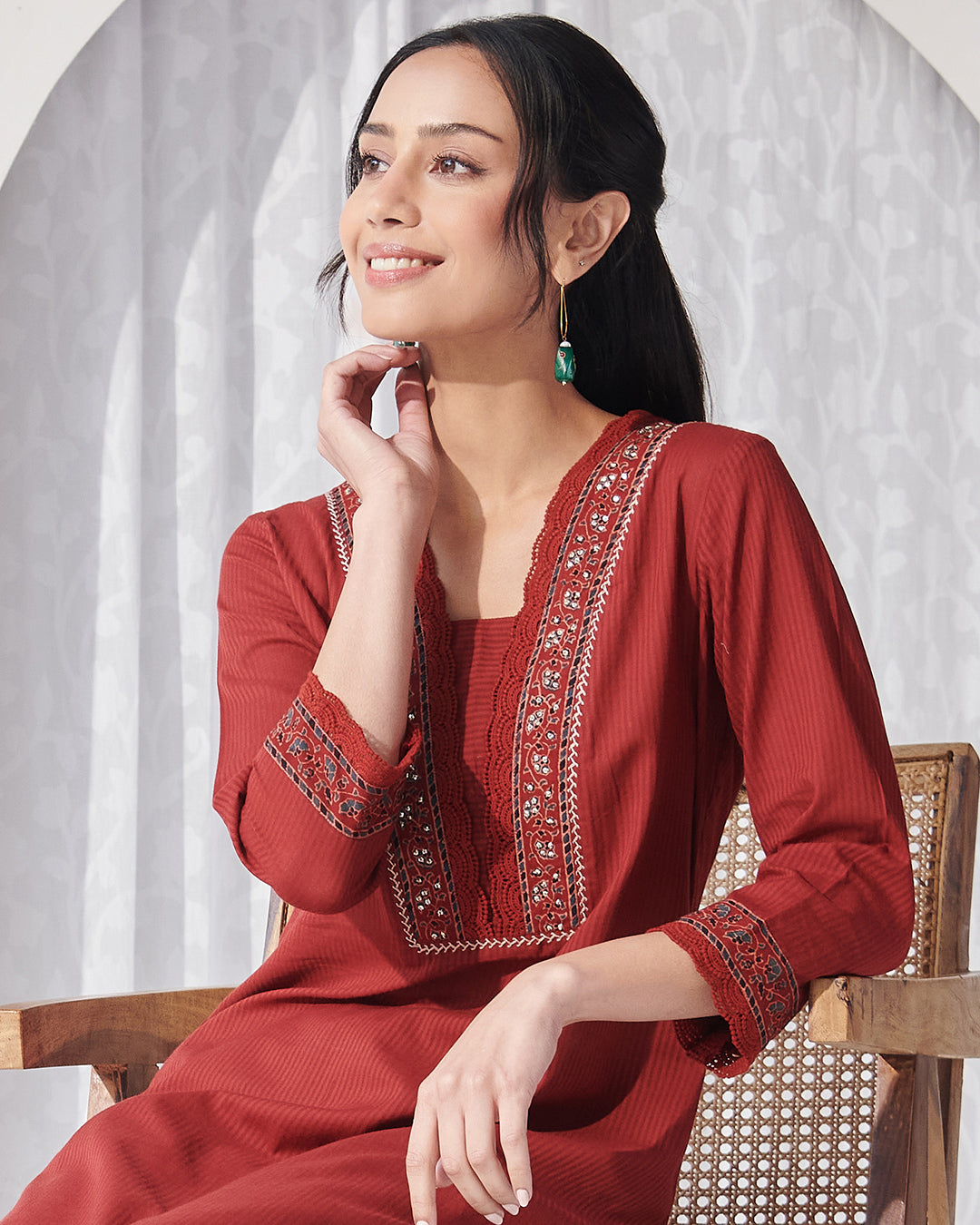
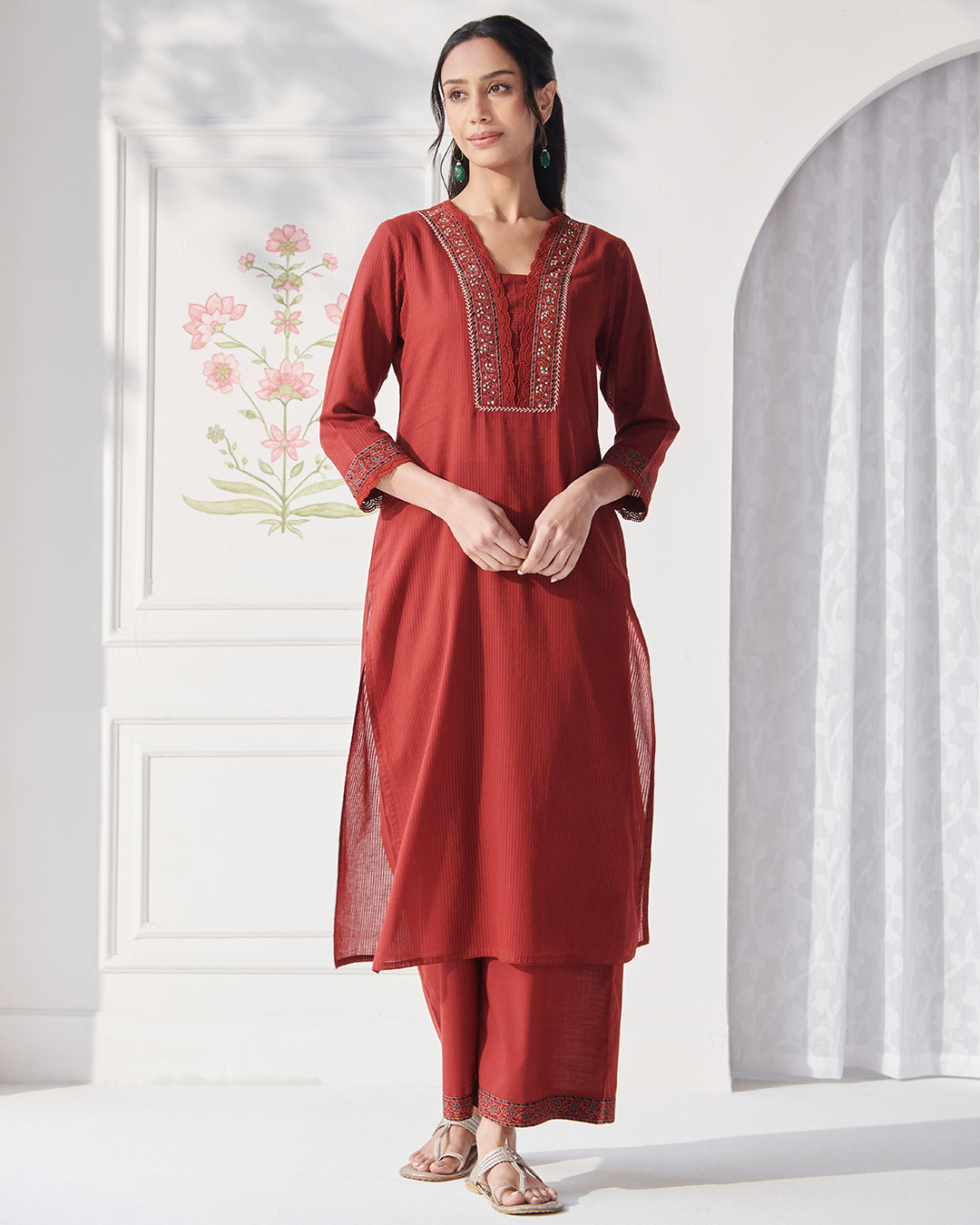
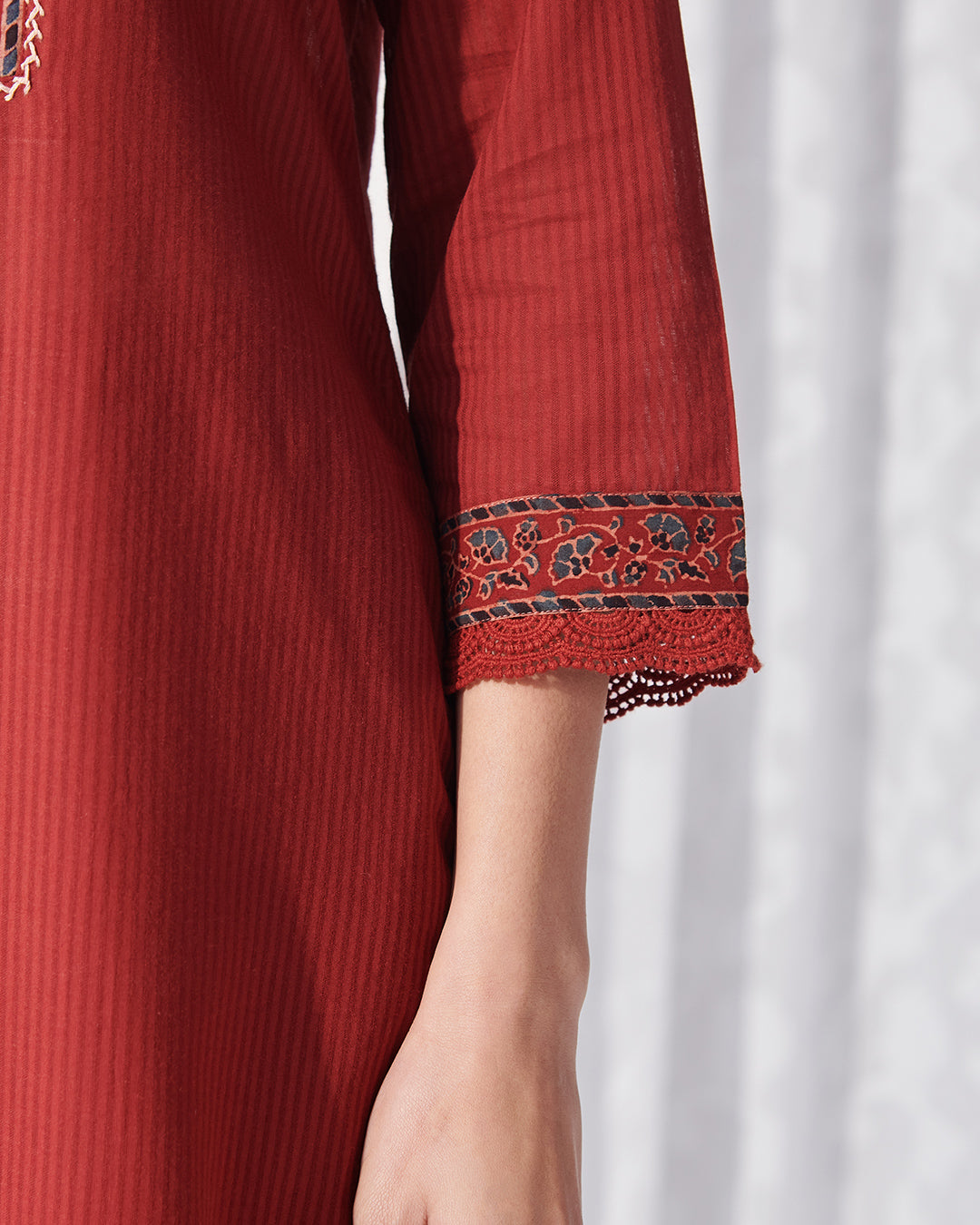
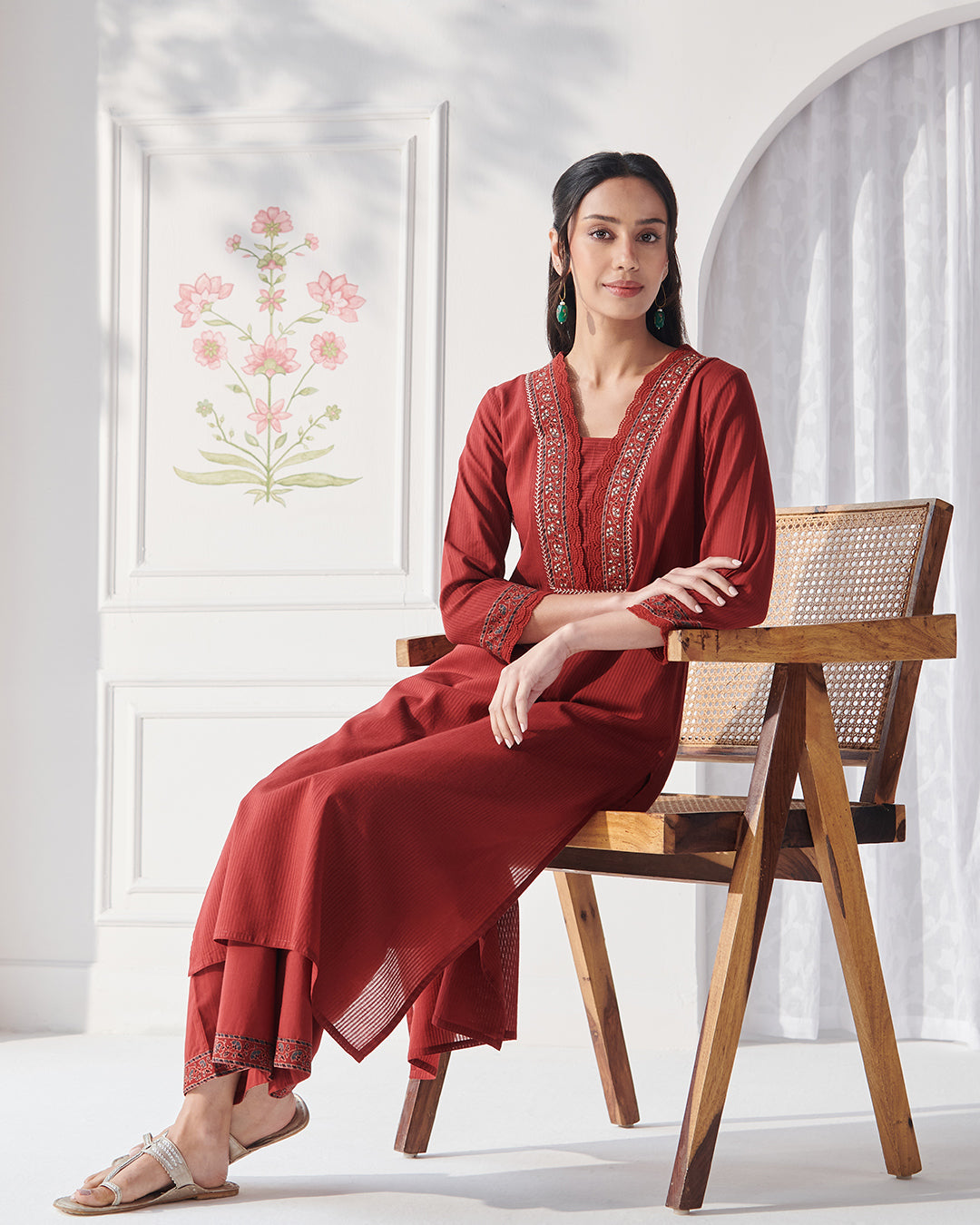
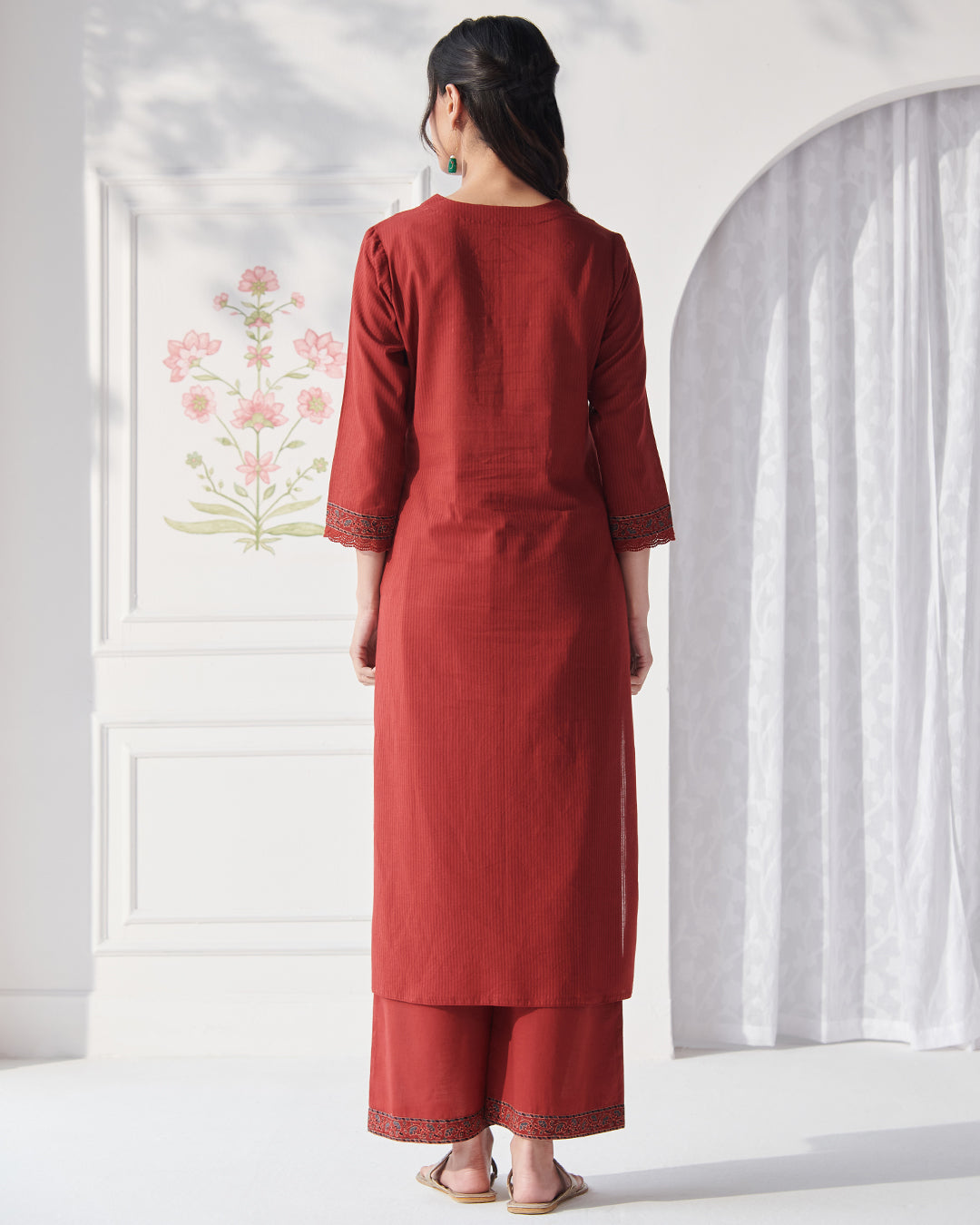
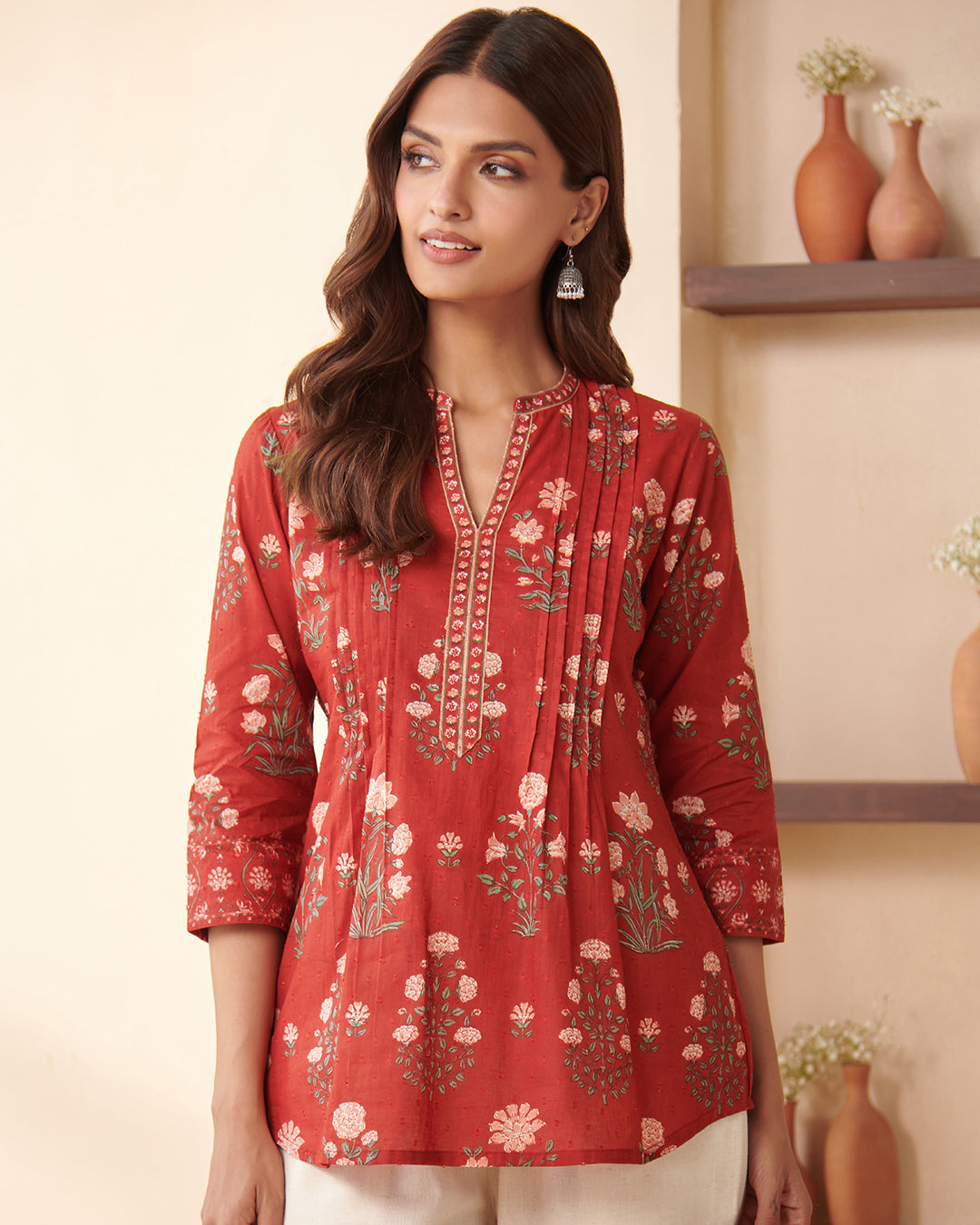
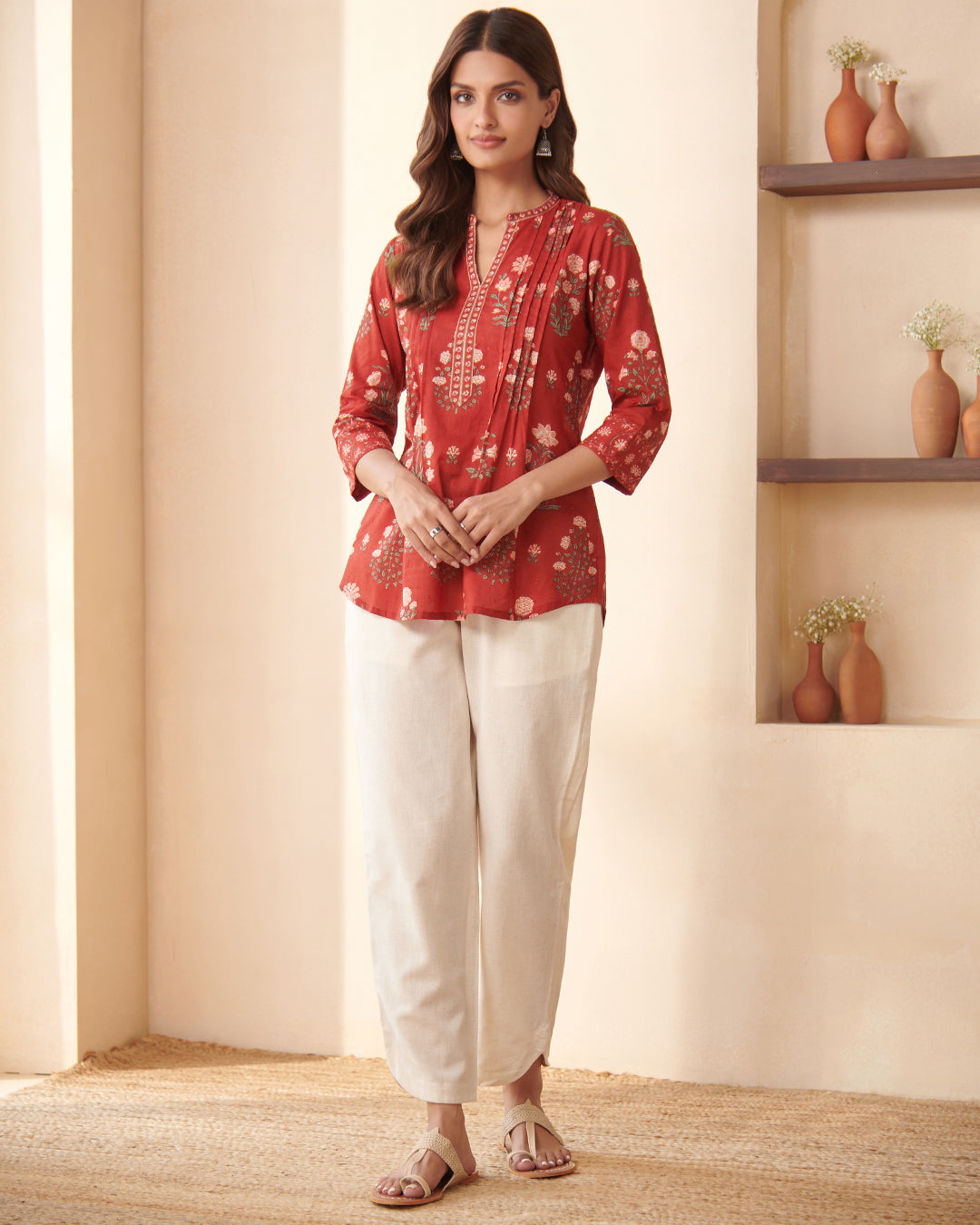
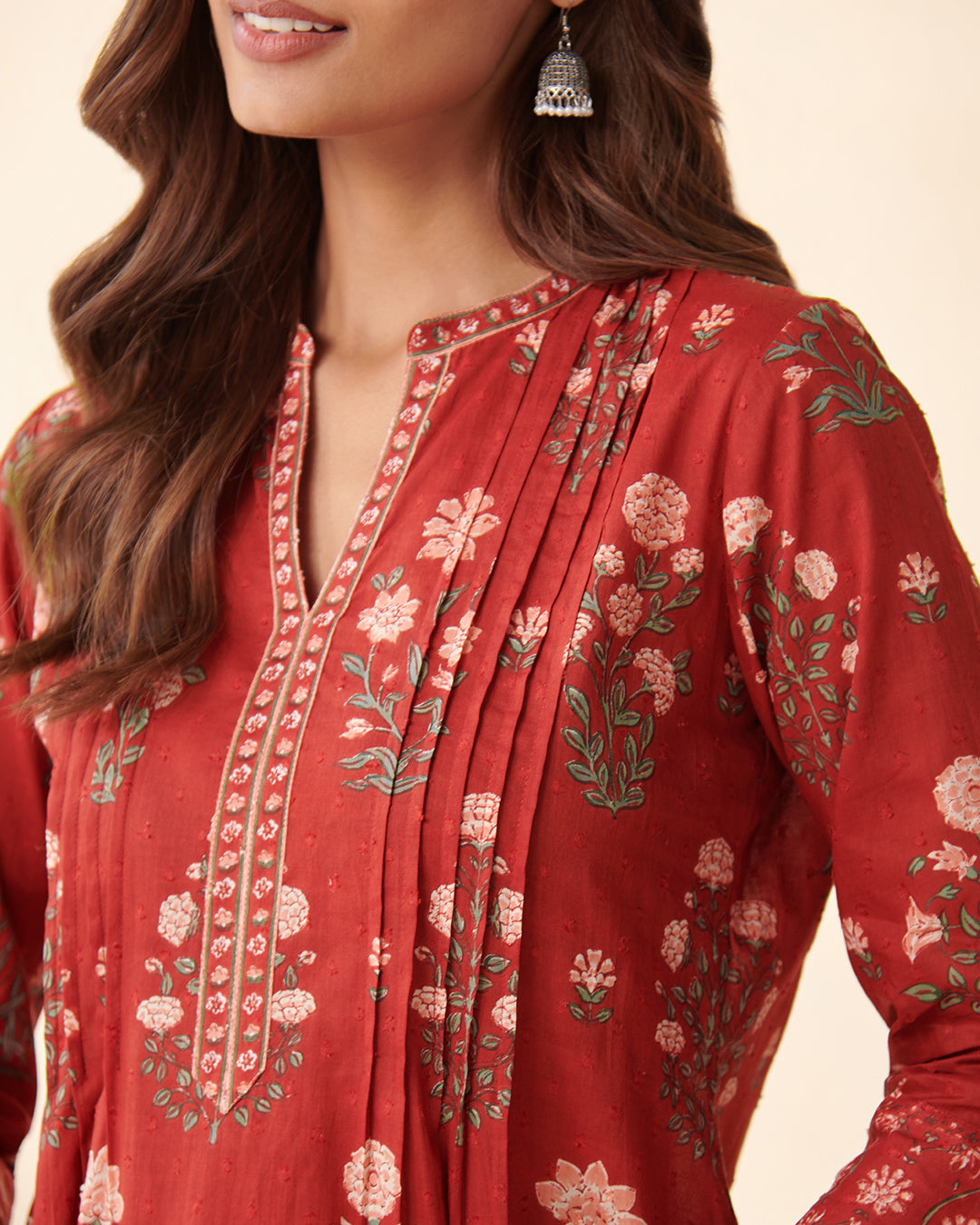
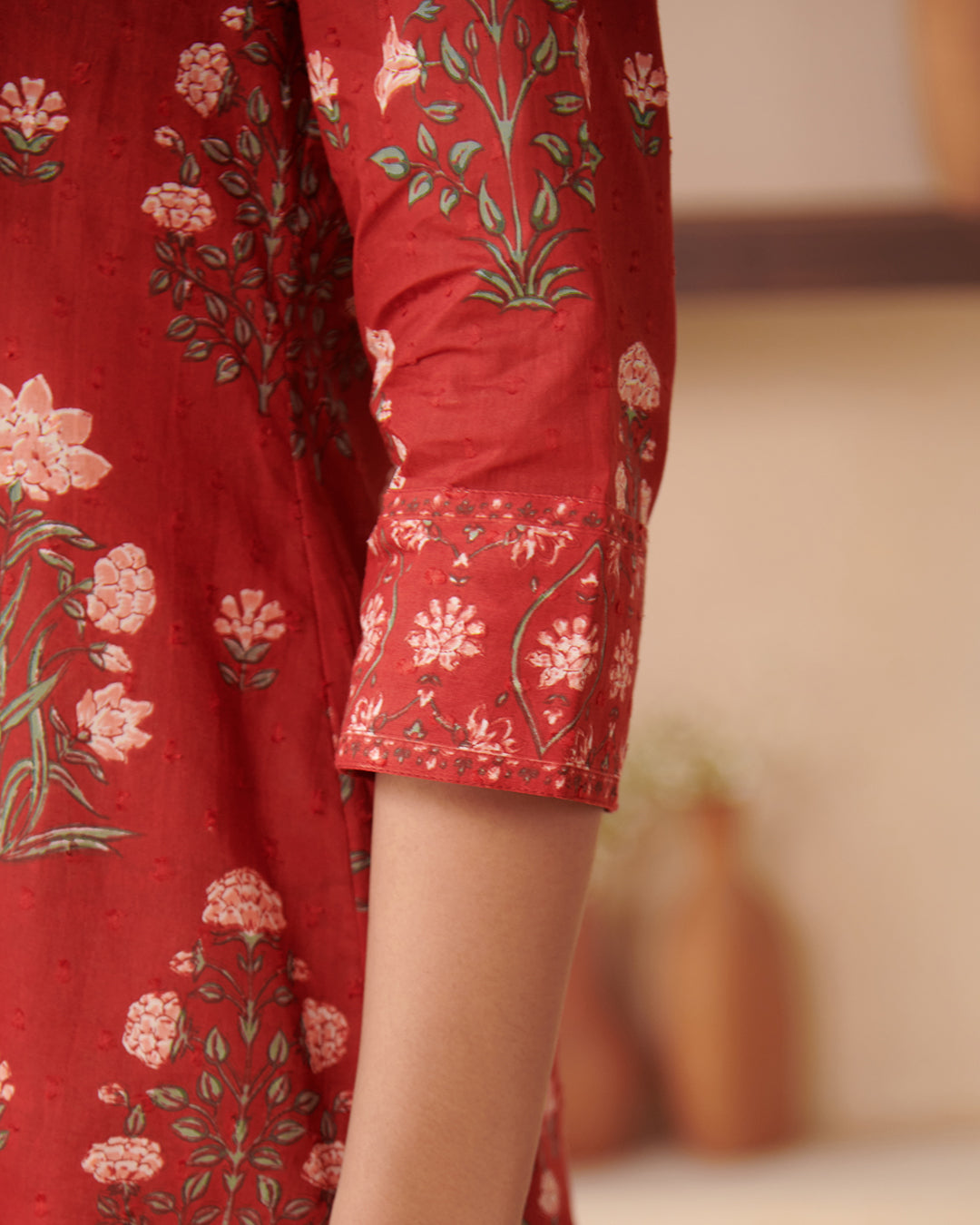
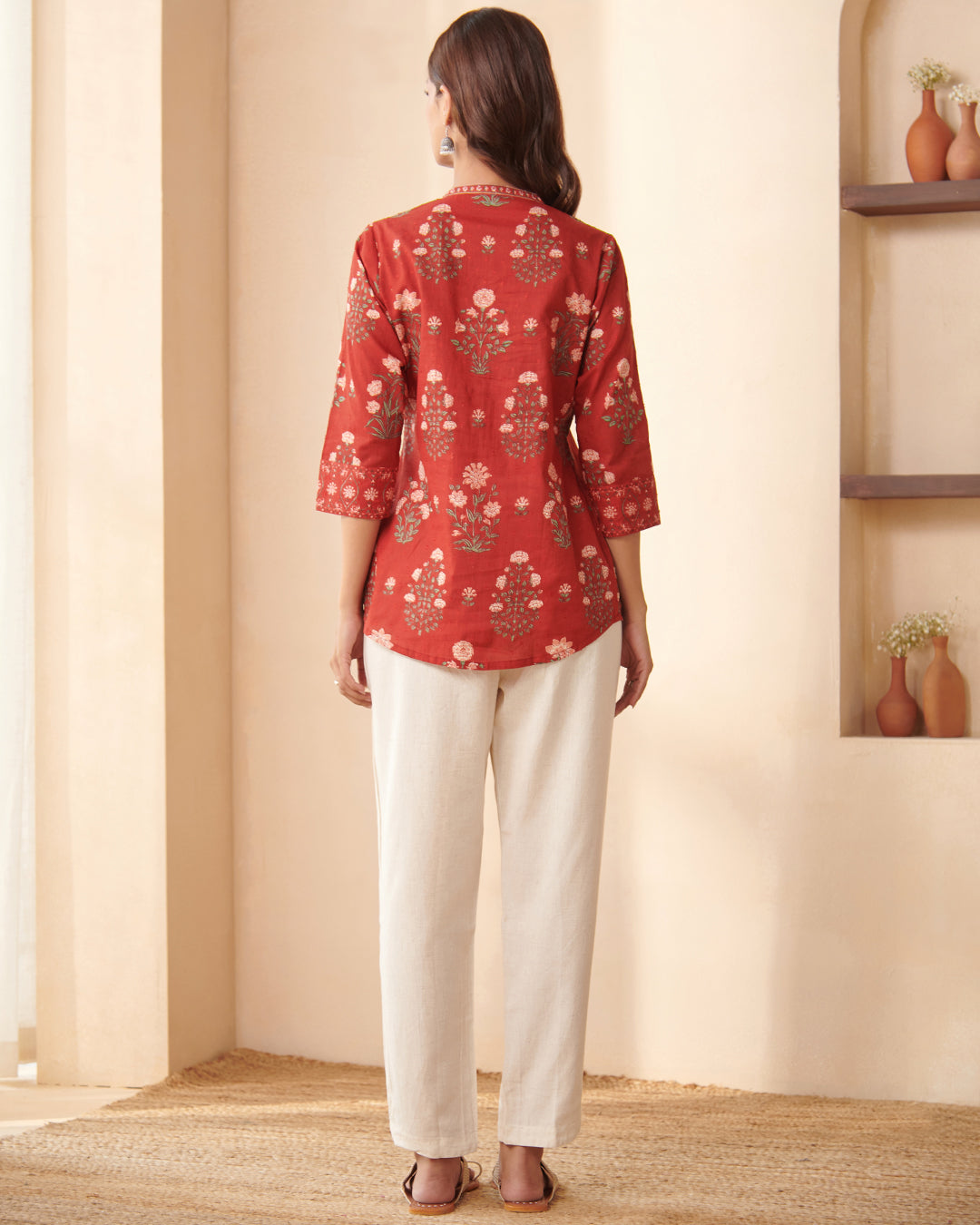
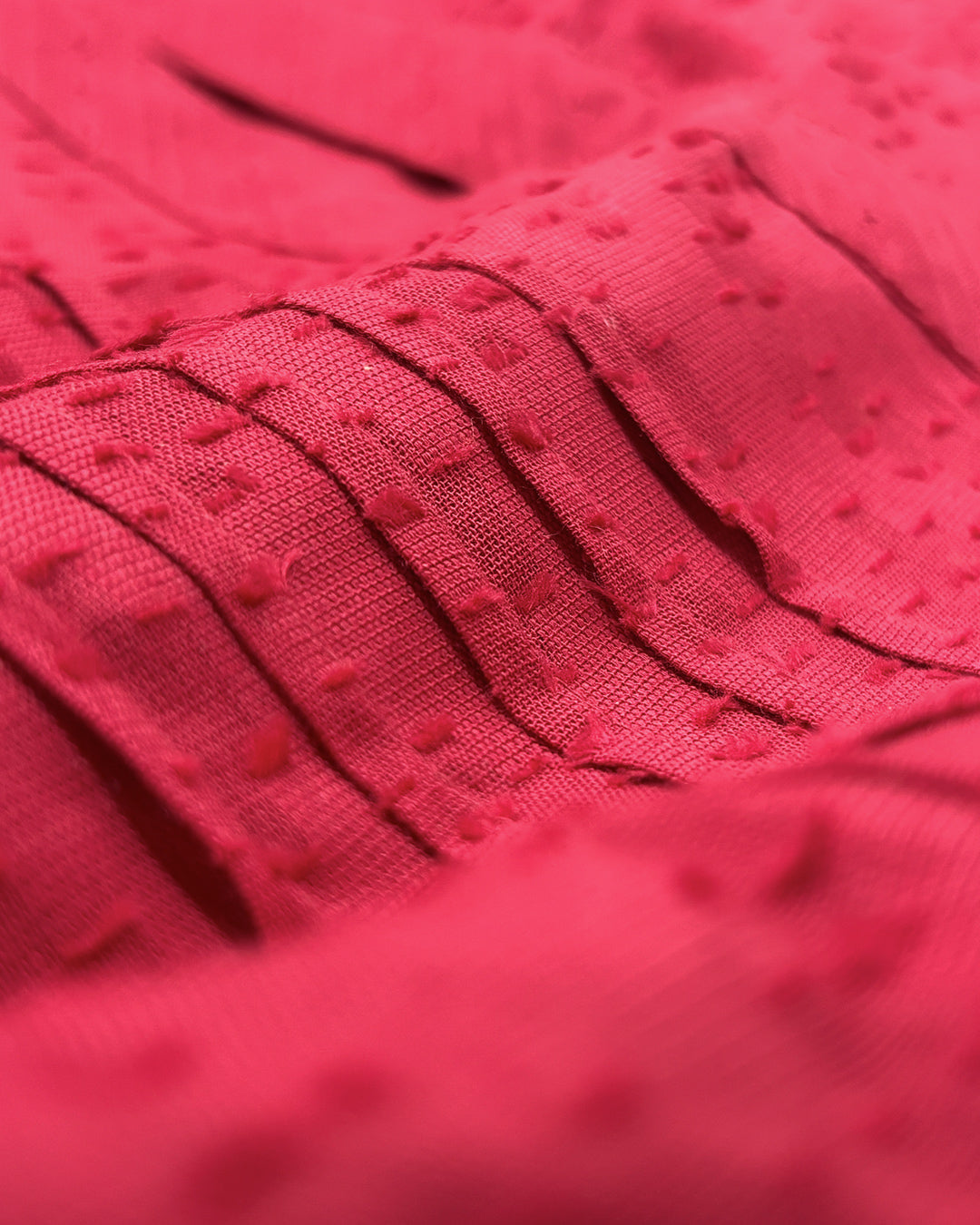
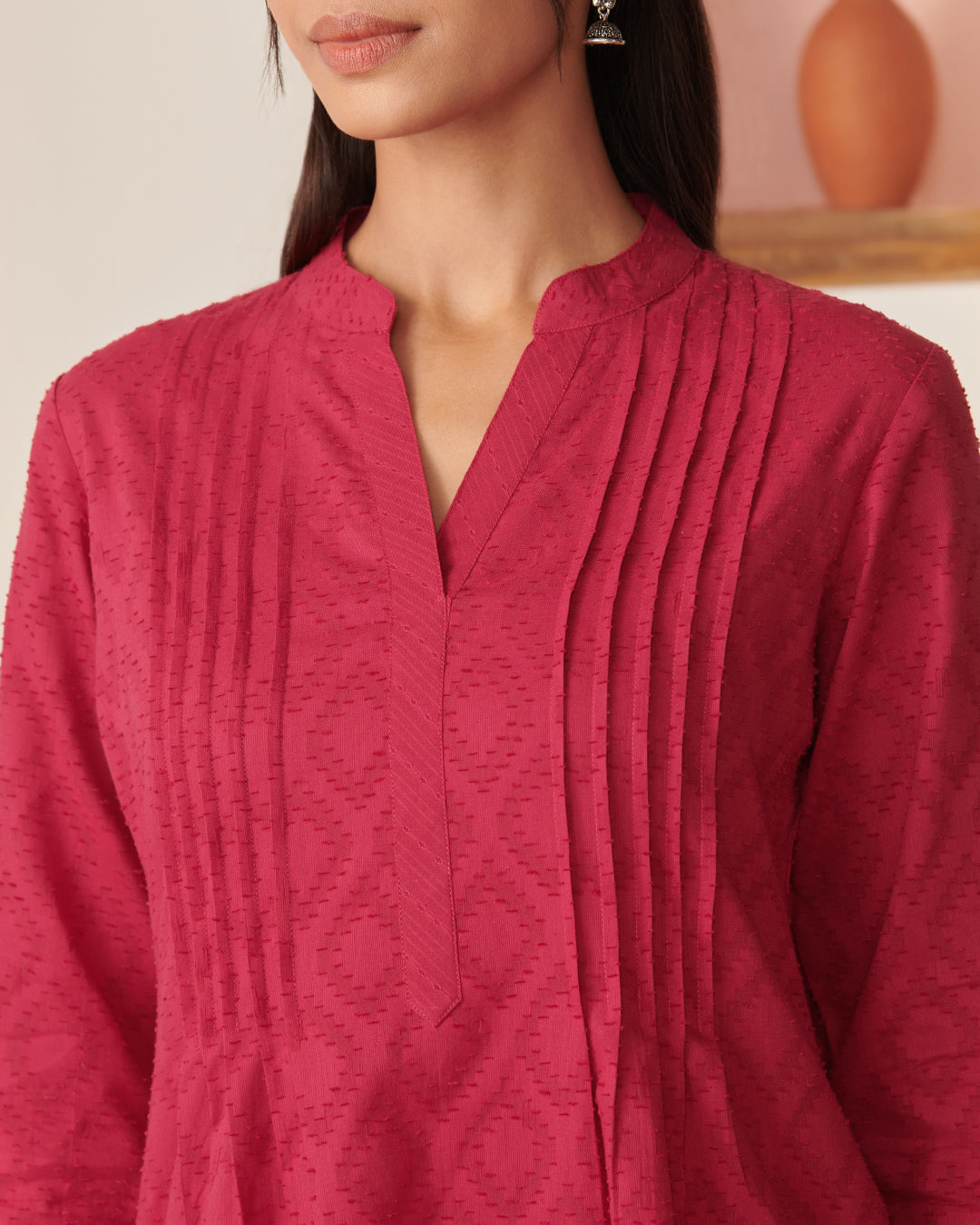
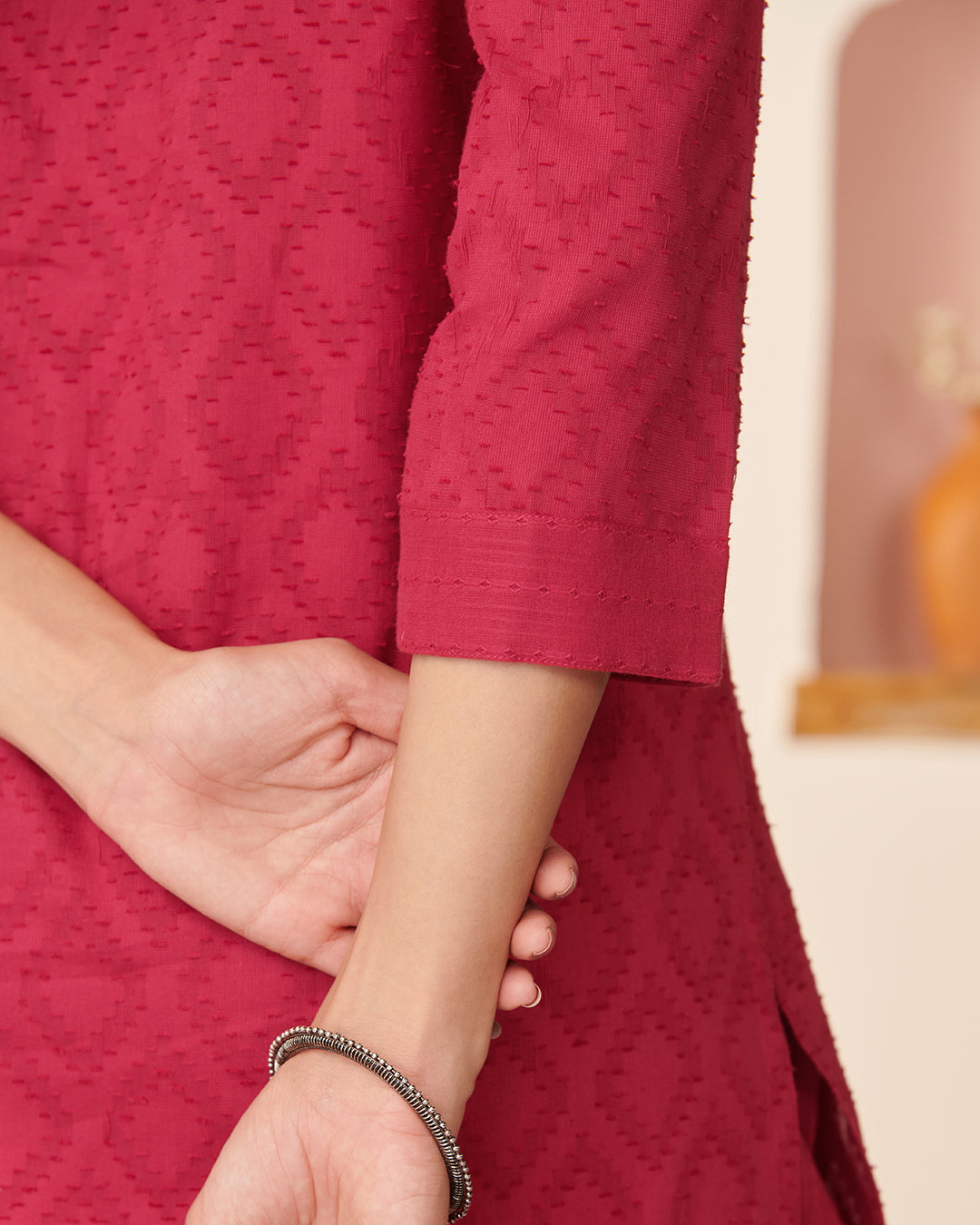
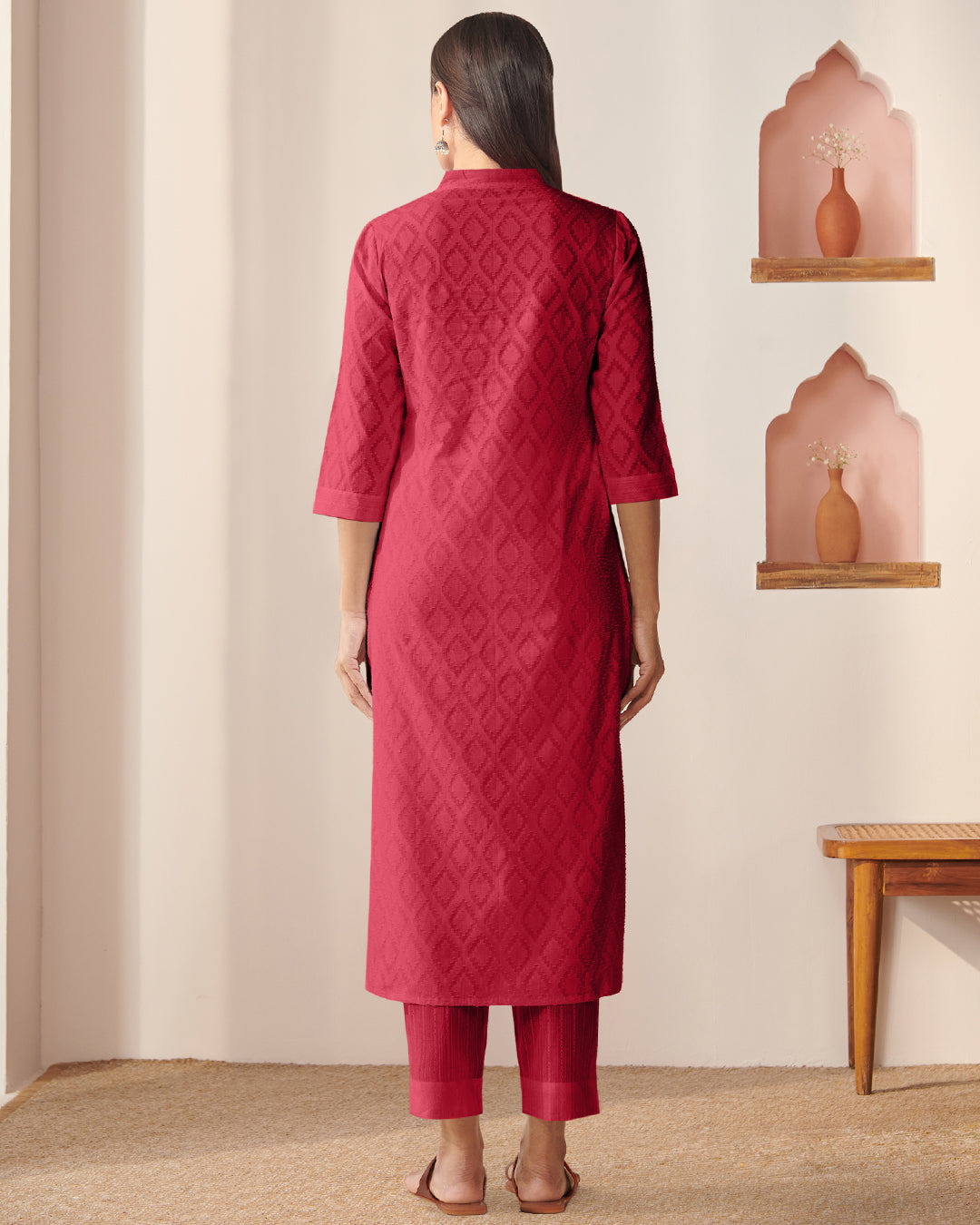
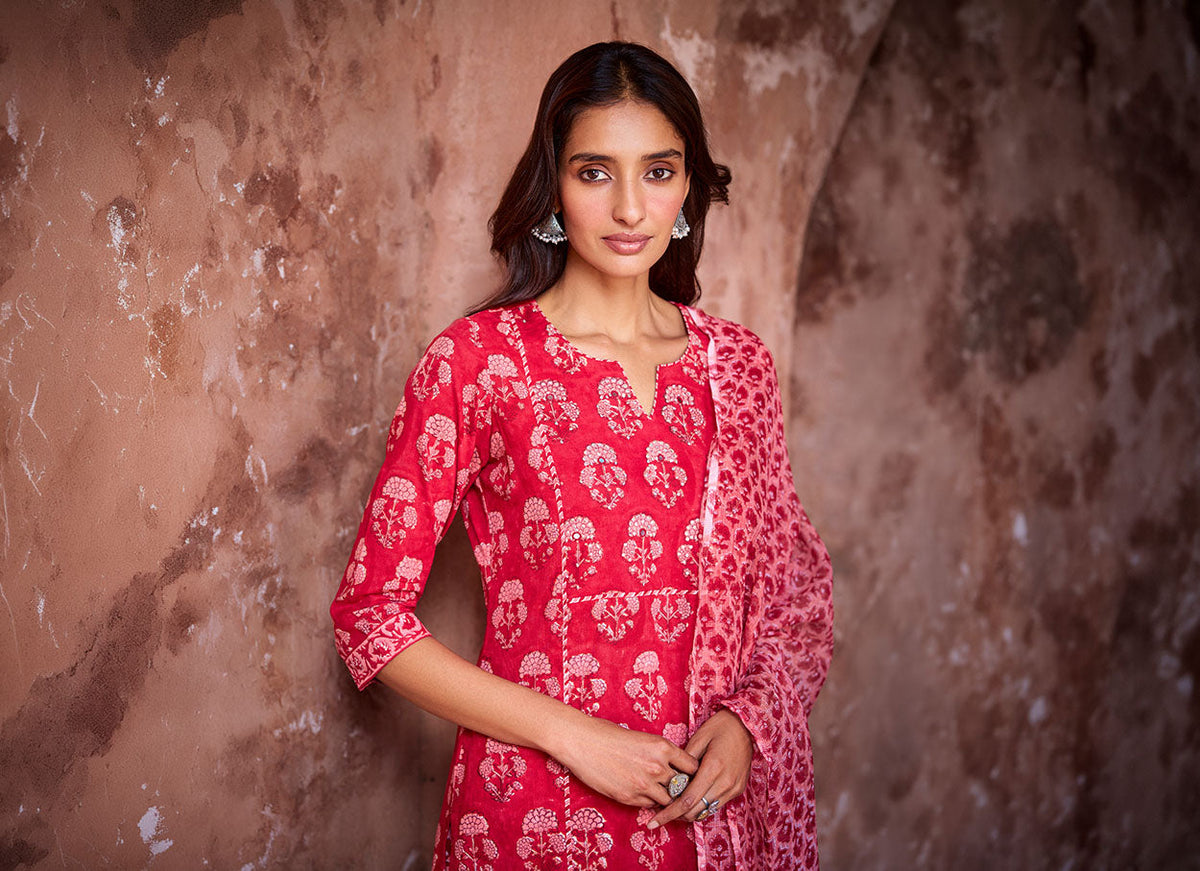
Red kurta continues to be one of the most cherished colours in Indian festive wear. It represents joy, celebration, and new beginnings, making it a natural choice for weddings, religious ceremonies, and family festivals.
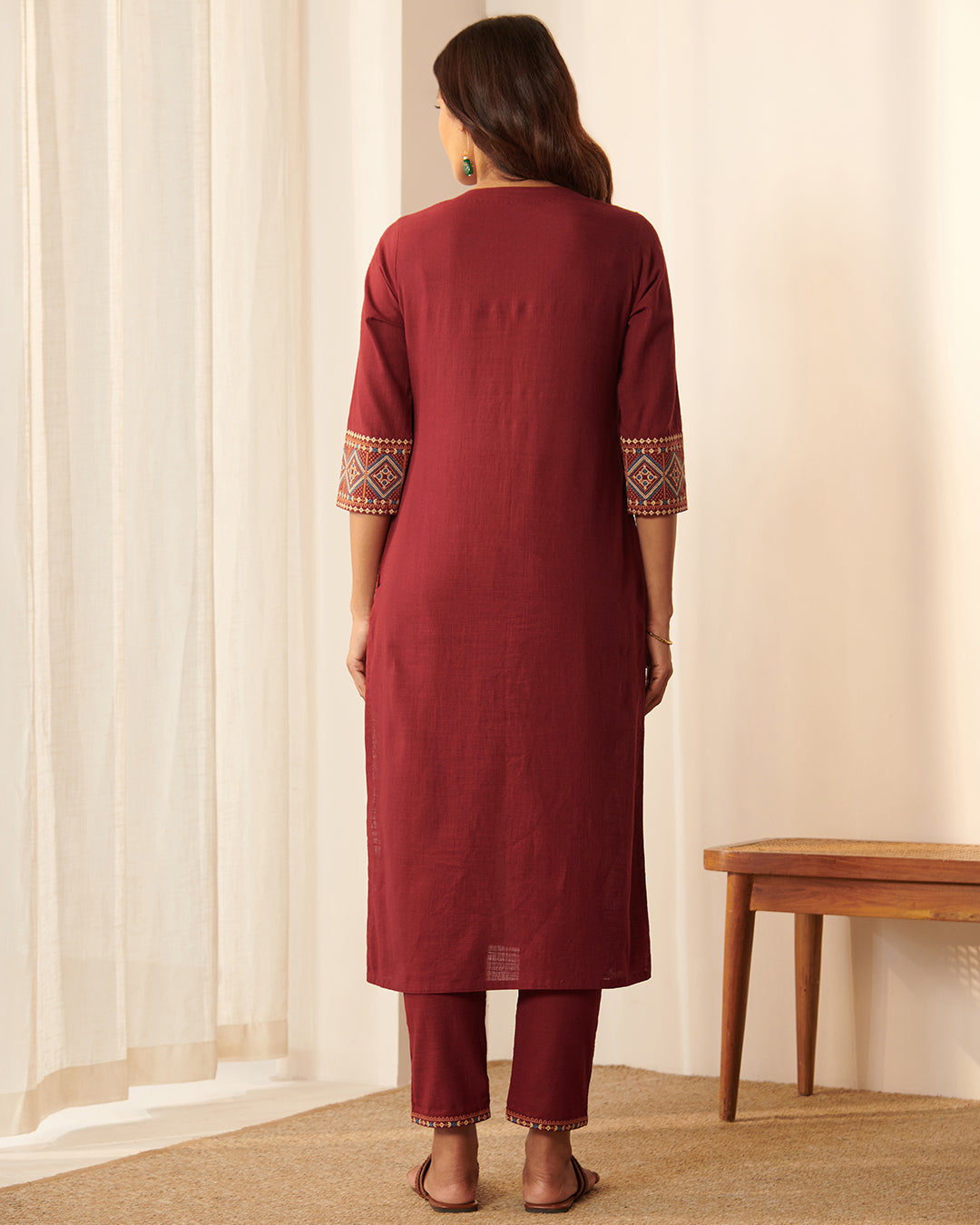
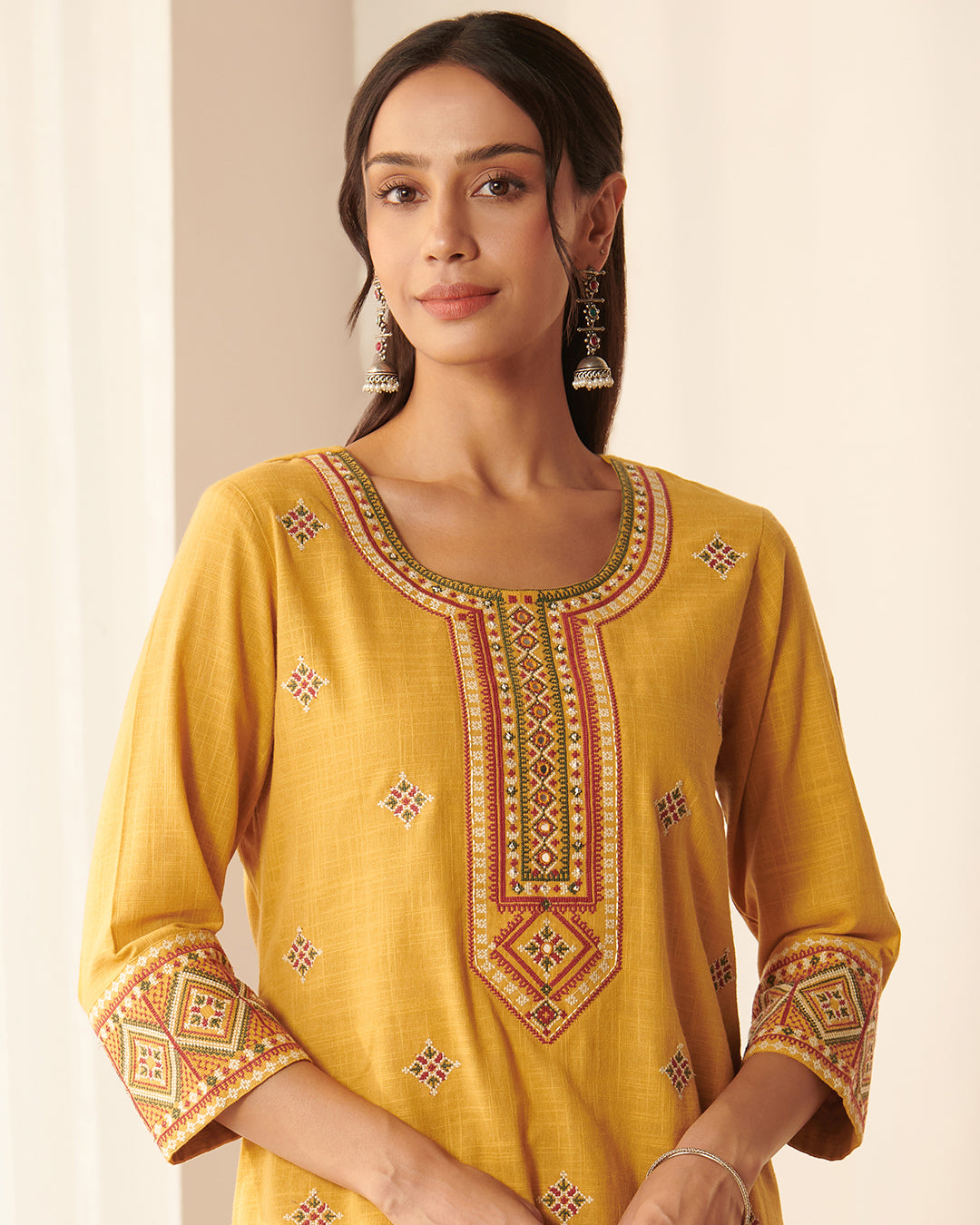
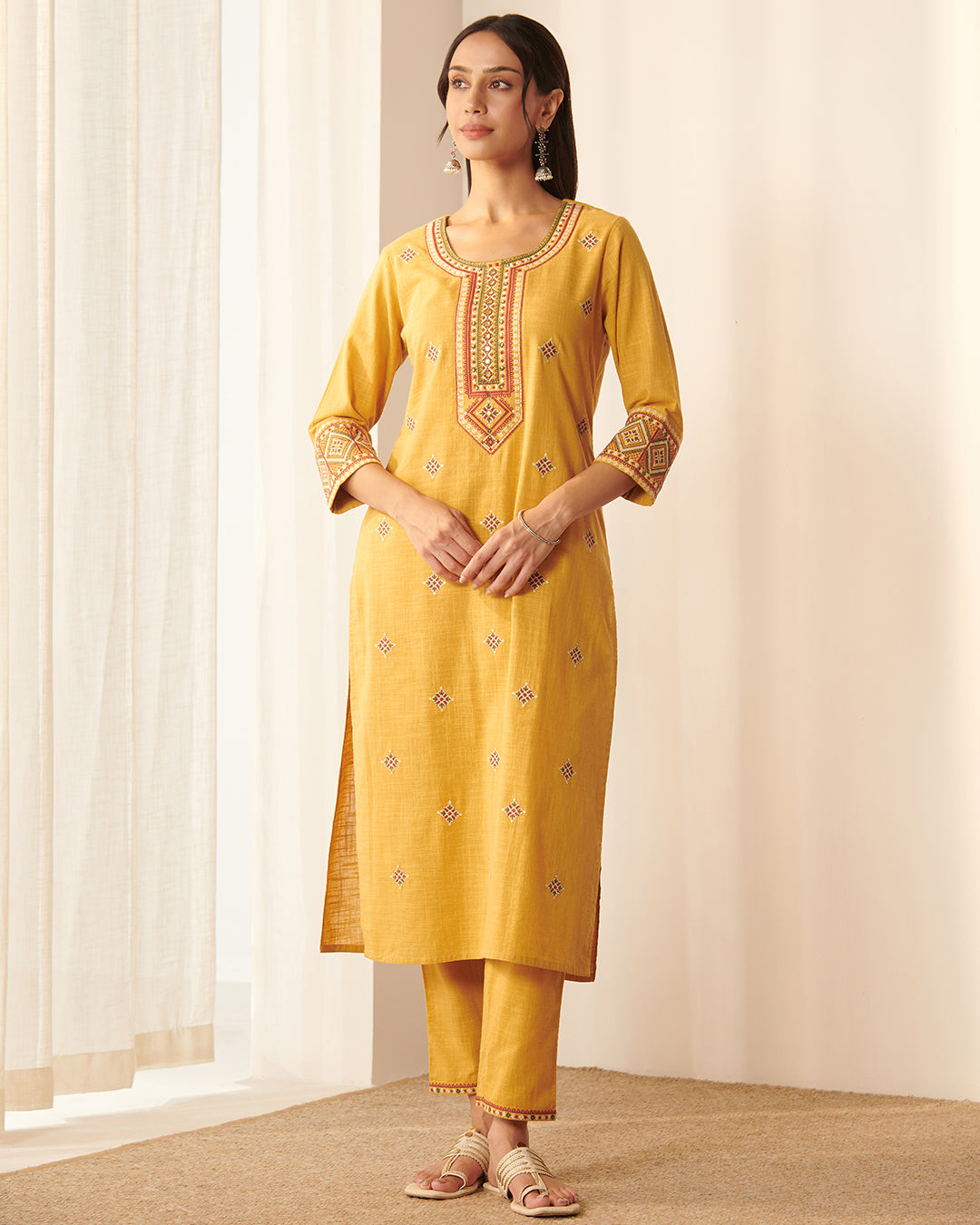
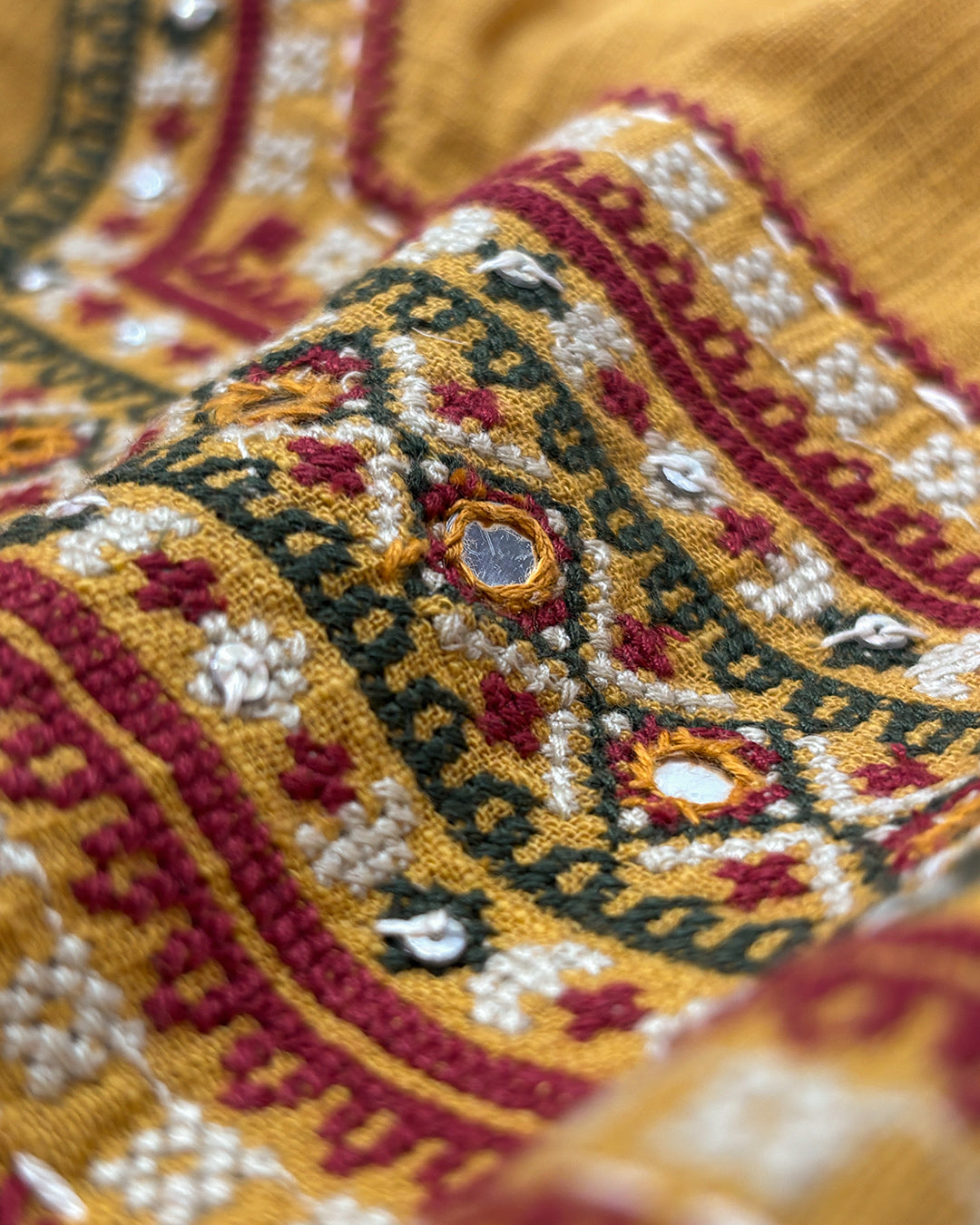
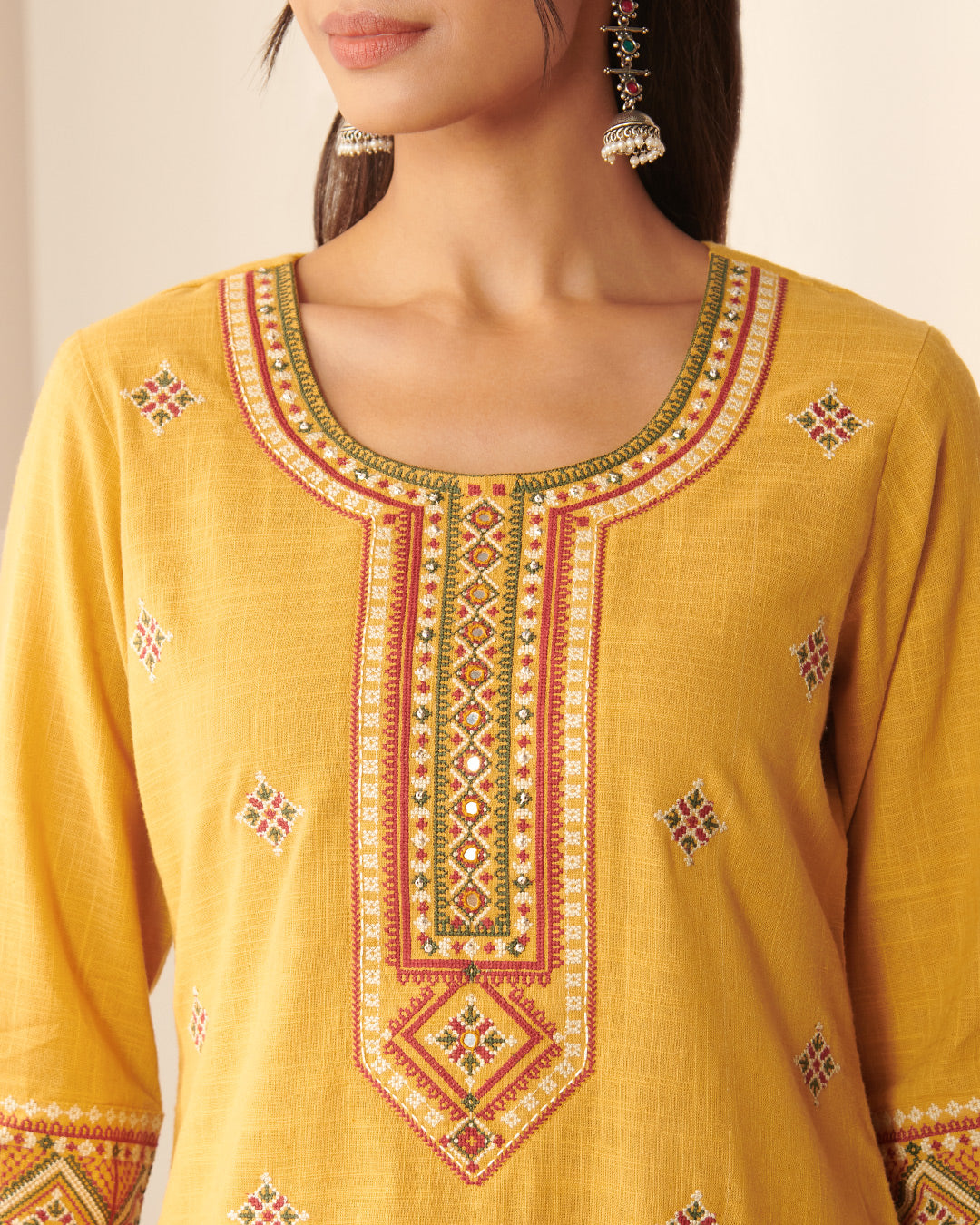
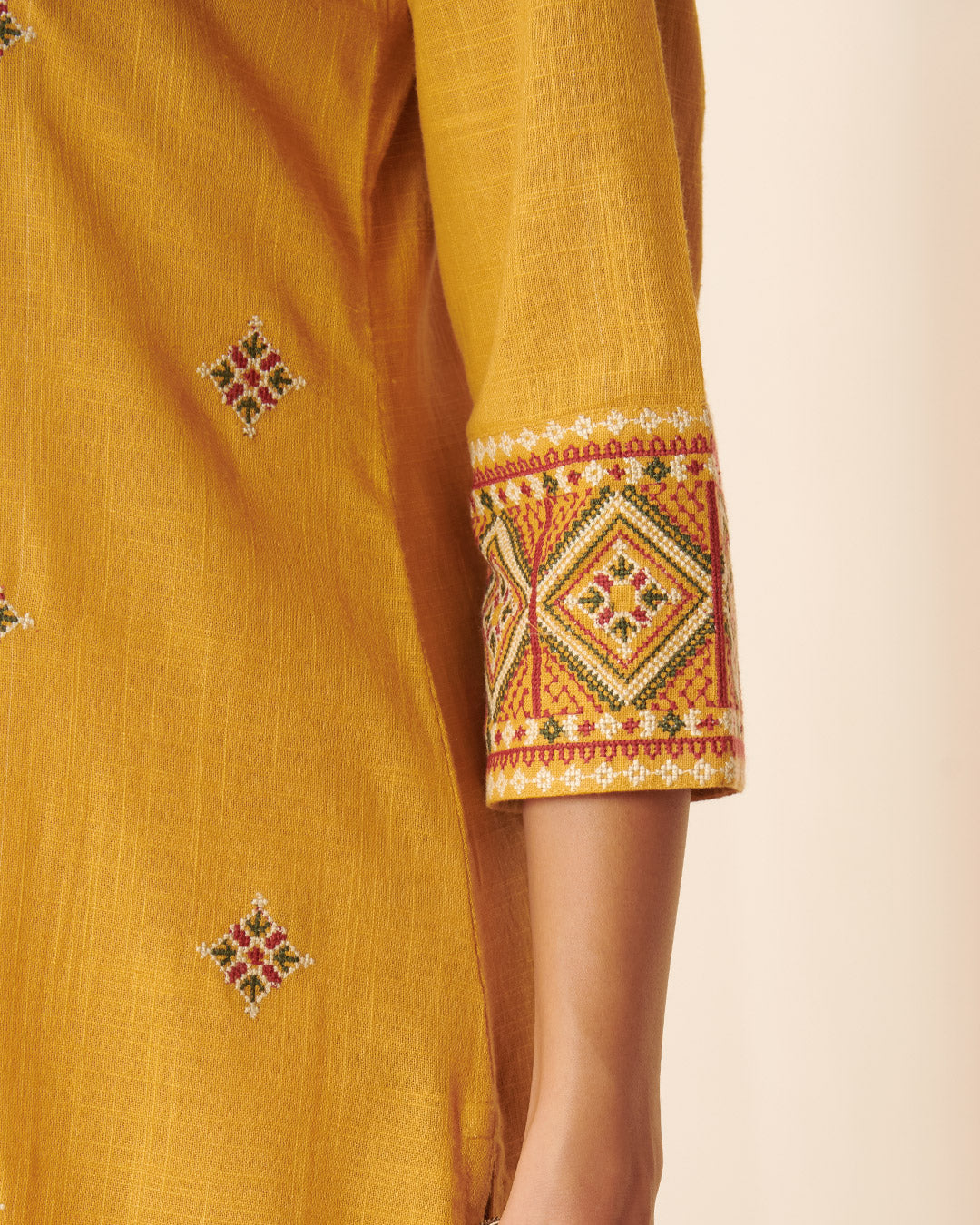
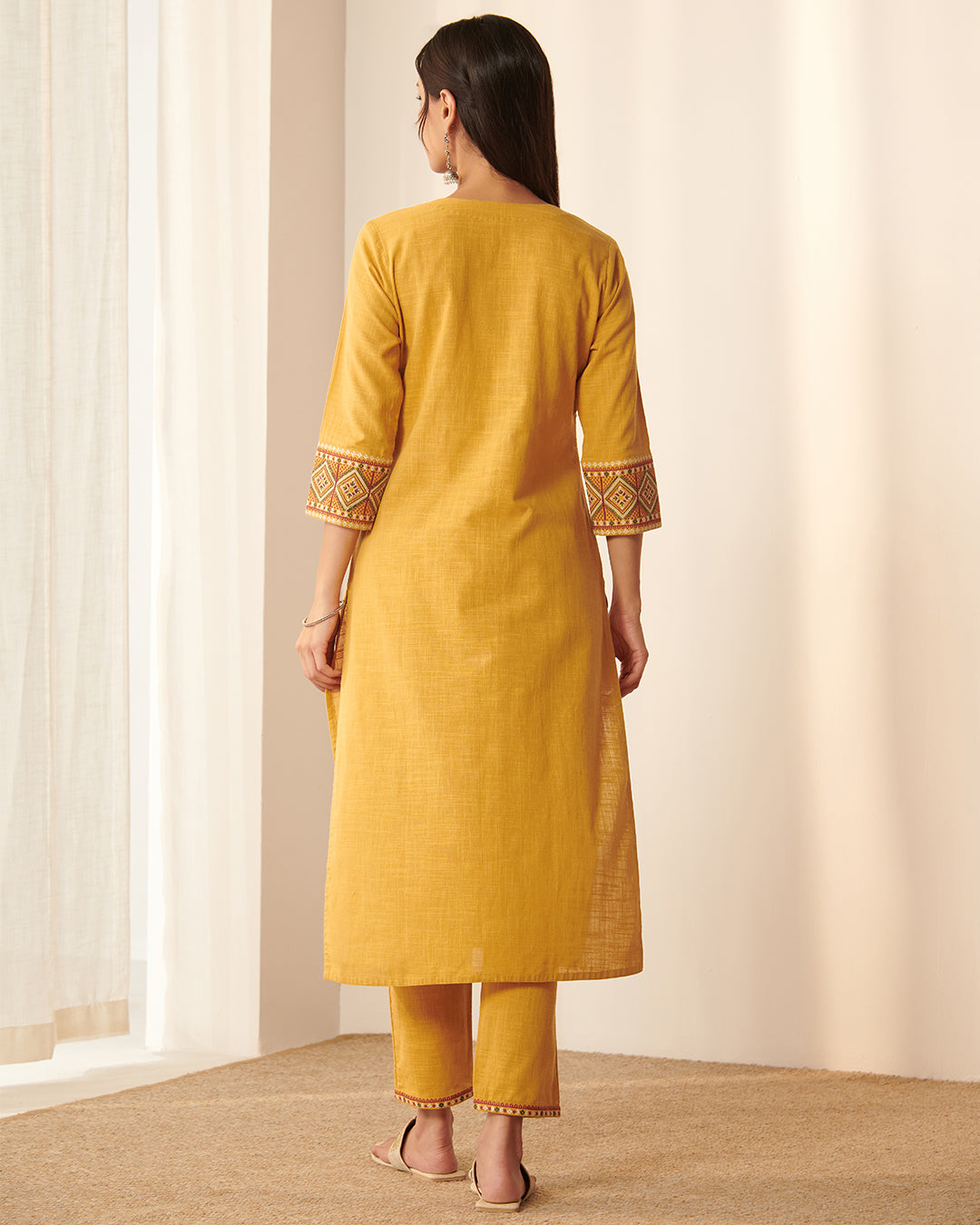
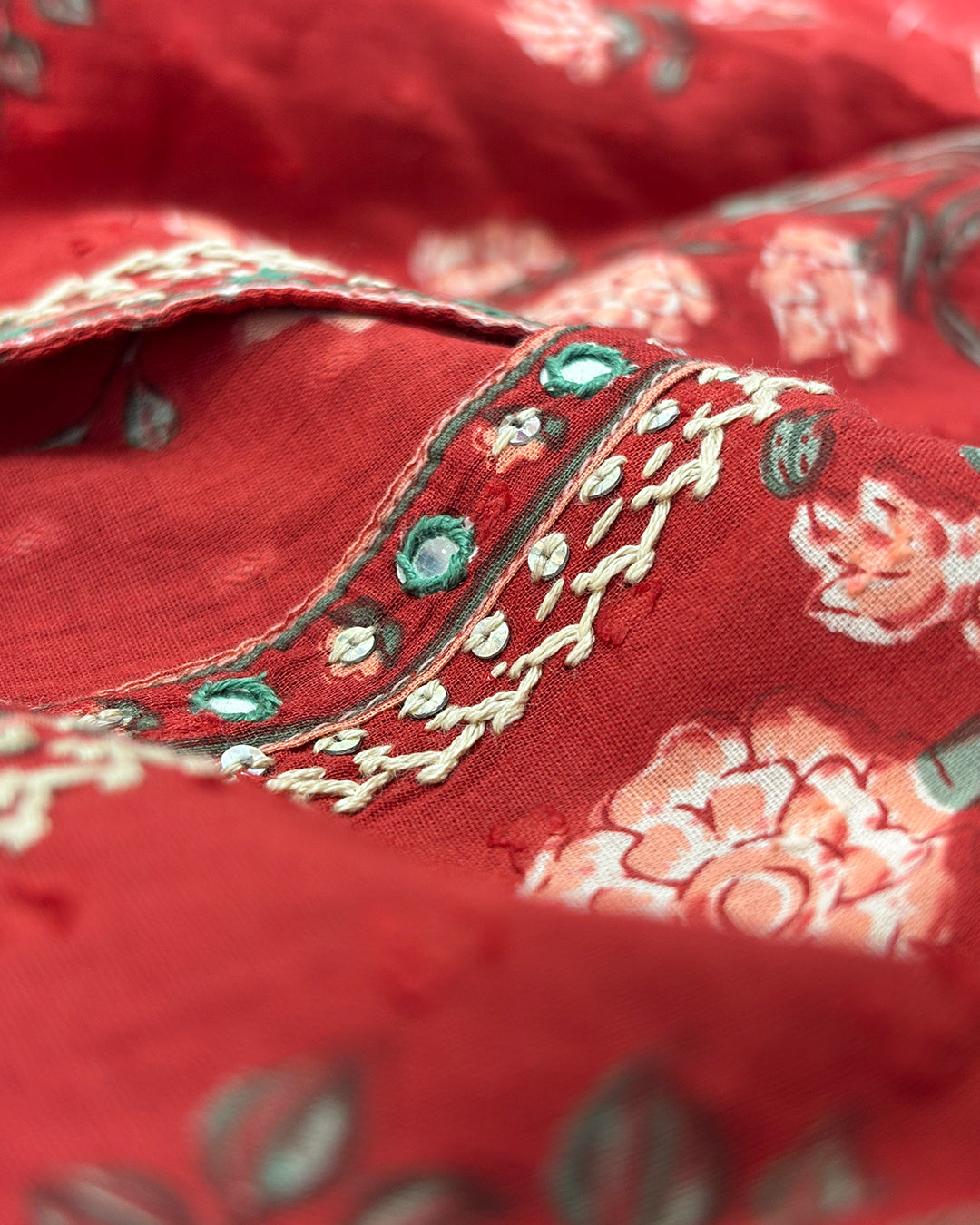
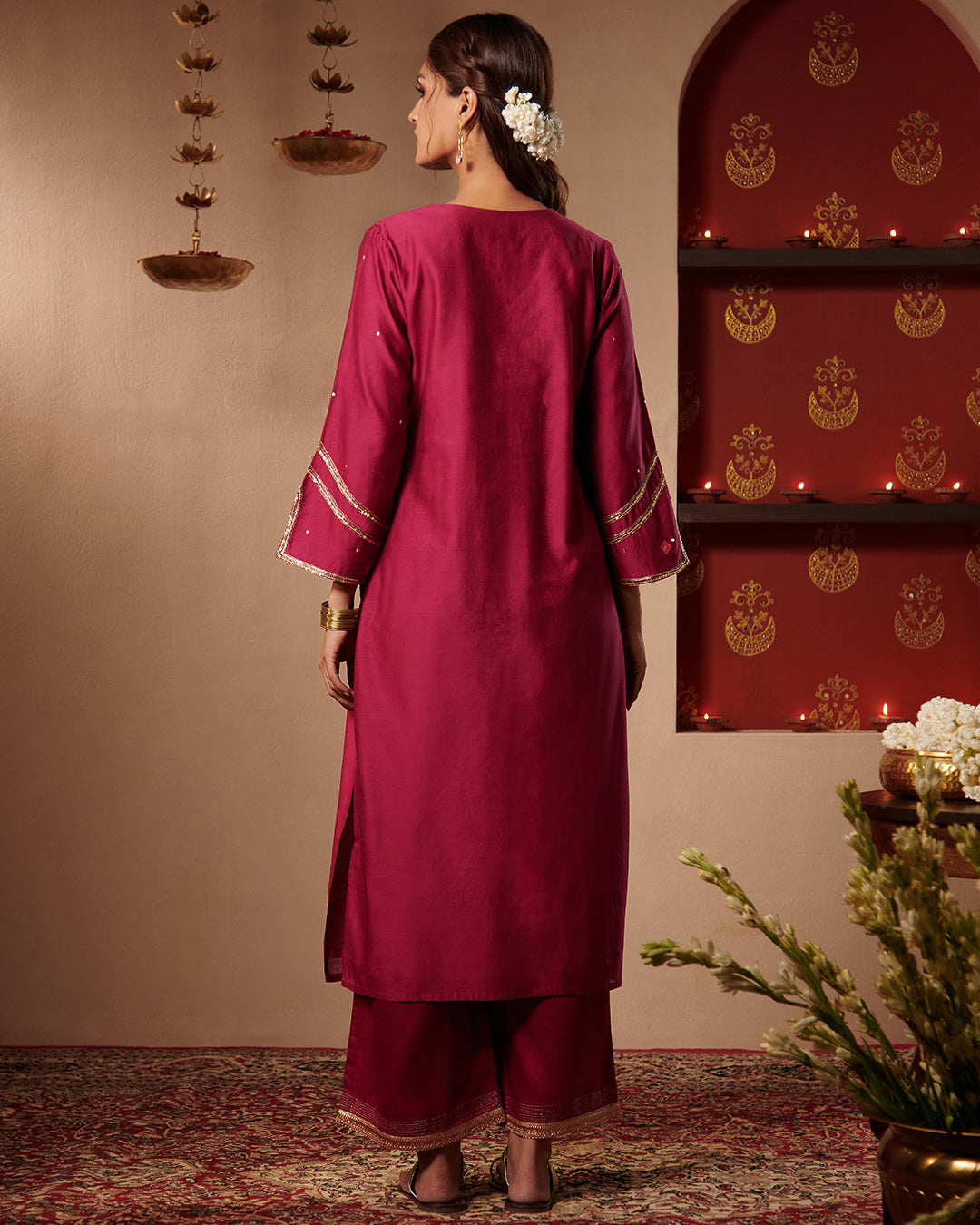
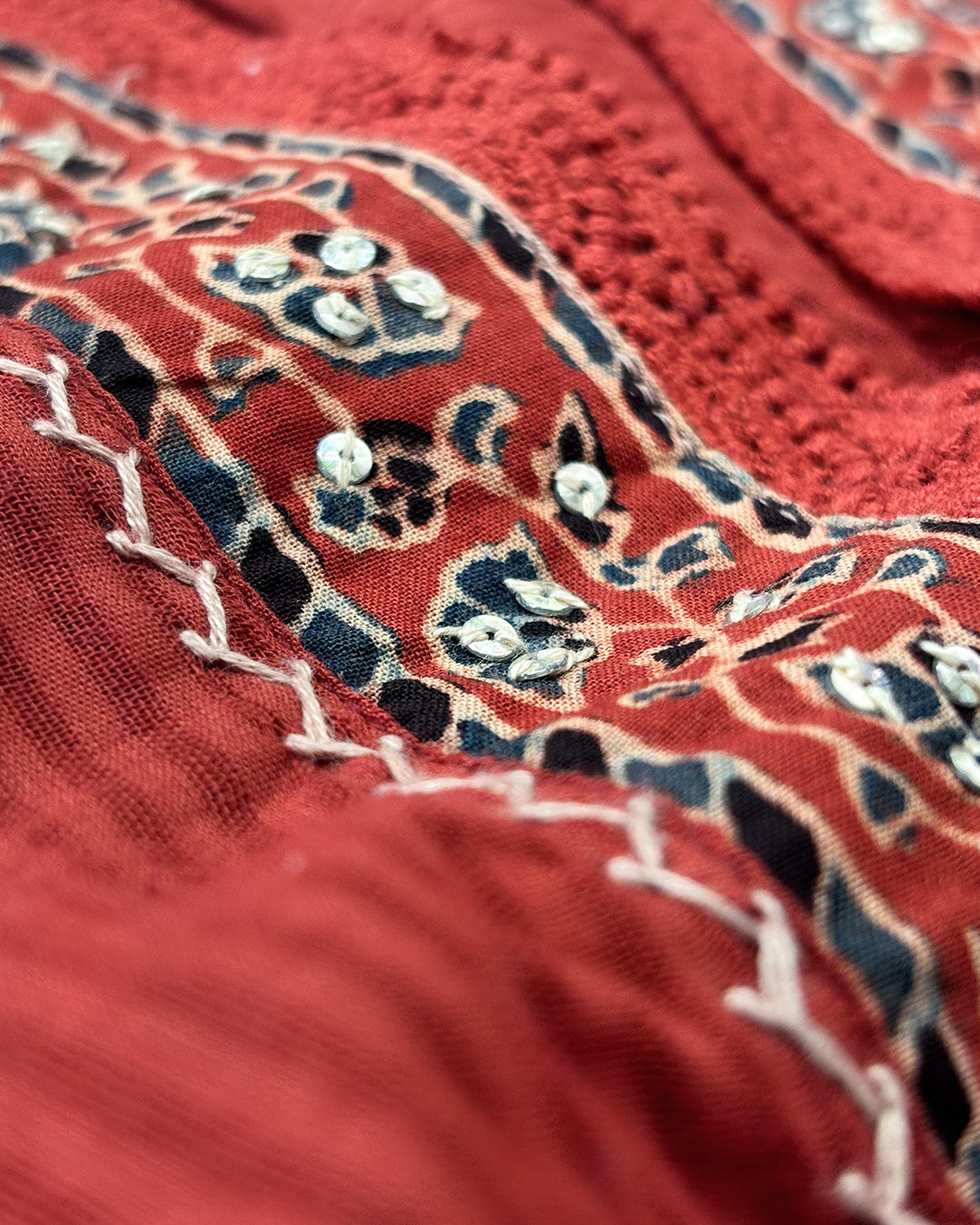
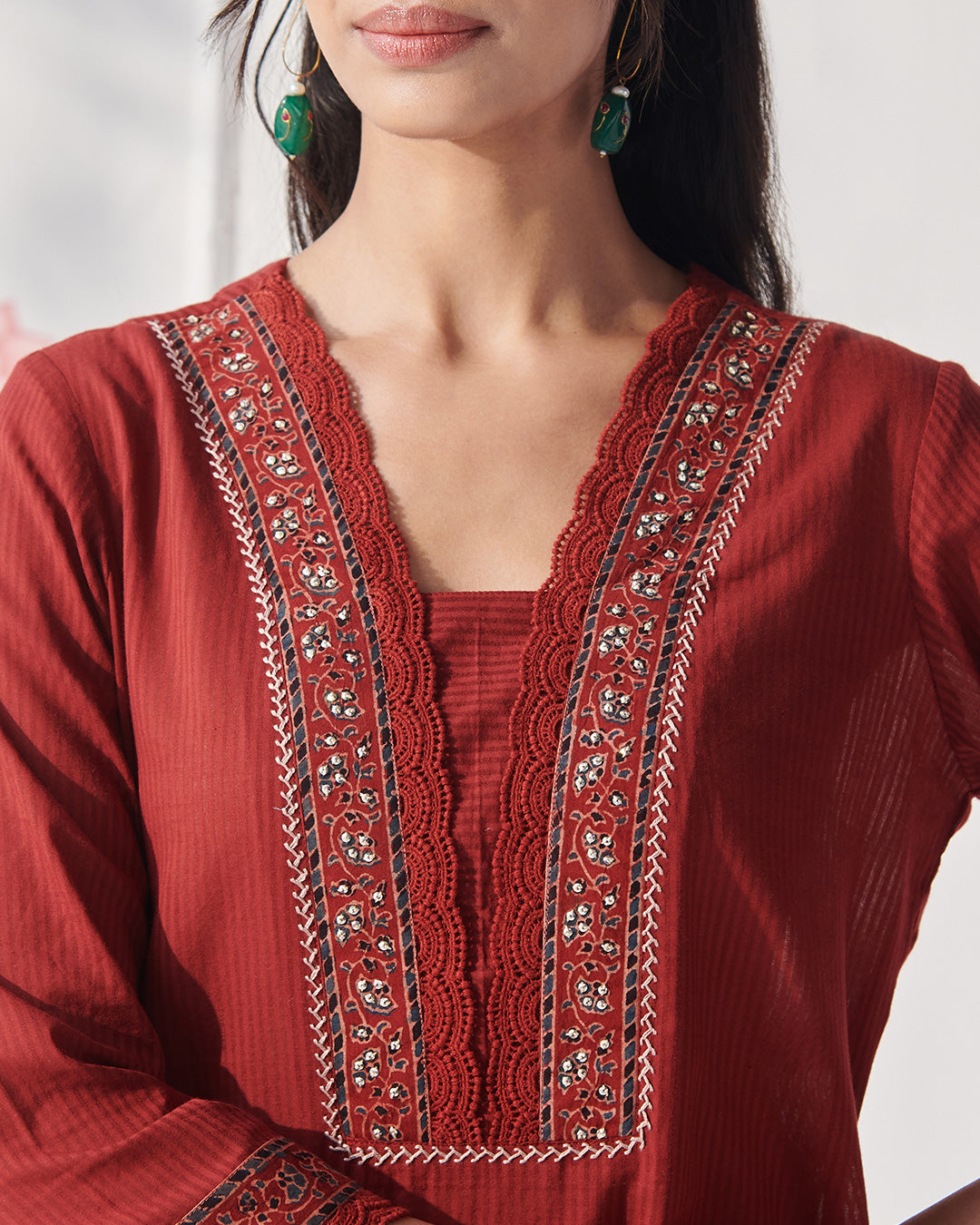
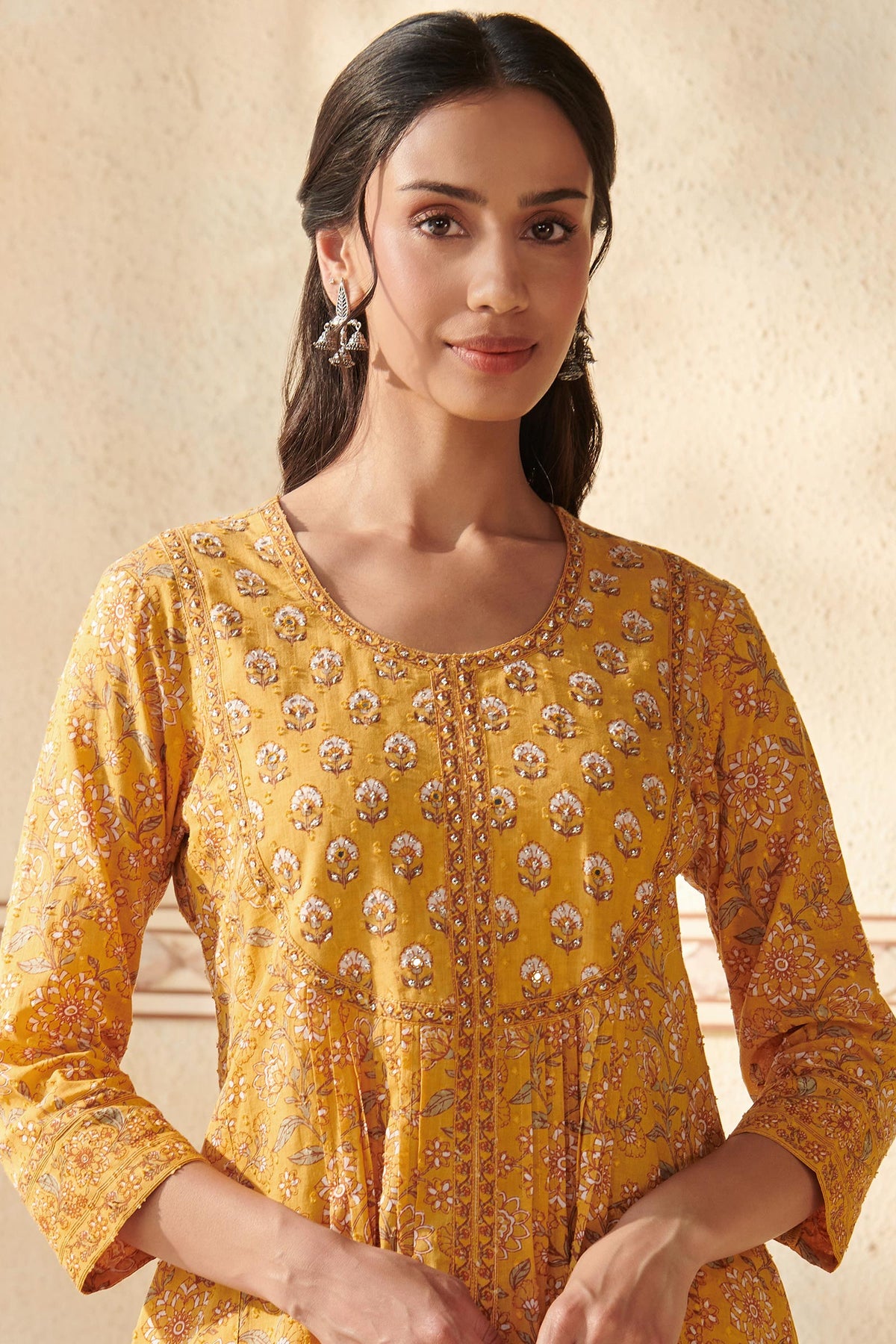
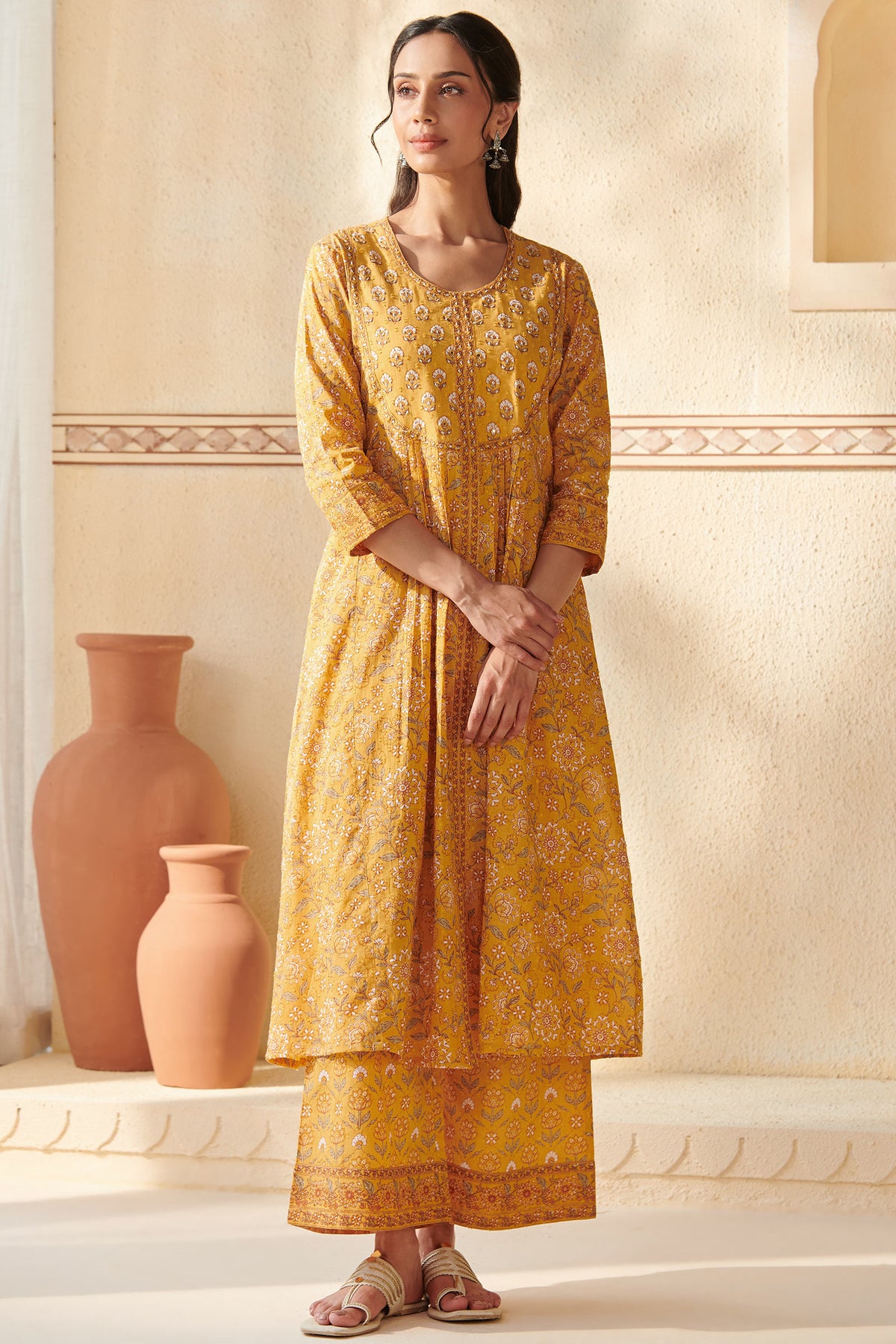
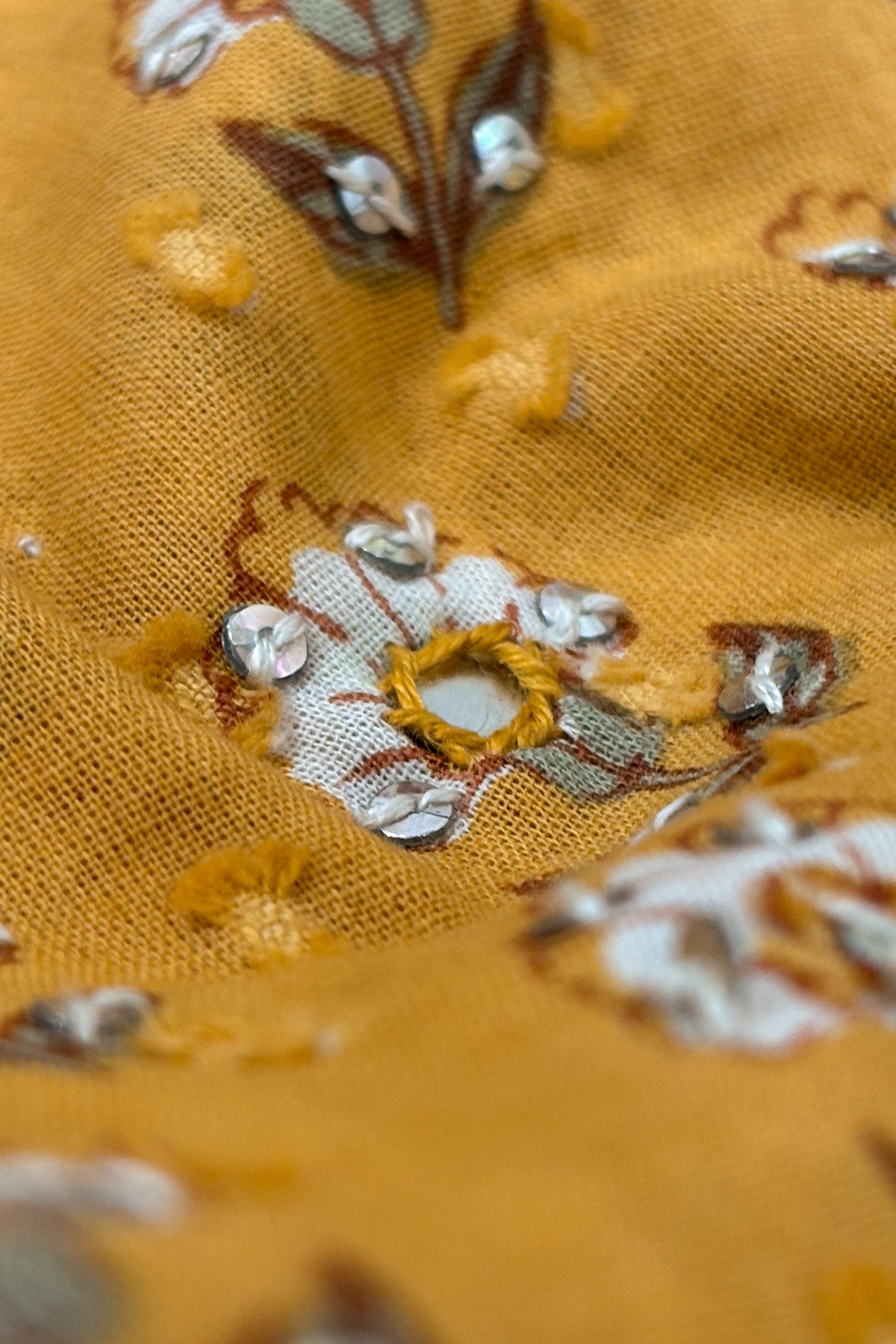
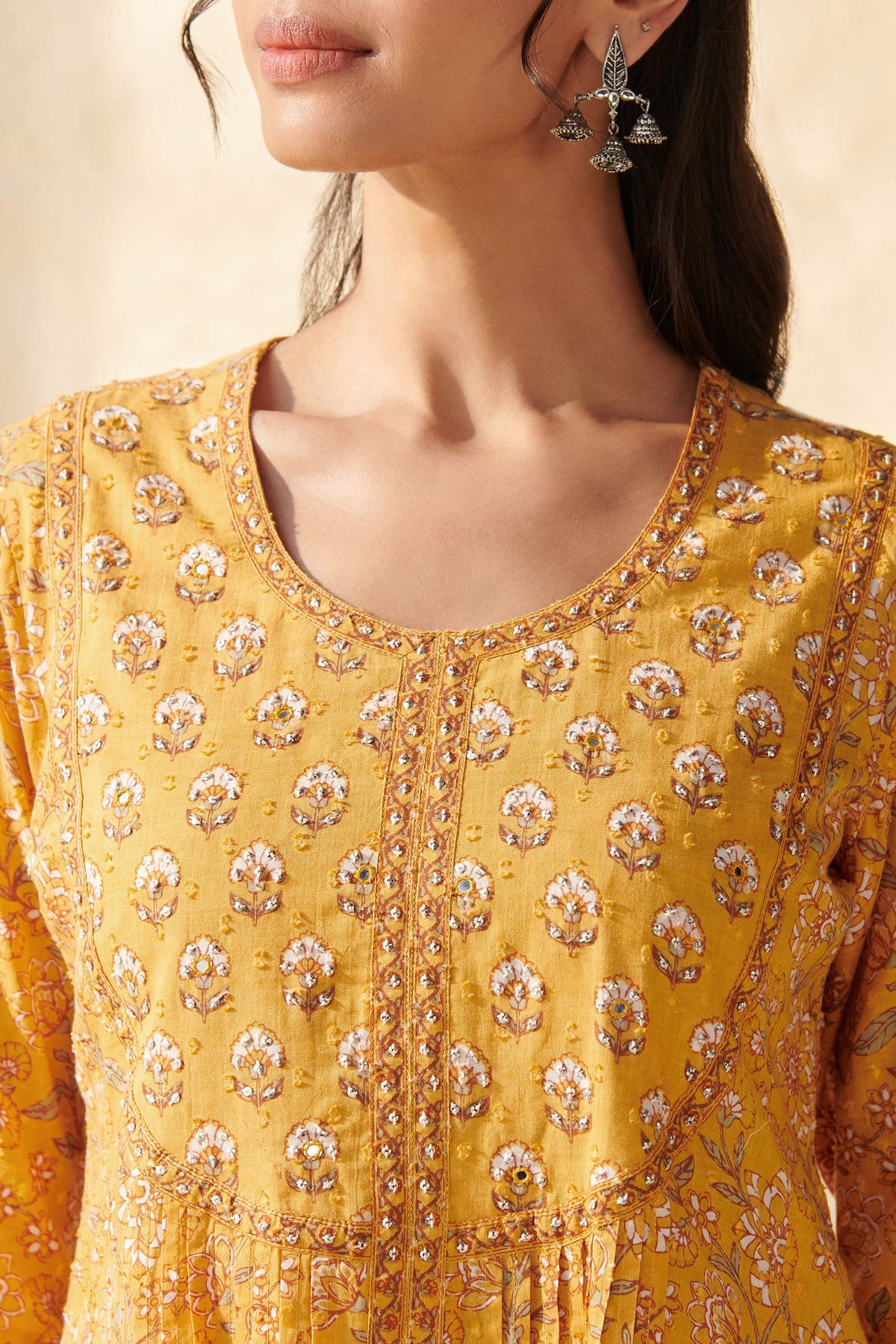
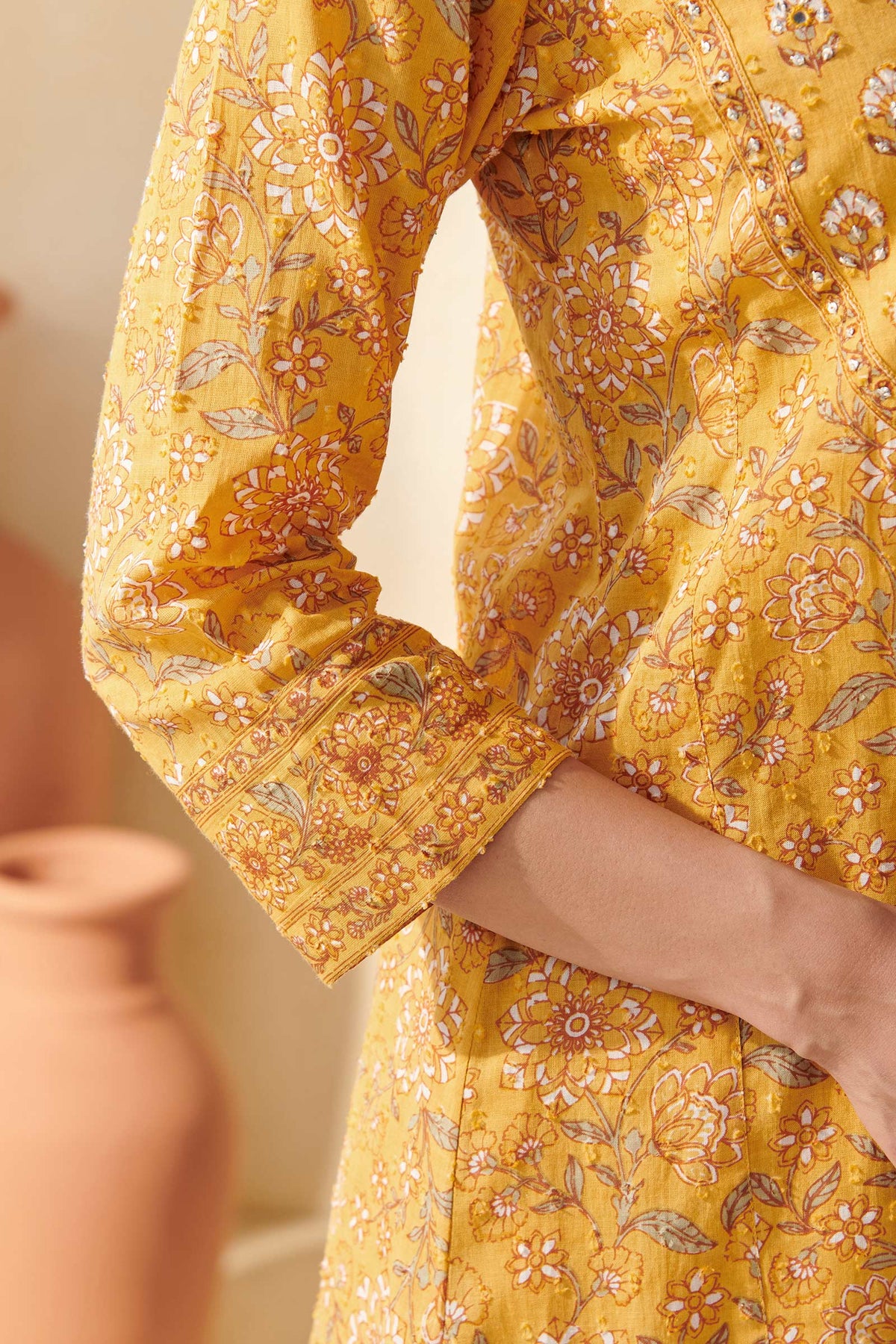
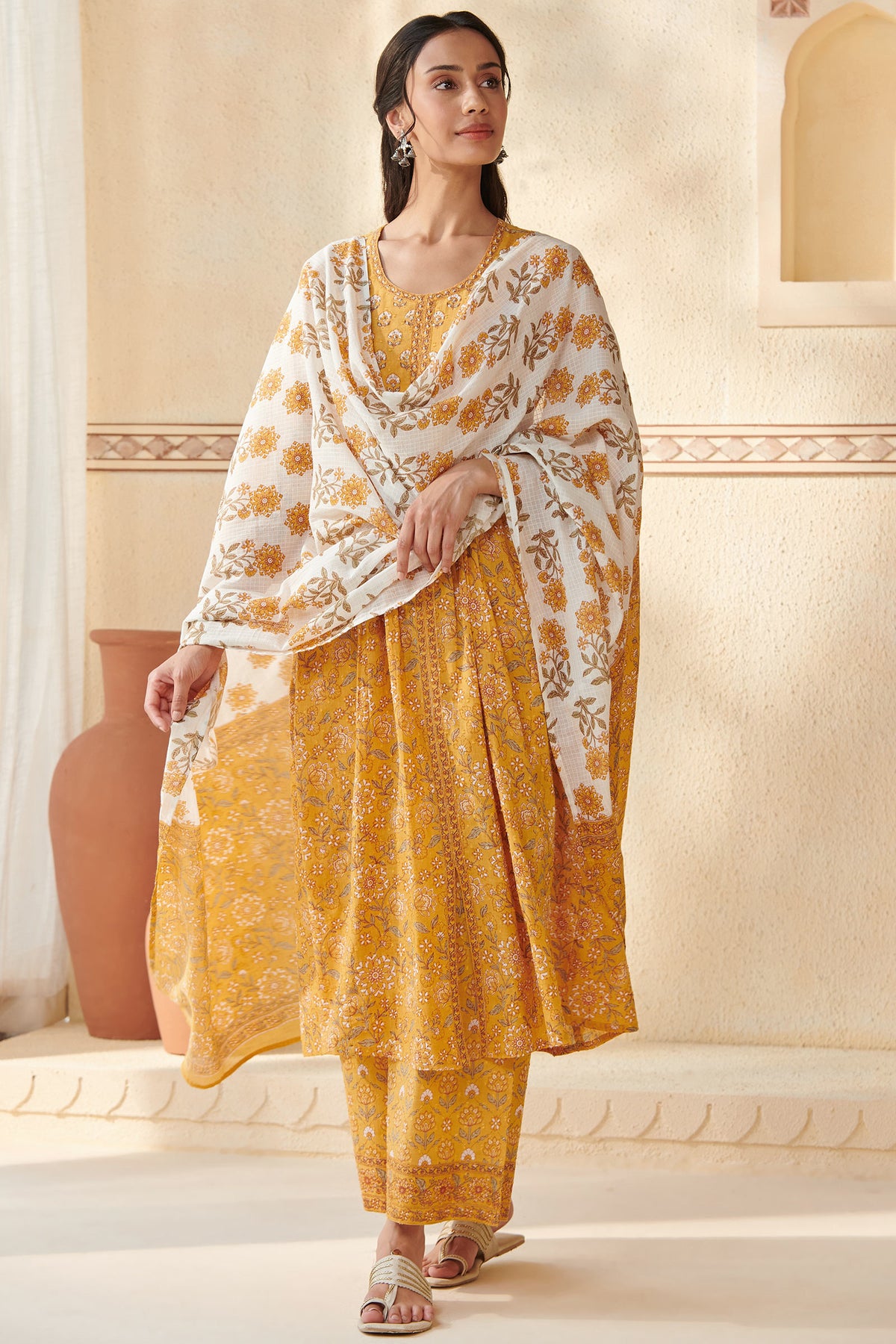
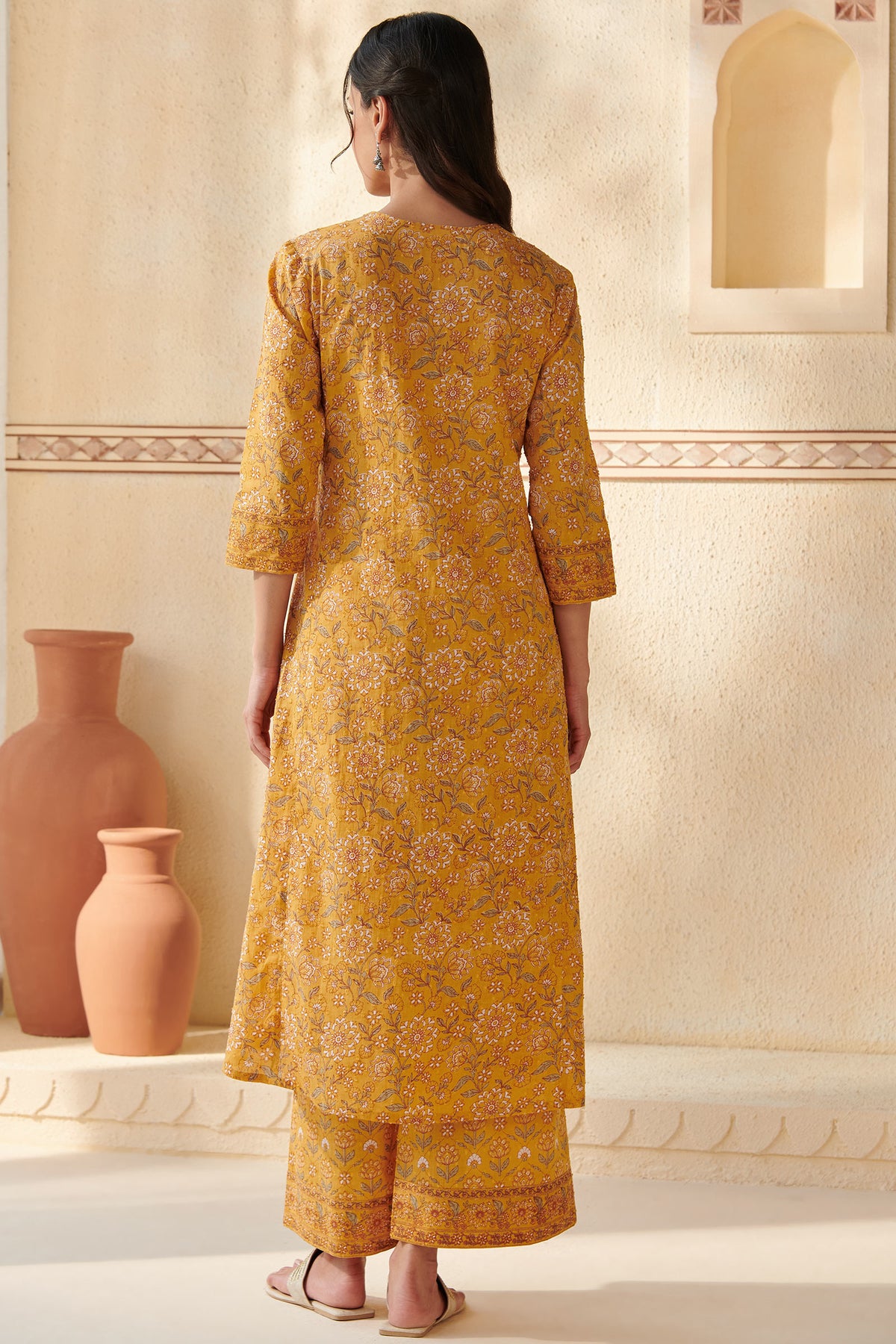
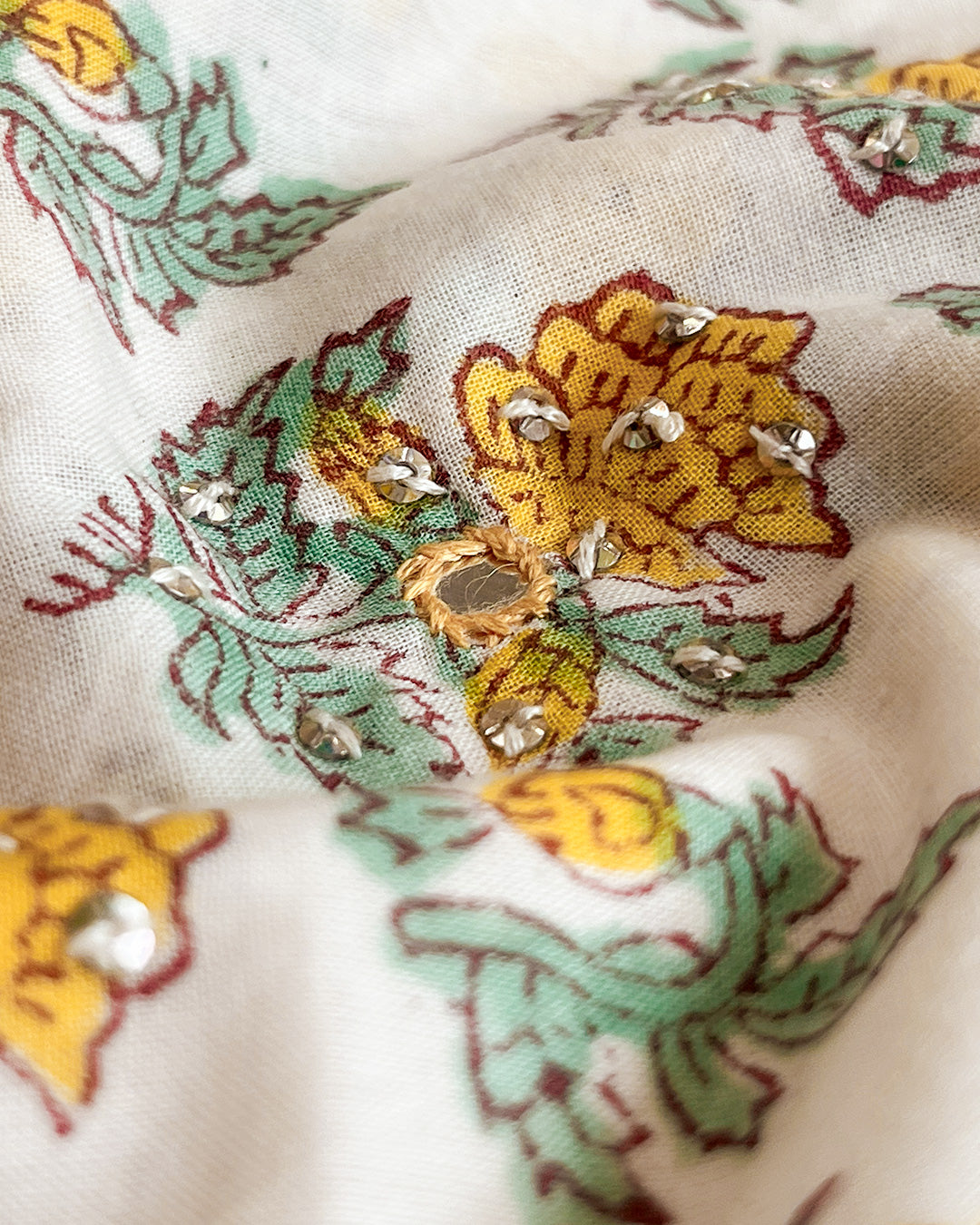
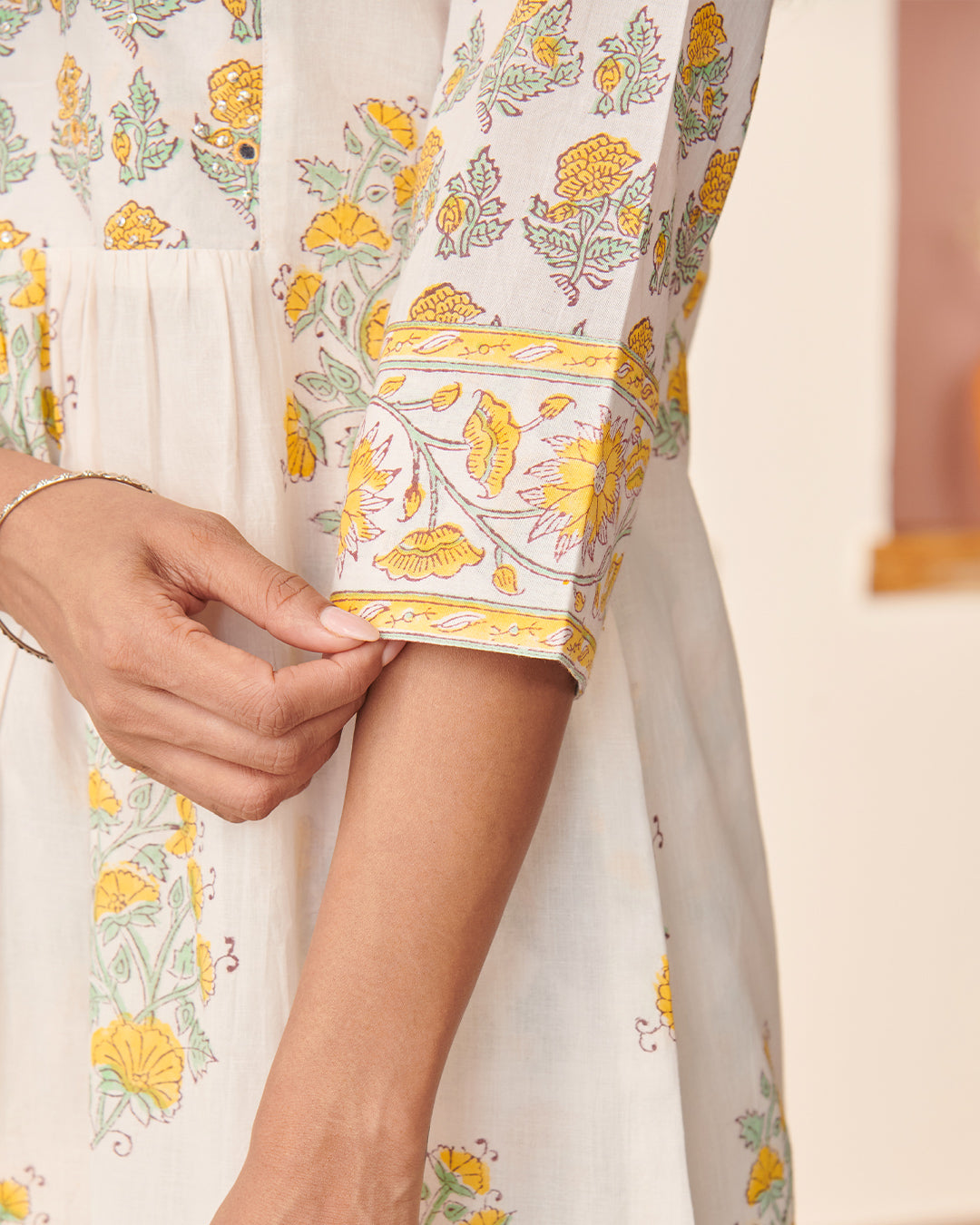
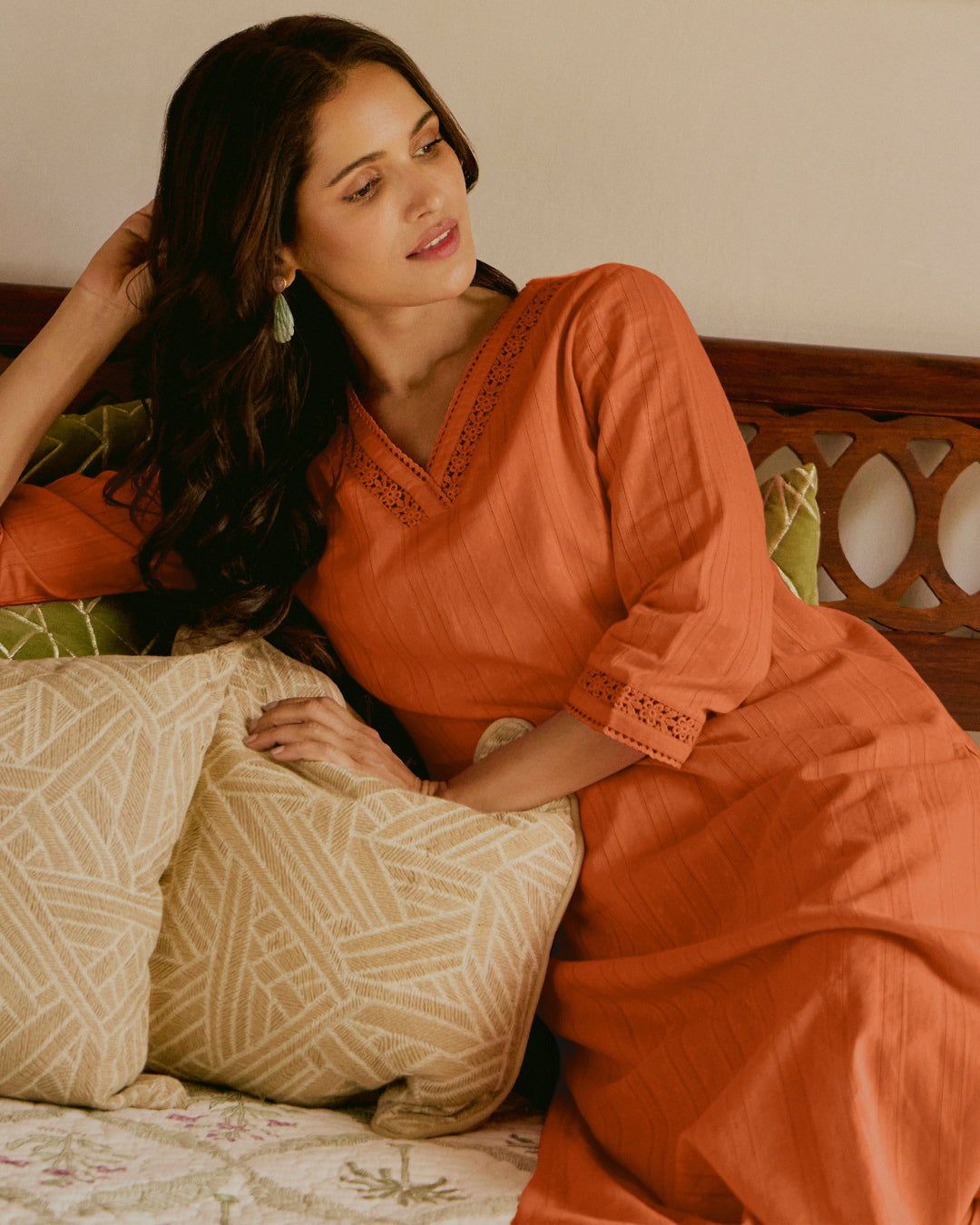
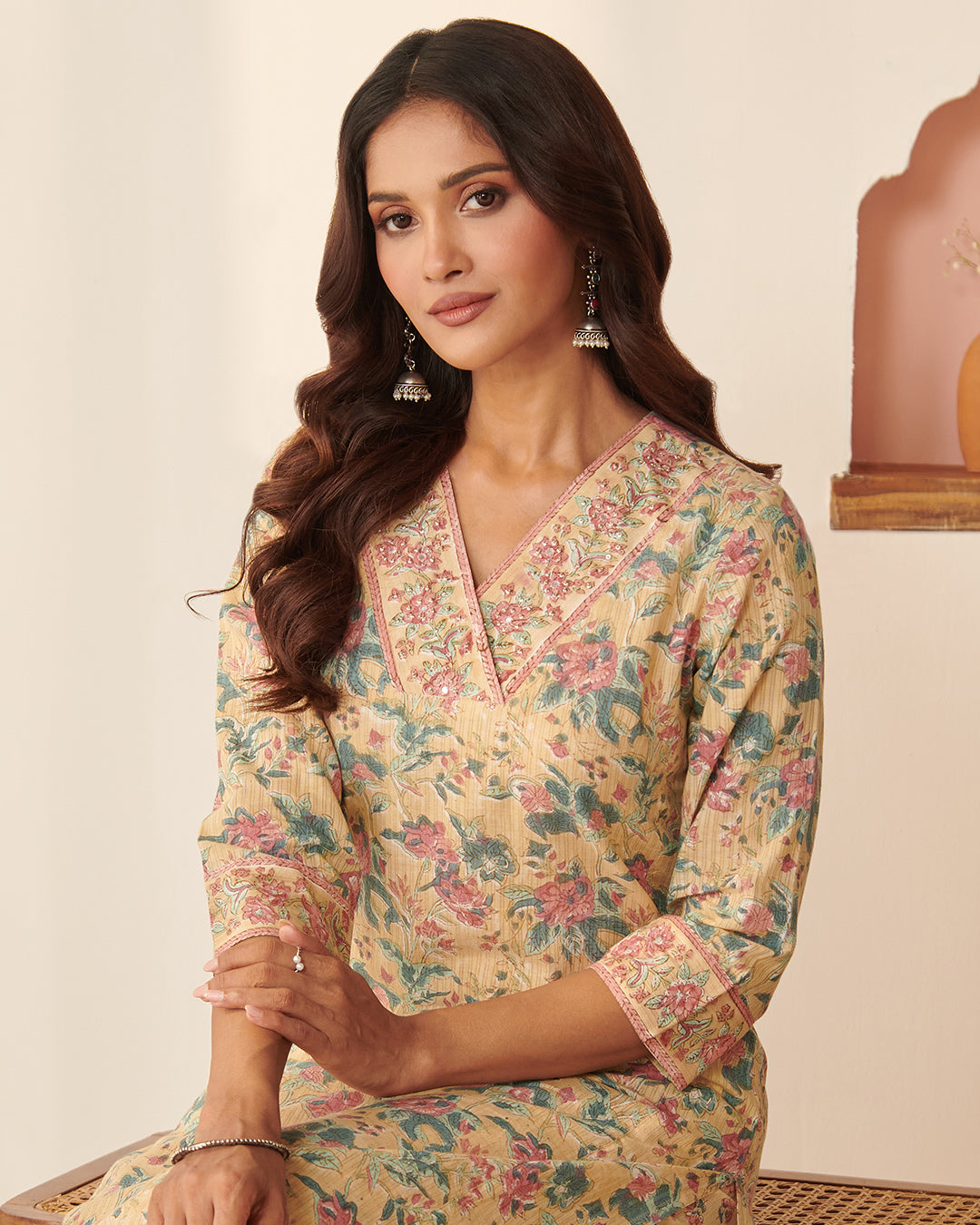
Maroon colour kurta offers a deeper, more understated elegance, while mustard reflects warmth and tradition. Together, these shades pair beautifully with handcrafted embroidery, block prints, and woven textiles.
Jewel Tones and Rich Colours for Evening Events
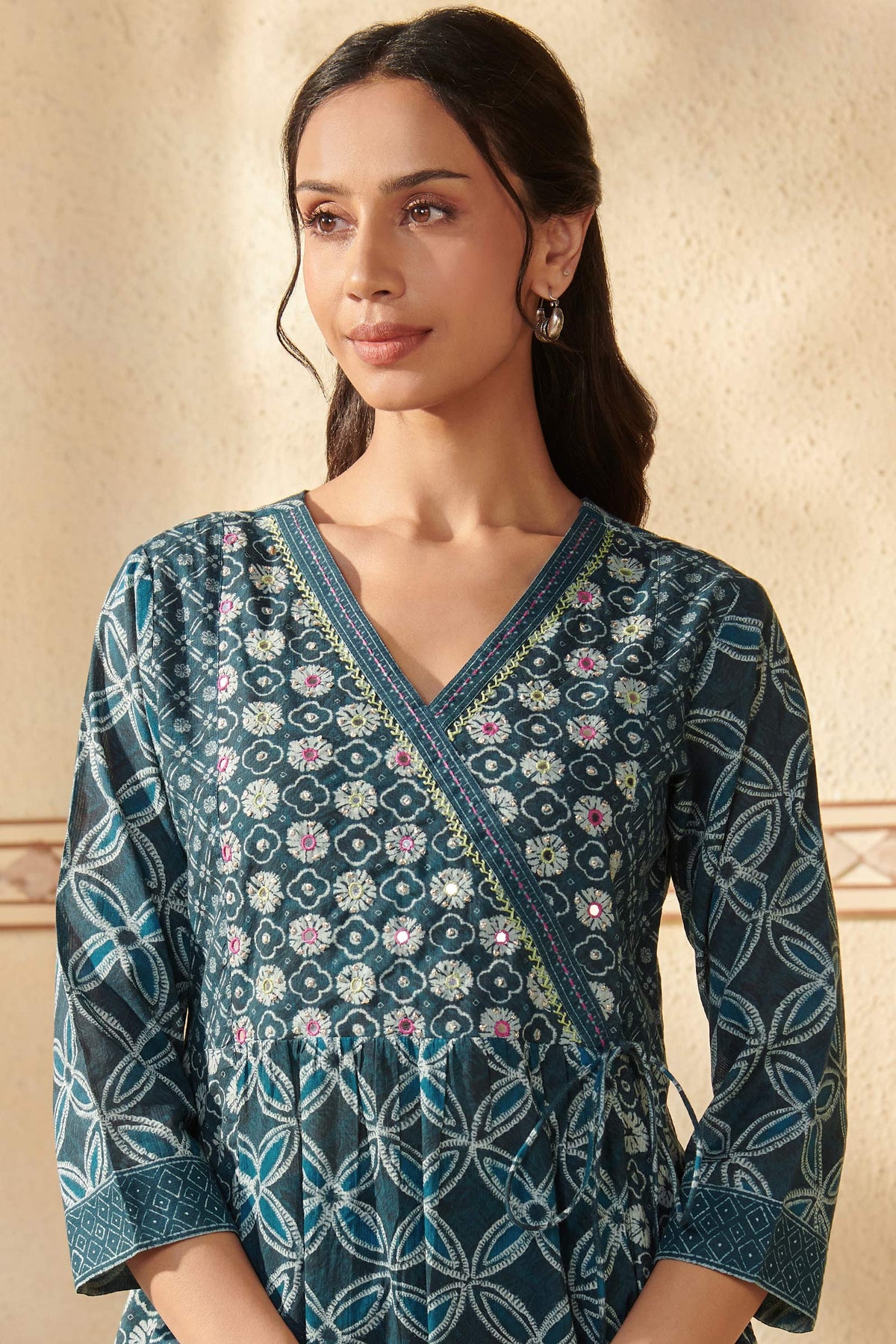
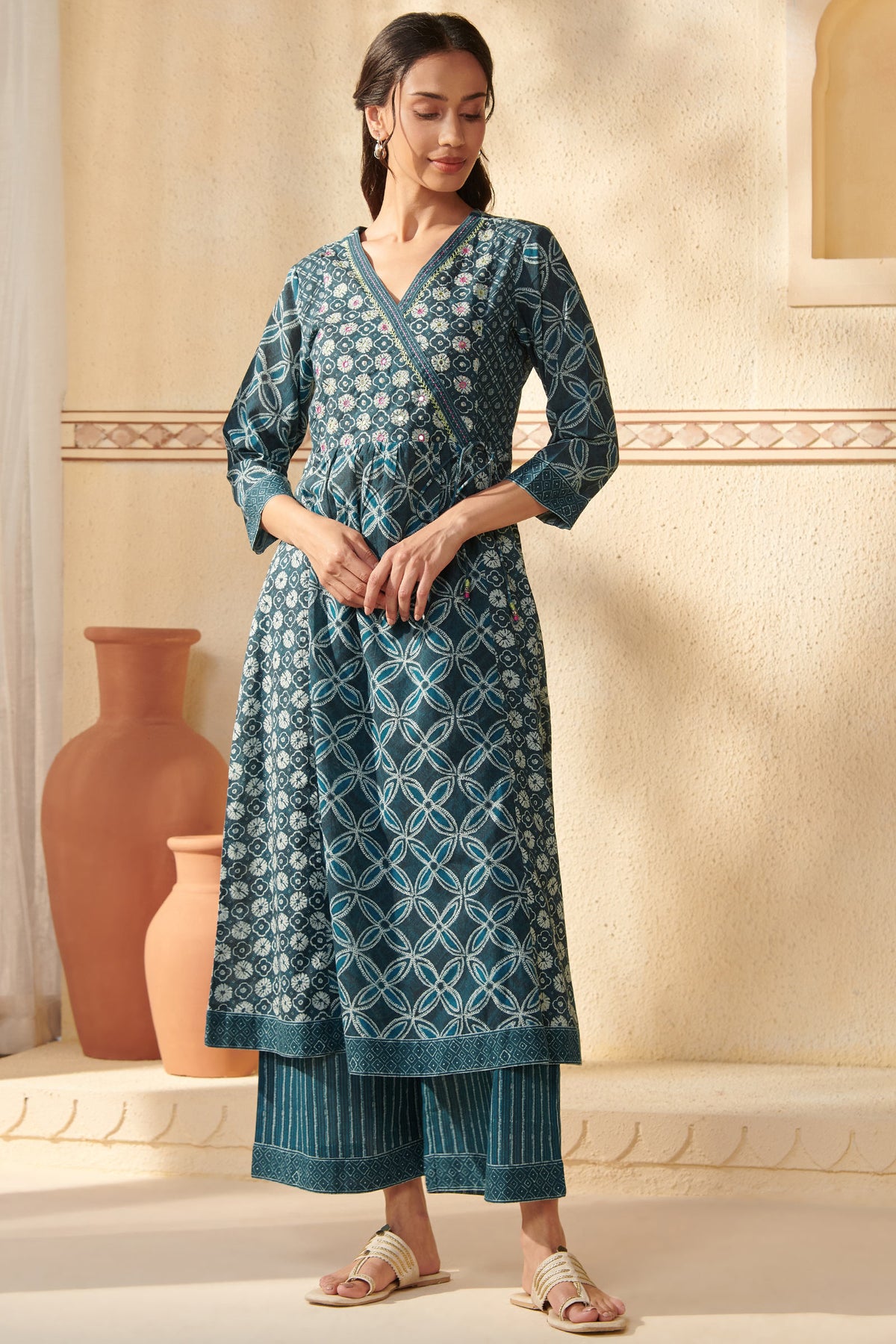
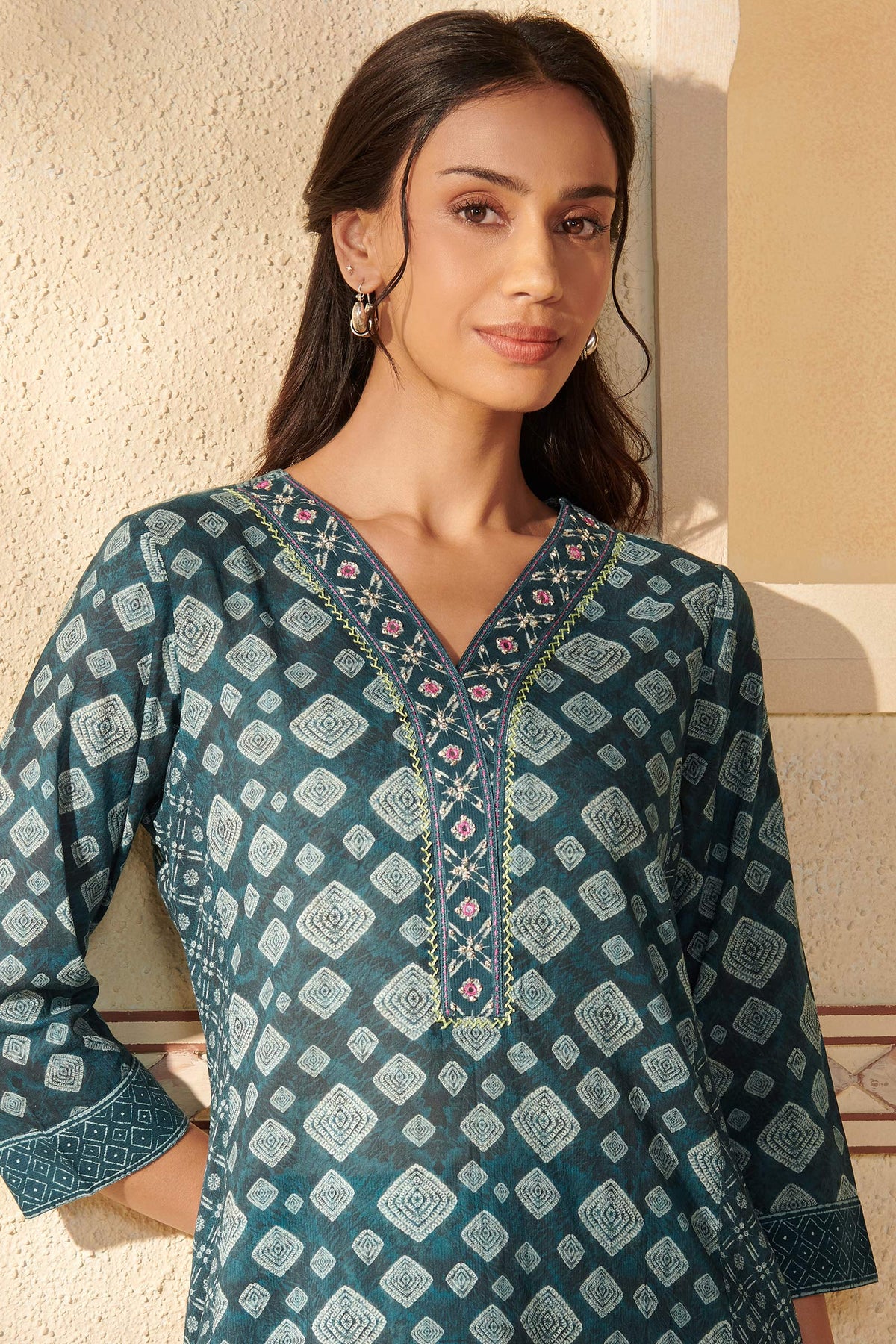
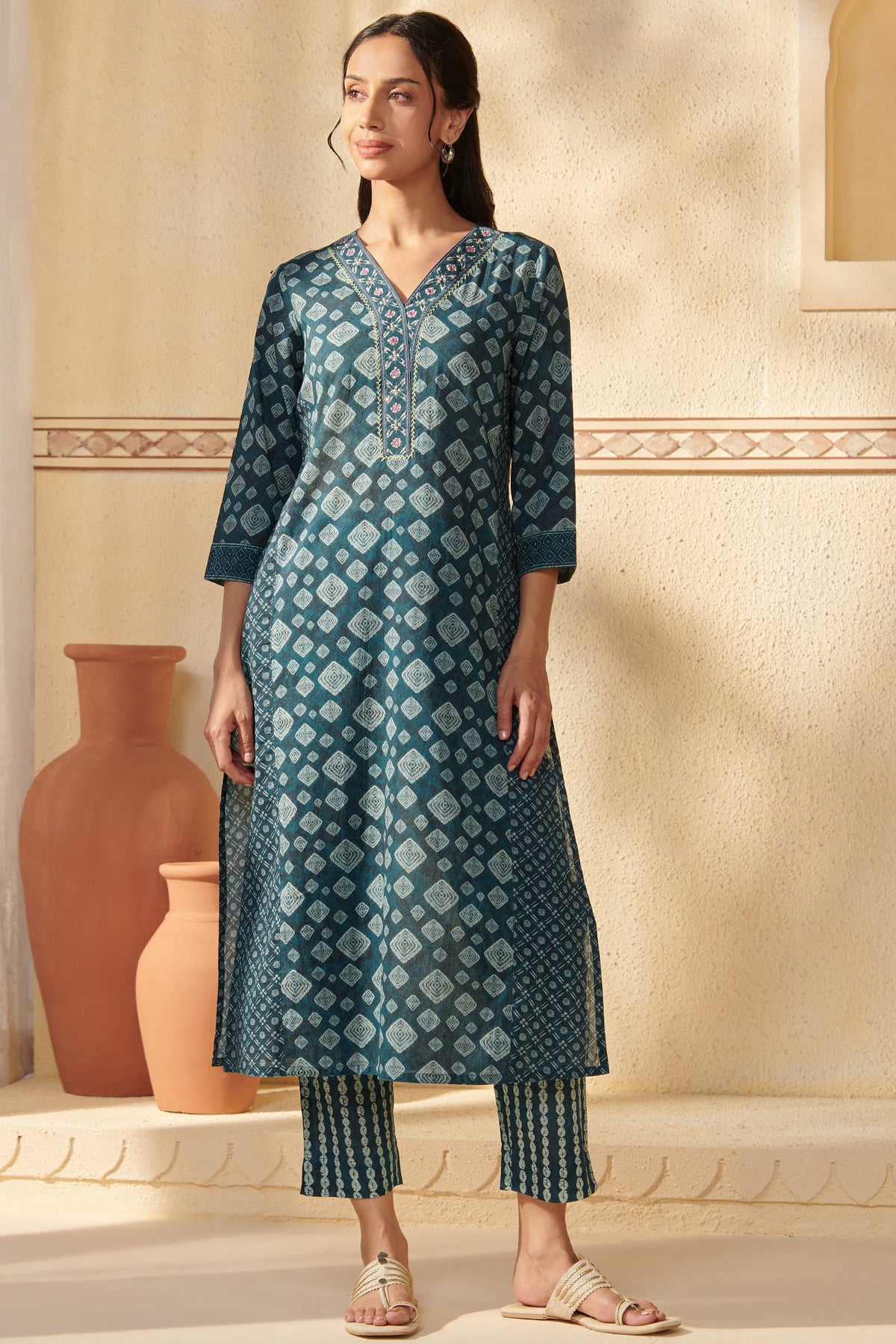
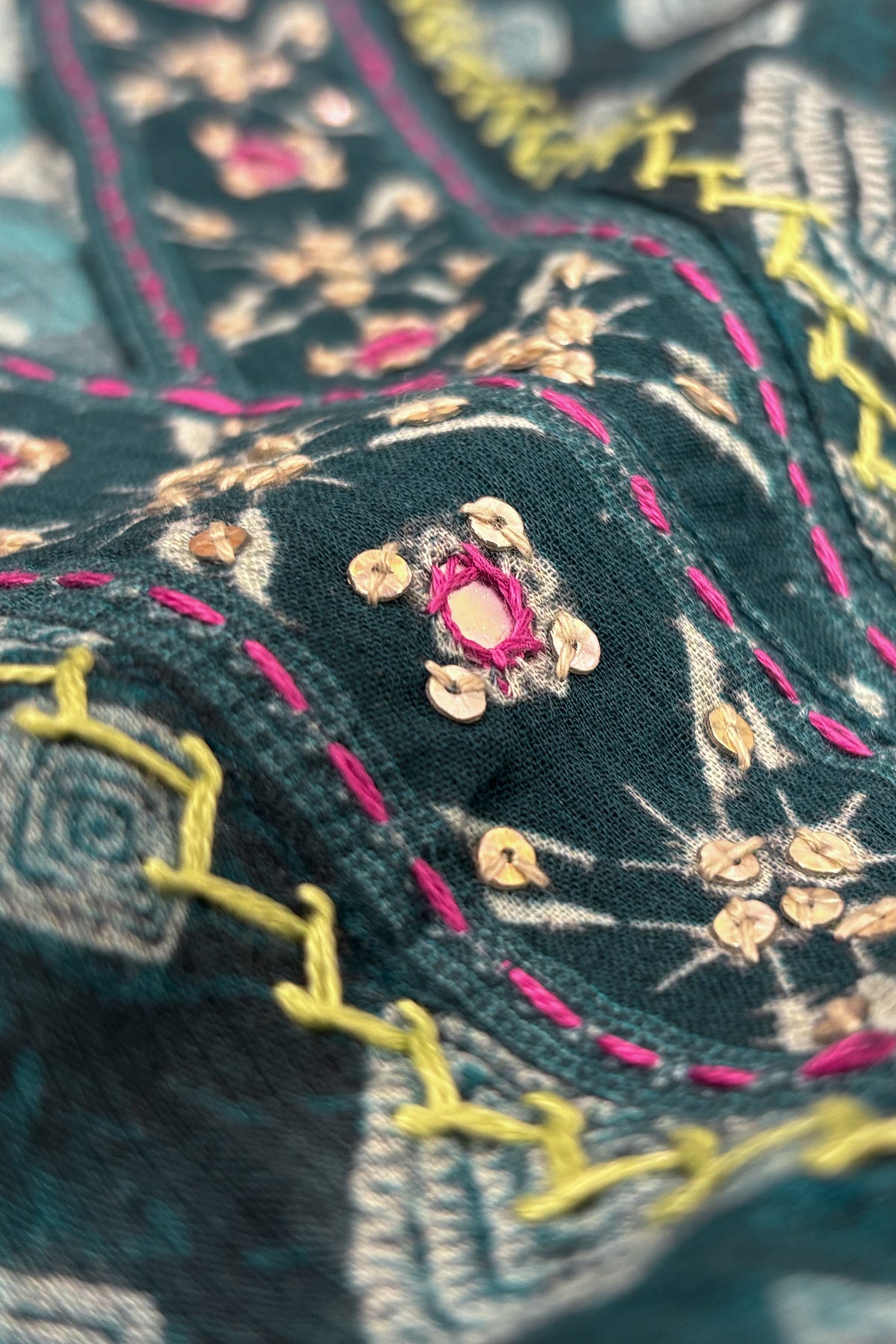
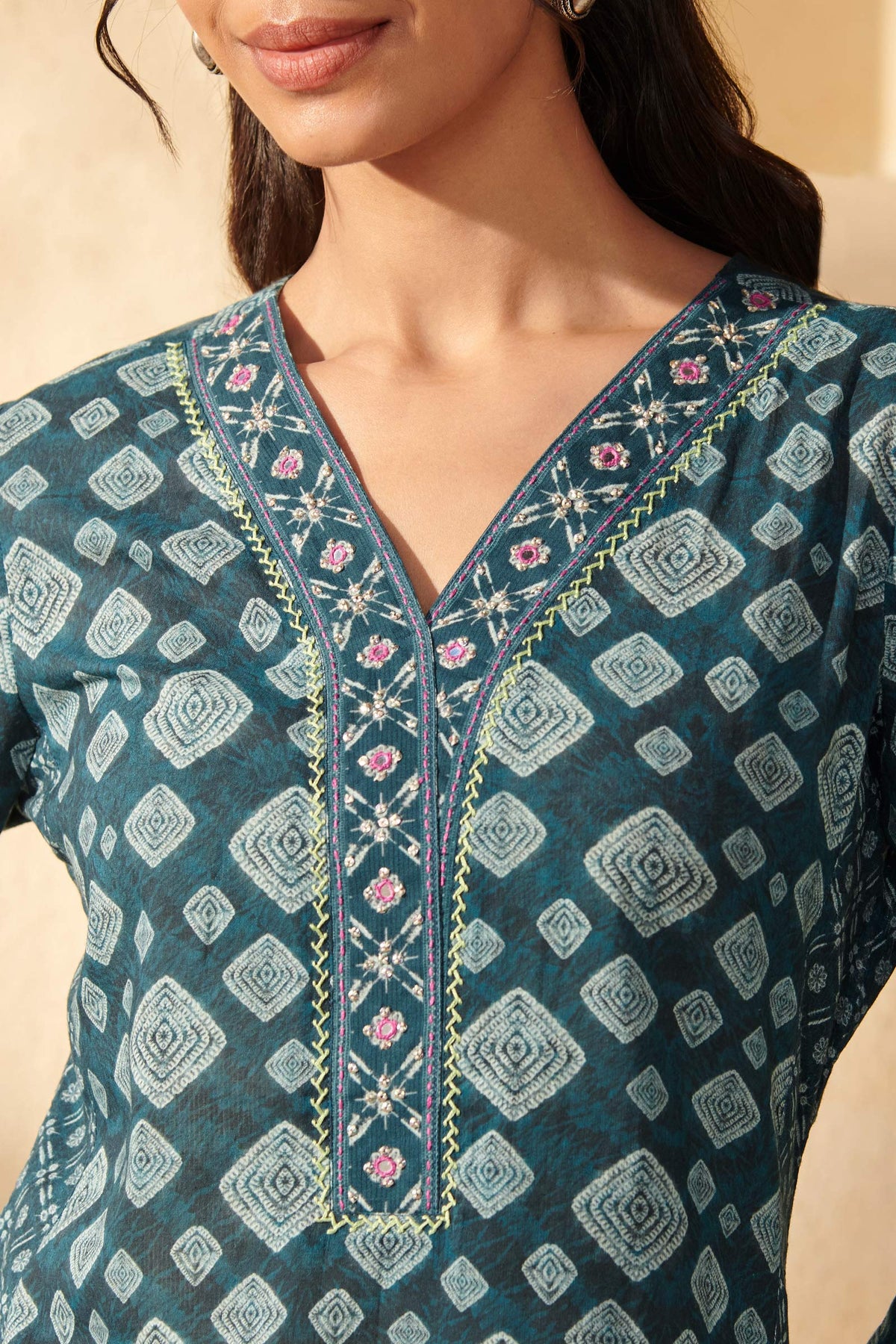
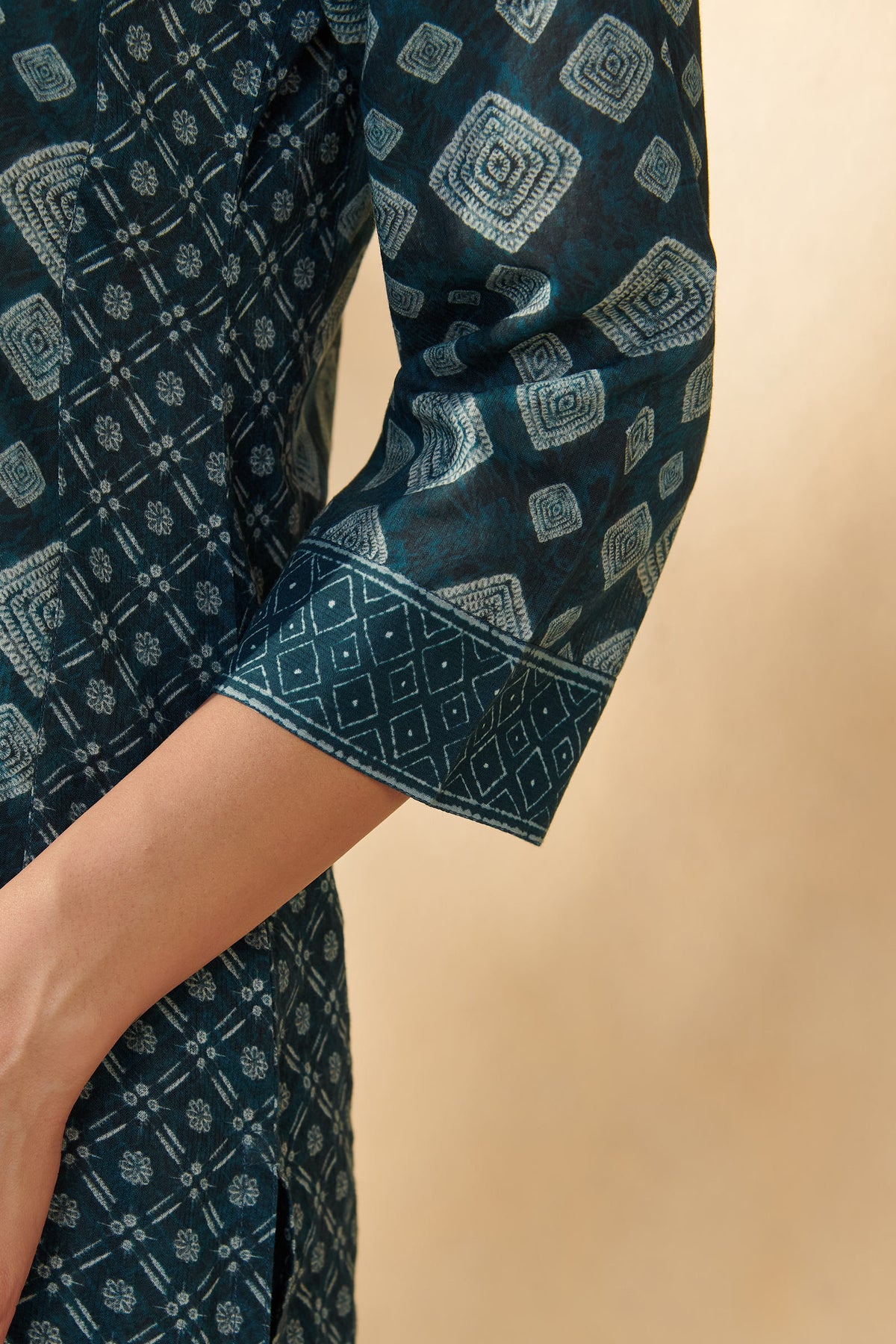
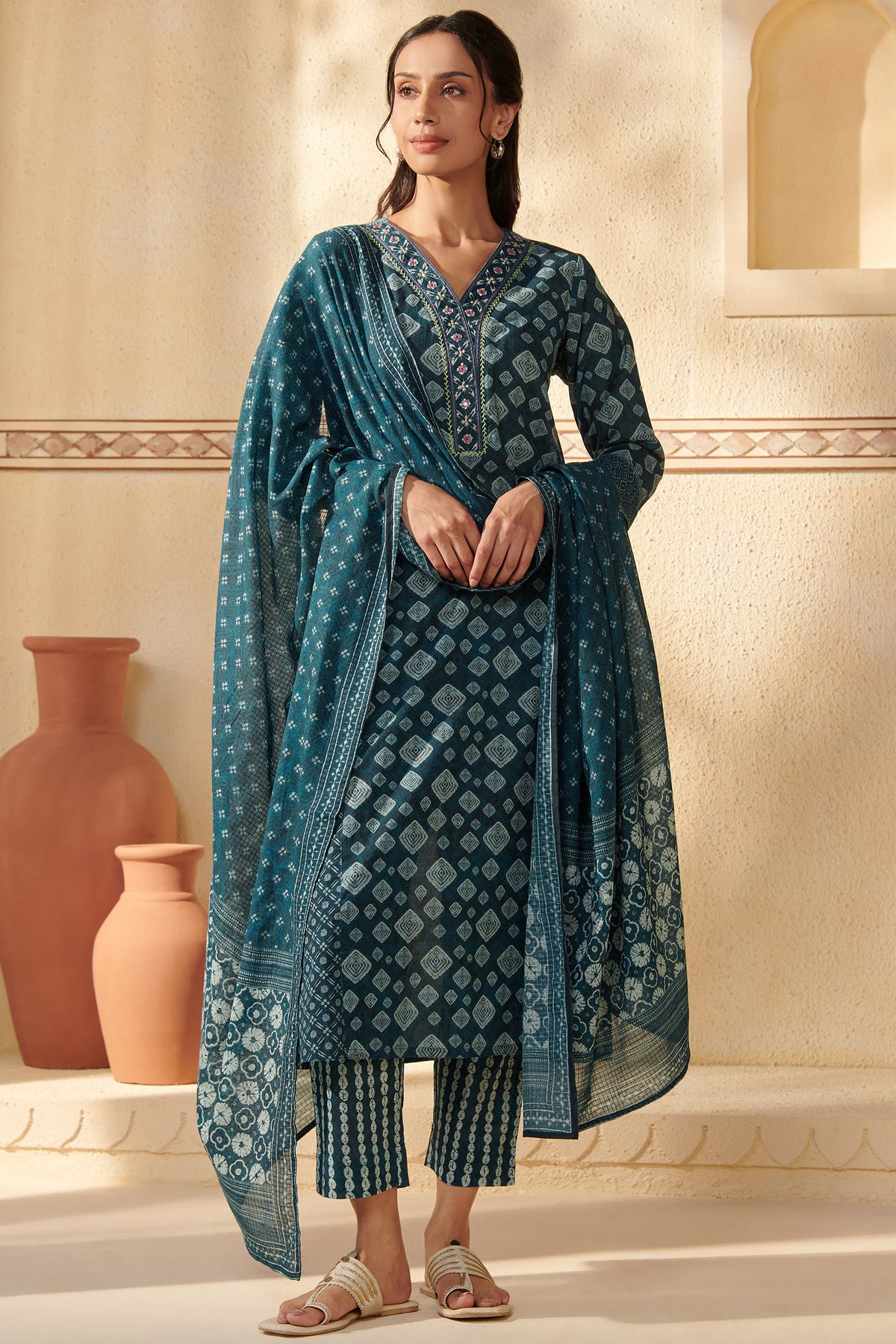
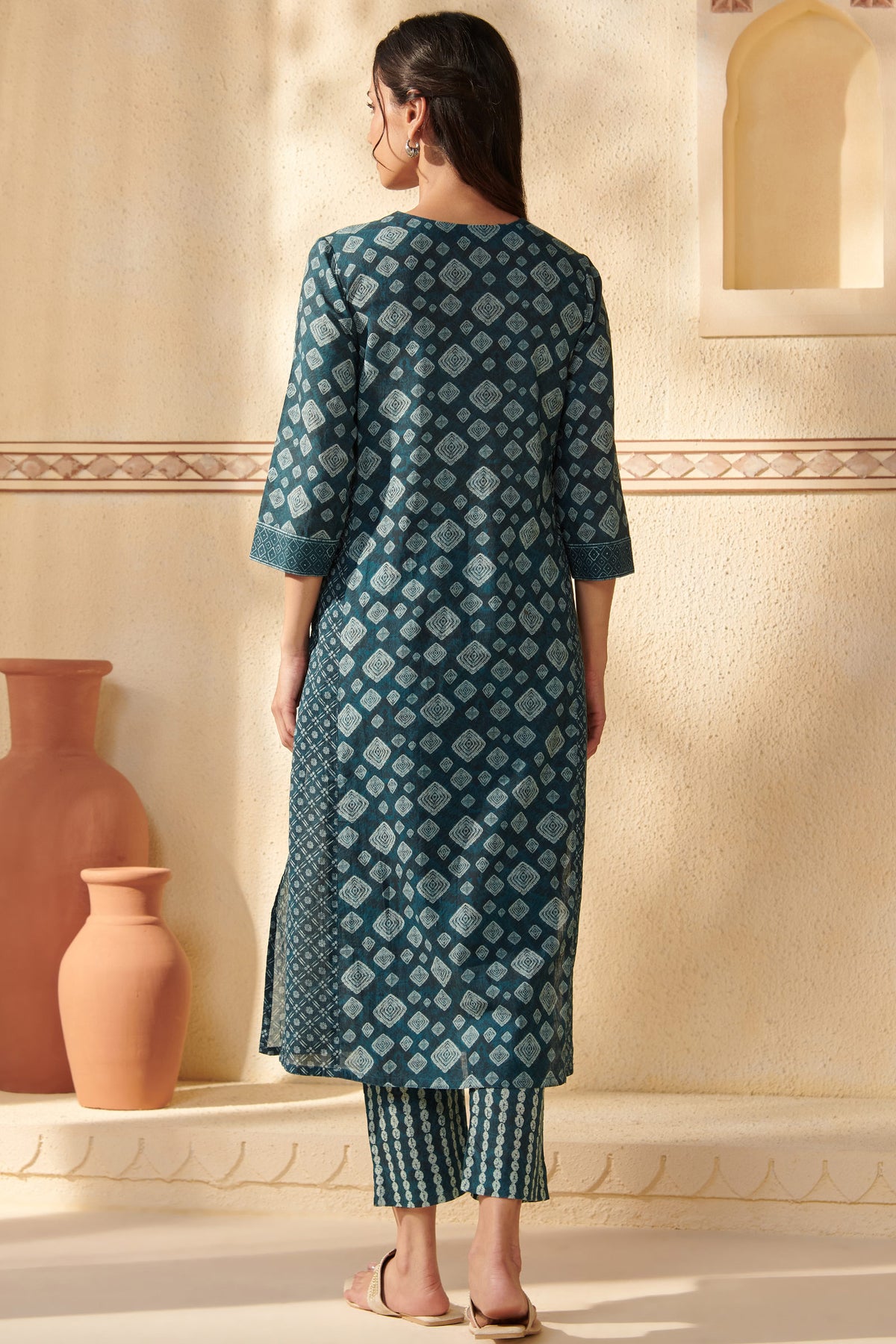
Evening celebrations often invite richer colours with greater depth. Emerald green, royal blue, plum, deep teal, and wine create an elegant presence without requiring heavy embellishment.
These jewel tones work particularly well in silk, chanderi, and other textured fabrics, where the richness of the colour is enhanced by the natural sheen of the weave. A thoughtfully chosen jewel toned kurta, paired with understated jewellery, often feels complete without needing much else.
Tips for Building a Versatile Kurta Wardrobe
A thoughtfully built wardrobe is not about owning more pieces. It is about choosing colours that work together and suit different moments in your life.
When your collection includes a mix of everyday essentials and occasion wear, getting dressed becomes simpler. Each kurta has its place, and every piece feels intentional.
Investing in Timeless Colours
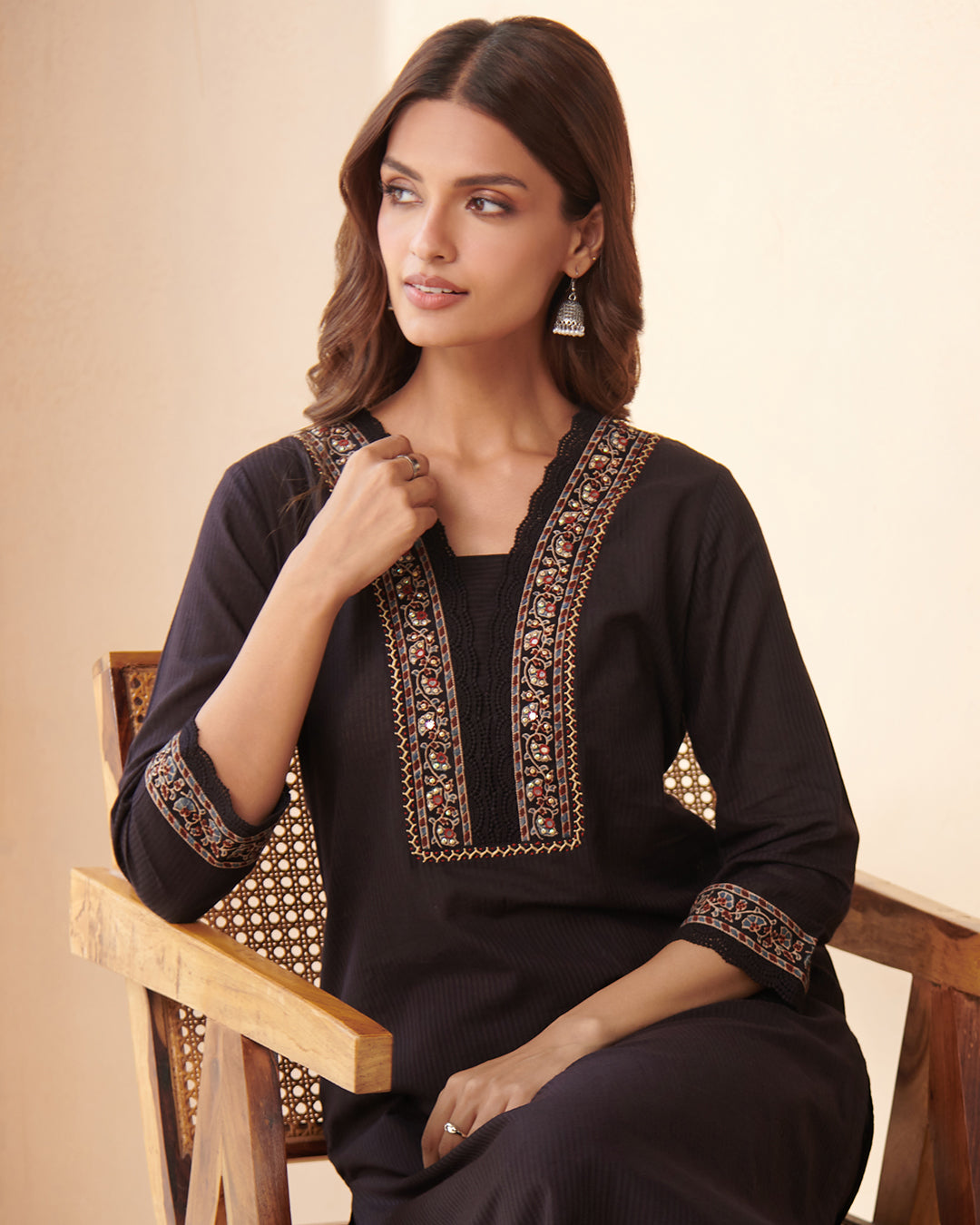
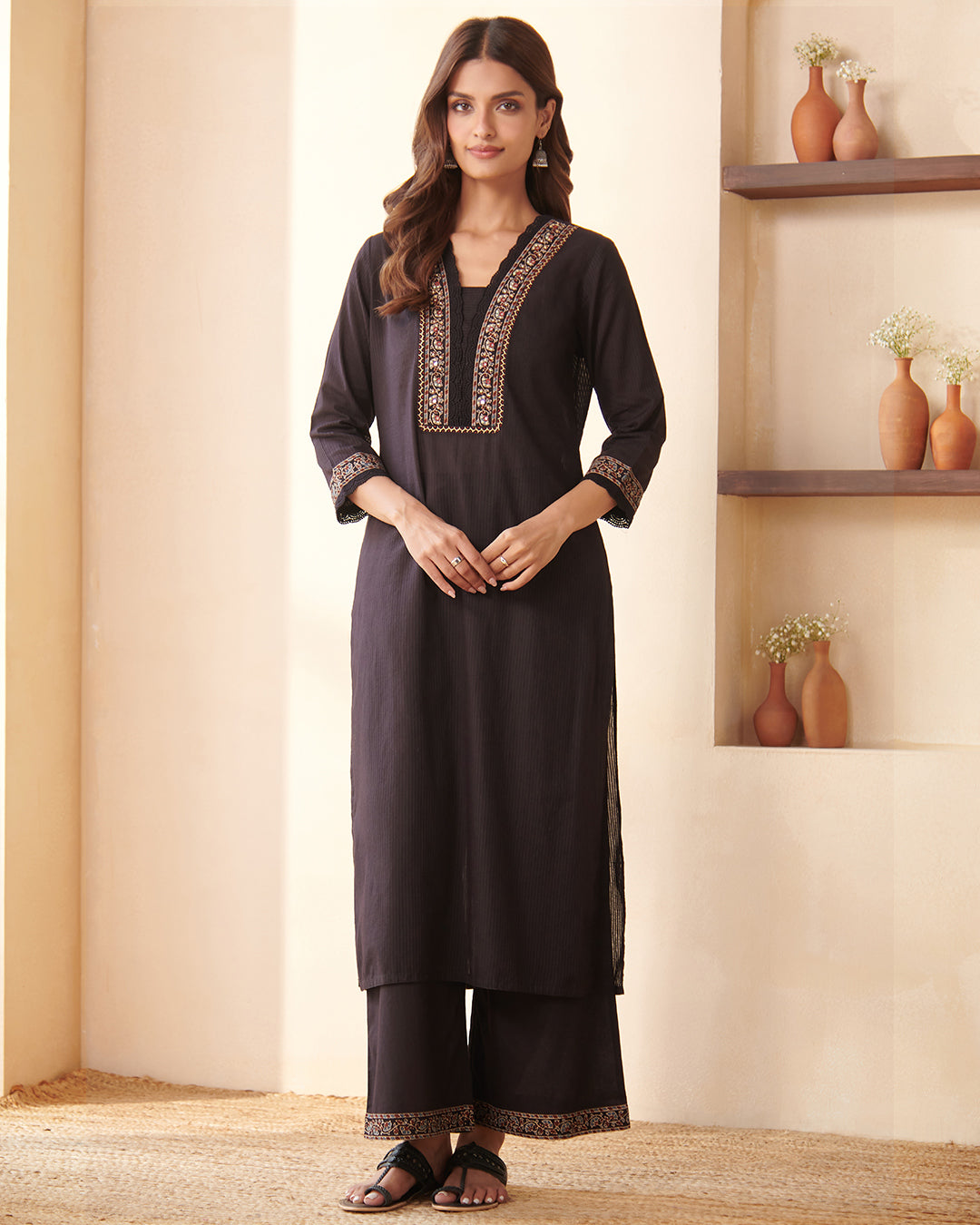
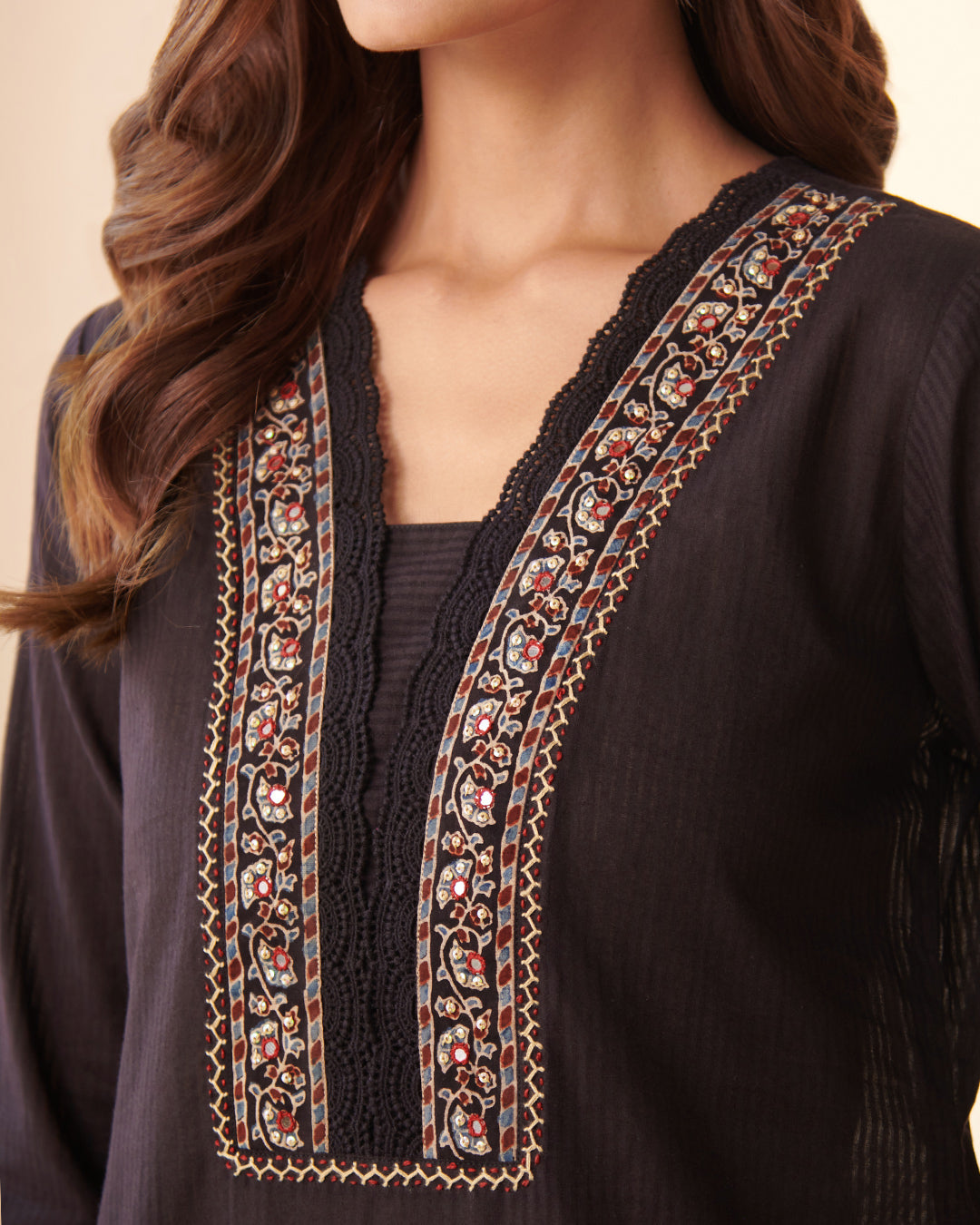
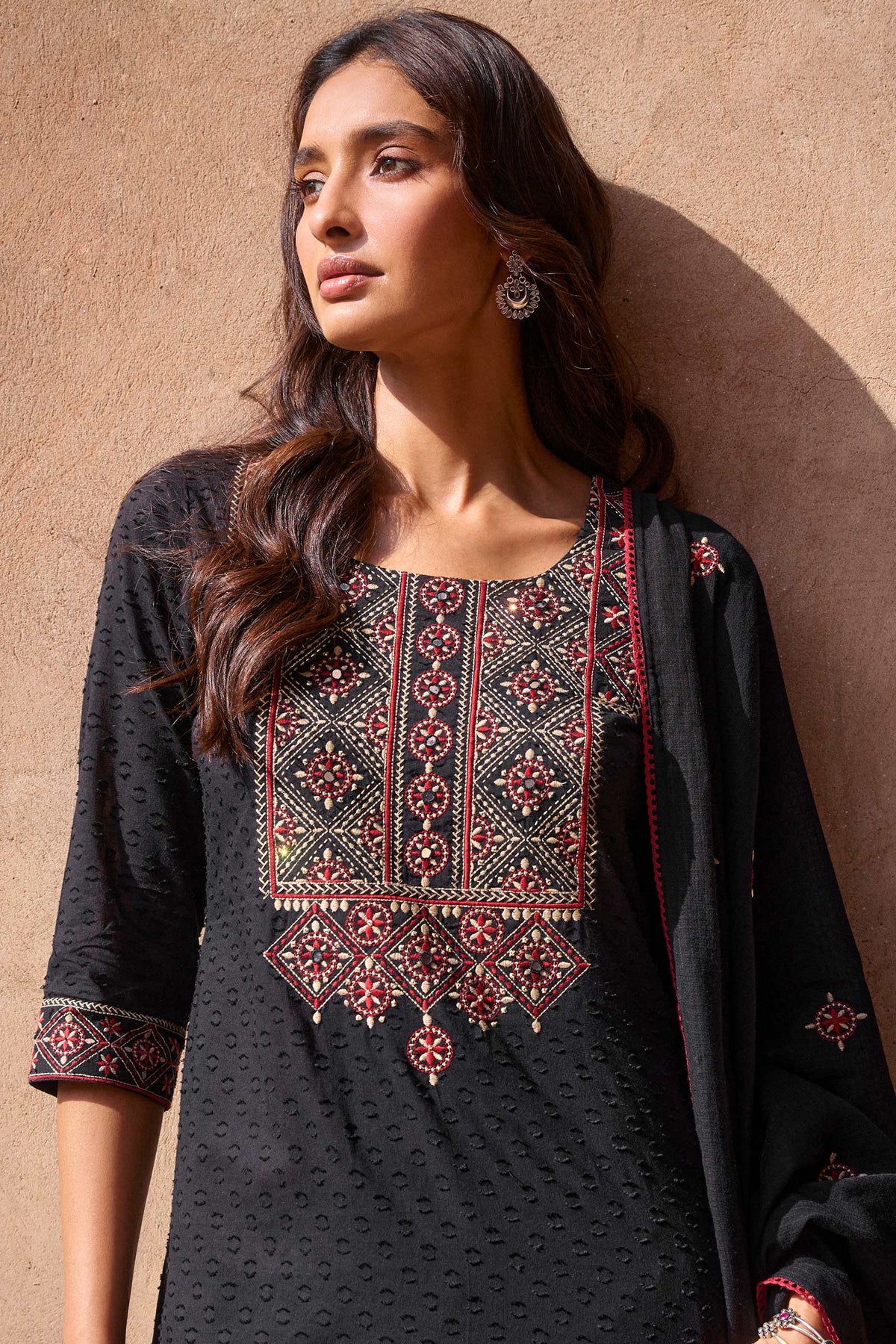
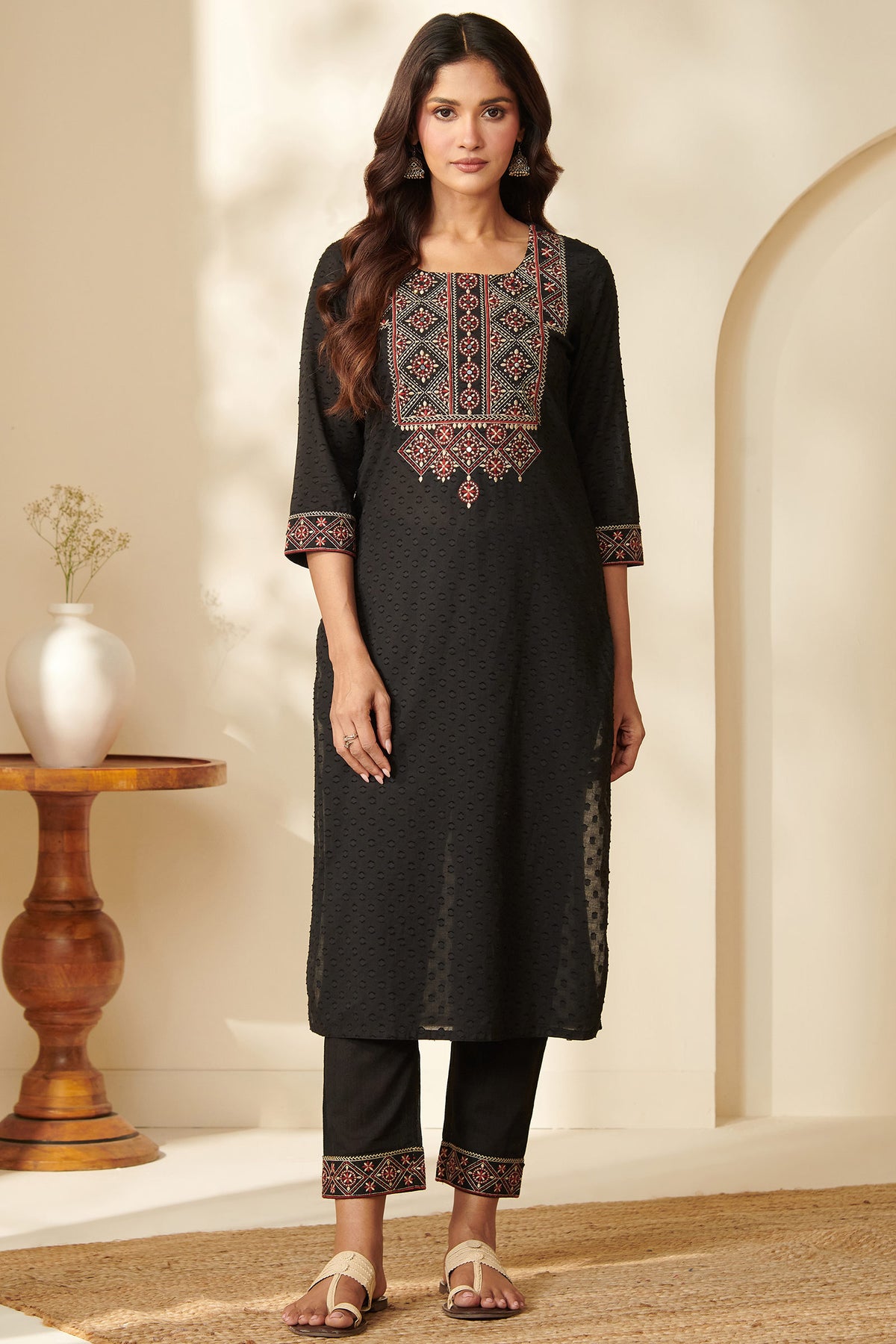
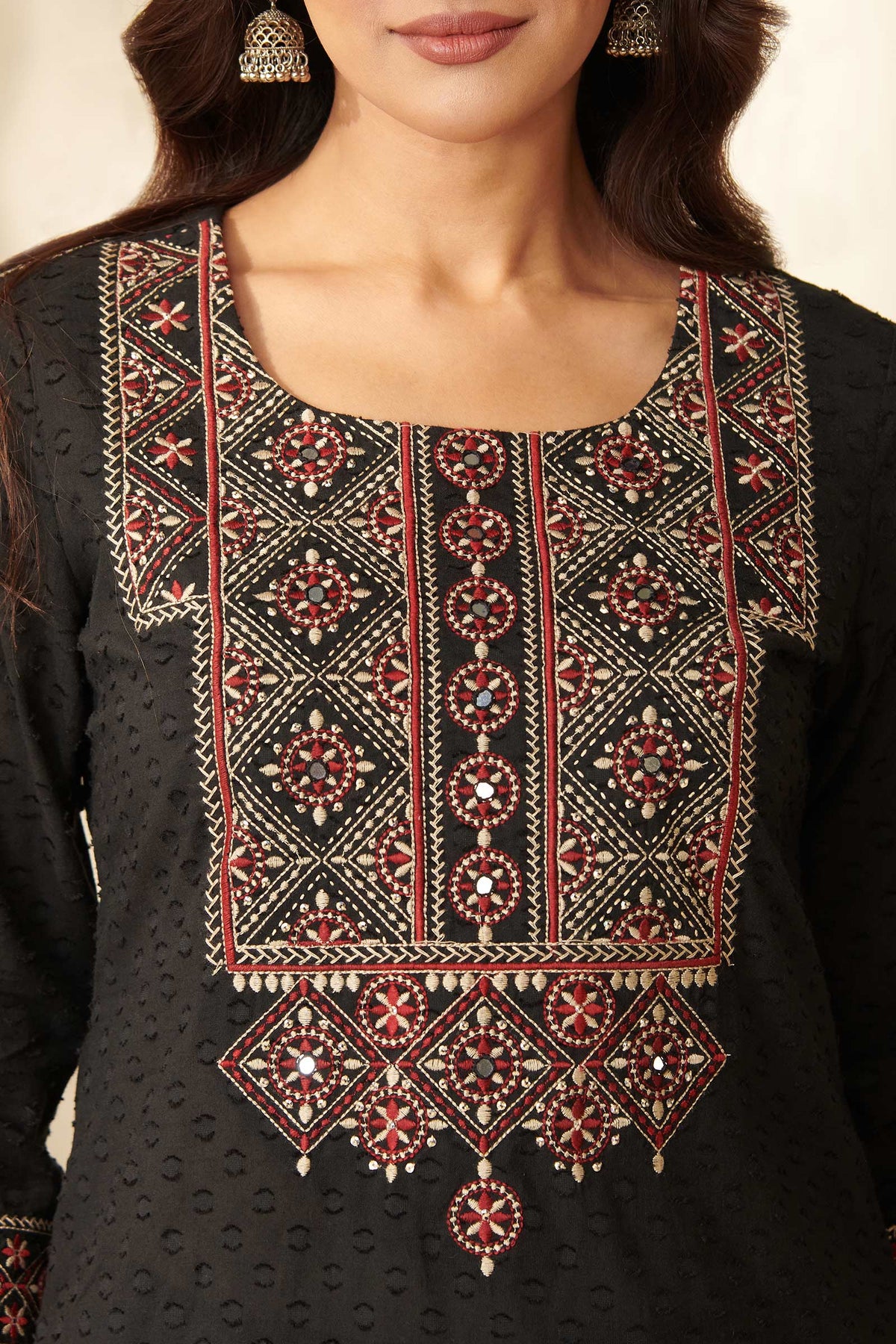
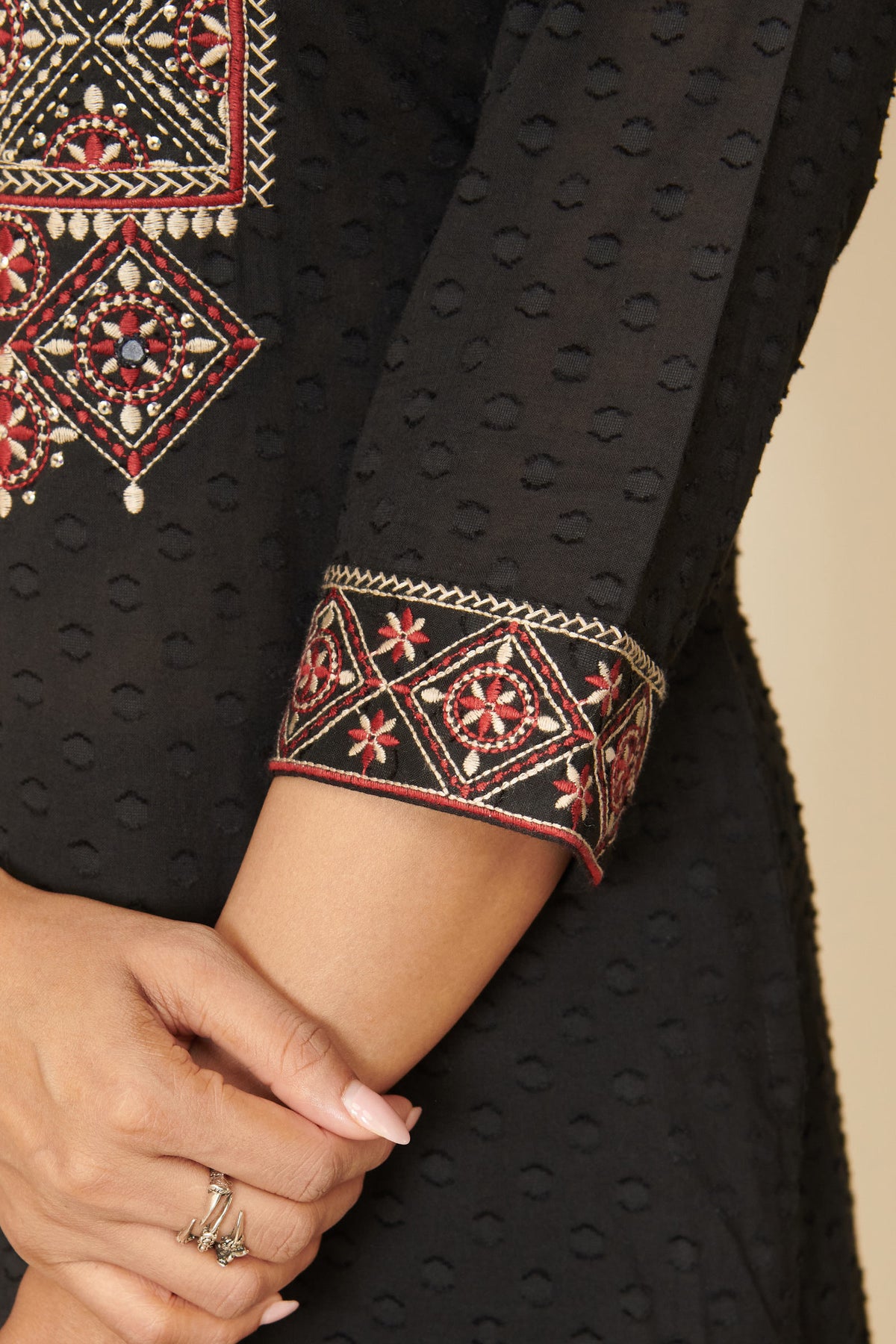
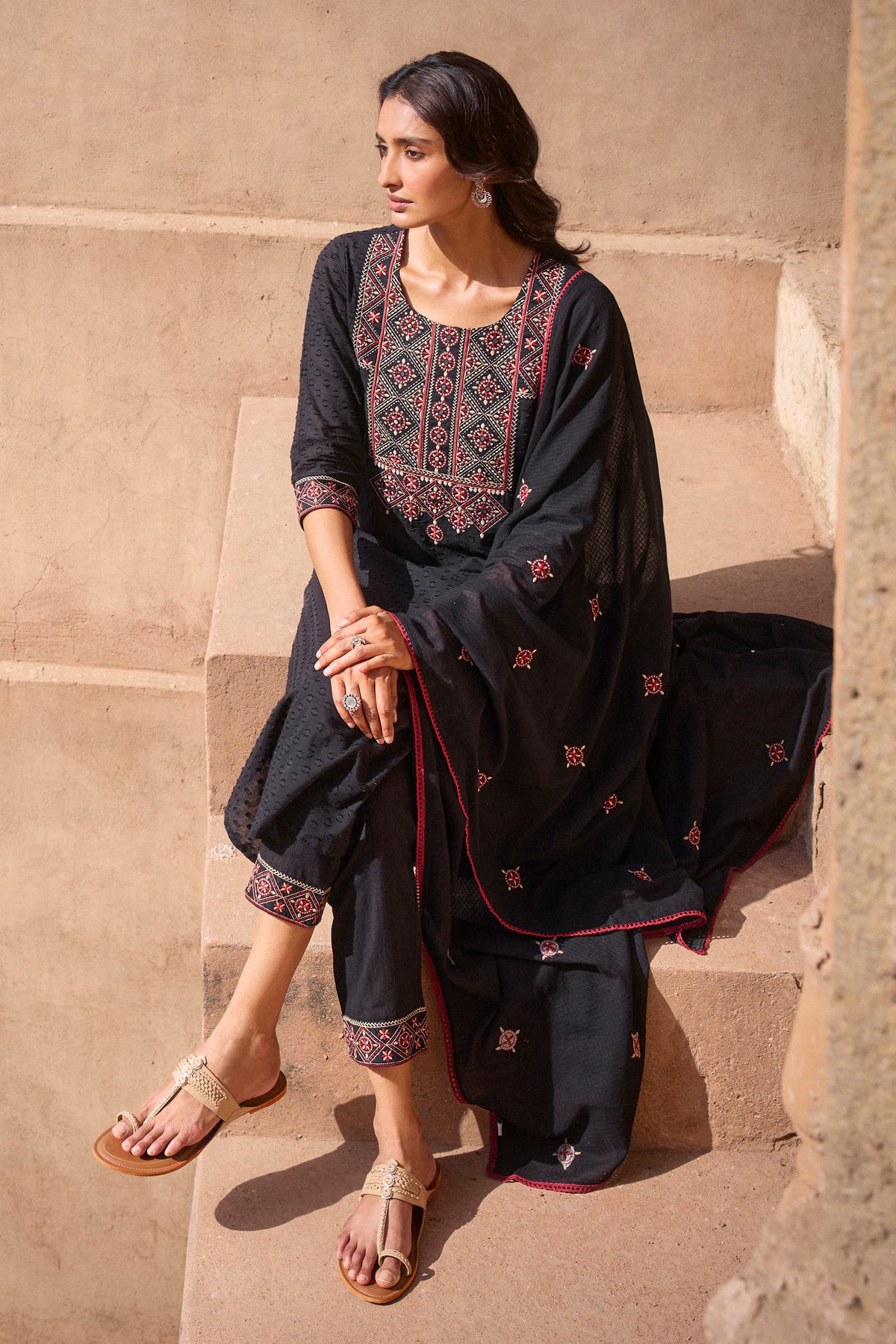
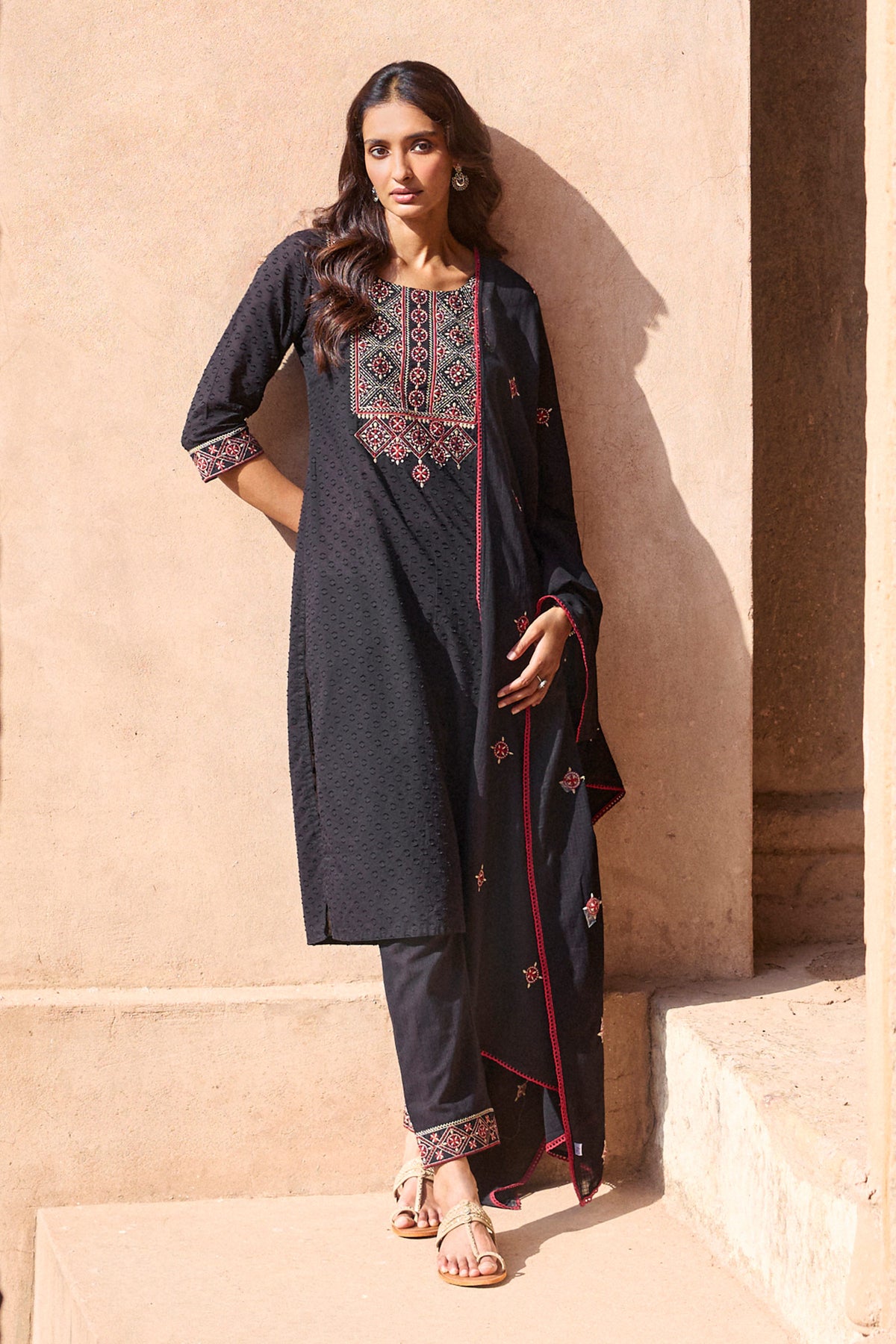
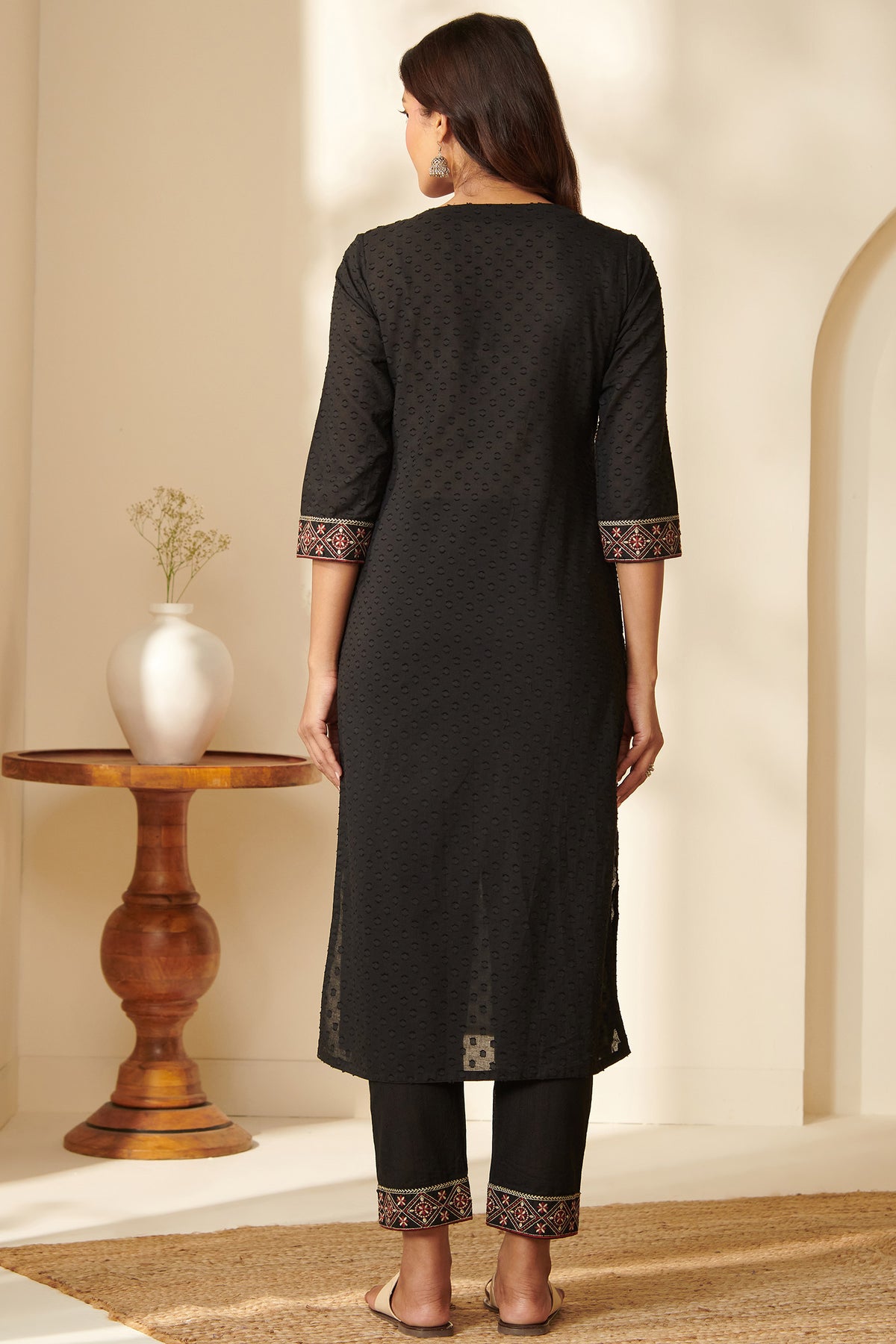
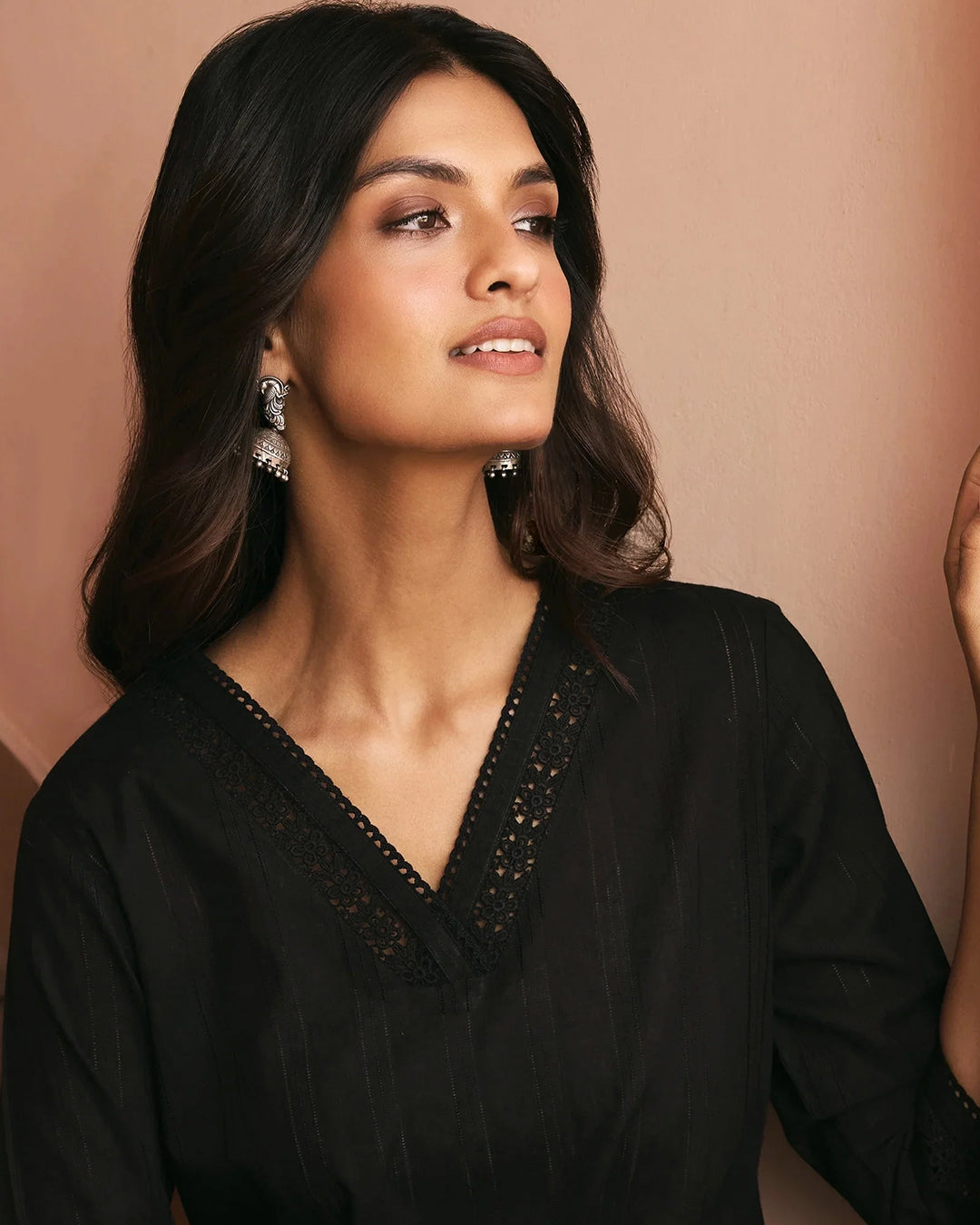
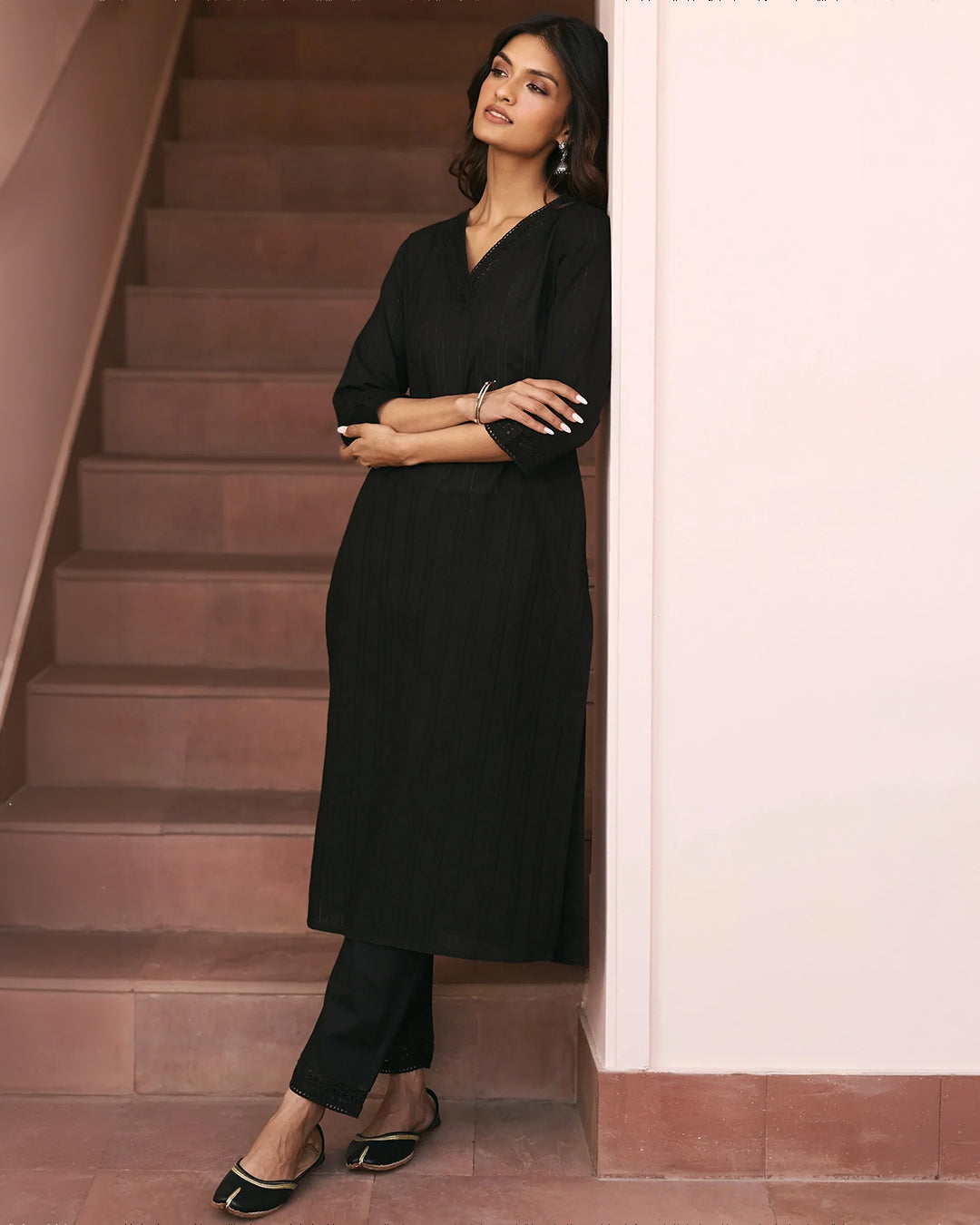
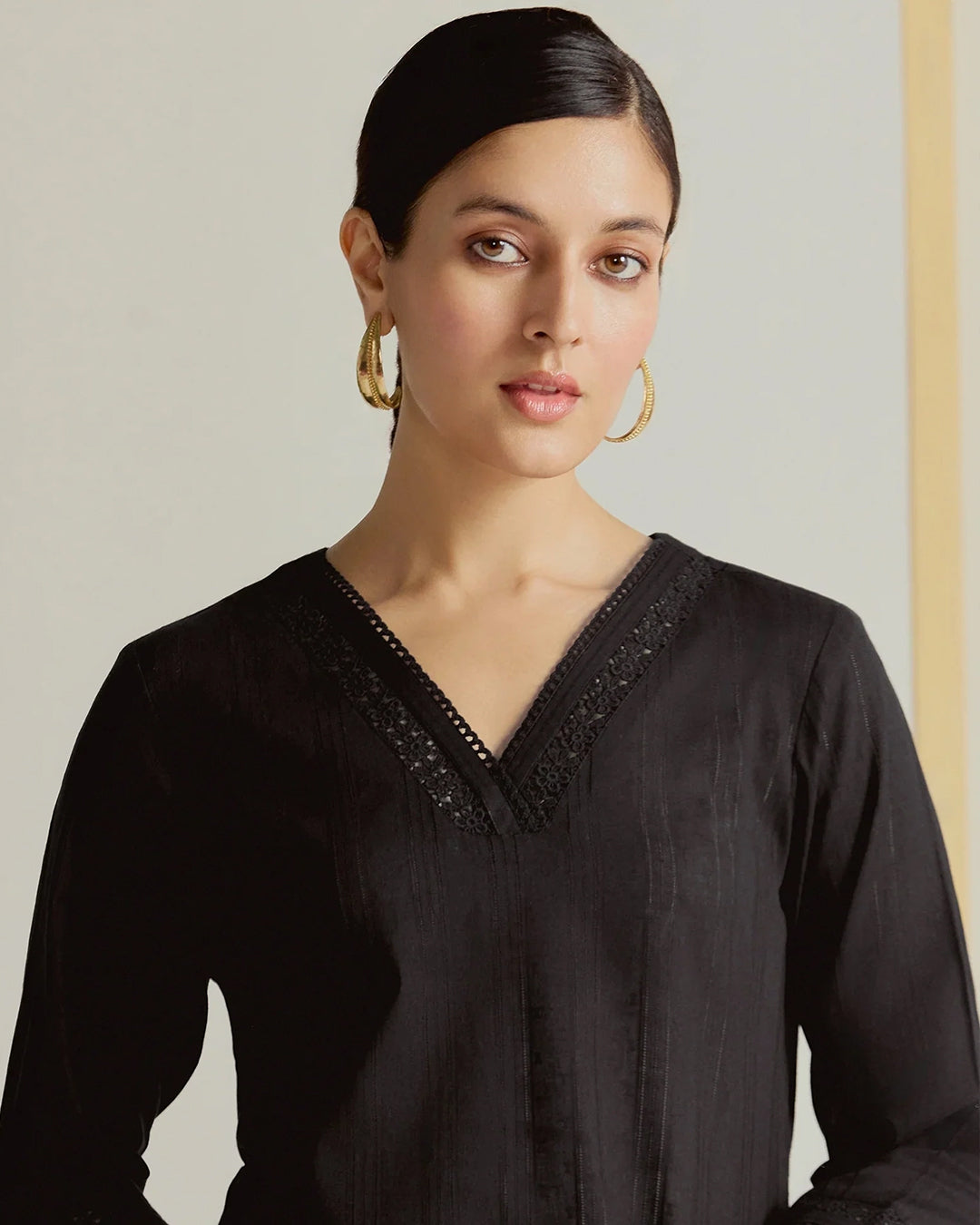
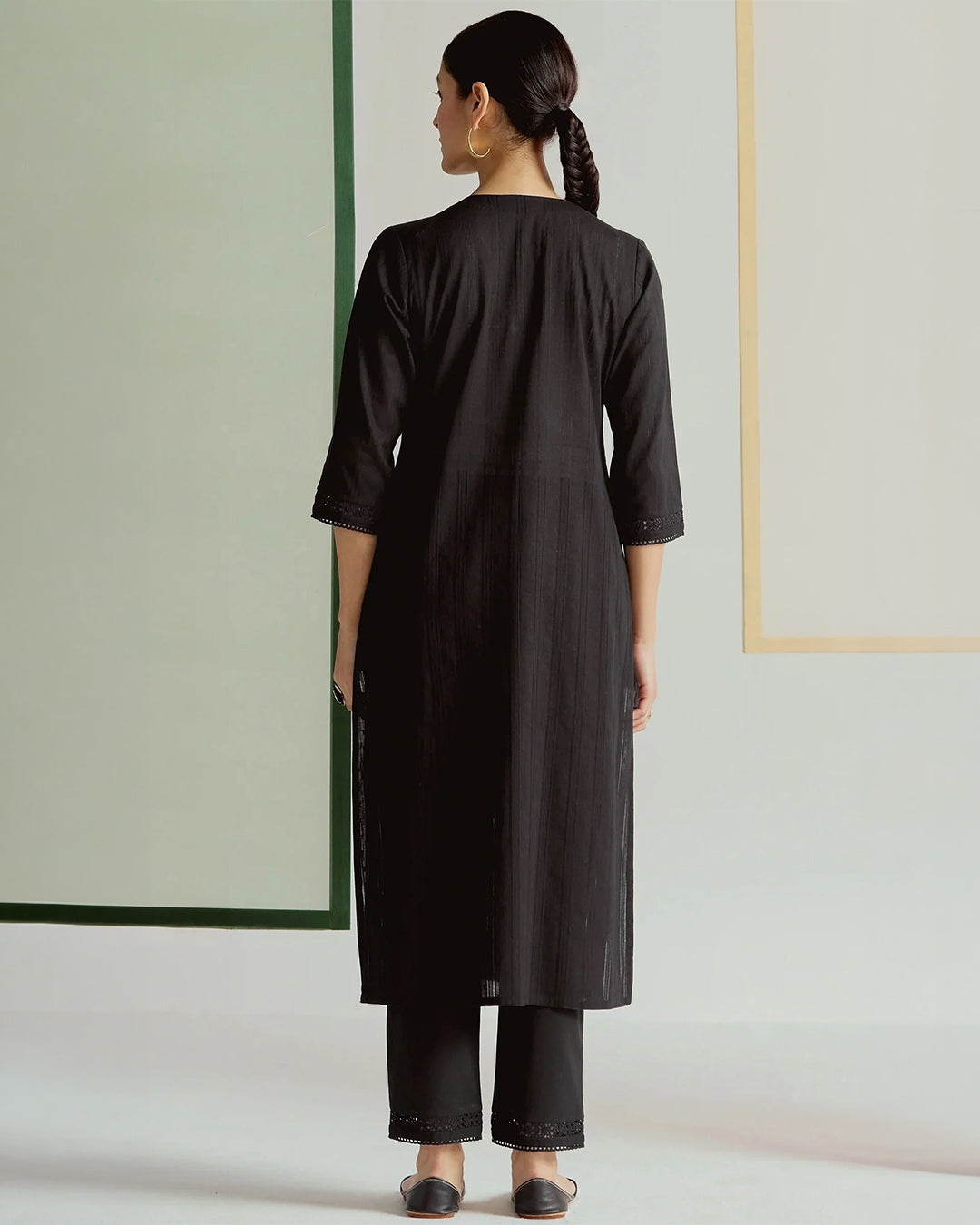
Some colours never lose their appeal. White, ivory, beige, indigo, black kurta, and soft pastels remain relevant year after year because they adapt easily to changing seasons and personal styles.
These shades pair effortlessly with different bottoms, dupattas, and accessories, making them reliable choices for both everyday wear and special occasions. Investing in quality fabrics and classic colours often means wearing the same pieces for years without them feeling dated.
Balancing Classic and Statement Shades
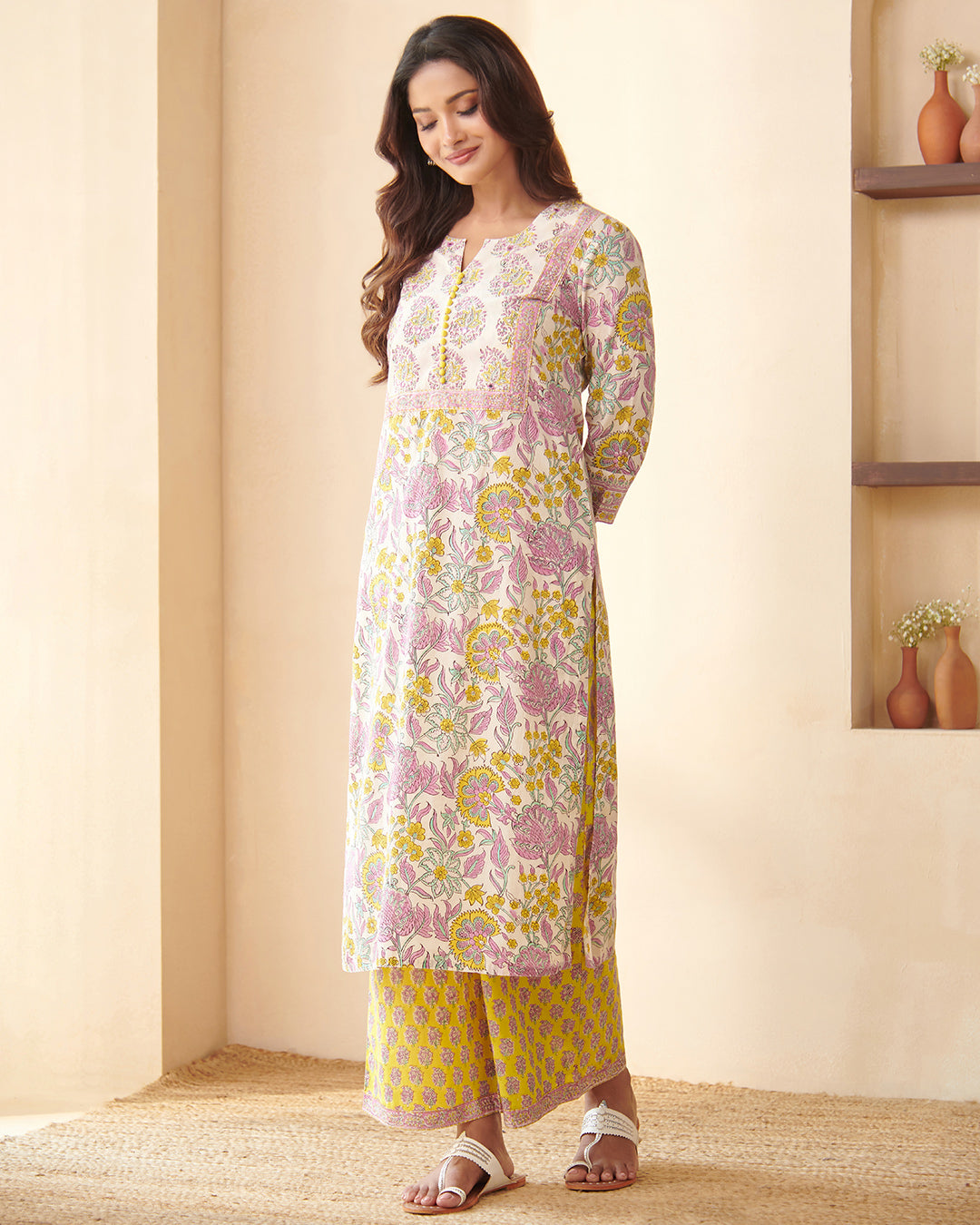
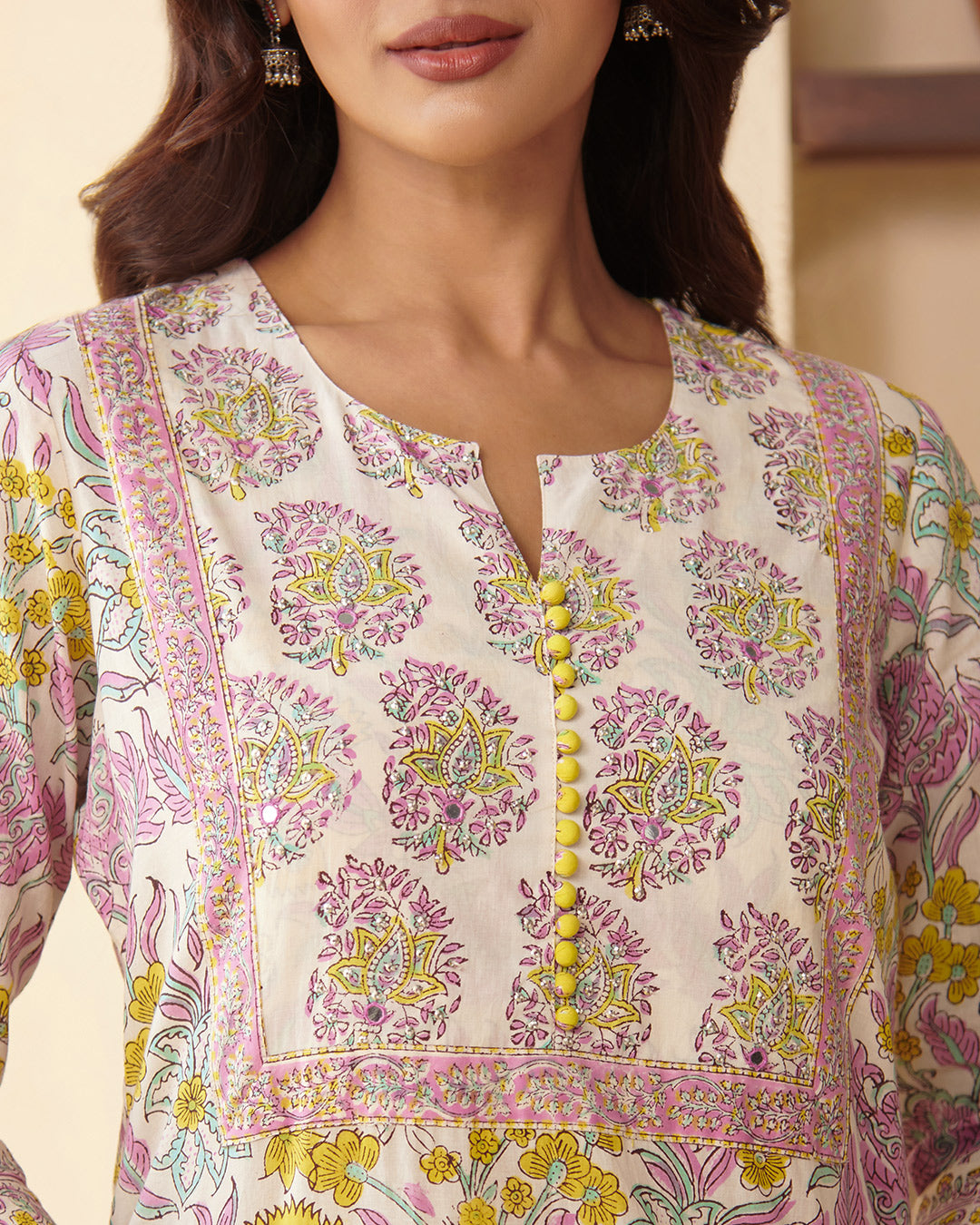
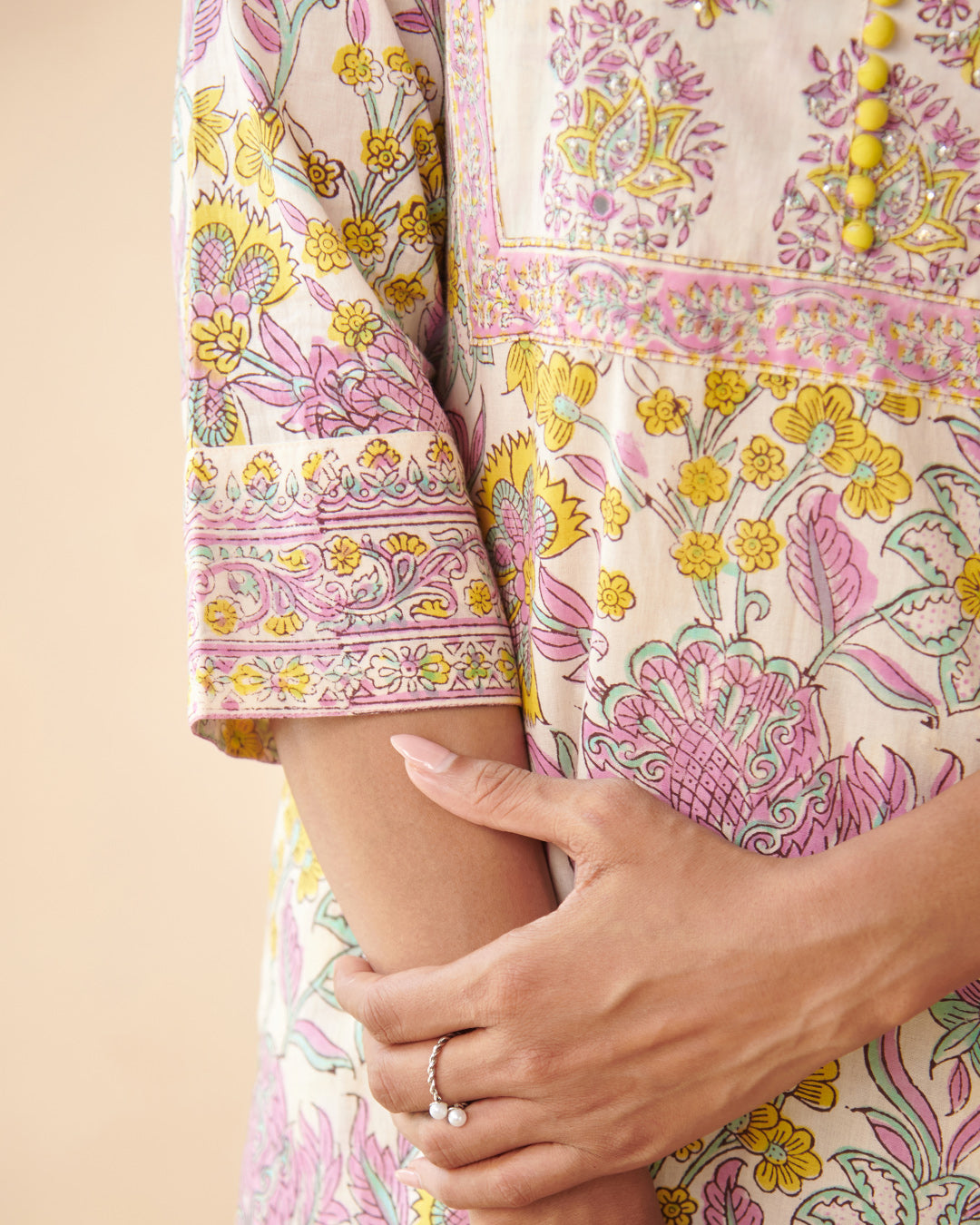
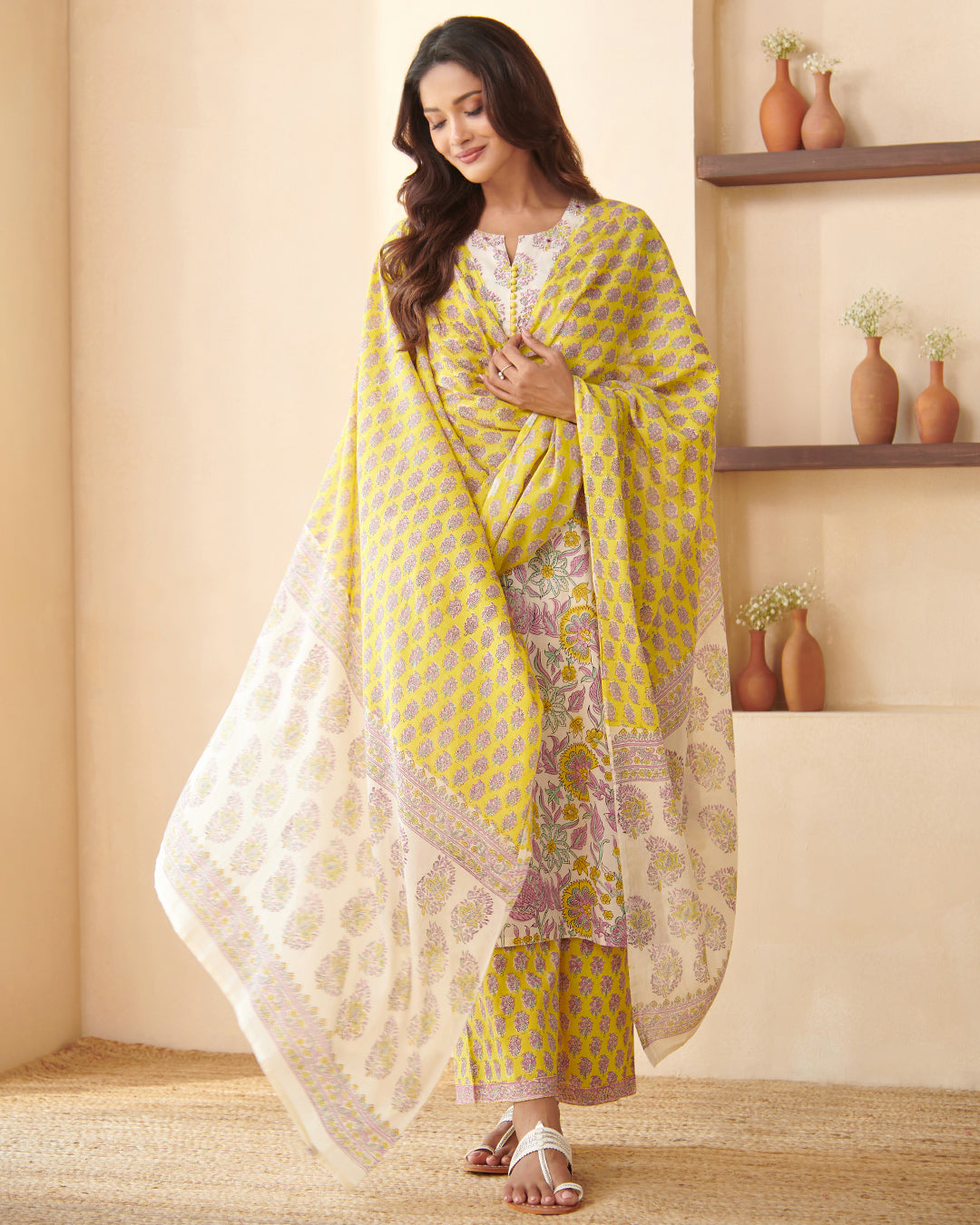
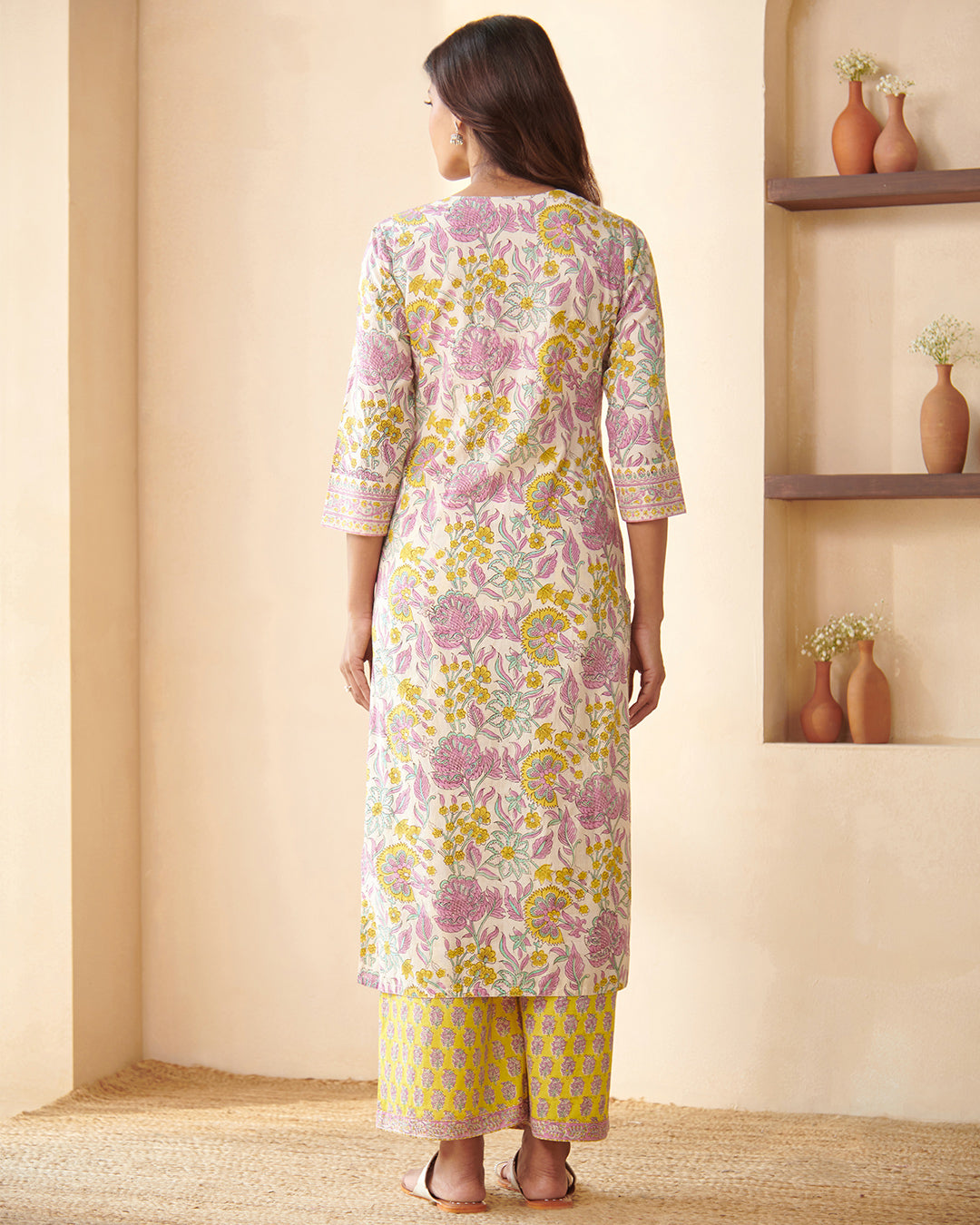
A versatile wardrobe benefits from both restraint and colour. Alongside timeless neutrals, include a few richer shades like maroon, emerald green, yellow kurta, or deep red. These colours instantly add warmth and celebration without requiring an entirely different wardrobe.
The balance is what matters. Let your everyday pieces provide flexibility, while your statement colours bring character when the occasion calls for it.
Conclusion
Choosing the right kurta colour is less about following rules and more about understanding what feels authentic to you. The occasion, the season, the fabric, and your personal style all play a part, but the best choices are often the ones that make you feel most comfortable in your own skin.
Over time, you begin to recognise the colours you reach for again and again. They become part of your everyday rituals, festive memories, and quiet moments alike. Trends may shift, but a thoughtfully chosen kurta in a colour you truly love rarely goes out of style.

