































FOUNDER'S STORY

Some journeys begin with a single decision; others begin much earlier, shaped by the world one grows up in.
Over Three Decades of hand-block prints, embroidered heirlooms, and the women who carried them forward.
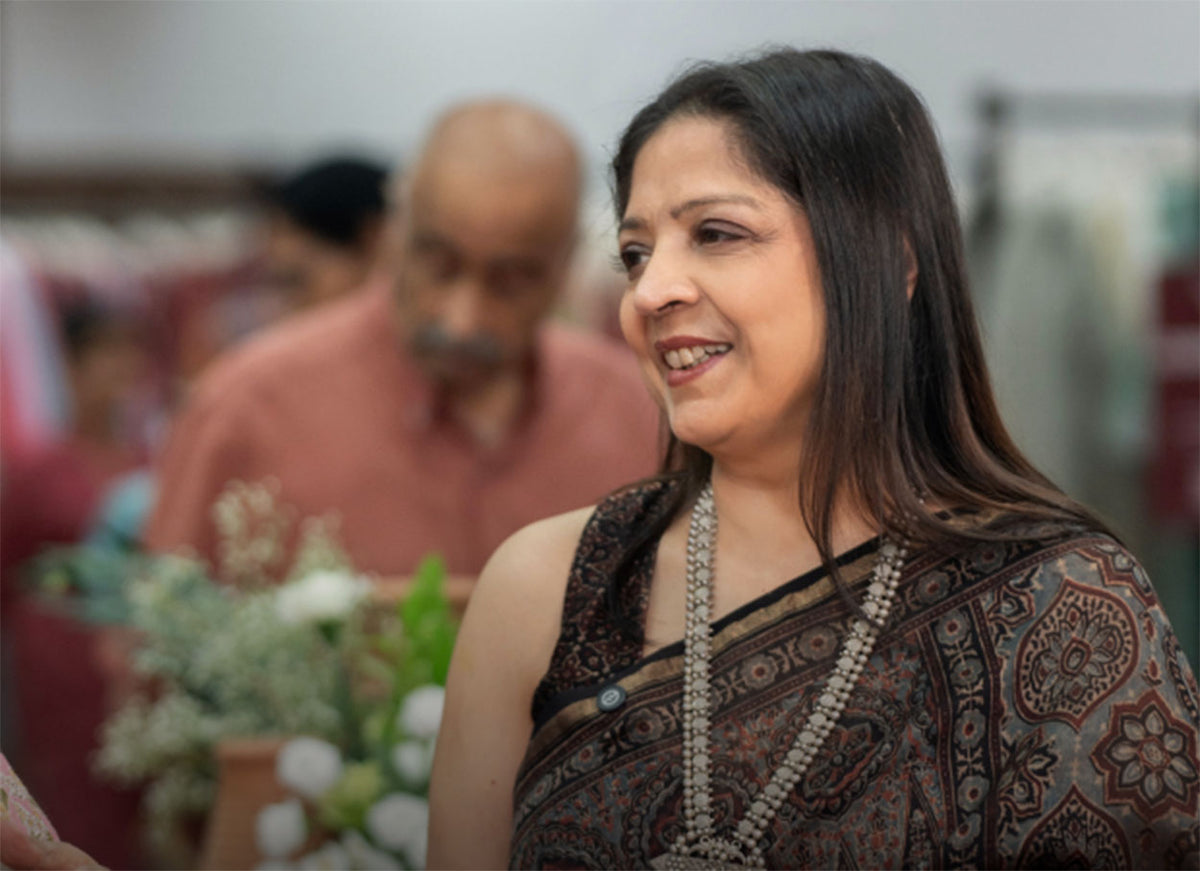
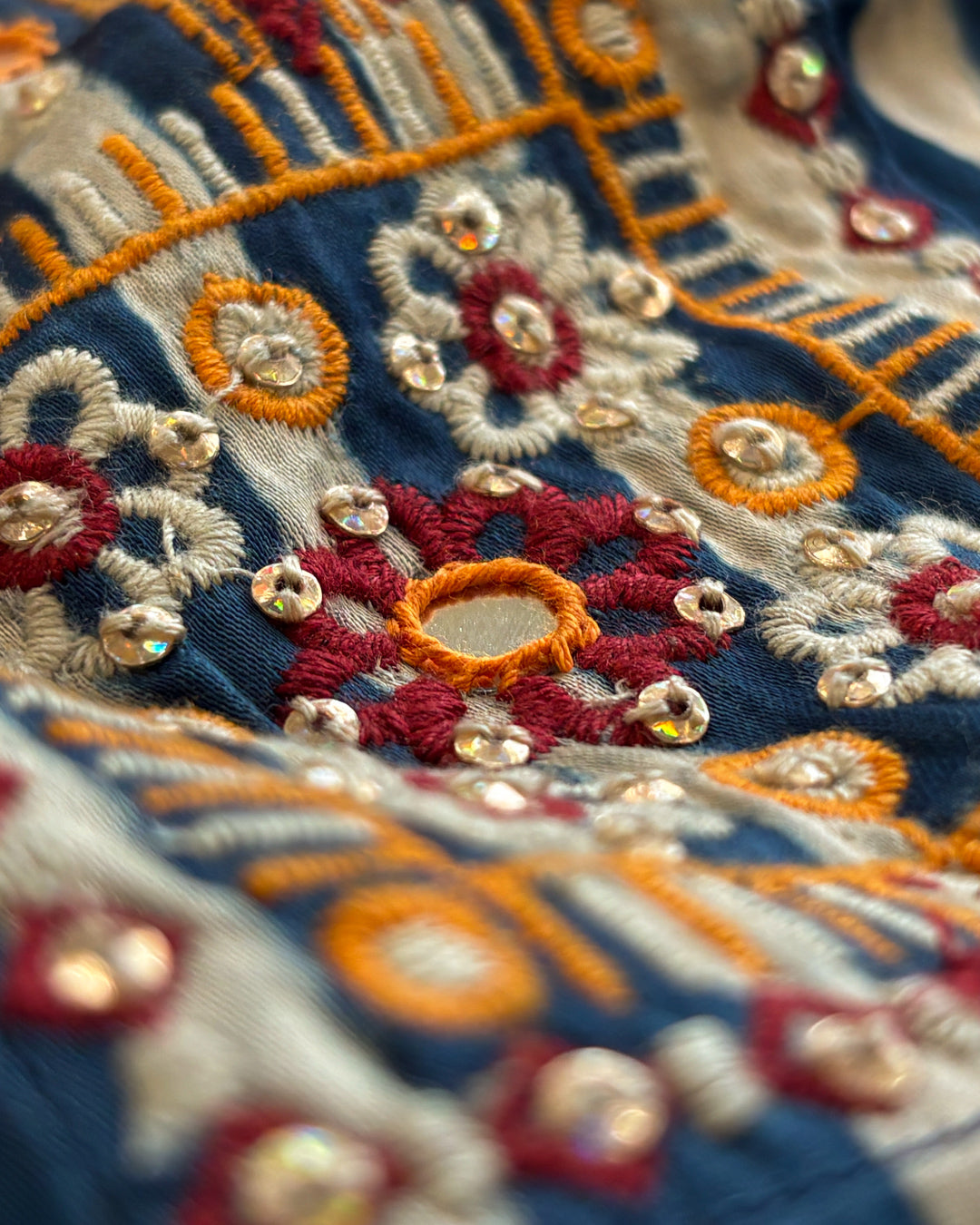
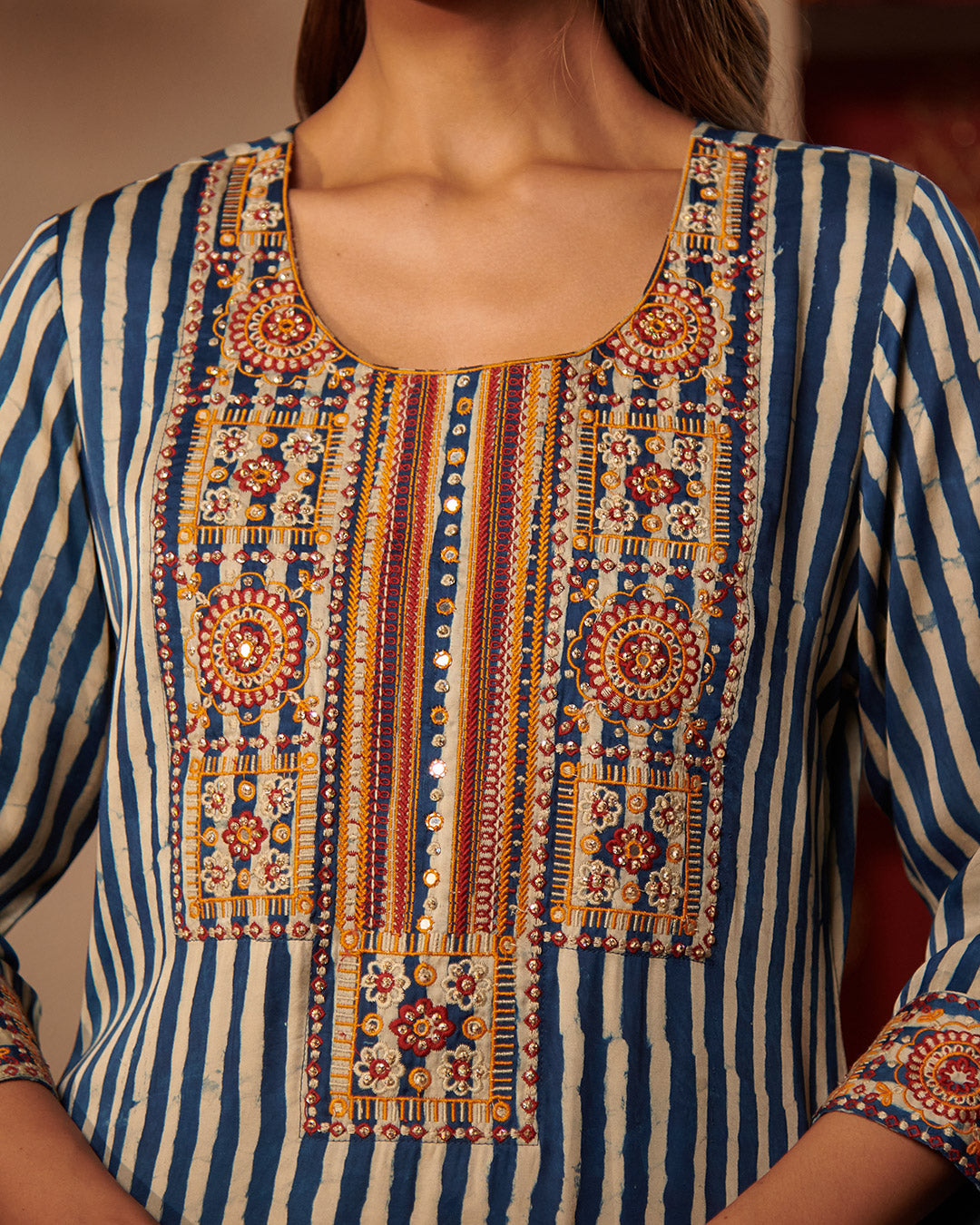
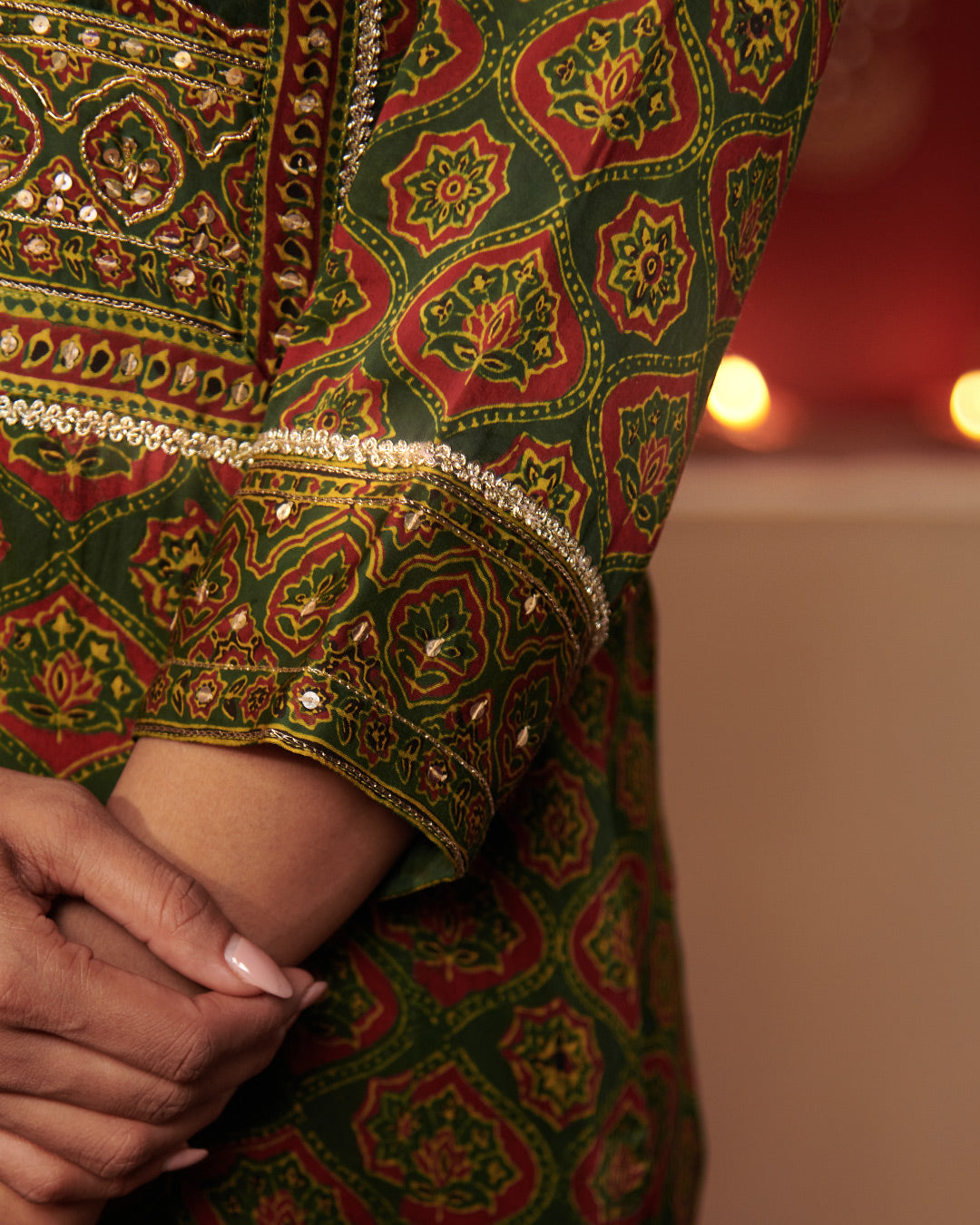
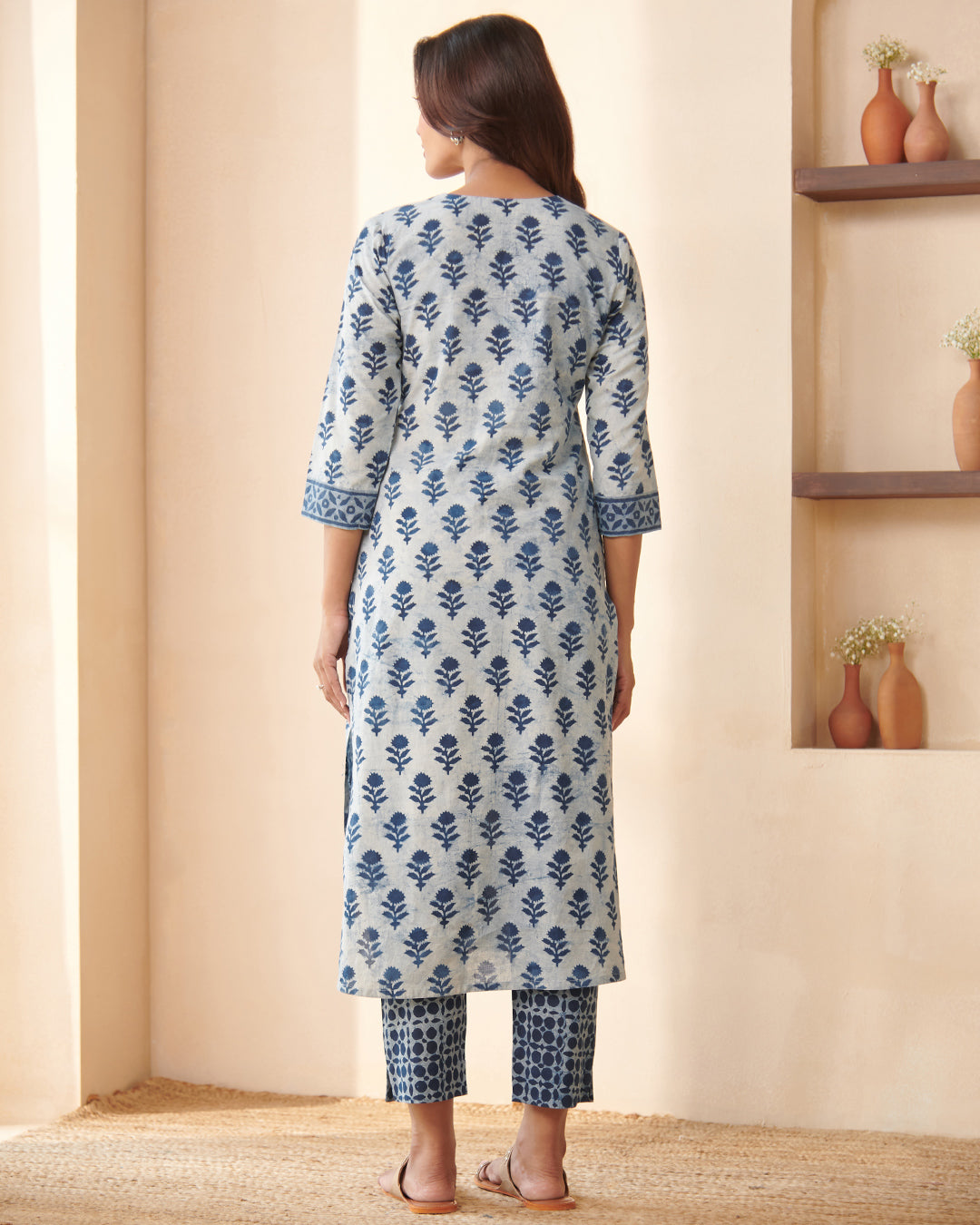
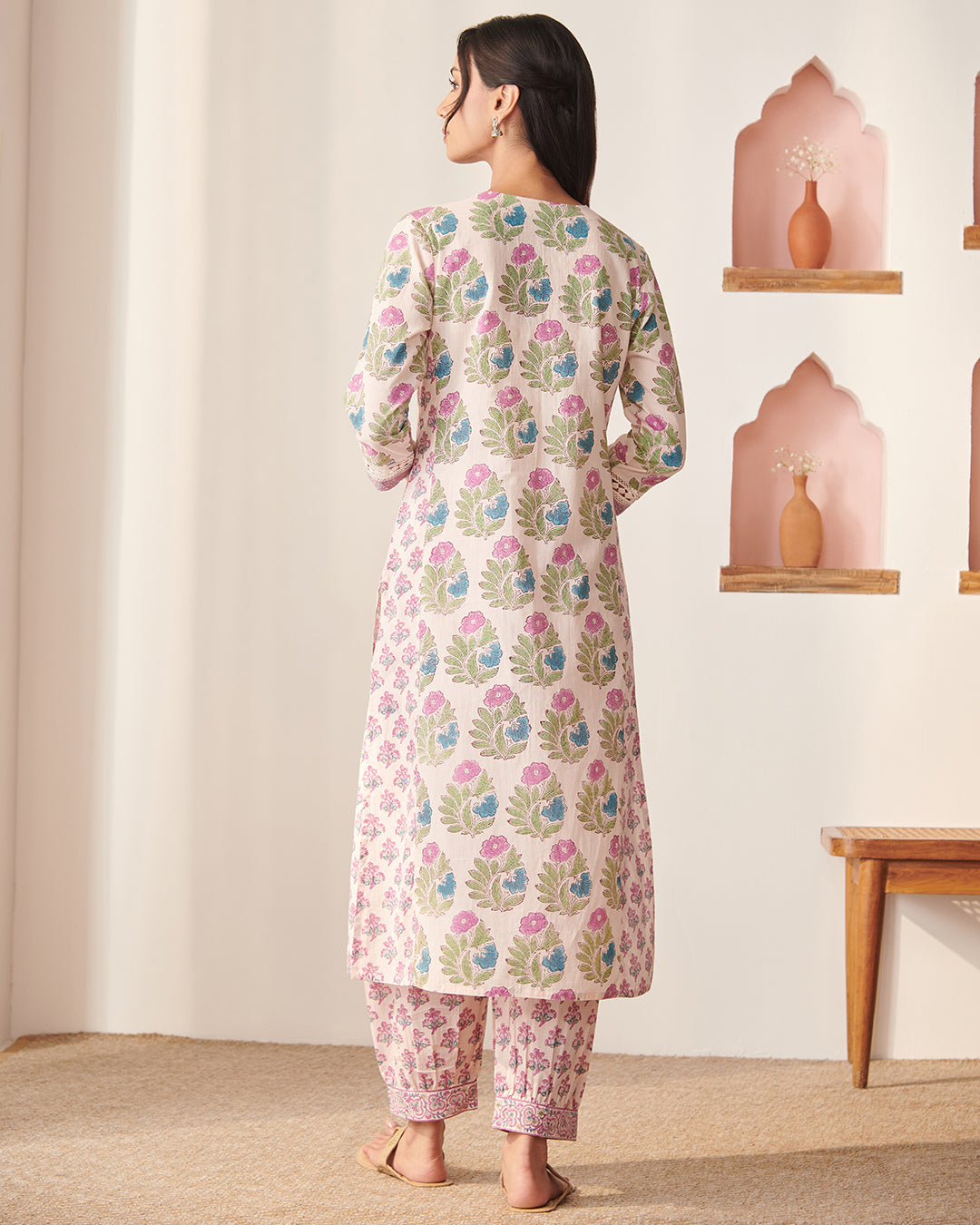
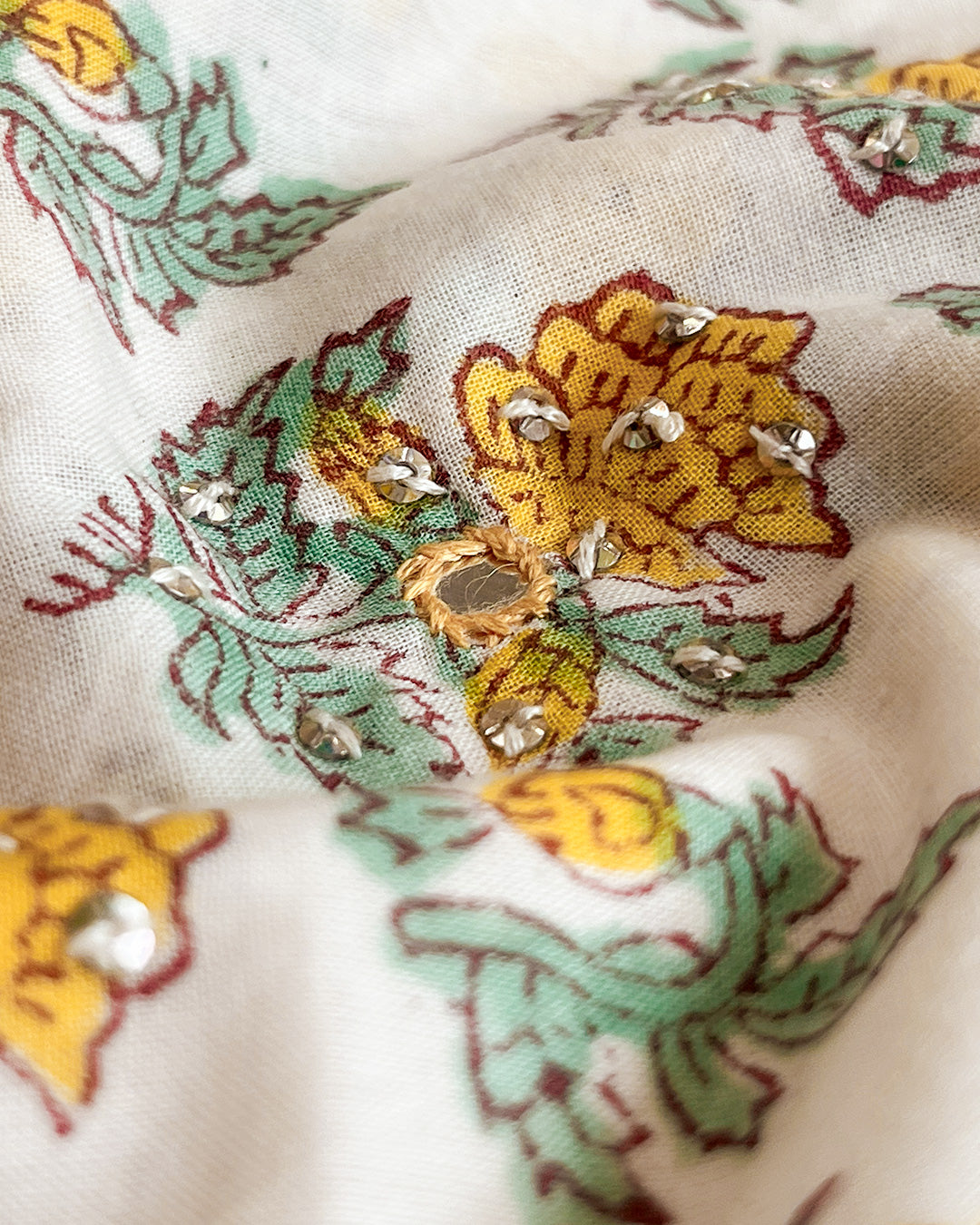
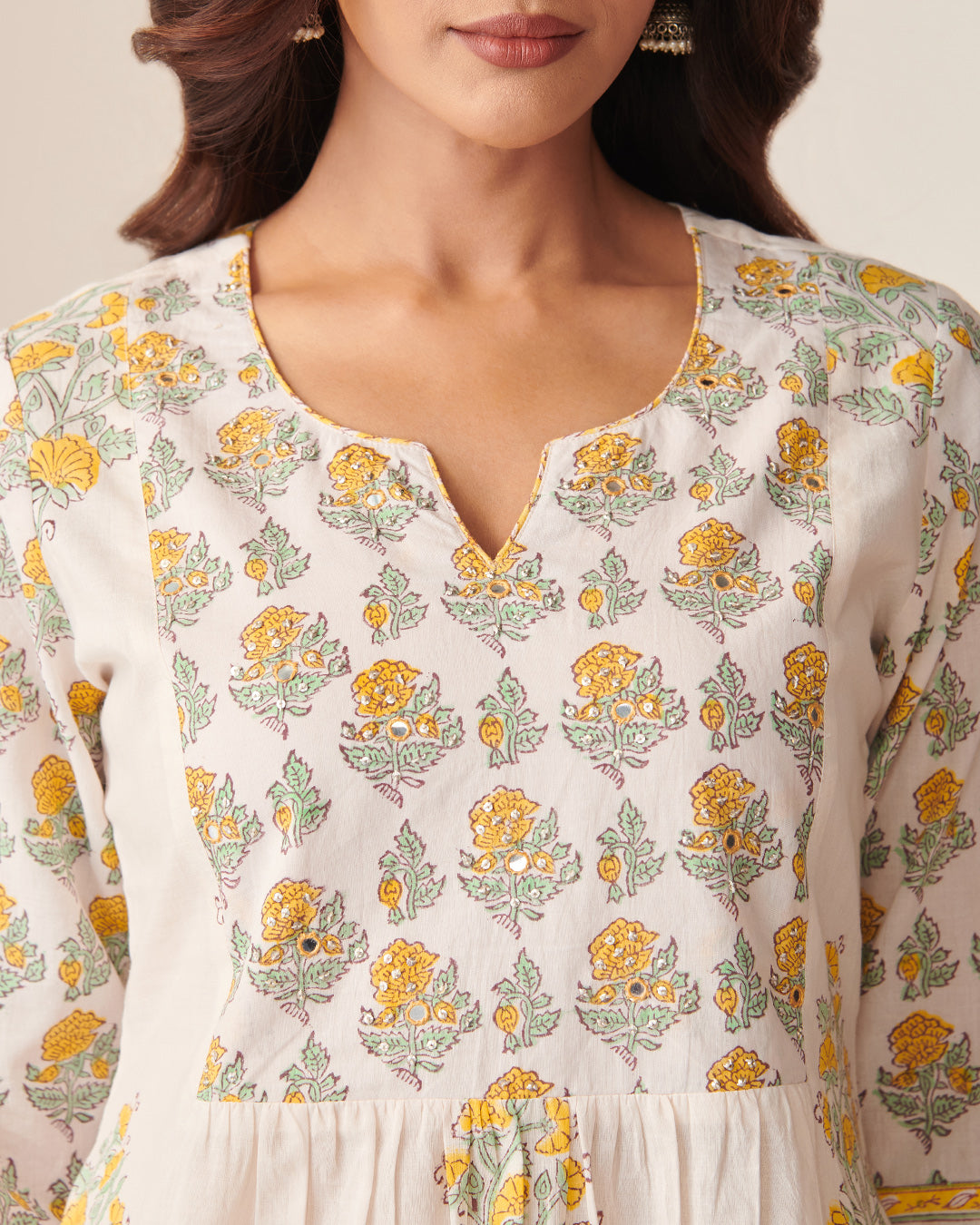
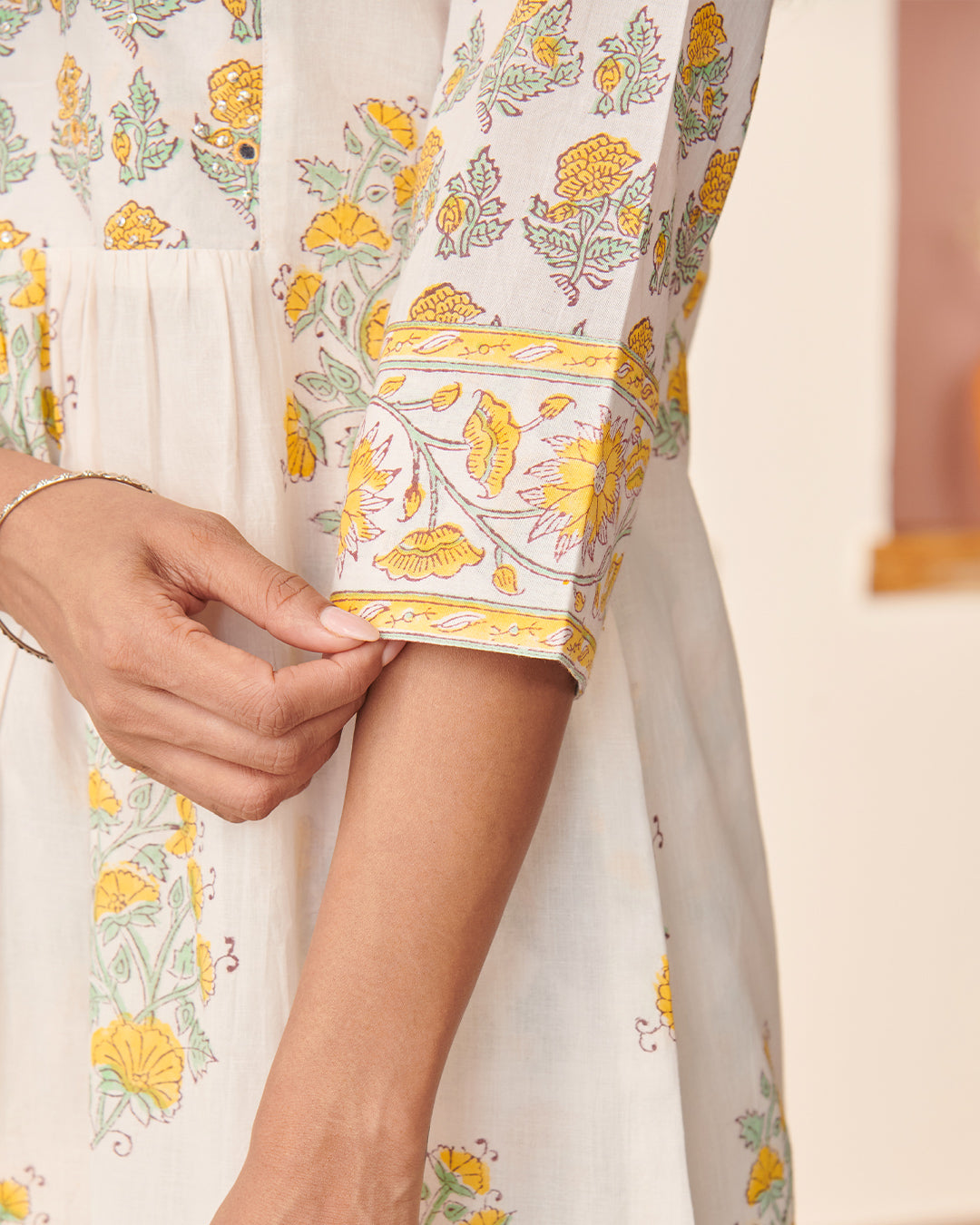
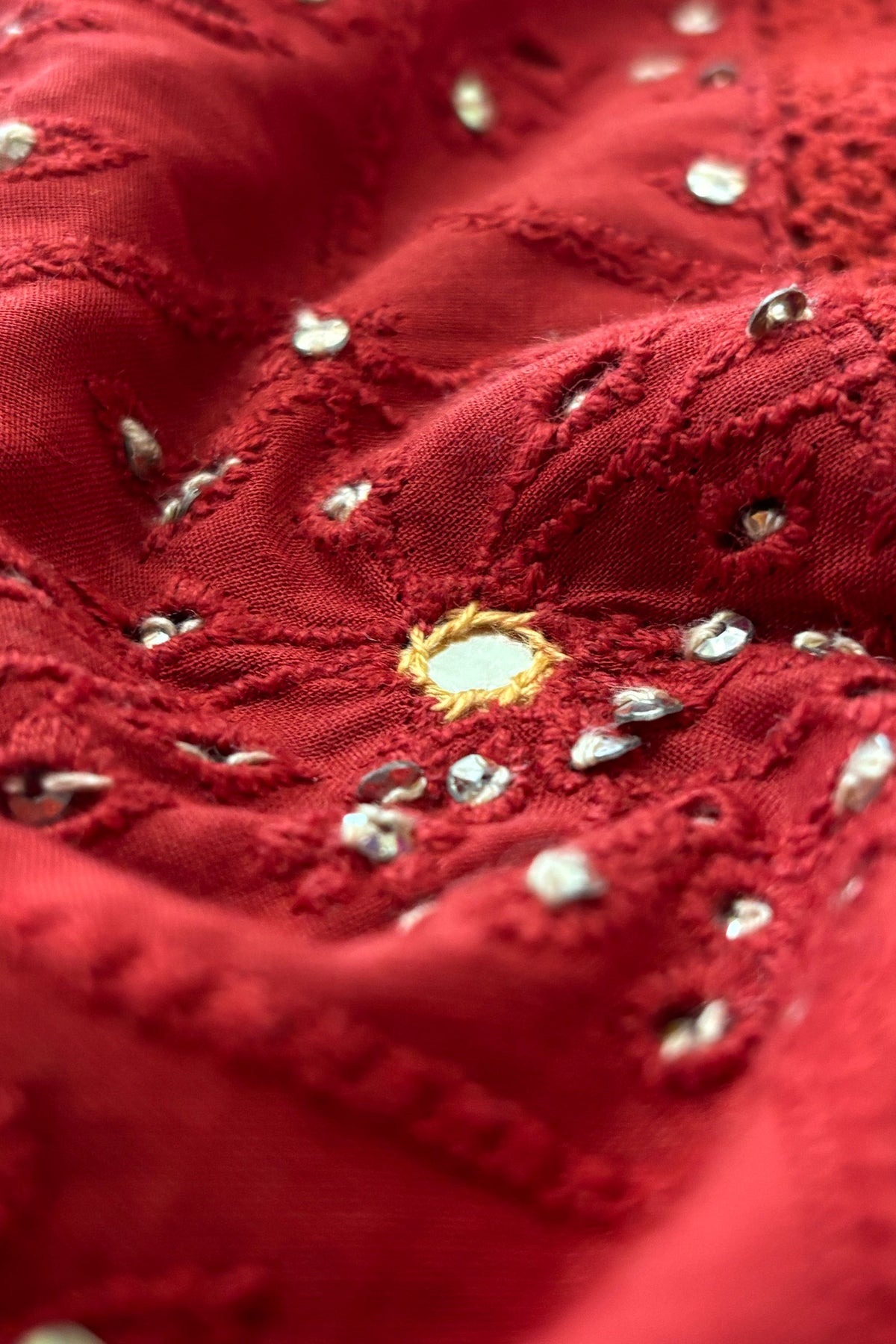
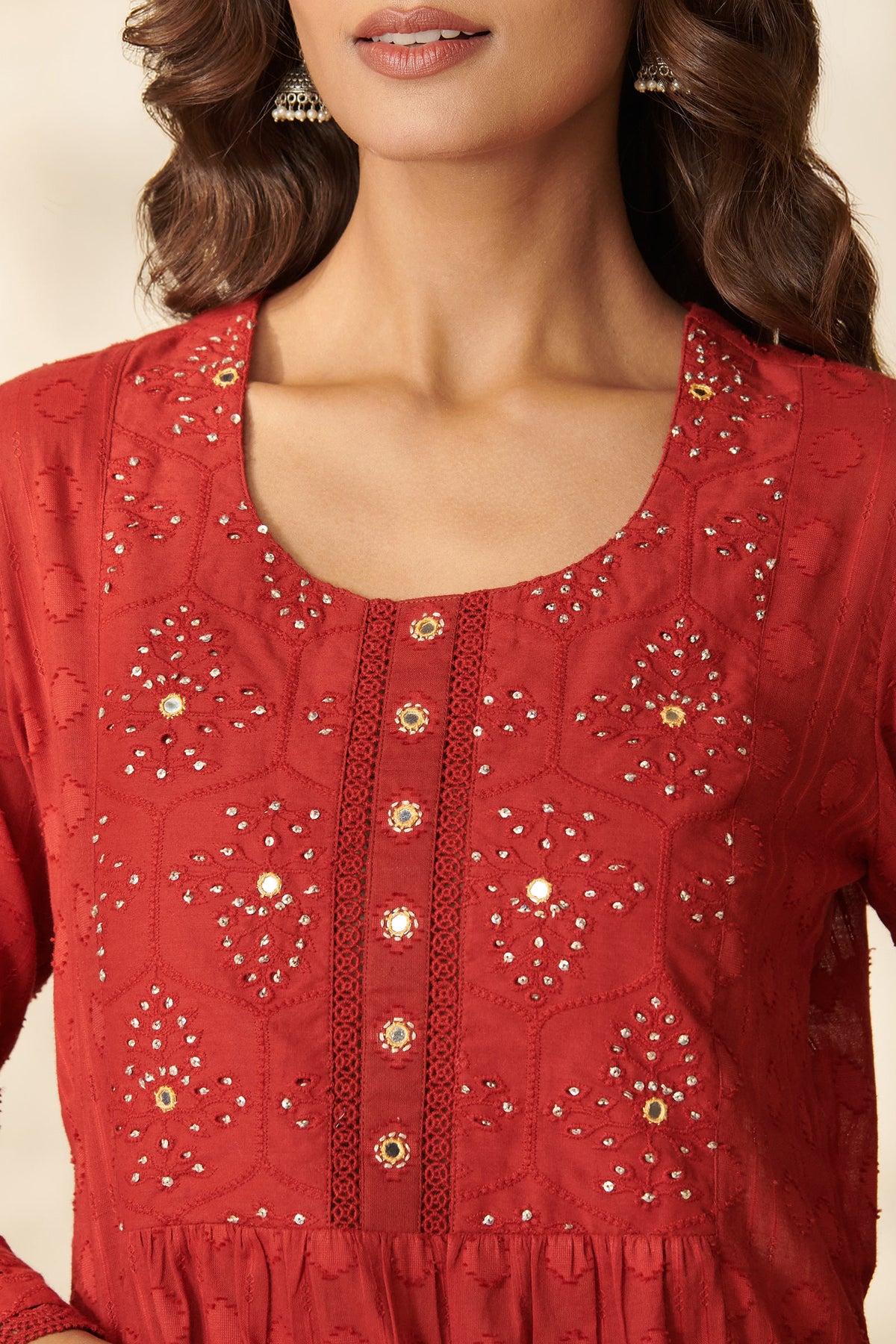
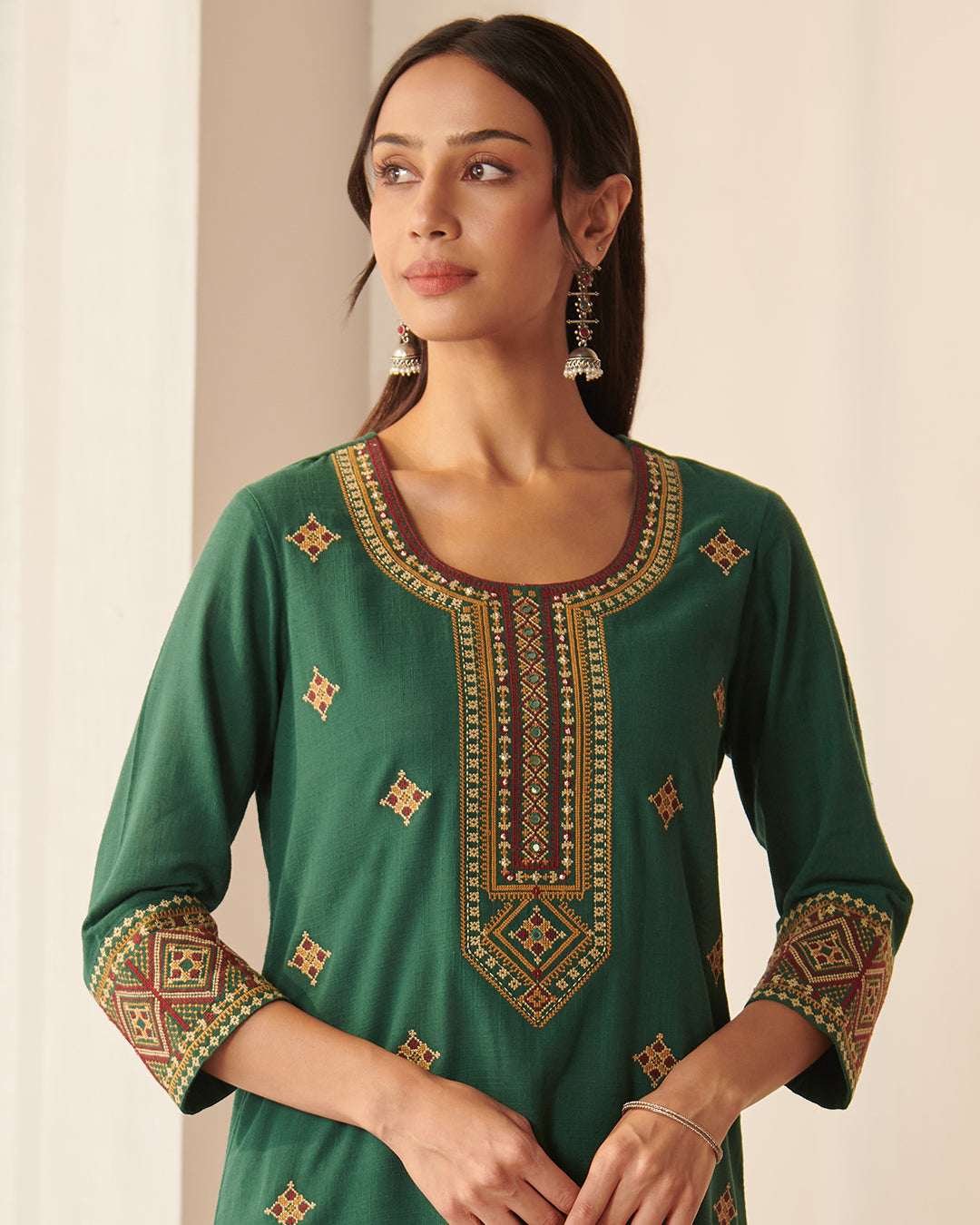
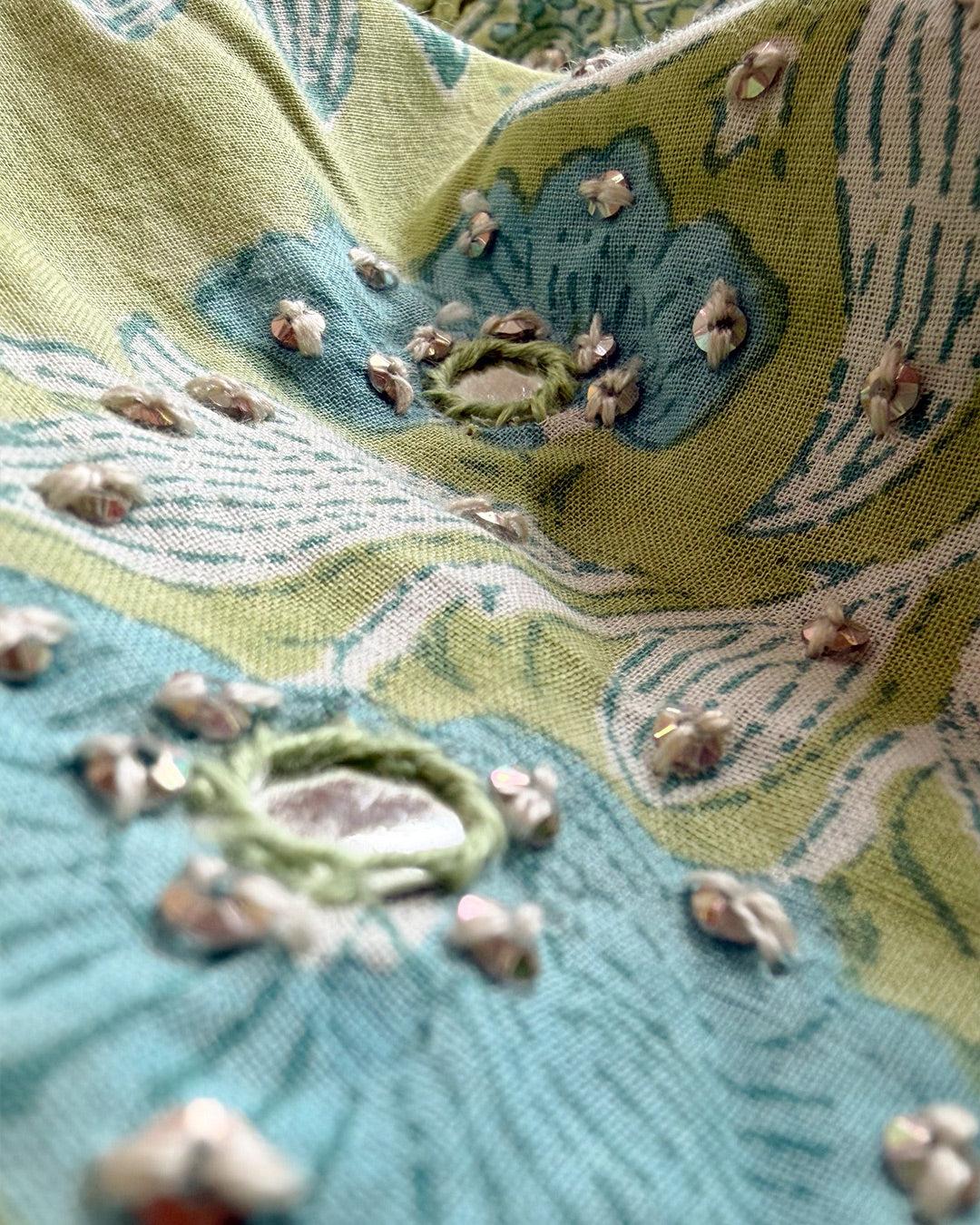
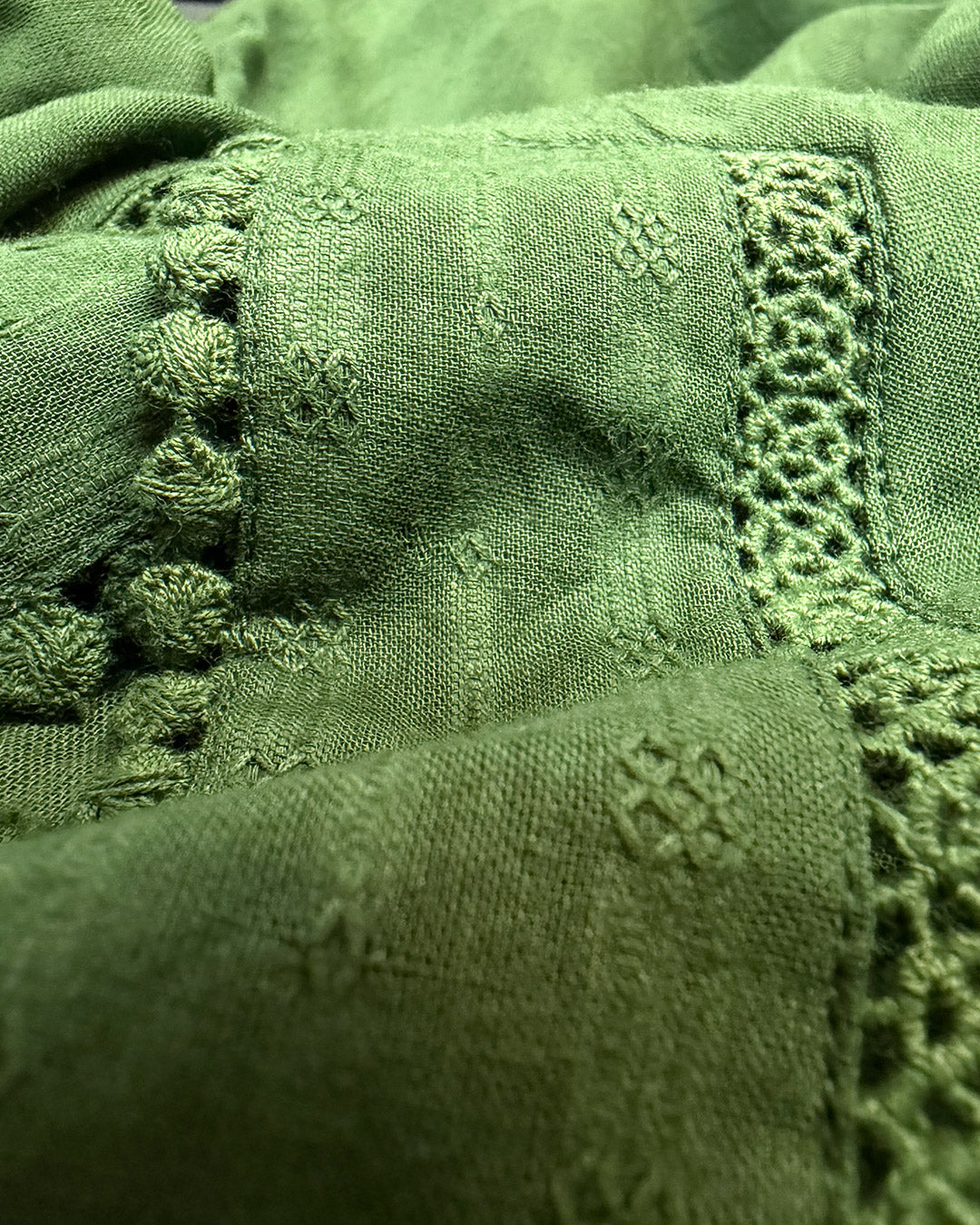
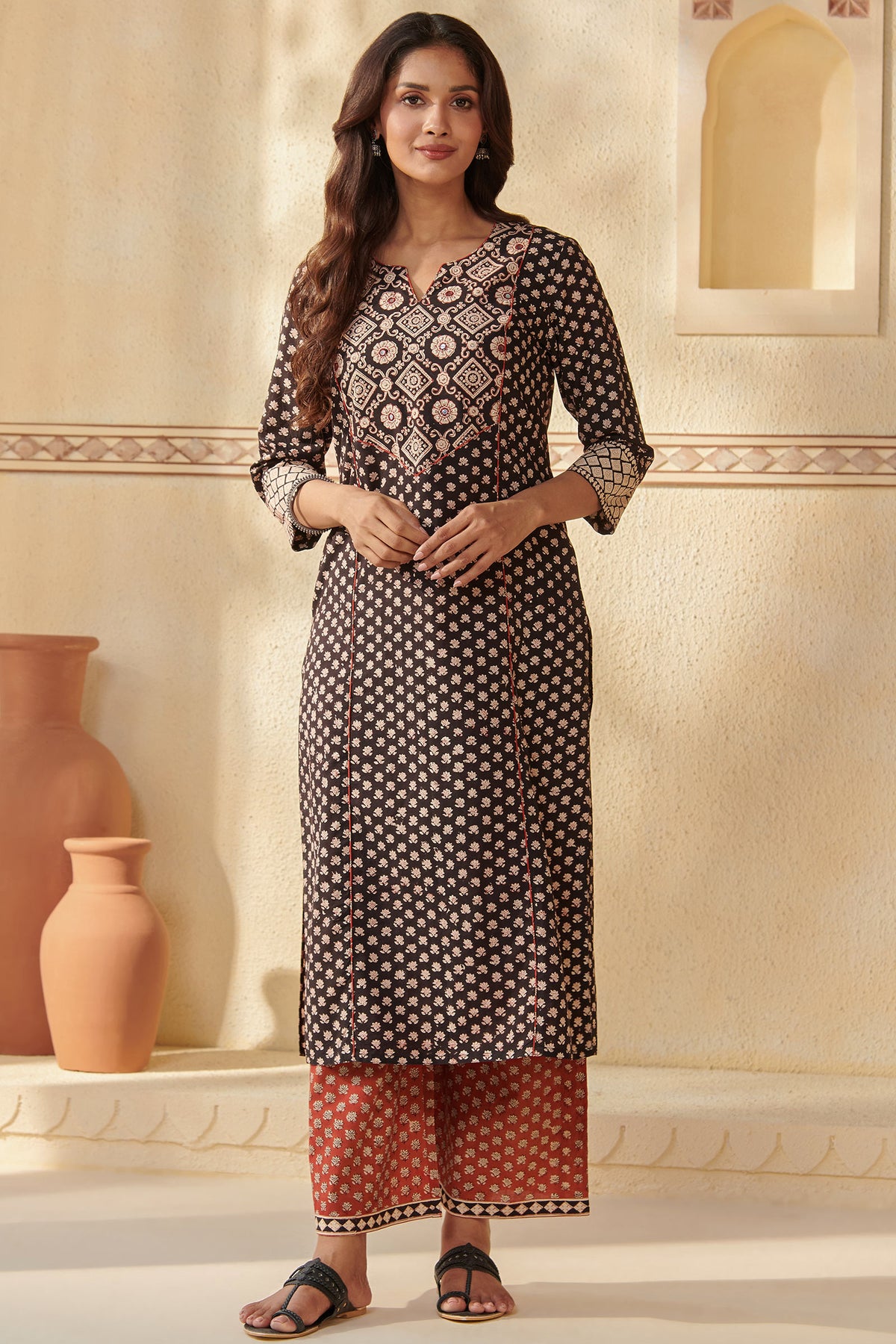
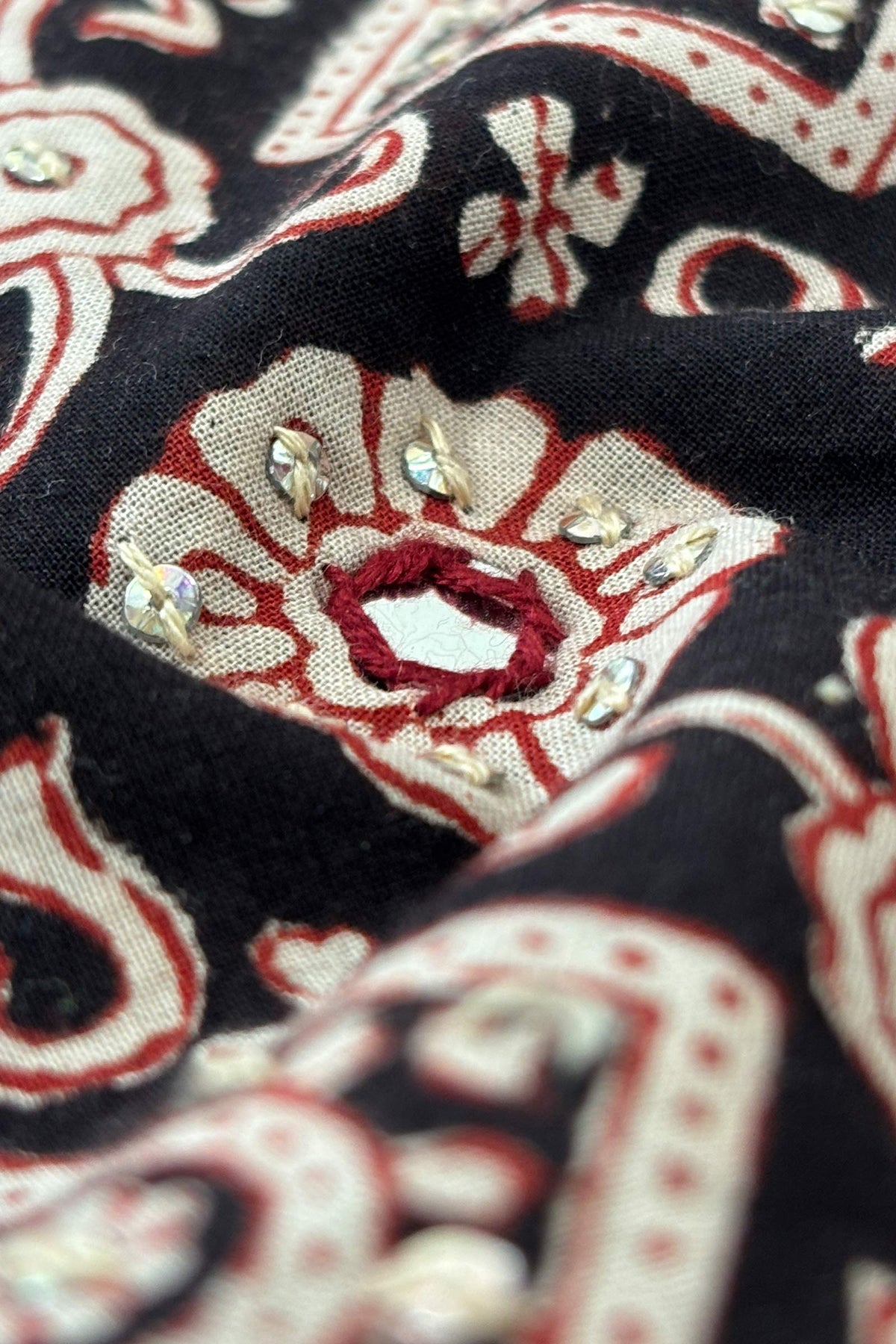
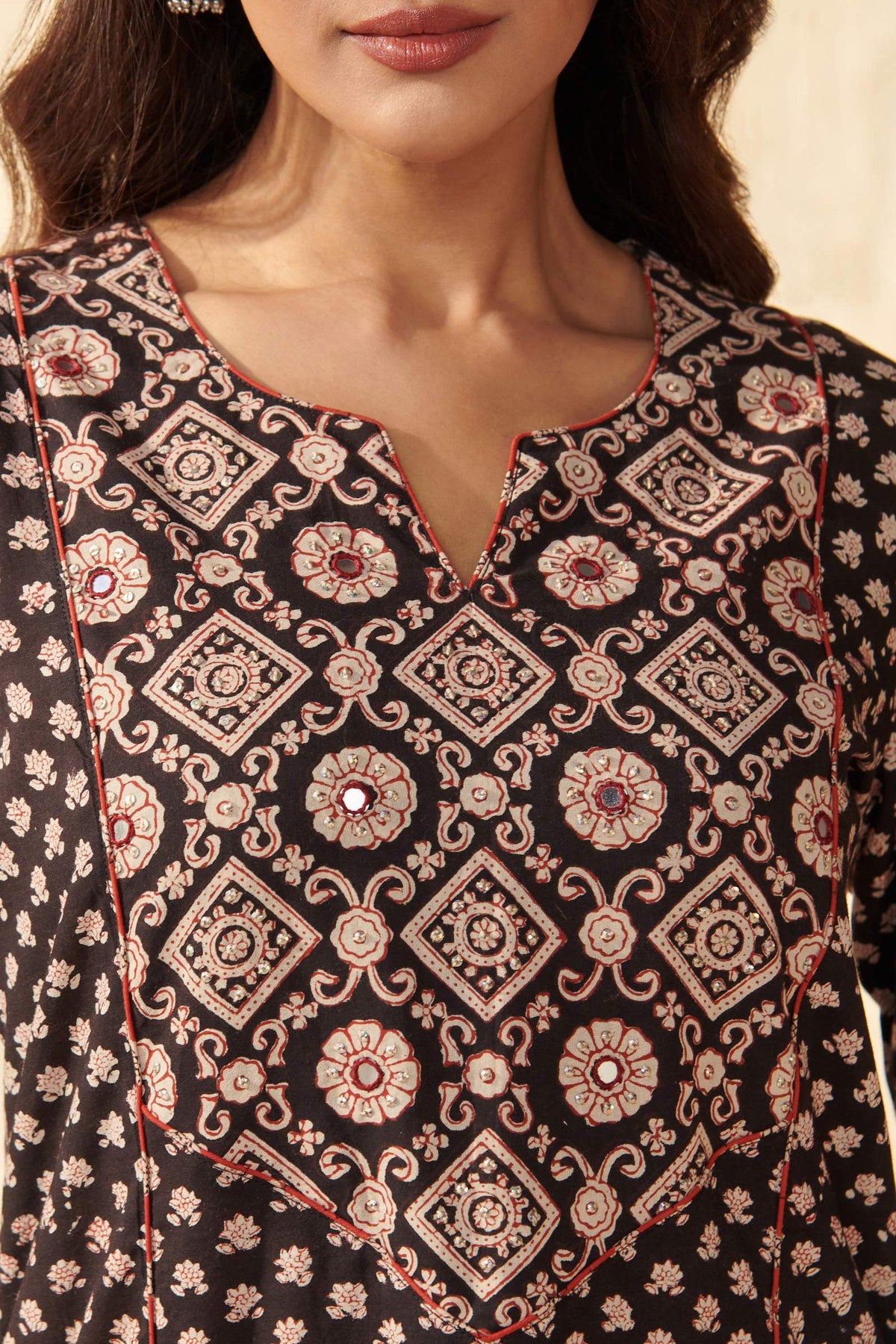
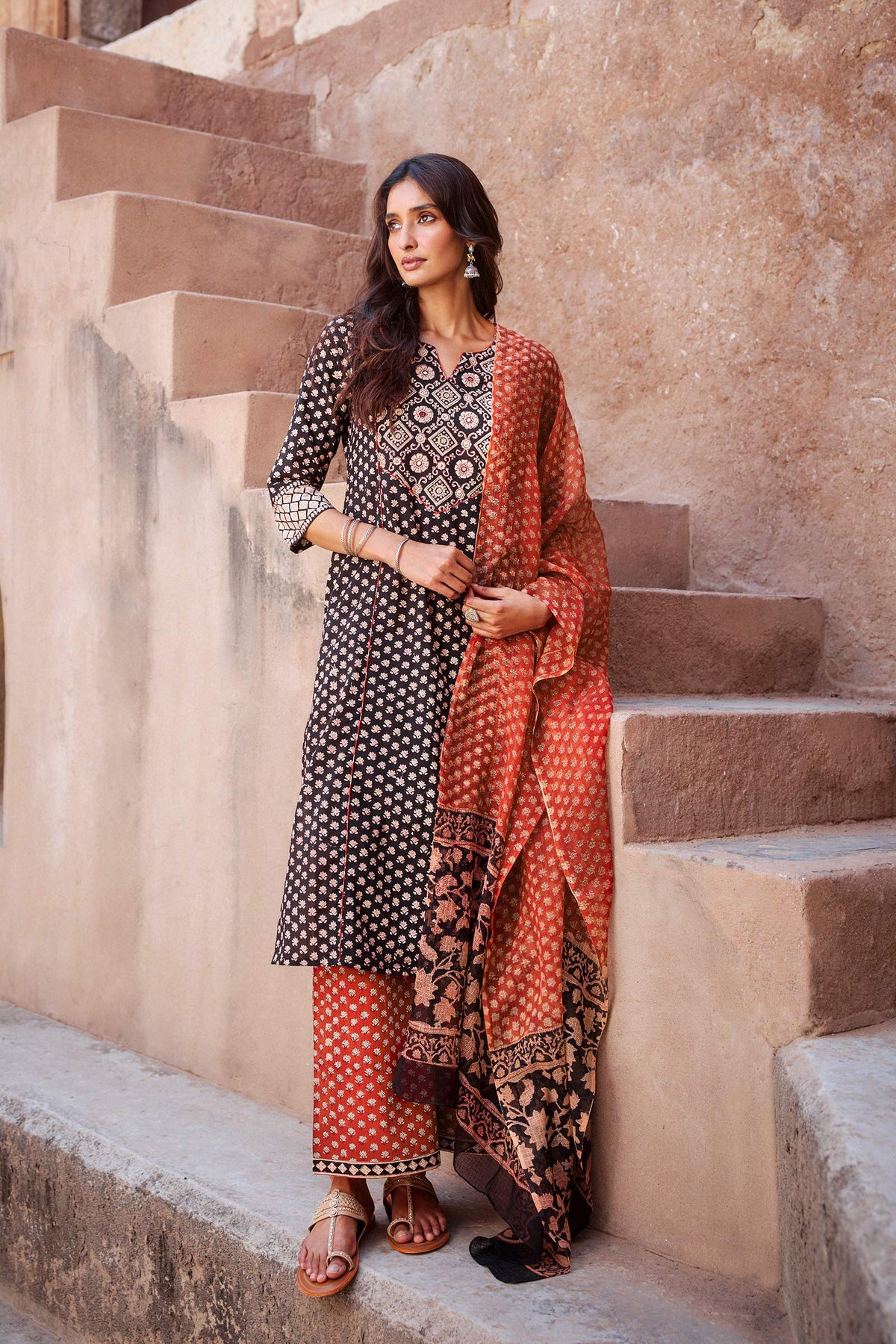
The seeds of our story were sown long before Farida had ever imagined a career in design. They lay in the wardrobes of her mother and grandmother in Mumbai, carefully folded textiles, hand-embroidered heirlooms, and pieces that carried the warmth of skilled hands. These weren’t just clothes; they were lessons in patience, artistry, and legacy.
Years later, when Farida moved from Mumbai to Delhi as a young postgraduate student of French Translation and Interpretation, she expected a new language, a new city, and perhaps a new career. What she didn’t expect was how deeply Delhi’s own language would speak to her- the language of craft, of bustling markets filled with textiles, of artisans who preserved centuries-old traditions through their work. It stirred something familiar within her, something that had been waiting quietly.
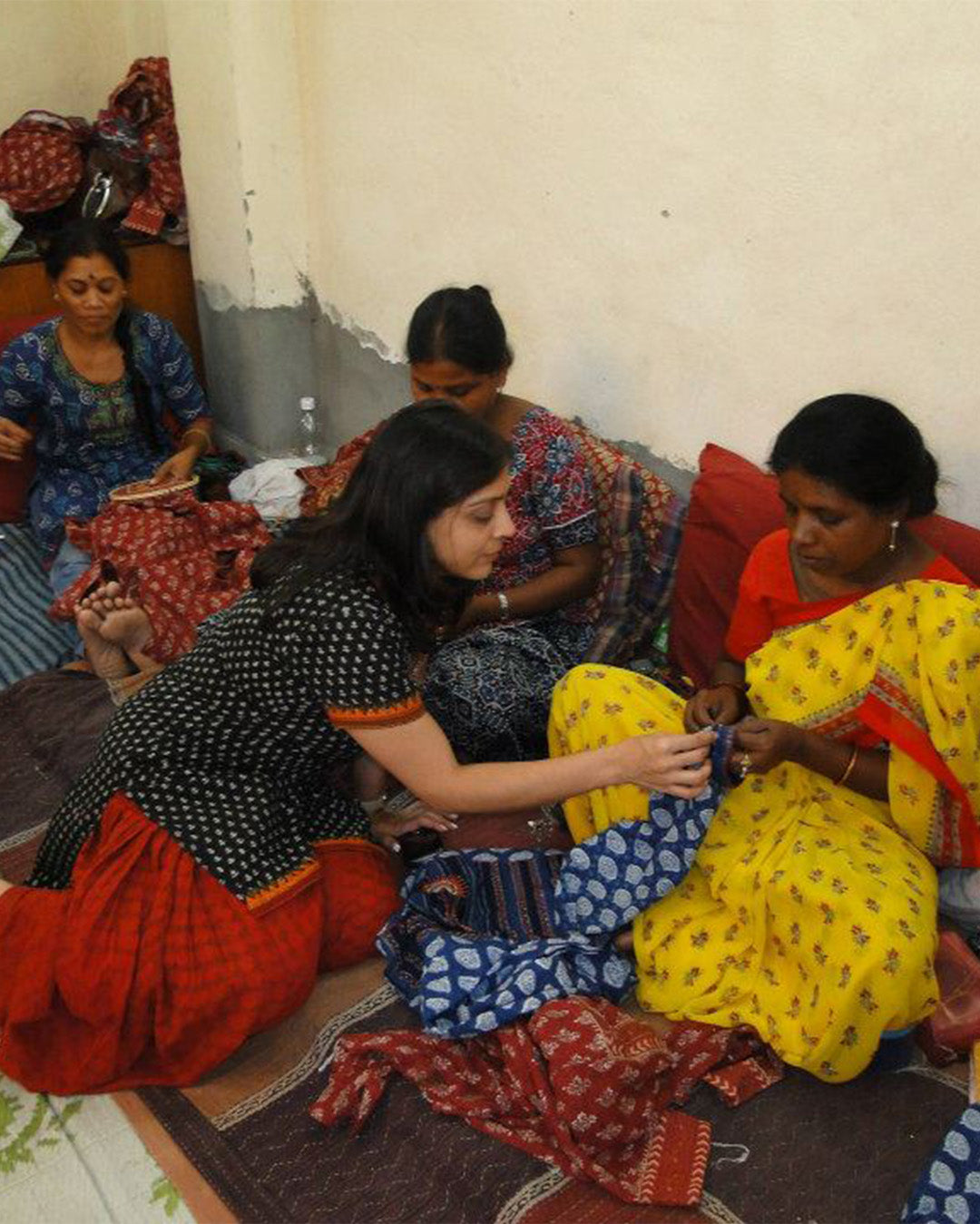
Marriage and motherhood followed, bringing new roles and responsibilities, as well as a deeper sense of clarity. Farida realised that her connection to textiles wasn’t simply admiration; it was calling her to do something with it. But nothing about her path was instantaneous. It unfolded across cities where she set up exhibitions, often travelling with her mother and lugging boxes through trains. She worked with the belief that India’s craft legacy should be affordable and accessible to a discerning audience, rooted in the skill and commitment of artisans who have upheld these traditions for generations.



CHAPTER 2
A quiet movement was beginning, one built on craft, dignity, and collective growth.
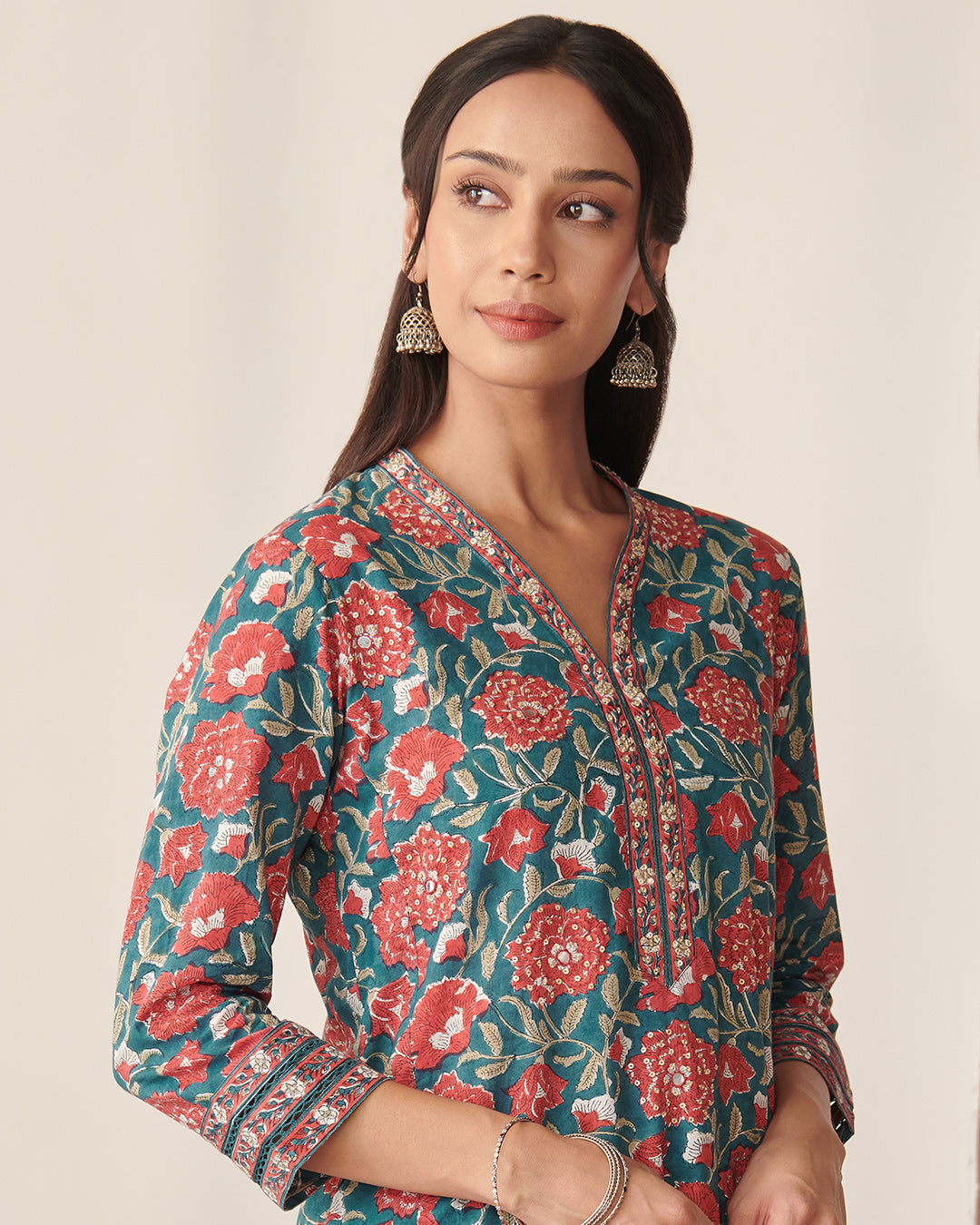
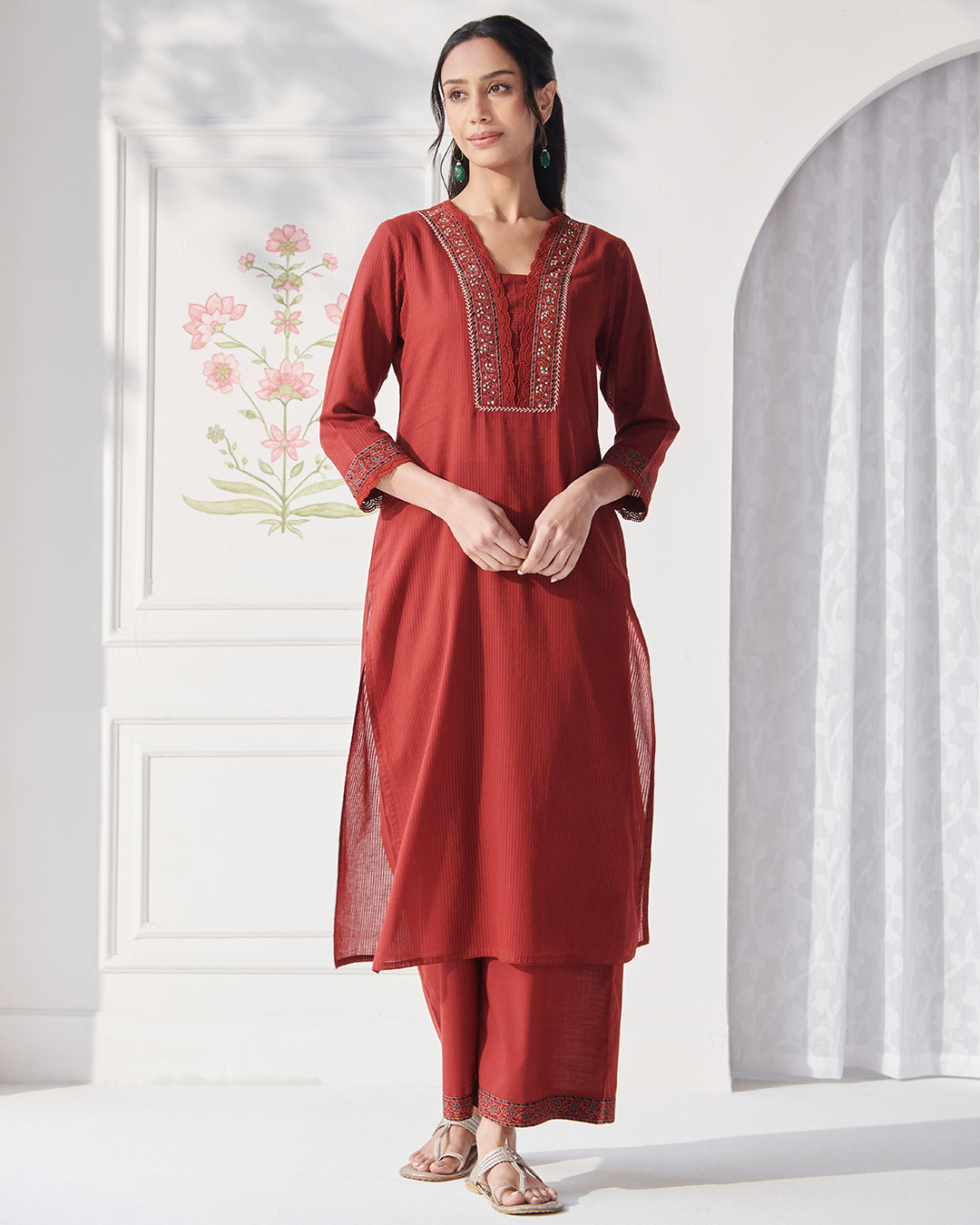
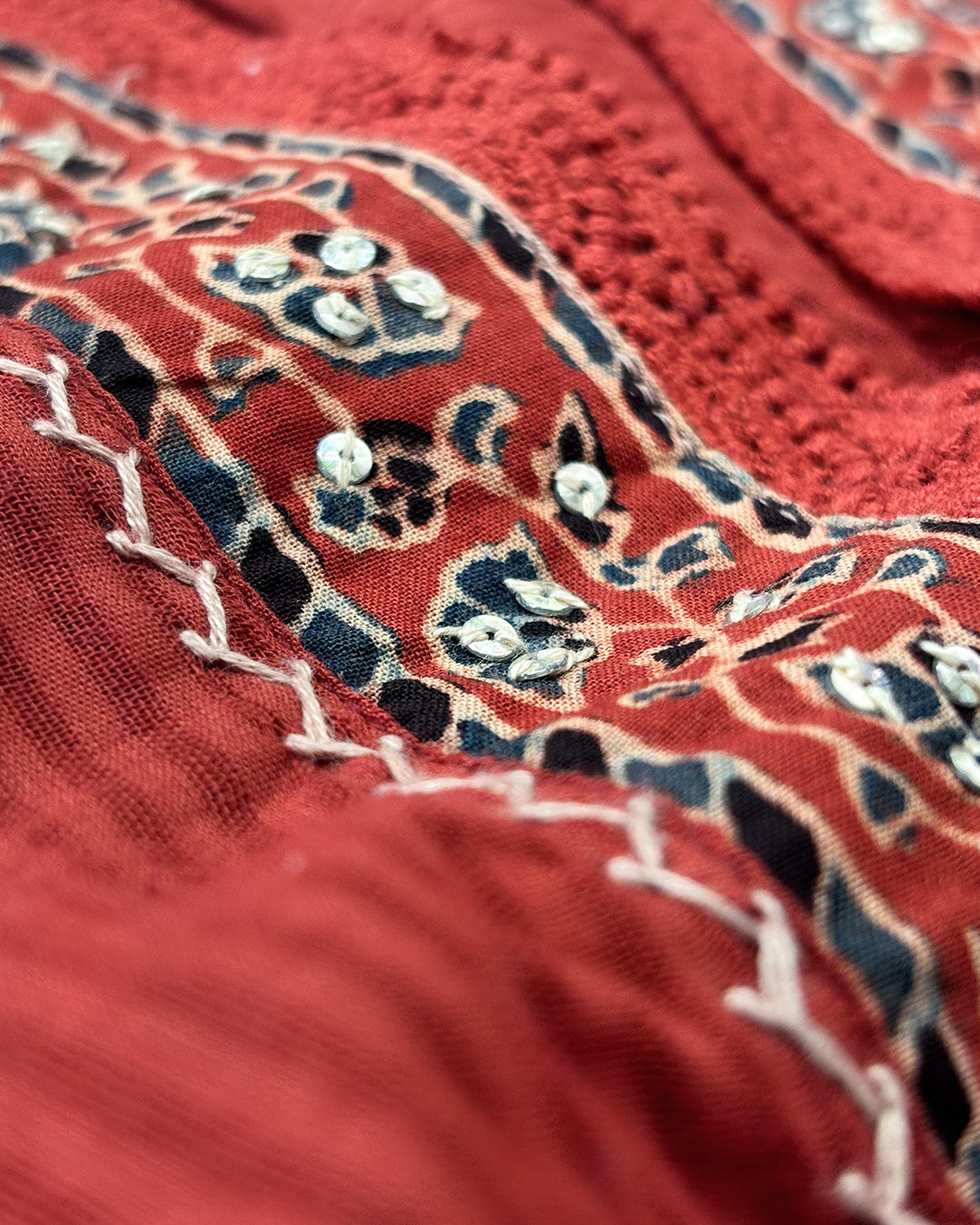
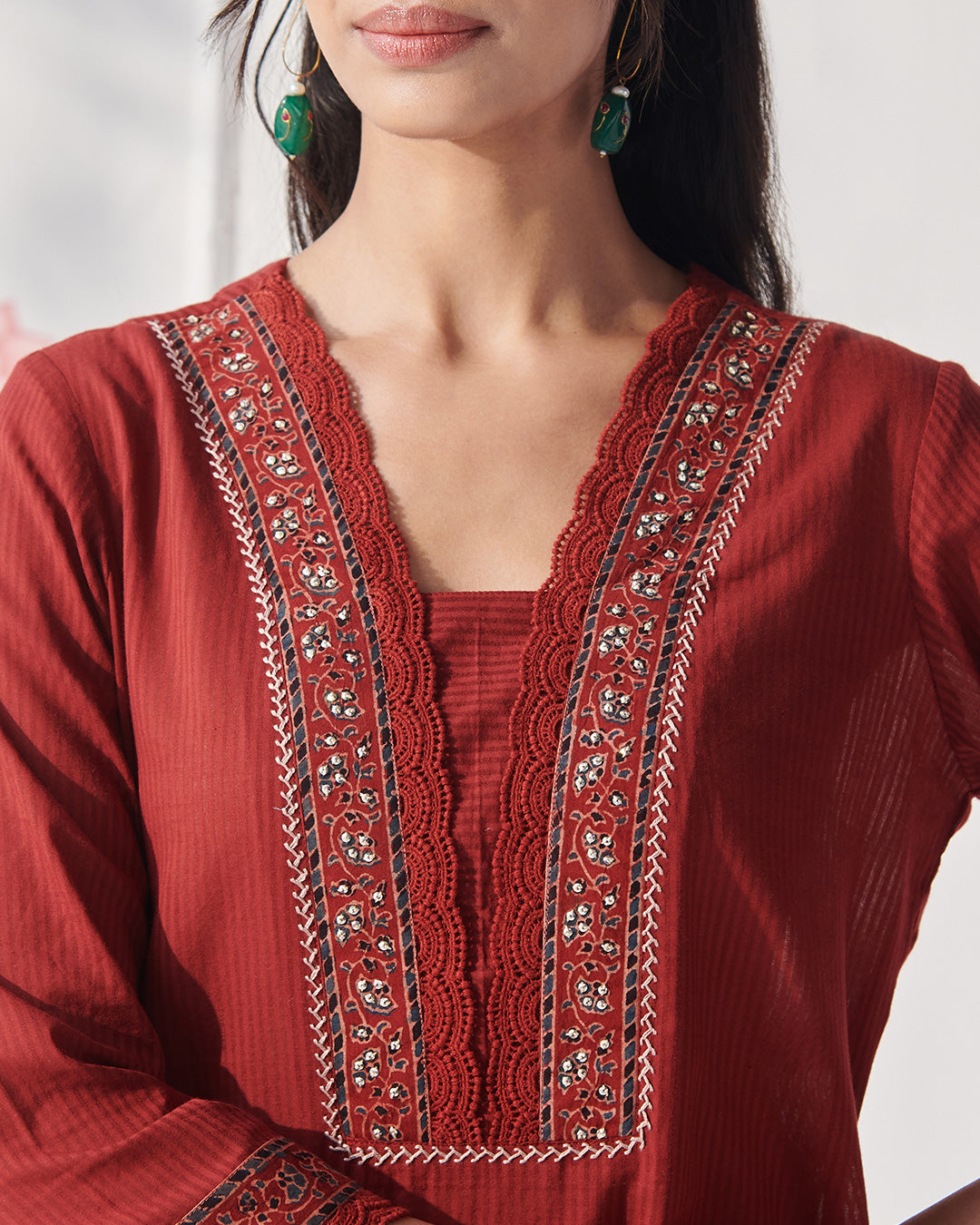
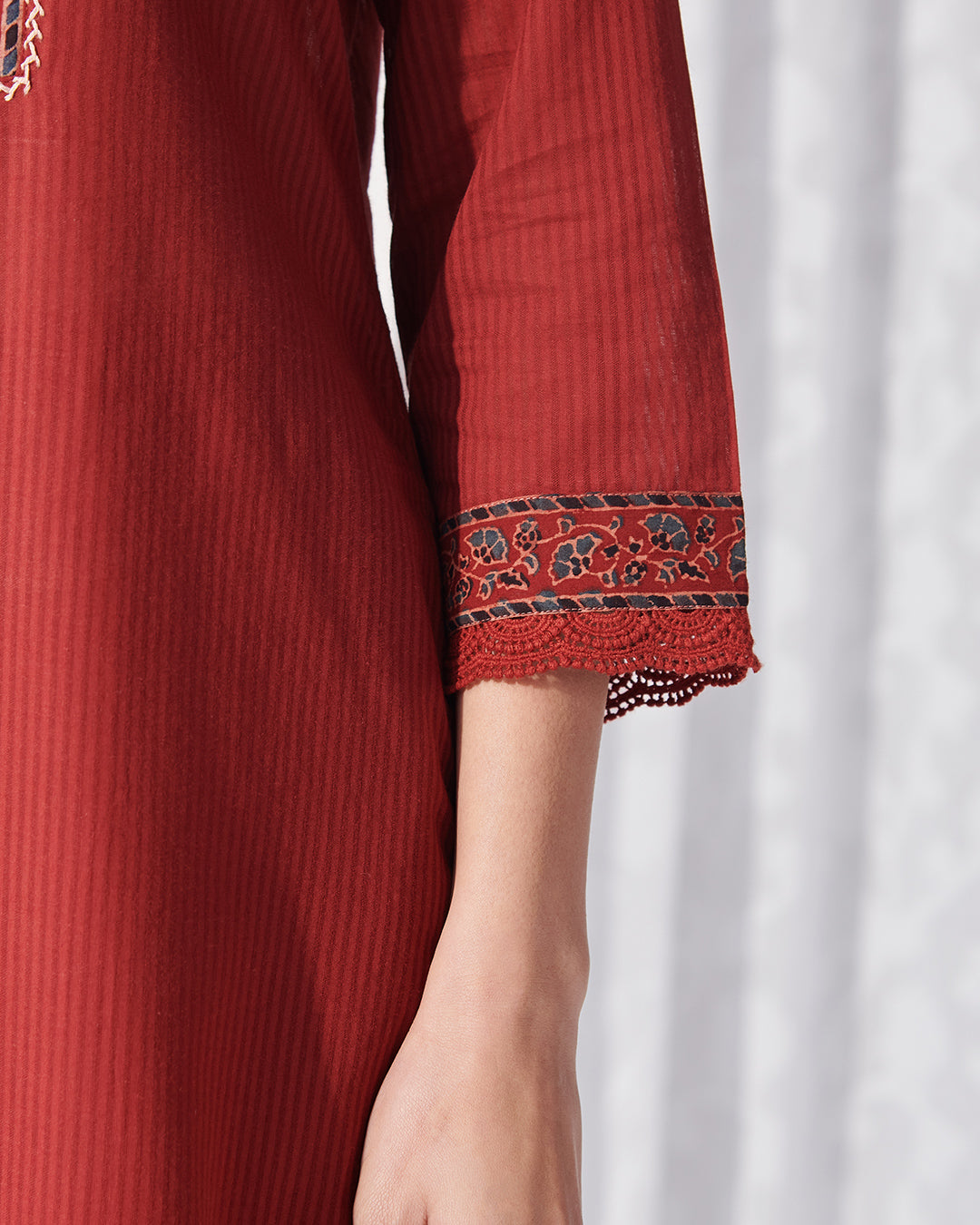
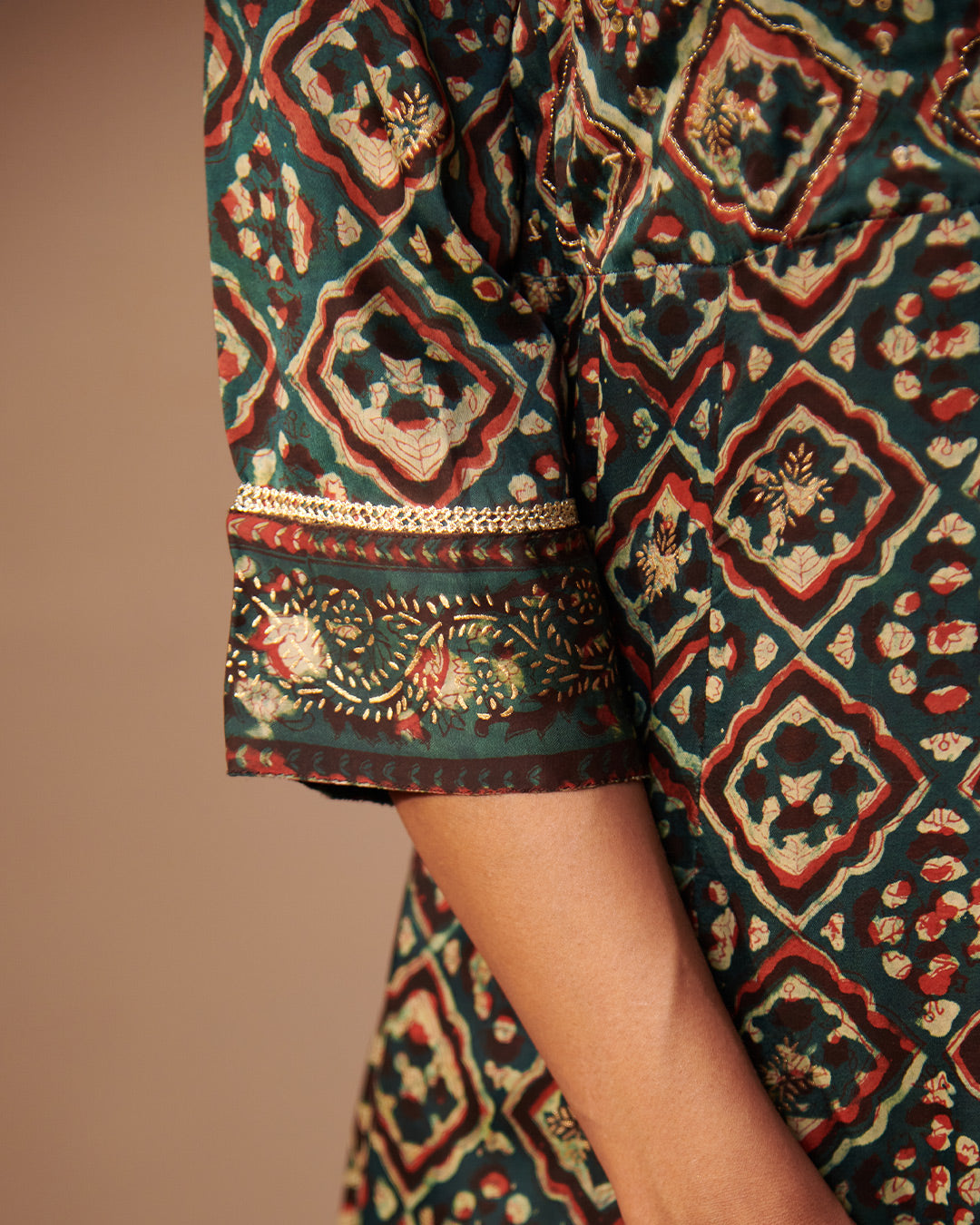
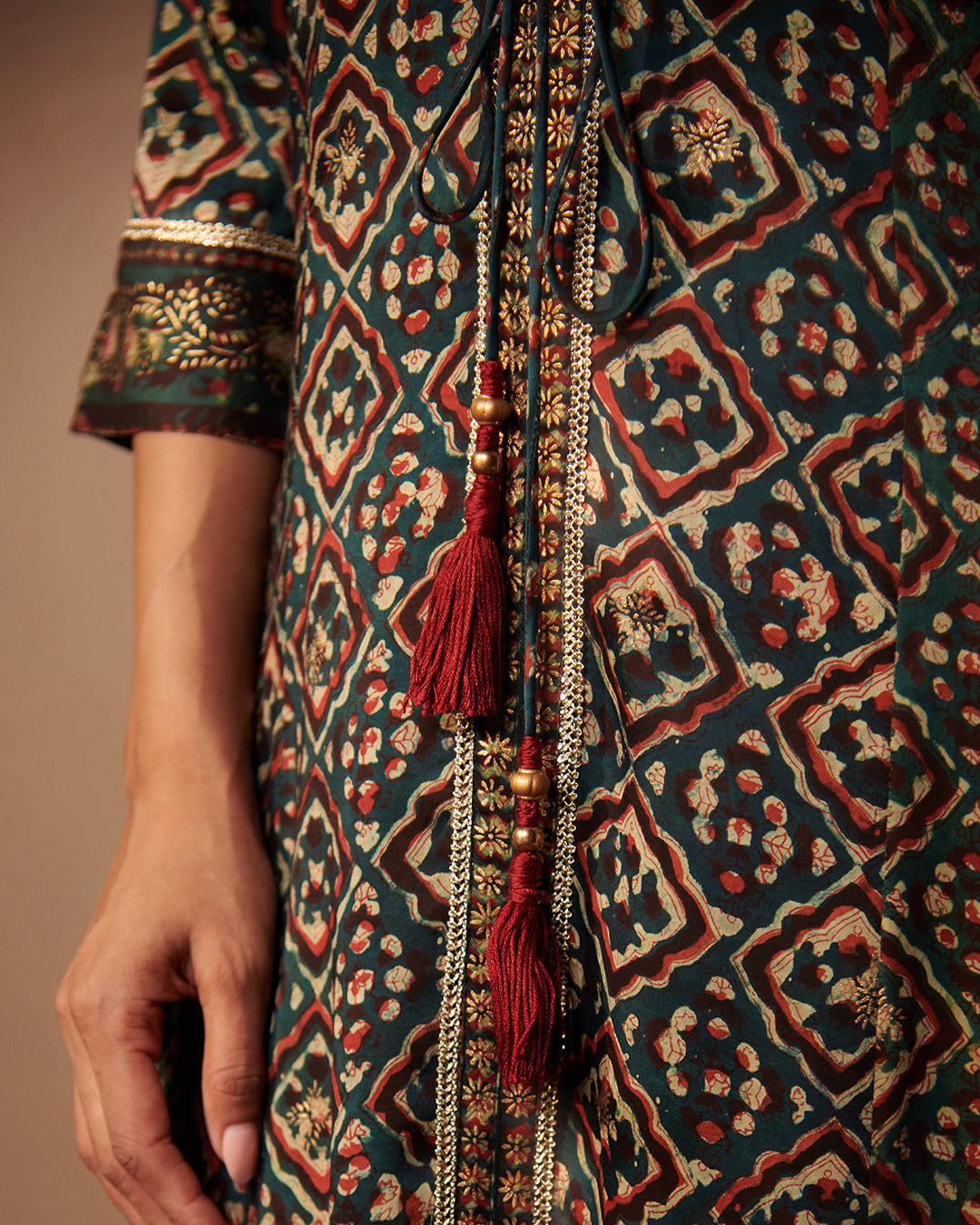
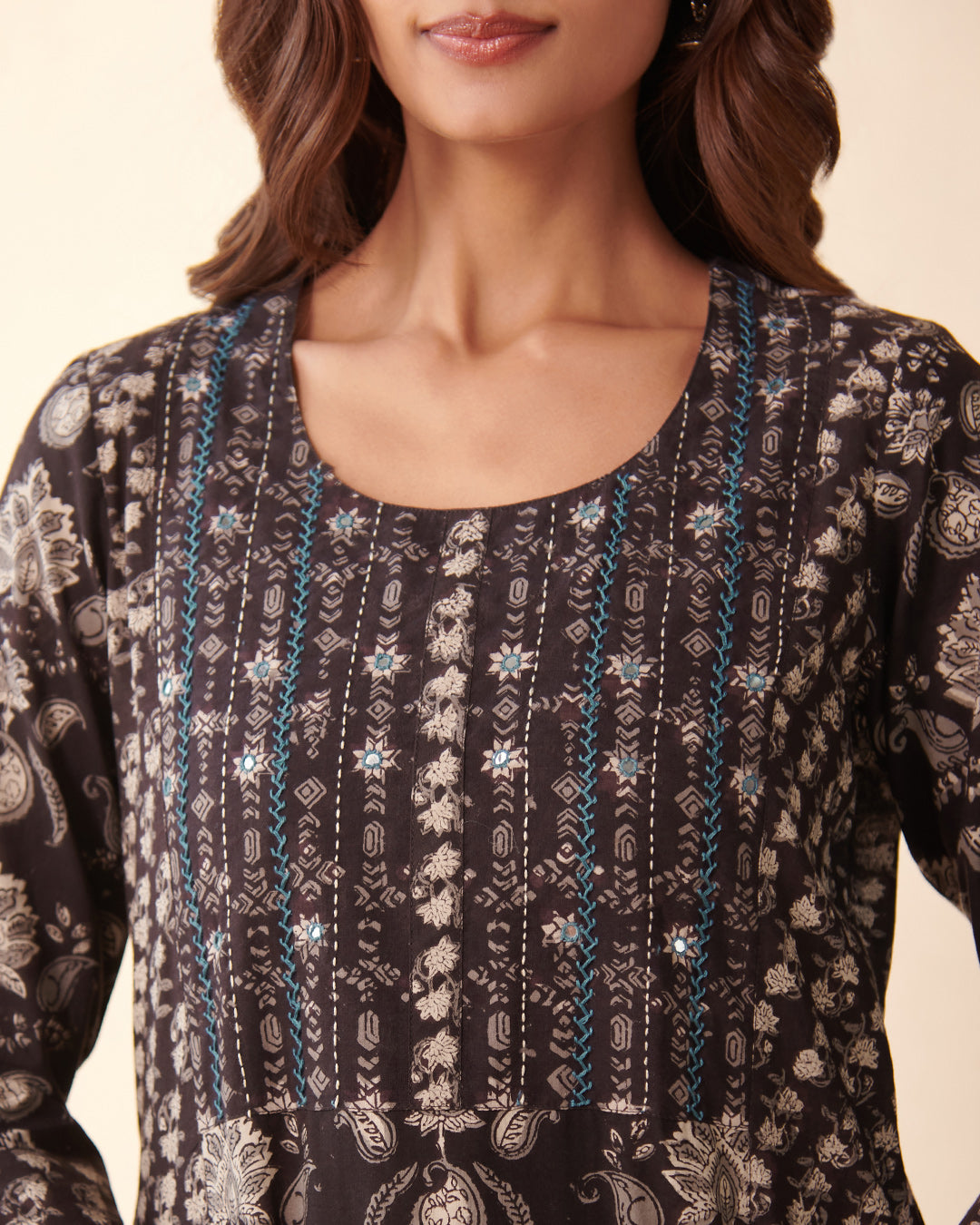
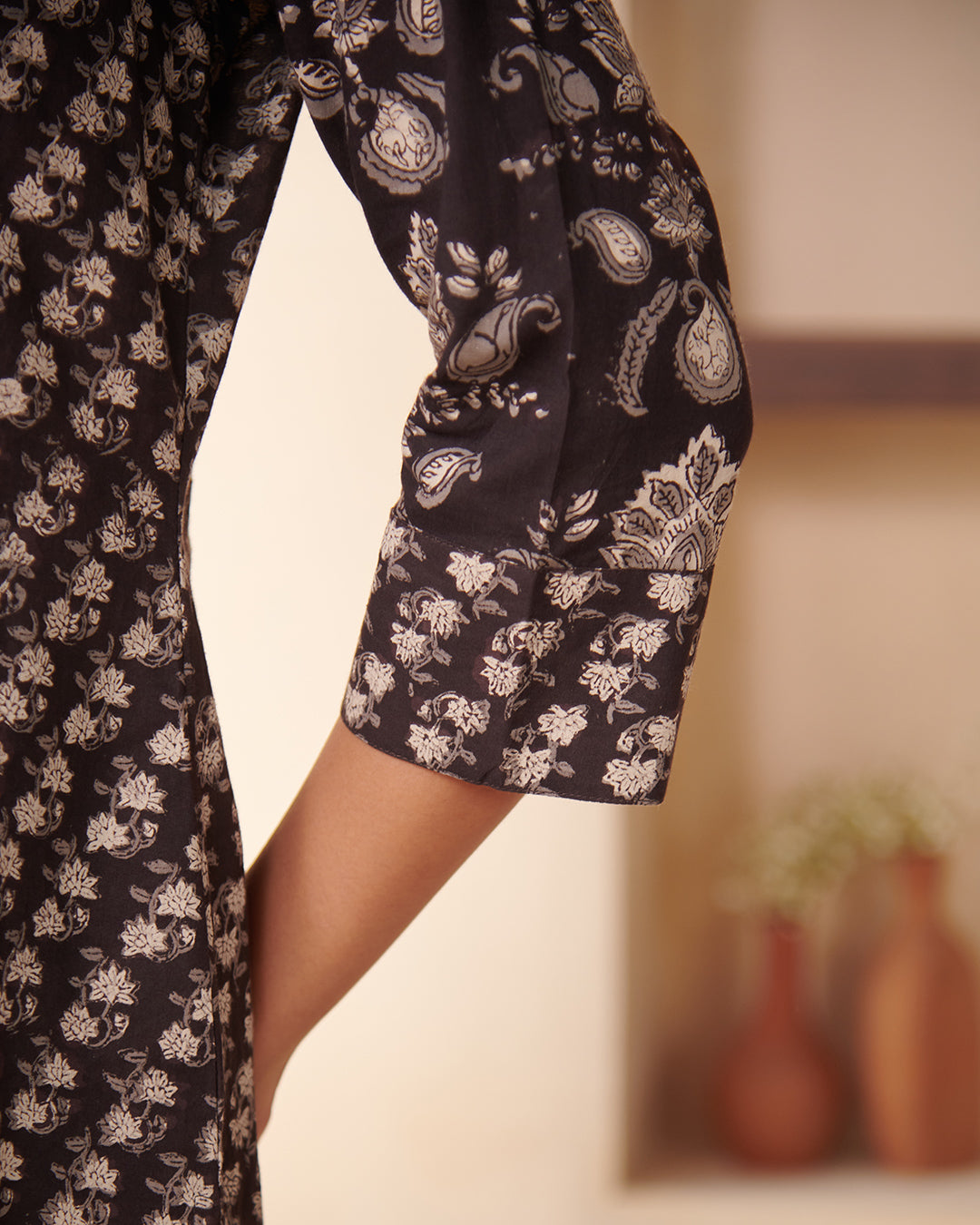
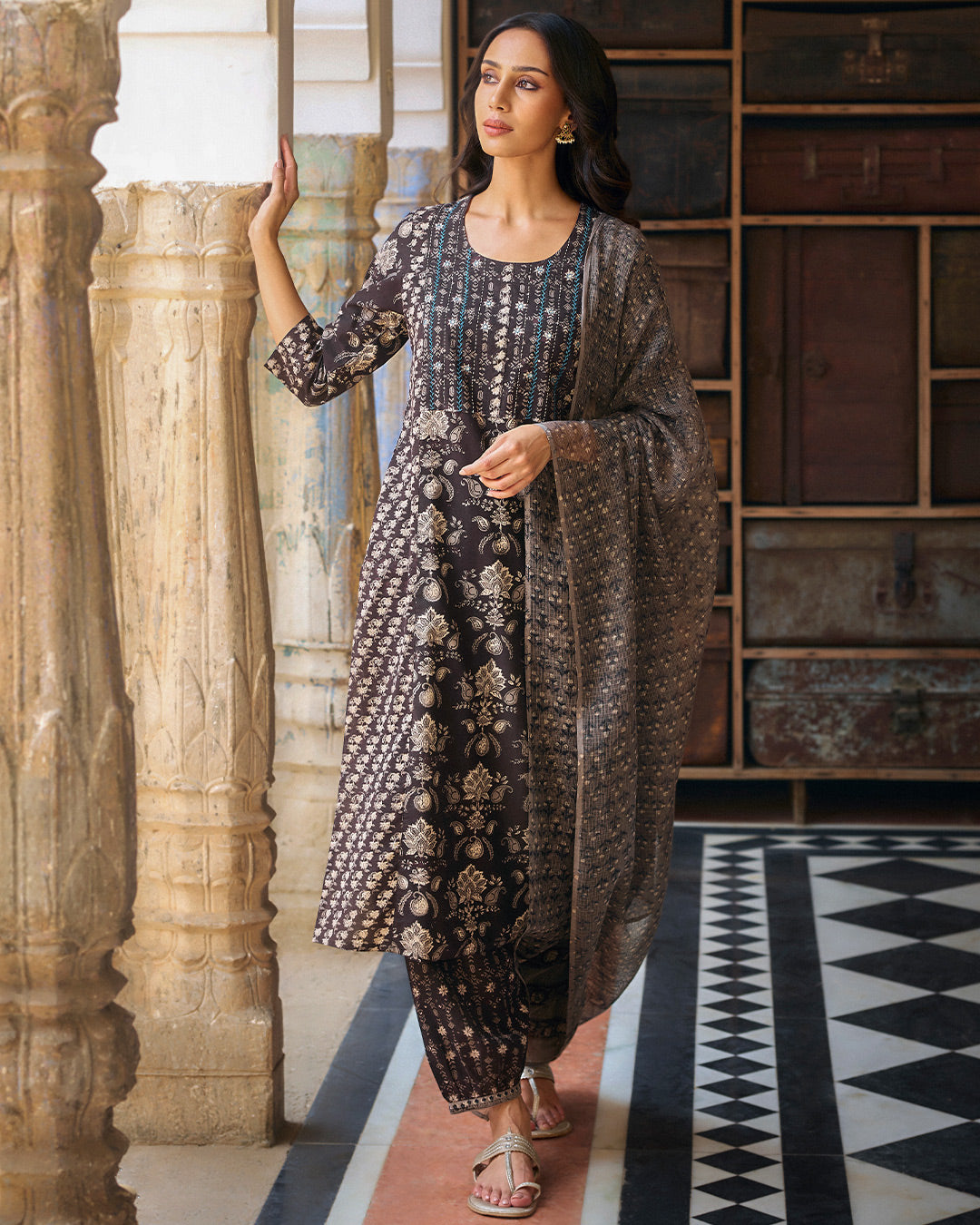
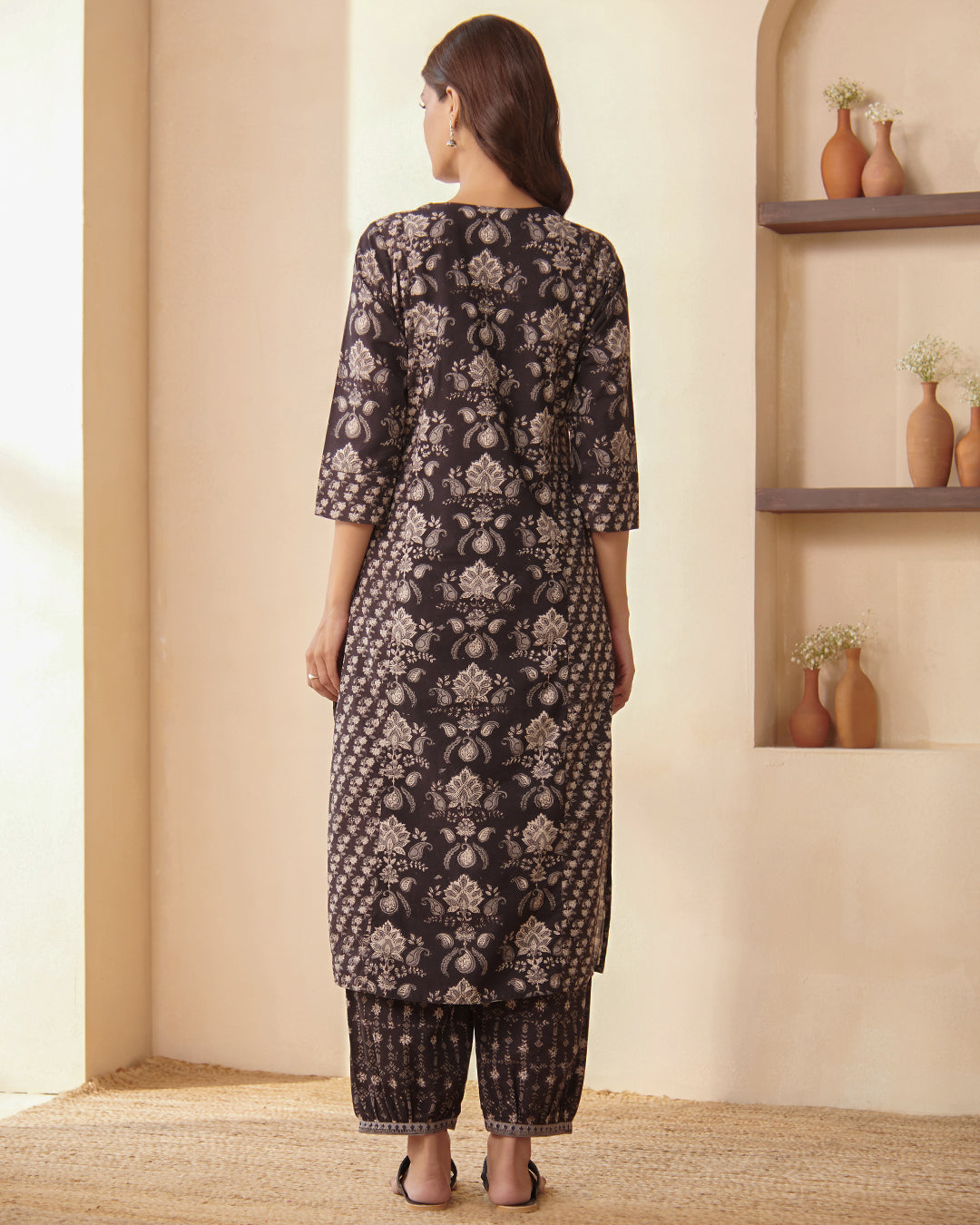
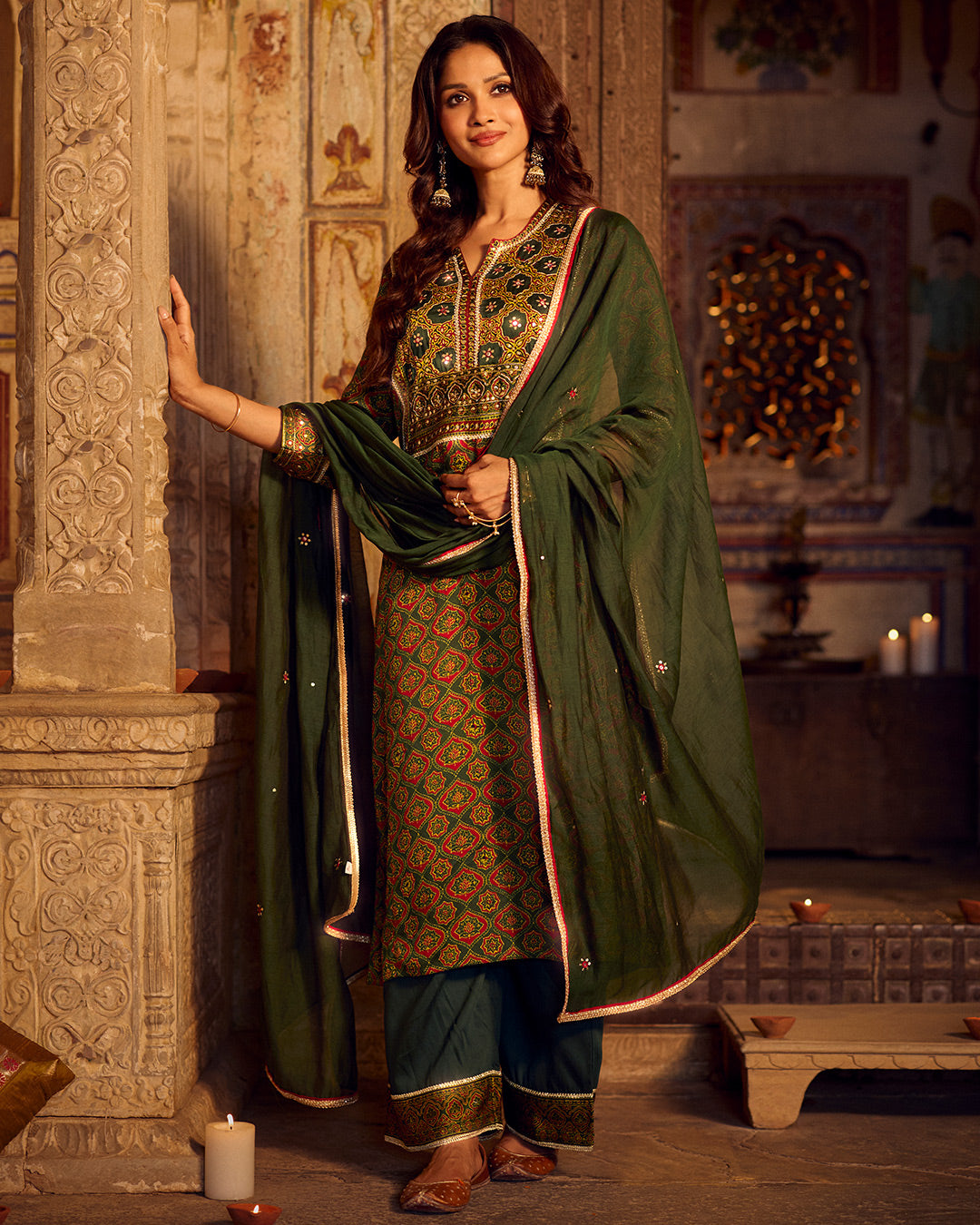
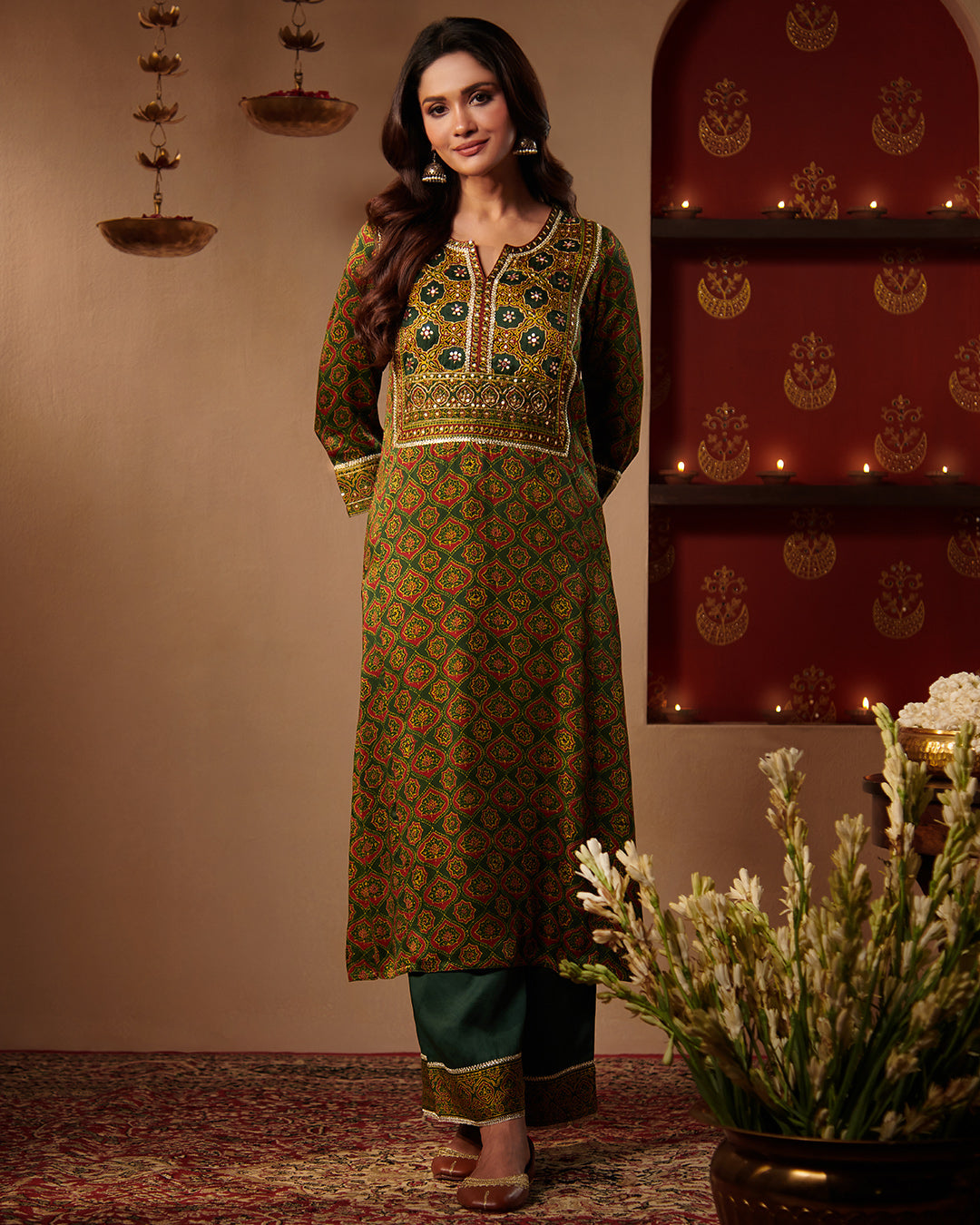
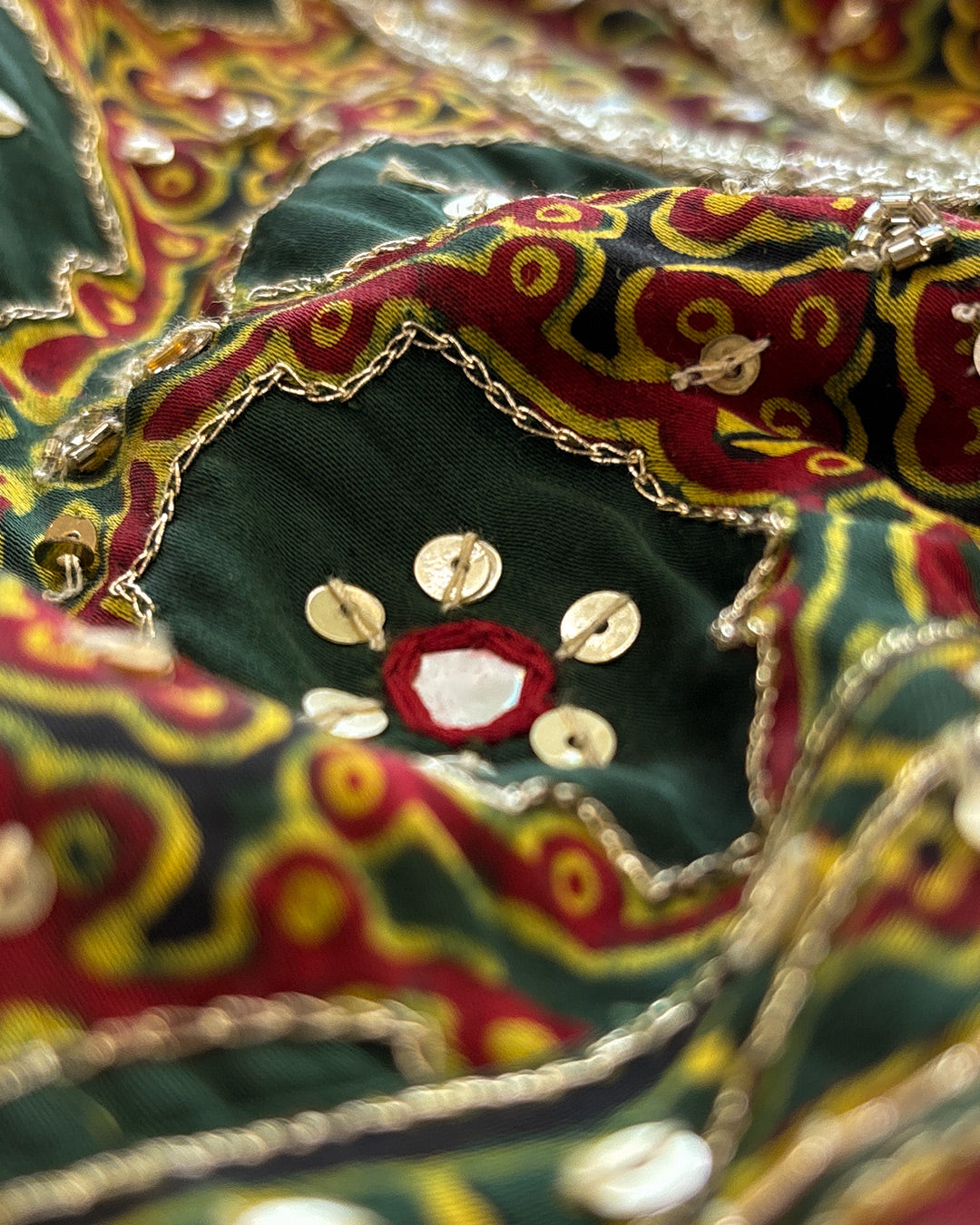
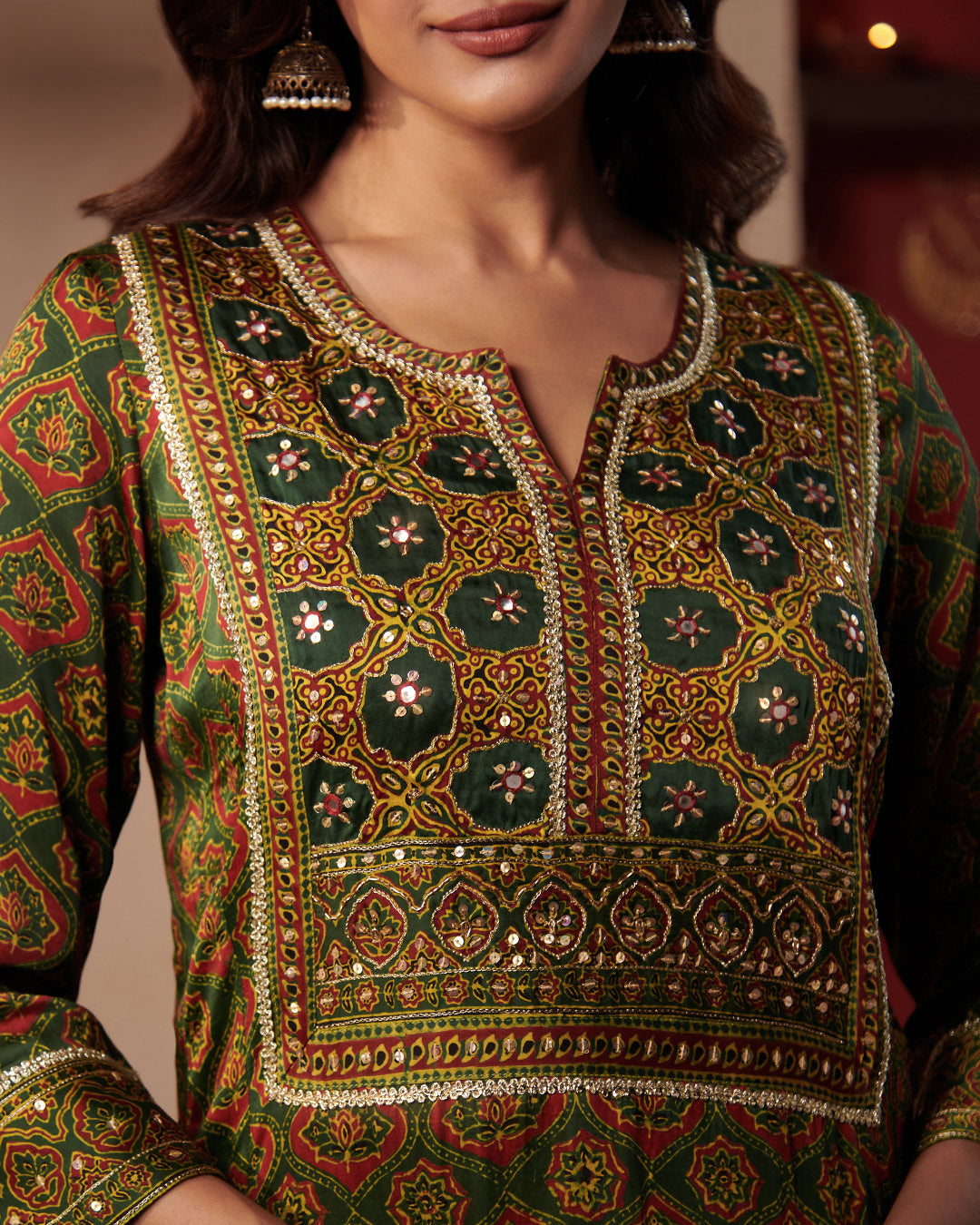
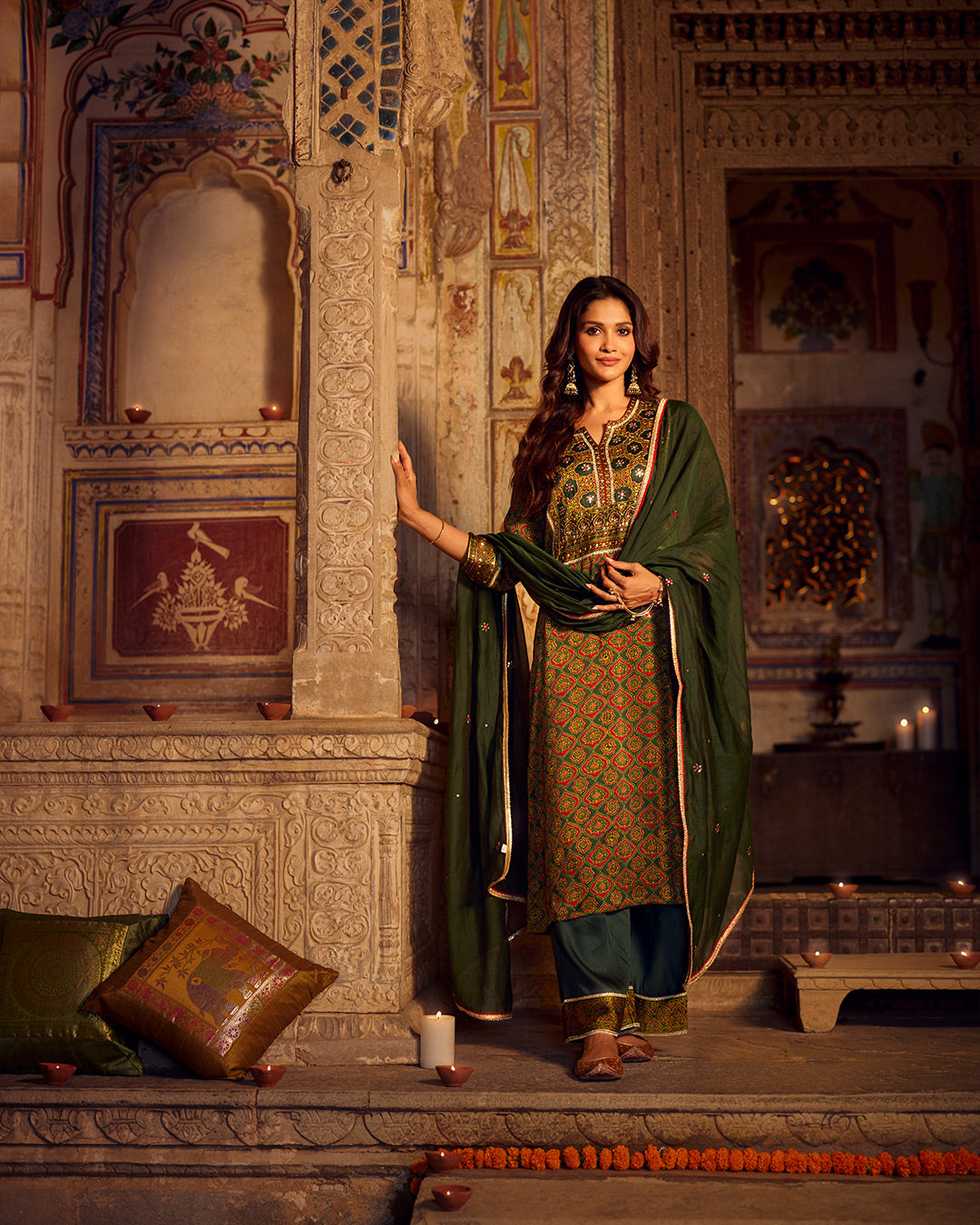
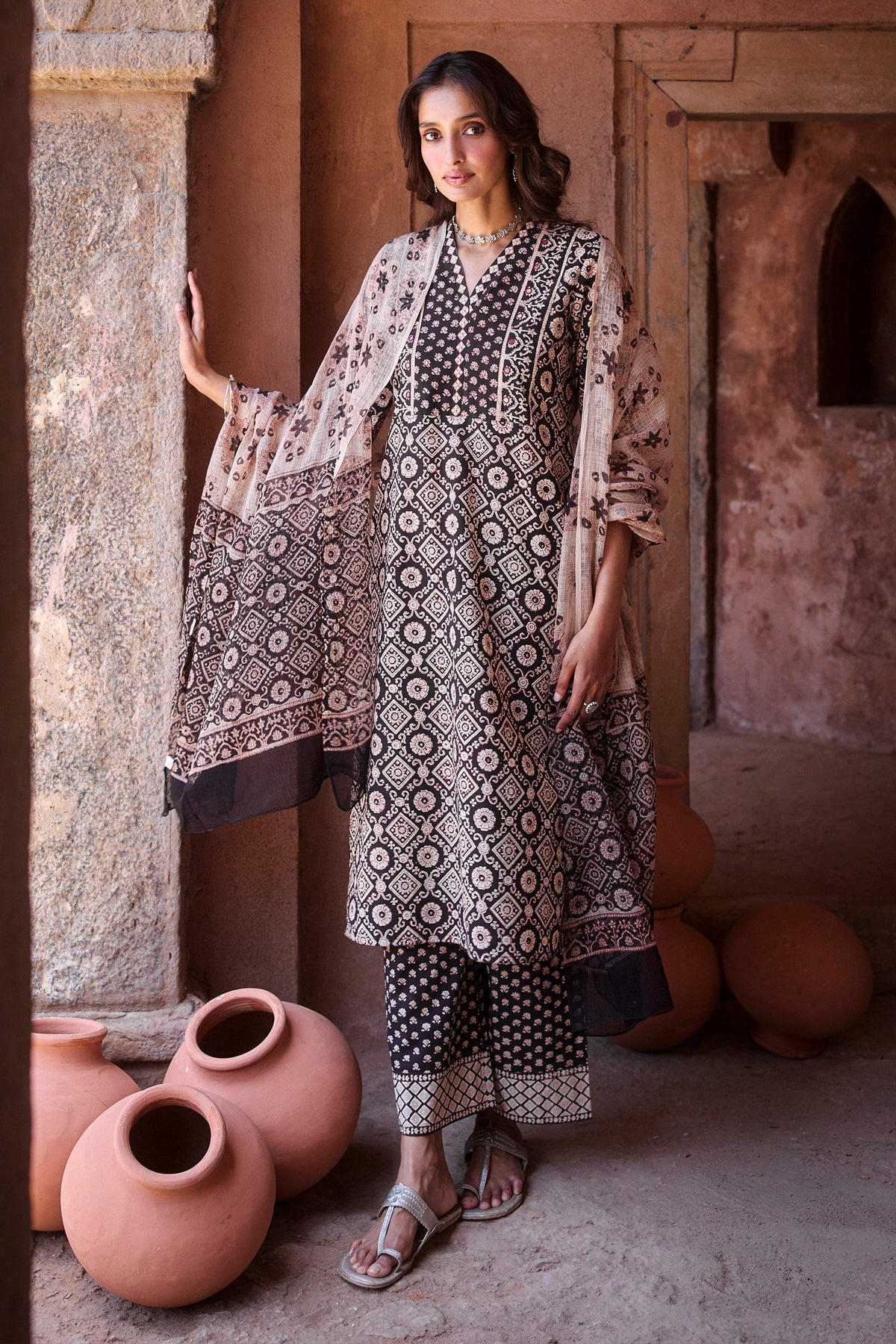
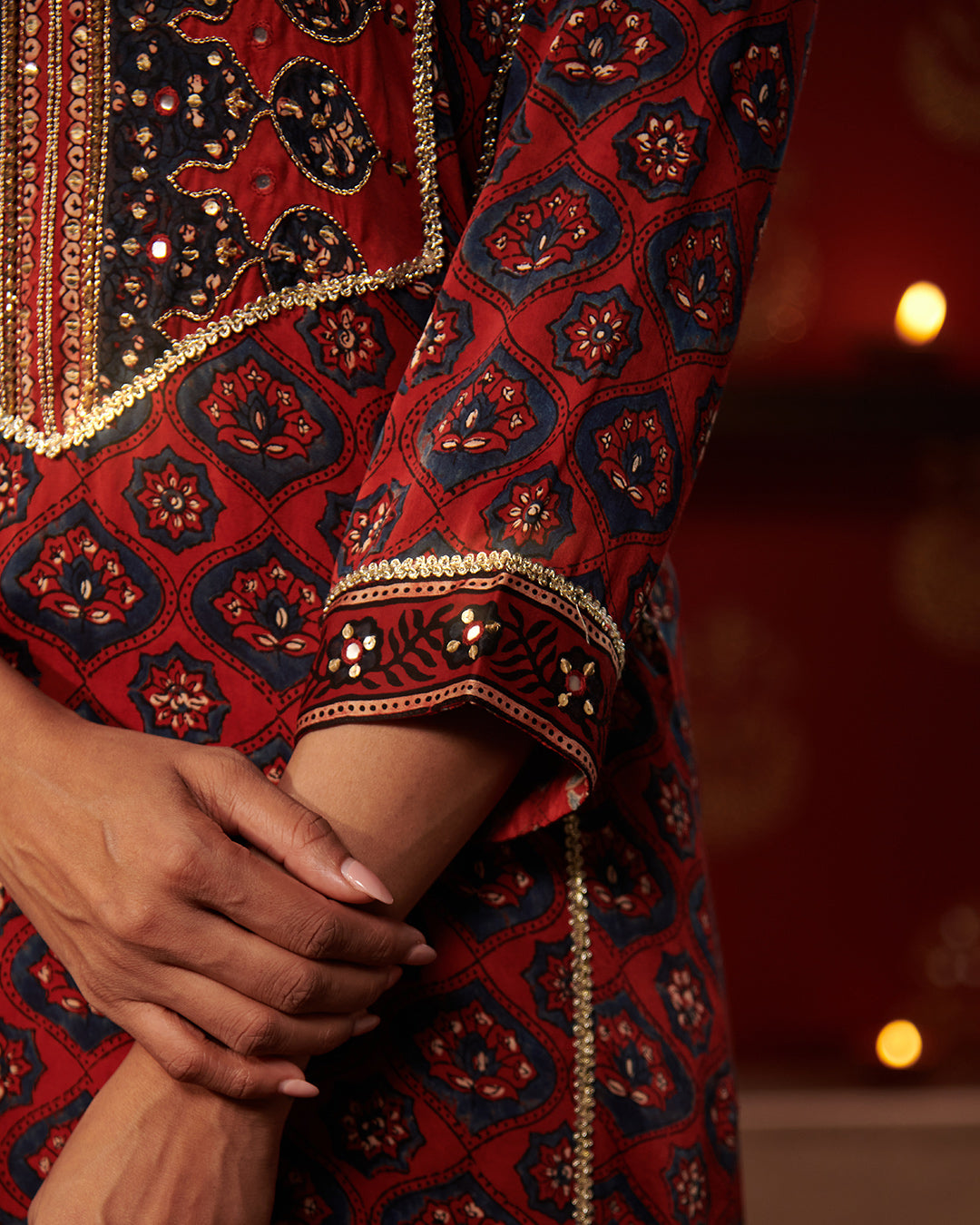
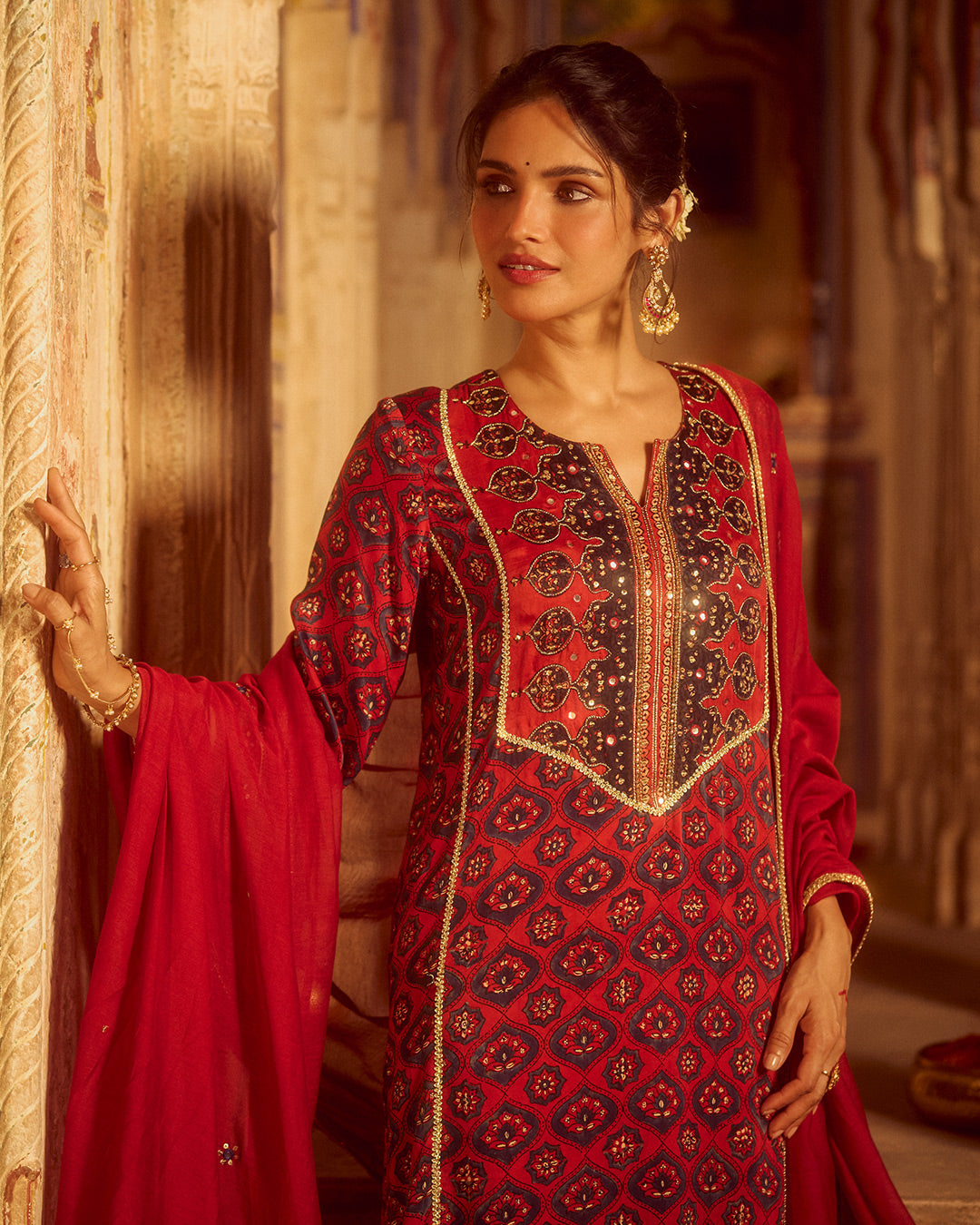
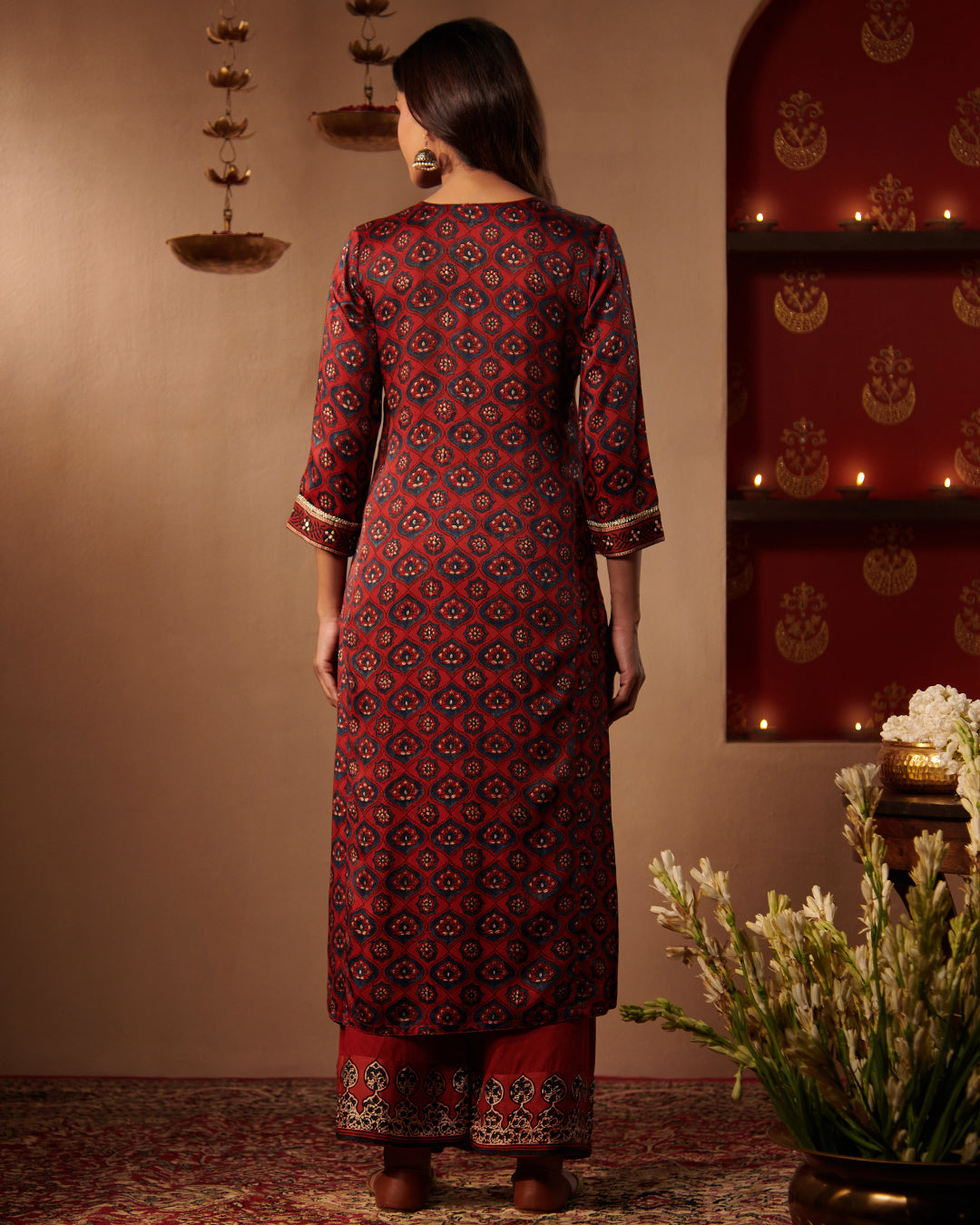
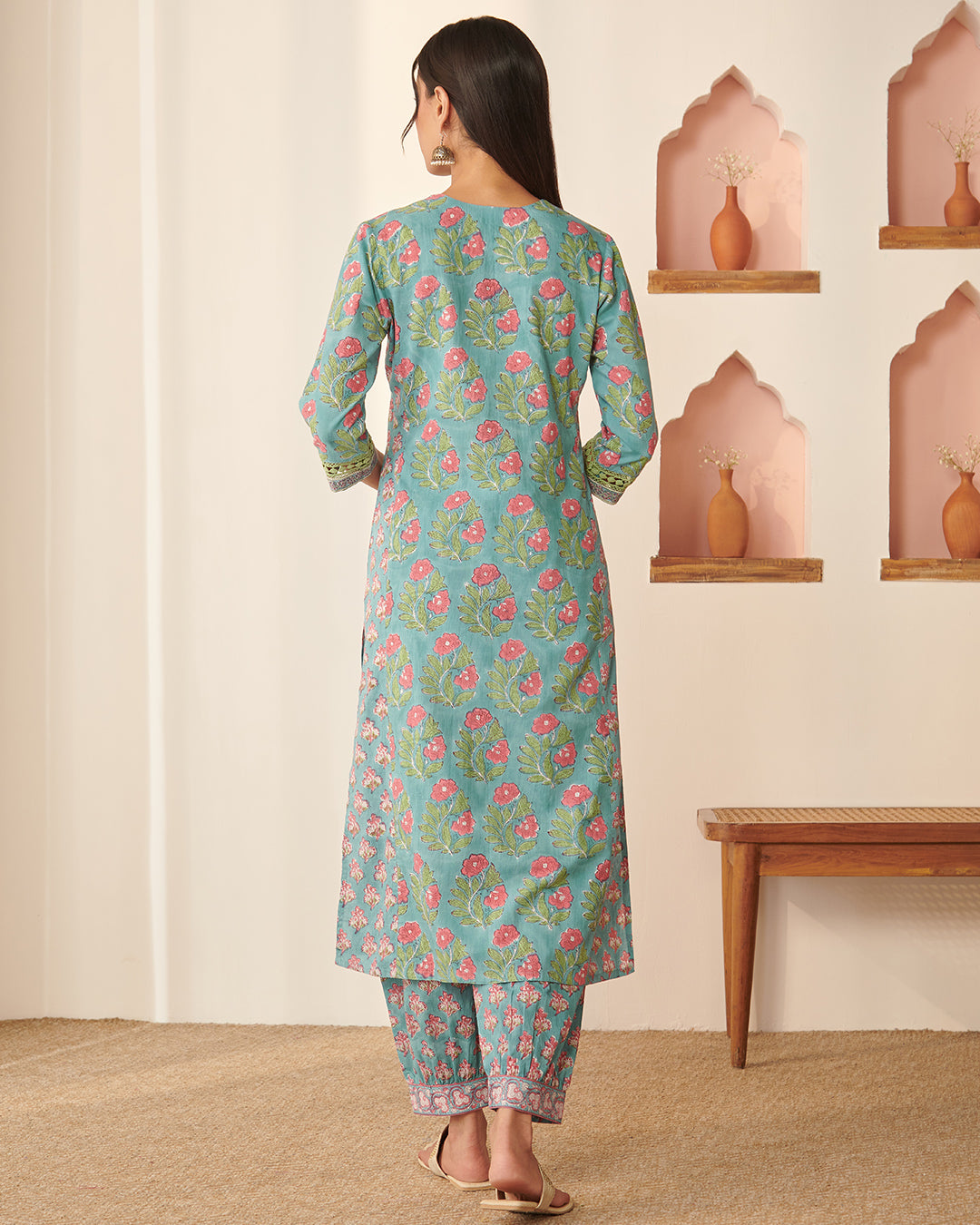
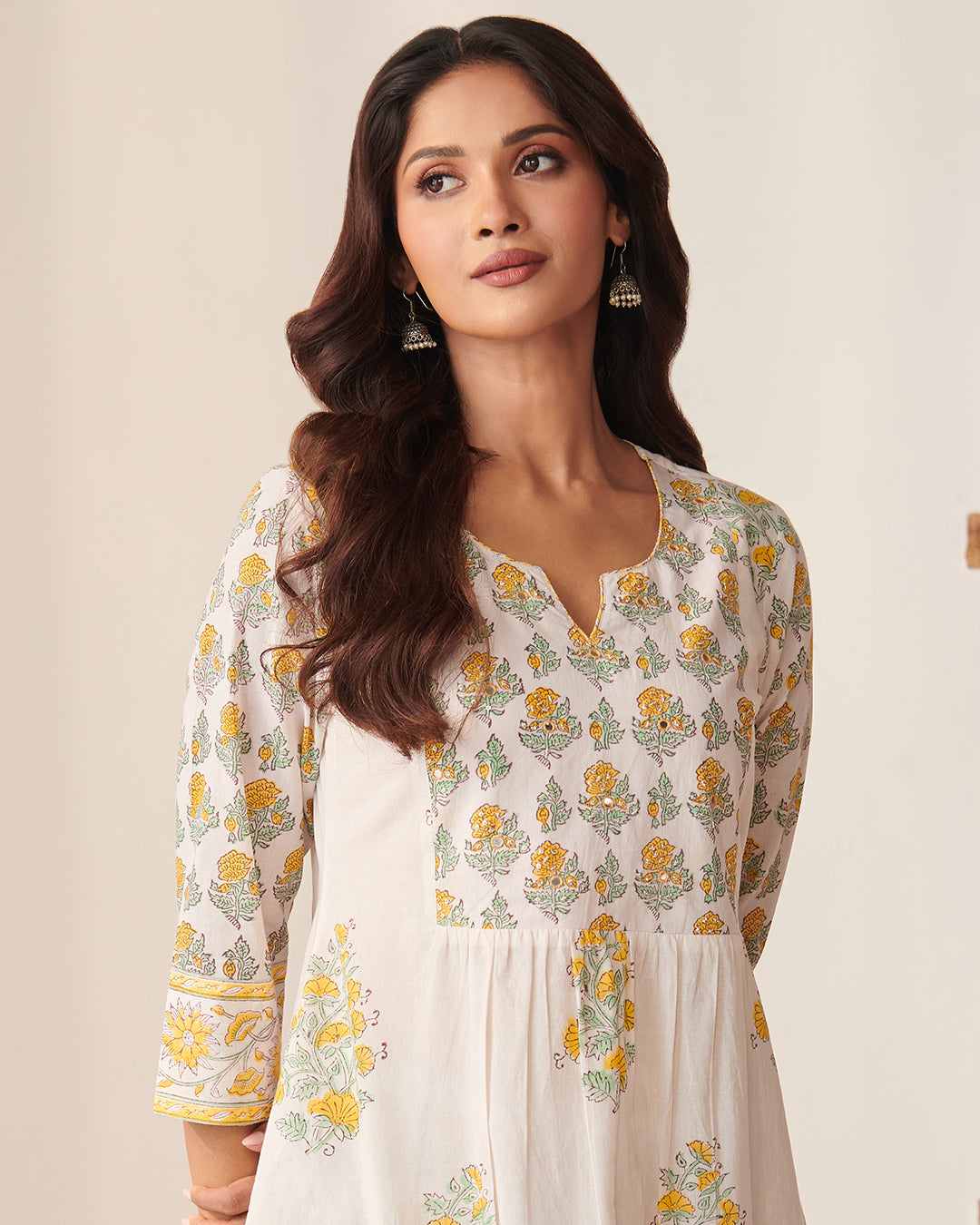
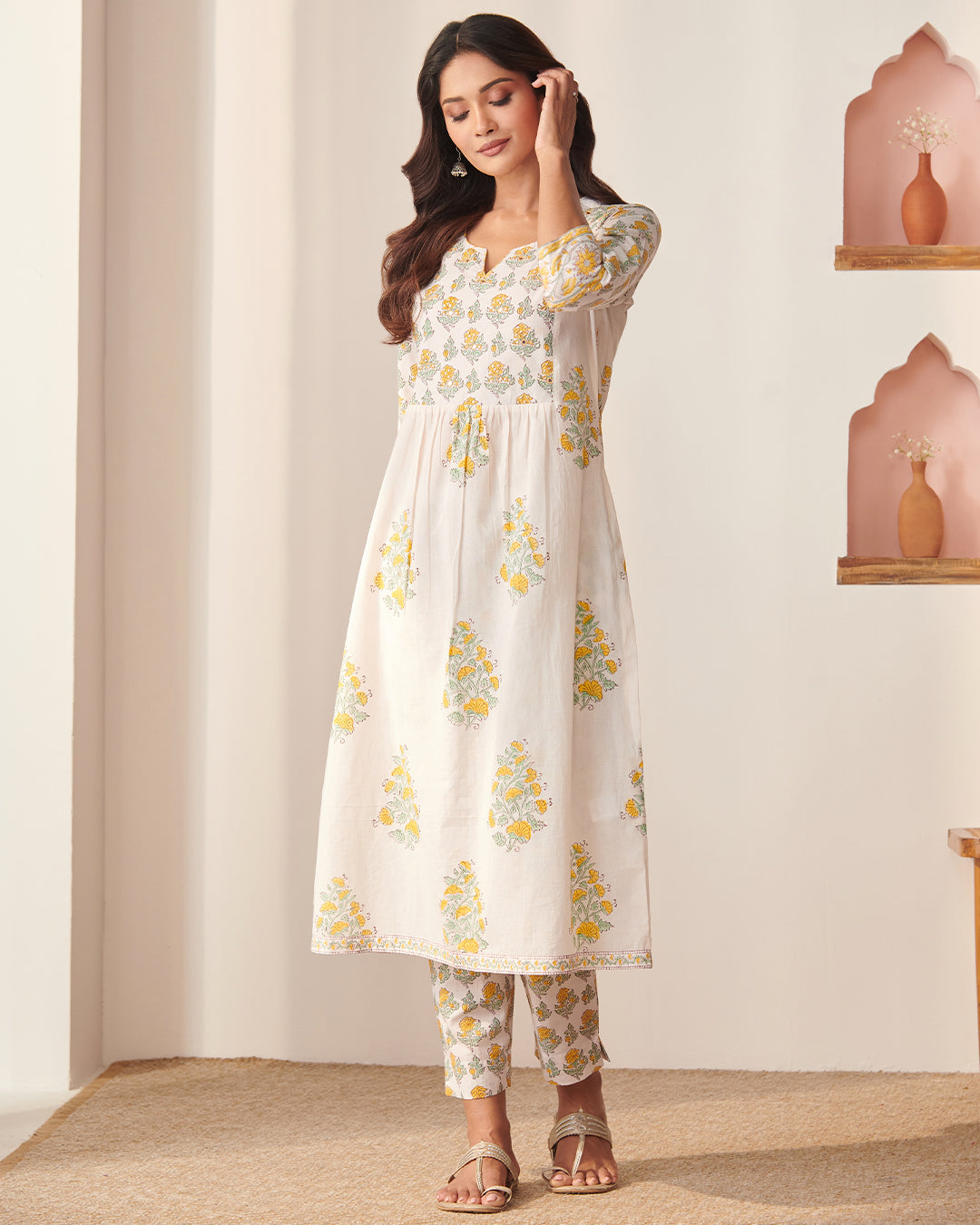
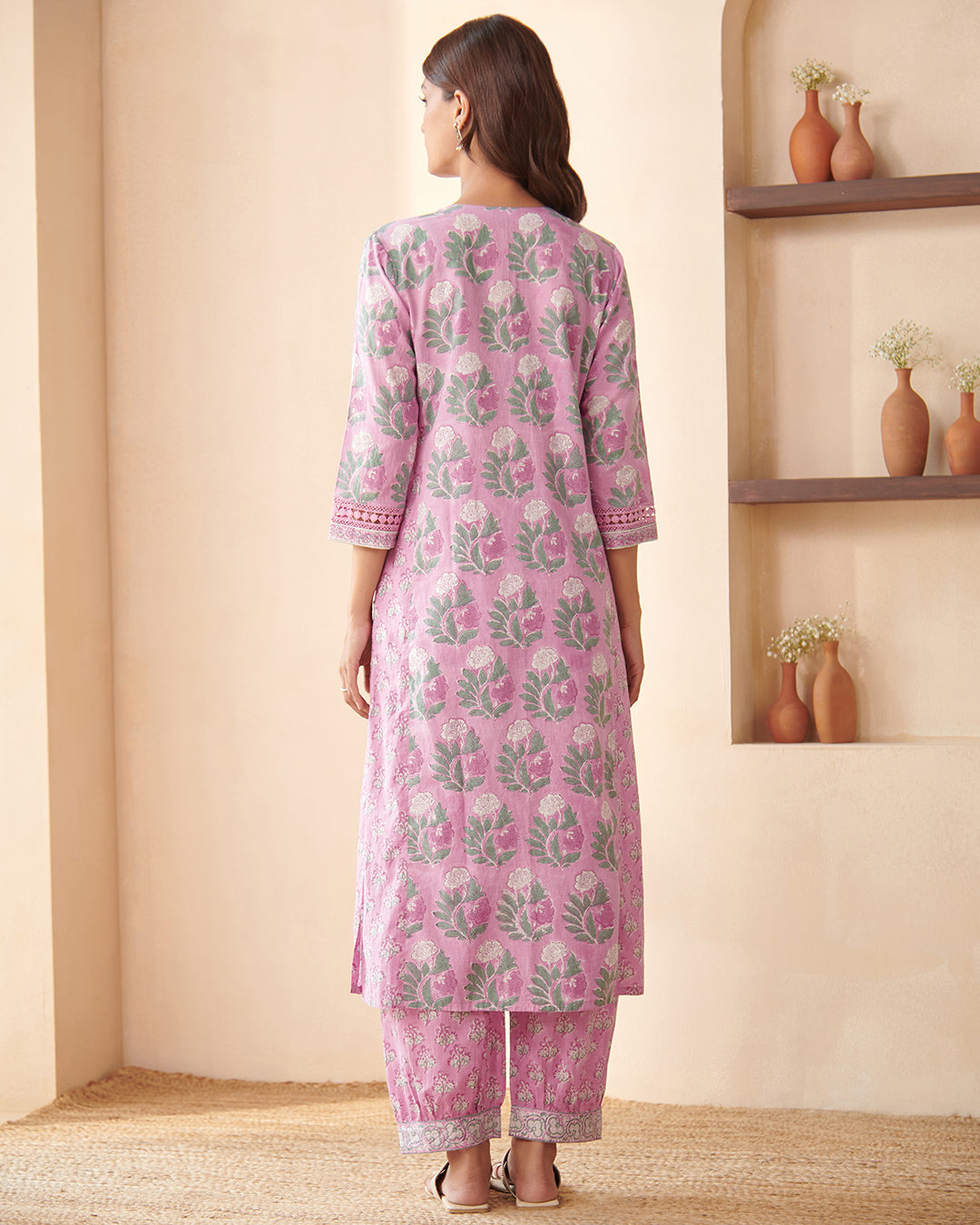
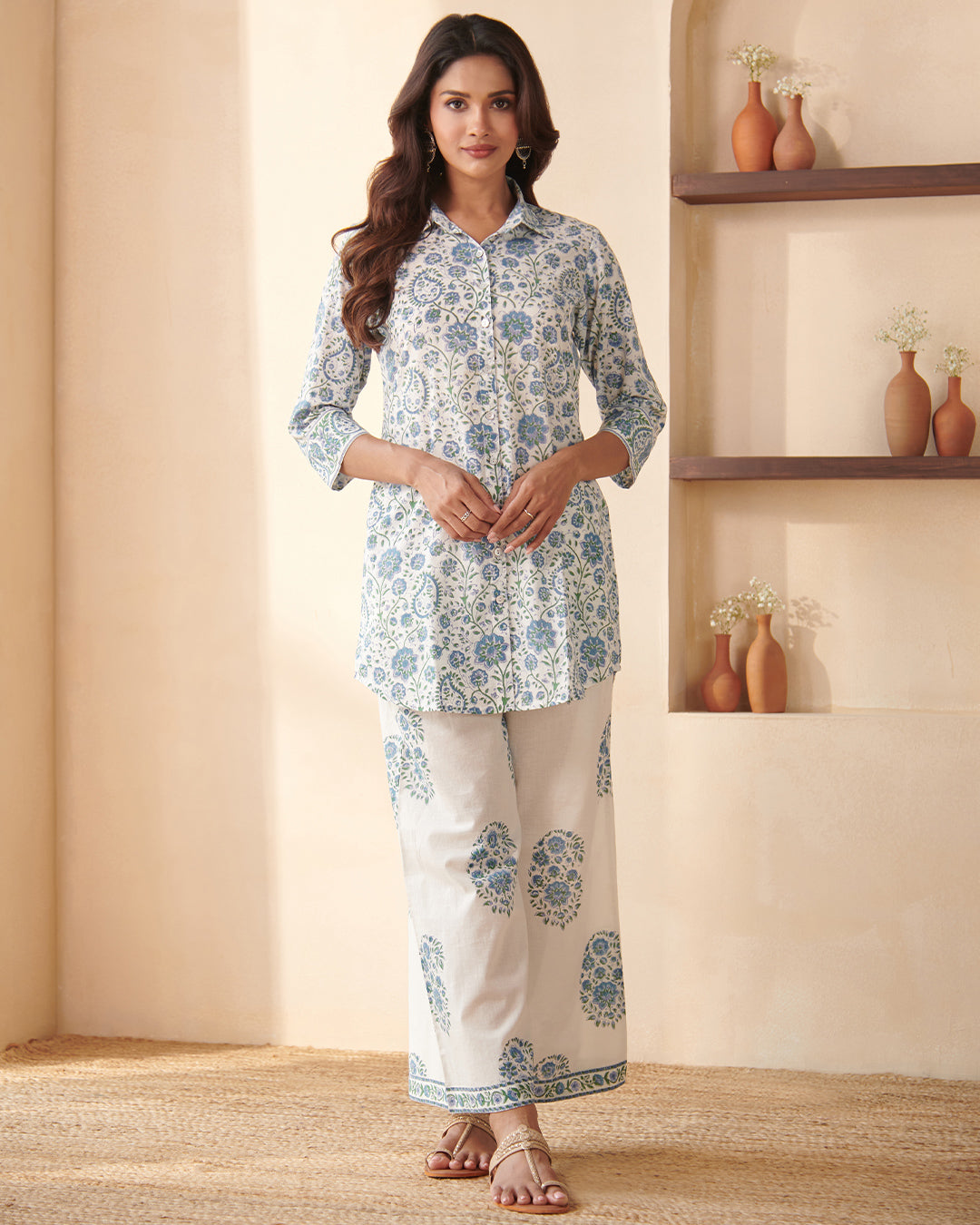
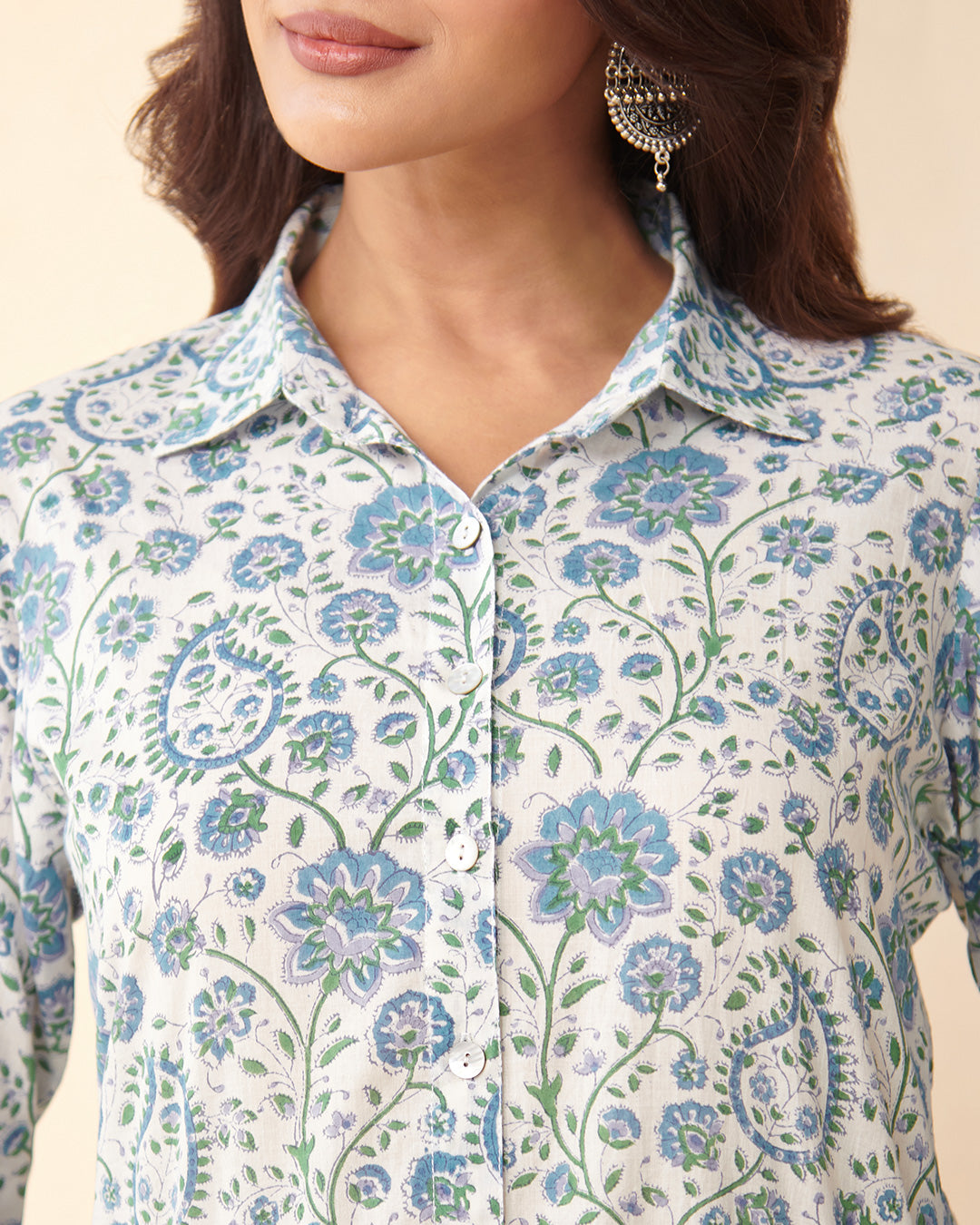
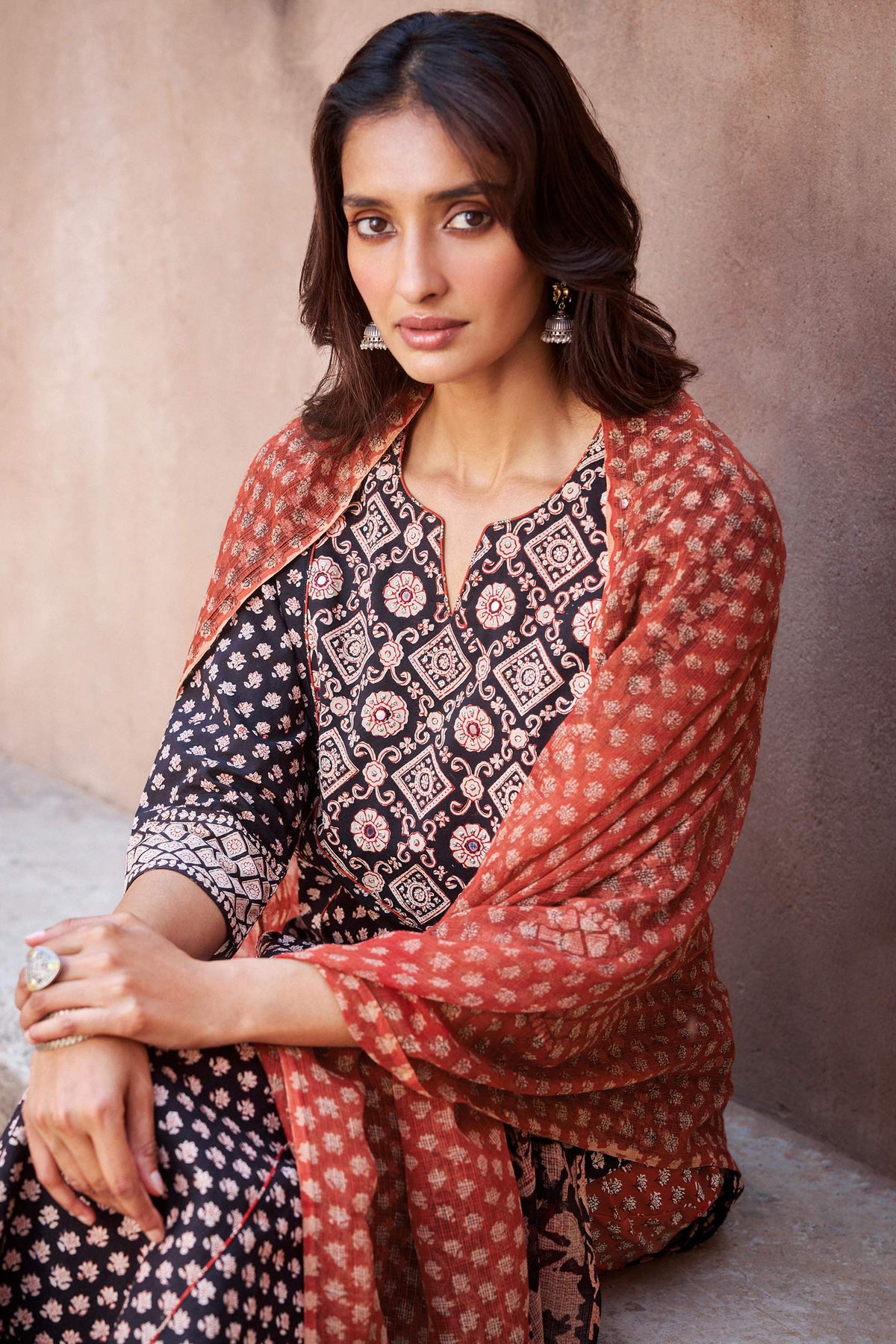
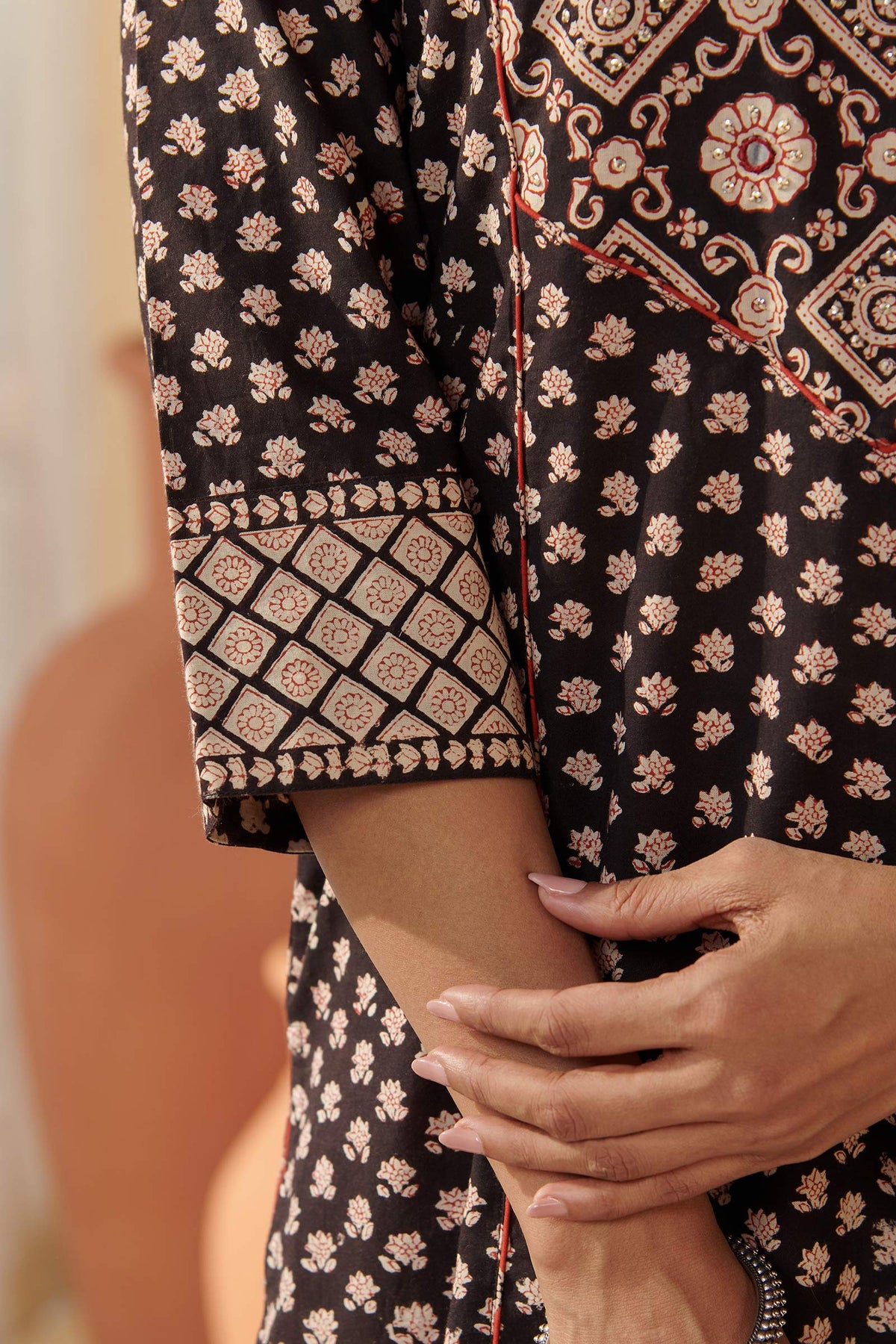
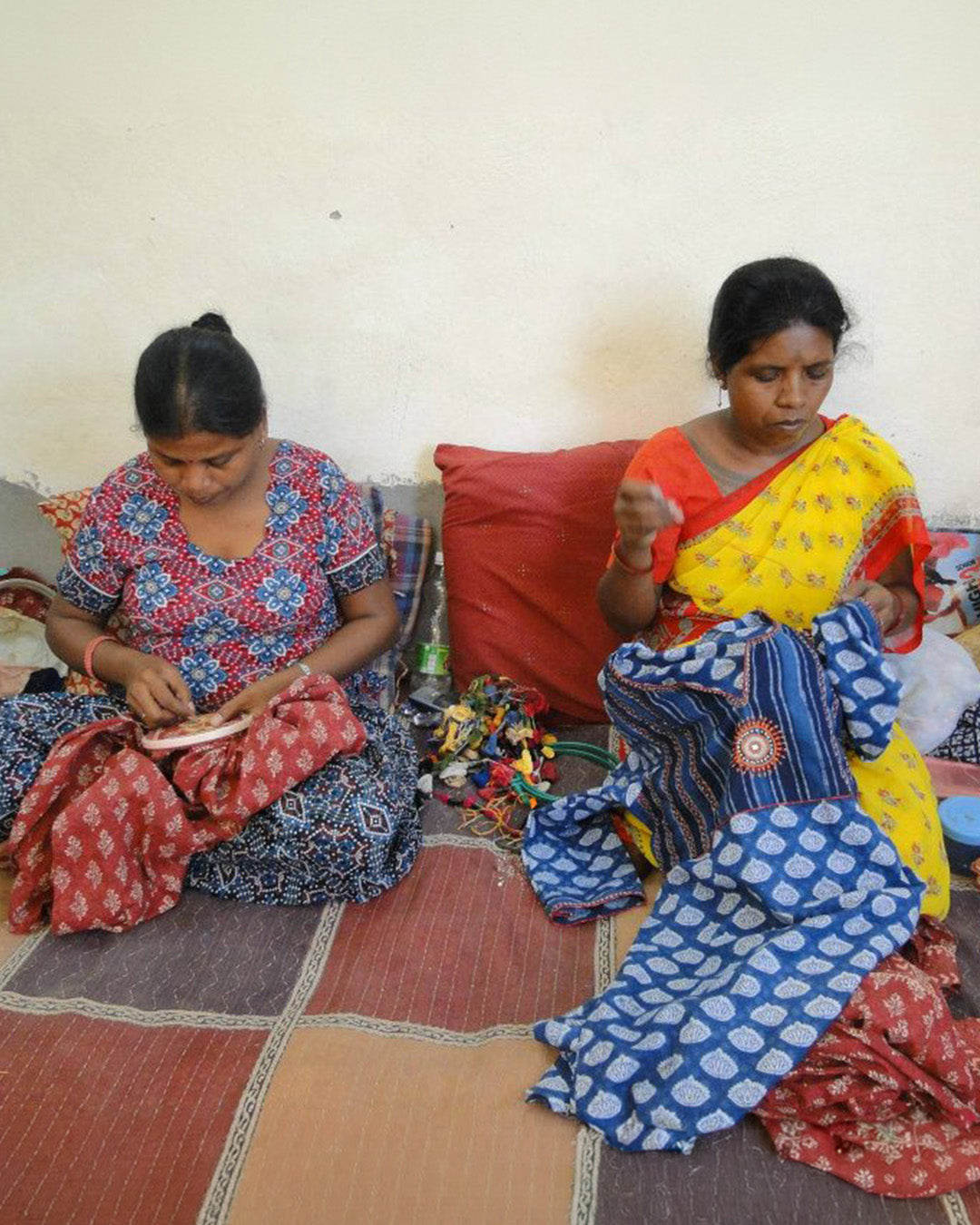
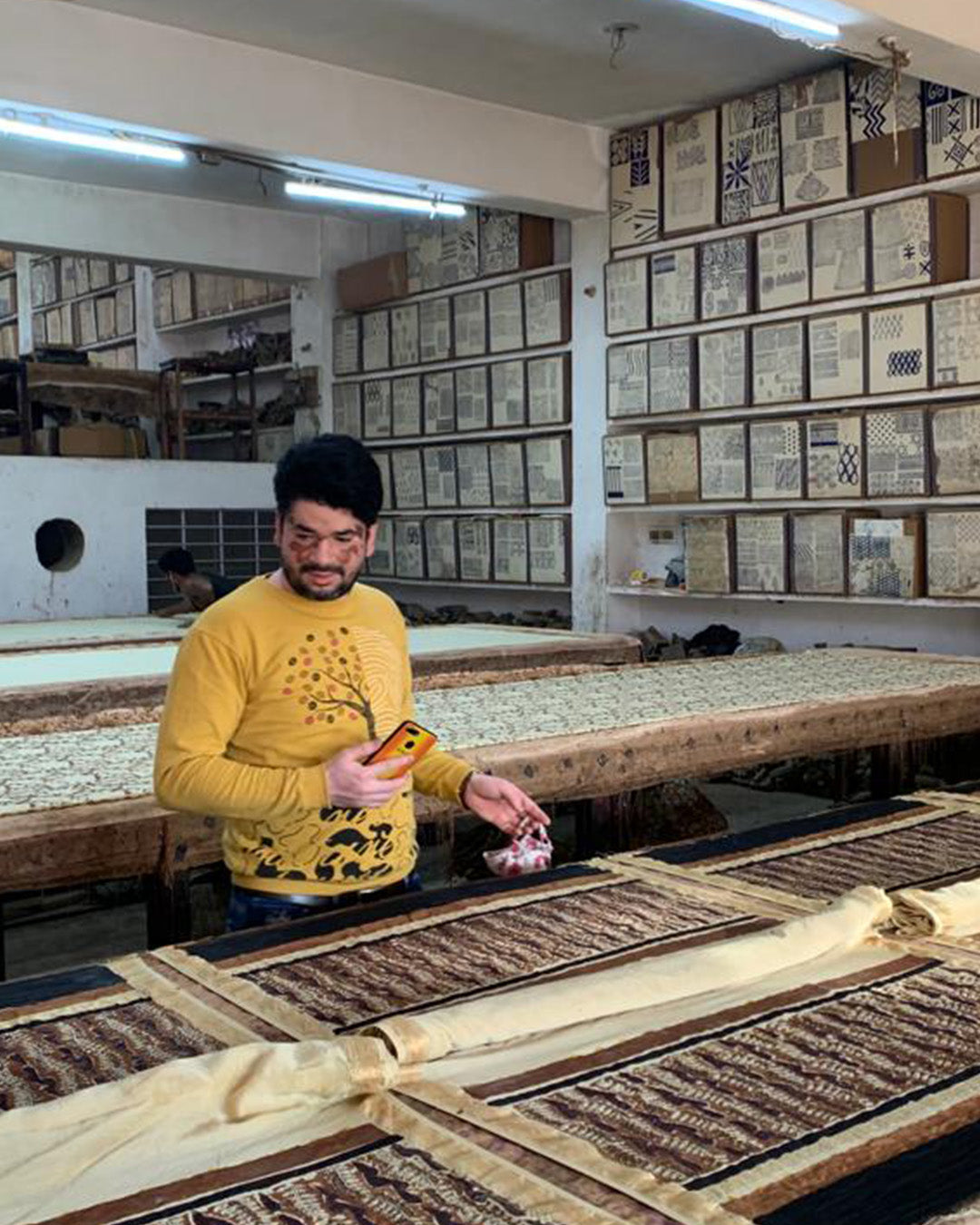
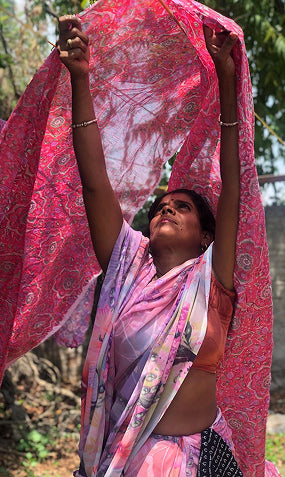
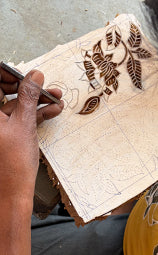
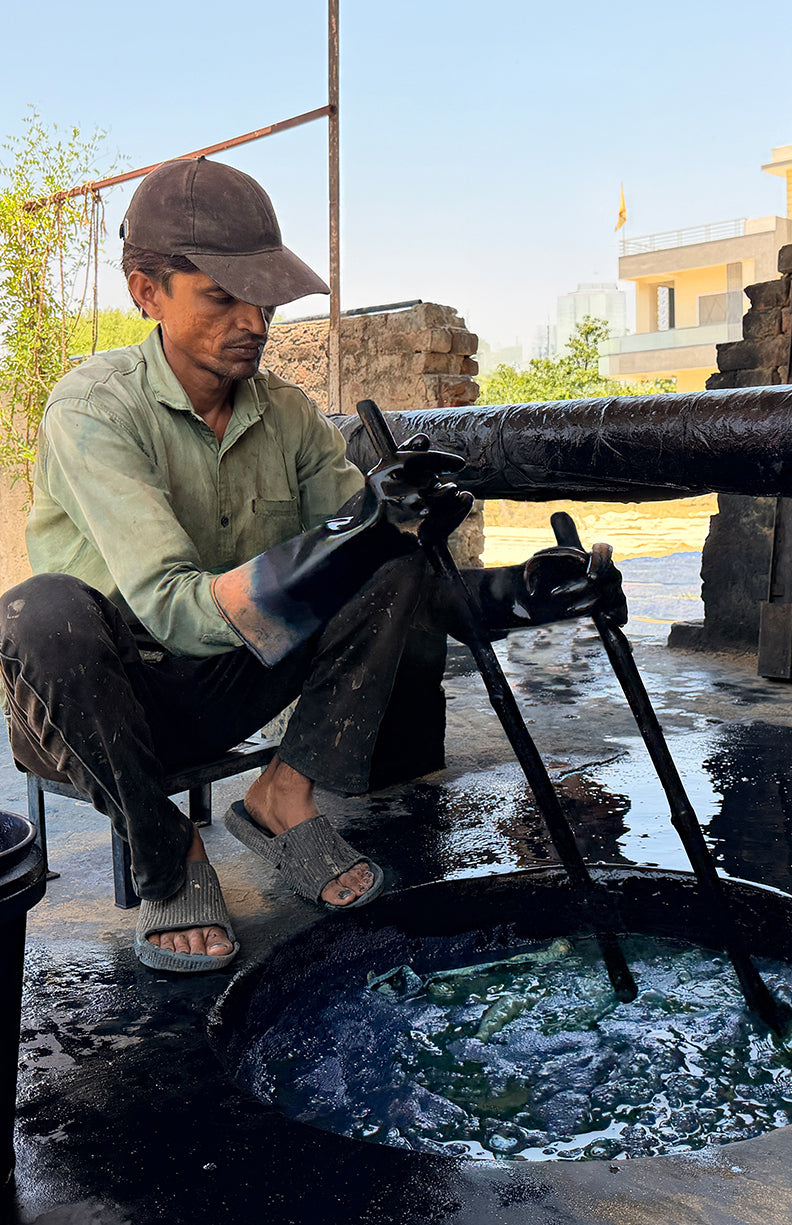
But Farida wanted to go deeper. If the brand was going to stand for Indian craftsmanship, it had to build on its roots. She began travelling extensively through Rajasthan, Gujarat, and Madhya Pradesh in search of artisans who were sentinels of the Indian textile legacy. These were the keepers of ancient craft traditions- Ajrakh printers, Bagru and Sanganeri block printers whose families had dedicated centuries to the art. These journeys brought the authentic crafts like Bagru, Ajrakh, Sanganeri, Bagh, Dabu, and many more indigenous artistry to the fore, along with their people and the lives behind them.
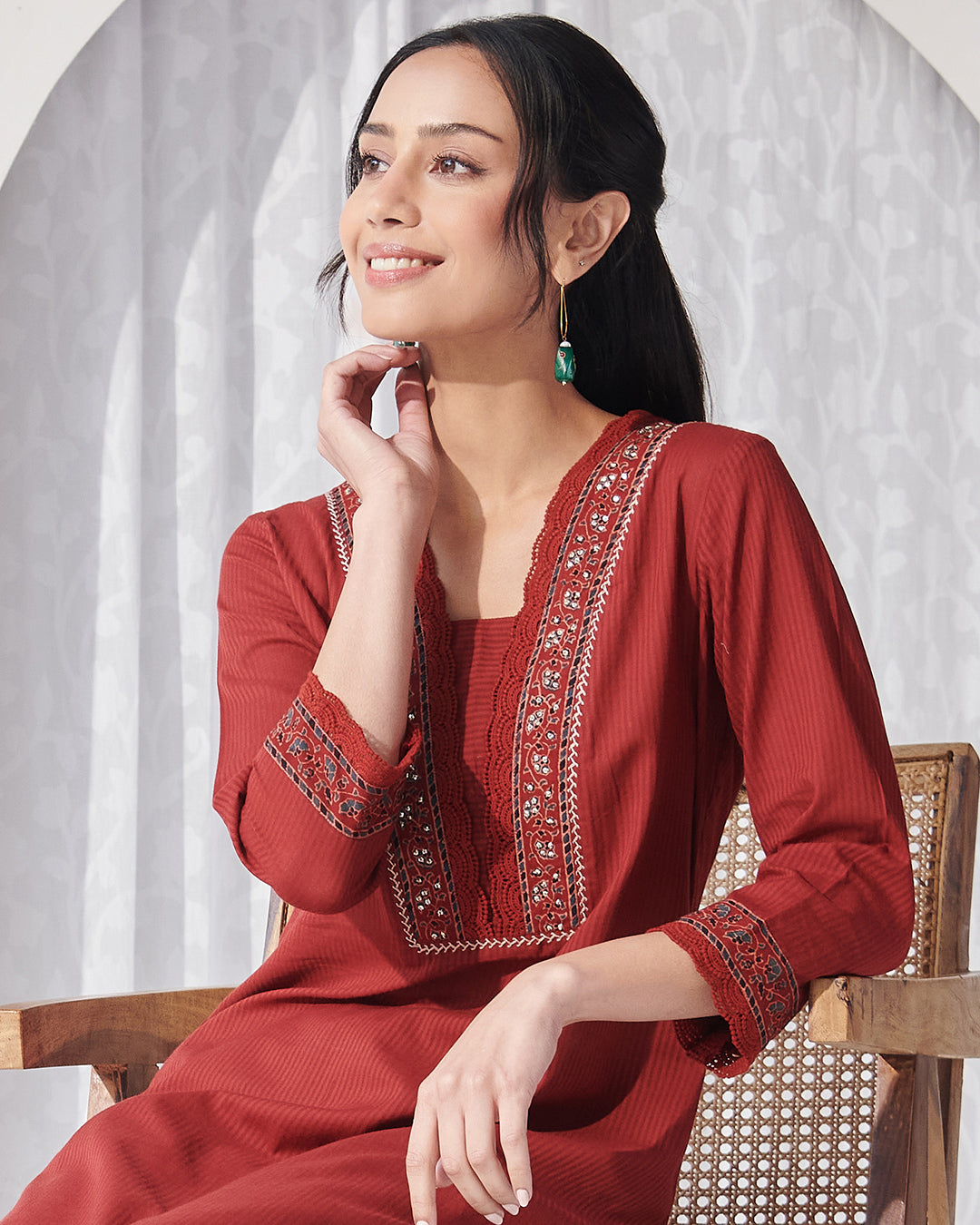
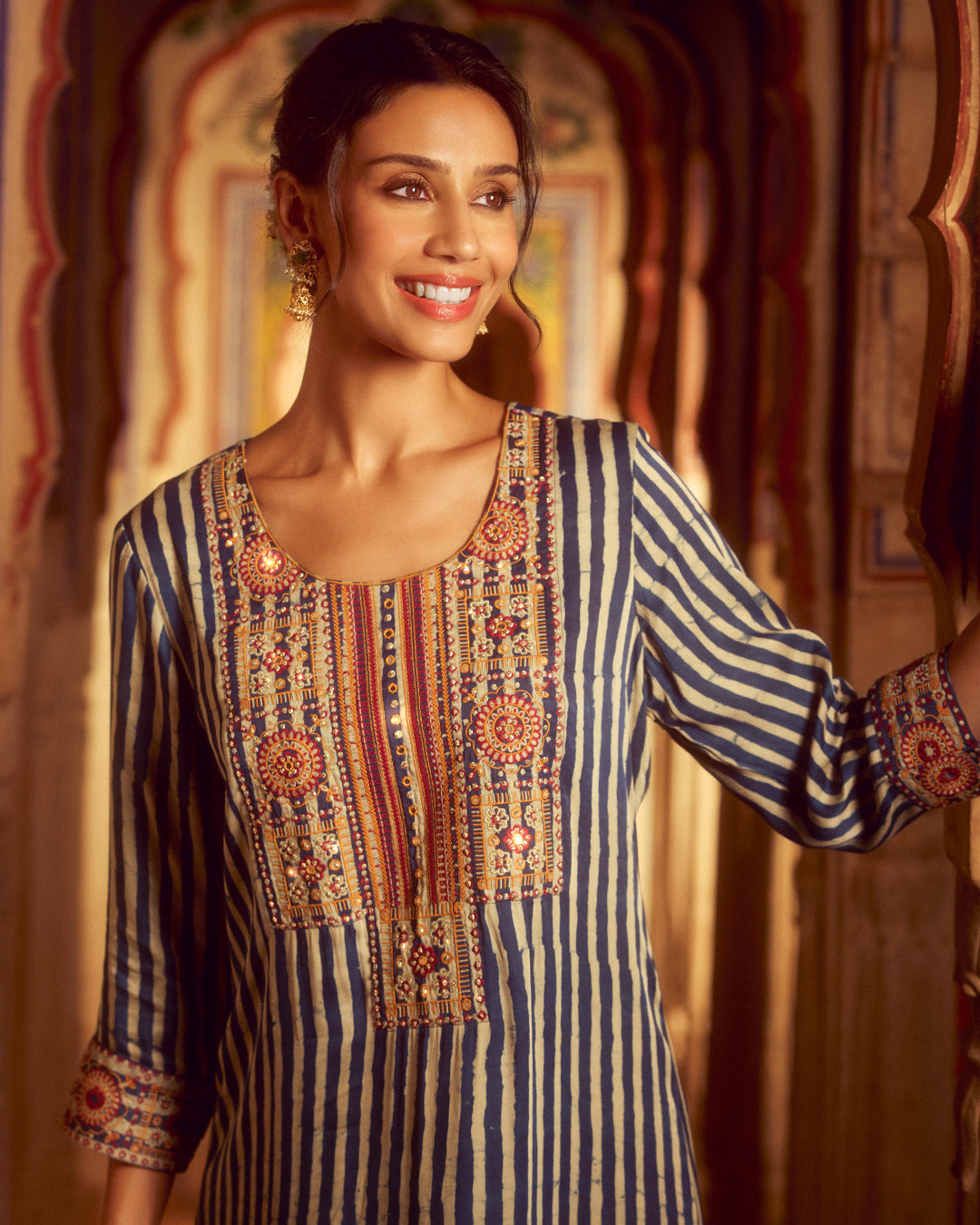
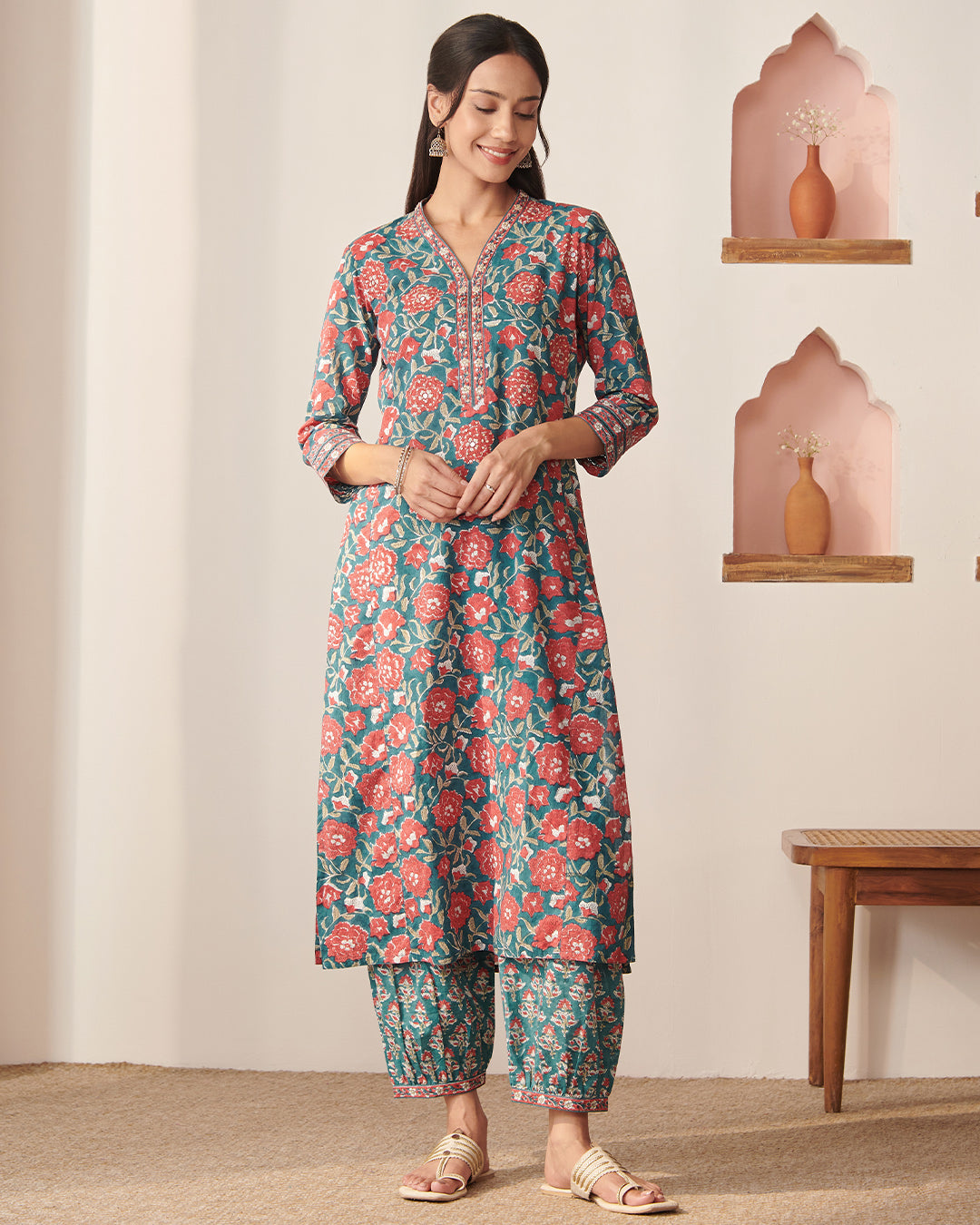
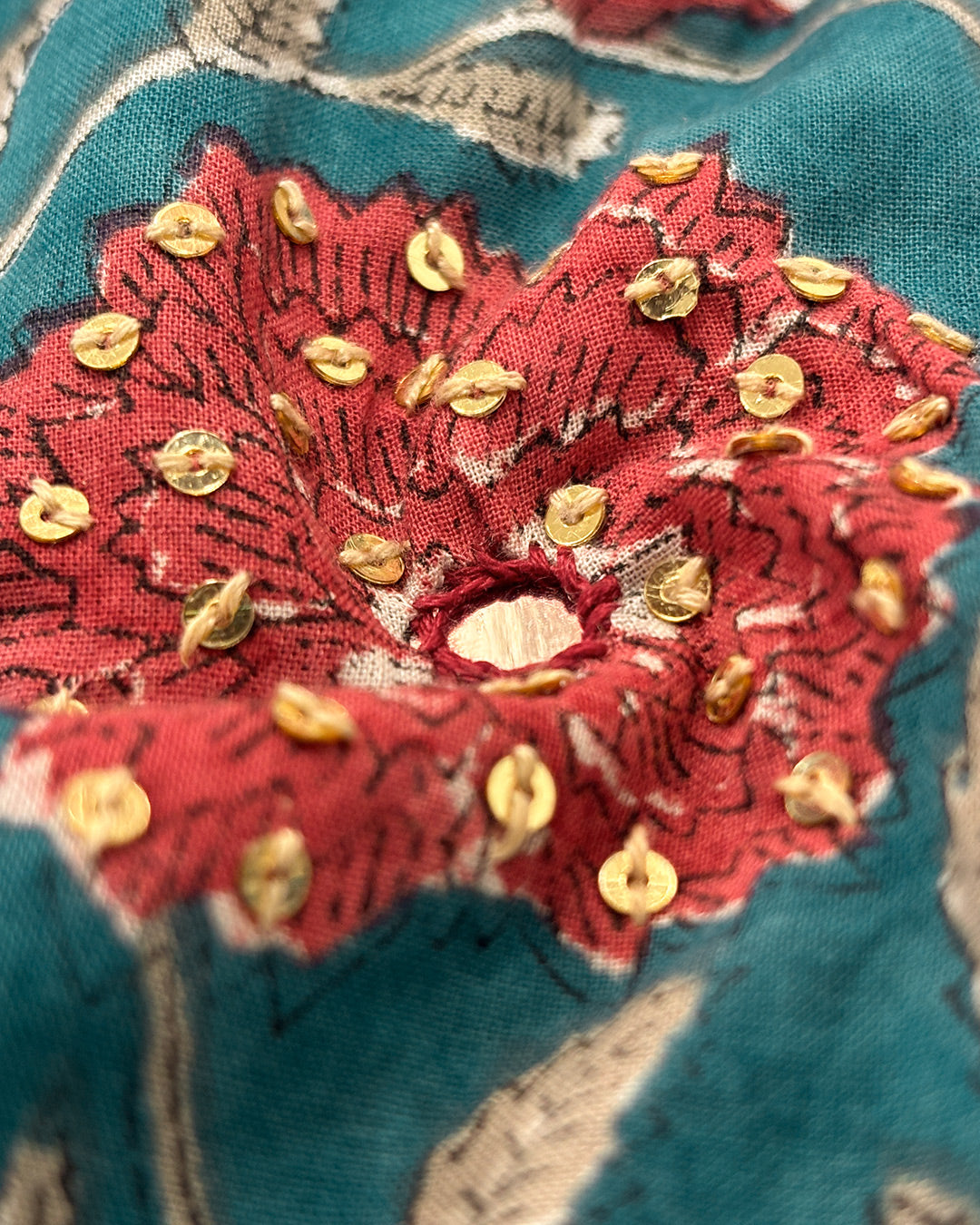
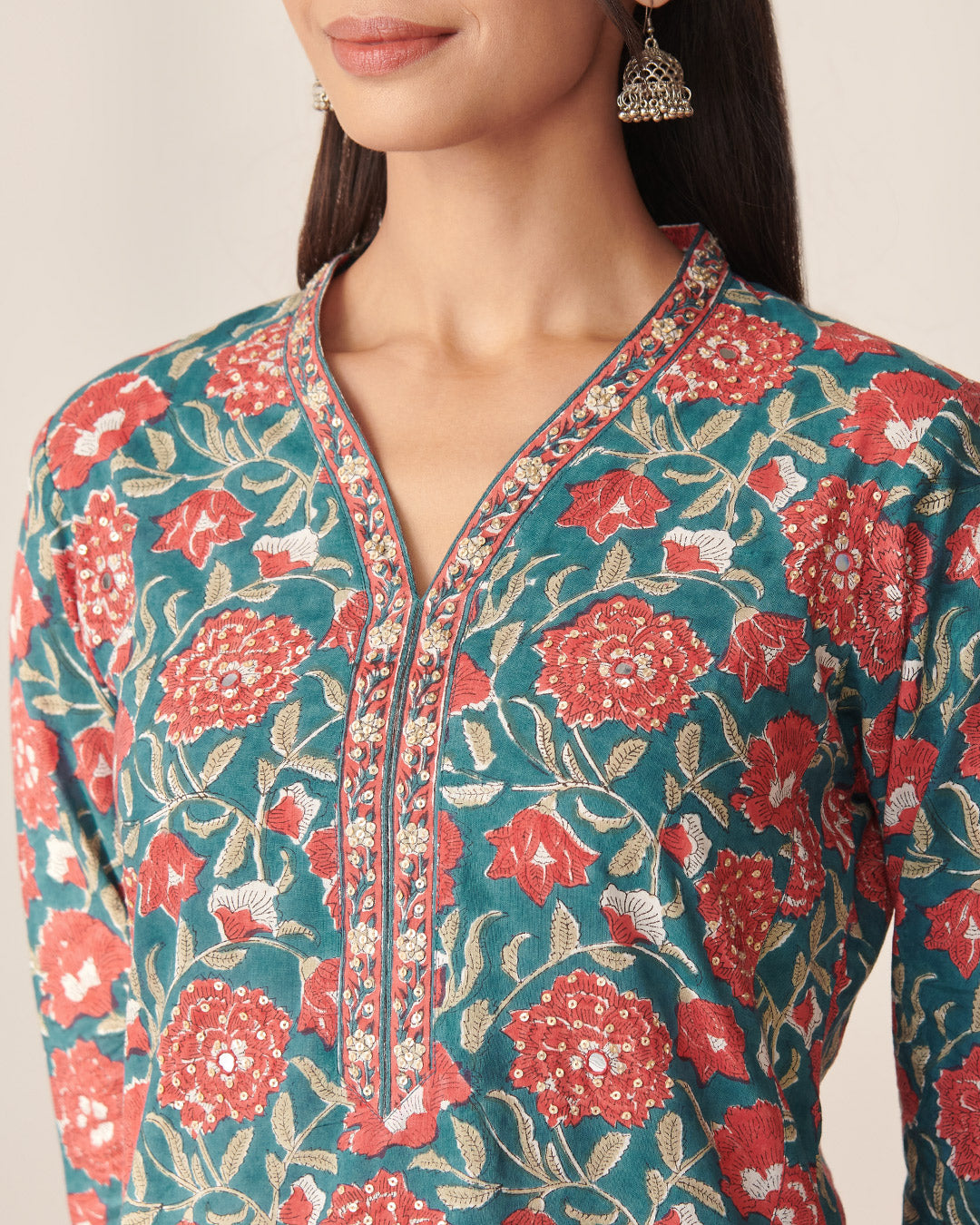
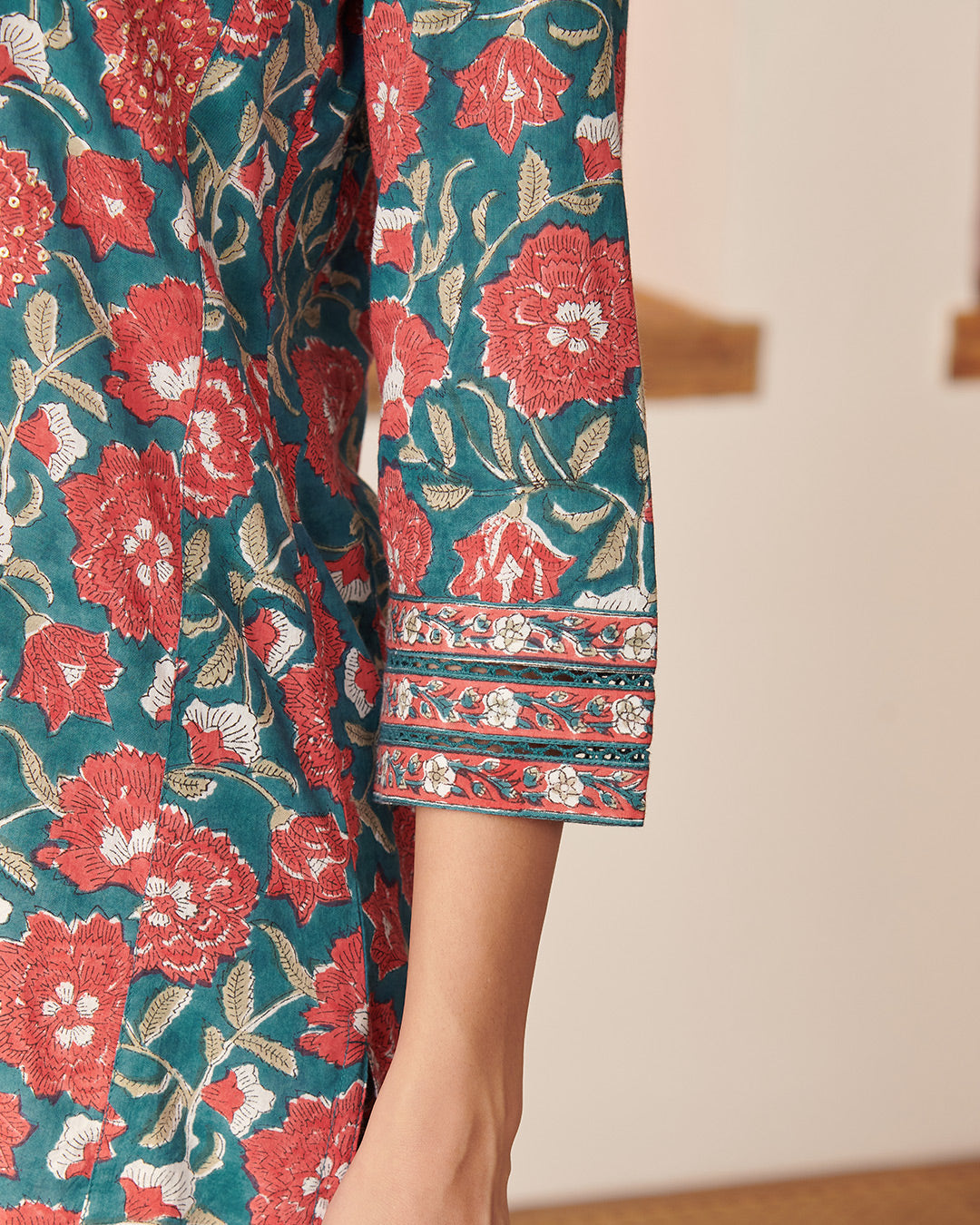
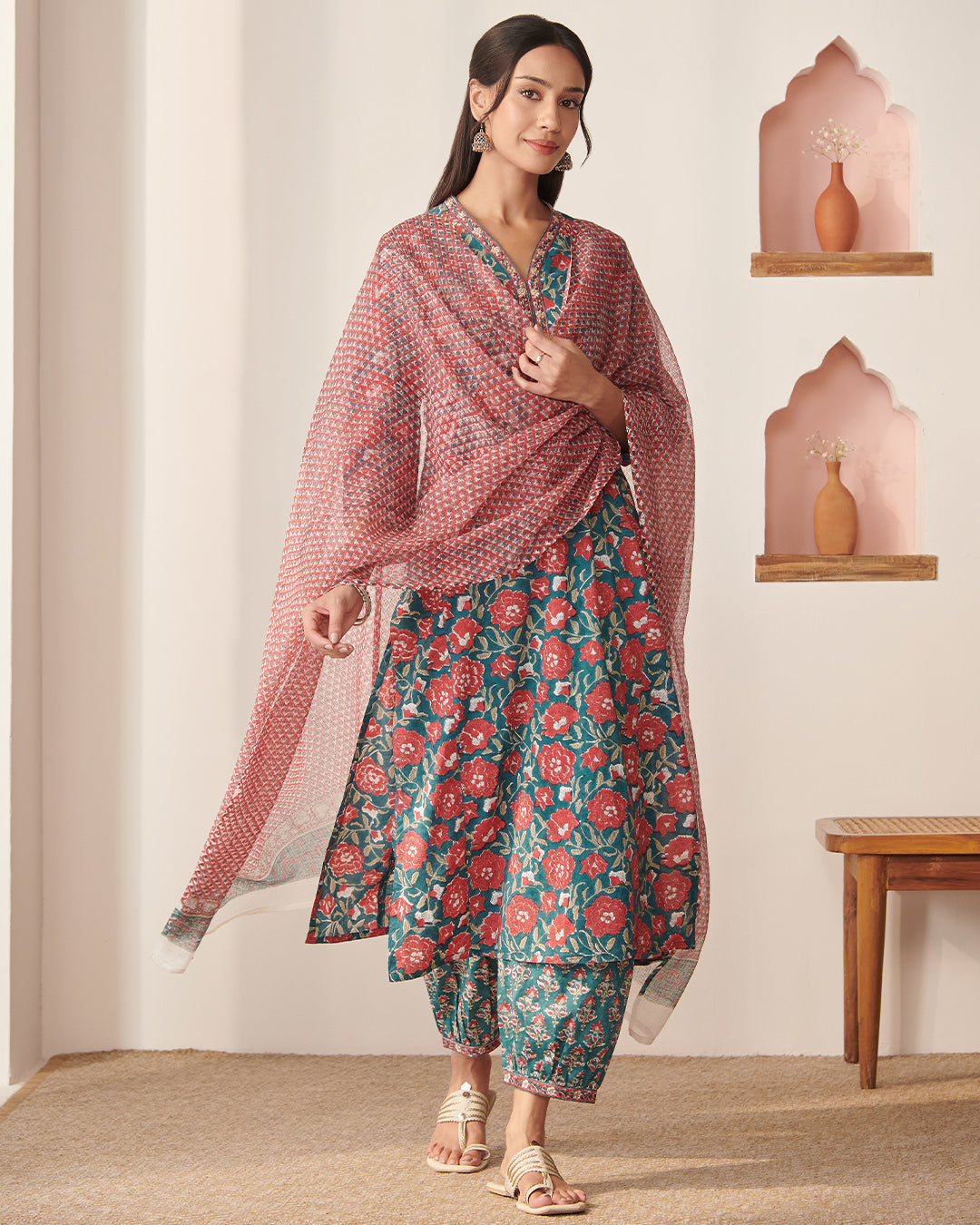
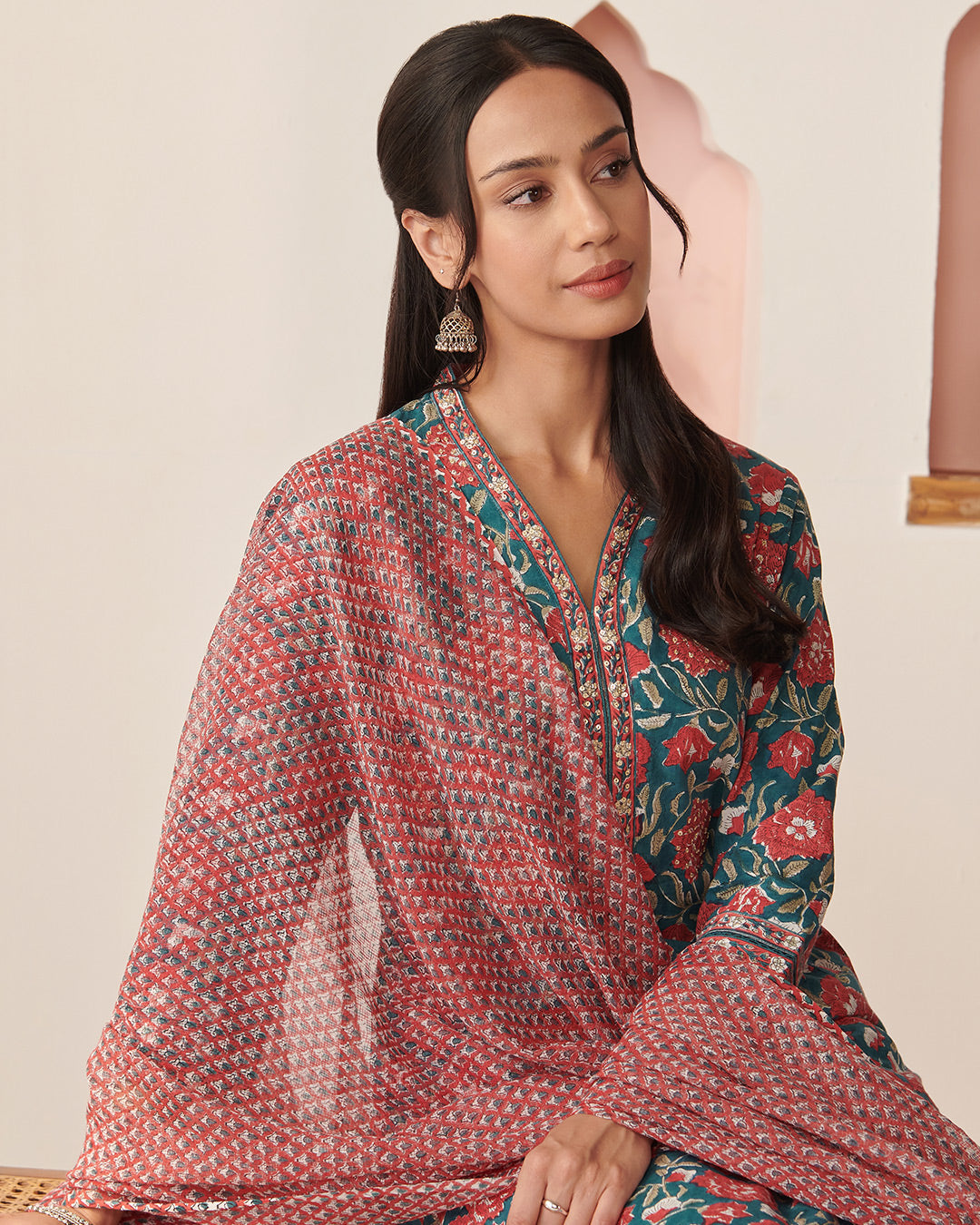
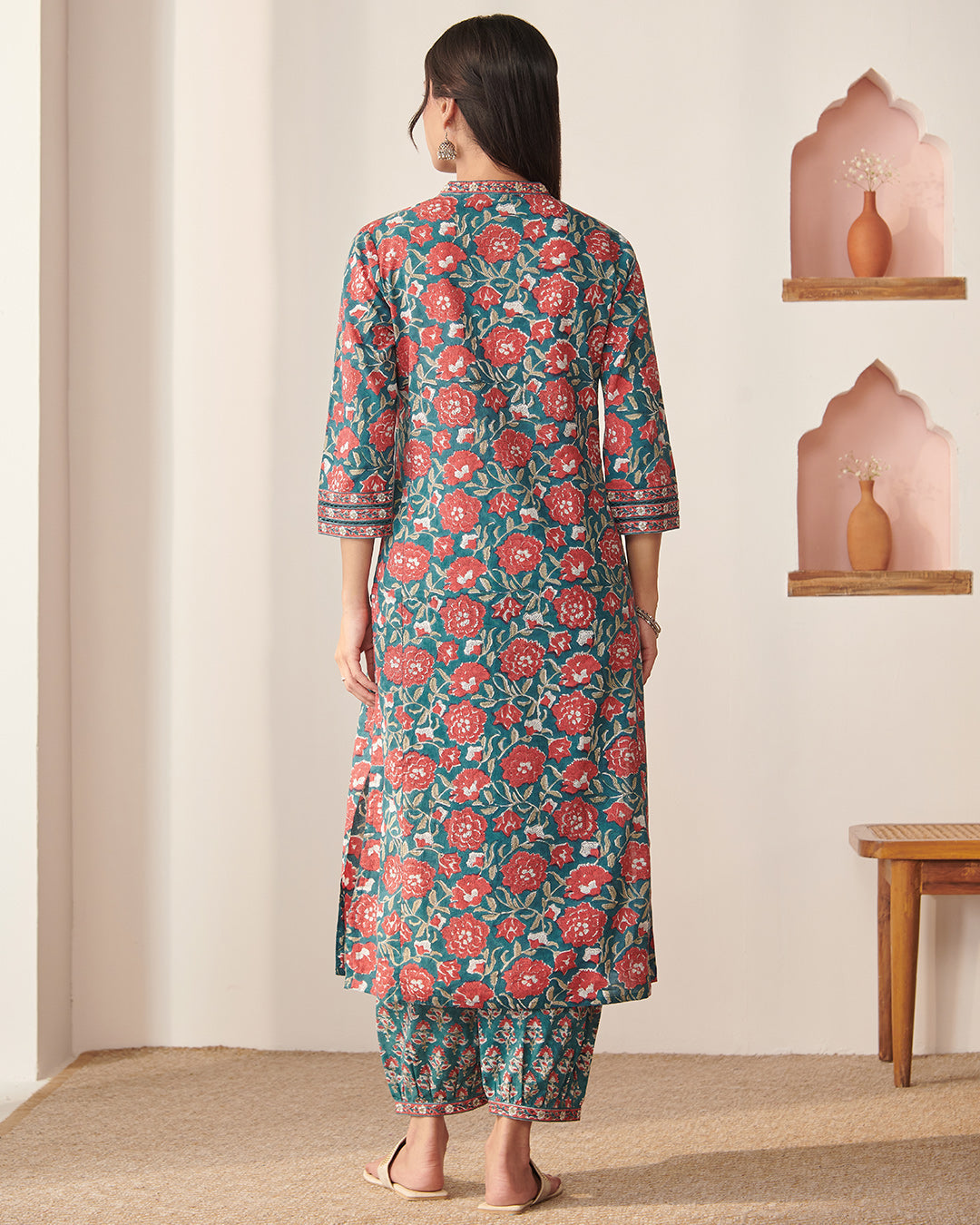
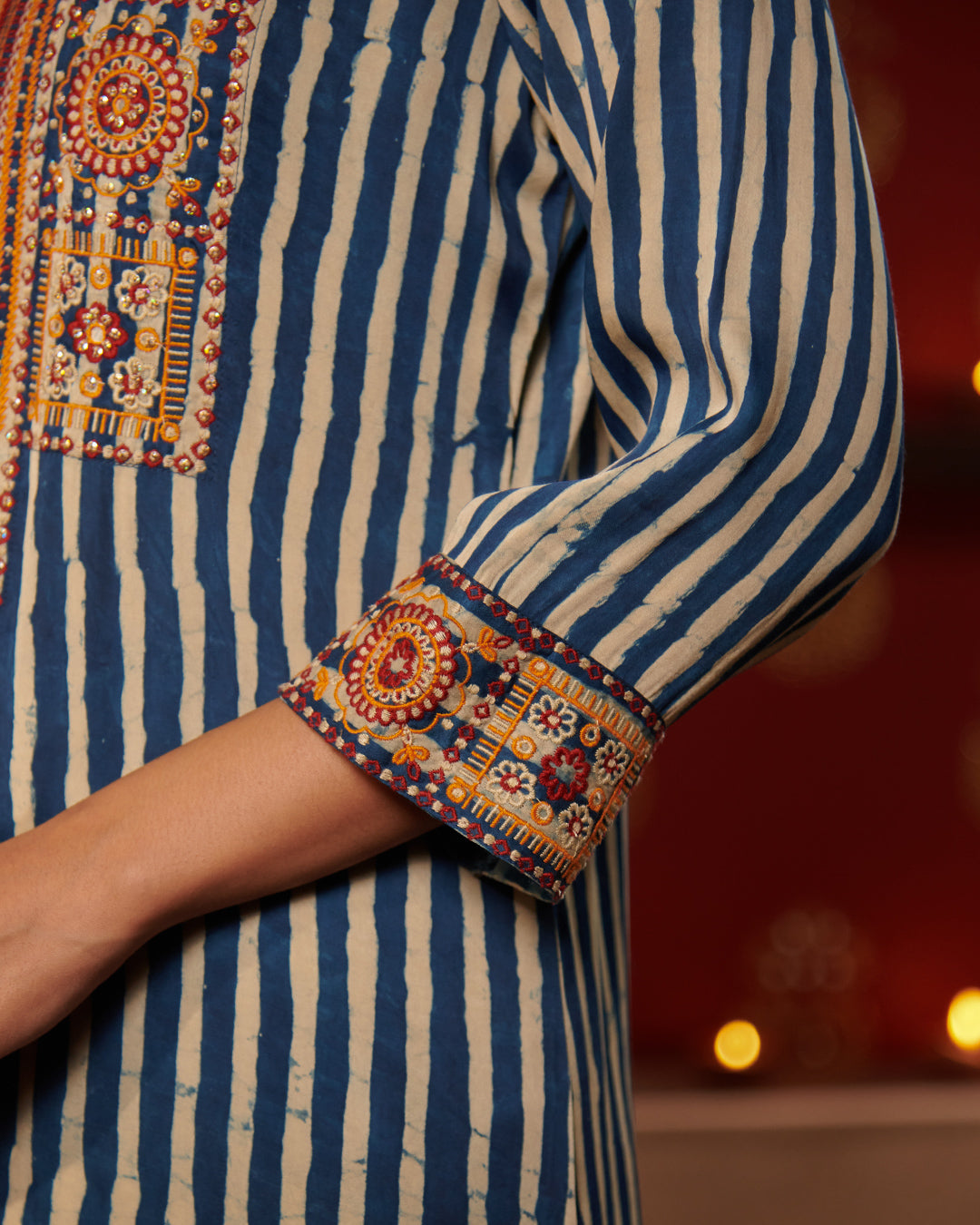
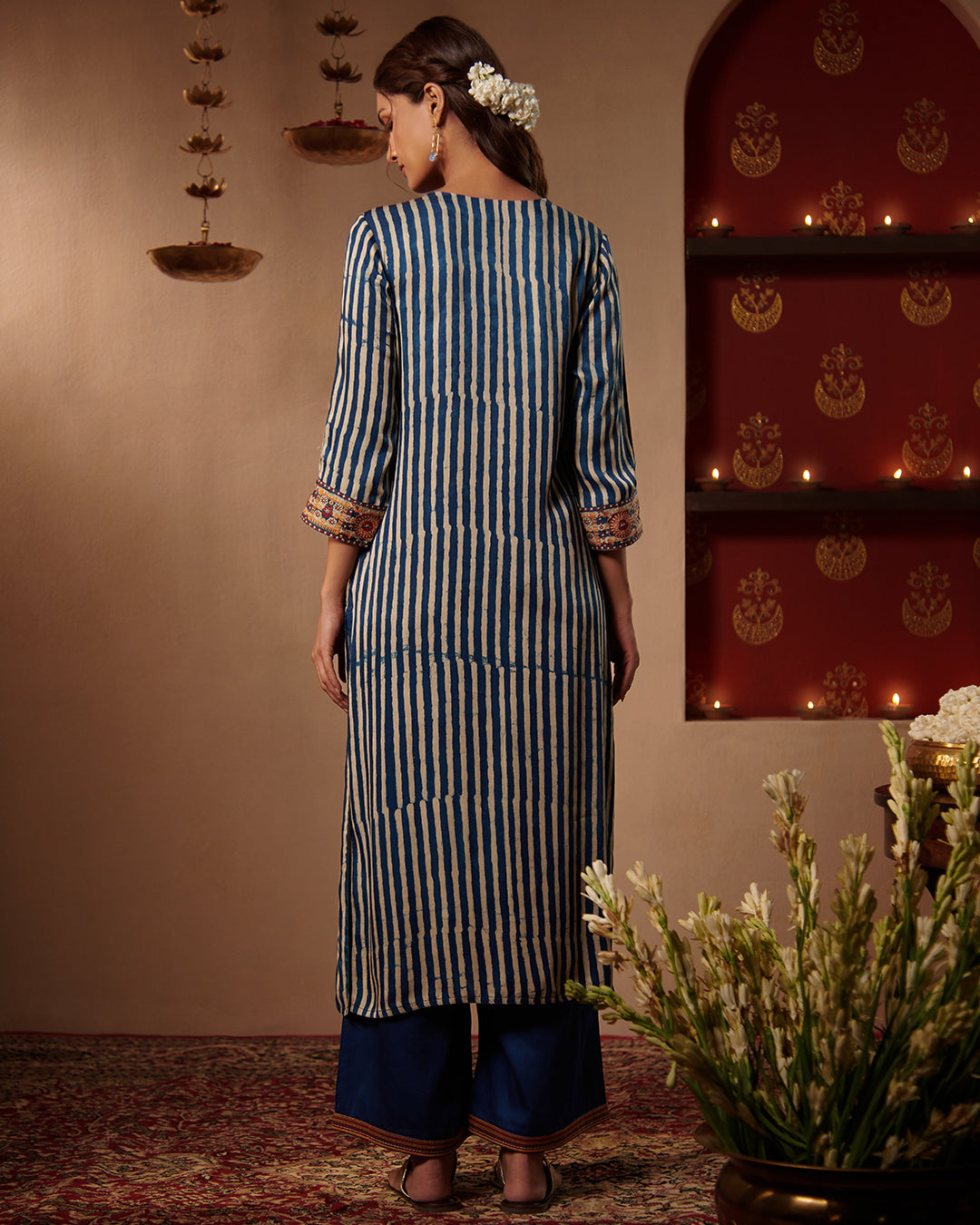
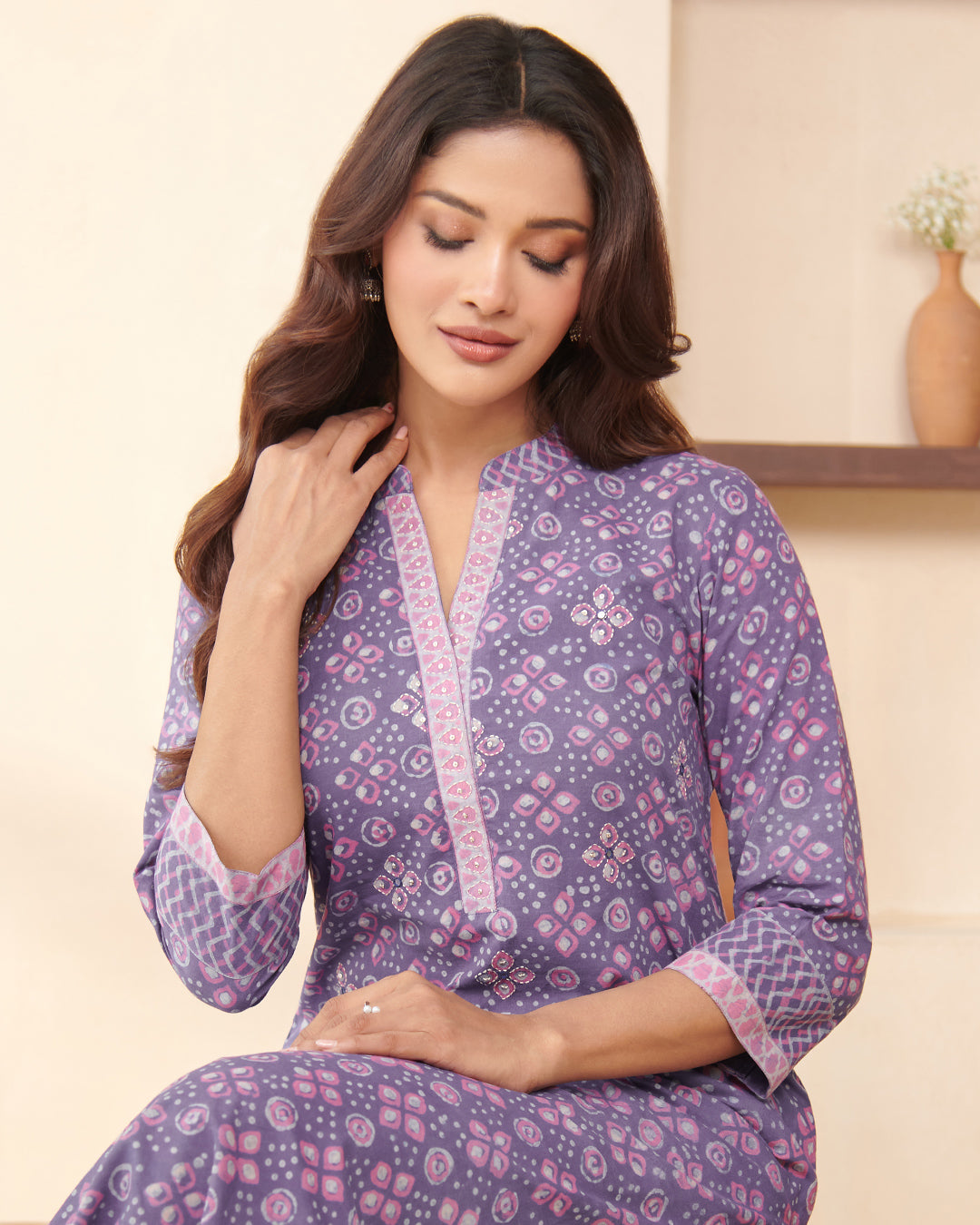
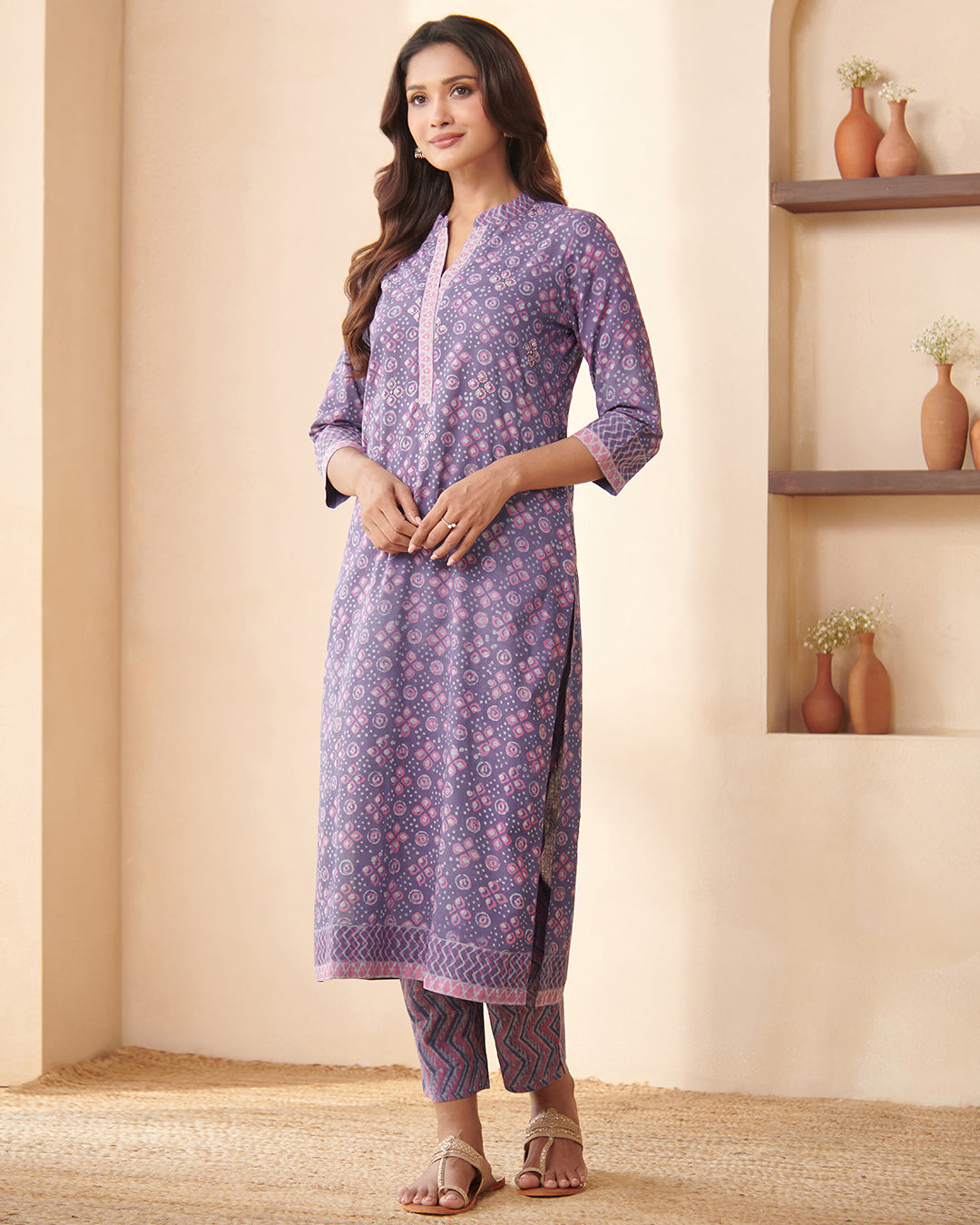
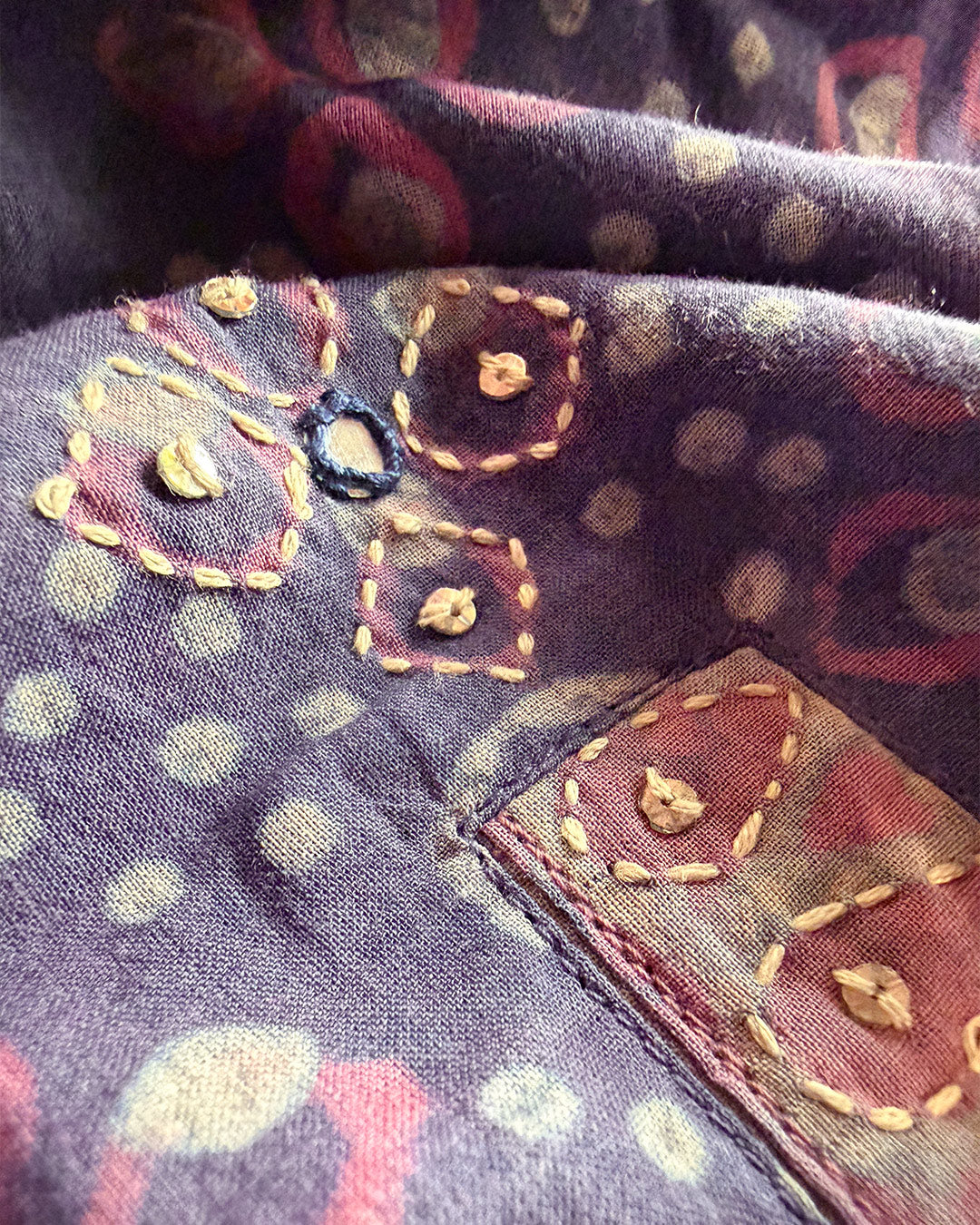
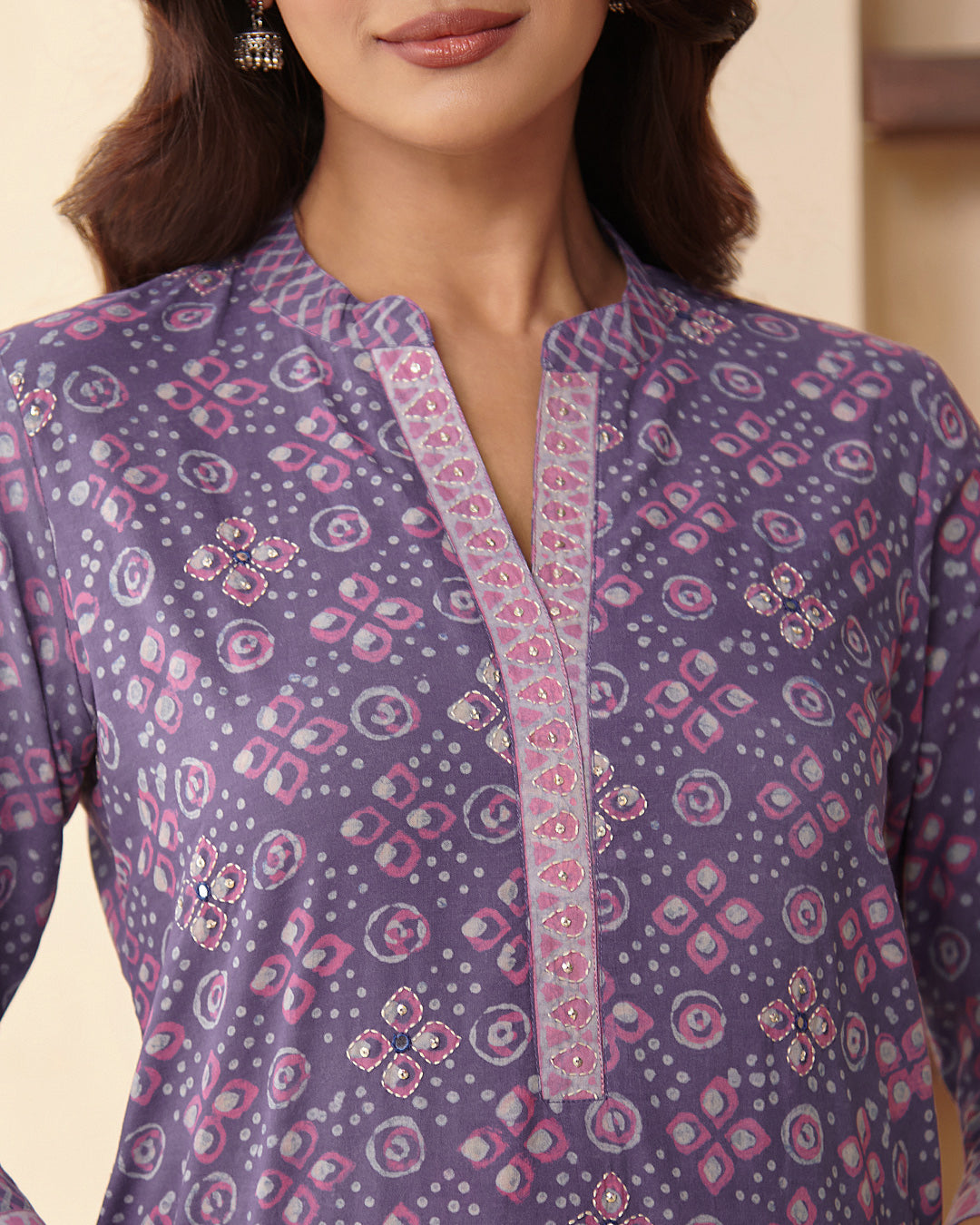
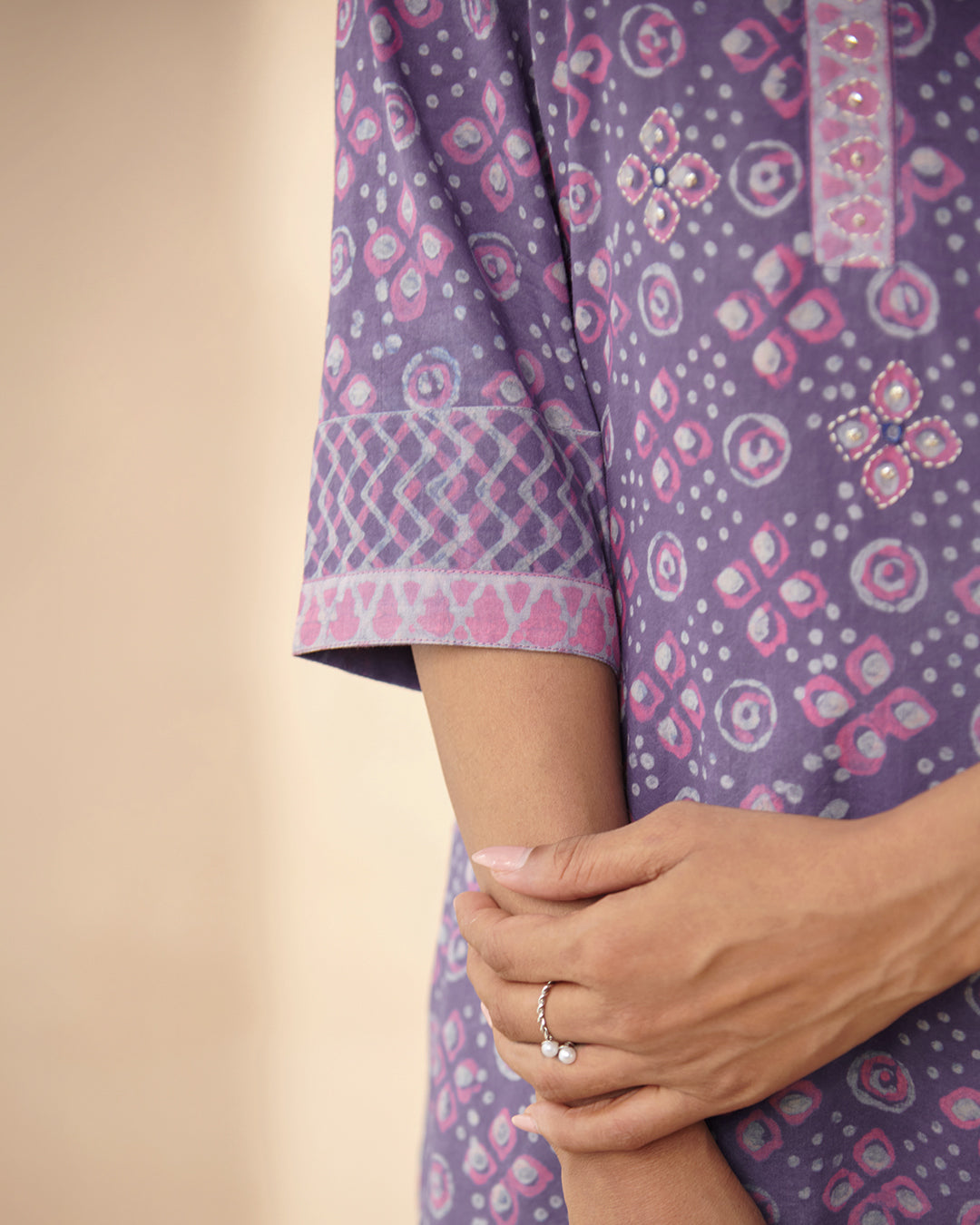
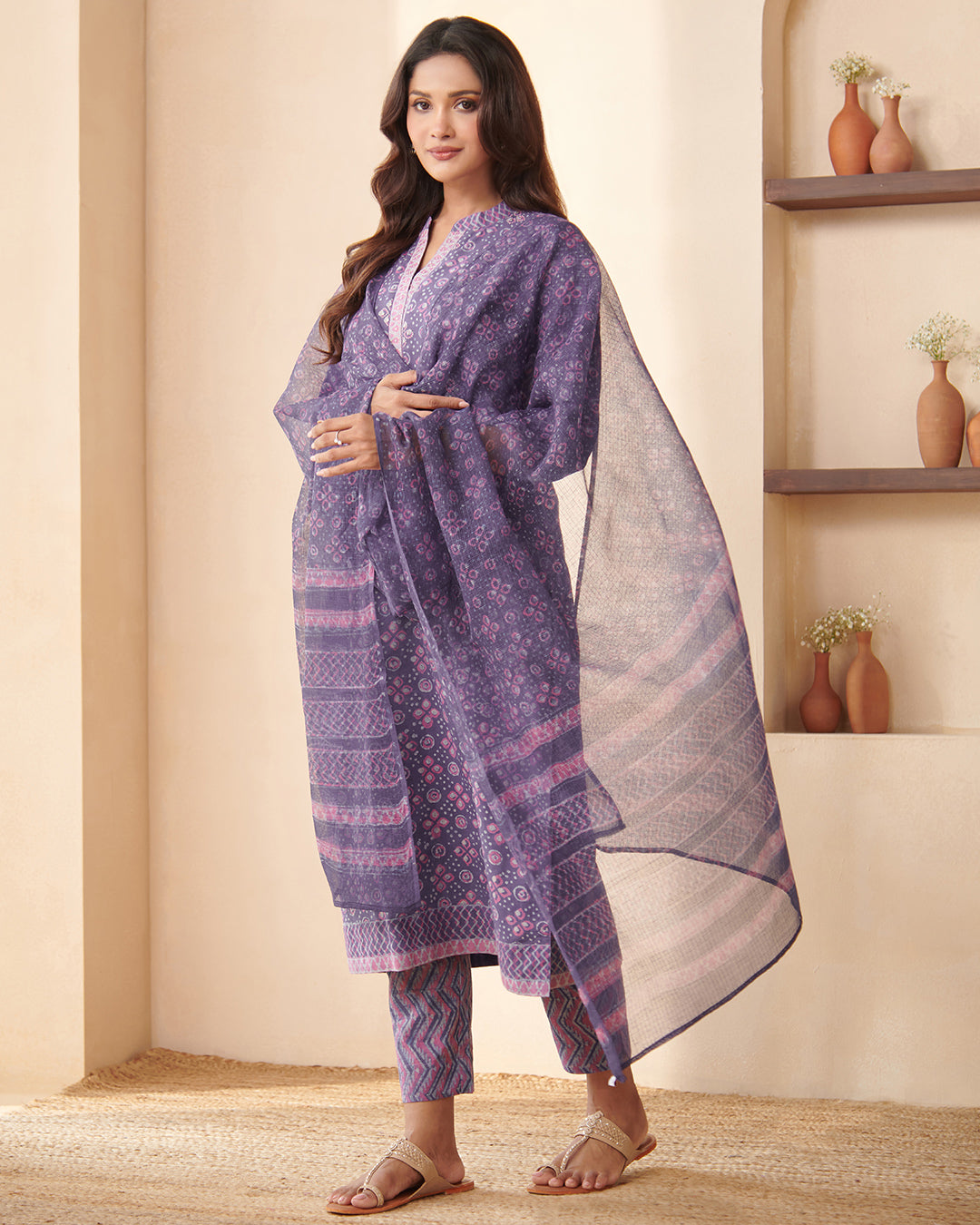
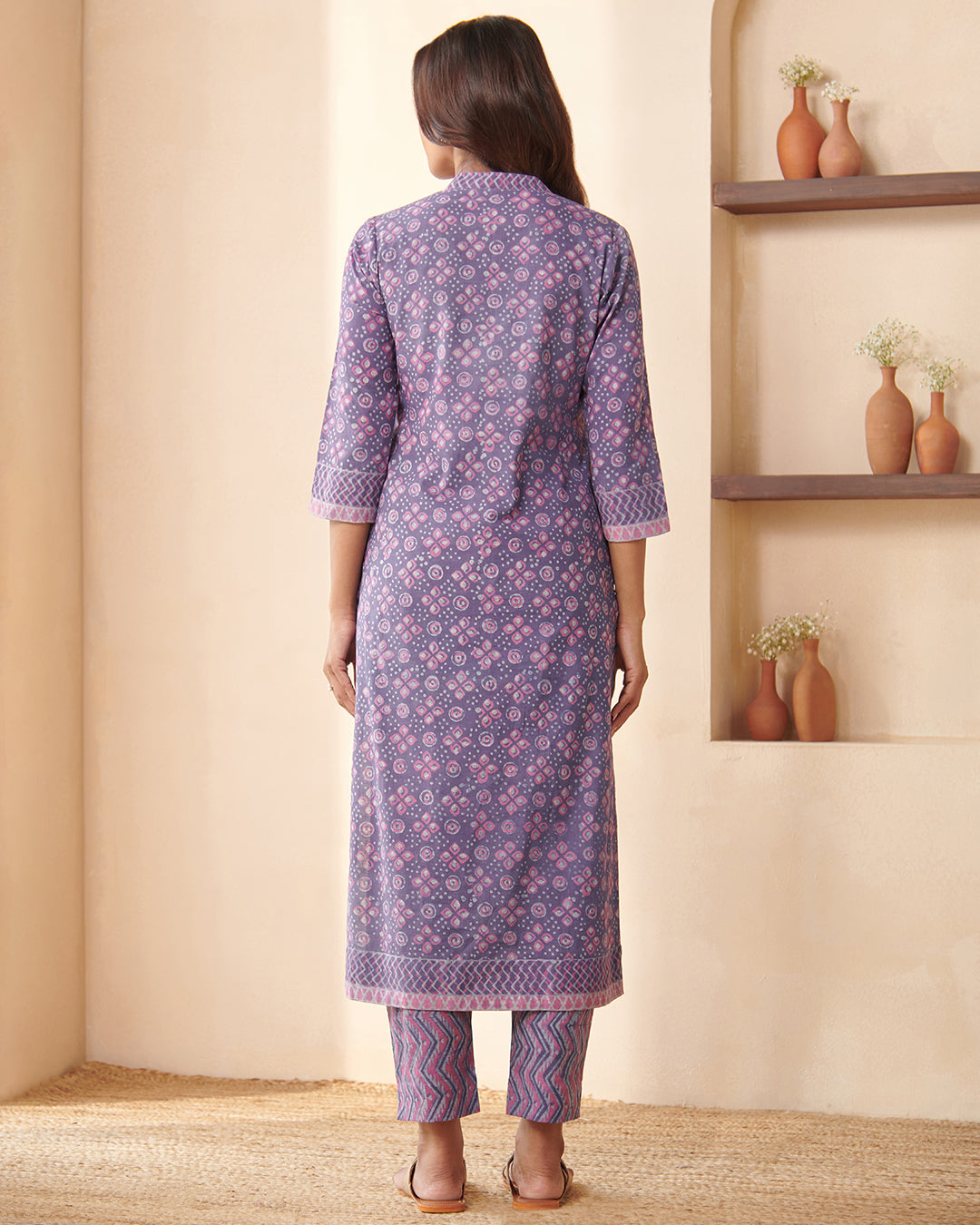
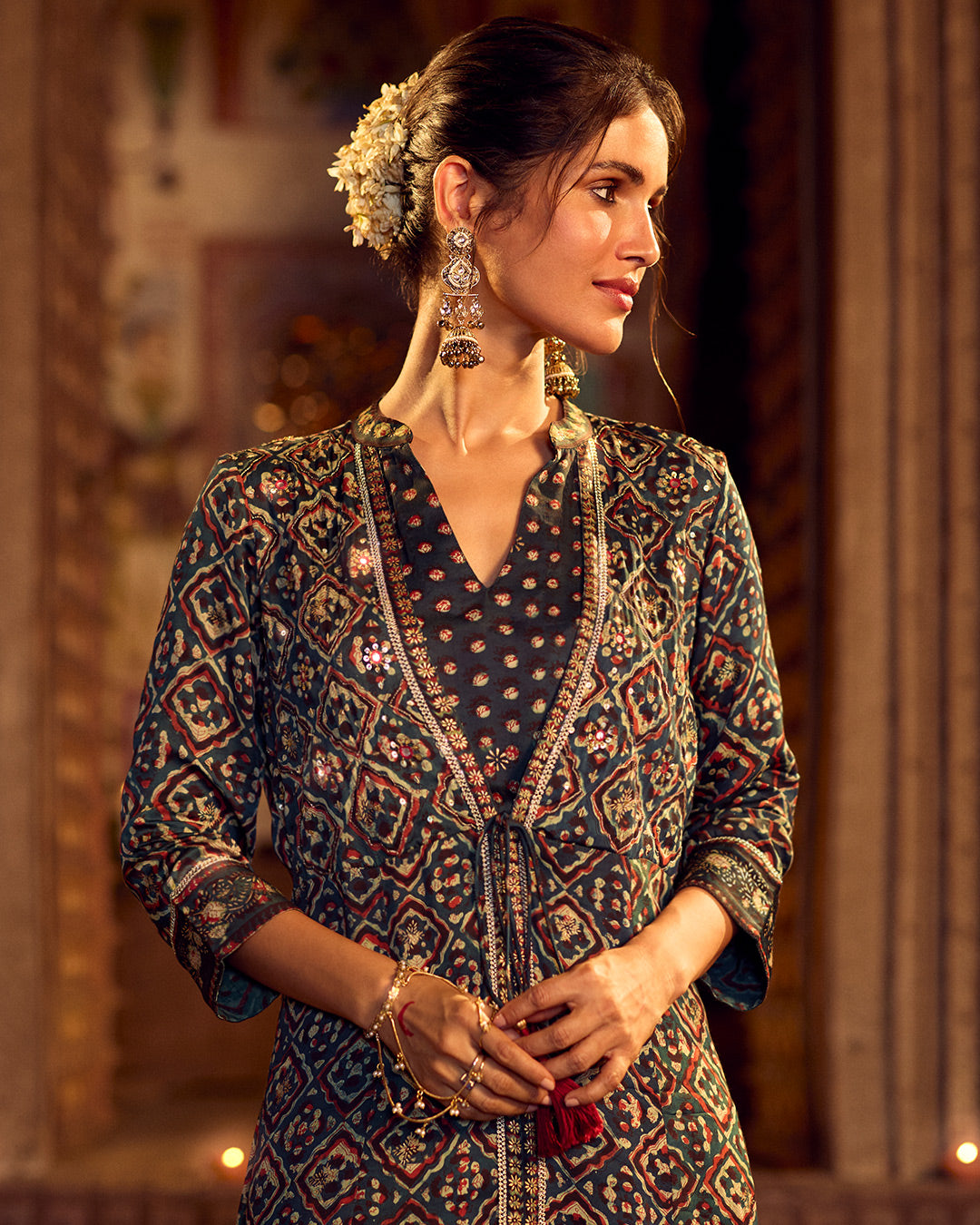
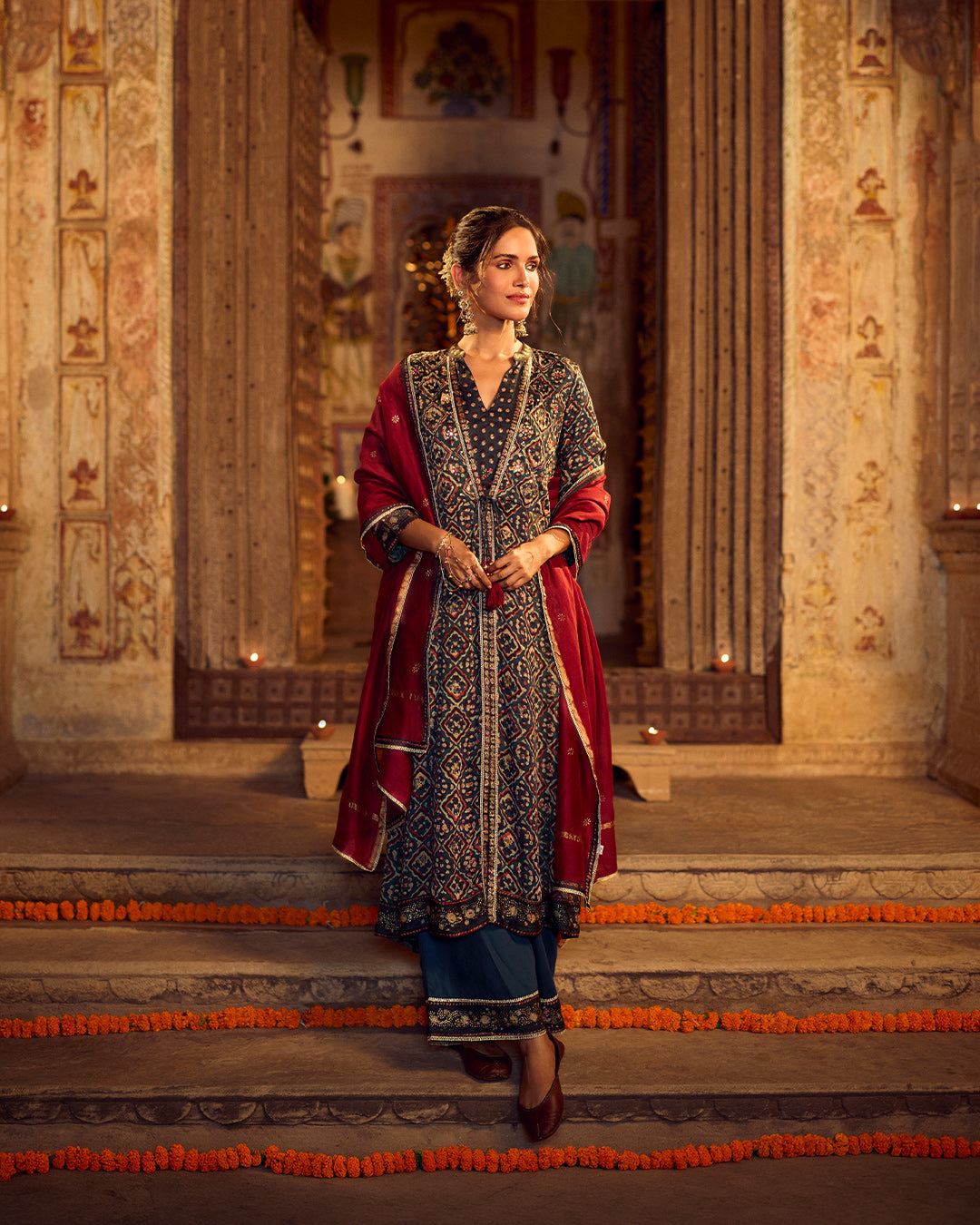
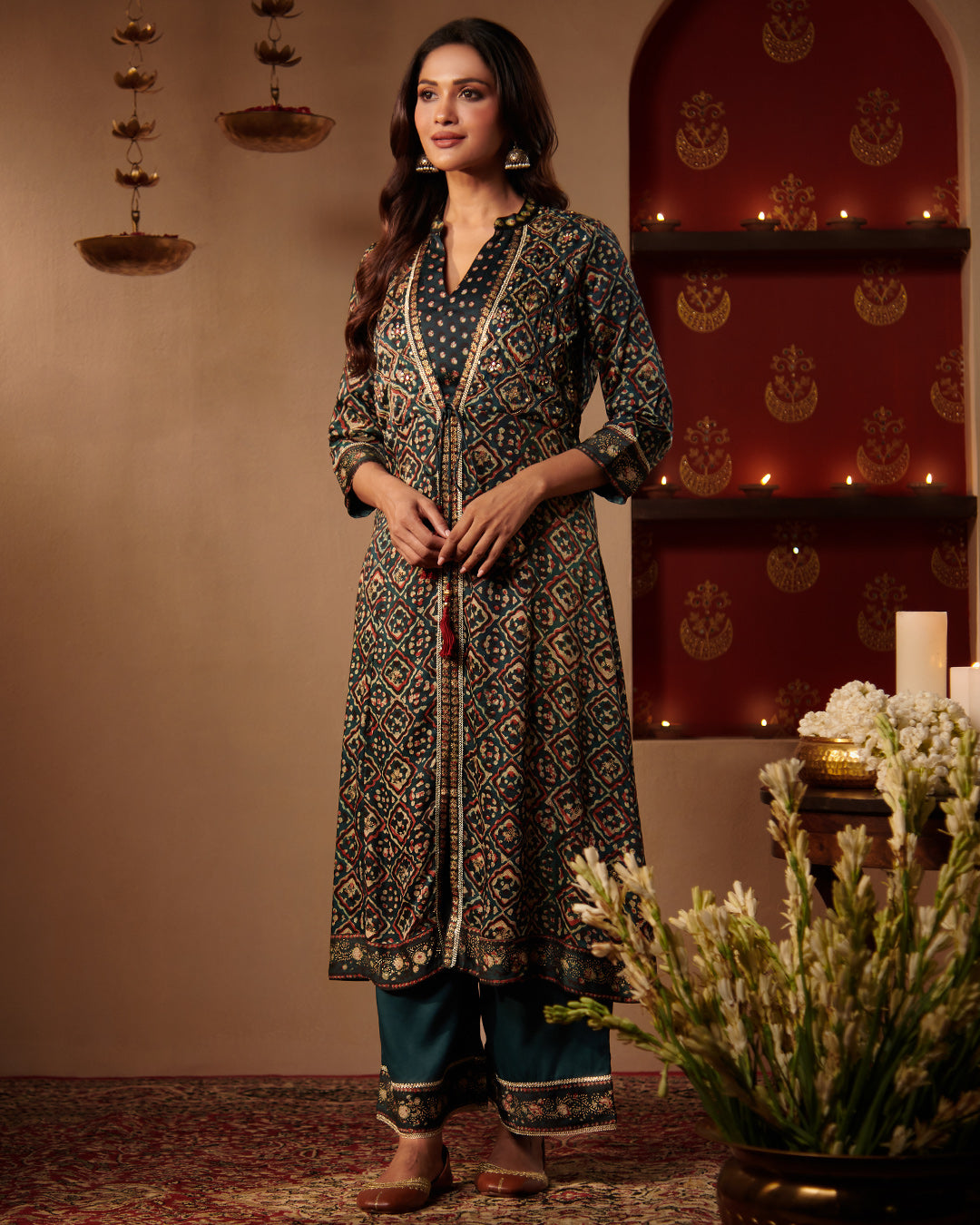
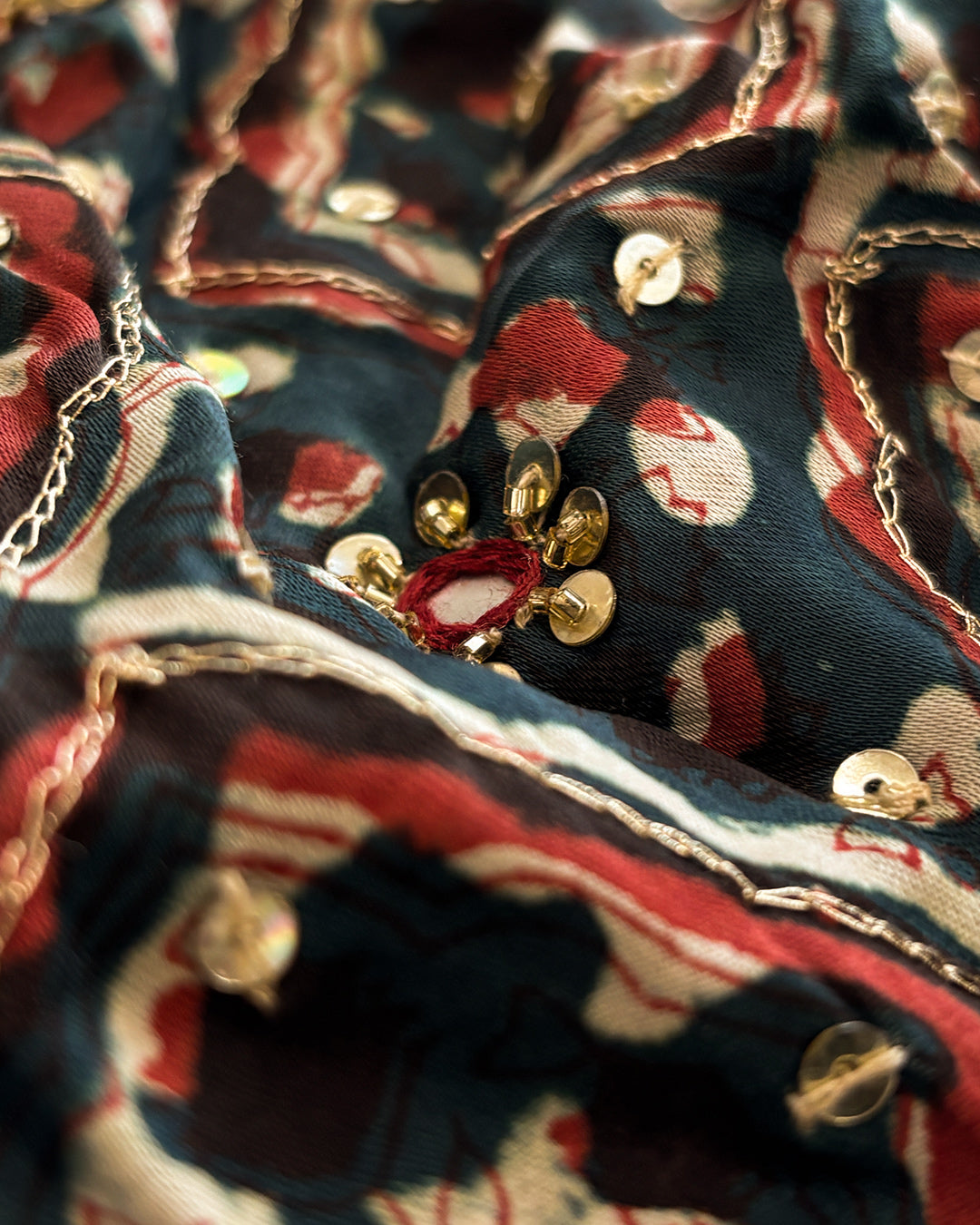
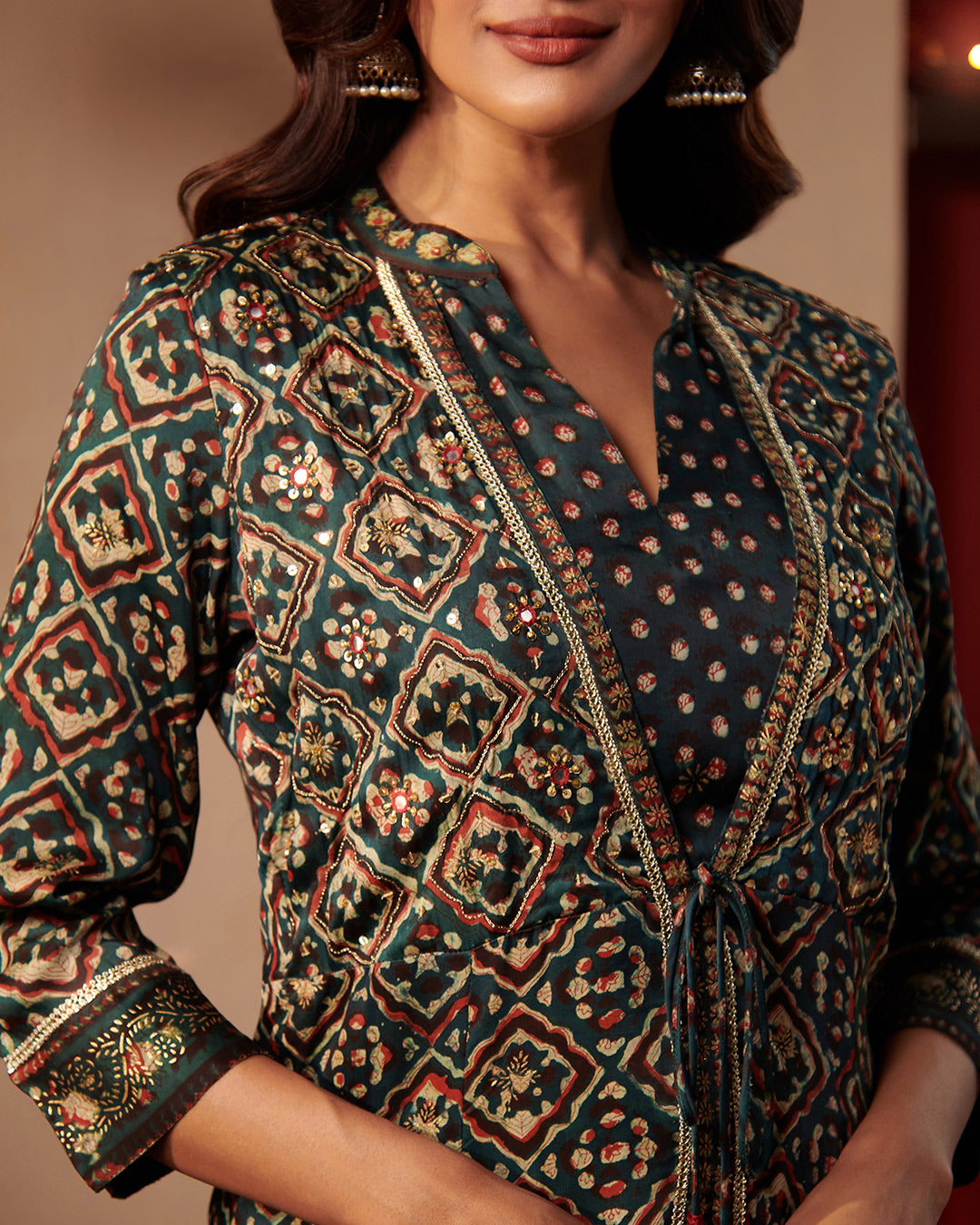
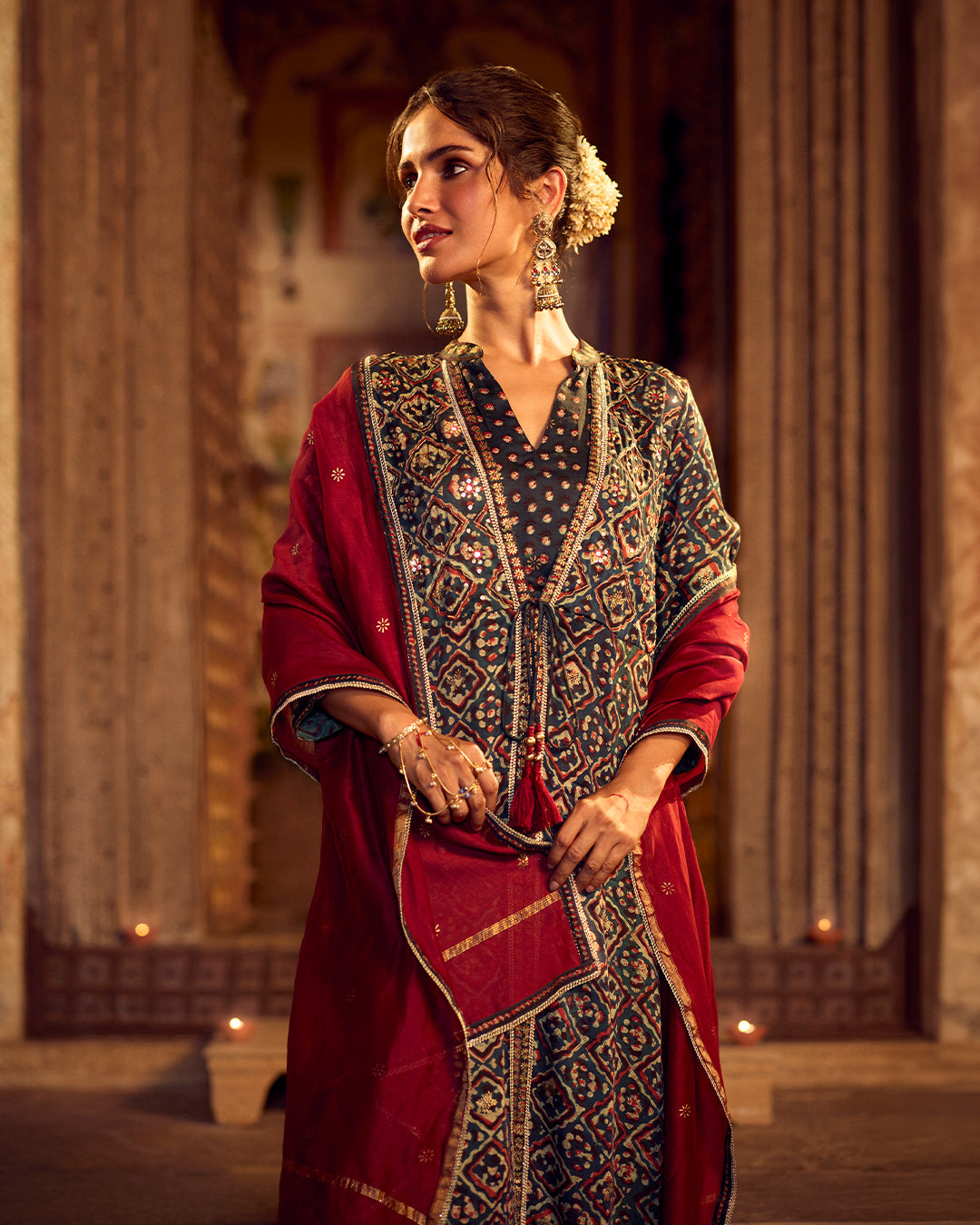
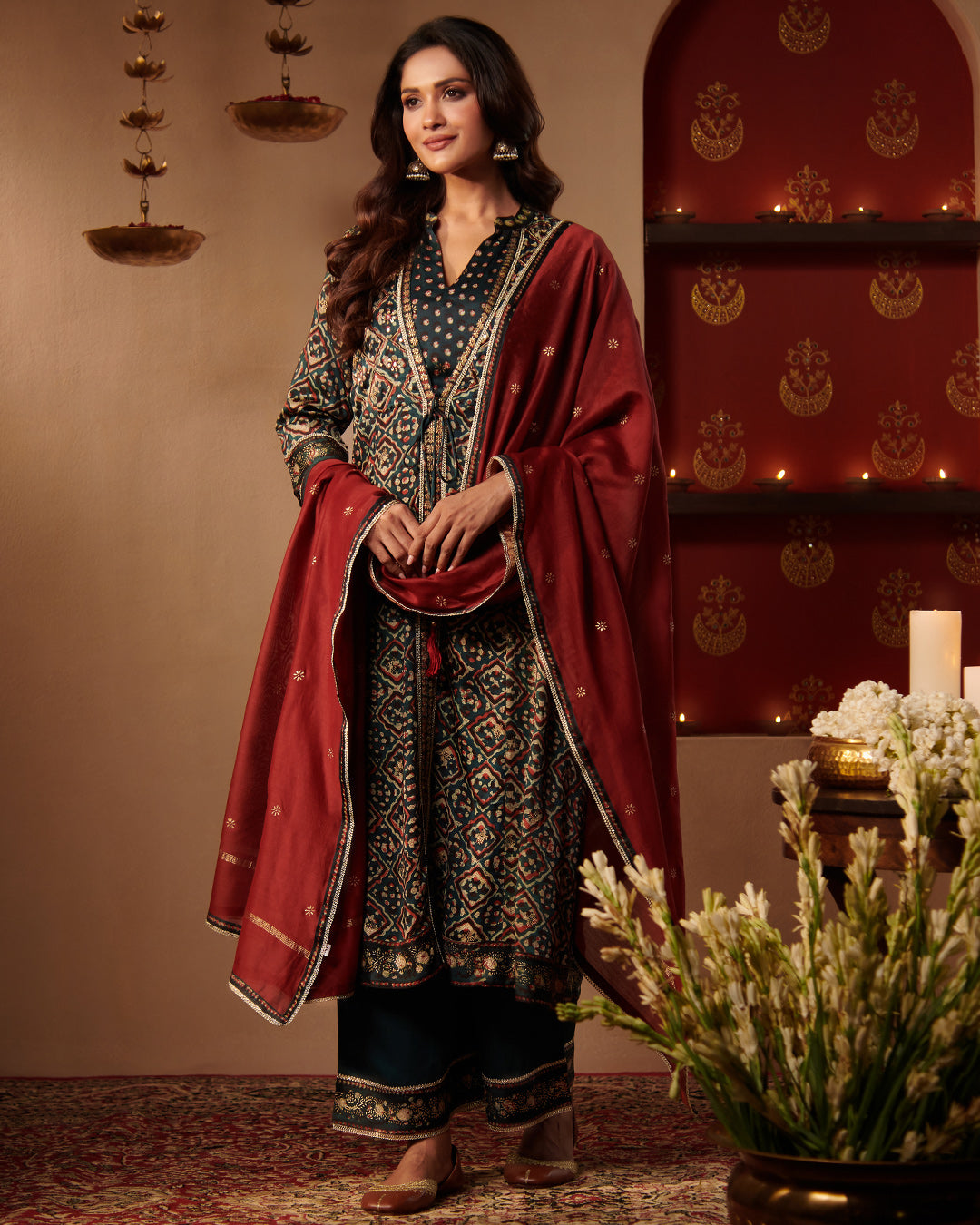
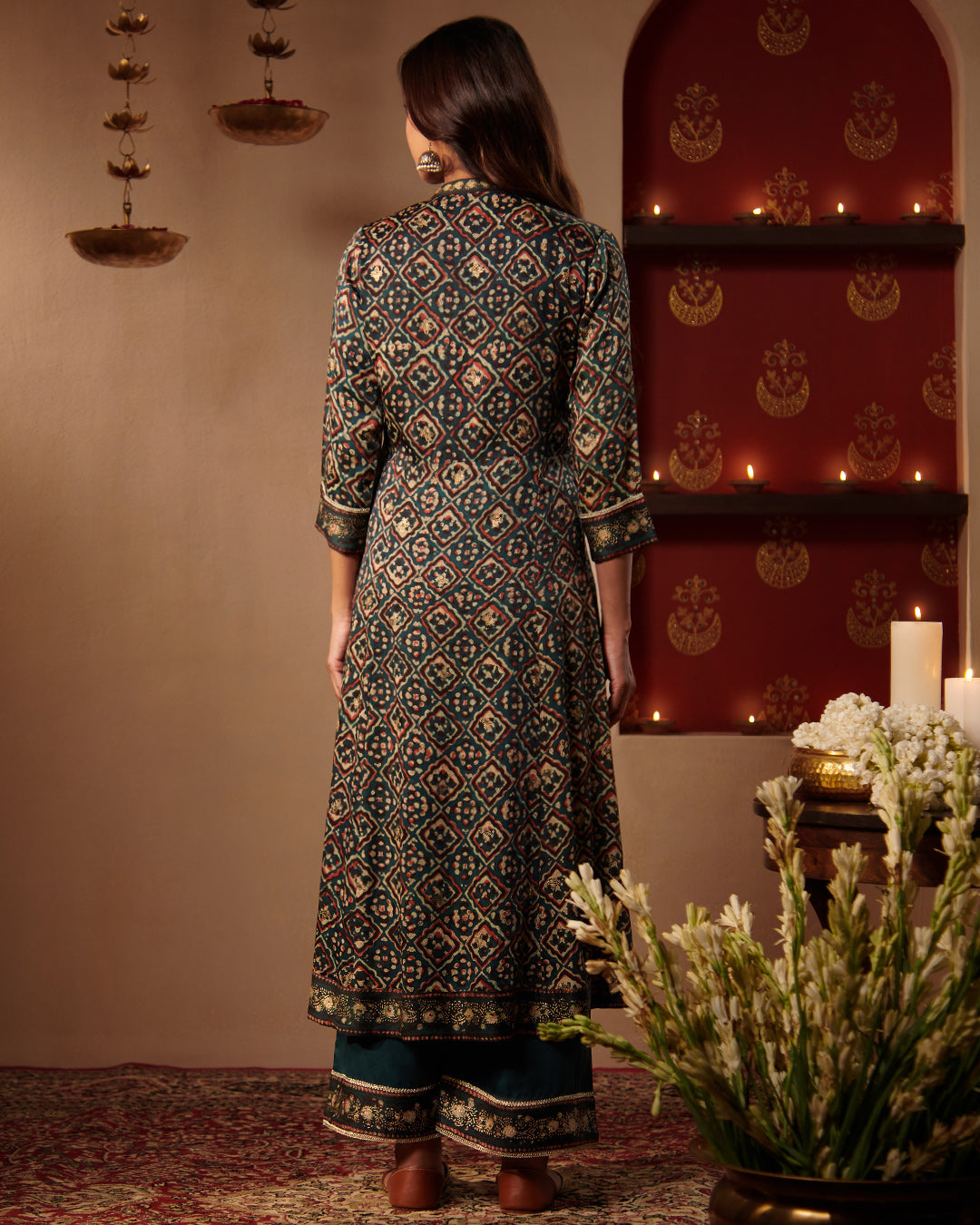
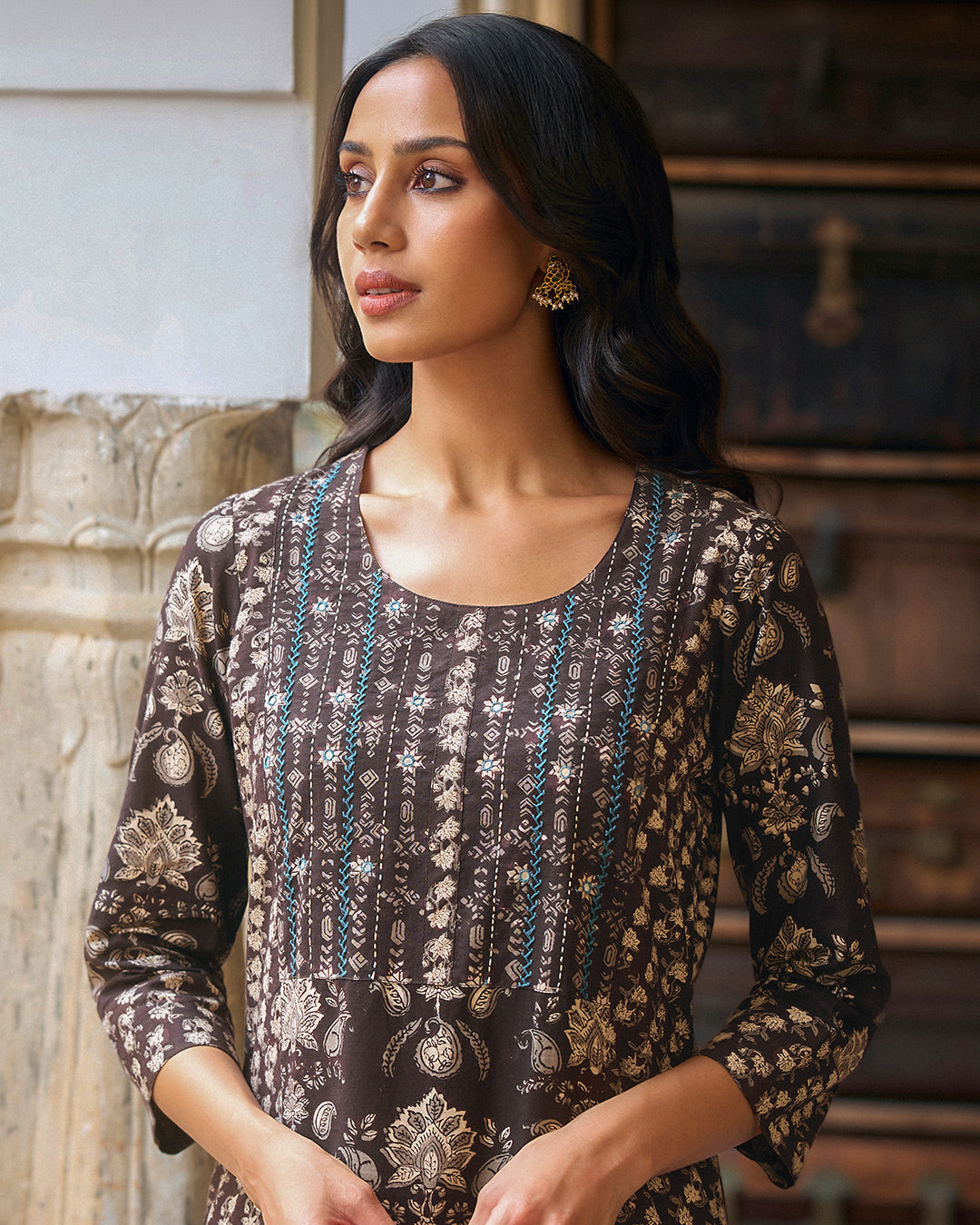
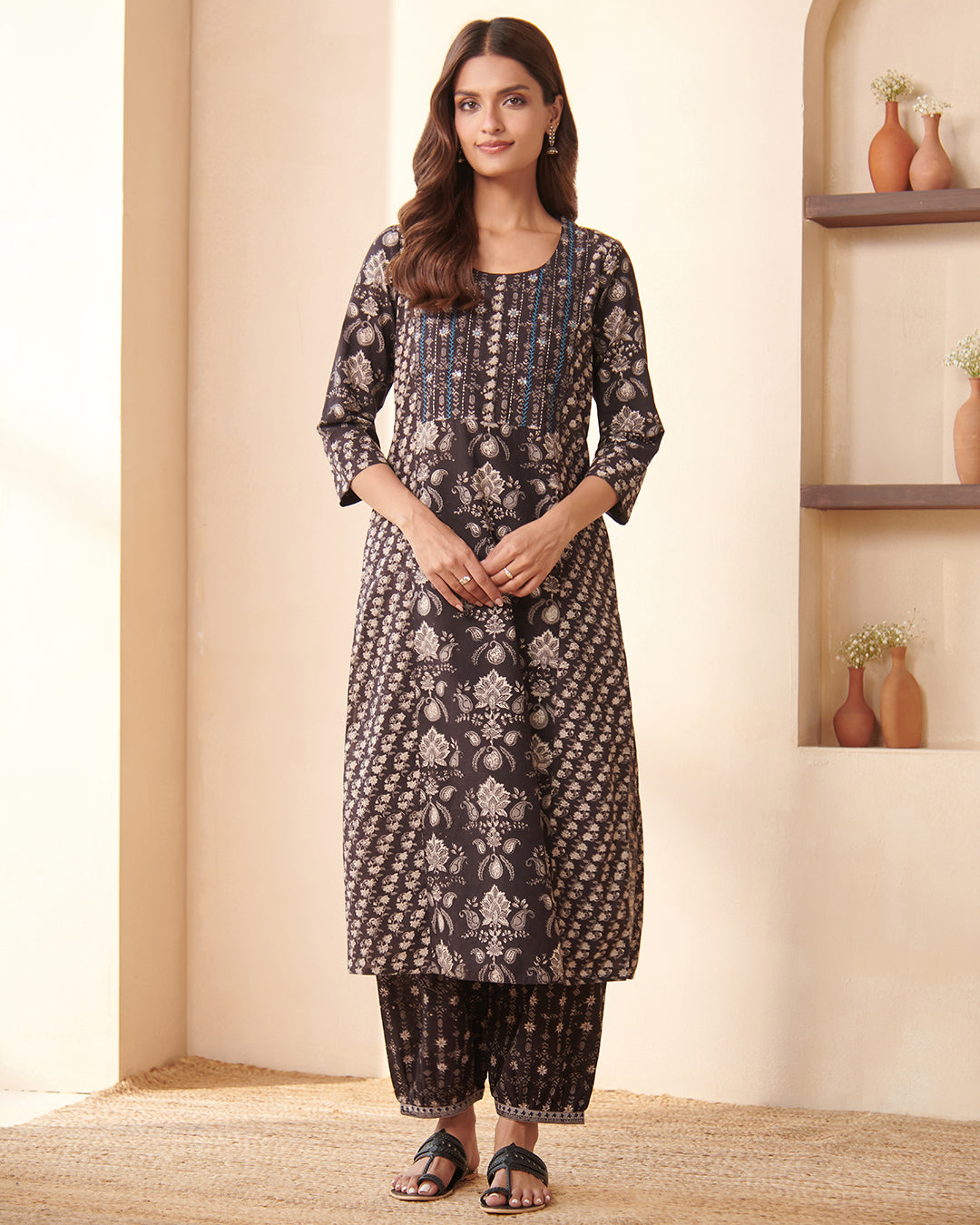
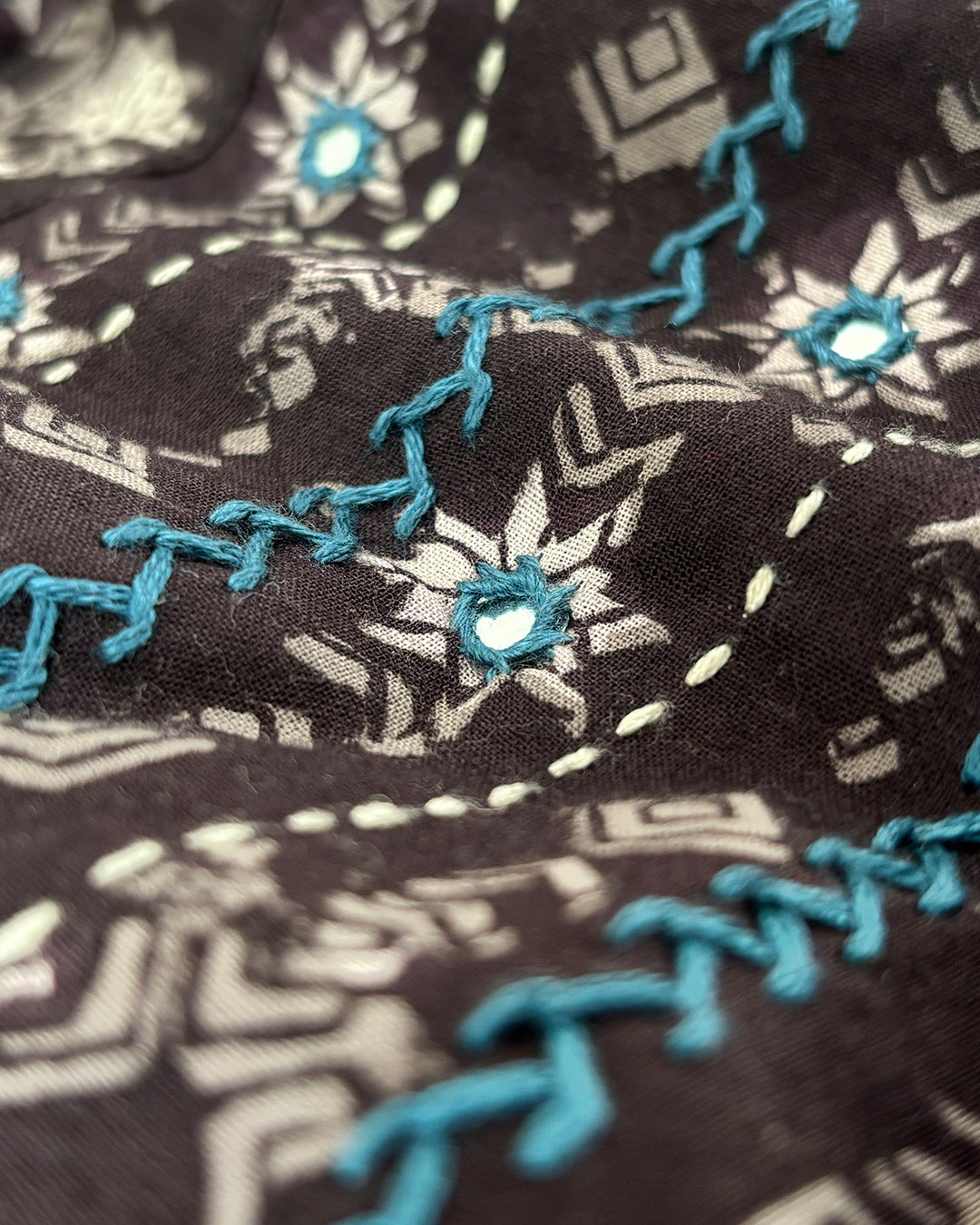
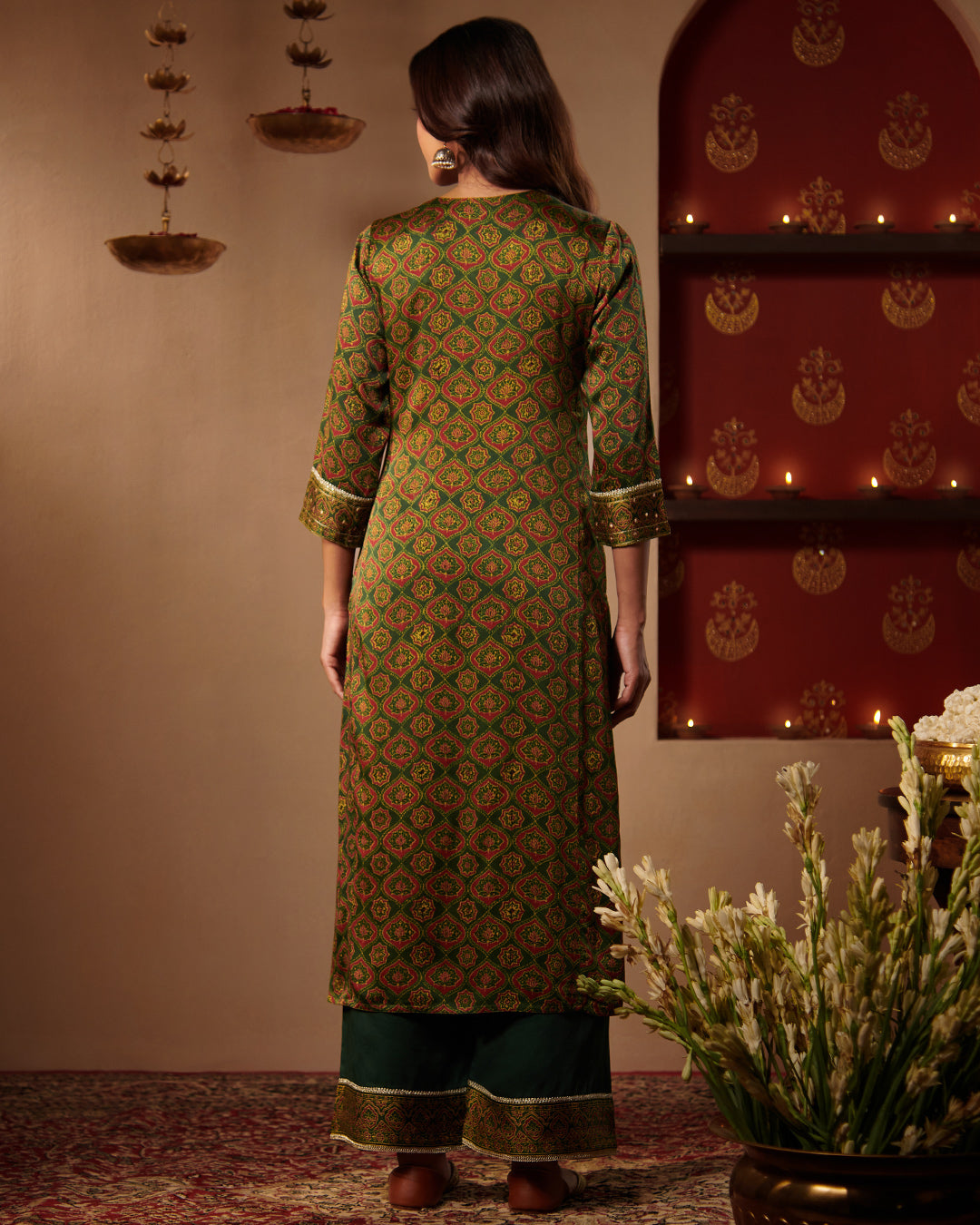
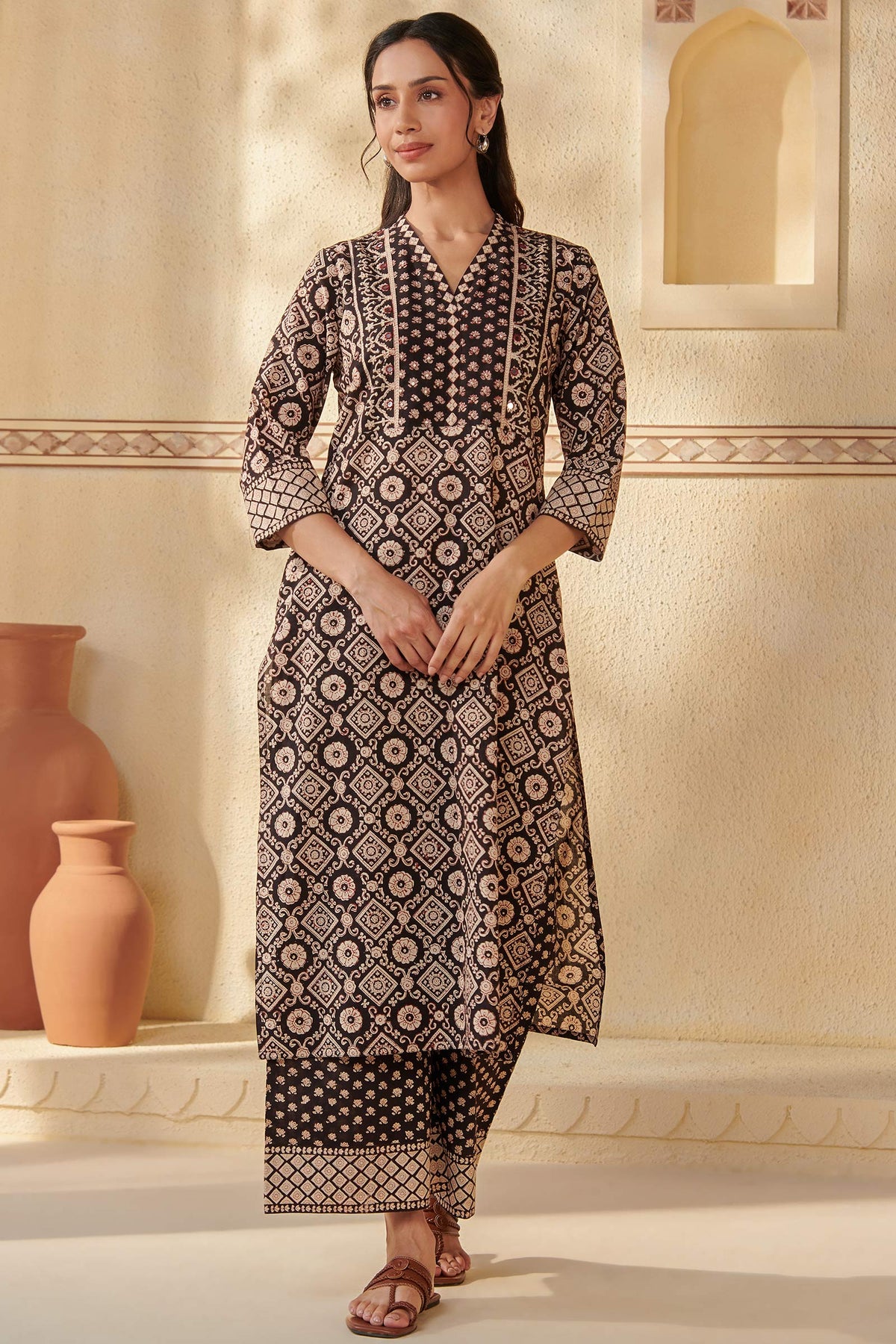
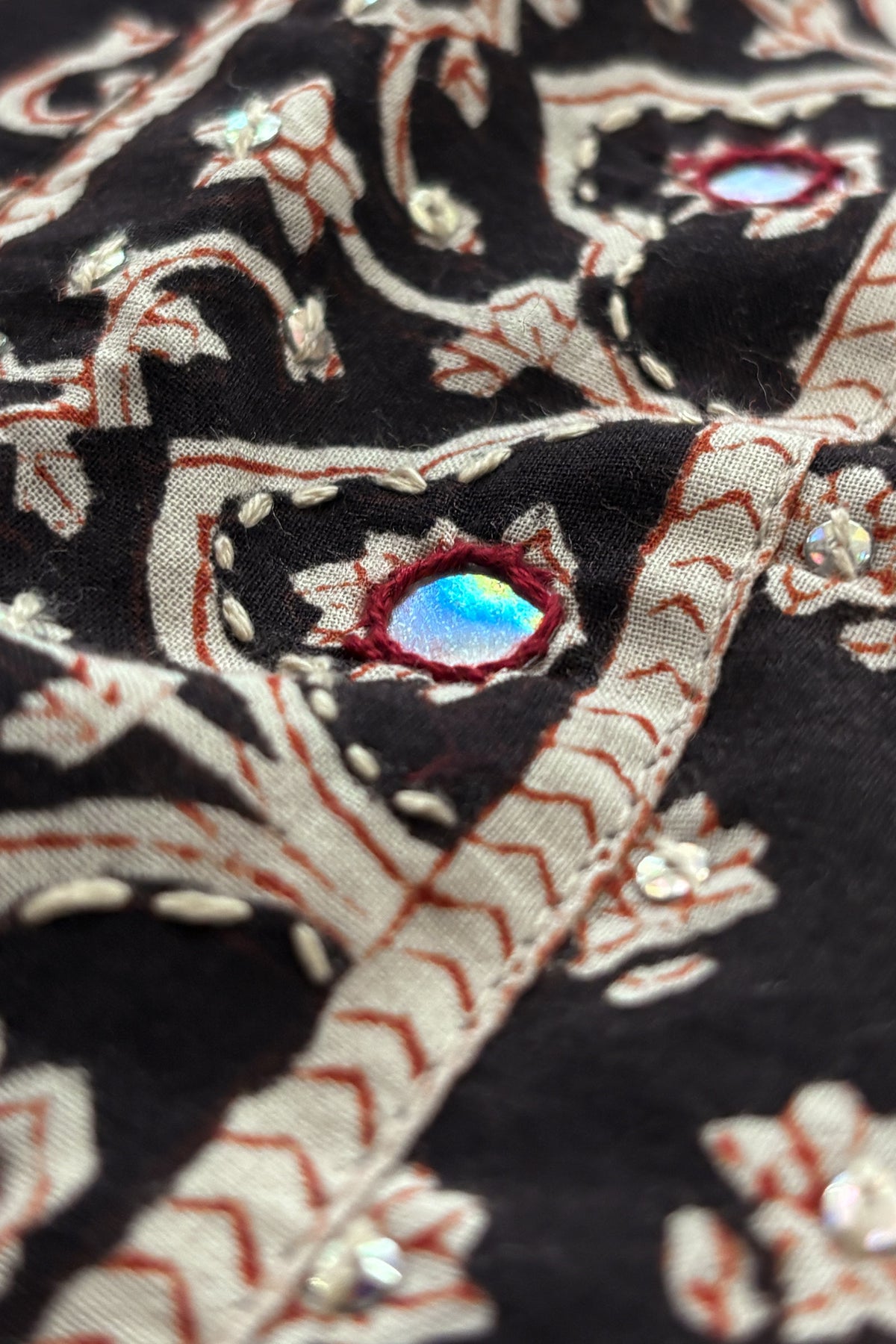
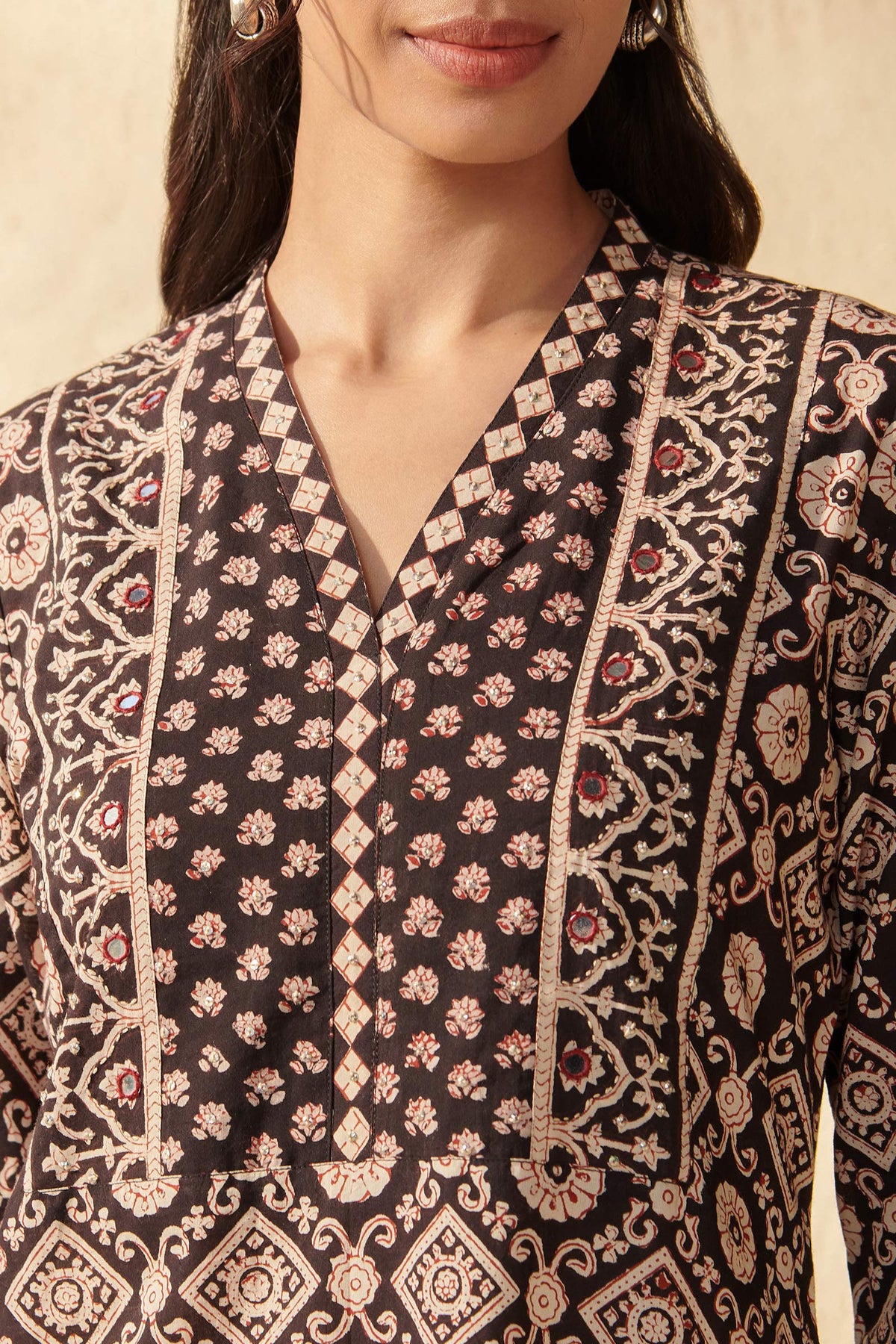
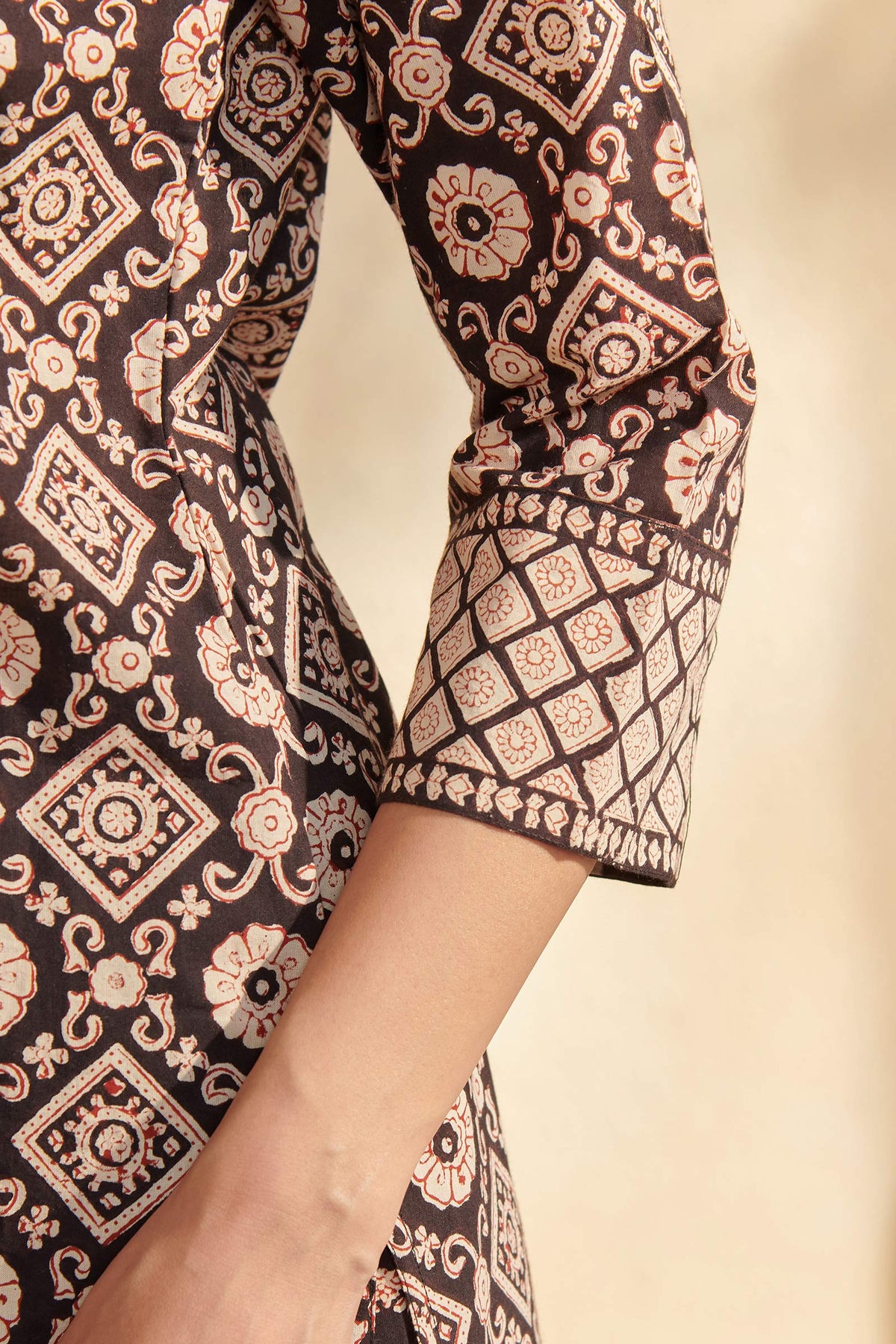
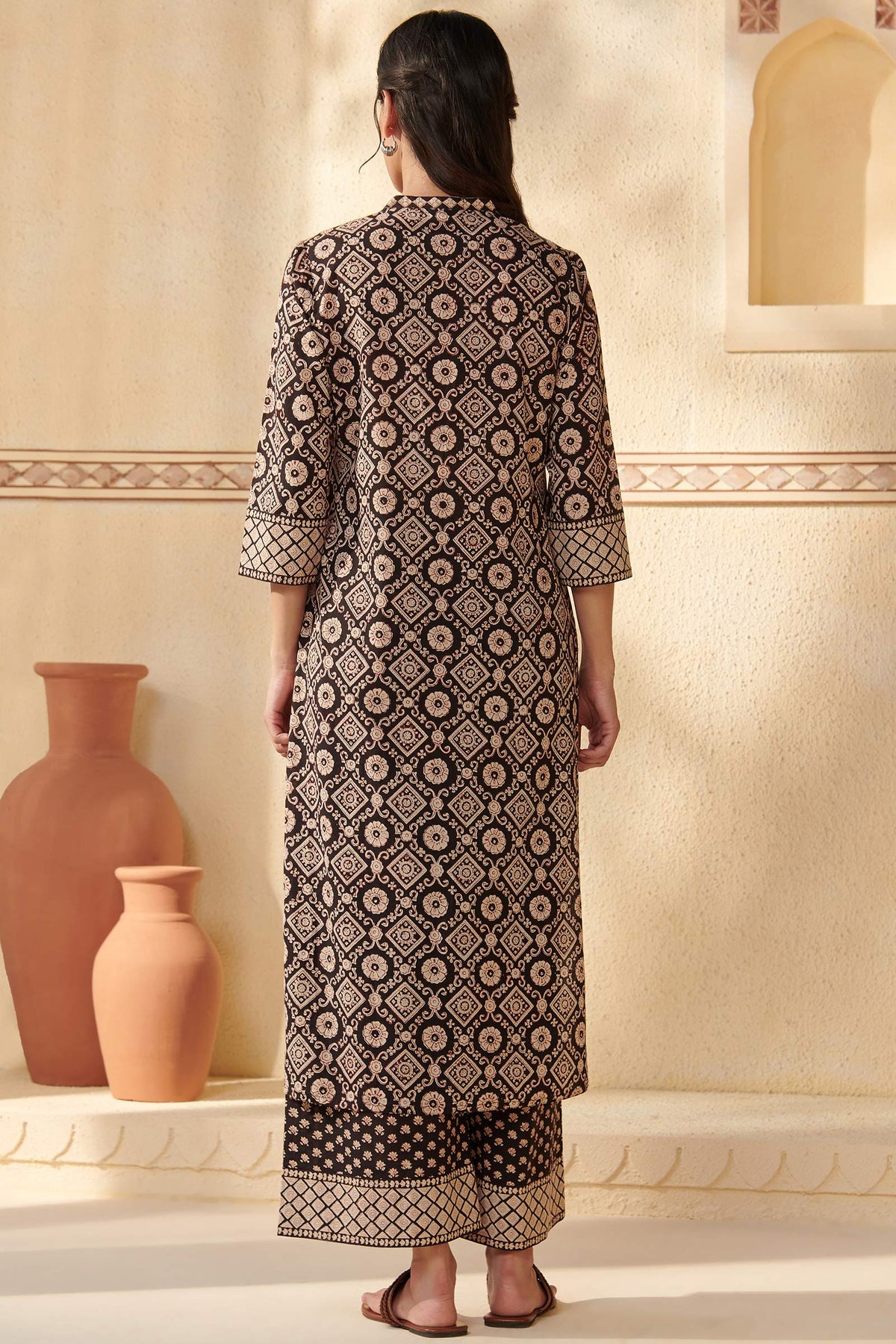
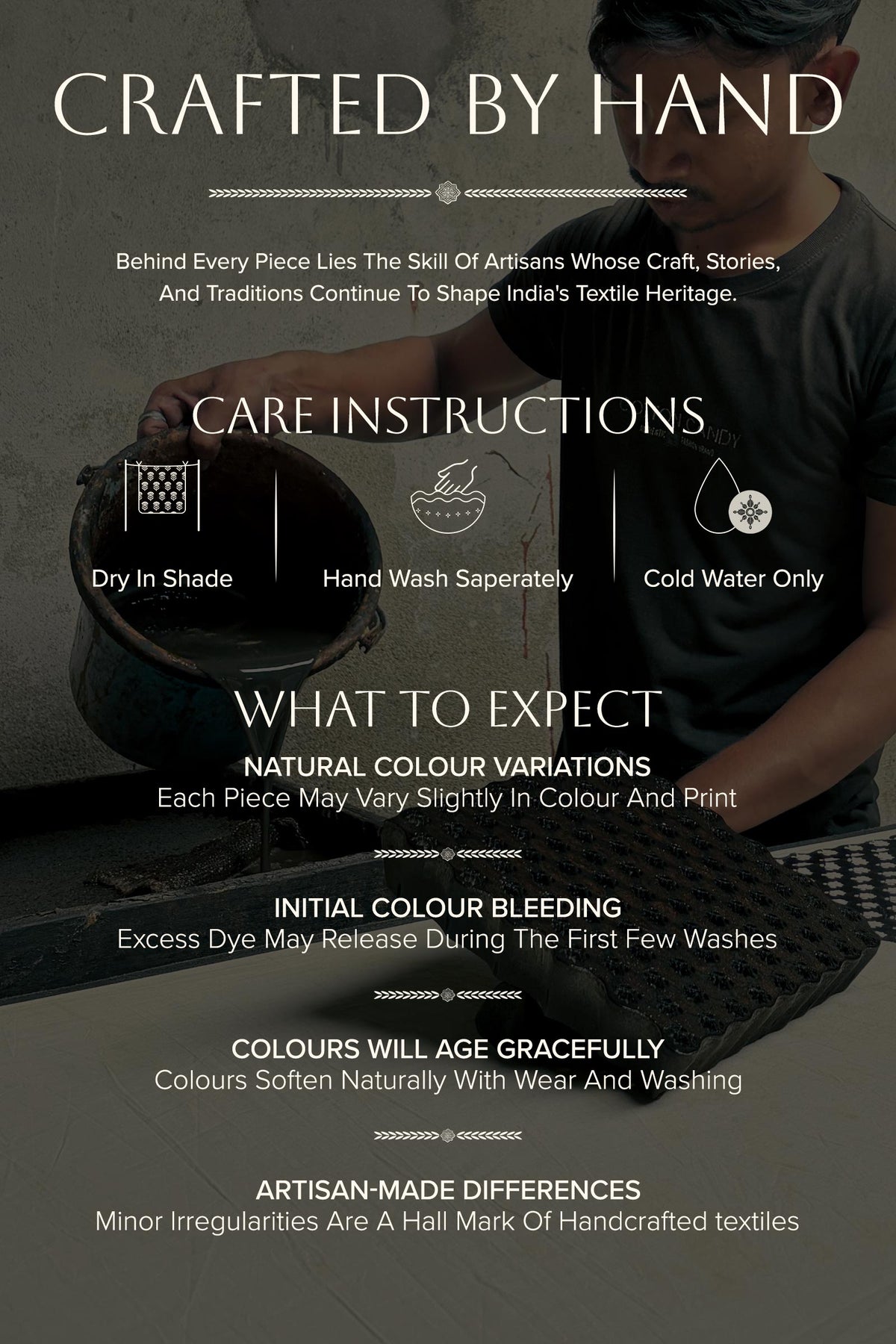
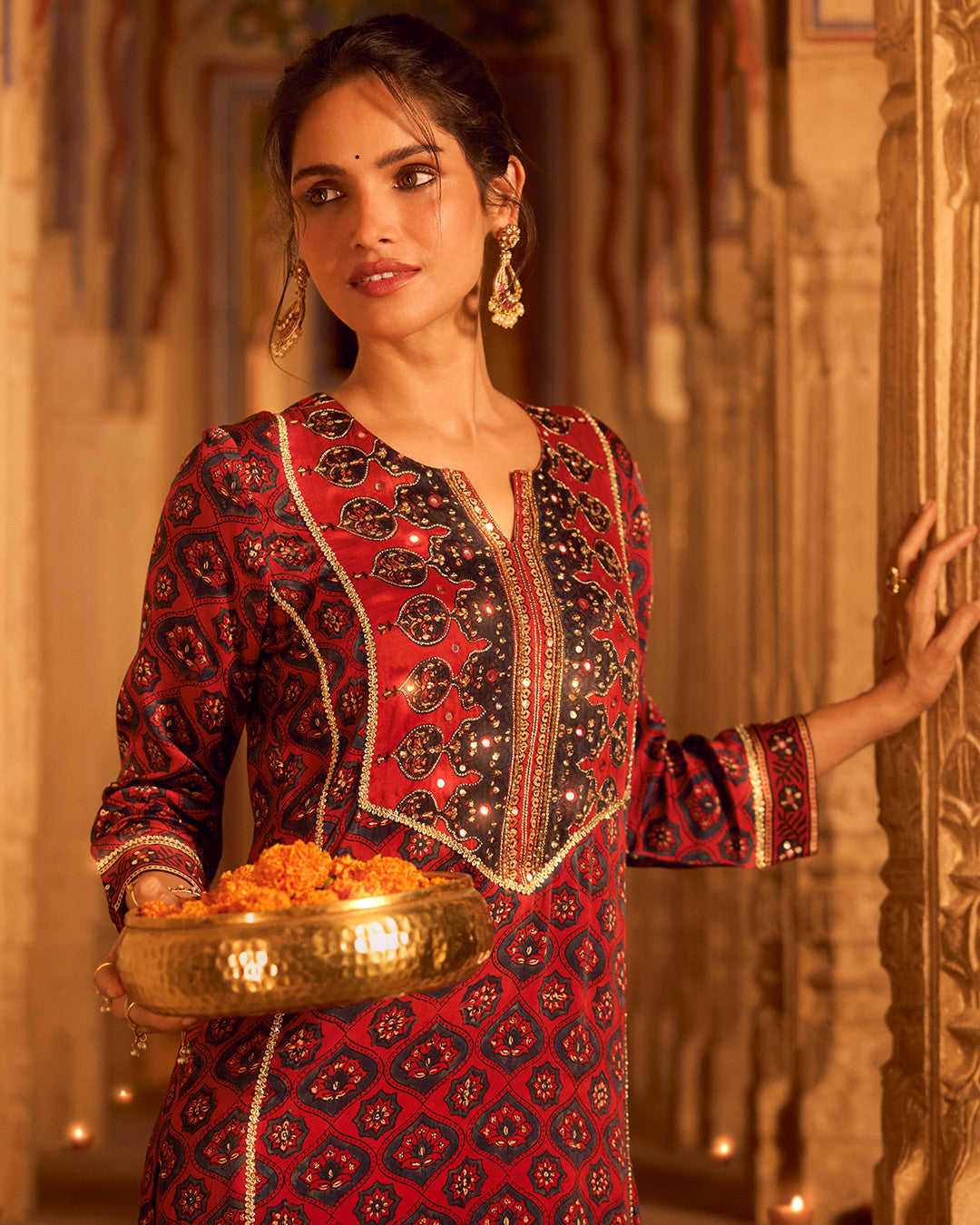
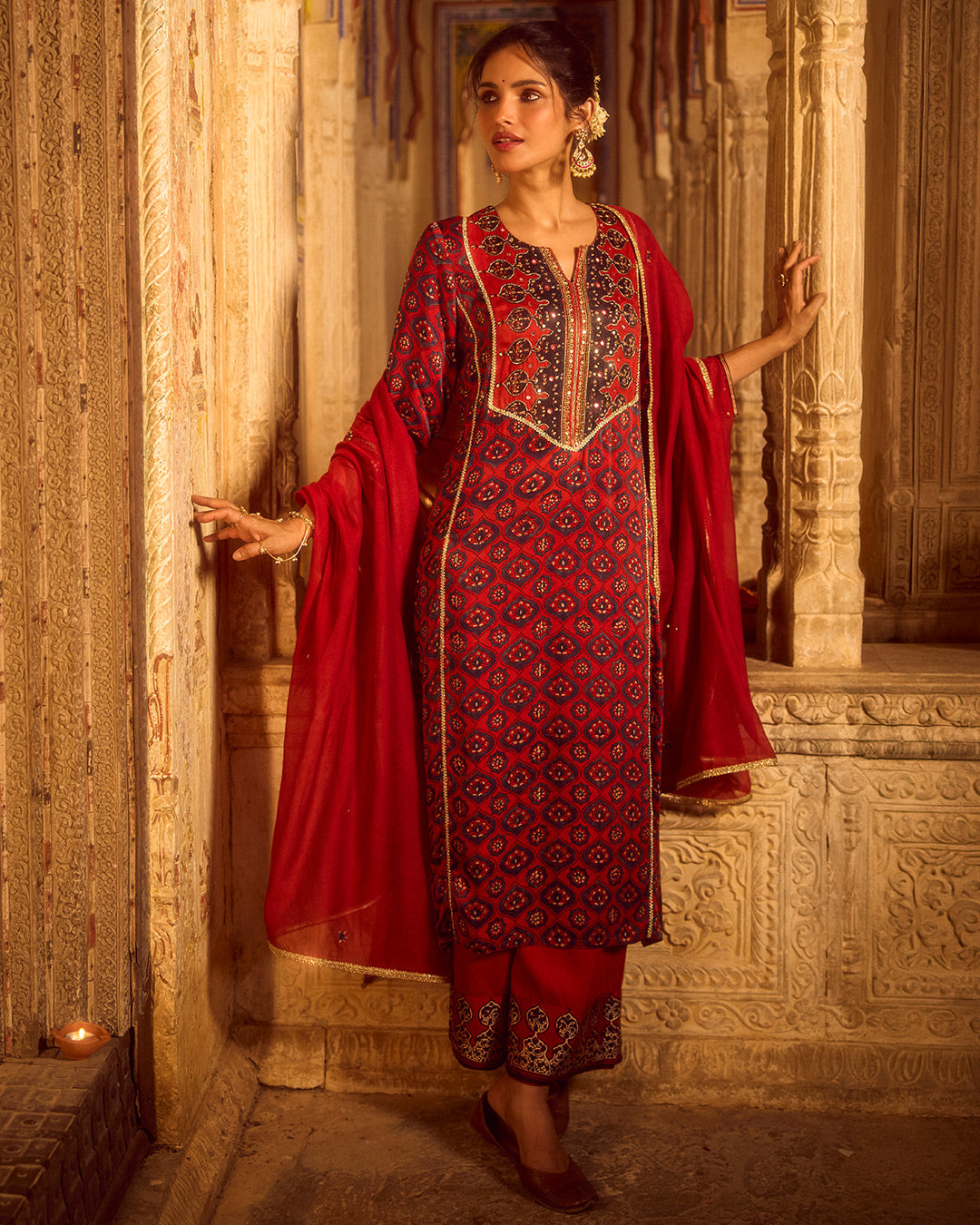
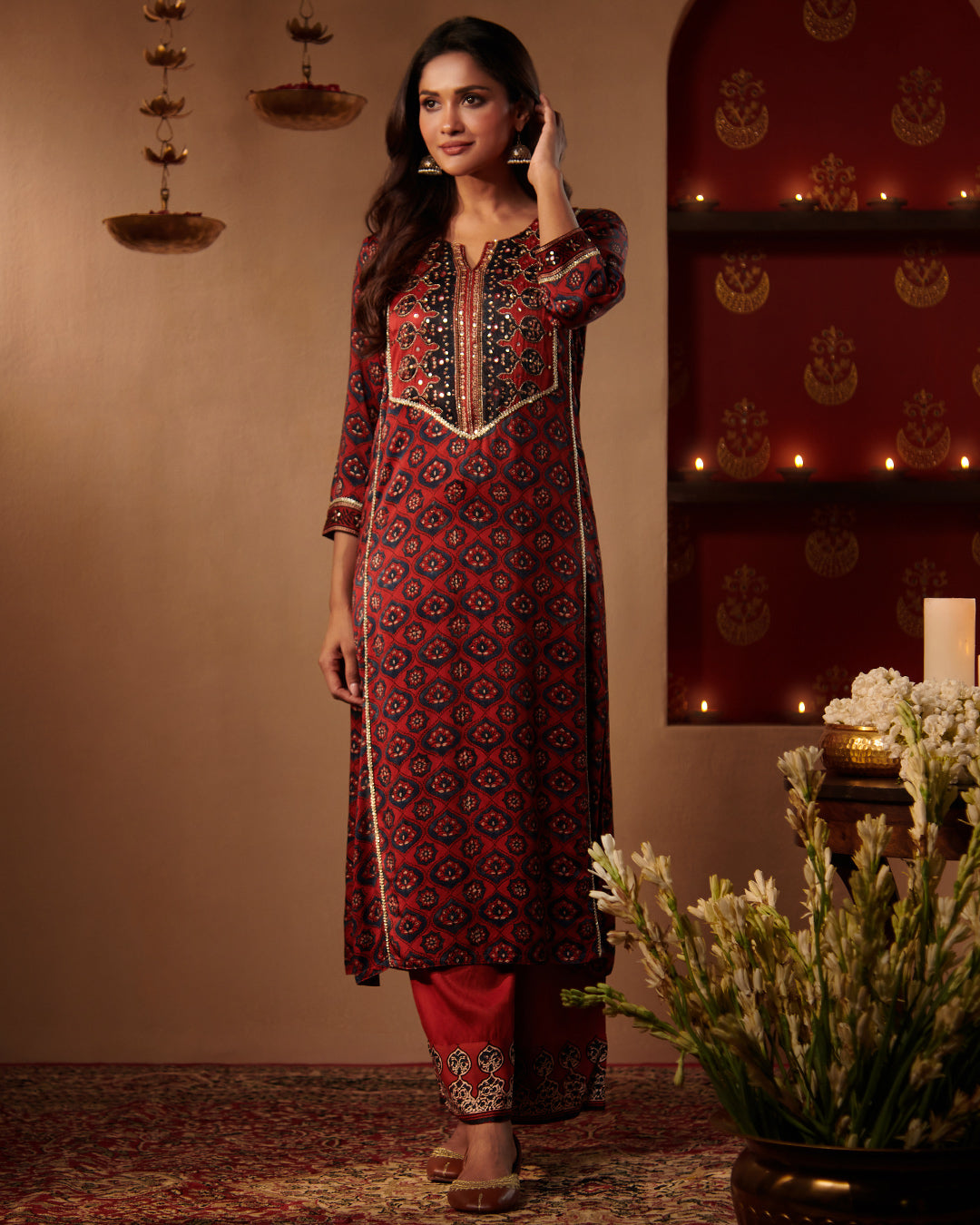
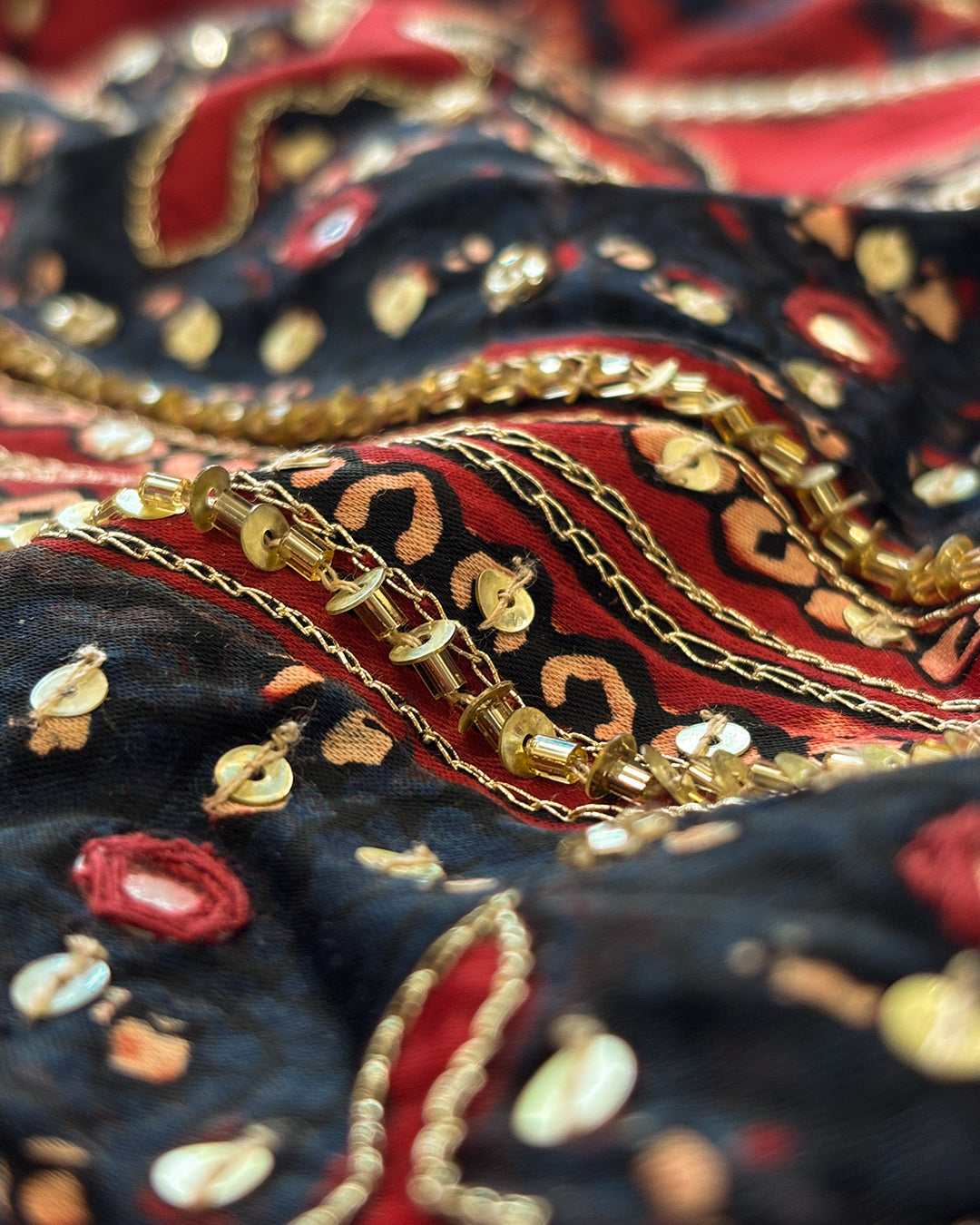
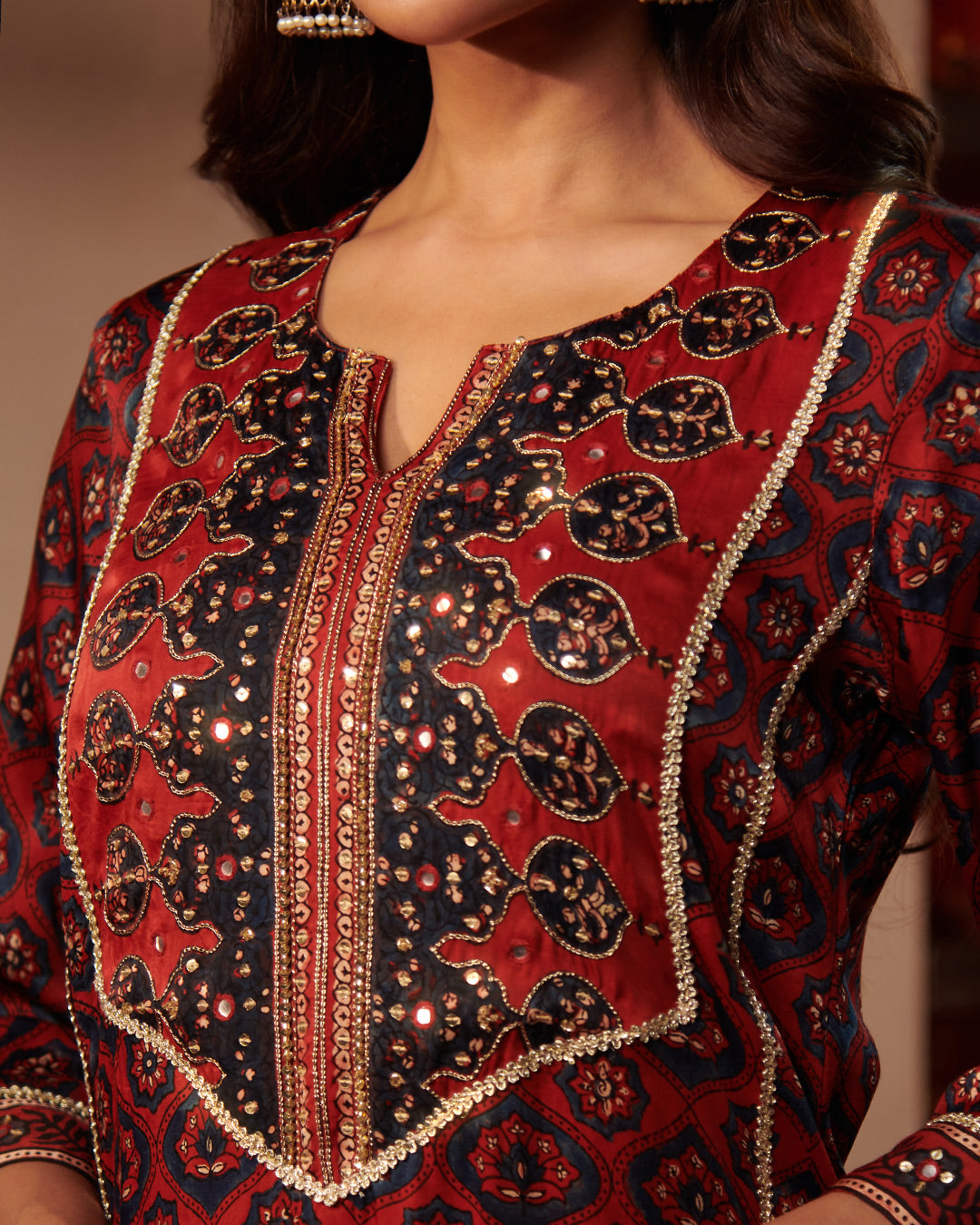
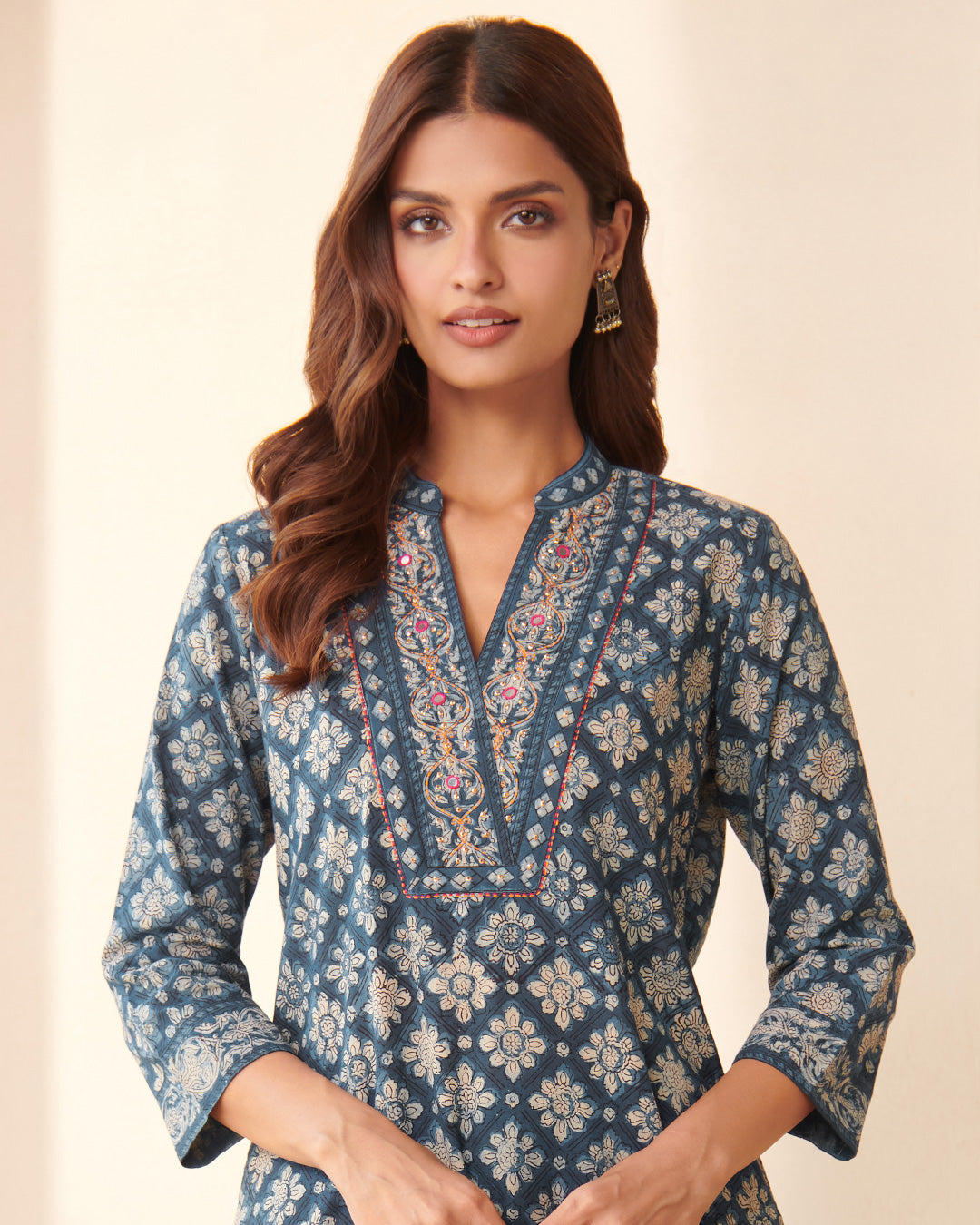
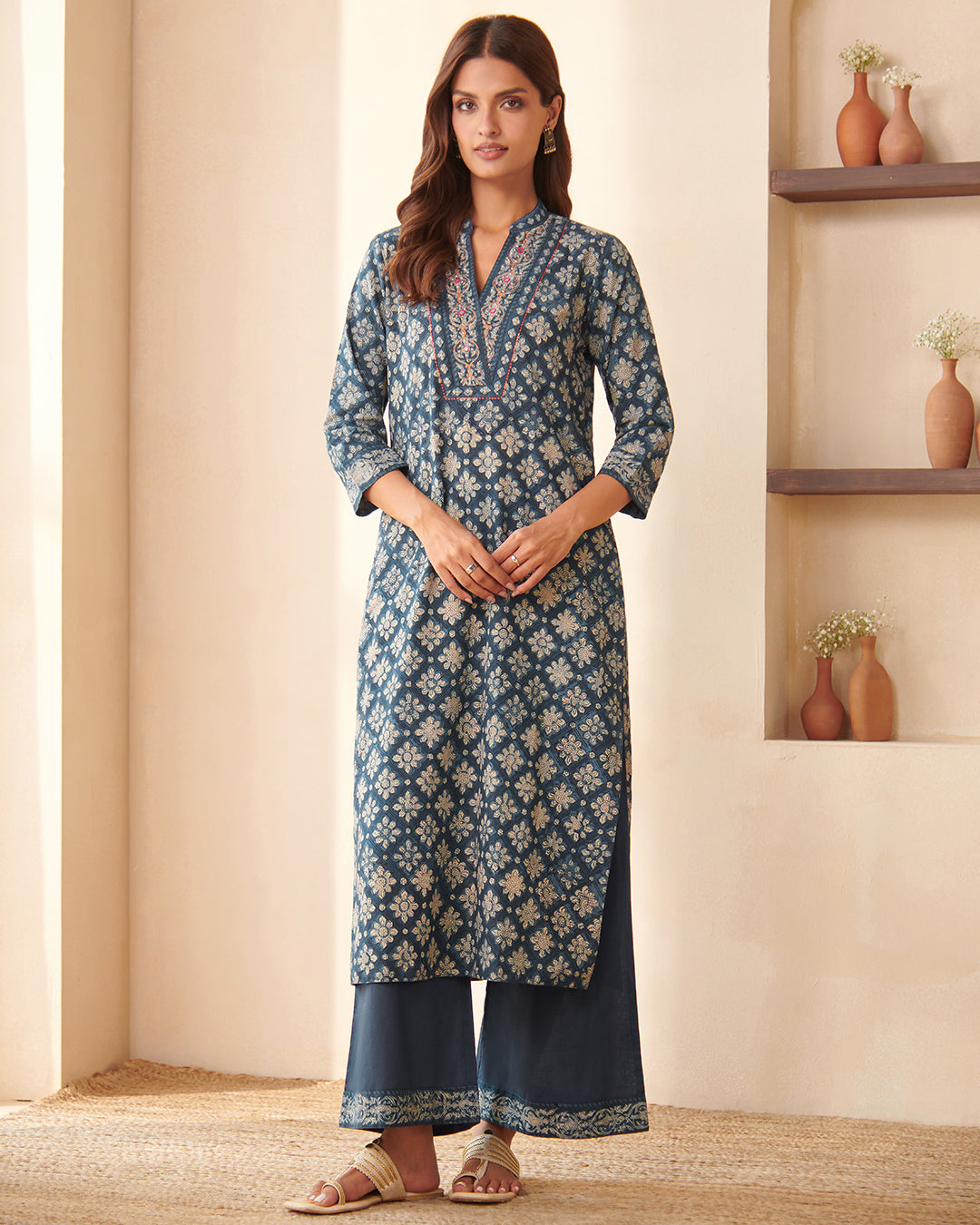
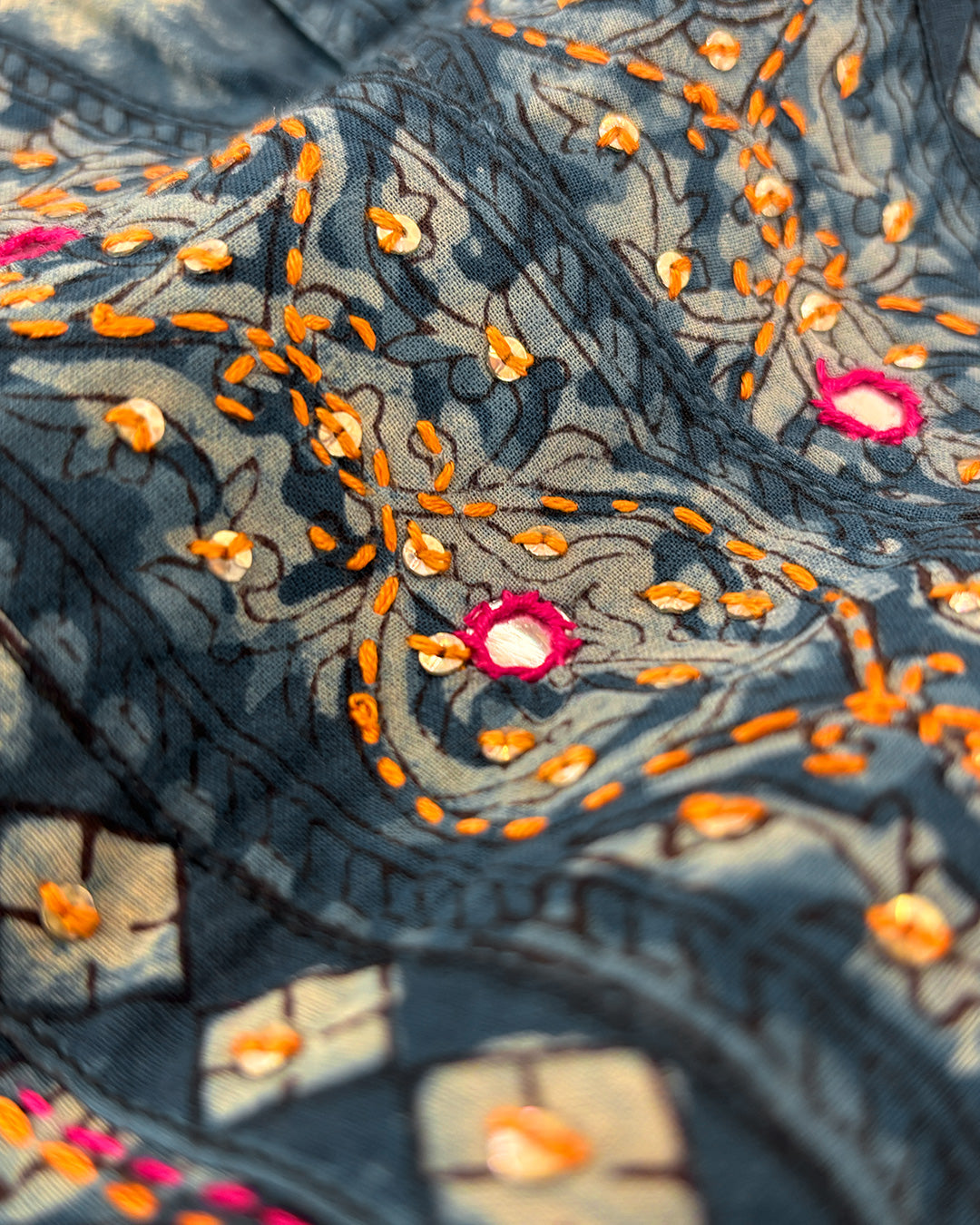
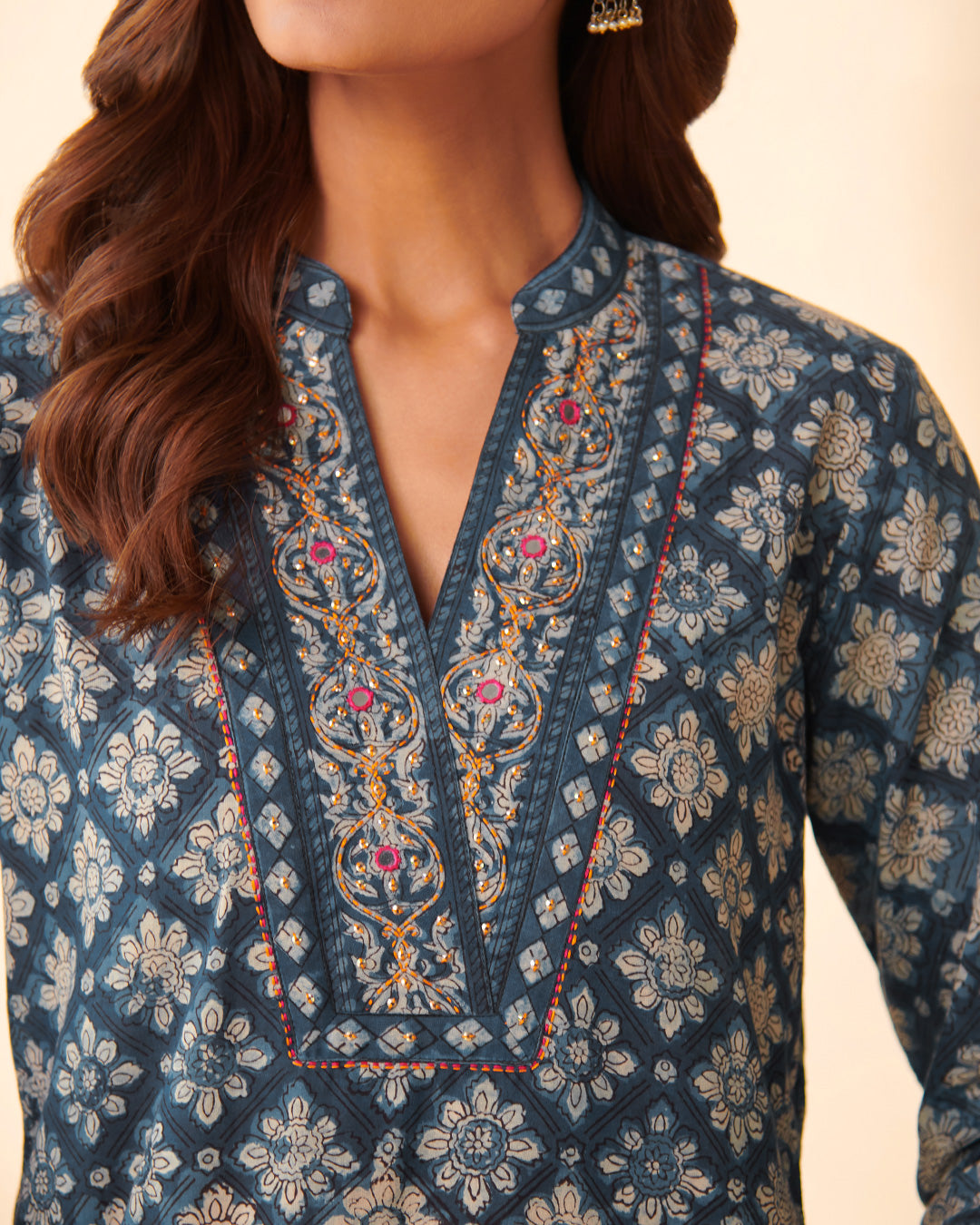
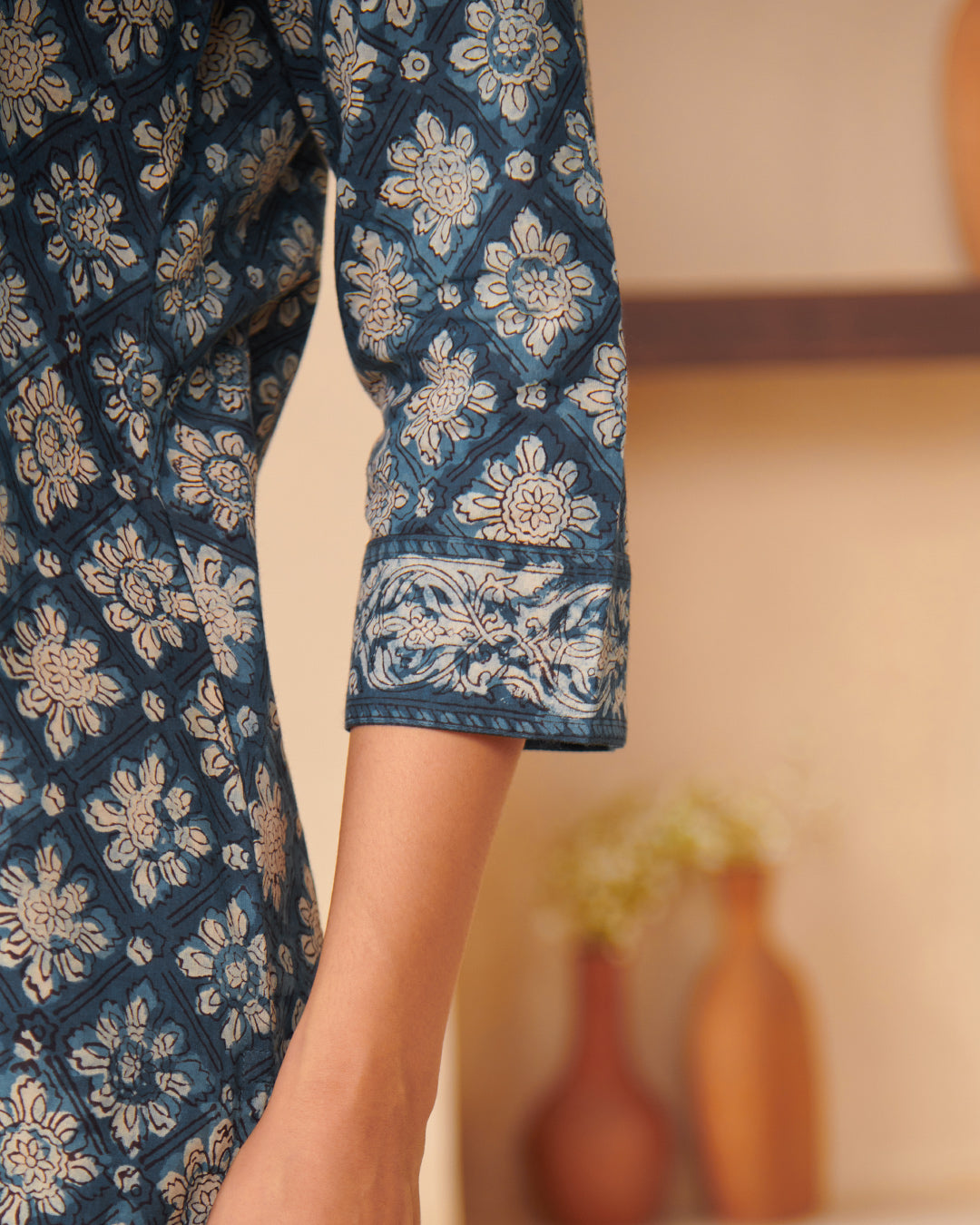
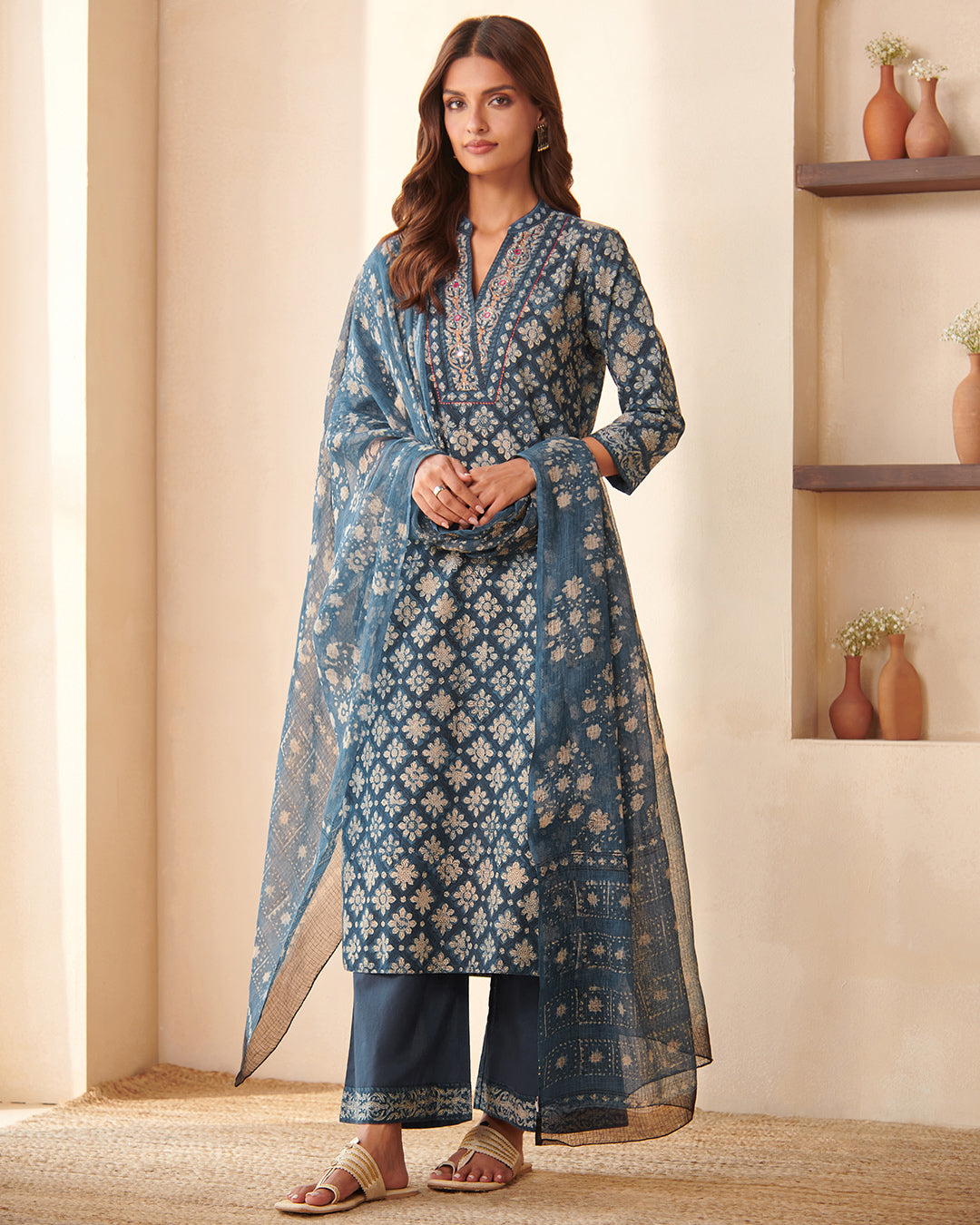
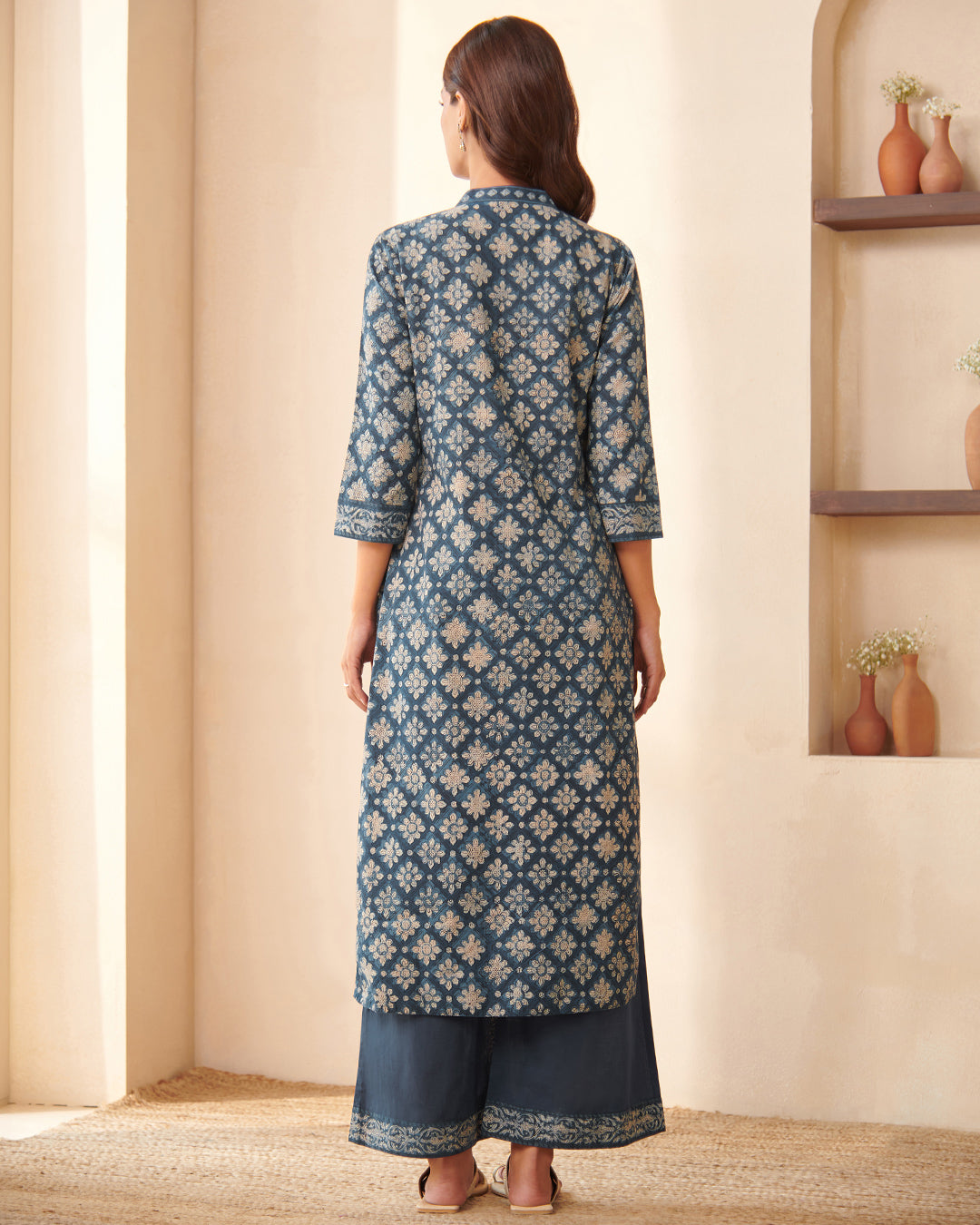
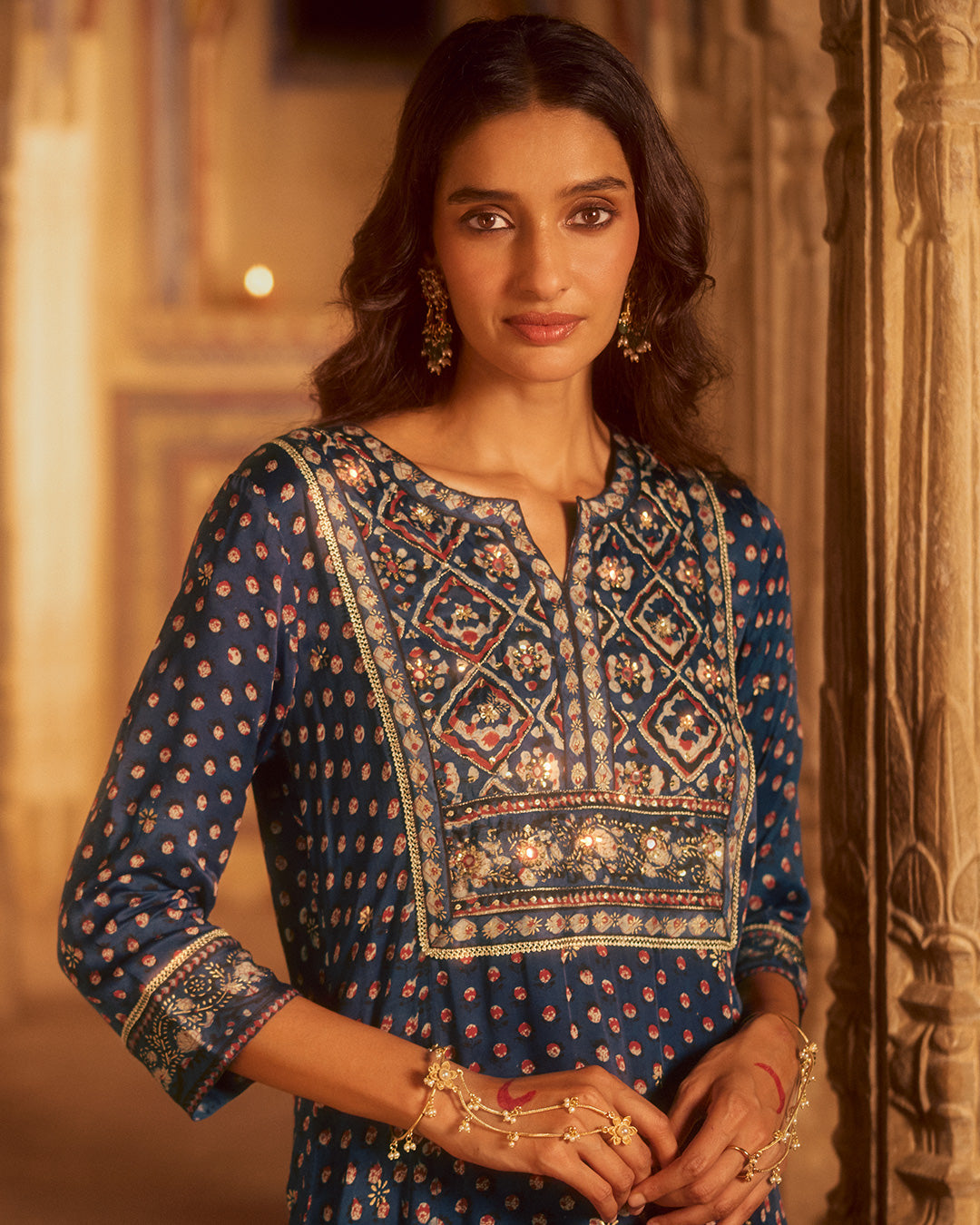
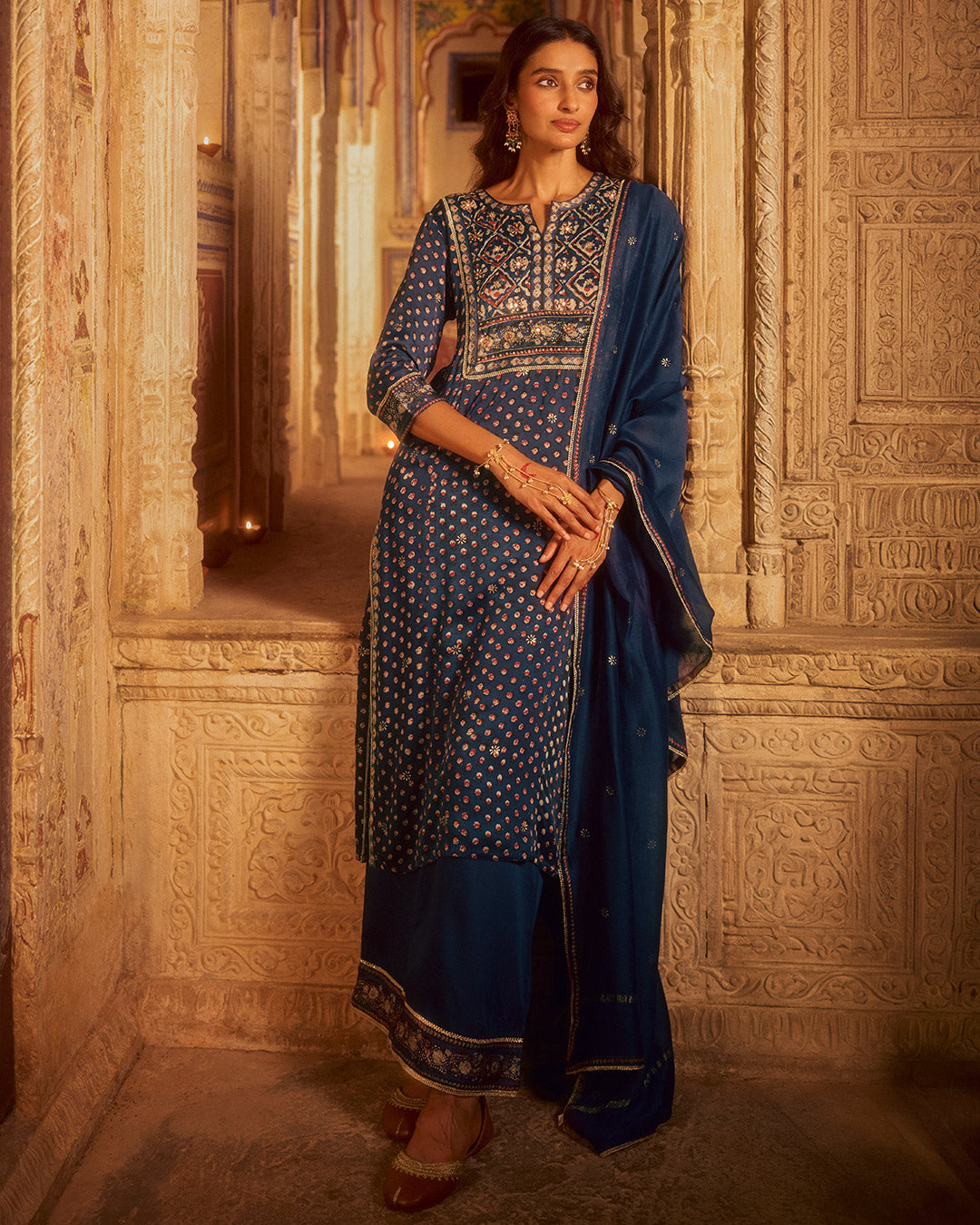
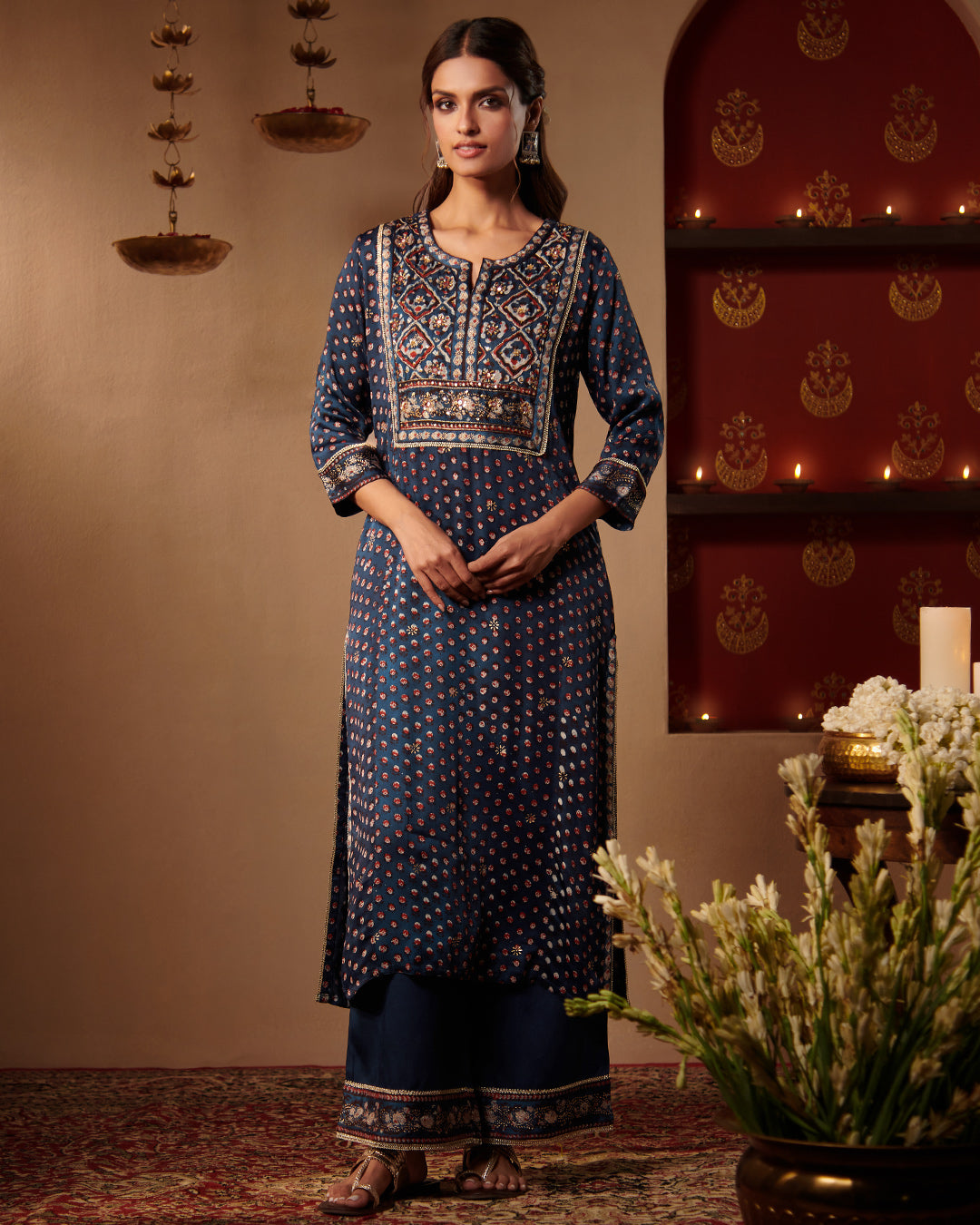
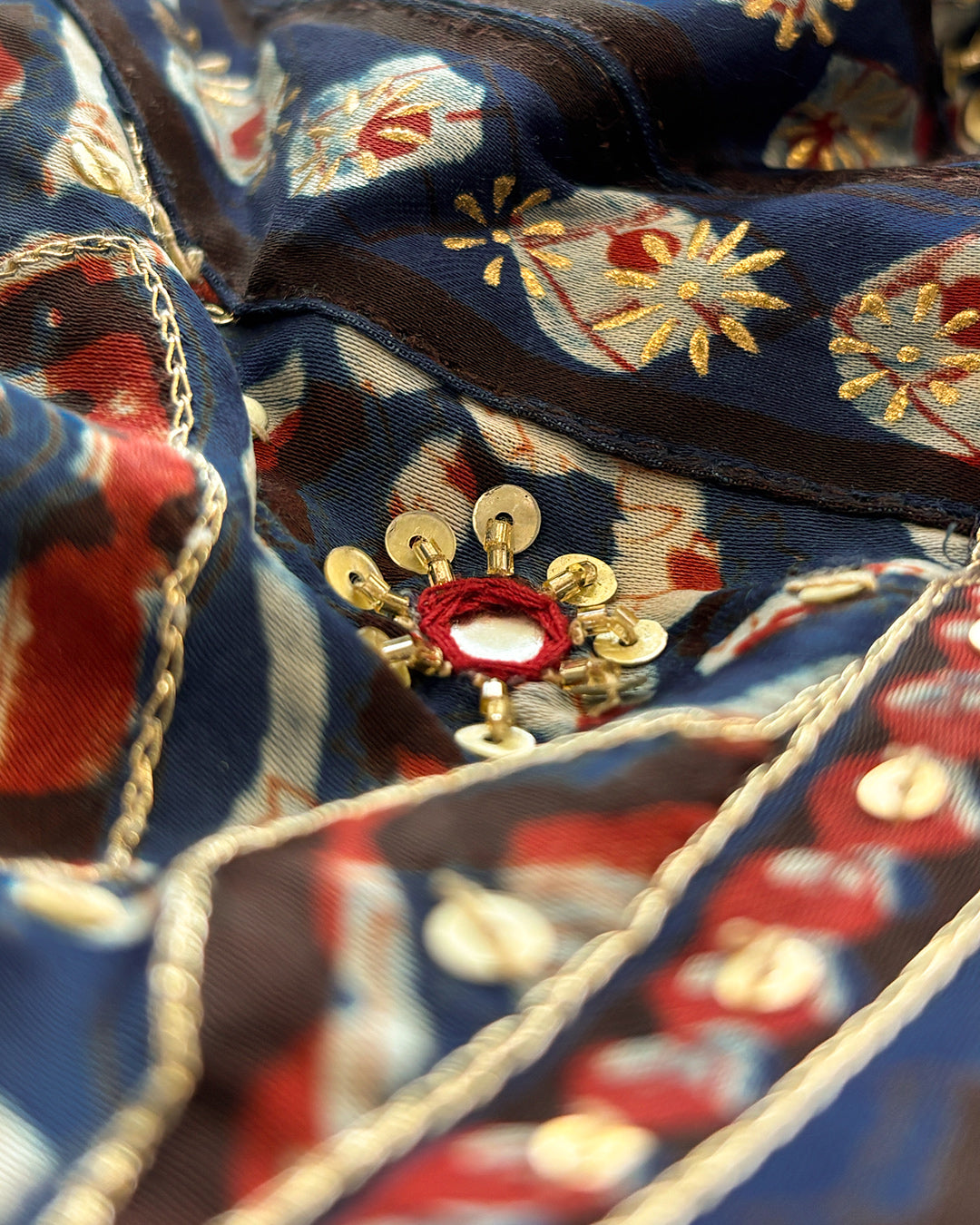
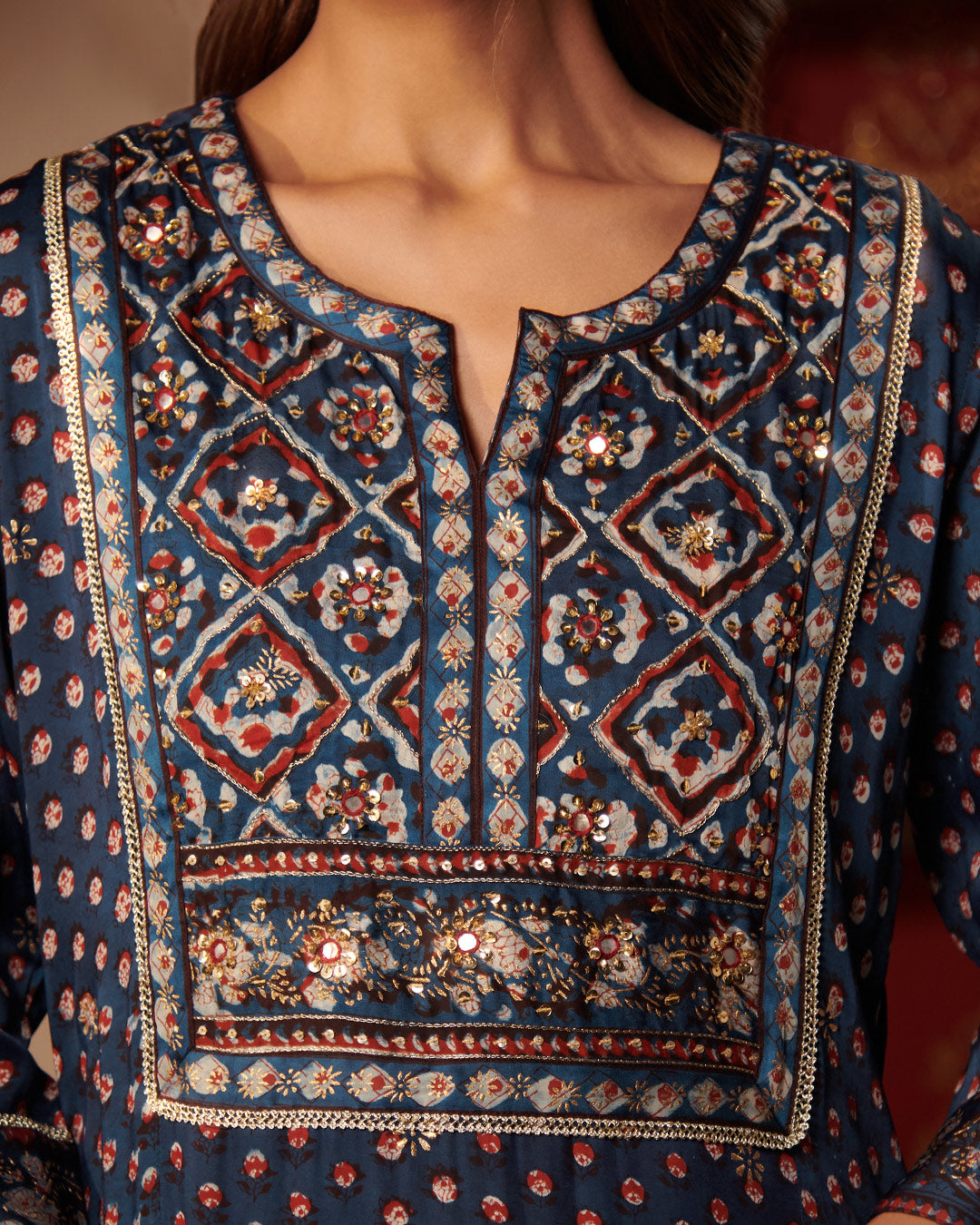
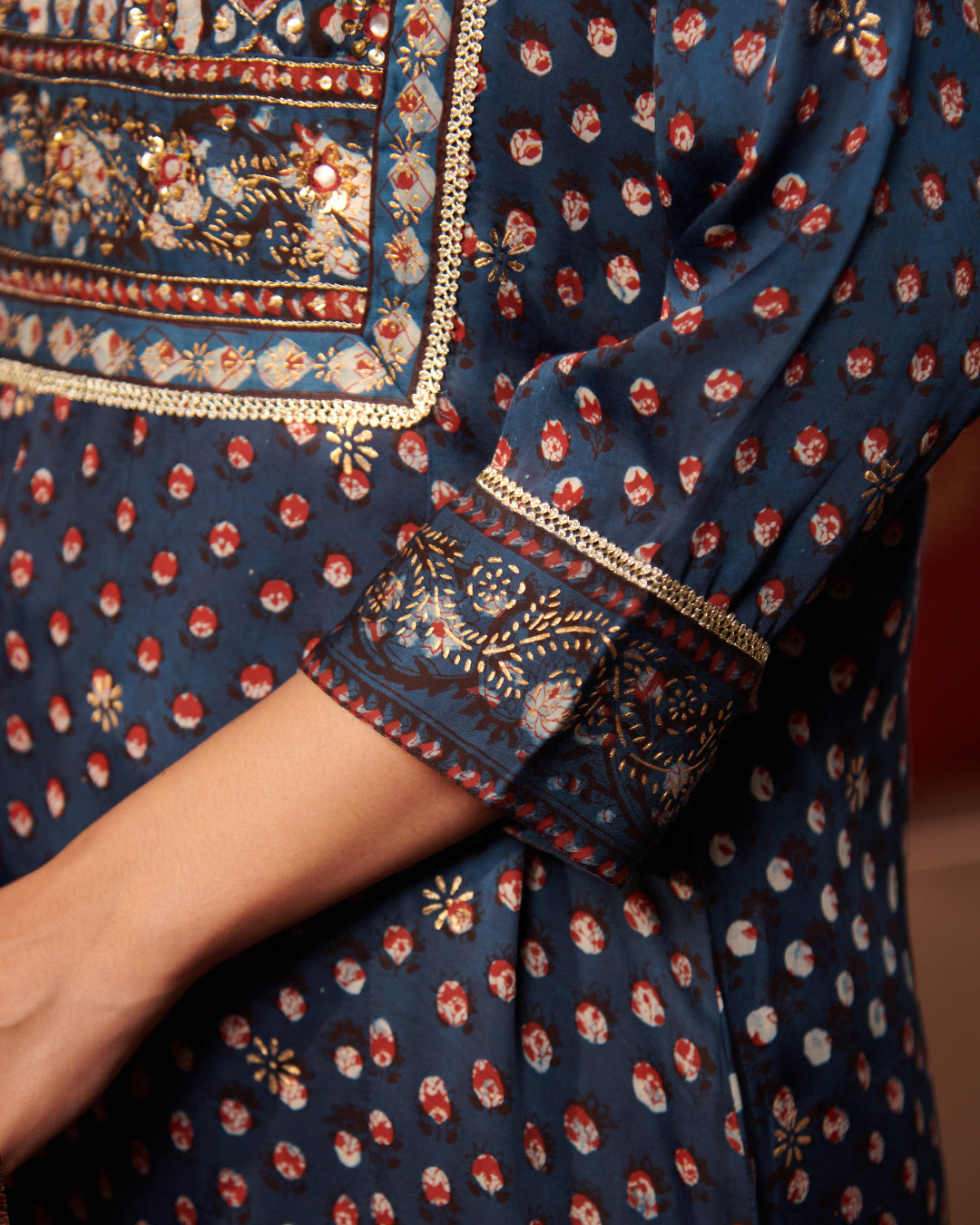
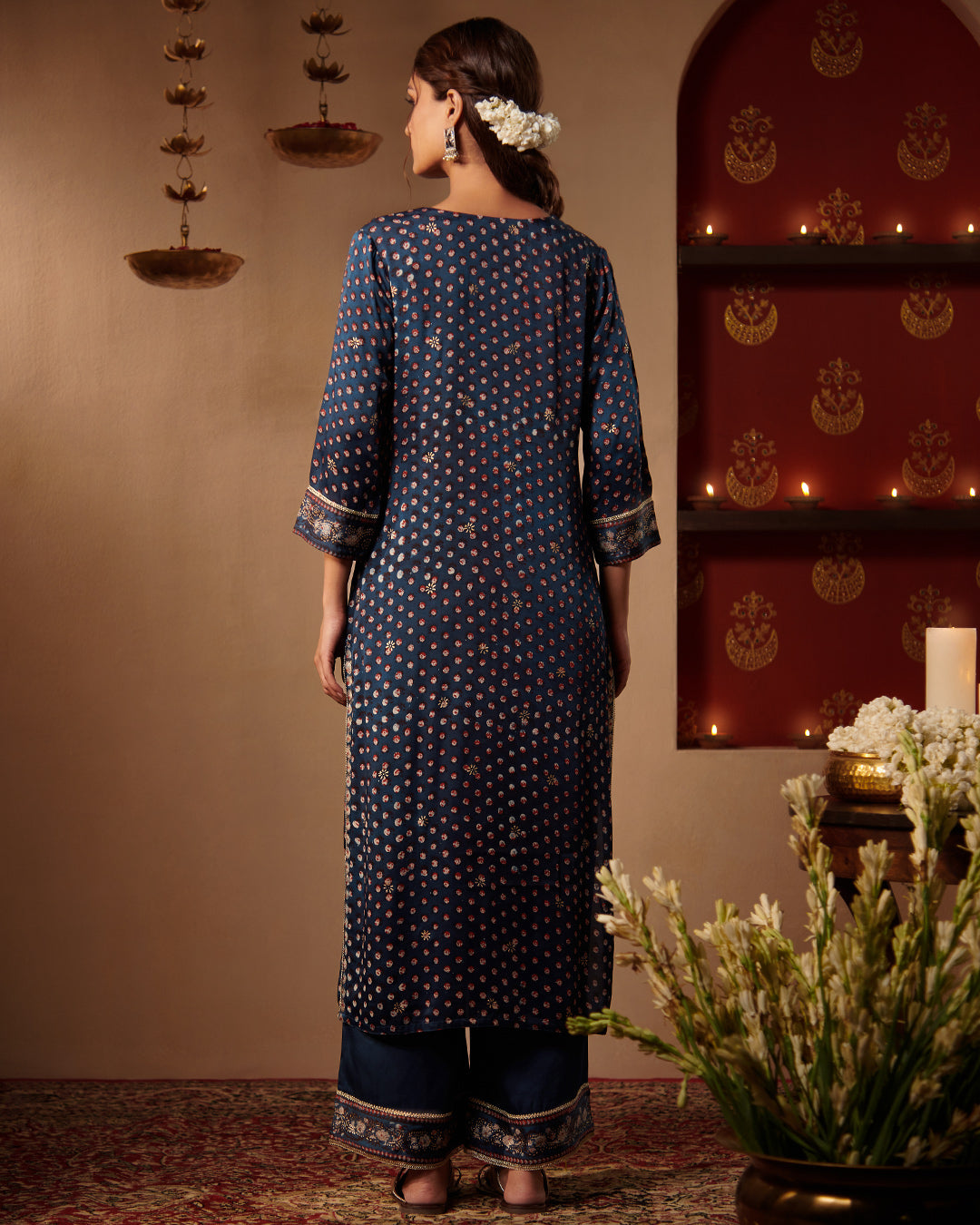
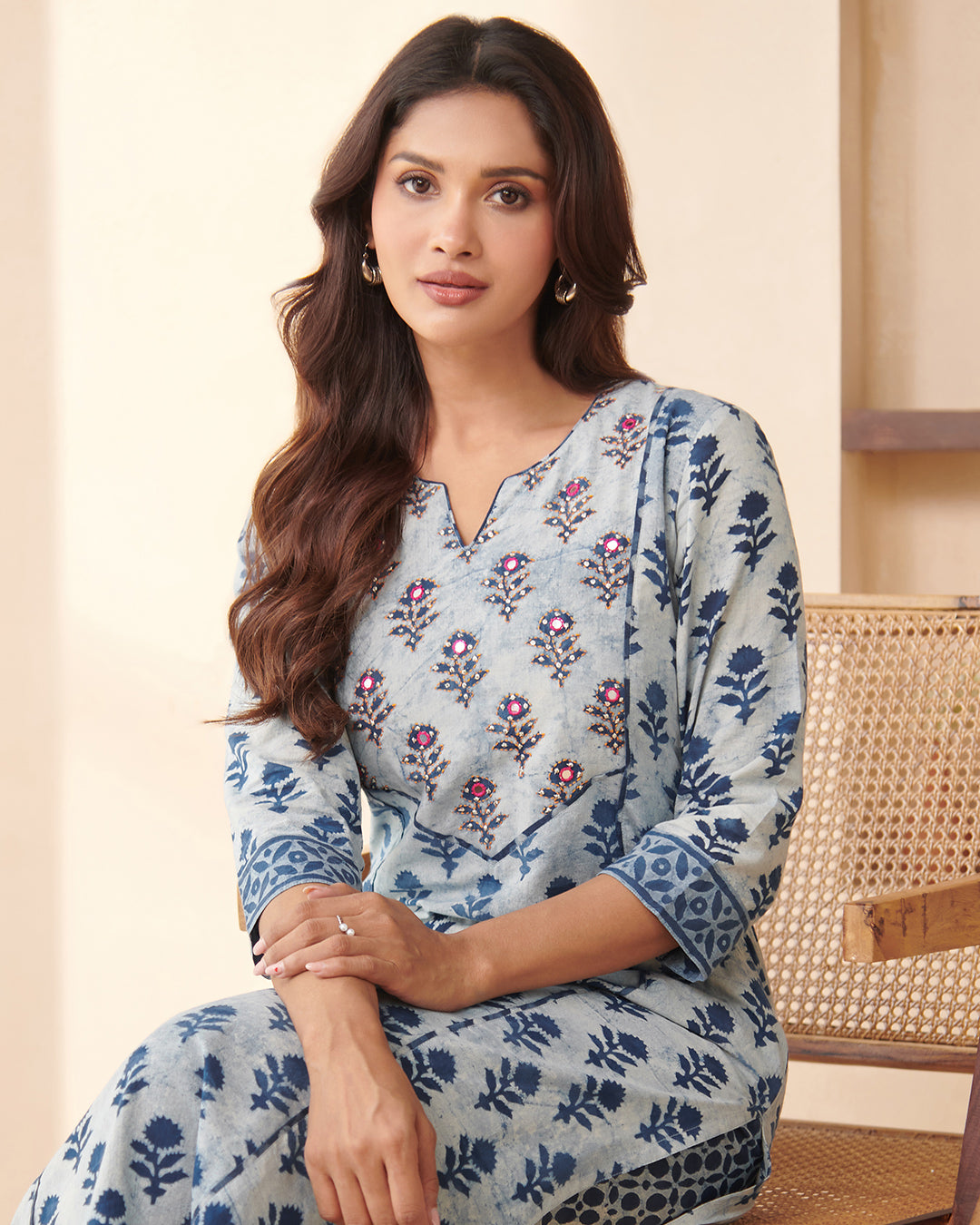
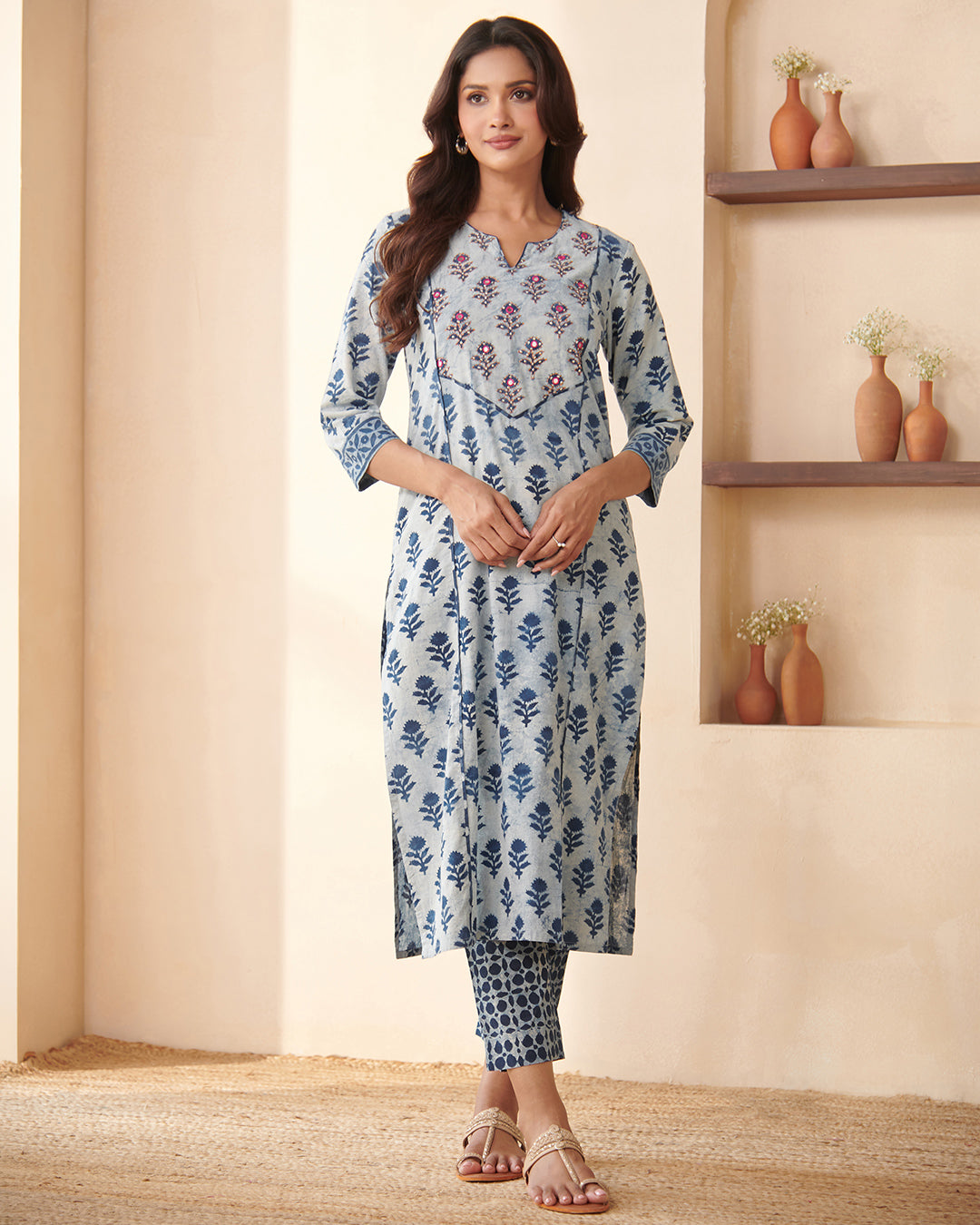
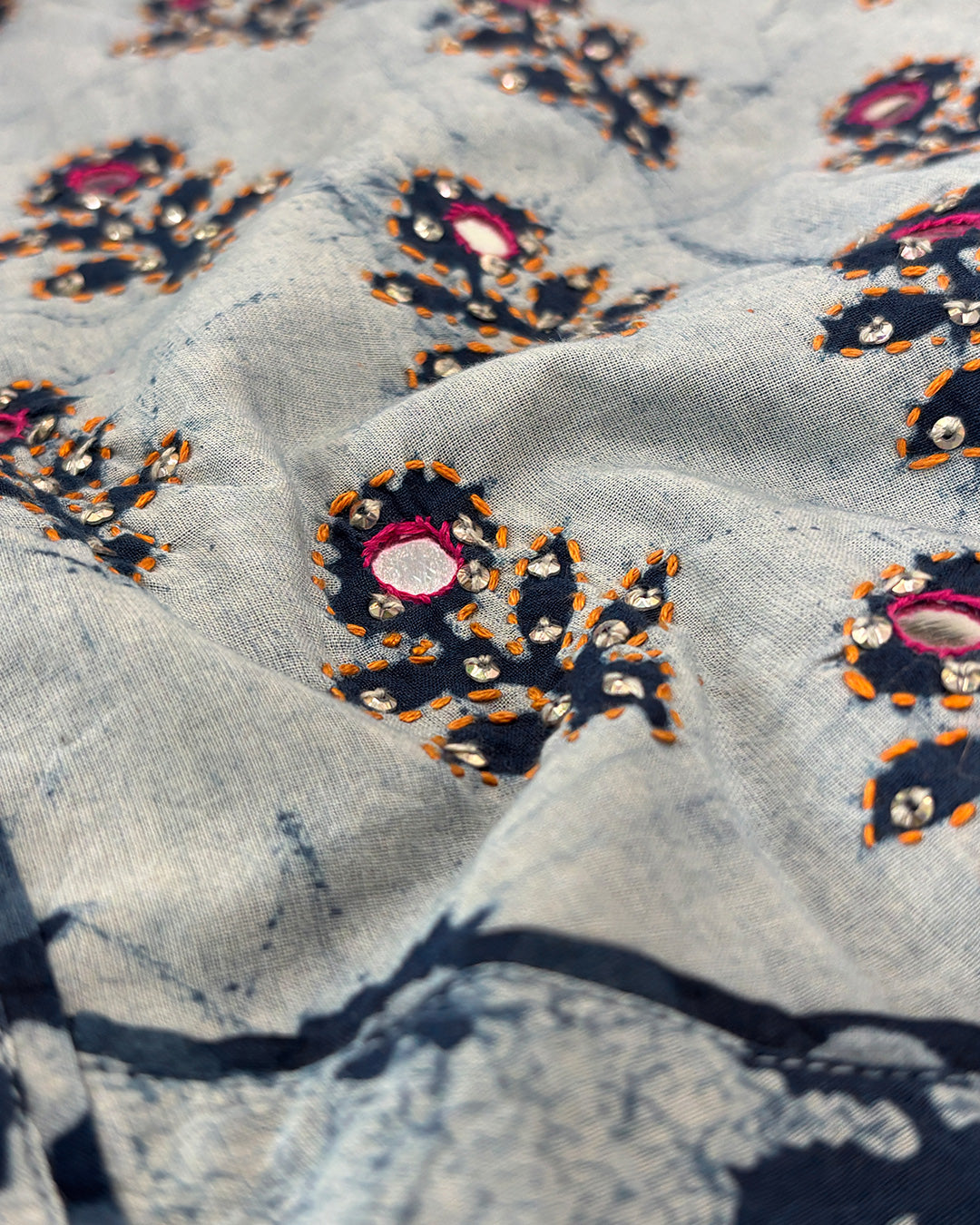
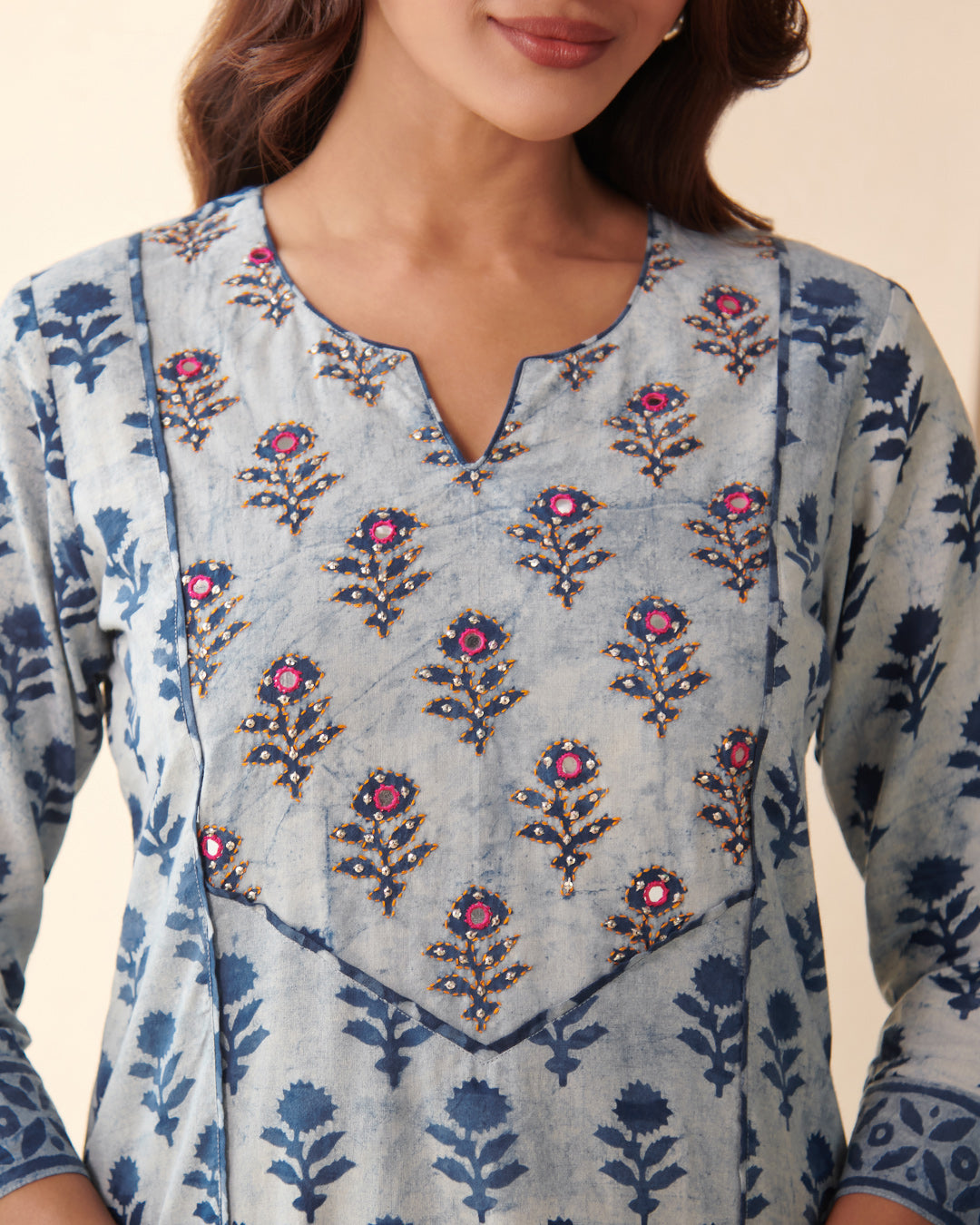
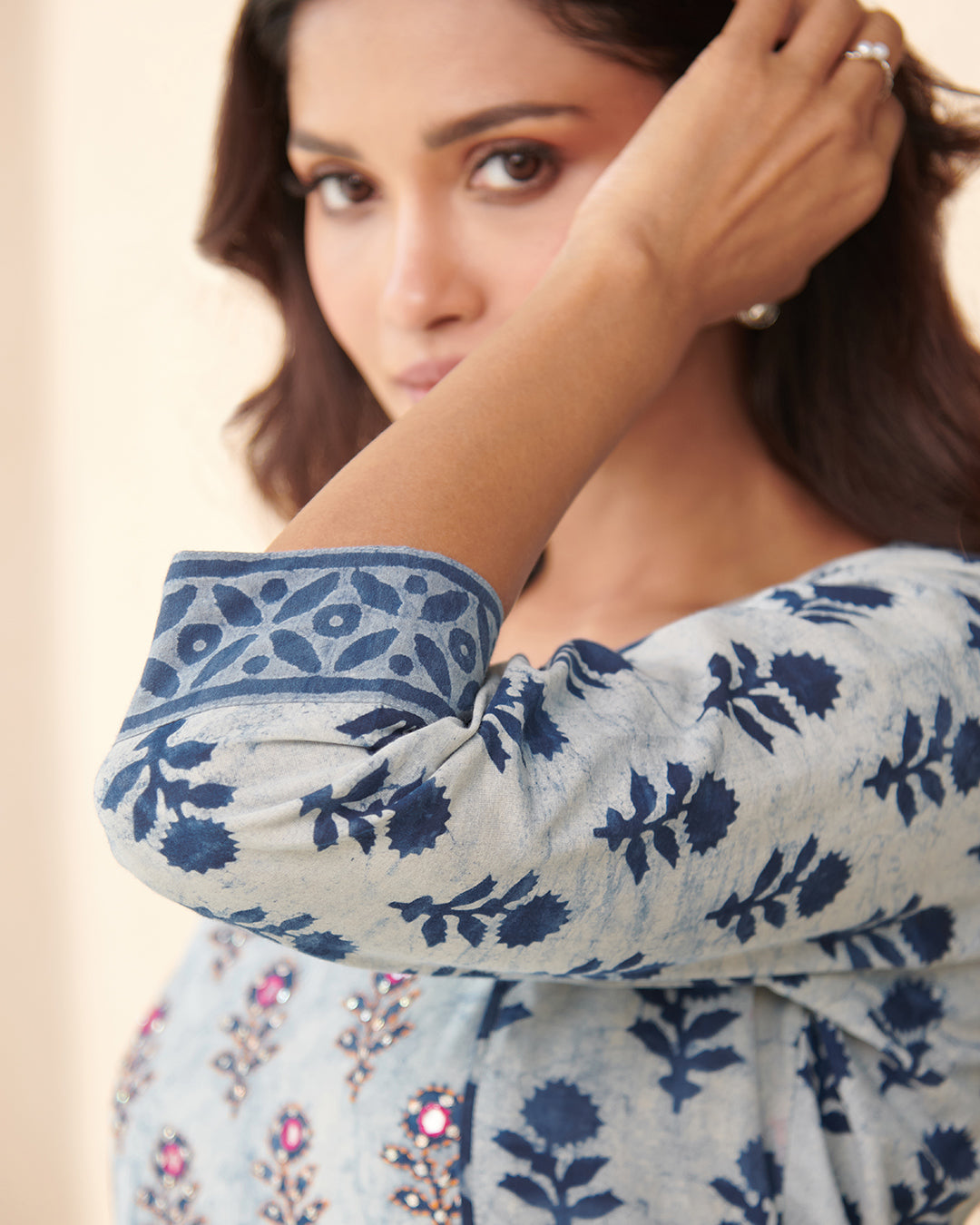
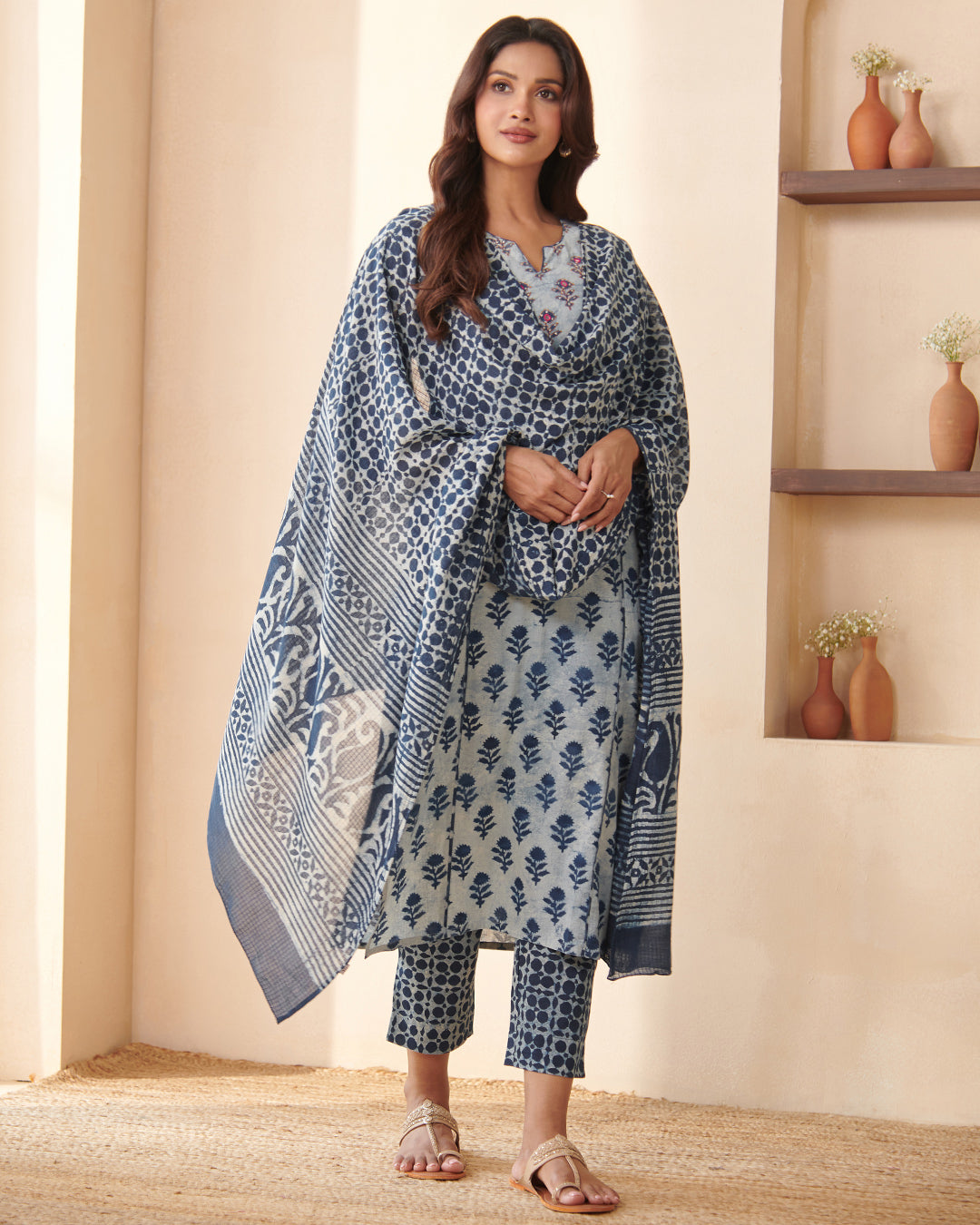
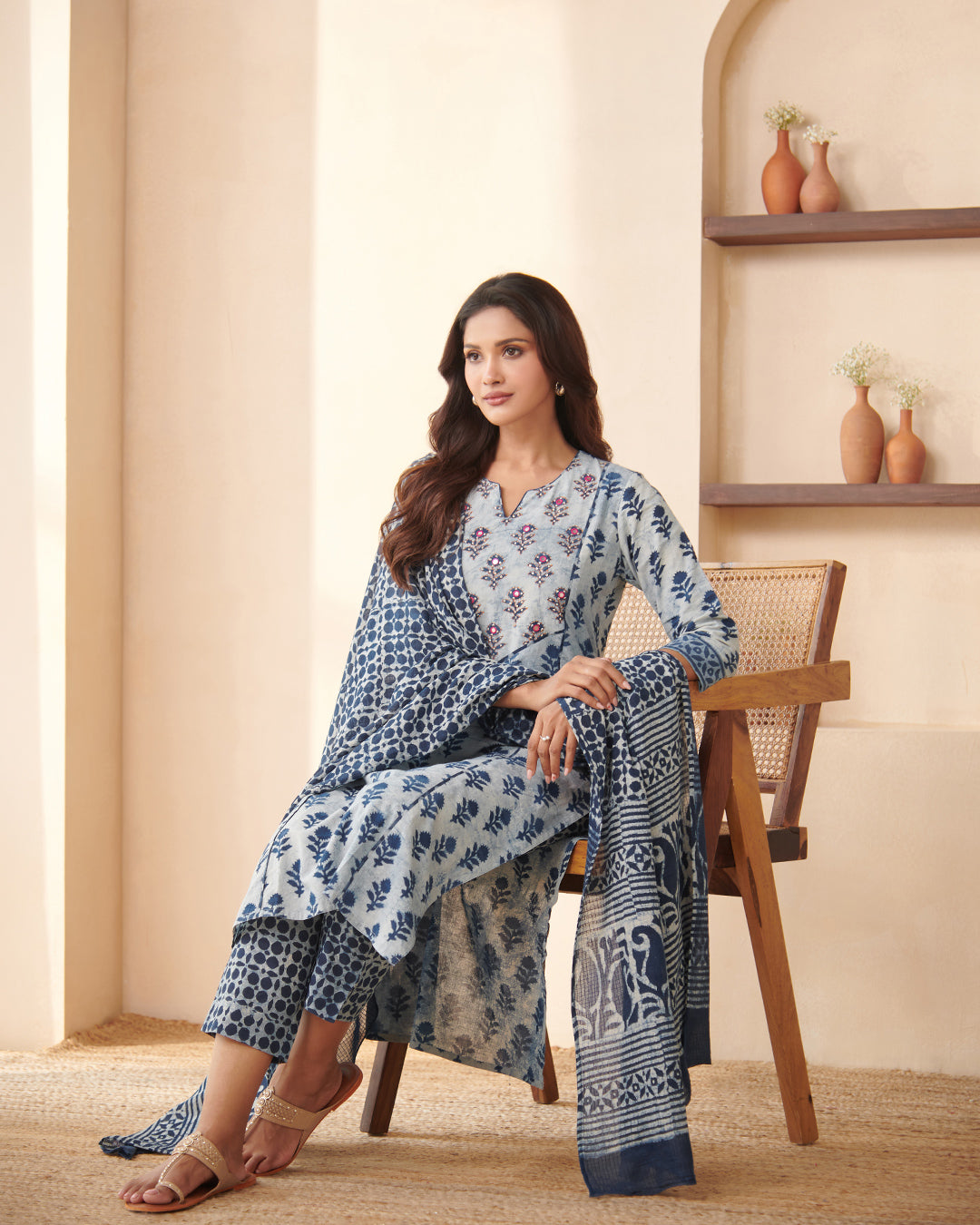
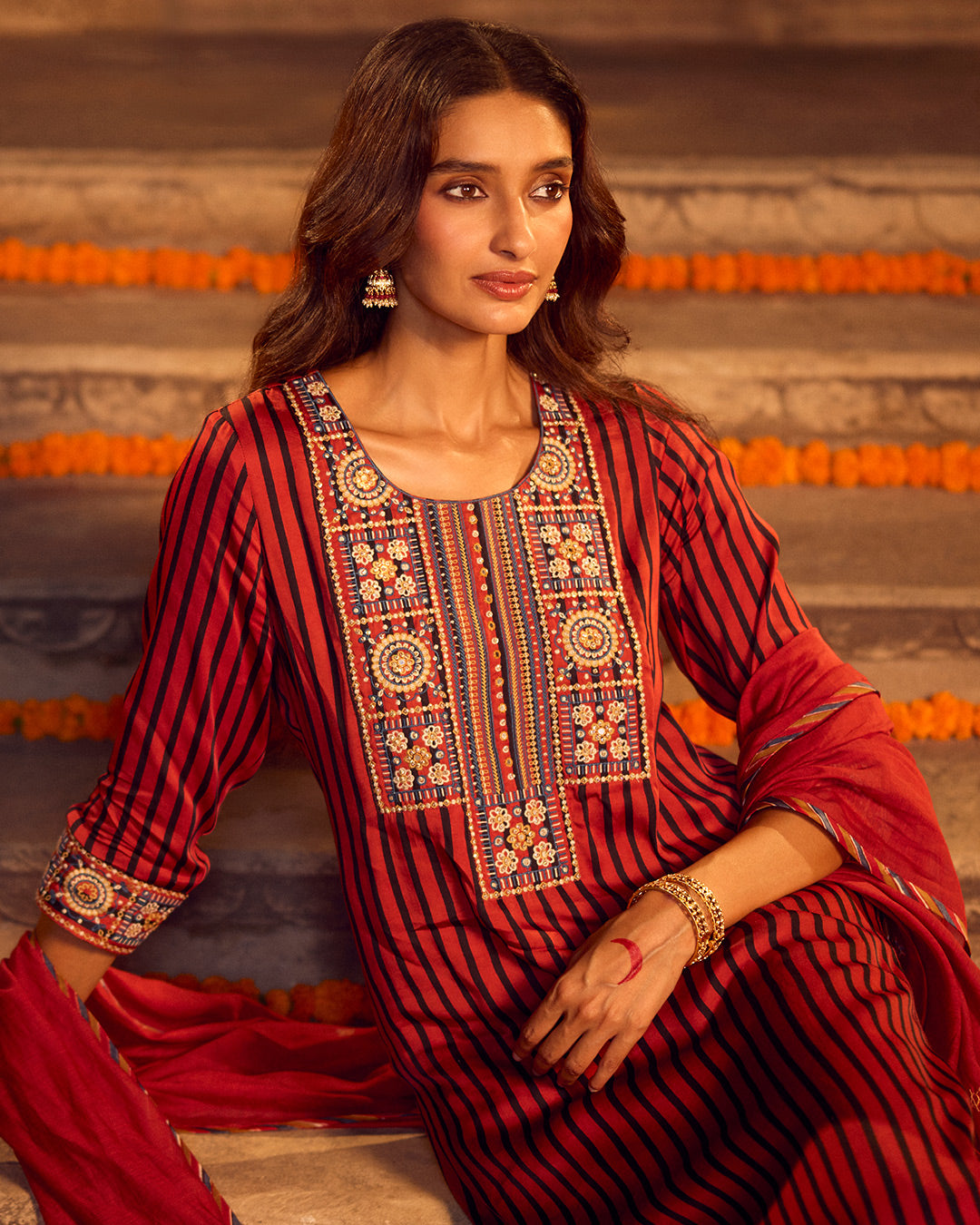
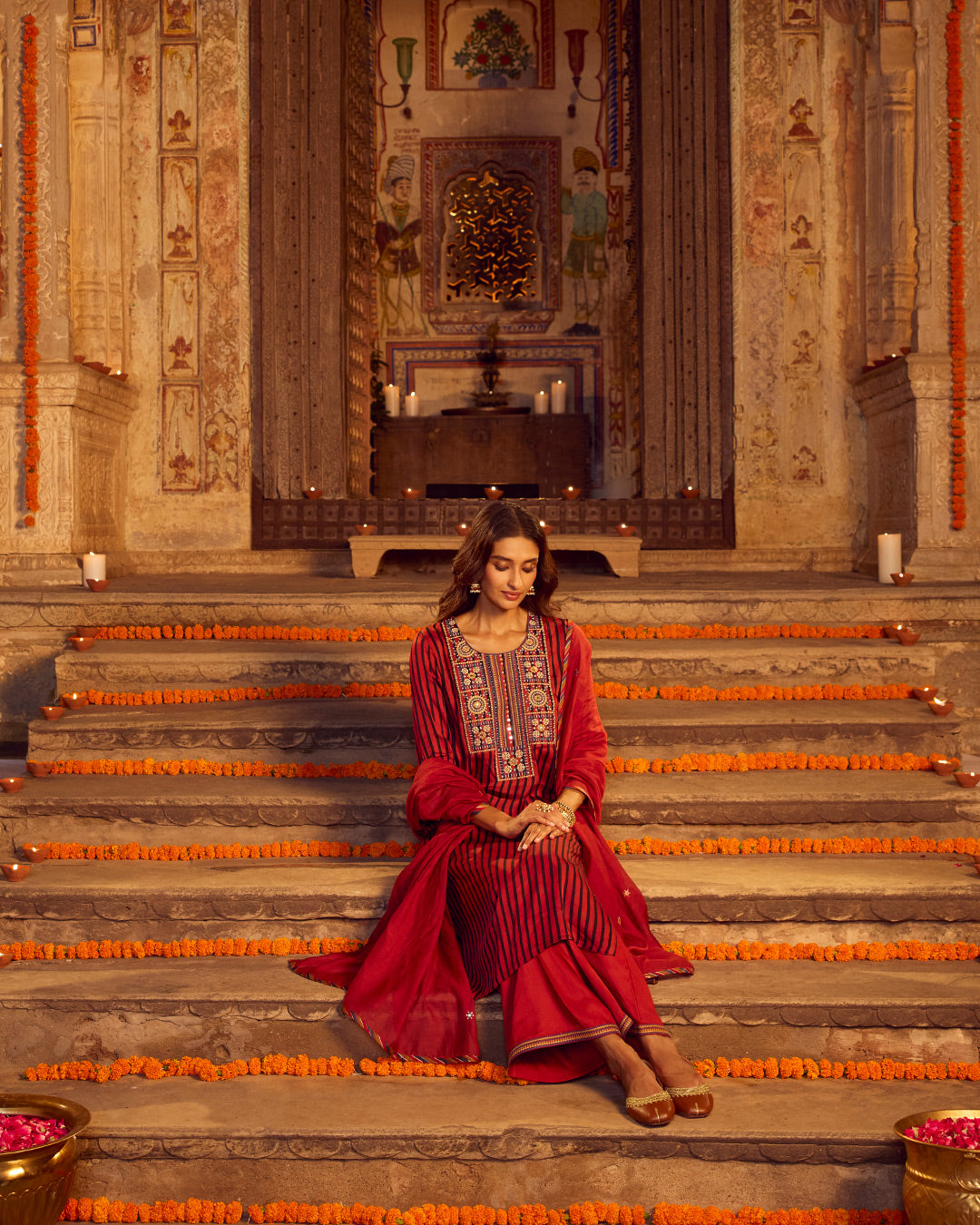
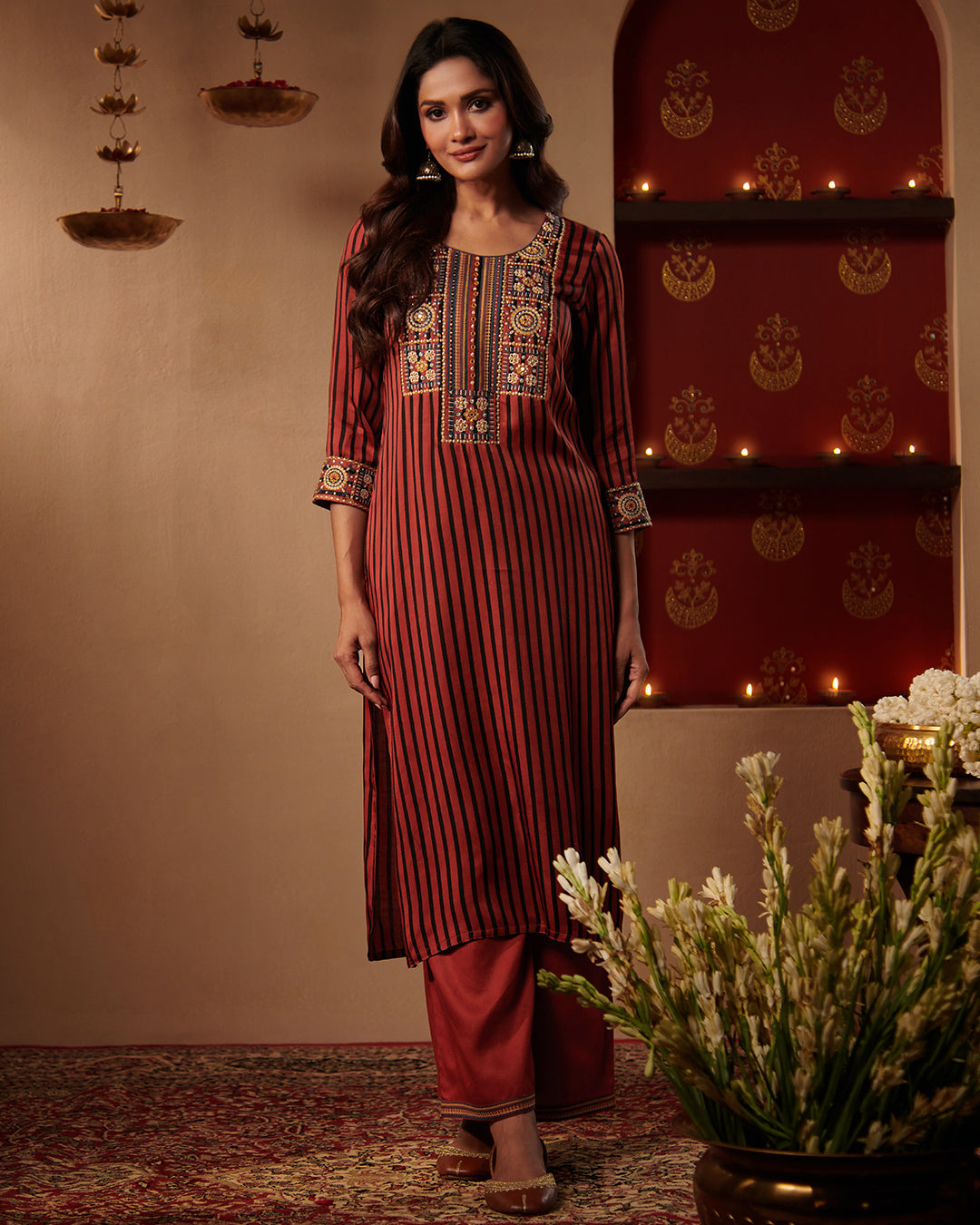
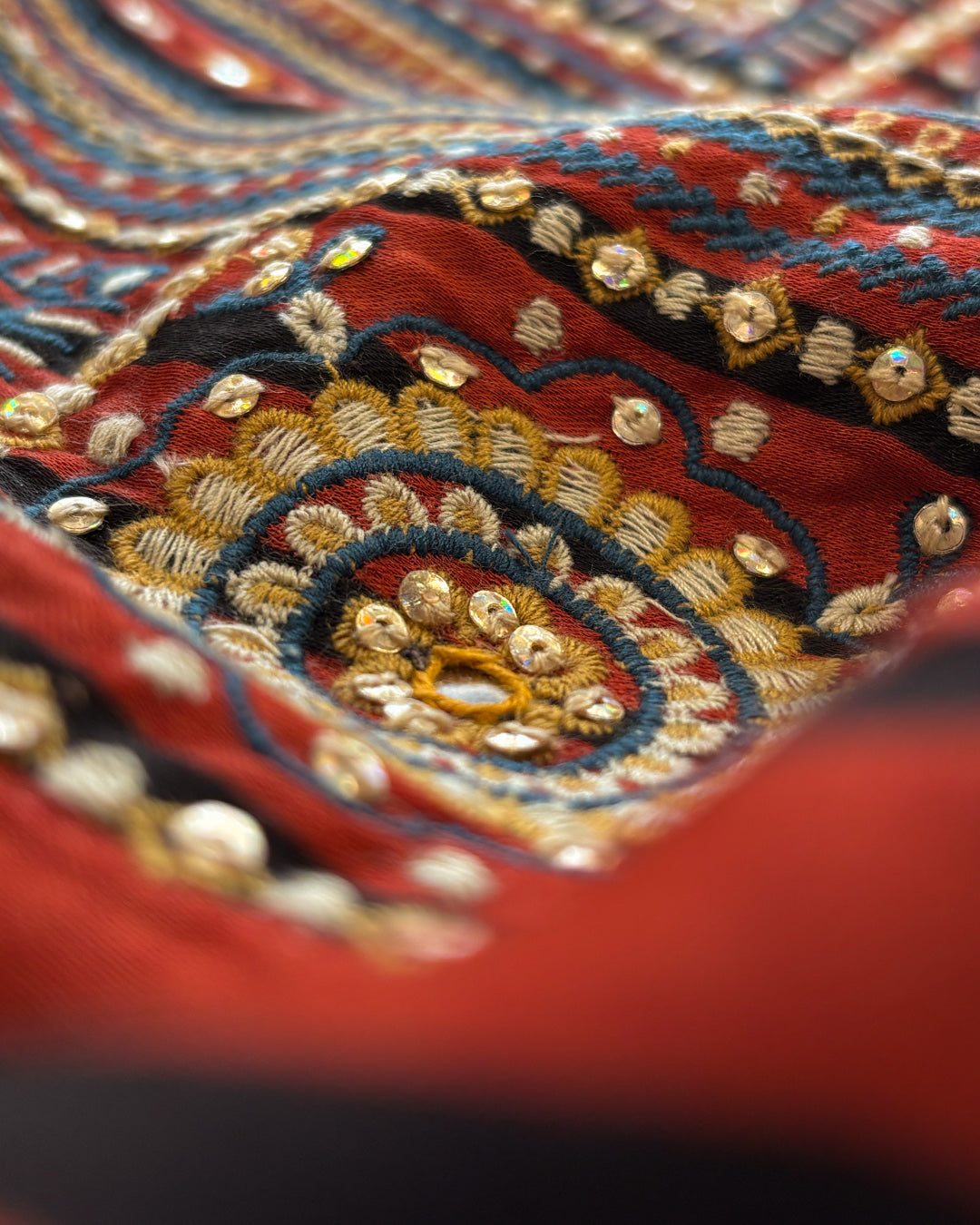
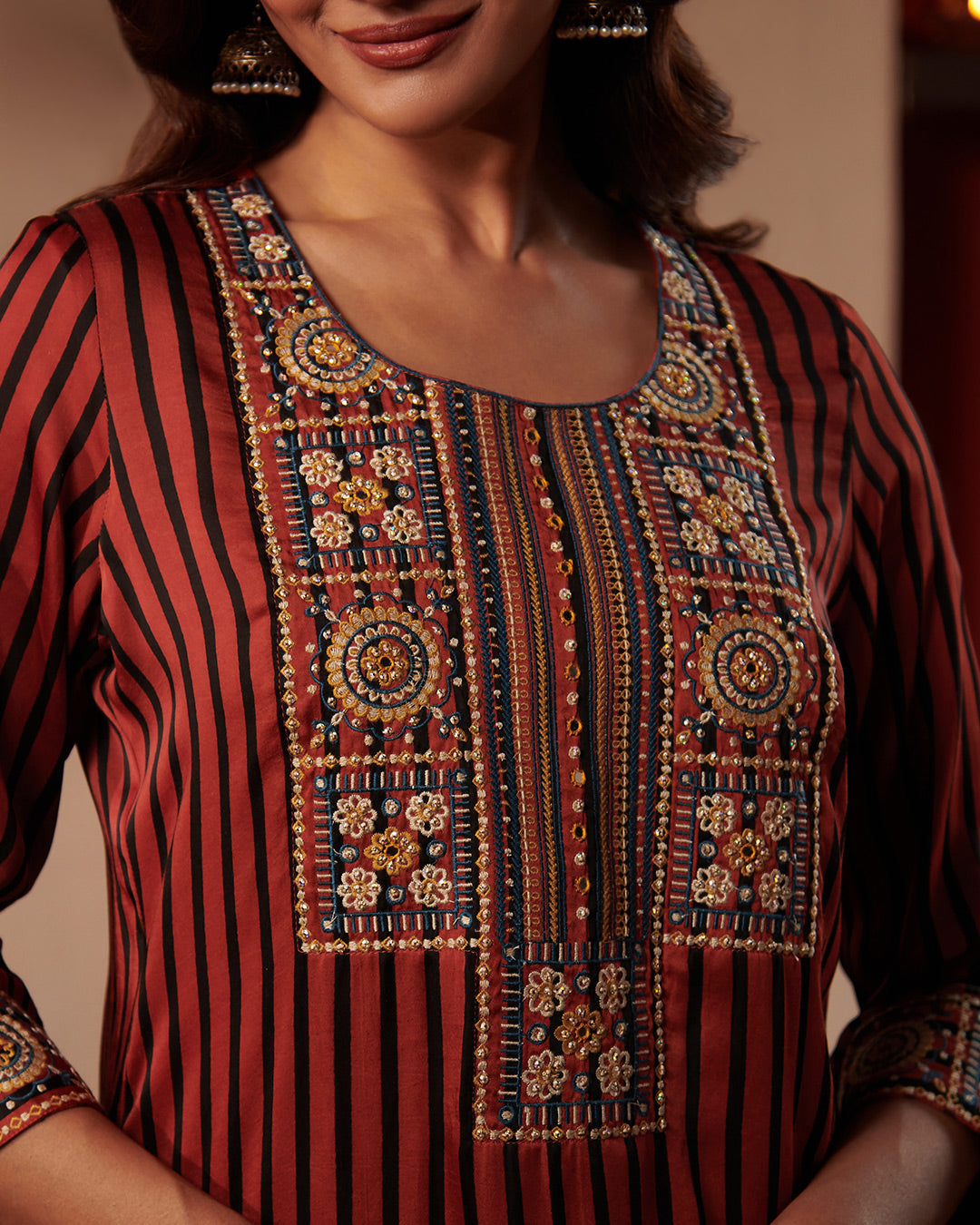
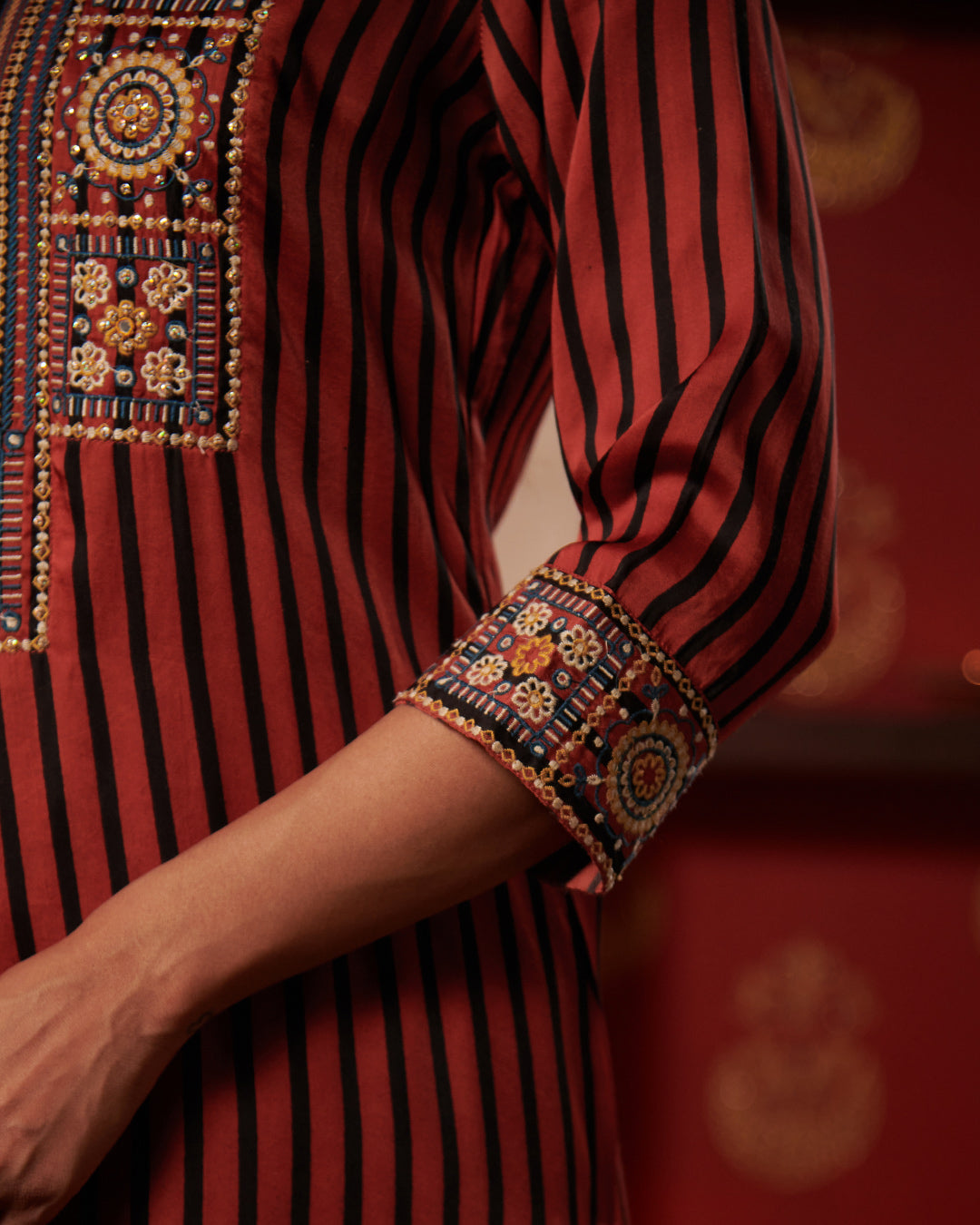
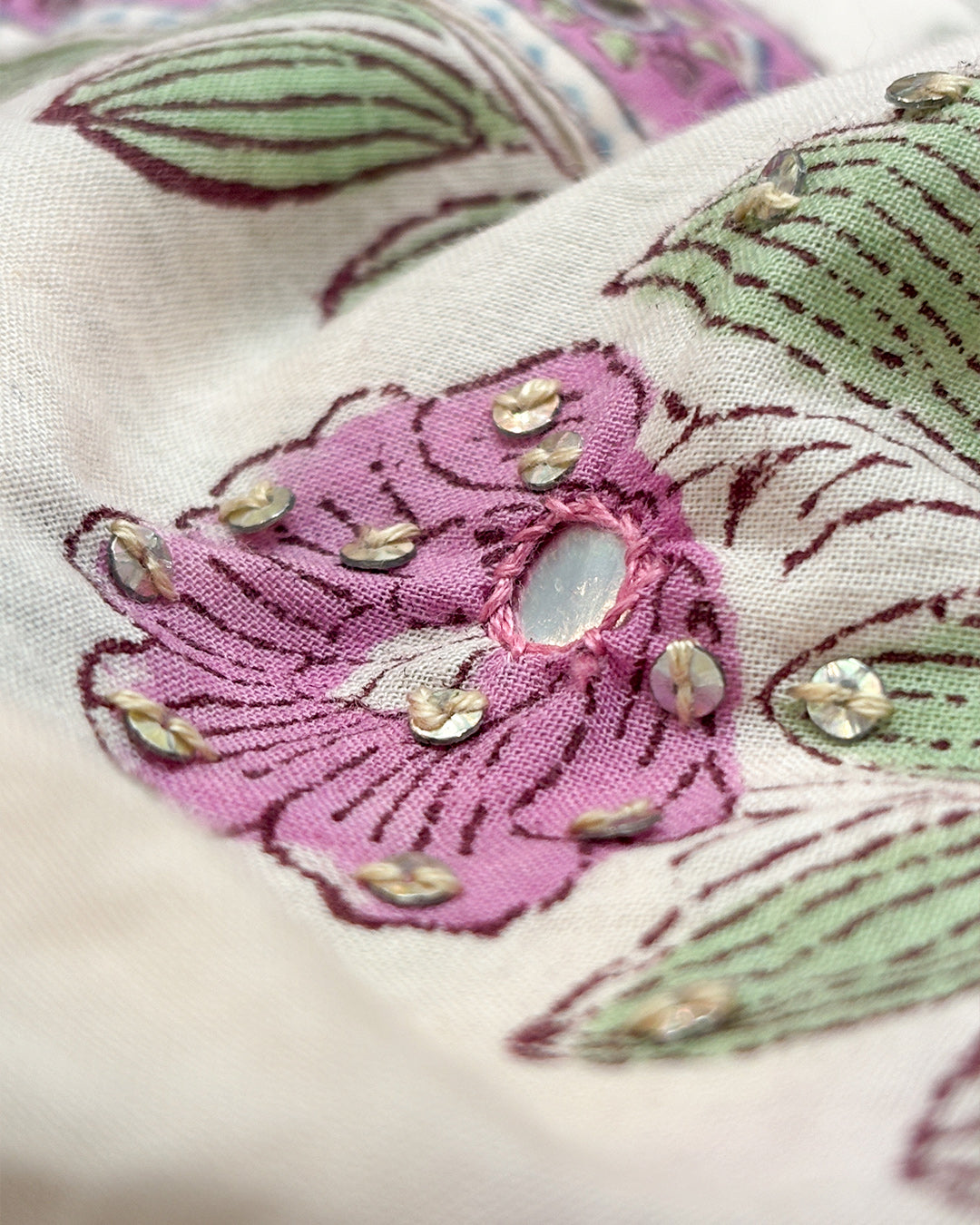
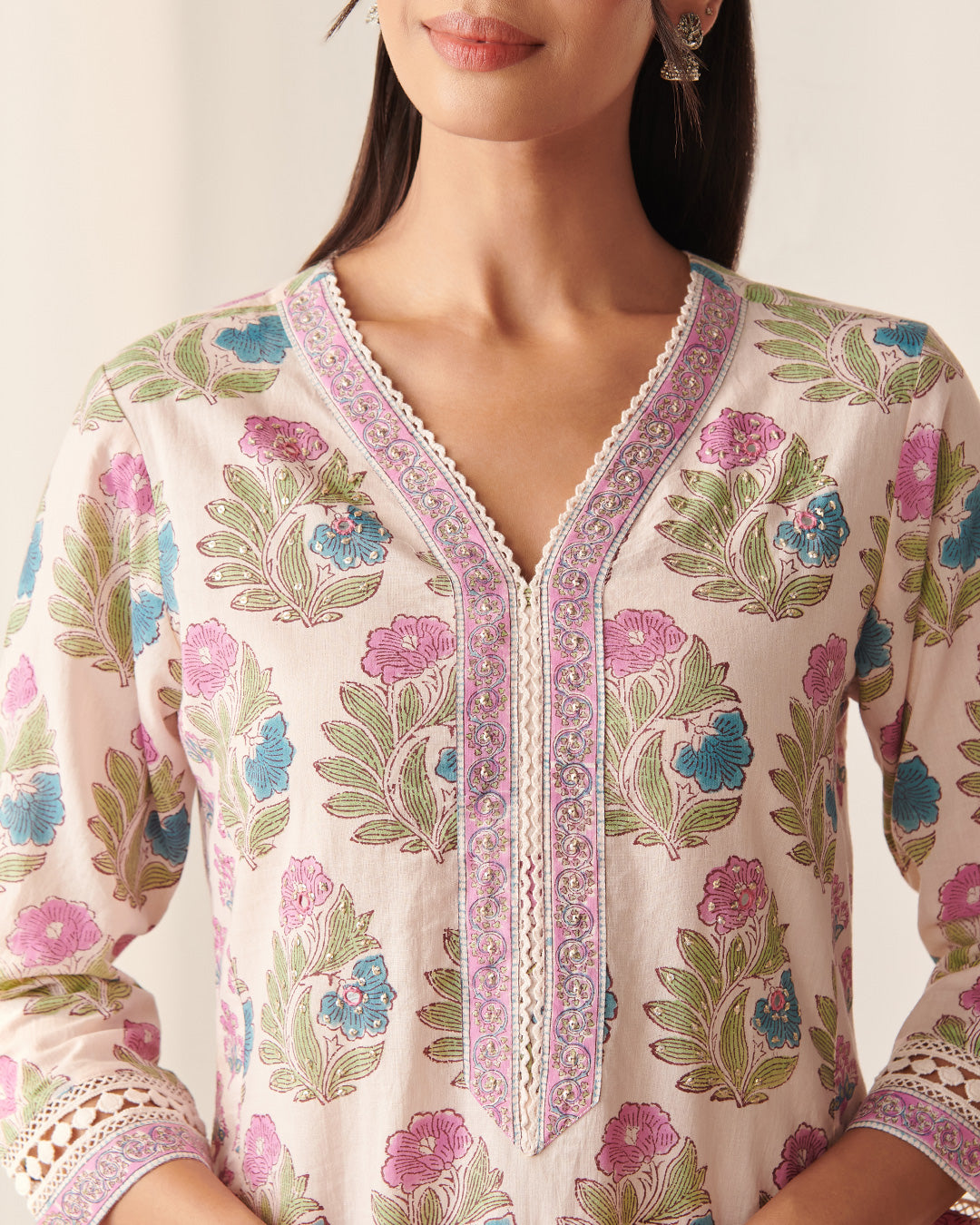
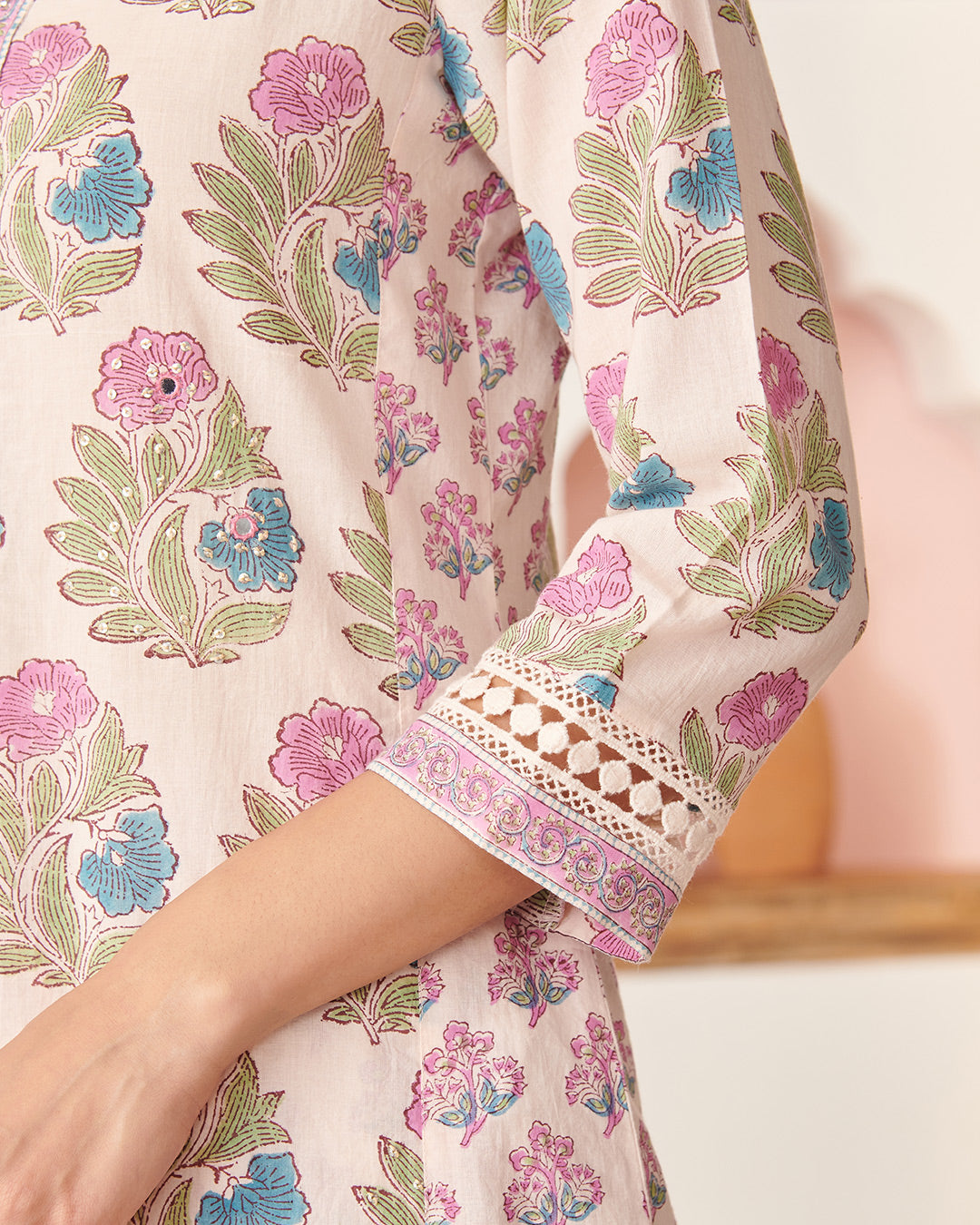
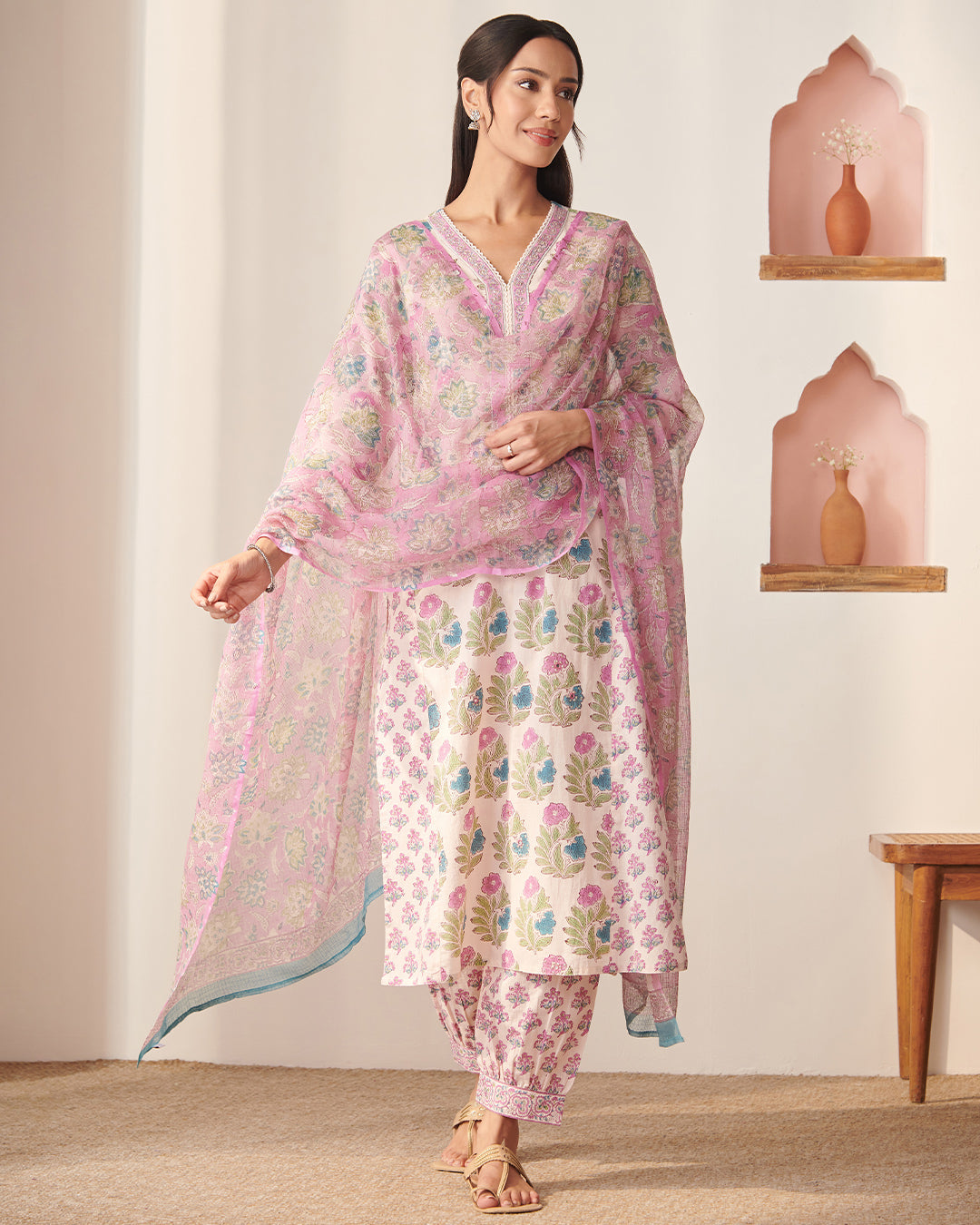
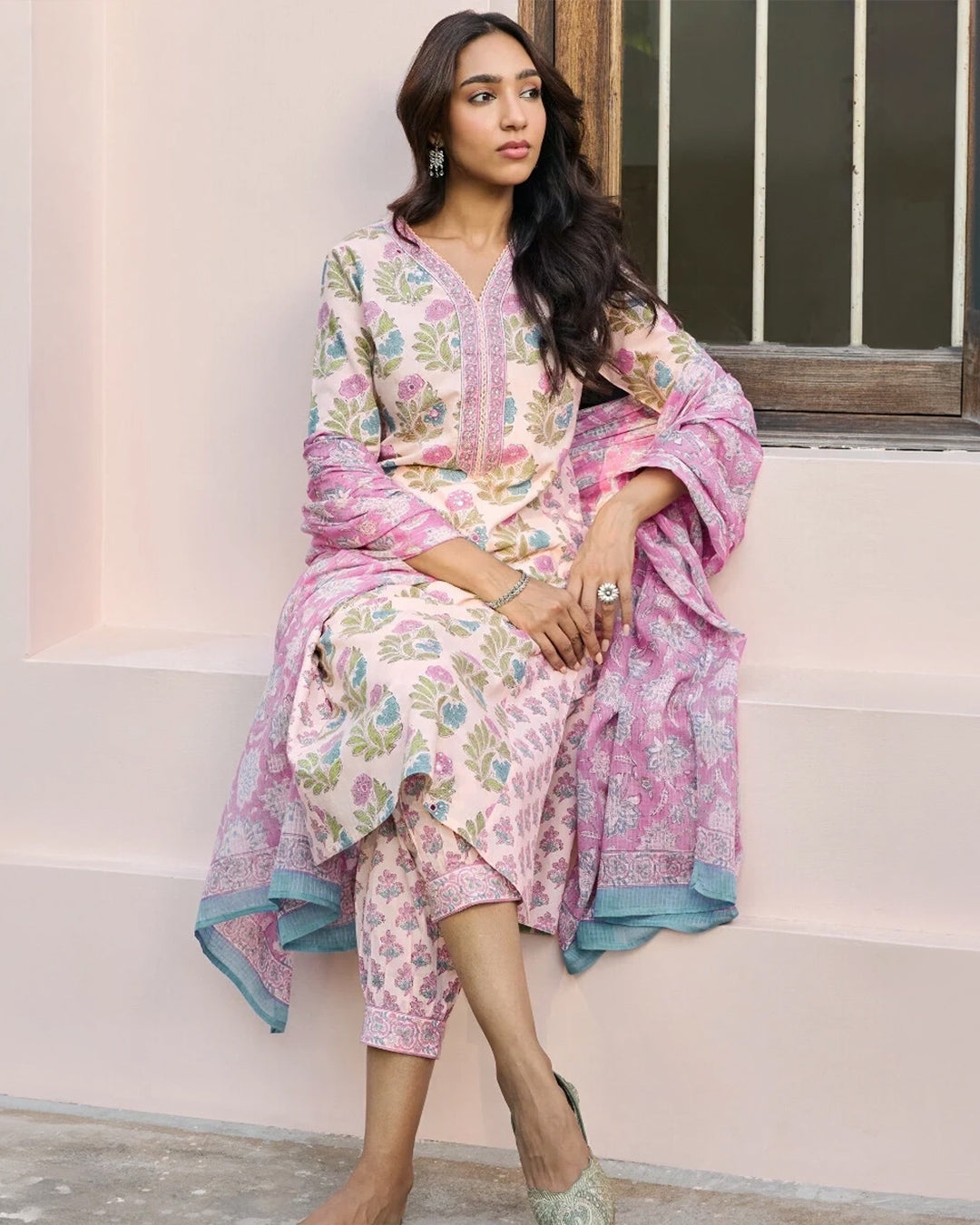
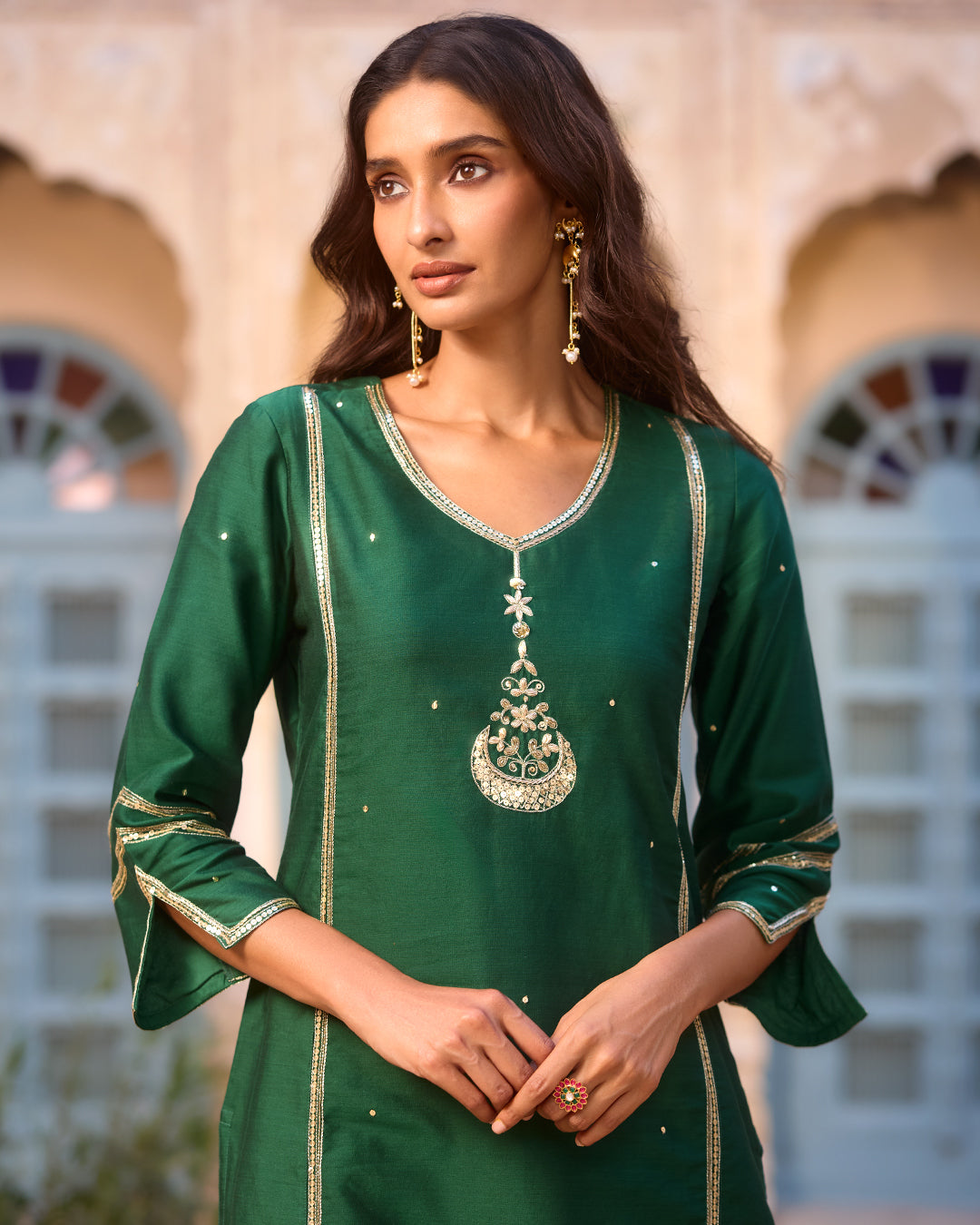
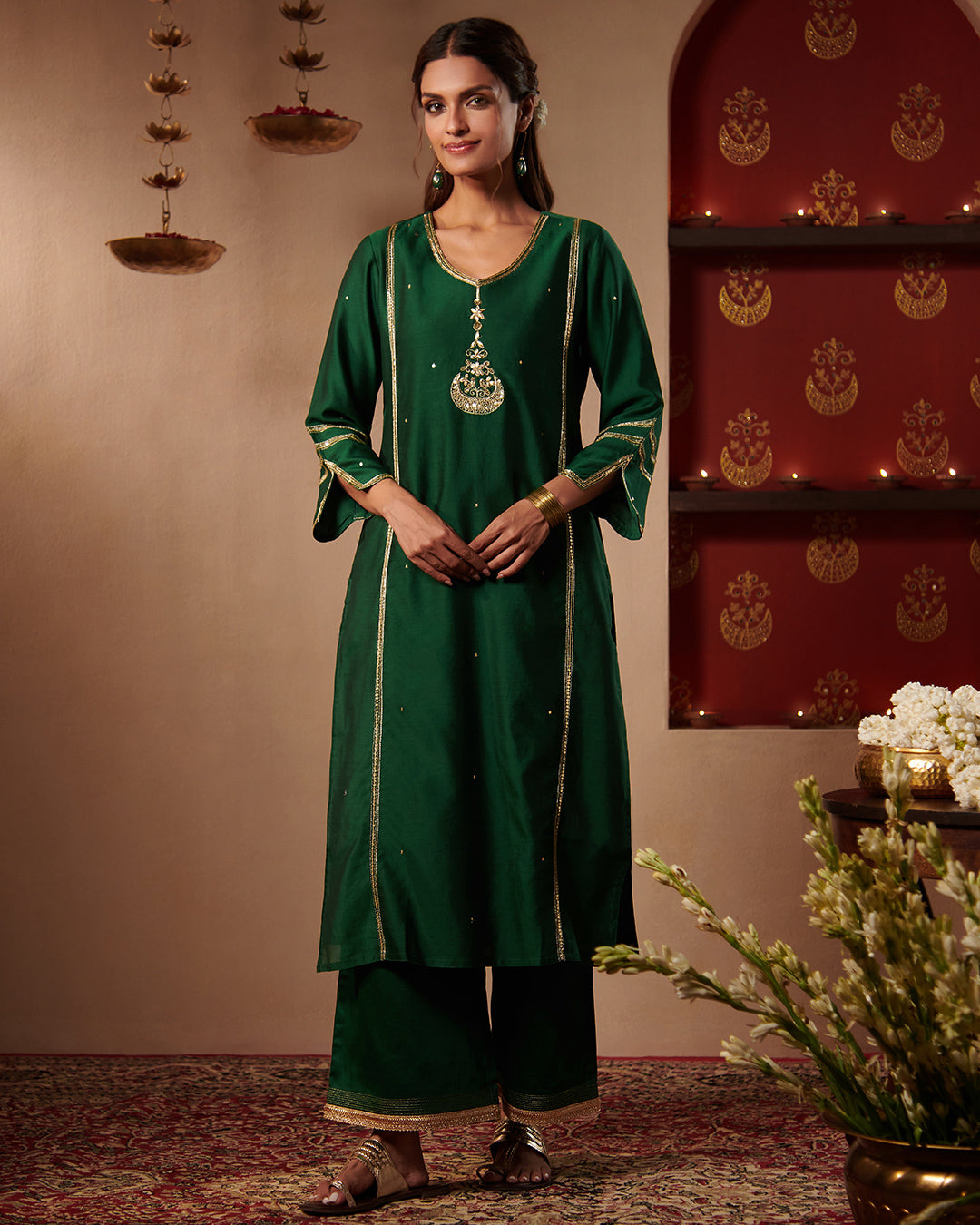
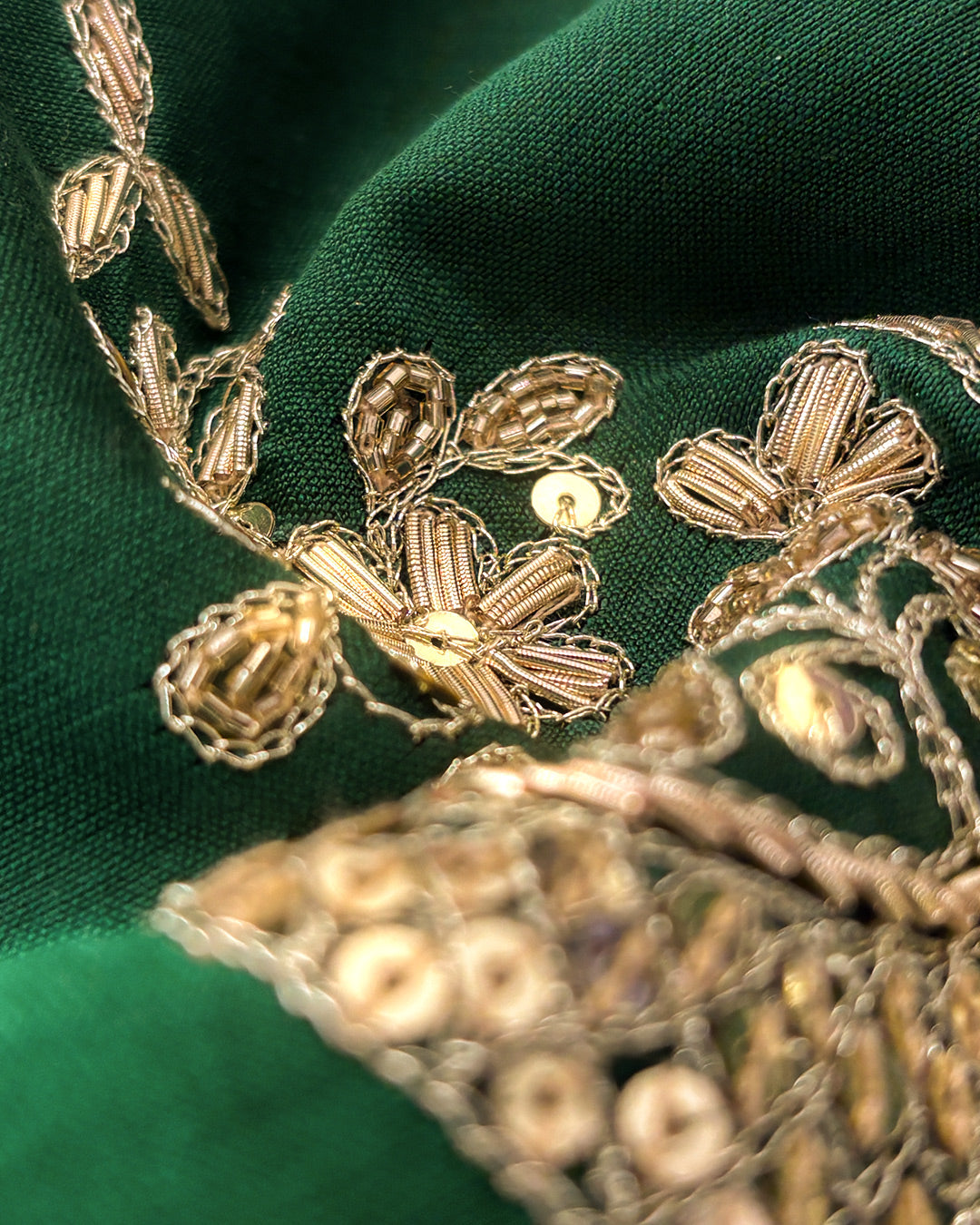
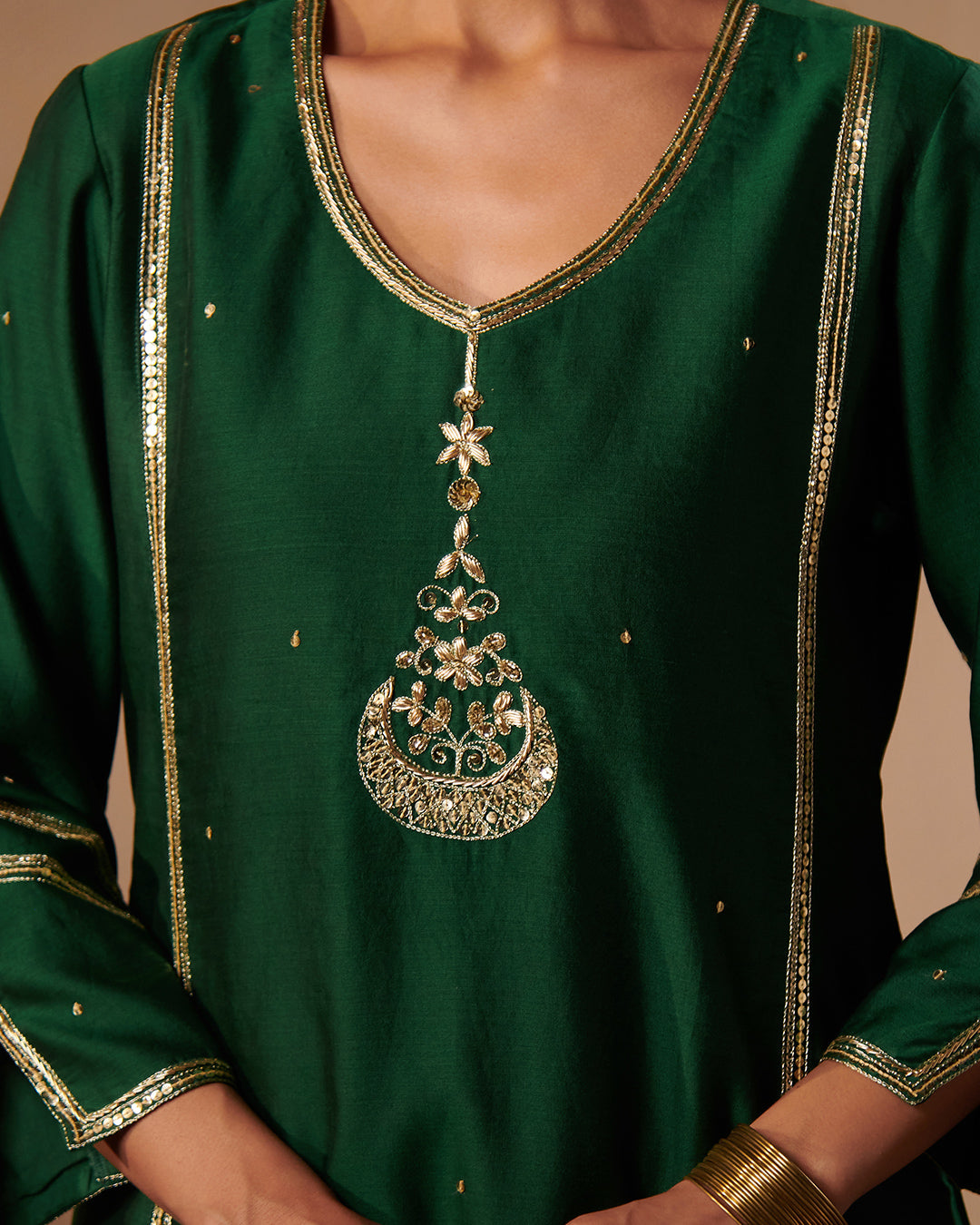
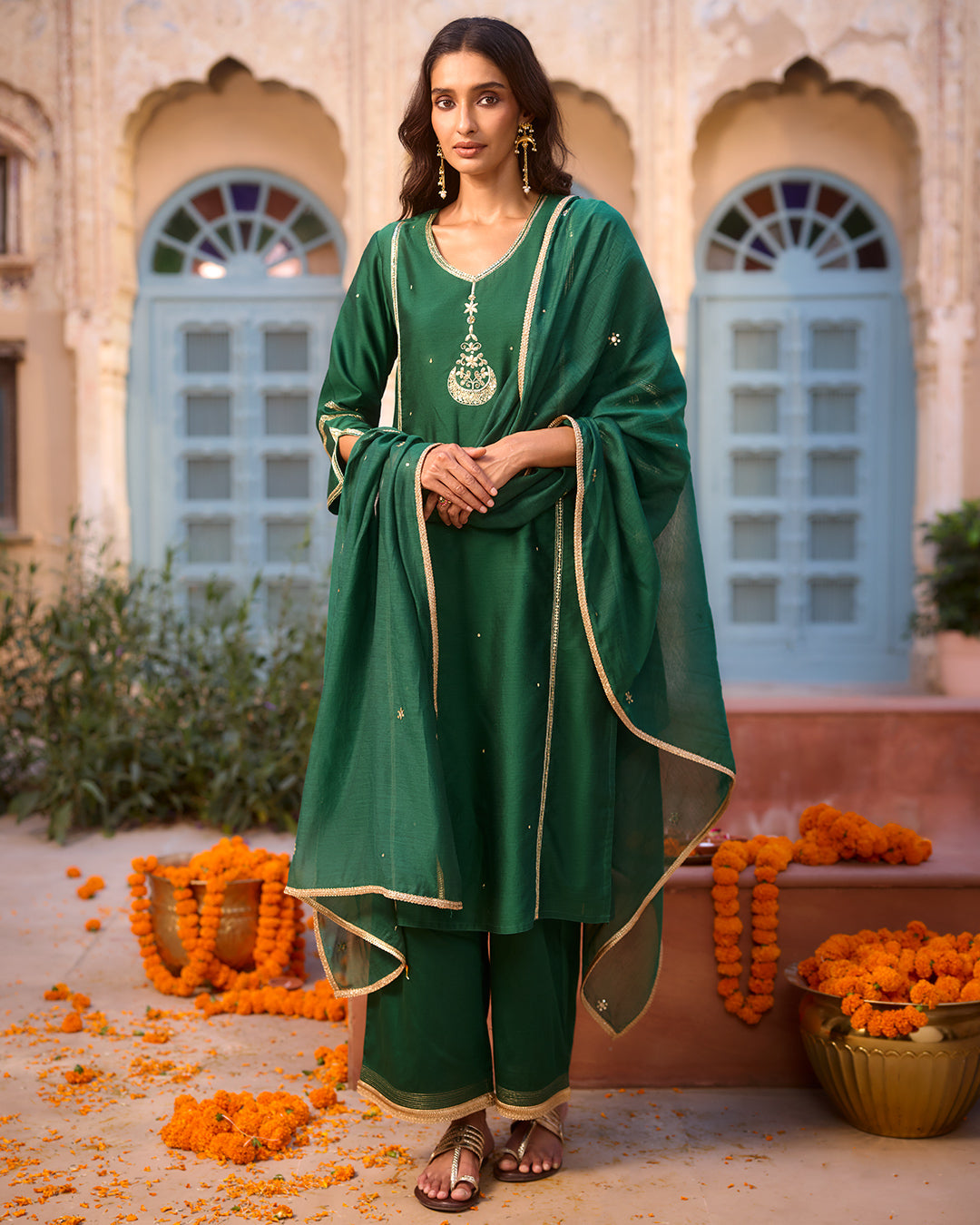
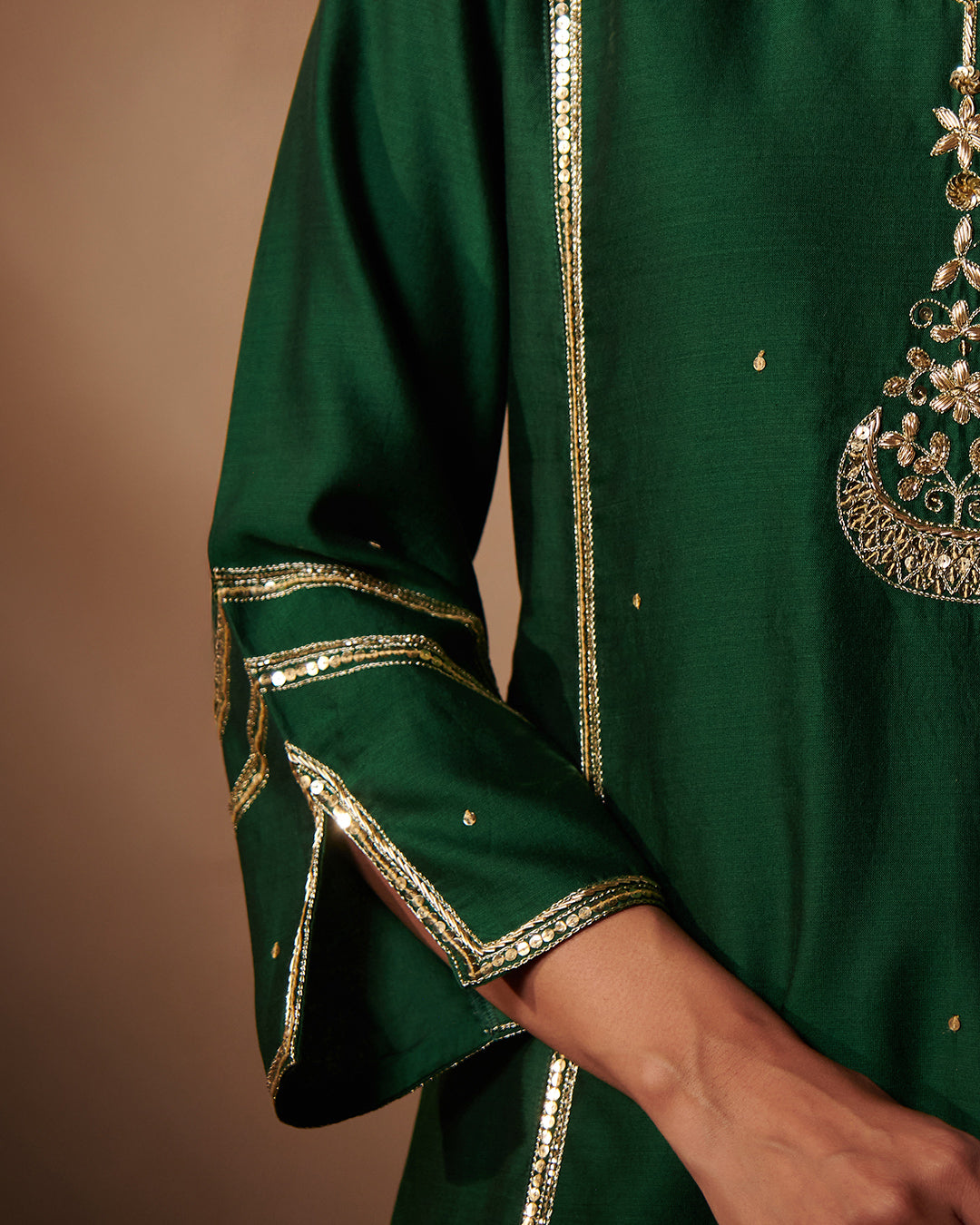
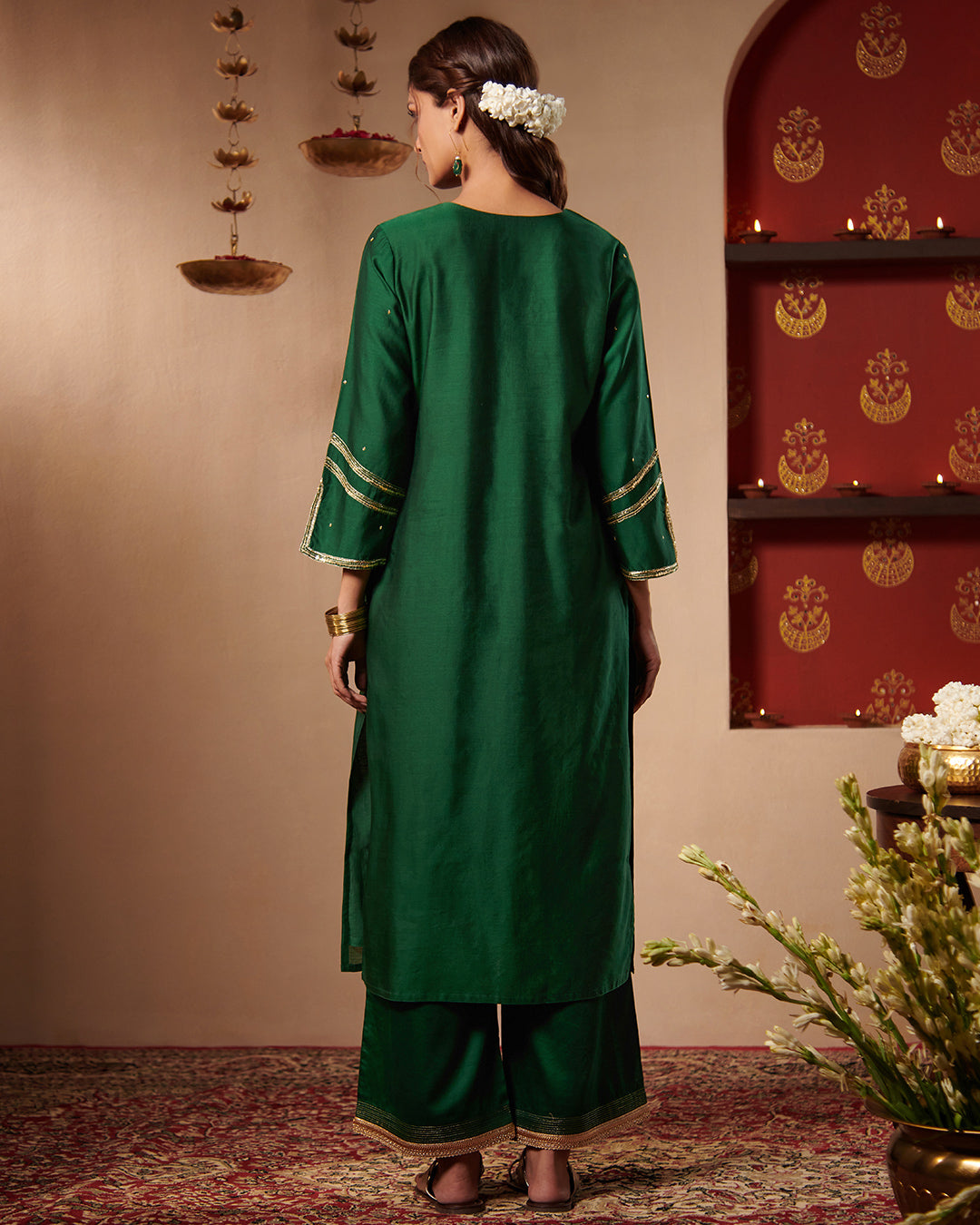
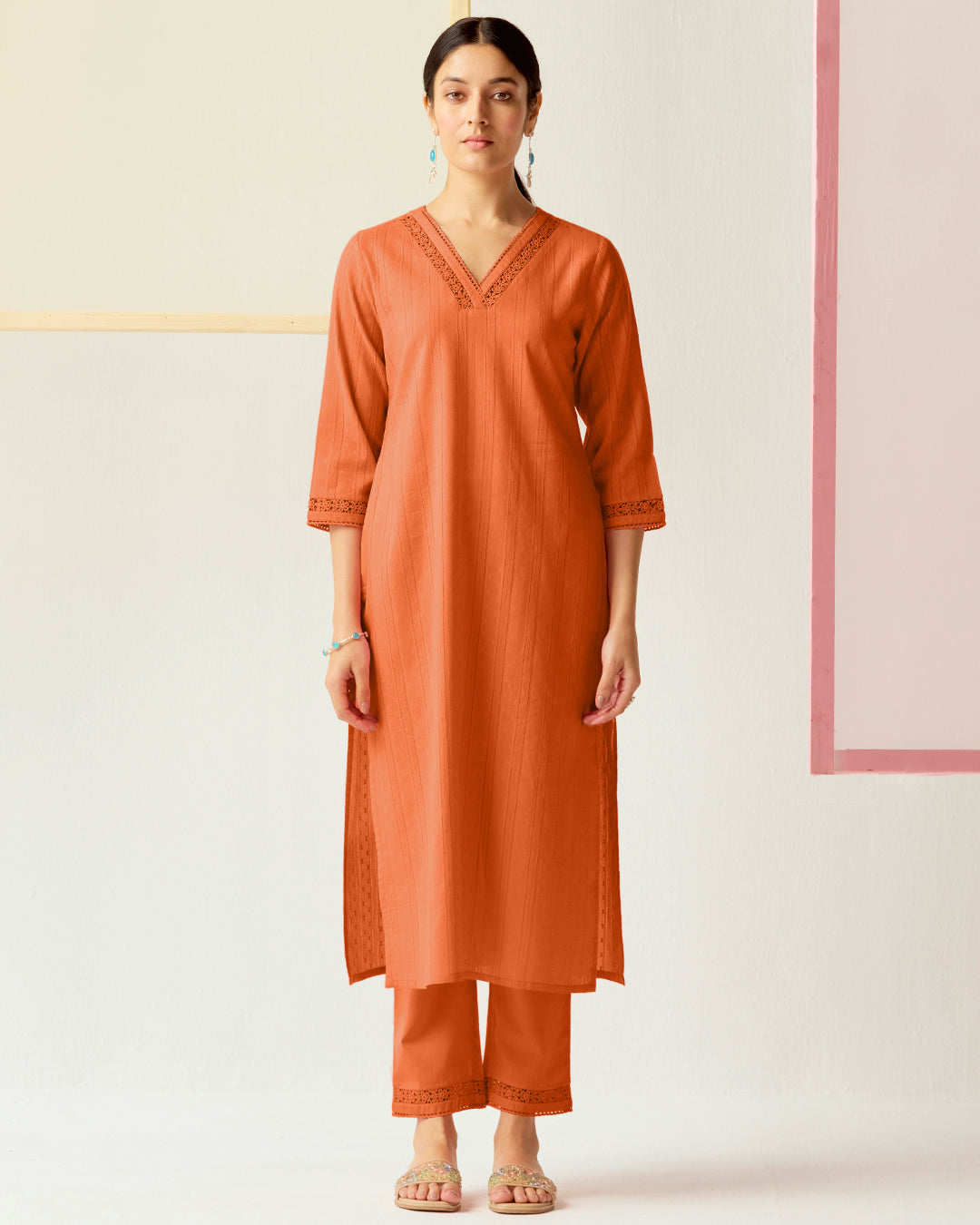
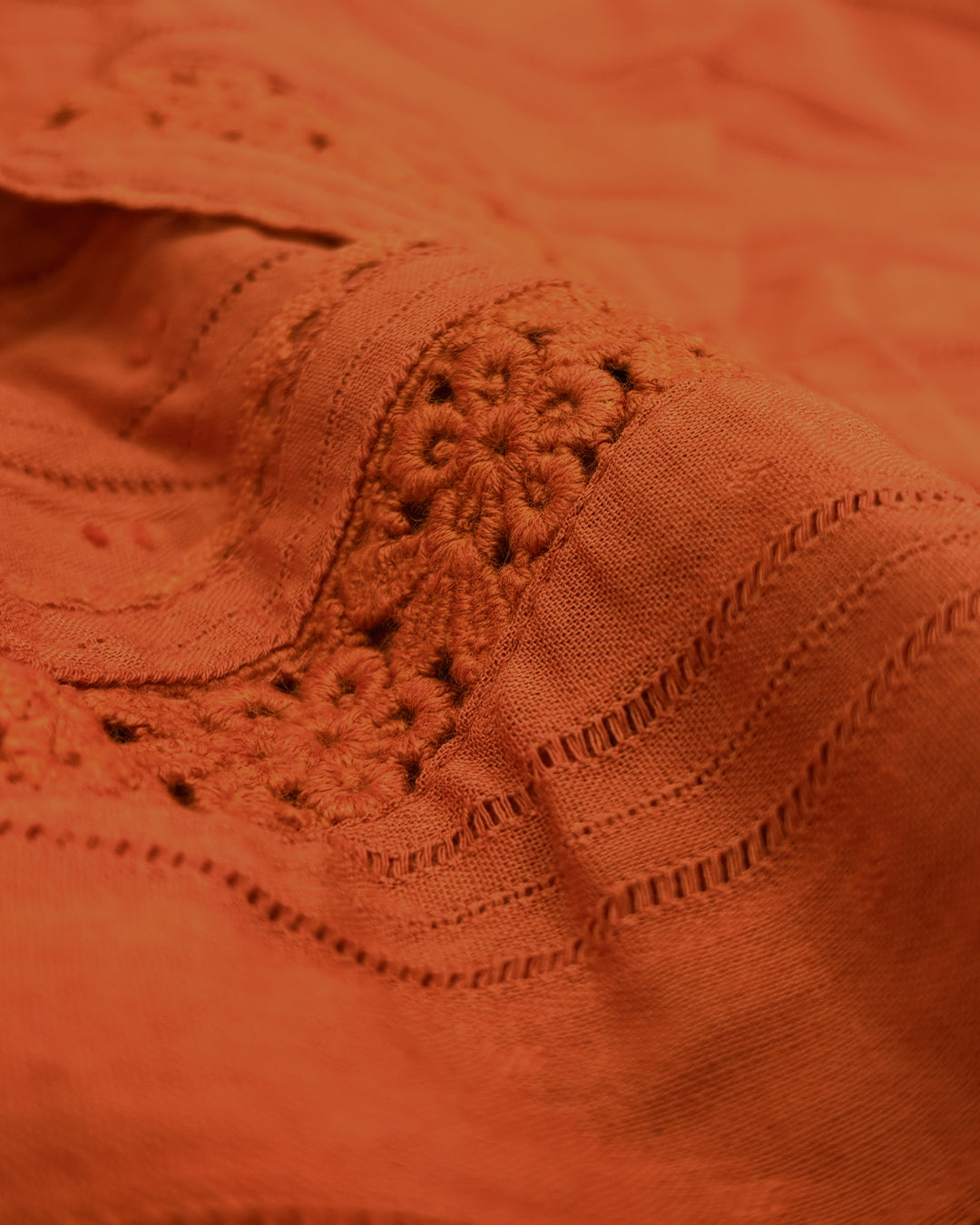
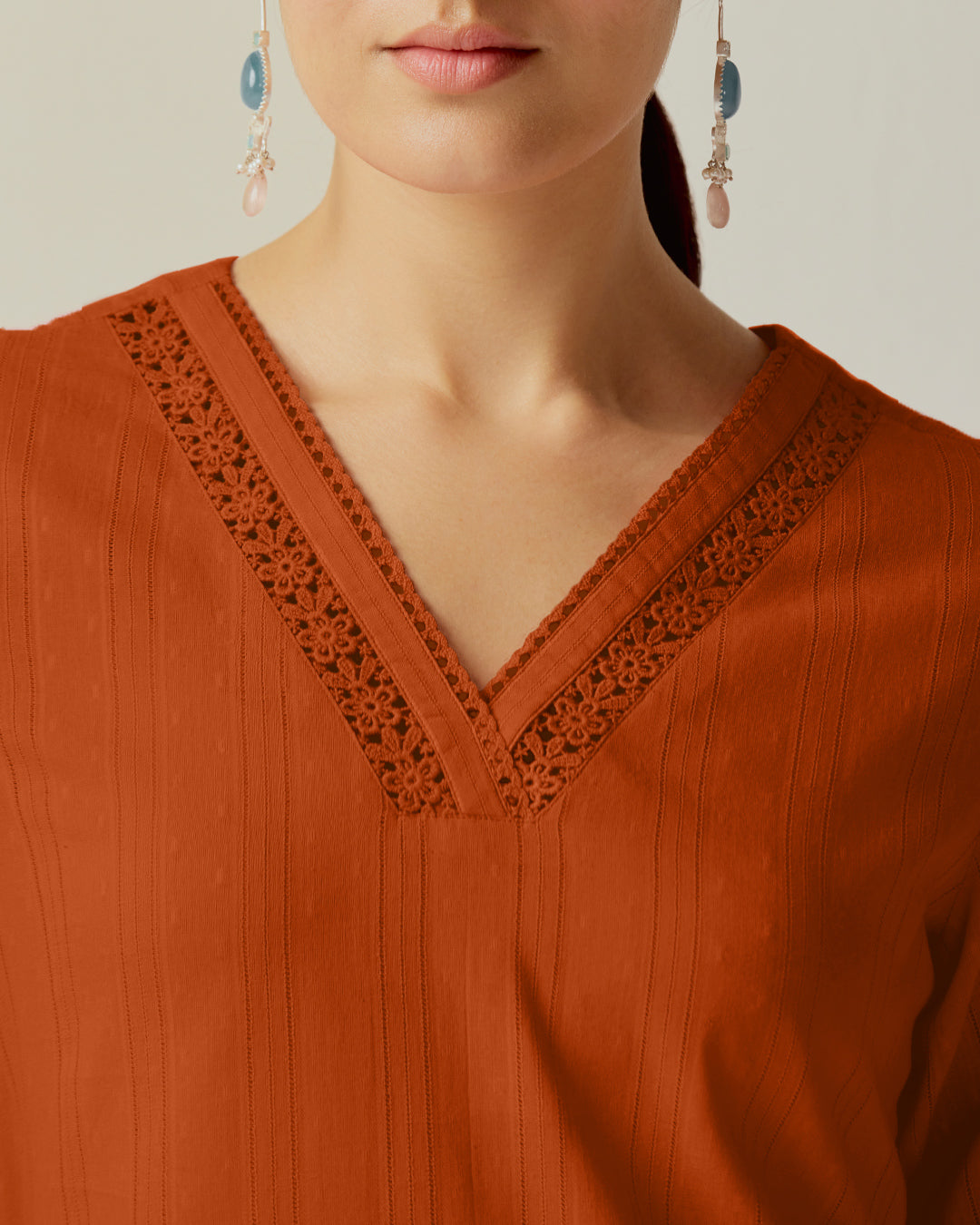
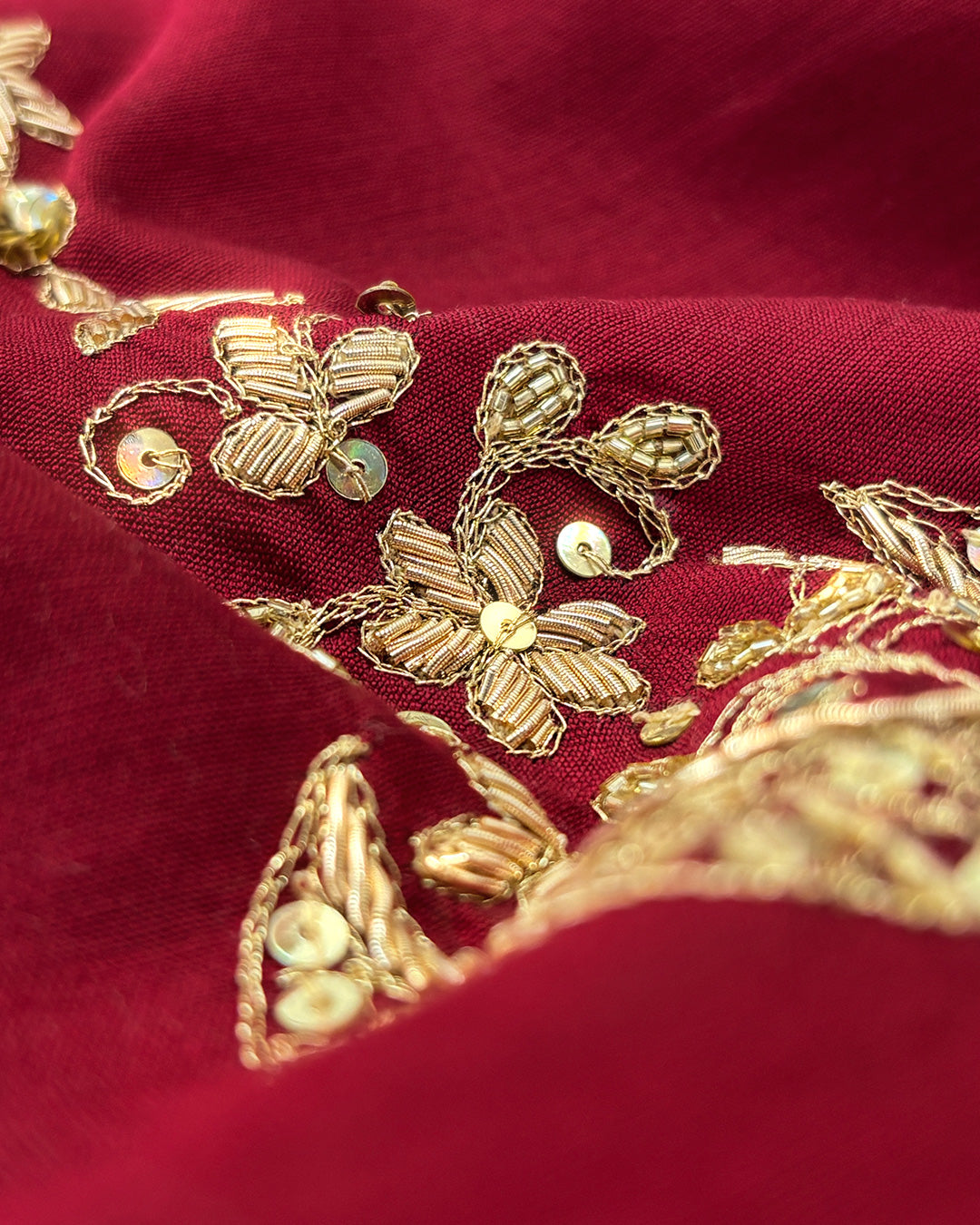
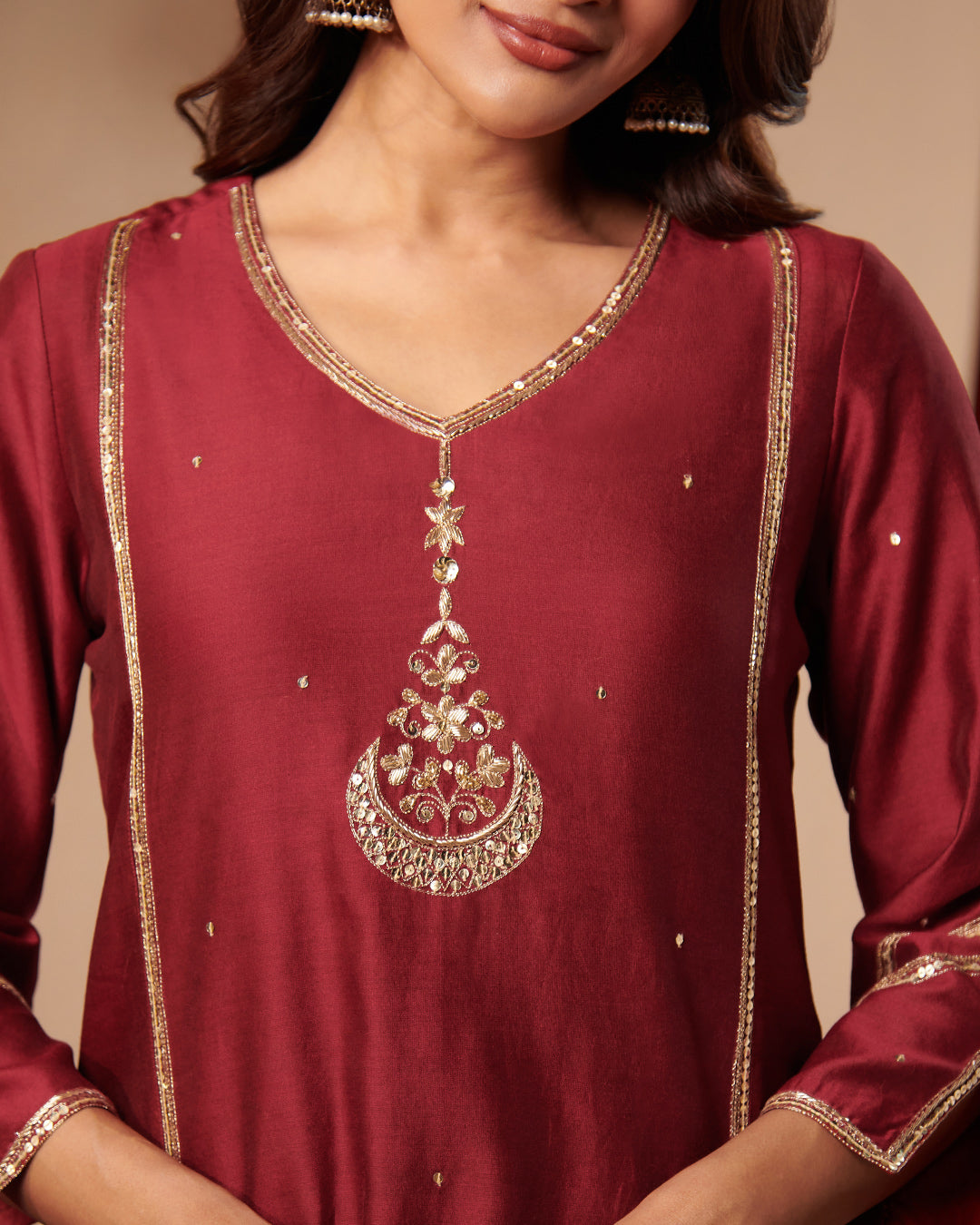
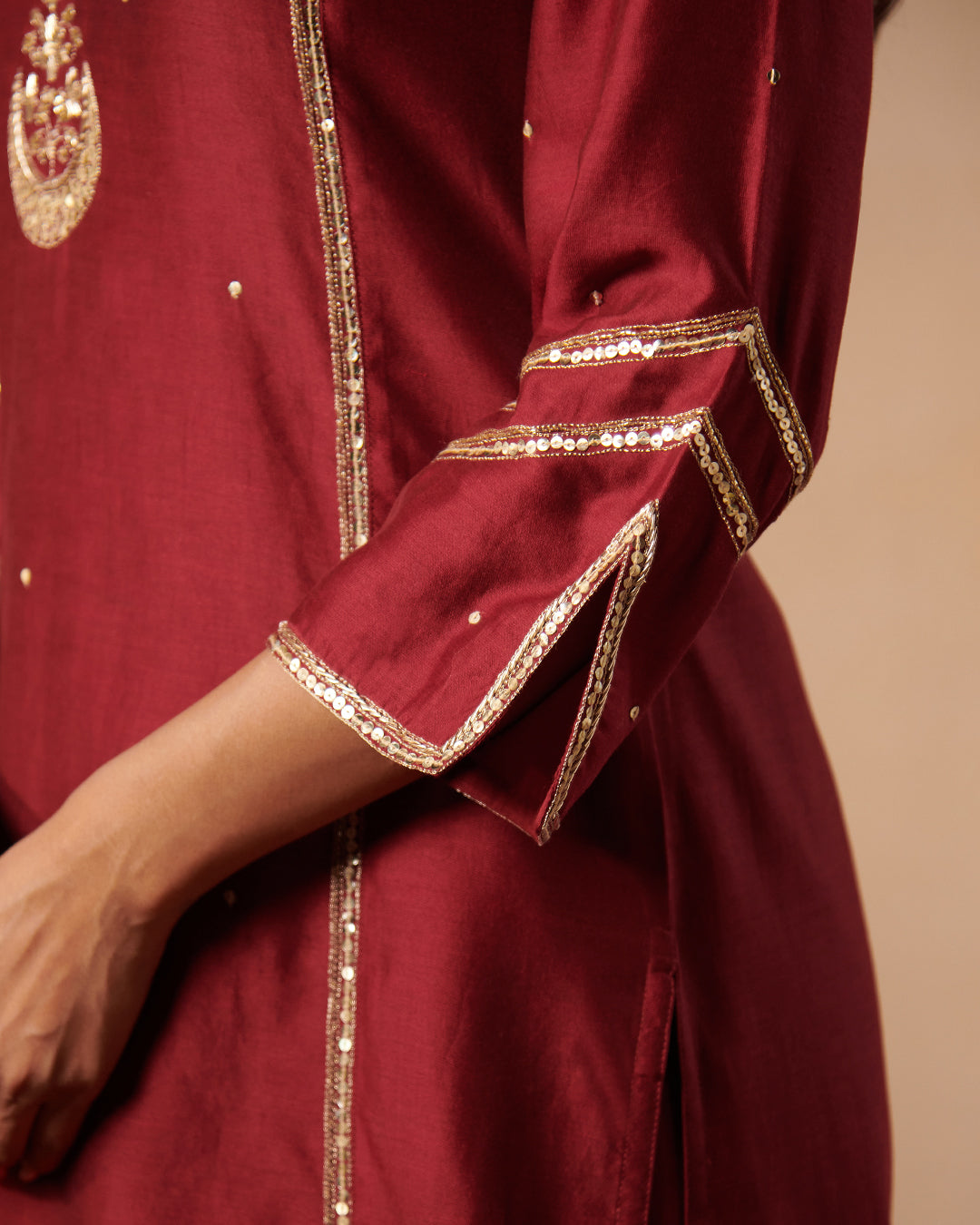
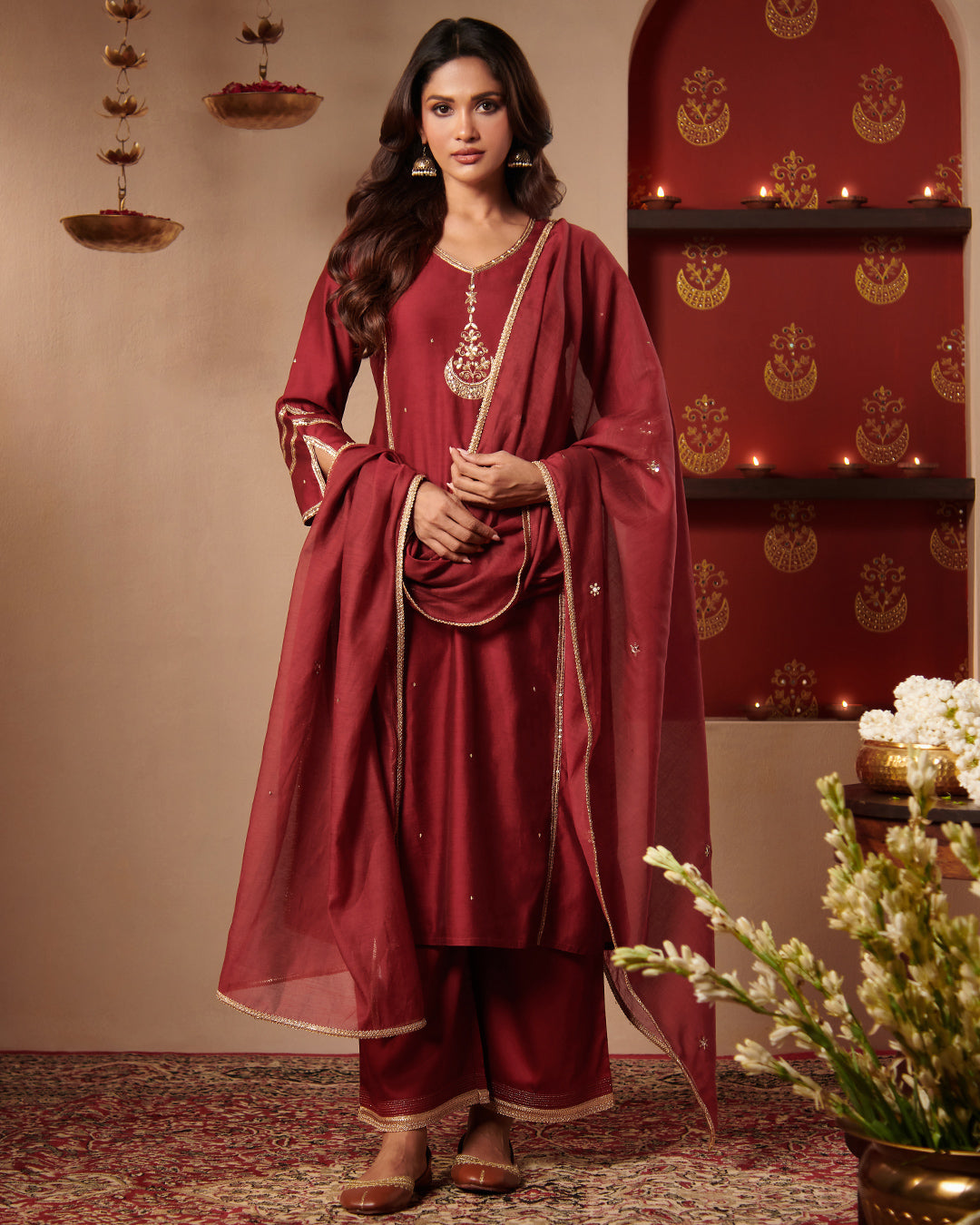
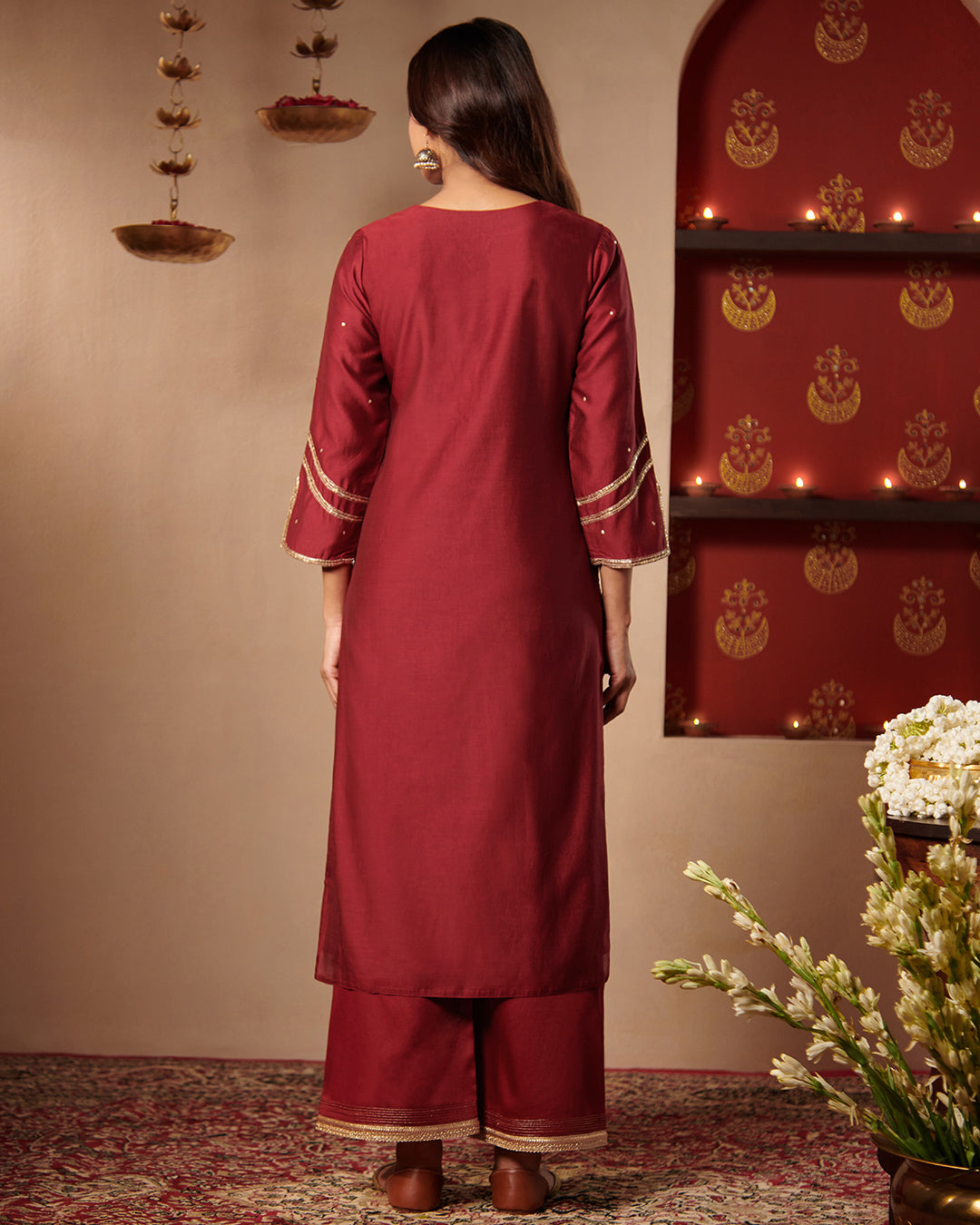
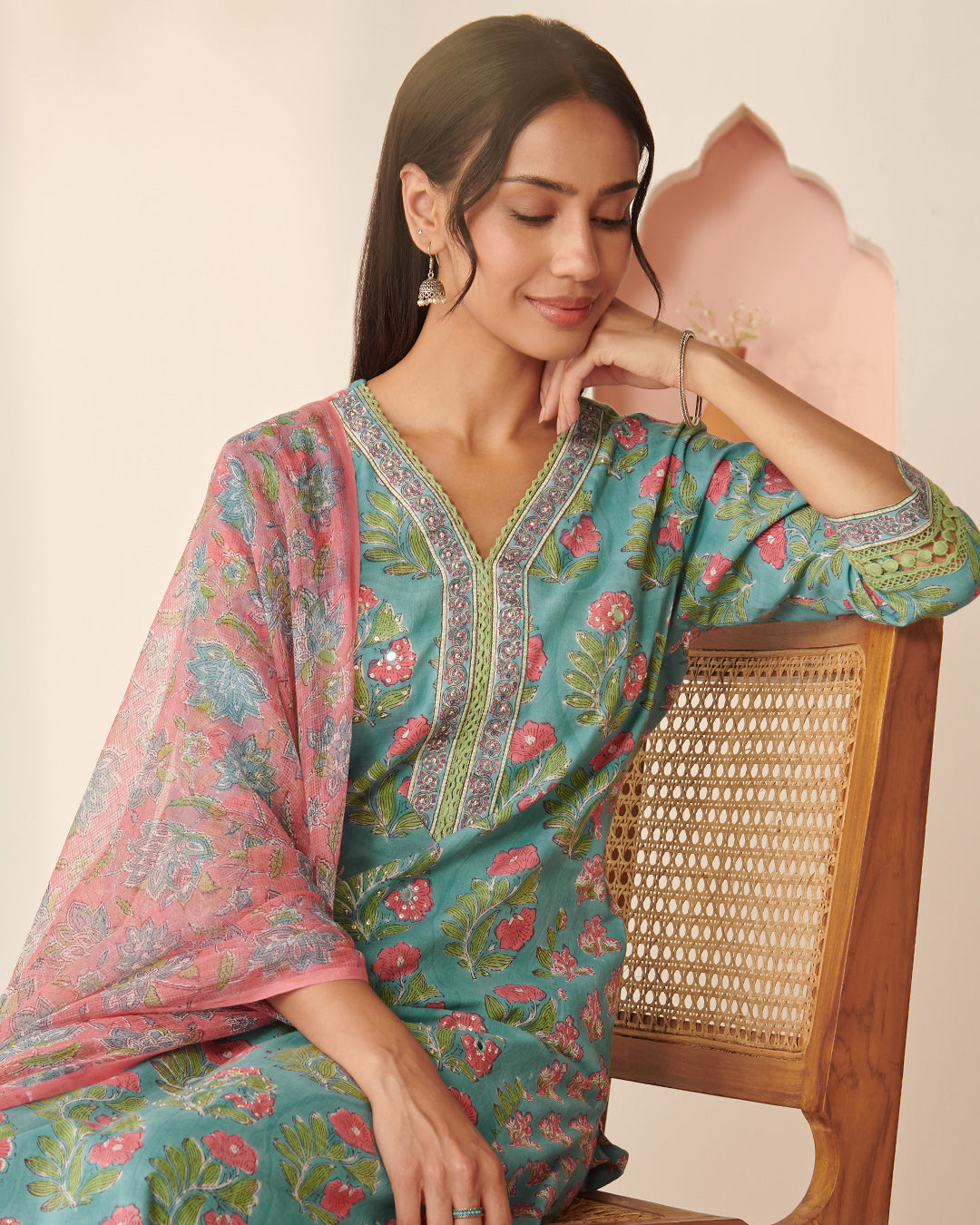
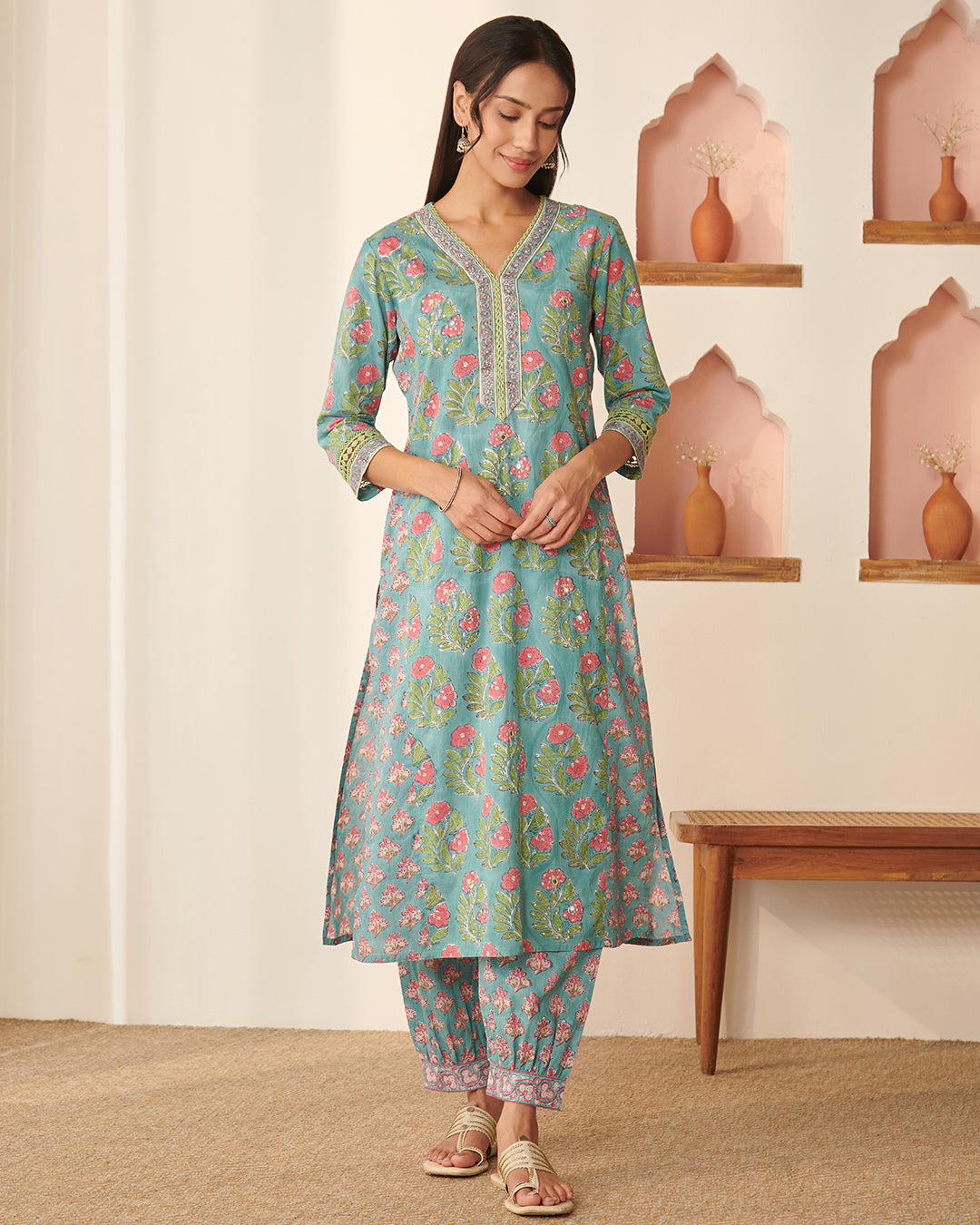
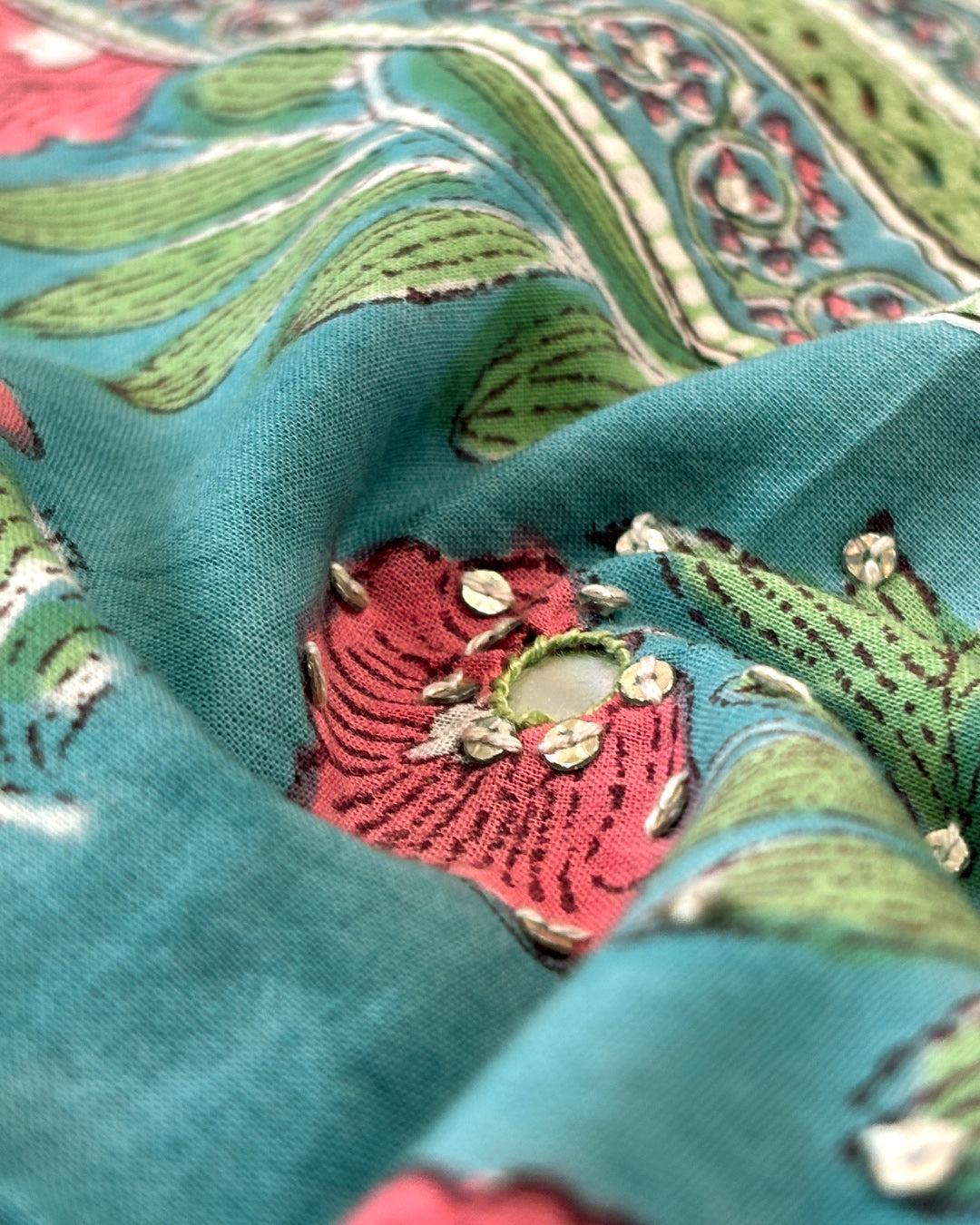
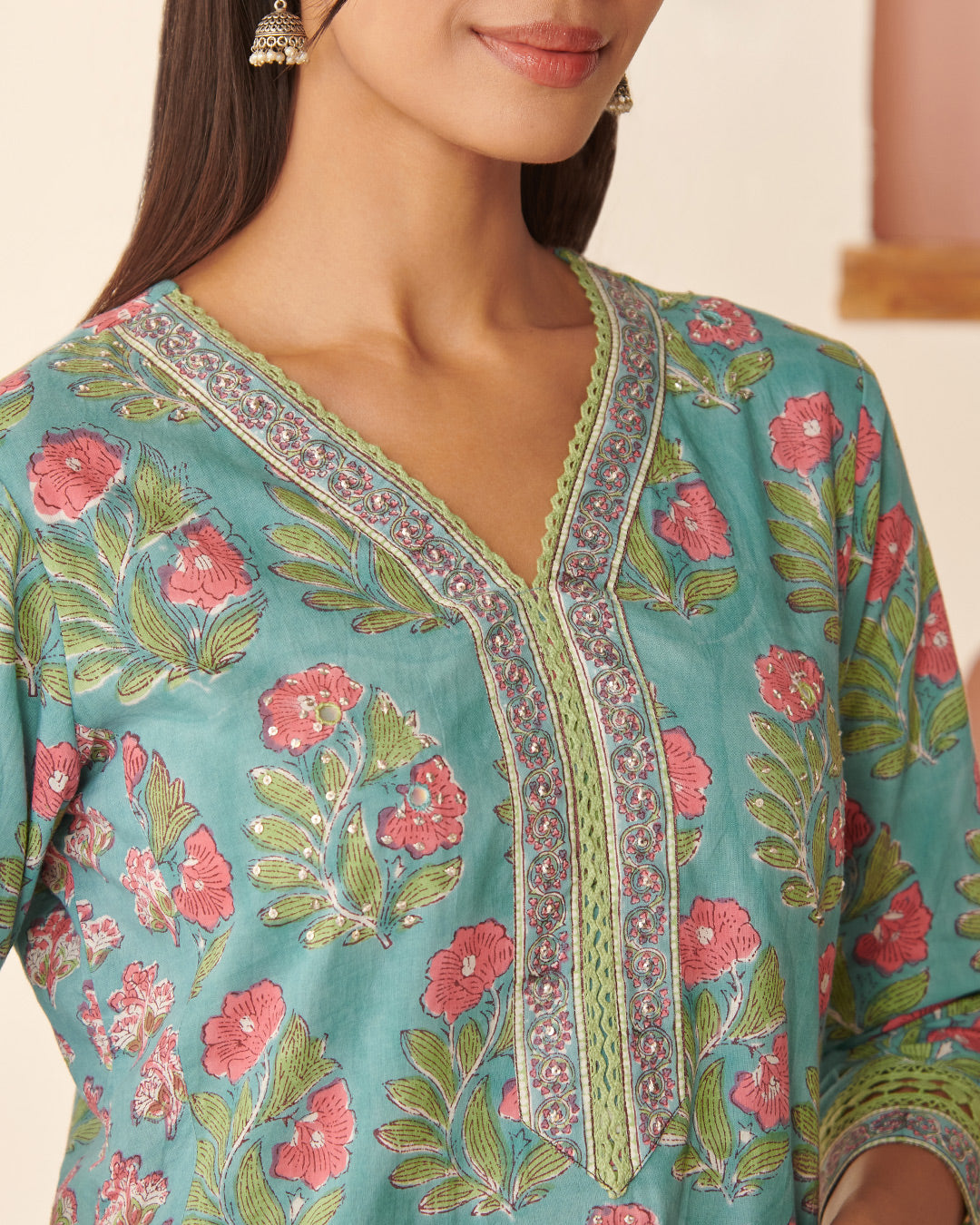
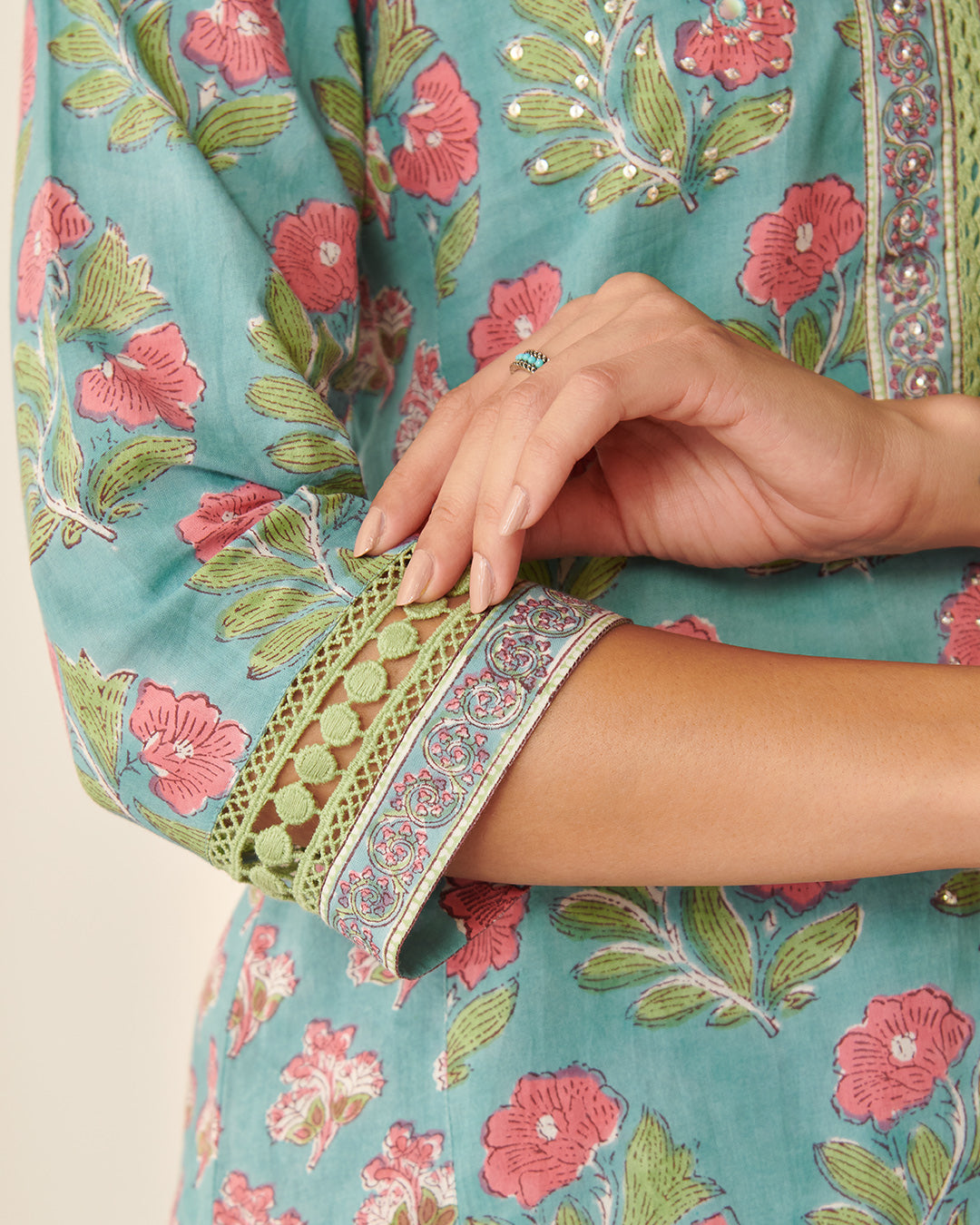
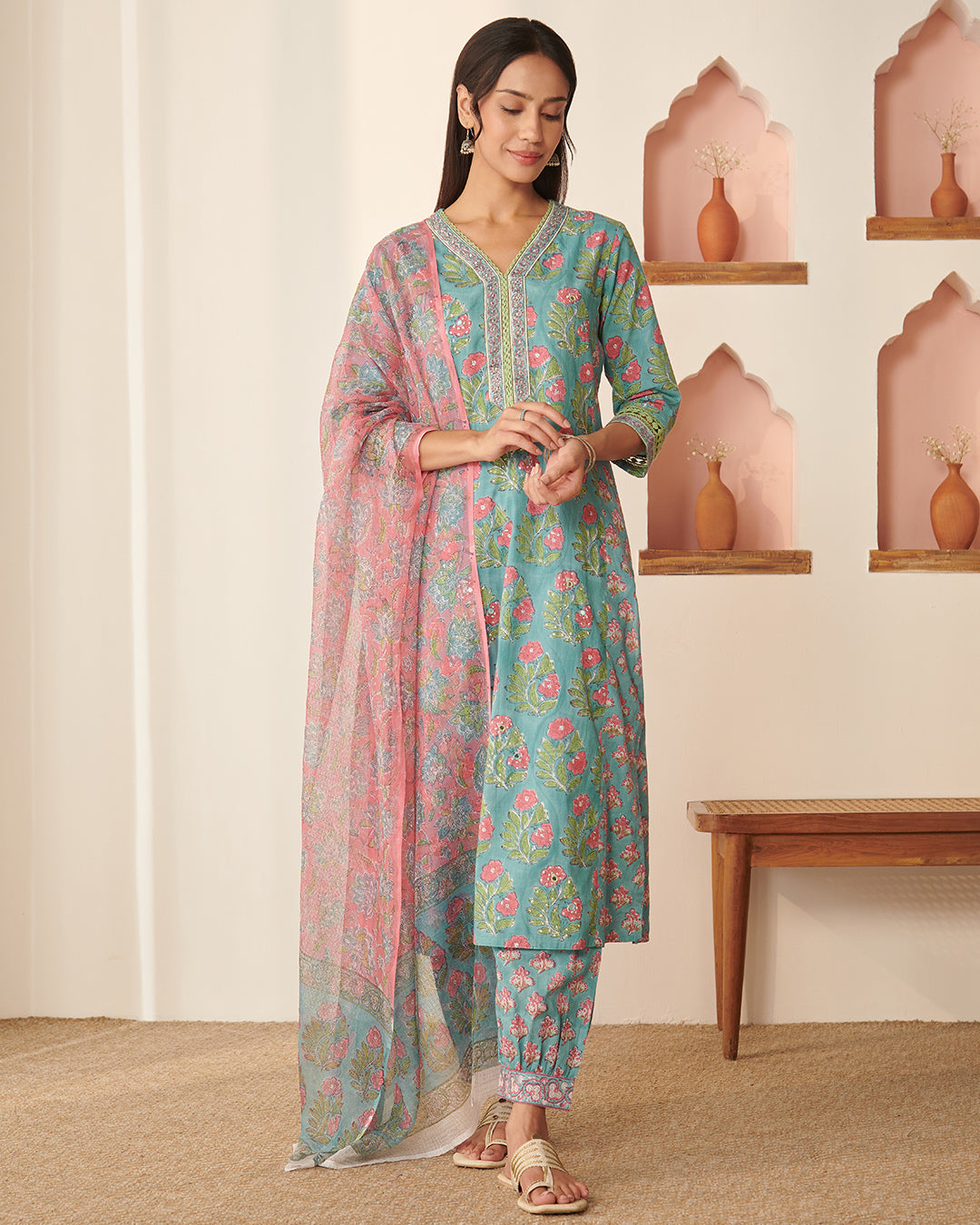
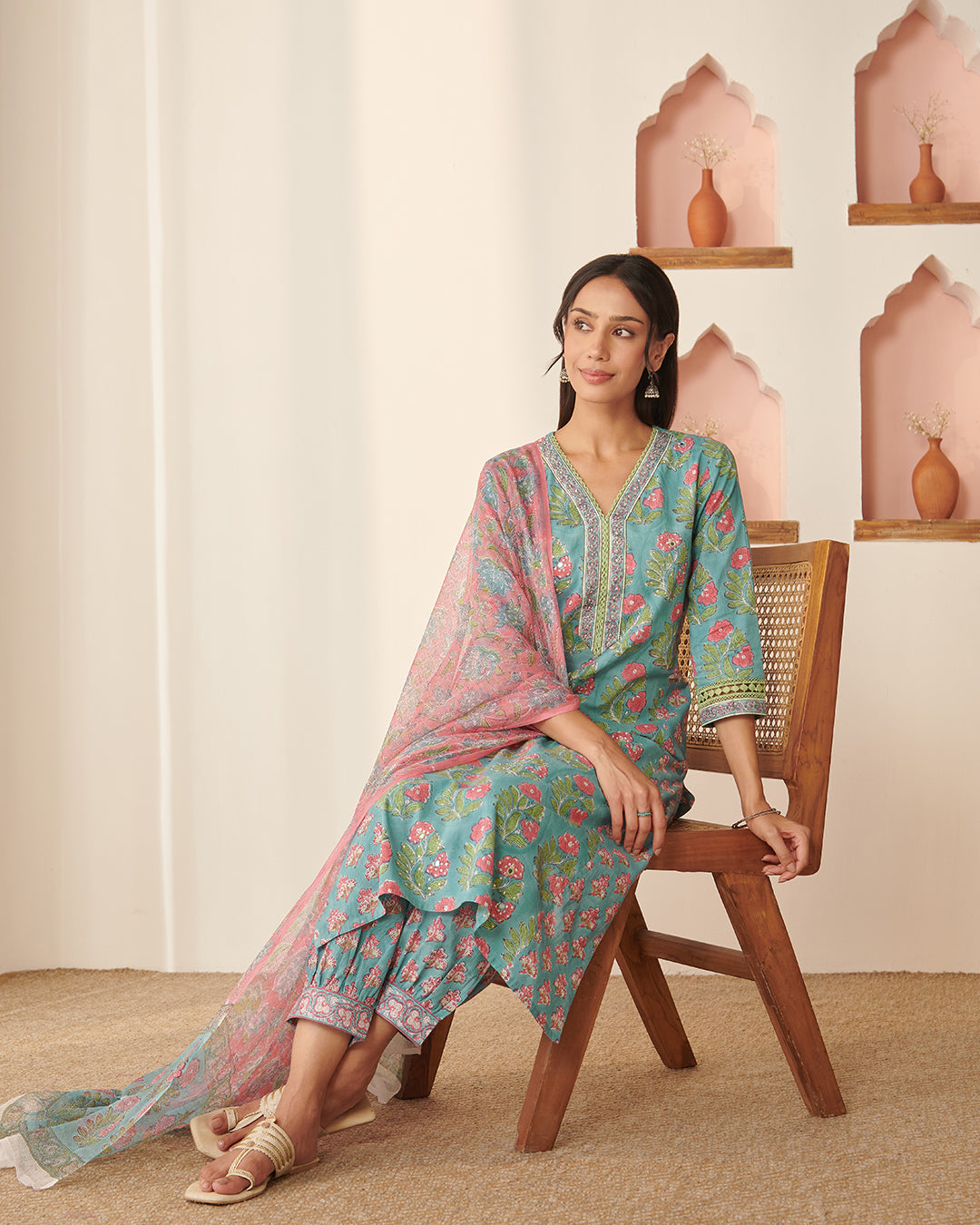
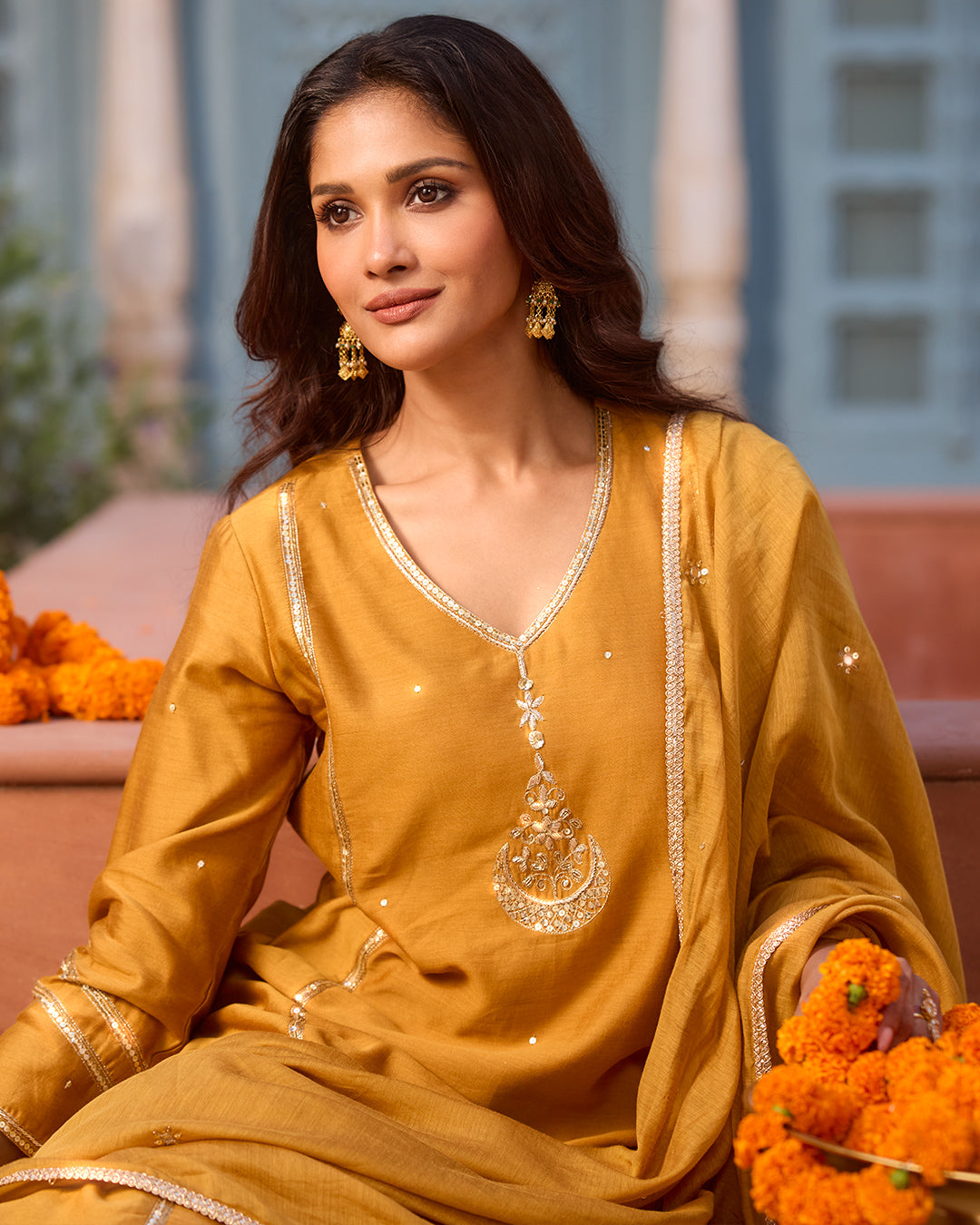
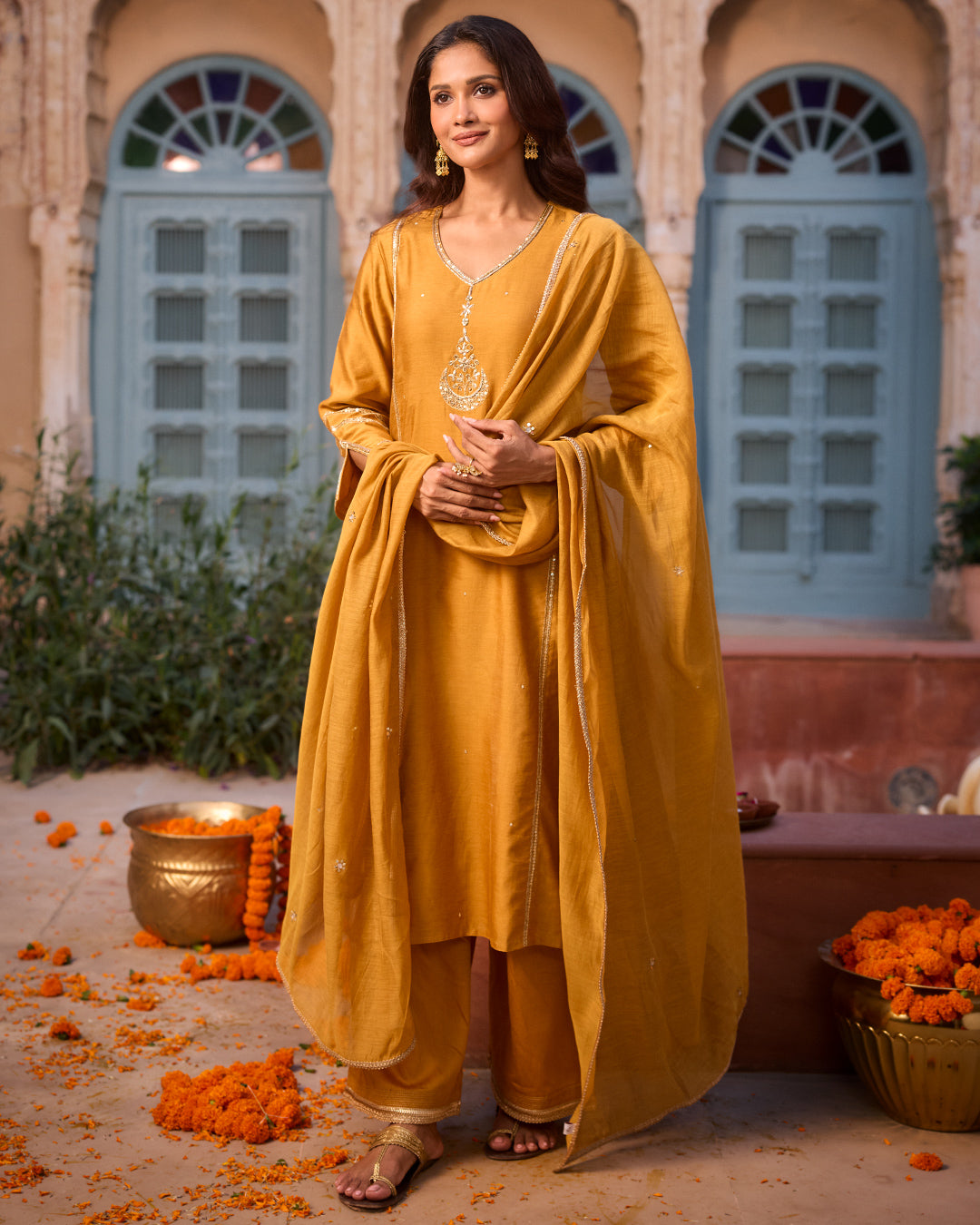
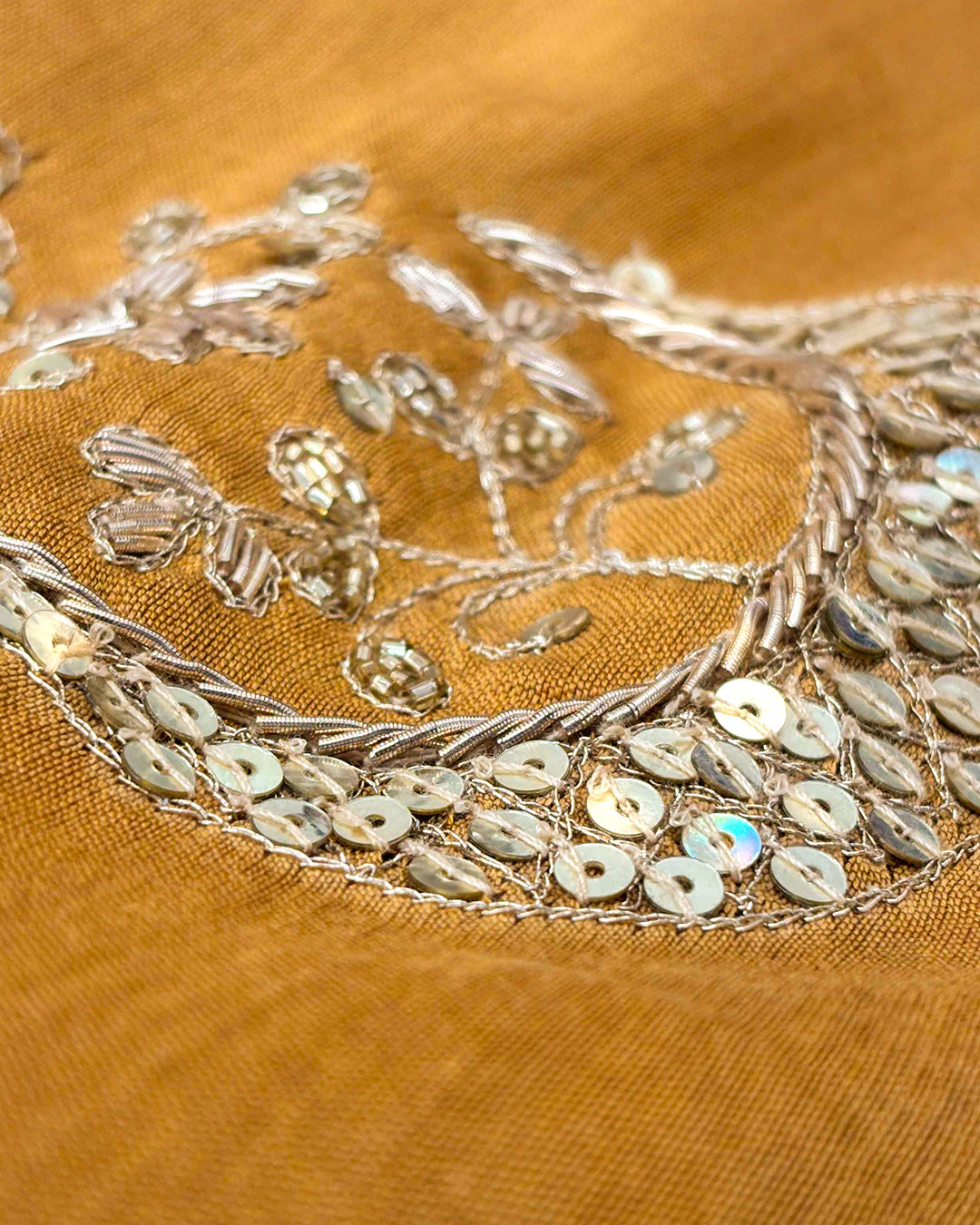
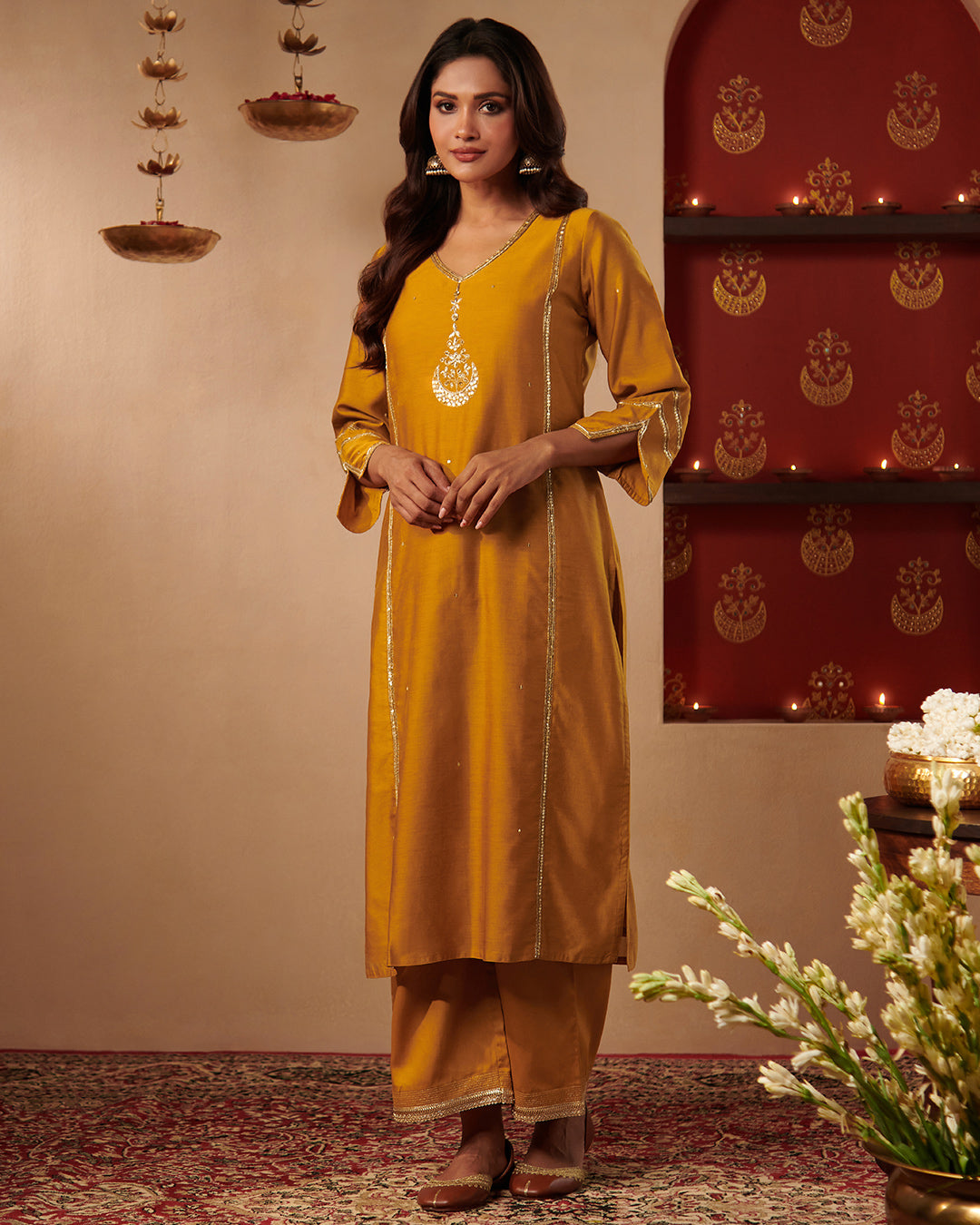
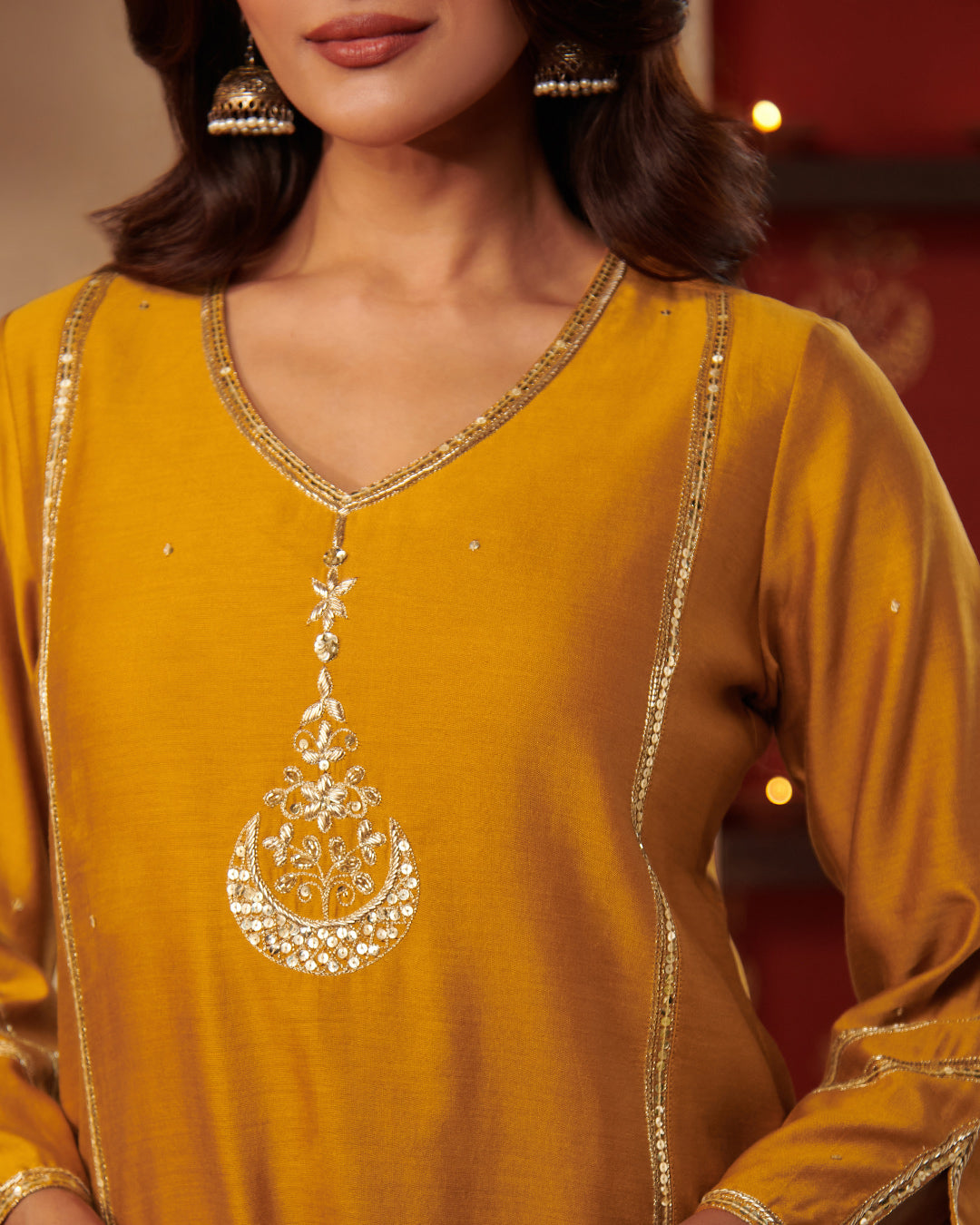
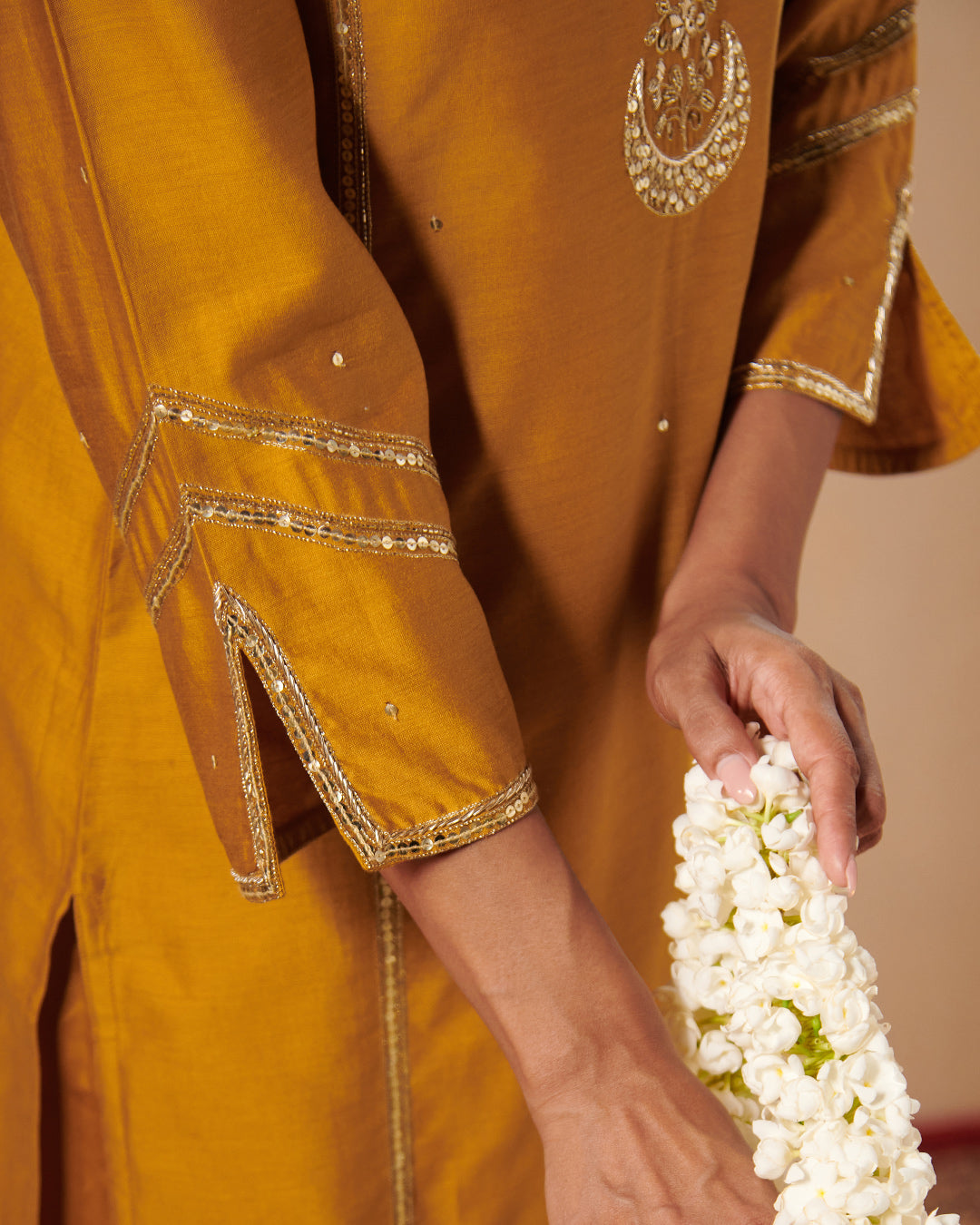
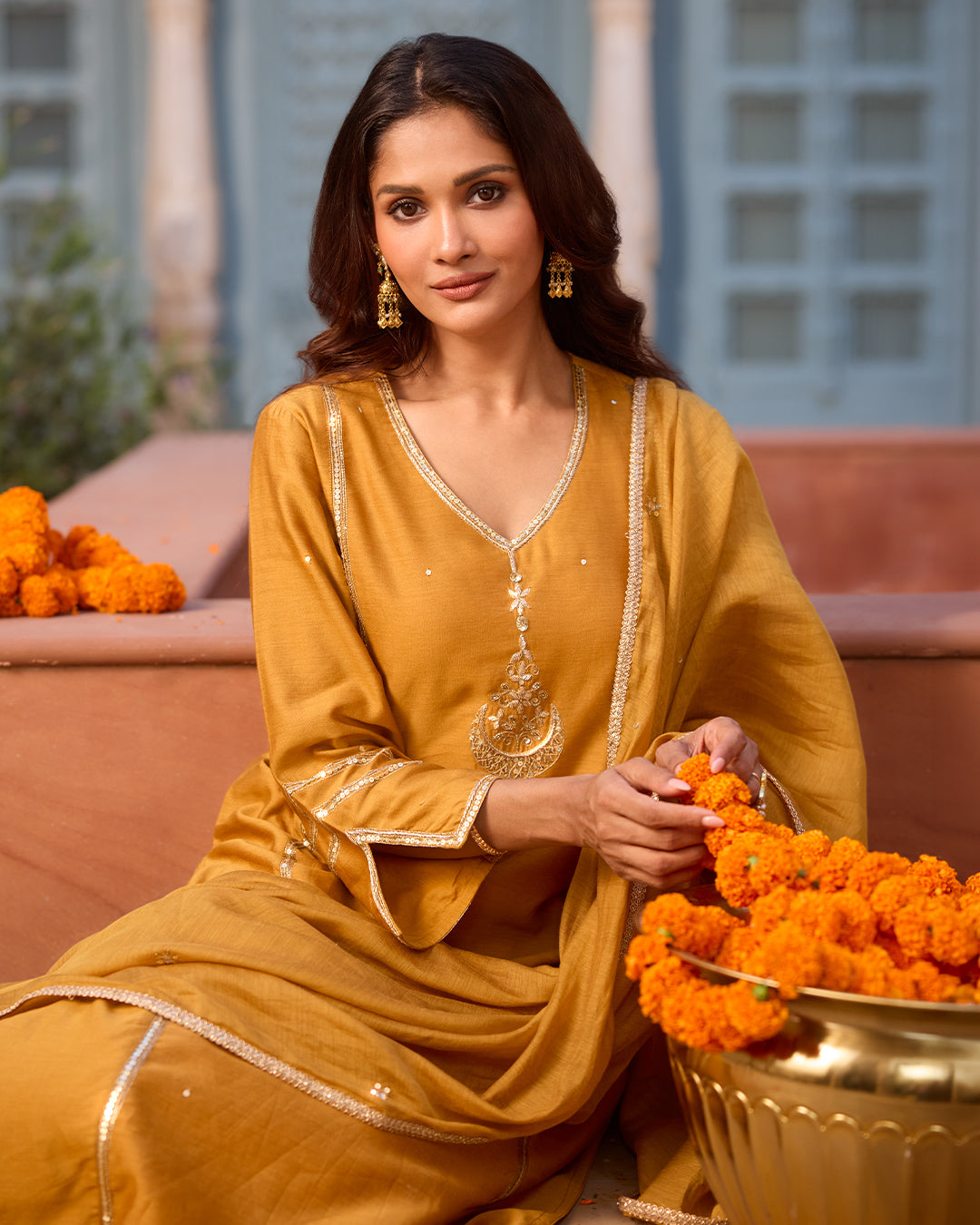
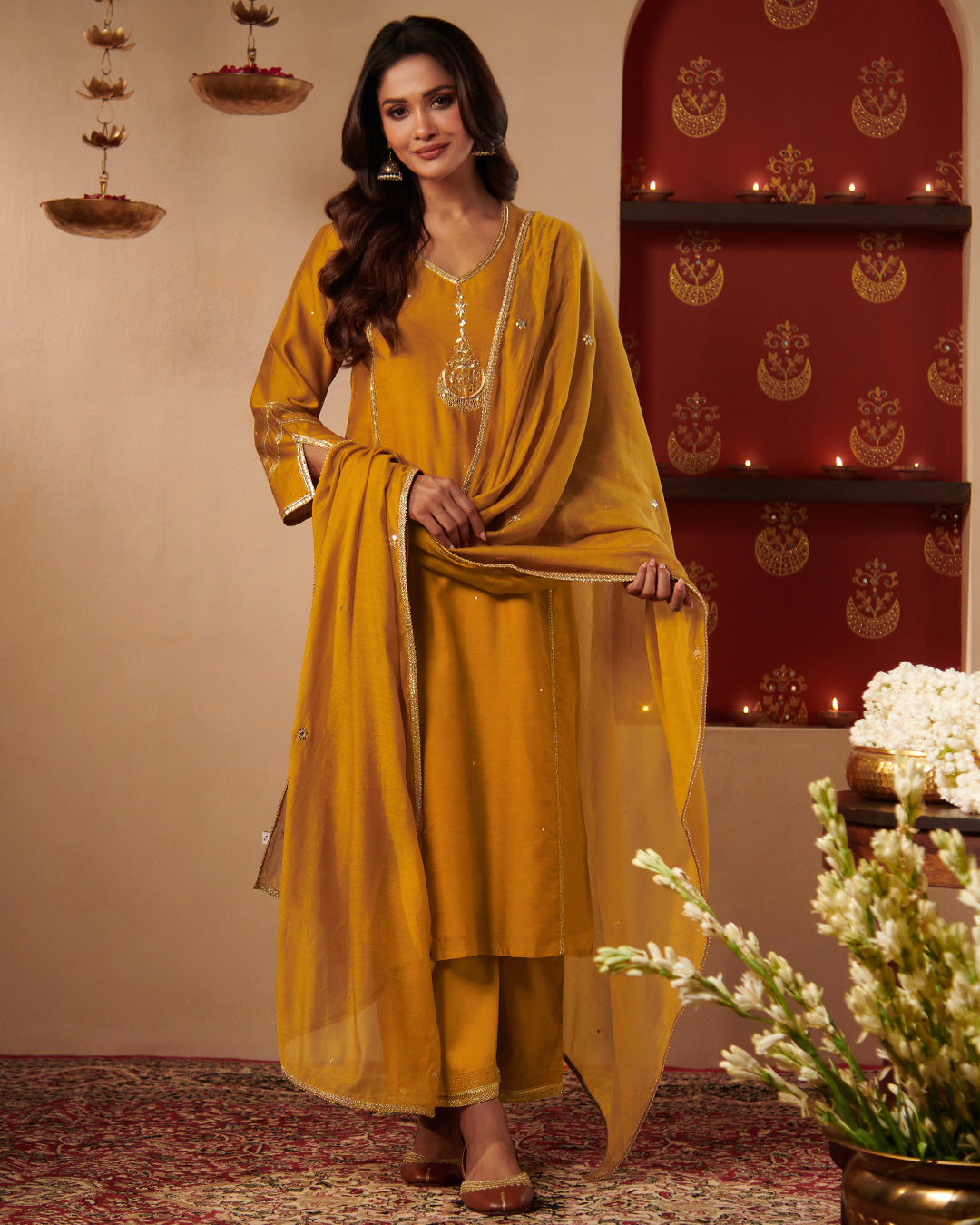
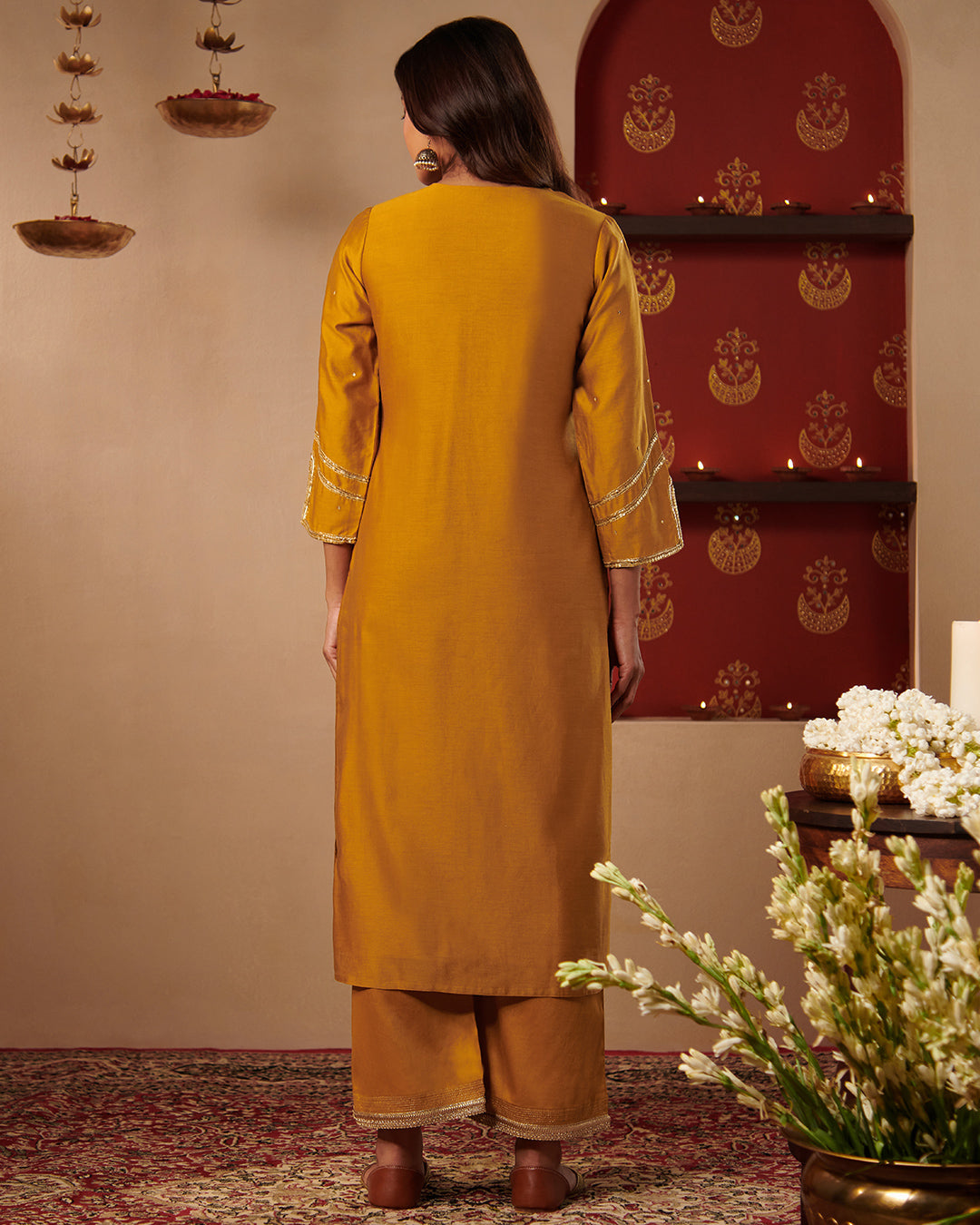
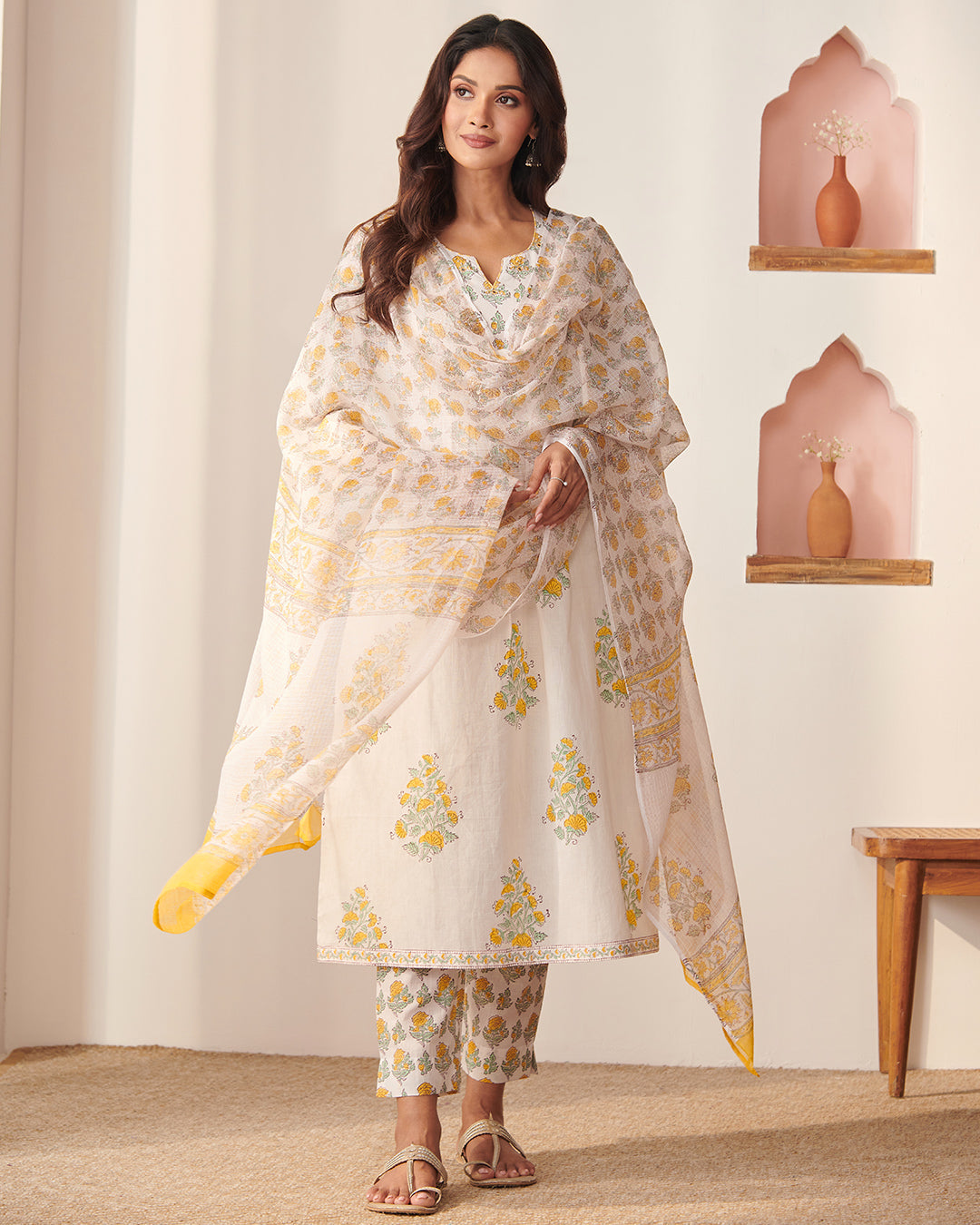
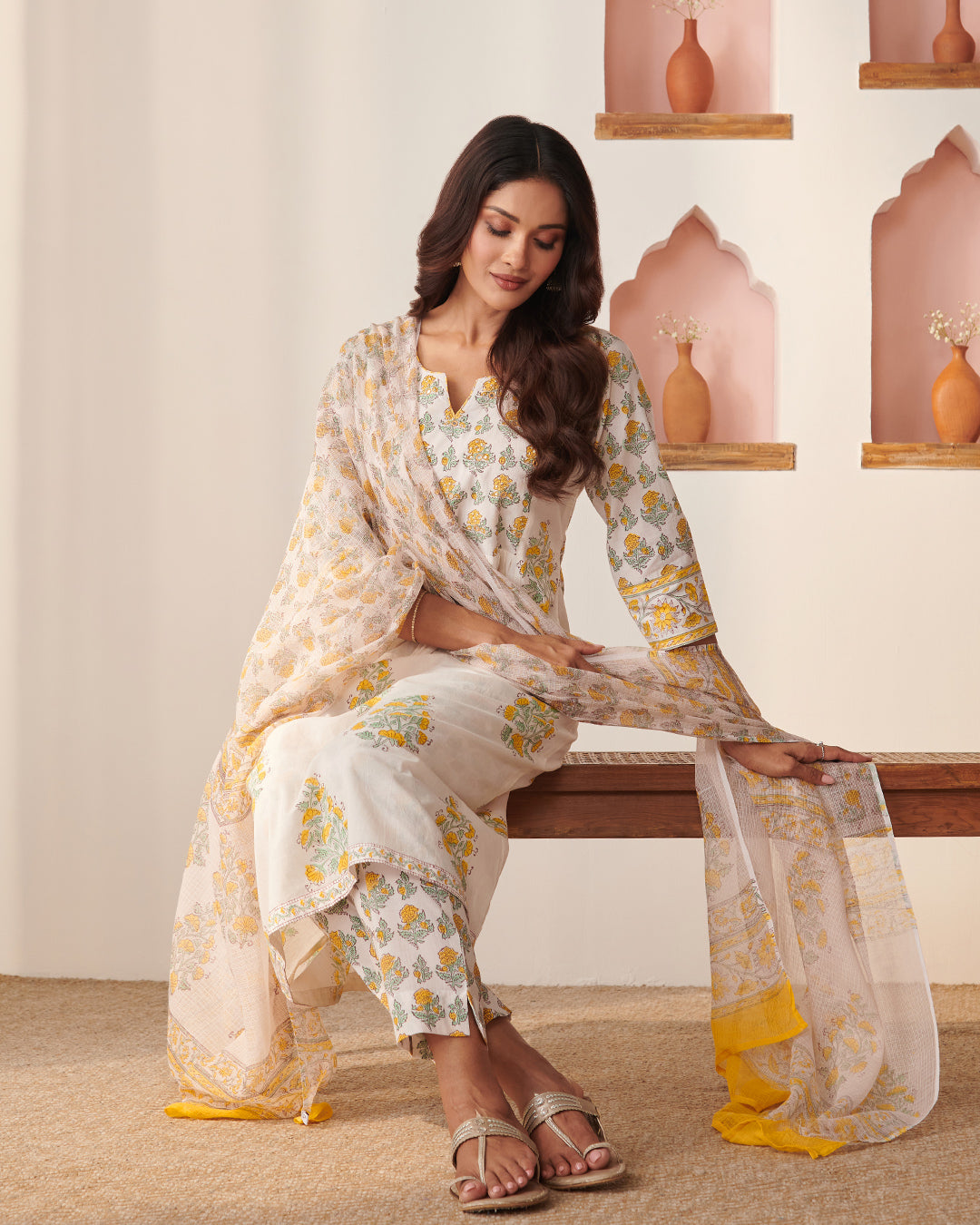
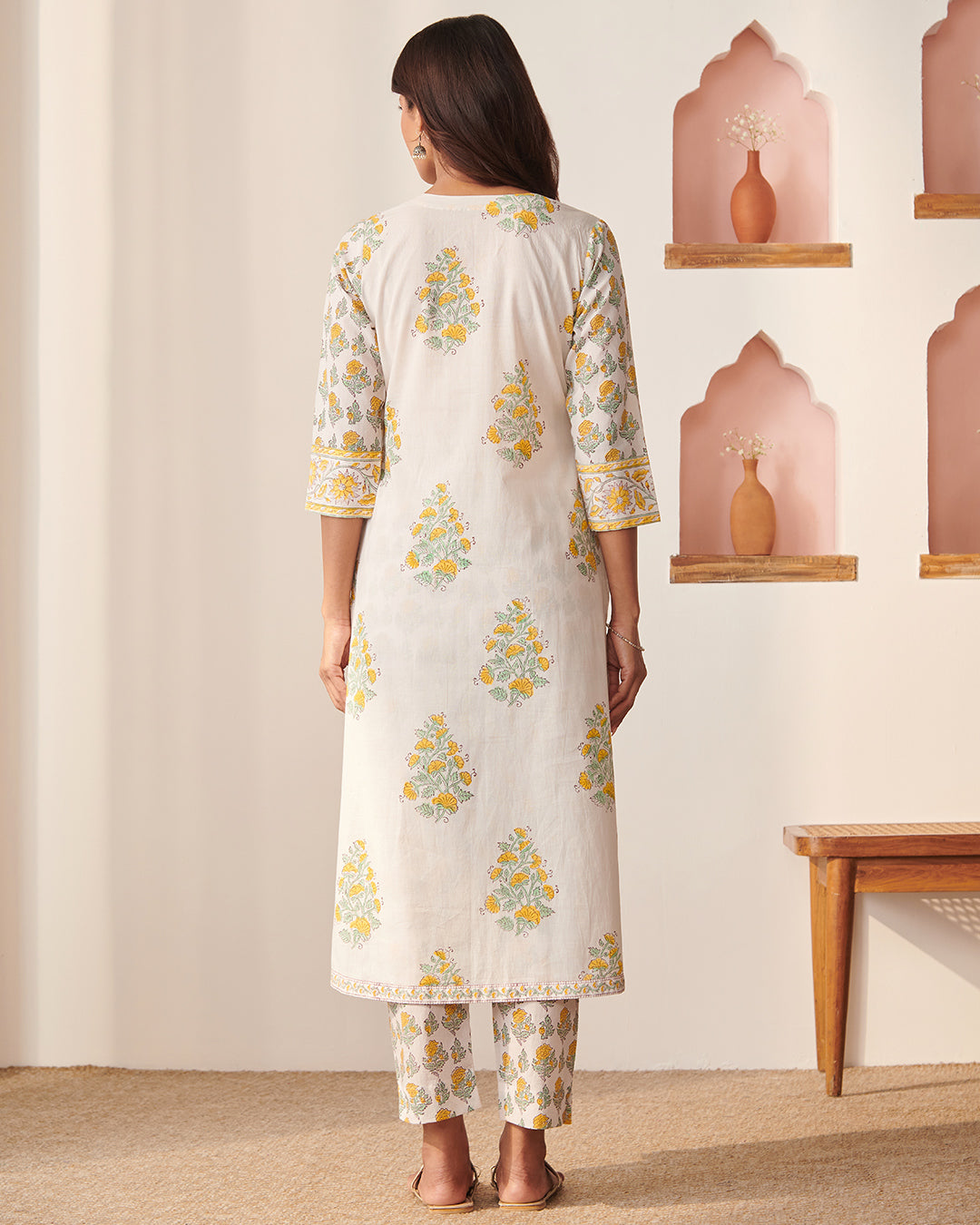
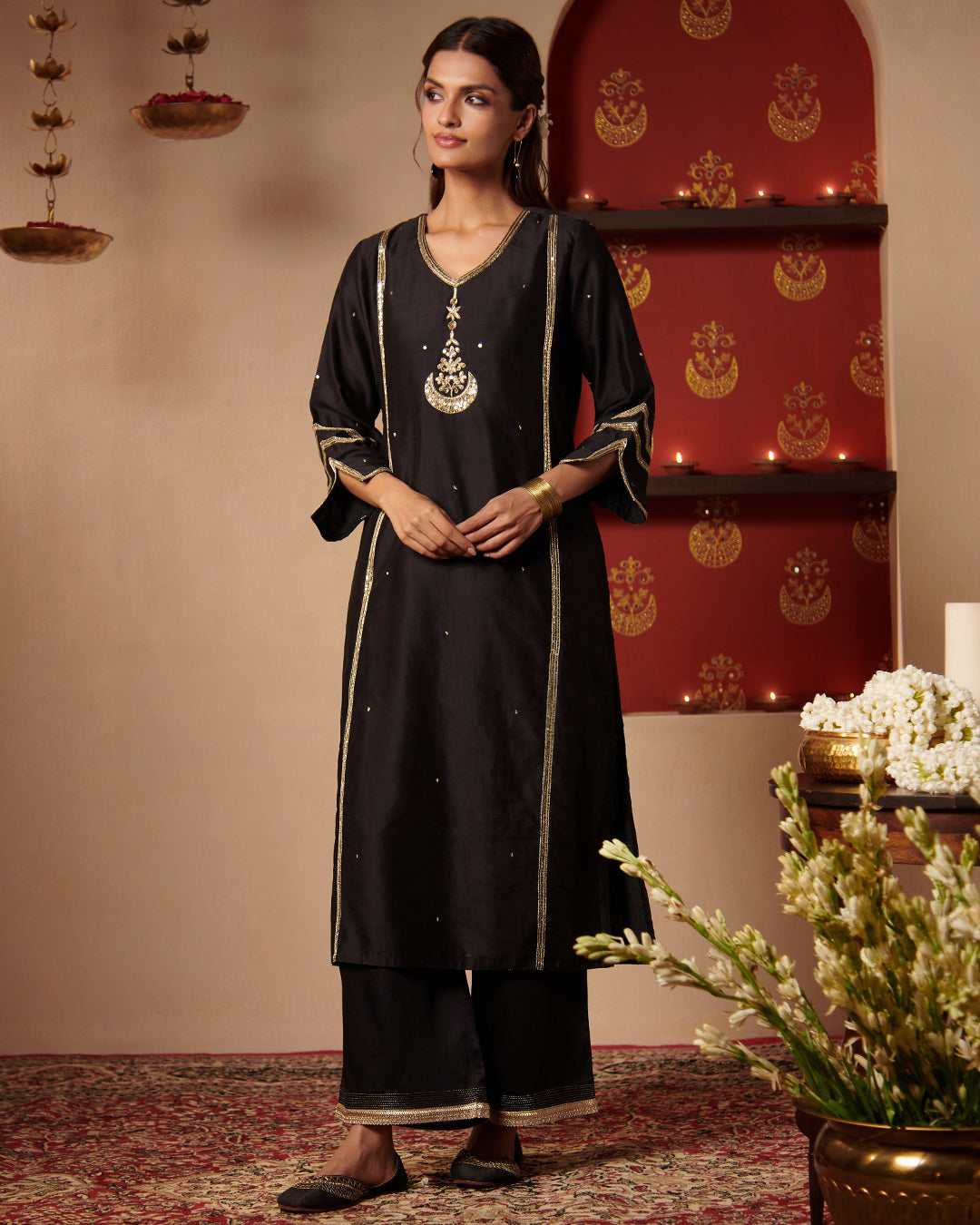
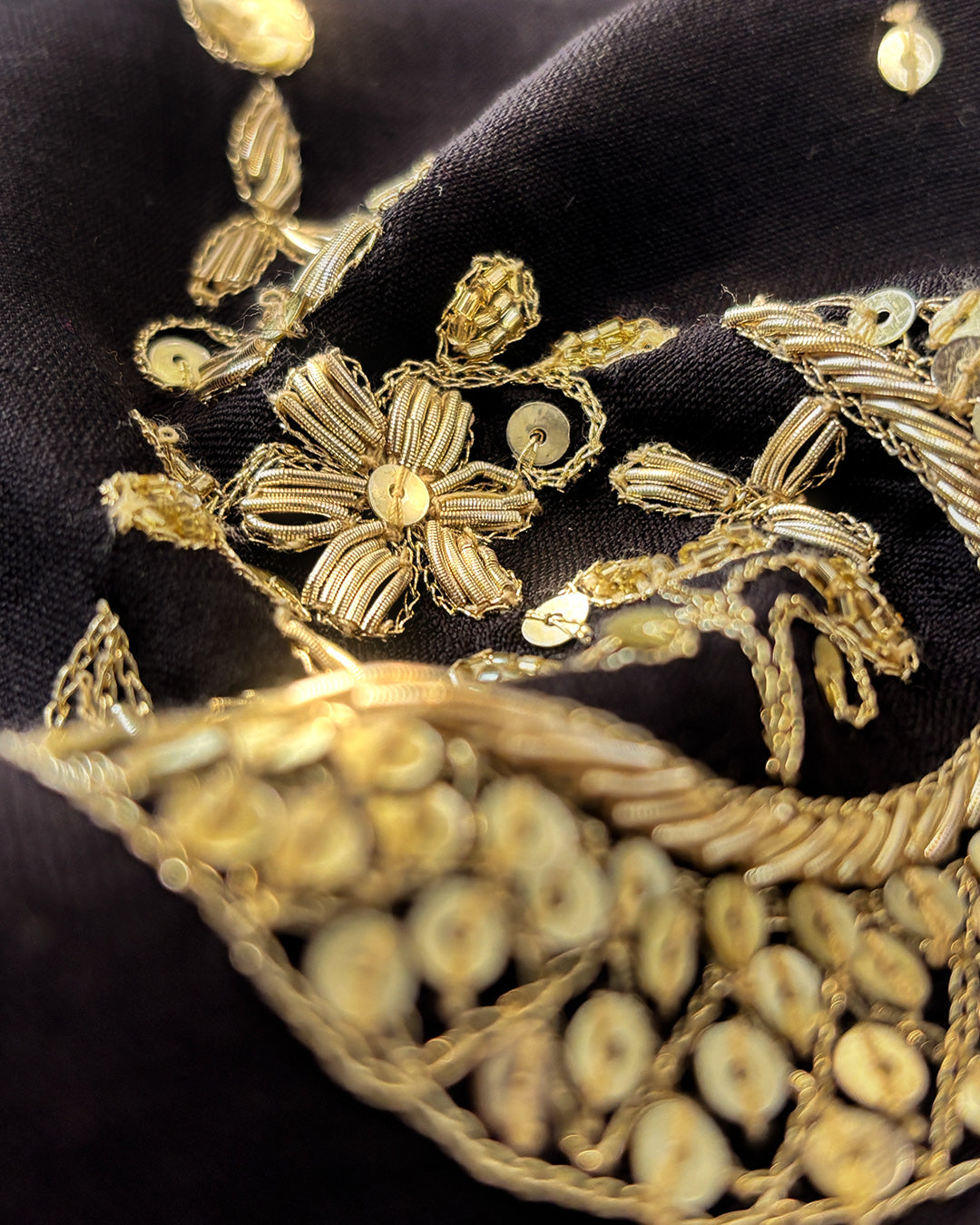
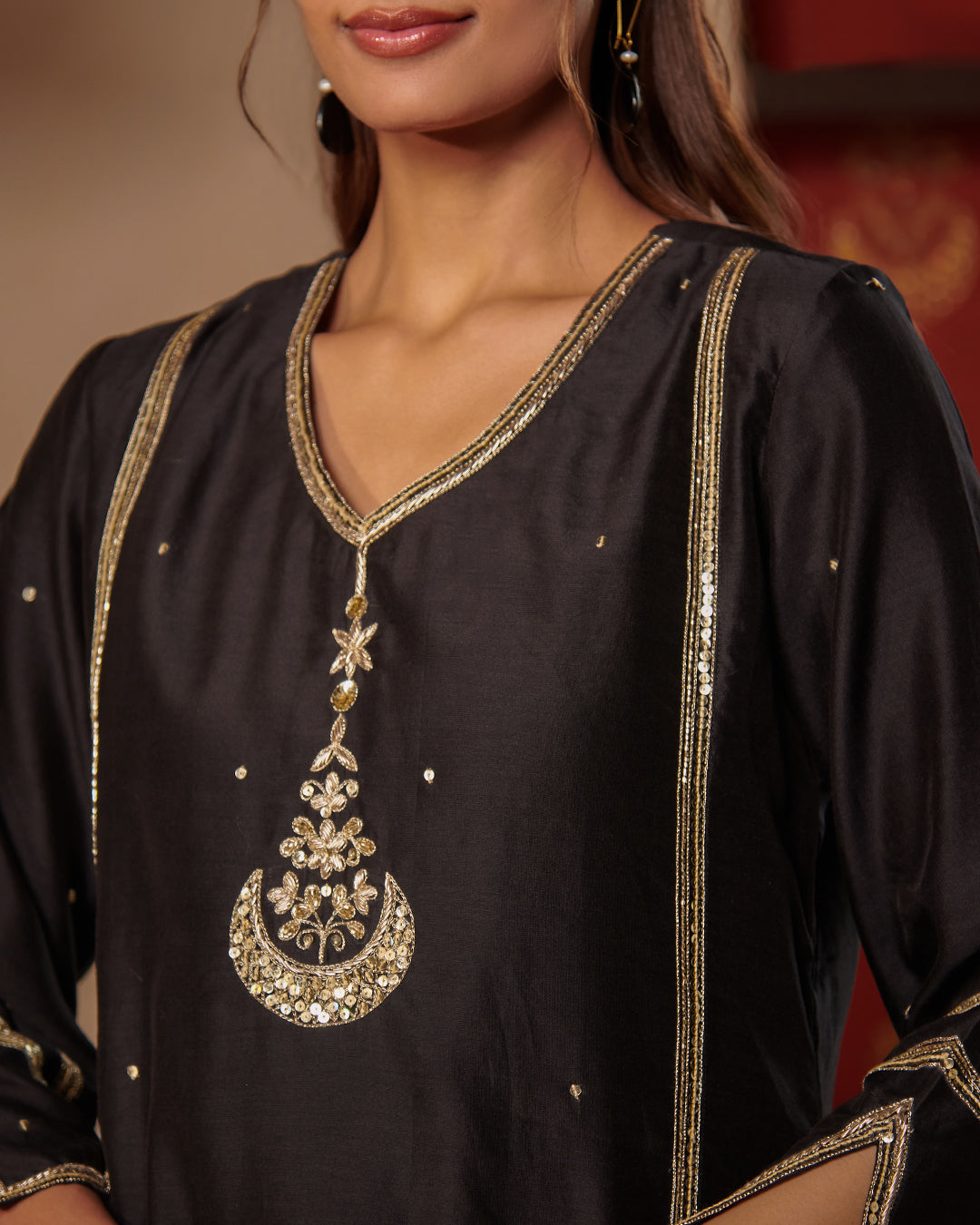
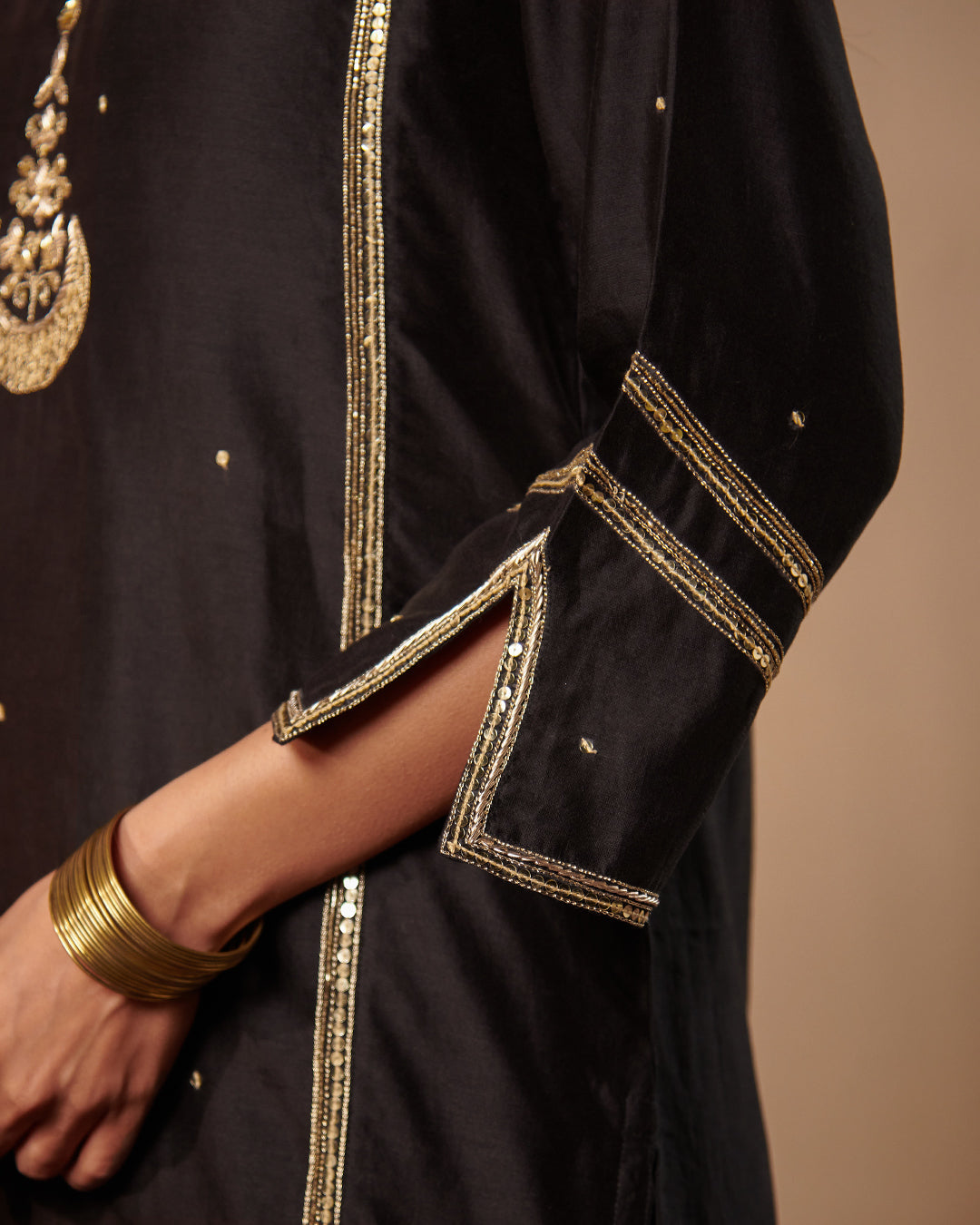
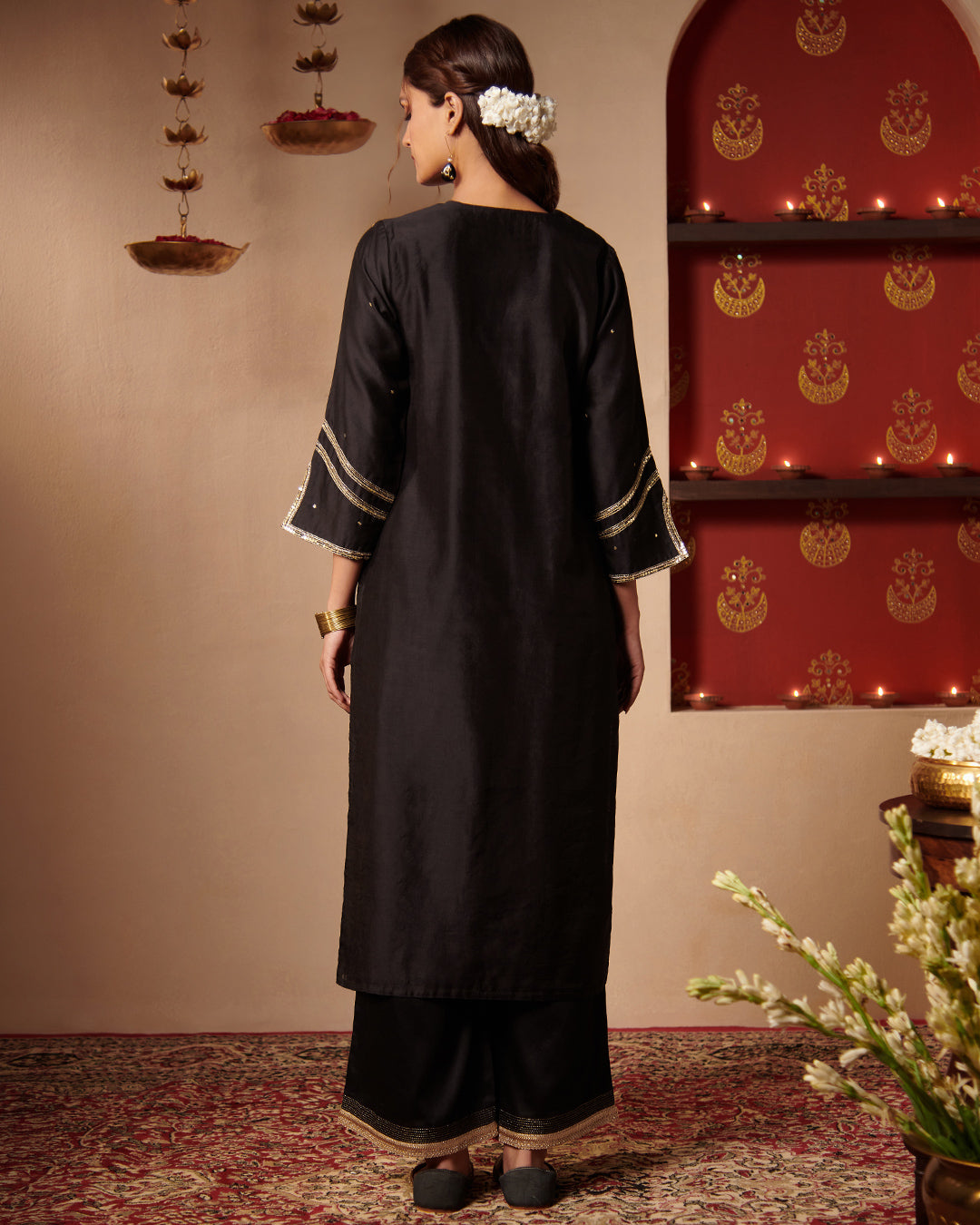
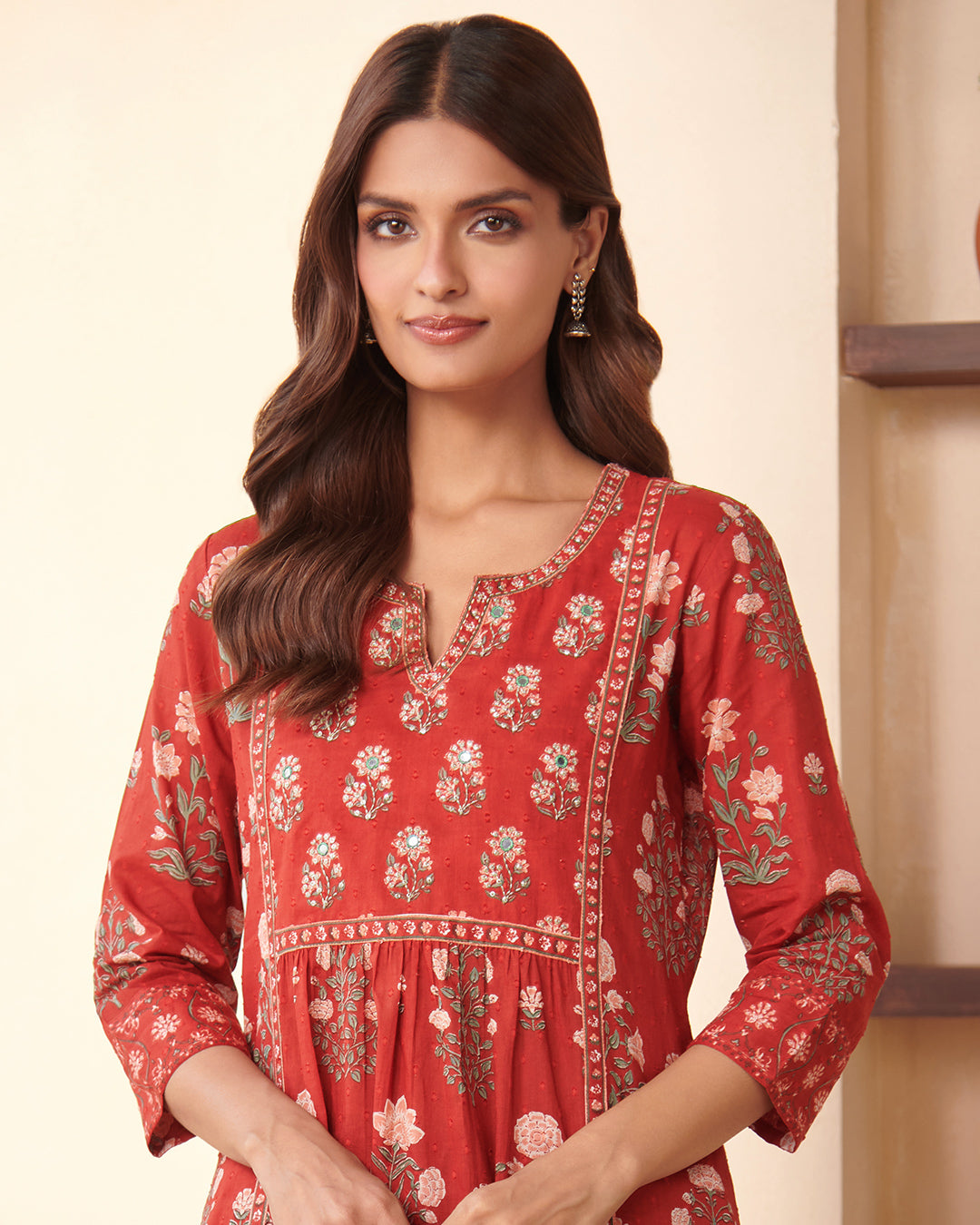
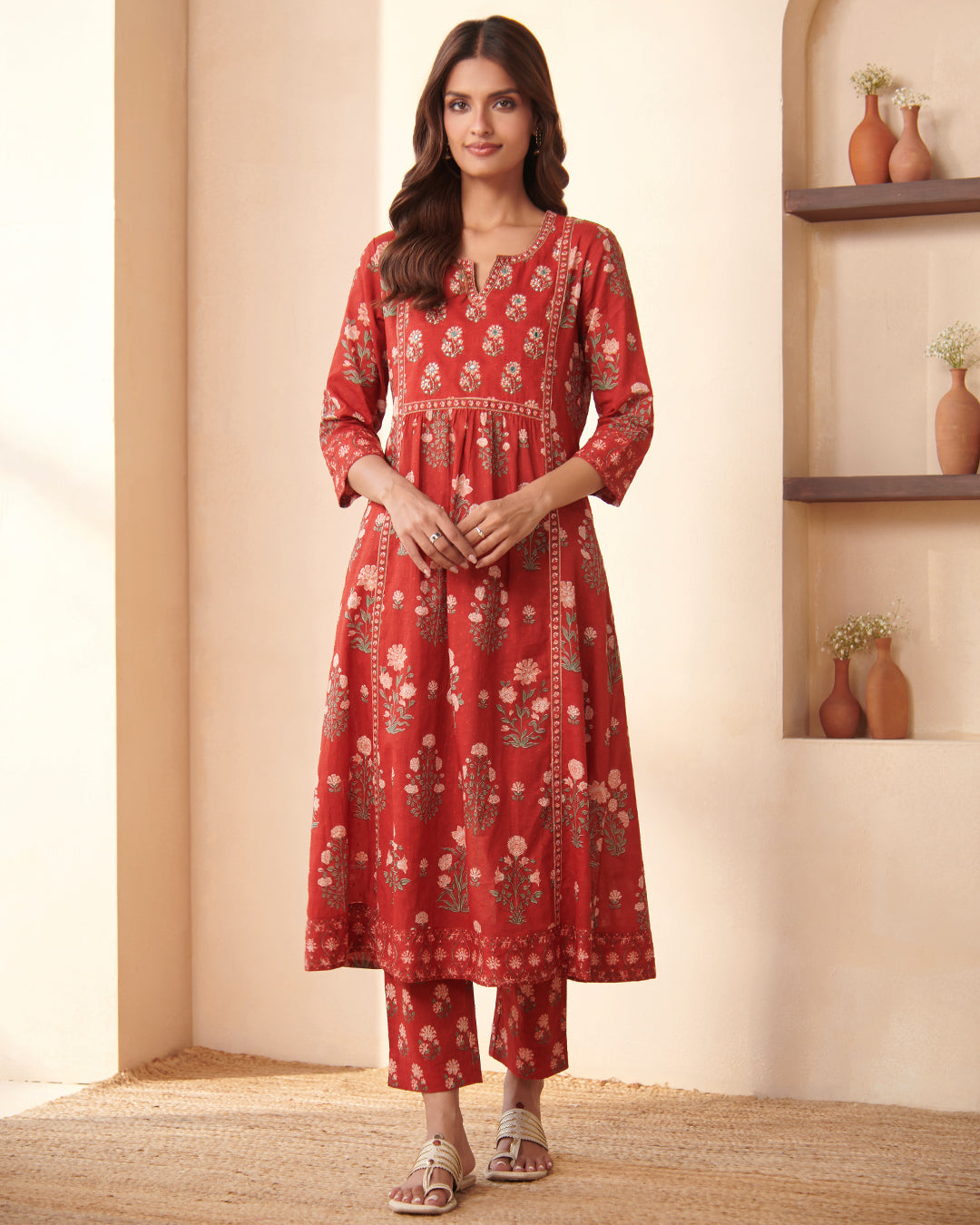
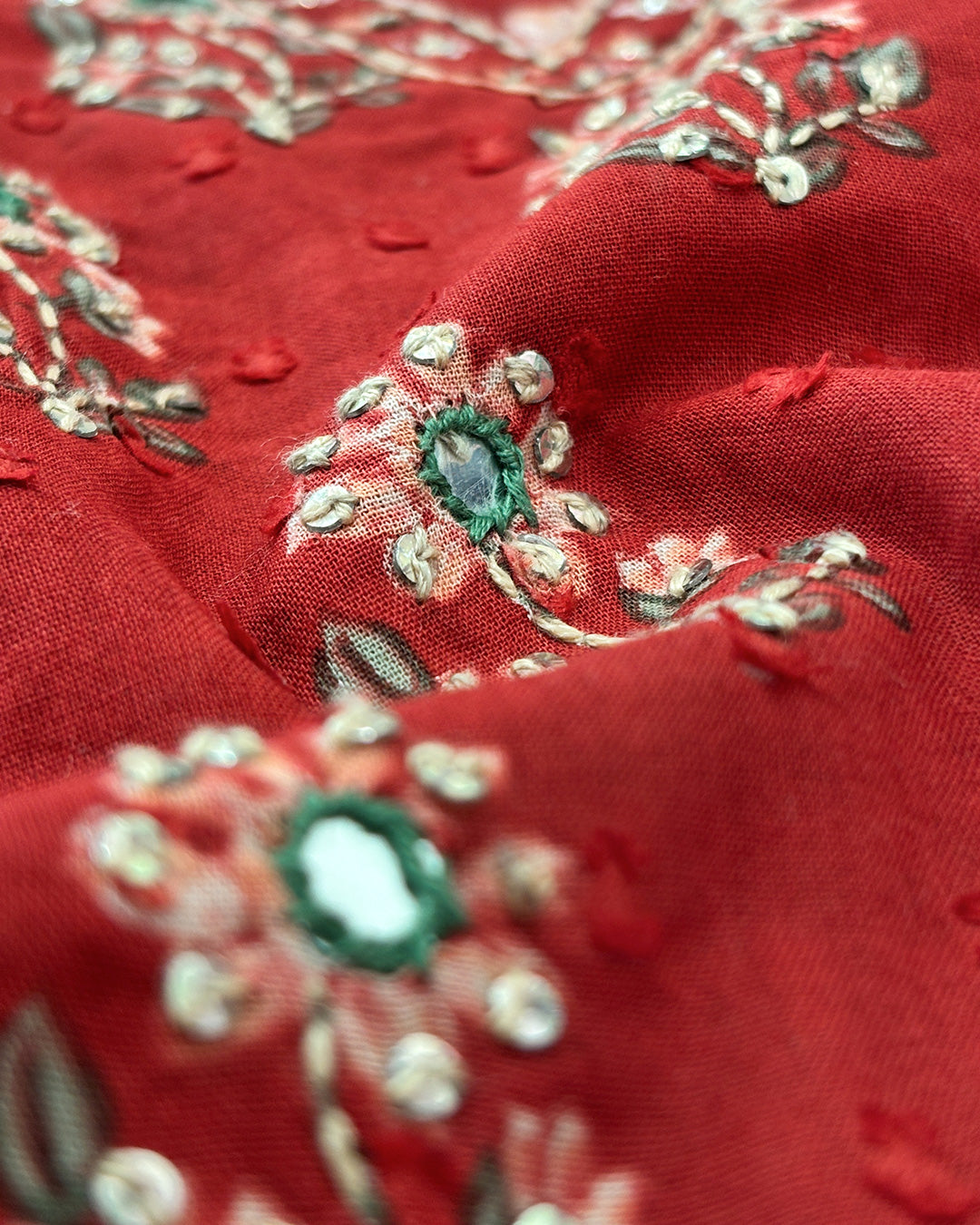
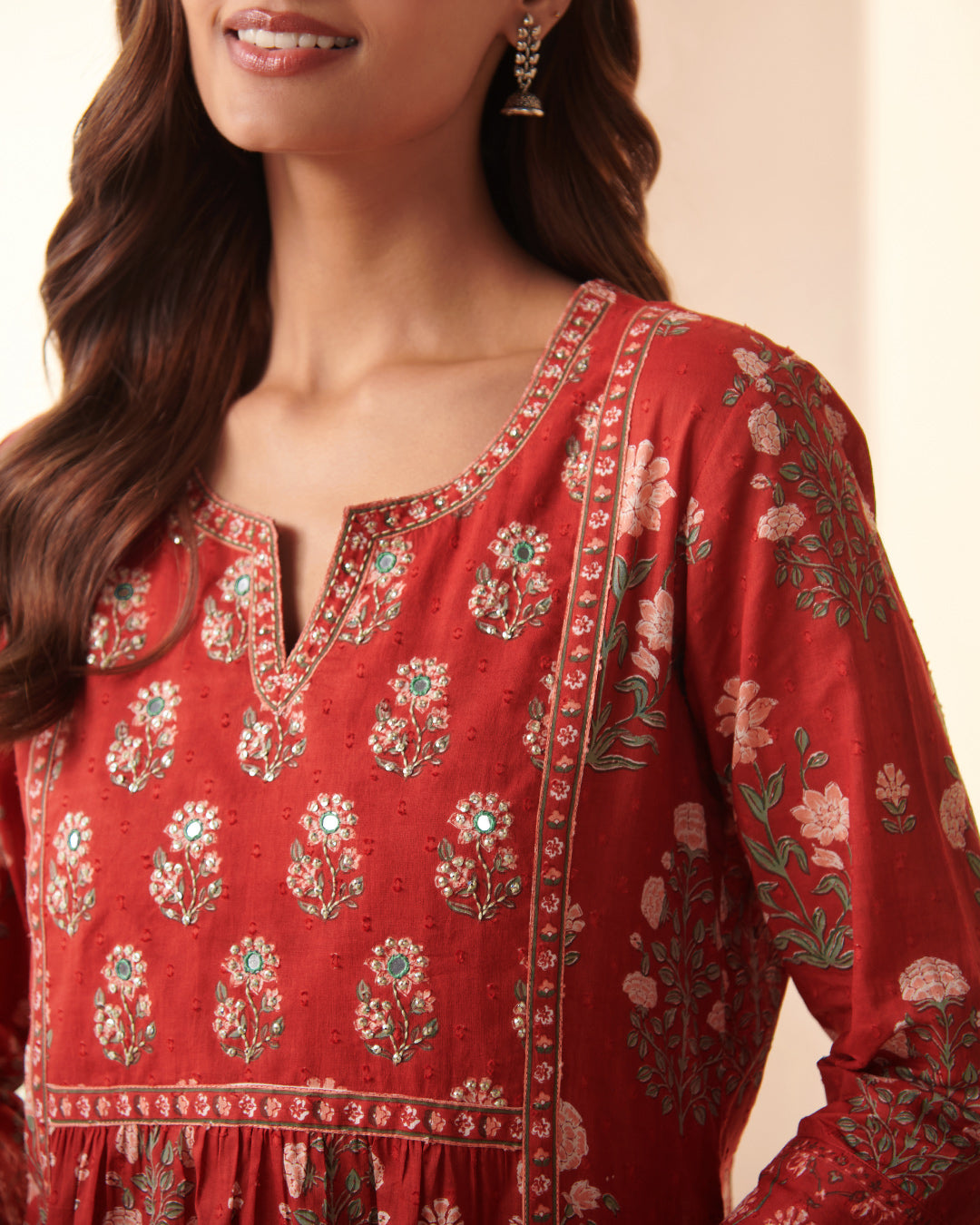
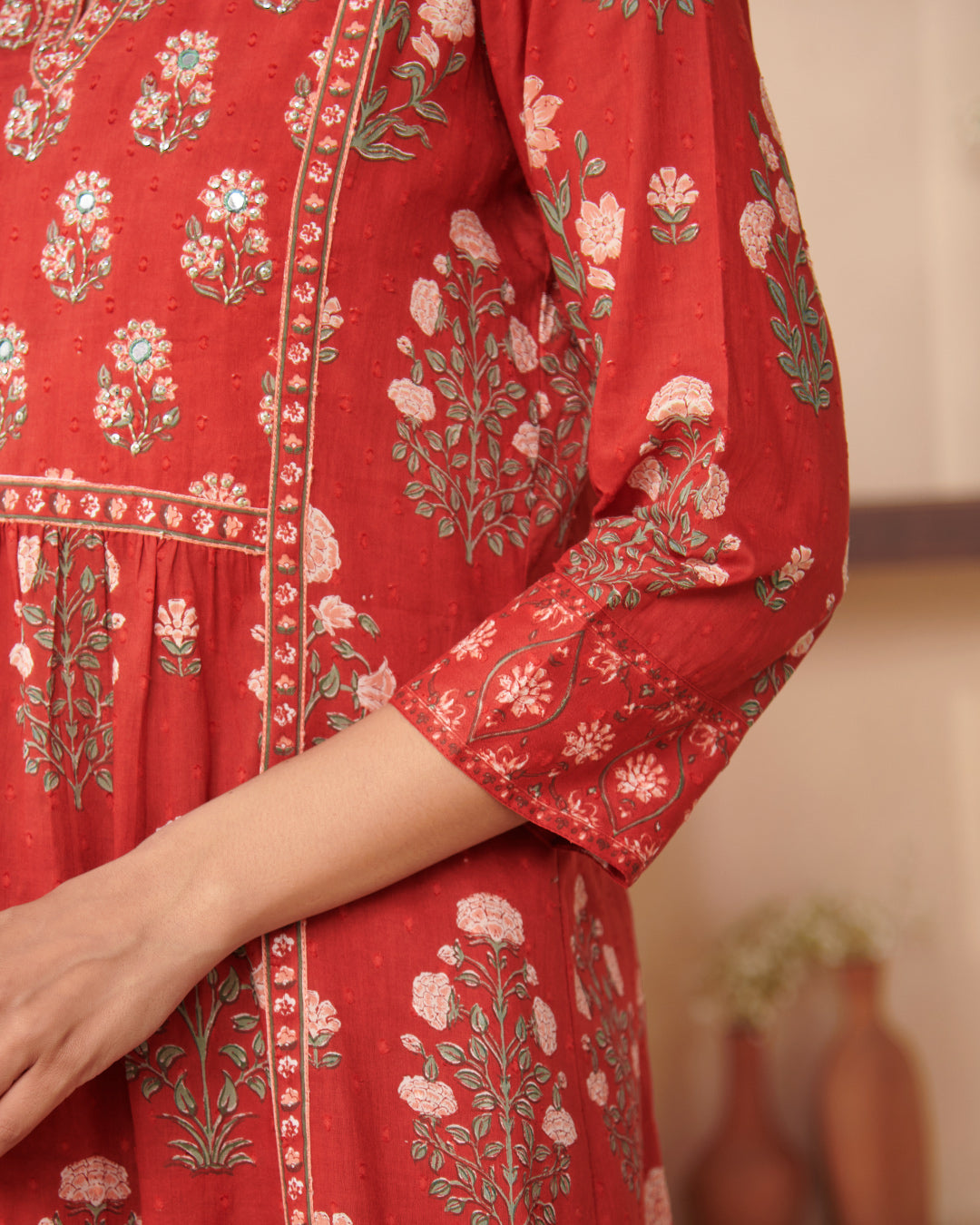
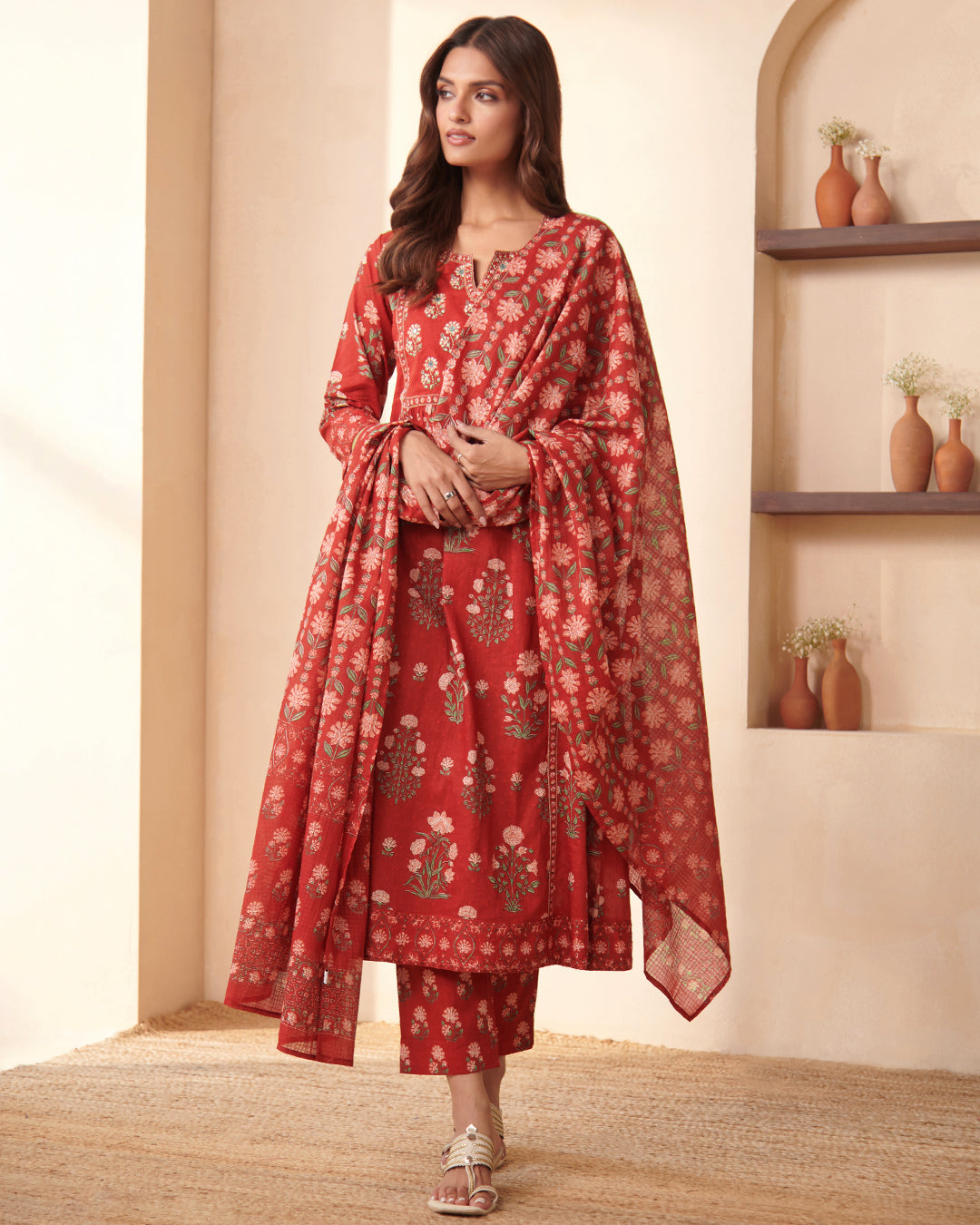
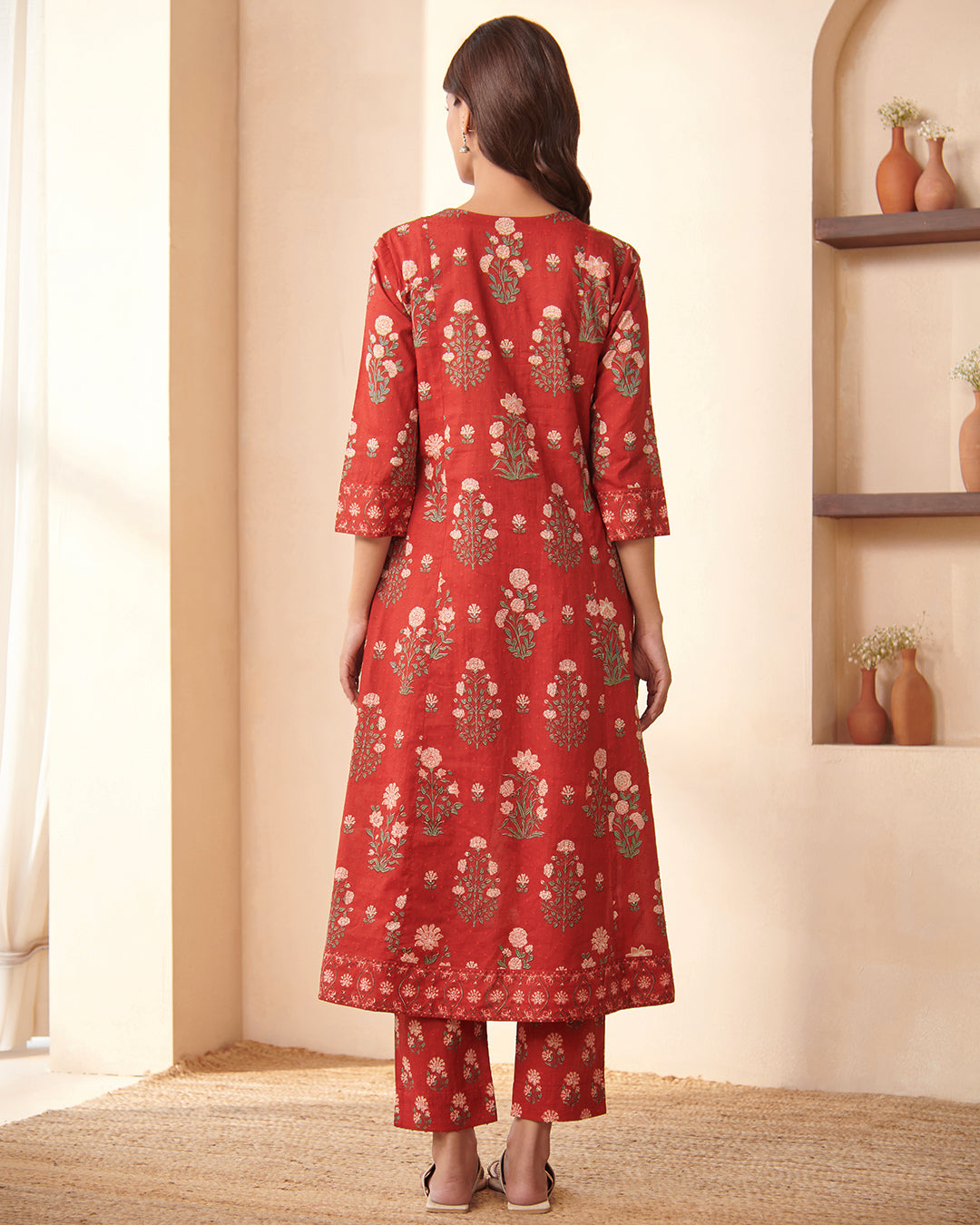
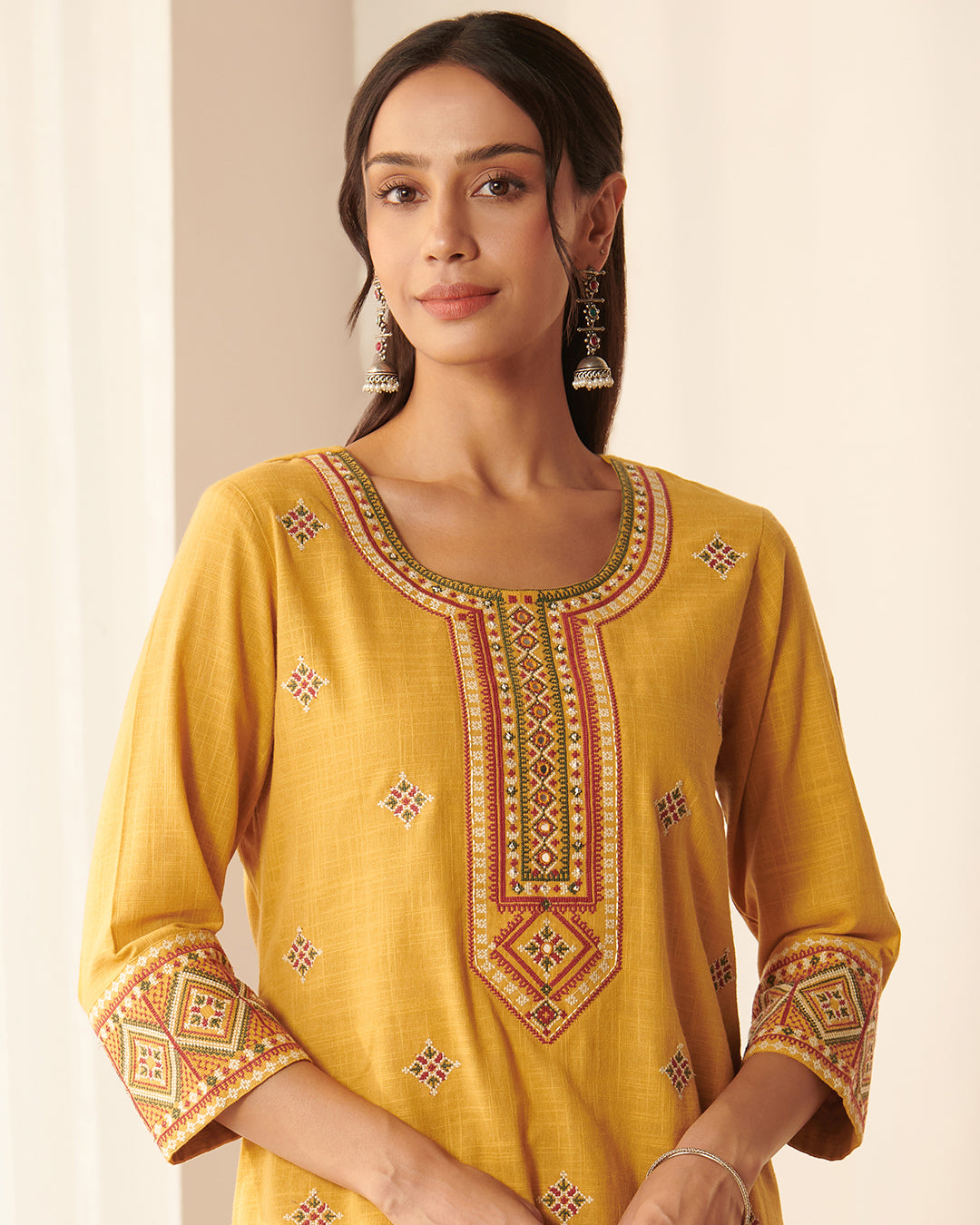
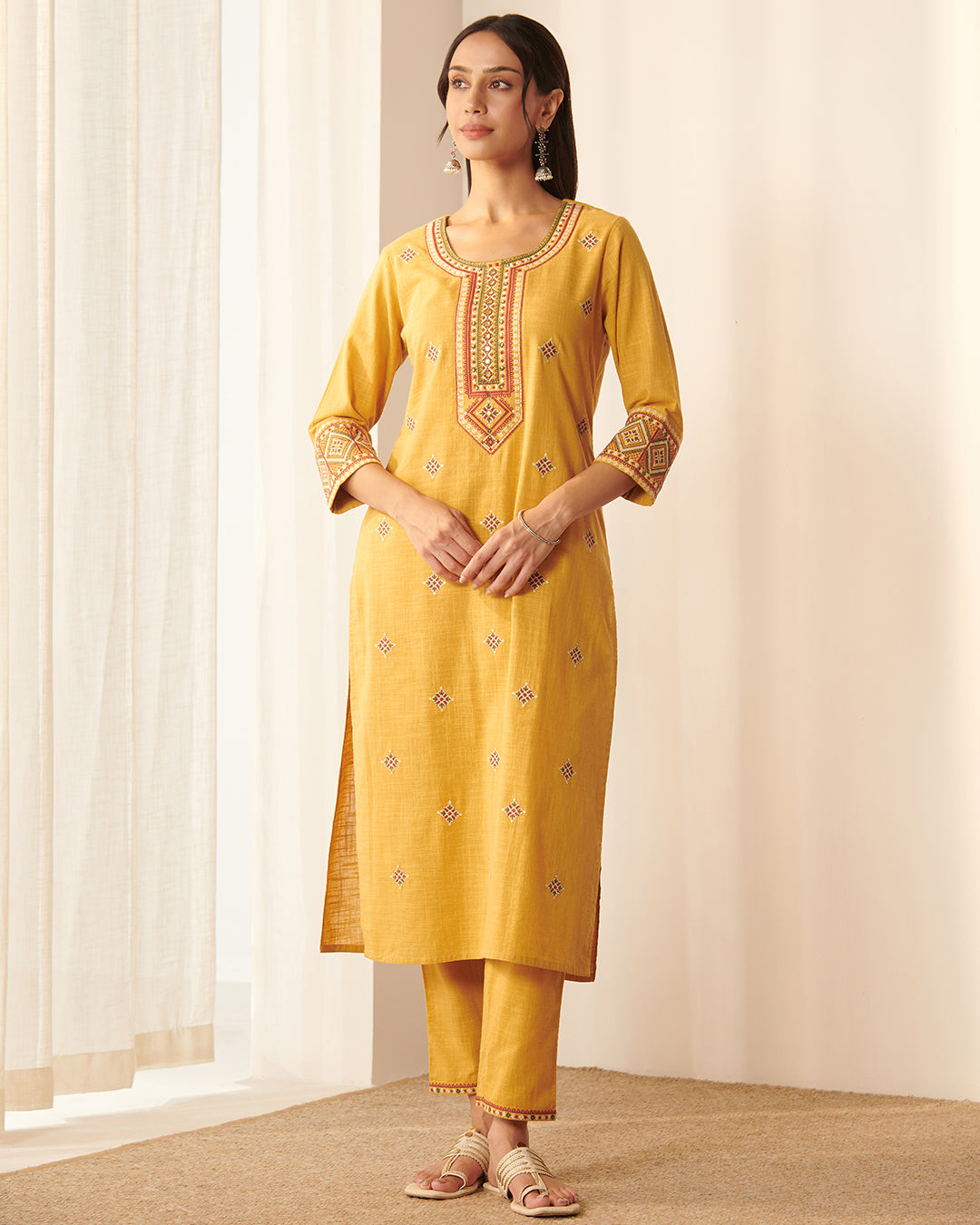
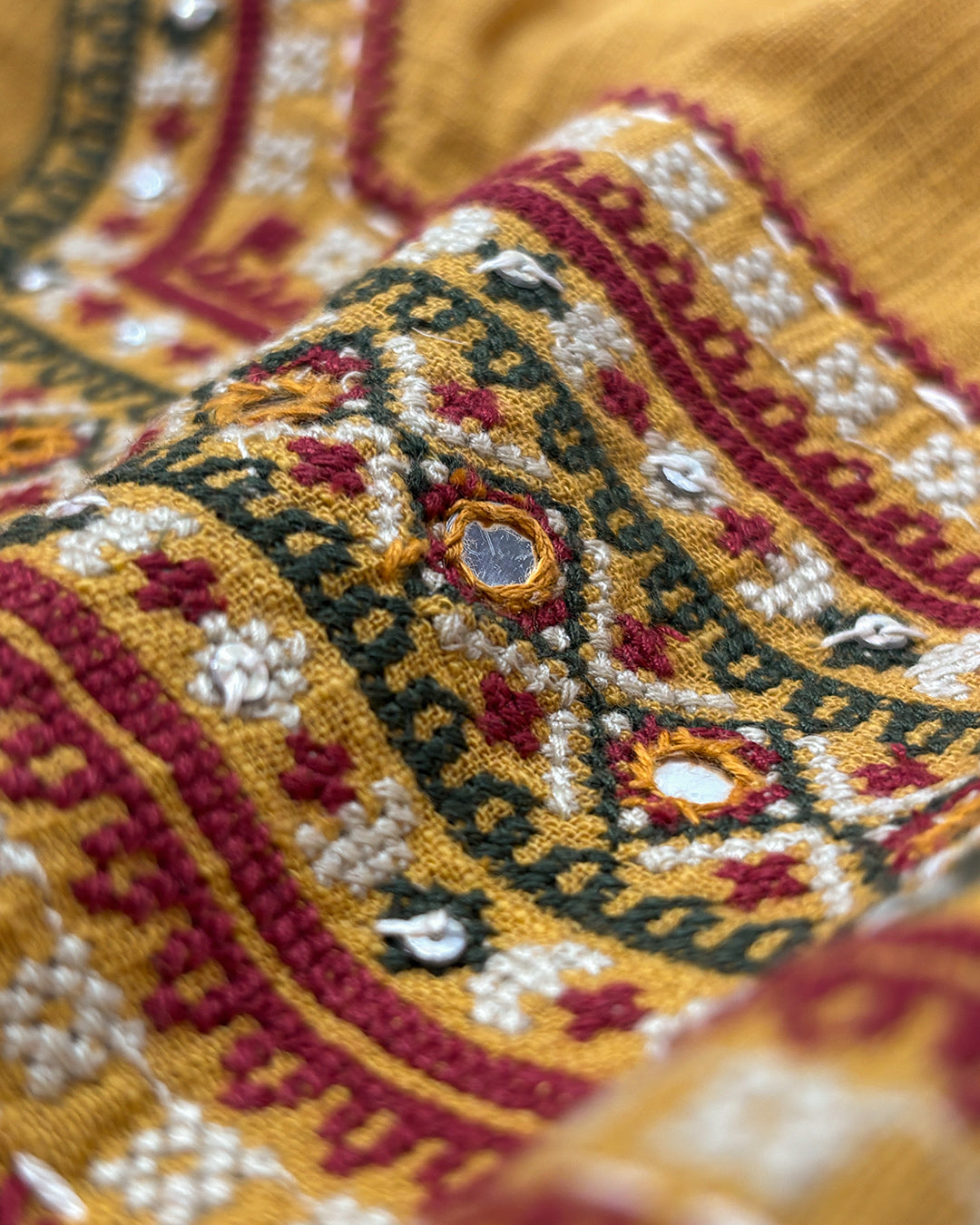
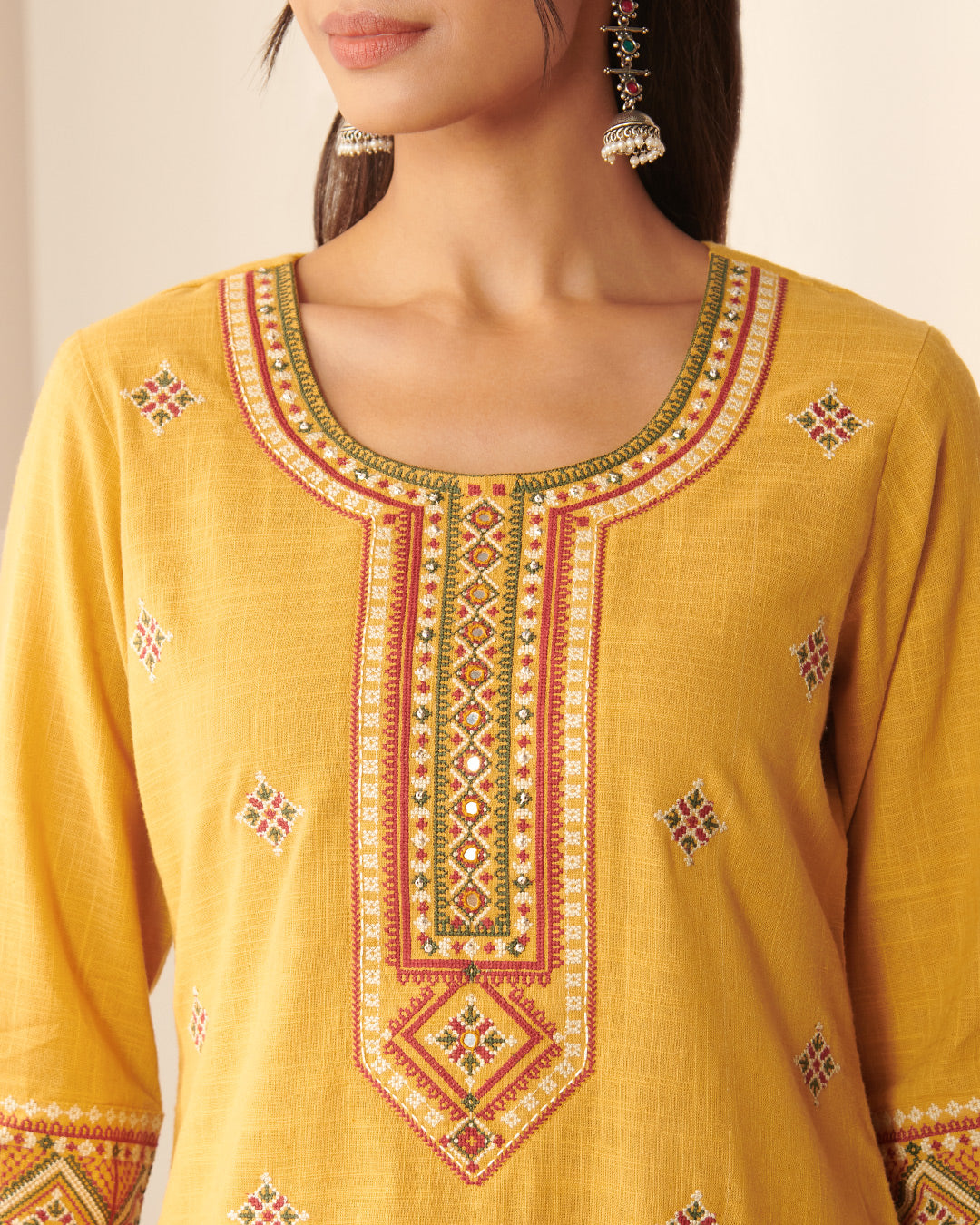
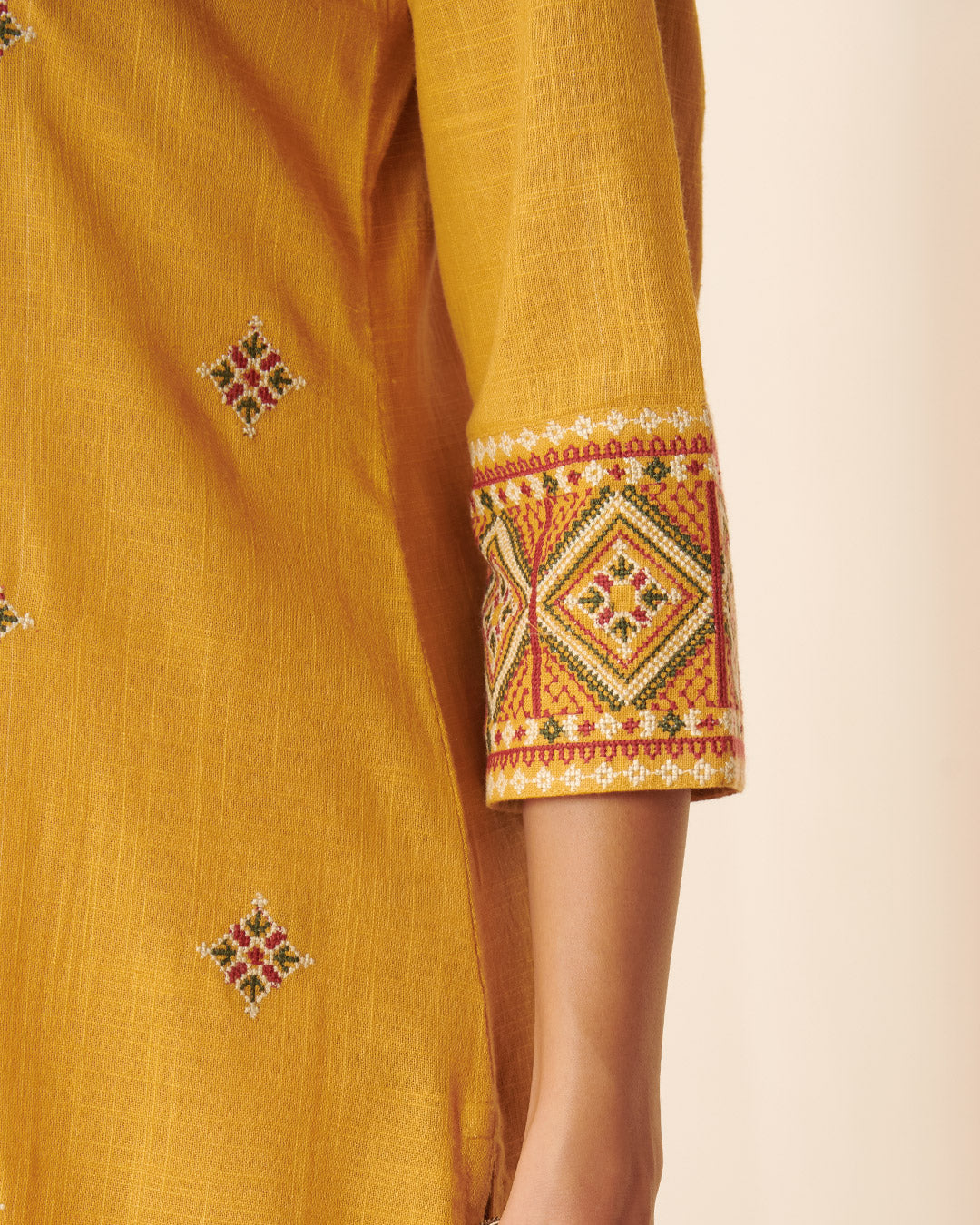
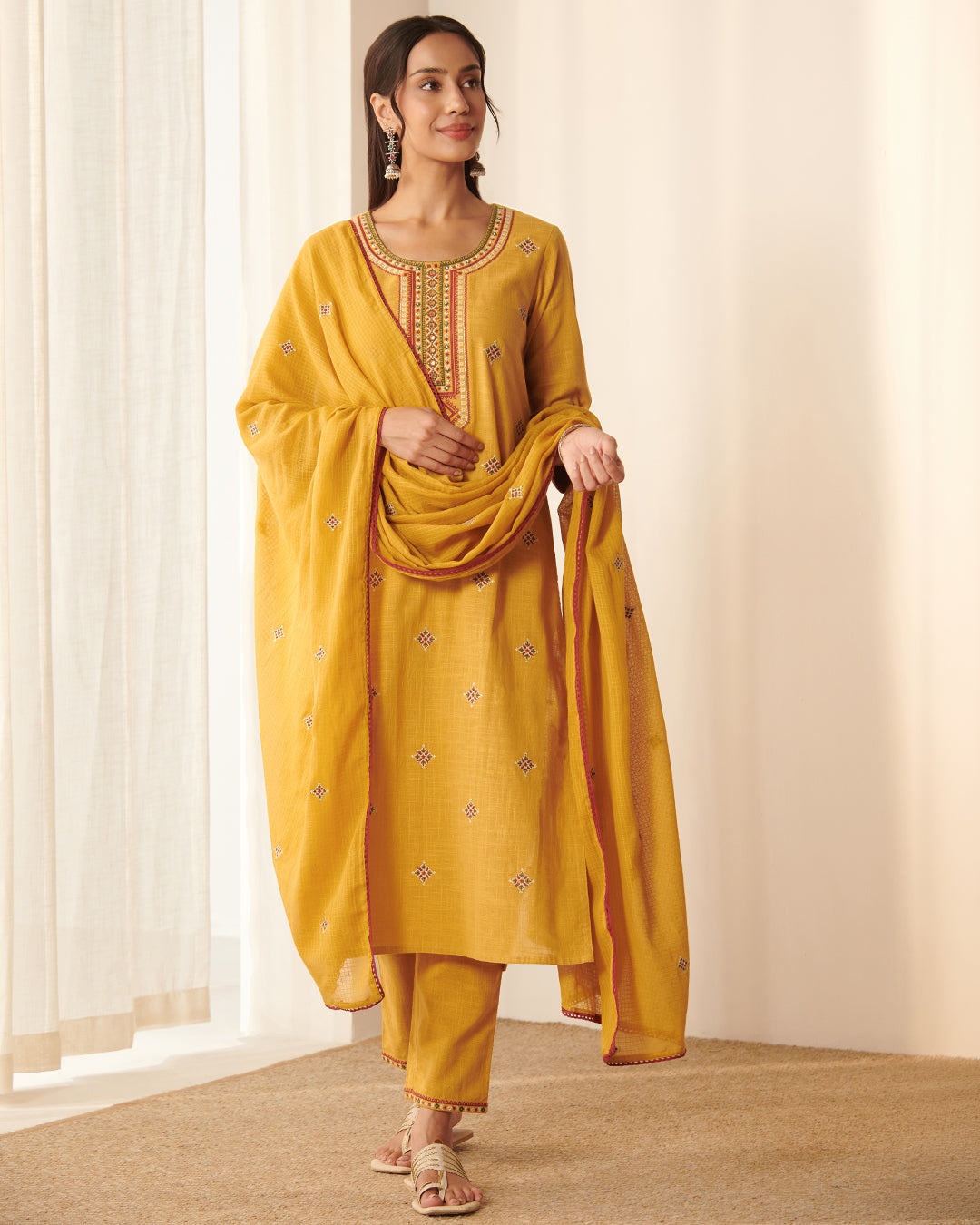
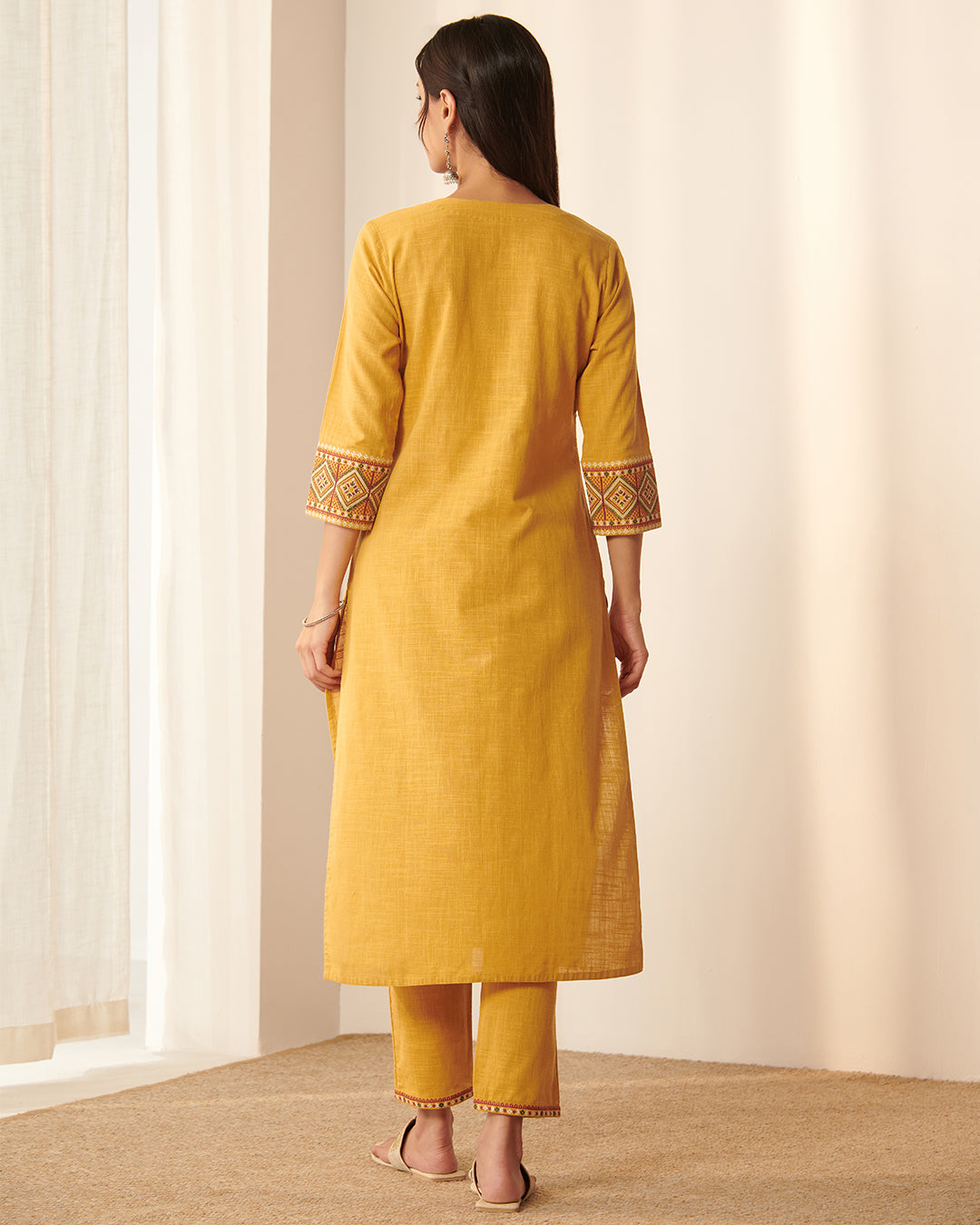
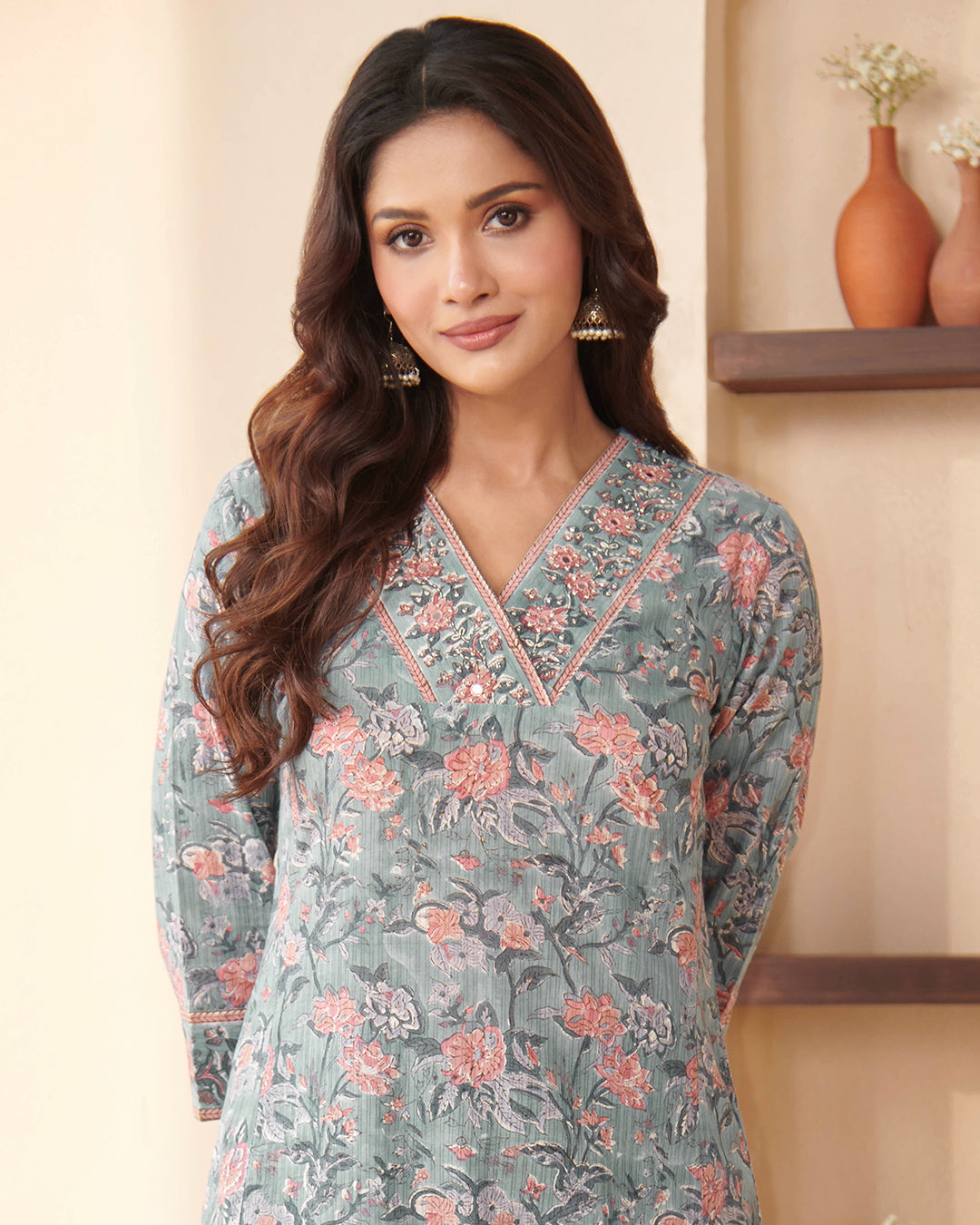
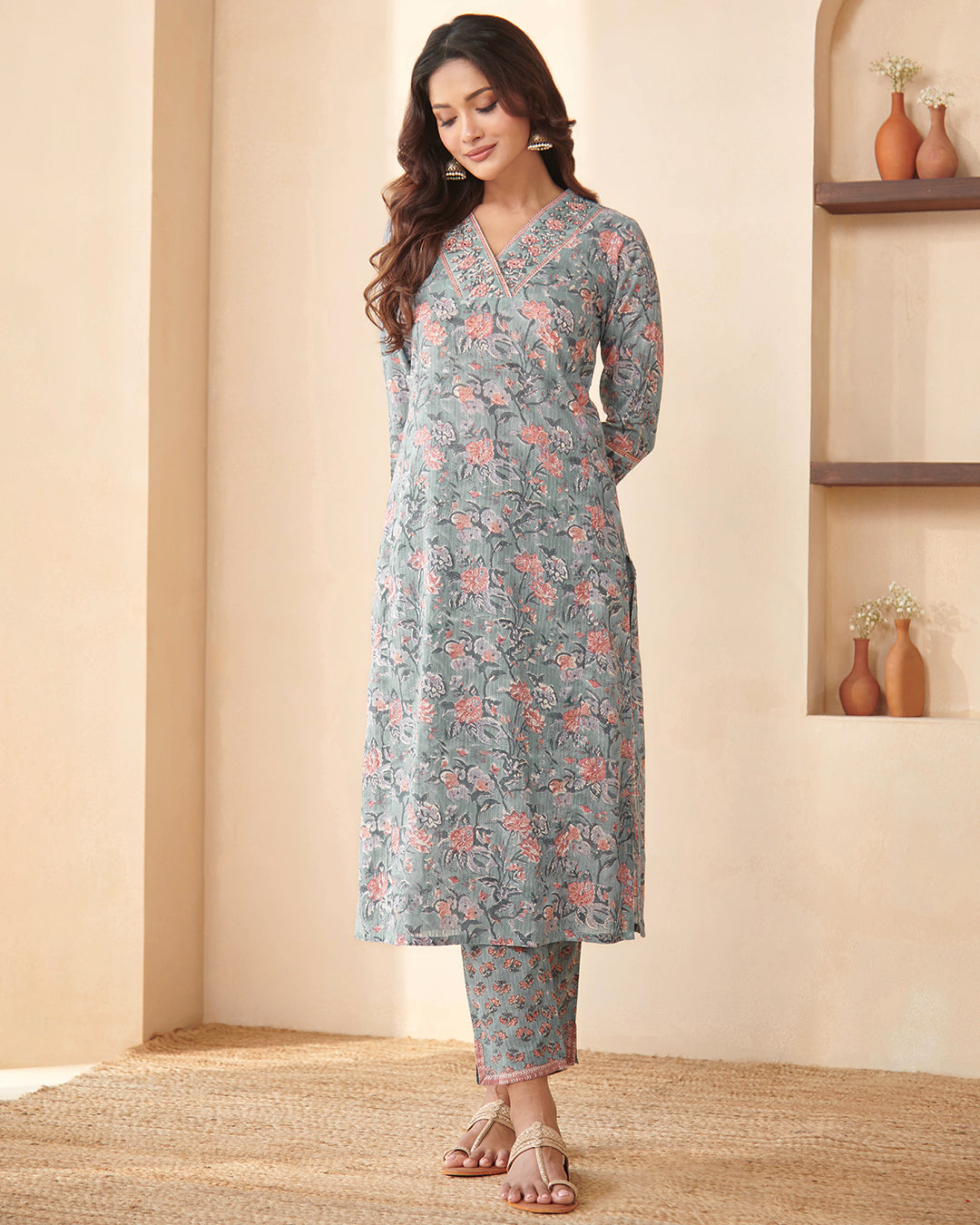
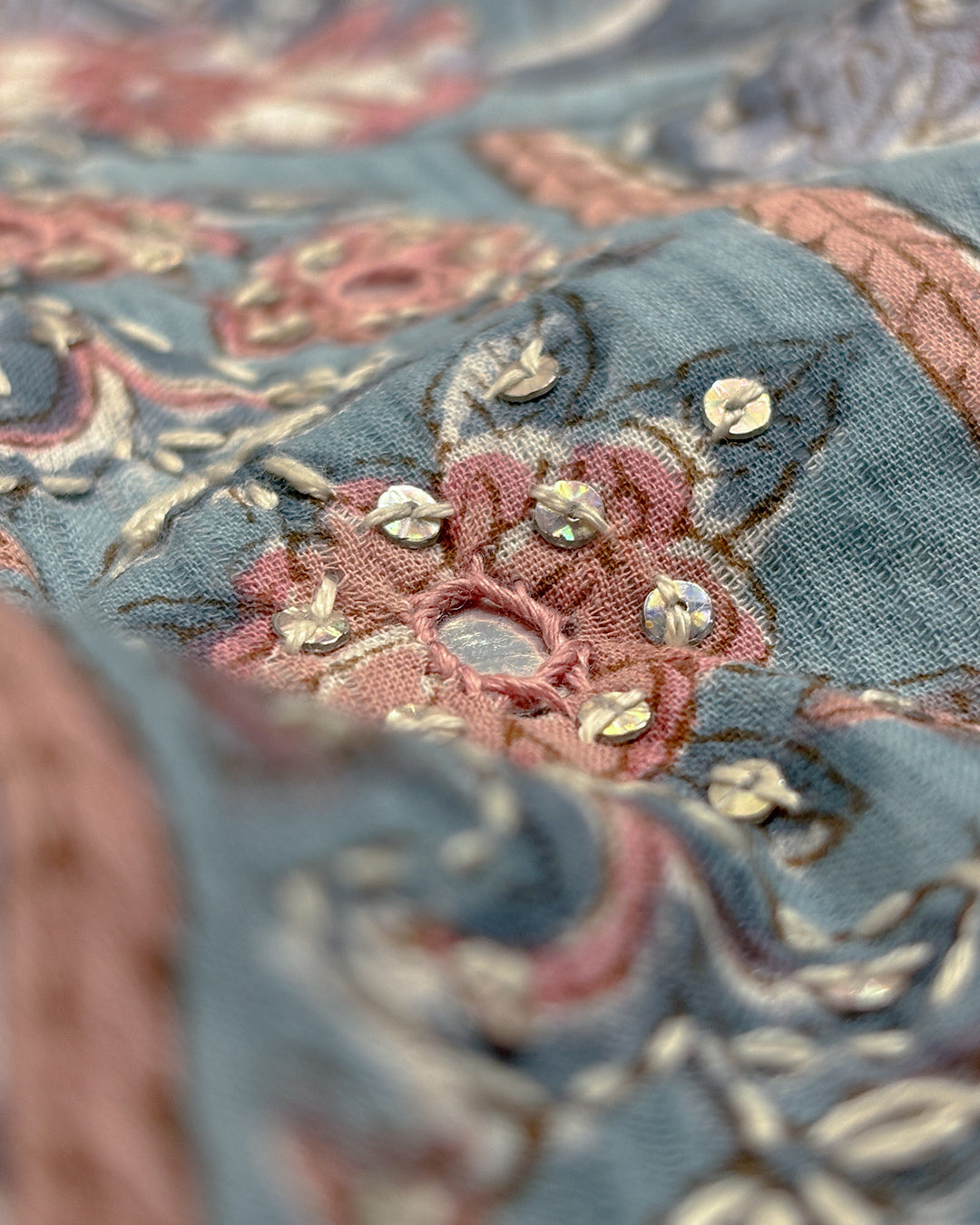
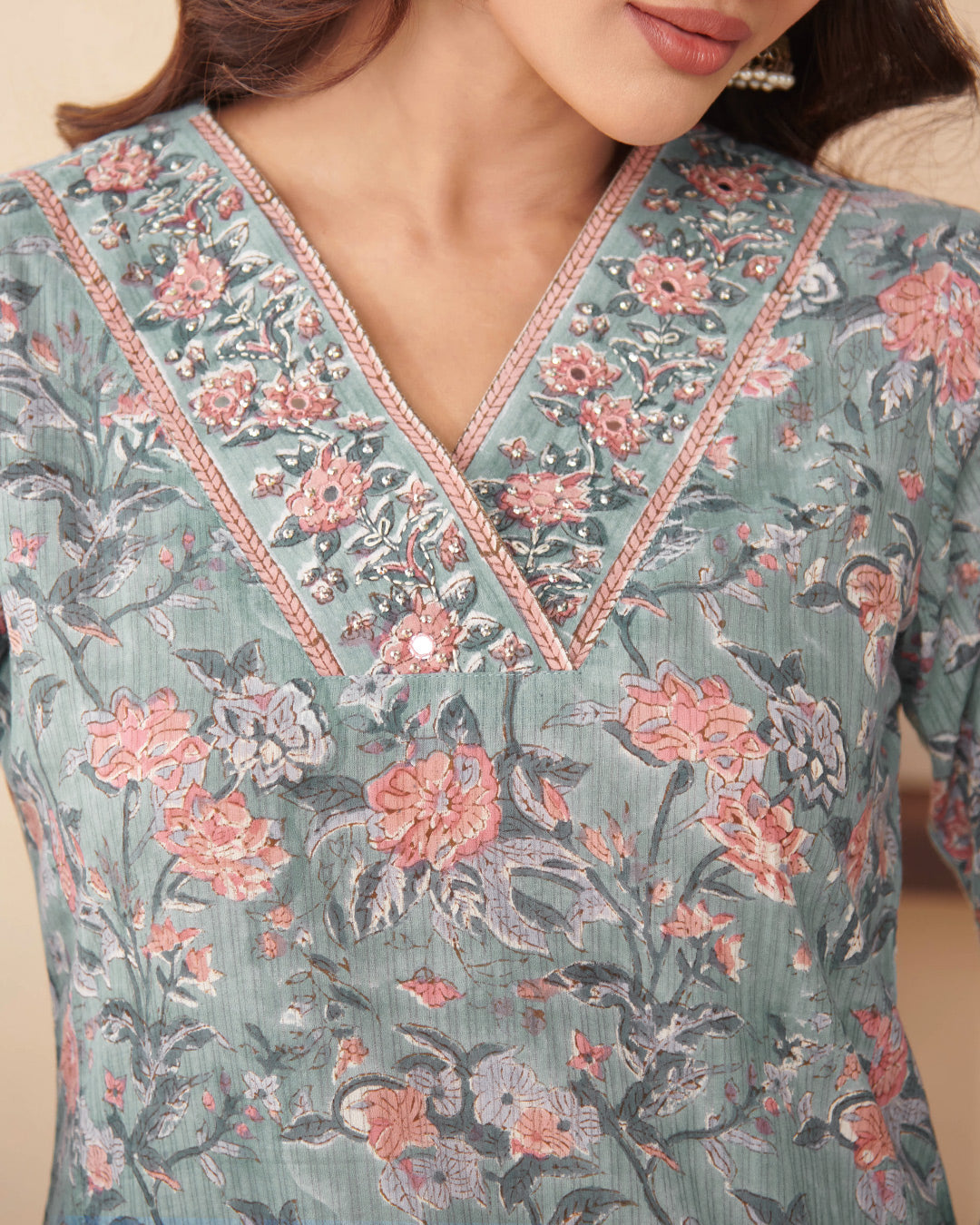
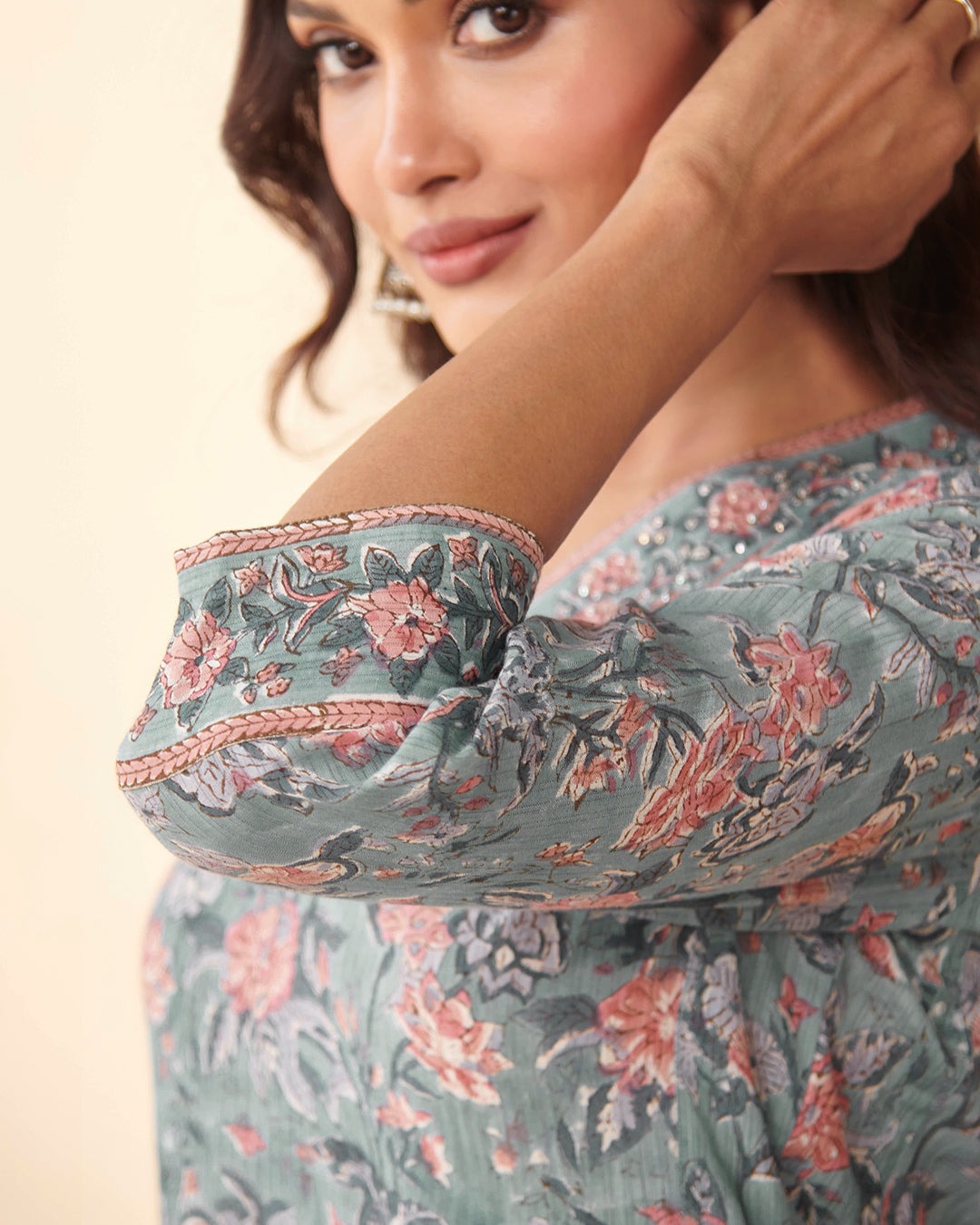
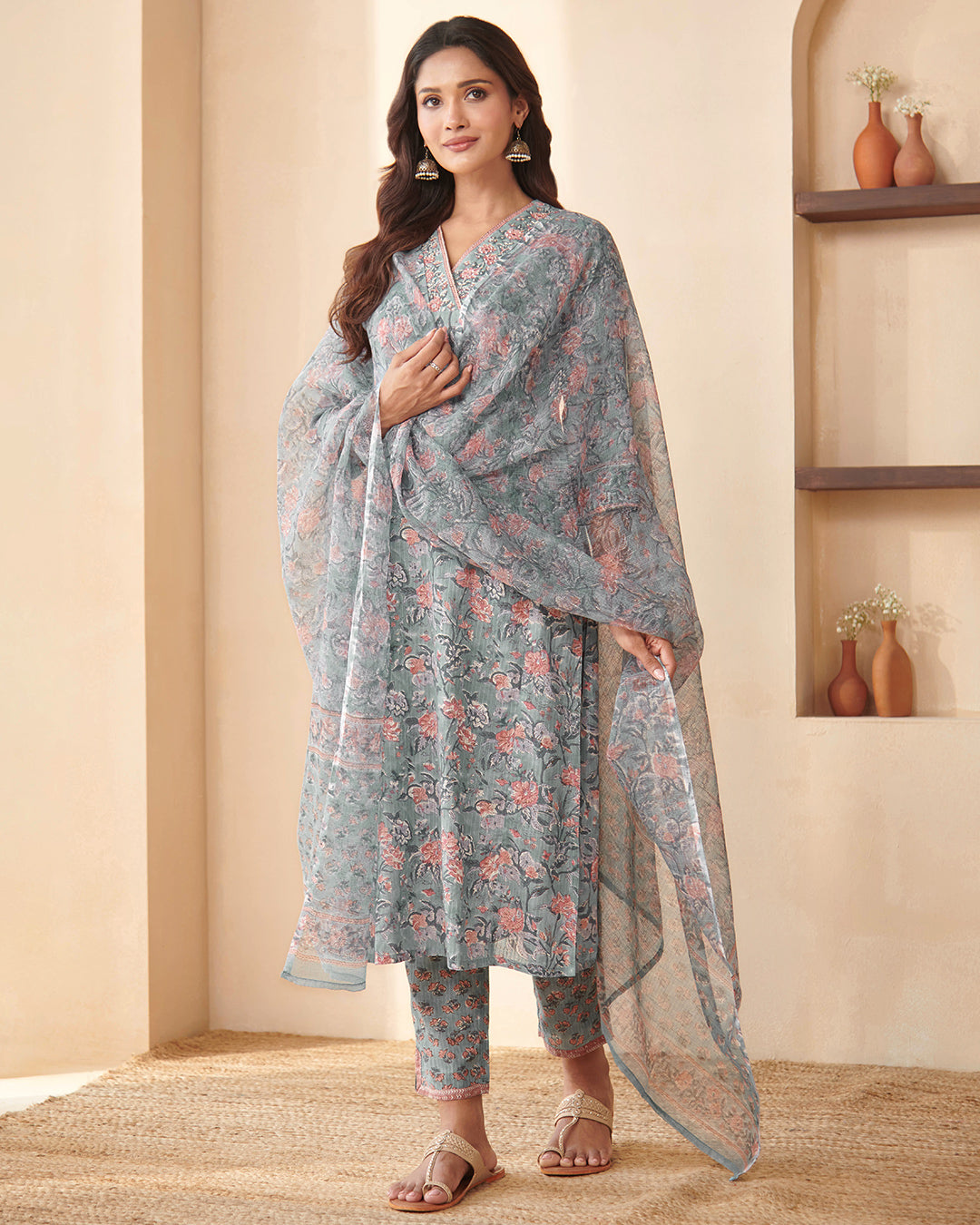
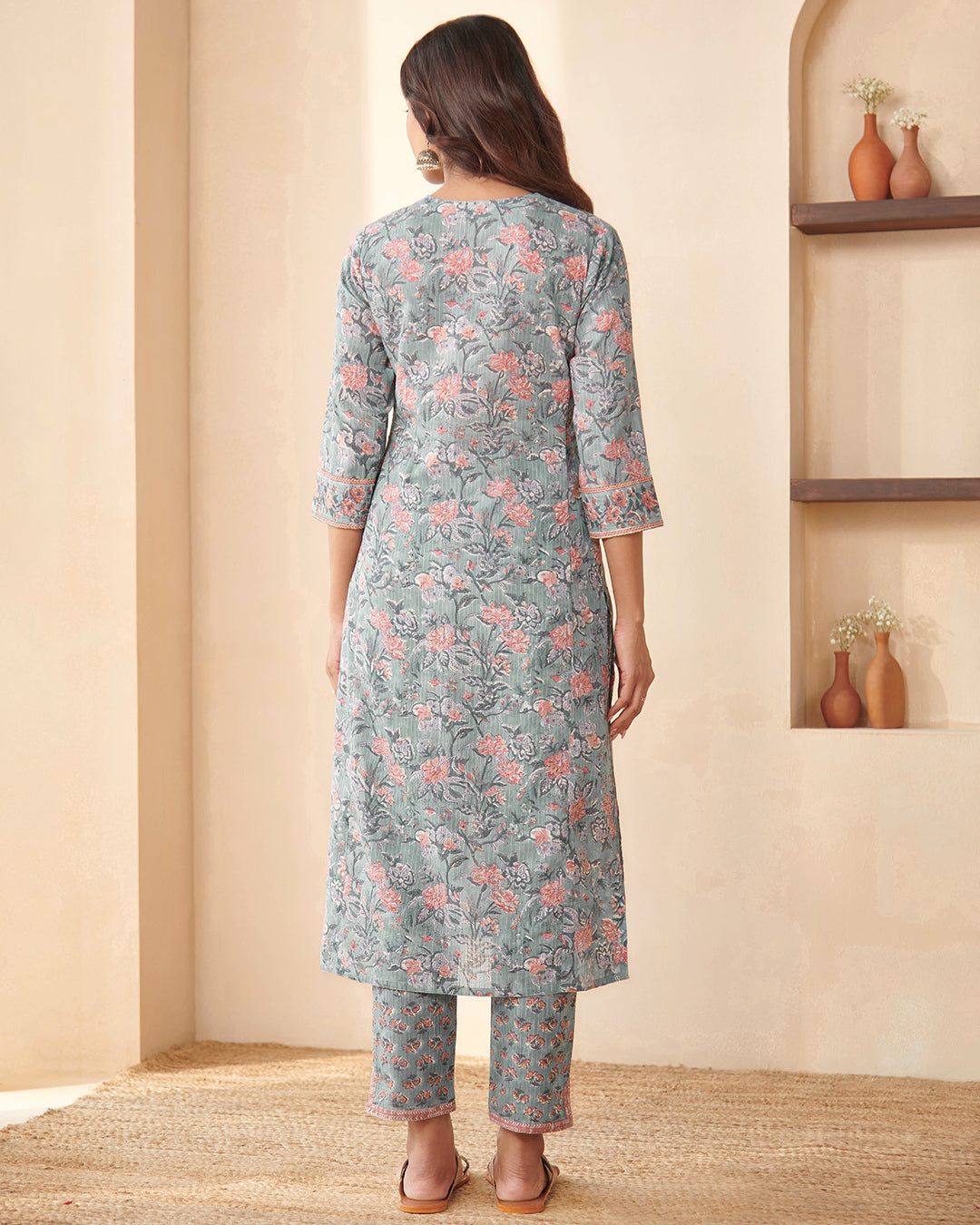
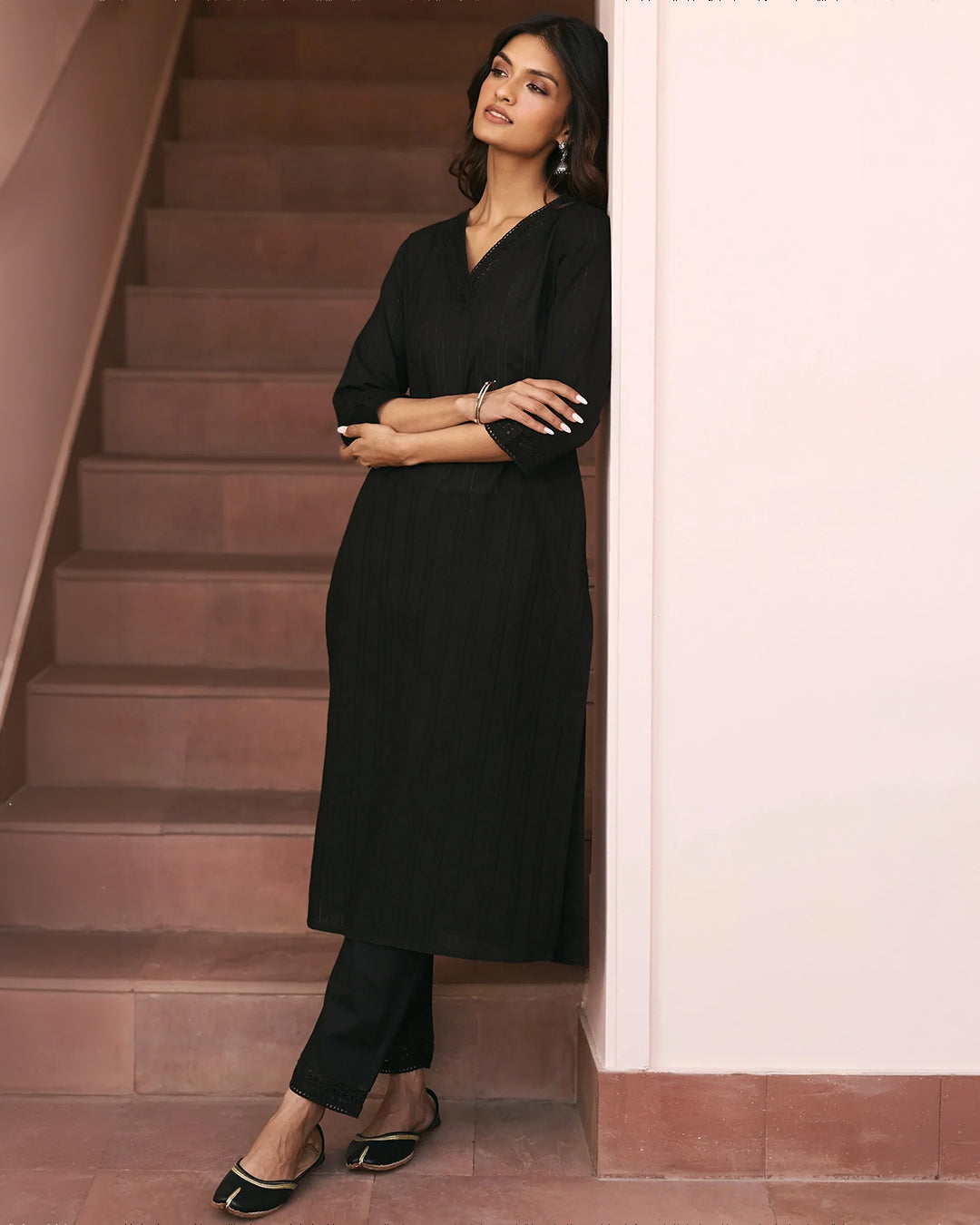
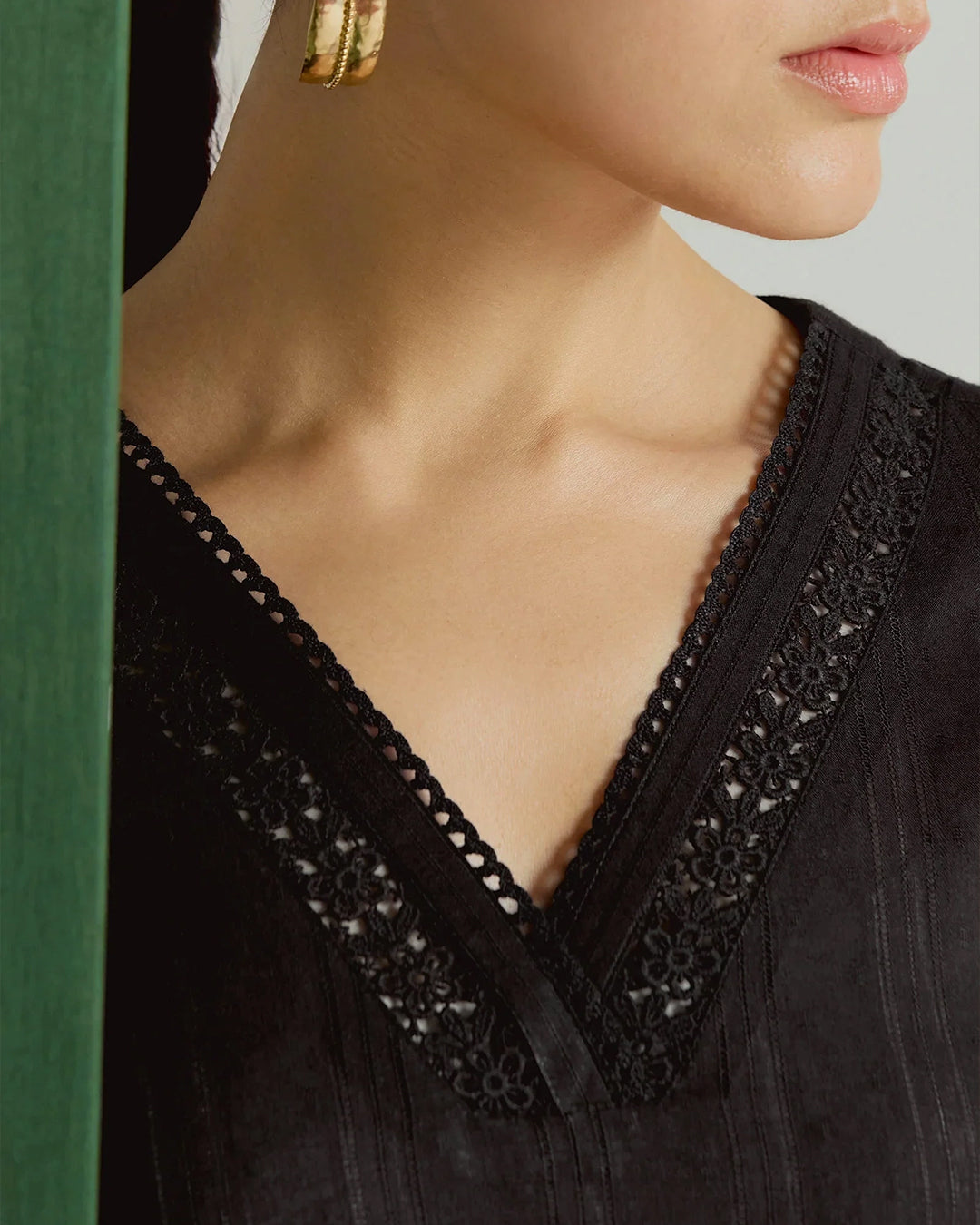
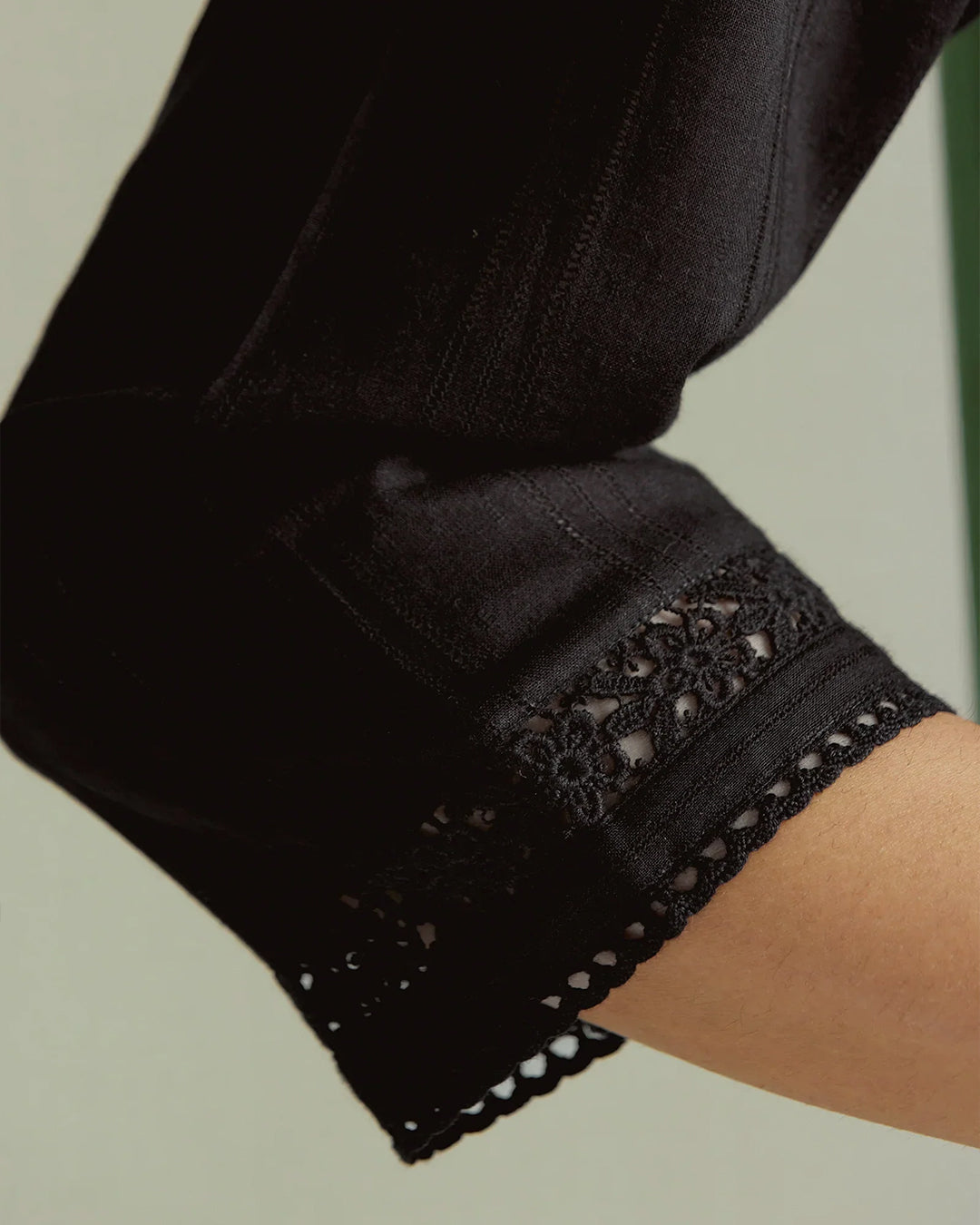
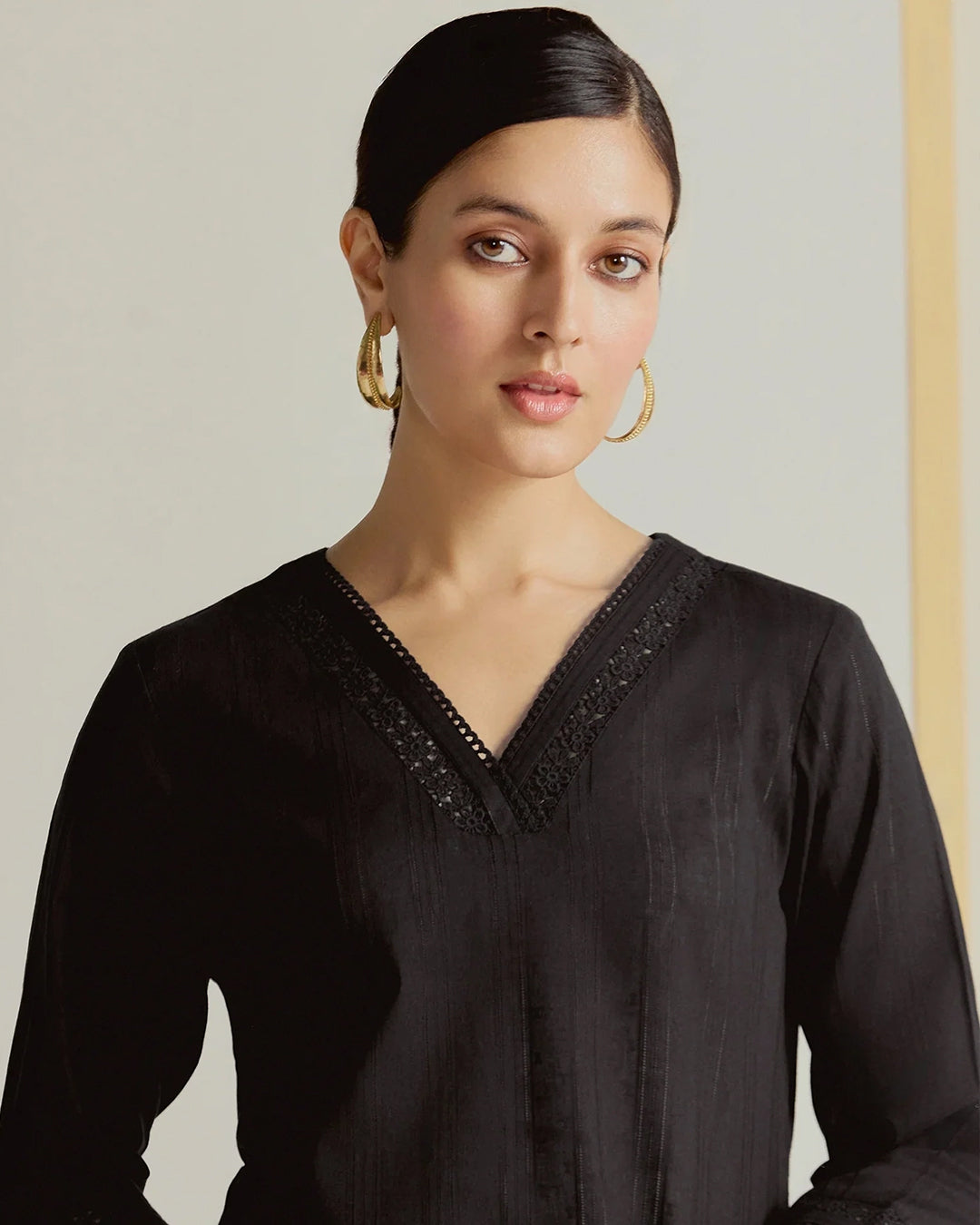
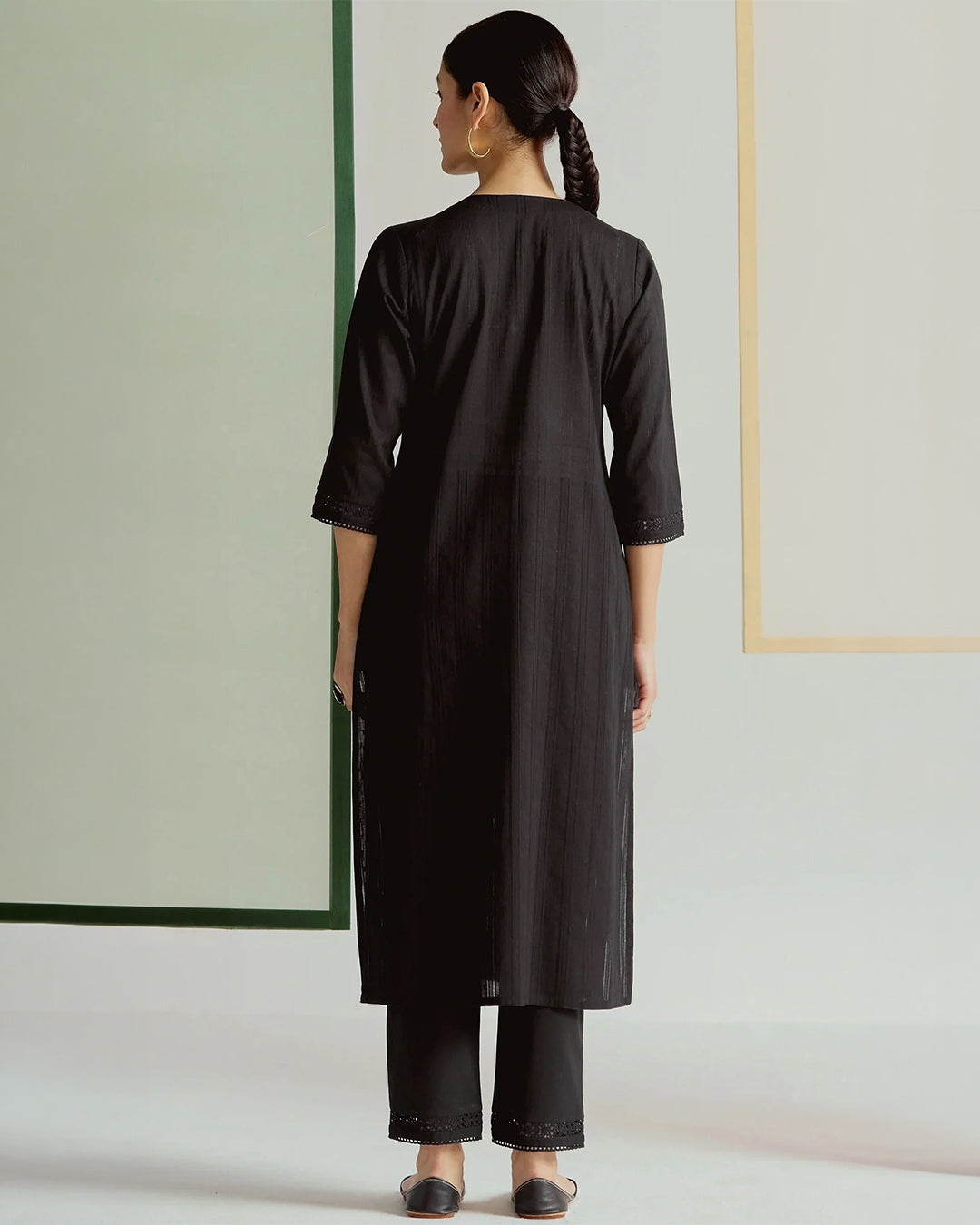
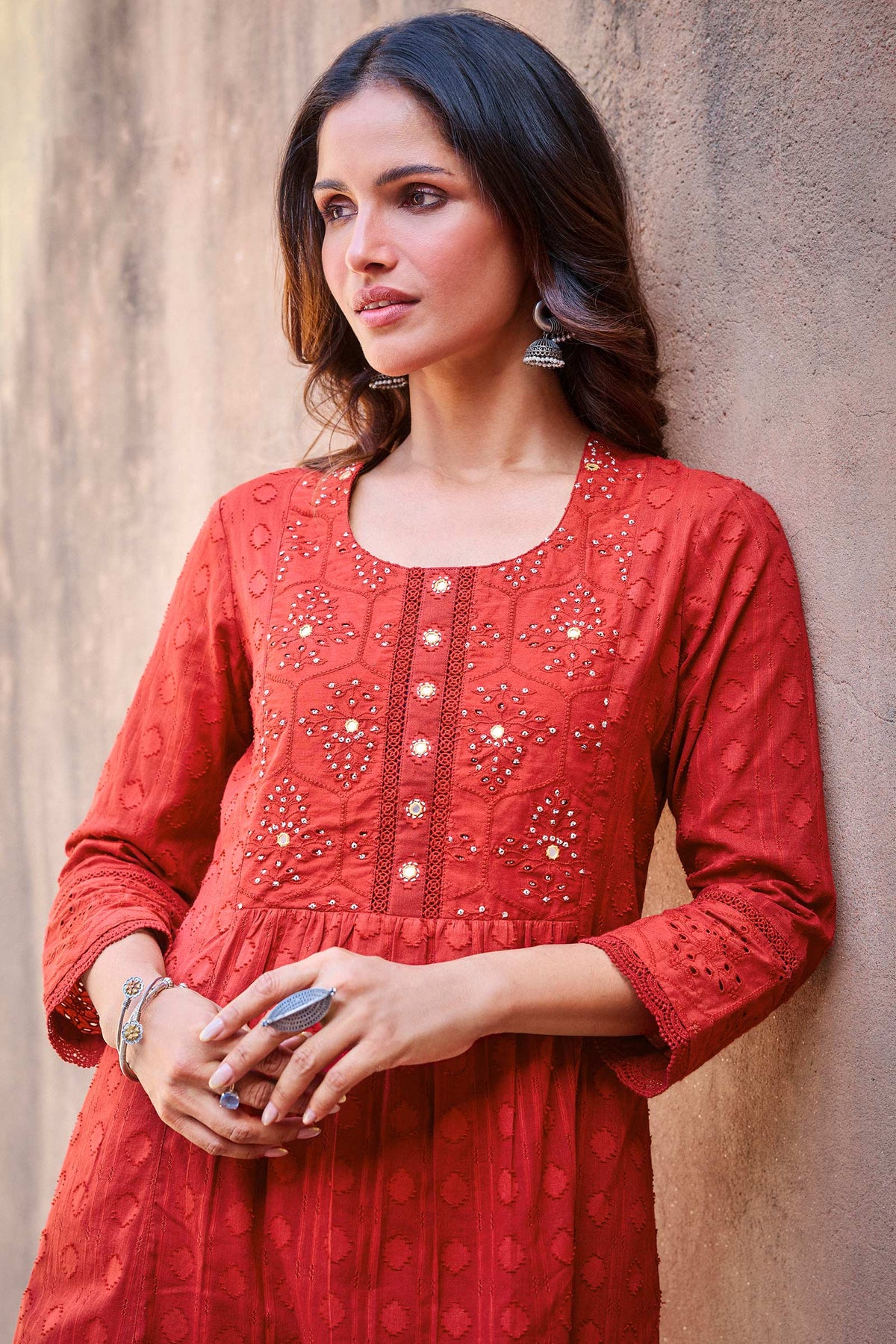
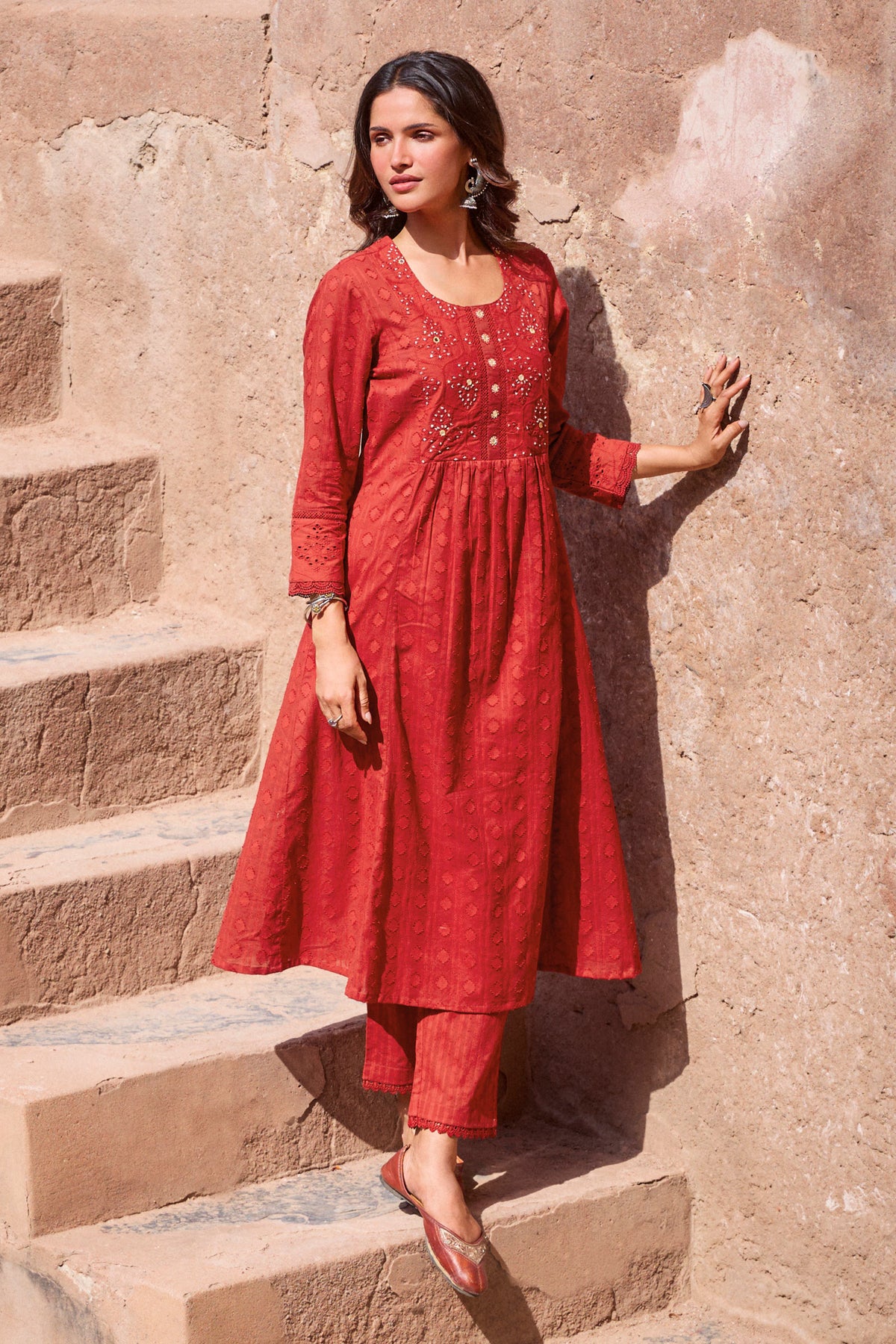
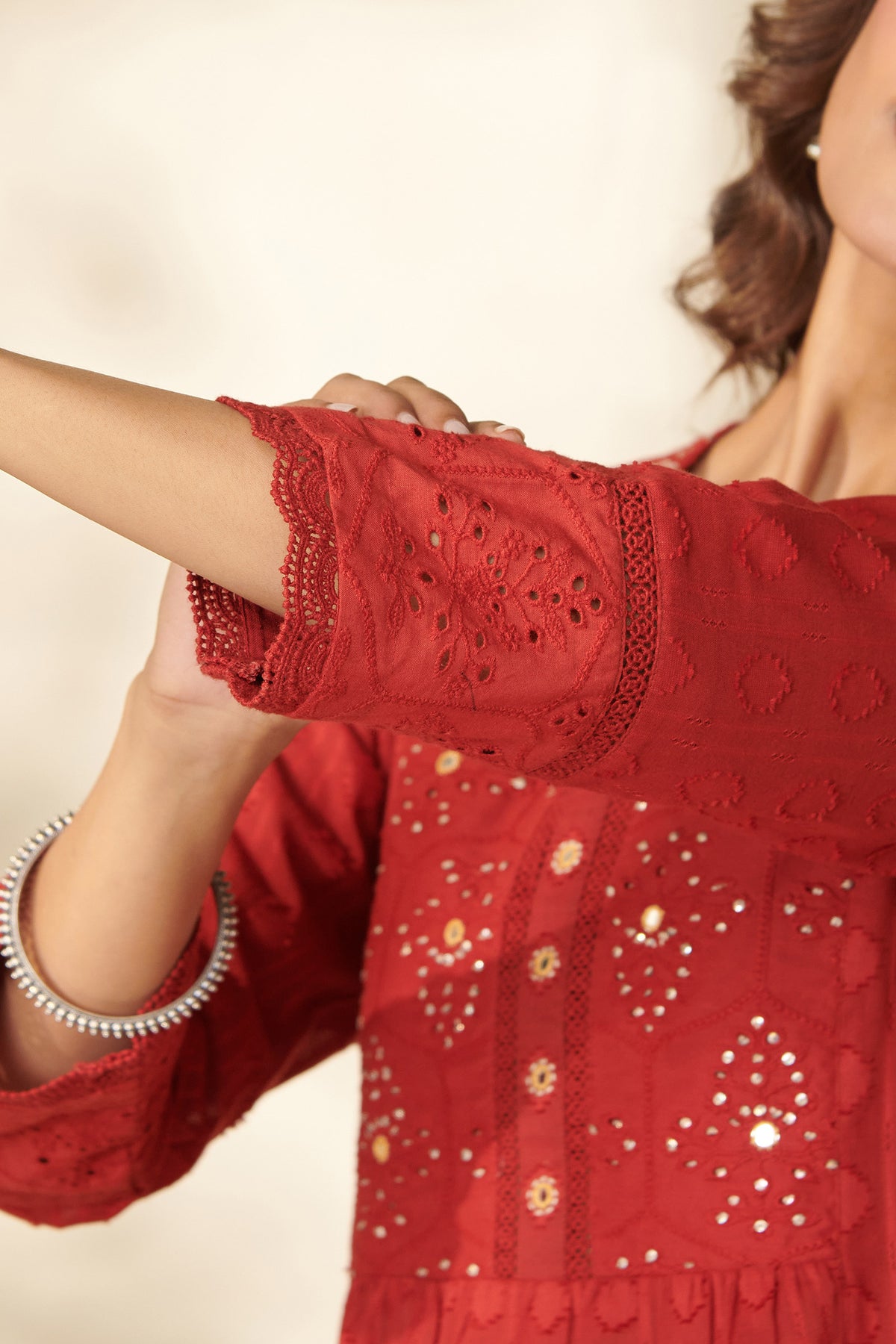
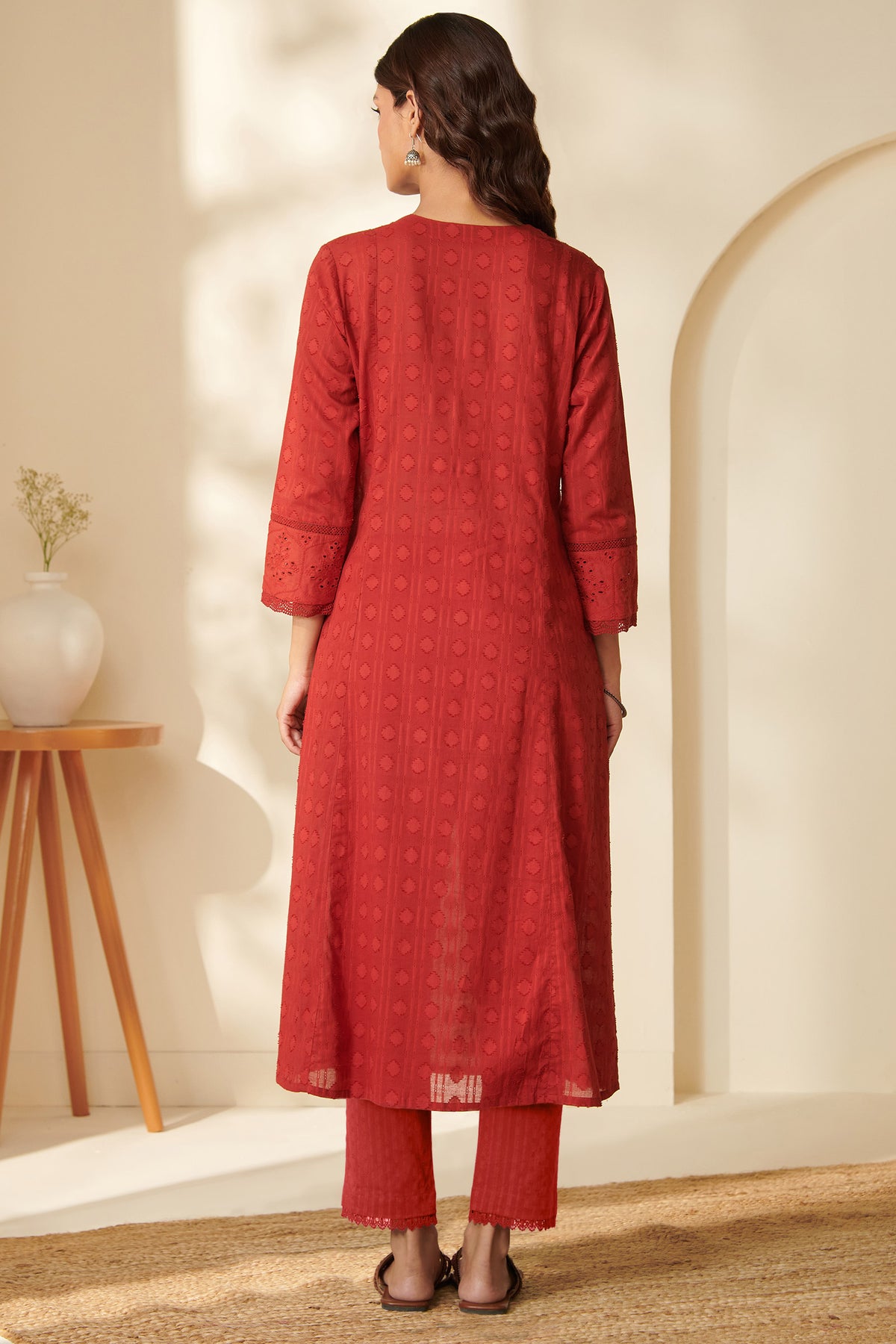
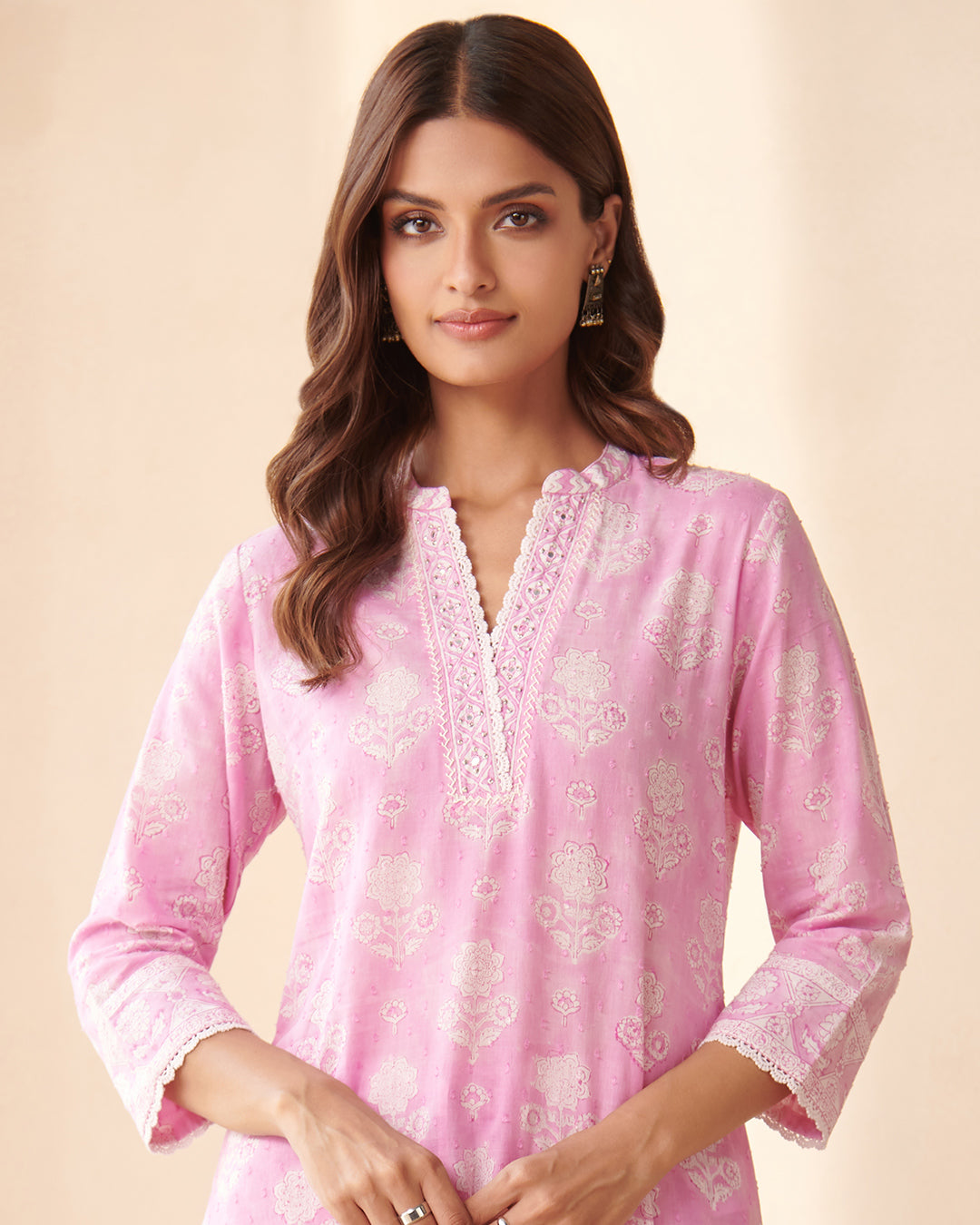
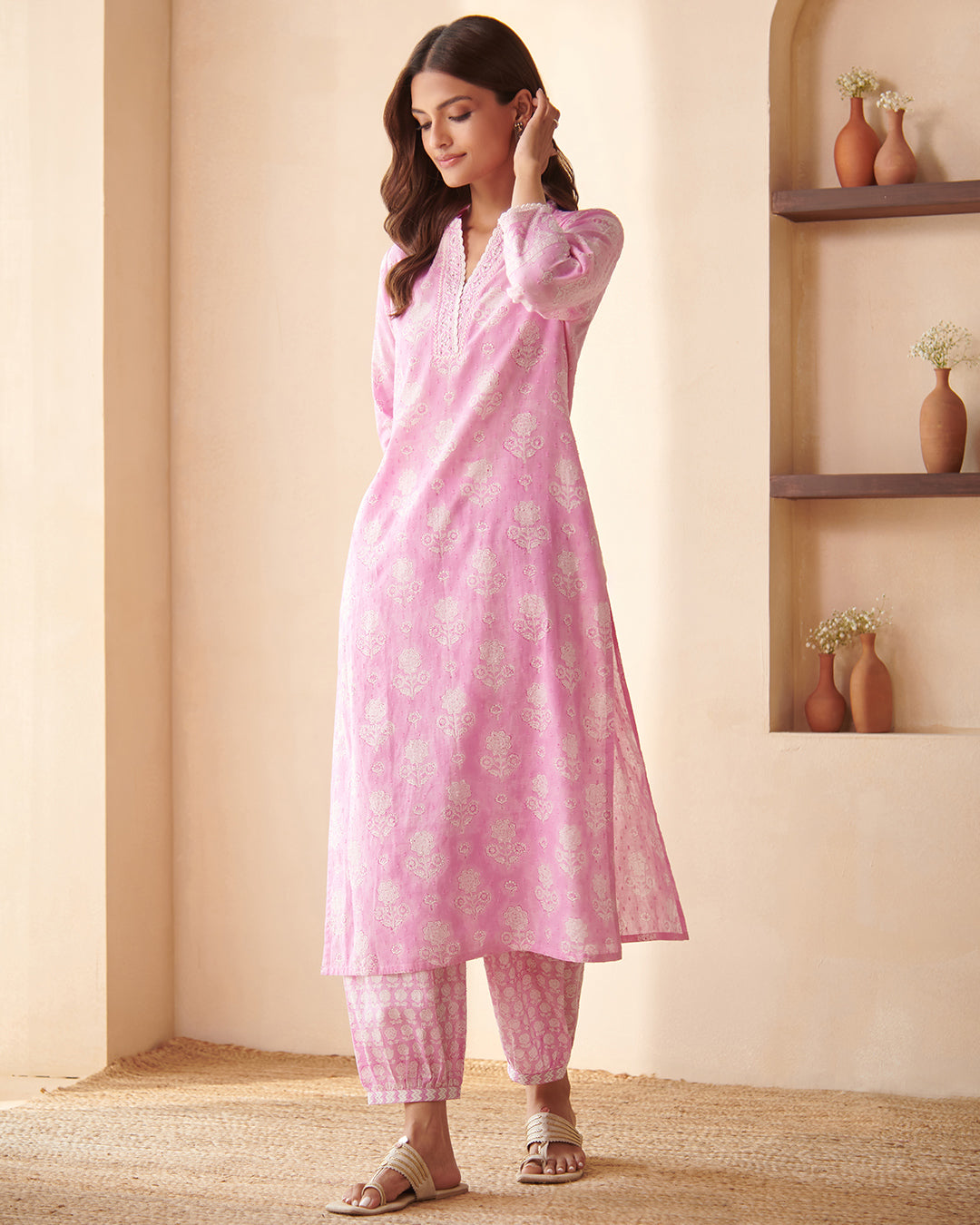
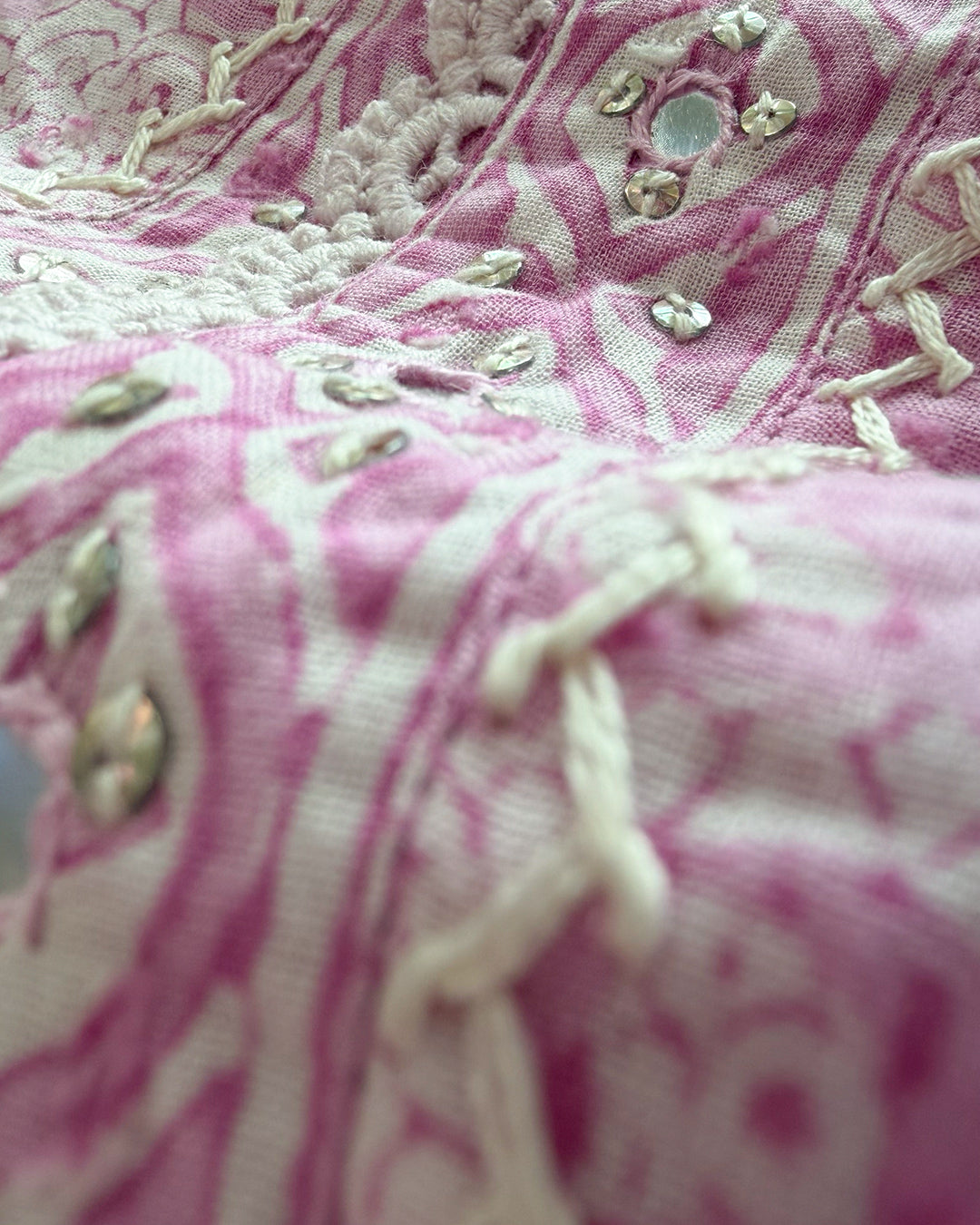
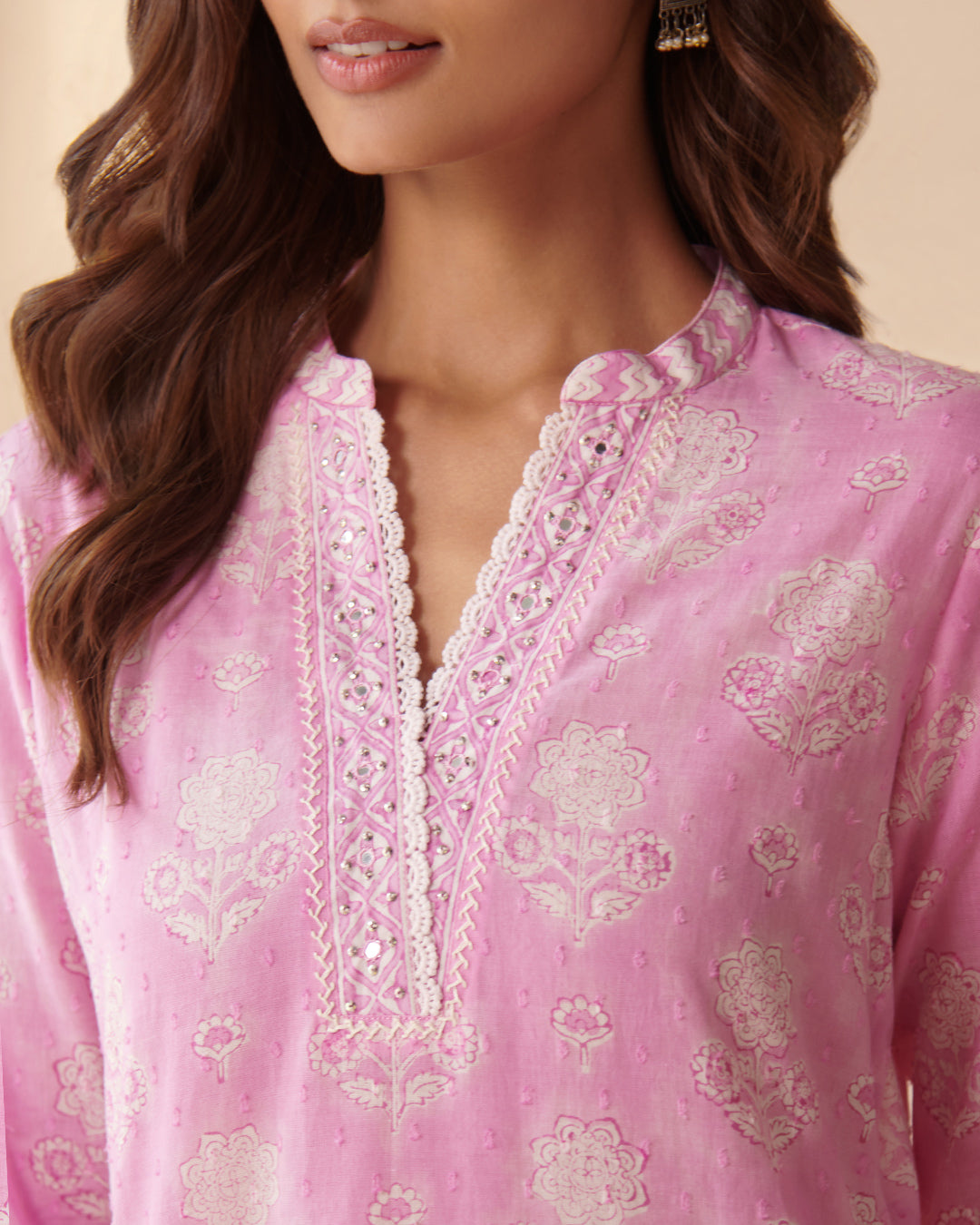
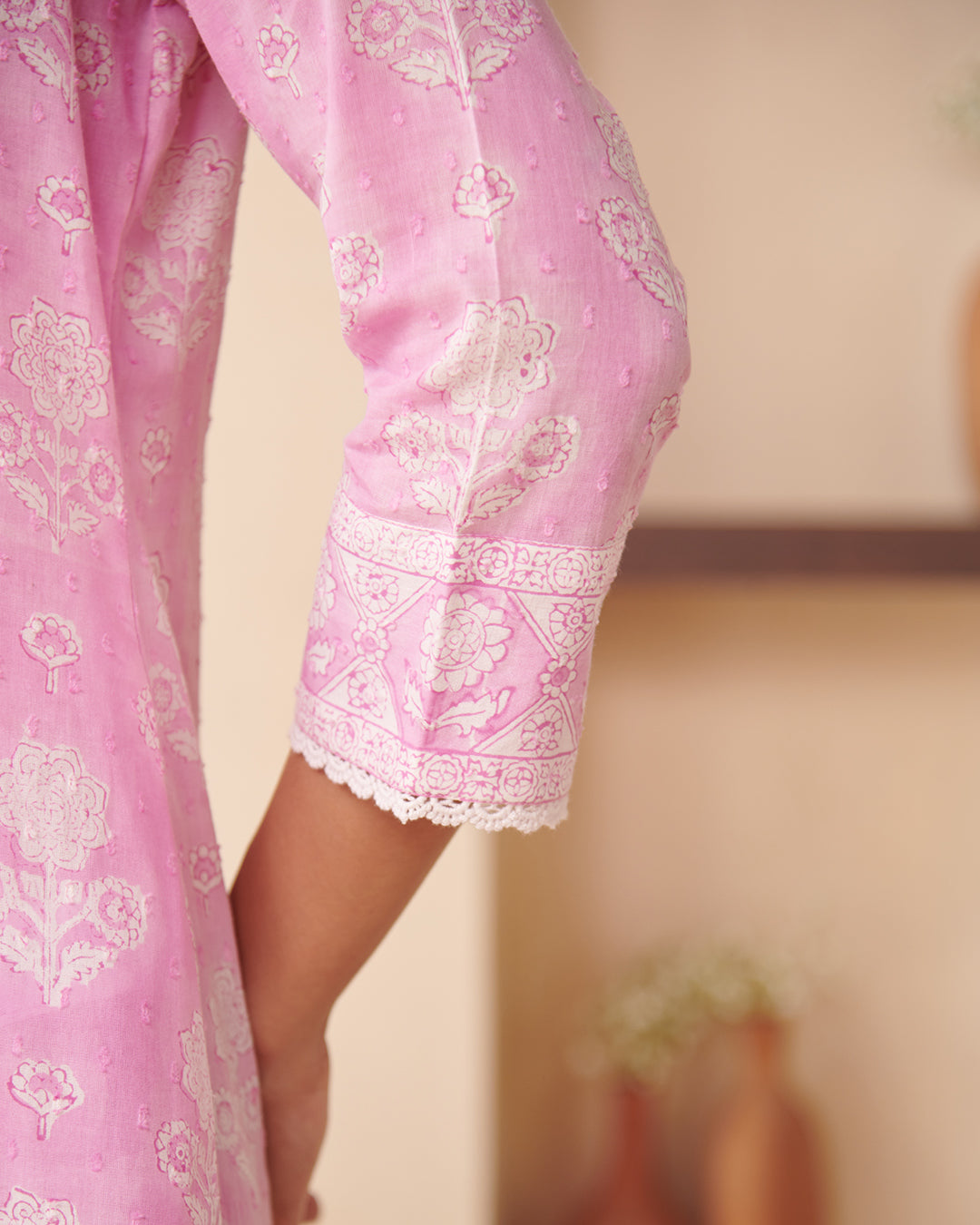
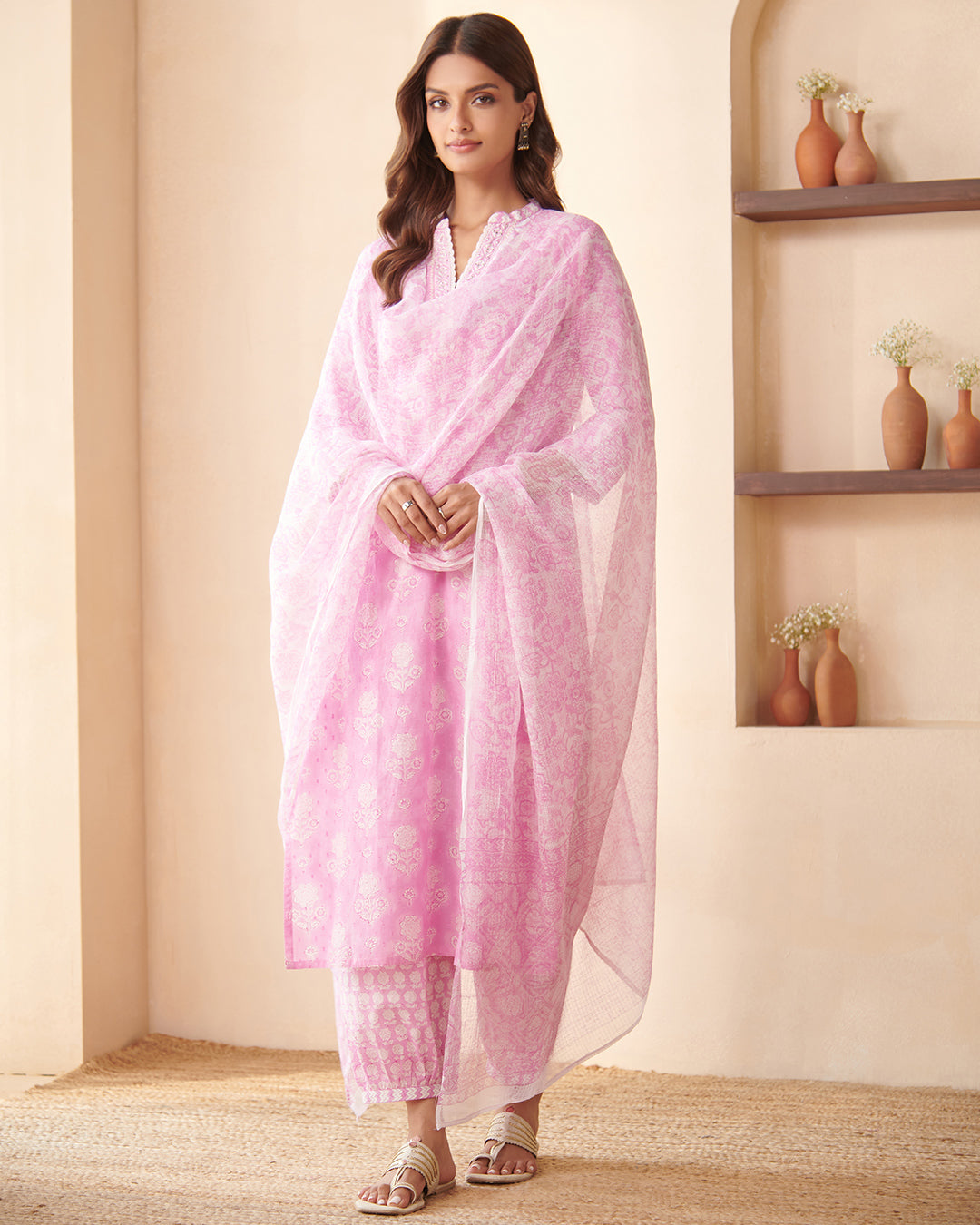
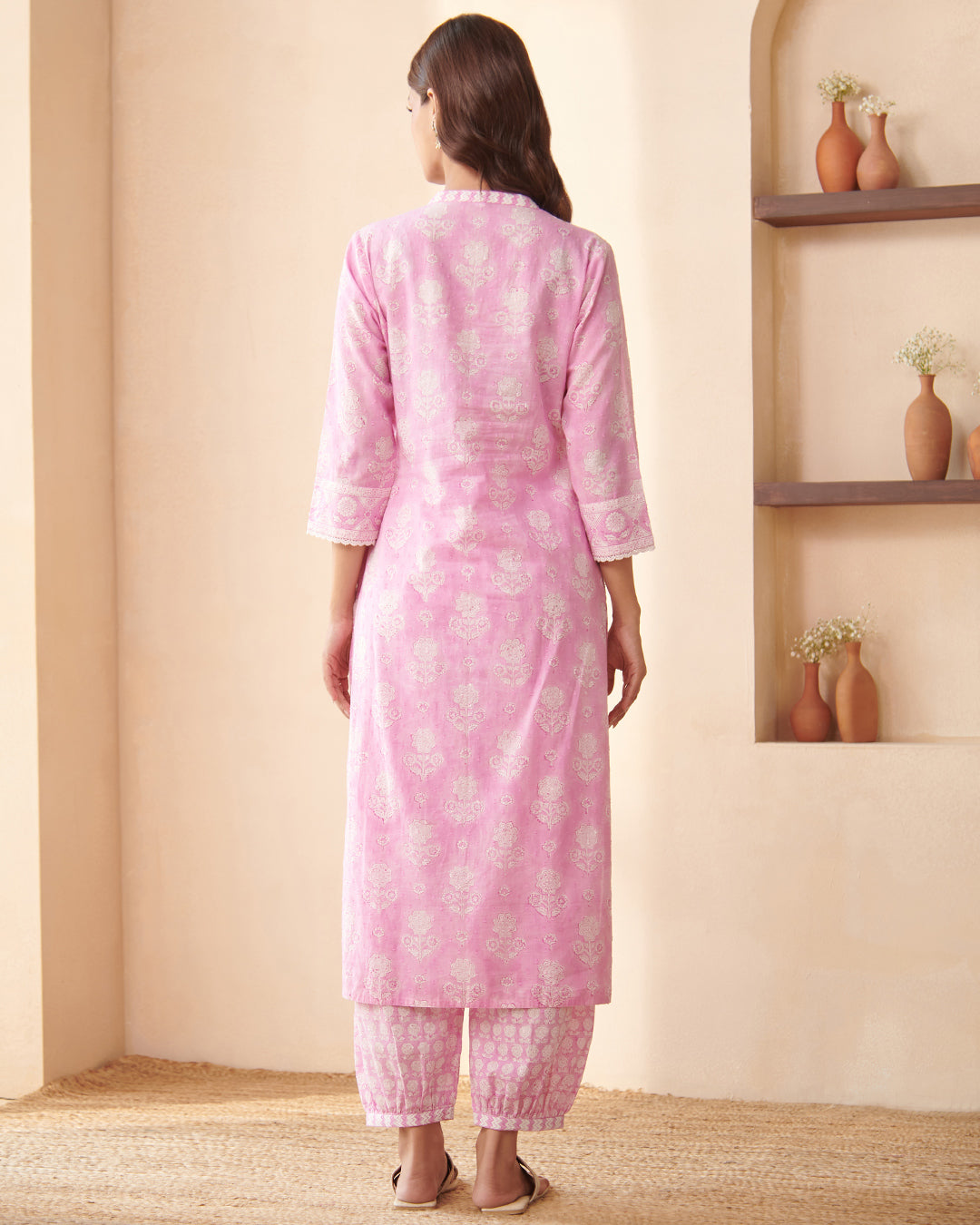
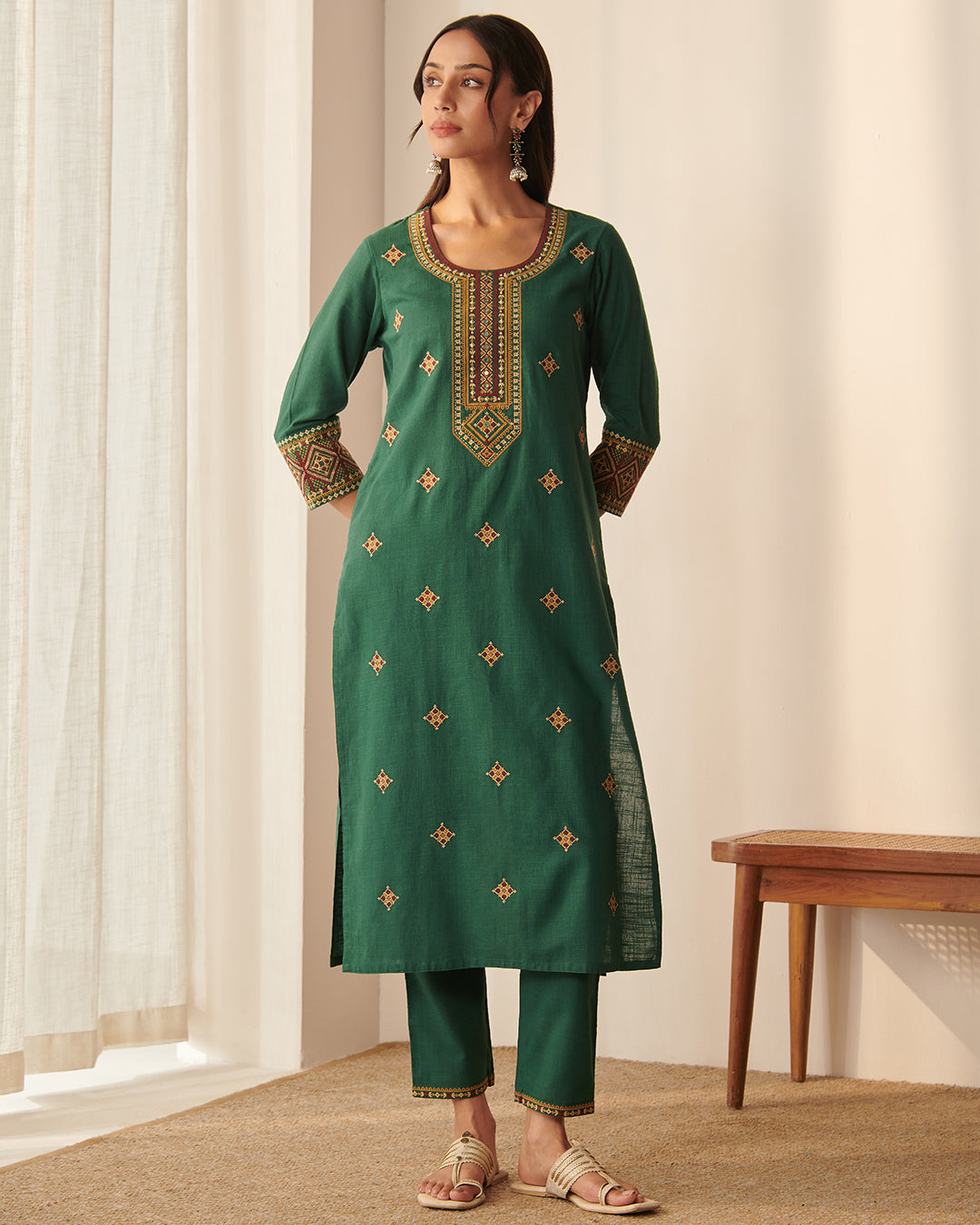
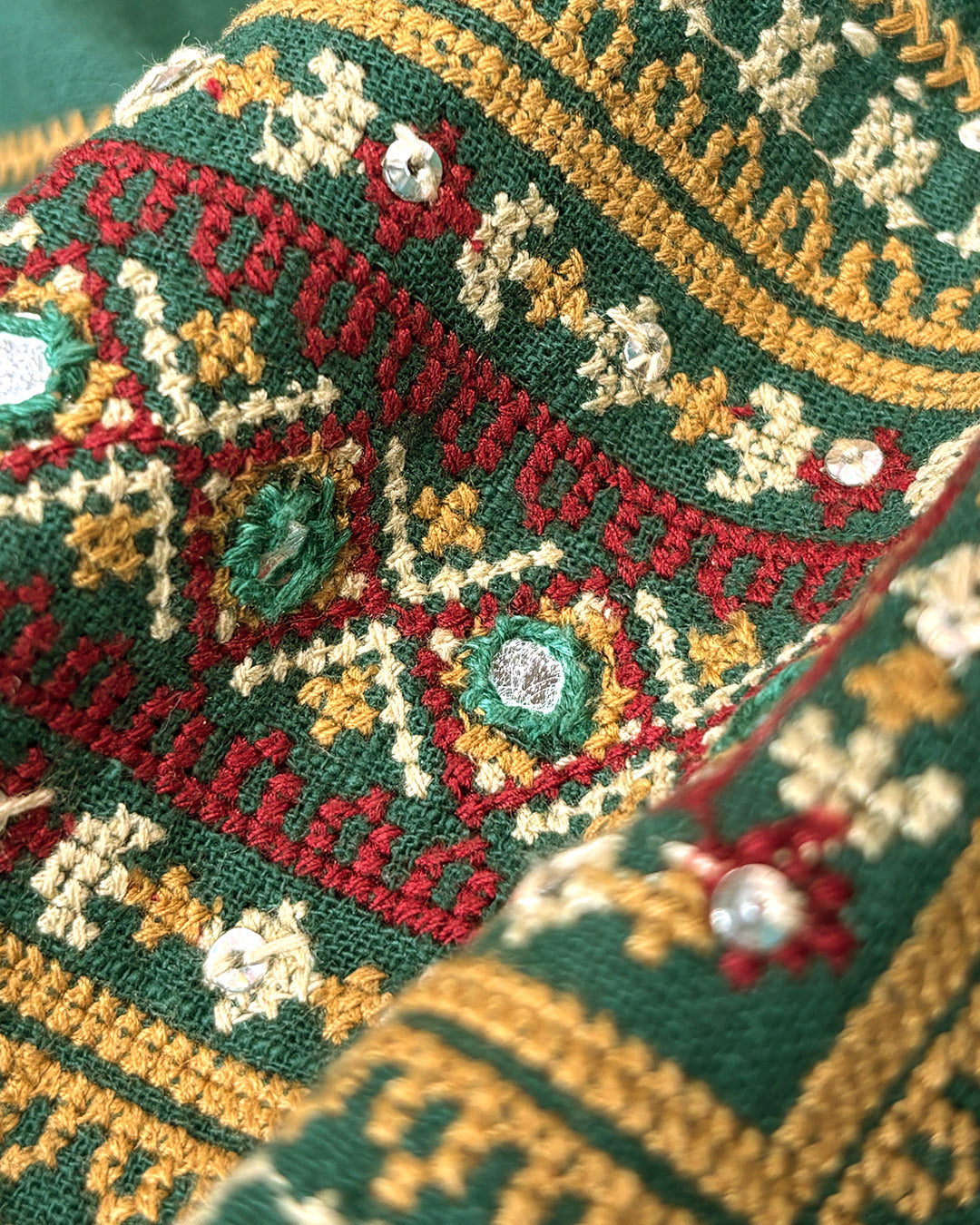
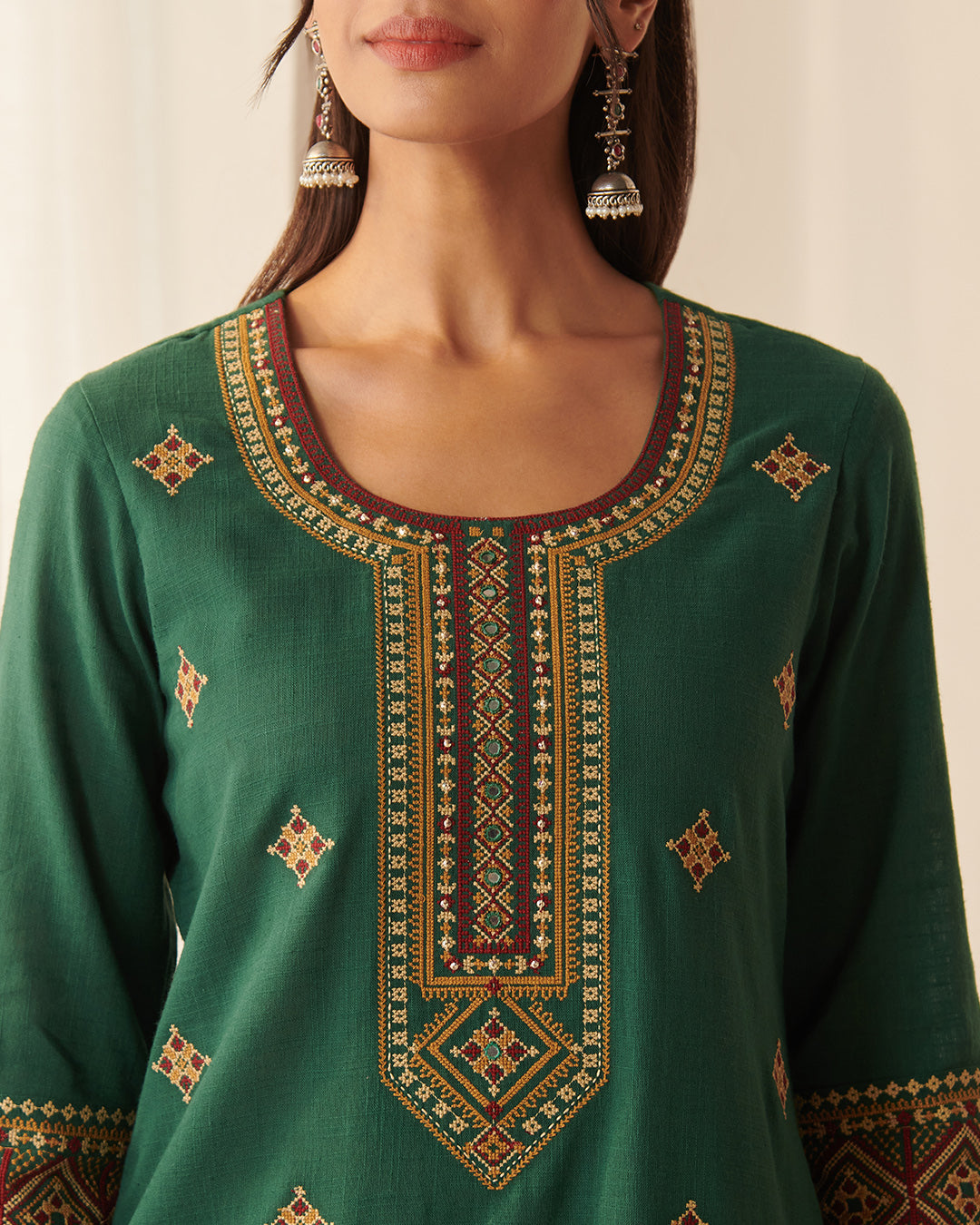
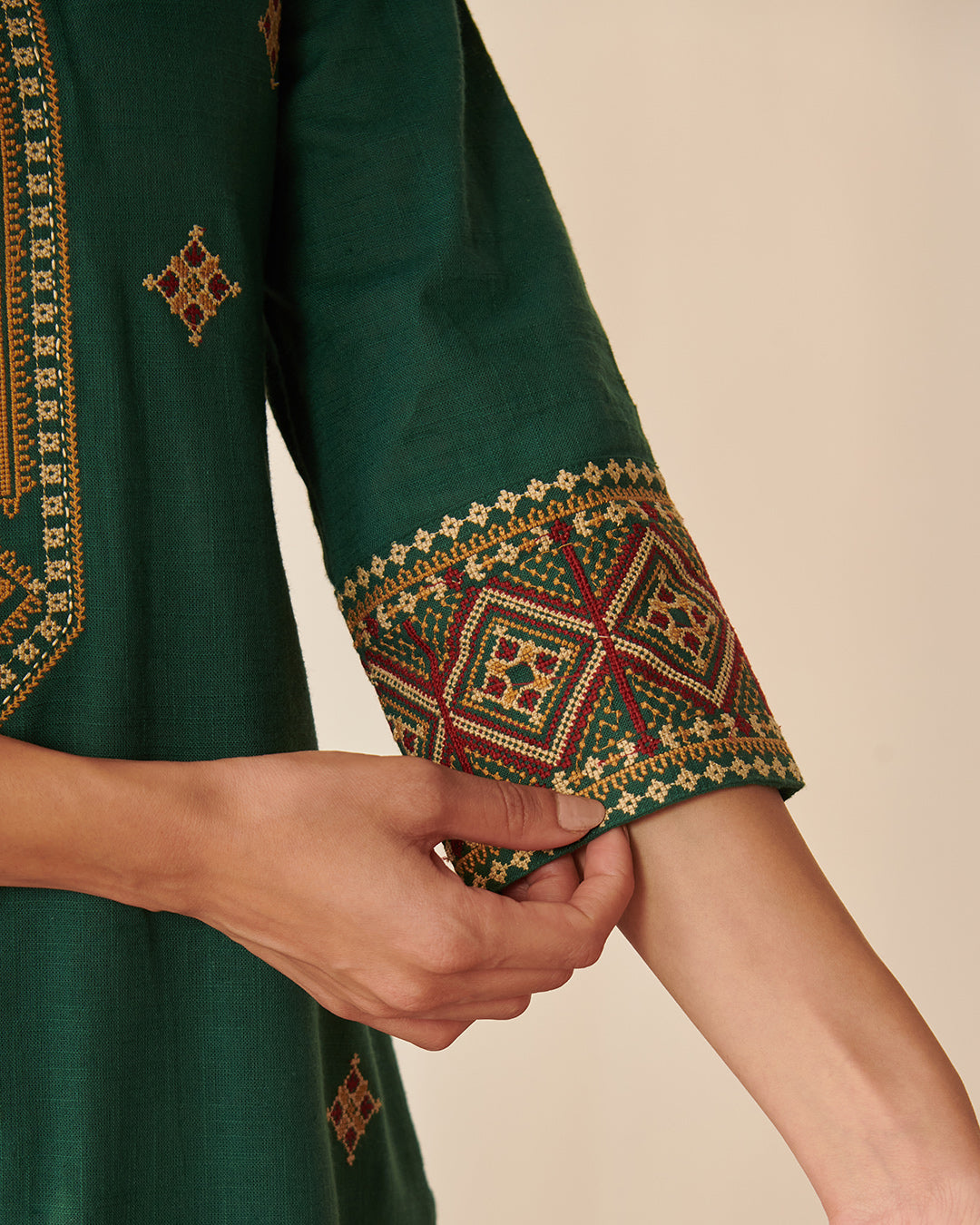
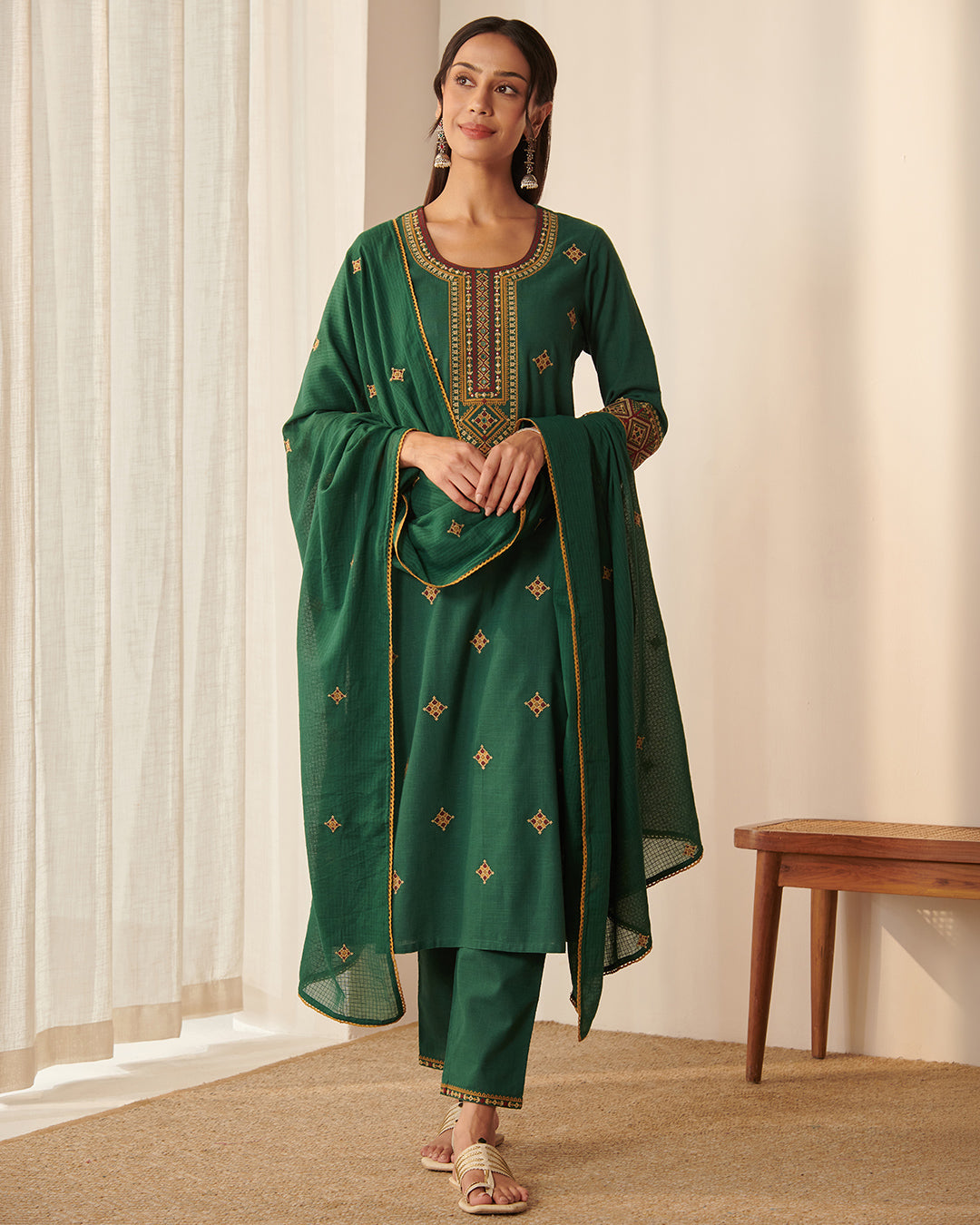
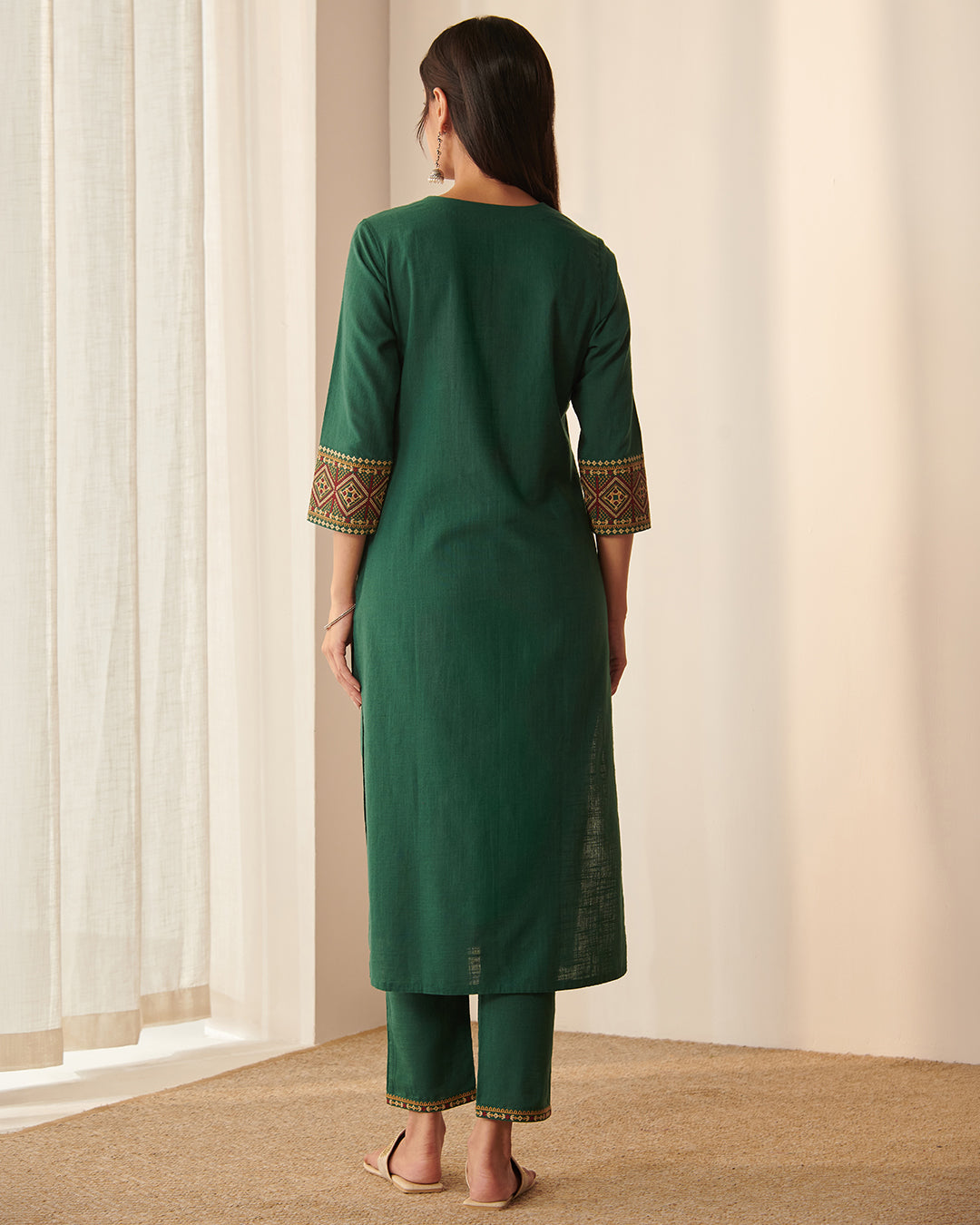
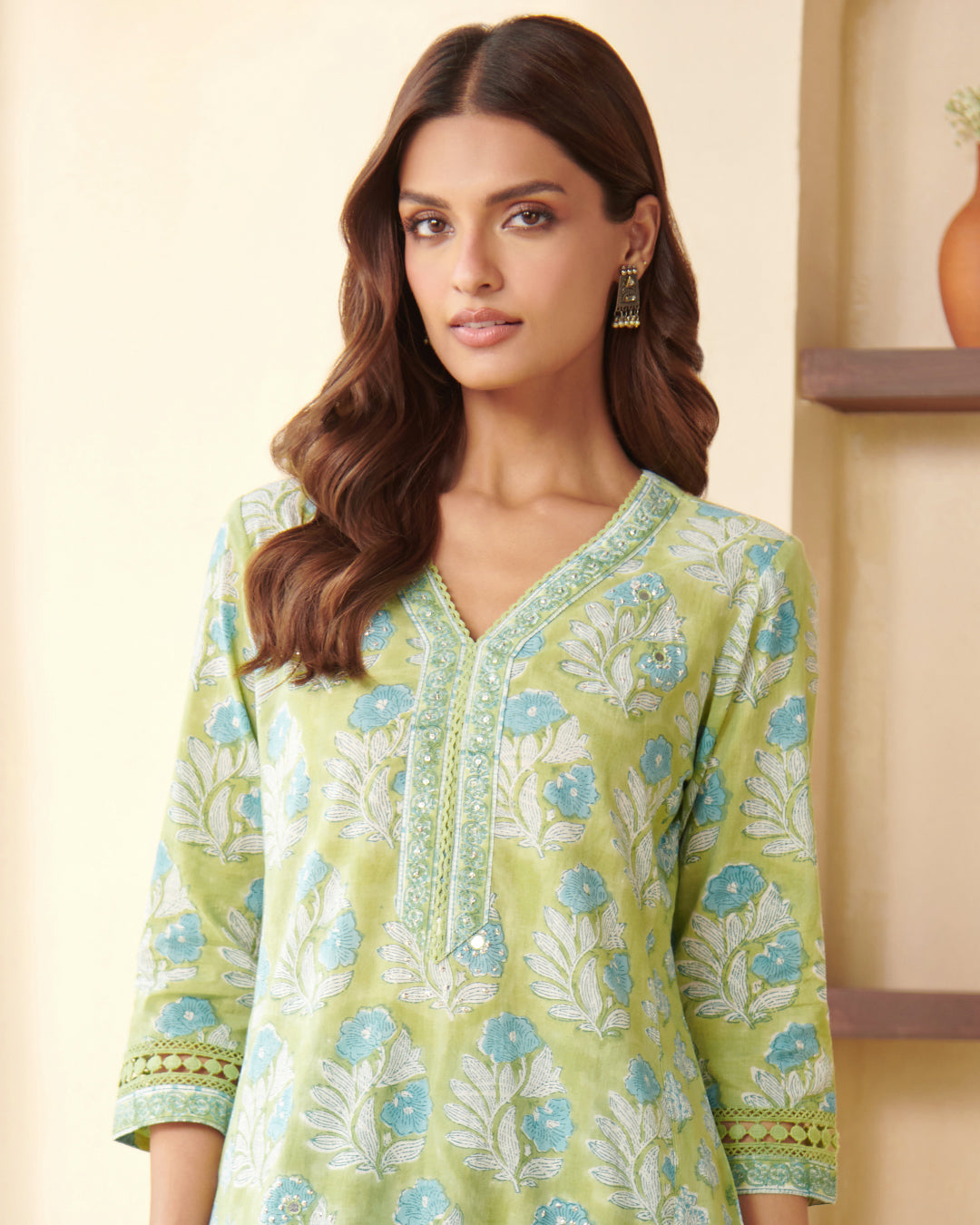
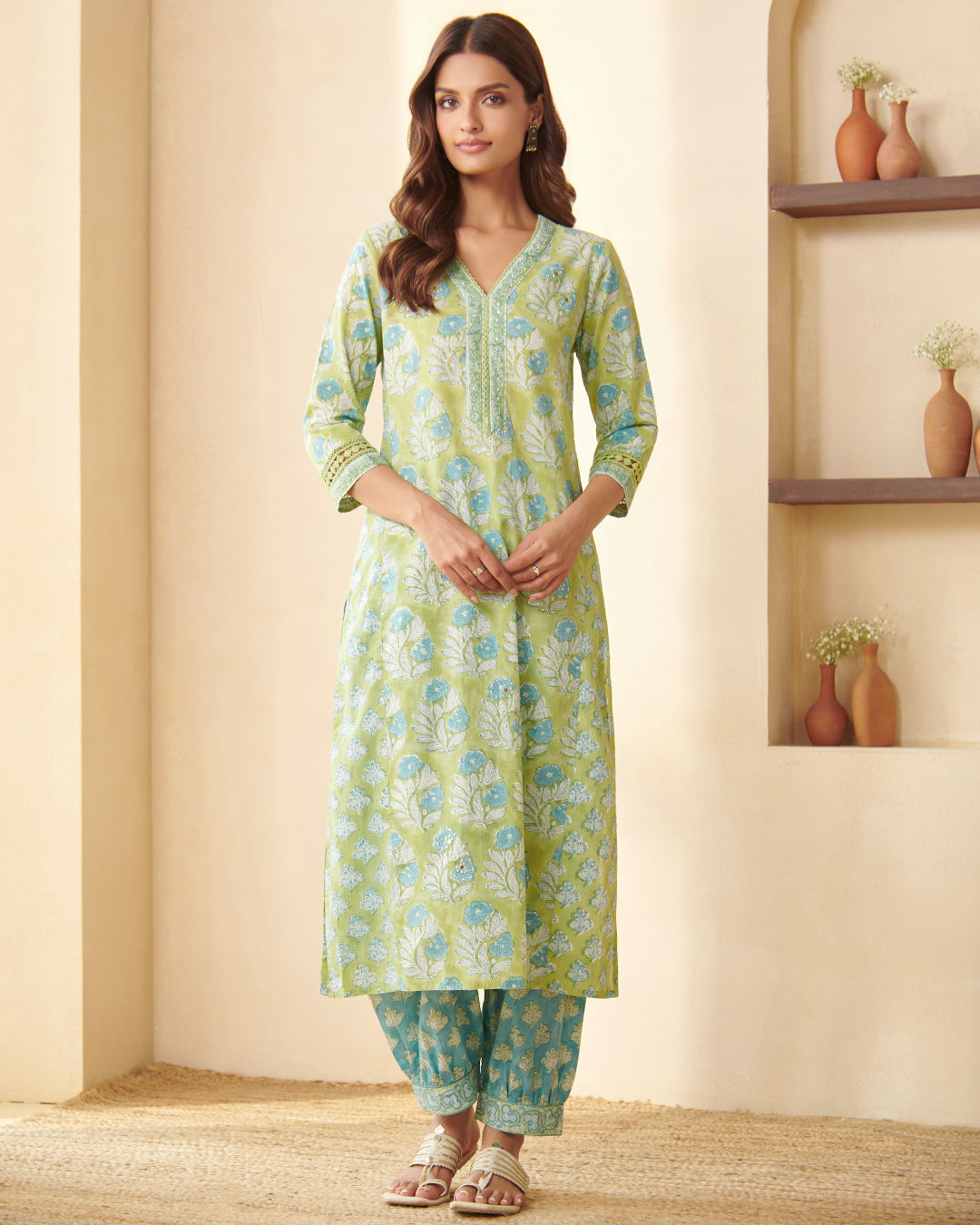
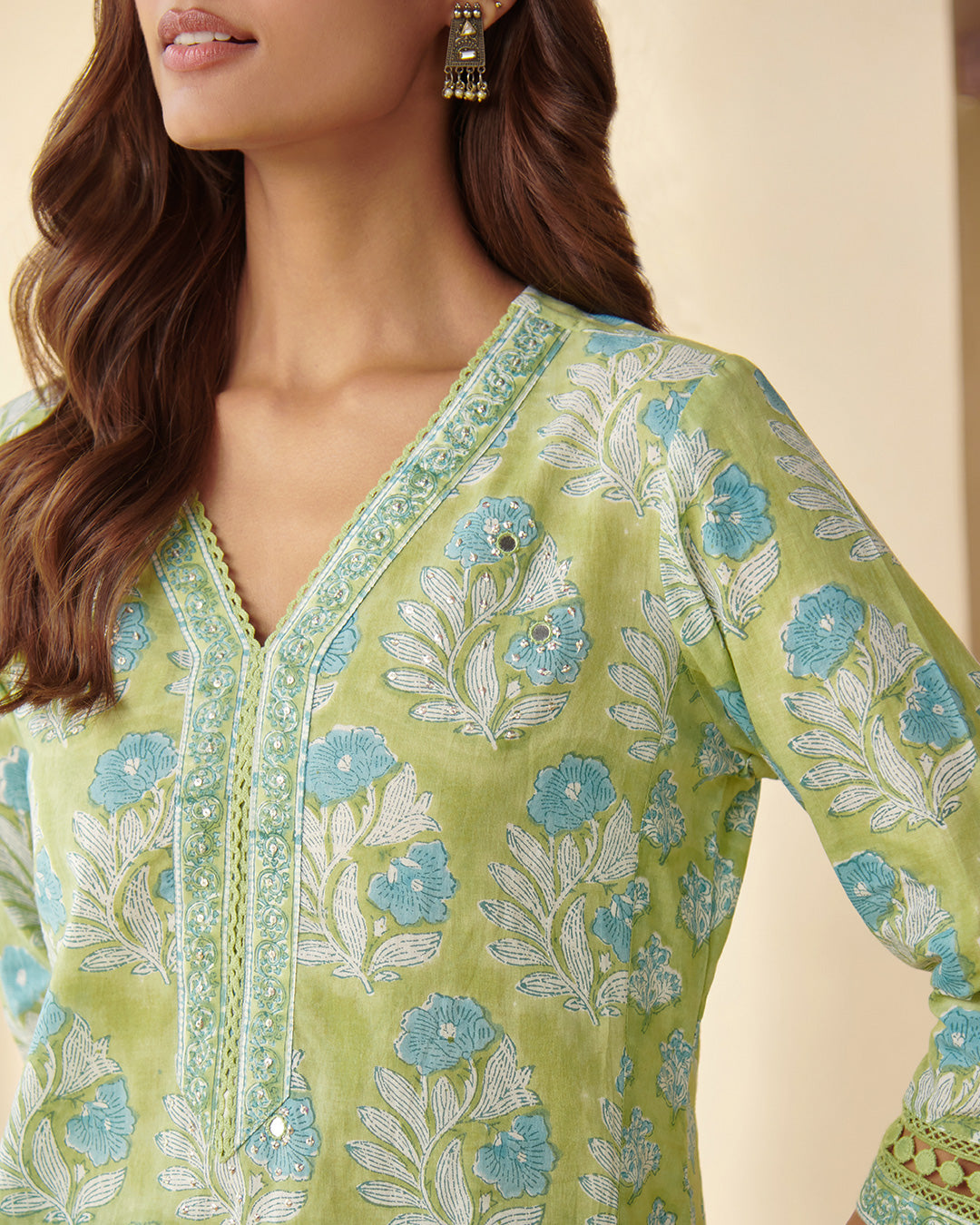
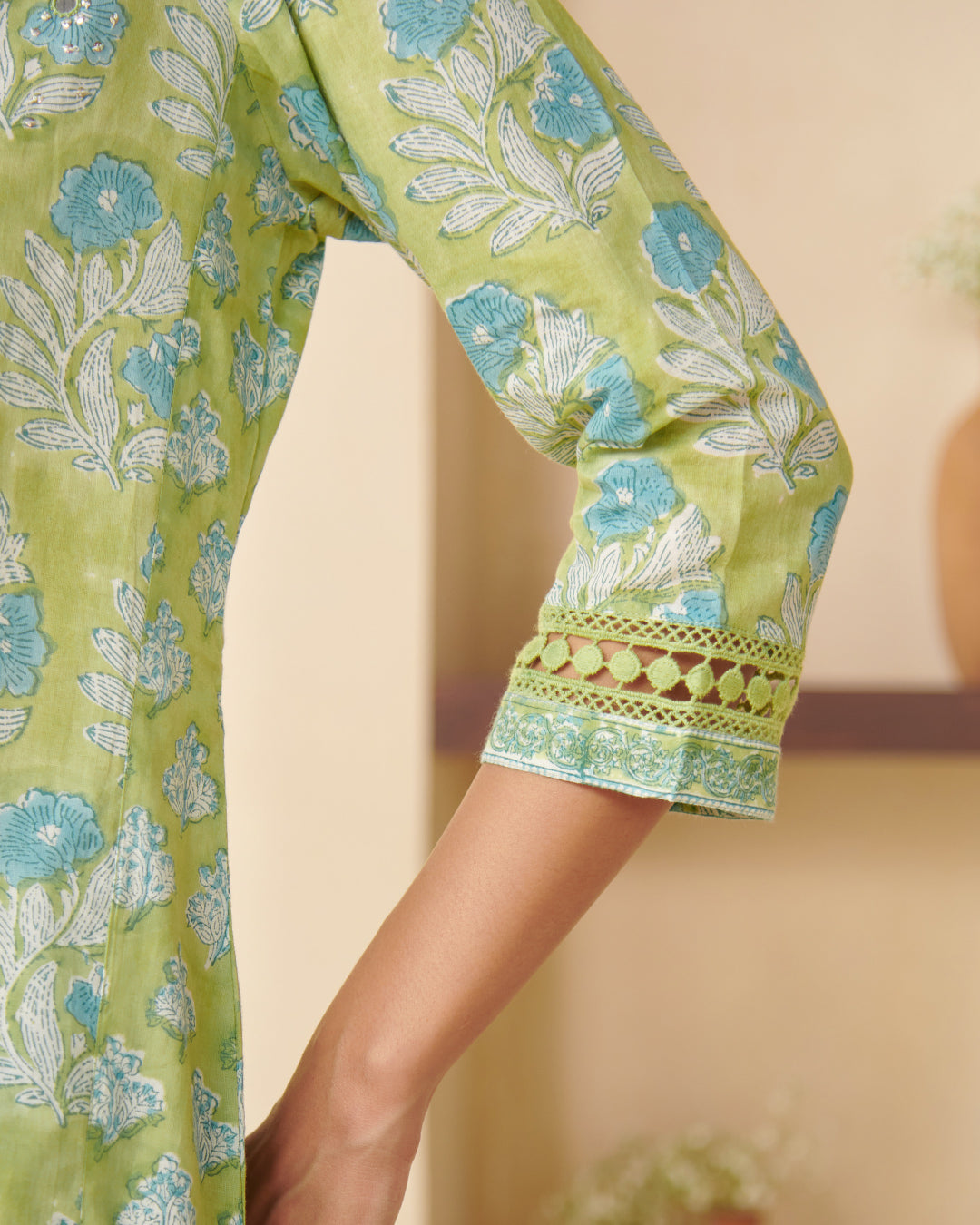
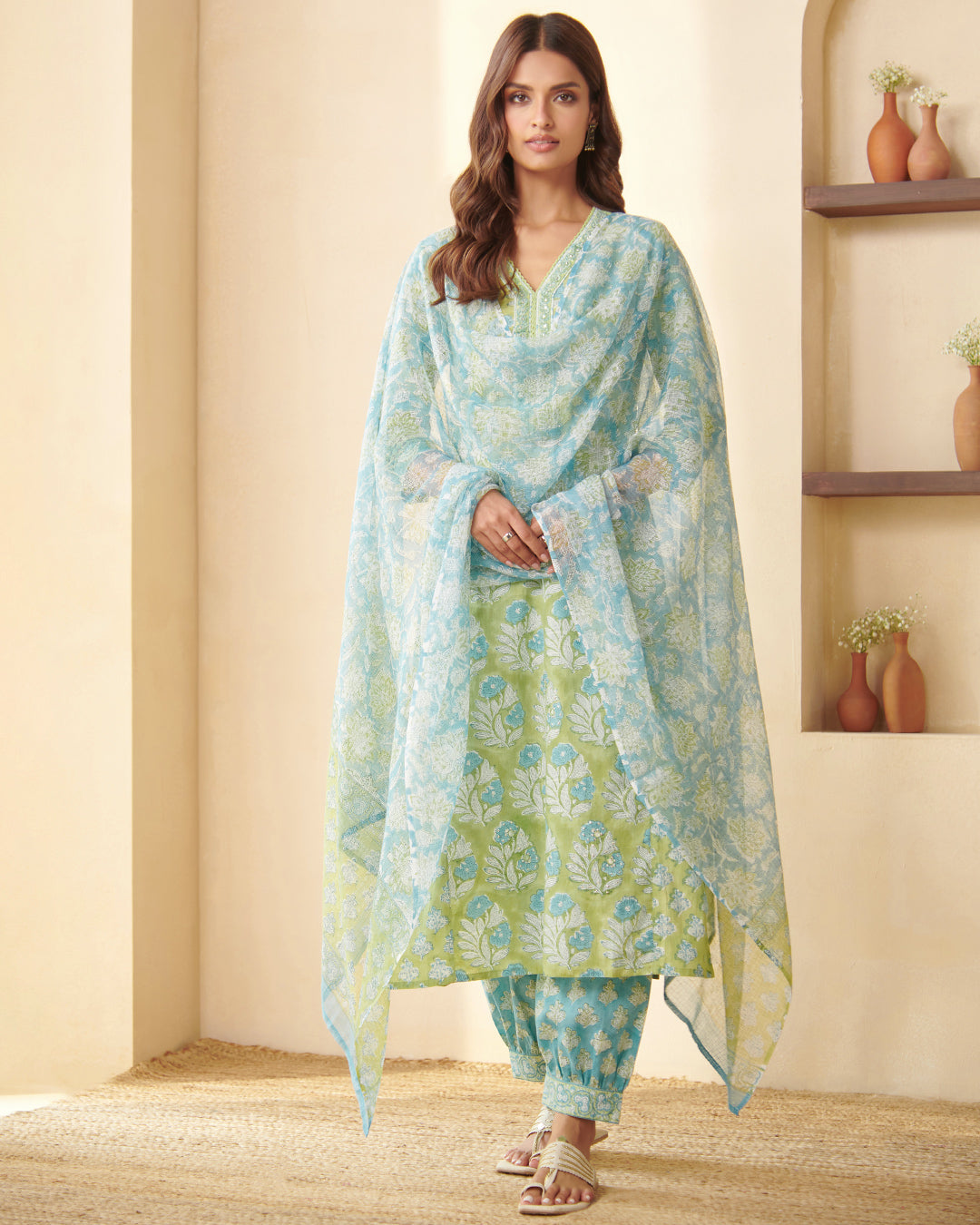
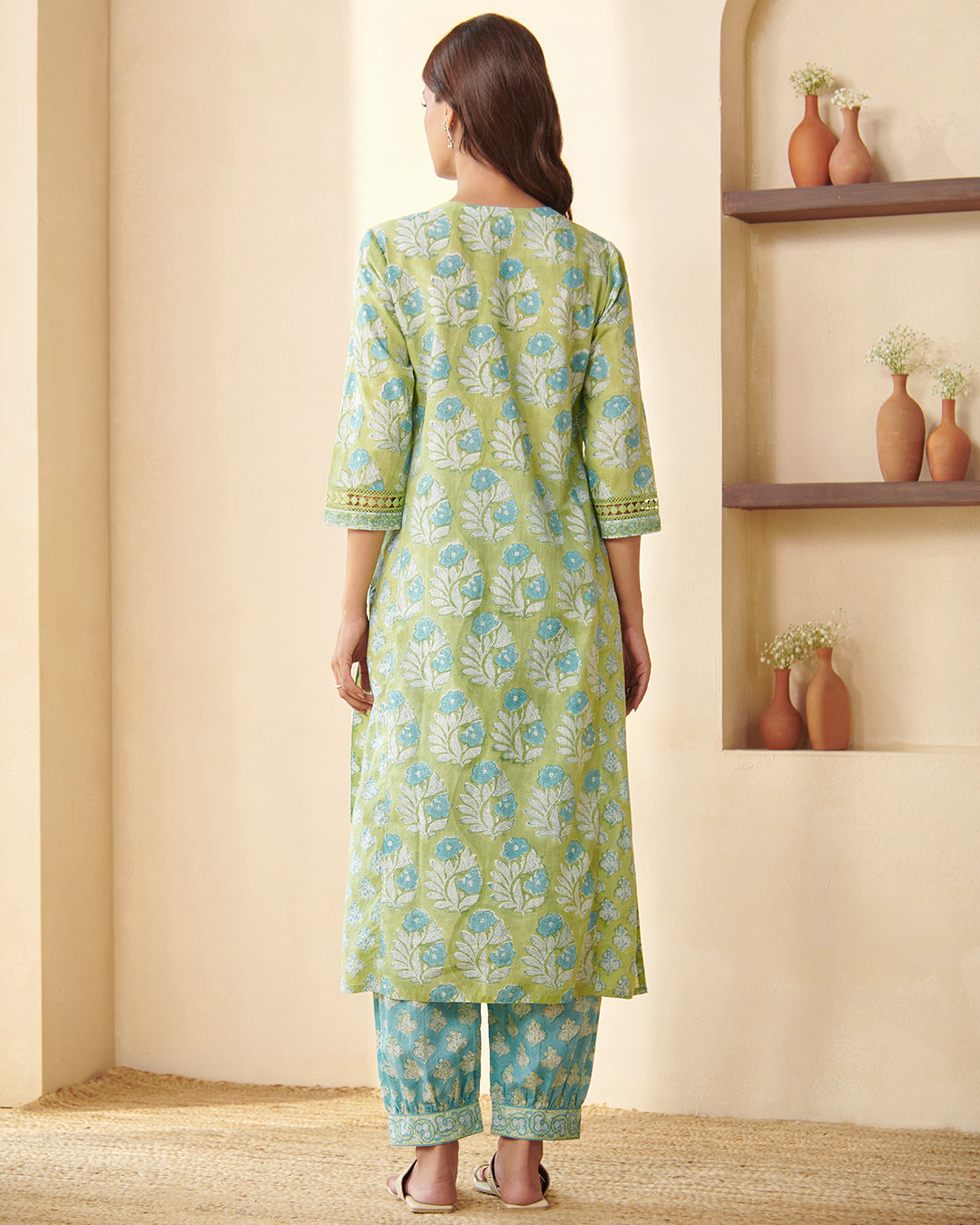
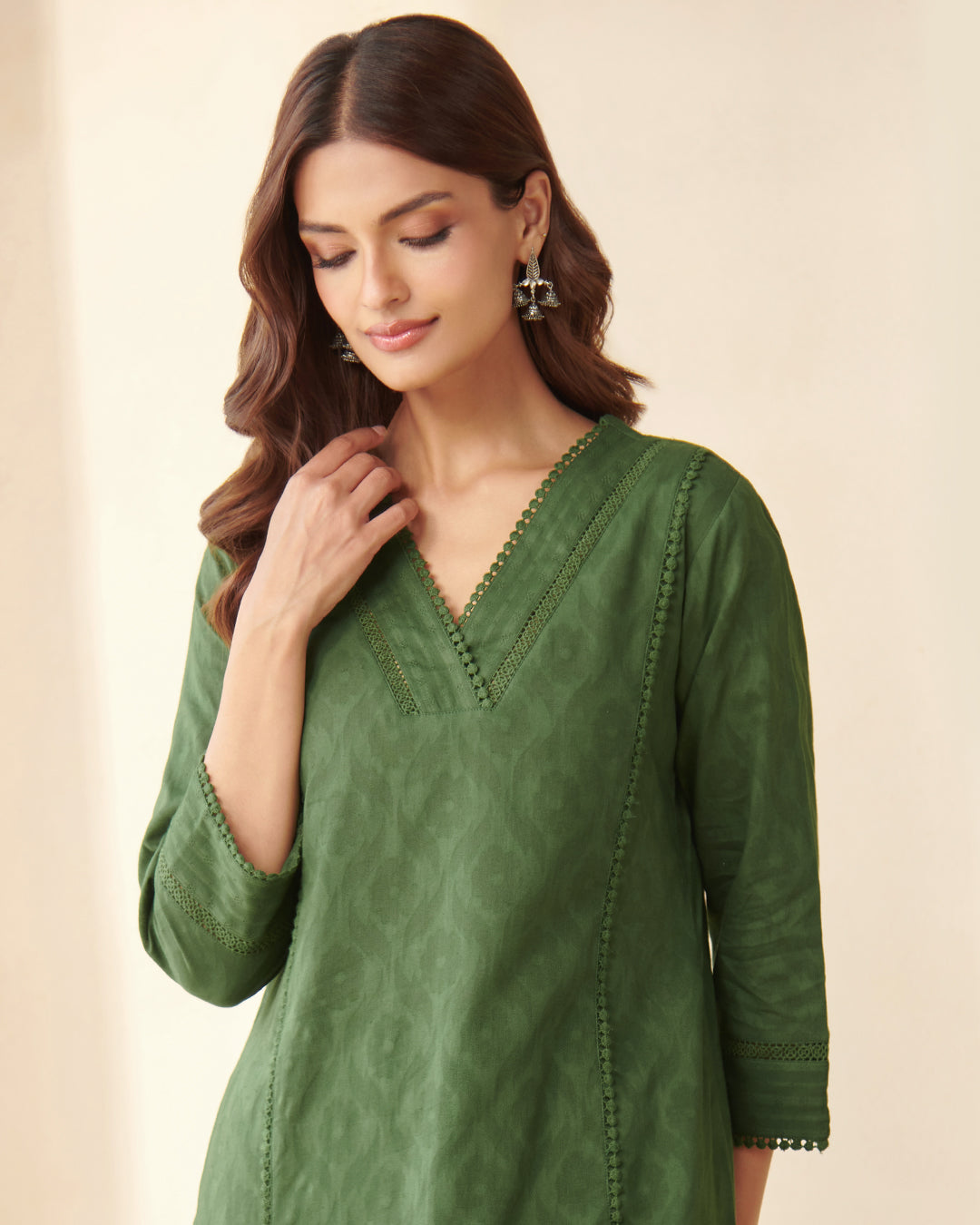
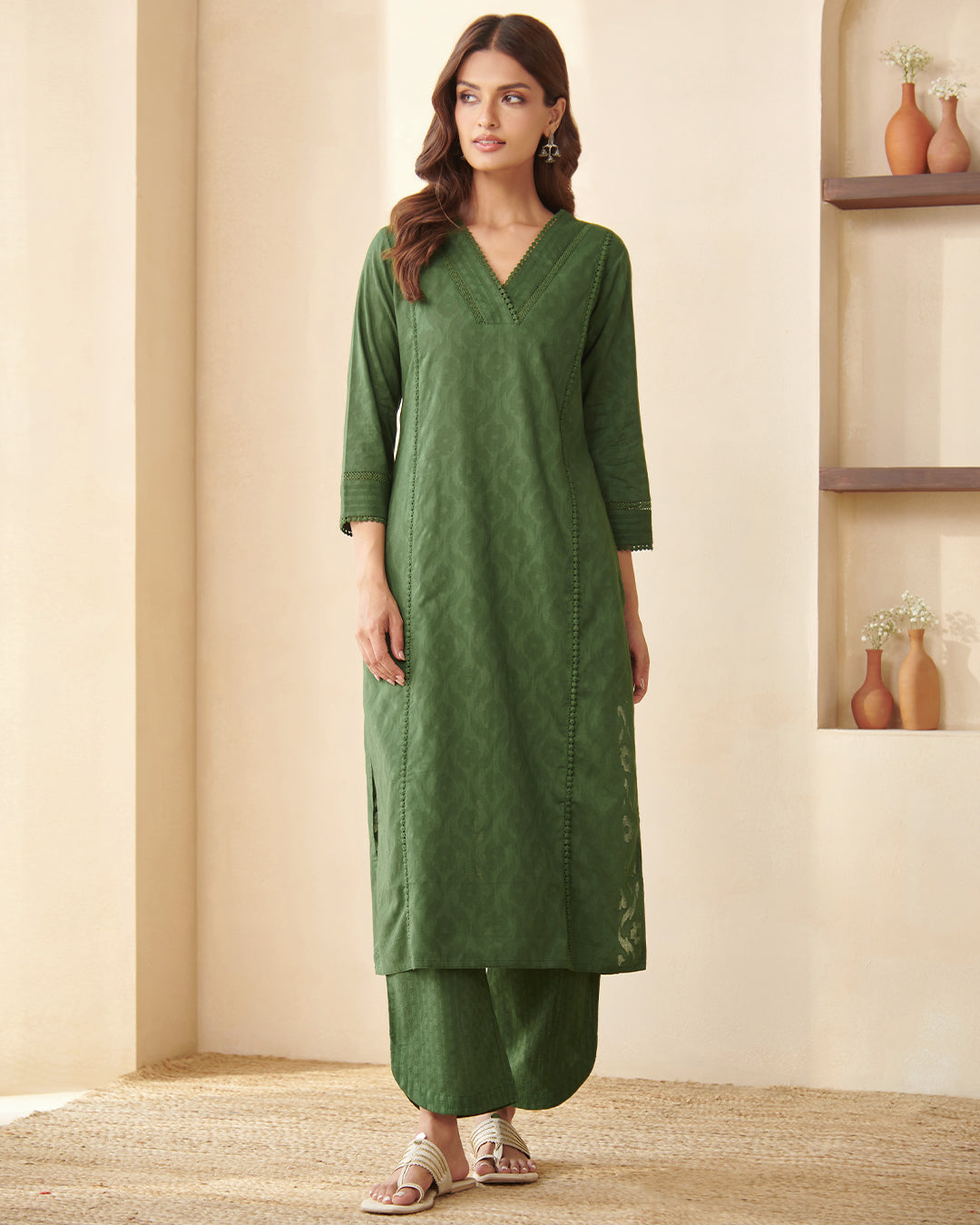
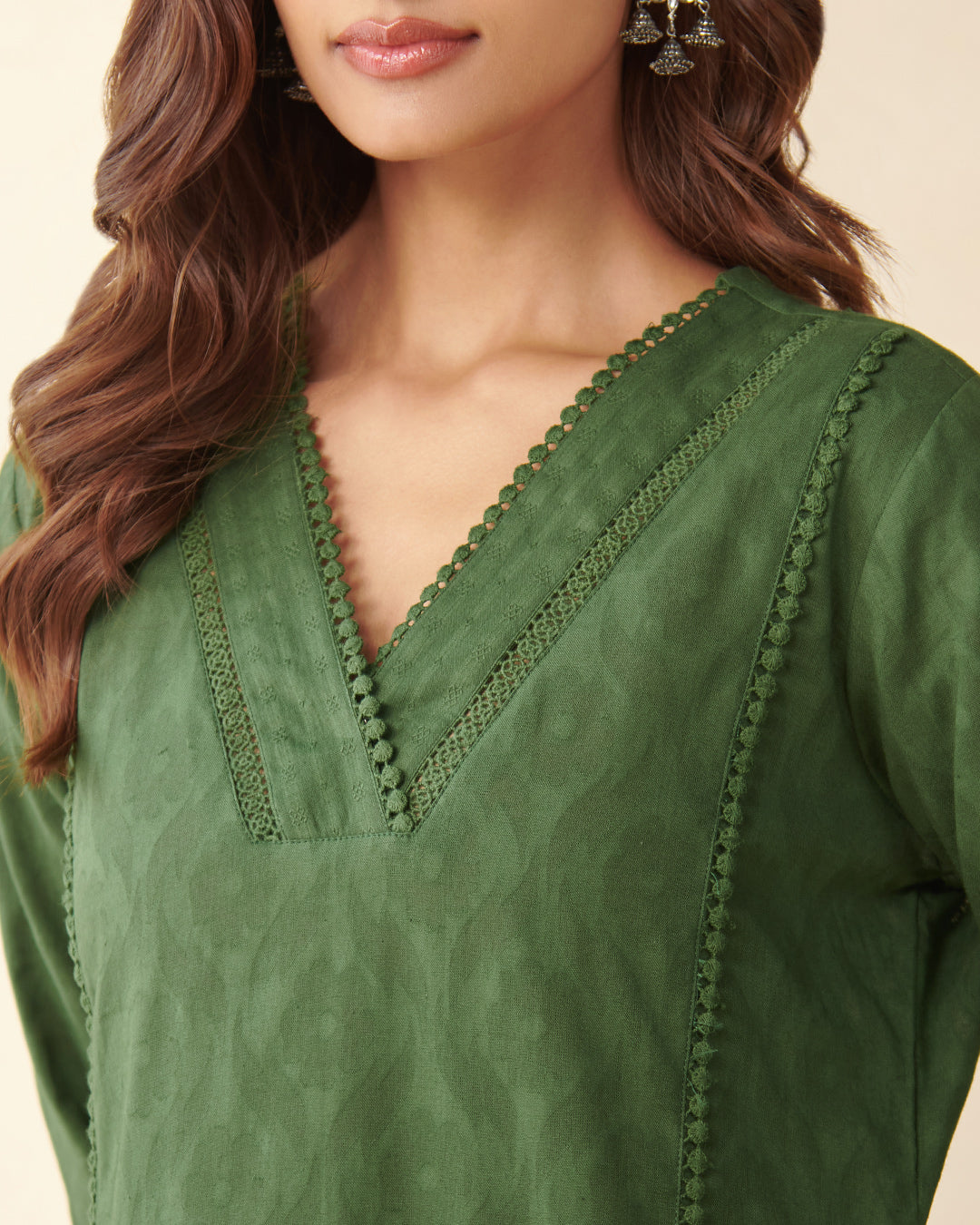
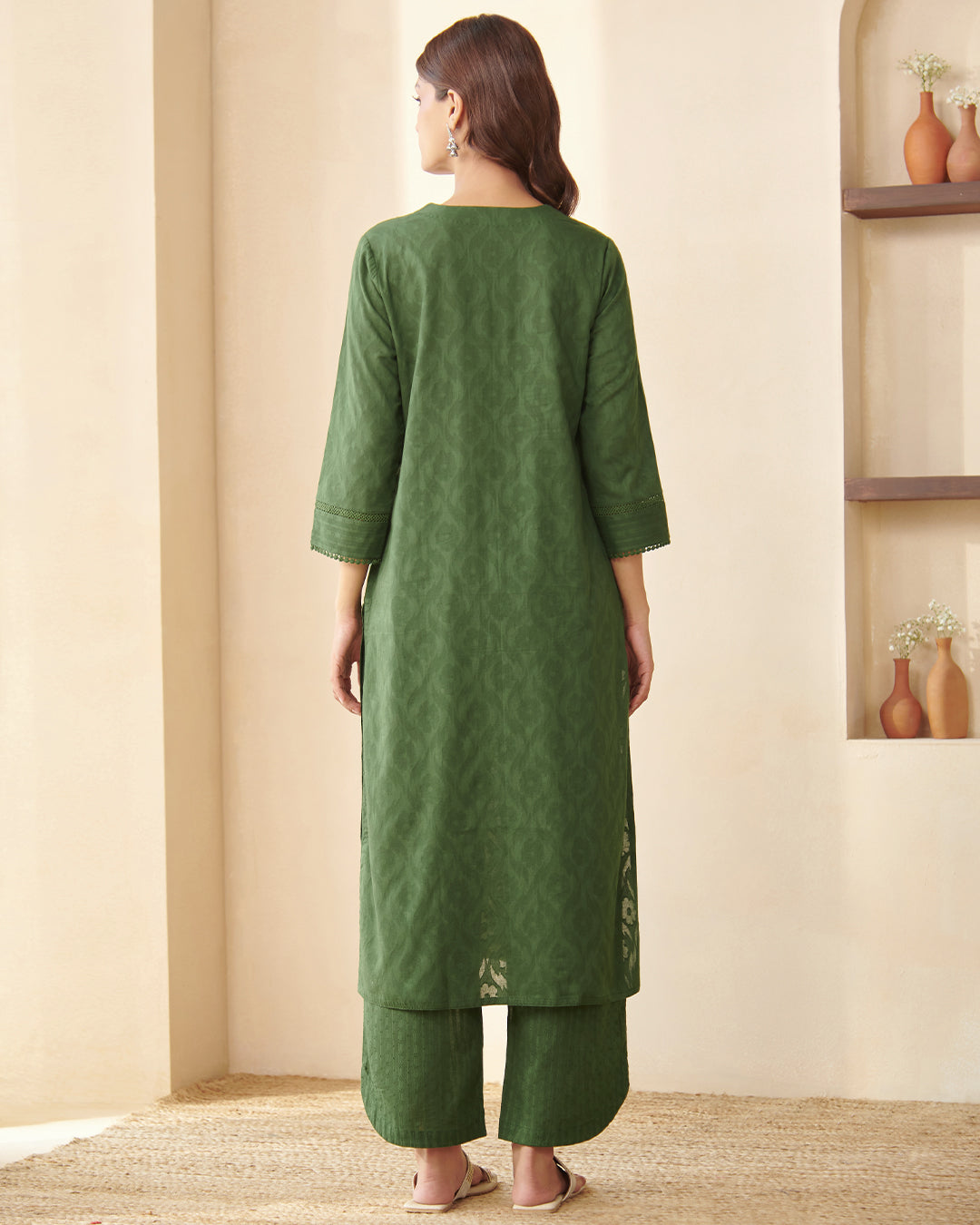
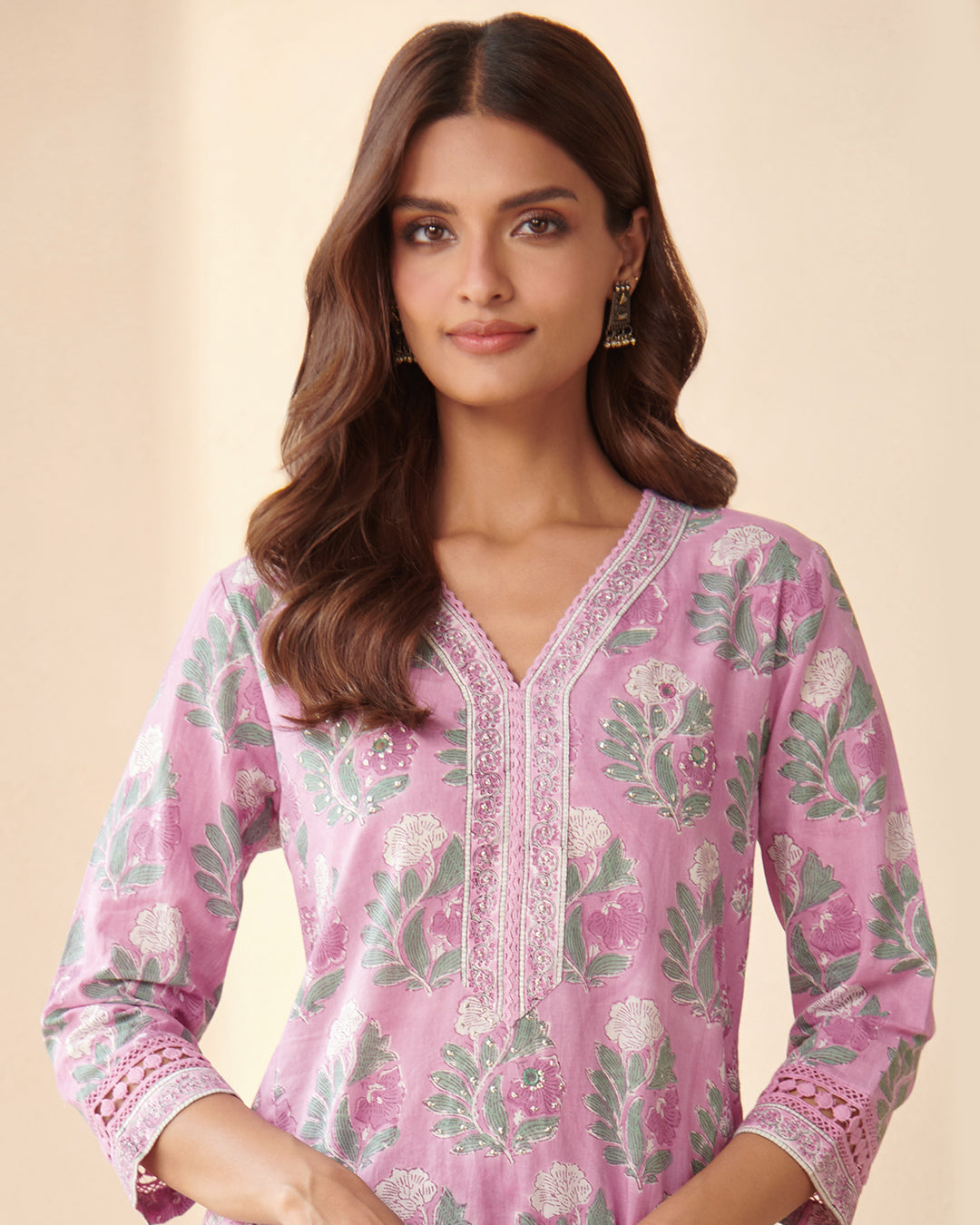
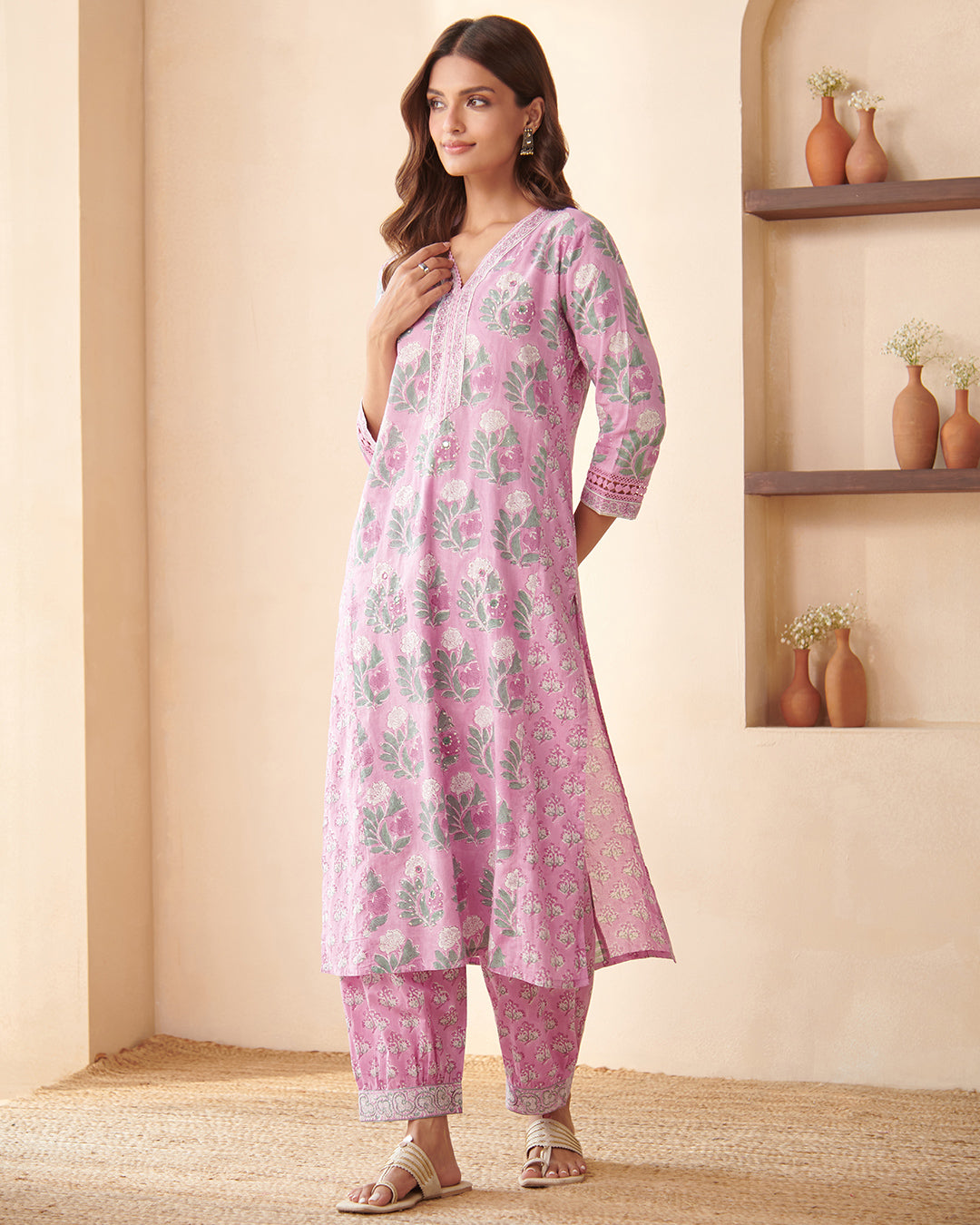
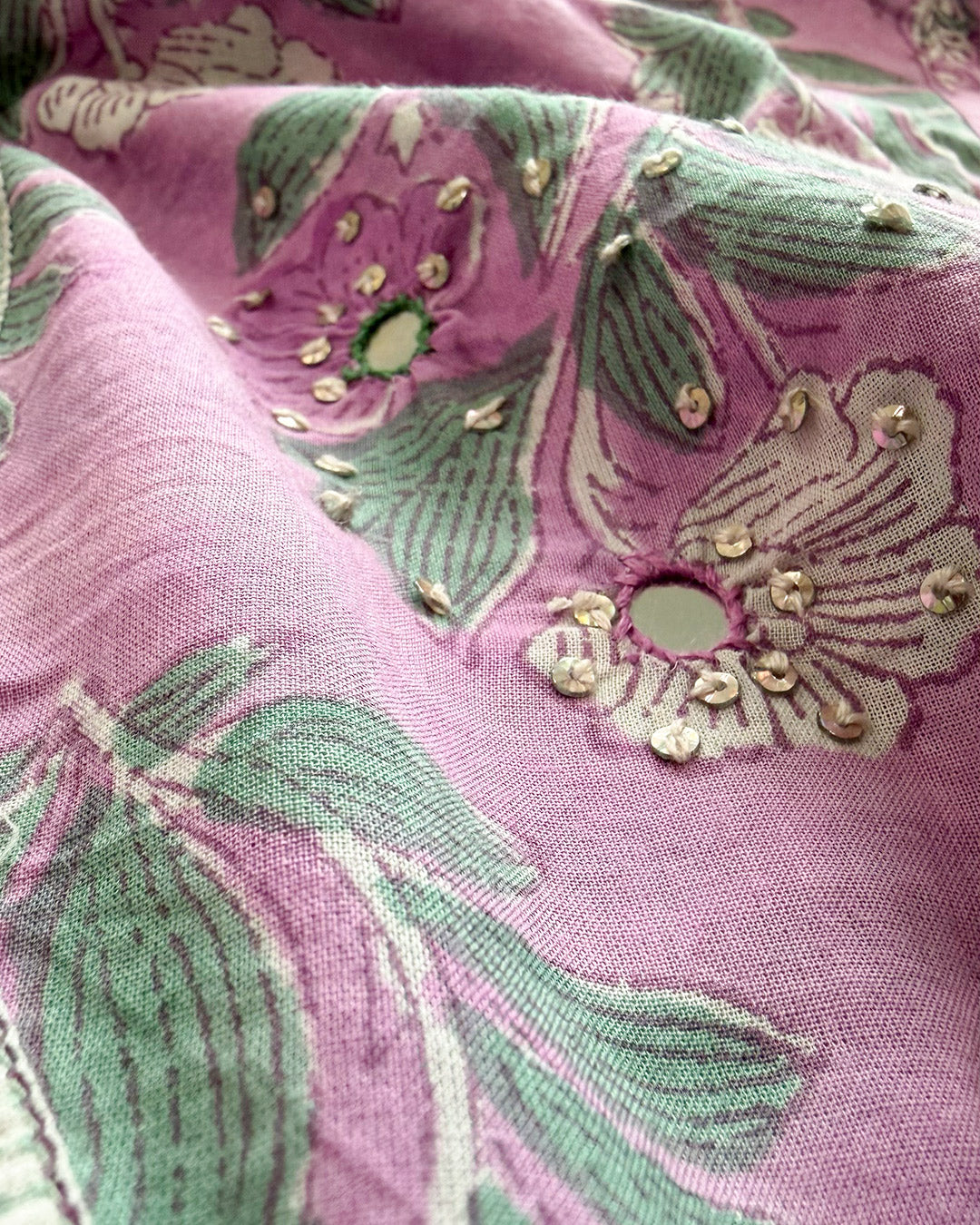
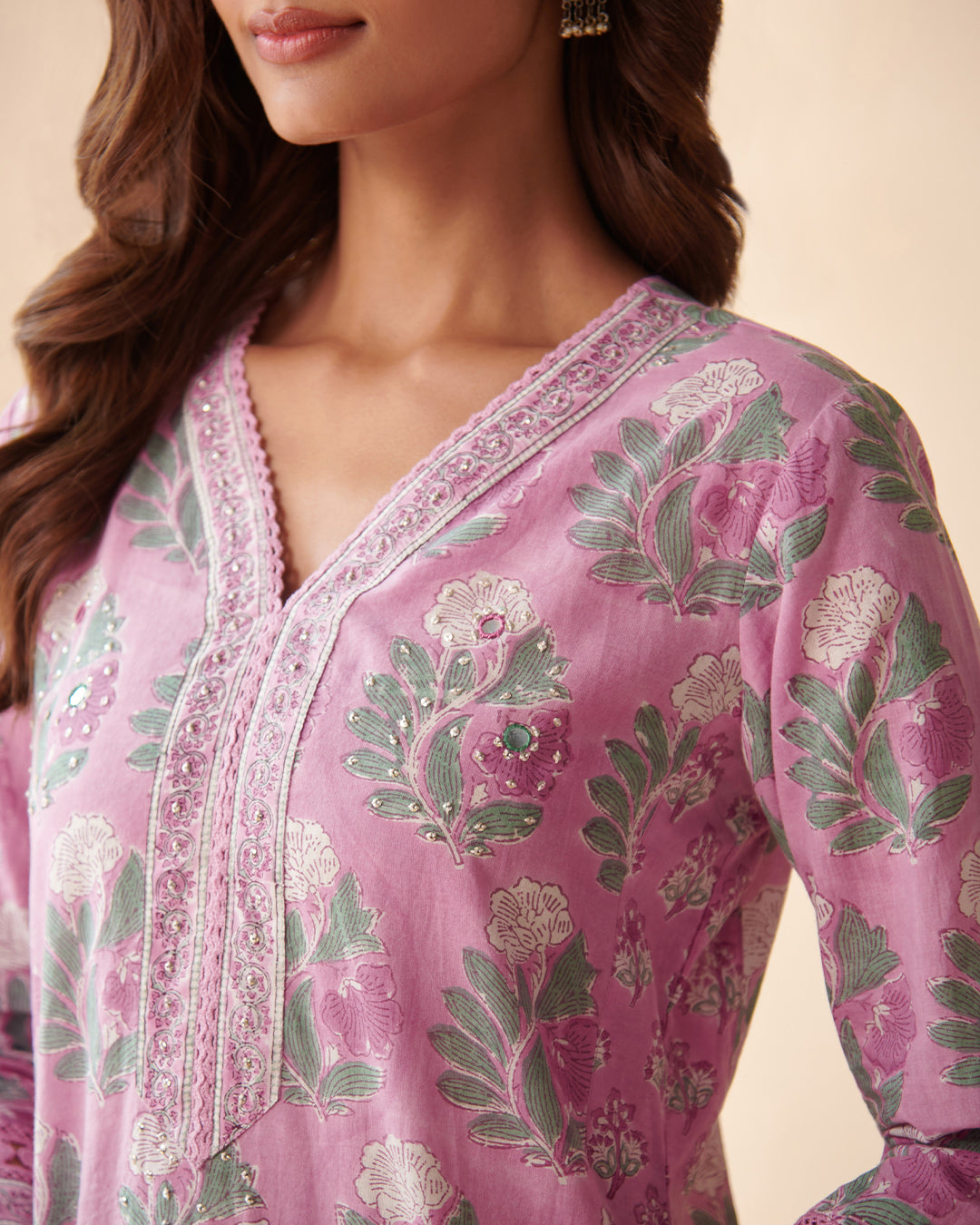
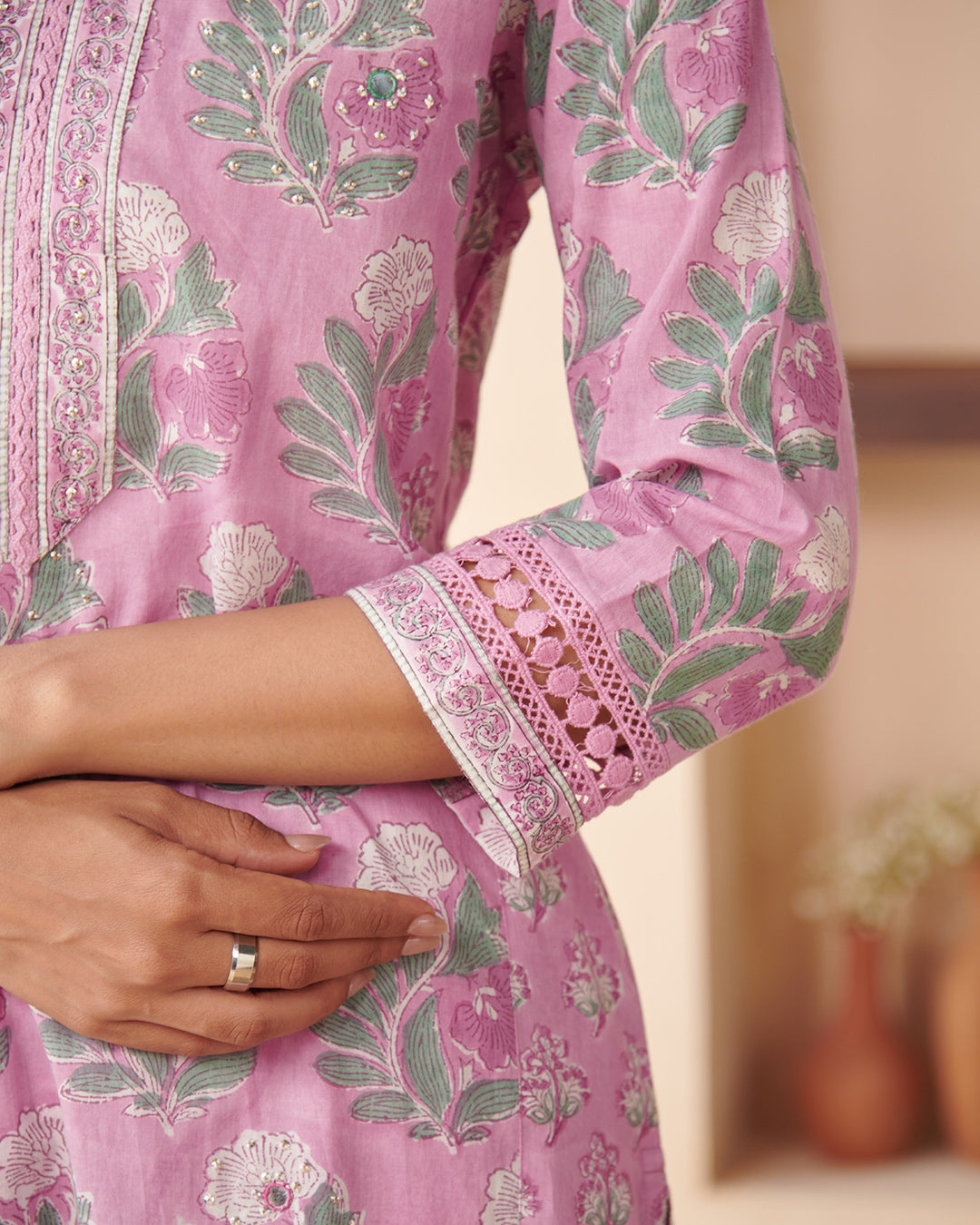
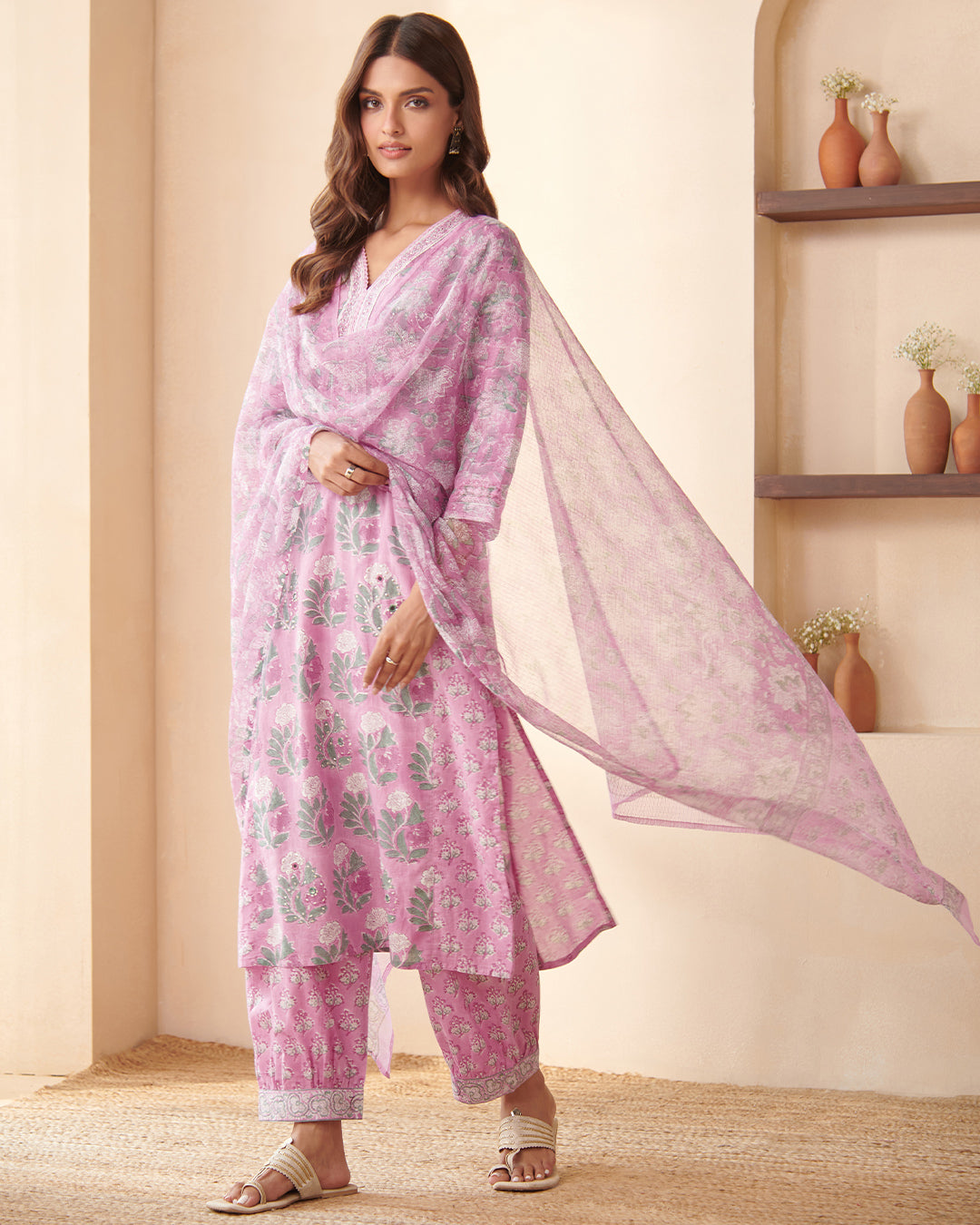
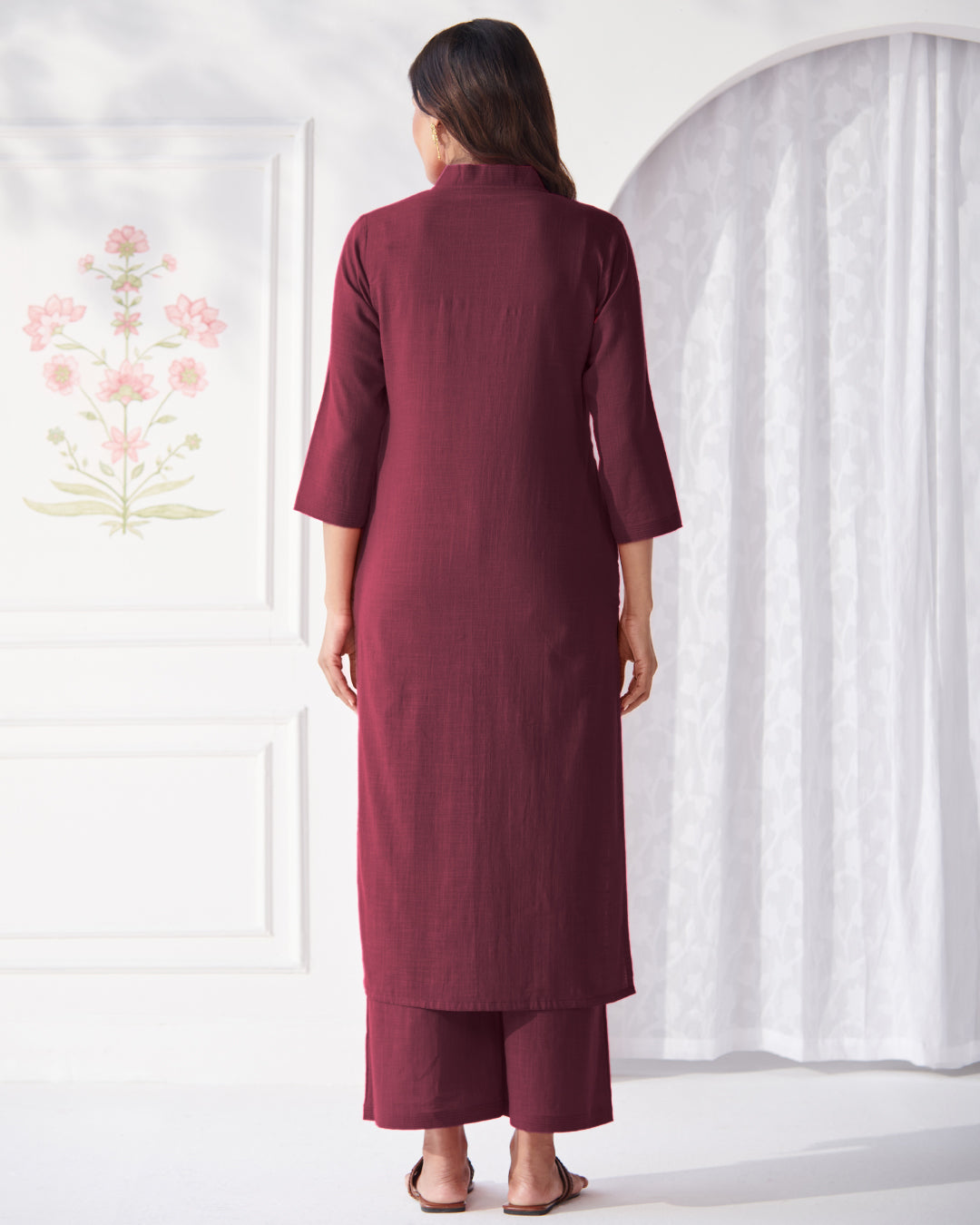
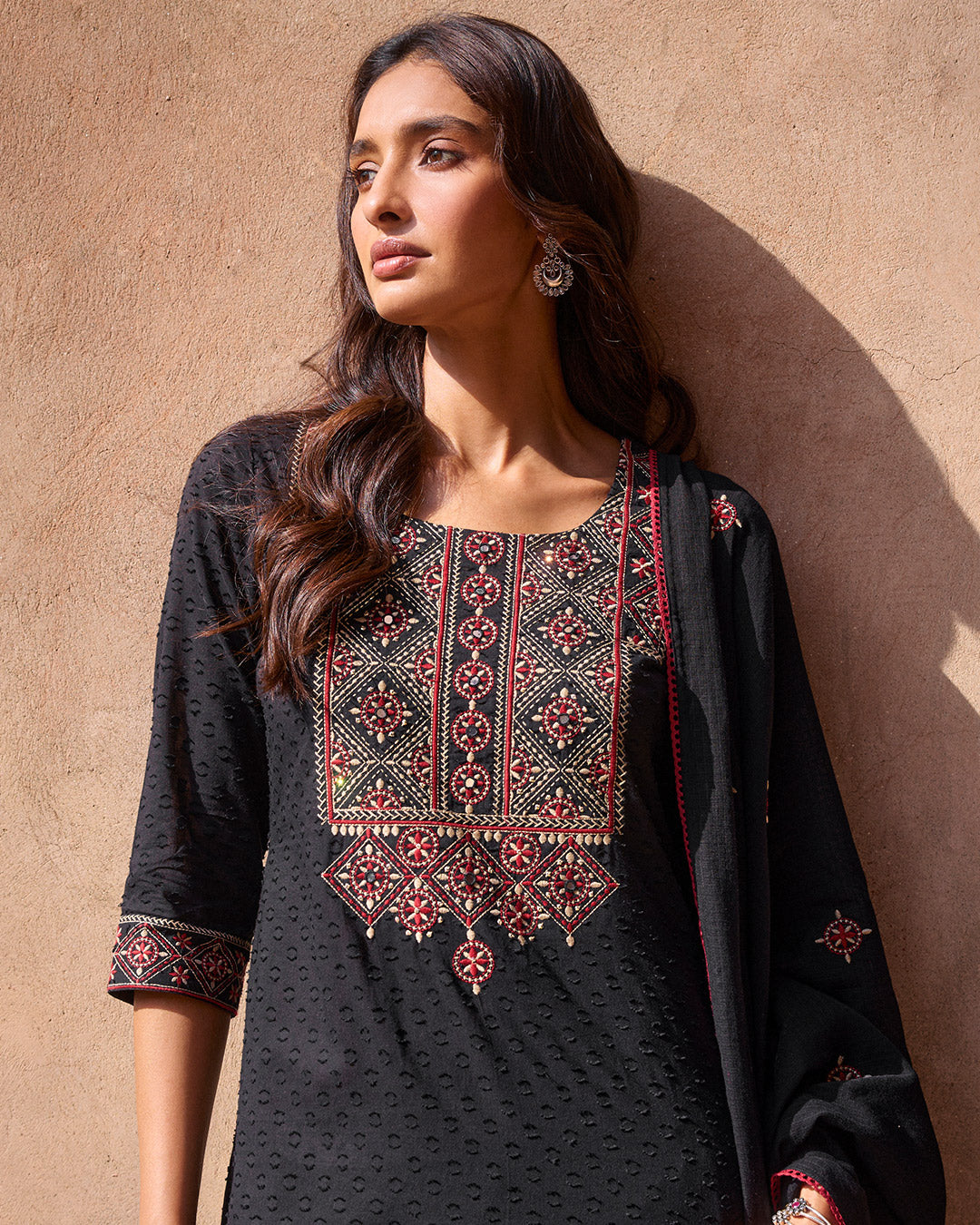
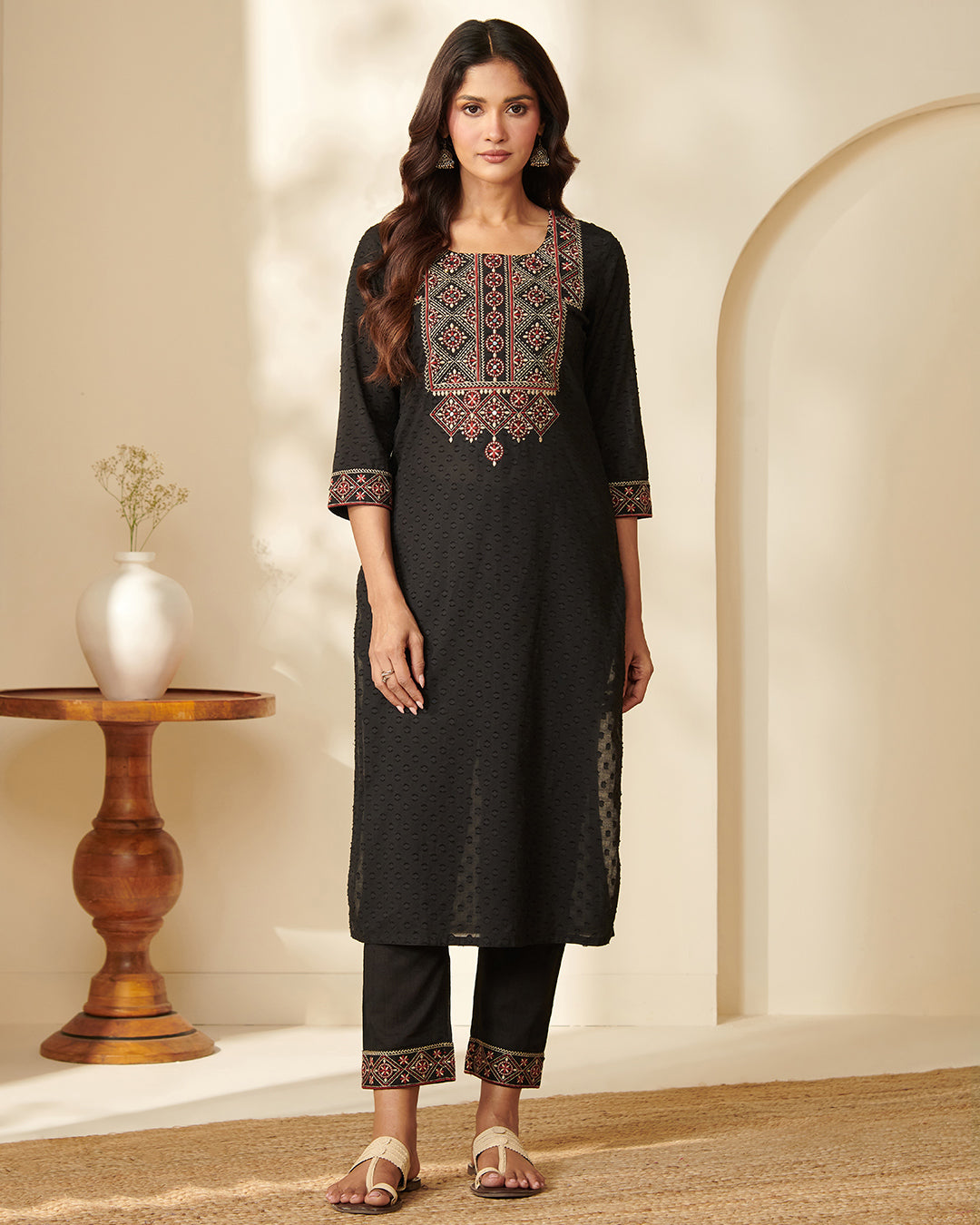
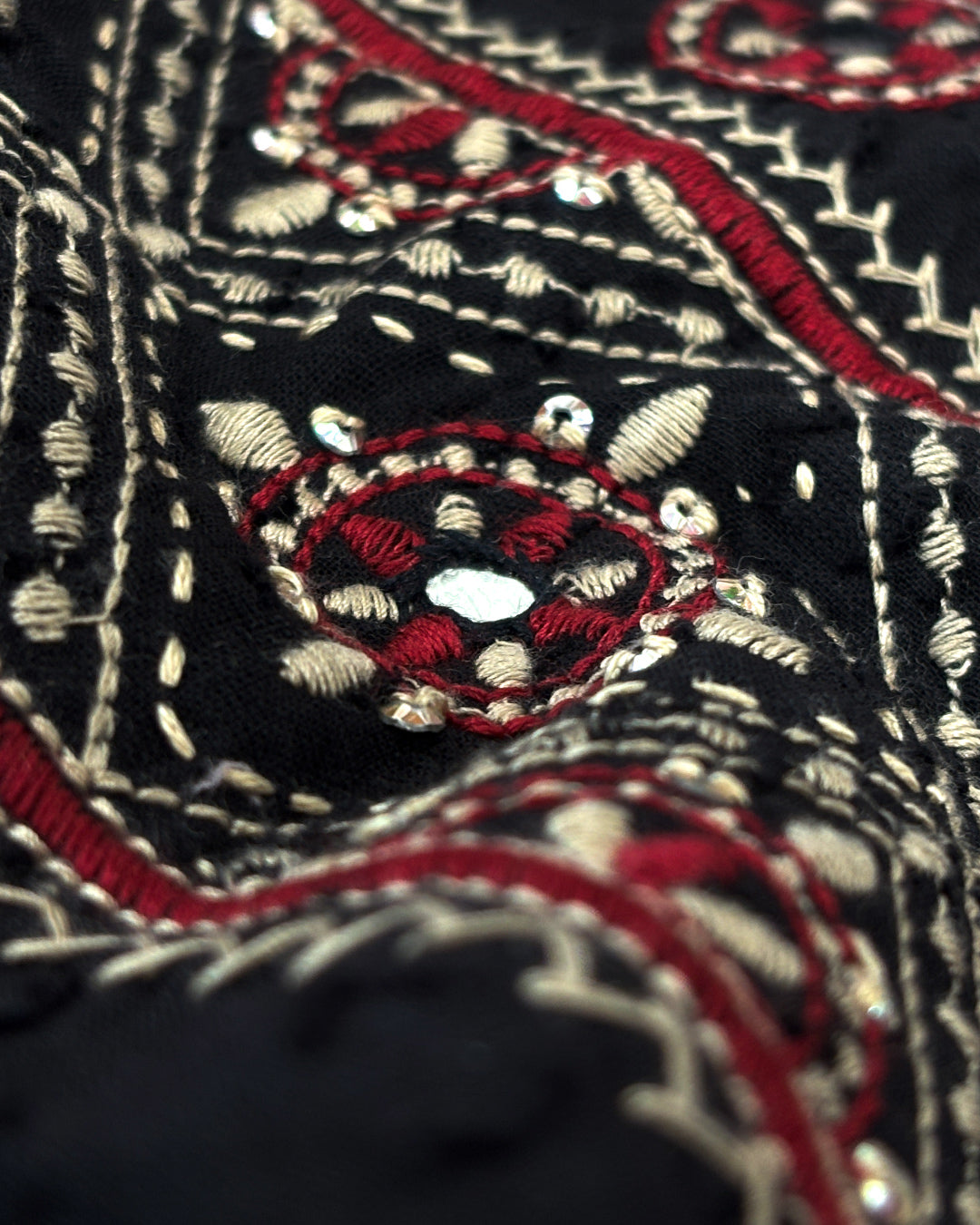
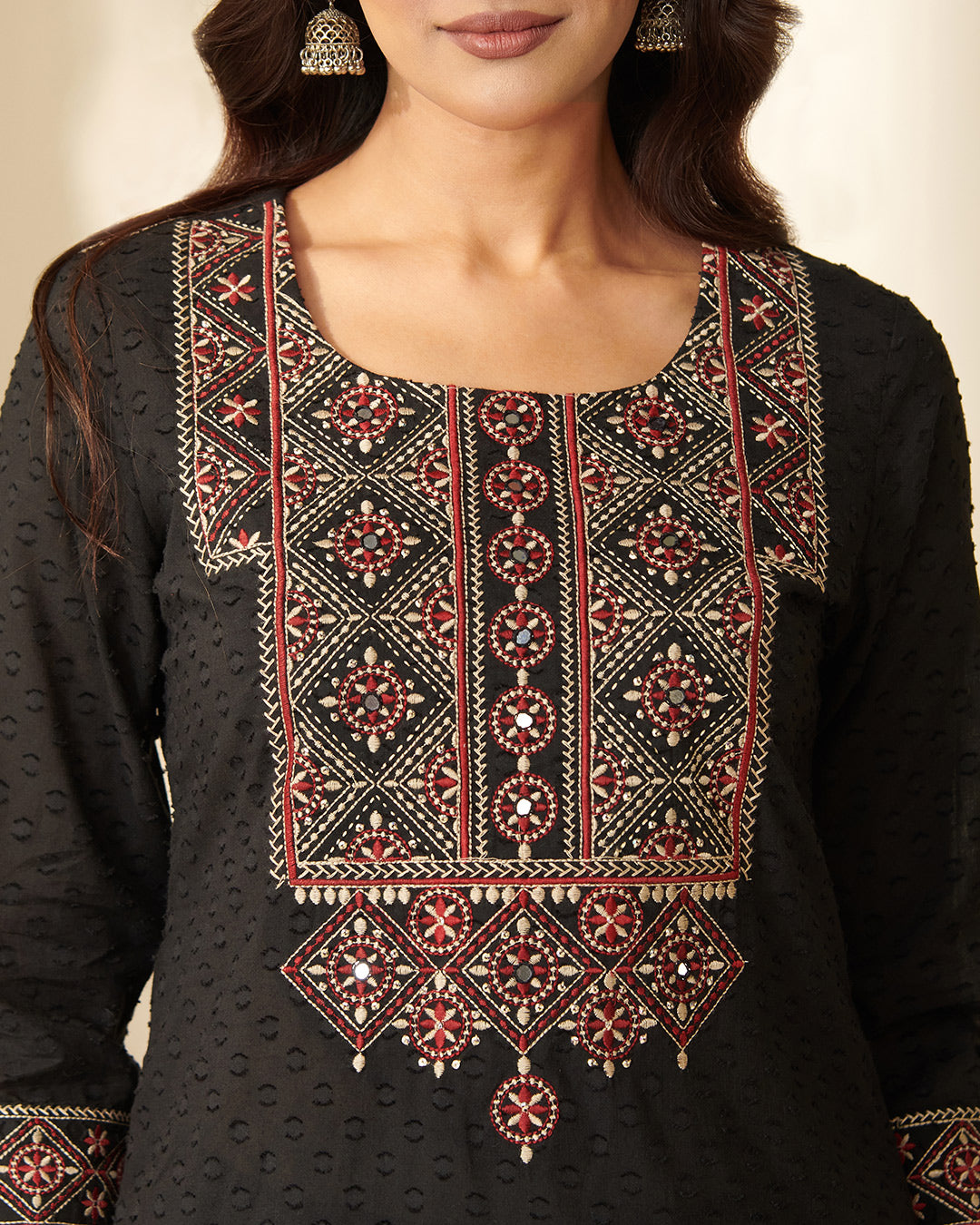
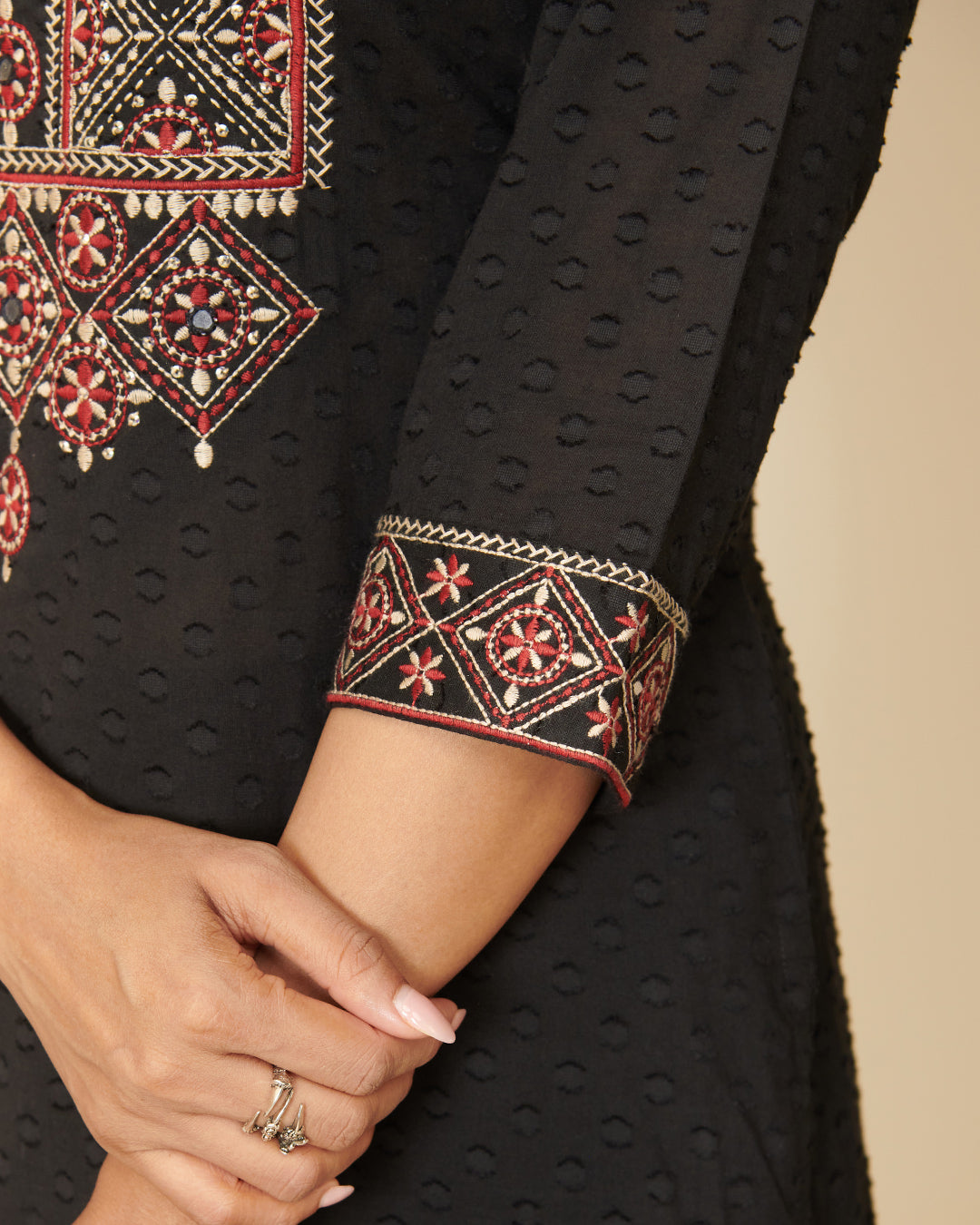
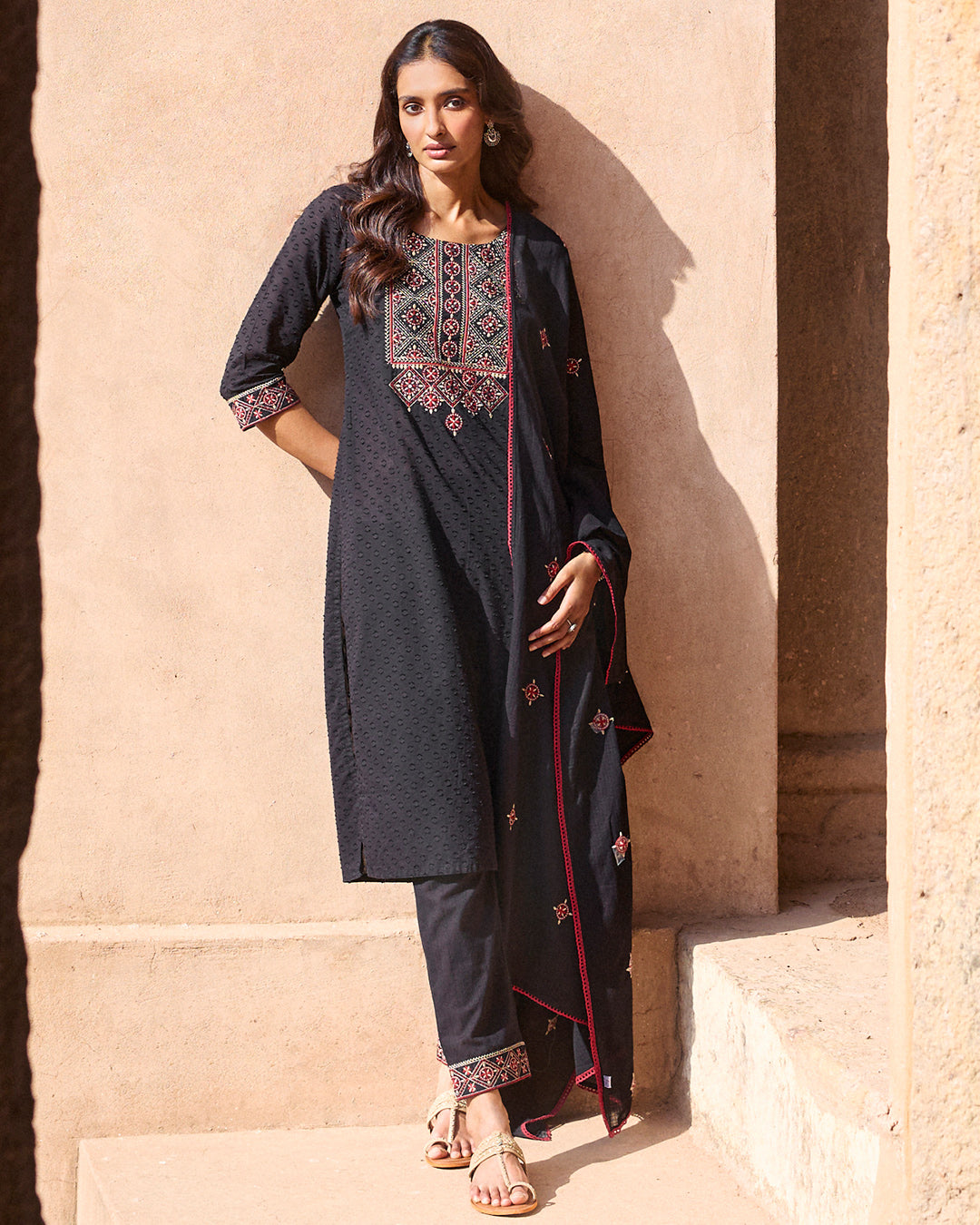
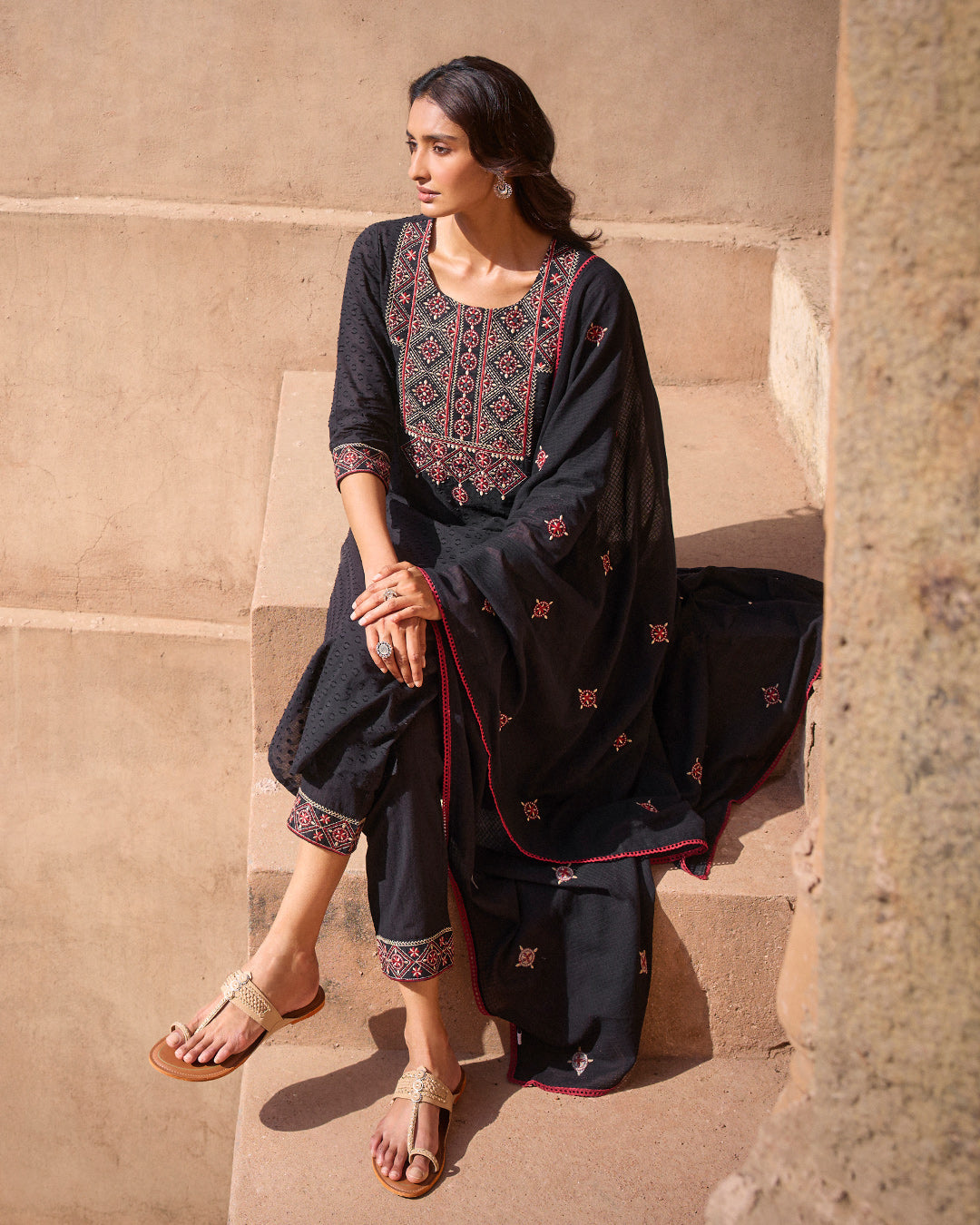
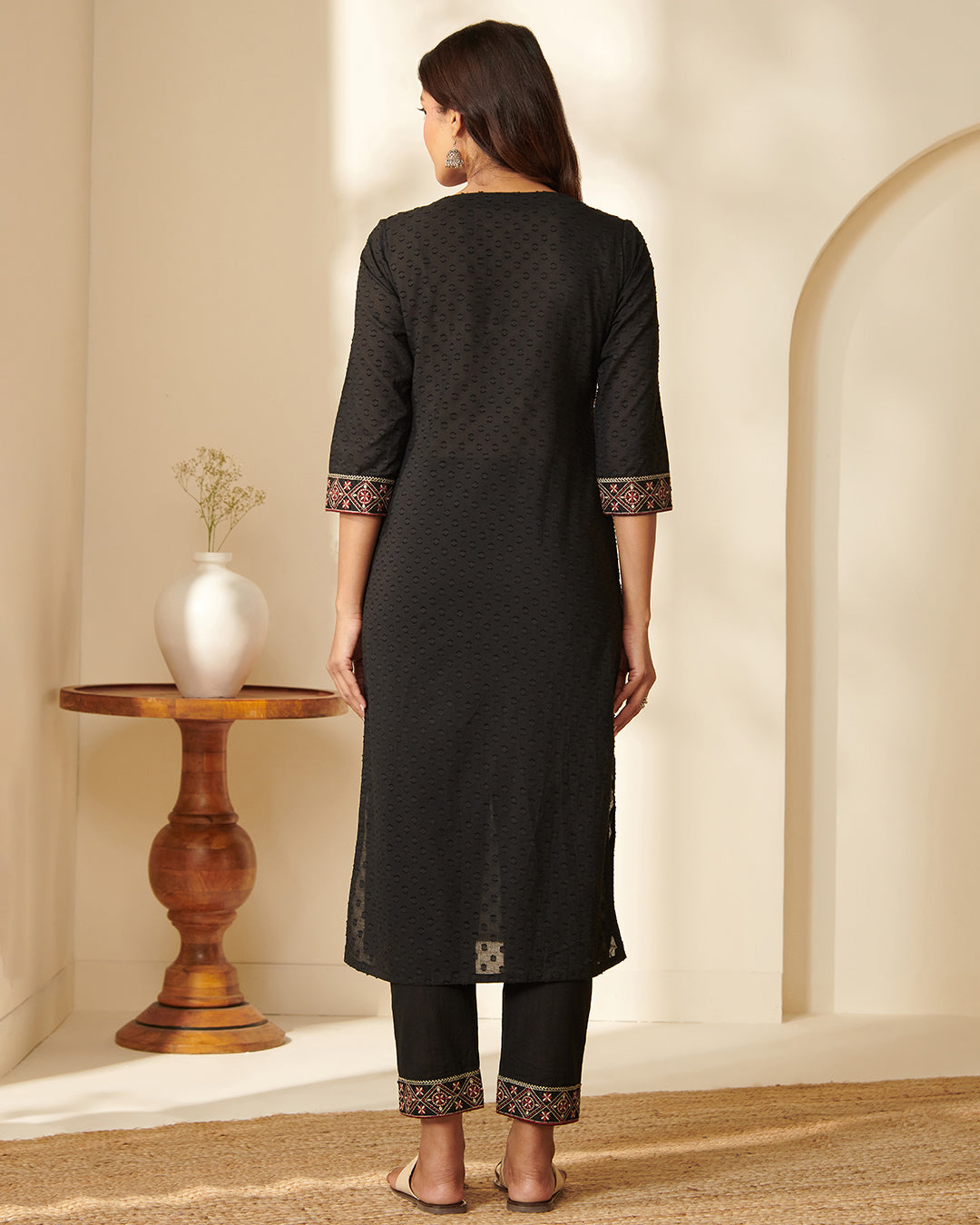
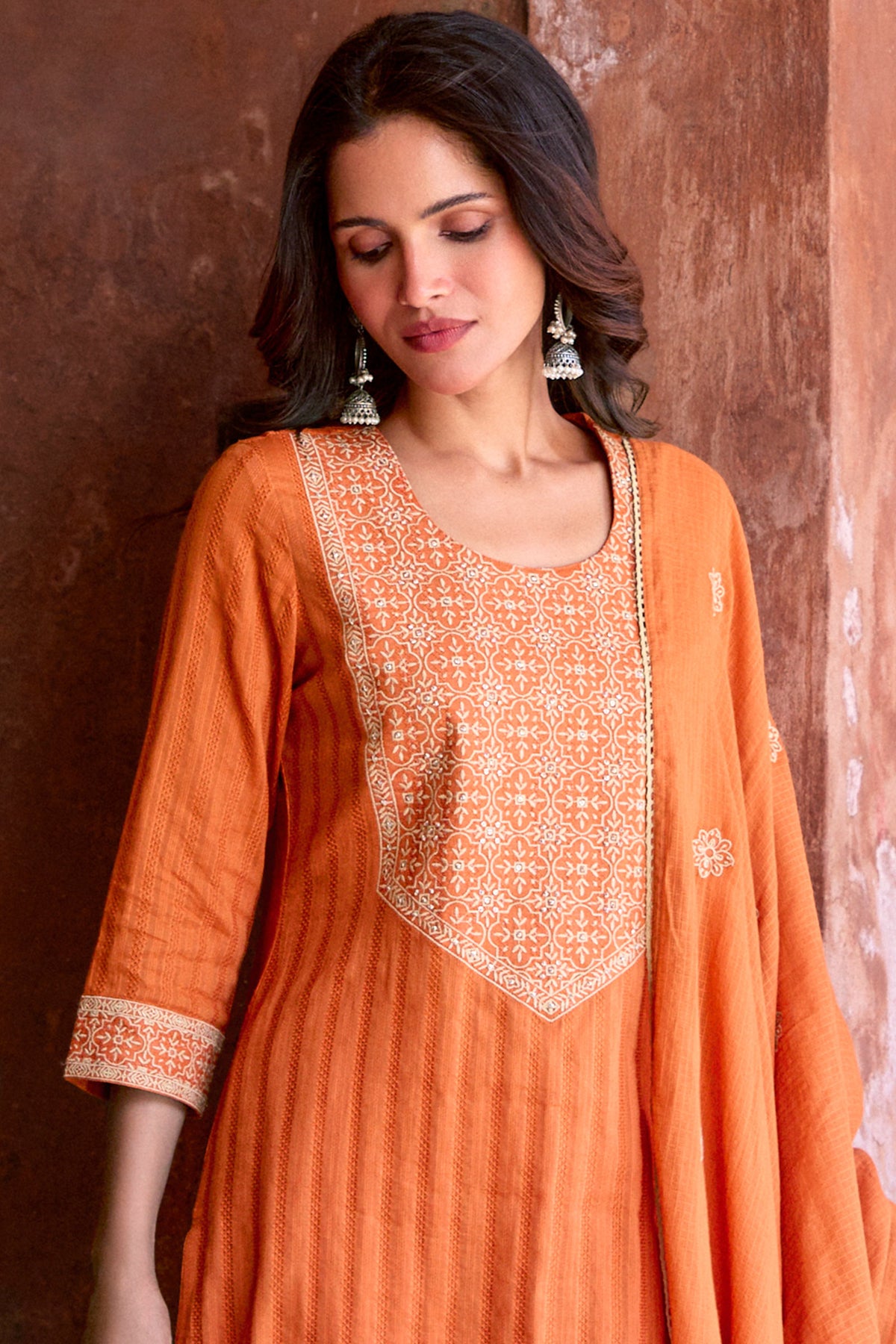
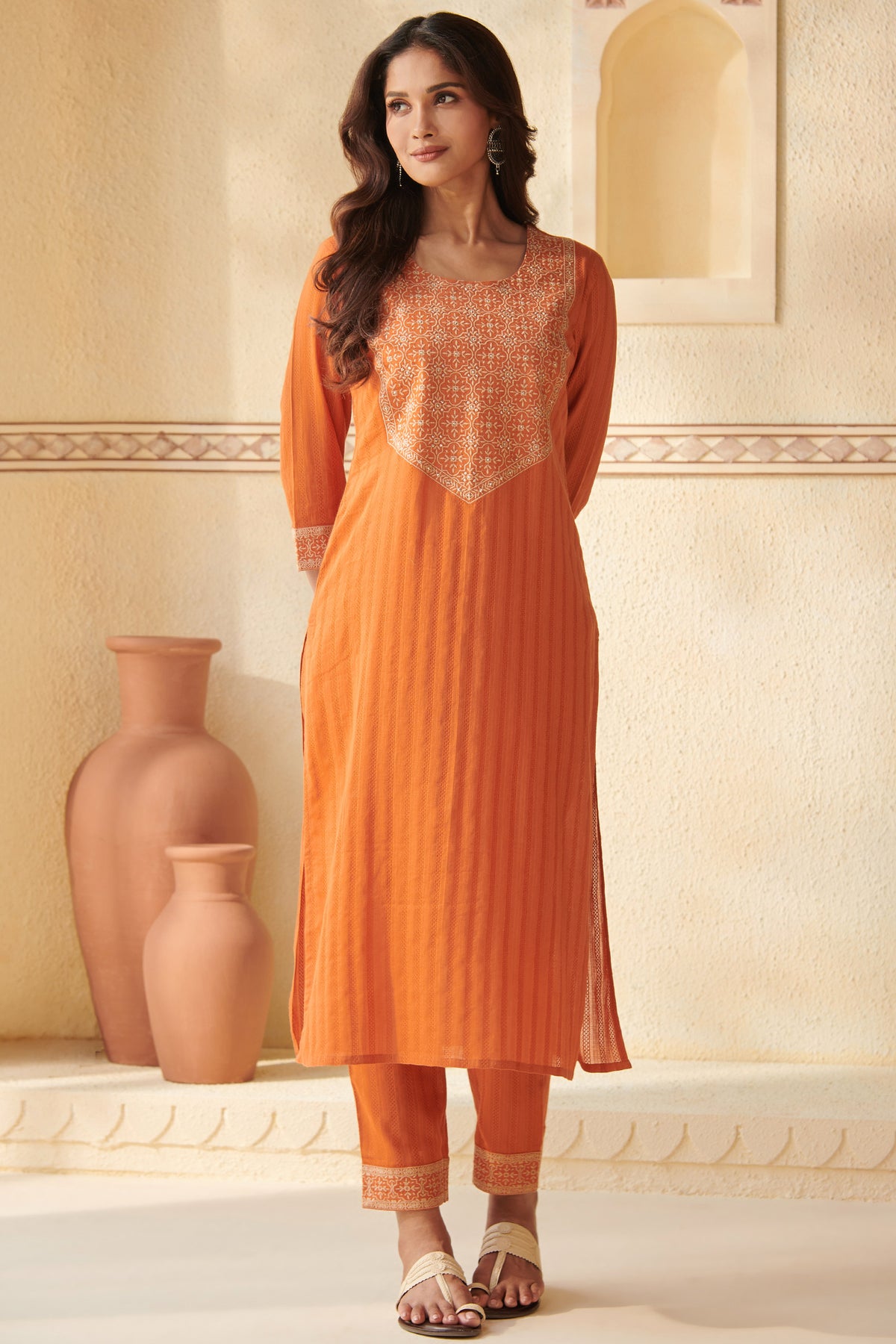
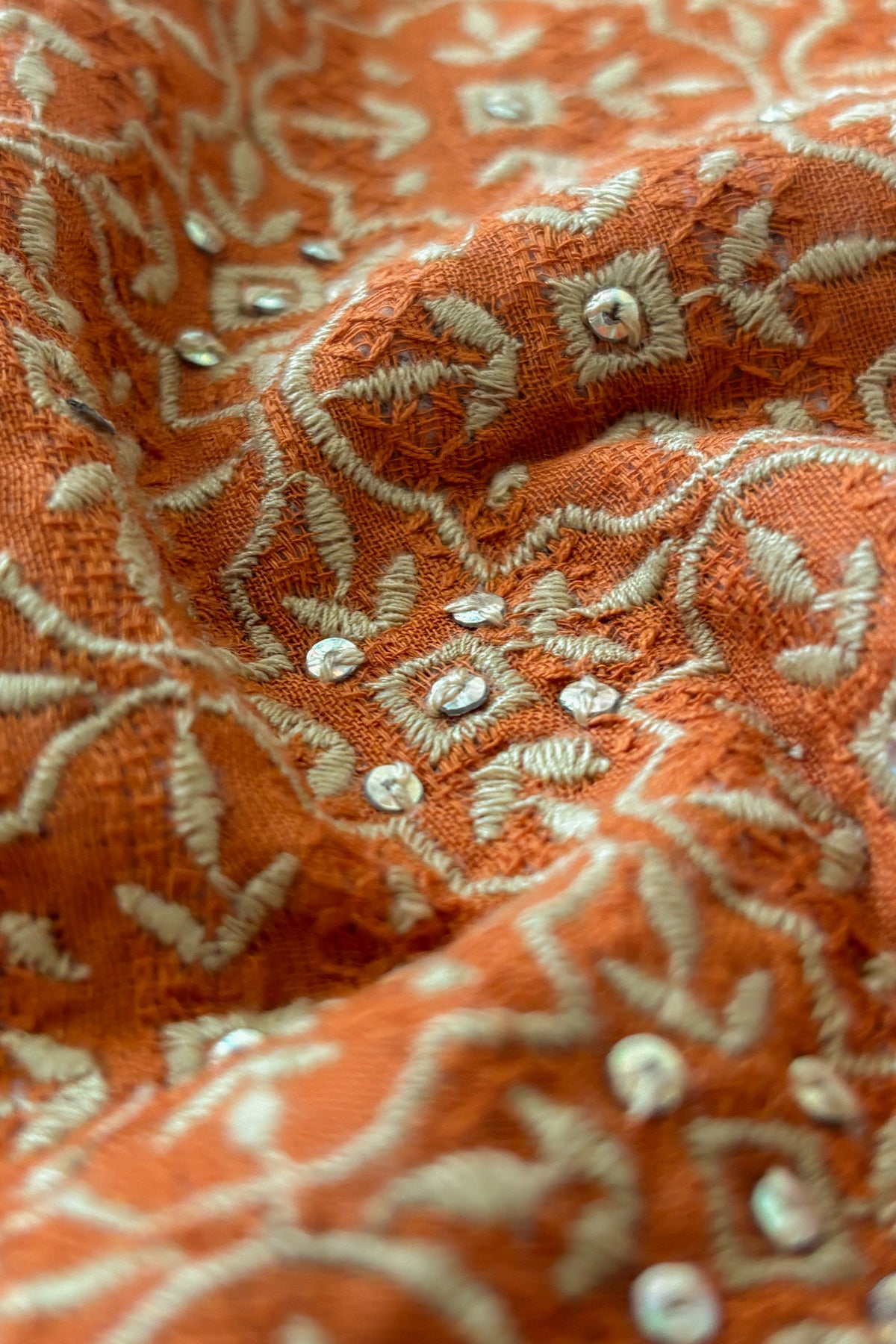
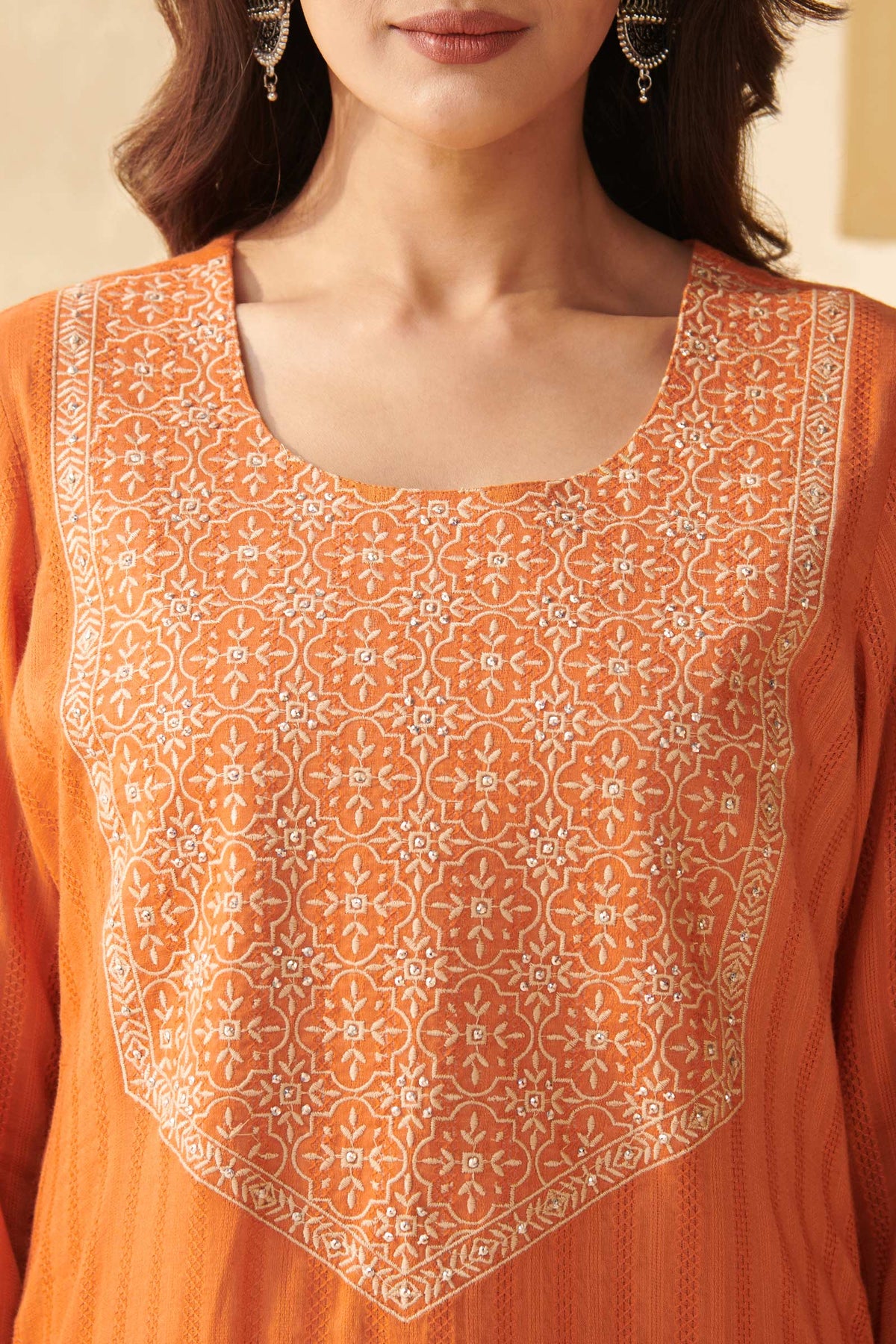
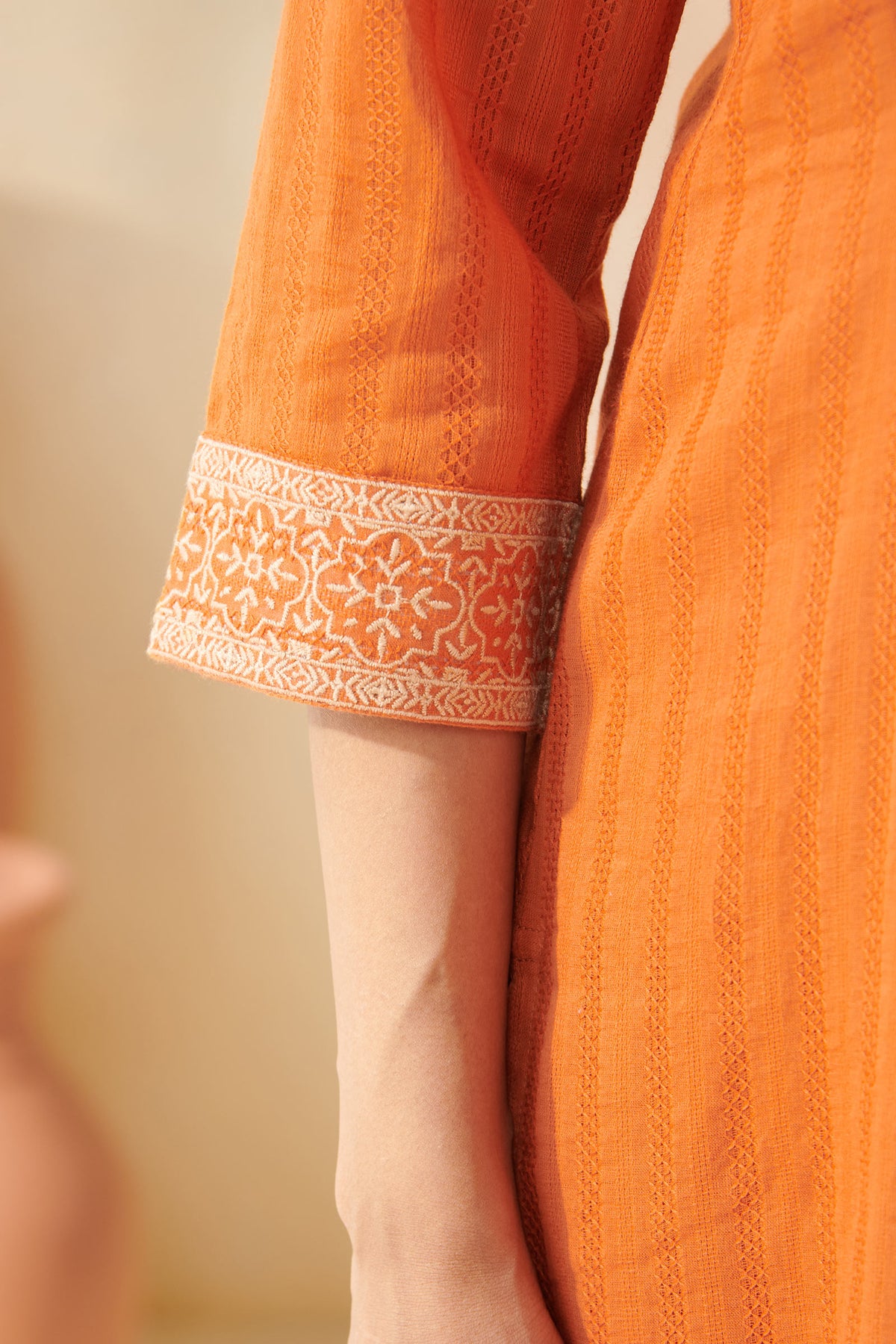
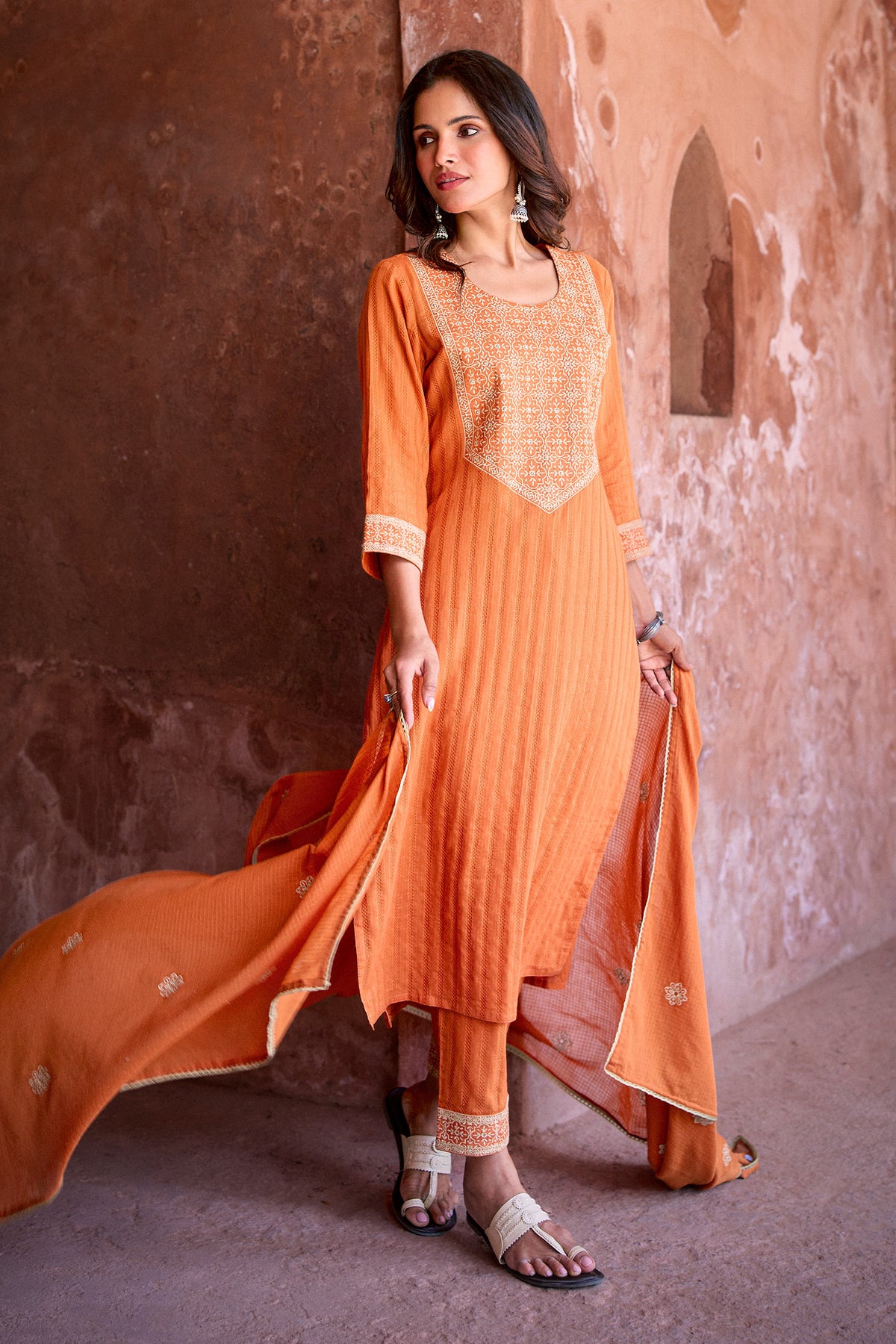
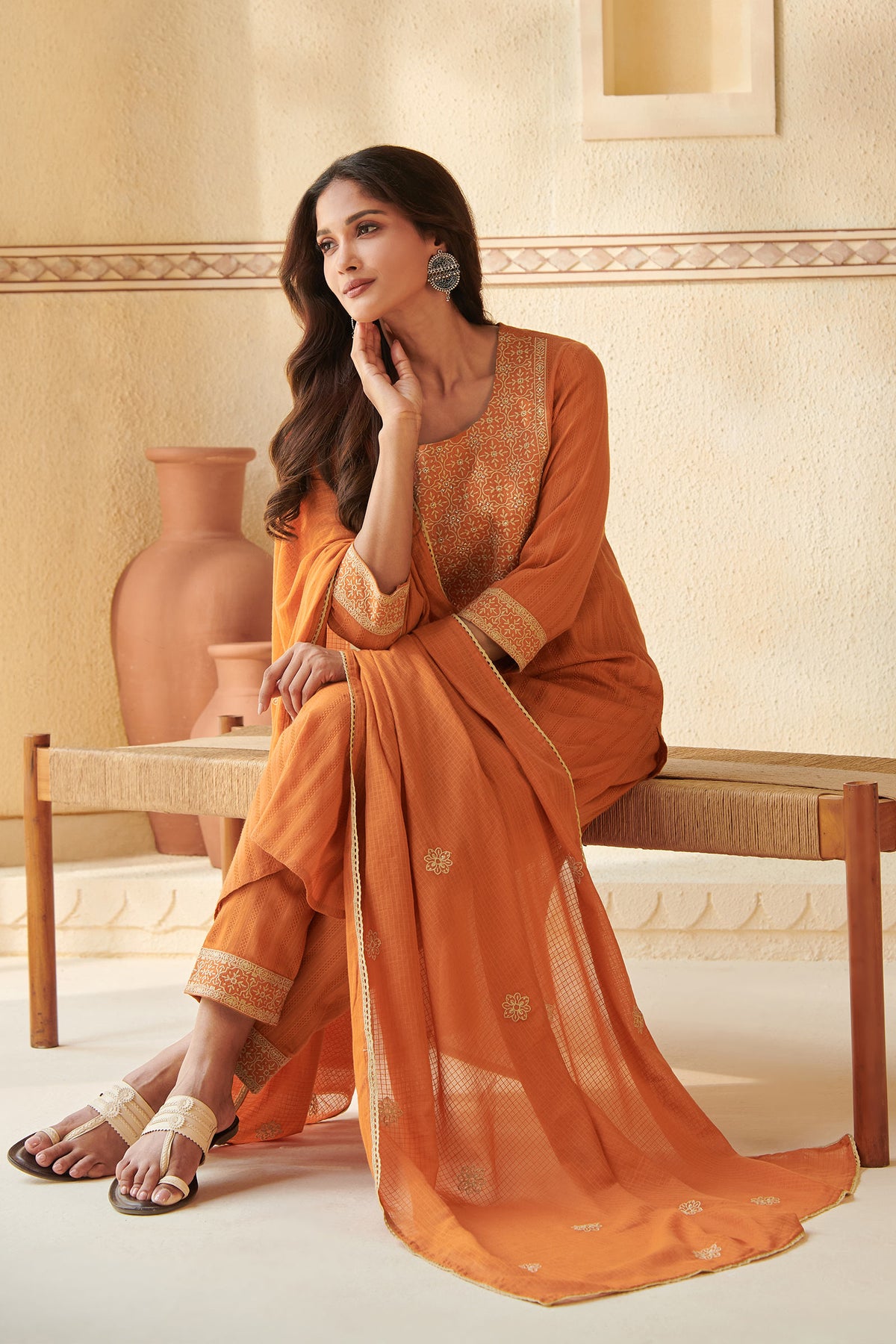
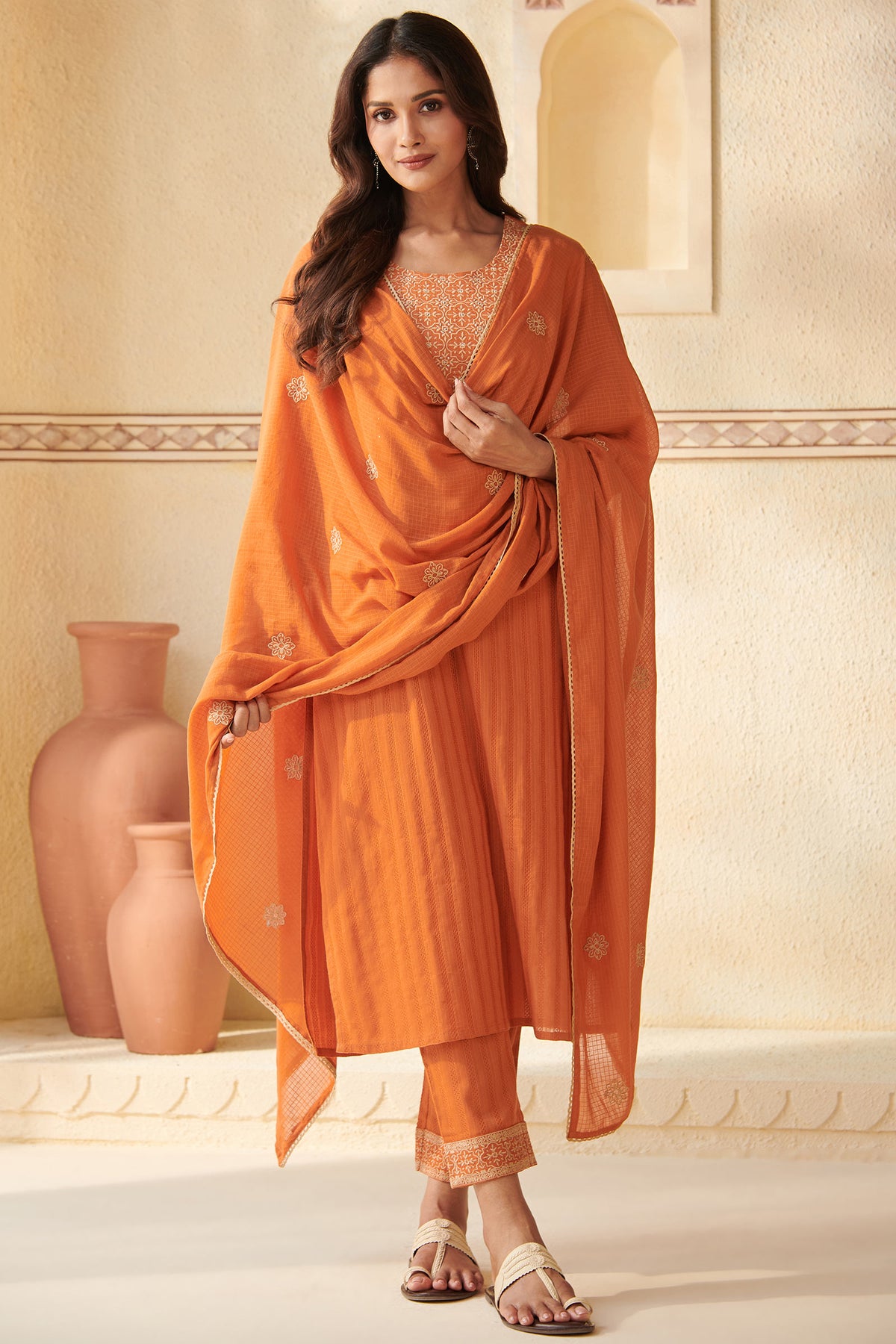
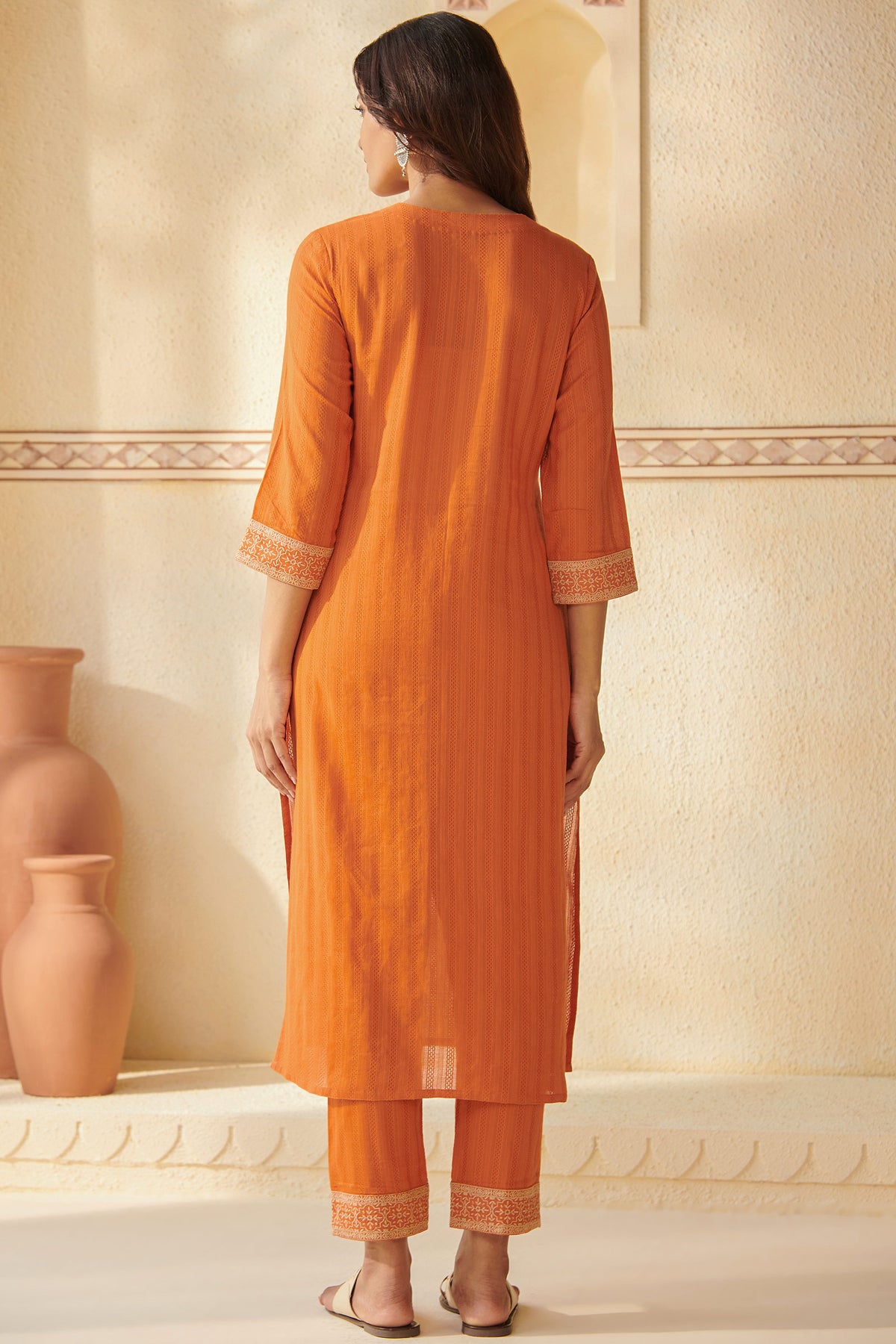
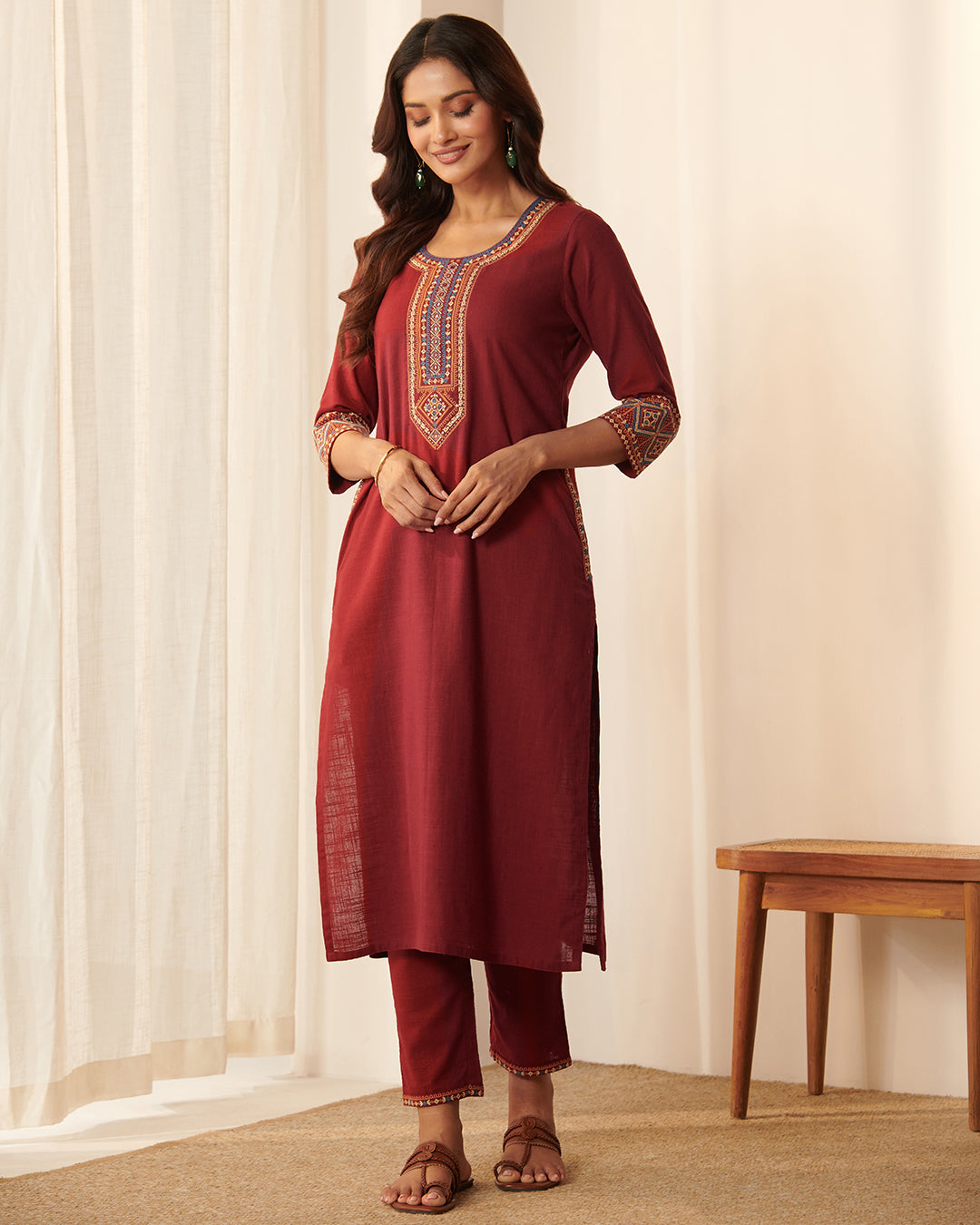
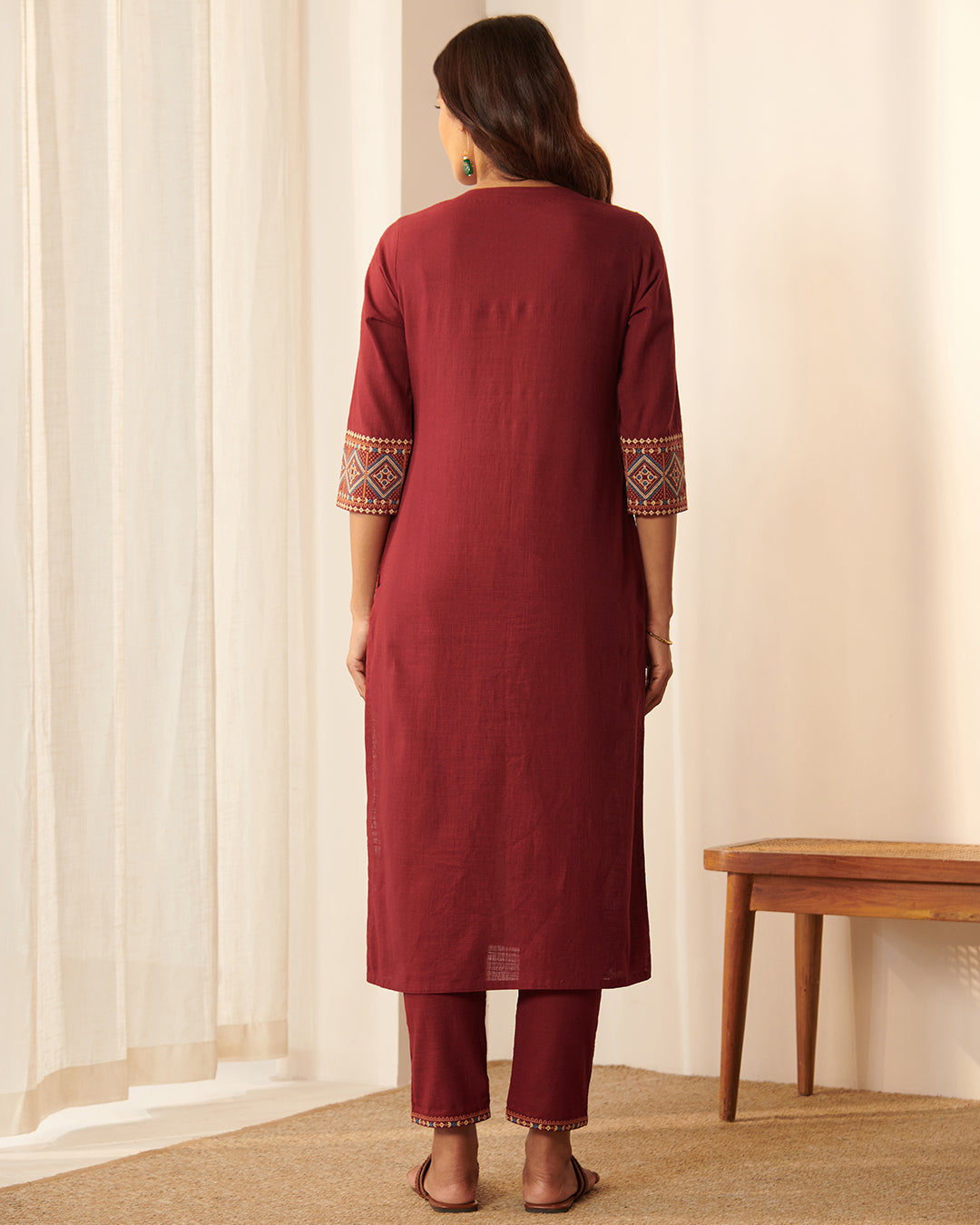
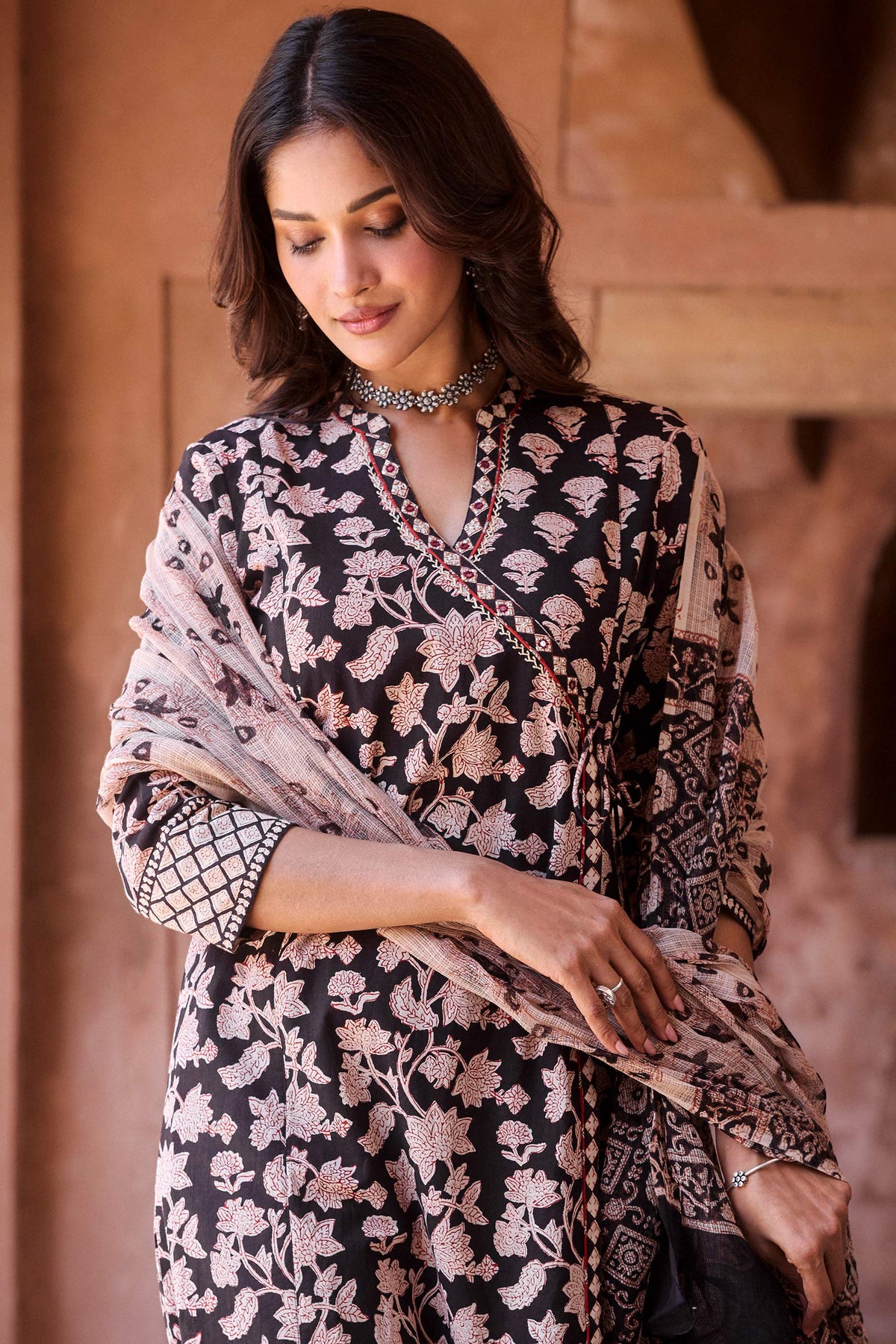
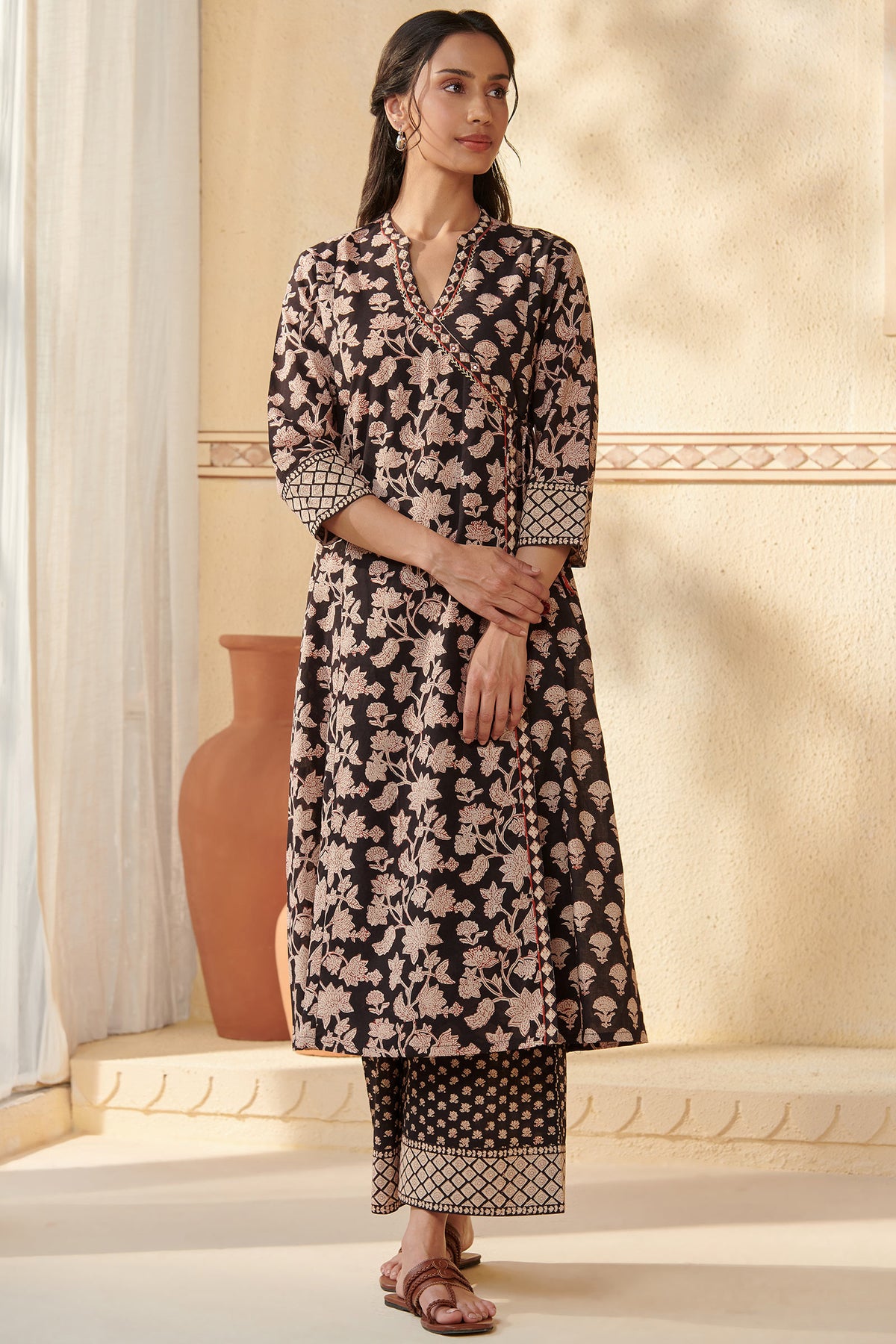
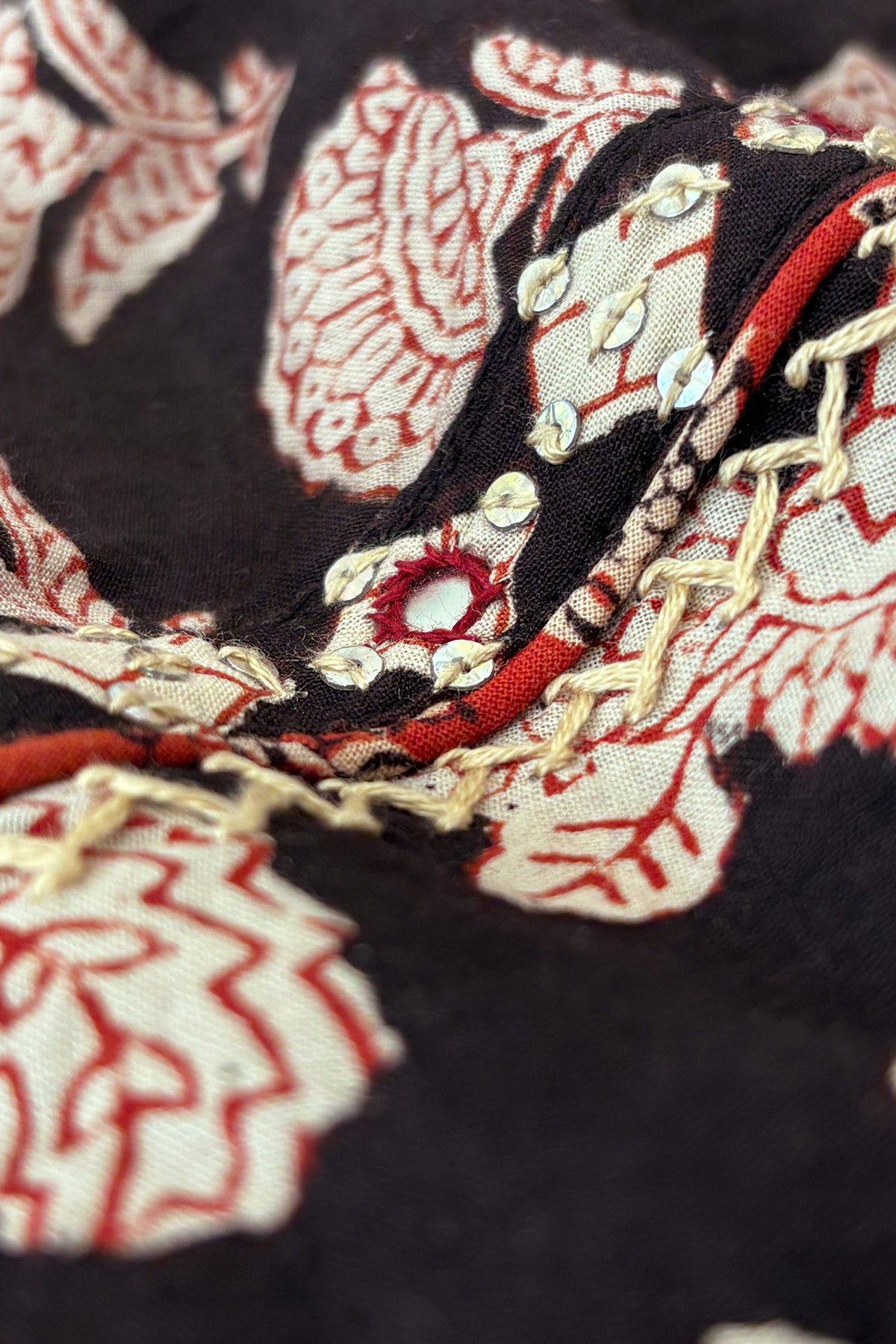
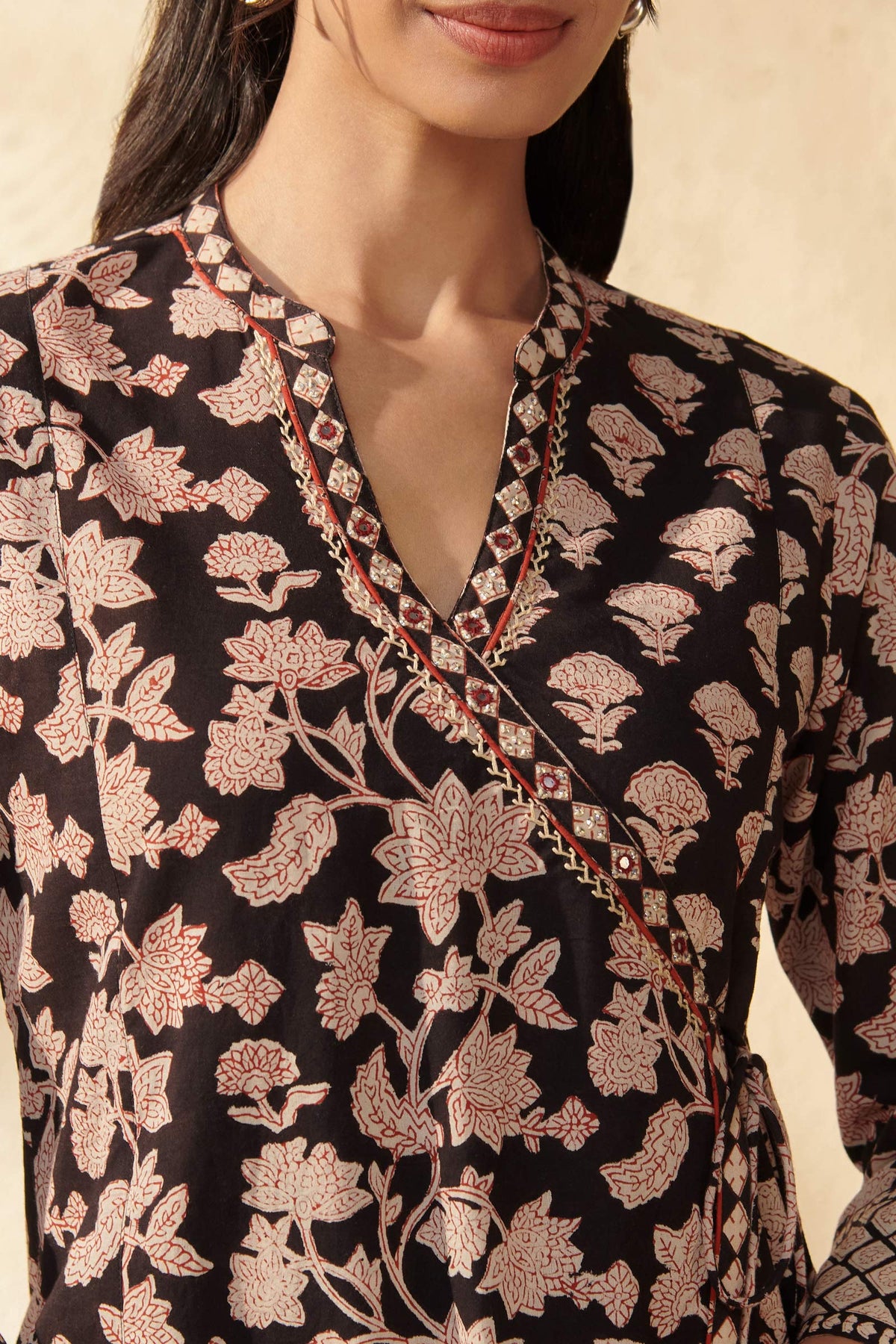
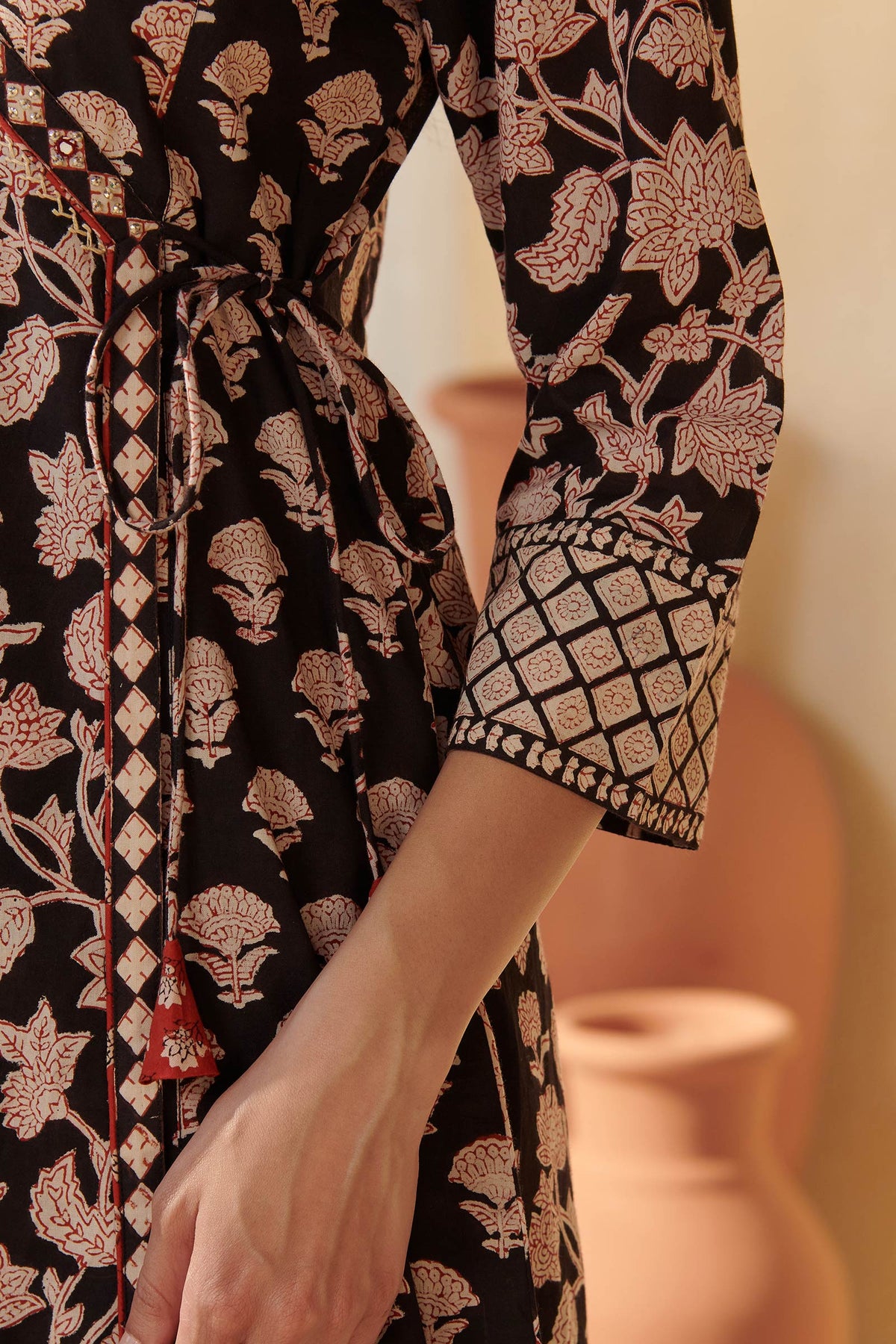
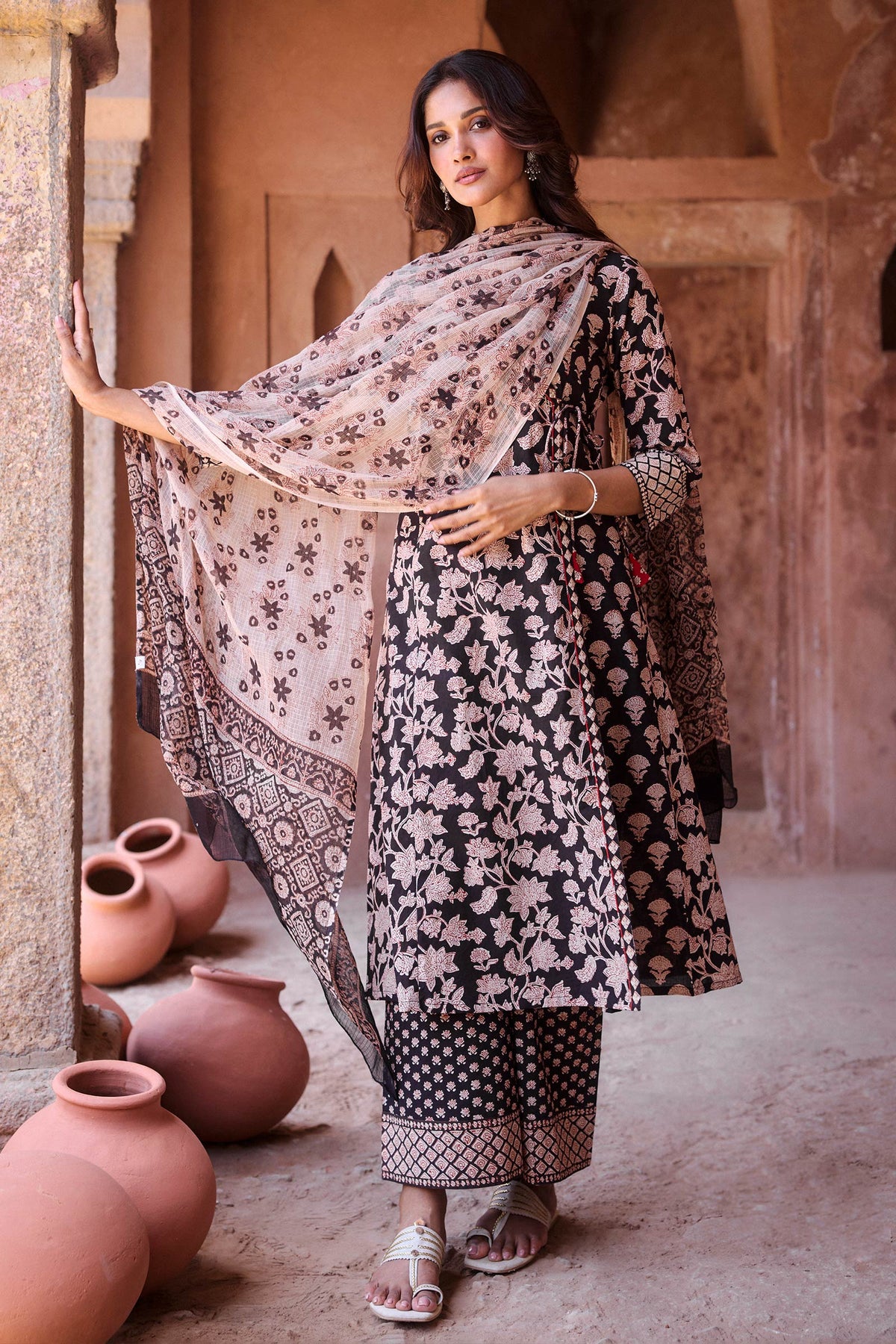
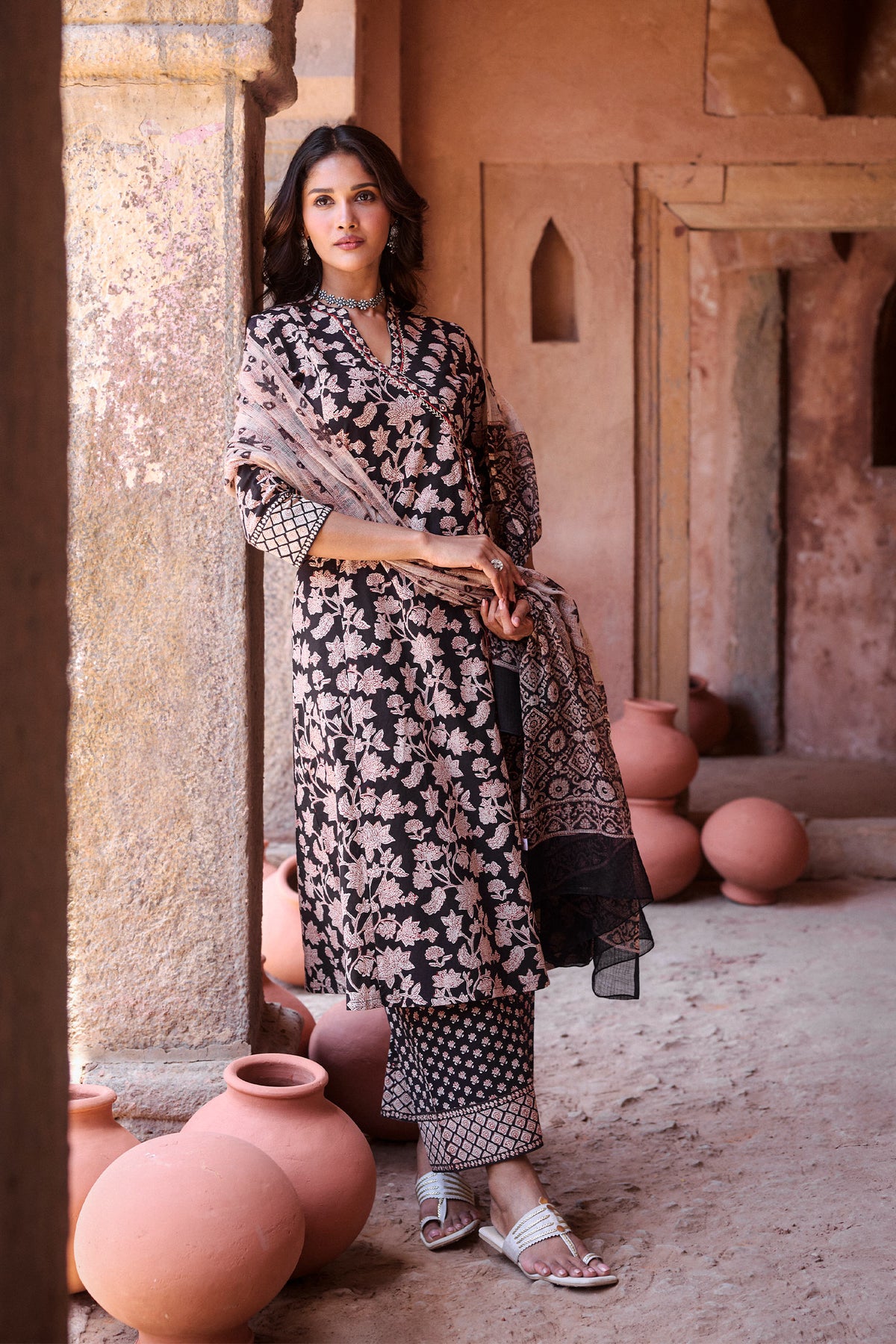
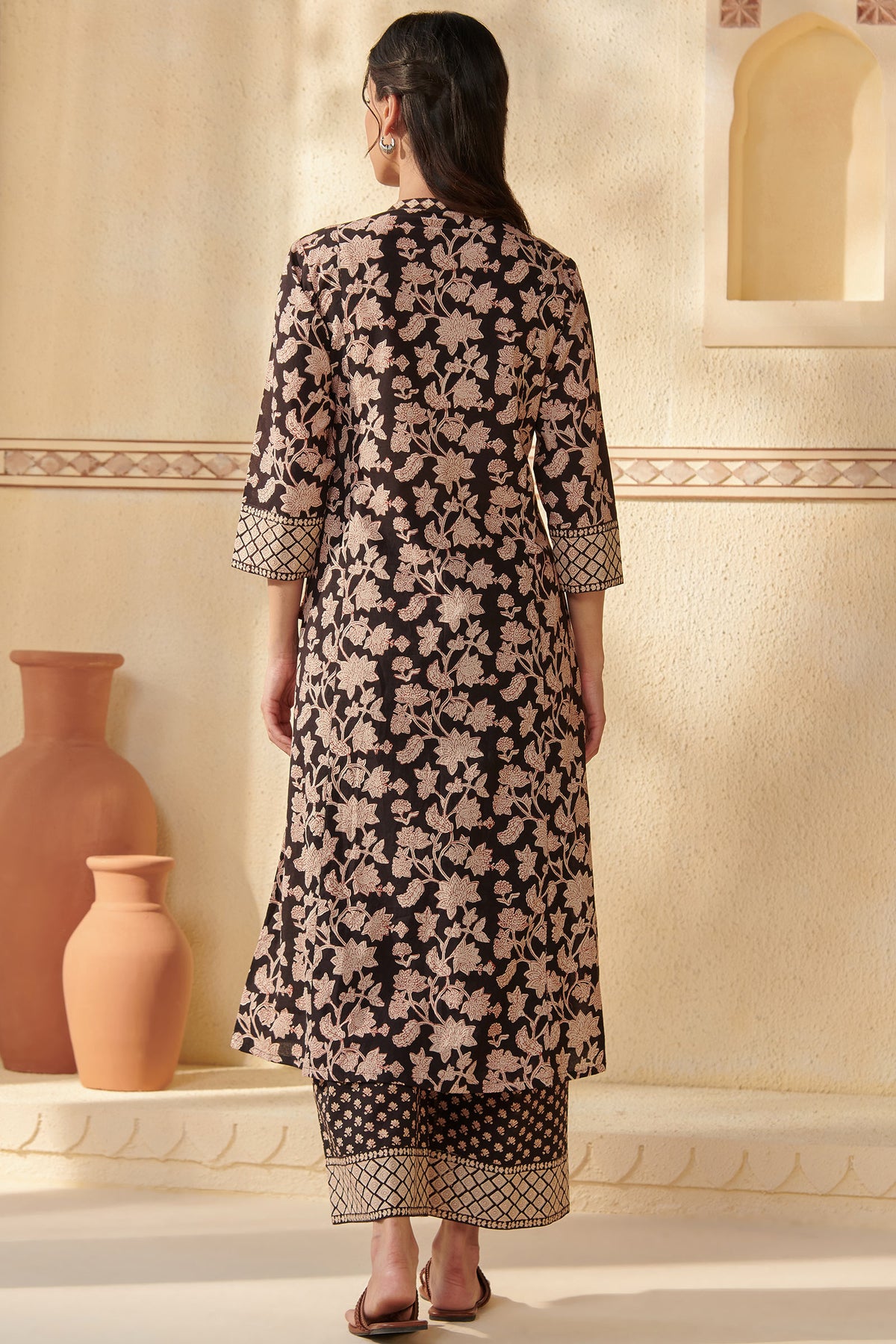
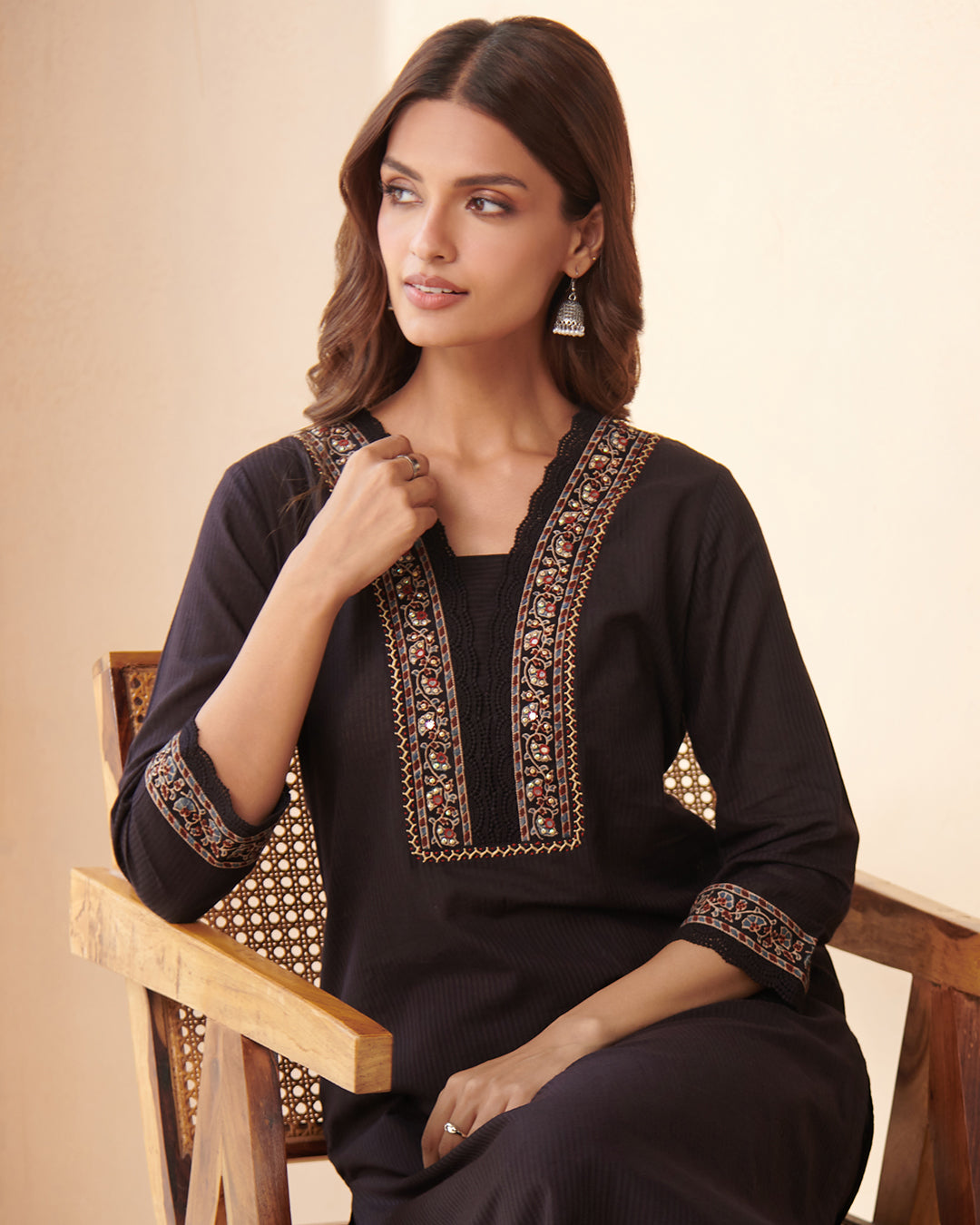
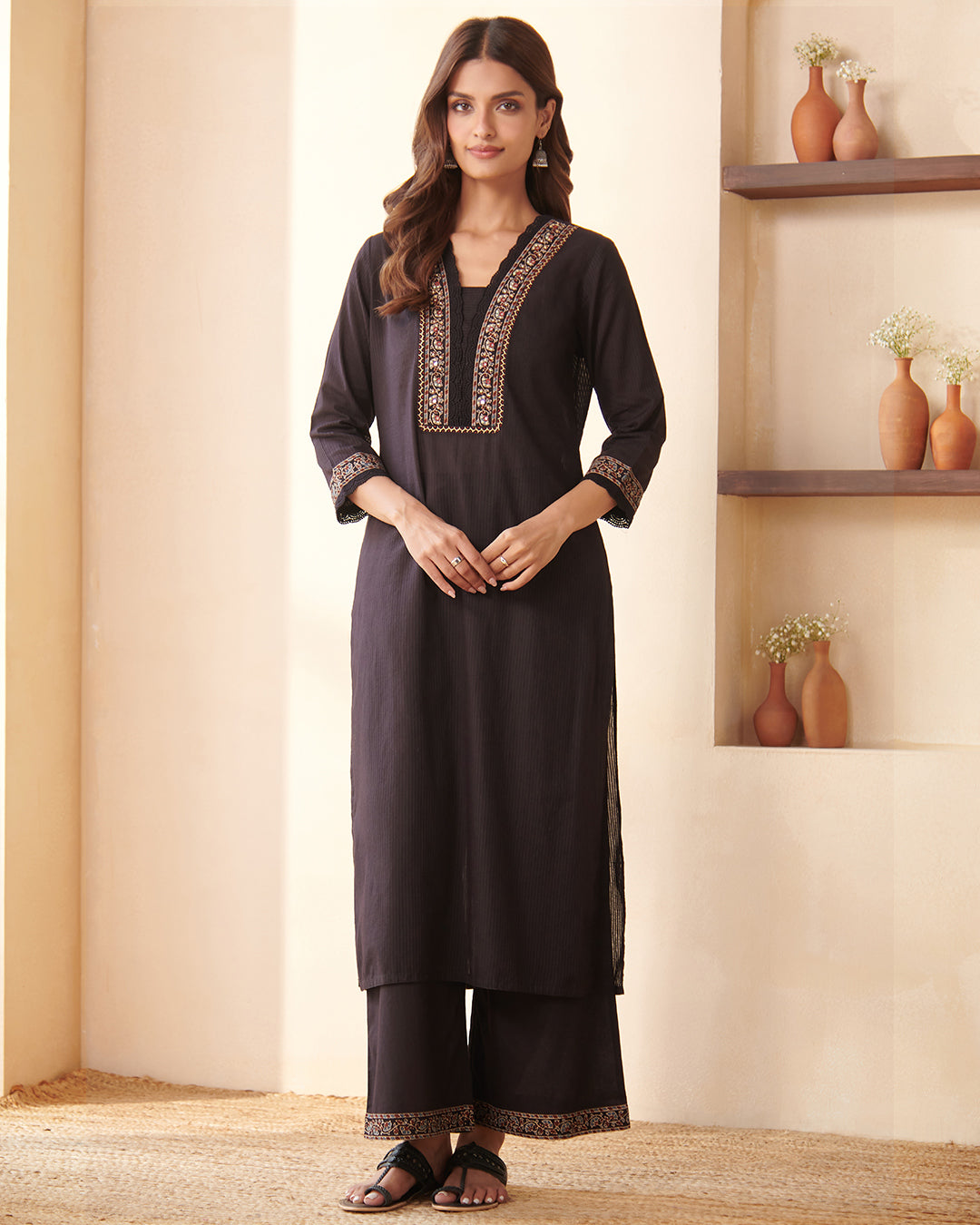
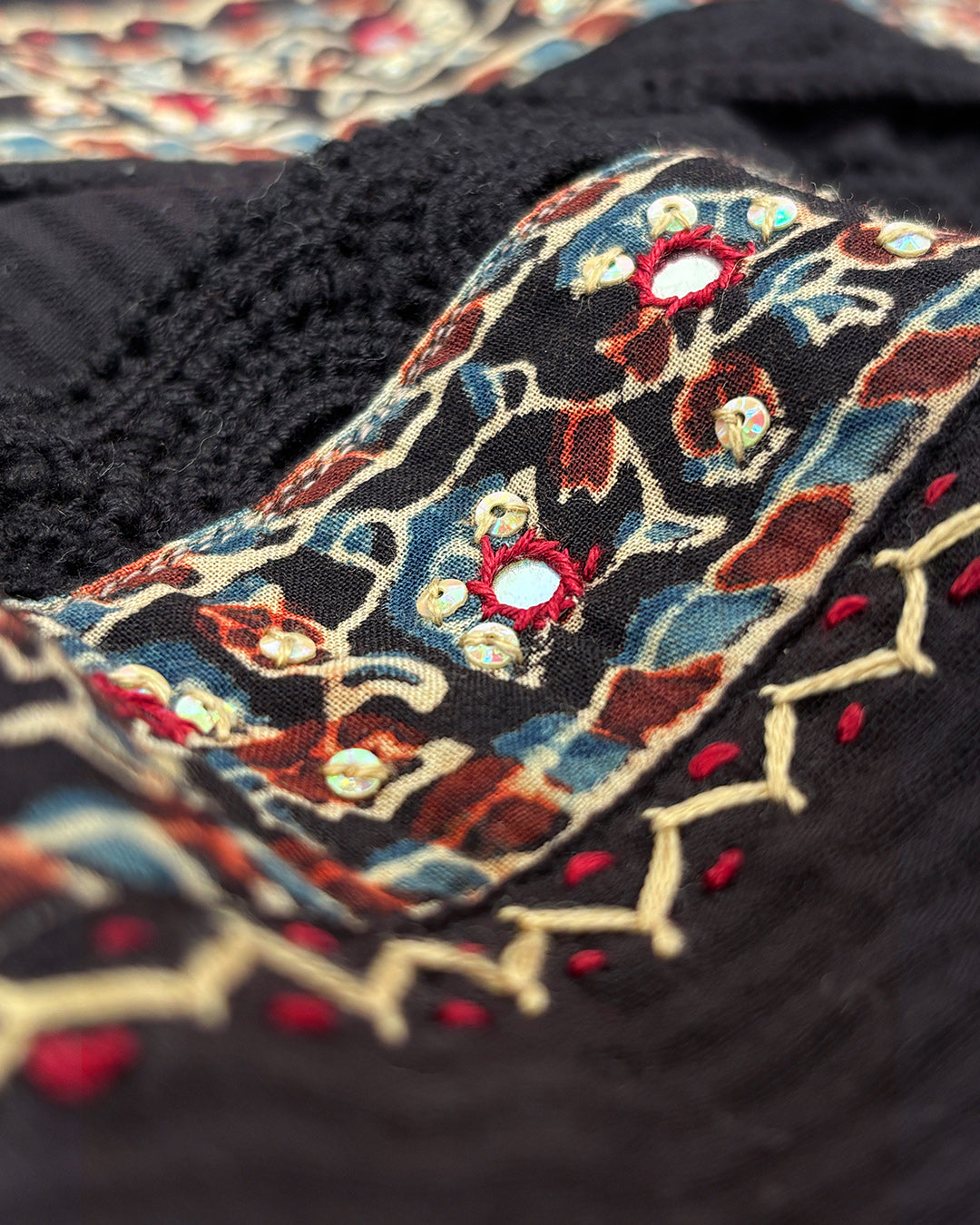
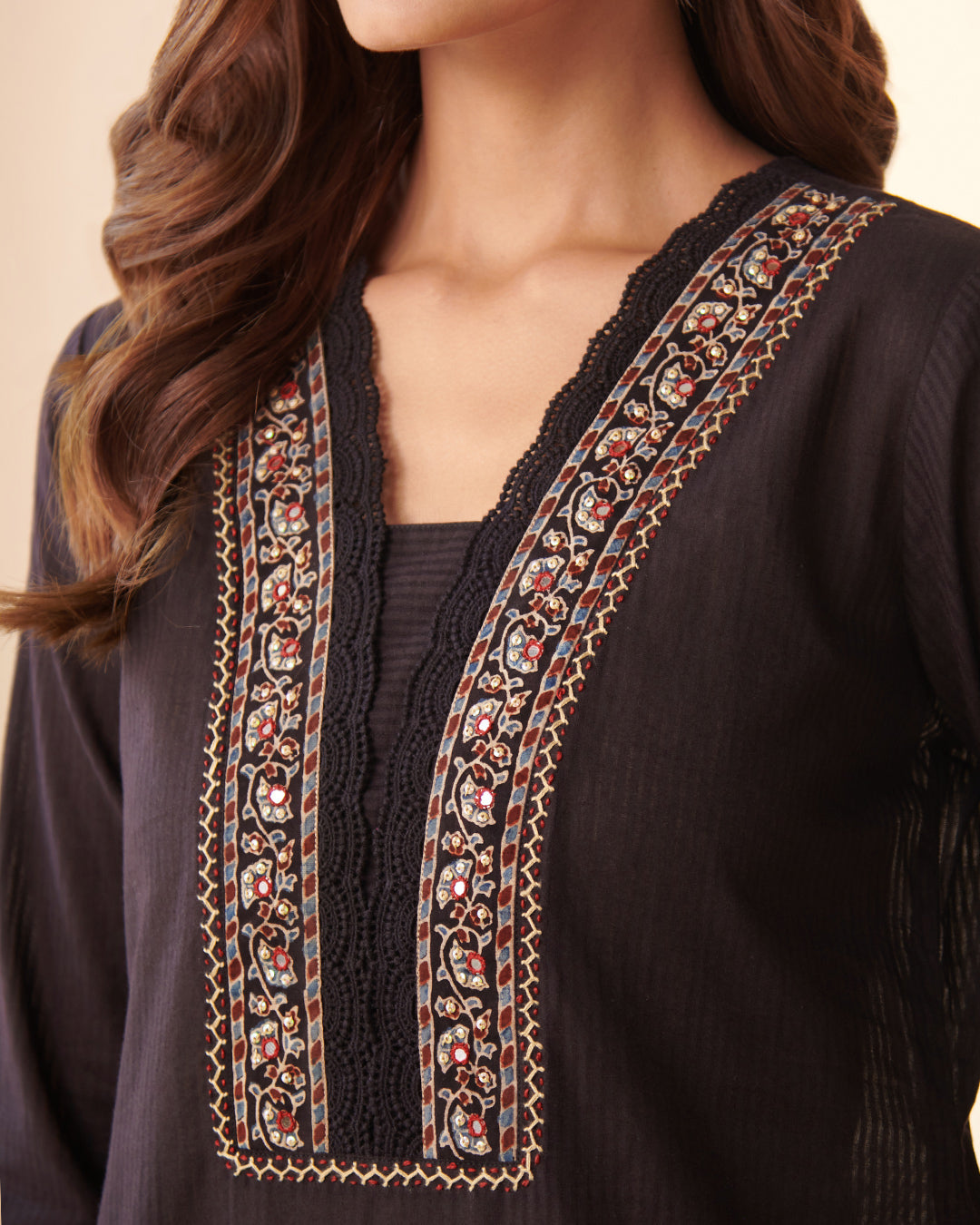
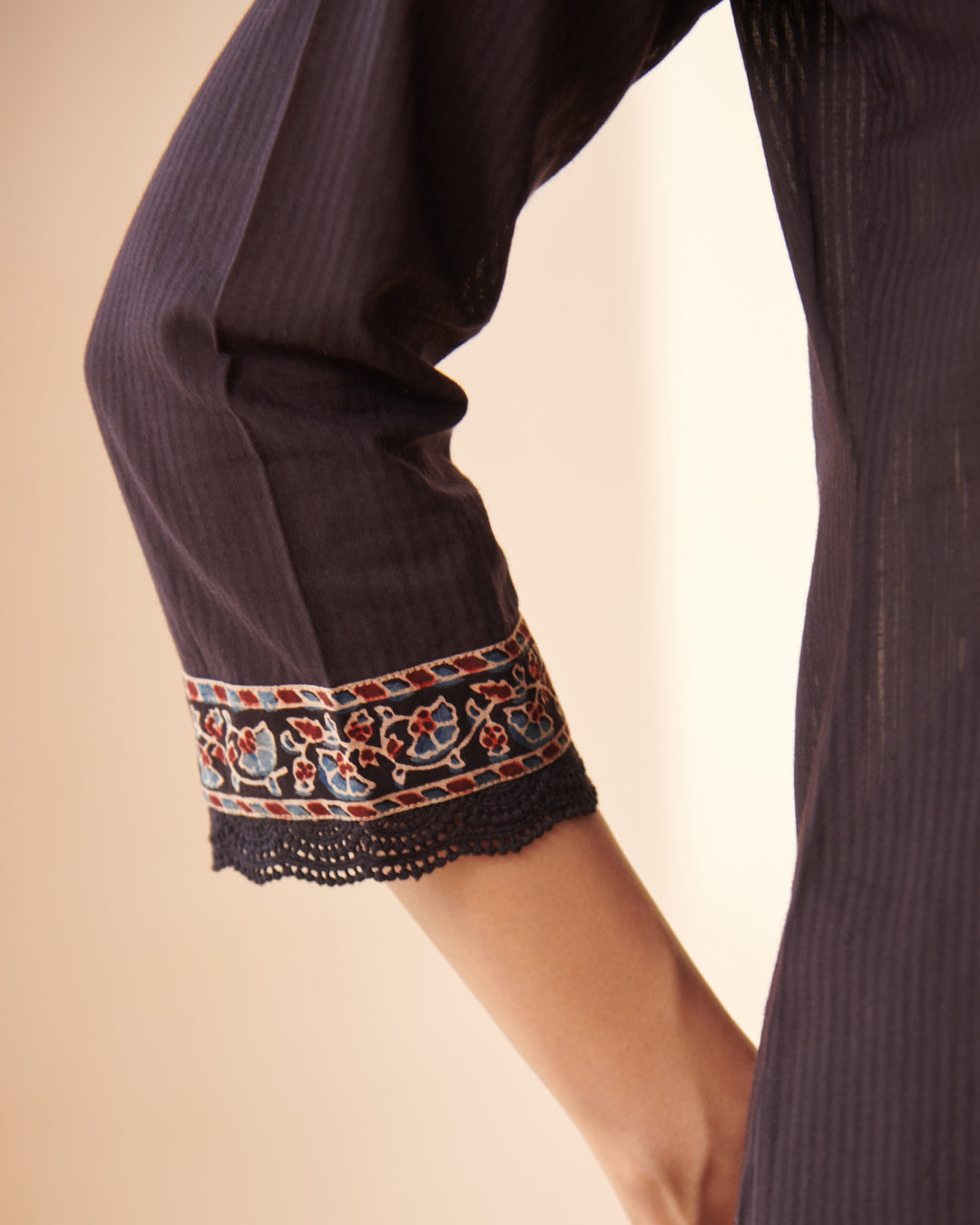
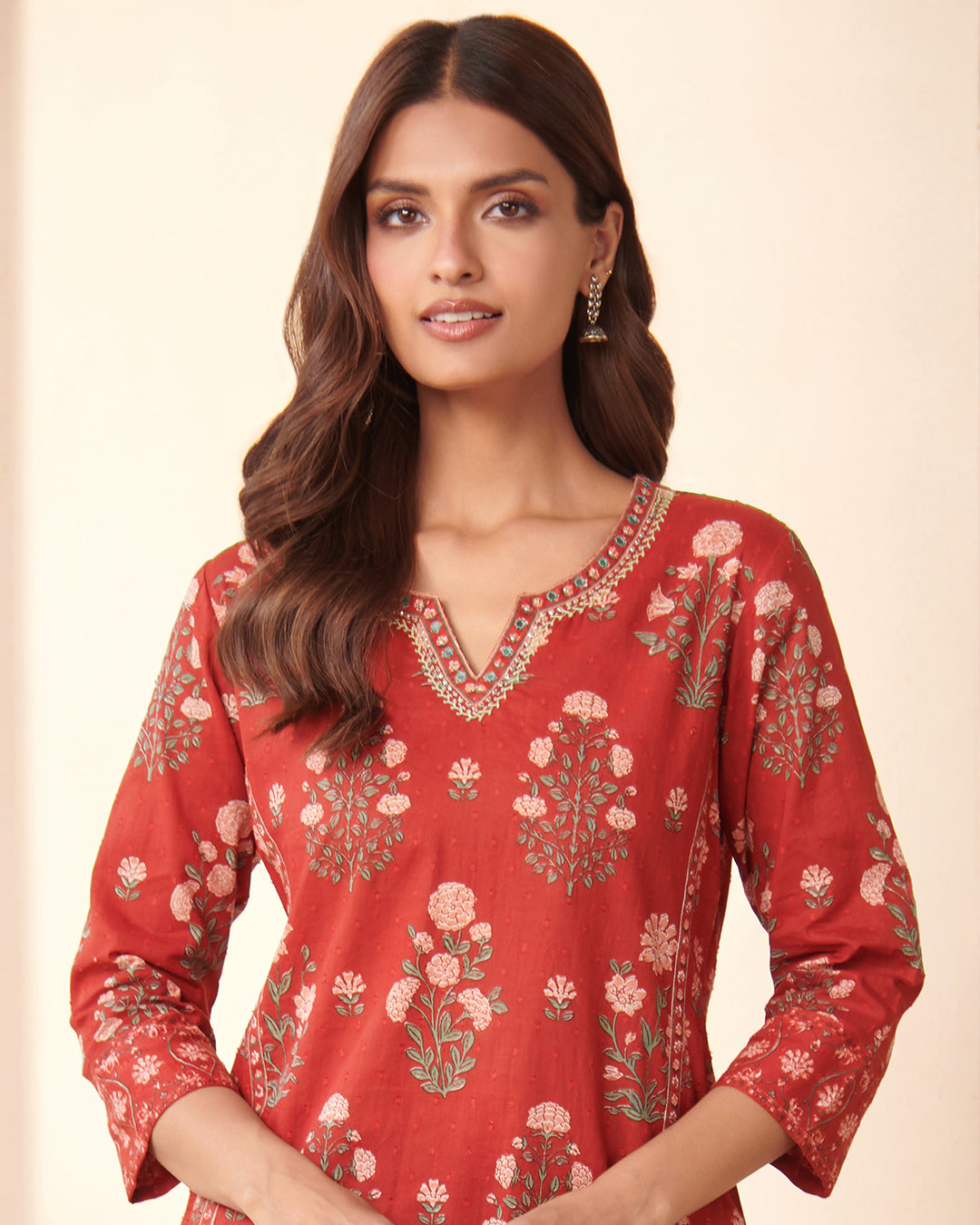
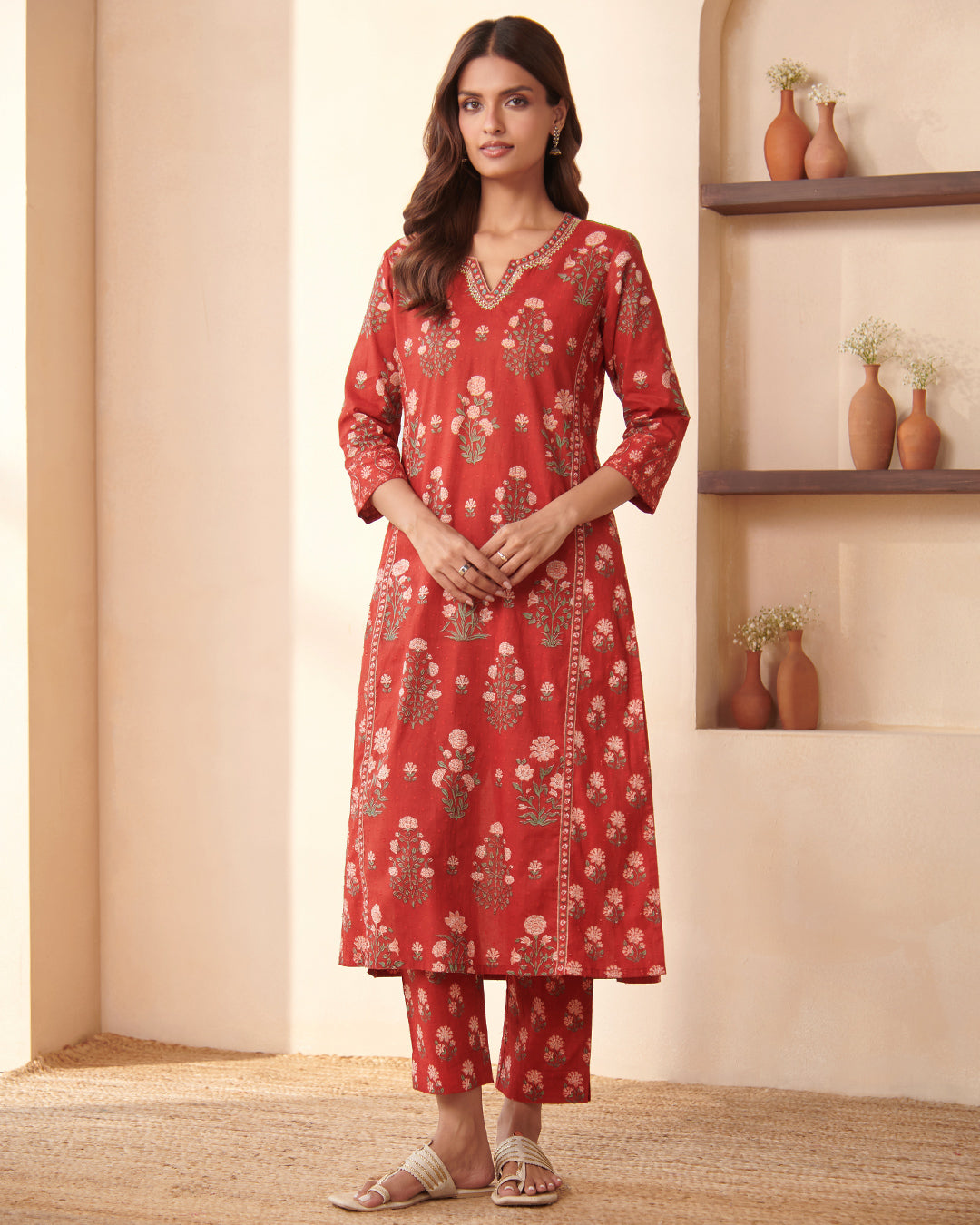
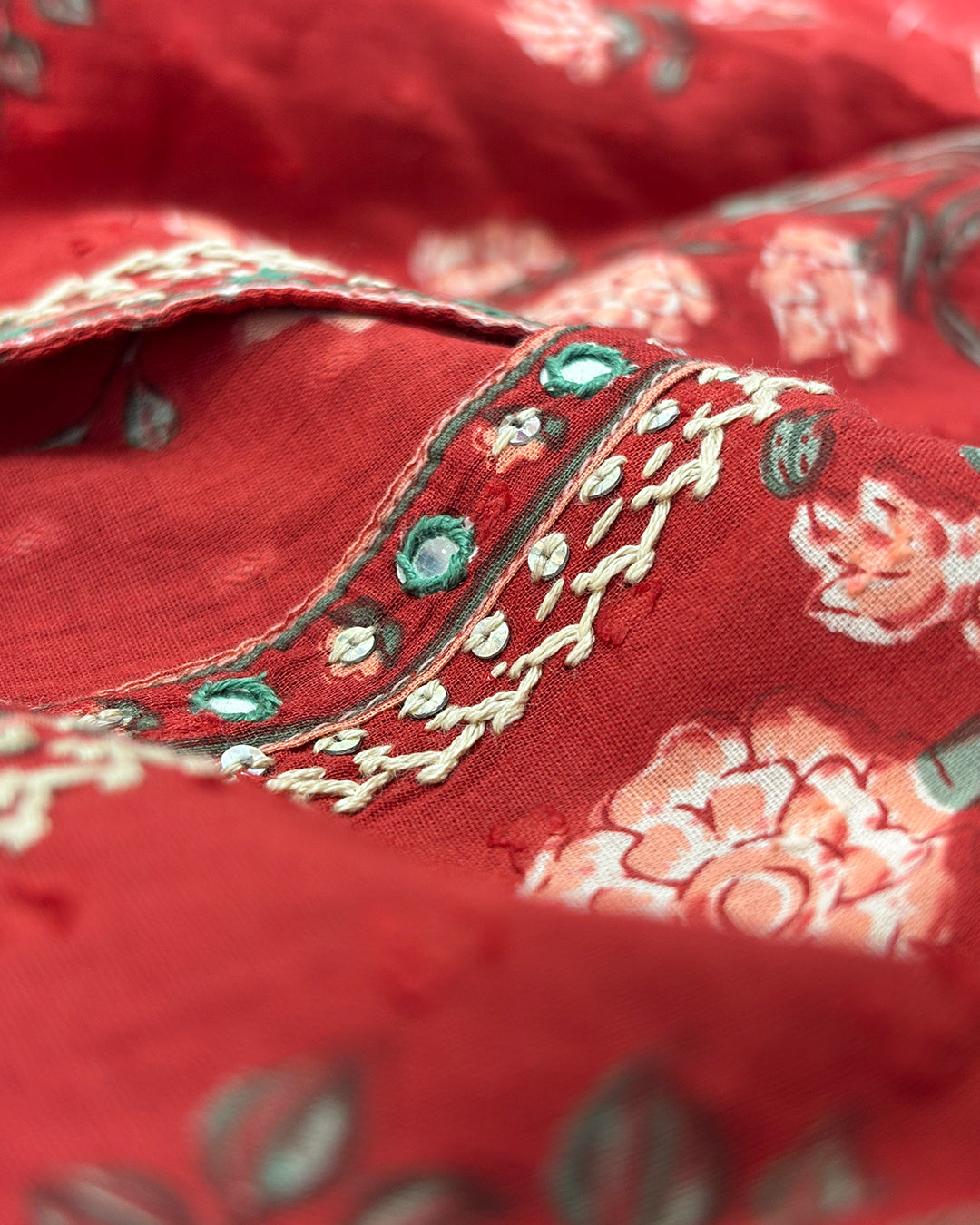
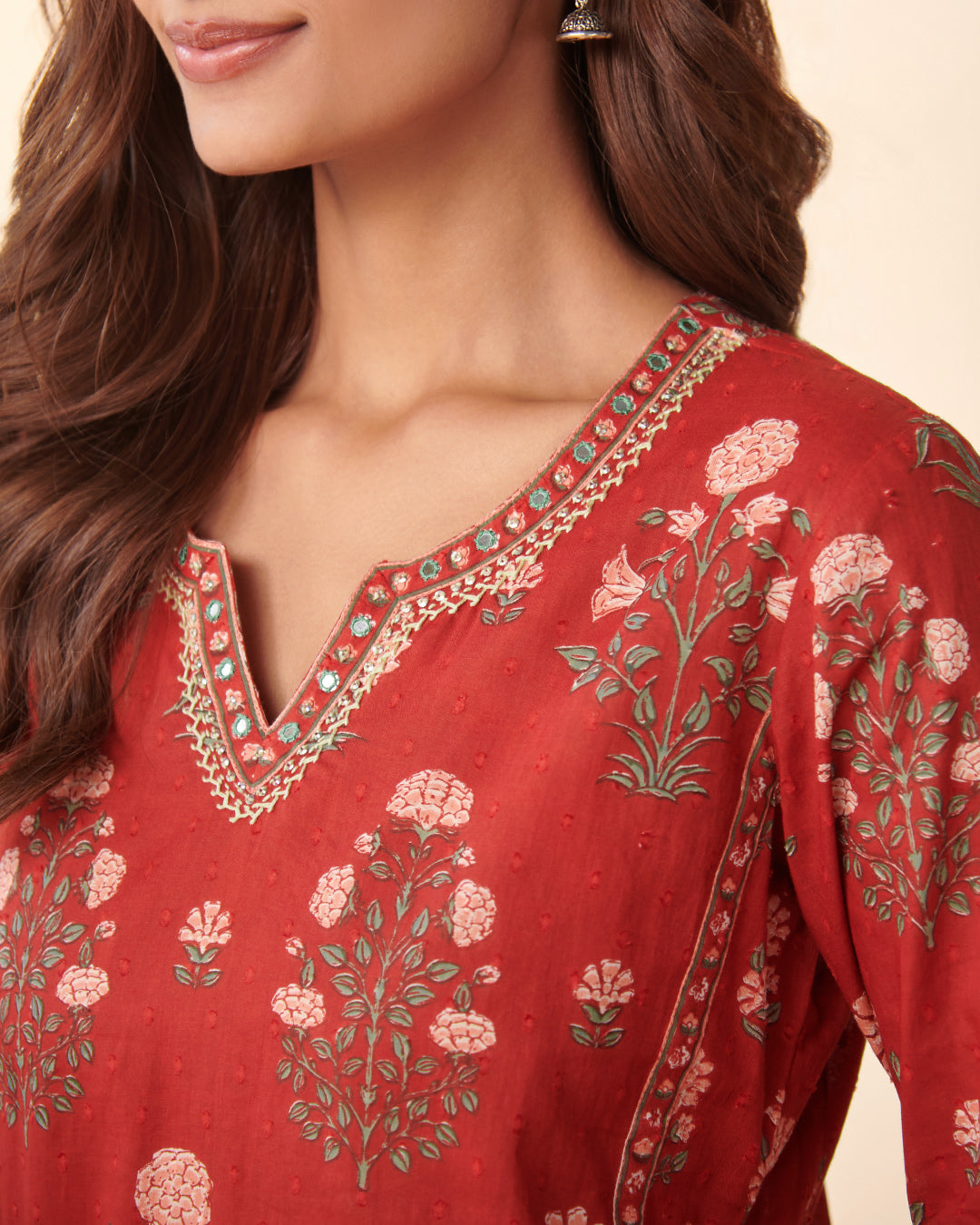
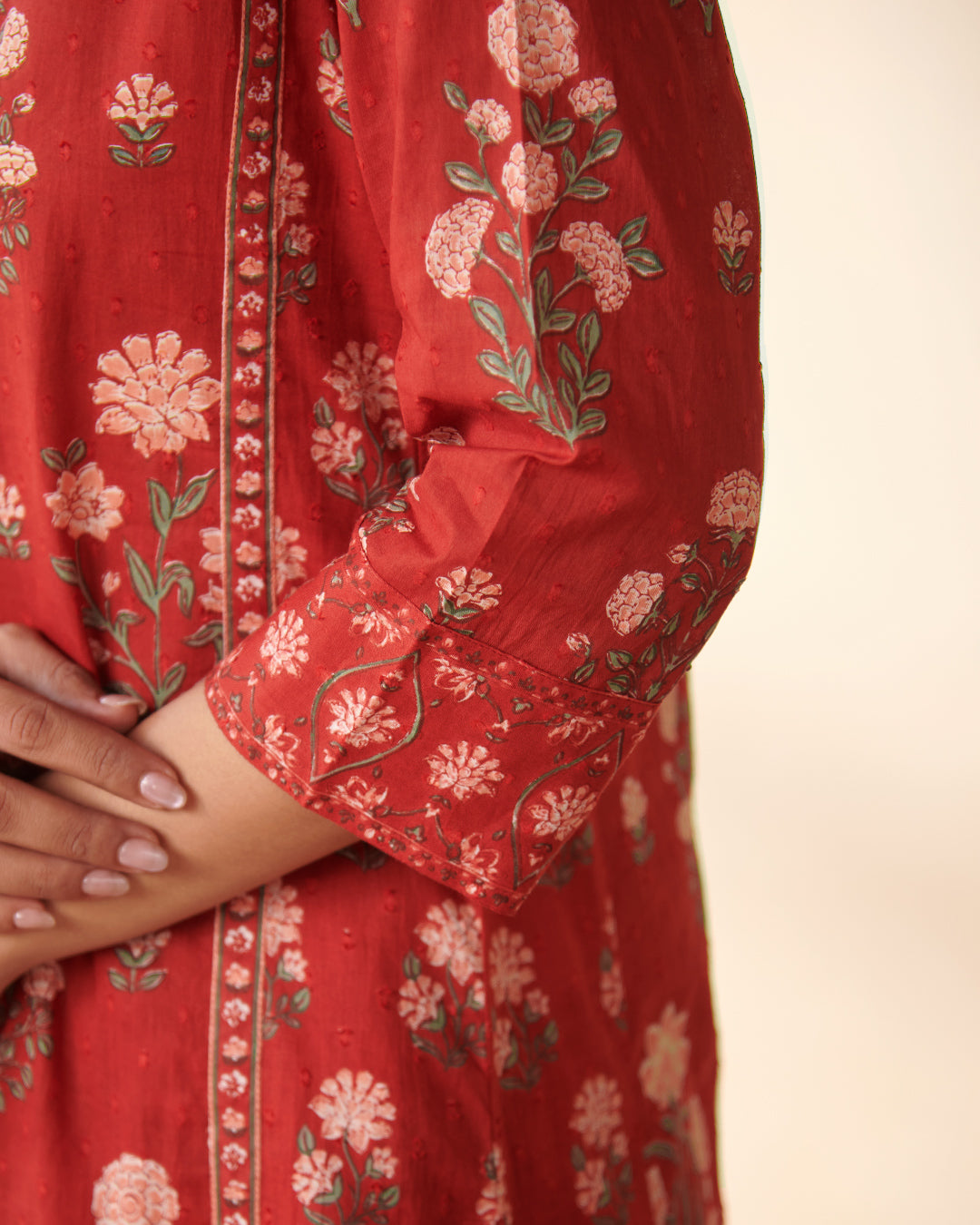
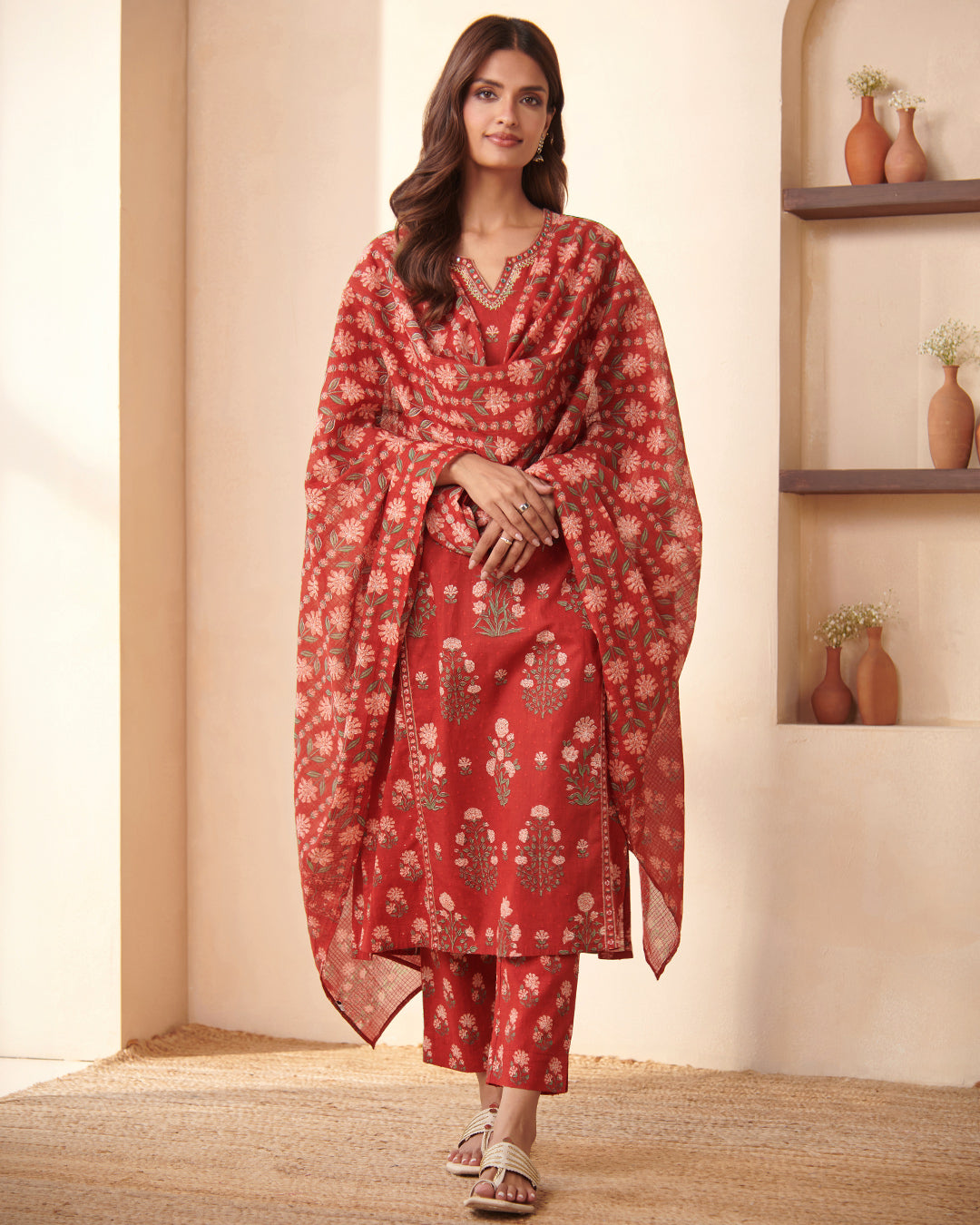
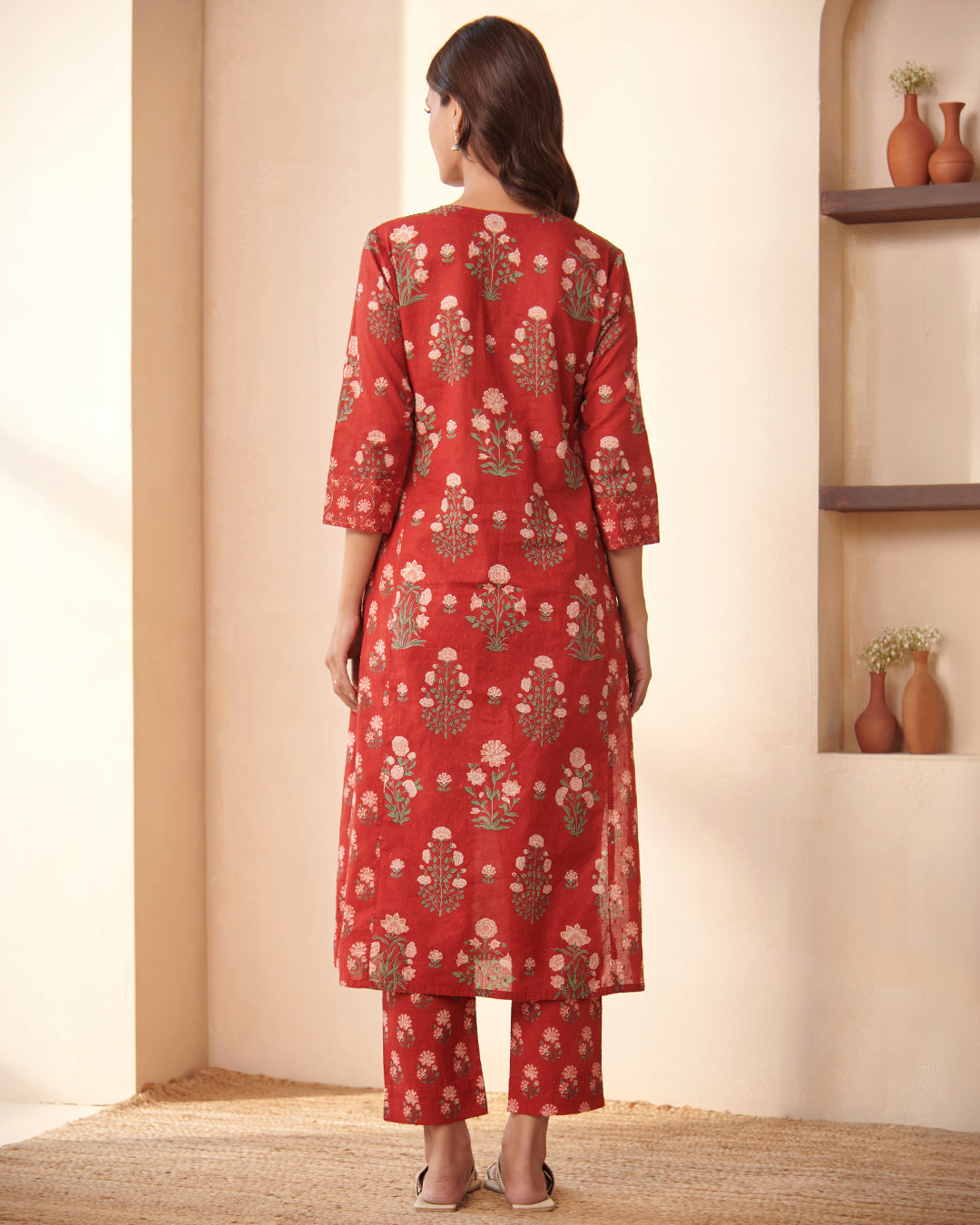
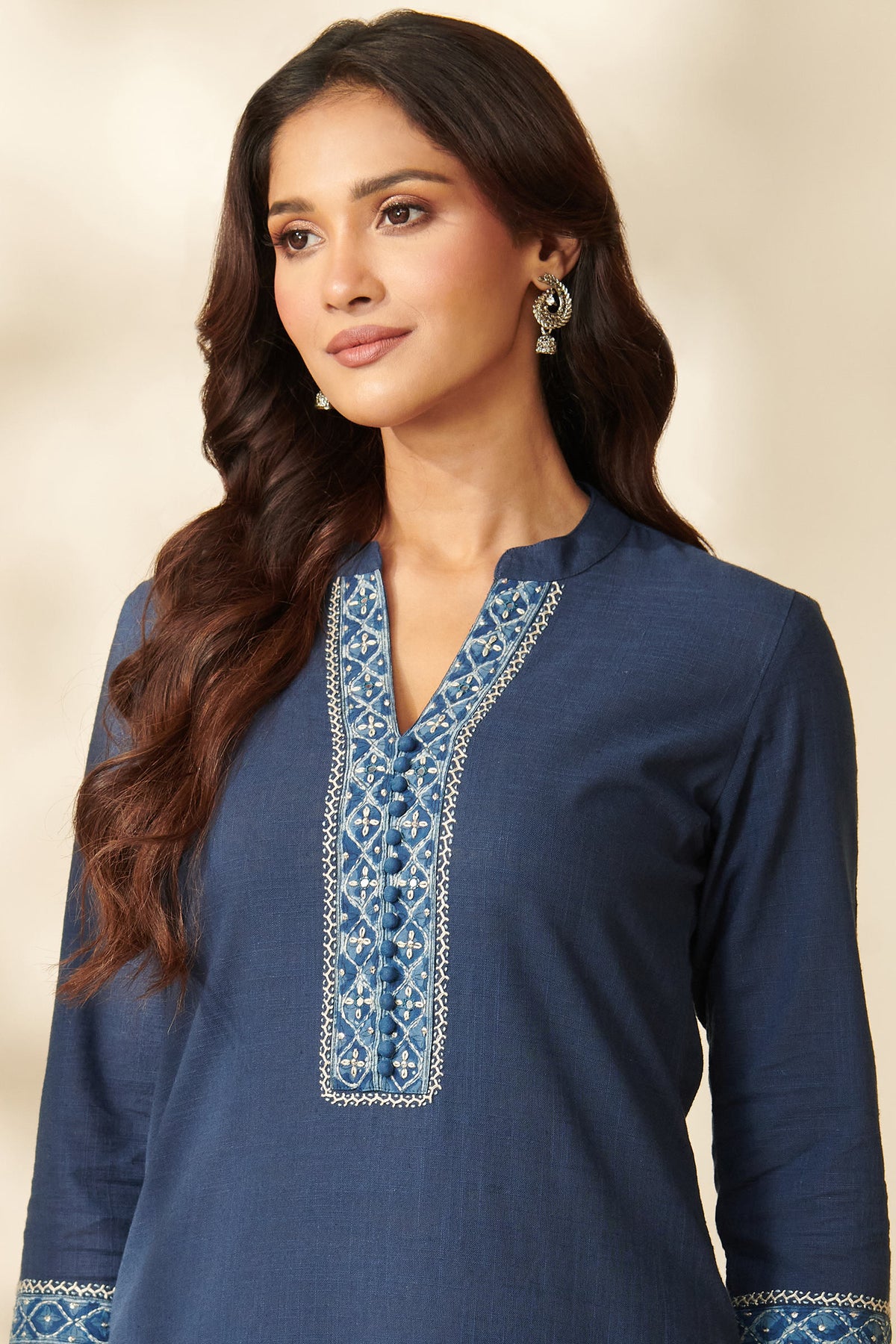
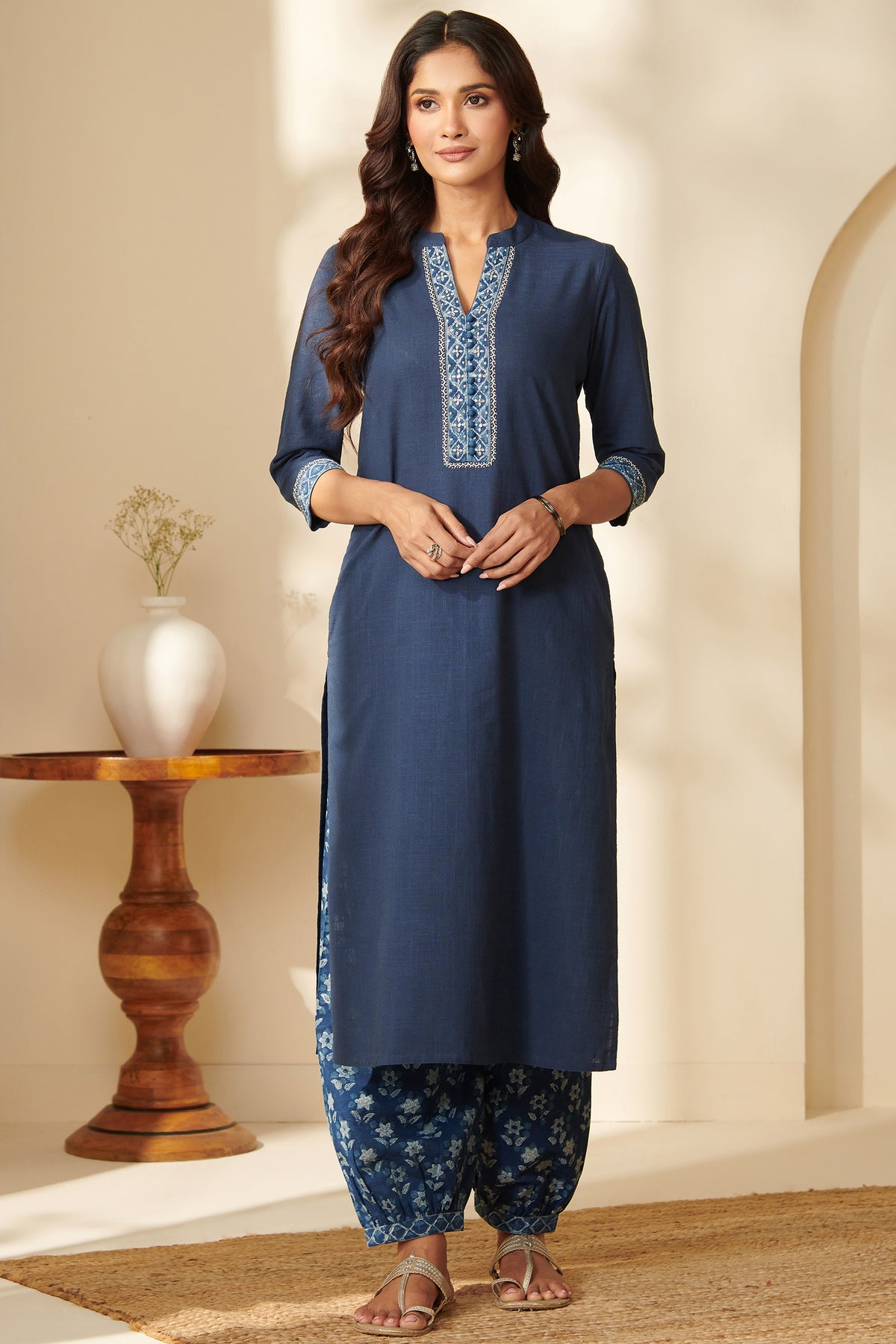
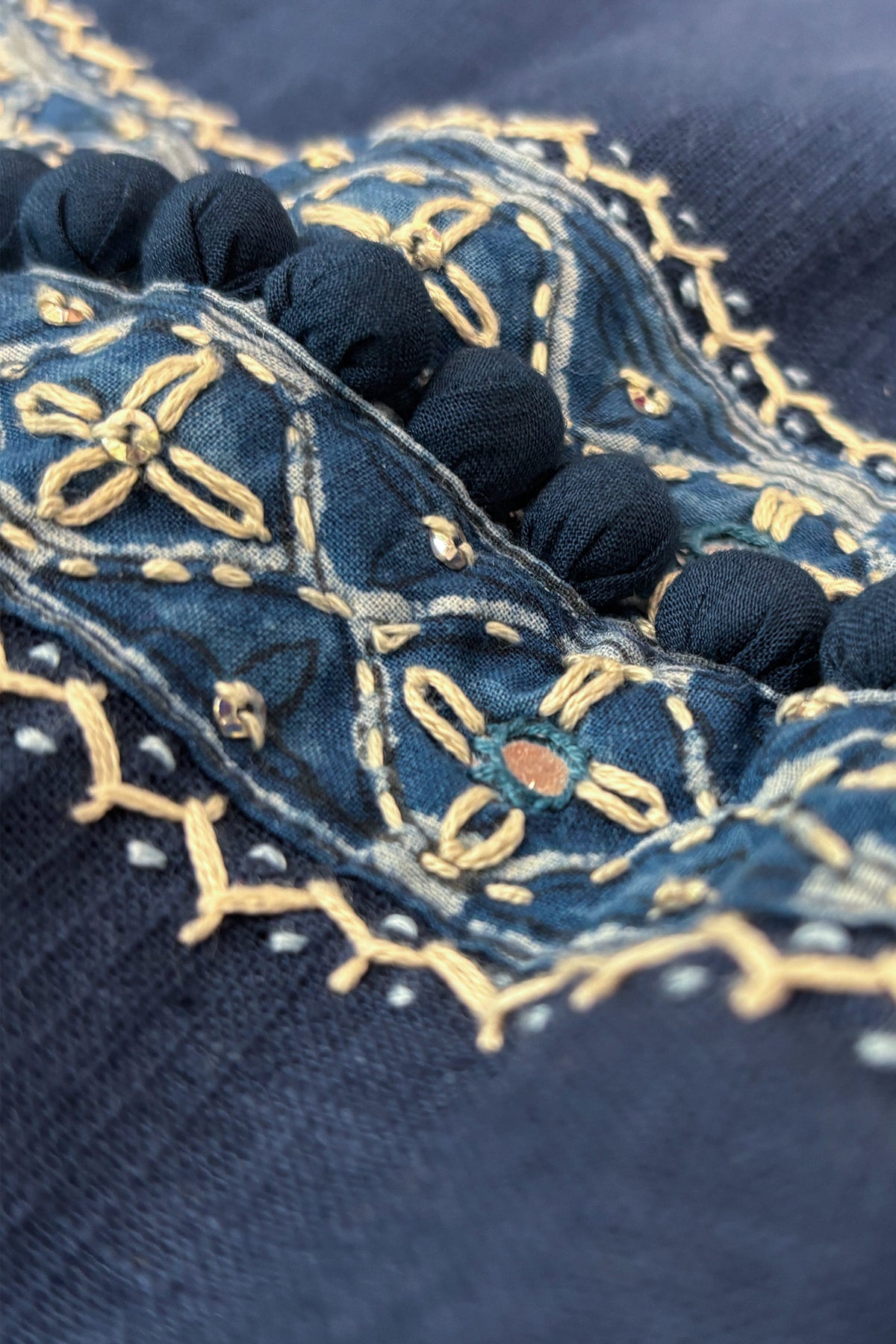
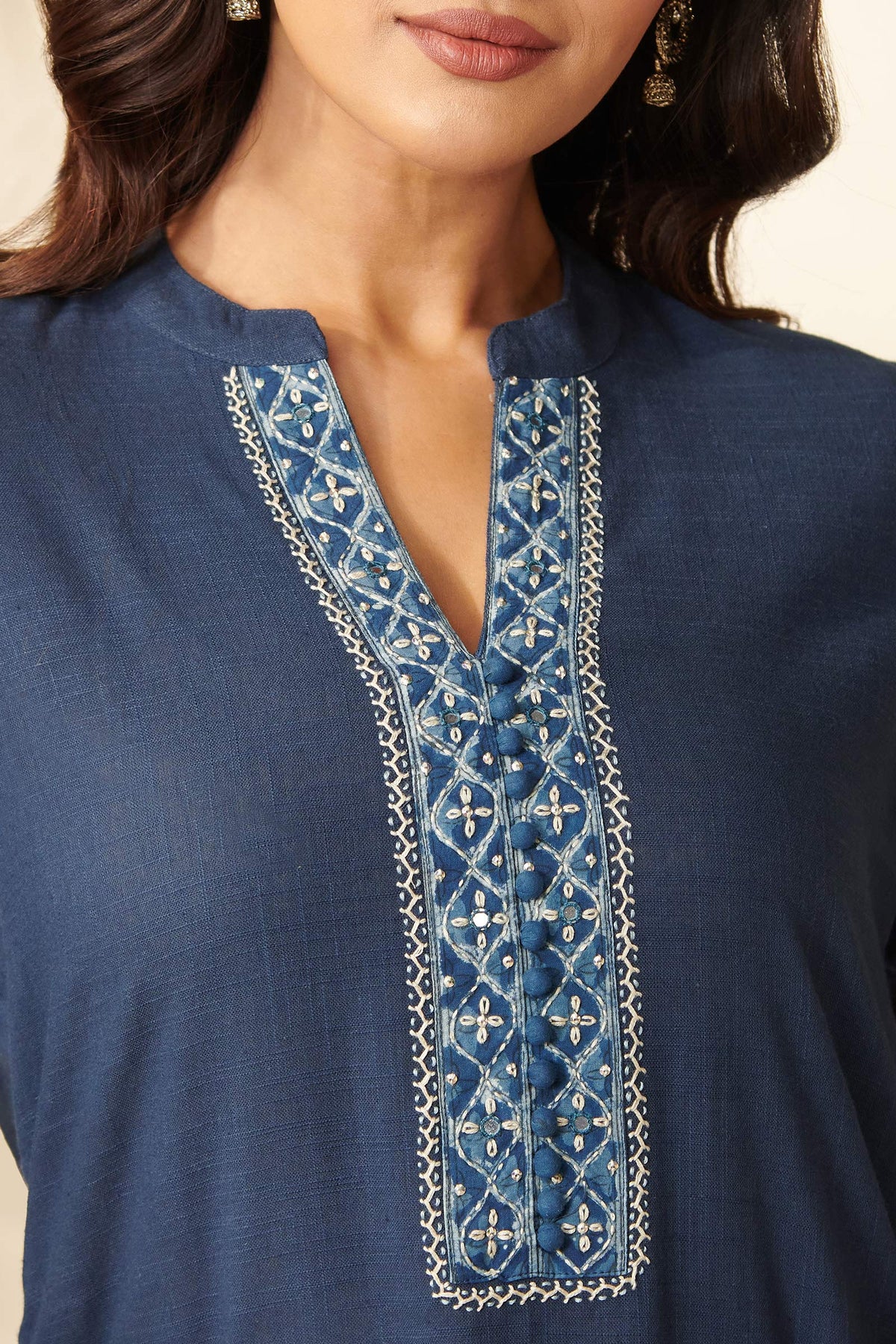
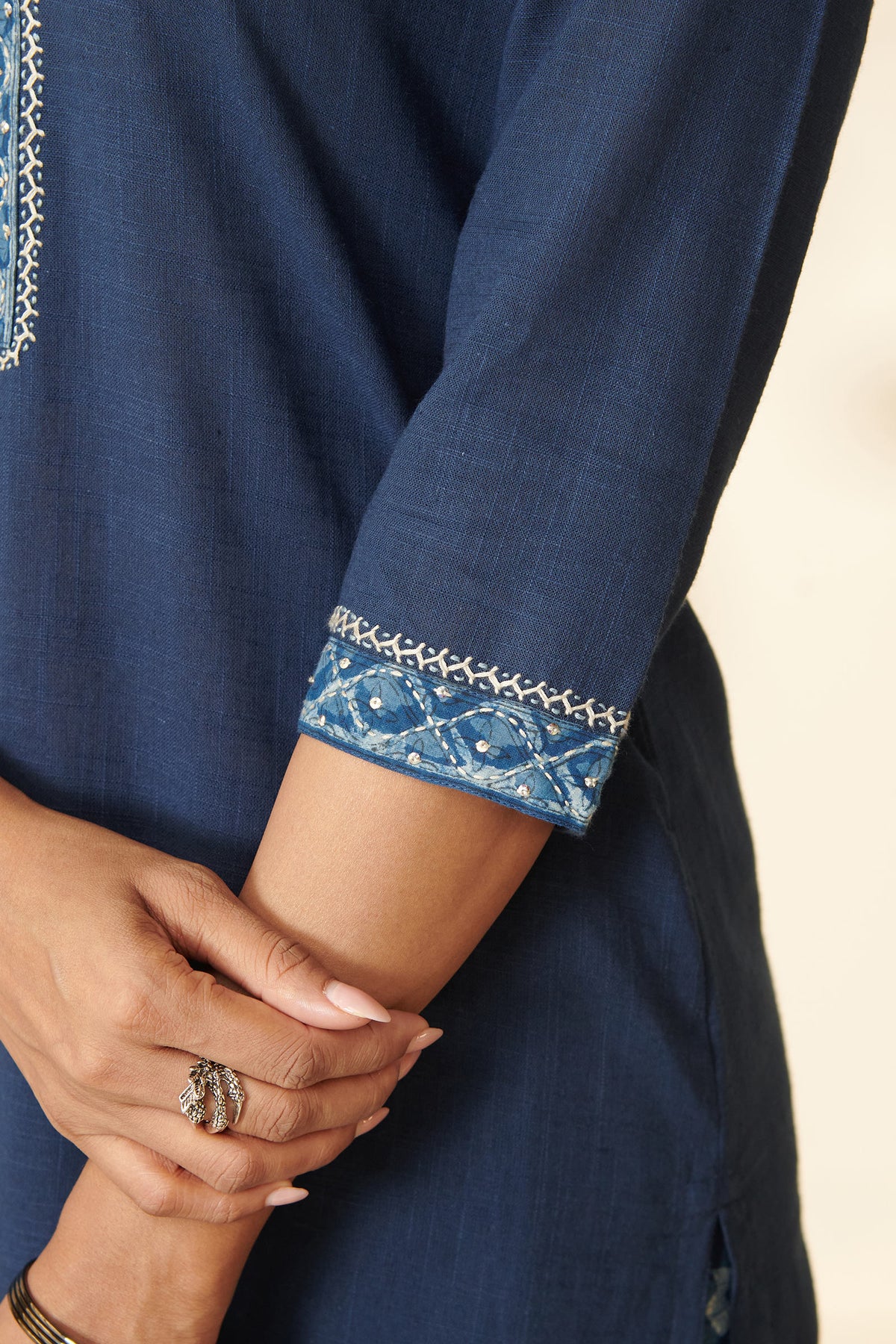
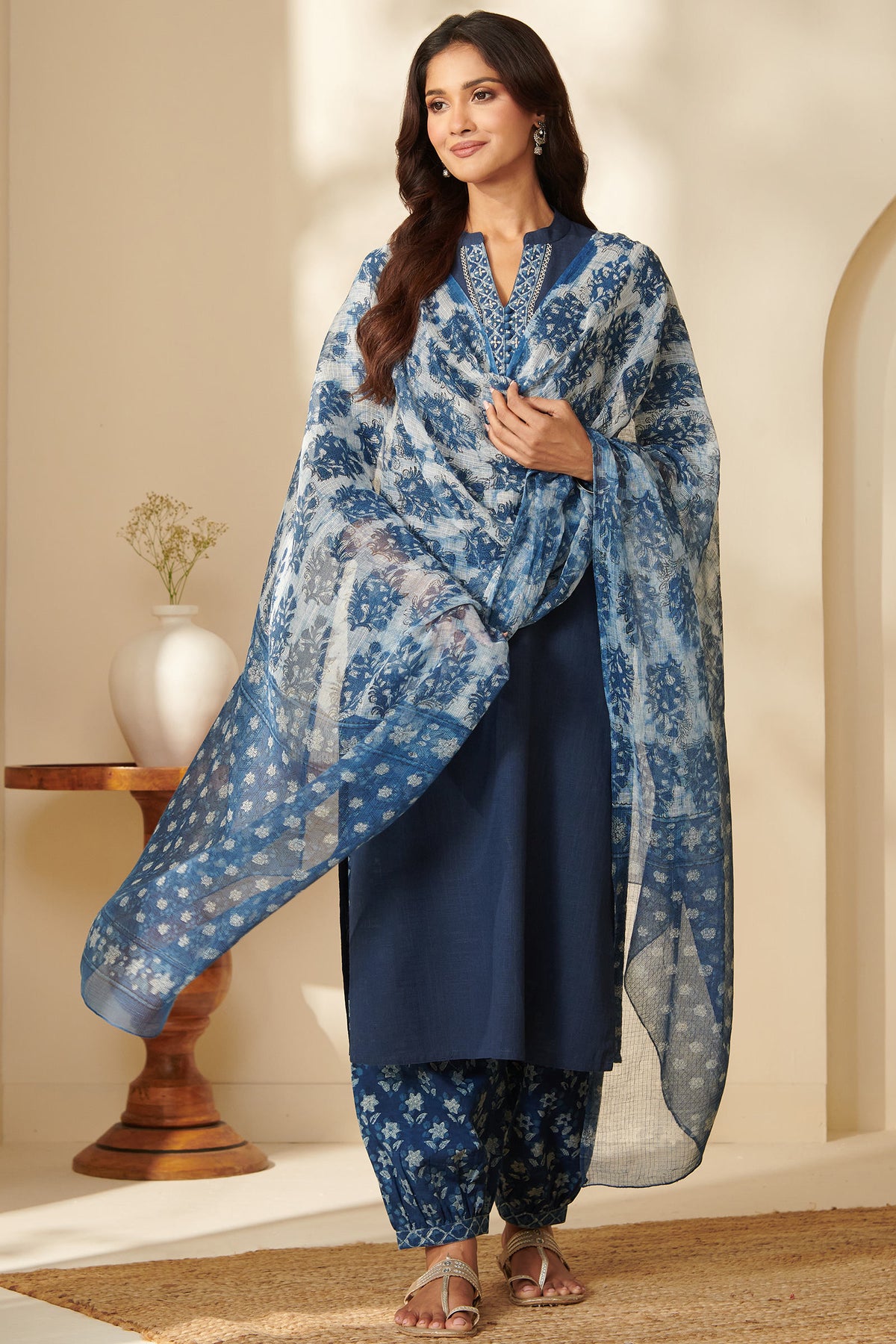
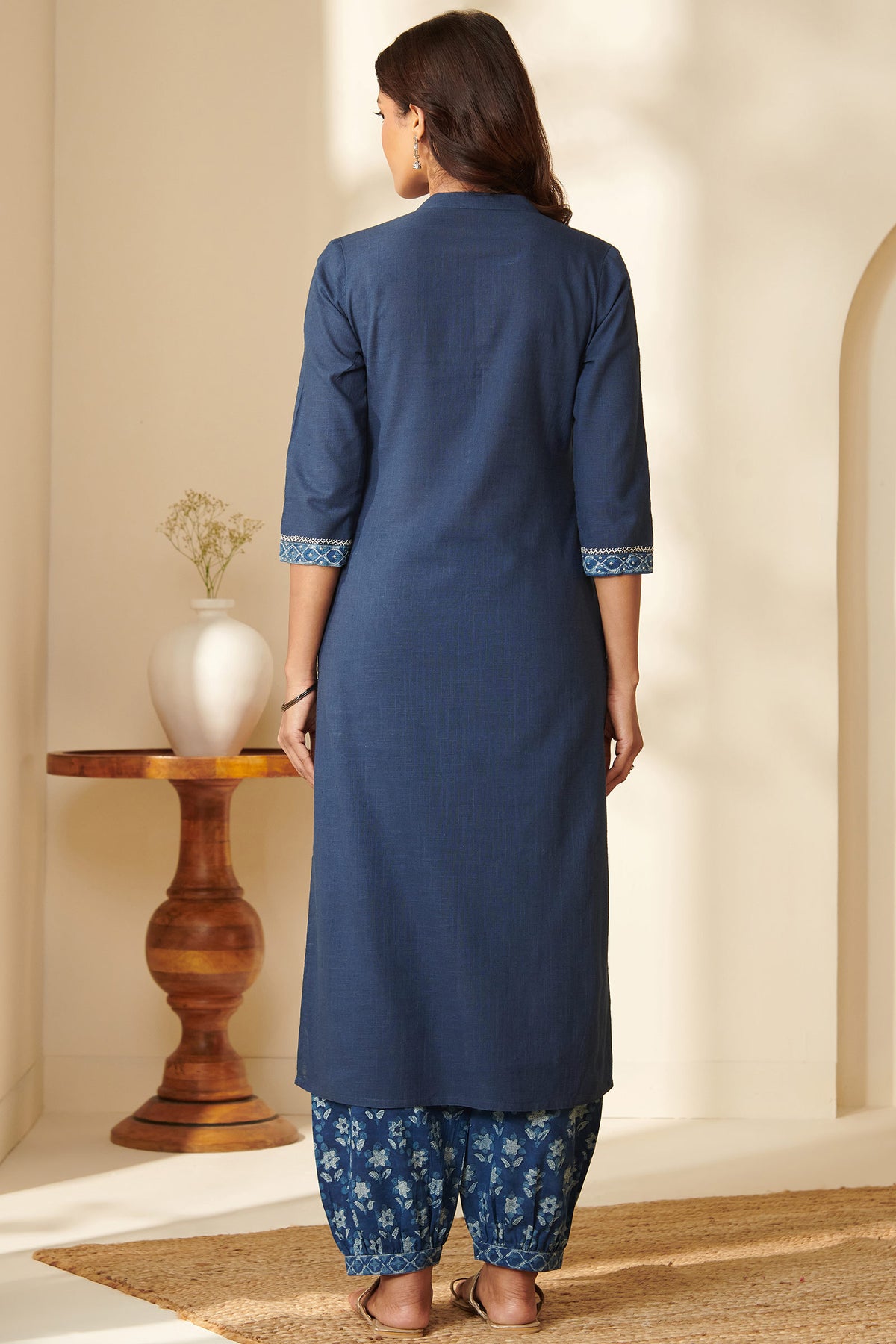
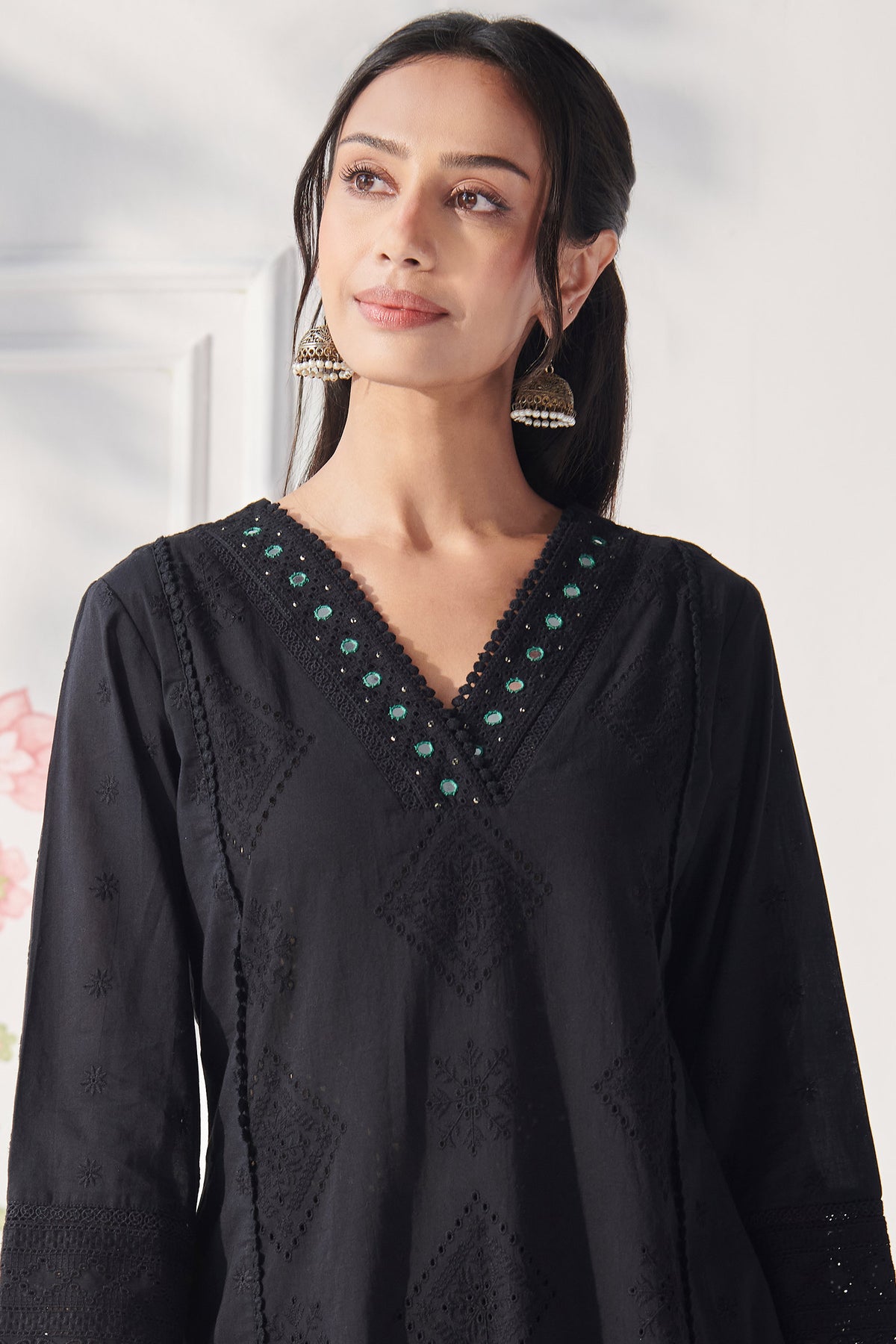
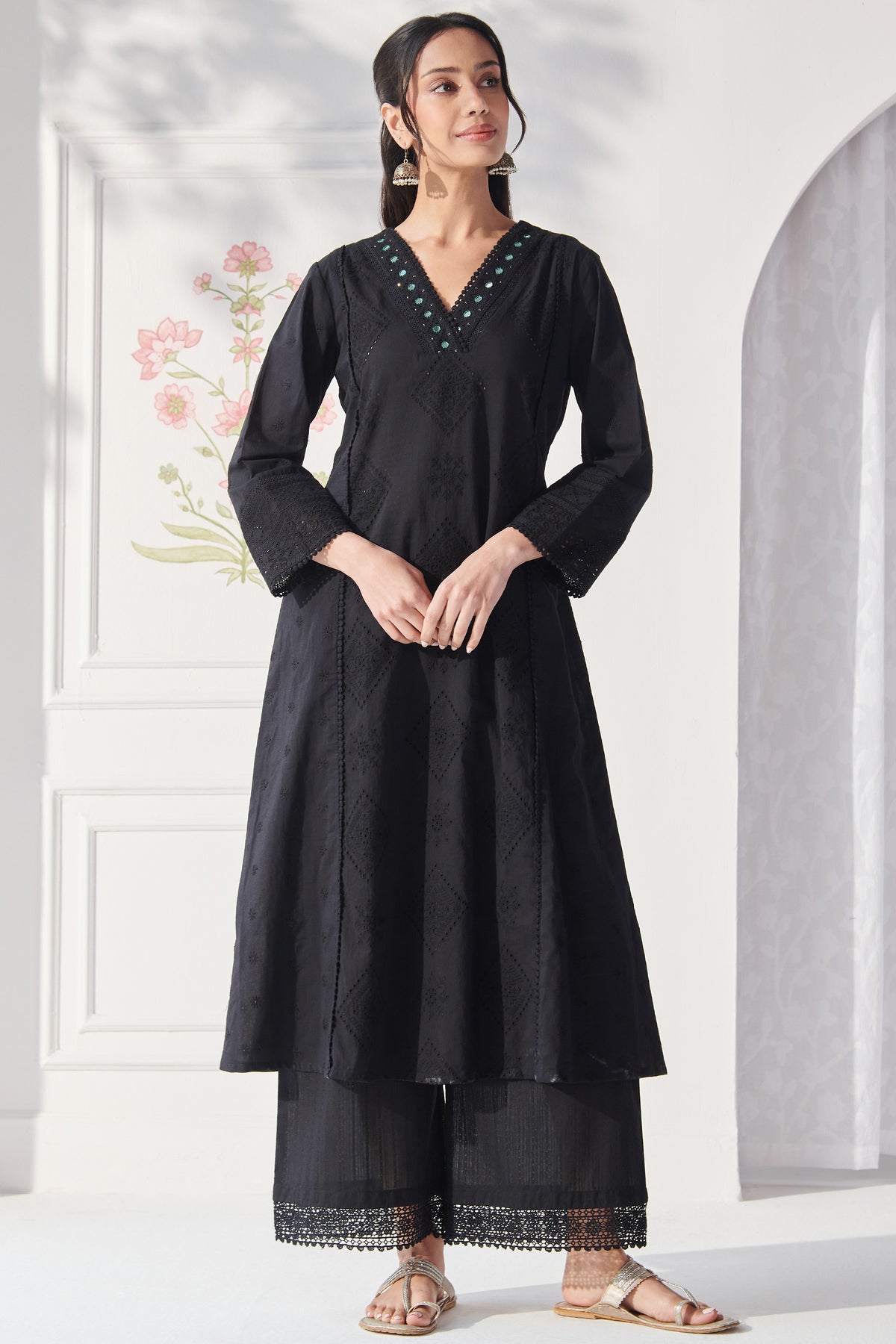
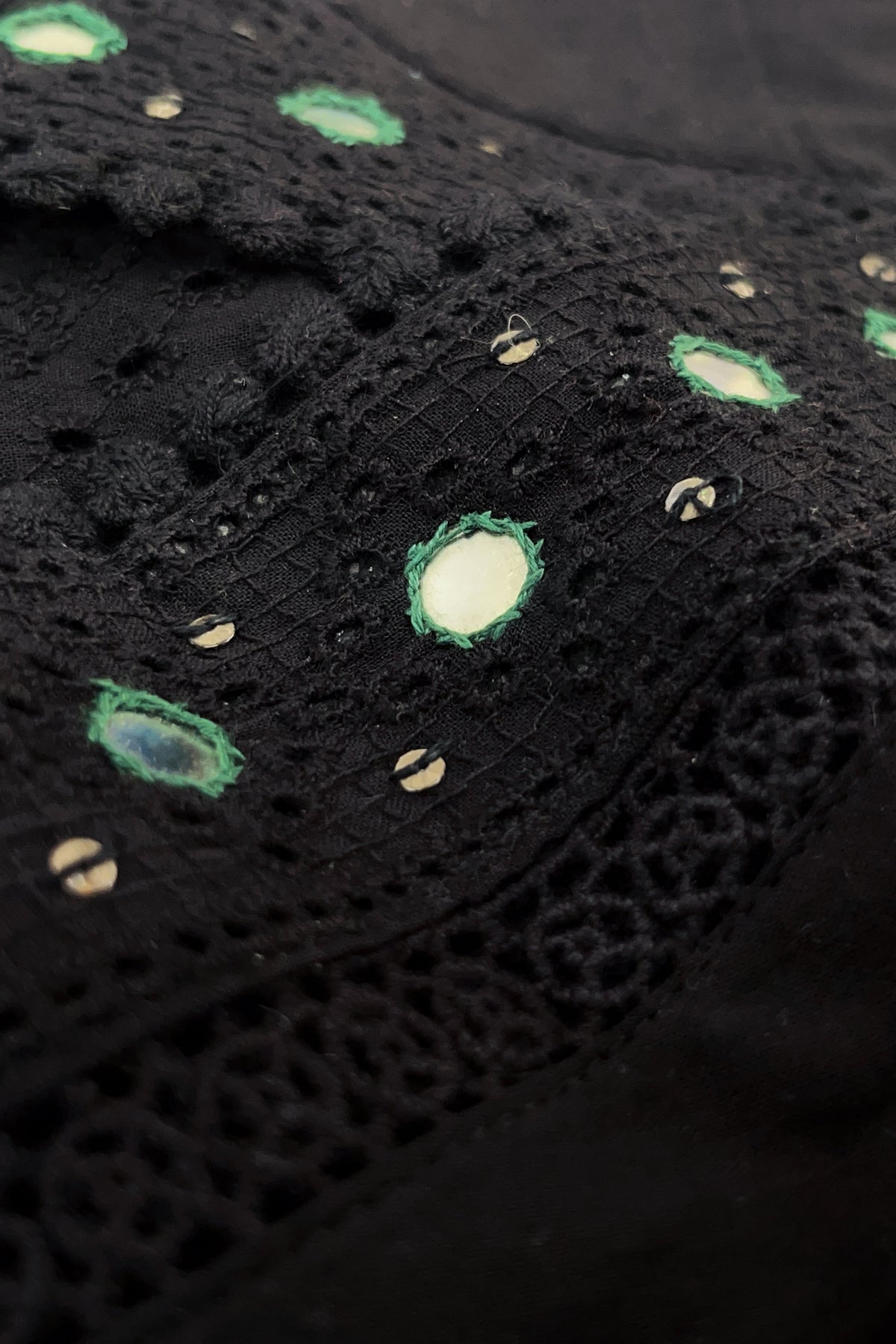
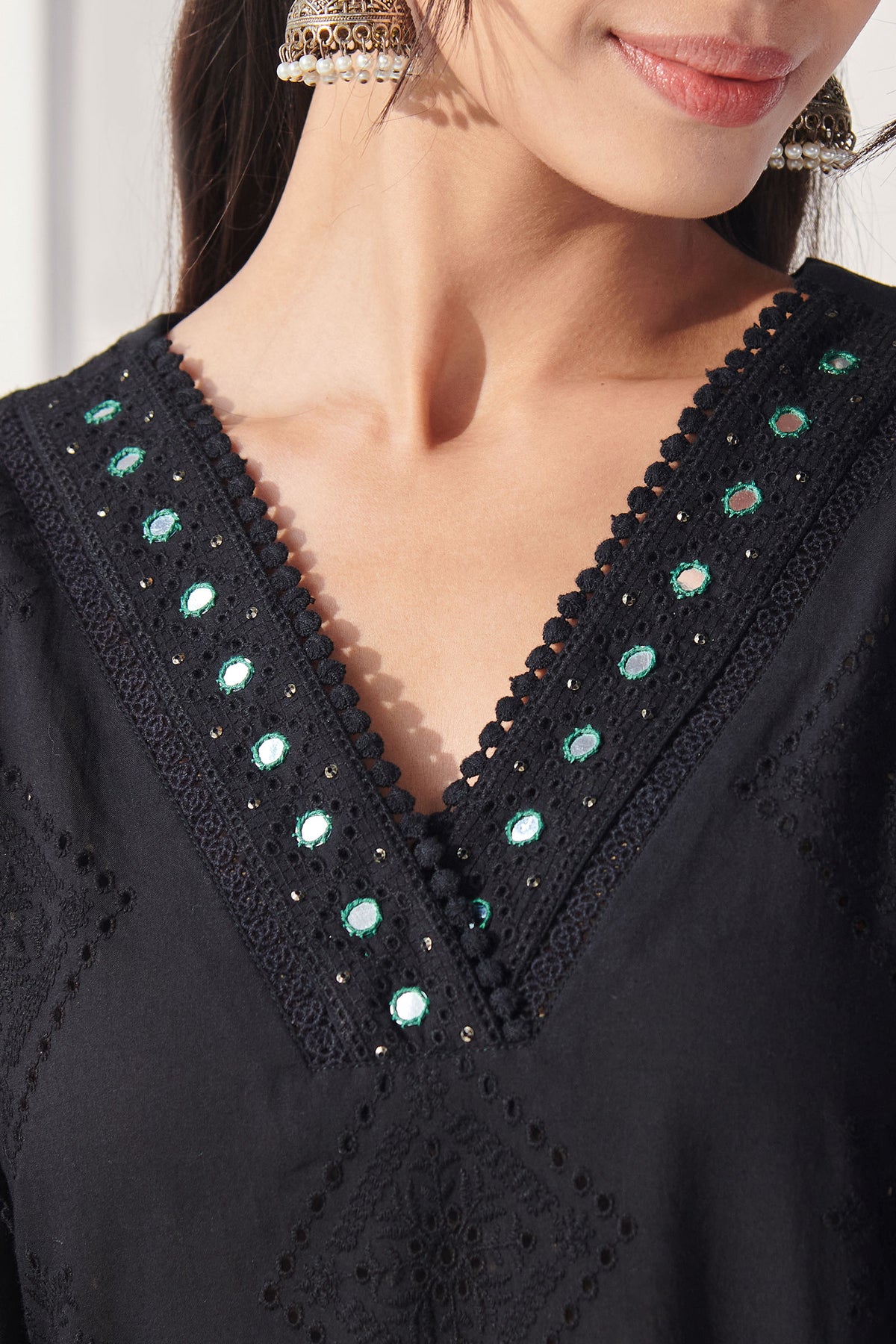
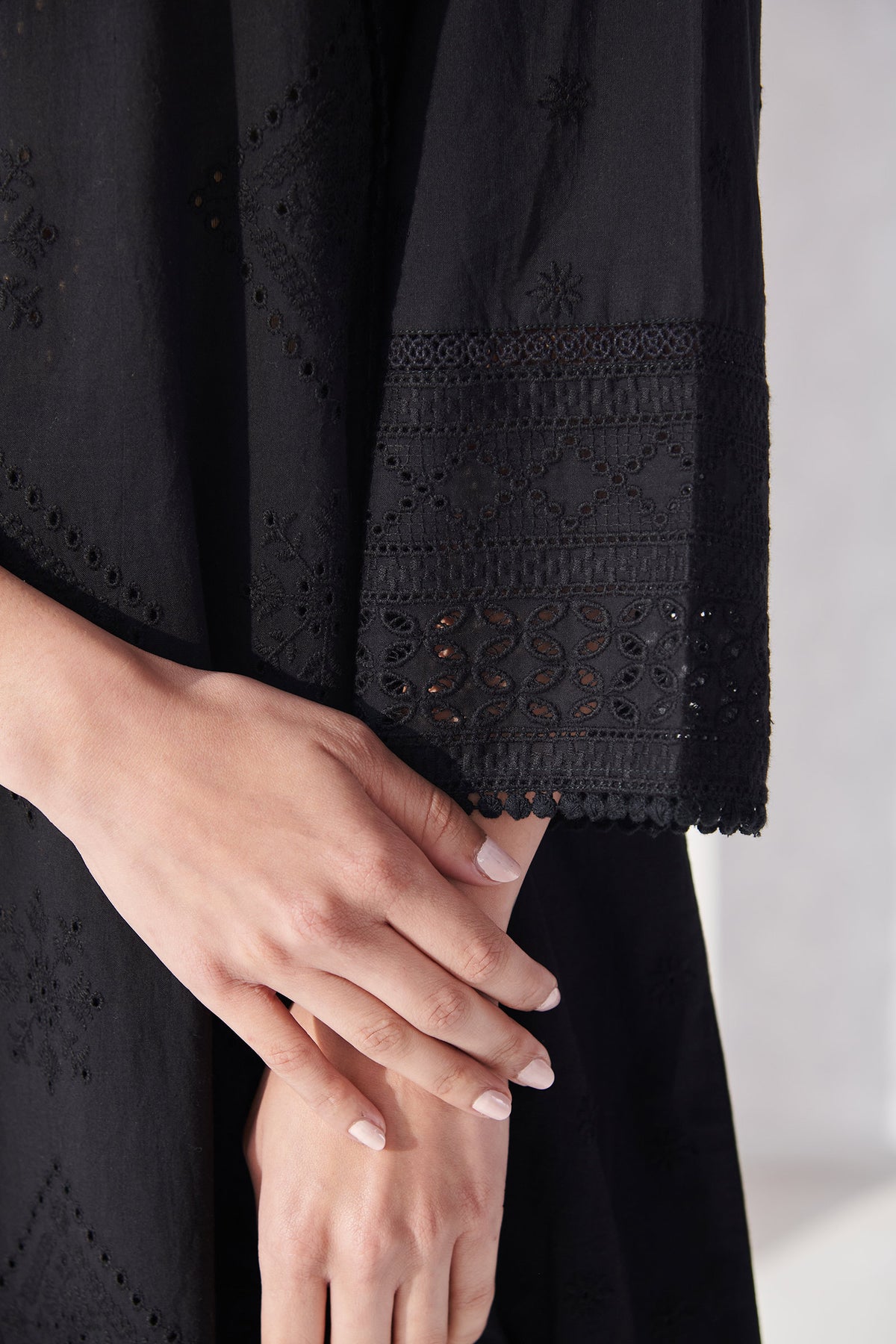
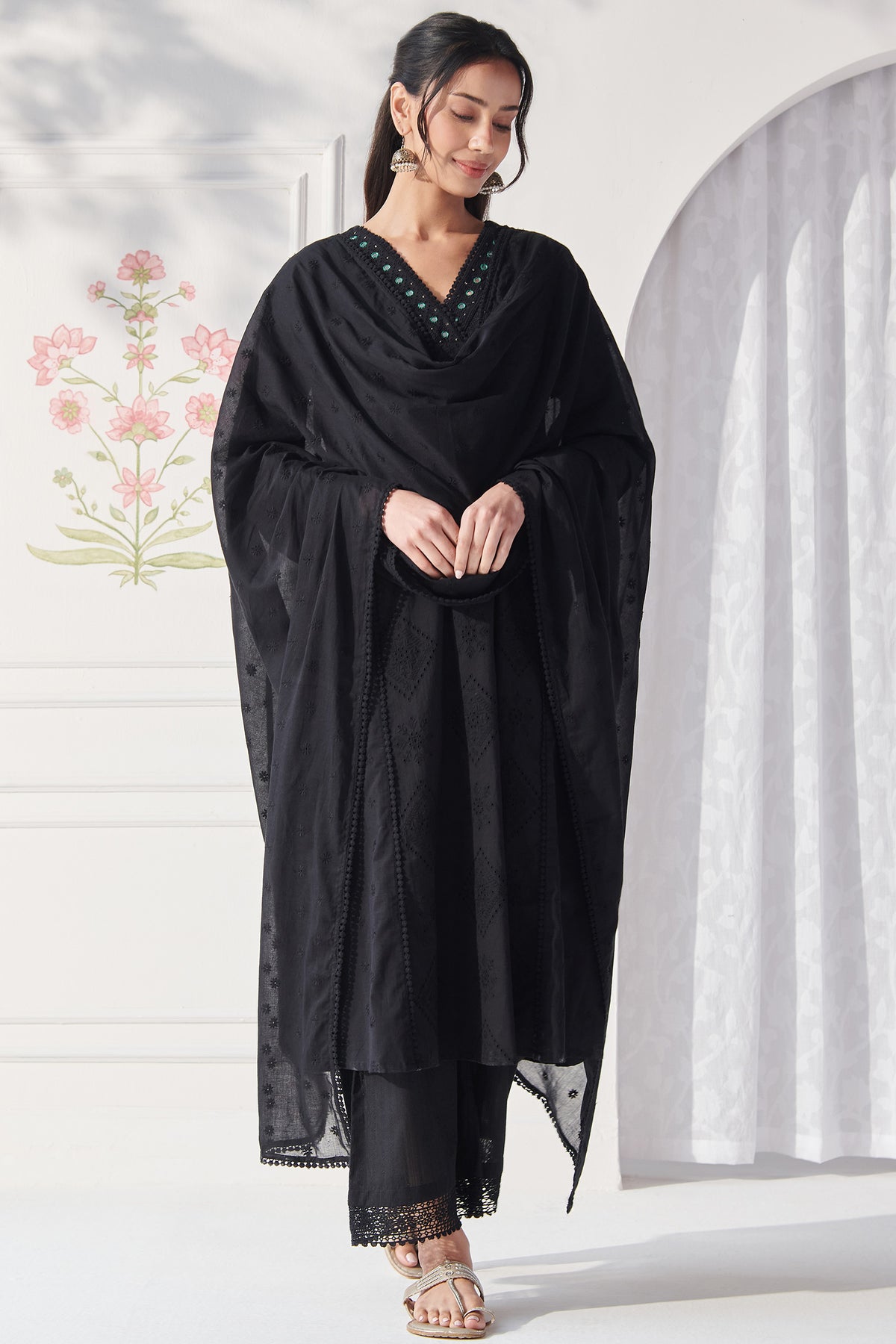
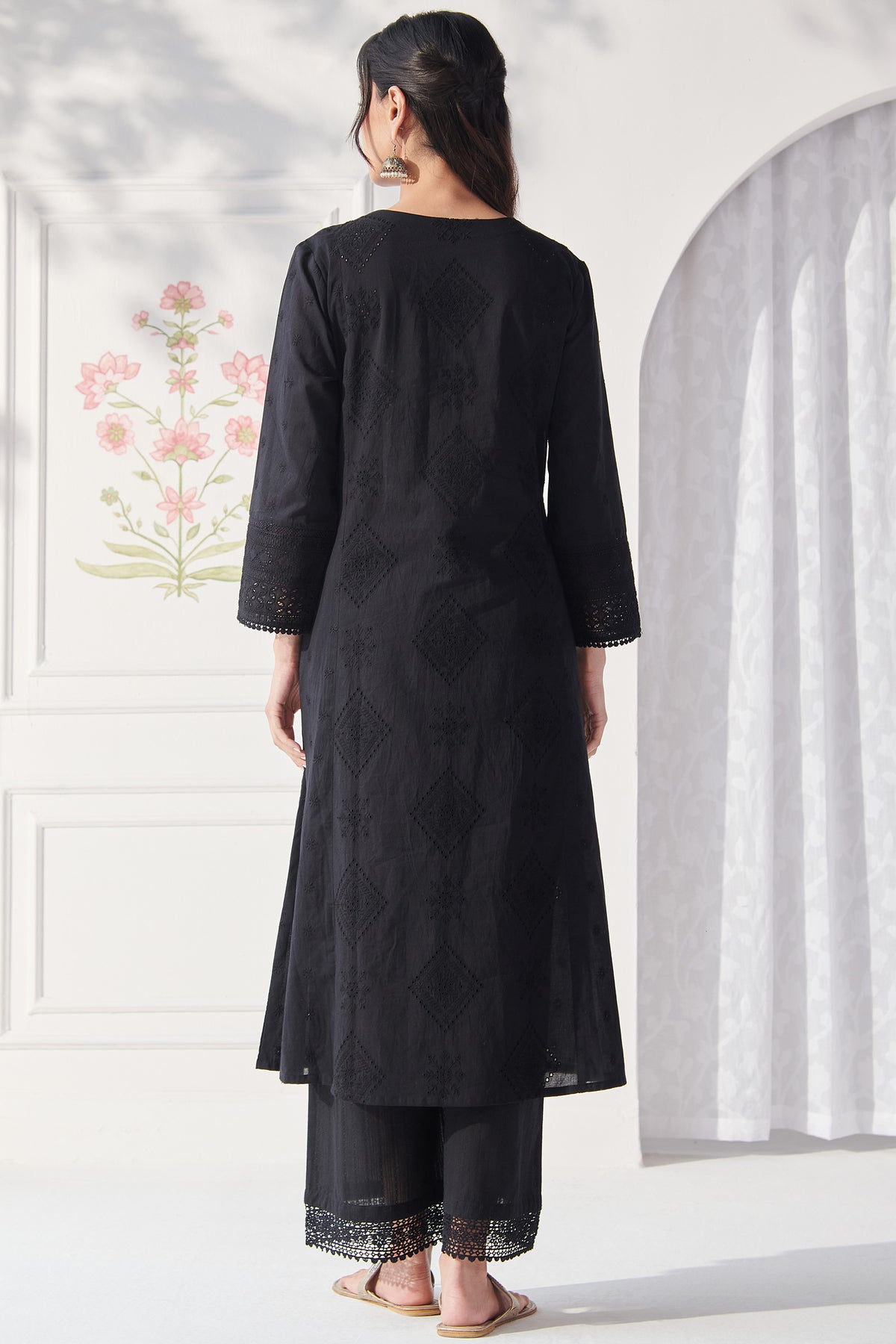
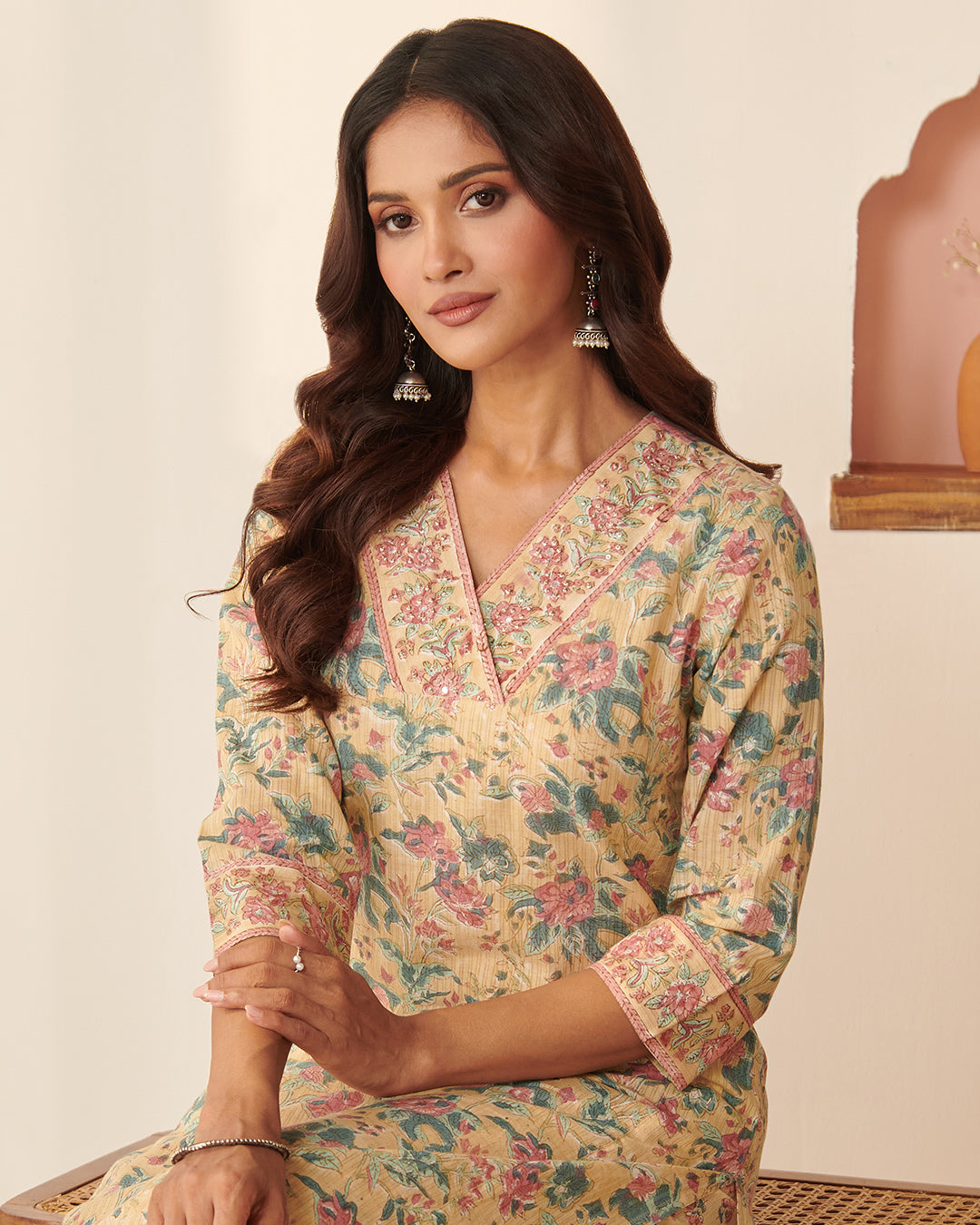
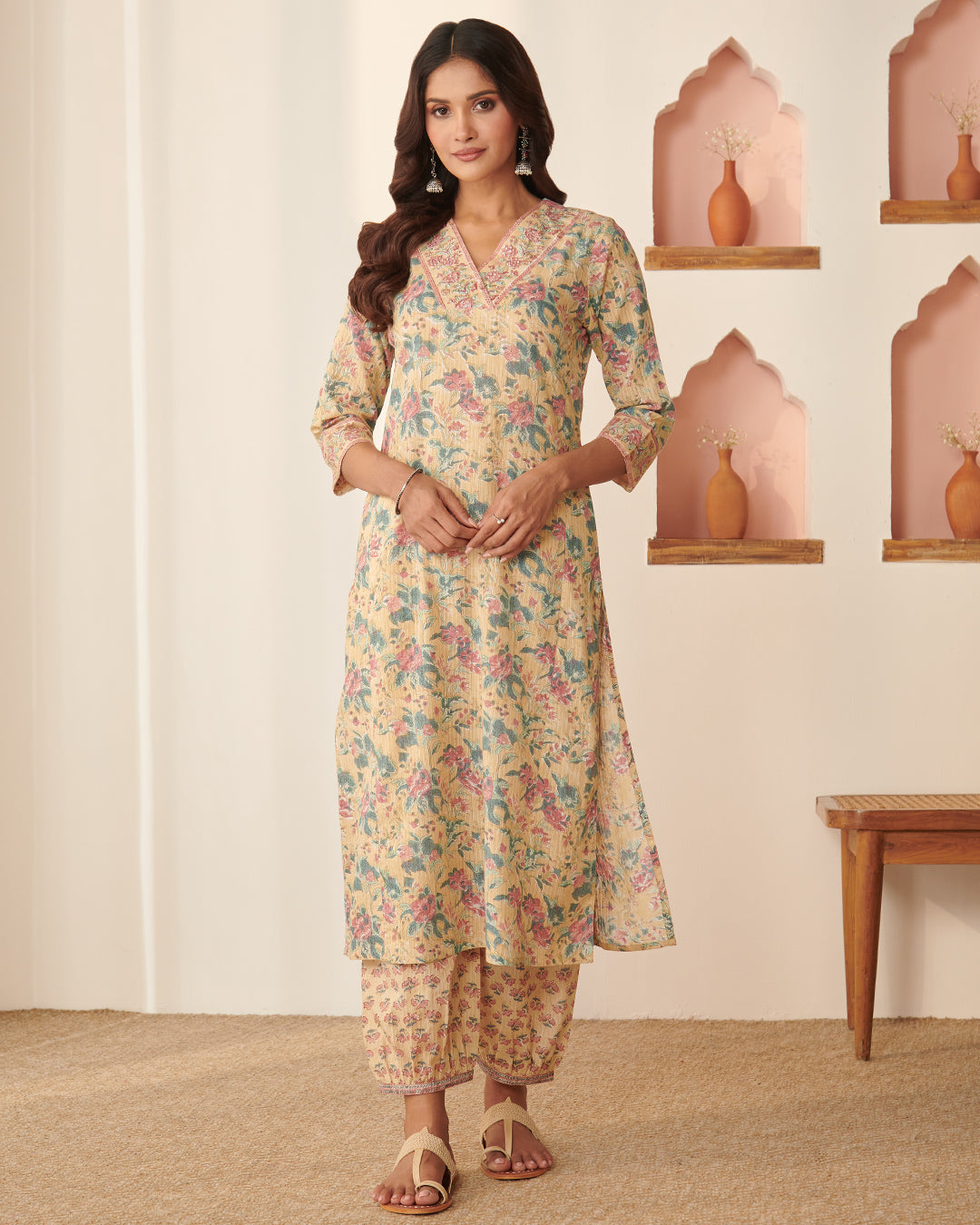
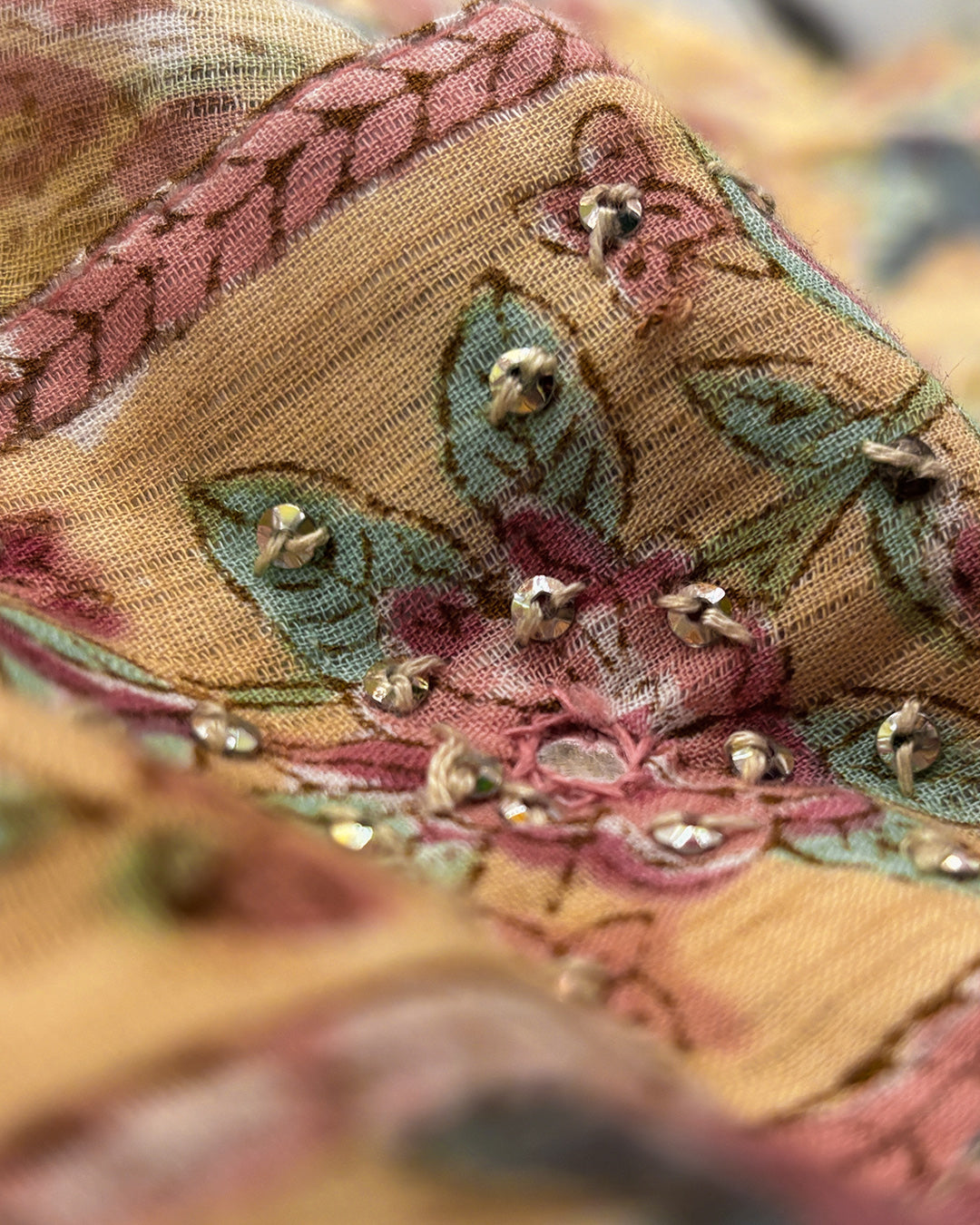
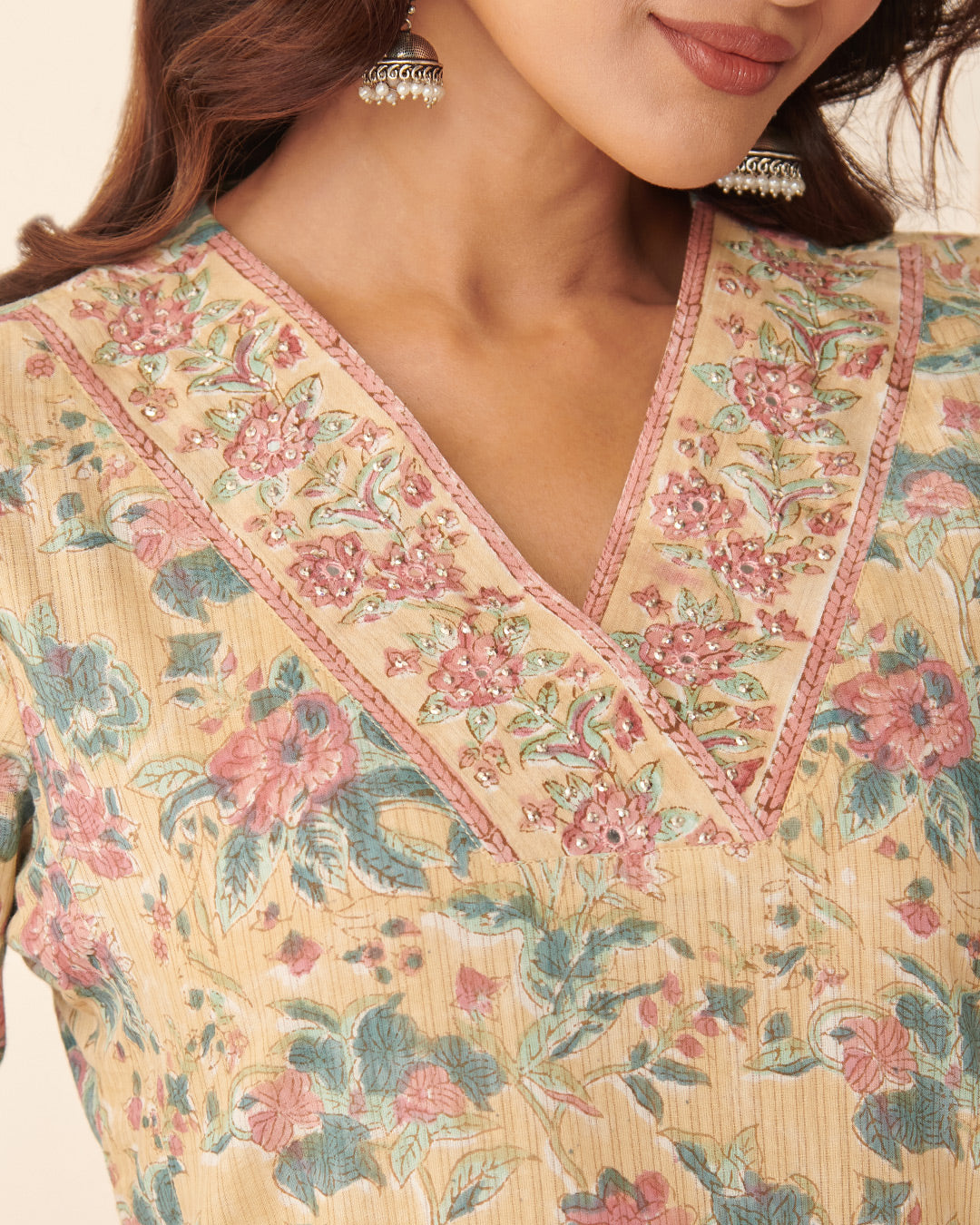
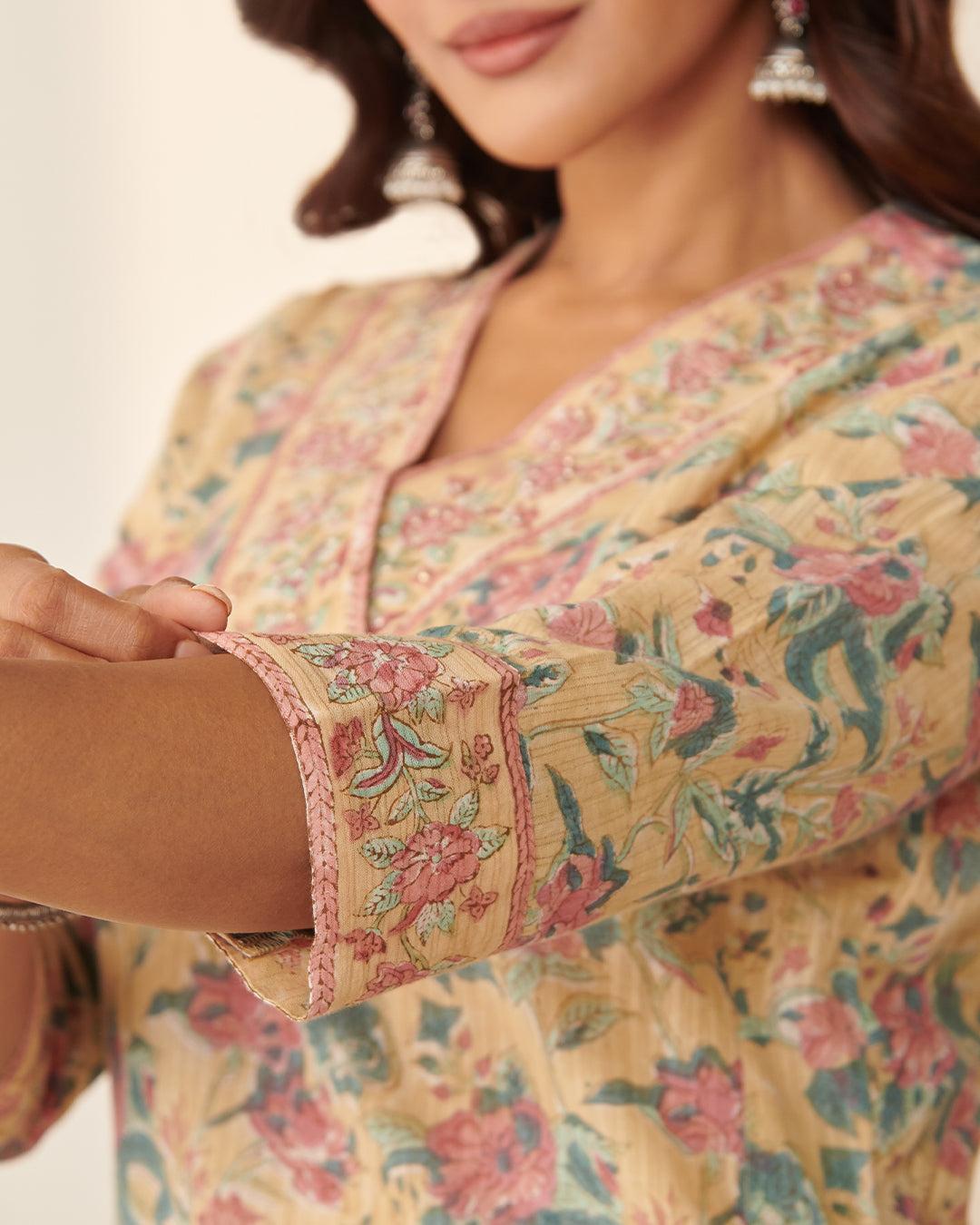
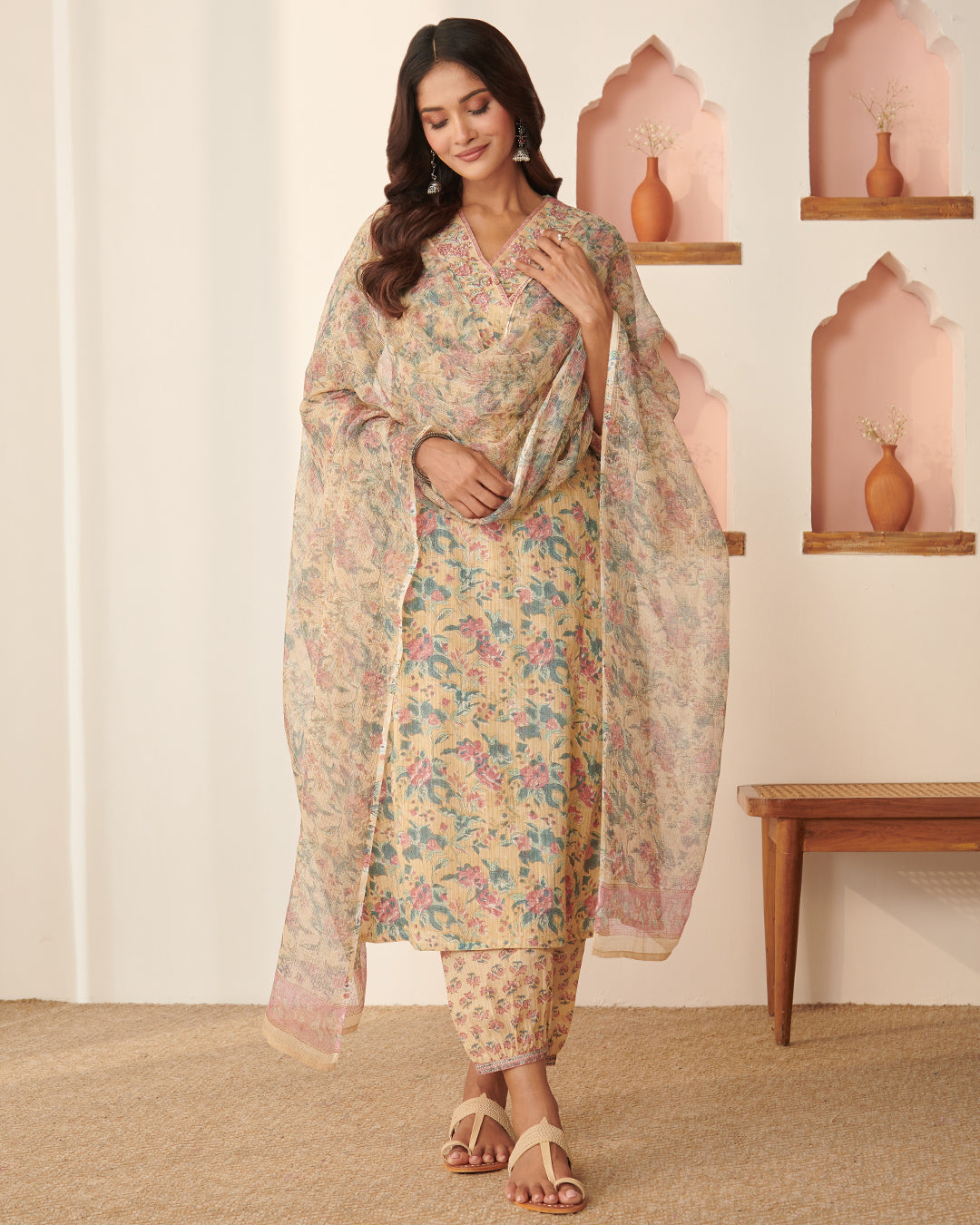
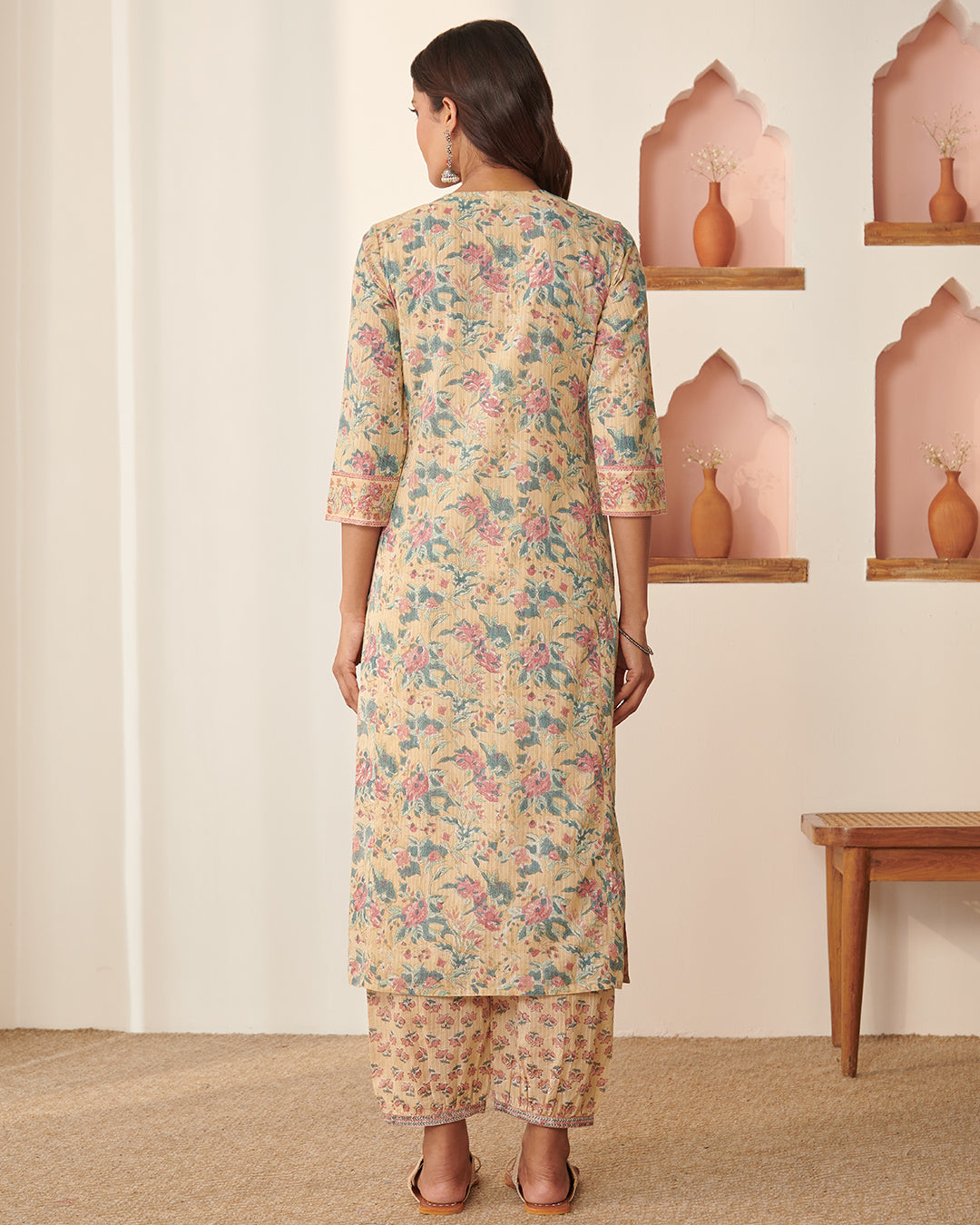
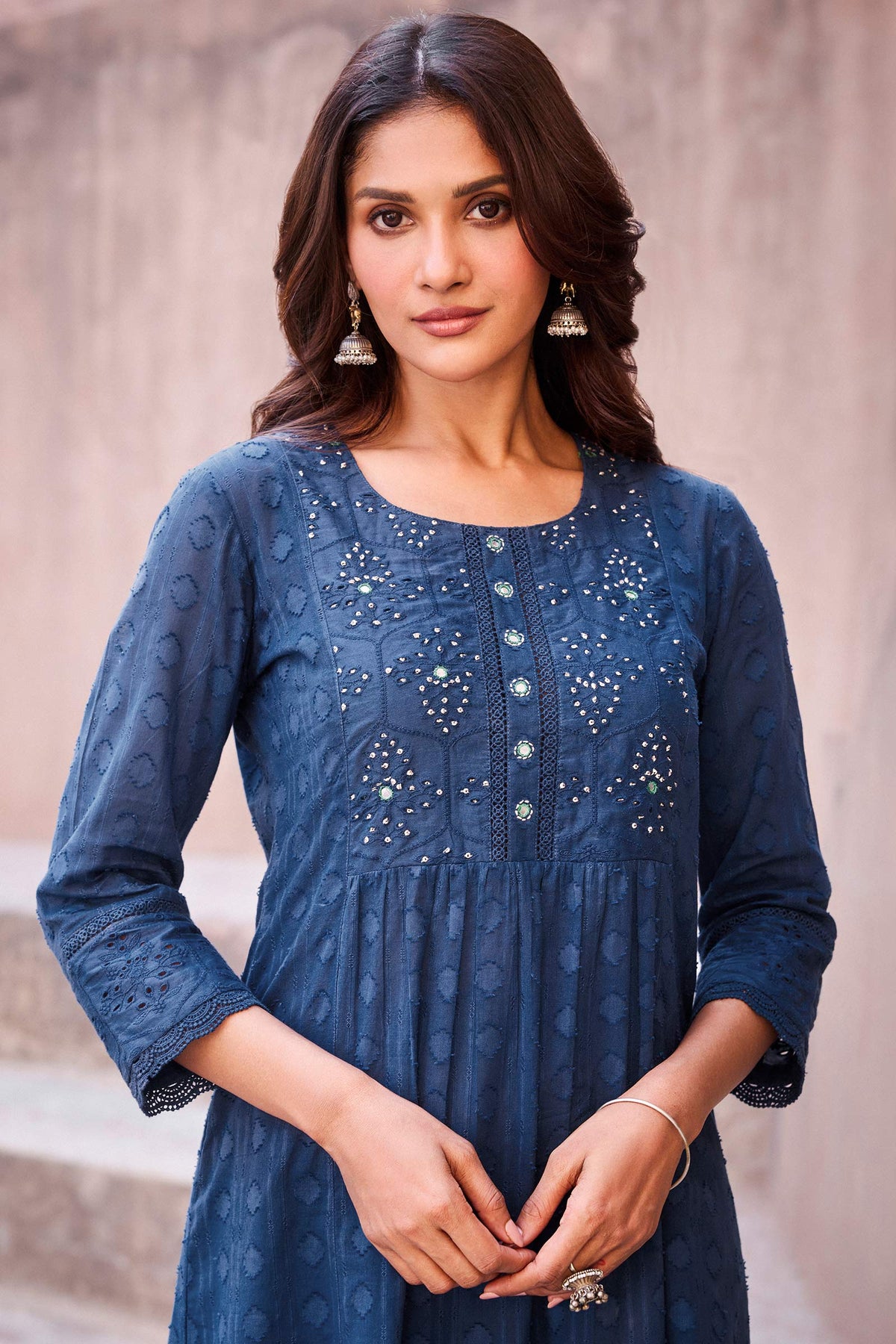
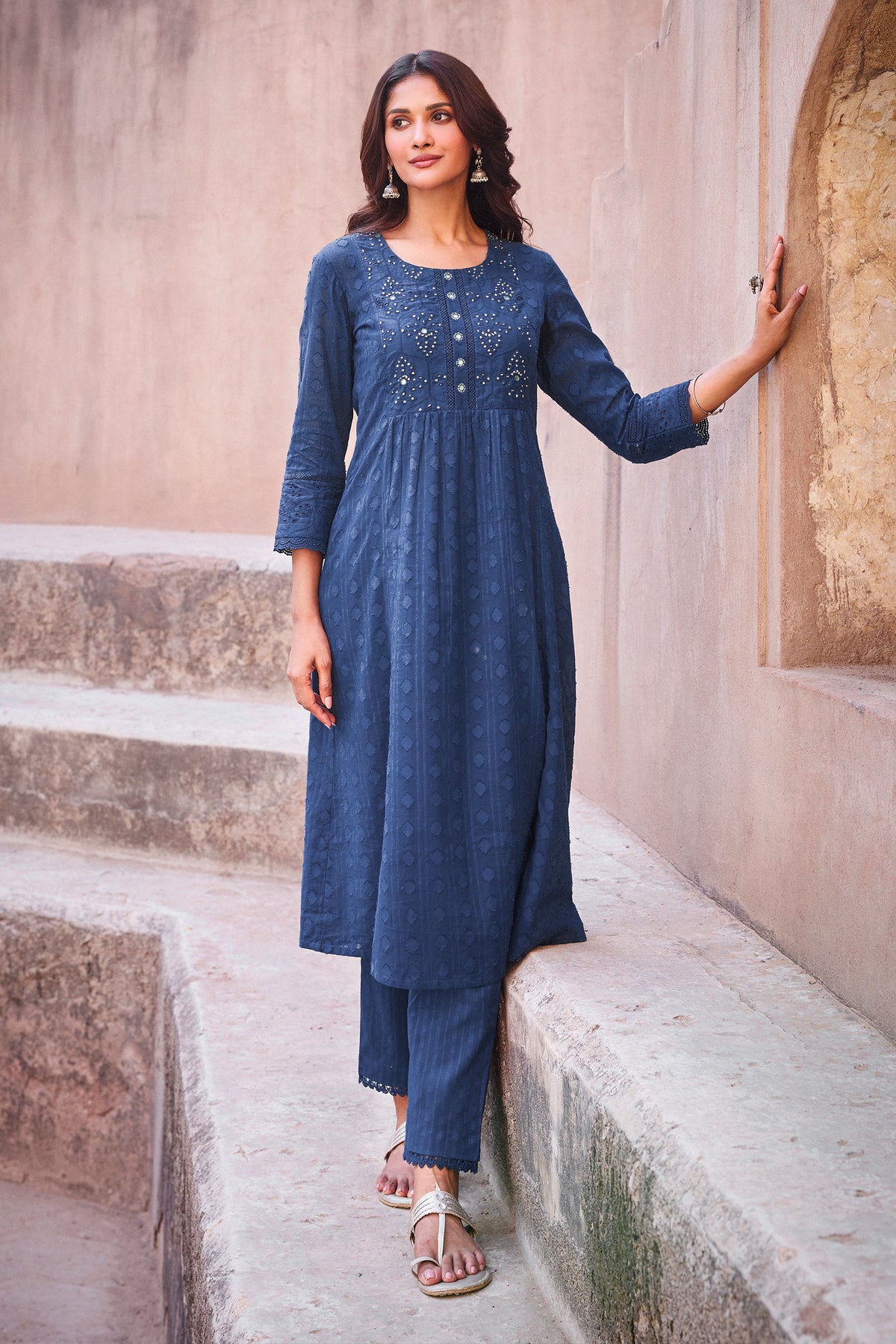
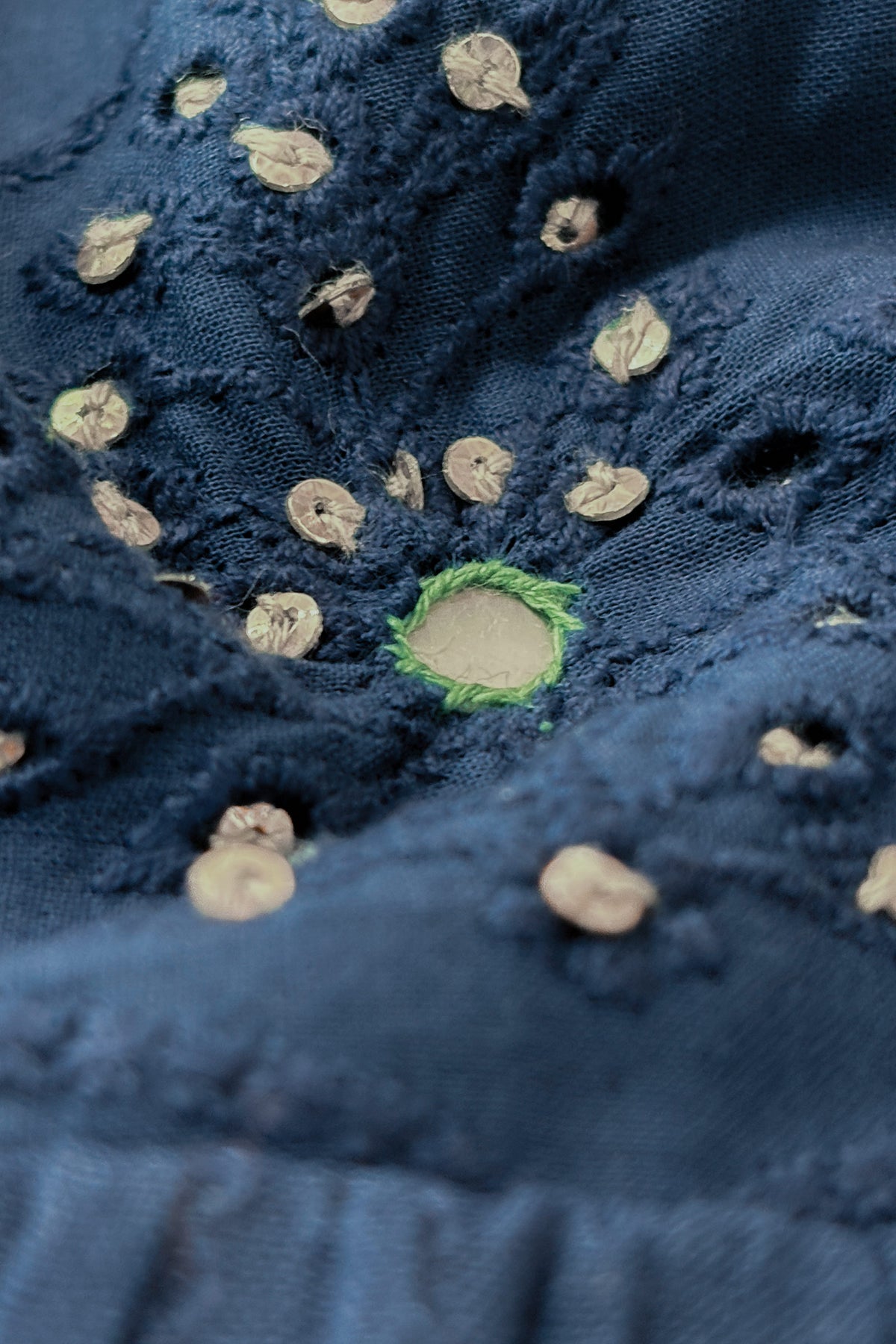
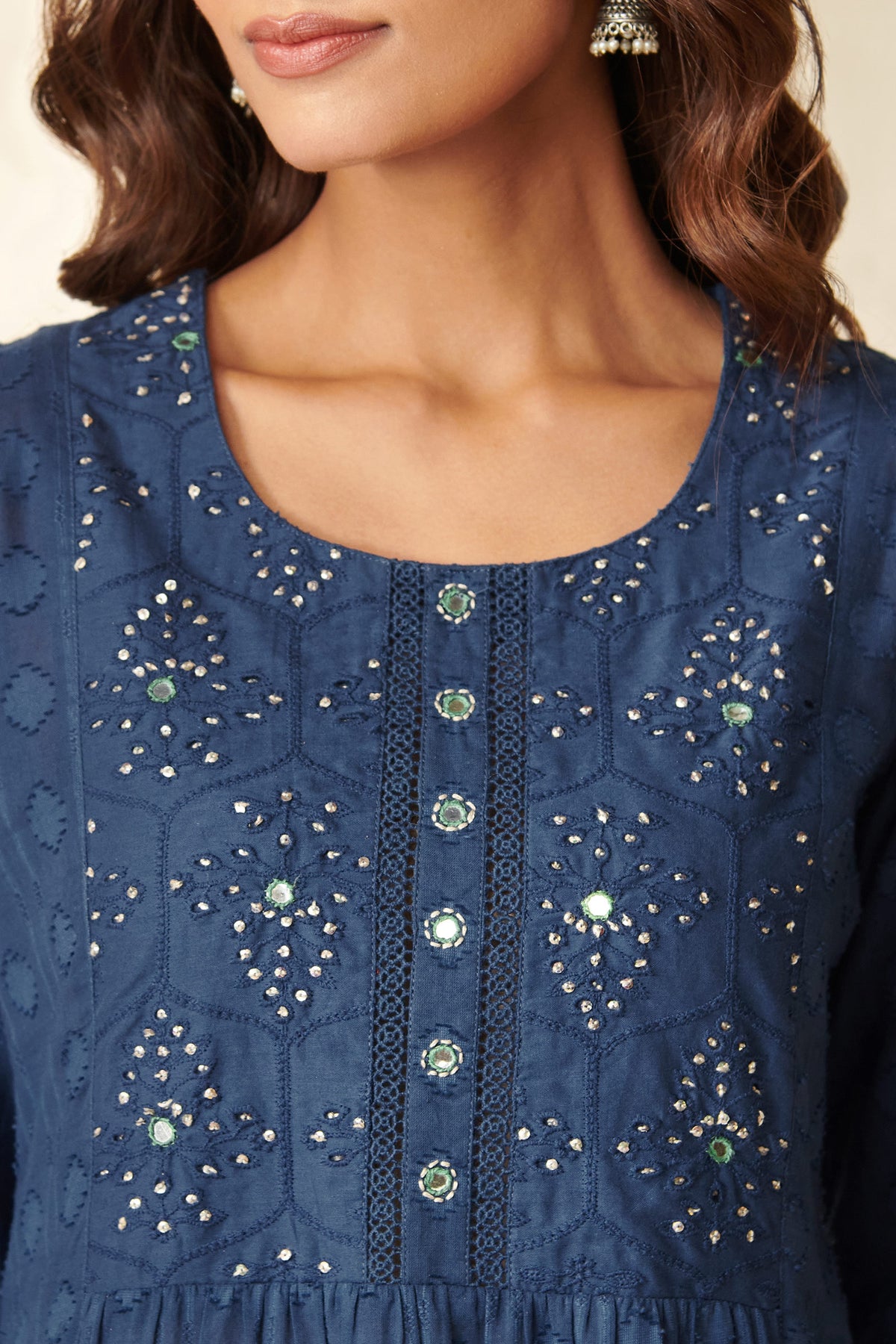
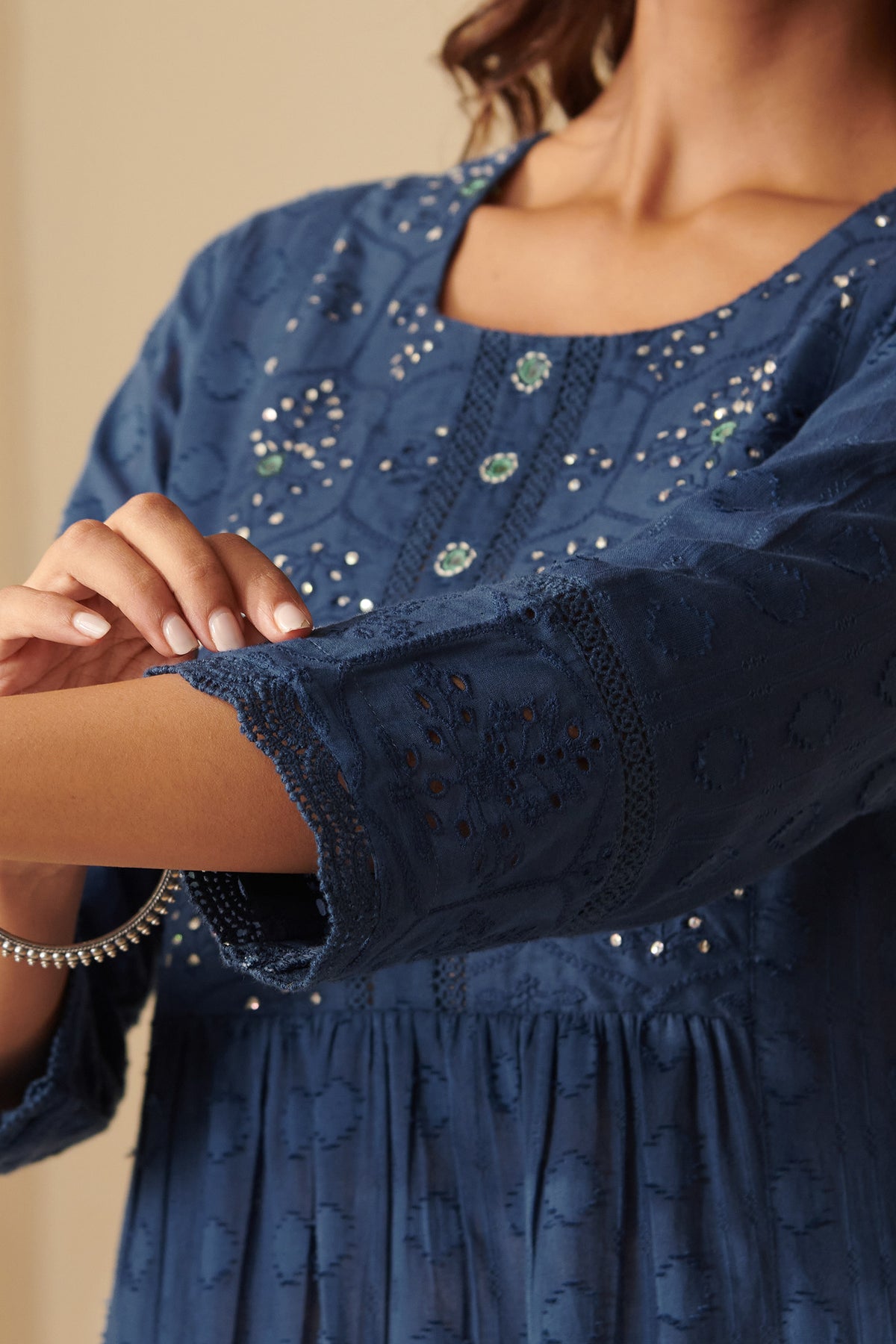
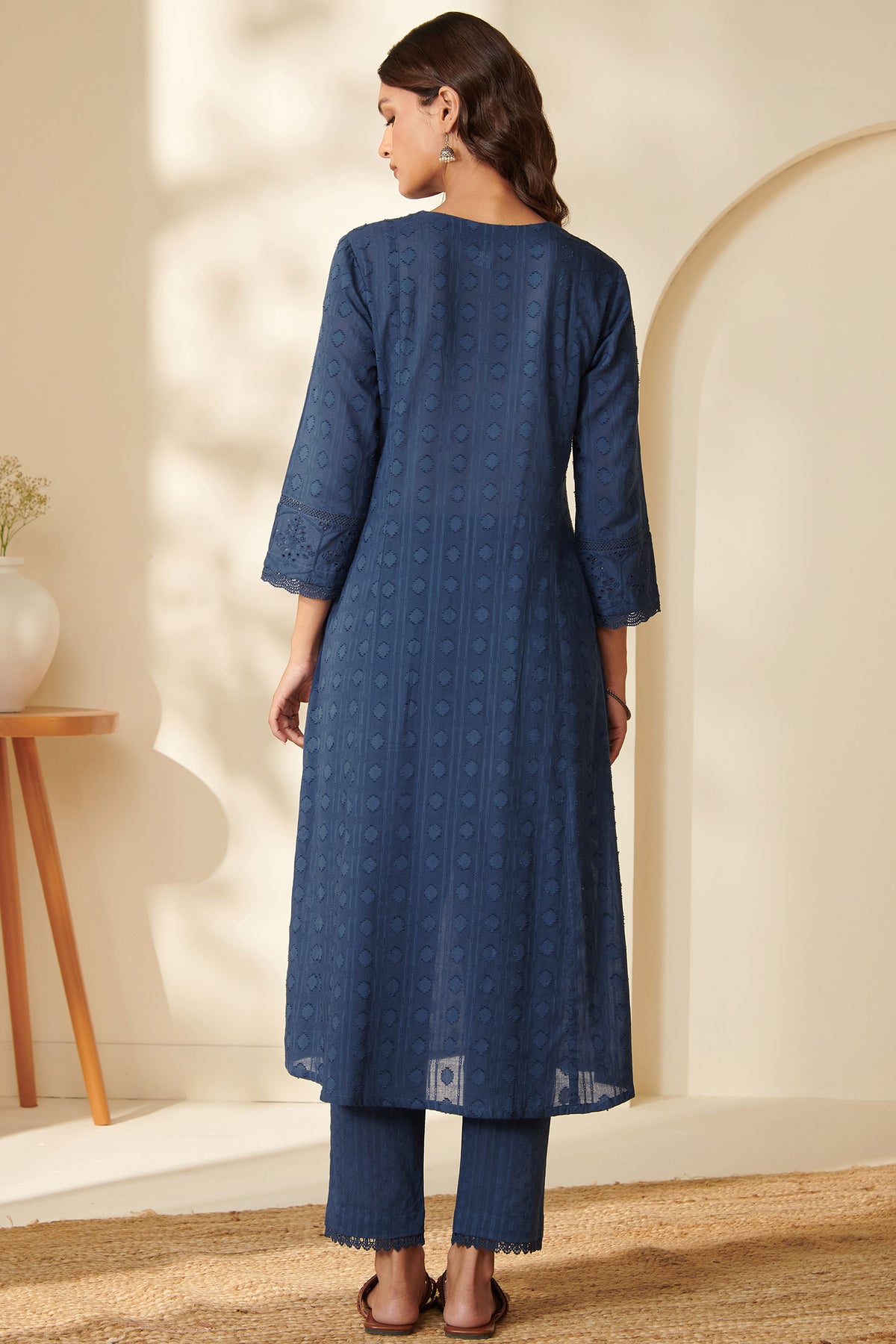
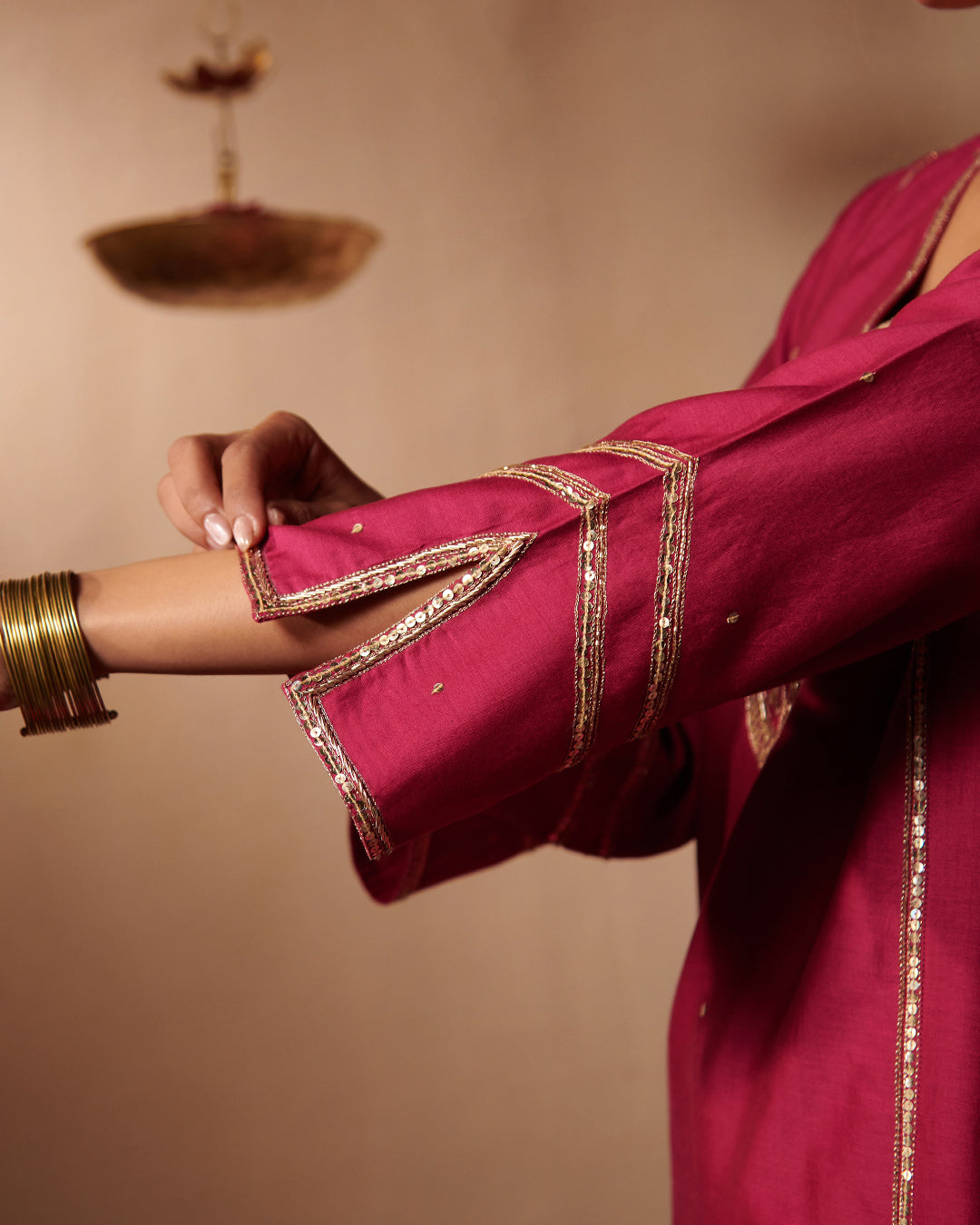
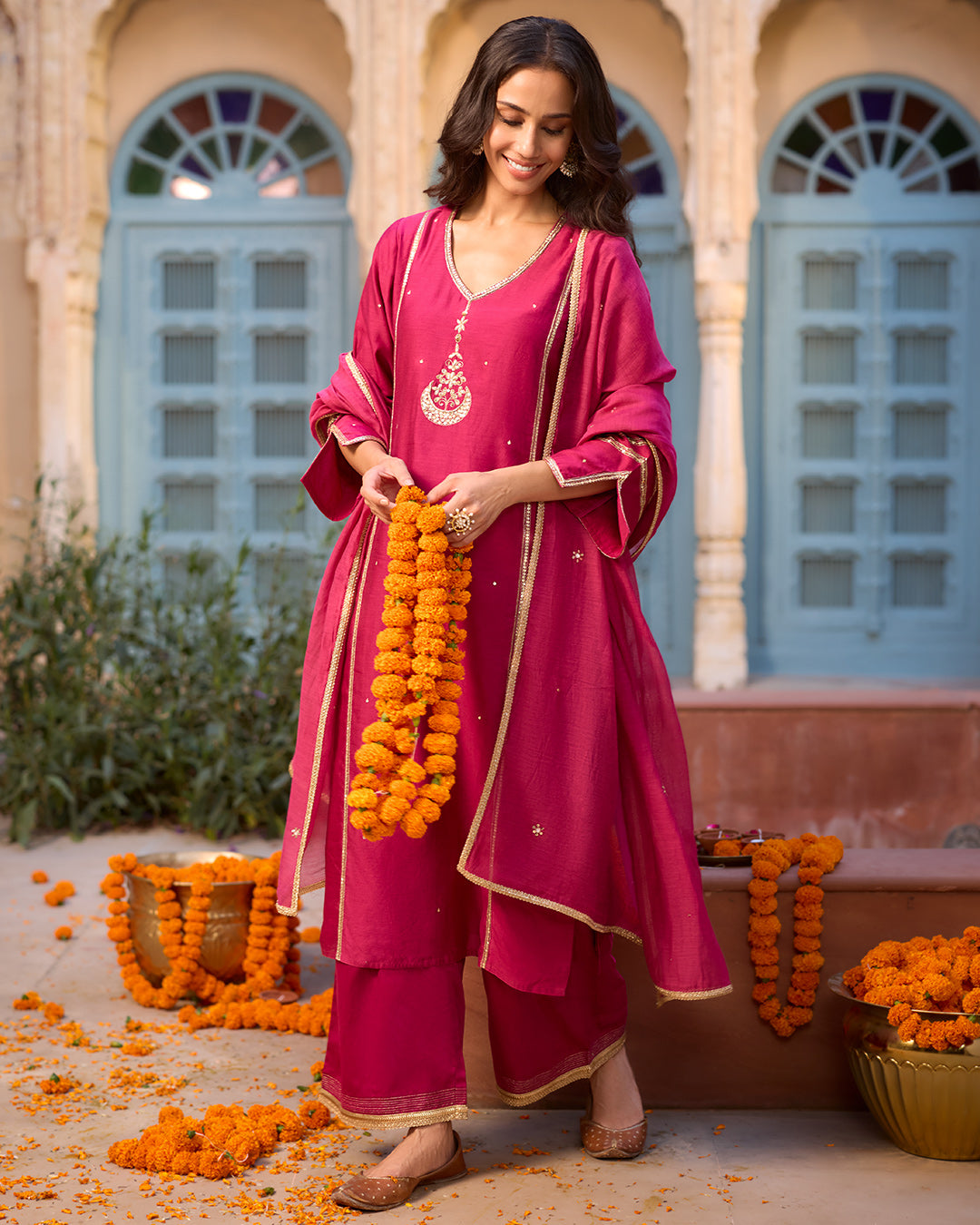
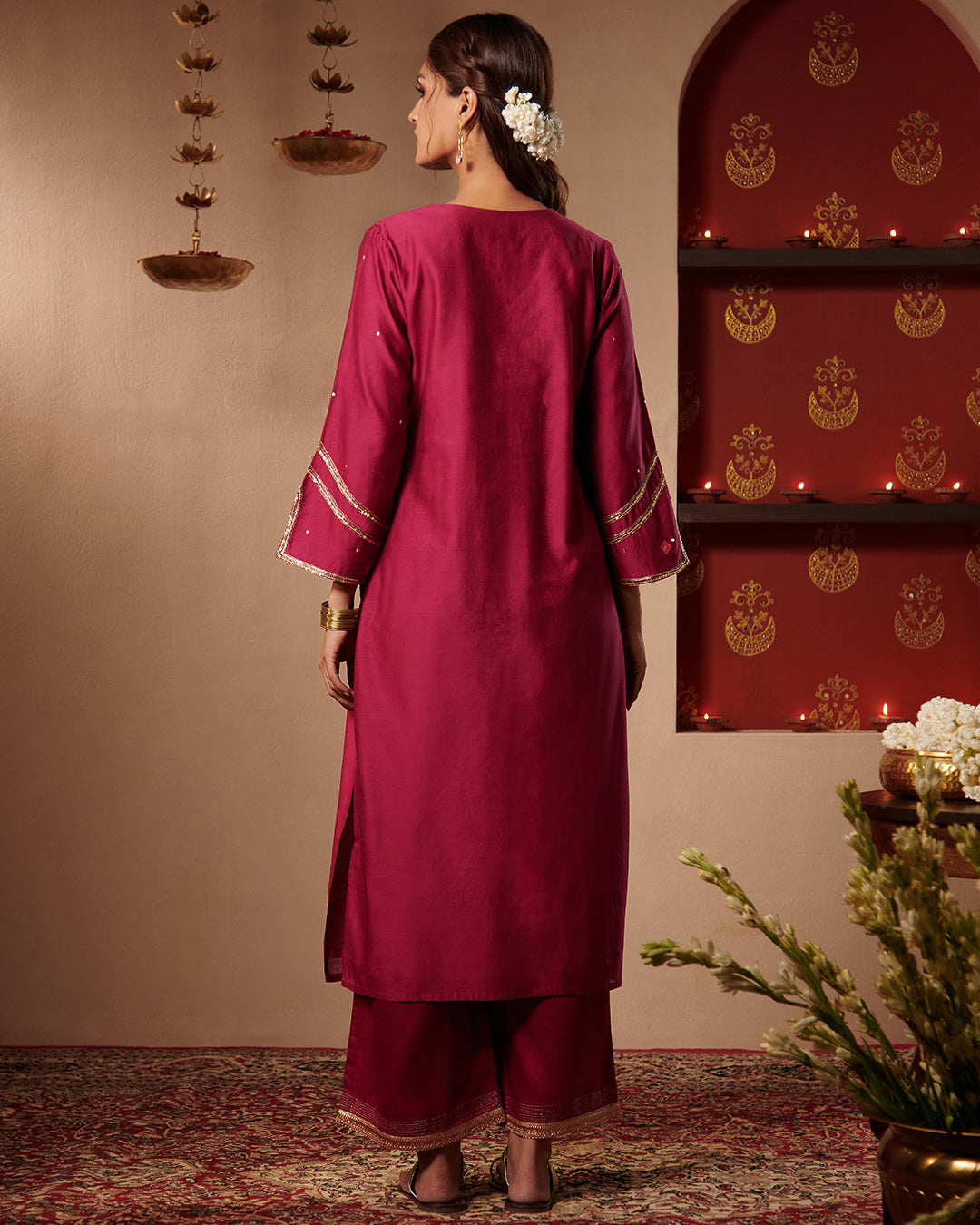
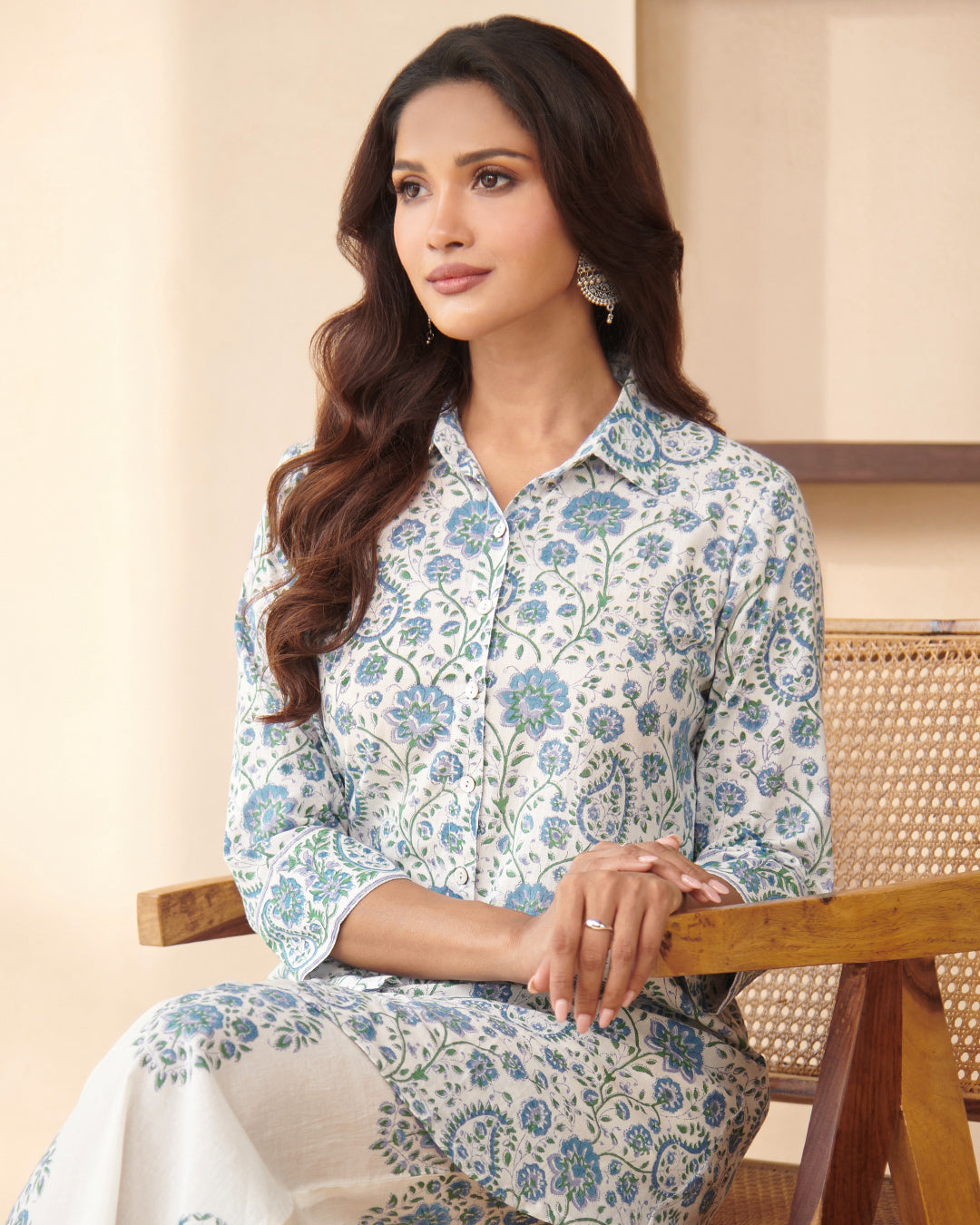
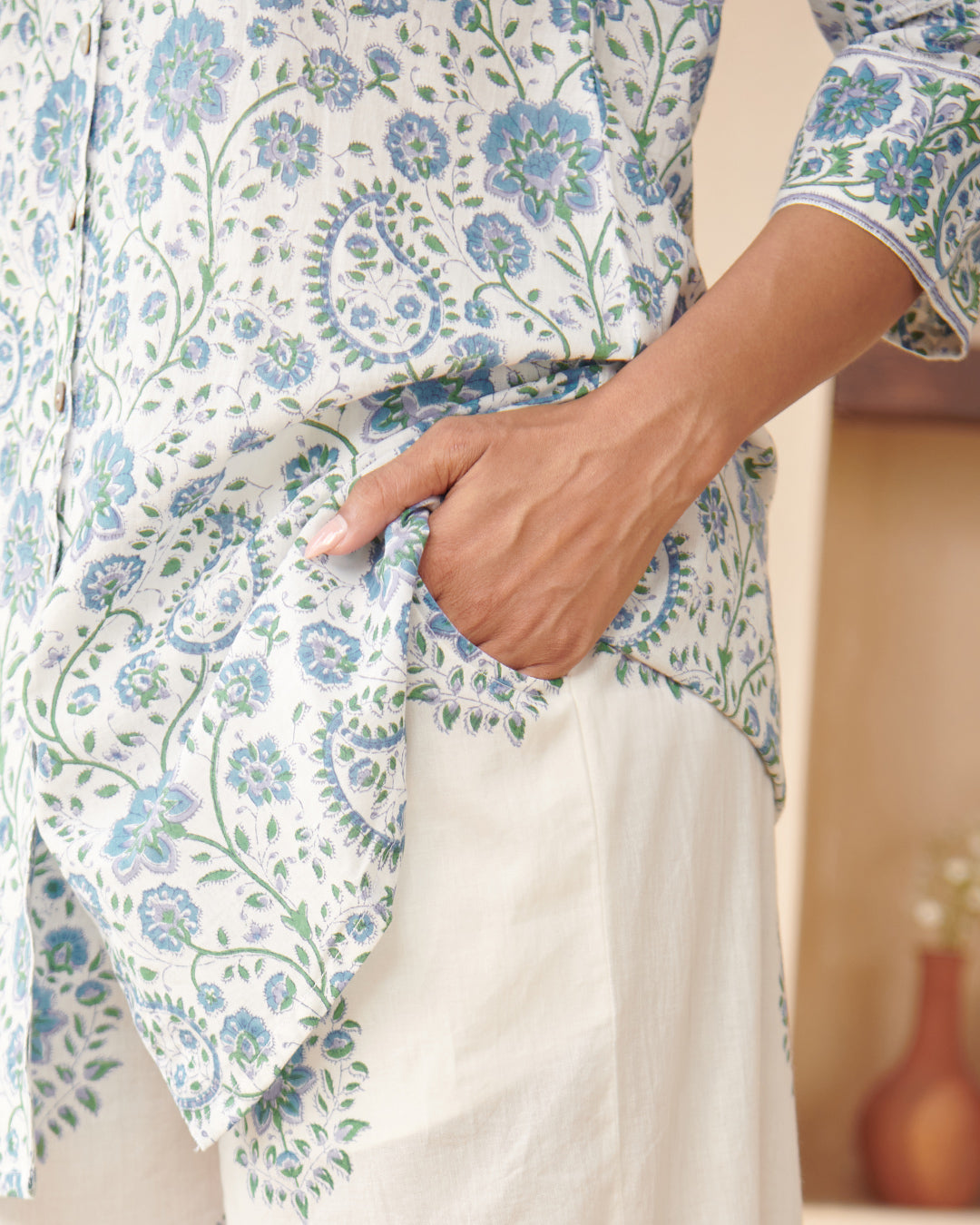
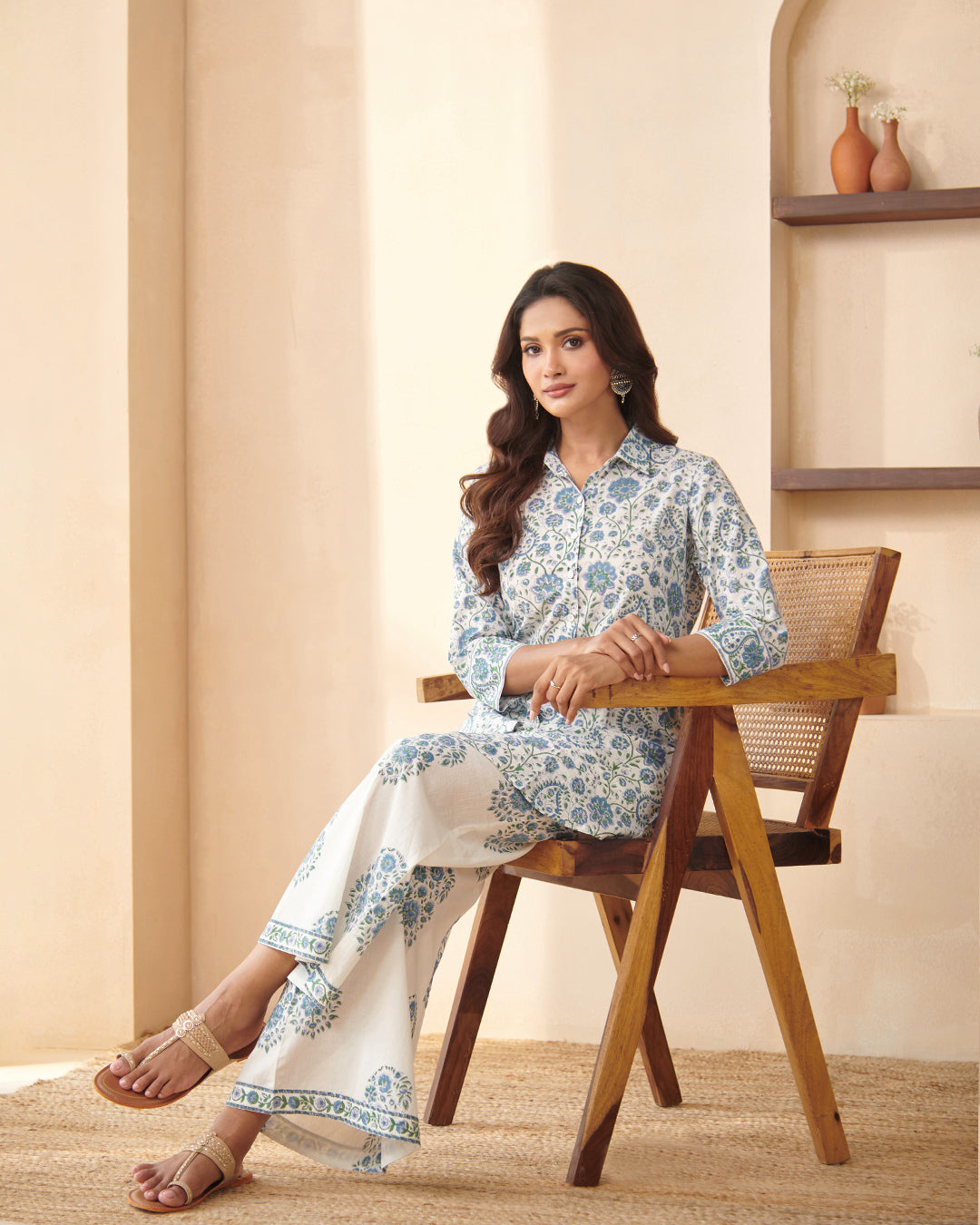
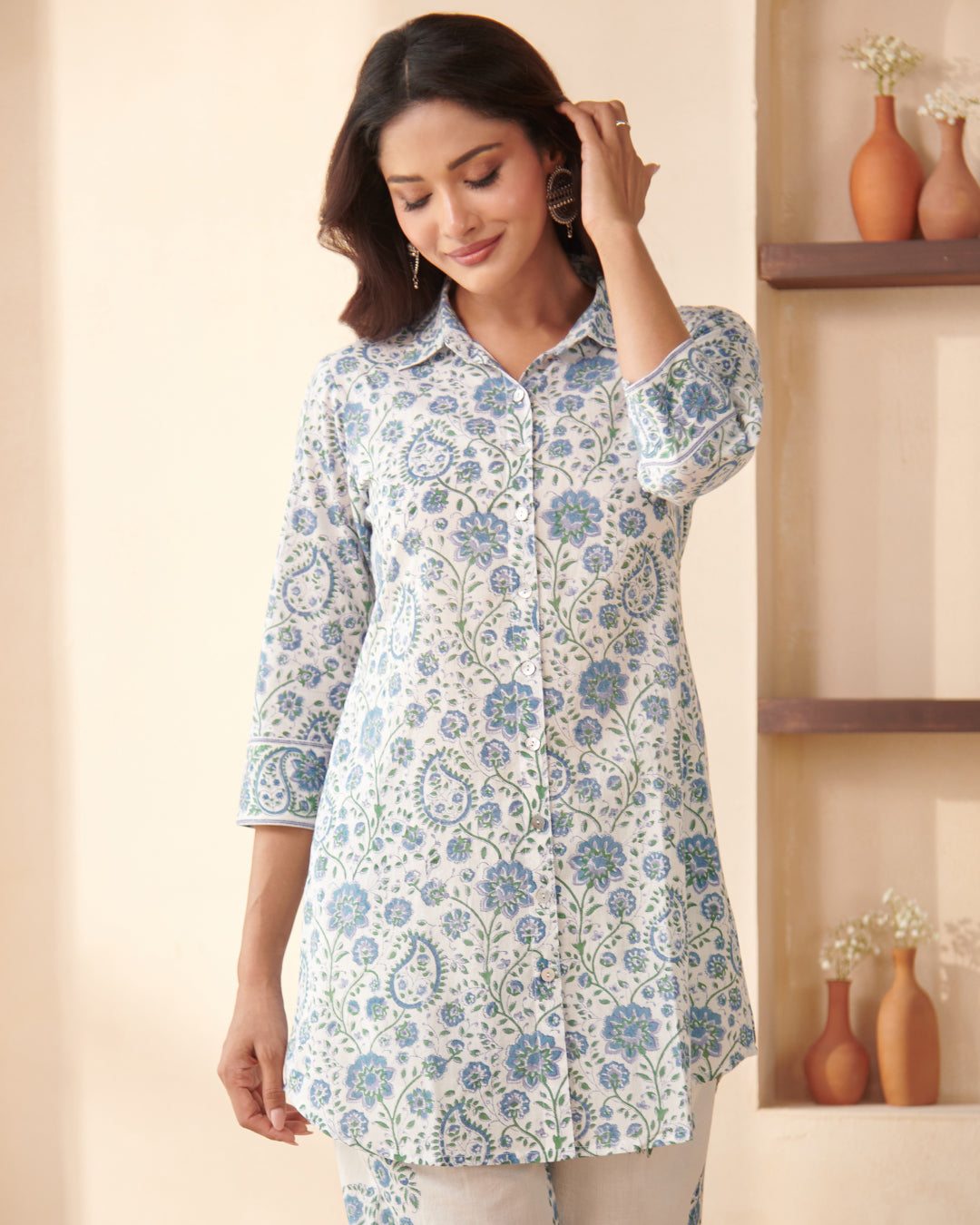
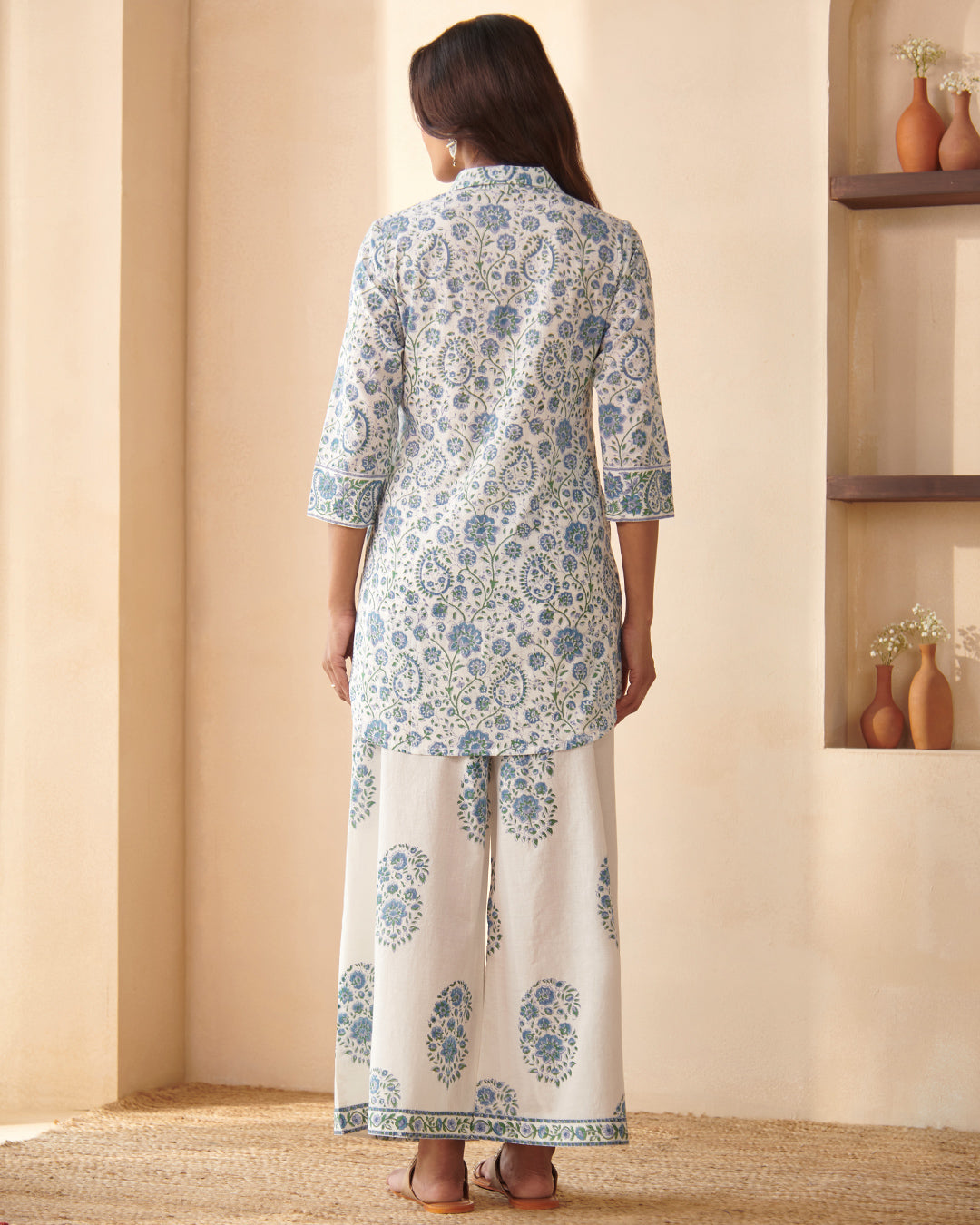
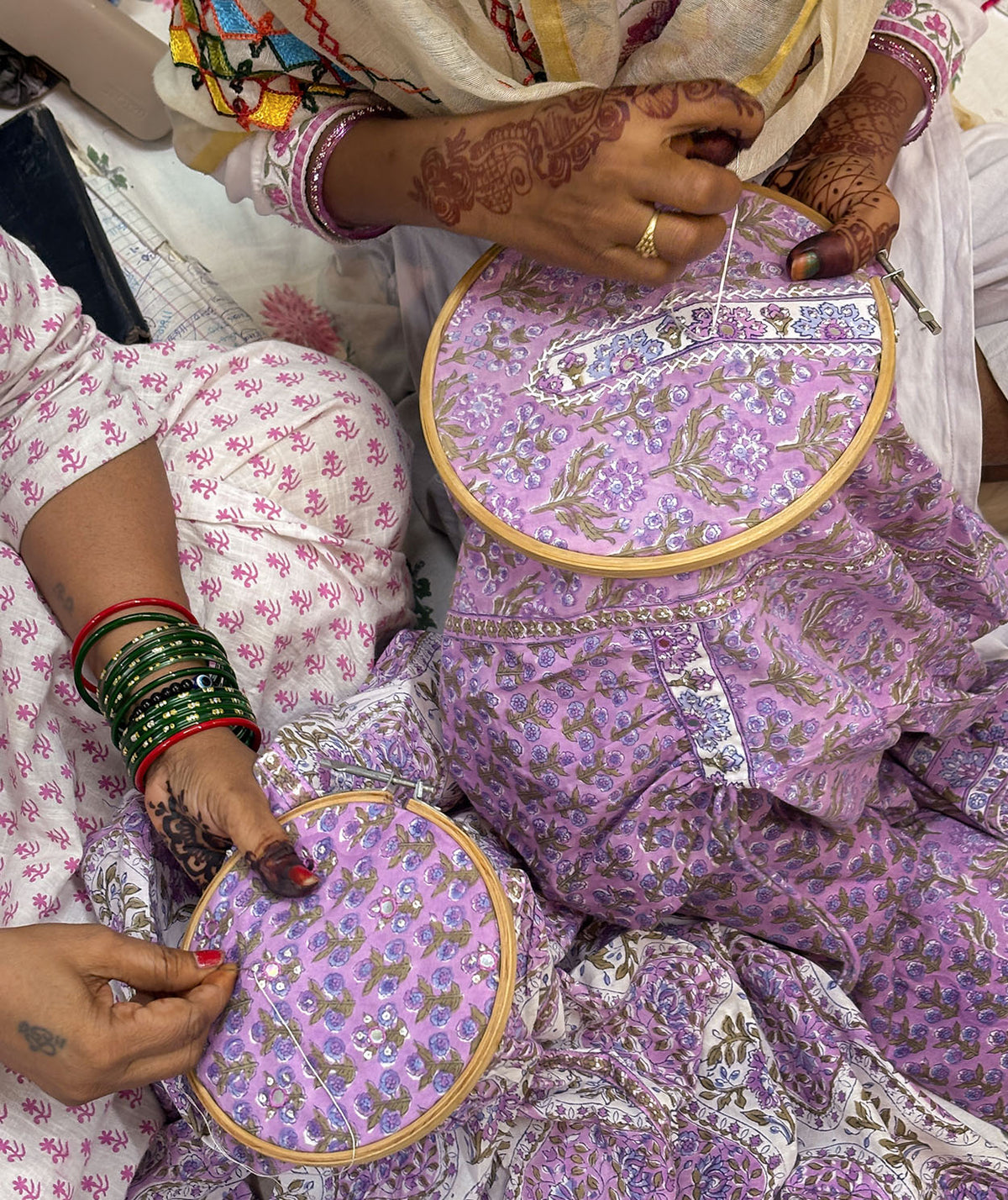
As word spread about the quality and character of these pieces, larger retail chains and buying houses approached to create collections for them. For almost eight years, Farida Gupta's designs made their way into stores across India, yet something felt incomplete. While the platform was wider, the freedom wasn’t- creative limits, production constraints, and the inability to tell the stories behind the craft led to the next big decision. The brand grew from a simple belief: craftsmanship deserves a place in everyday life. We bring together heritage hand-block prints and intricate hand-embroidery to create pieces that feel both artisanal and easy to wear. Designed for modern routines yet anchored in tradition, our mission is to place craftsmanship in the flow of daily life, while uplifting the communities and women who keep these traditions alive.
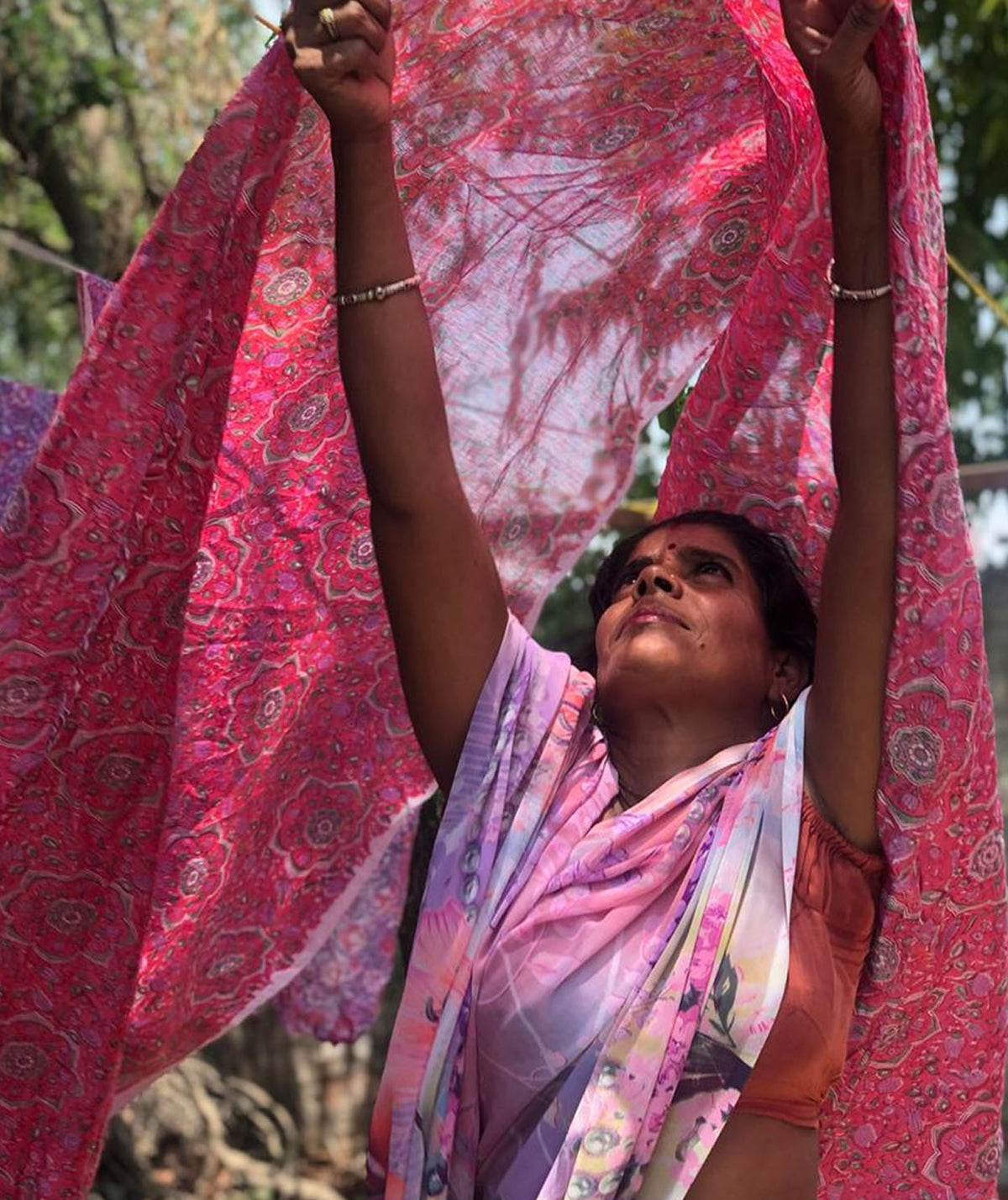
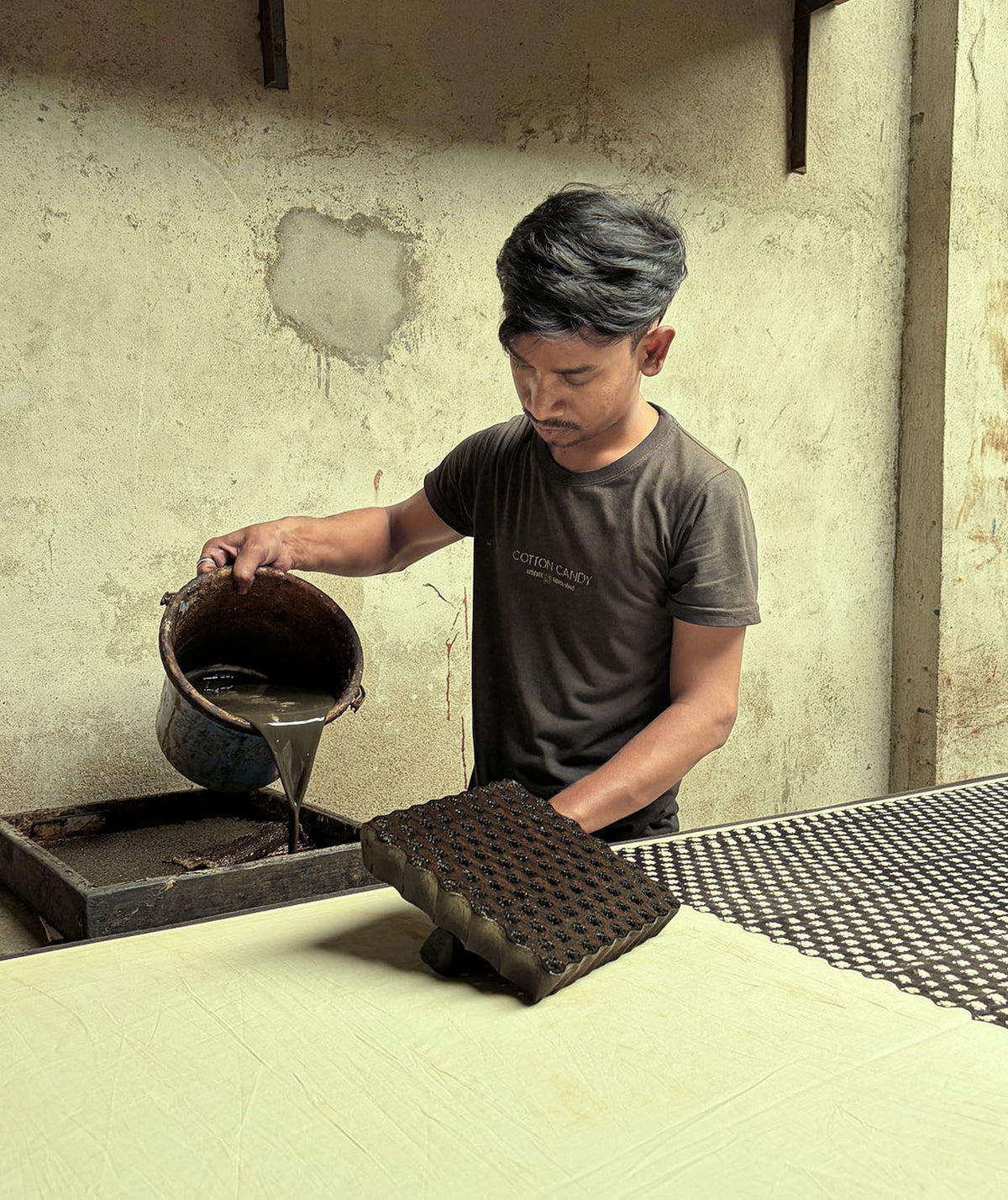
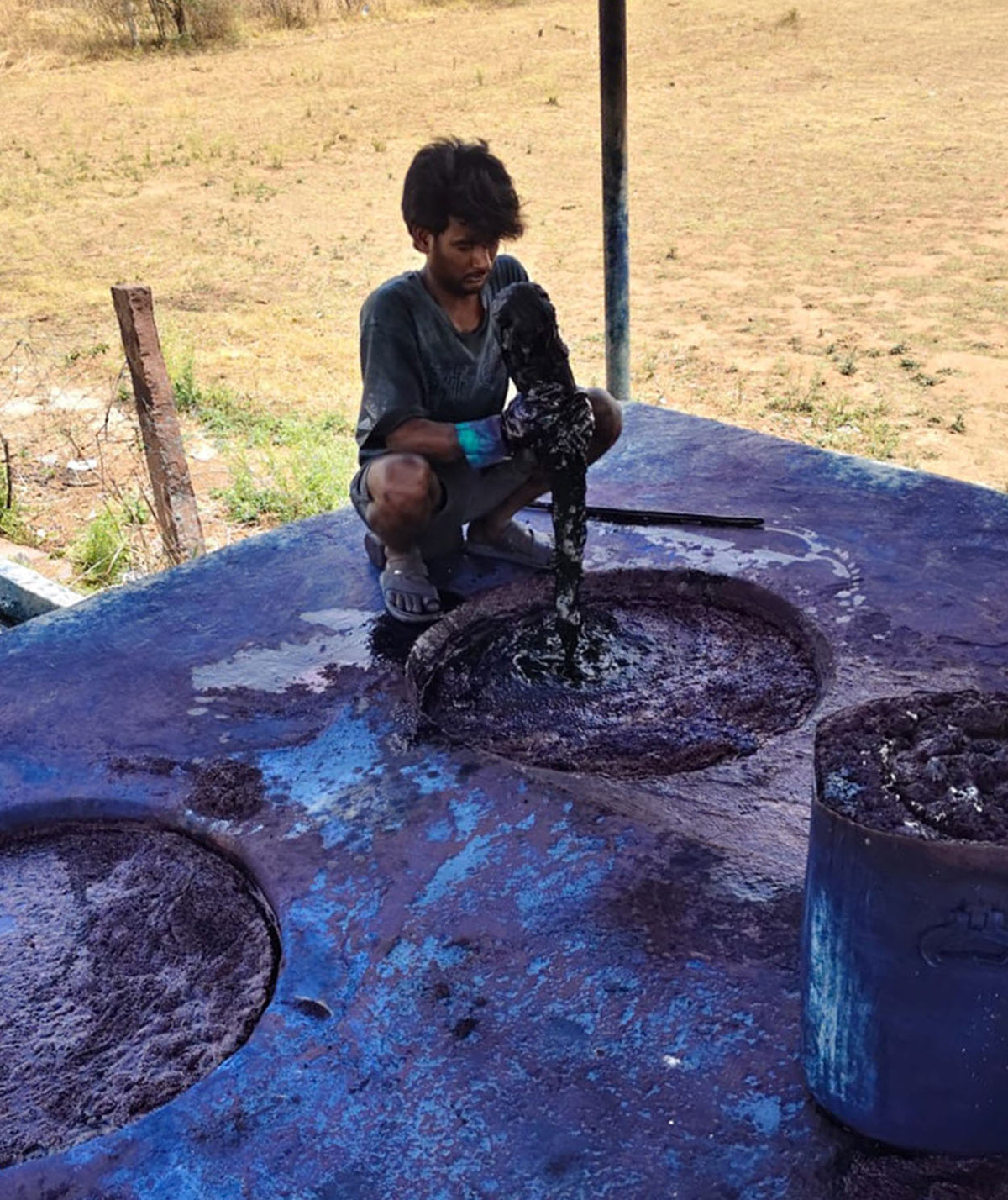
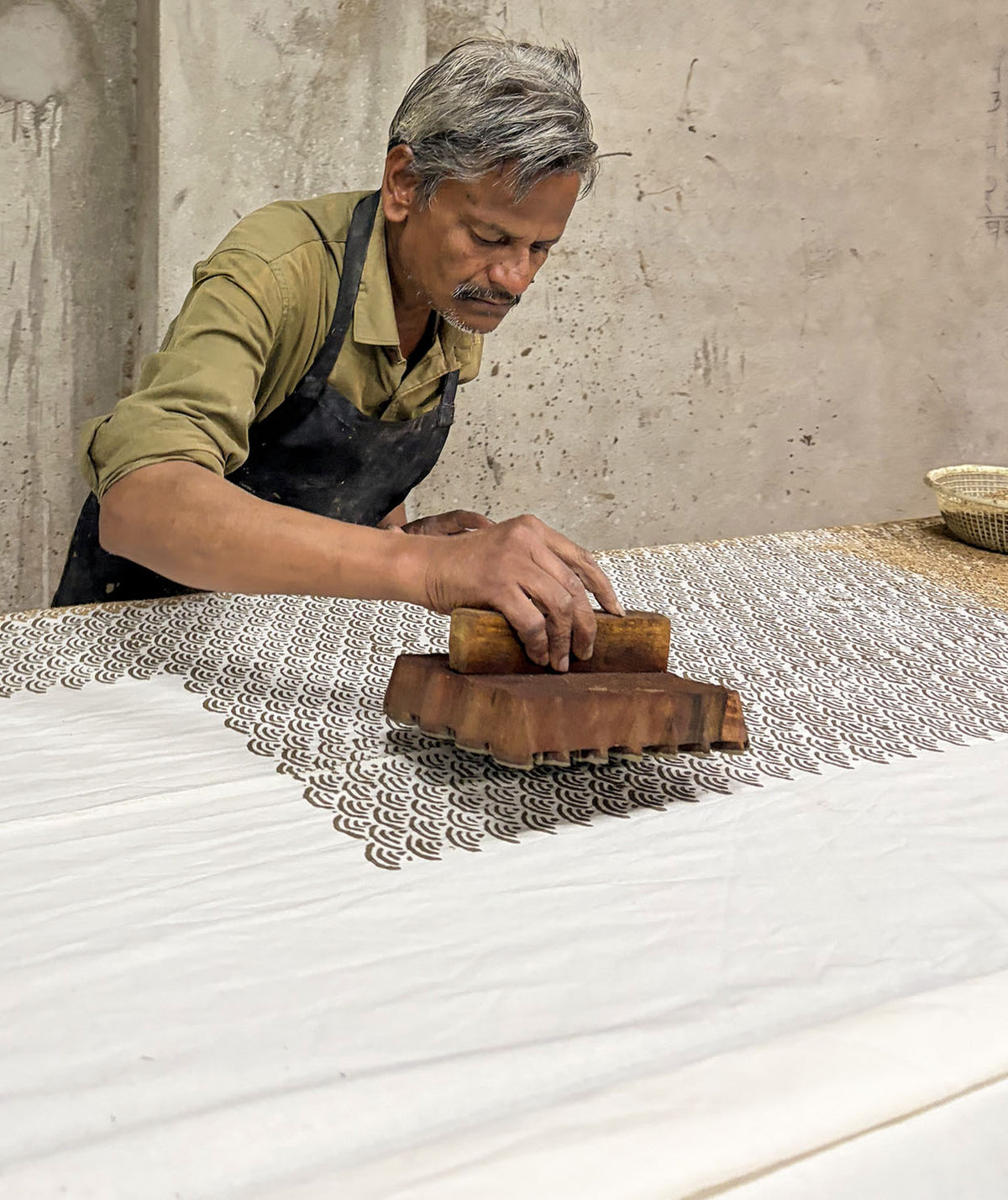
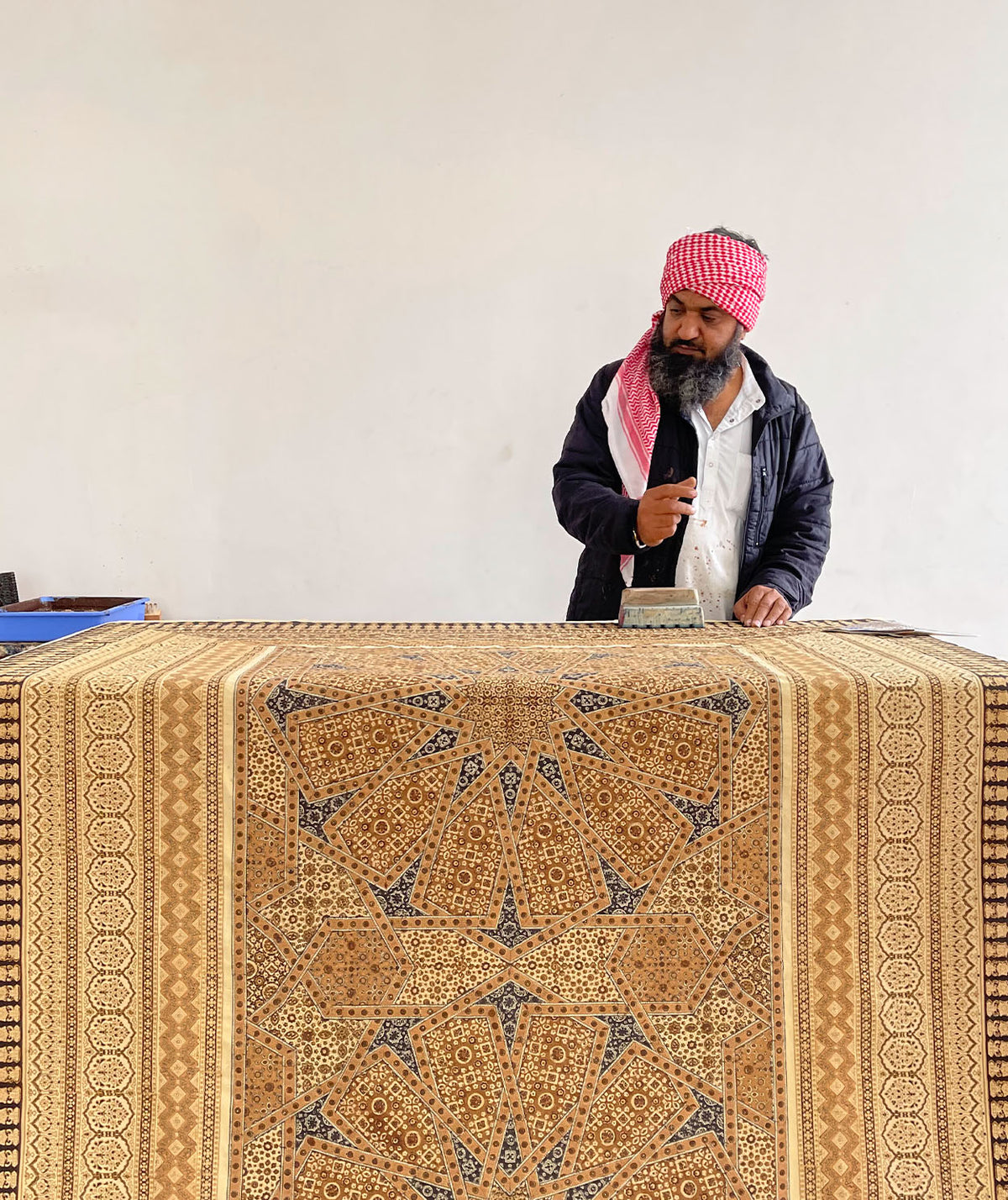
But Farida wanted to go deeper. If the brand was going to stand for Indian craftsmanship, it had to build on its roots. She began travelling extensively through Rajasthan, Gujarat, and Madhya Pradesh in search of artisans who were sentinels of the Indian textile legacy. These were the keepers of ancient craft traditions- Ajrakh printers, Bagru and Sanganeri block printers whose families had dedicated centuries to the art. These journeys brought the authentic crafts like Bagru, Ajrakh, Sanganeri, Bagh, Dabu, and many more indigenous artistry to the fore, along with their people and the lives behind them.
As word spread about the quality and character of these pieces, larger retail chains and buying houses approached to create collections for them. For almost eight years, Farida Gupta's designs made their way into stores across India, yet something felt incomplete. While the platform was wider, the freedom wasn’t- creative limits, production constraints, and the inability to tell the stories behind the craft led to the next big decision. The brand grew from a simple belief: craftsmanship deserves a place in everyday life. We bring together heritage hand-block prints and intricate hand-embroidery to create pieces that feel both artisanal and easy to wear. Designed for modern routines yet anchored in tradition, our mission is to place craftsmanship in the flow of daily life, while uplifting the communities and women who keep these traditions alive.
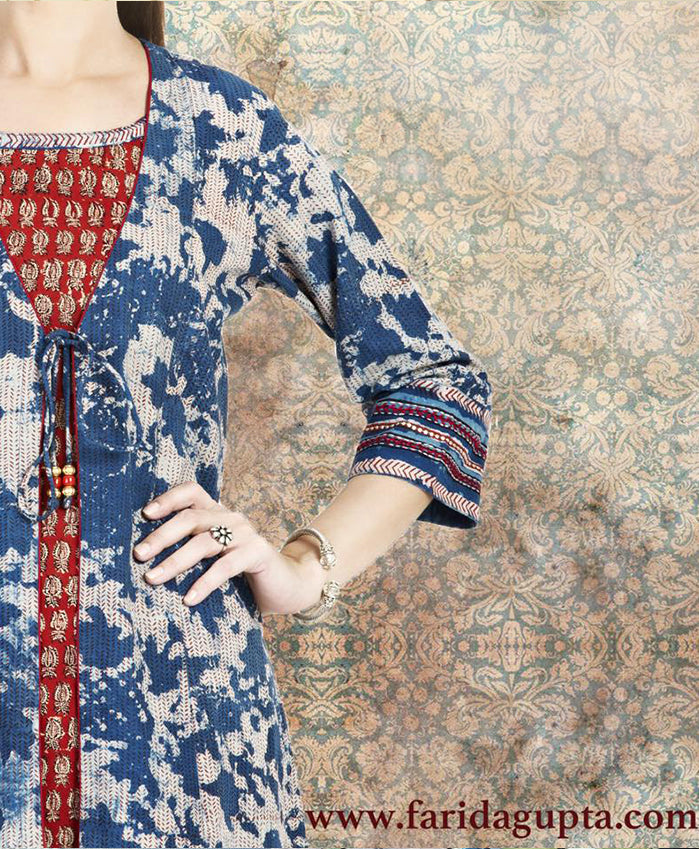


Chapter 5
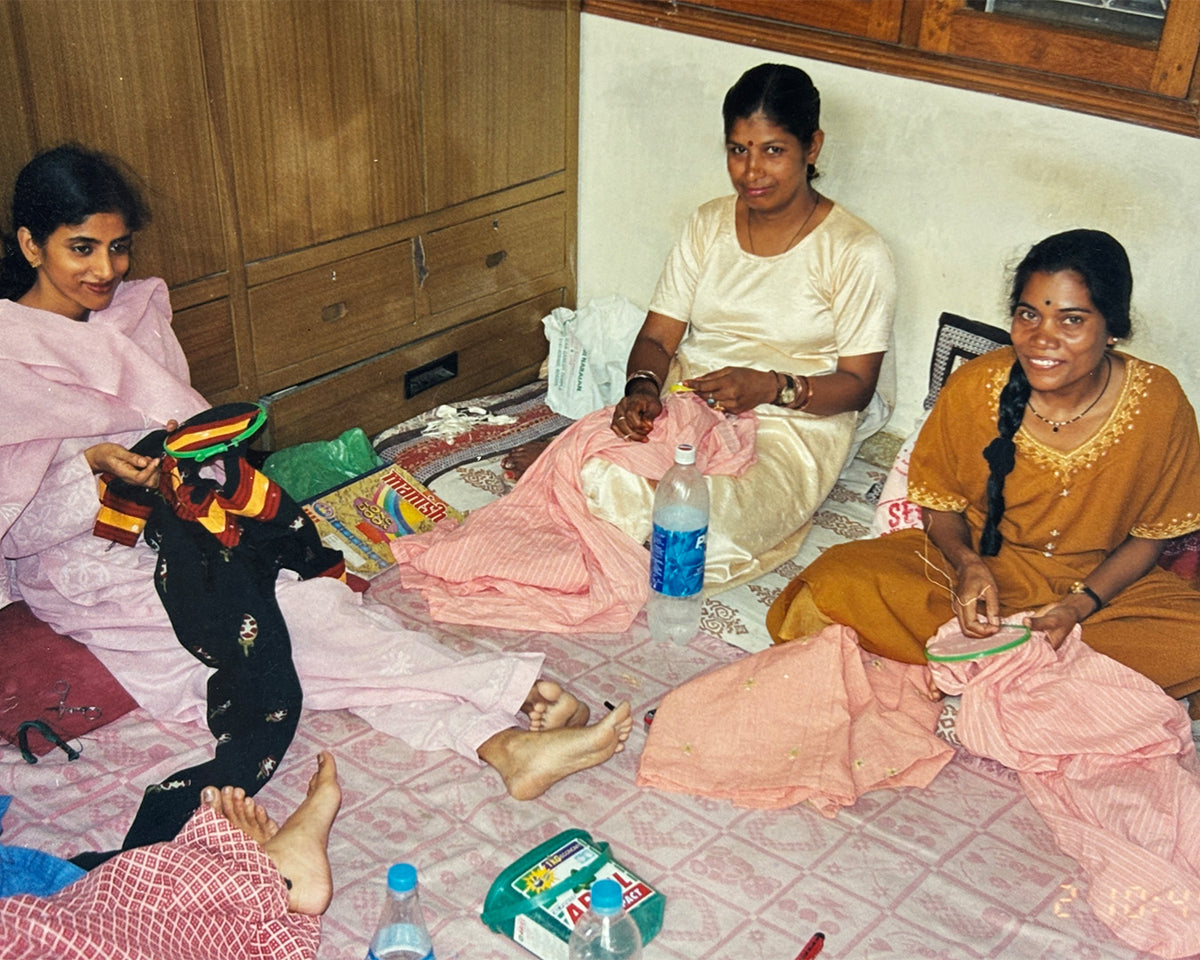
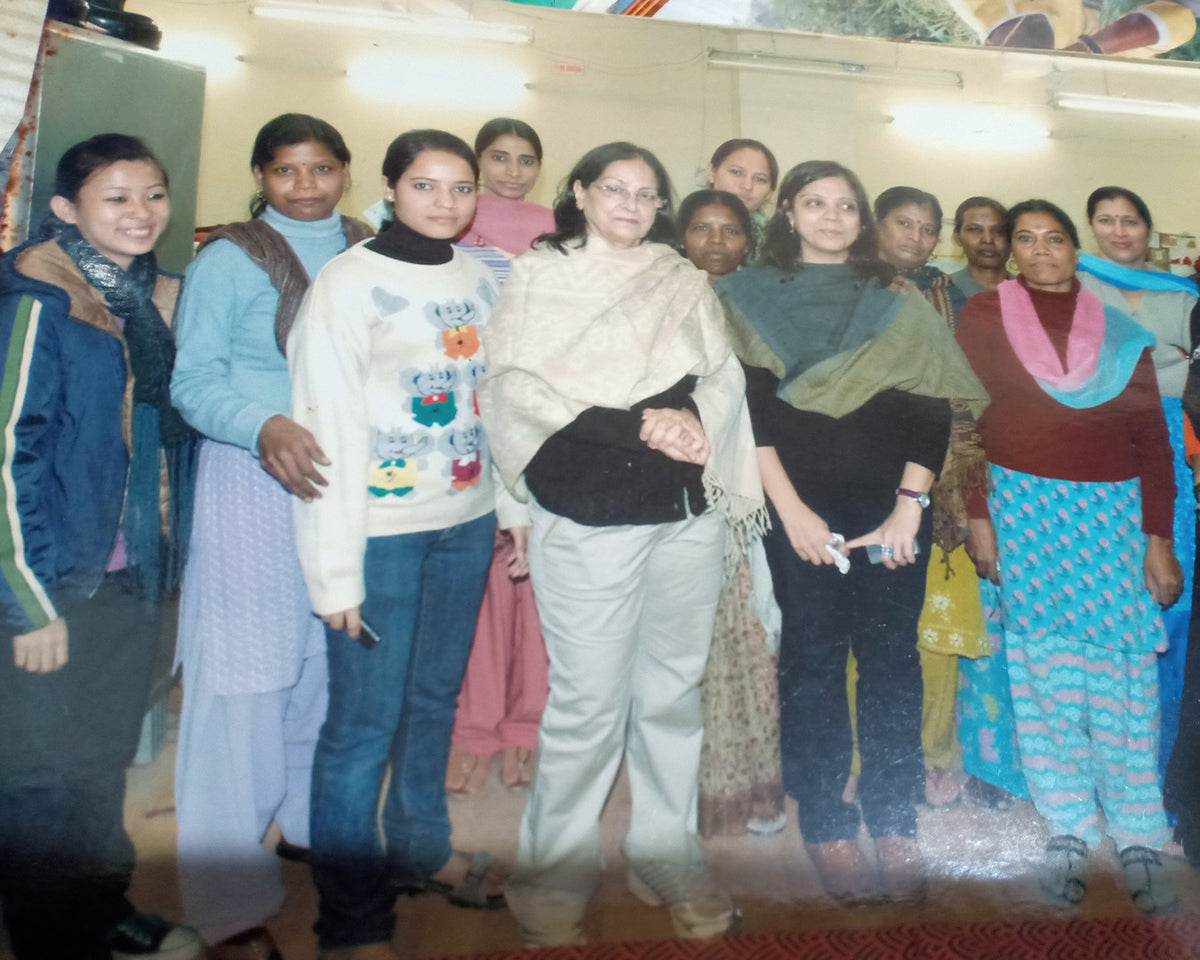
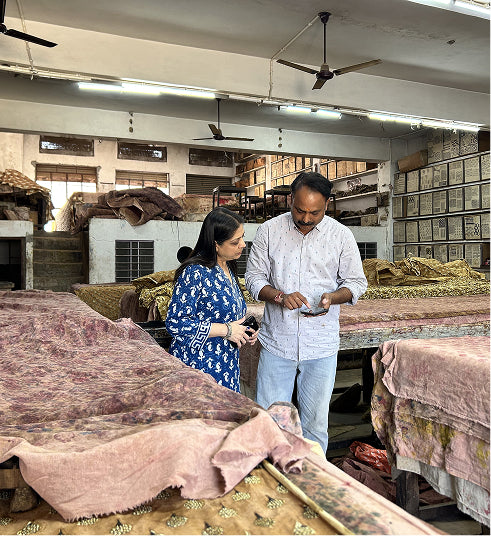
Today, our brand stands not just as a label, but as a community of artisans
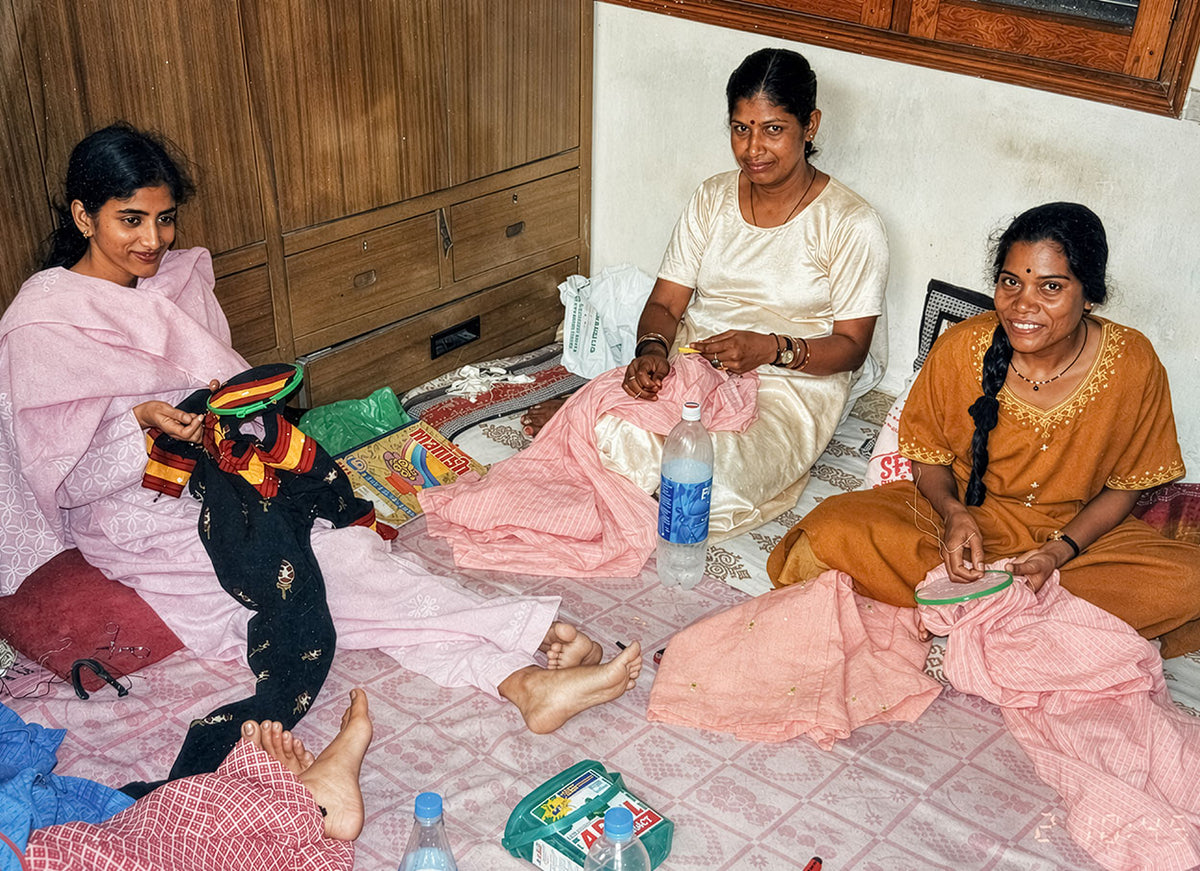
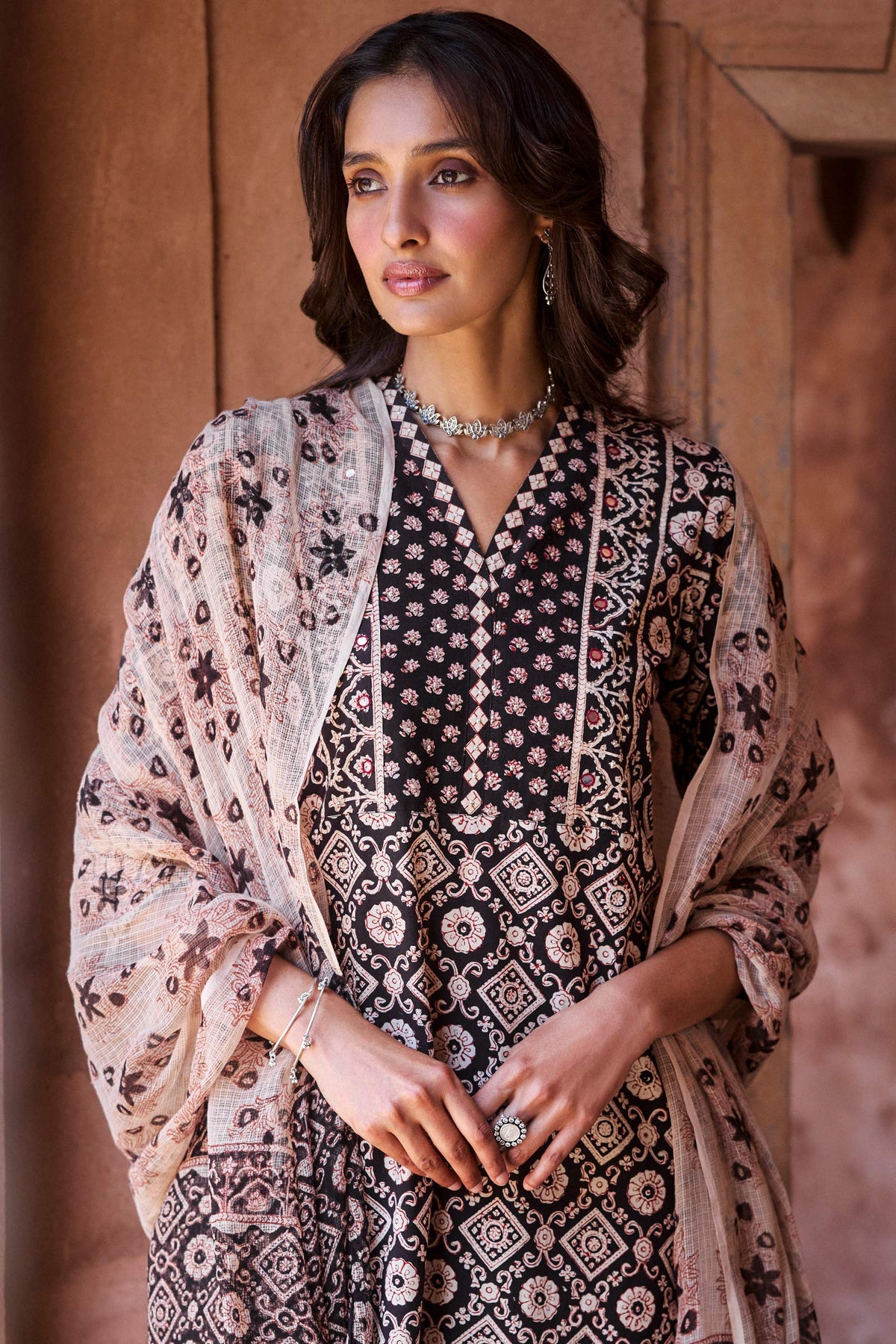
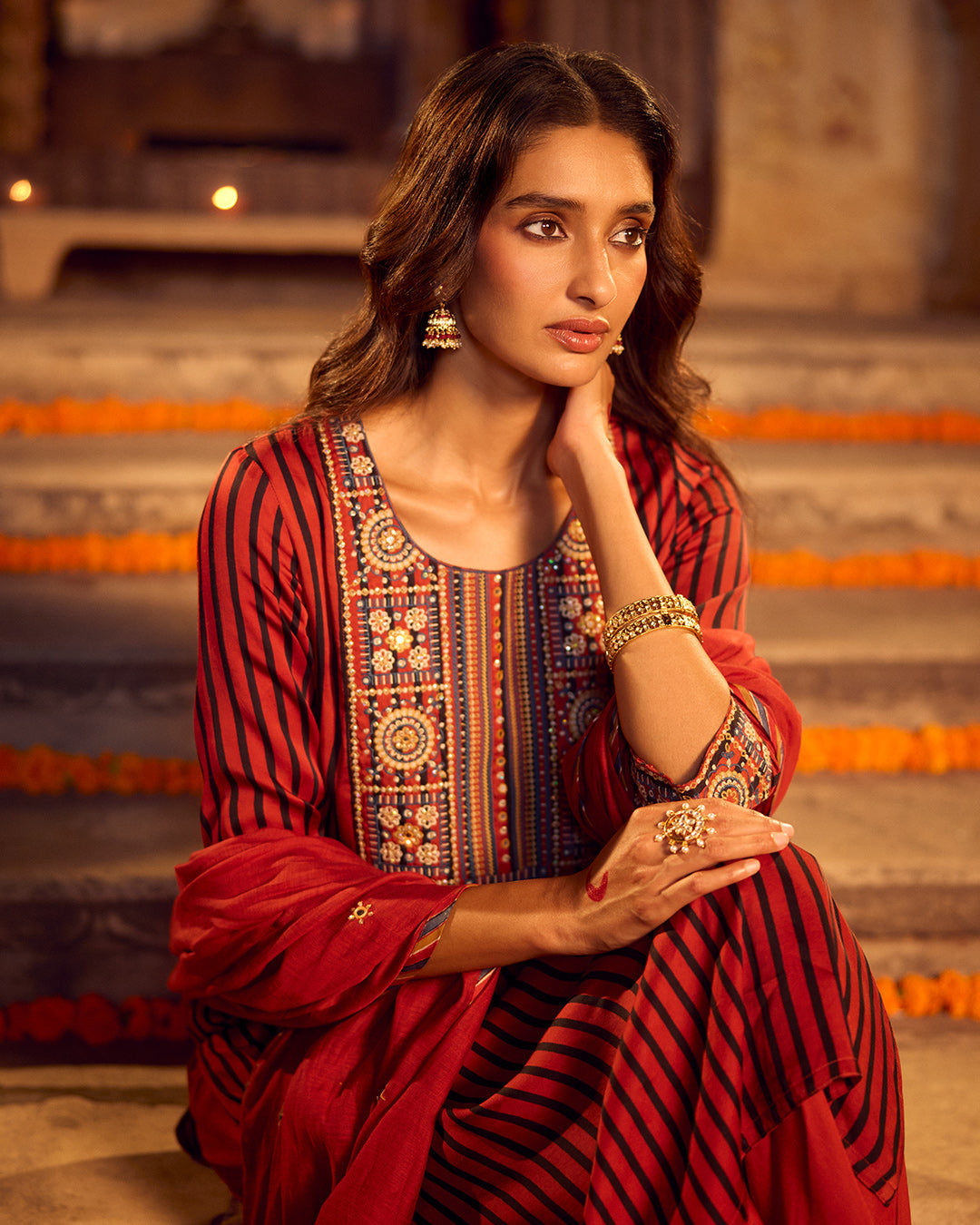
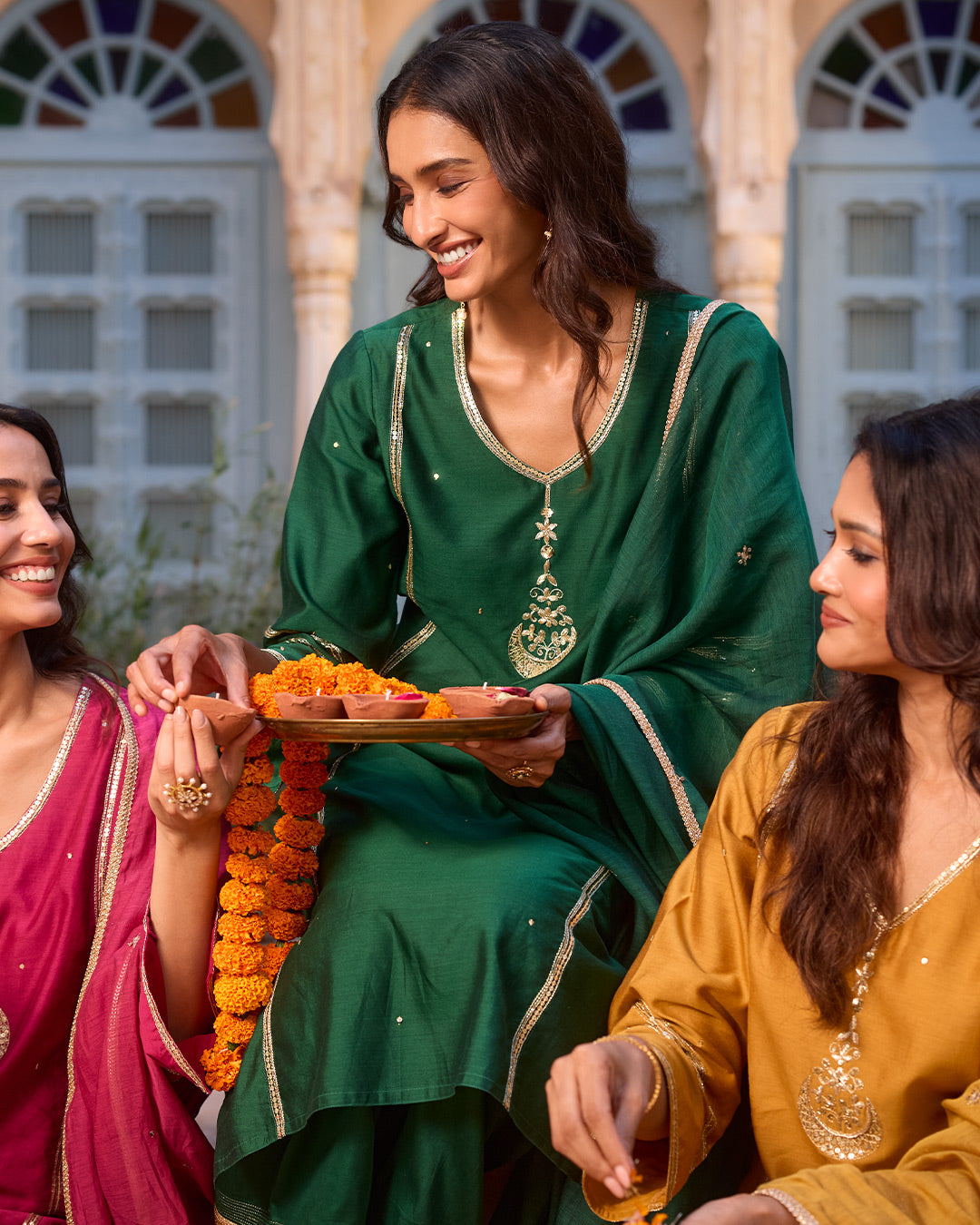
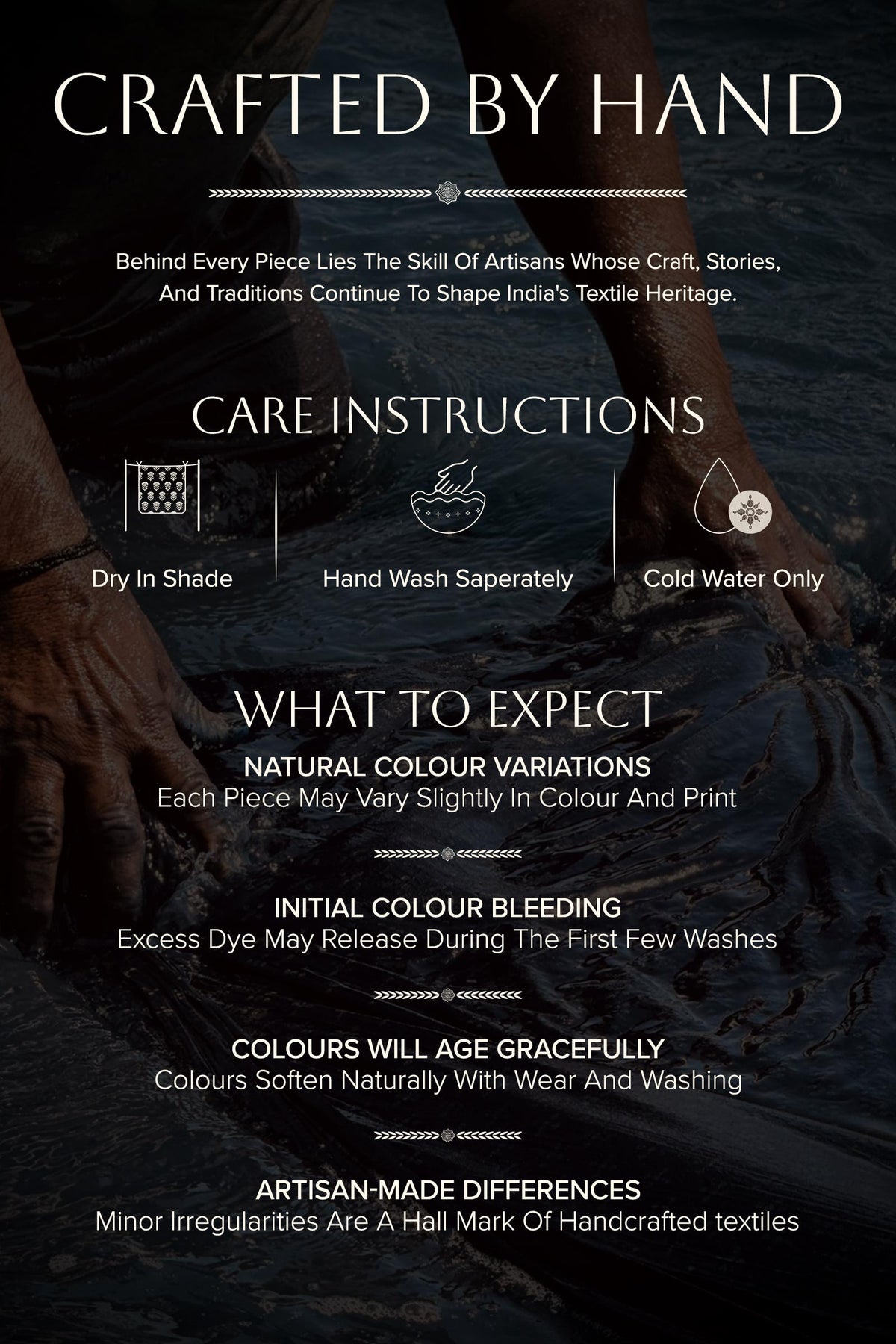
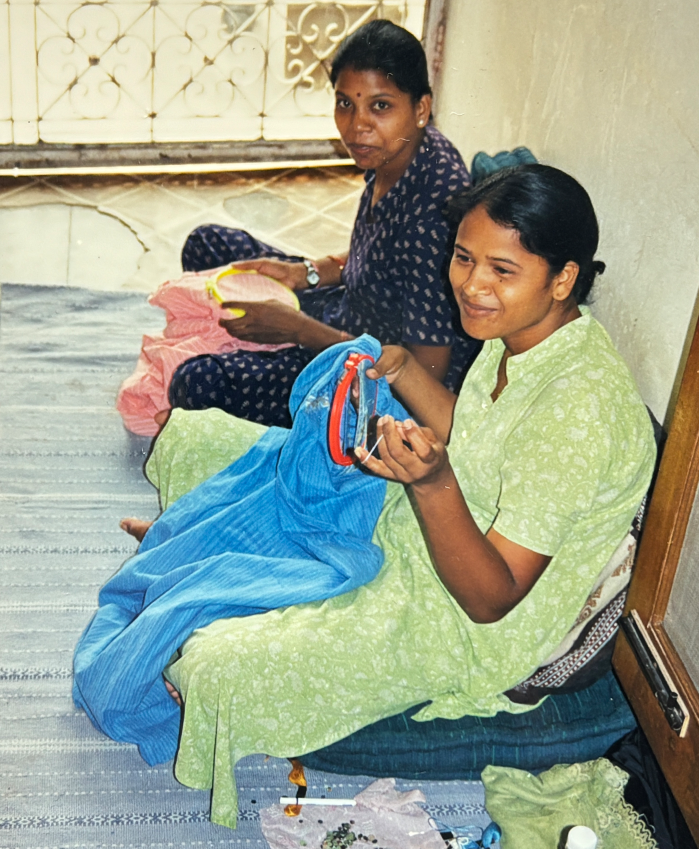
who continue generational practices, of women who found economic independence through embroidery and stitching, and of unconditional loyal customers who wear pieces that hold meaning beyond design. Every garment represents more than one person’s skill; it embodies a chain of hands, each adding something essential.
3000+
ARTISANS EMPLOYED
2000+
WOMEN EMPLOYED
250,000+
HAPPY CUSTOMERS

Through the years, the brand has upheld one belief,
Craftsmanship is not a trend, it is a legacy.

