

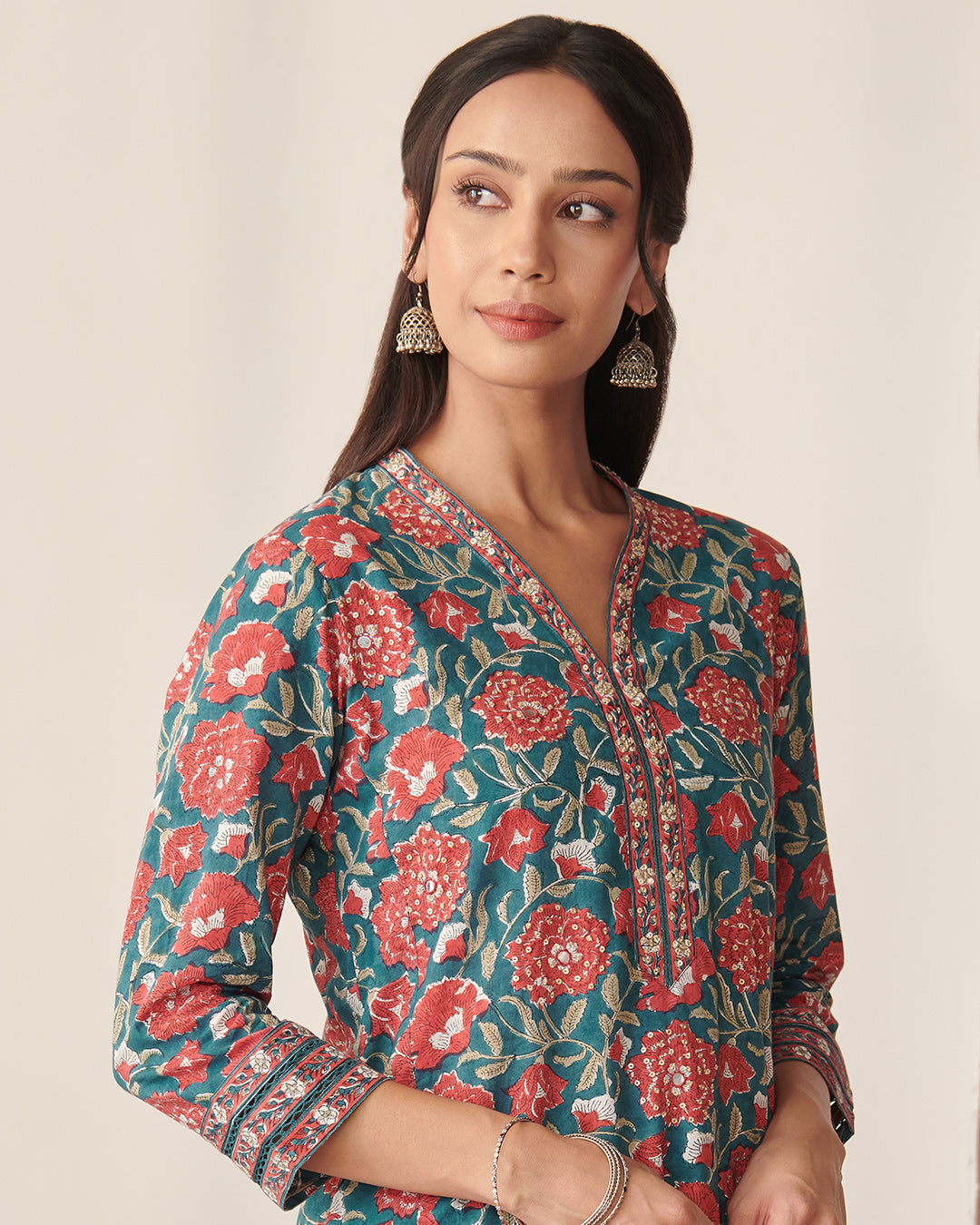
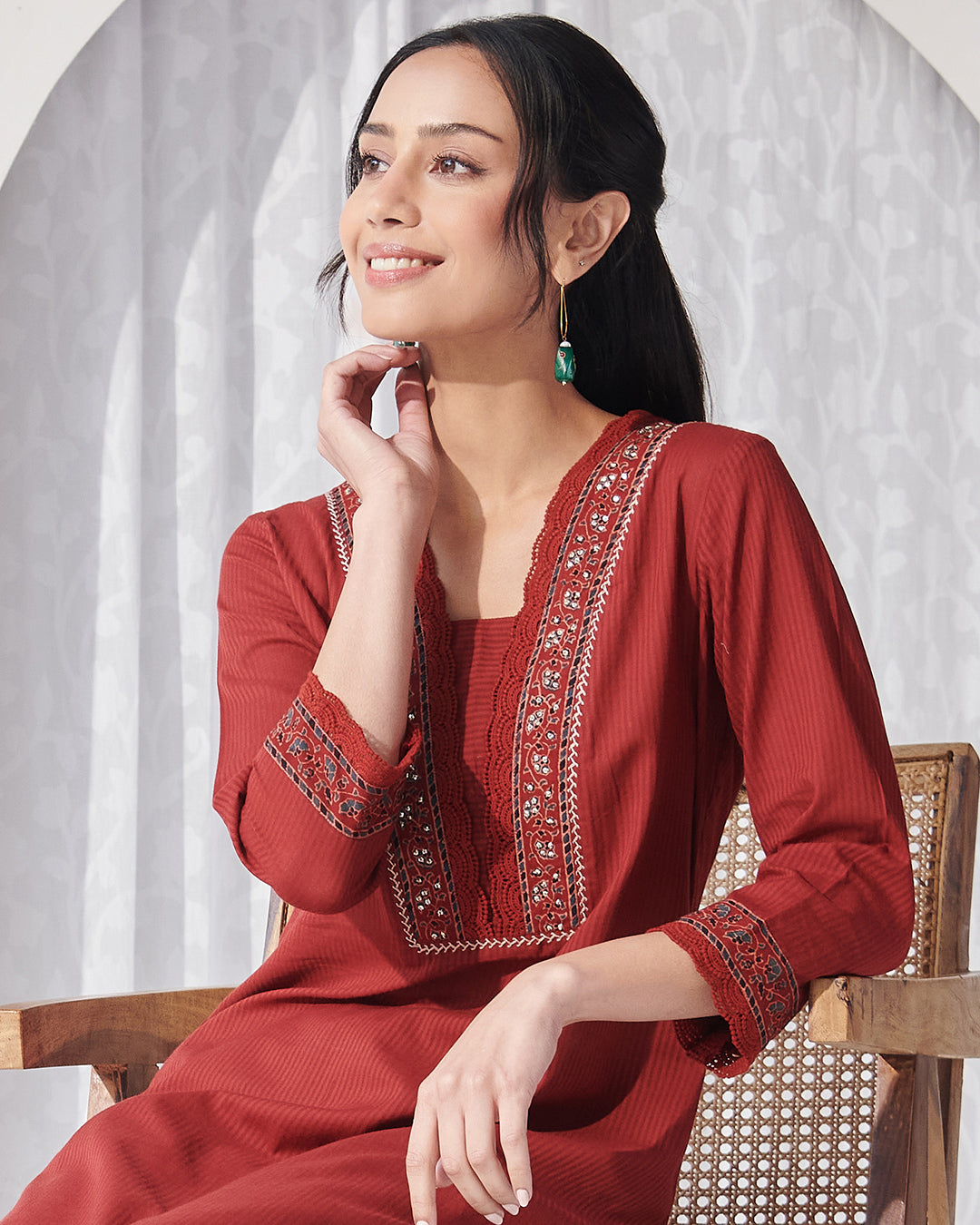
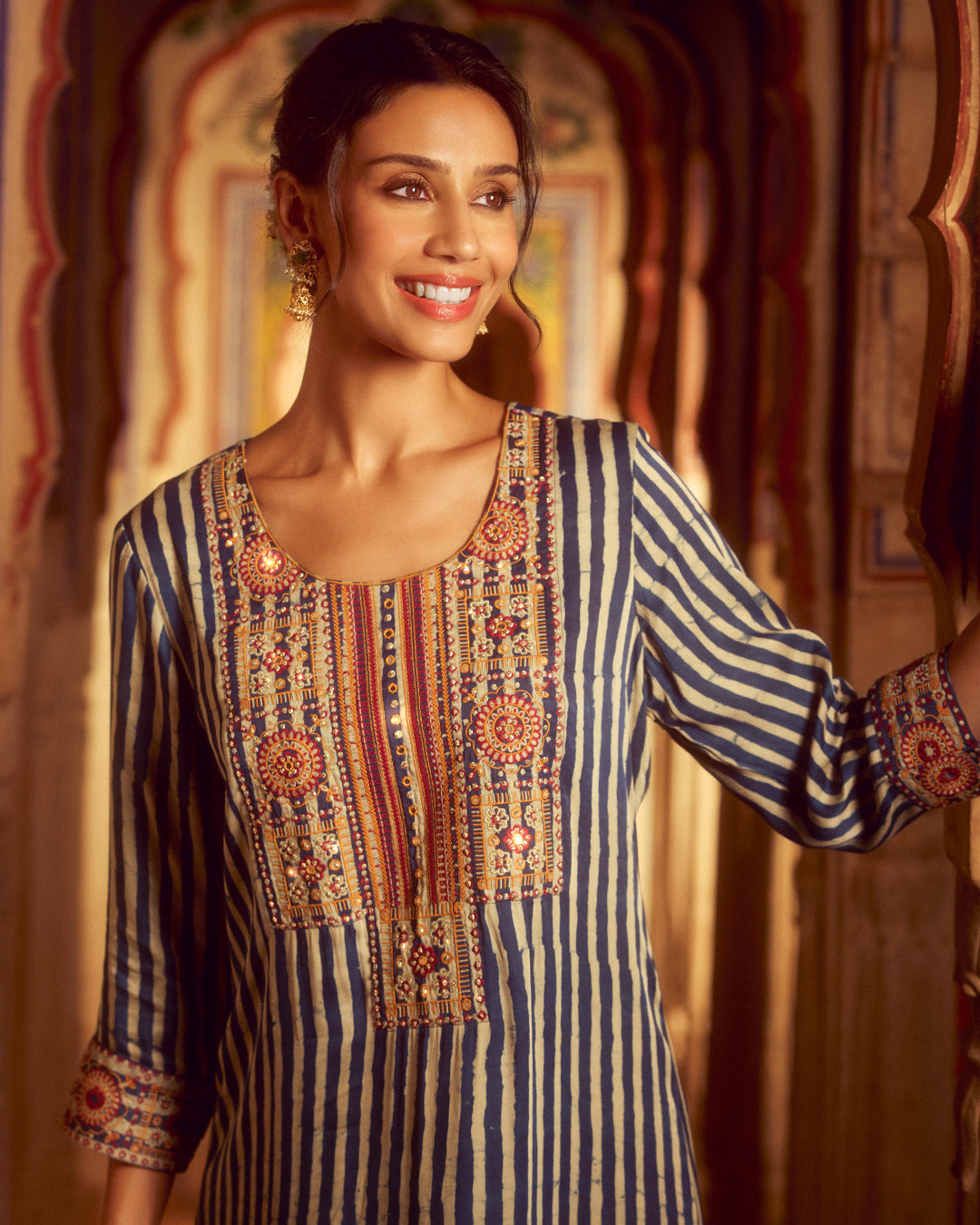
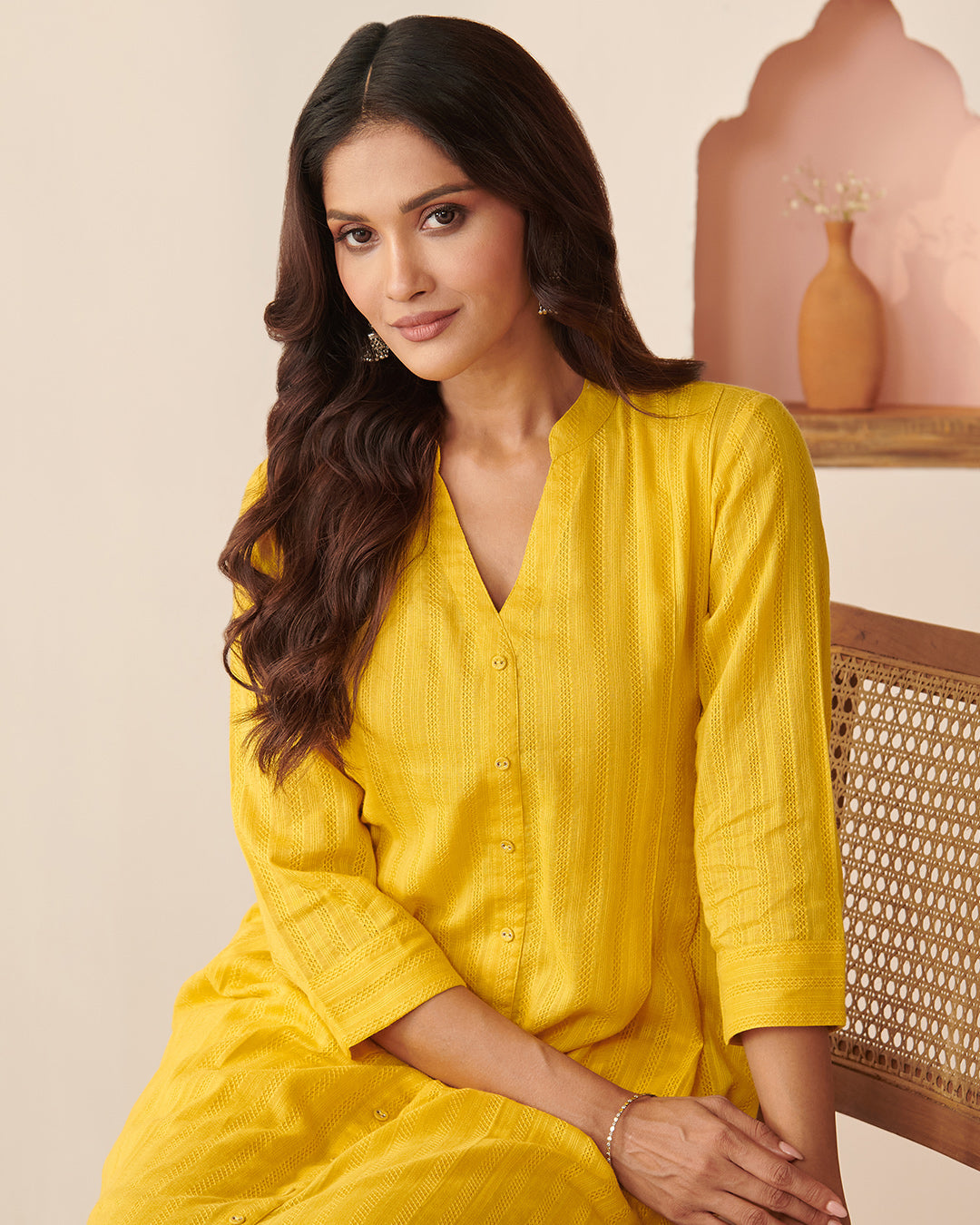



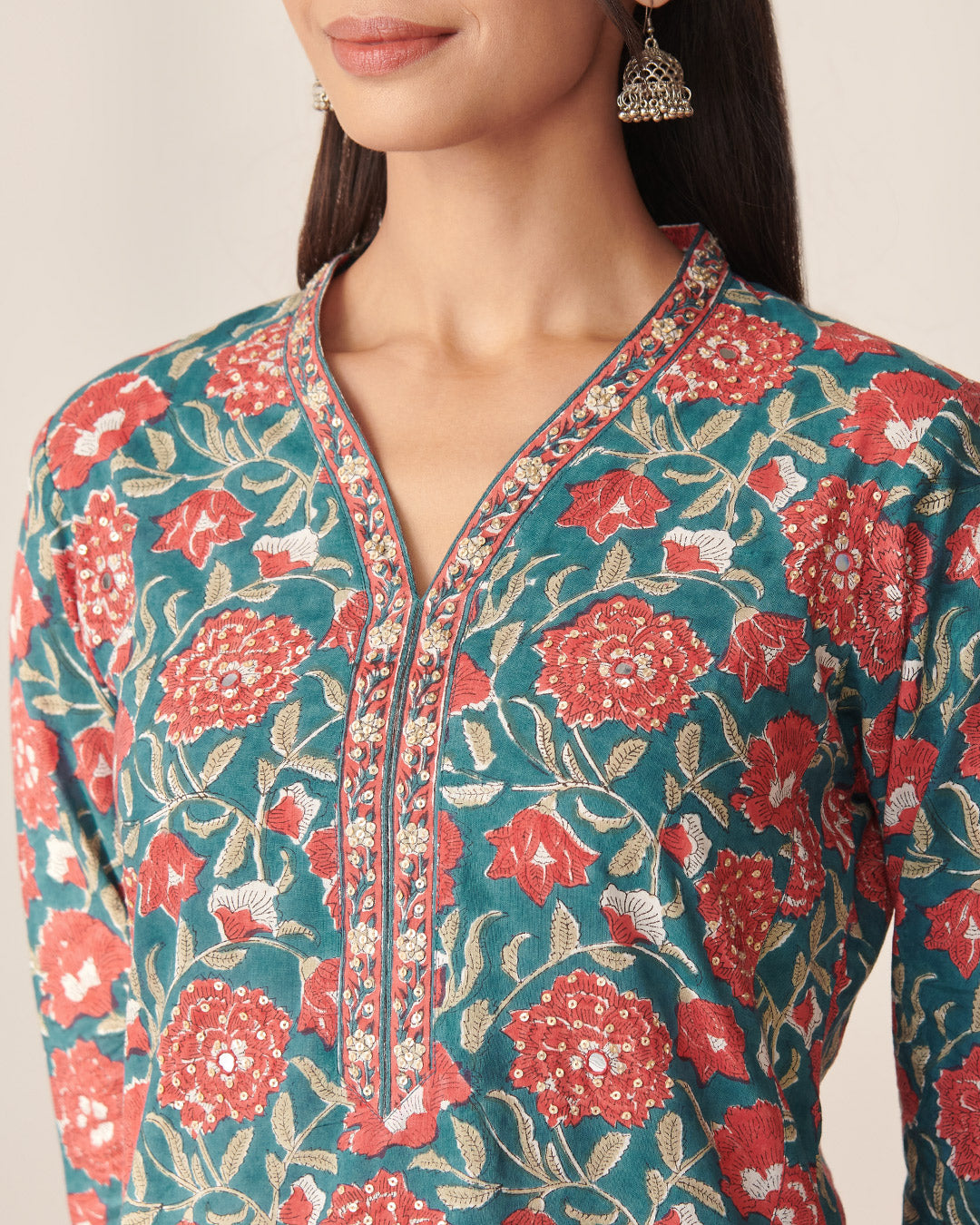
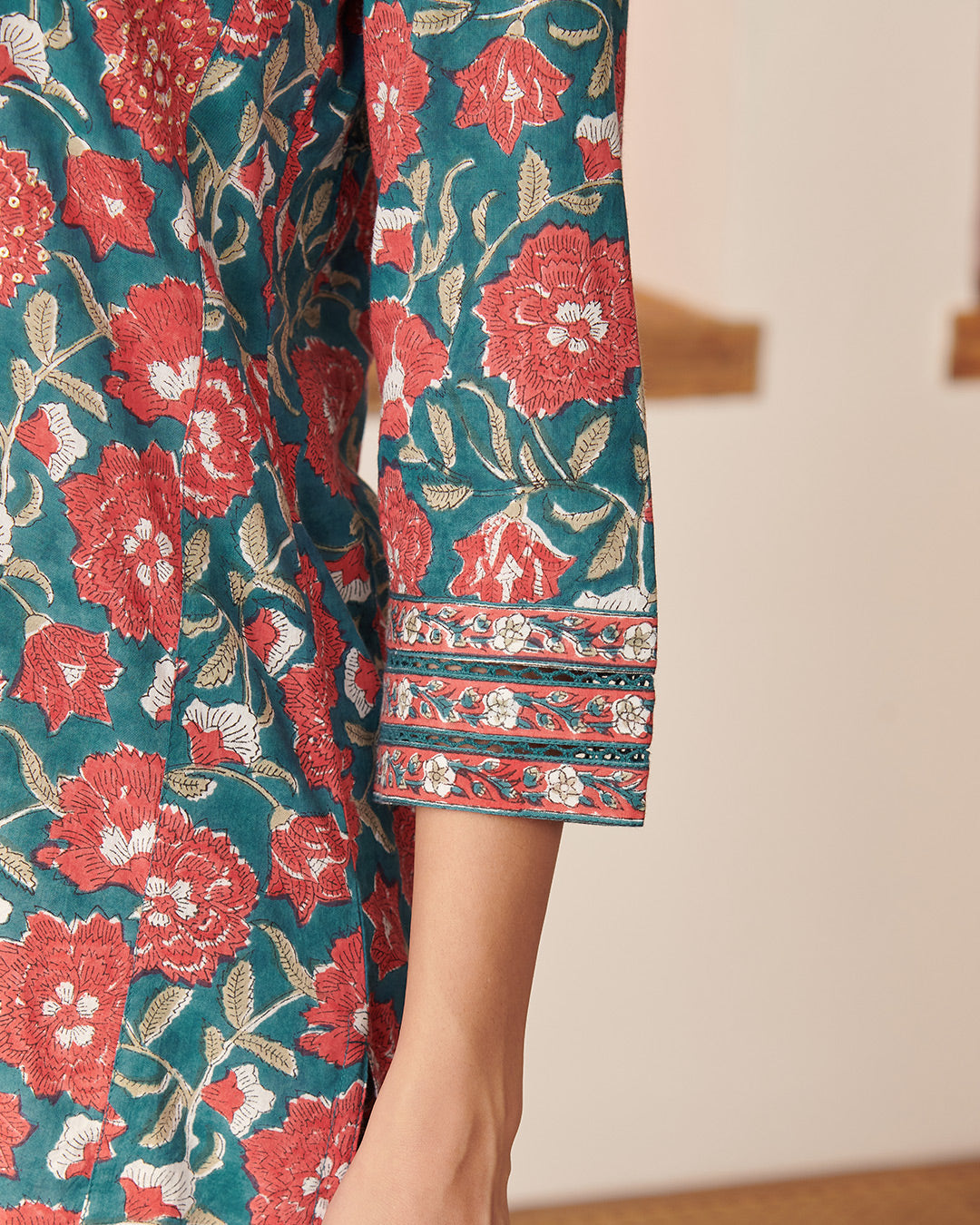
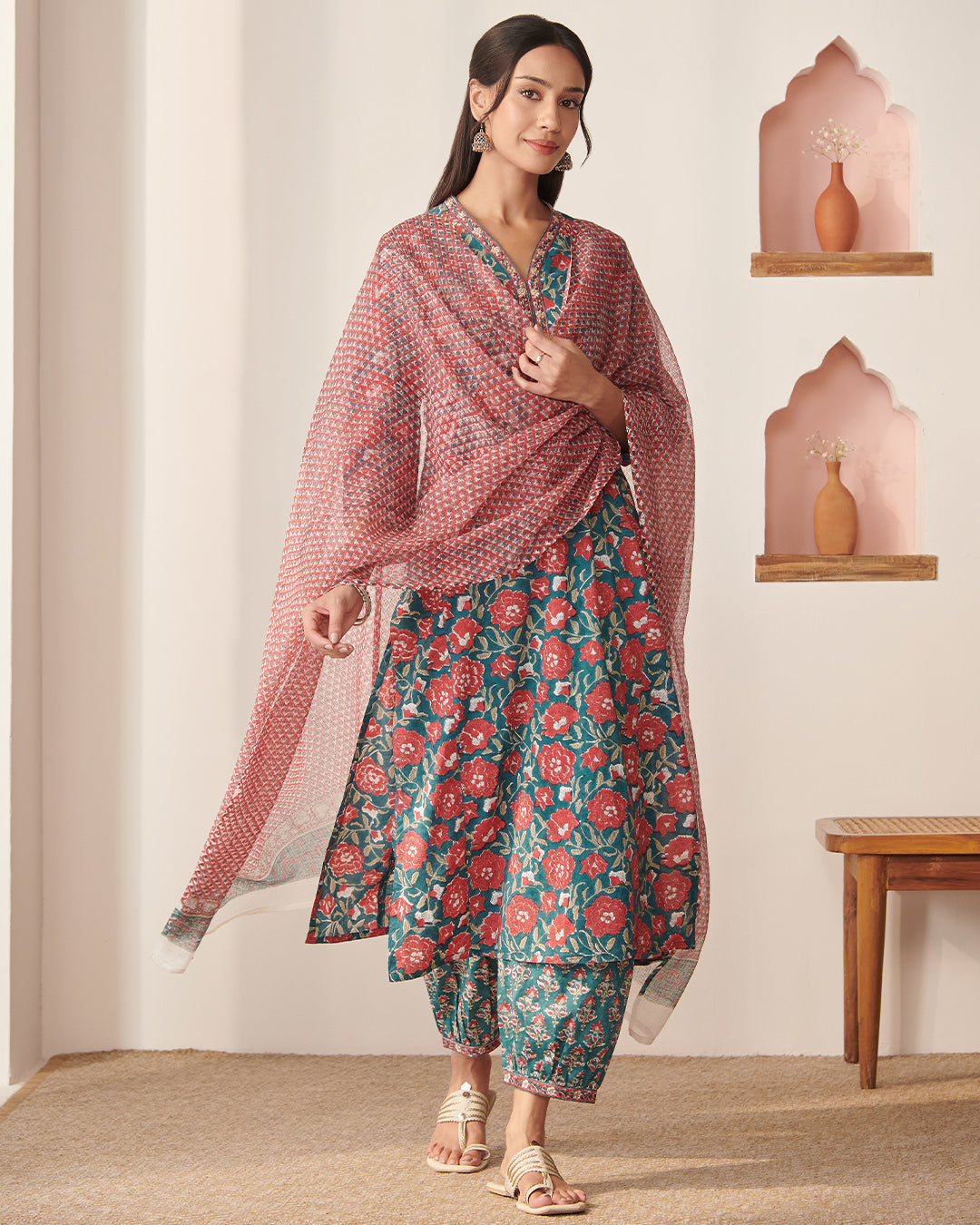
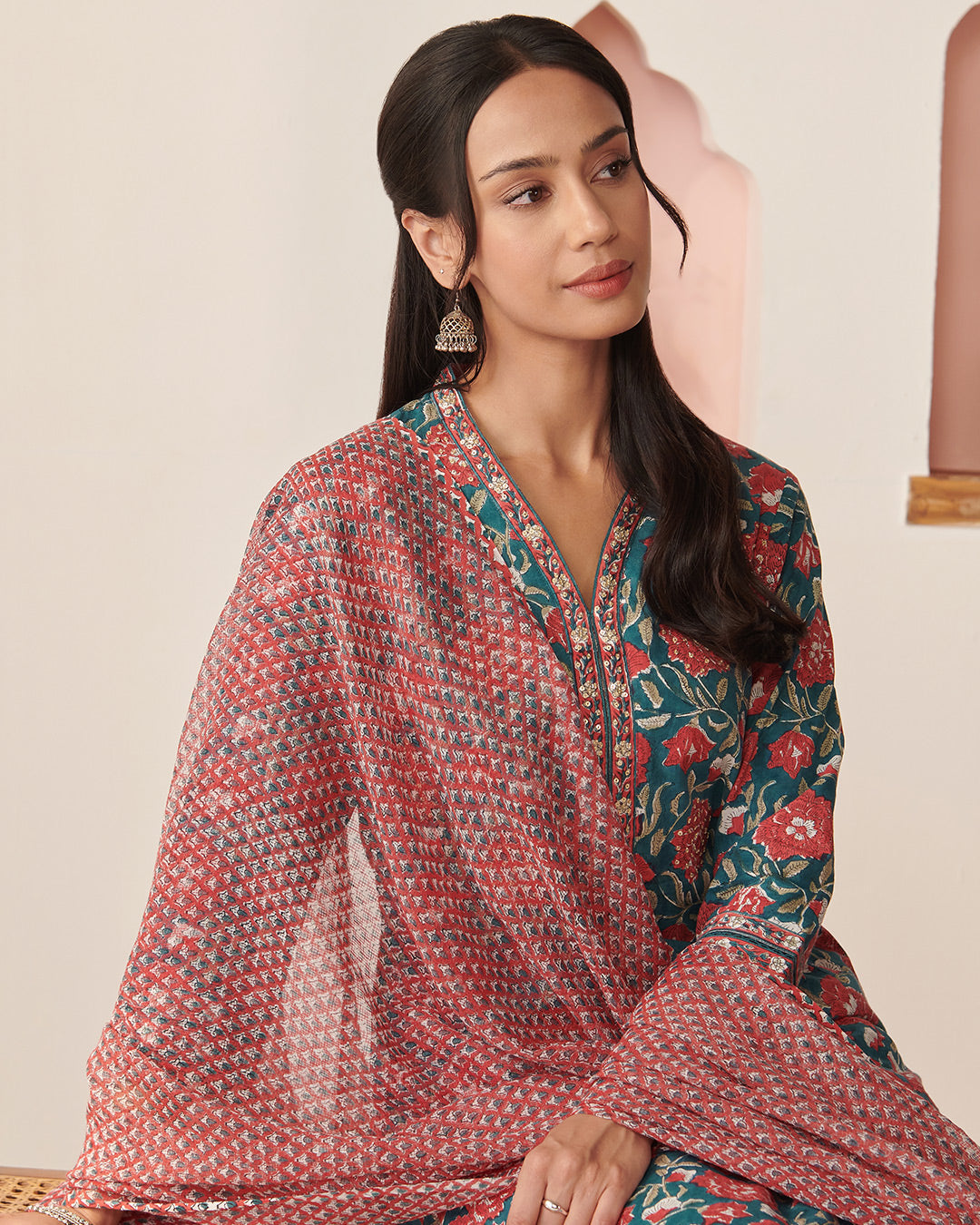

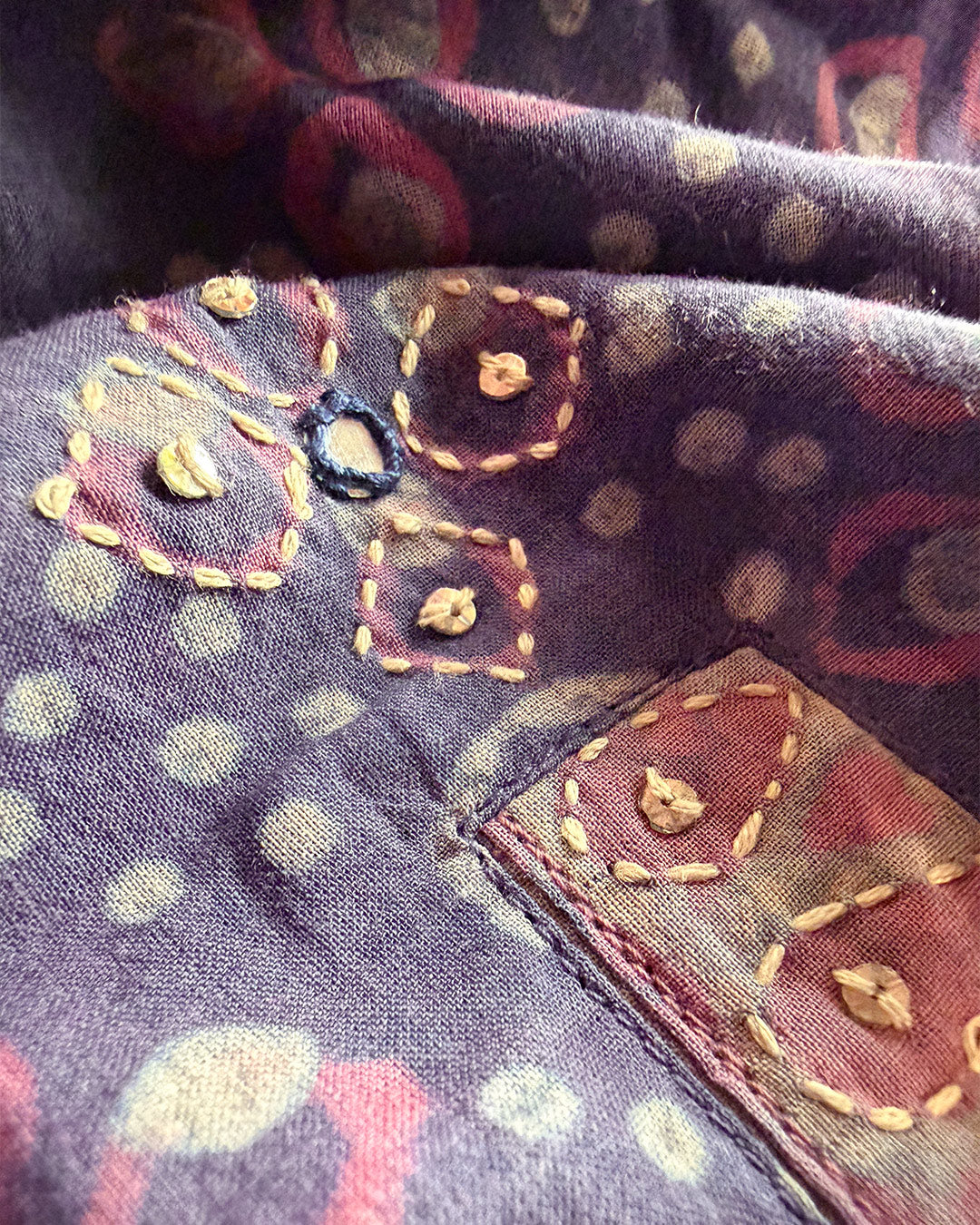
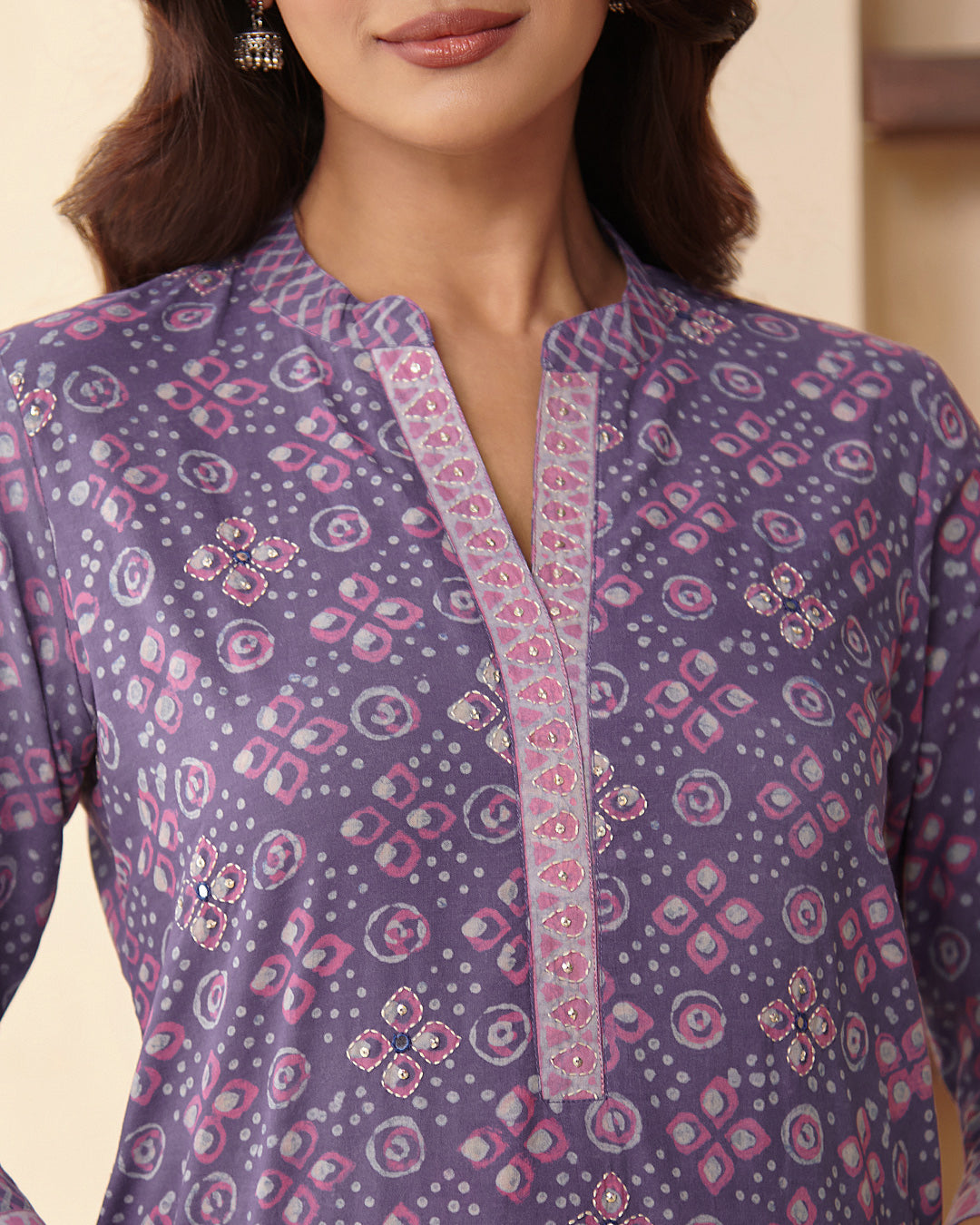
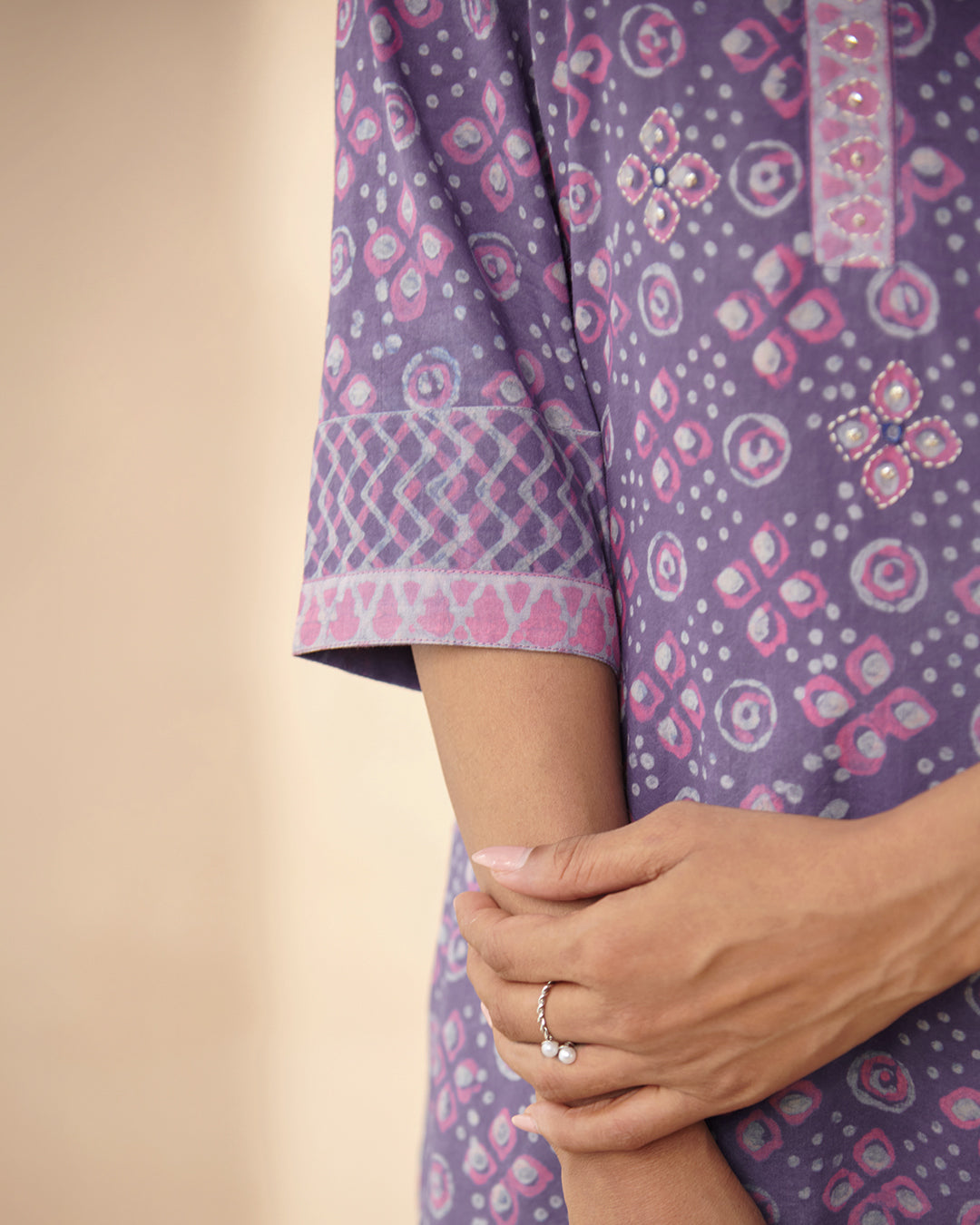
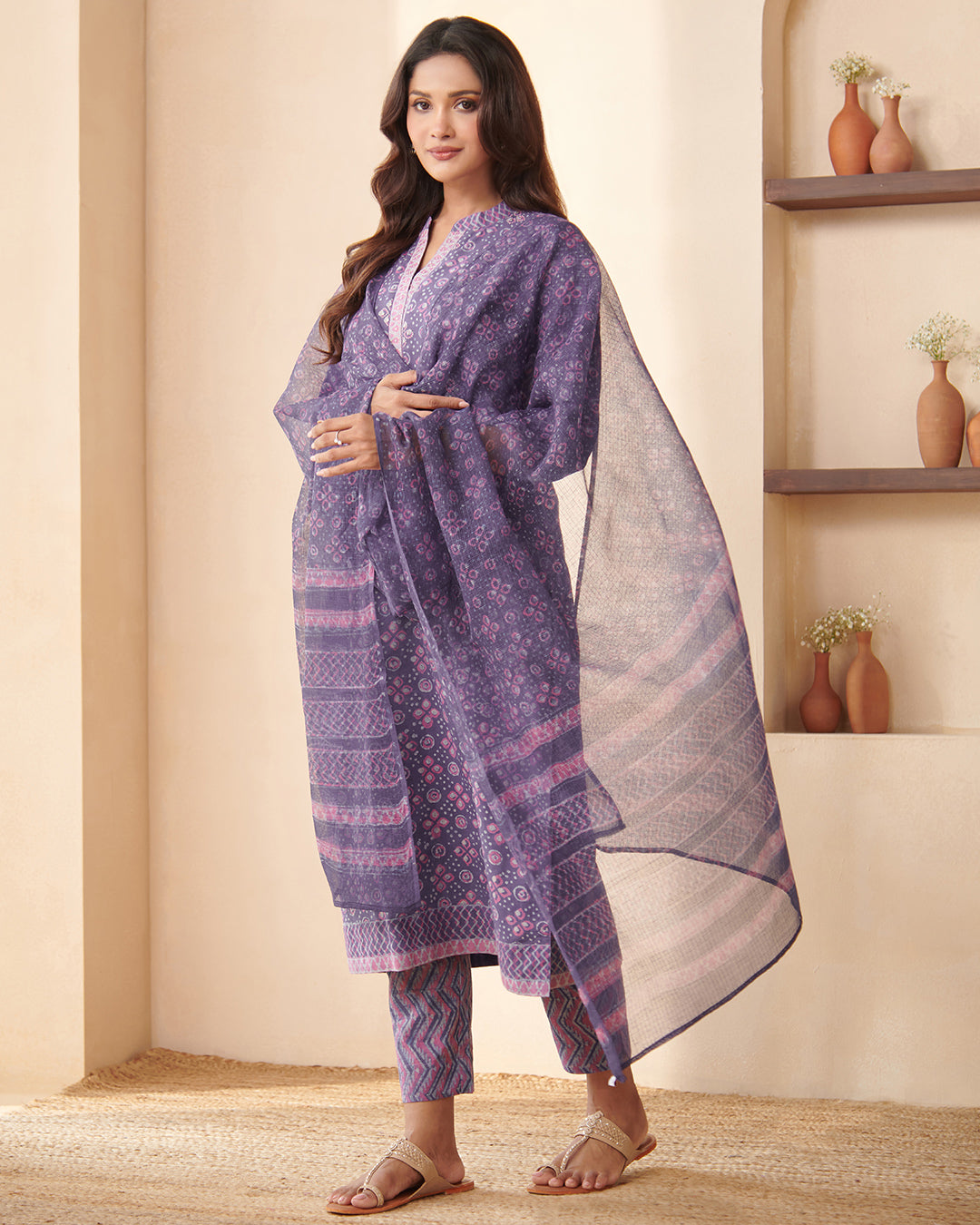
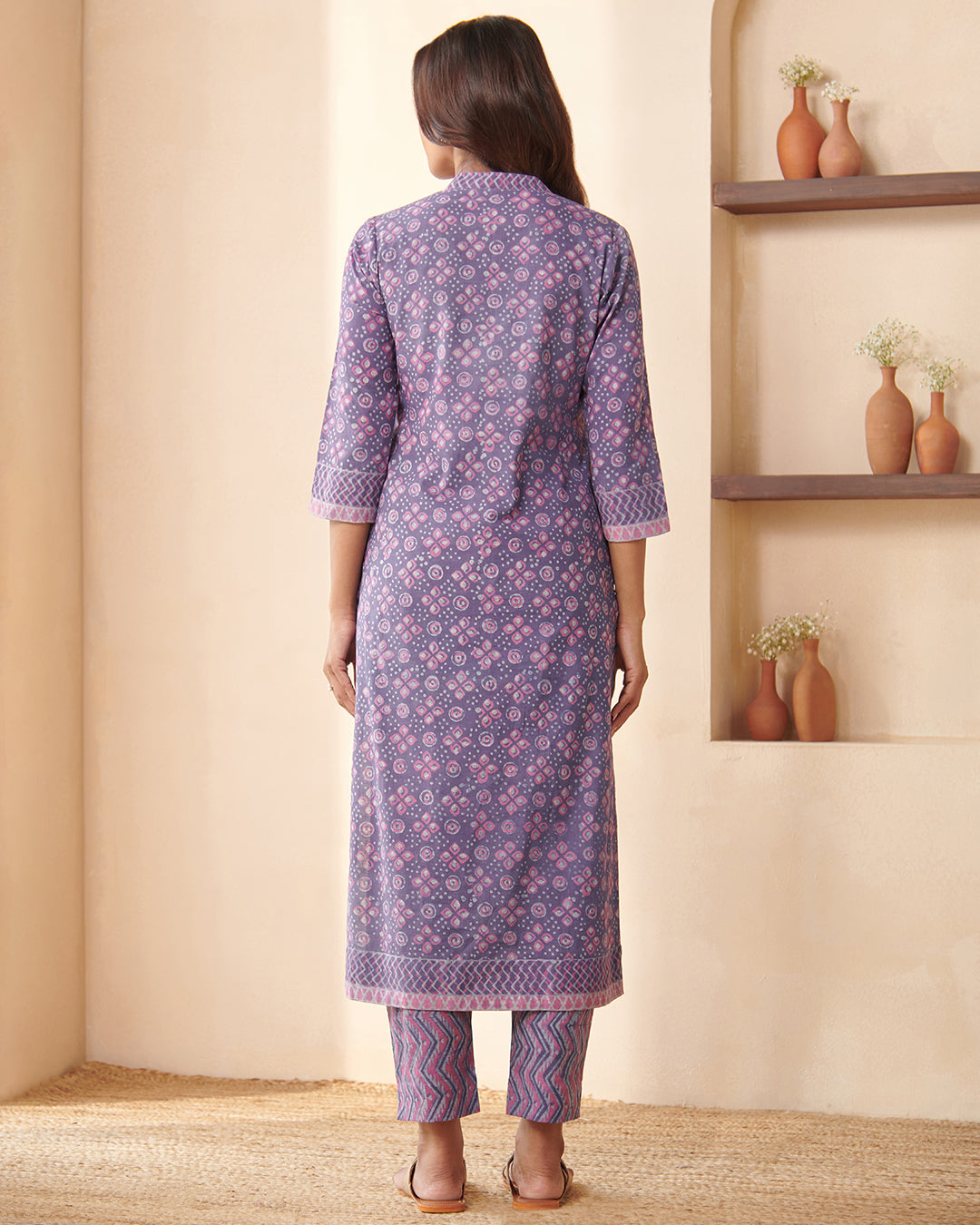
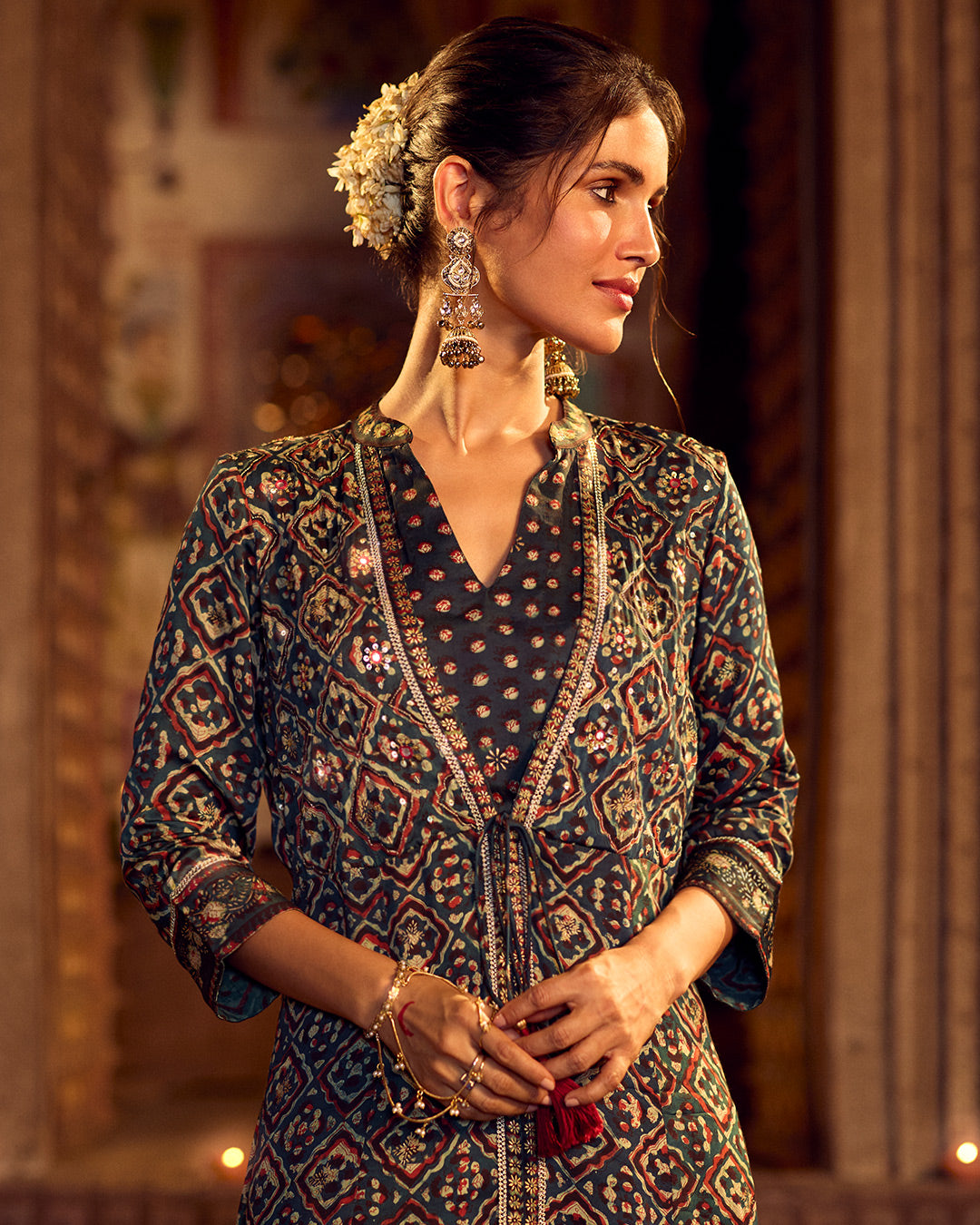
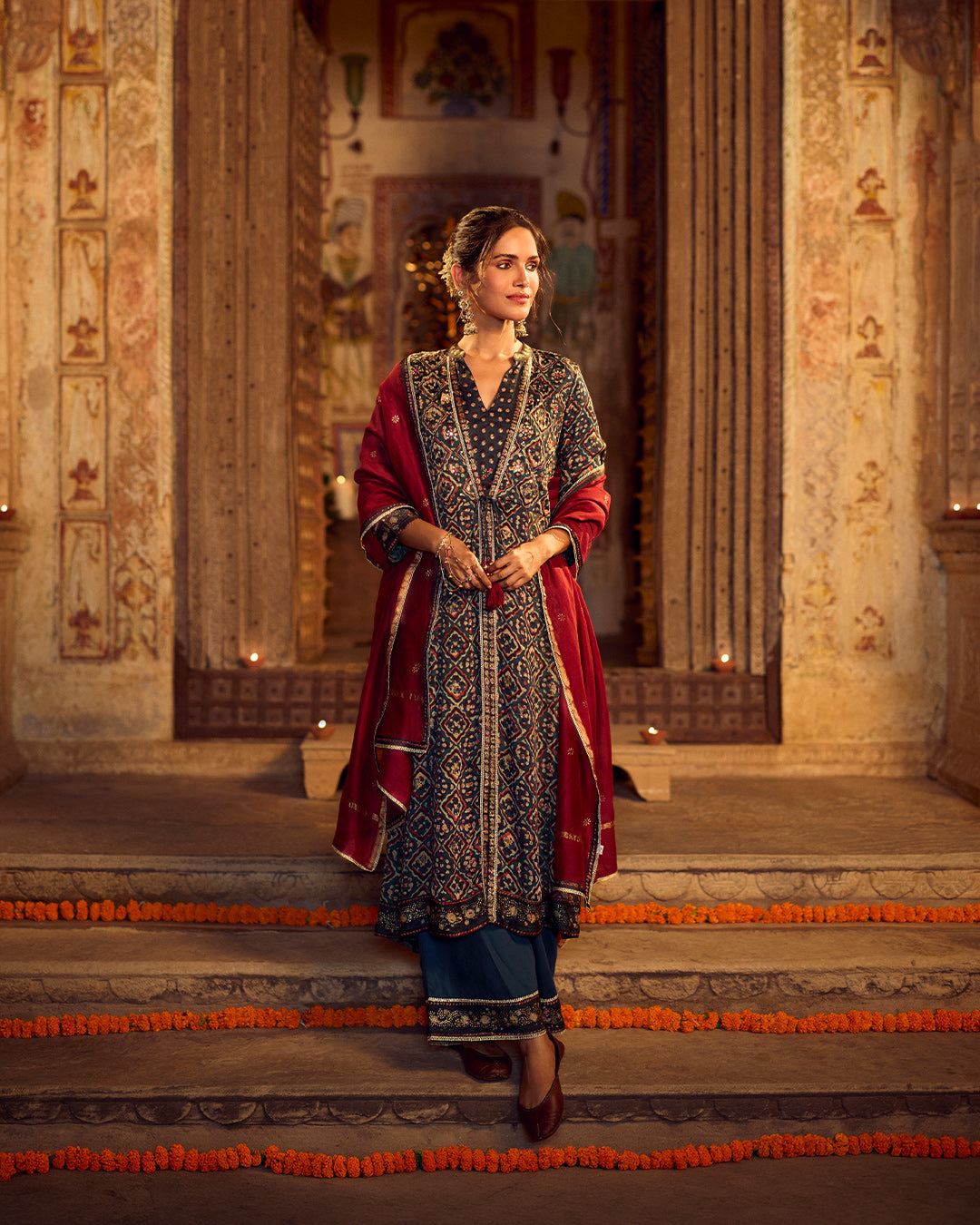
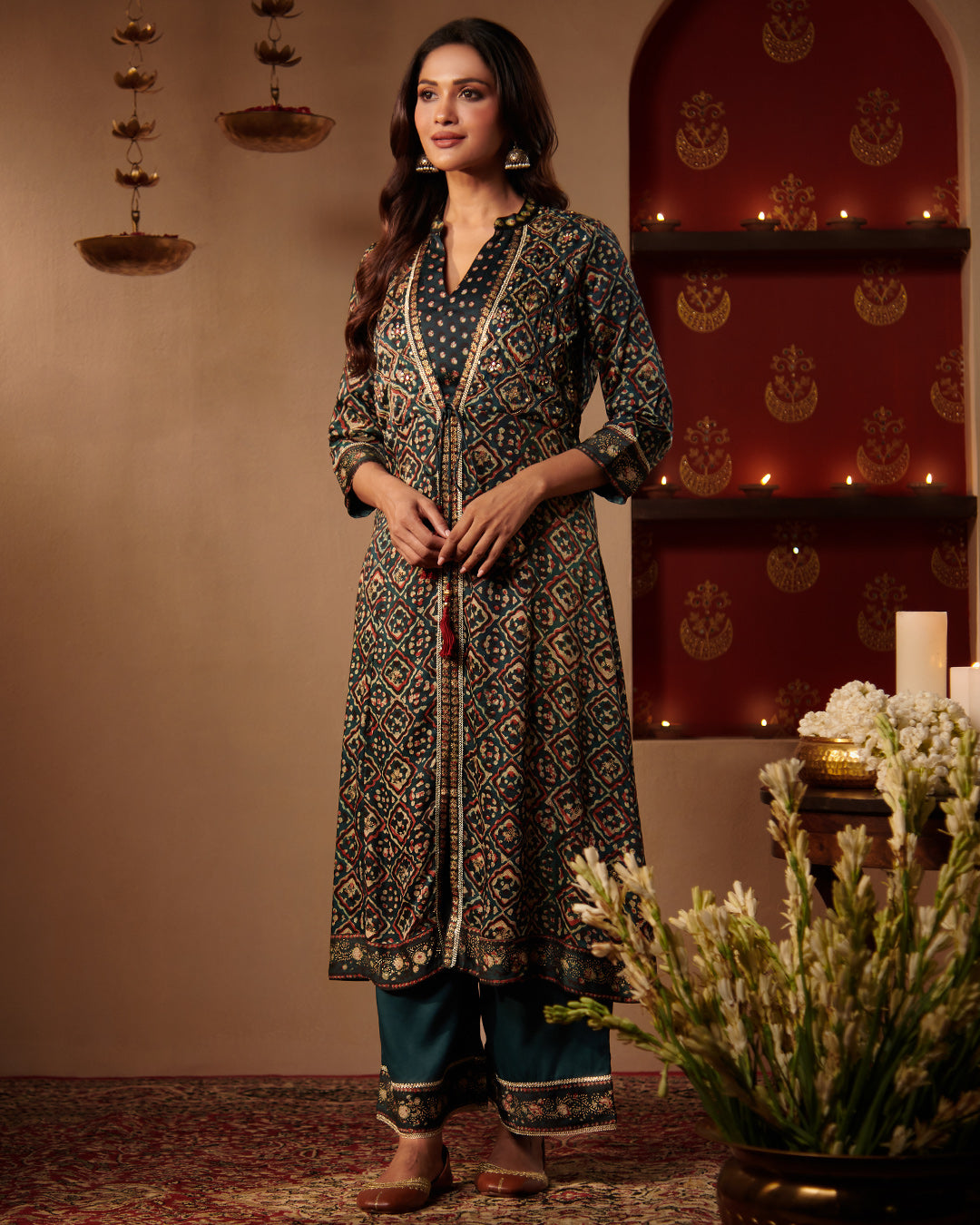
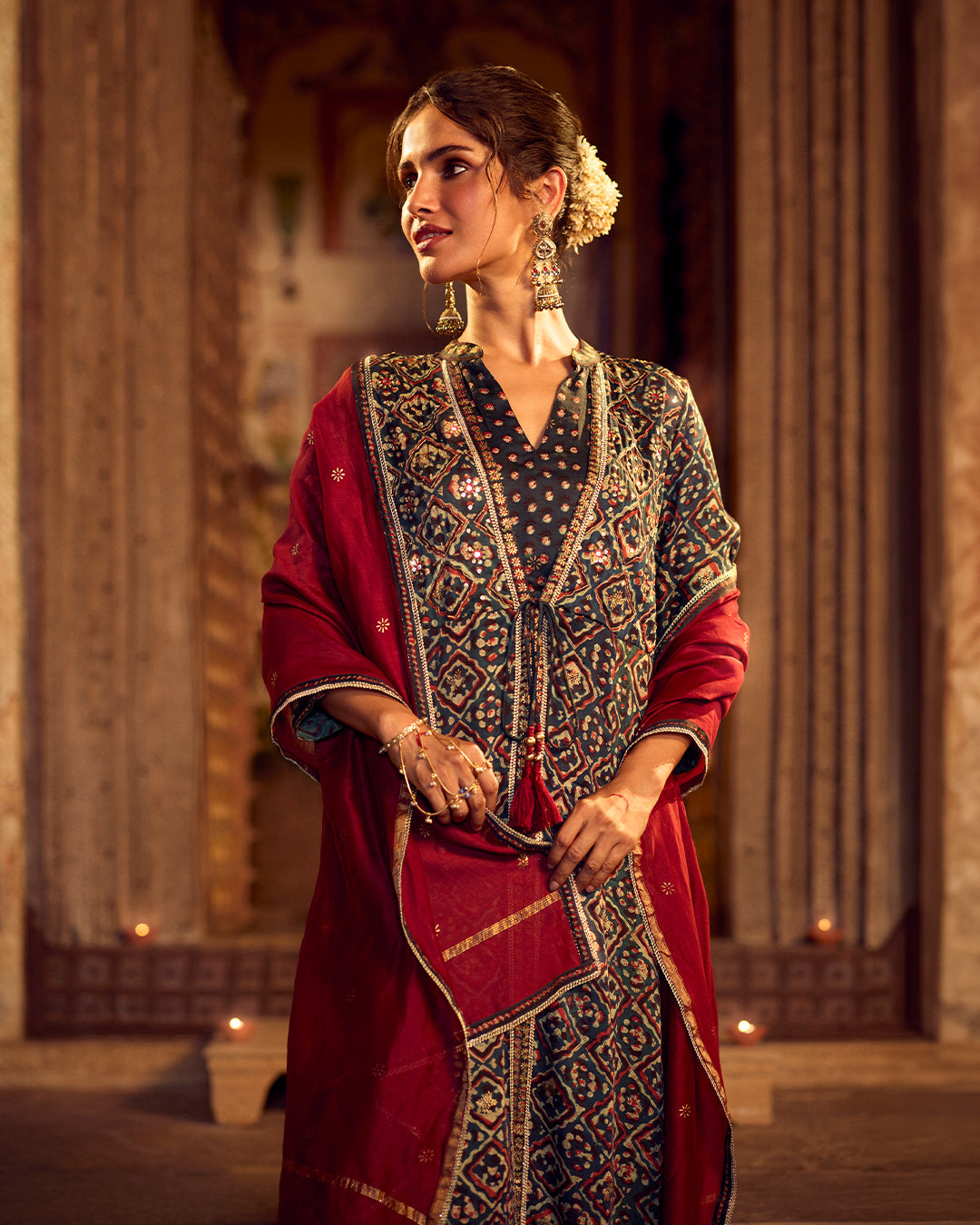
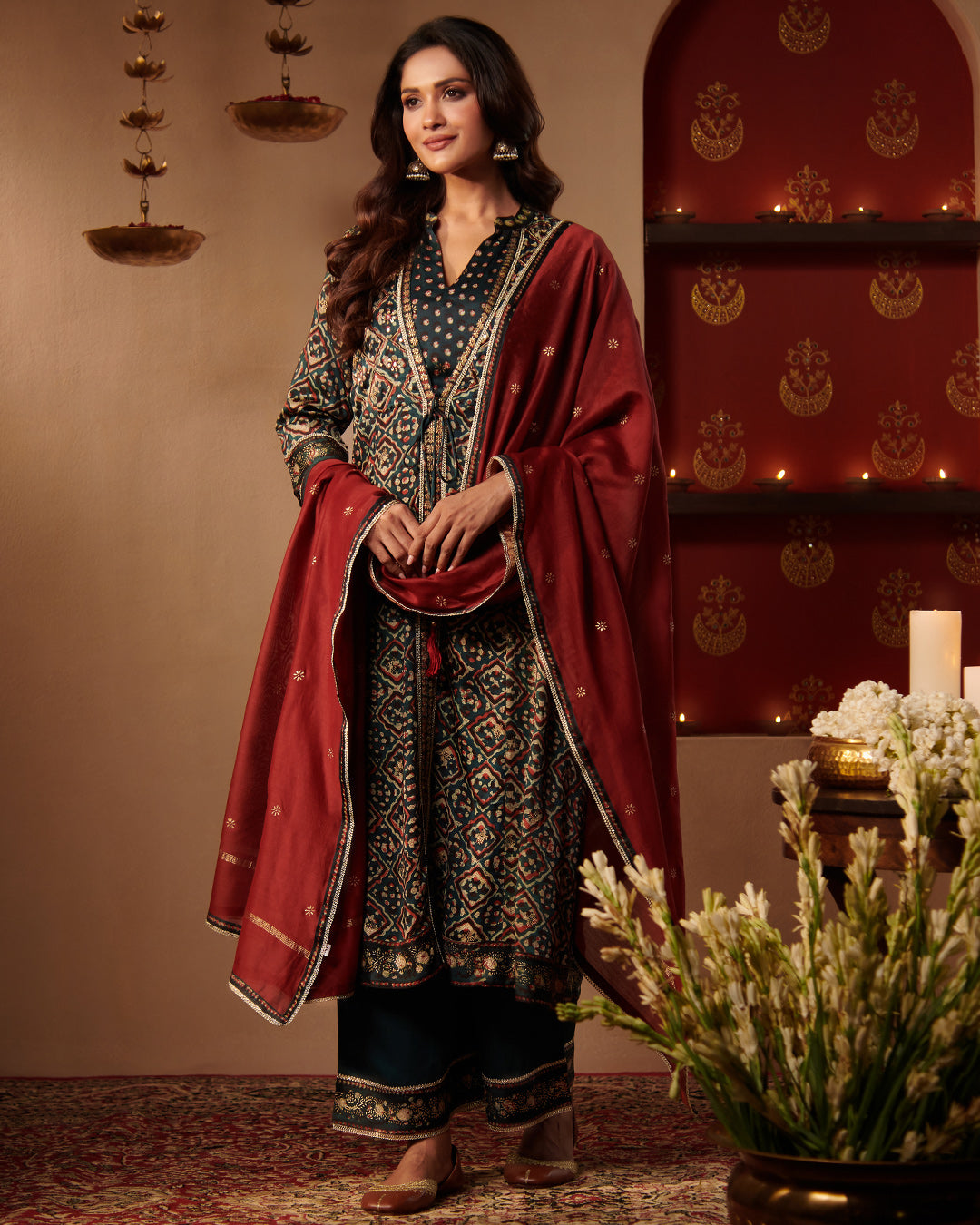
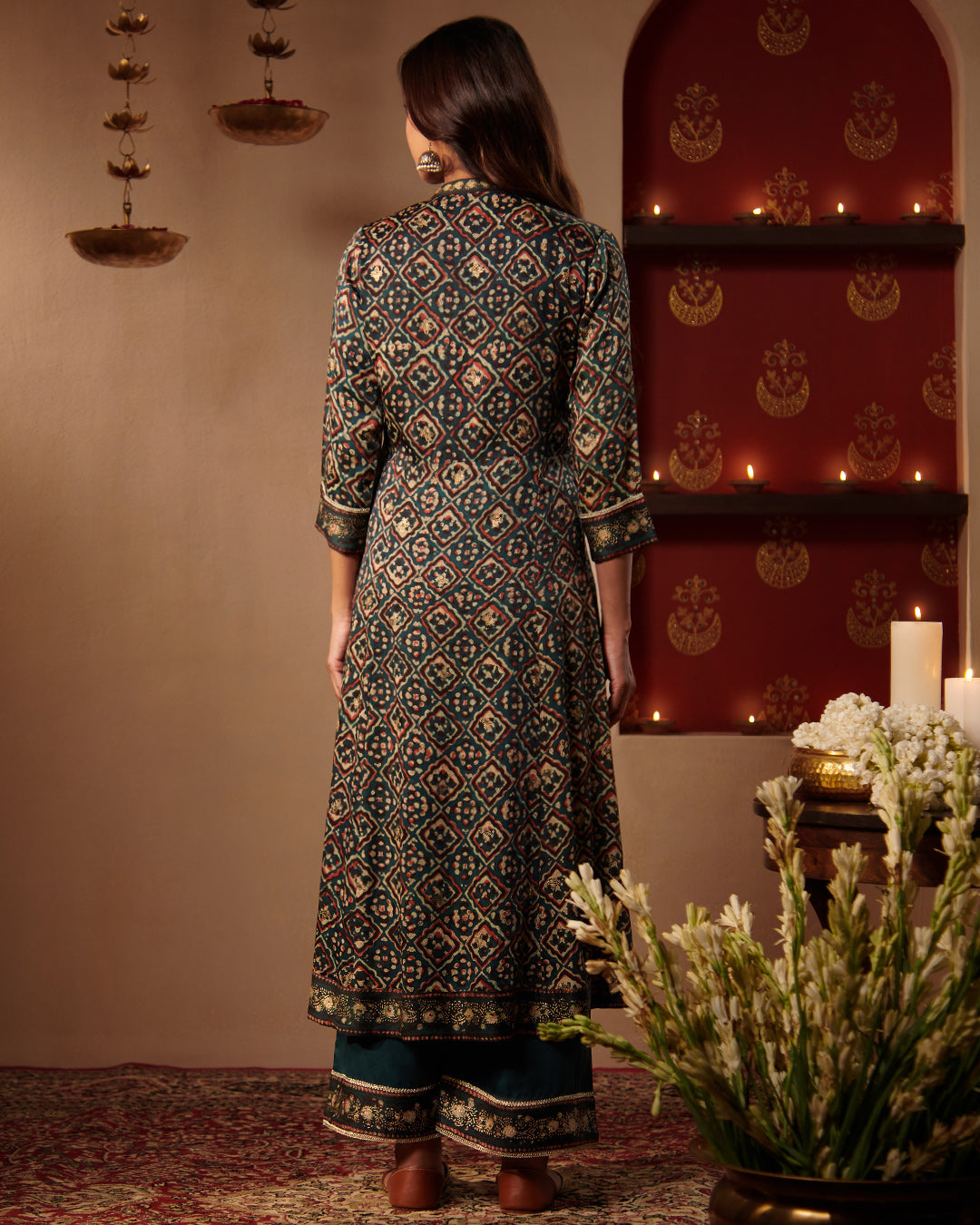
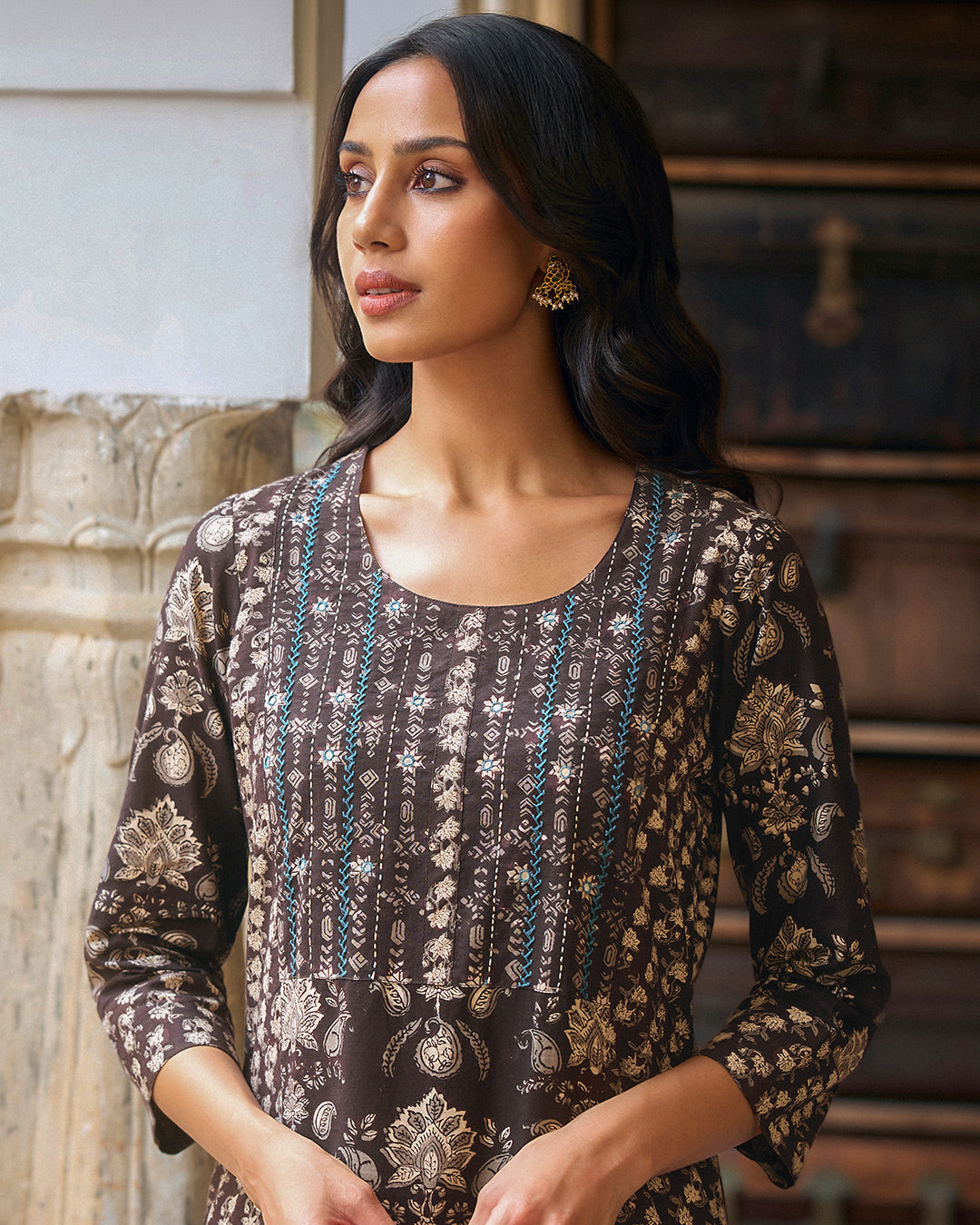

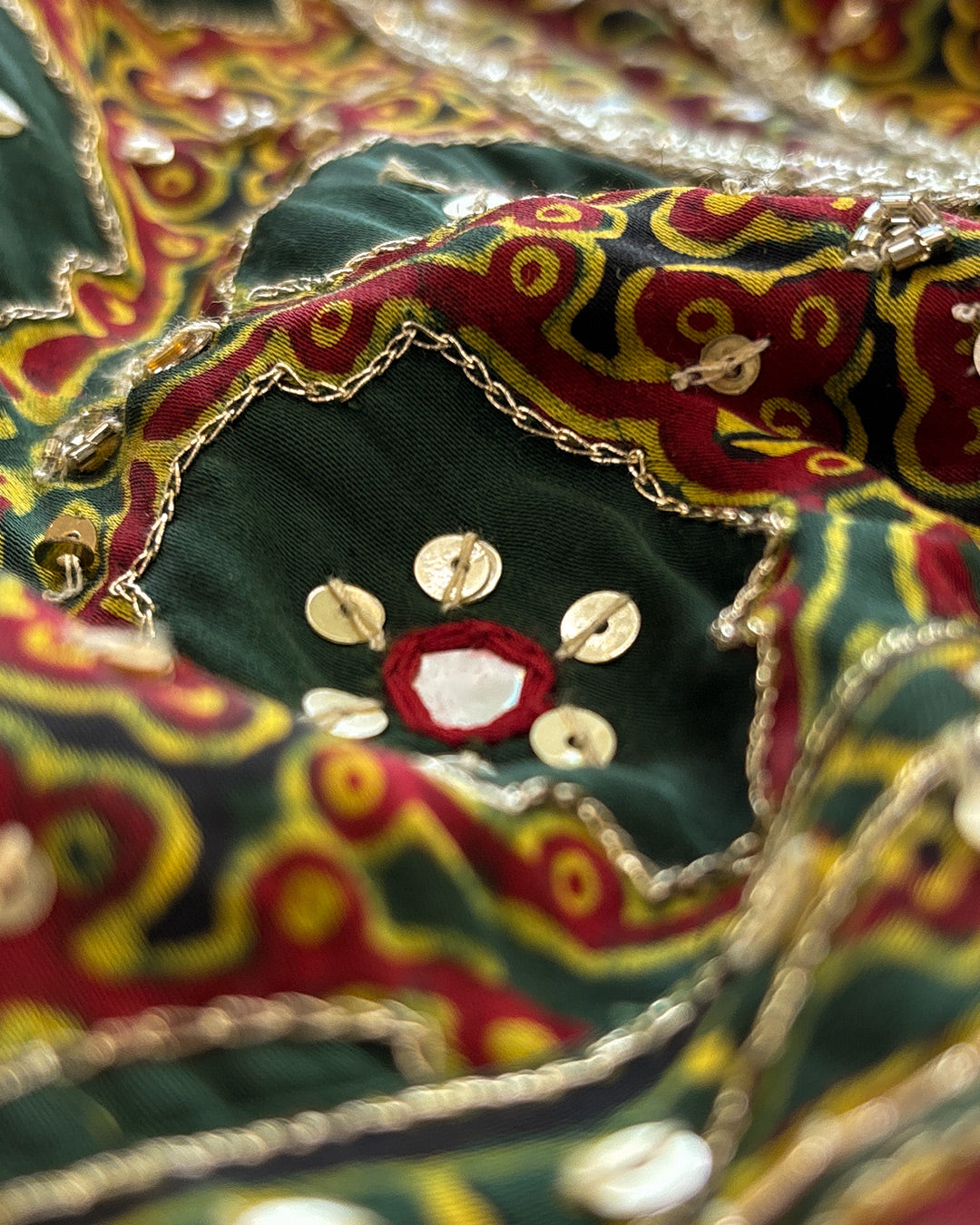
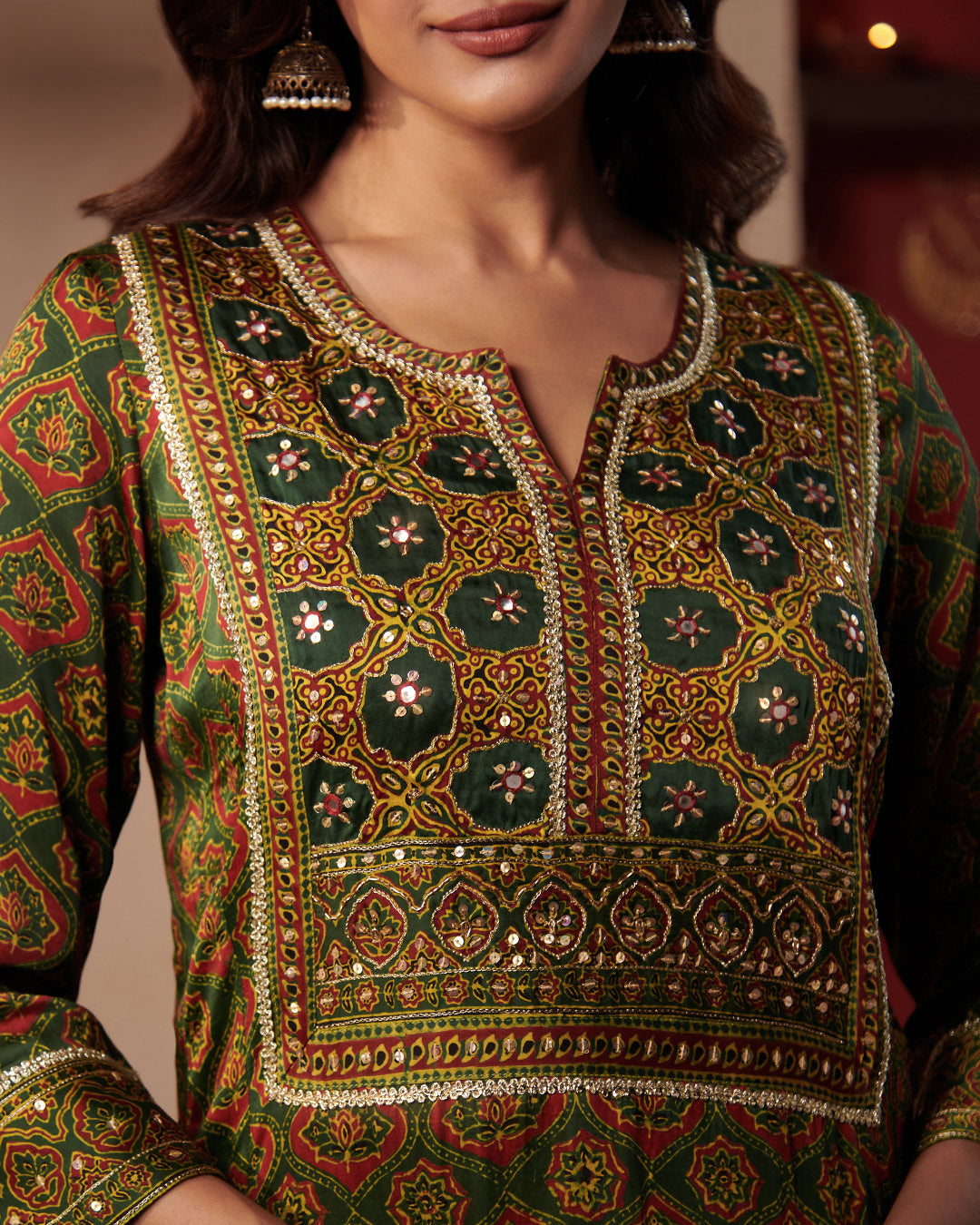
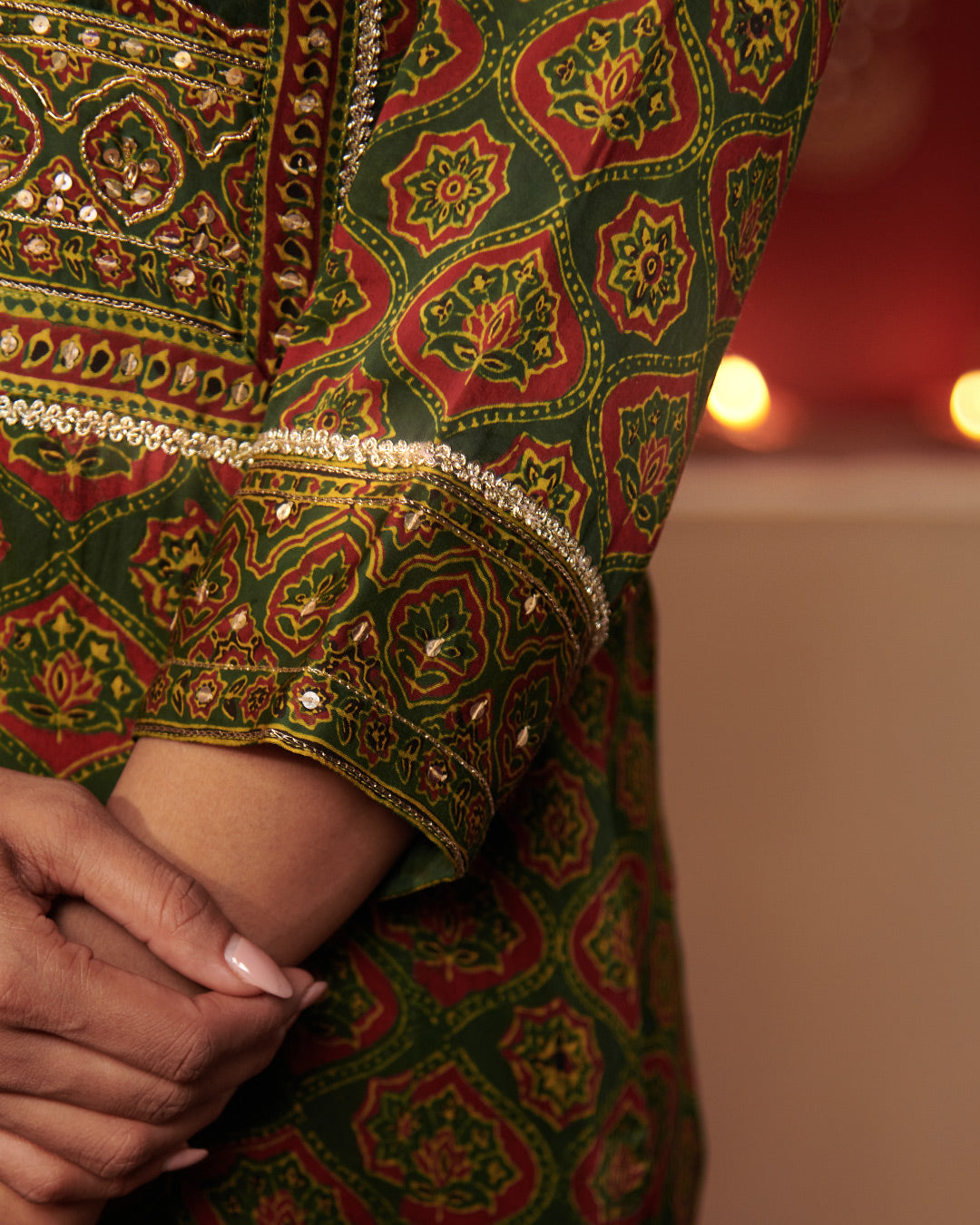
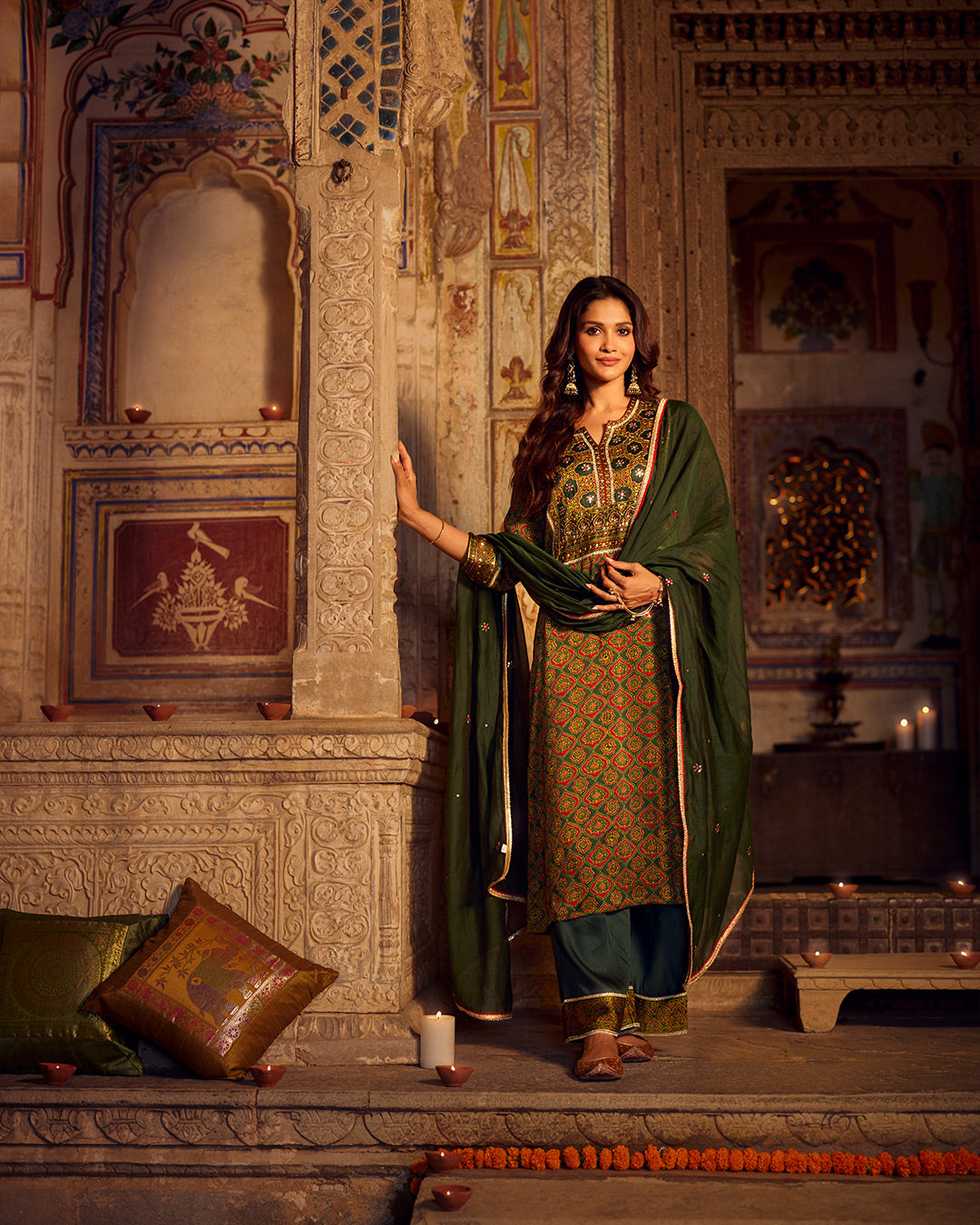
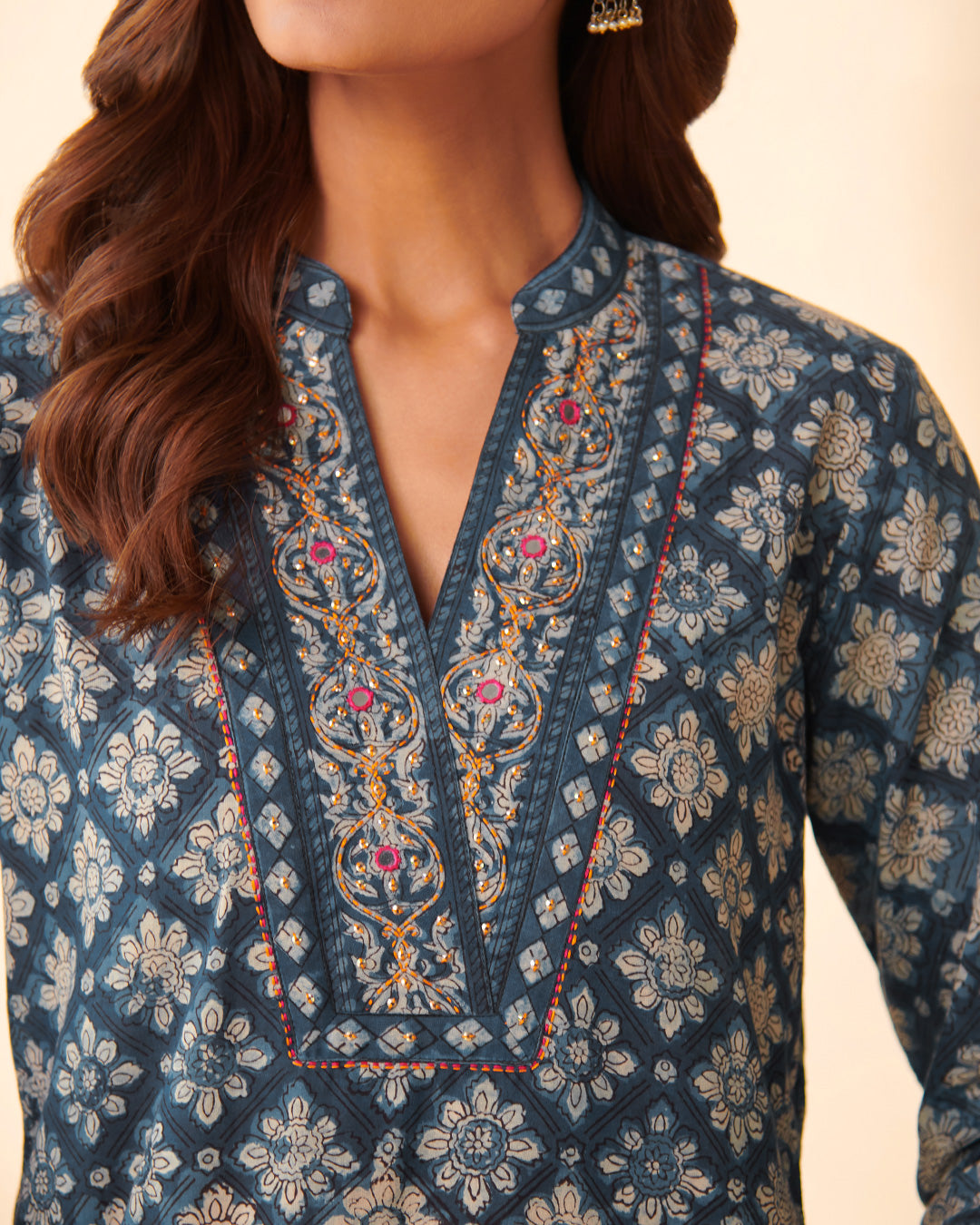
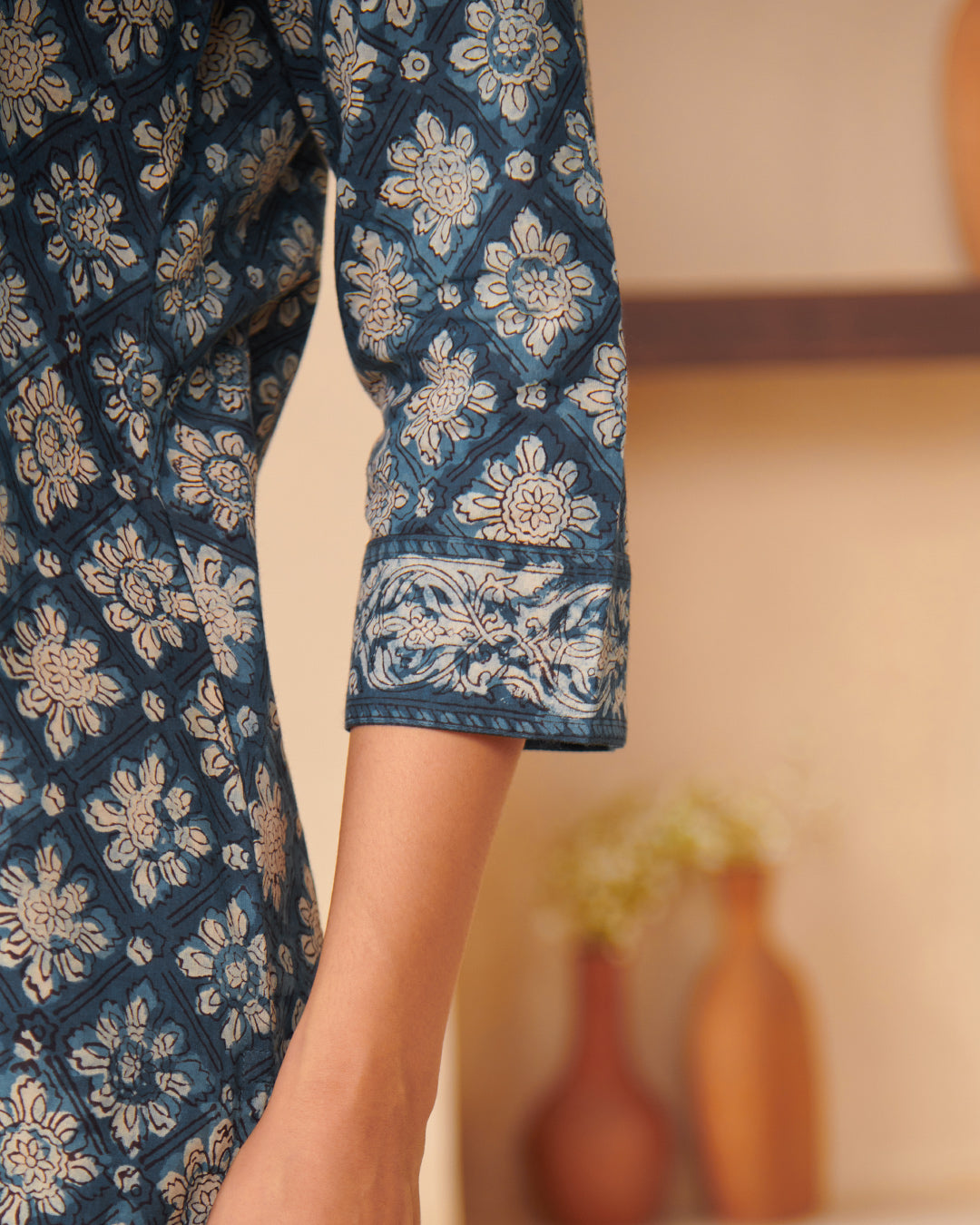

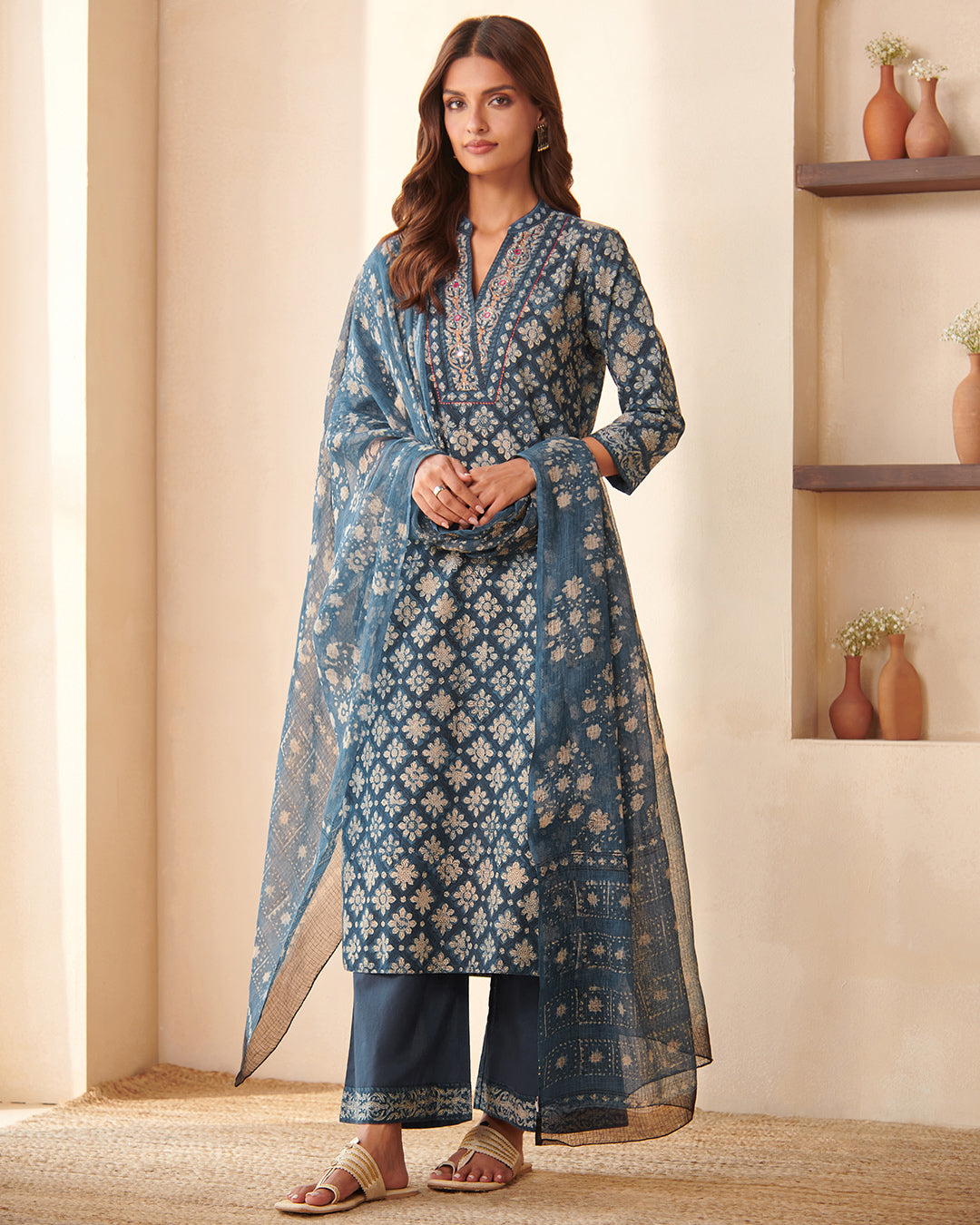
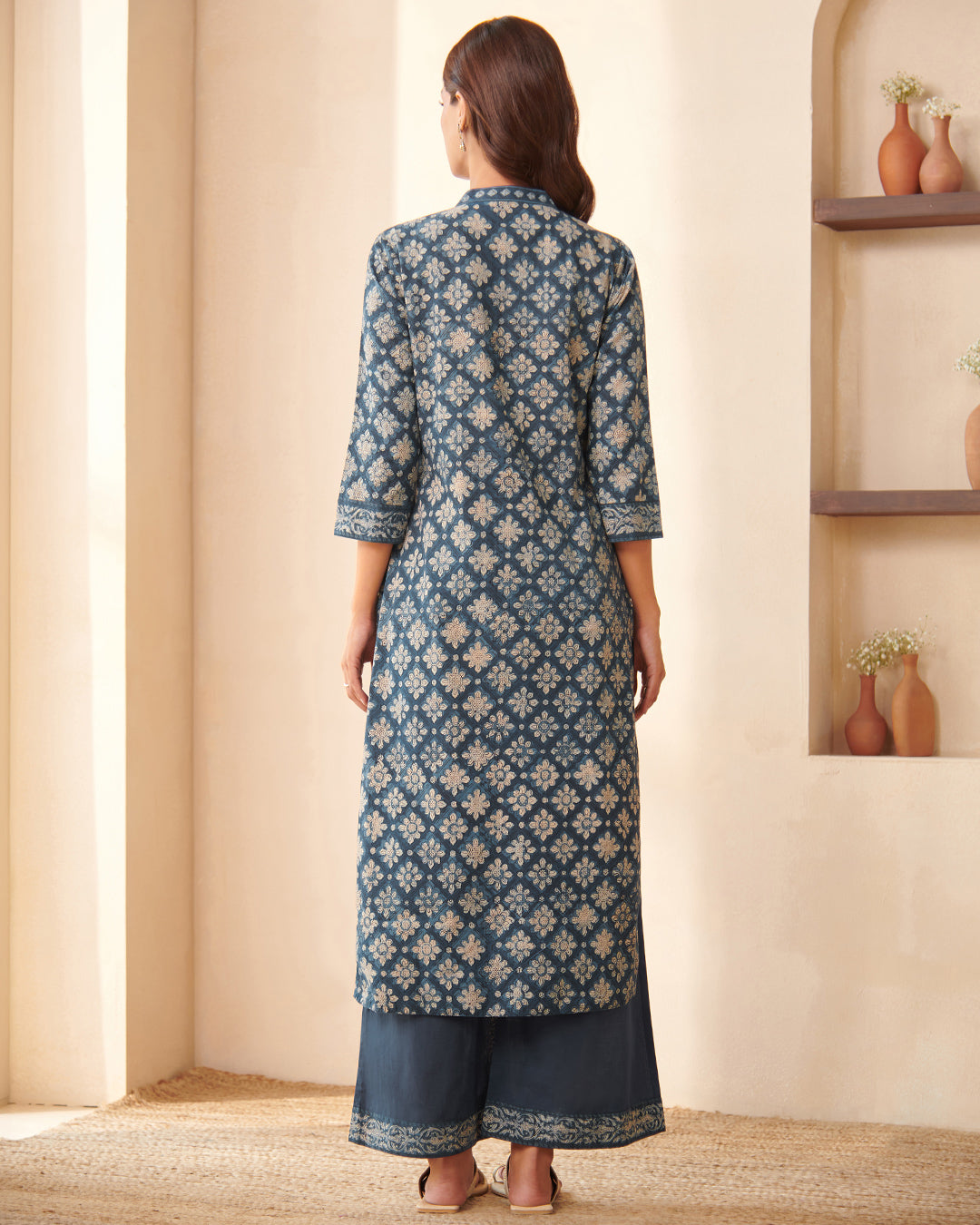


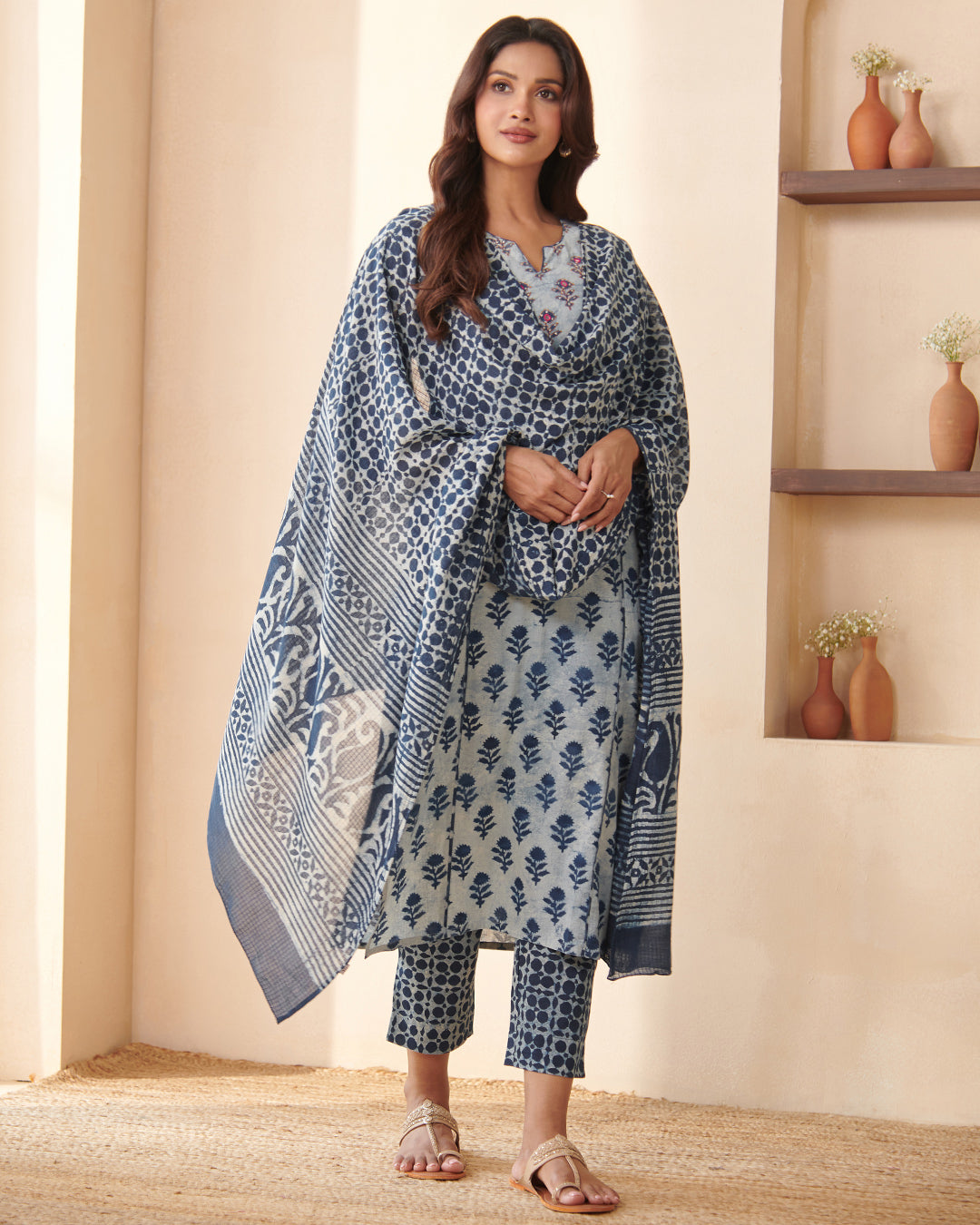
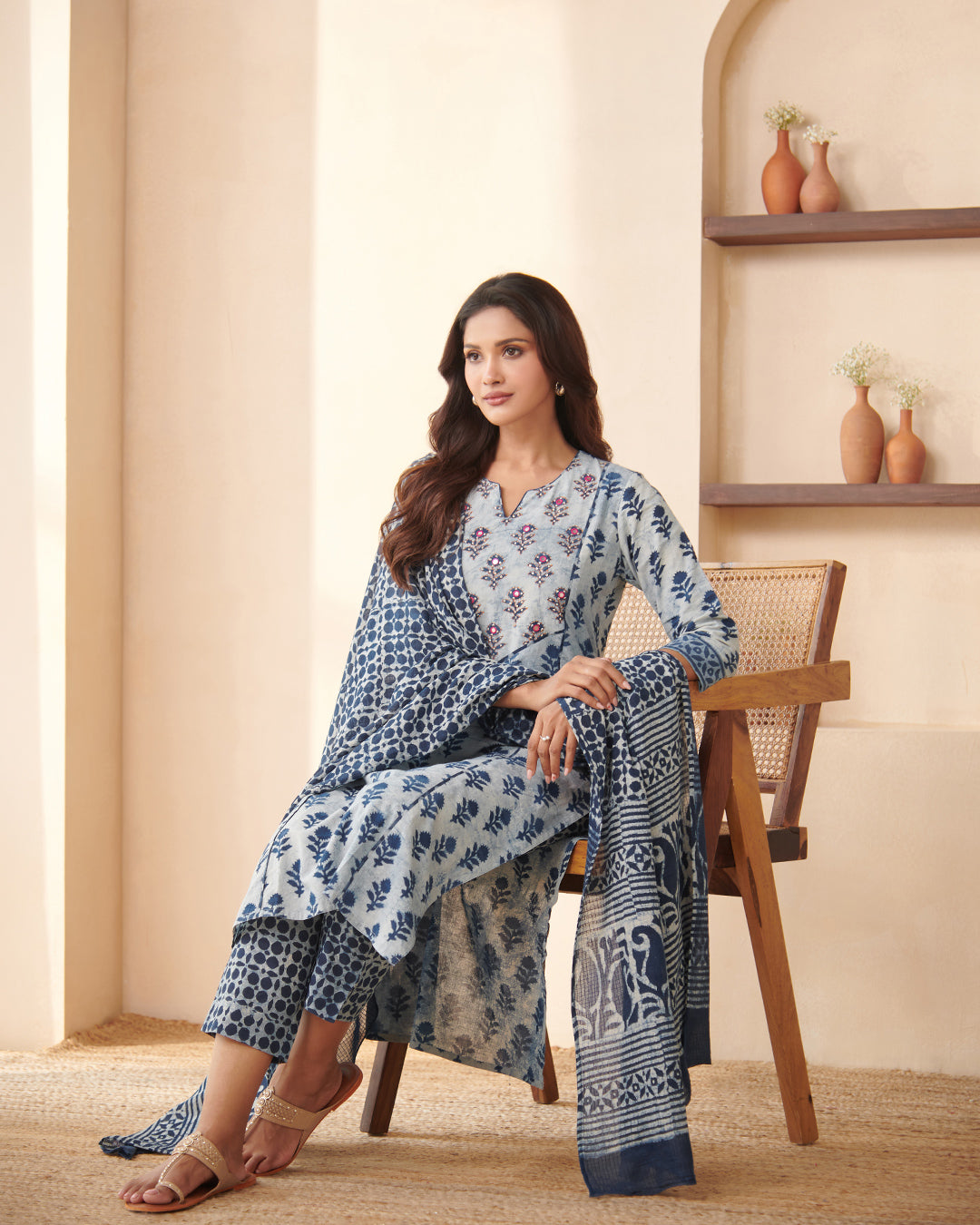
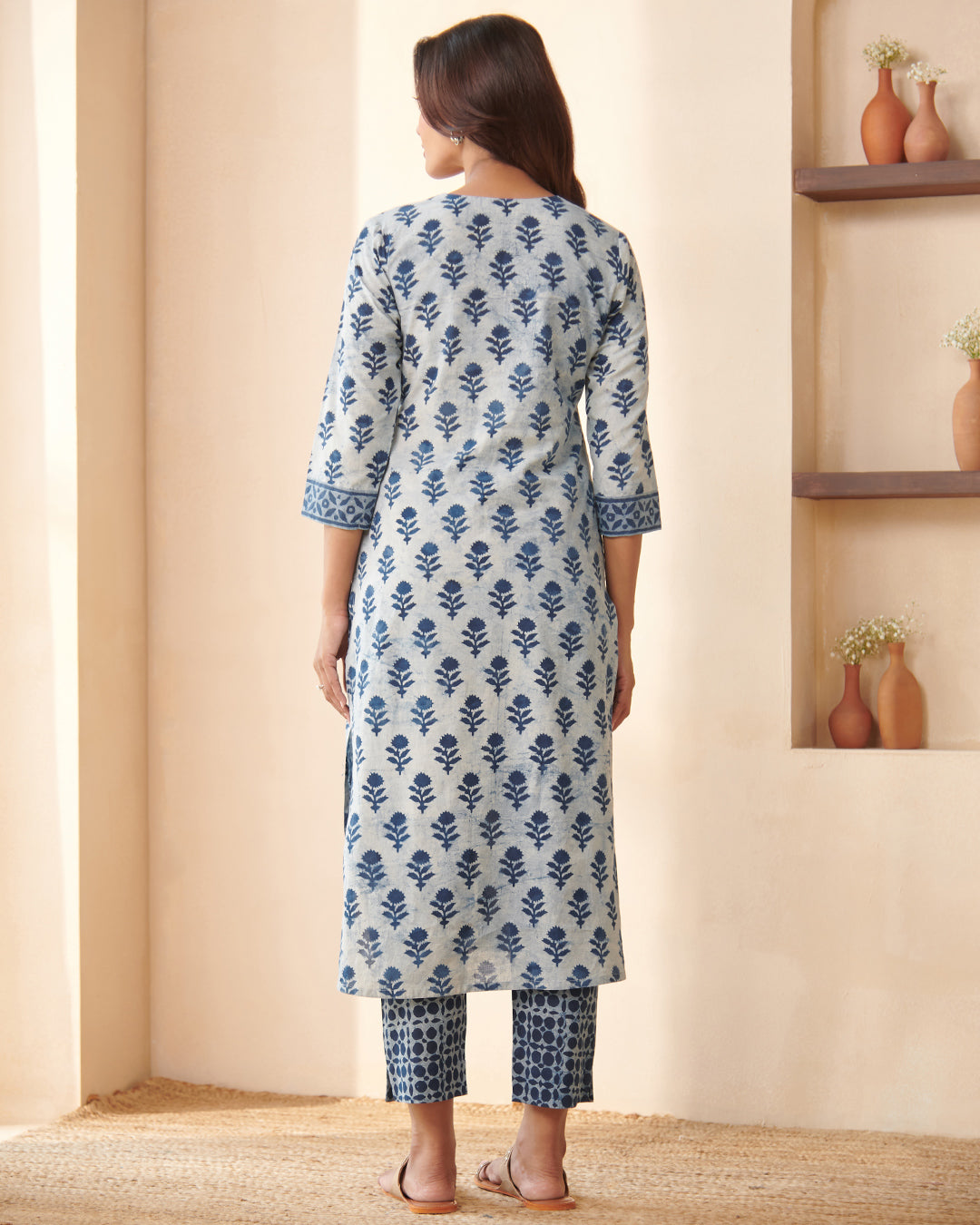
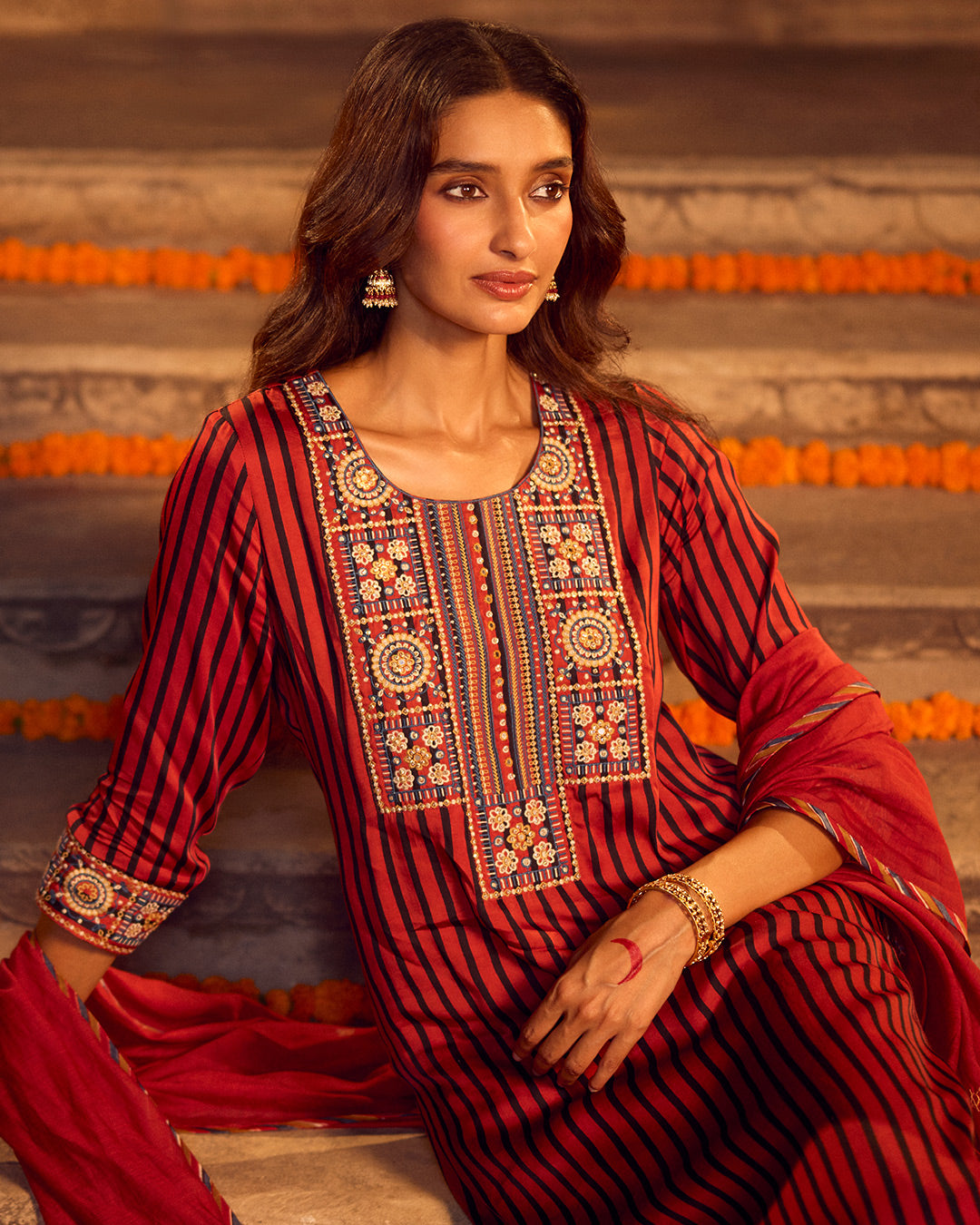
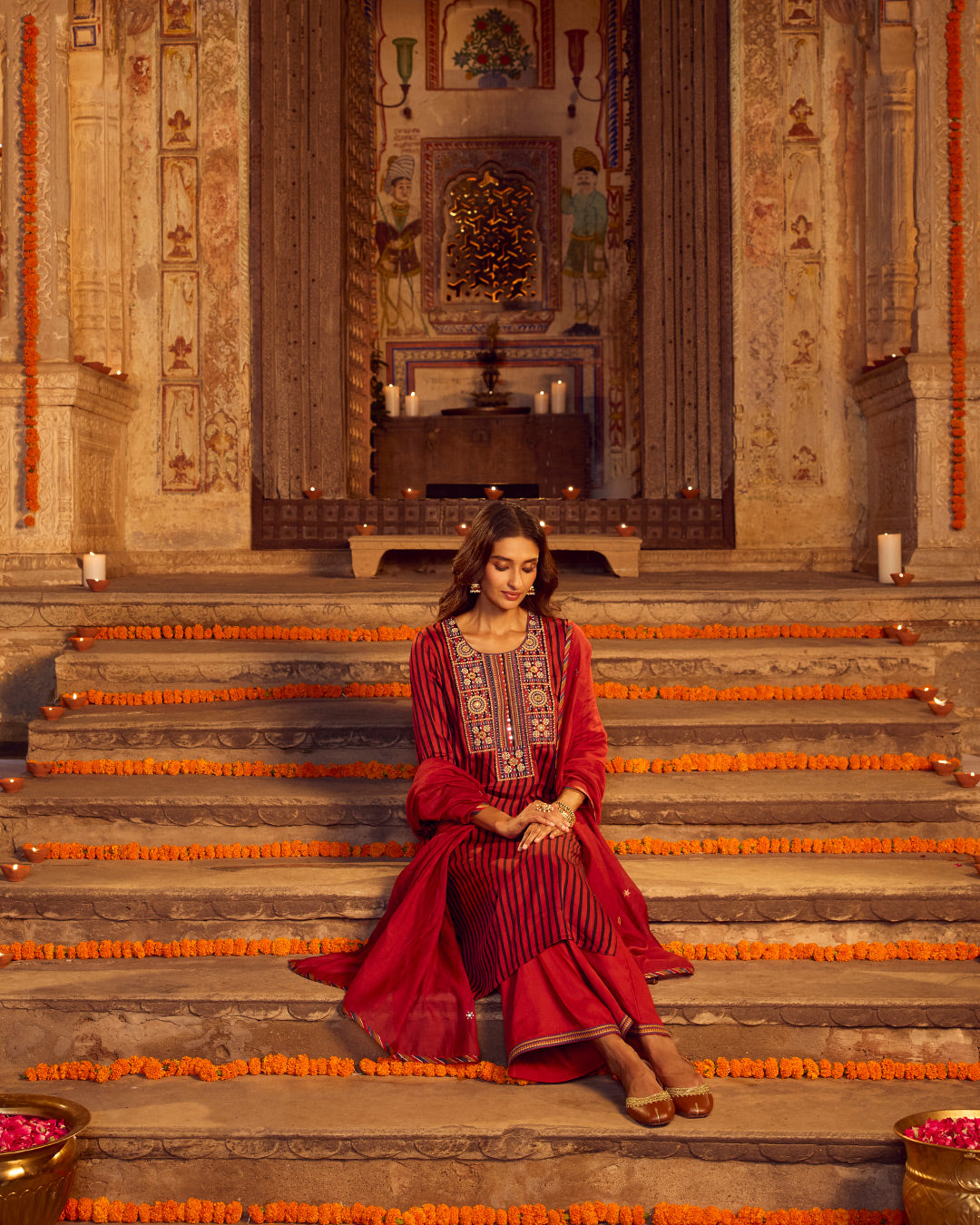
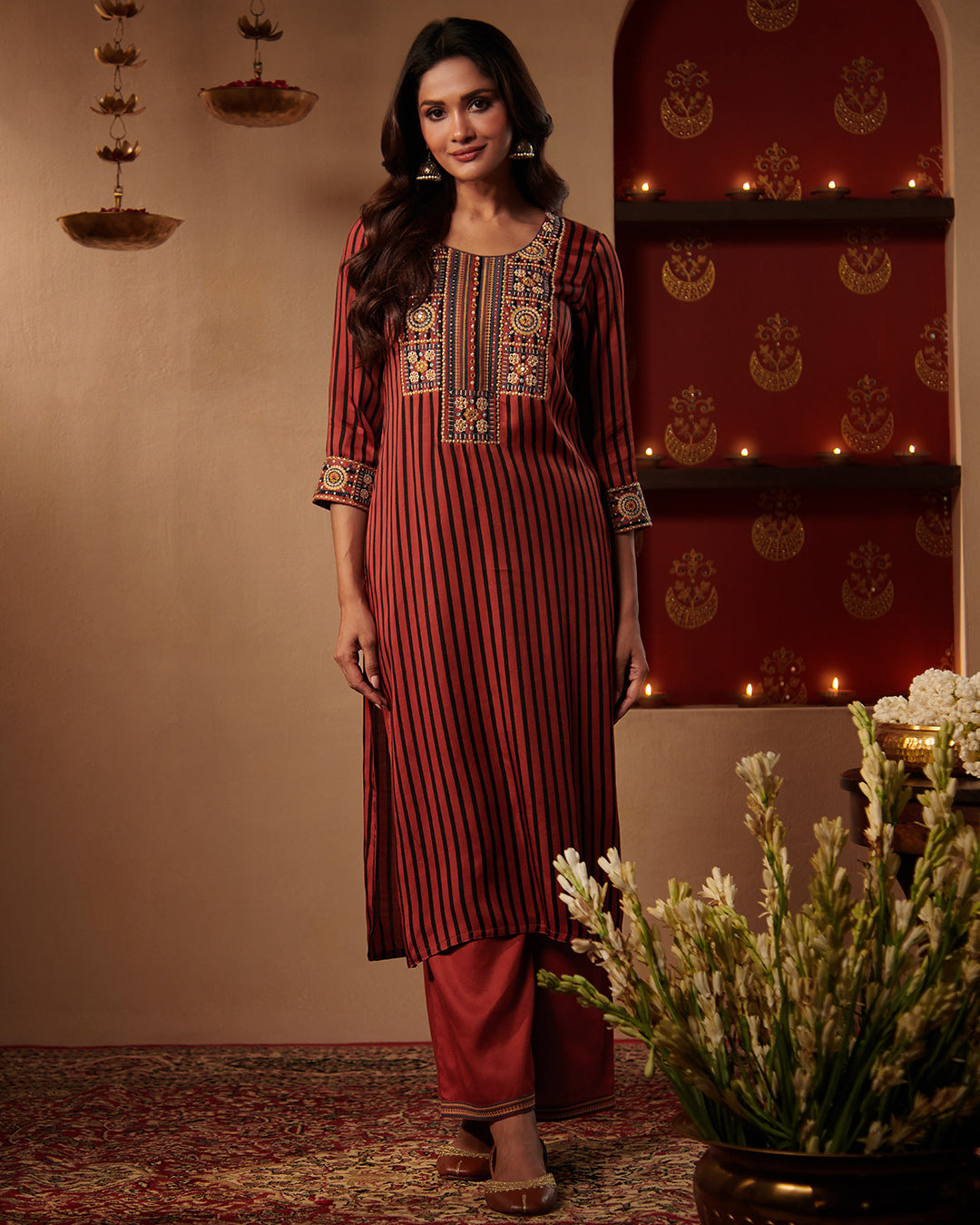
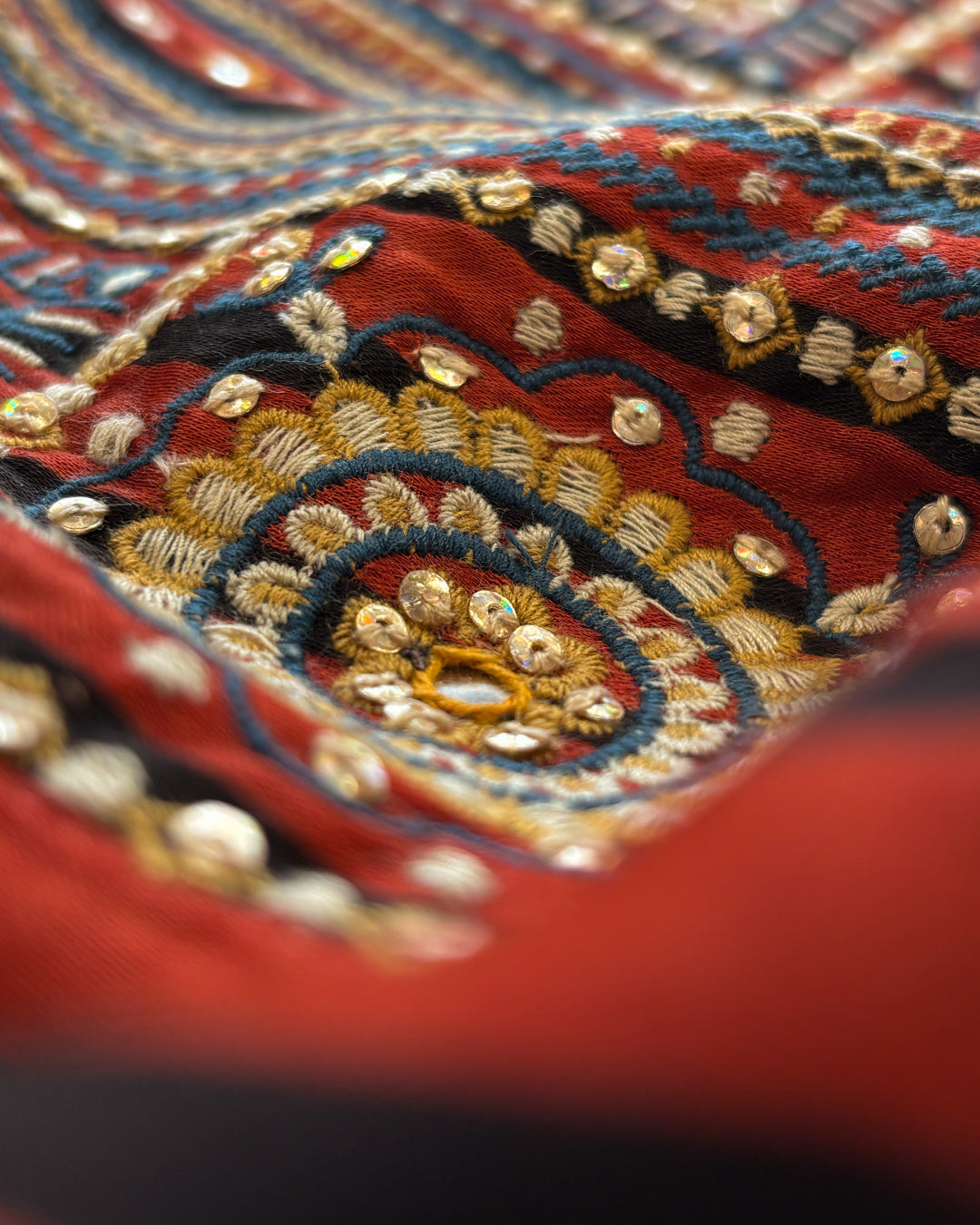
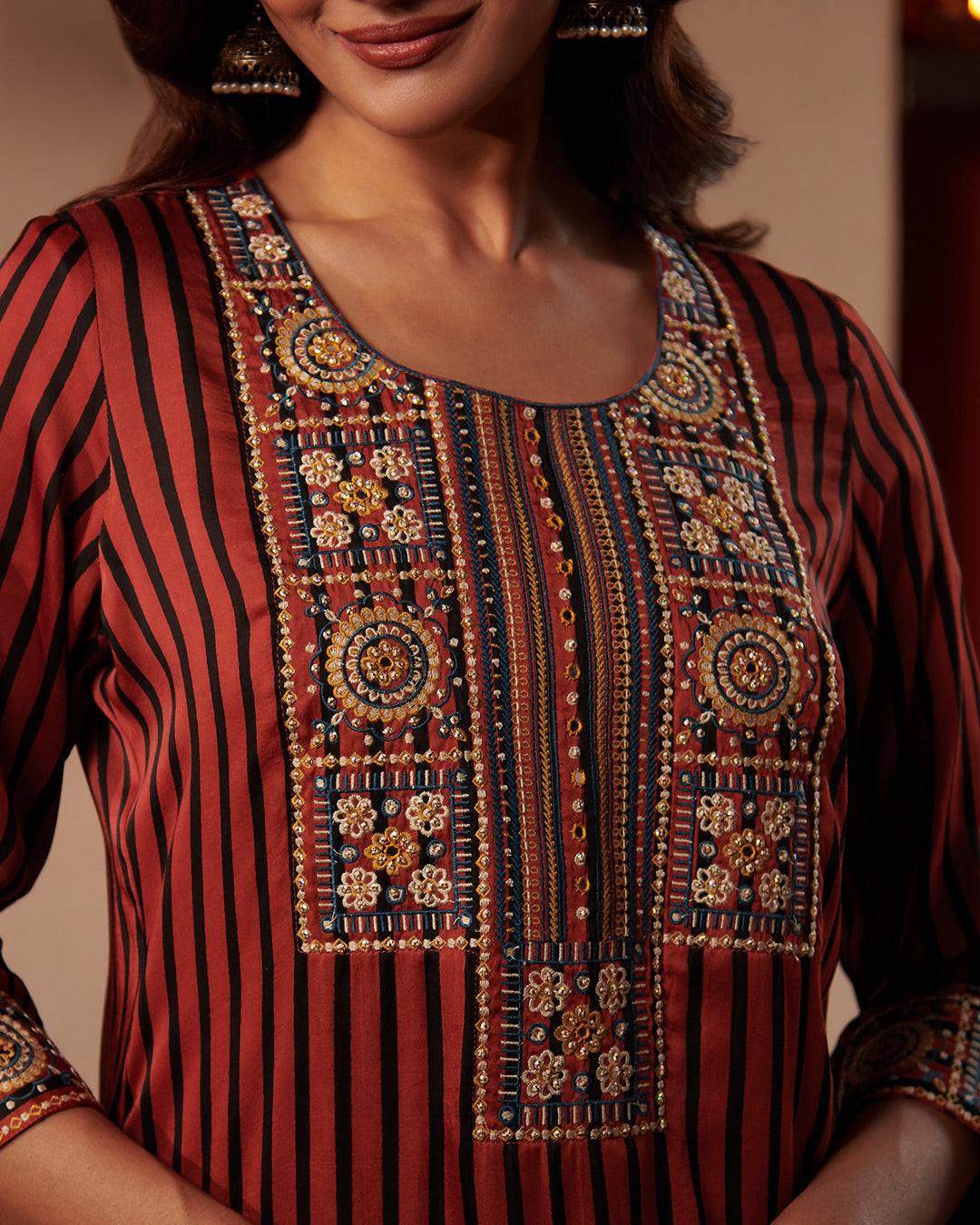
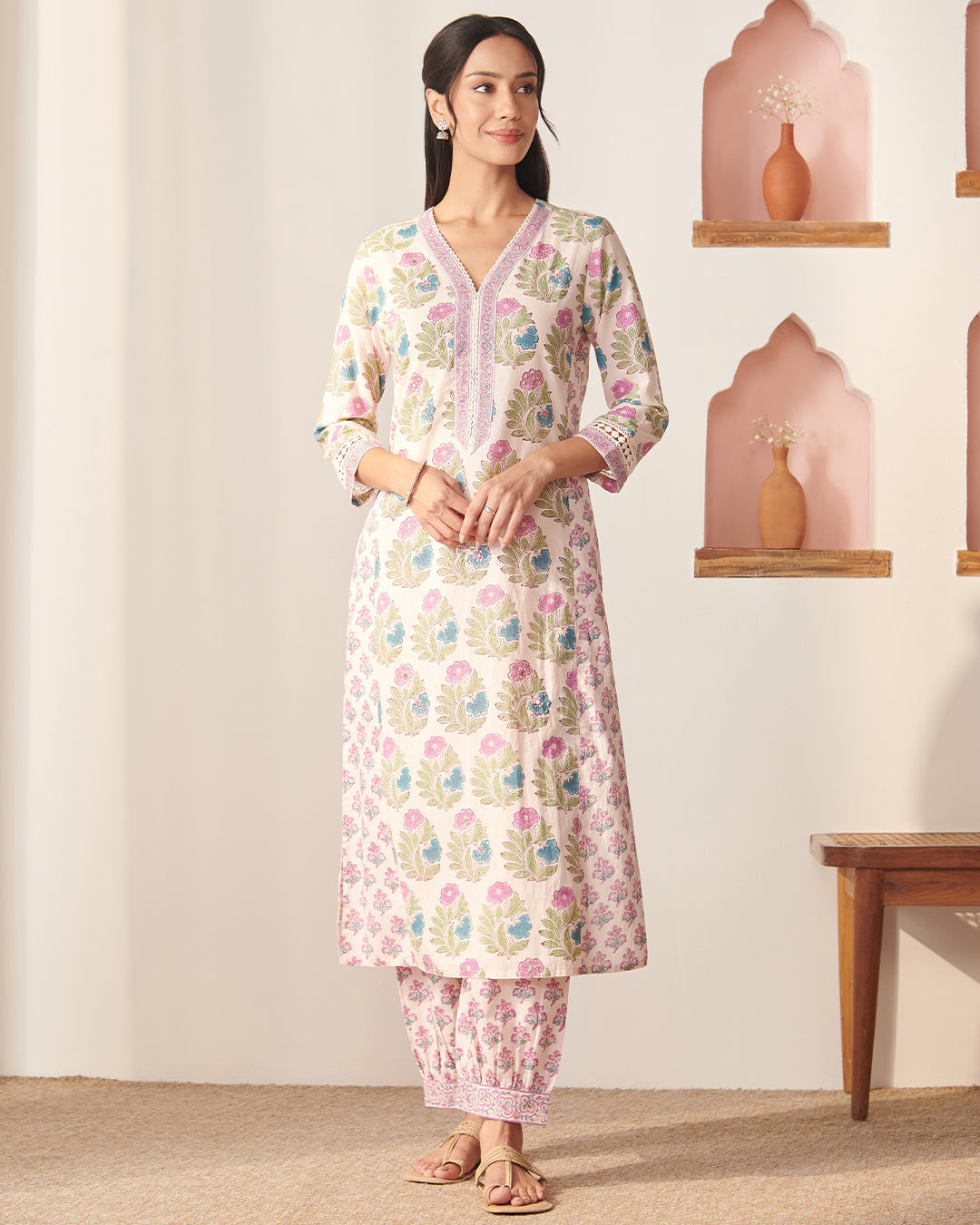
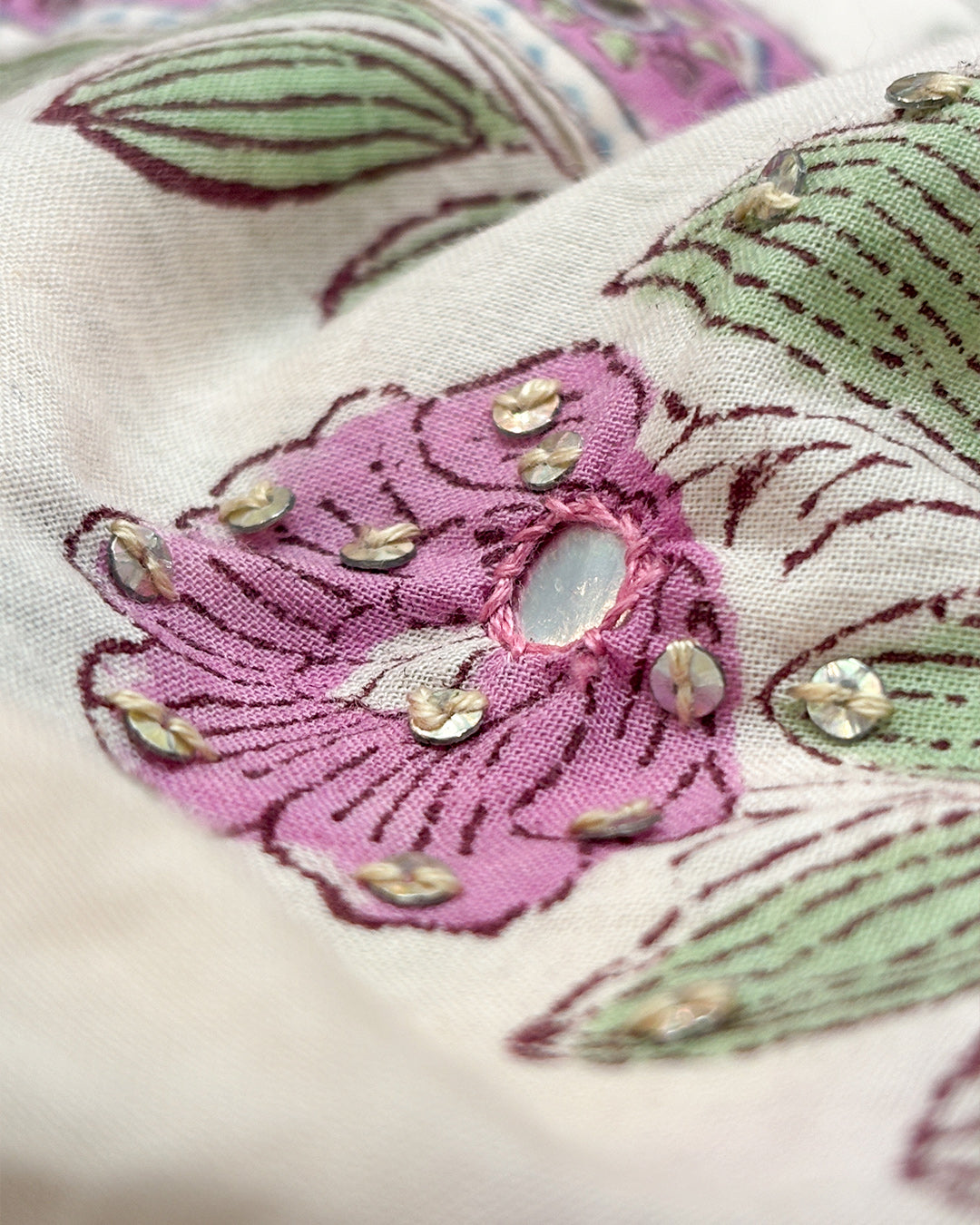
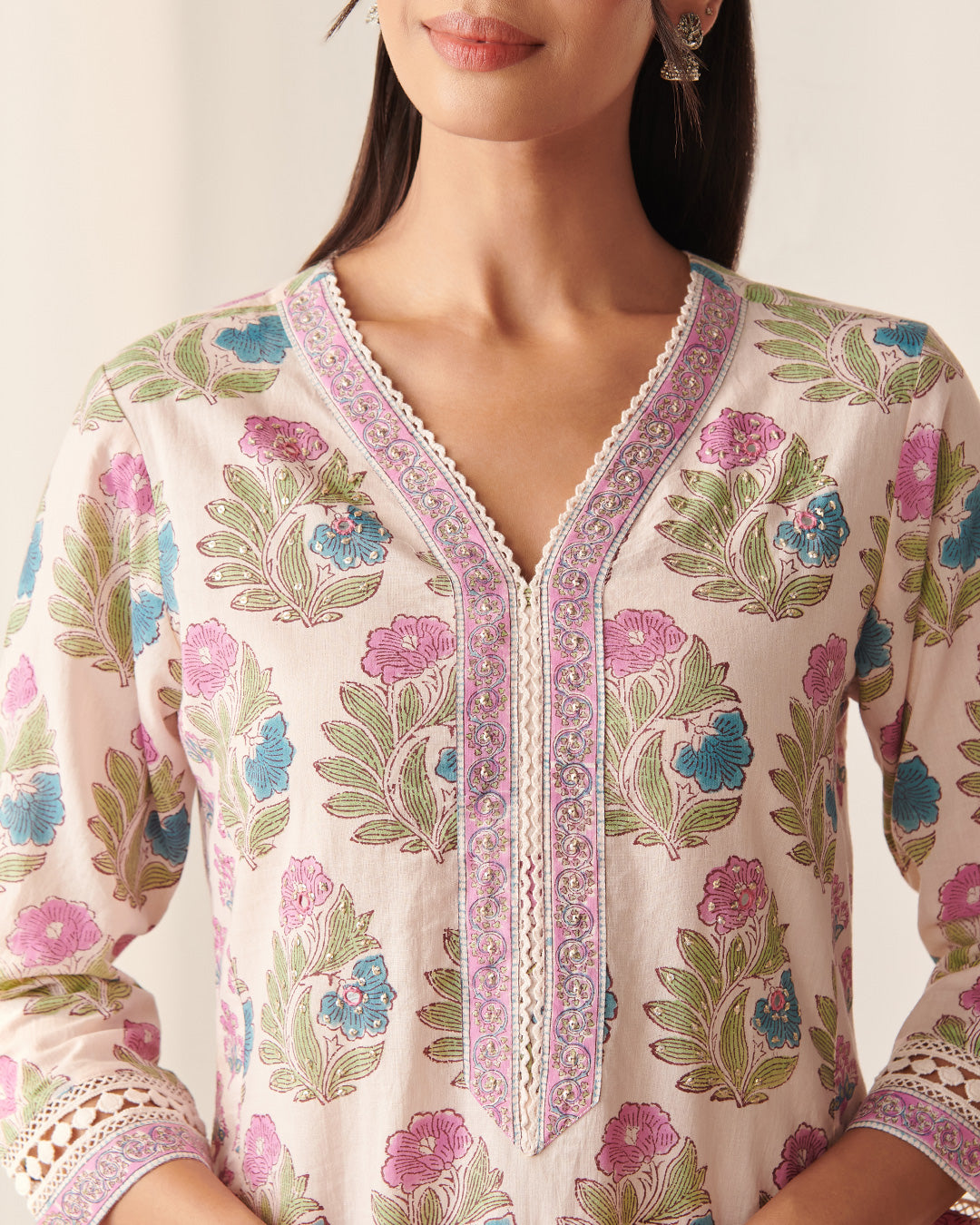
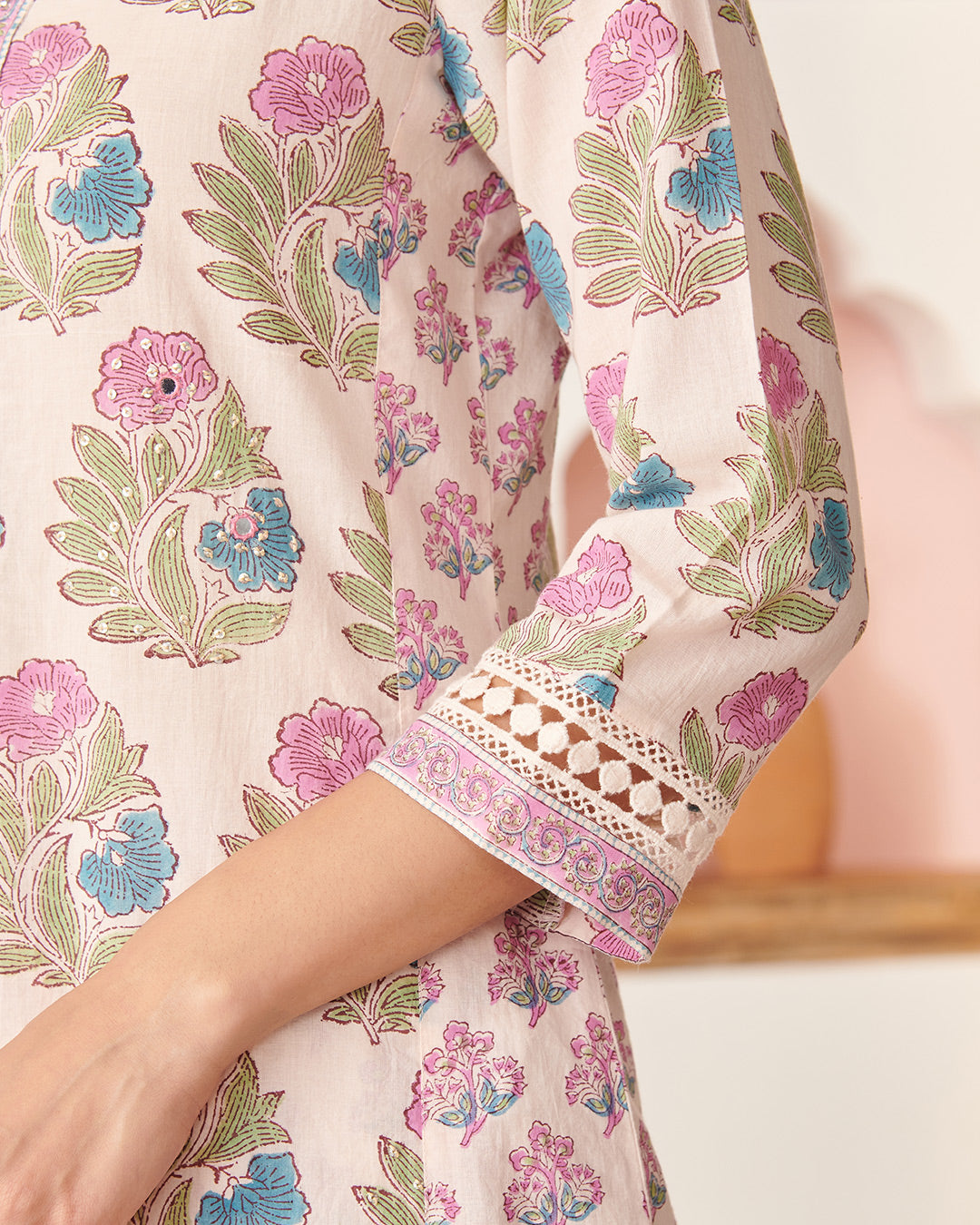
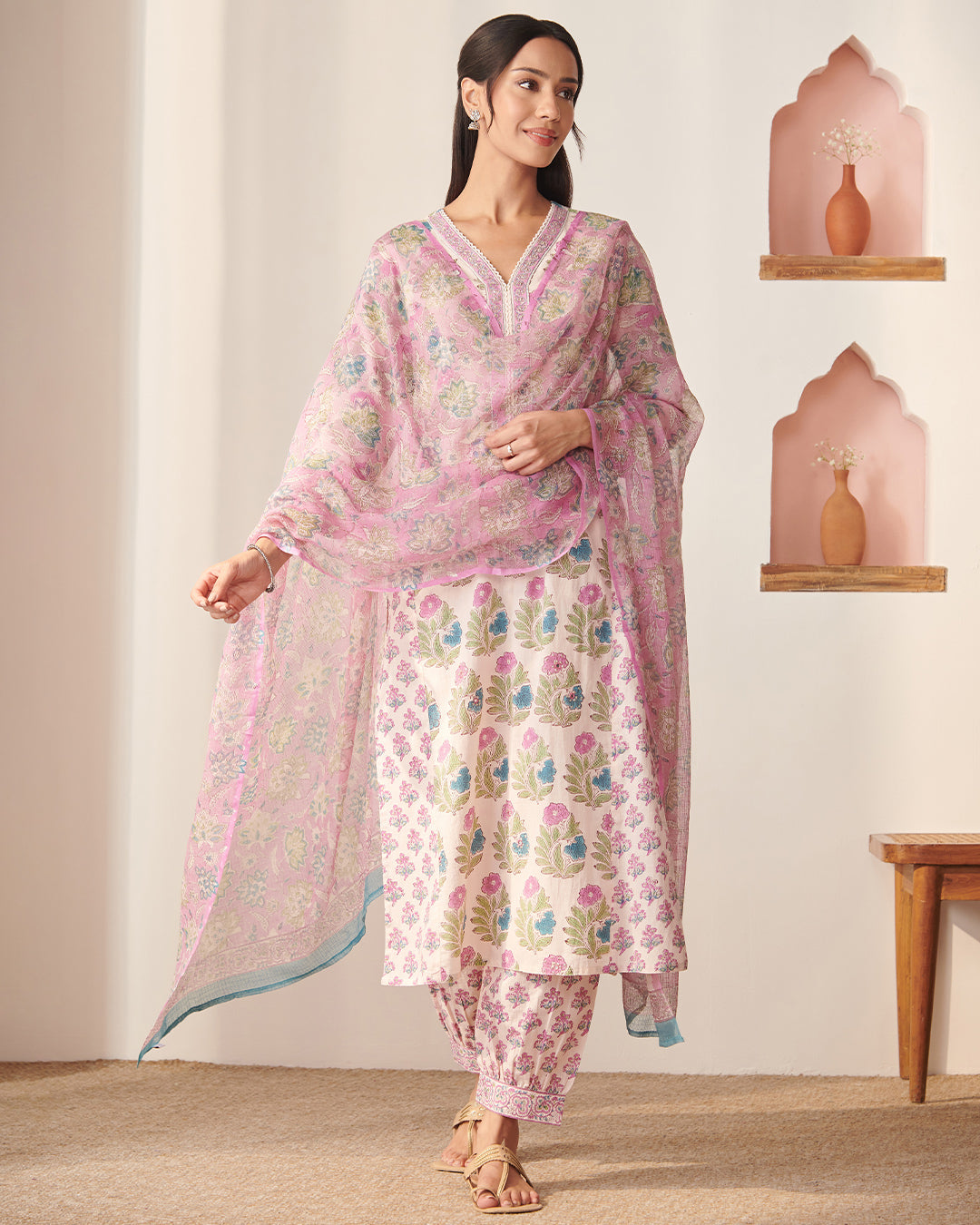
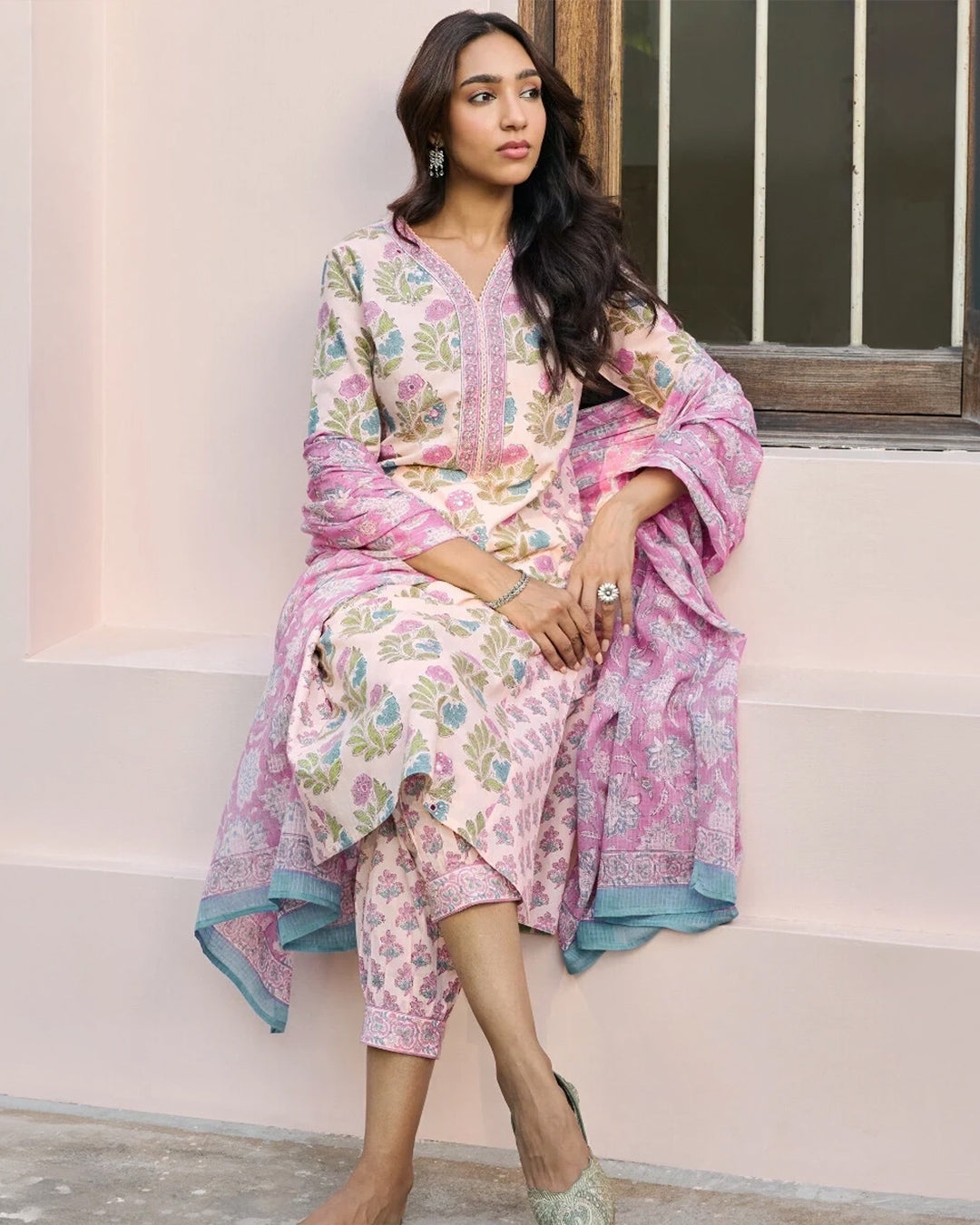
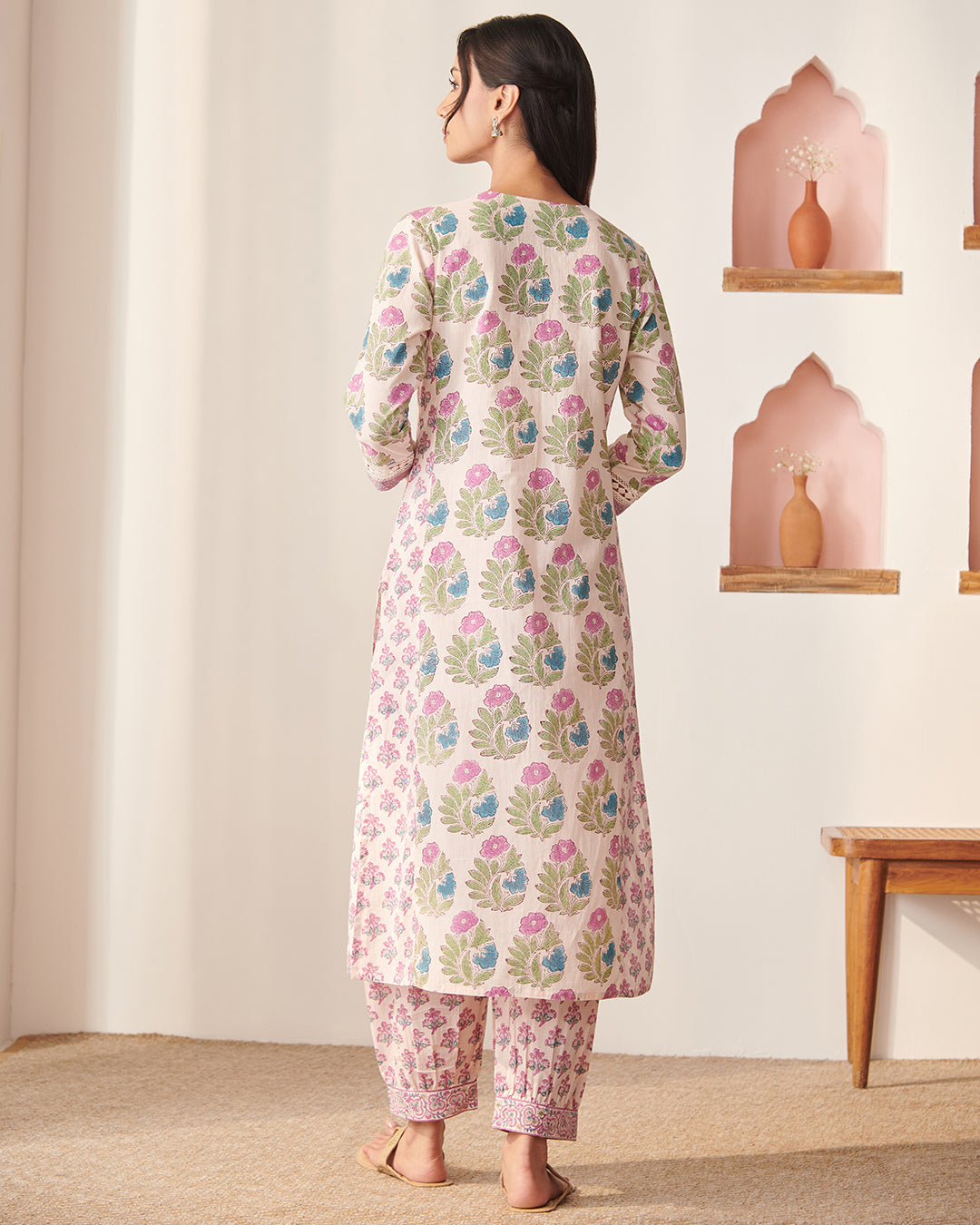
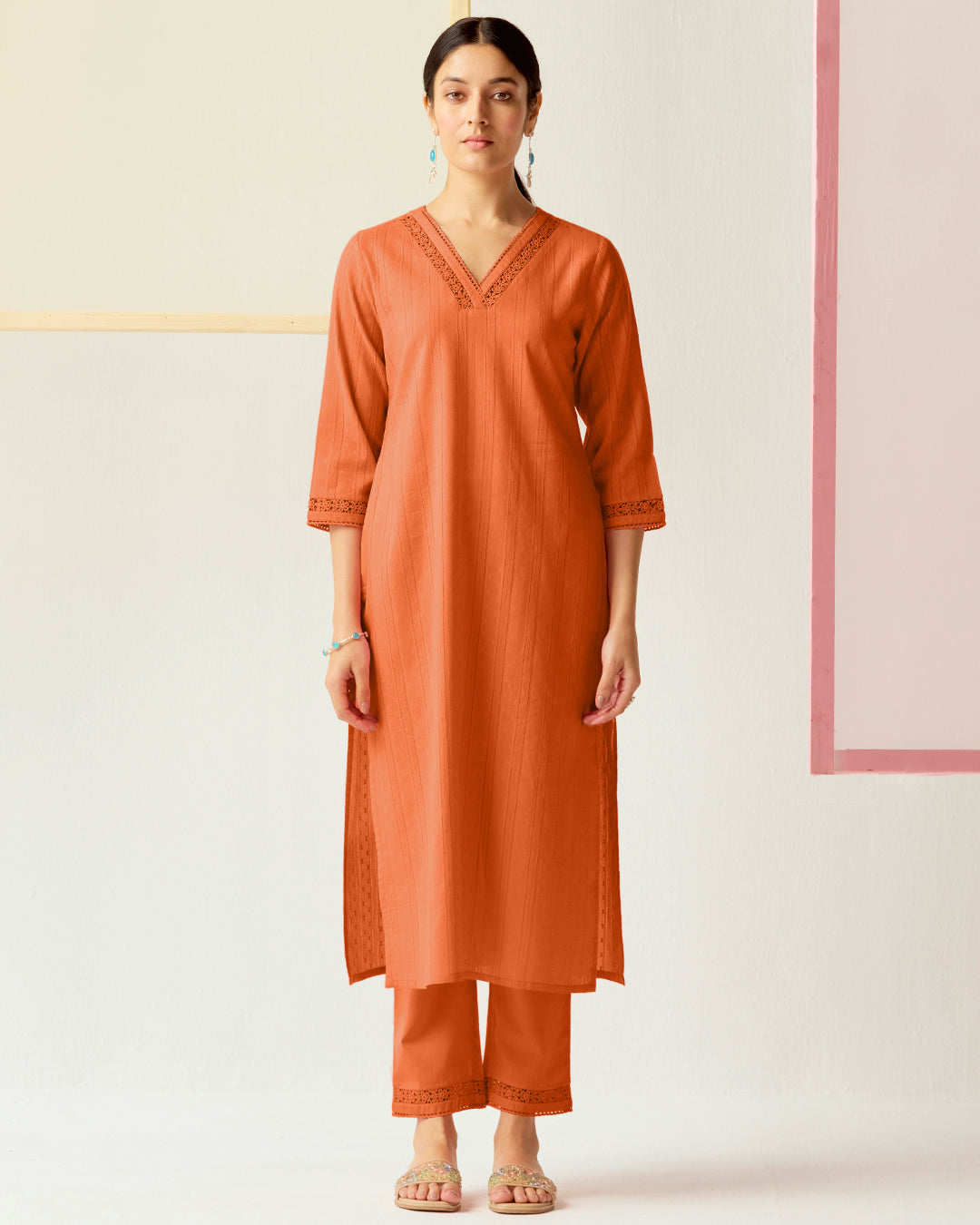


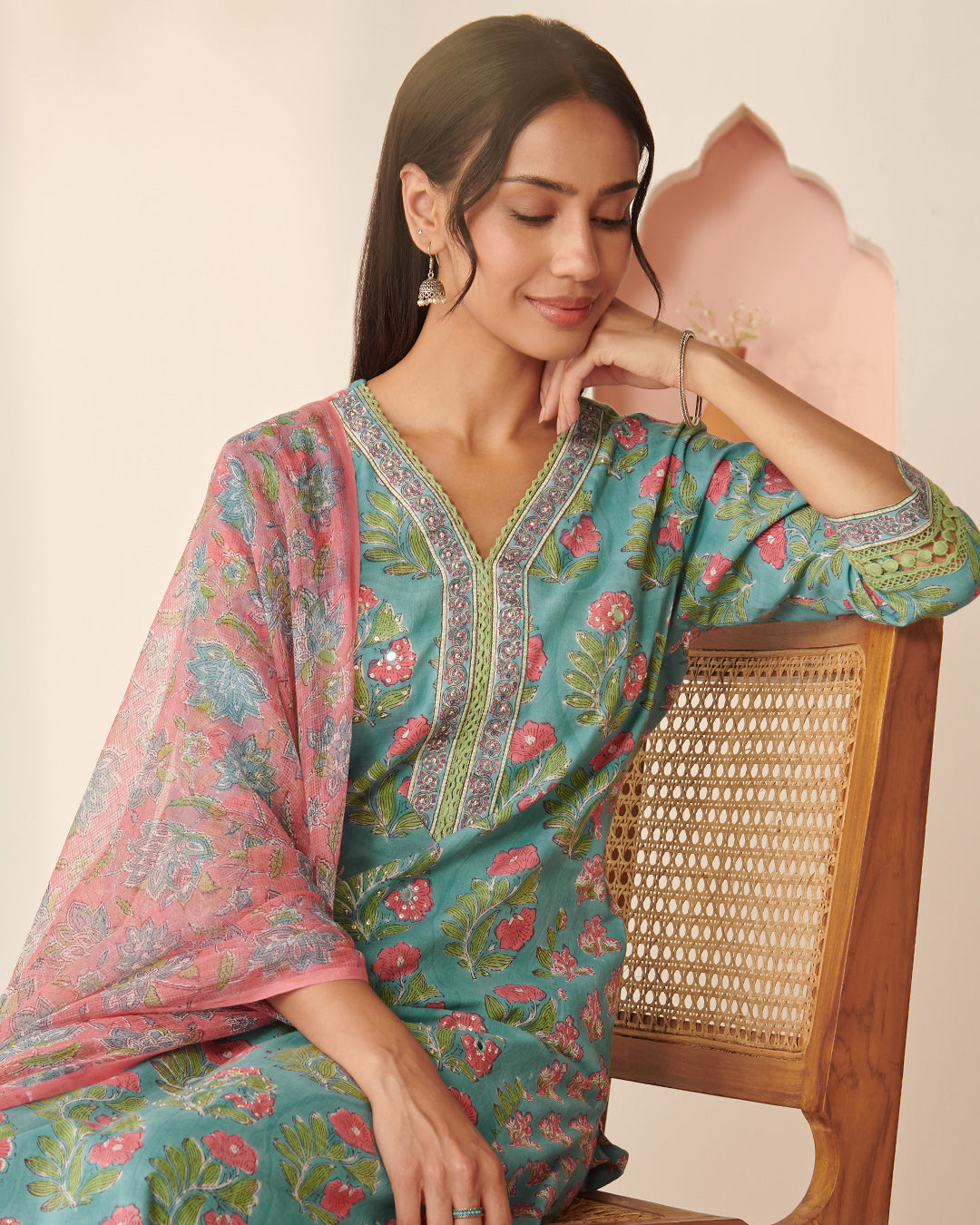
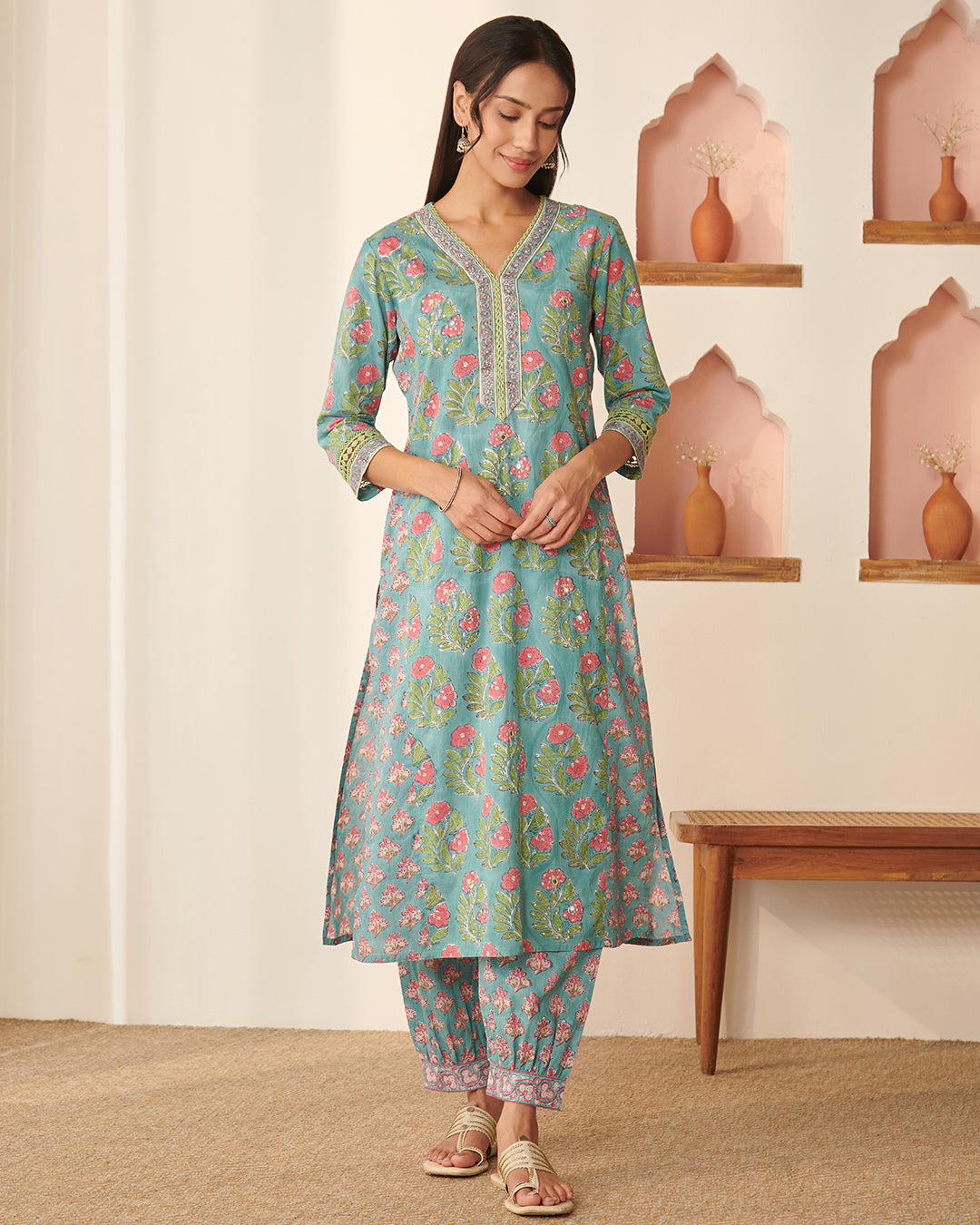
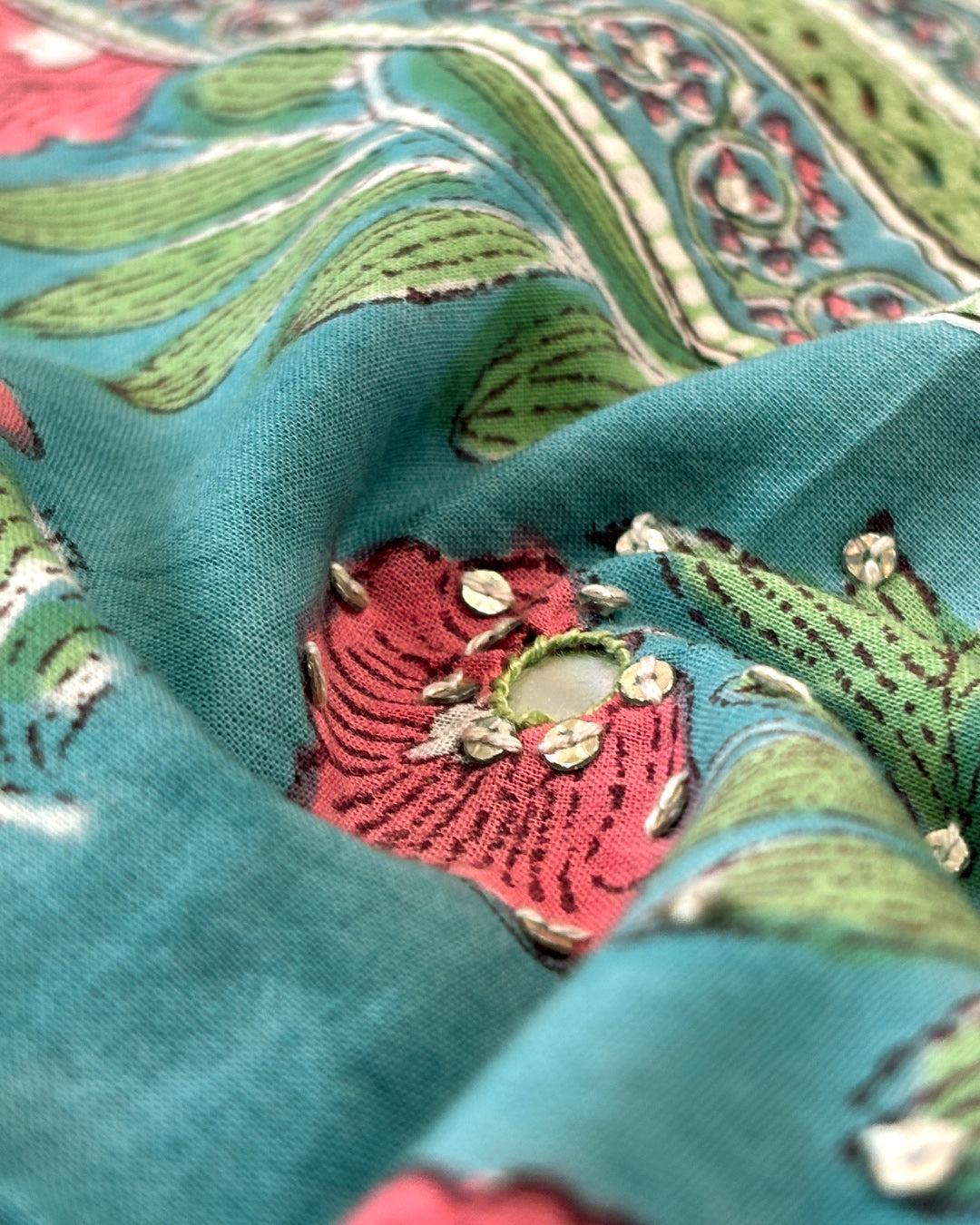
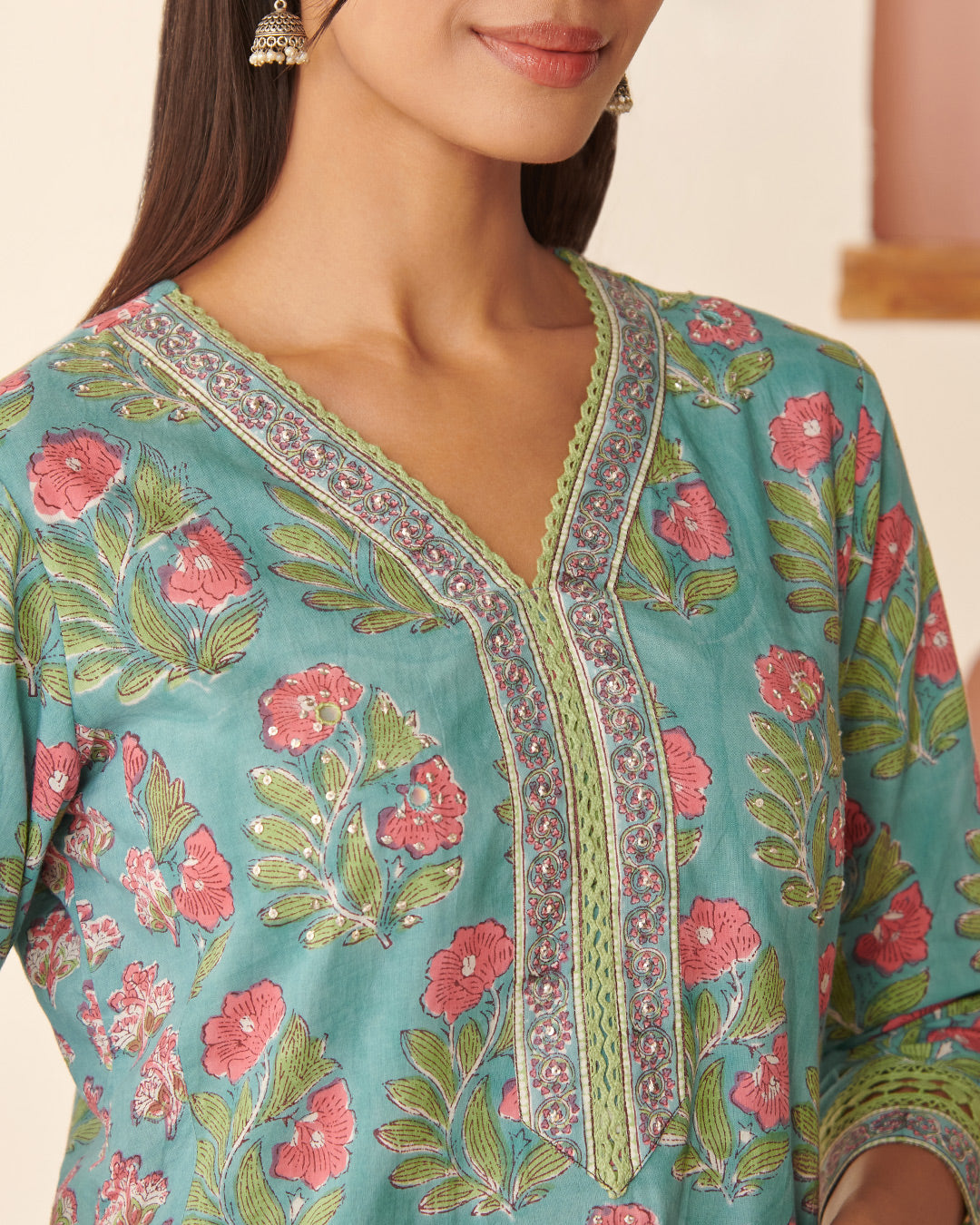


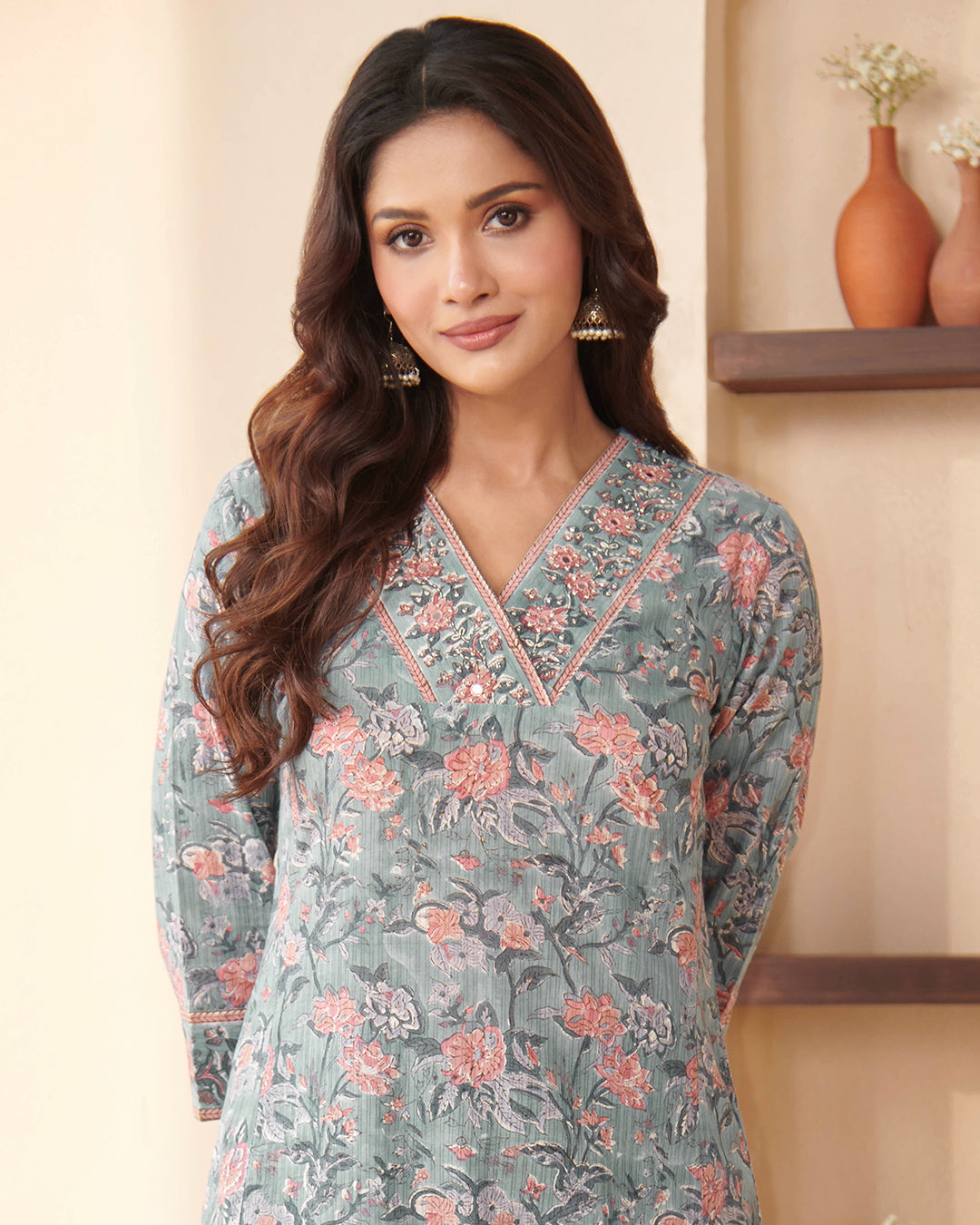
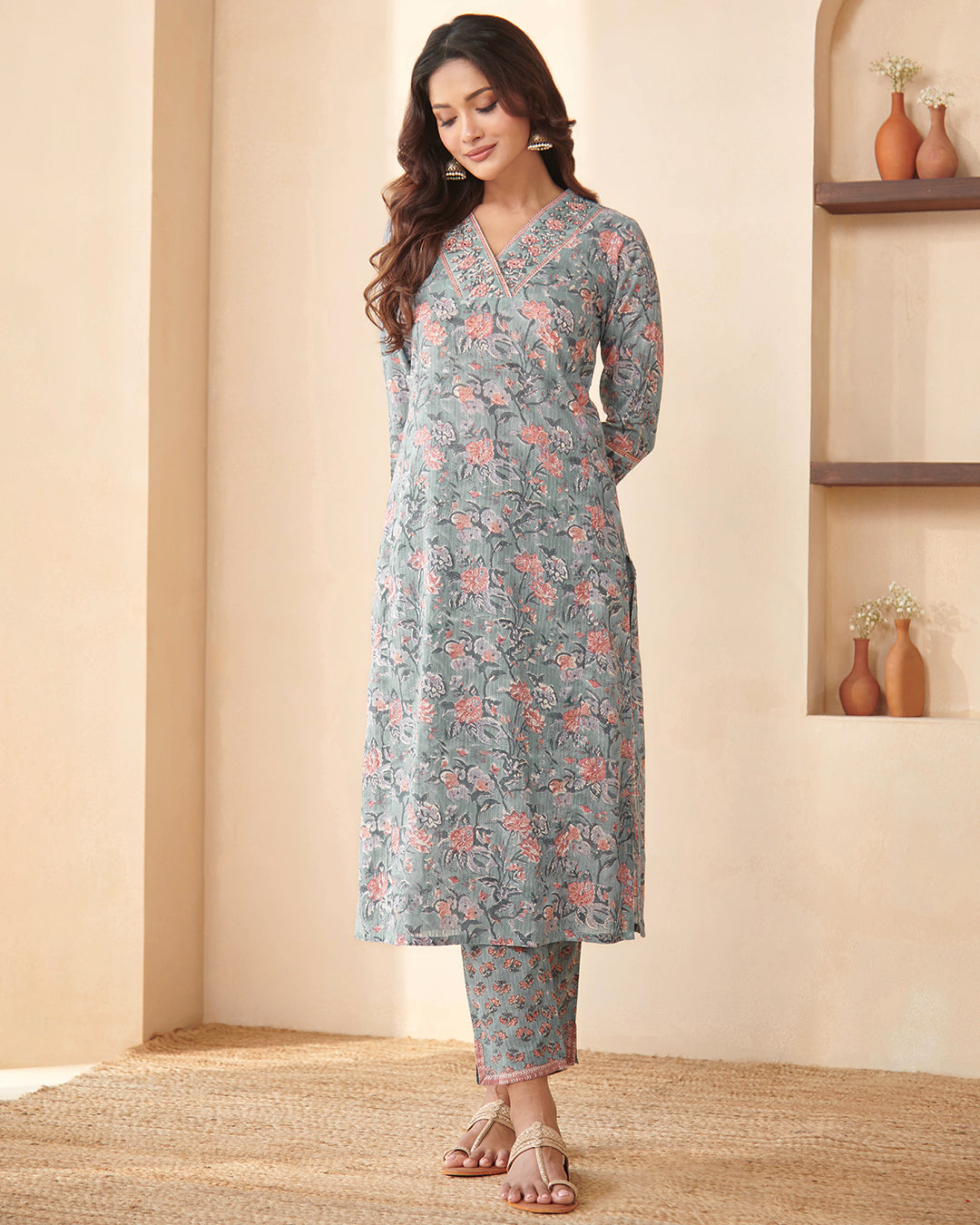
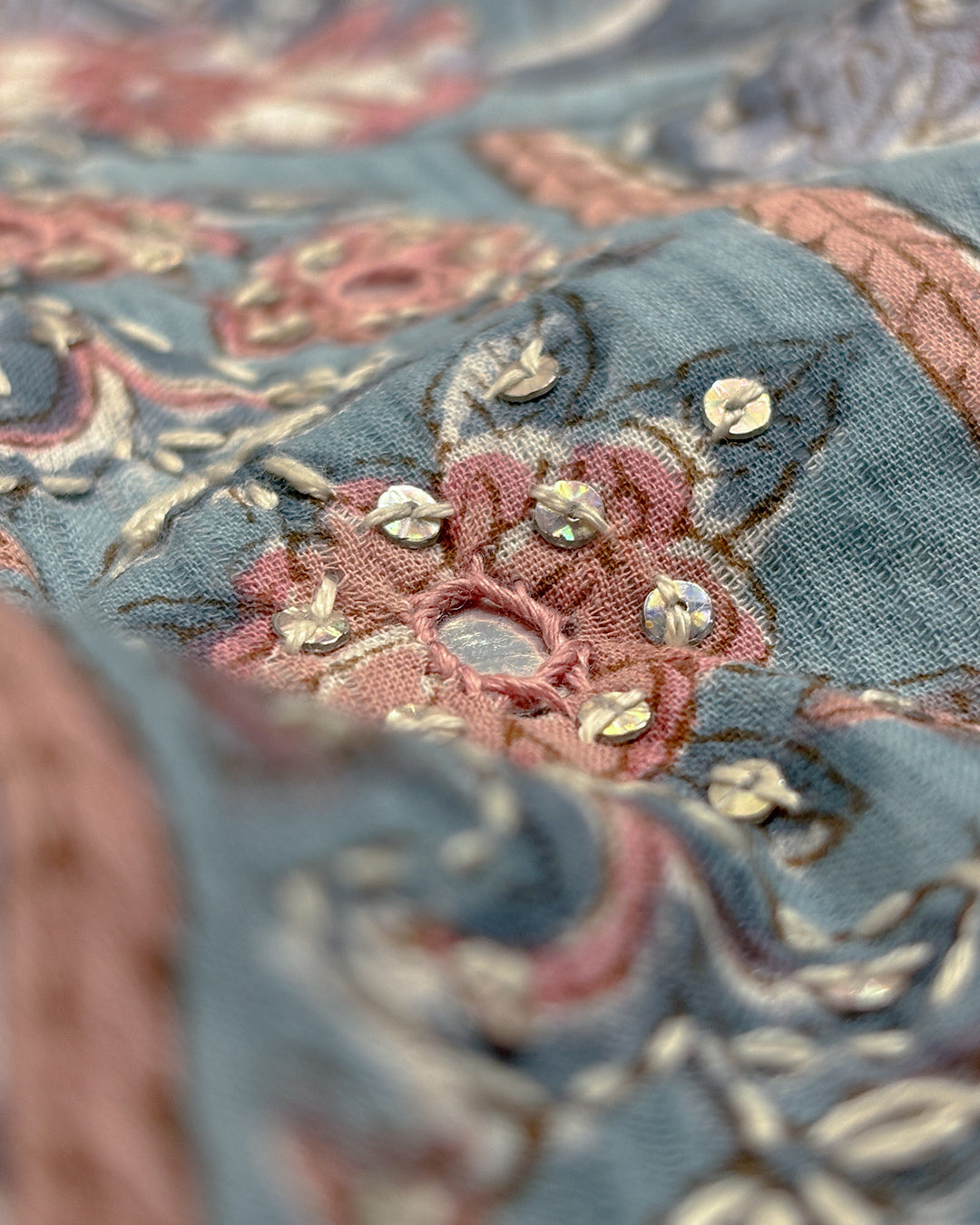
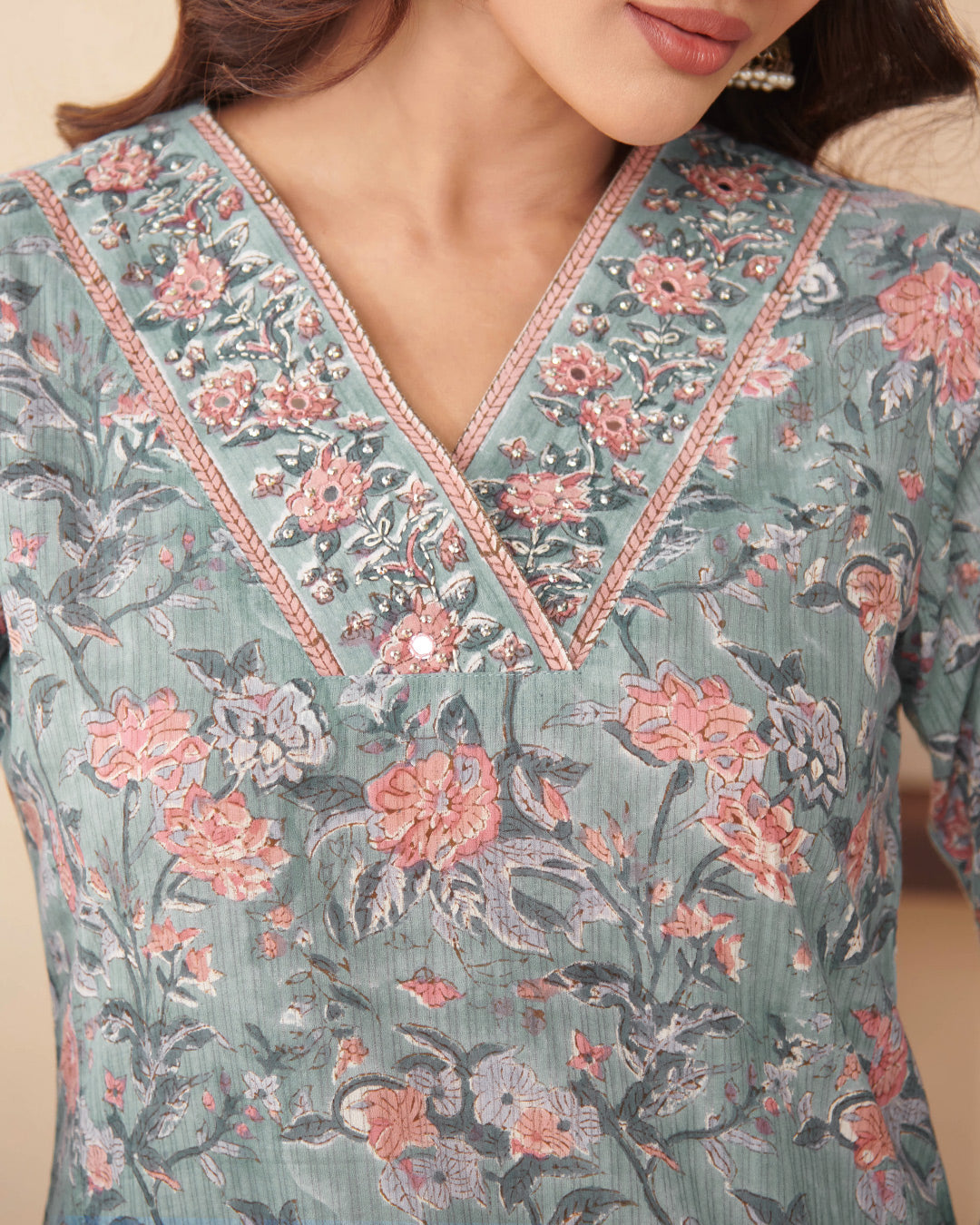
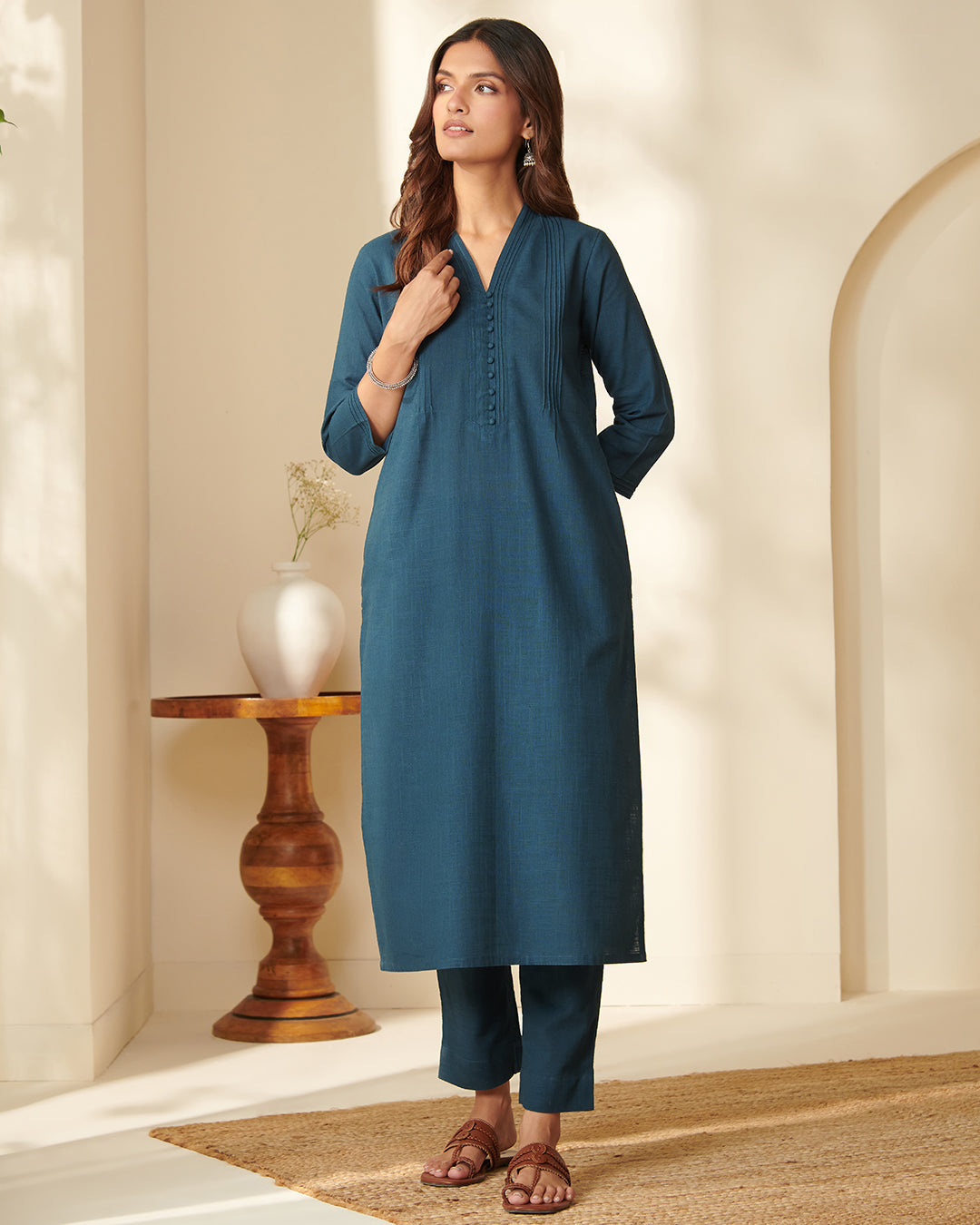
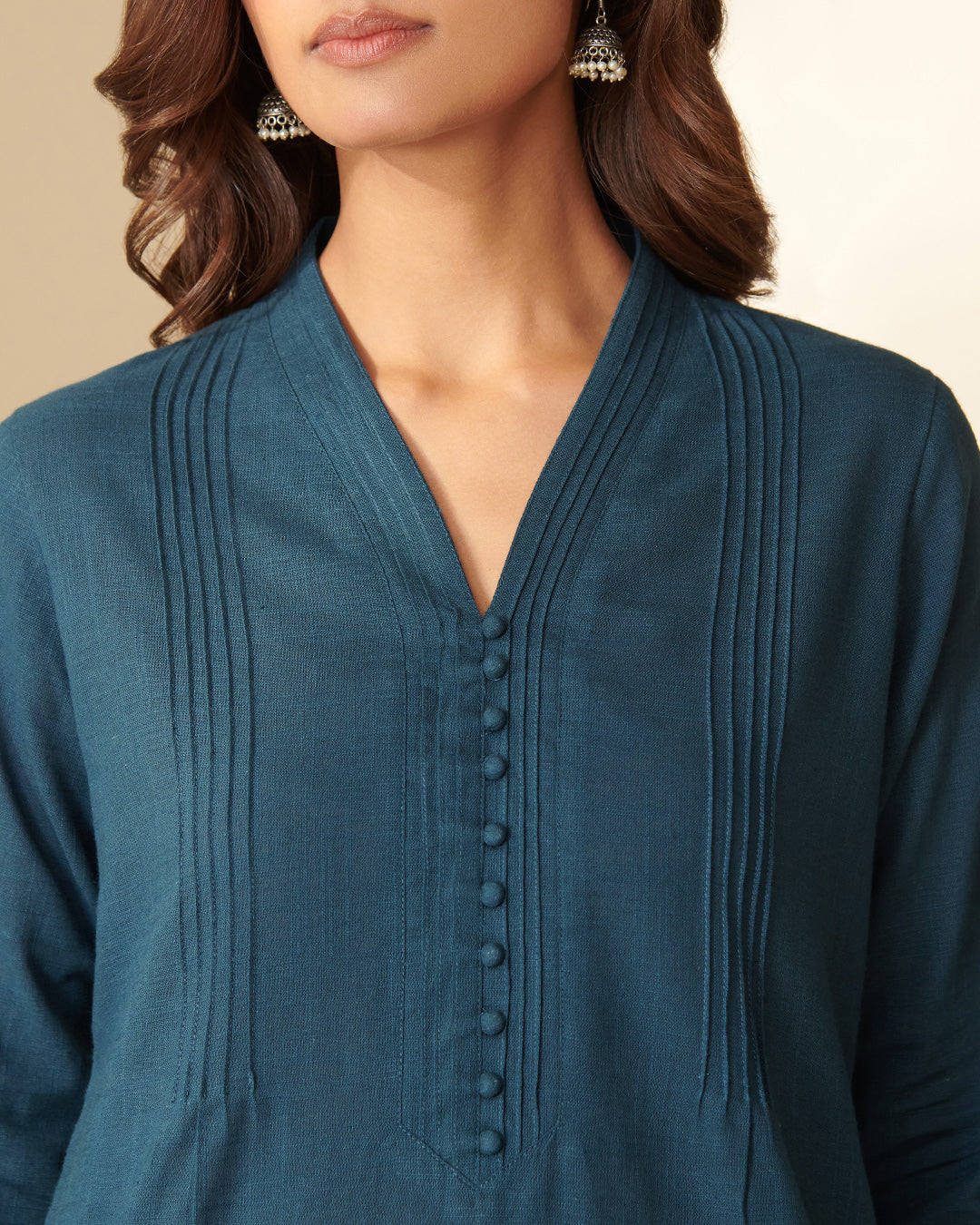

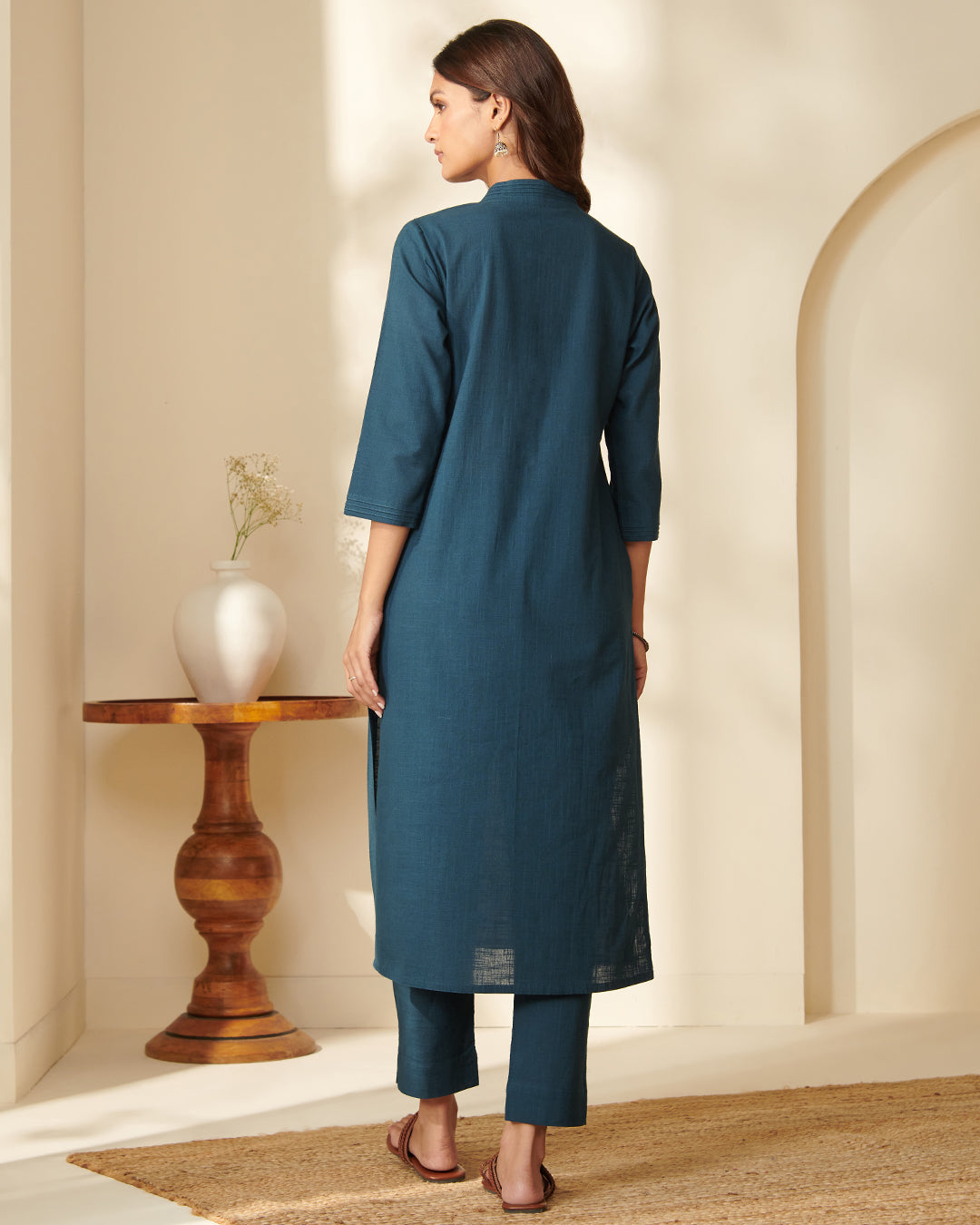


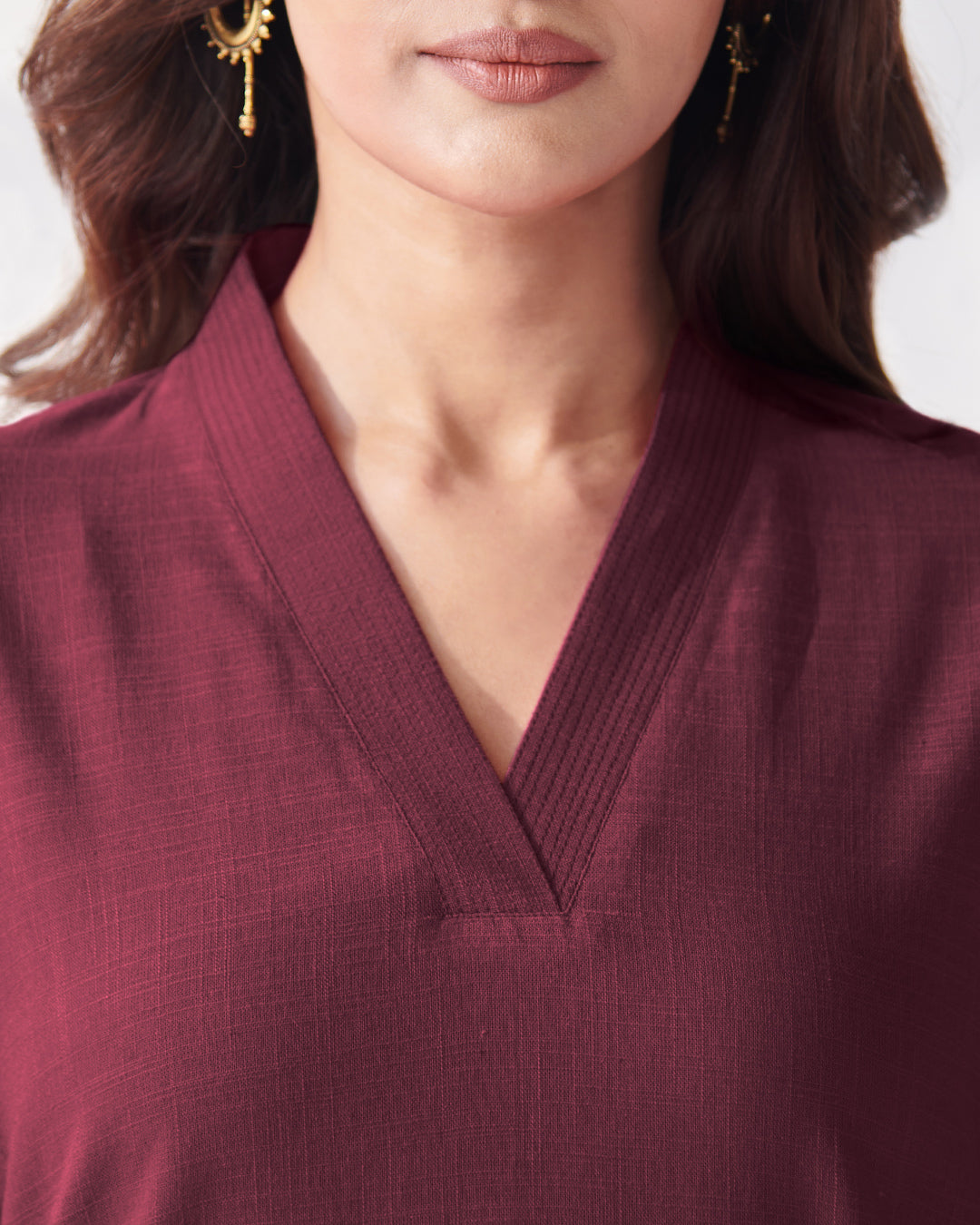

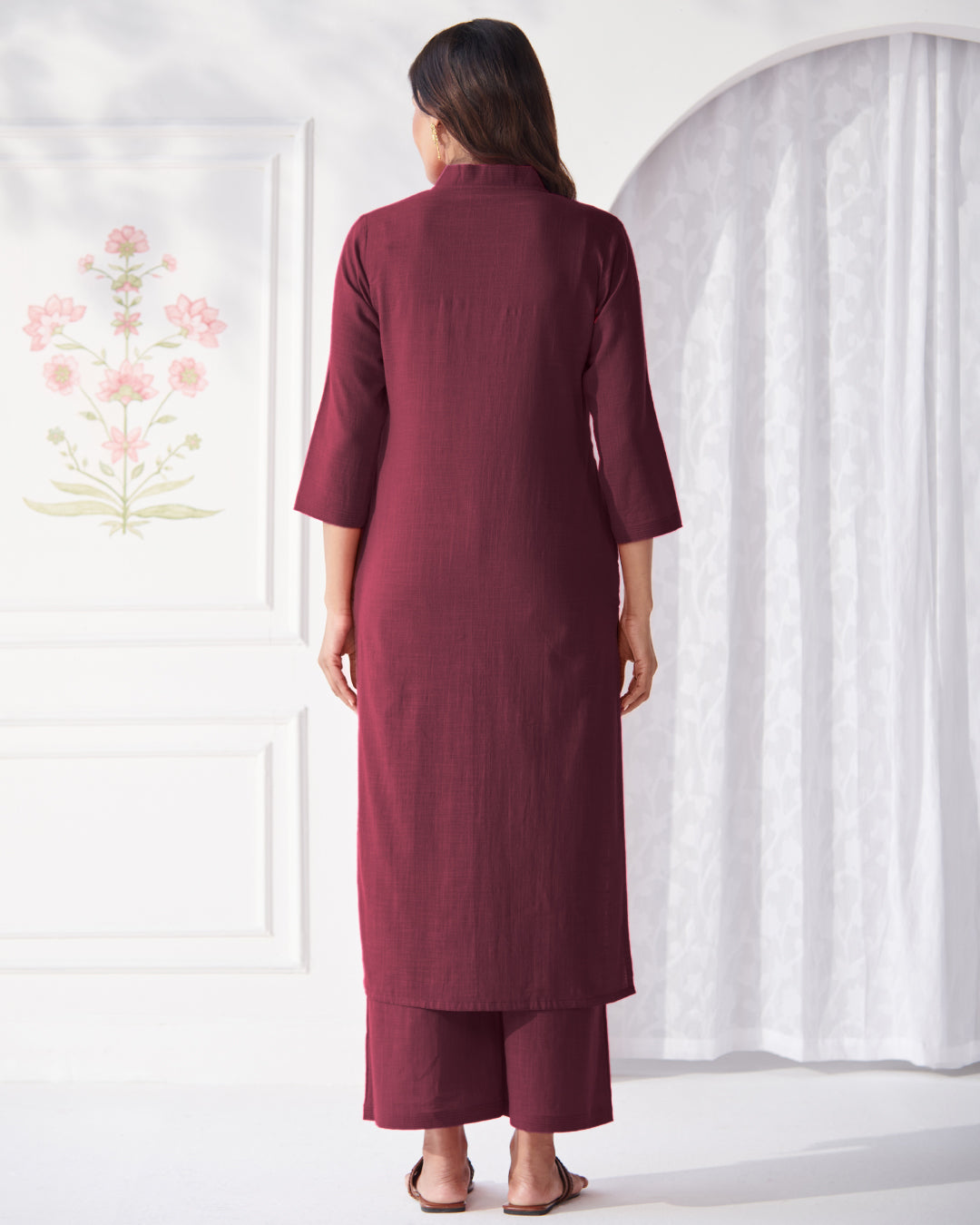
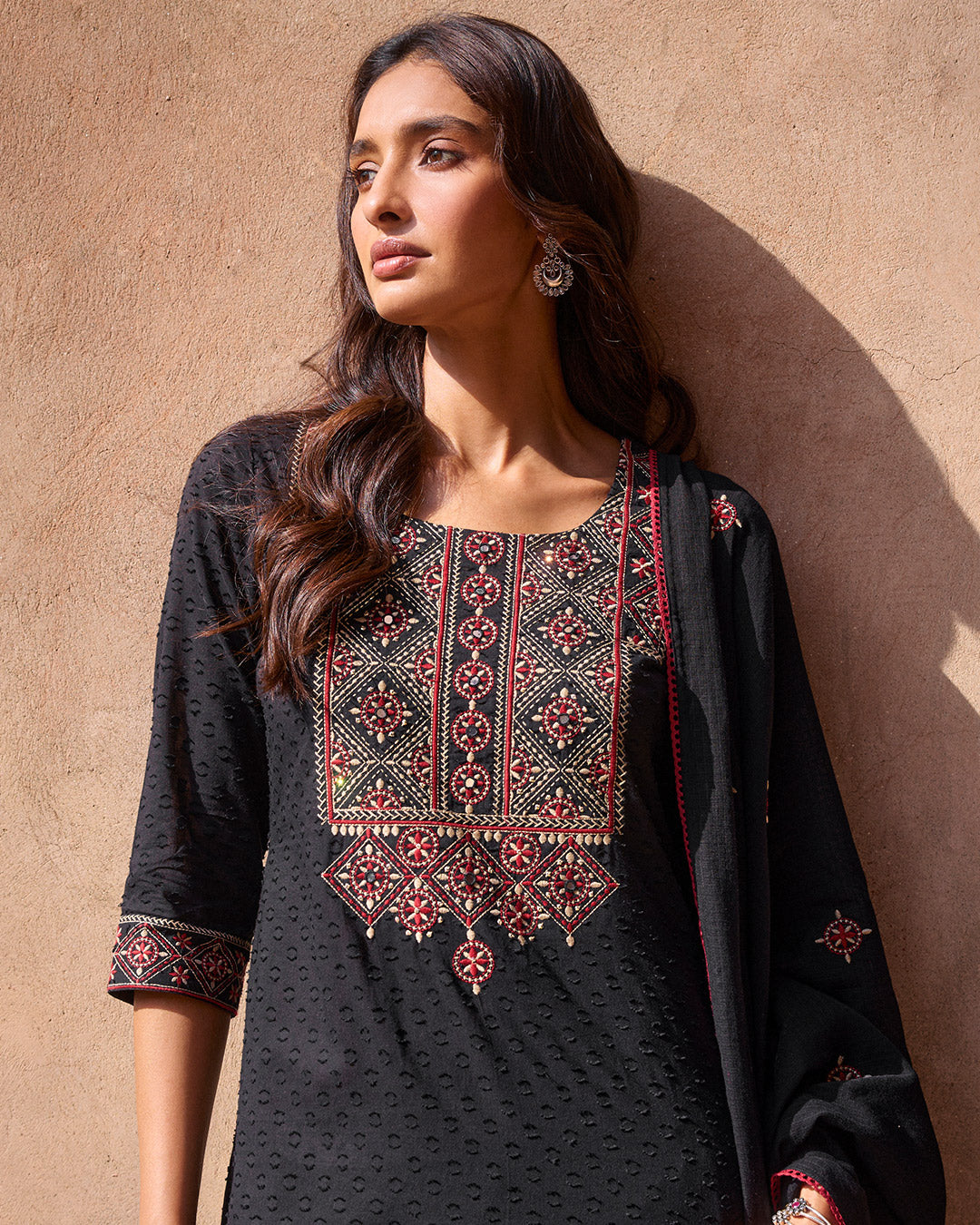
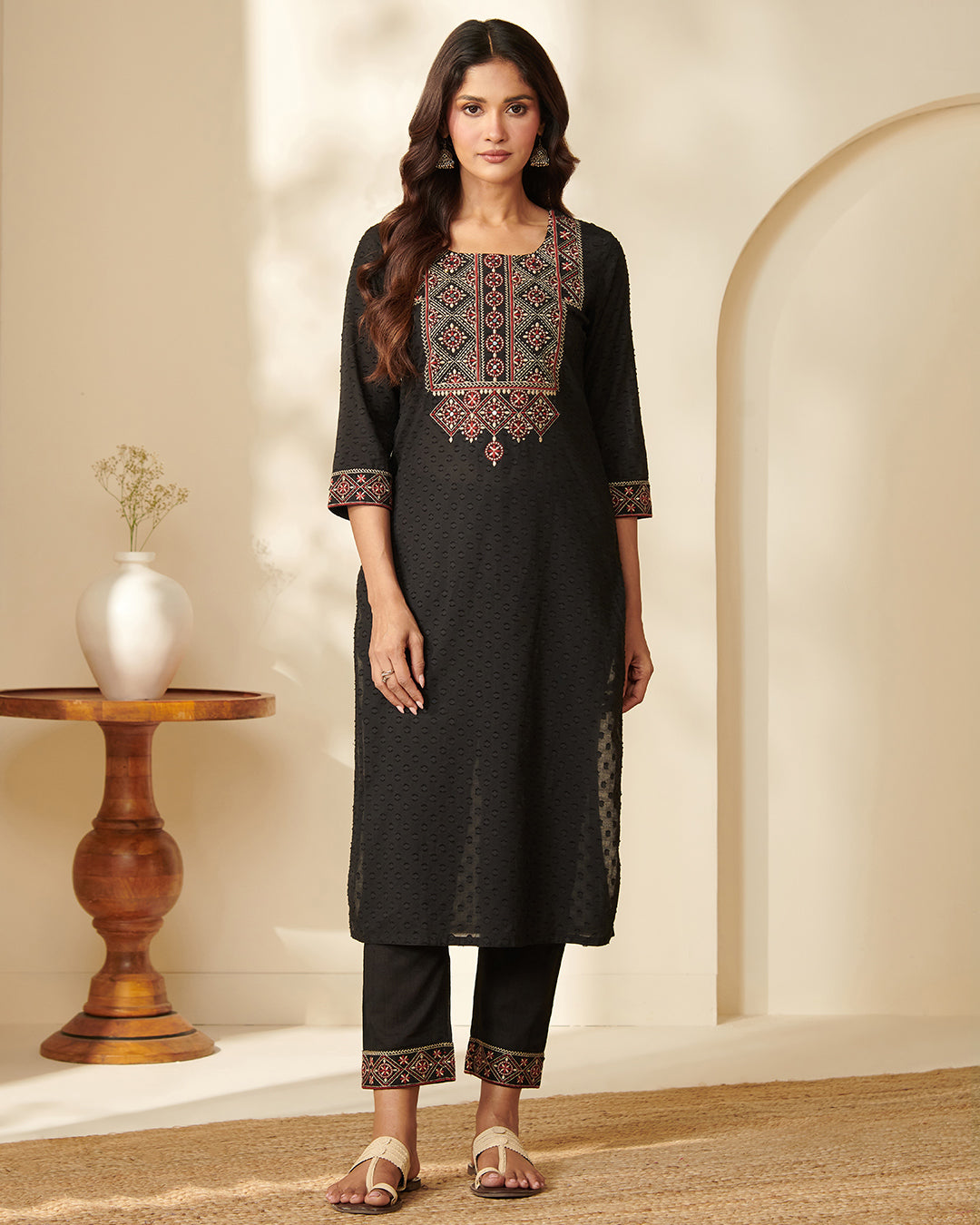




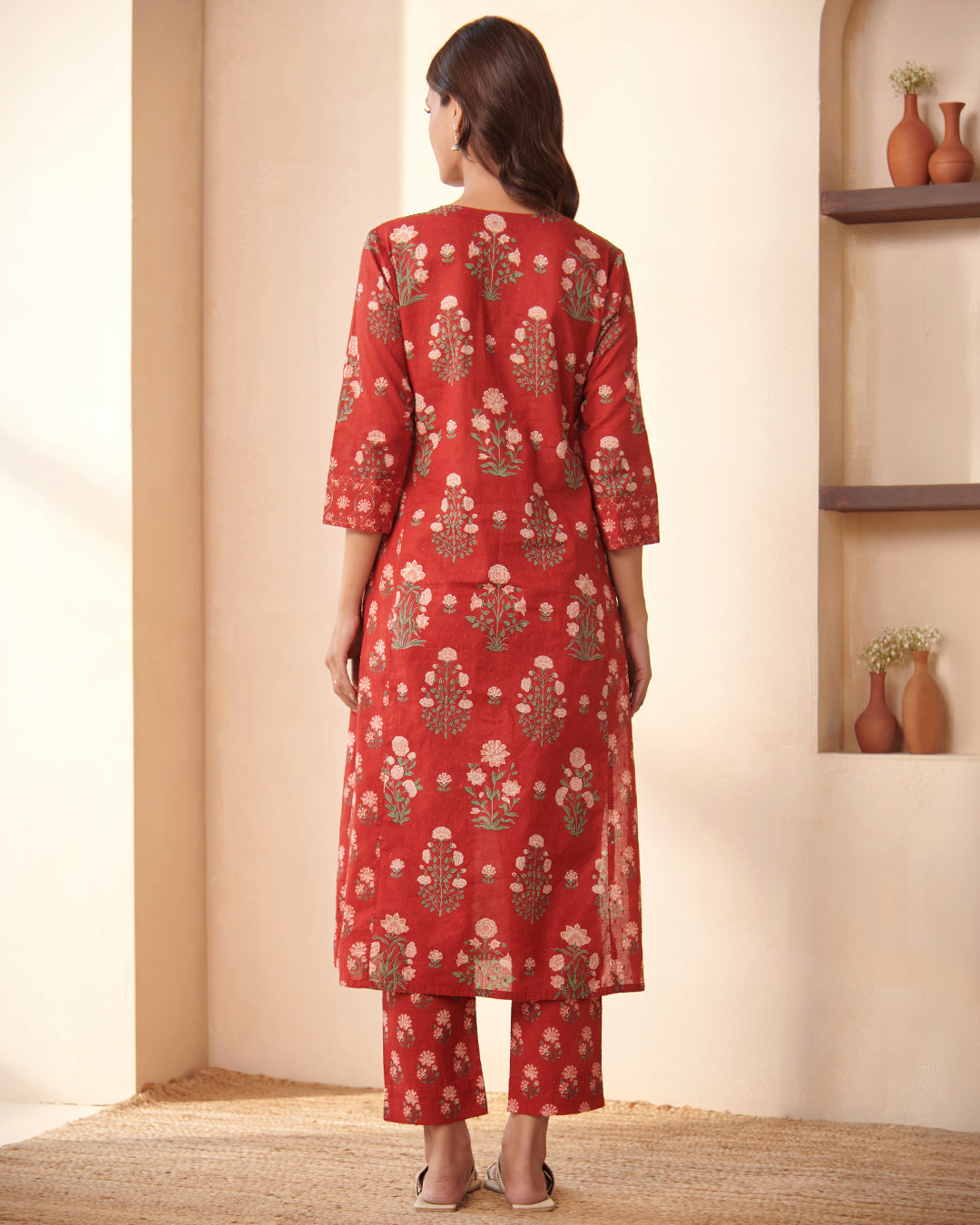
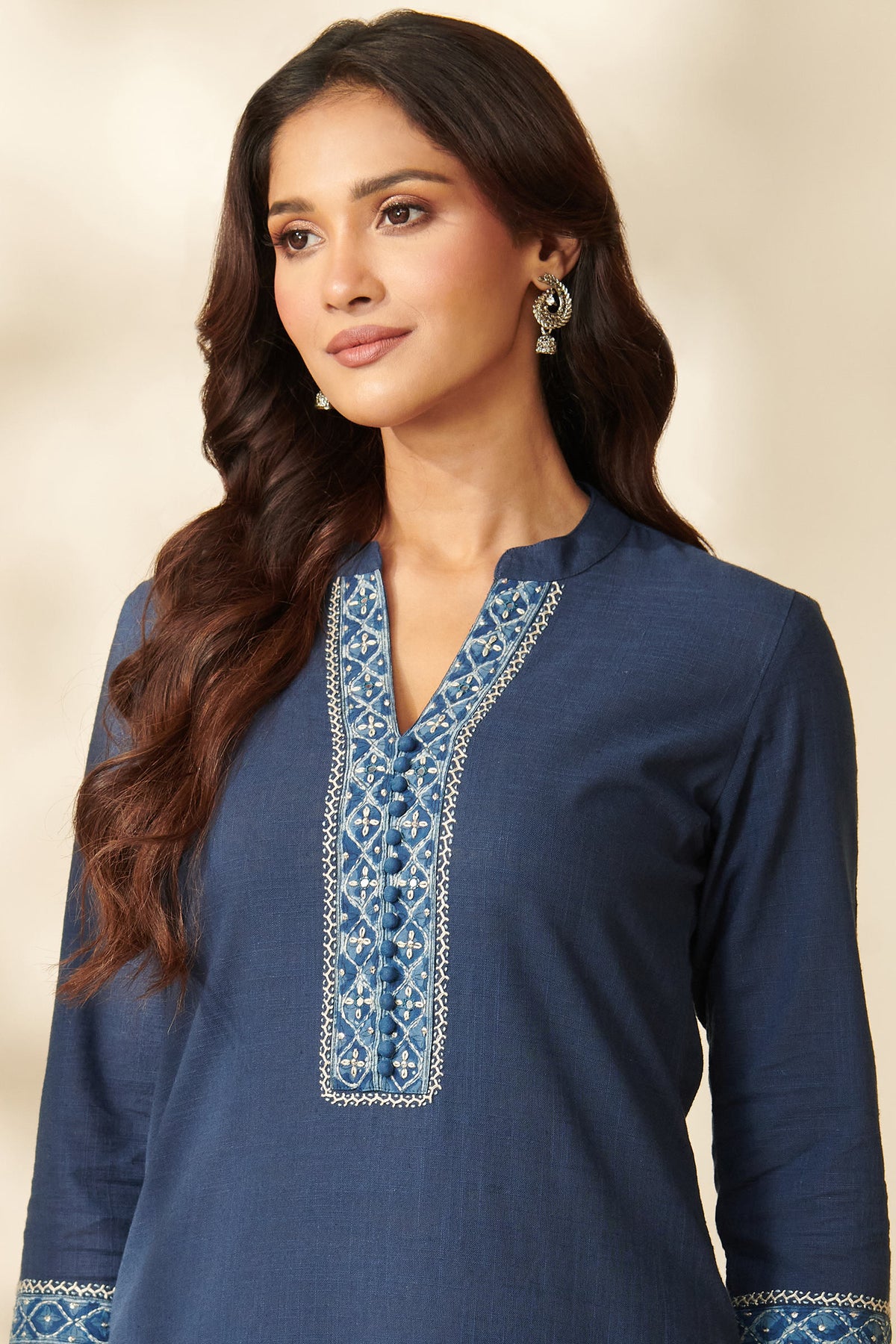
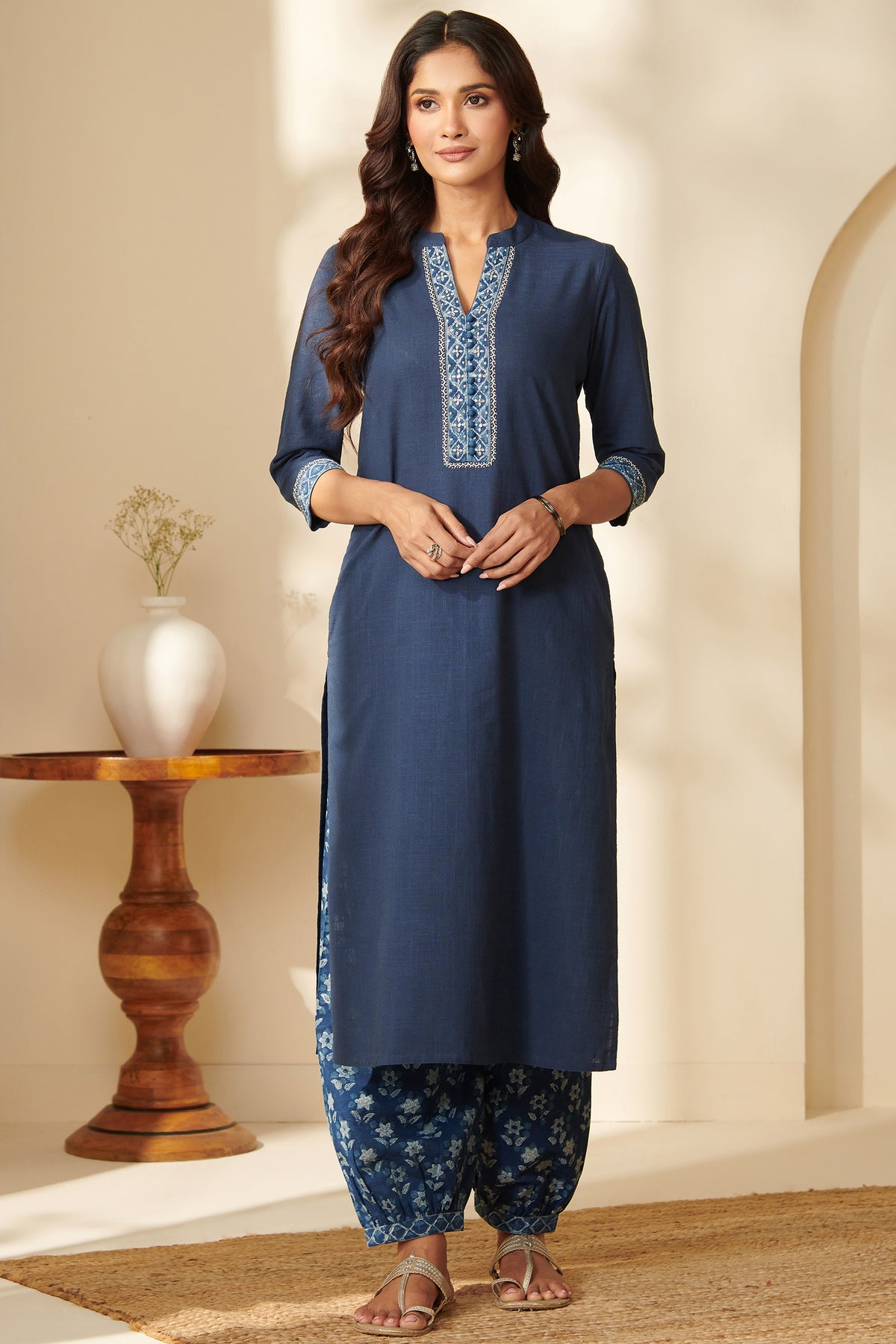
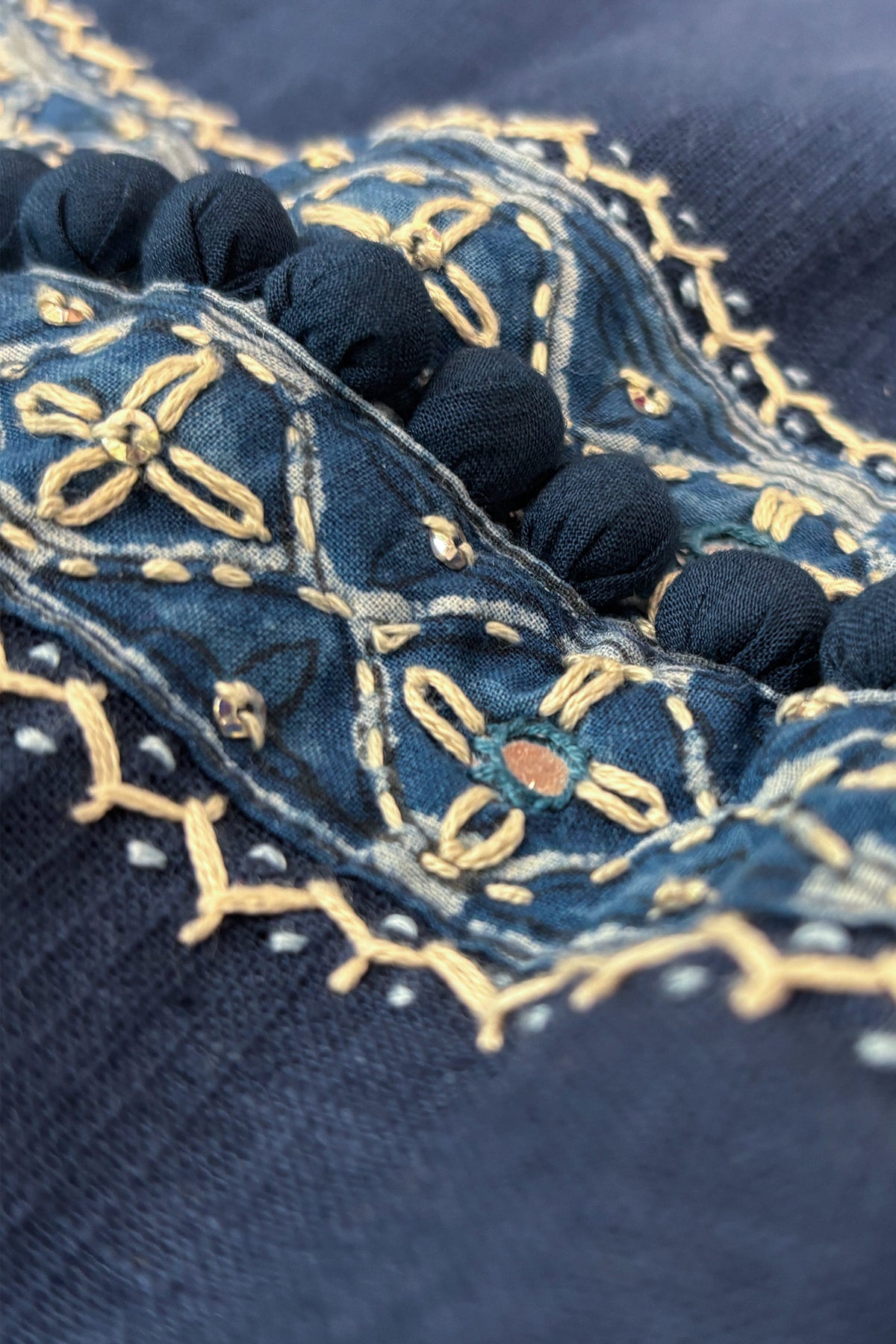


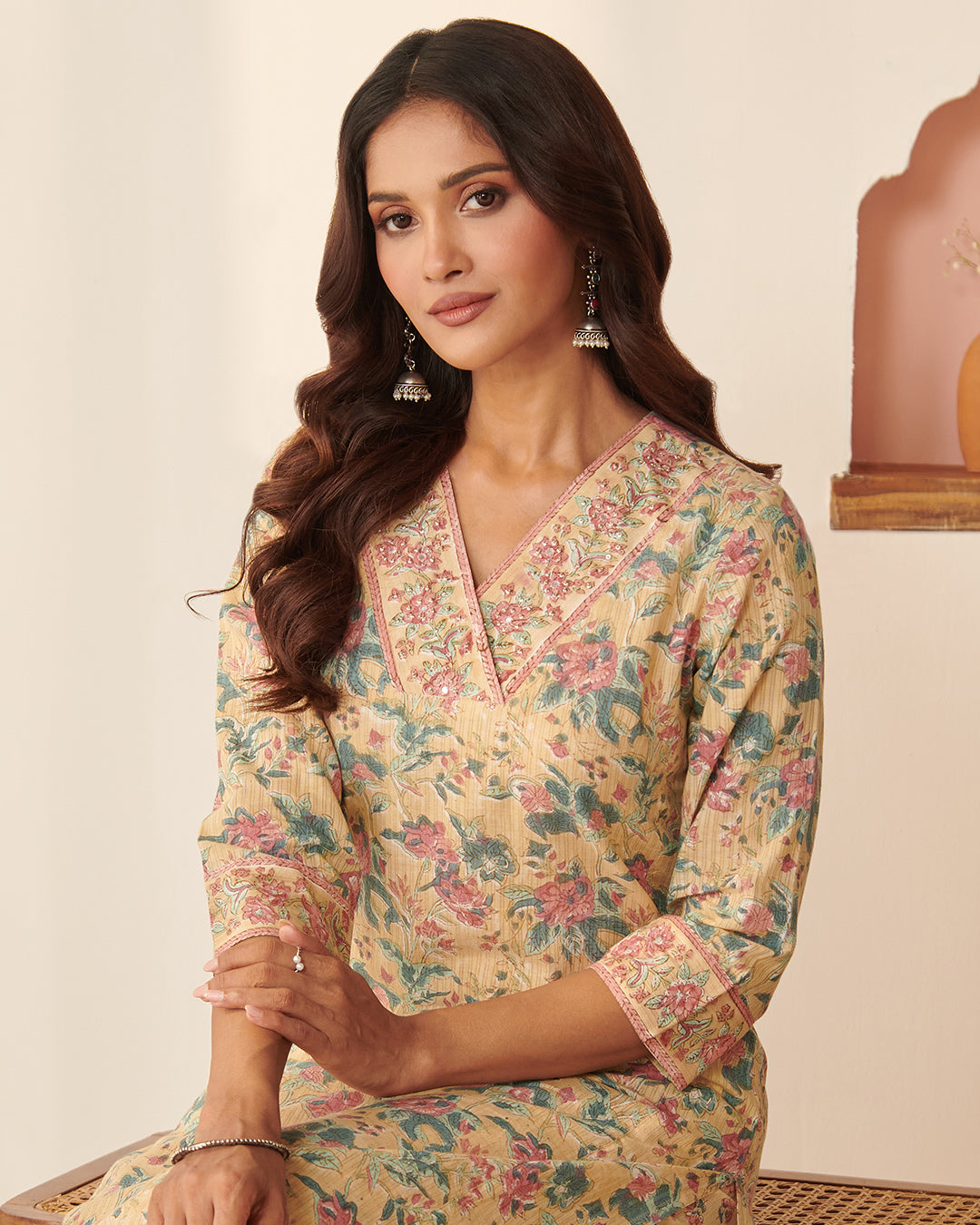
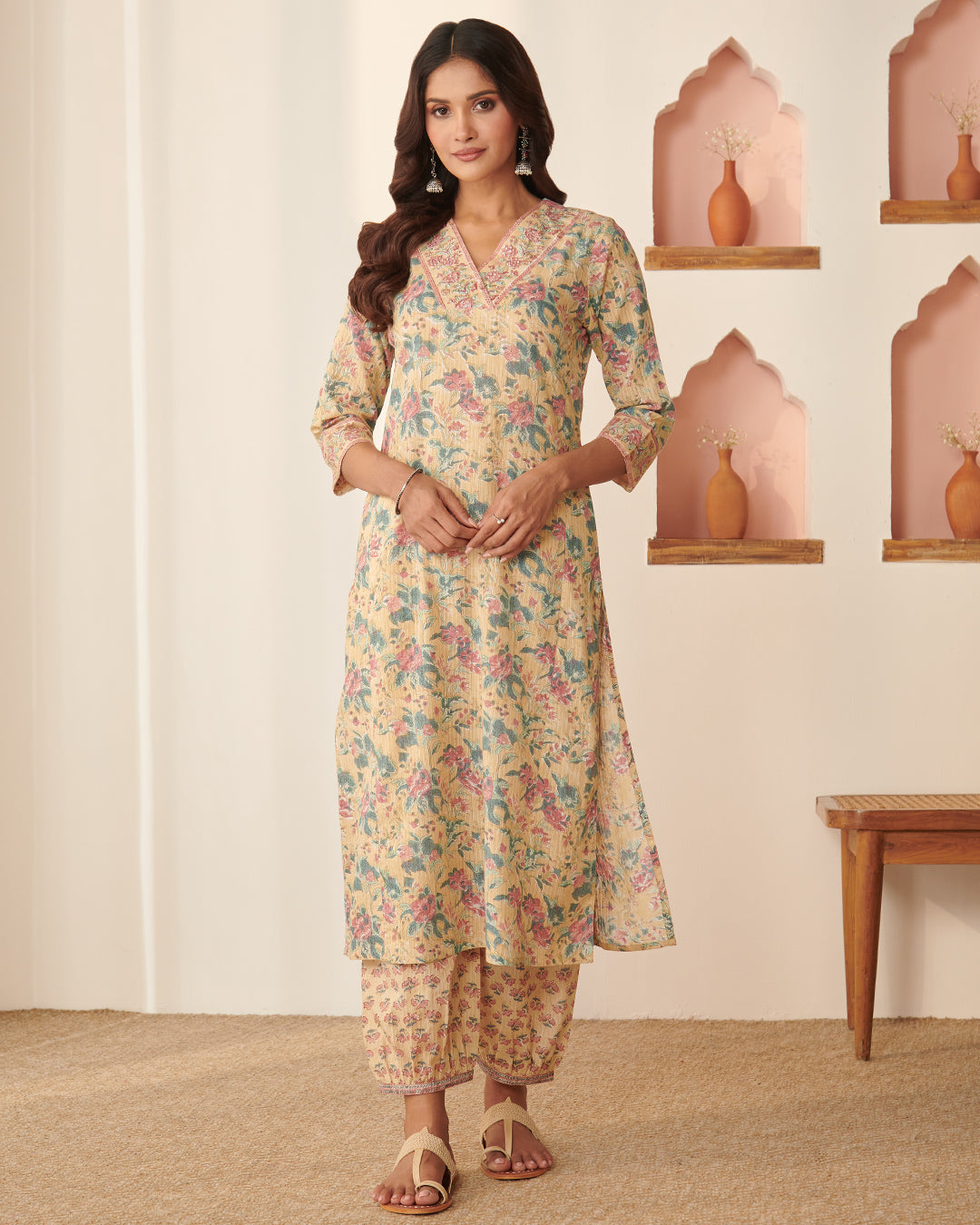
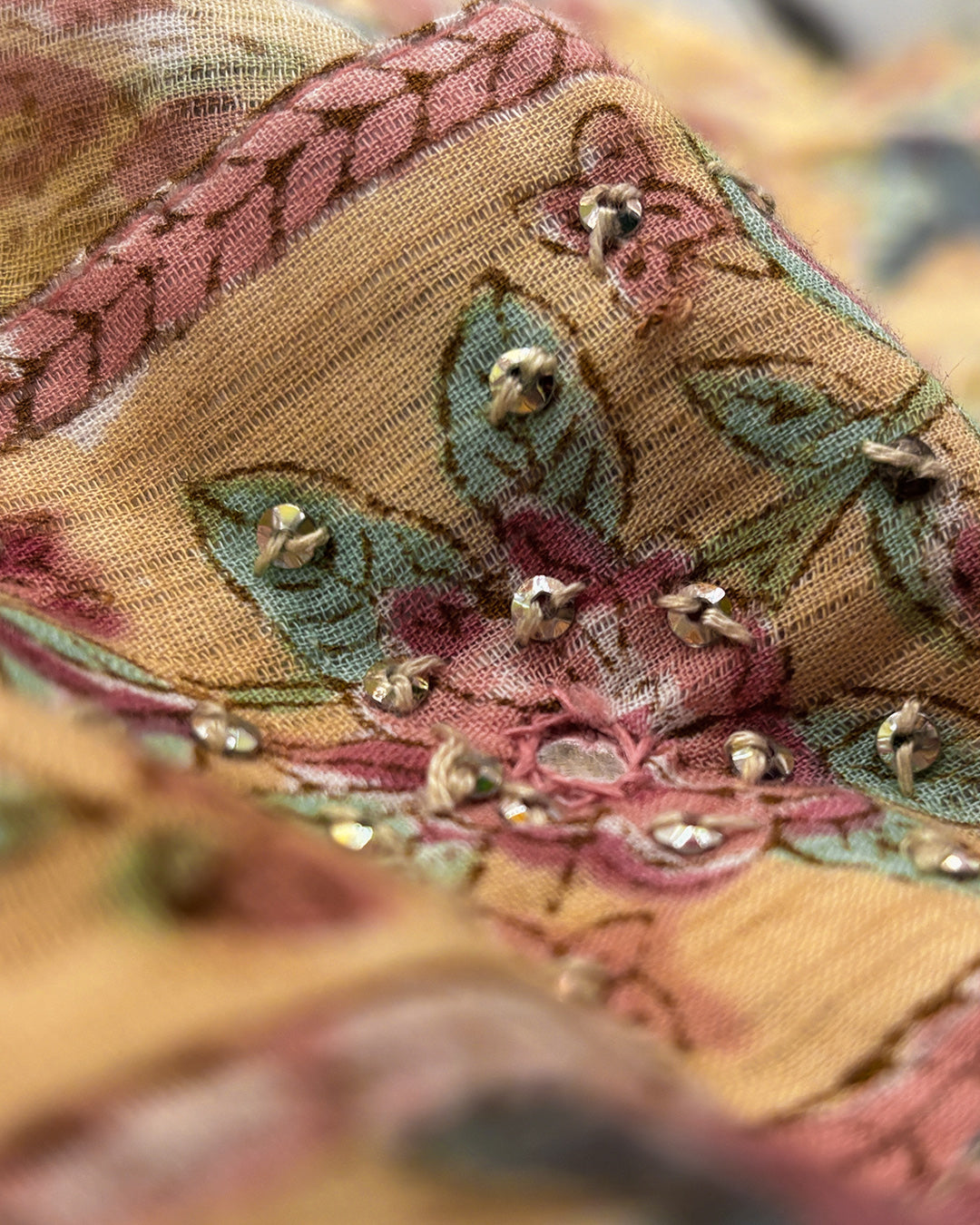
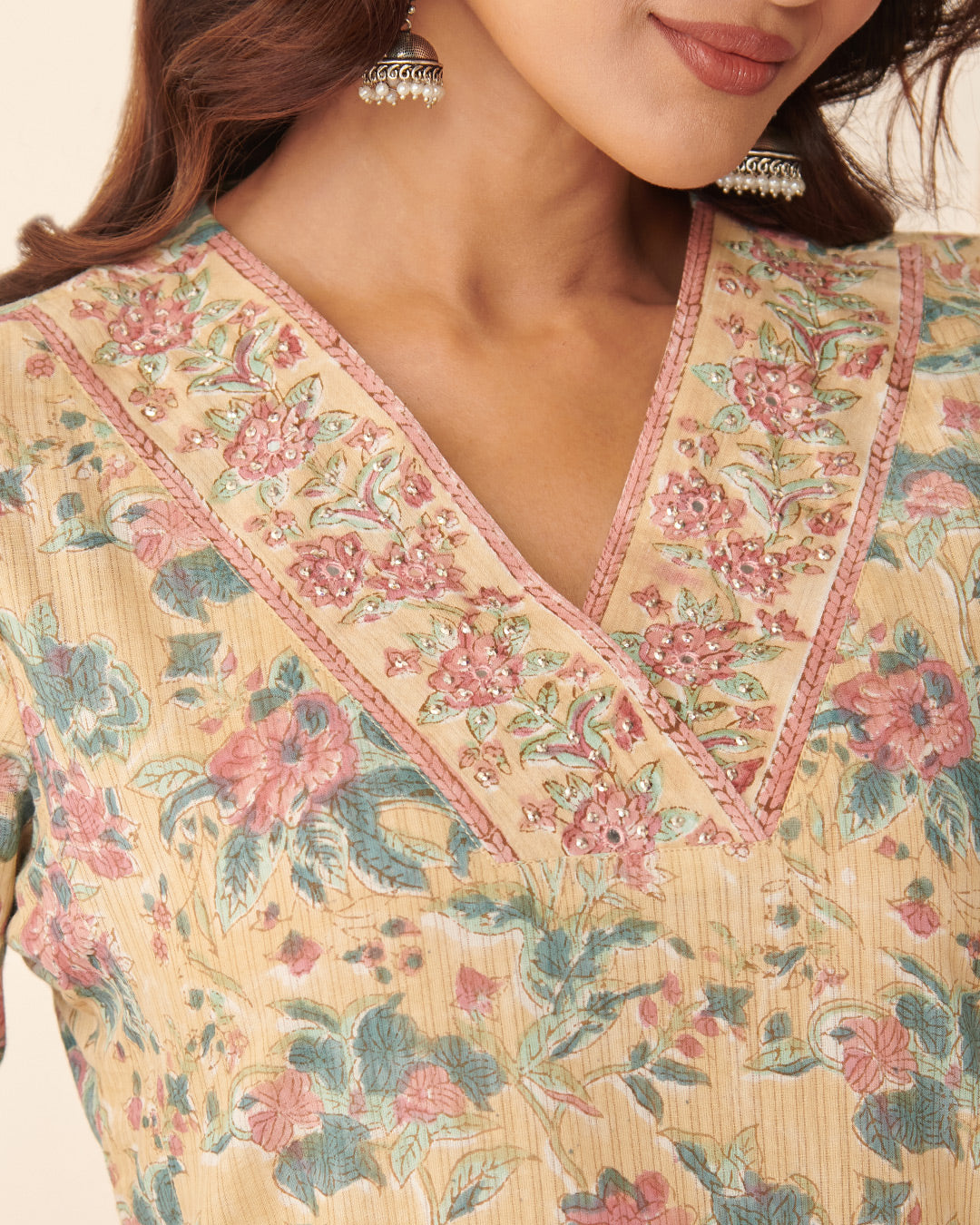
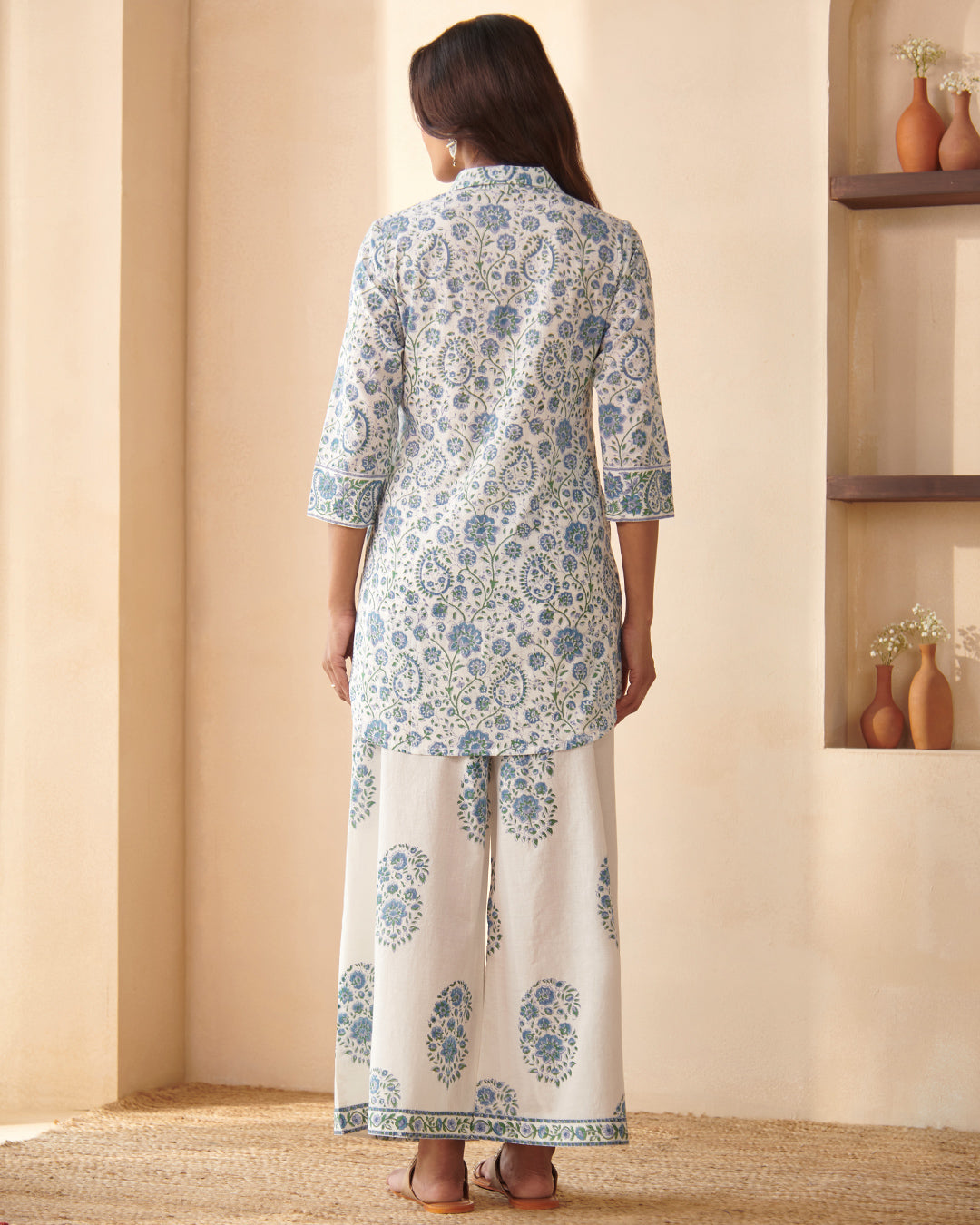
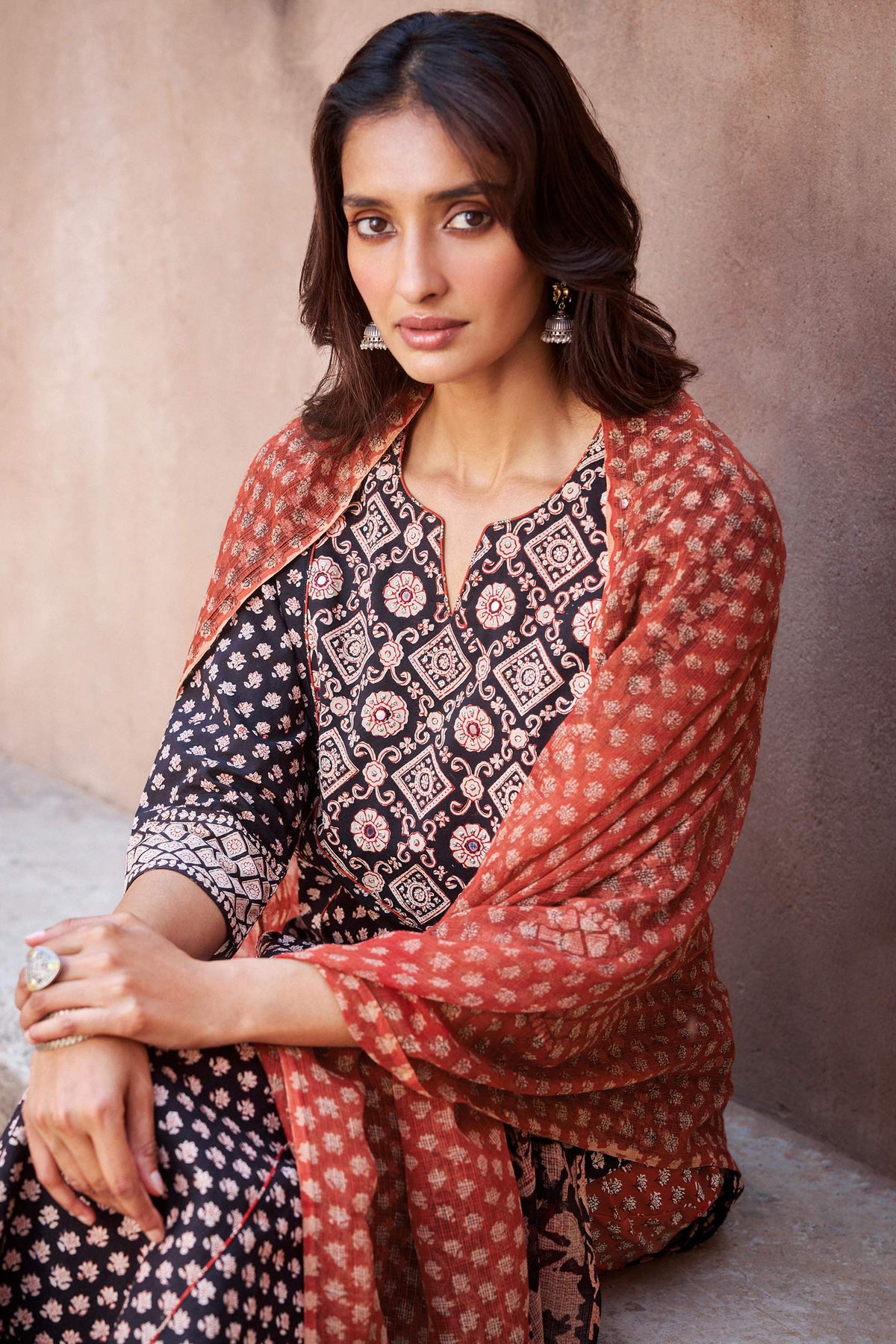
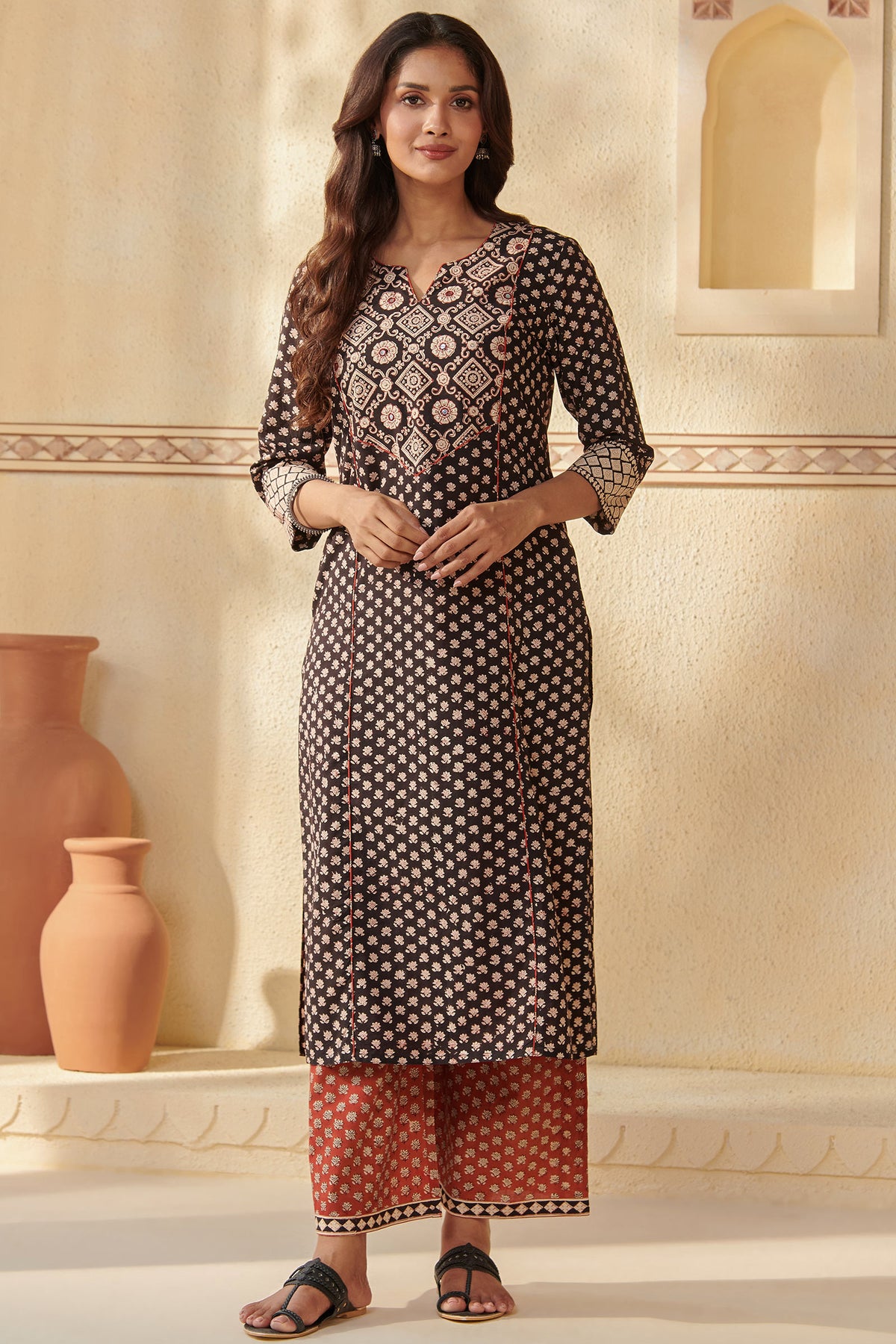
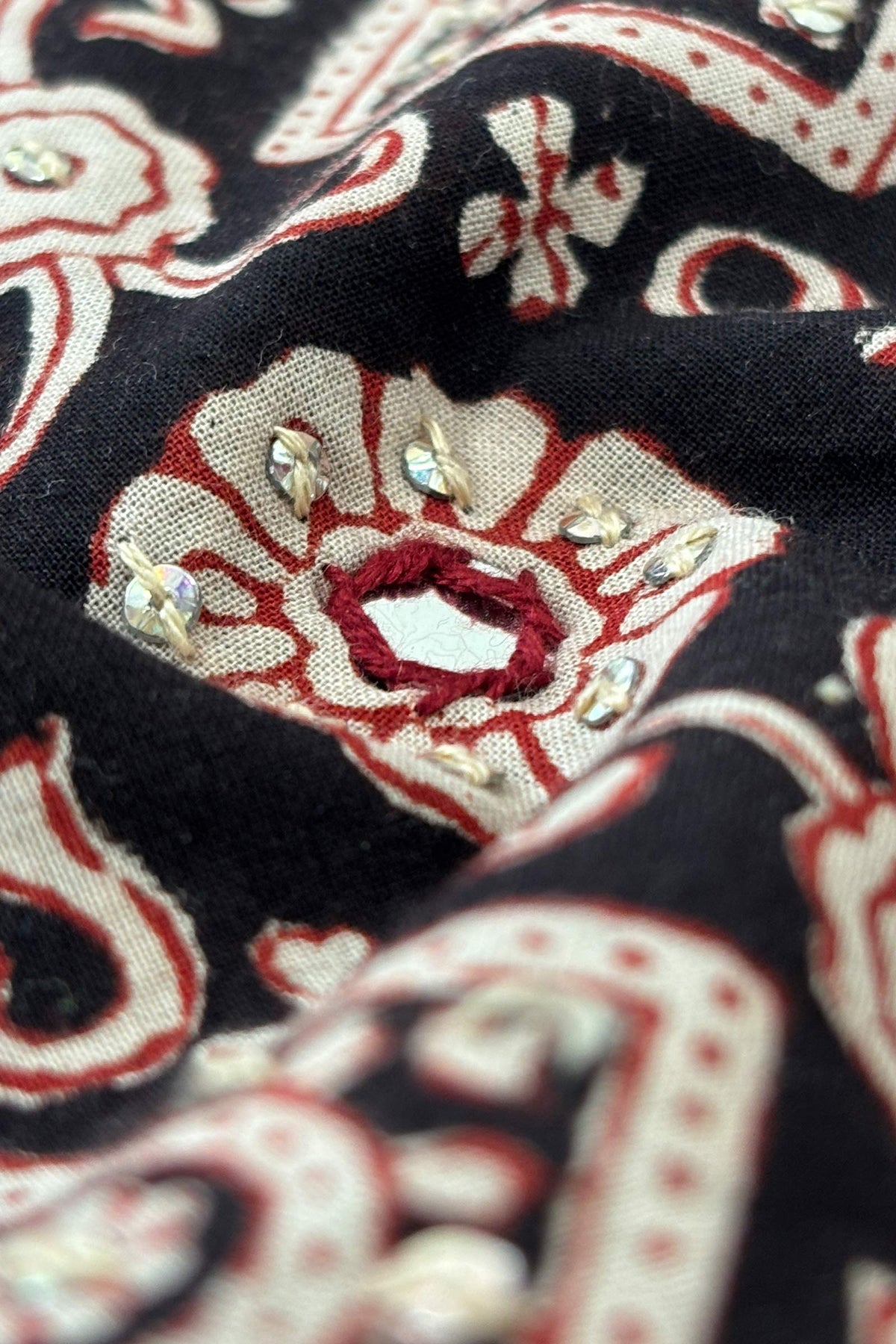
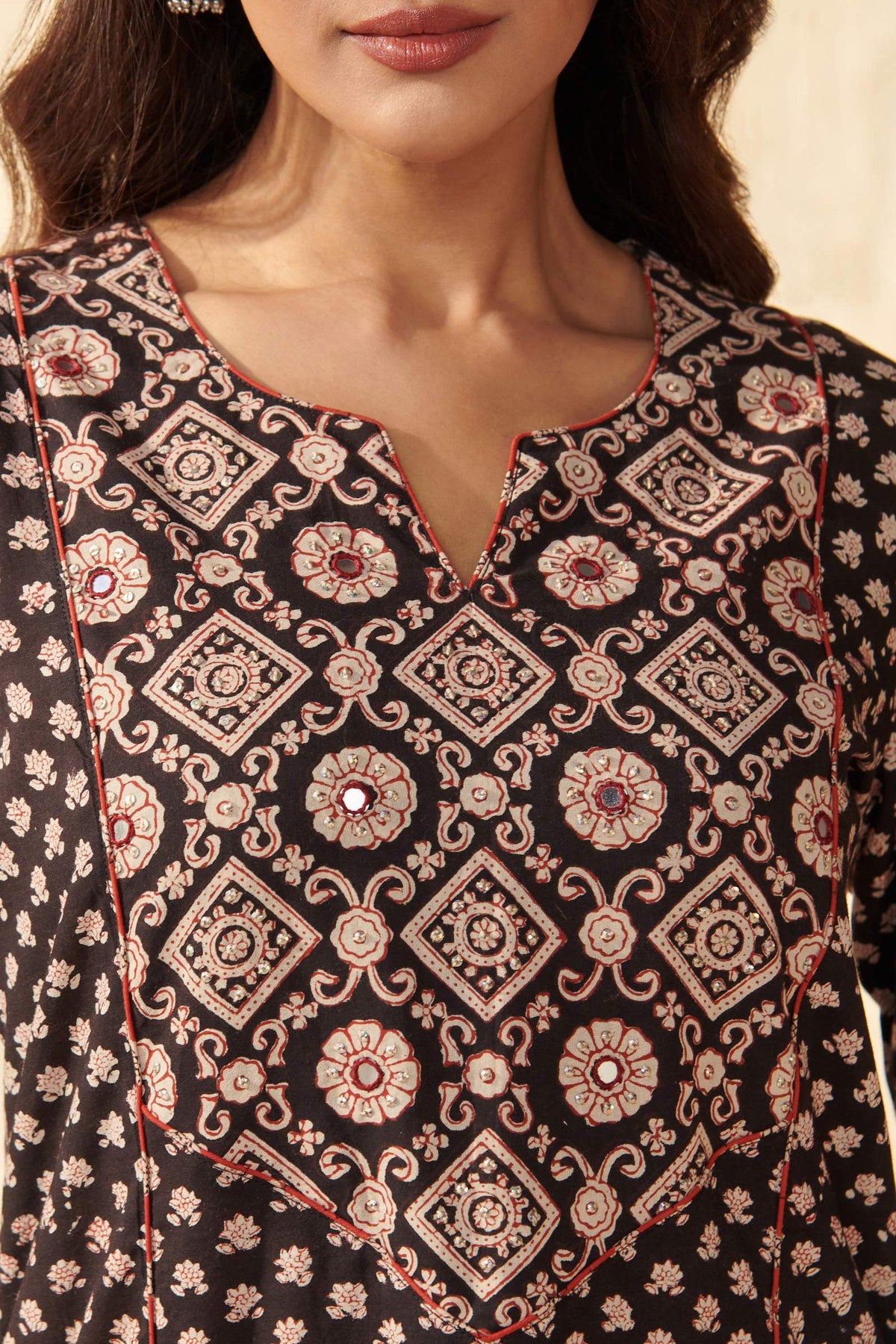


Some prints carry colour. Others carry memories. Ajrakh belongs to the second kind.
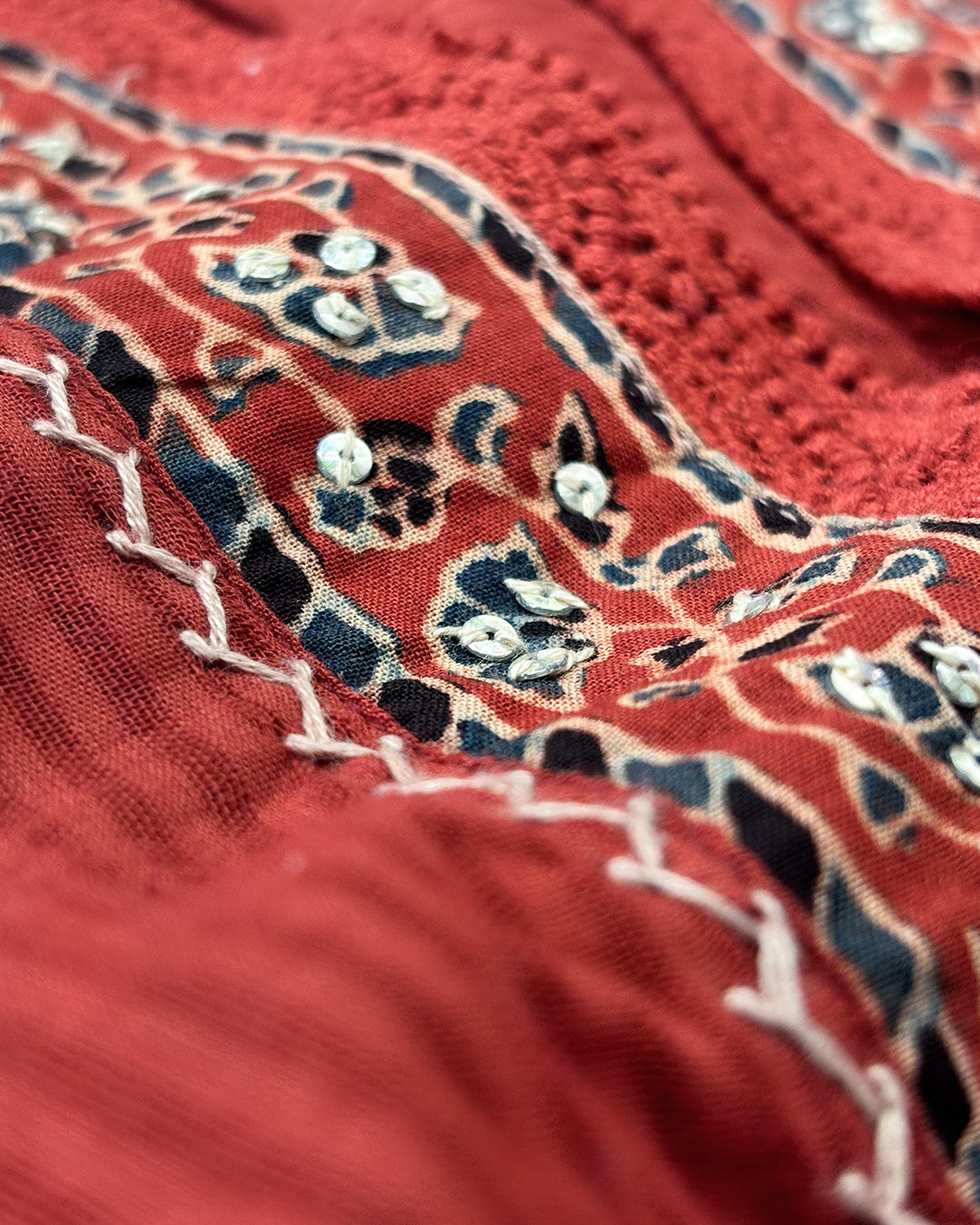
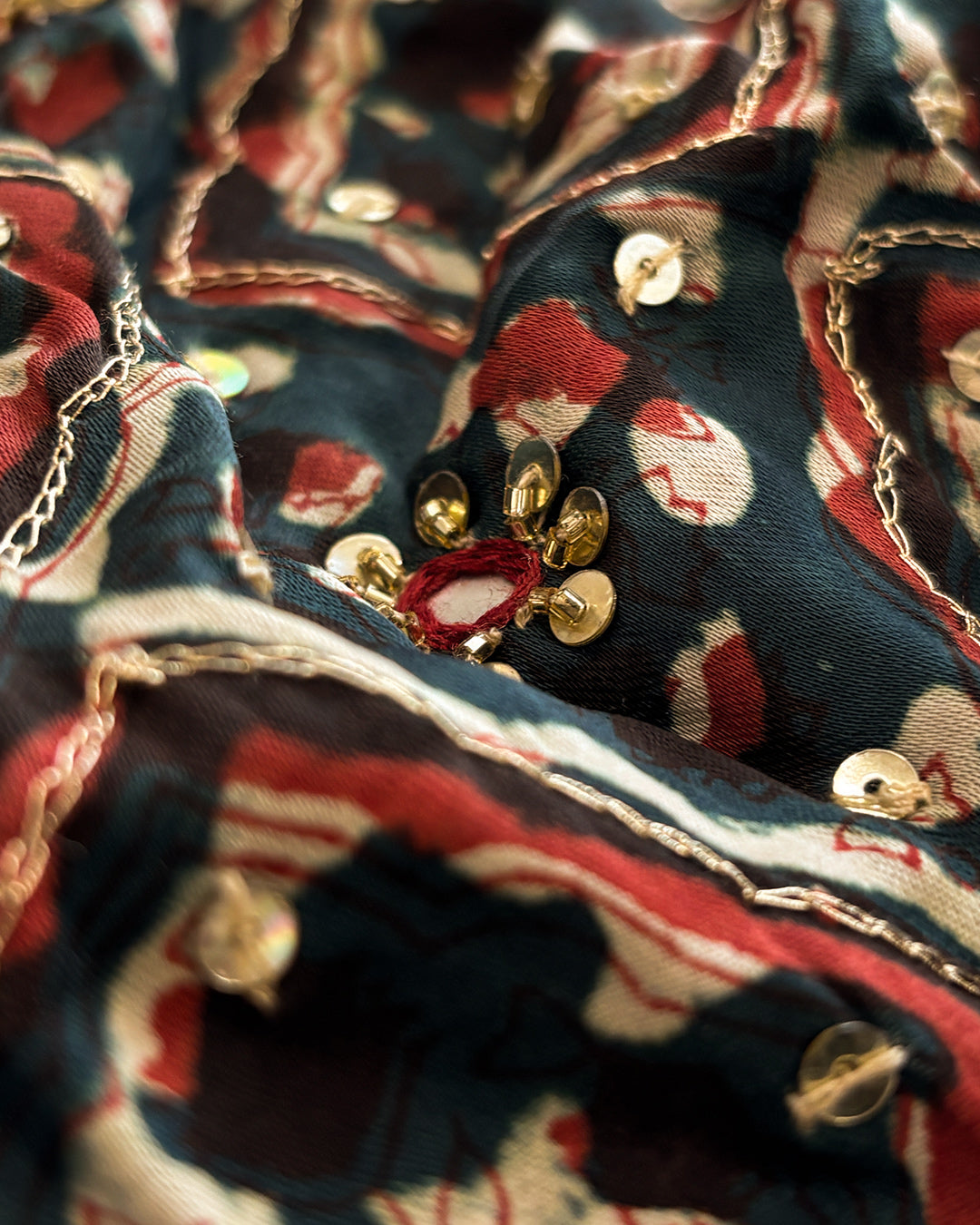
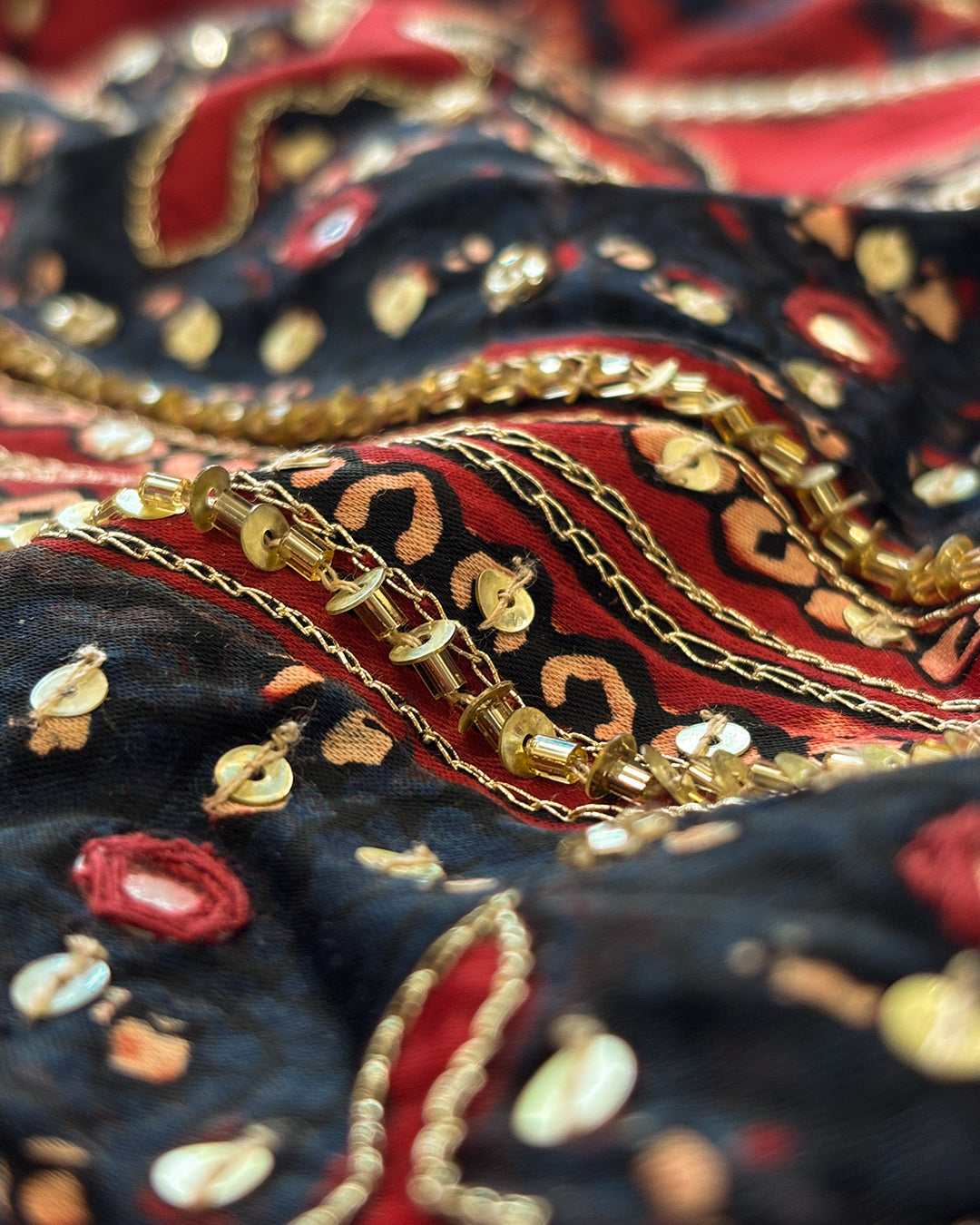
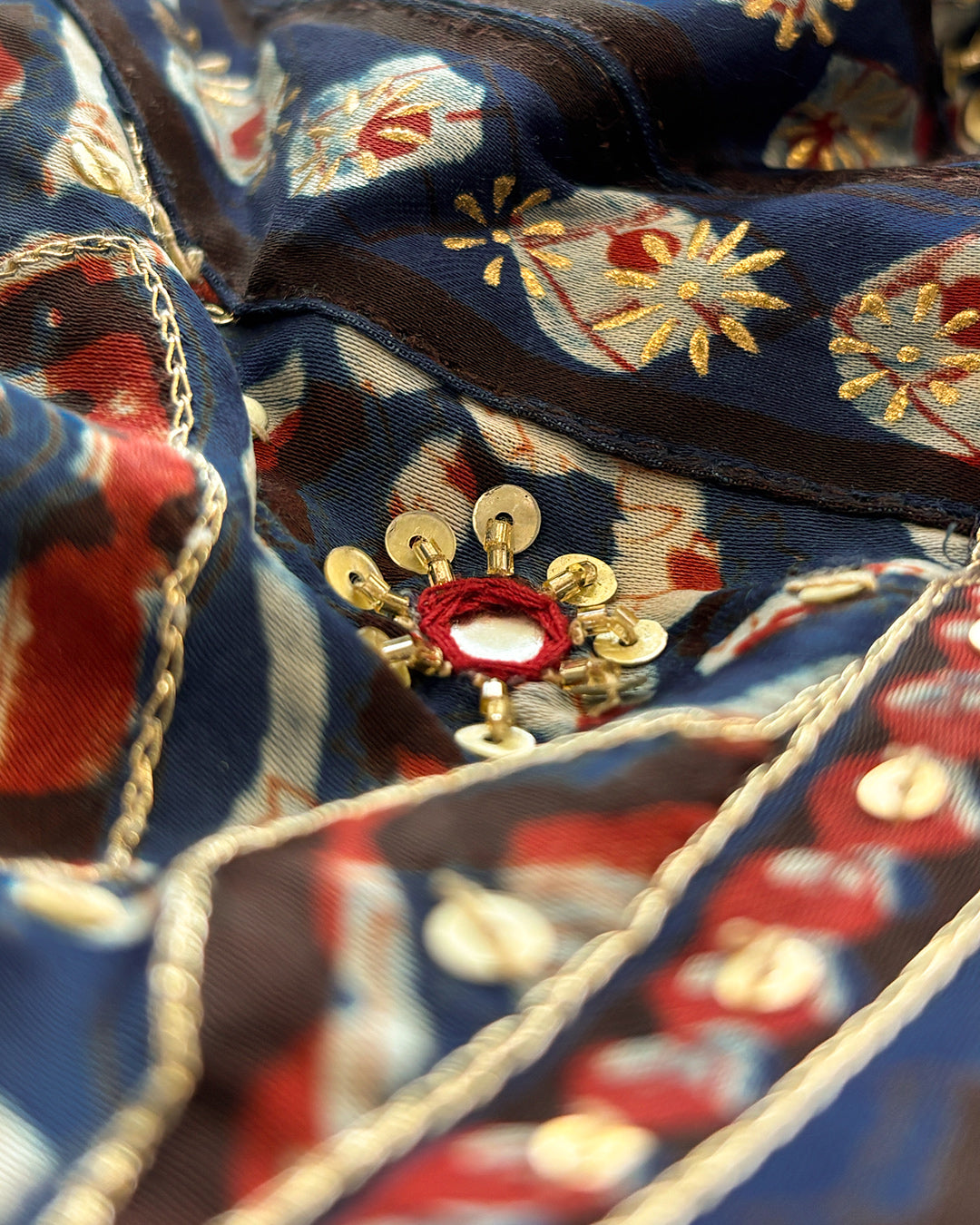
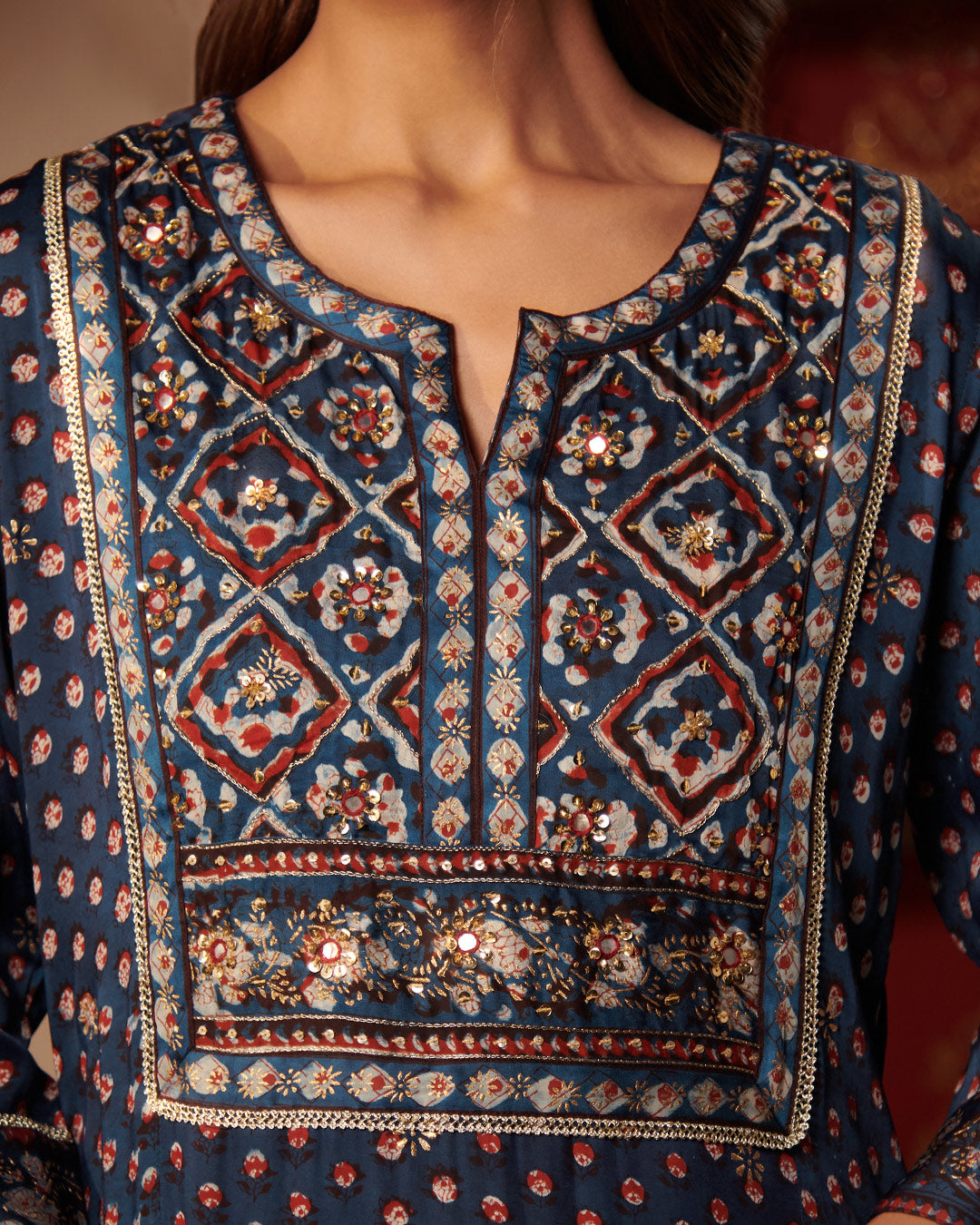
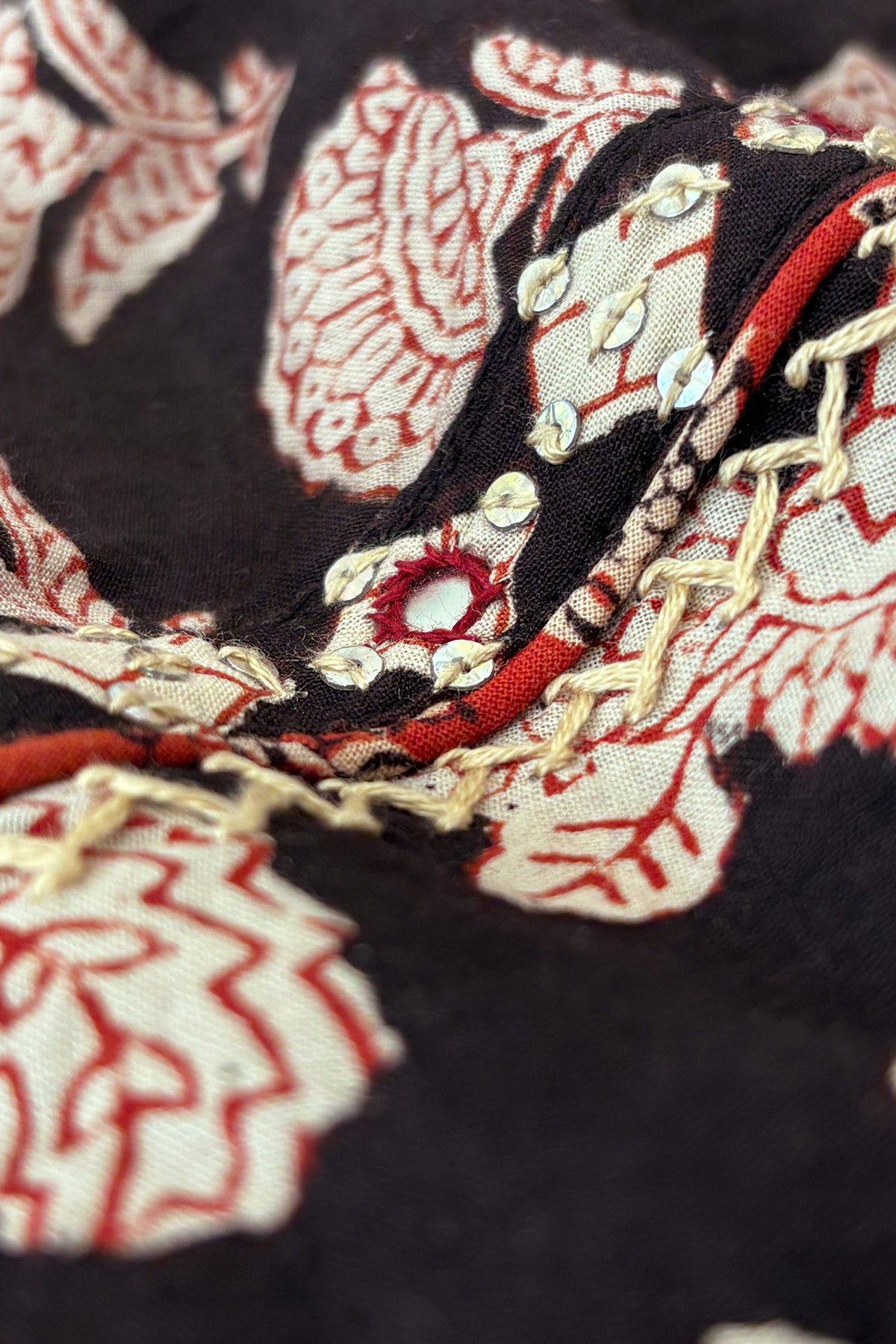
The first time one notices an Ajrakh textile, it is often the depth of the colours that lingers. Indigo that feels almost endless. Deep madder reds. Intricate geometric patterns repeating with quiet precision. There is a rhythm to it, almost like architecture built with colour and cloth.
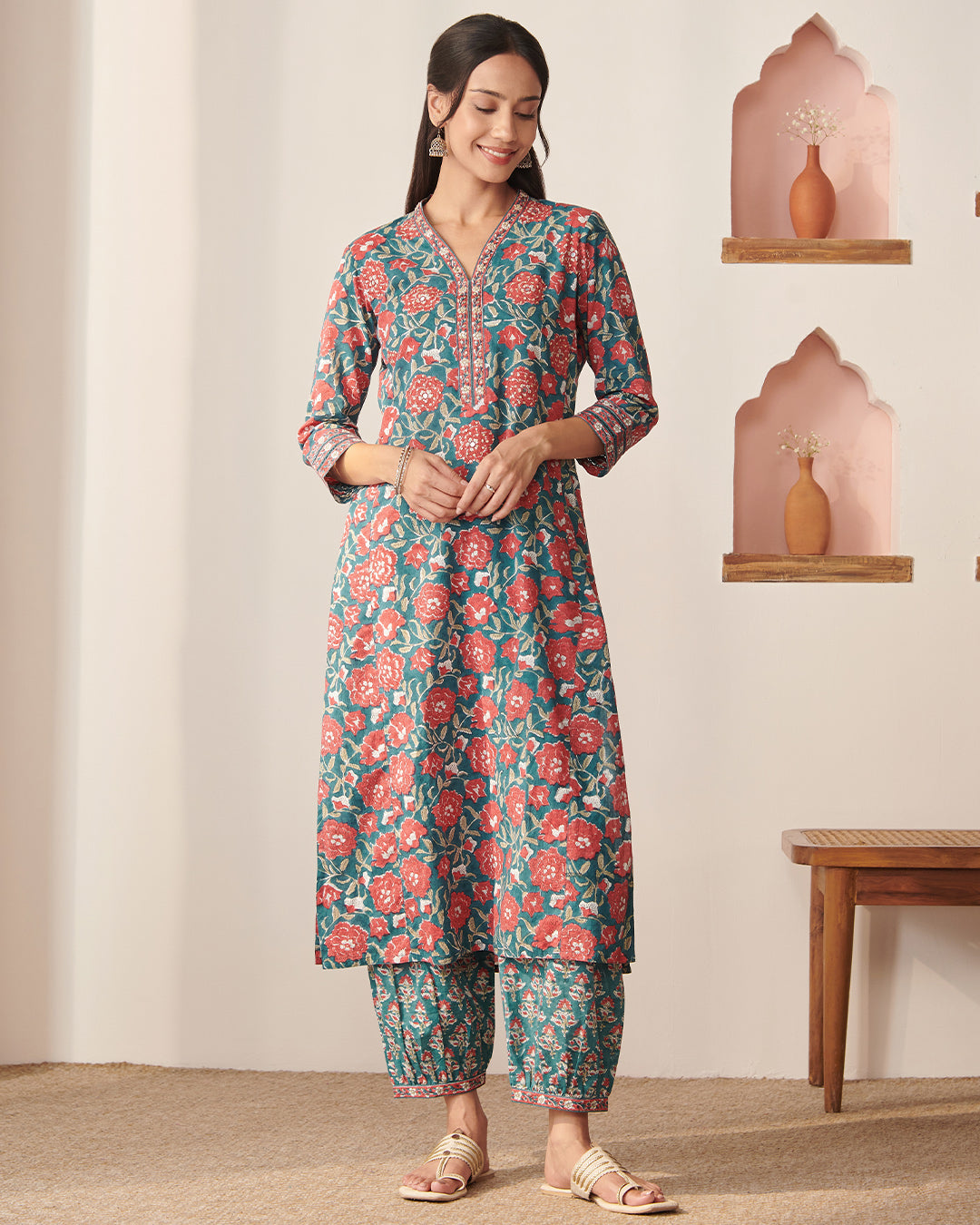
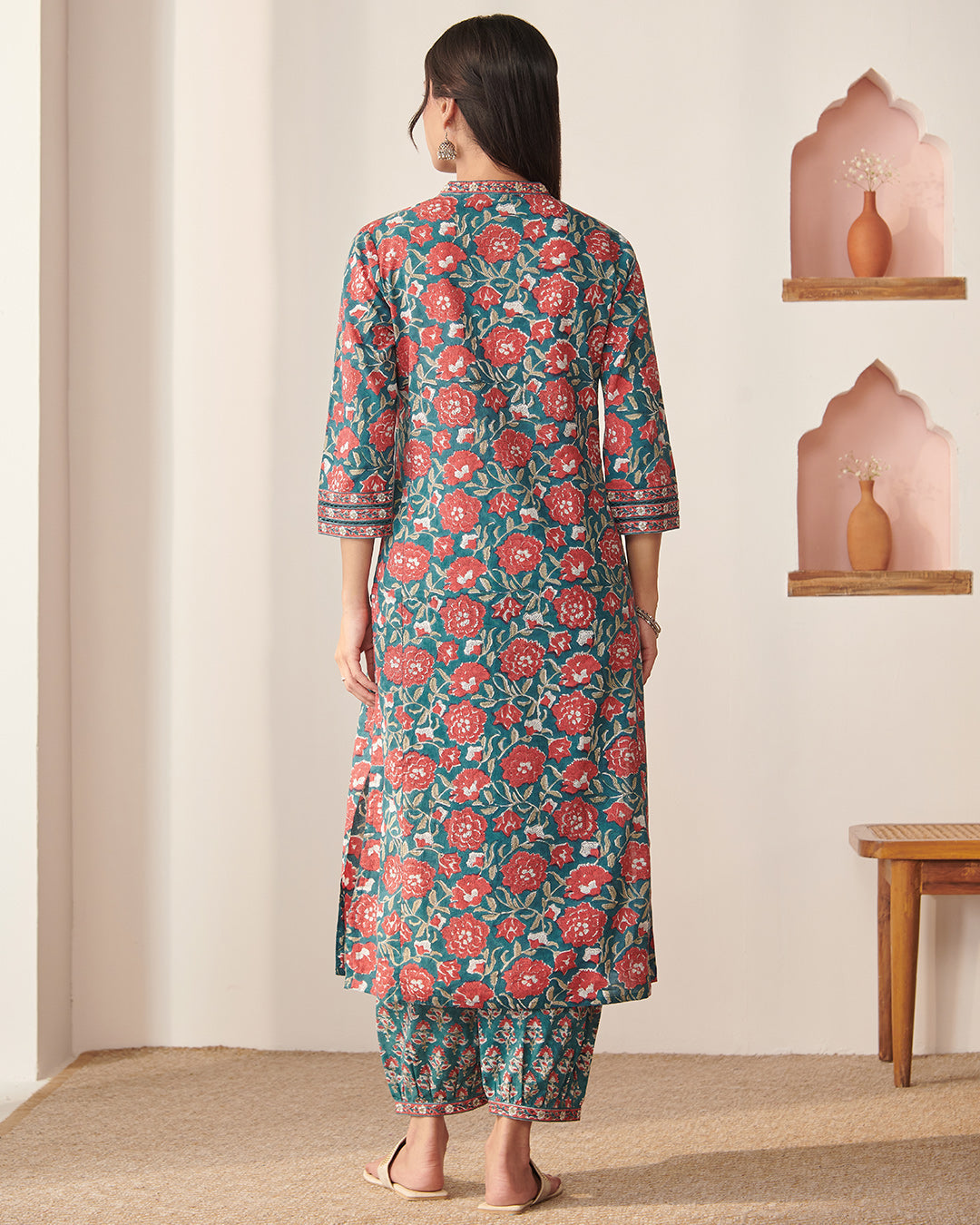
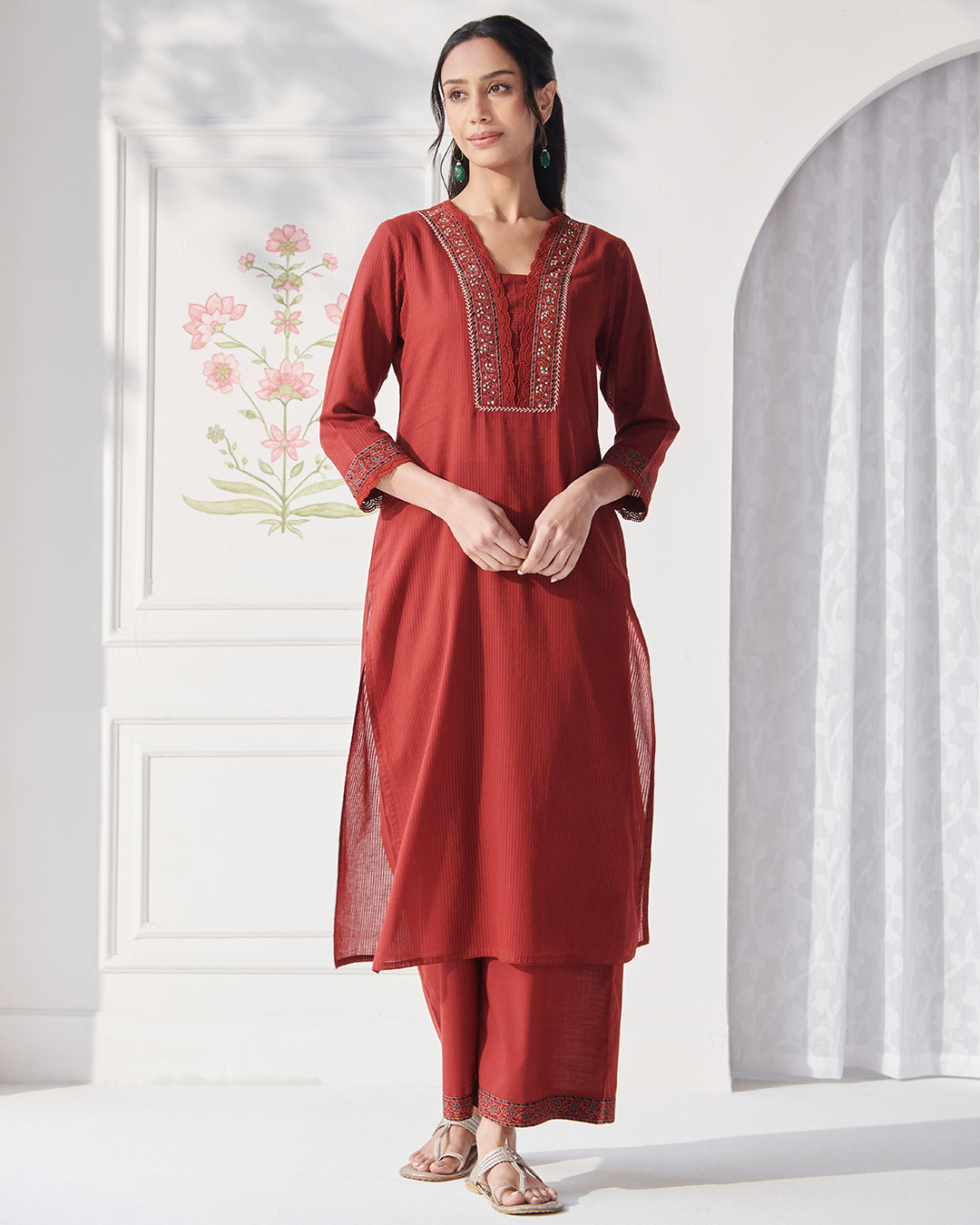
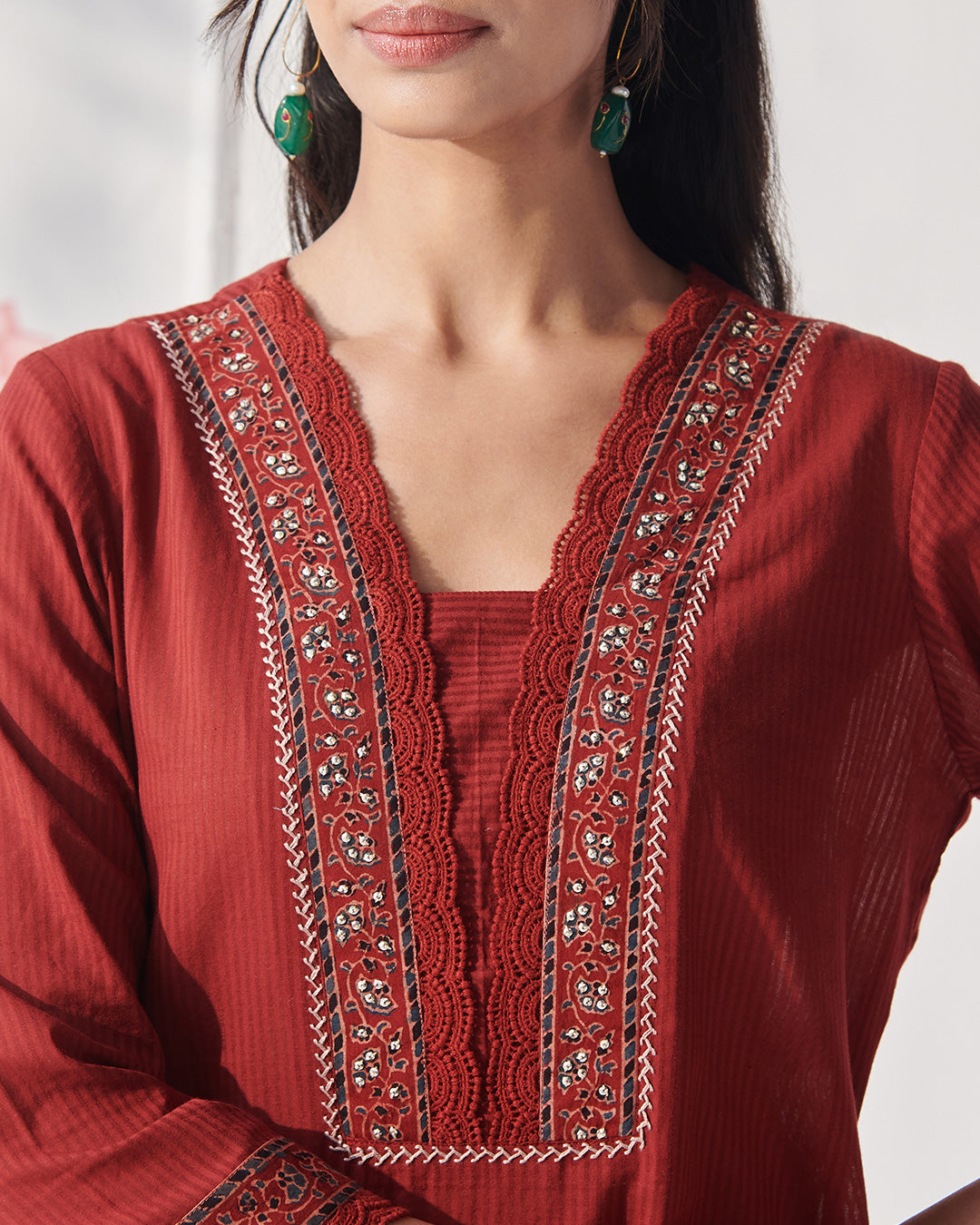
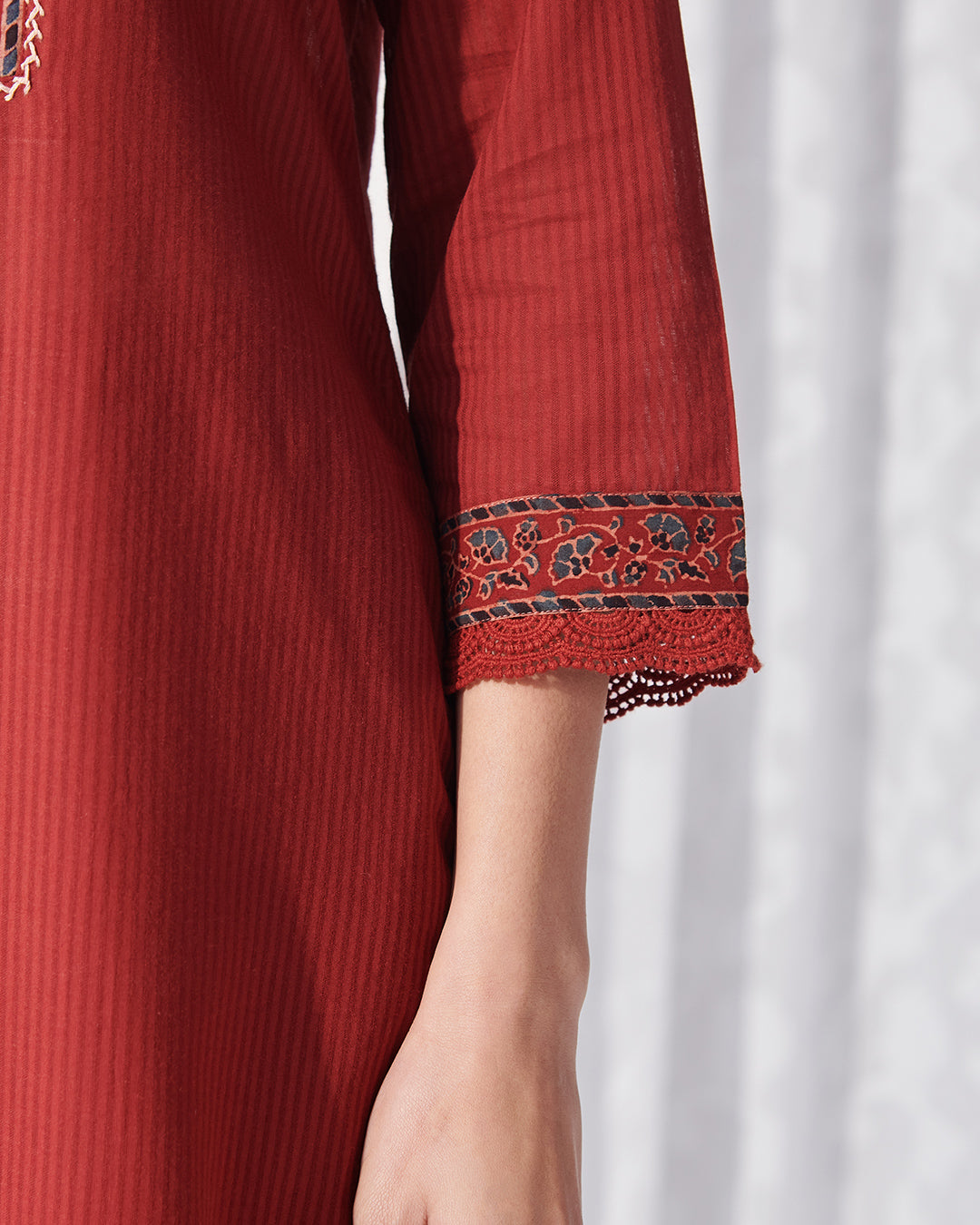
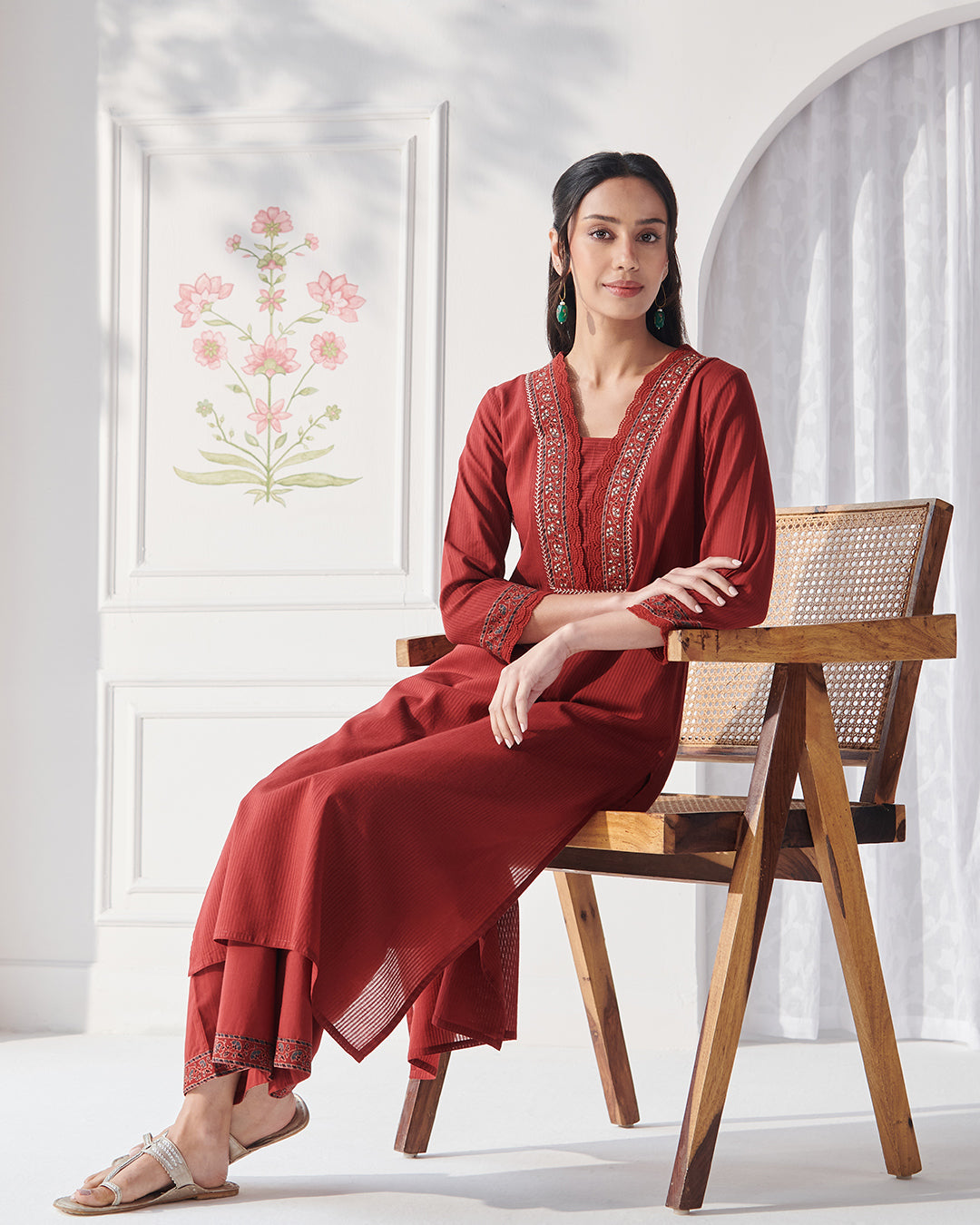
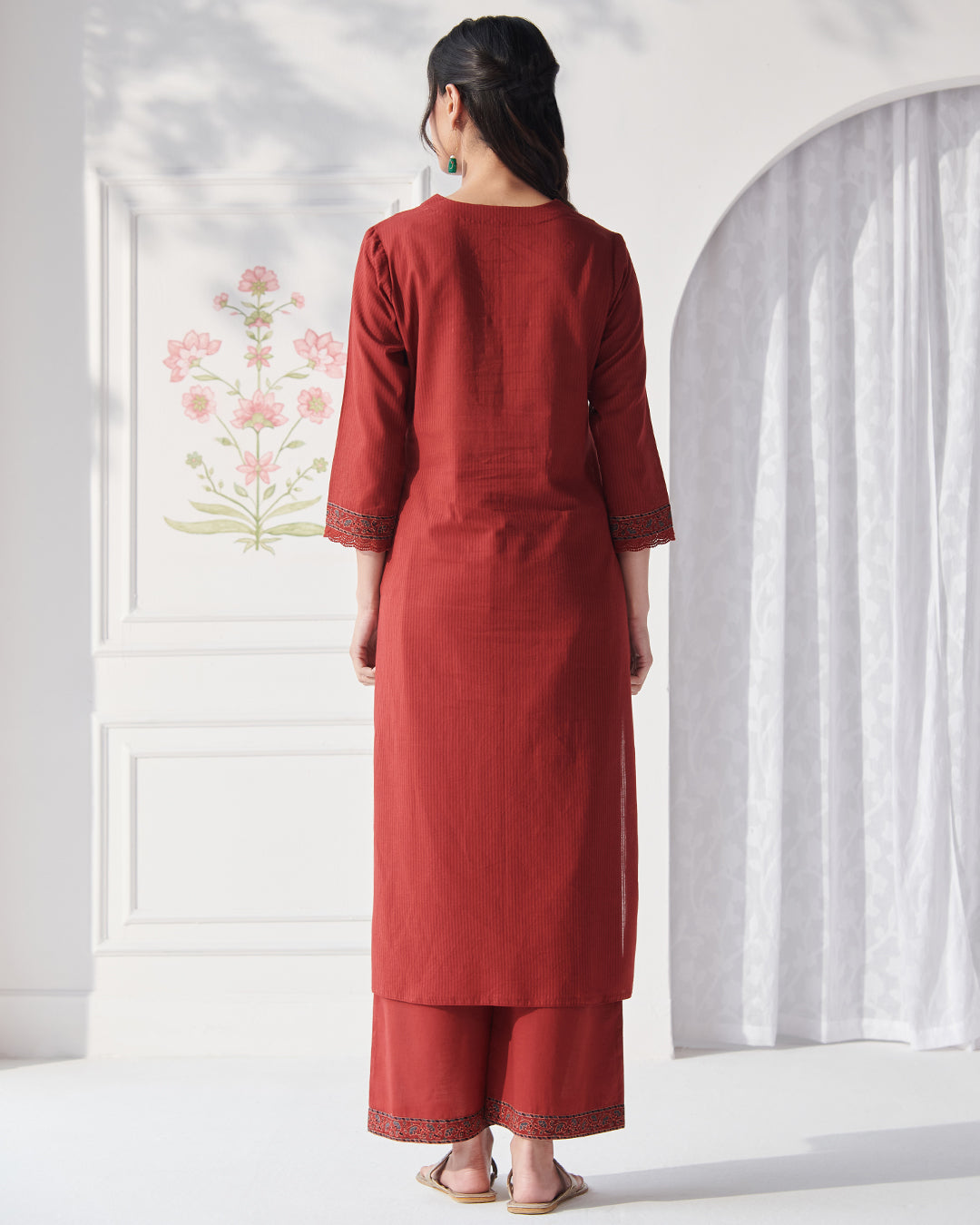
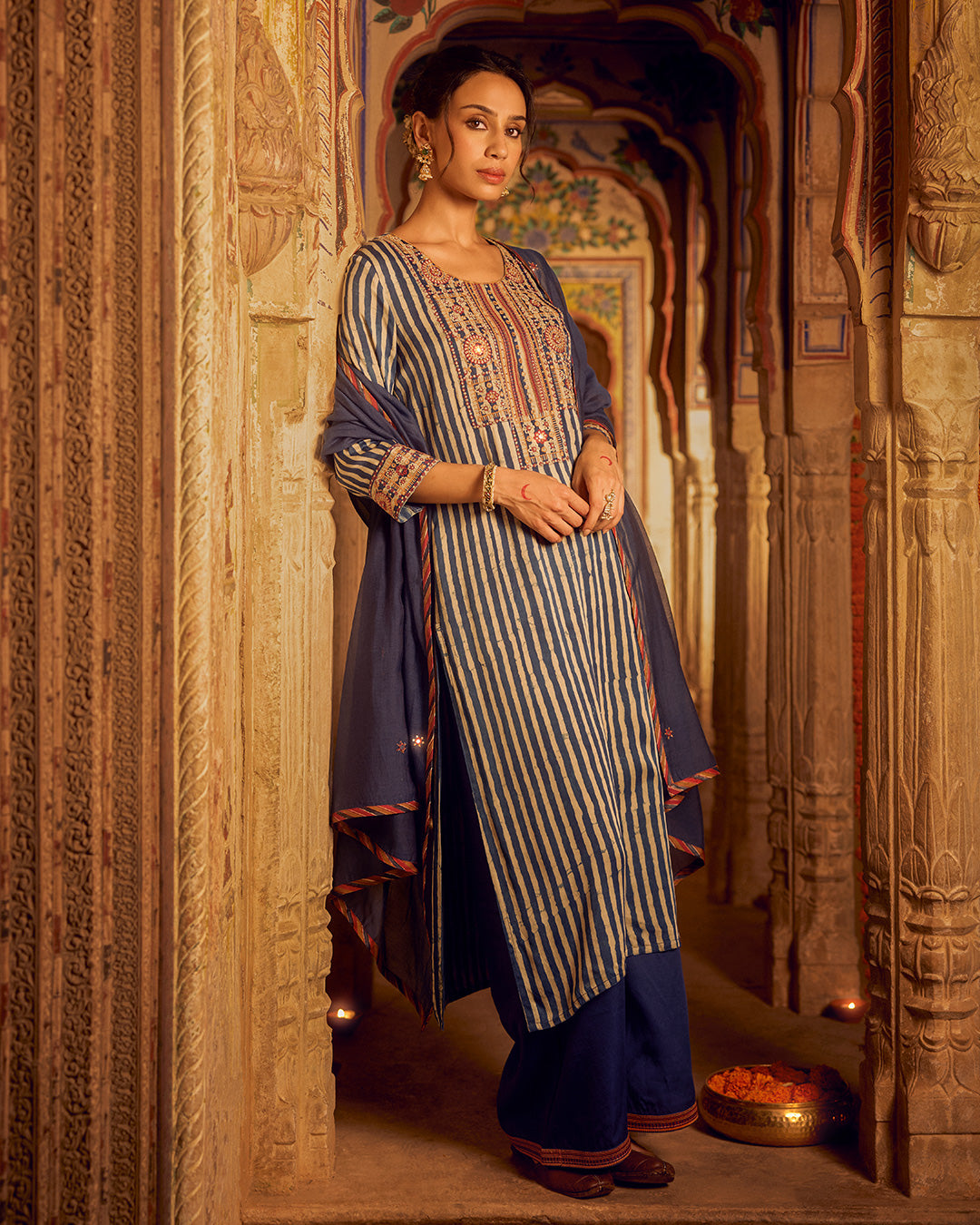
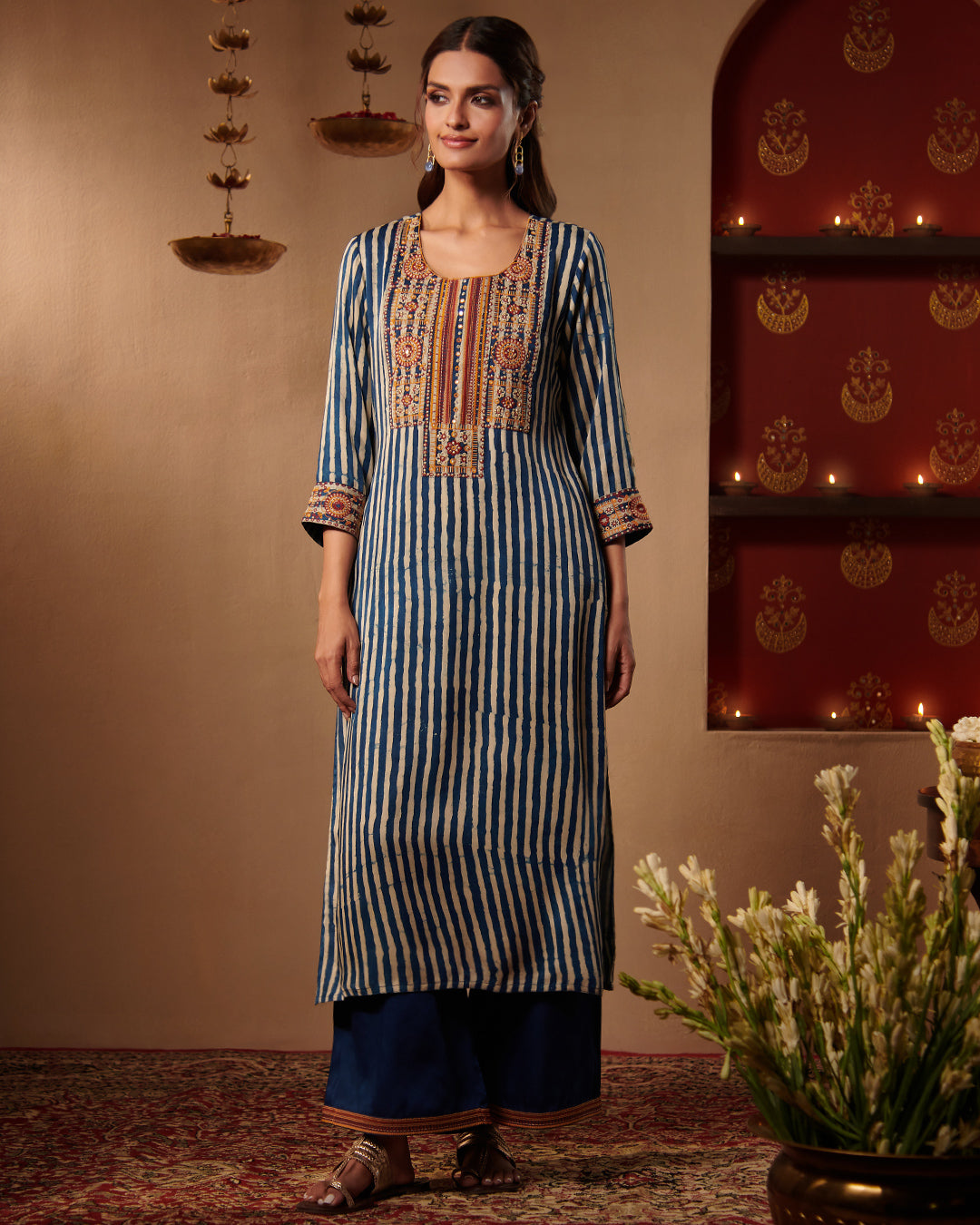
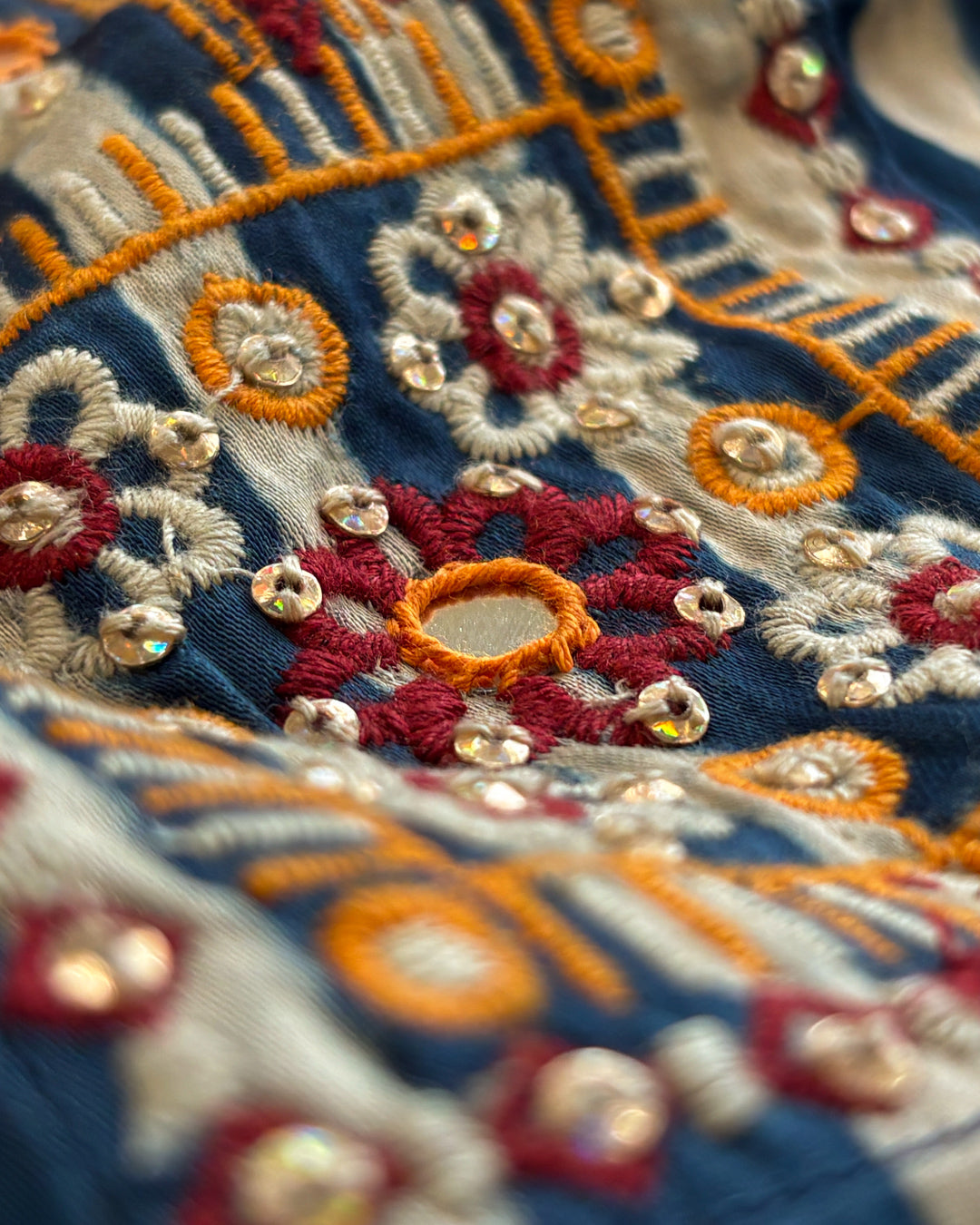
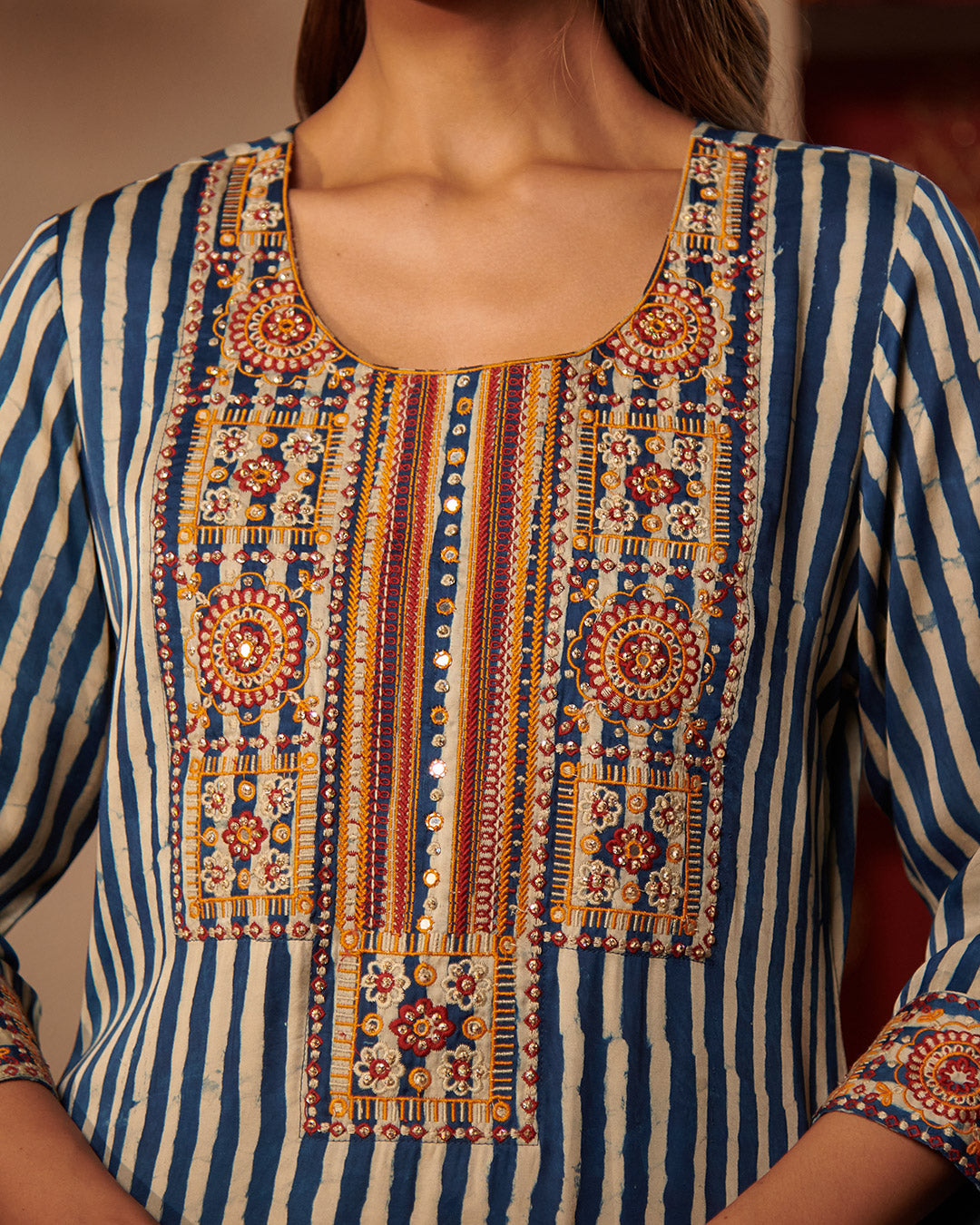
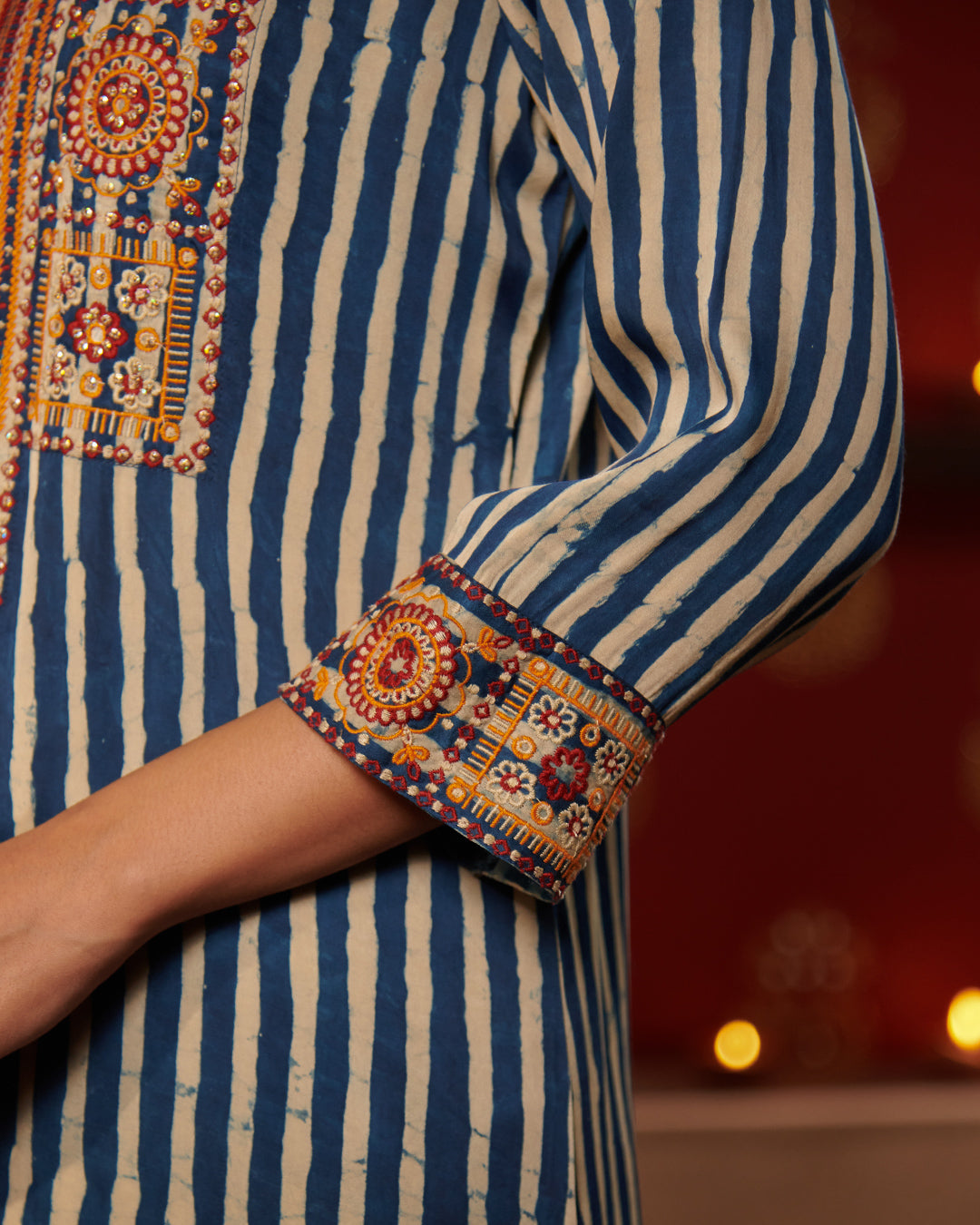
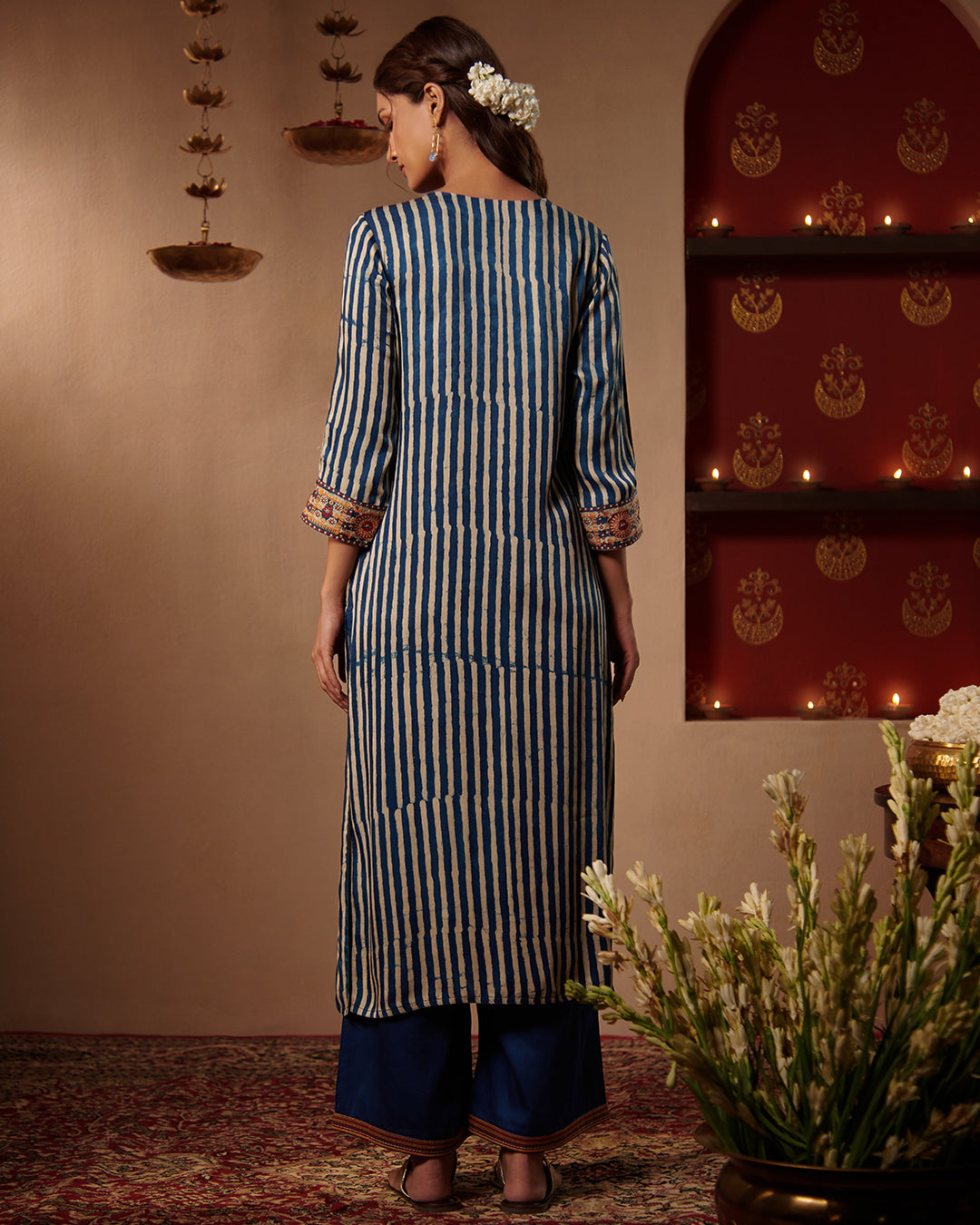
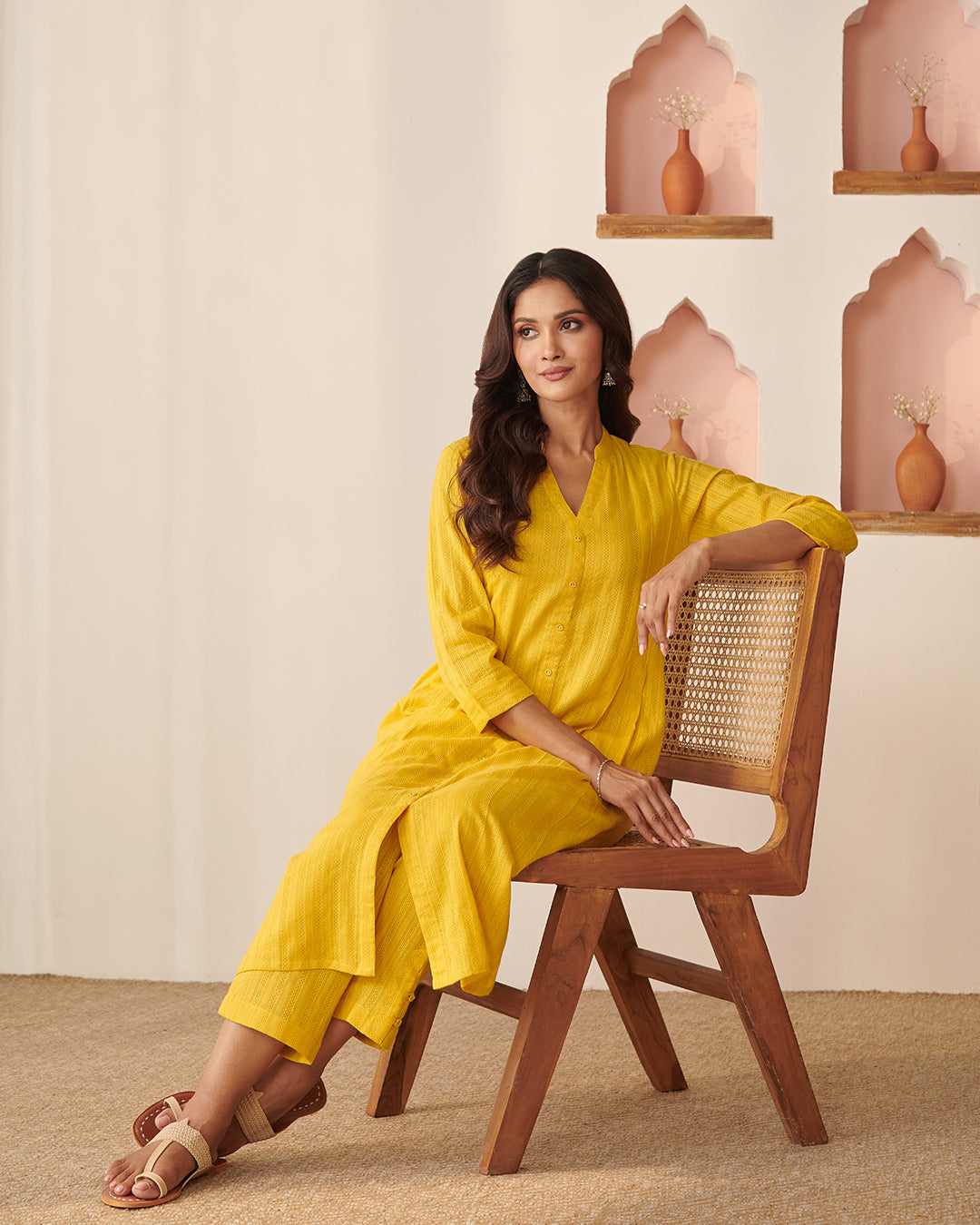
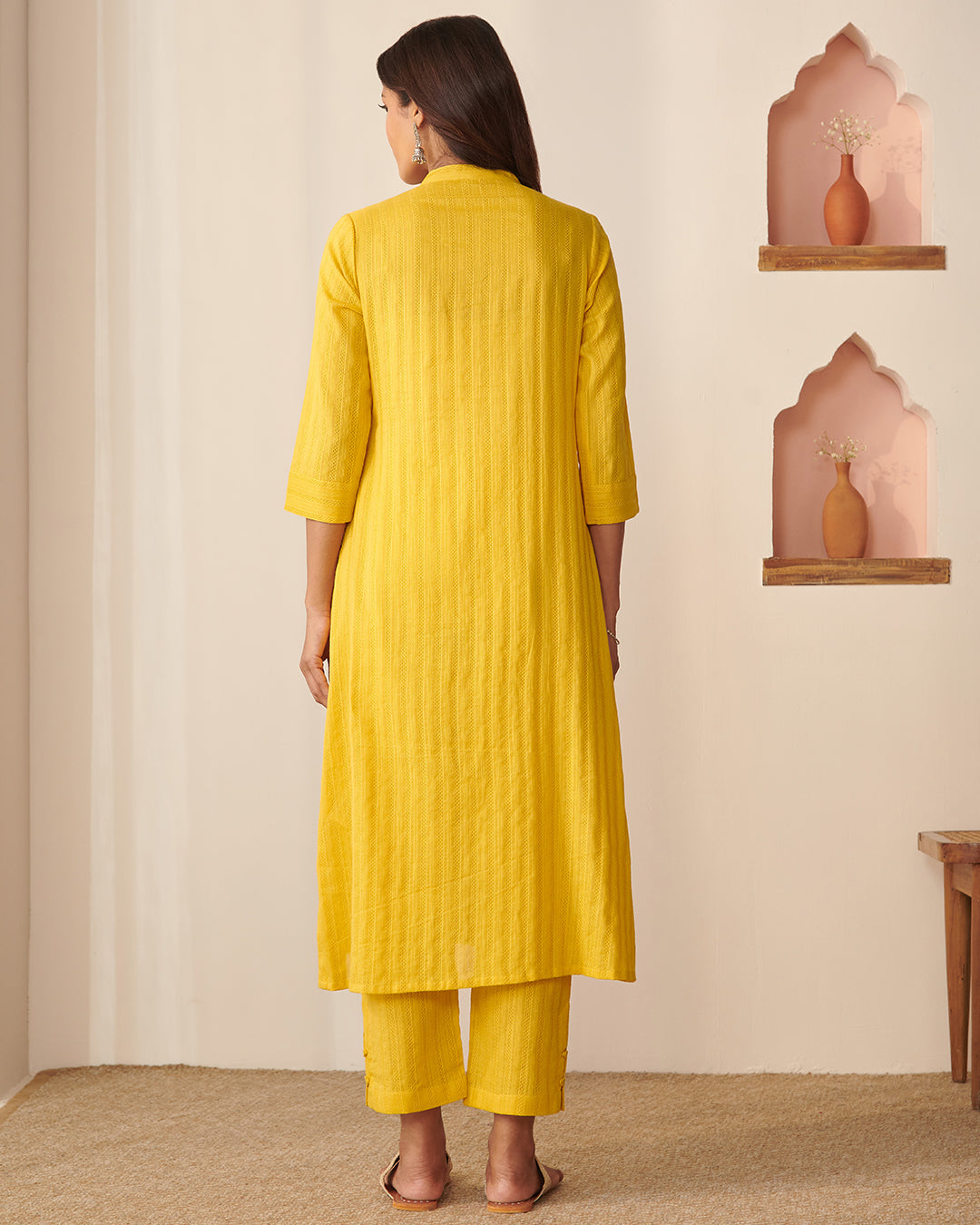
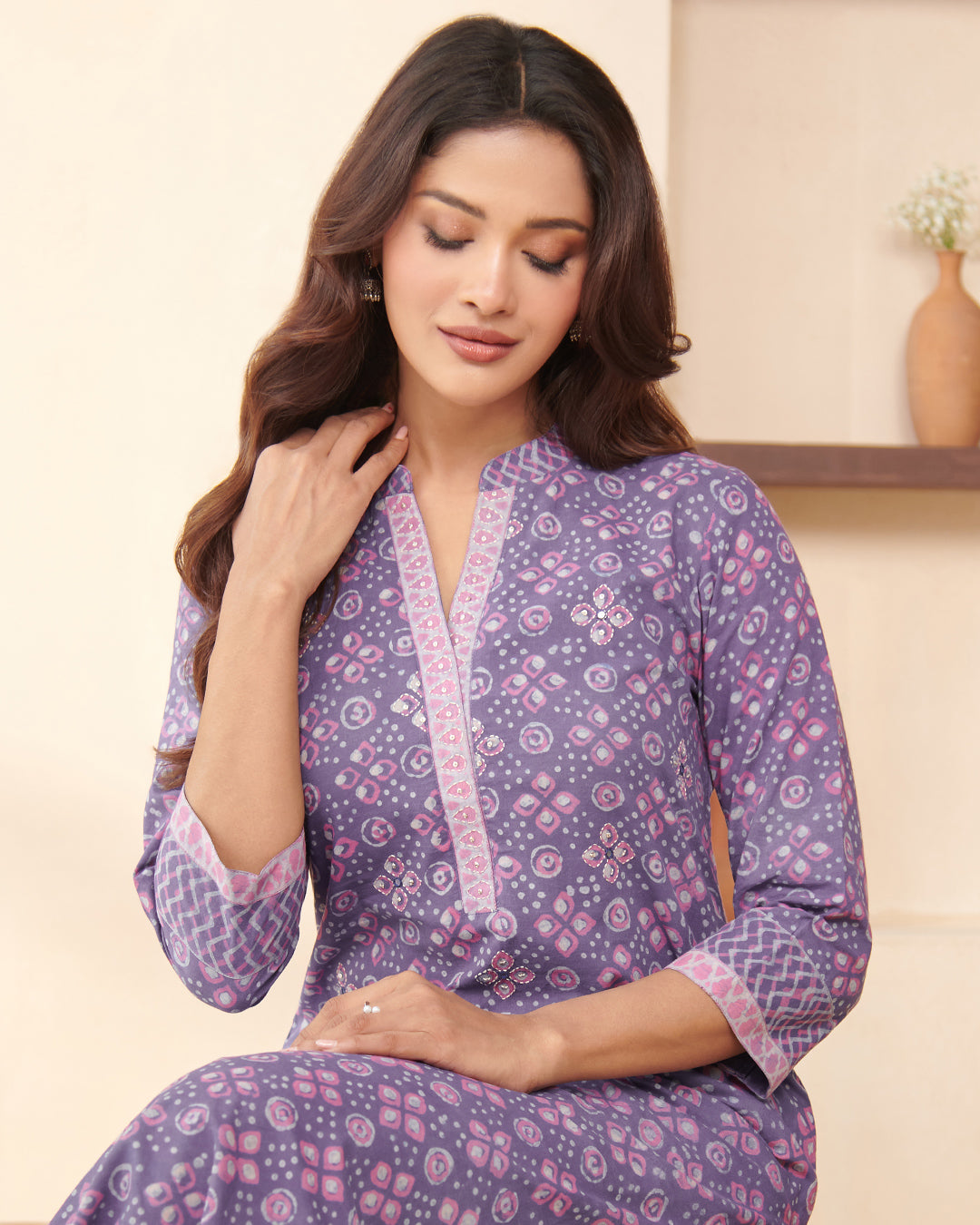
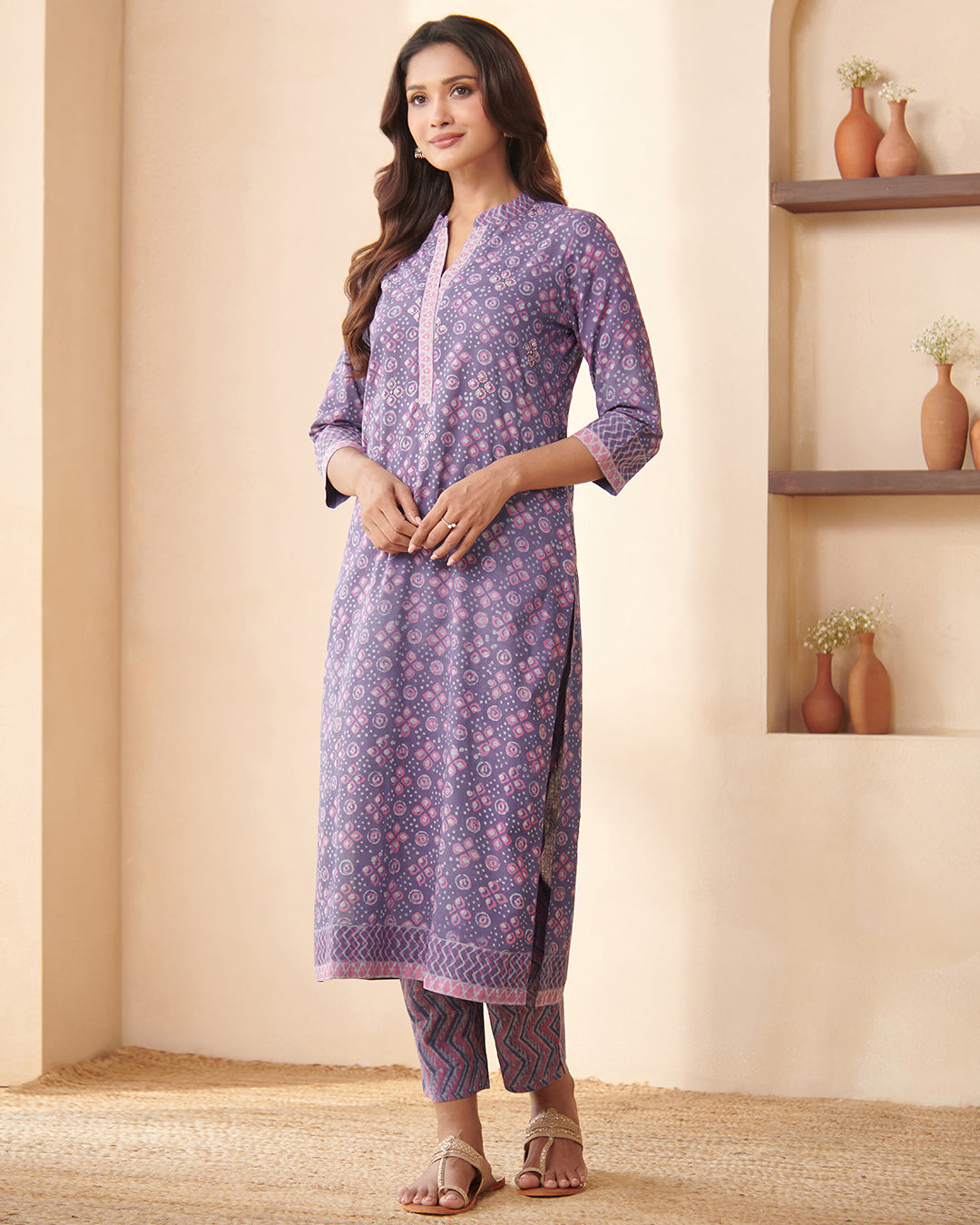
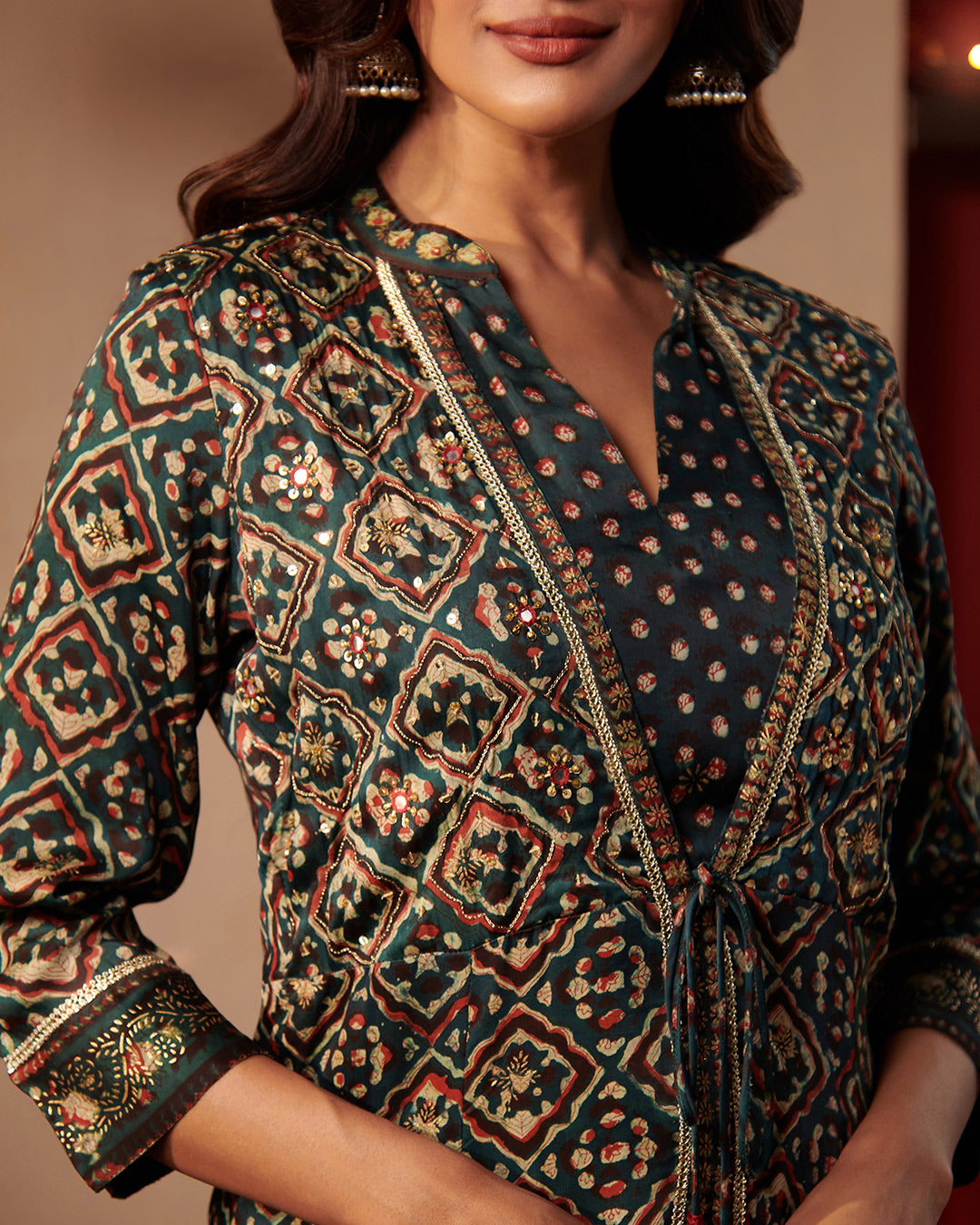
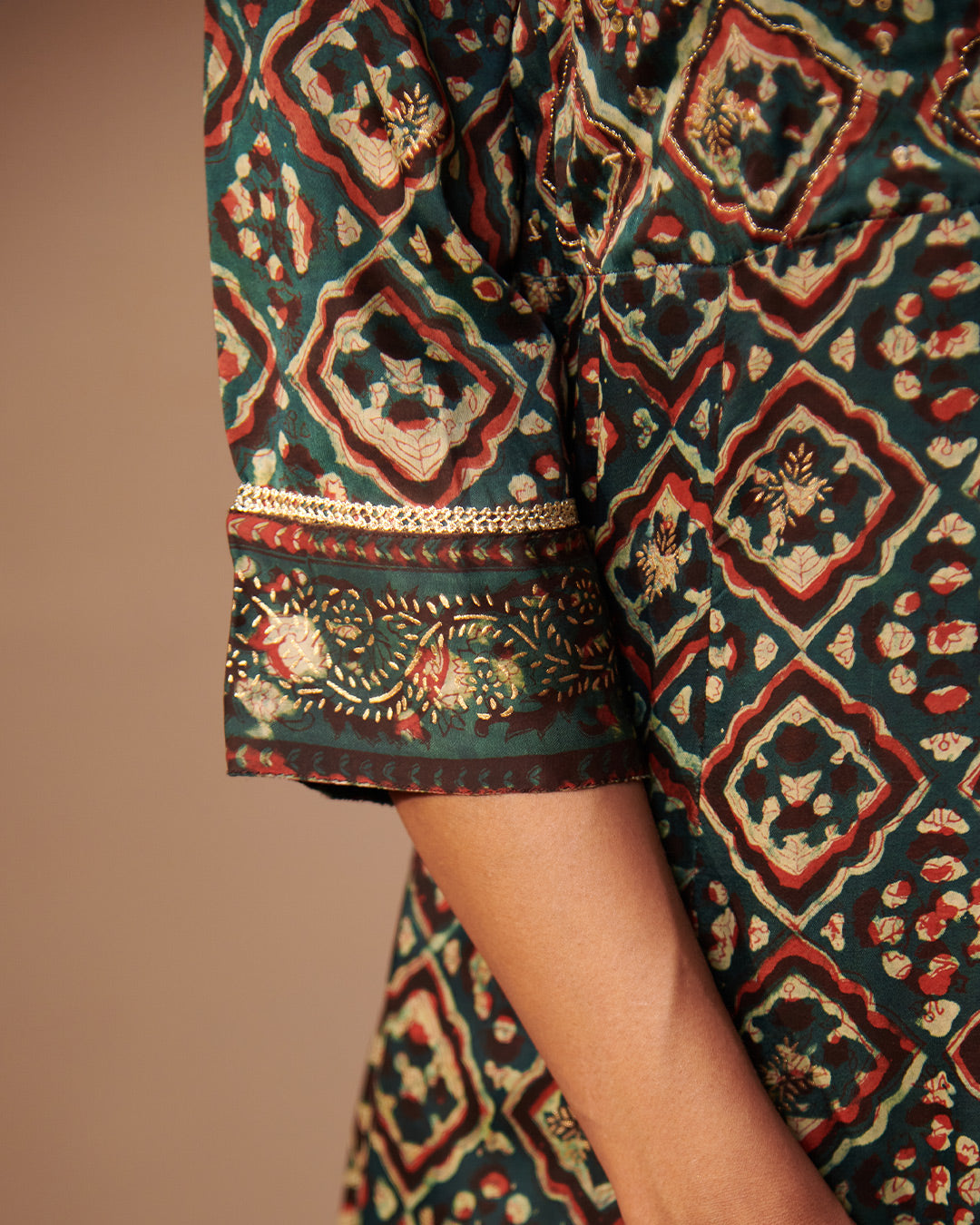
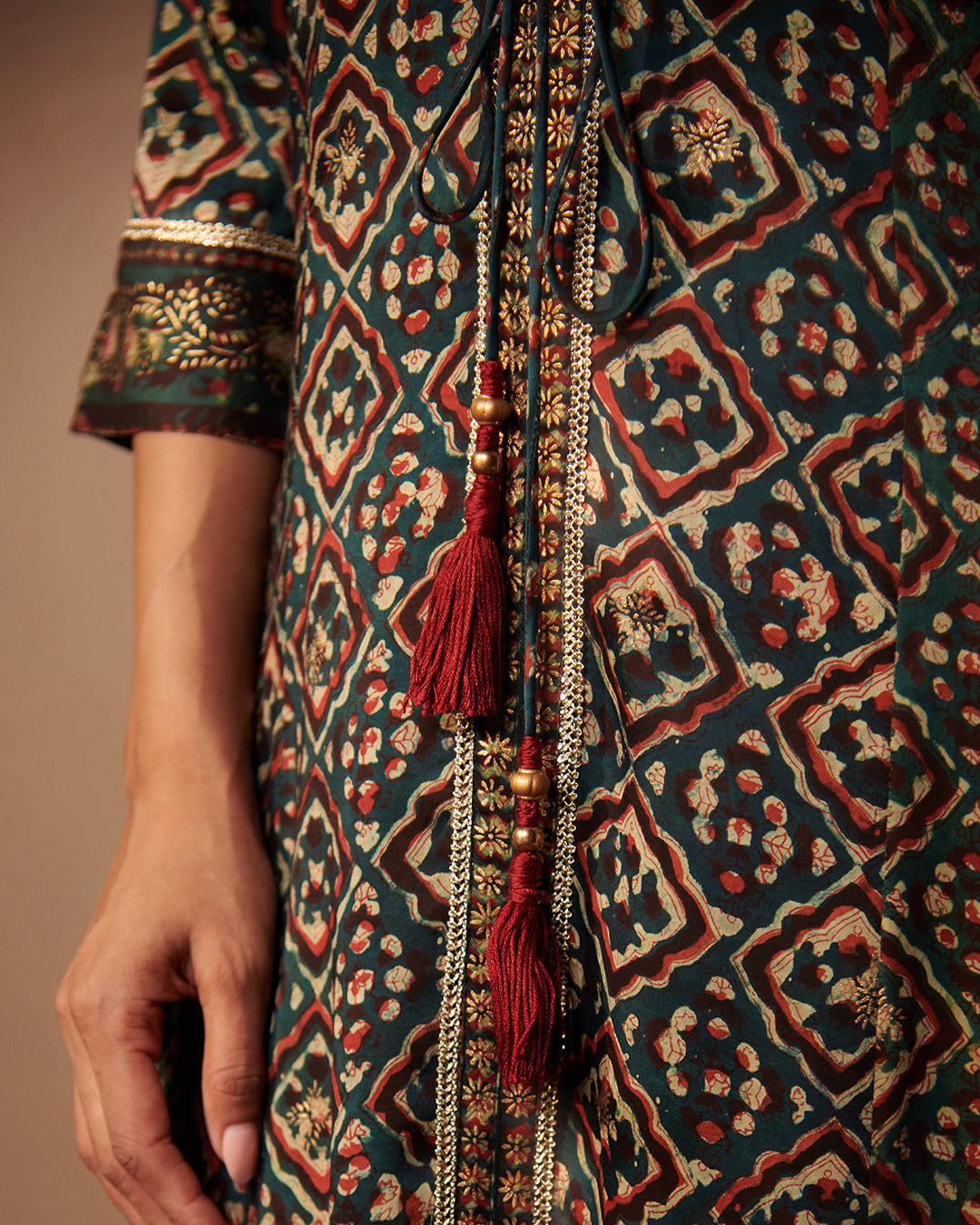
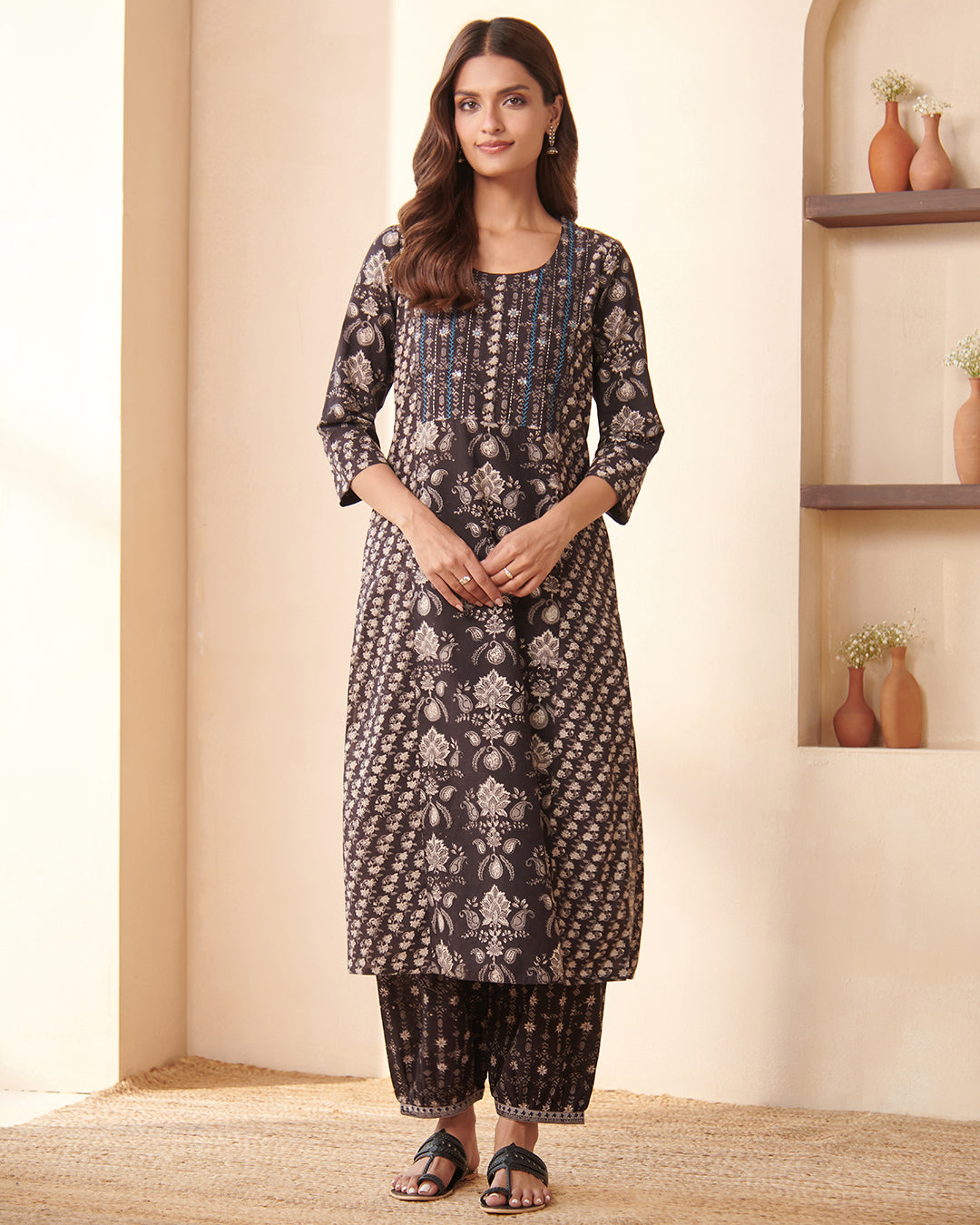
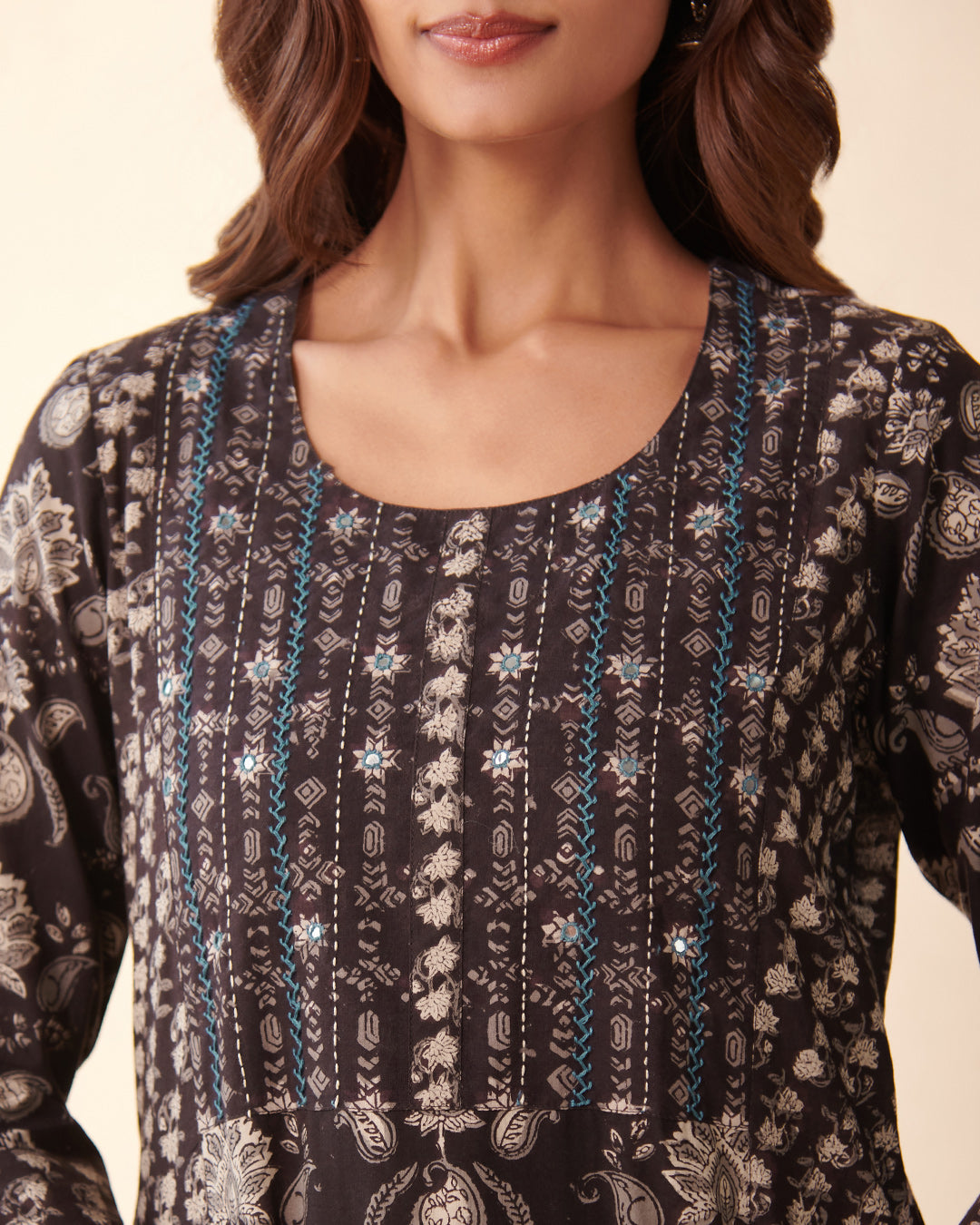
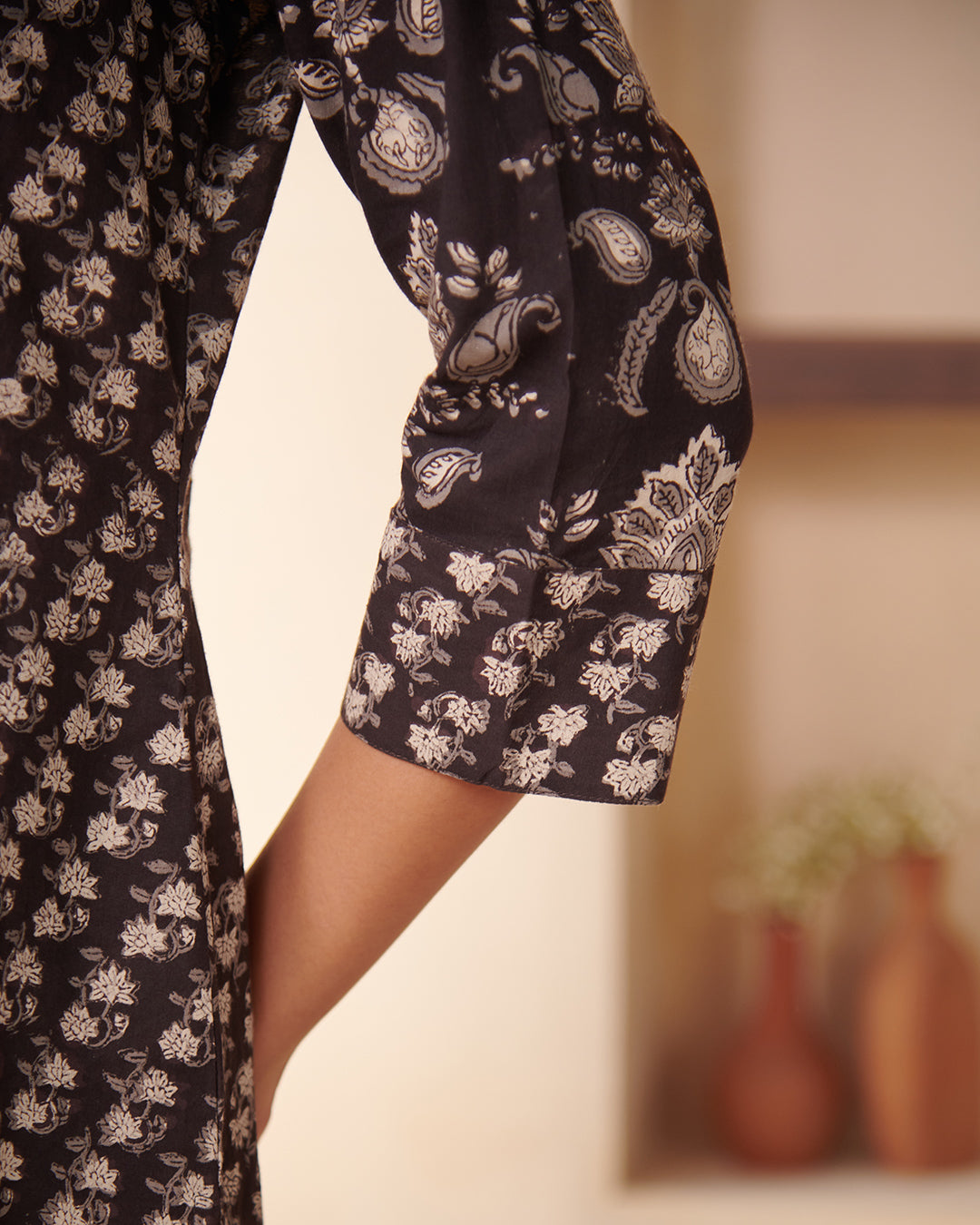
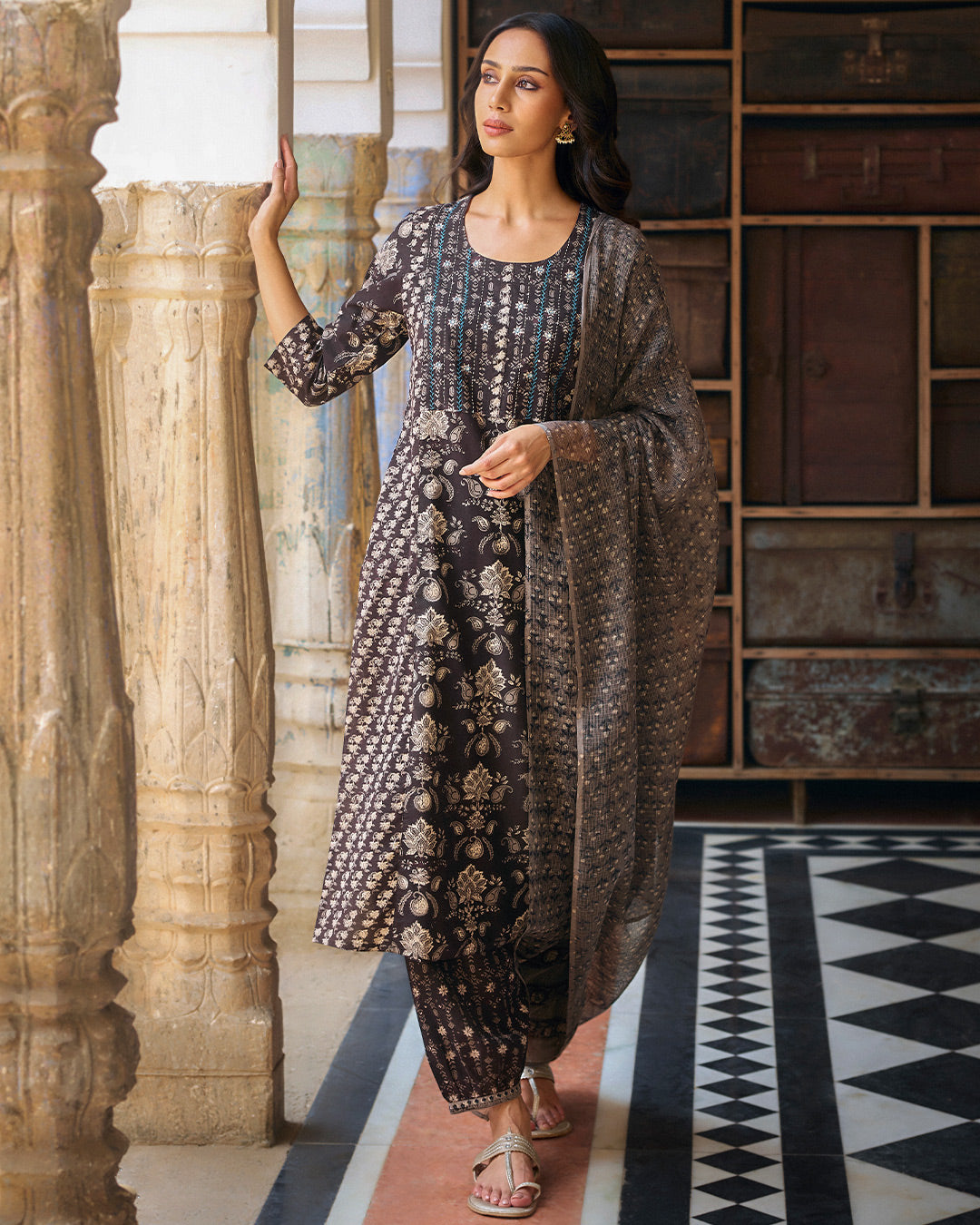
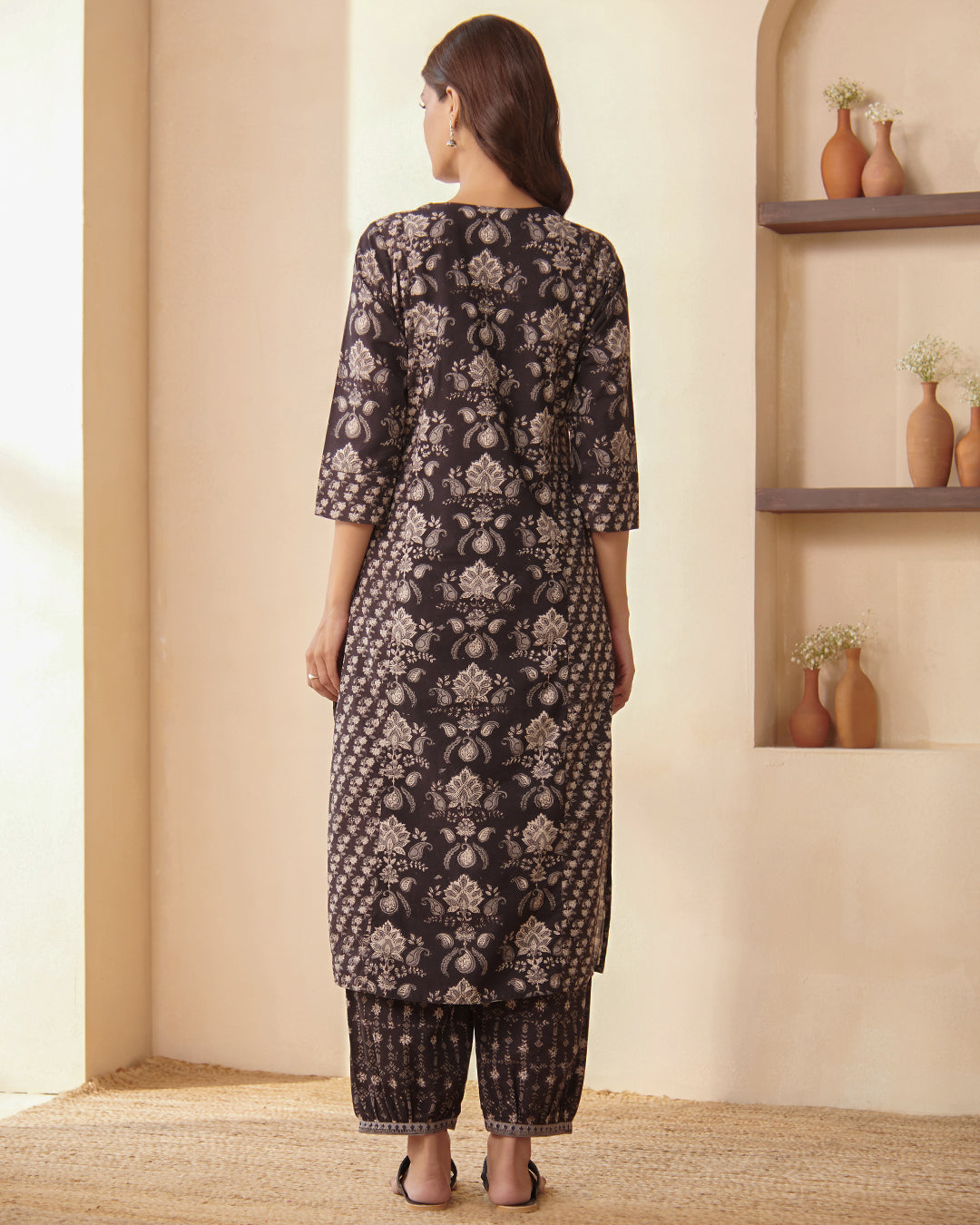
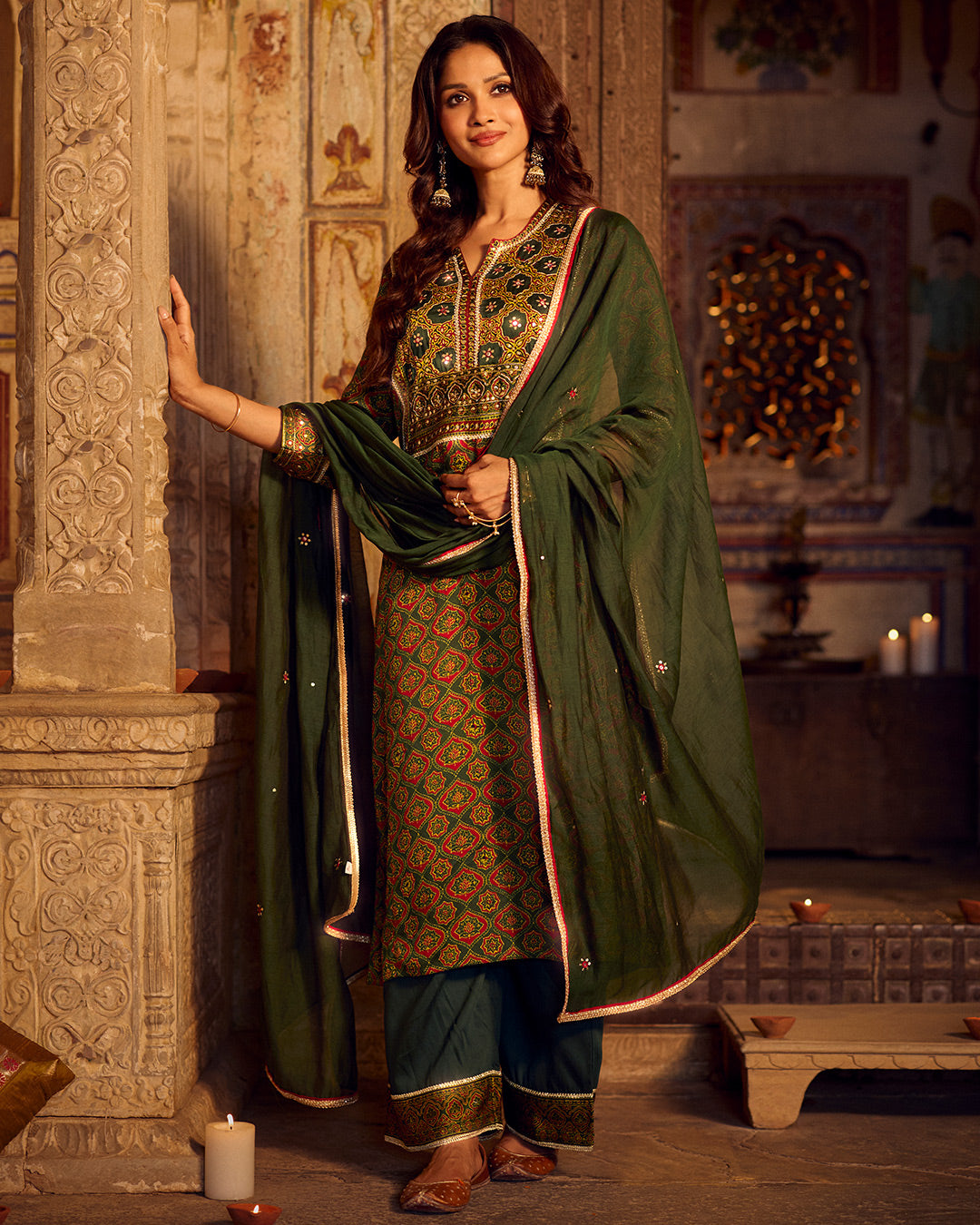
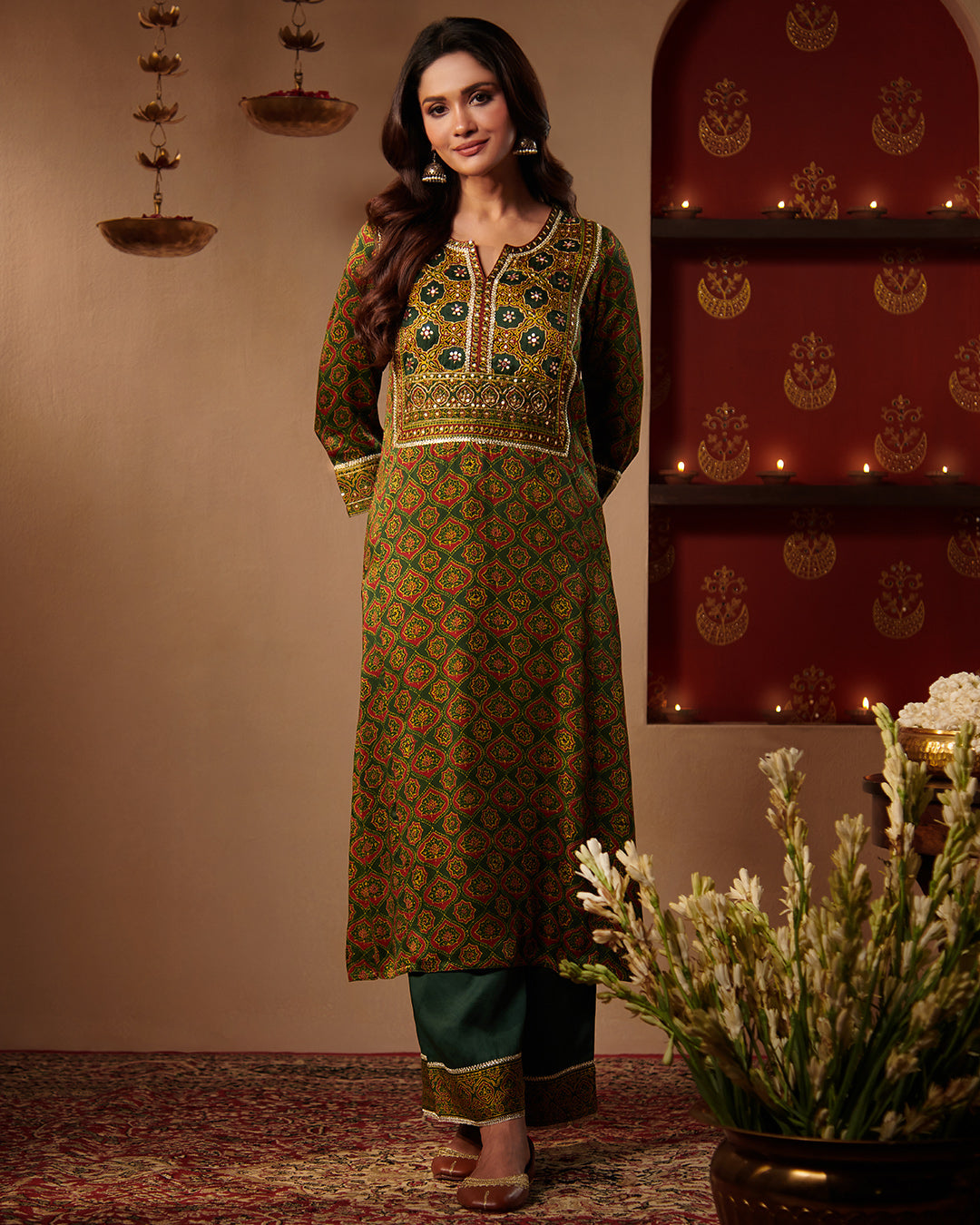
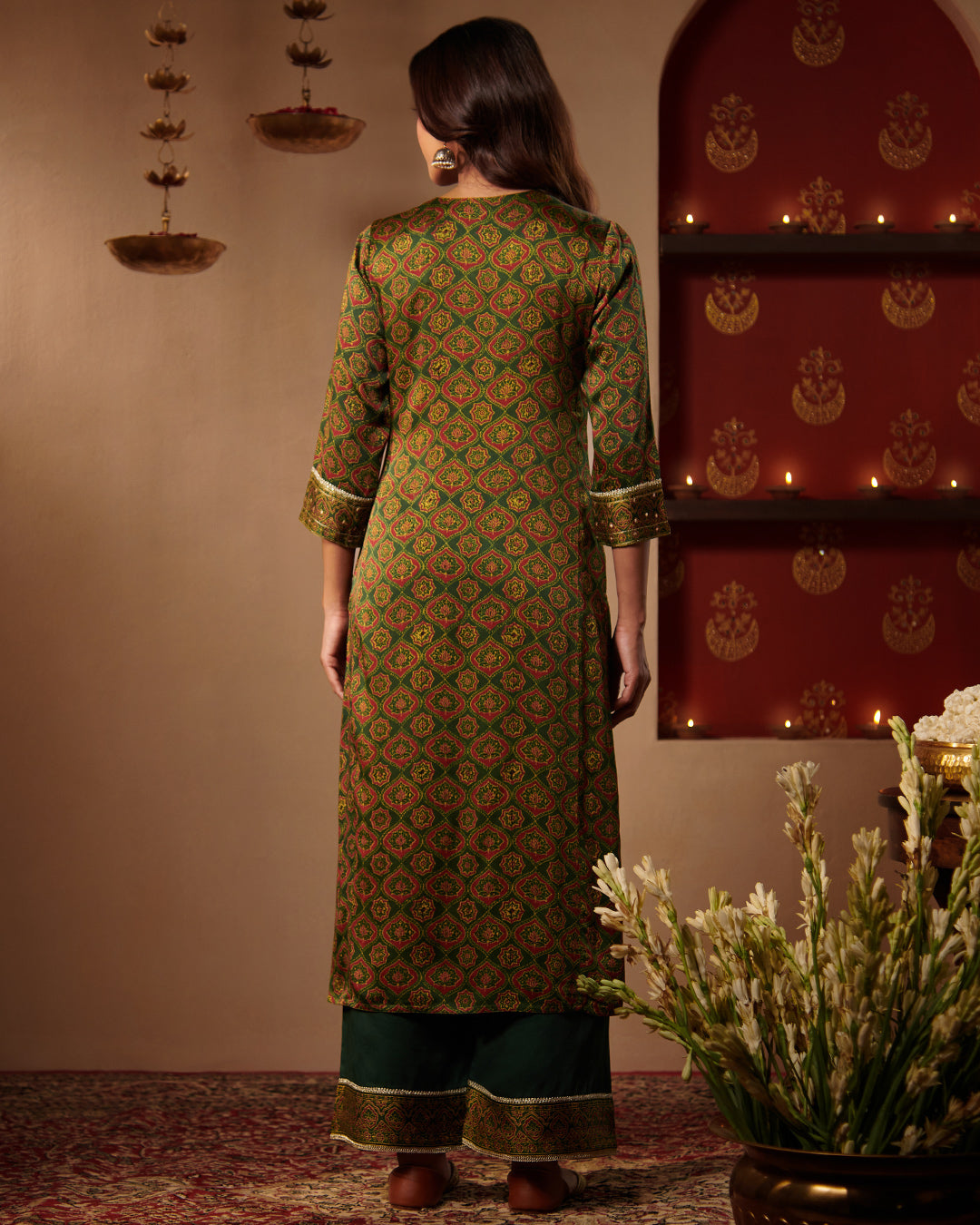
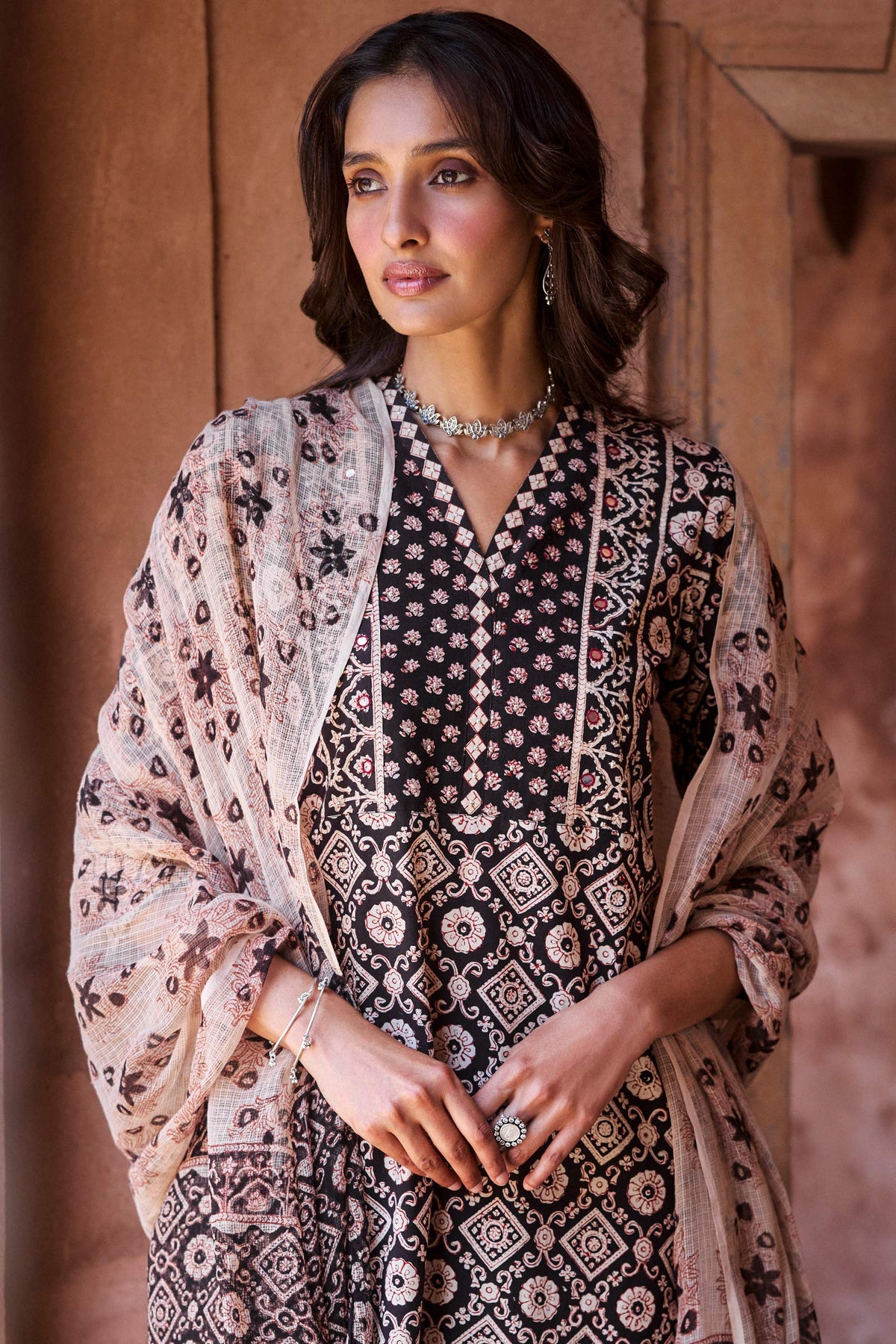
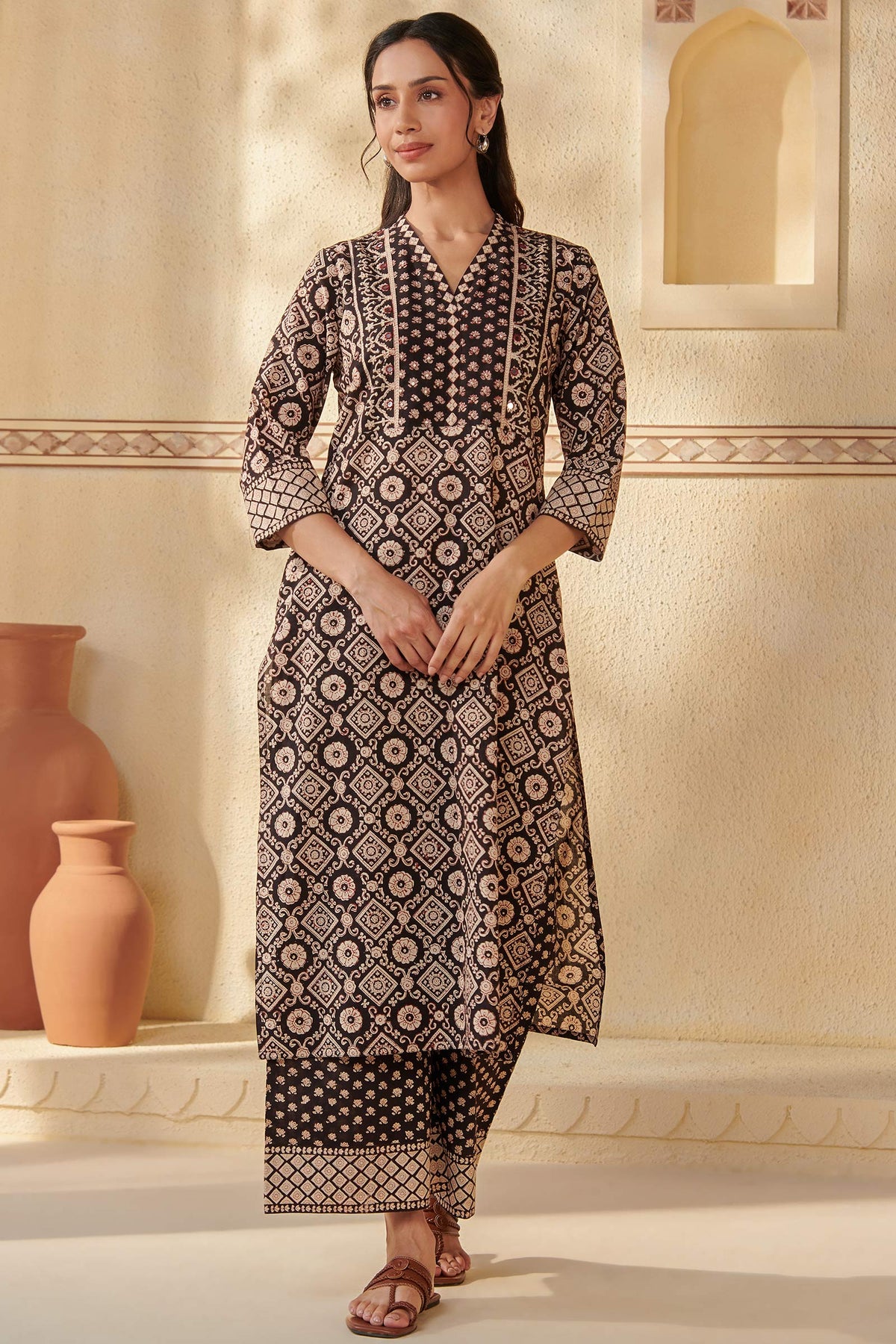
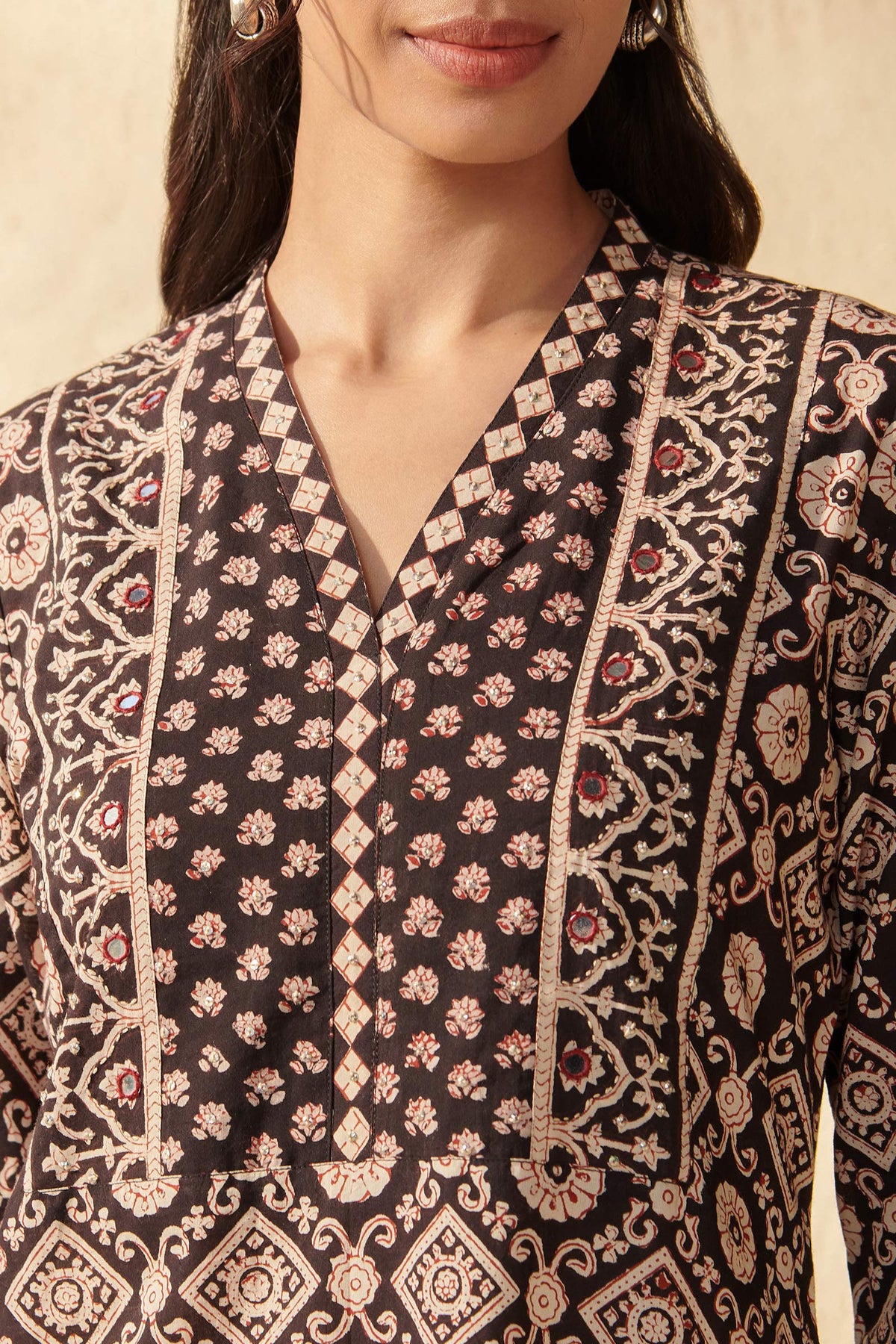
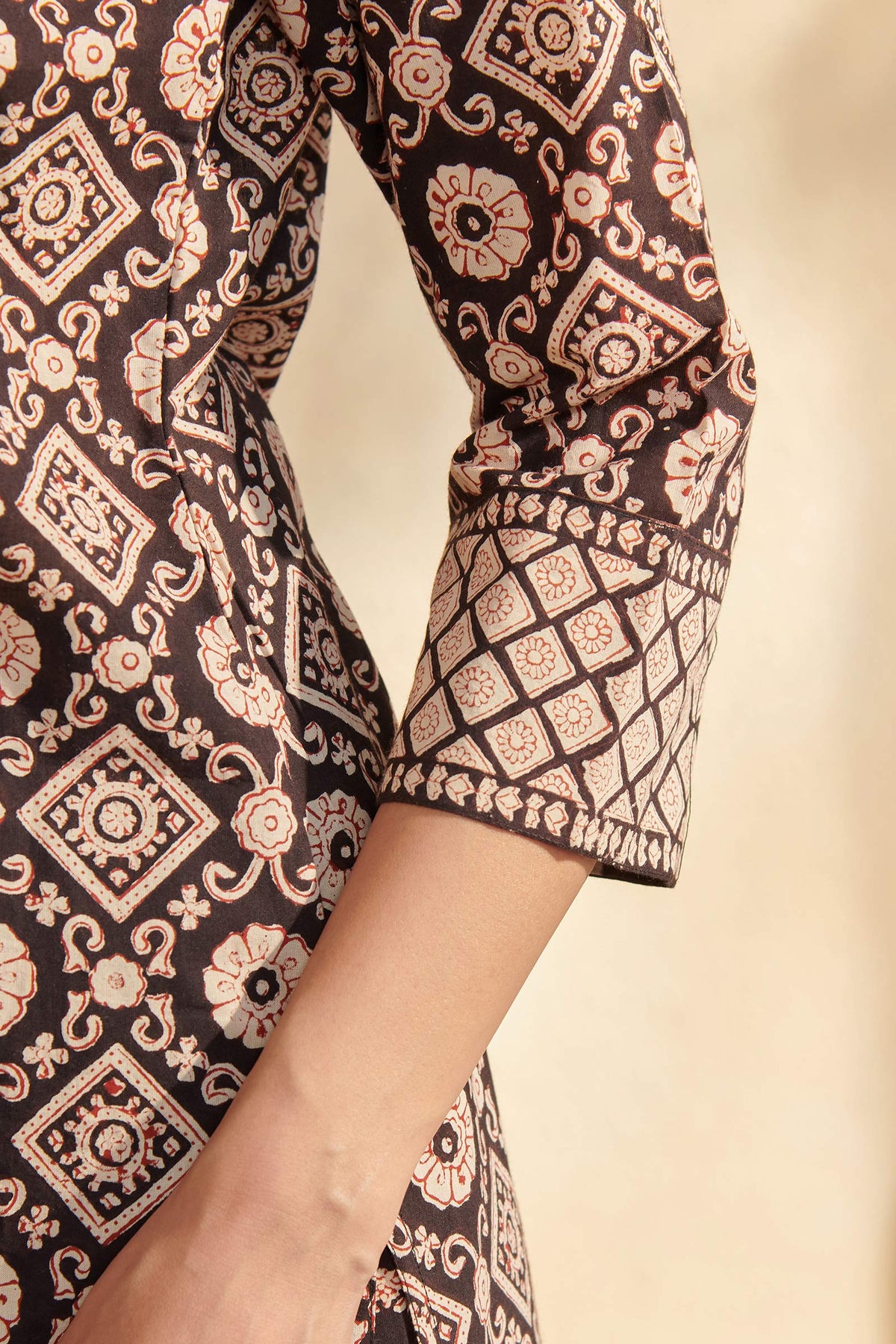
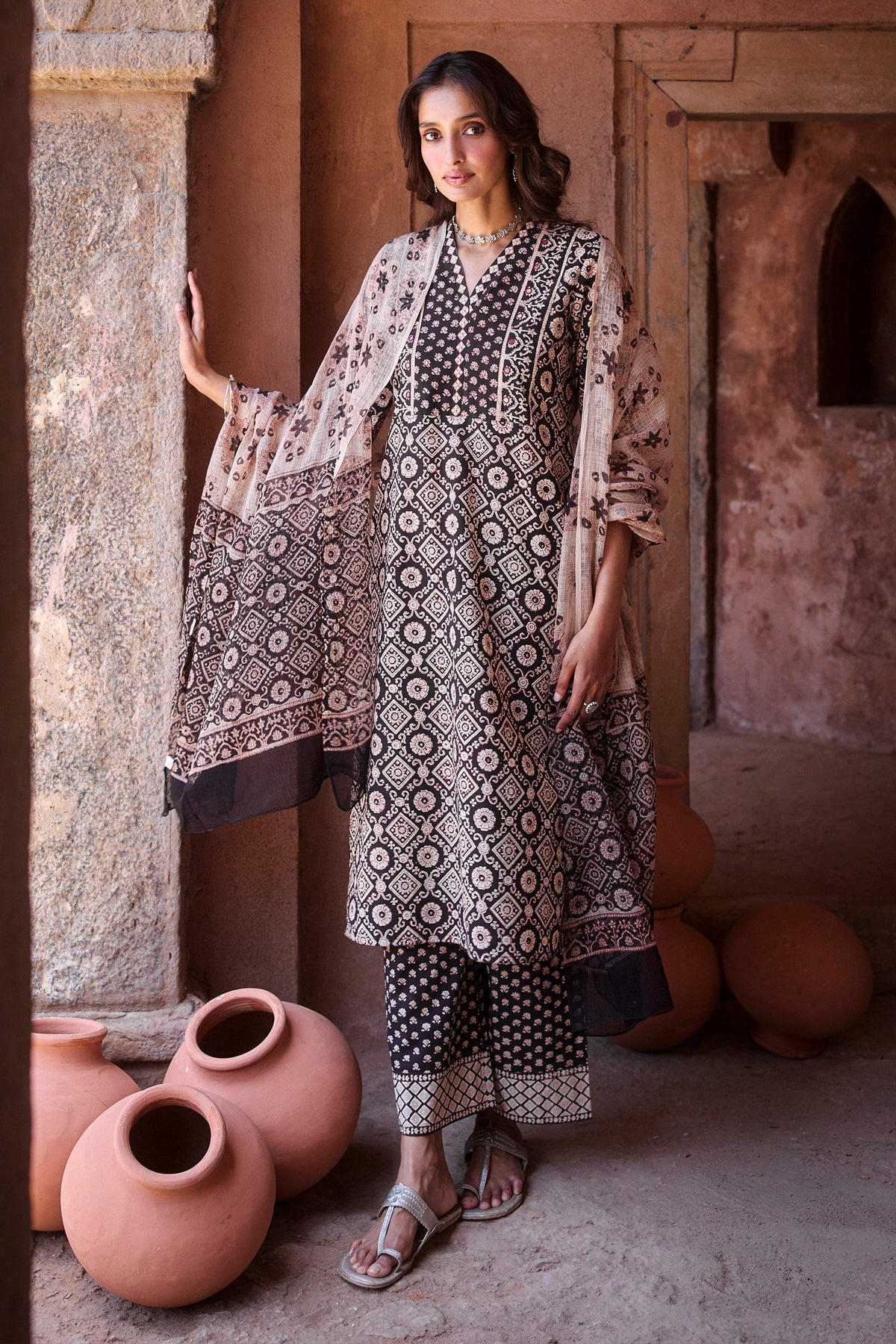
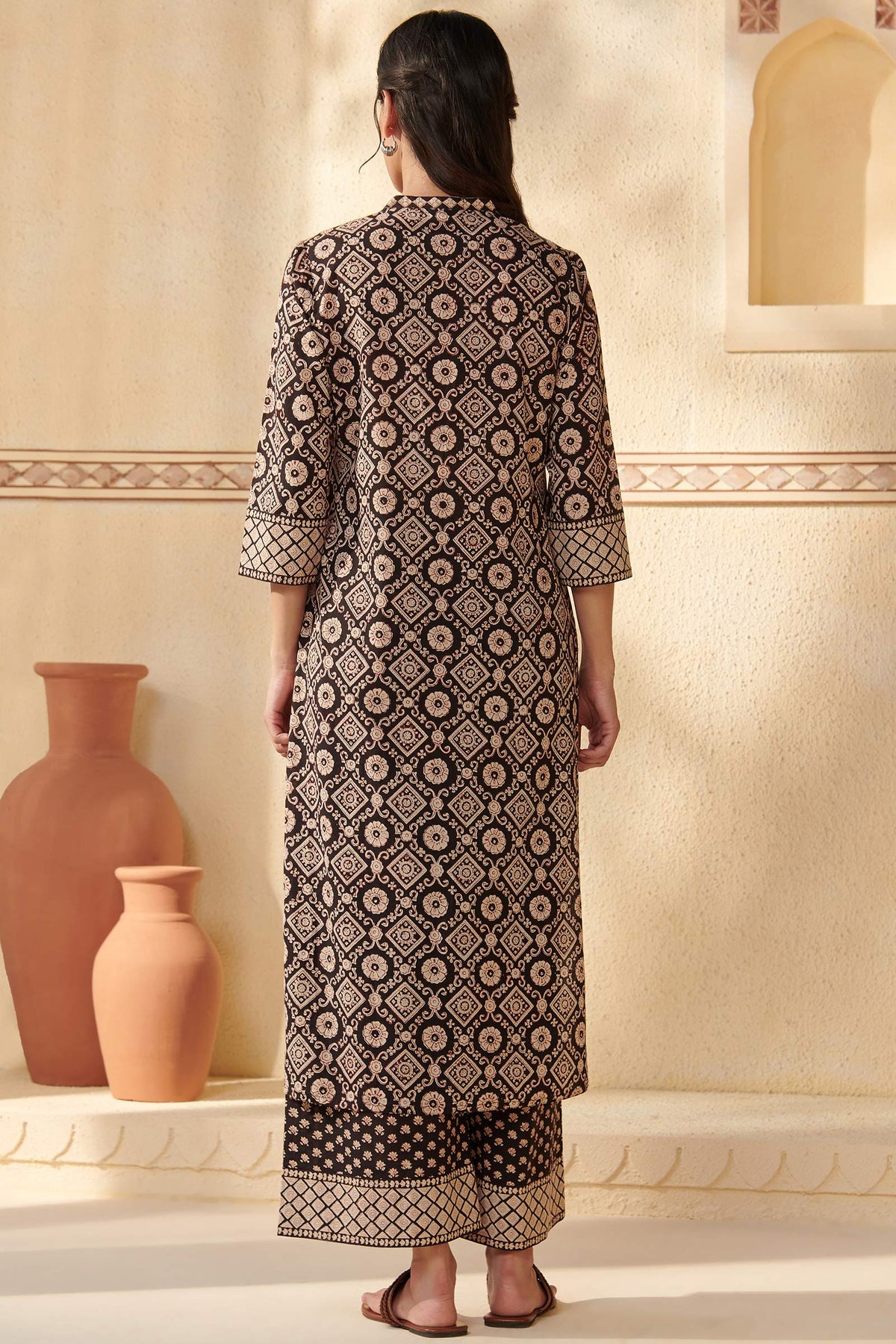
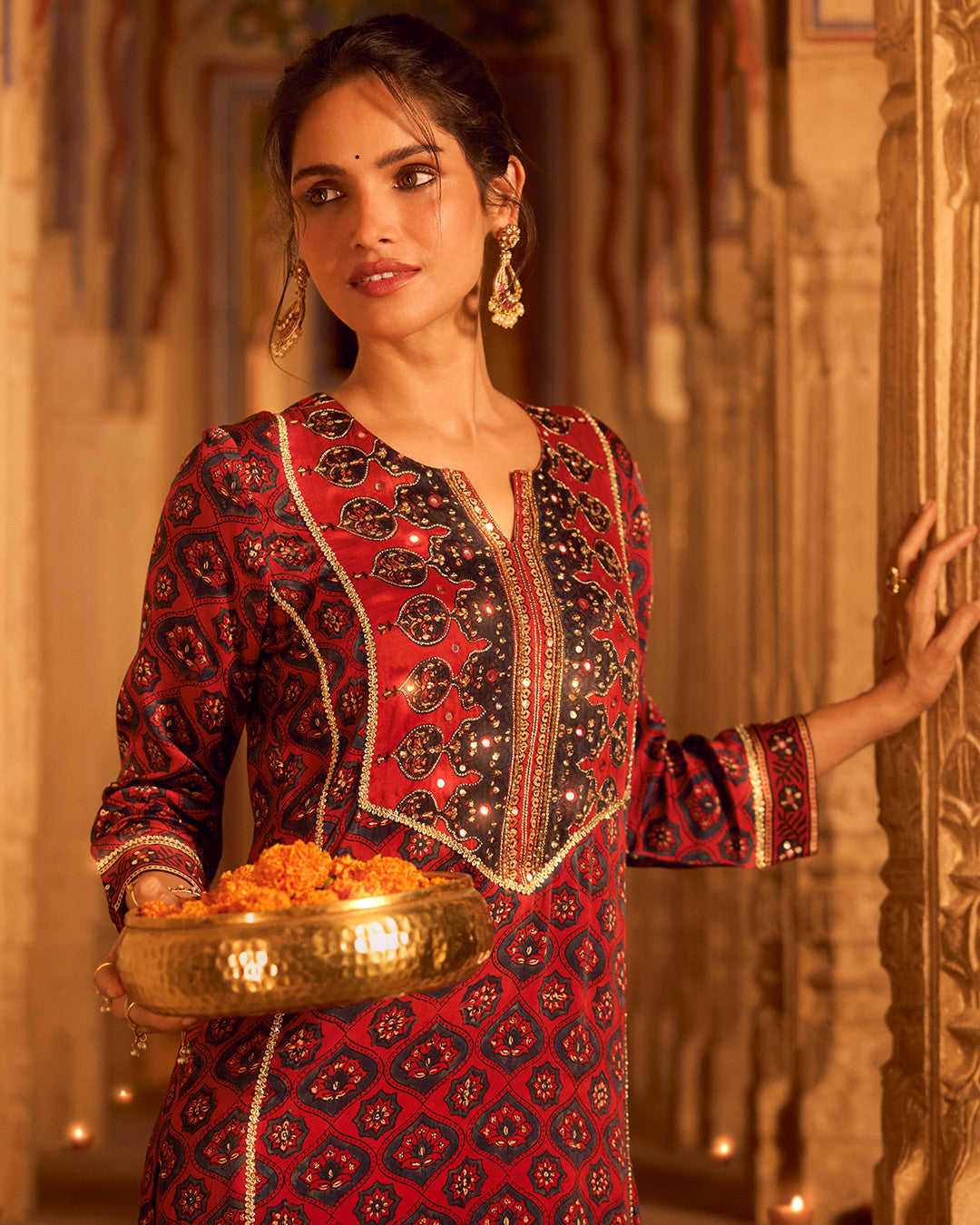
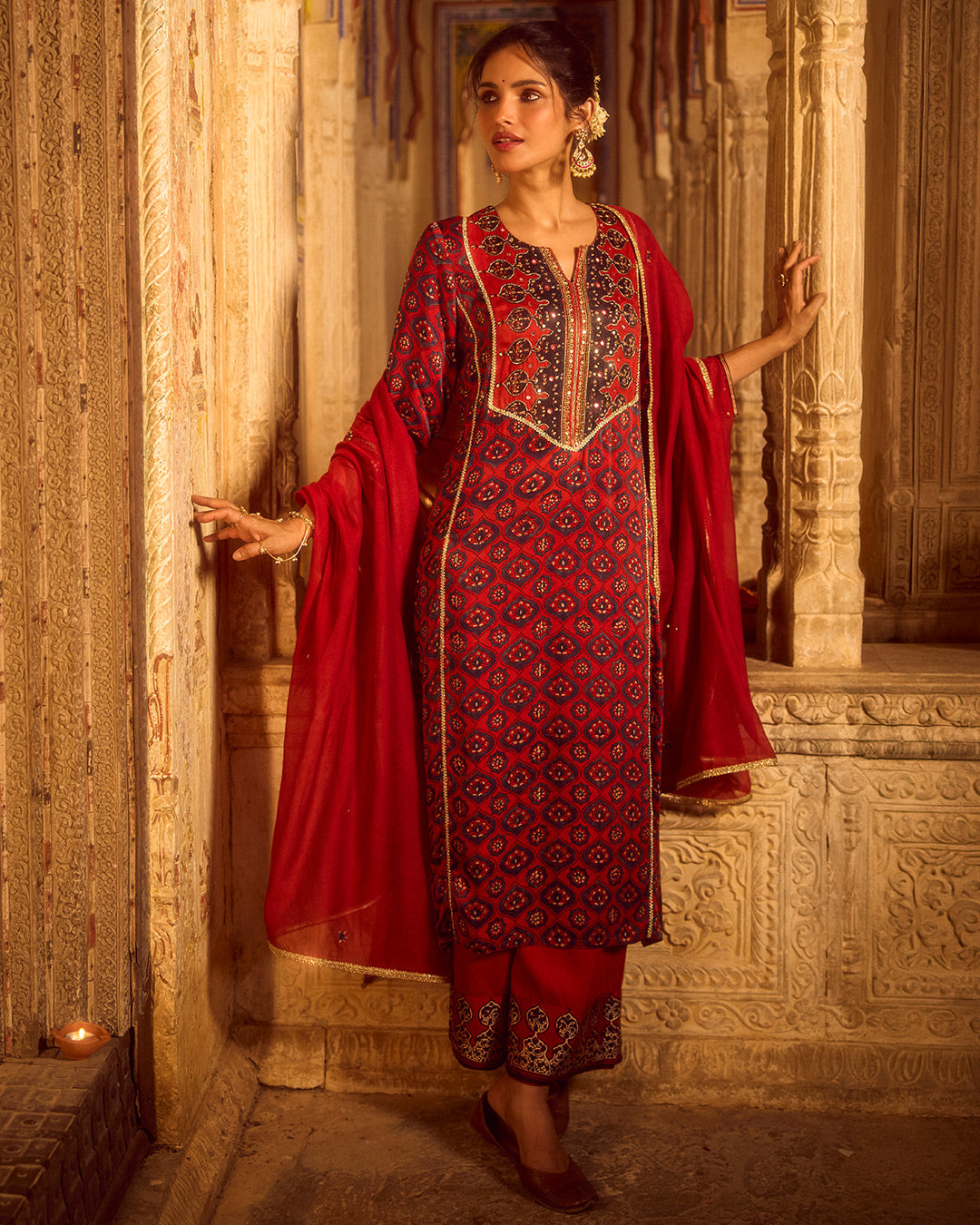
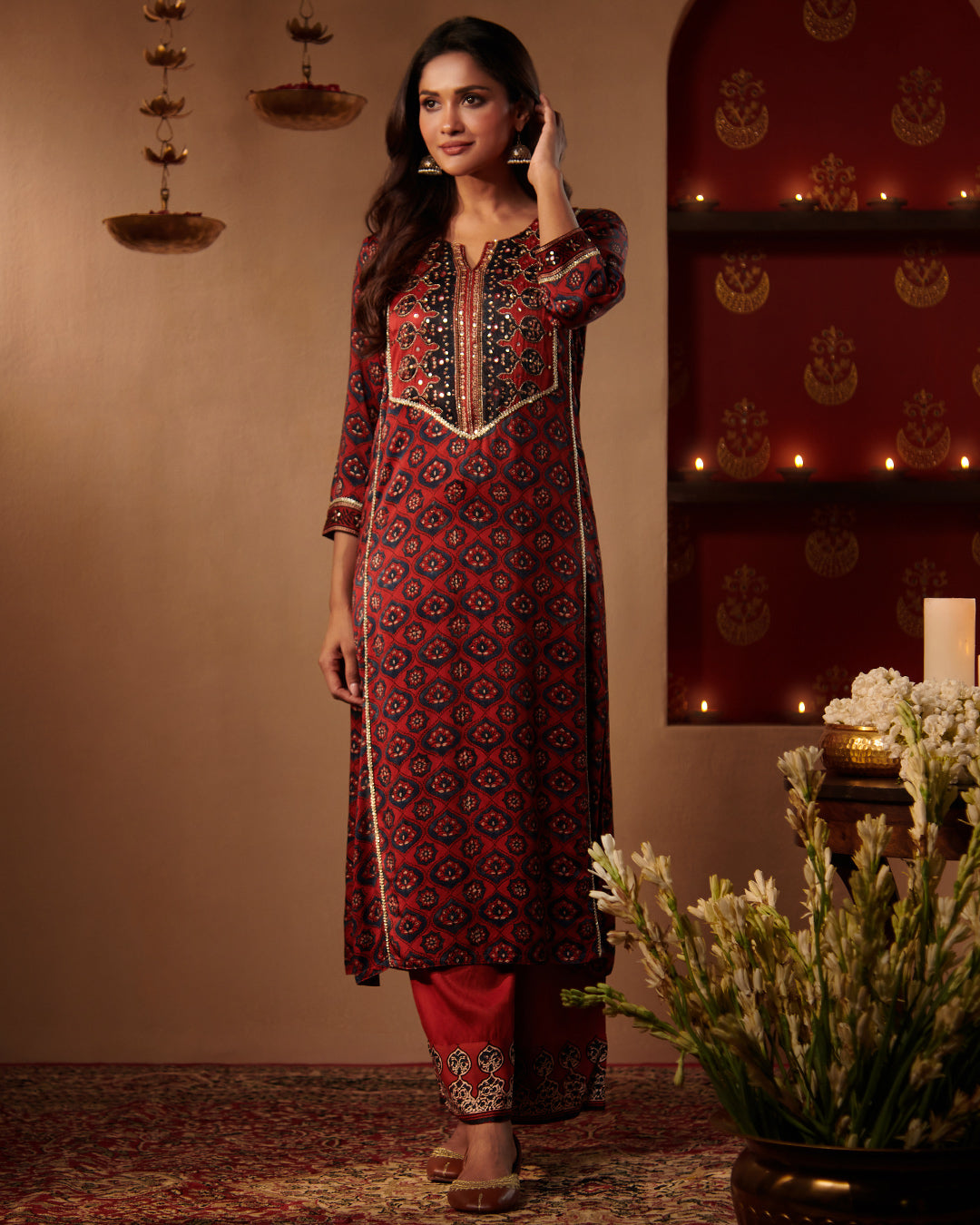
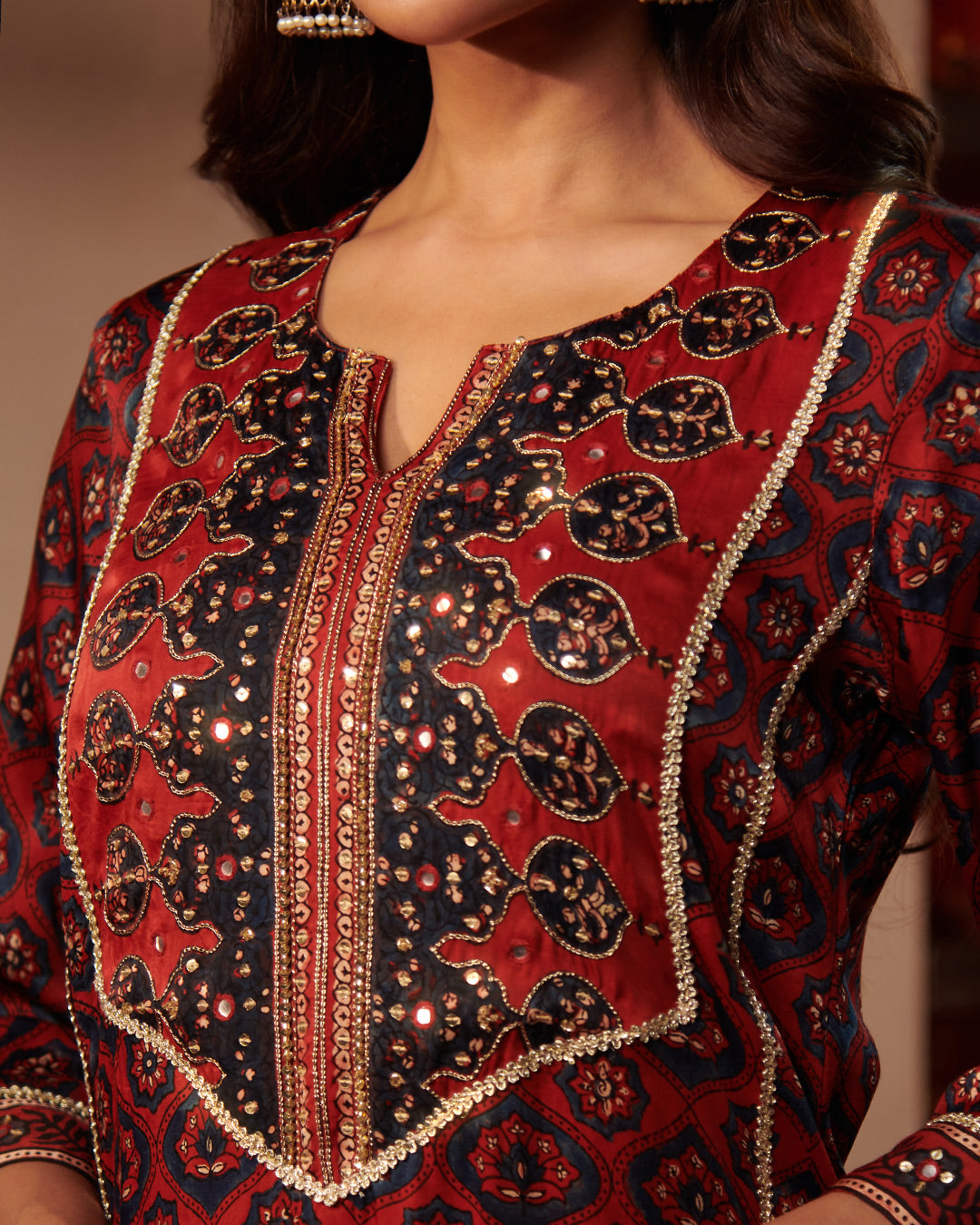
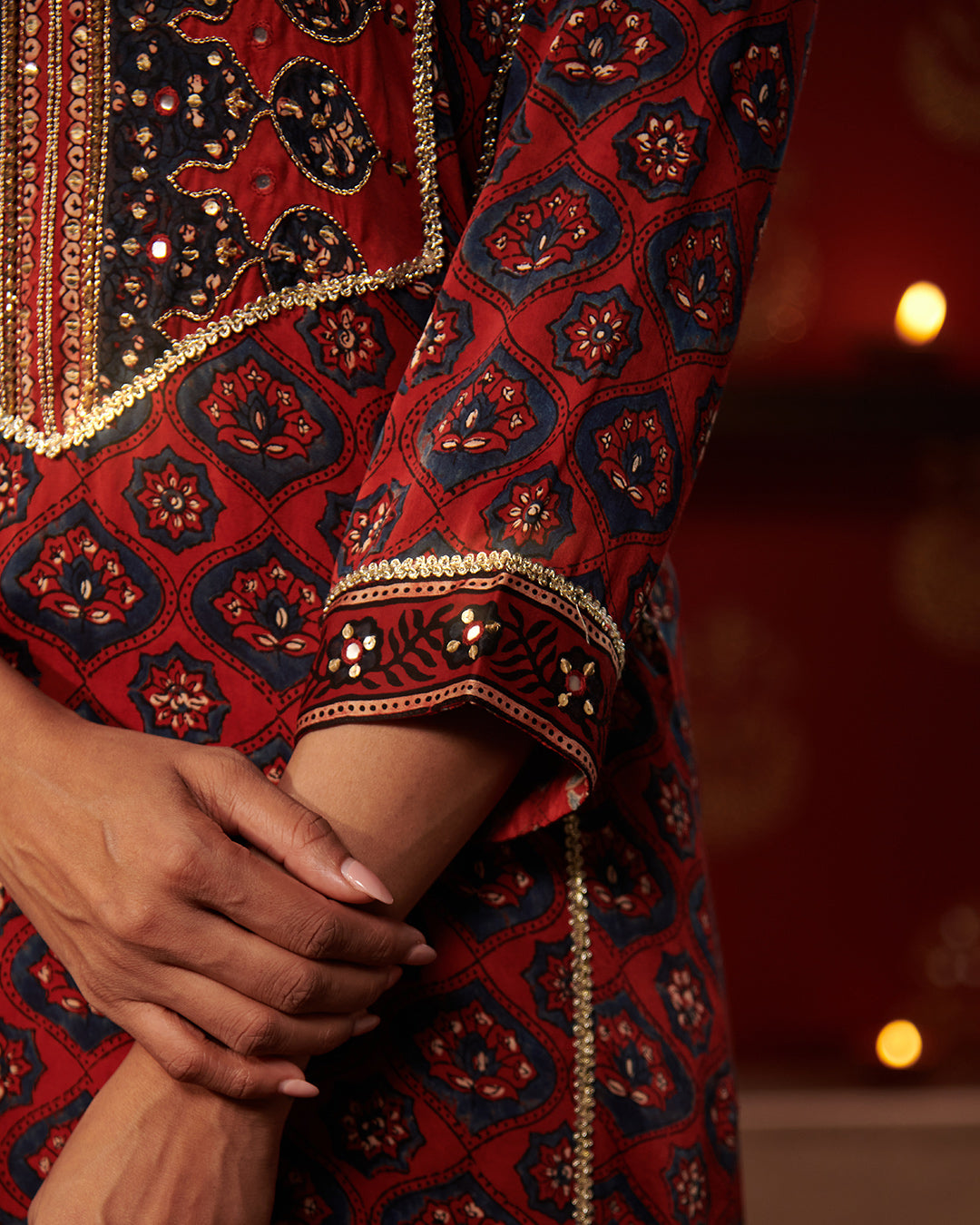
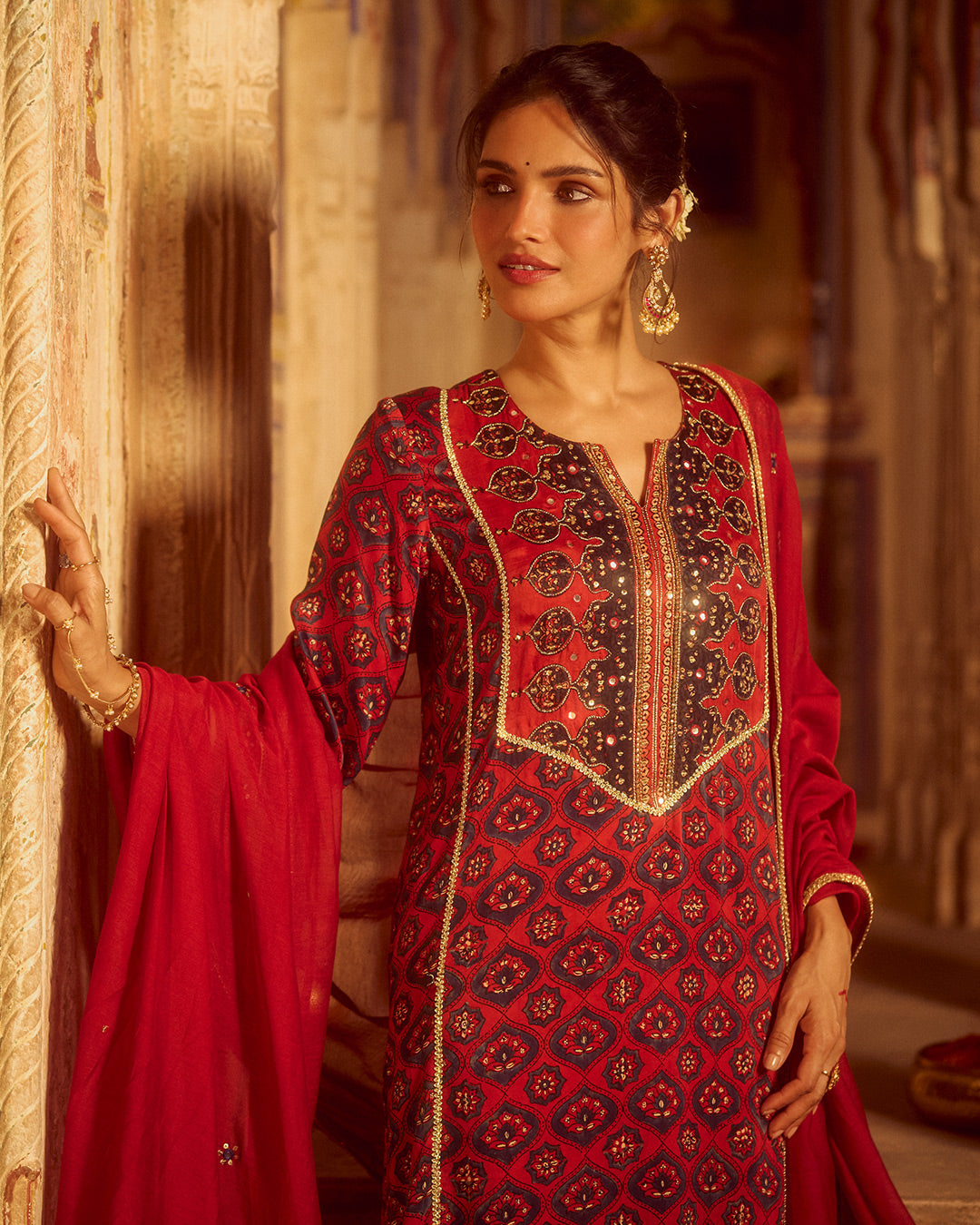
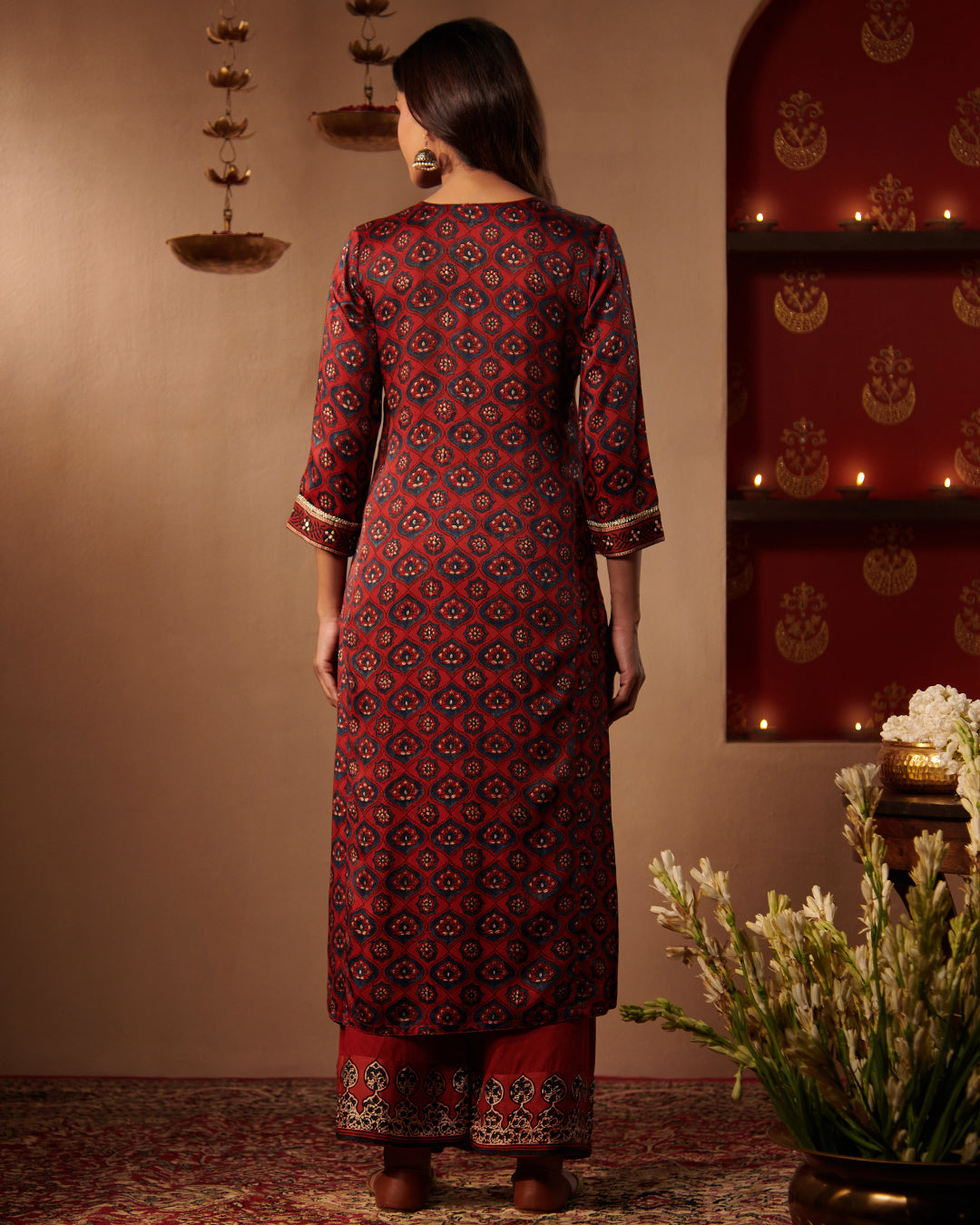
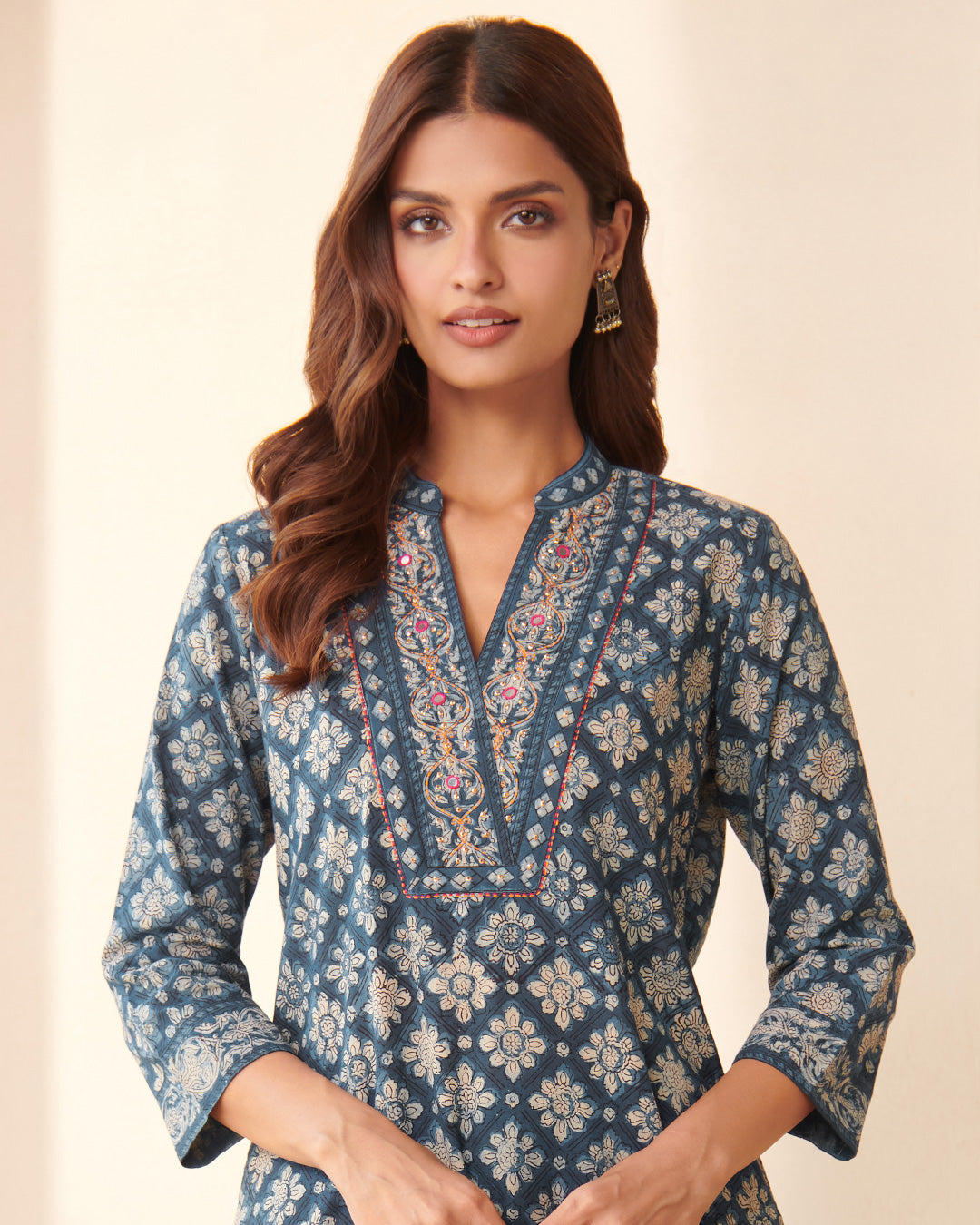
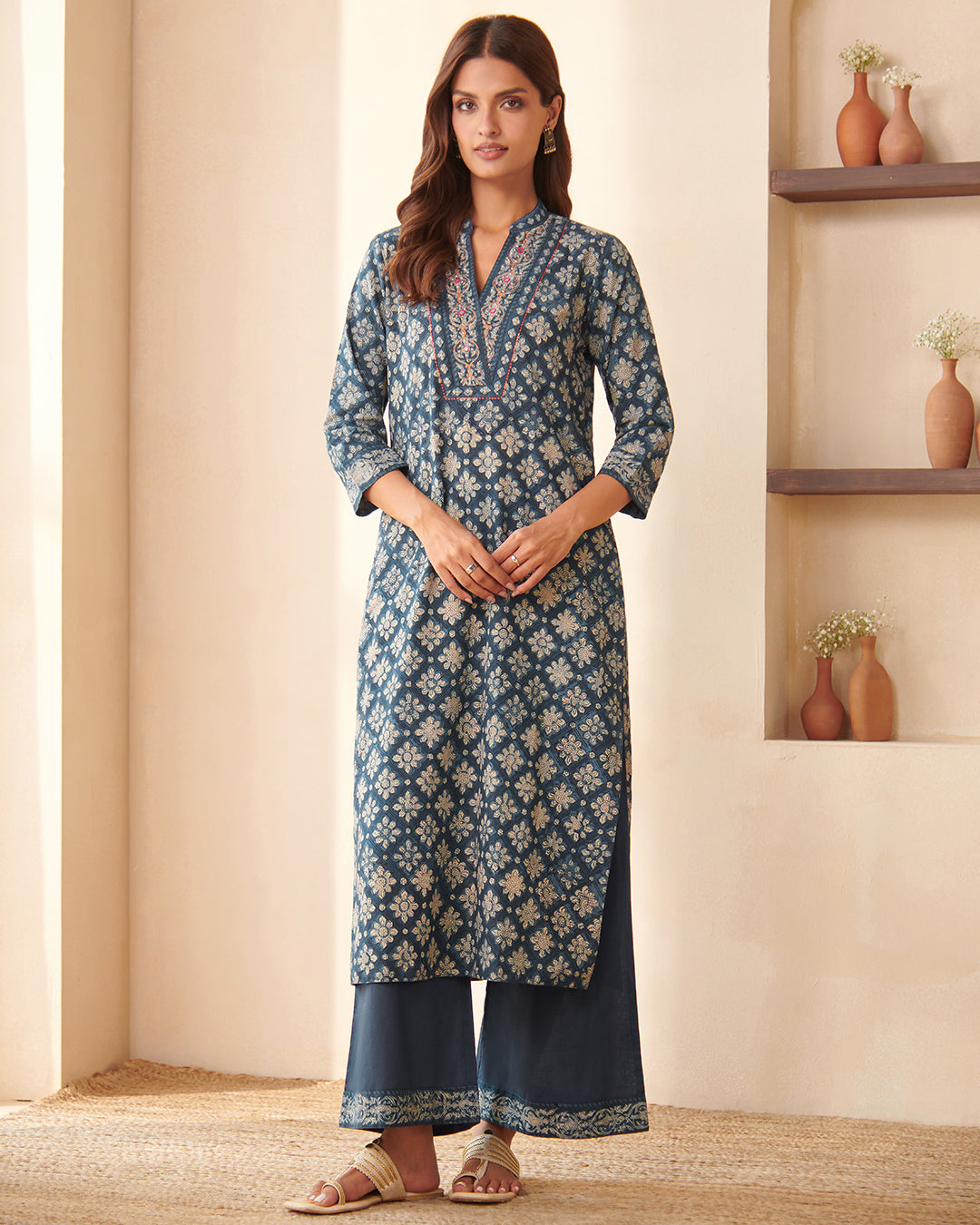
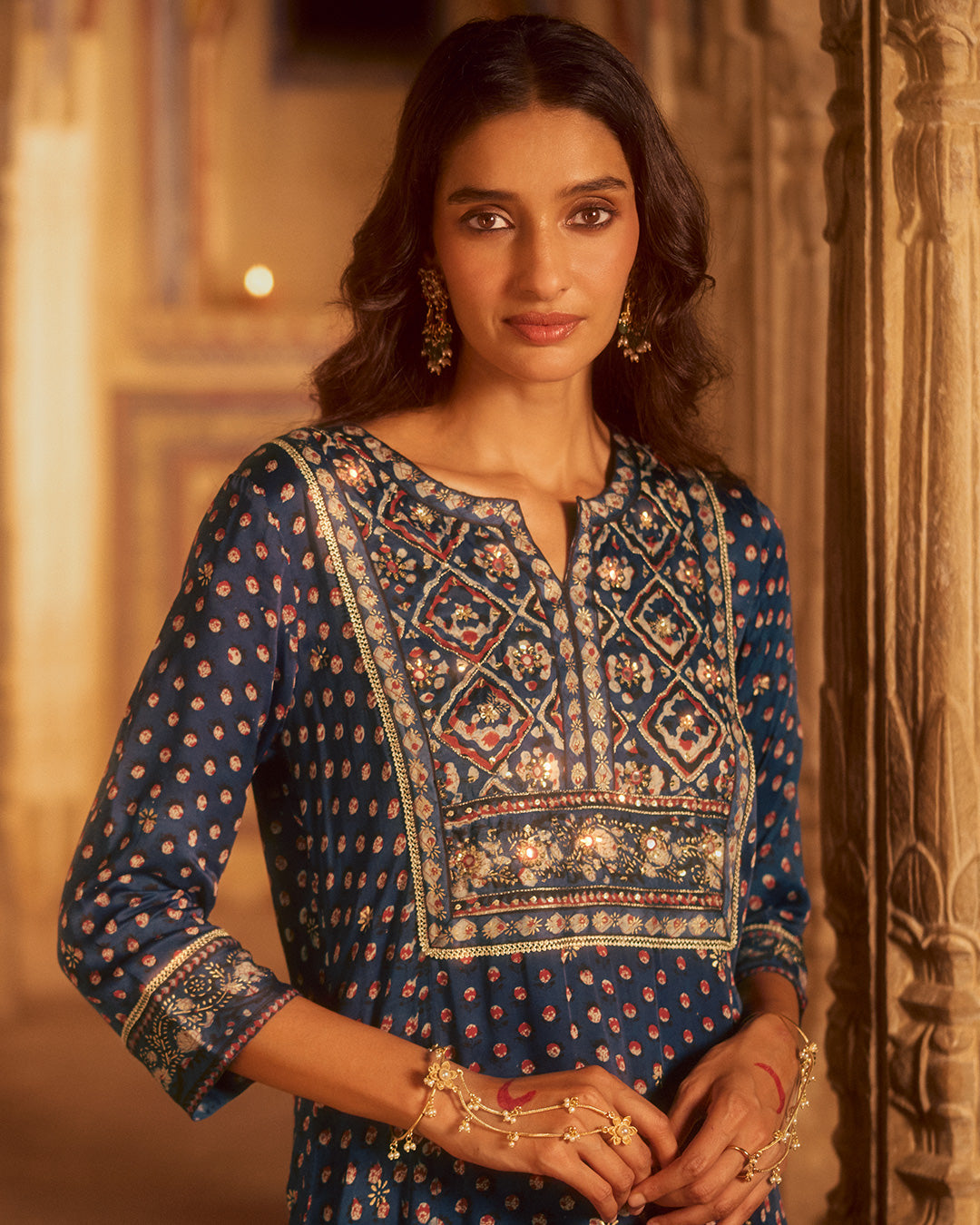
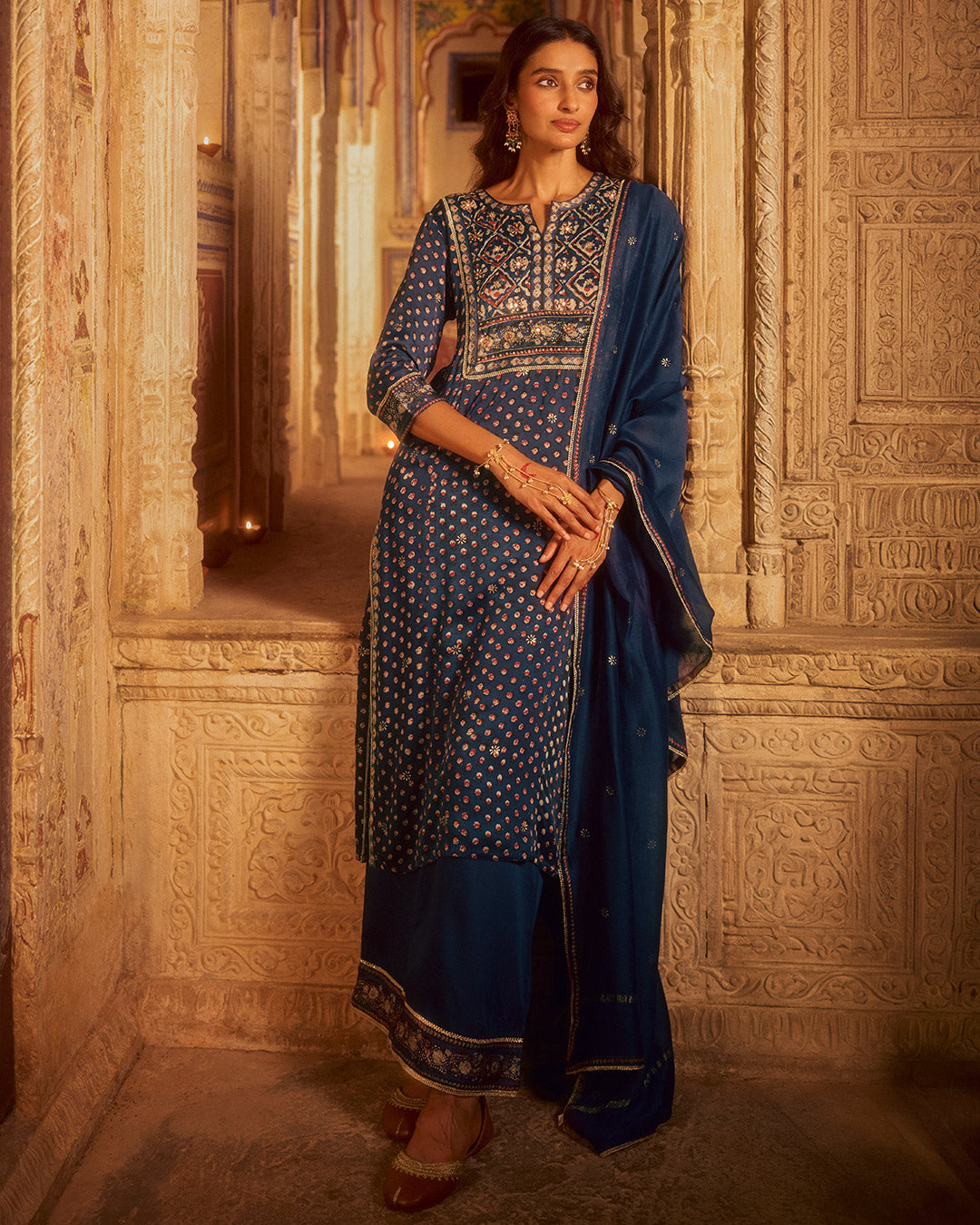
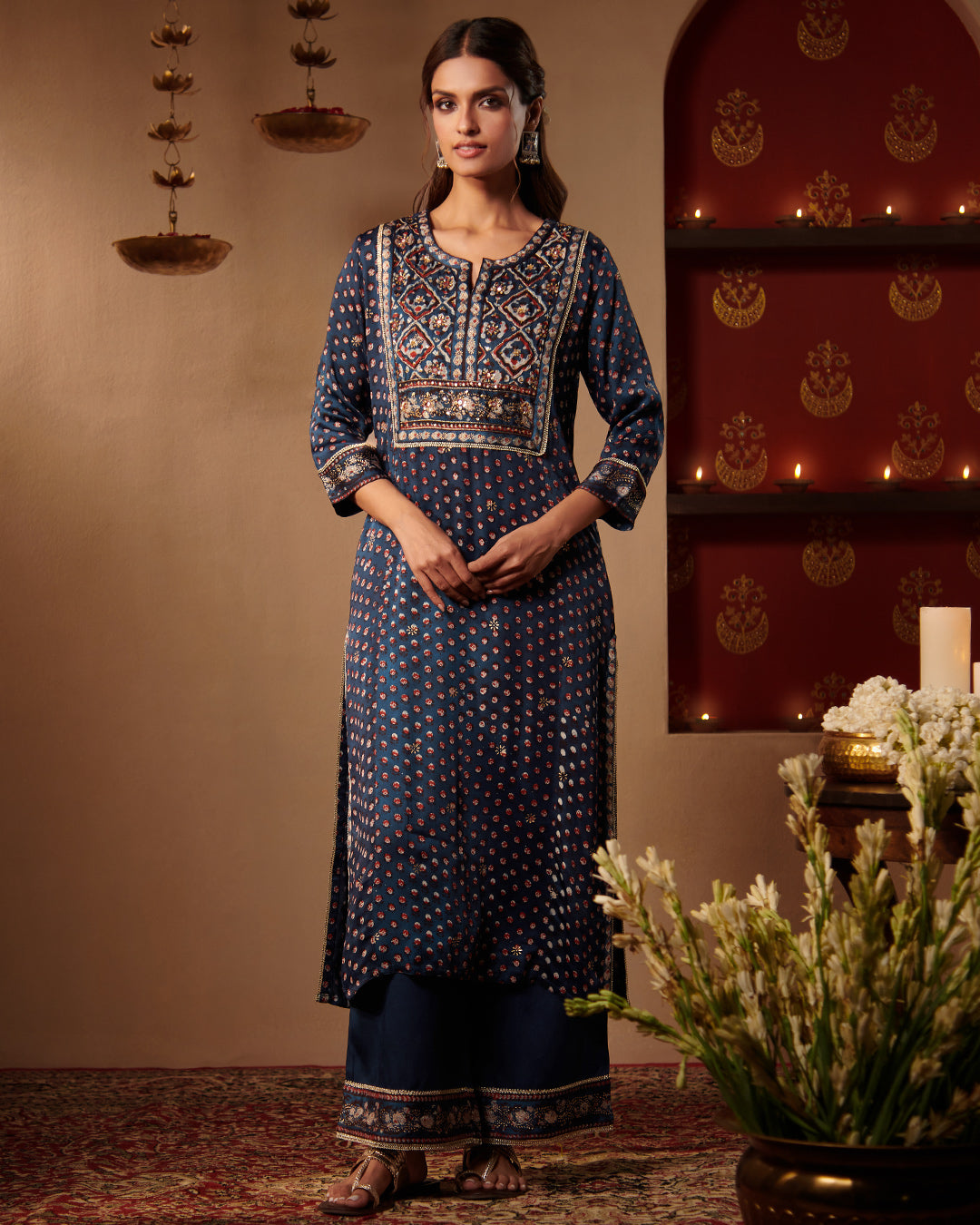
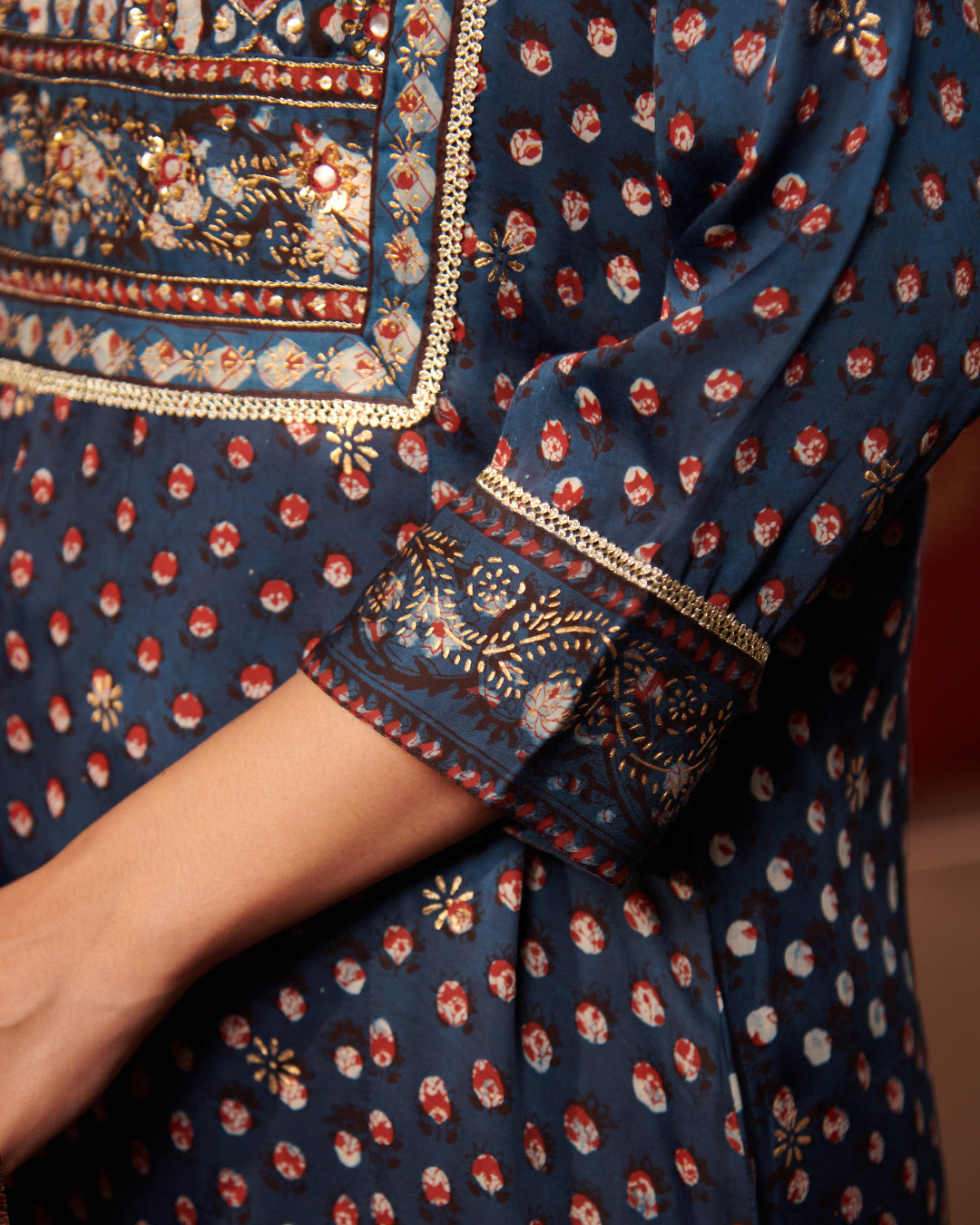
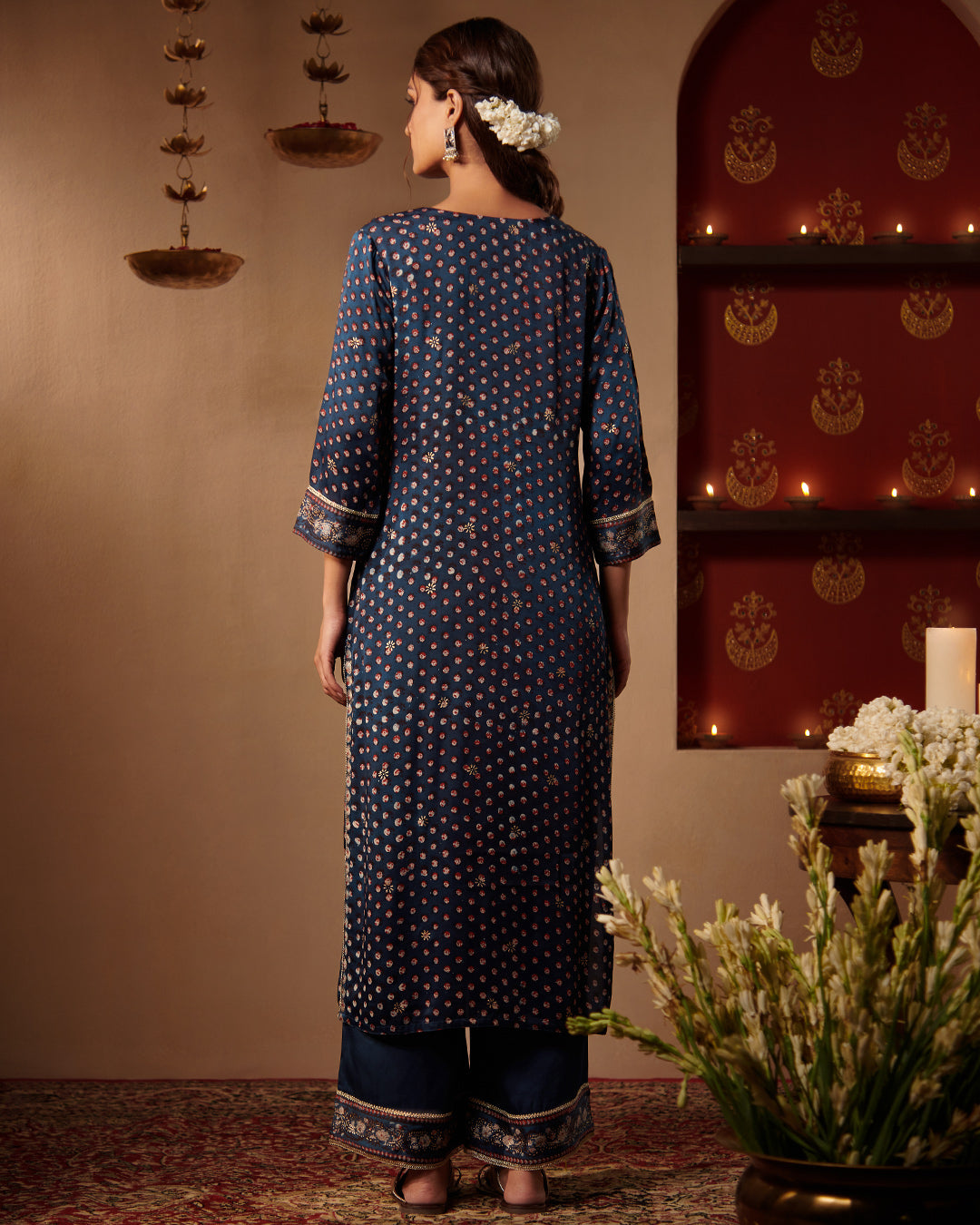
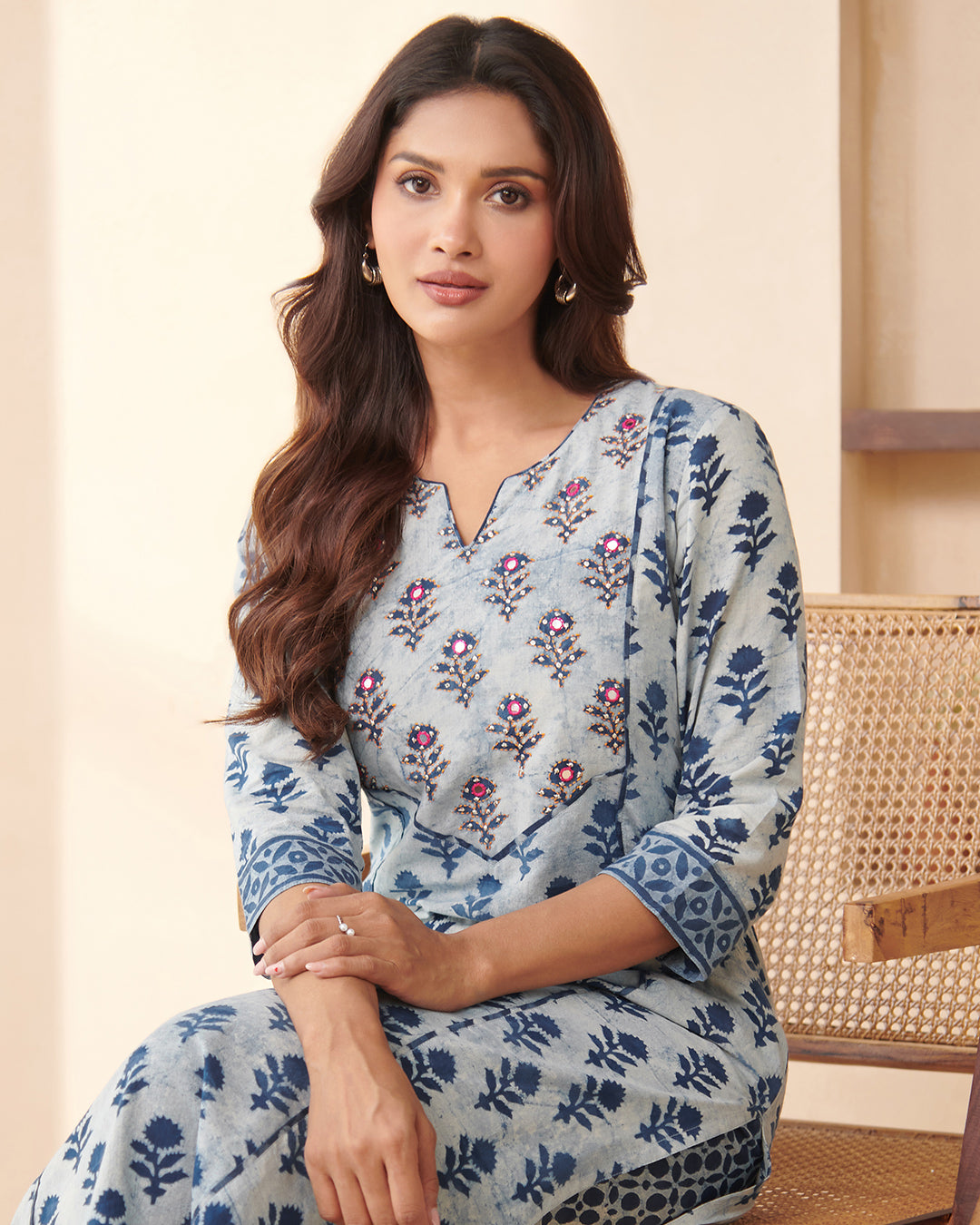
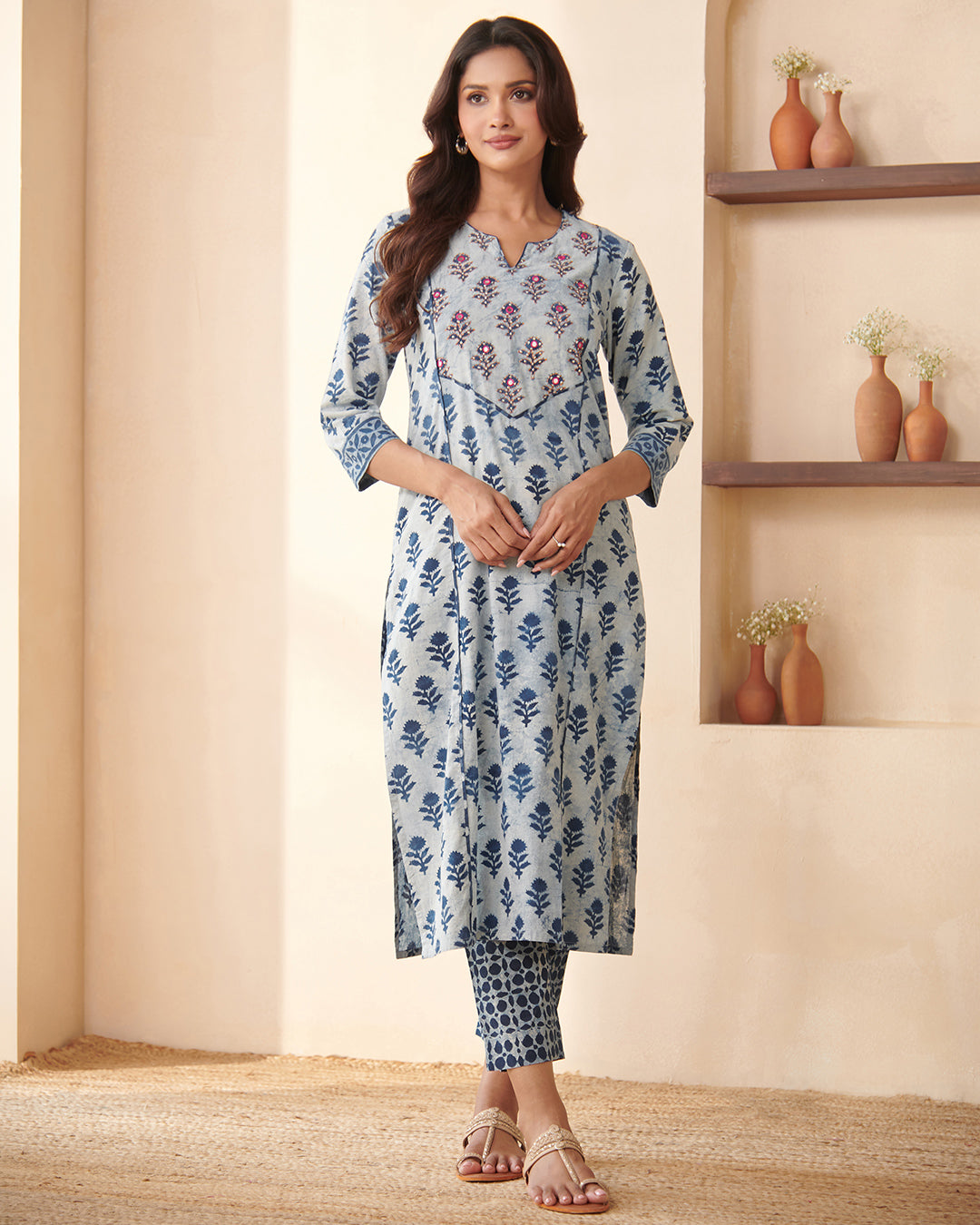
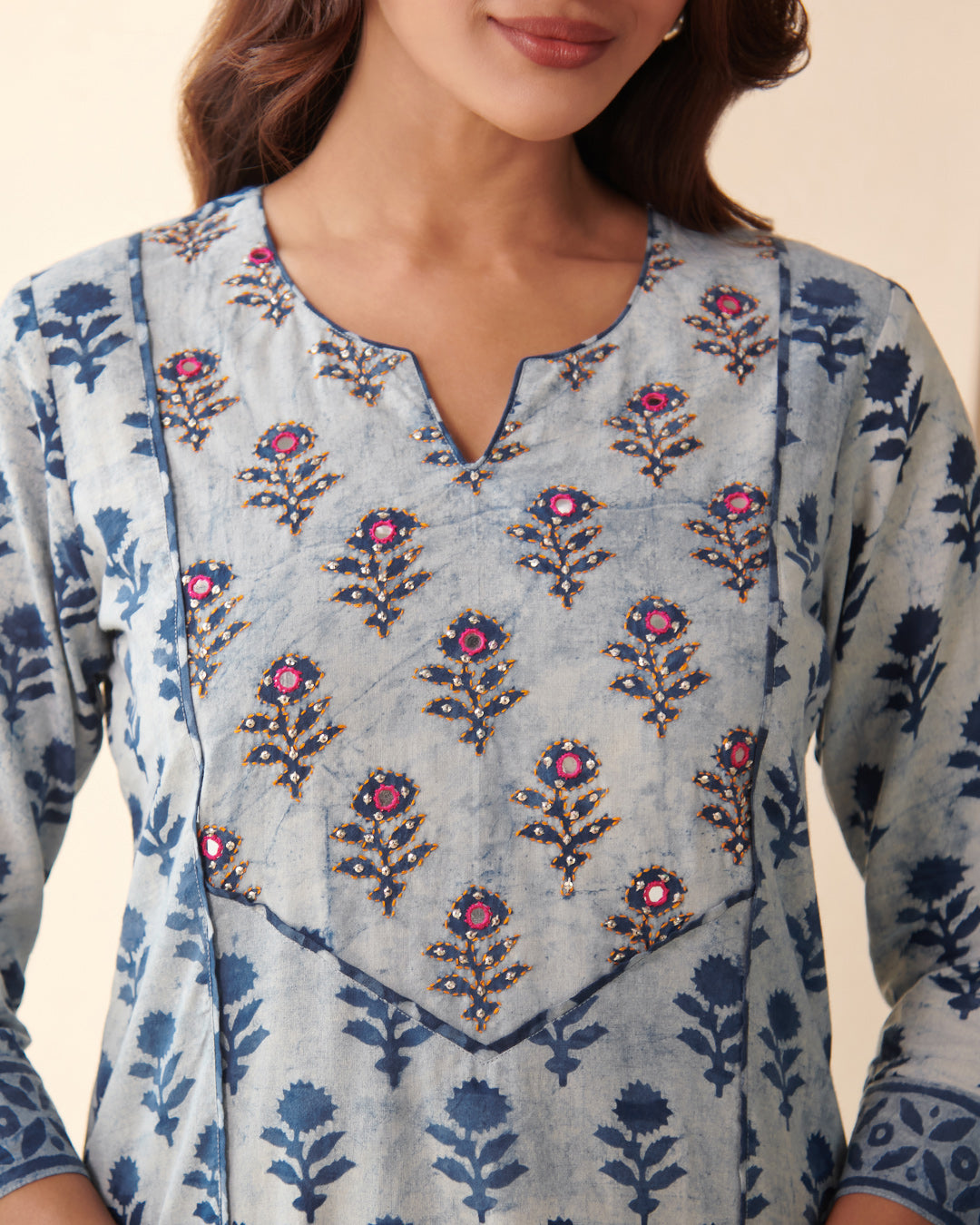
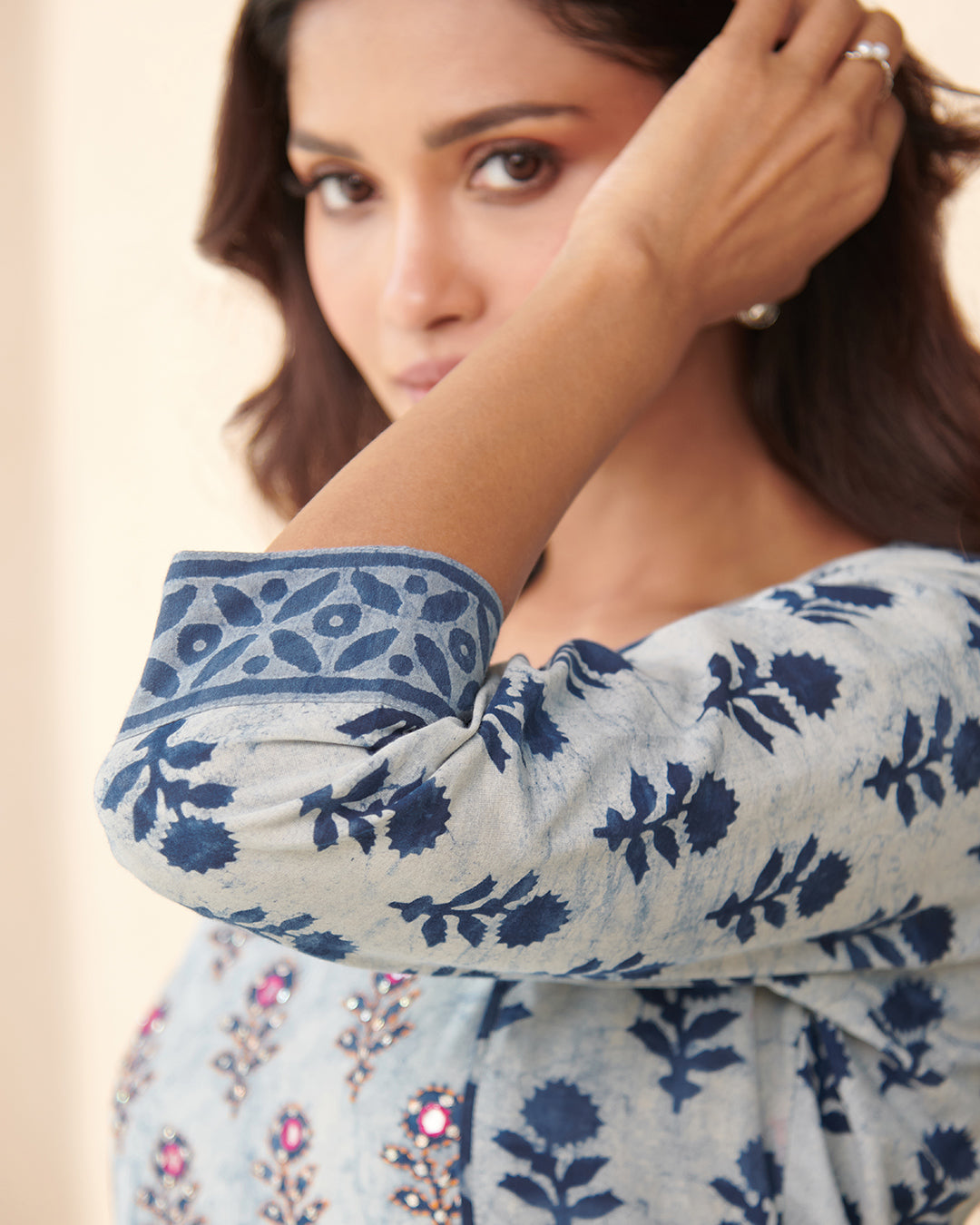
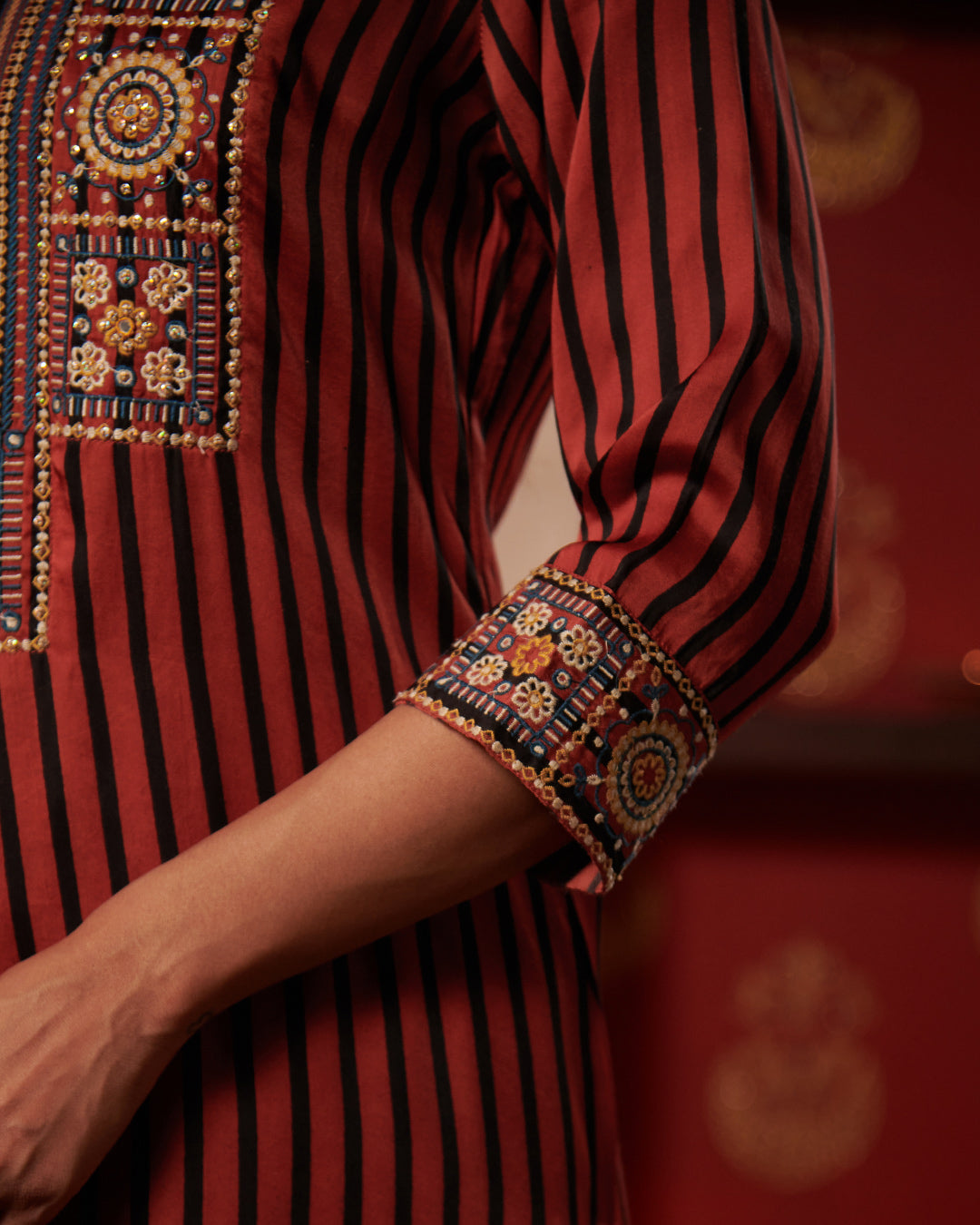
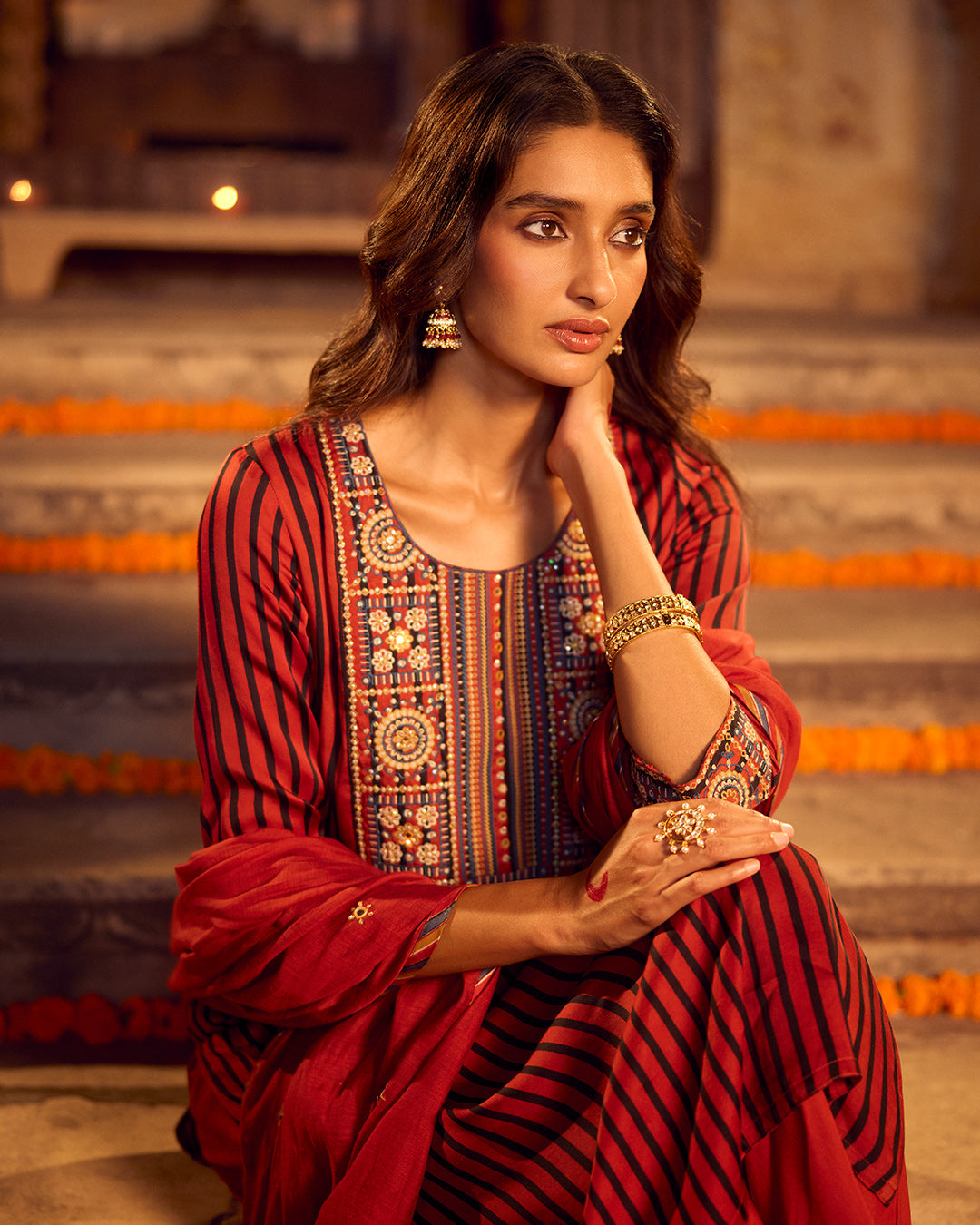
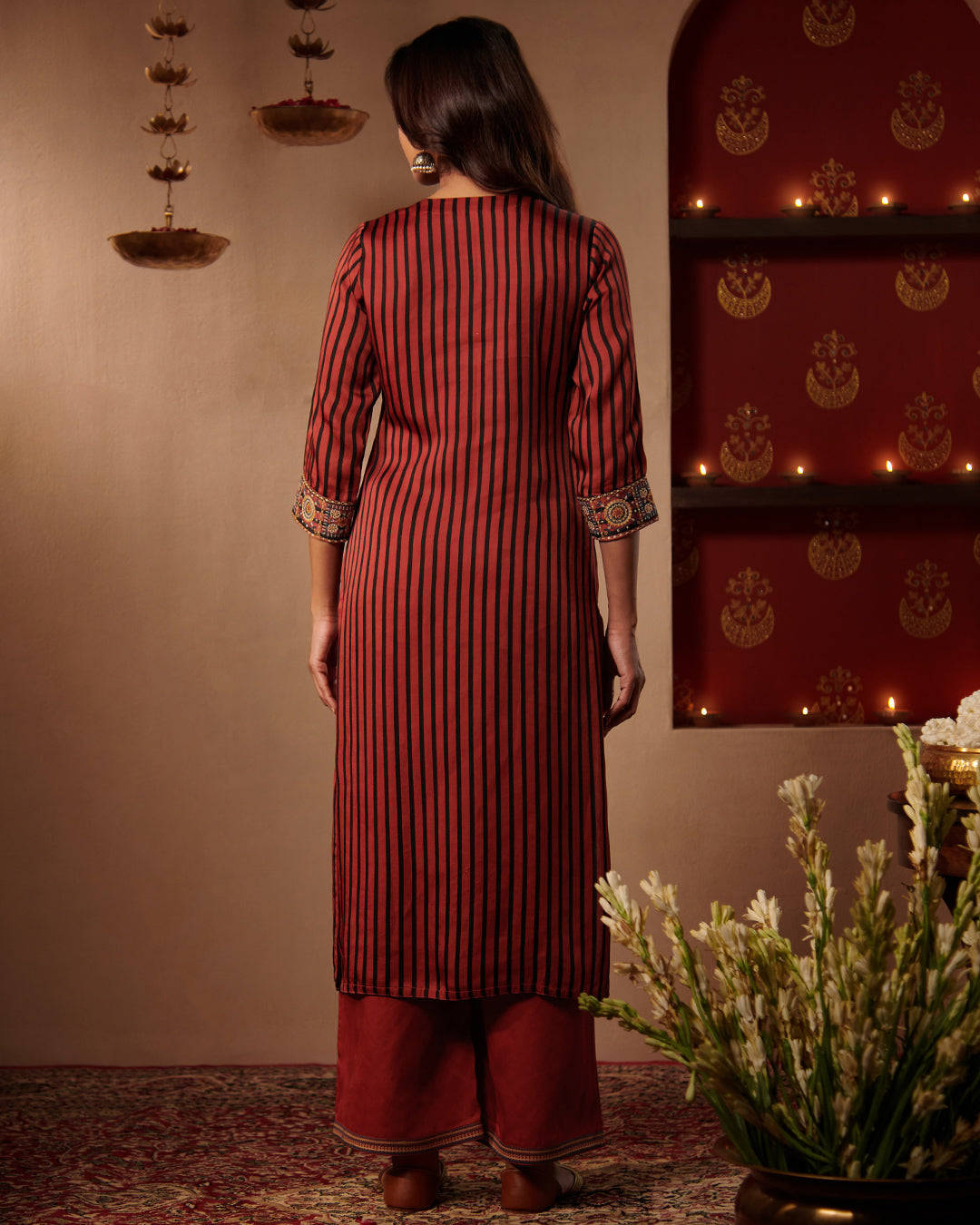
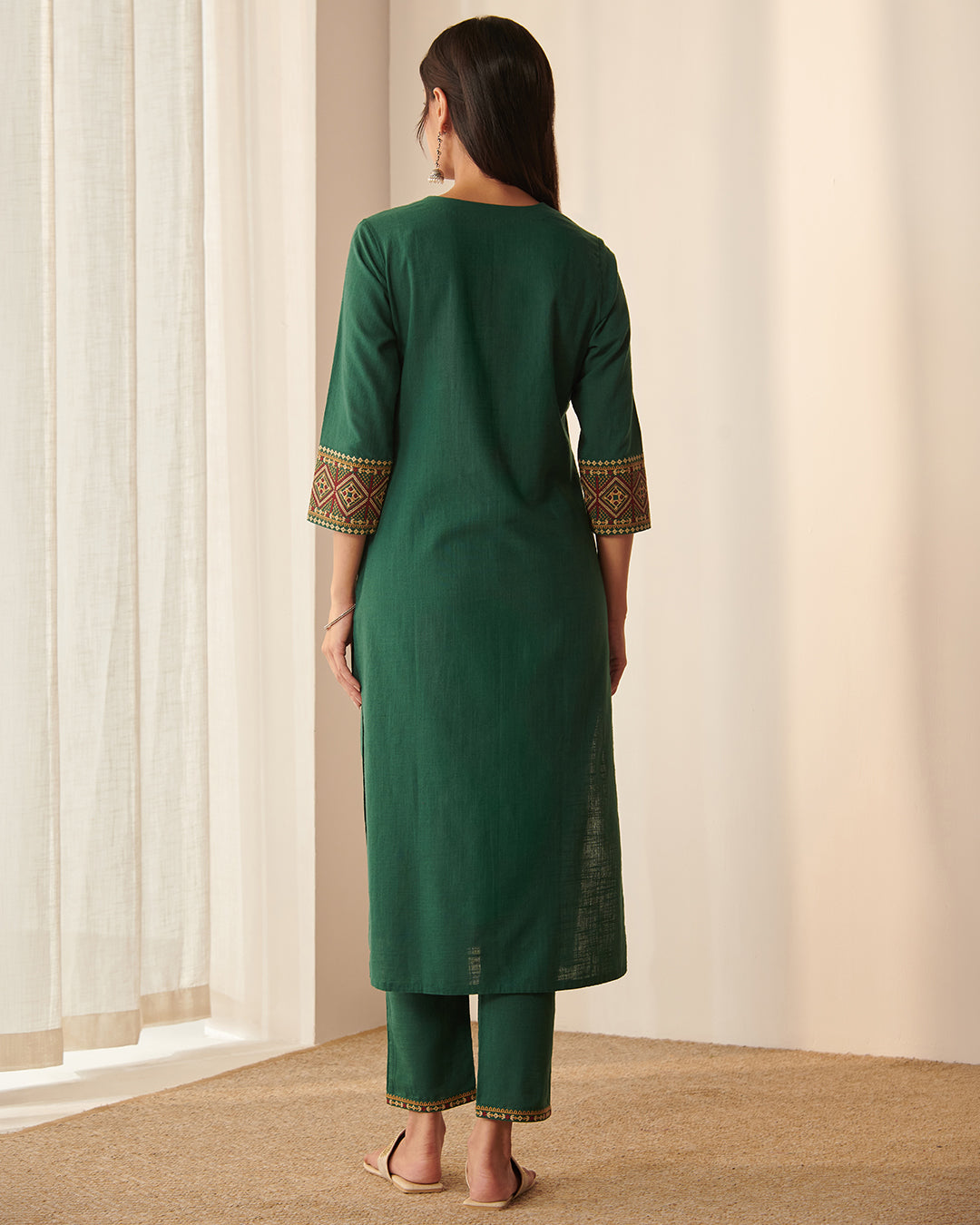
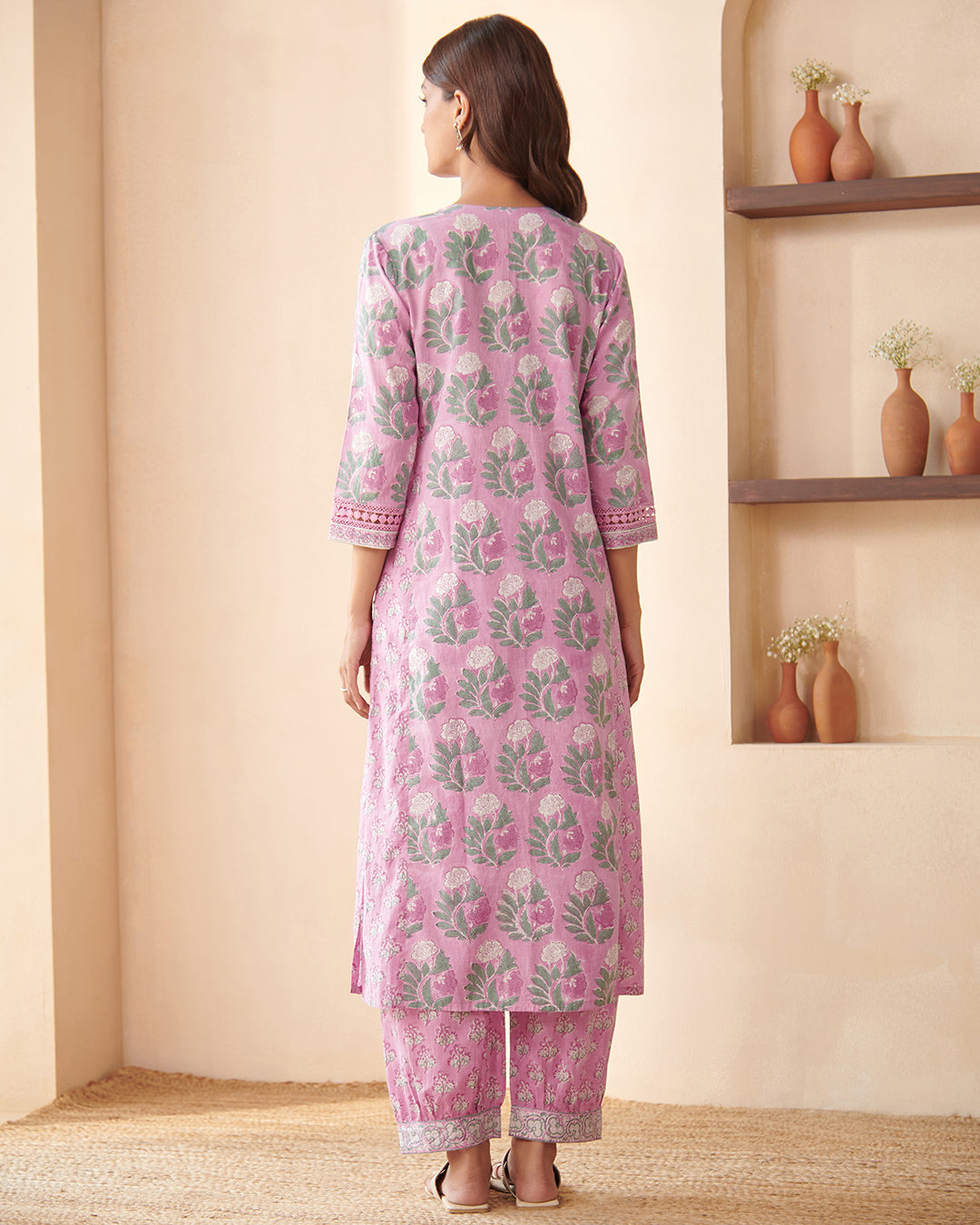
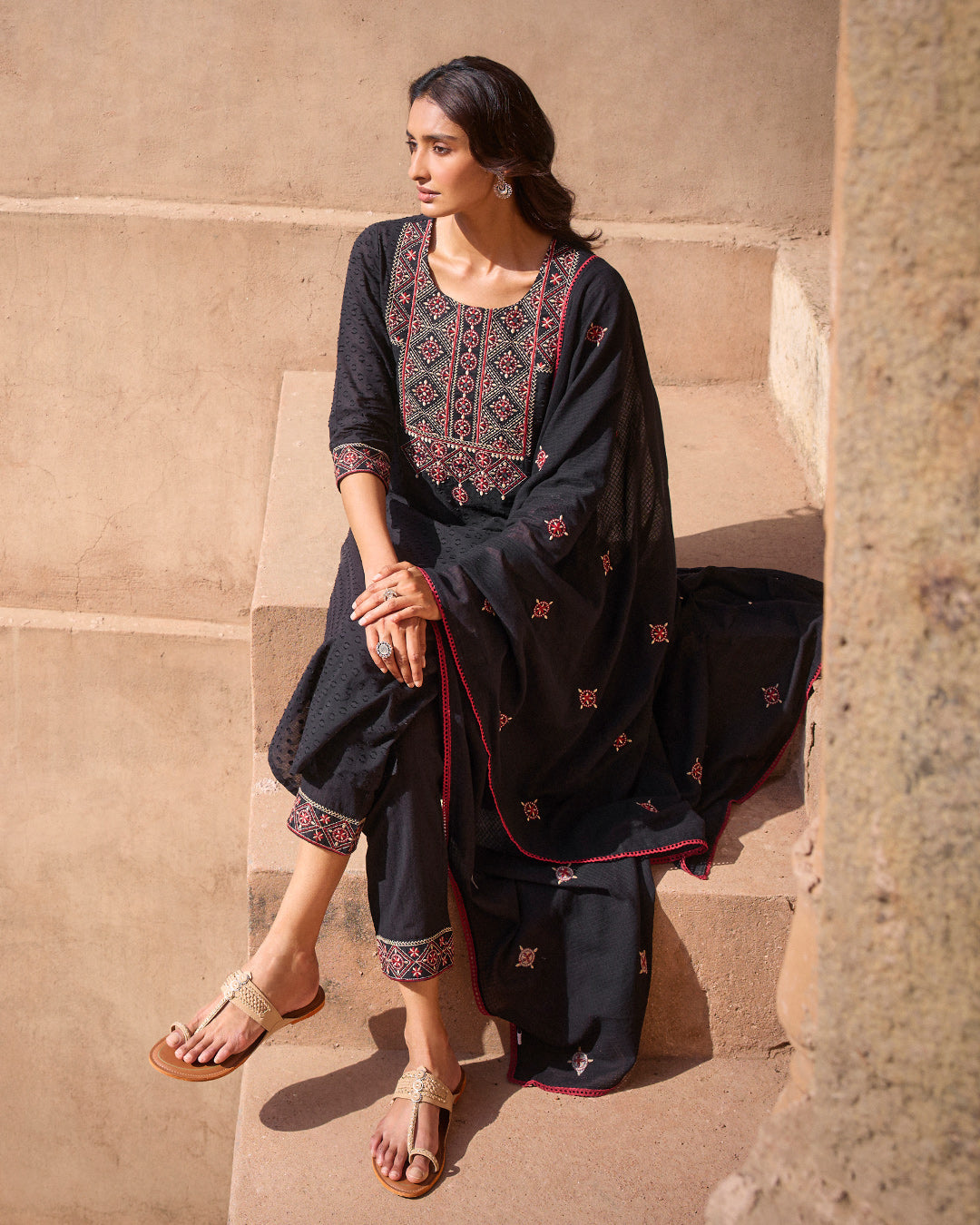
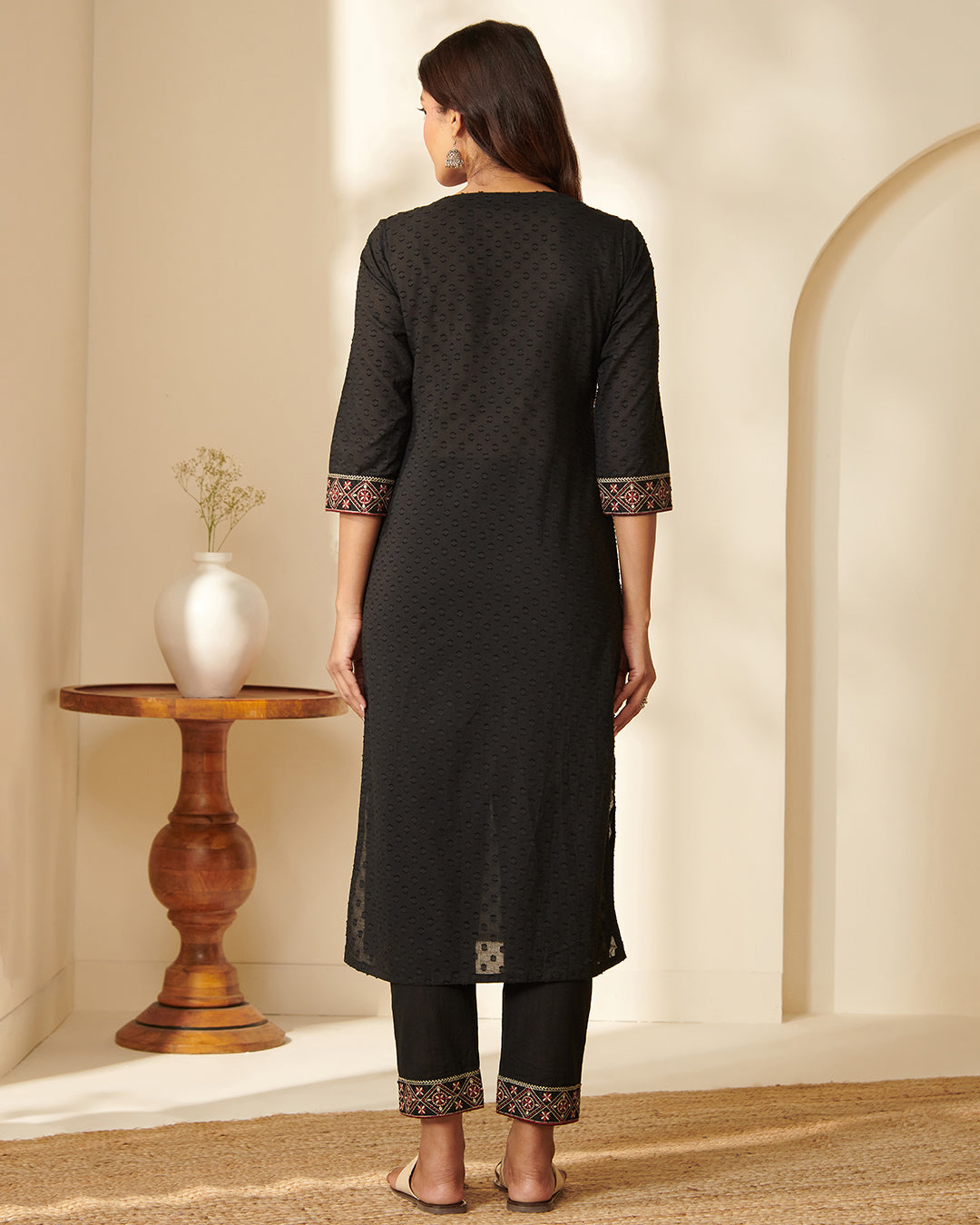
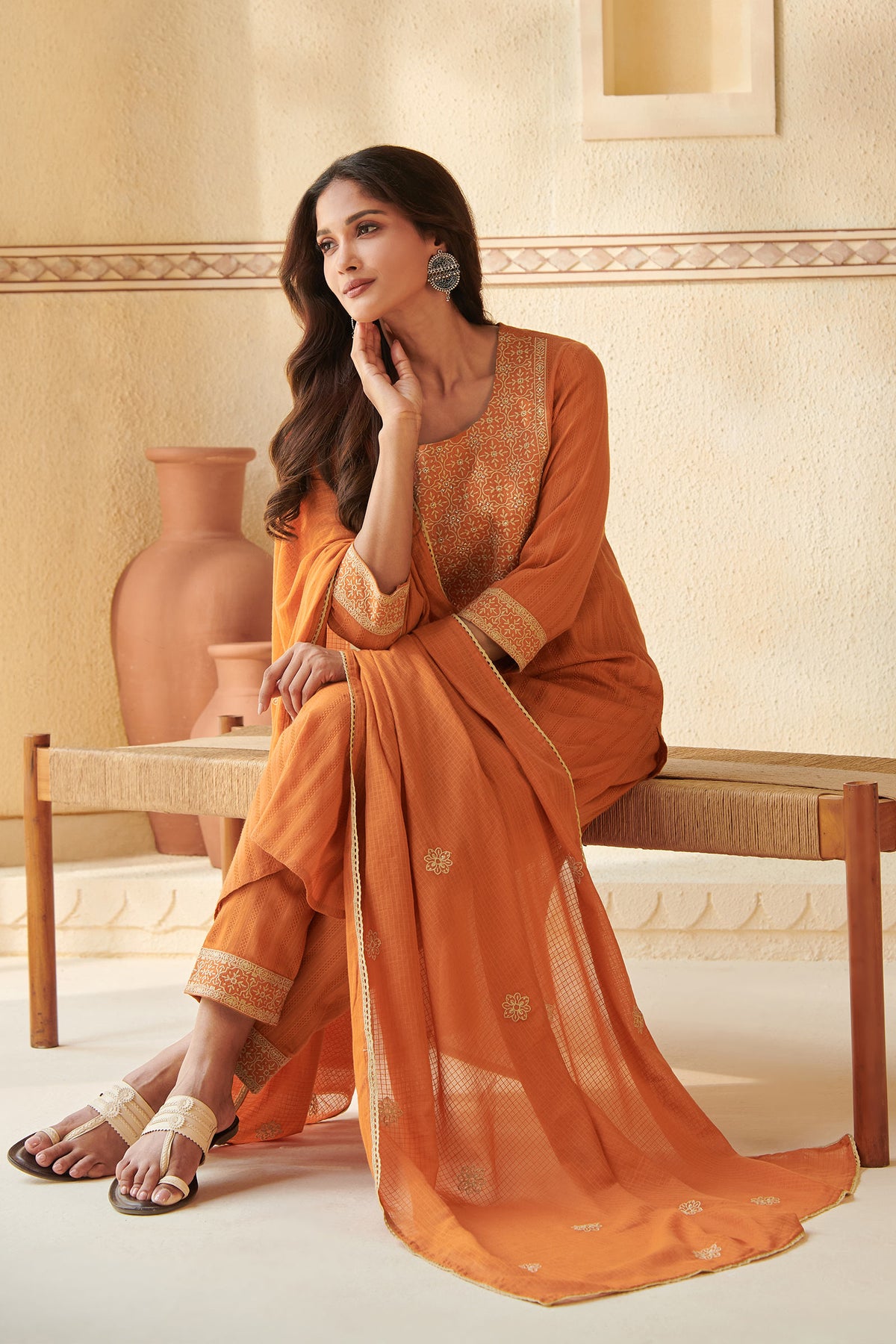
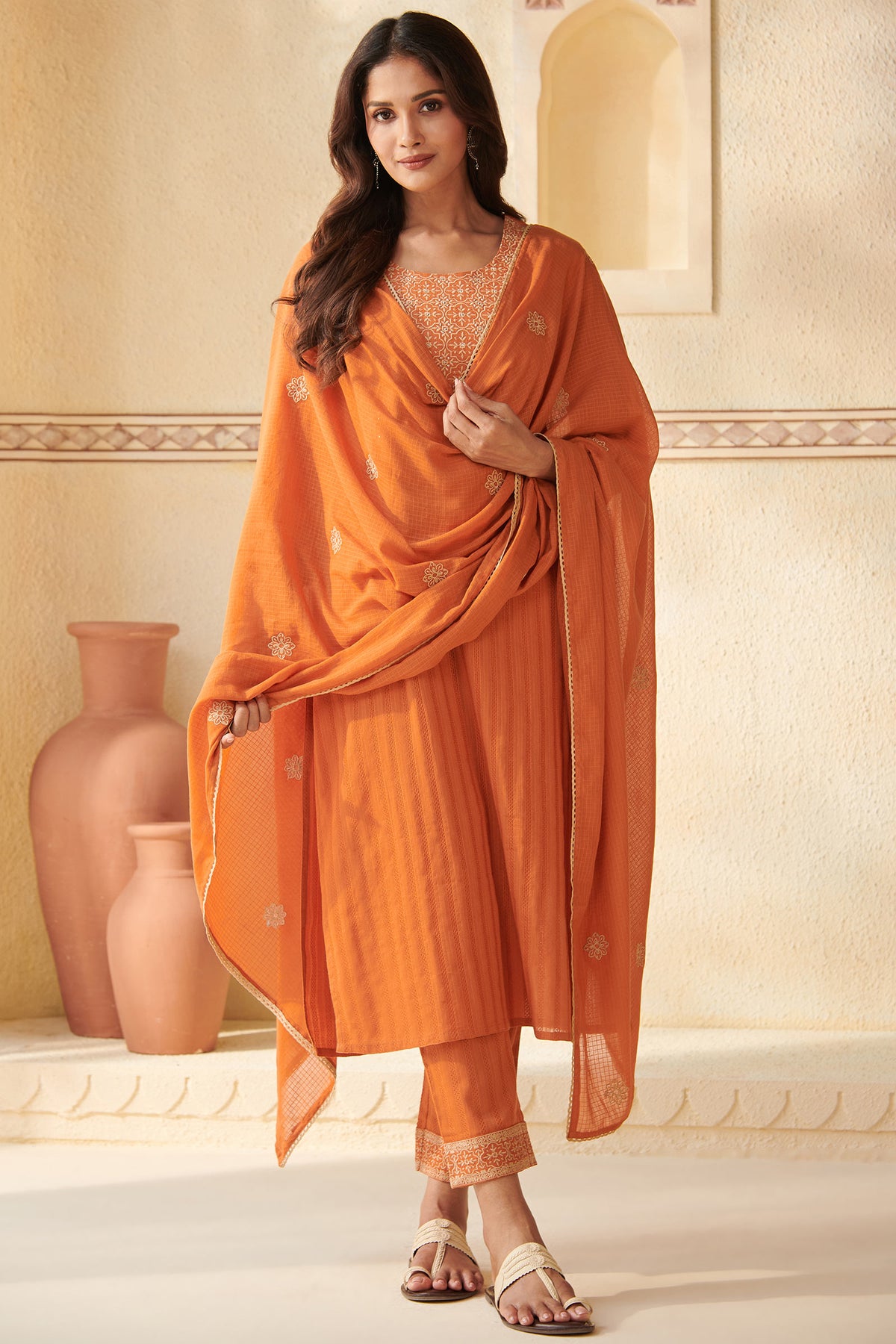
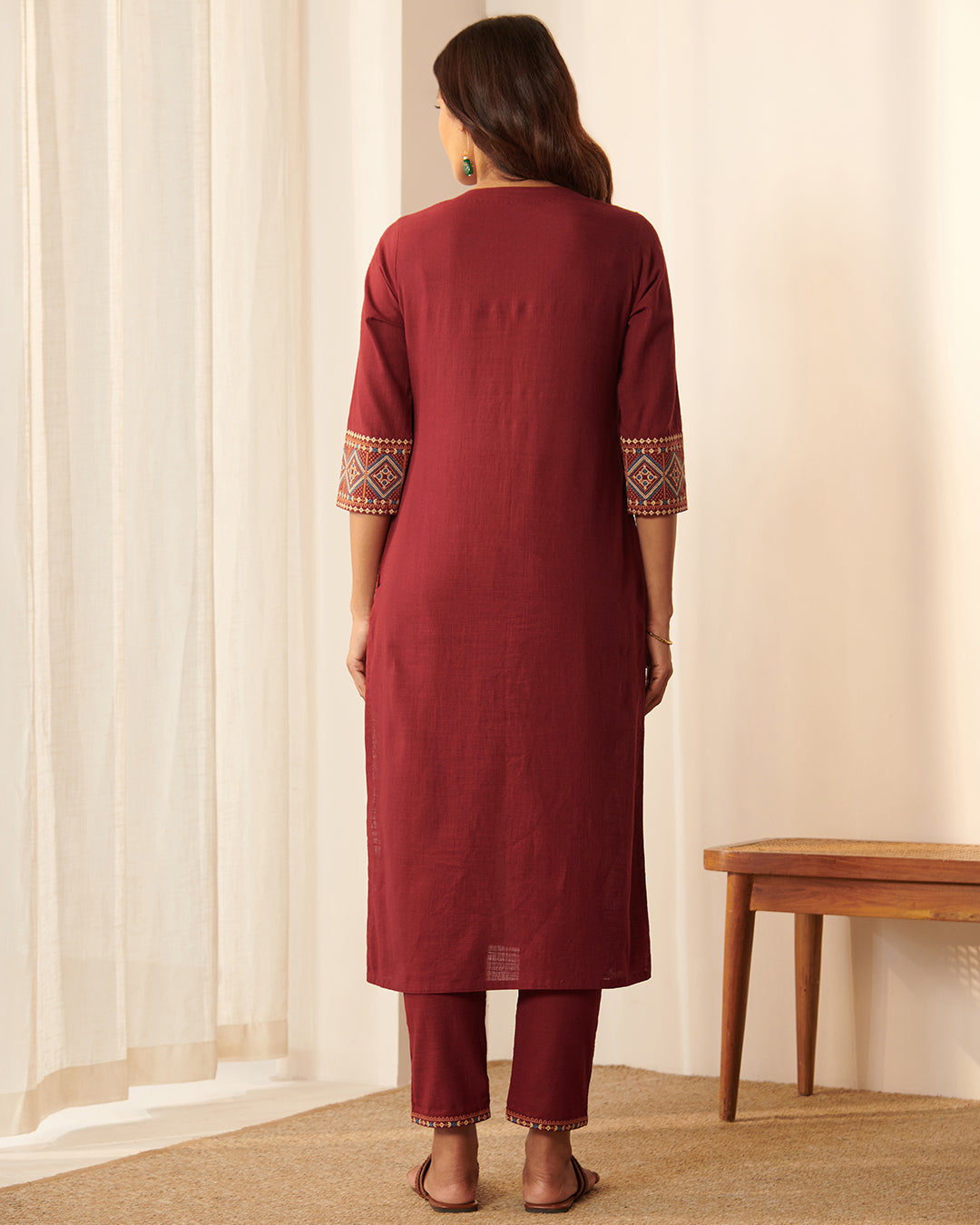
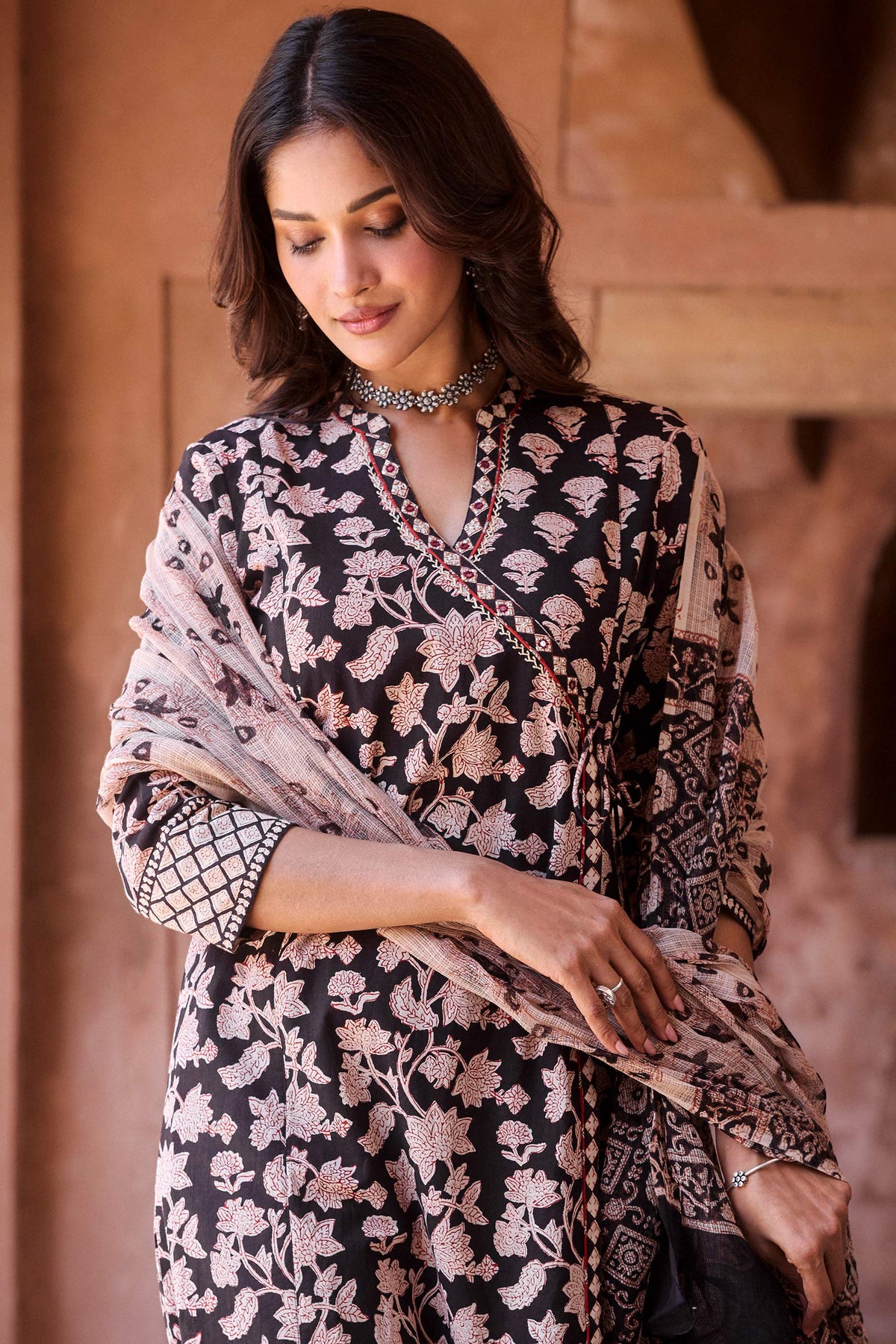
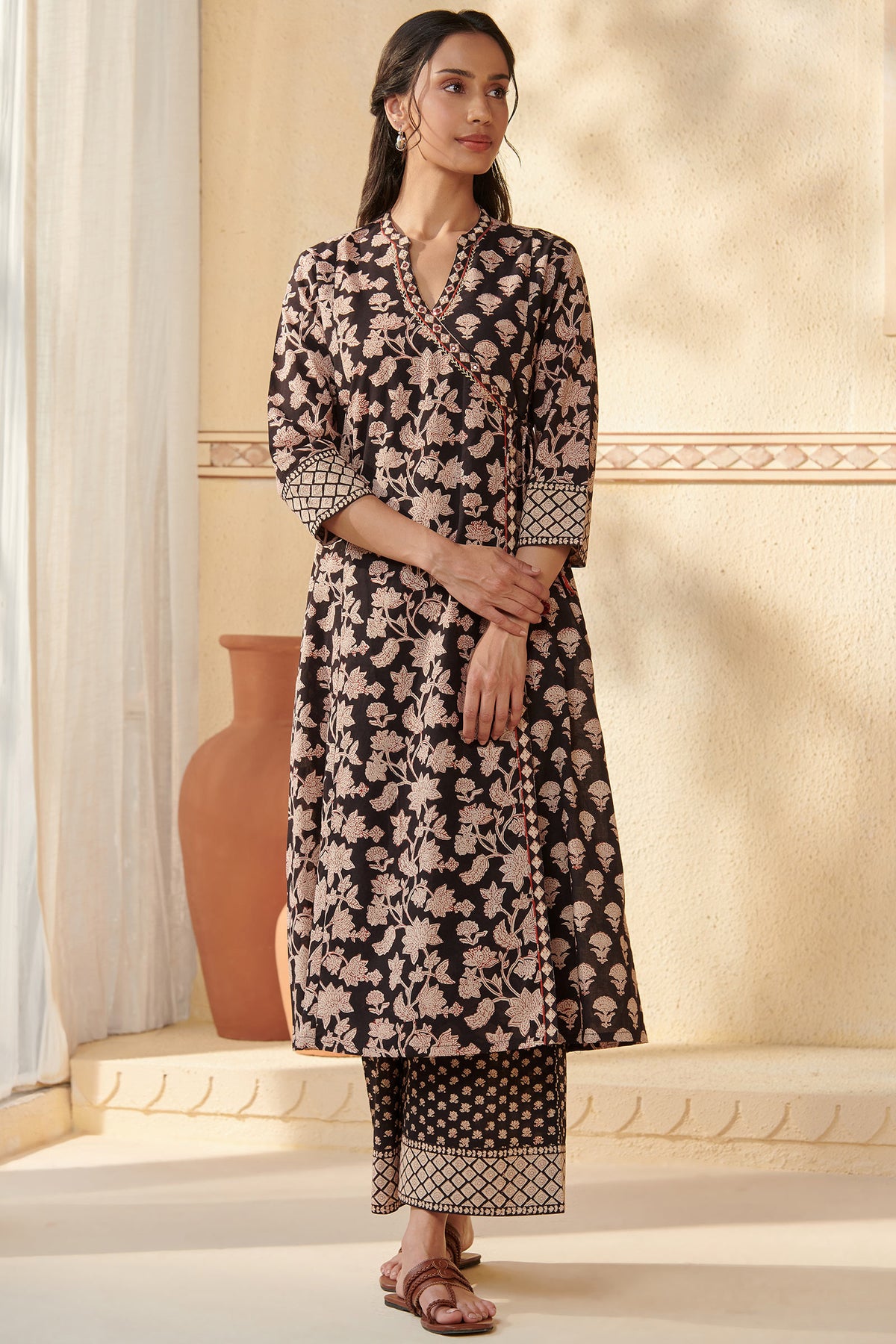
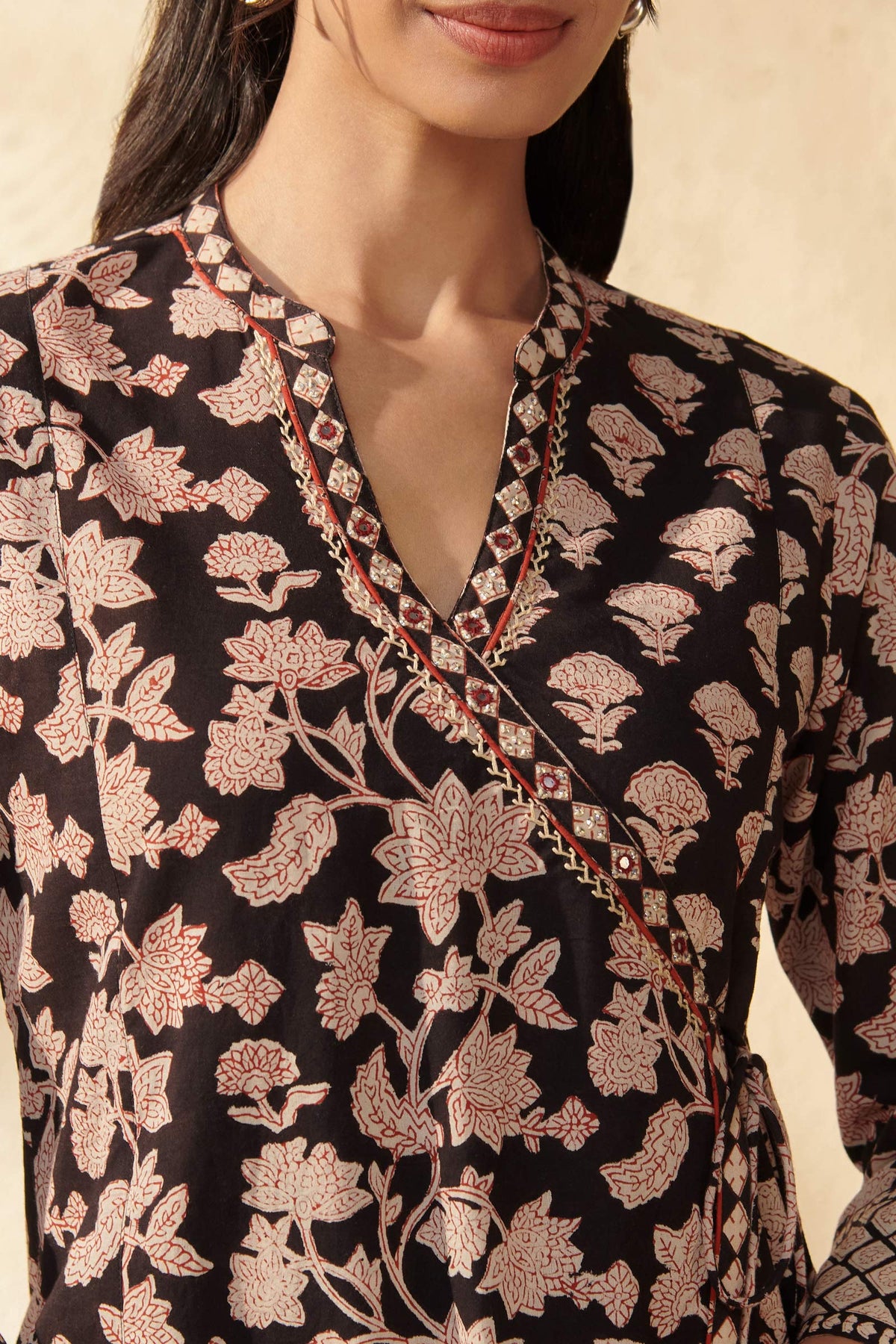
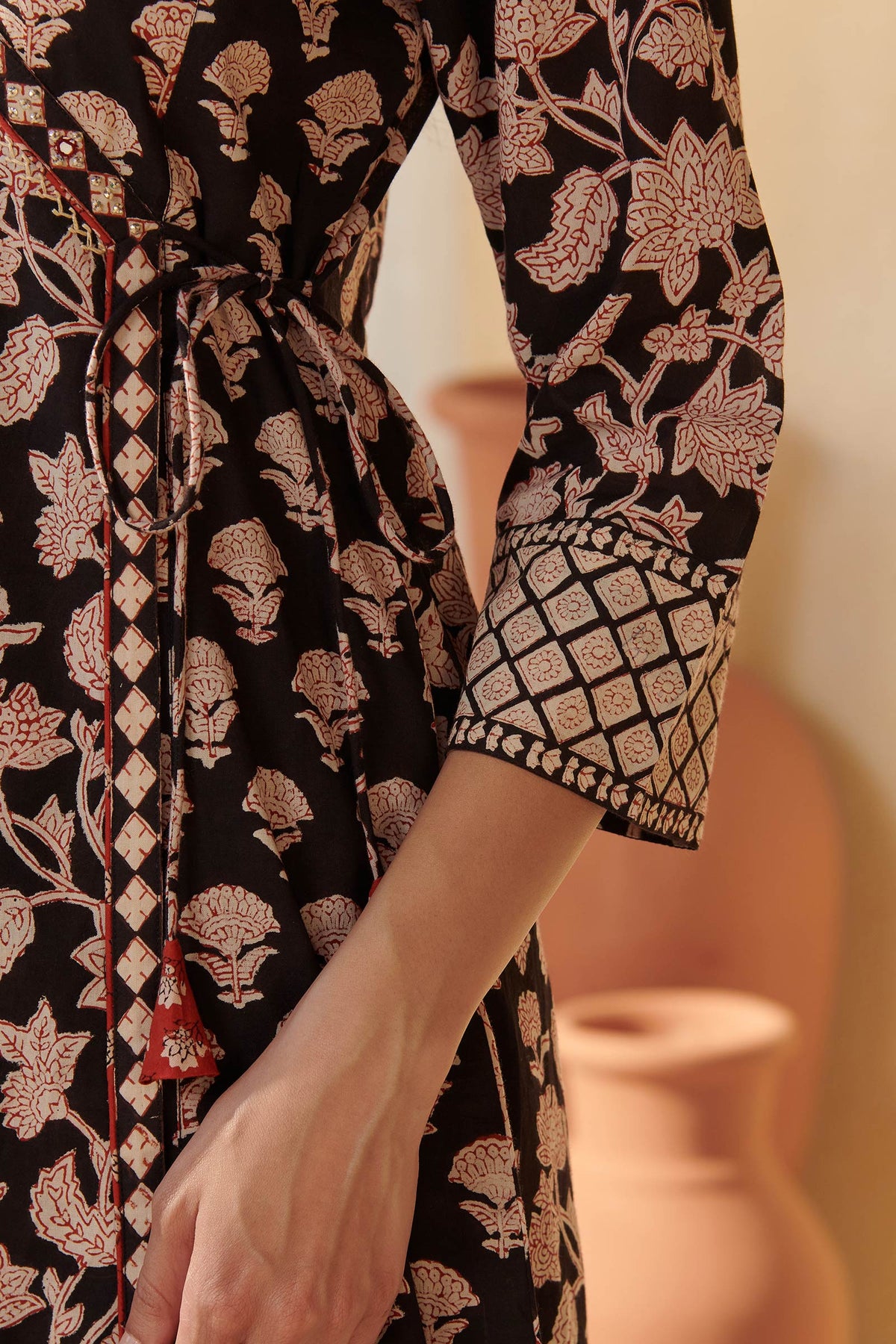
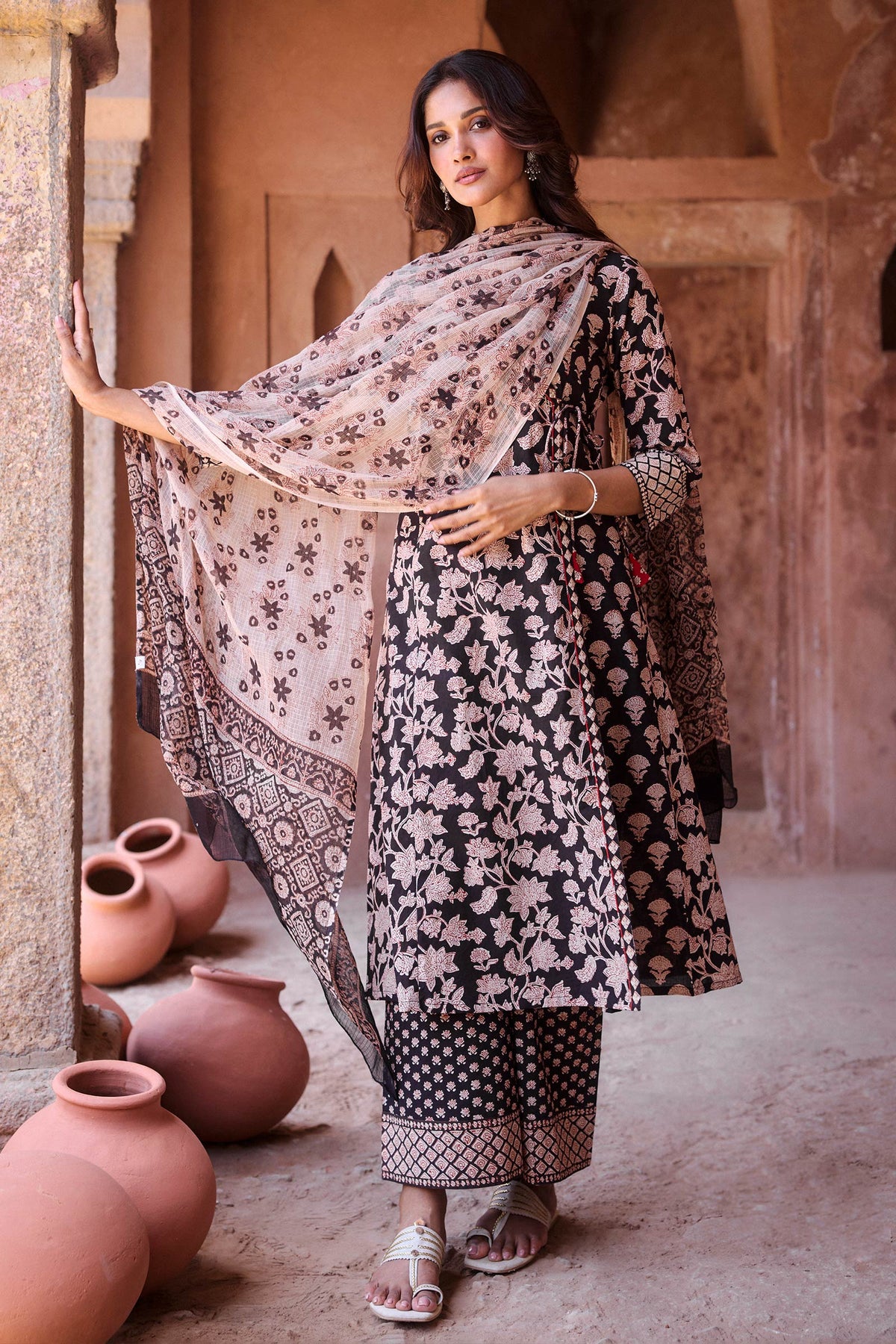
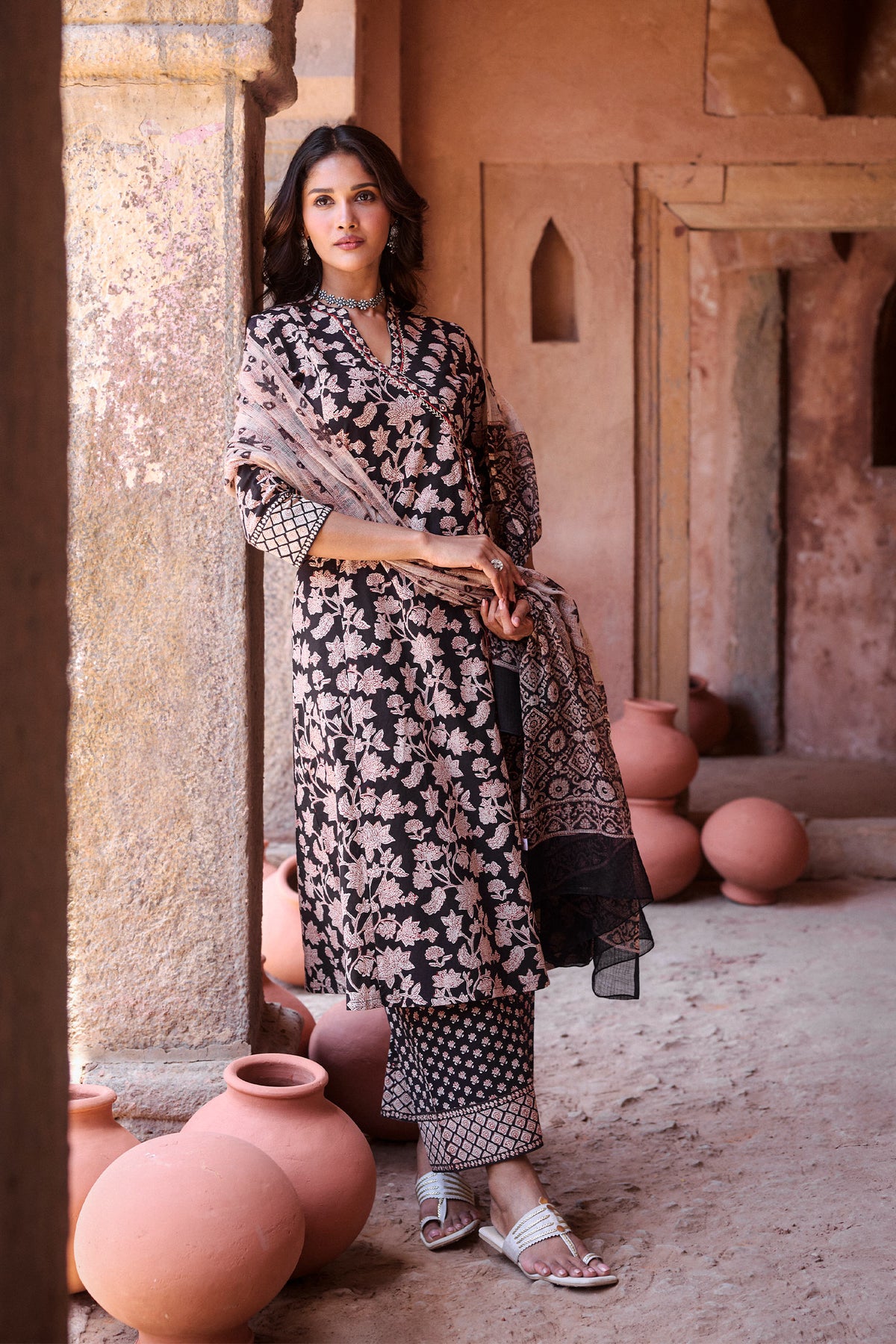
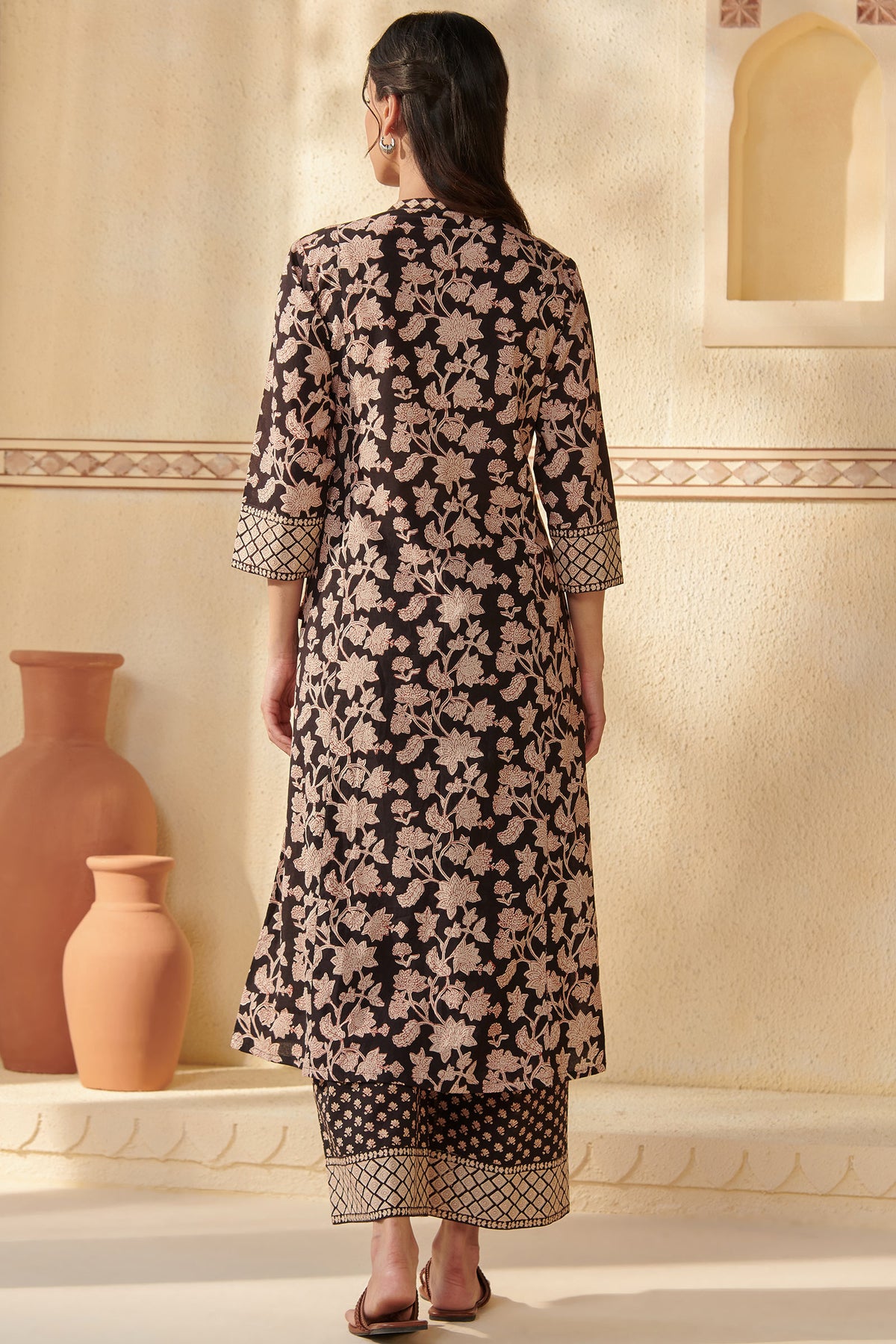
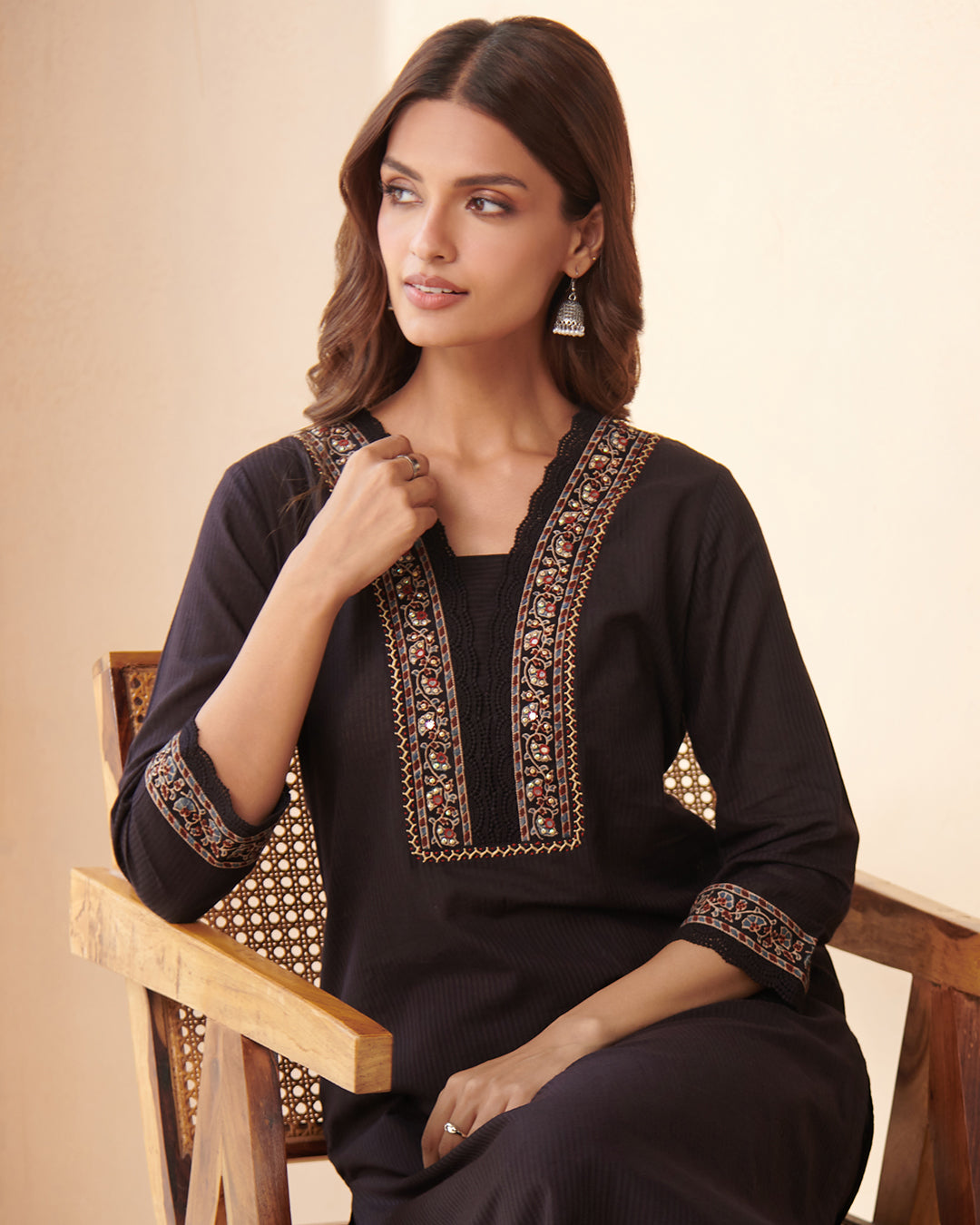
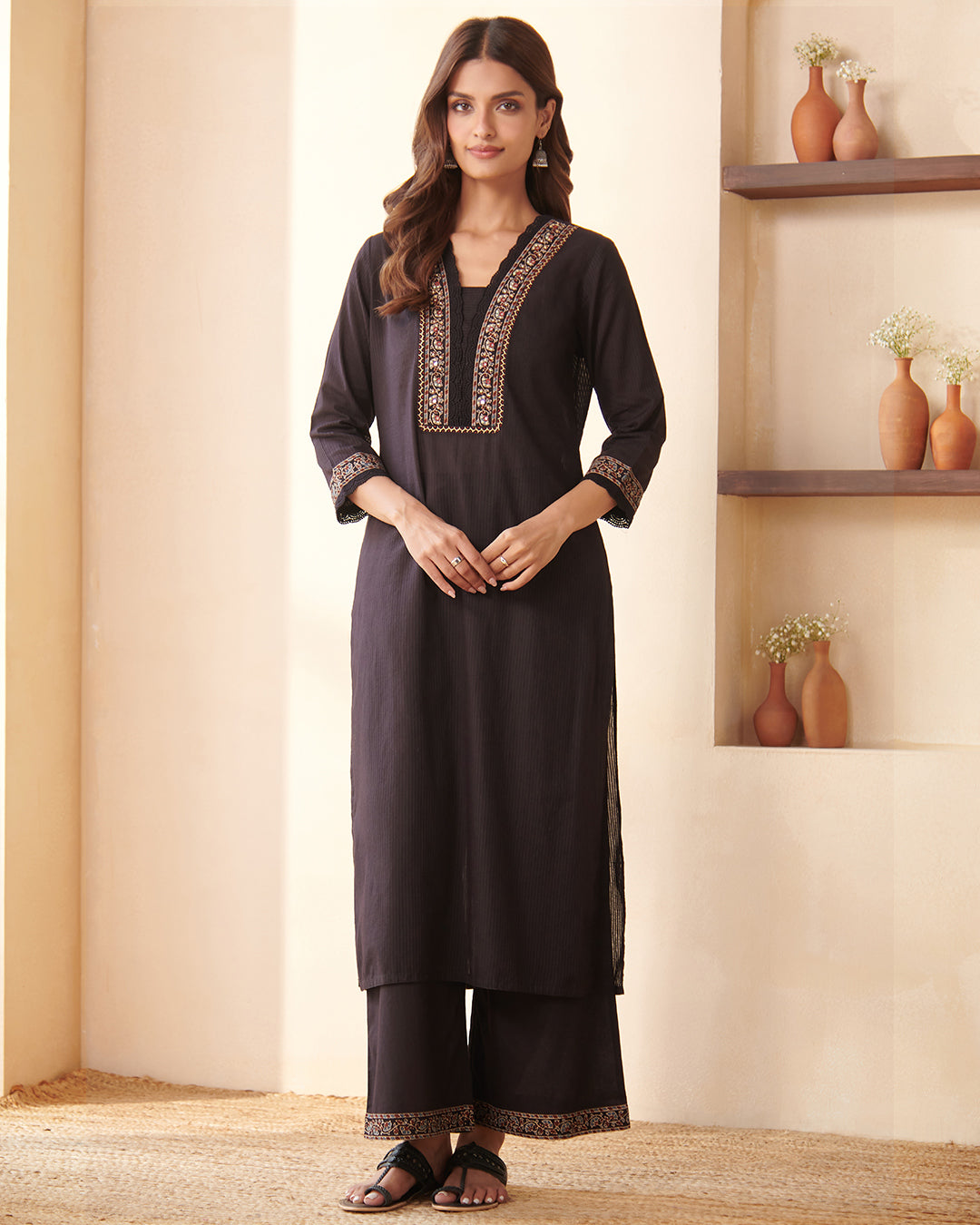
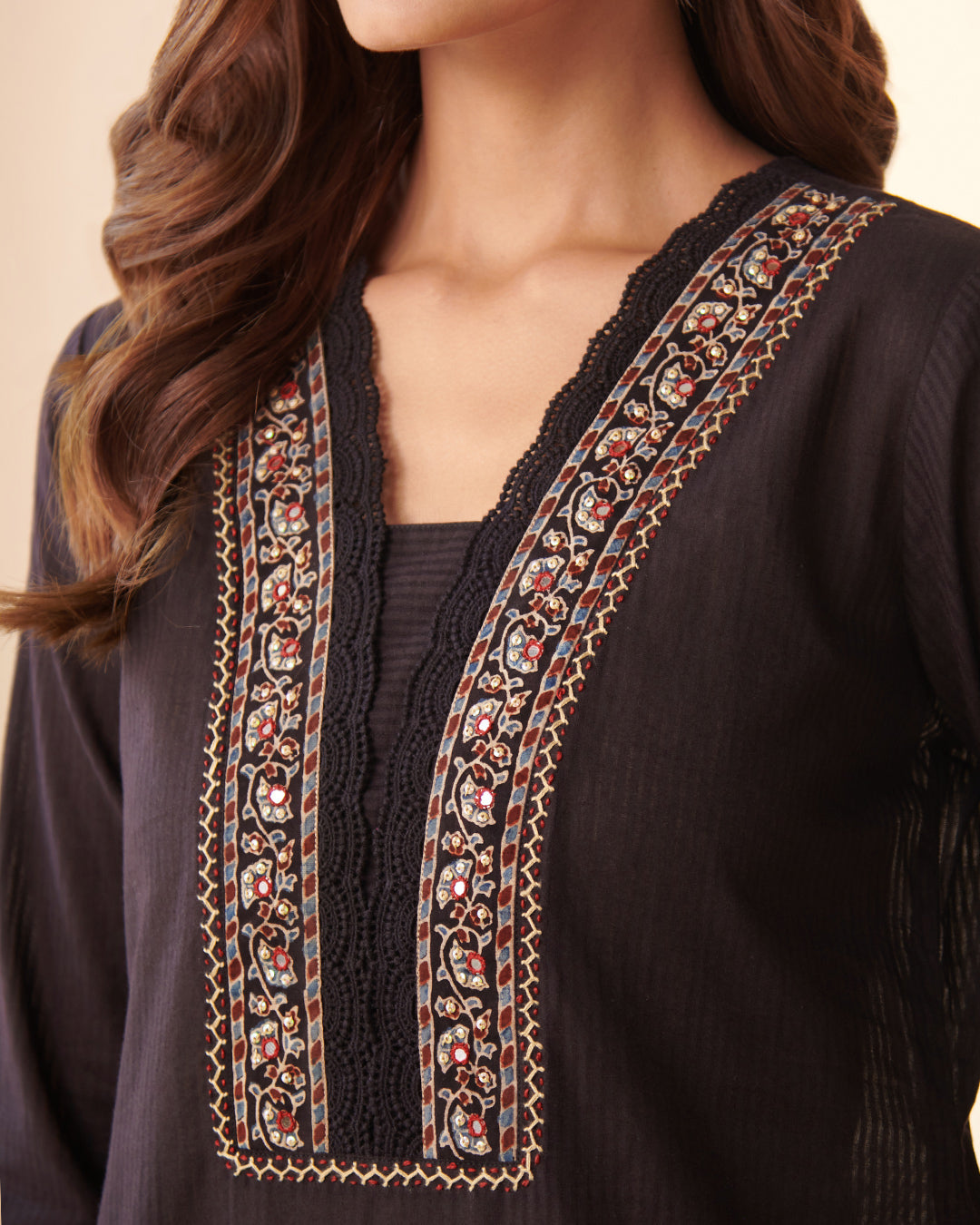
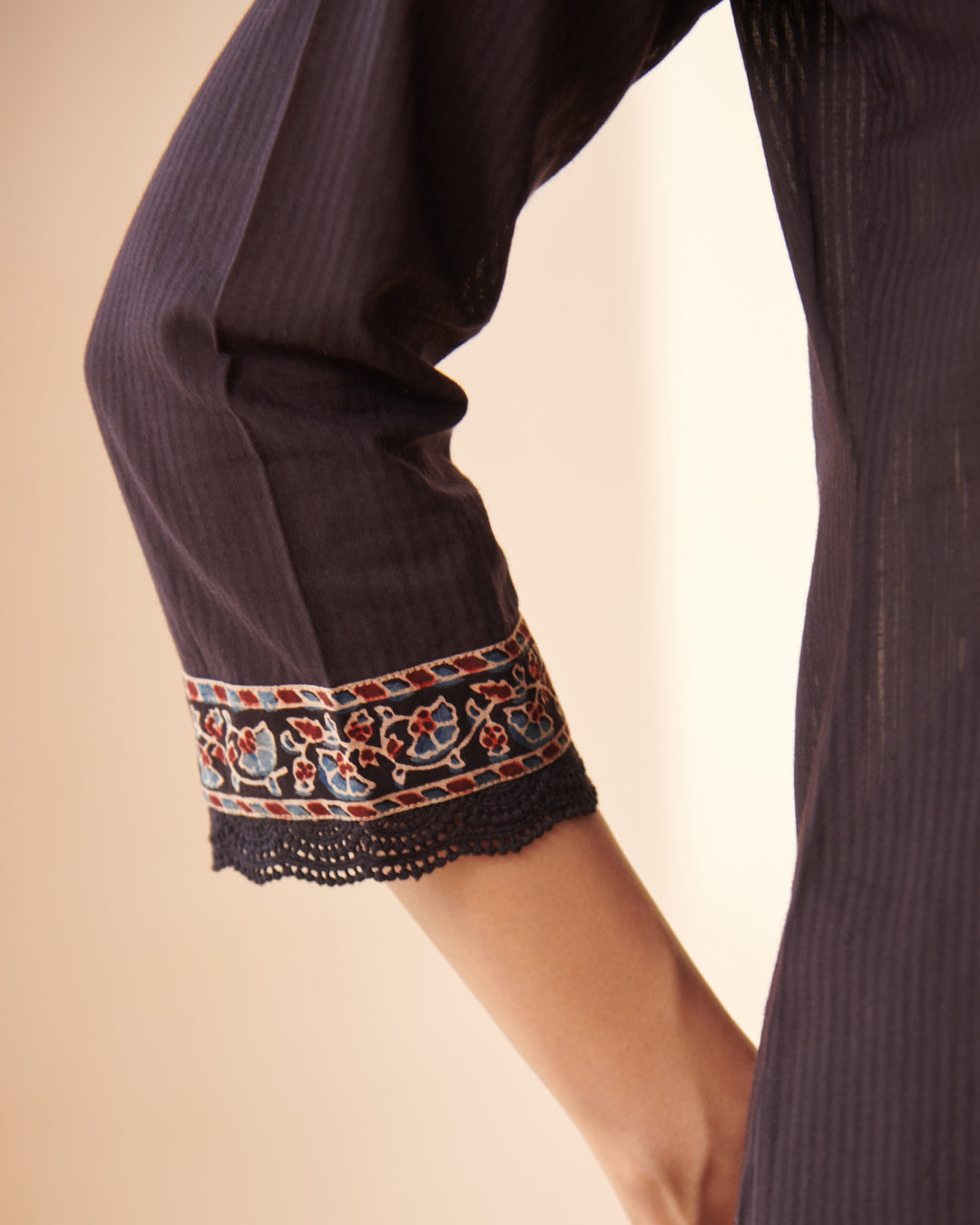
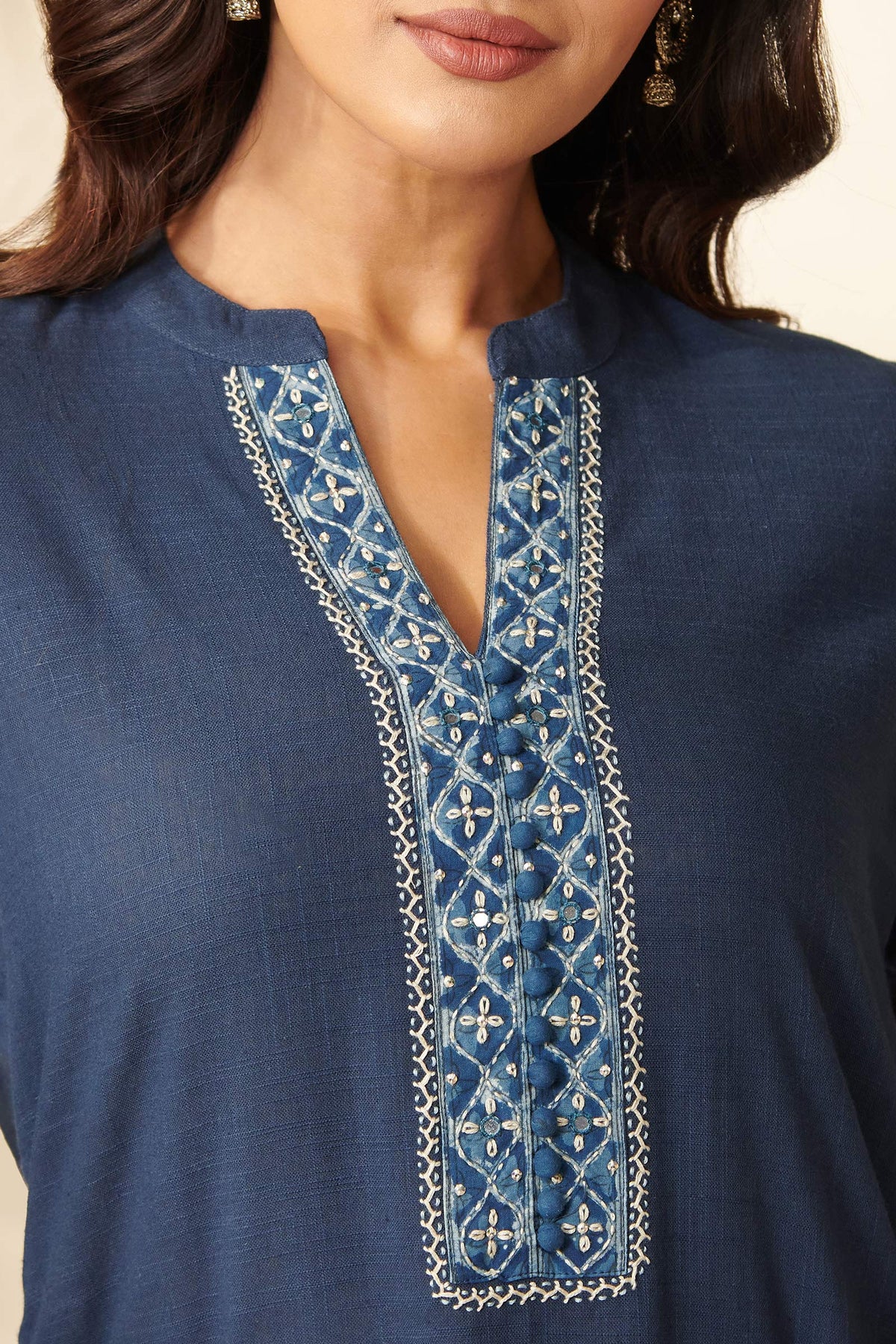
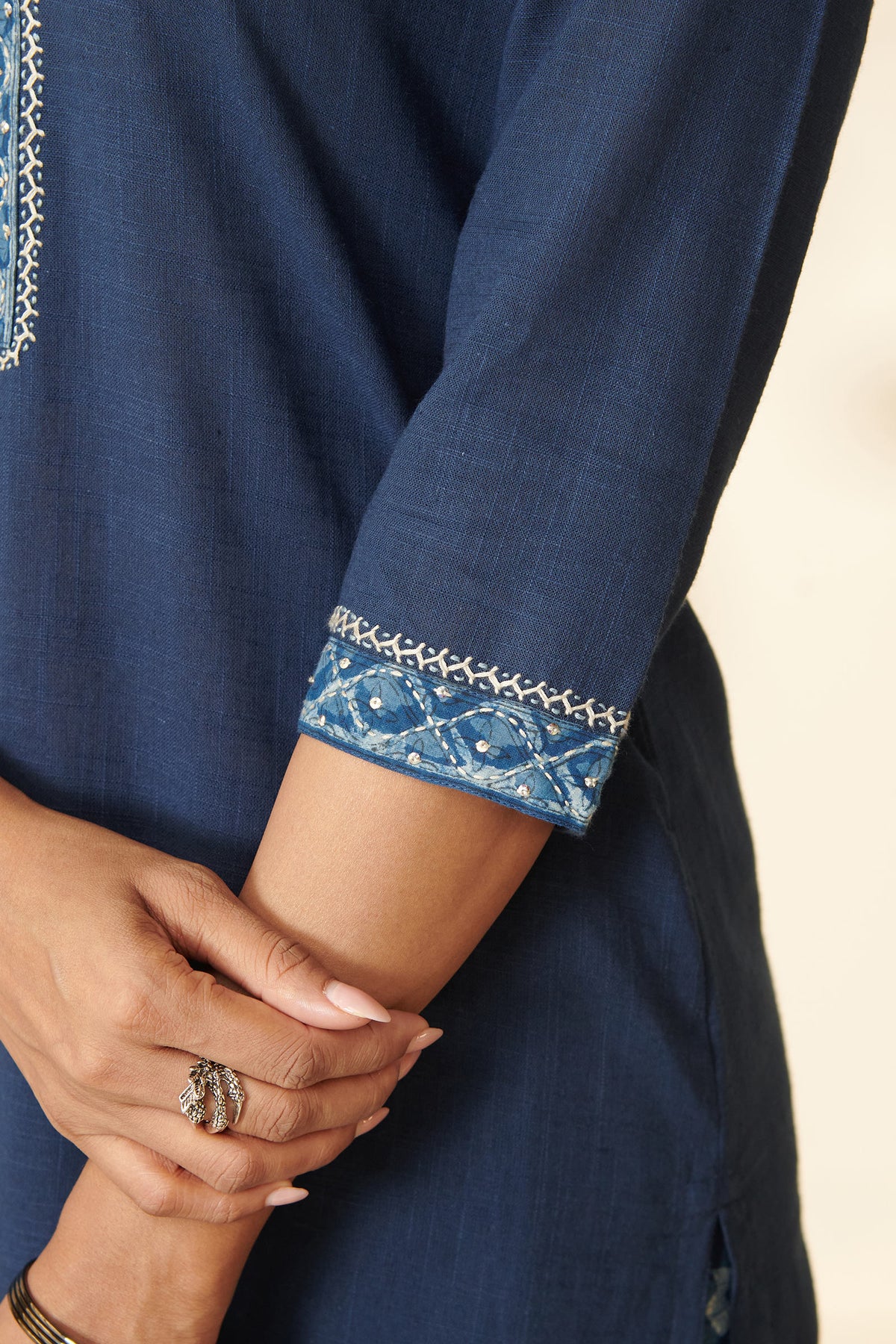
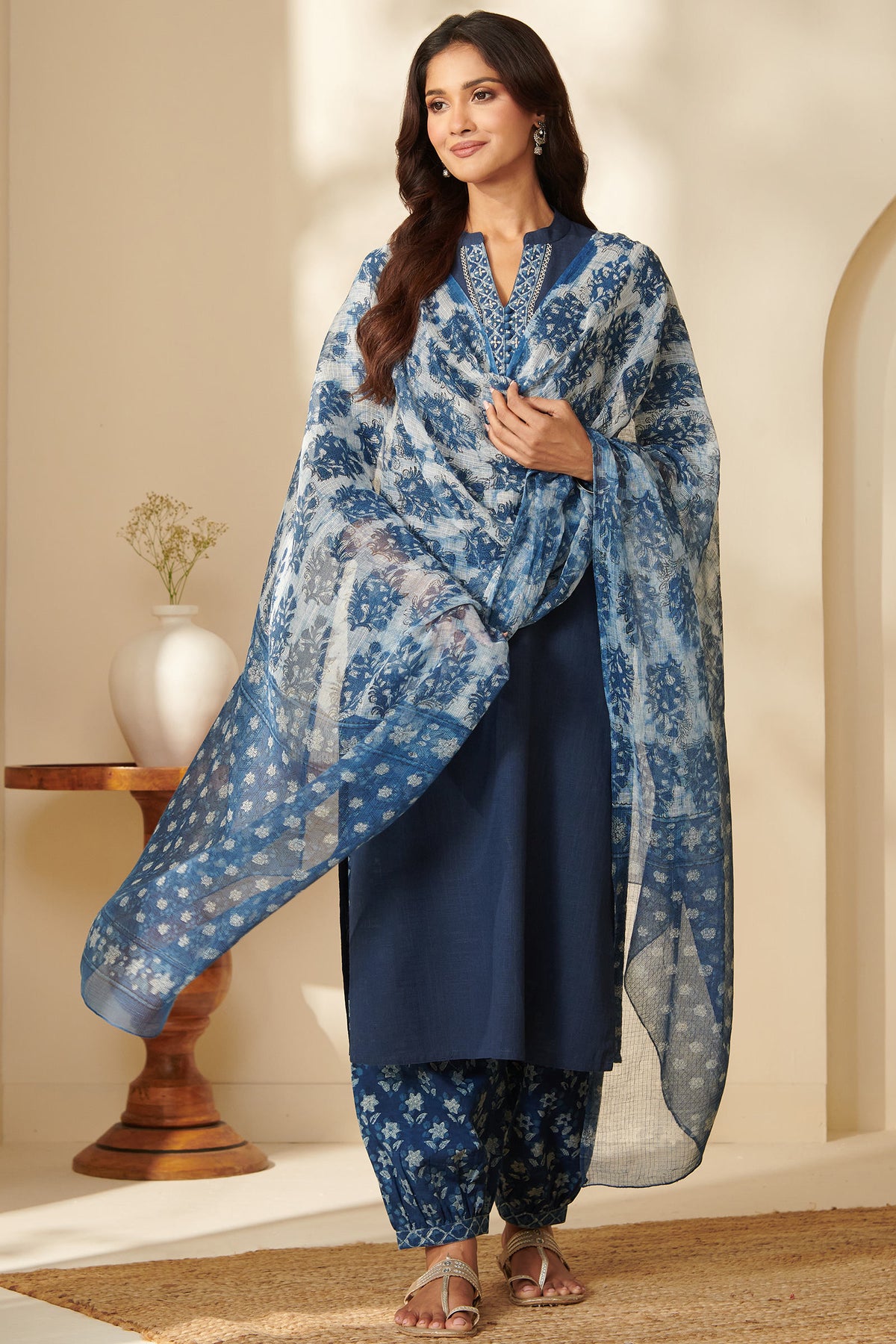
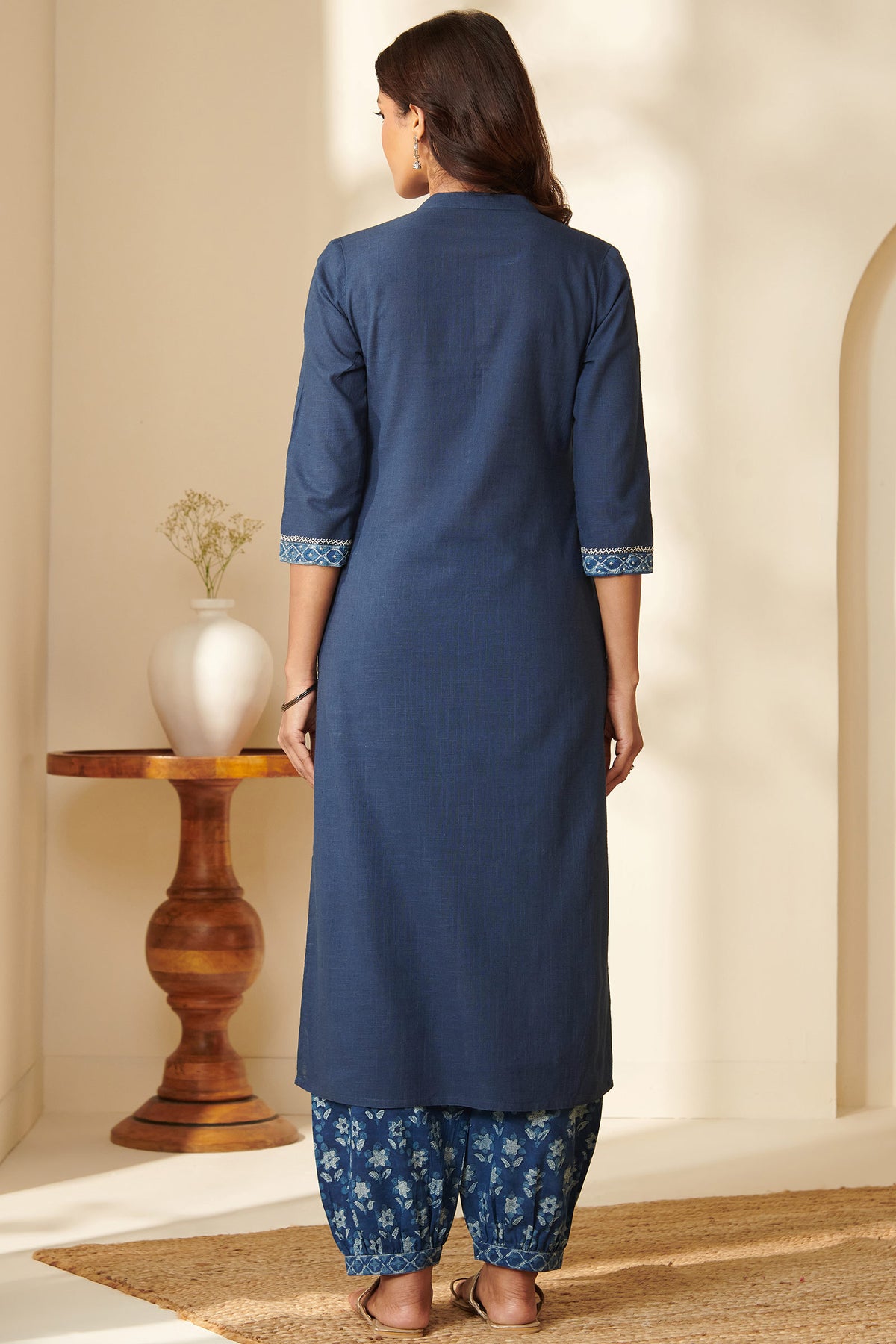
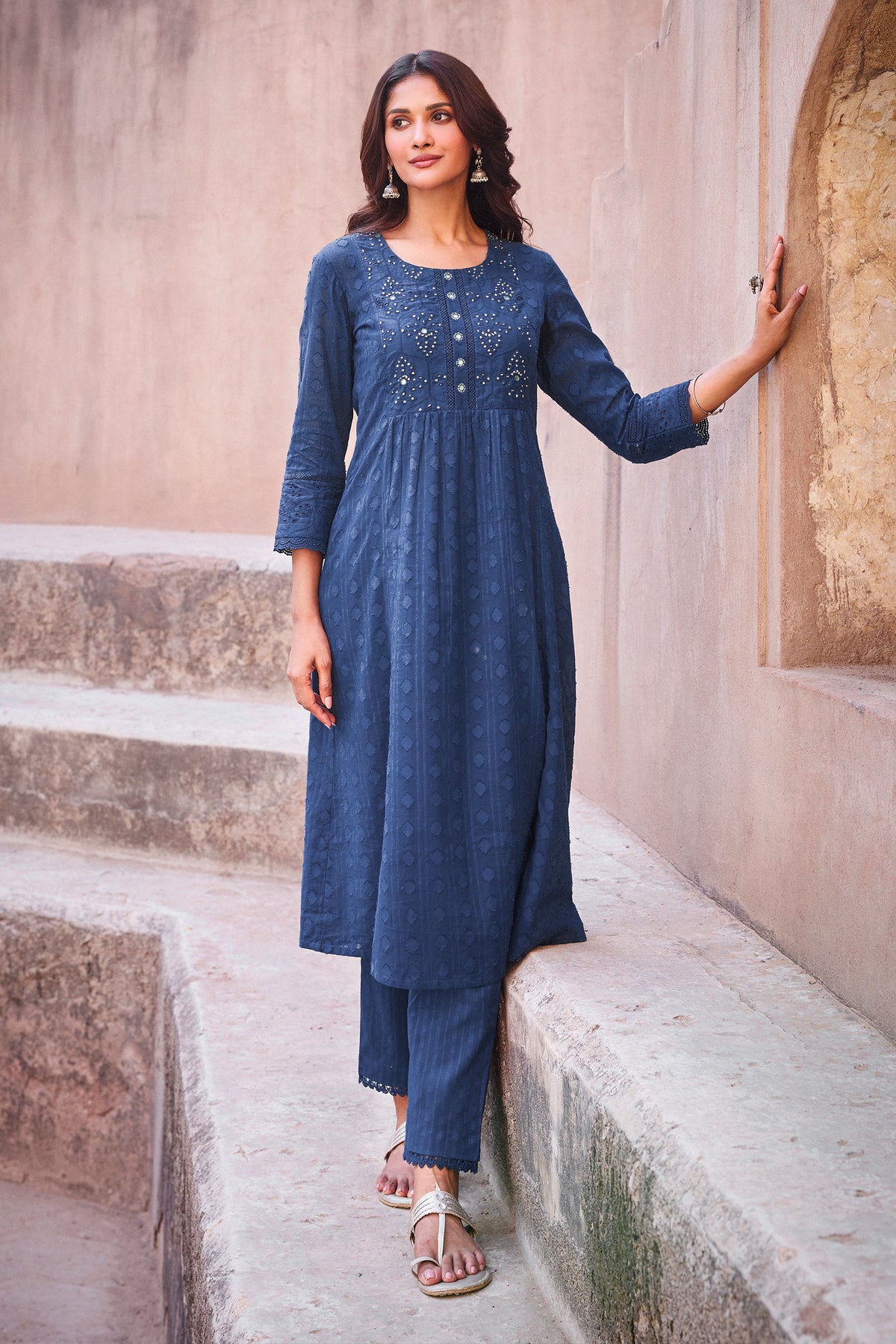
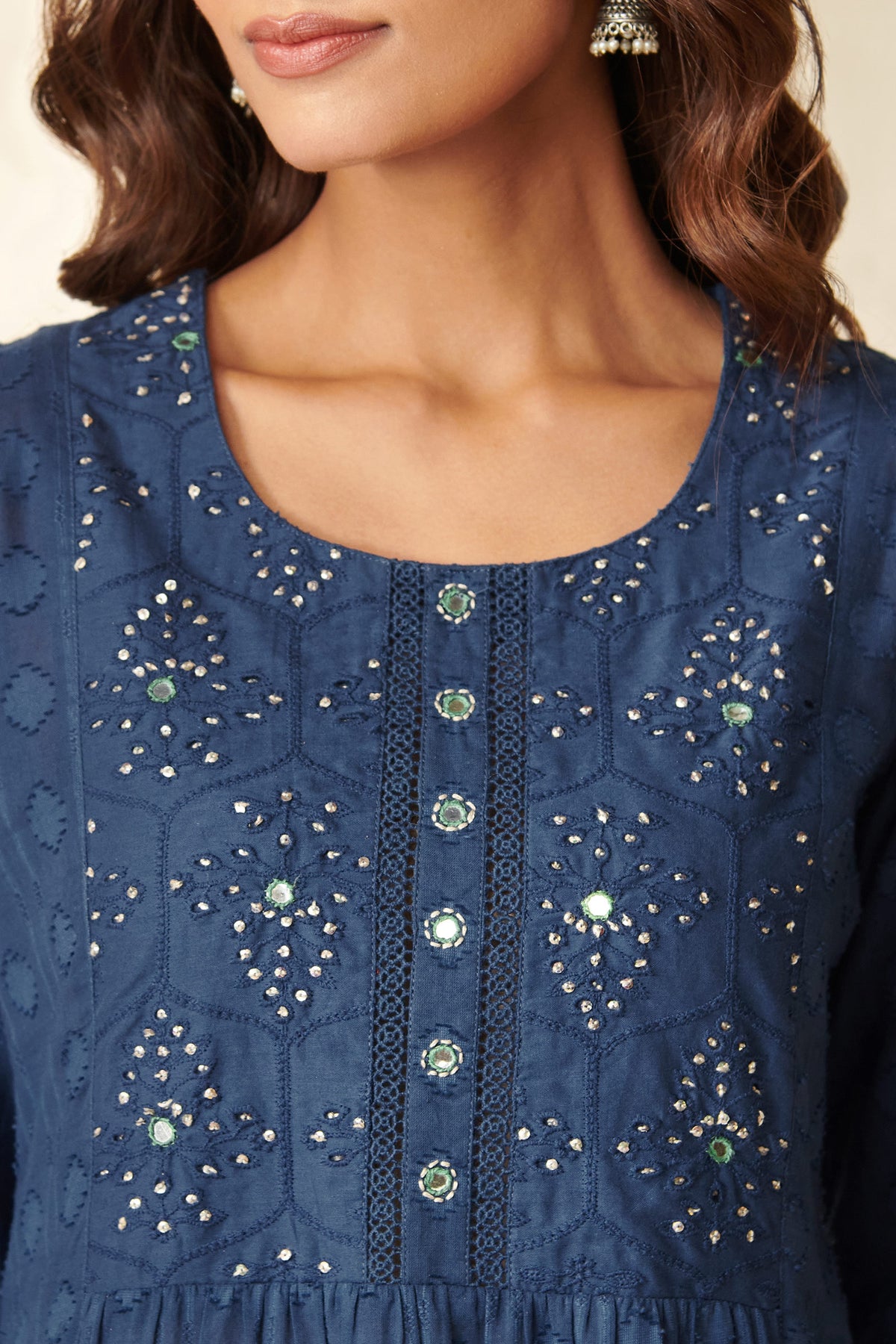
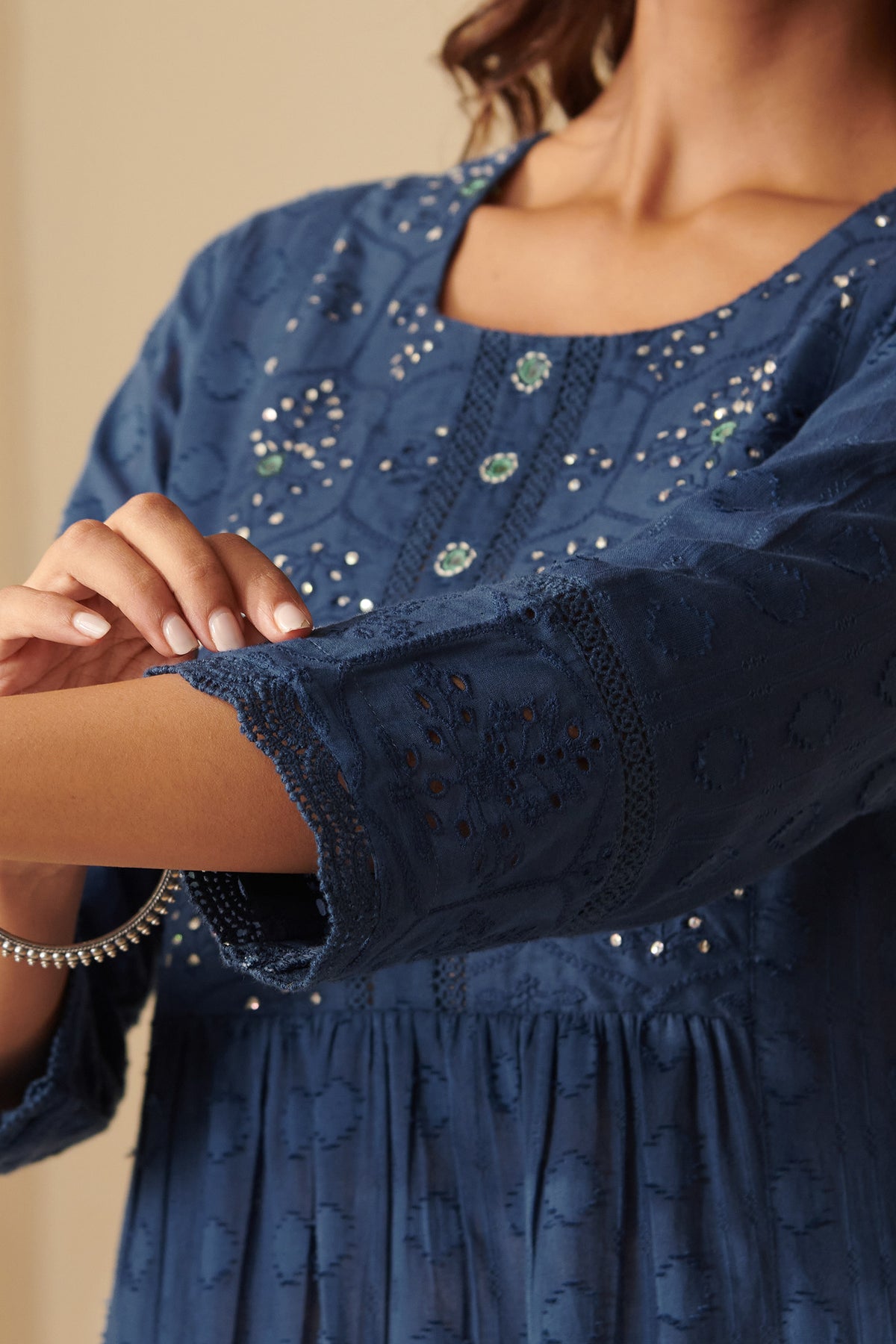
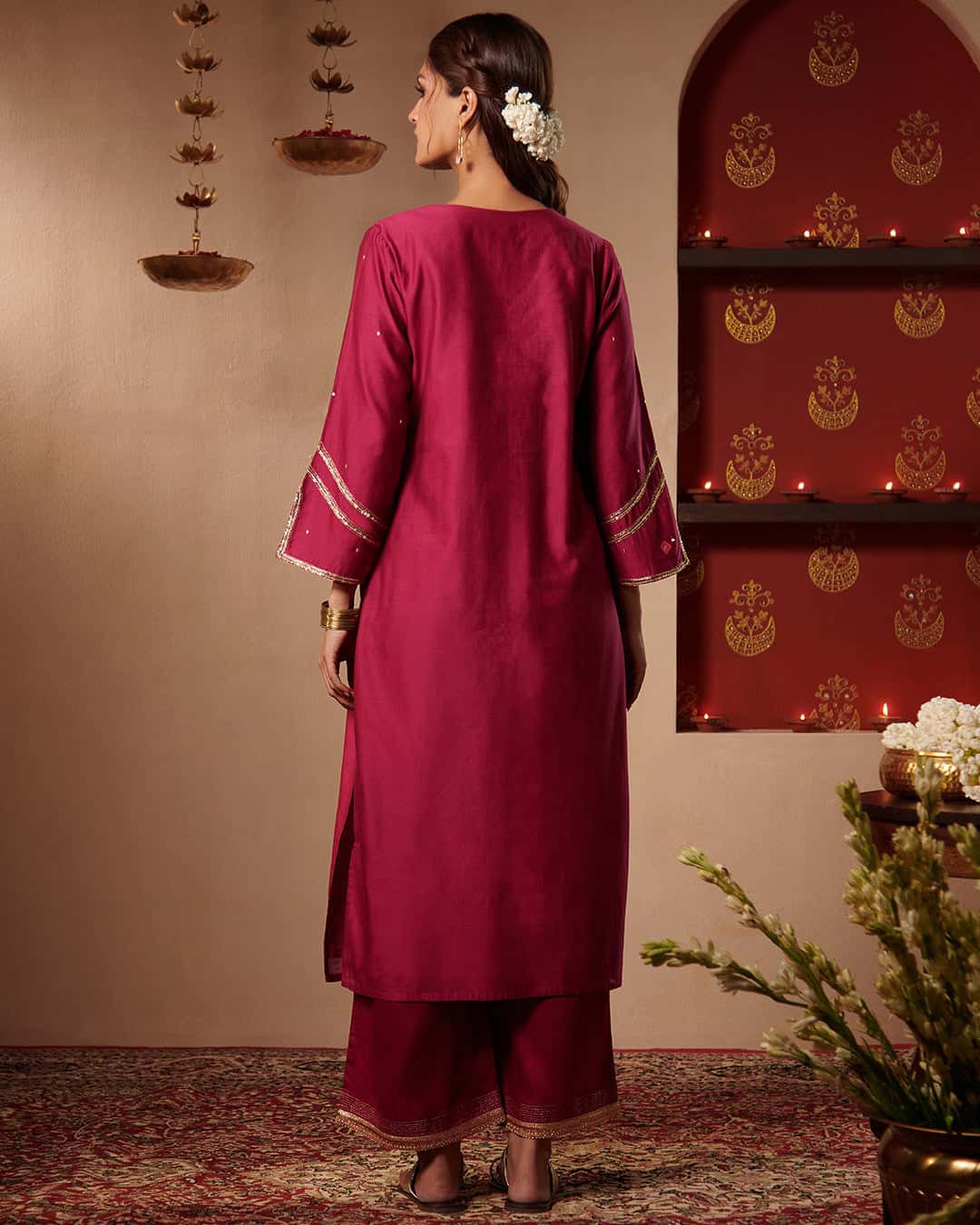
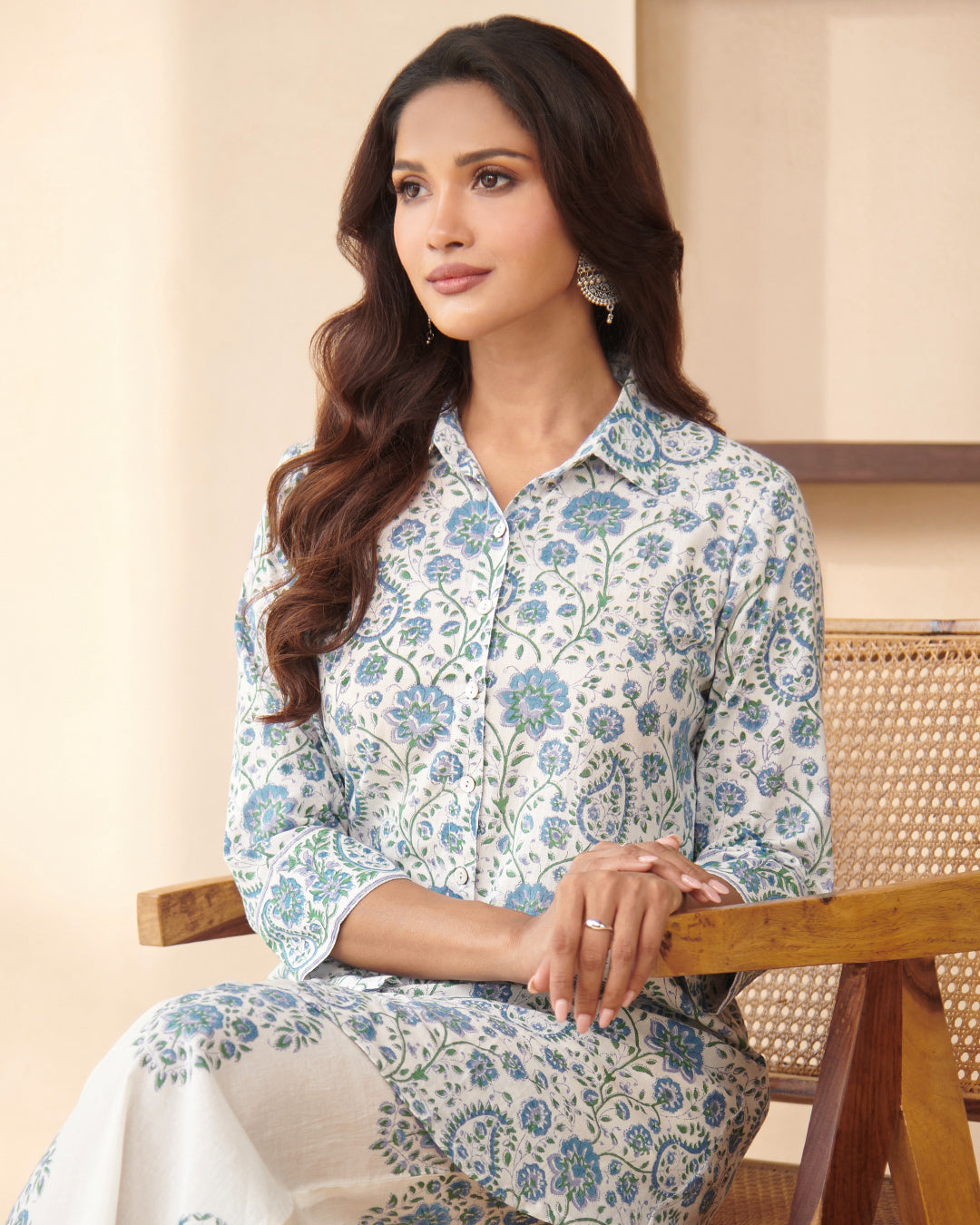
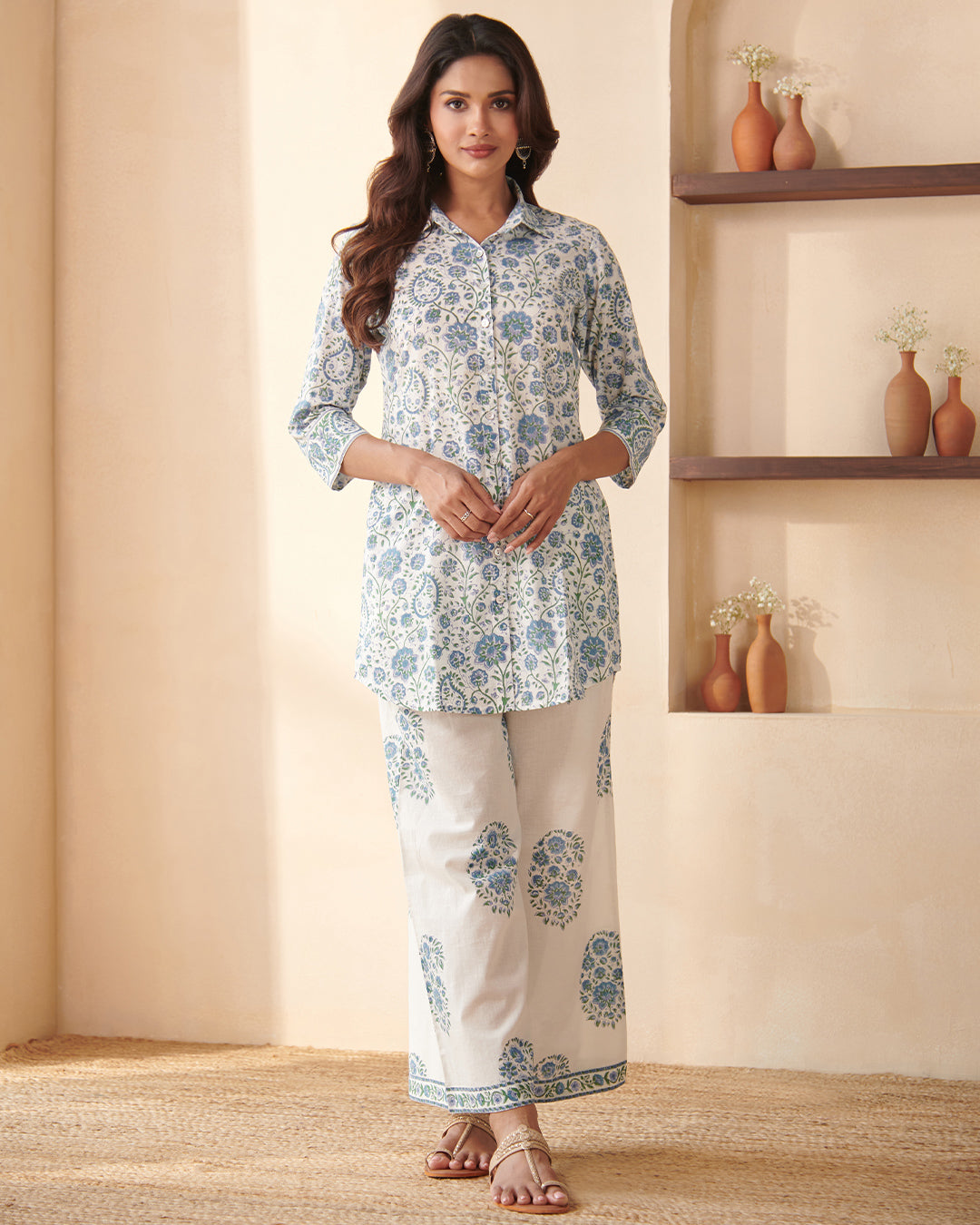
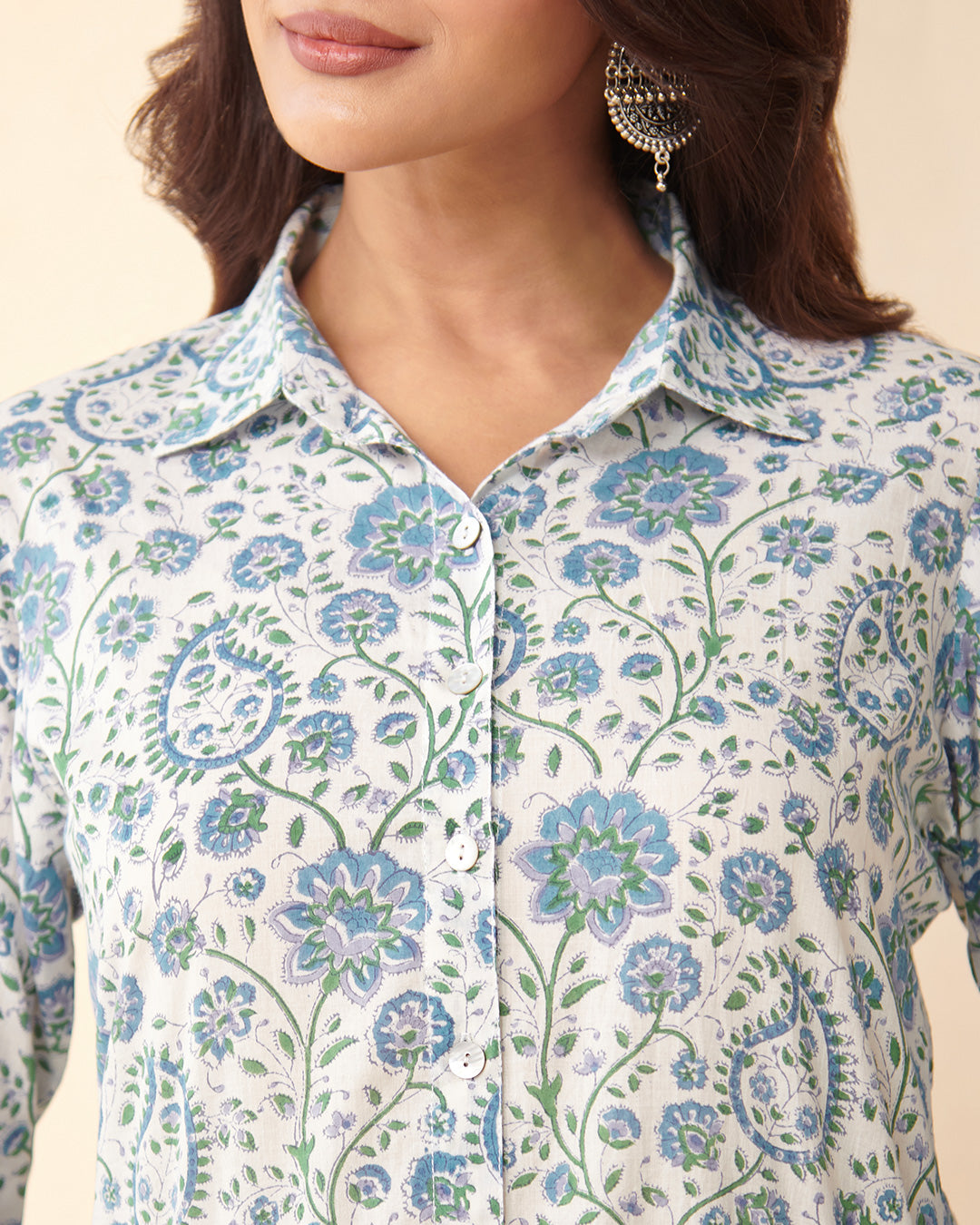
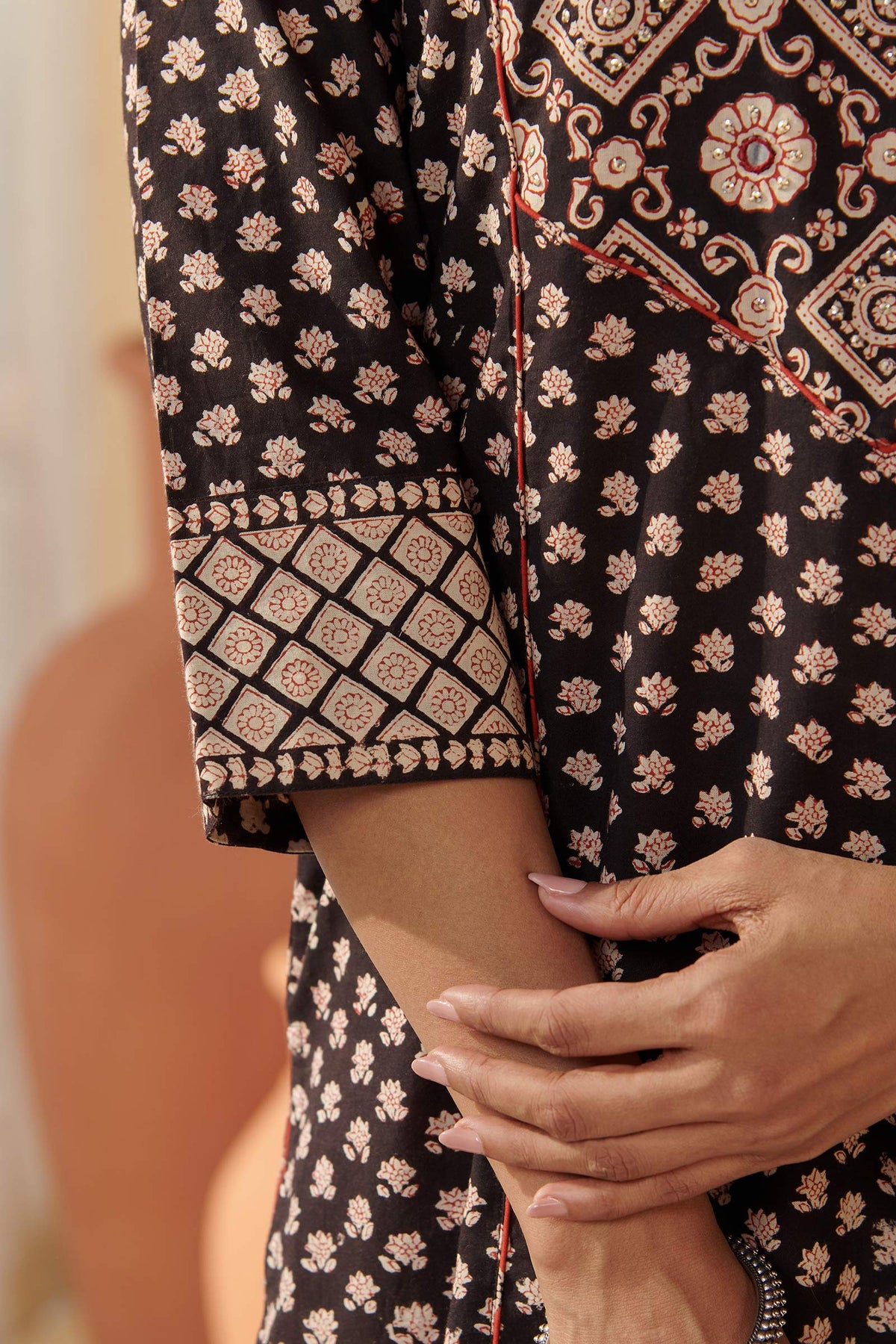
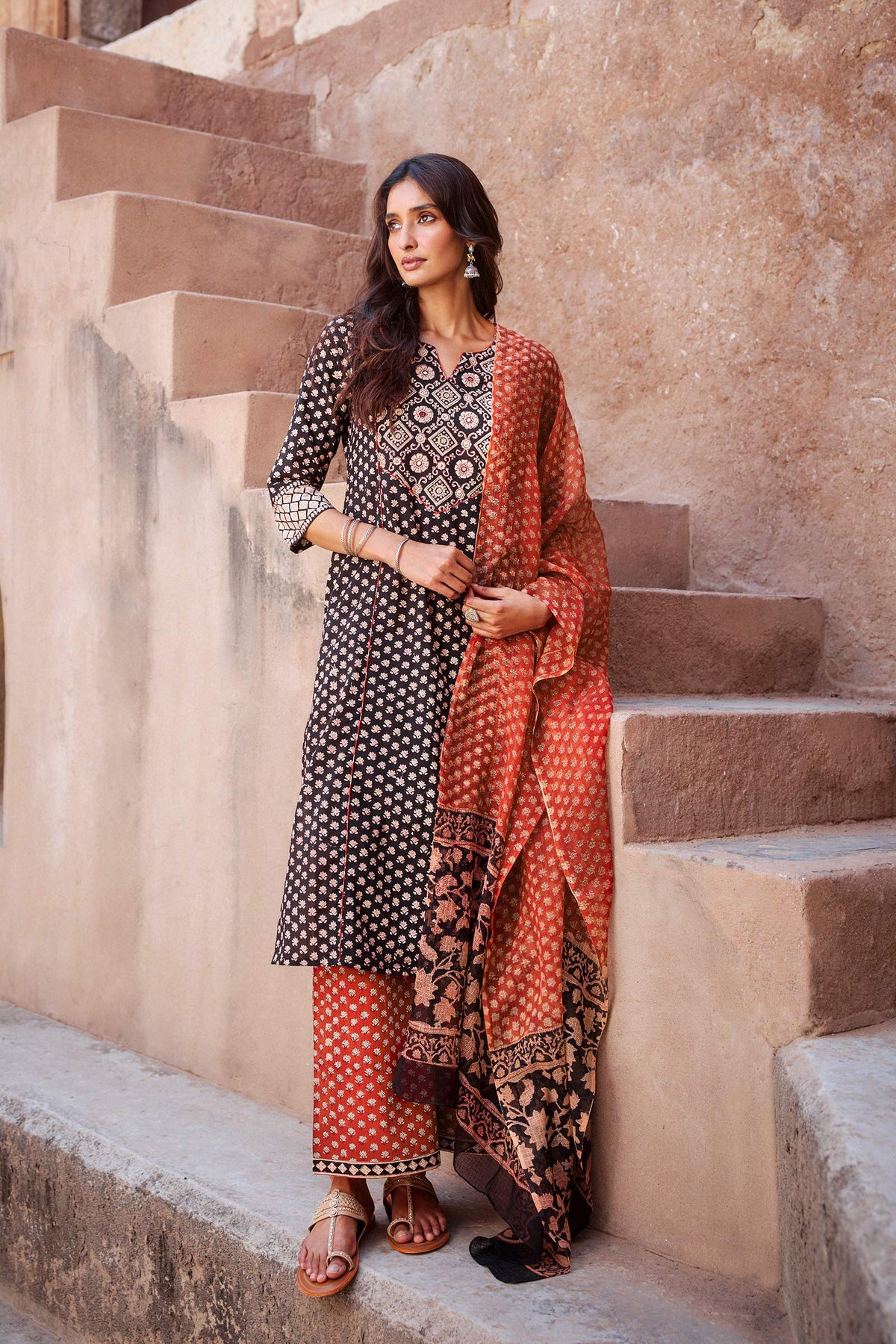
Today, we see Ajrakh across many garments, especially the much loved Ajrakh kurta. Whether it is a relaxed Ajrakh cotton kurta worn through a long summer day or a carefully crafted piece with detailed borders, the print brings a sense of rooted elegance. The patterns never feel hurried. They carry patience, repetition, and craft that has travelled through generations.
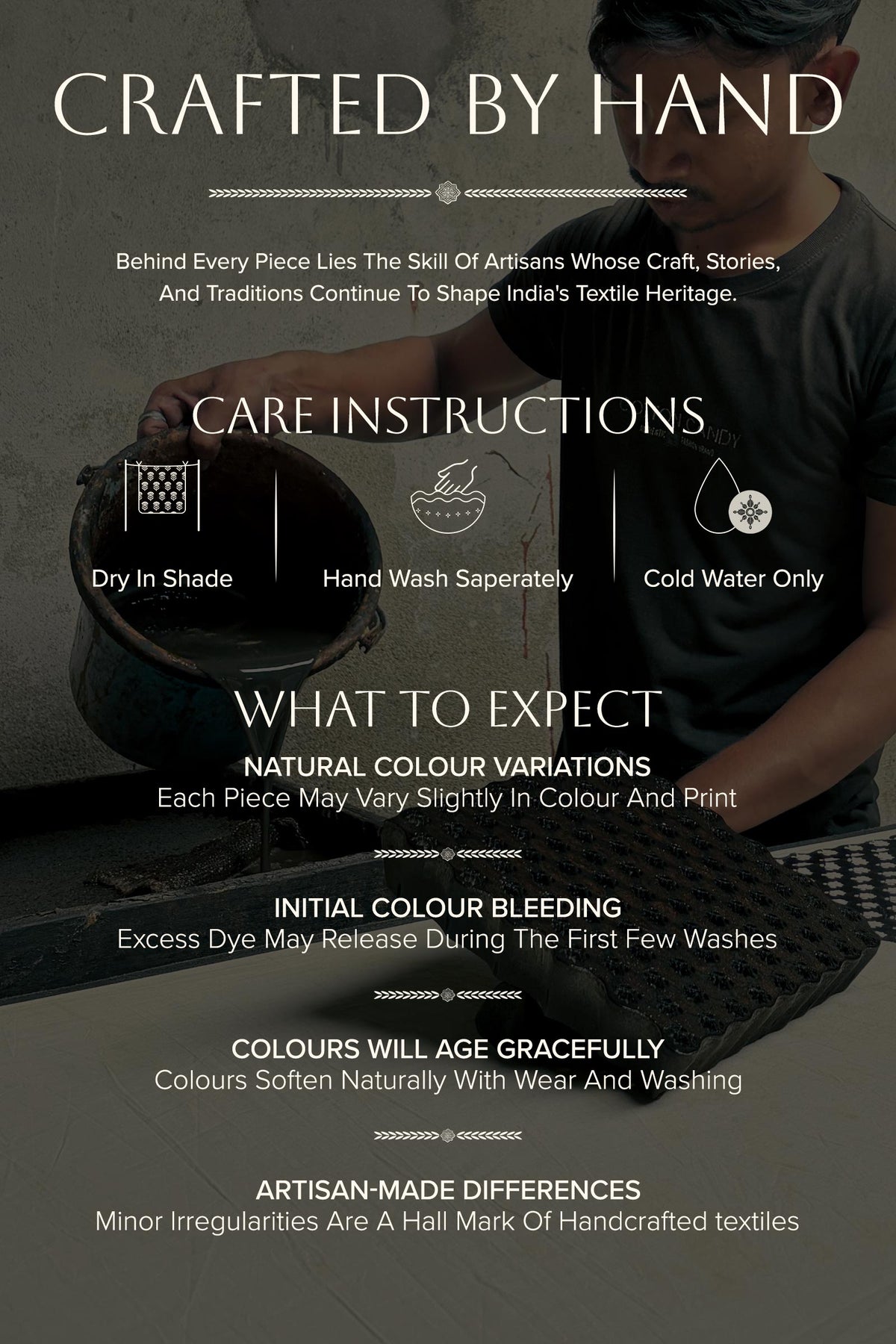
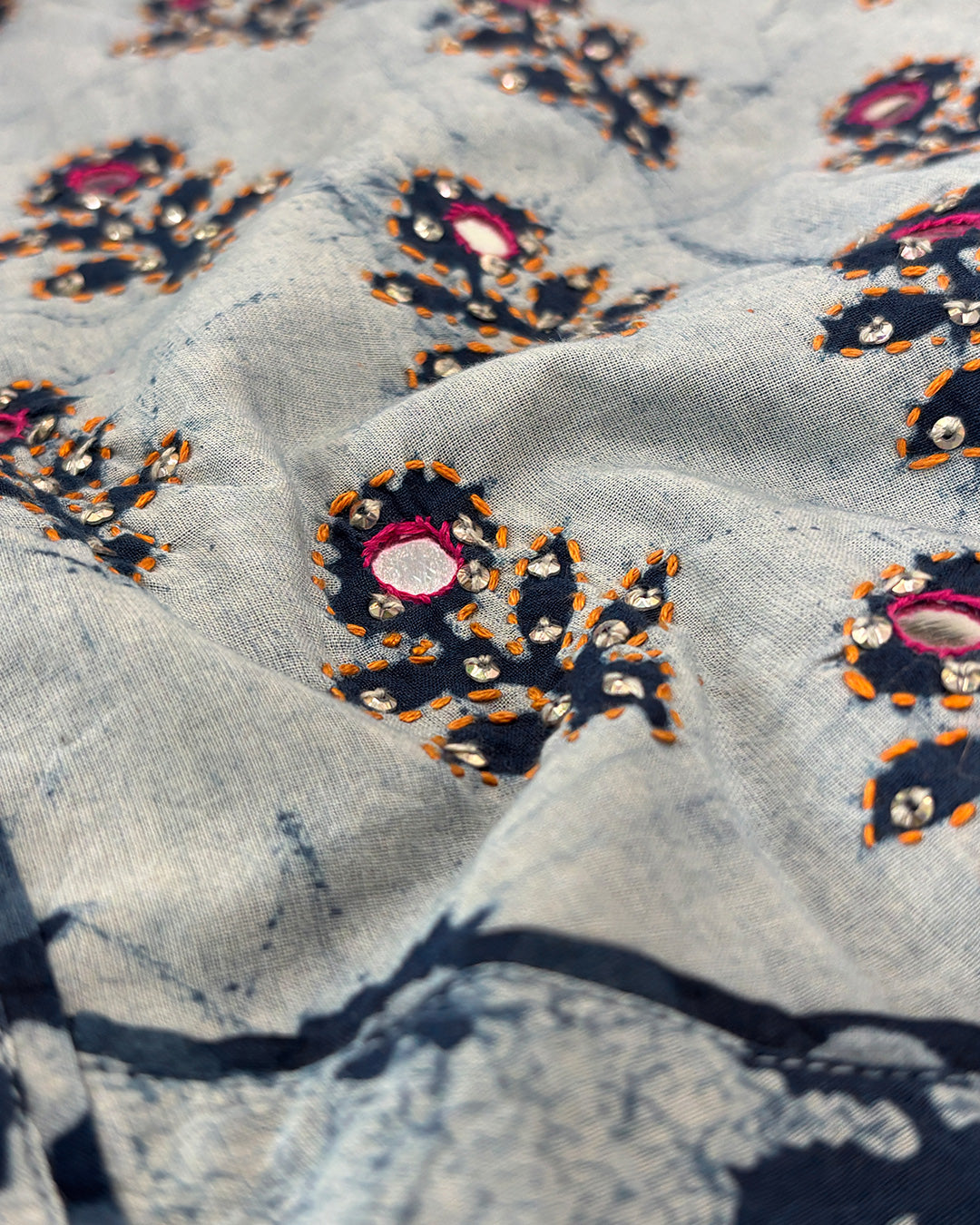
What makes Ajrakh remarkable is not only its beauty, but the process behind it. Each motif is built through layers of hand block printing, natural dyes, and careful washing. The cloth moves through many hands and many stages before it becomes the final Ajrakh print kurta design we wear.
To understand Ajrakh is to understand a craft tradition that values time, balance, and precision.
What Is Ajrakh? Understanding the Craft

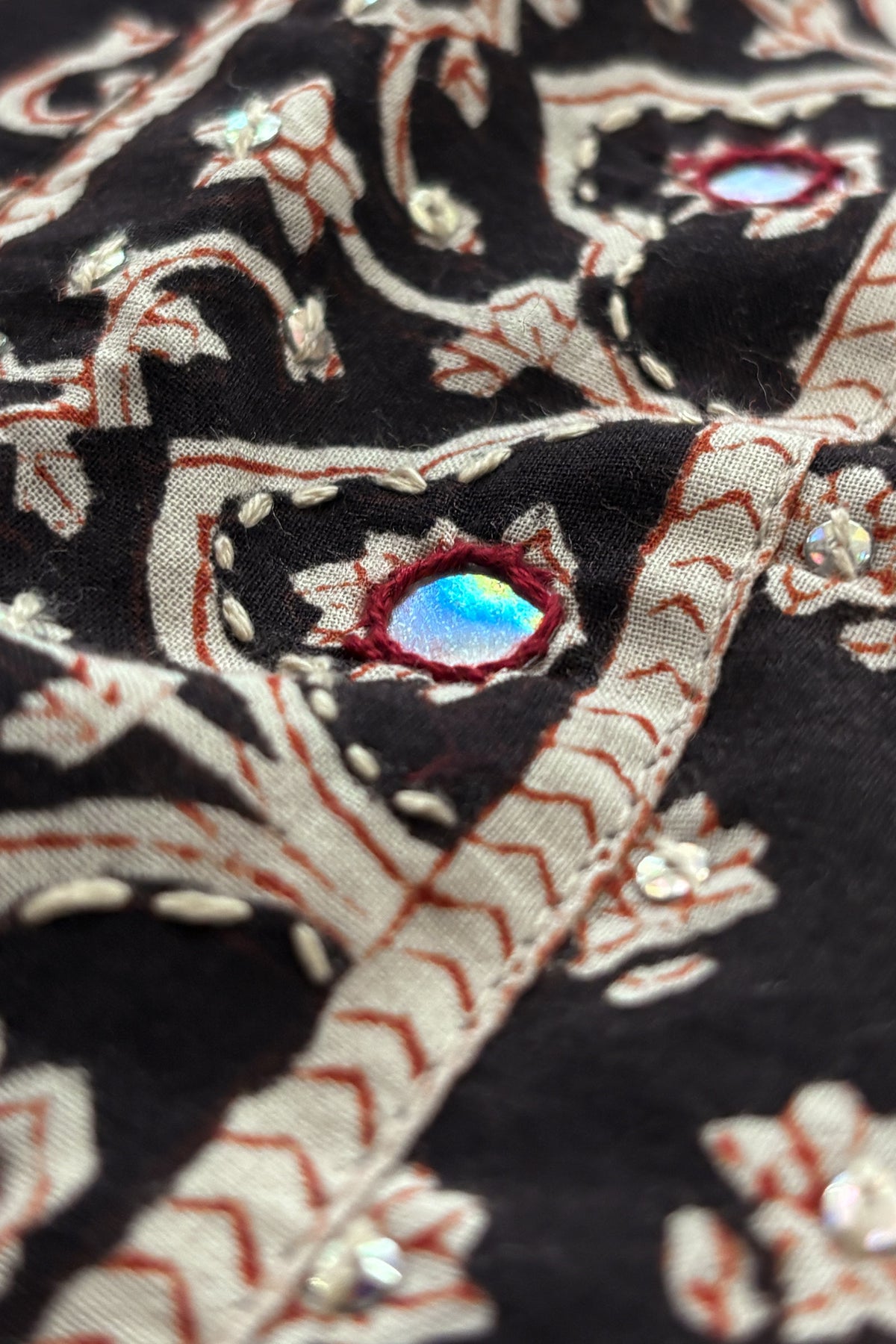
Ajrakh is a traditional form of block printing known for its symmetrical patterns and rich natural colours. The designs are usually geometric, with stars, trellises, and repeating motifs that create visual harmony across the fabric.
The craft relies entirely on hand carved wooden blocks. Each block prints a specific part of the design. Layer by layer, artisans build the pattern on the cloth, aligning every impression with care. Even the smallest misplacement can change the entire composition.
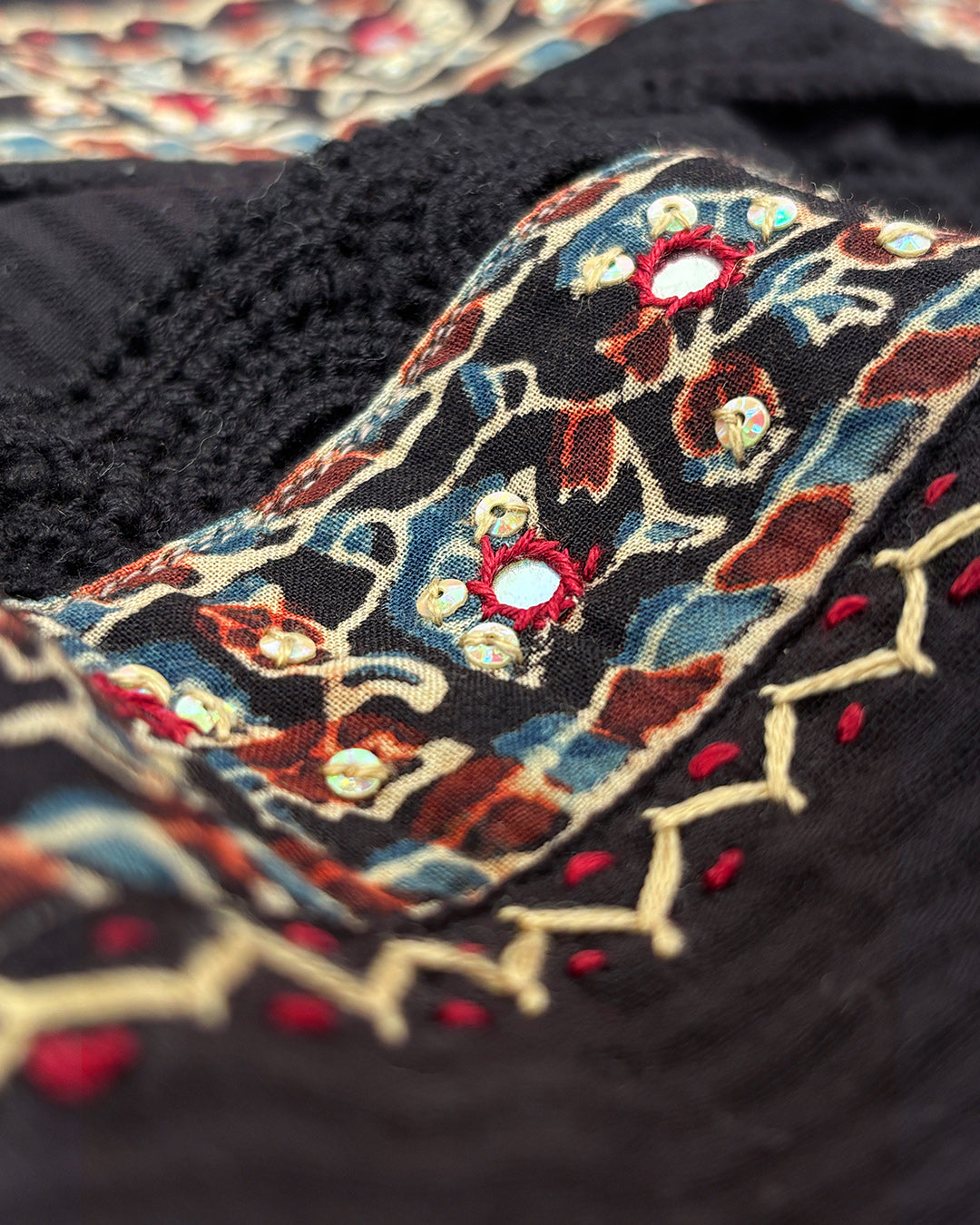
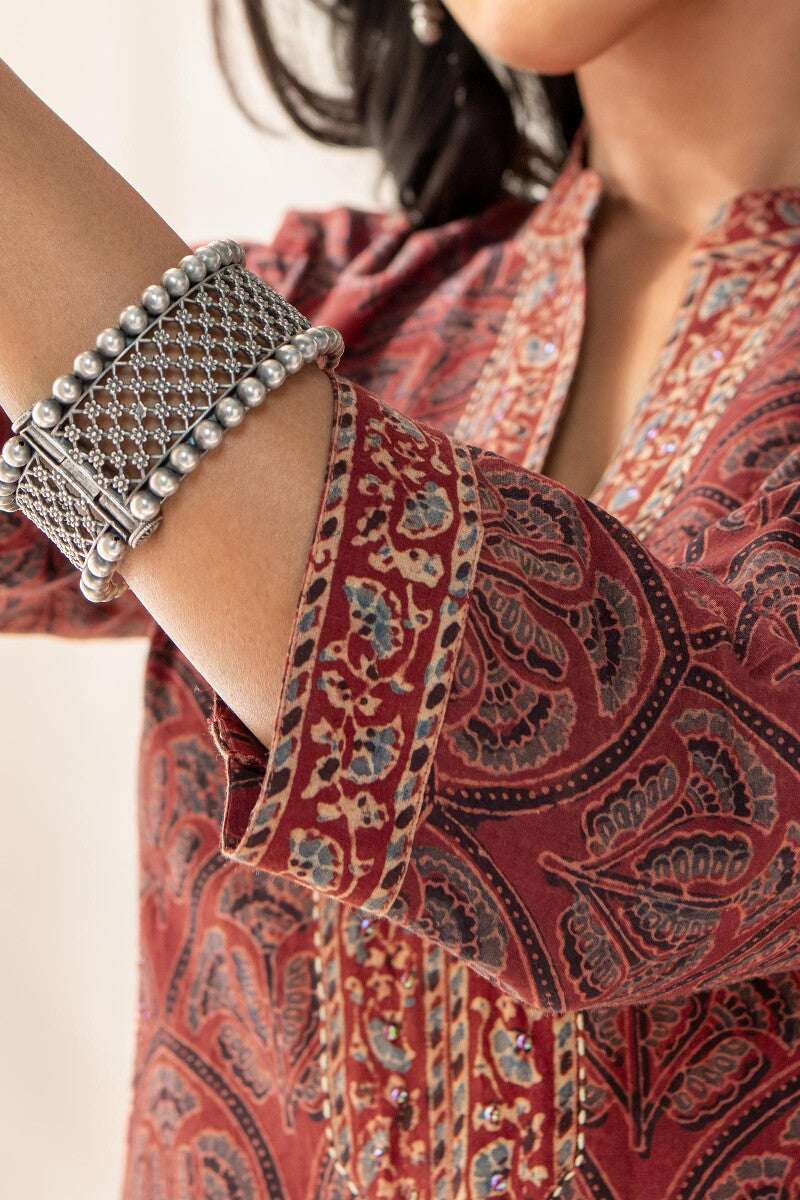
Indigo blue and deep red are the most recognisable colours in Ajrakh. These shades come from natural sources. Indigo plants provide the deep blue, while madder roots produce the warm red tones. Over time, artisans developed a complex process of dyeing and resist printing to achieve the layered depth that Ajrakh is known for.
When this craft finds its way into clothing, especially in Ajrakh block print kurtas, the result feels both traditional and effortlessly wearable. The patterns bring structure to the garment, while the natural dyes soften with every wash. It is this balance that makes Ajrakh kurta designs timeless rather than seasonal.
The History and Cultural Roots of Ajrakh
Ajrakh has travelled a long journey through history, shaped by communities, trade routes, and local traditions. While the craft continues to evolve, its cultural roots remain deeply respected.
Origins of Ajrakh Printing
Historians often trace Ajrakh printing back several centuries, with strong connections to the Indus Valley traditions of textile dyeing. The craft developed within artisan communities who passed their knowledge from one generation to the next.
The word “Ajrakh” itself is believed to come from the word azrak, meaning blue. Indigo played such an important role in the craft that the colour became part of its identity.
Over time, the printing methods became more refined. Artisans perfected techniques of resist printing, natural dyeing, and multiple wash cycles to achieve the distinctive depth seen in Ajrakh textiles today.
Ajrakh in Rajasthan and Gujarat
As communities moved and trade expanded, Ajrakh found strong homes in parts of western India, particularly in Kutch in Gujarat and regions of Rajasthan. These areas became important centres for the craft.
In Kutch, artisan families dedicated their lives to mastering Ajrakh block printing. The dry climate, mineral rich water, and traditional dyeing knowledge created conditions where the craft could thrive. Even today, many of the finest Ajrakh kurta patterns originate from these regions.
Rajasthan also embraced the craft through its long tradition of block printing. Ajrakh prints blended naturally with the region’s textile heritage, appearing in garments, turbans, and everyday wear.
Today, when we discover an Ajrakh print cotton kurta online, we are witnessing the continuation of this long journey from craft clusters to contemporary wardrobes.
Ajrakh as a Symbol of Heritage
Ajrakh is more than a decorative textile. For many communities, it carries identity and meaning.
The patterns themselves often follow strict symmetry, reflecting ideas of balance and harmony. Colours are not chosen randomly either. Indigo represents depth and calm, while red carries warmth and vitality. Together, they create a visual language that has remained remarkably consistent through time.
Even as Ajrakh appears in modern silhouettes like the Ajrakh print kurta, the essence of the craft remains unchanged. Each piece still begins with carved blocks, natural dyes, and the patient rhythm of handwork.
That is perhaps why Ajrakh continues to feel relevant today. It reminds us that clothing can hold more than design. It can hold stories, landscapes, and the quiet dedication of the hands that made it.
The Complete Ajrakh Making Process
Ajrakh is not a quick craft. It unfolds slowly, through patience and repetition. Every motif you see on an Ajrakh kurta carries hours of careful work, often spread across many days.
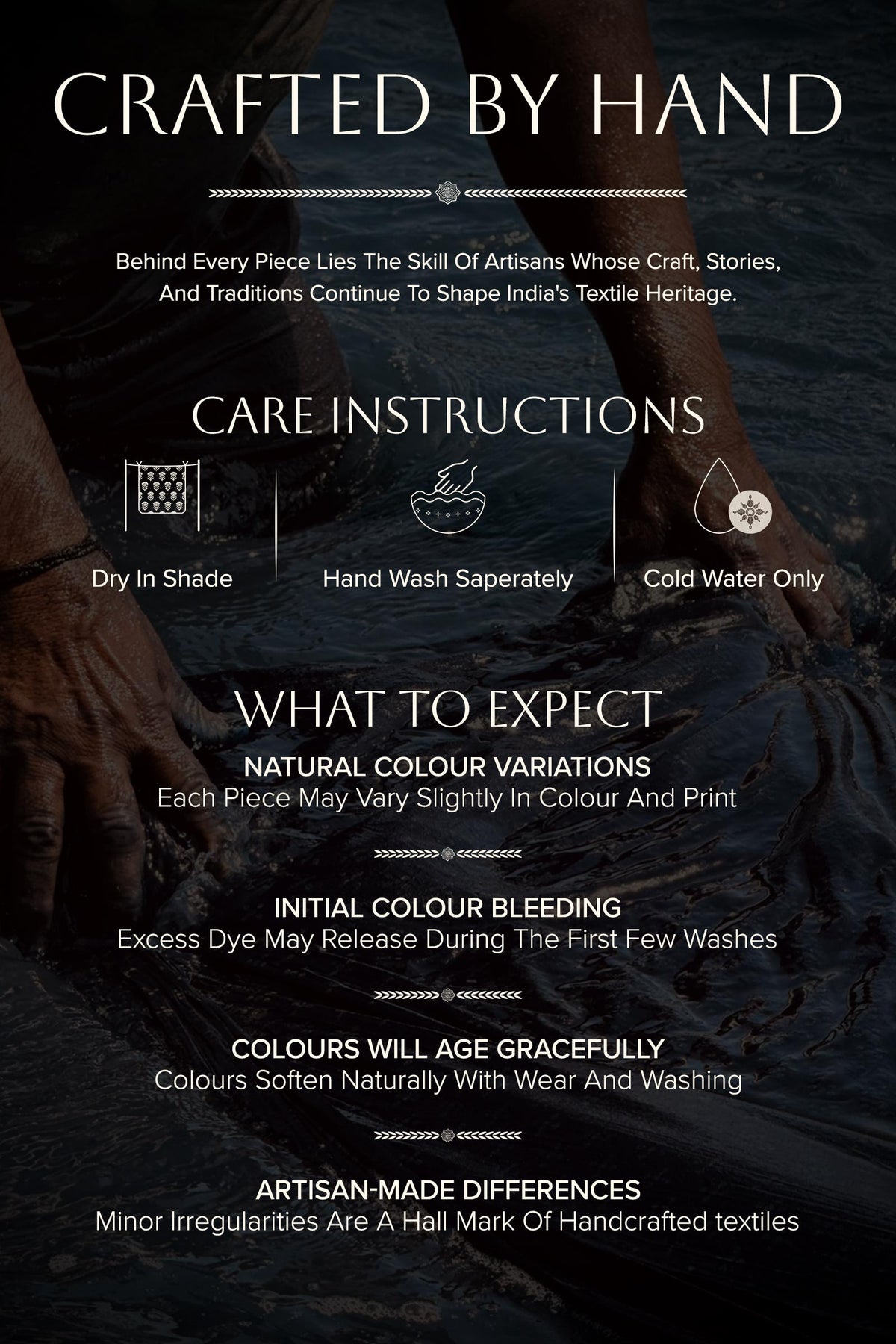
The process relies on hand carved wooden blocks, natural dyes, and a rhythm of printing, washing, and drying. Nothing is rushed. Each stage prepares the fabric for the next, allowing the colours and patterns to settle naturally into the cloth.
By the time an Ajrakh print kurta is ready to wear, the fabric has travelled through several thoughtful steps, guided entirely by the artisan’s hand.
Step 1 – Preparing the Fabric
The journey begins with plain cotton fabric. Before any printing can happen, the cloth must be cleaned thoroughly to remove starch, dust, and factory residues.
The fabric is soaked and washed several times, often in flowing water. This step softens the cotton and allows it to absorb dyes properly later. For pieces like an Ajrakh cotton kurta, this preparation is essential. Without it, the colours would sit on the surface rather than become part of the fabric.
Only when the cloth is completely ready does the printing begin.
Step 2 – Treating the Fabric with Natural Ingredients
Next comes a traditional treatment using natural materials. Artisans often use ingredients like castor oil, camel dung, soda ash, and natural gums. While it may sound unusual, these elements play an important role.
They help the cotton fibres open up and create the right base for printing. The treatment also improves colour absorption and ensures the patterns remain sharp after dyeing.
This stage reflects the deep understanding artisans have developed over generations. It is one reason why authentic Ajrakh block print kurtas carry such depth in colour and texture.
Step 3 – Block Printing the Base Design
Once the fabric is prepared, the first printing begins. Wooden blocks, each carved with precise geometric motifs, are dipped into a paste made from natural ingredients.
The artisan presses the block onto the cloth with steady hands, repeating the pattern across the fabric. Alignment is crucial. A single Ajrakh print kurta design may involve several blocks layered carefully over one another.
This is where the familiar symmetry of Ajrakh kurta patterns begins to appear.
Step 4 – Applying Resist Printing
Resist printing is what allows Ajrakh to create layered colours. Certain parts of the design are covered with a resist paste, which prevents dye from reaching those areas.
When the fabric later goes into dye baths, these protected sections retain their original colour. After washing, the hidden patterns reveal themselves clearly.
This method gives Ajrakh print kurta designs their characteristic depth, where blues, reds, and blacks appear within intricate borders and repeating motifs.
Step 5 – Dyeing with Natural Colors
Natural dyes are then introduced. Indigo is one of the most recognisable colours in Ajrakh, along with deep reds made from madder root.
The printed fabric is dipped into dye vats and then dried under the sun. Sometimes this step is repeated several times to deepen the shade. The colours slowly build richness, rather than appearing all at once.
This careful dyeing is what gives an Ajrakh cotton kurta its distinctive, earthy palette.
Step 6 – Multiple Wash and Print Cycles
Ajrakh printing rarely ends after one round. The fabric moves through repeated cycles of washing, drying, and printing.
Each cycle adds another layer of detail or colour. Some designs require three to four rounds of printing before the final pattern is complete.
This layered approach is why authentic Ajrakh kurtas online often display such intricate motifs. The depth you see is the result of time and repetition.
Step 7 – Final Washing and Finishing
Once the printing and dyeing are complete, the fabric is washed thoroughly to remove excess dye and paste. It is then dried naturally in the open air.
The finished cloth feels soft and breathable, ready to be tailored into garments. When transformed into an Ajrakh printed cotton kurta, the fabric carries both the craft and the patience behind it.
Every motif holds a story of careful hands and inherited knowledge.
Conclusion
Ajrakh printing is a quiet collaboration between artisan, nature, and time. From the first preparation of cotton to the final wash, each step contributes to the depth and character of the fabric.
When we wear an Ajrakh print kurta, we are not simply wearing a pattern. We are carrying a craft that has travelled through generations, shaped by rivers, natural dyes, and the rhythm of hand carved blocks.
The colours may soften with time, but the craft behind them never fades.

