



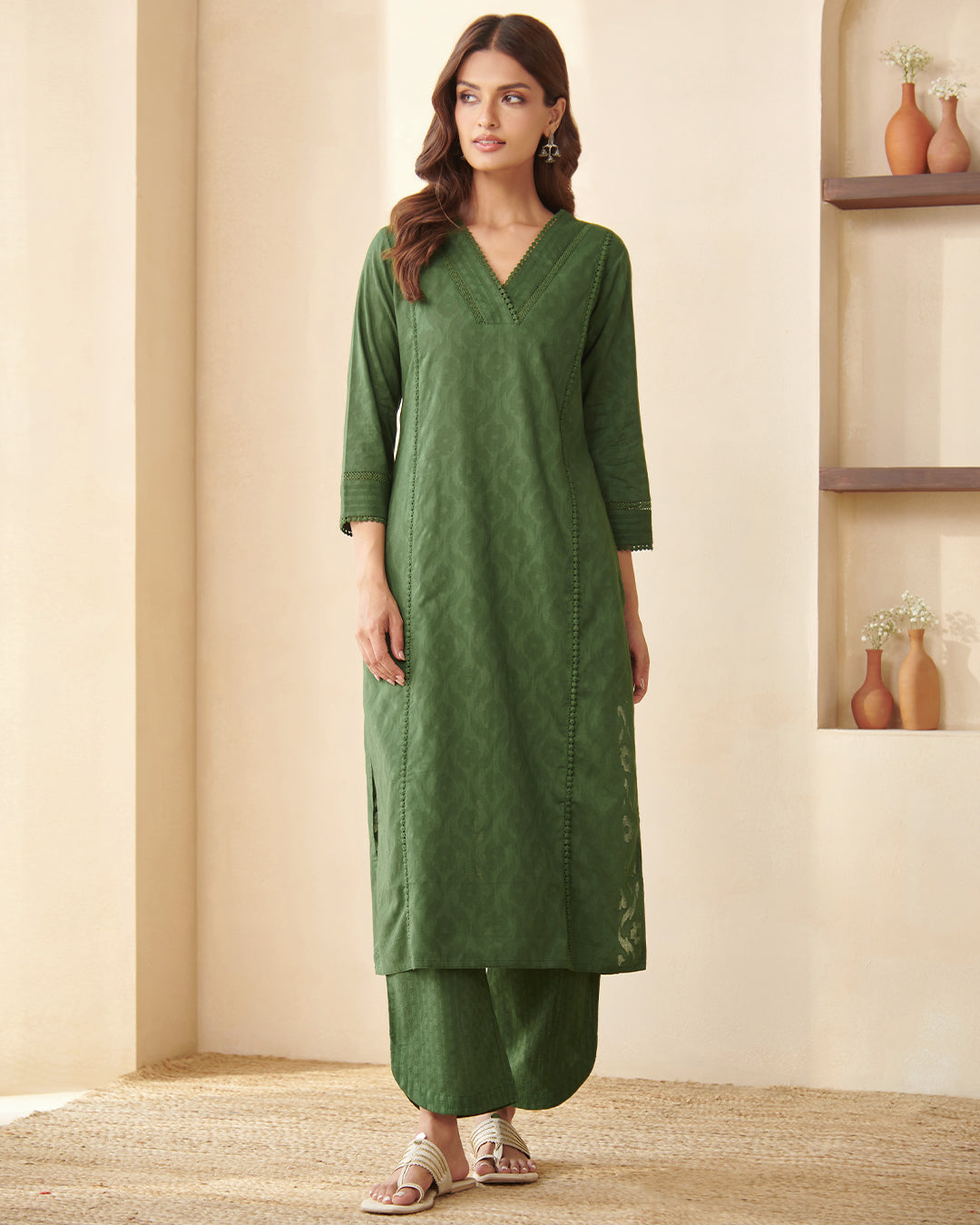
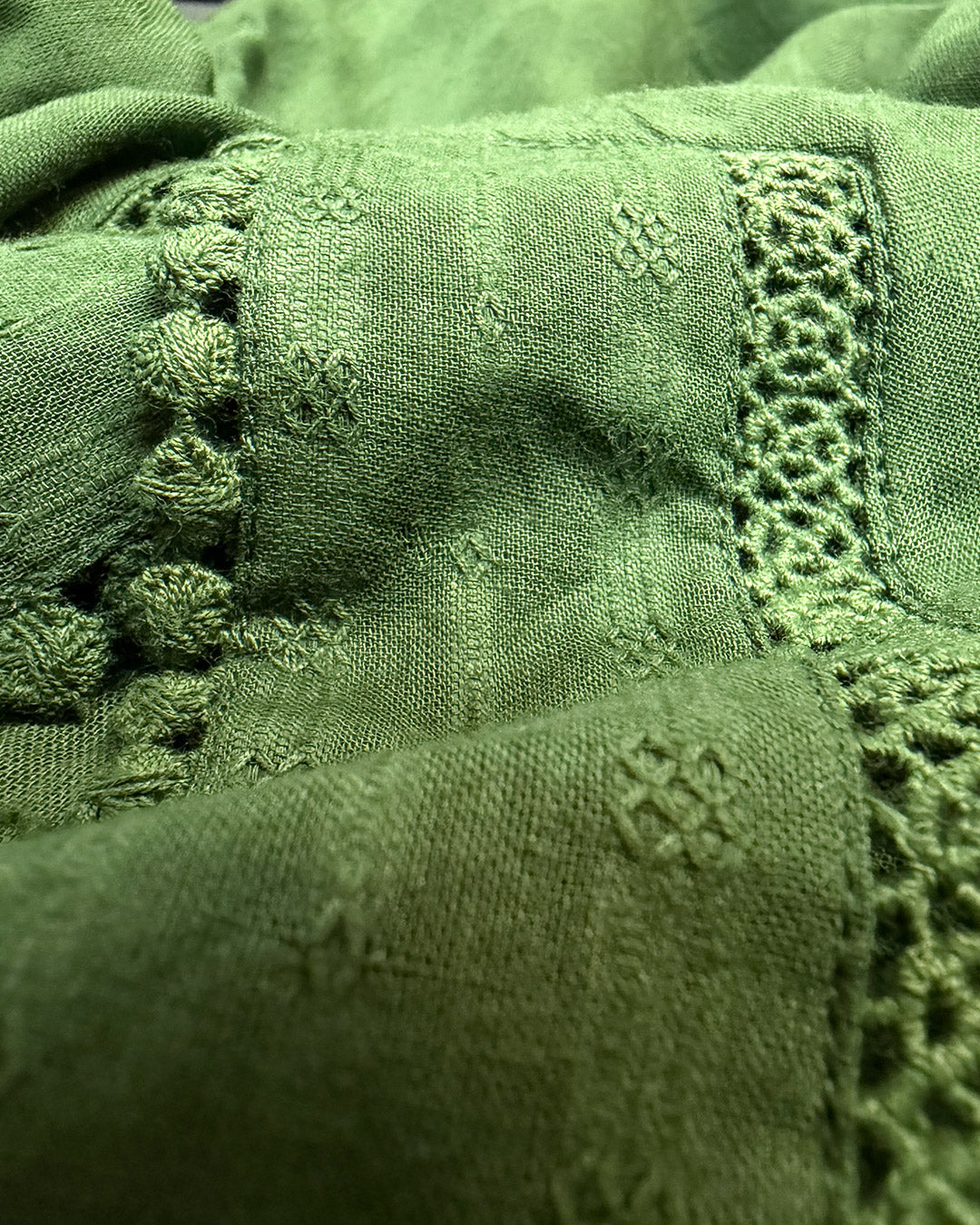
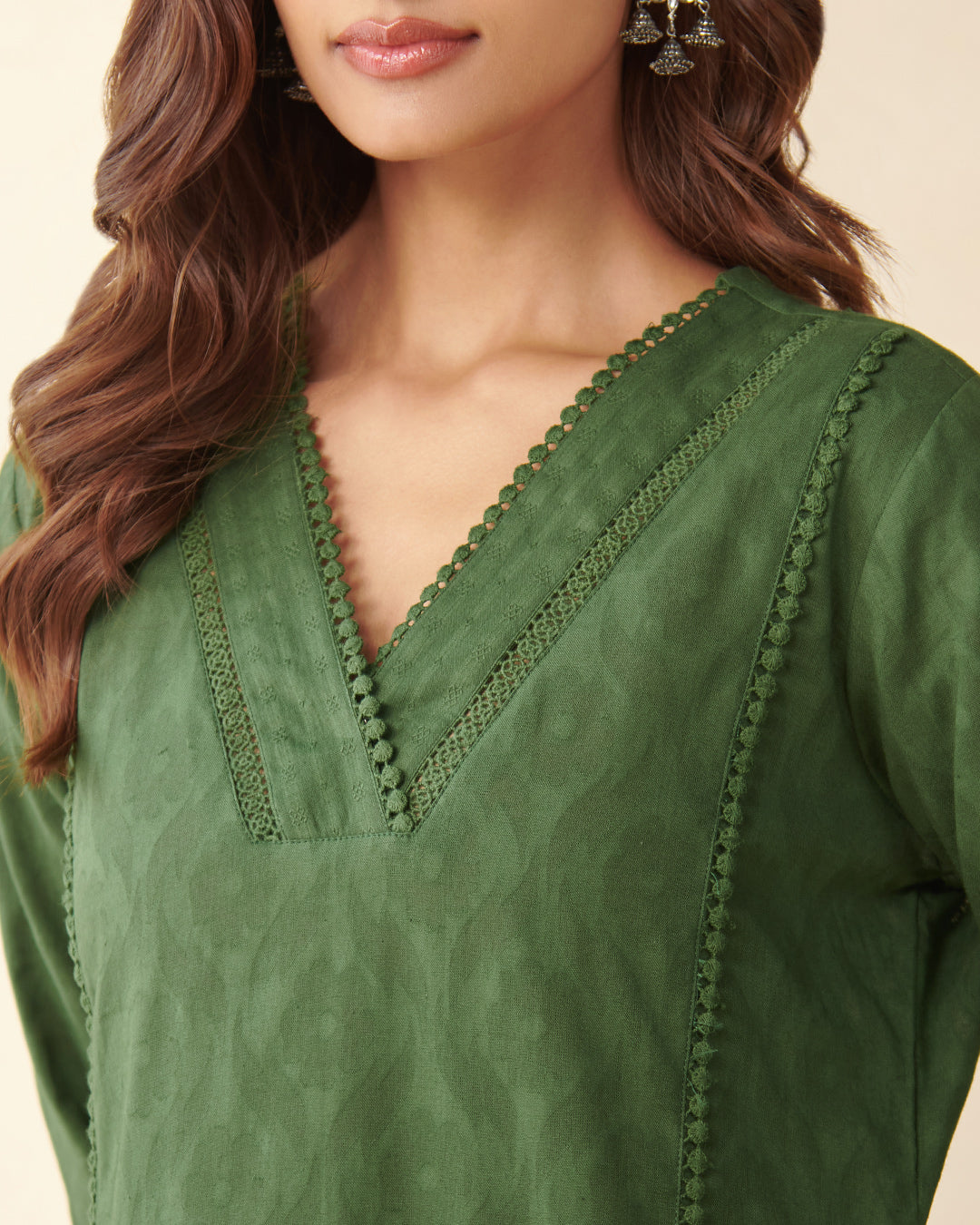
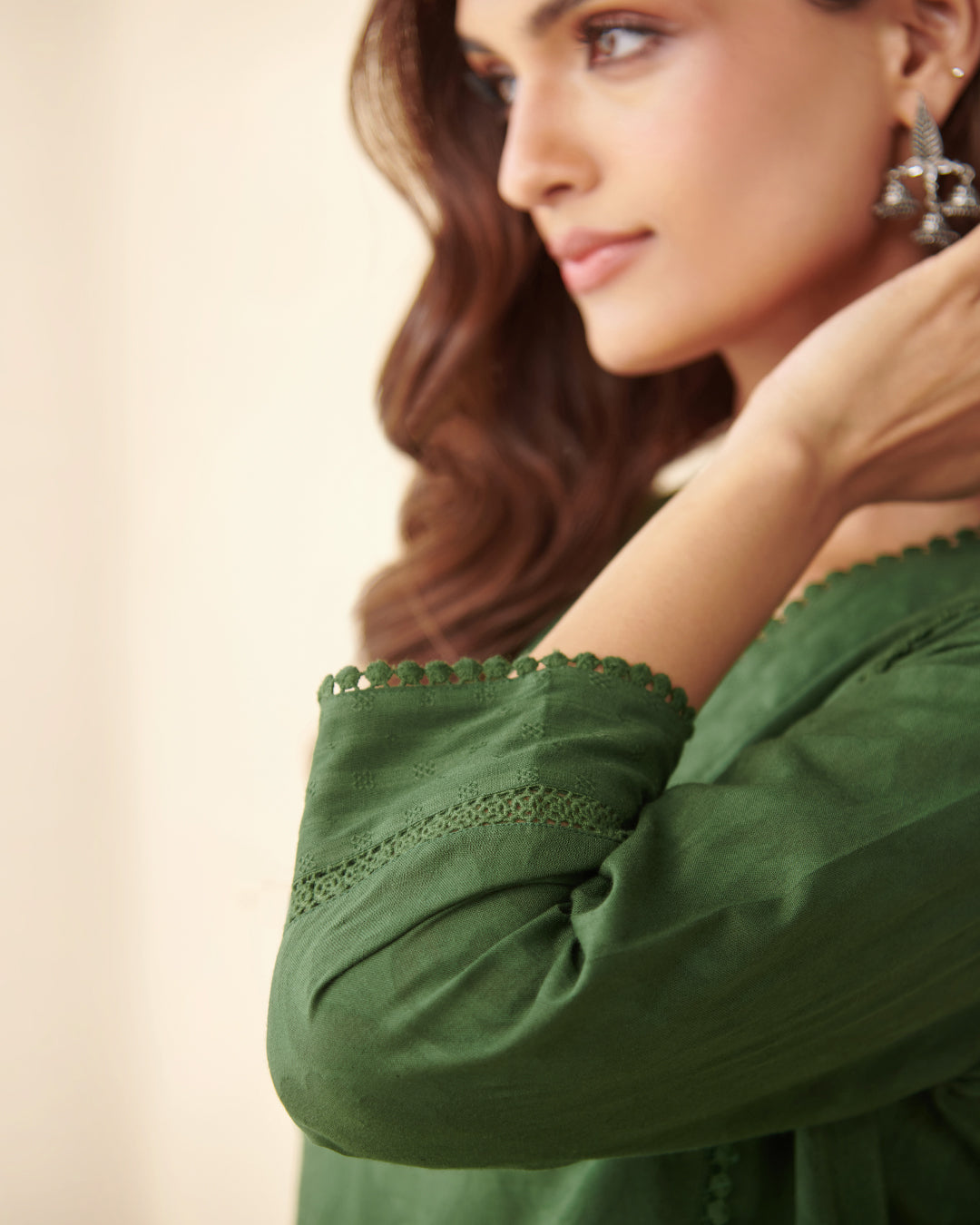
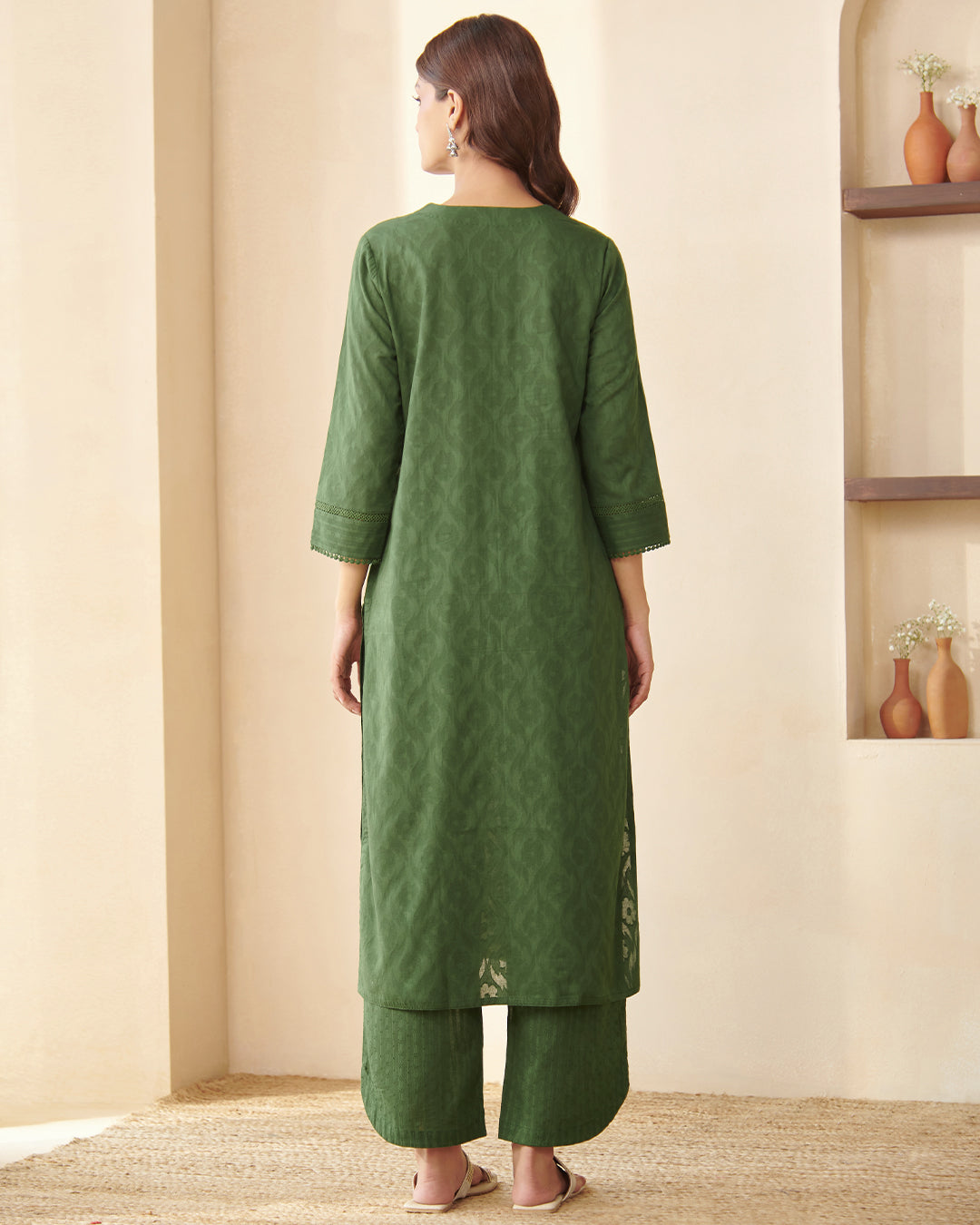
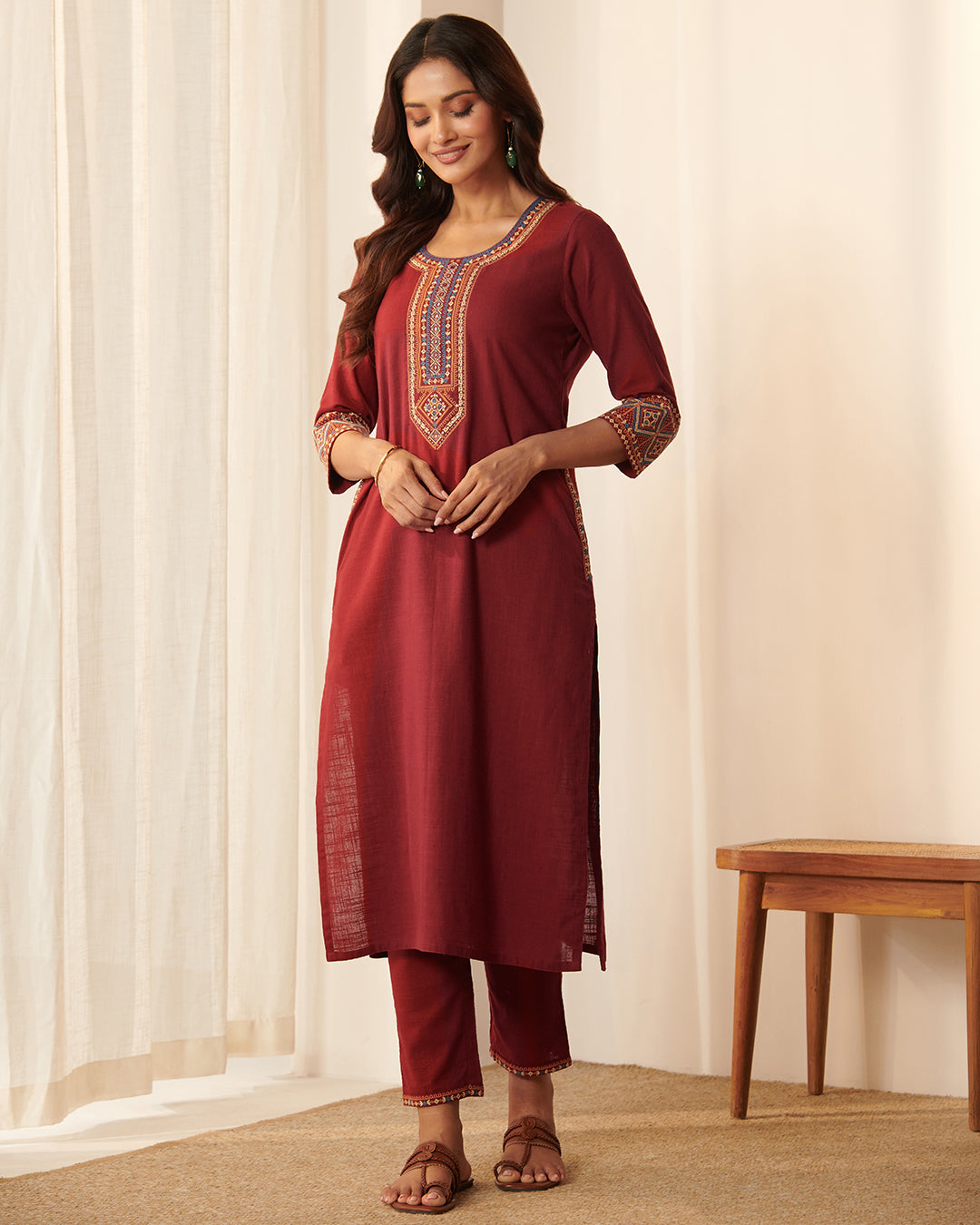


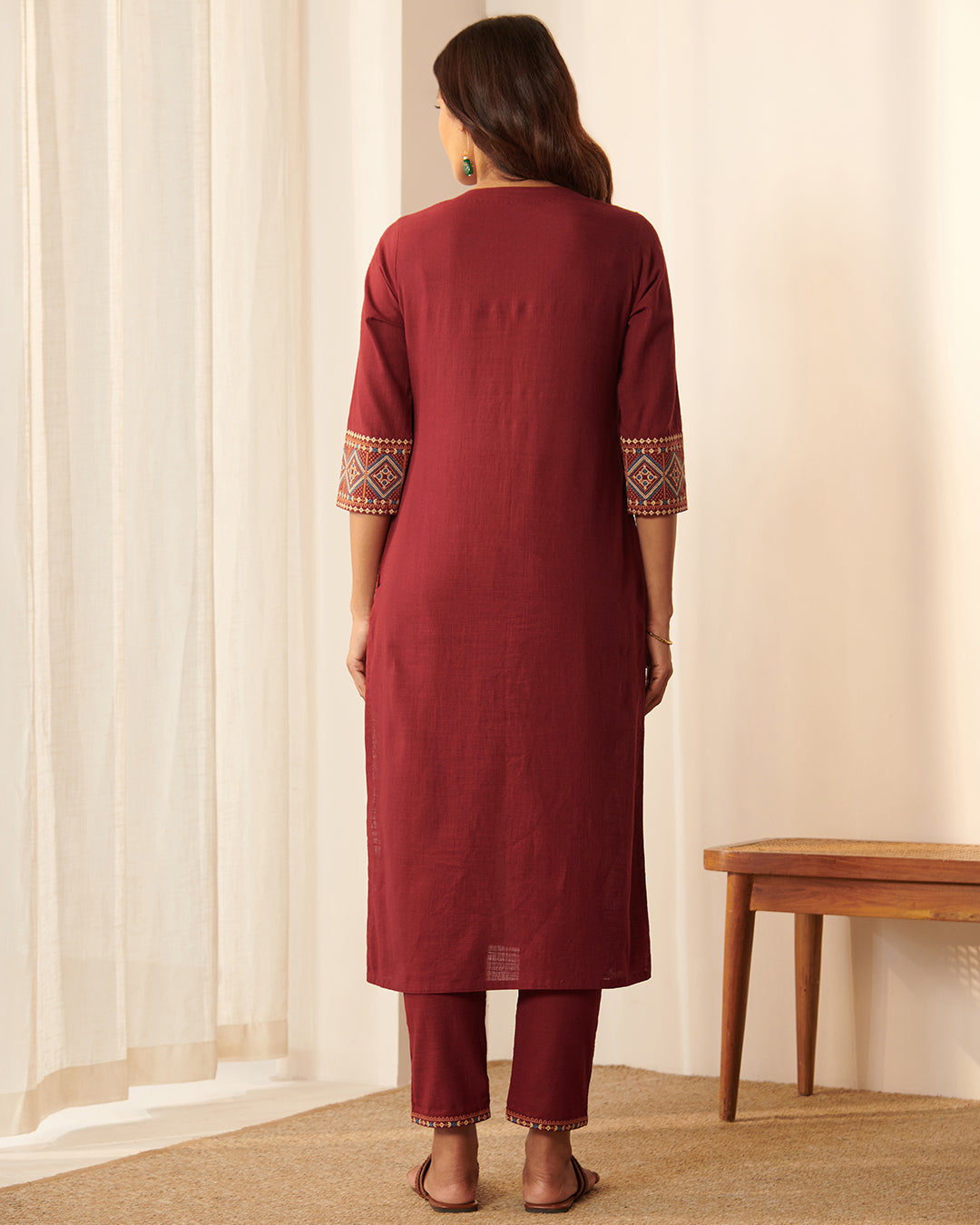
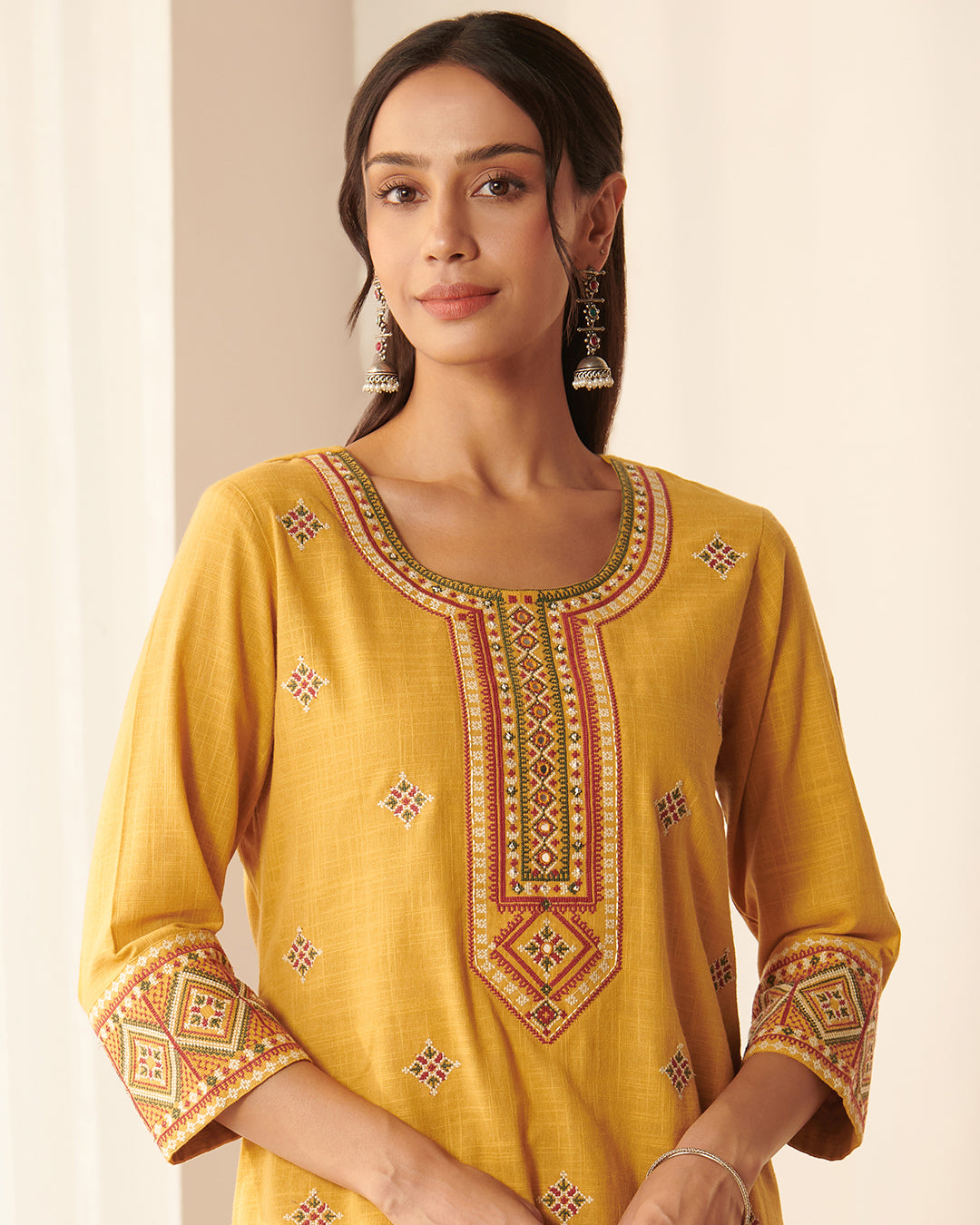
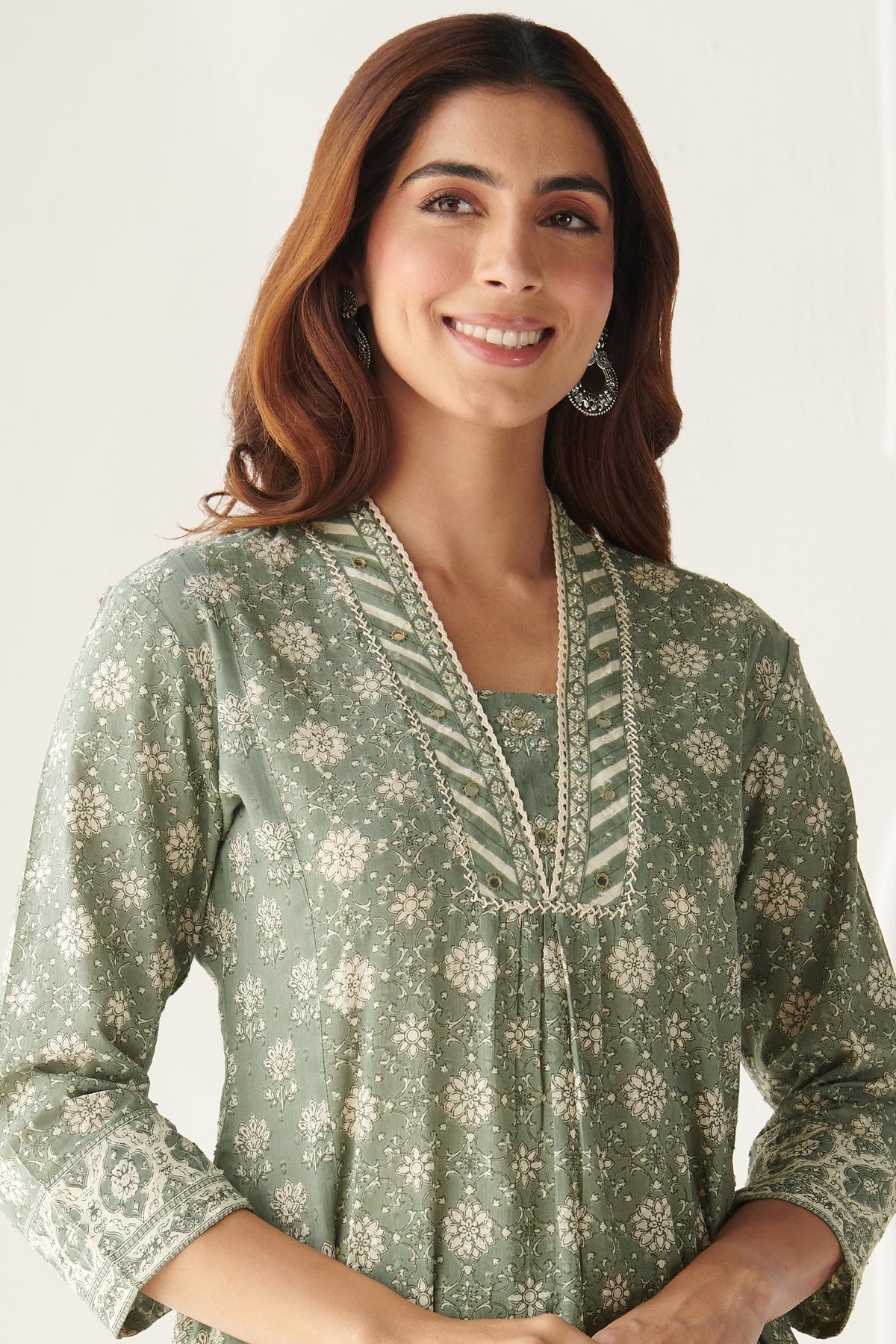
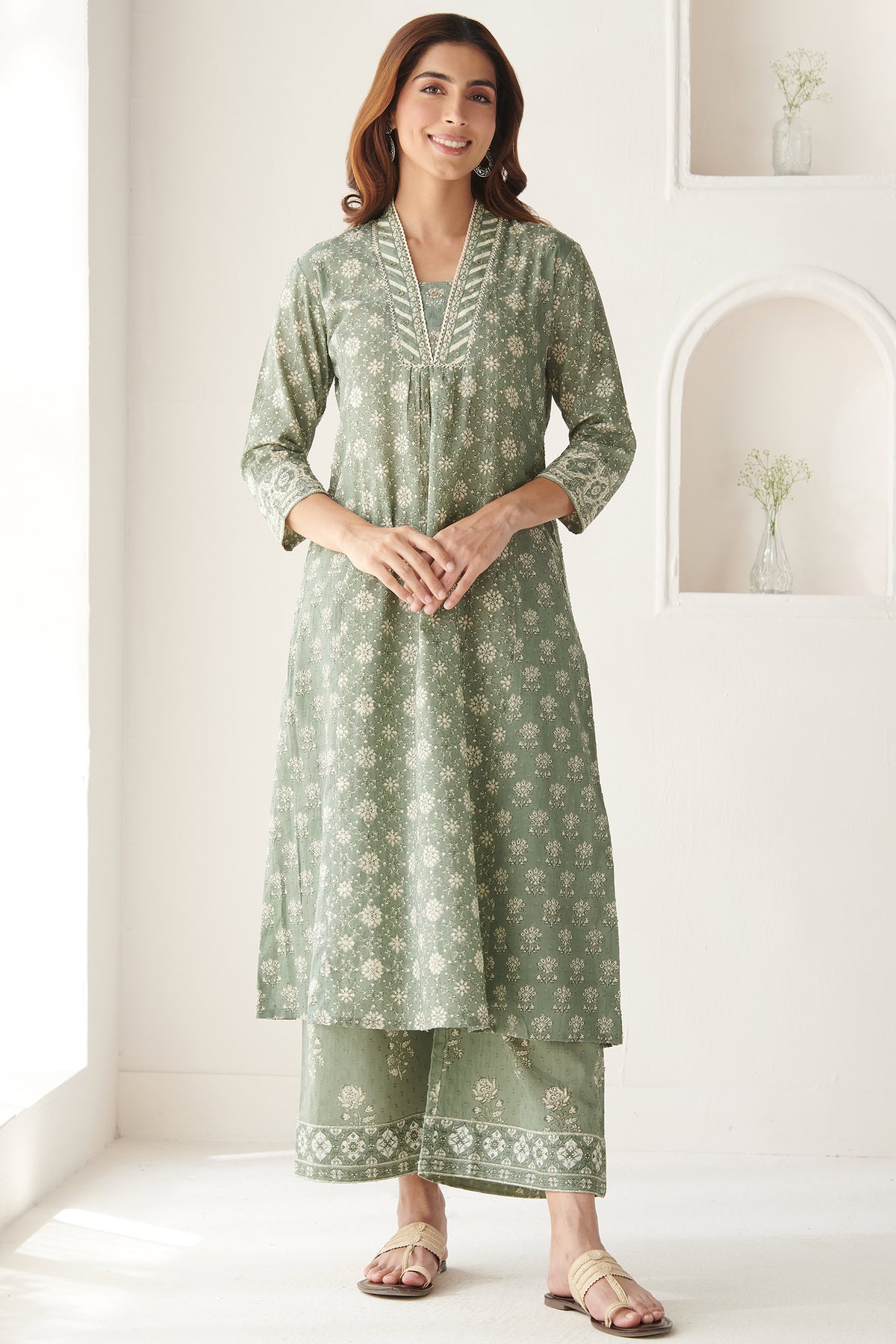
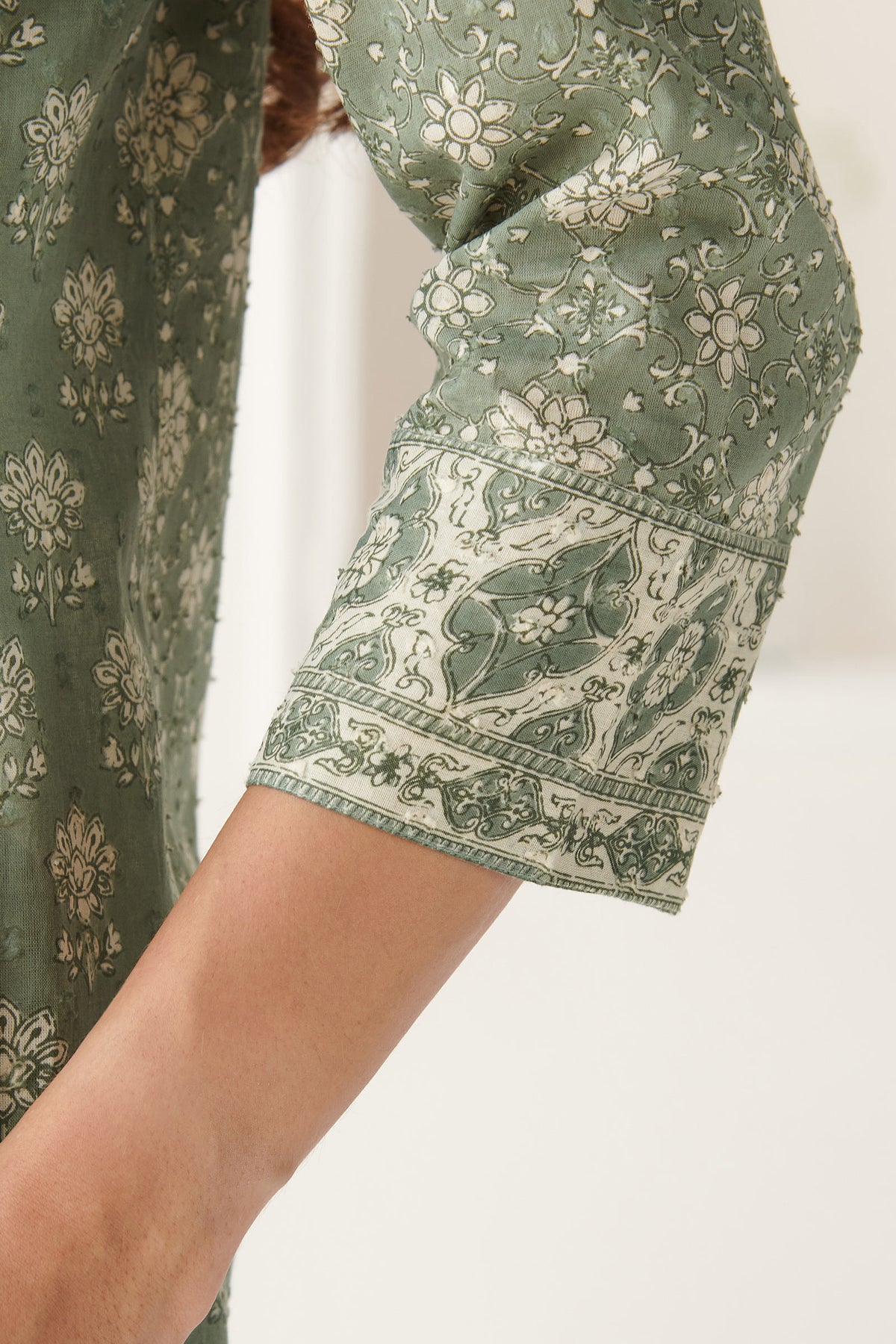
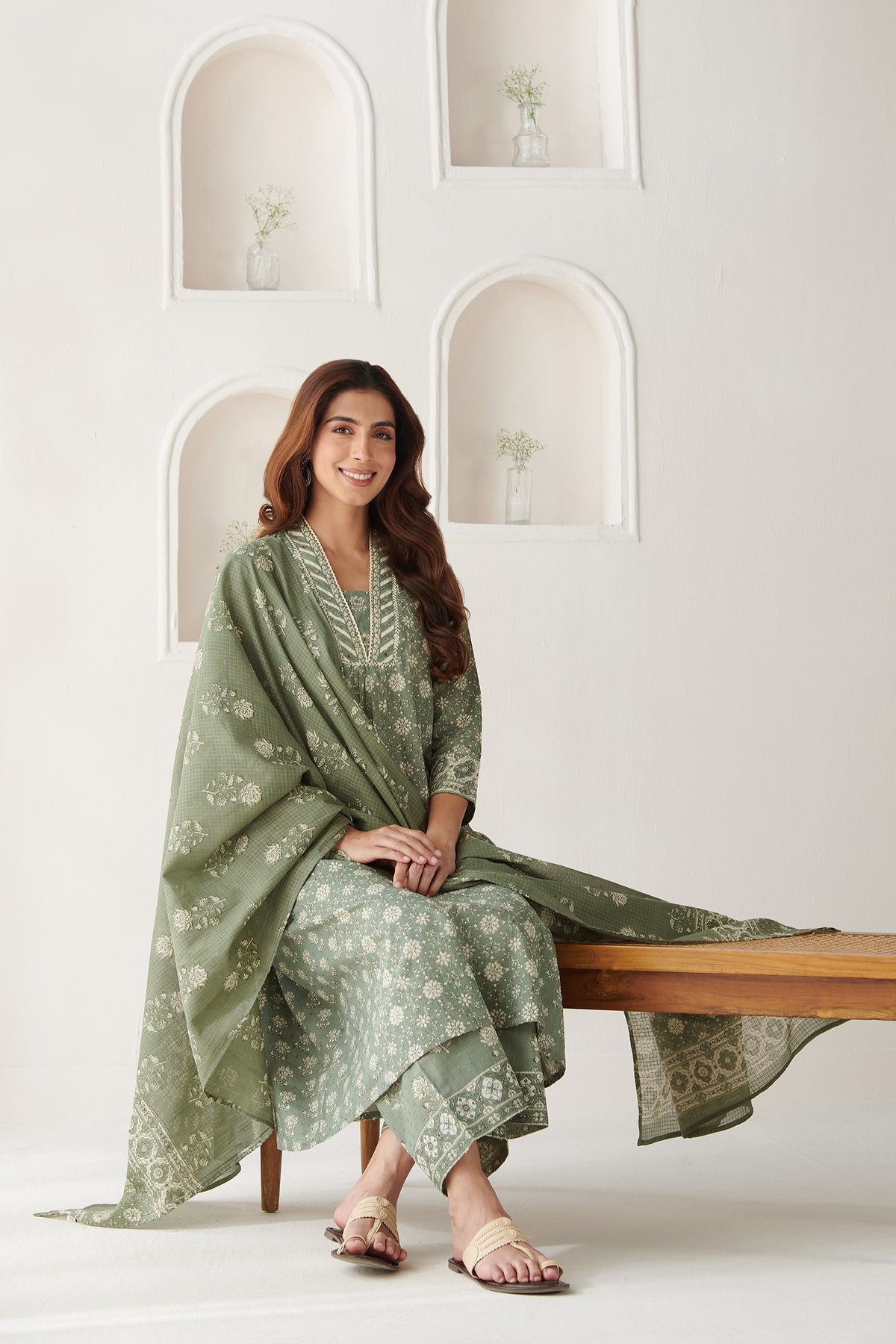
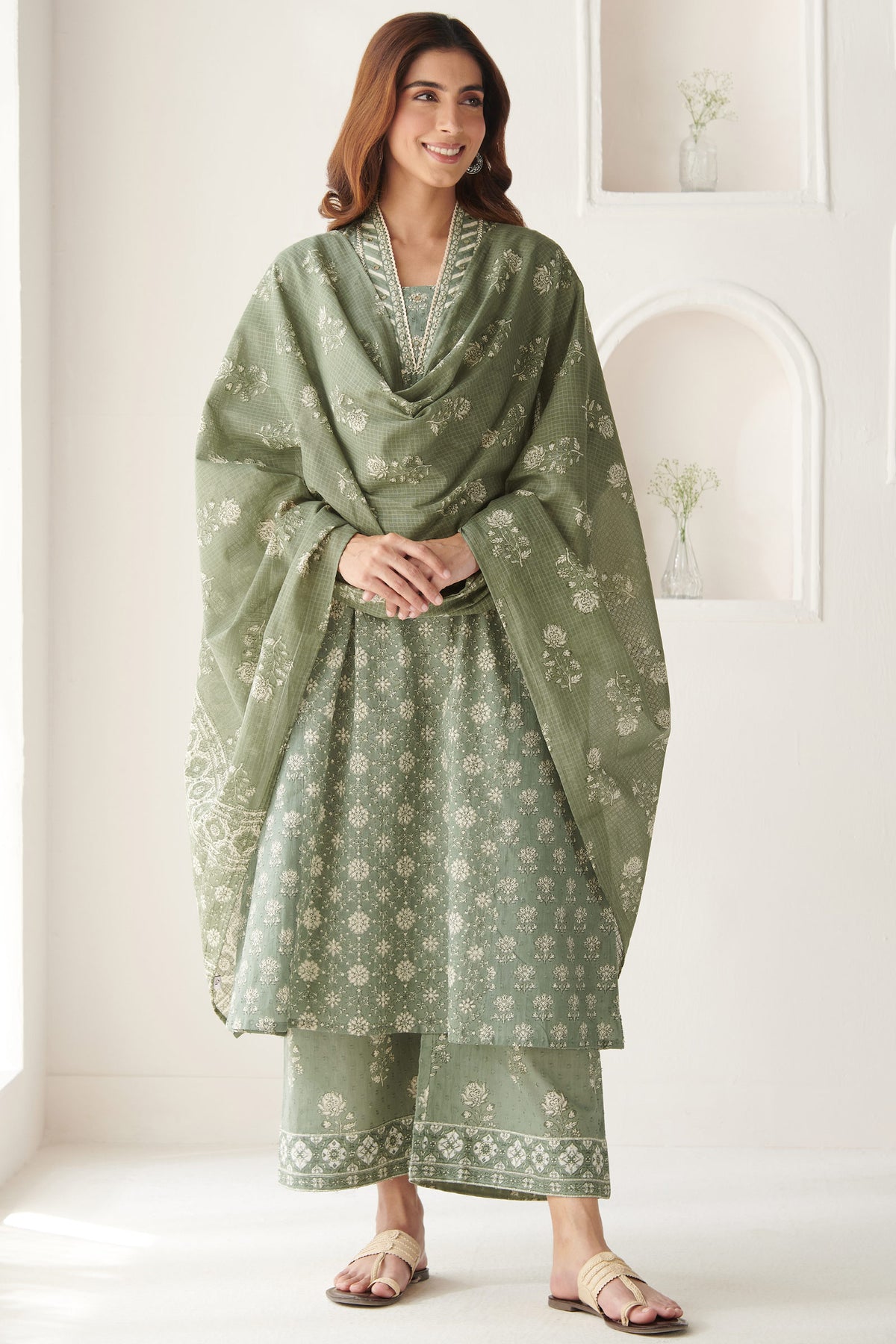
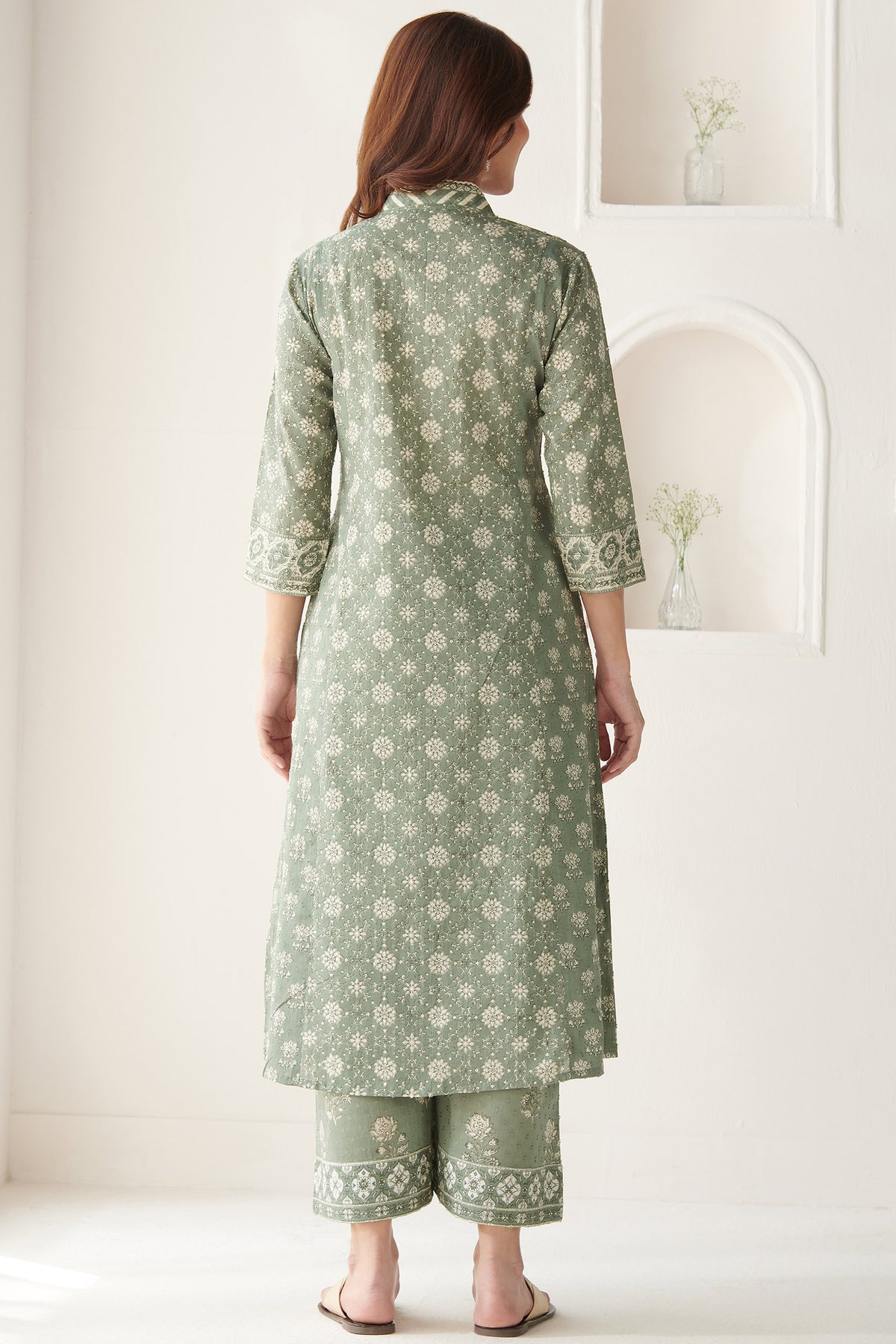
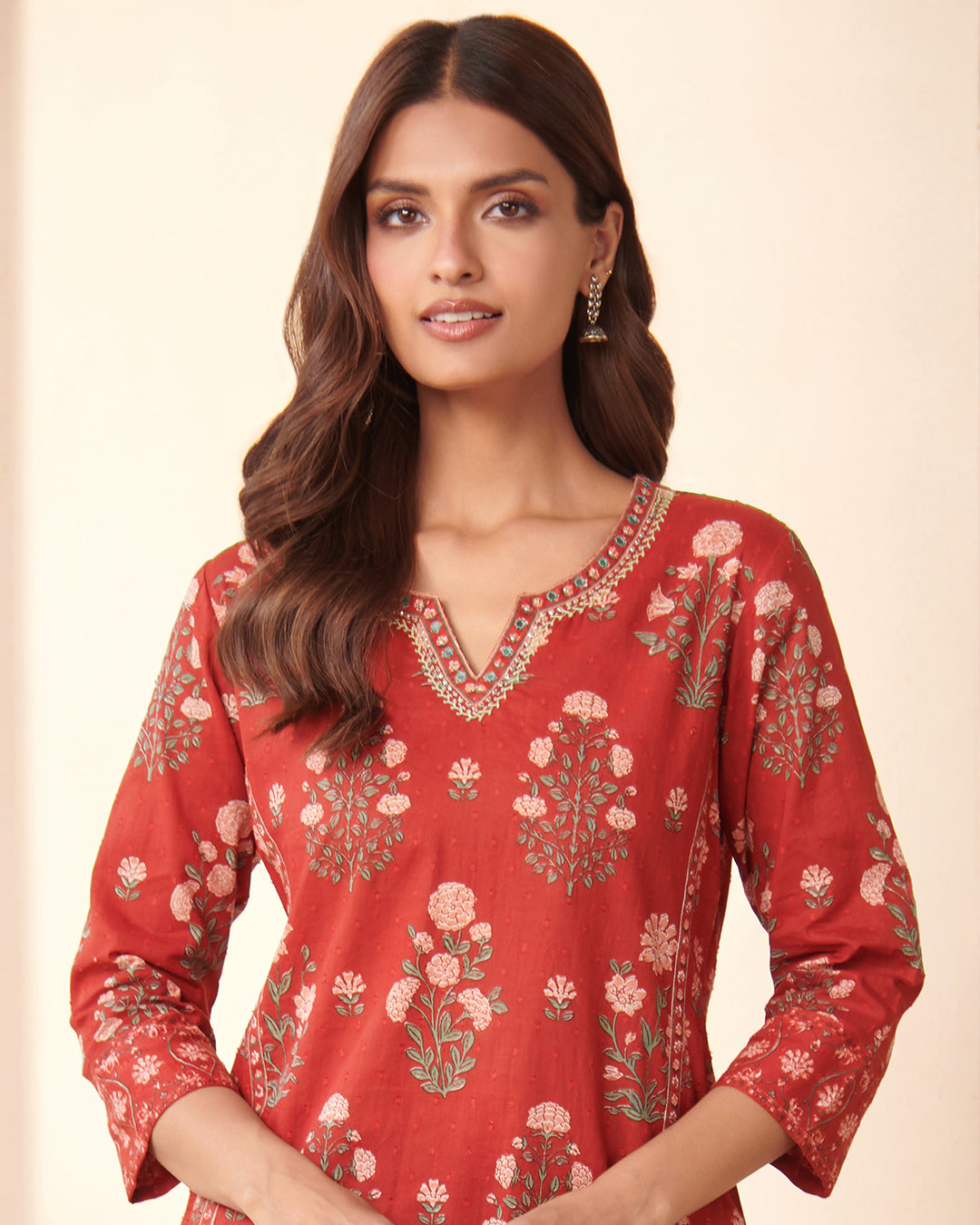
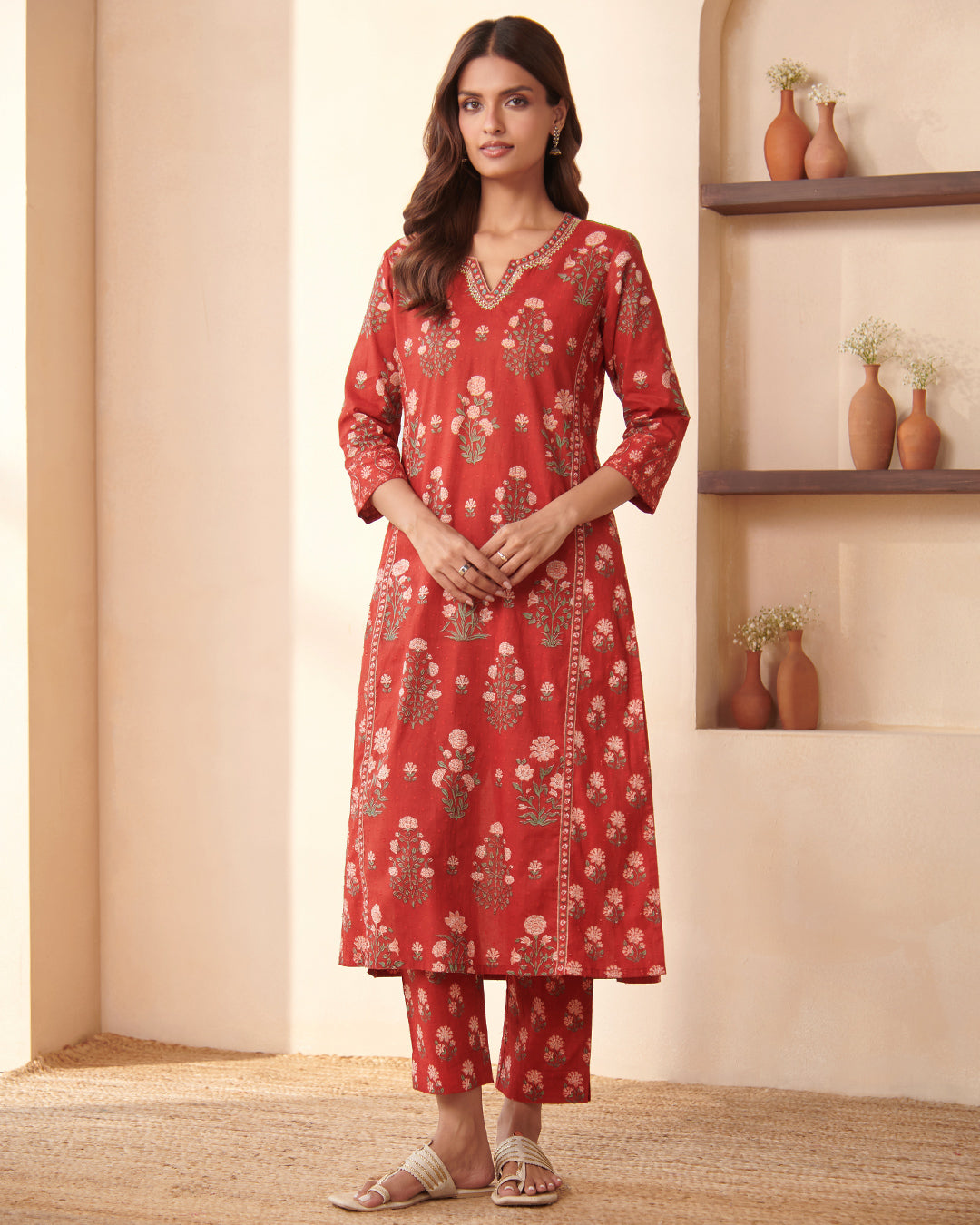
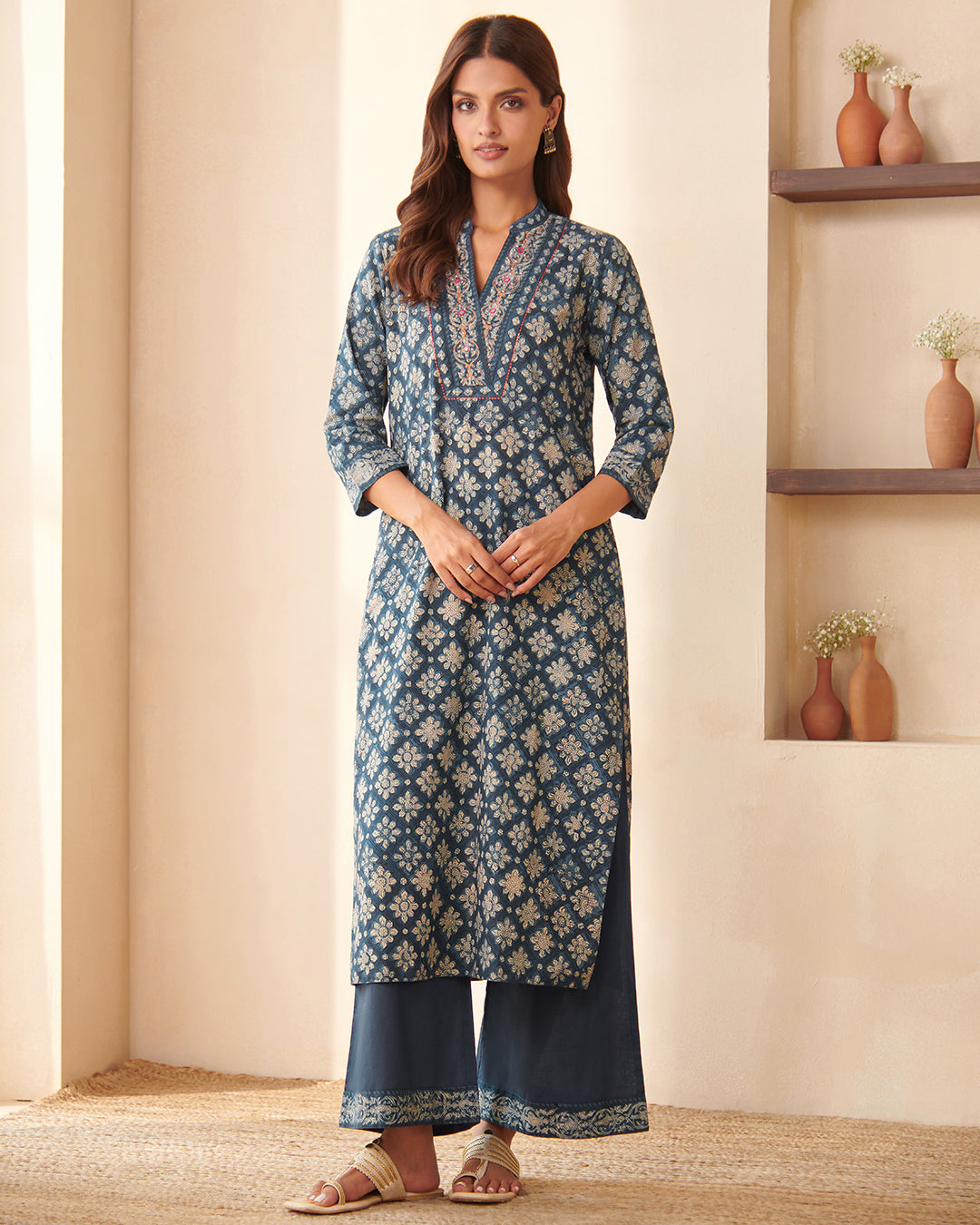

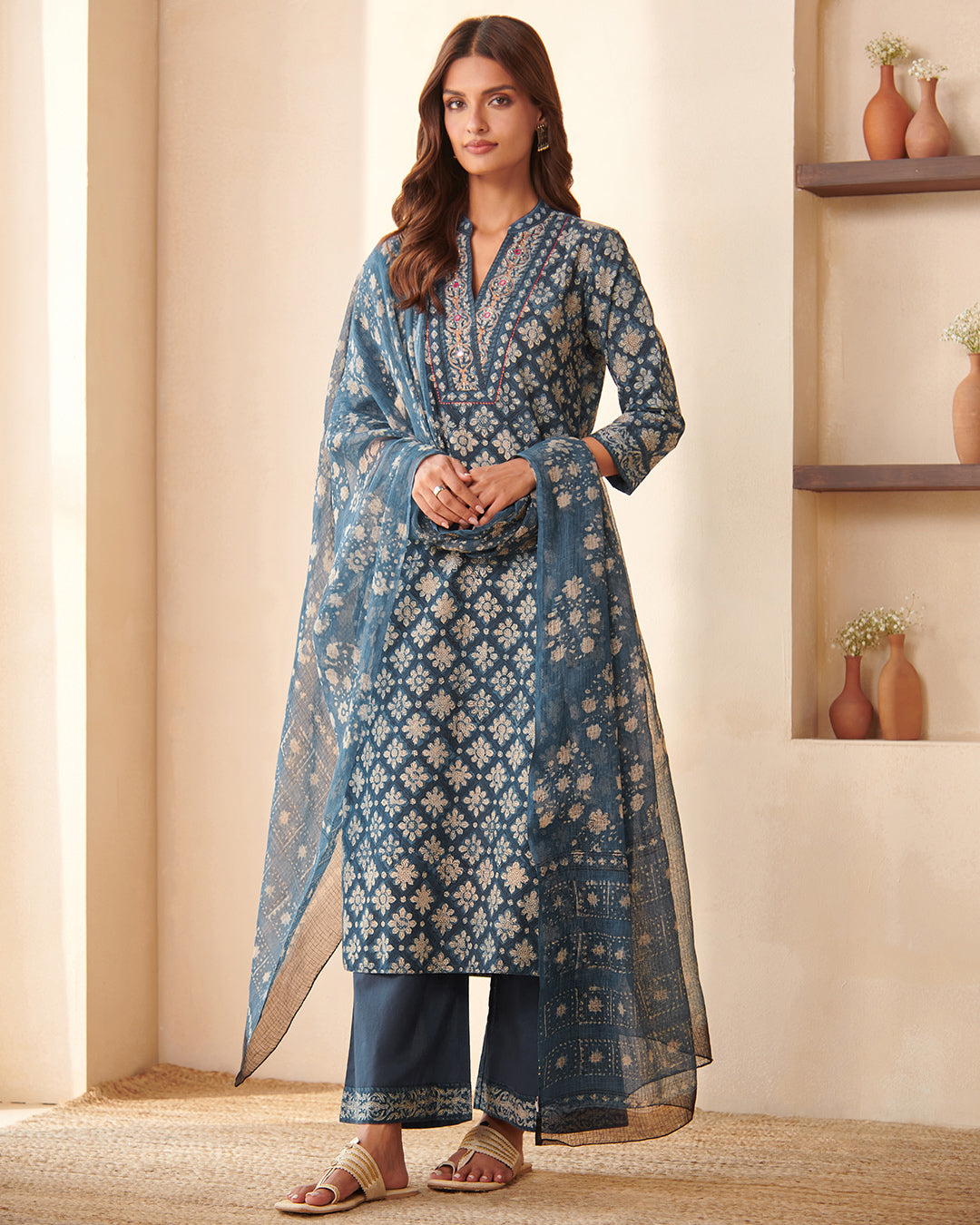
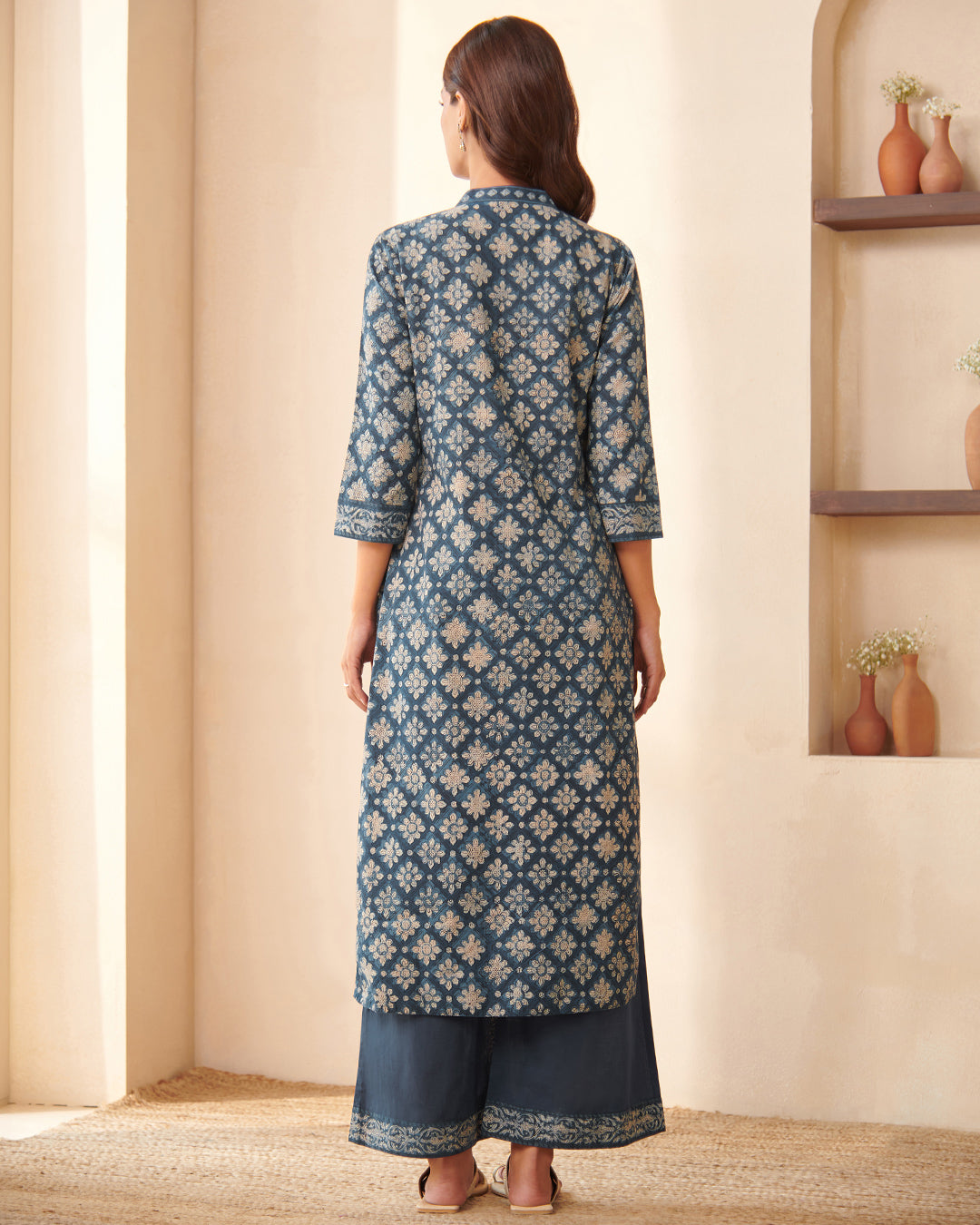
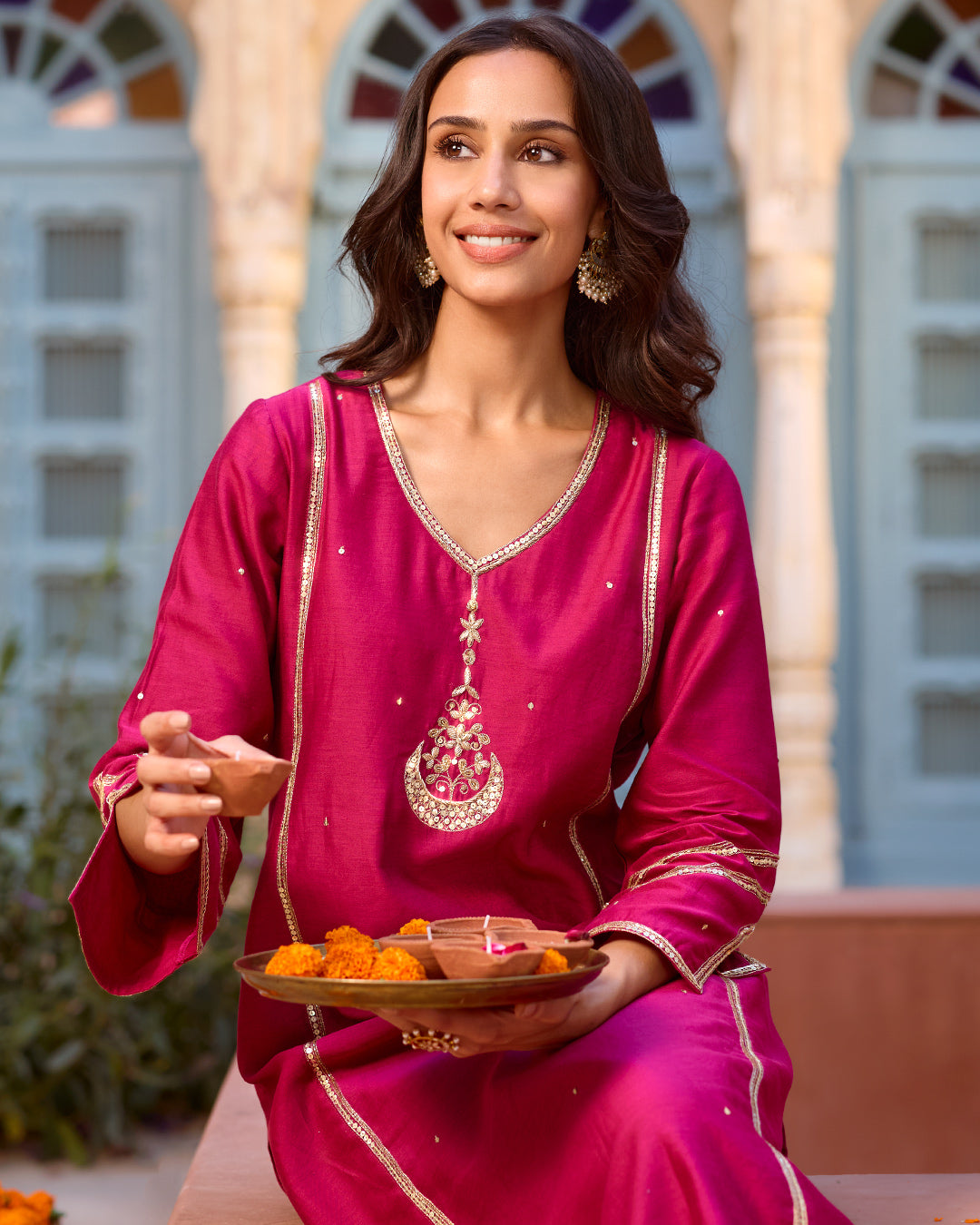
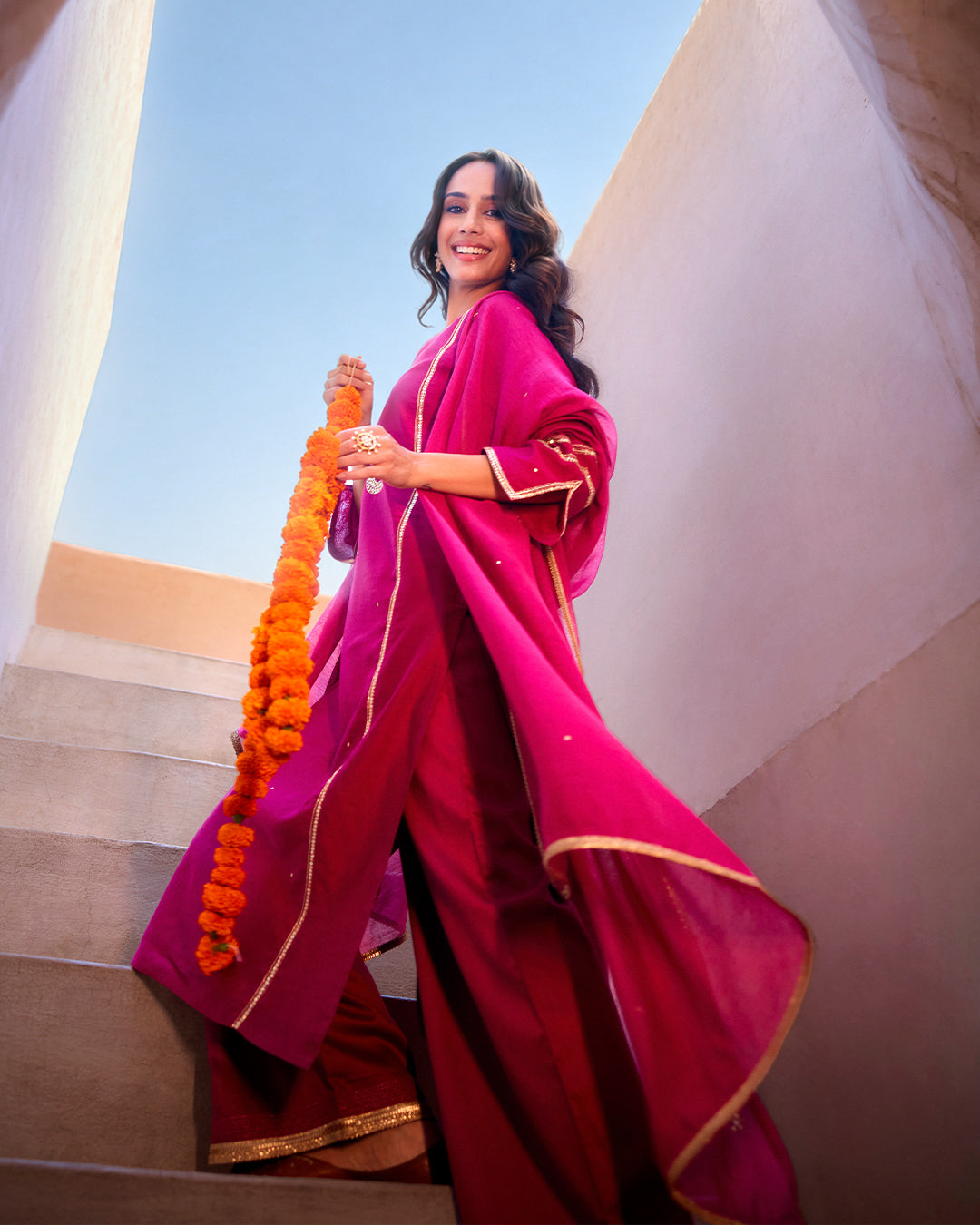
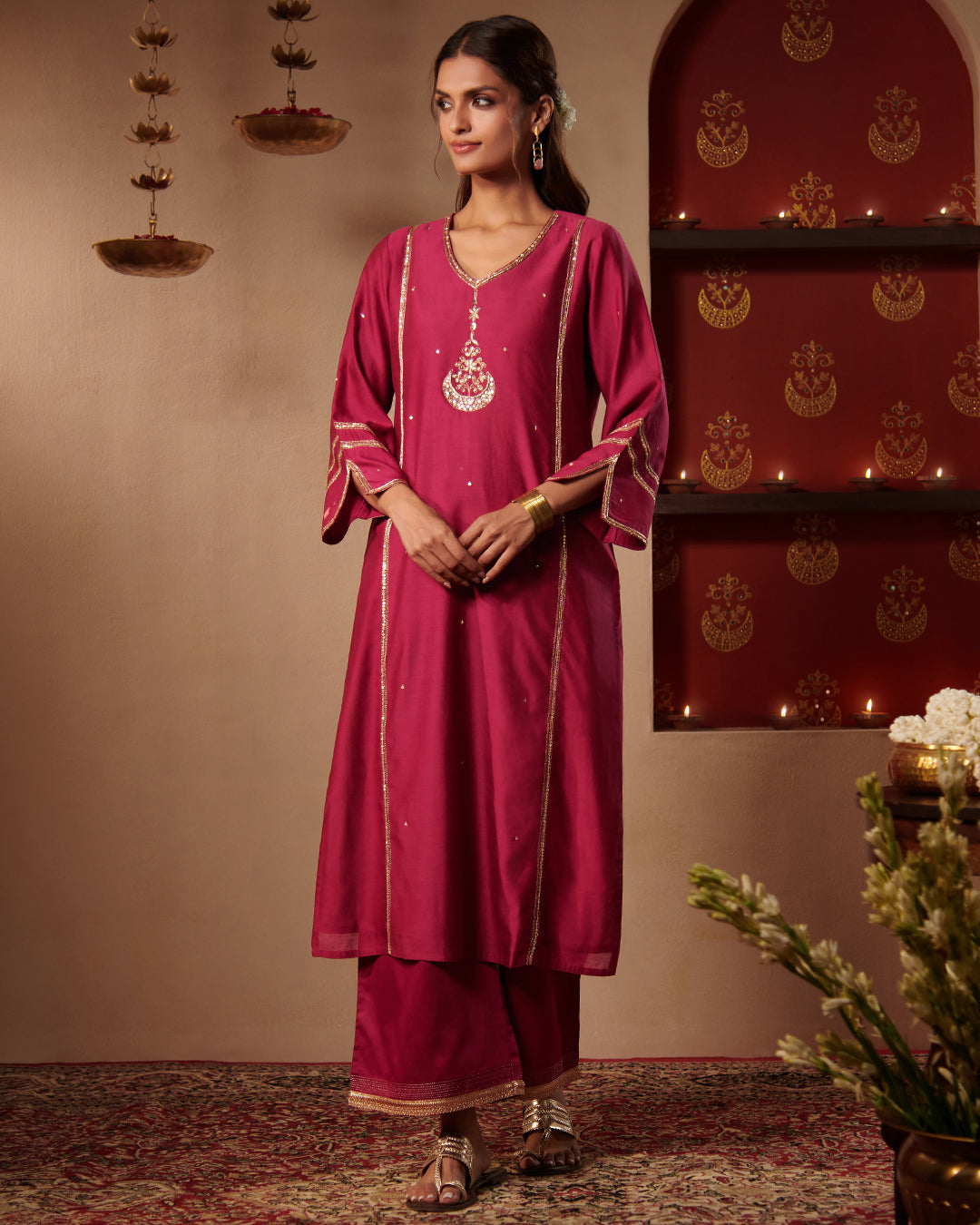
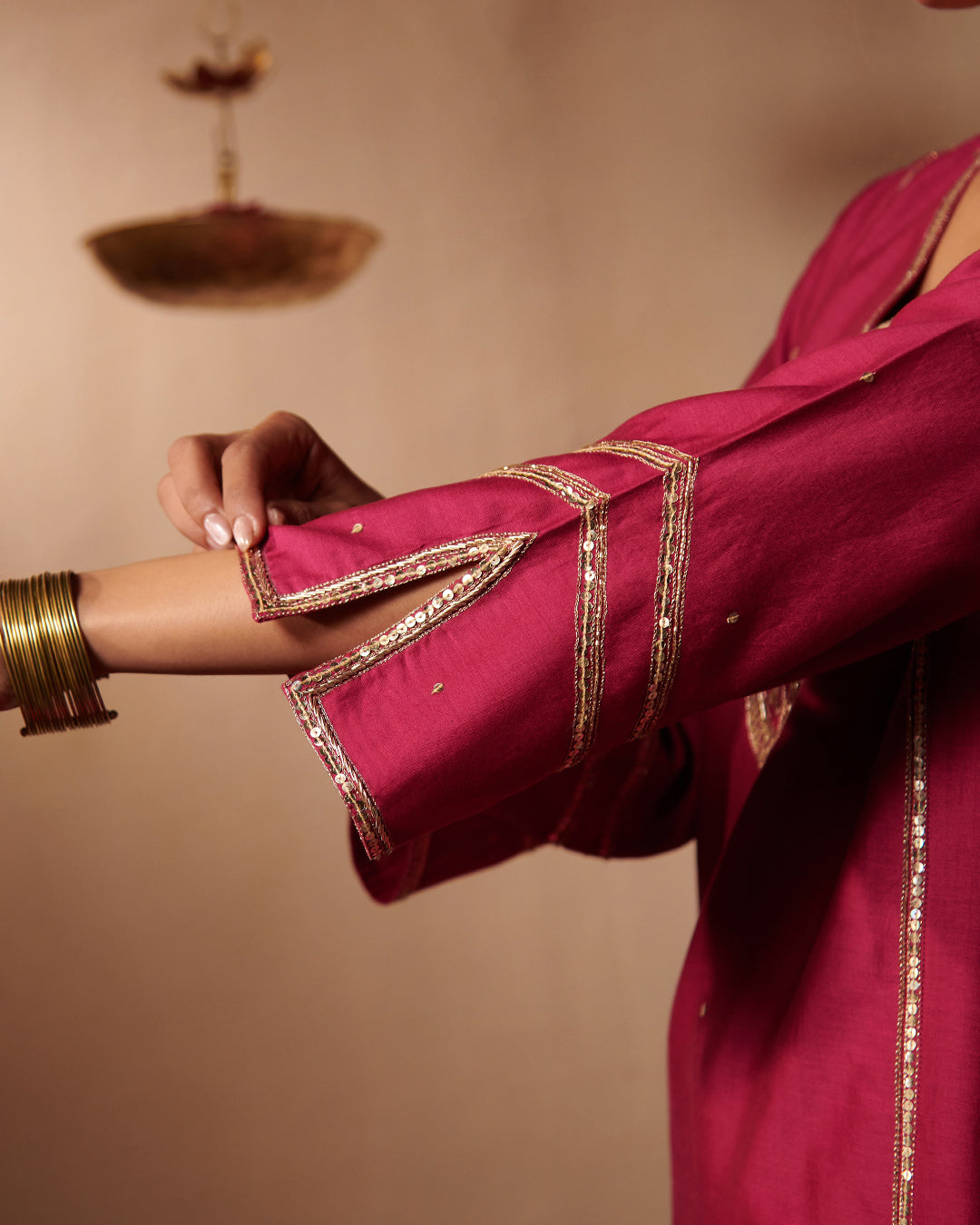


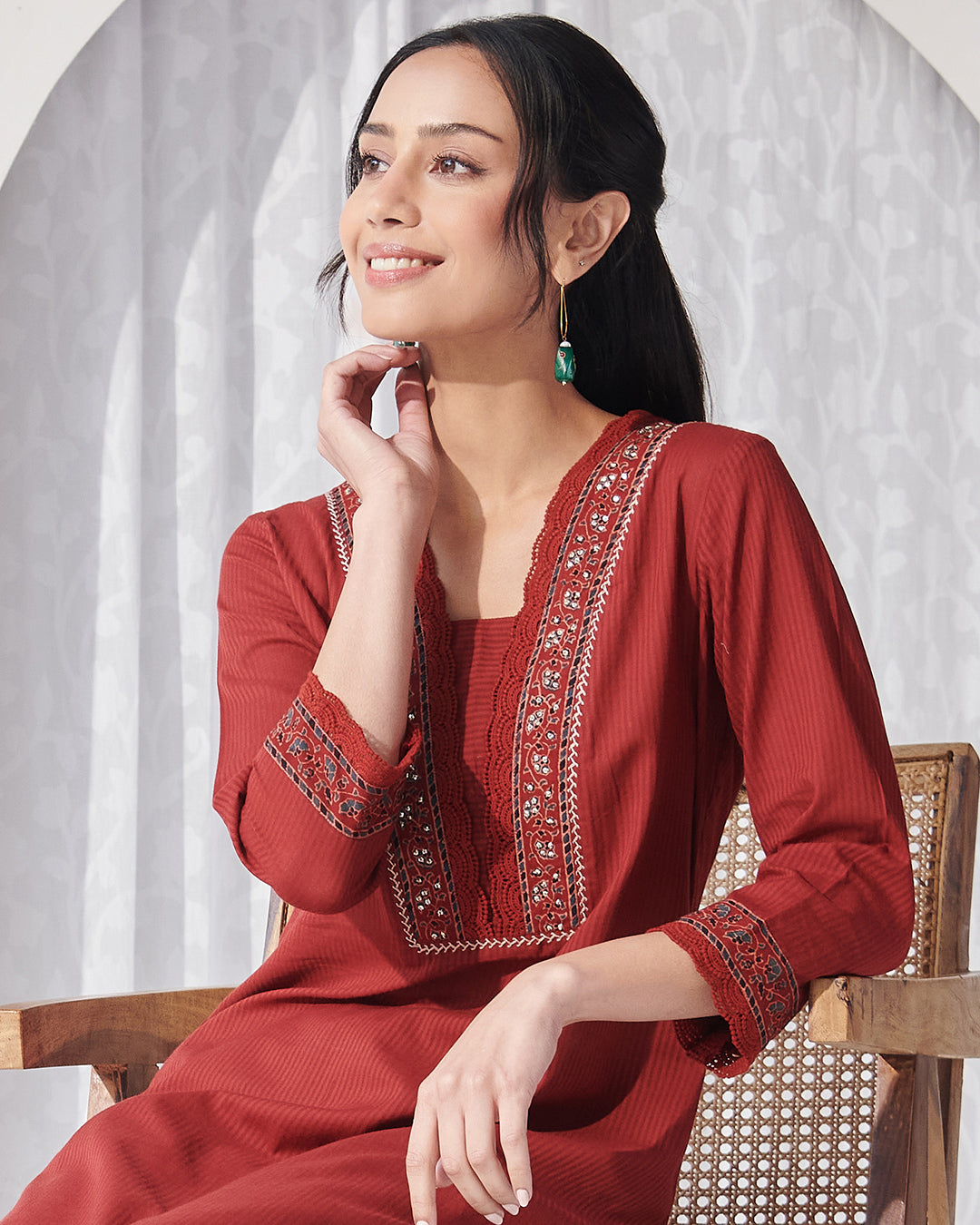
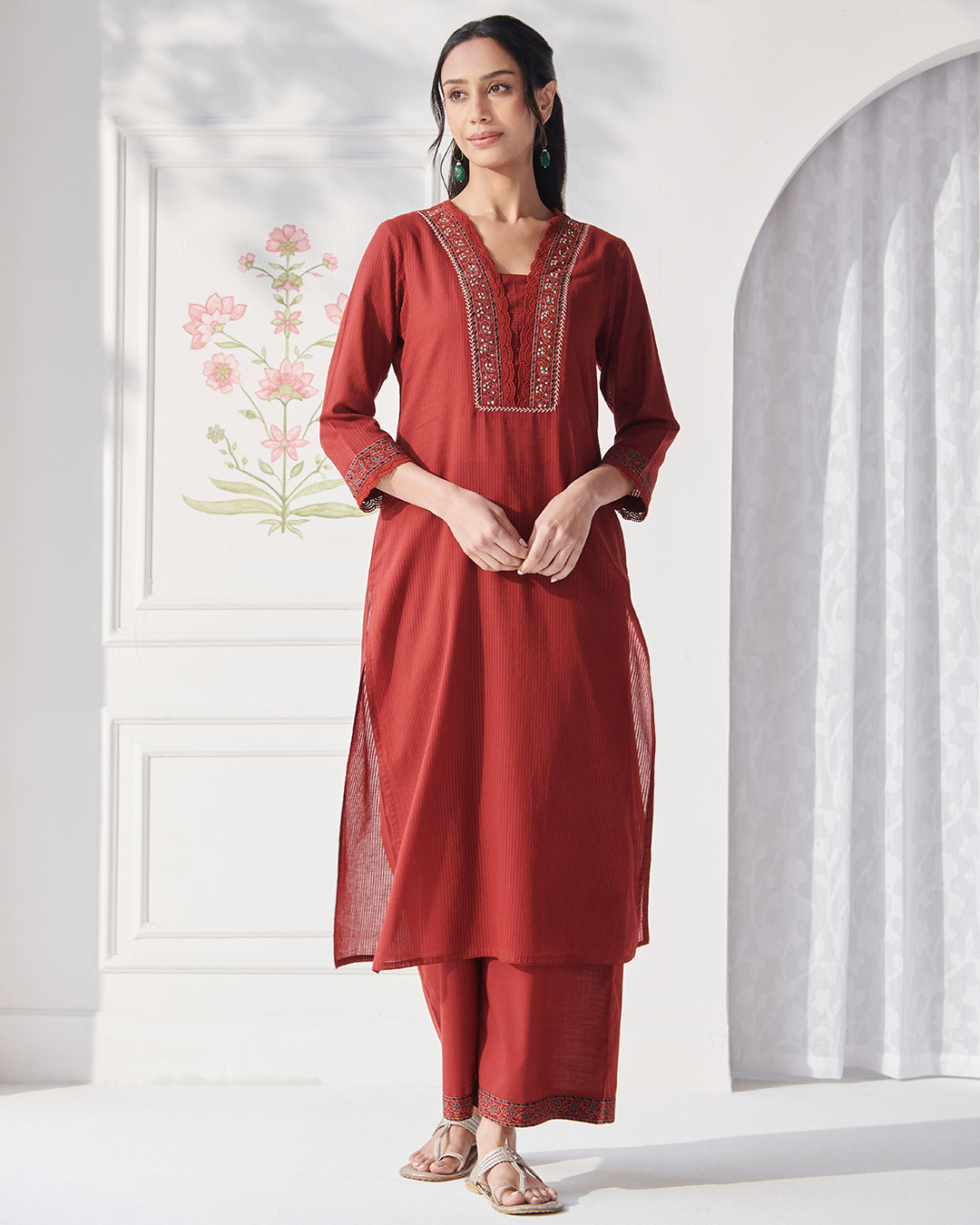
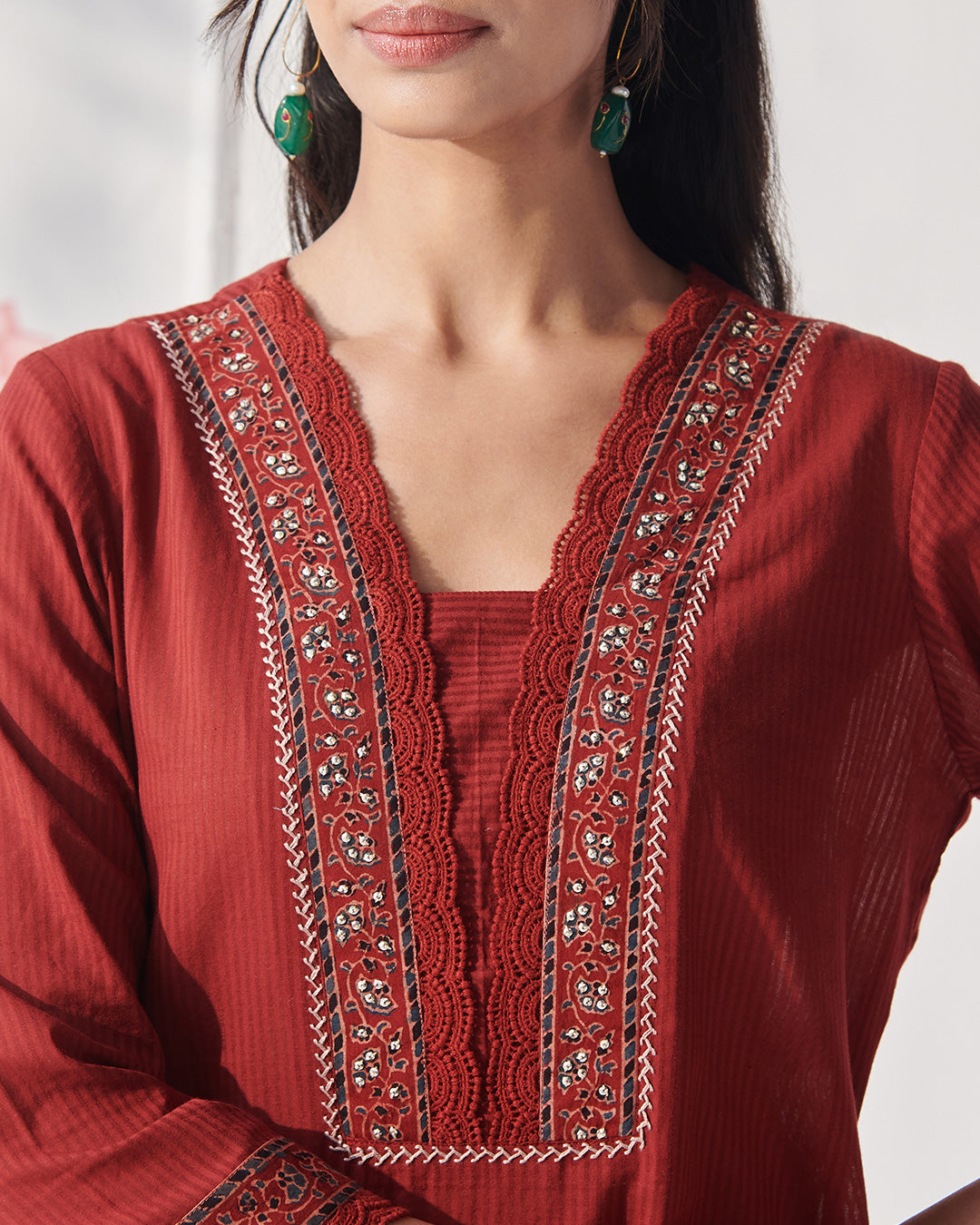
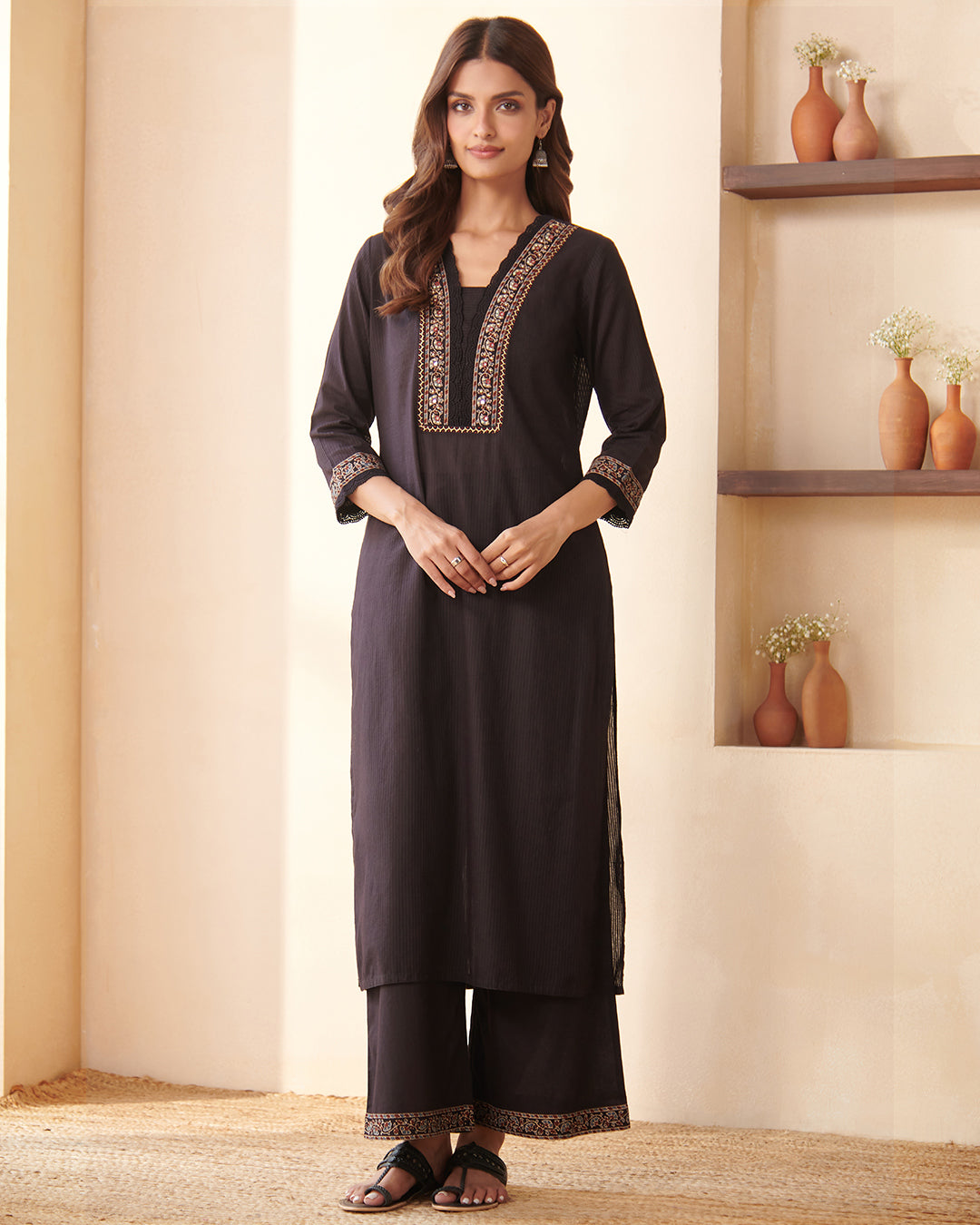

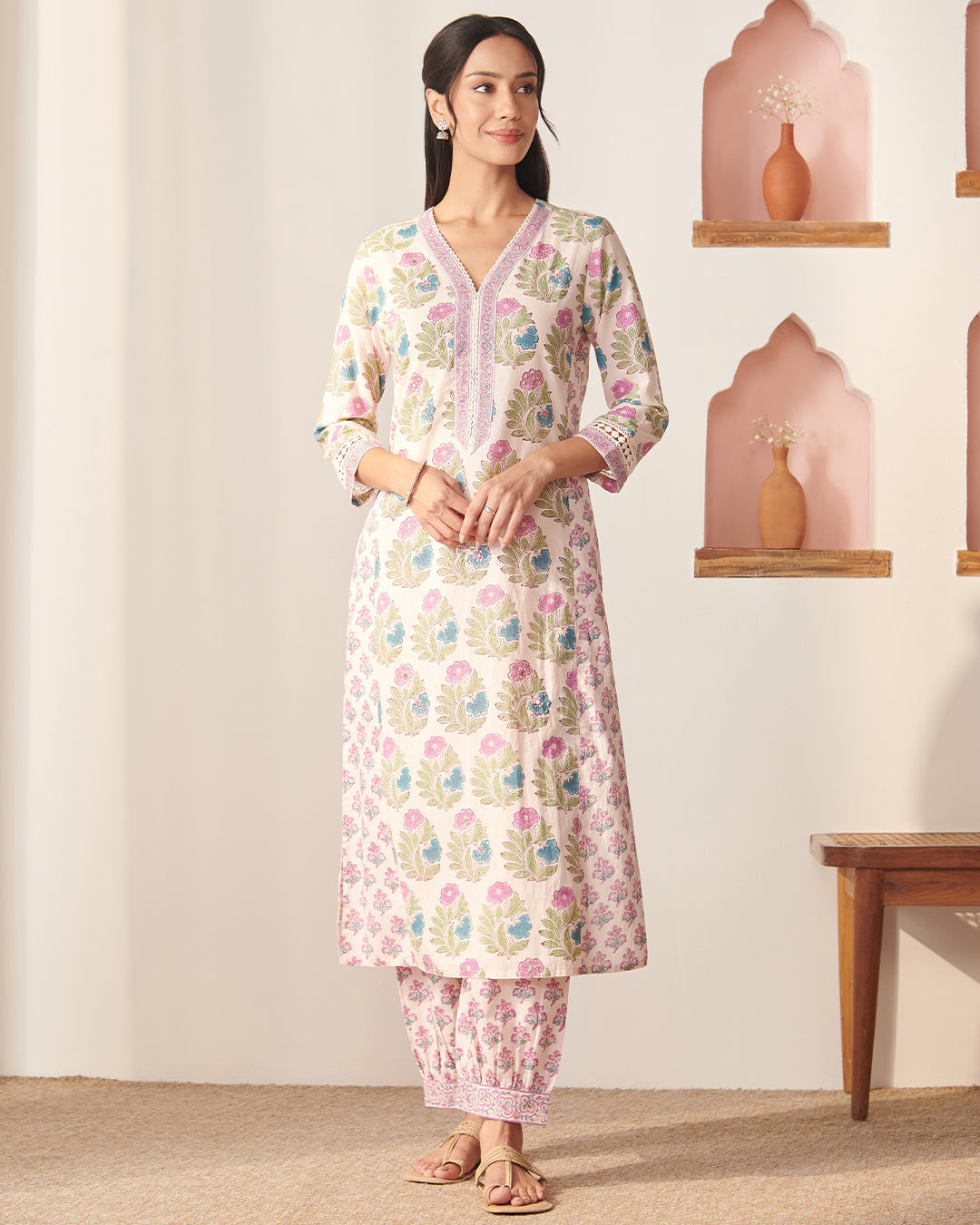
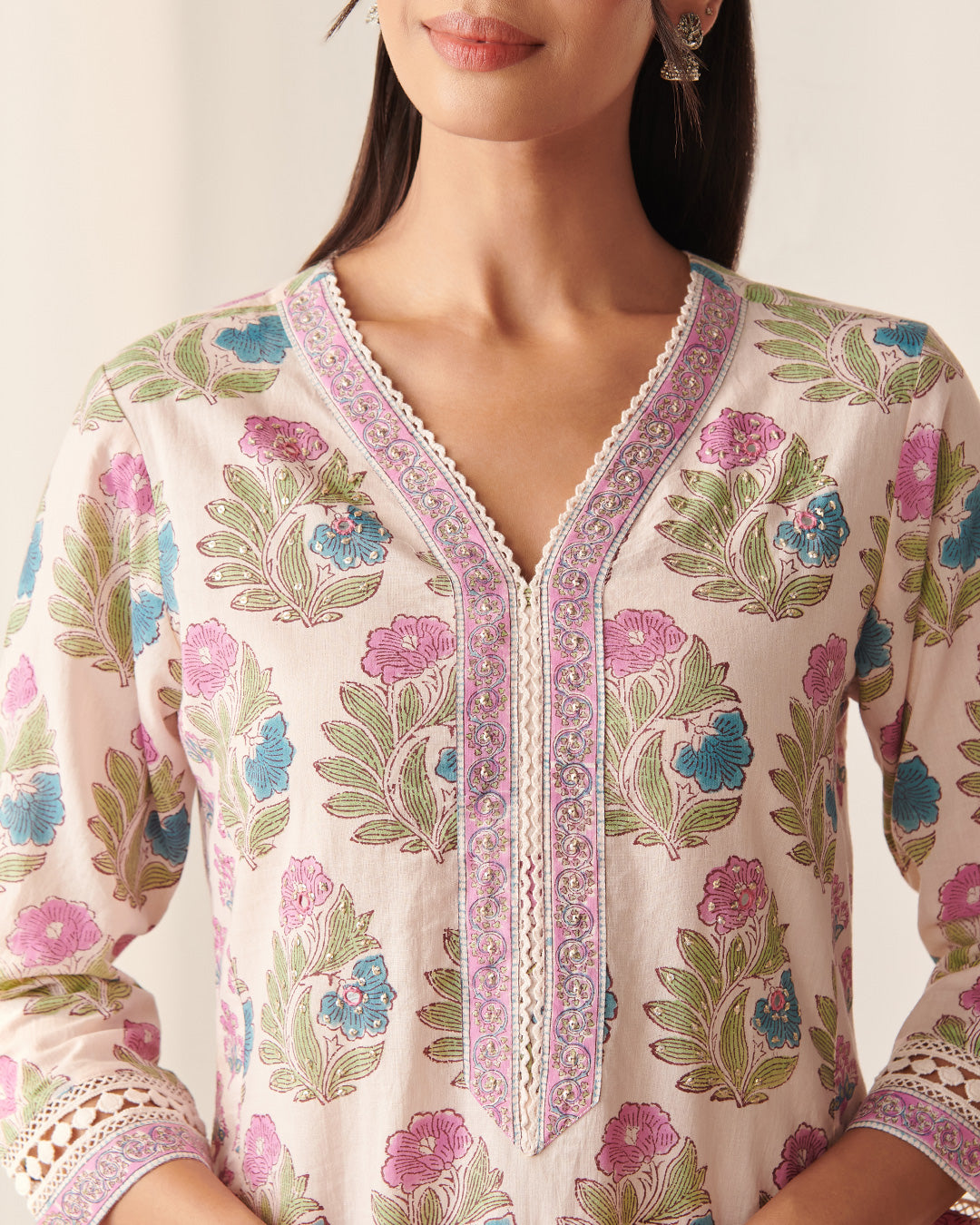
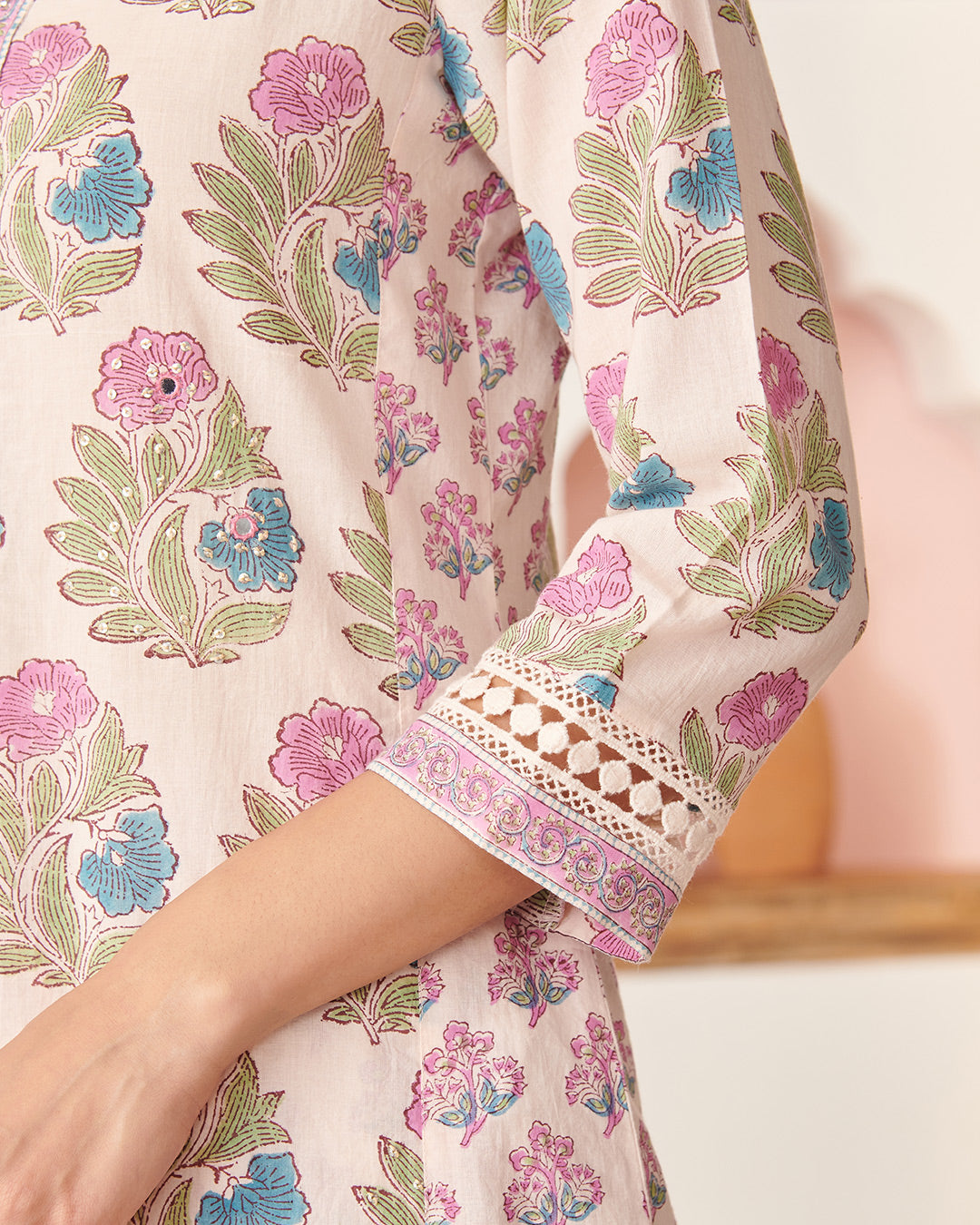
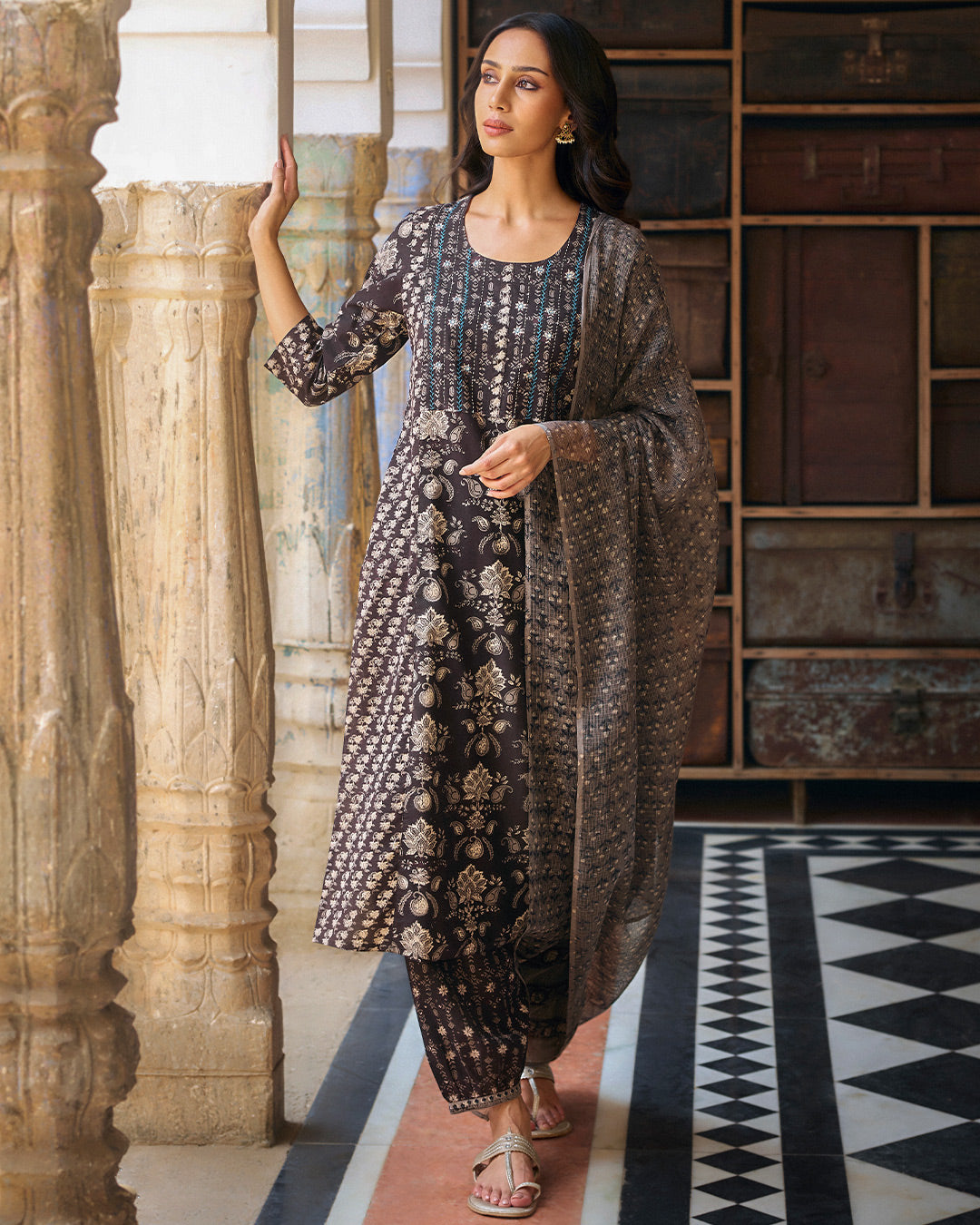
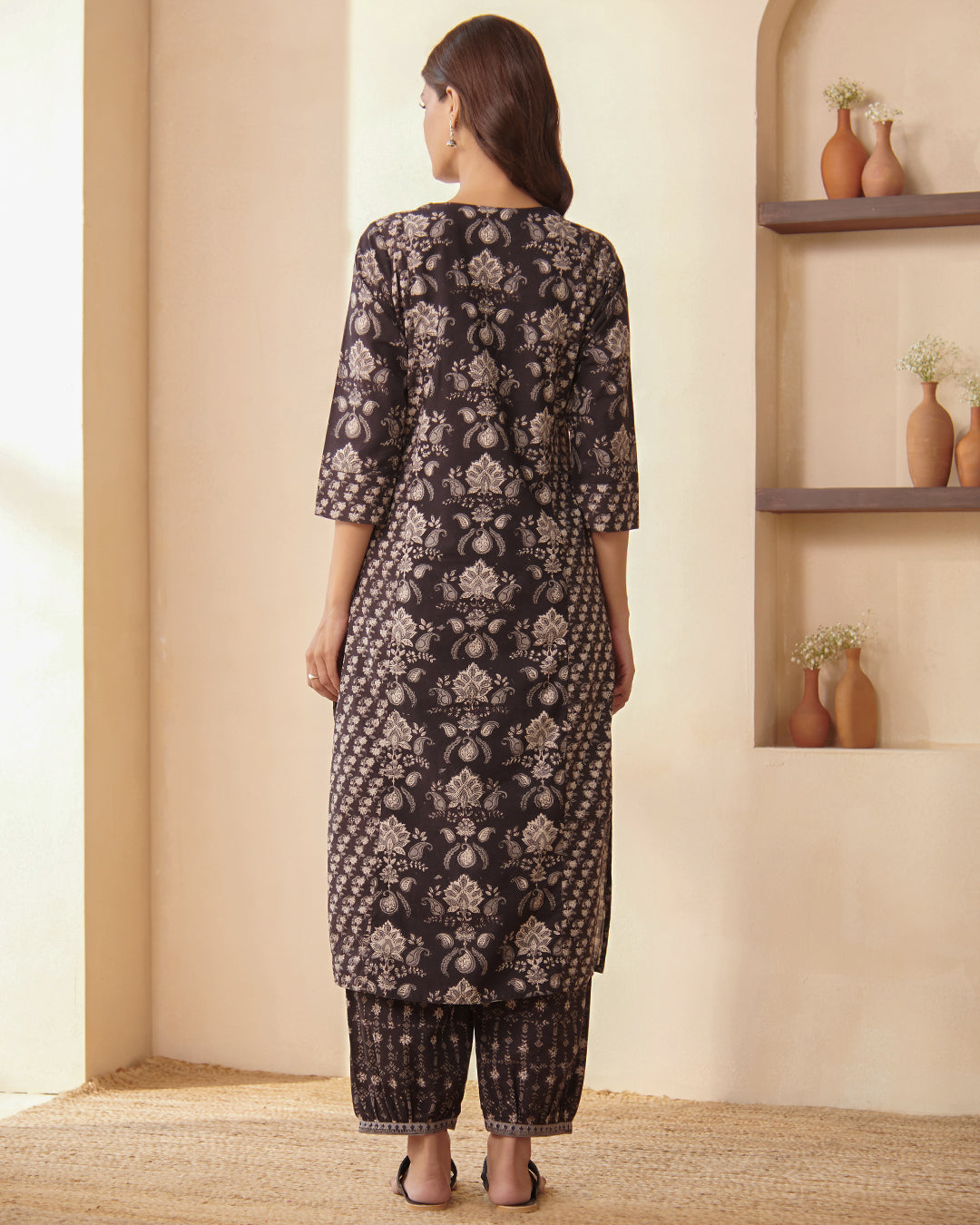
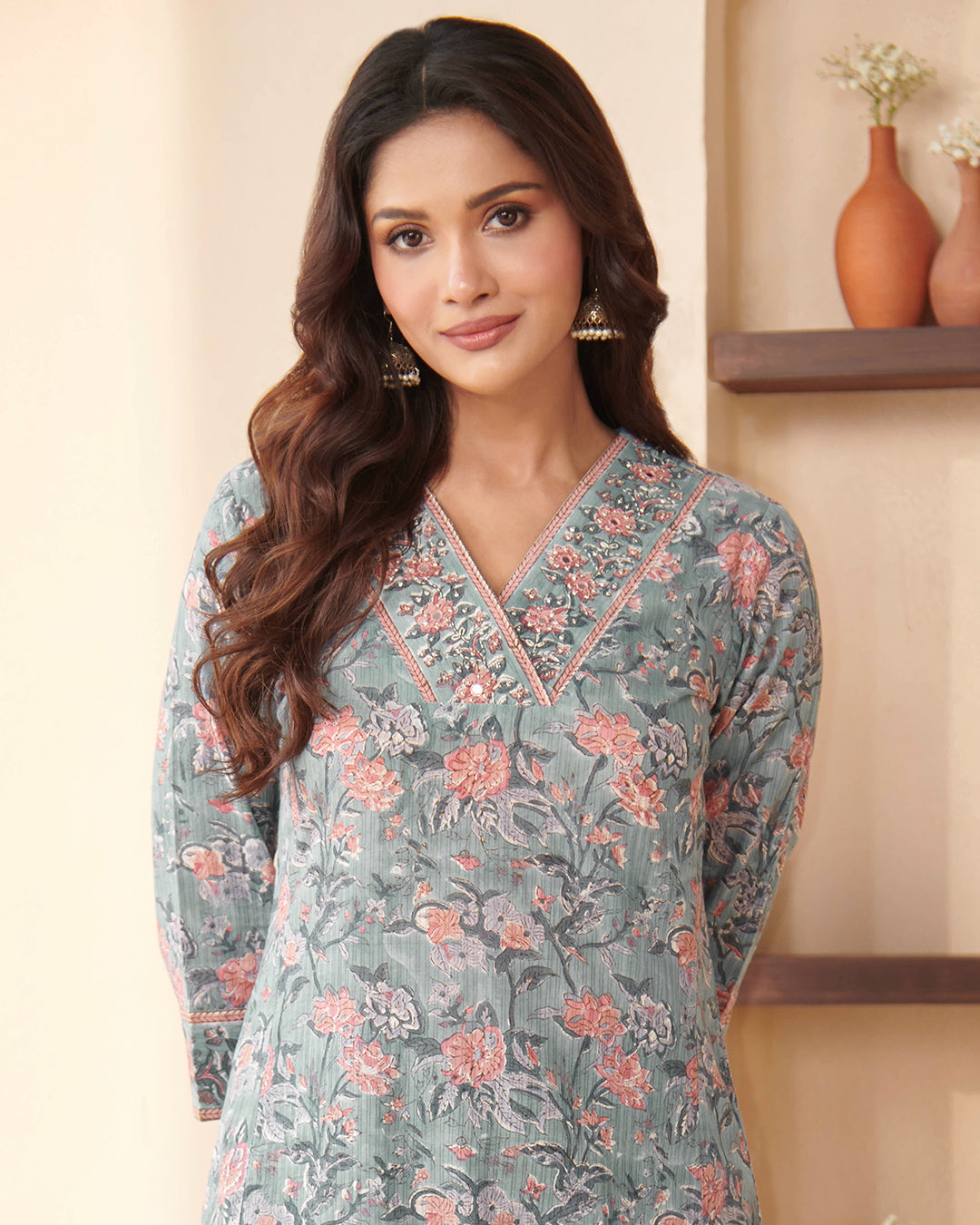
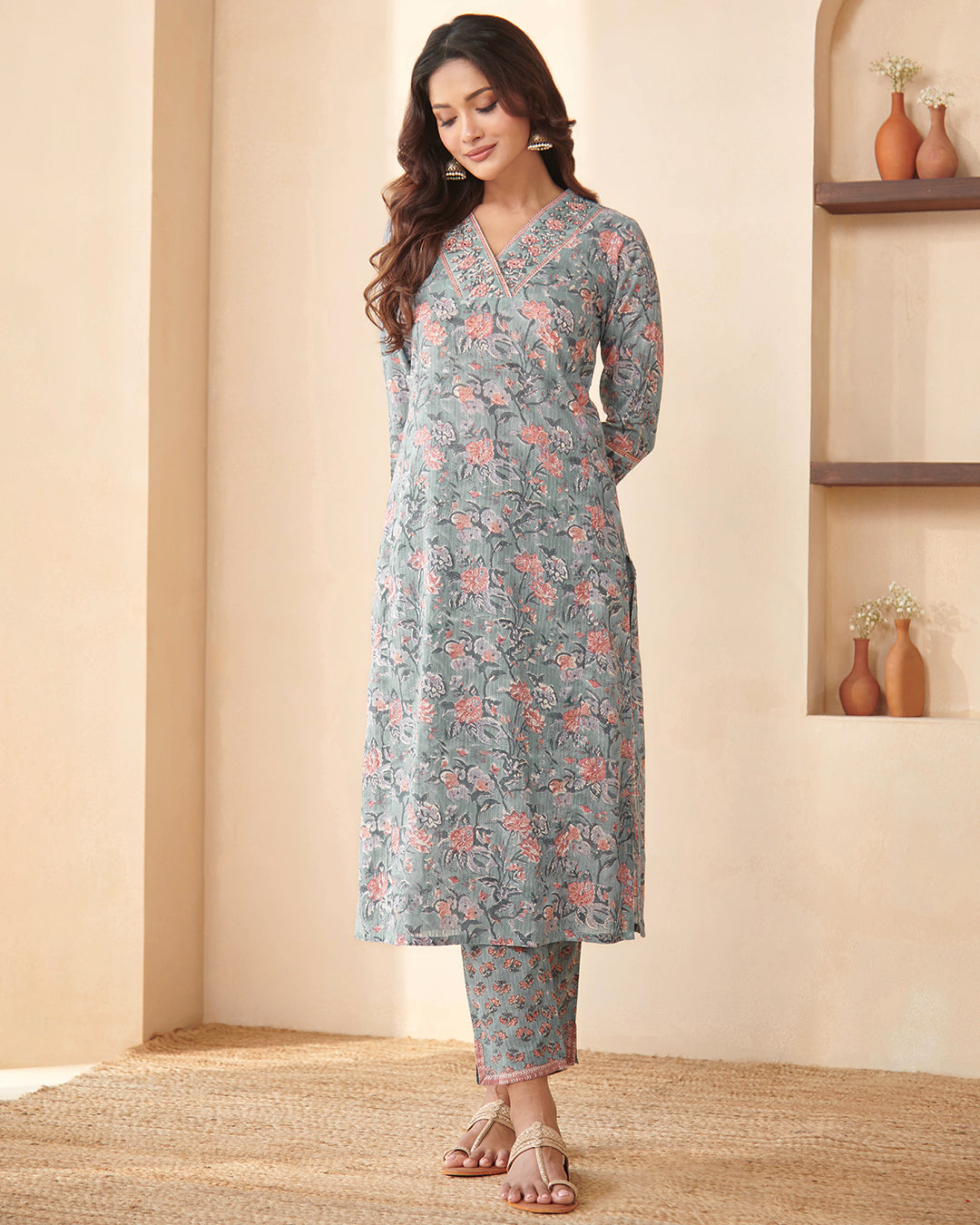
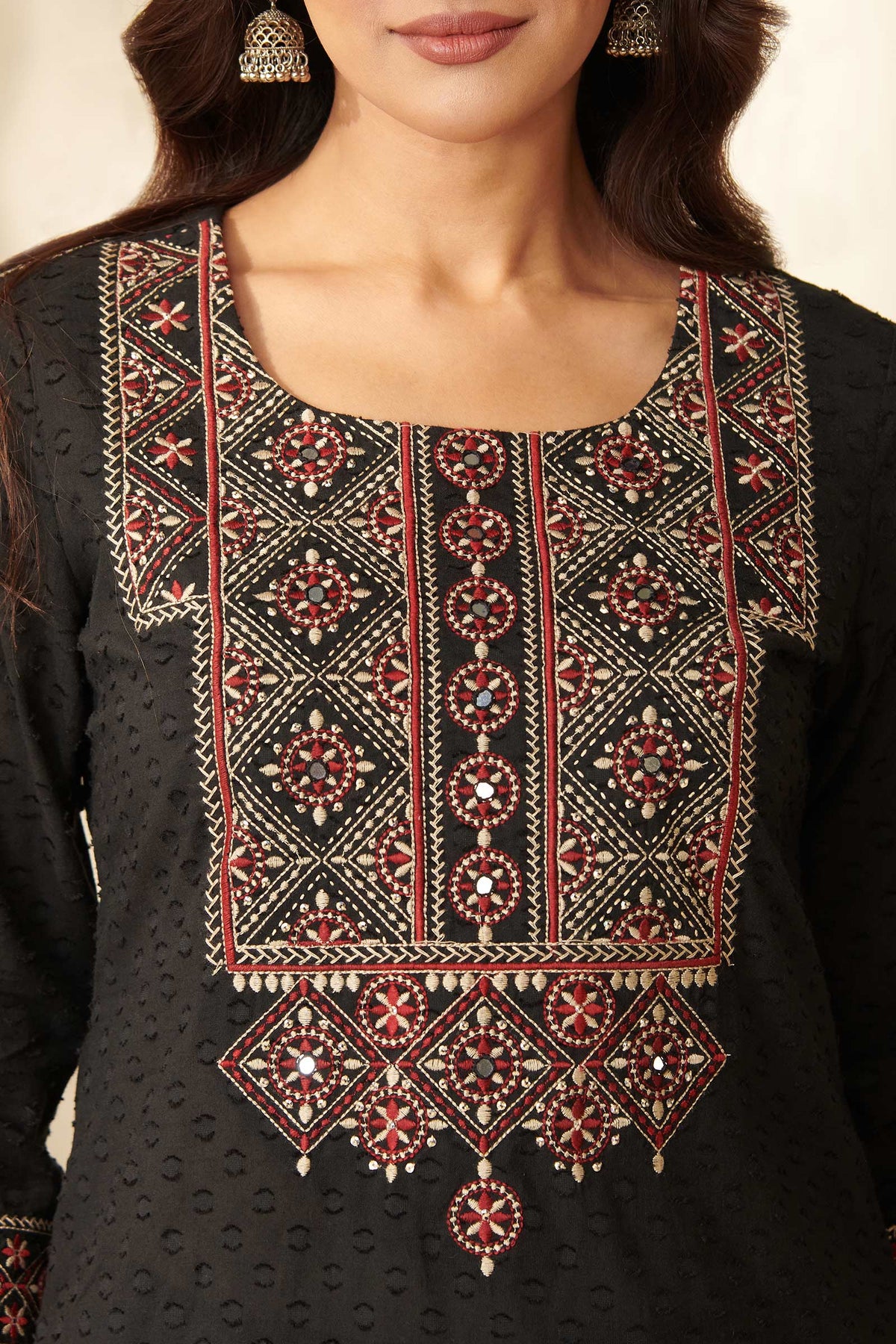
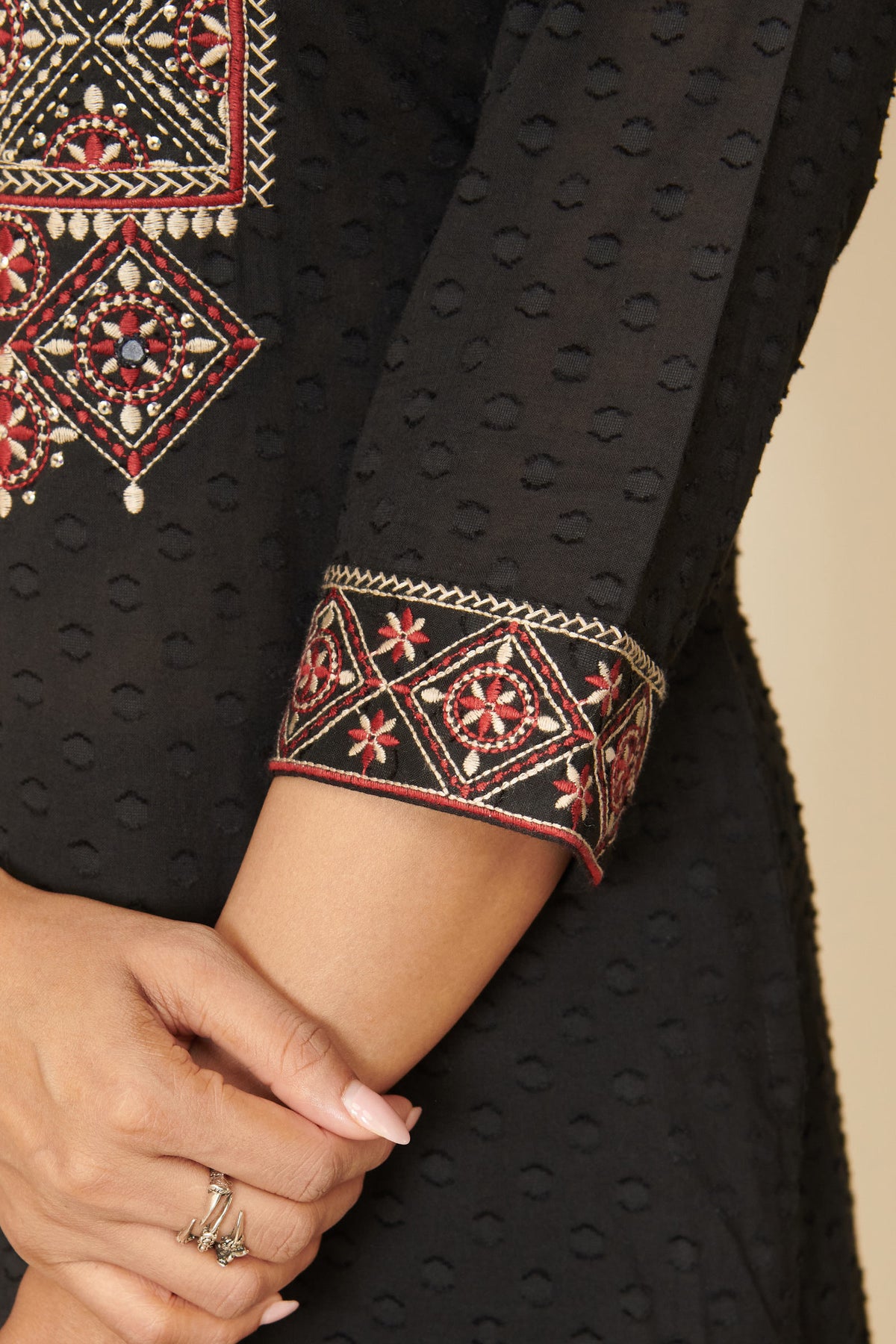
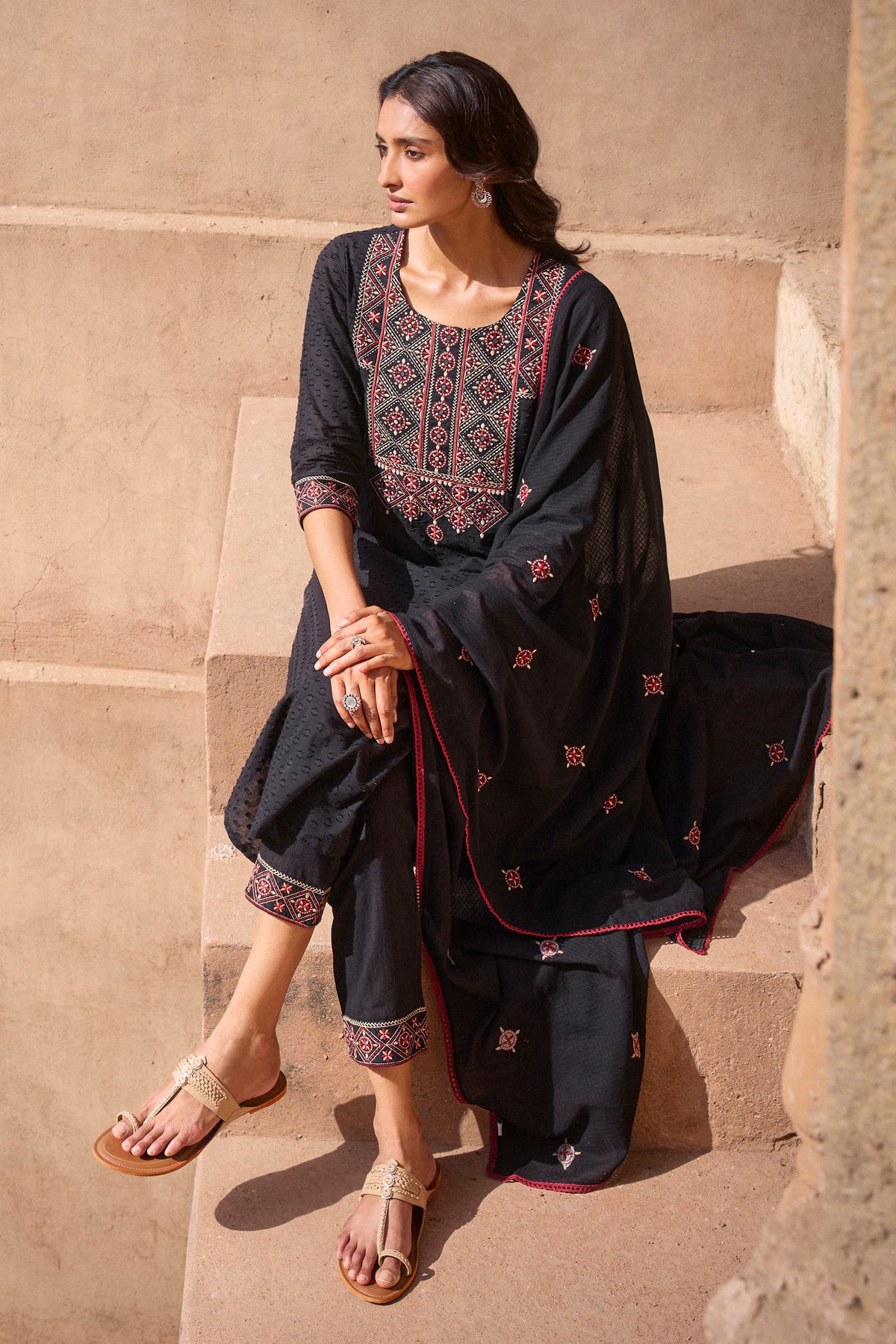
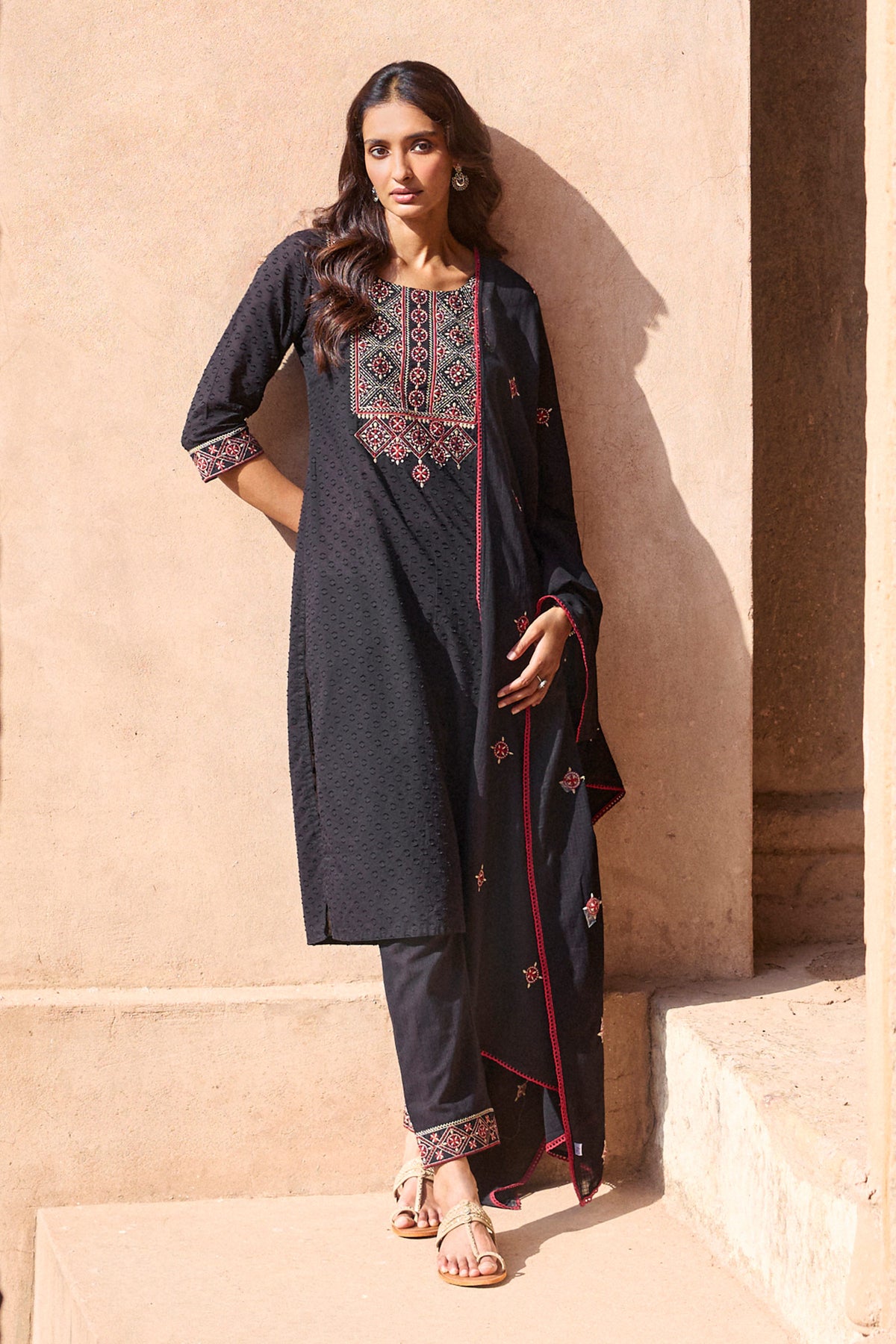
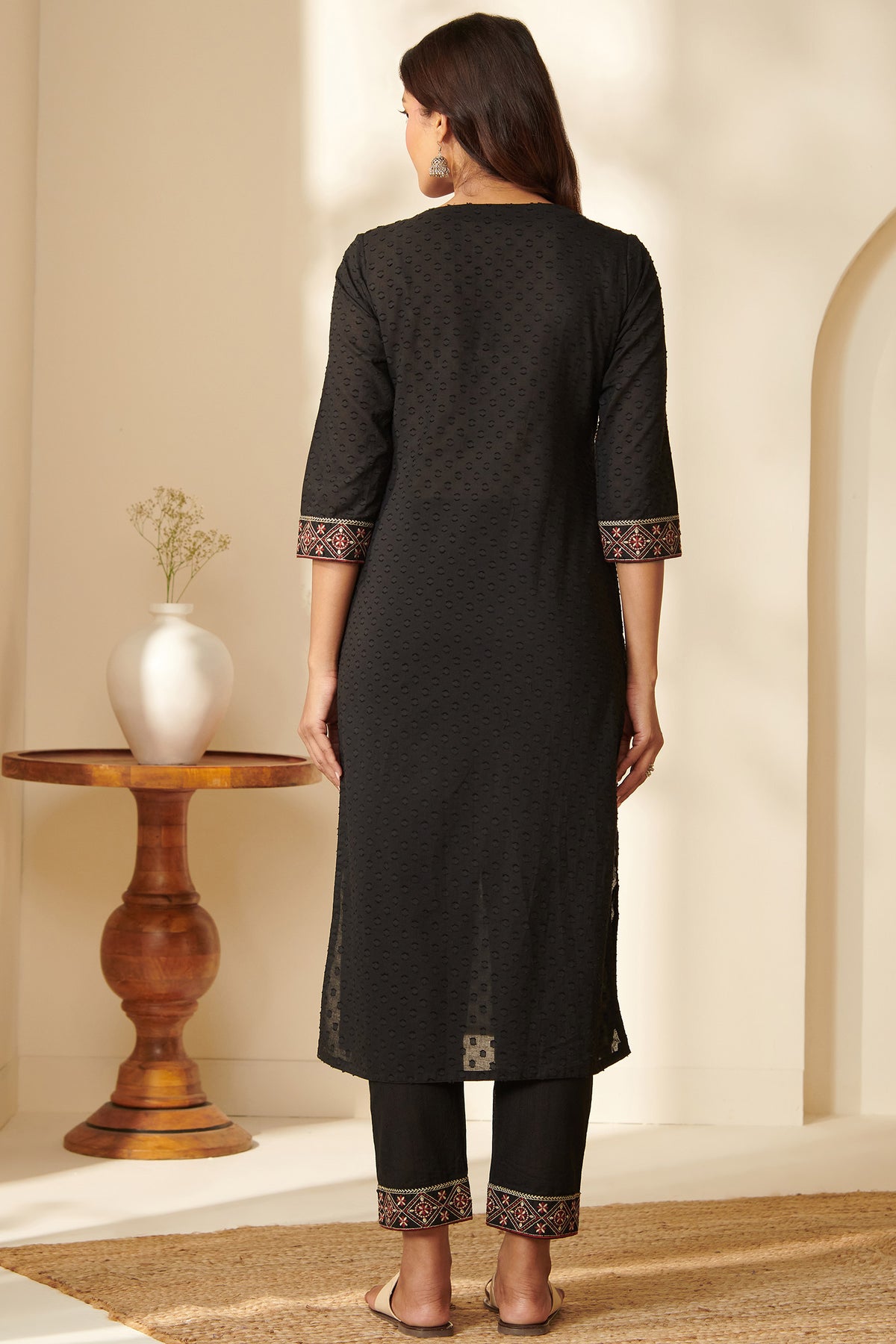


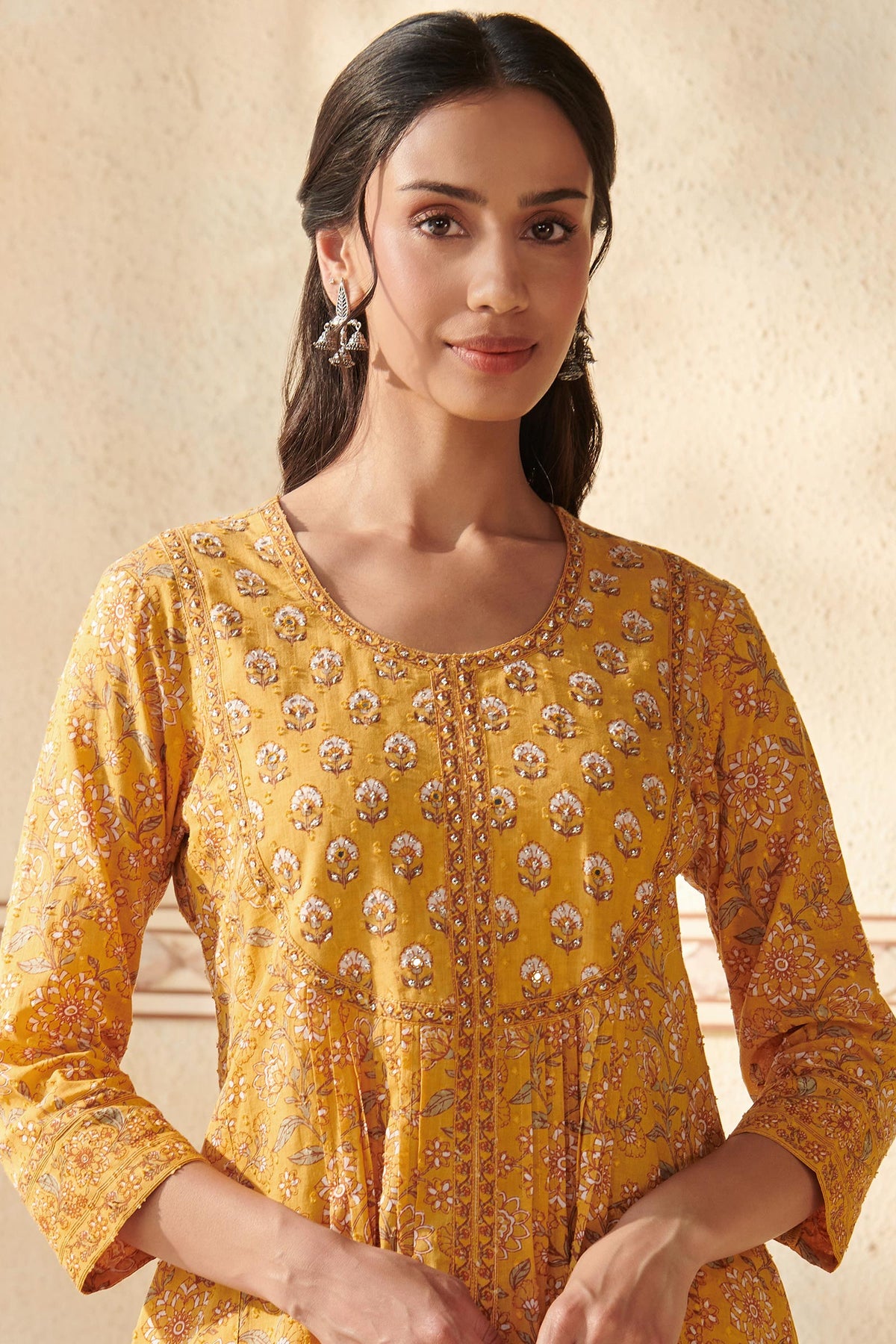
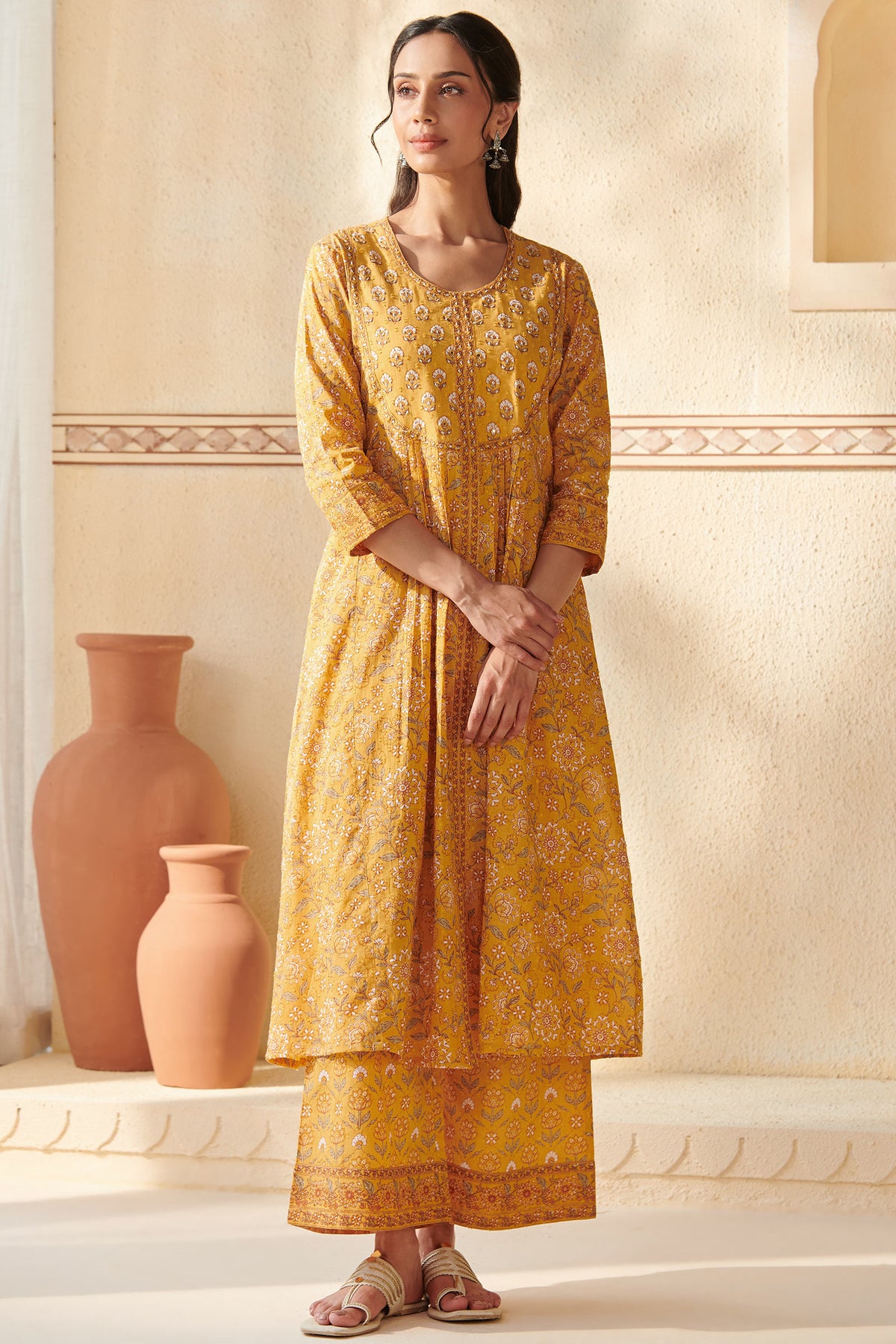


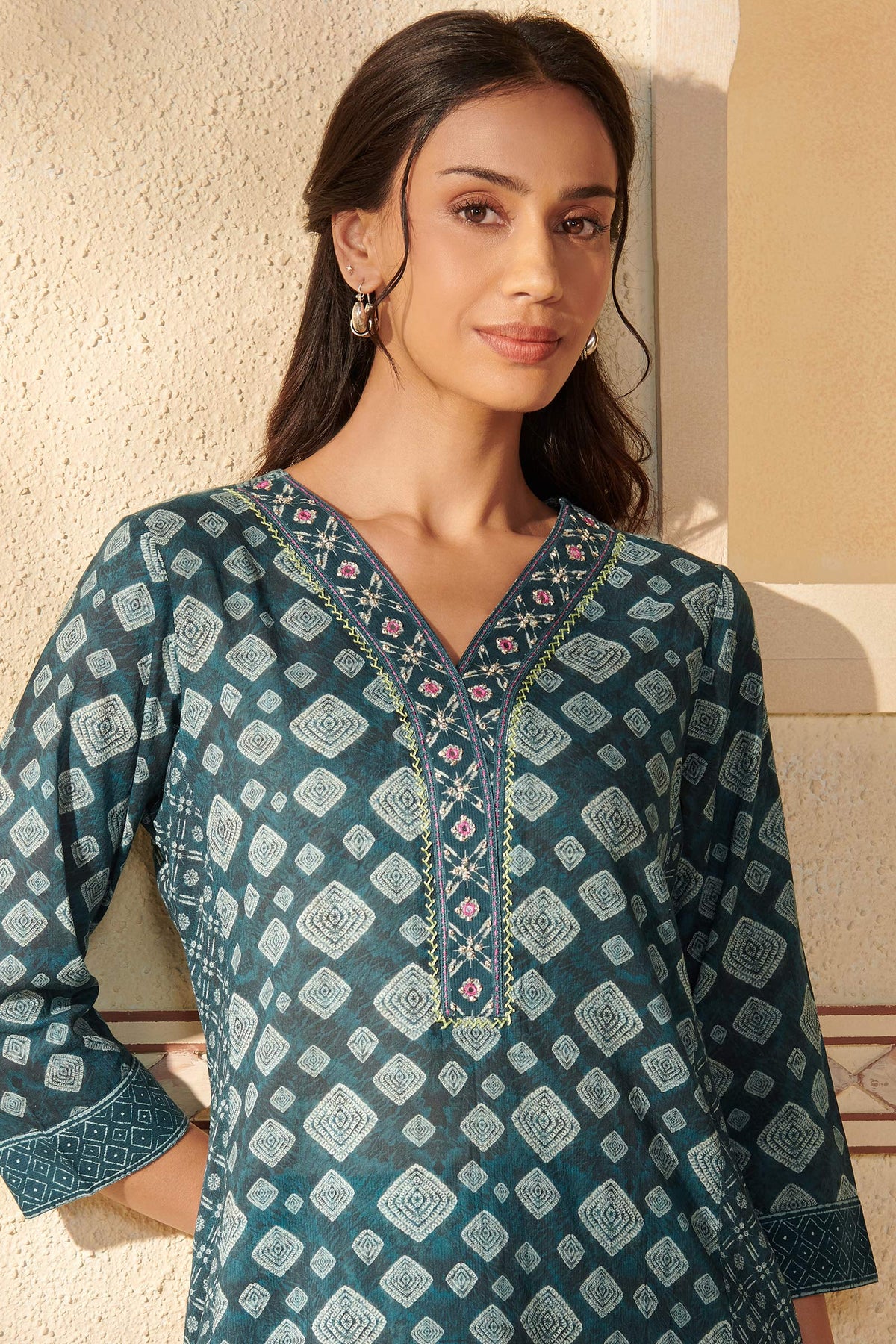
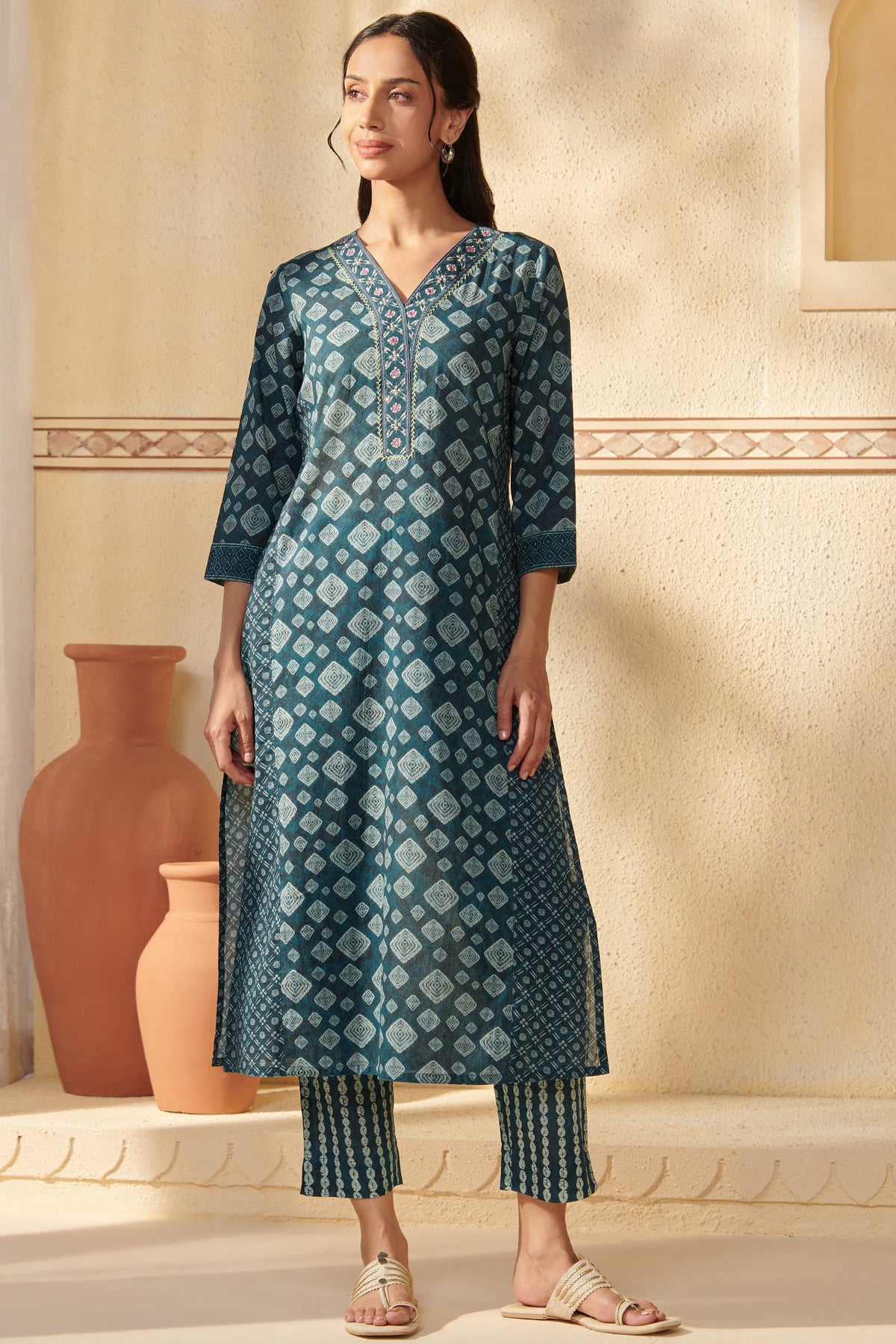
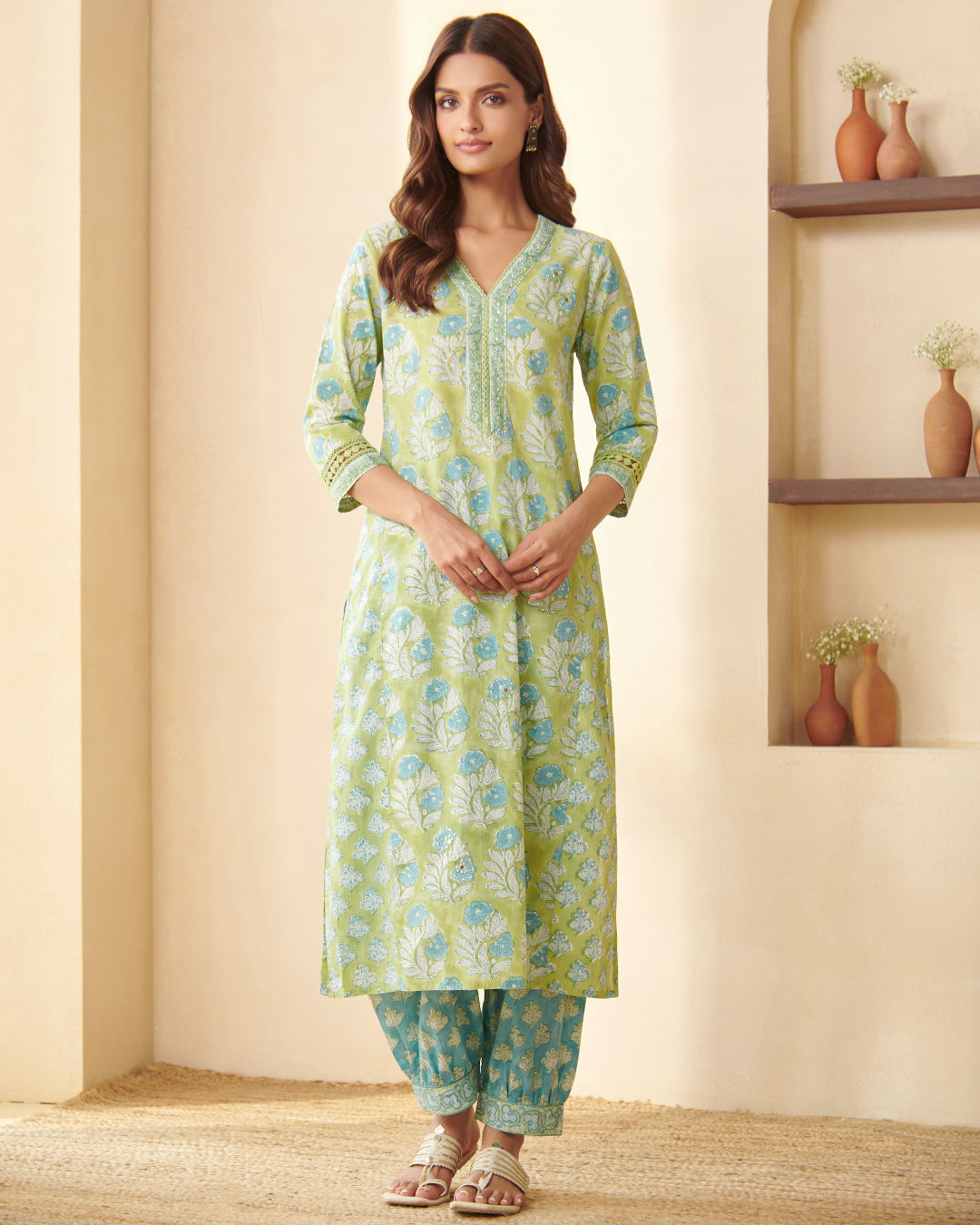
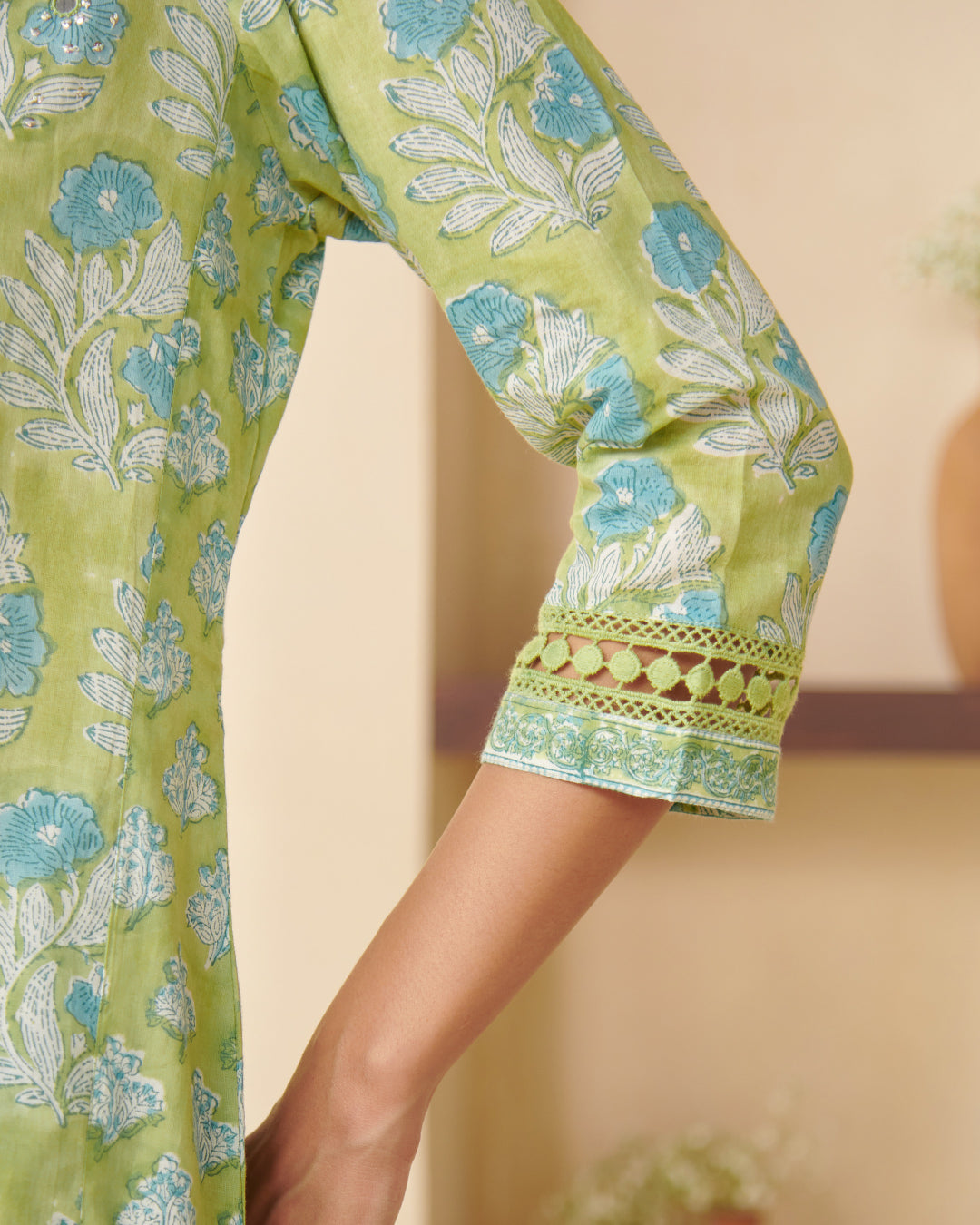
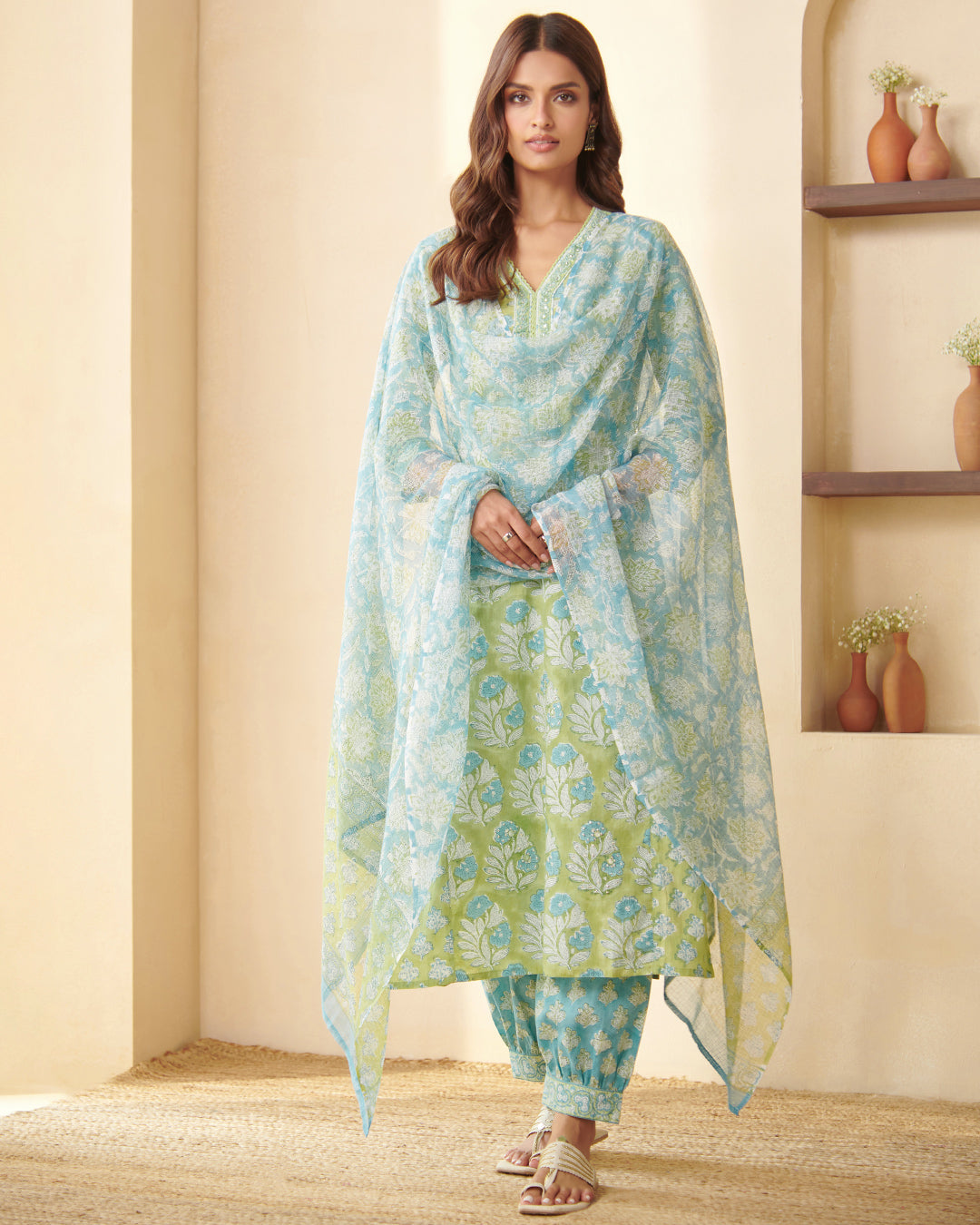
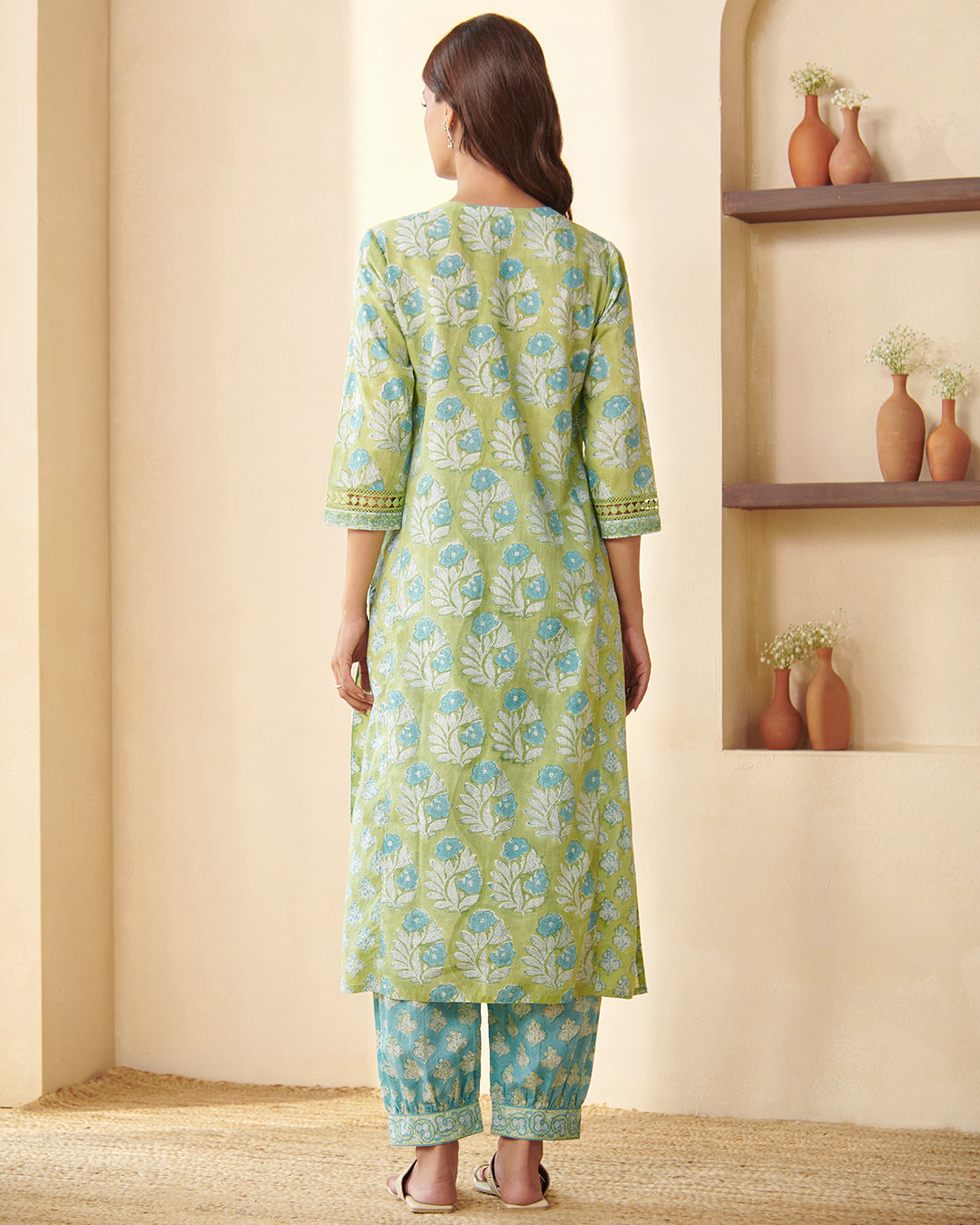
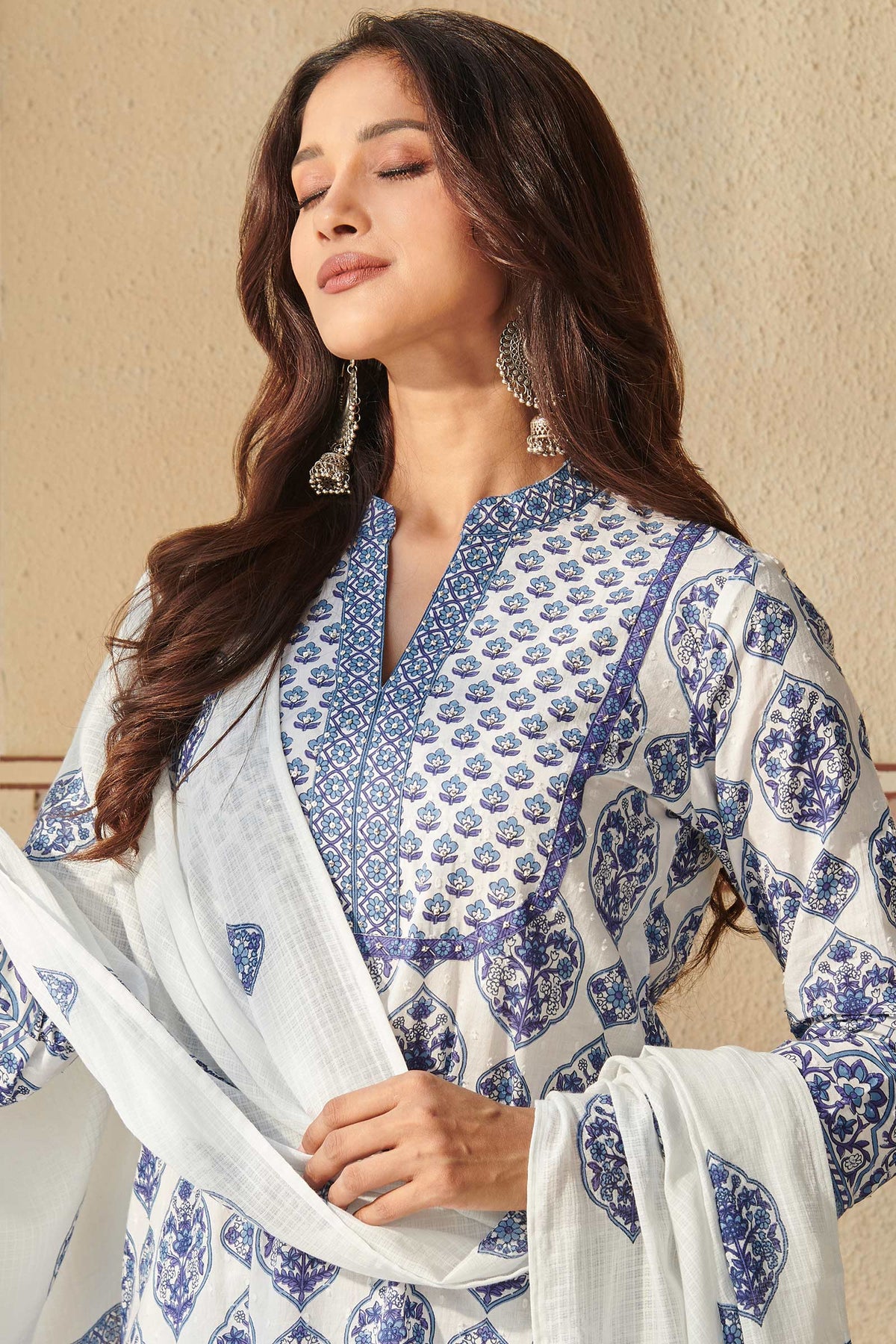
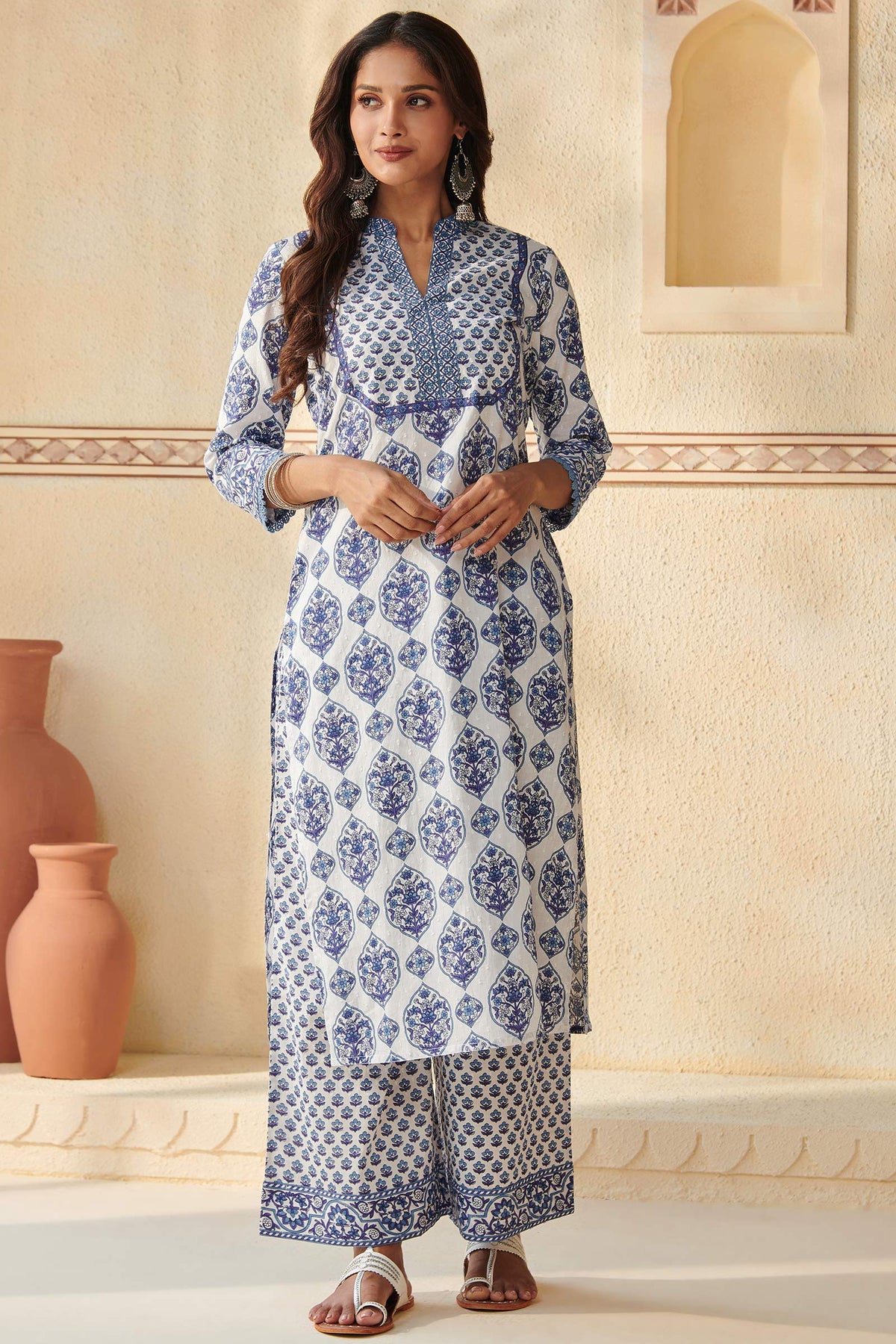
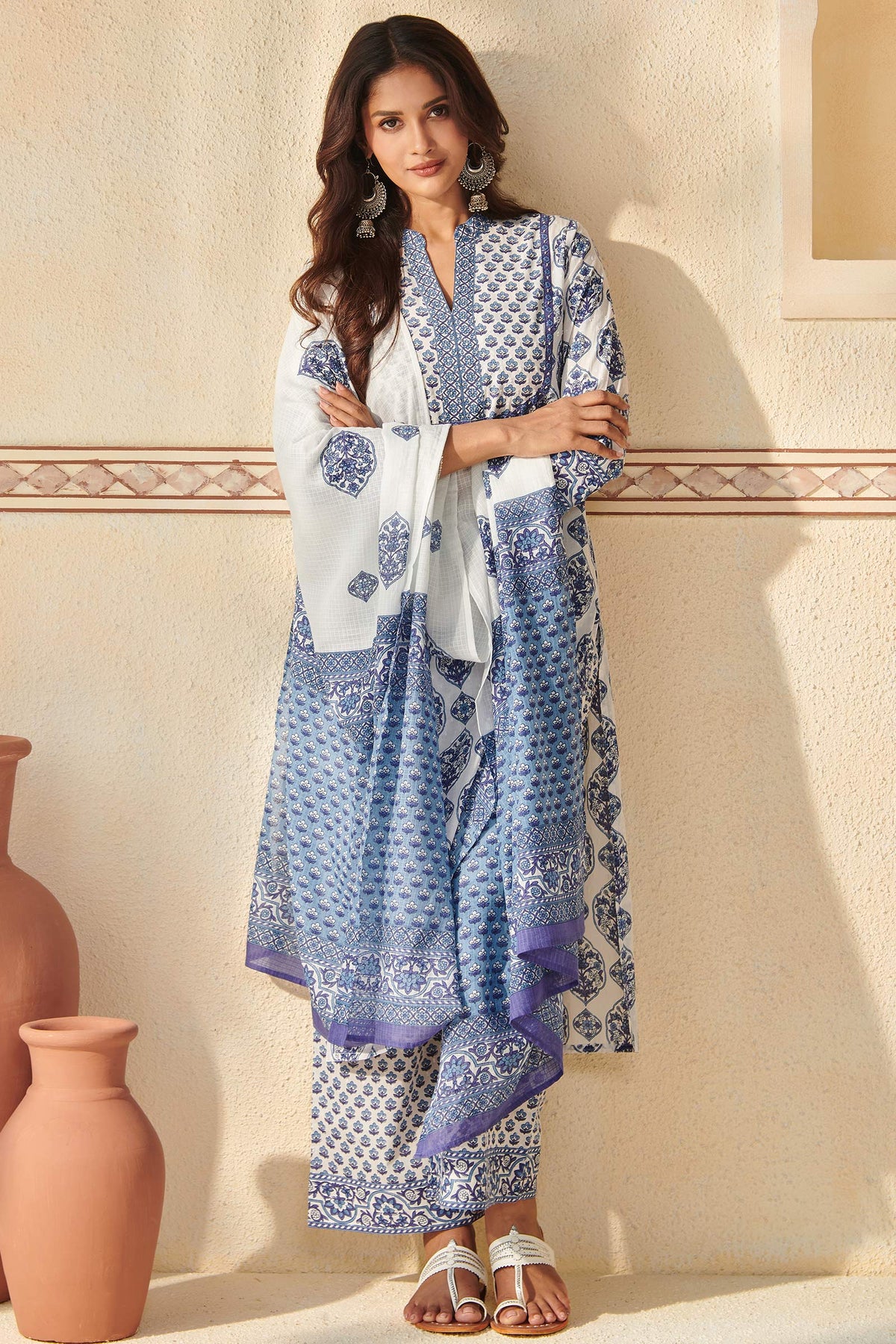
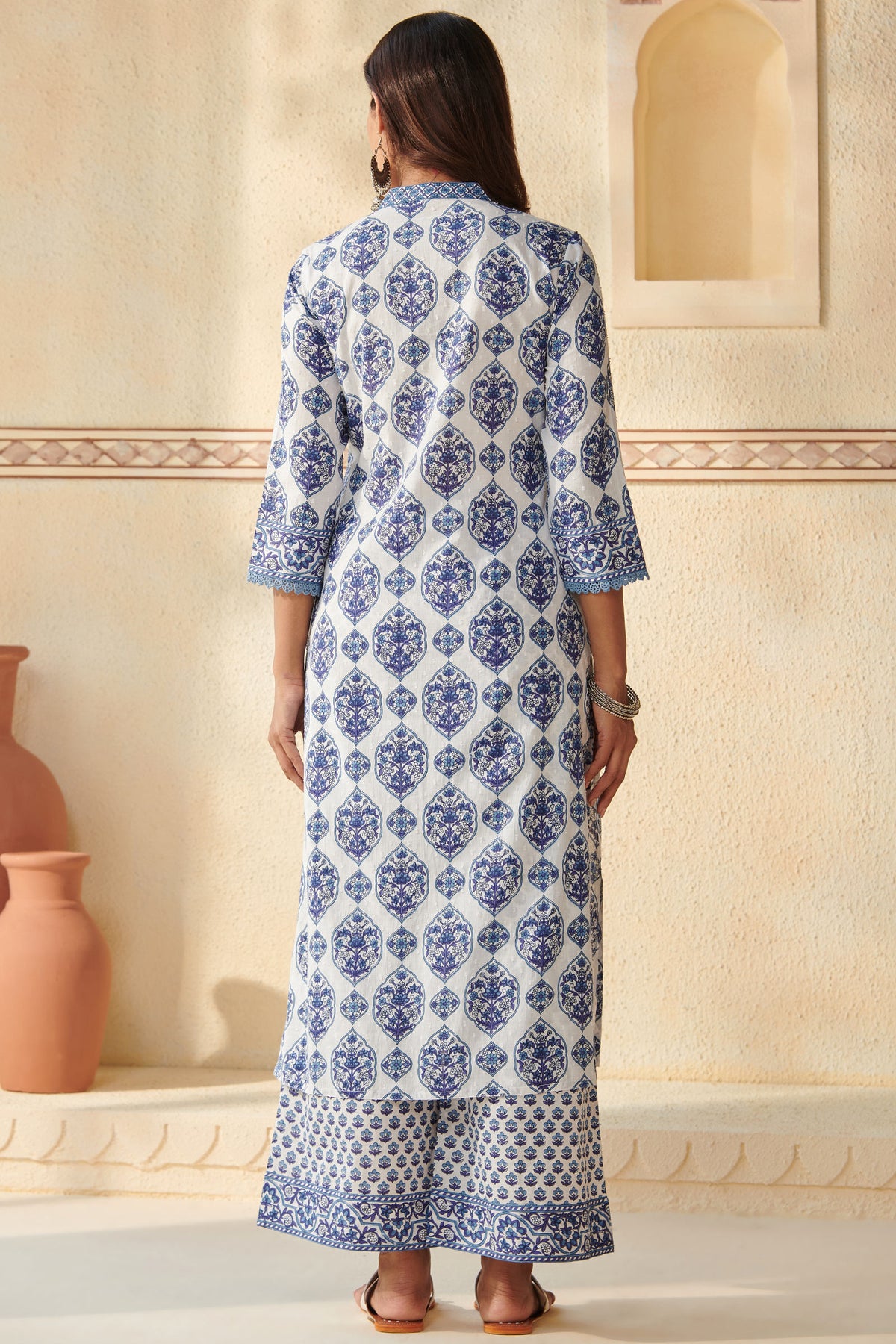
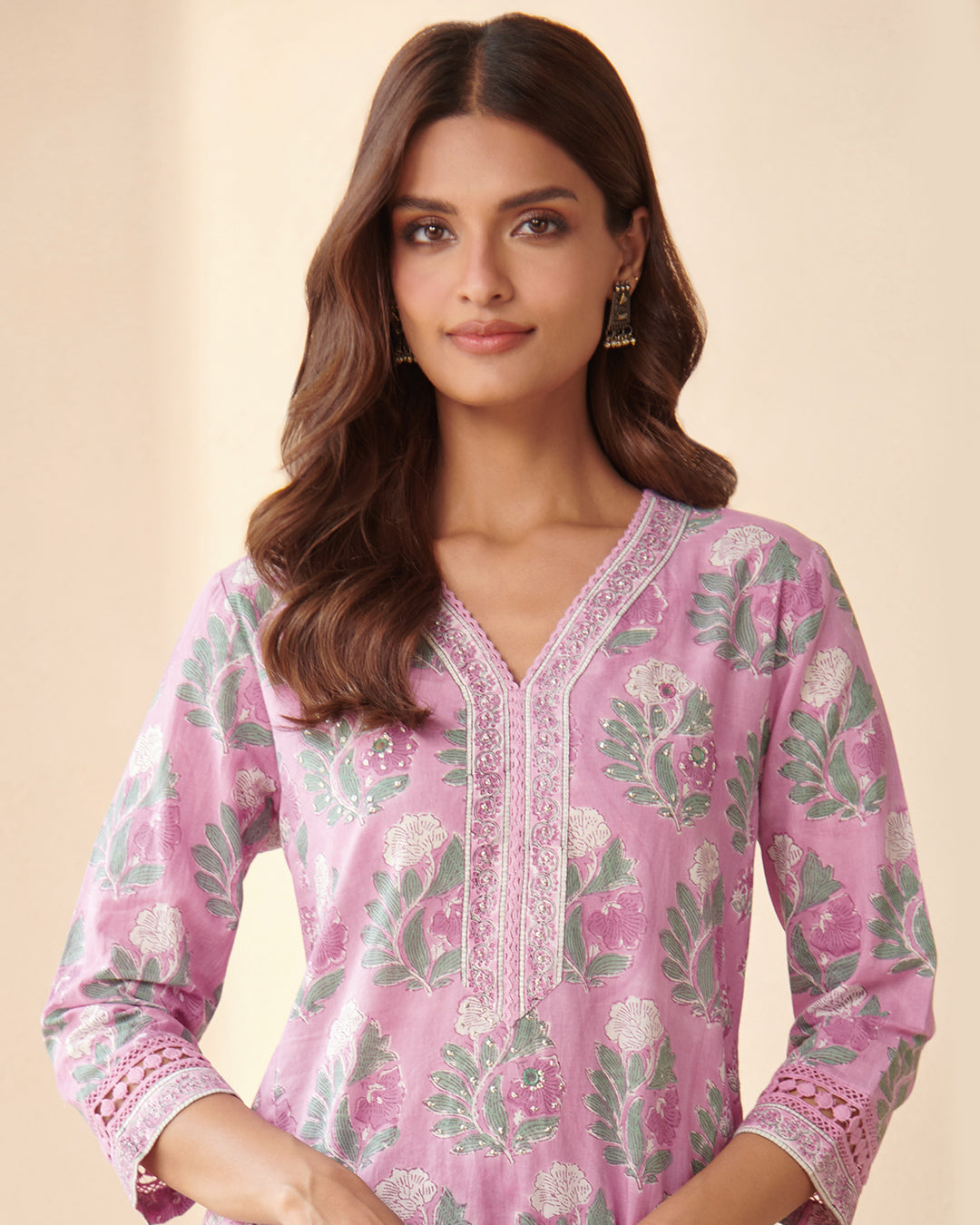
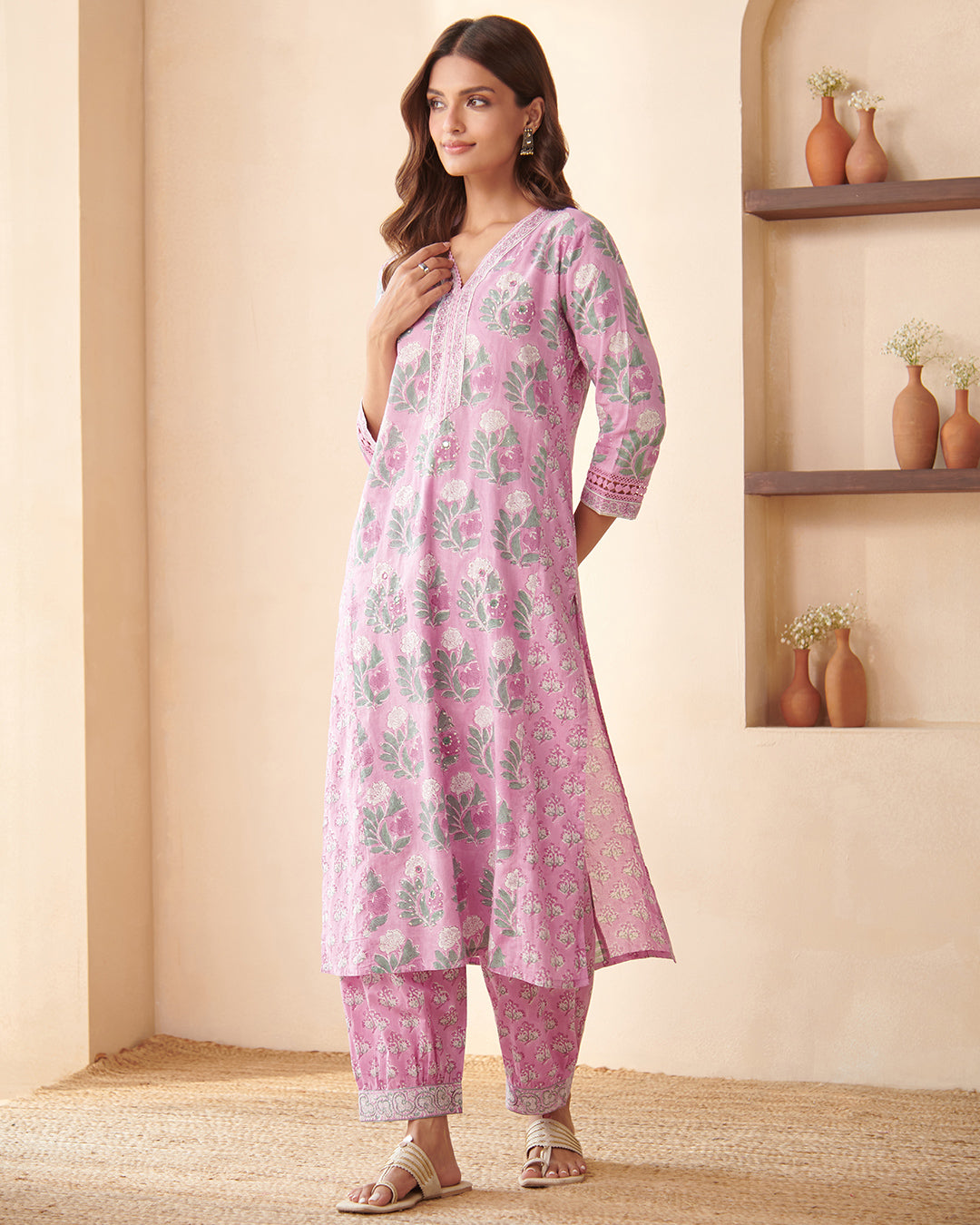
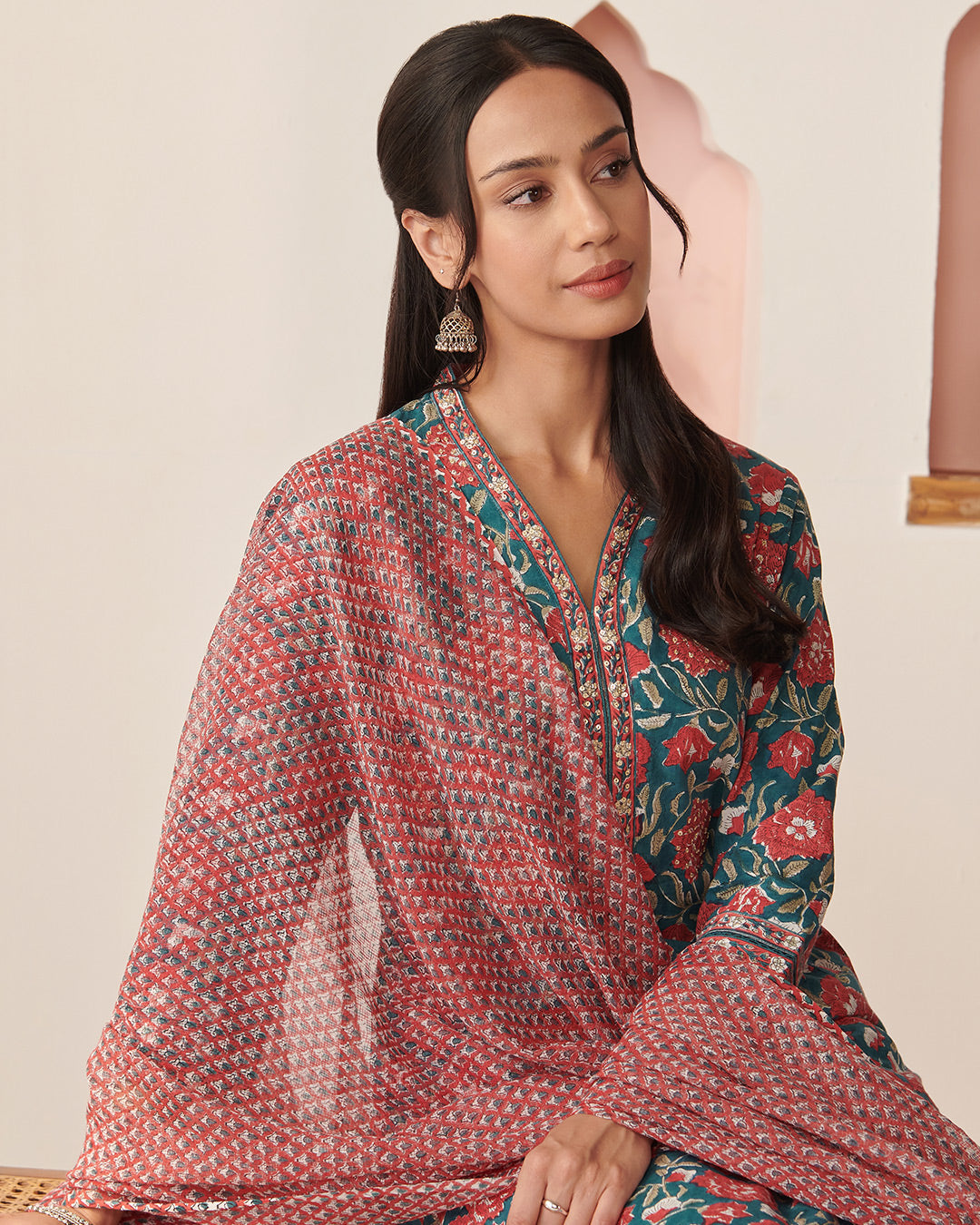
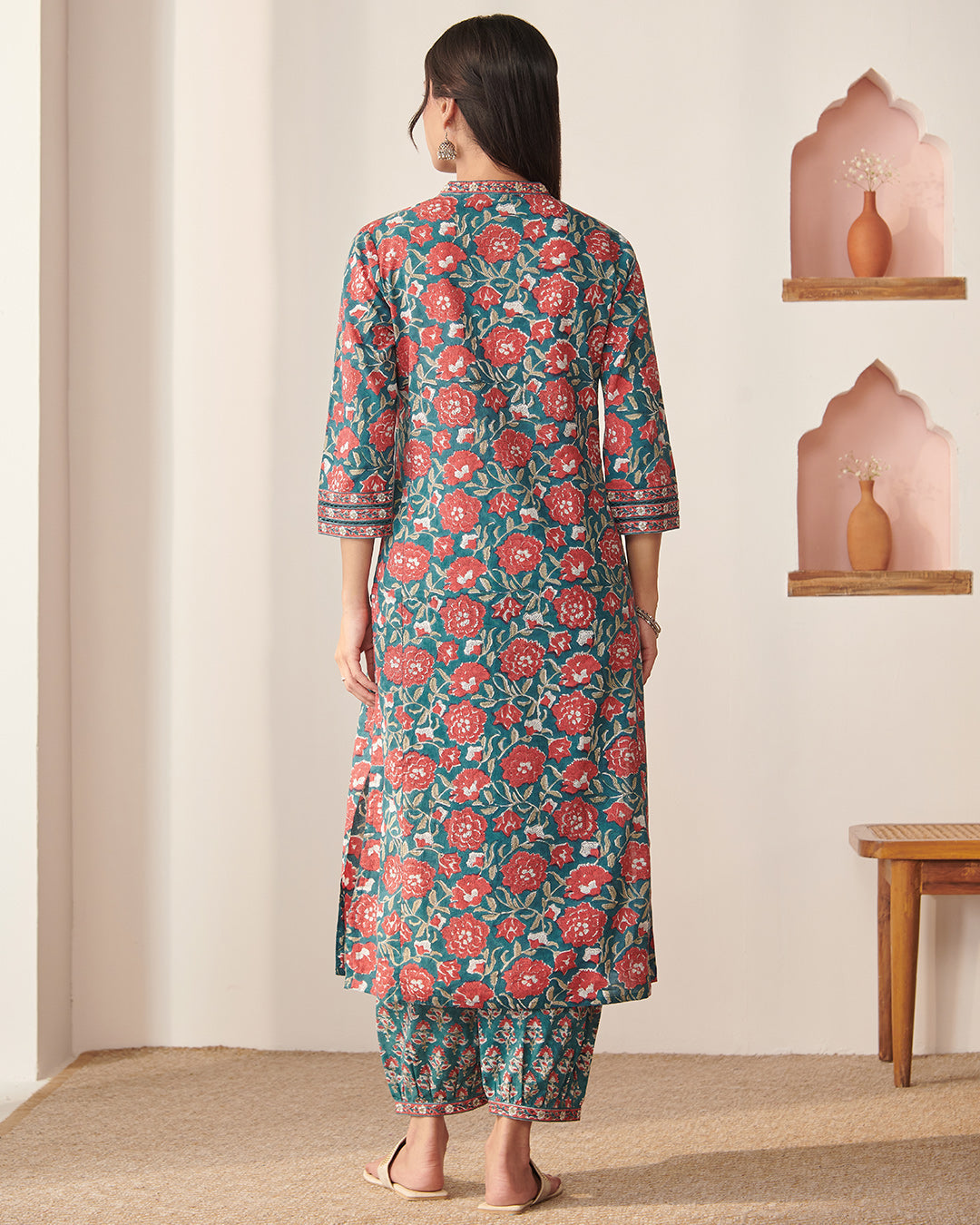
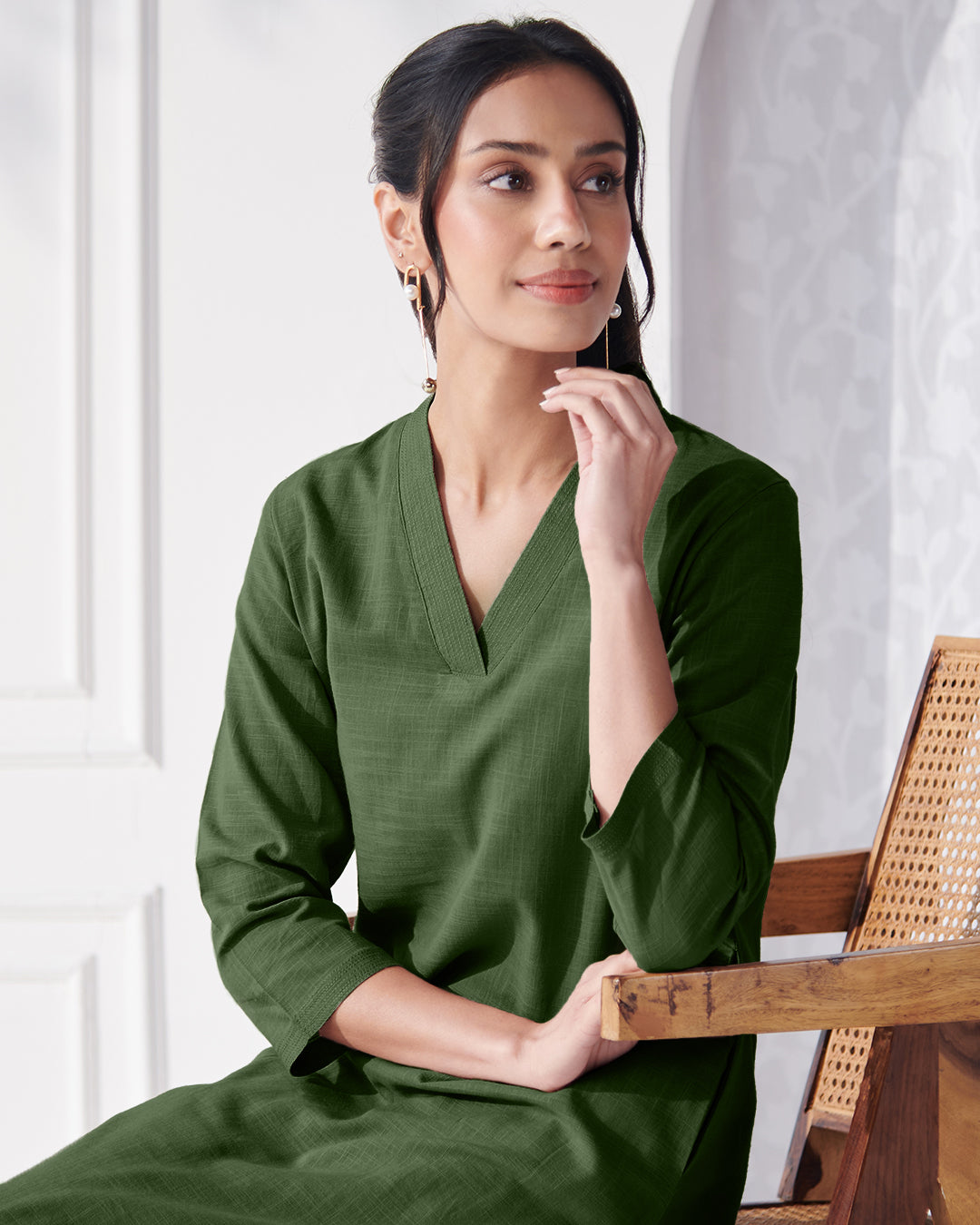
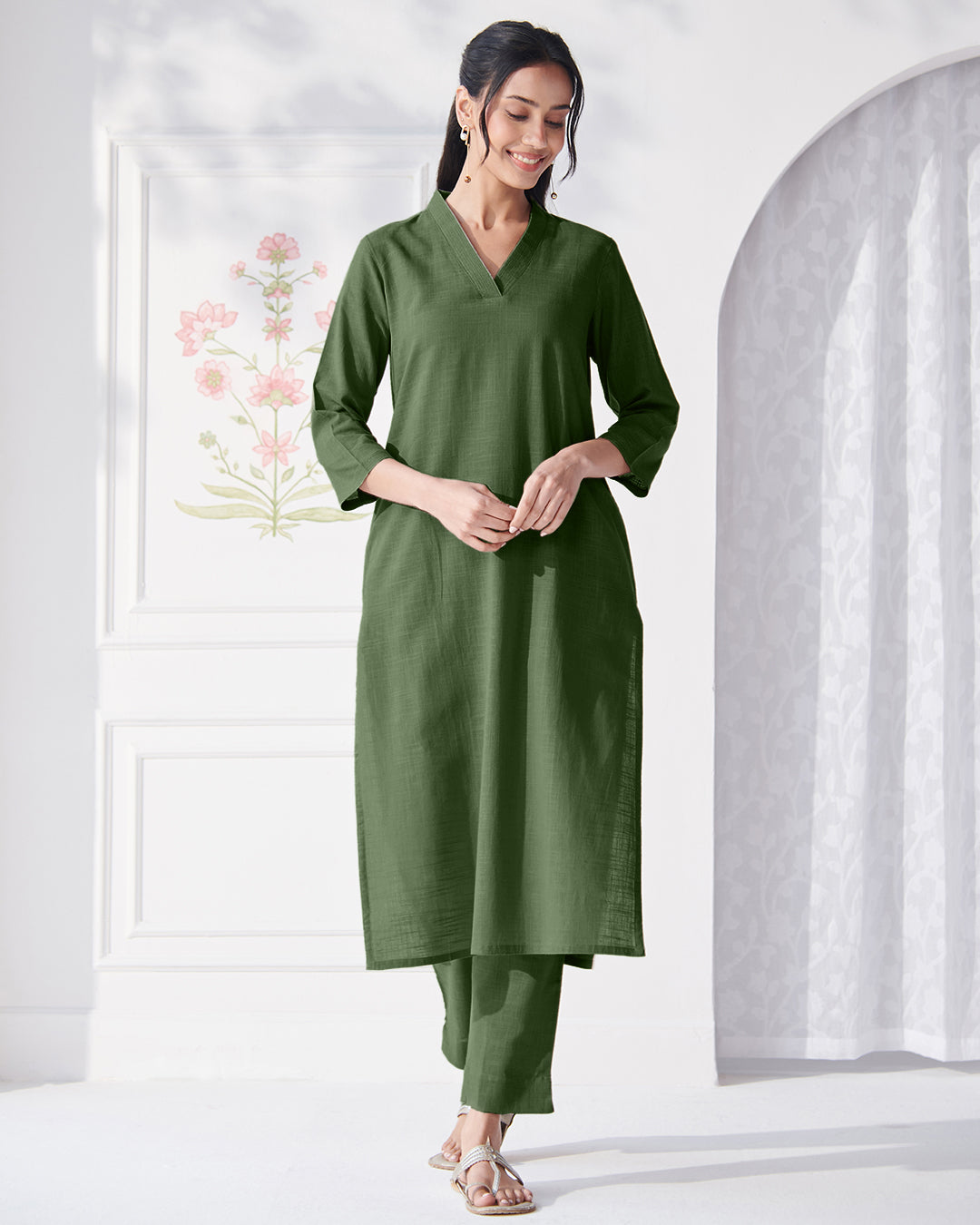
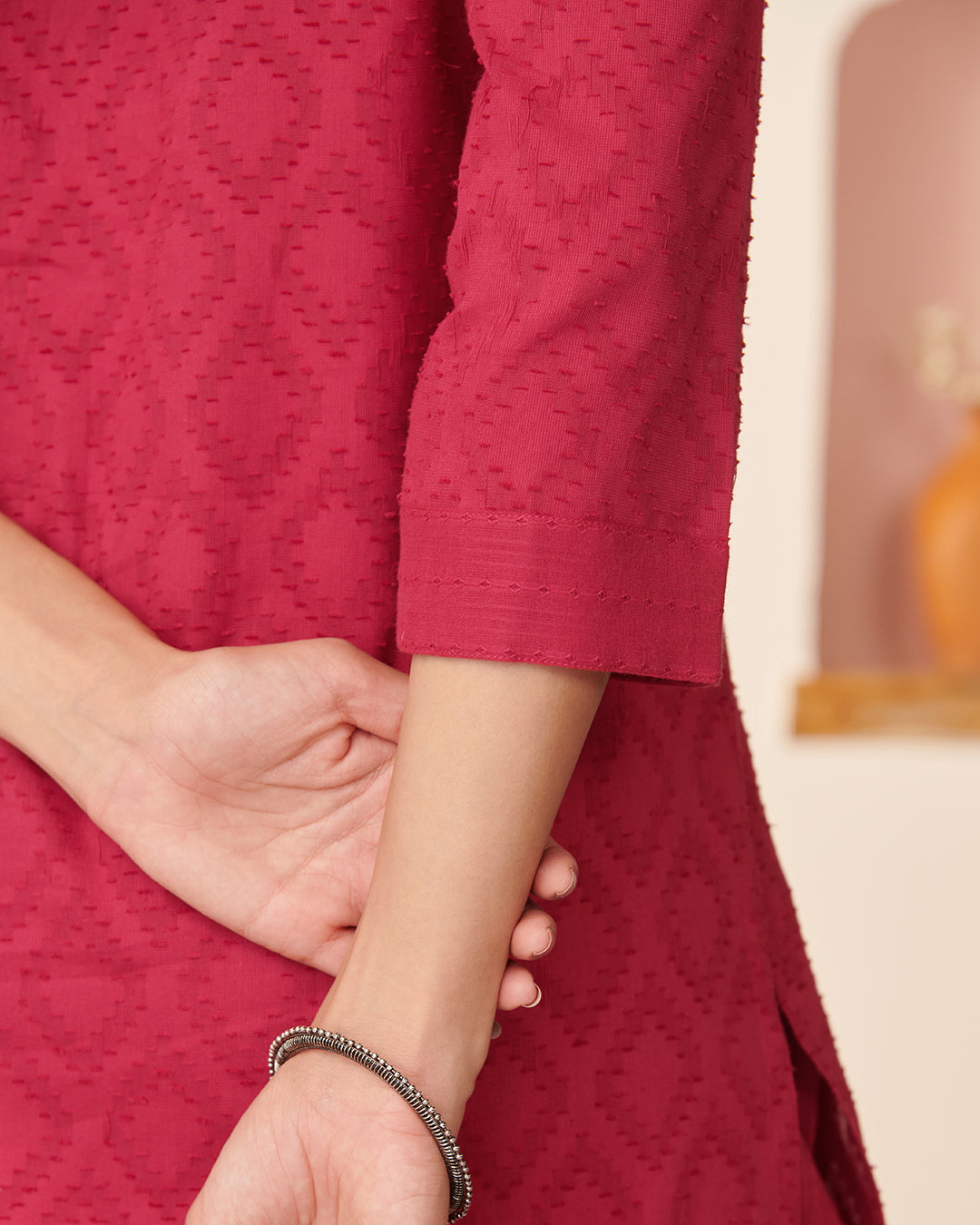
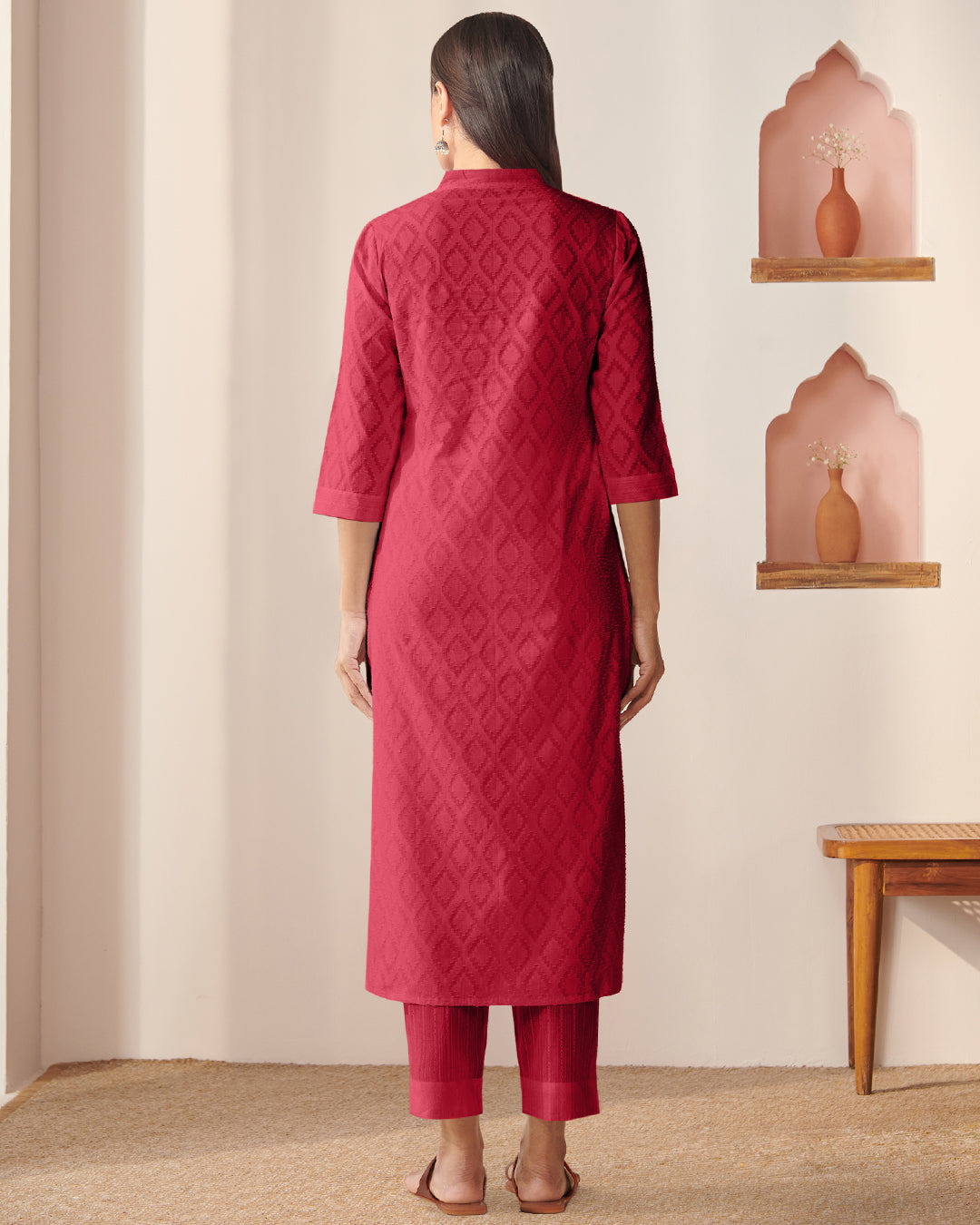
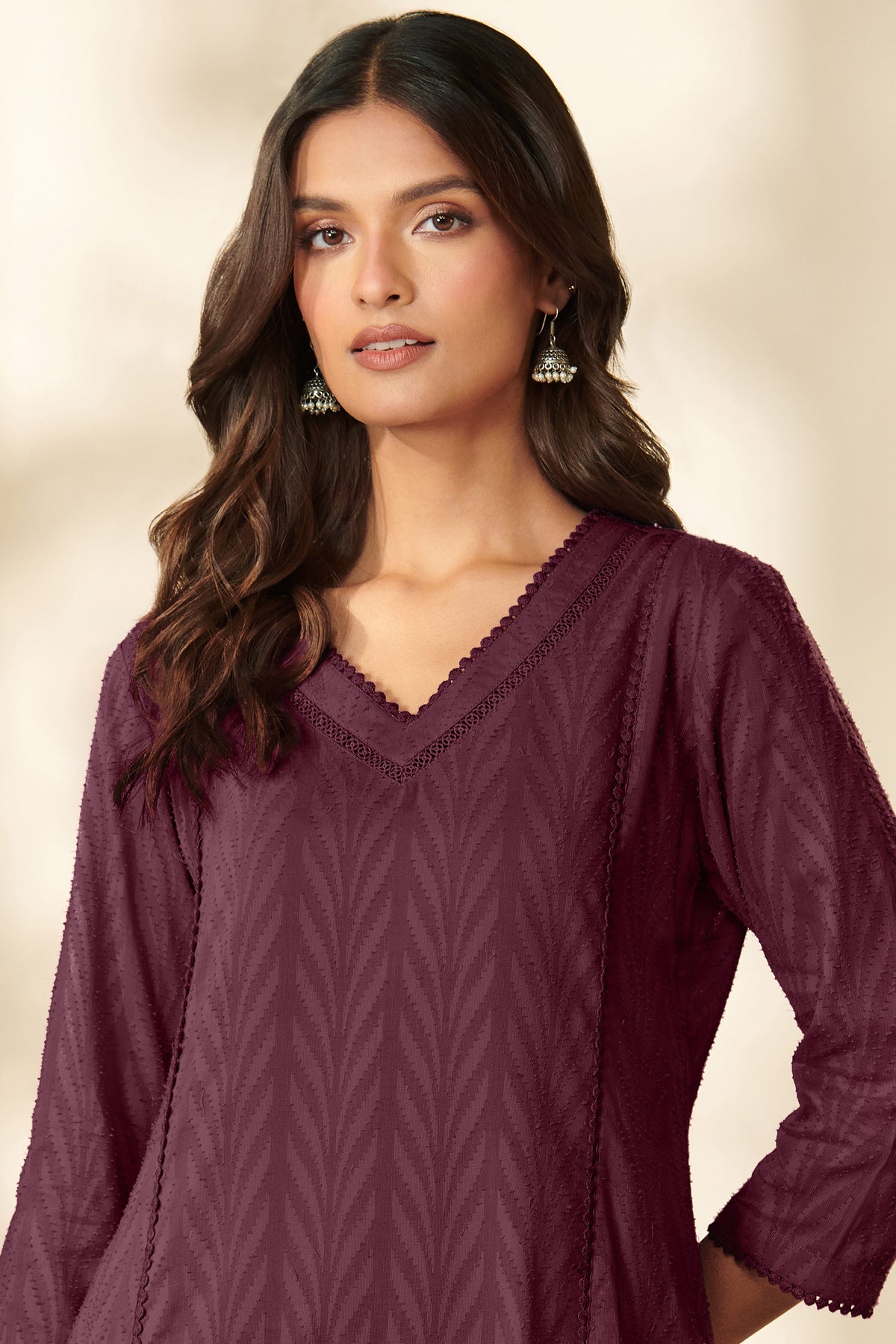
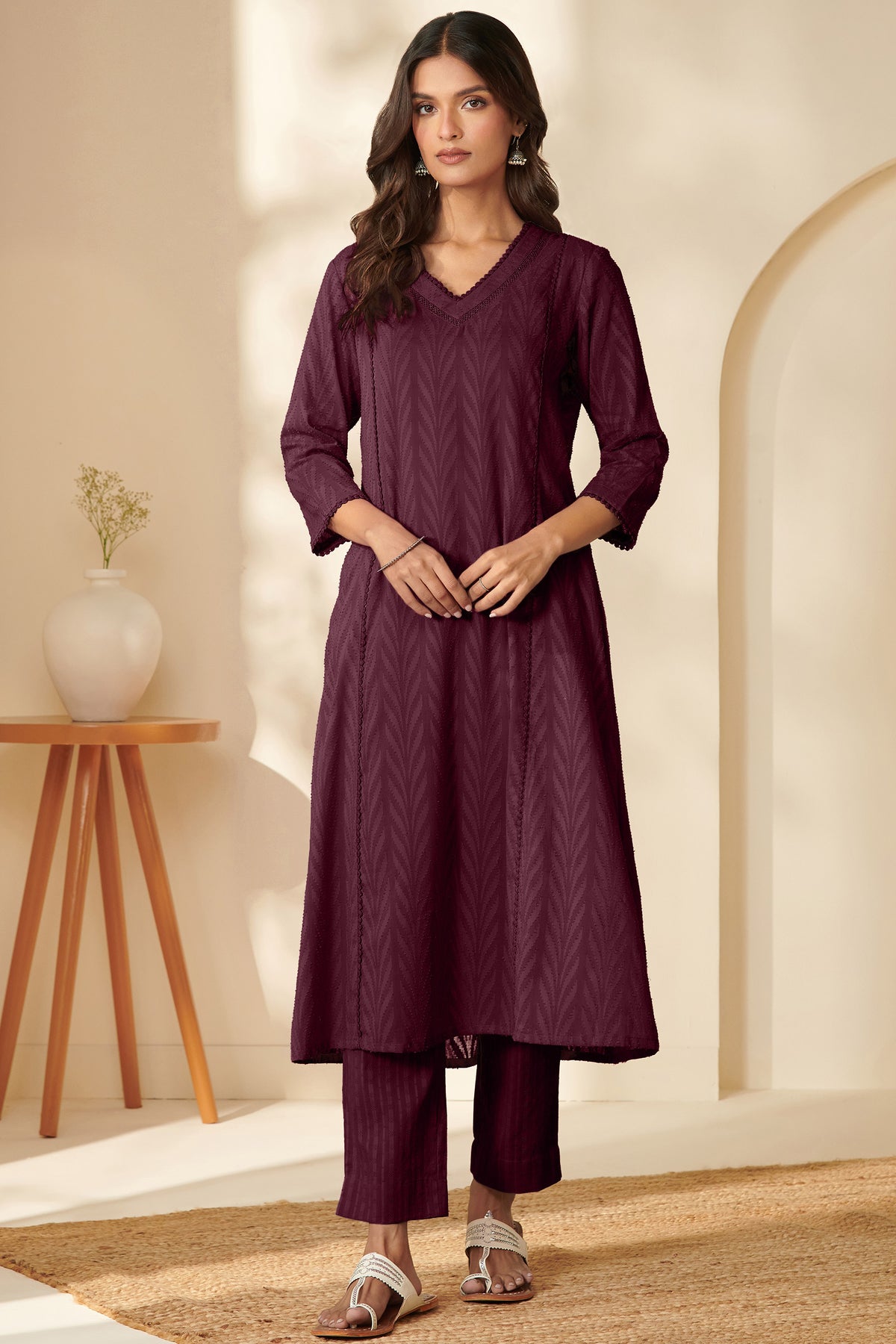



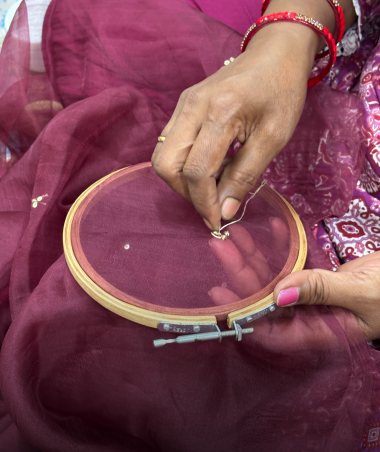
Which is better- mass-produced perfection OR handwork that turns fabric into a piece that is unique and unmistakably human?
By: Kanchan Kumari
19/ 08/ 2025
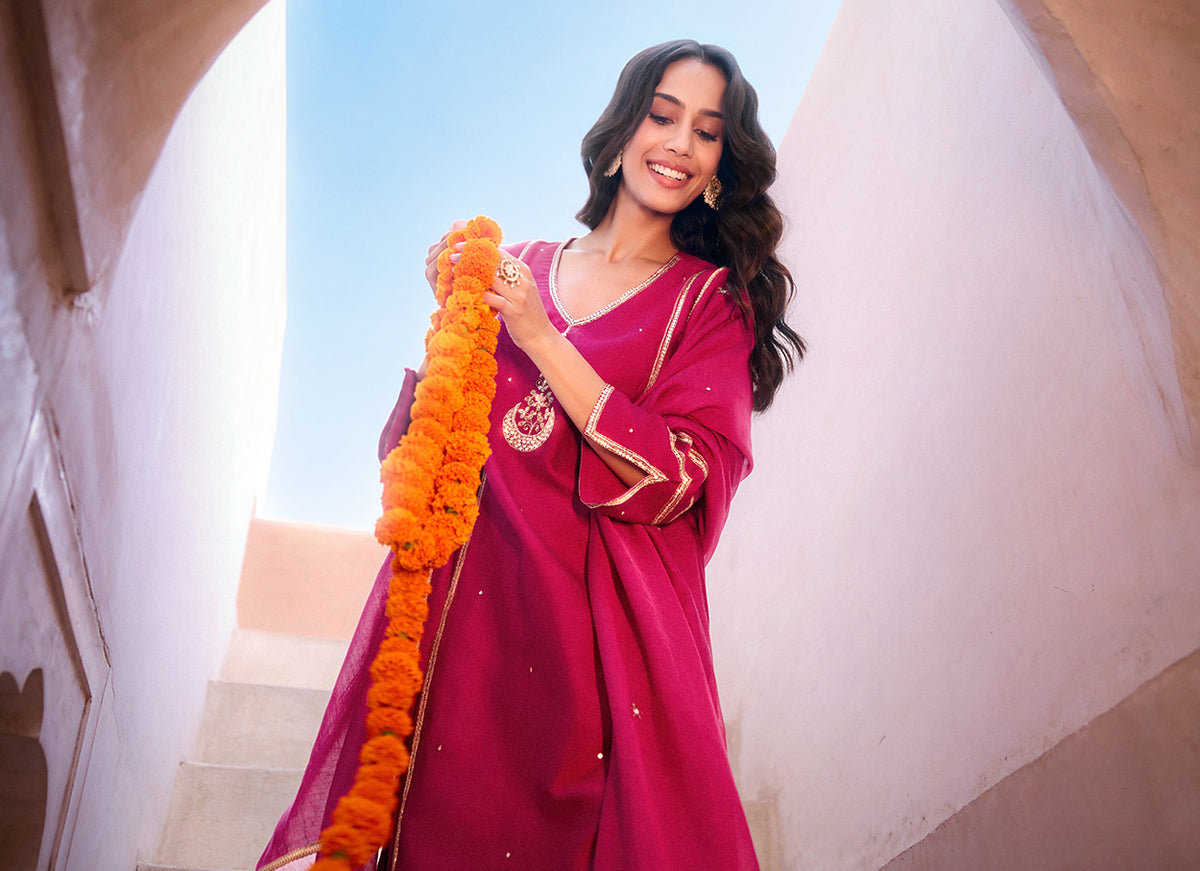
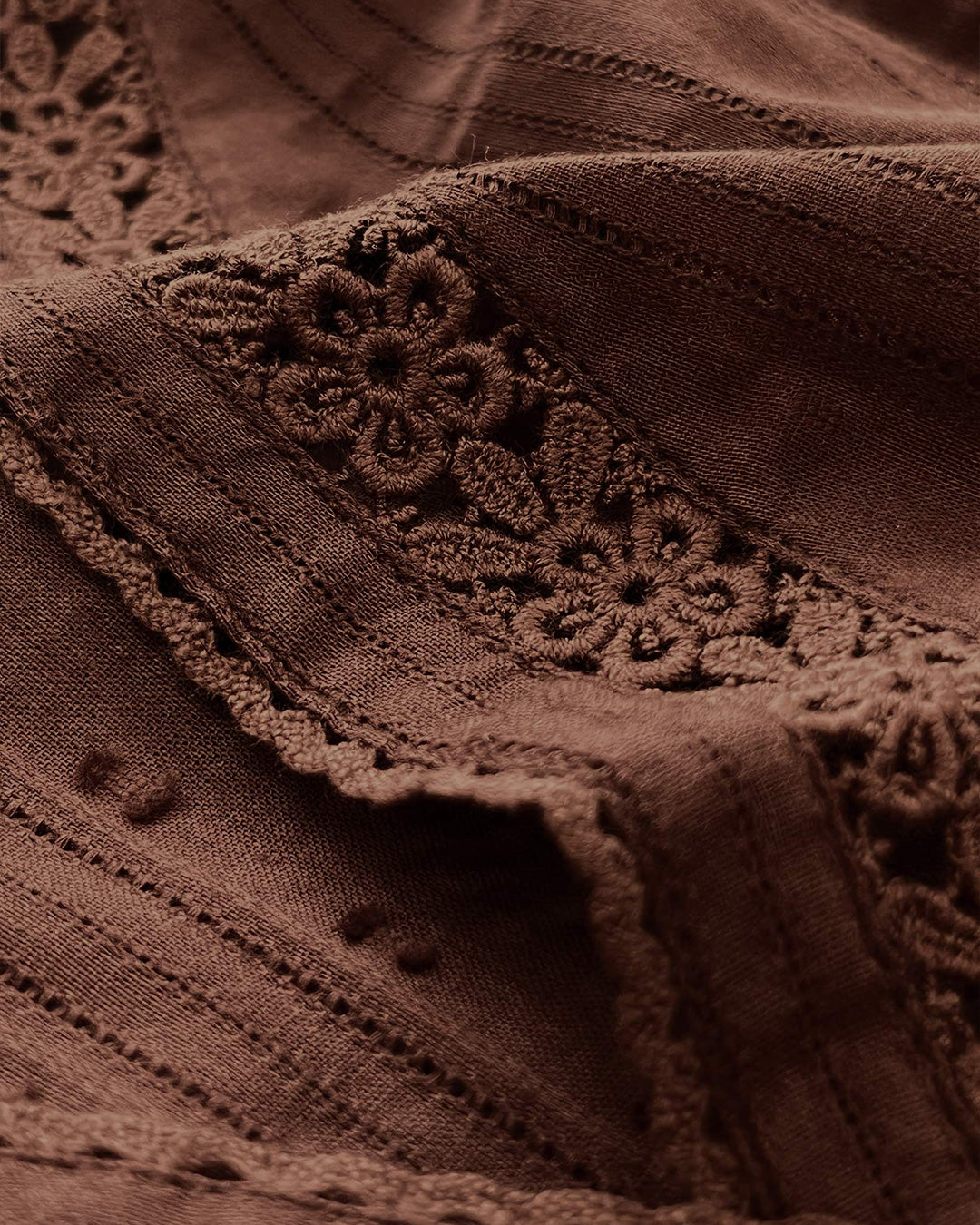
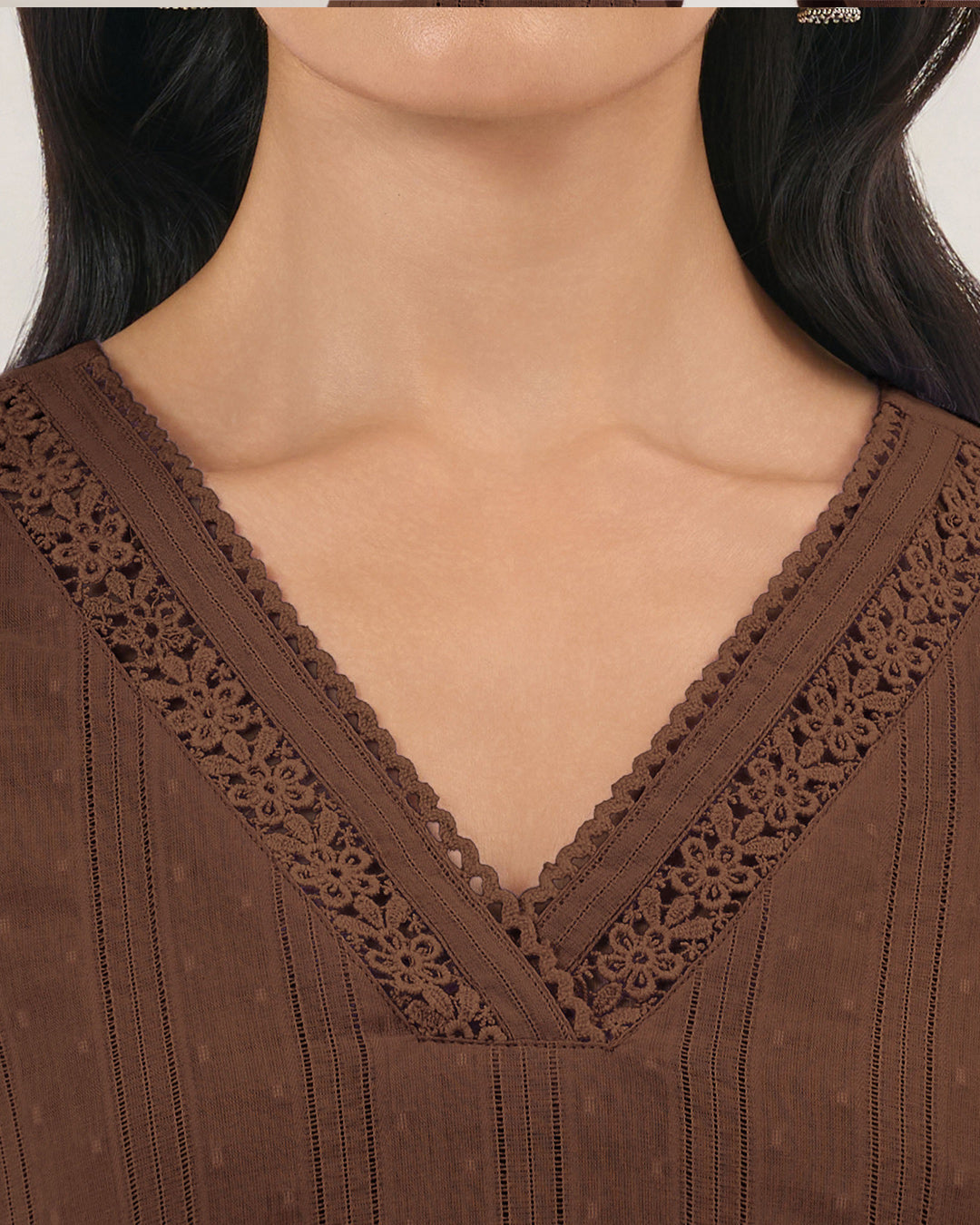
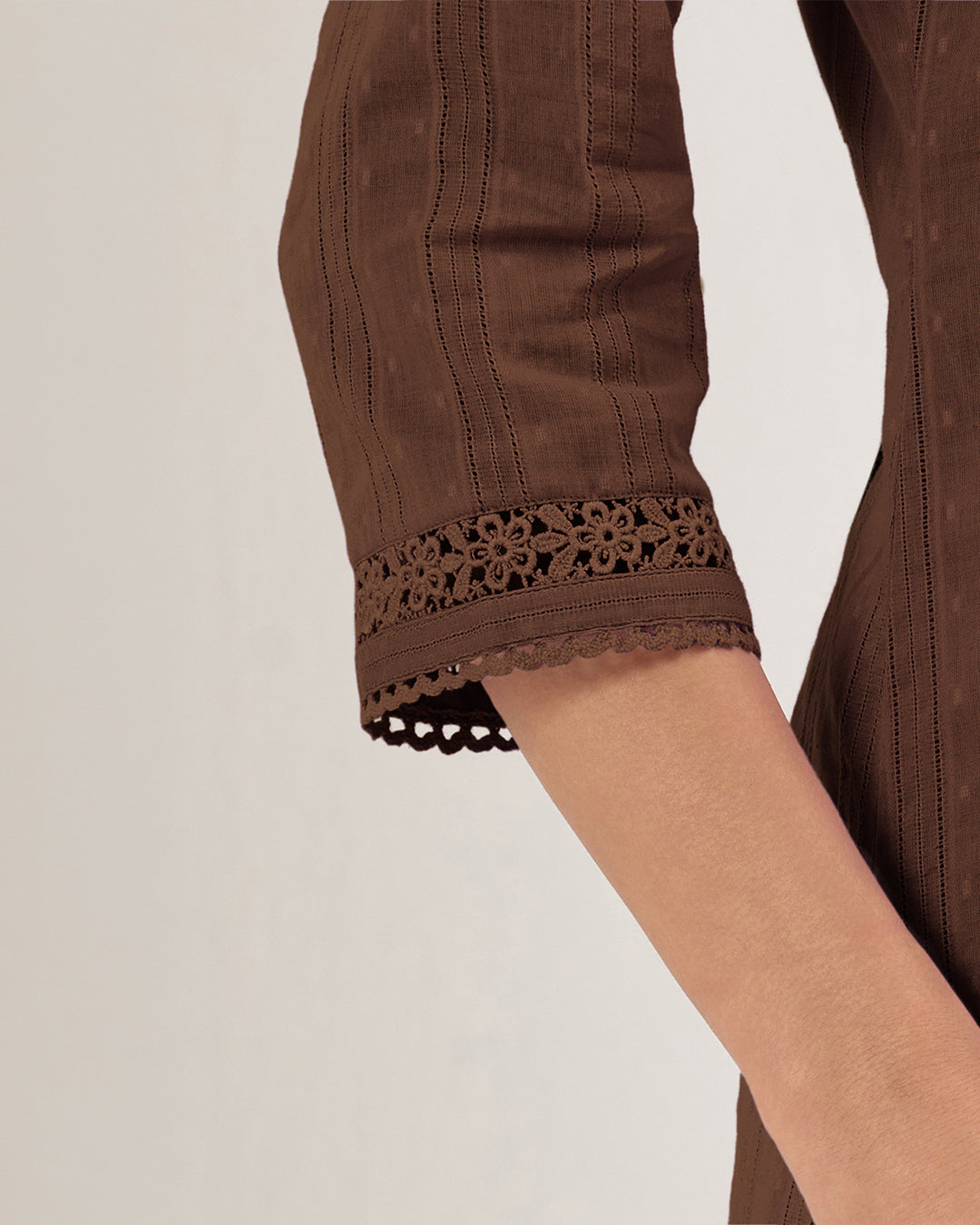
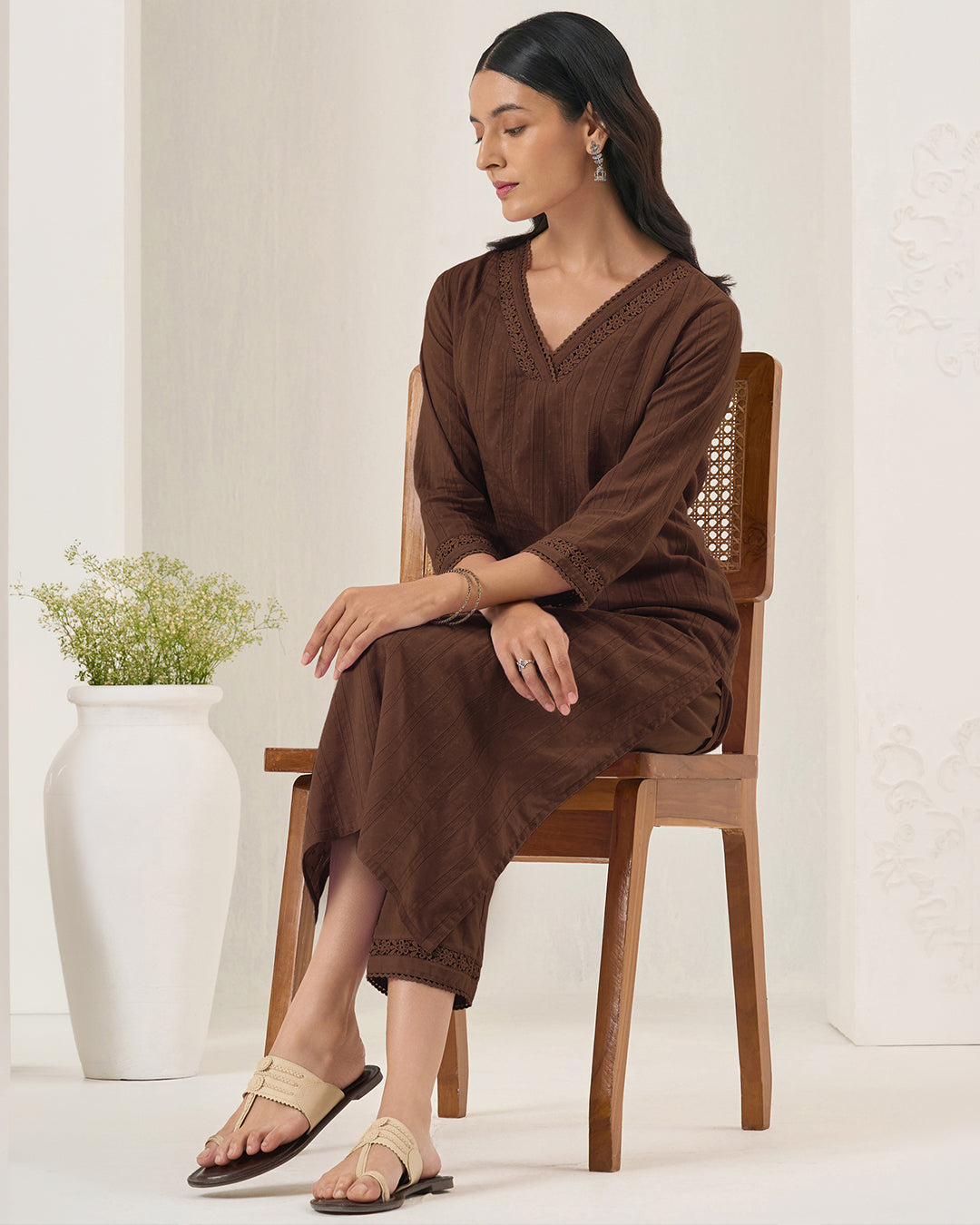
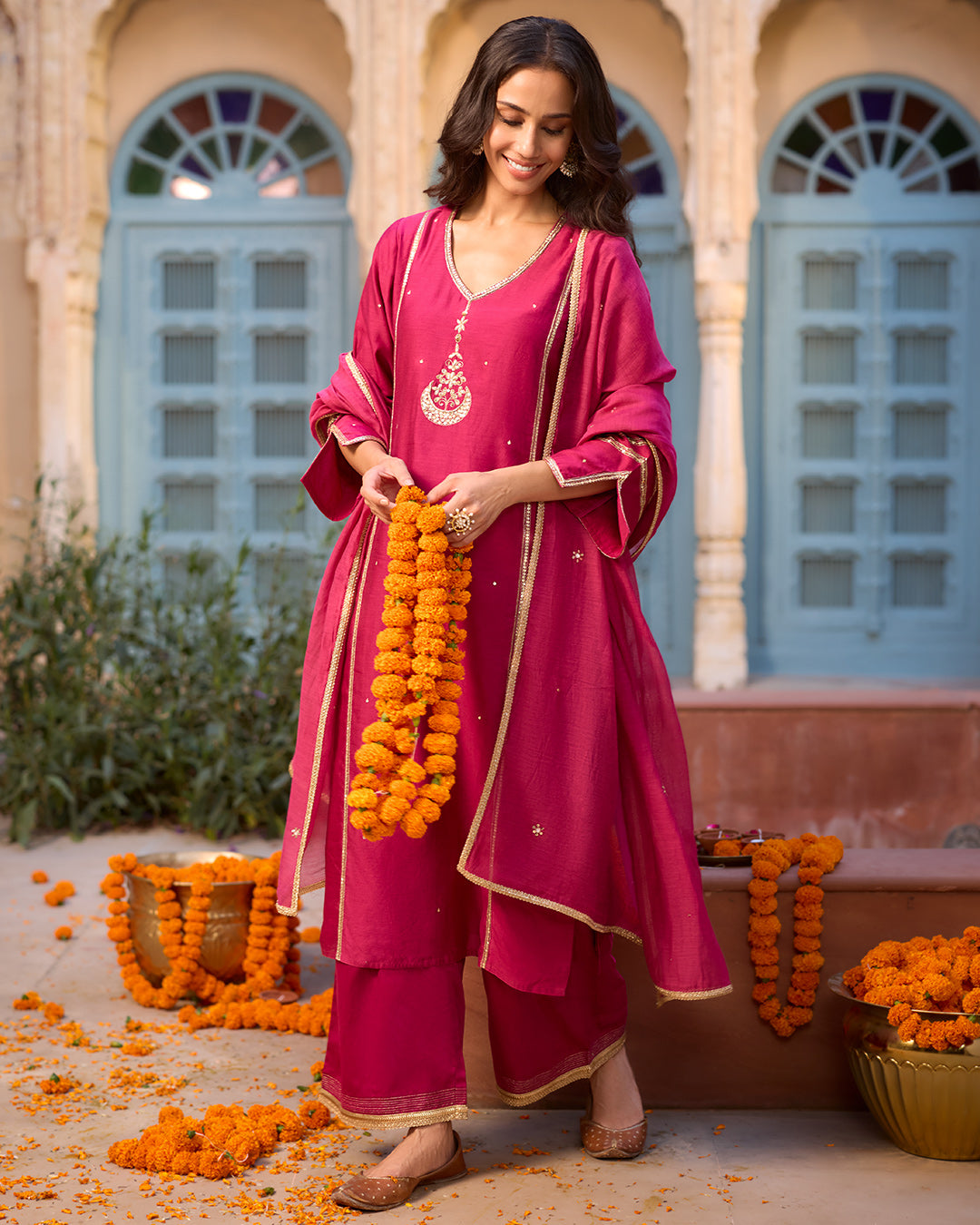
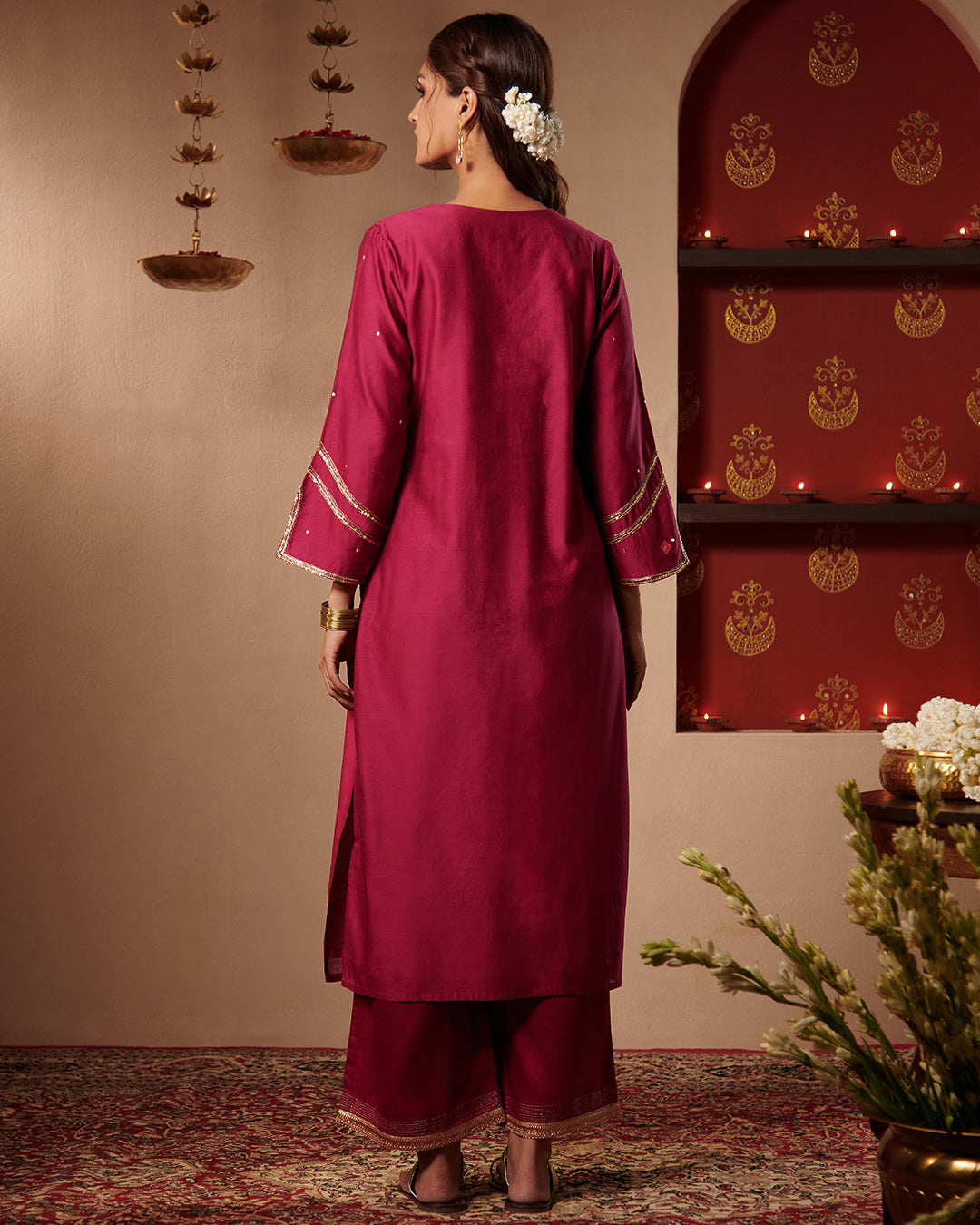
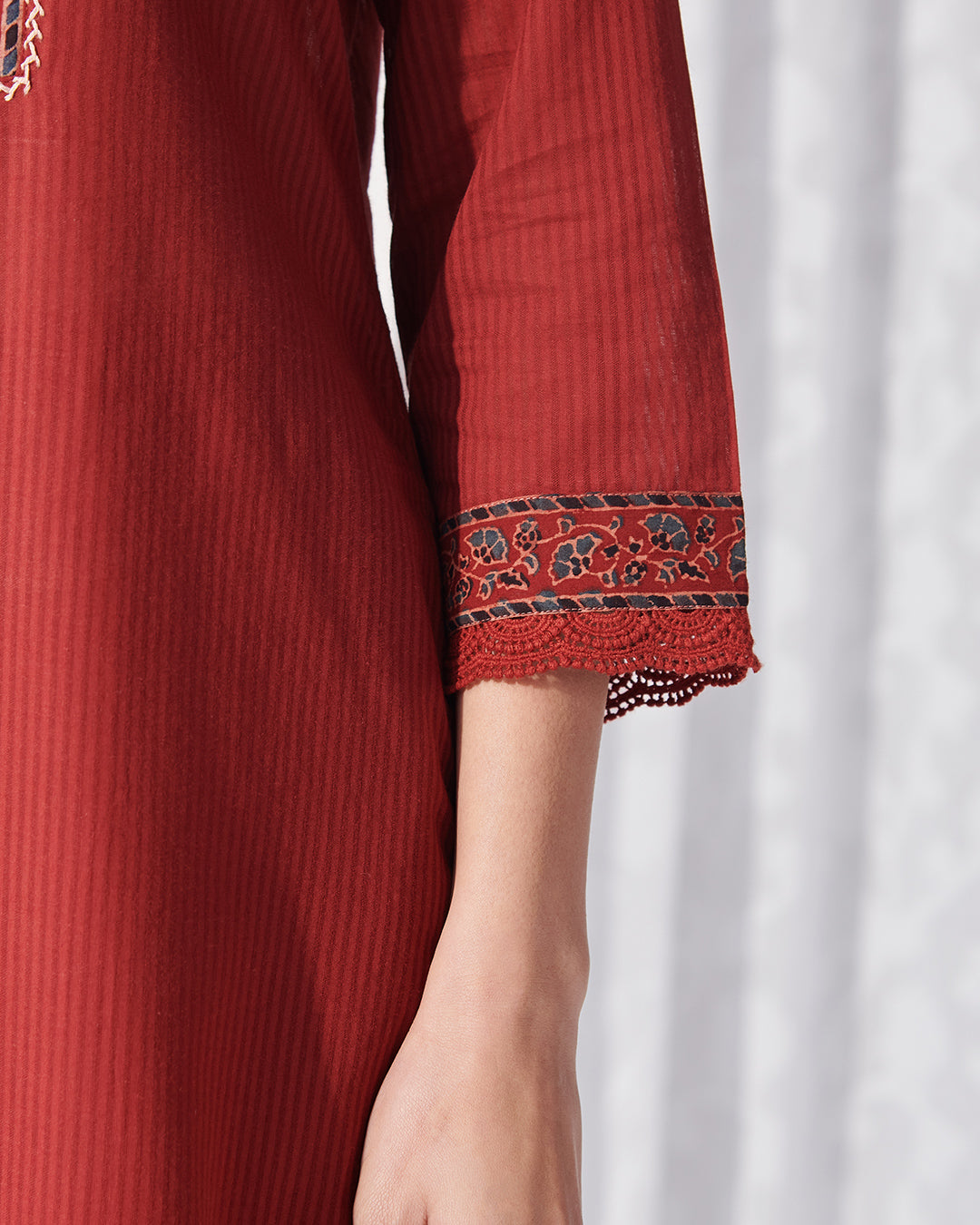
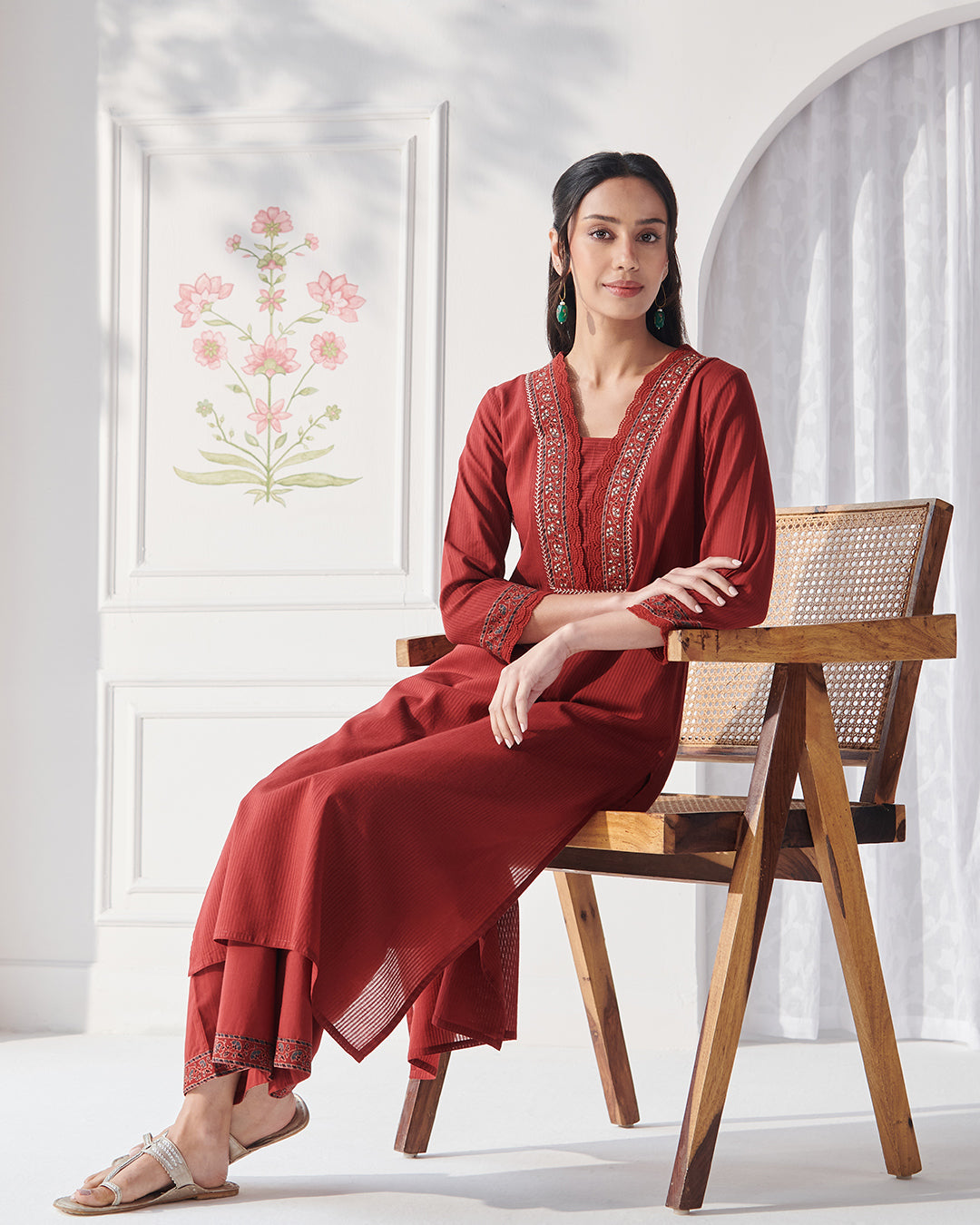
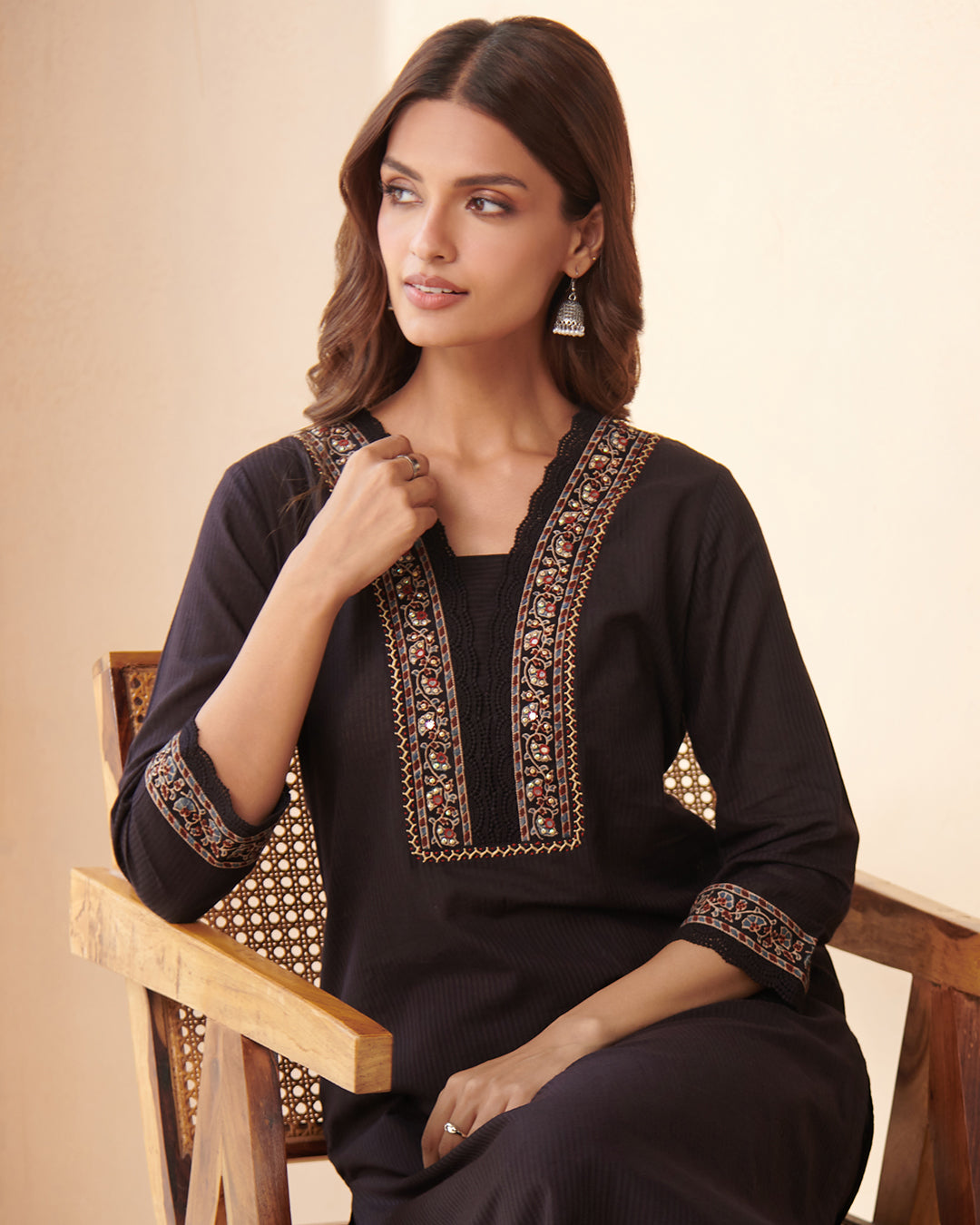
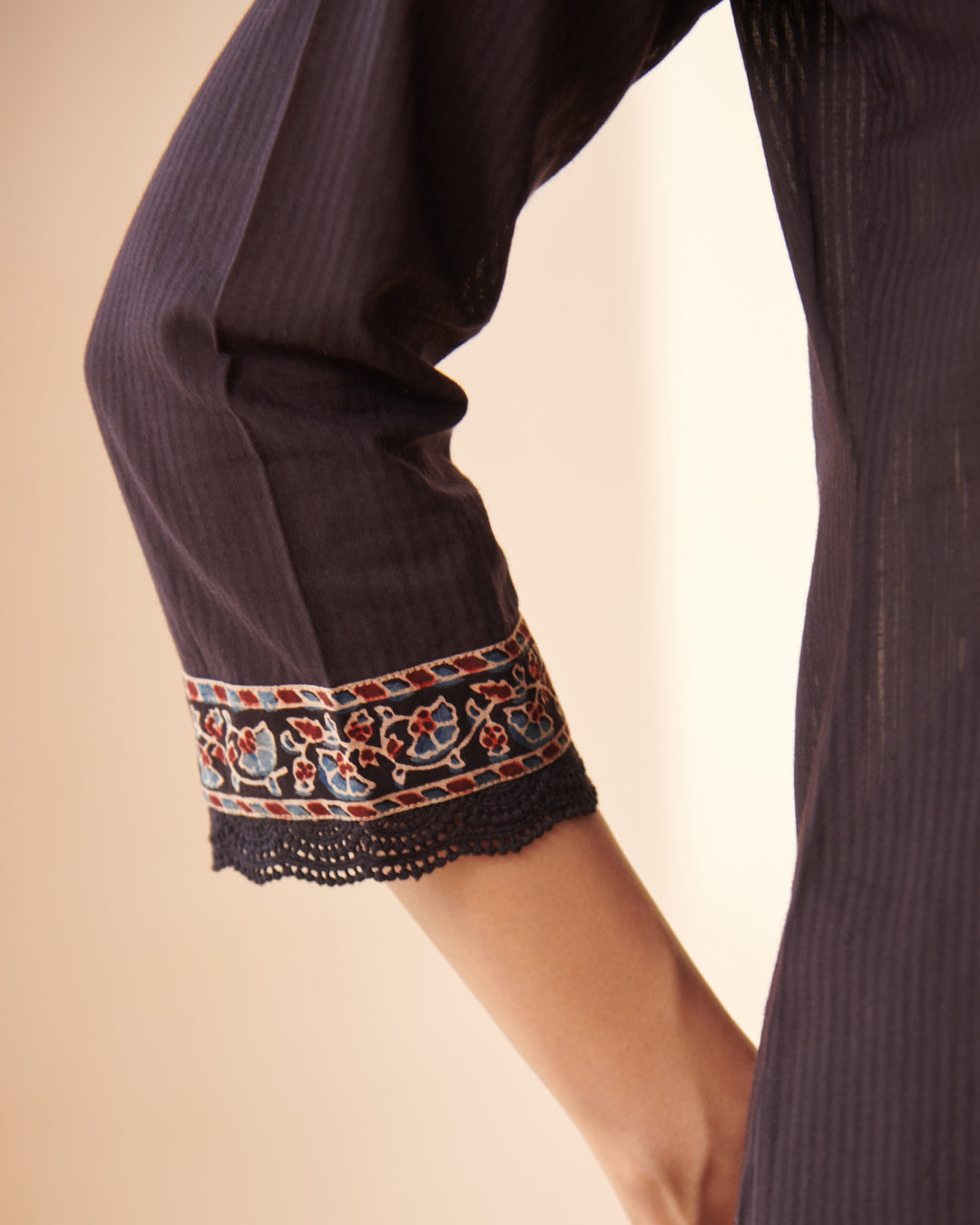
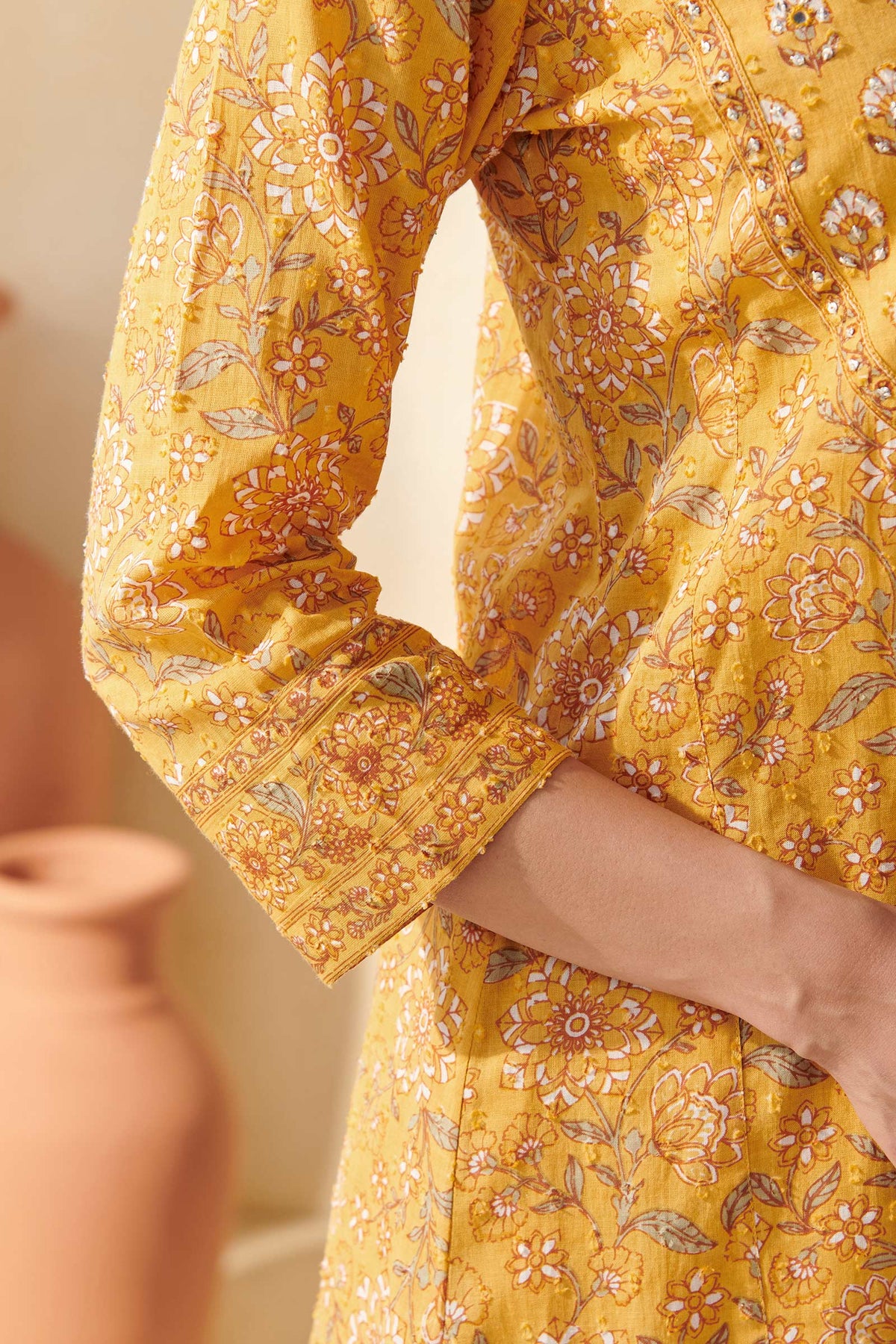
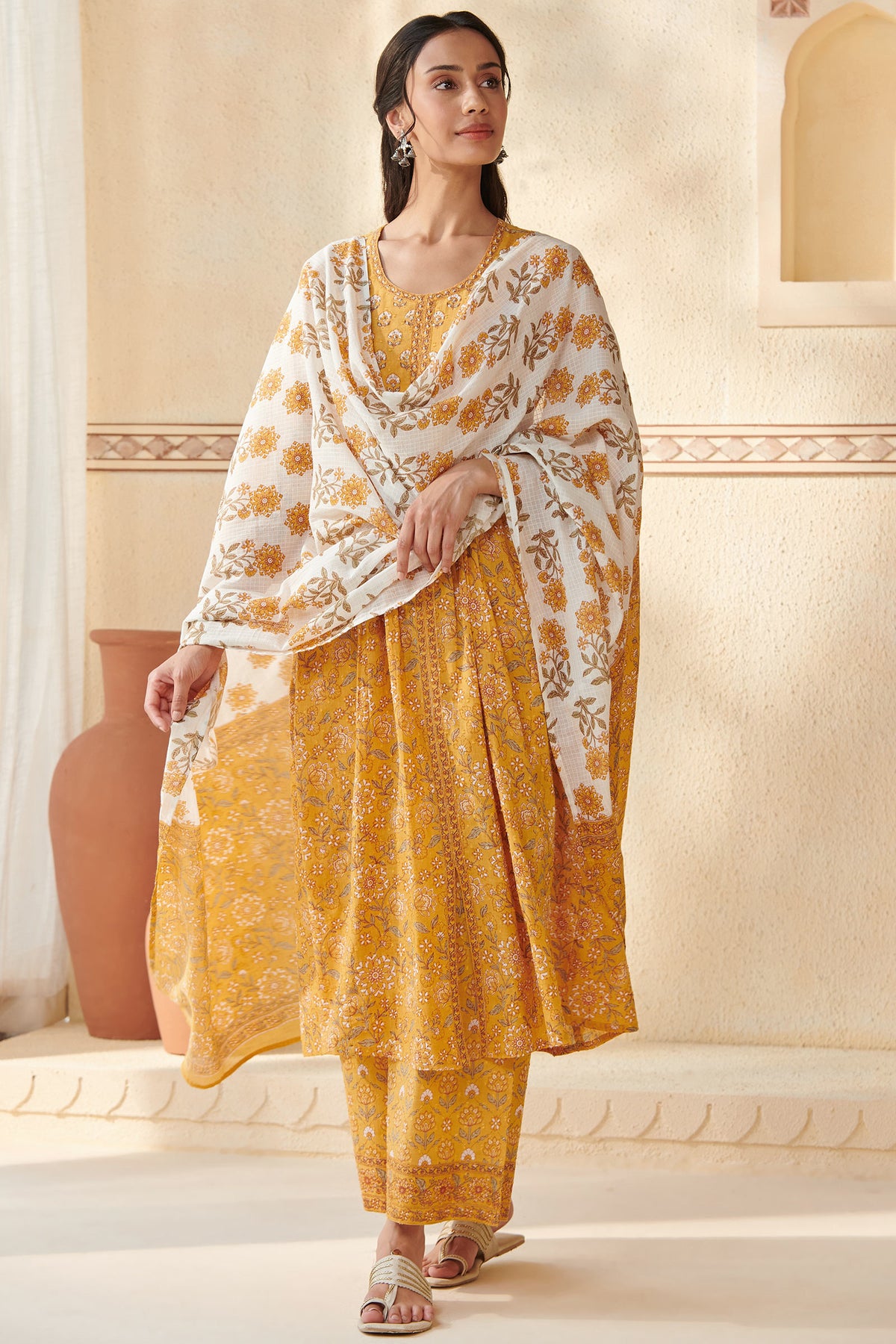
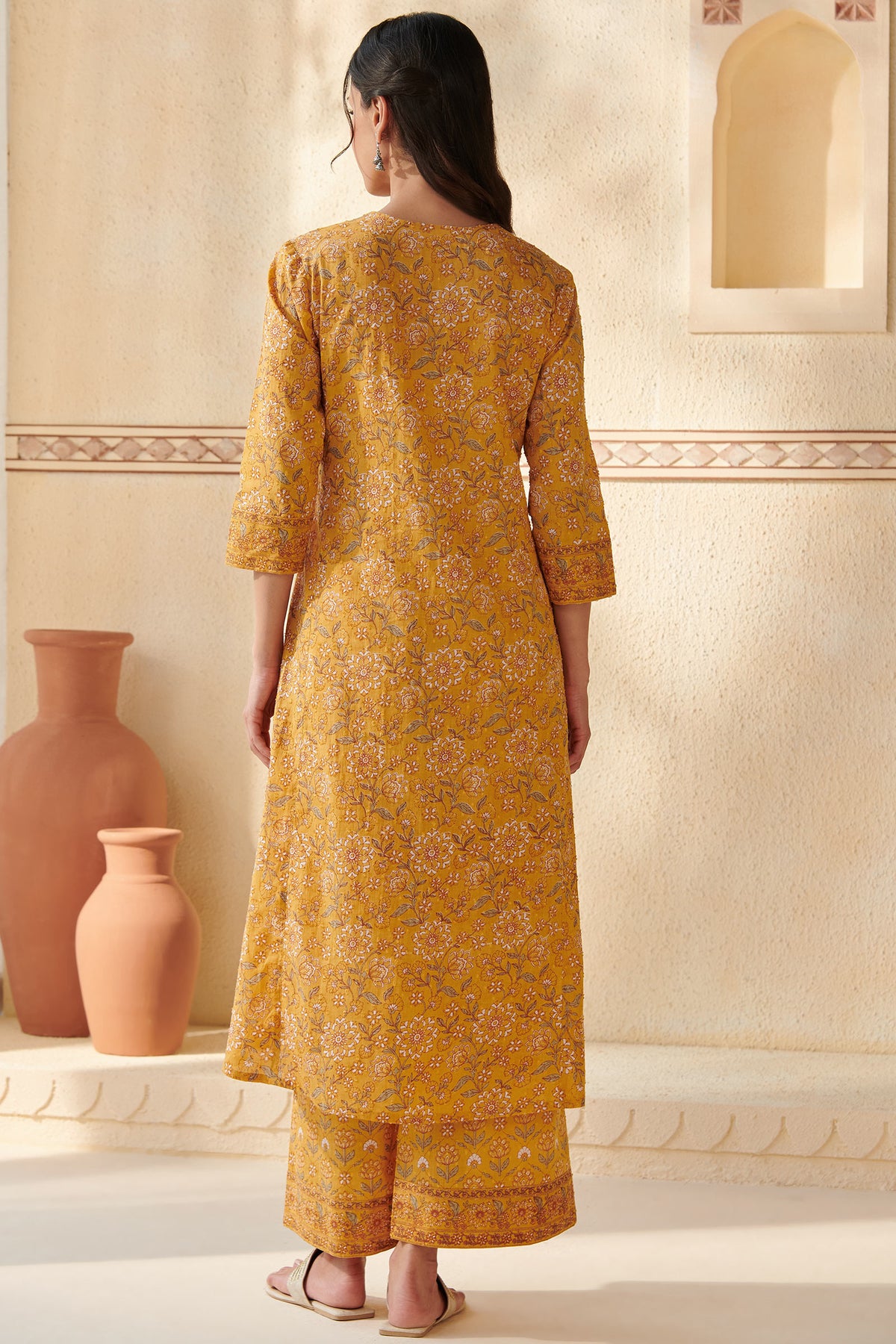
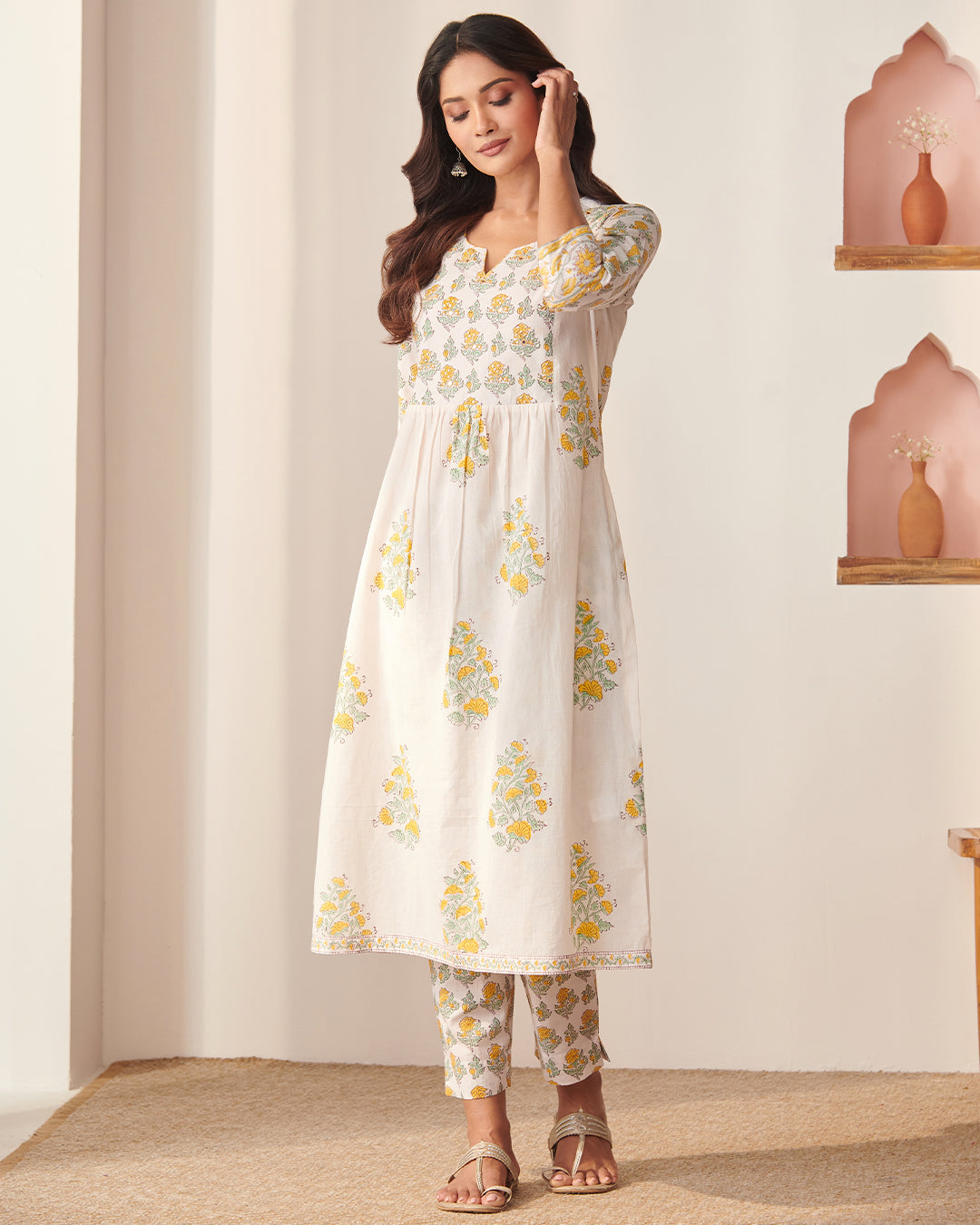
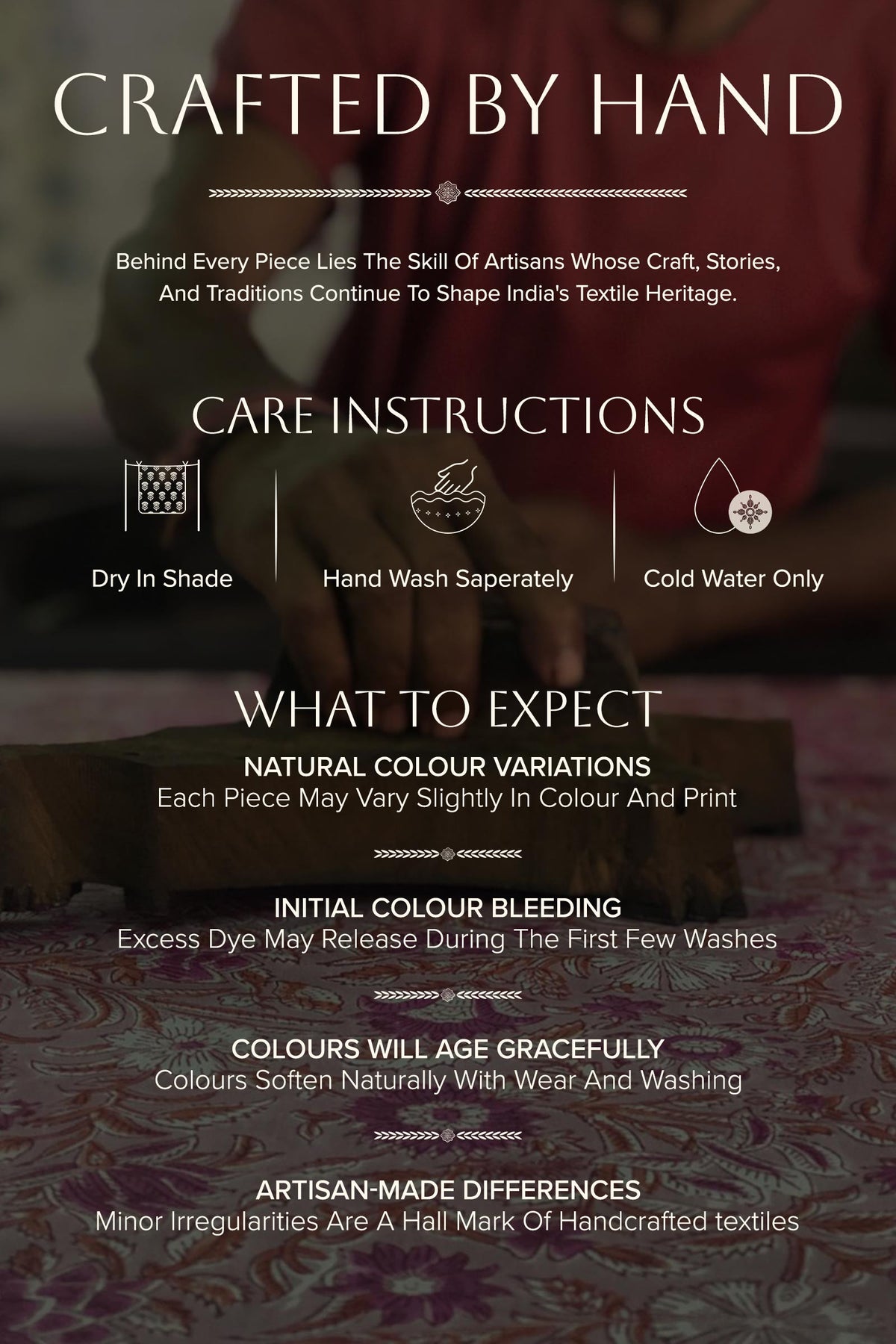
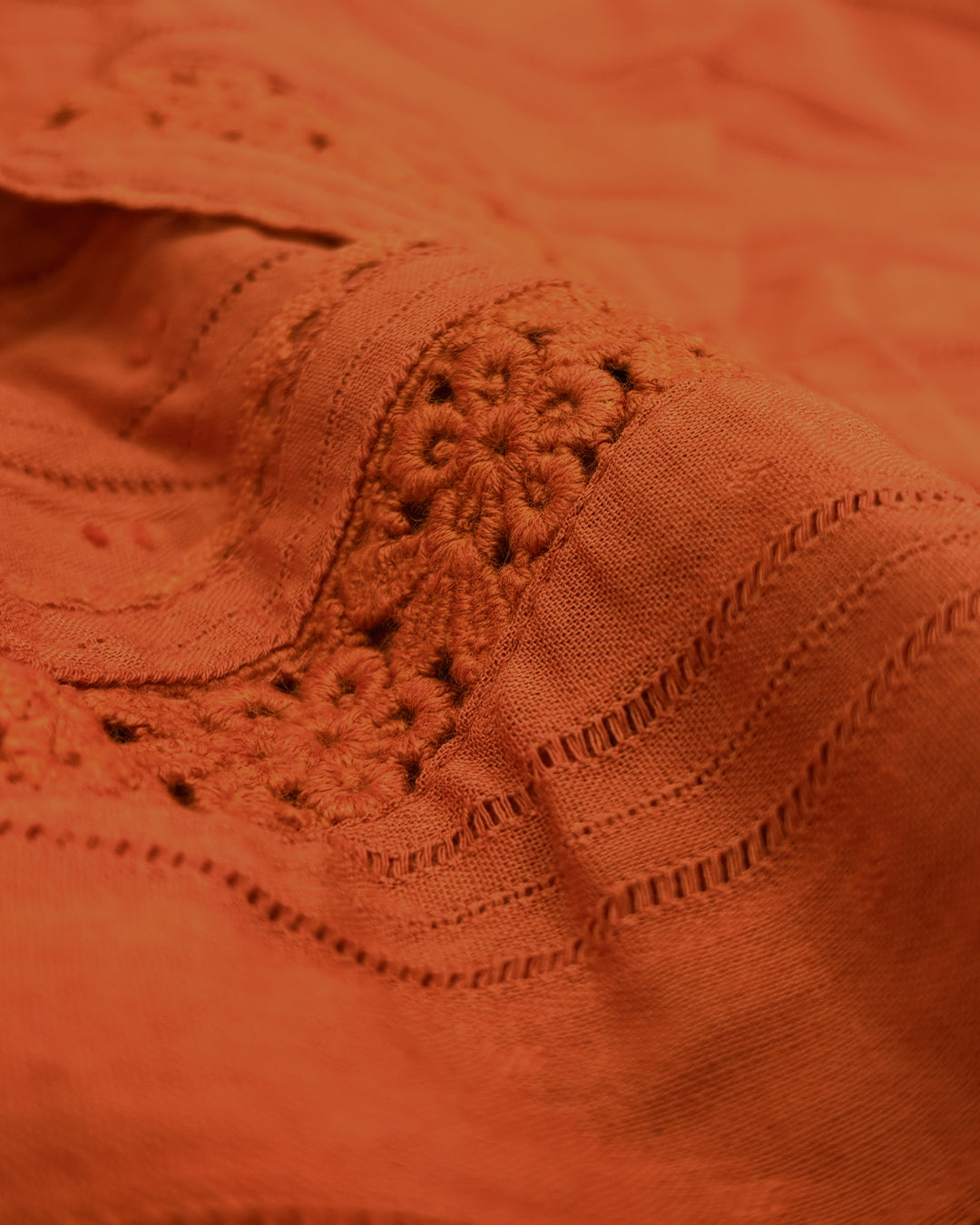
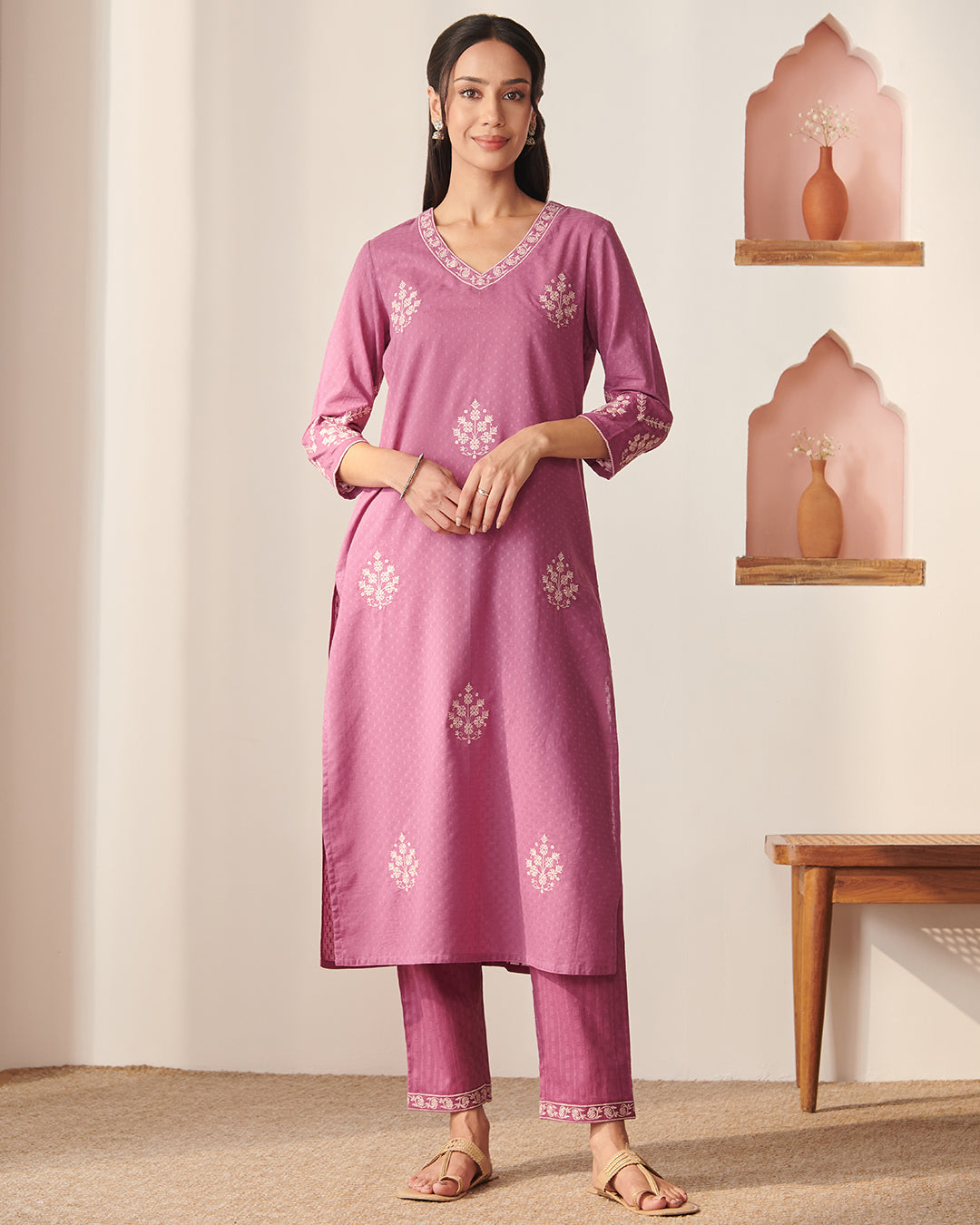
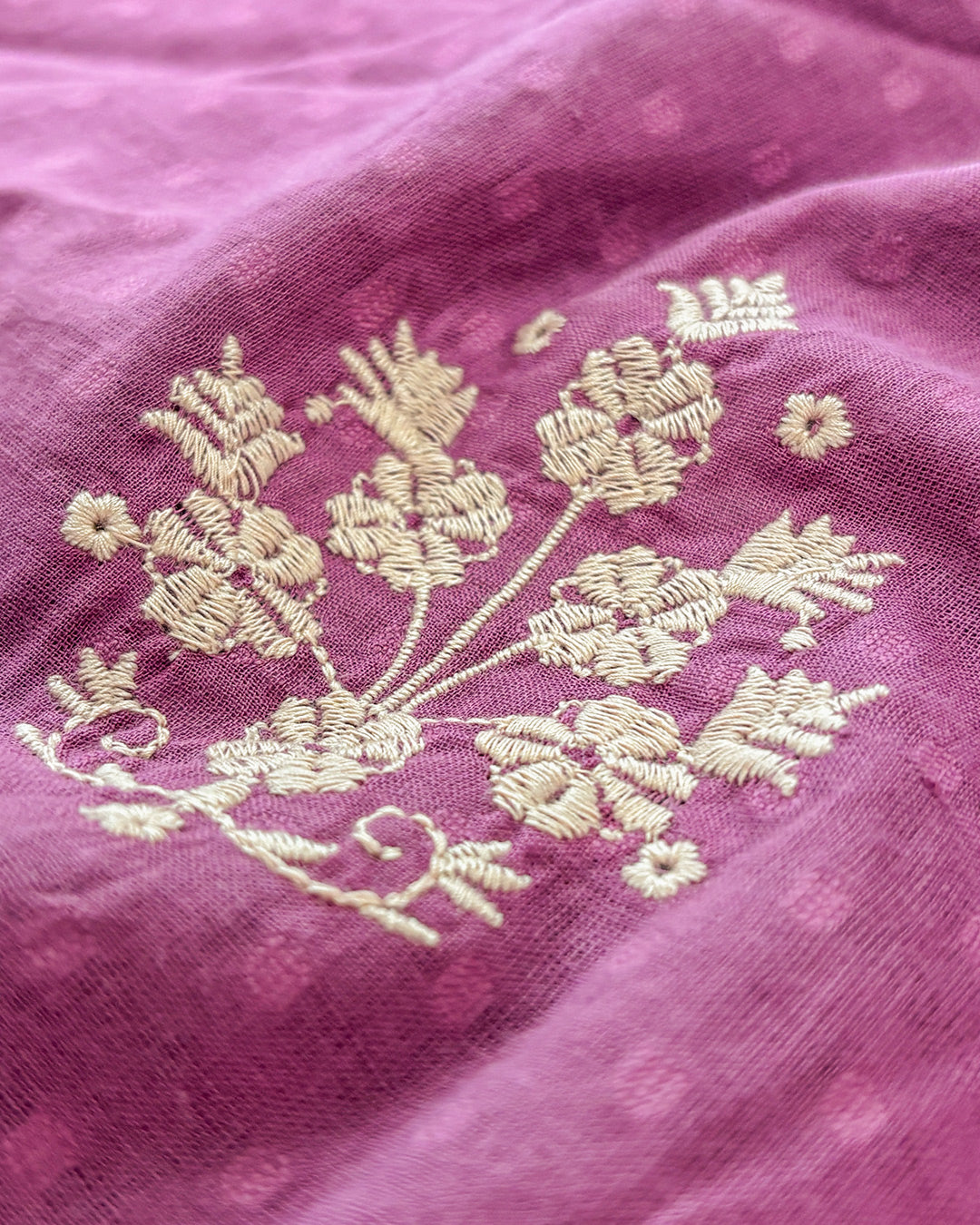
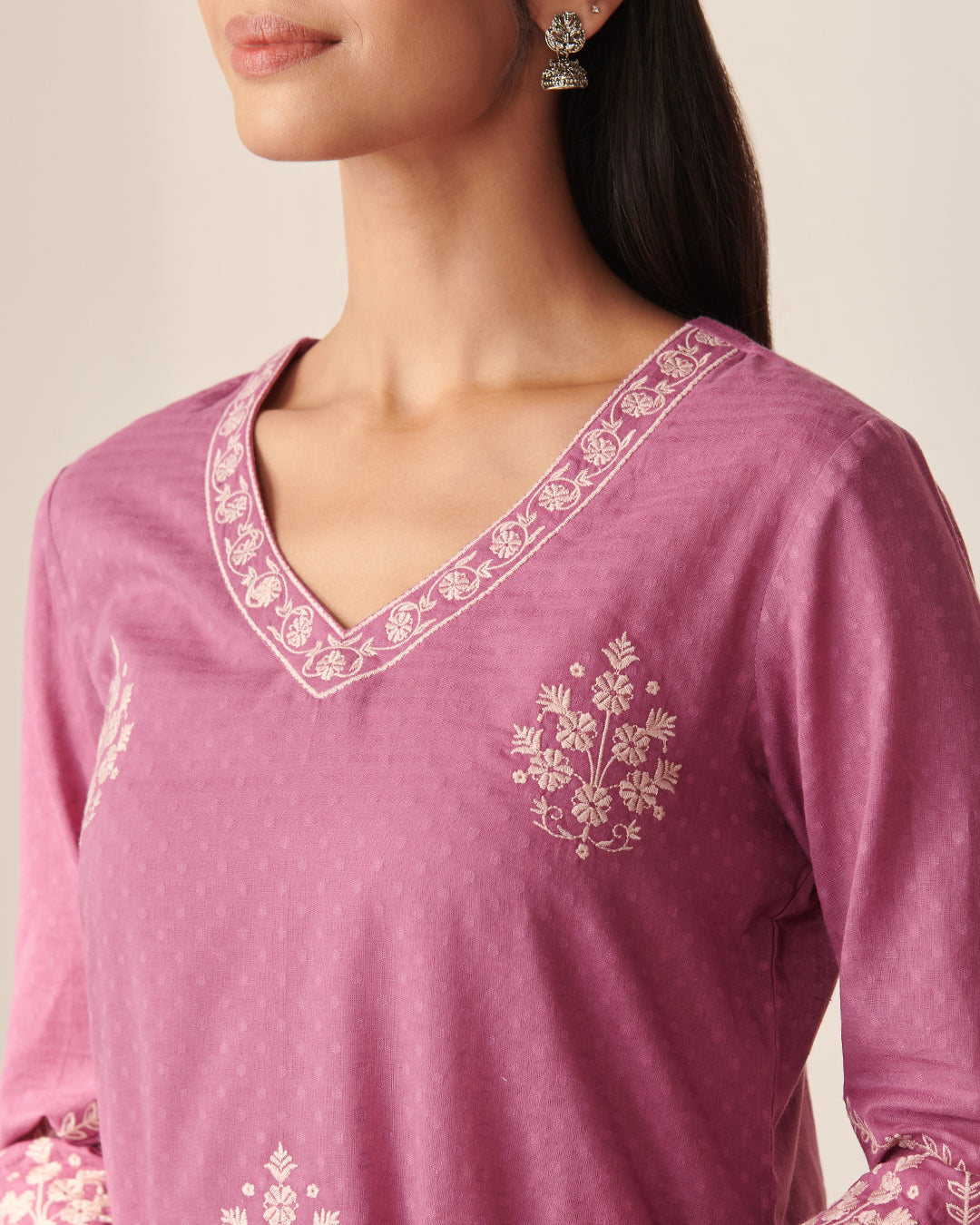
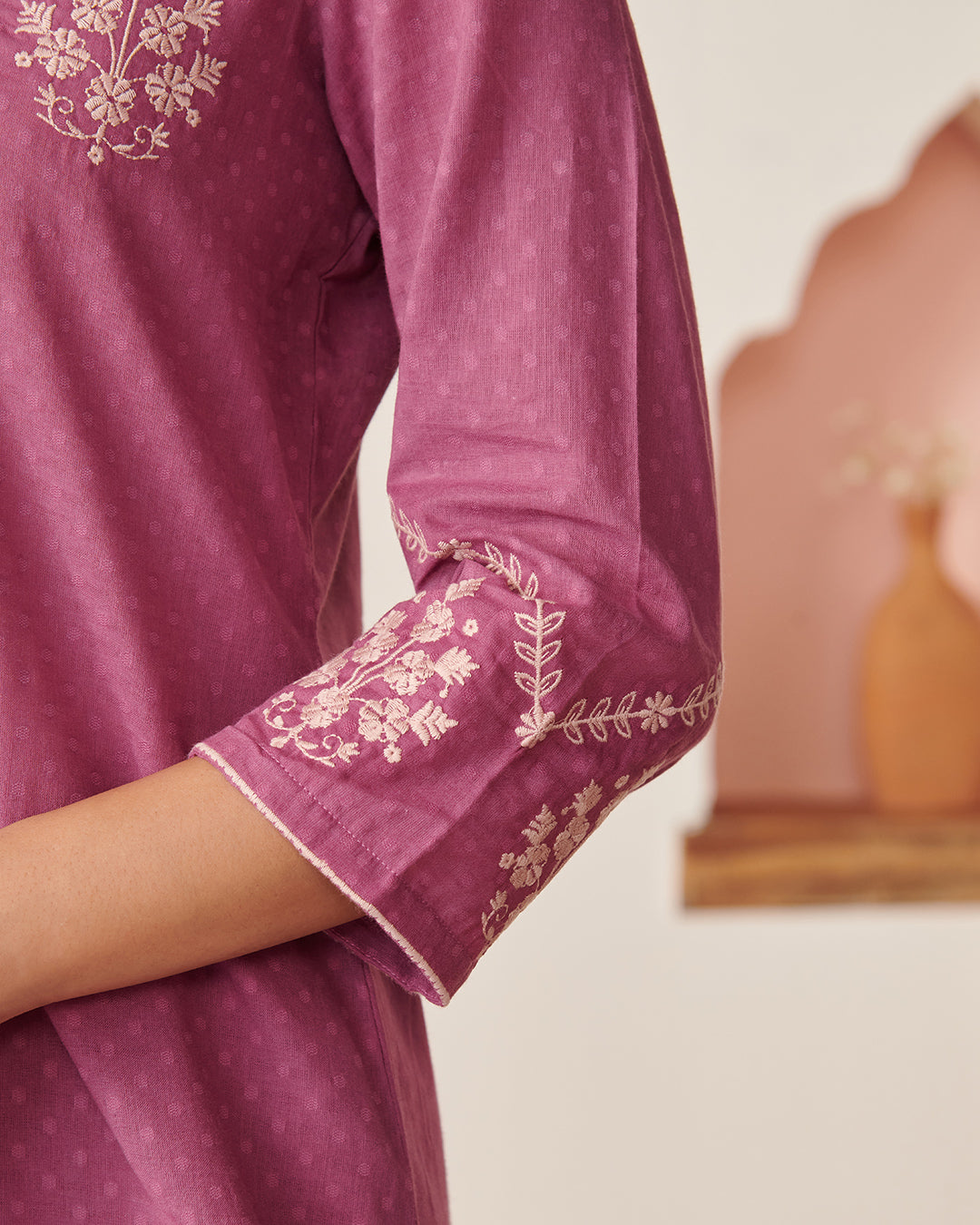
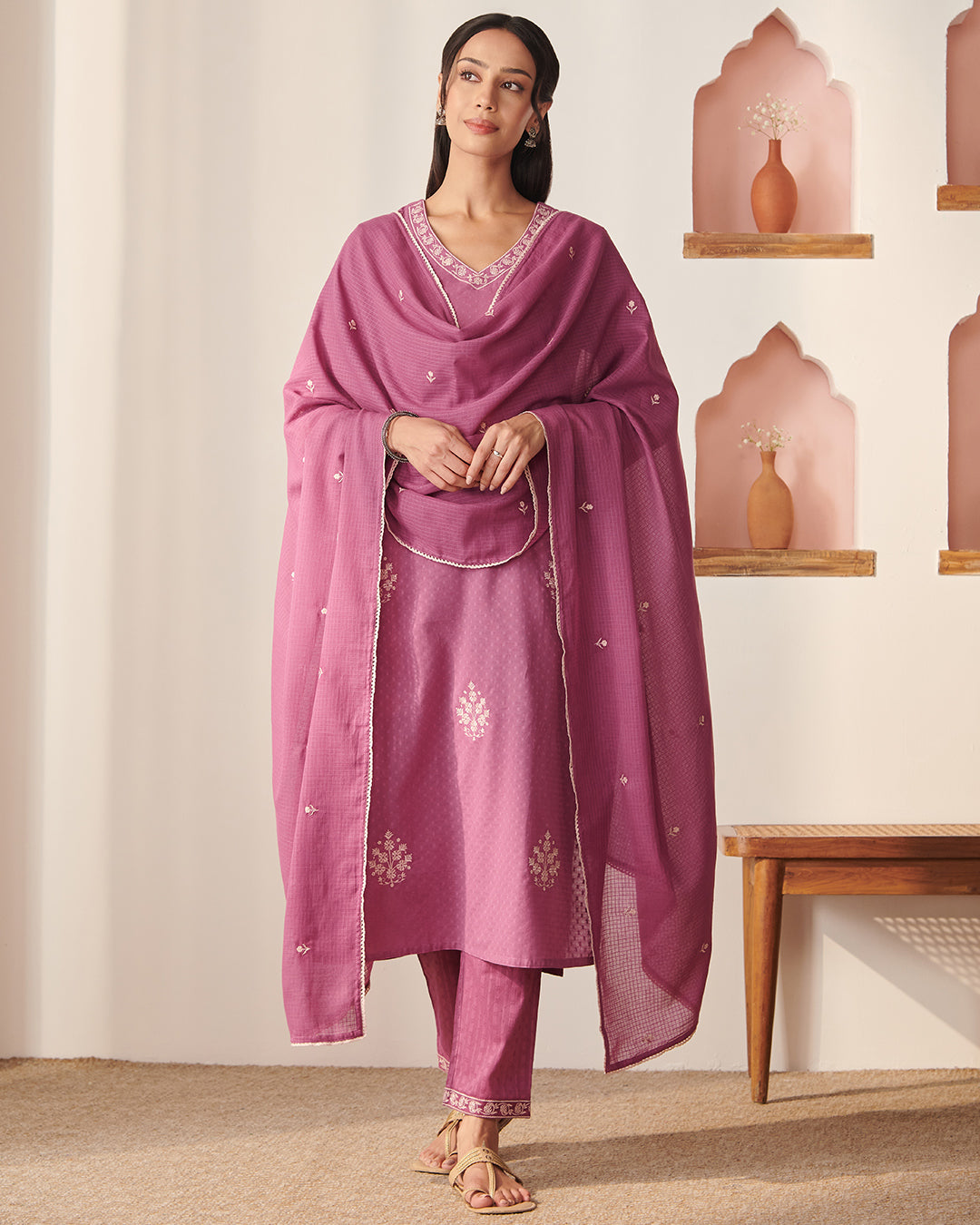
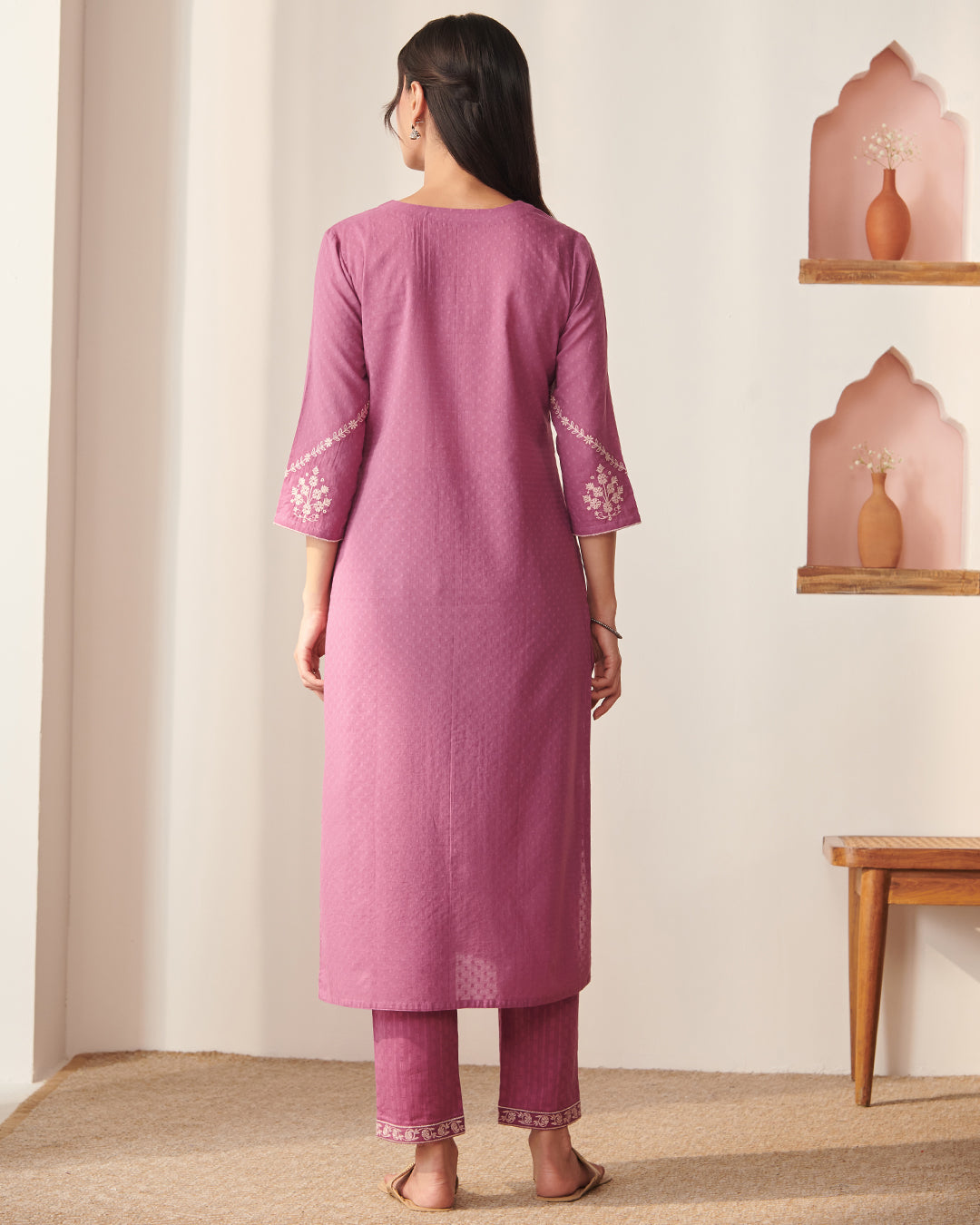
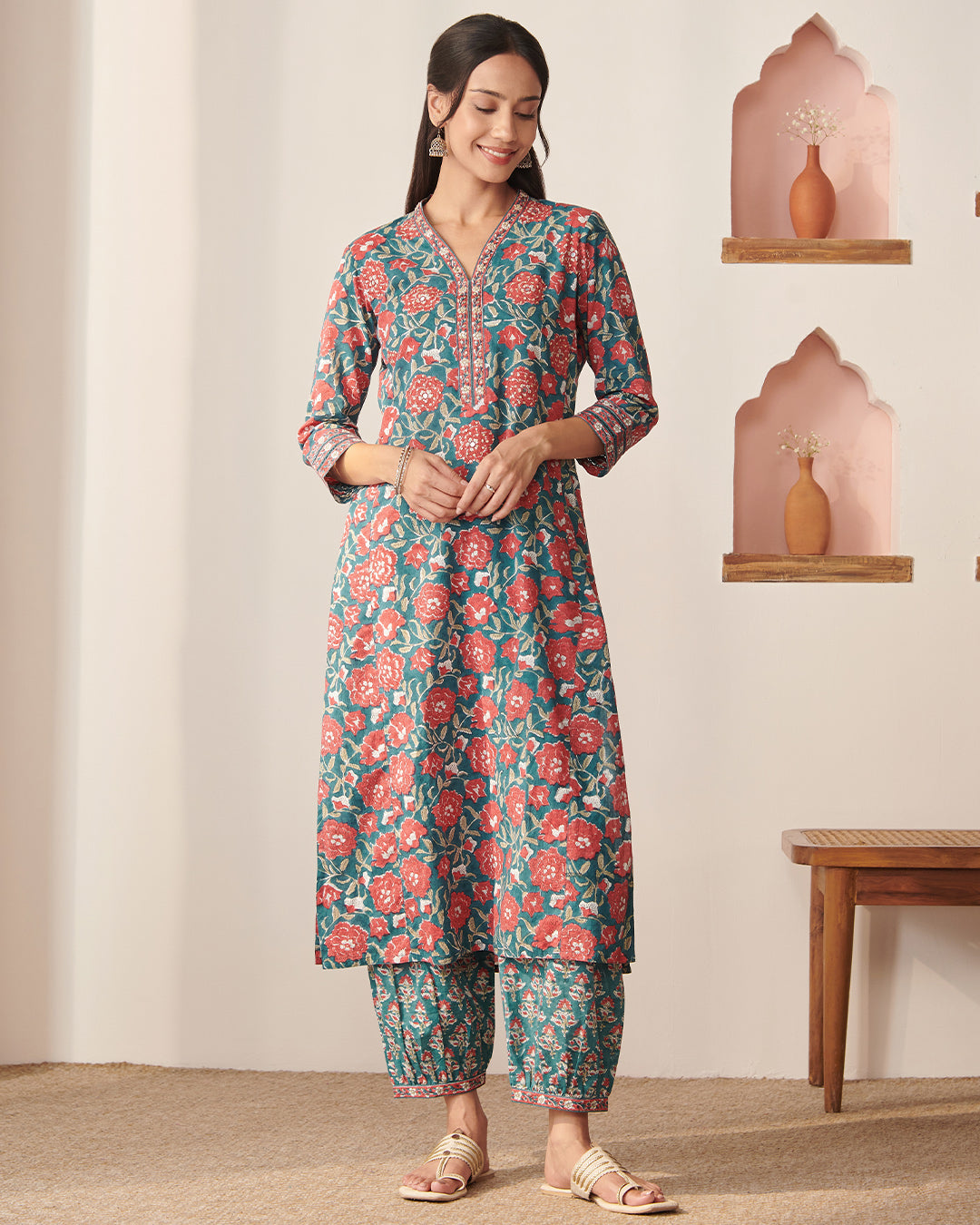
In a world flooded with fast fashion and machine-made fabrics, hand embroidery stands out as a statement of skill, patience, and heritage. Each thread pulled by hand carries the rhythm of tradition, the patience of the maker, and a defiance against uniformity.
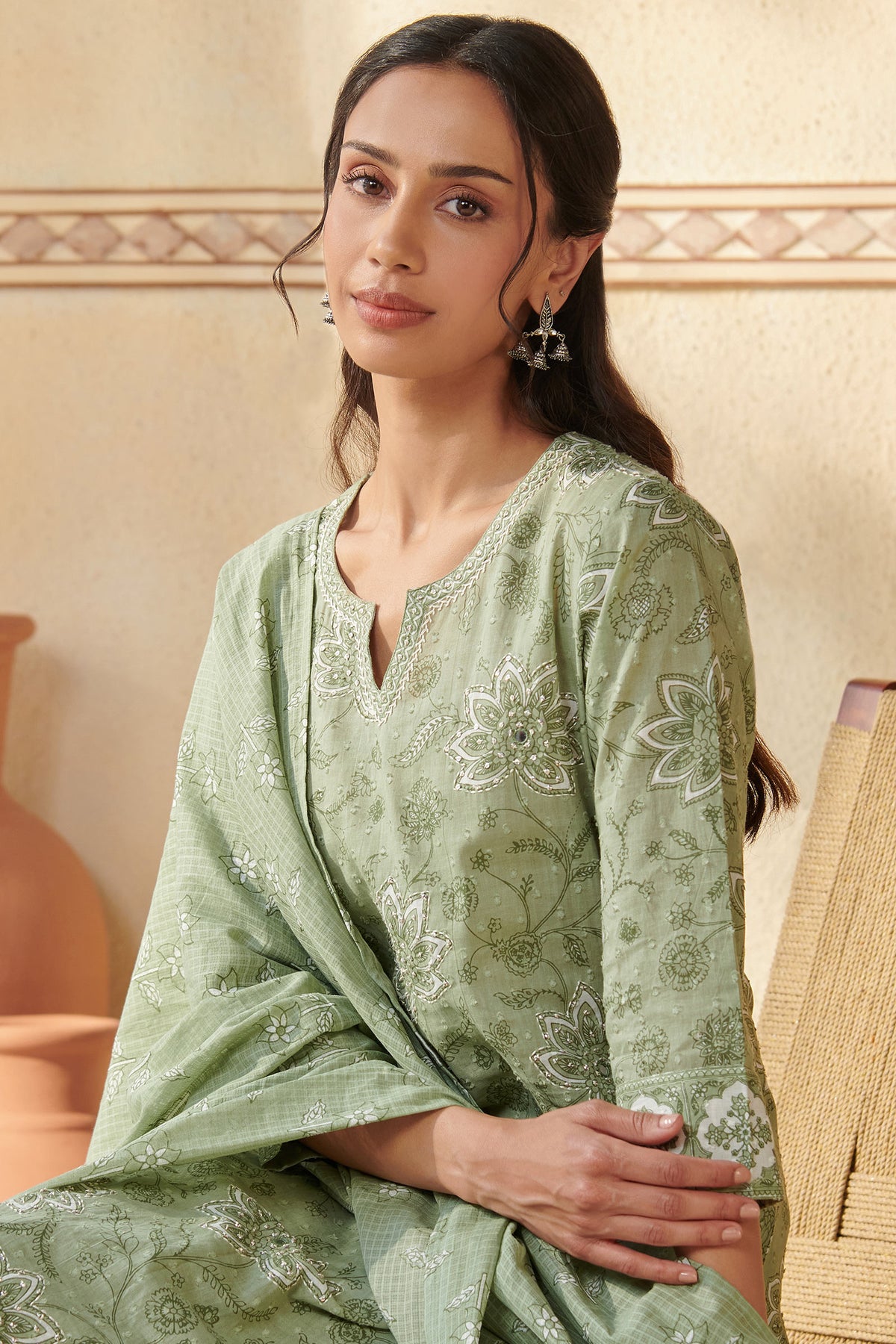
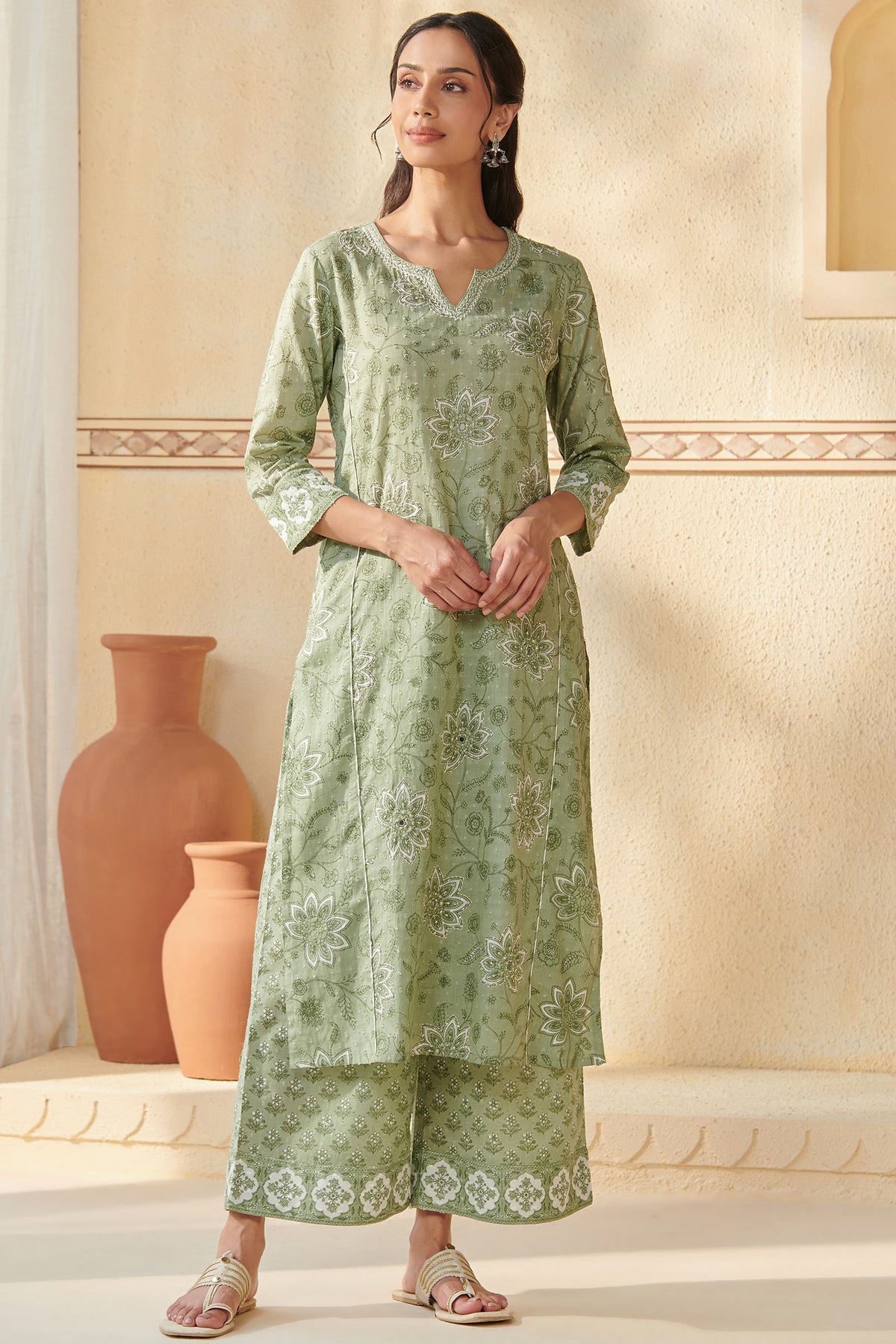
It brings texture, individuality, and a story that machines cannot replicate. From heirloom sarees to modern silhouettes, hand embroidery brings texture, story, and individuality that no machine can replicate. This is a celebration of that enduring artistry and why it belongs in every home and wardrobe.

The Story of Hand-Embroidery
Hand embroidery isn’t just made, it’s woven from memory. From India’s bold cotton threads to China’s delicate silks, it has adorned generations in art that speaks of patience and pride.
-
Passed down through skilled artisans, this craft carries centuries of heritage. Today, it’s being reimagined for modern wardrobes while staying true to its roots, handmade, and full of soul.
-
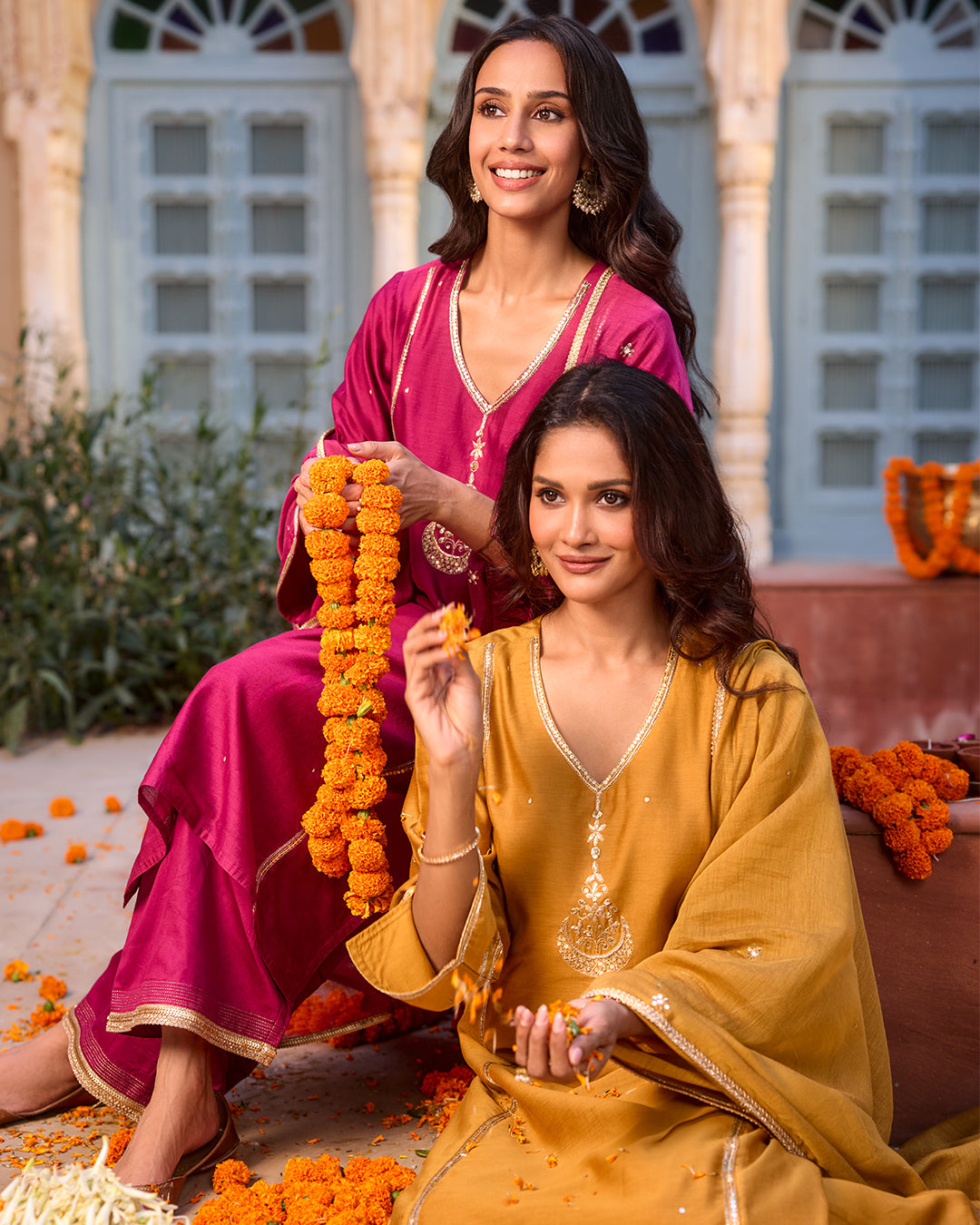
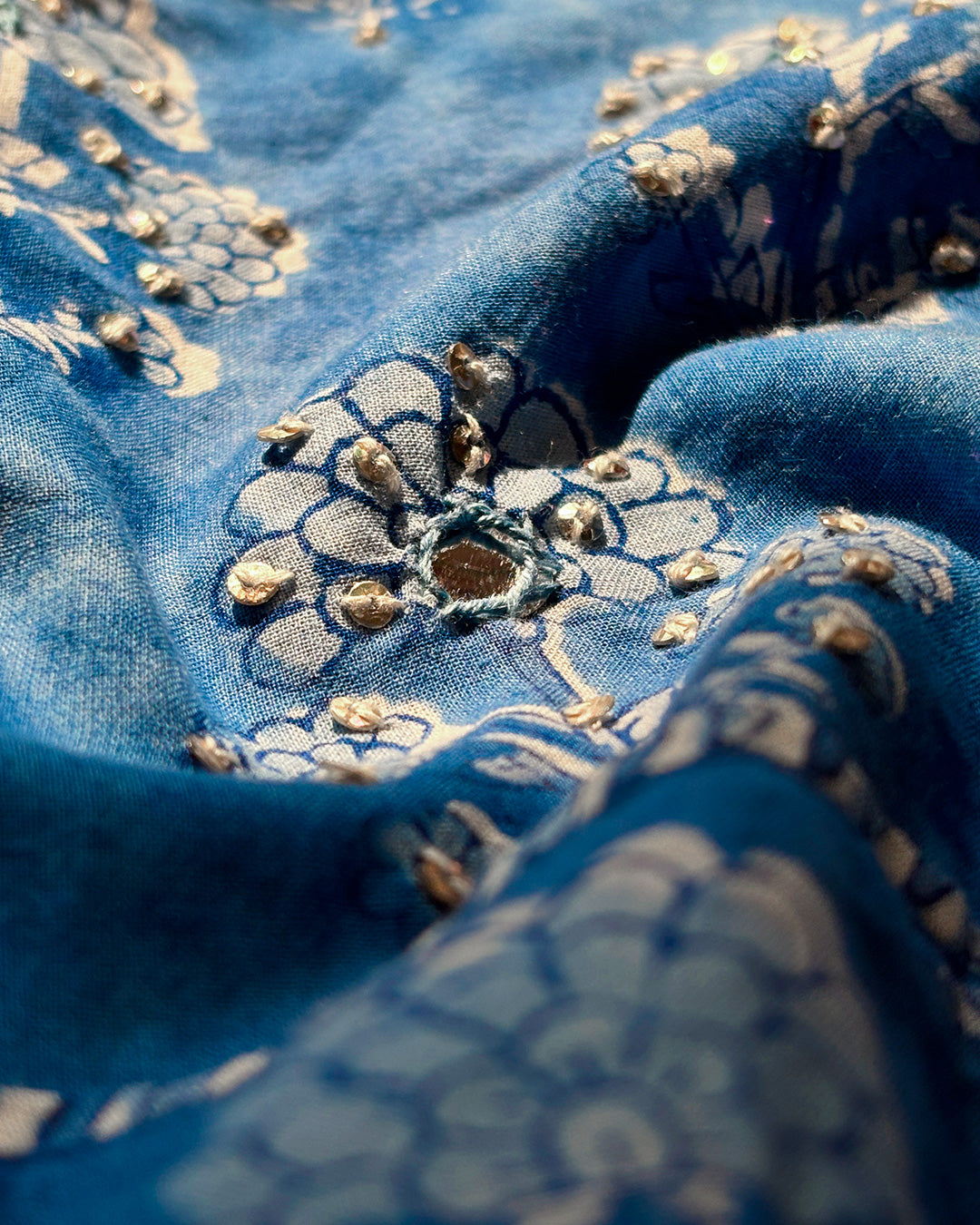
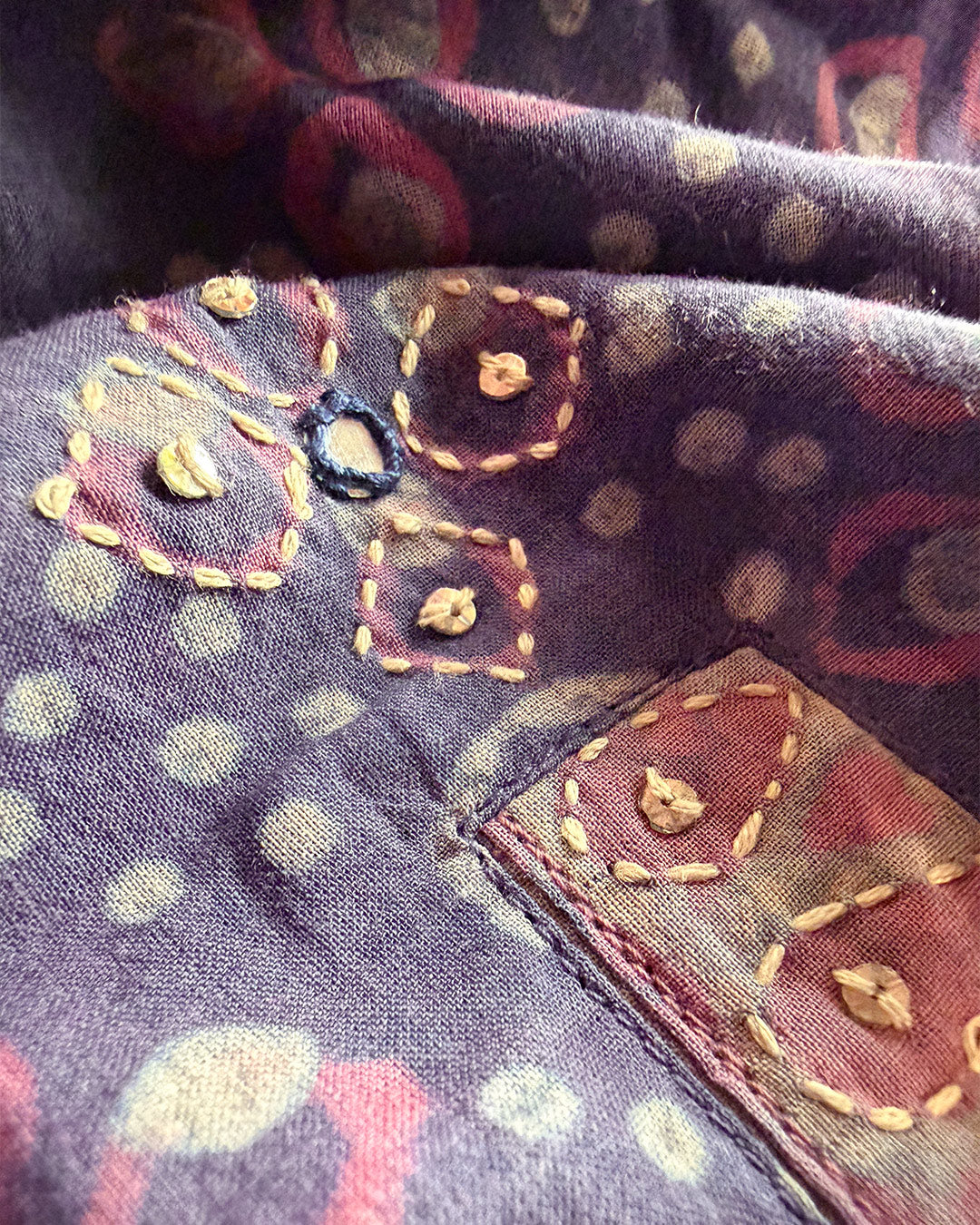
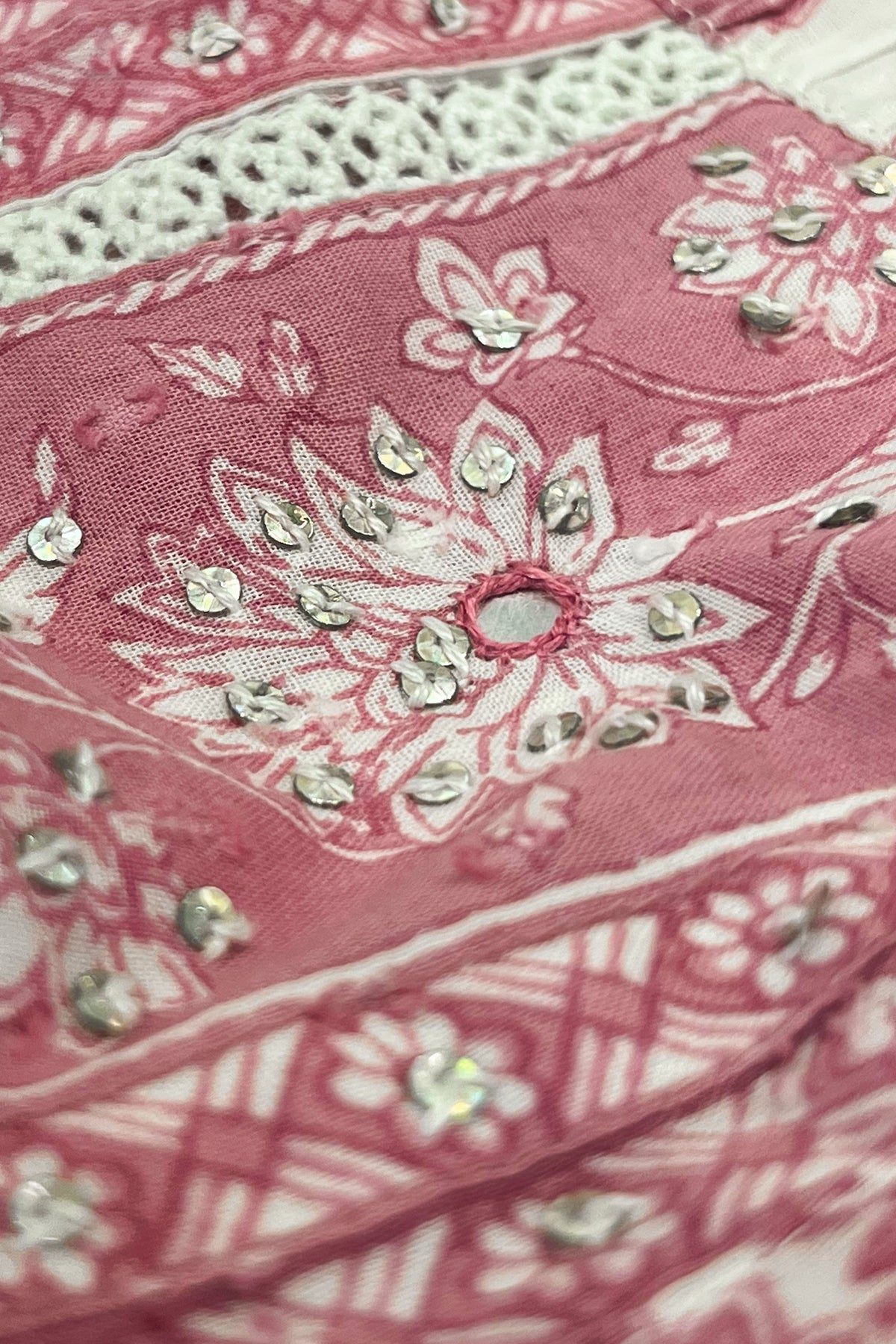
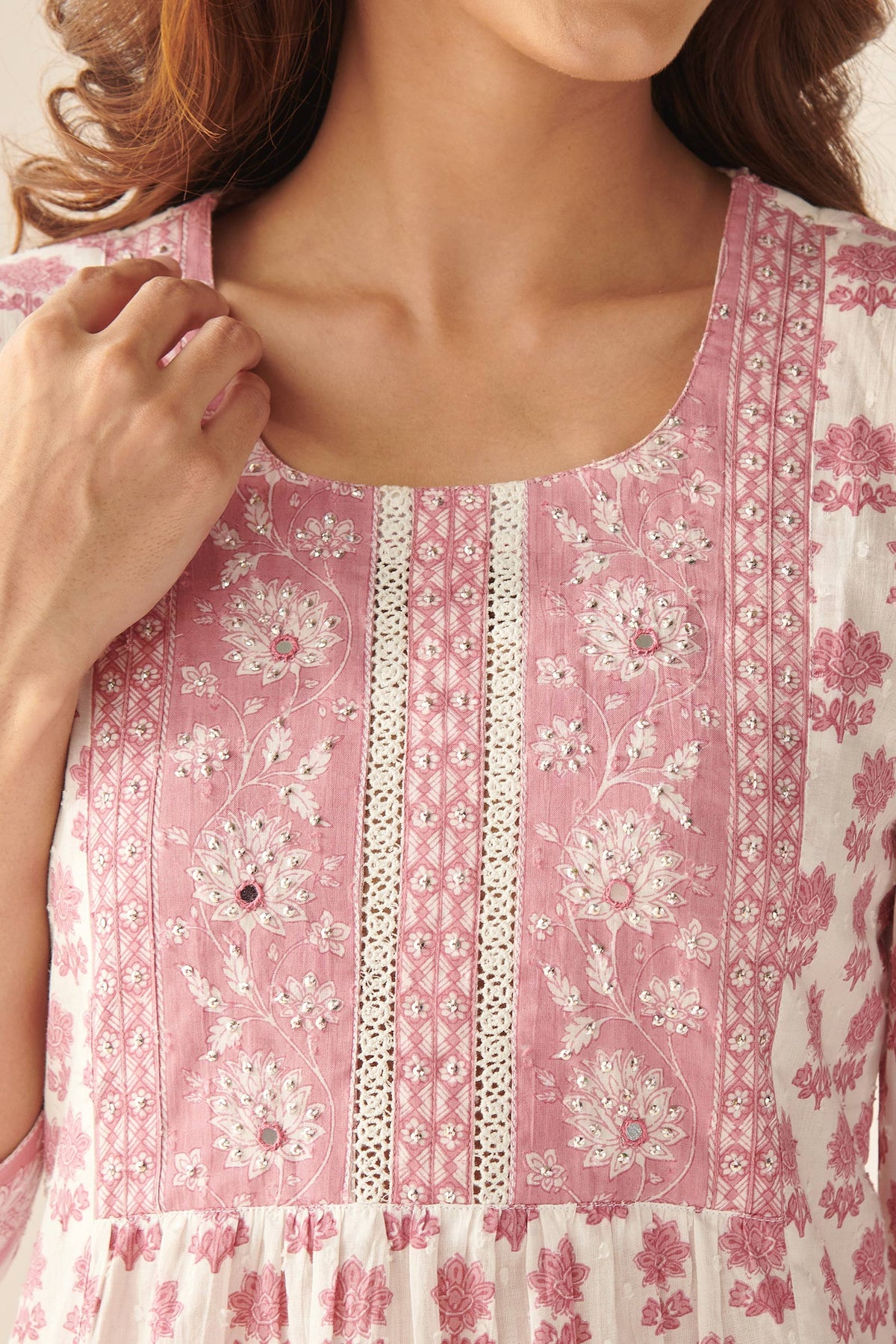
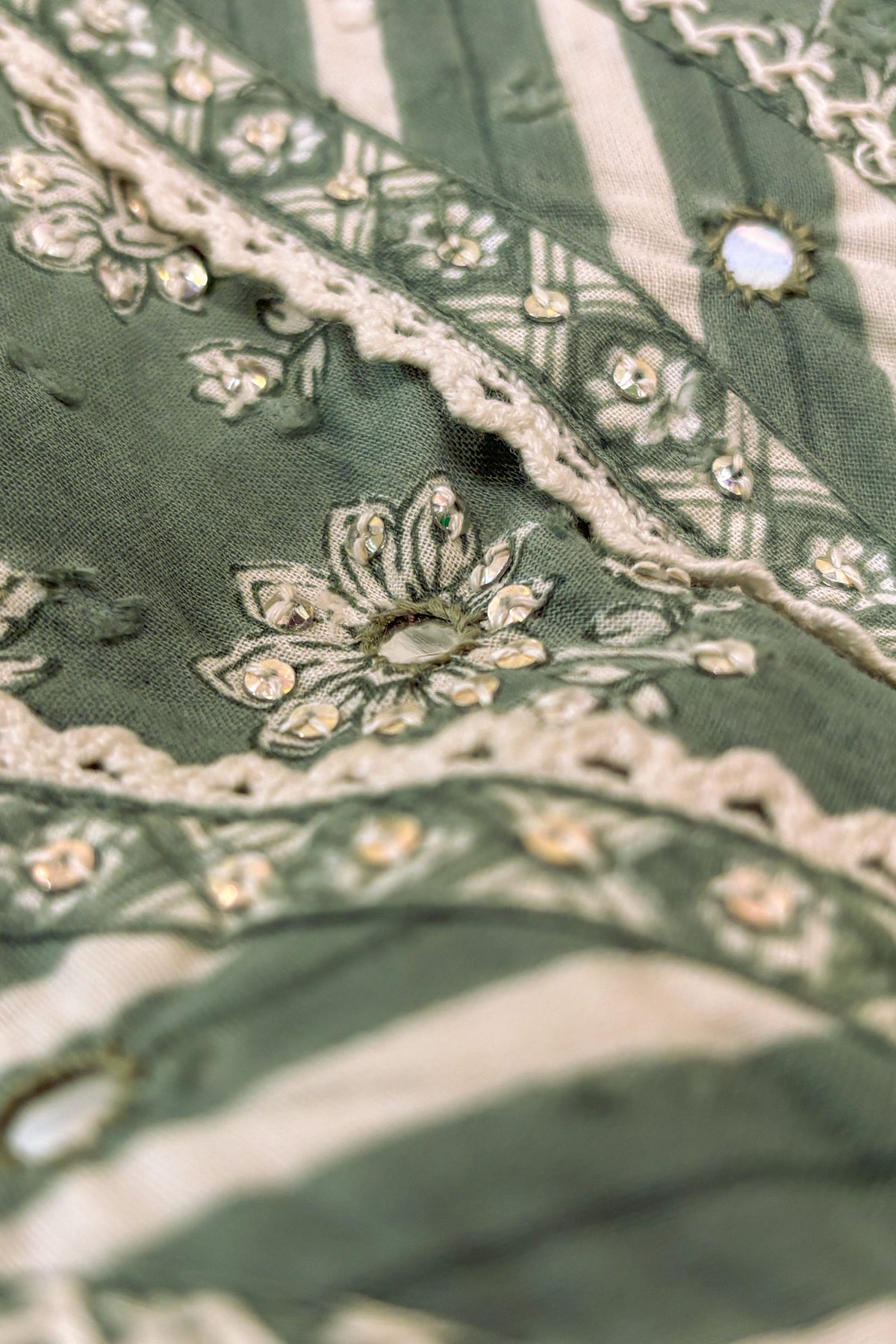
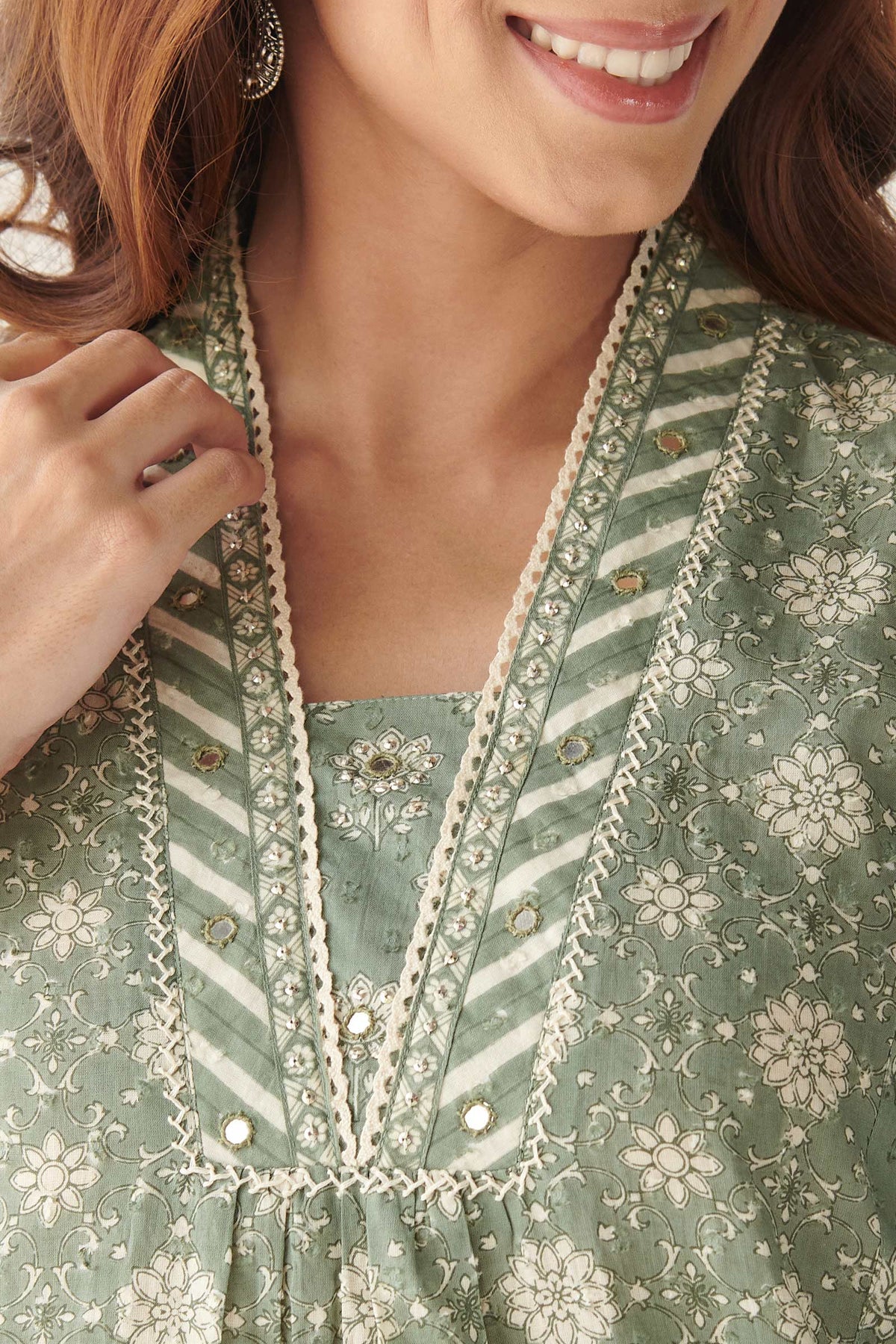
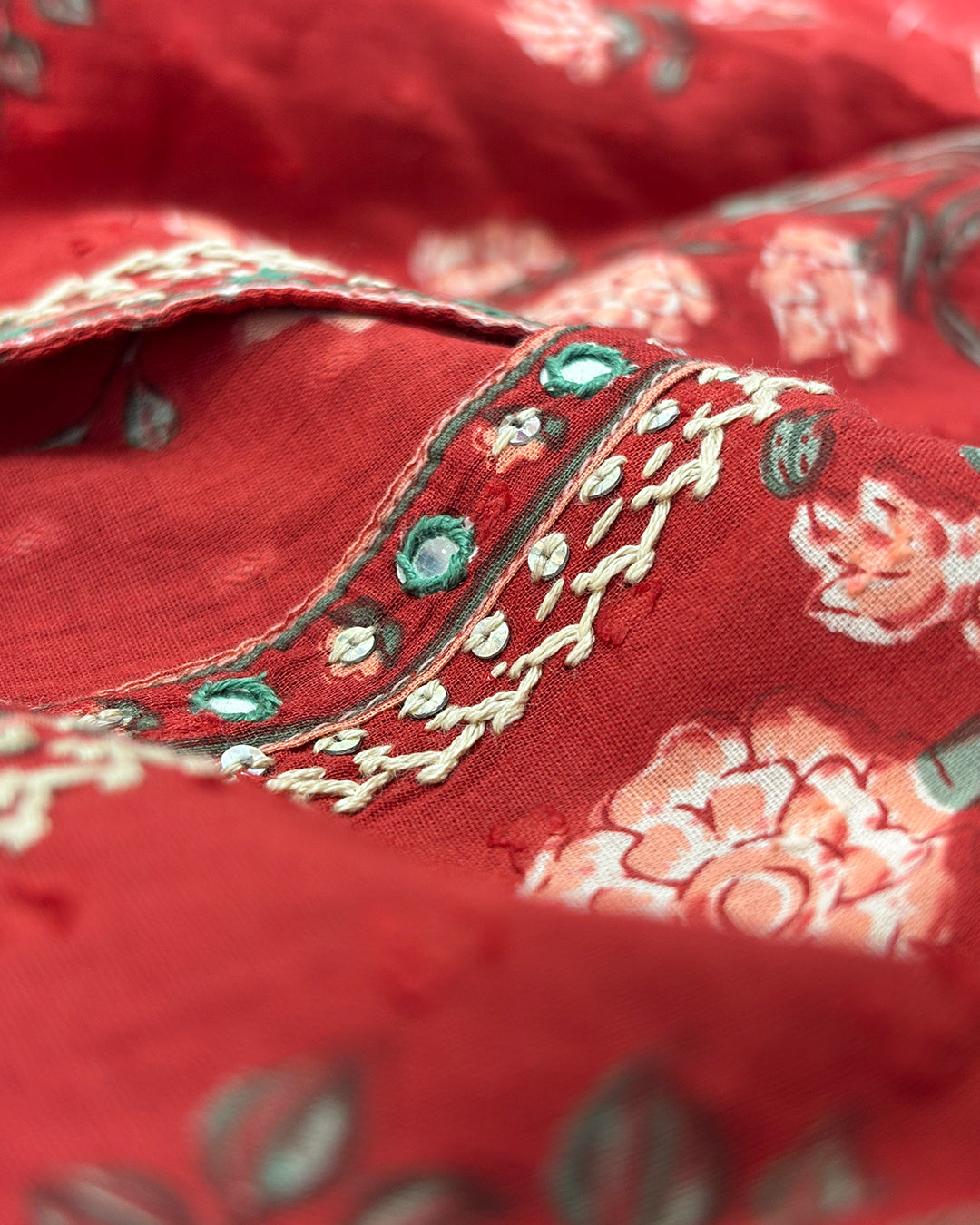
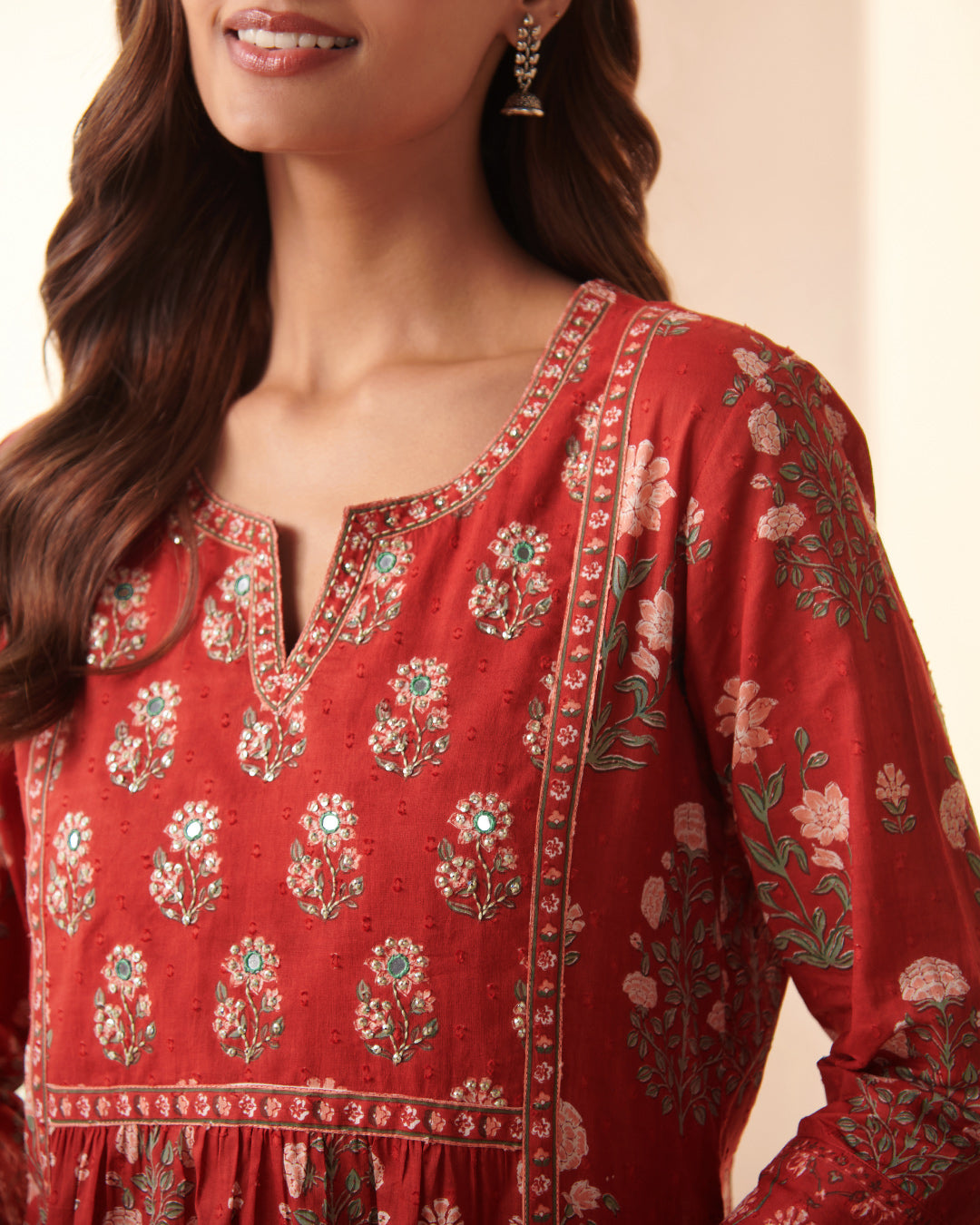
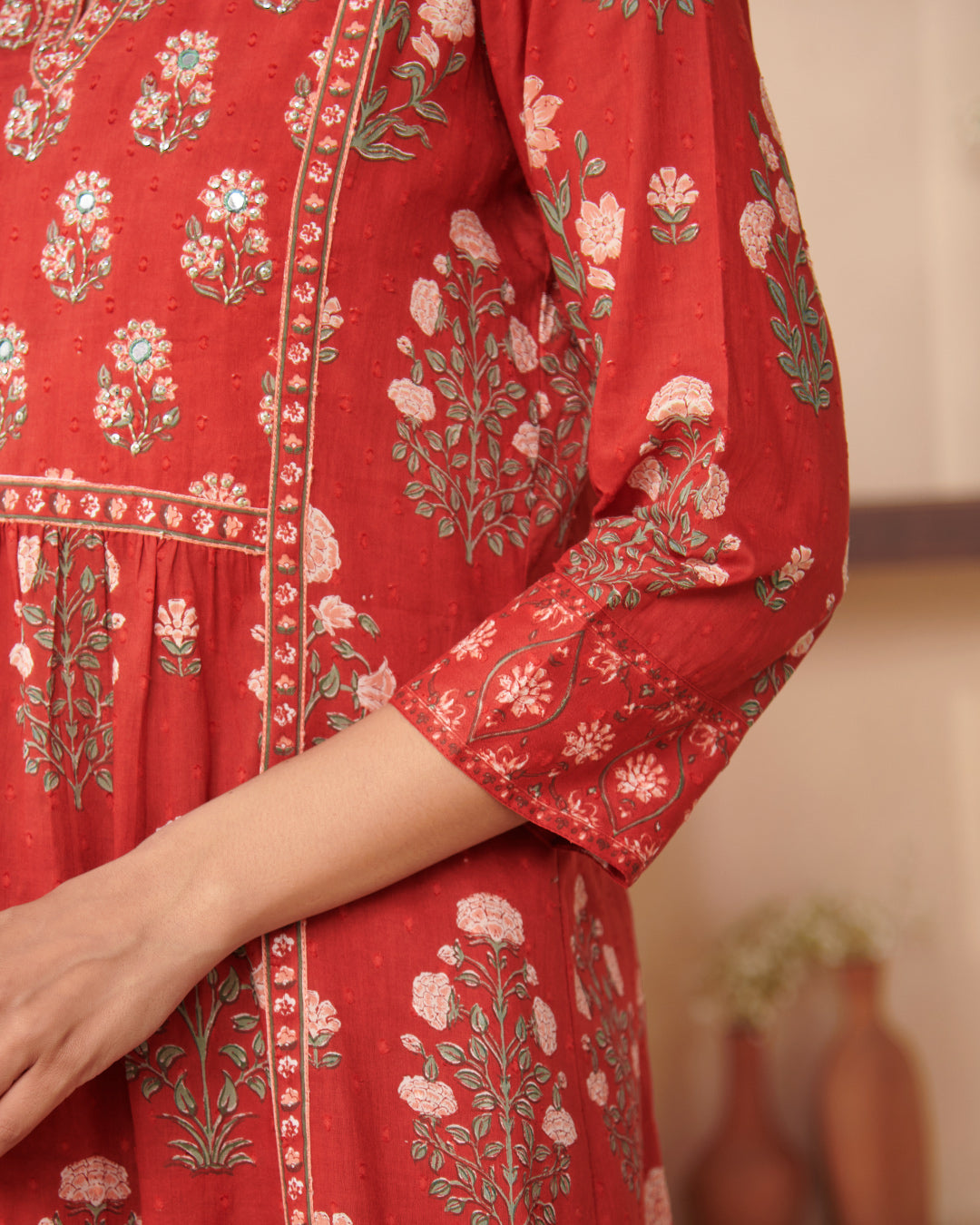
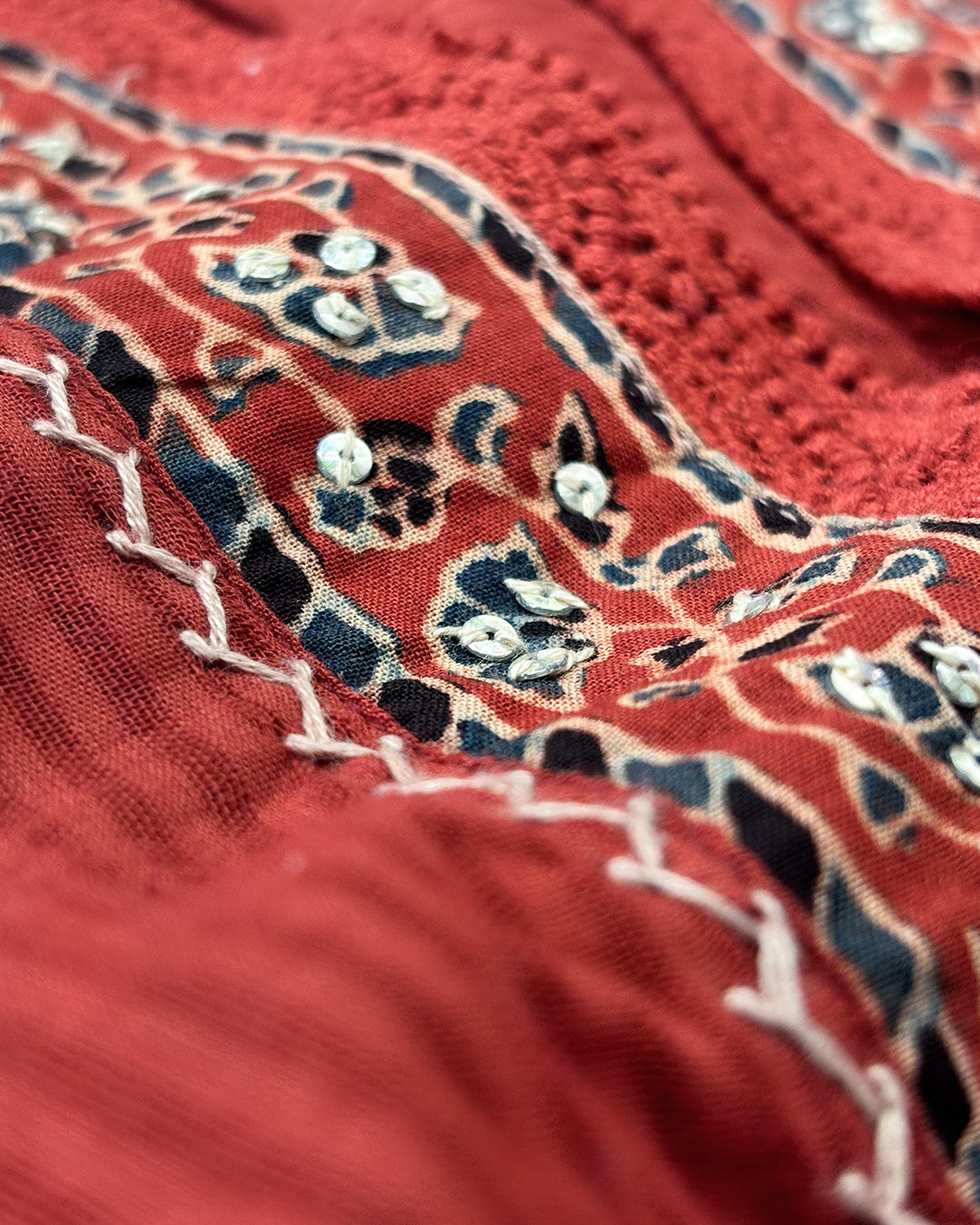
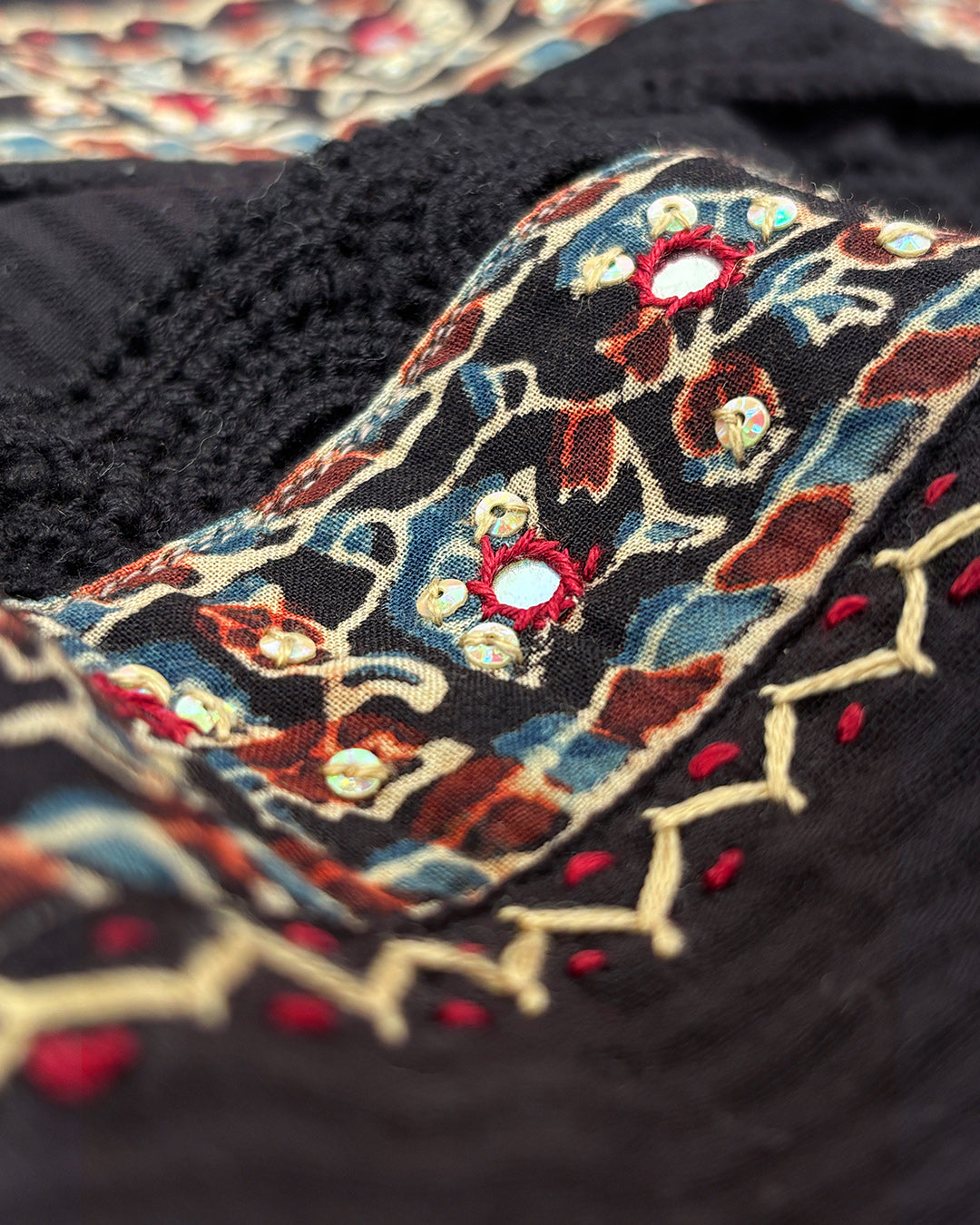
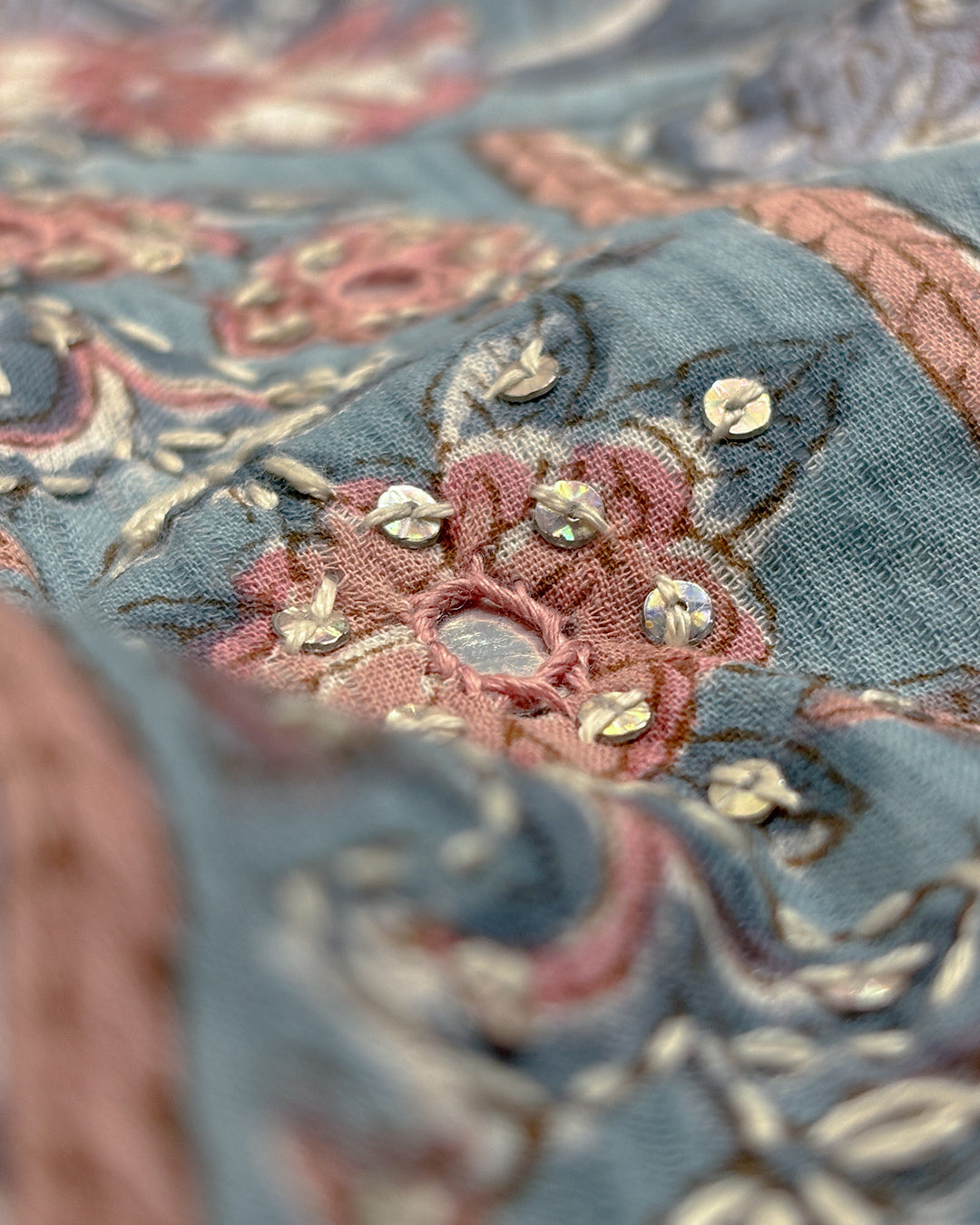
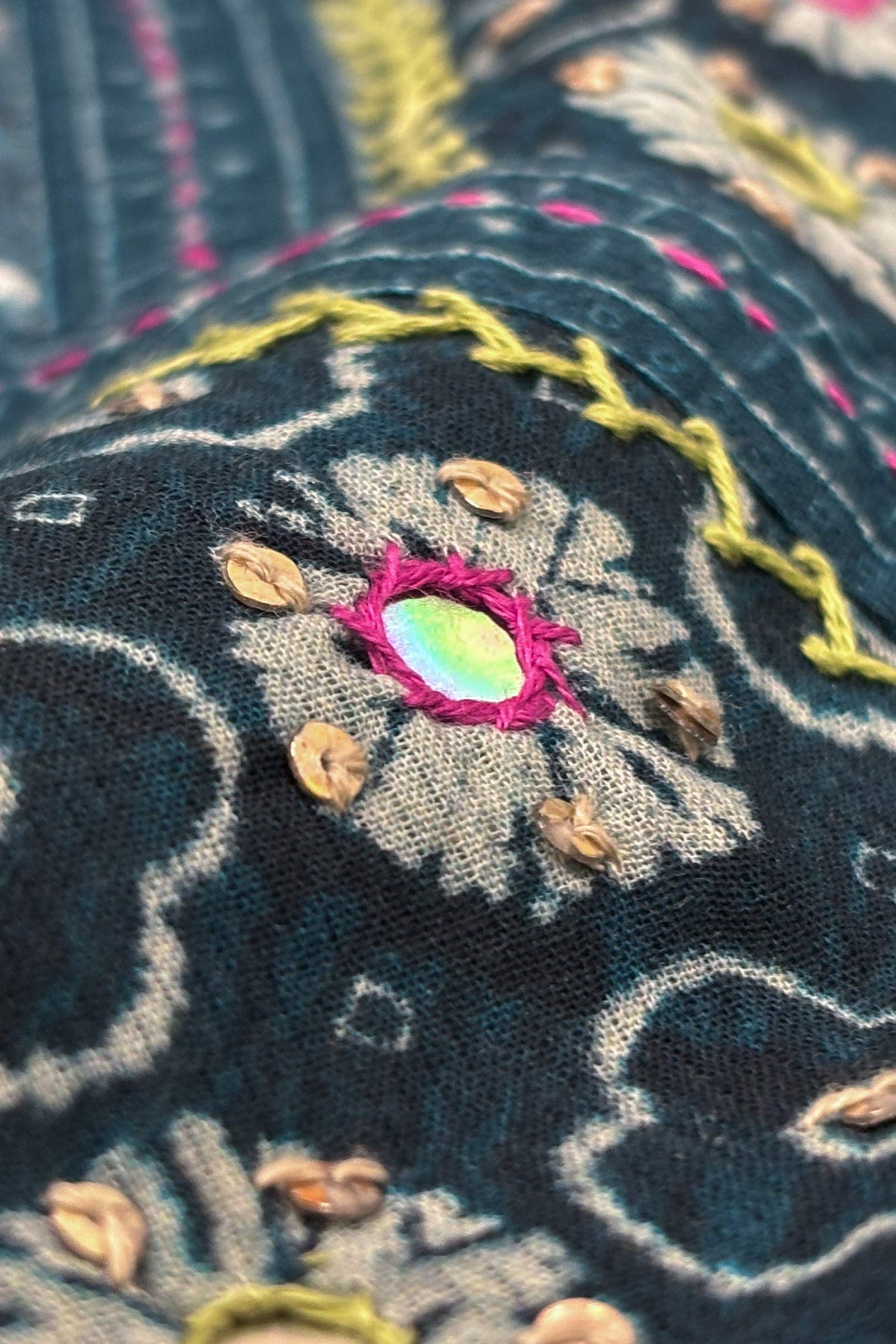
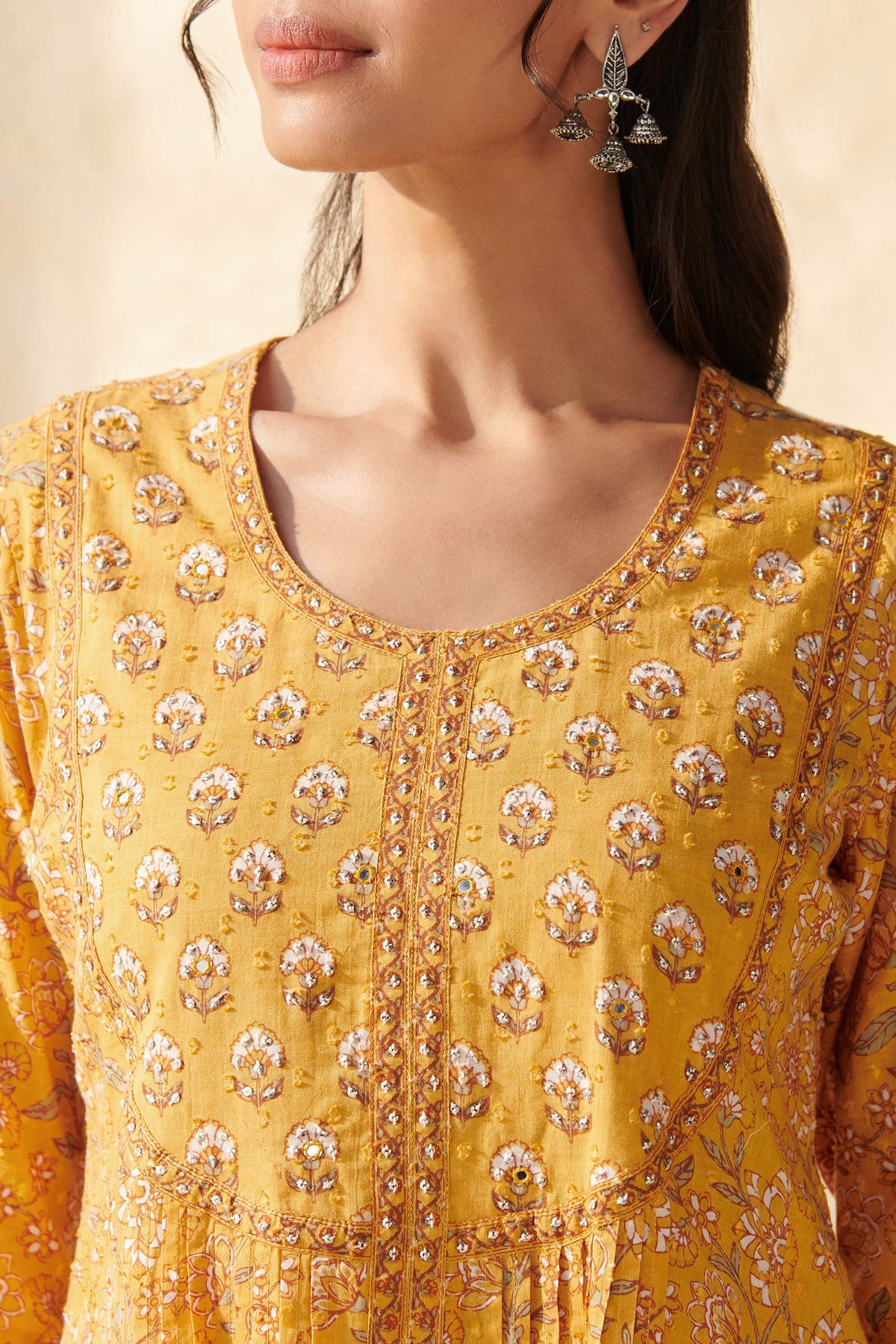
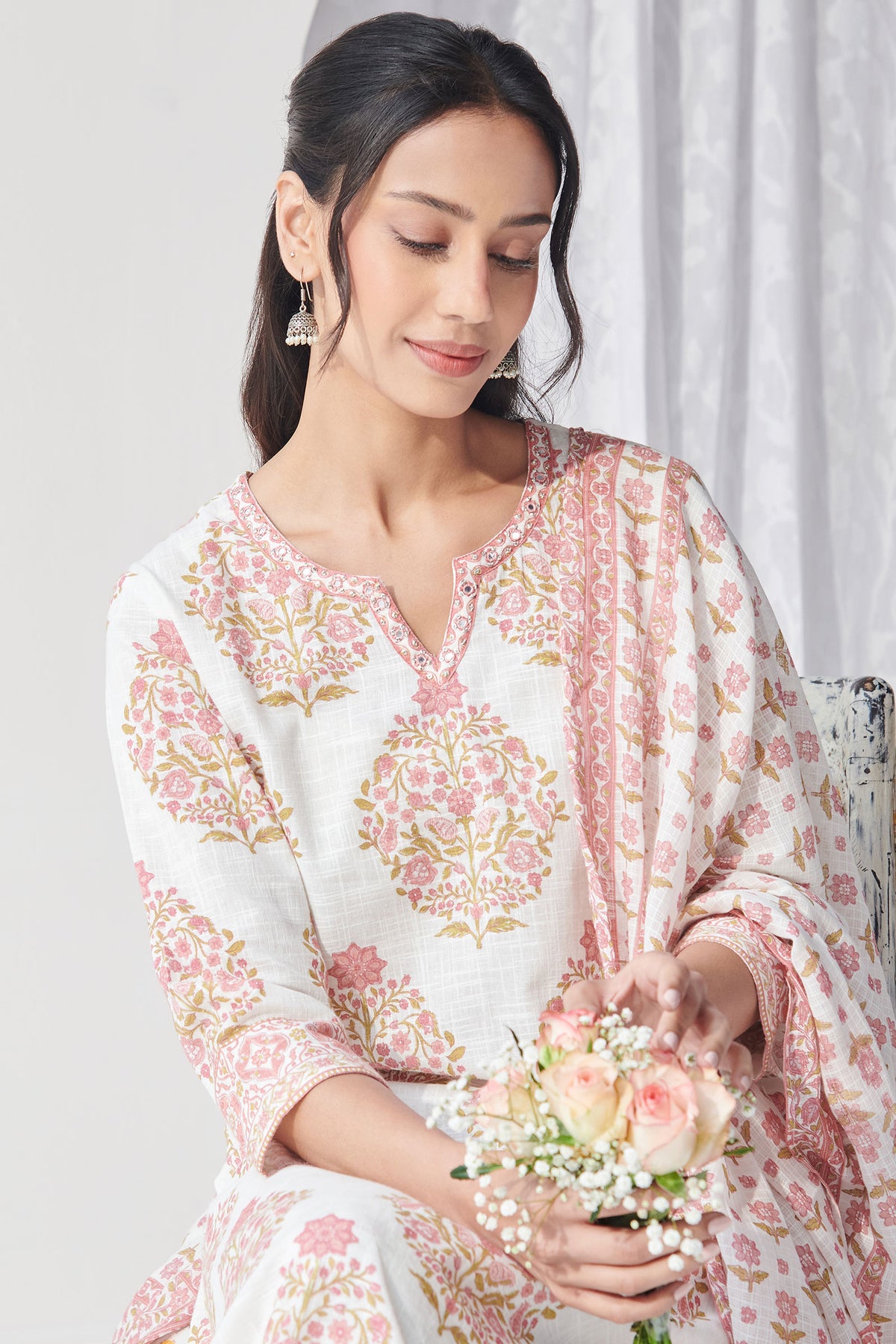
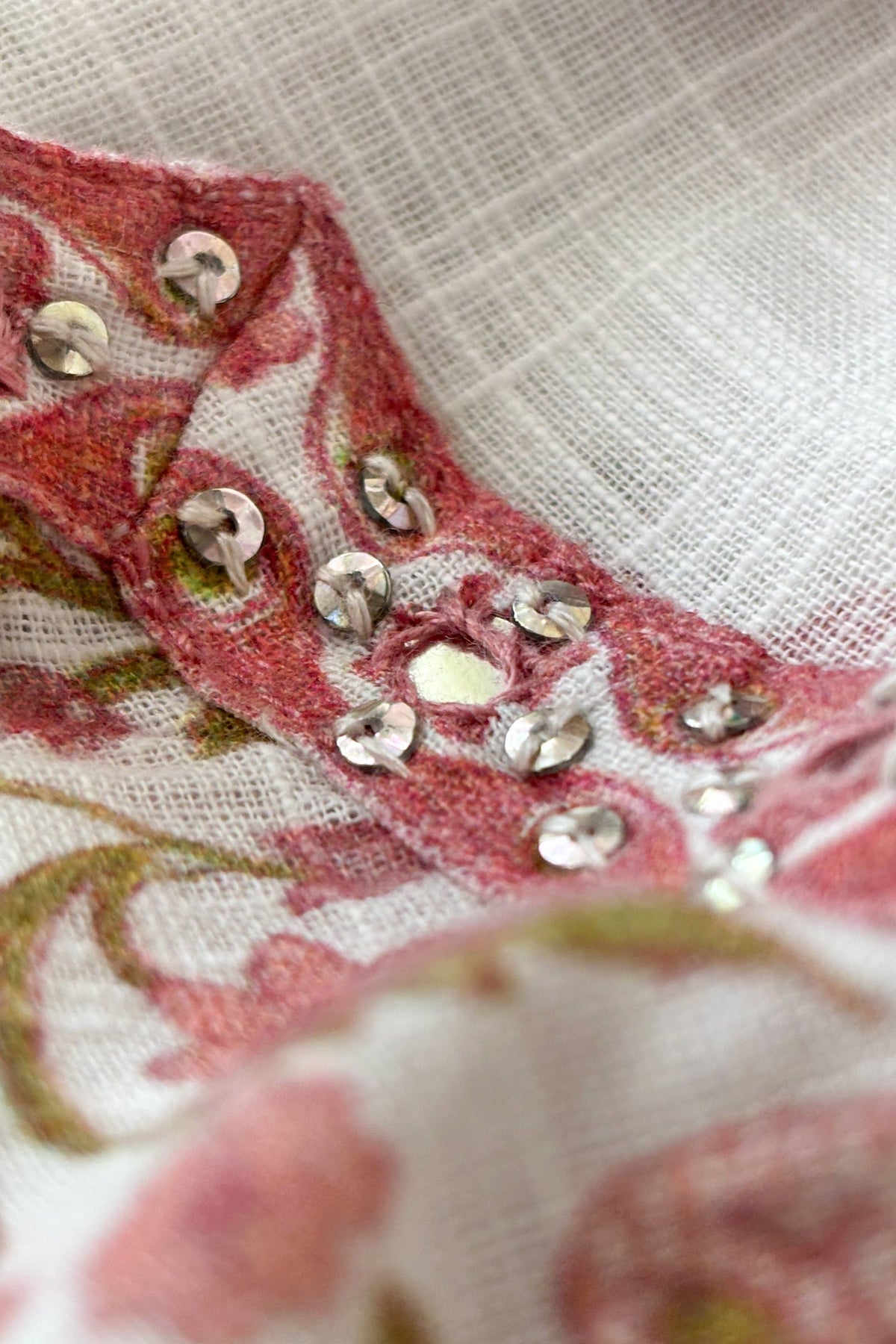
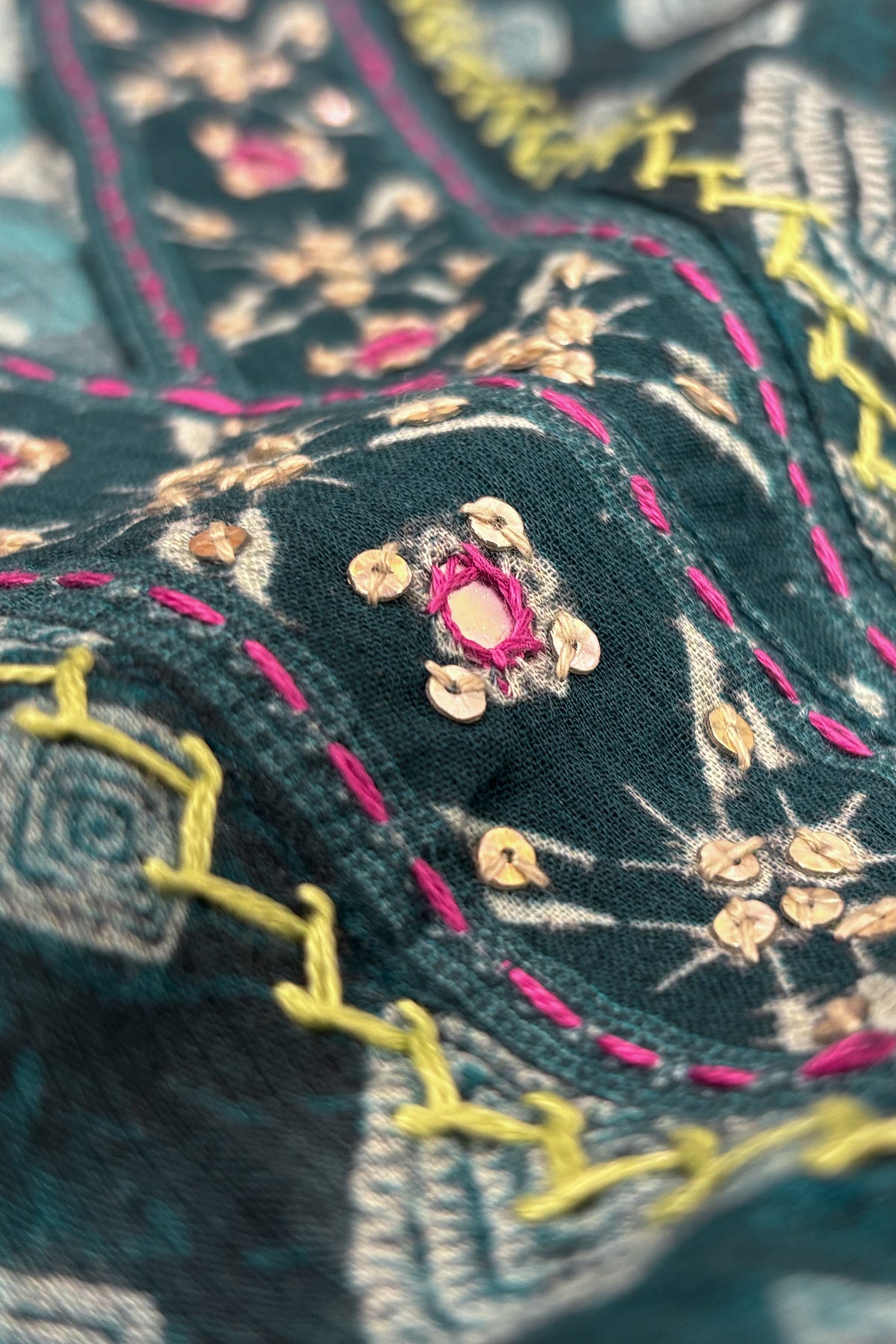
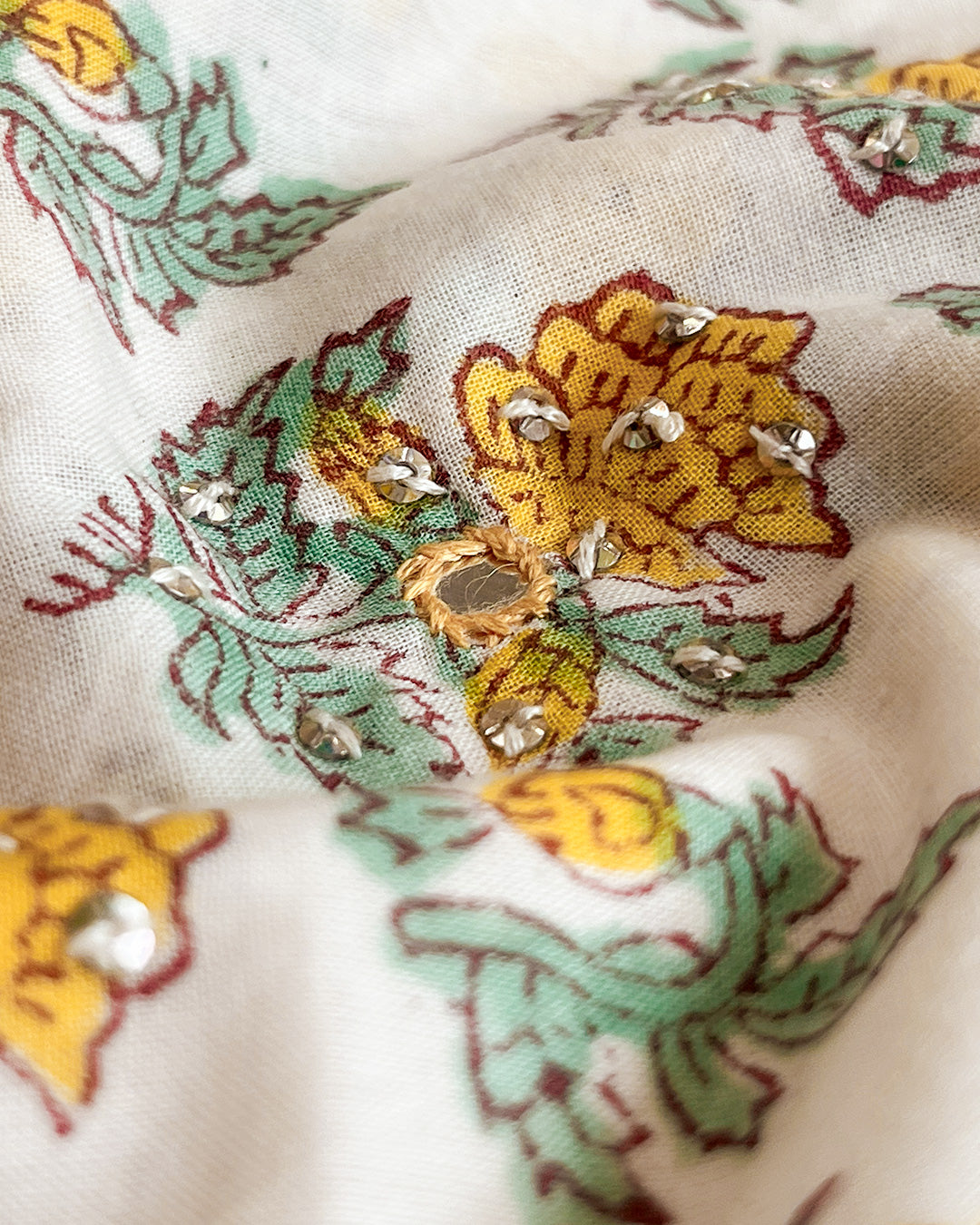
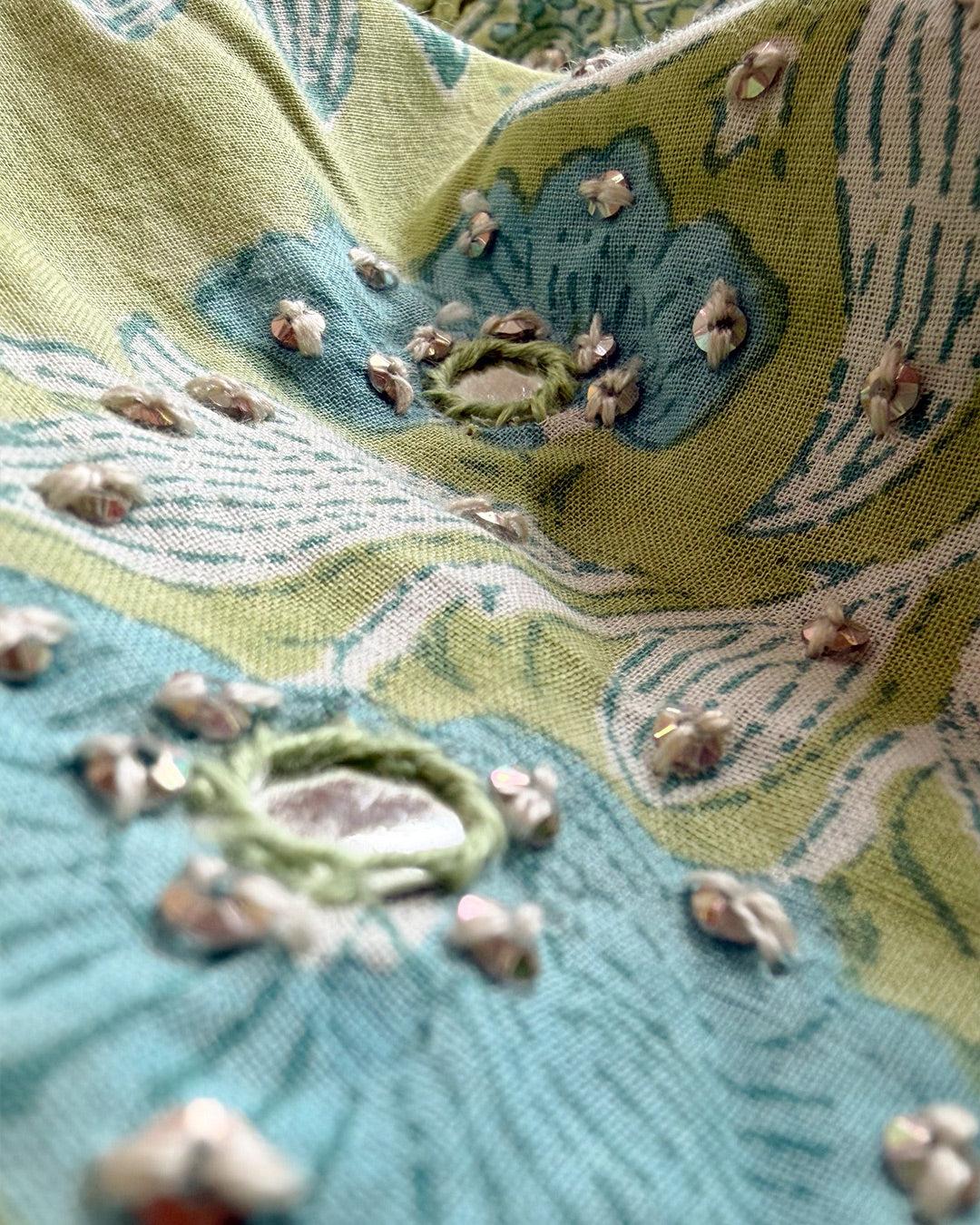
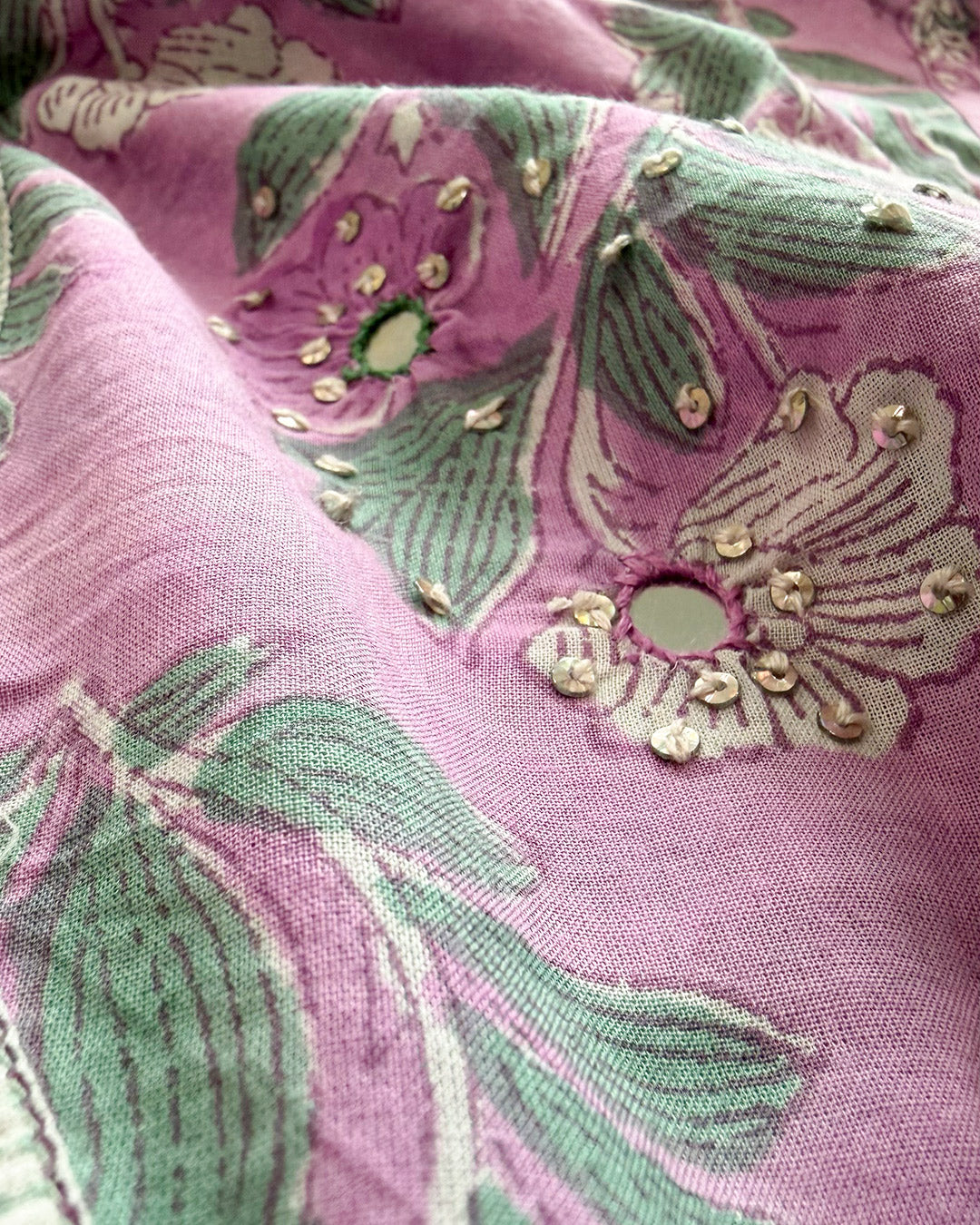
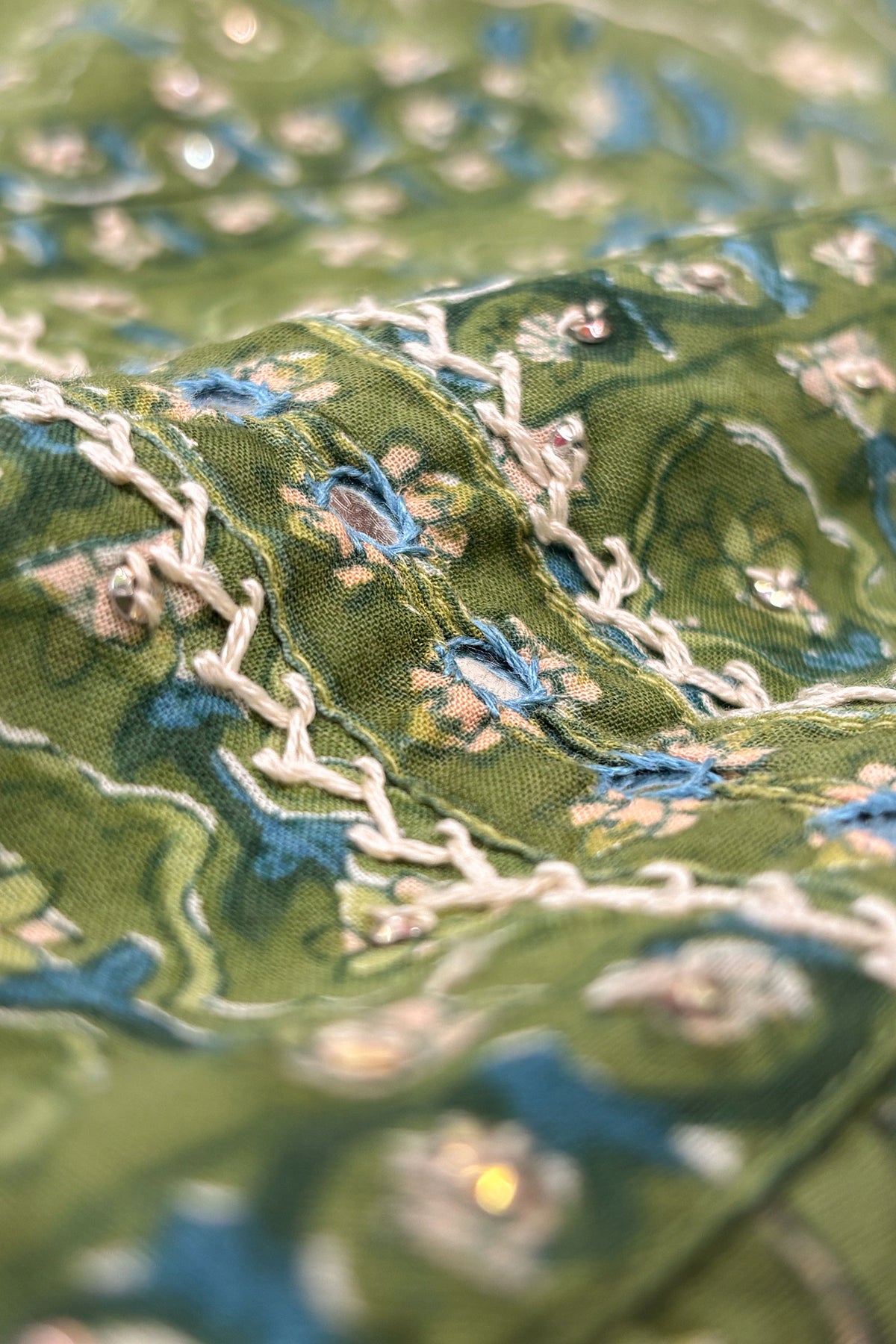
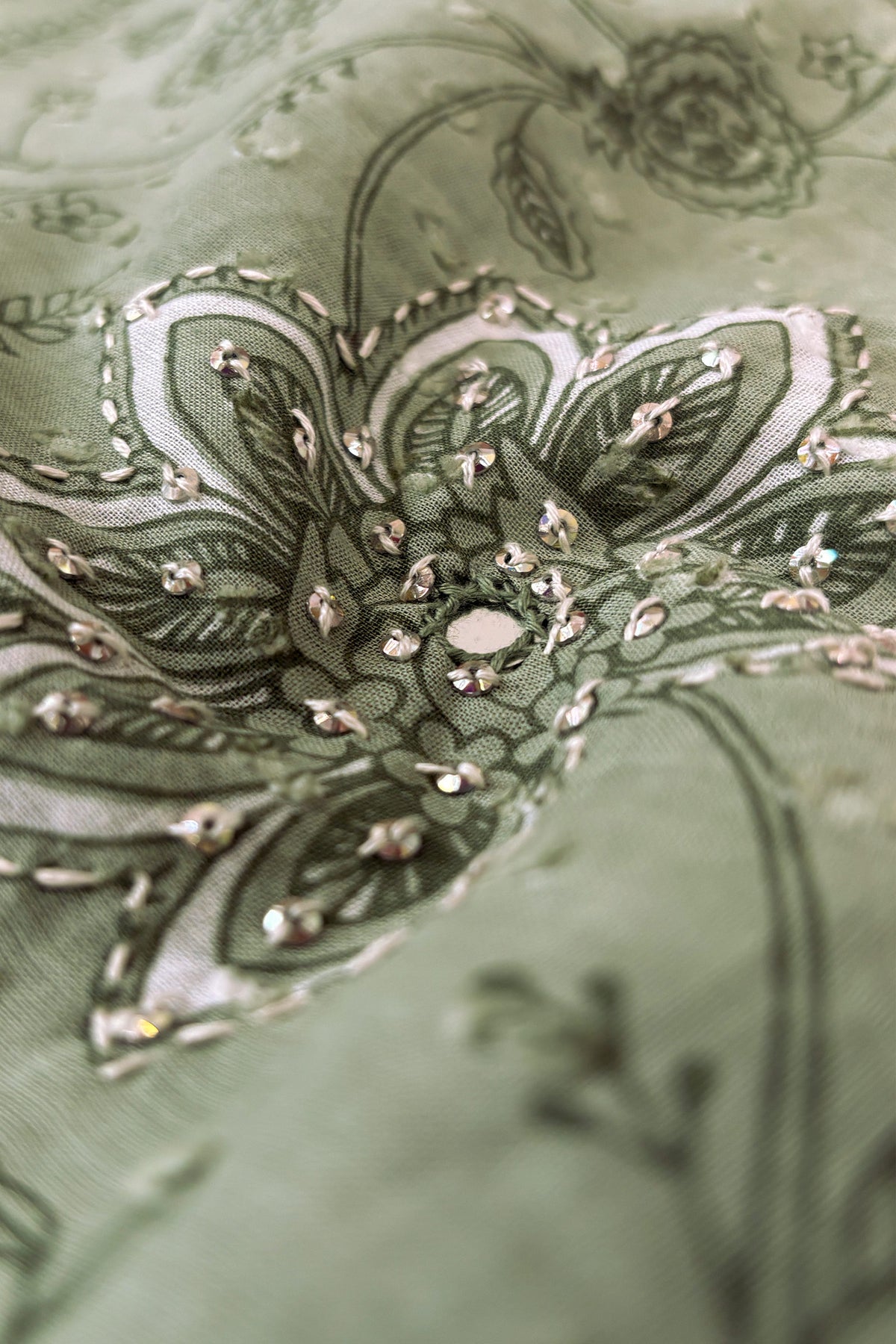
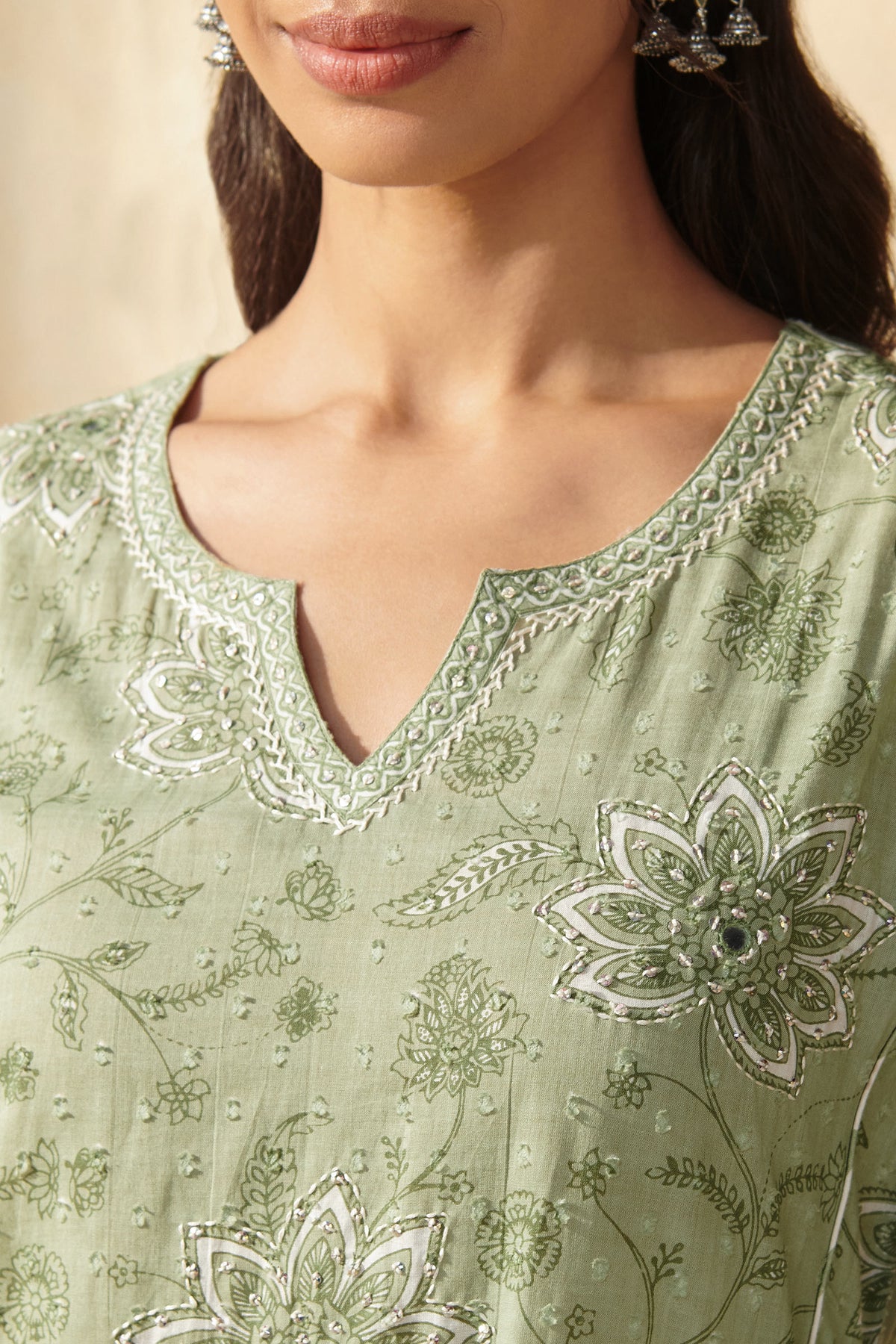
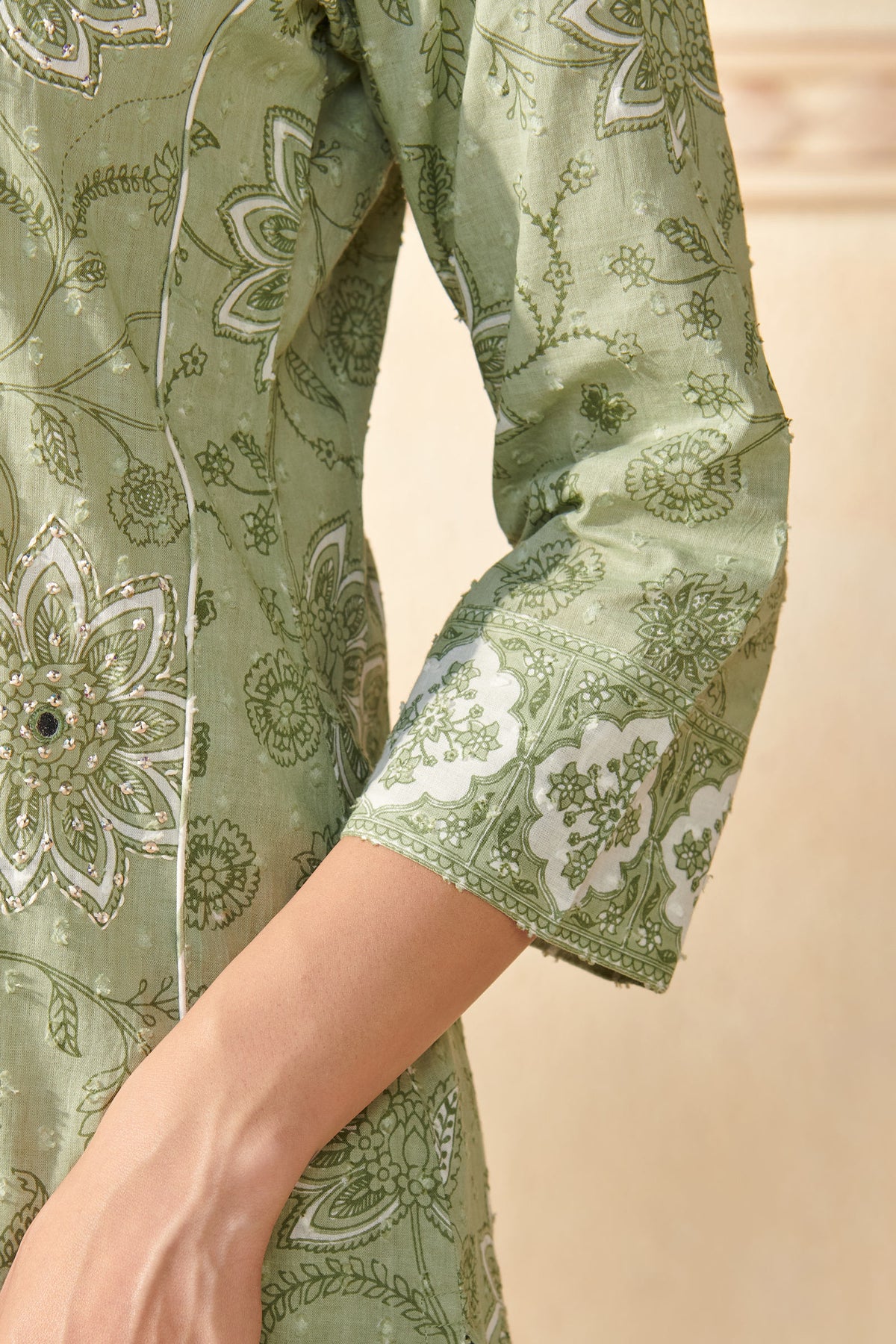
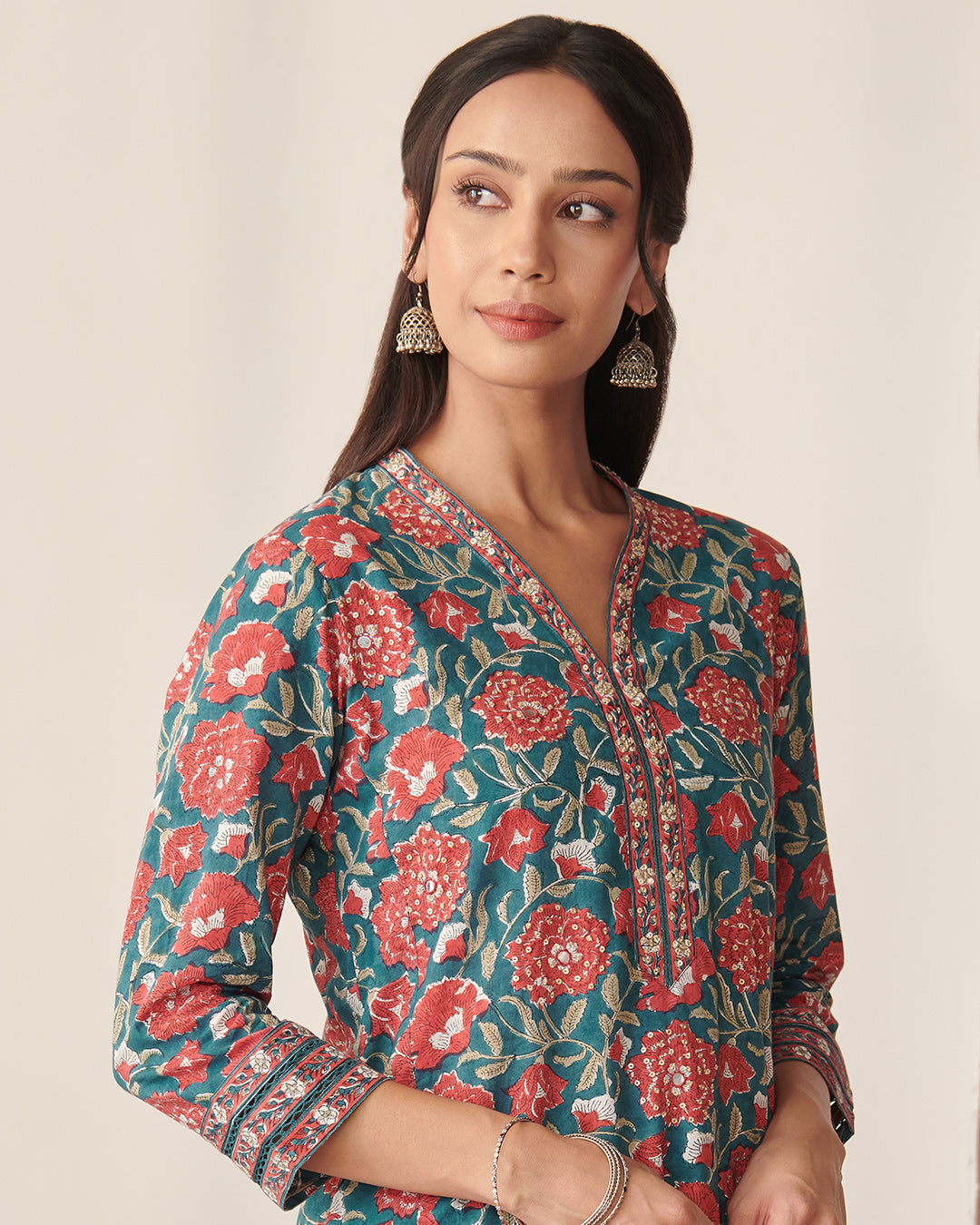
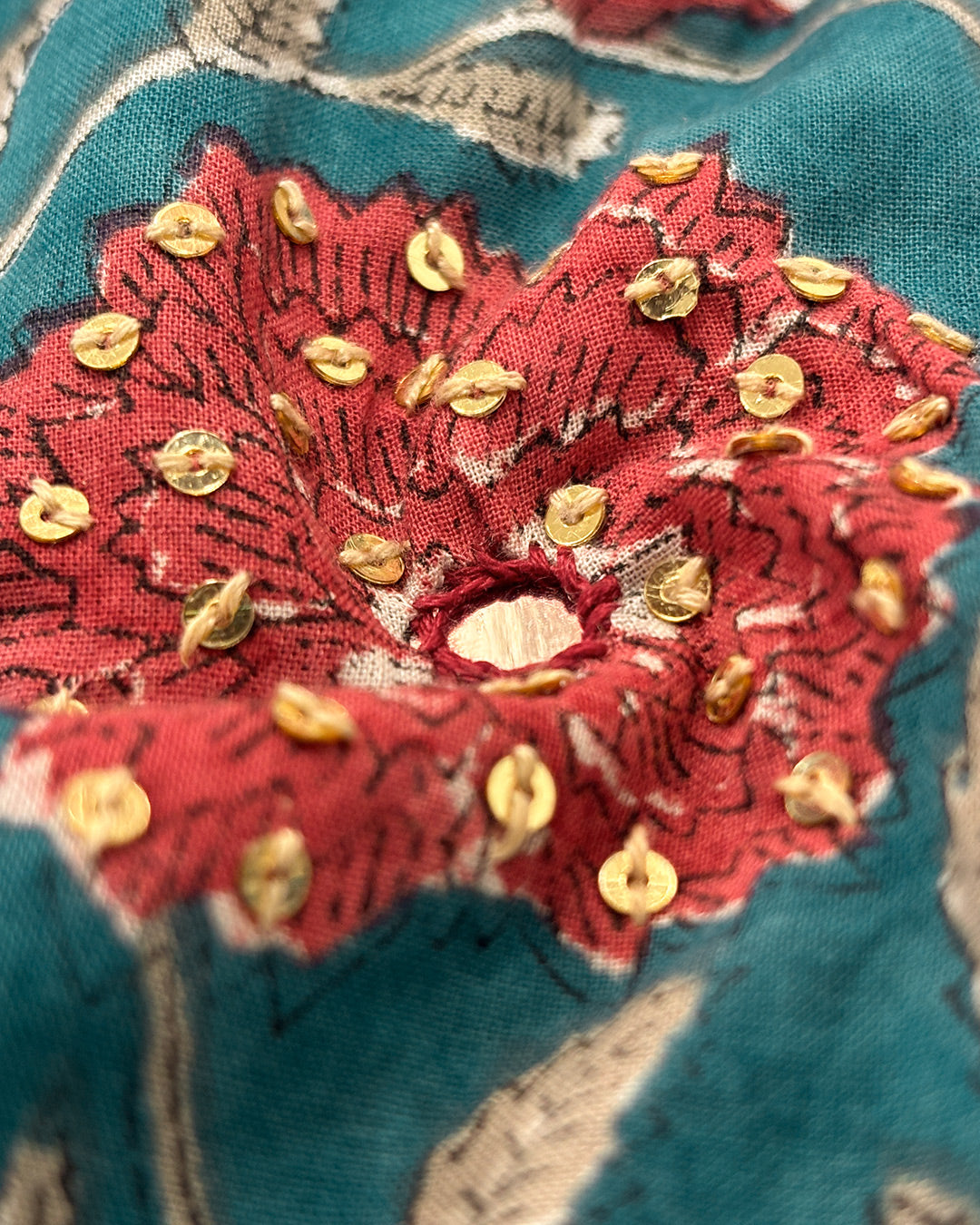
Think sheesha and sitara- India’s age-old love affair with shine. Once embroidered with real silver and gold for royalty, these tiny mirrors and sequins still catch the light of celebration, symbolising prosperity and joy.
-
Every corner of India tells its story differently - the running threads of Kantha, the fine florals of Chikankari, the grandeur of Zardozi, the vibrancy of Phulkari. Each one is a reflection of its land and people.
The Quality Over Quantity Debate
-
Mass-produced embroidery is about speed and identical copies. Machines focus on volume, not nuance, leaving designs flat and impersonal.
-
While hand embroidery takes time, every stitch is intentional, layered with skill and care.
-
Artisans adjust tension, thread placement, and colour on the spot, details that a machine can never judge or replicate.
-
Patience and precision make fabrics stronger, threads more secure, and embroidery more durable over time.
-
Only the finest threads, fabrics, and embellishments are chosen. Combined with expert technique, this results in creations that look vivid and feel substantial.
-
Hand embroidery is about authenticity and individuality. It’s not produced for the sake of numbers; it’s crafted for people who appreciate skill and a piece that tells a story.
India’s Iconic Hand Embroideries
1. Chikankari: The Heartbeat of Lucknow
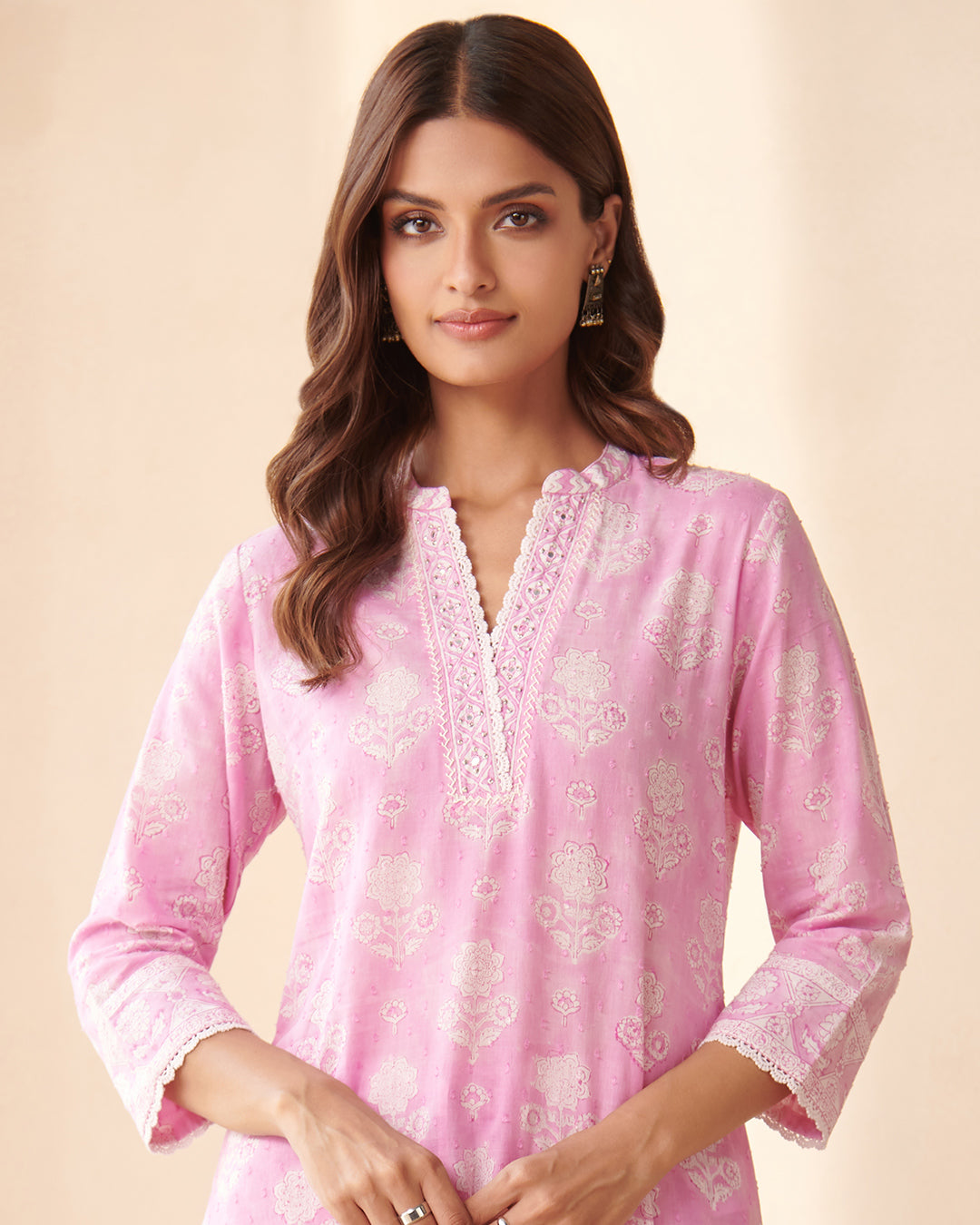
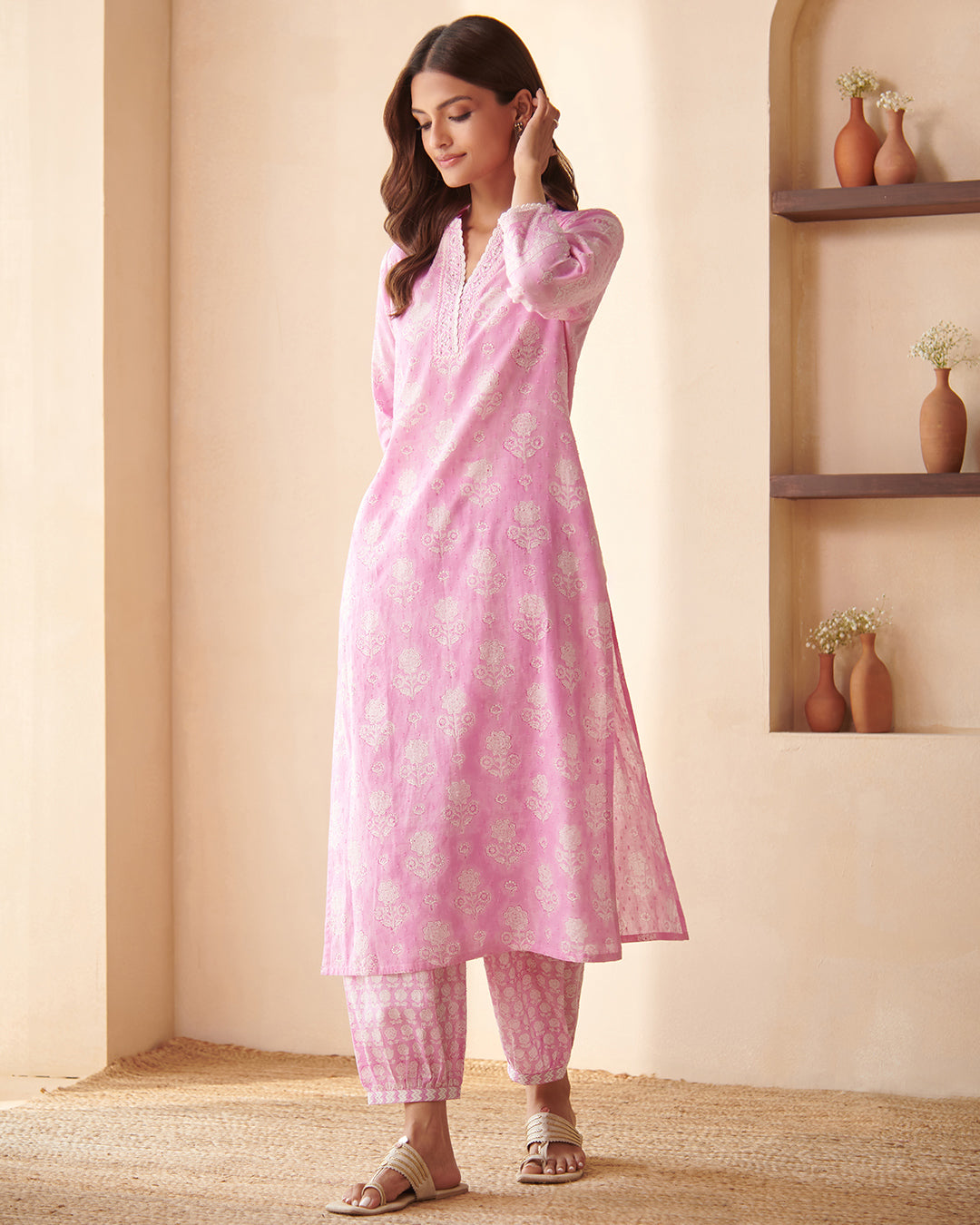
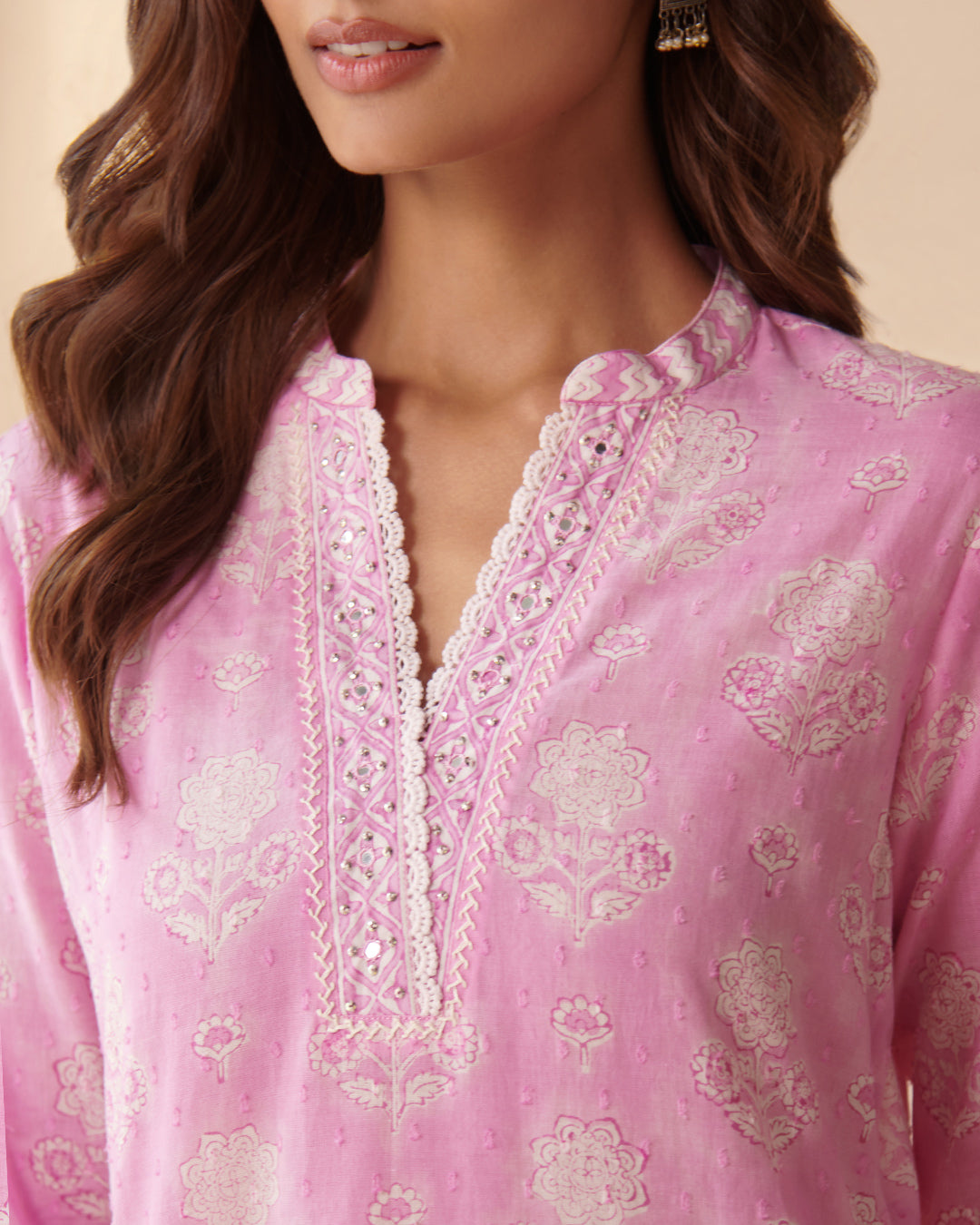
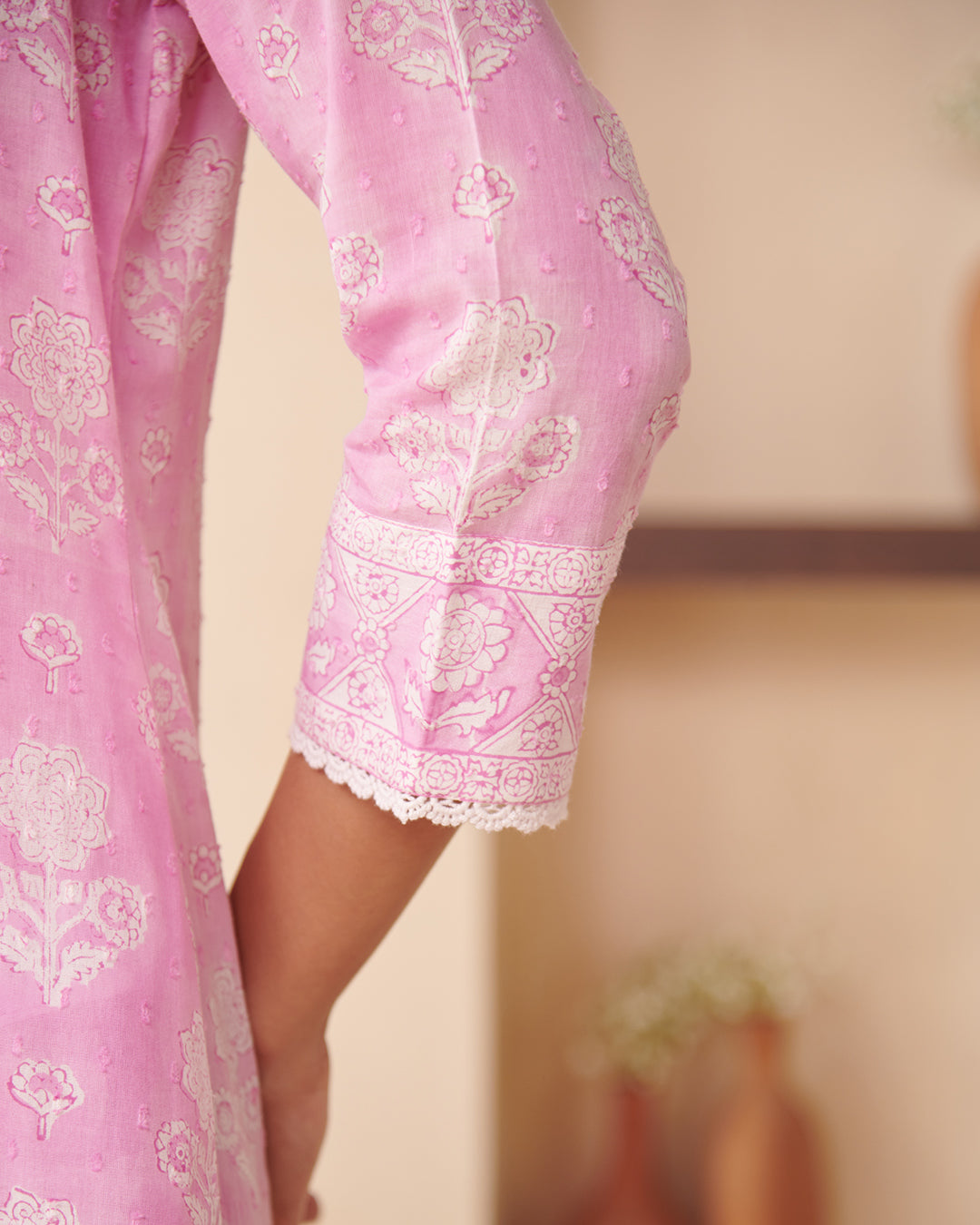
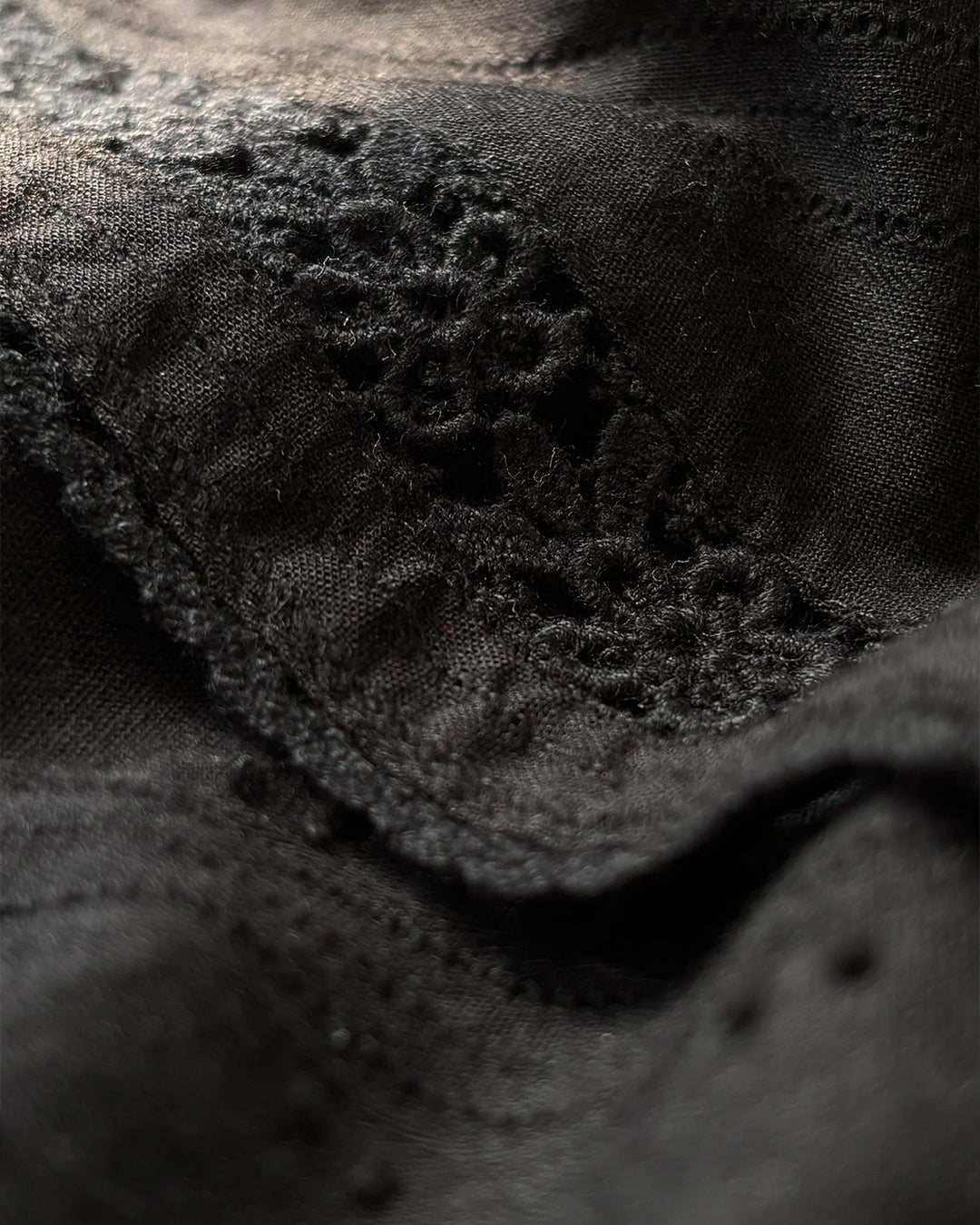
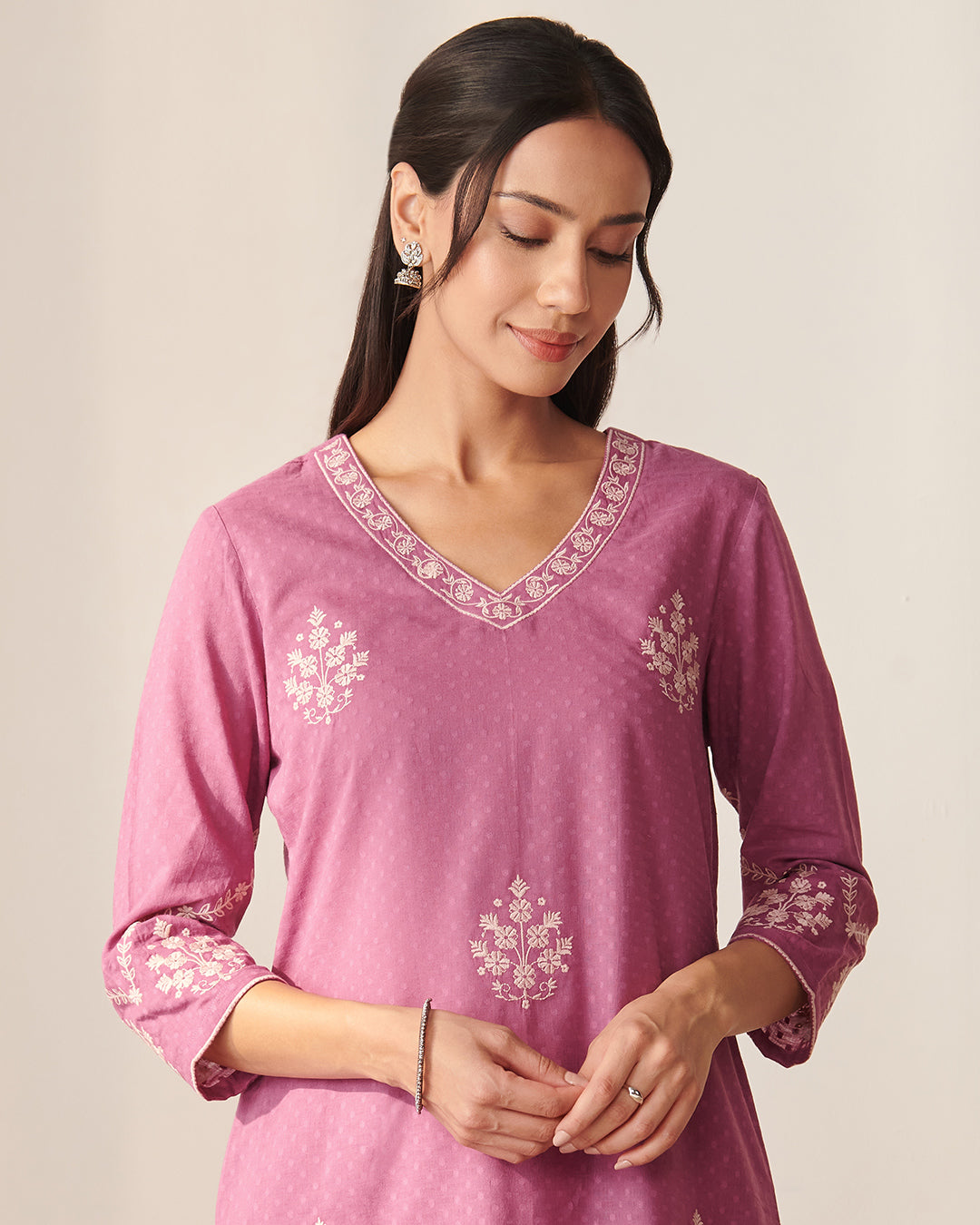
Among India’s many regional crafts, Chikankari stands apart for its finesse and restraint. Originating in Lucknow, this embroidery draws from Persian design sensibilities and Mughal artistry, where architecture met threadwork to form patterns that felt both structured and soft.
-
The design is first printed on the fabric using wooden blocks dipped in washable dyes. Then begins the slow, deliberate rhythm of the needle. Over 30 distinct stitches can be used, bringing the patterns to life with accuracy, each creating texture.
-
Traditionally done on breathable fabrics like muslin, voile, or fine cotton, Chikankari was designed with a purpose. The minute perforations of the stitch allowed air to pass through, making the garments perfect for the sweltering Indian summer.
-
Unlike machine embroidery, which prioritises speed and replication, Chikankari thrives on the imperfections that mark a human hand. Beyond trends, Chikankari represents endurance. Each piece celebrates centuries of craftsmanship and the artisans who continue to keep this cultural treasure alive.
2. Adda Embroidery: The Royal Frame of Craftsmanship
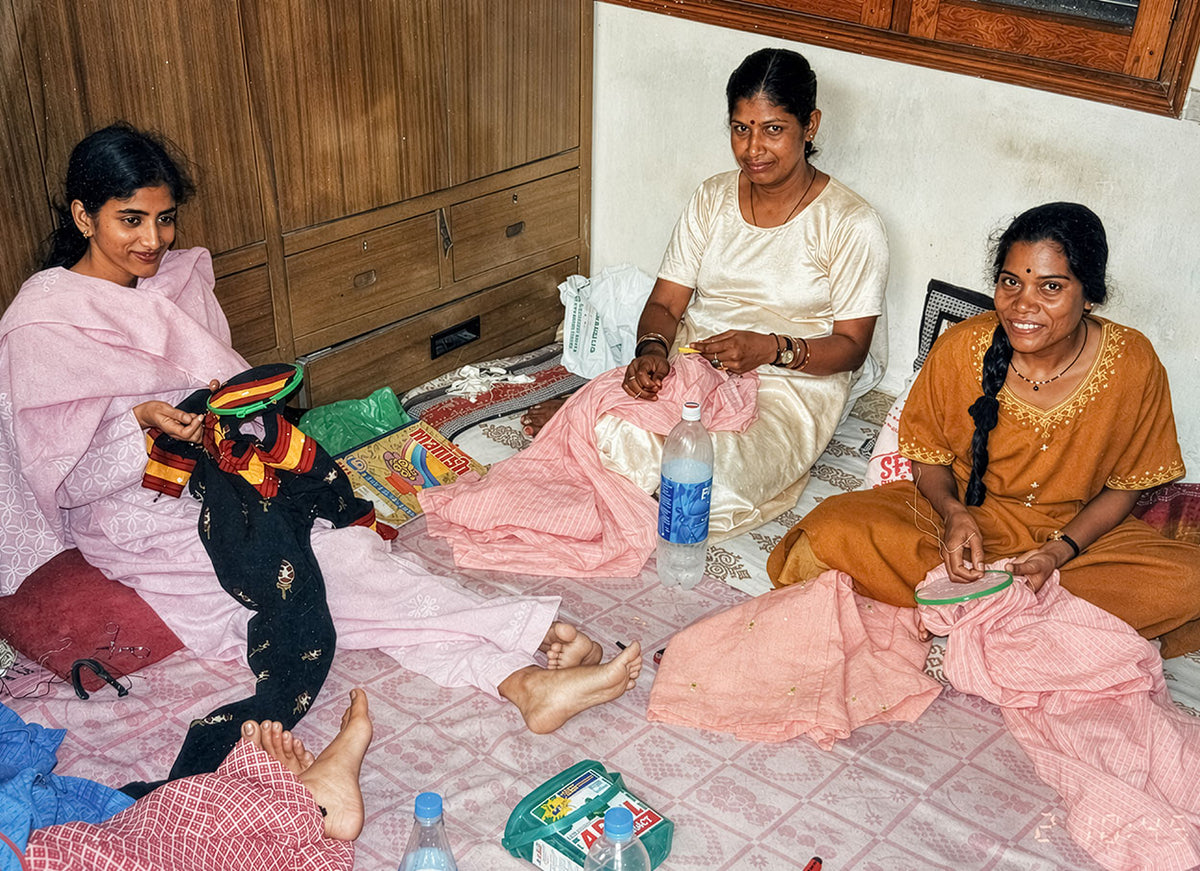
Adda embroidery finds its origins in ancient India, tracing back to the Vedic period. The name comes from the Adda, a wooden frame that holds the fabric taut, allowing artisans to work with accuracy and control. Once reserved for royalty, these embroidered creations were symbols of grandeur and social stature.
-
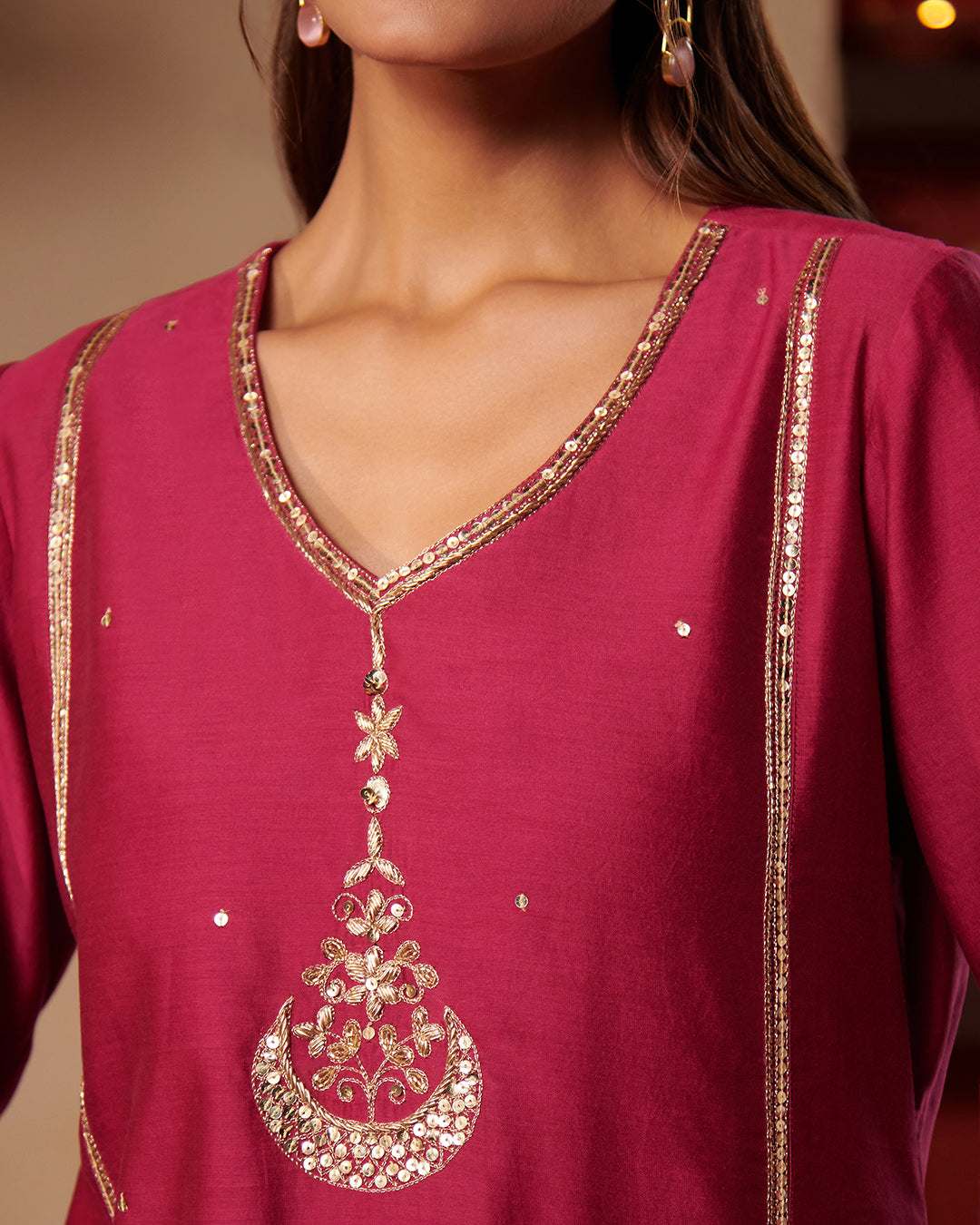
At the heart of this technique lies the Aari needle, a sharp hook that lets artisans draw thread through the fabric in smooth, continuous motions. Depending on the design, both Aari and Zardosi needles are used to craft fine motifs, beads, and metallic threads with seamless flow.
-
Artisans sit around the Adda, threading stories into silk, cotton, and metallic fabrics. Sequins, beads, and stones are meticulously placed to form intricate floral and geometric patterns, each glimmering under light, each detail born of patient mastery.
-
Though machines can mimic patterns, they cannot replicate the rhythmic grace of hands moving in unison around the frame. Adda embroidery endures because it carries not just technique, but heritage, a living link between artistry, patience, and purpose.

3. Mirror Embroidery: Reflecting Heritage in Every Stitch
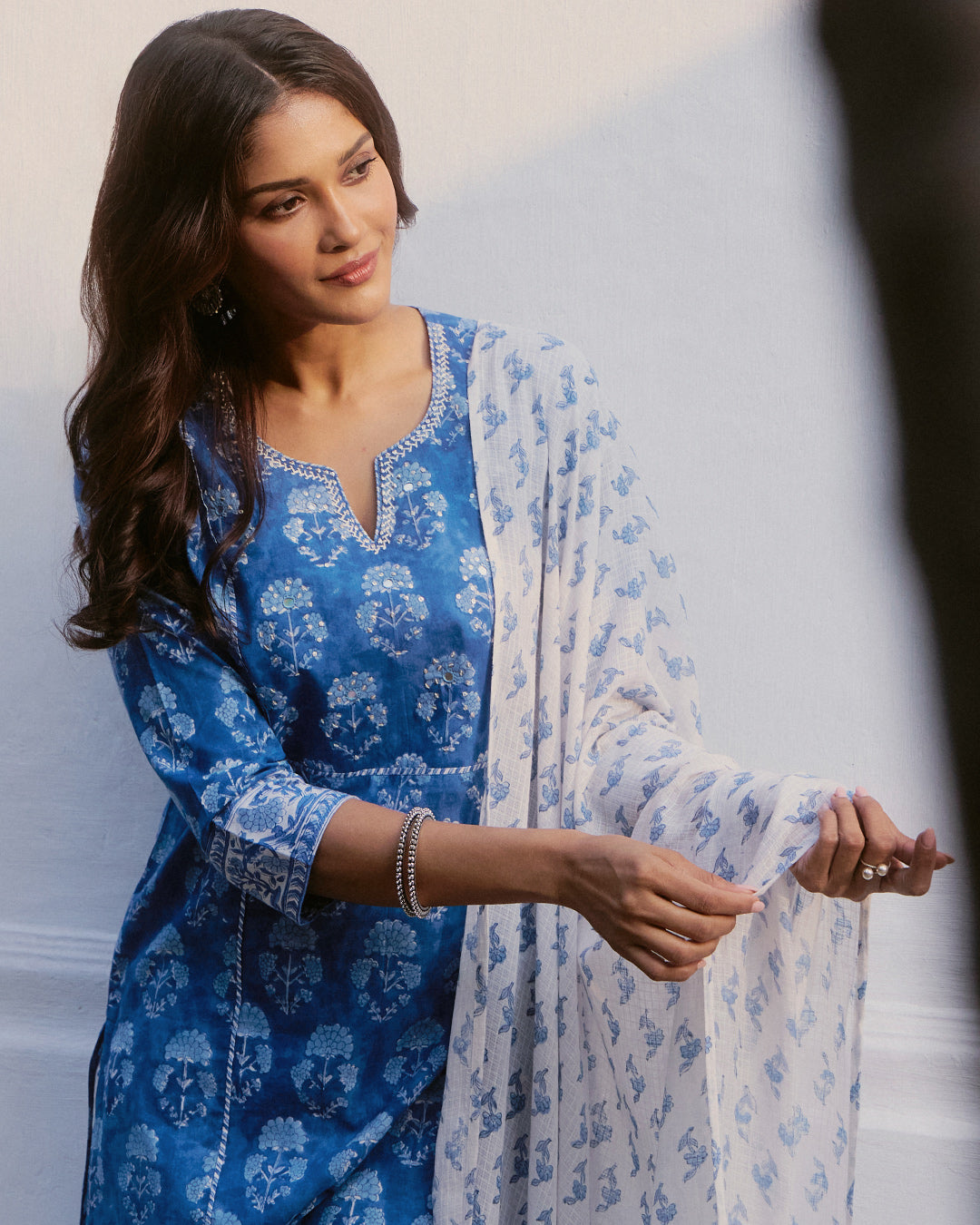
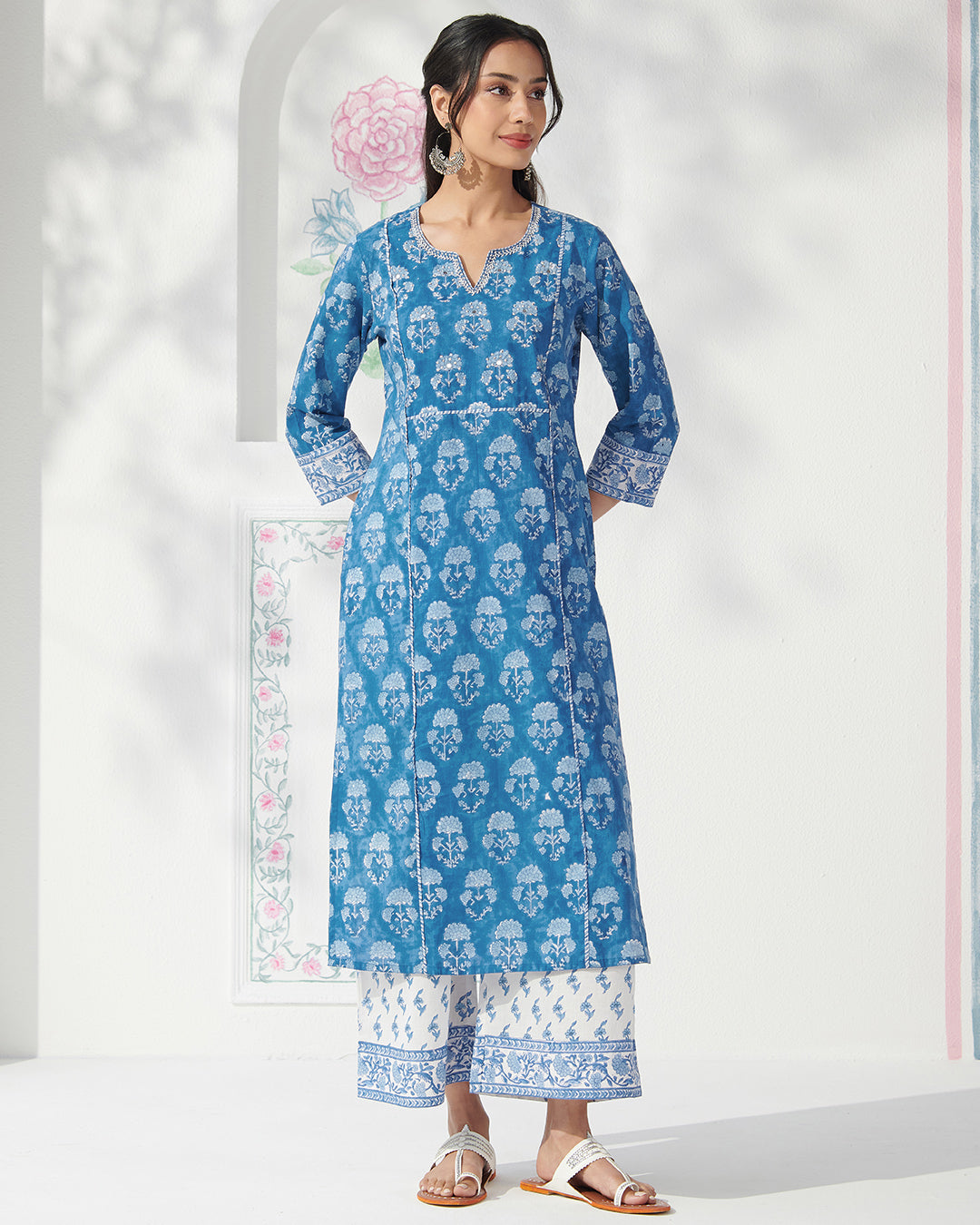
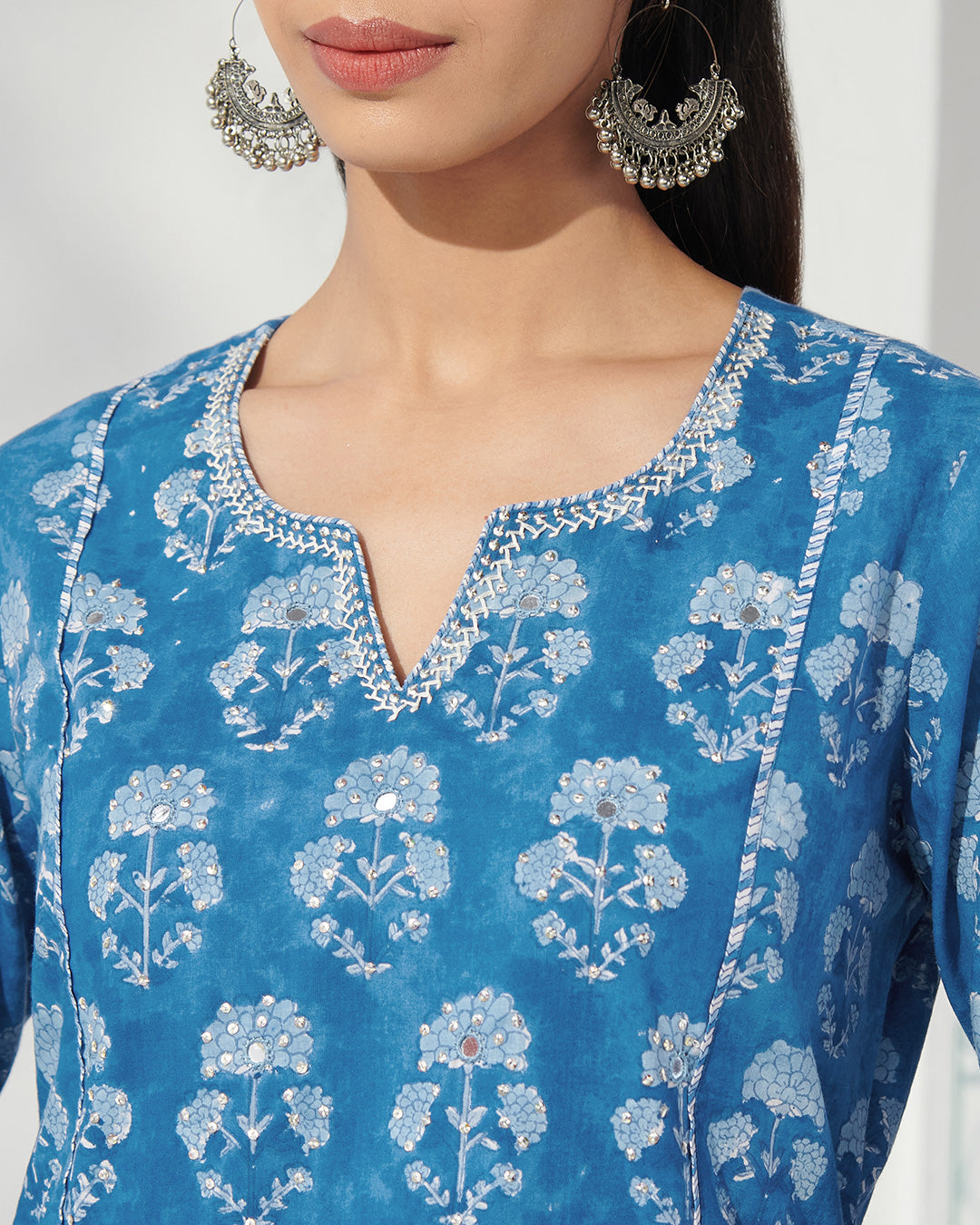
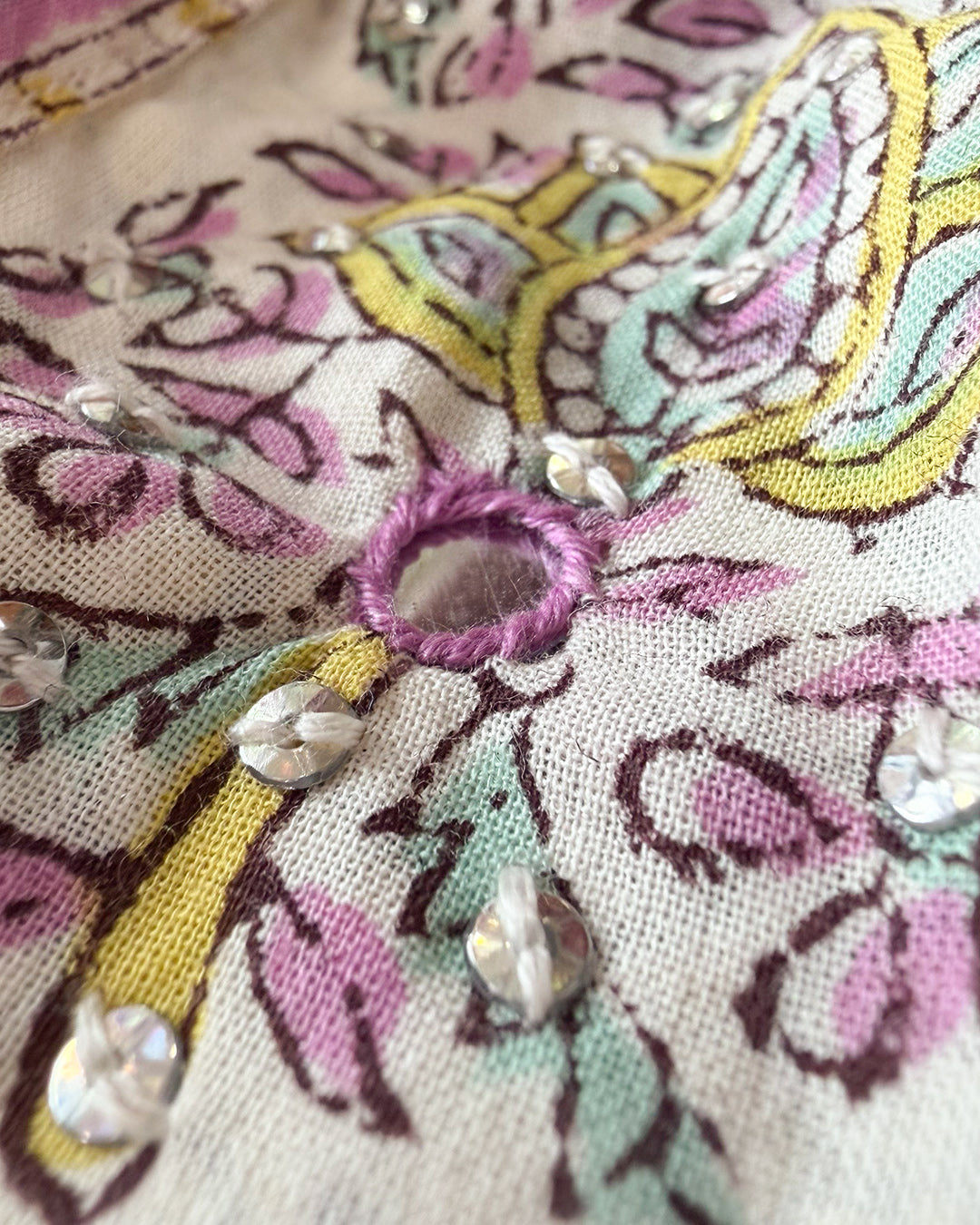
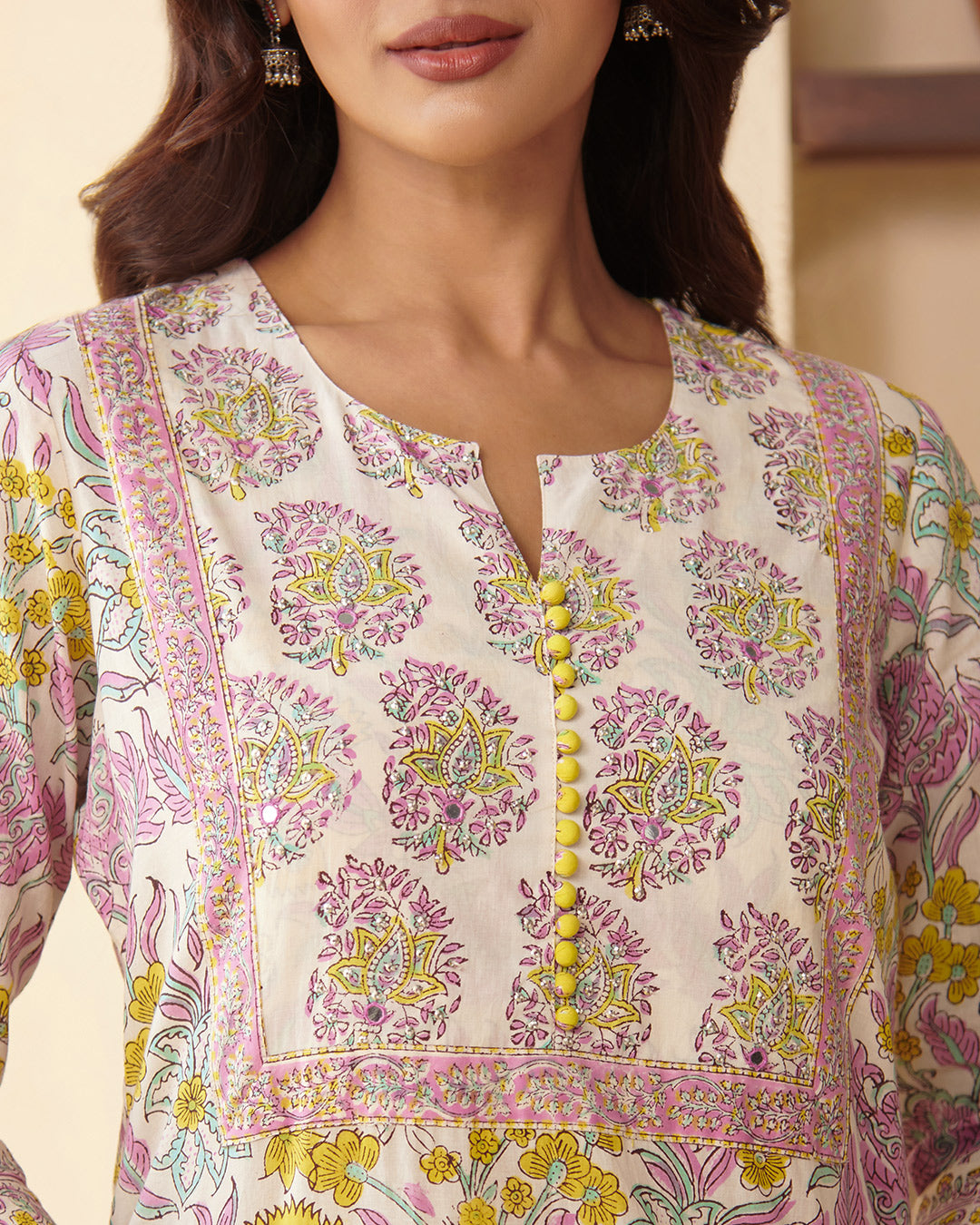
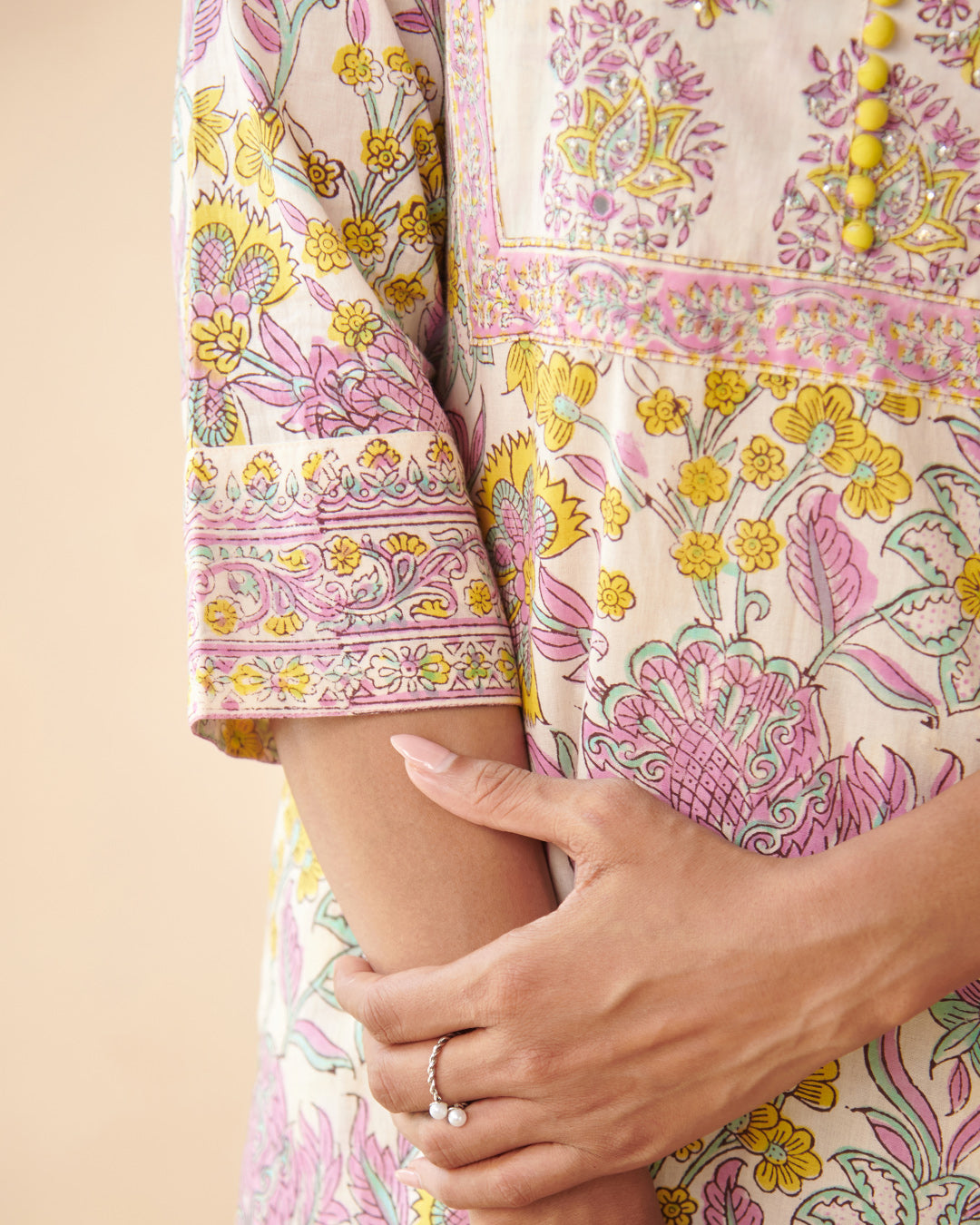
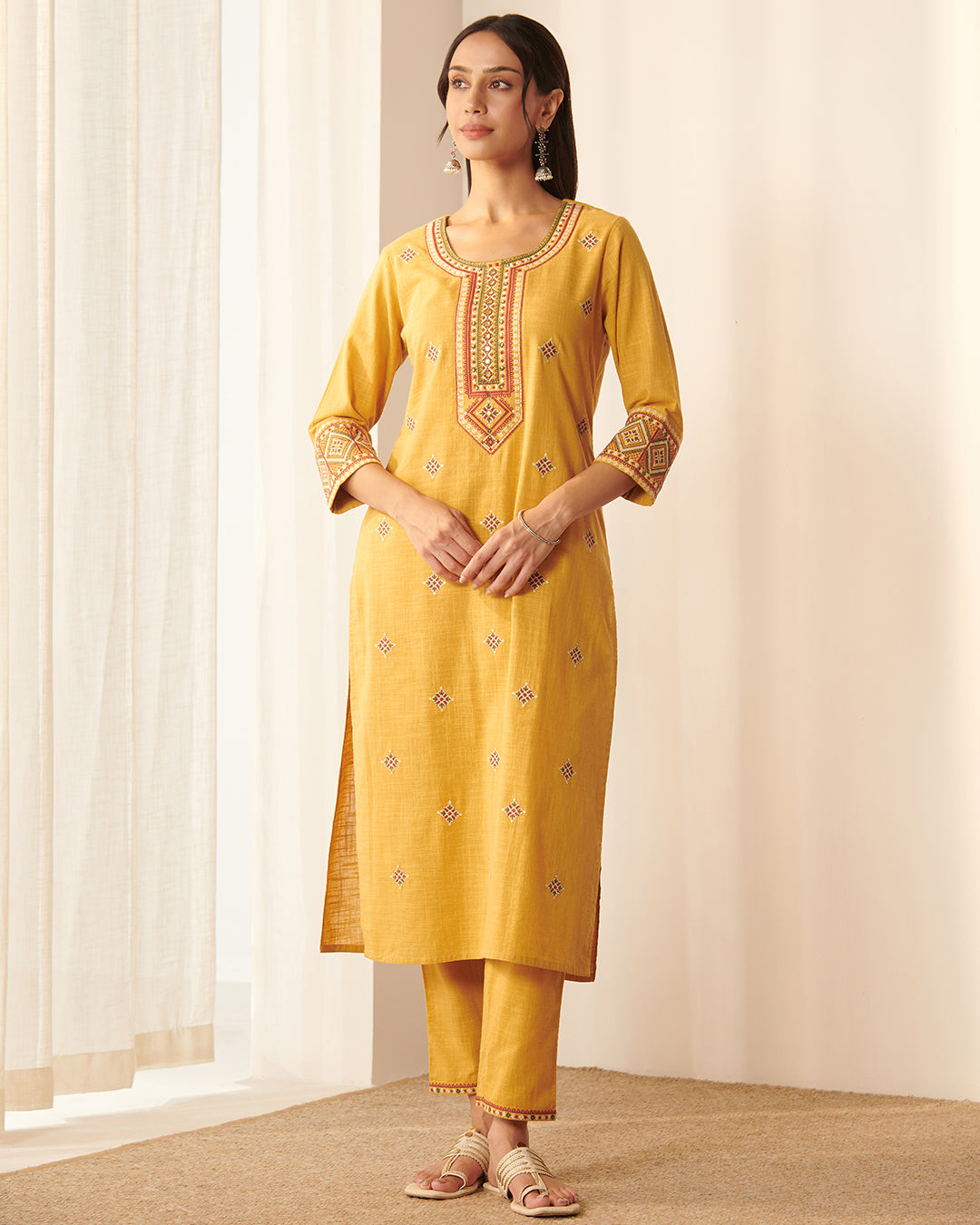
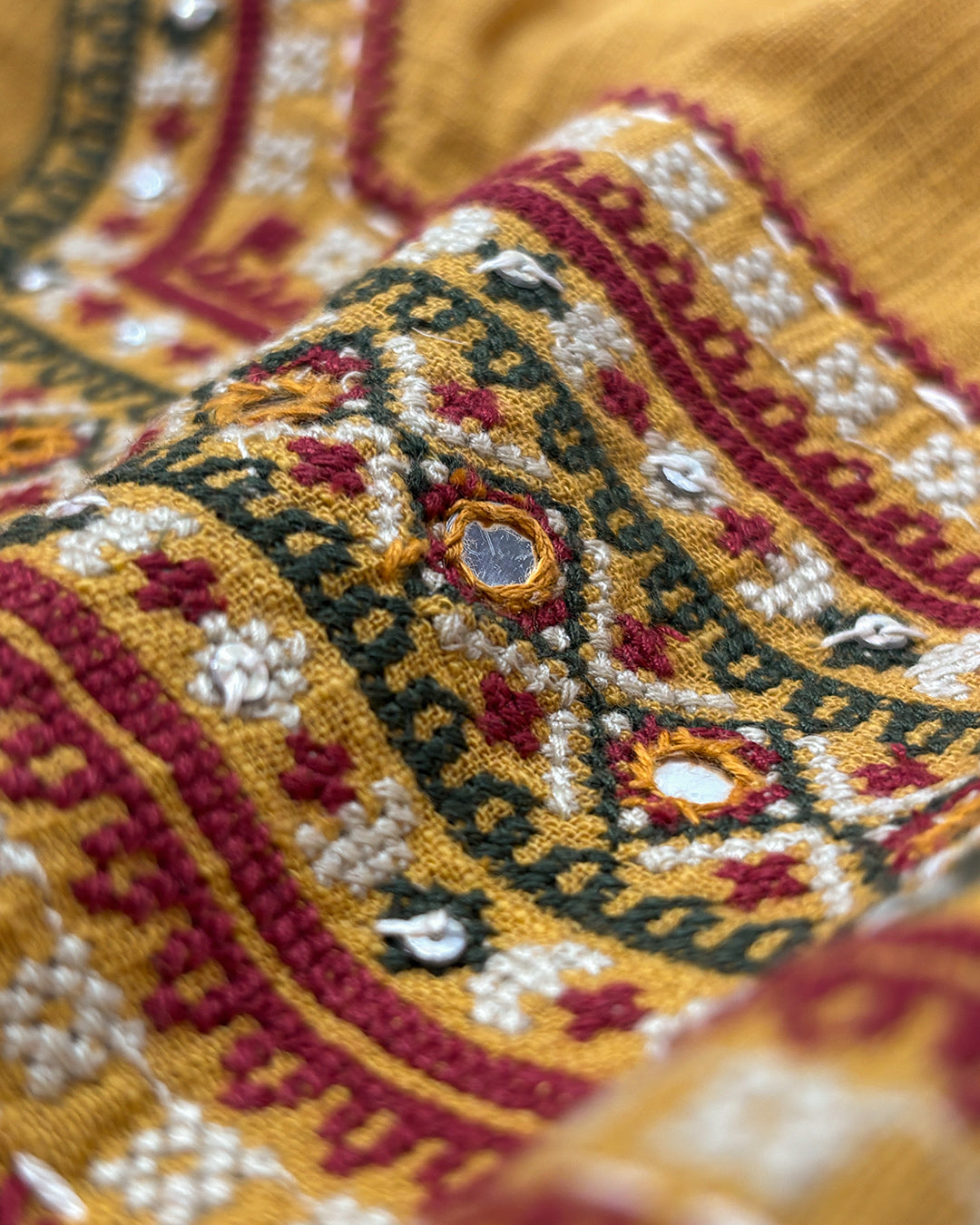
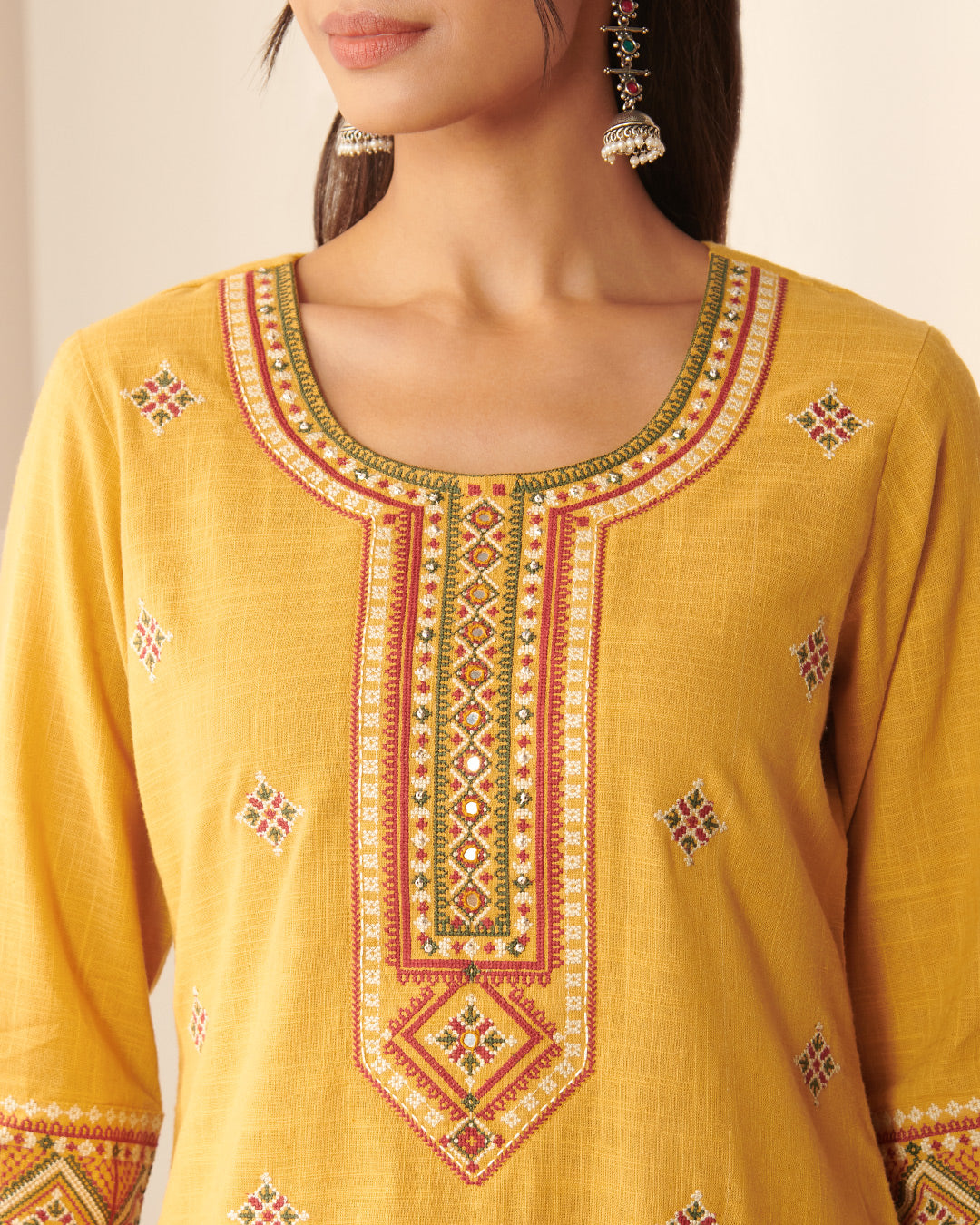
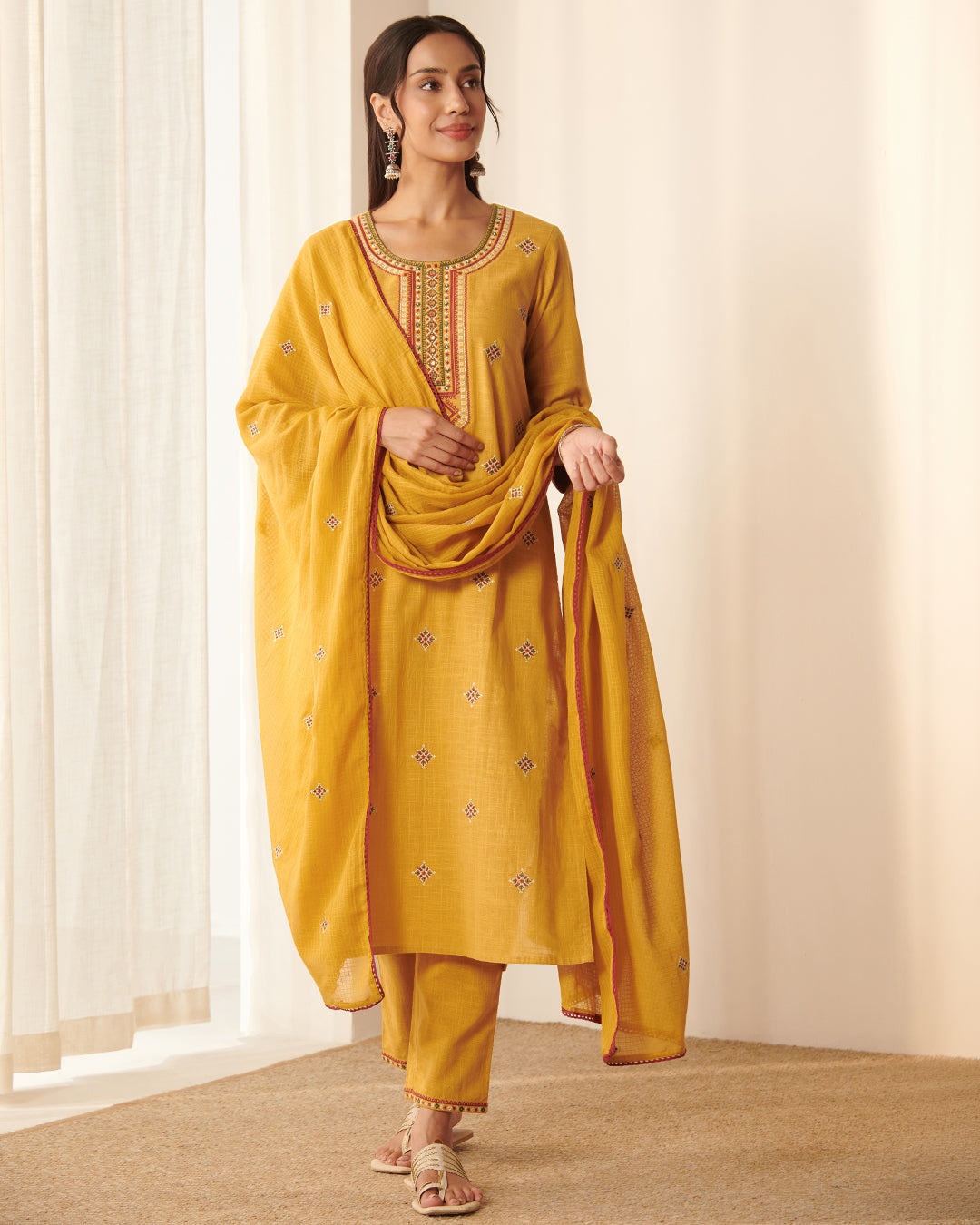
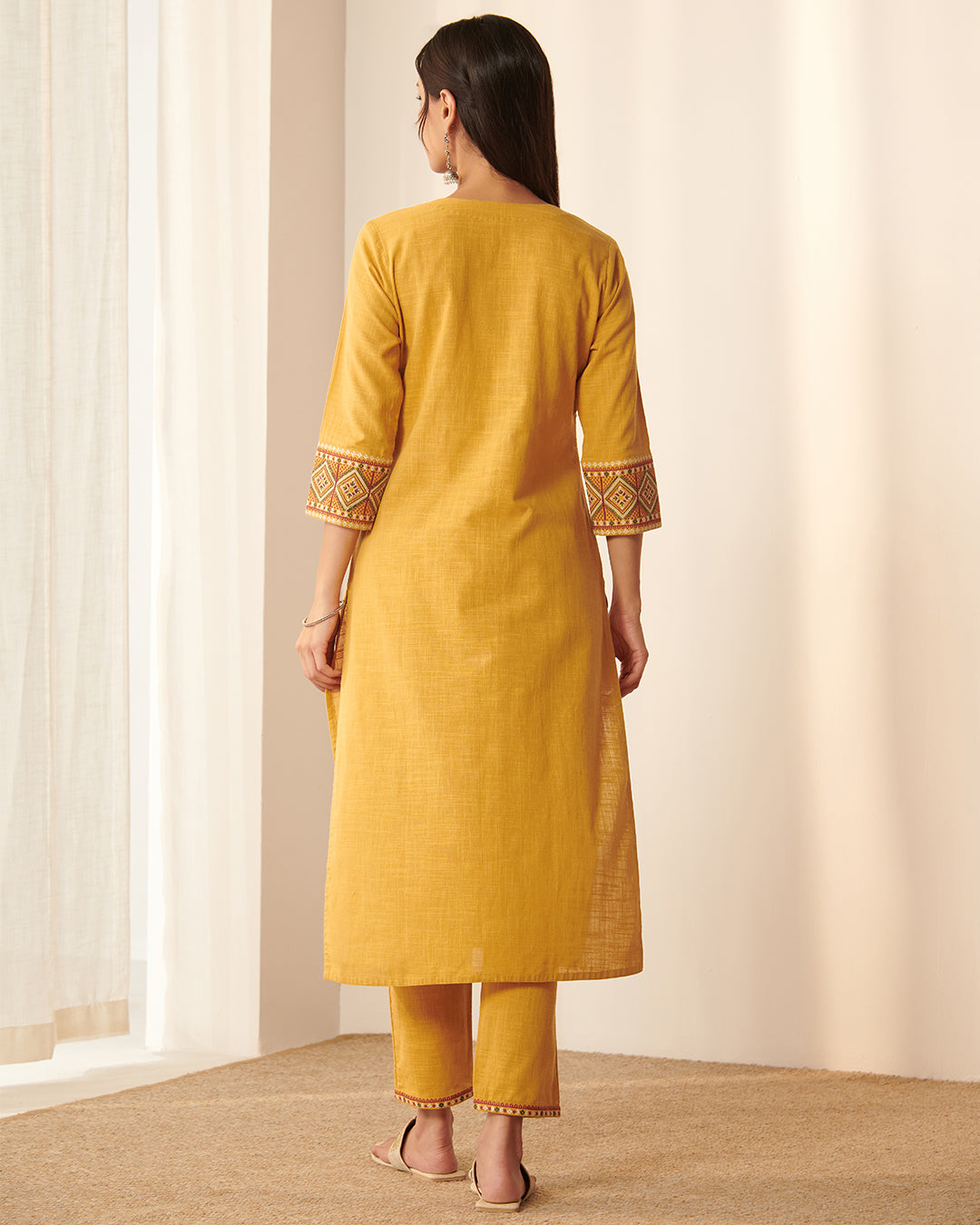
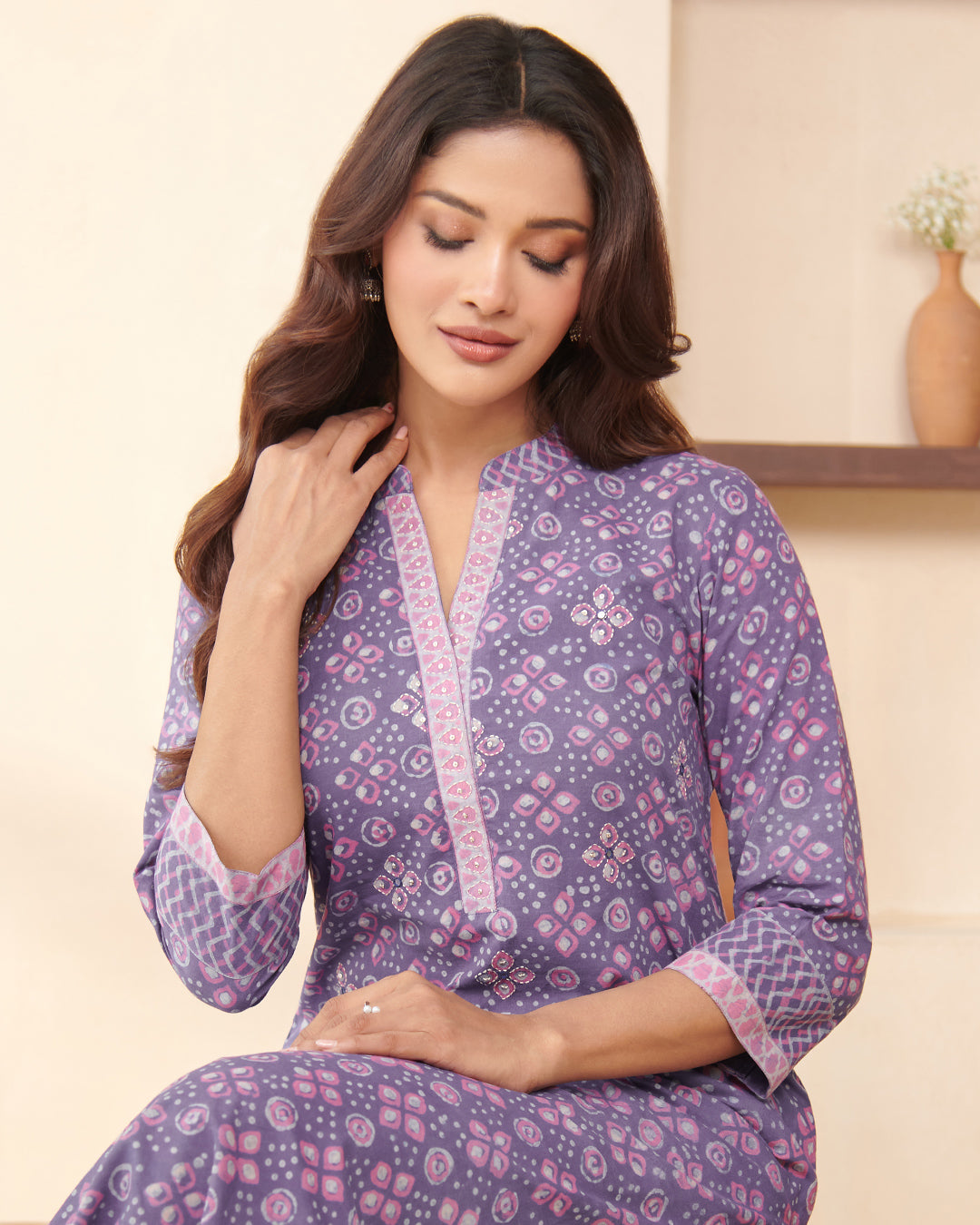
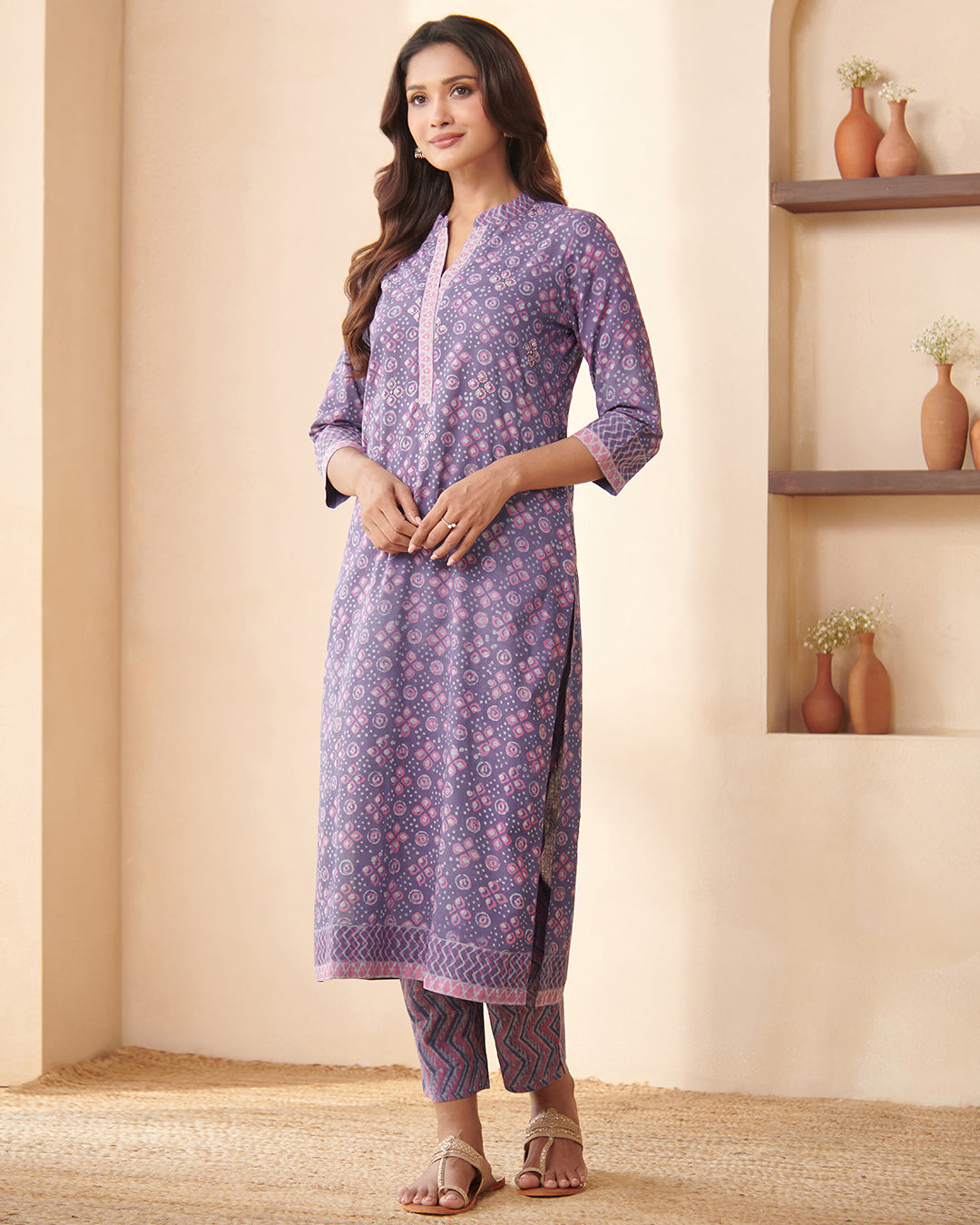
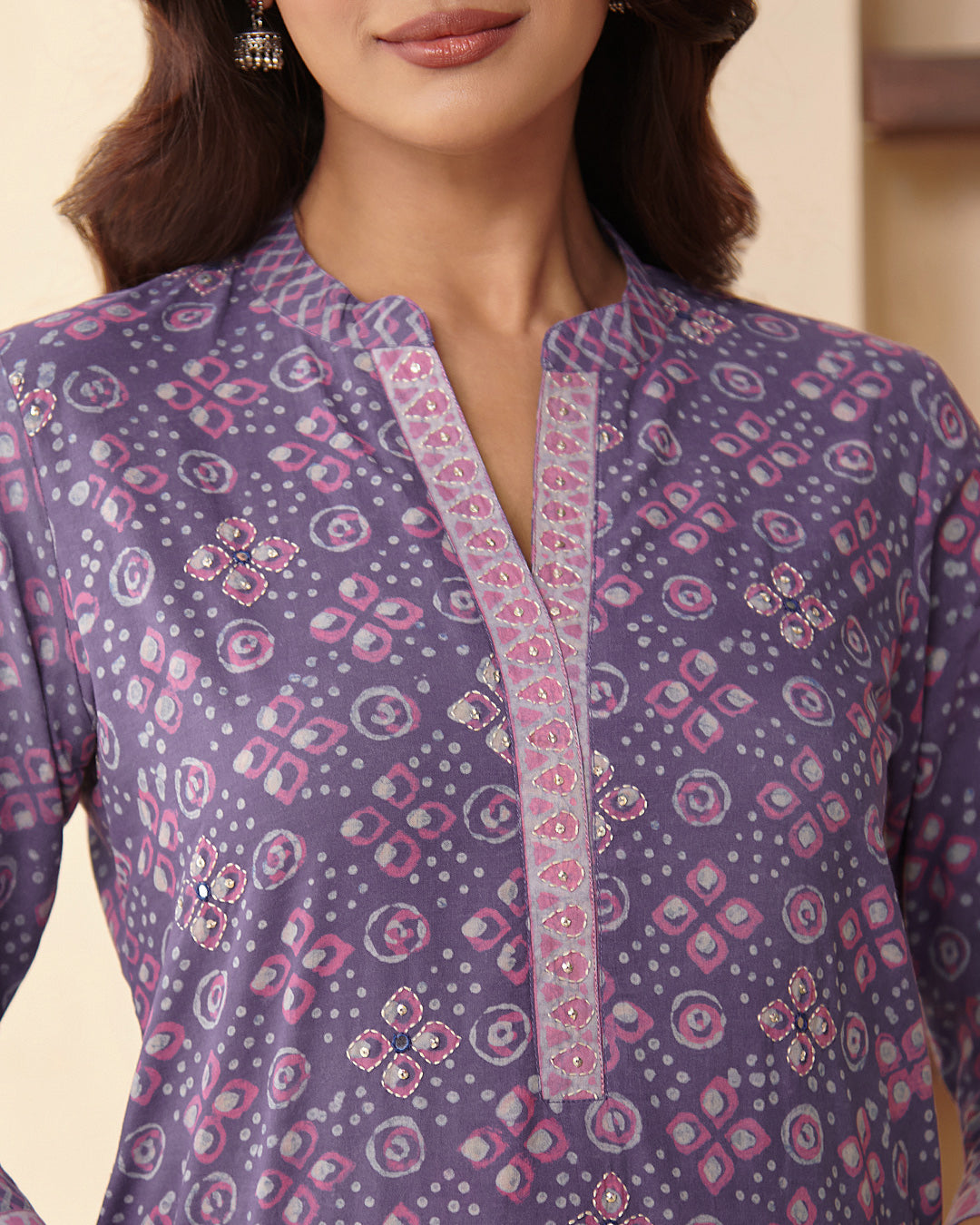
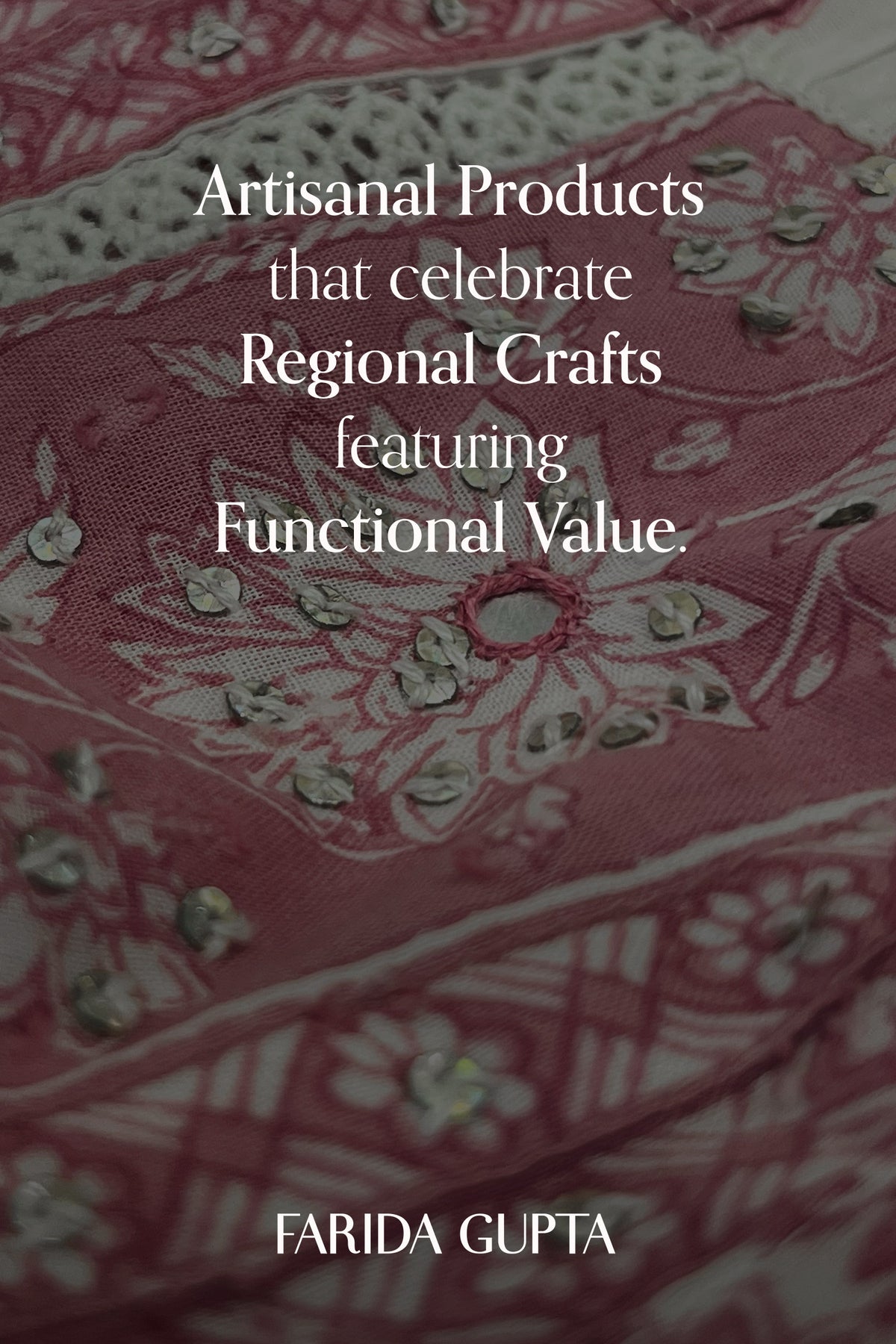
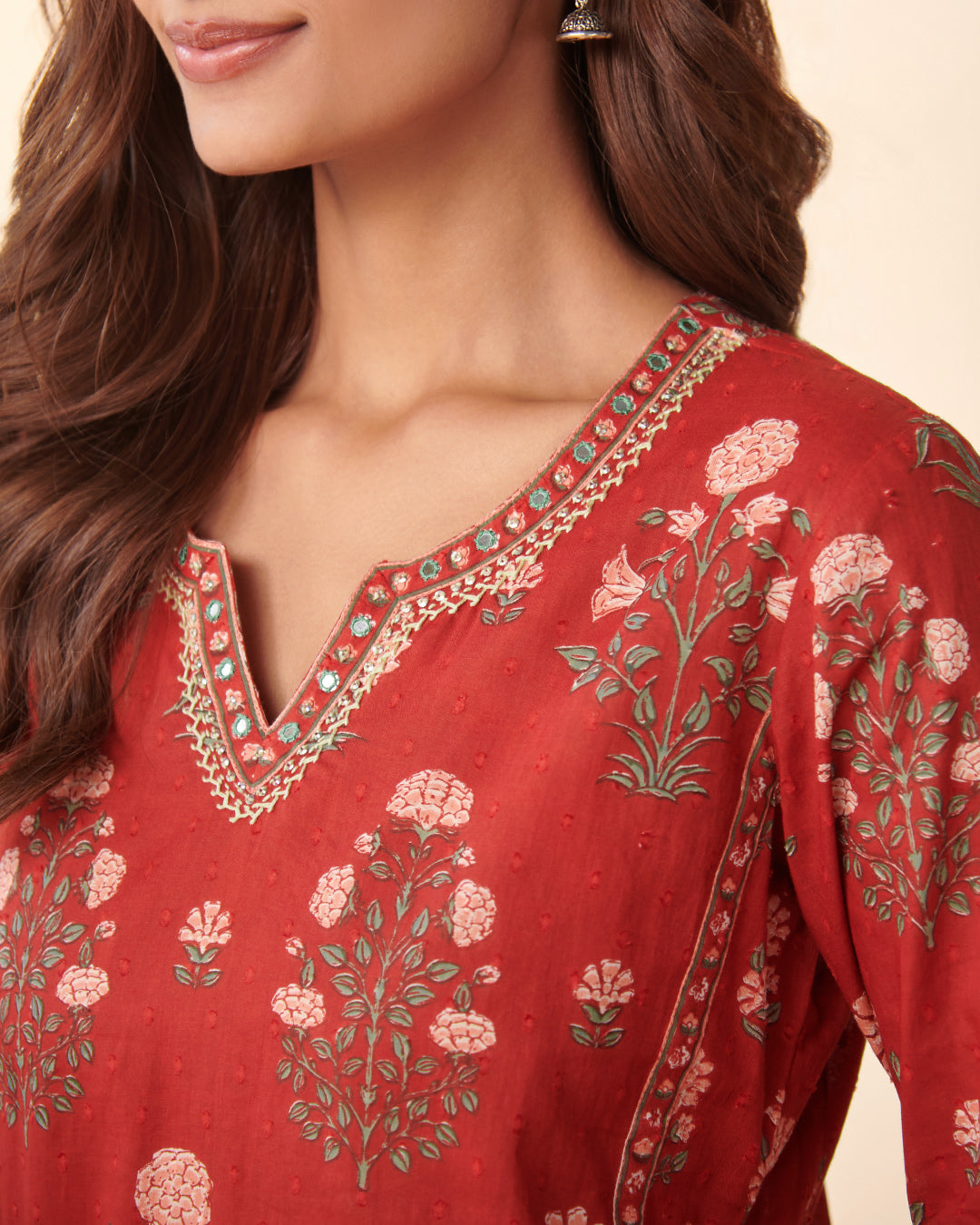
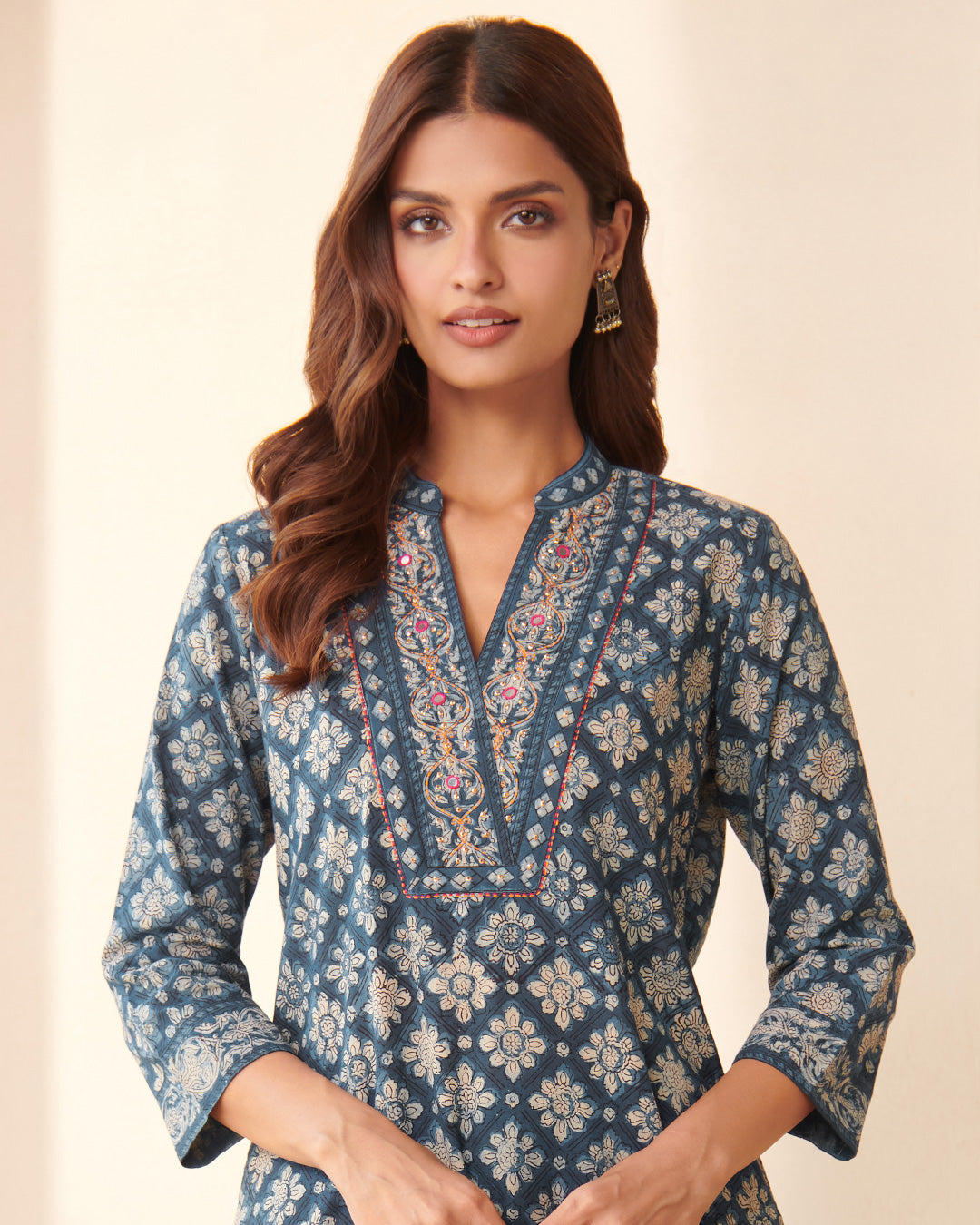
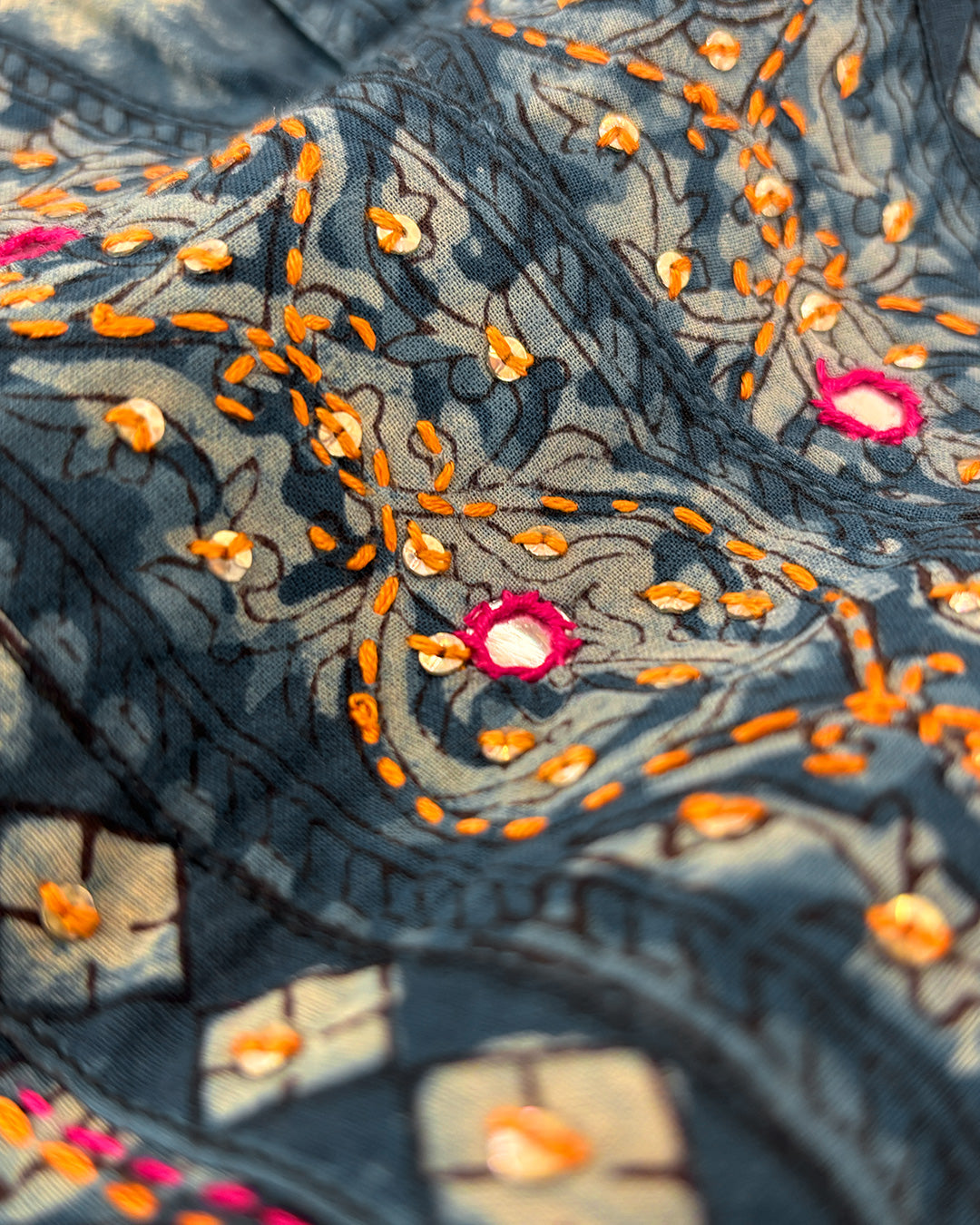
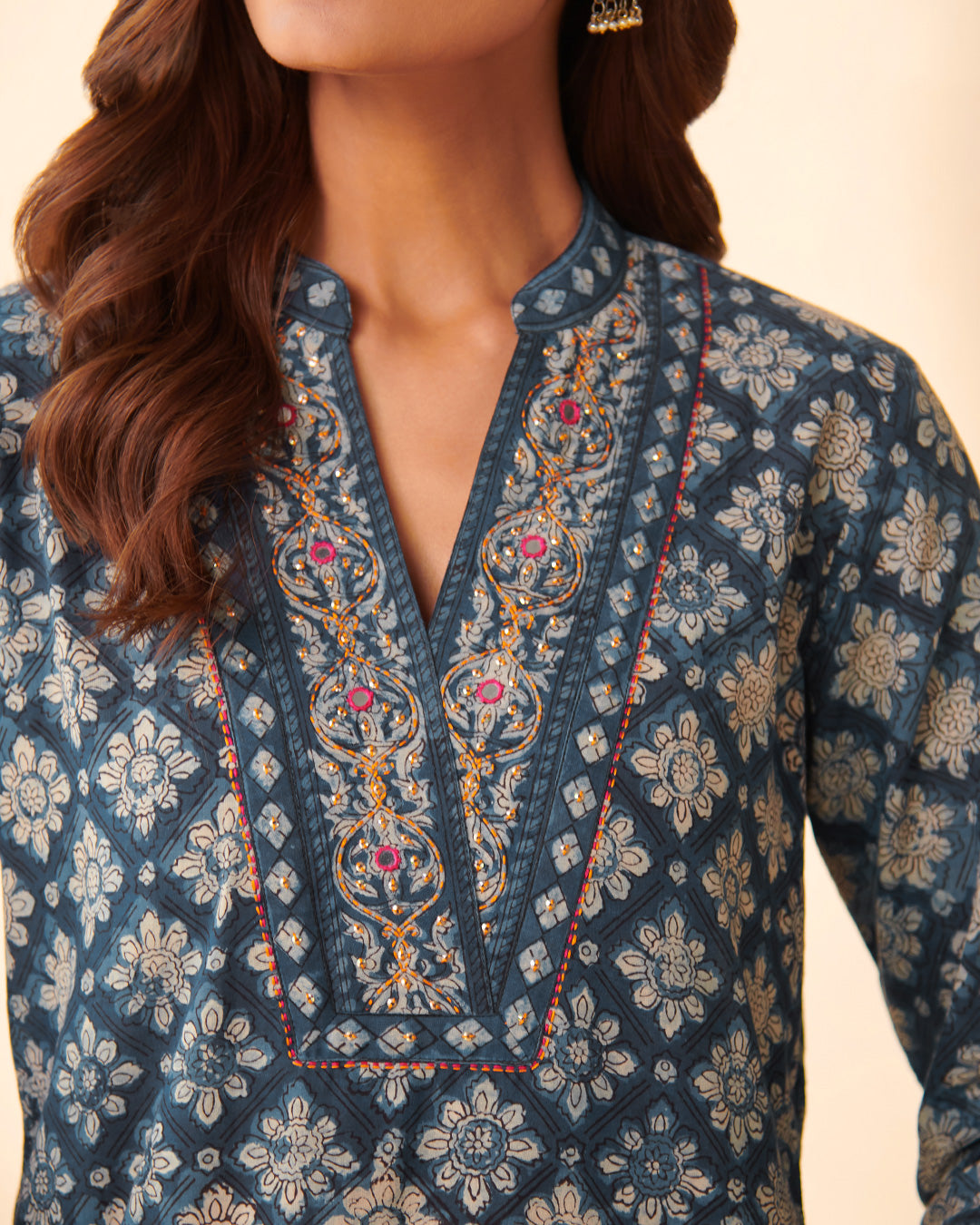
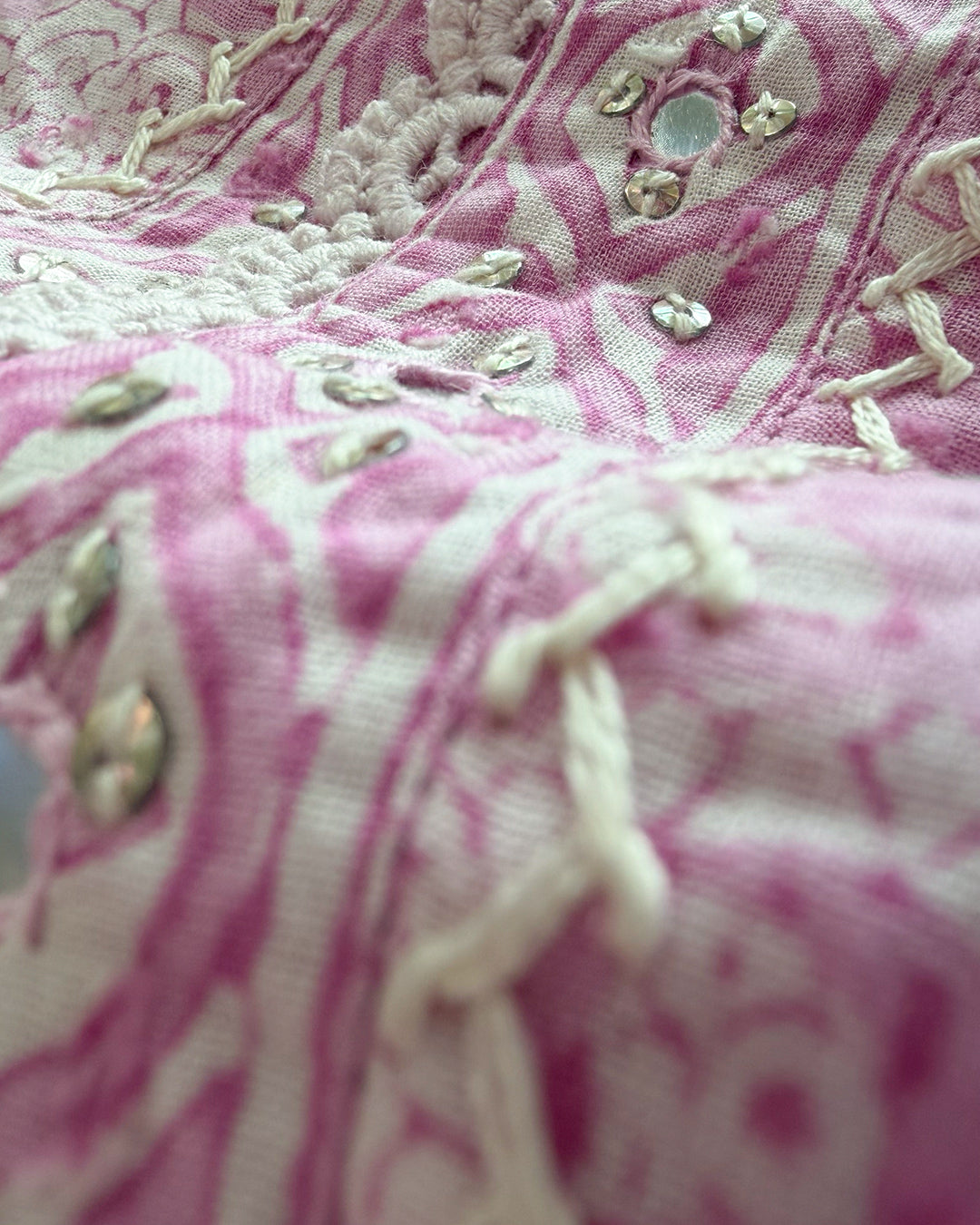
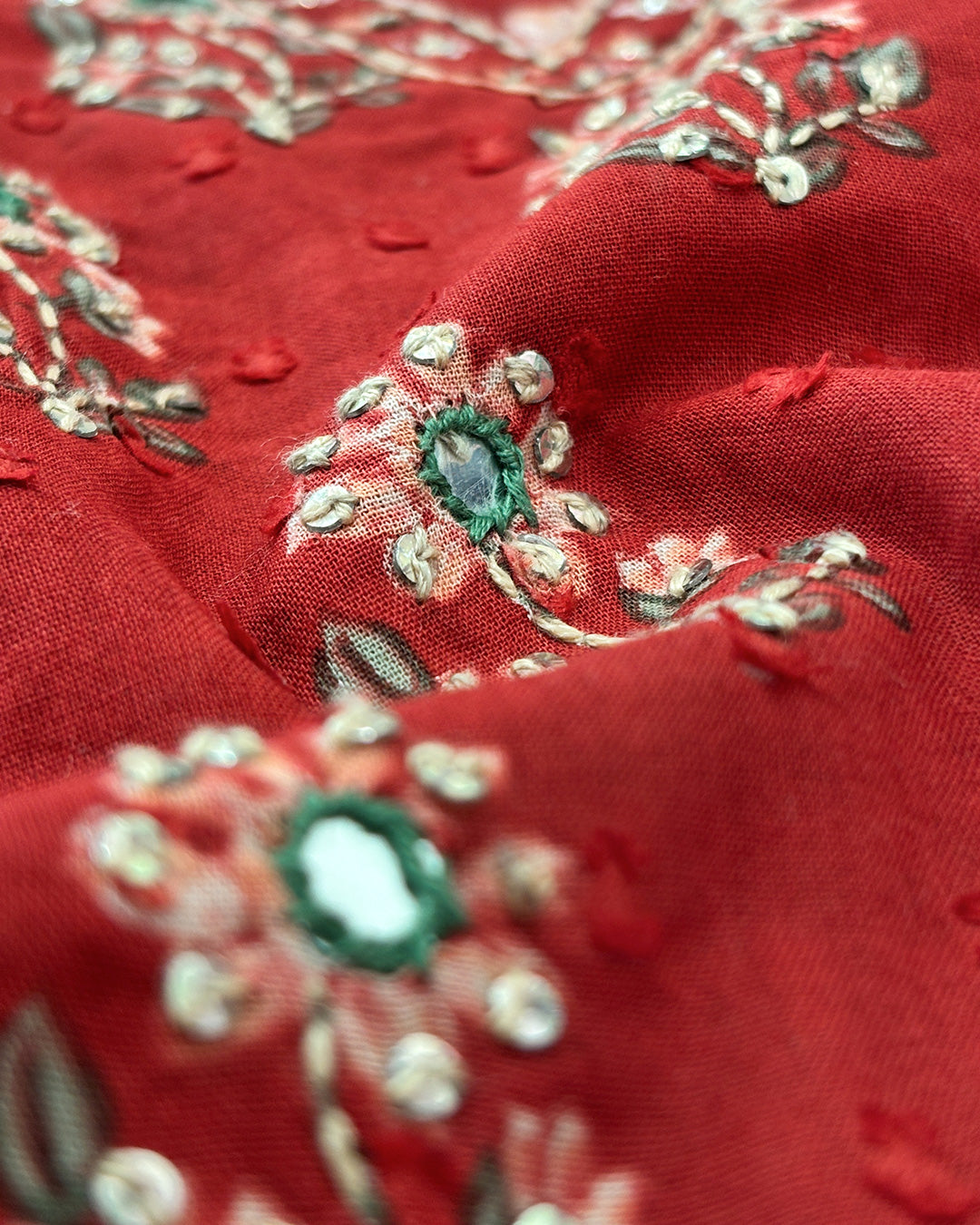
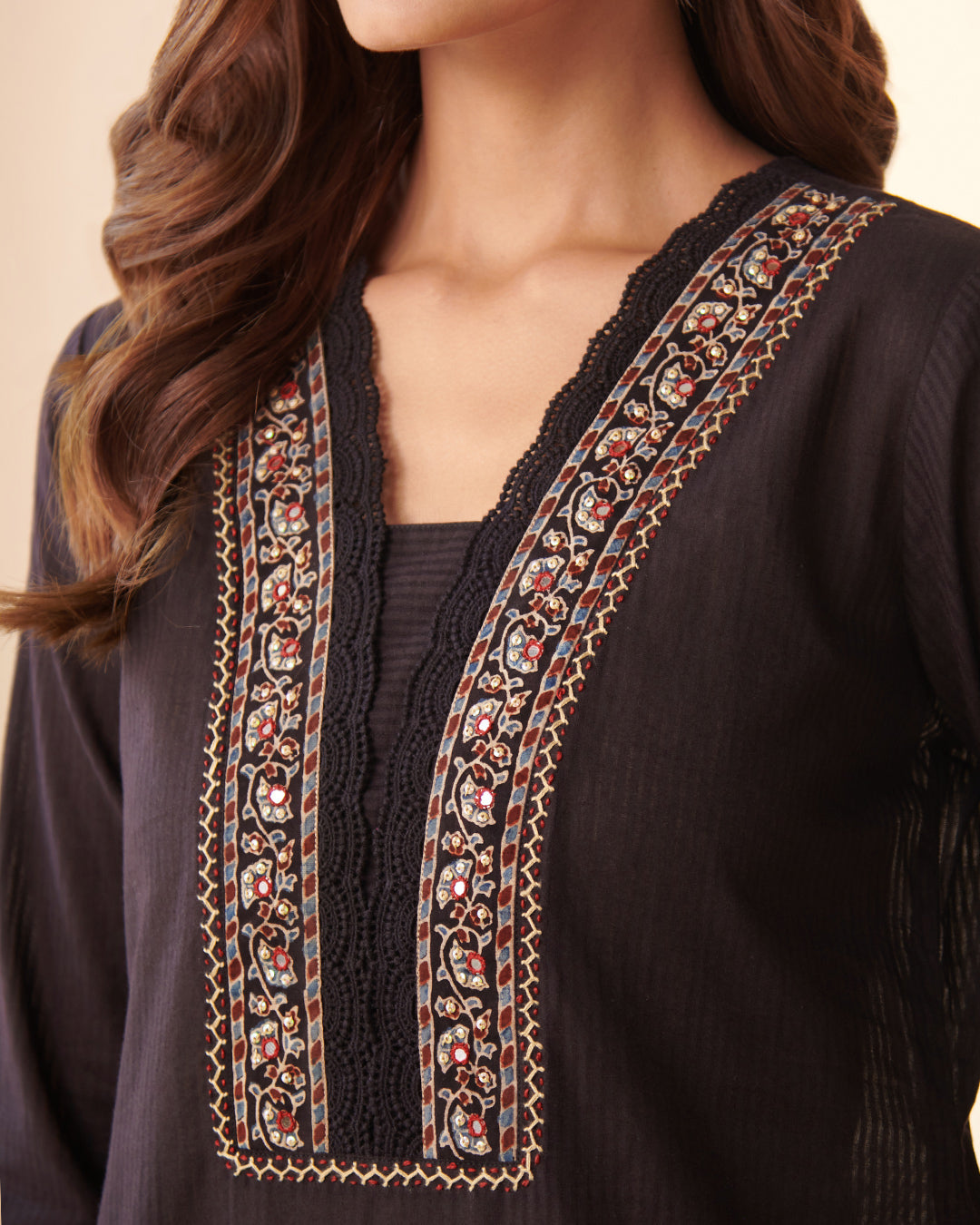
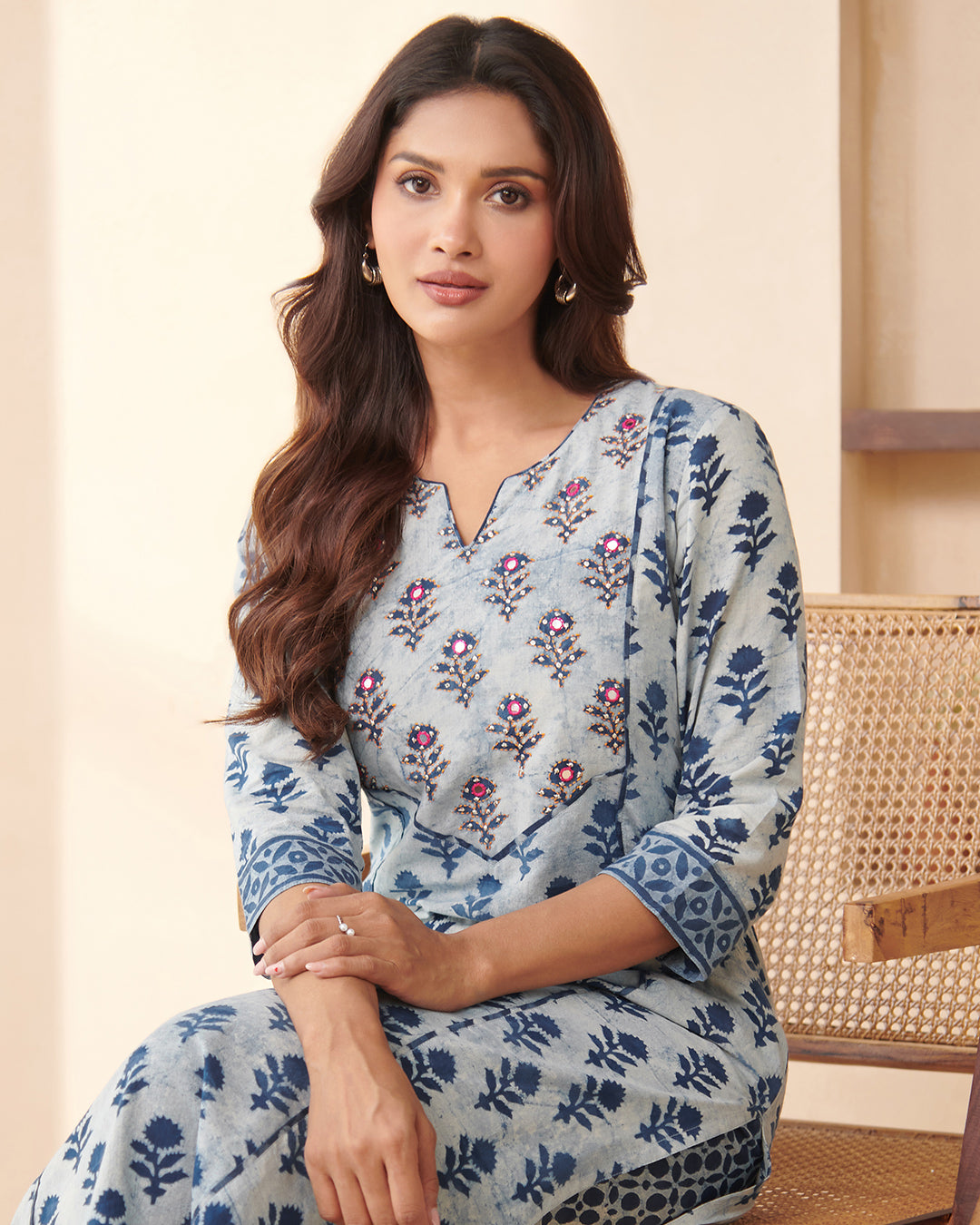
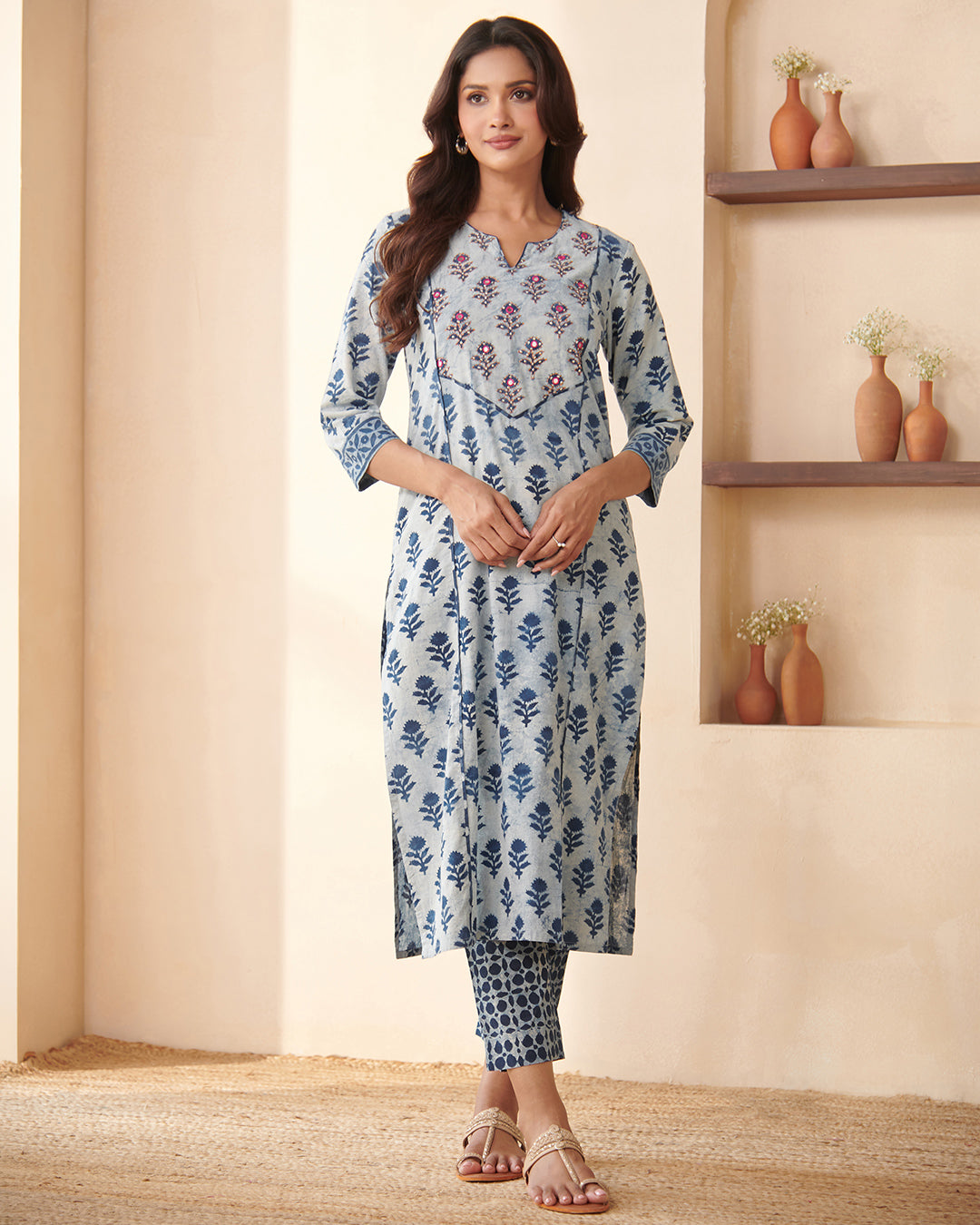
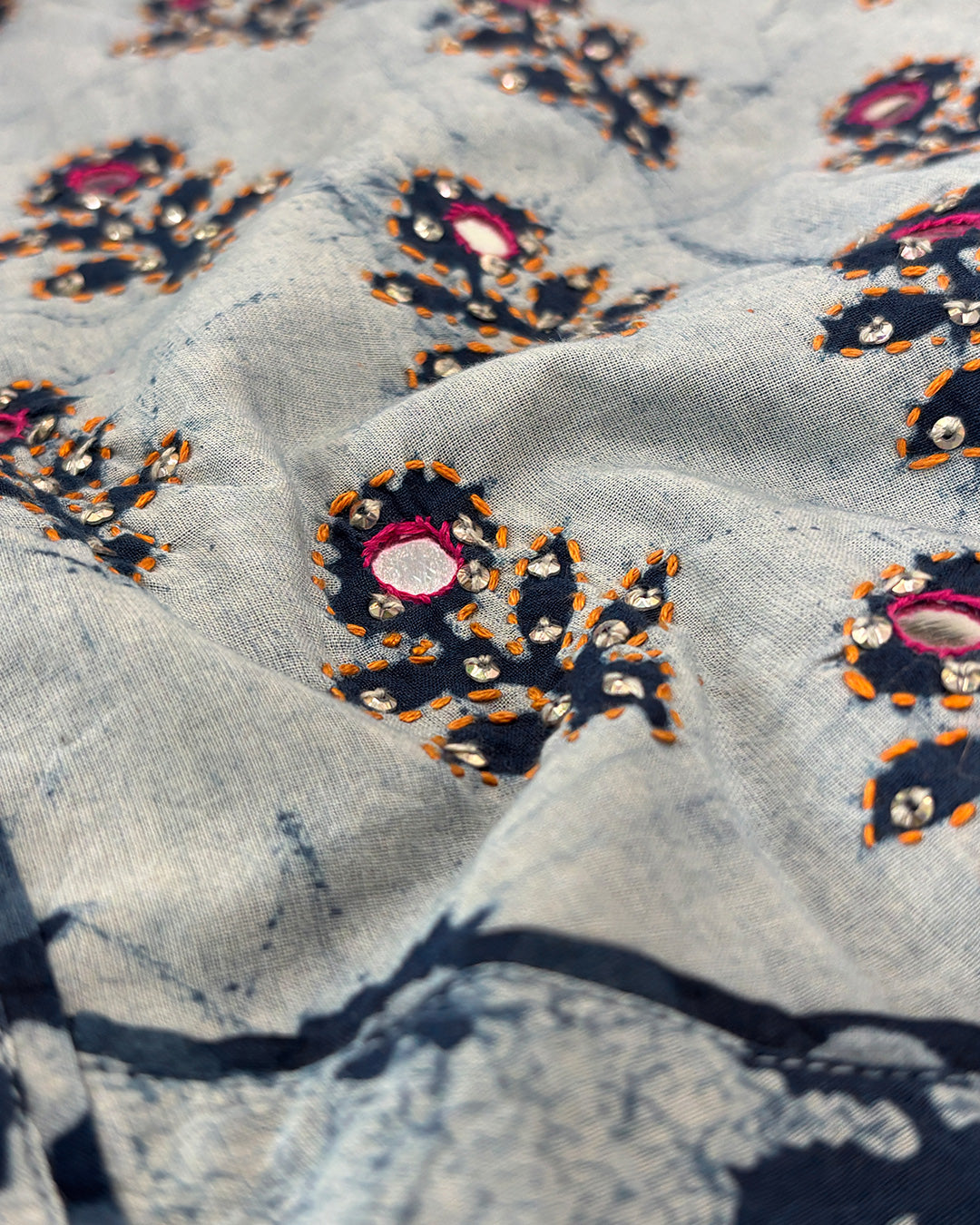
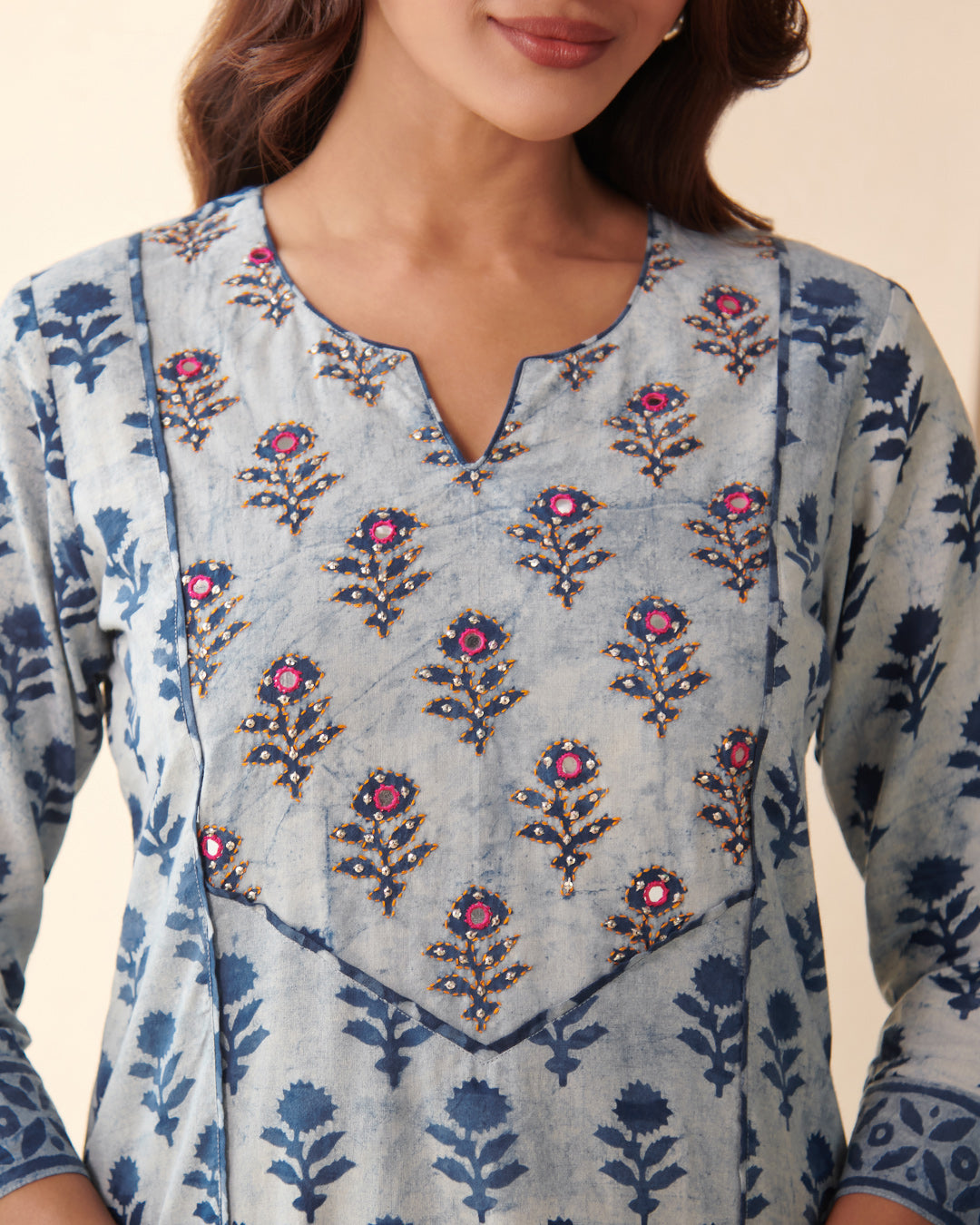
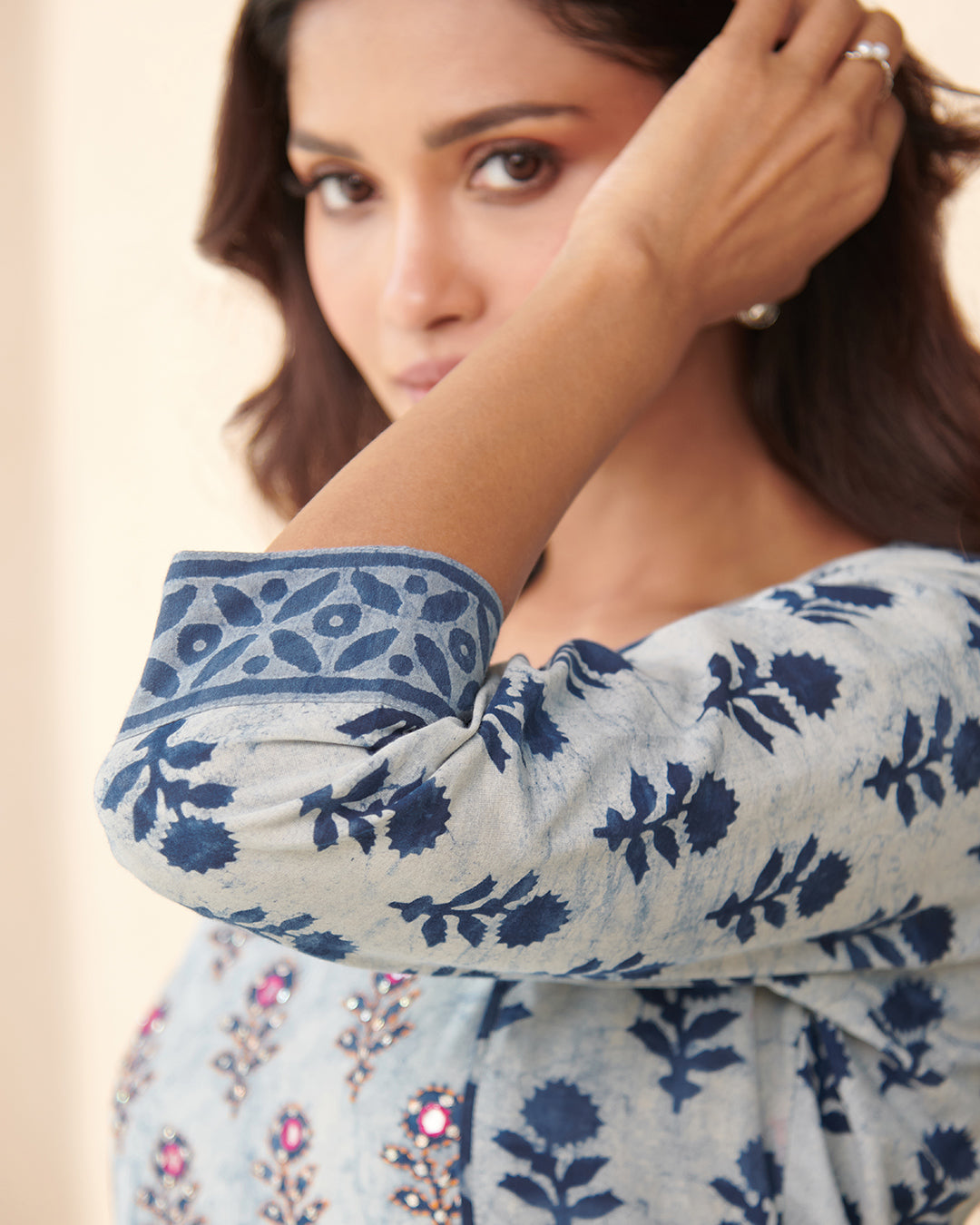
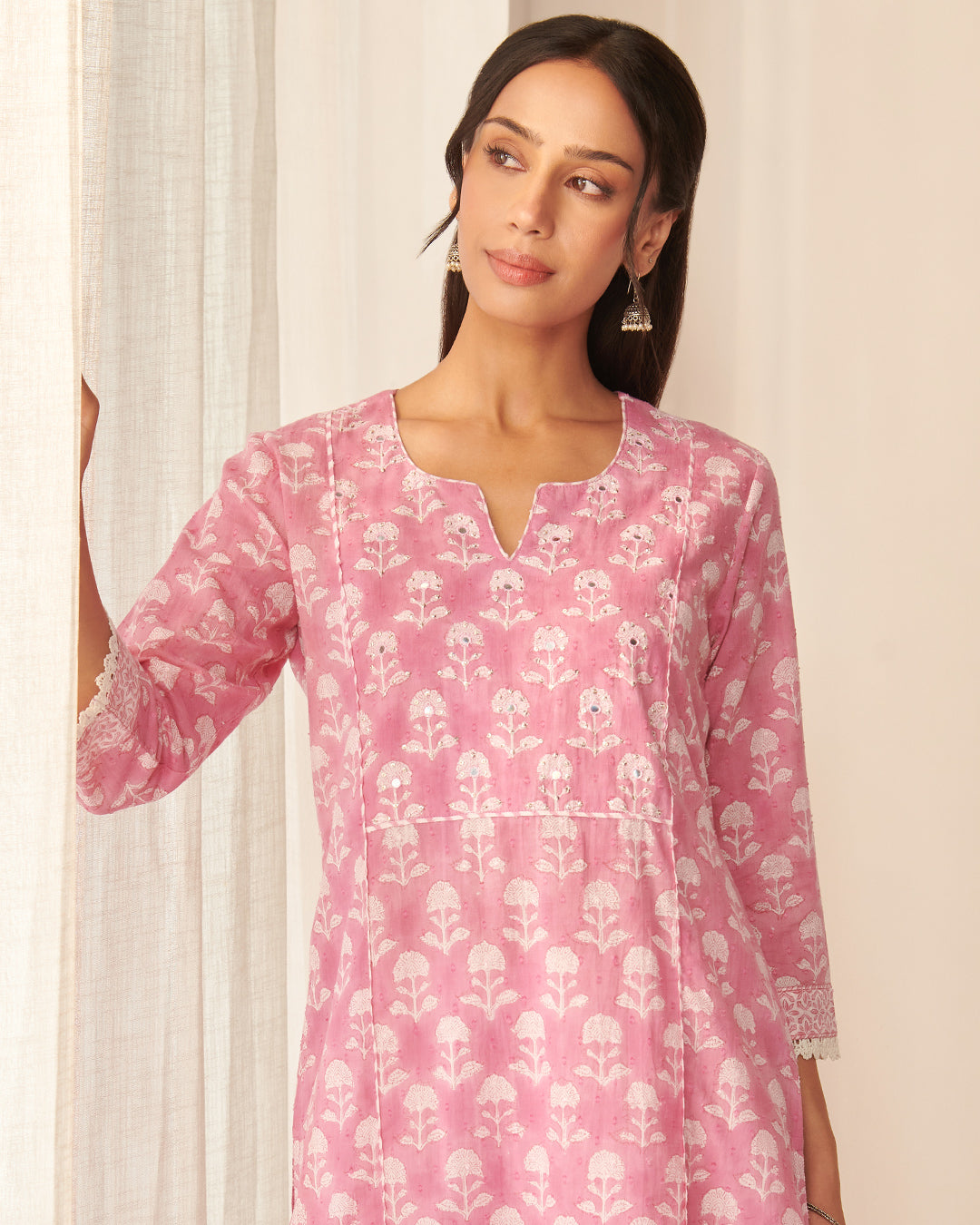
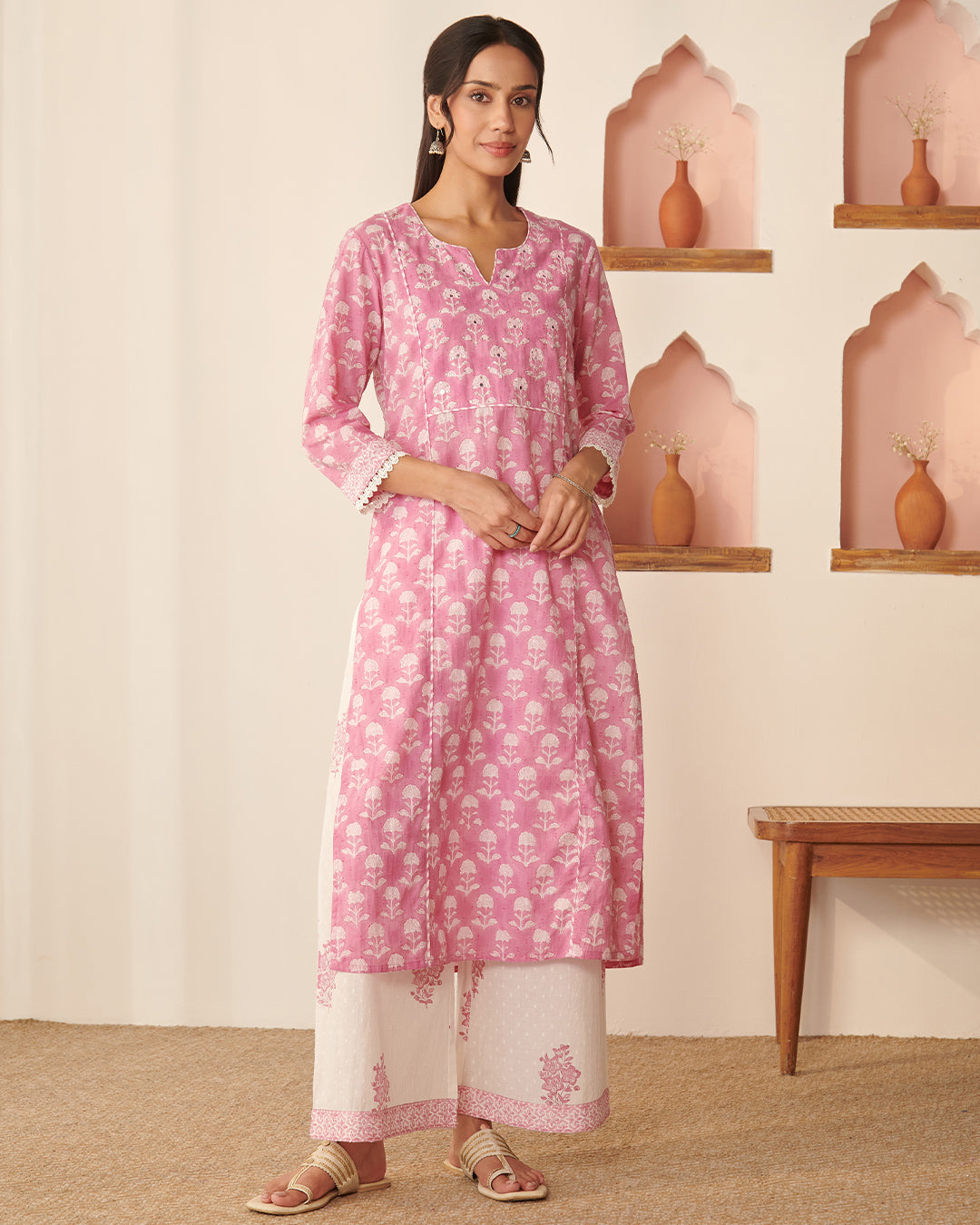
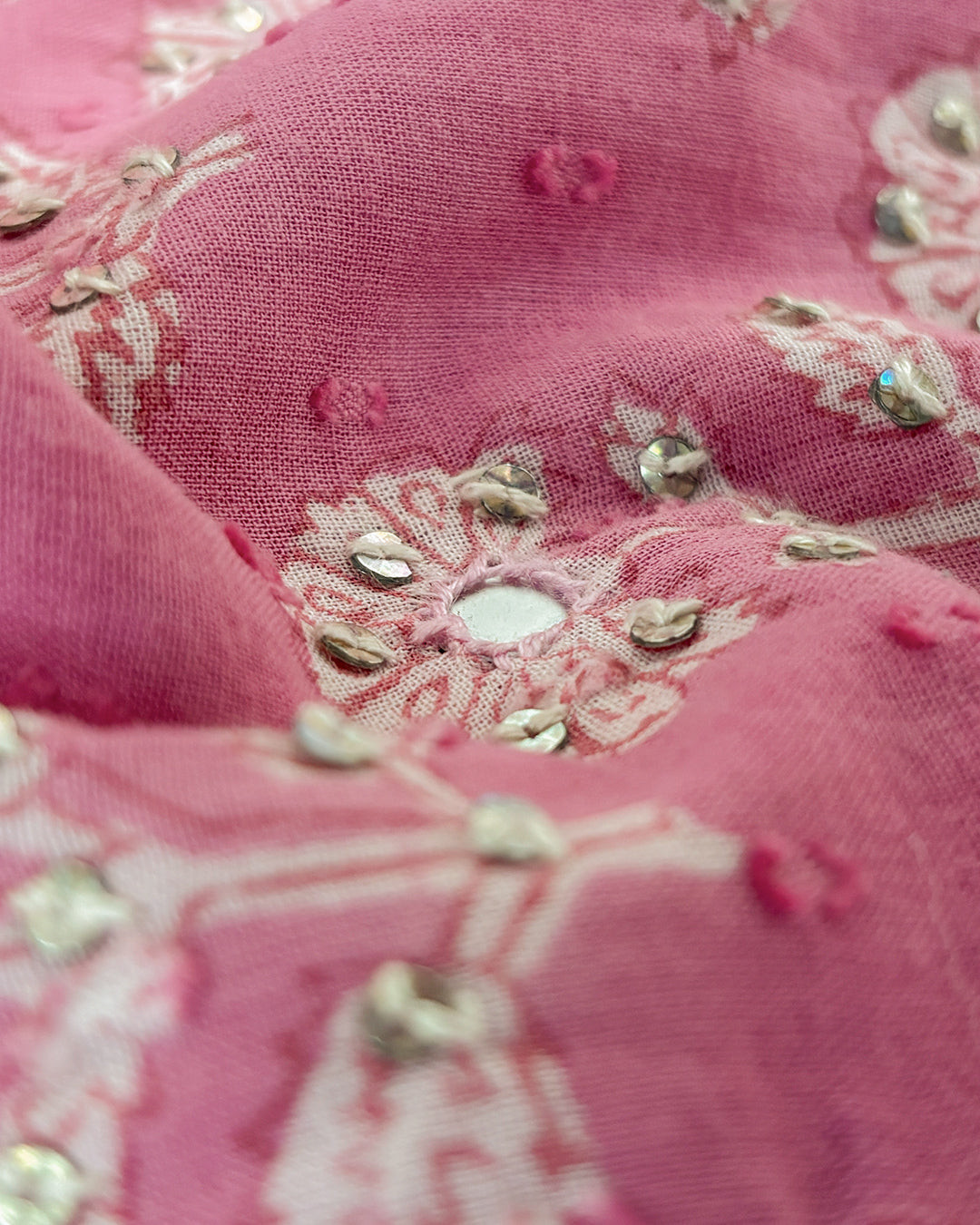
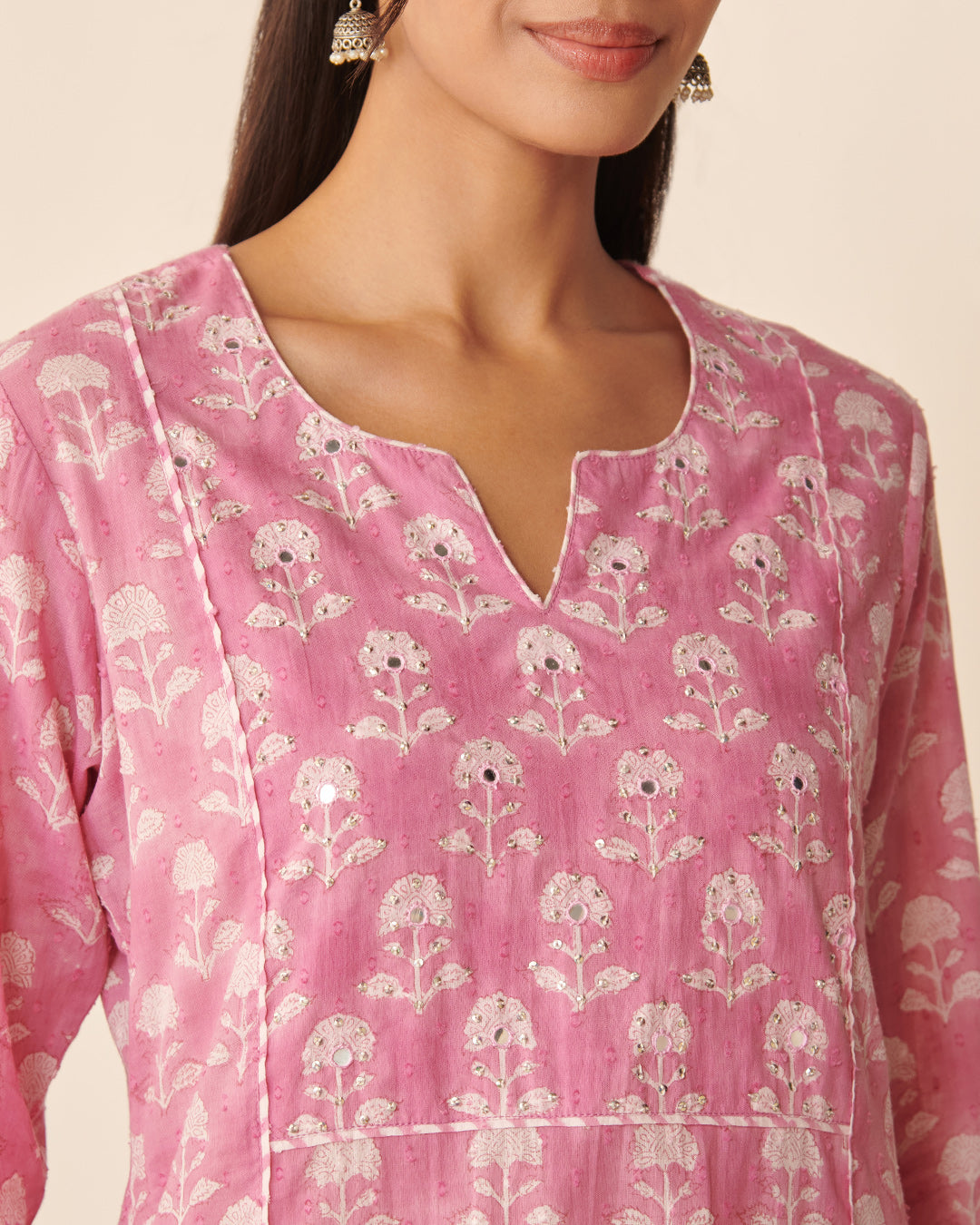
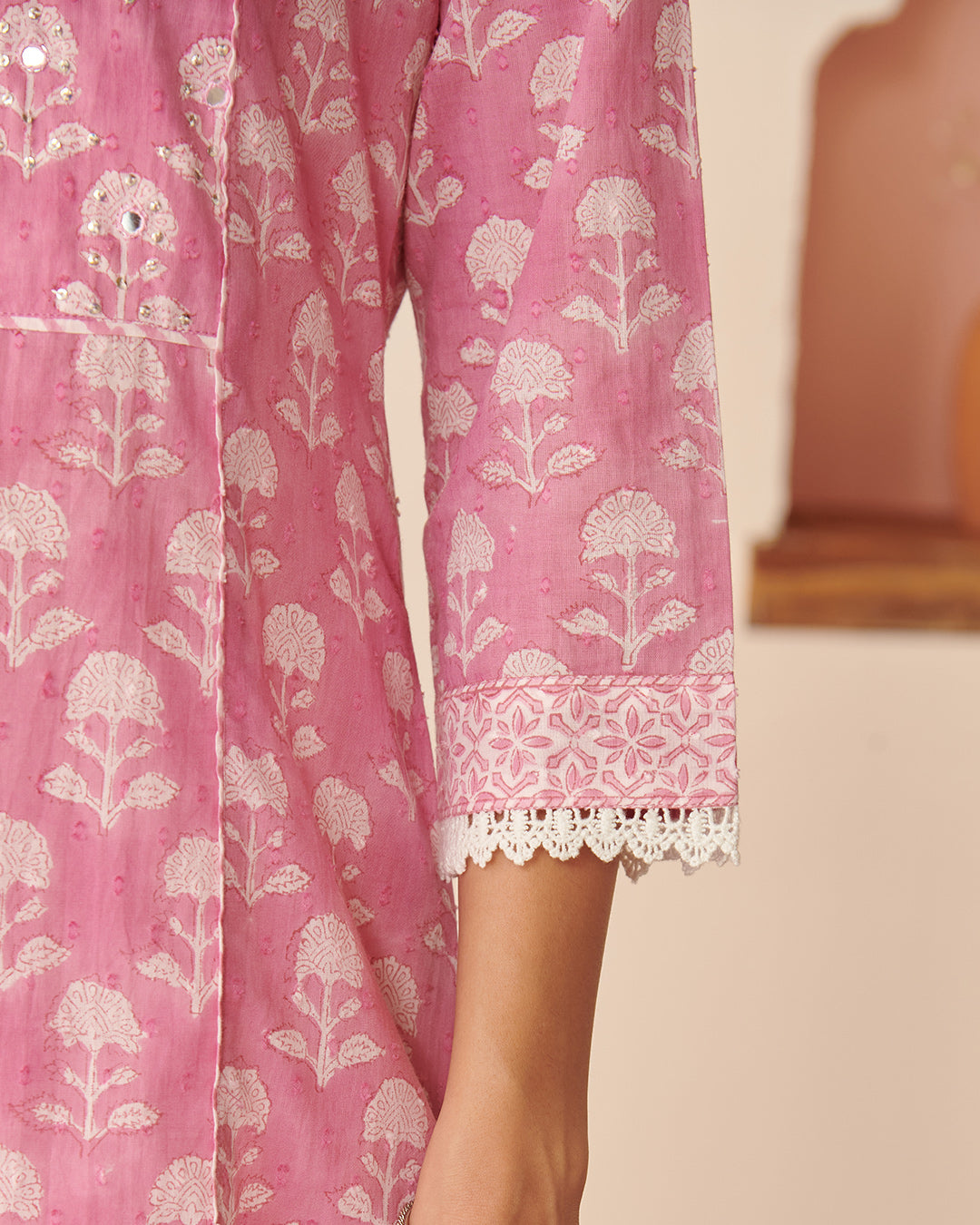
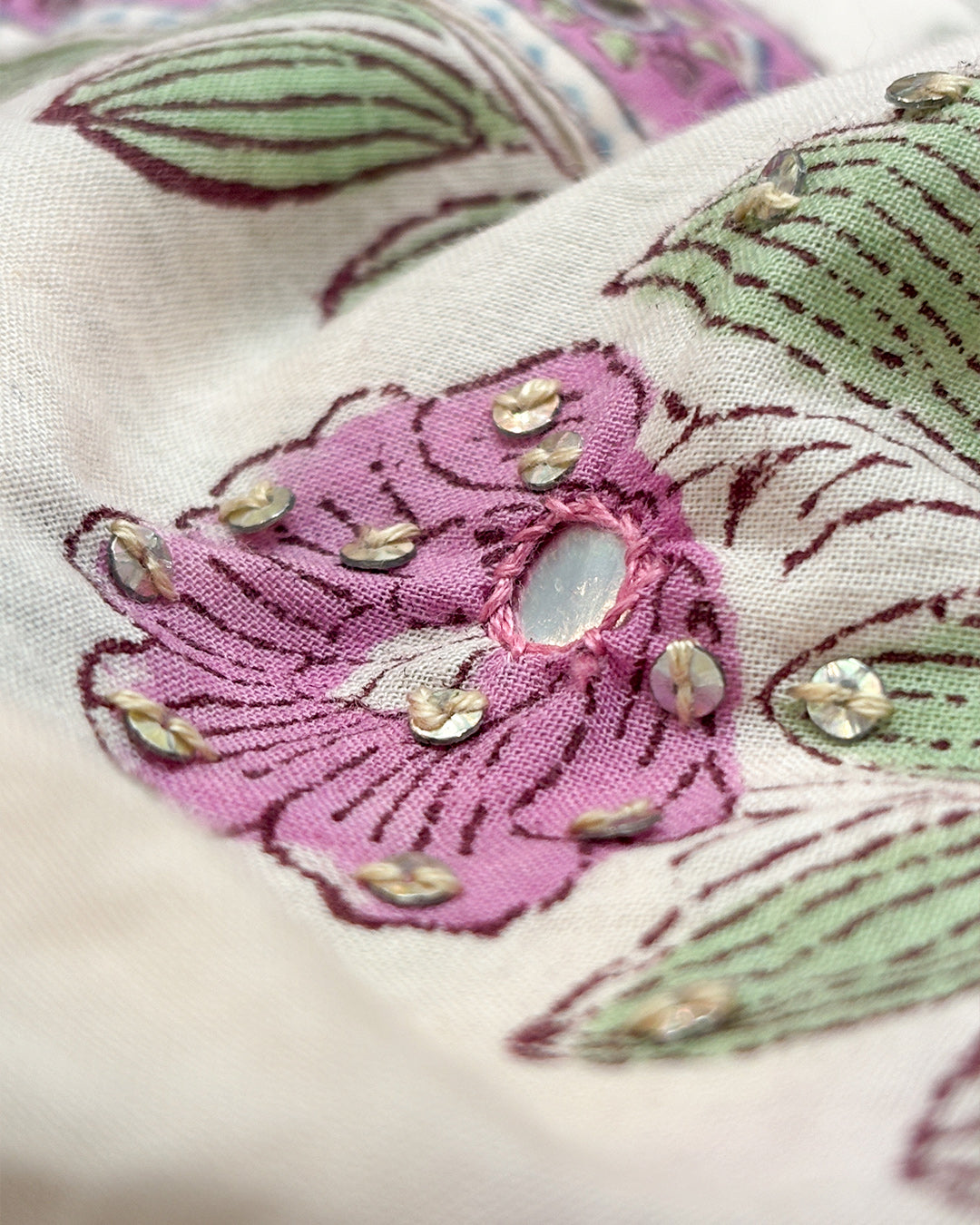
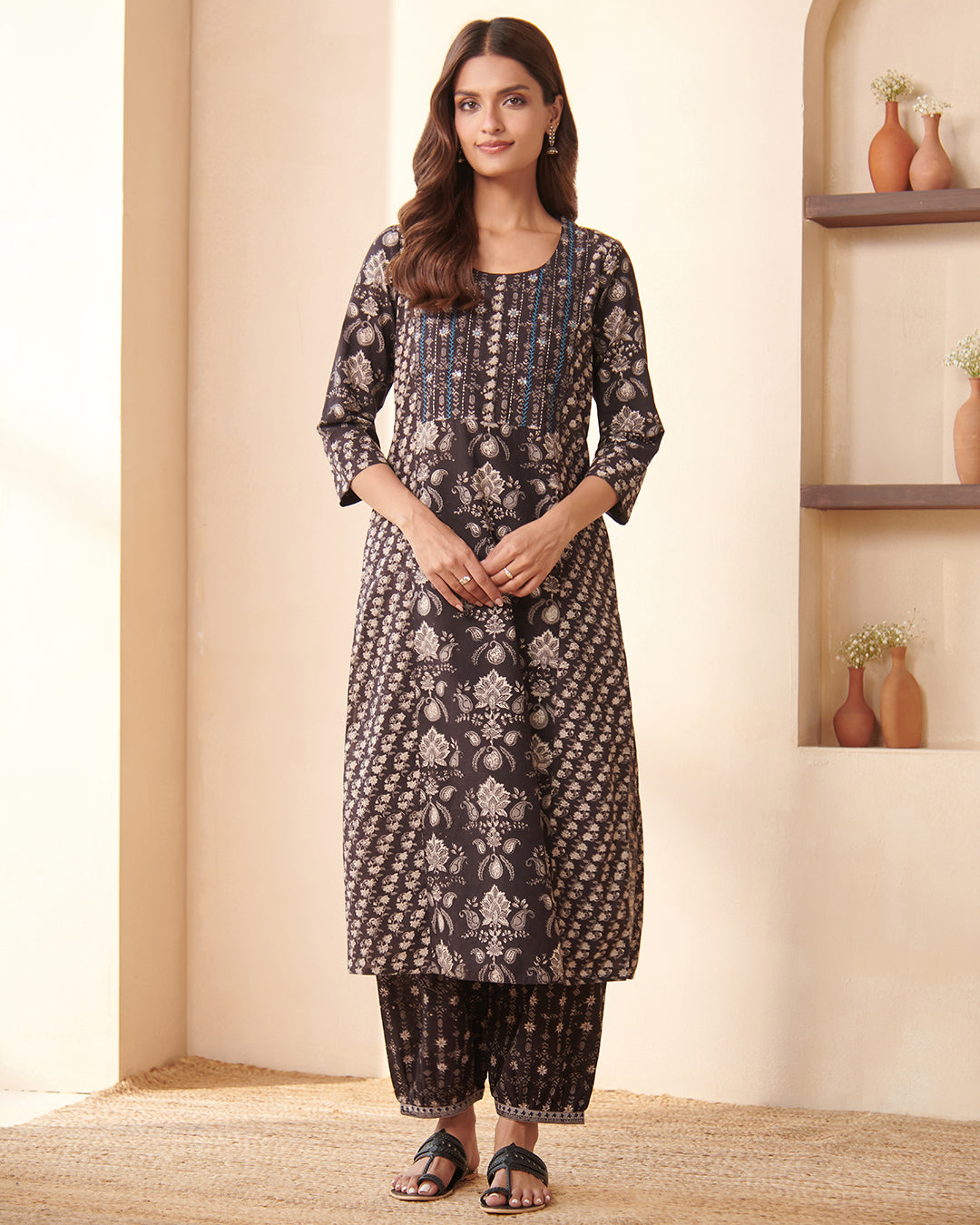
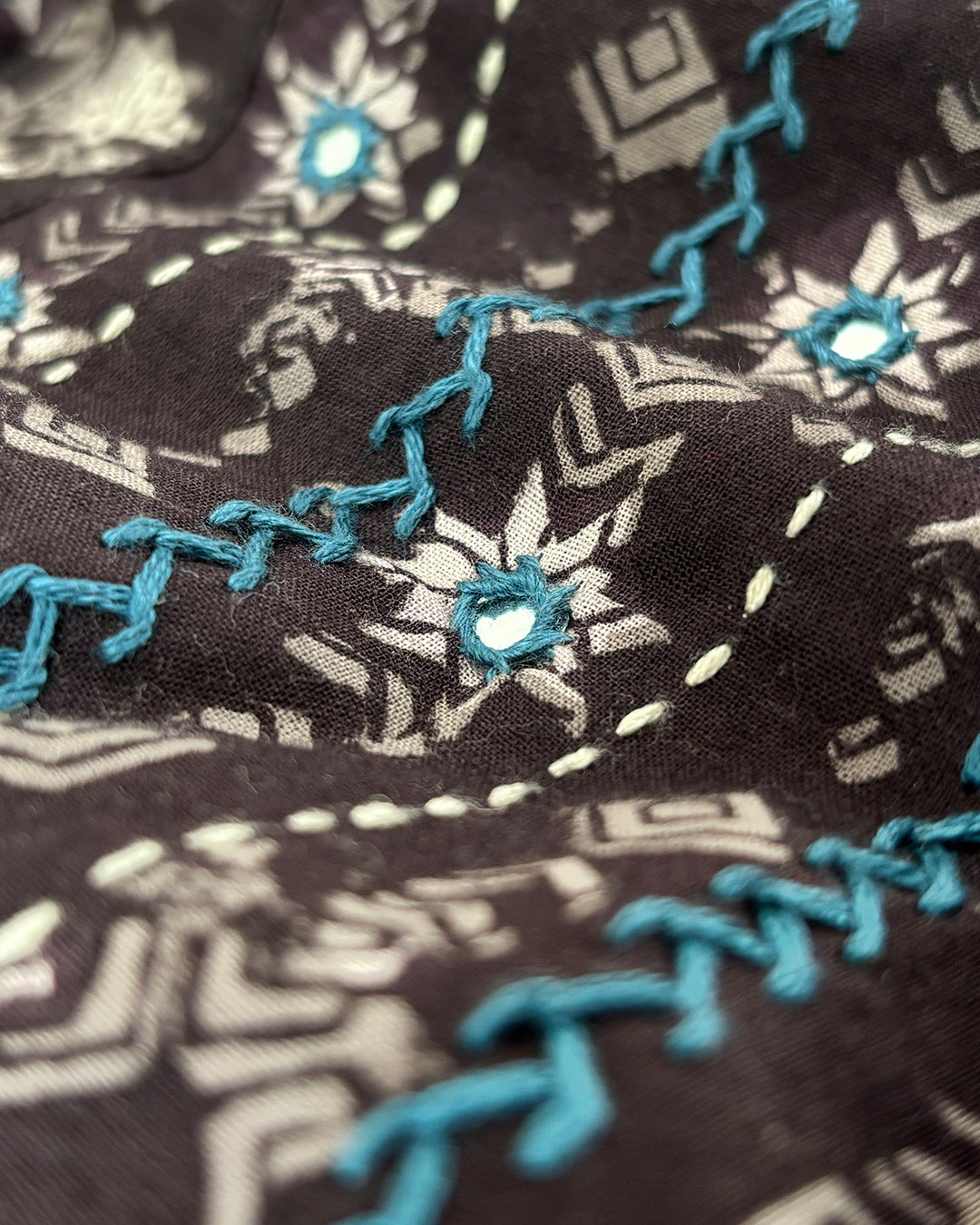
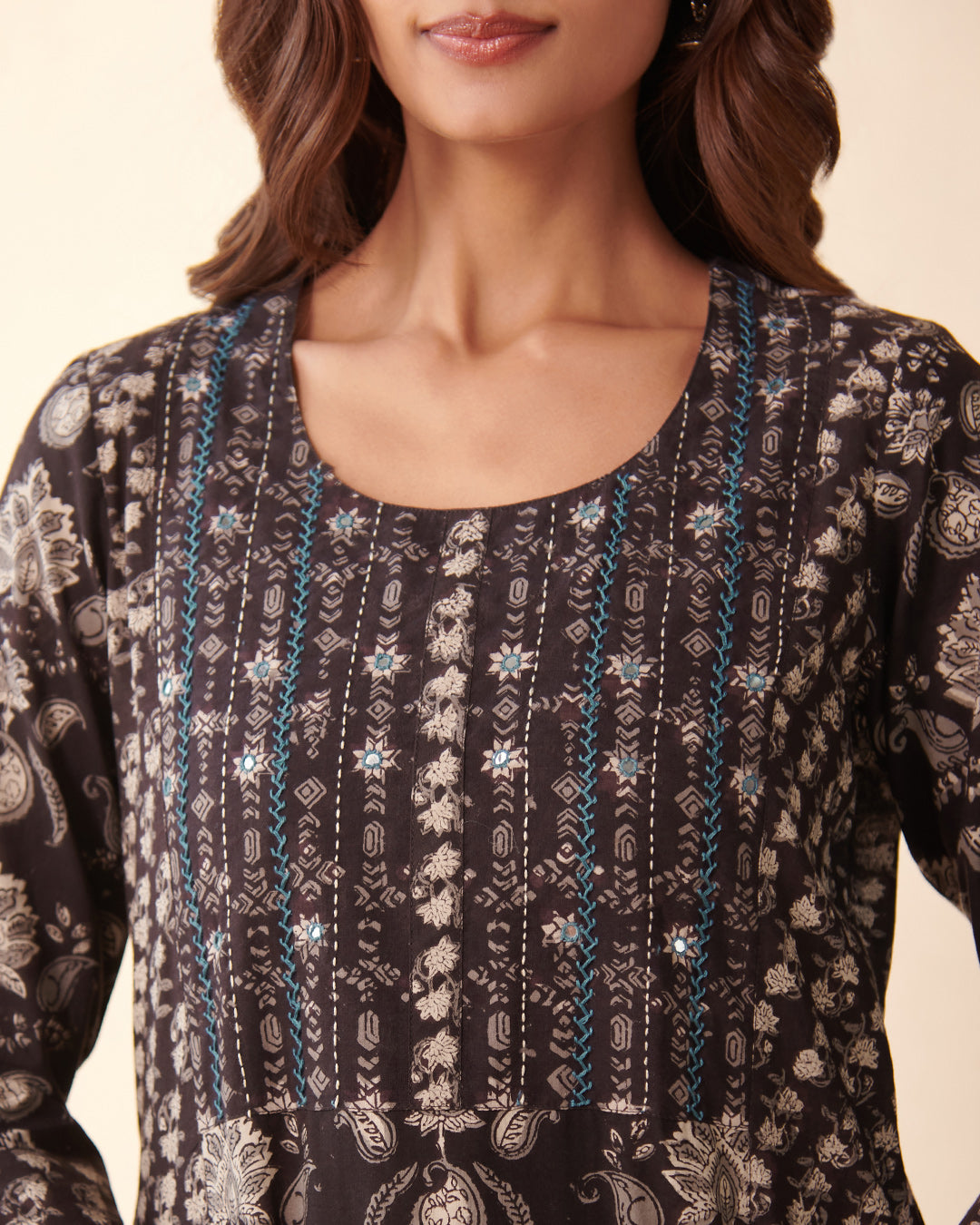
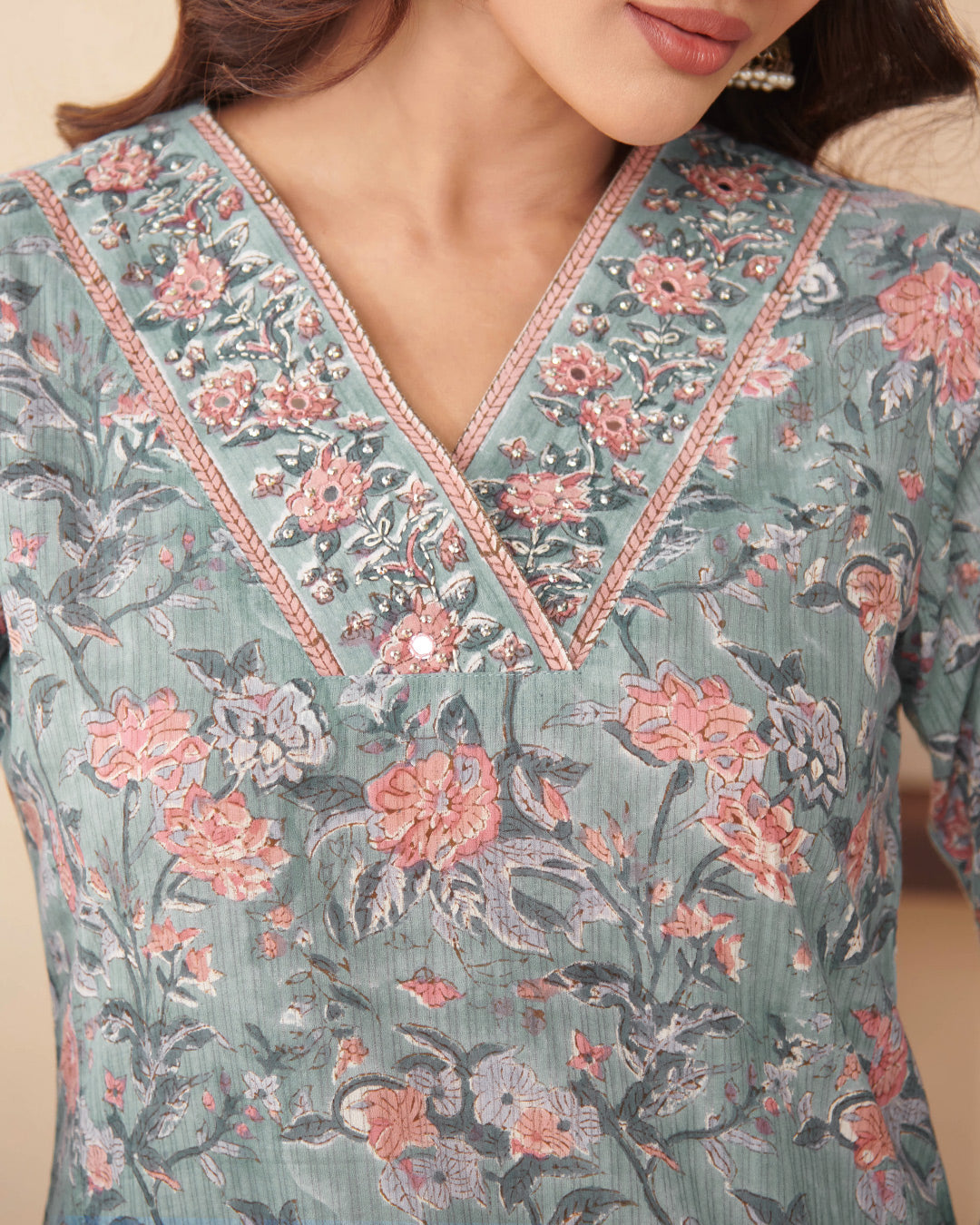
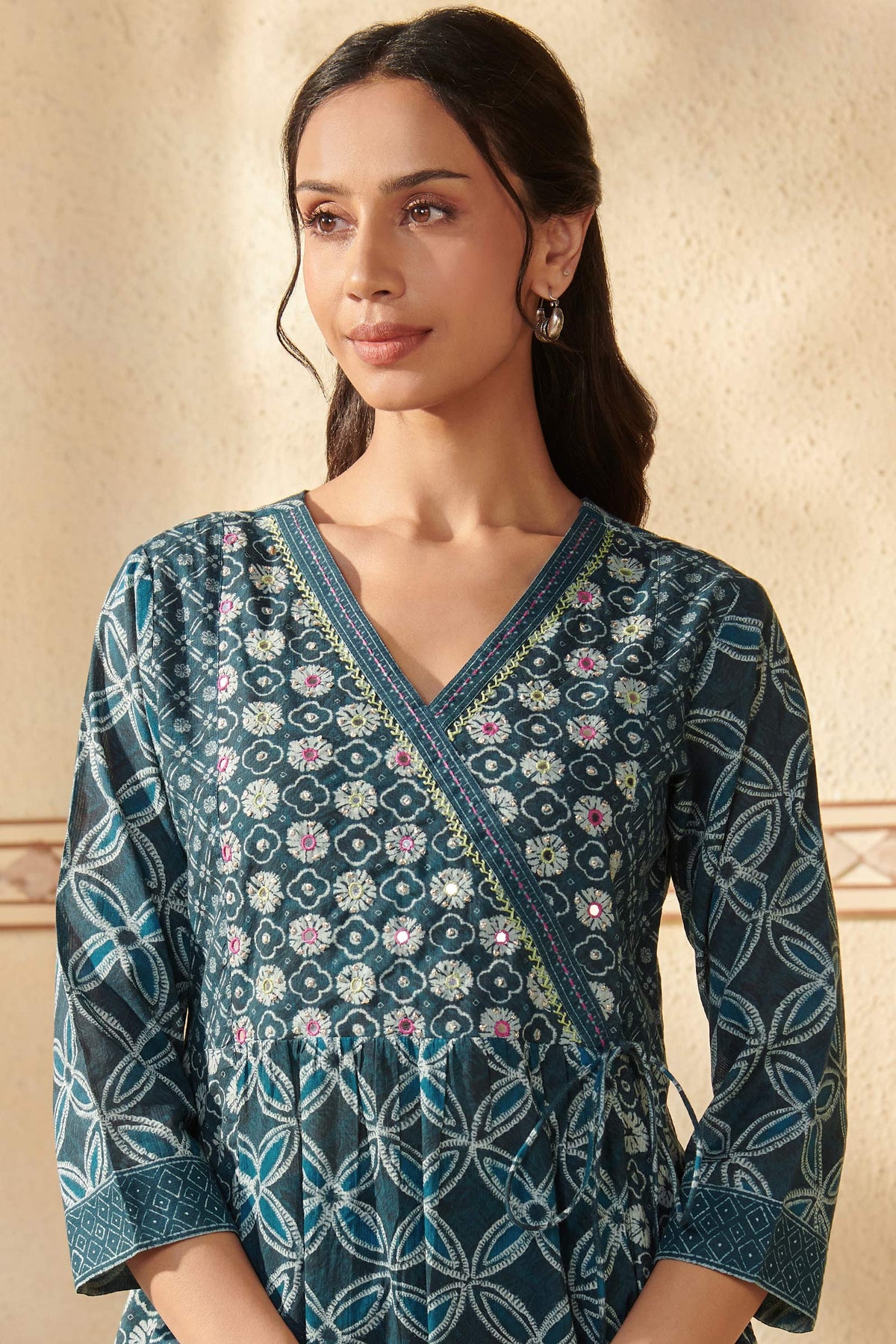
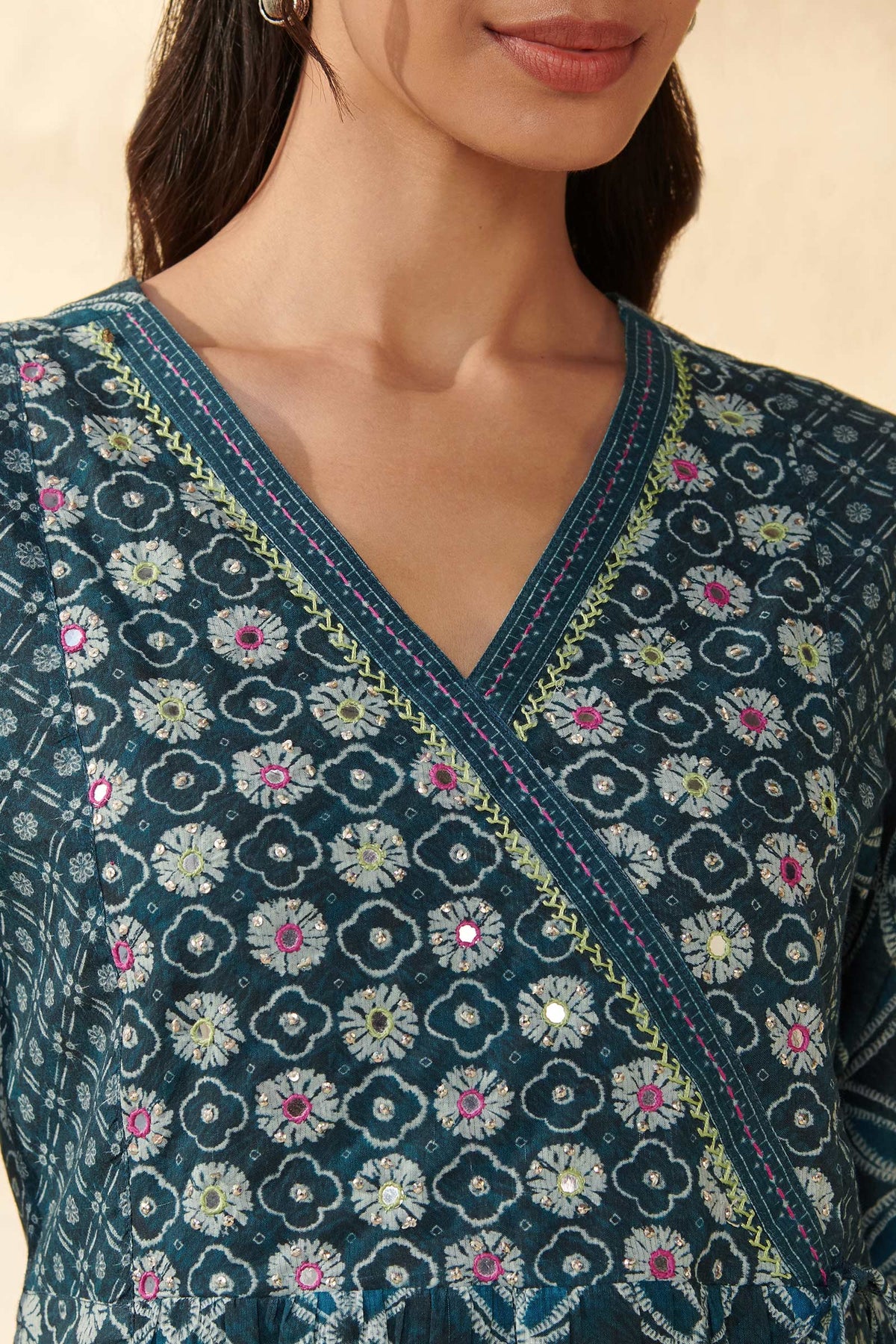
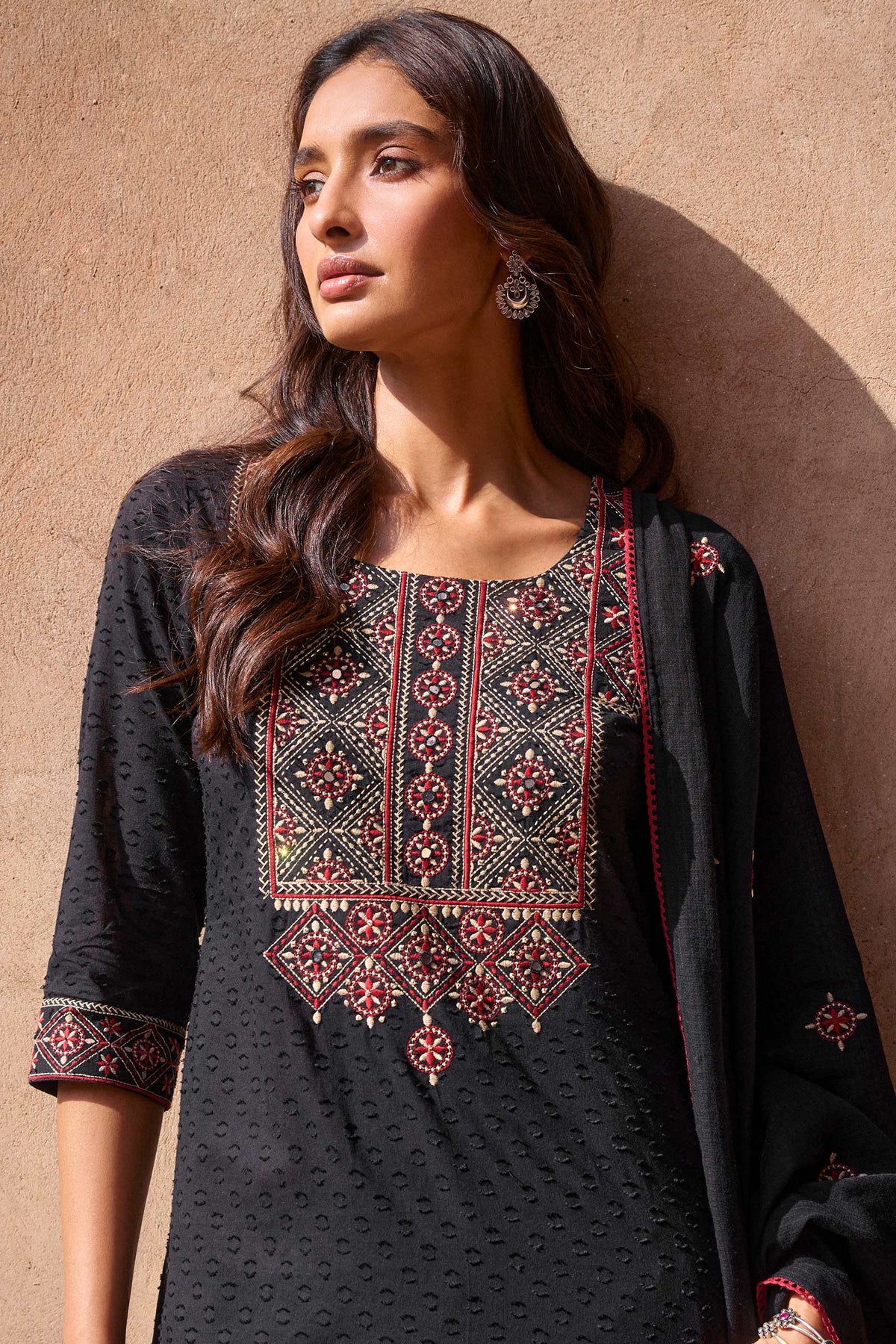
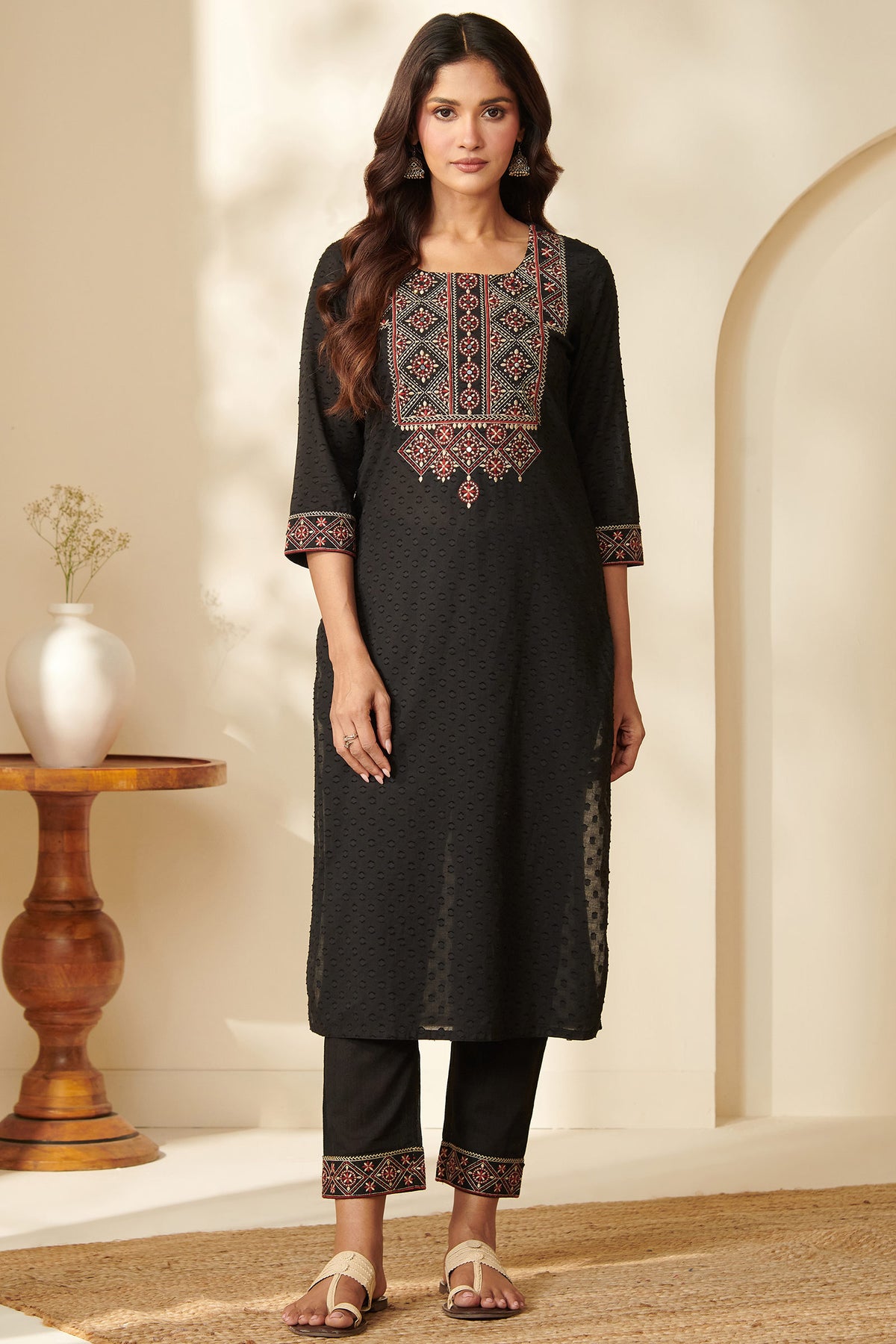
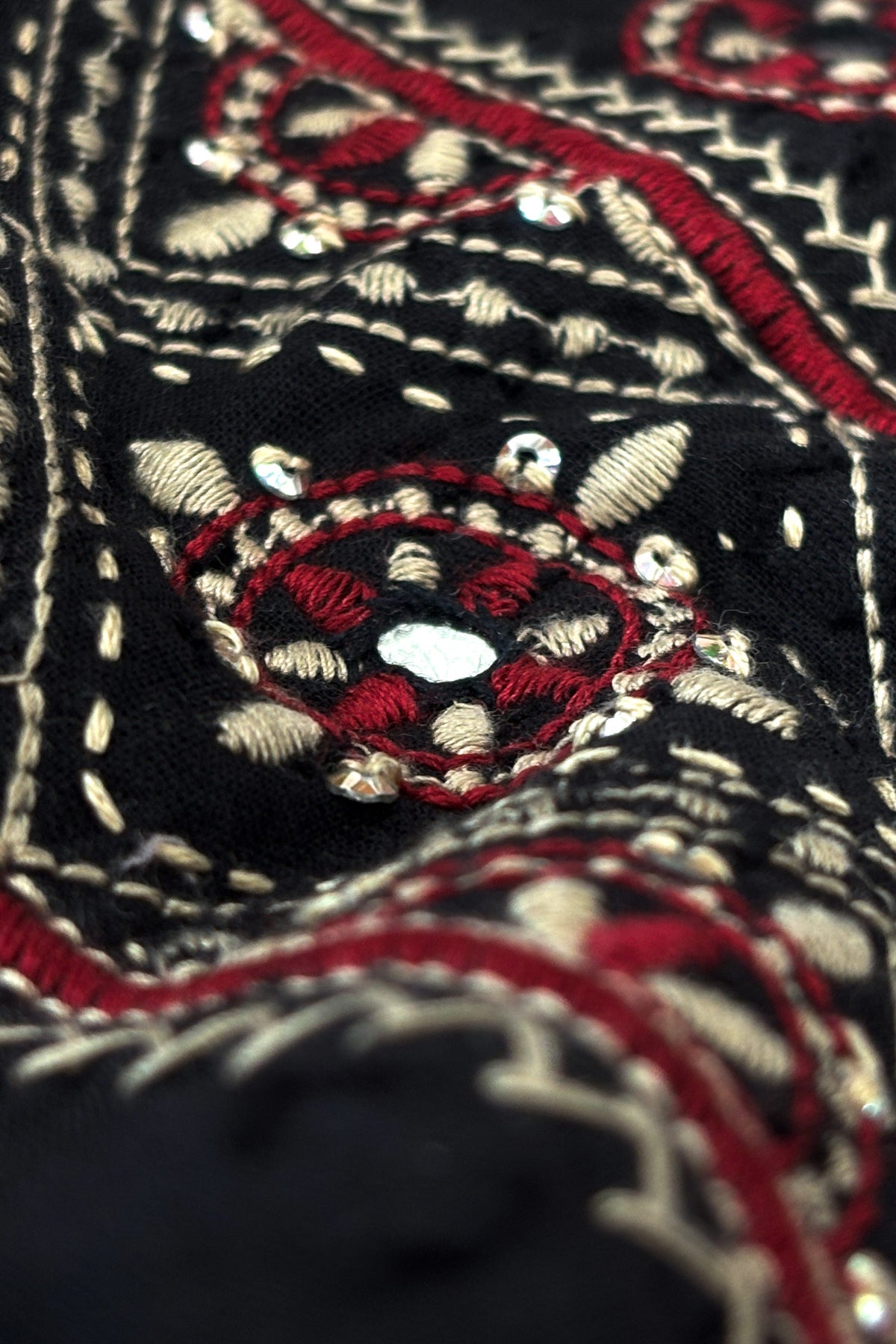
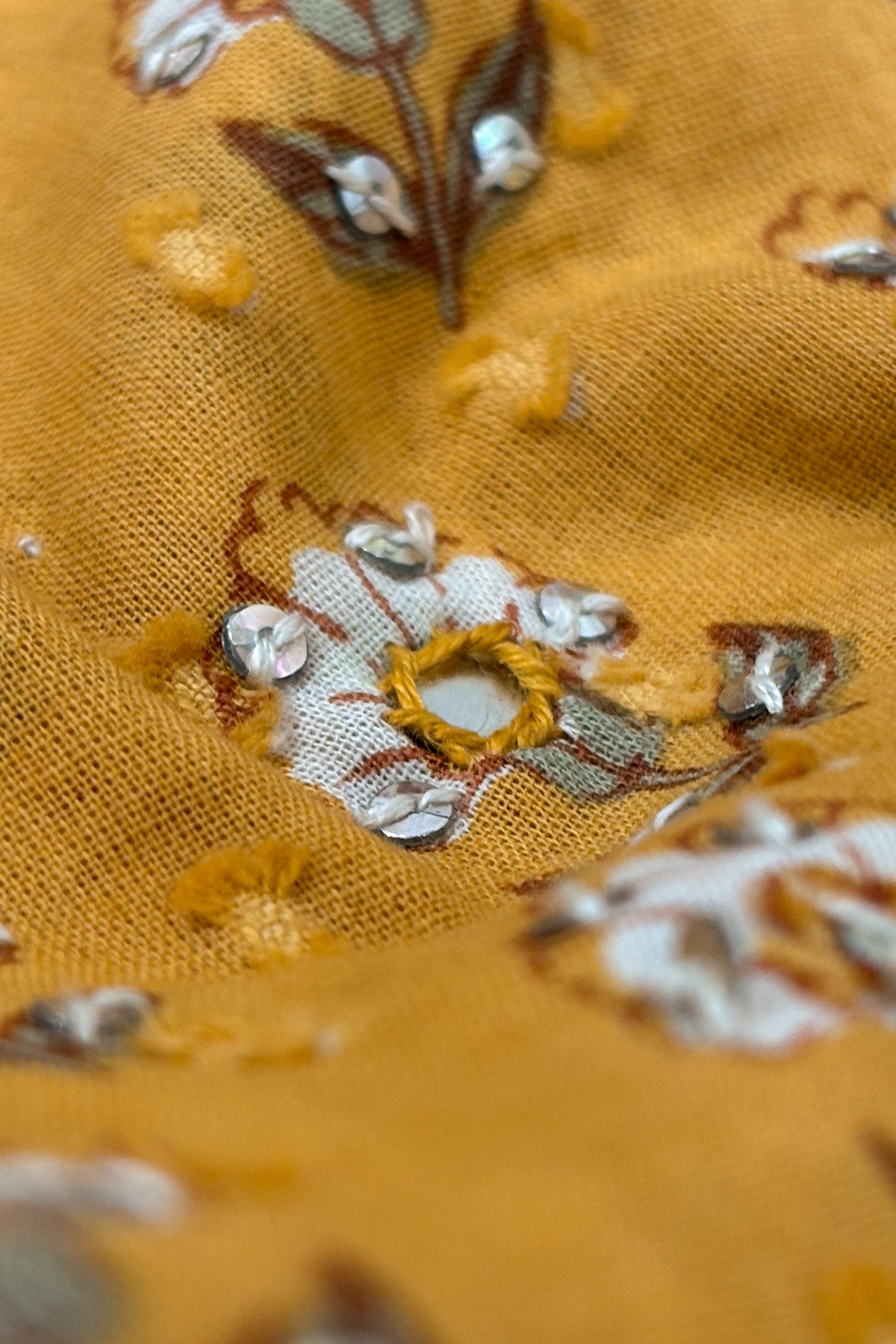
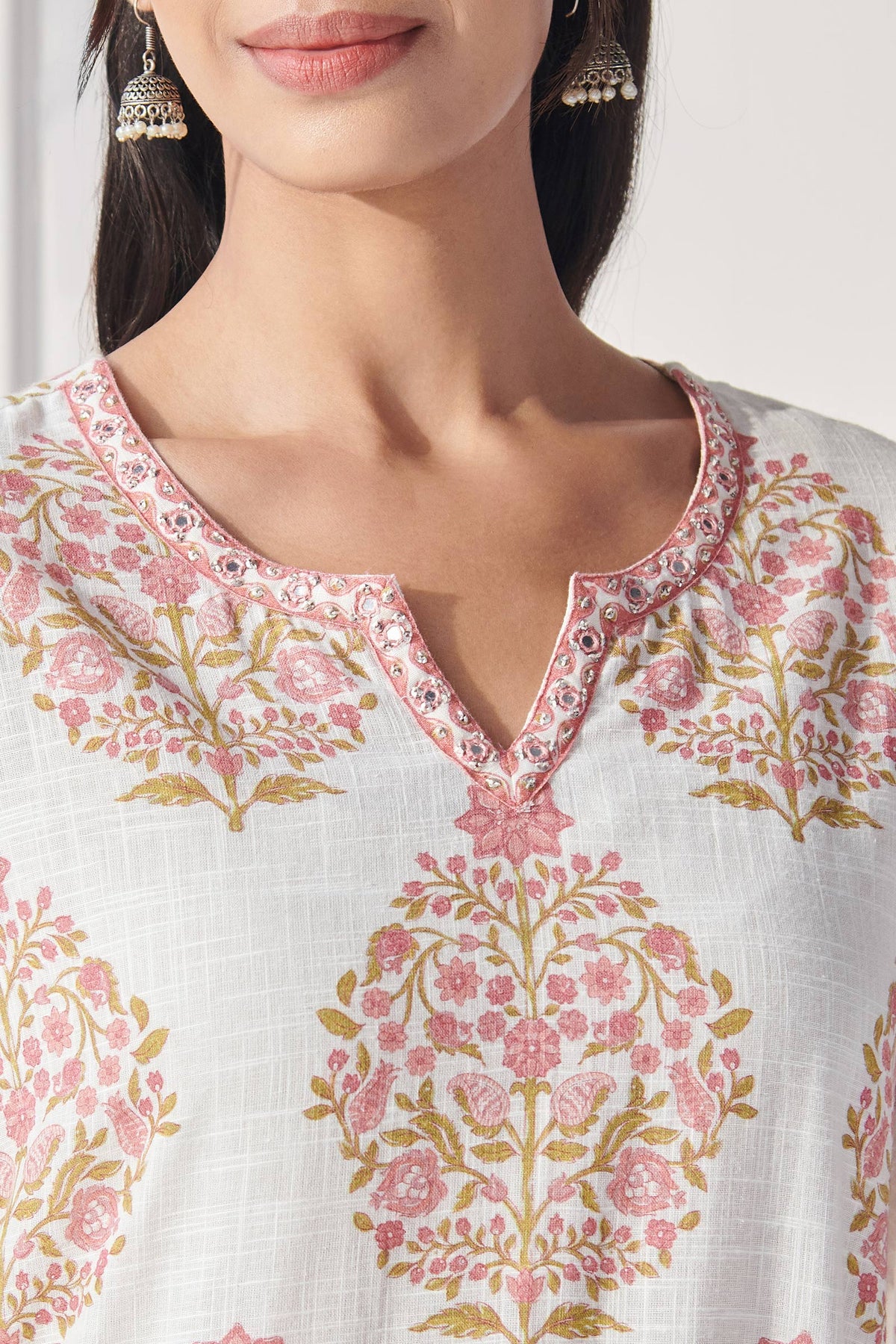
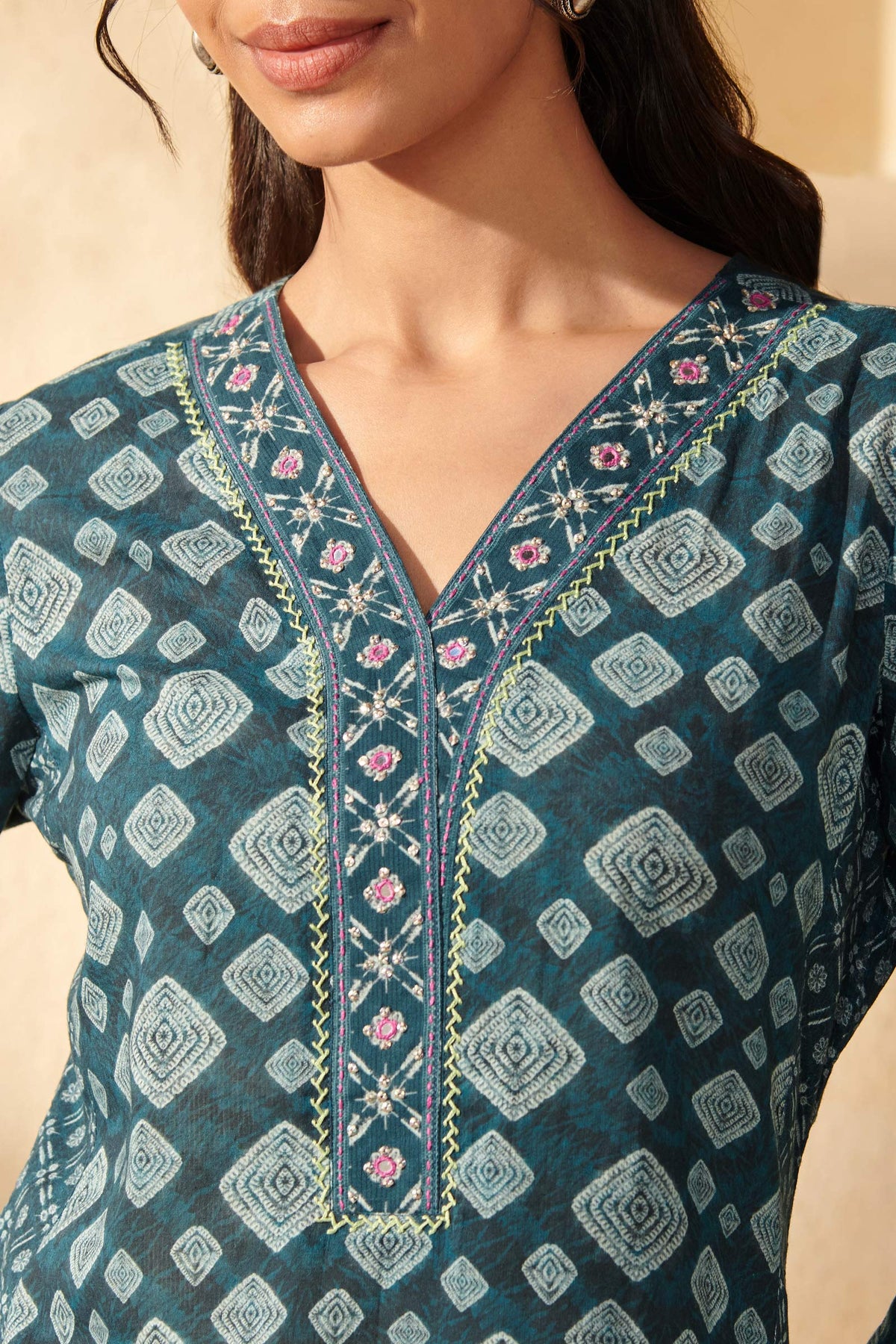
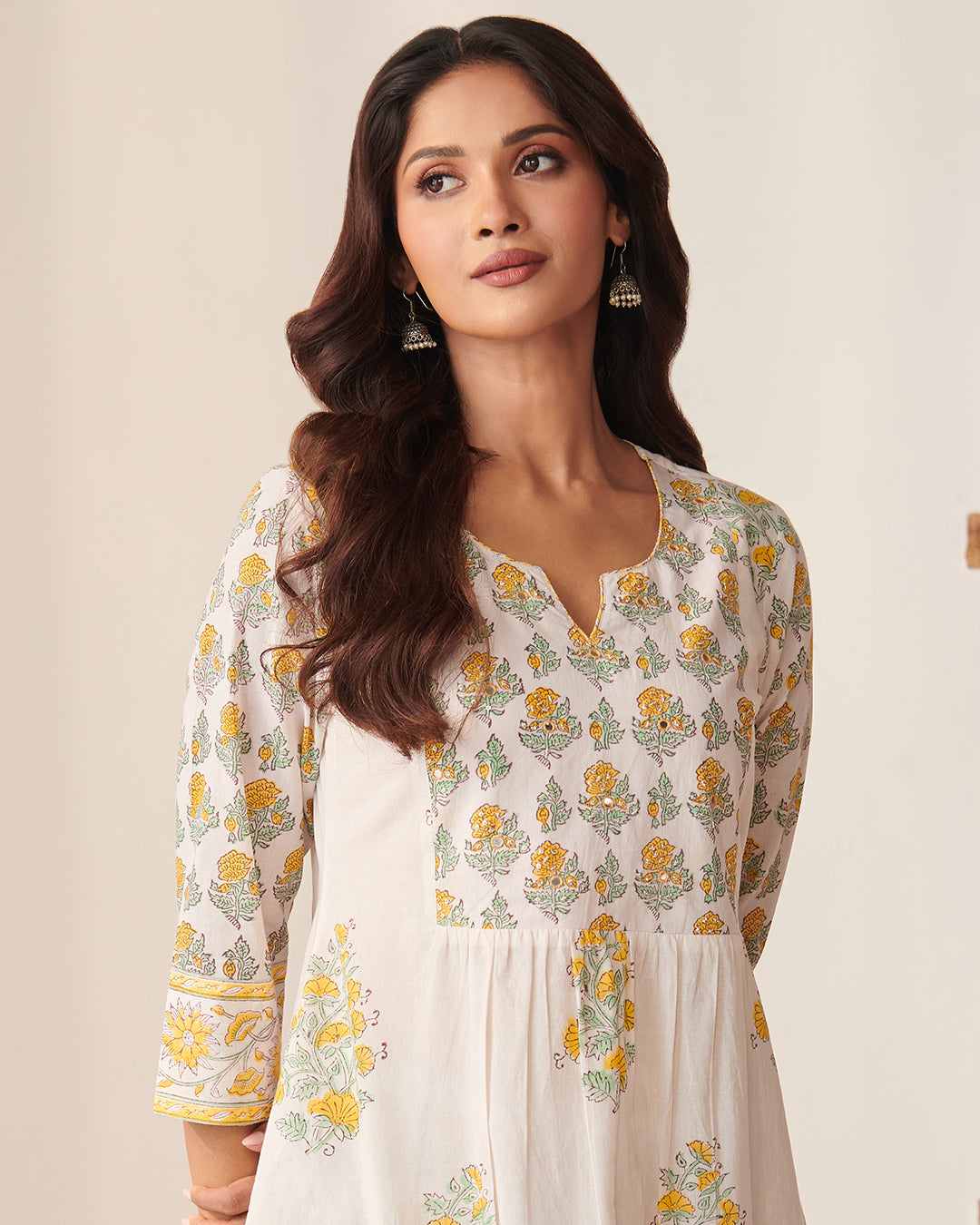
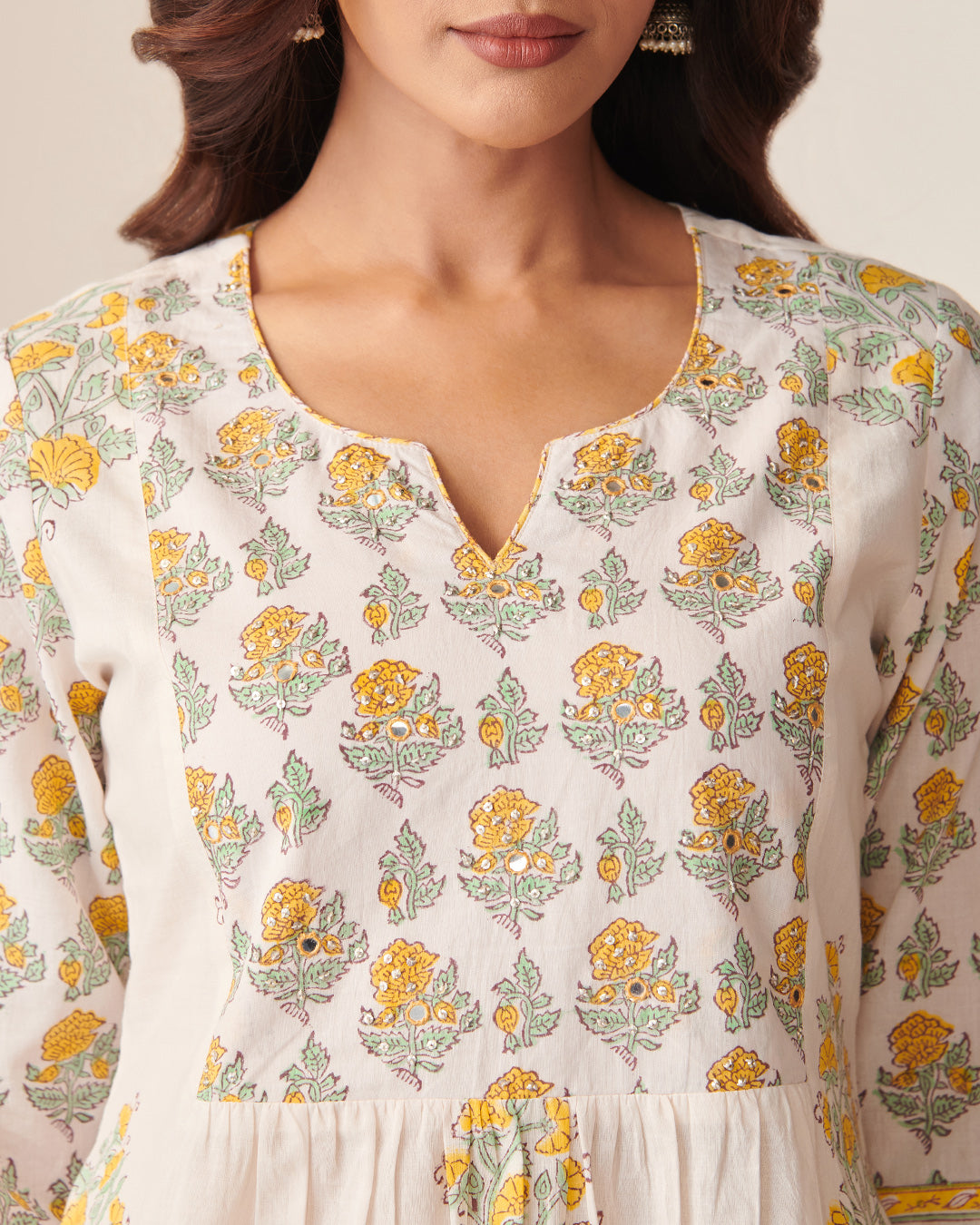
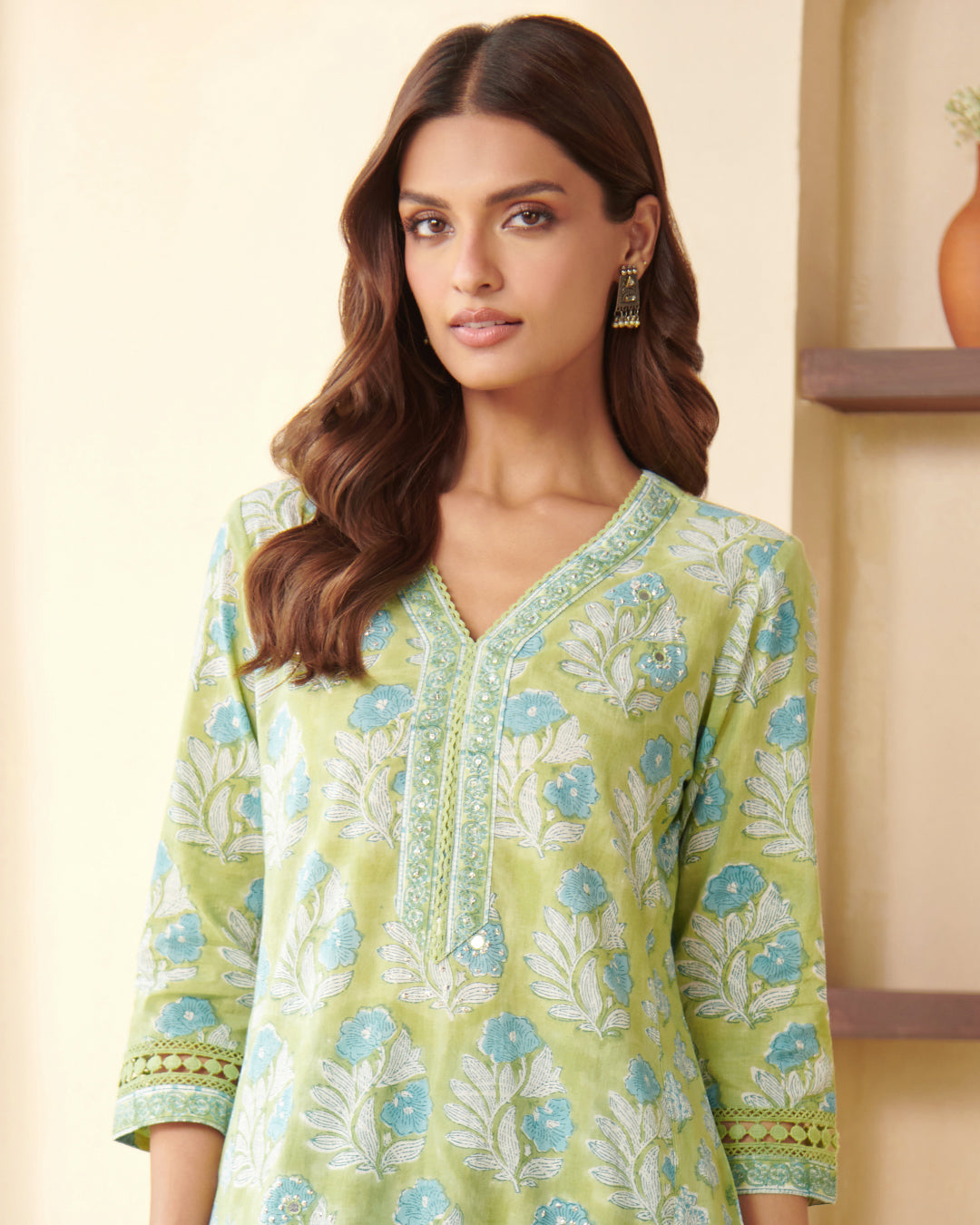
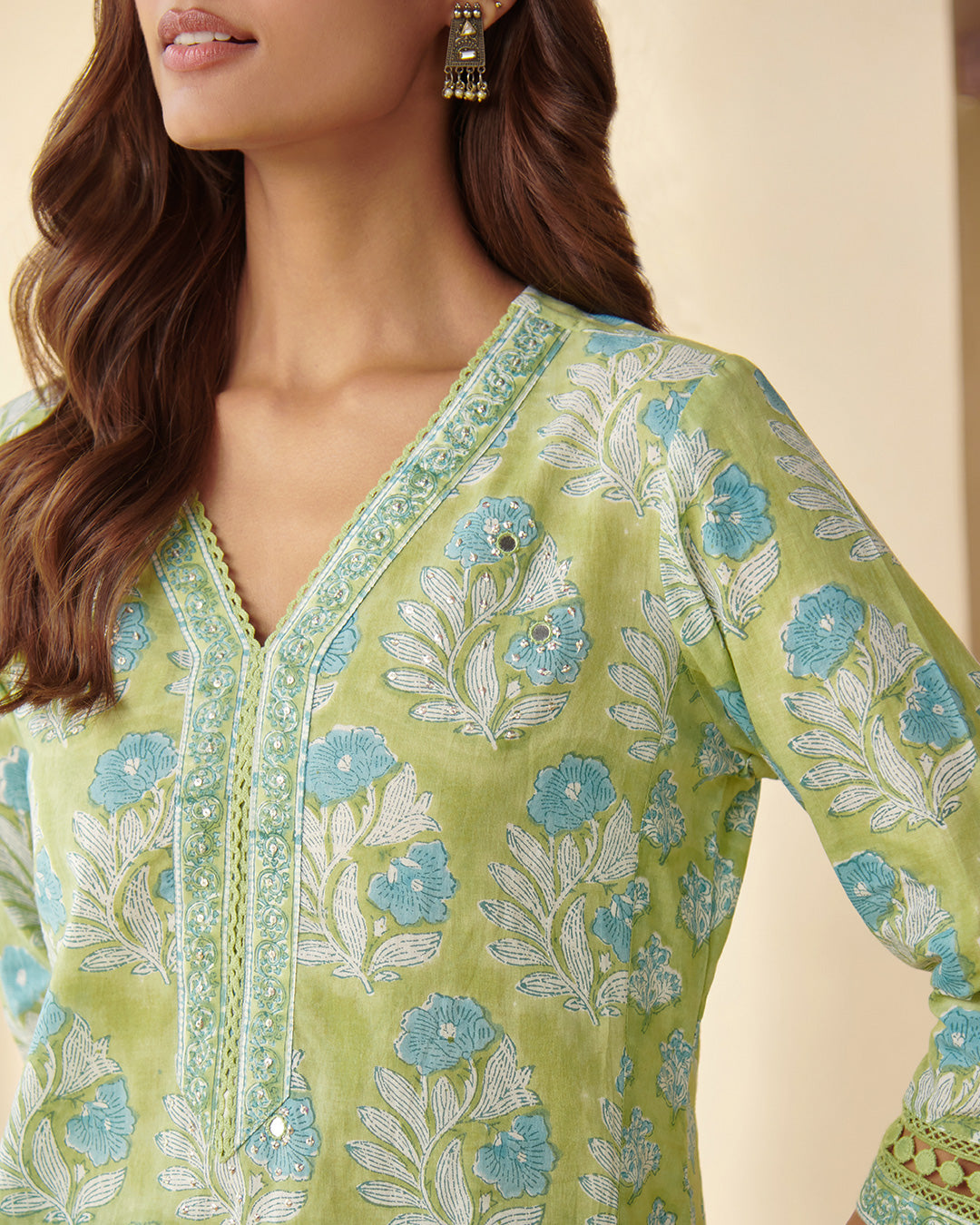
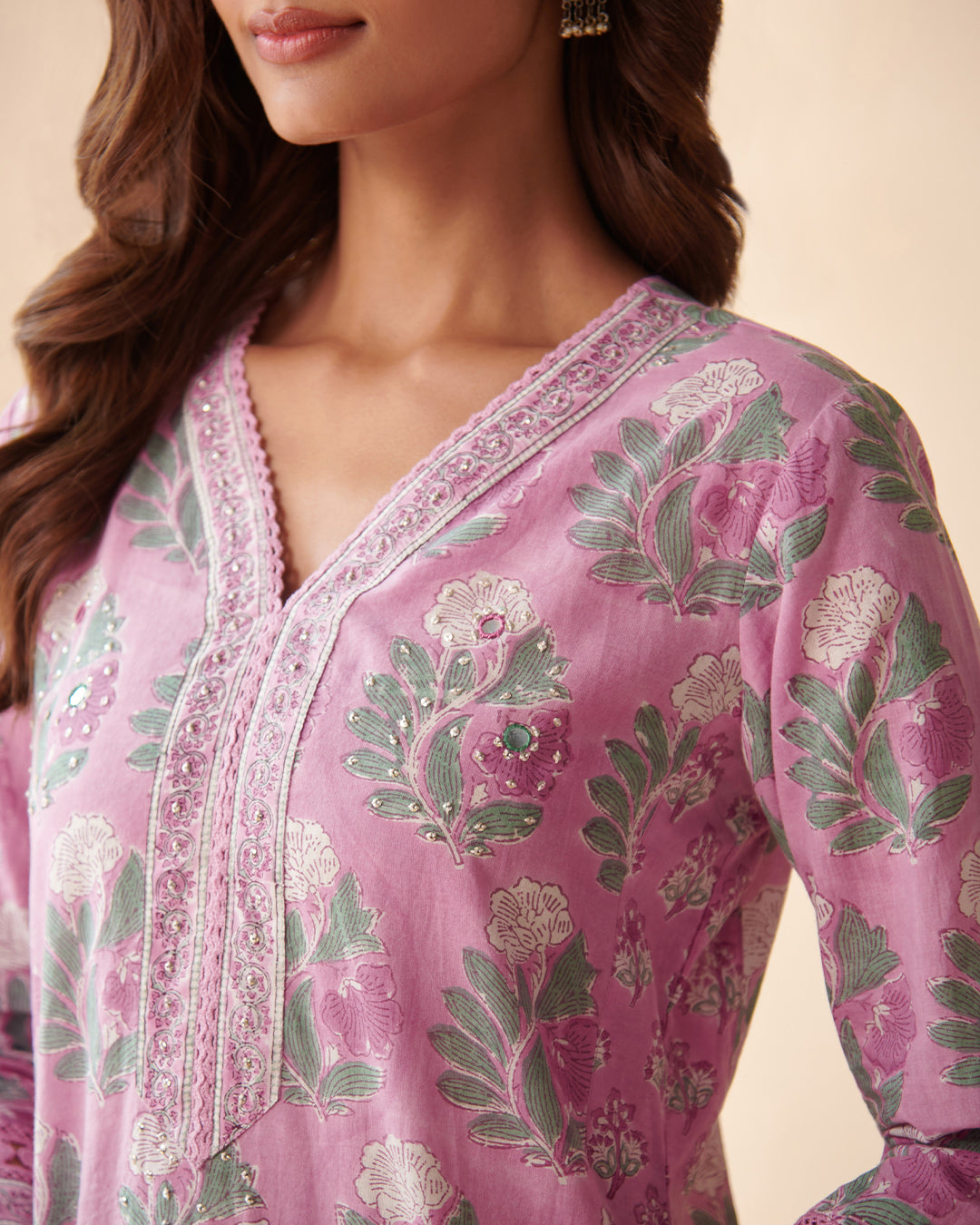
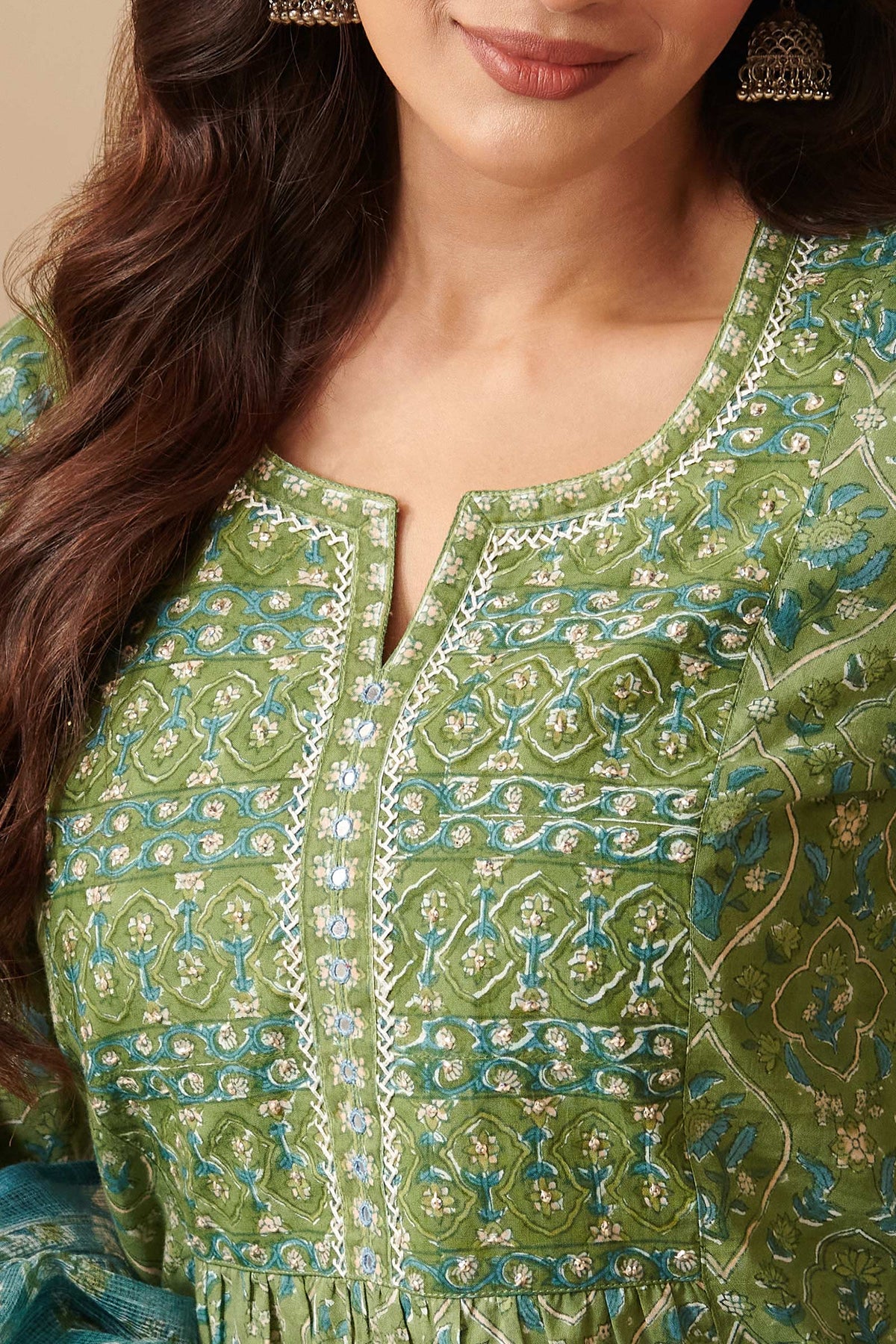
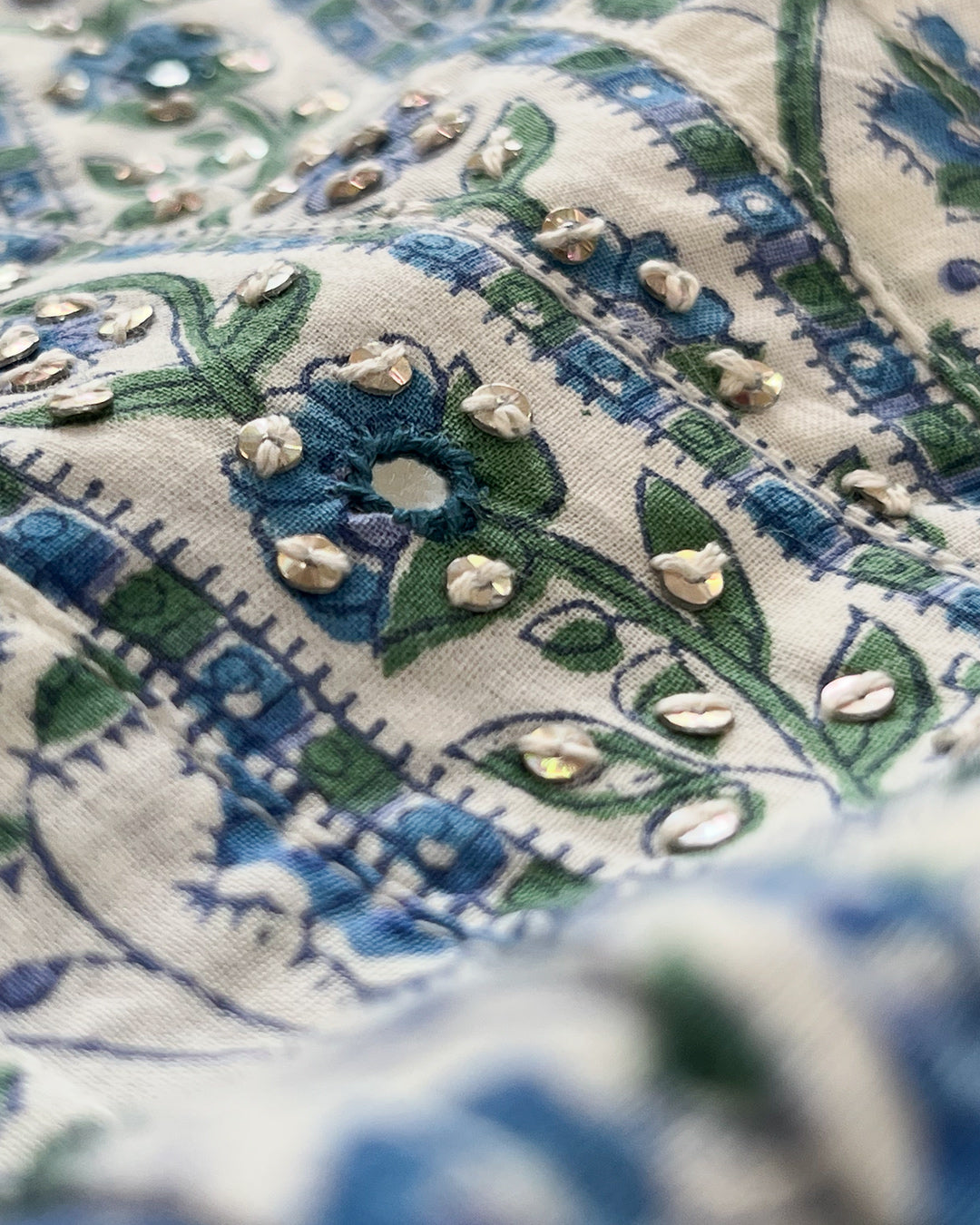
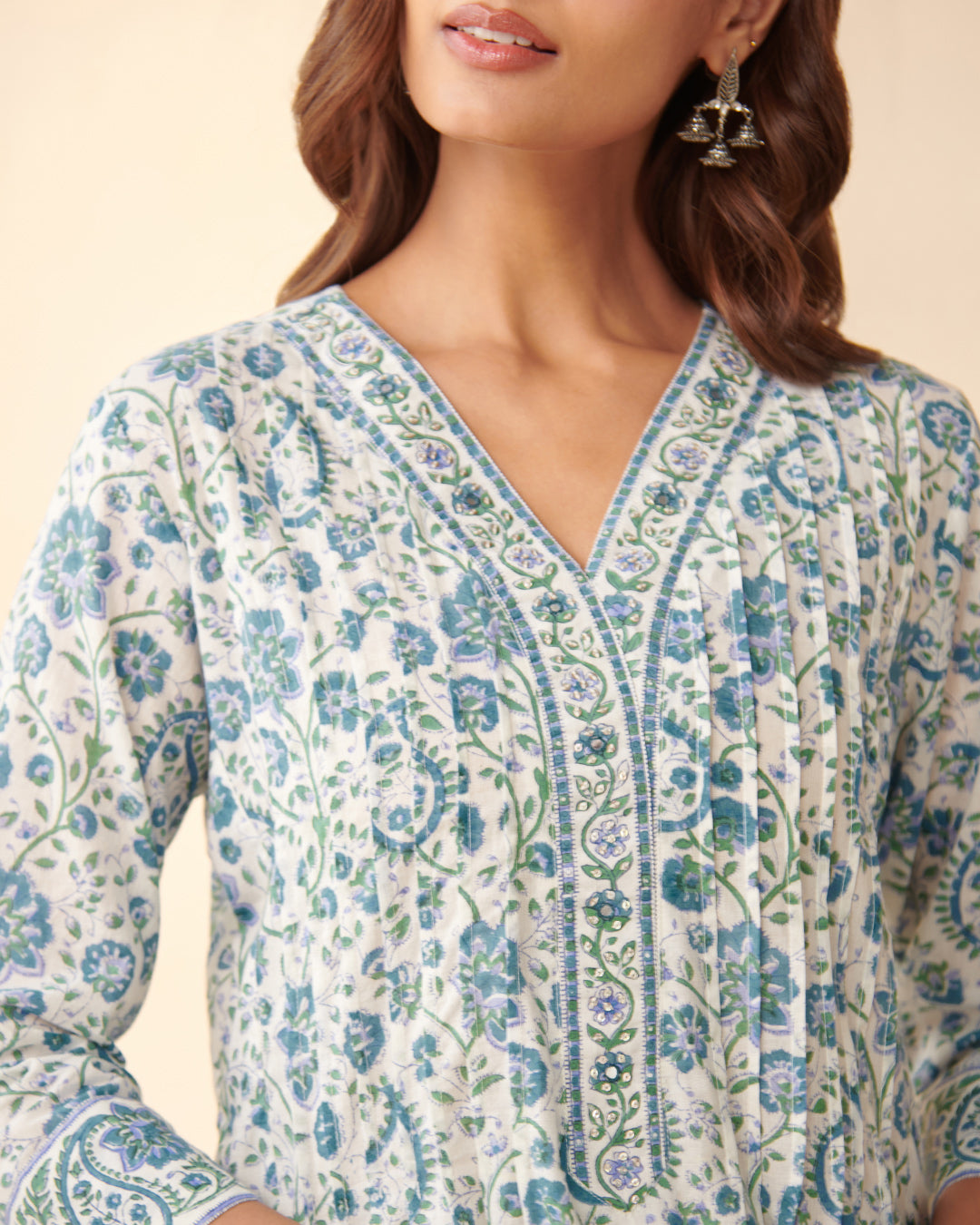
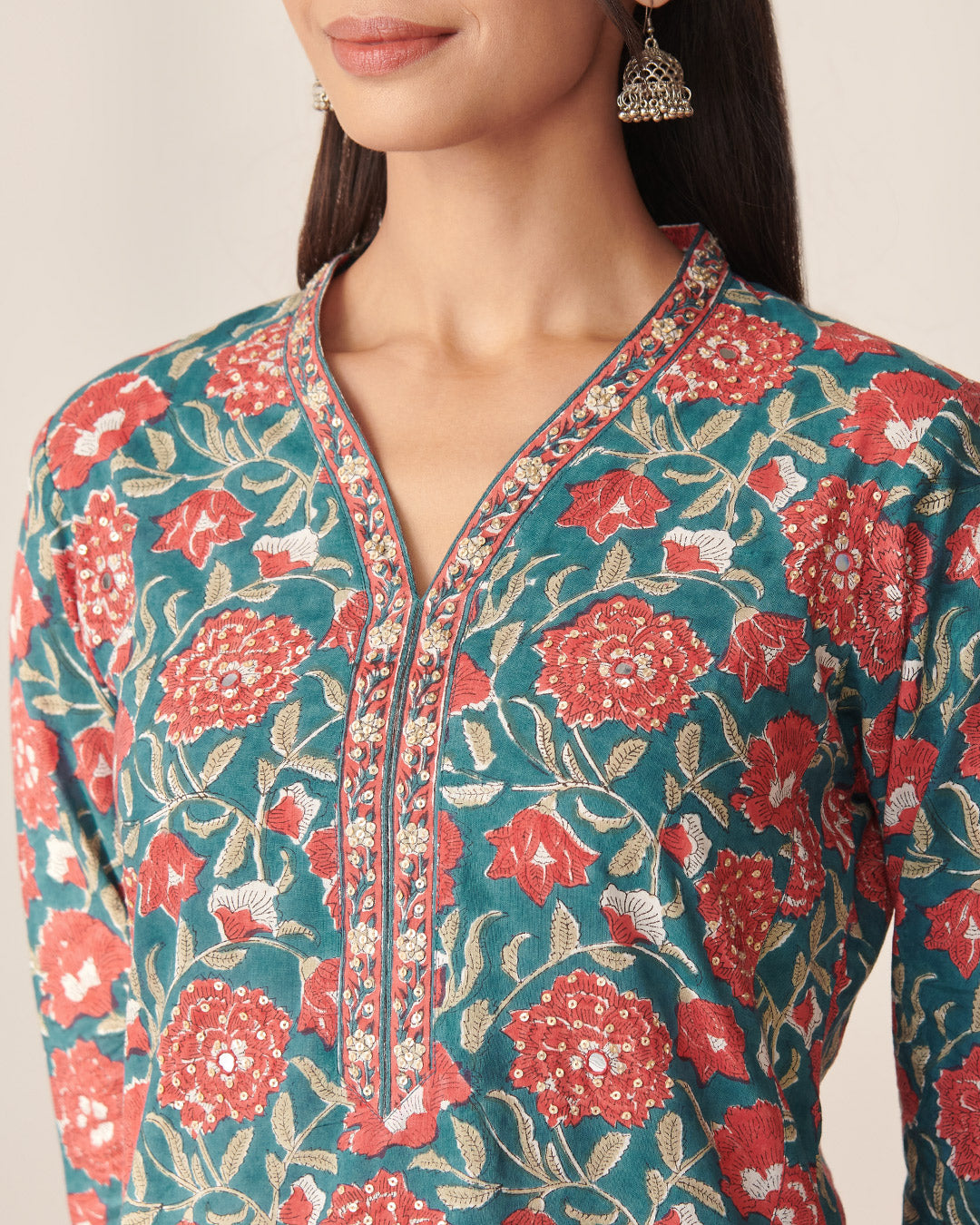
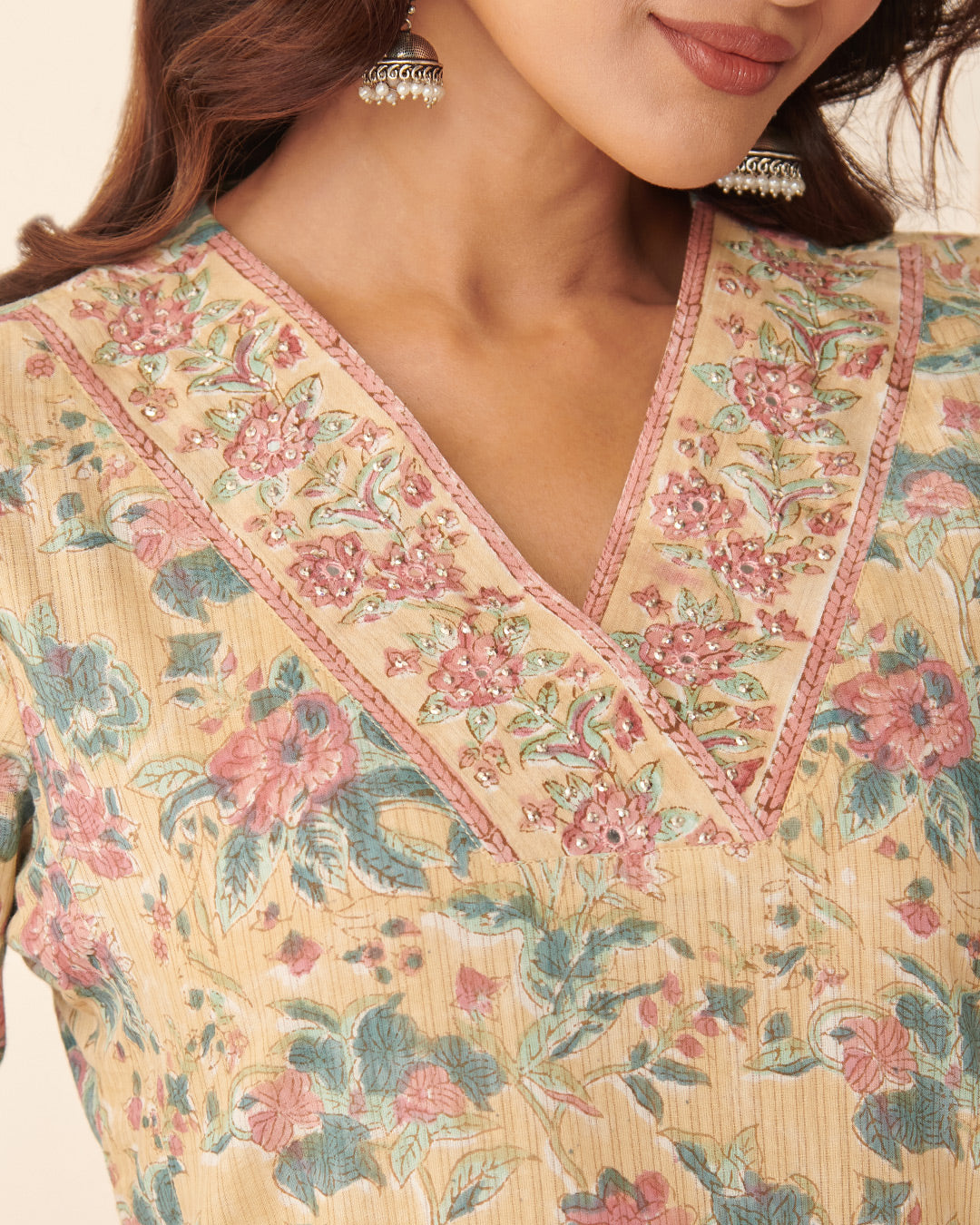
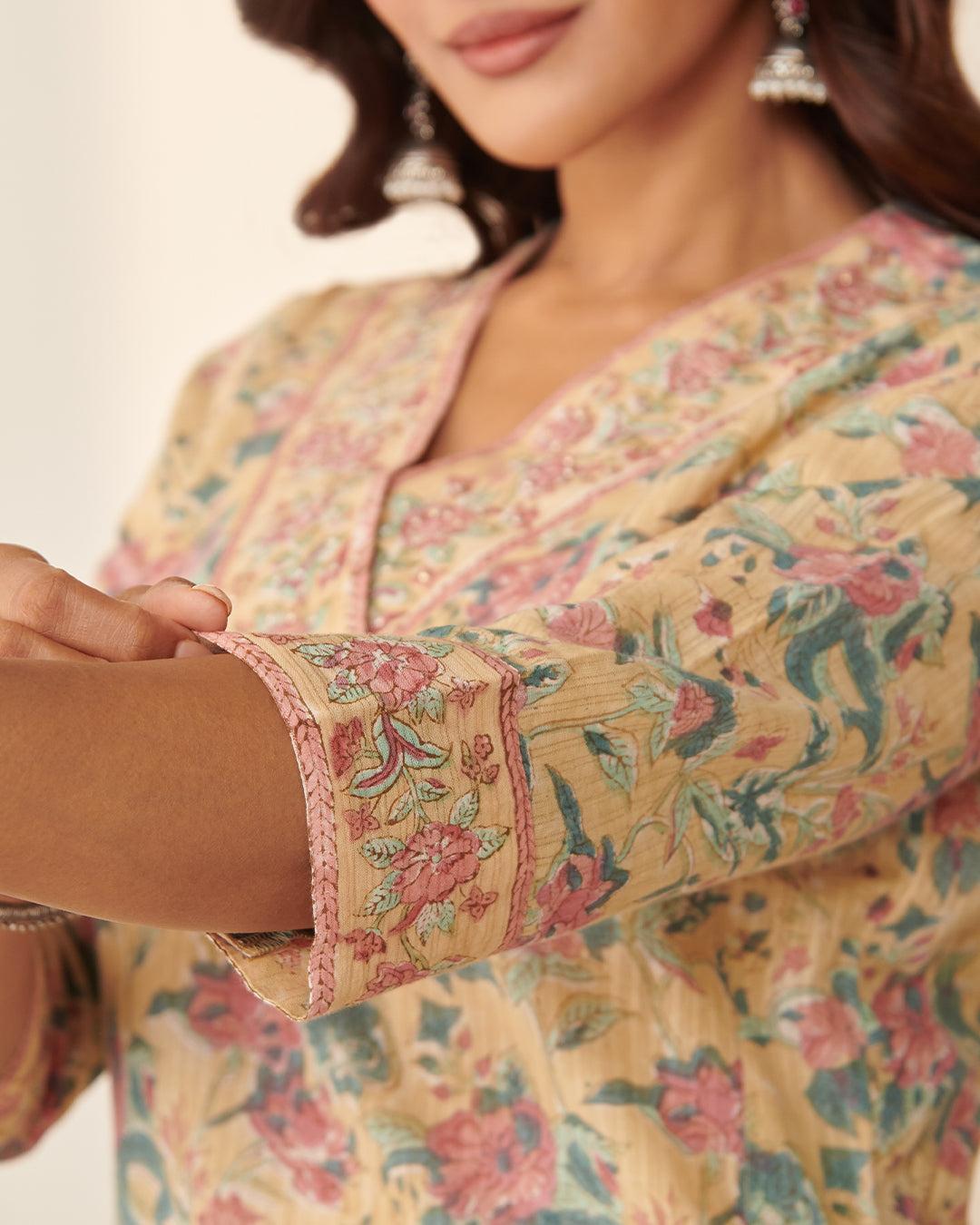
Mirror embroidery, or sheesha work, is one of India’s most radiant textile traditions. Tiny mirrors are hand-stitched onto fabric, each piece reflecting light and legacy. Historically, these mirrors were believed to deflect negative energy and invite prosperity, making them more than just decoration.
-
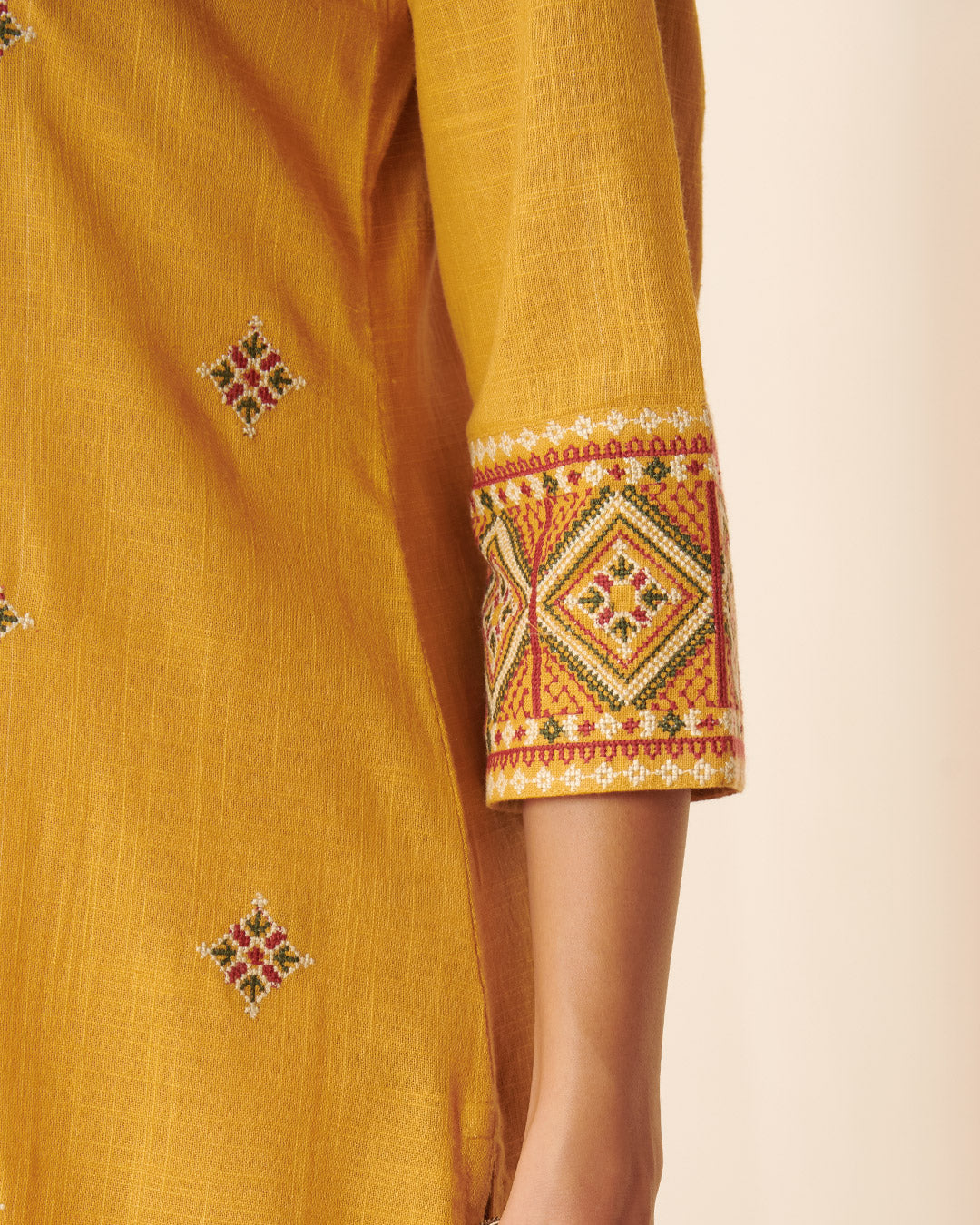
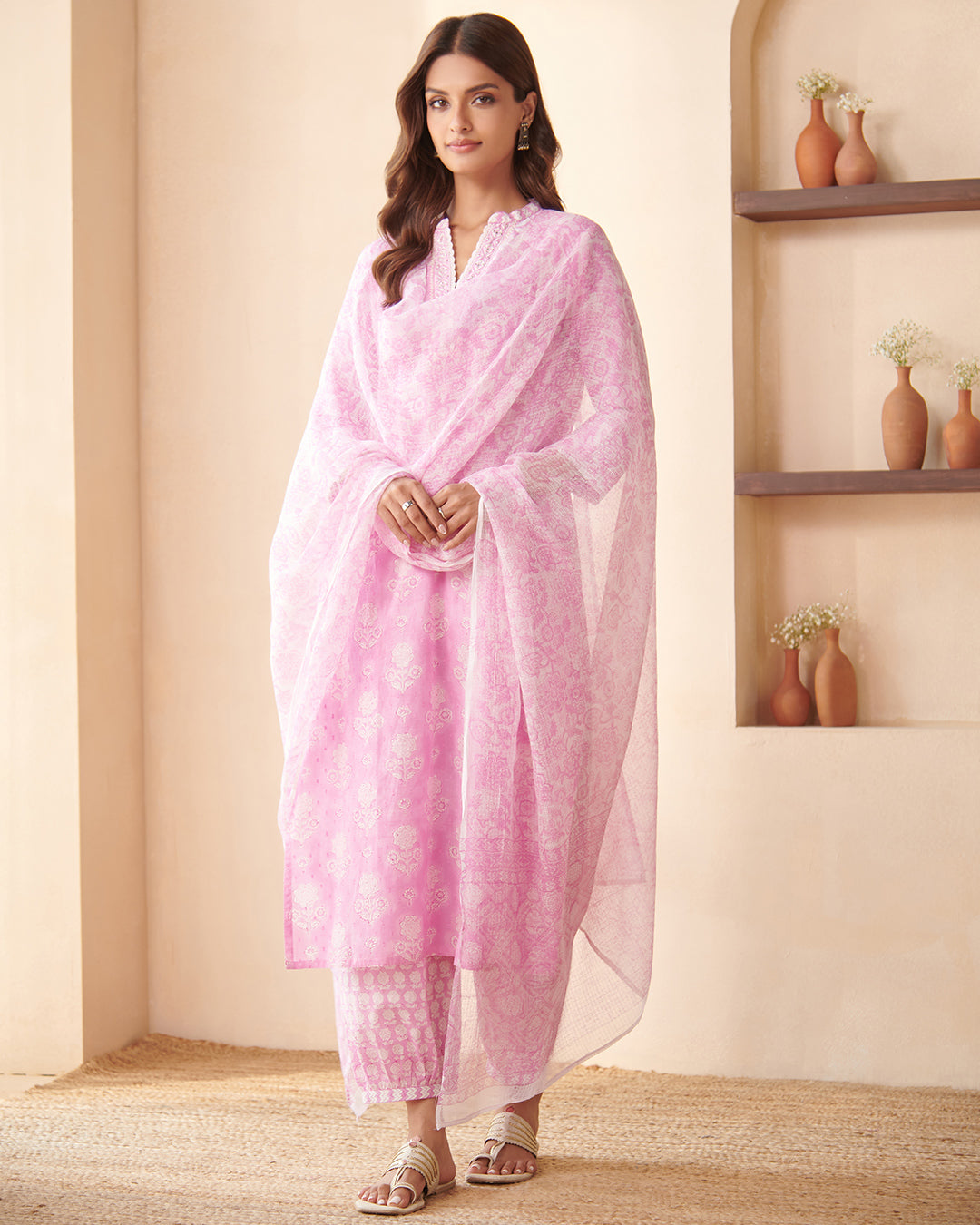
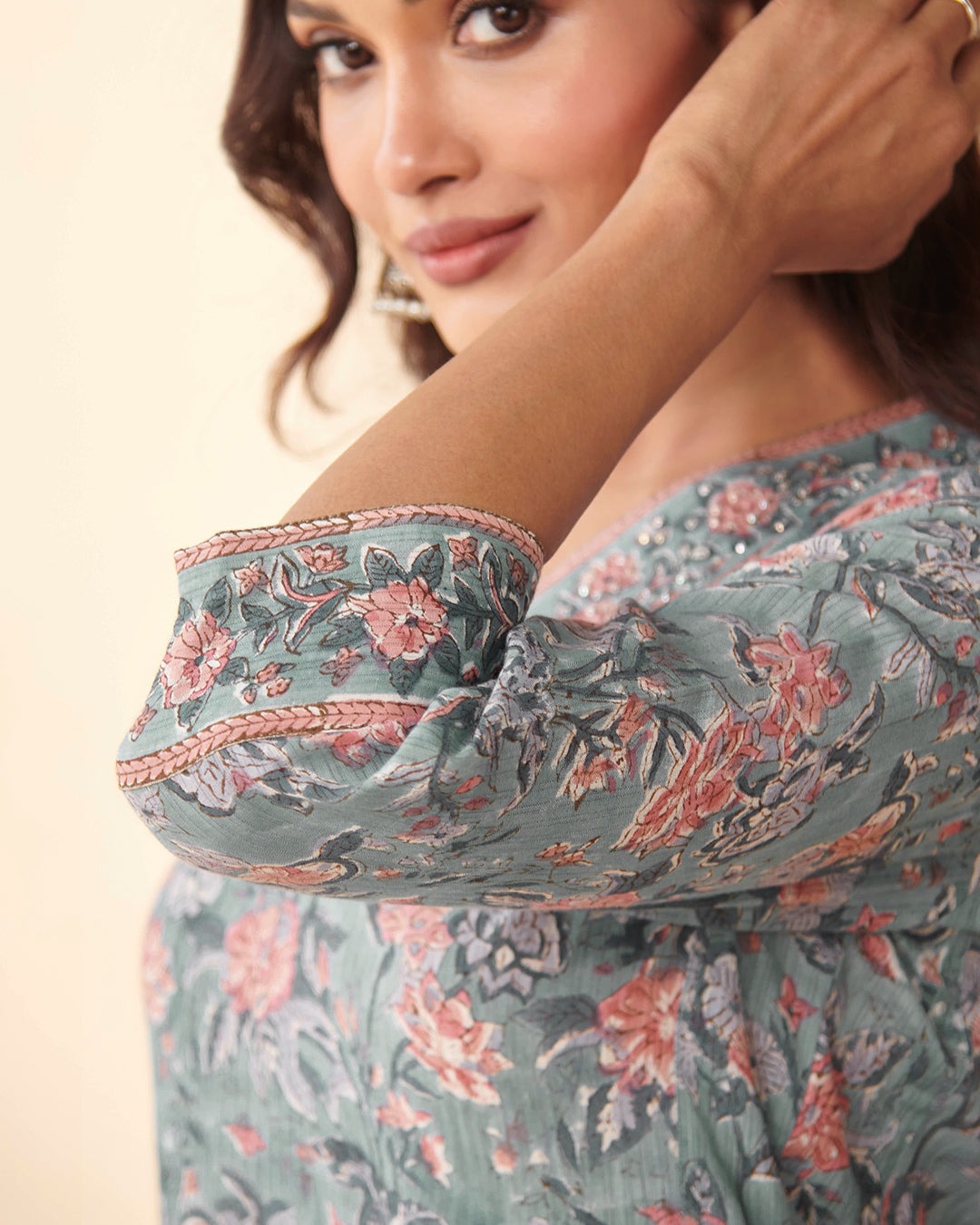
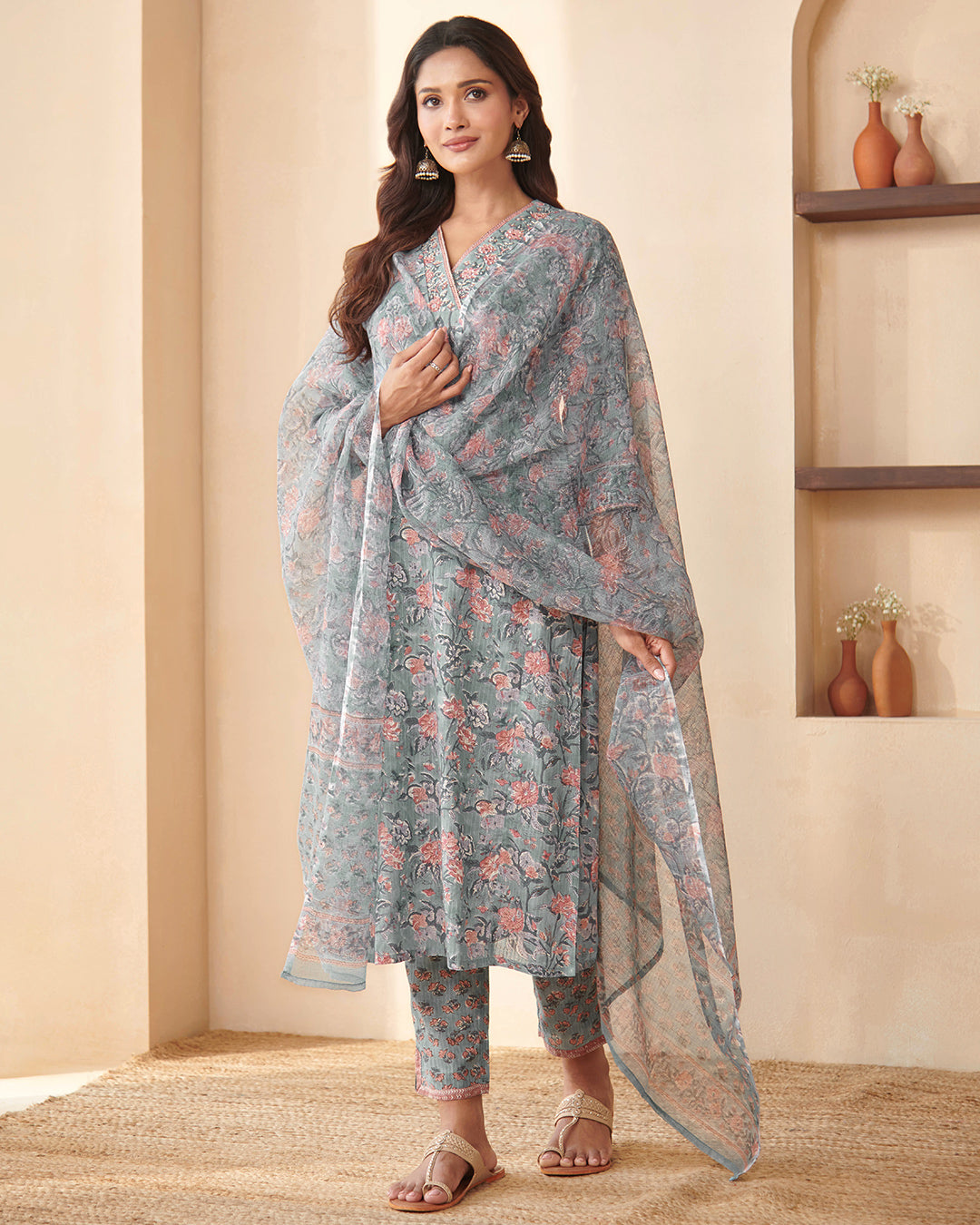
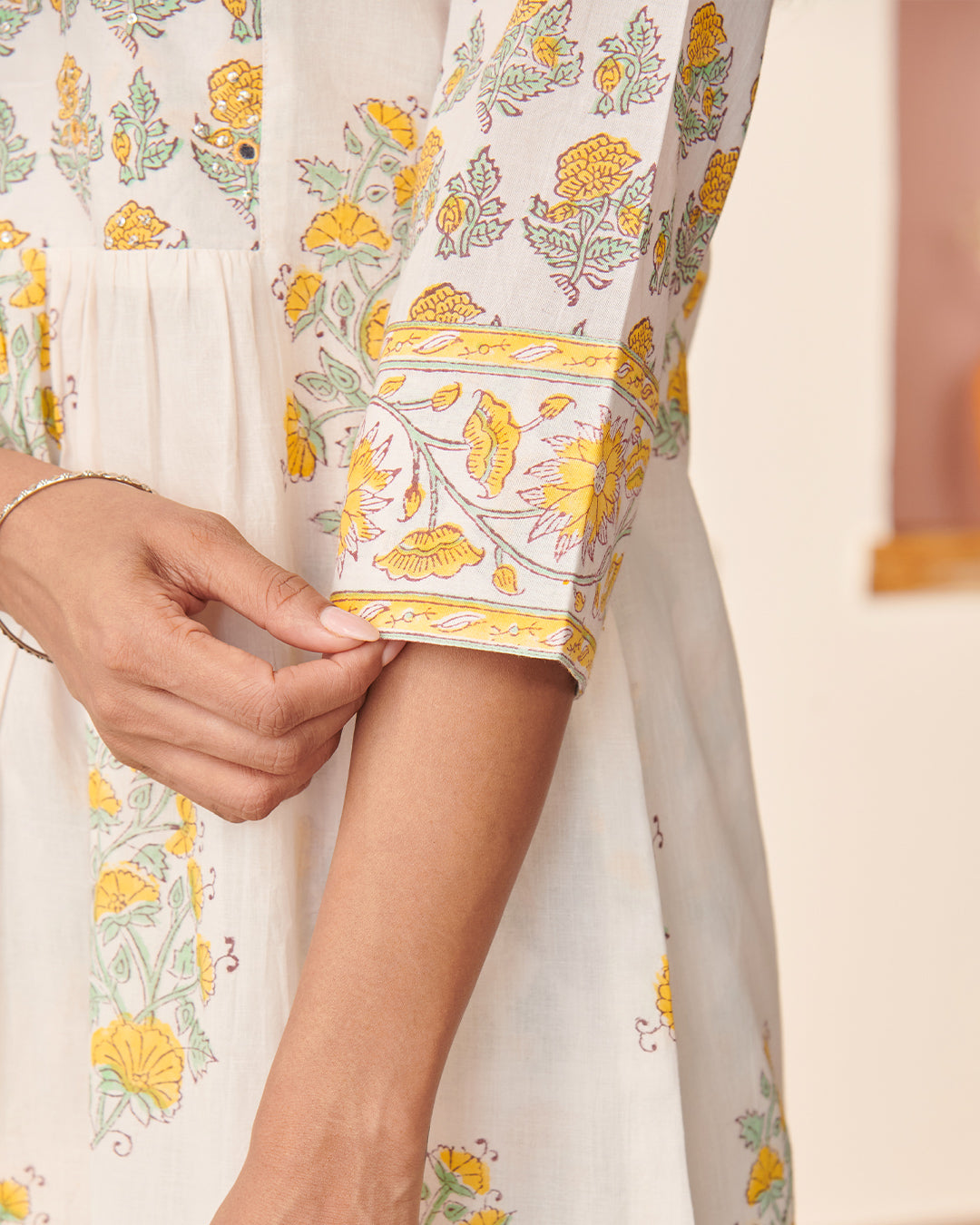
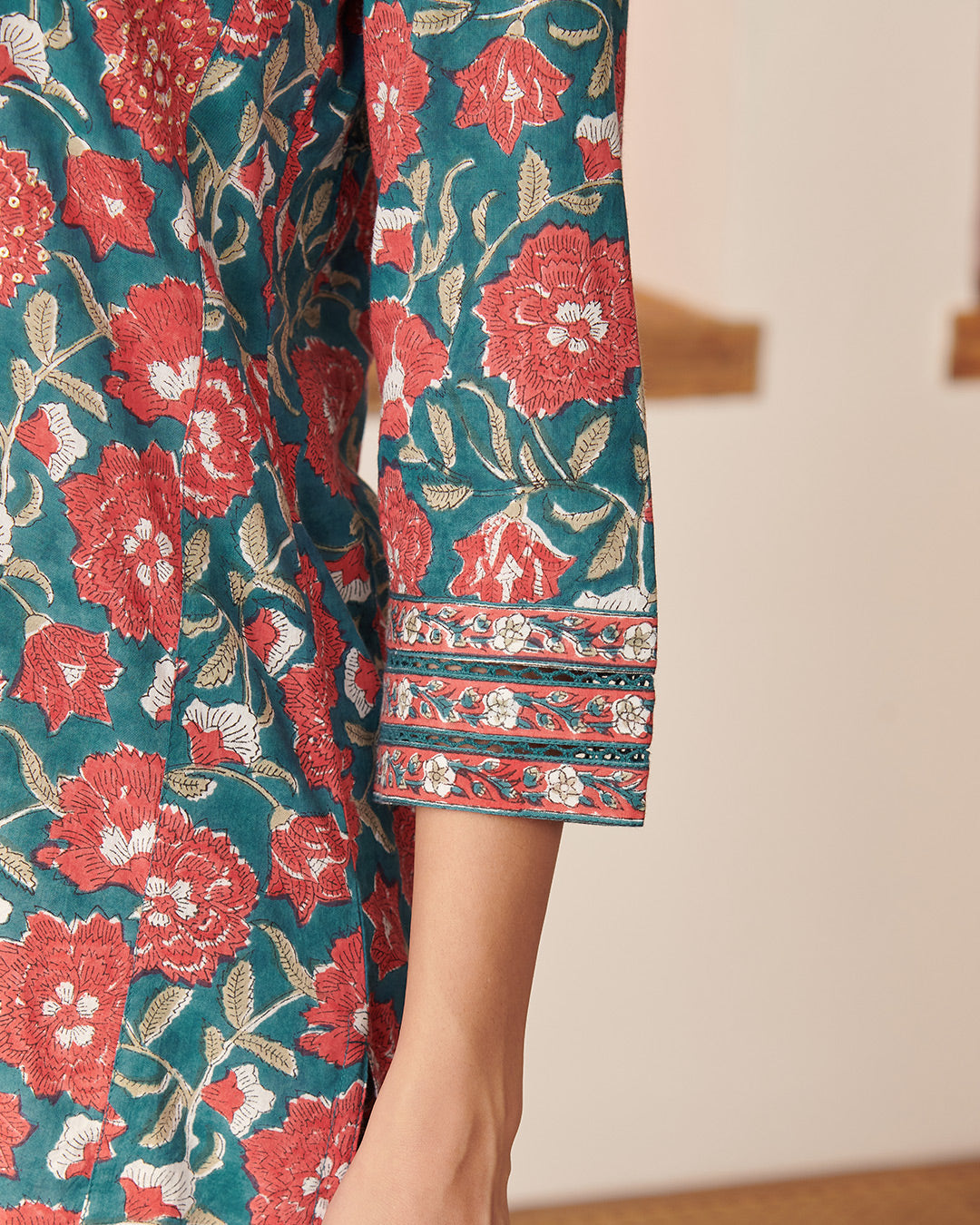
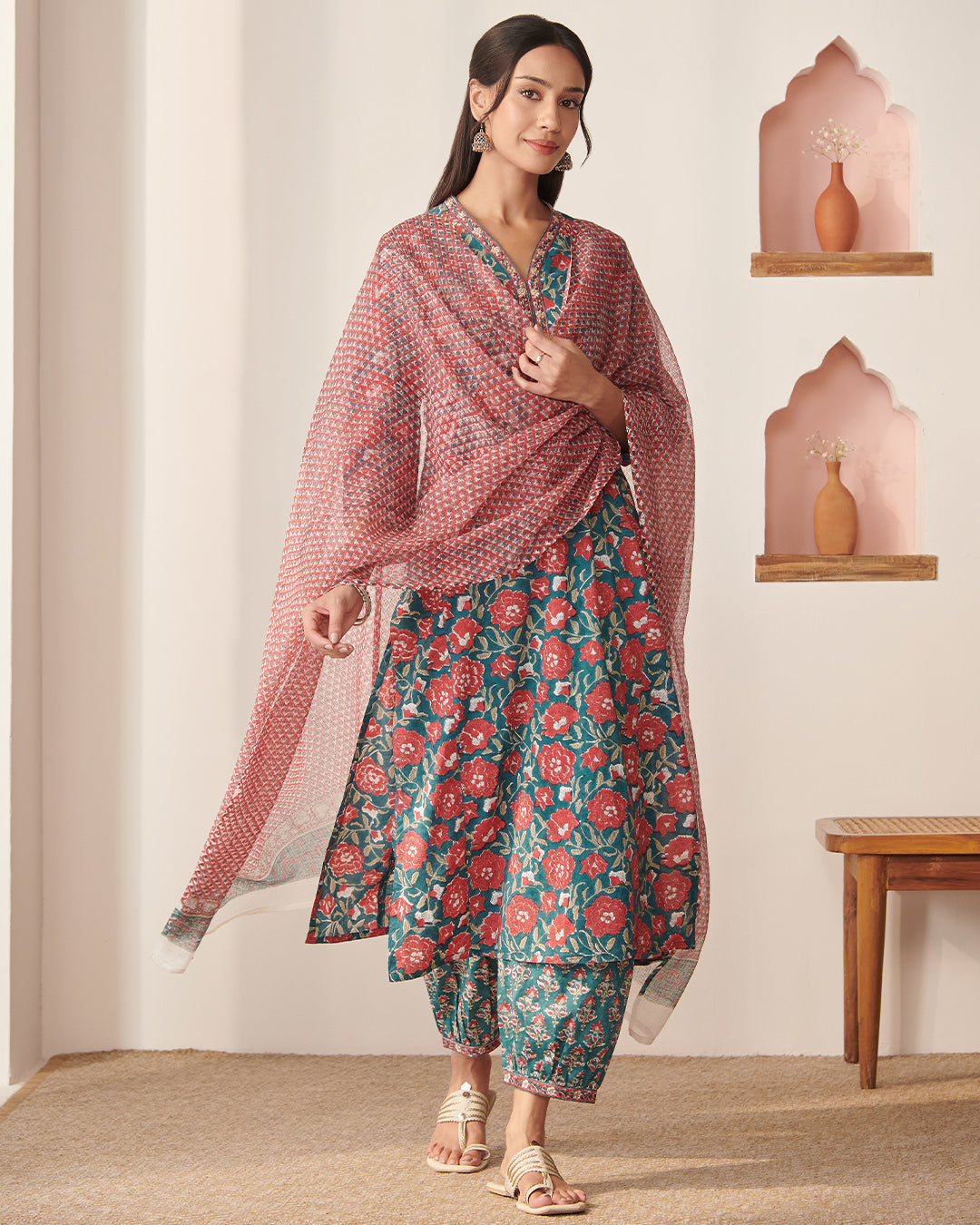
Originating in Gujarat and Rajasthan, this craft once adorned ceremonial garments and festive attire. Today, it finds new life in contemporary fashion from everyday kurtas to couture collections, balancing cultural roots with modern aesthetics.
-
While artisans still use needle and thread to secure each mirror with precision, modern design tools now assist in pattern planning and detailing. This blend of heritage skill and innovation allows mirror embroidery to stay relevant, adaptable, and endlessly inspiring in the global fashion landscape.
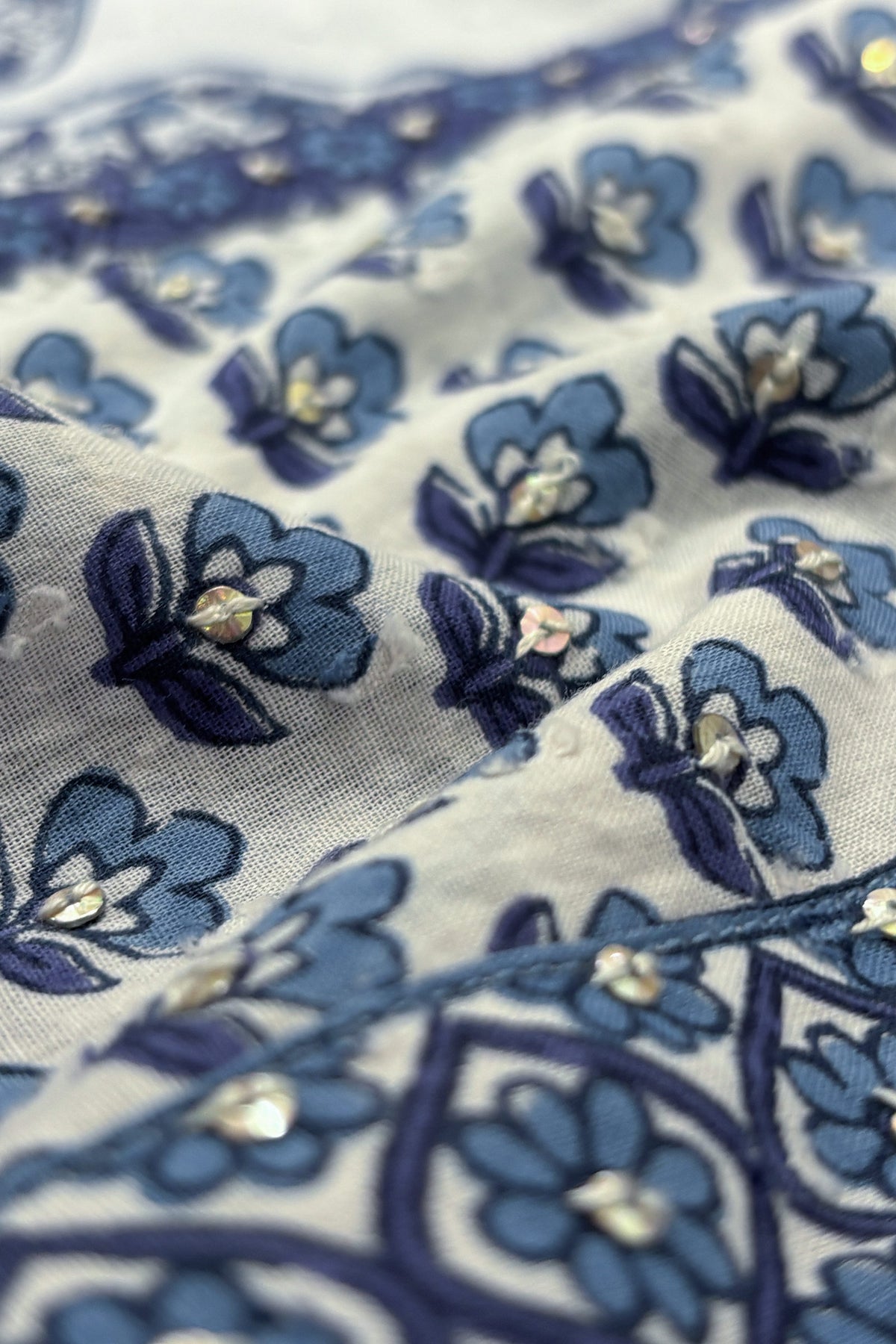
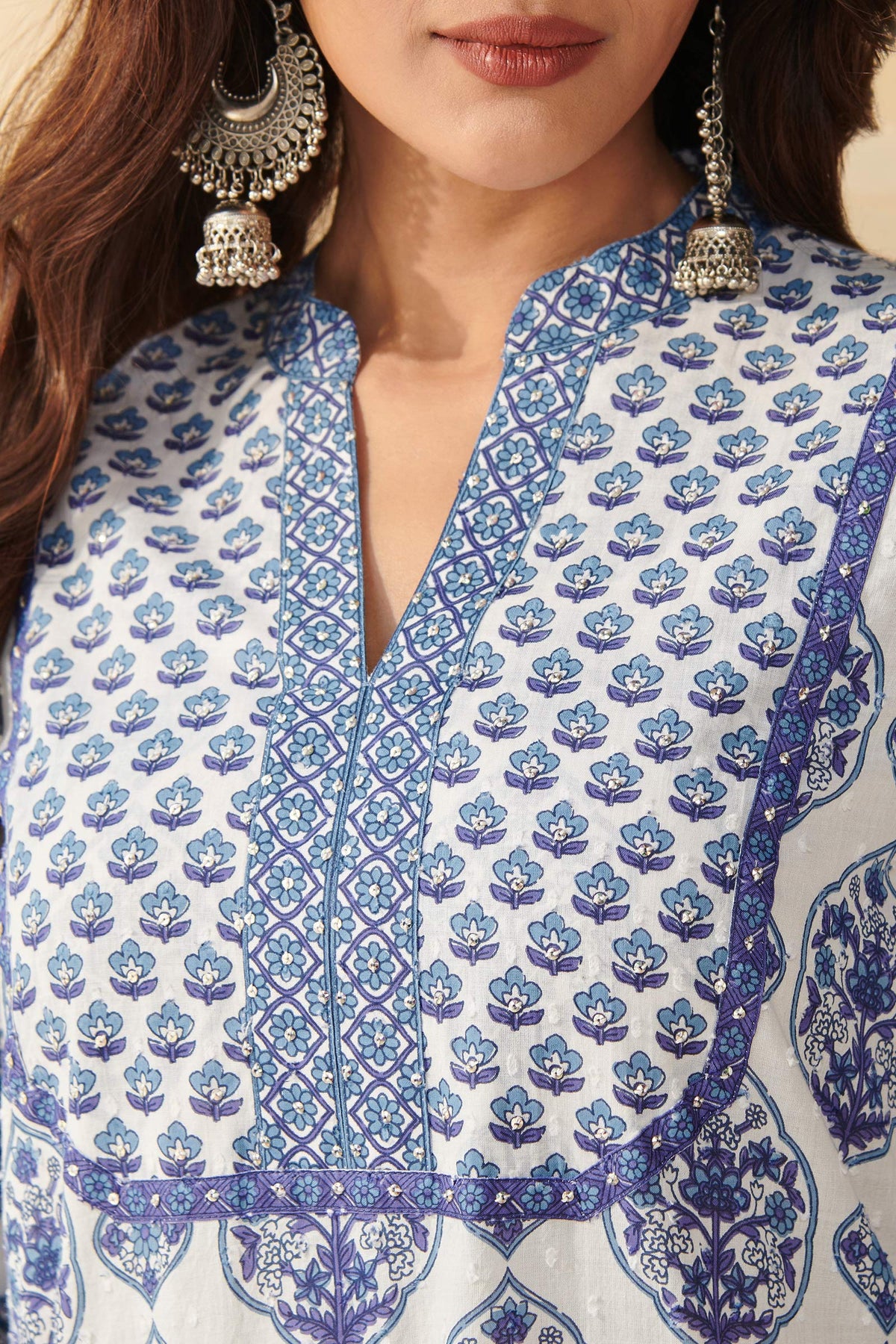
4. Sequin Embroidery: Sparkle Crafted by Hand
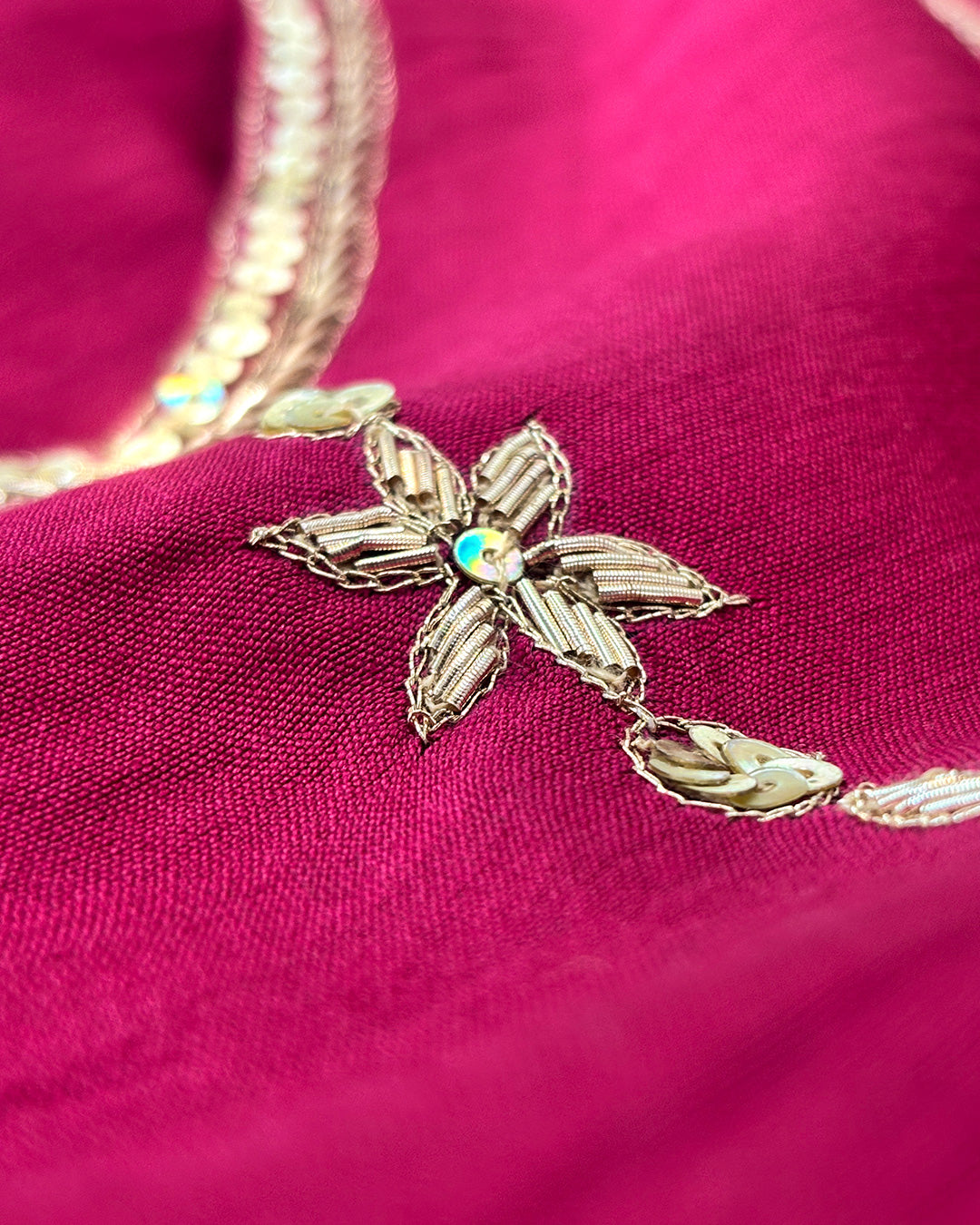
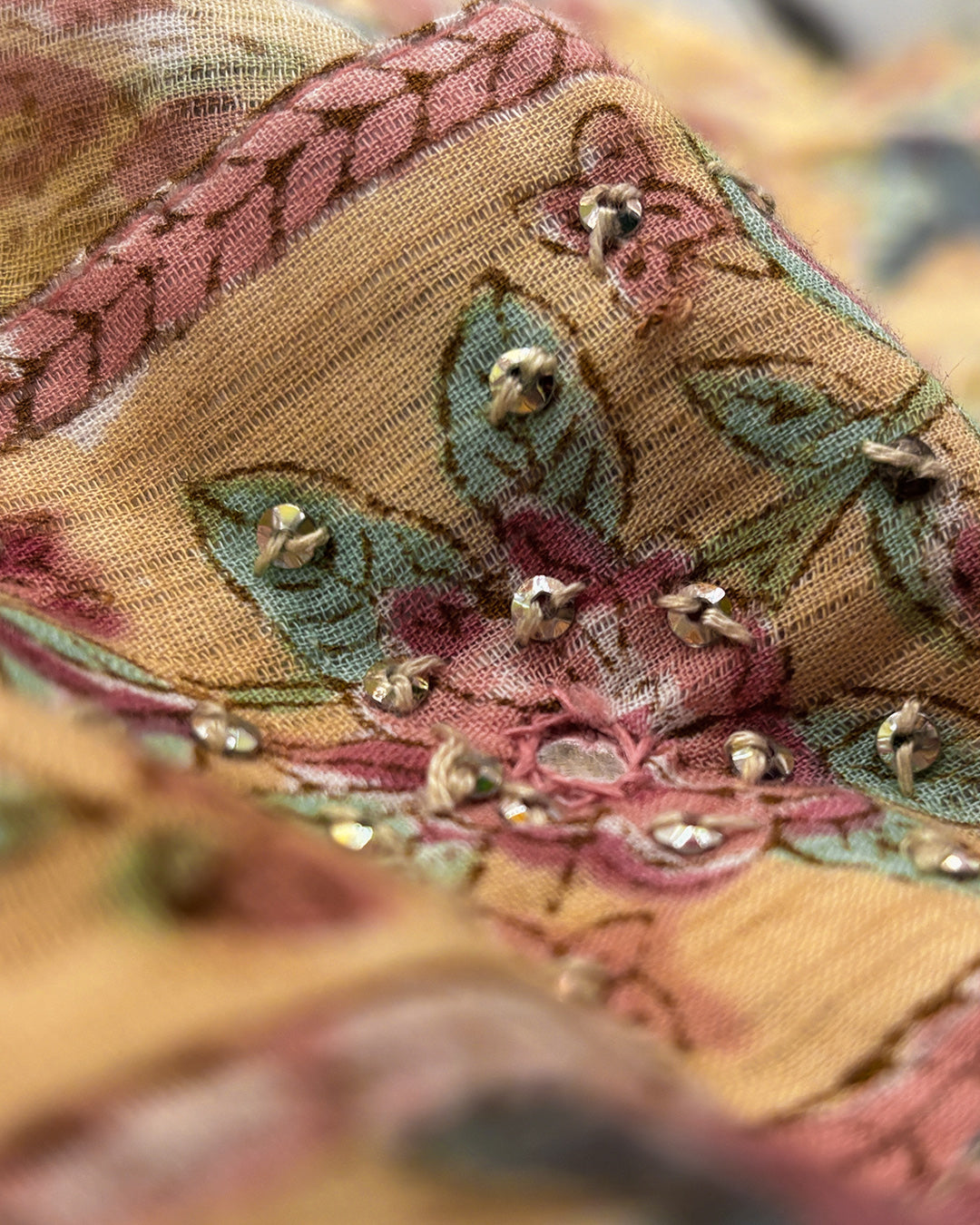
Sequins have adorned garments for centuries, from the gold discs found in ancient Egyptian and Indus Valley civilisations to royal attire in India. They have always been a symbol of status, celebration, and artistry.
Modern sequin embroidery uses strong threads like polyester or silk and specialised needles designed for precision. Sequins now come in a variety of materials, colours, shapes, and sizes, offering endless creative possibilities.
Techniques that stand out
Machines can replicate patterns, but only hand embroidery allows each sequin to catch light differently, giving garments life, texture, and individuality.
-
Single Sequin Stitch: Each sequin is anchored with a single stitch for subtle shine.
-
Overlapping Sequins: Sequins are layered closely to create a dense, reflective surface.
-
Beaded Sequin Stitch: A bead is added before stitching the sequin, adding depth and extra sparkle.

5. Kantha Embroidery: Storytelling Through Stitches
Kantha embroidery hails from West Bengal, Odisha, and neighbouring East Indian states. Traditionally practised by rural women, it transforms simple fabrics into intricate narratives using their needlework.
-
Common designs include flora, fauna, geometric shapes, and celestial symbols. The distinctive wavy, running stitches create a textured, wrinkled effect, giving each piece a lively, handcrafted feel.
-
Once primarily used for quilts and bedspreads, Kantha has evolved to adorn cushions, shawls, and even modern apparel for men and women. Its playful yet precise stitches give fabrics a casual, artisanal charm while highlighting expert craftsmanship.
-
Unlike machine embroidery, Kantha carries the rhythm and flow of the artisan’s hand. Each line tells a story, making every piece unique and imbuing fabrics with a sense of leisure, skill, and personality that machines cannot replicate.
6. Zari Embroidery: Gold and Silver in Motion
Zari embroidery traces back to ancient Persia, today’s Iran, where artisans first wove gold and silver threads into premium silk. Persian immigrants brought the craft to India between 1700 and 1100 BC, and it flourished under Mughal patronage, especially during Emperor Akbar’s reign.
-
The word “Zari” comes from the Persian “zar,” meaning gold. Originally used to create regal garments, zari symbolised wealth and status. Over time, it became integral to saris, lehengas, turbans, and other Indian textiles.
-
Zari's work is highly labour-intensive, requiring precision and patience. Brocade weaving combines metallic and regular threads to create raised patterns. Hand embroidery with metallic threads allows for intricate floral, paisley, geometric, and abstract designs.
-
Each piece of zari handwork reflects skill and creativity that machines cannot reproduce. The shimmer of metallic threads, the precision of hand placement, and the richness of pattern make zari embroidery a distinct emblem of Indian craftsmanship.
Conclusion: The Enduring Power of Hand Embroidery
-
Craftsmanship that stands out
Unlike machine-made designs, no two pieces are ever identical, making every garment unique. Each stitch is precise and infused with the artisan’s expertise. -
Quality and durability
The attention to detail and use of premium materials ensure longevity. Hand-embroidered pieces age gracefully, retaining vibrancy and structure, while machine-made alternatives often compromise on durability for speed. -
Cultural legacy in every thread
Every motif, technique, and embellishment carries history and tradition. From Chikankari to Zari, Adda to Mirror work, hand embroidery preserves centuries of artistry that machines cannot replicate. -
A statement in style
Choosing hand embroidery is a conscious choice to support artisans, honour heritage, and own a piece of art that truly stands apart in a mass-produced world.

