




























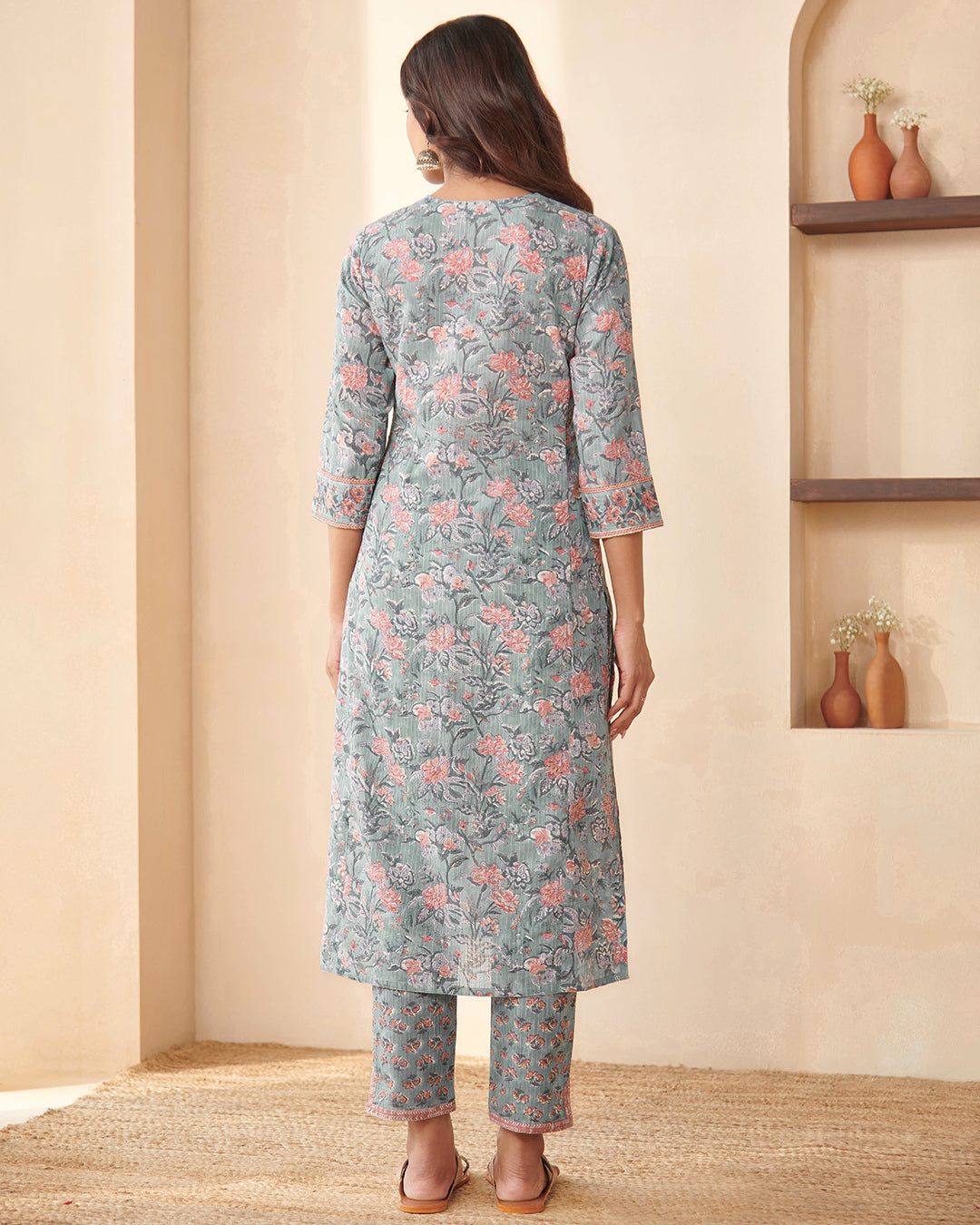
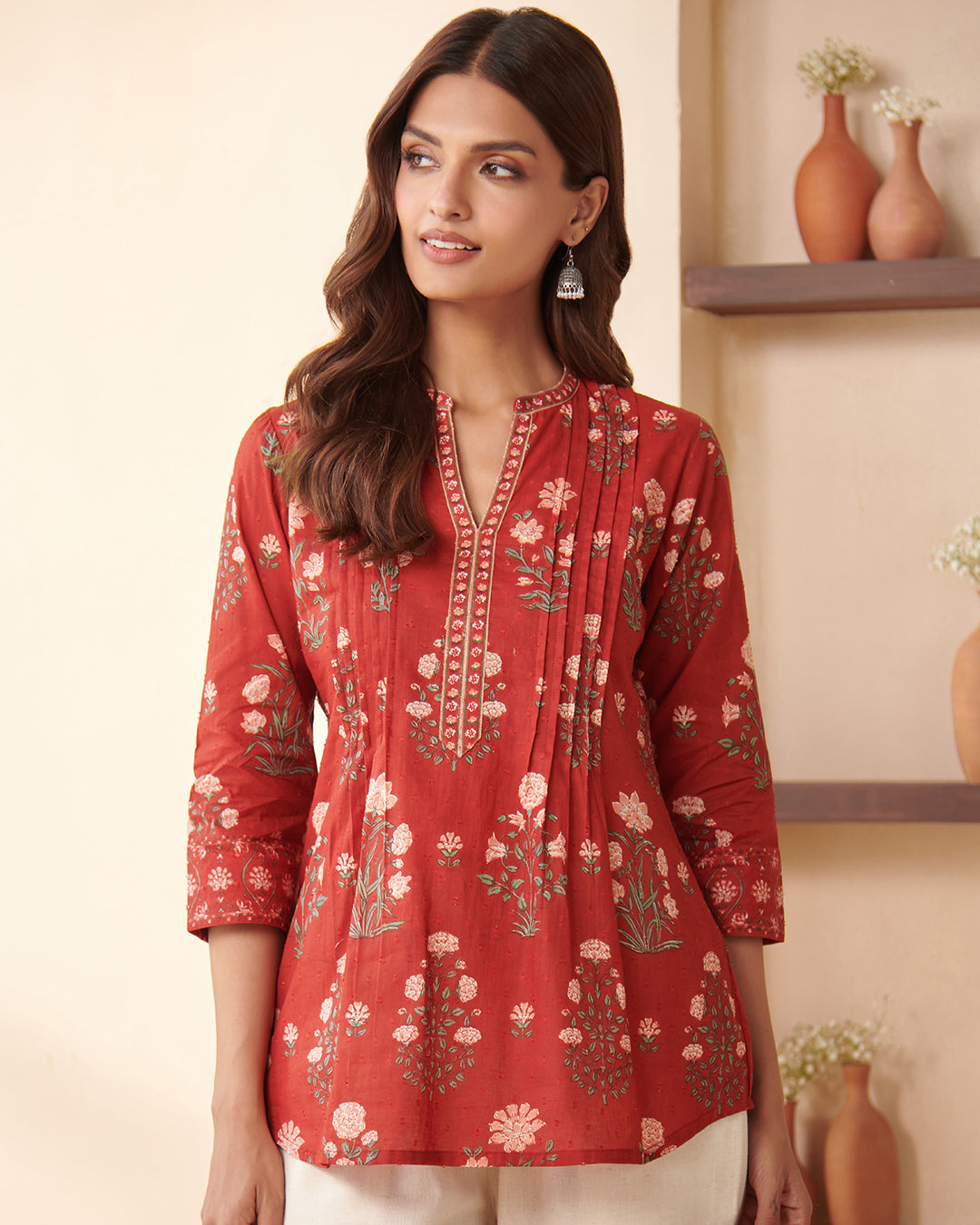
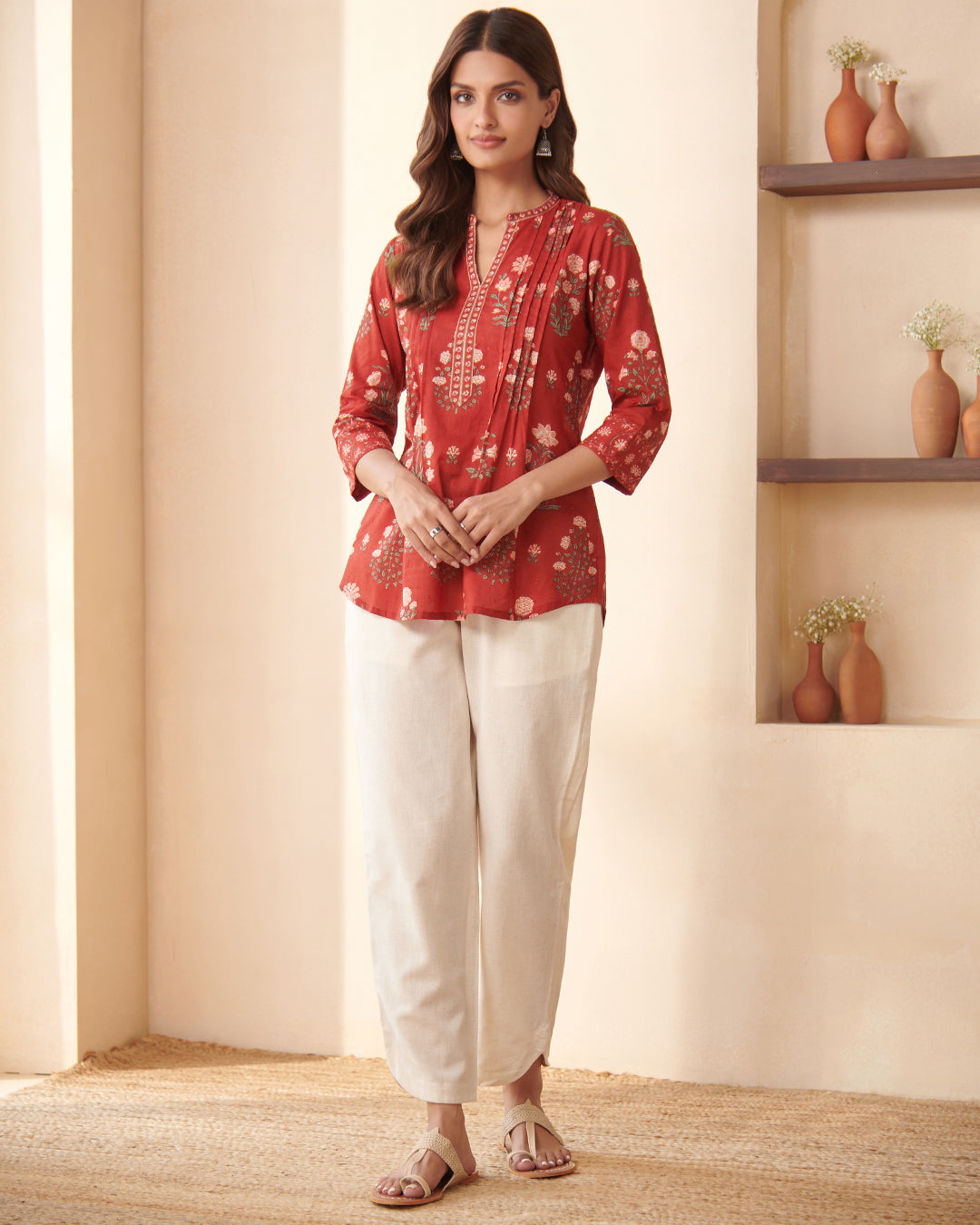
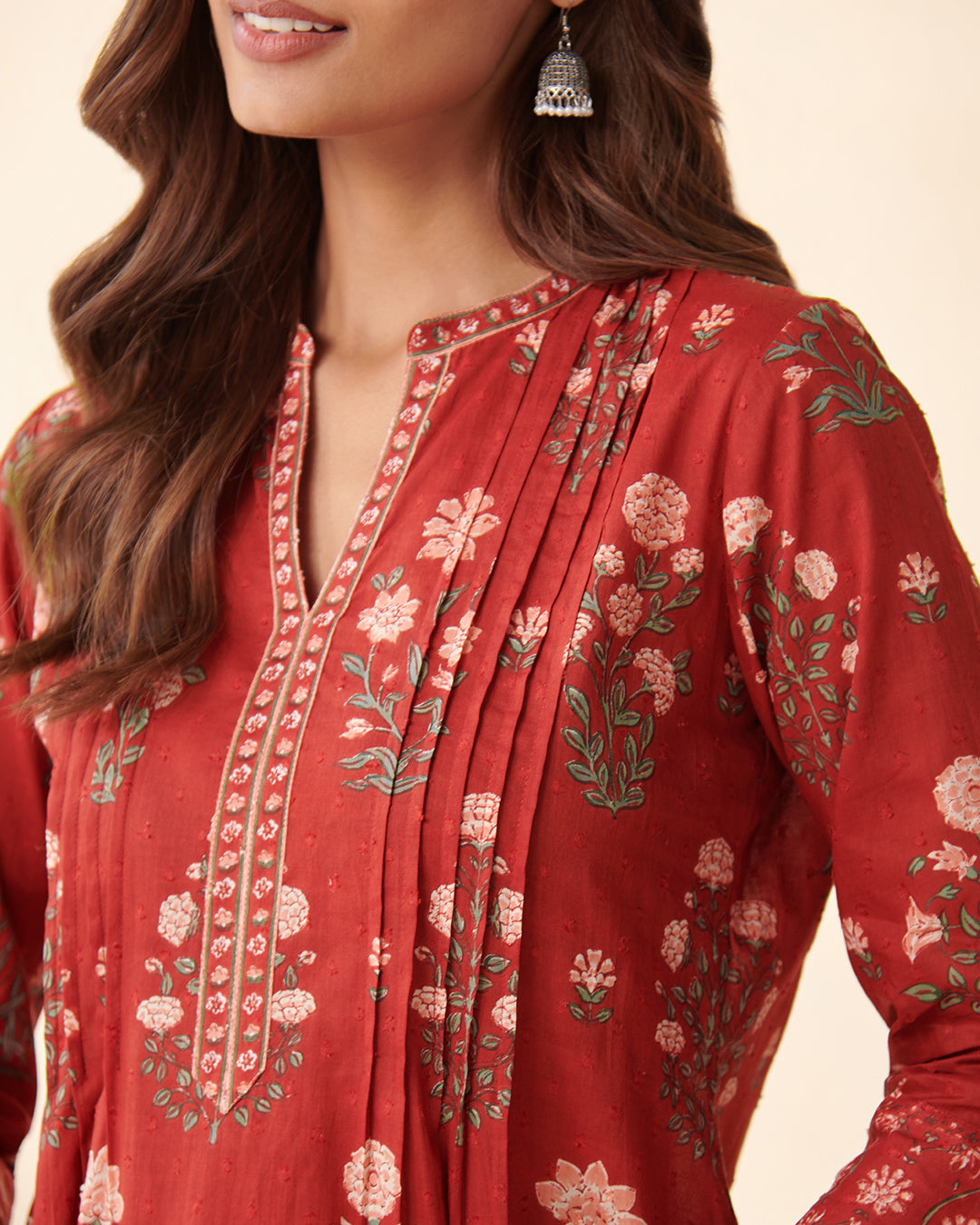










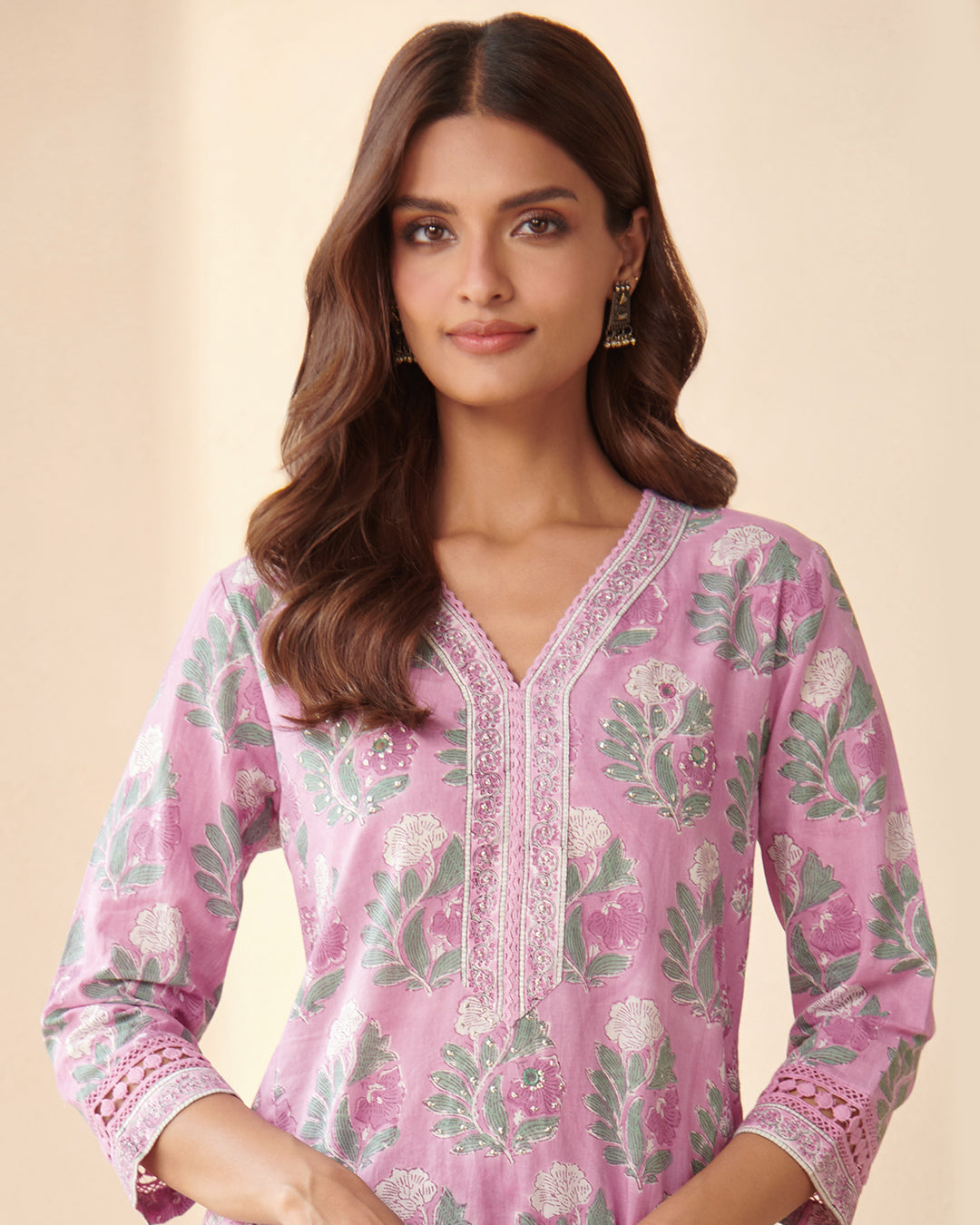
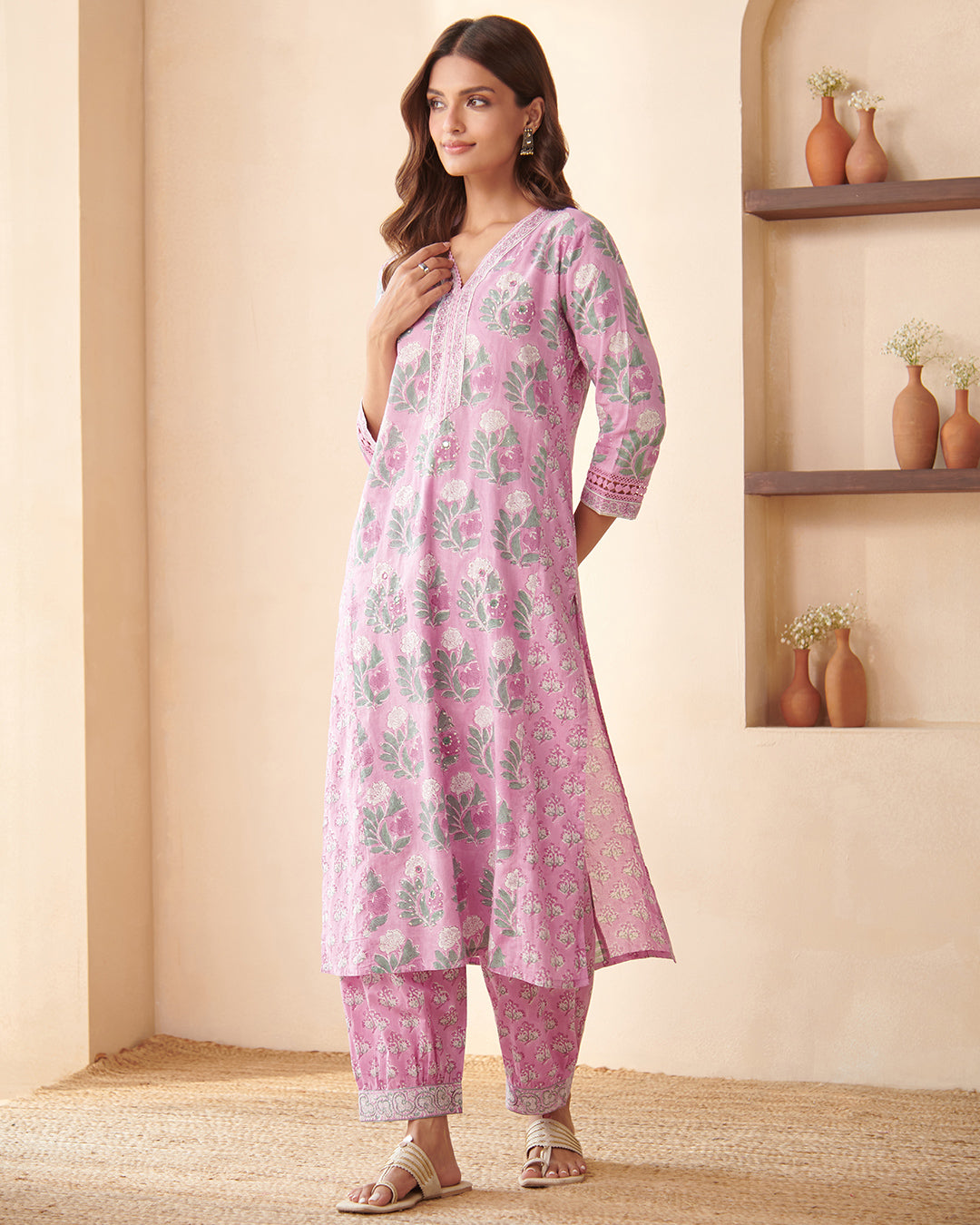
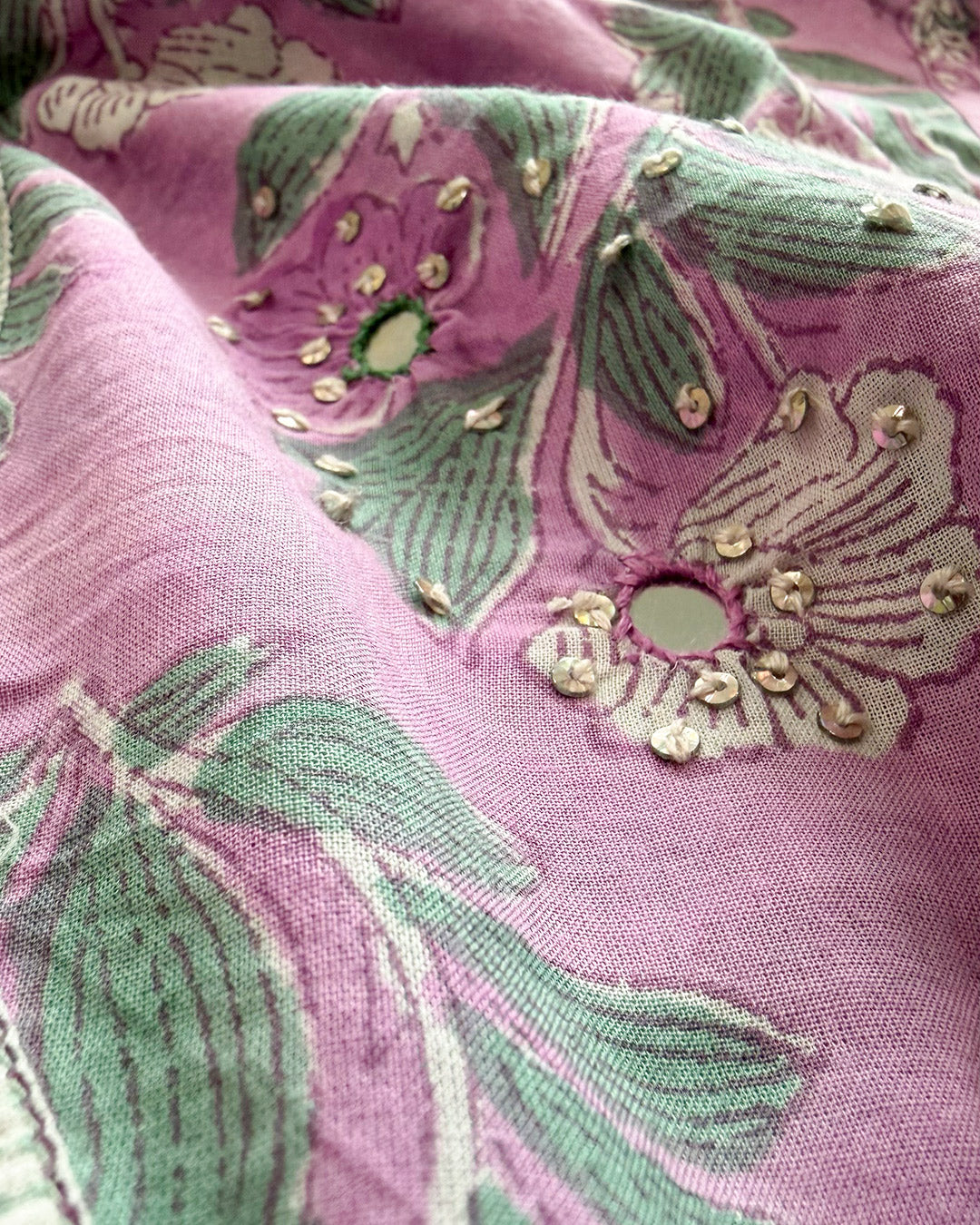
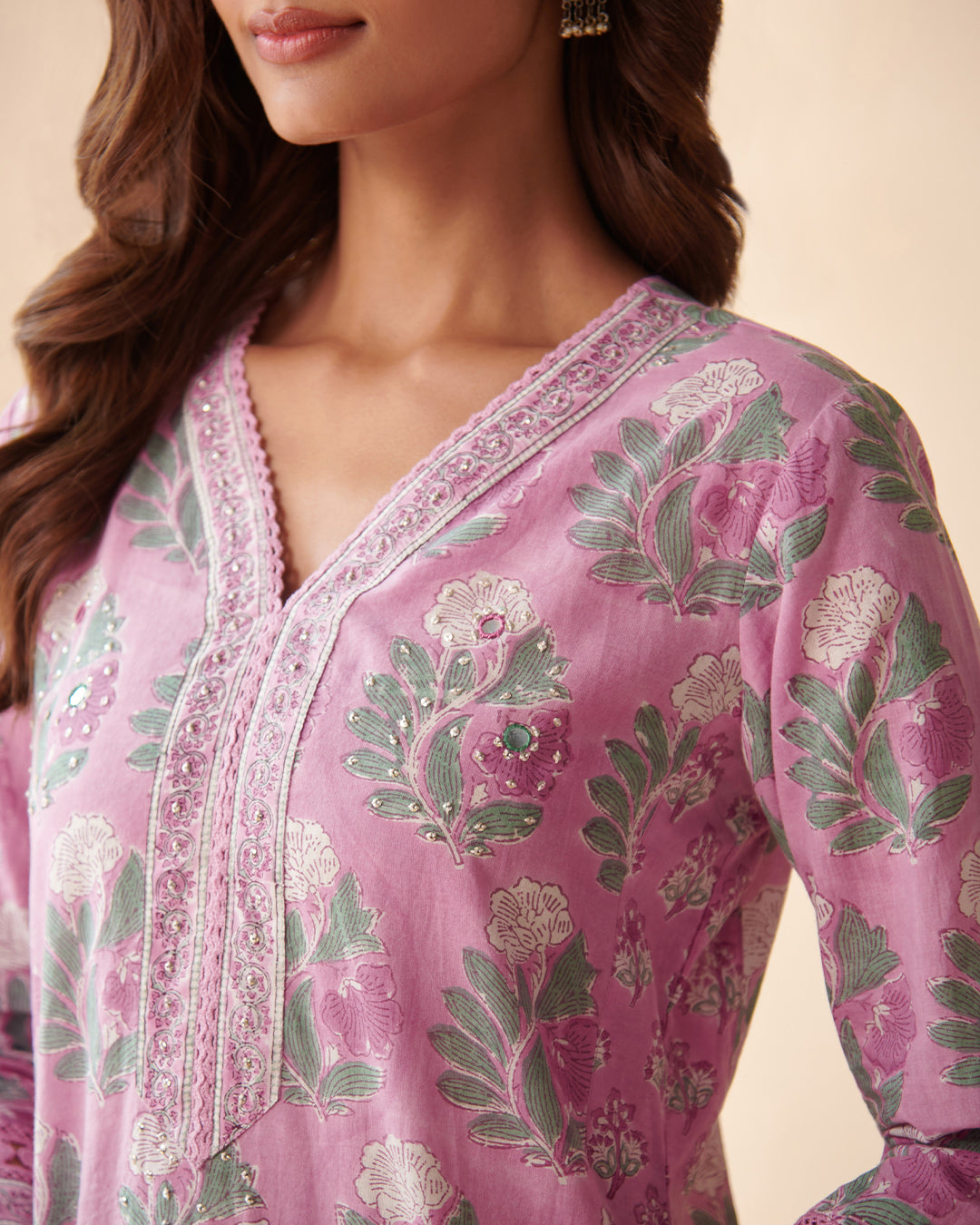


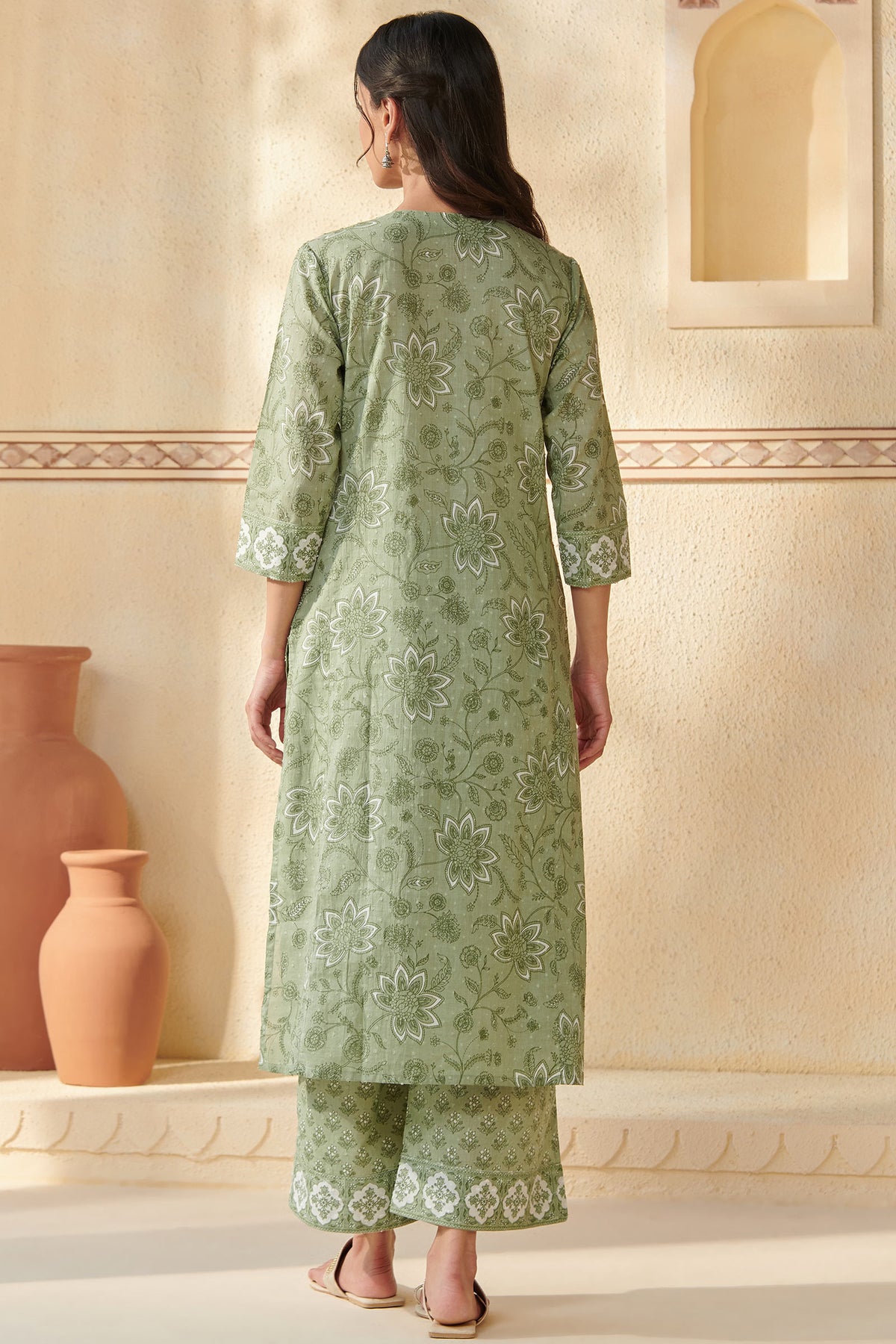
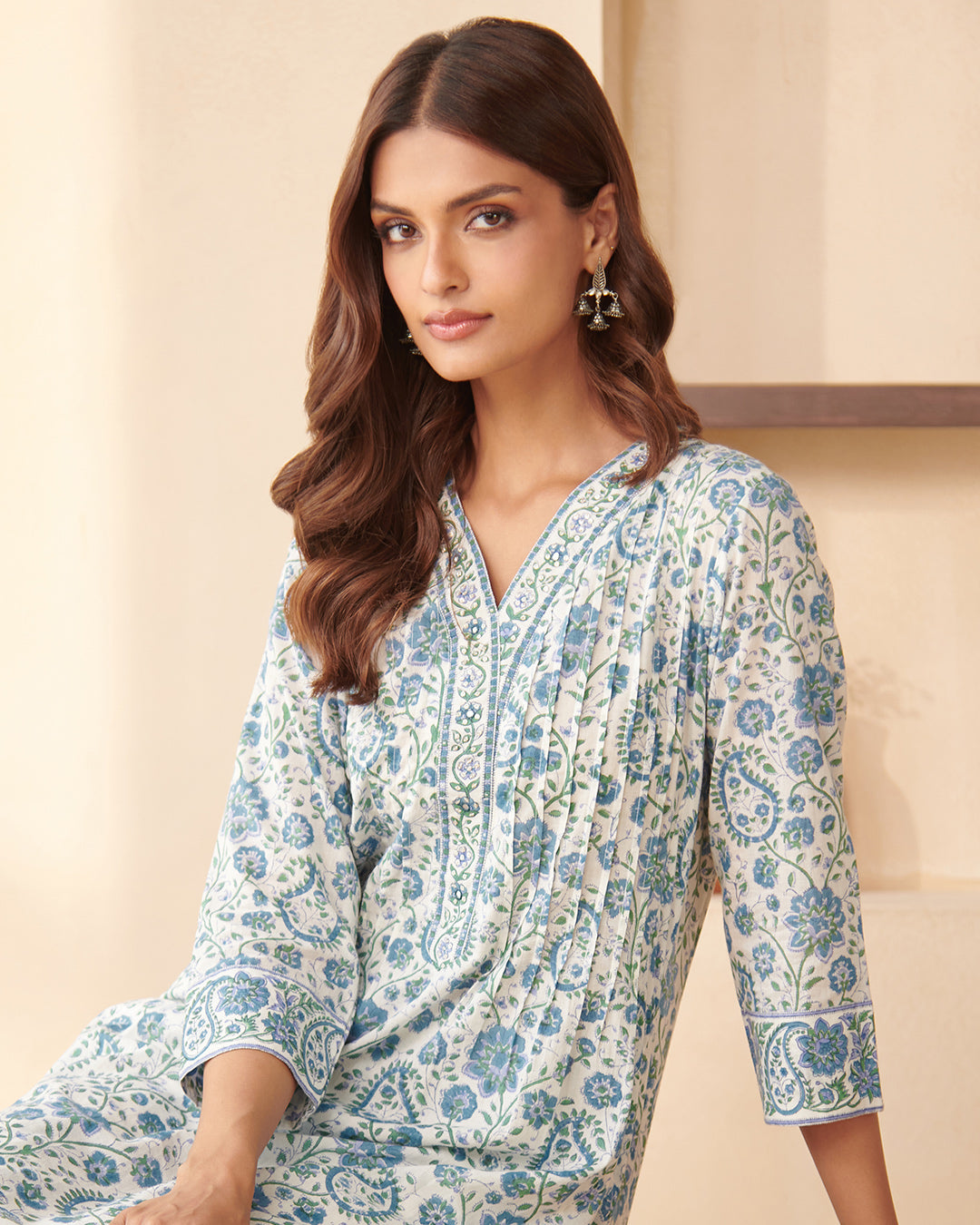
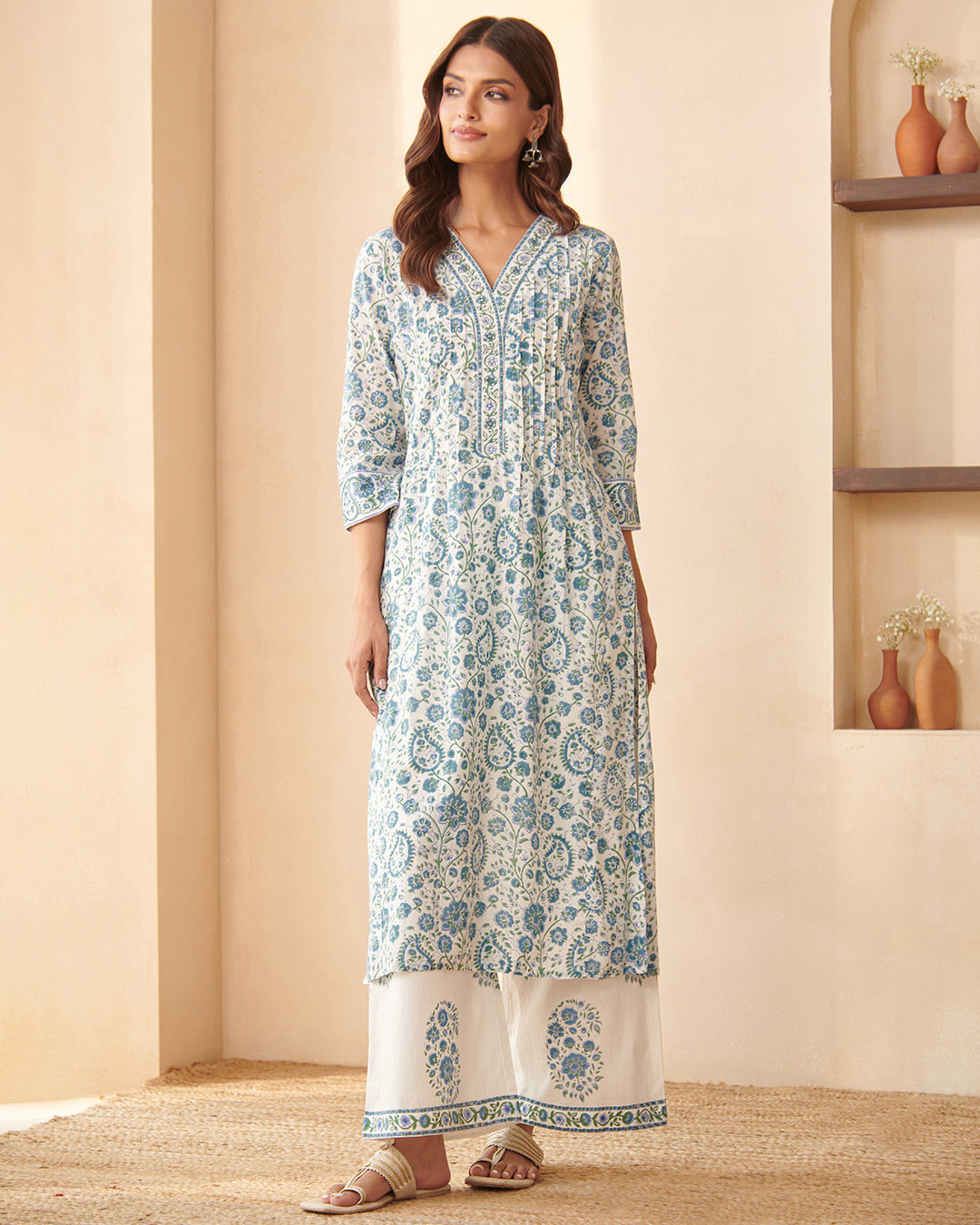
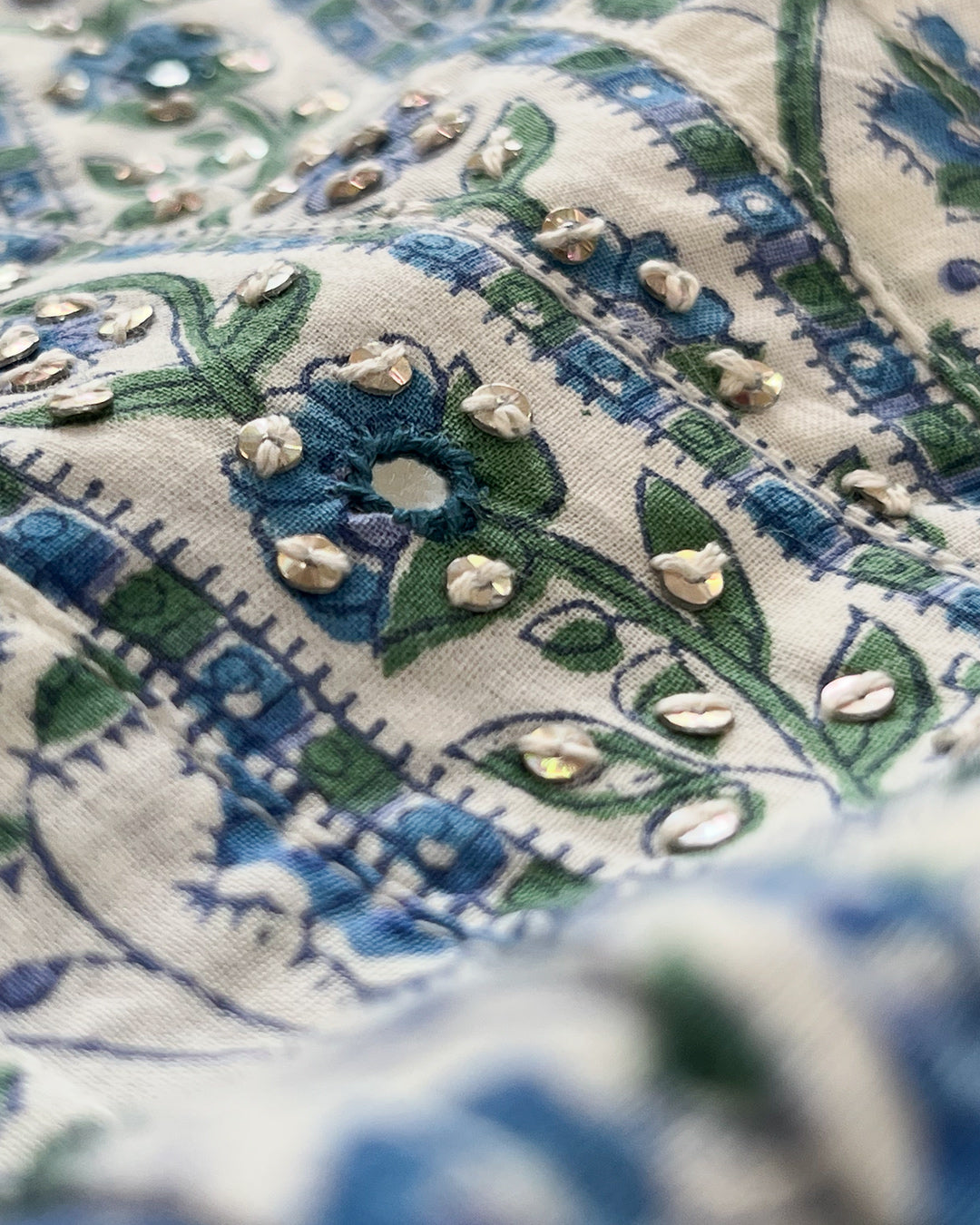








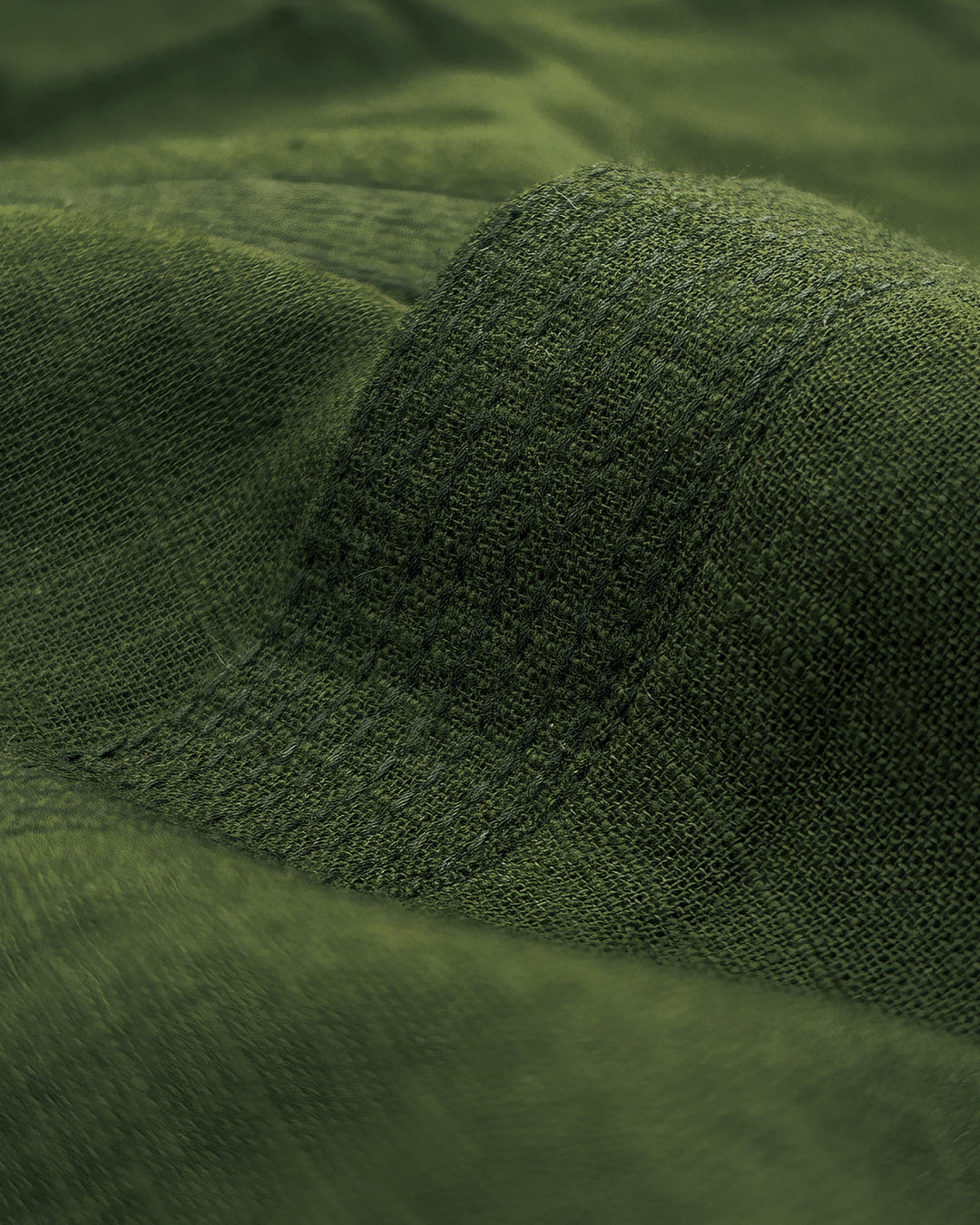



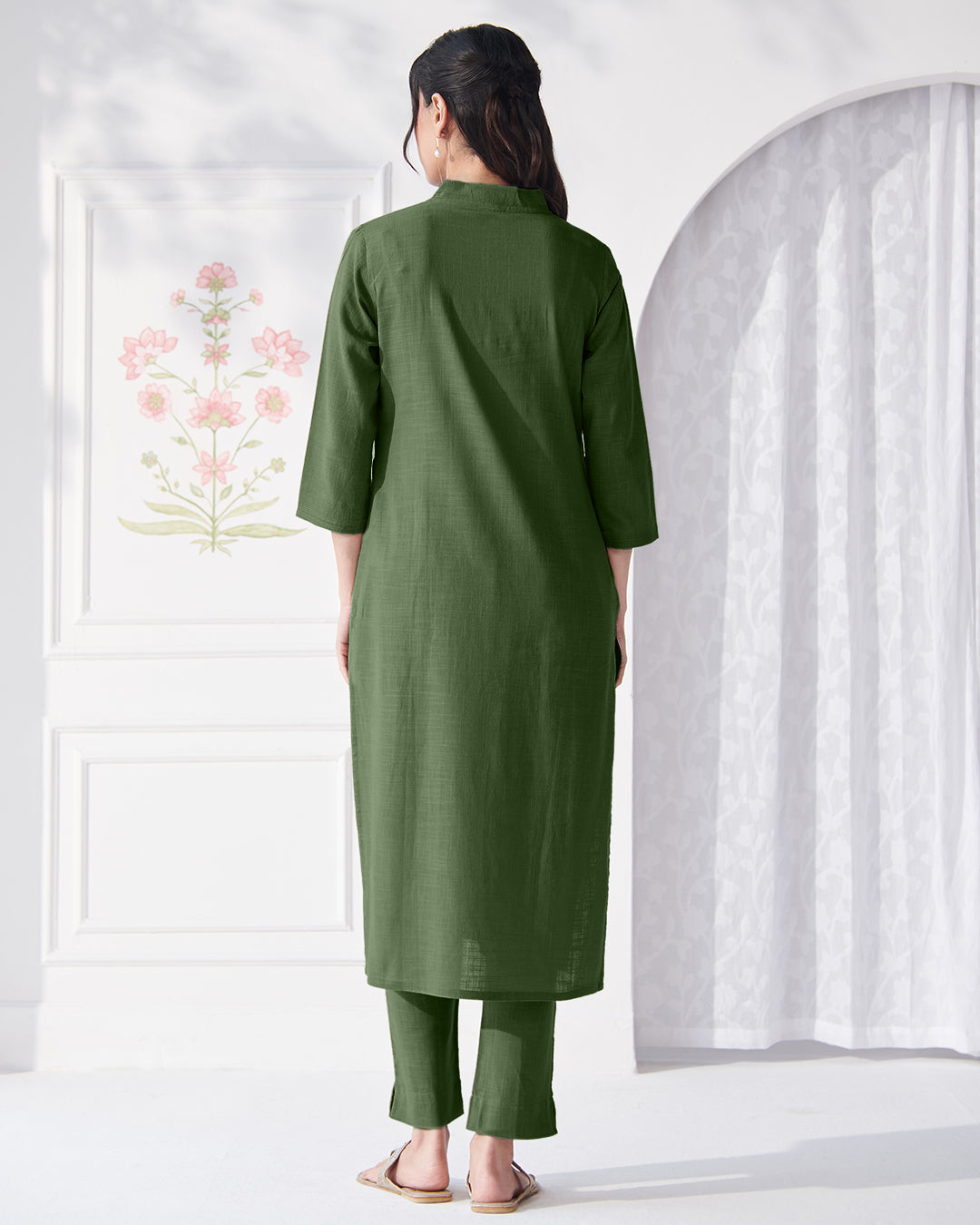
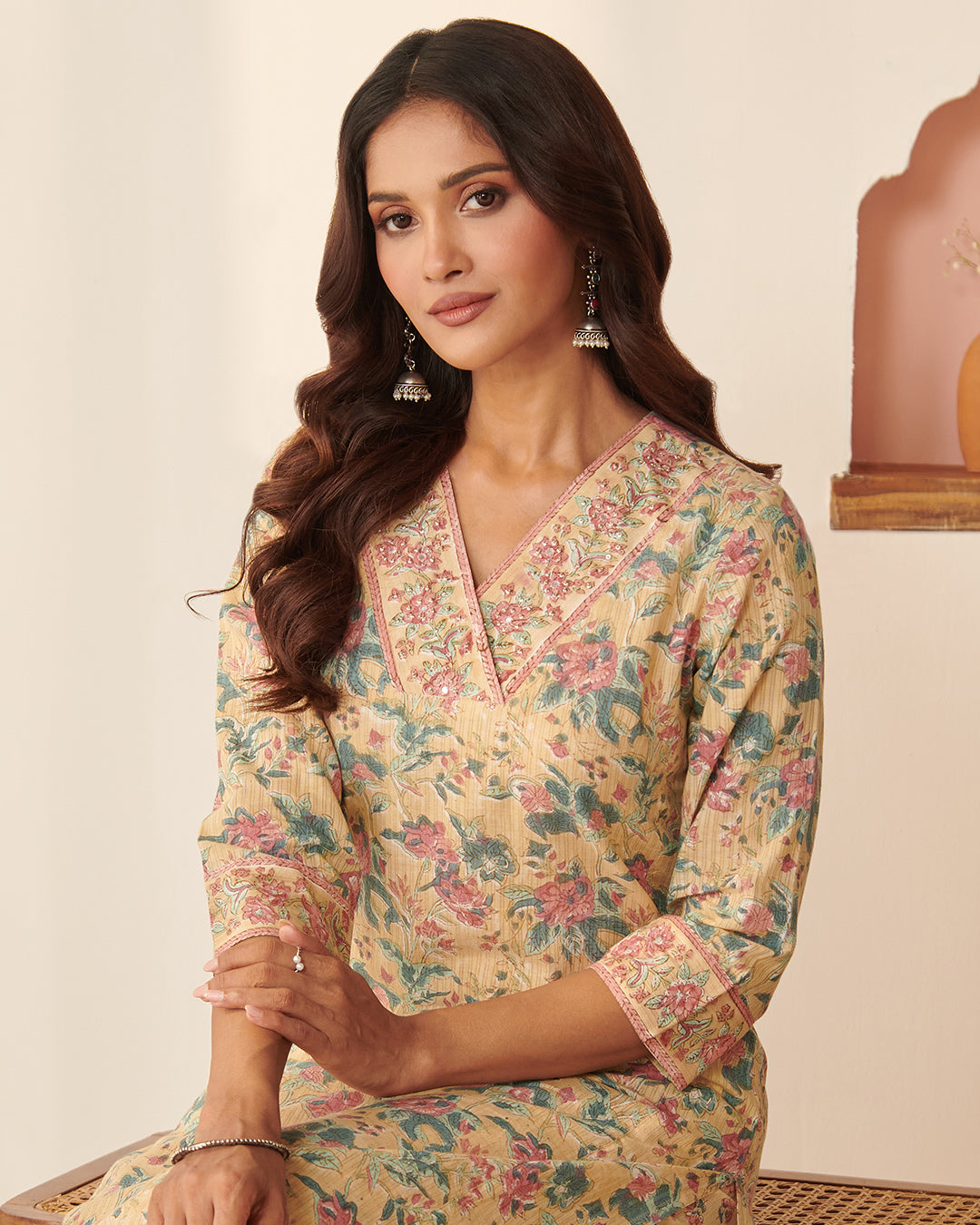
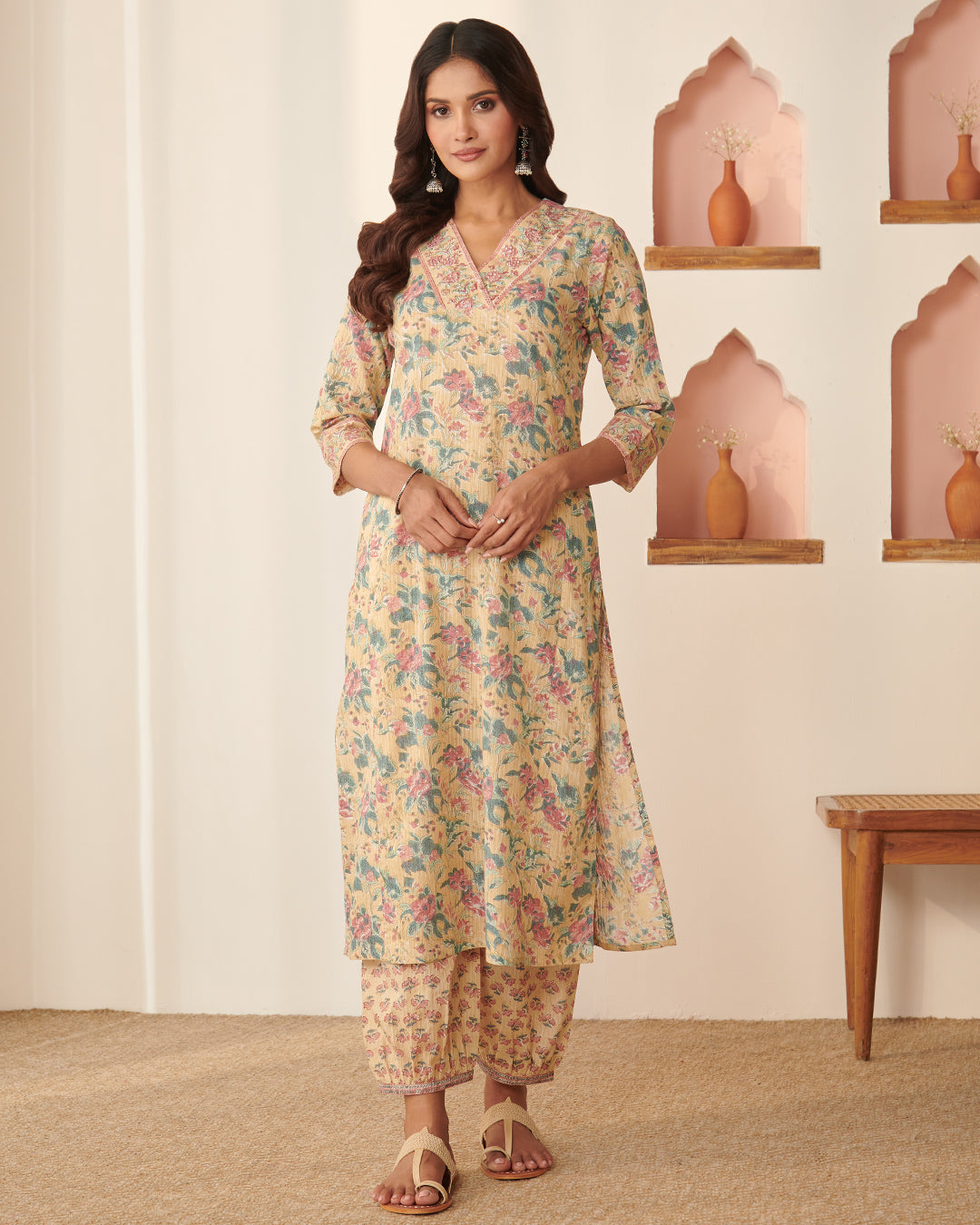








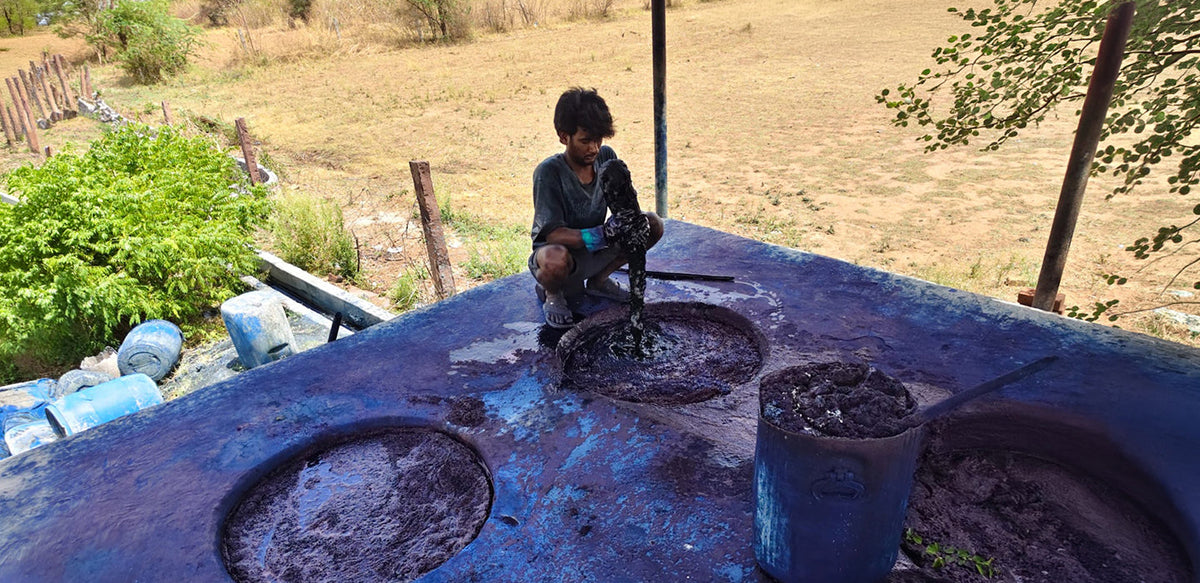
Some textiles ask to be noticed. Others reveal themselves slowly.
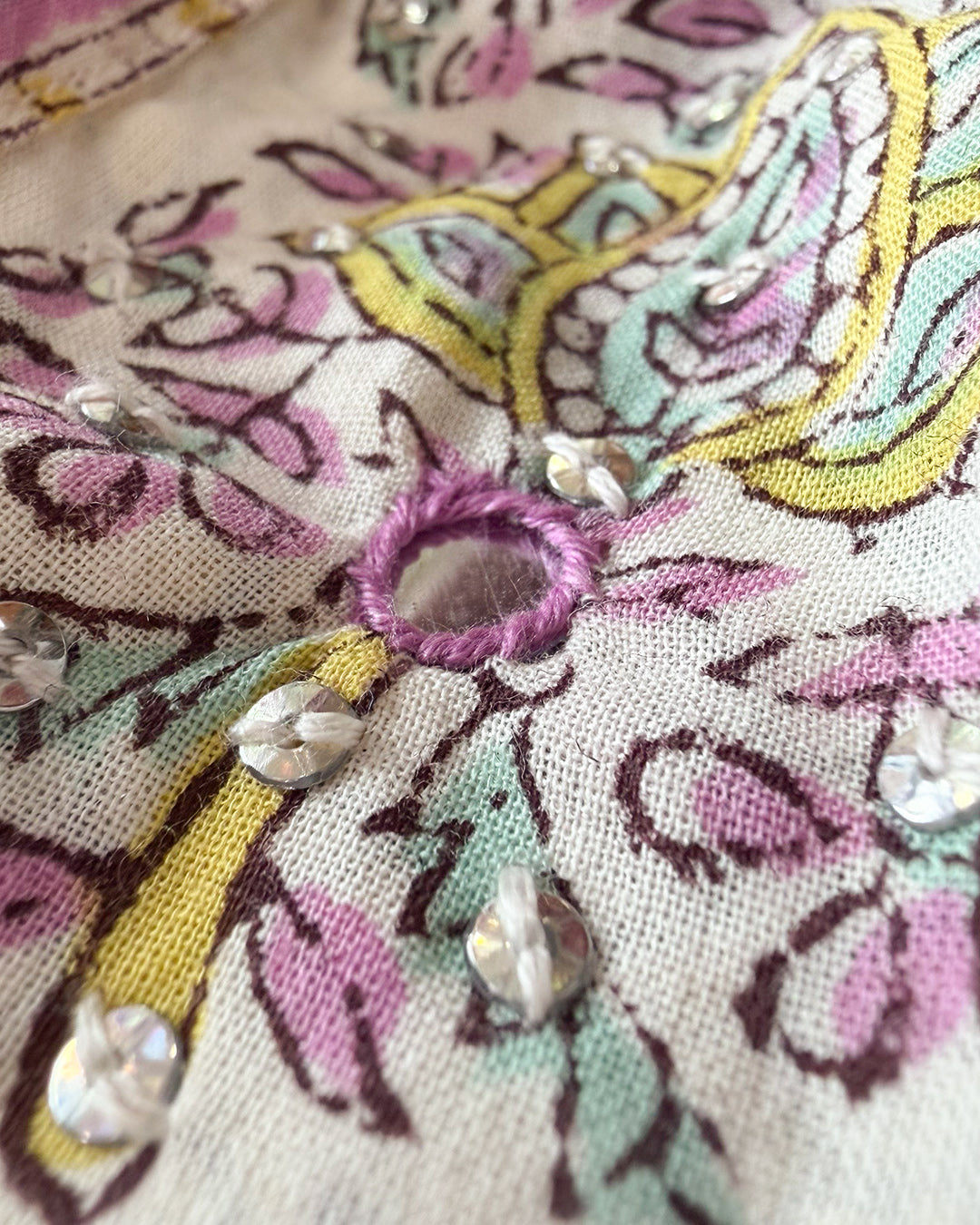
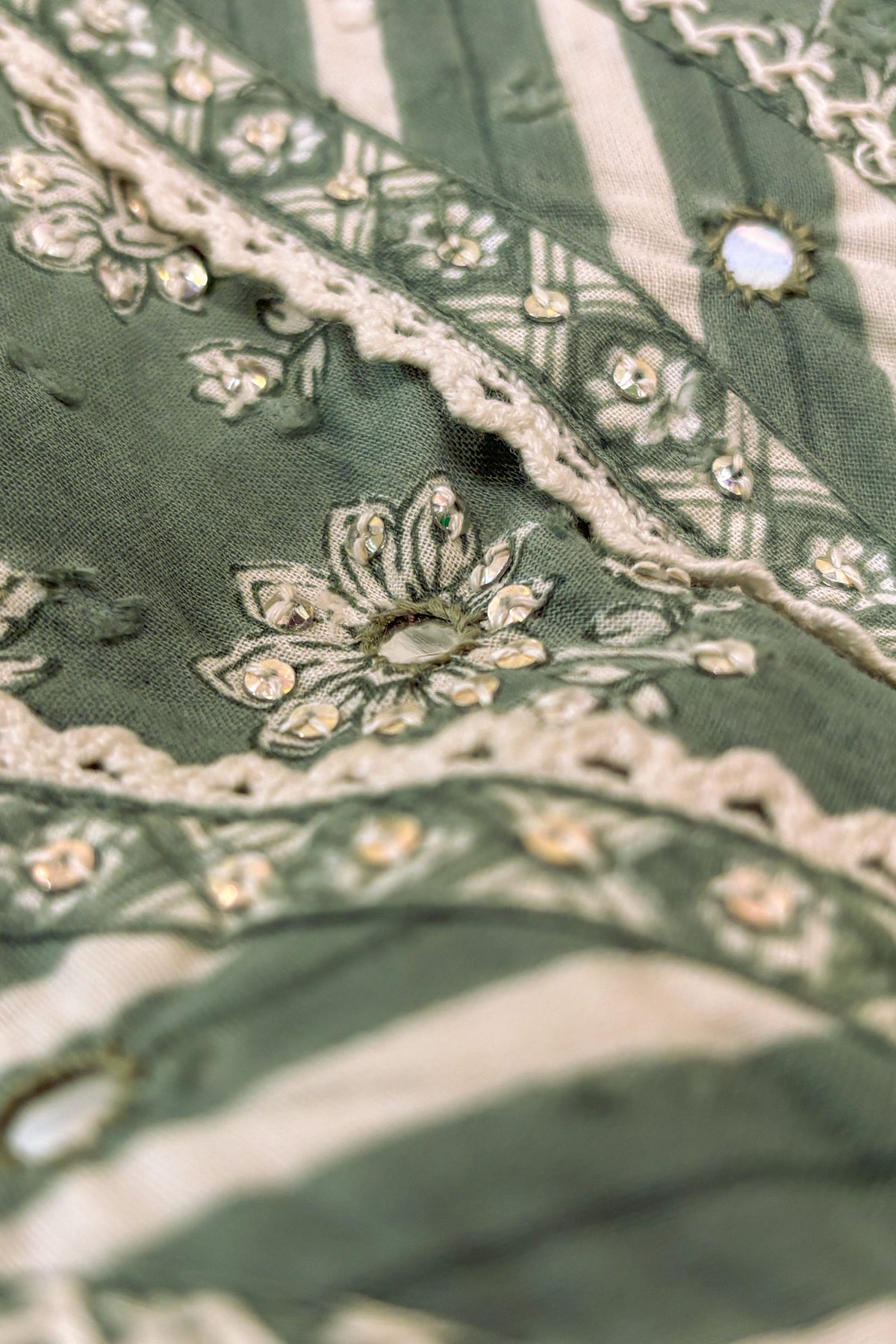
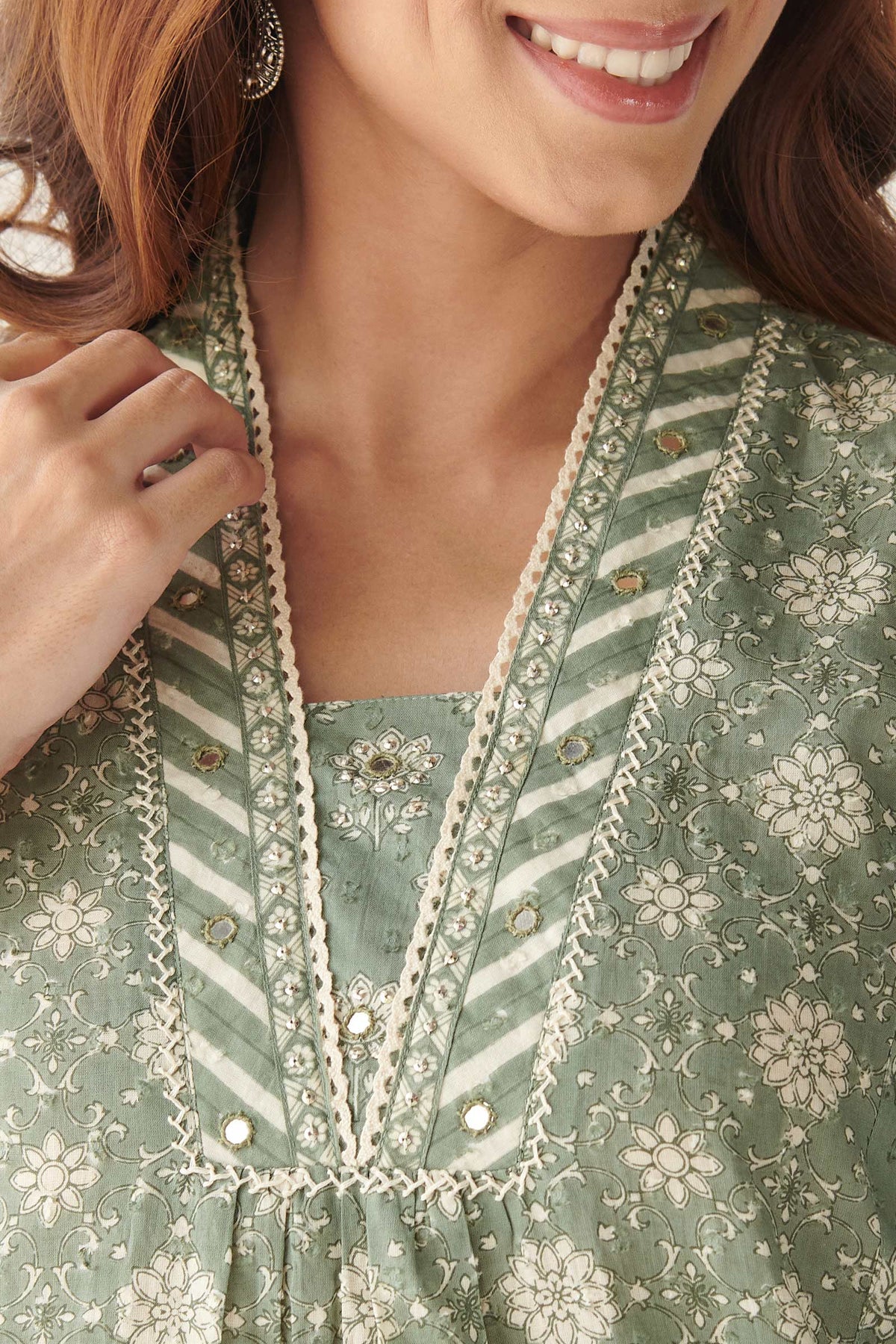
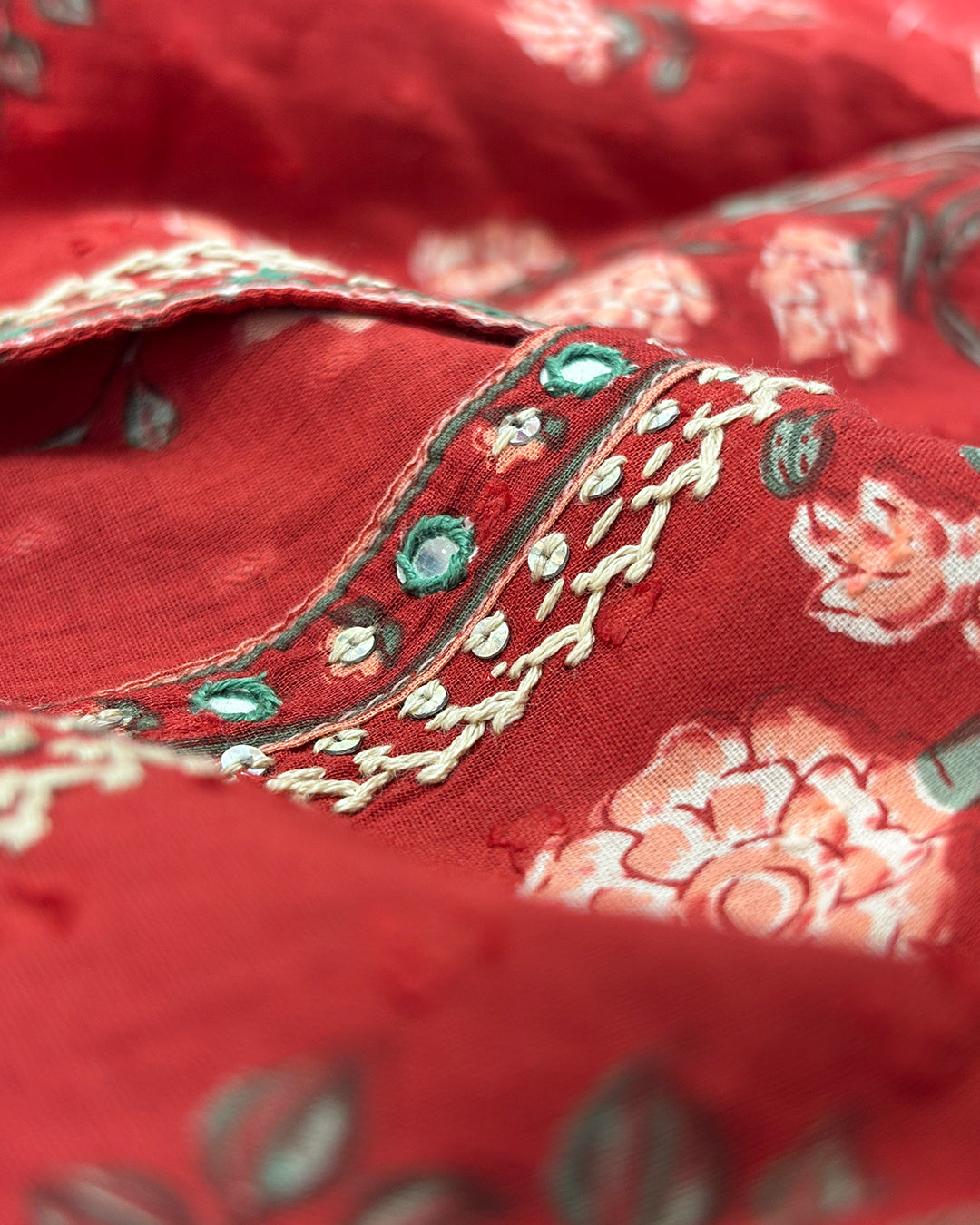
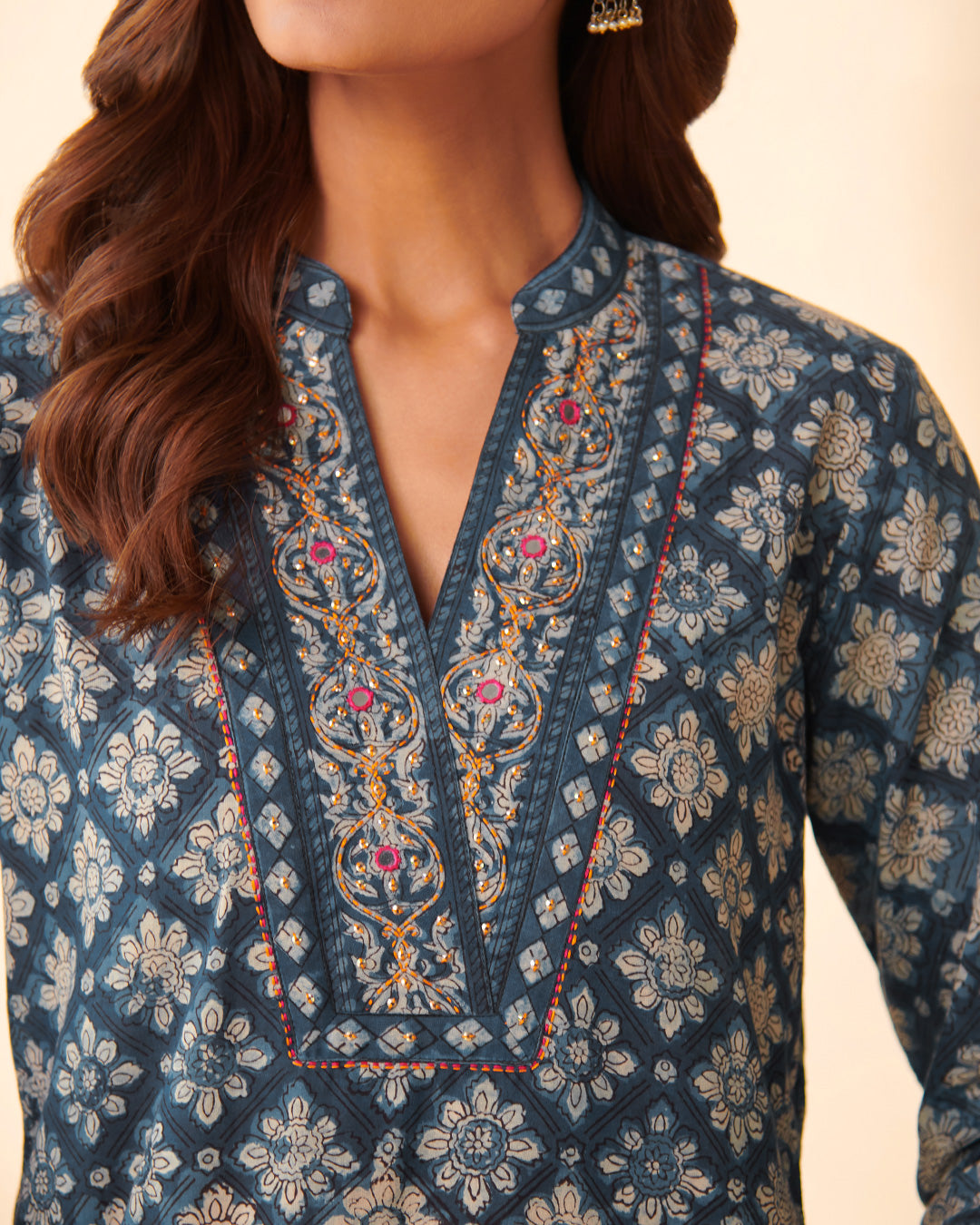
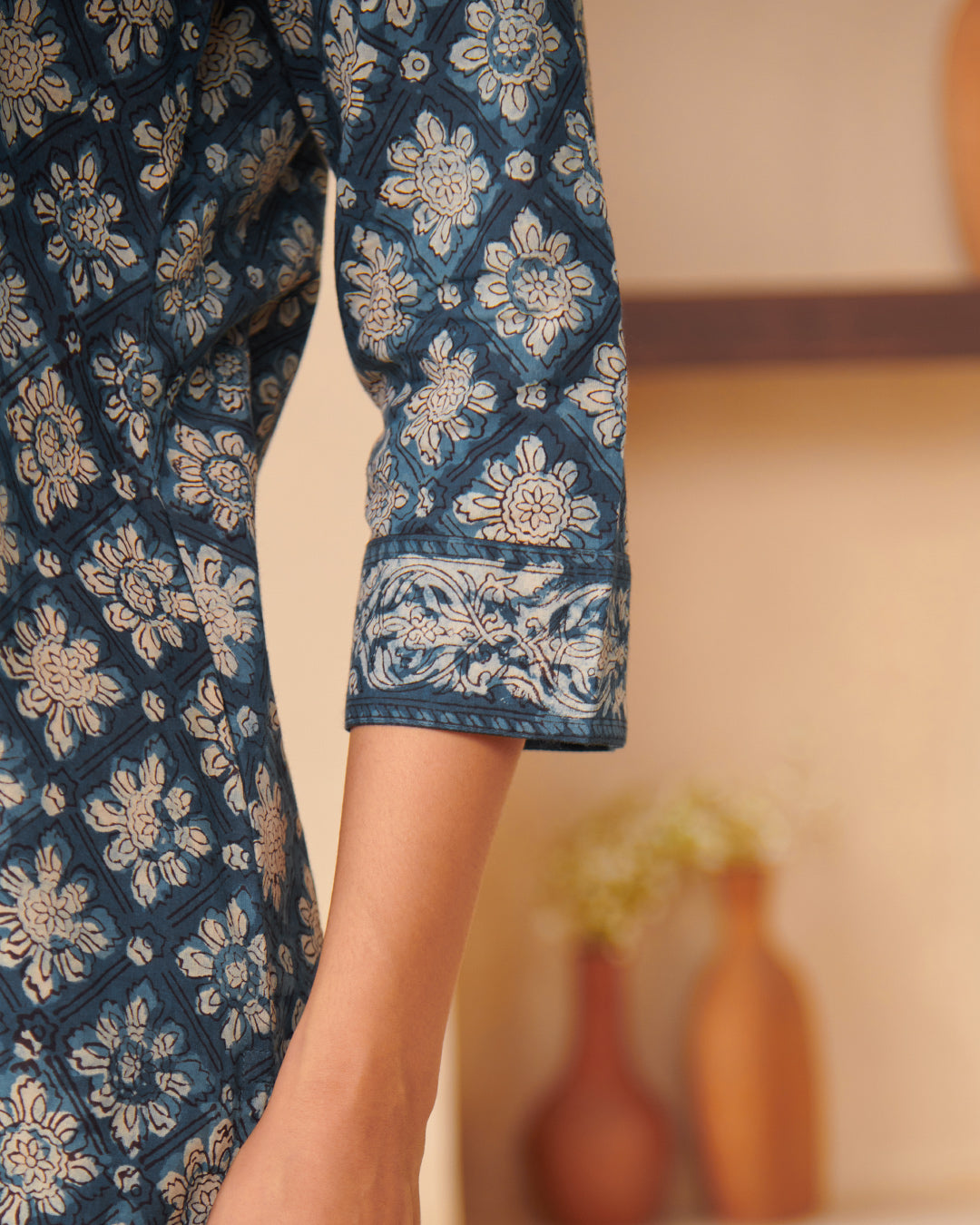
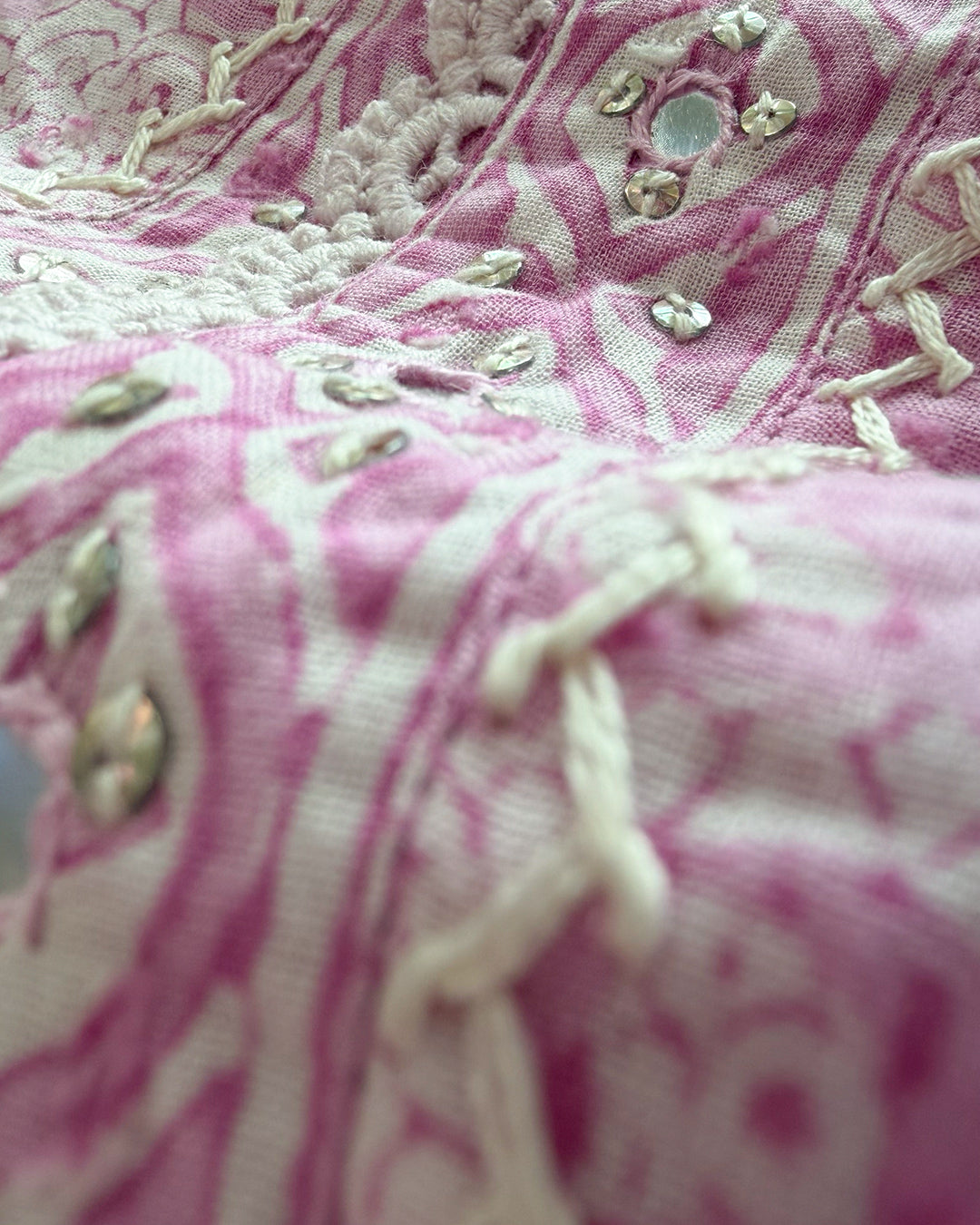
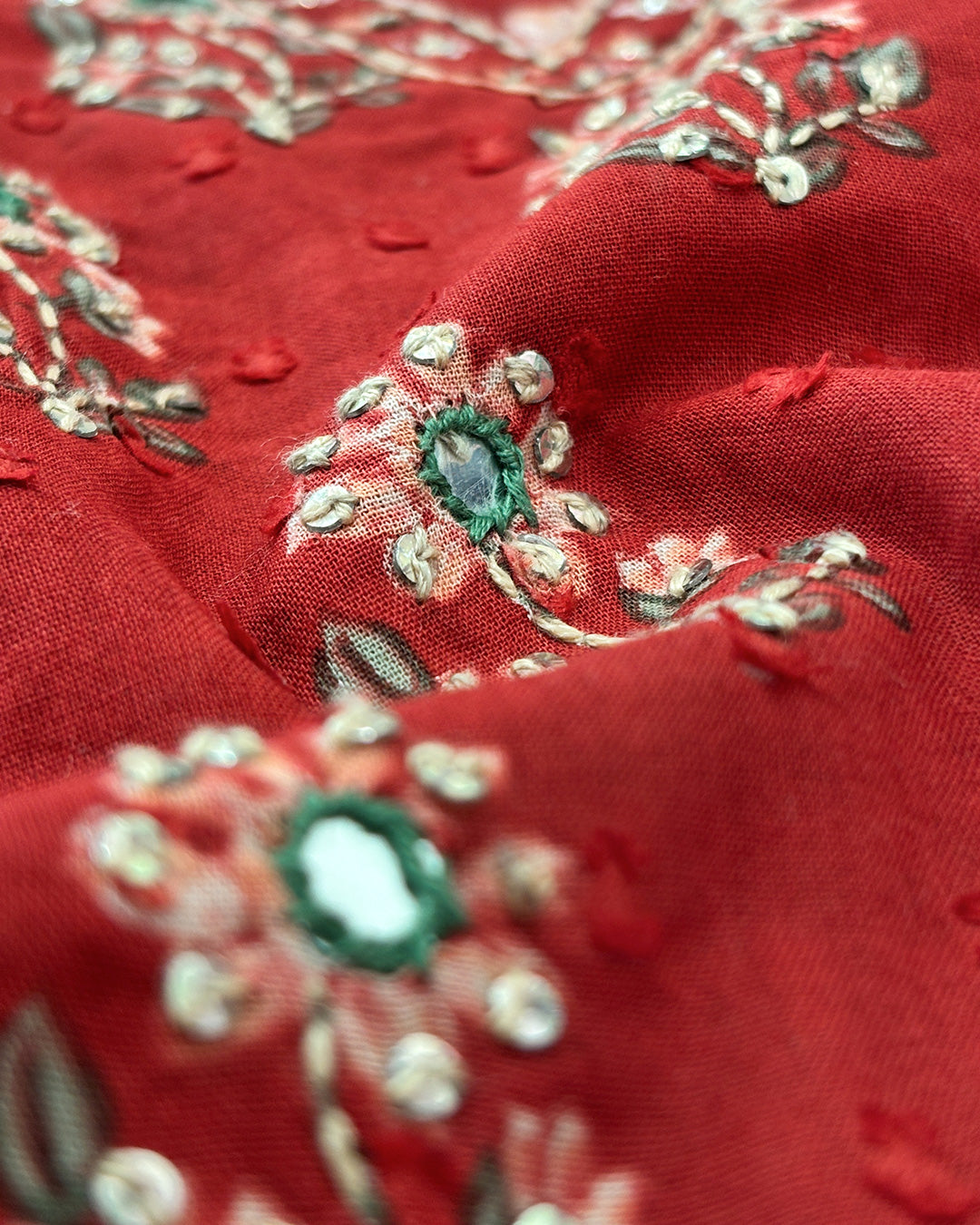
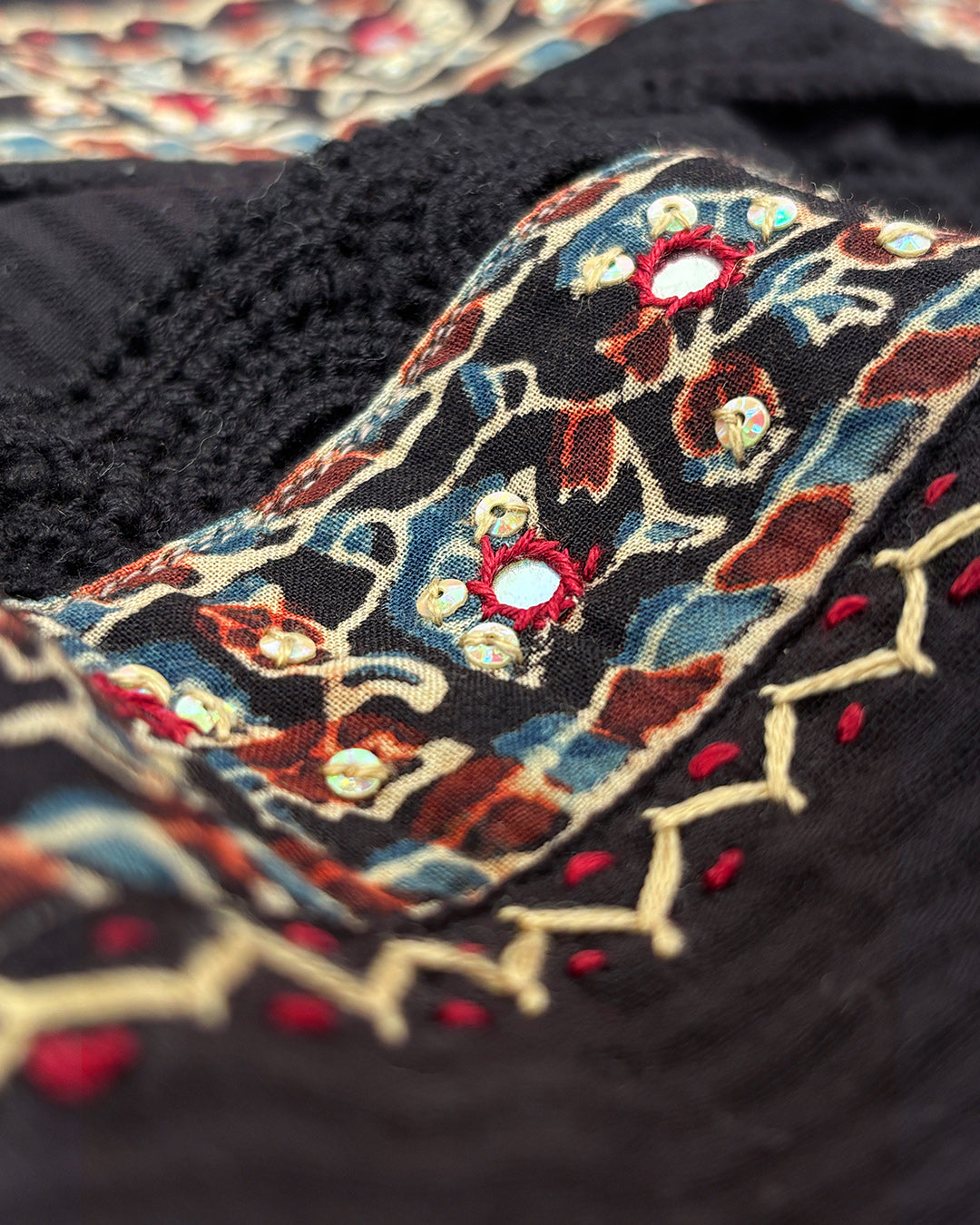
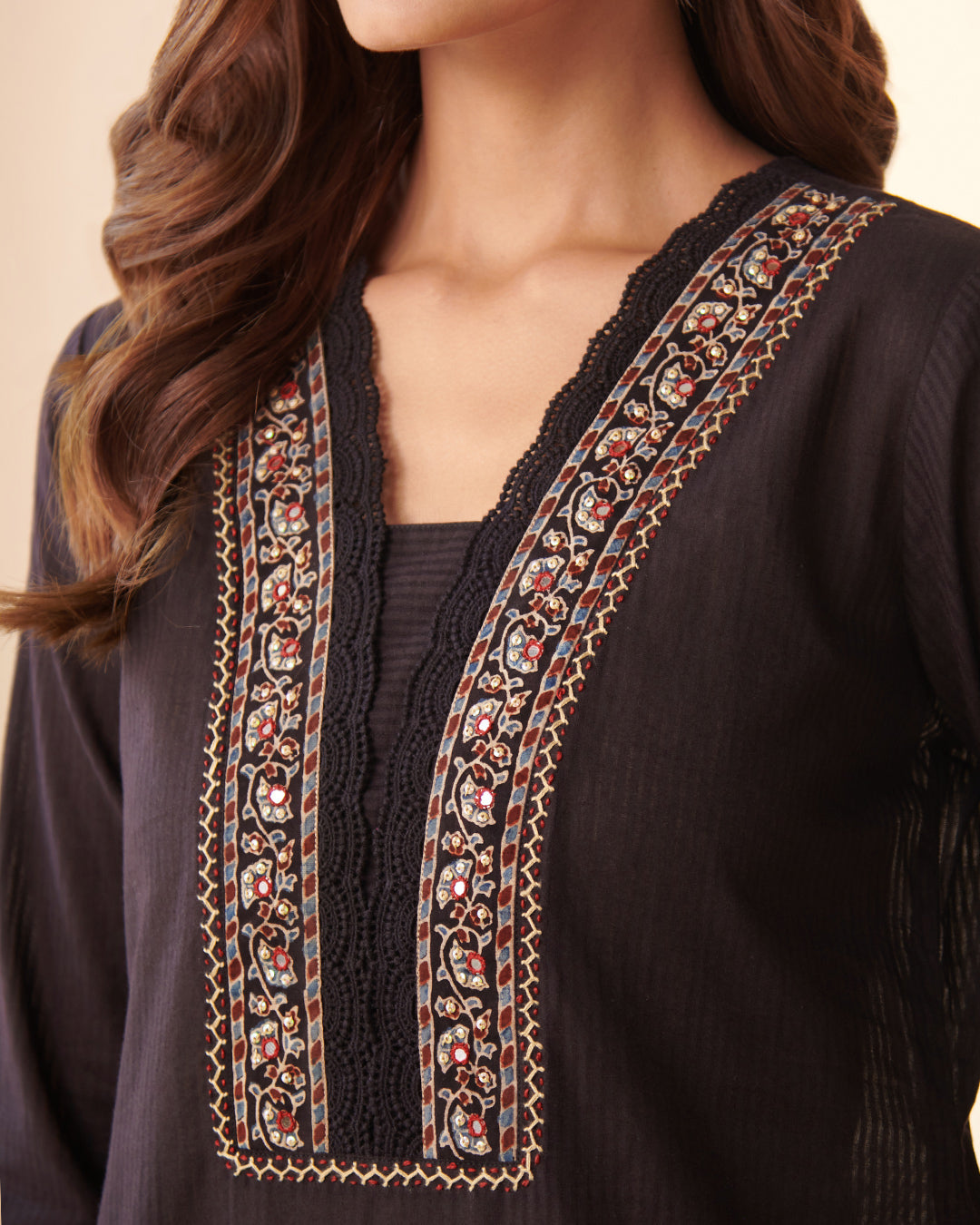
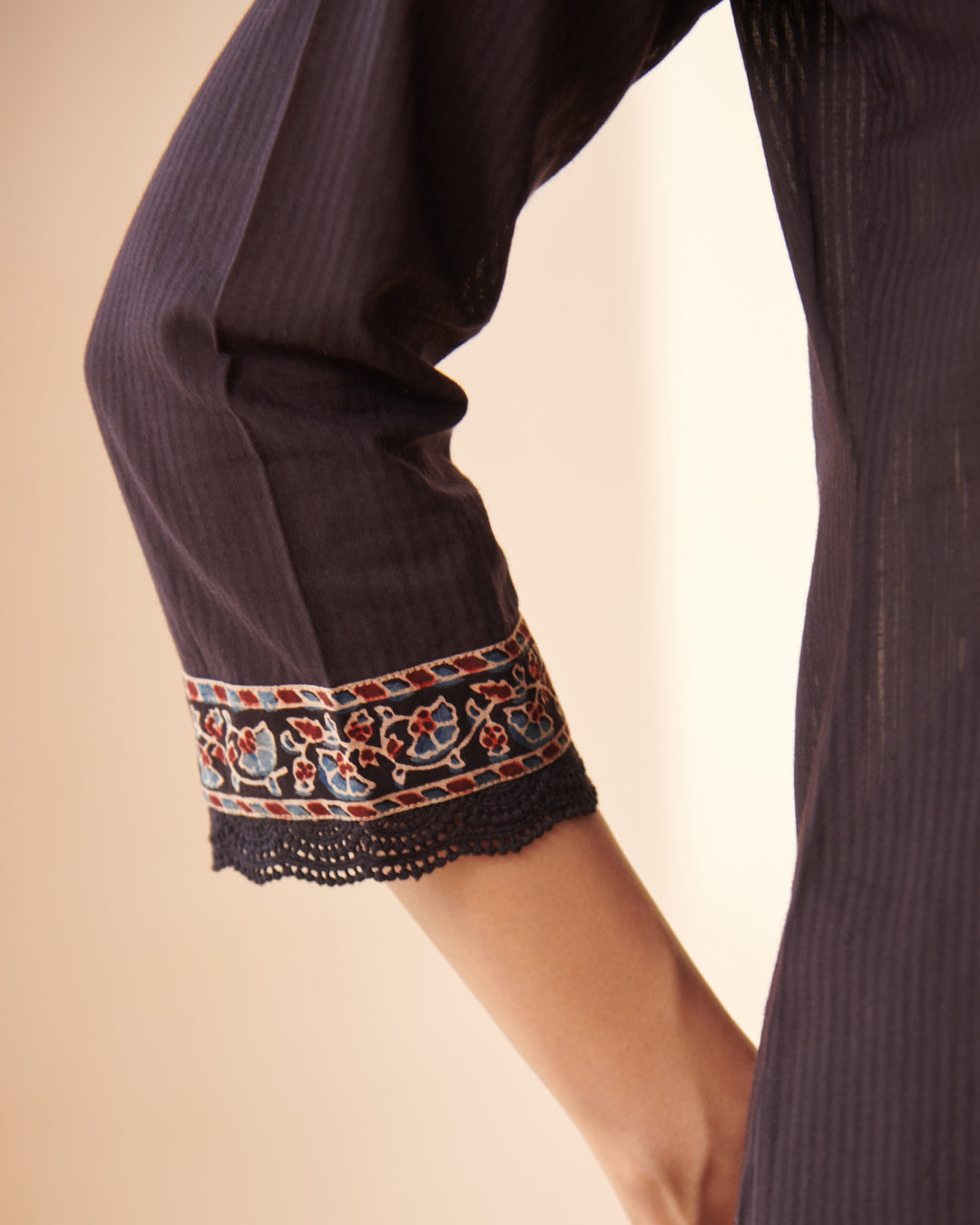
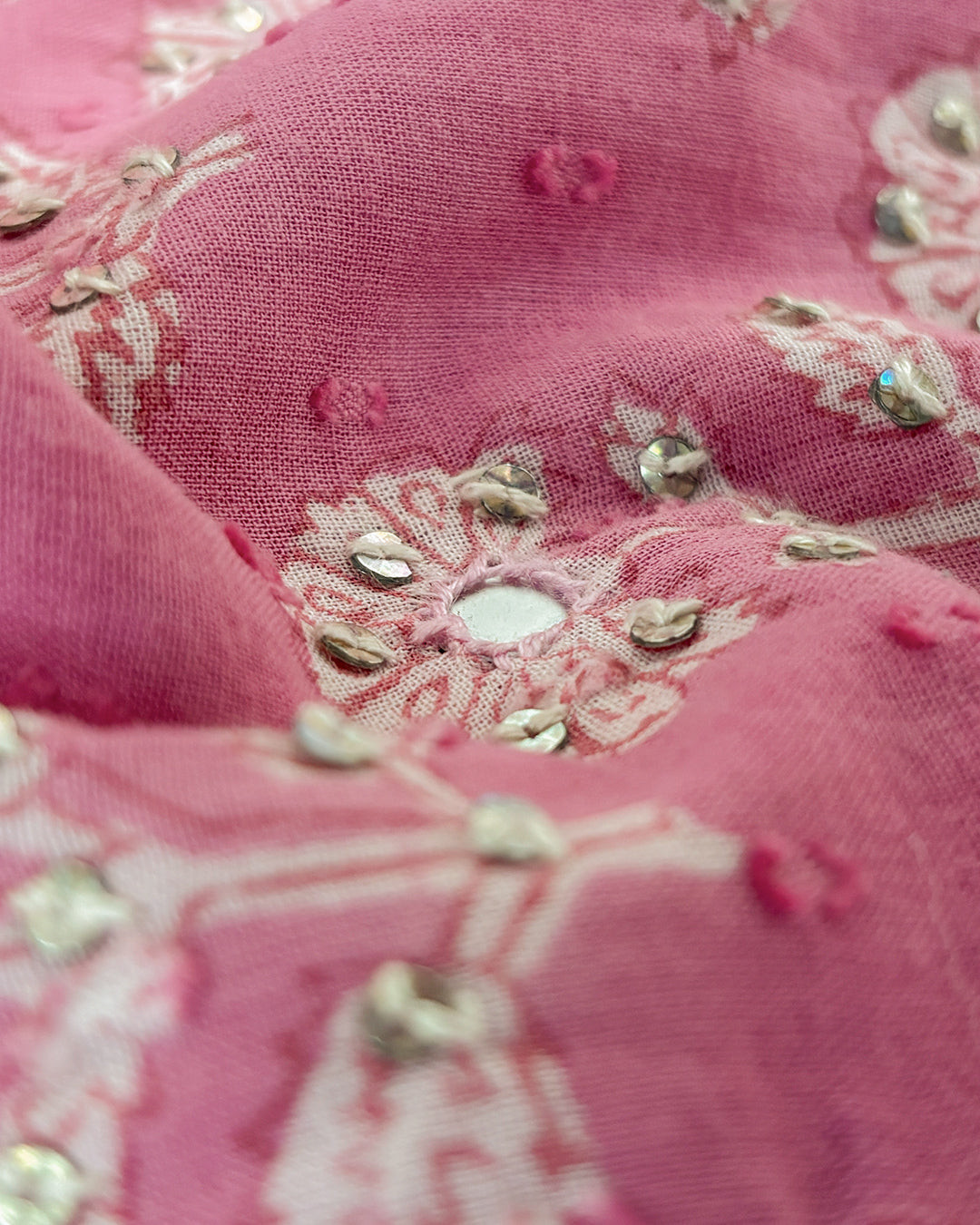
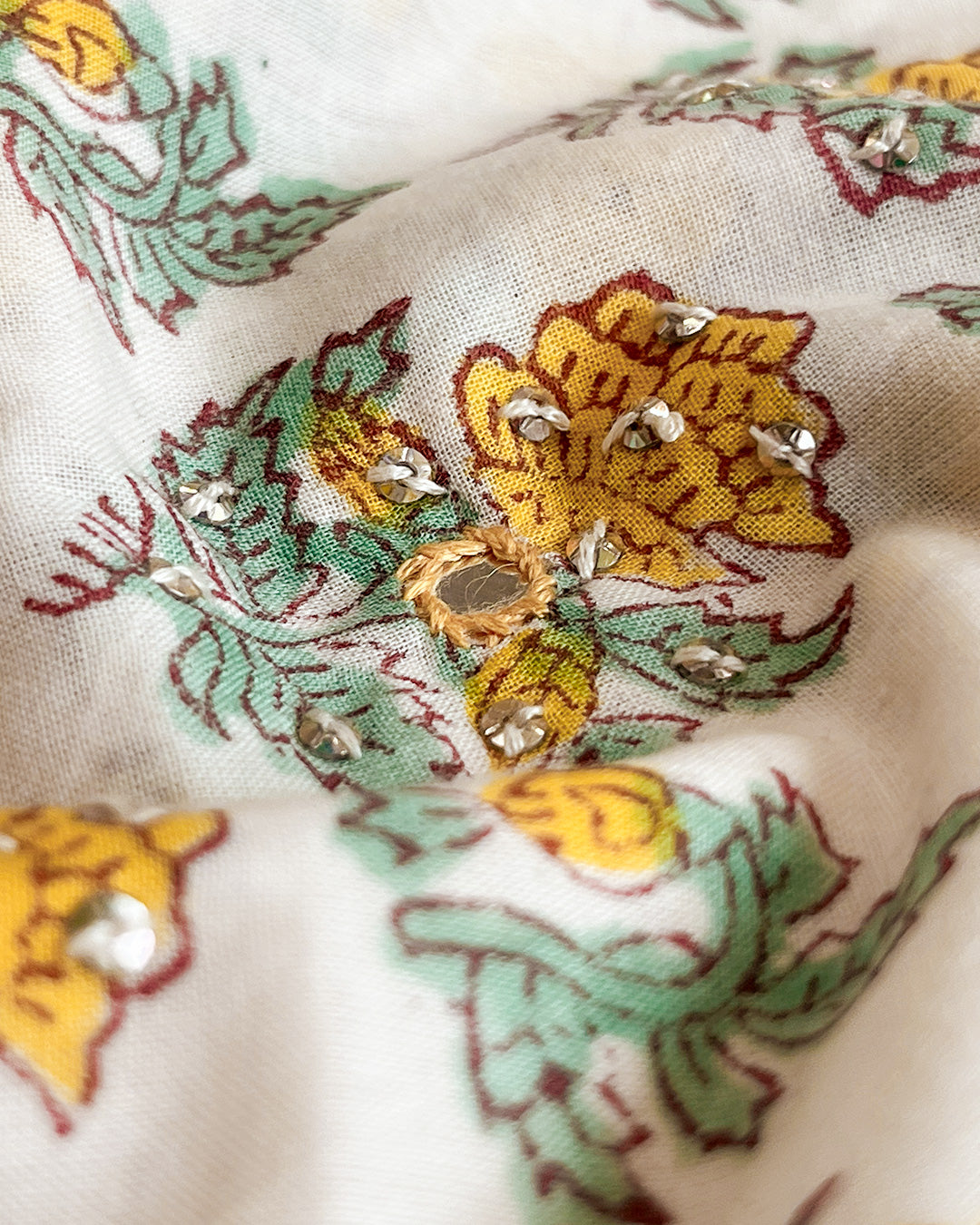
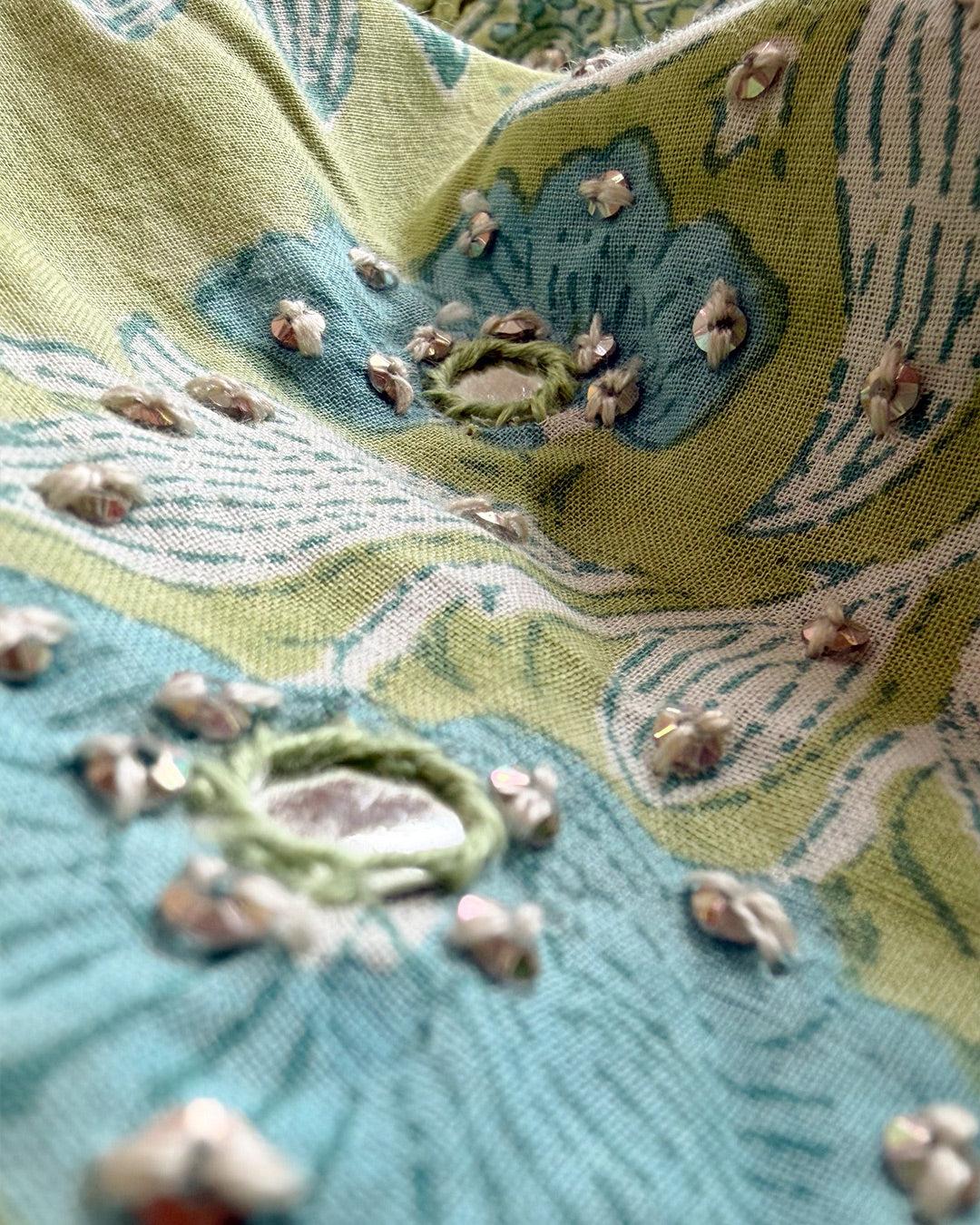
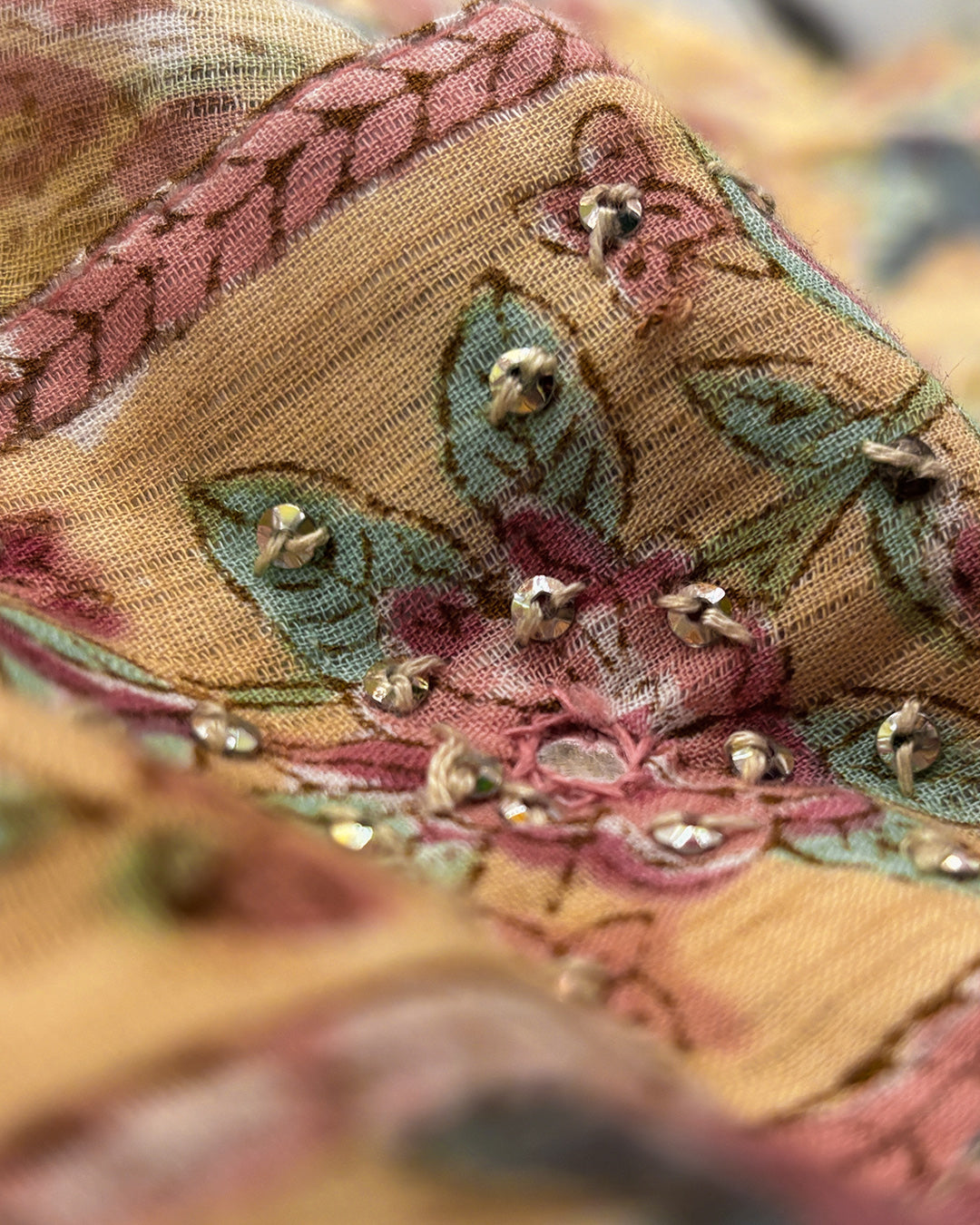
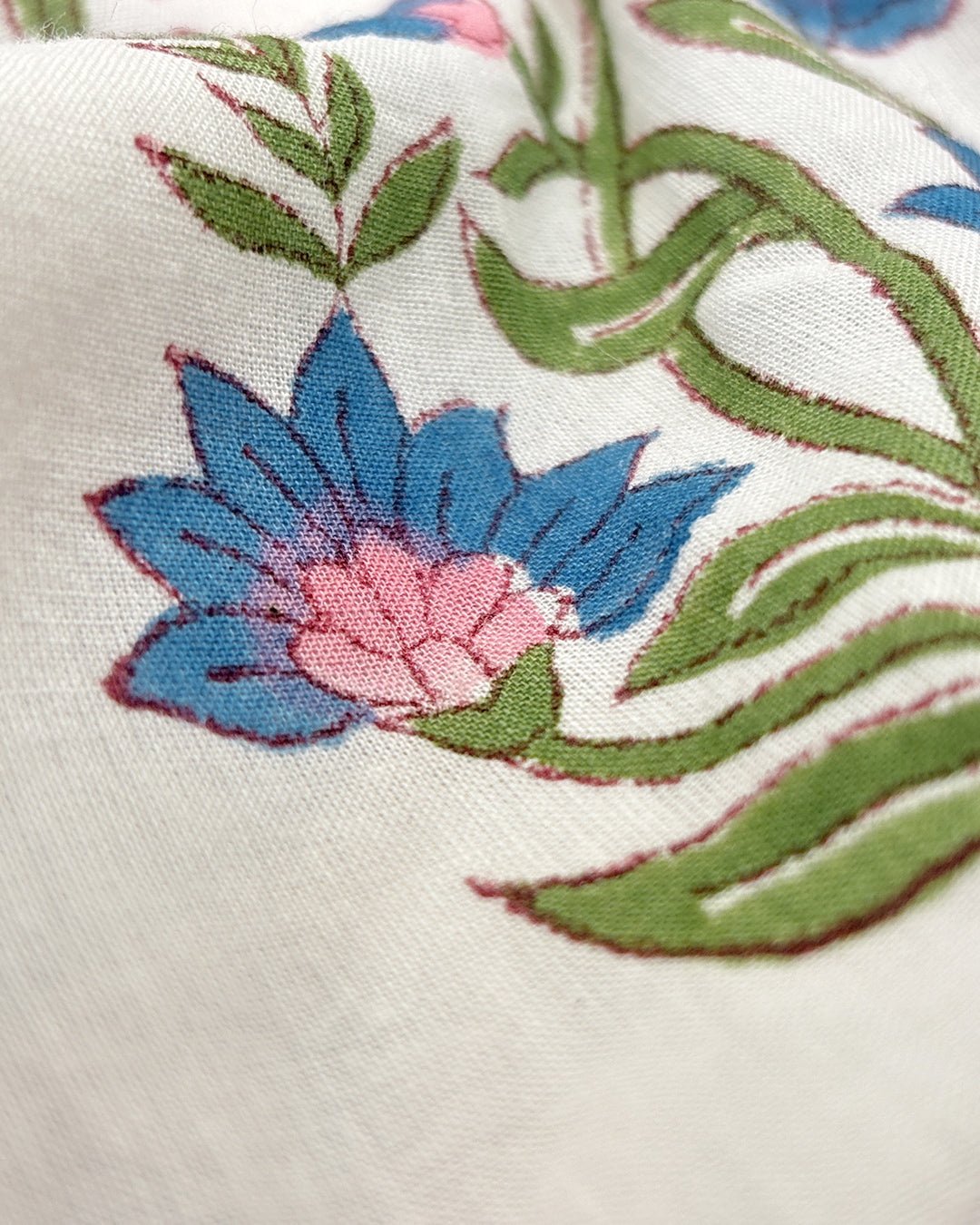
Akola print belongs to the second kind. At first glance, its patterns may appear understated, but the closer you look, the more you discover. The softness of hand printed lines, the depth created through natural dyes, and the quiet imperfections that only skilled hands can produce give every fabric its own identity.
For generations, craft lovers have admired Akola print not simply for its beauty, but for the story it carries. It reflects a way of making that values patience over speed and tradition over uniformity. In a world of machine made textiles, this connection to the human hand feels increasingly meaningful.
The Heritage of Akola Printing Rajasthan

The Origins of Akola's Textile Craft
In the Chittaurgarh district of Rajasthan lies the small village of Akola, where textile printing has been practised for centuries. Akola printing Rajasthan is closely associated with traditional communities of printers who perfected techniques using carved wooden blocks, natural dyes, and locally available materials.
The craft developed around everyday textiles, yet its artistry soon became recognised far beyond the region. Every motif, every colour, and every printed layer reflected the landscape and culture that surrounded it.
How the Tradition Has Been Preserved Over Generations
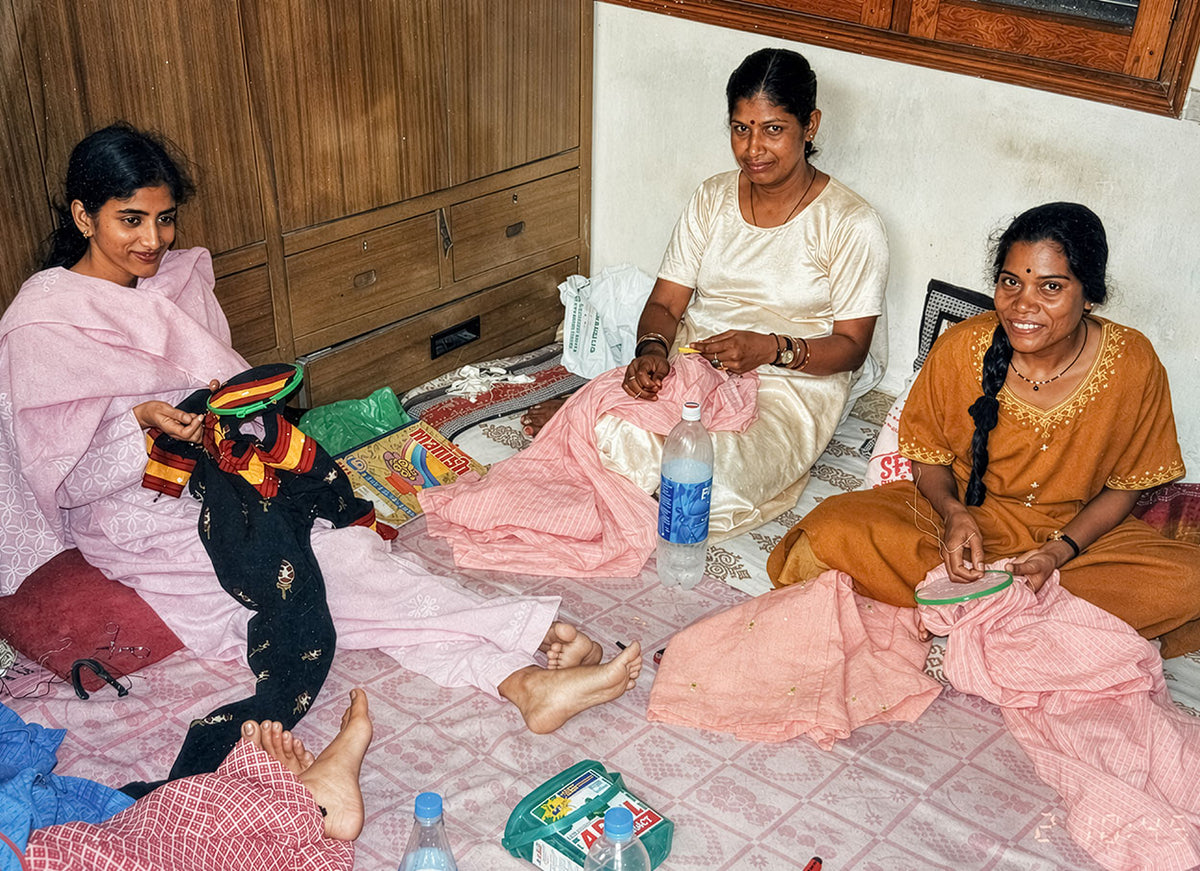
Unlike factory production, Akola printing has always been built on shared knowledge. Skills are passed from one generation to the next, often within artisan families, where children learn by observing long before they begin printing themselves.
Many workshops continue to use traditional methods that have changed very little over time. Wooden blocks are still carved by hand, dyes are carefully prepared, and each stage is completed with remarkable patience. This continuity is one of the reasons the craft continues to retain its authenticity.
What Makes Akola Hand Print Unique?

Traditional Motifs and Natural Colour Palettes
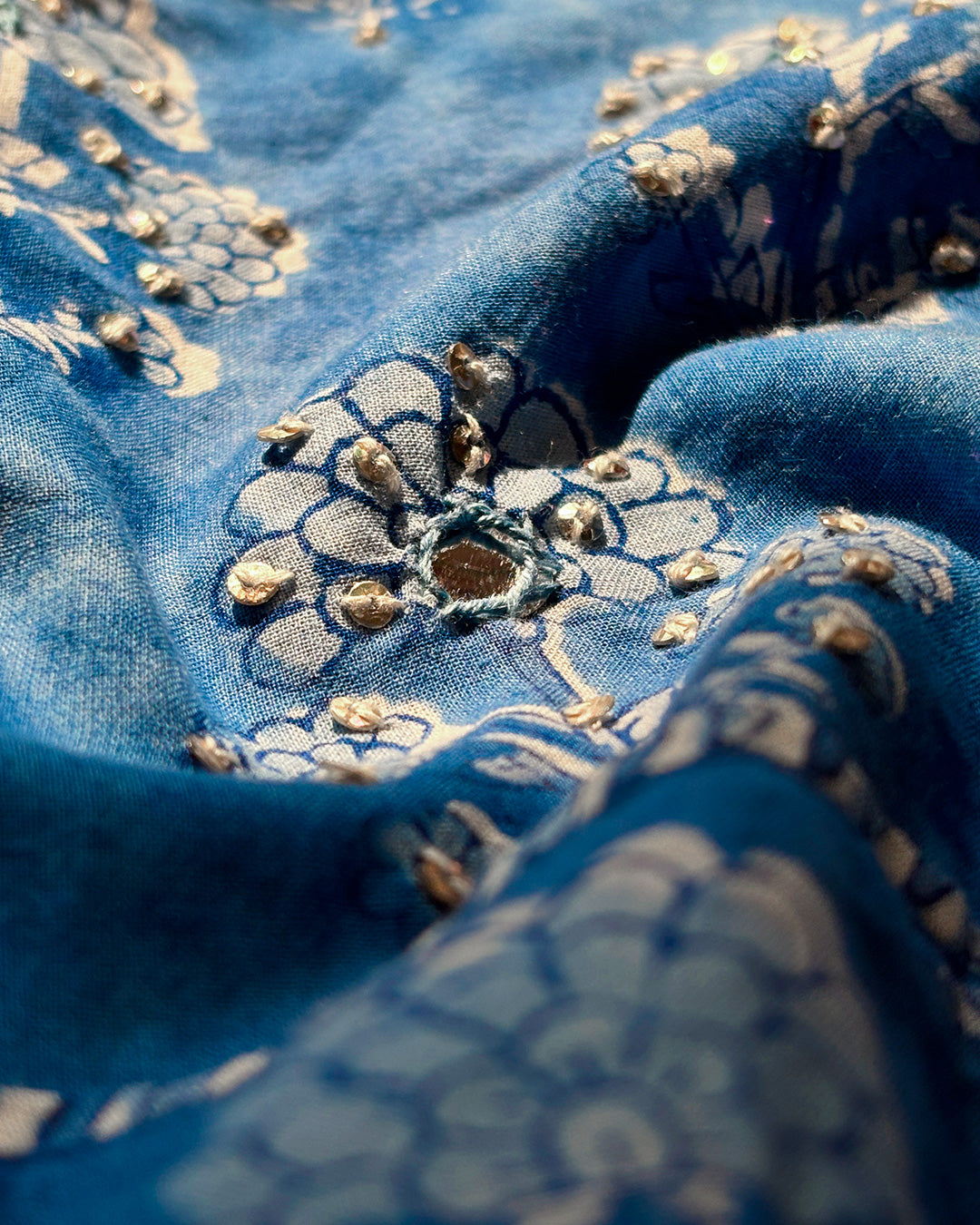
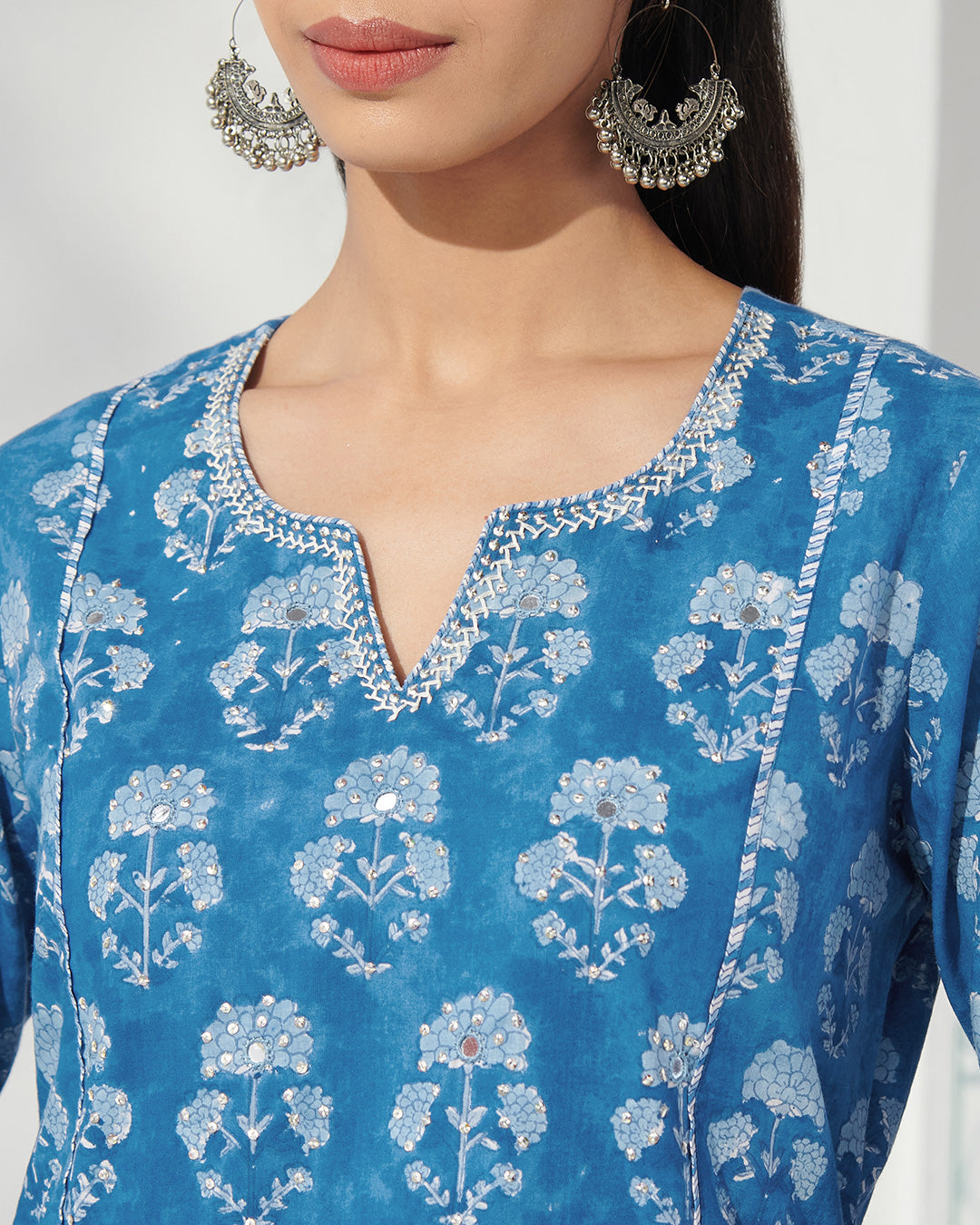
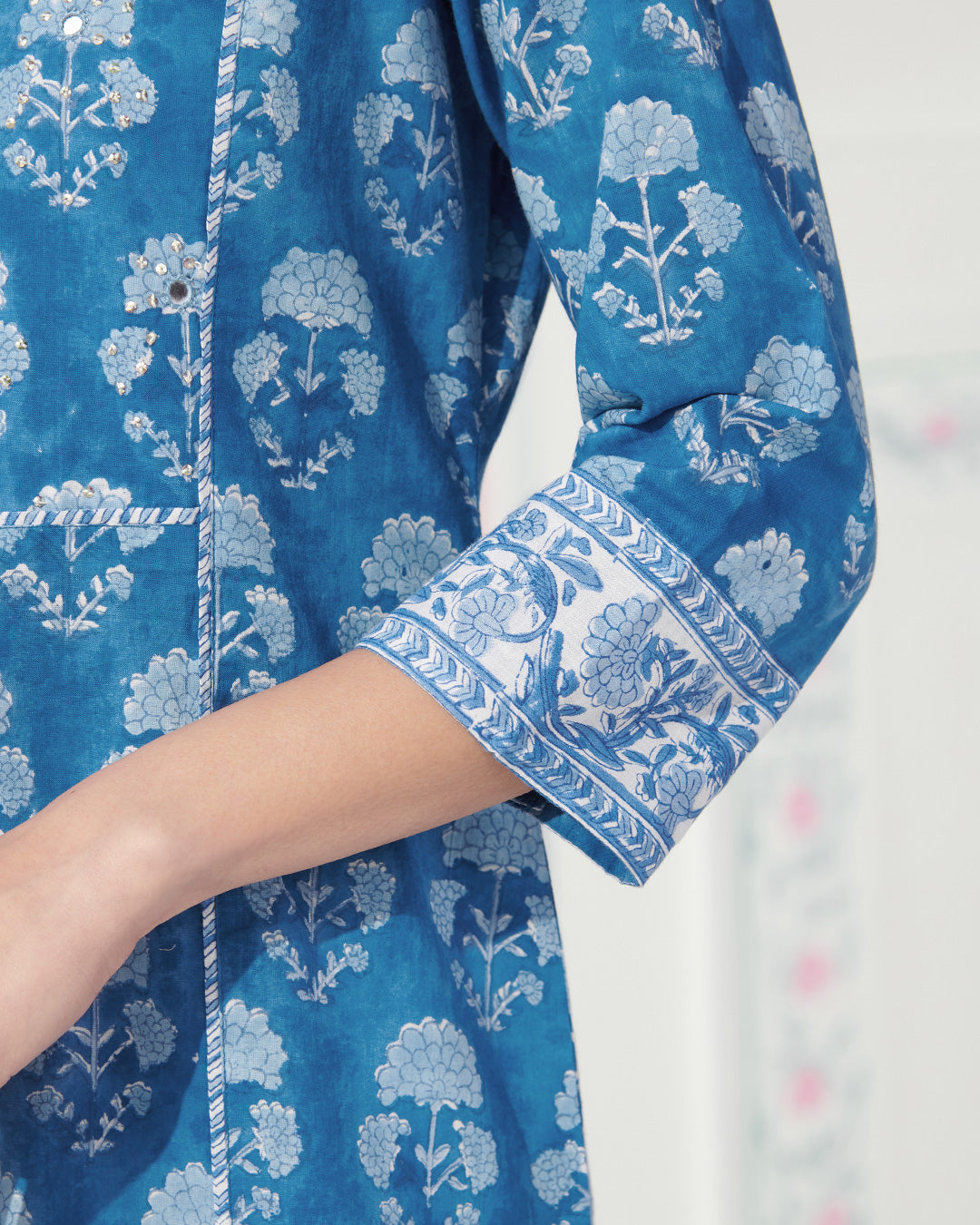
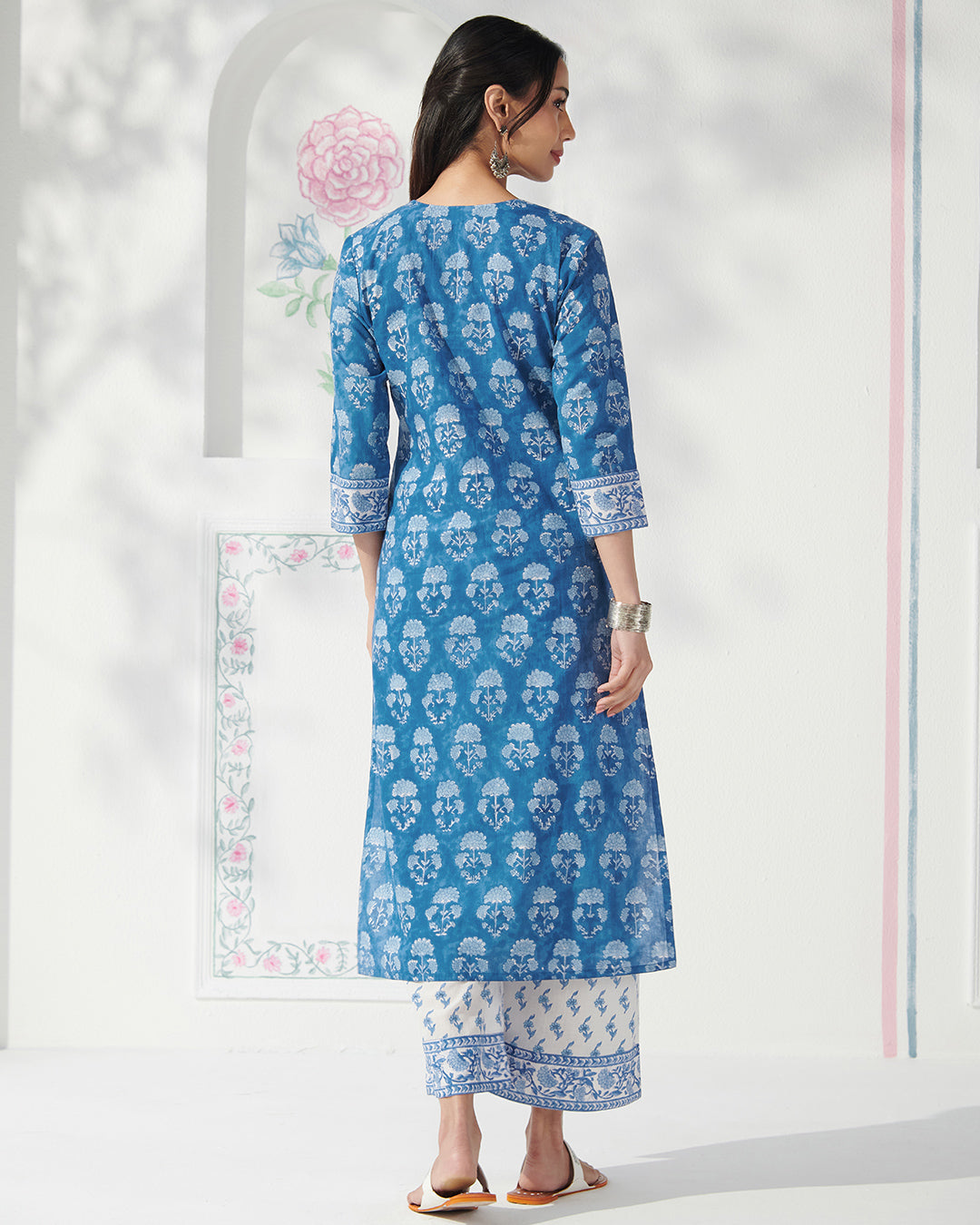
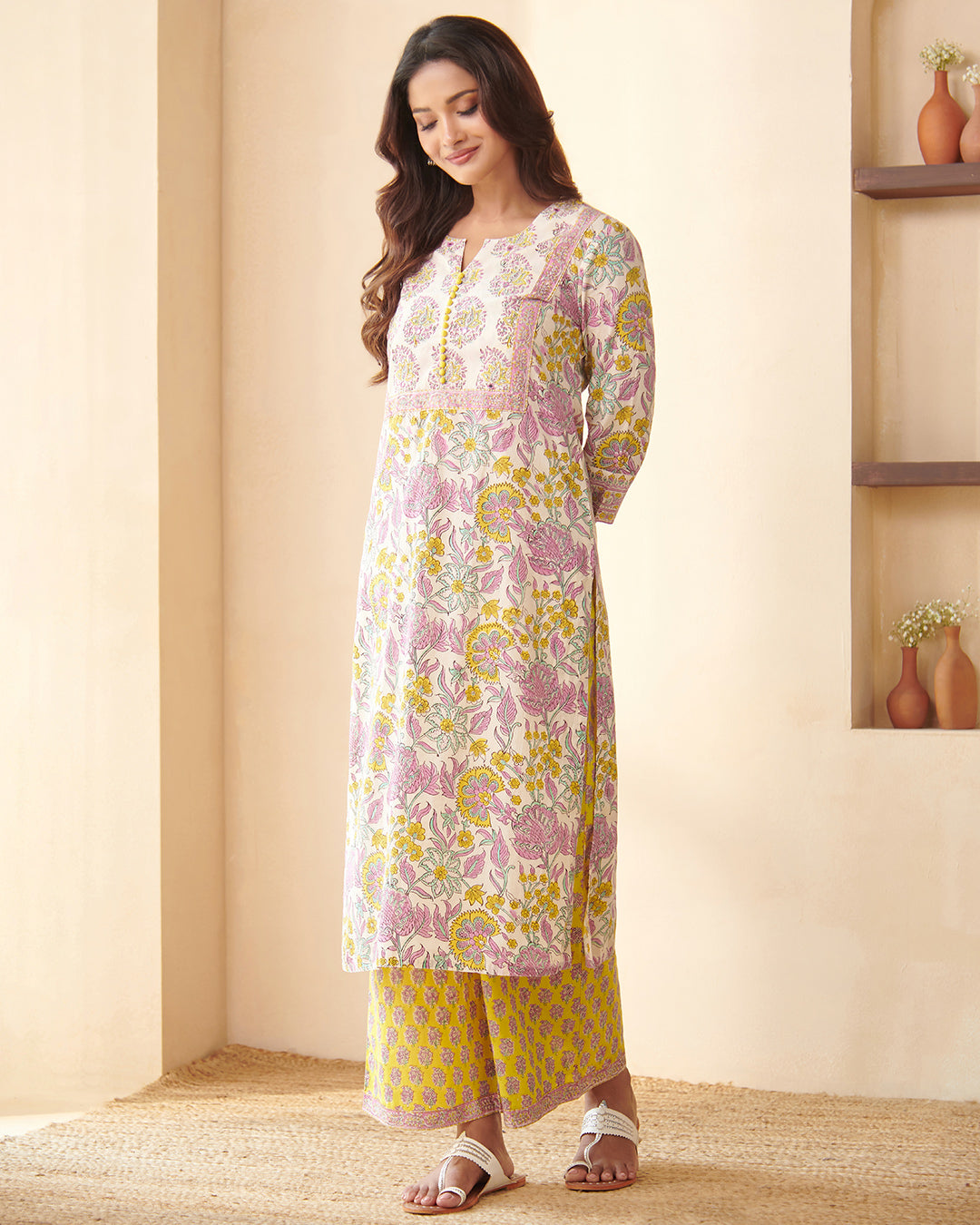
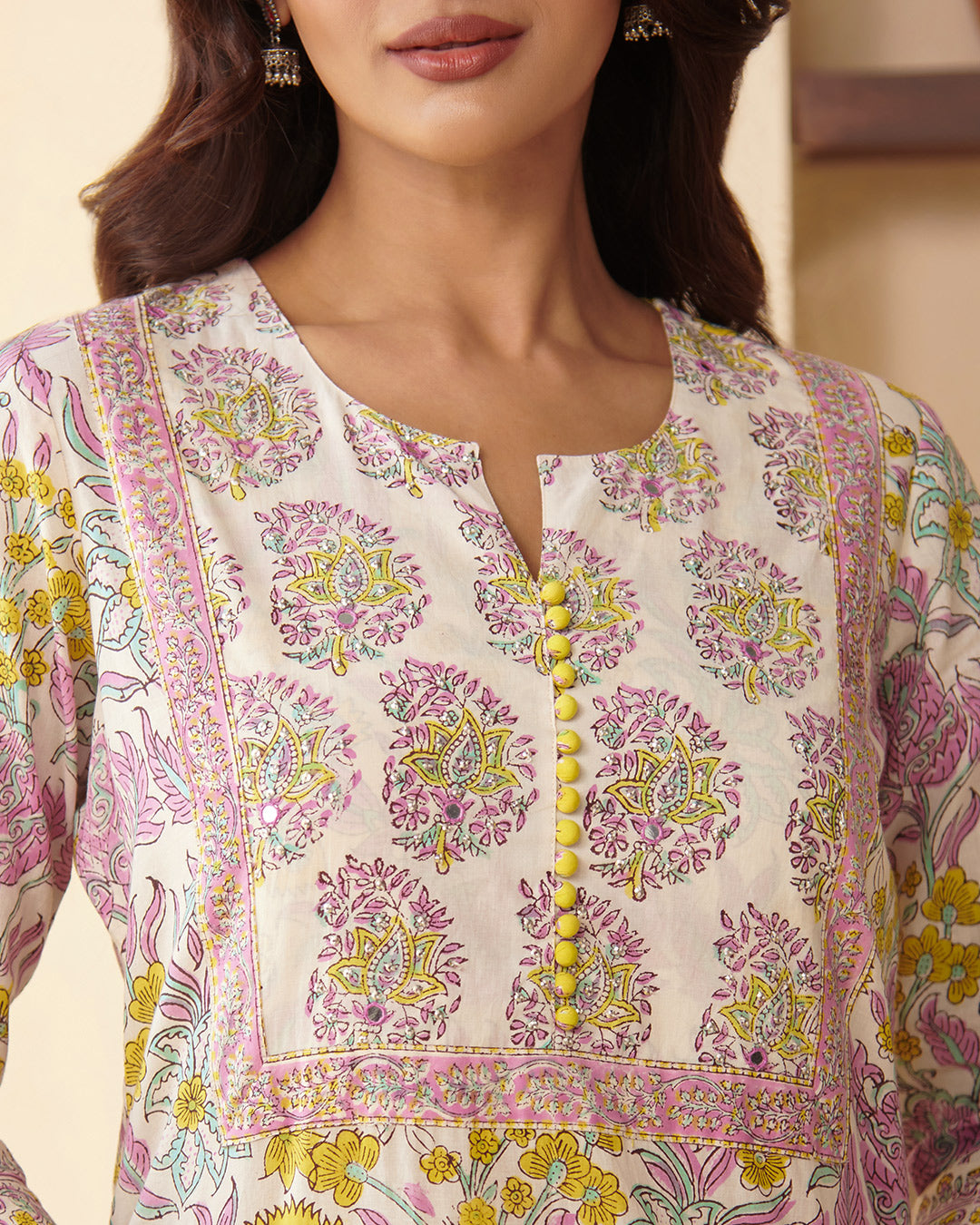
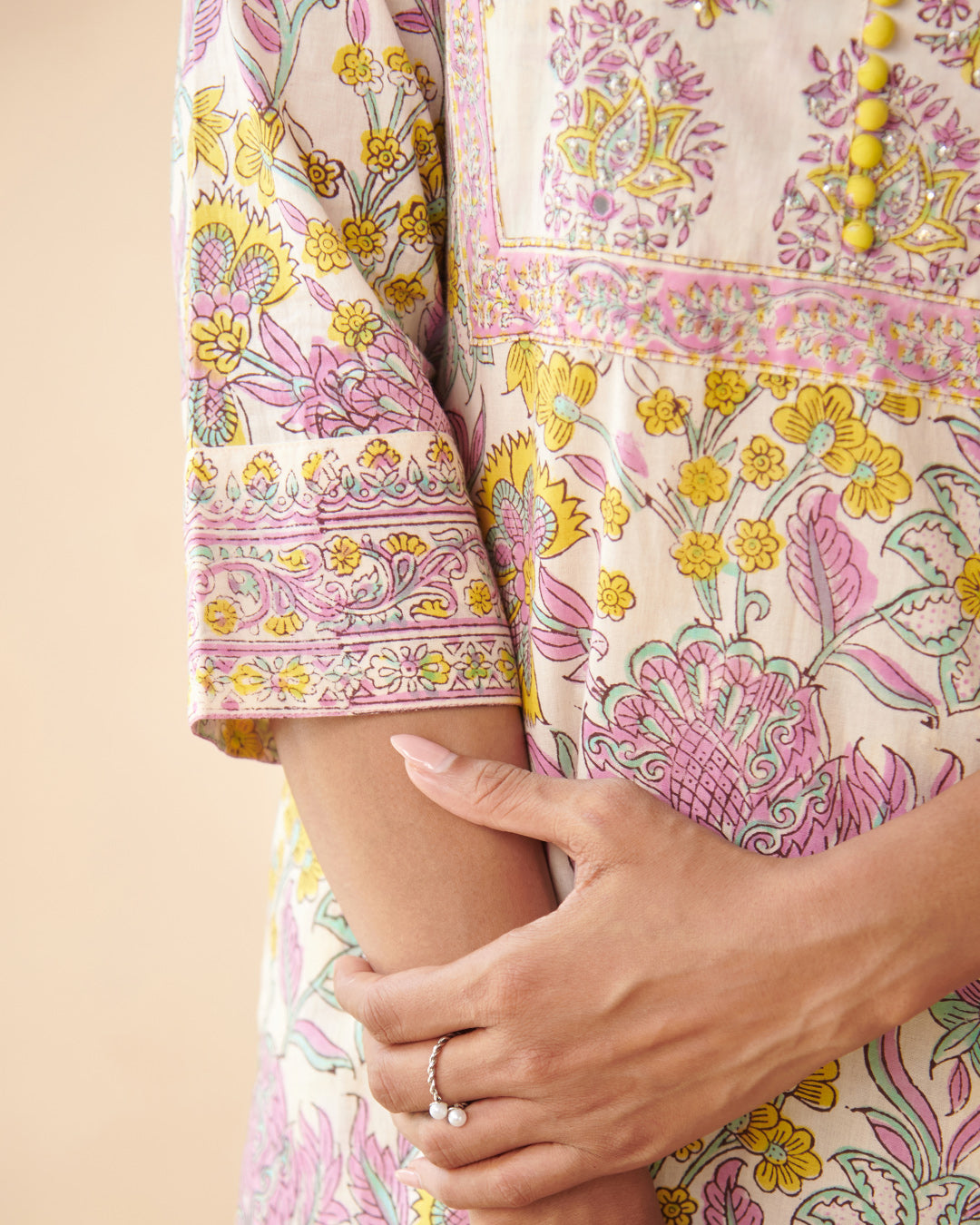
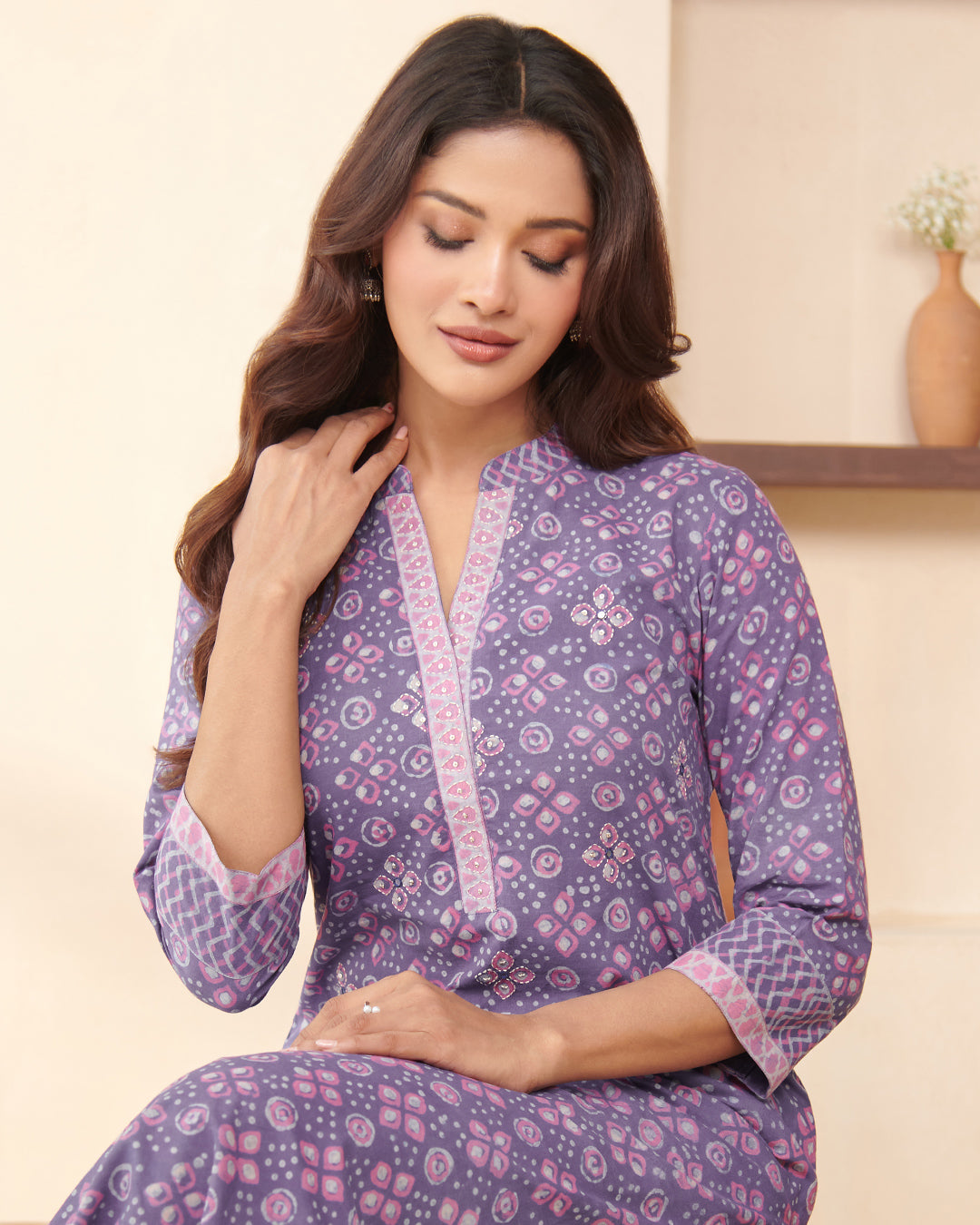
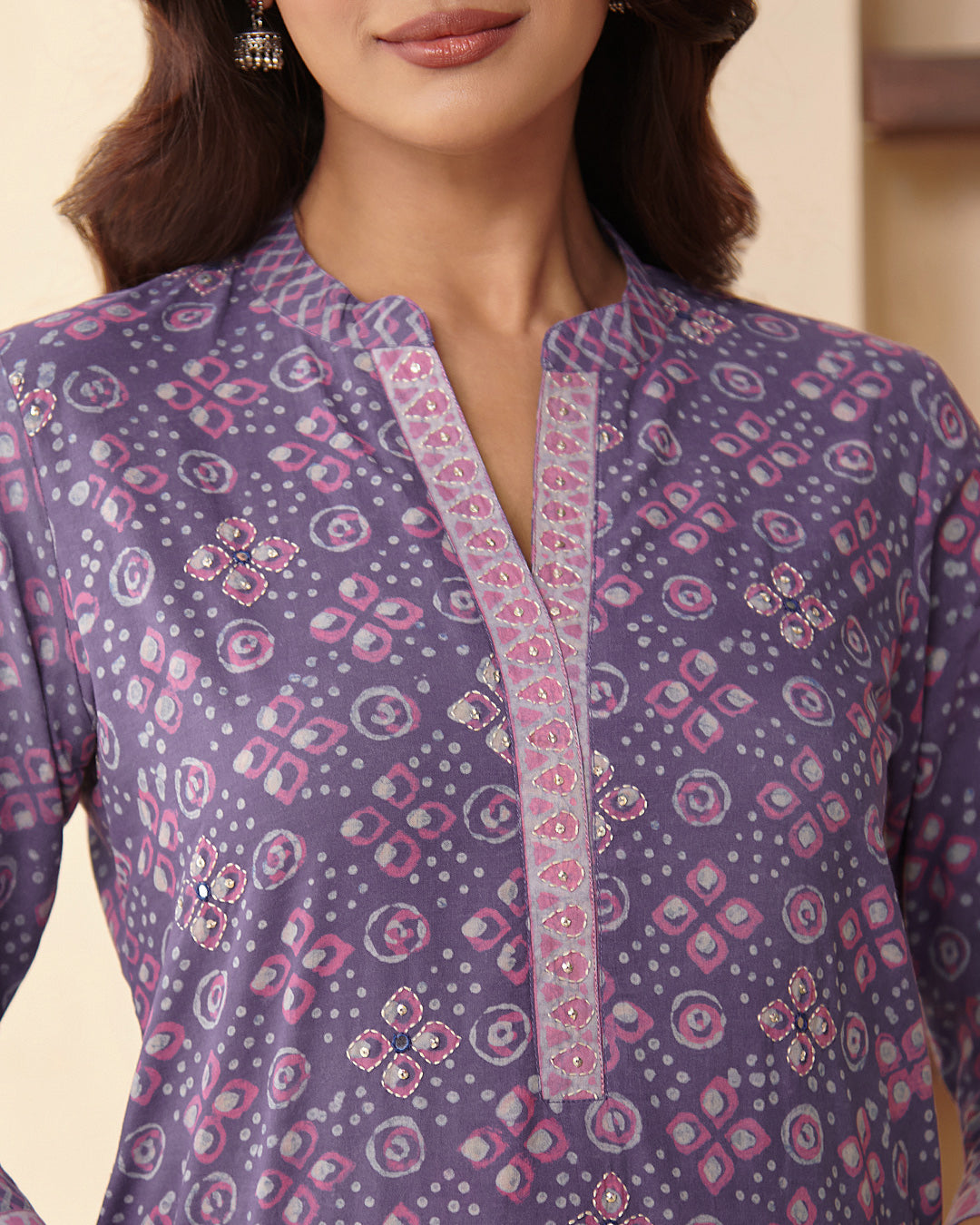
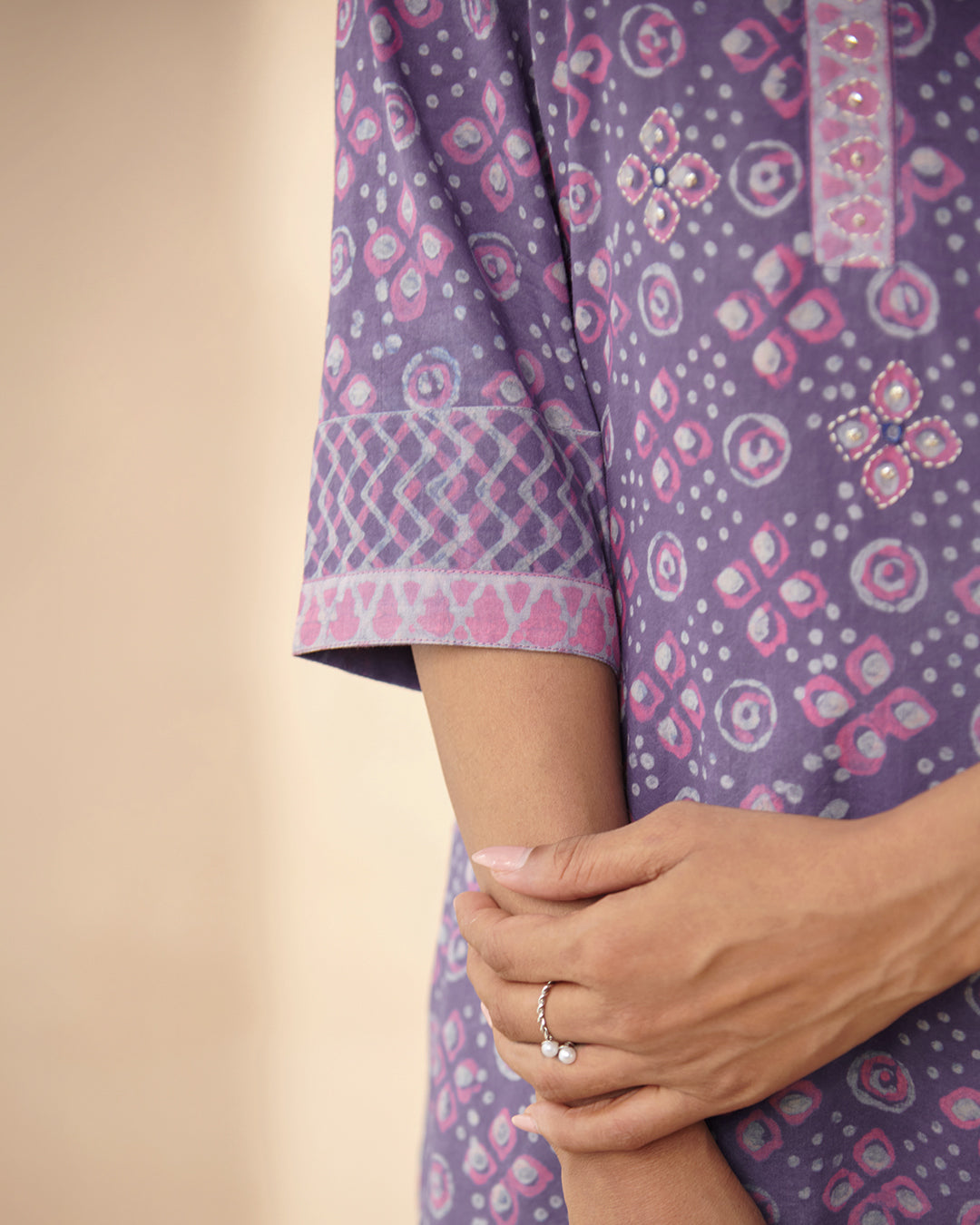
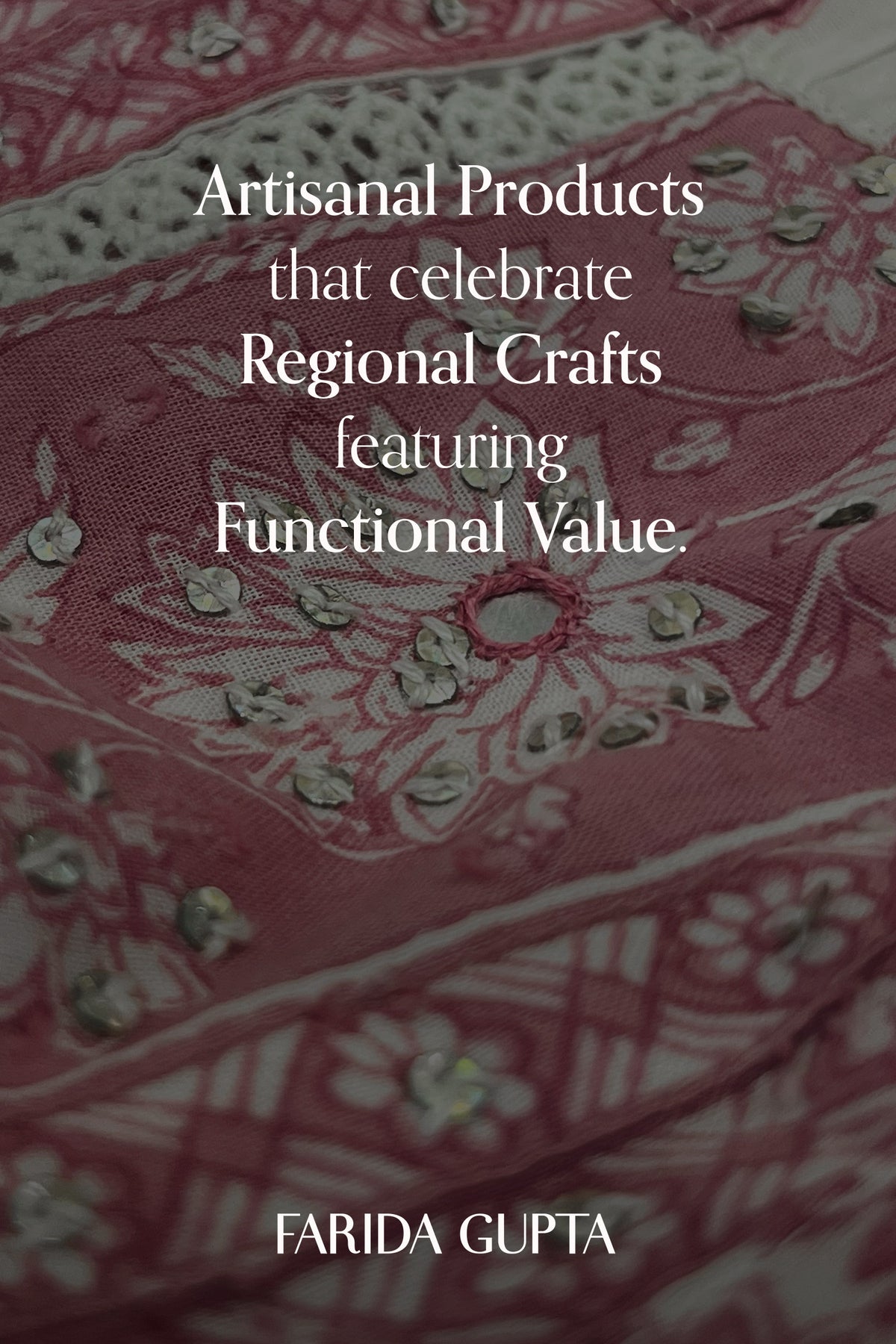
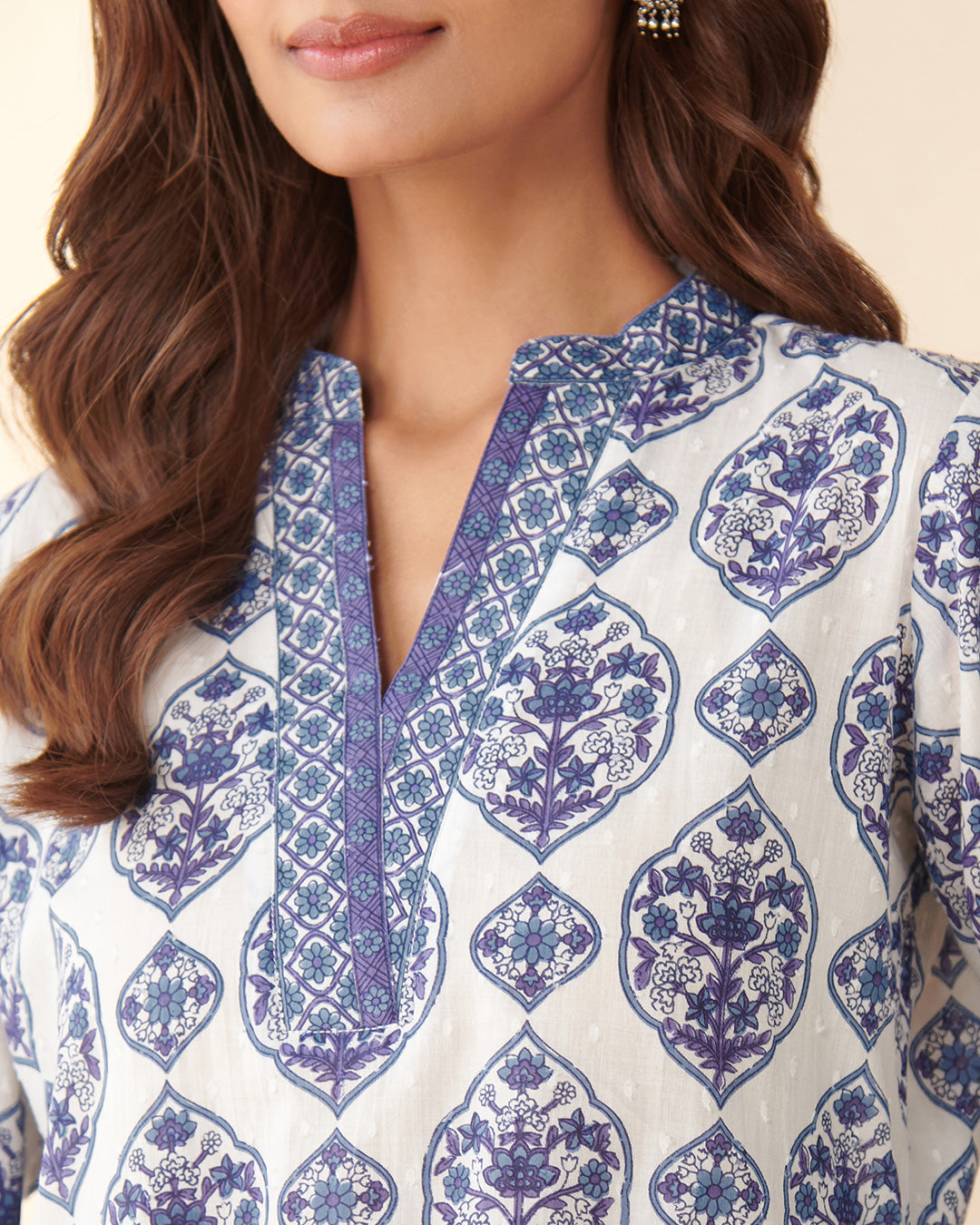
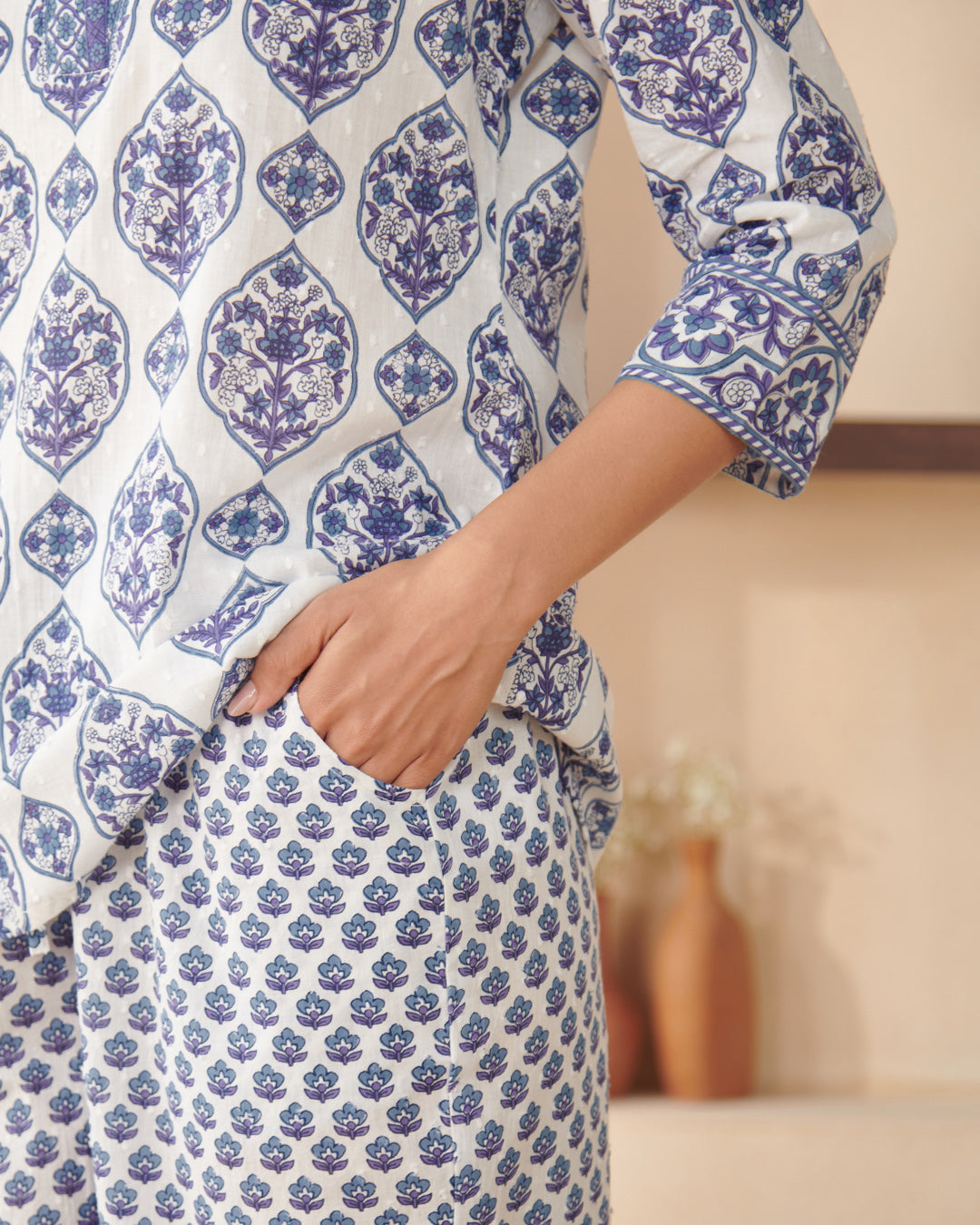
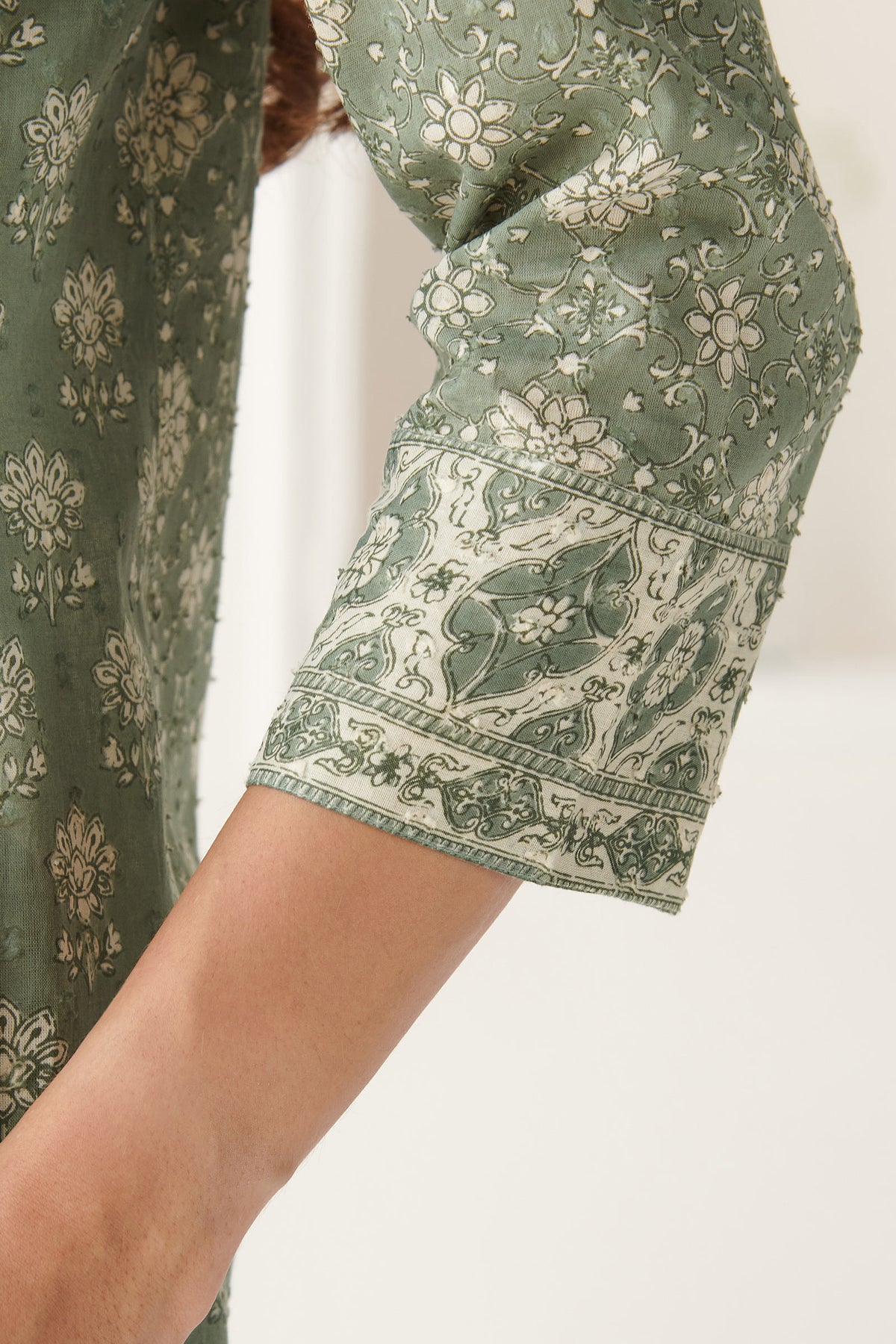
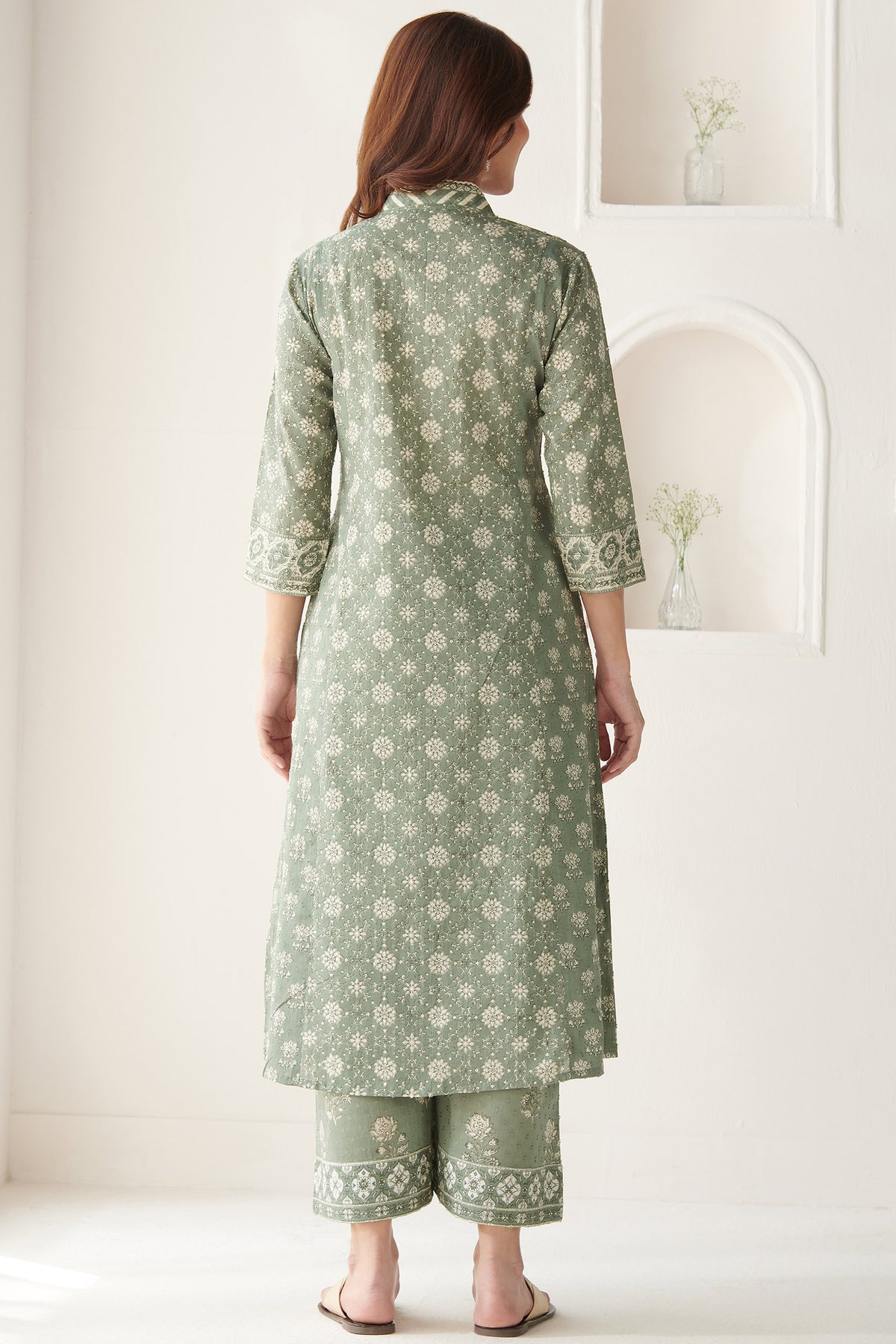
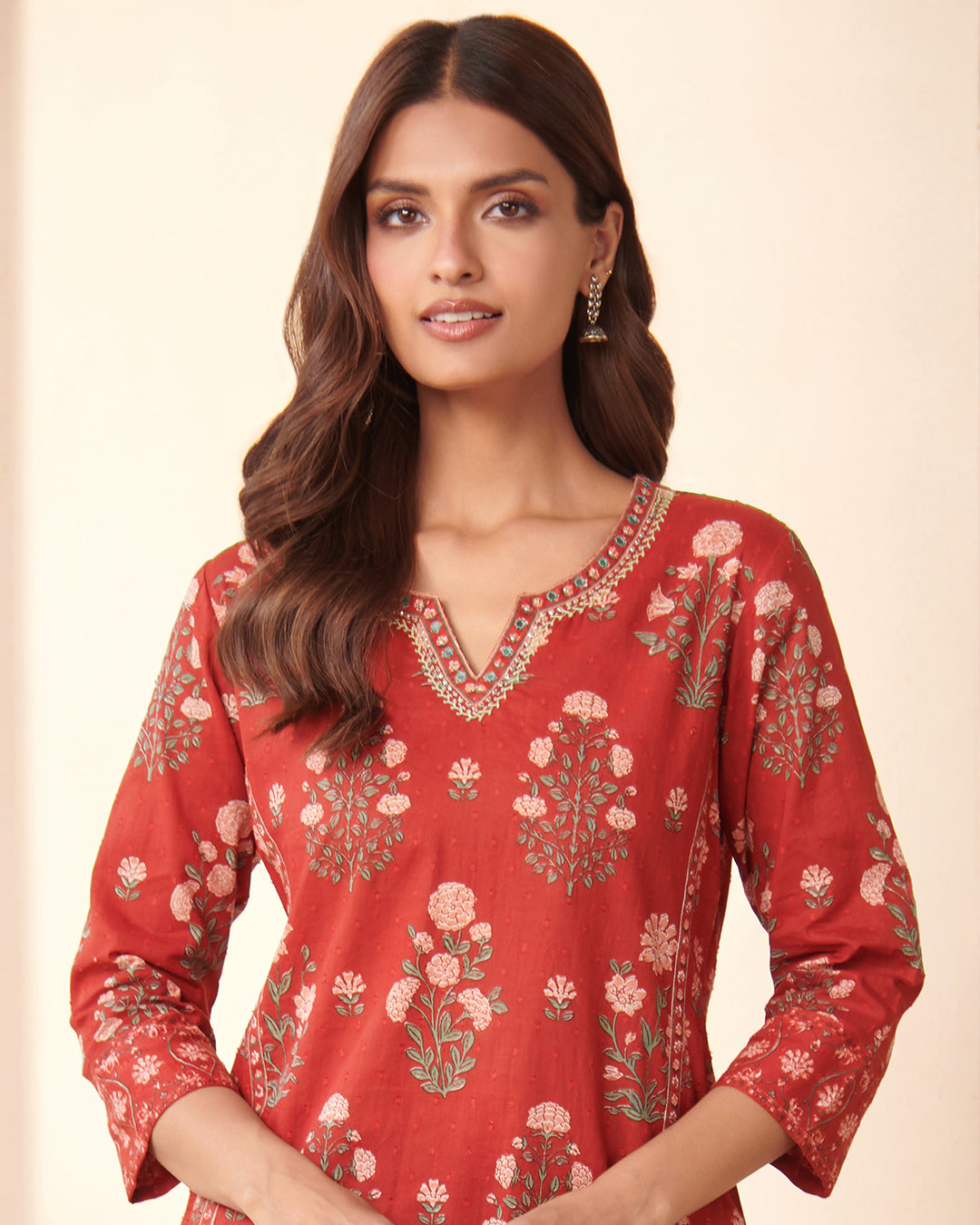
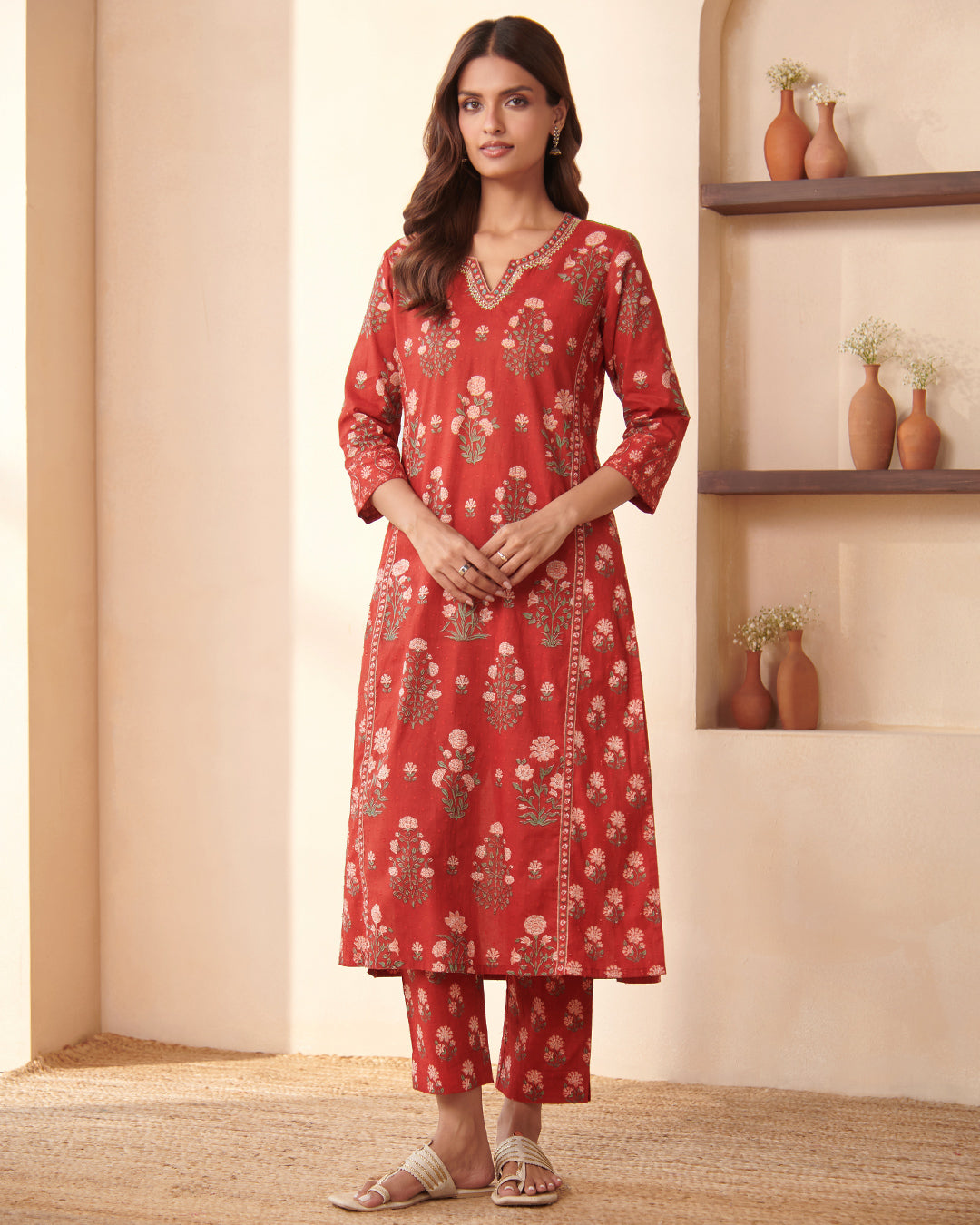
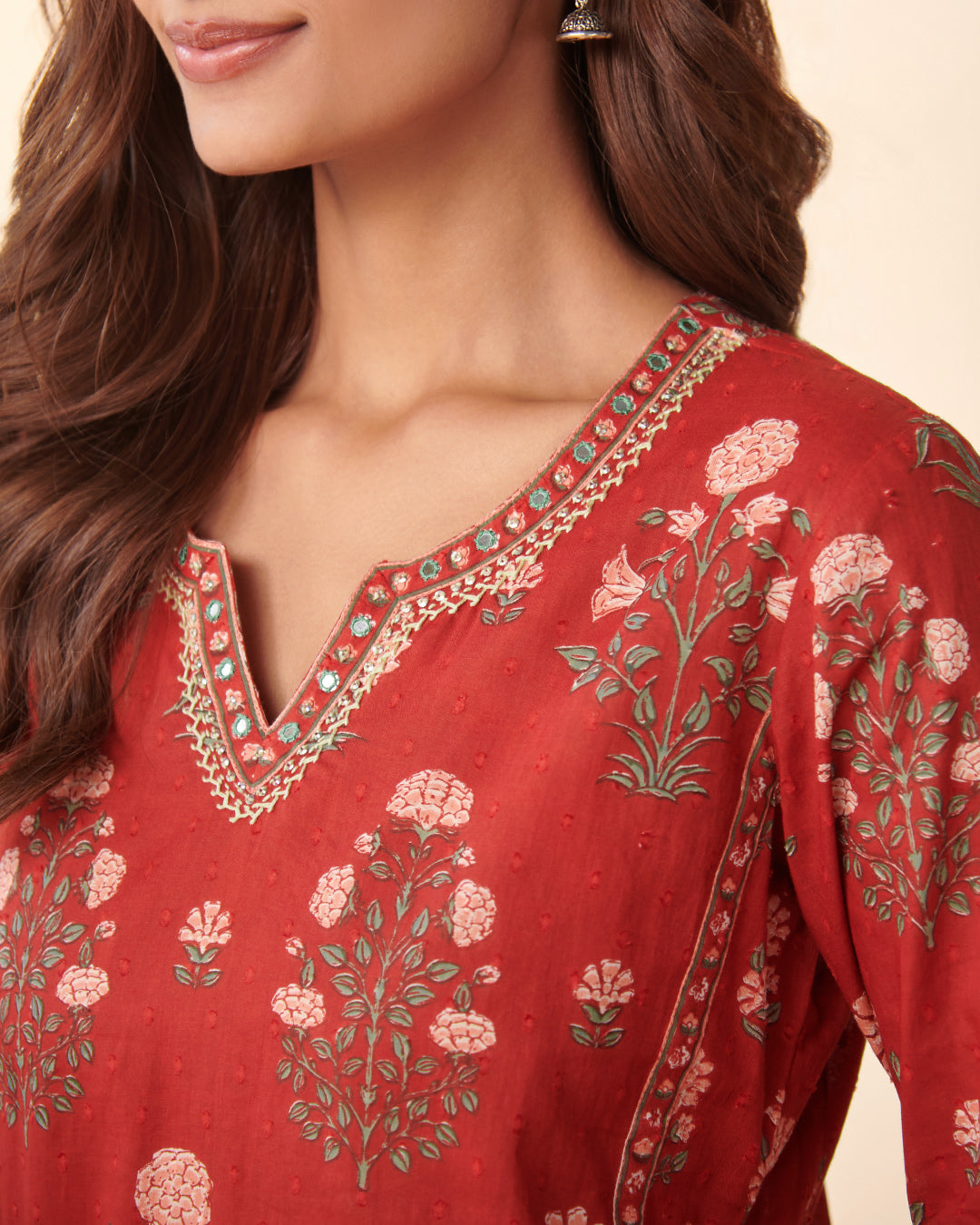
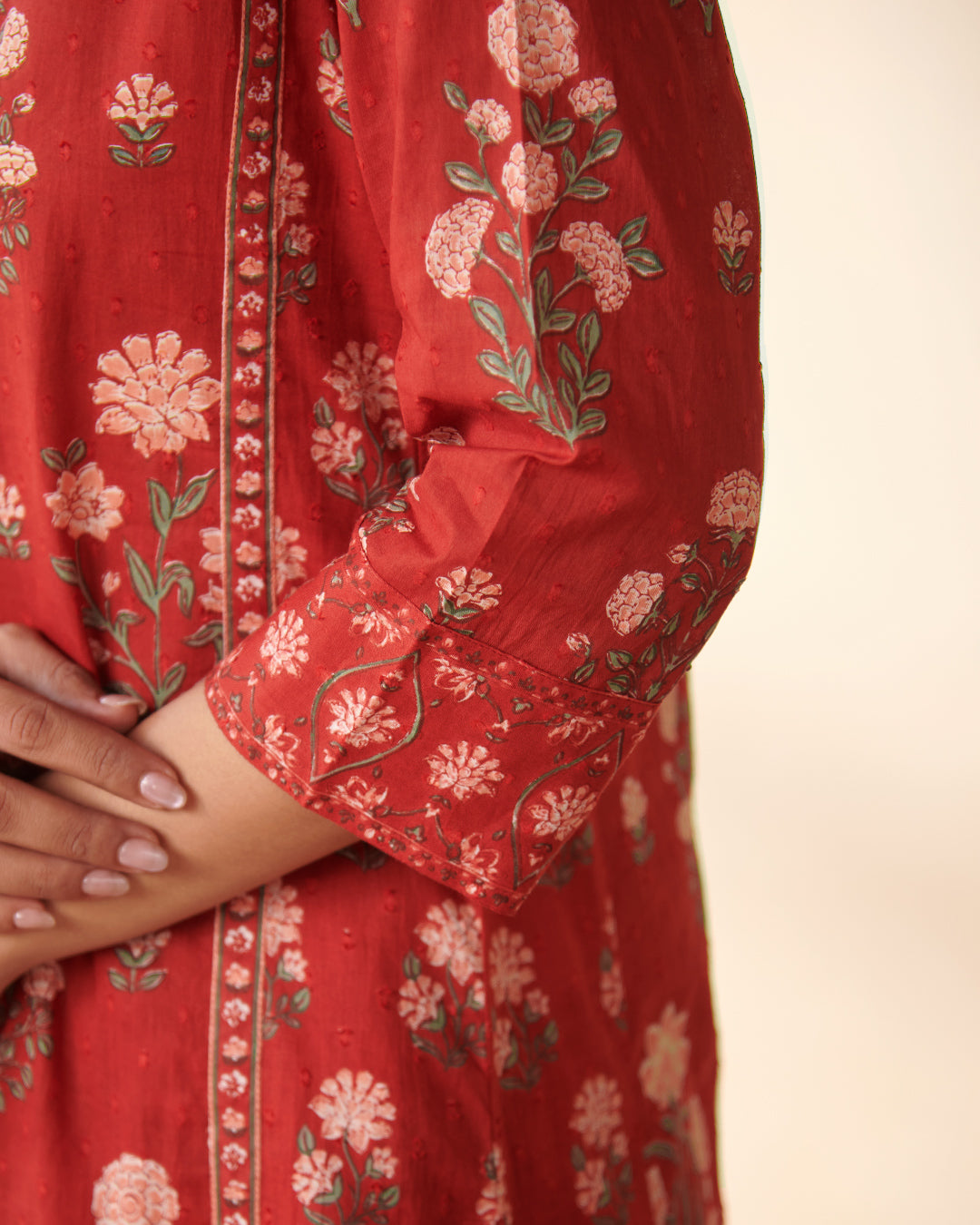
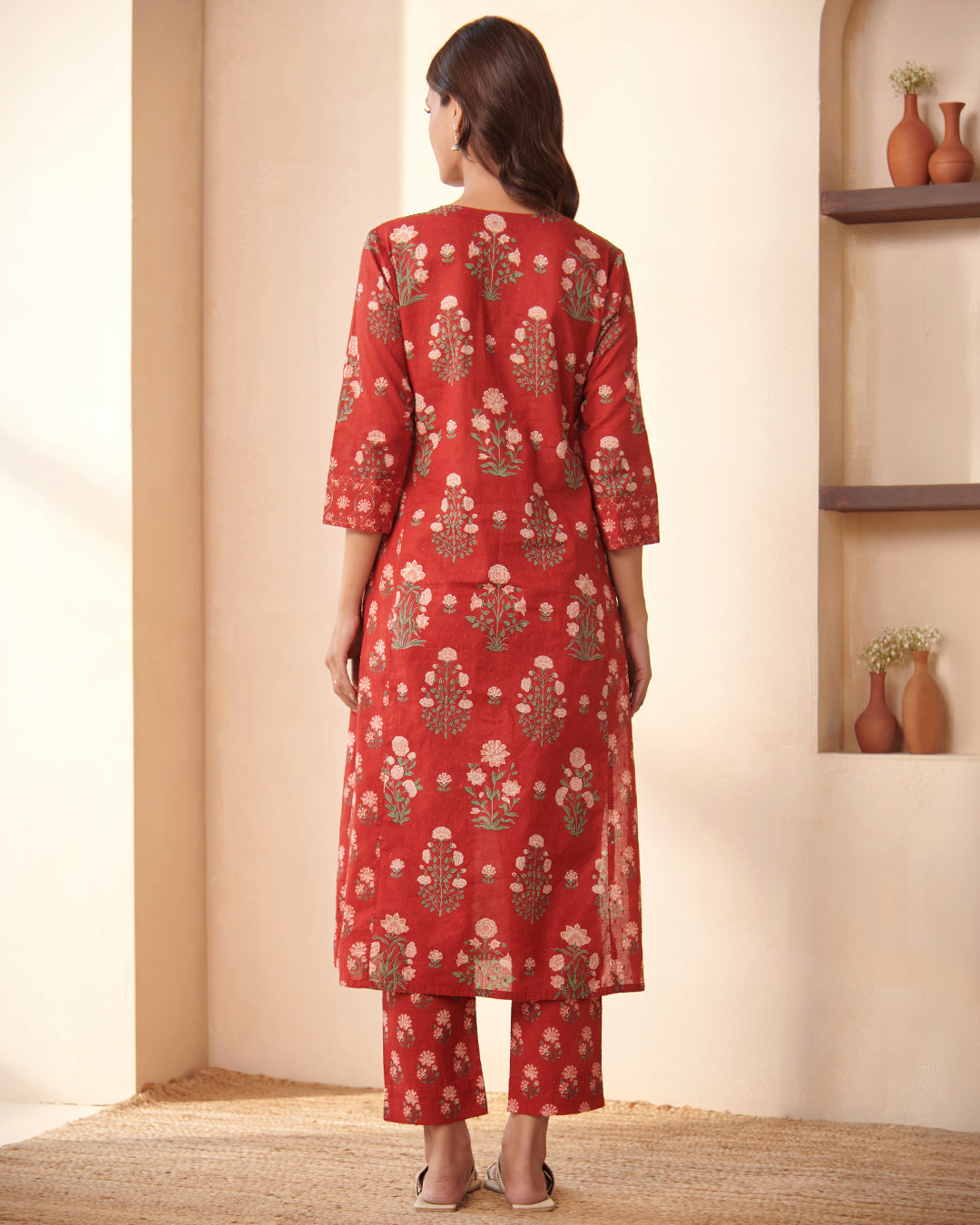
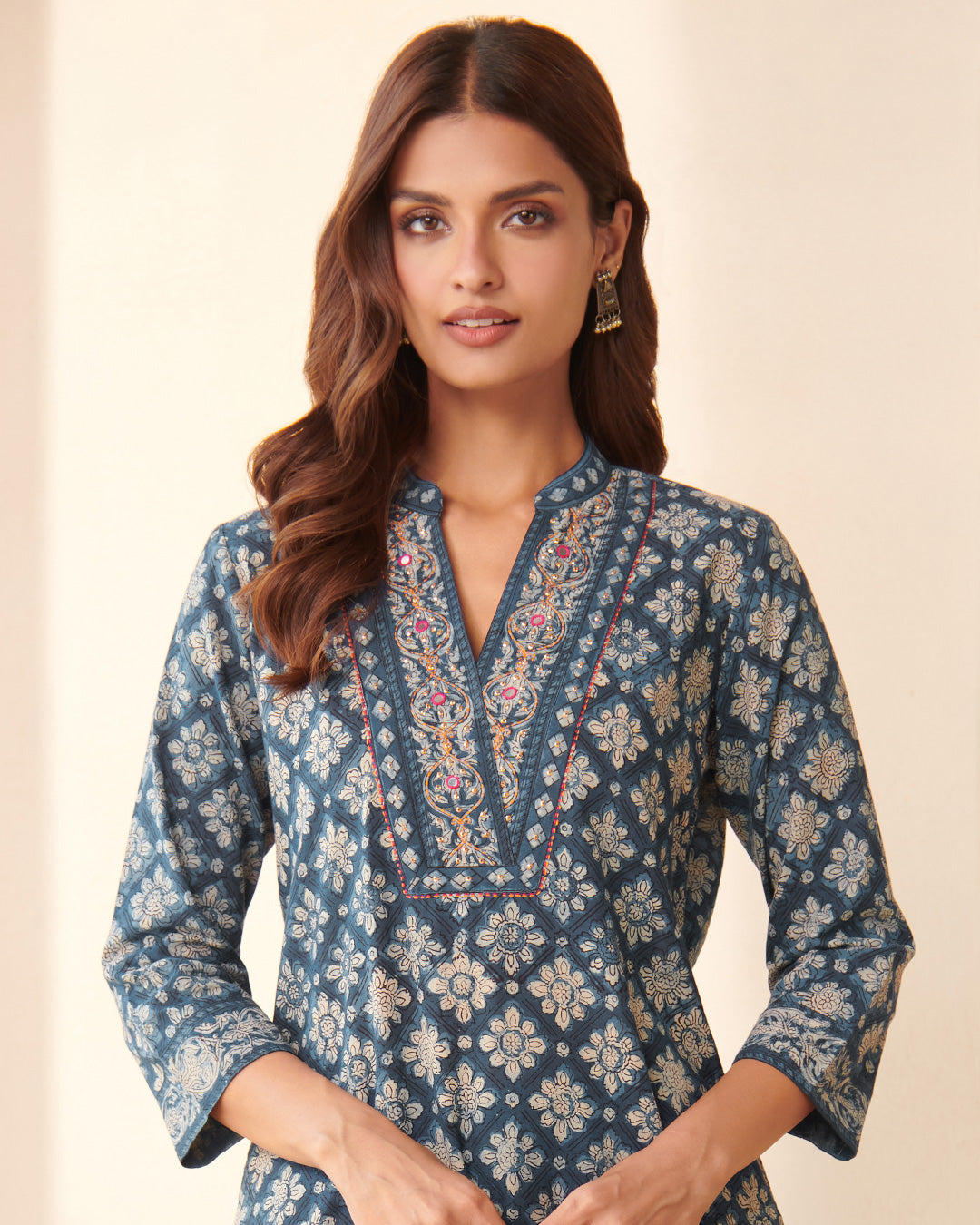
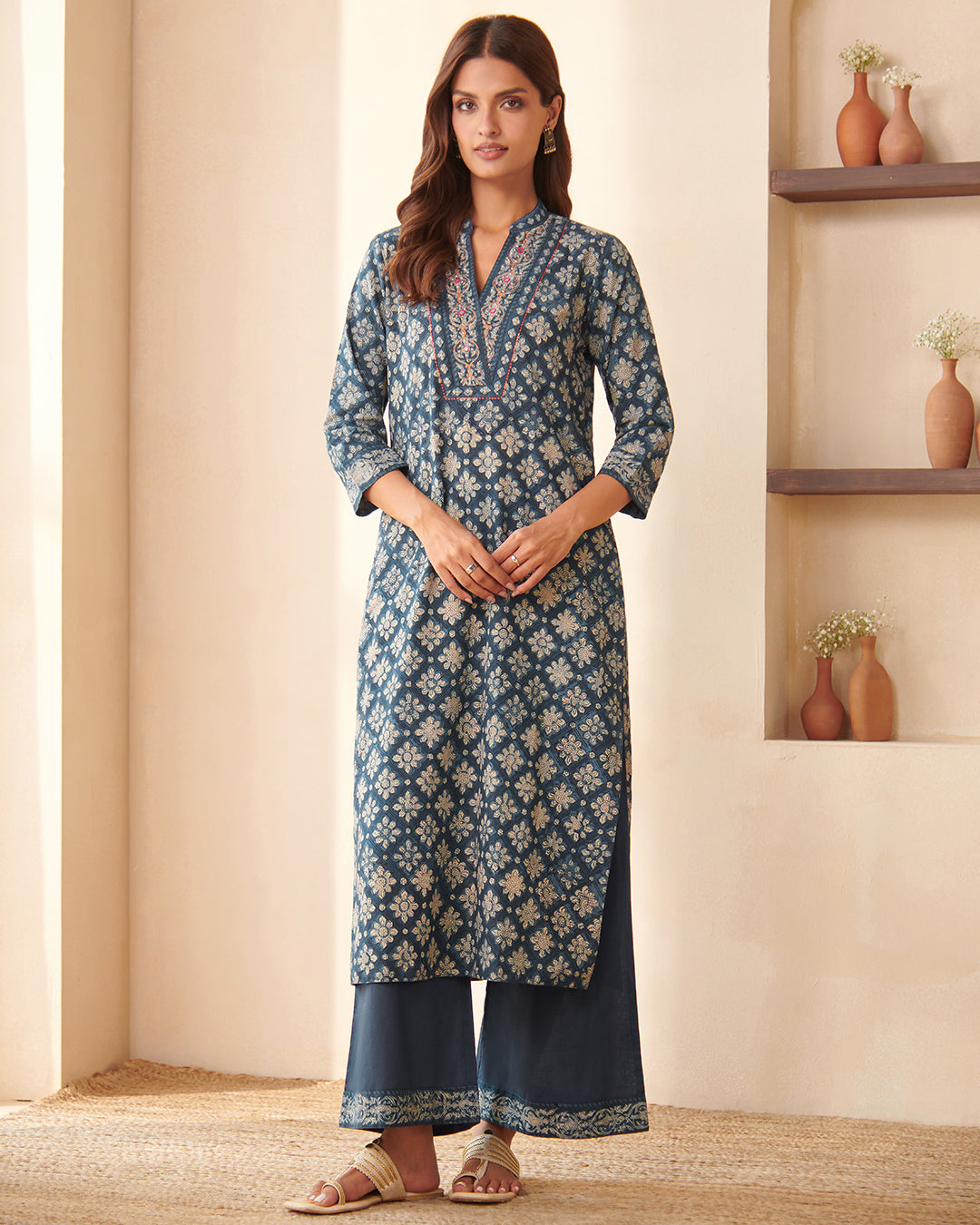
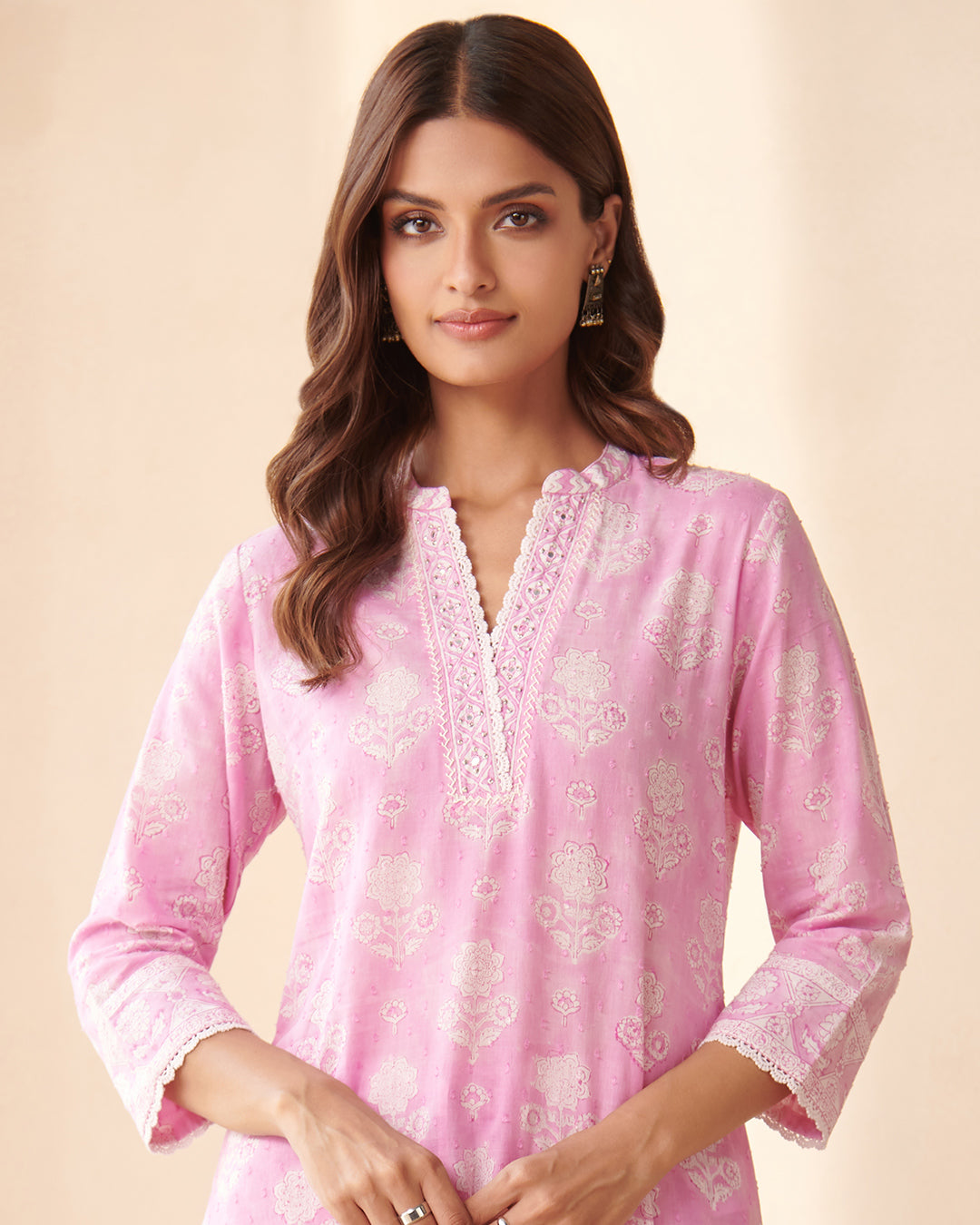
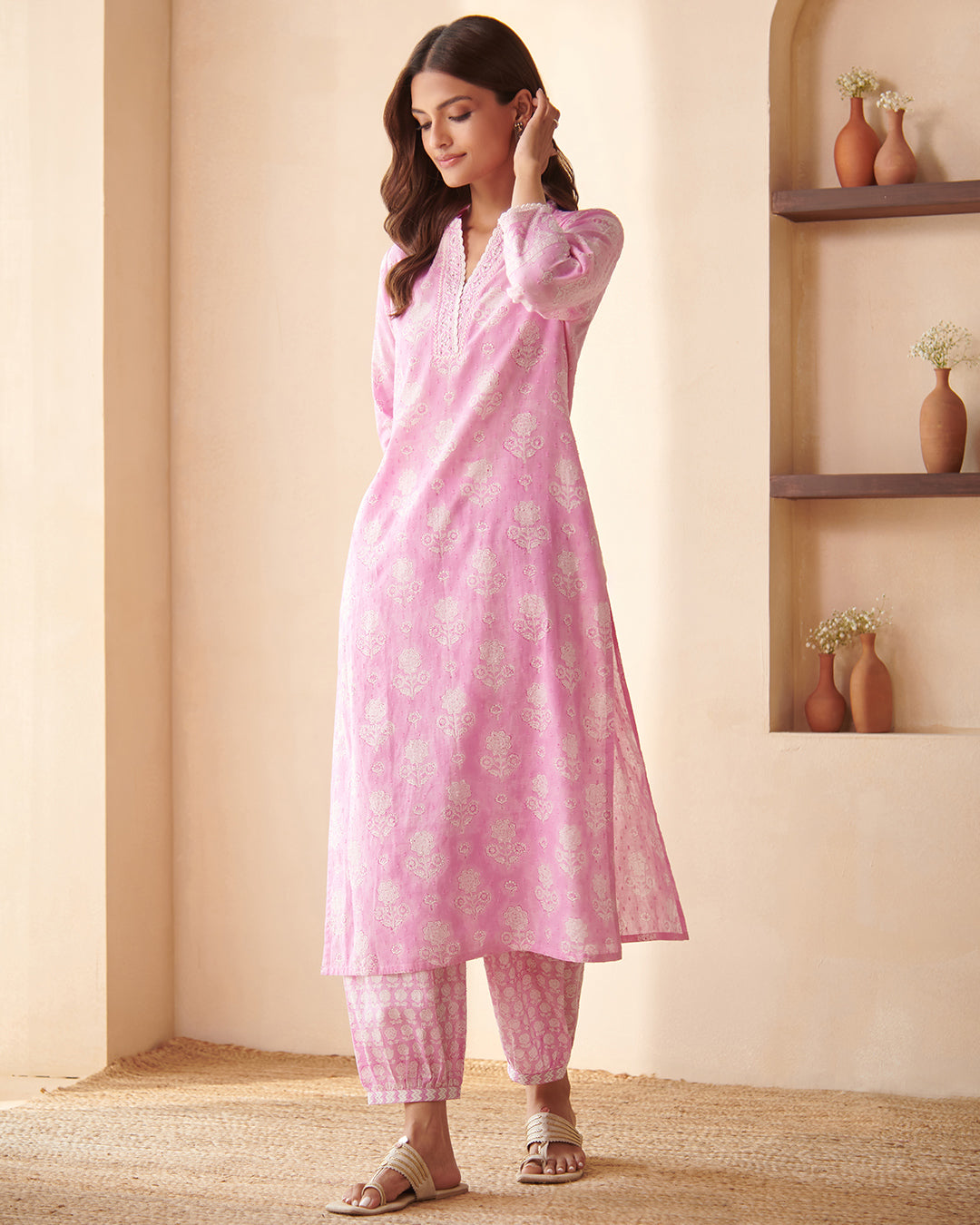
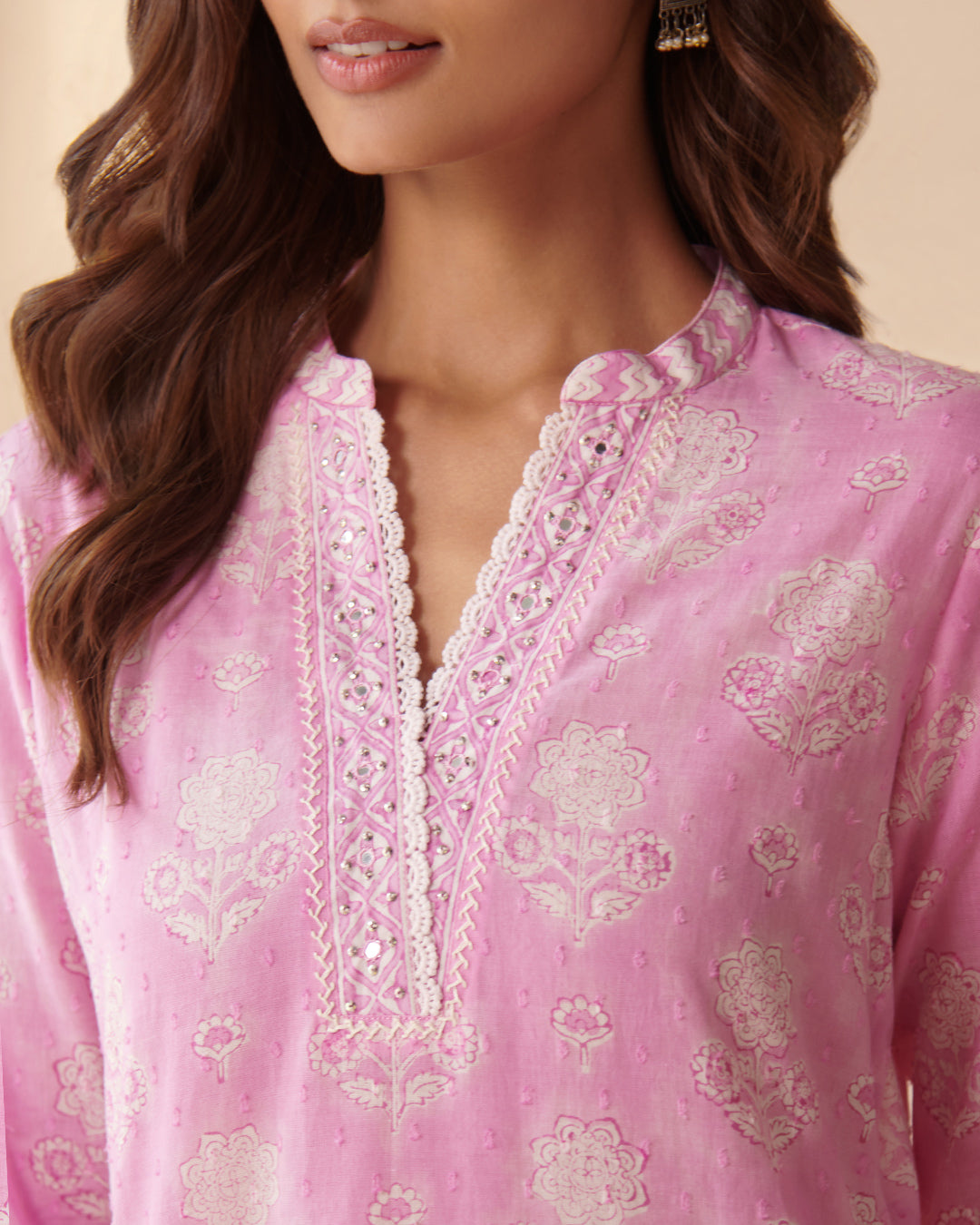
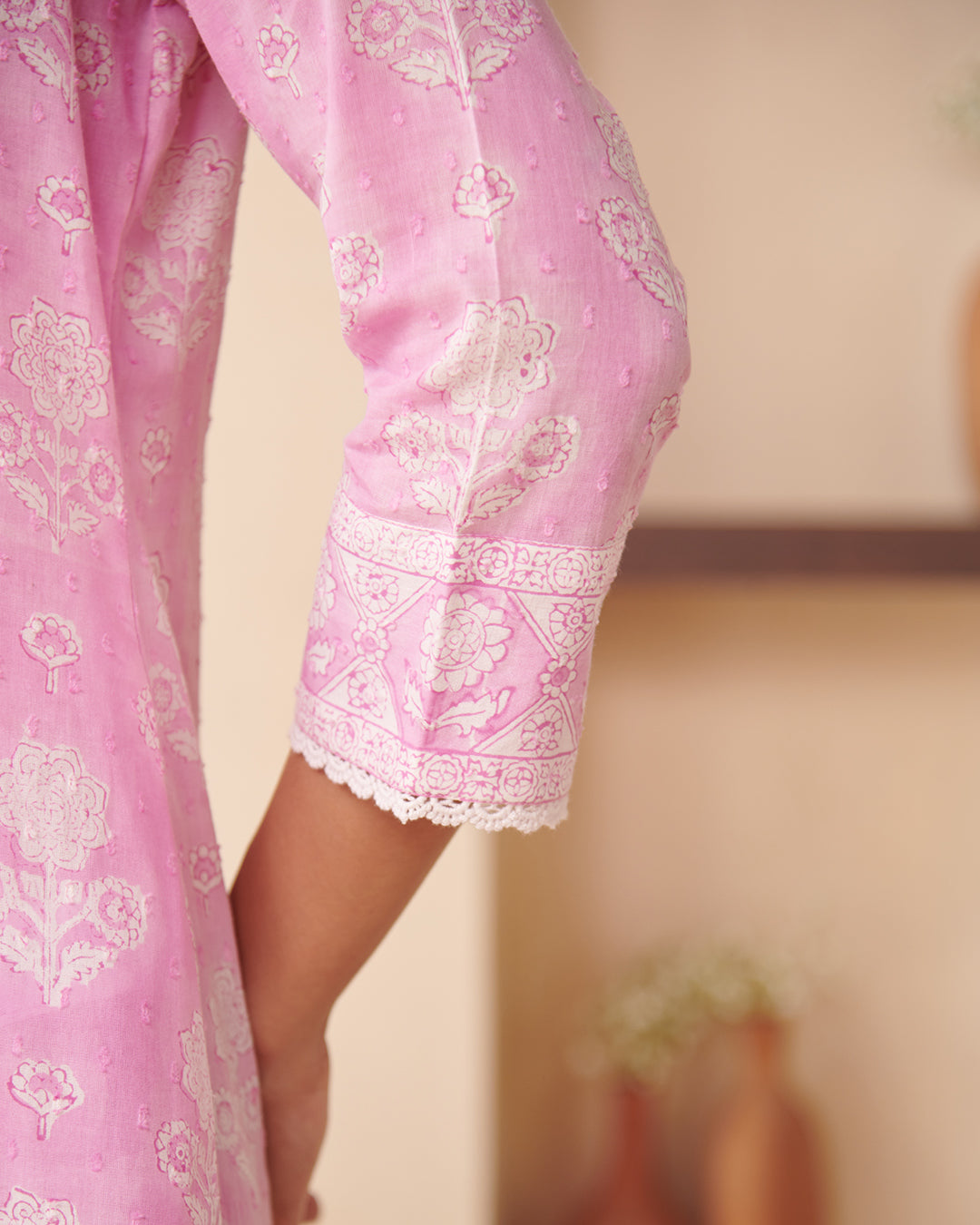
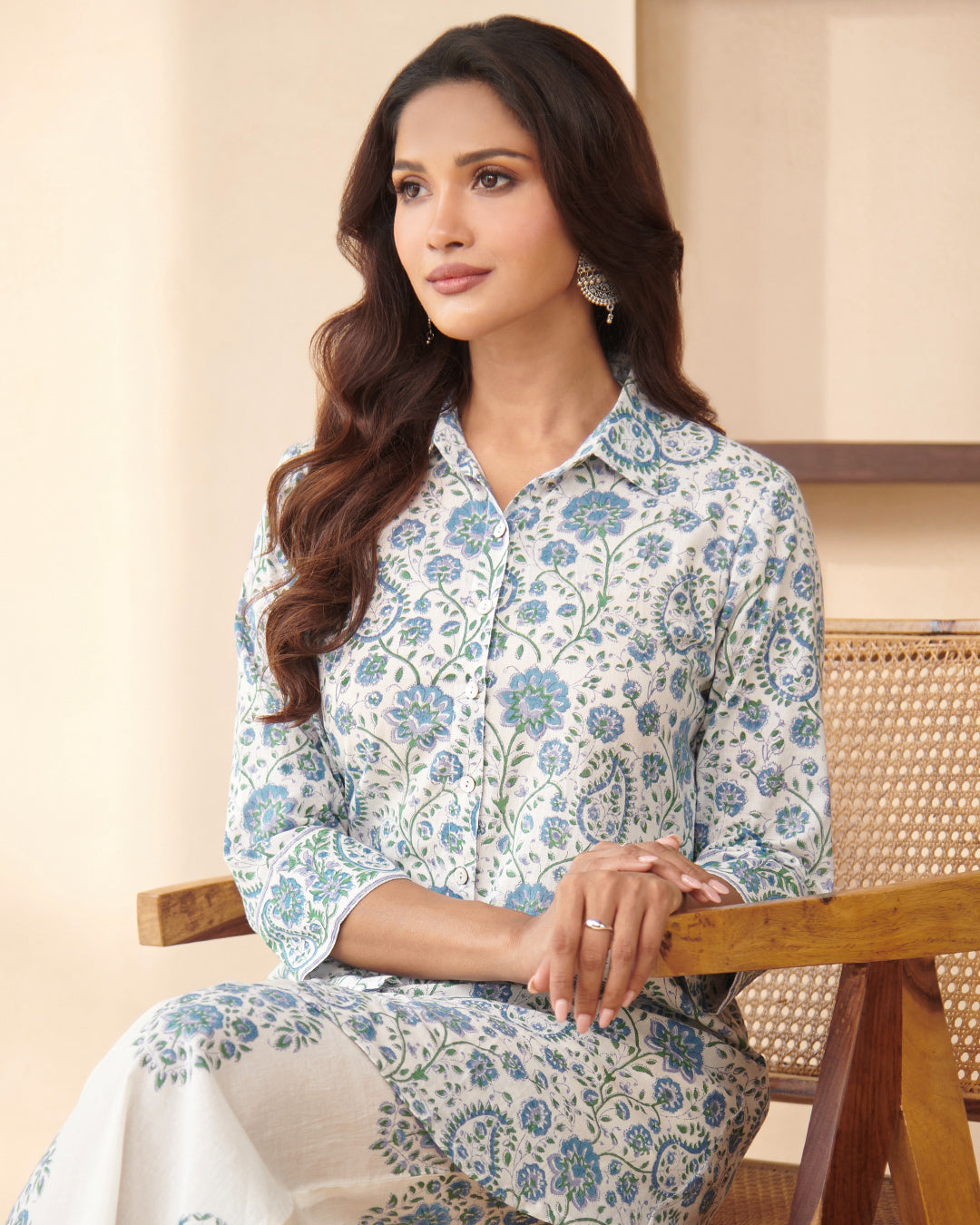
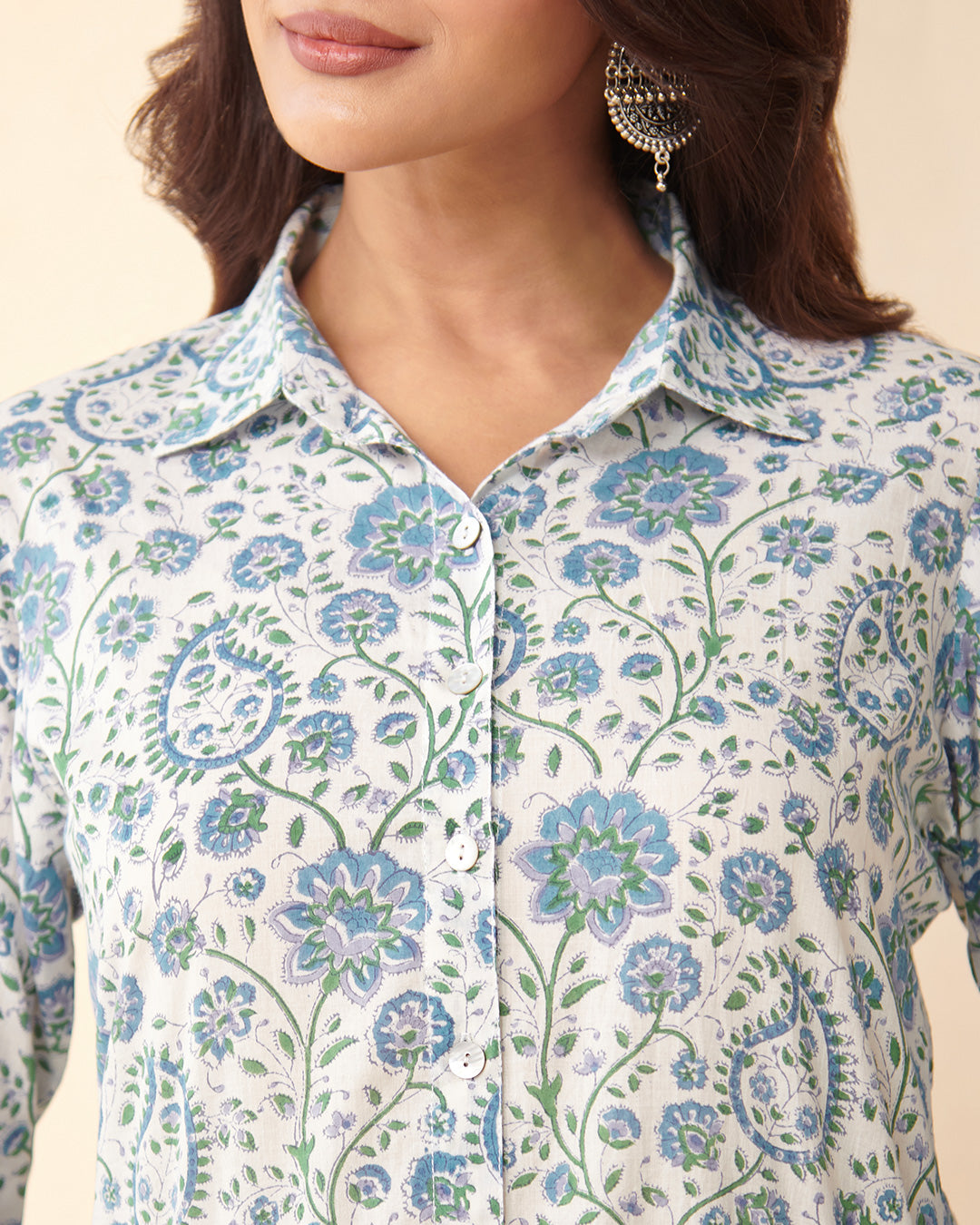
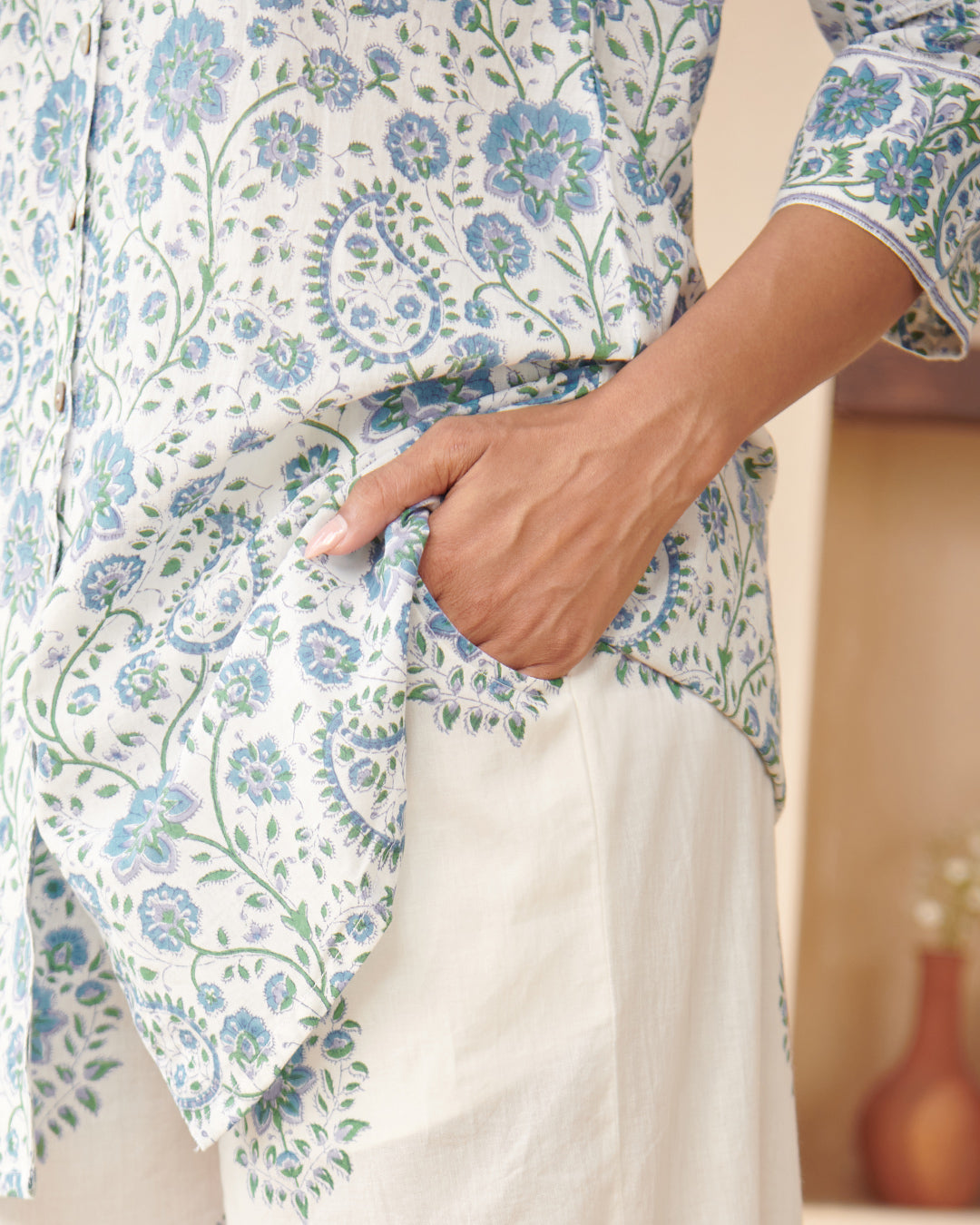
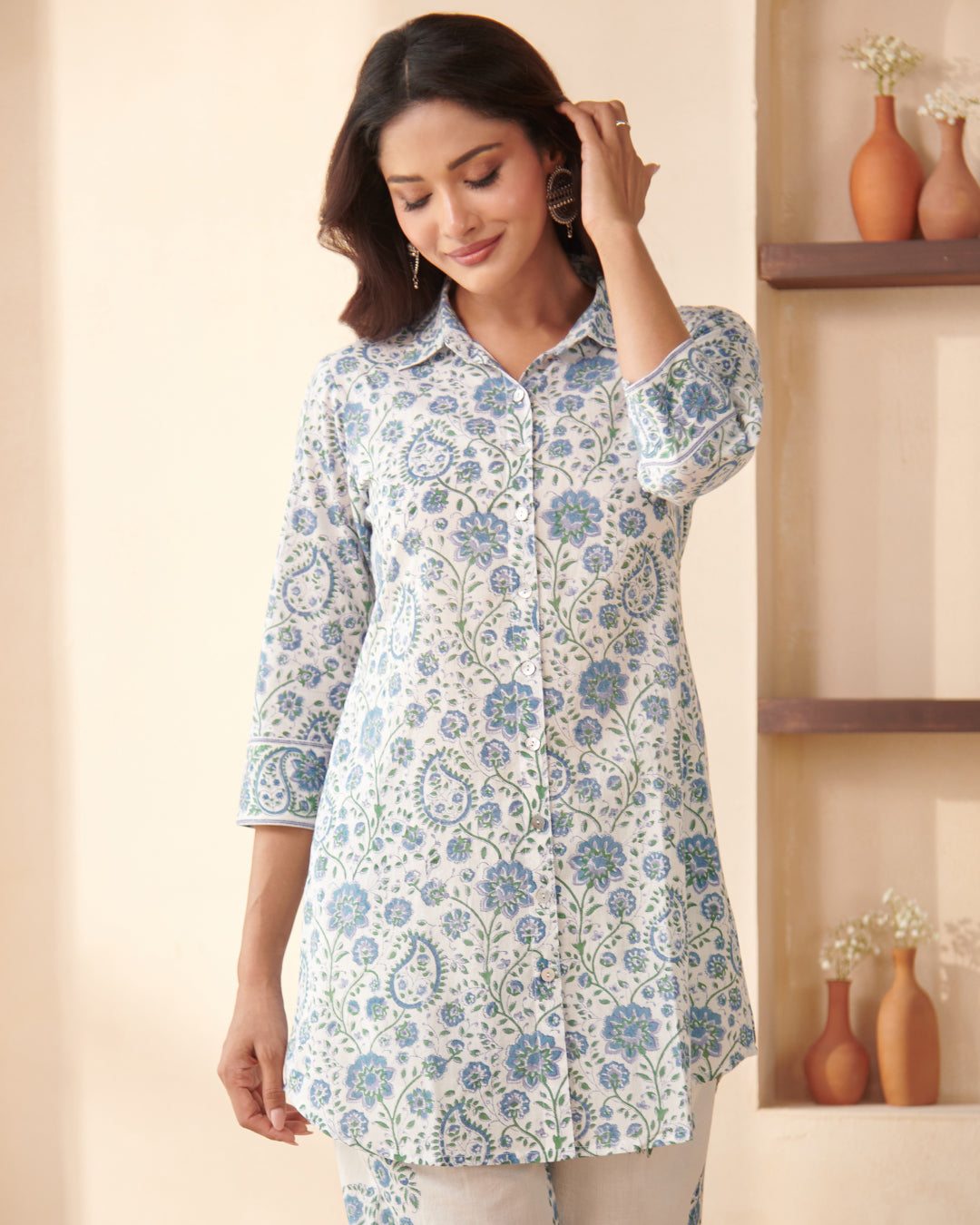
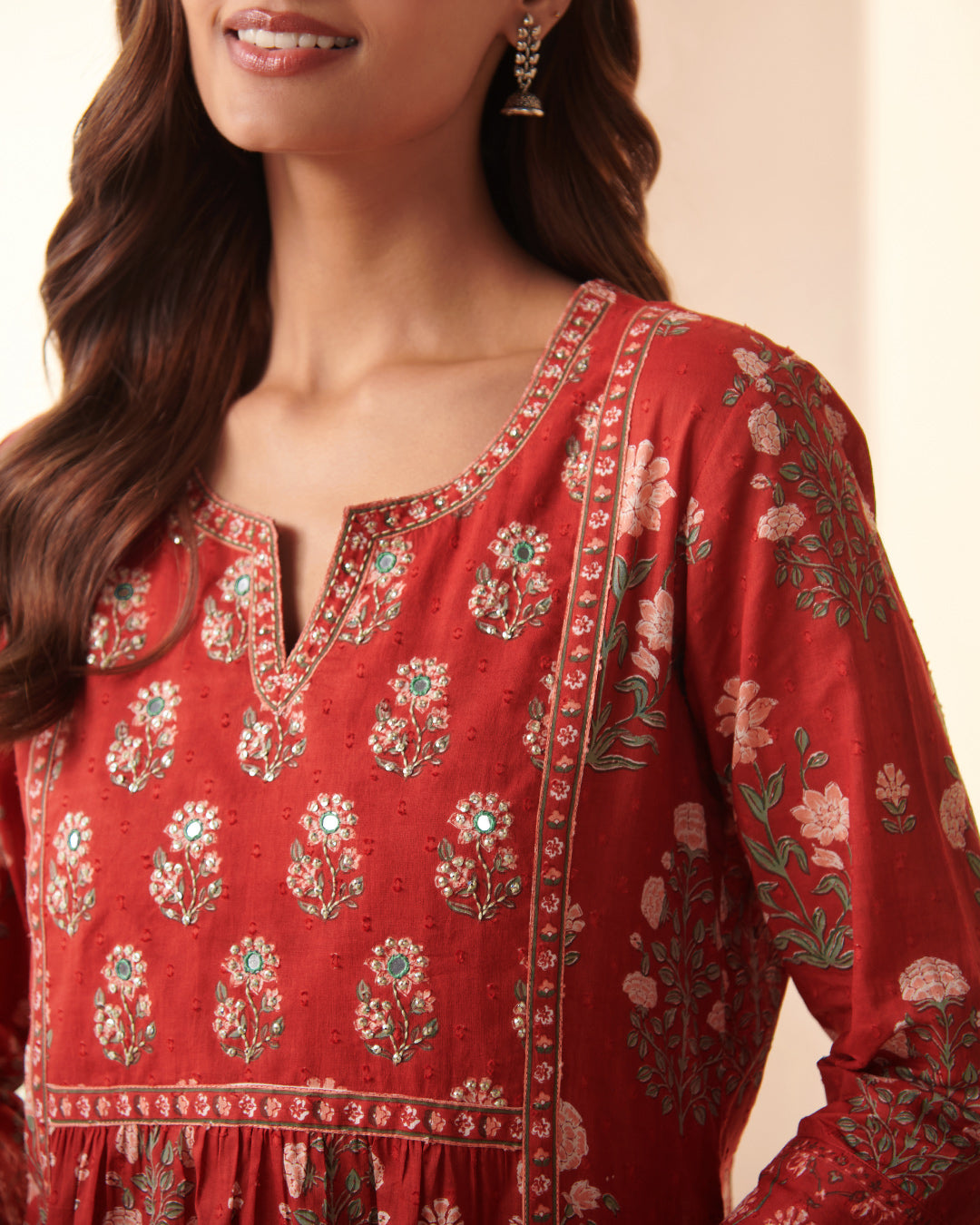
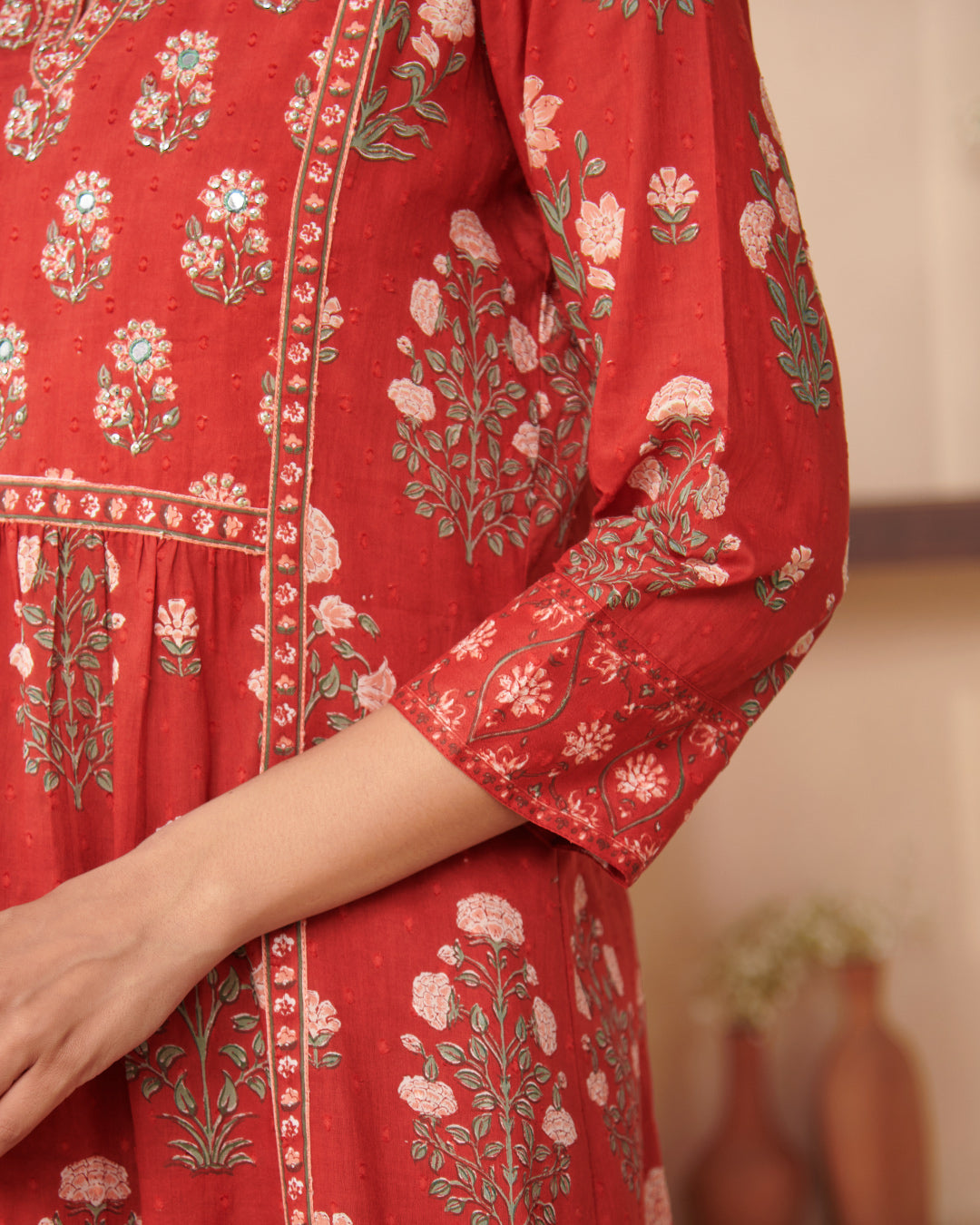
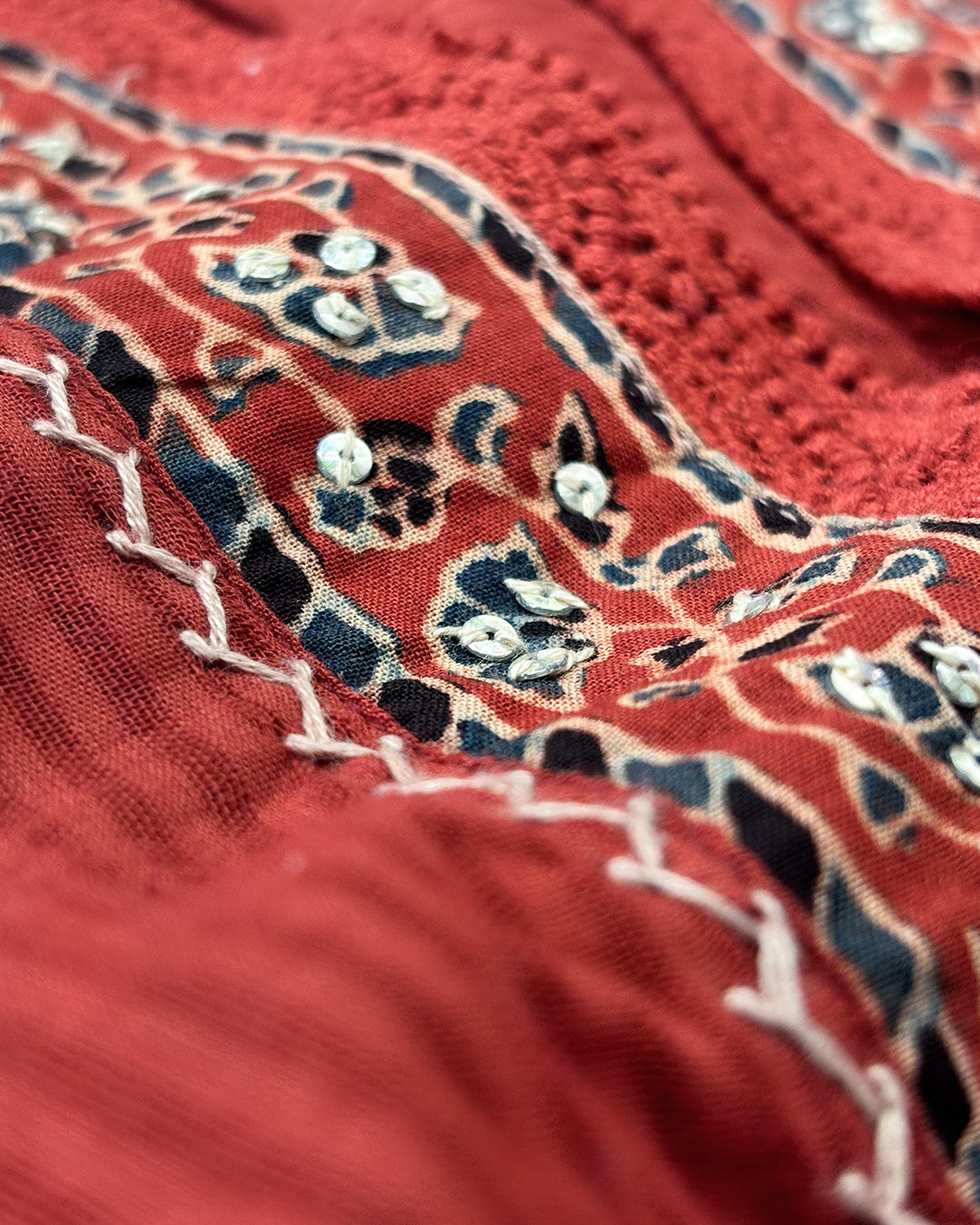
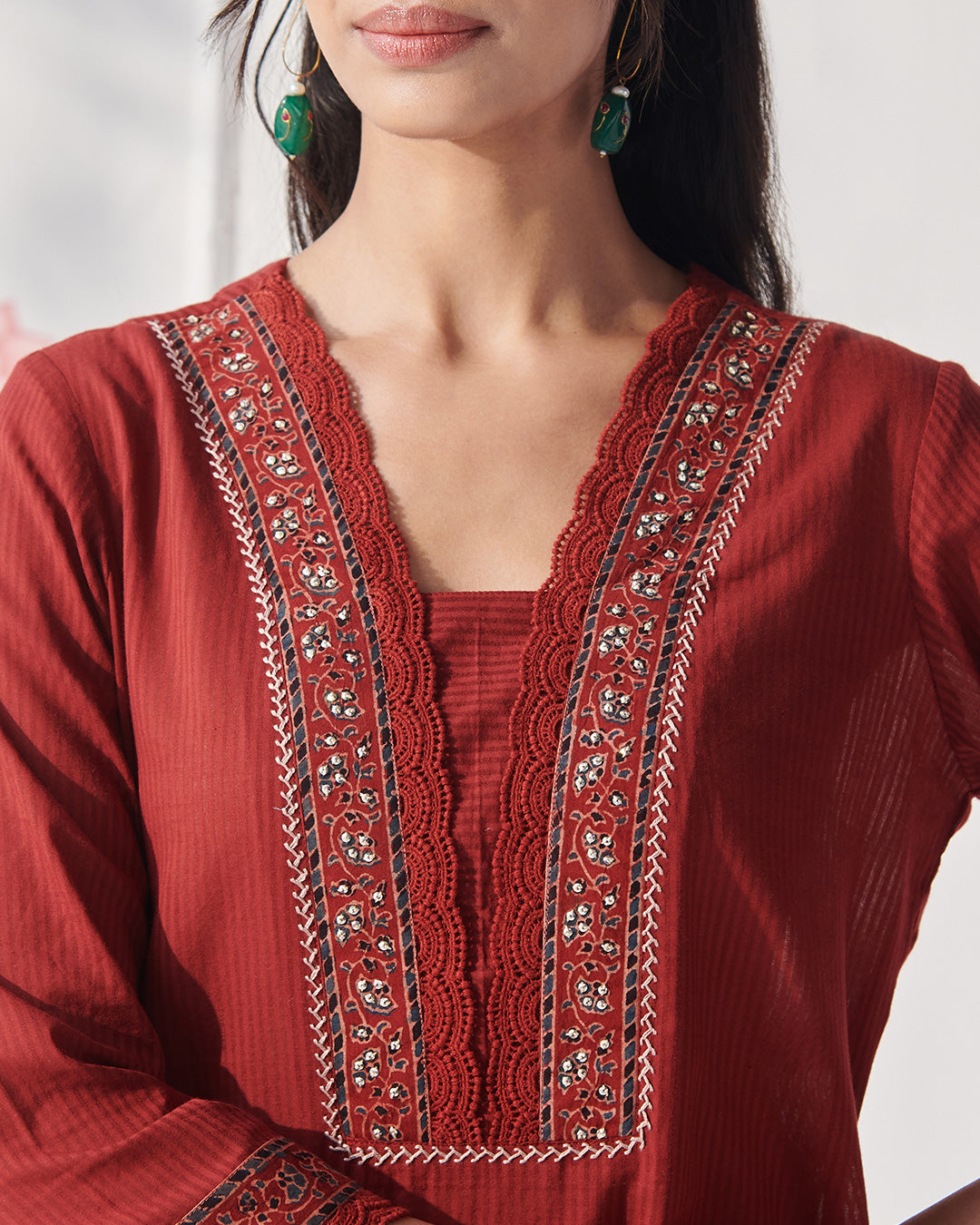
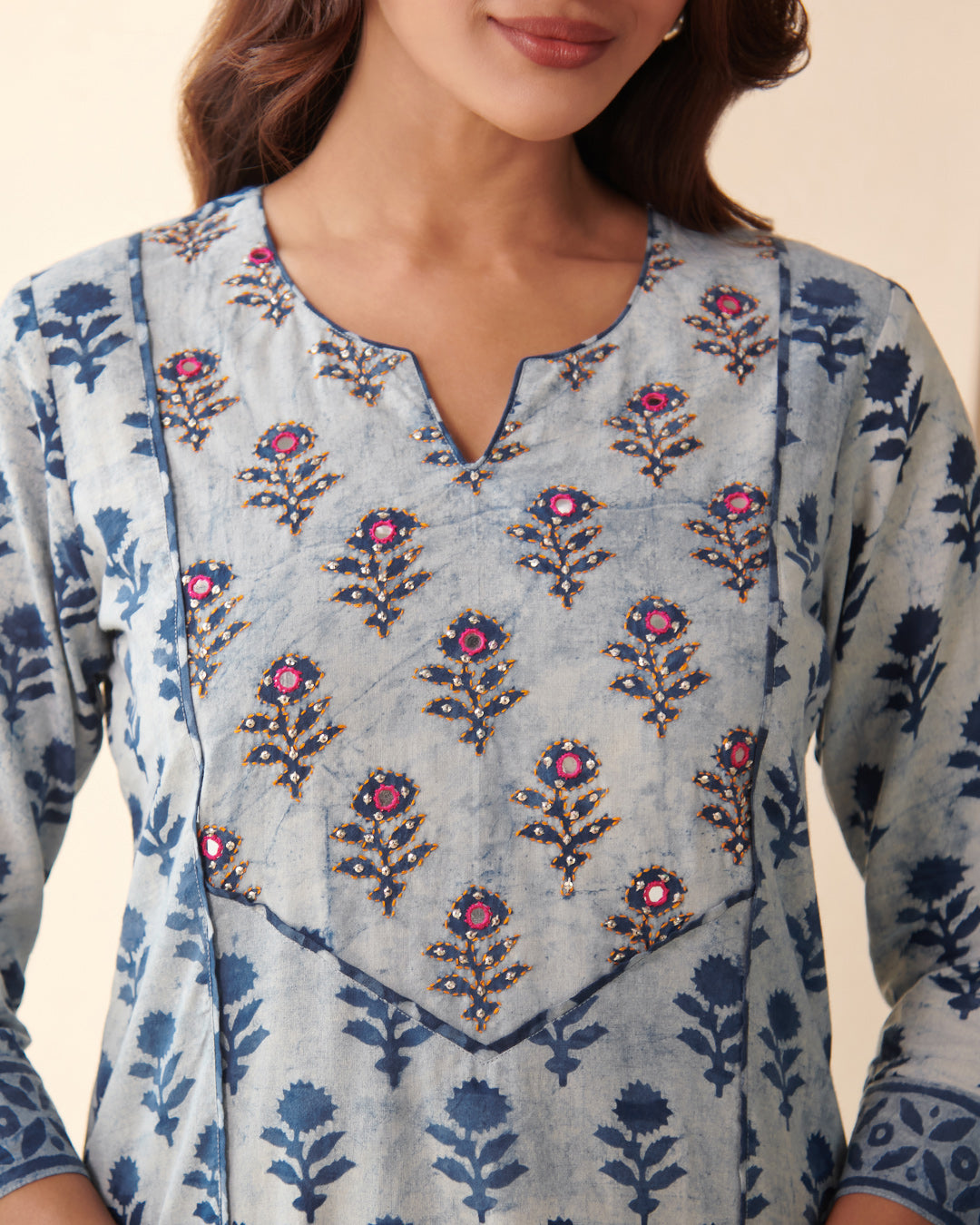
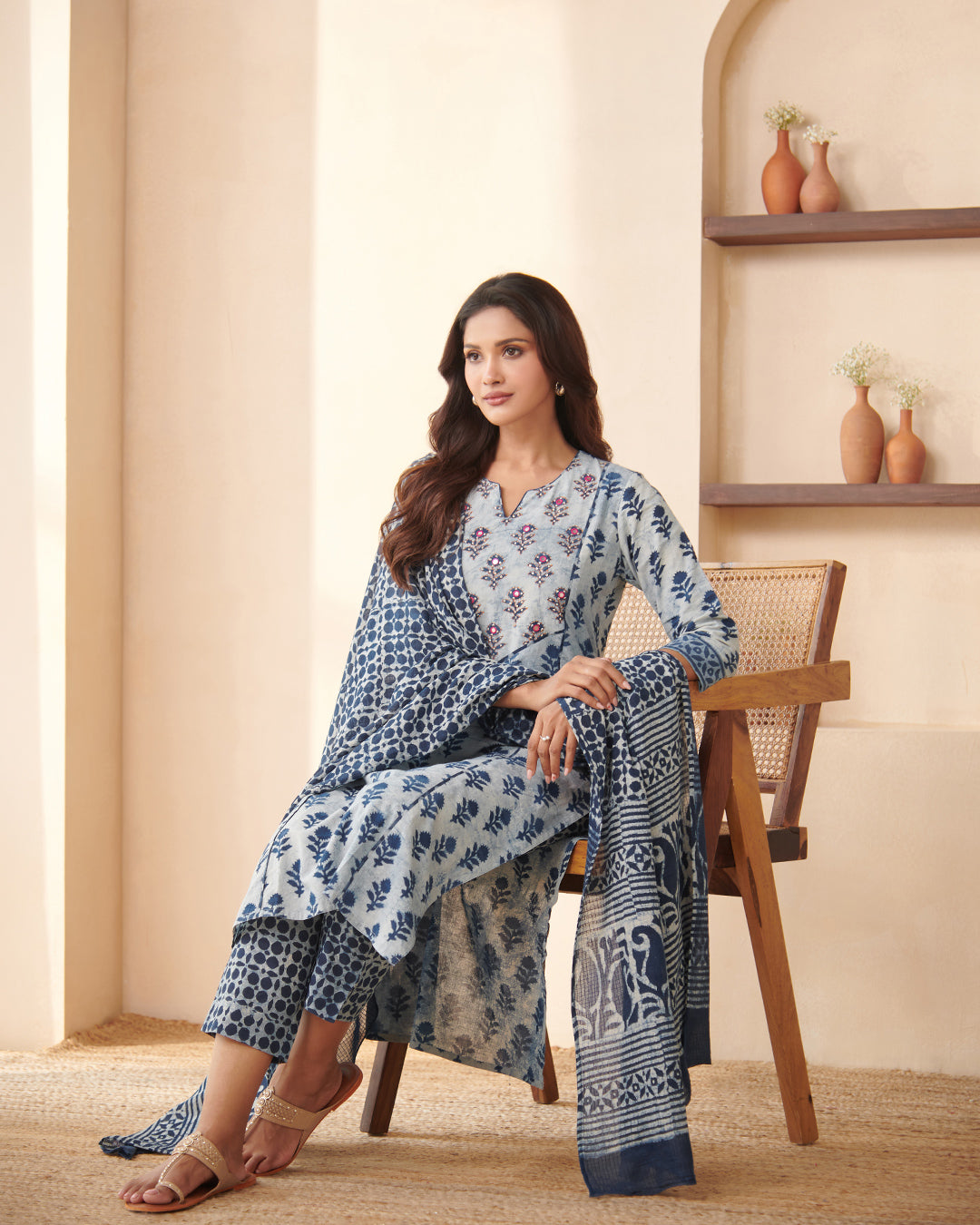
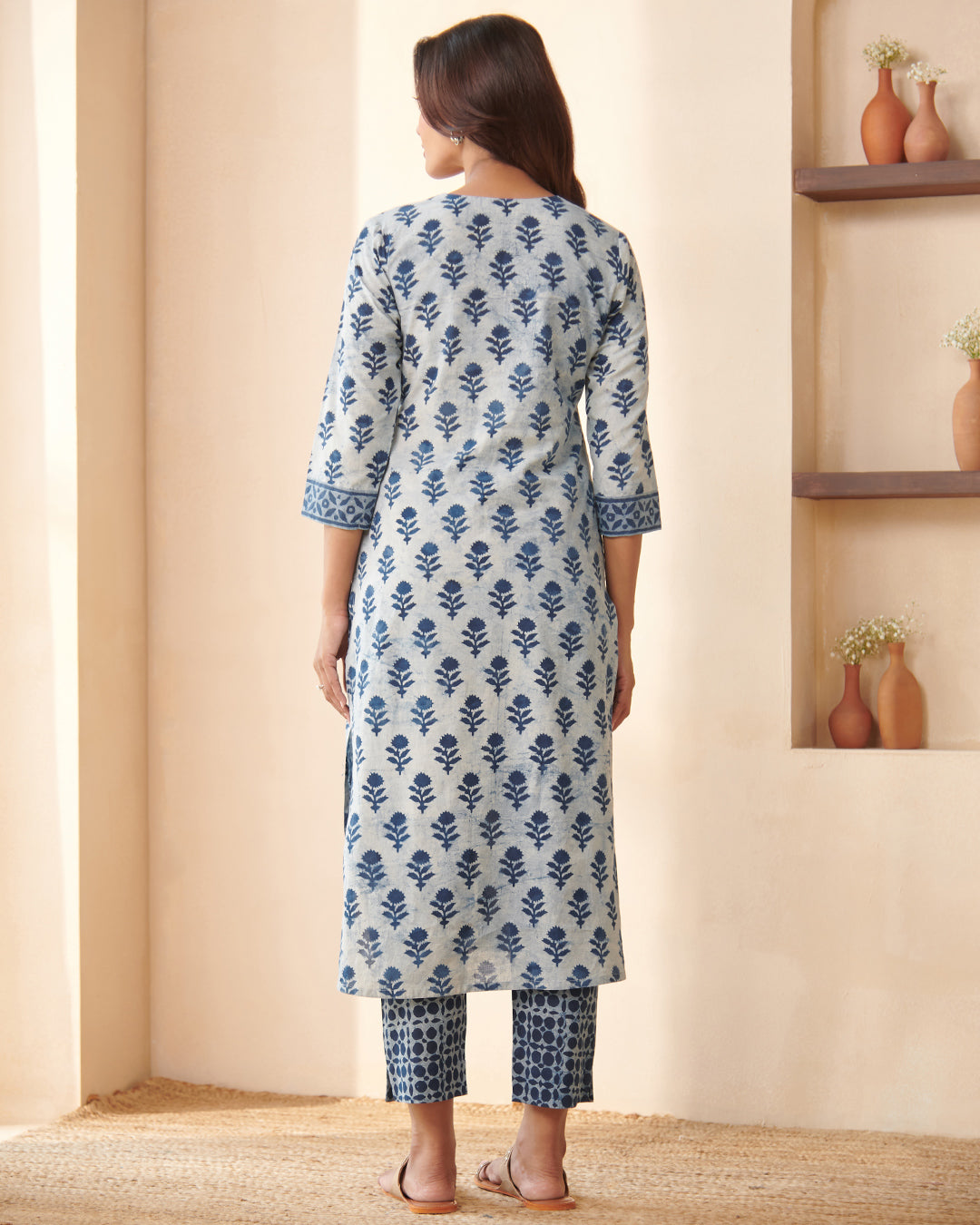
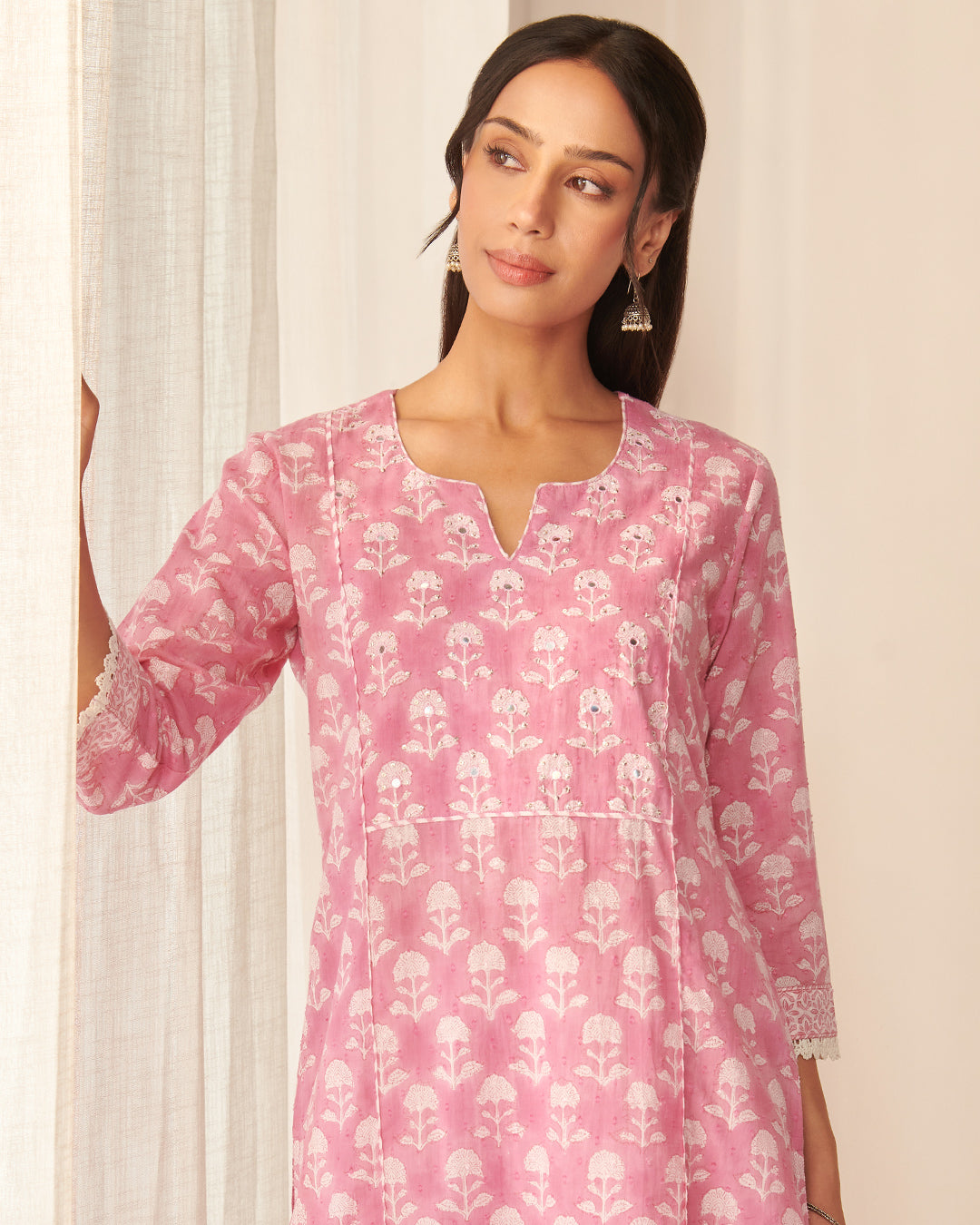
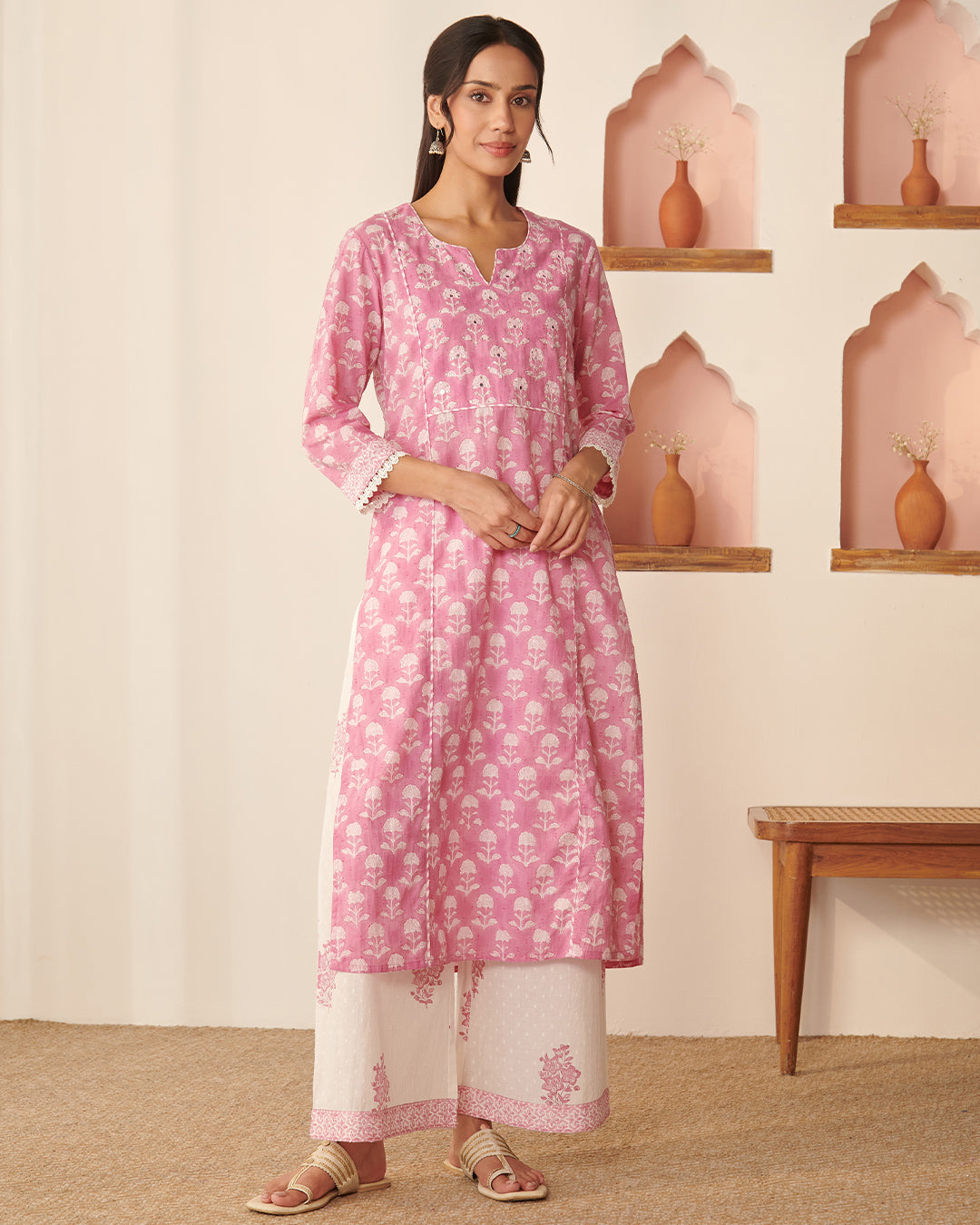
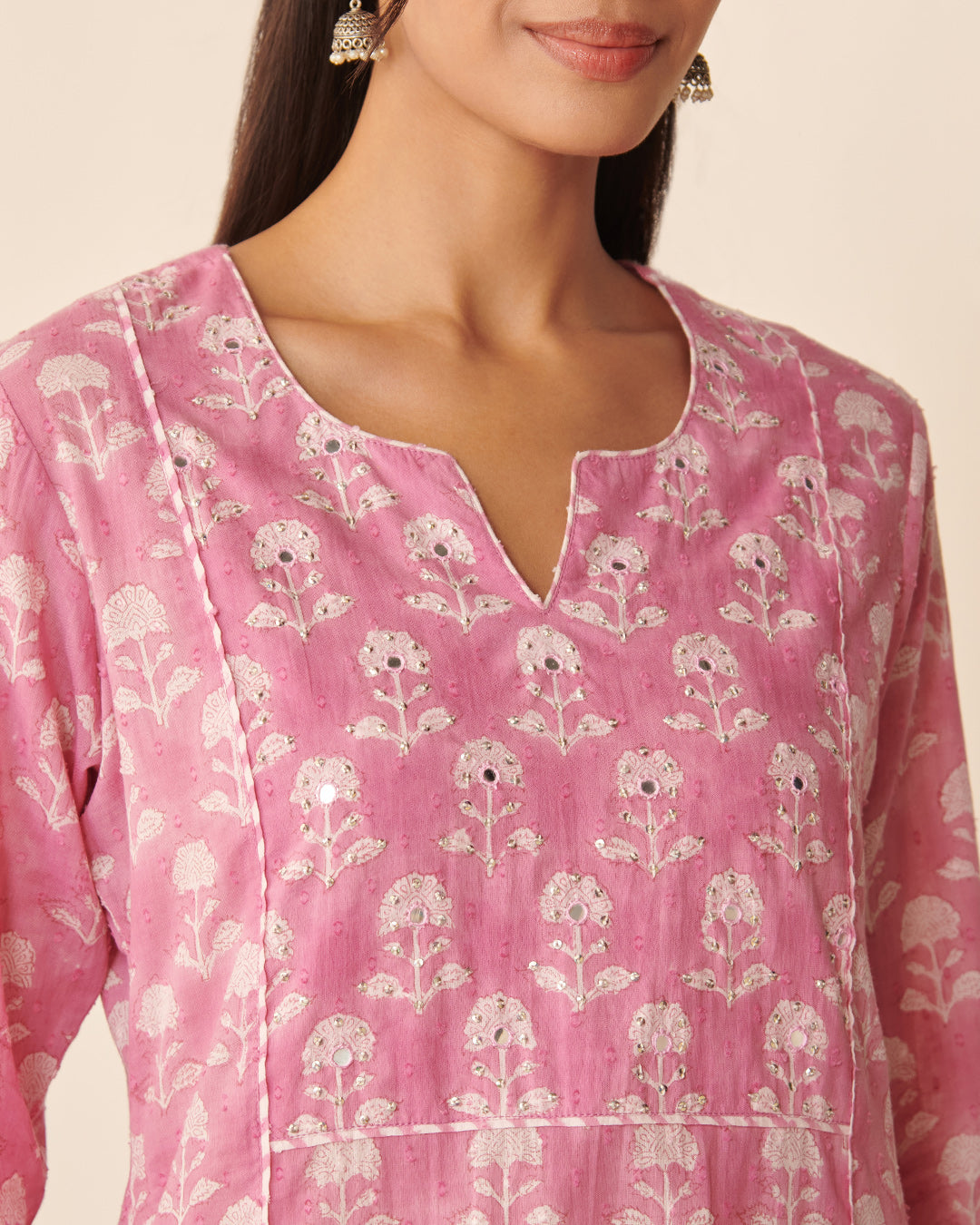
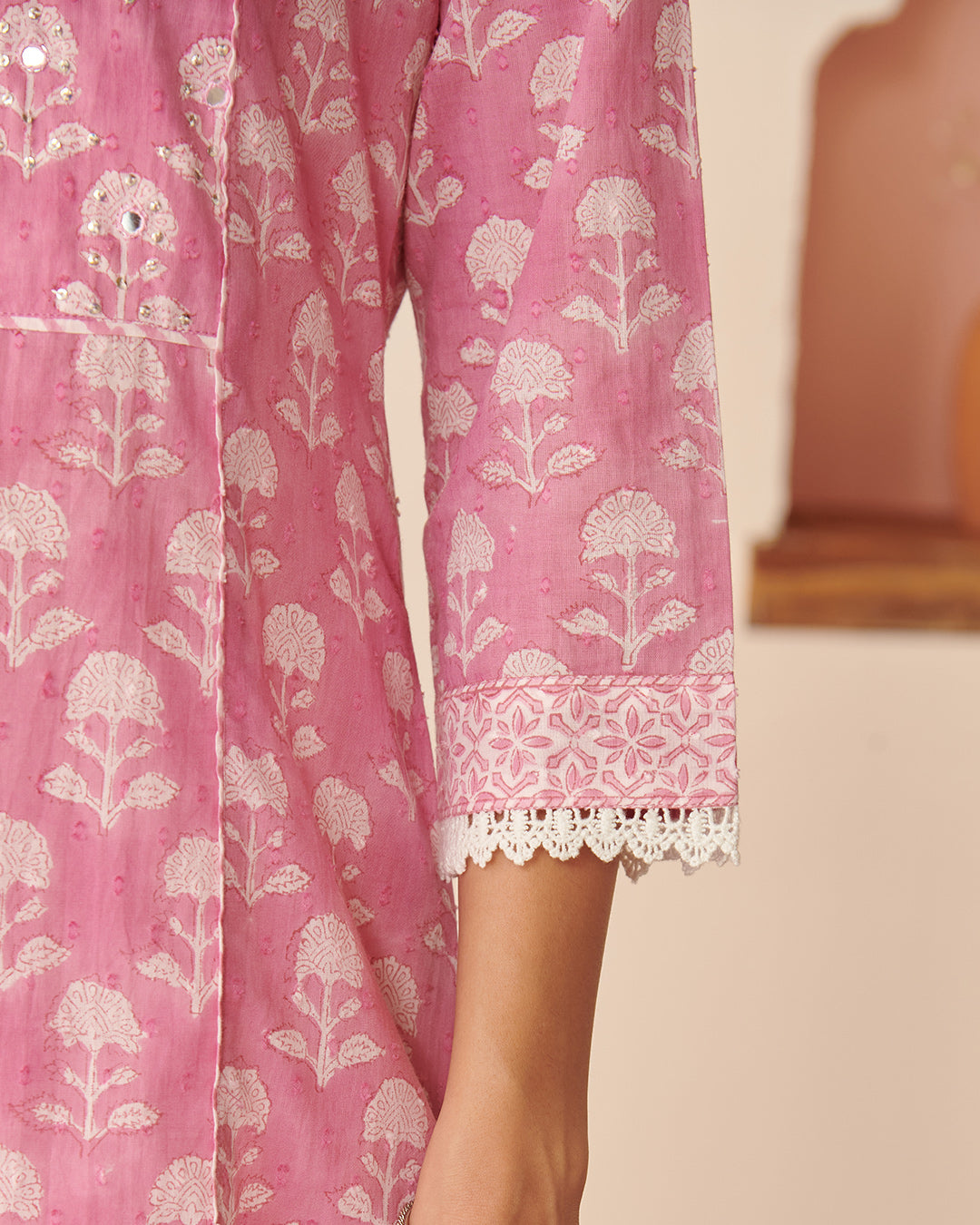
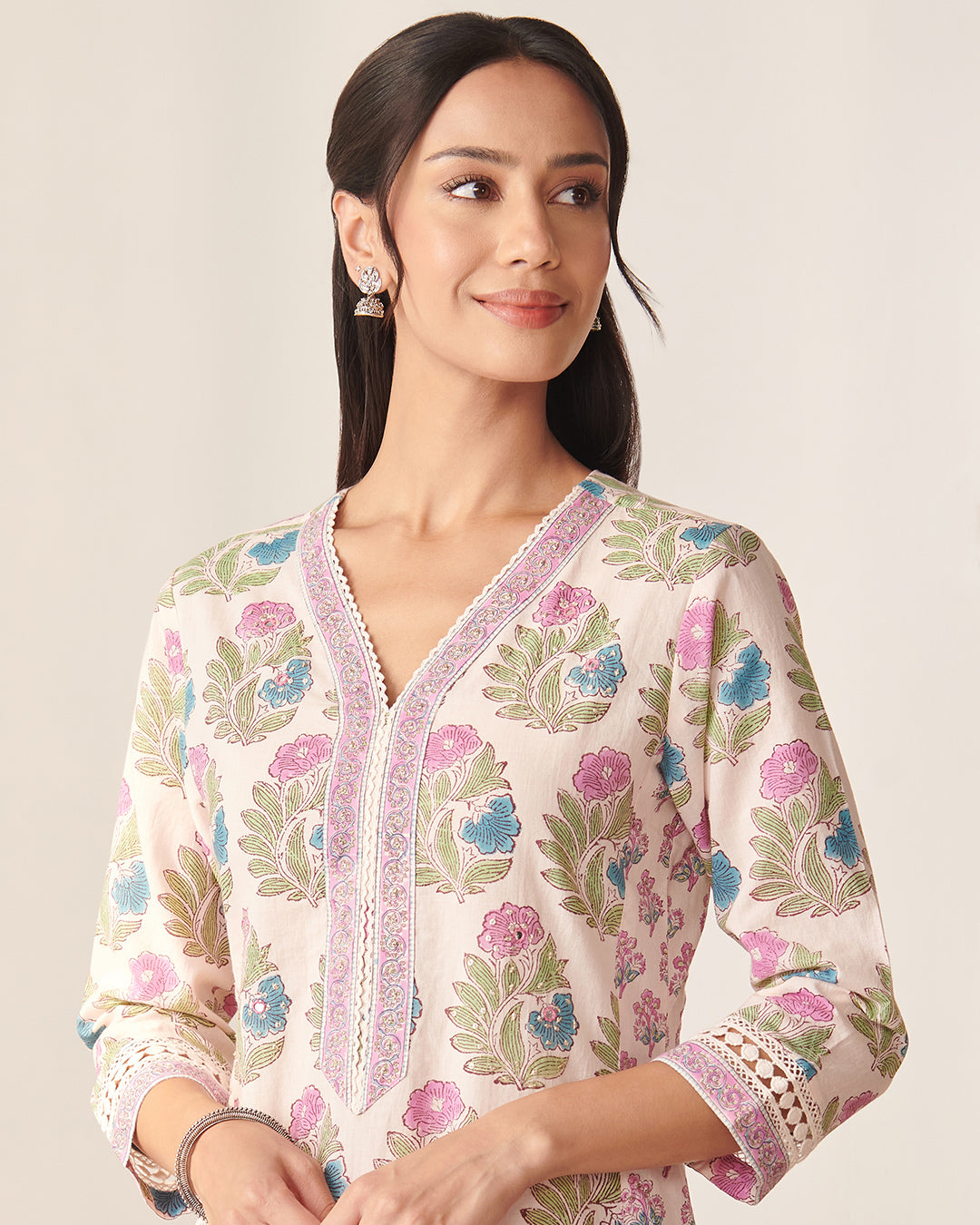
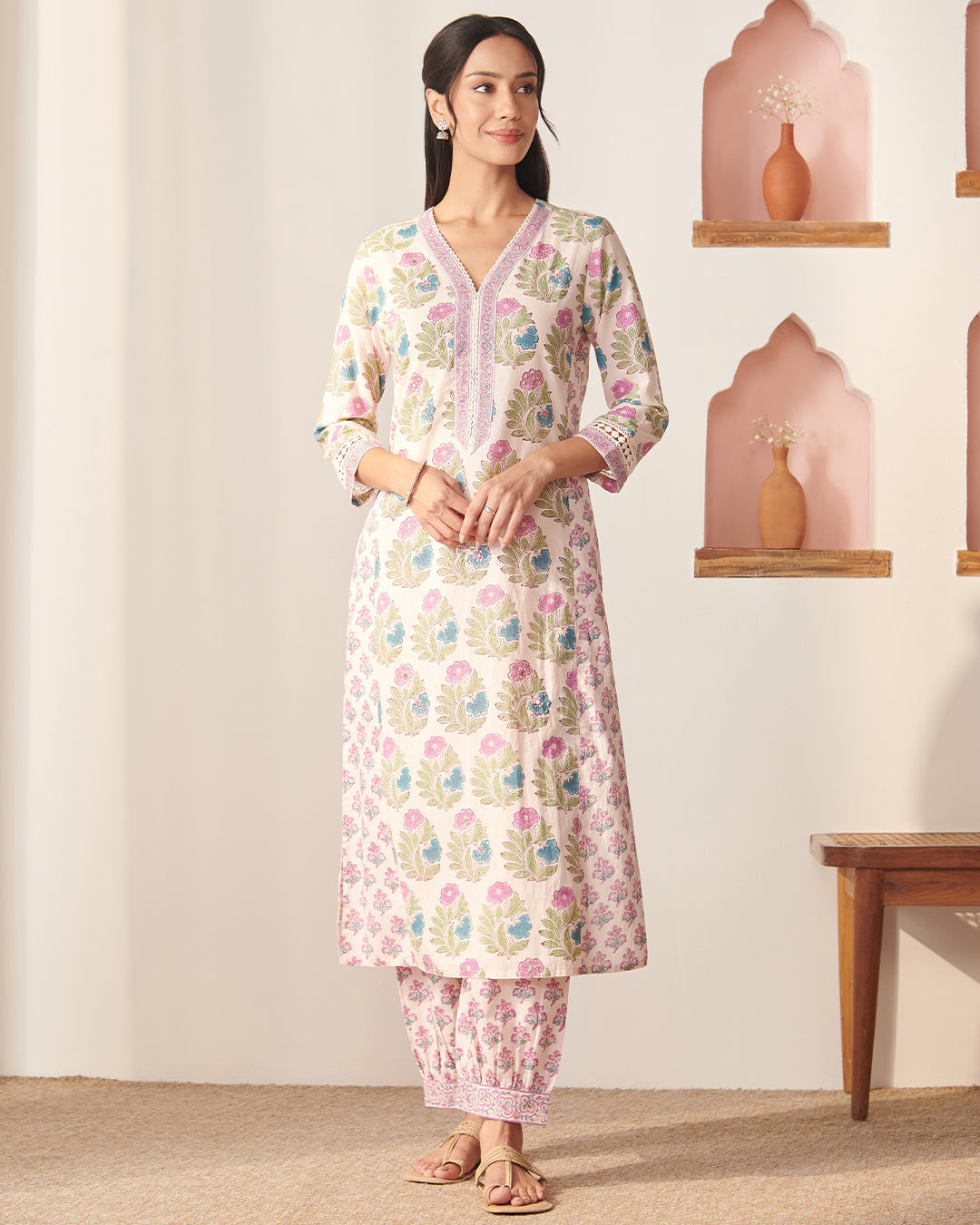
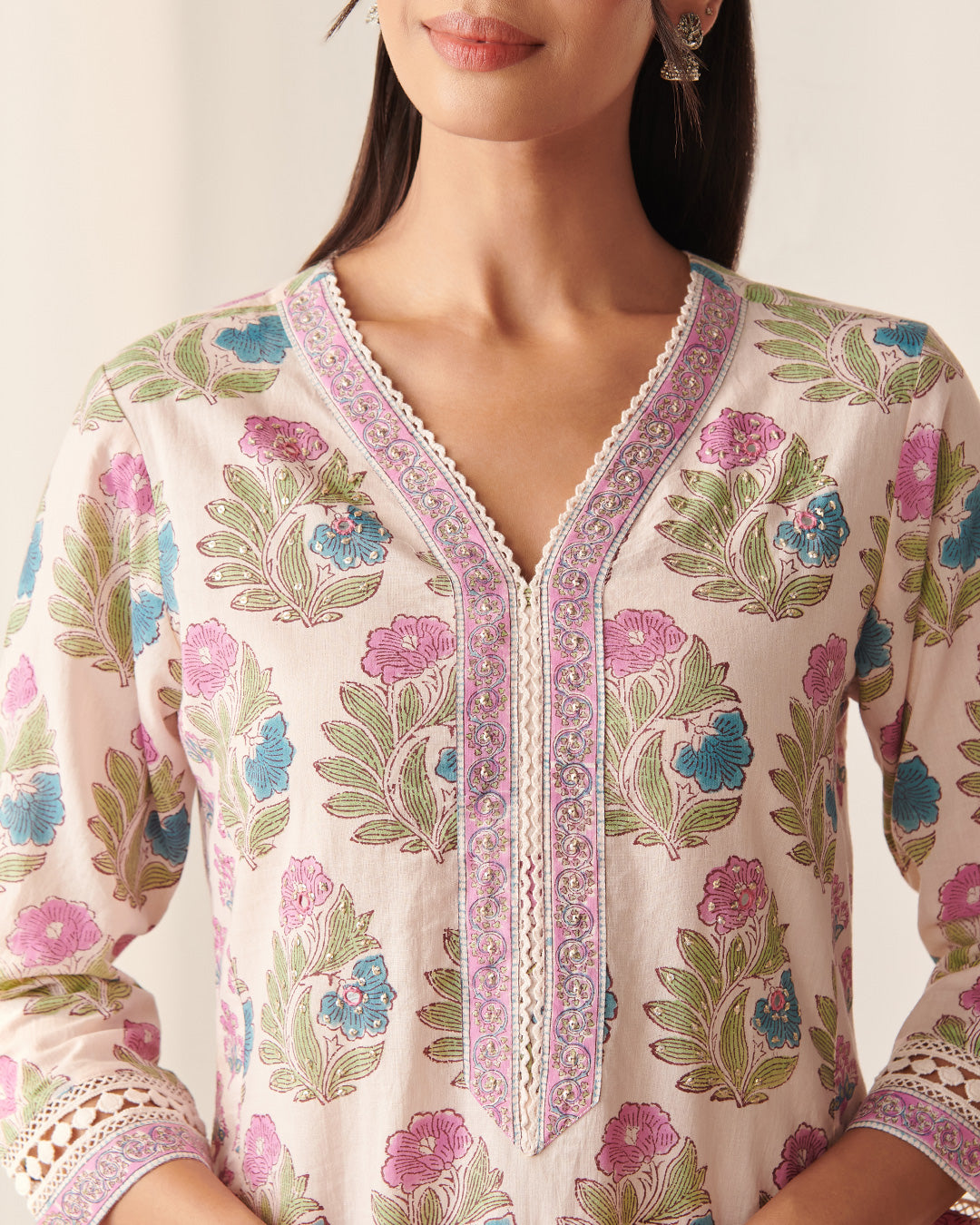
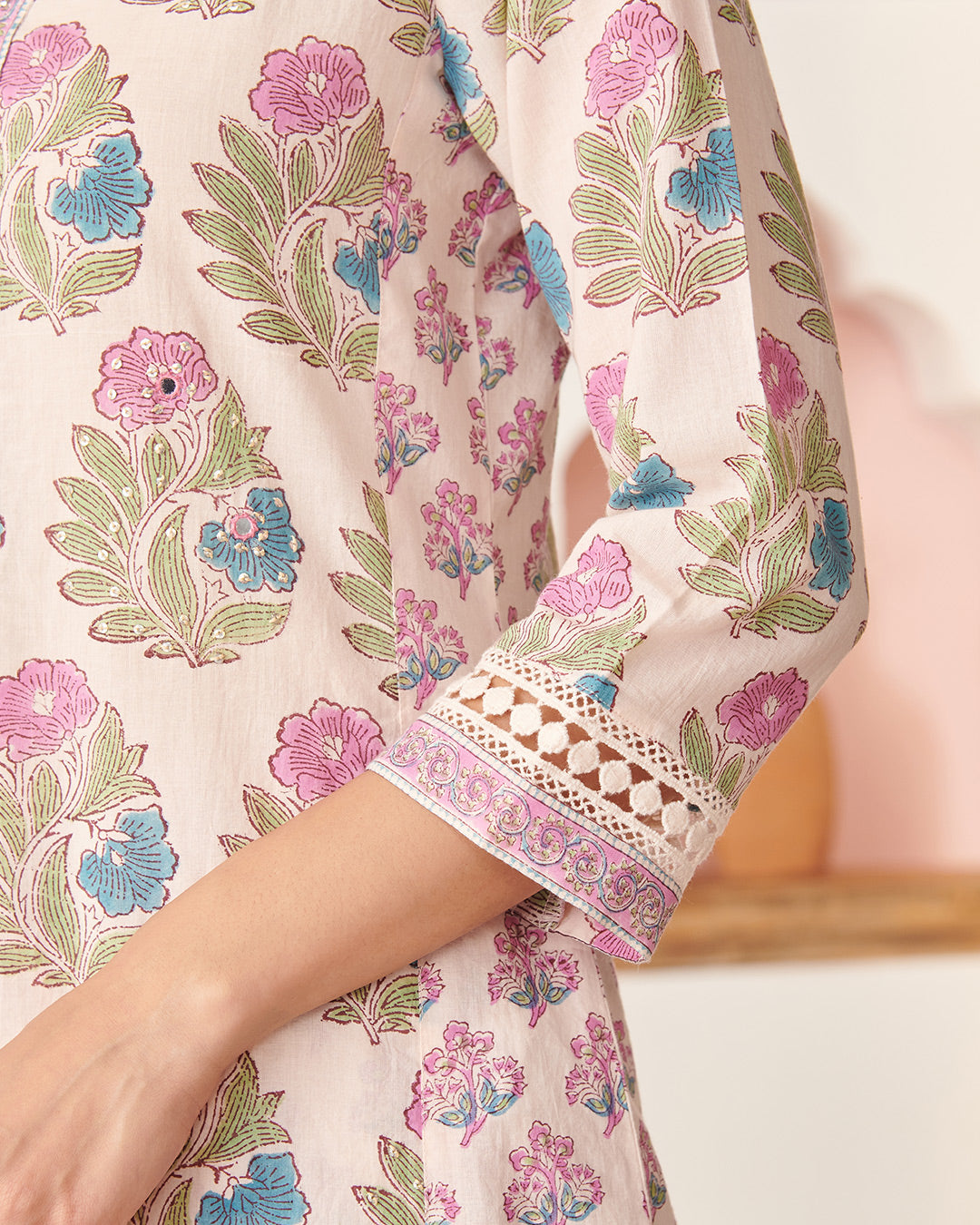
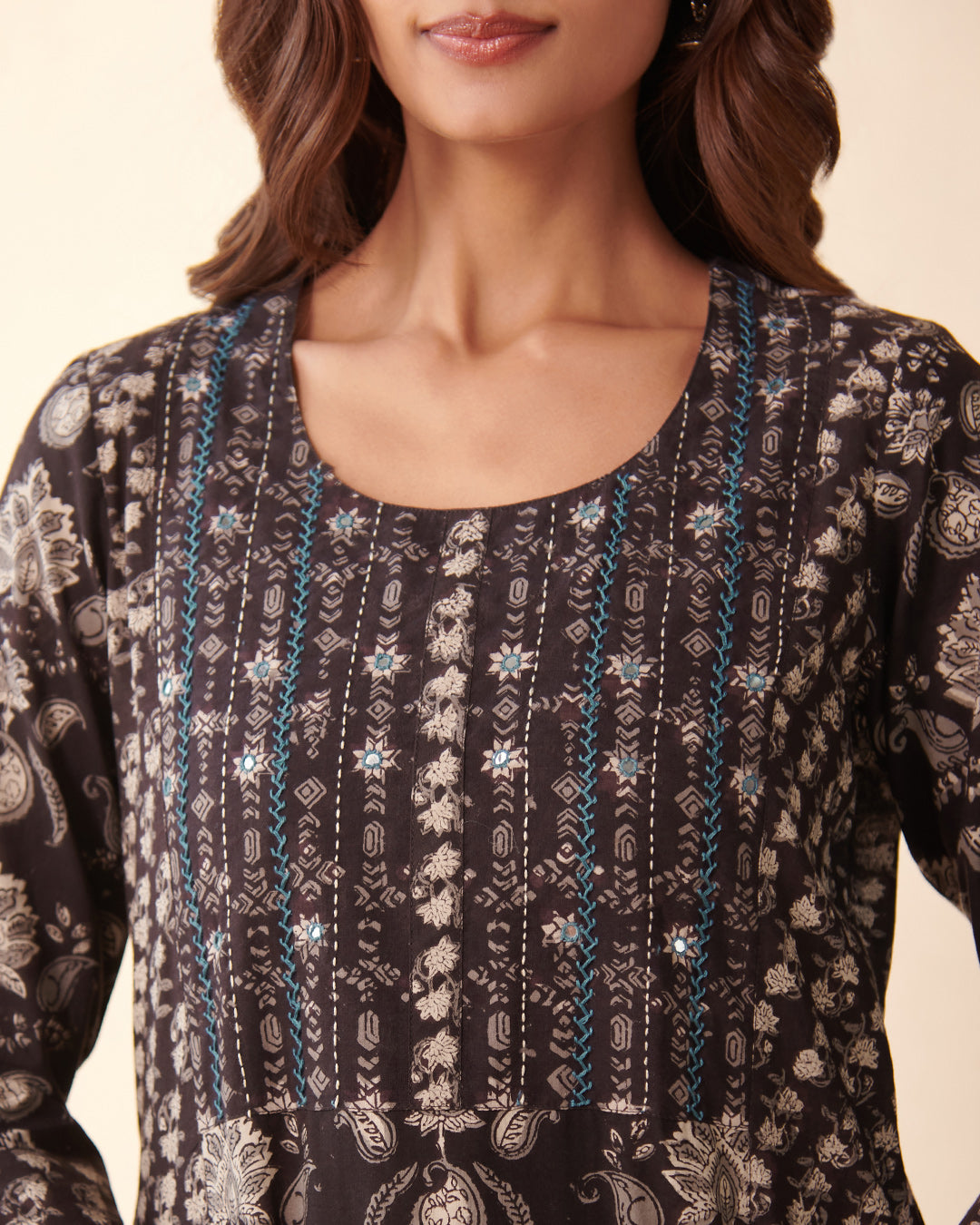
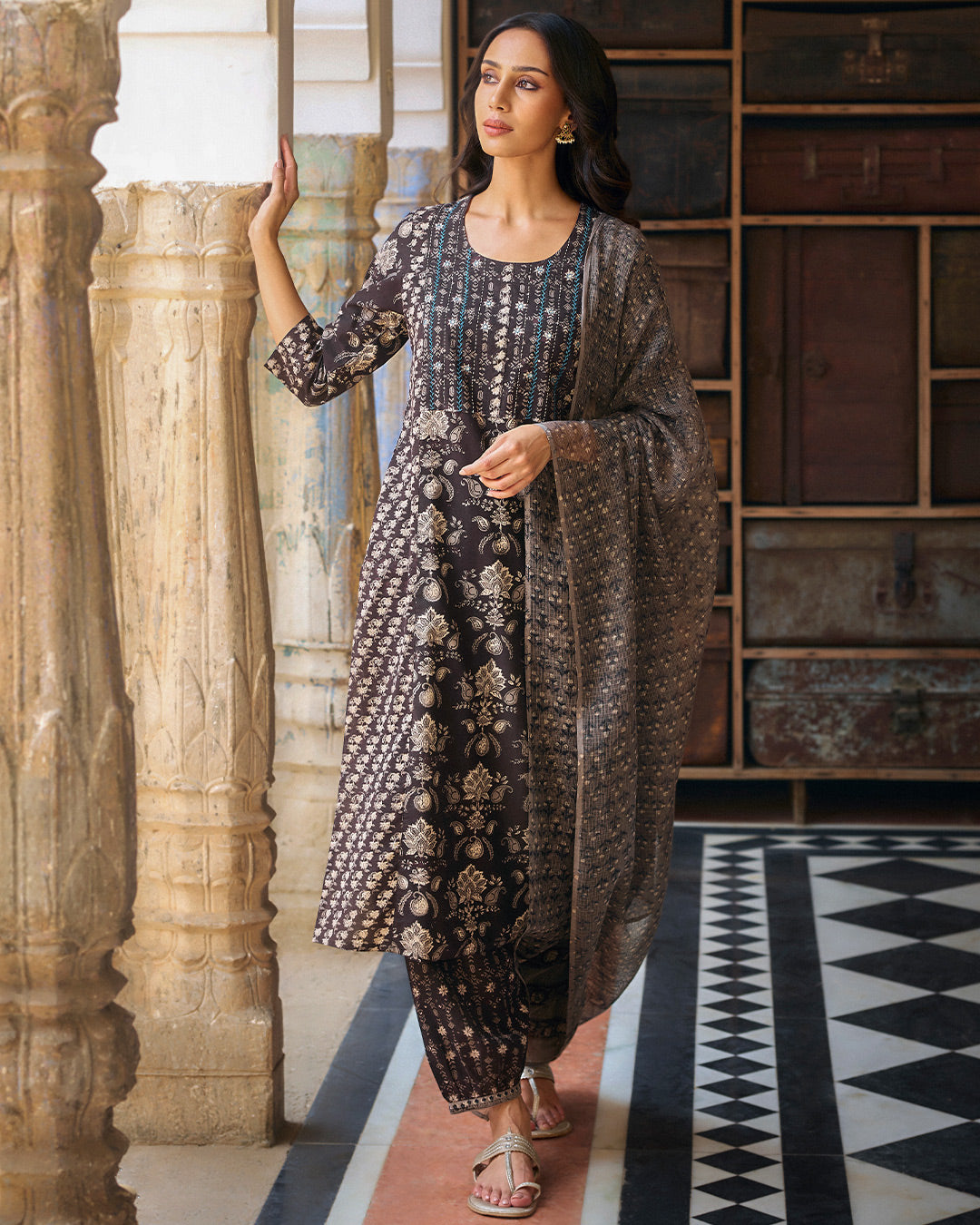
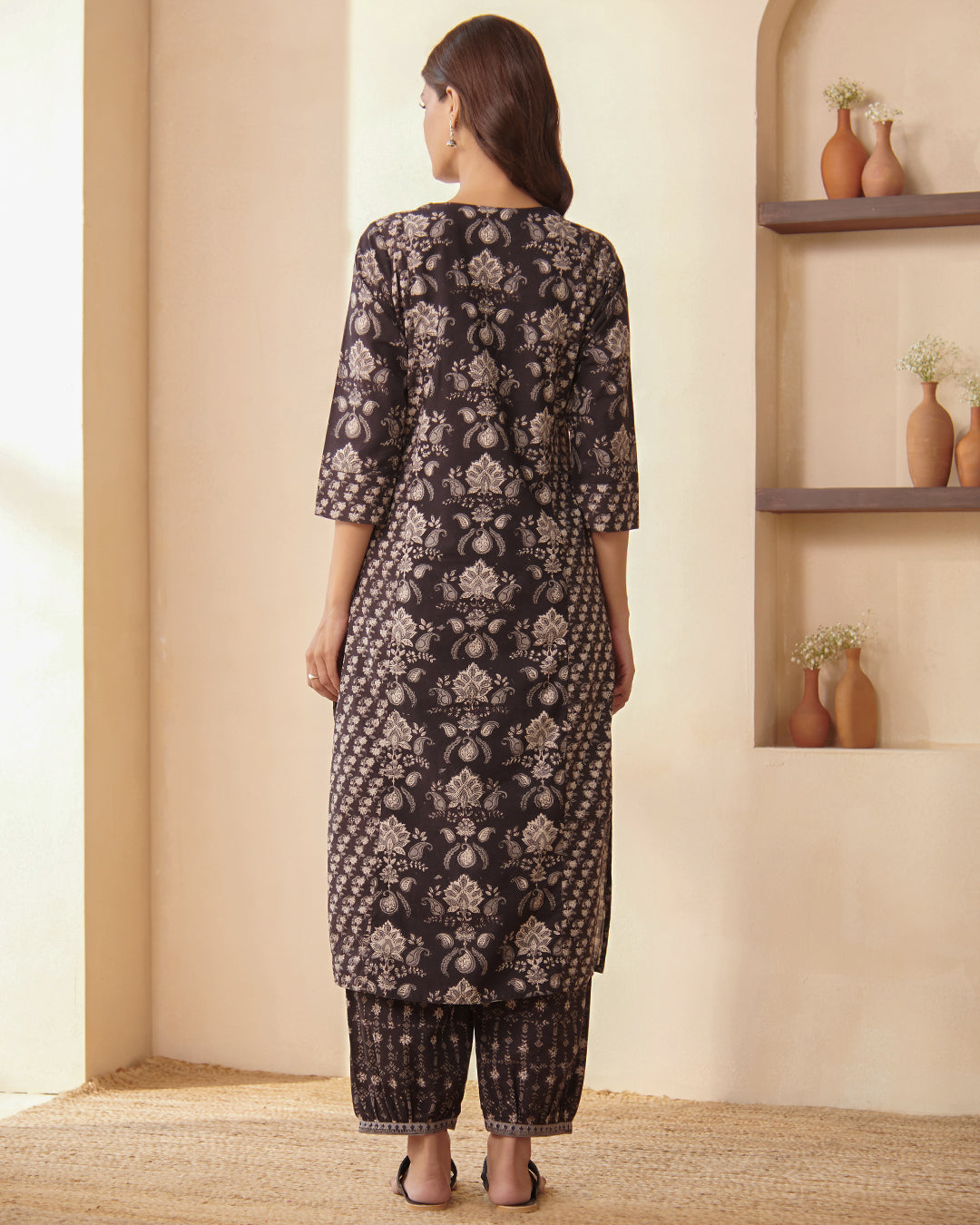
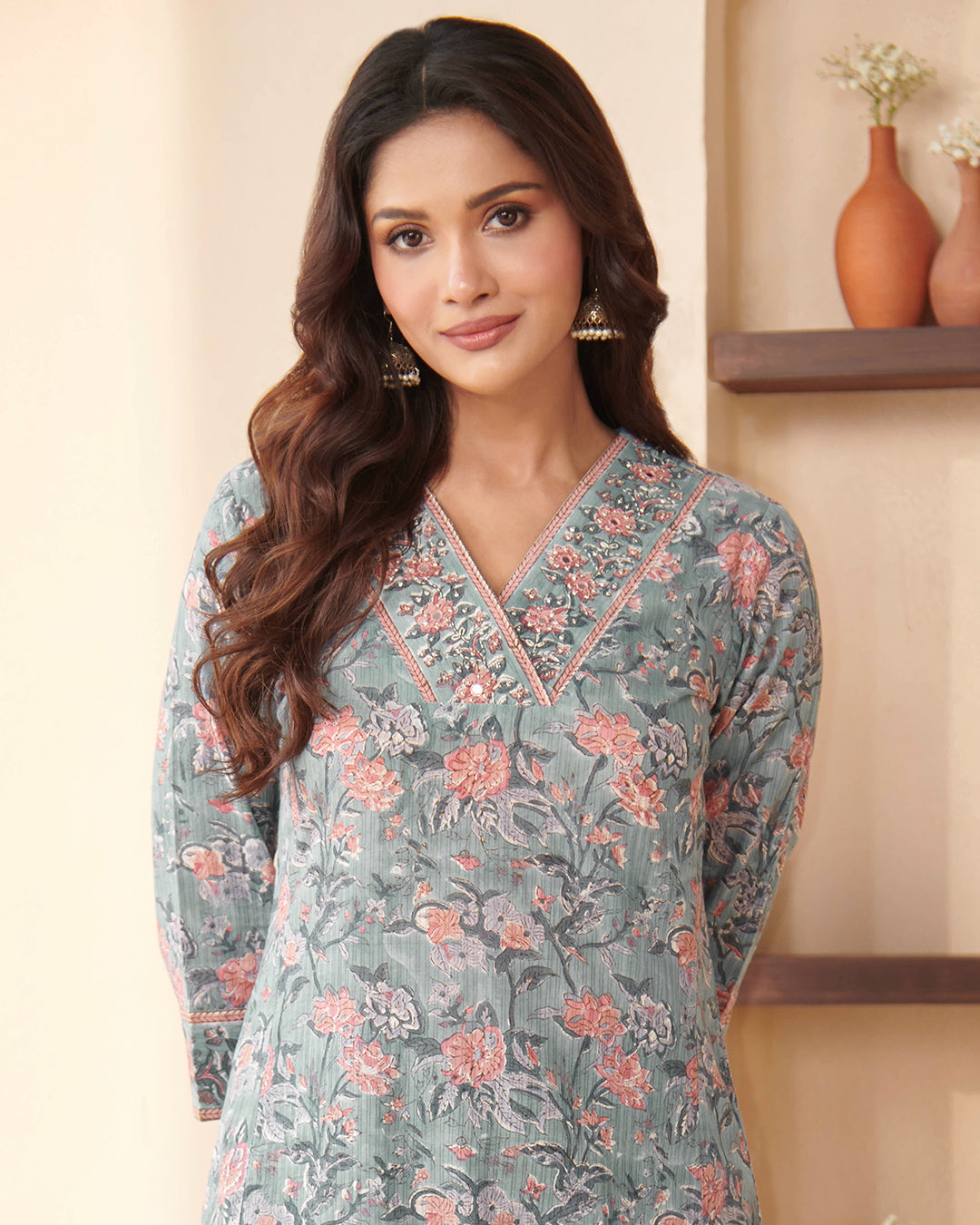
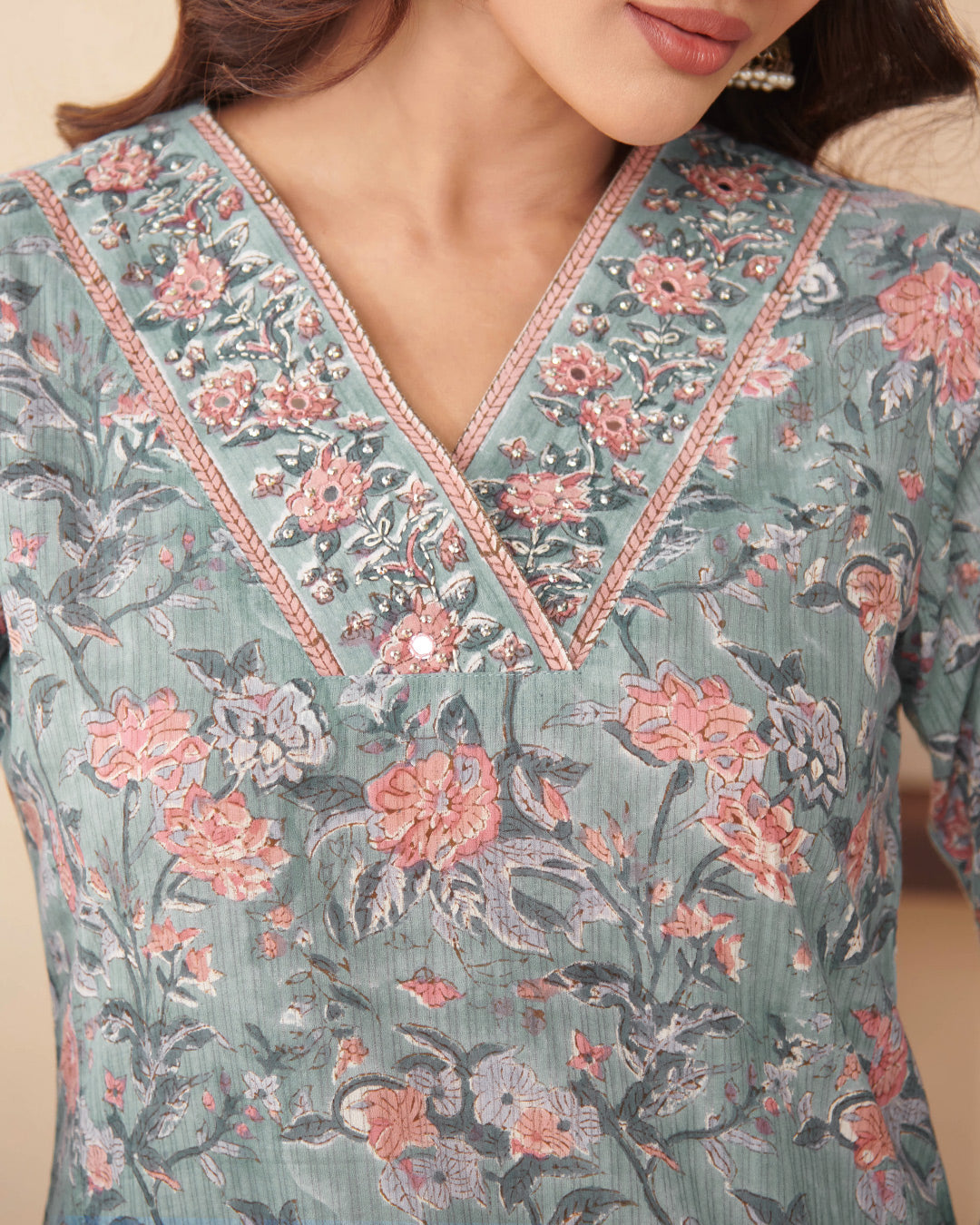
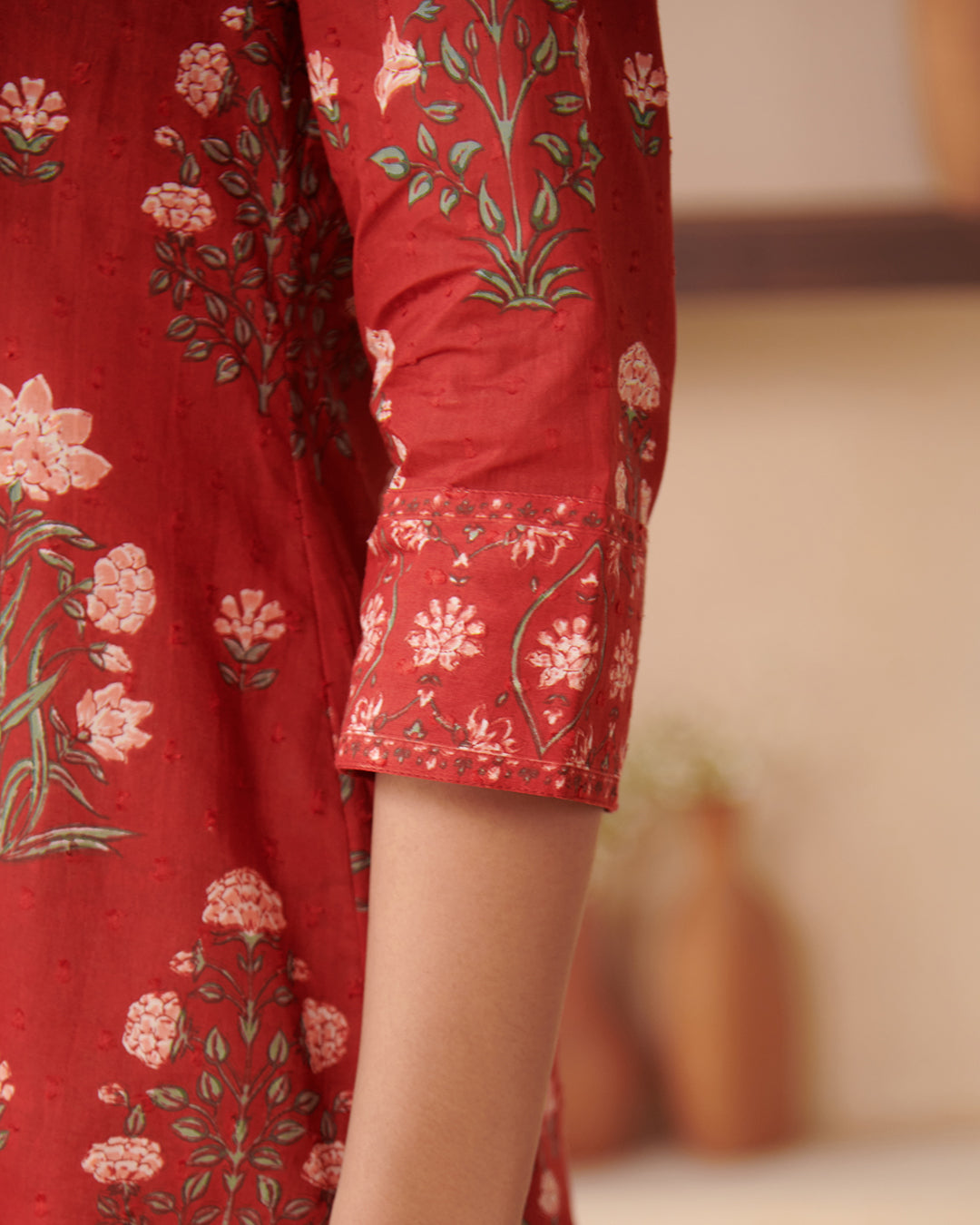
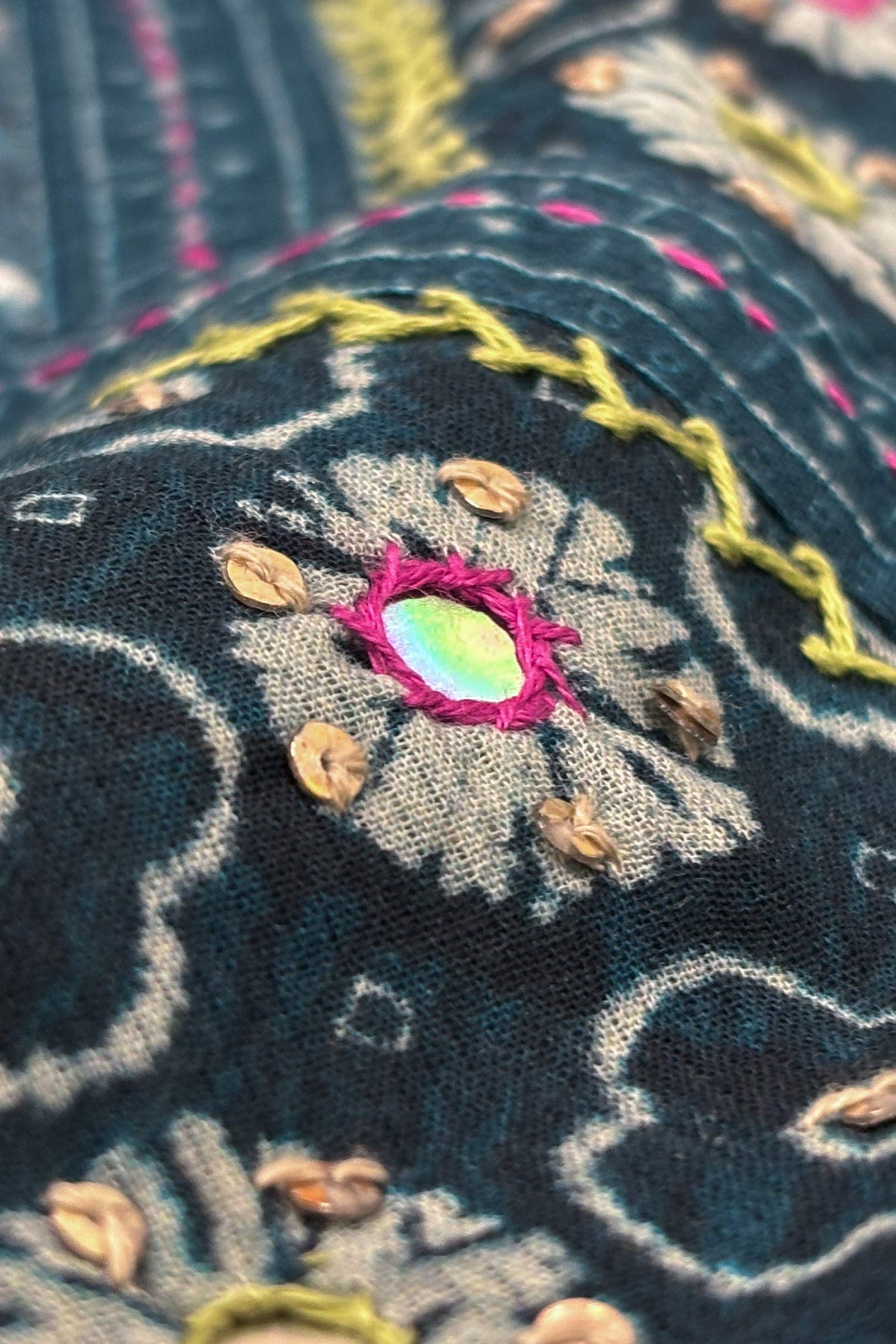
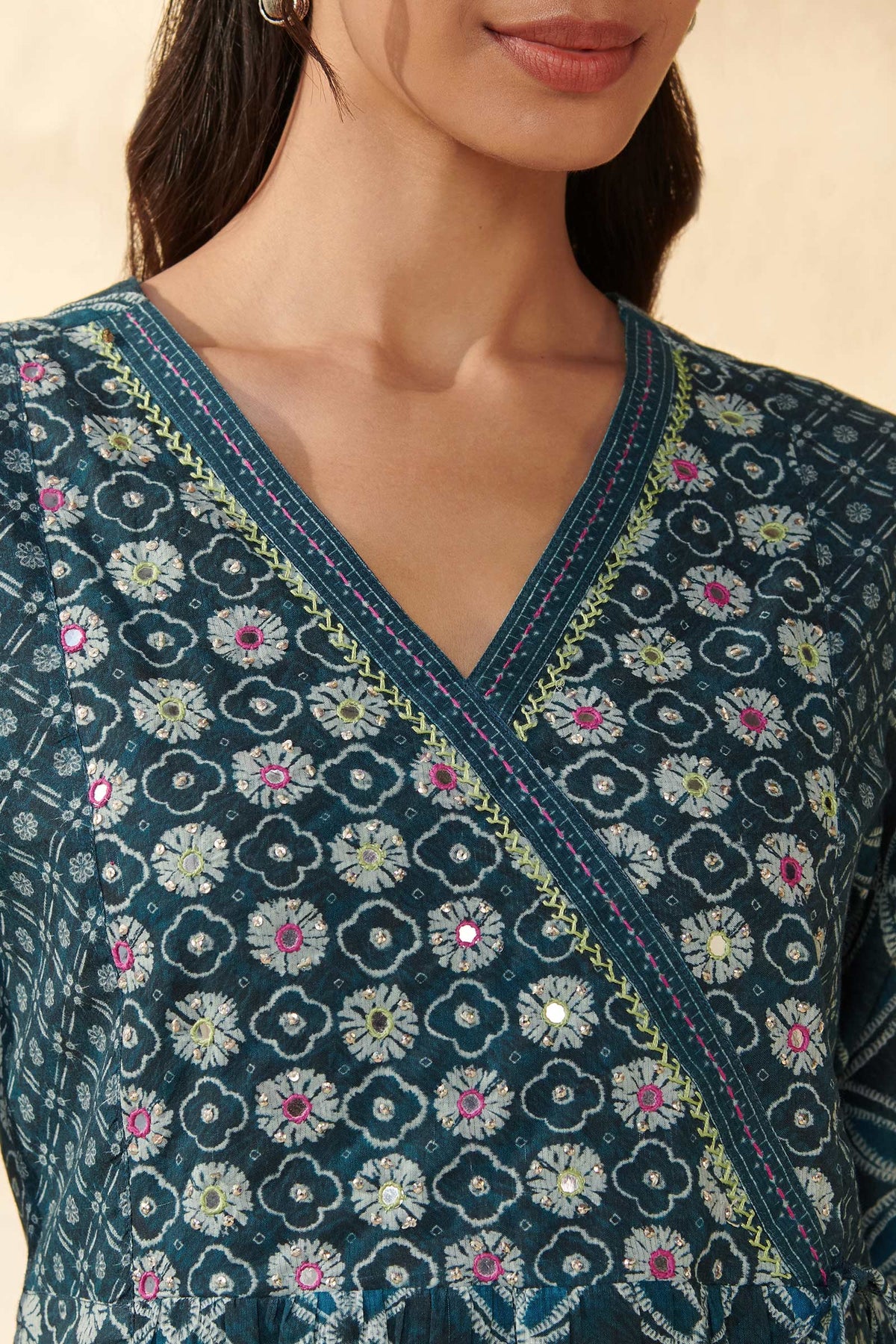
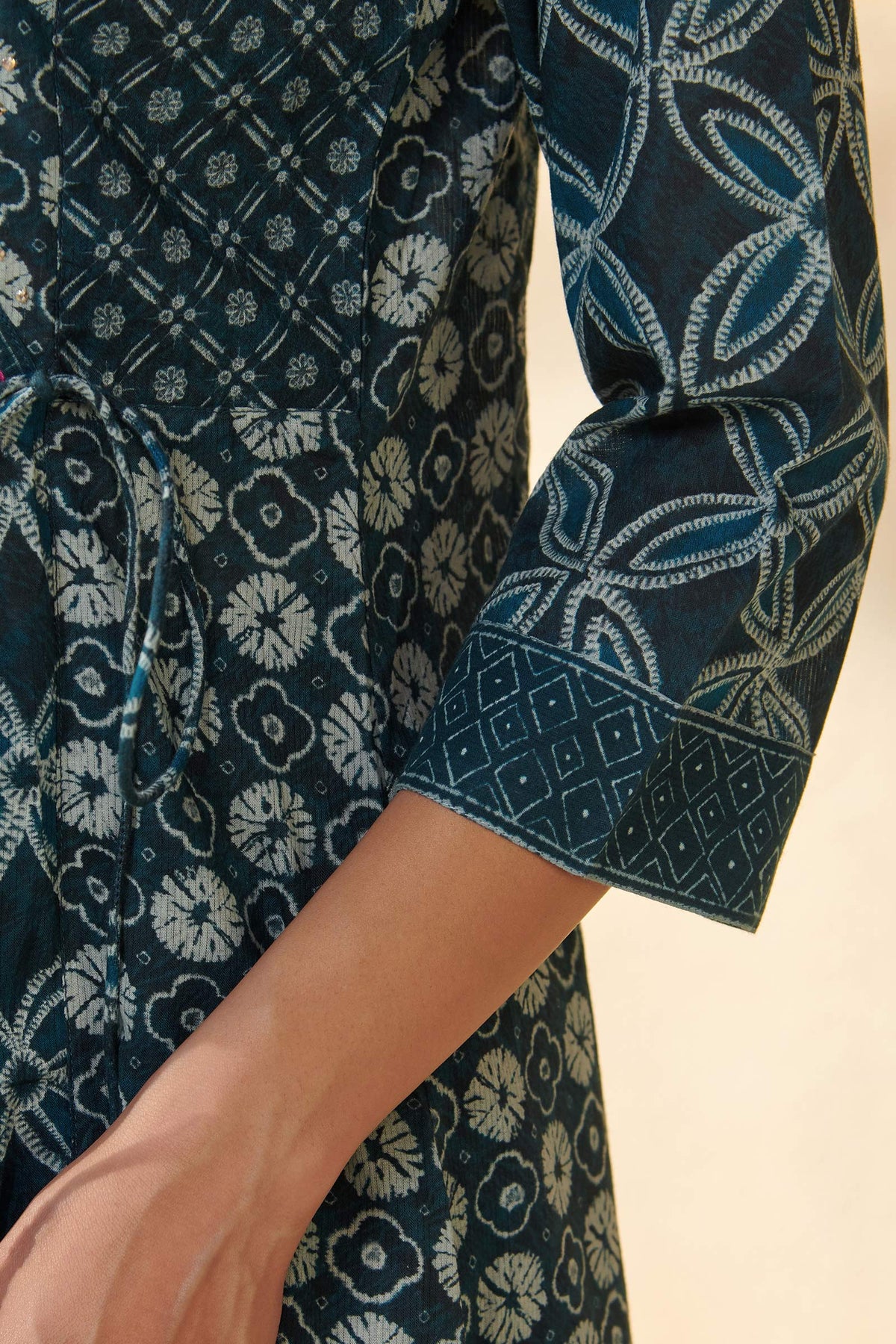
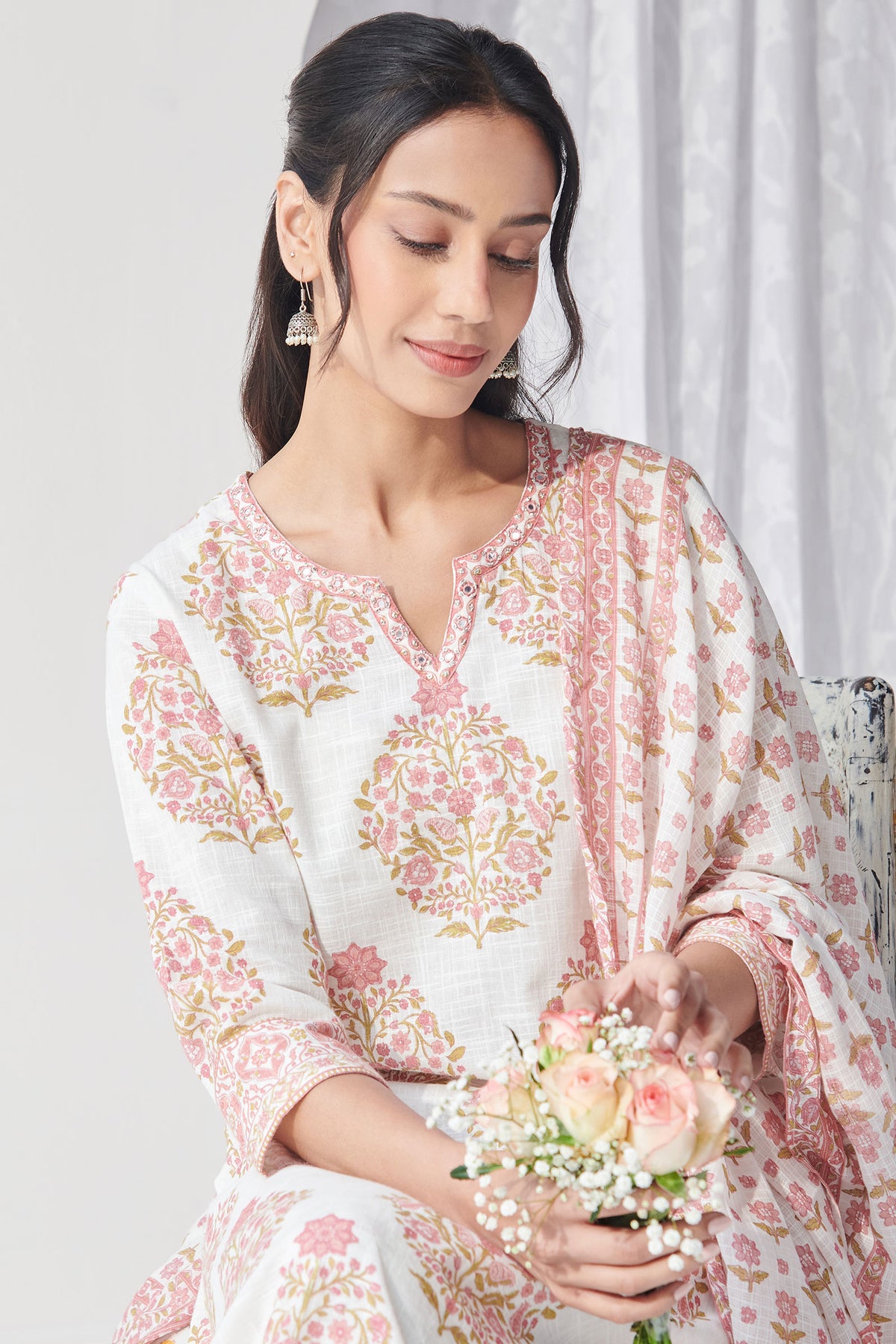
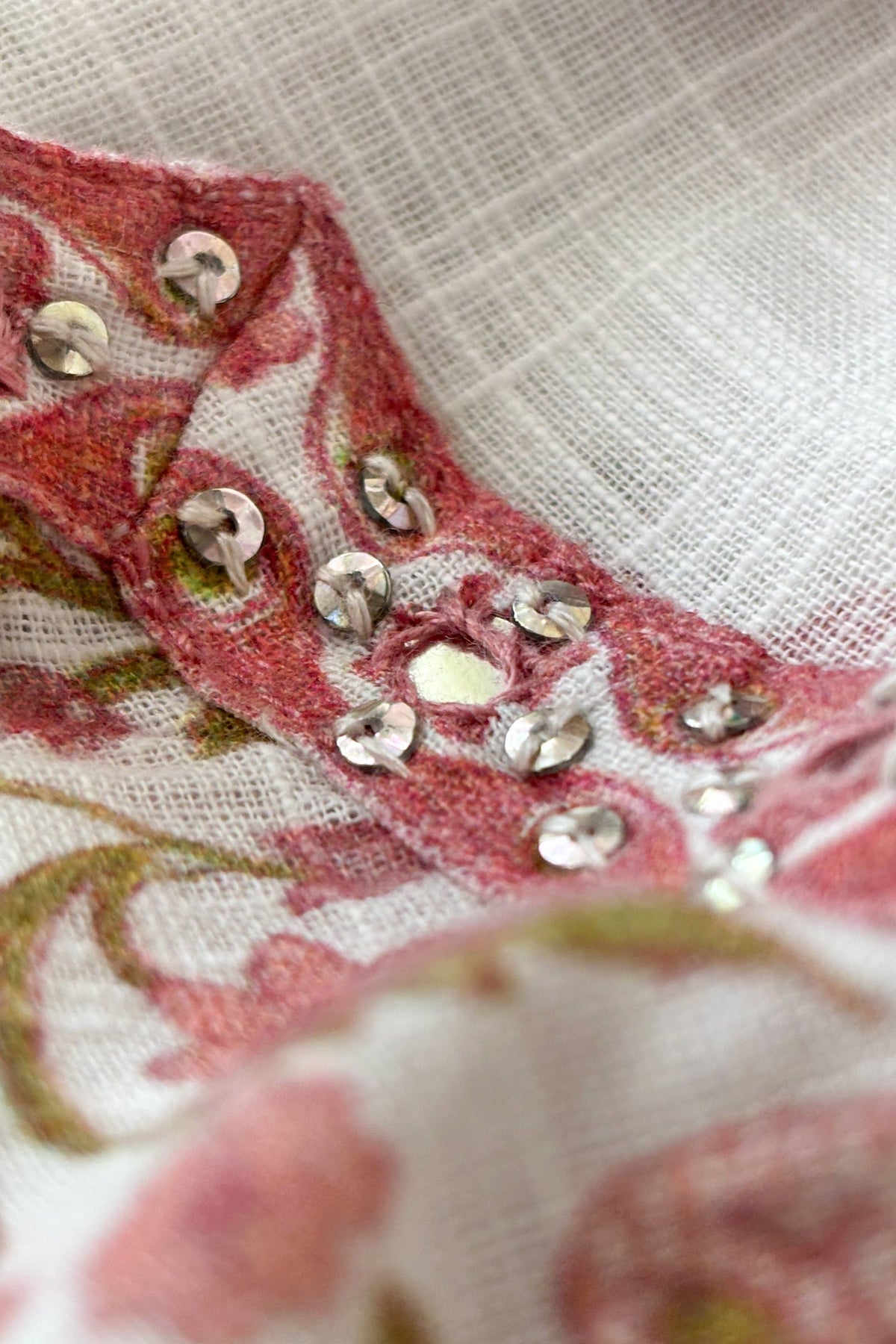
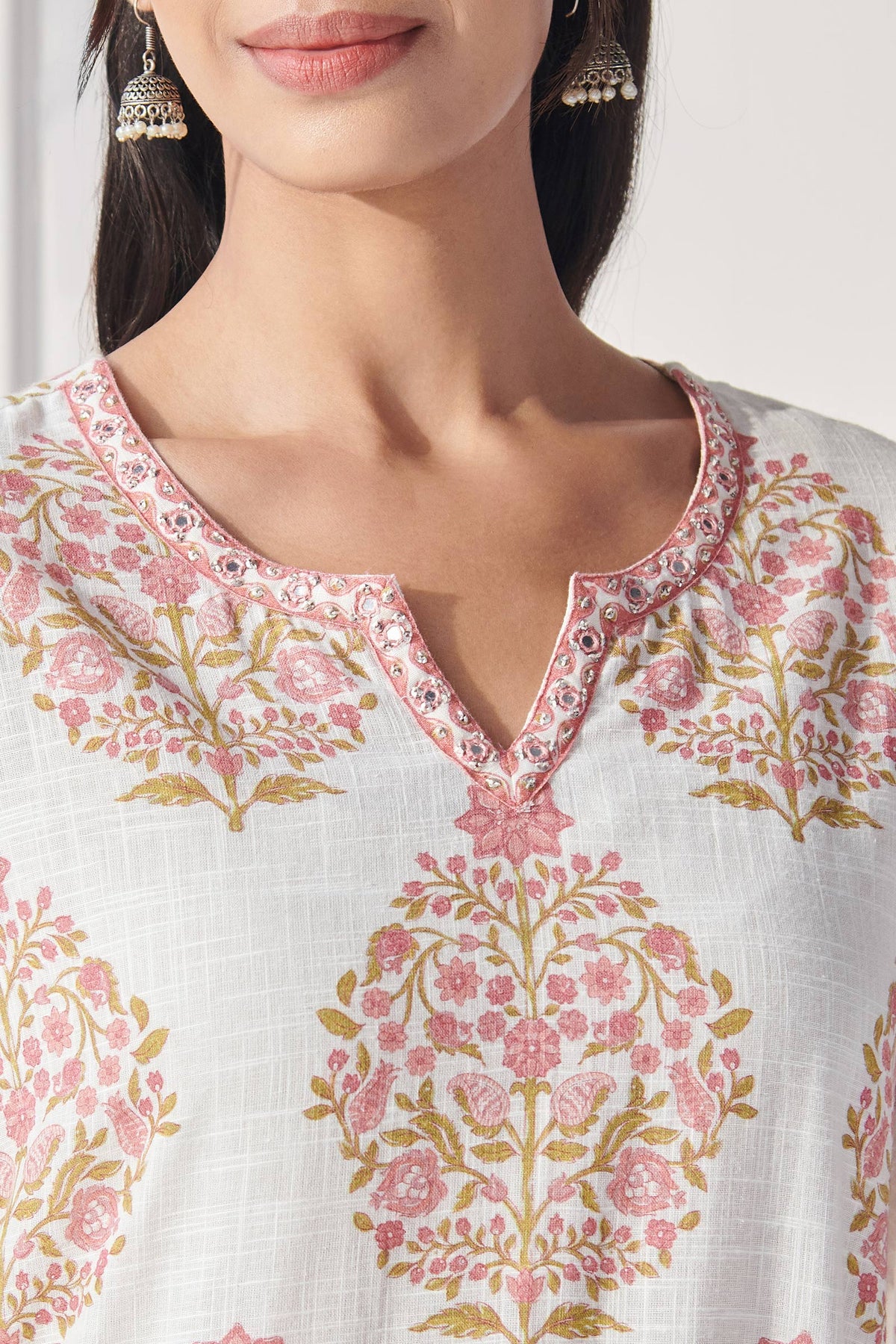
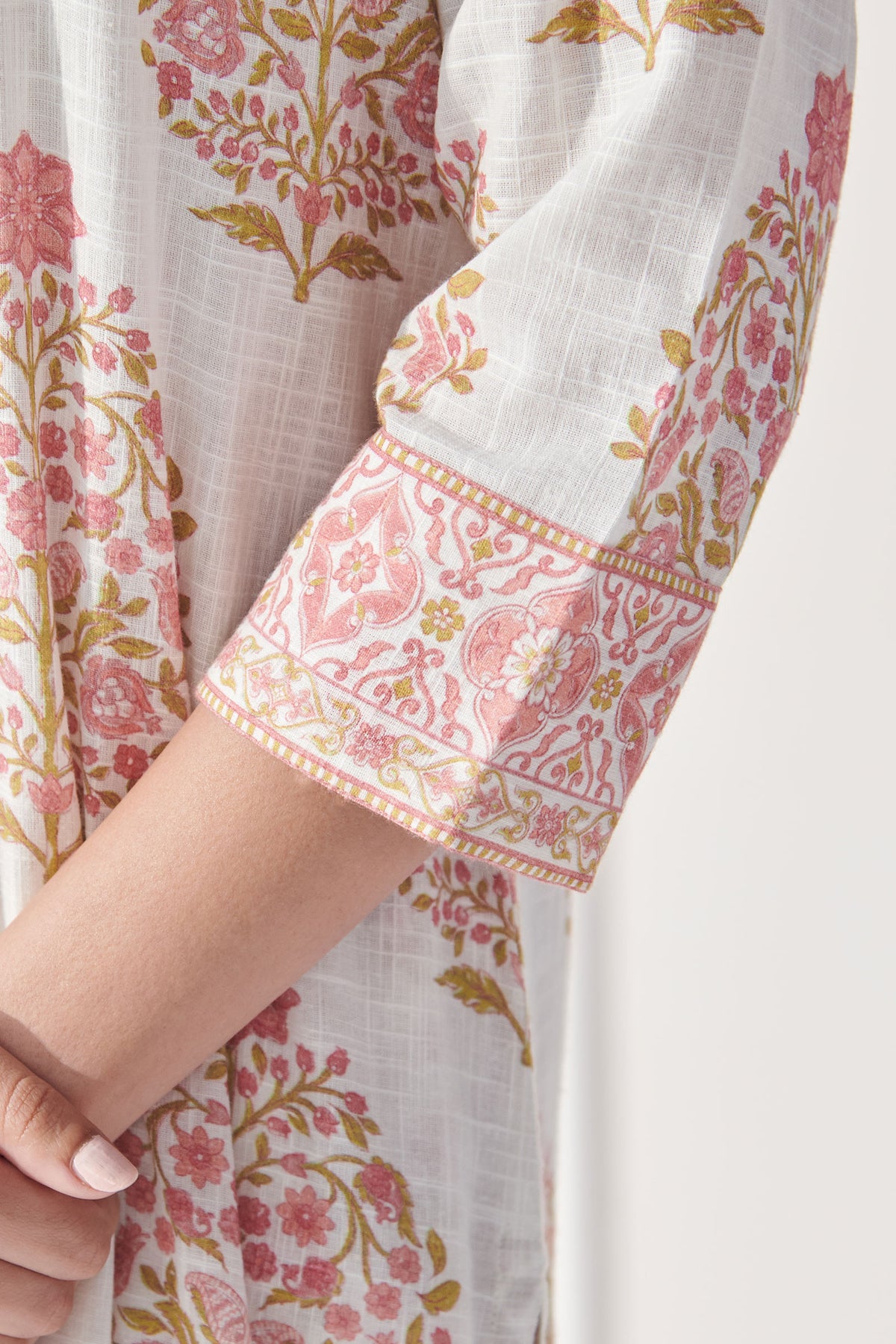
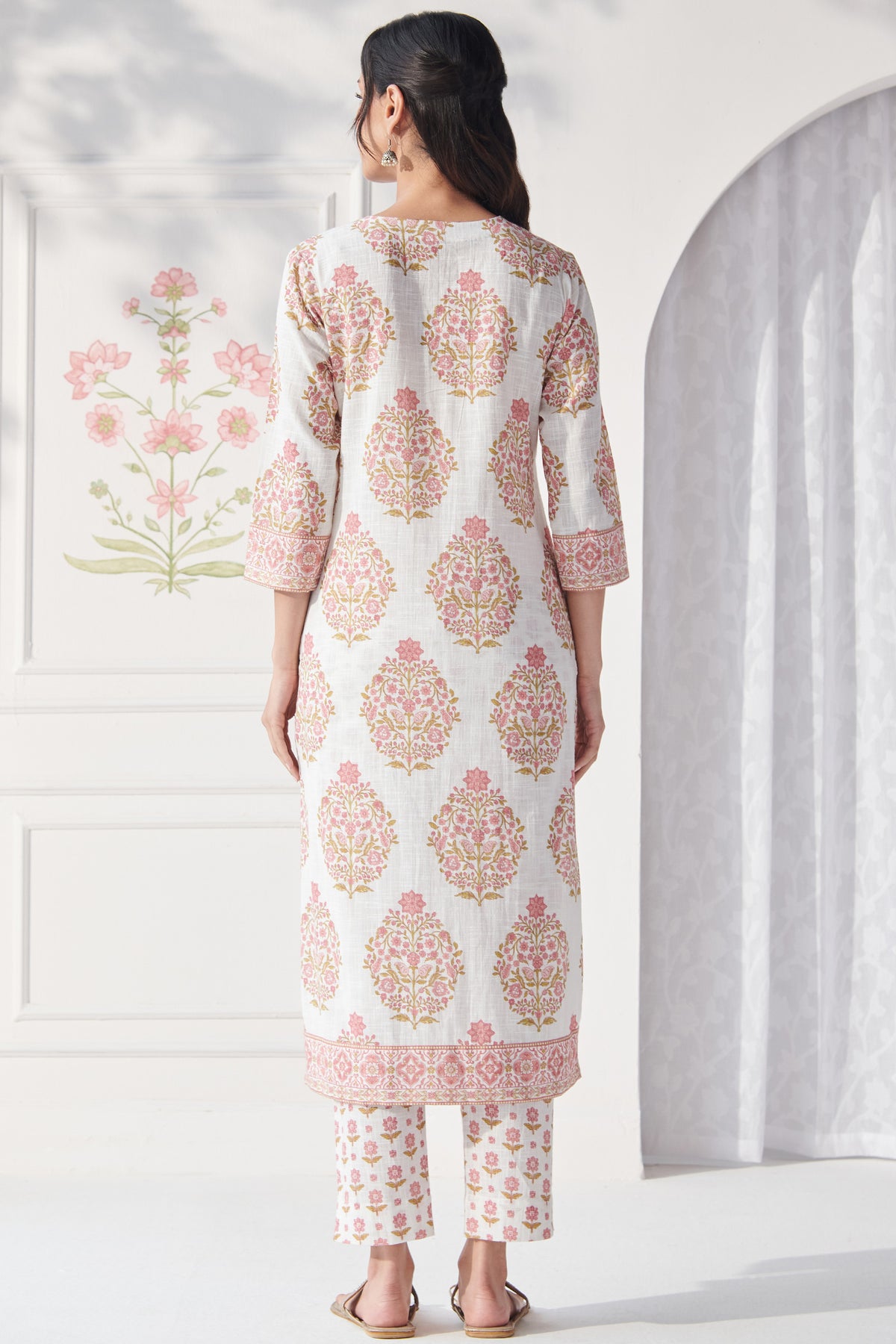
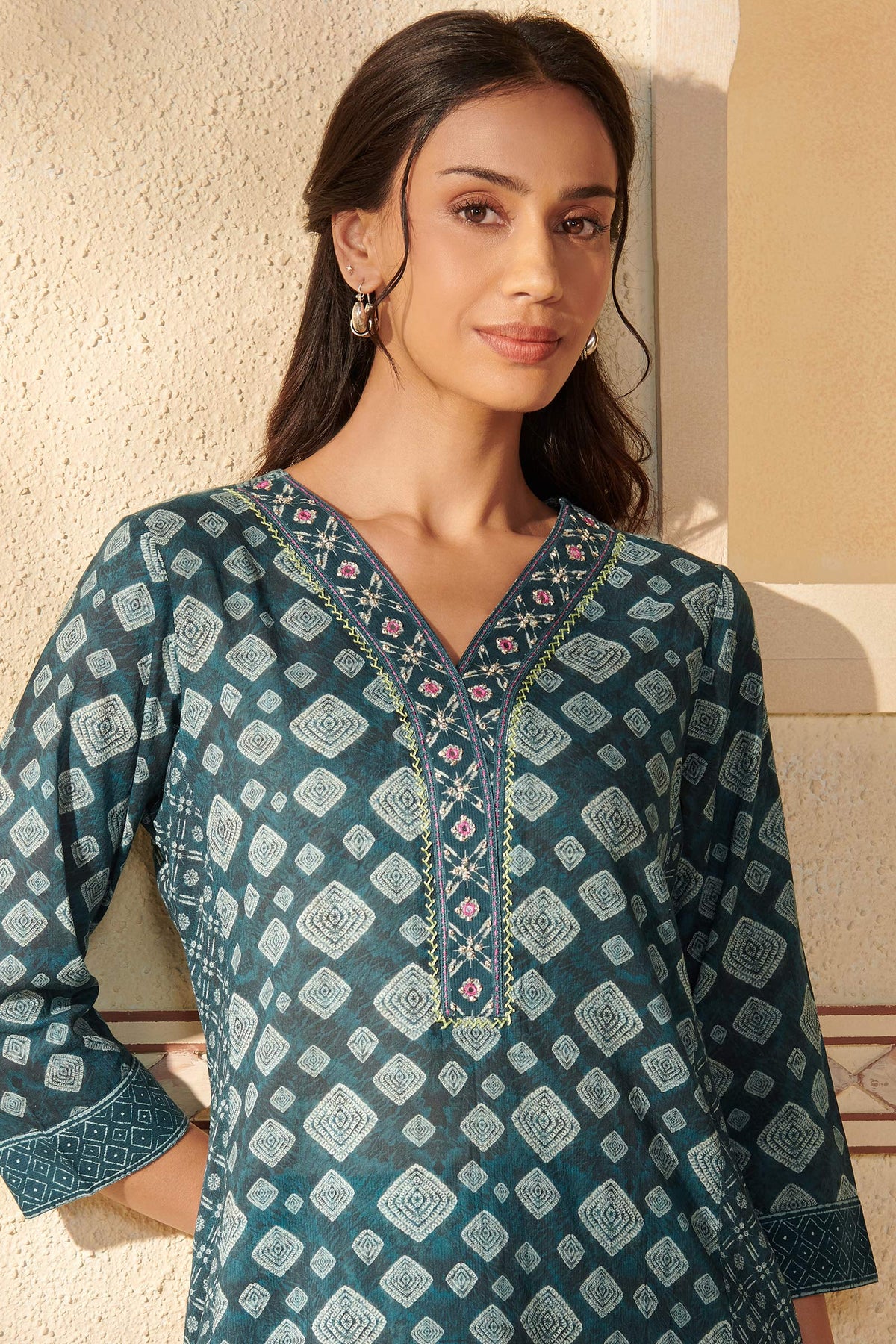
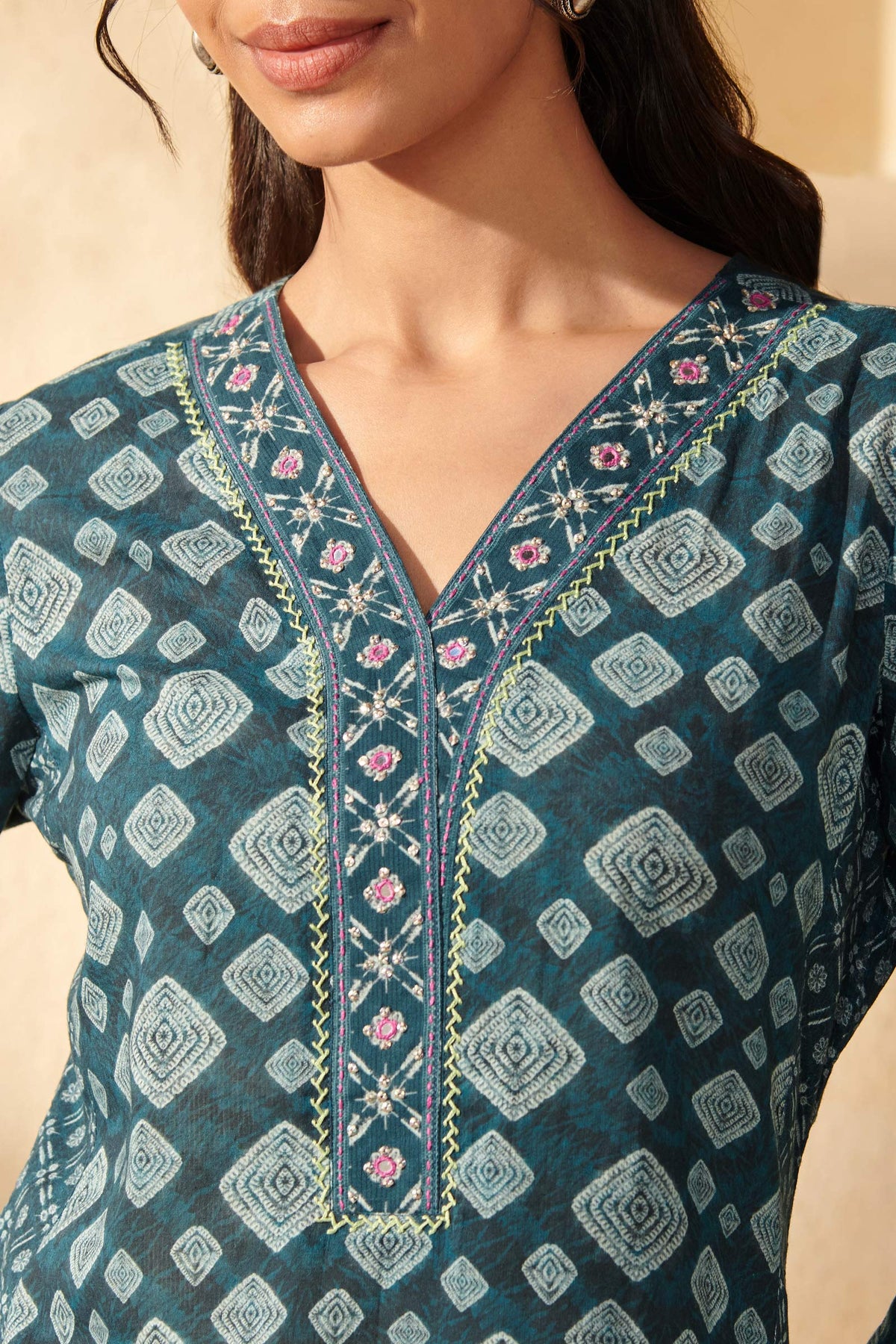
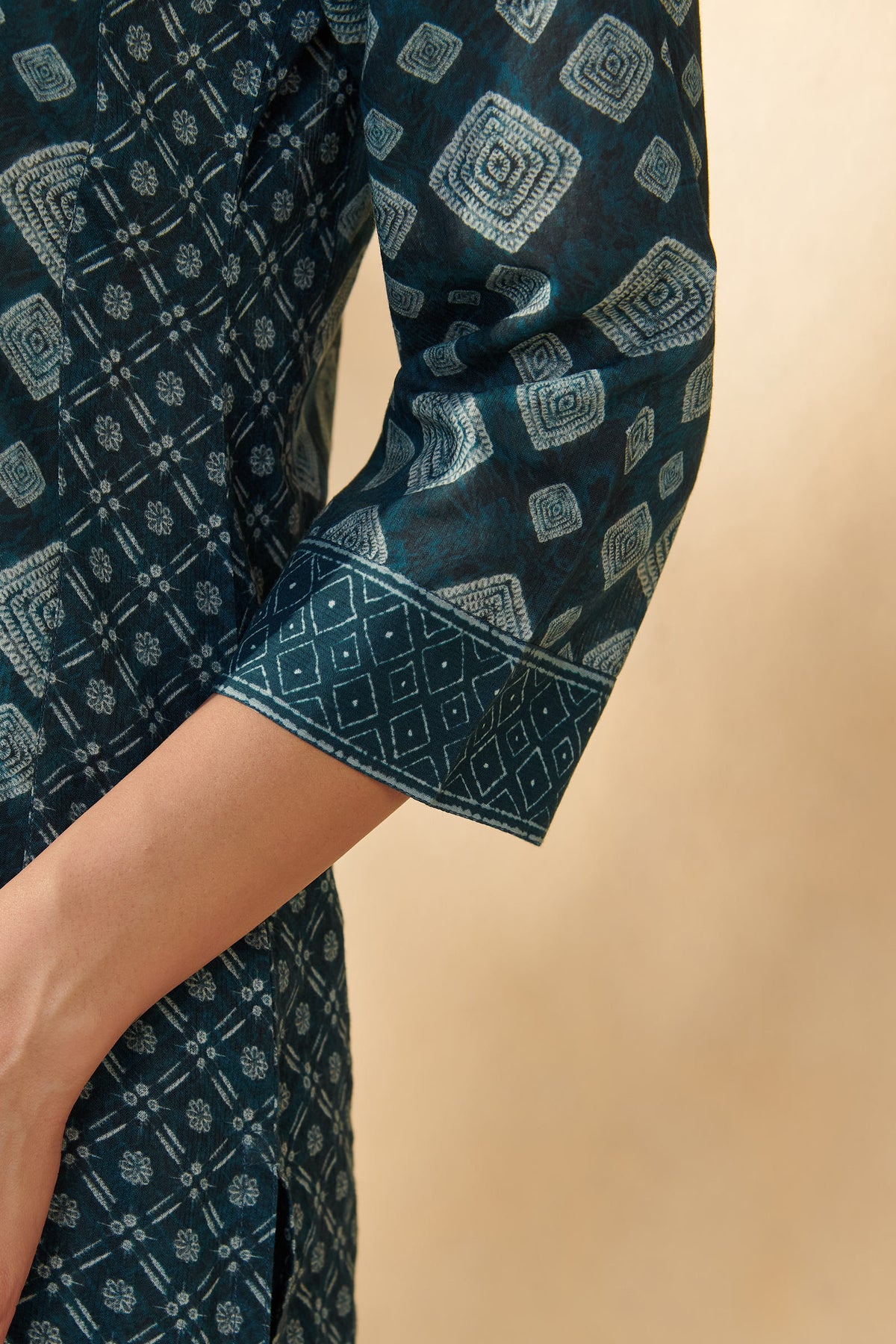
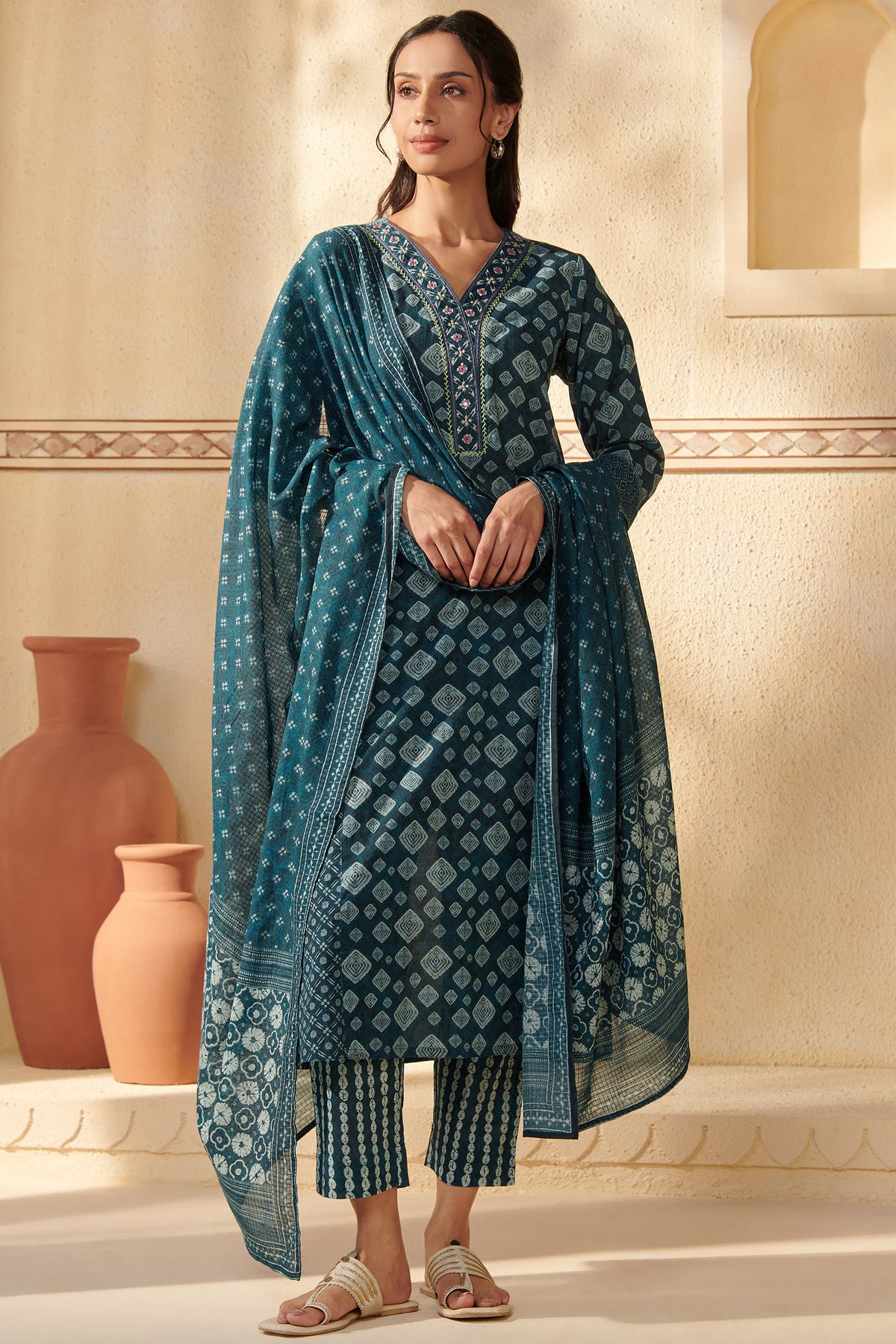
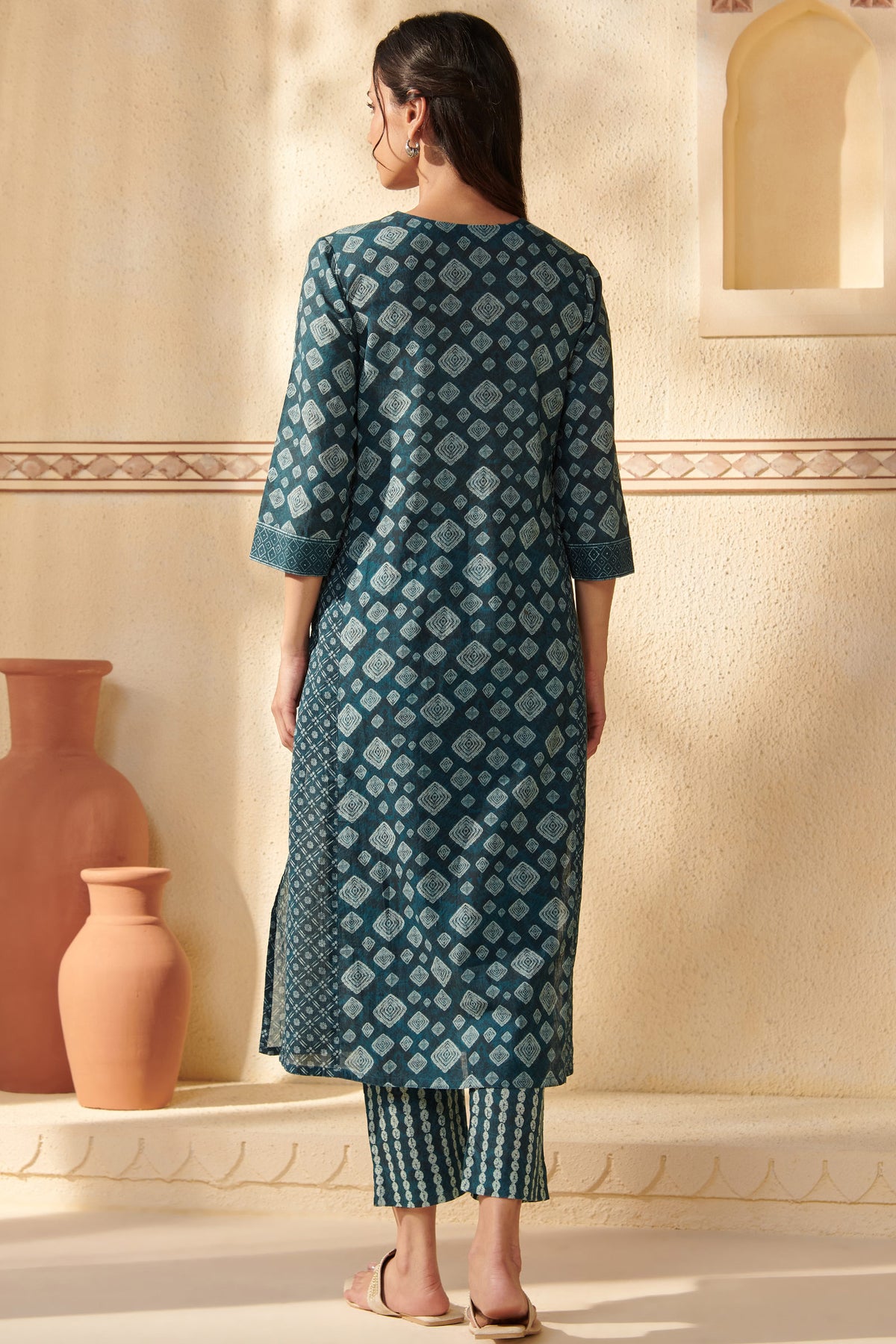
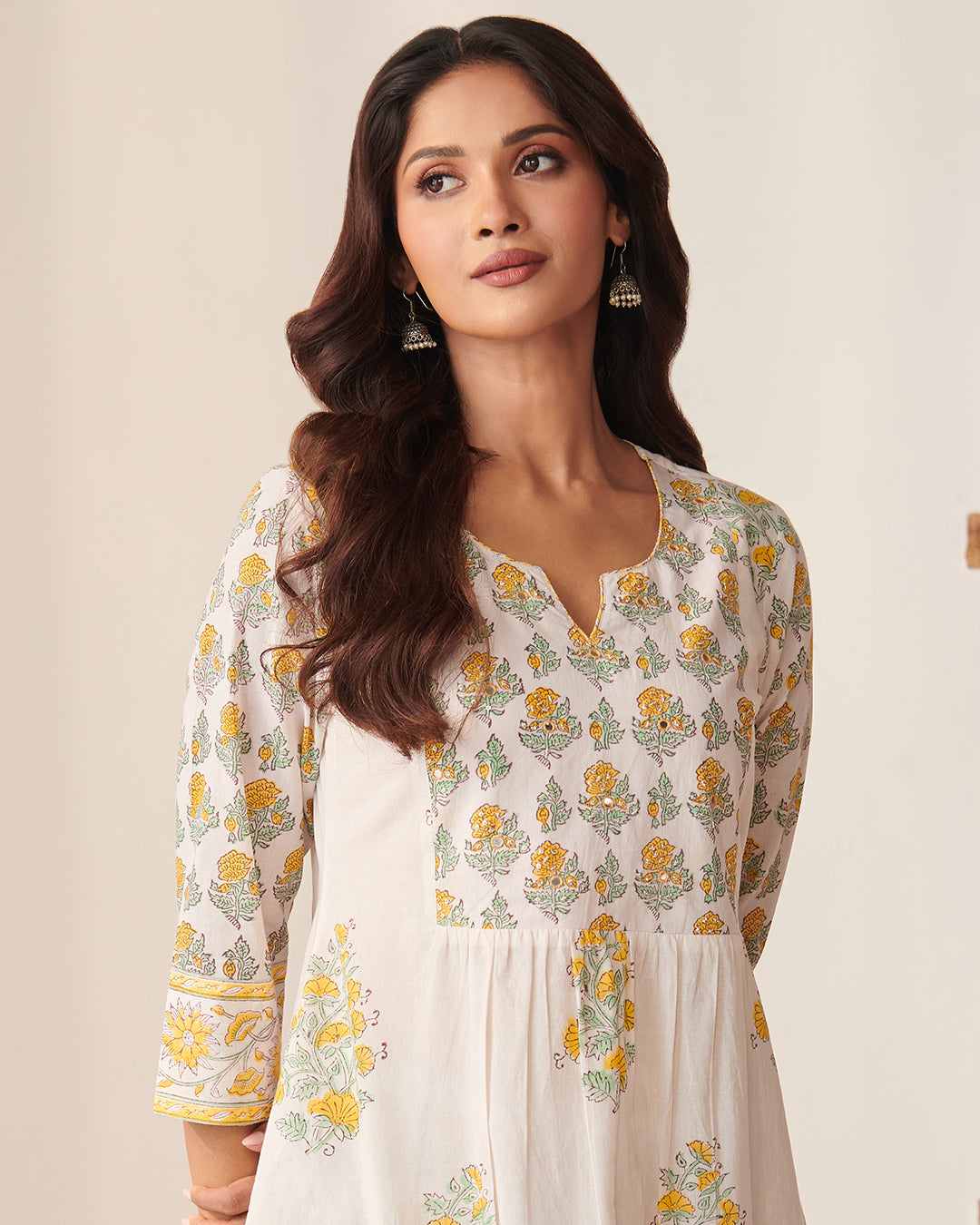
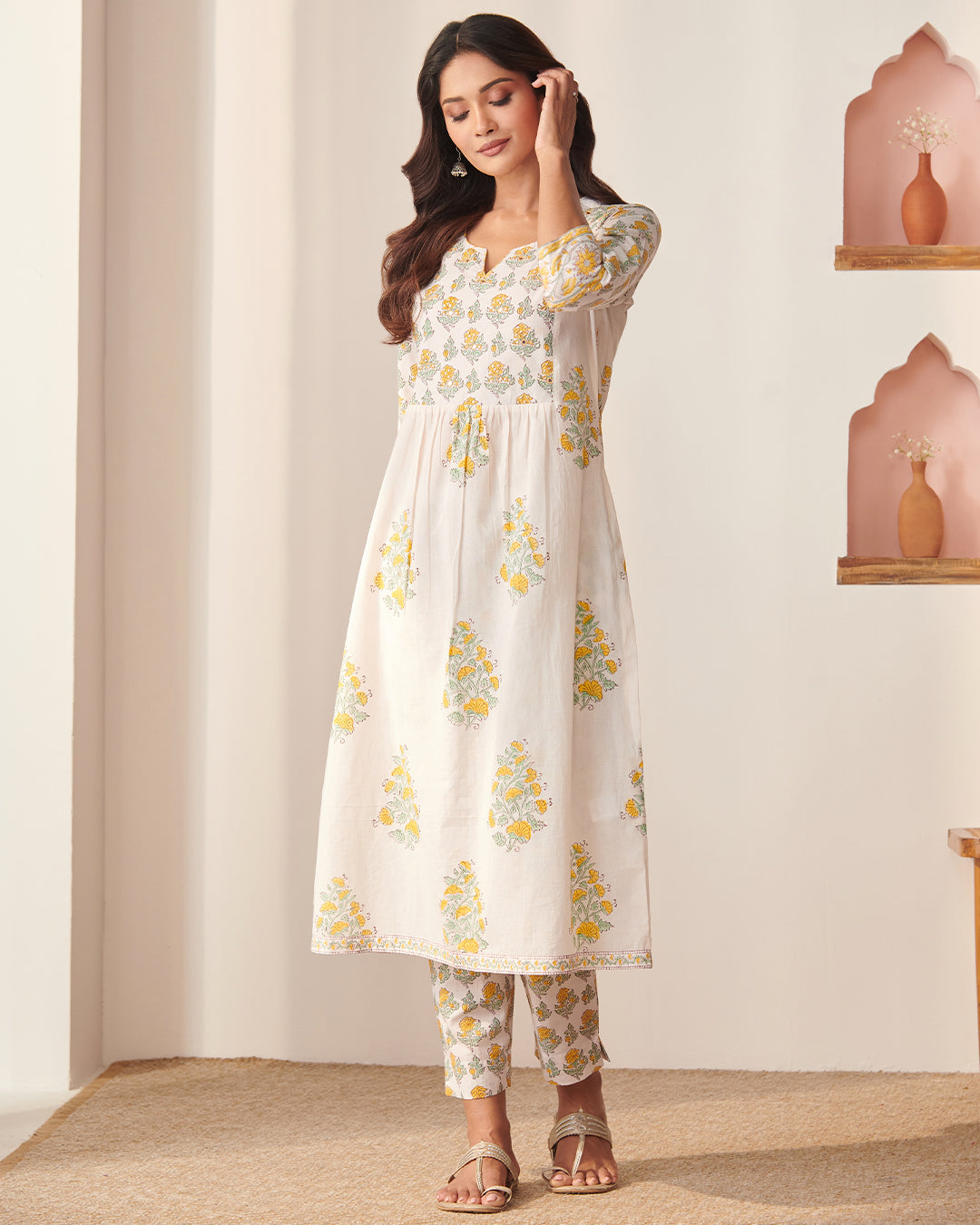
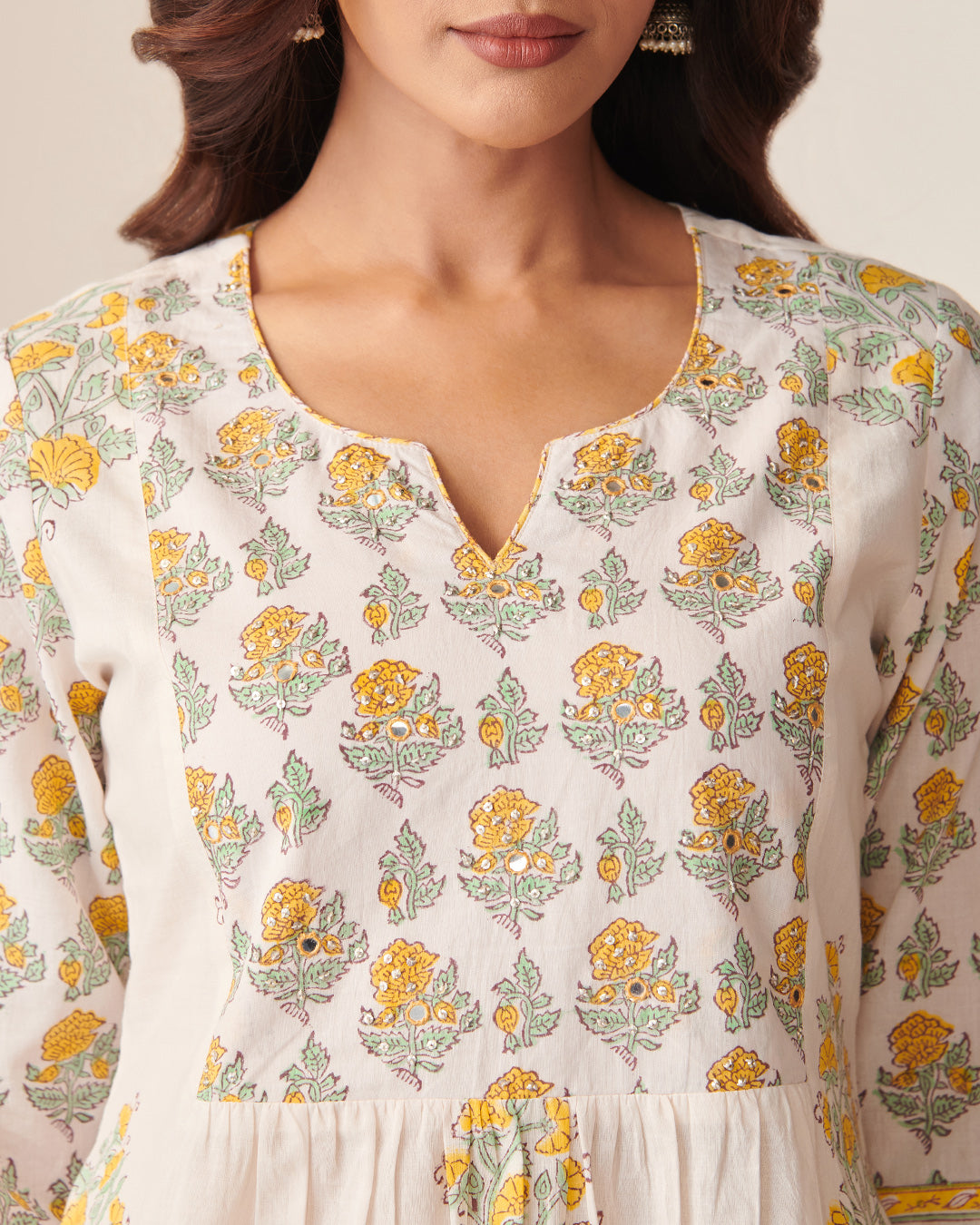
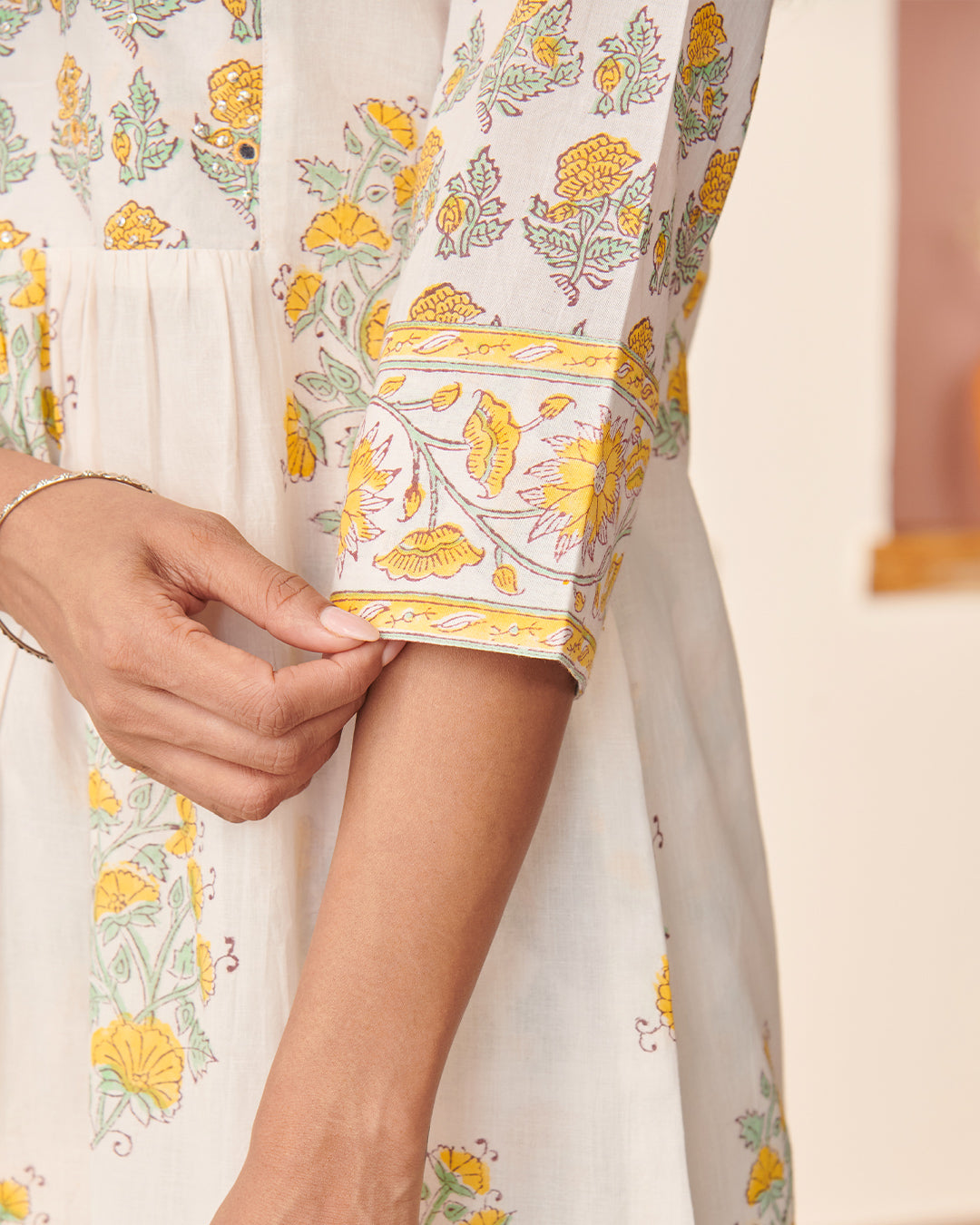
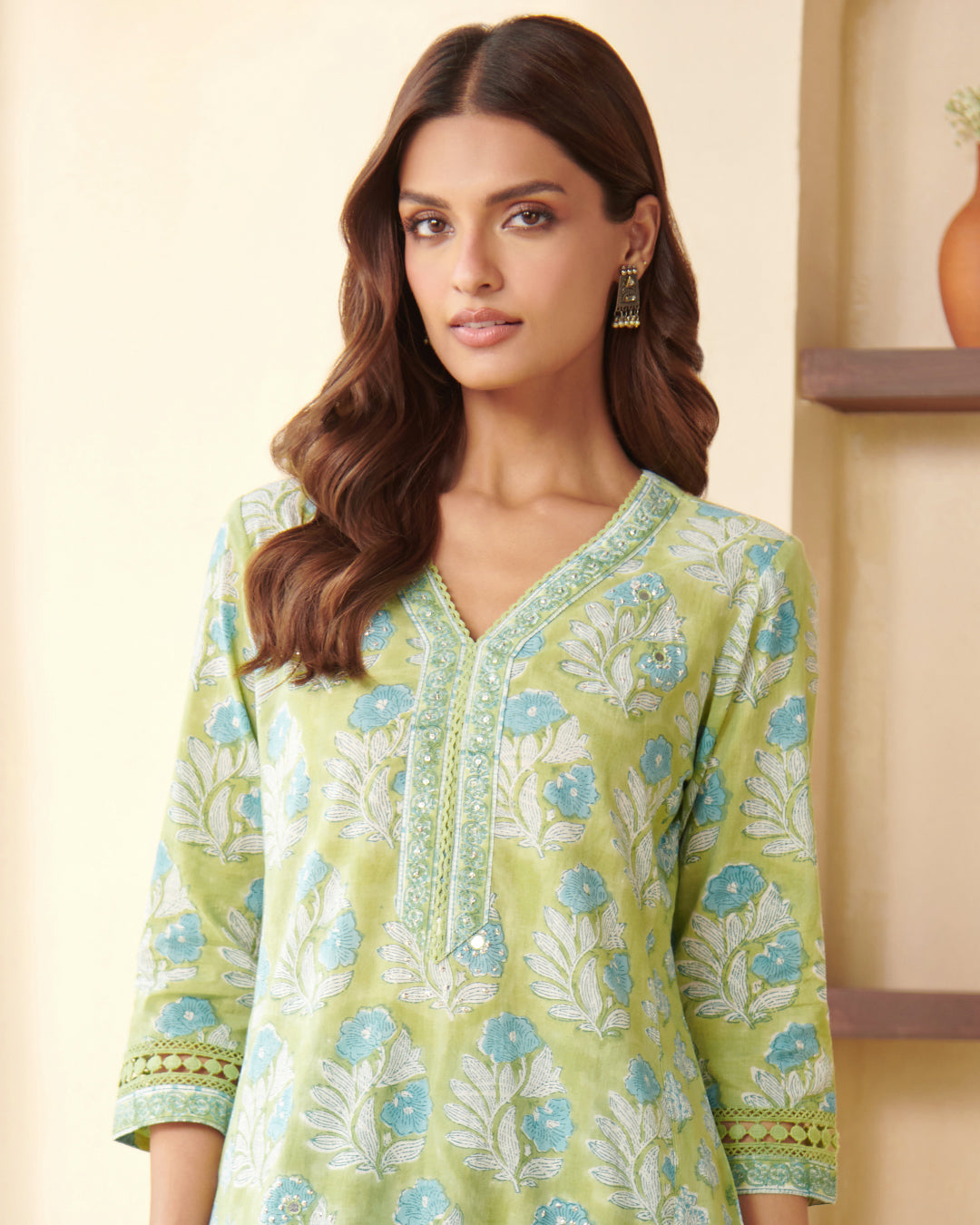
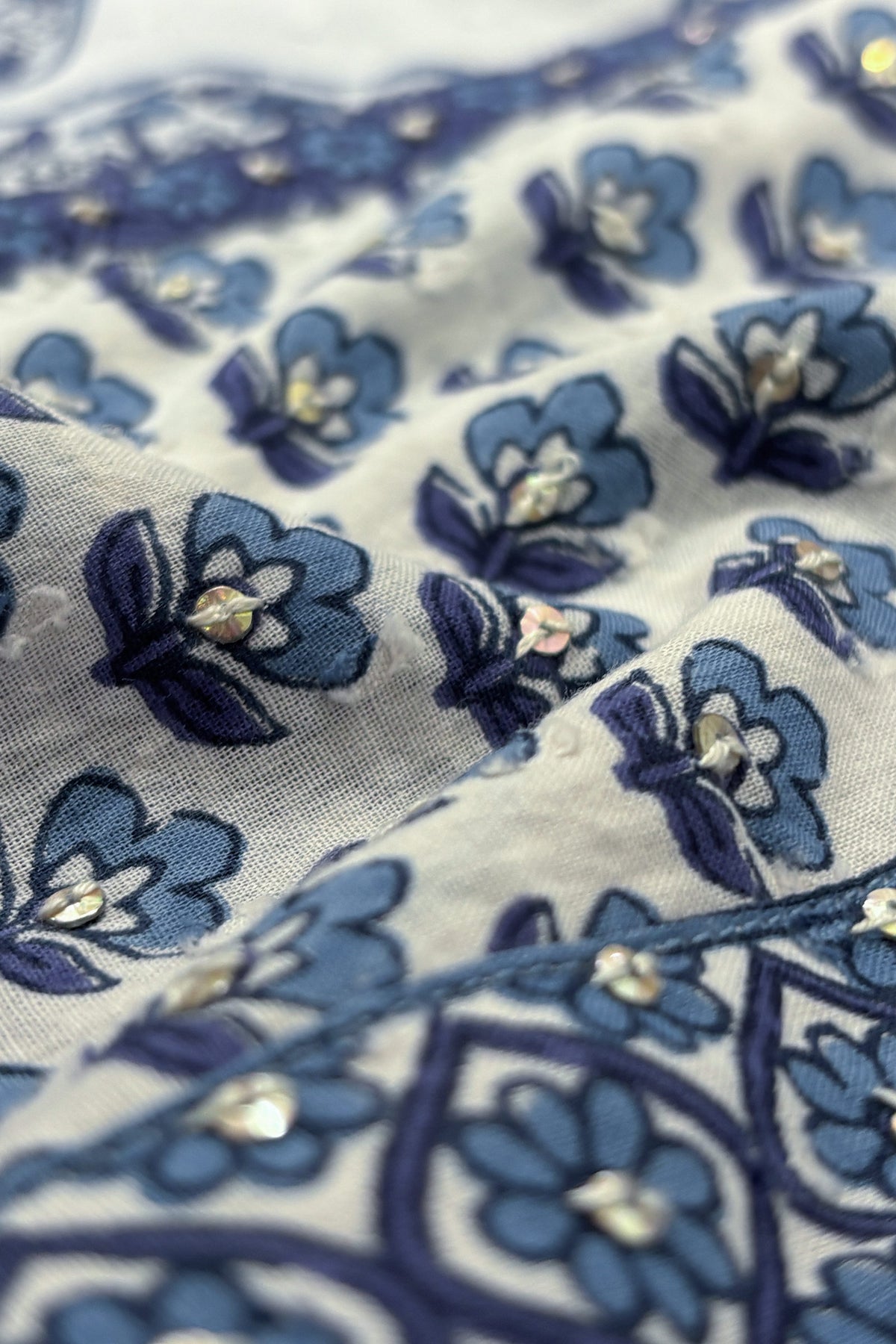
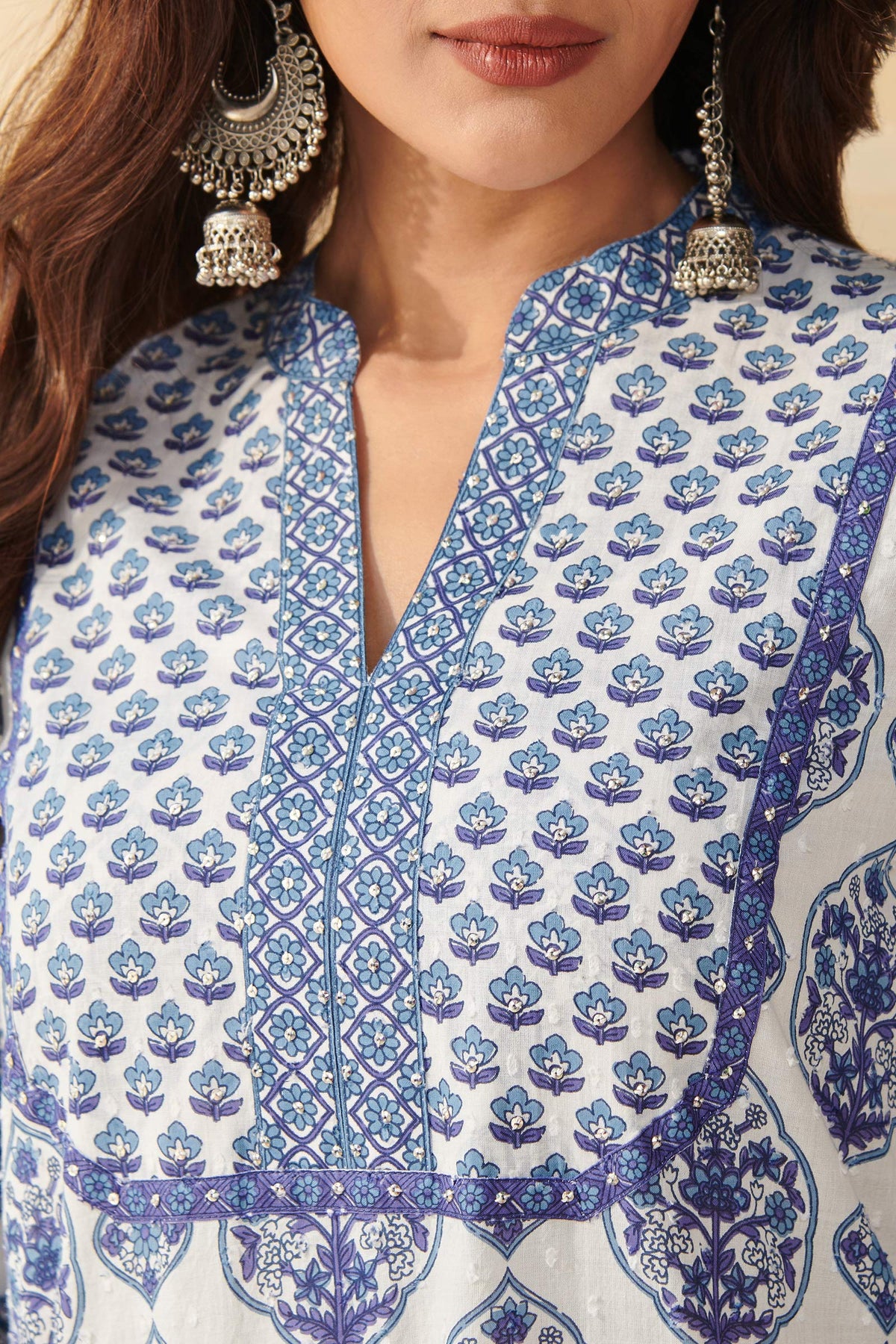
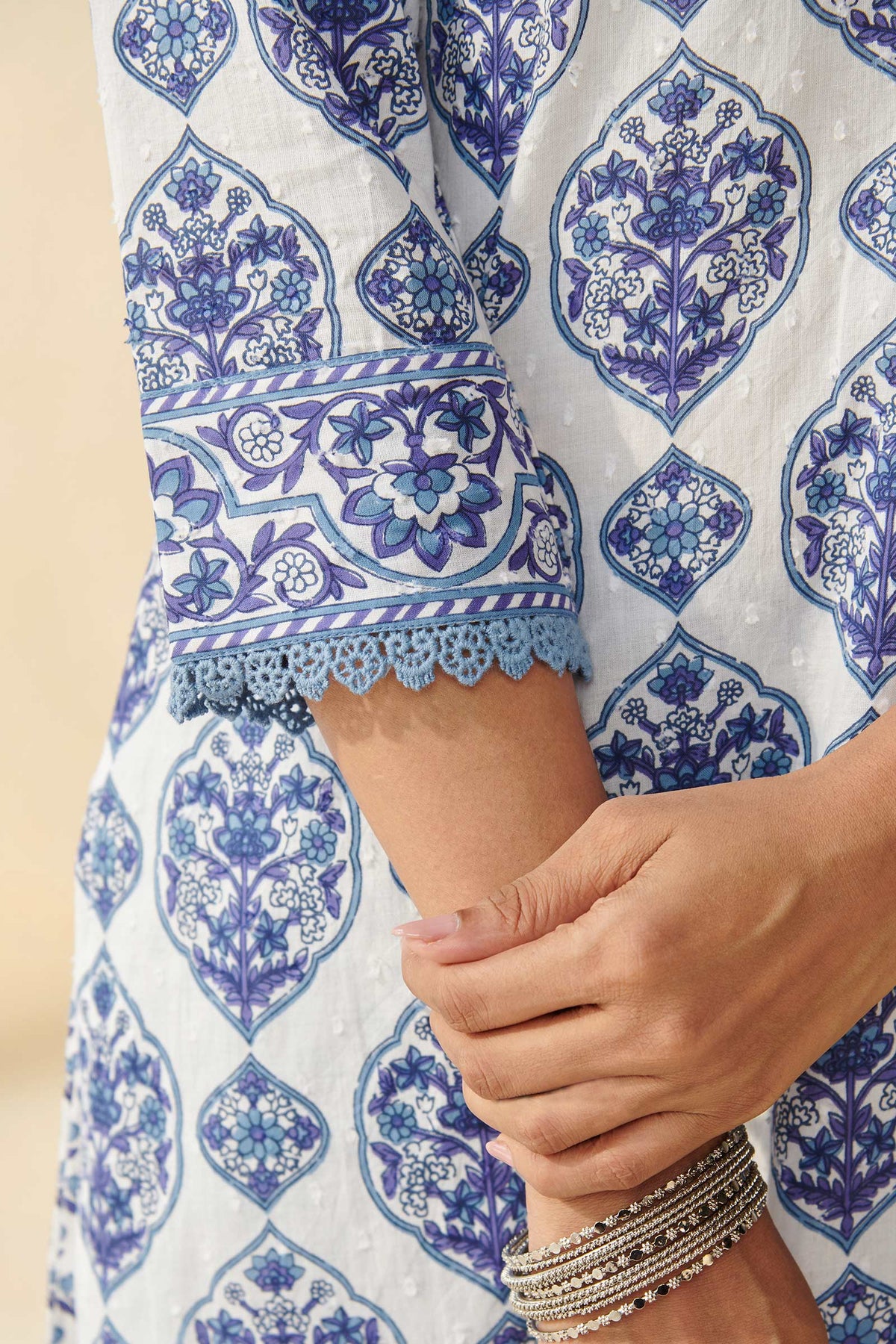
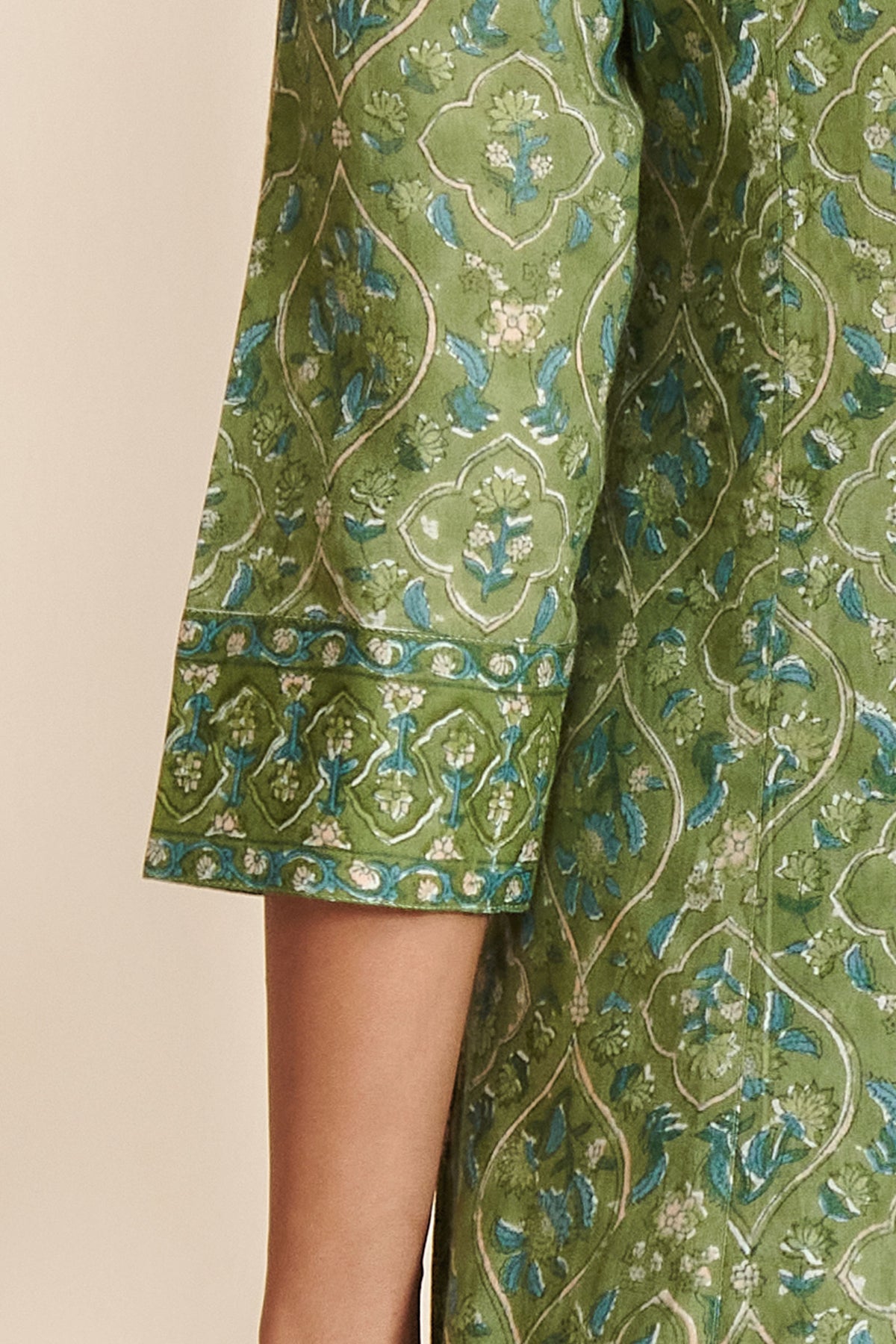
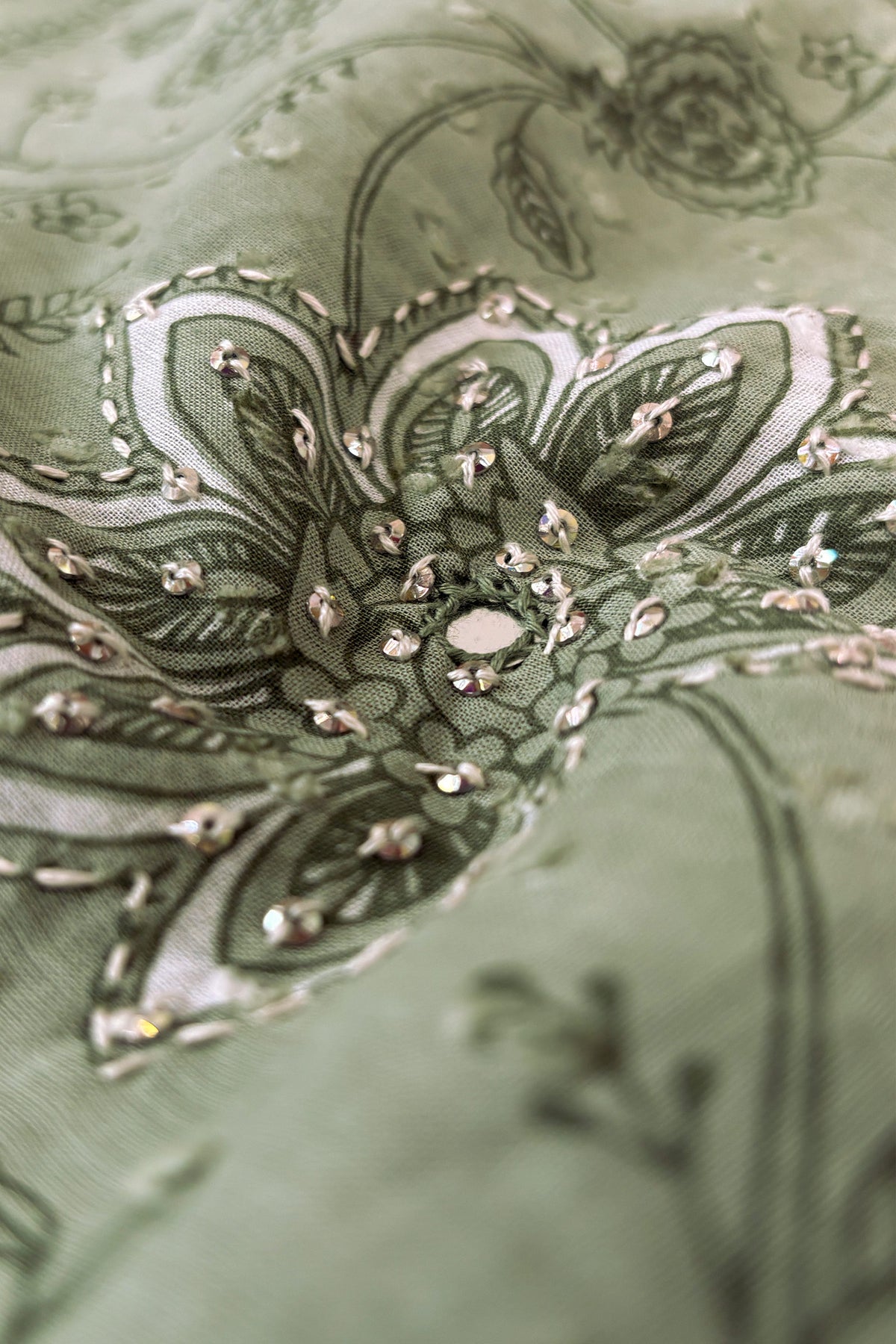
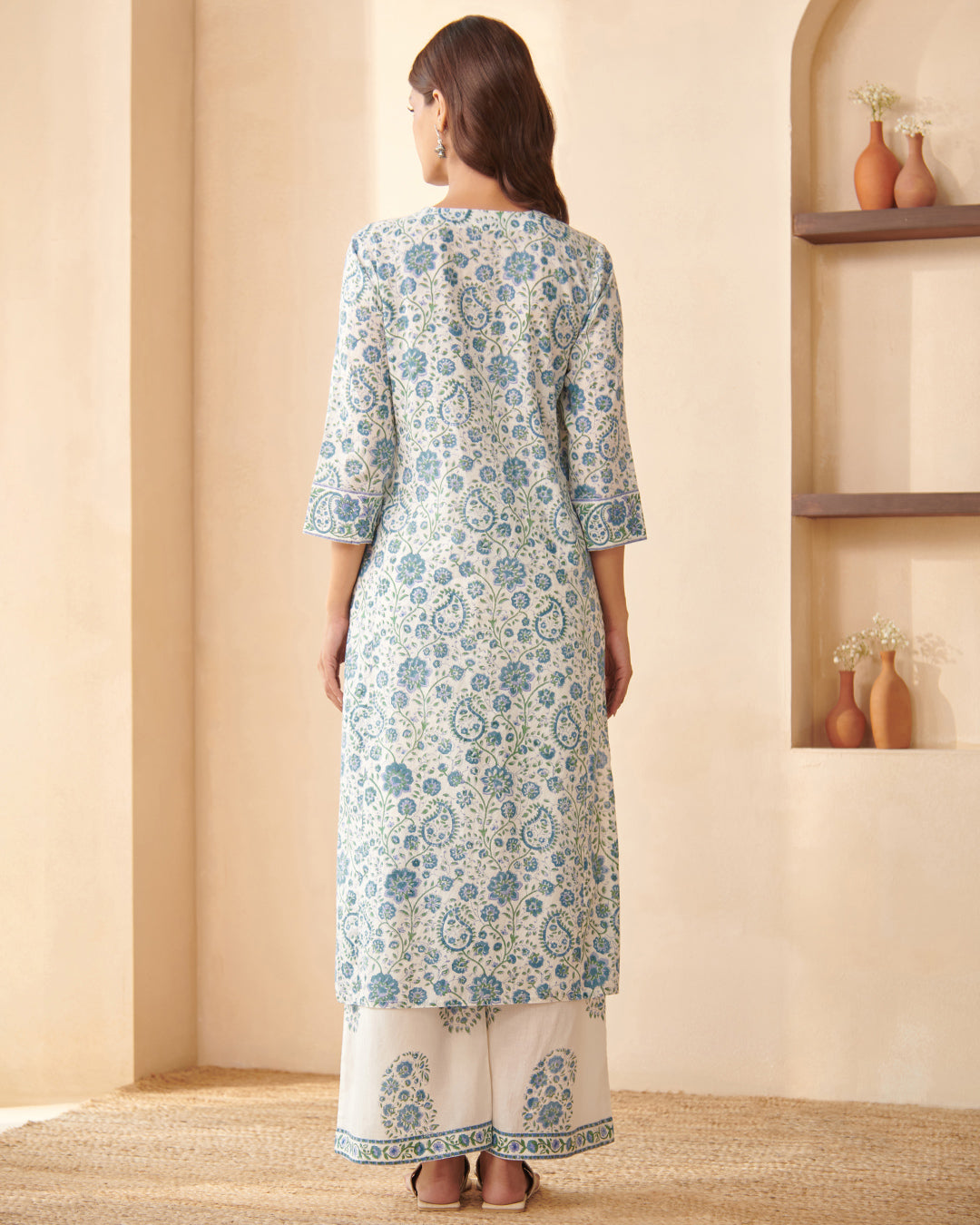
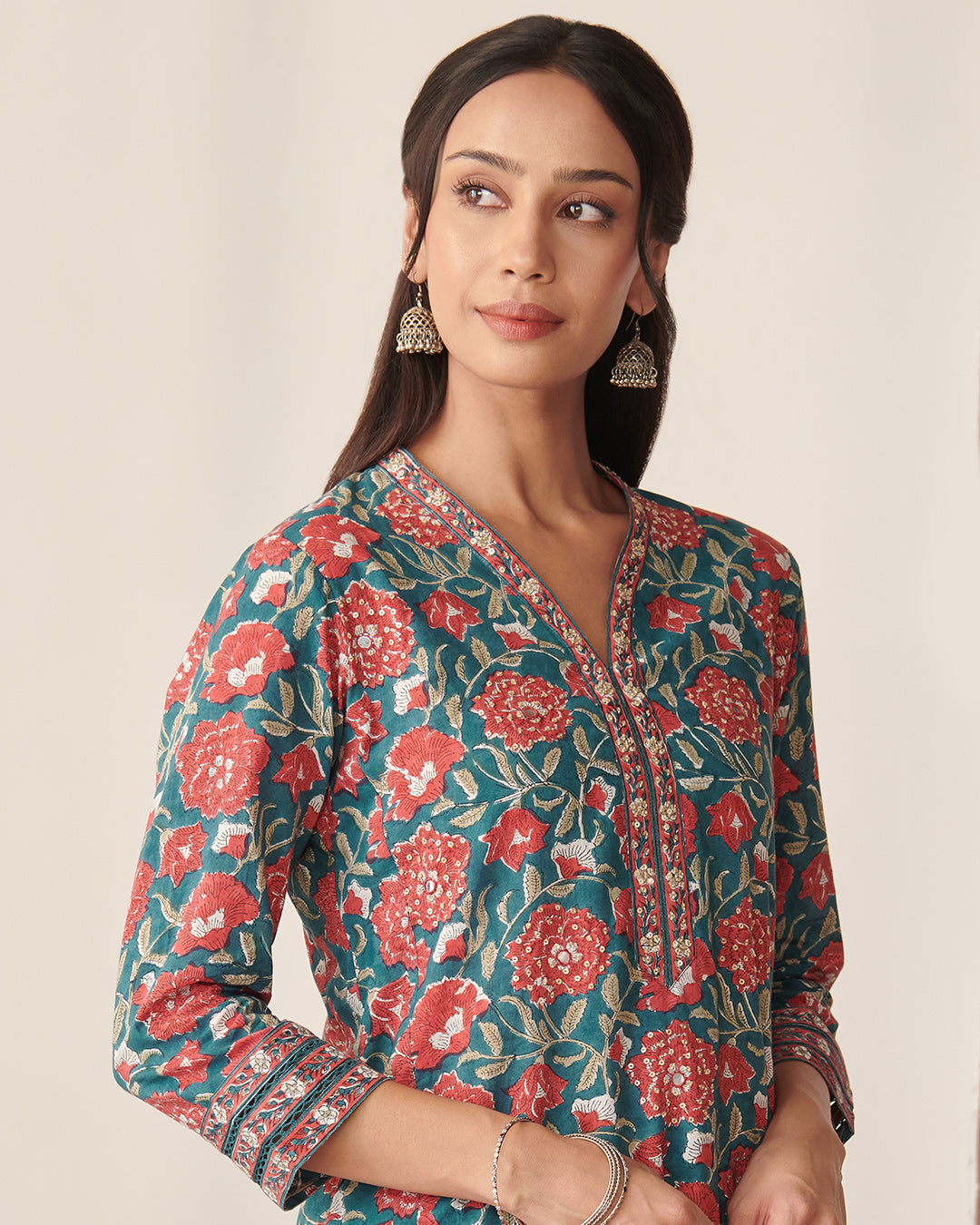
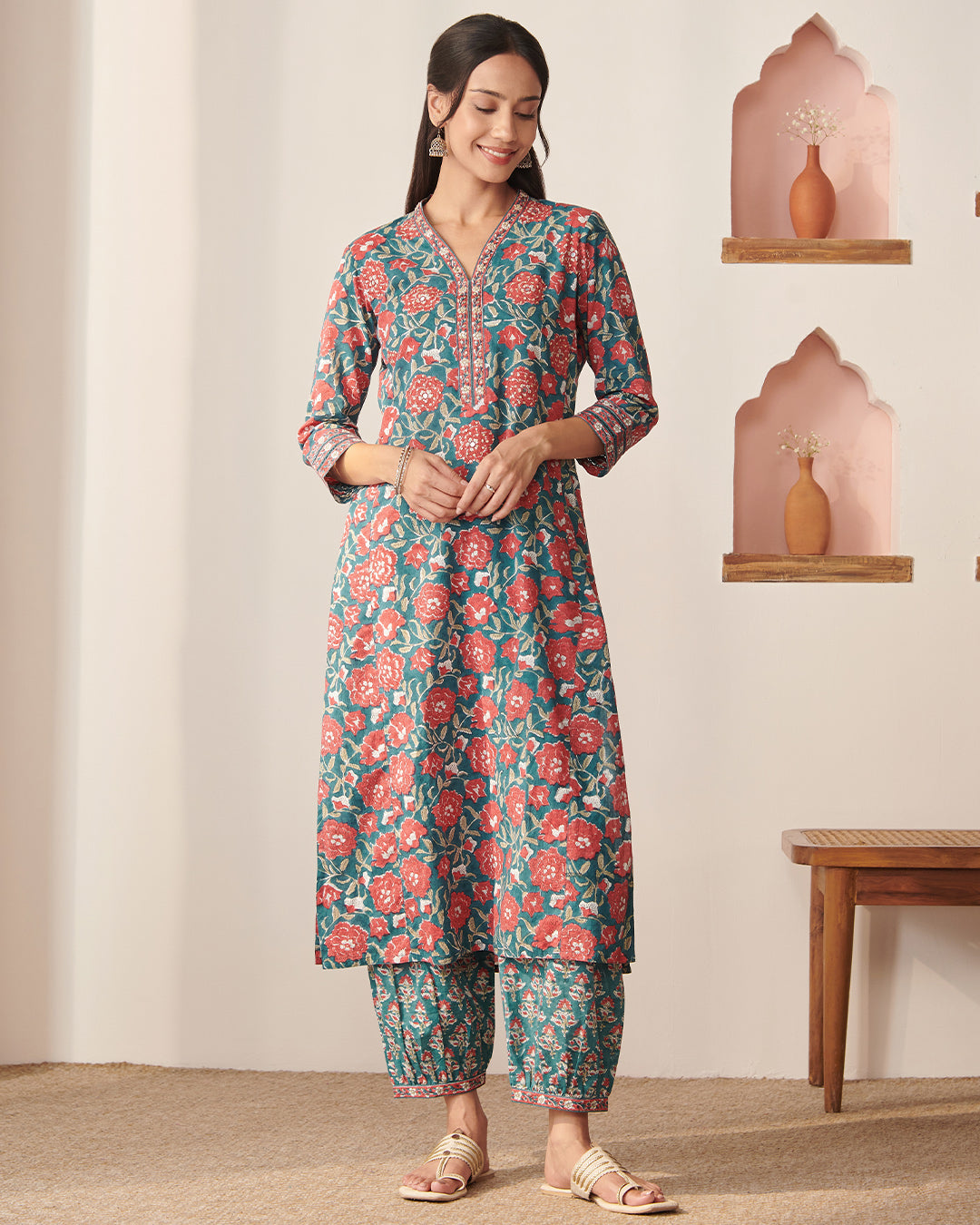
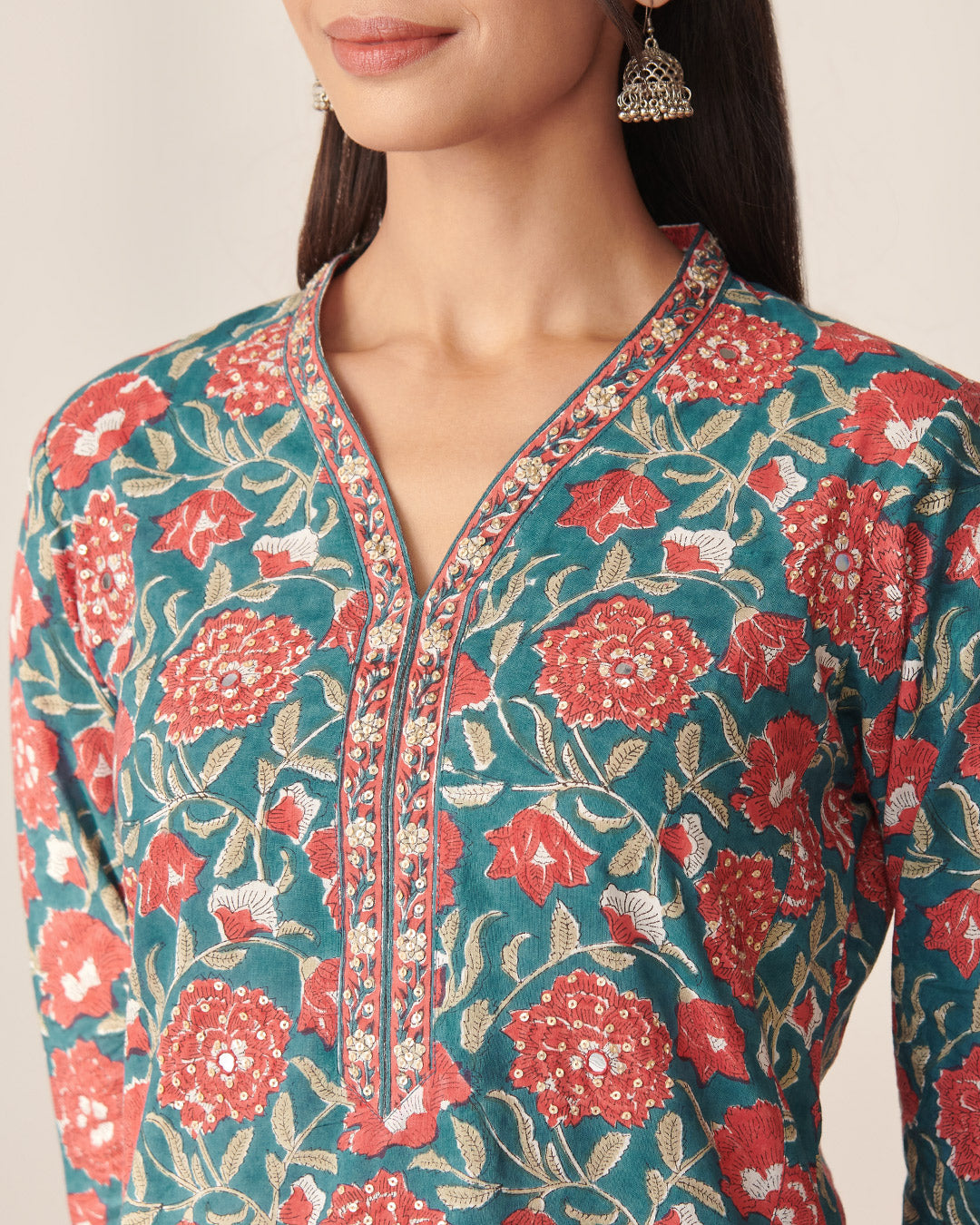
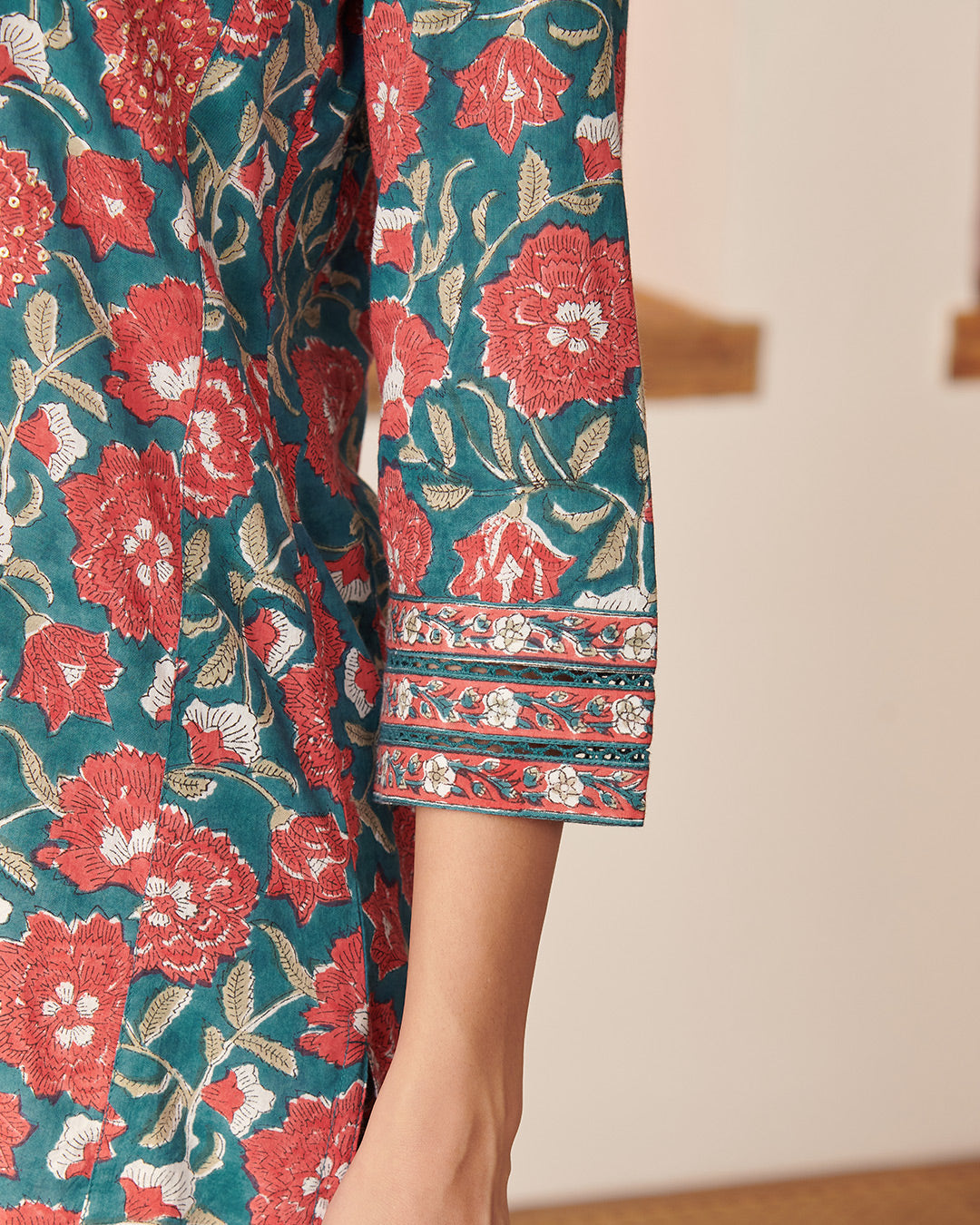
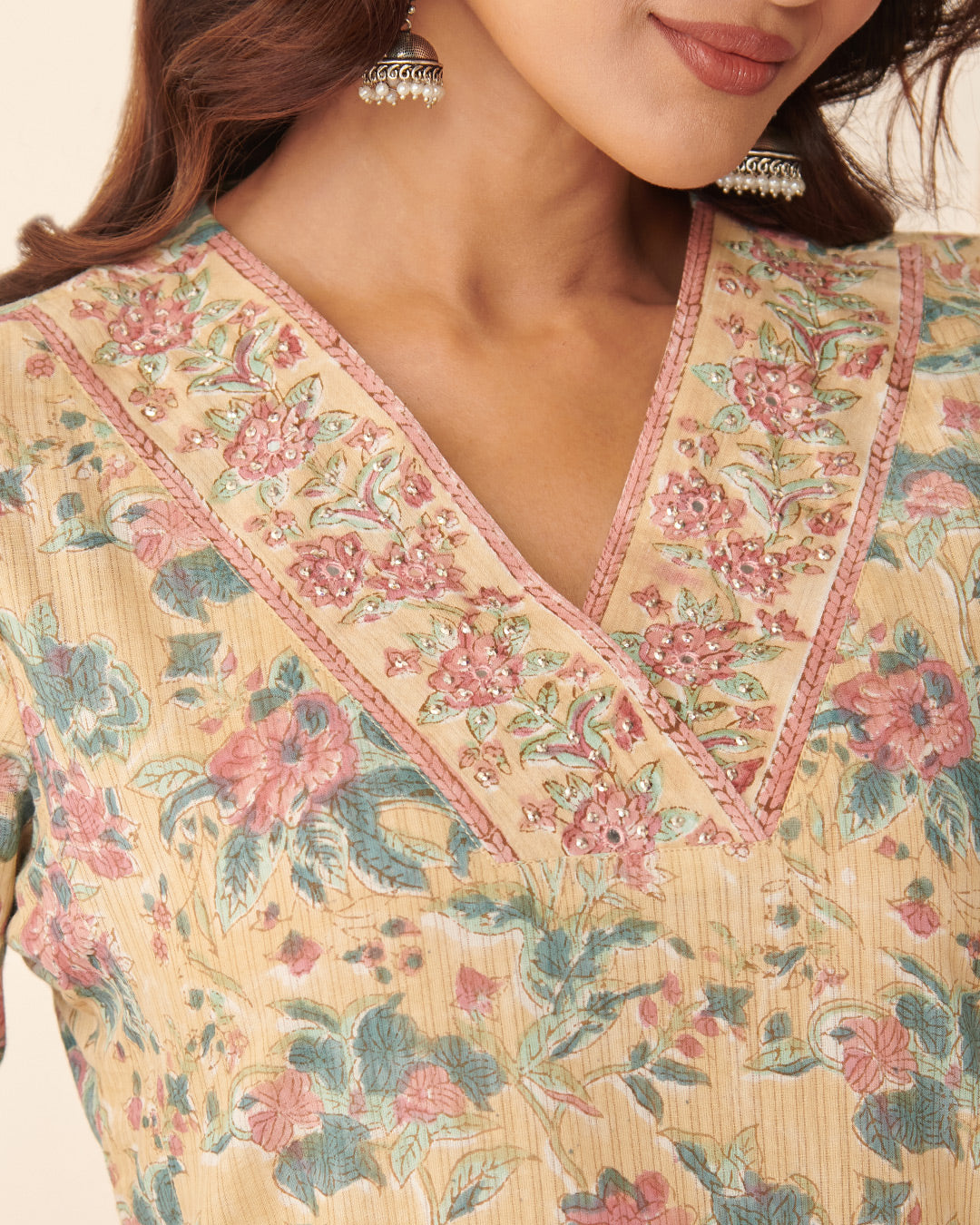
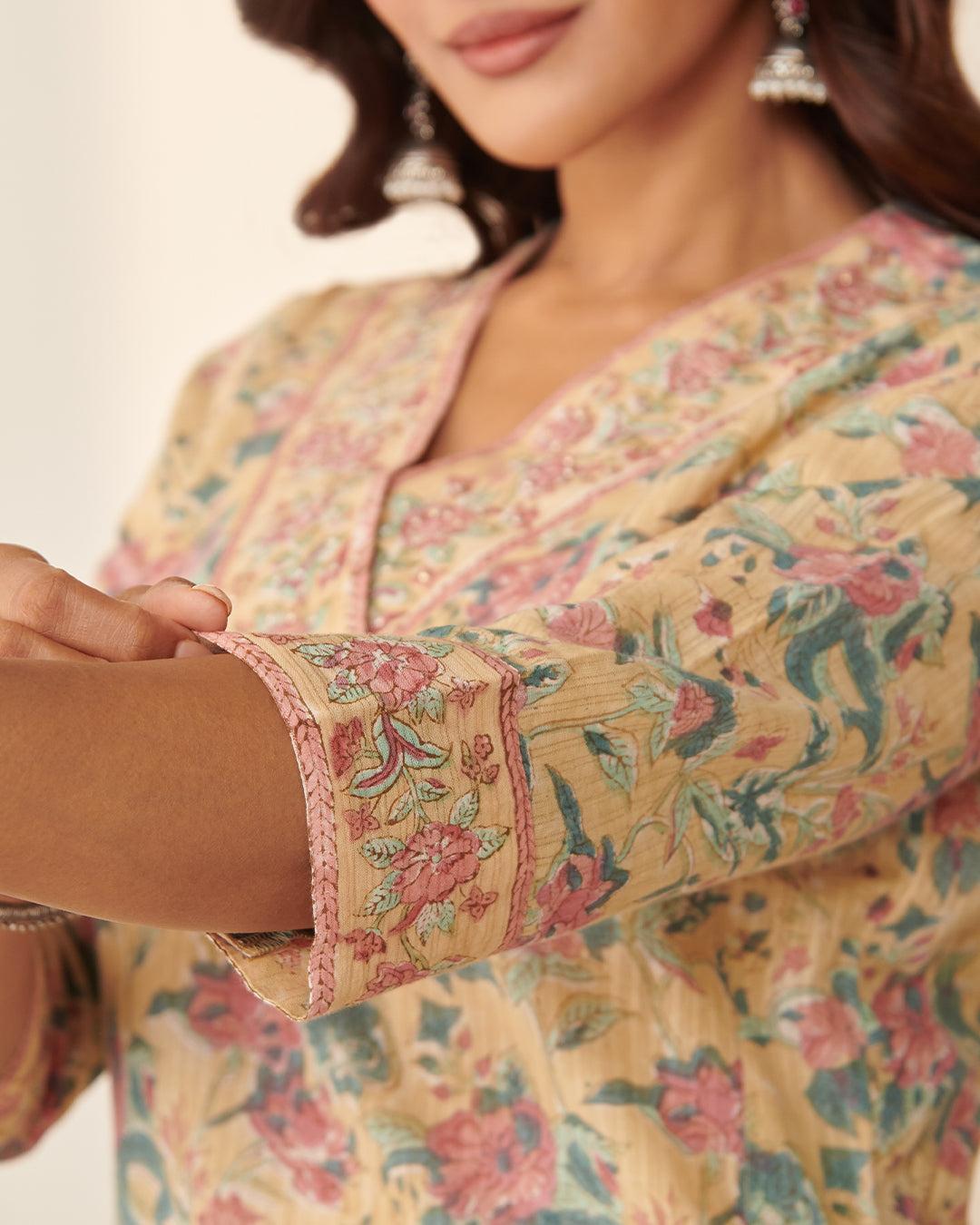
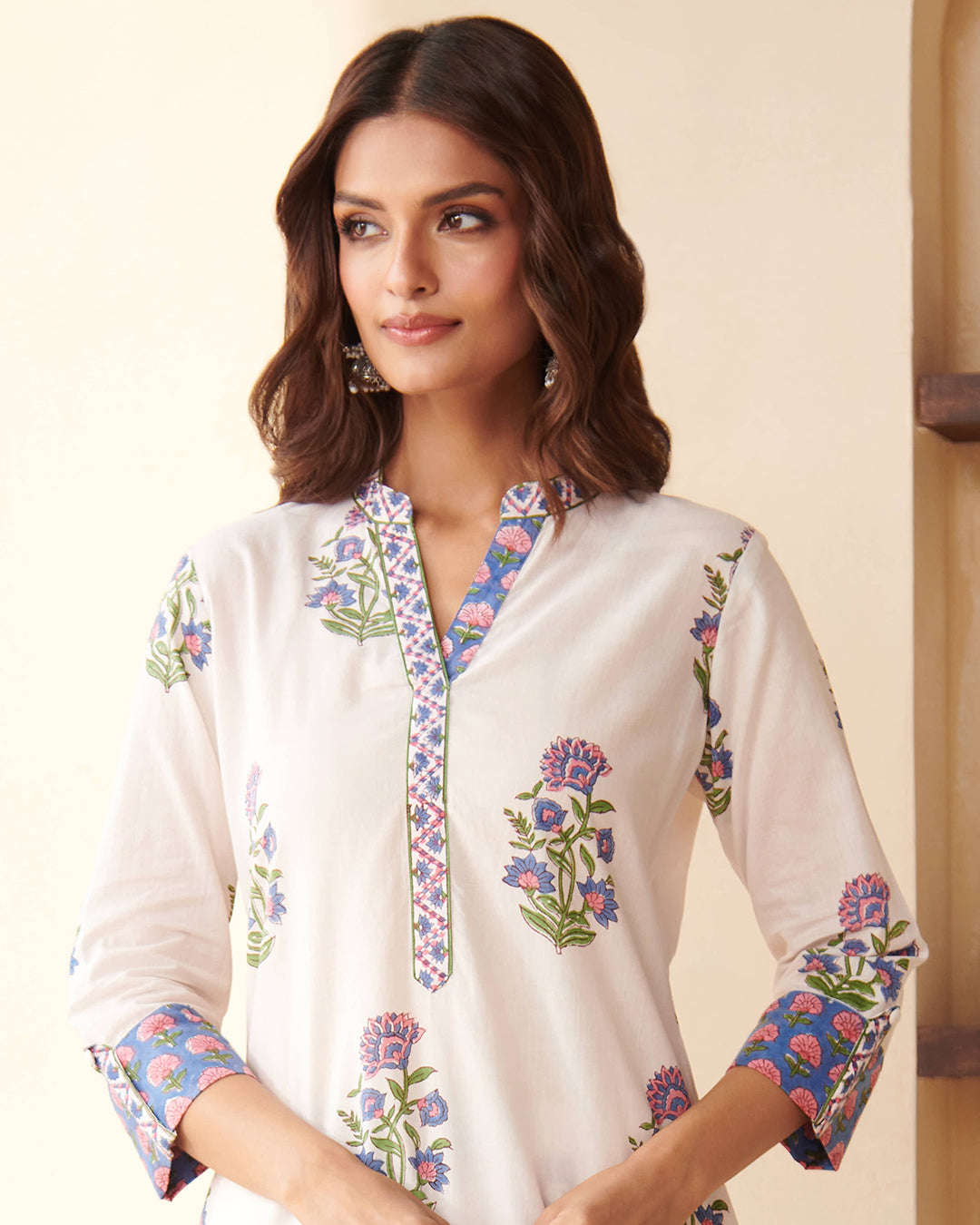
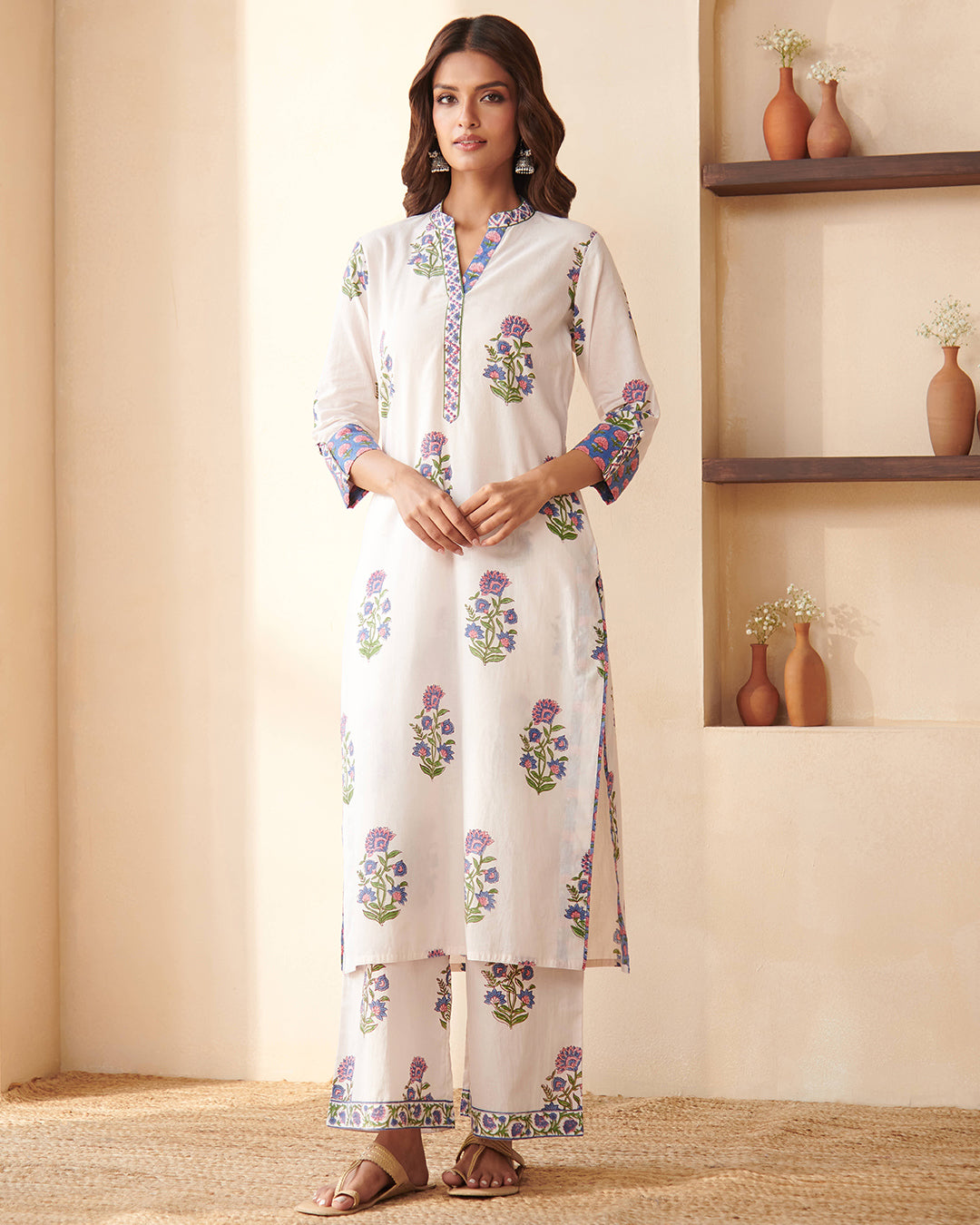
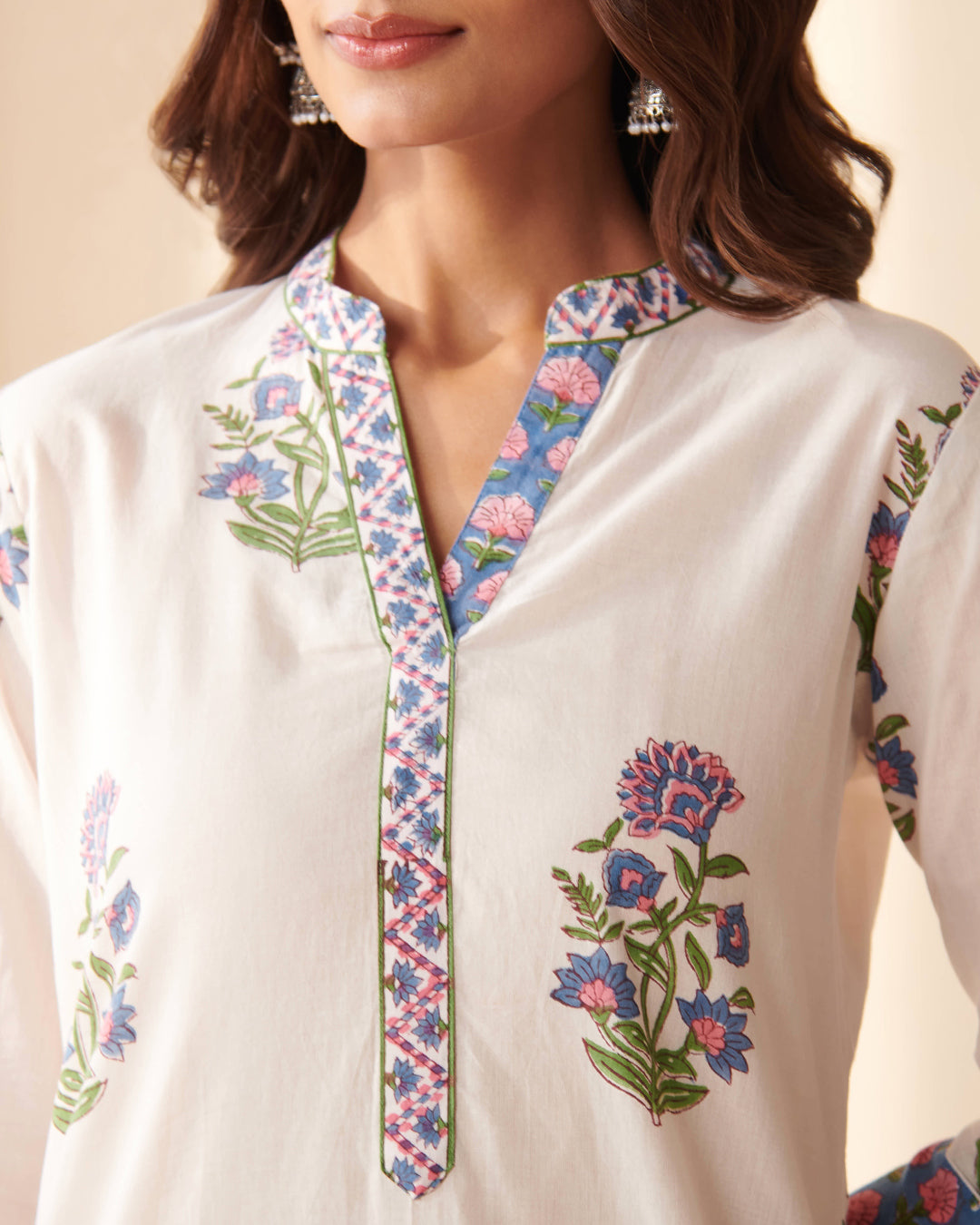
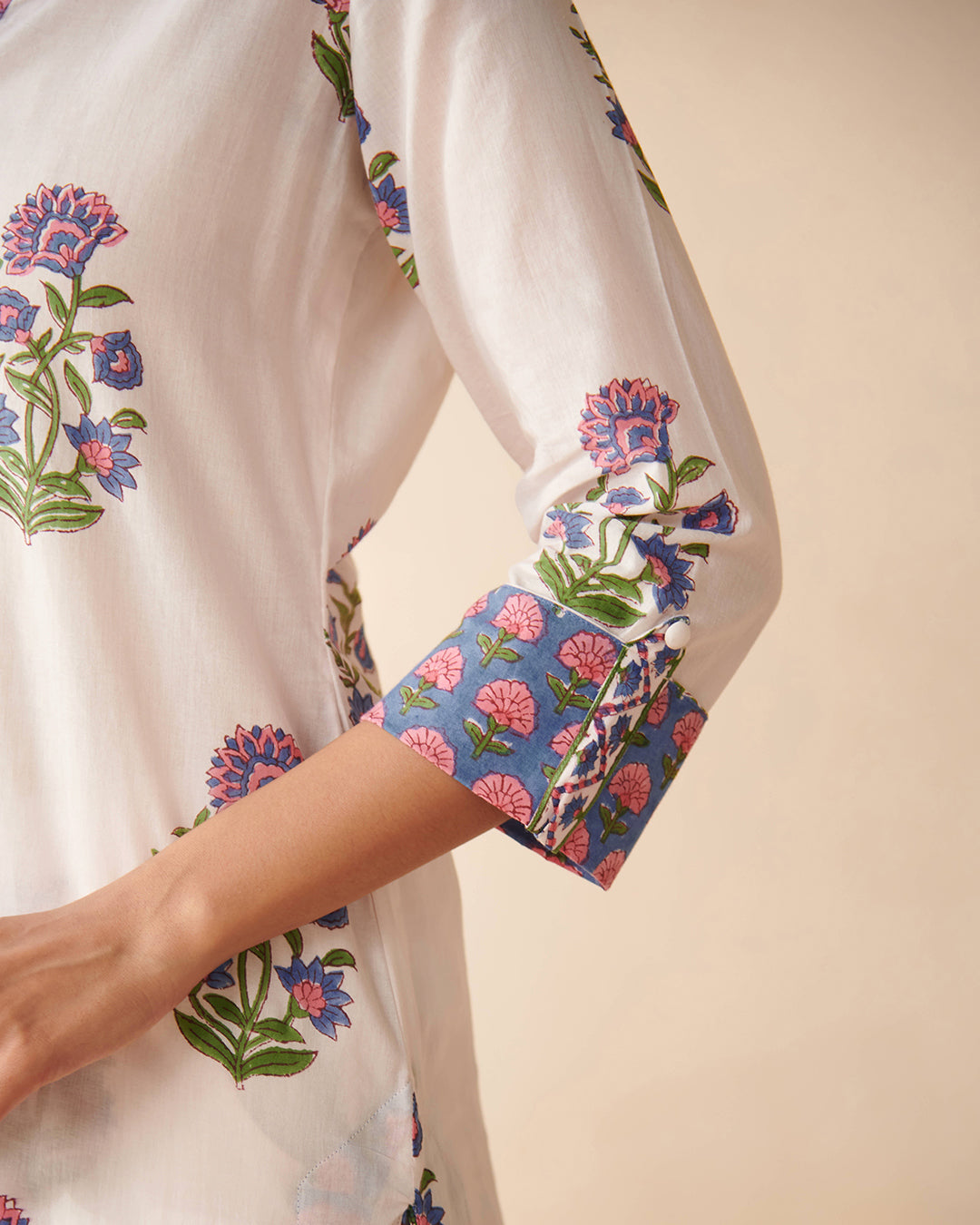
One of the defining qualities of Akola hand print is its restrained elegance. Instead of elaborate ornamentation, the designs rely on repeating floral forms, geometric borders, delicate butis, and motifs inspired by Rajasthan's natural surroundings.
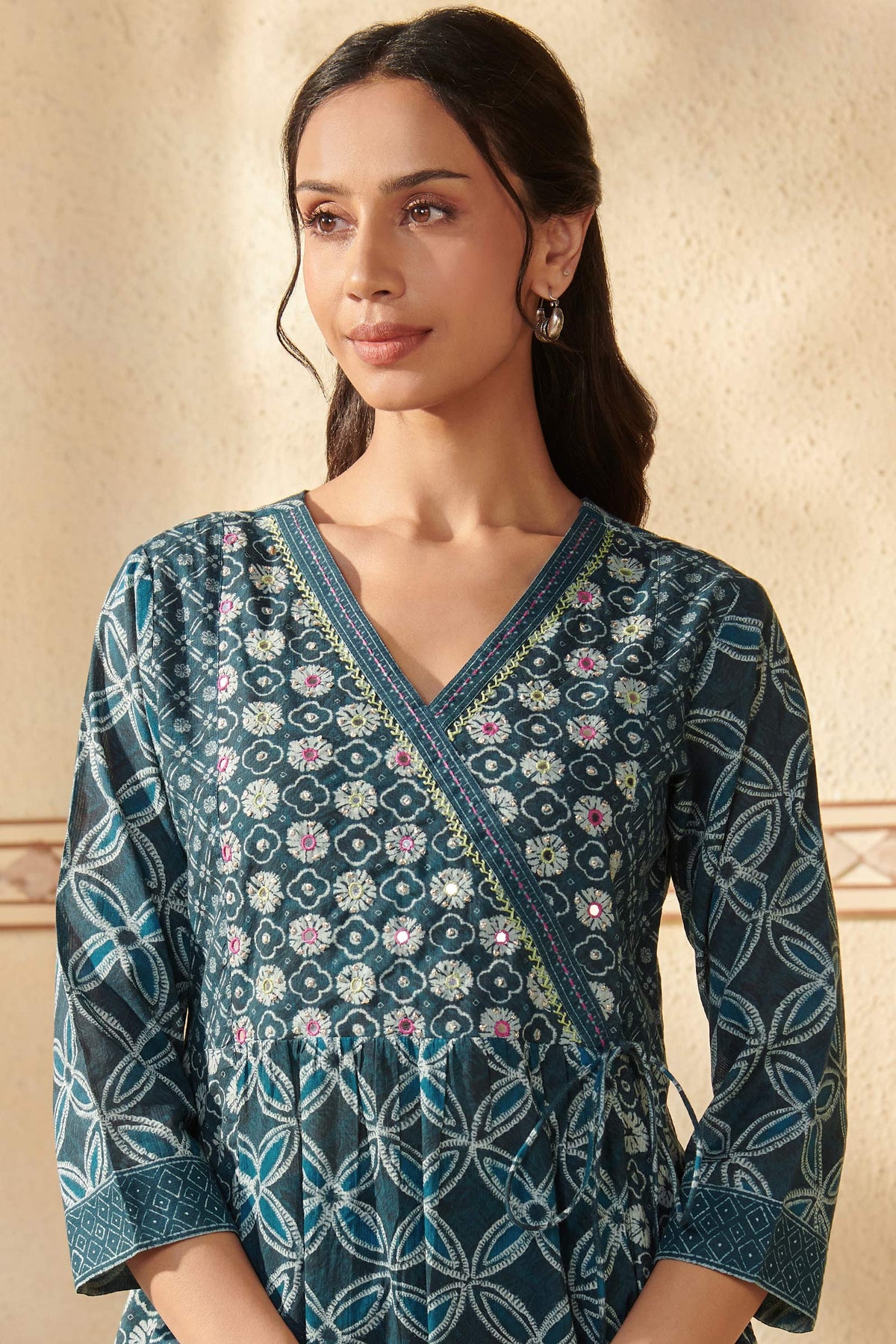
The colours are equally distinctive. Deep indigo, earthy black, soft rust, muted ochre, and gentle reds create combinations that feel timeless rather than seasonal. These natural palettes allow the craftsmanship to take centre stage.
The Handmade Touch Behind Every Design
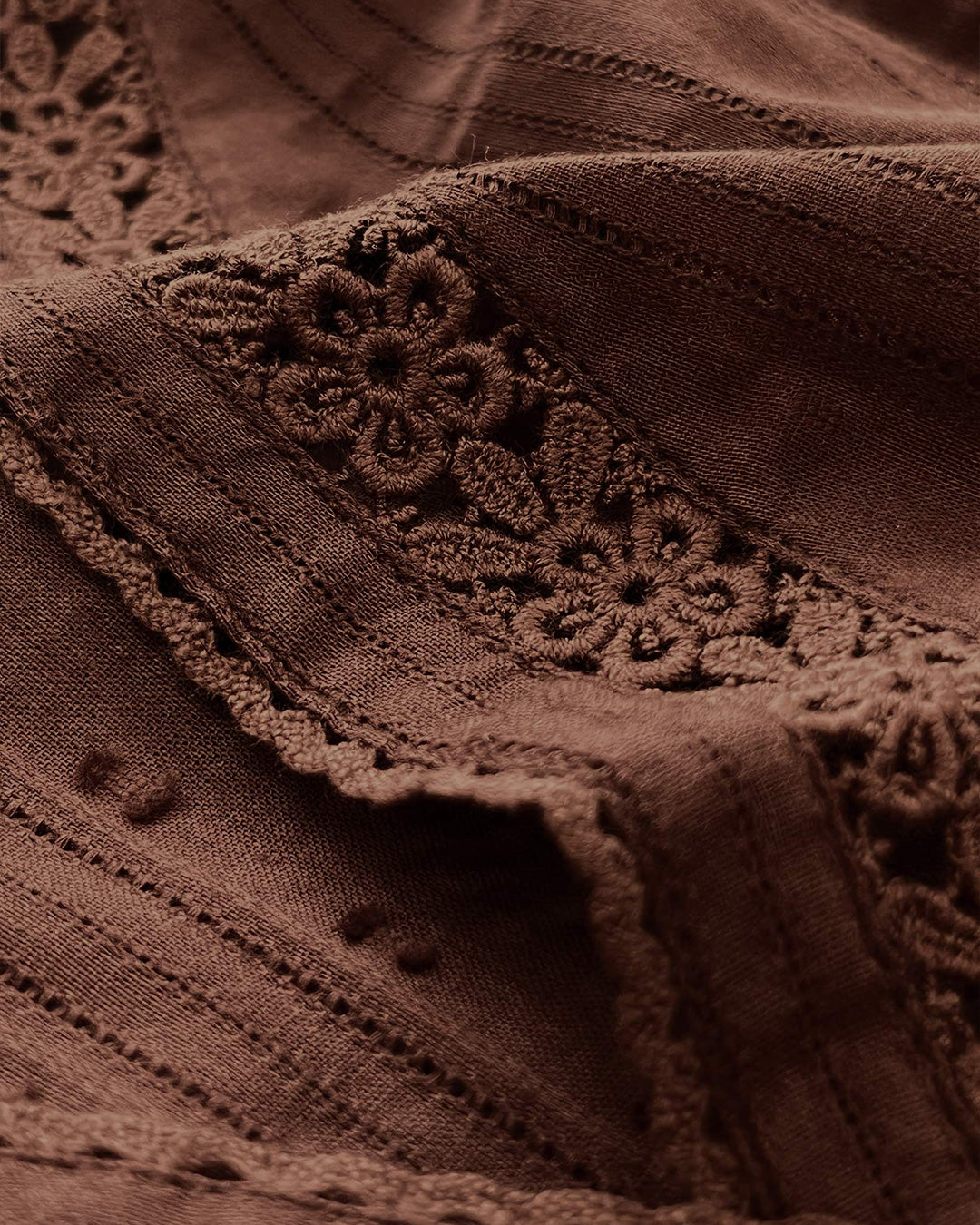
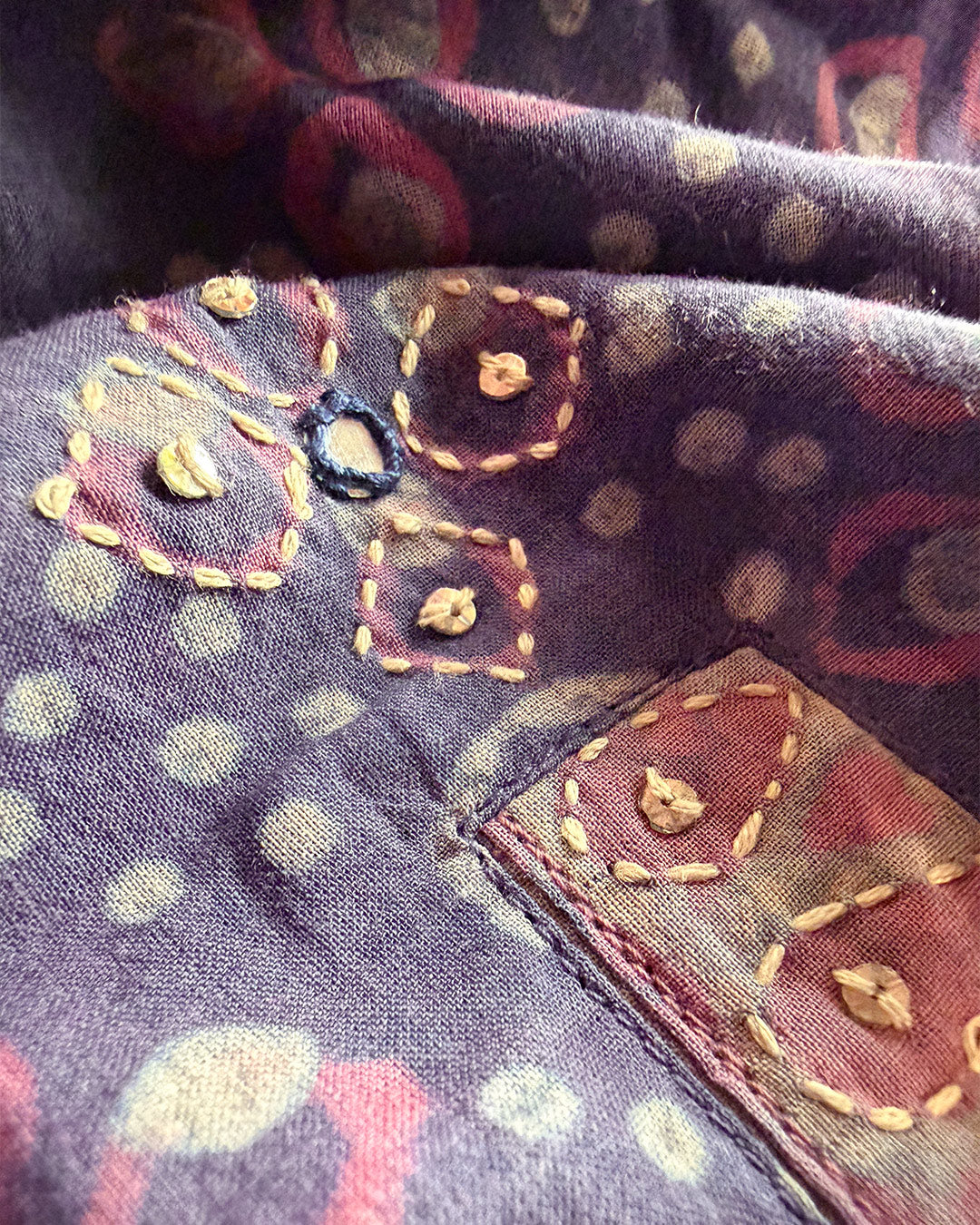
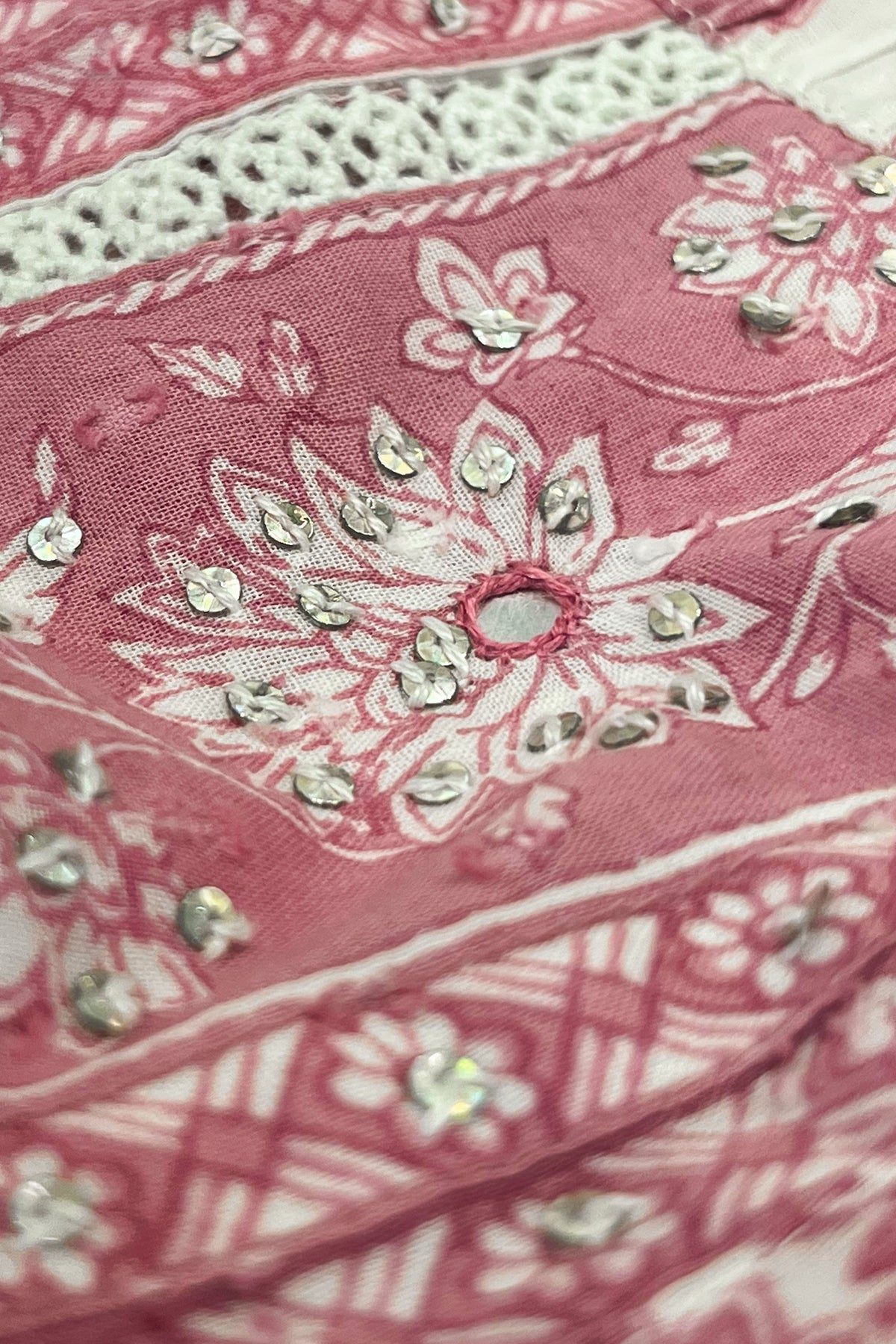
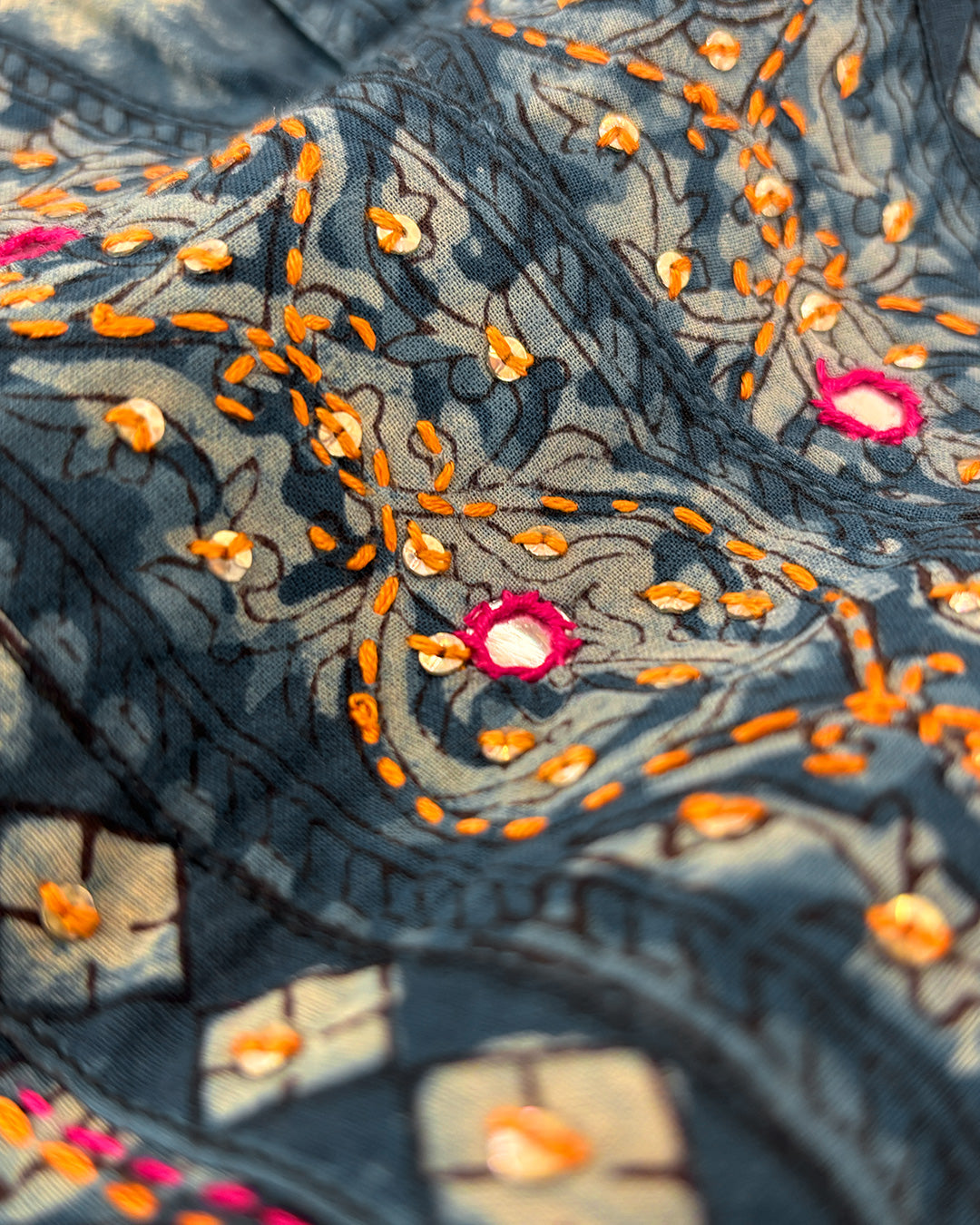
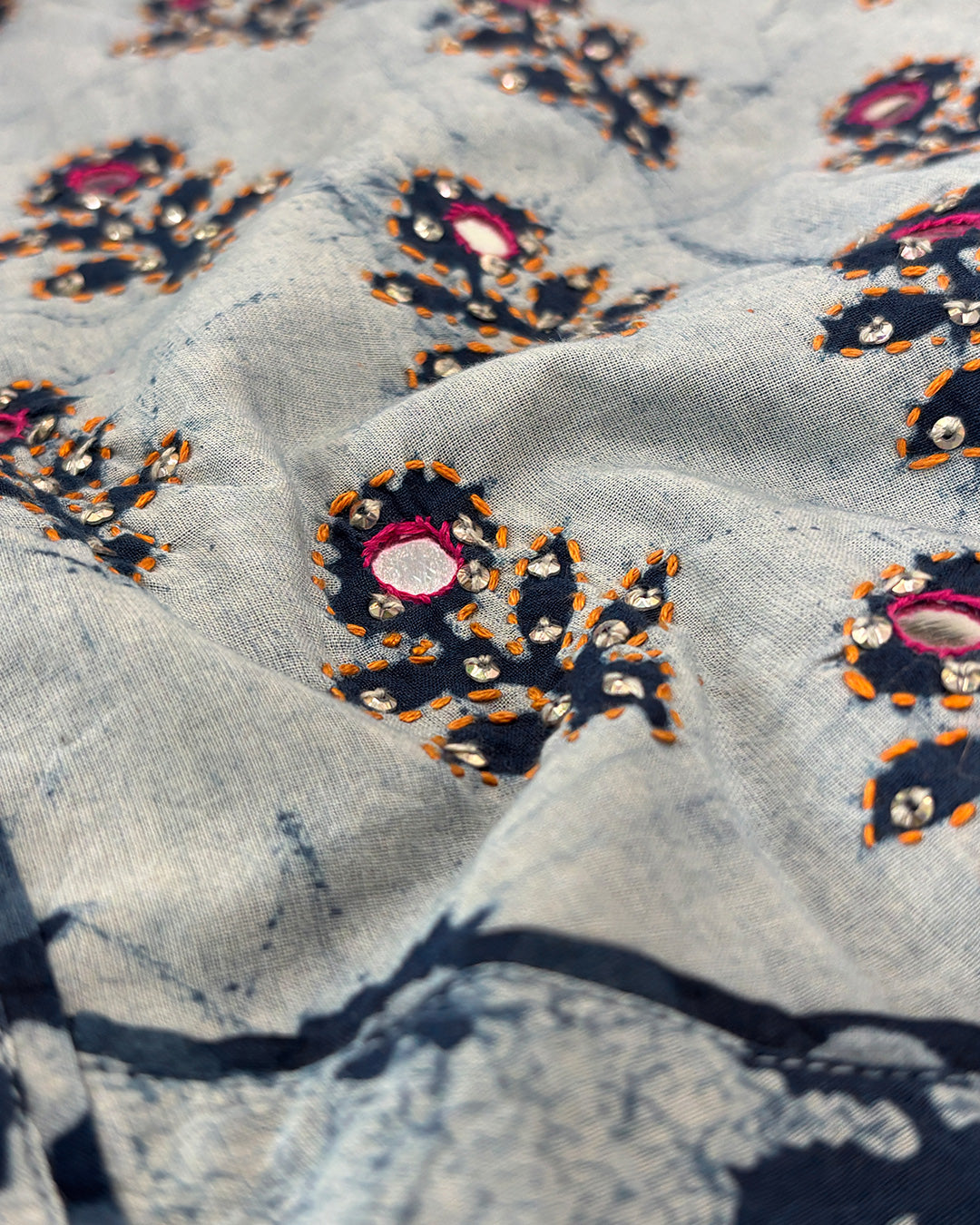
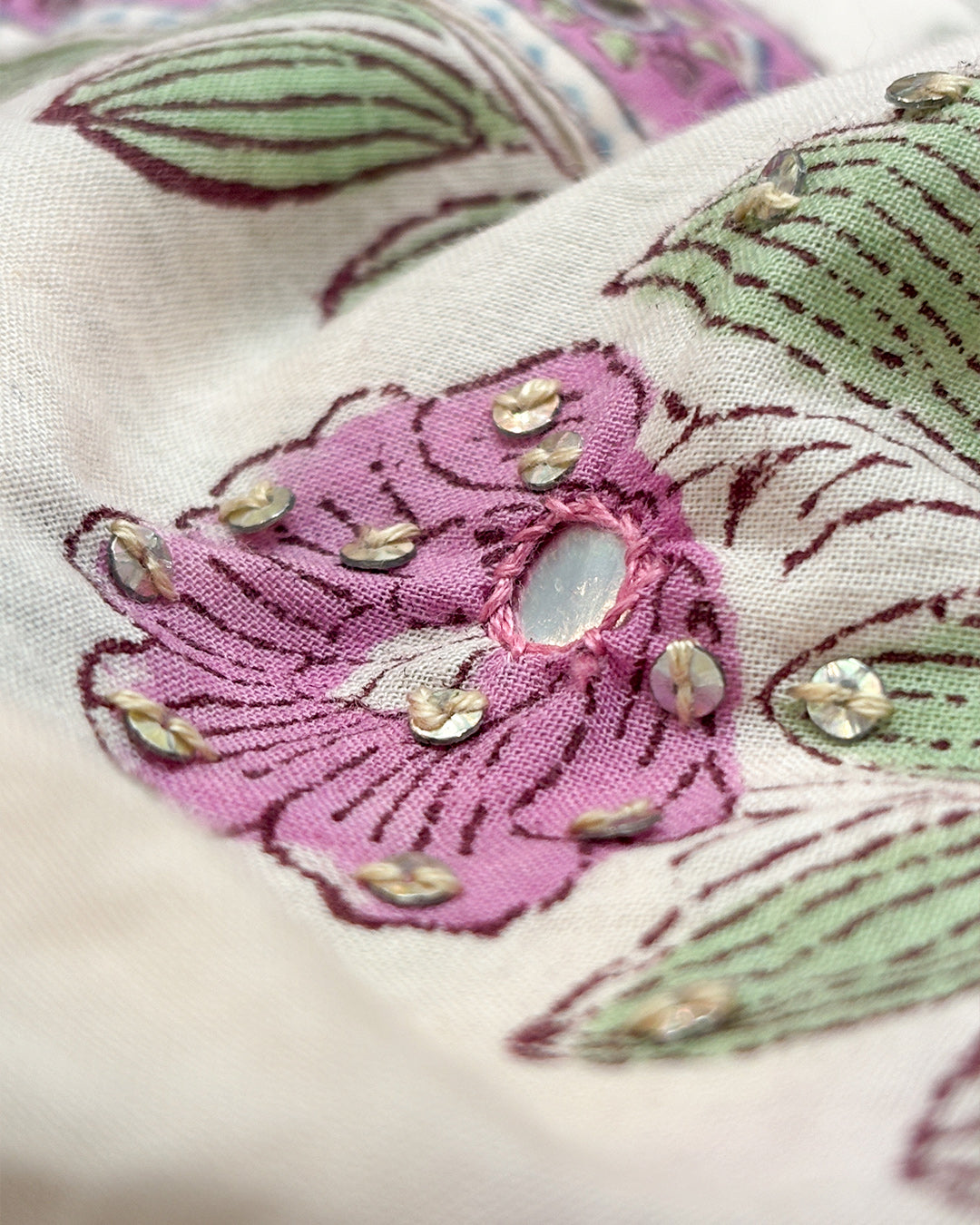
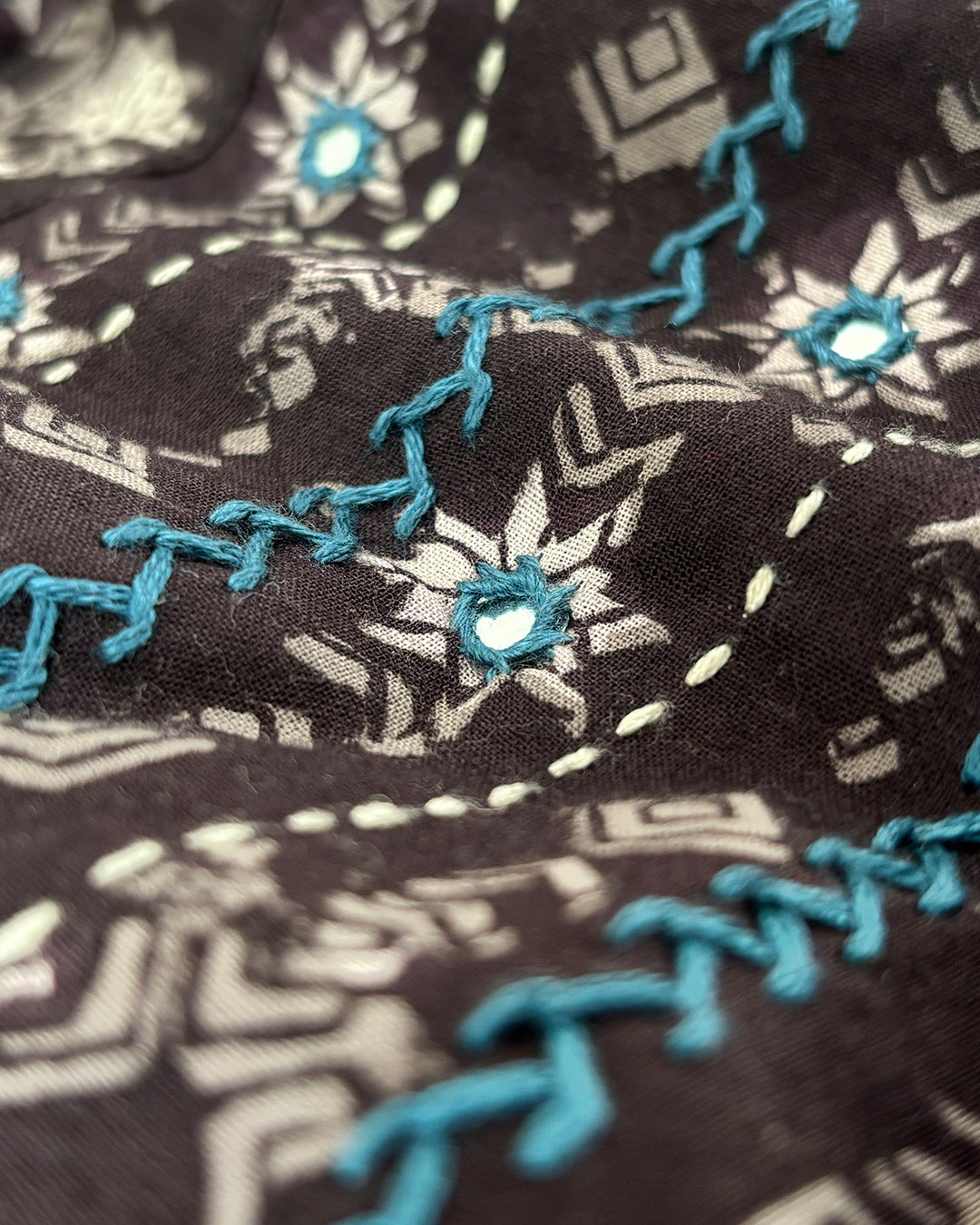
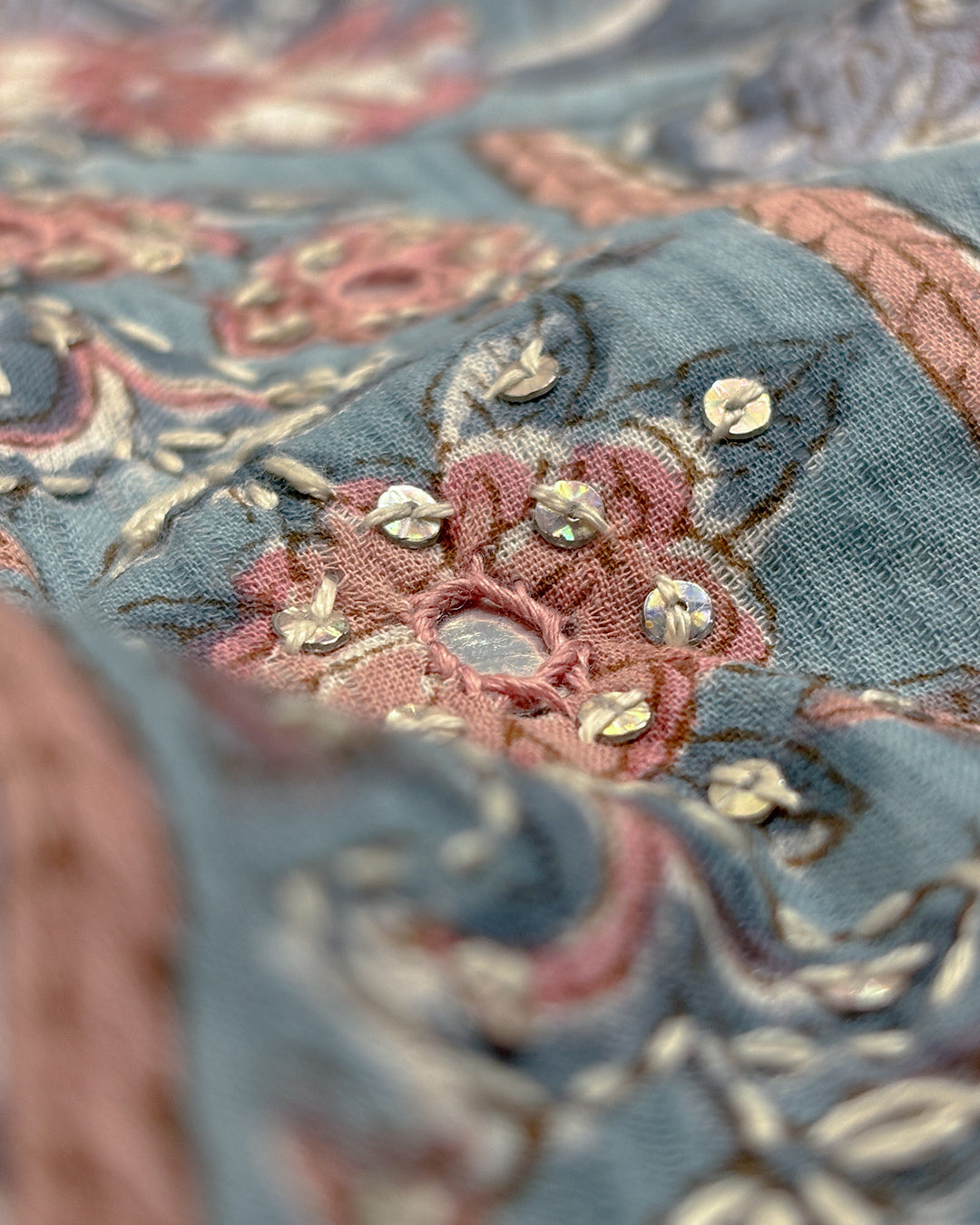
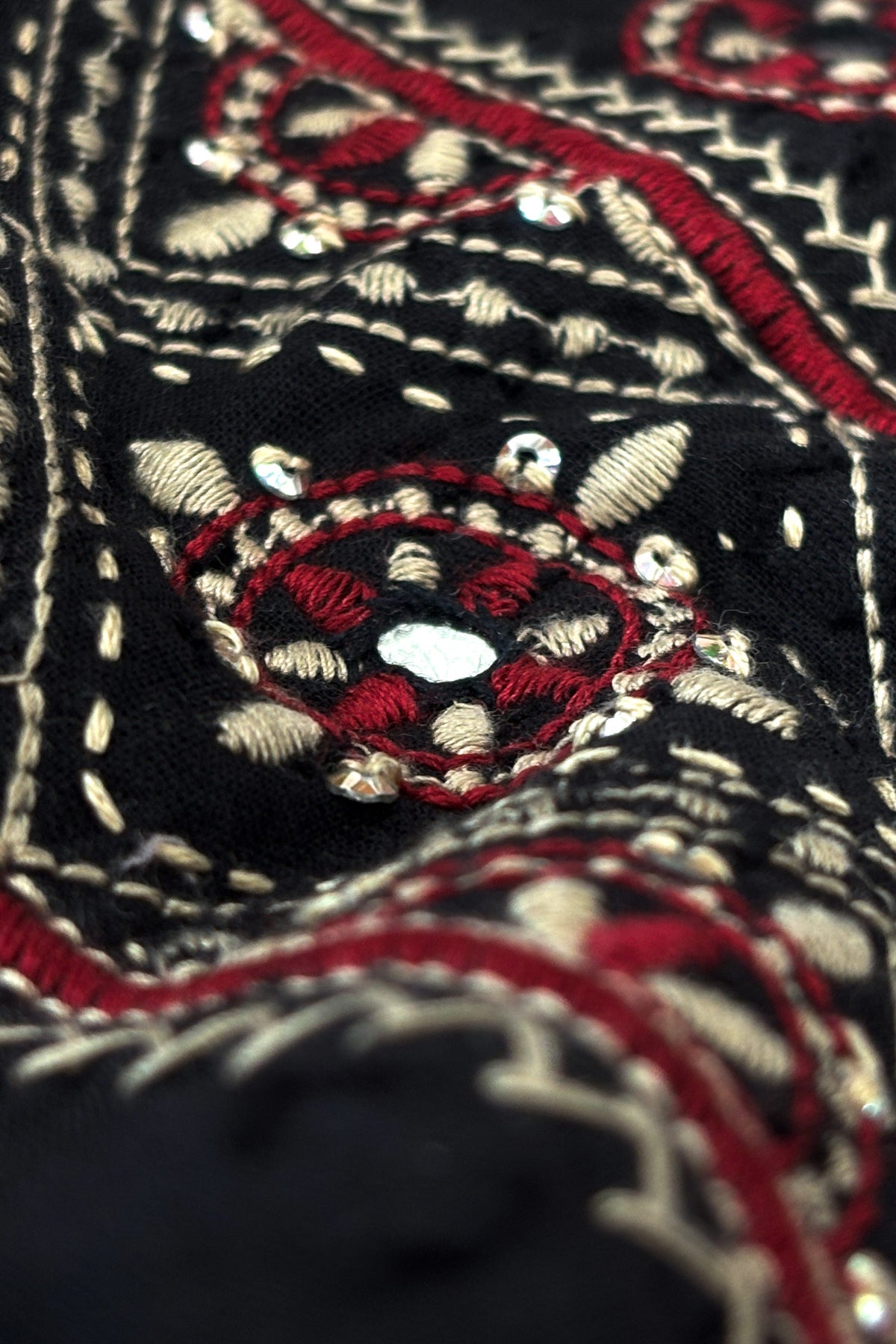
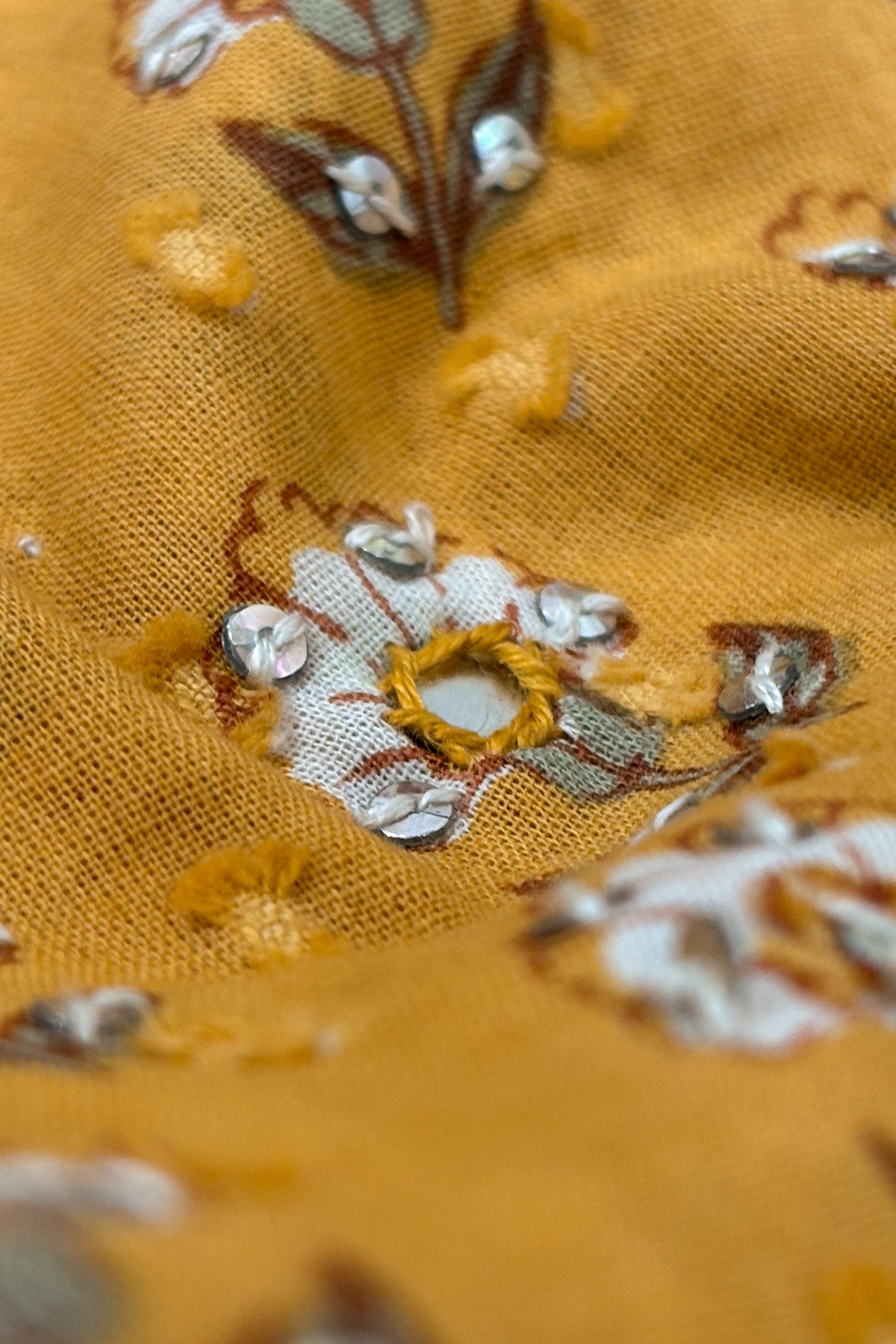
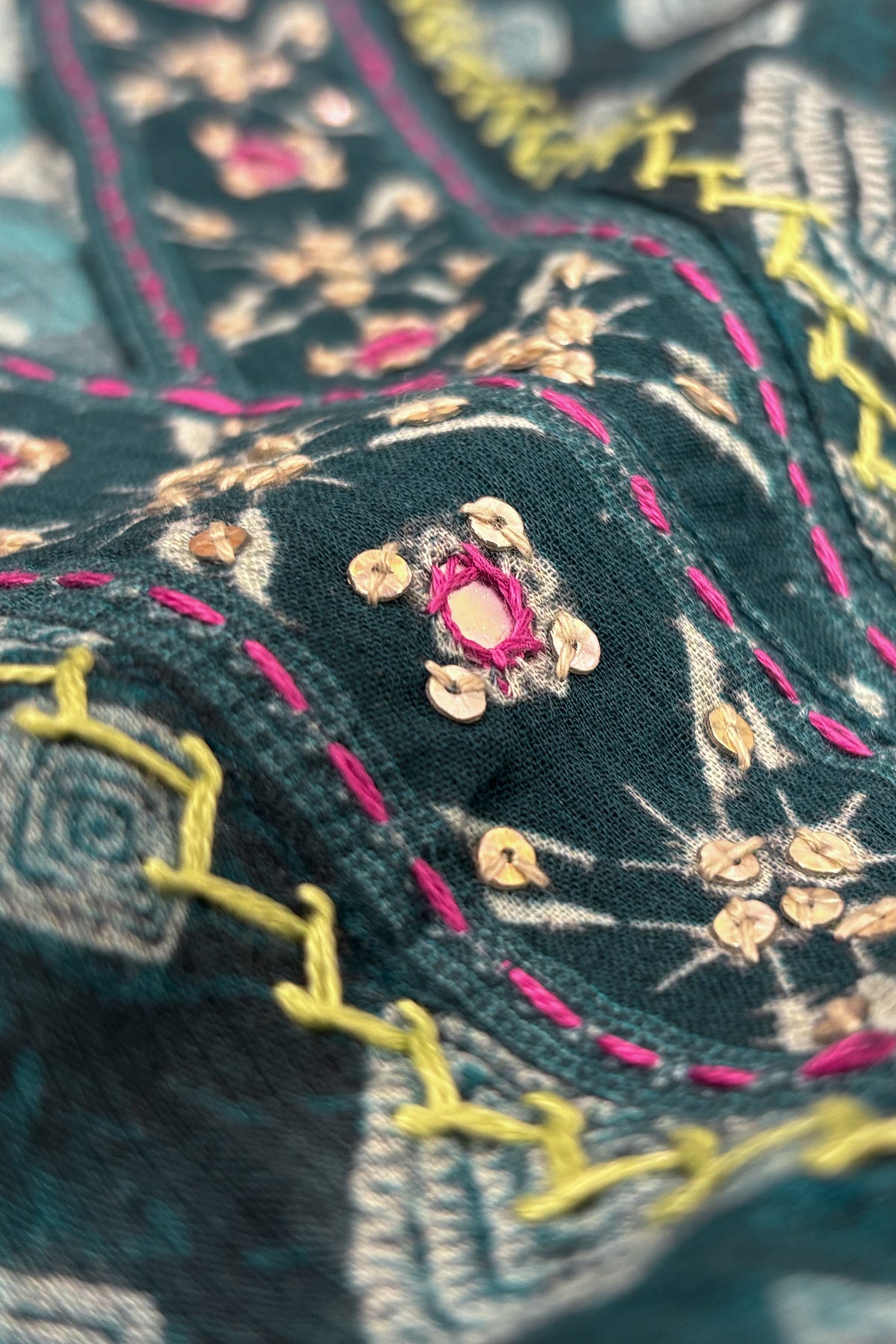
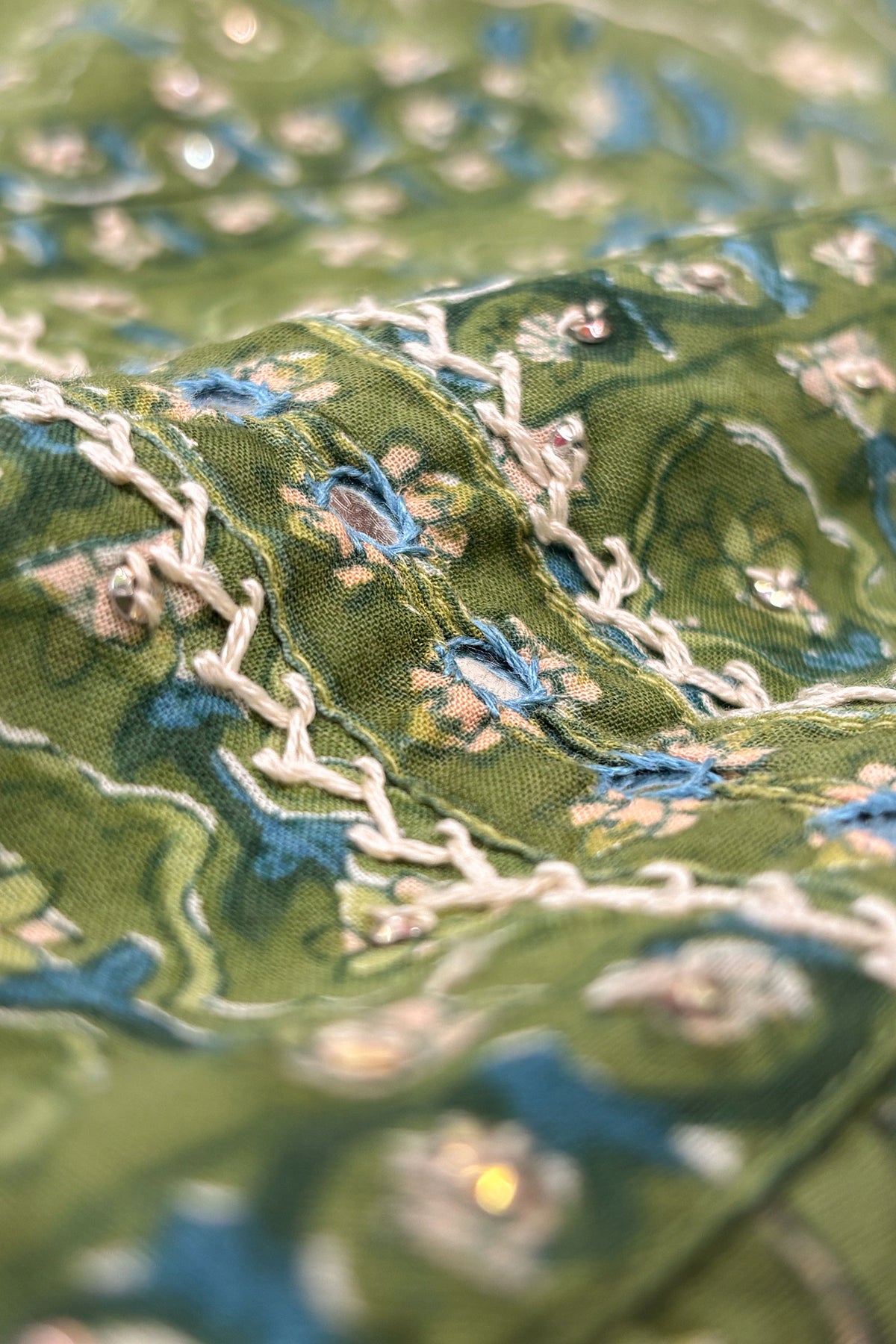
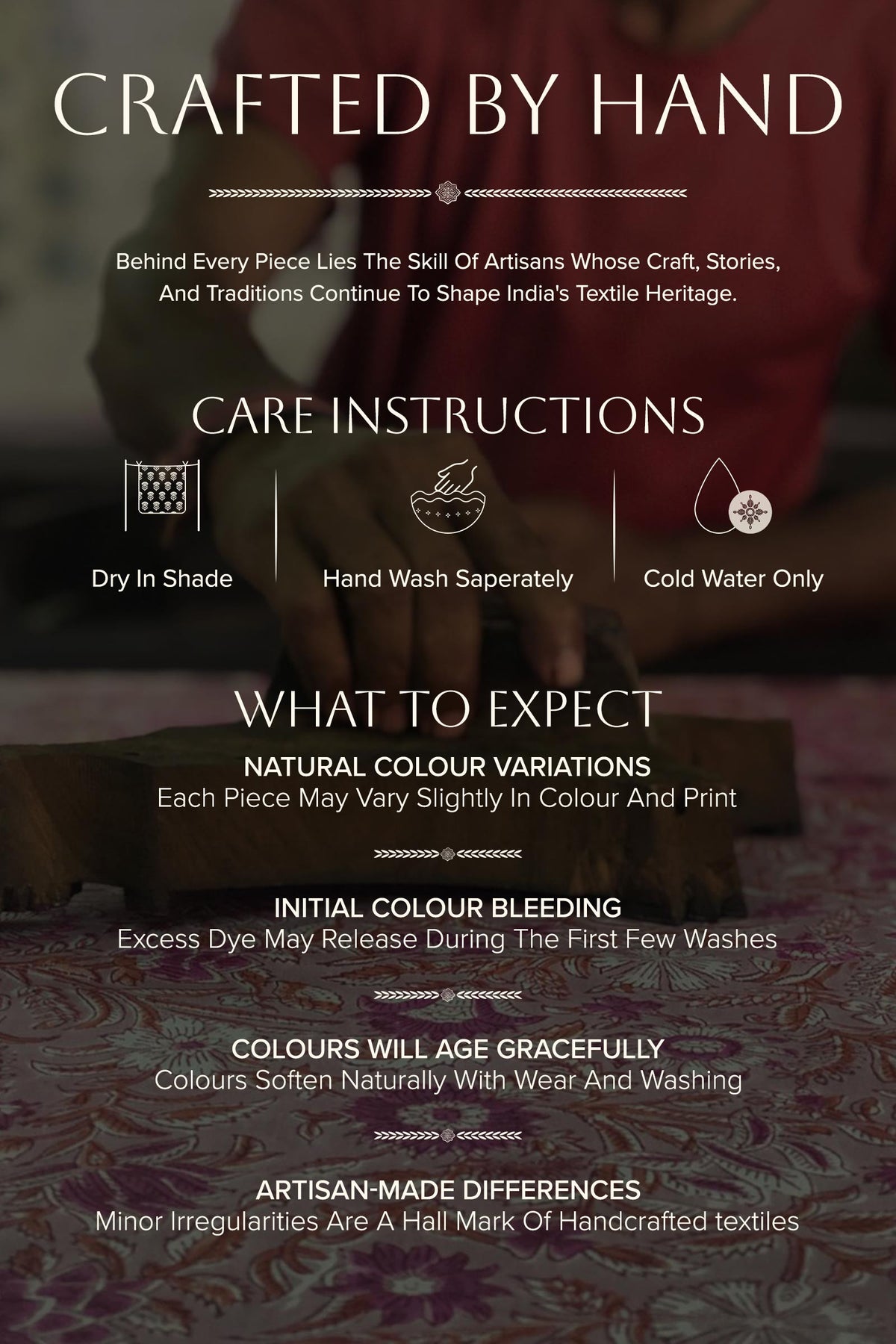
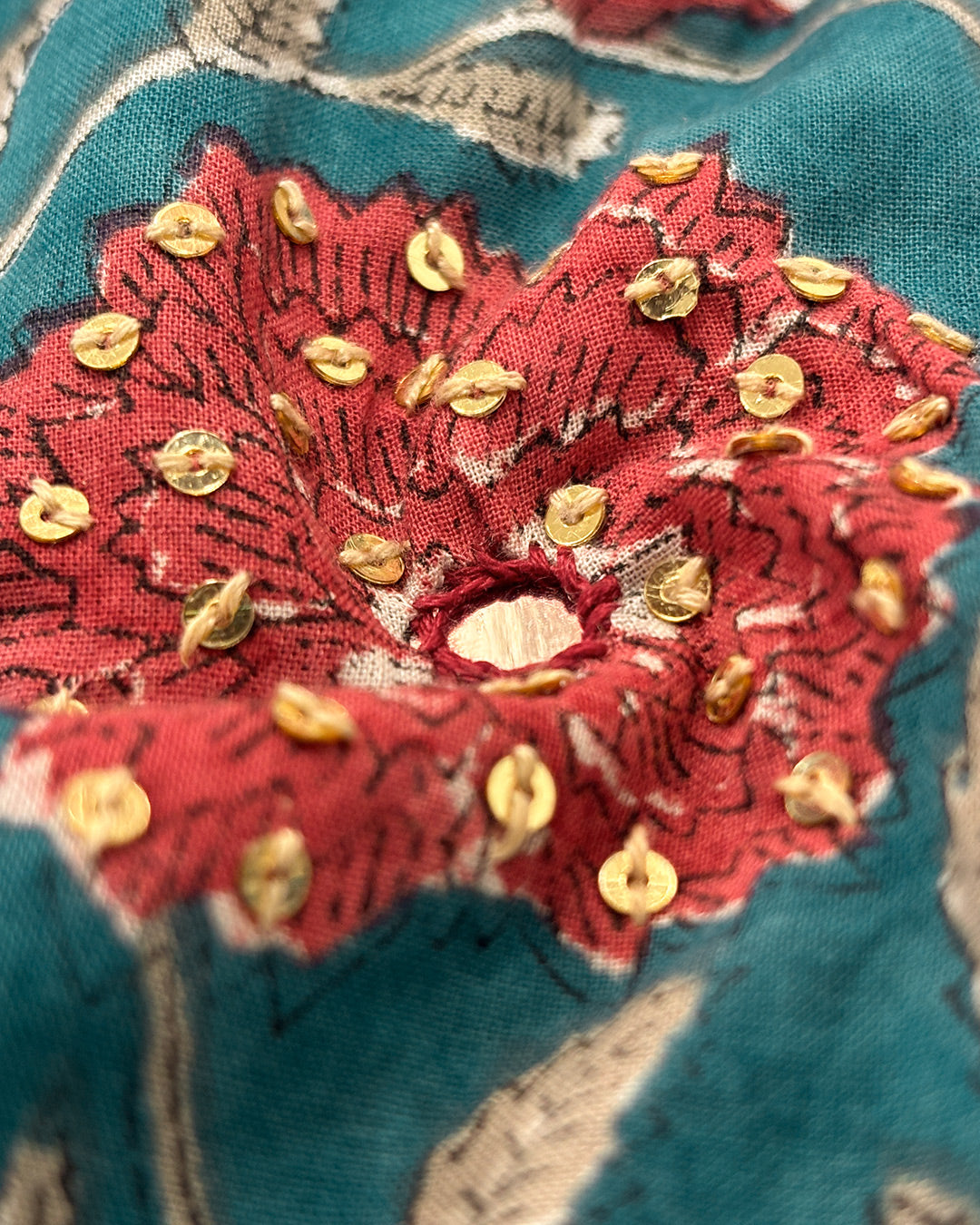
No two hand printed fabrics are ever completely identical. A slight variation in colour, a gentle shift in alignment, or the pressure of a wooden block reminds us that each piece has been created by hand.
Rather than being flaws, these subtle differences are what make handcrafted textiles so valued. They reflect the presence of the artisan and give every fabric its own quiet character.
The Role of Dabu Print in Akola Textiles

Understanding the Dabu Print Akola Technique
One of the most celebrated traditions associated with Akola is Dabu print Akola, a centuries old resist printing technique.
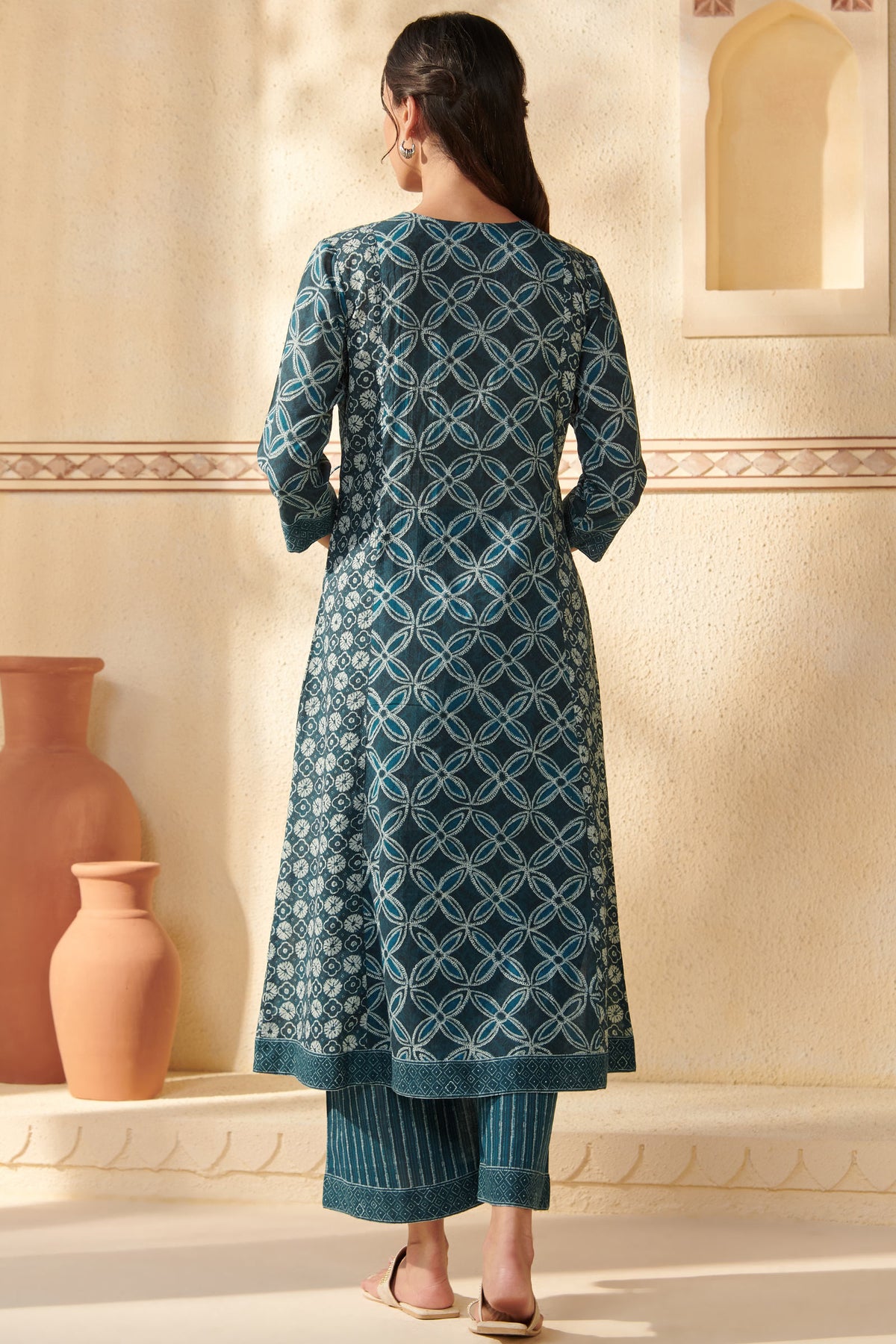
The process begins by applying a mud paste to selected parts of the fabric using carved wooden blocks. Once the mud dries, the cloth is dyed. The covered areas resist the dye, preserving the original fabric beneath. This process may be repeated several times to create layered patterns and depth.
It is a slow craft that demands precision at every stage, from preparing the mud mixture to drying, dyeing, washing, and finishing.
The Beauty of Resist Printing and Artisan Craftsmanship
What makes Dabu printing remarkable is its unpredictability. Weather conditions, drying time, natural dyes, and even humidity influence the final outcome. No artisan can completely control every result, and that is part of its beauty.
Every finished textile carries subtle variations that machines cannot imitate. These quiet differences remind us that true craftsmanship is never perfectly identical. It is thoughtfully made, patiently layered, and deeply human.
Why Craft Lovers Continue to Choose Akola Print Fabrics
Authenticity and Heritage Value
People who appreciate handcrafted textiles are often drawn to stories as much as garments. Akola fabrics offer both. They represent generations of knowledge, local materials, and techniques that continue to survive because artisans choose to preserve them.
Owning an Akola printed garment is not simply about wearing a pattern. It is about carrying forward a living tradition that remains connected to India's rich textile heritage.
Timeless Designs for Contemporary Wardrobes
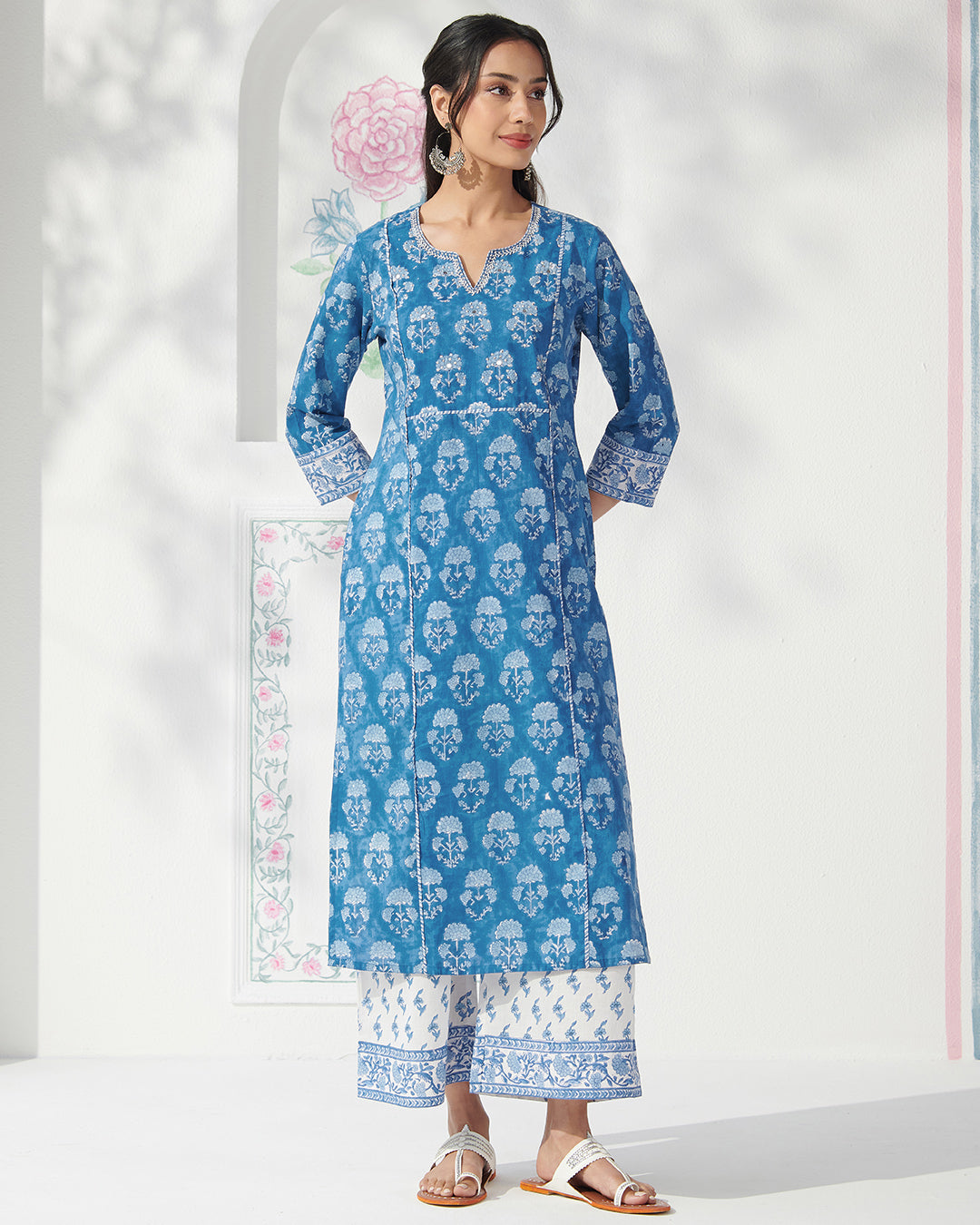
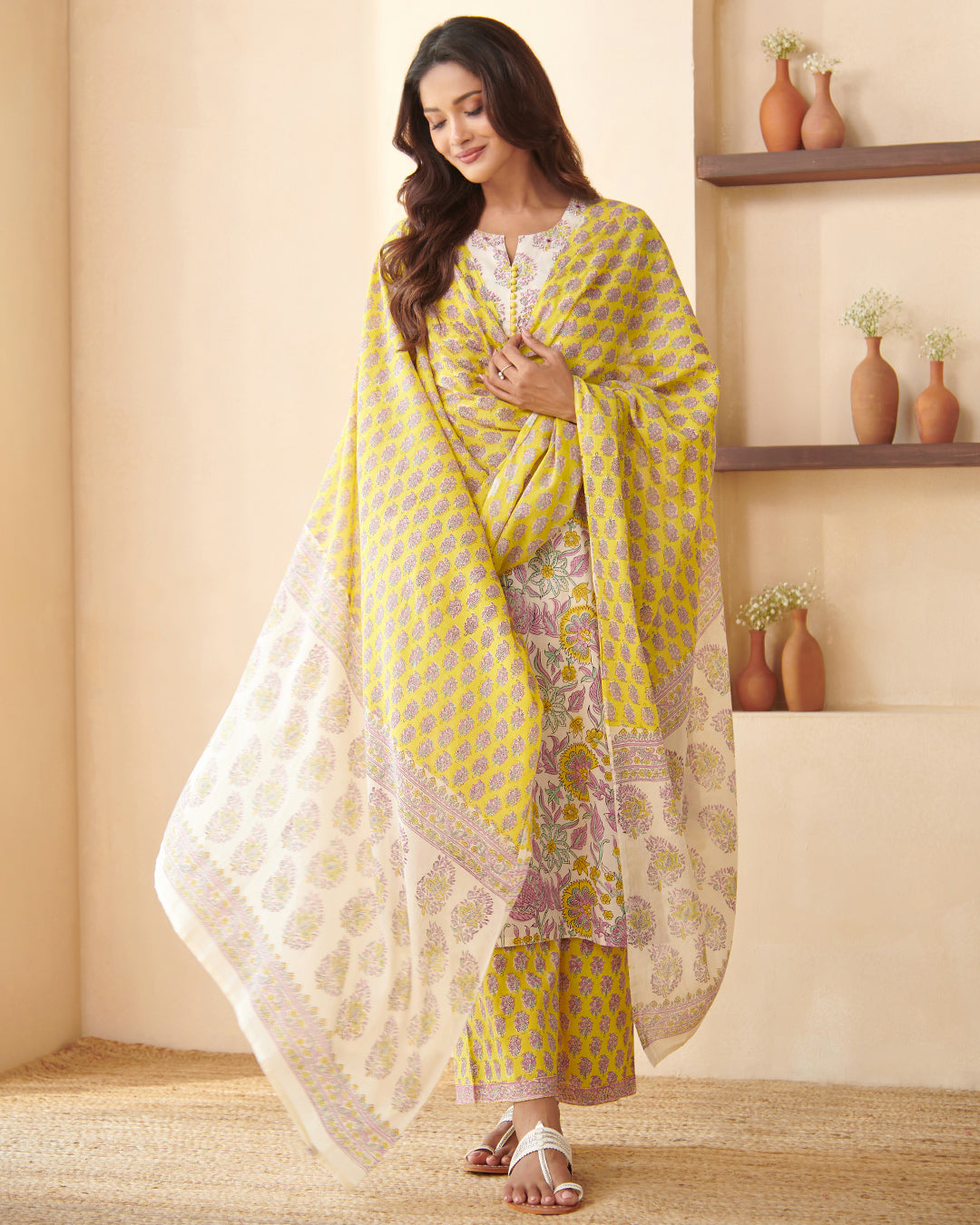
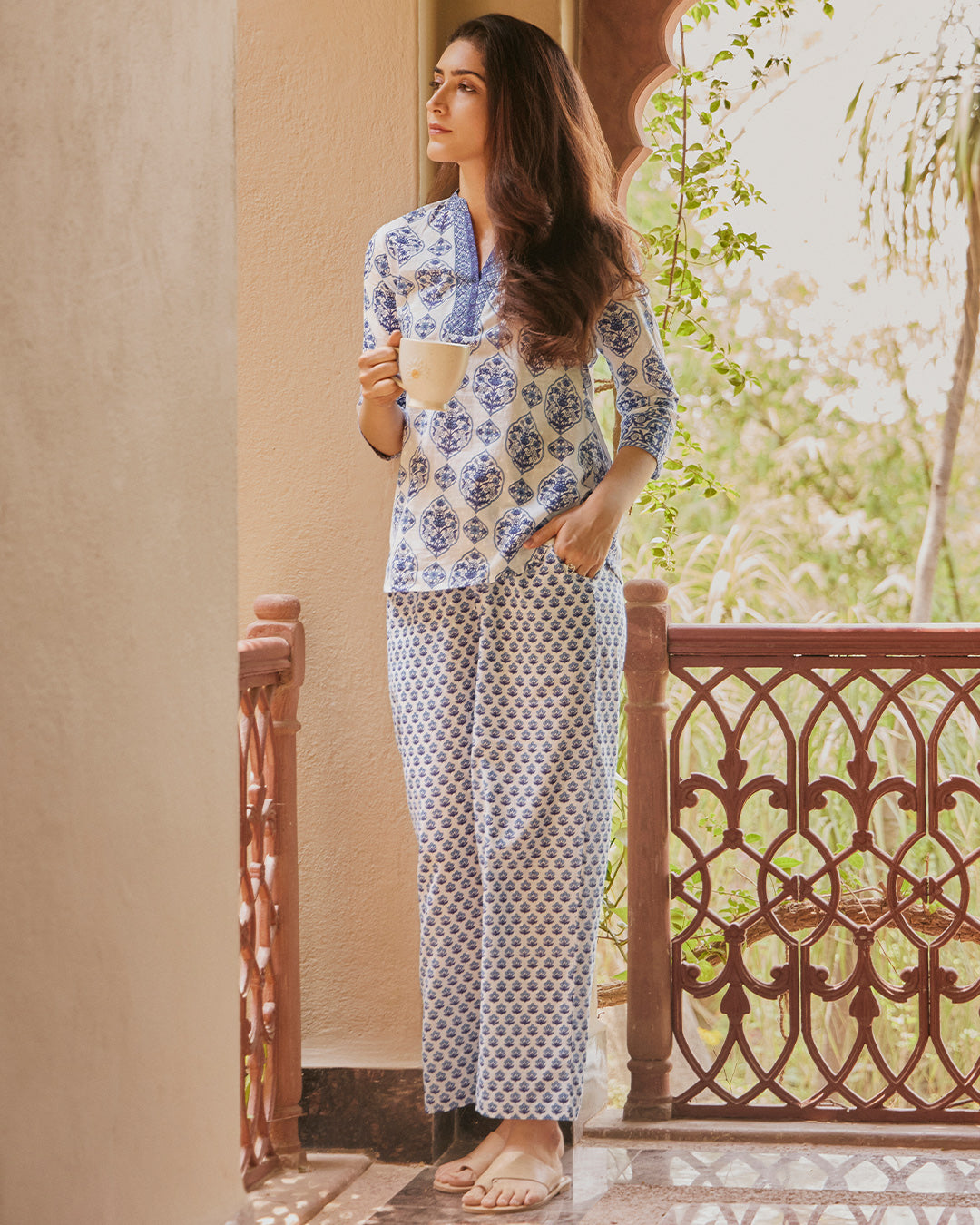
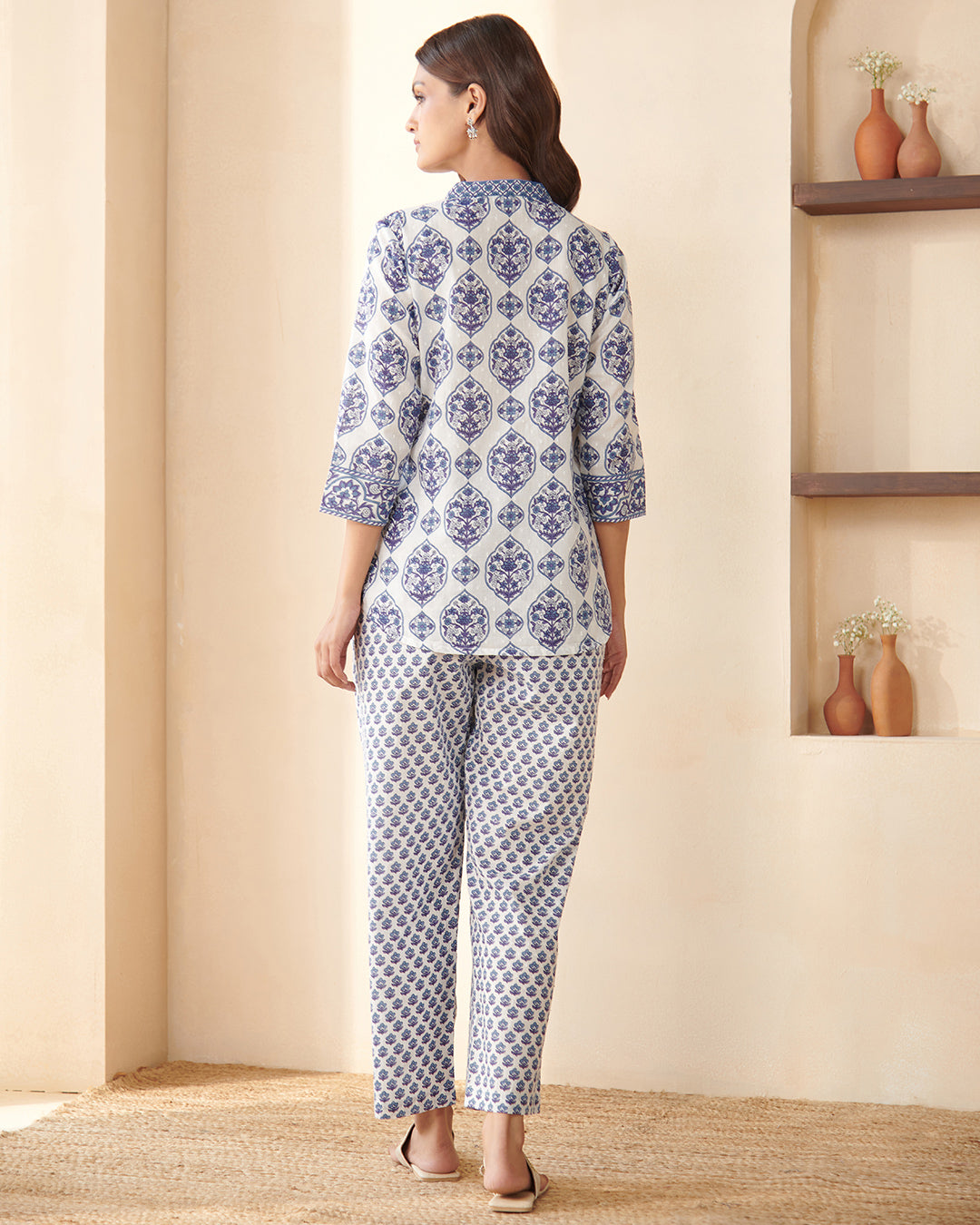
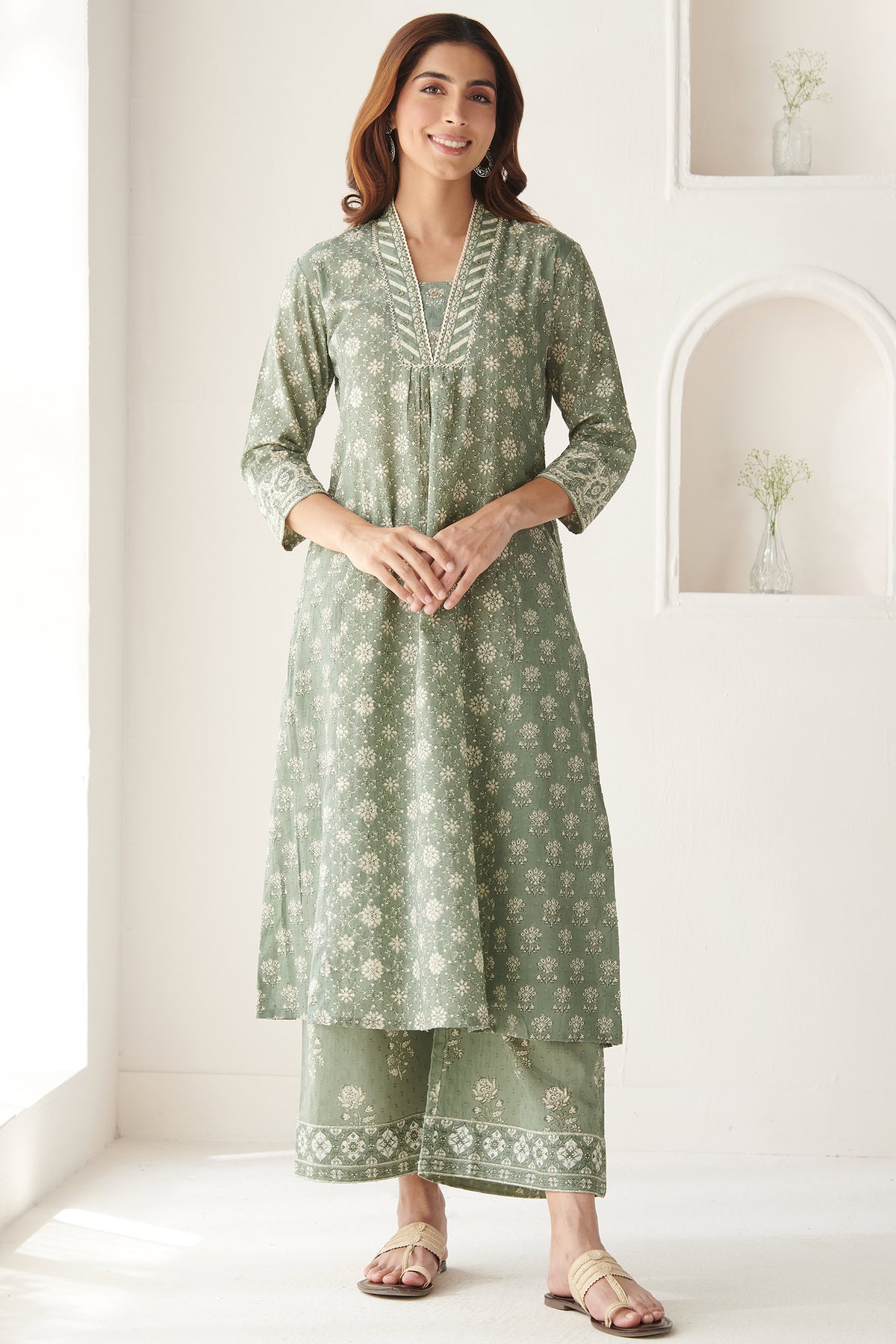
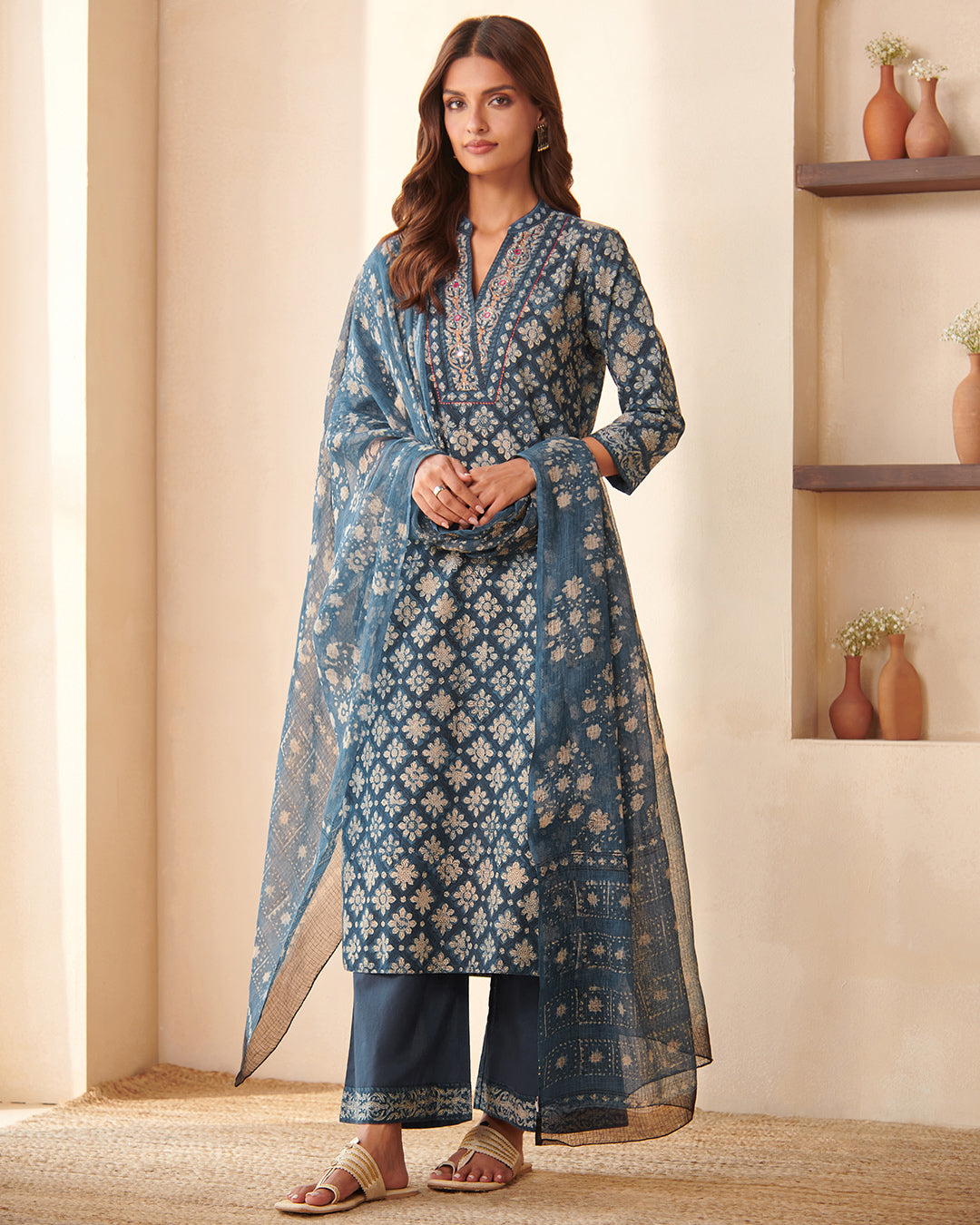
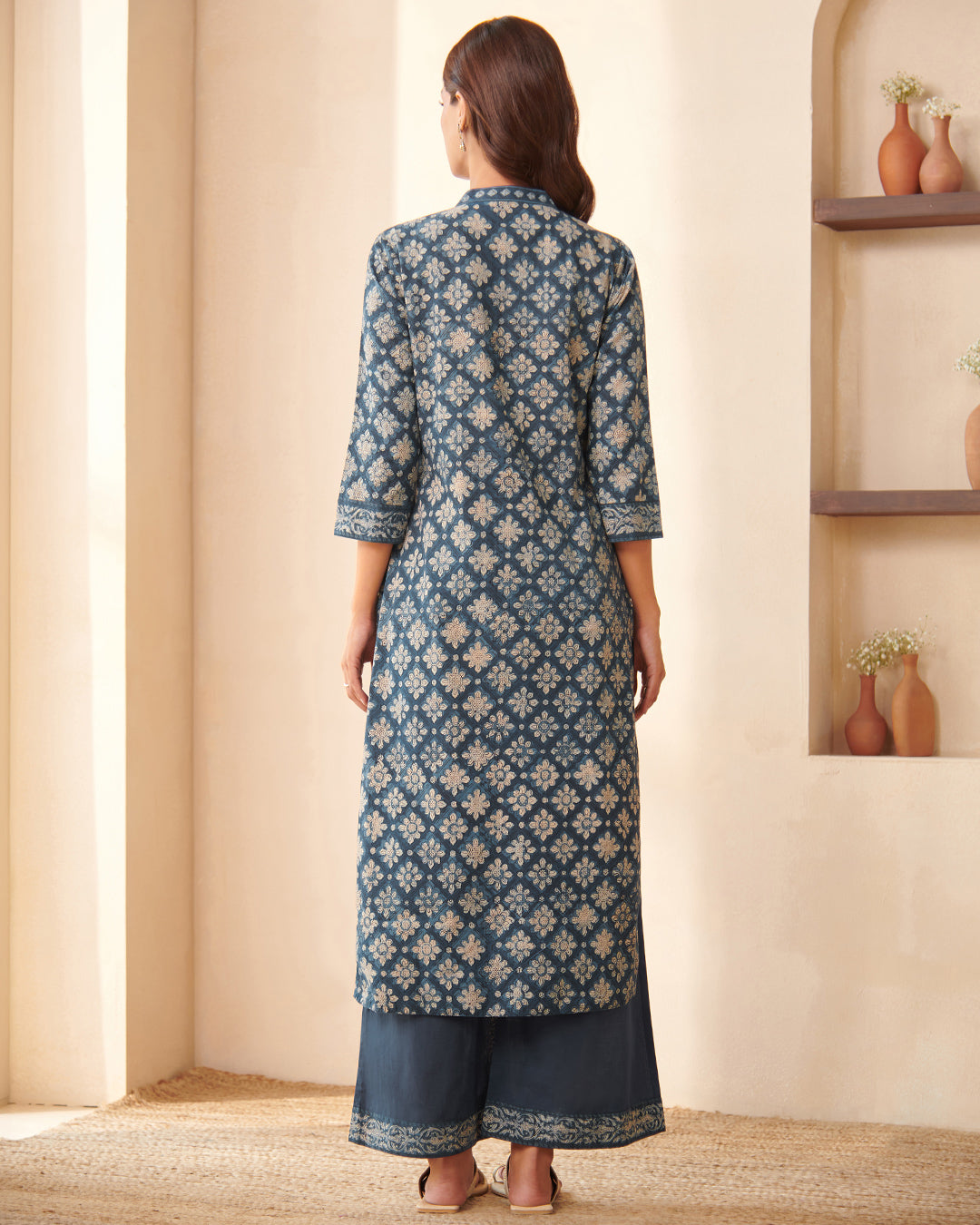
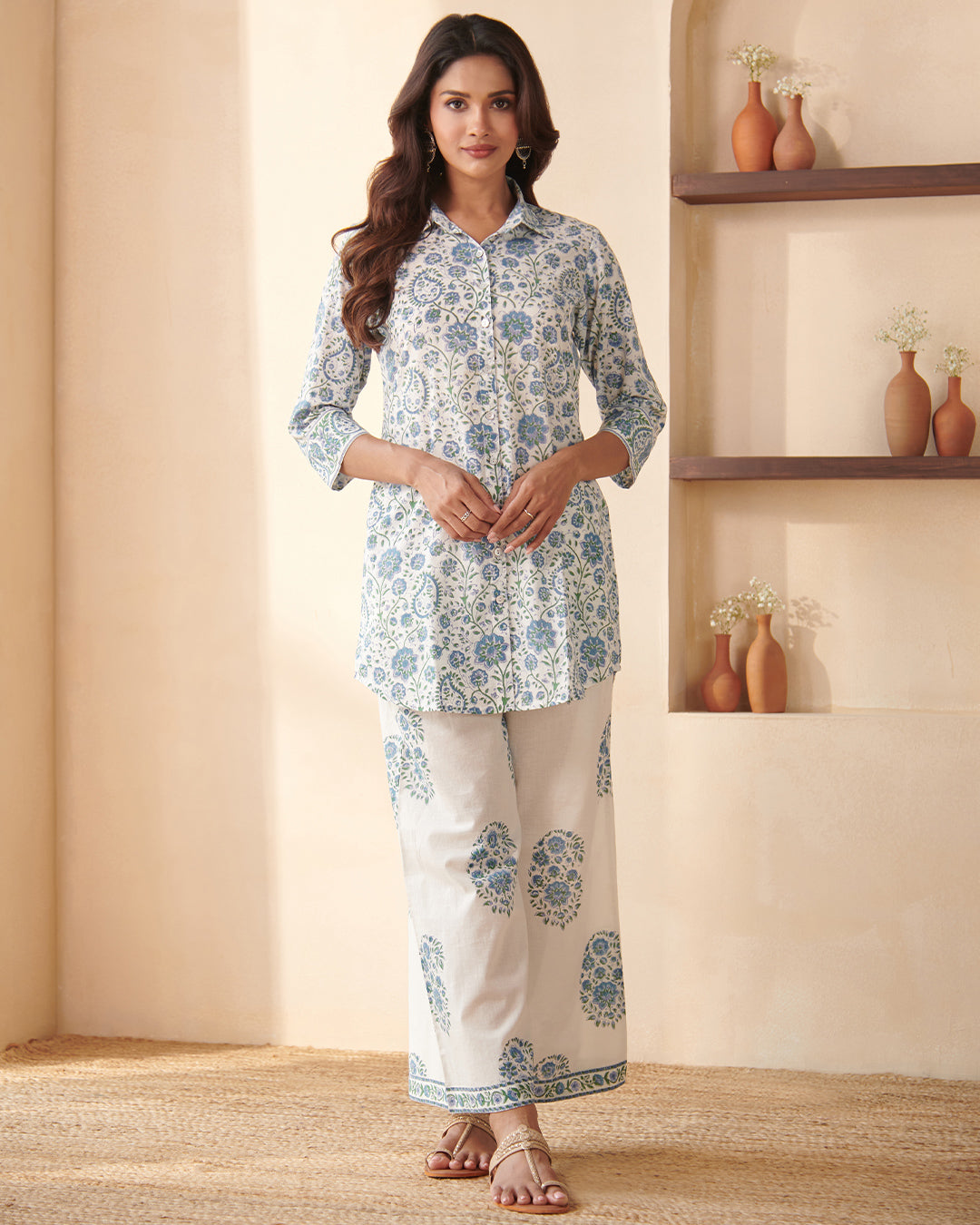
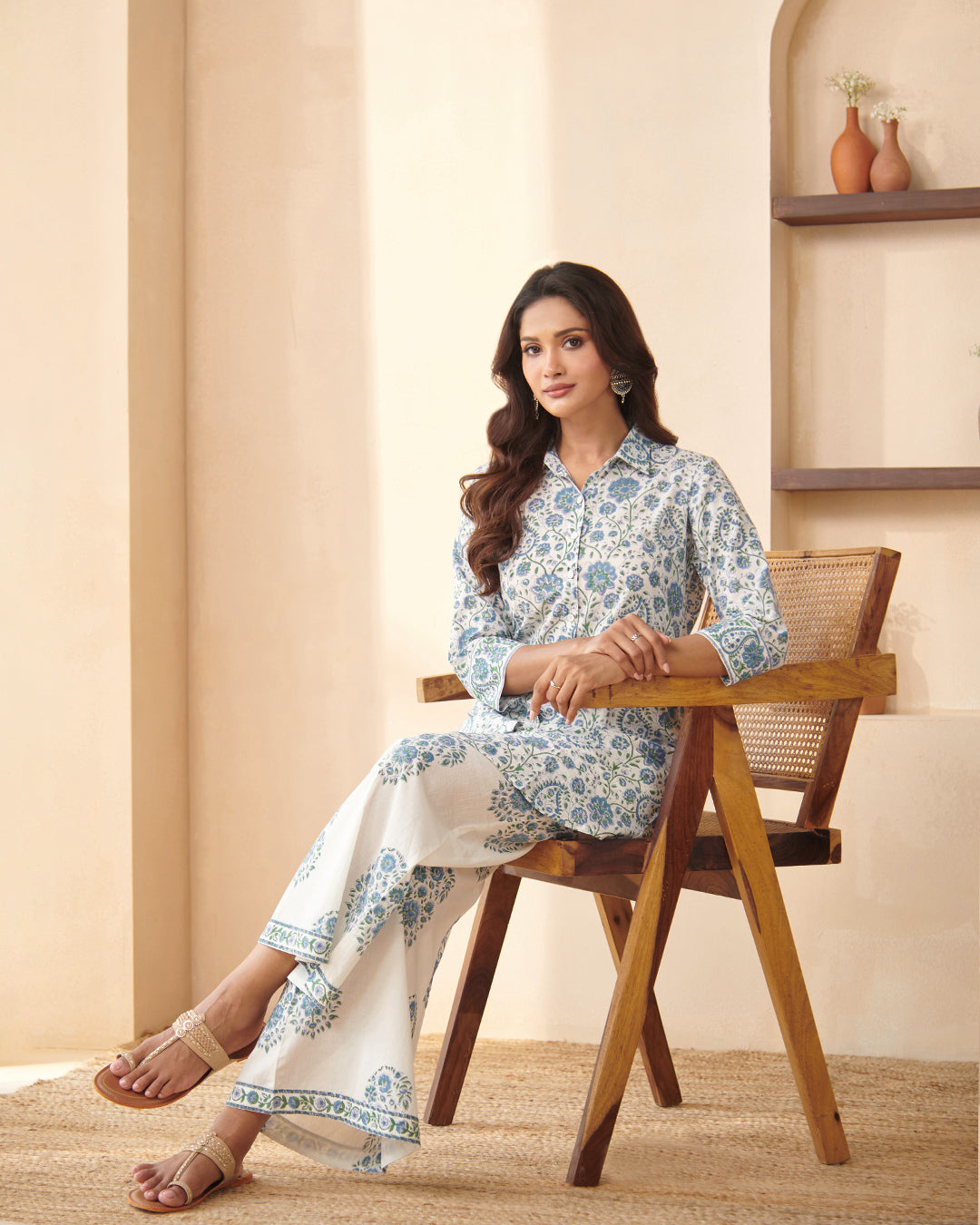
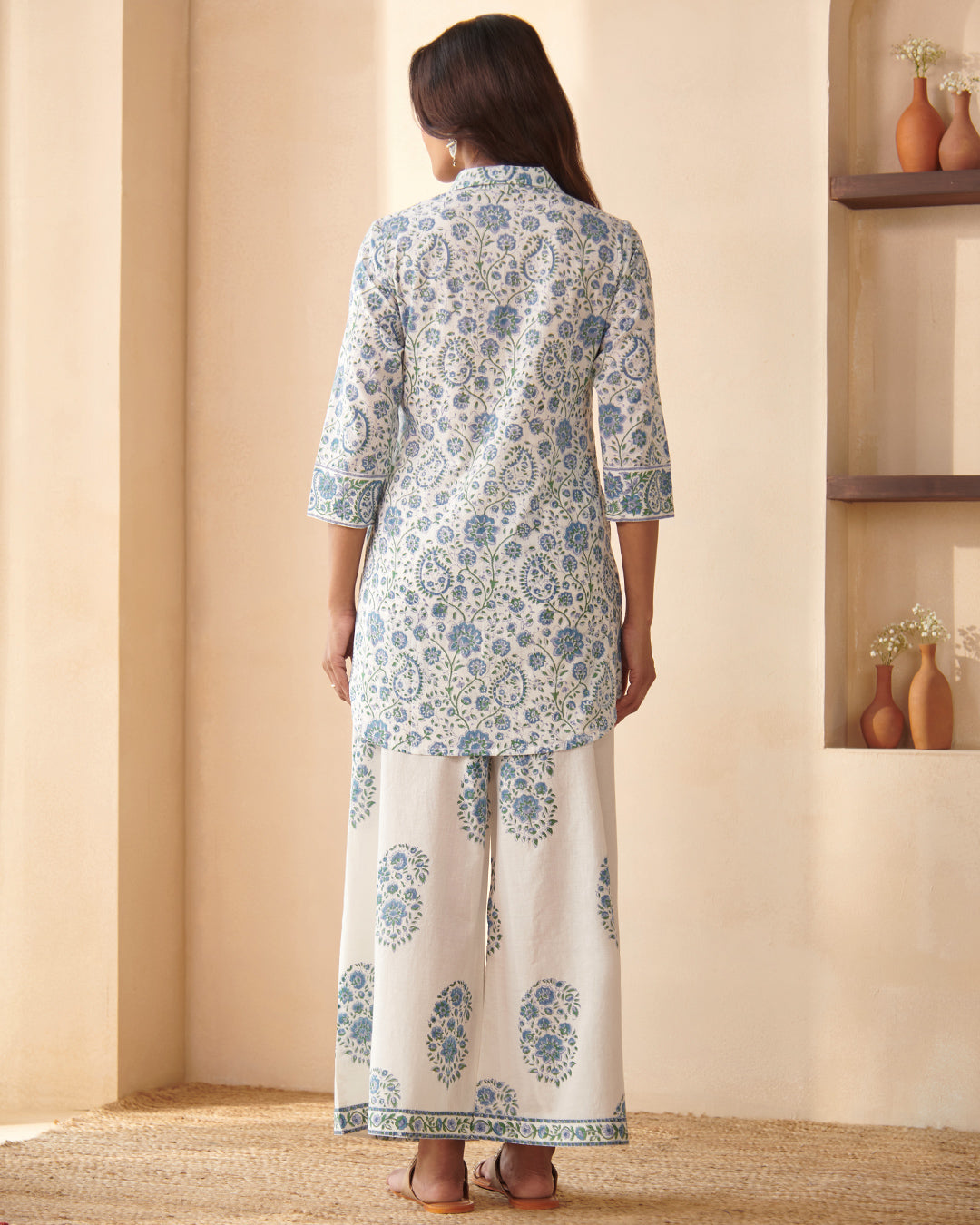
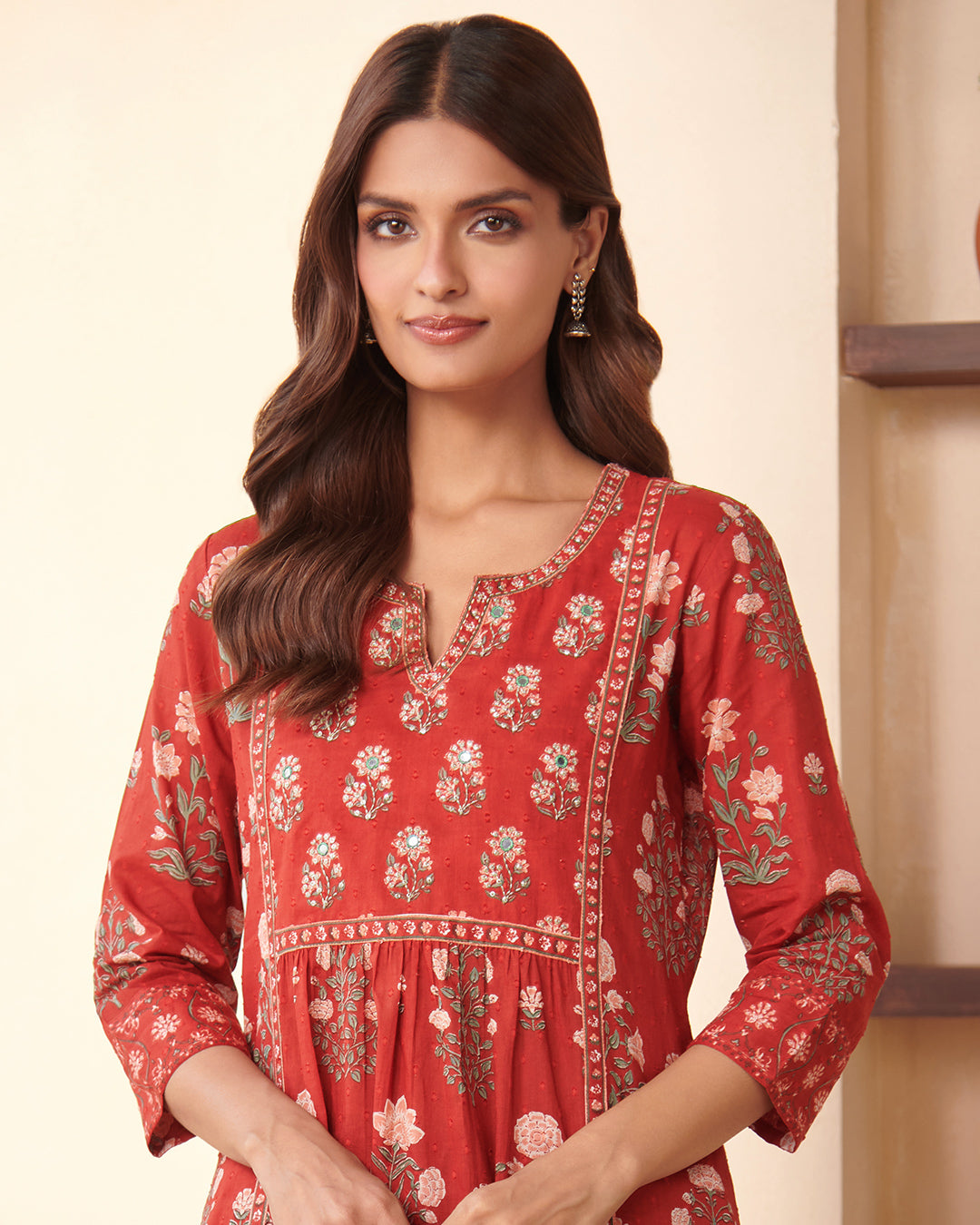
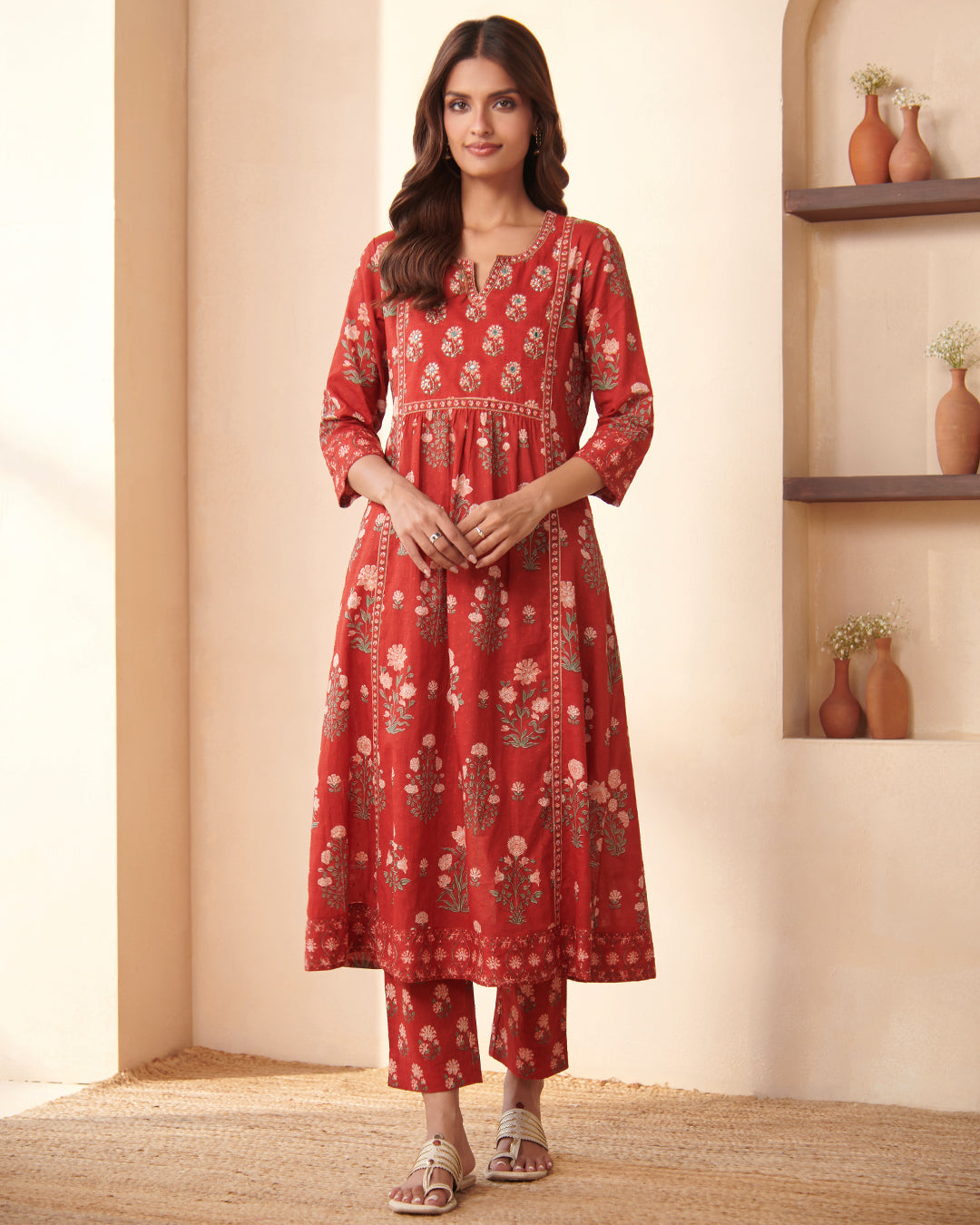
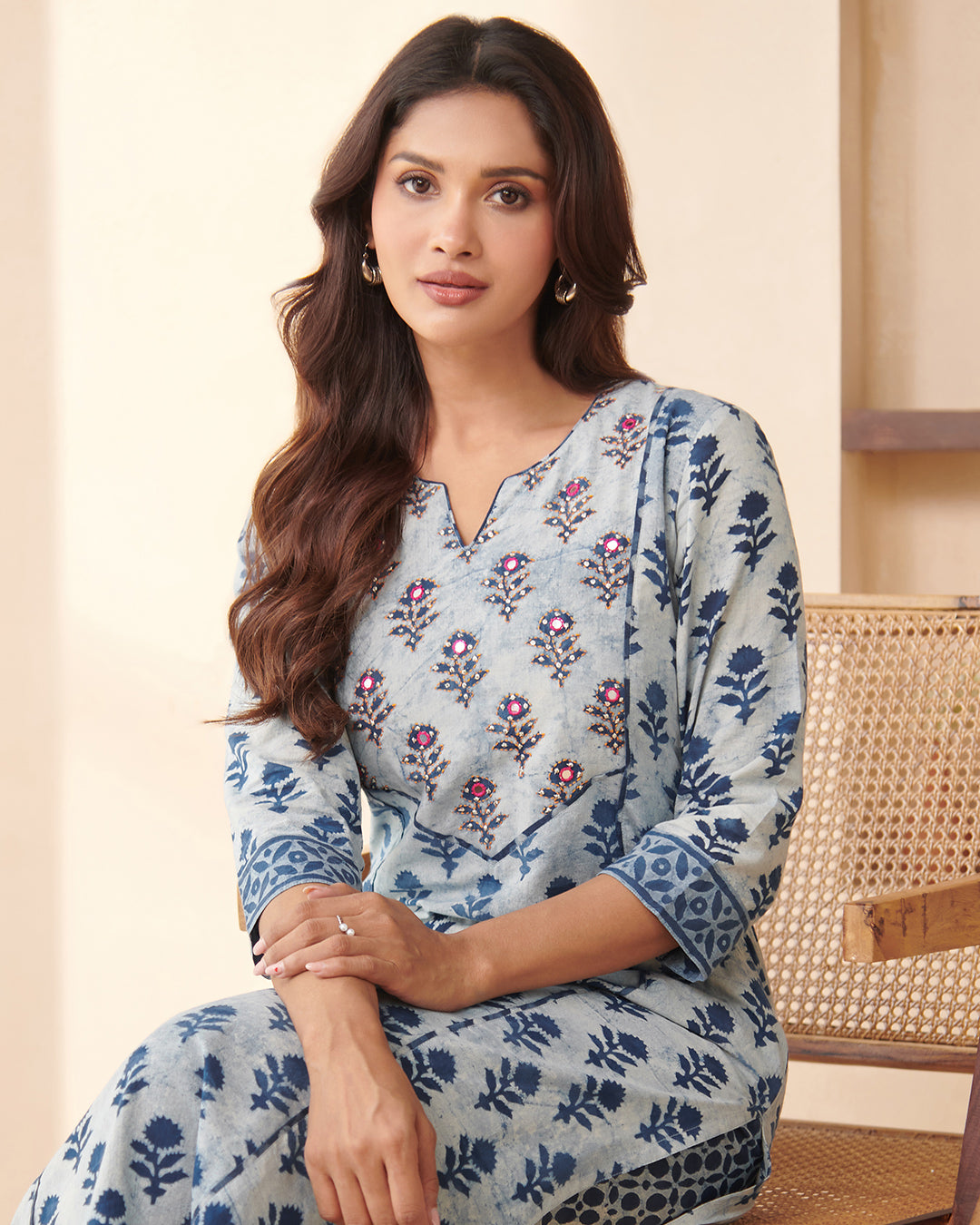
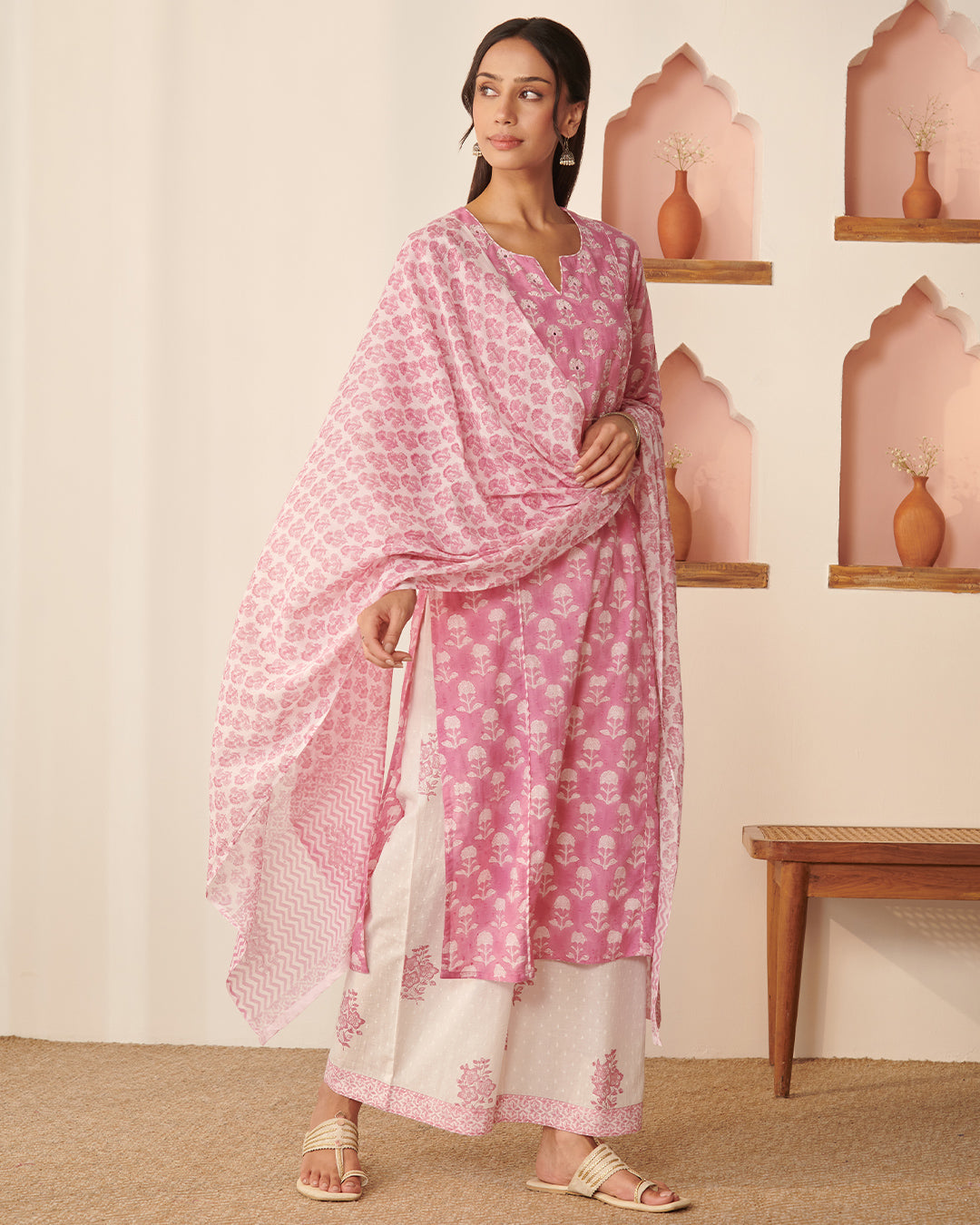
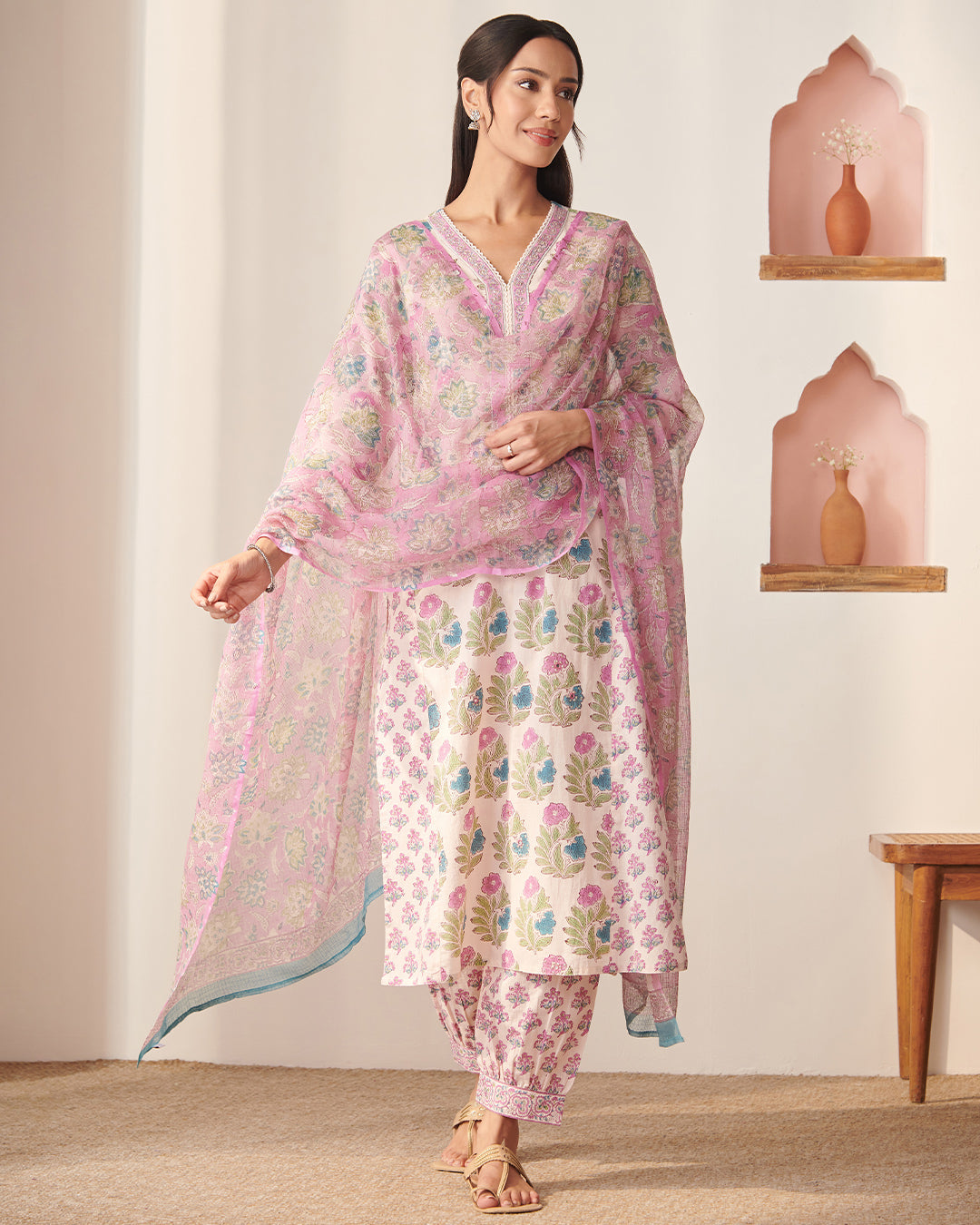
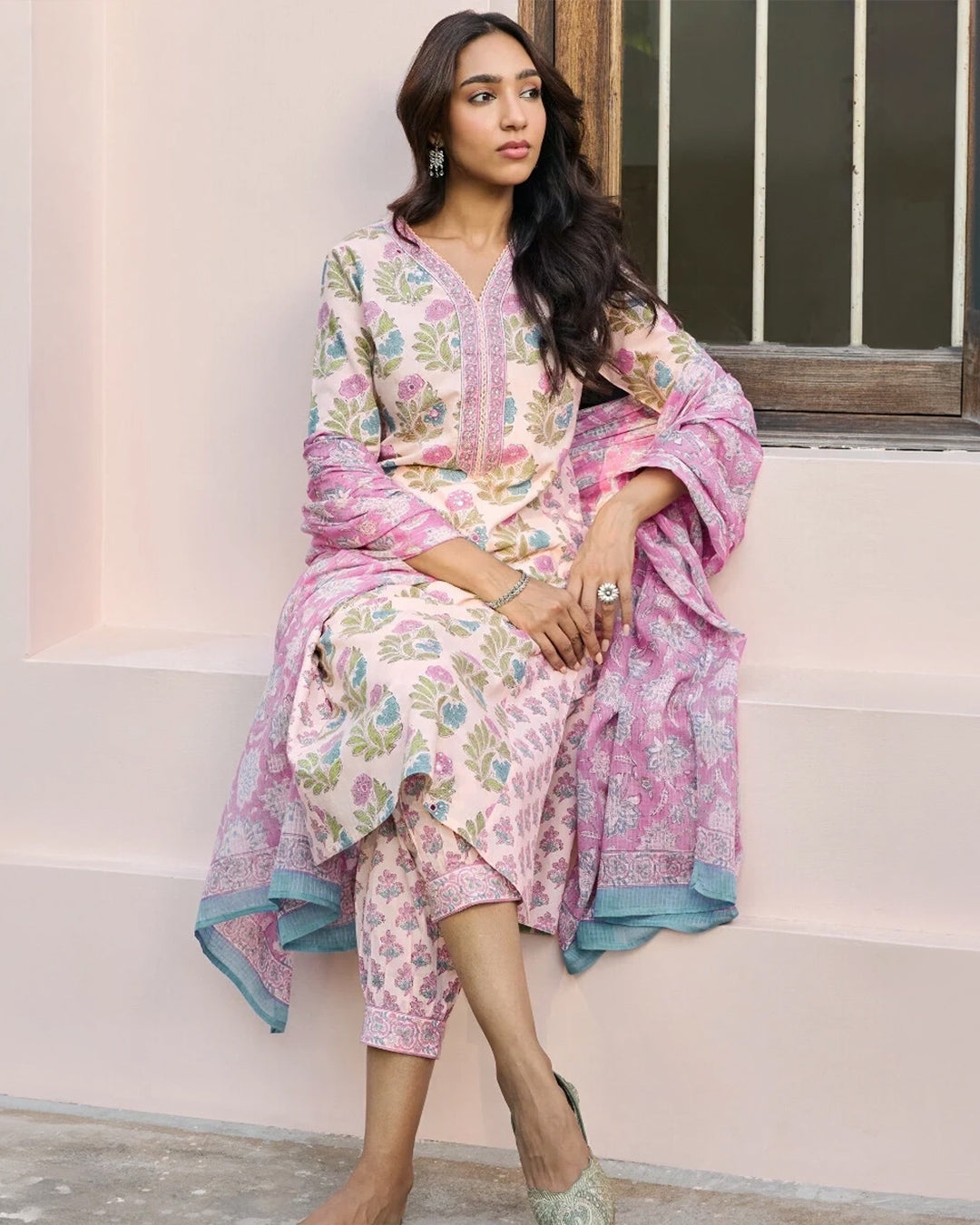
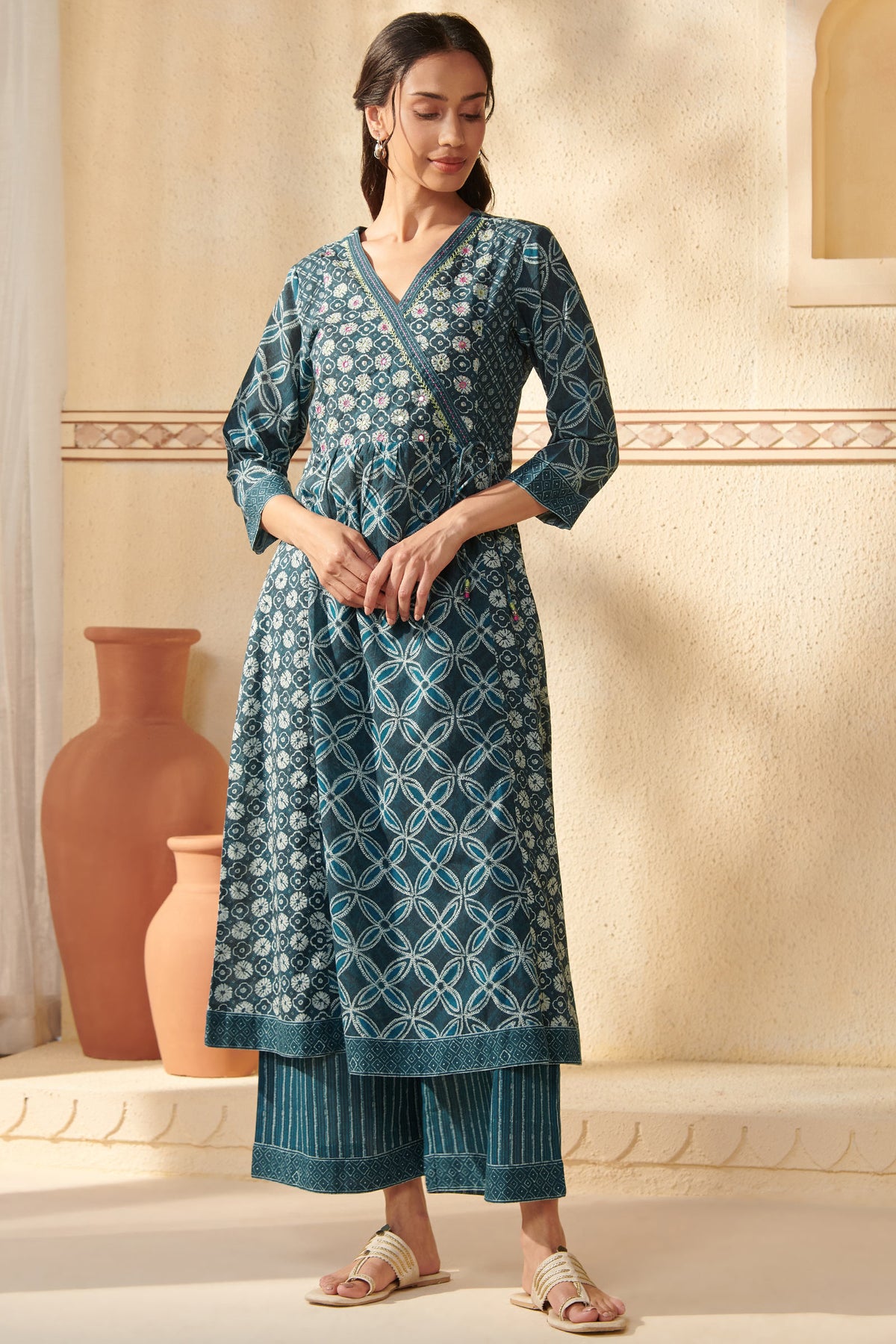
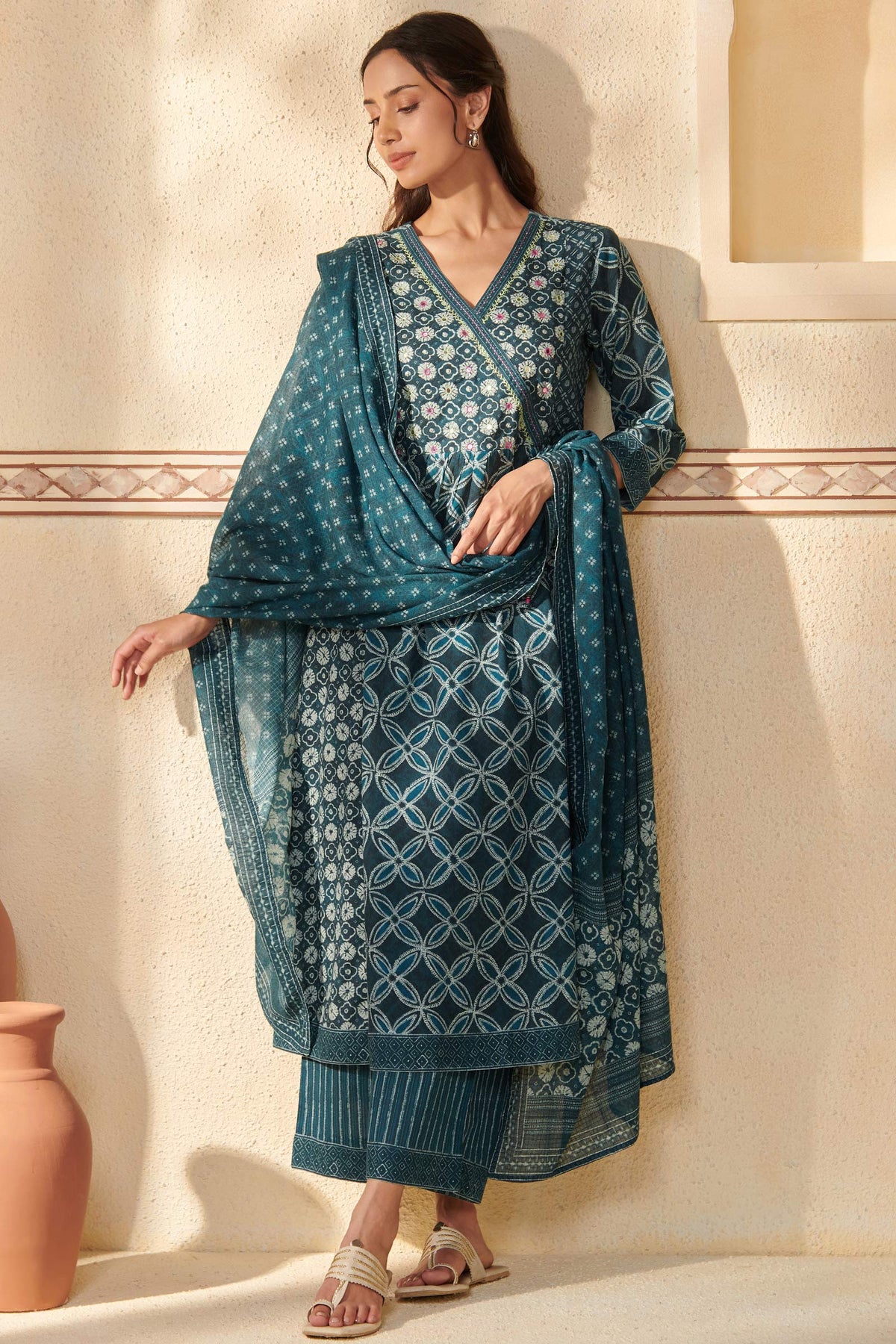
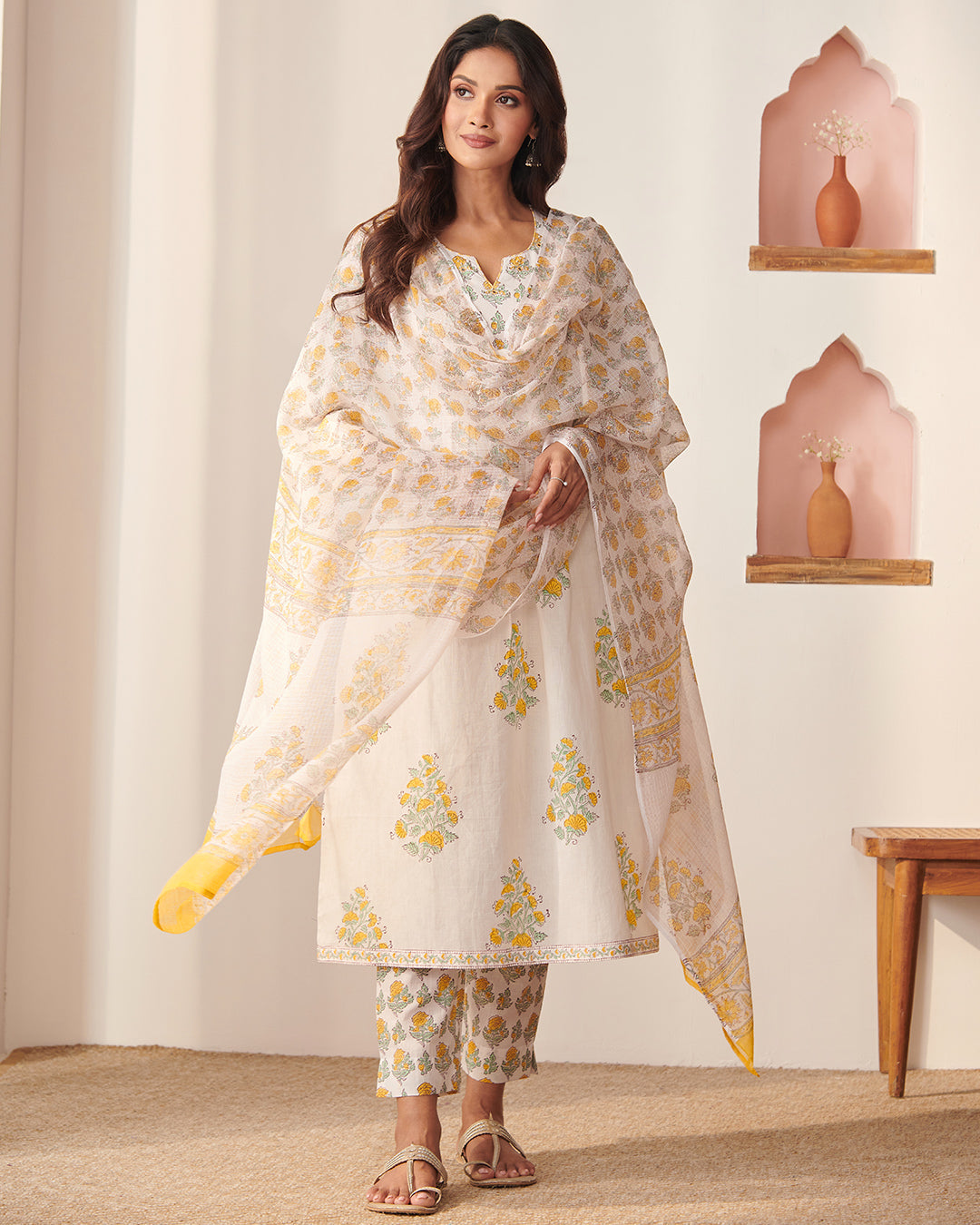
Although rooted in history, Akola prints feel remarkably relevant today. Their understated motifs pair effortlessly with contemporary silhouettes while retaining their traditional identity.
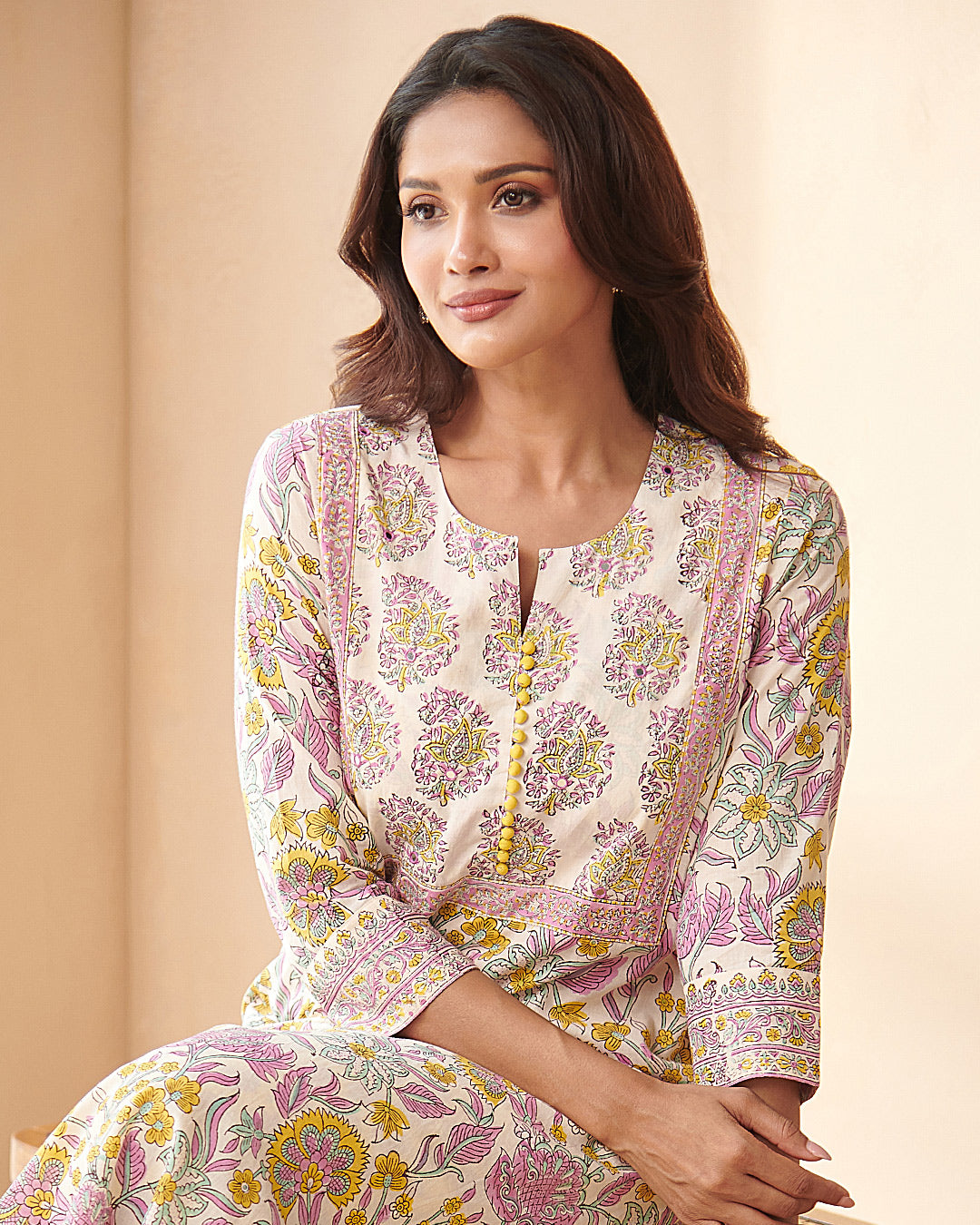
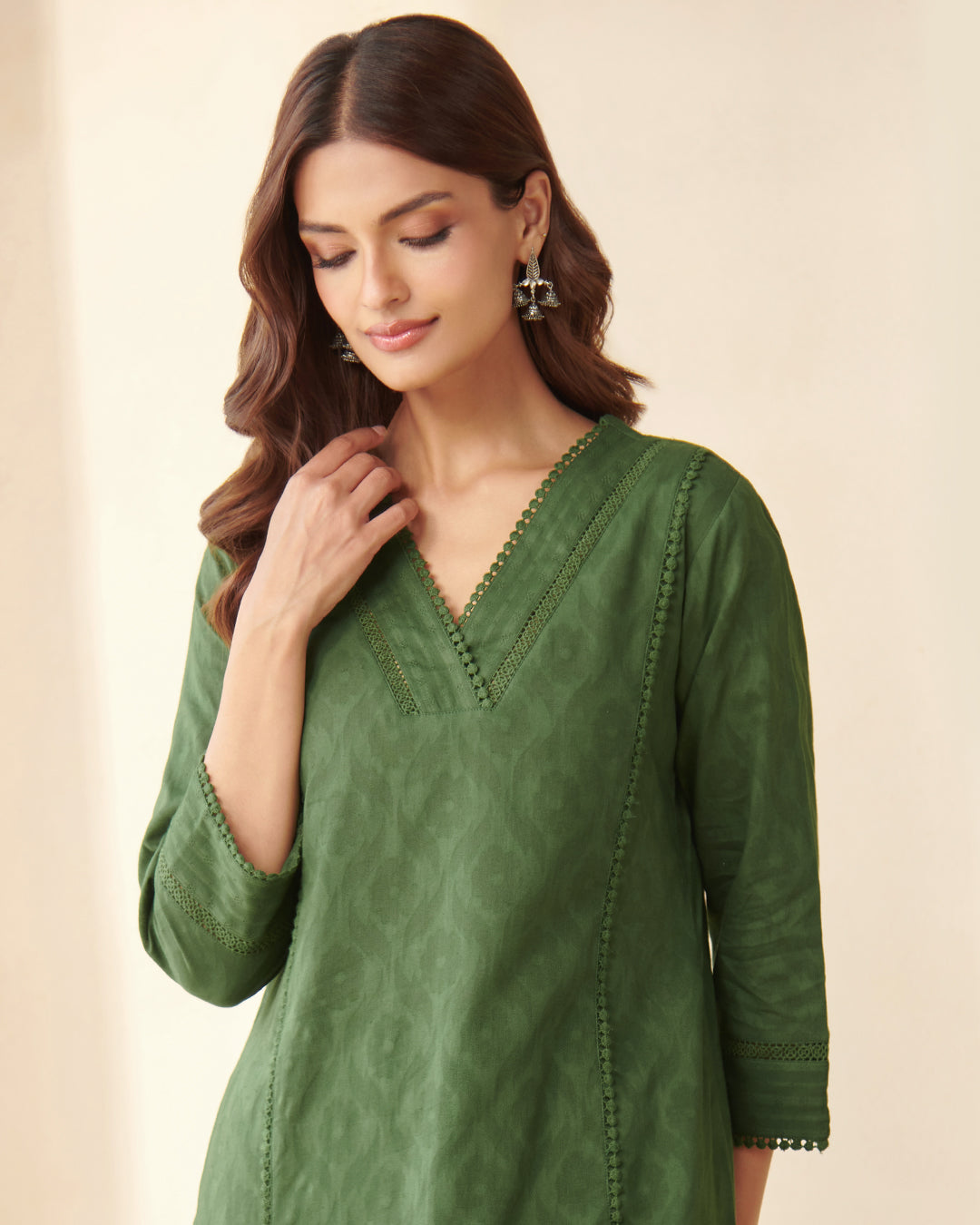
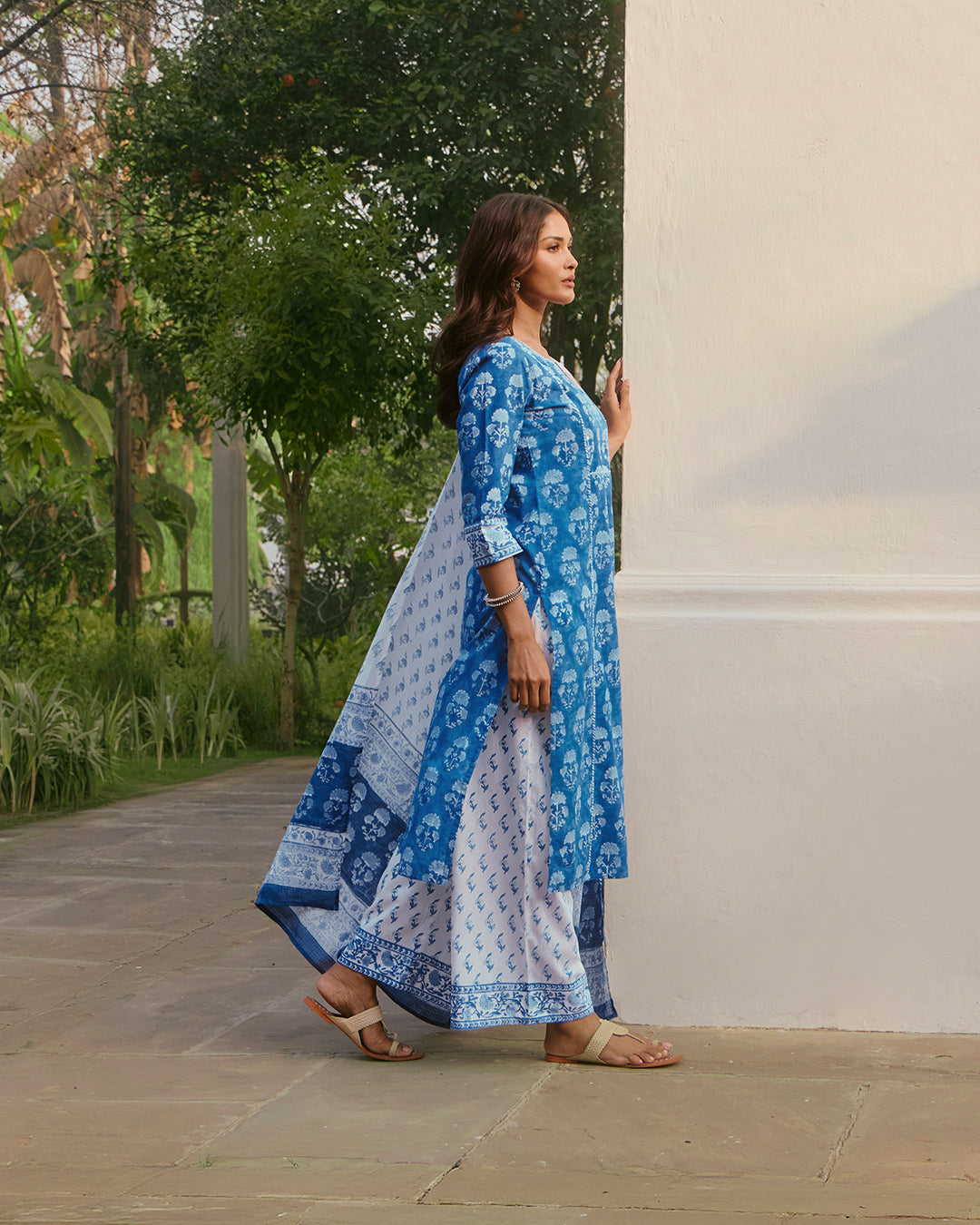
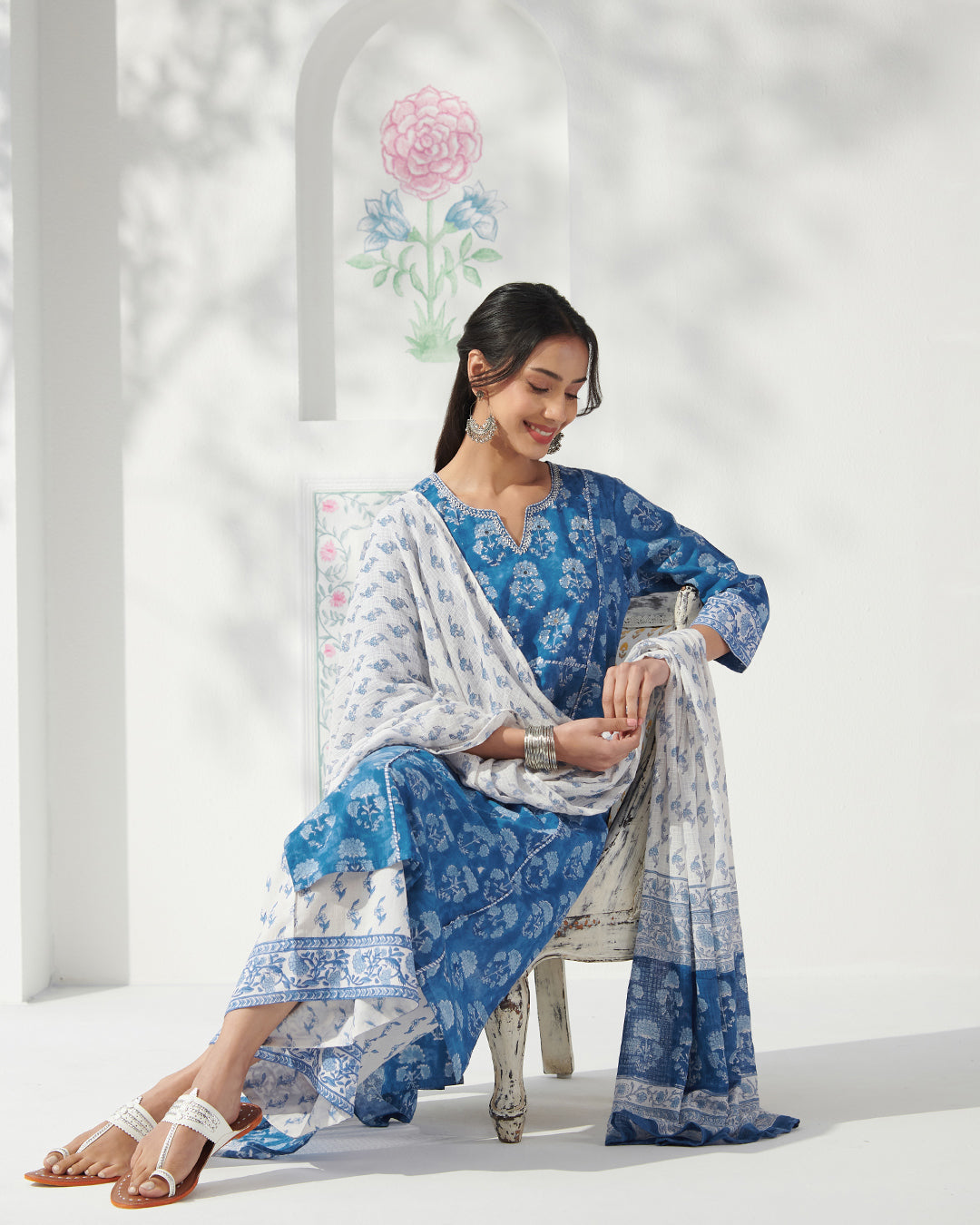
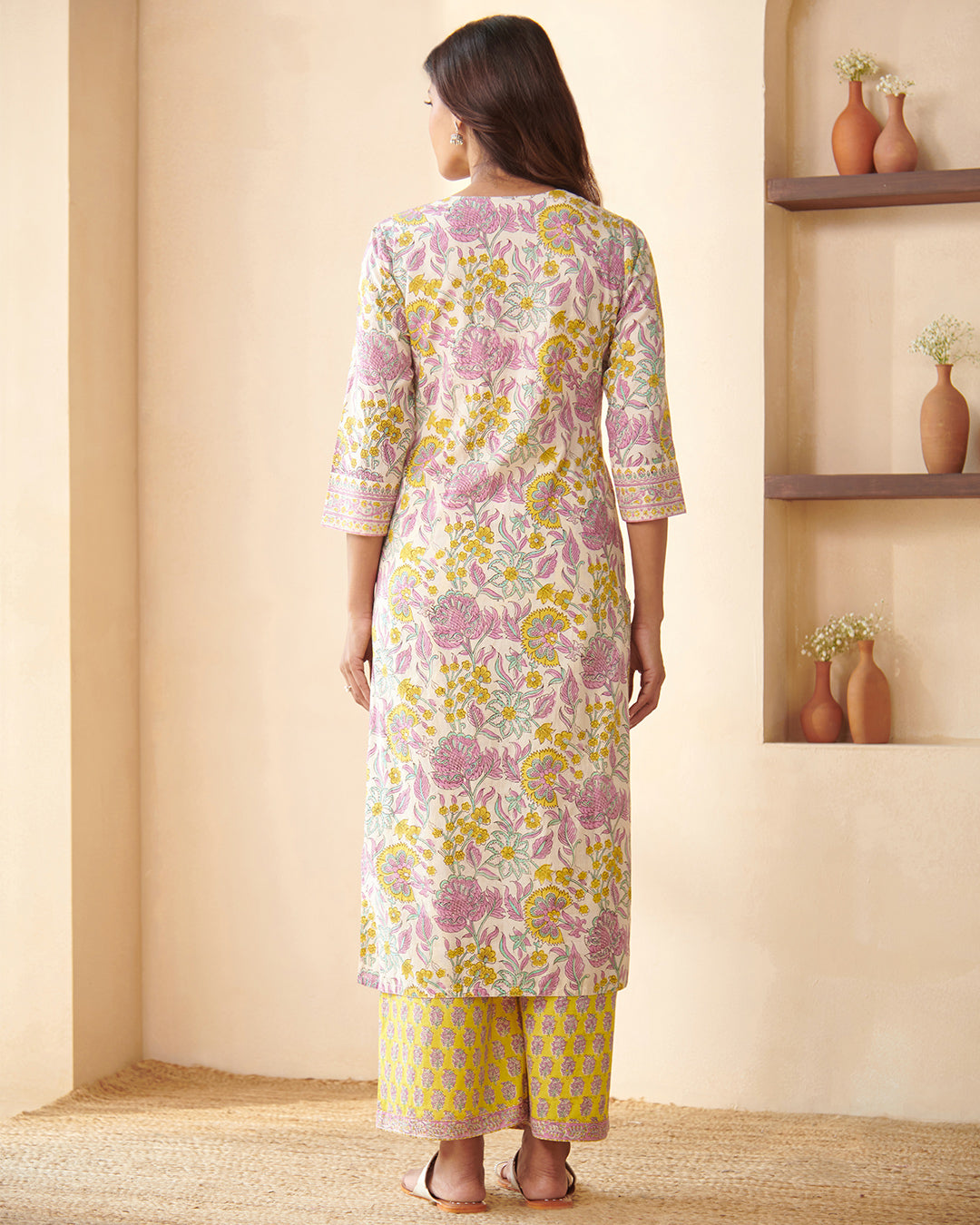
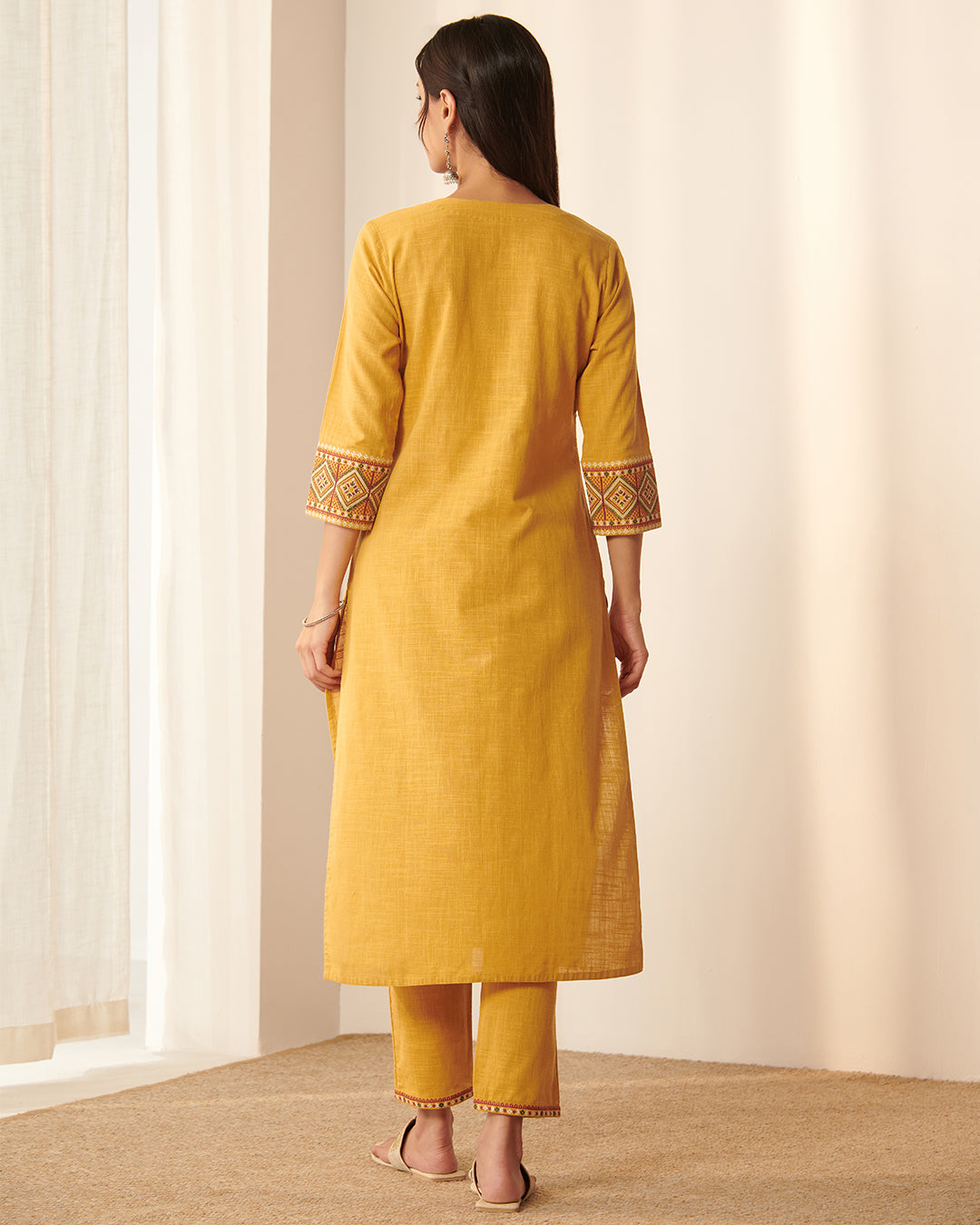
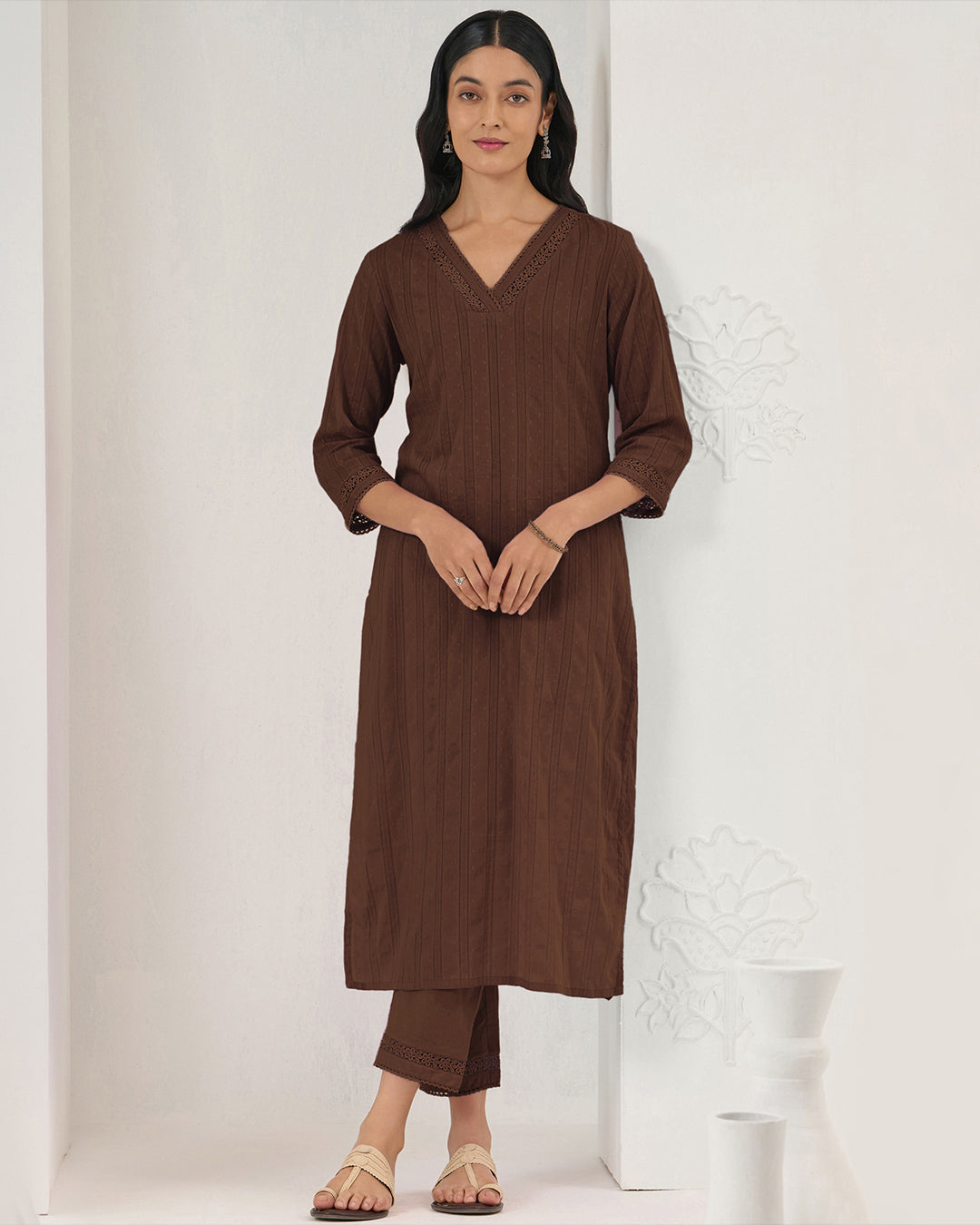
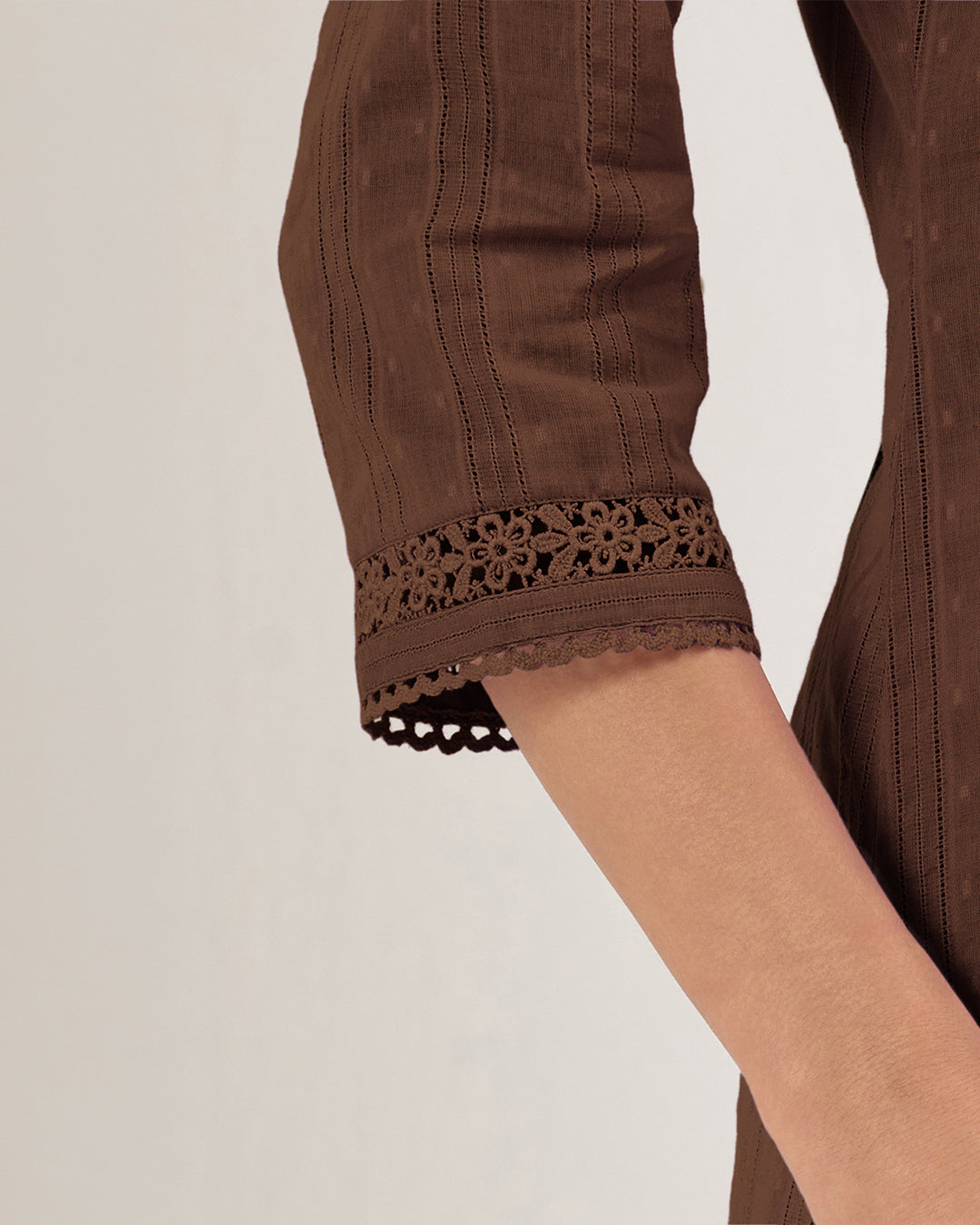
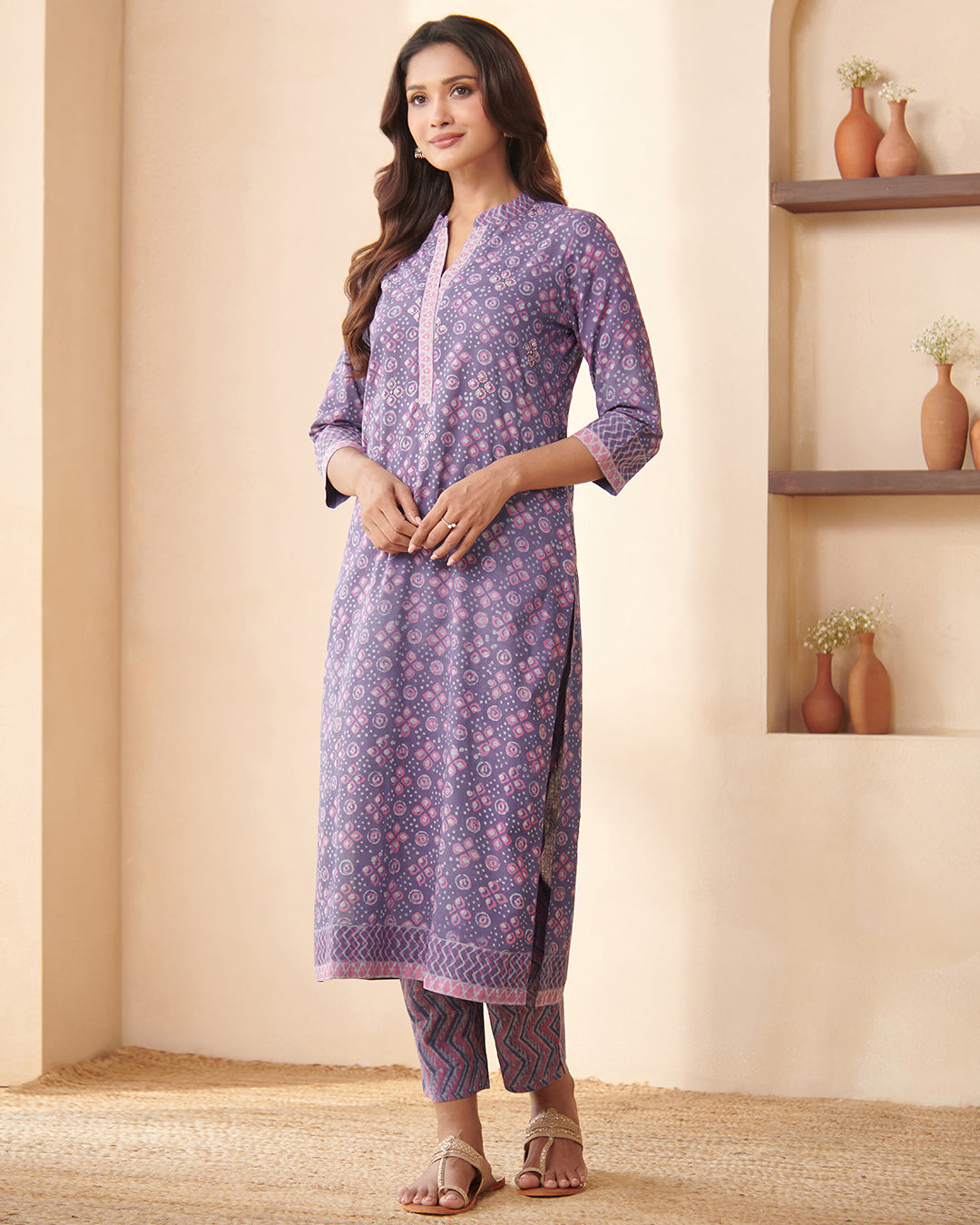
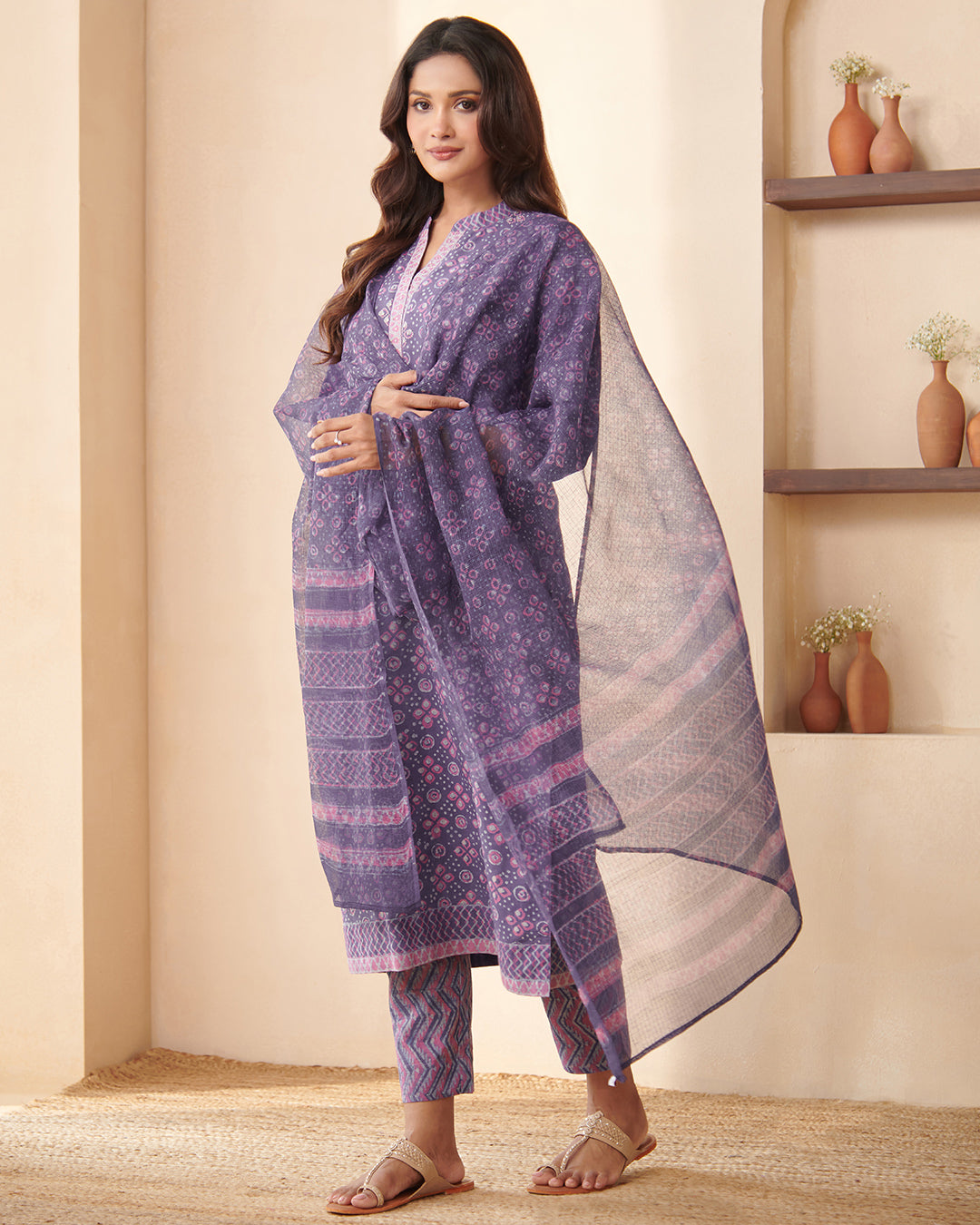
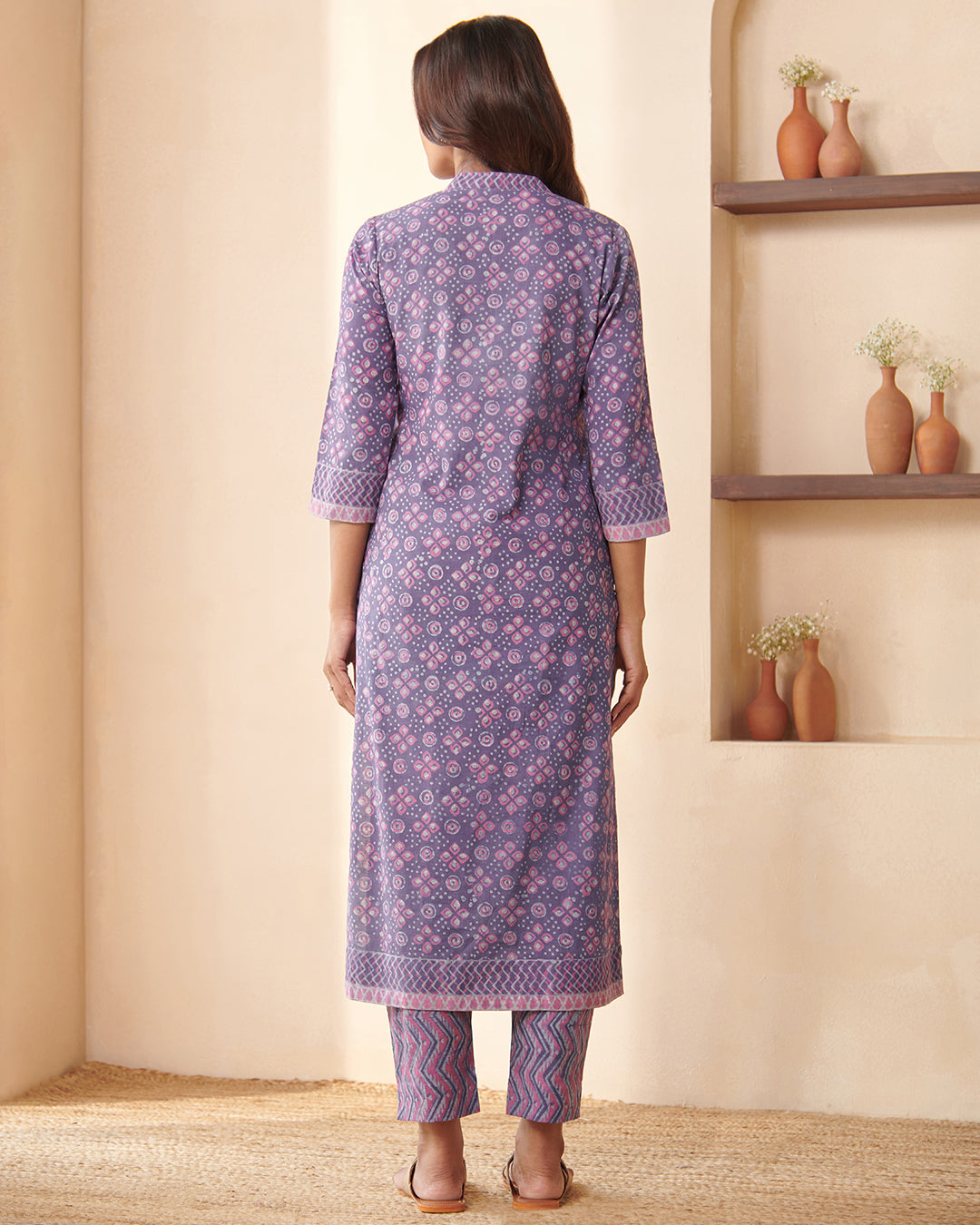
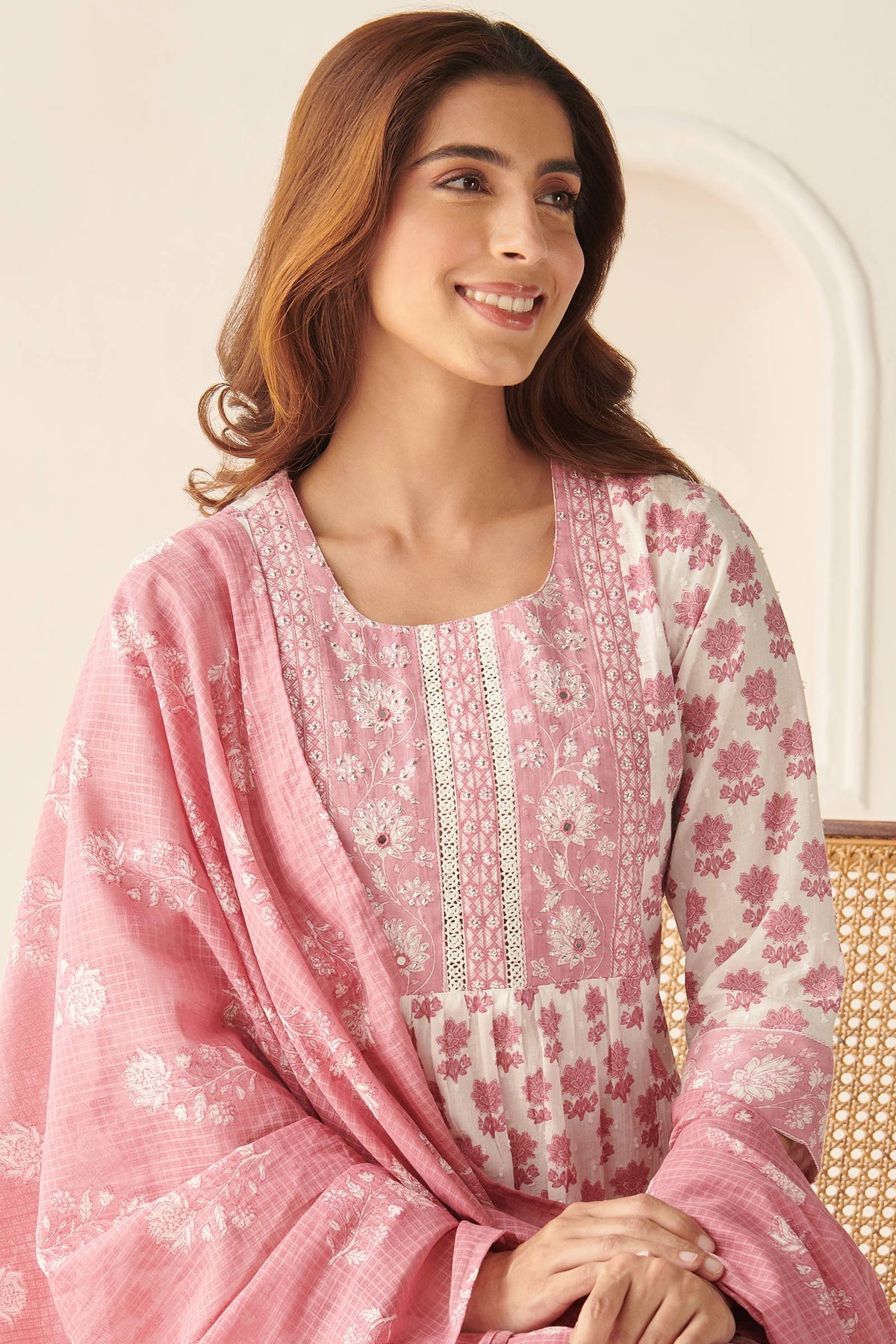
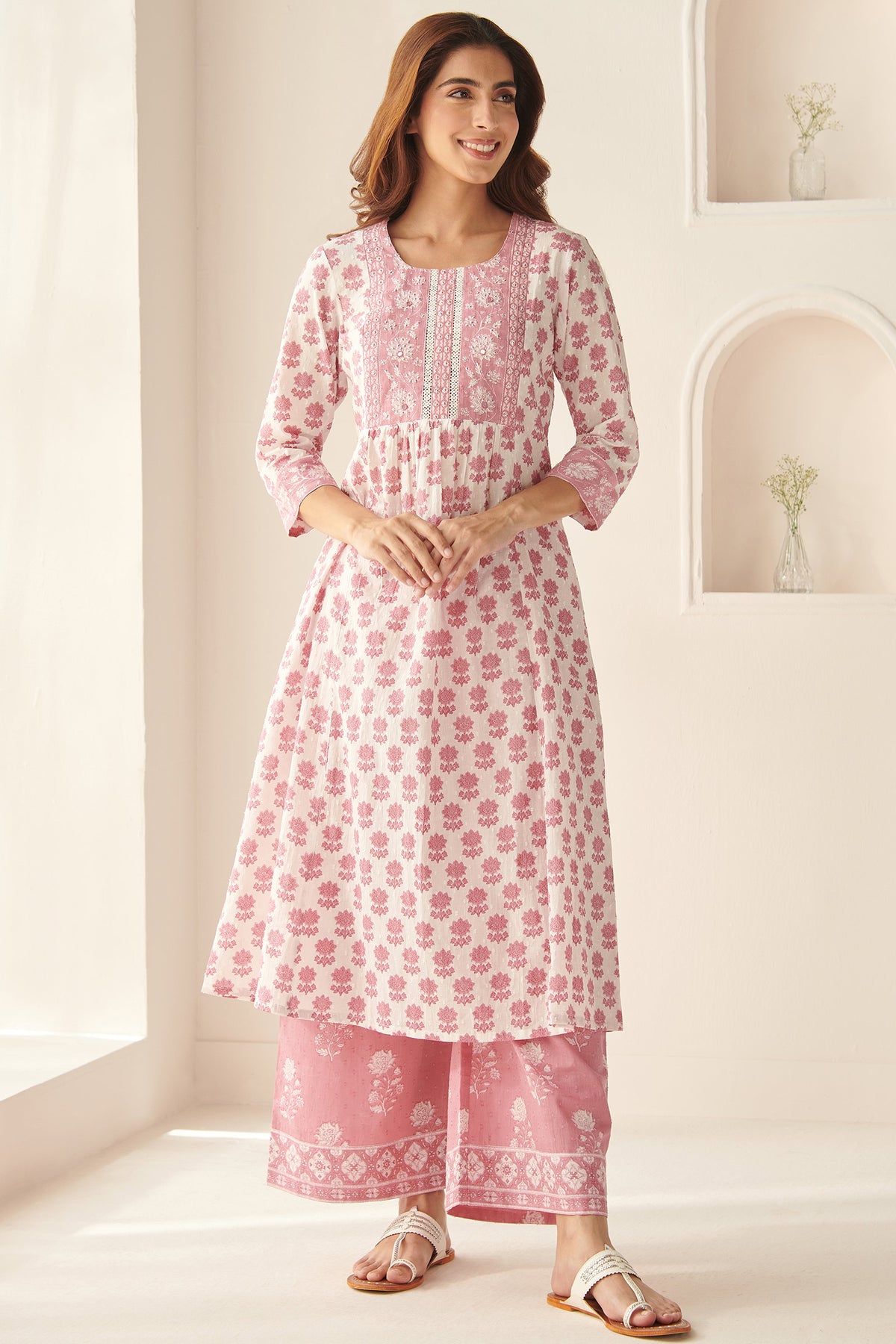
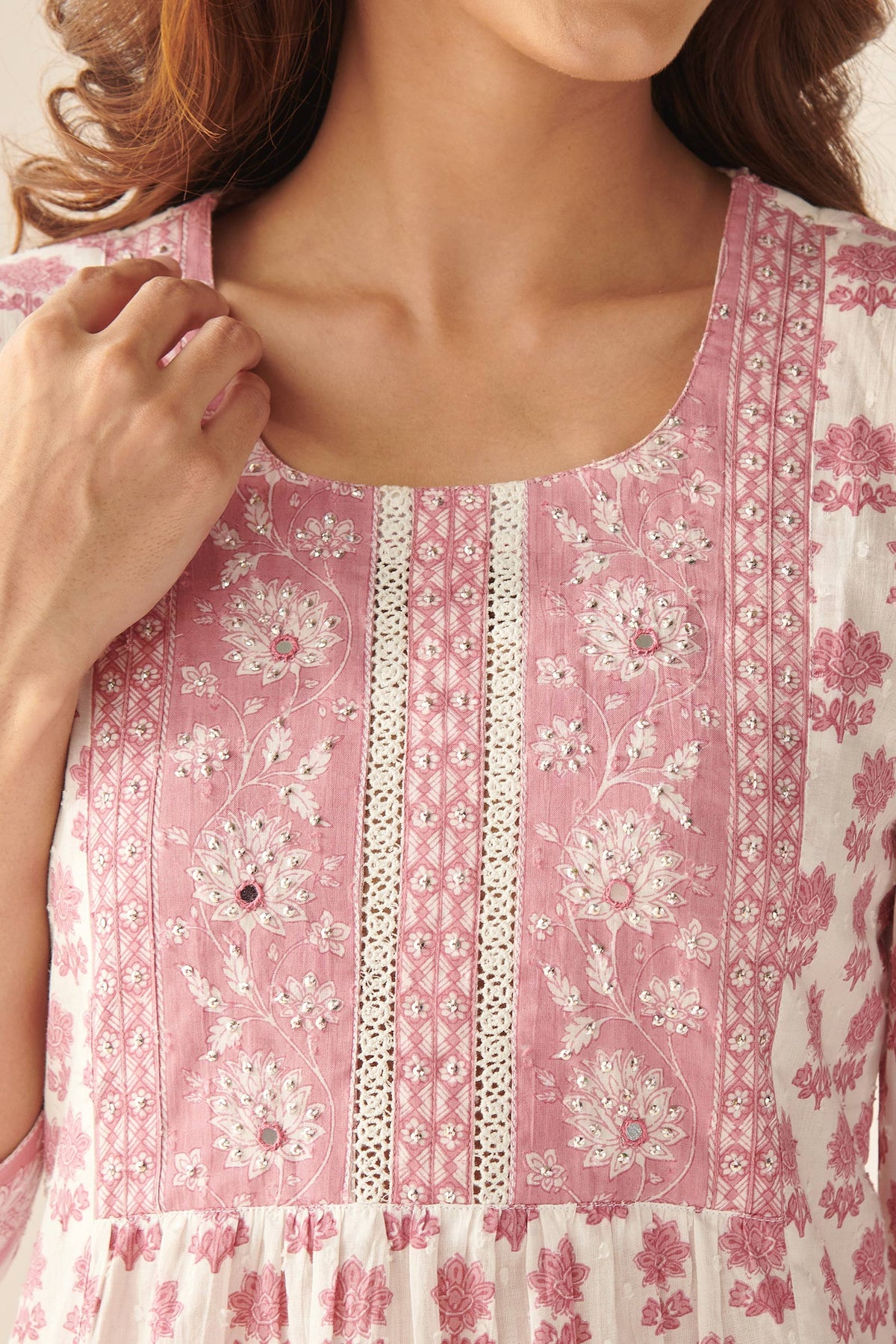
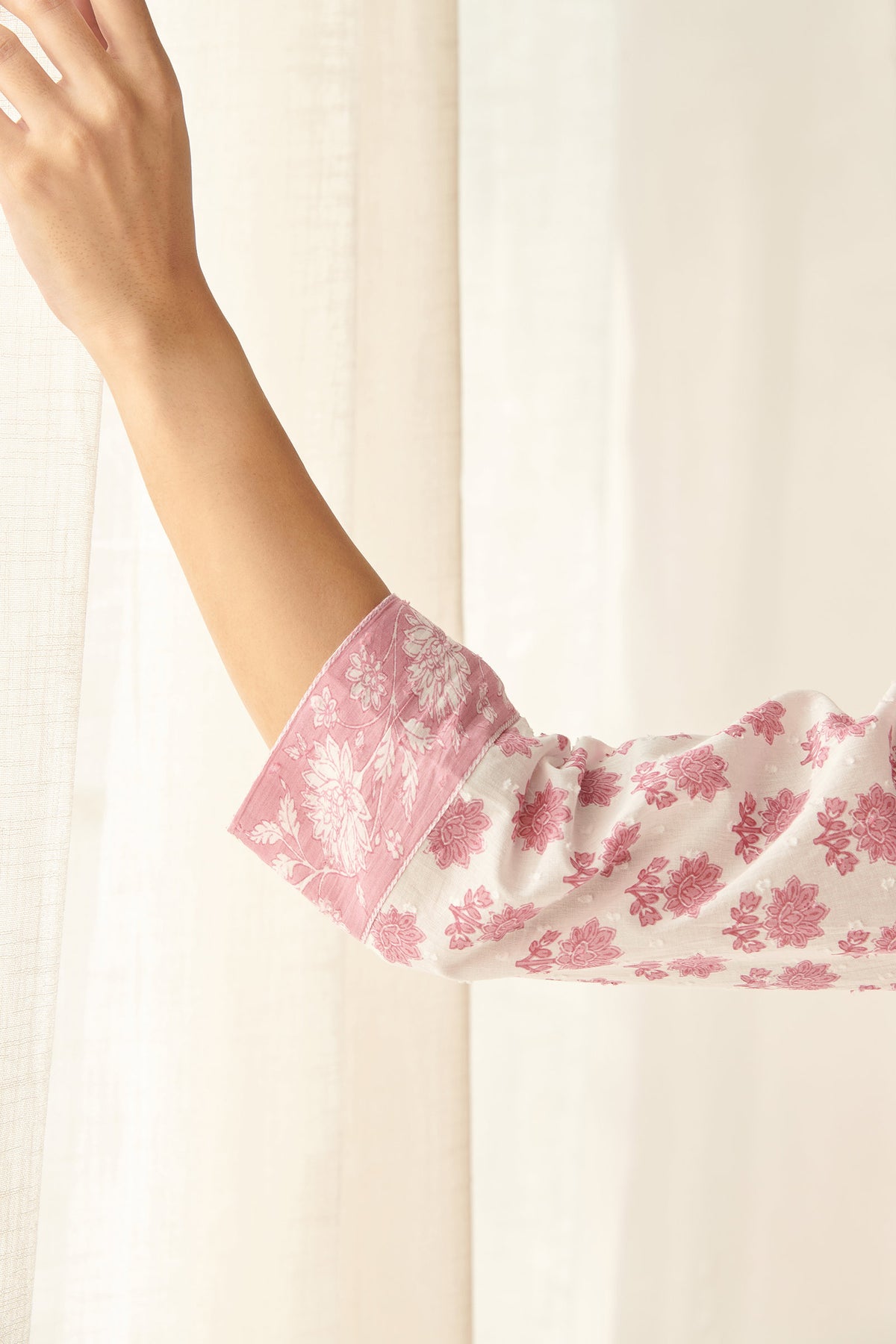
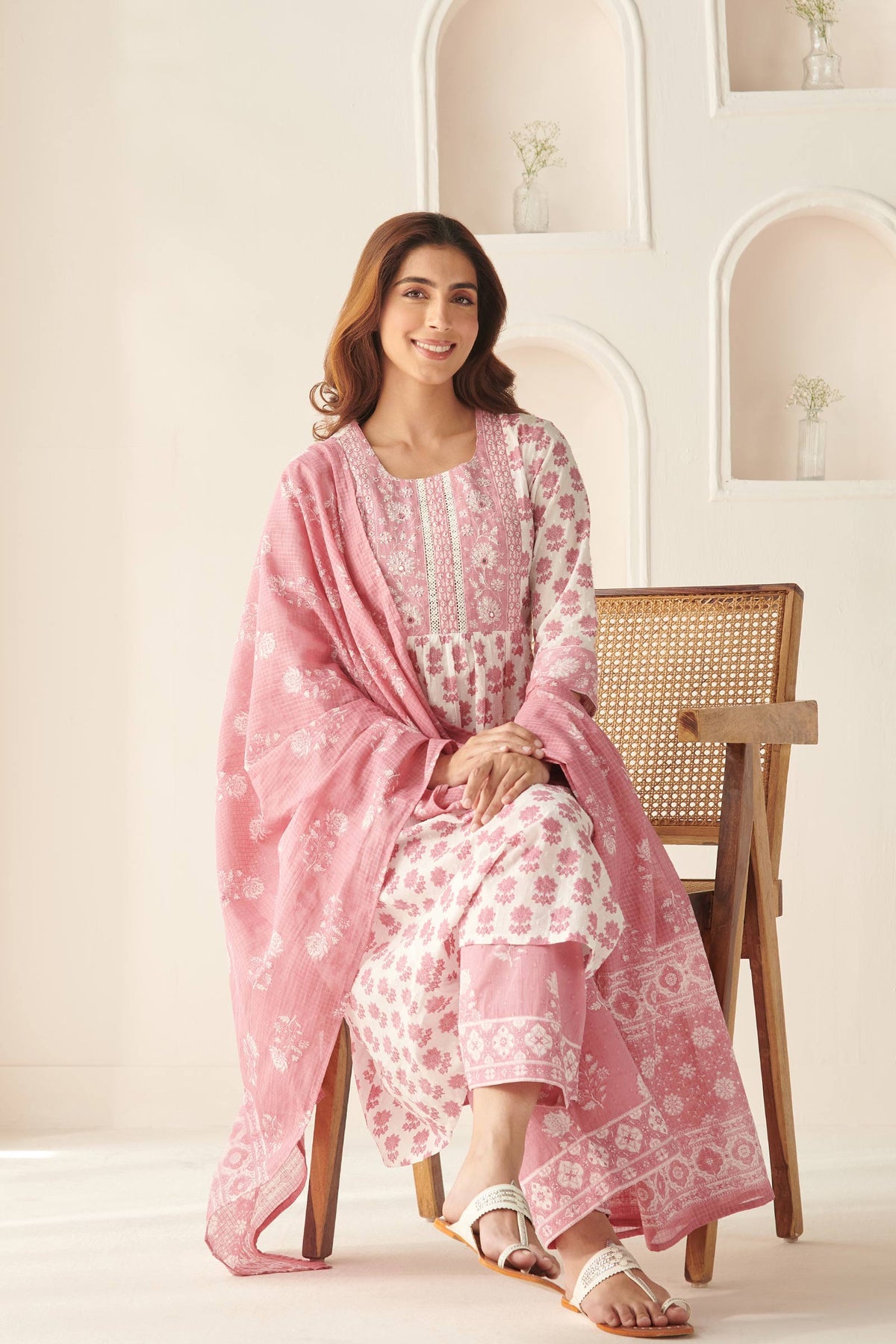
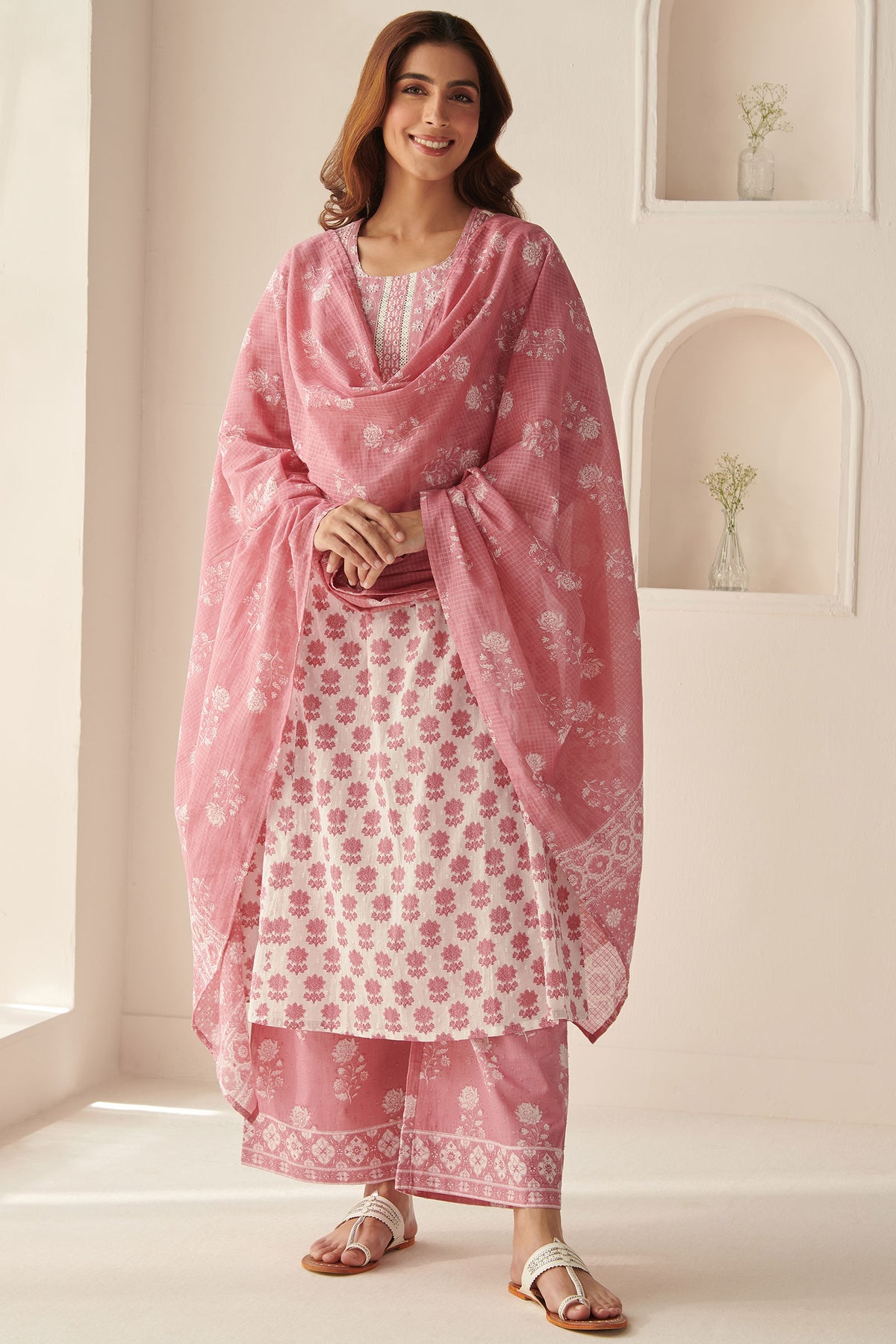
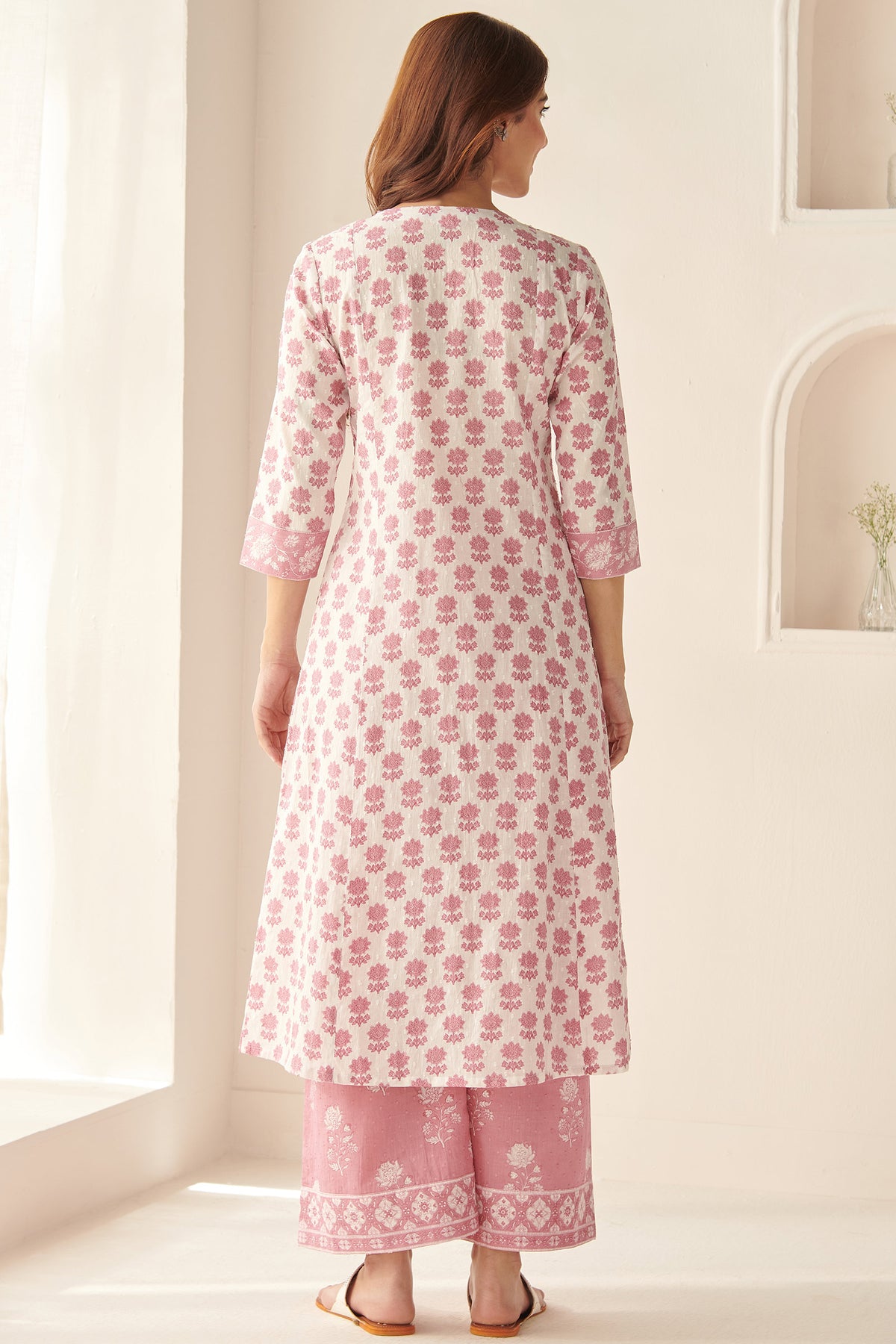
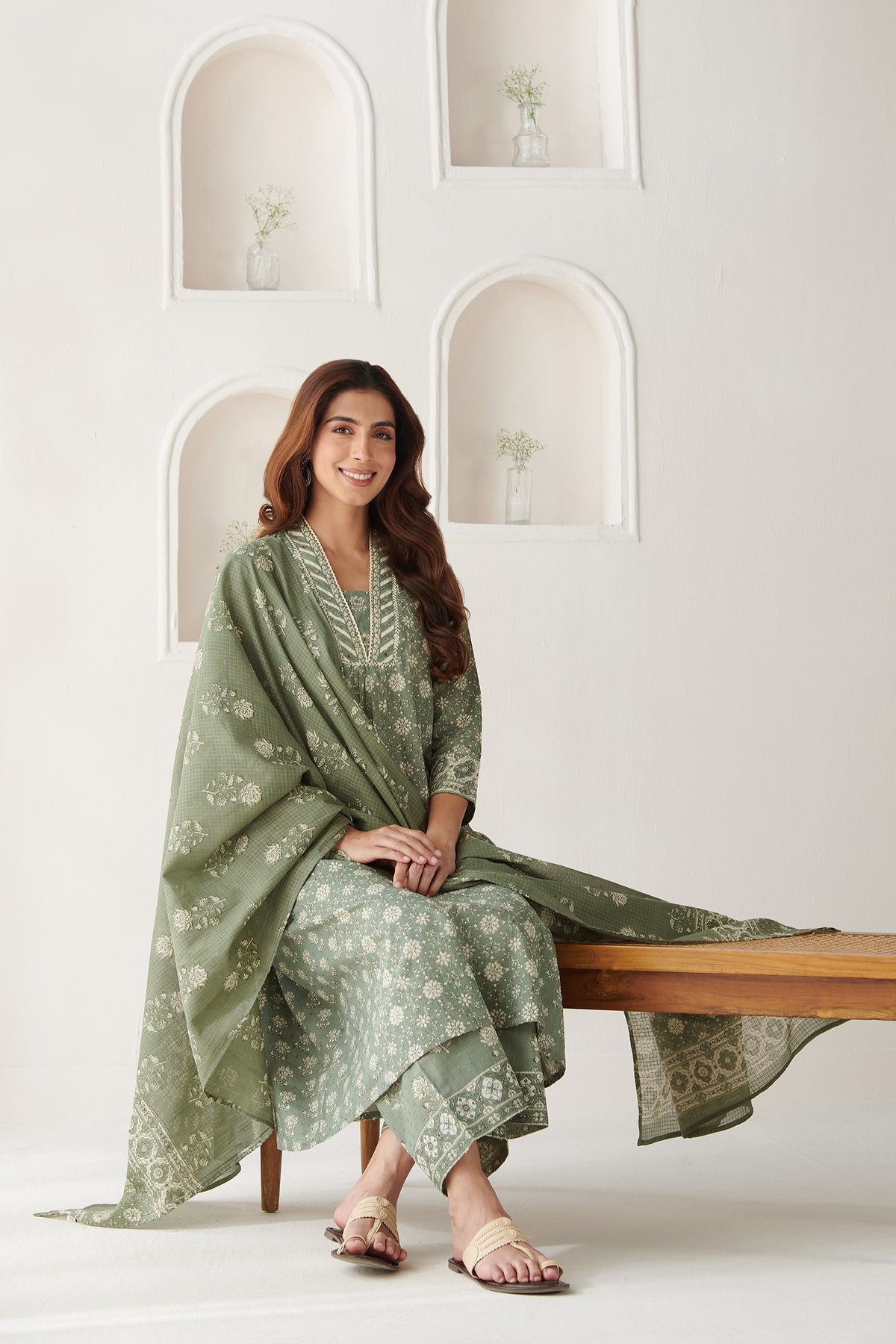
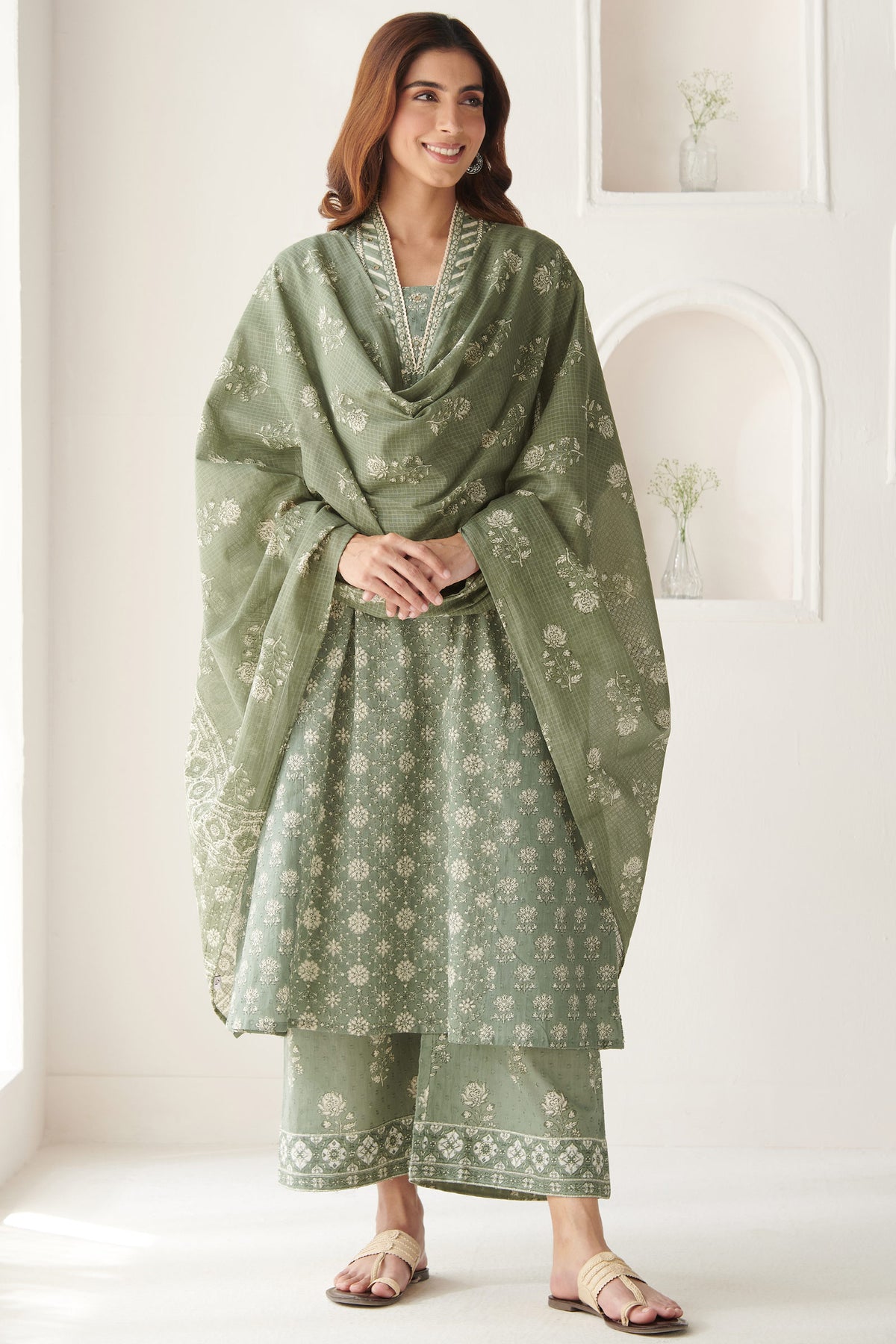
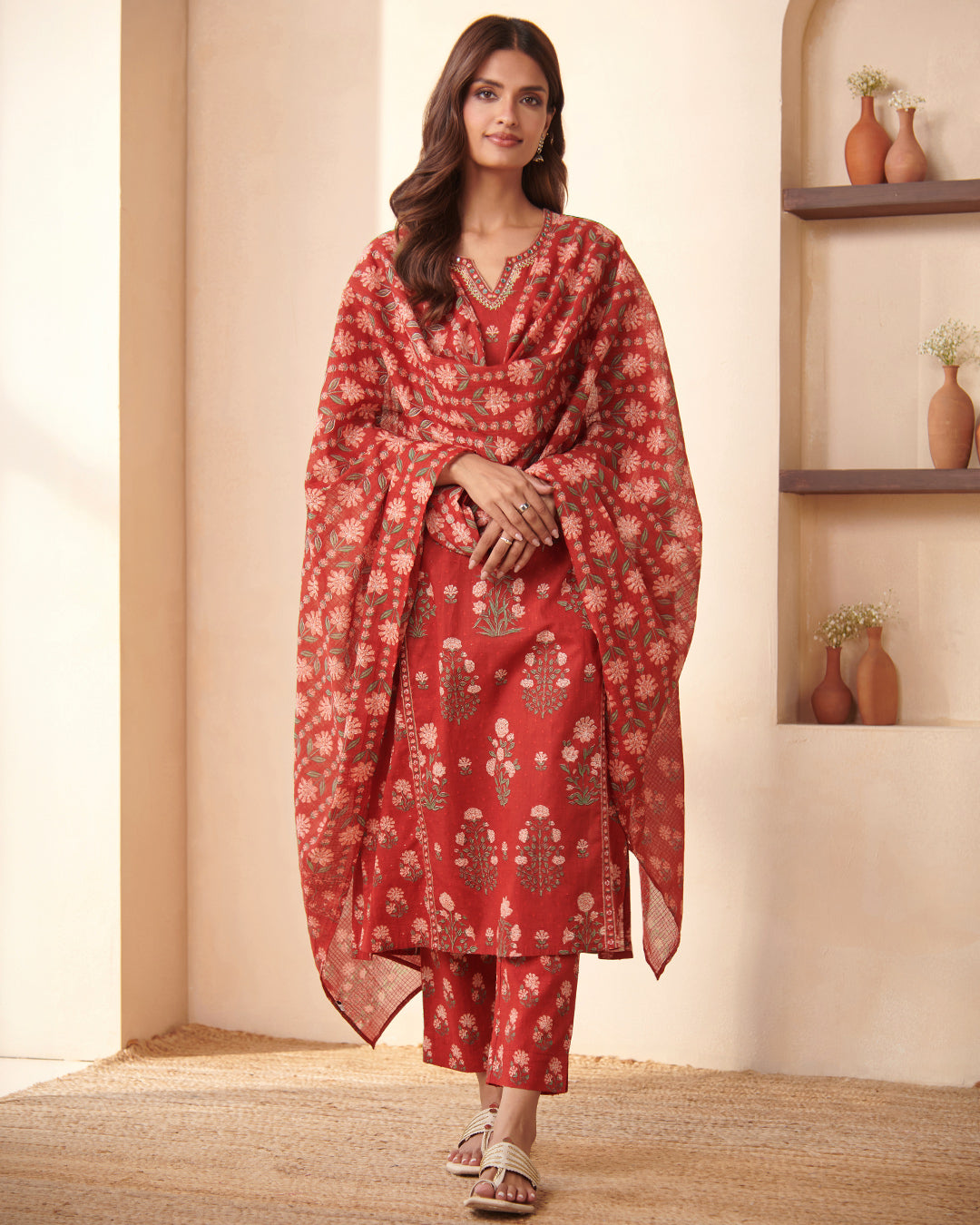
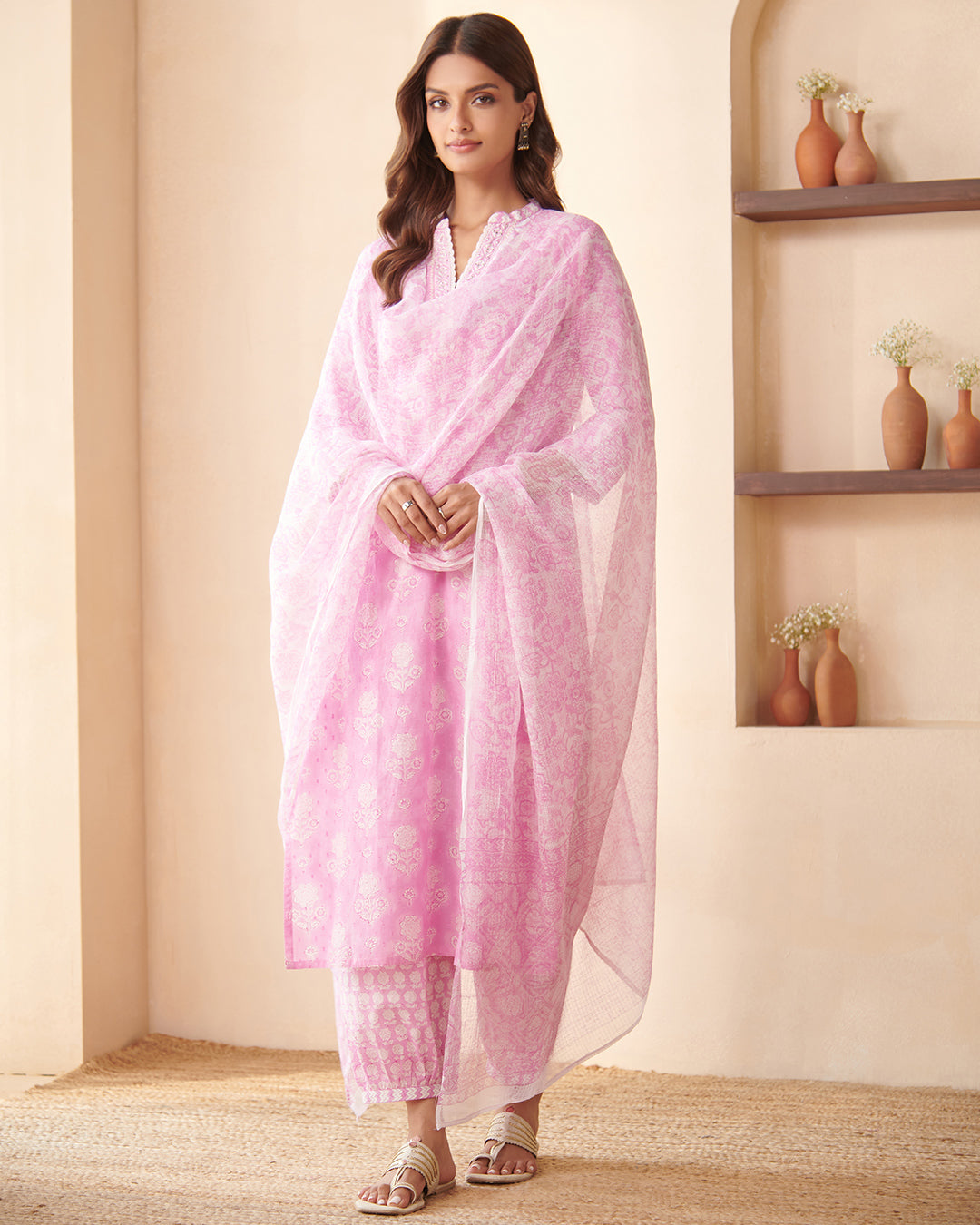
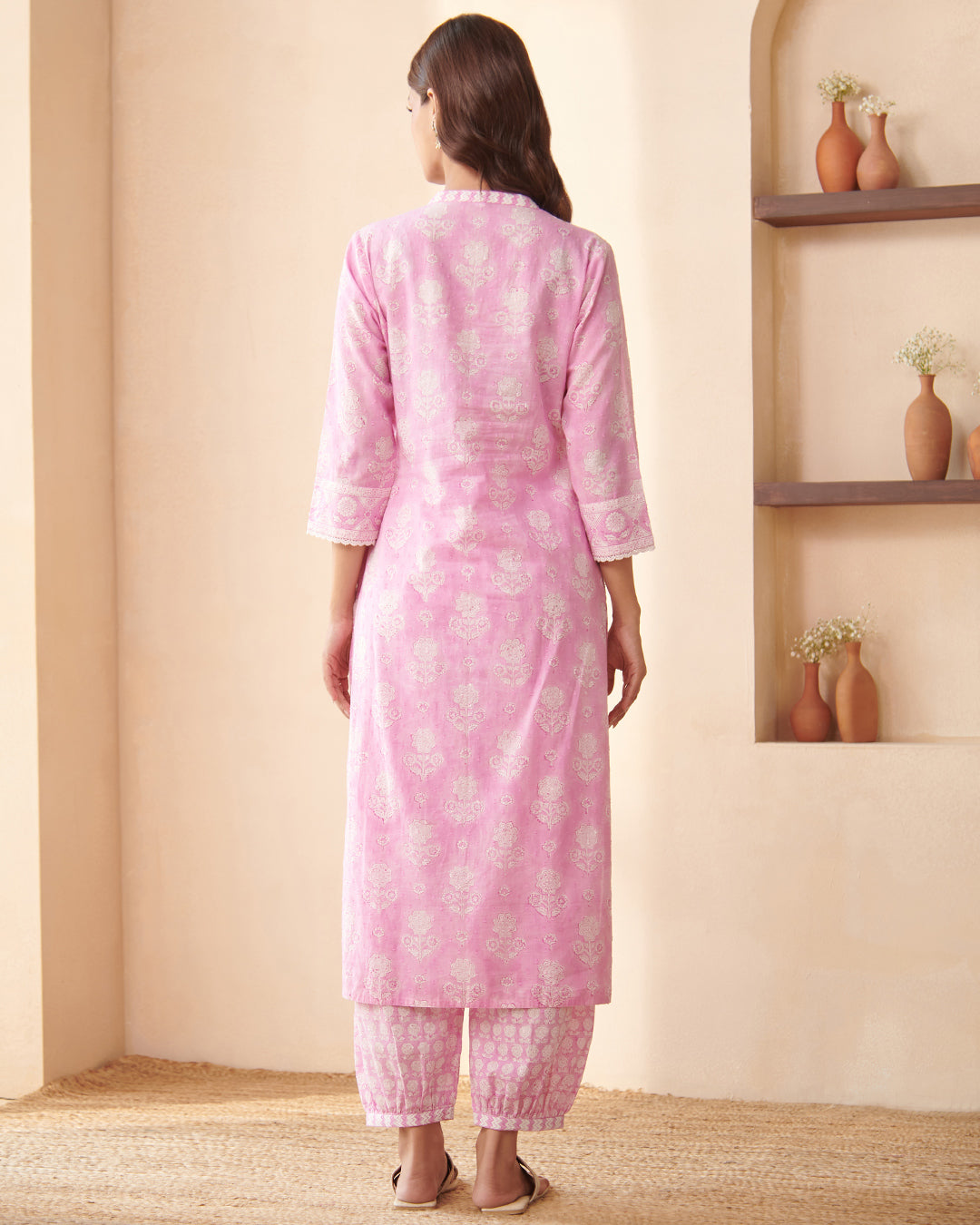
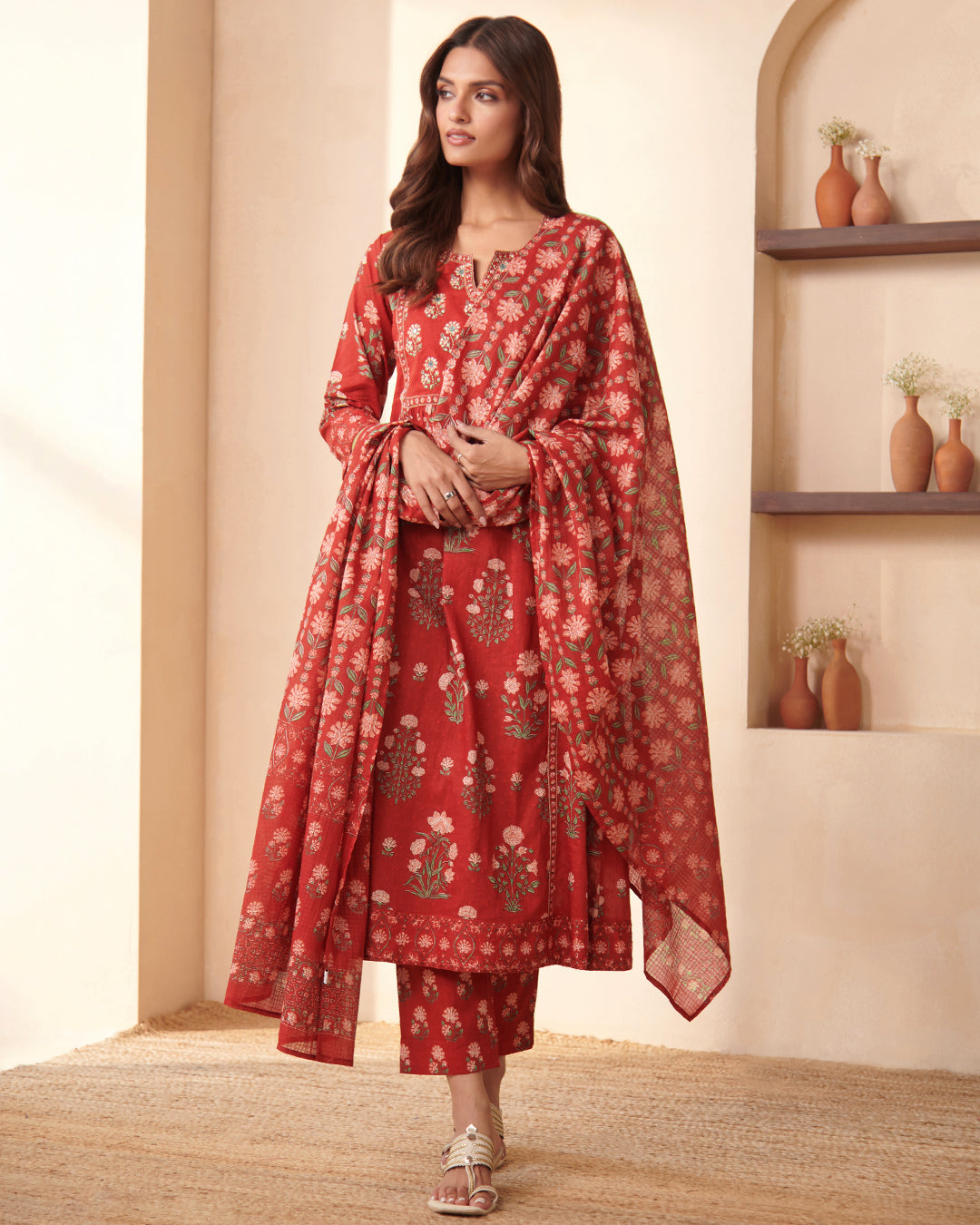
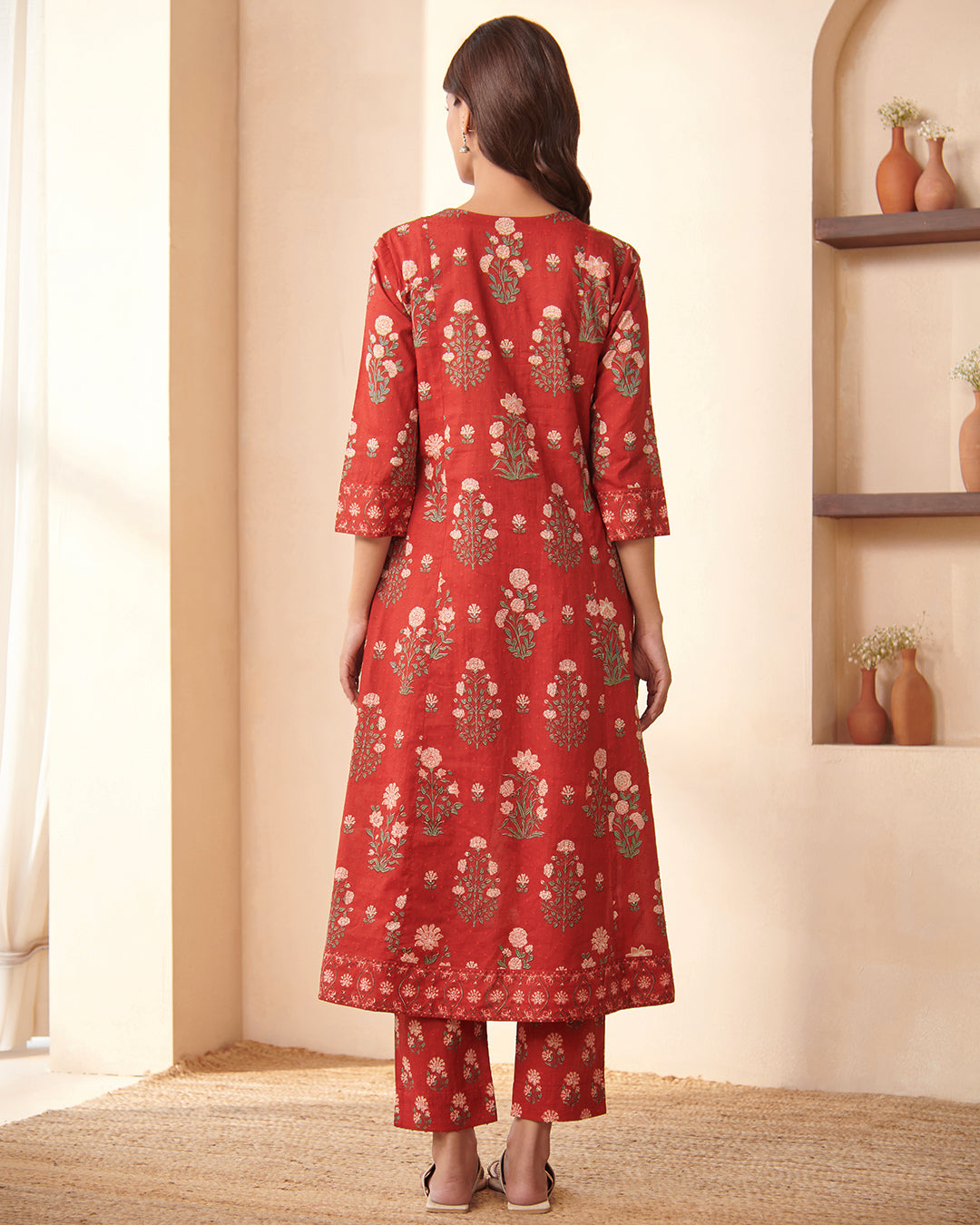
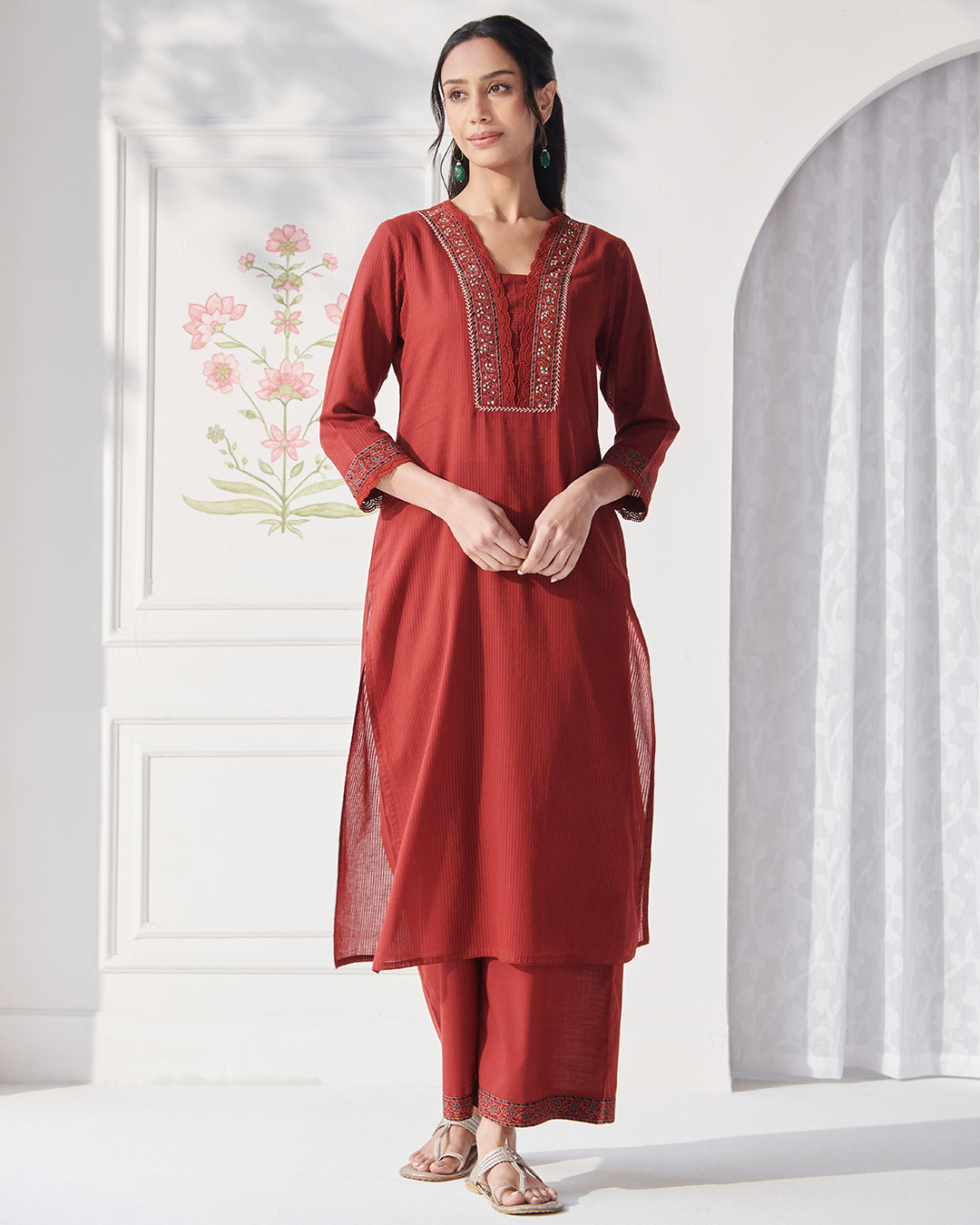
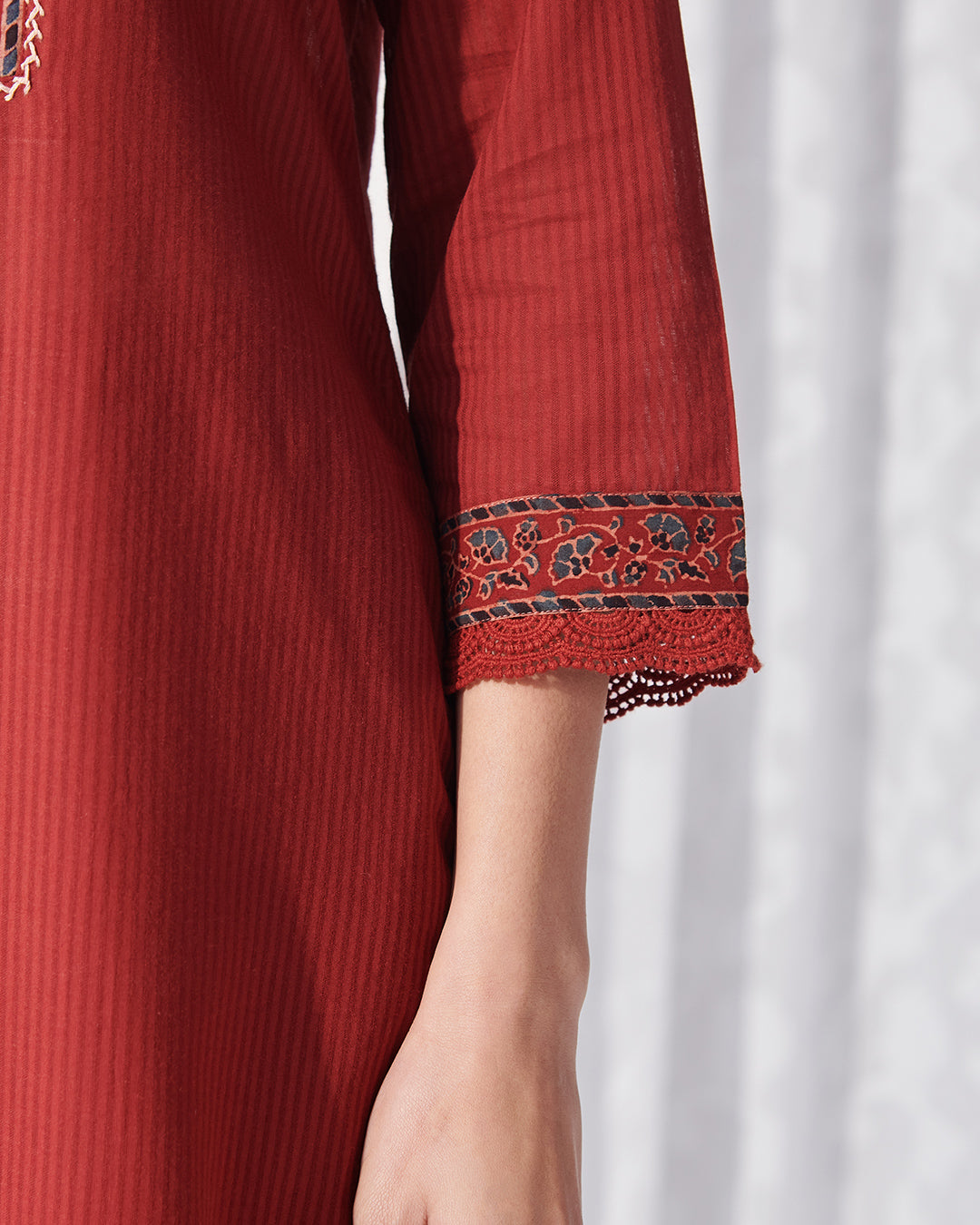
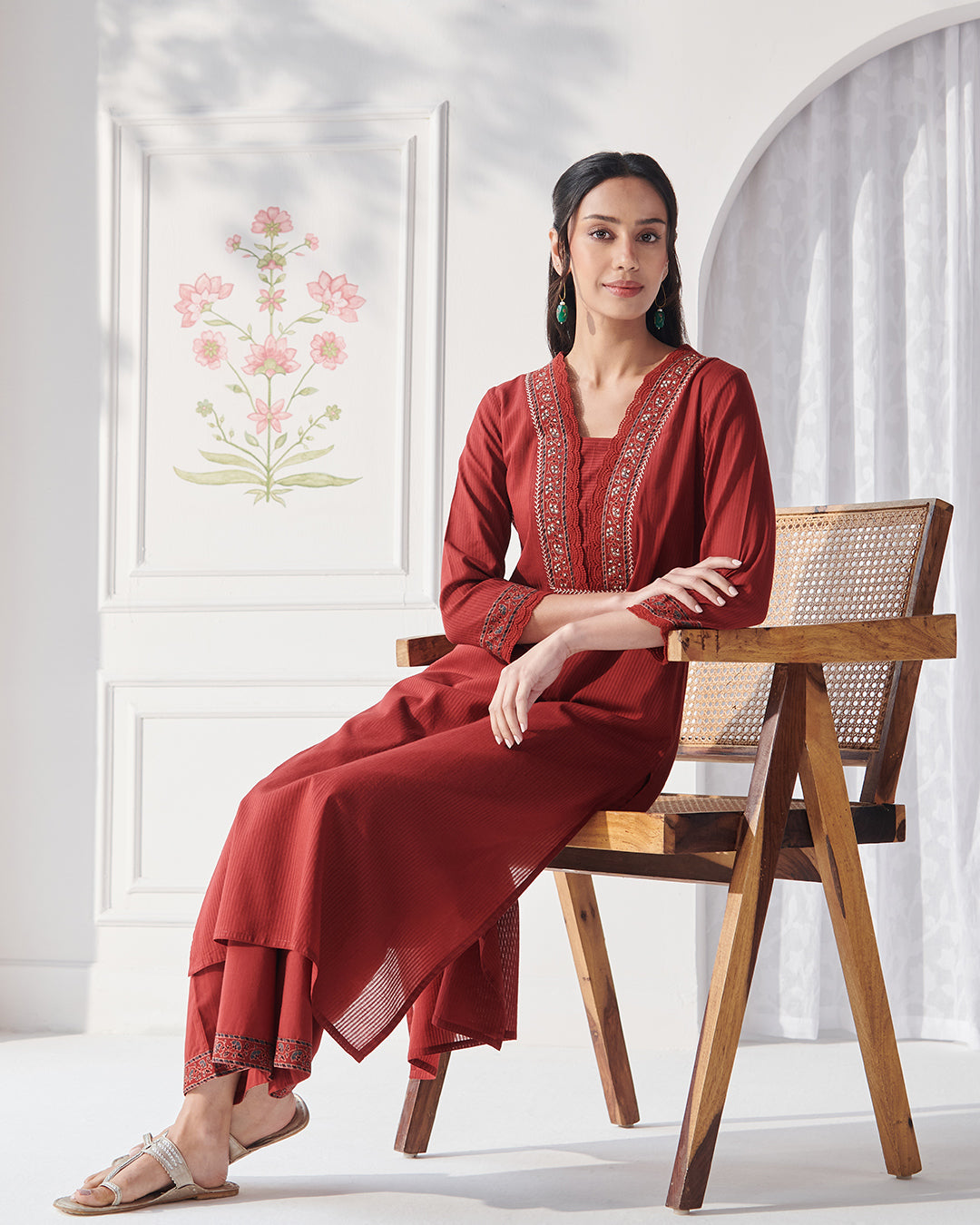
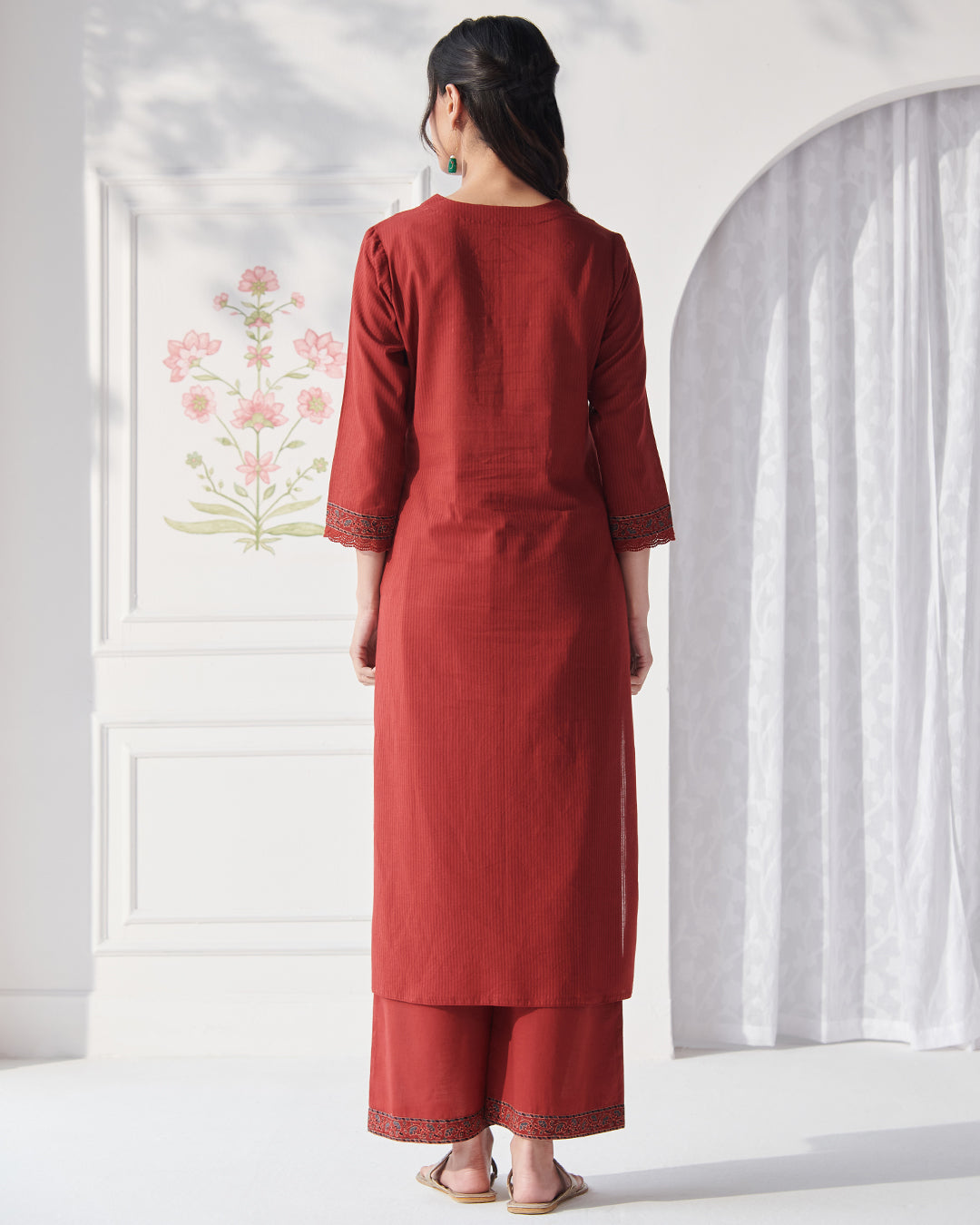
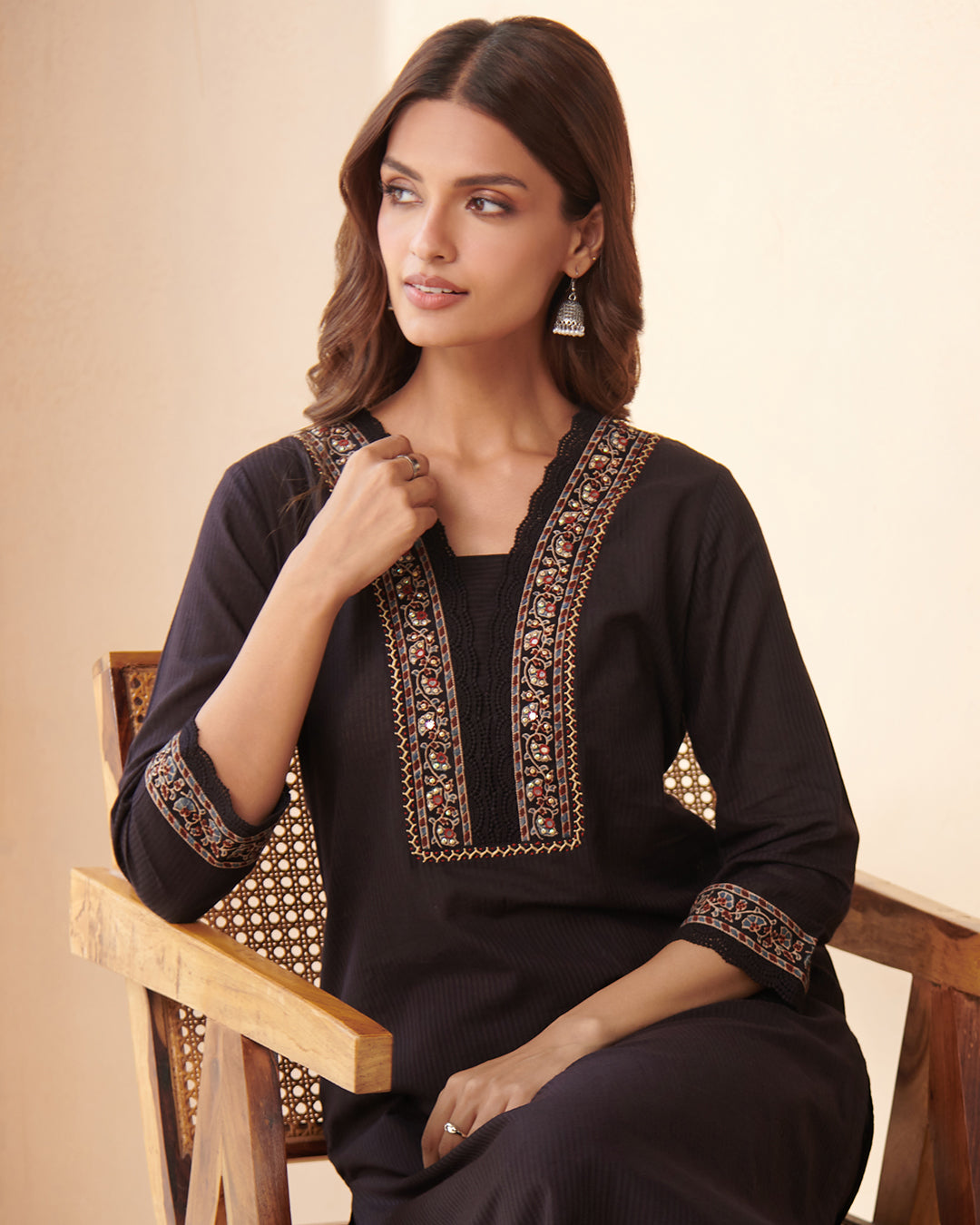
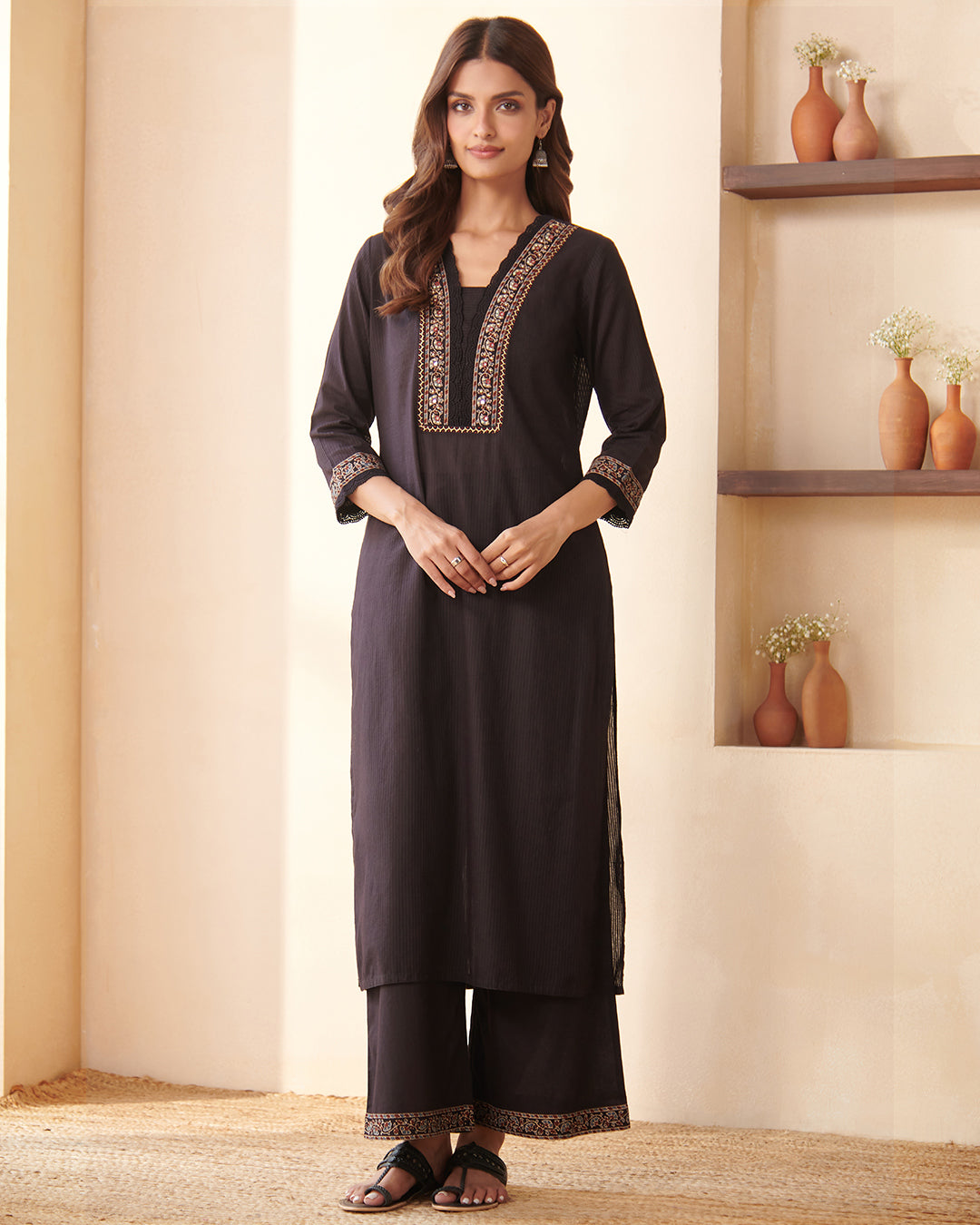
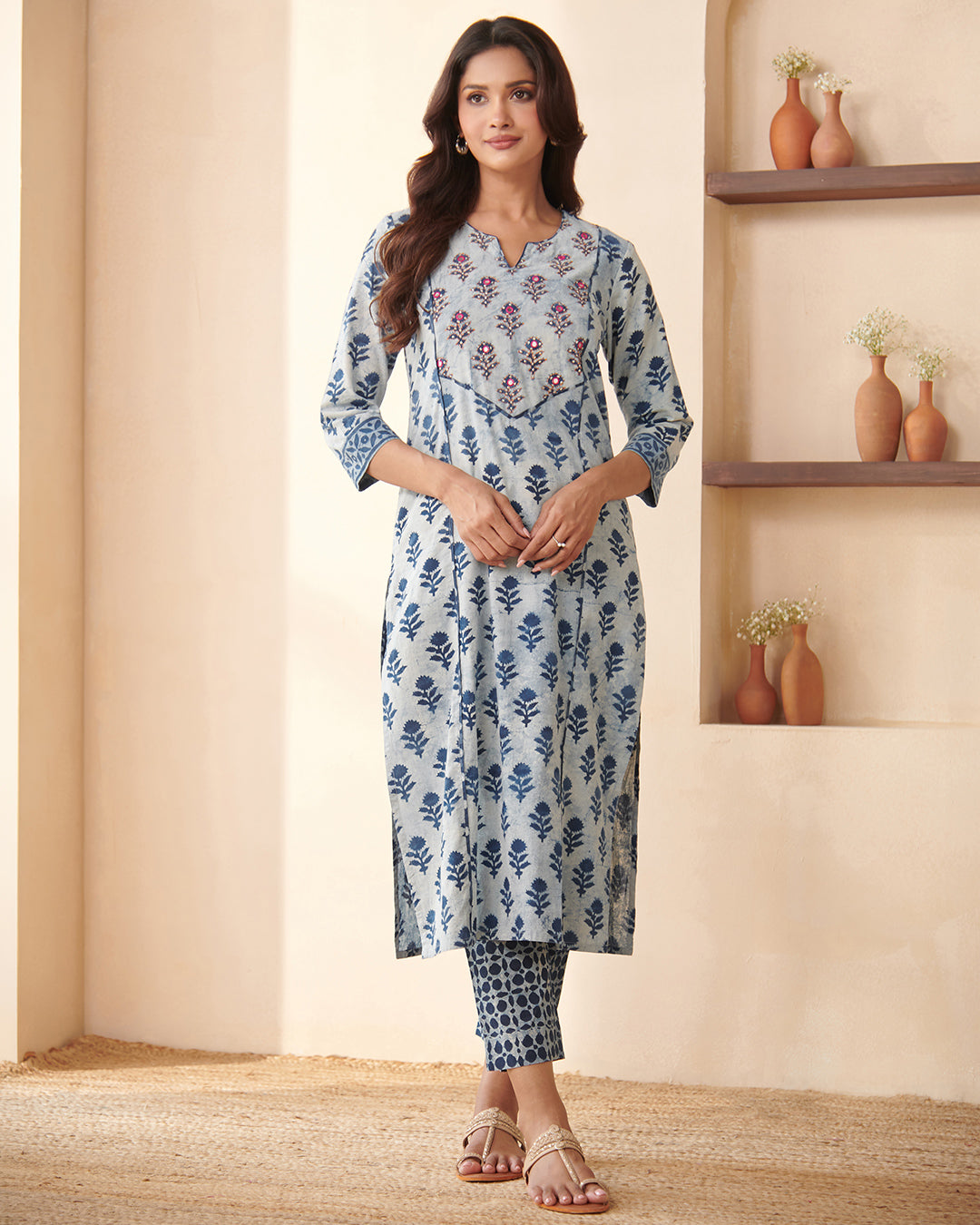
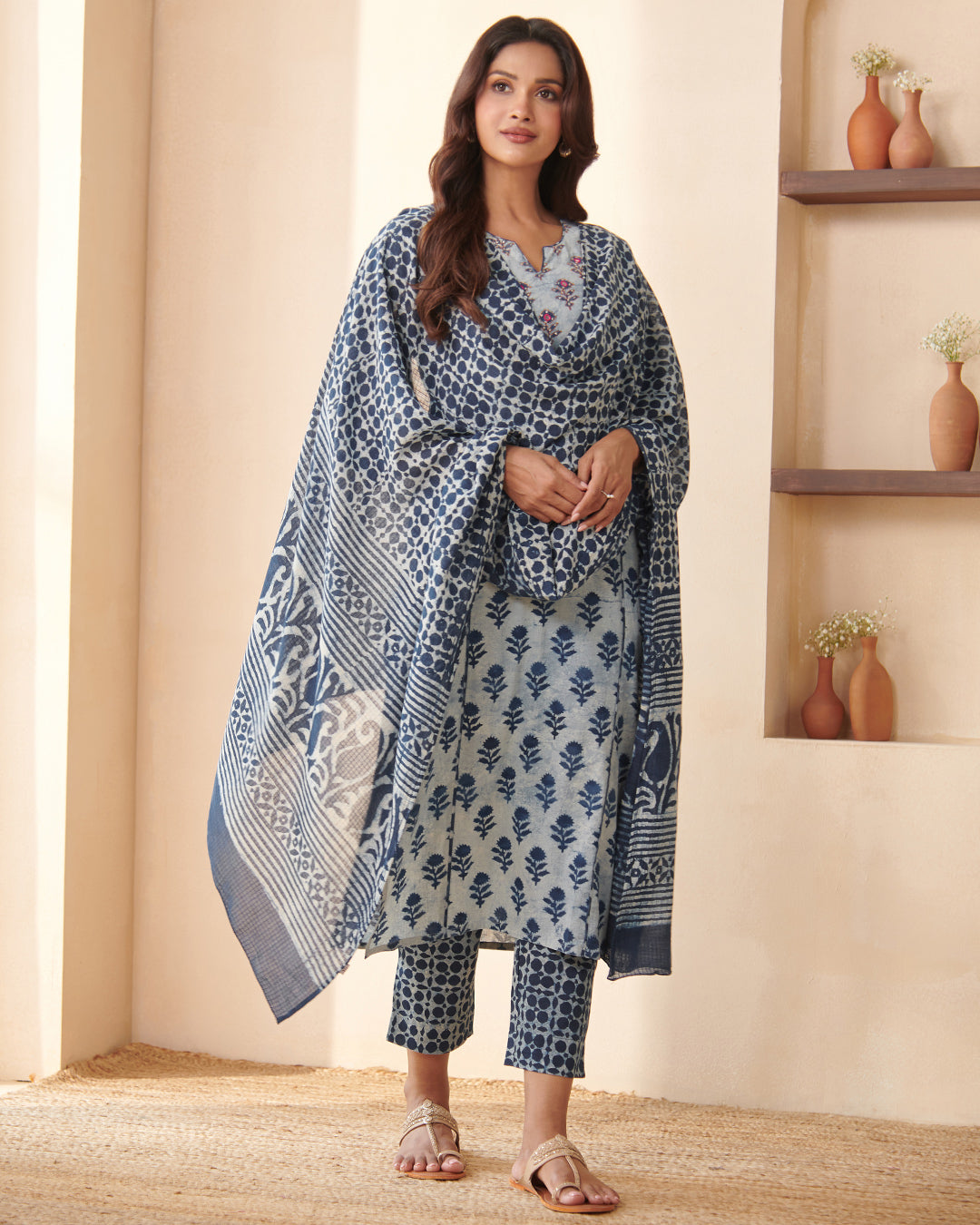
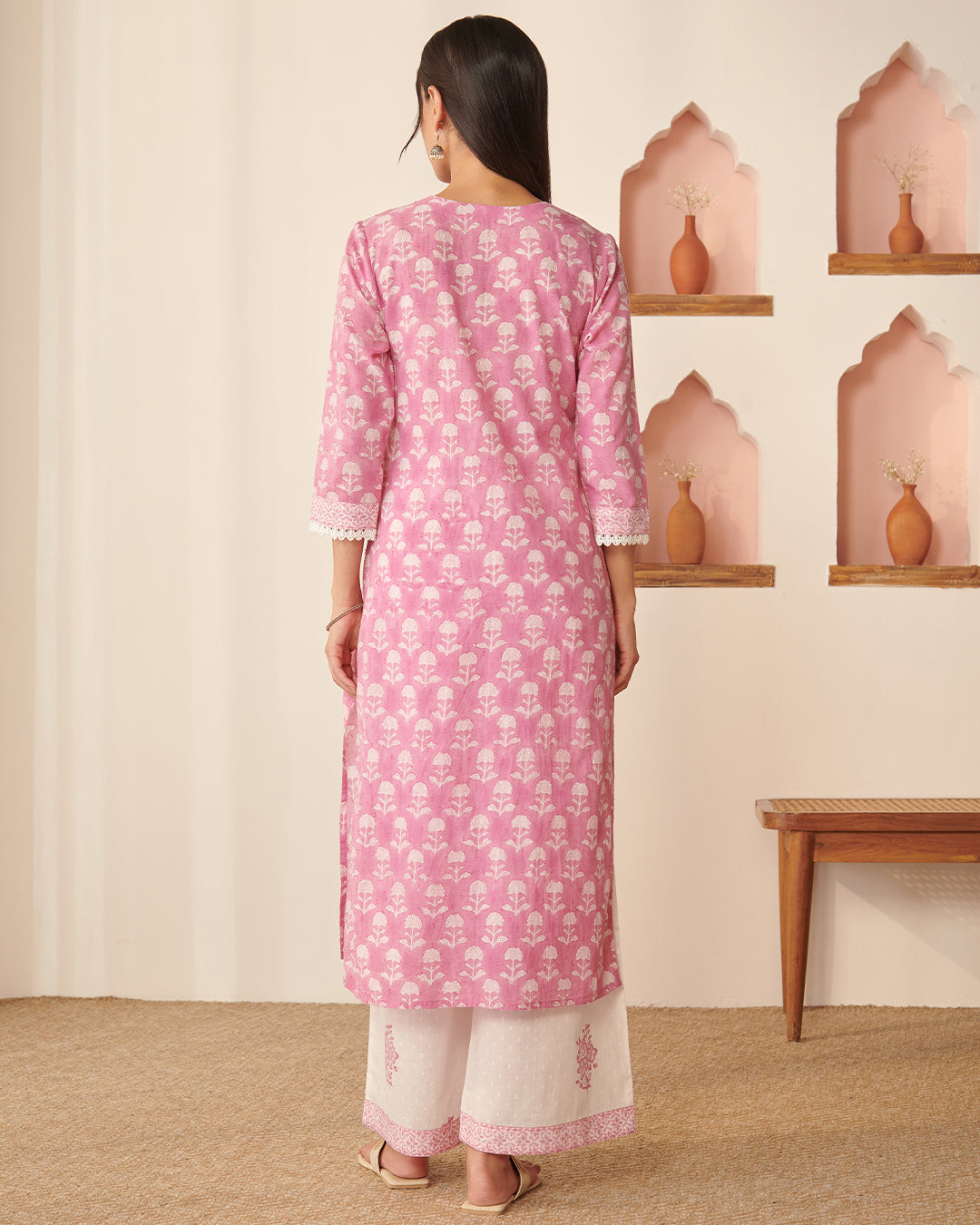
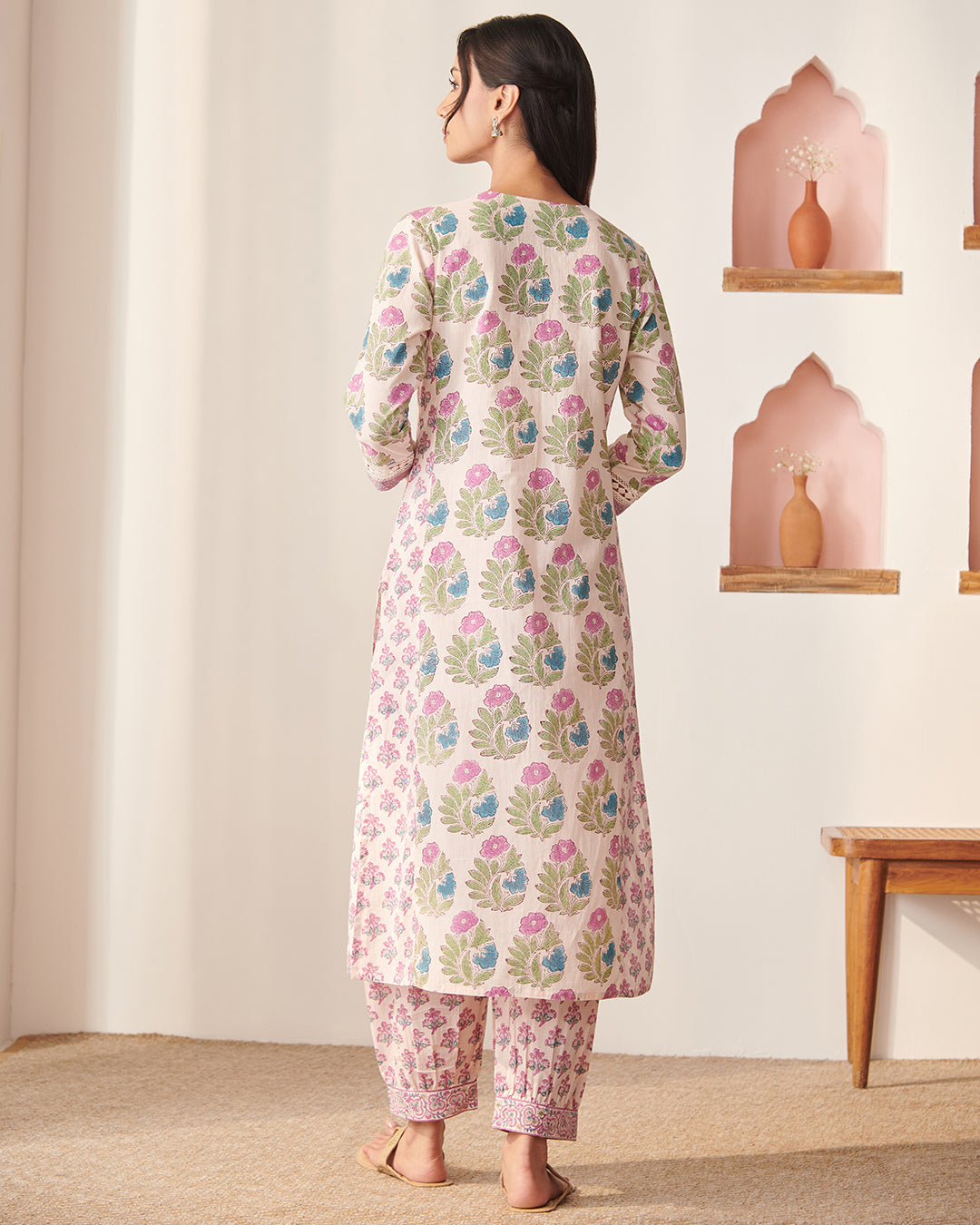
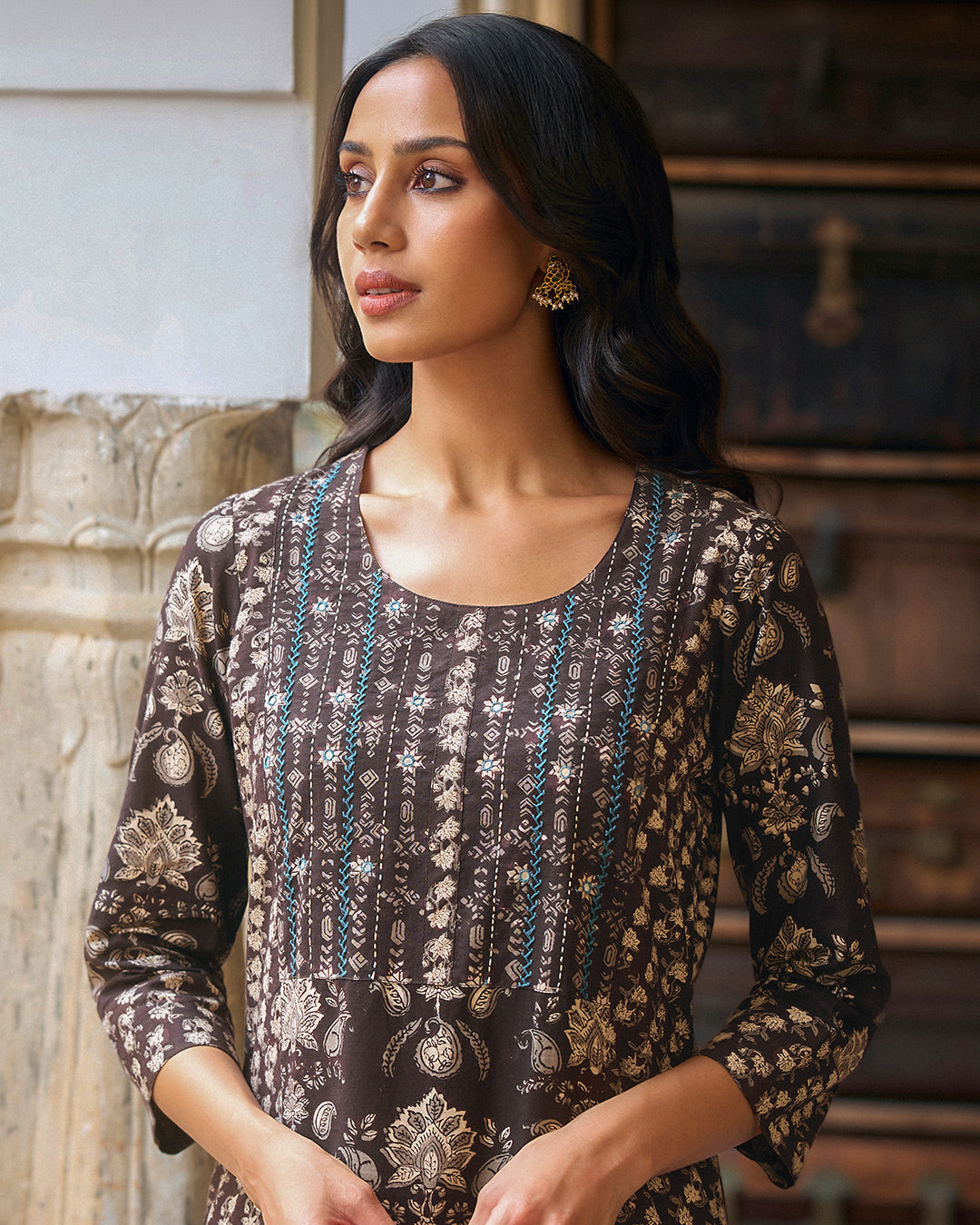
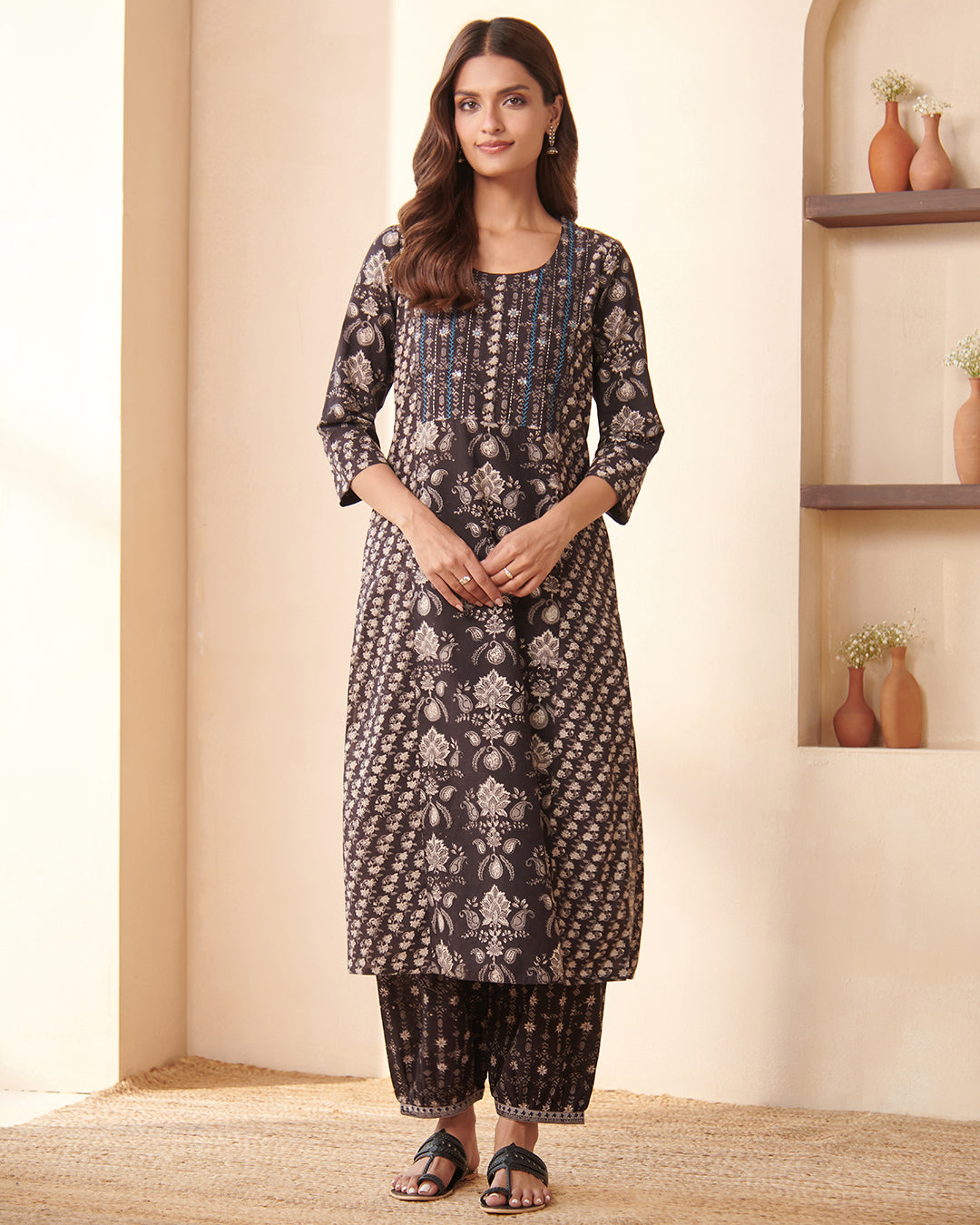
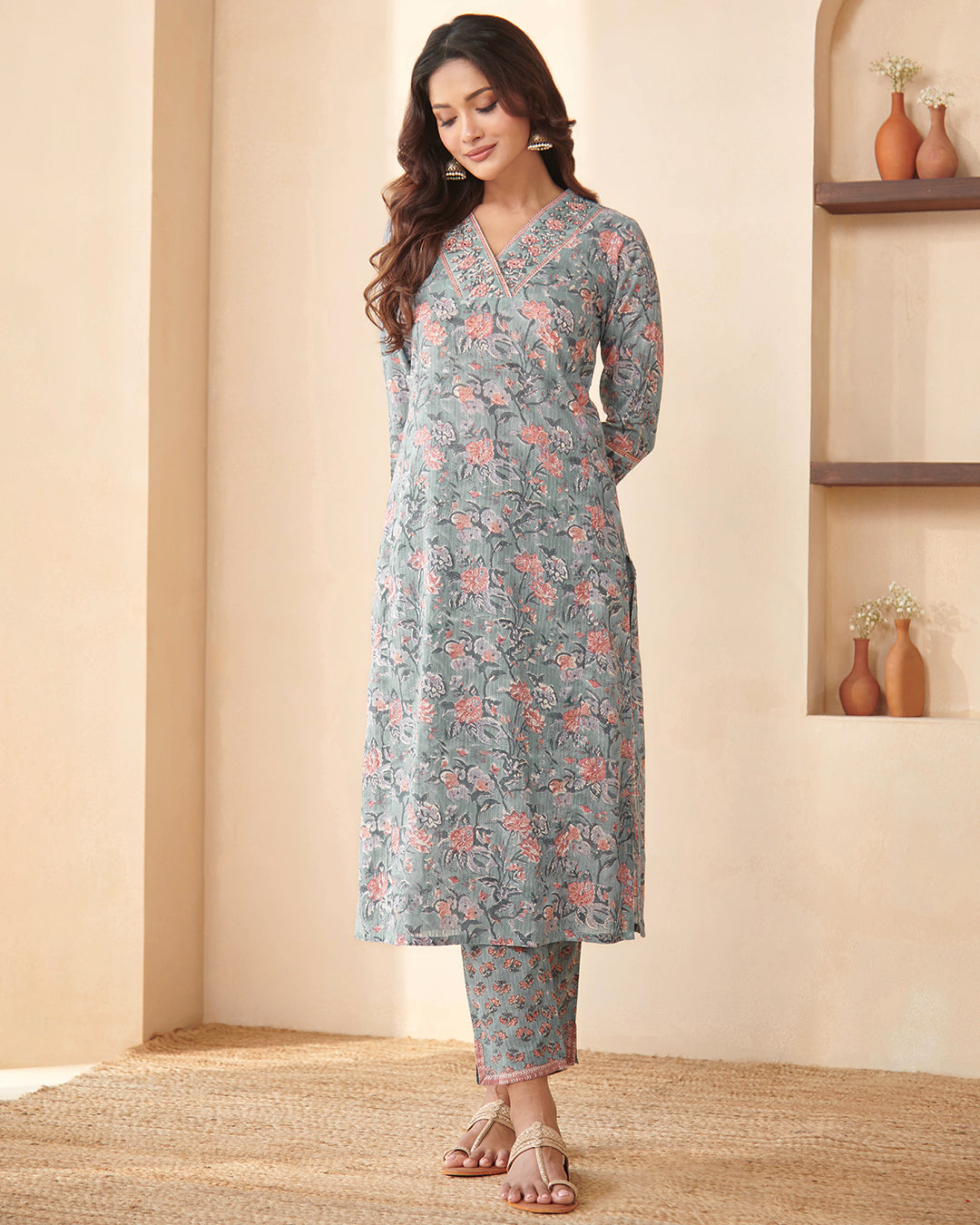
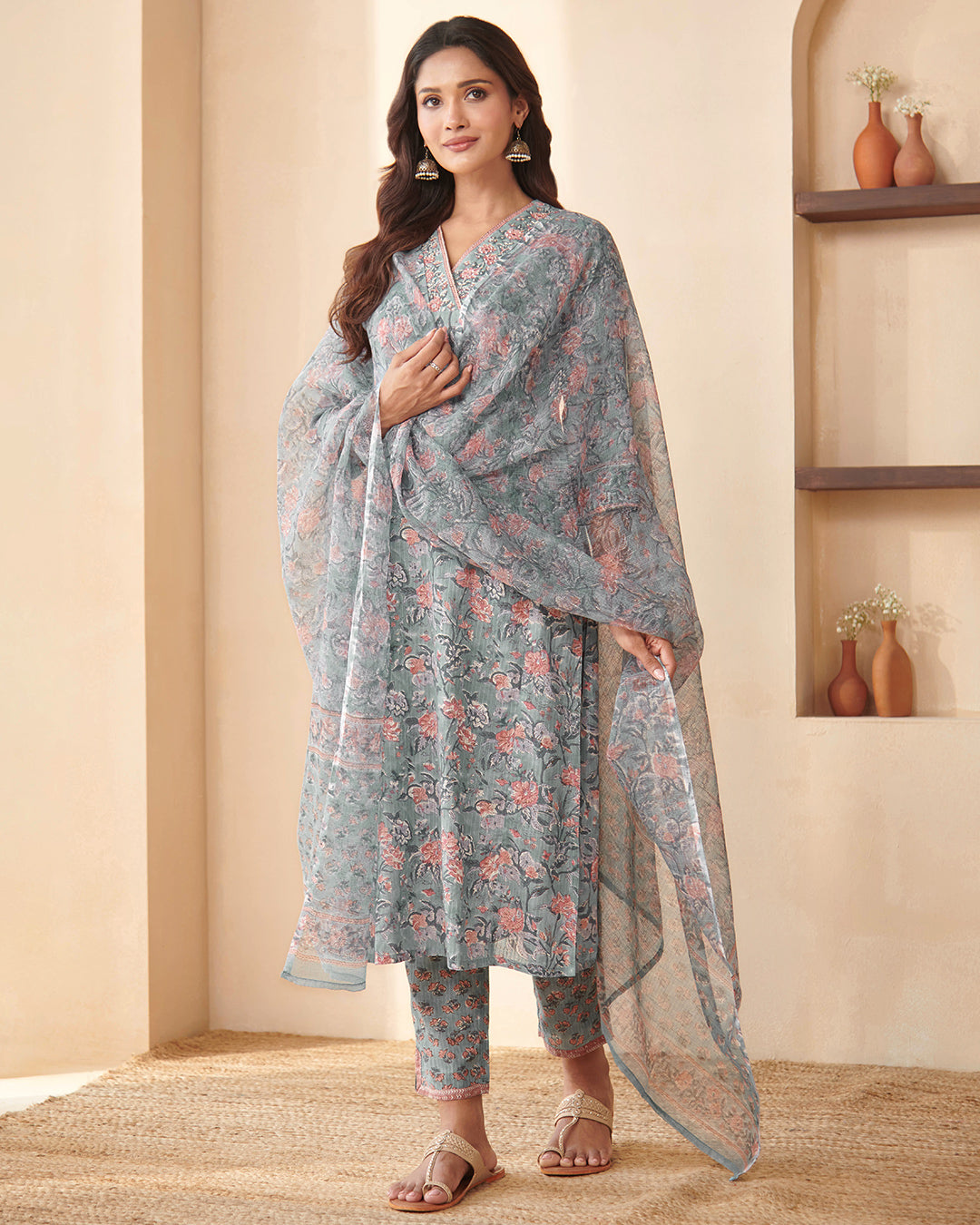
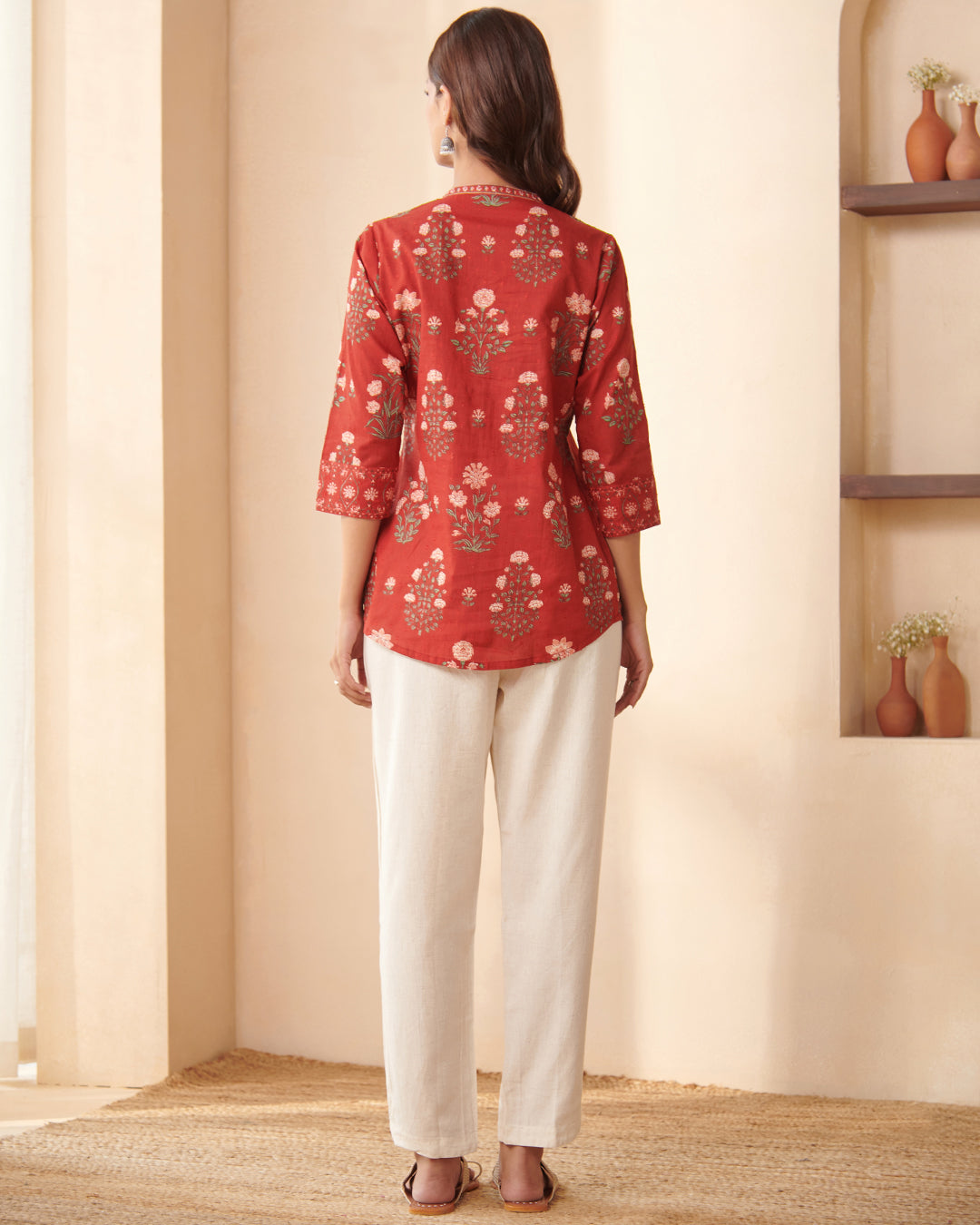
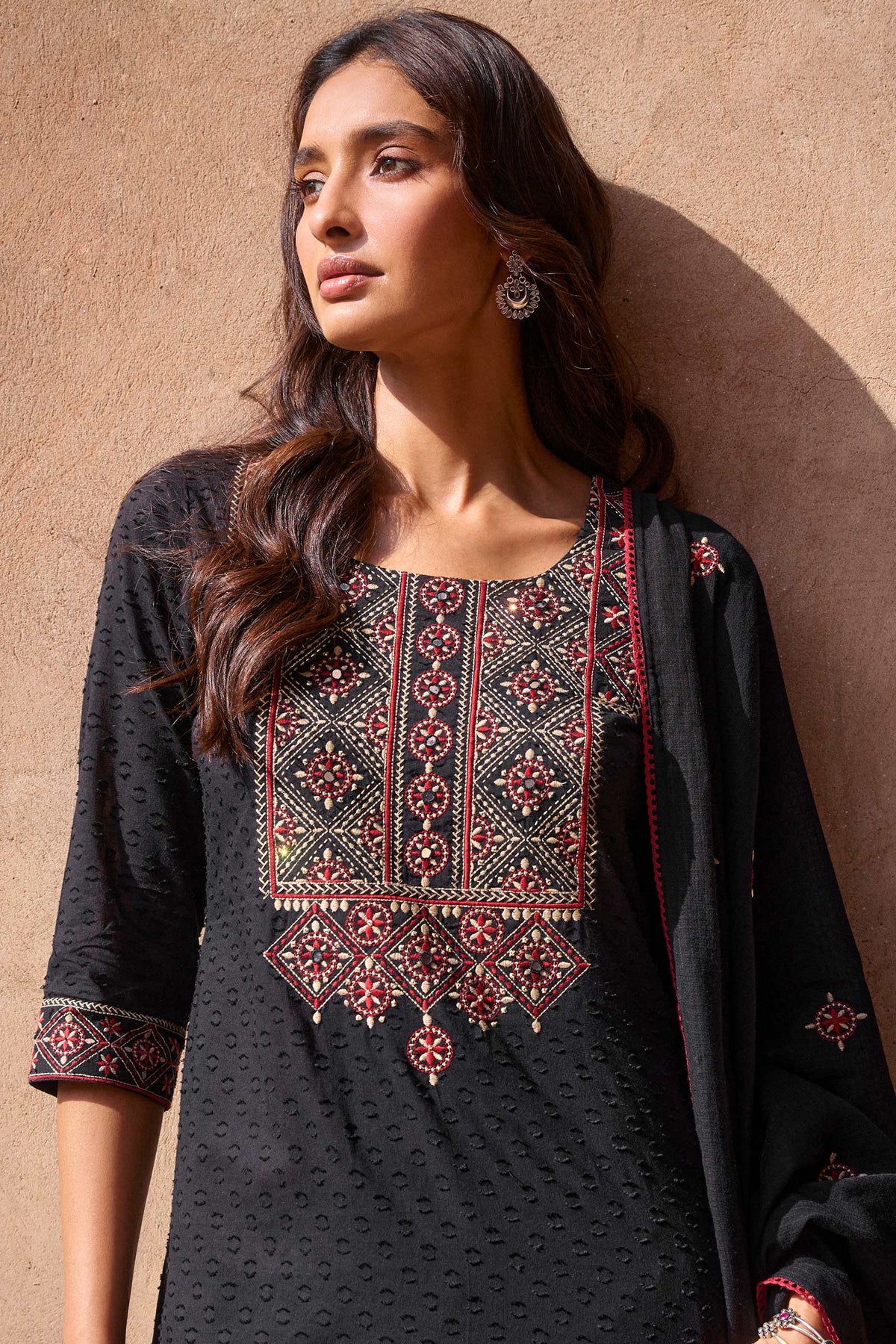
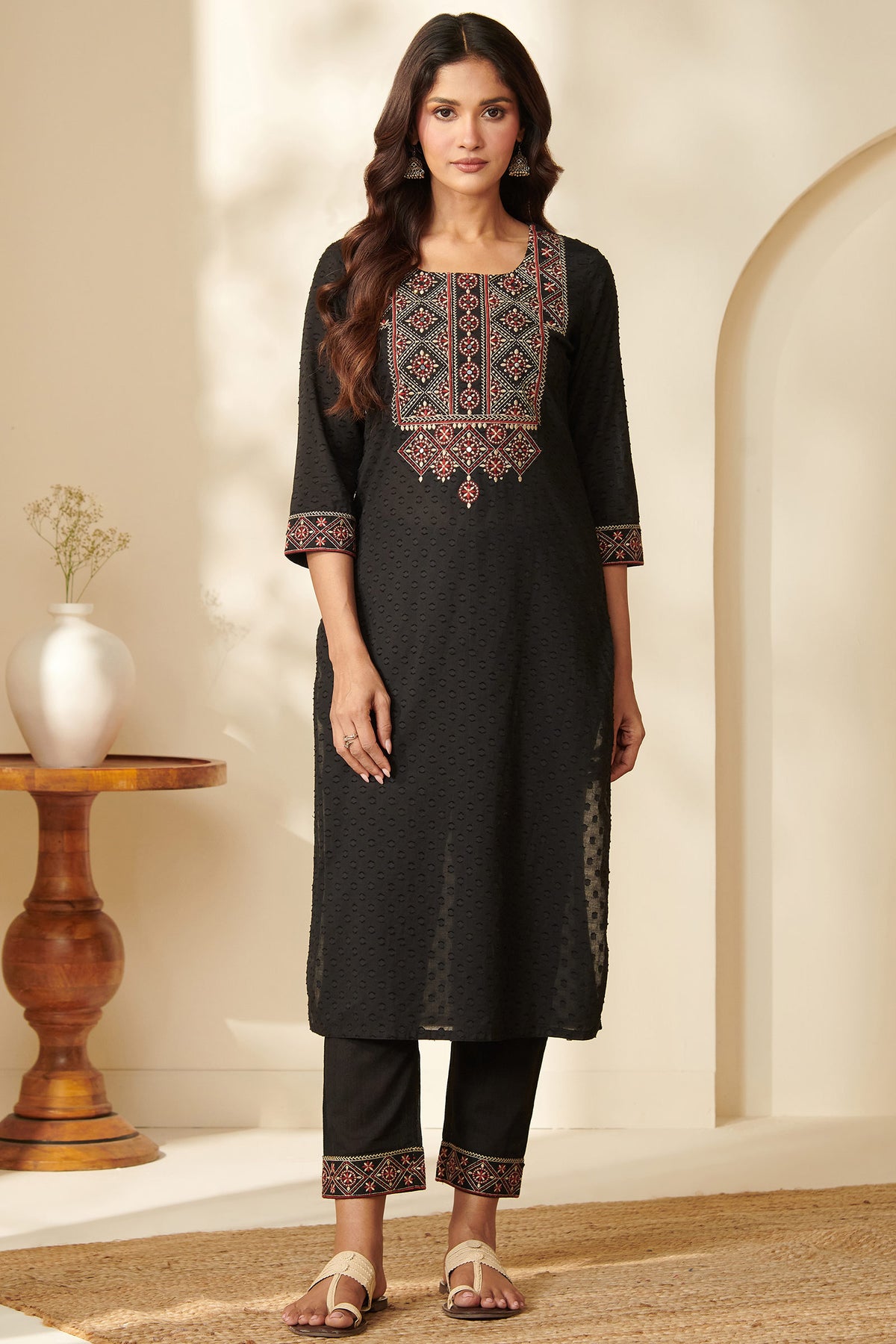
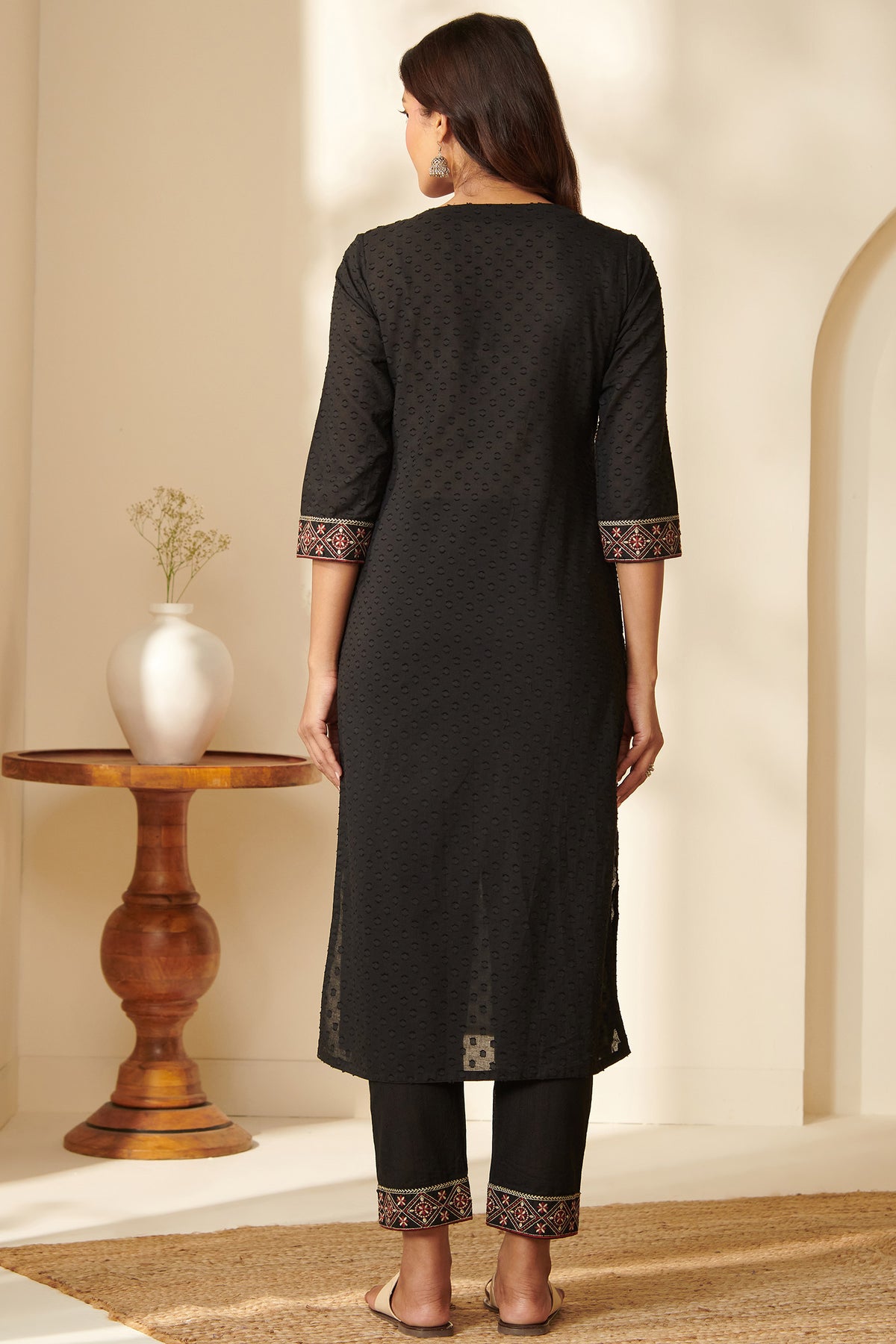
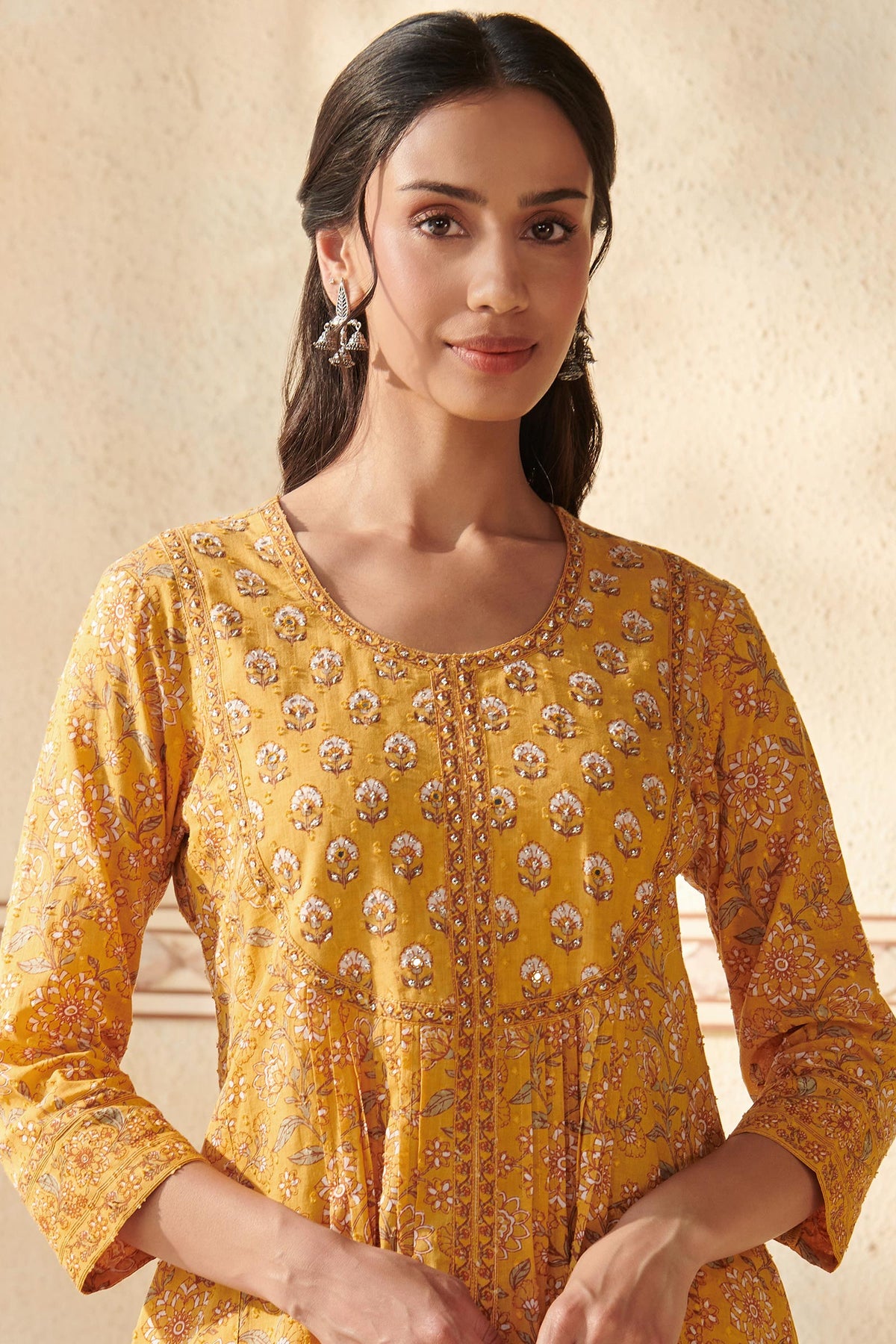
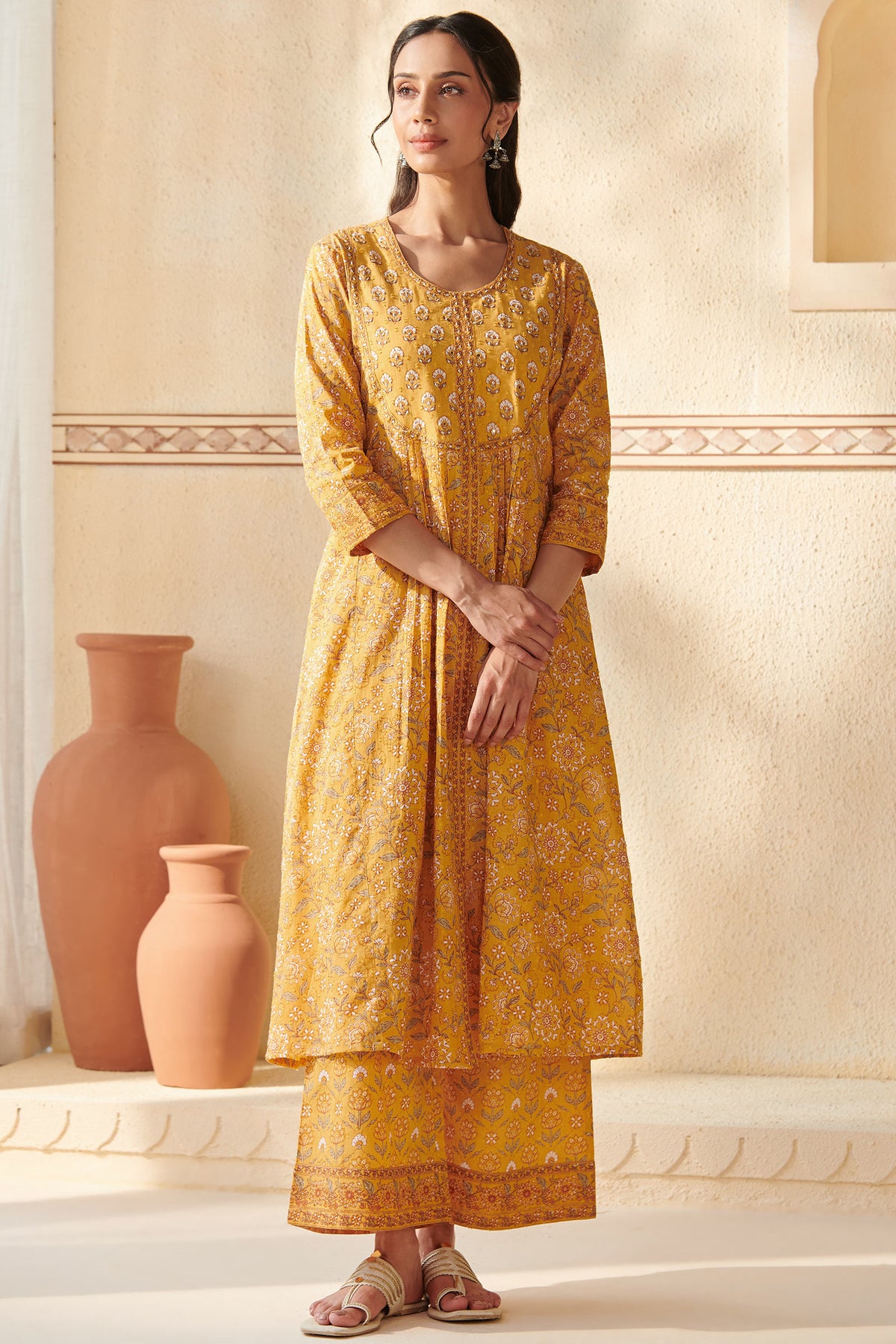
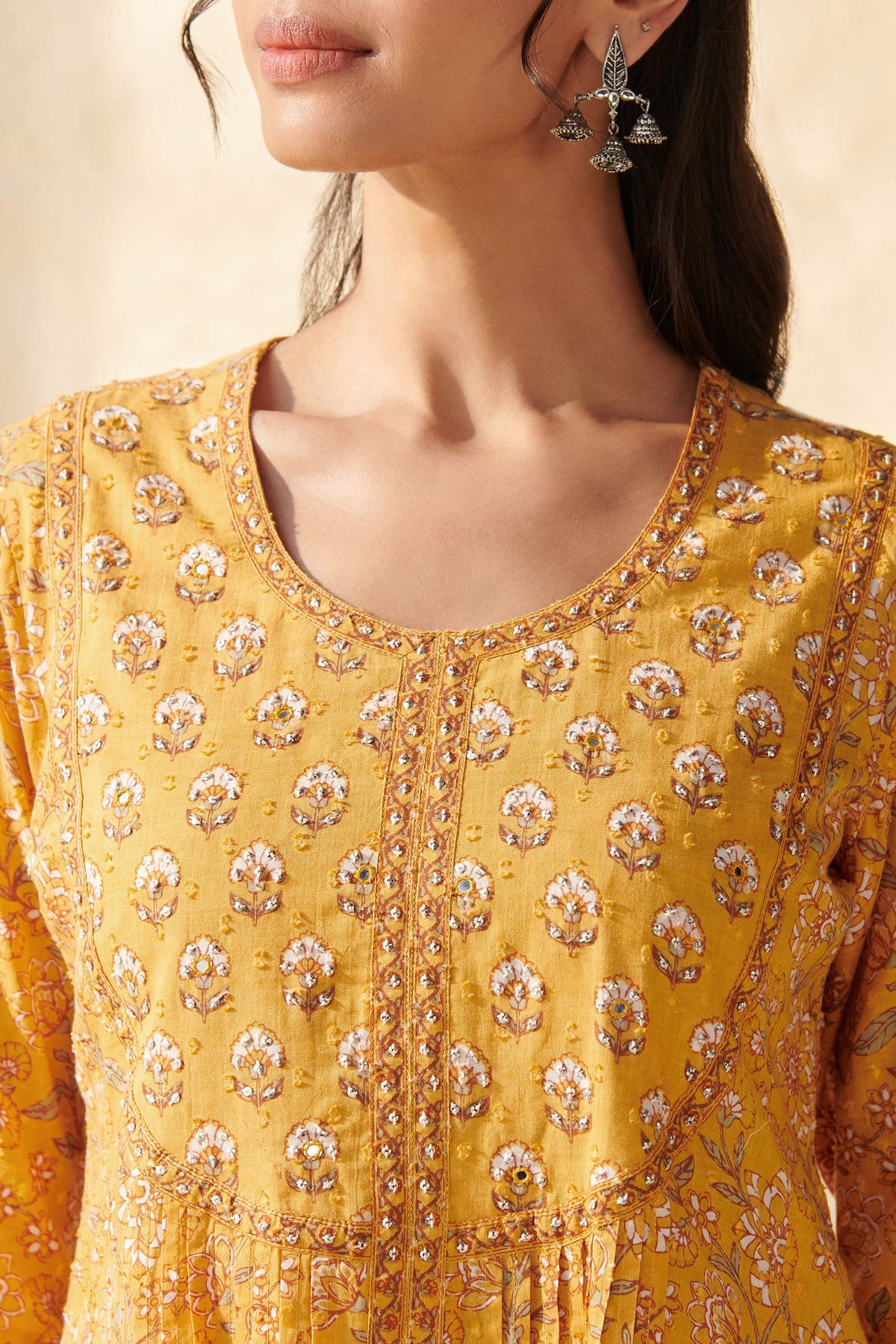
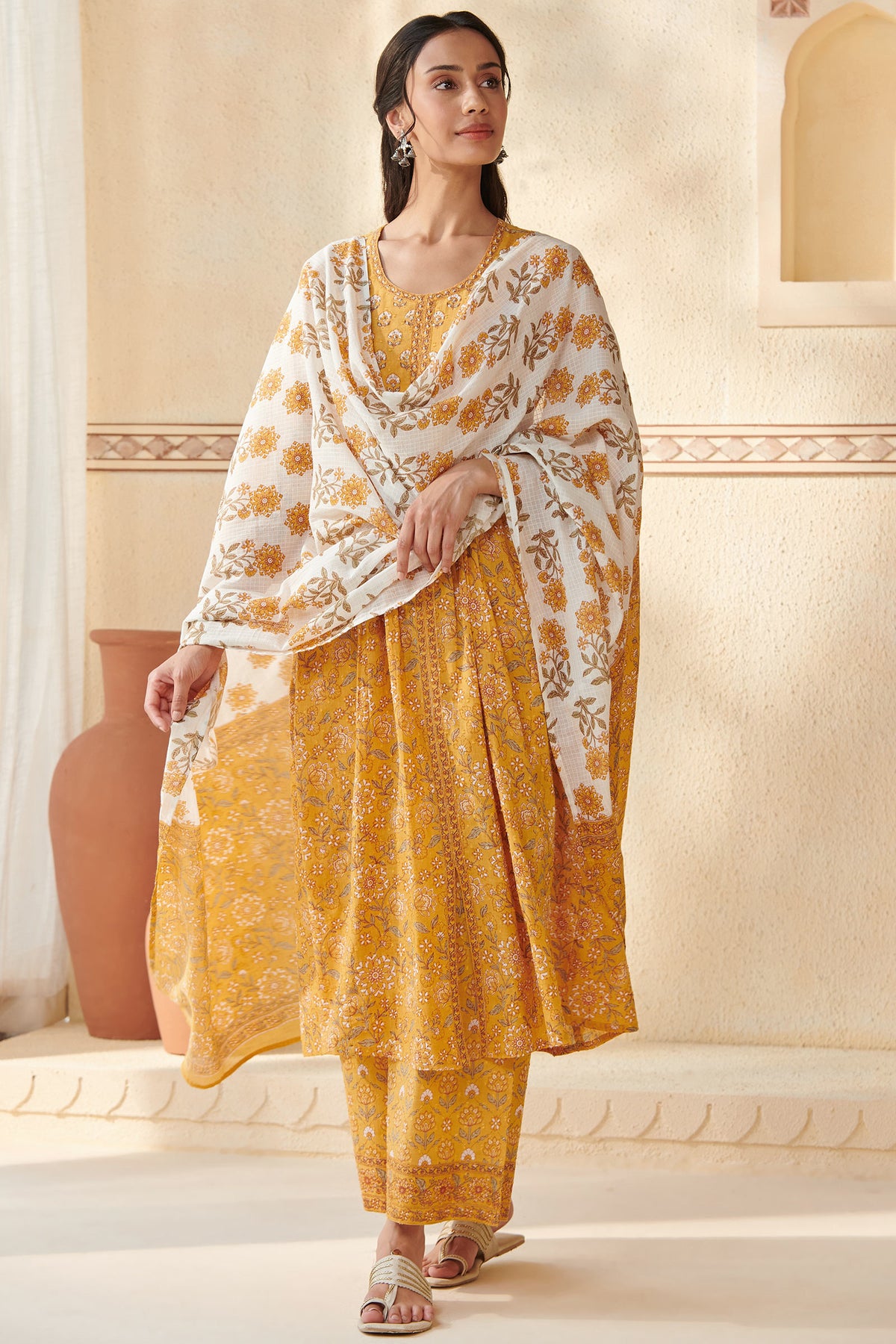
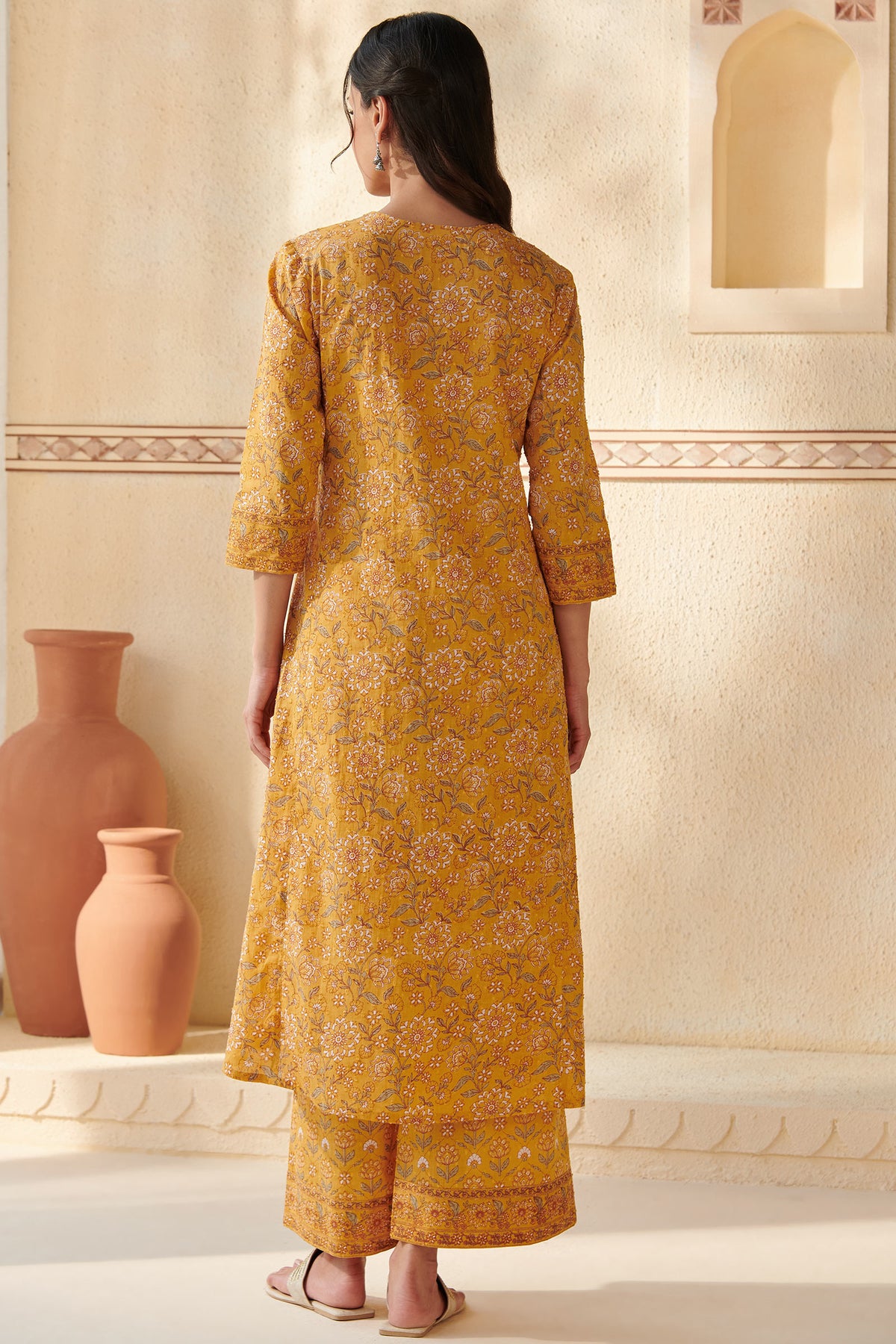
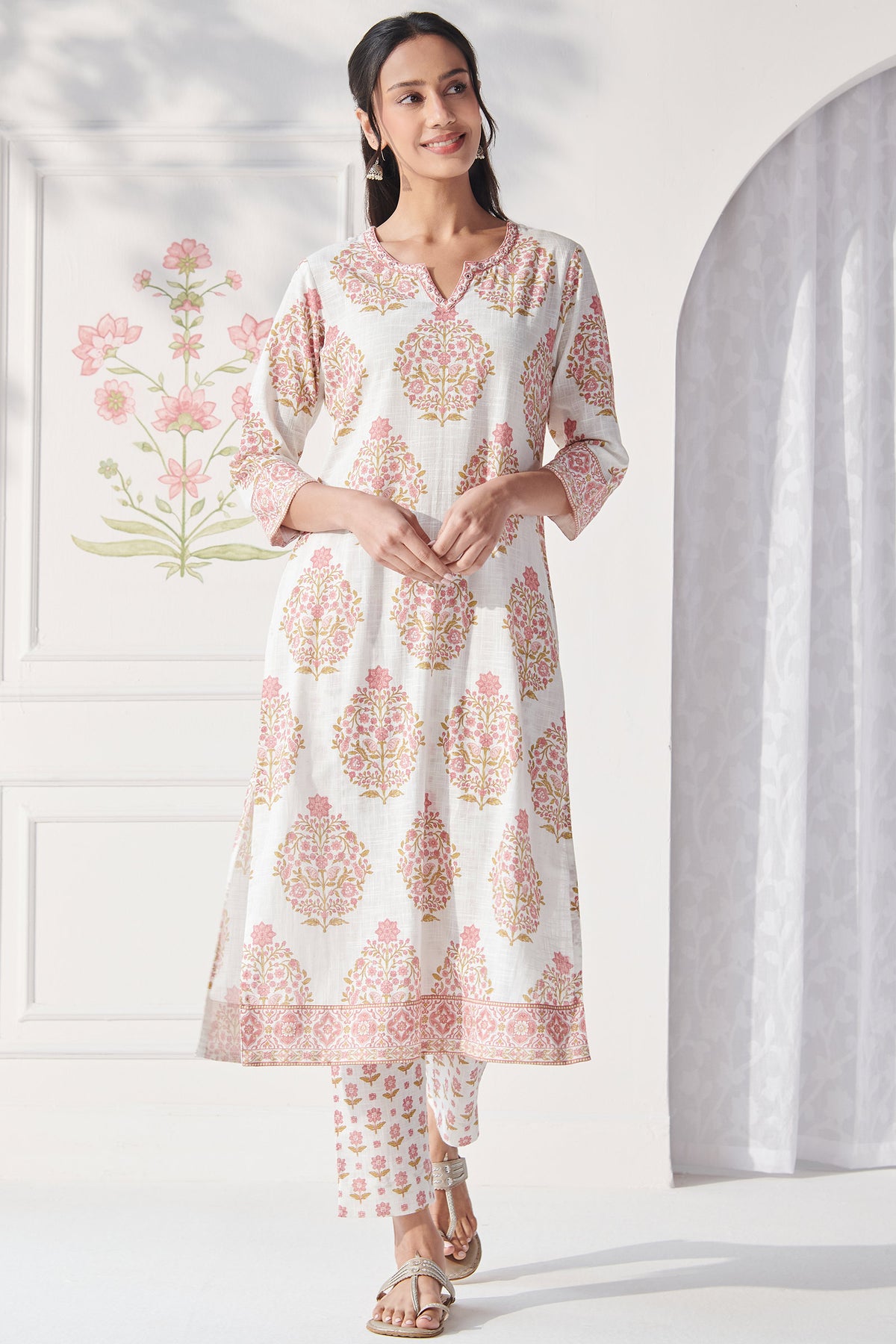
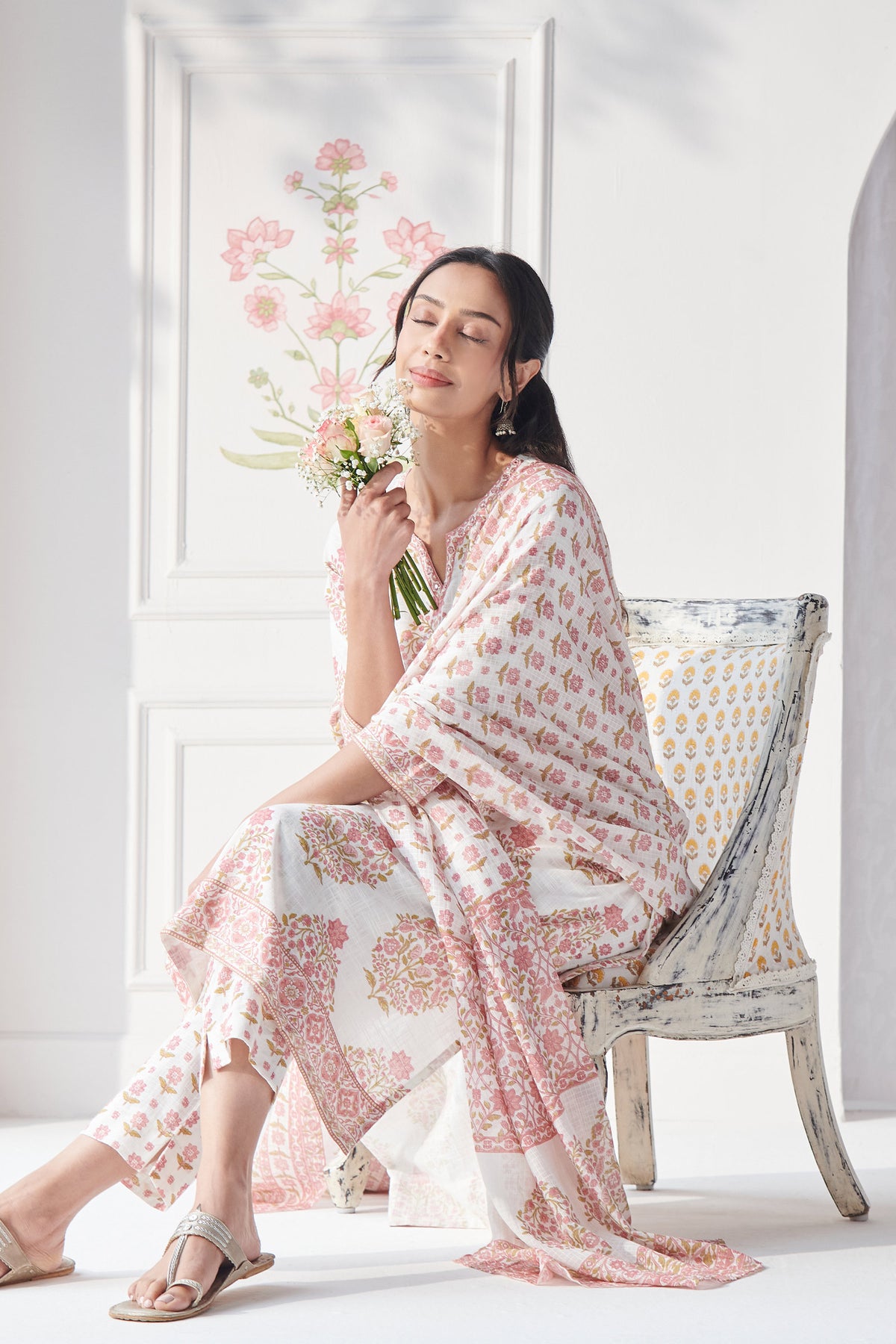
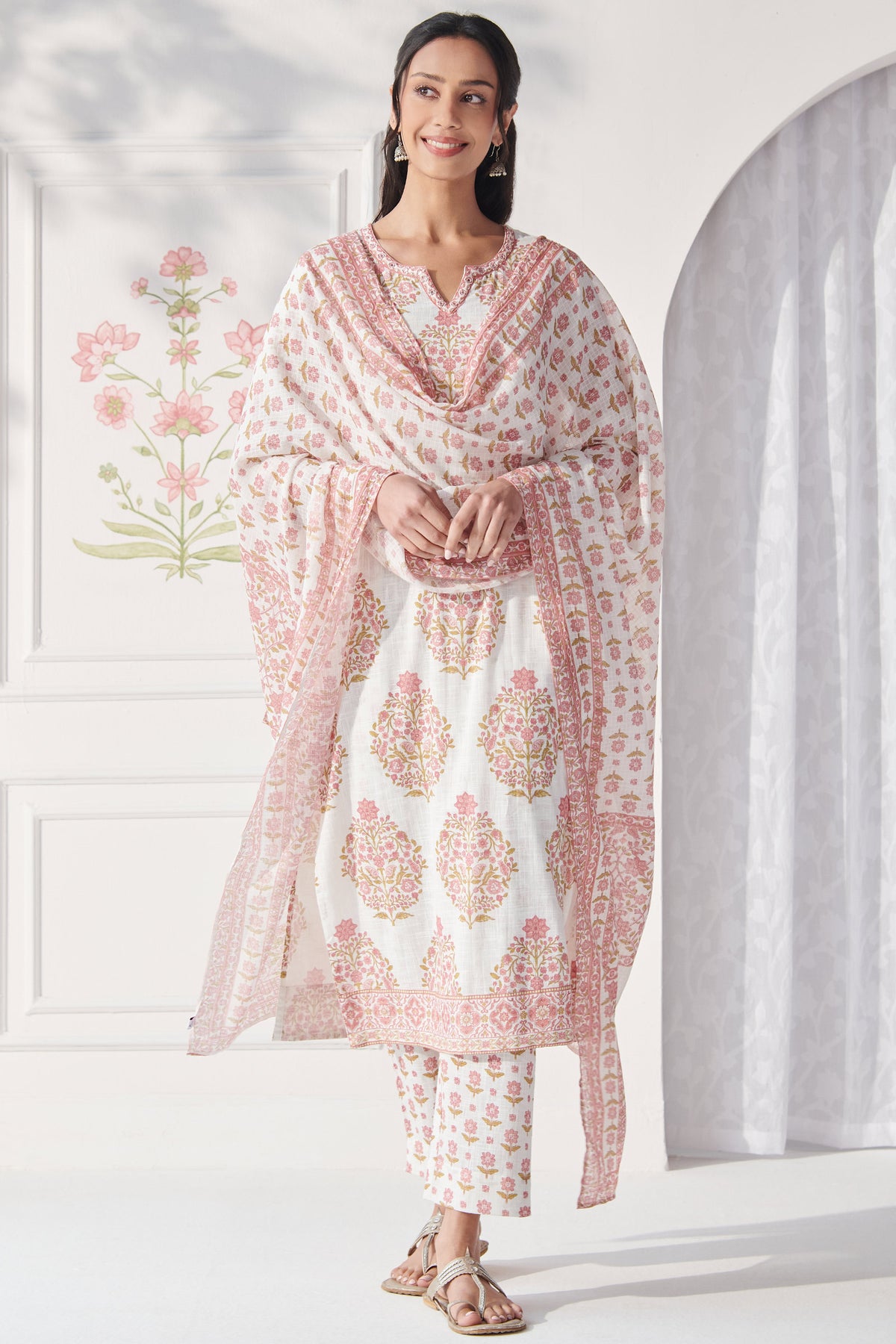
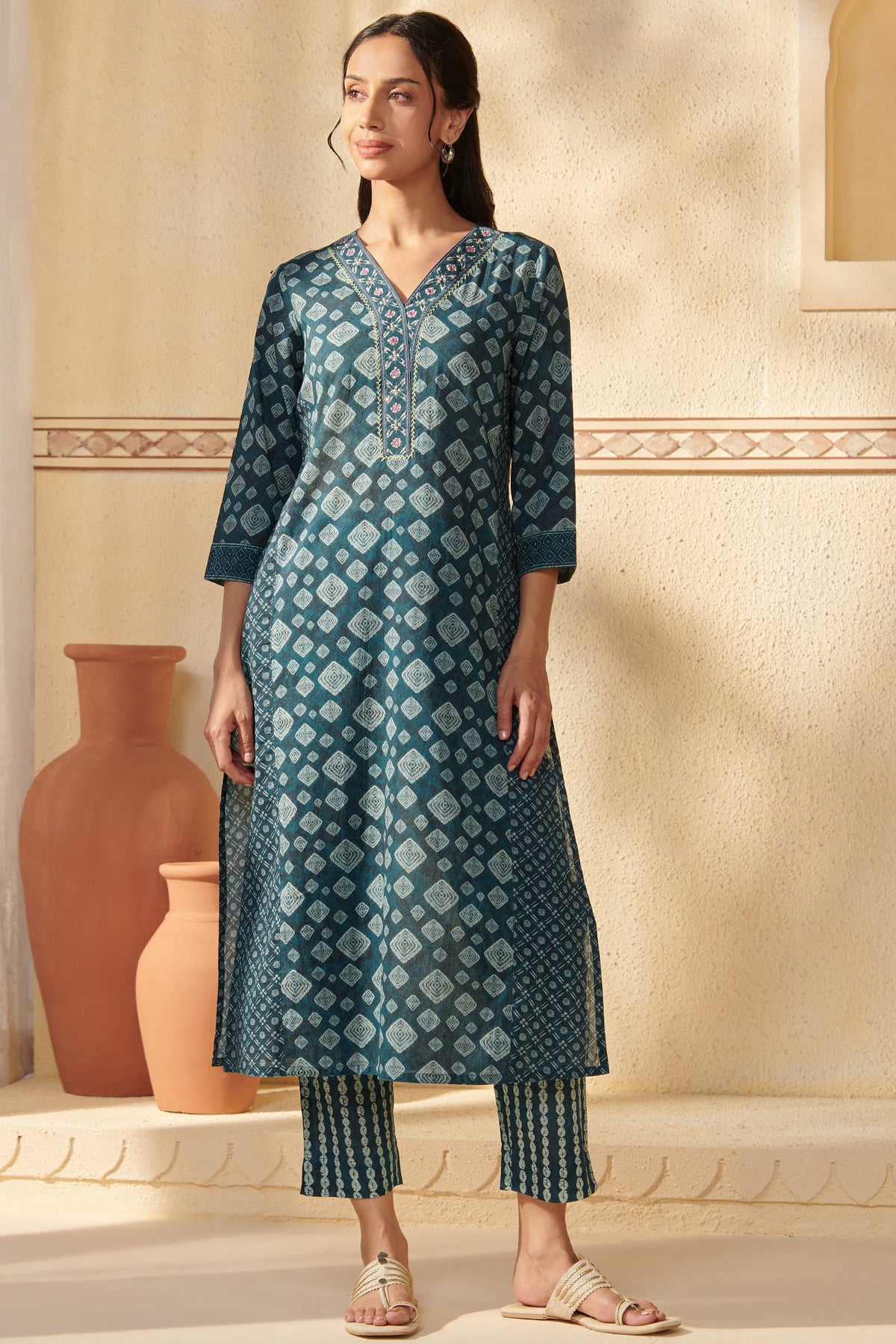
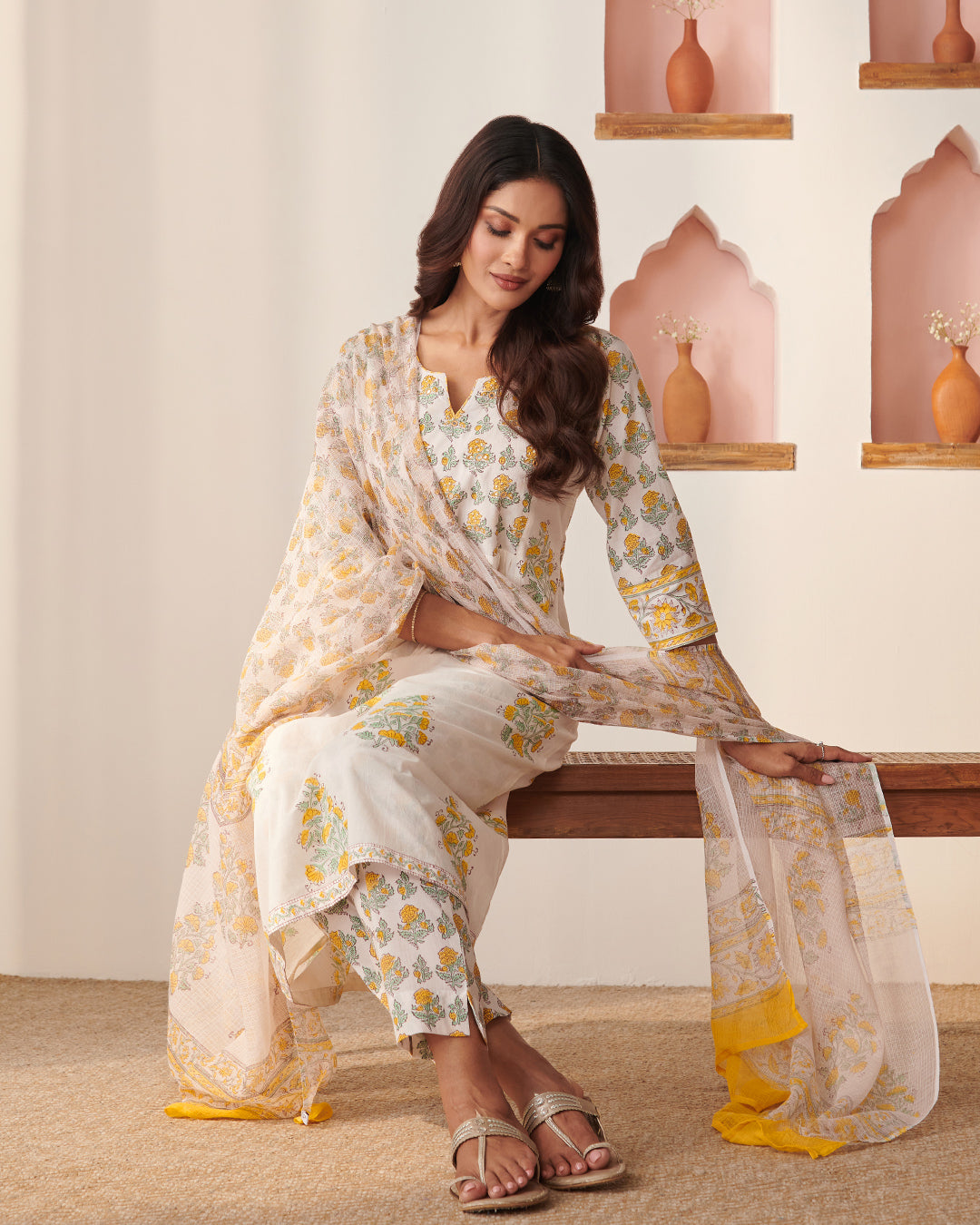
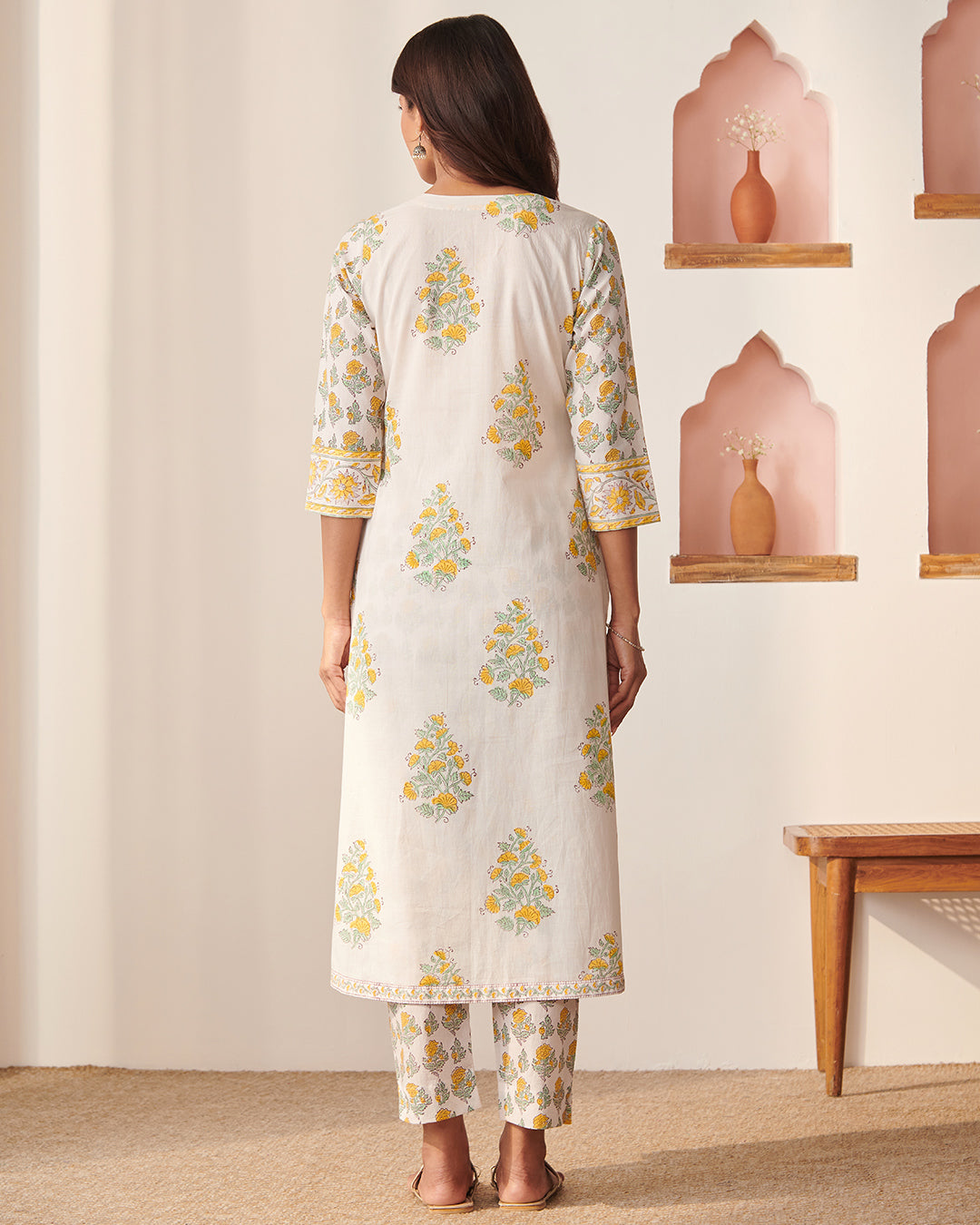
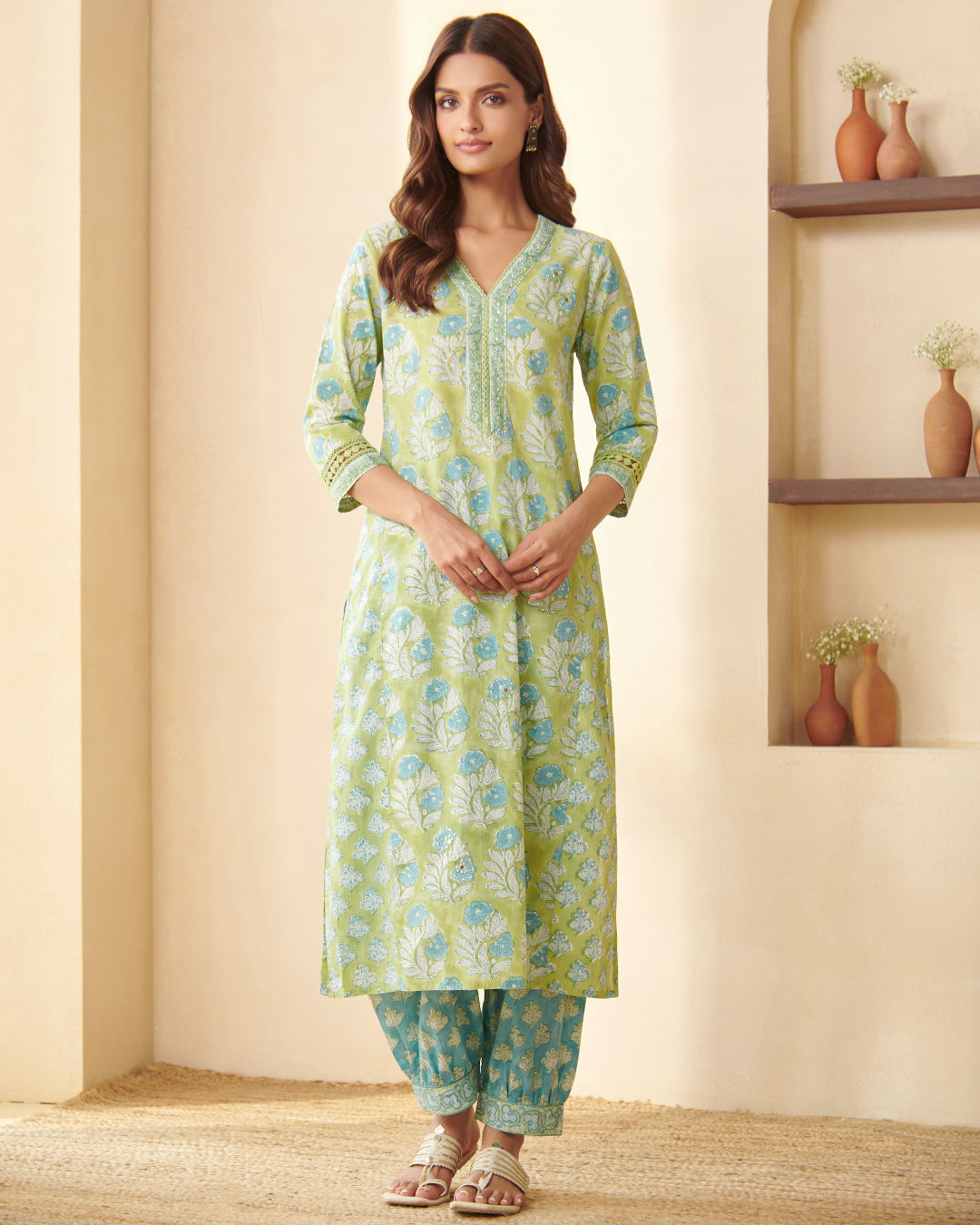
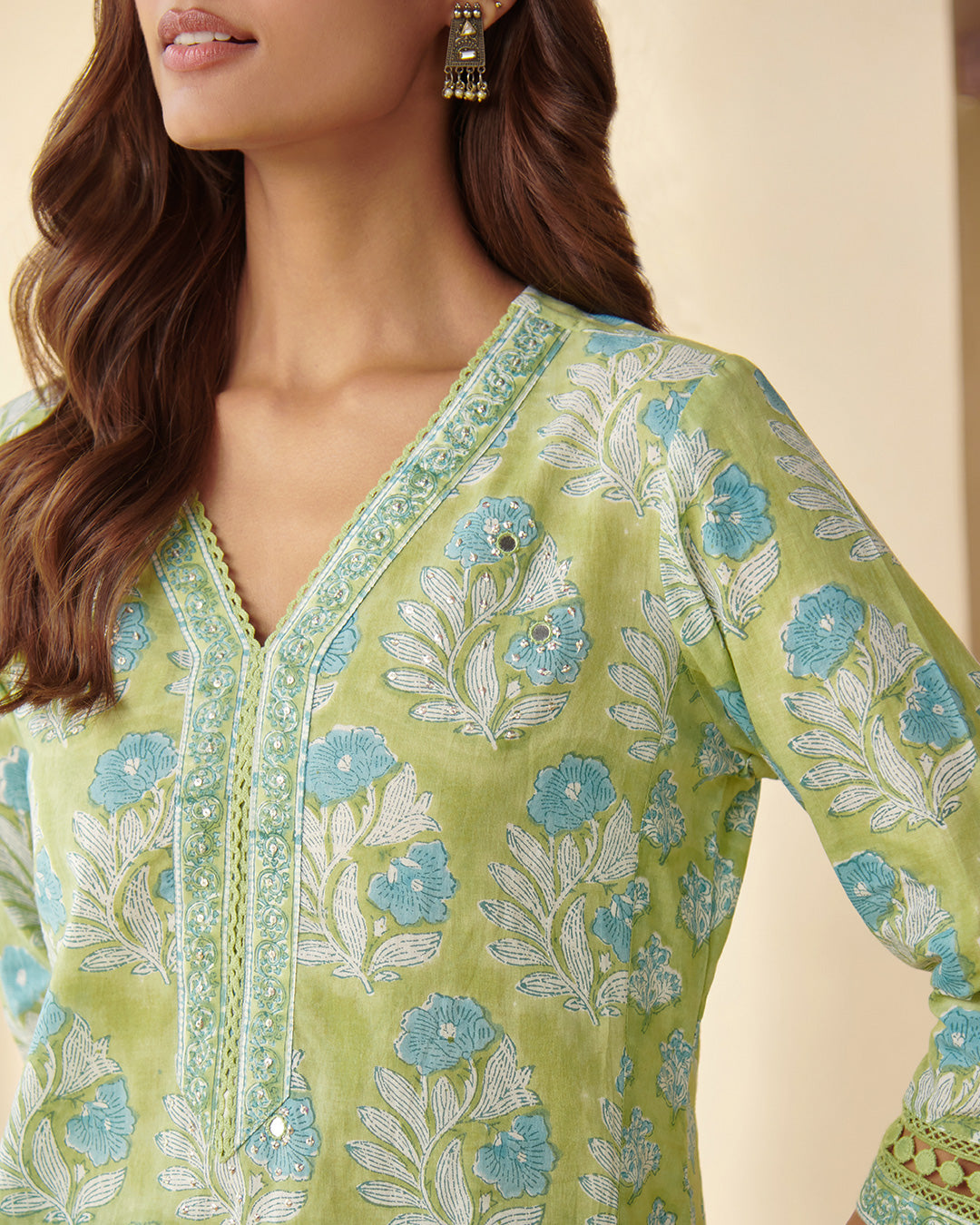
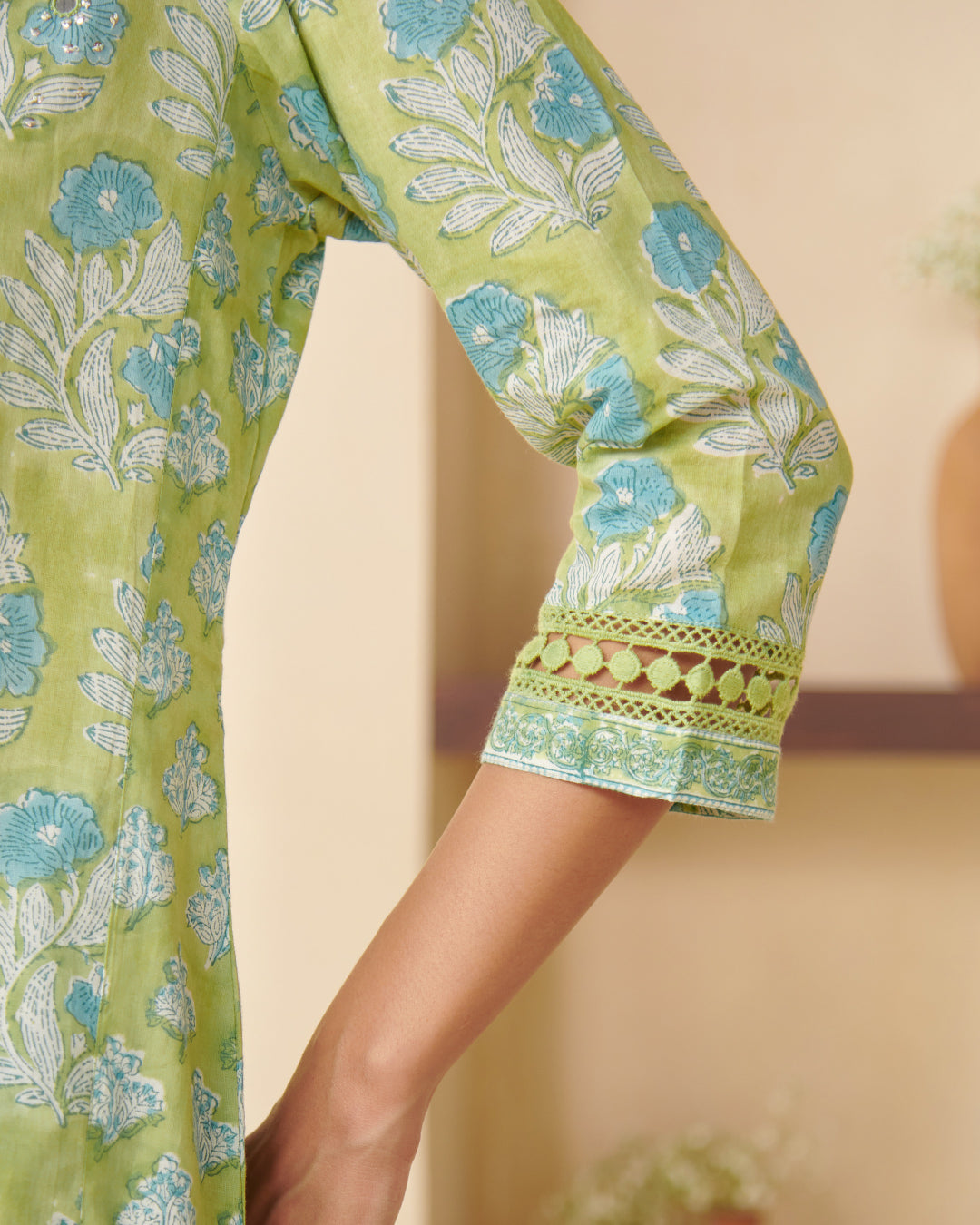
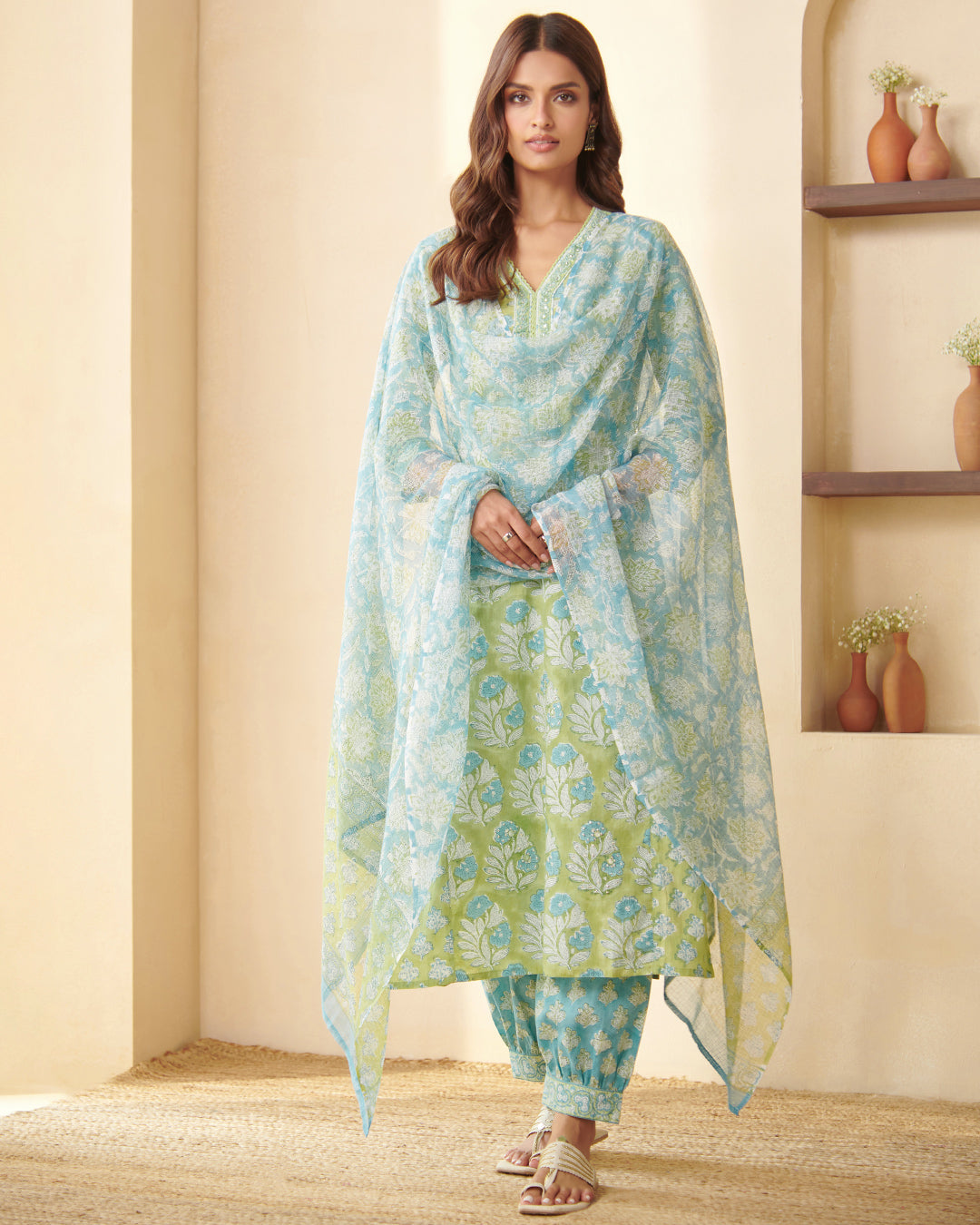
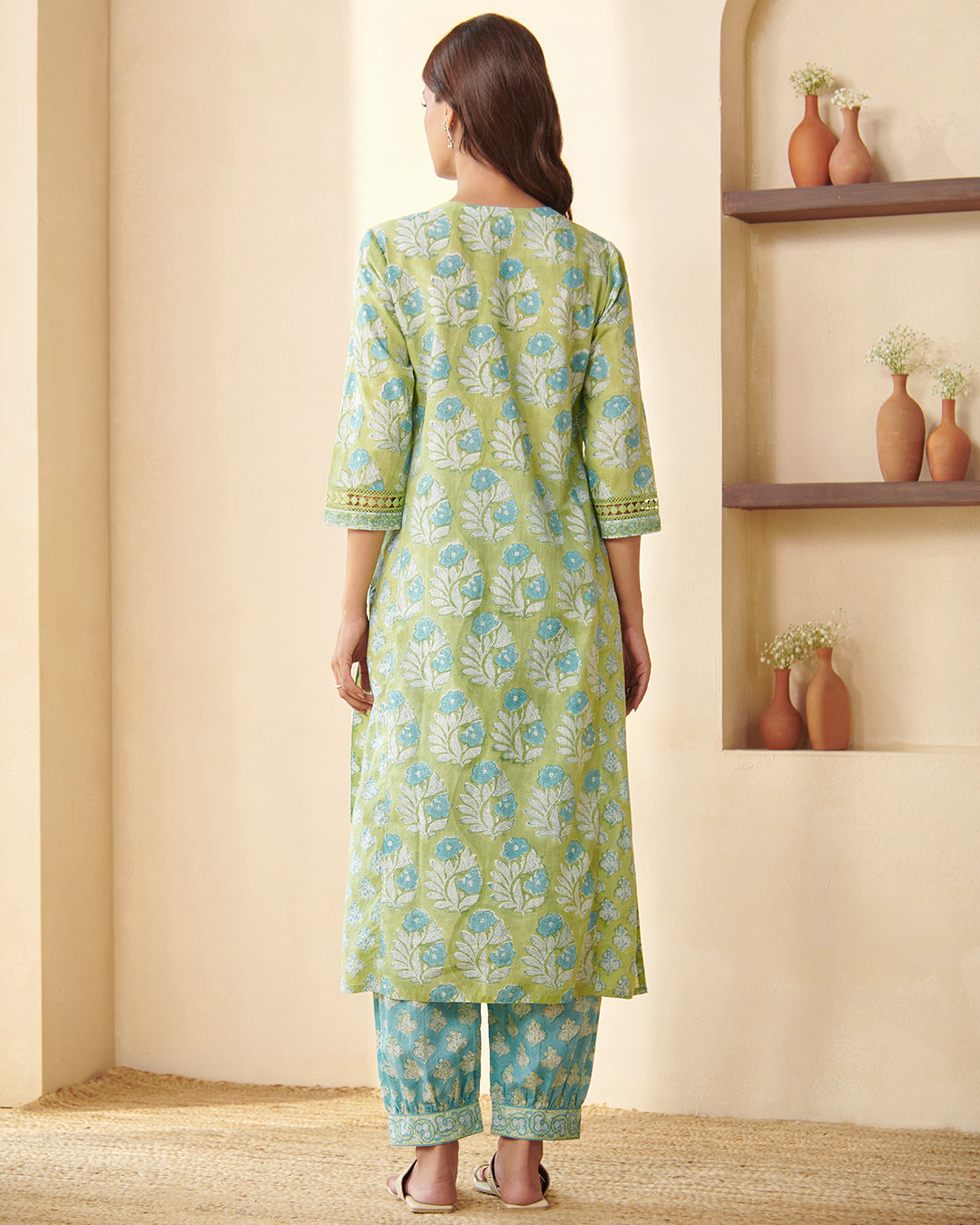
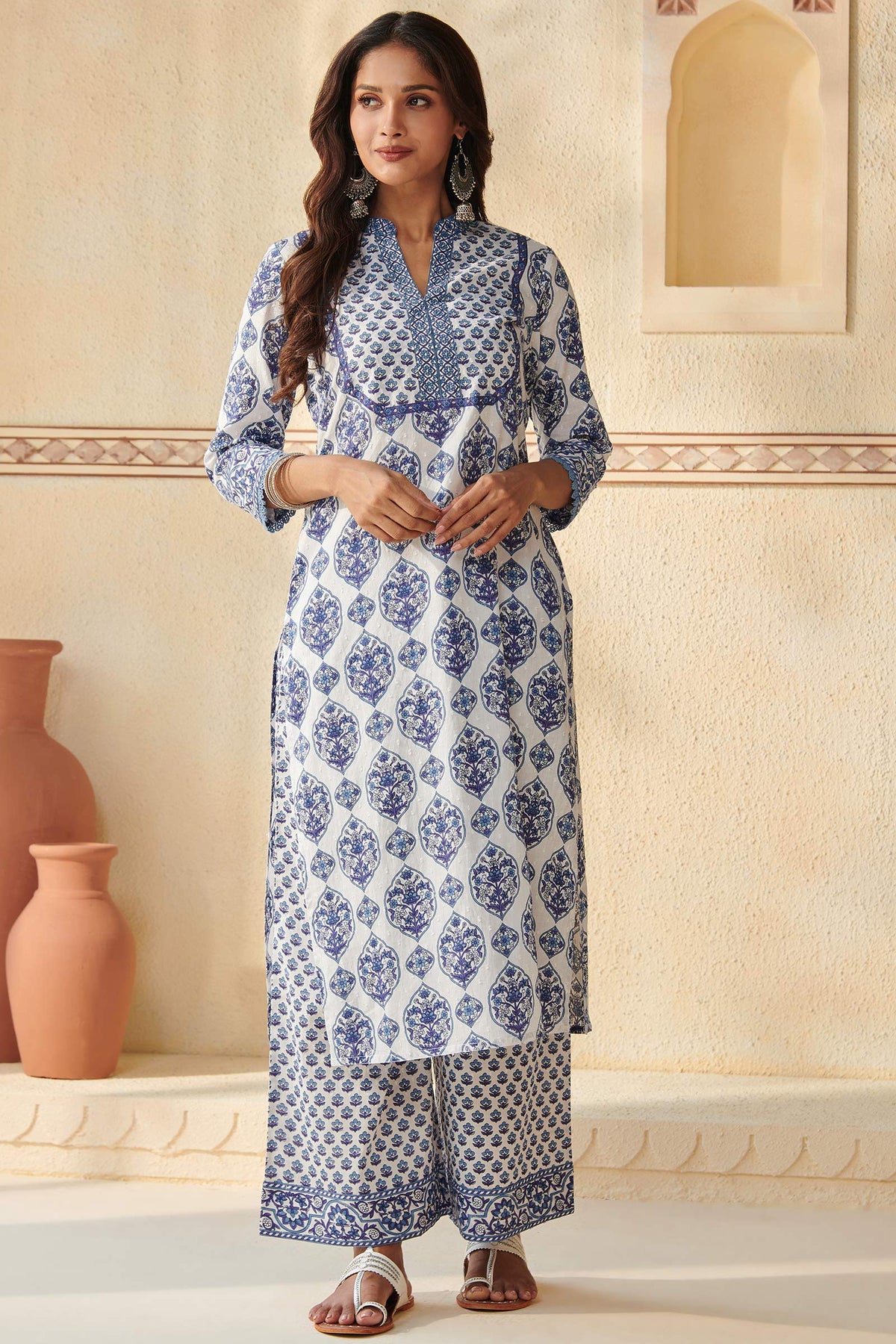
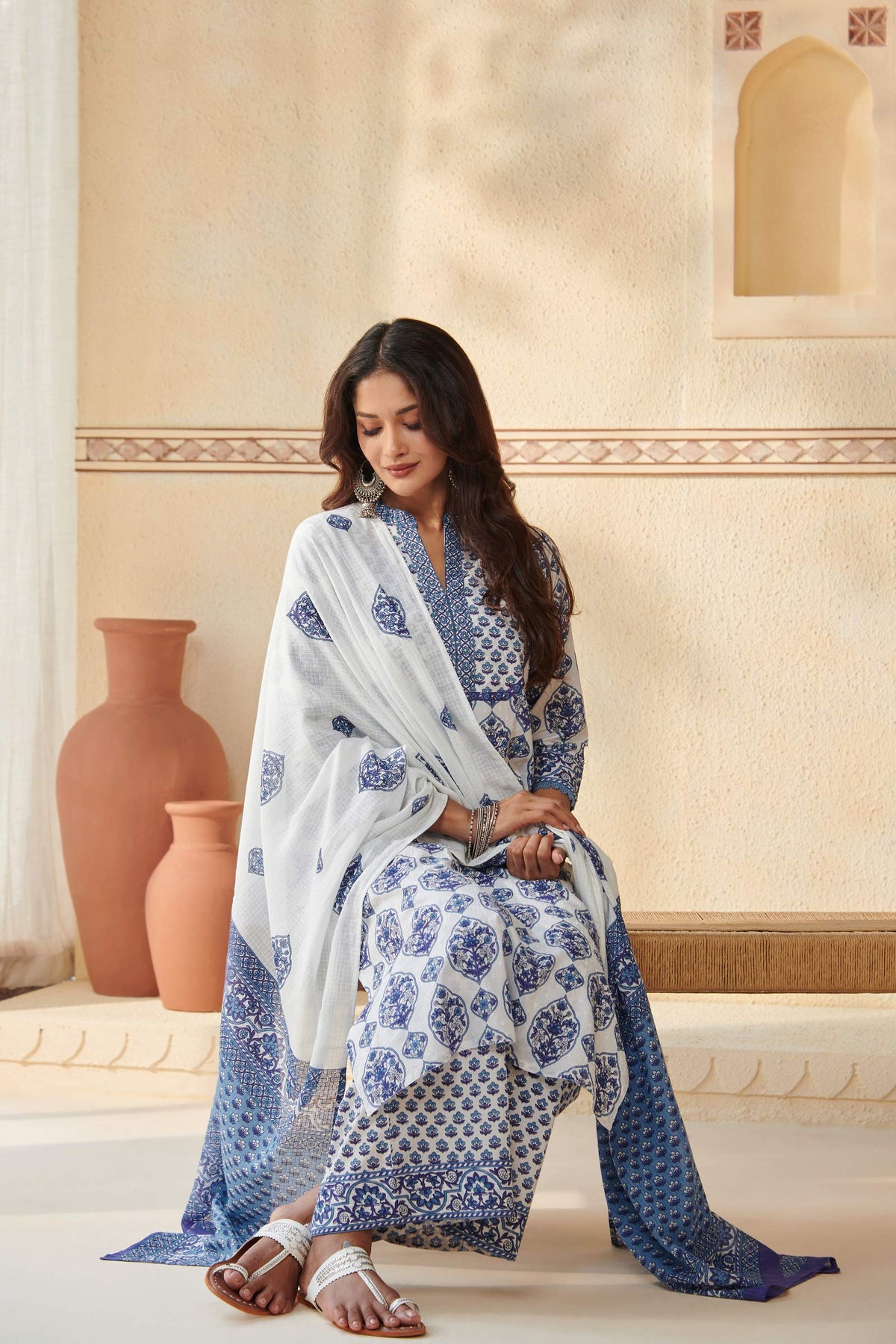
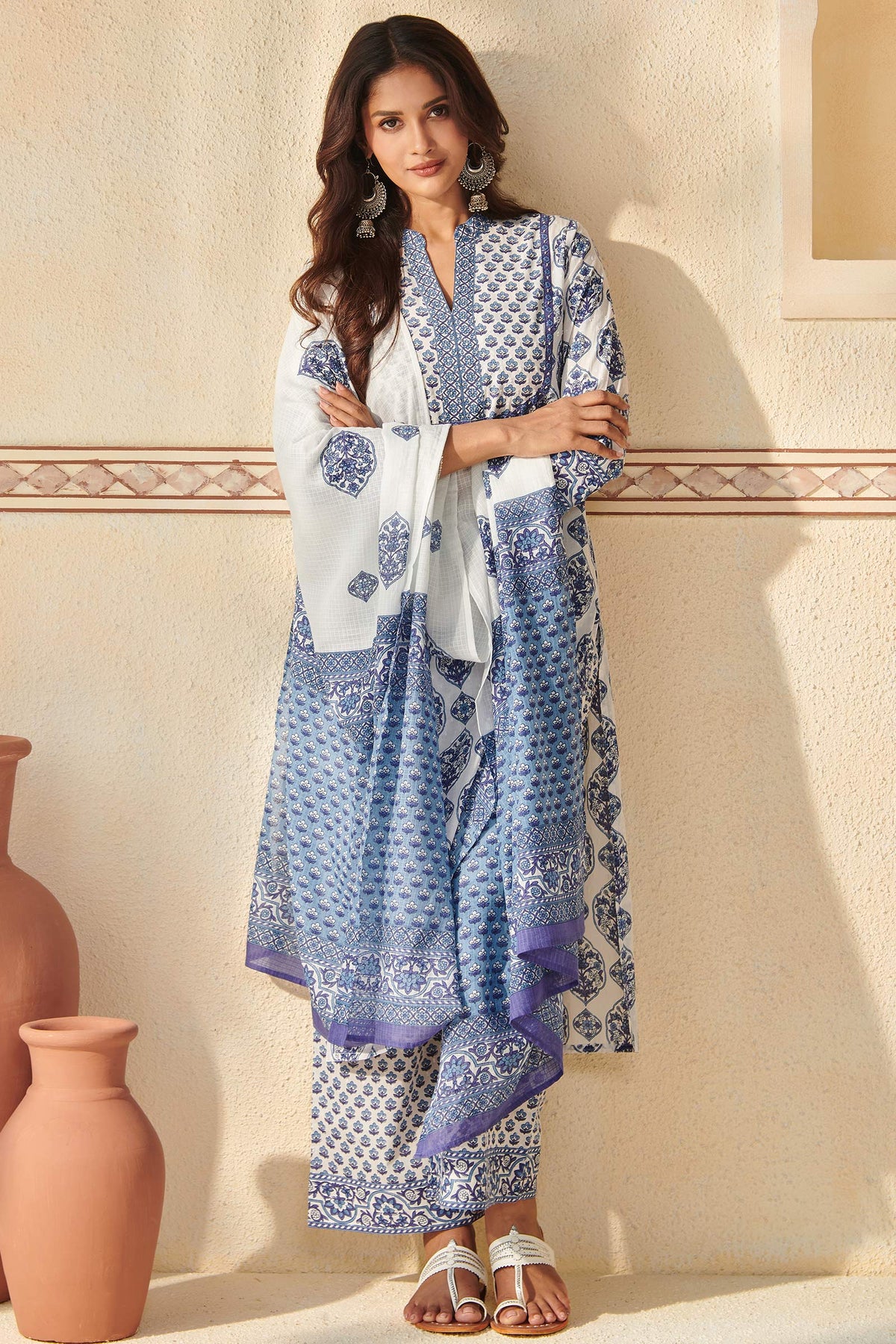
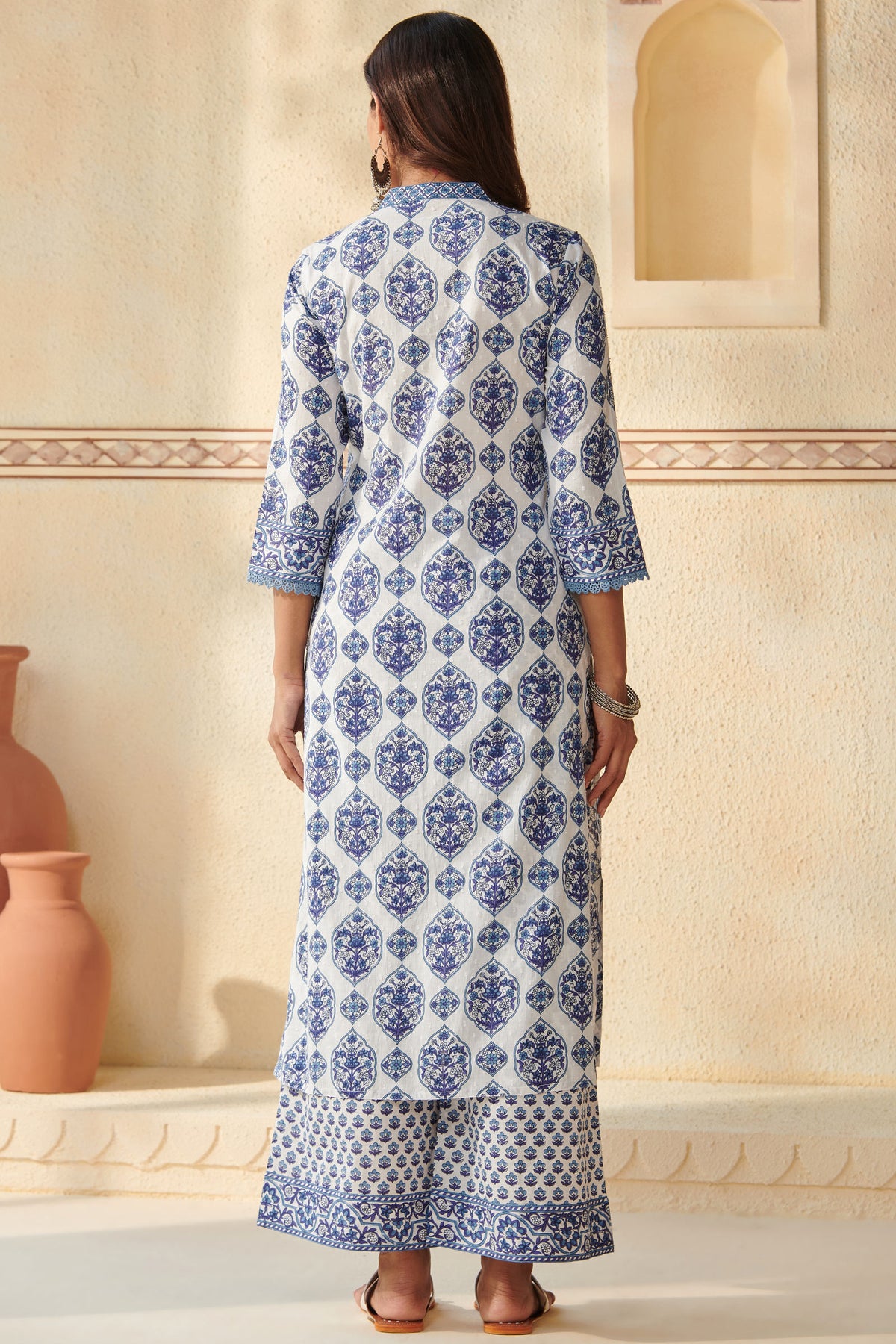
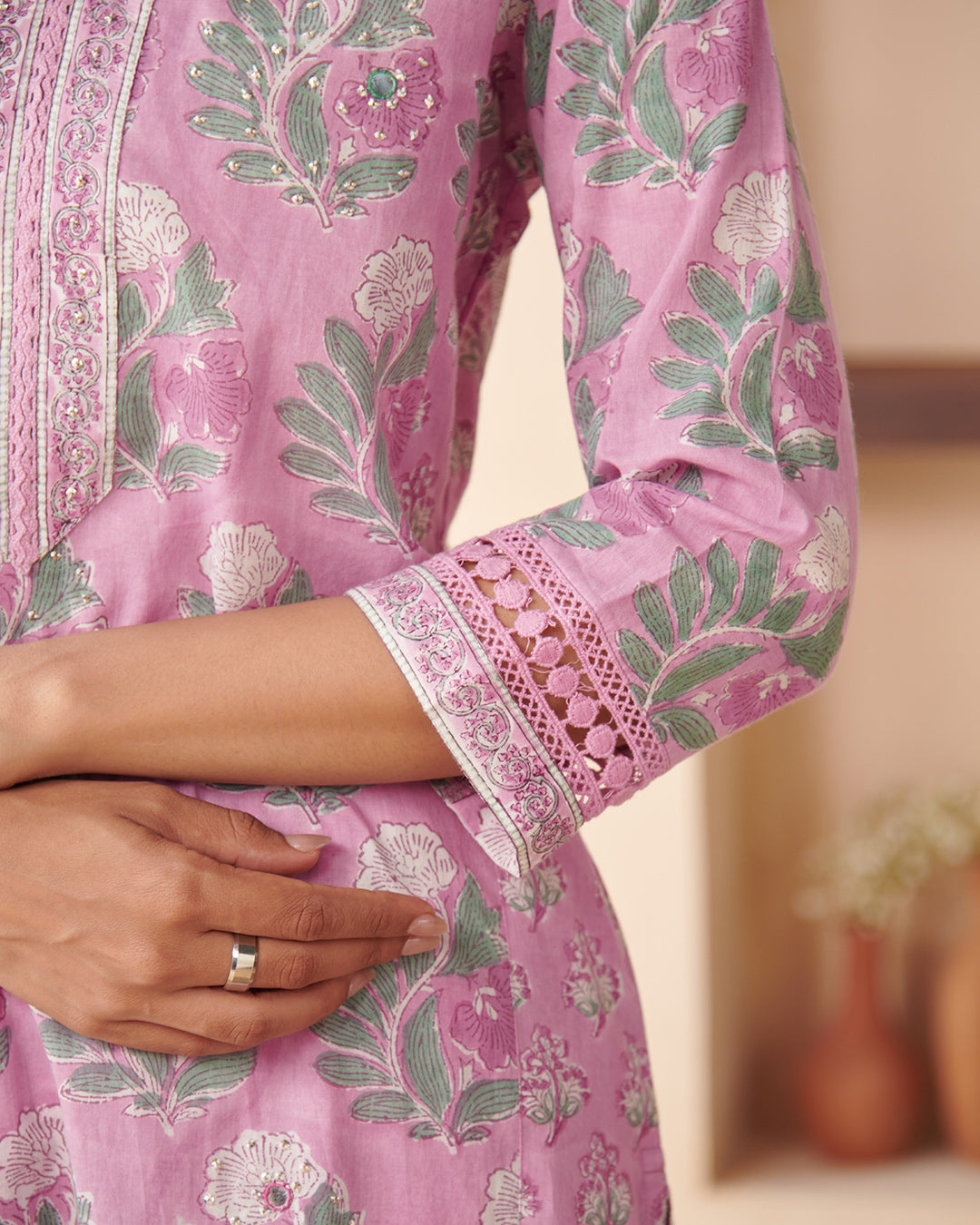
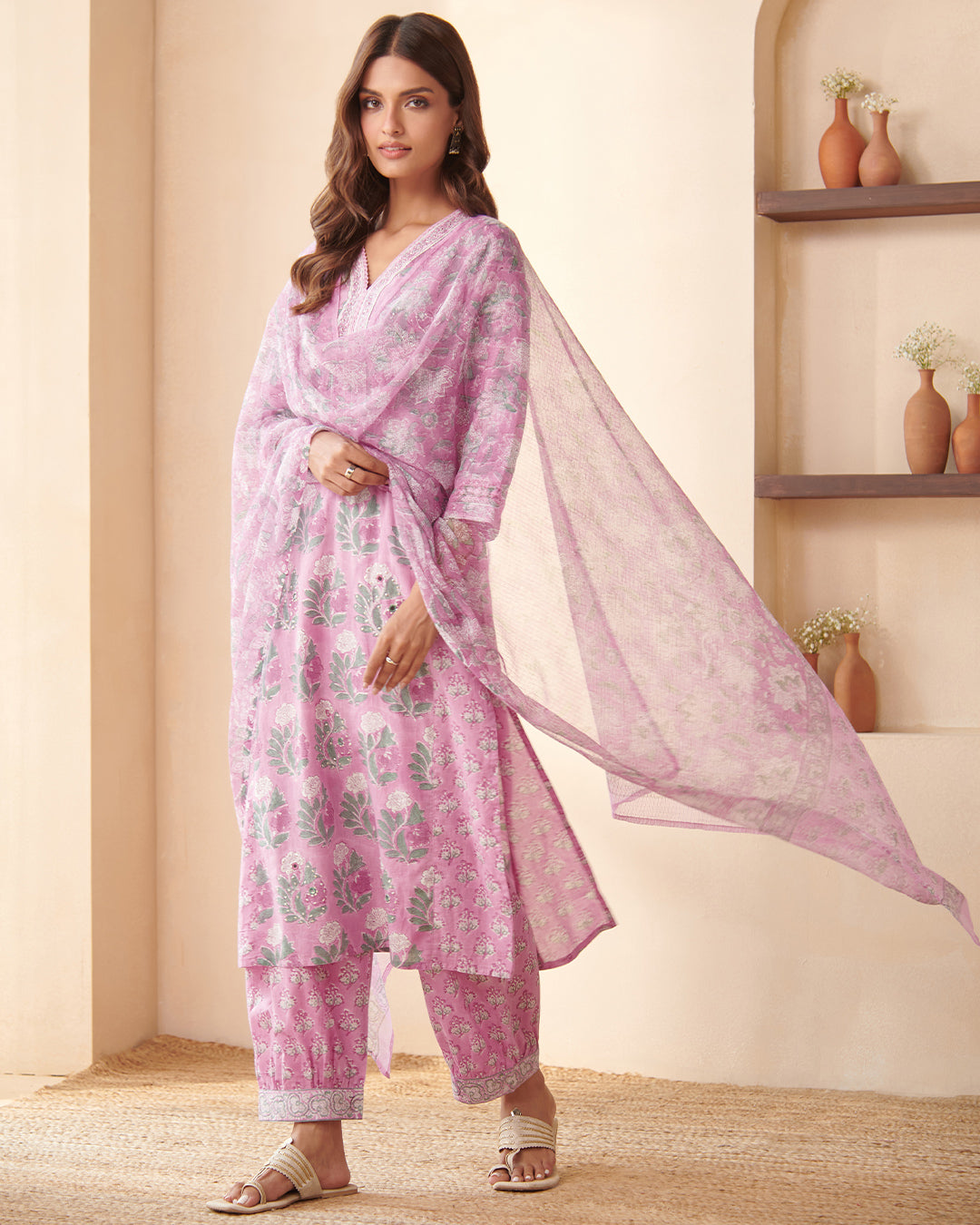
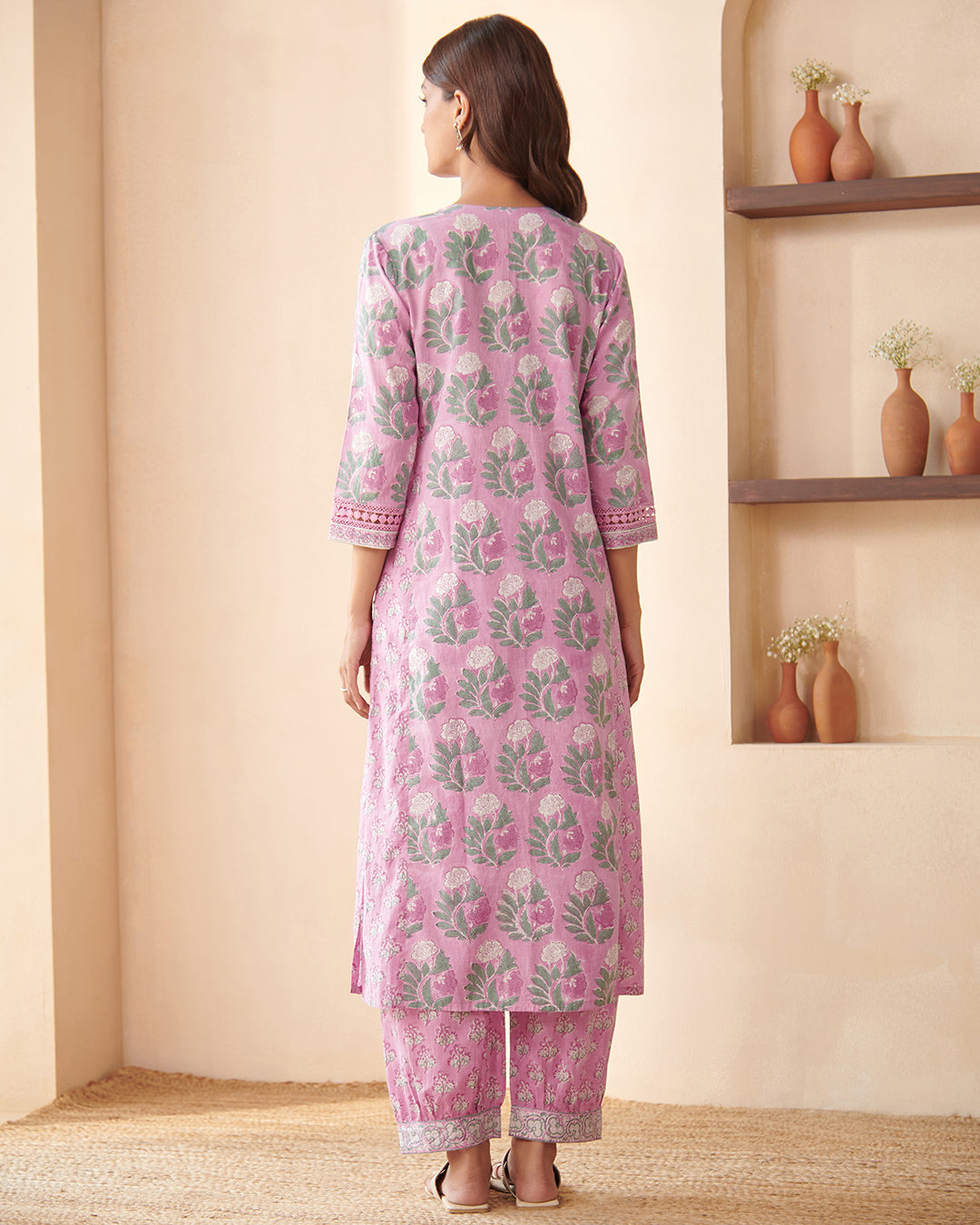
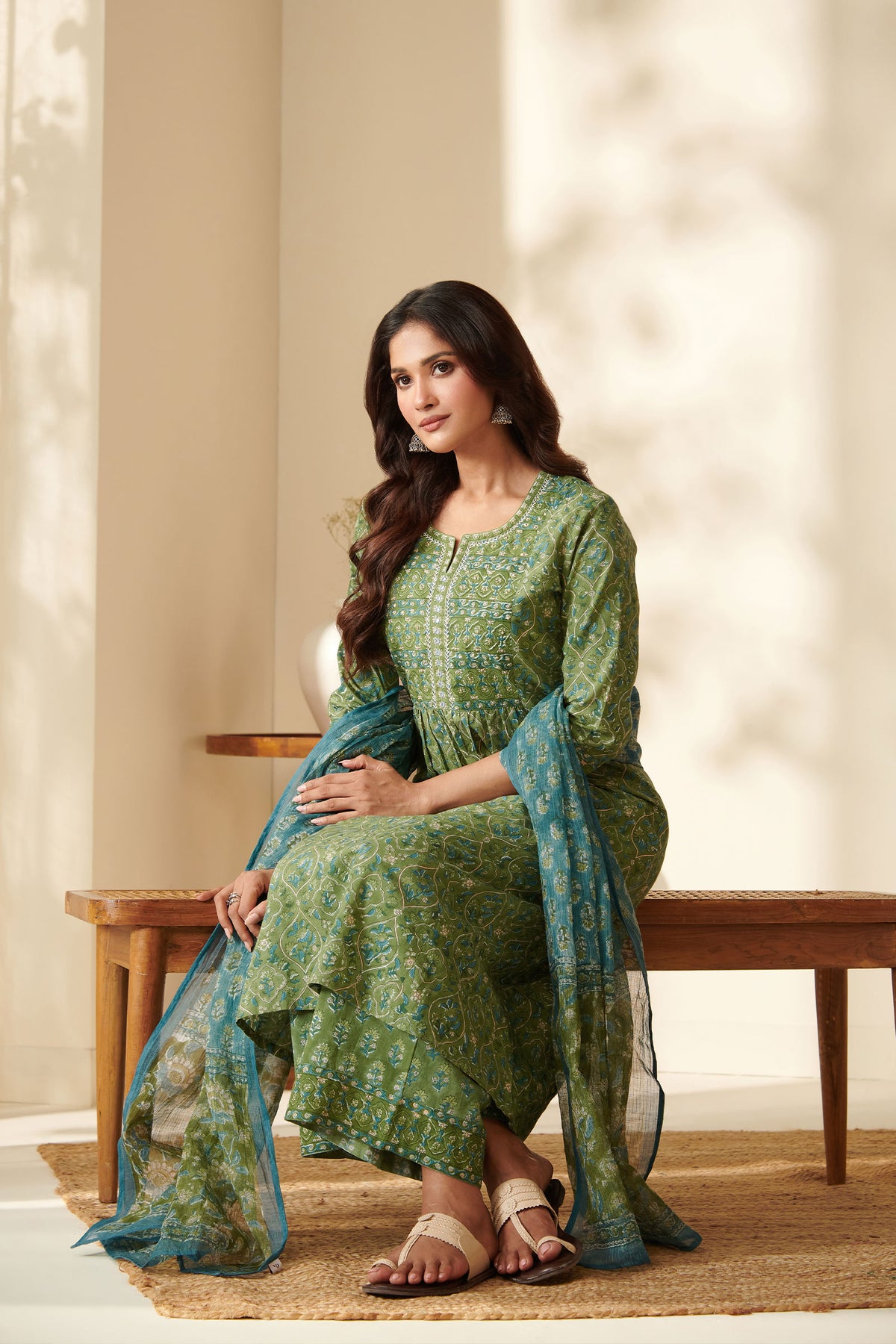
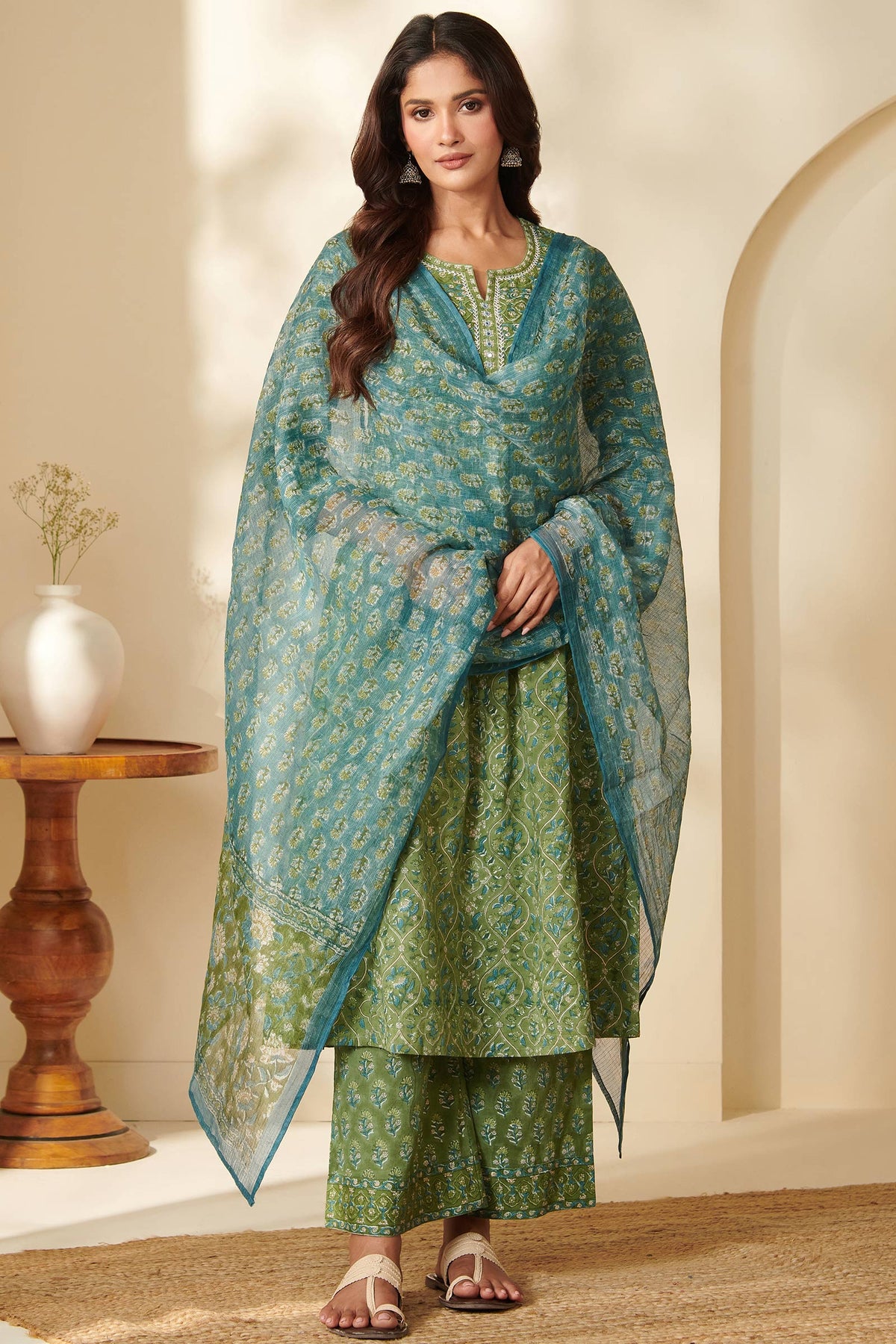
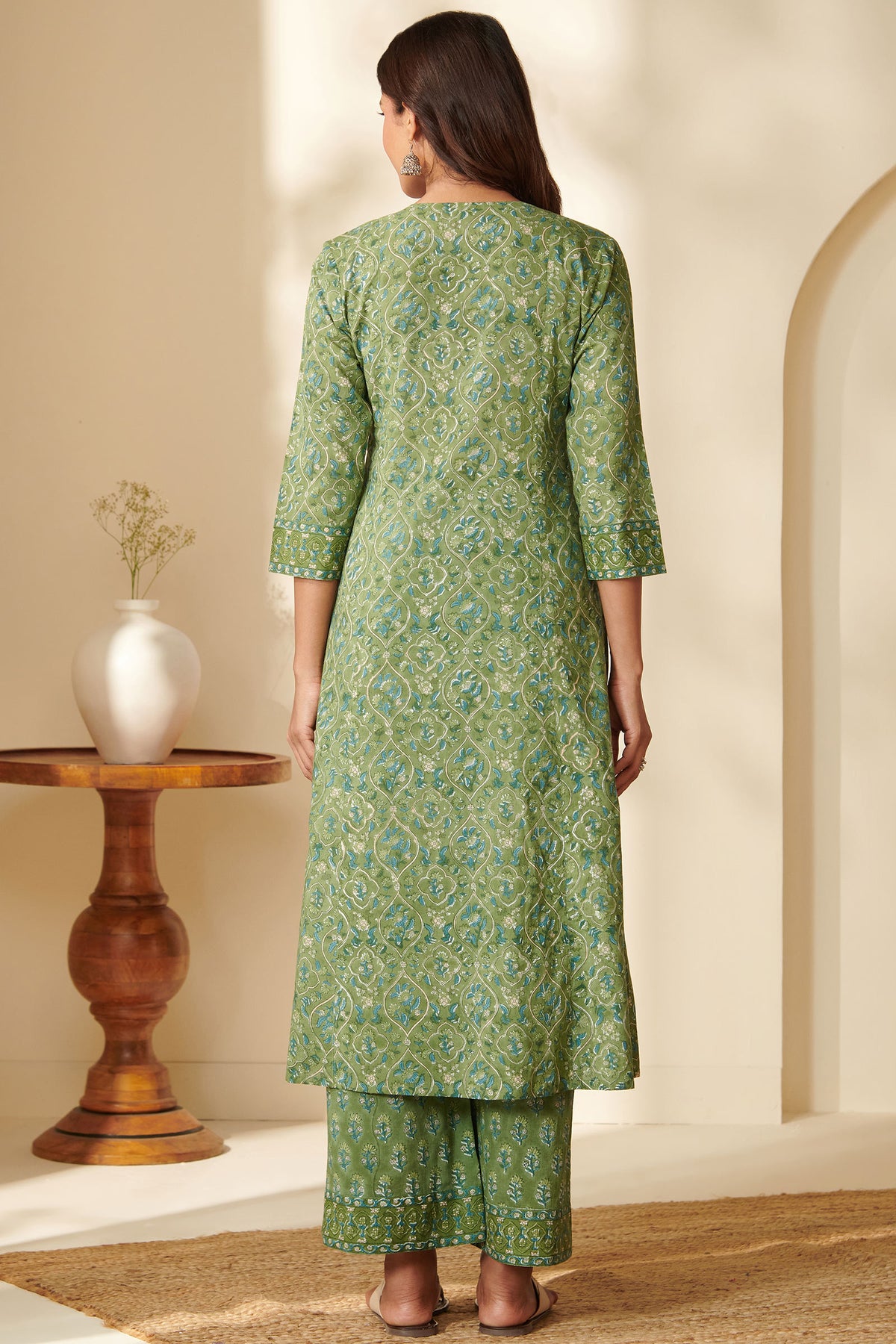
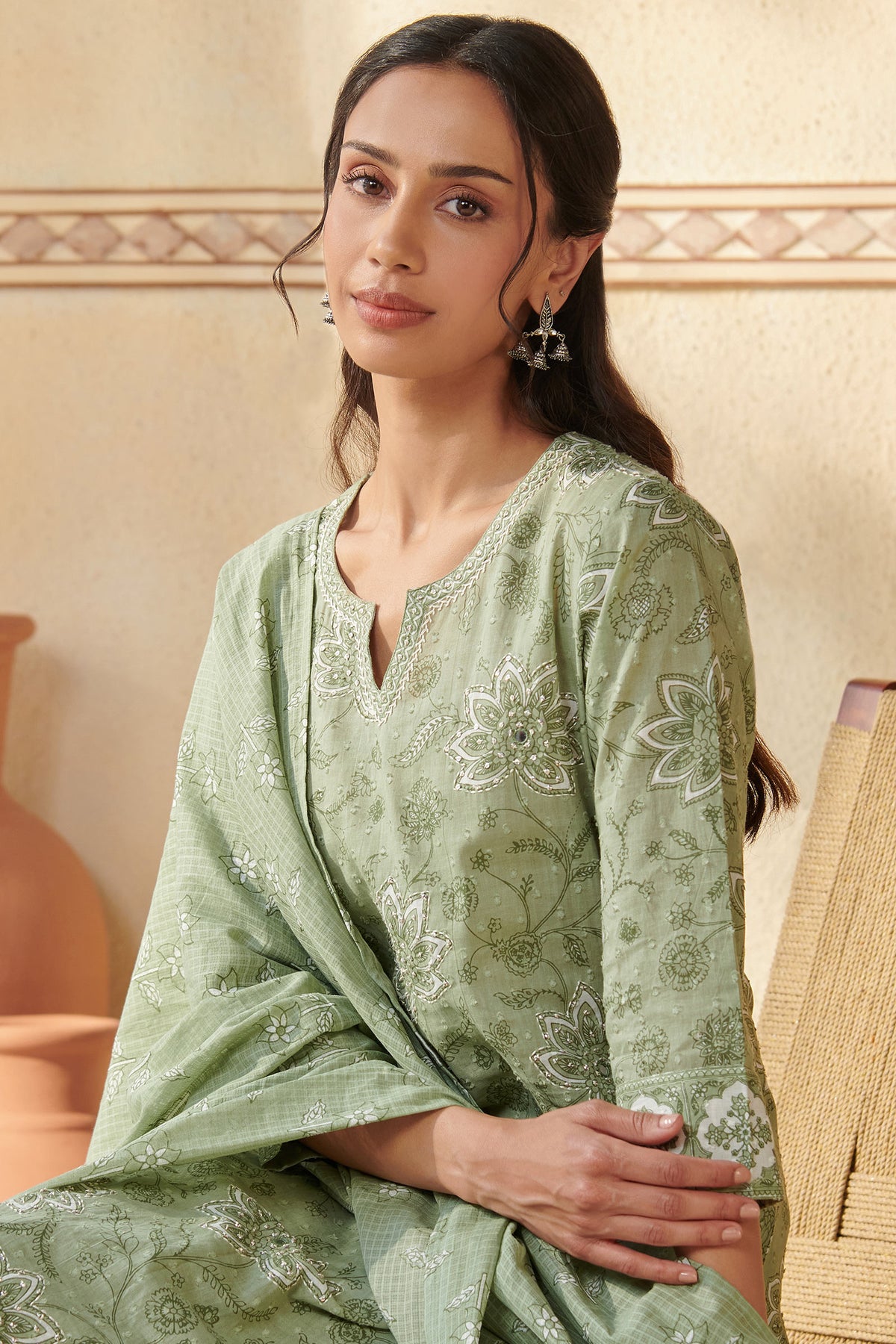
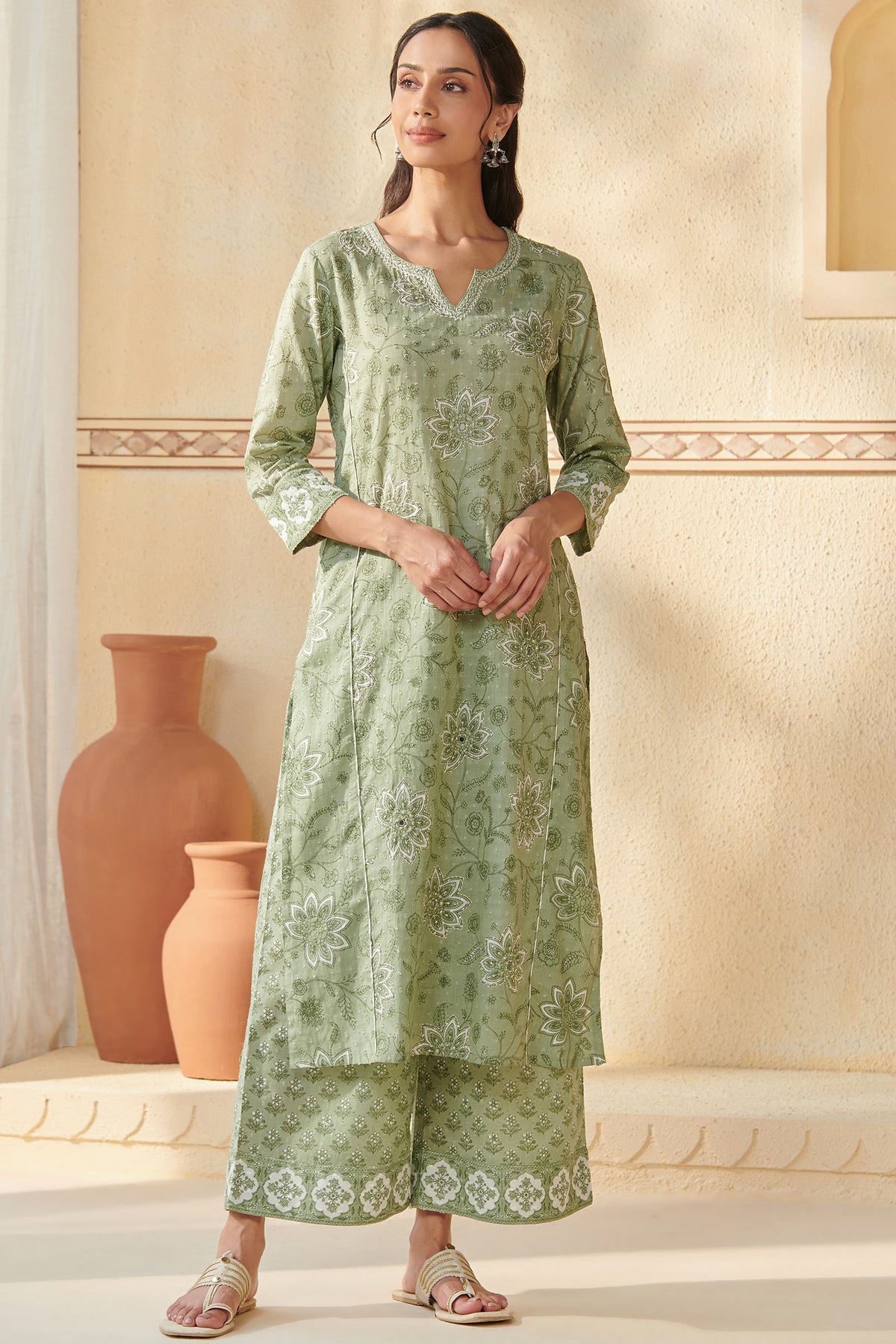
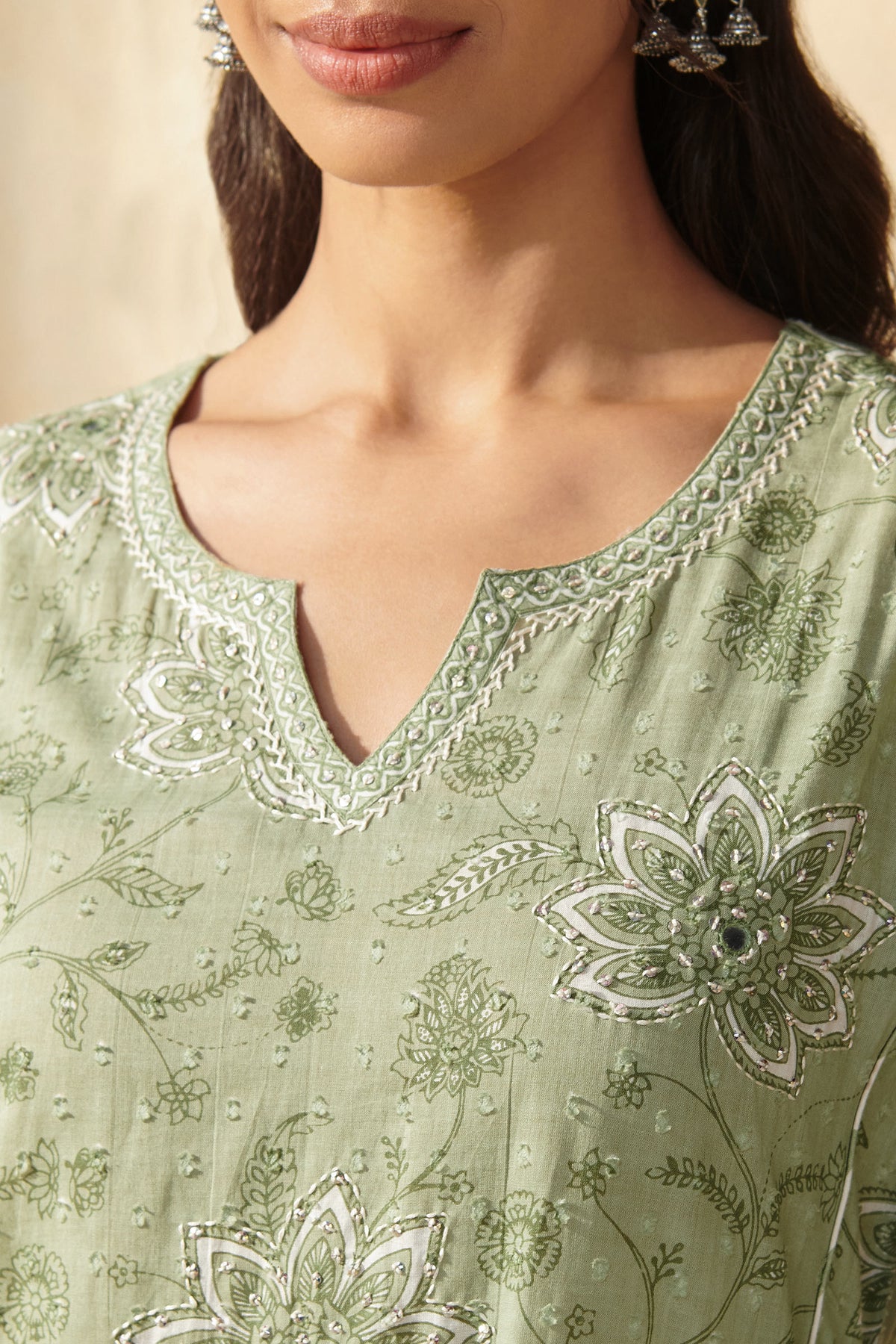
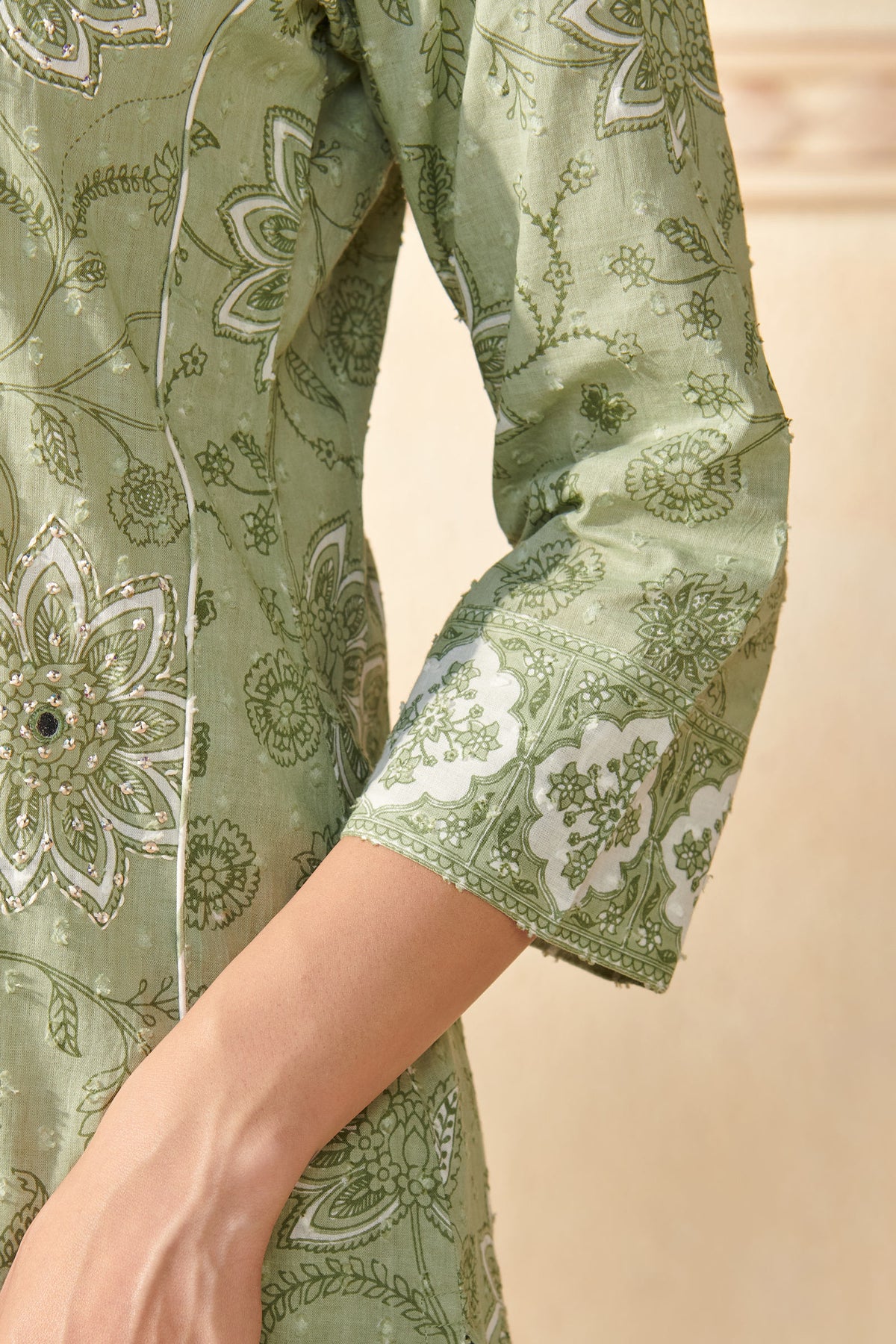
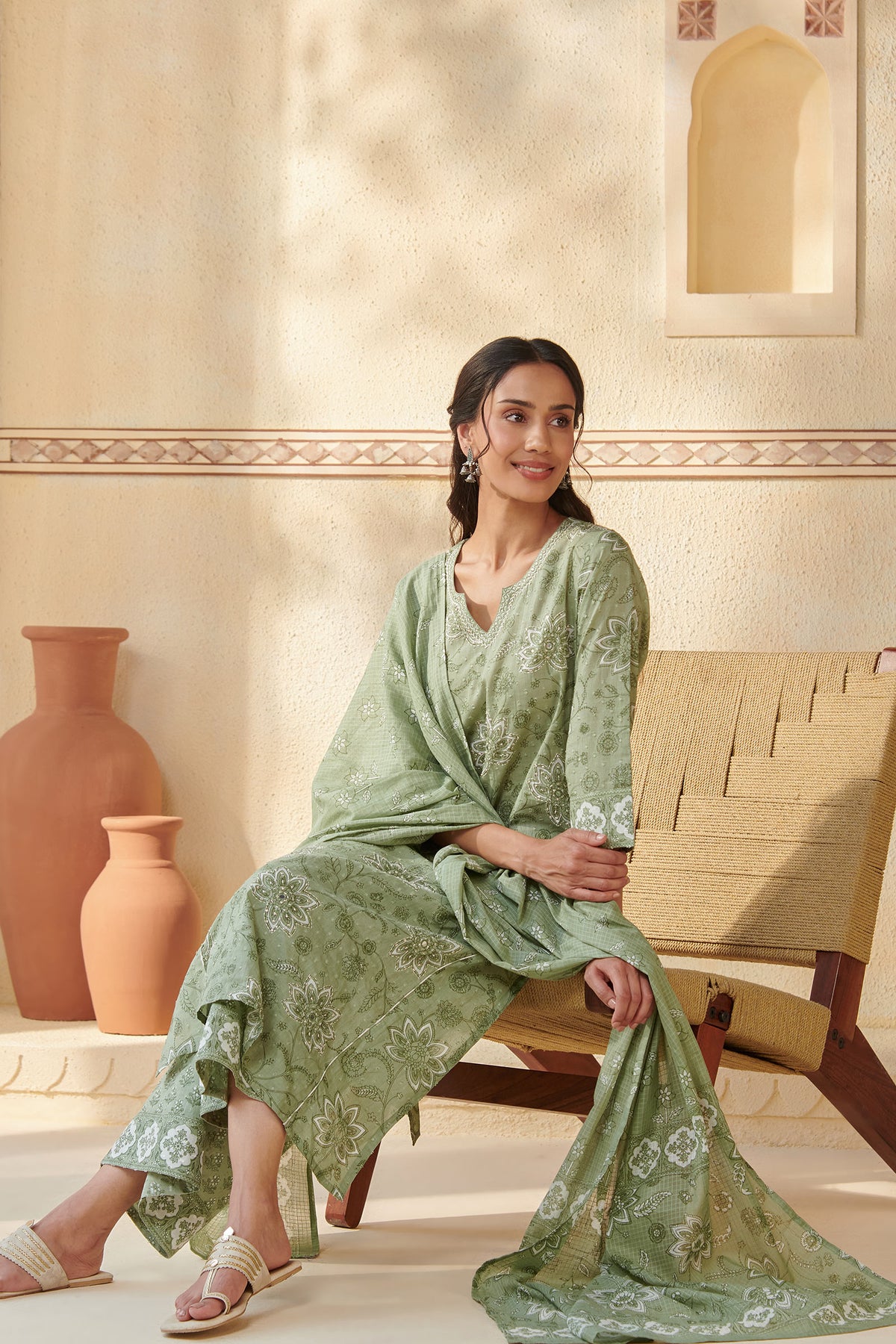
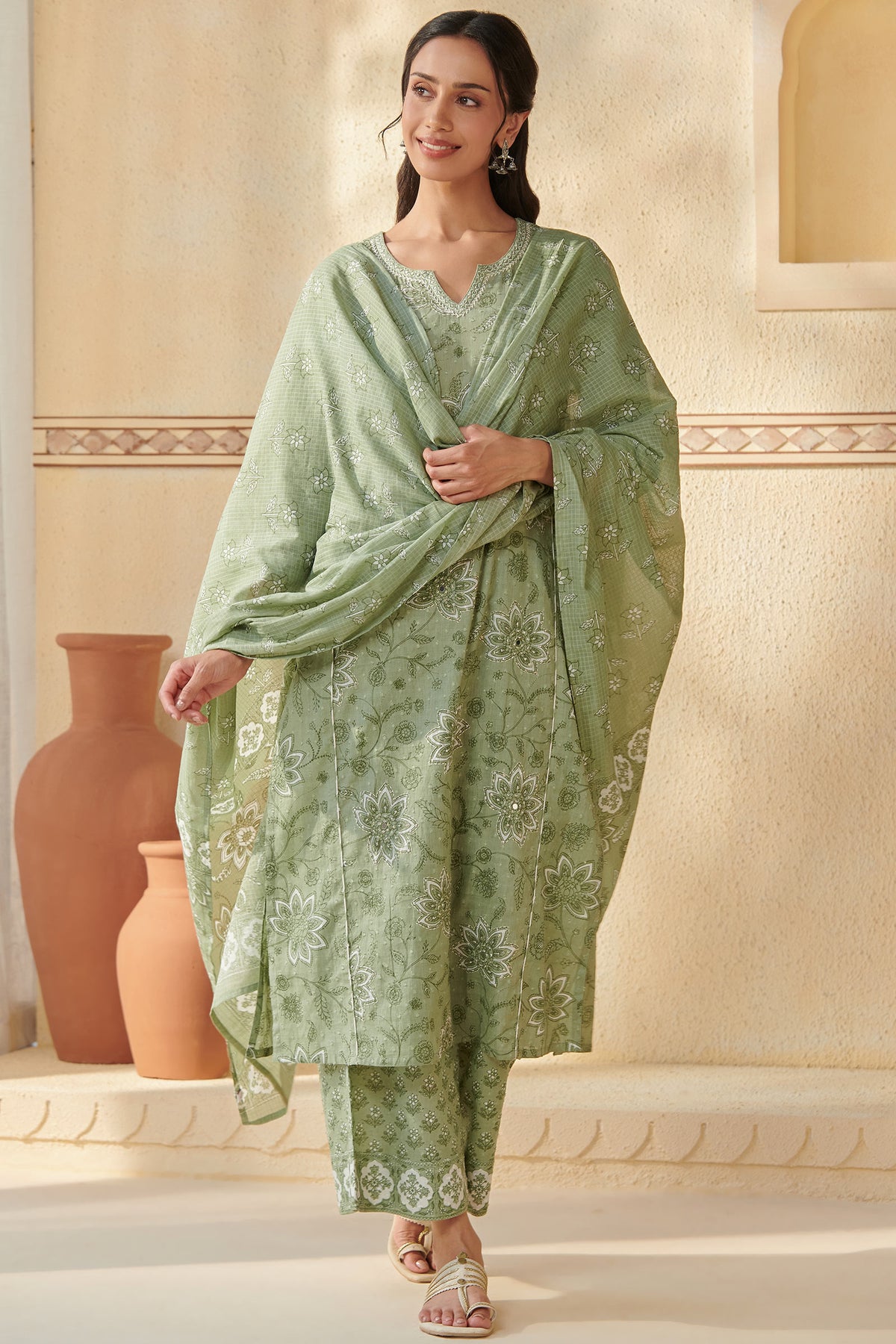
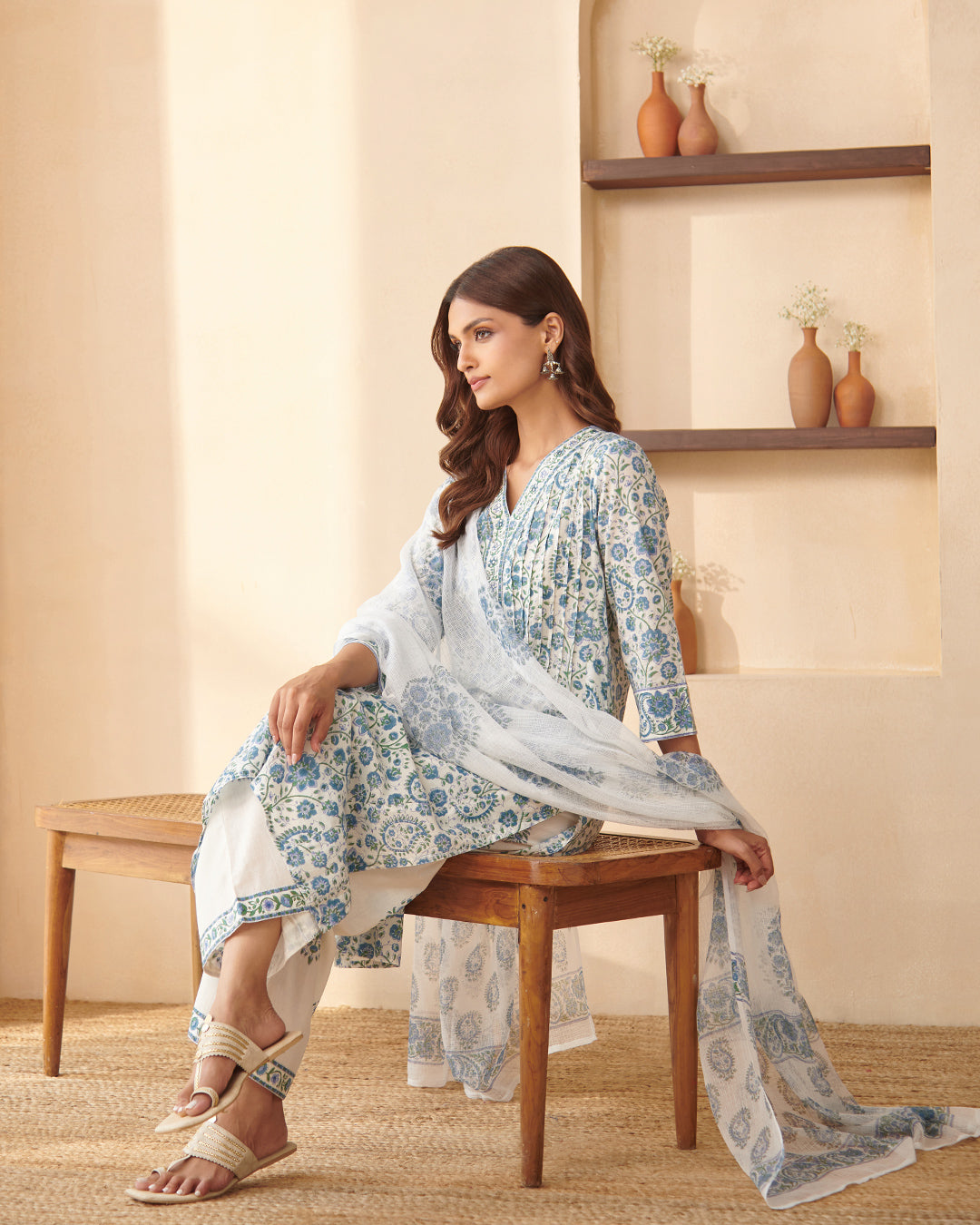
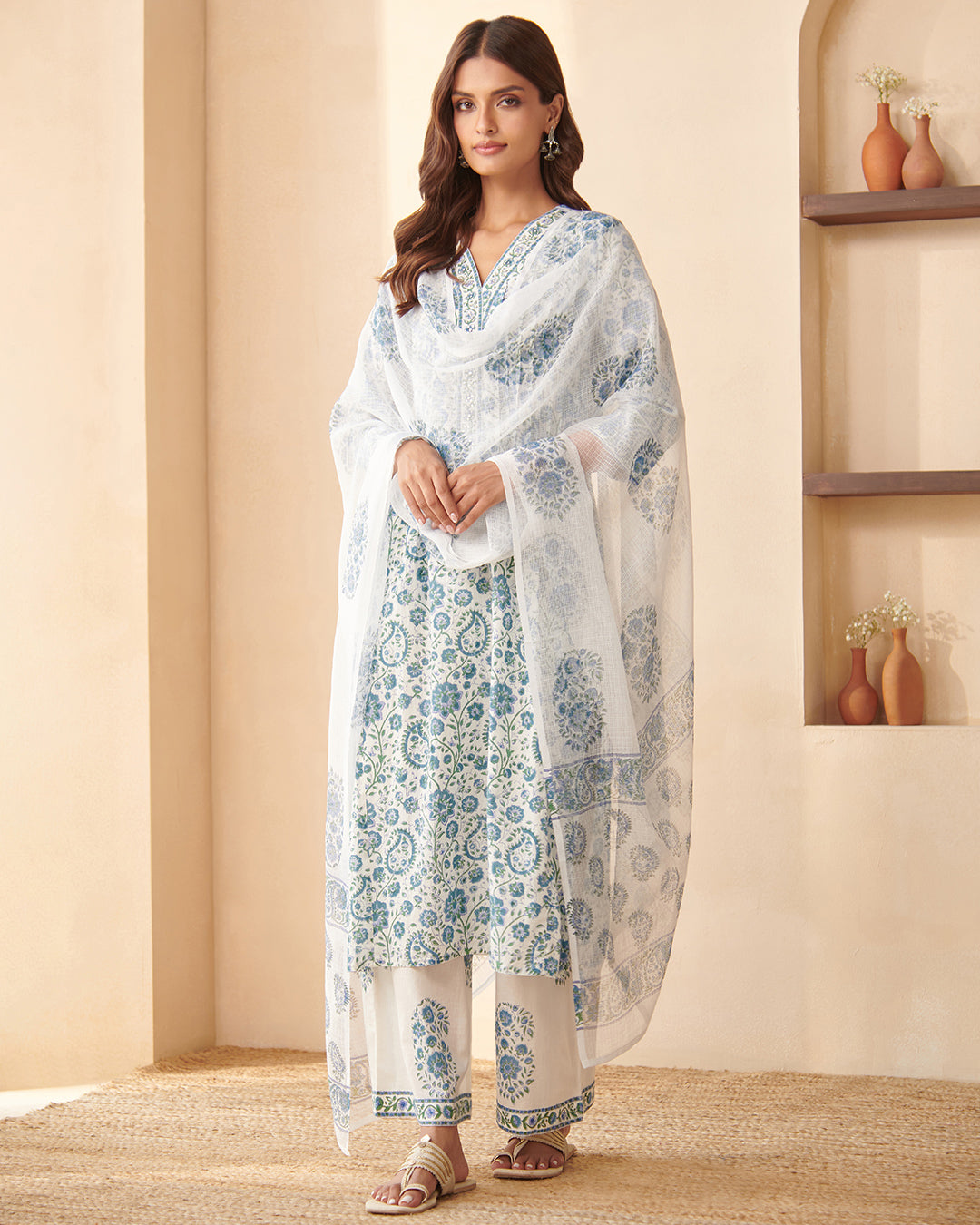
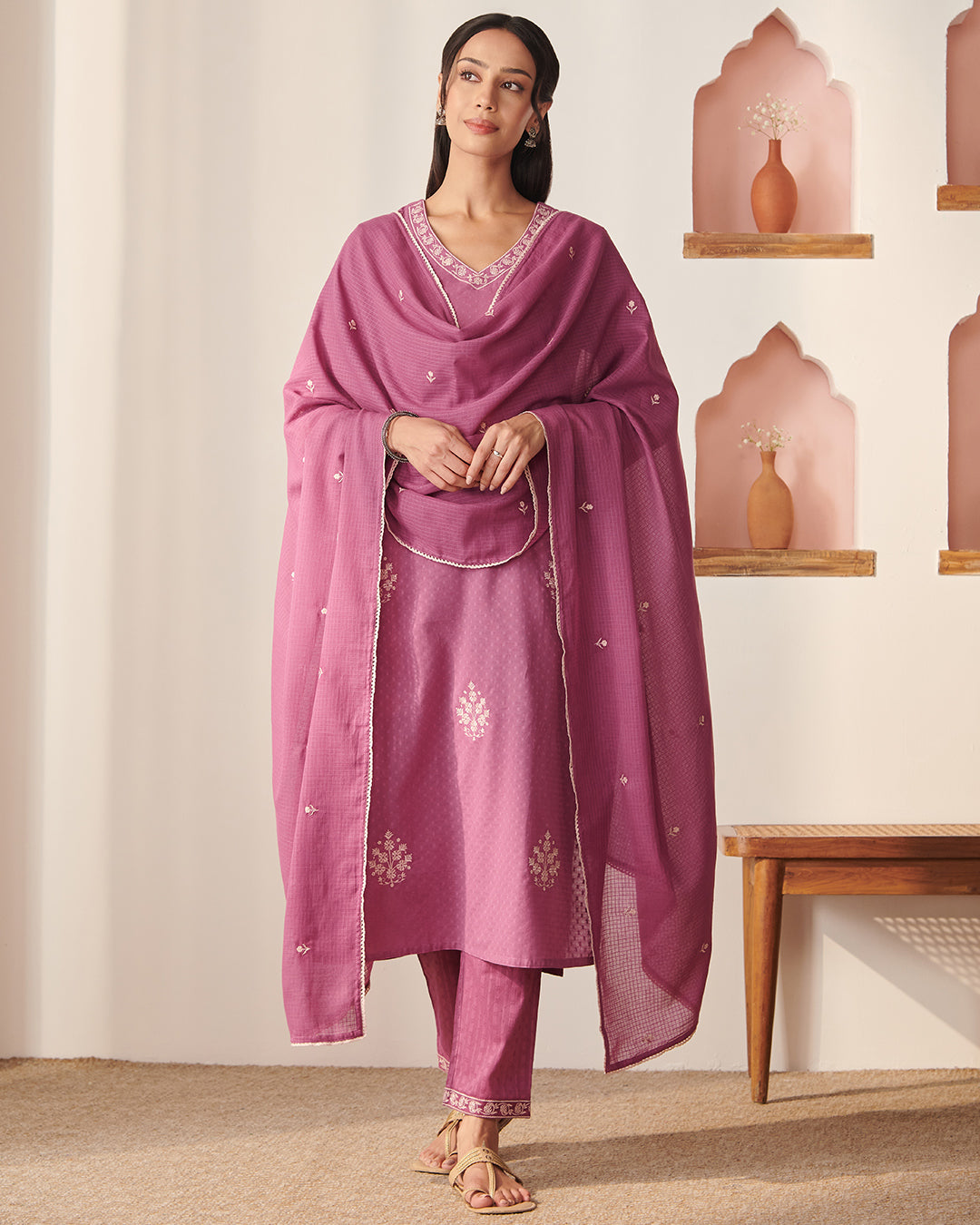
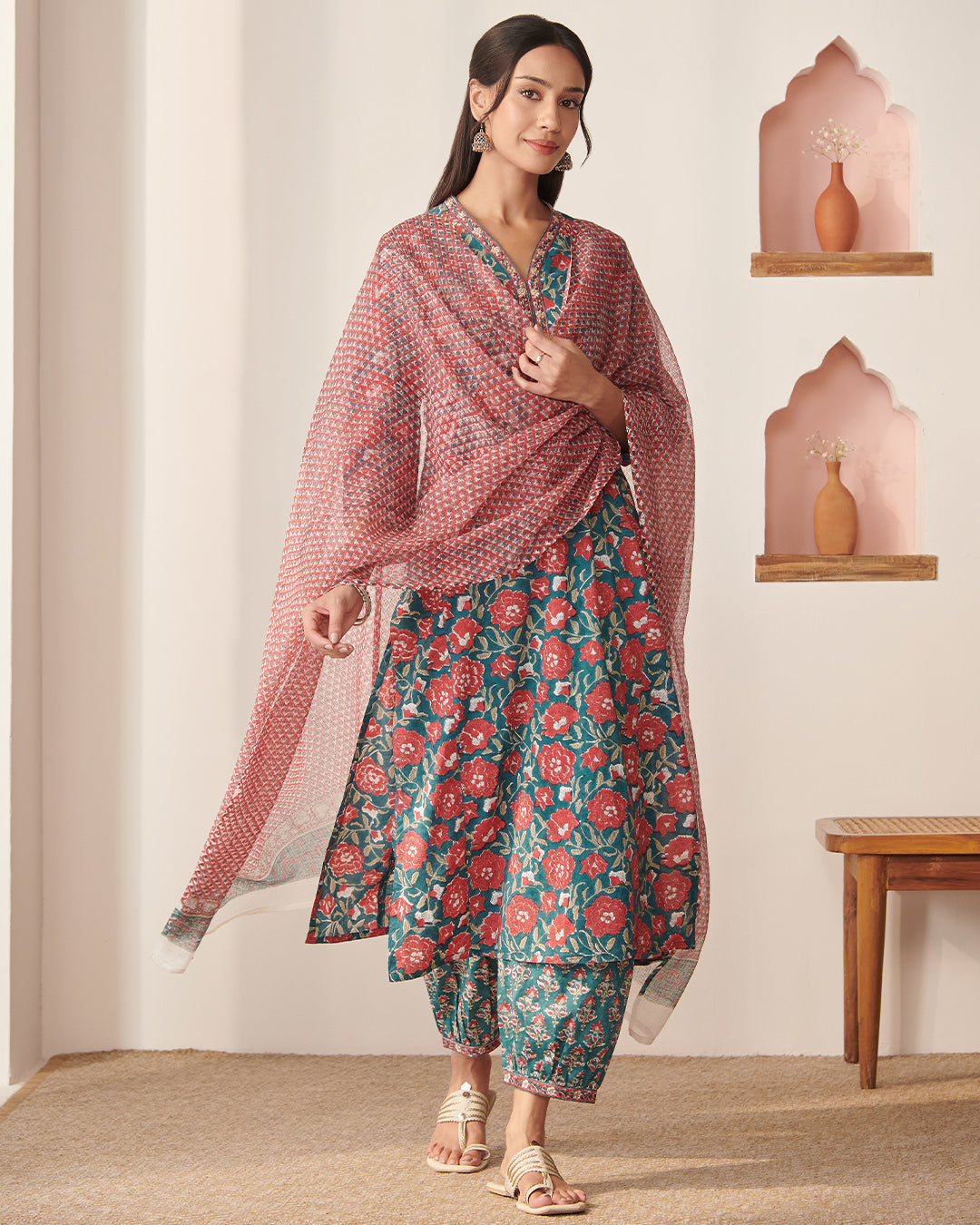
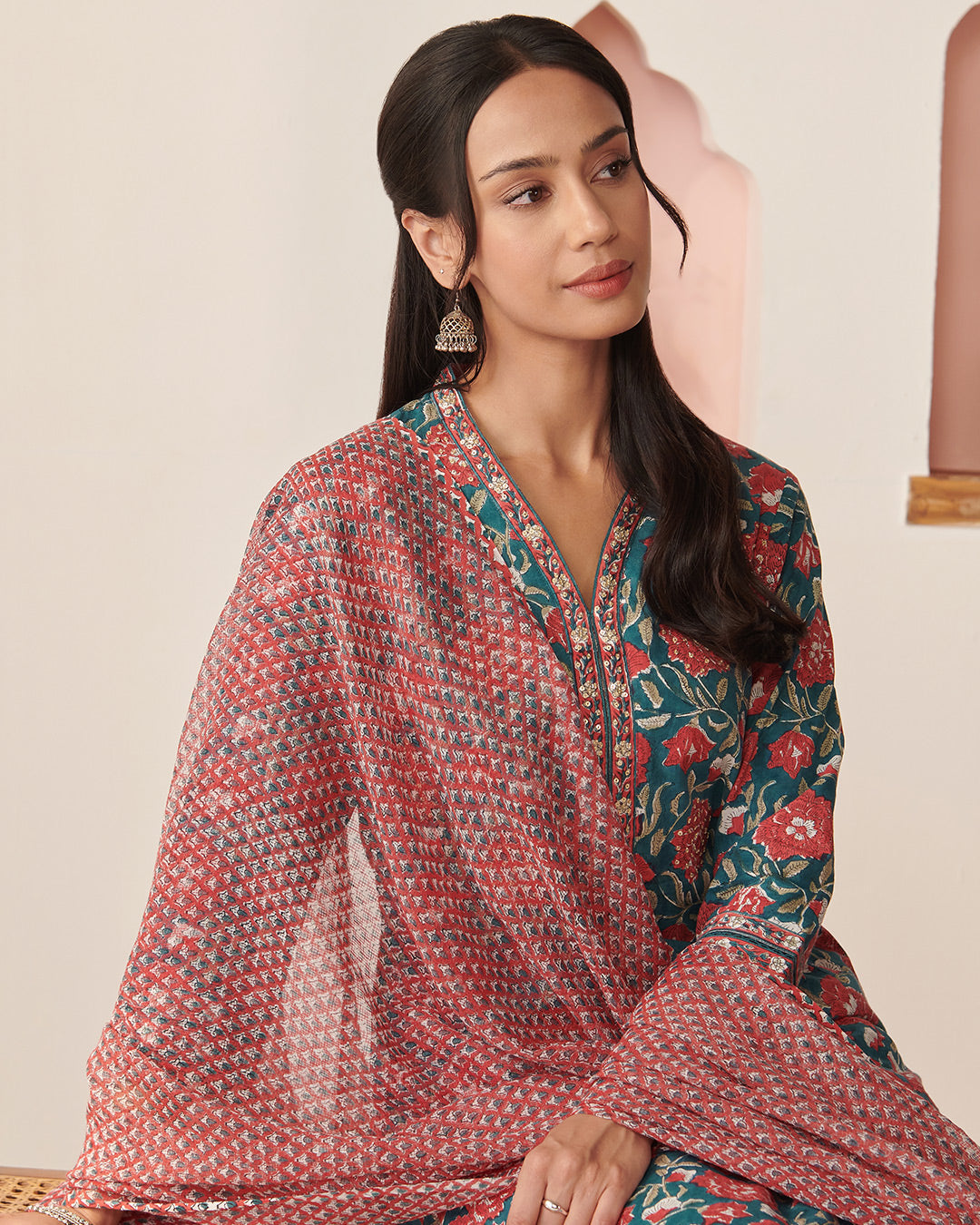
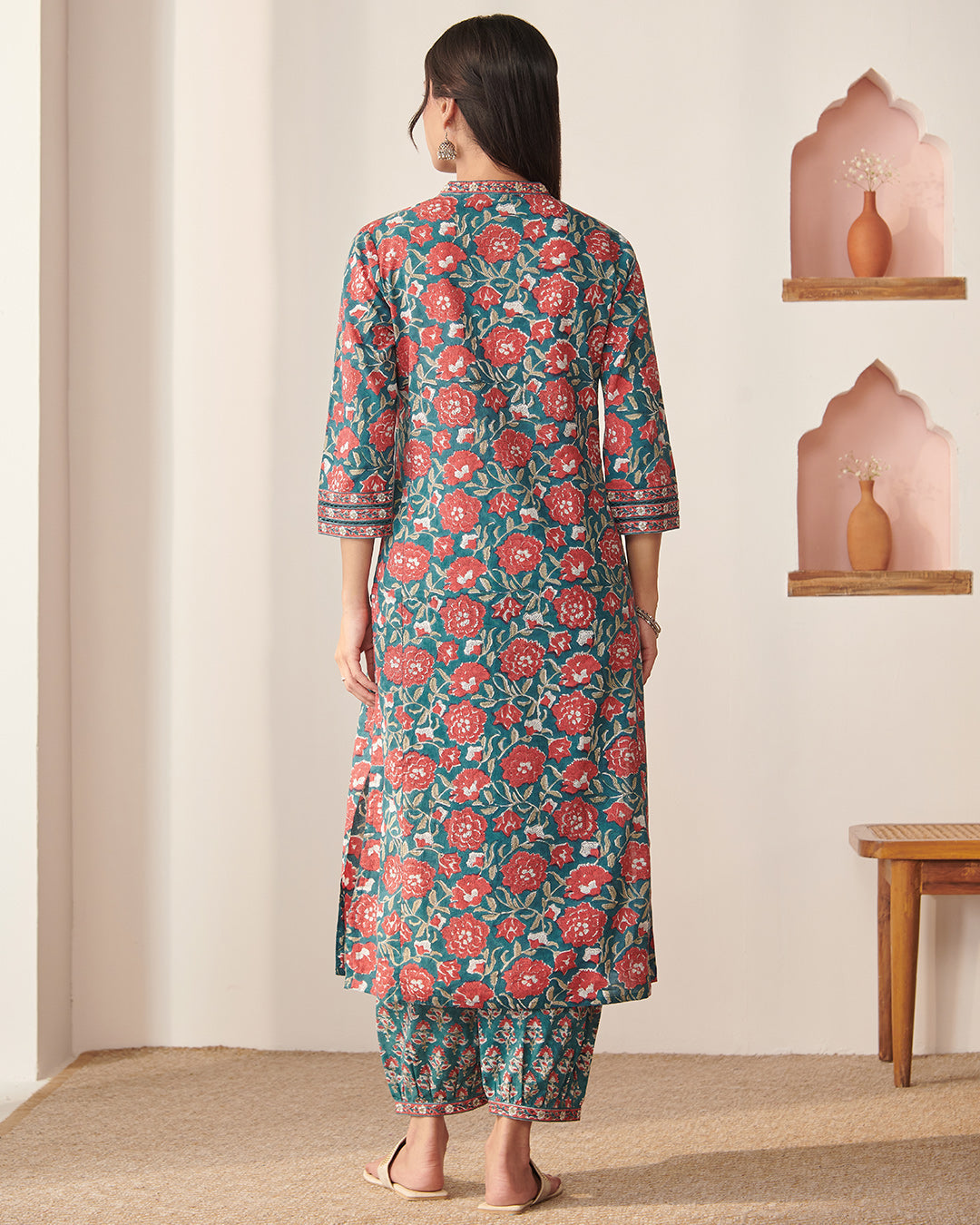
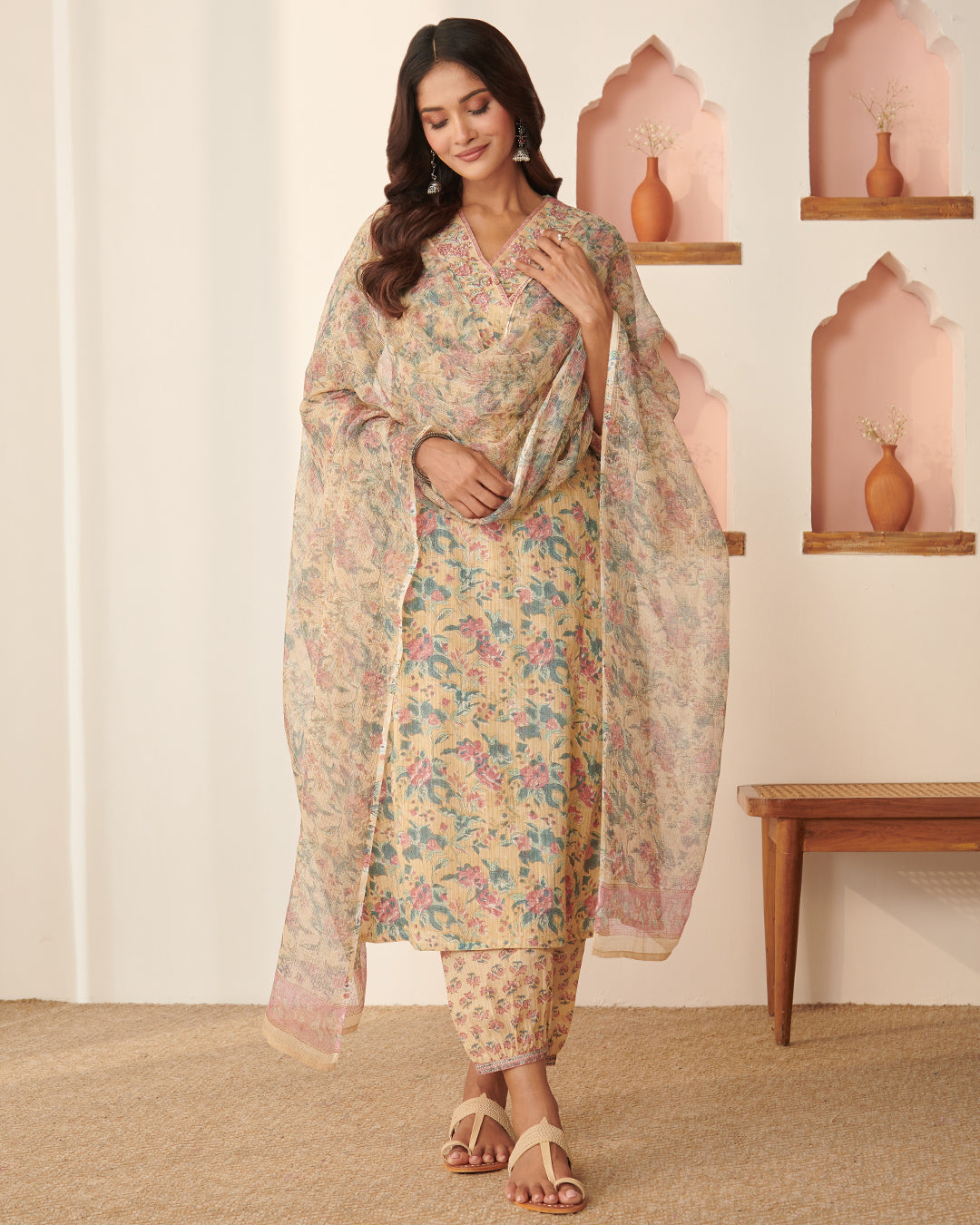
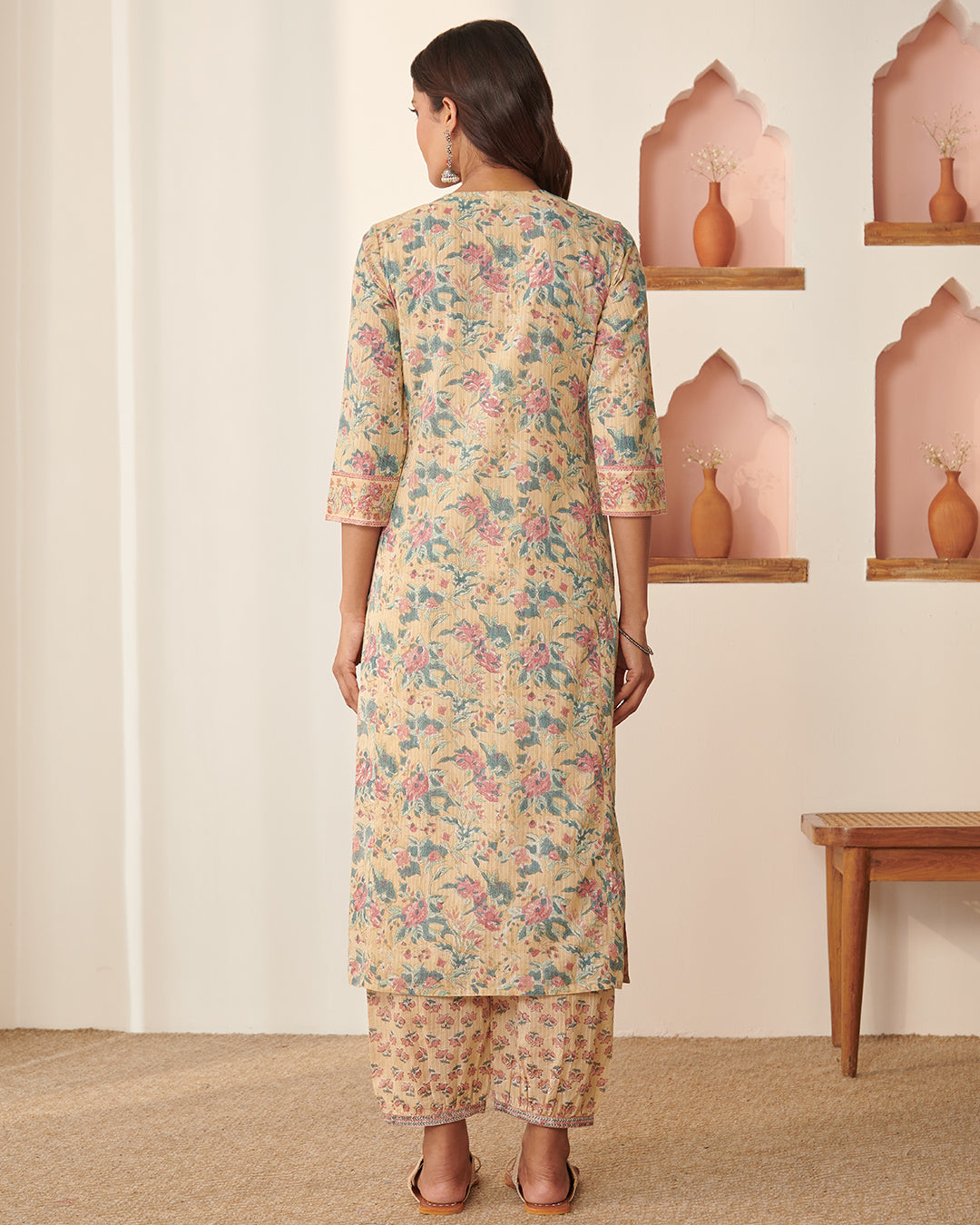
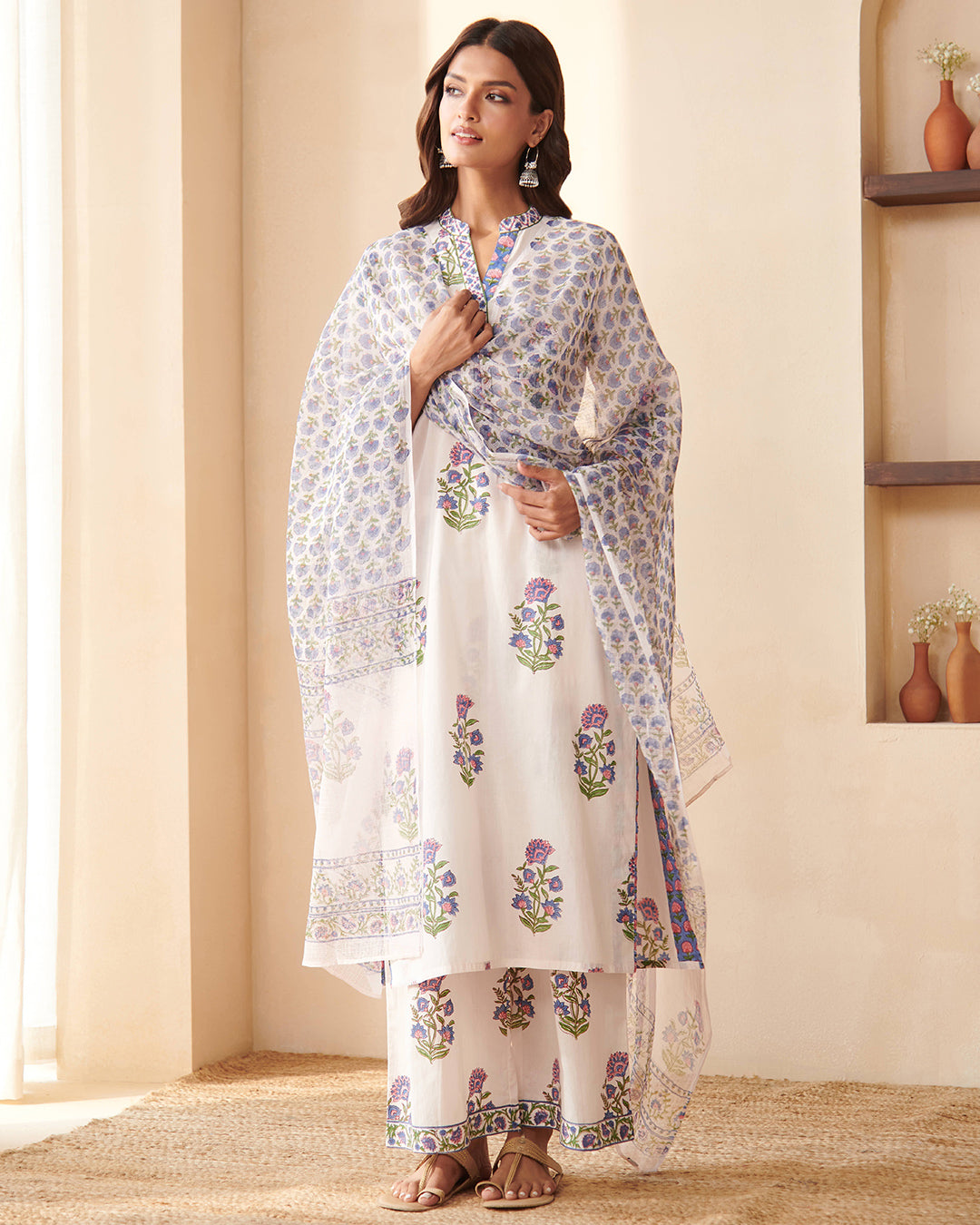
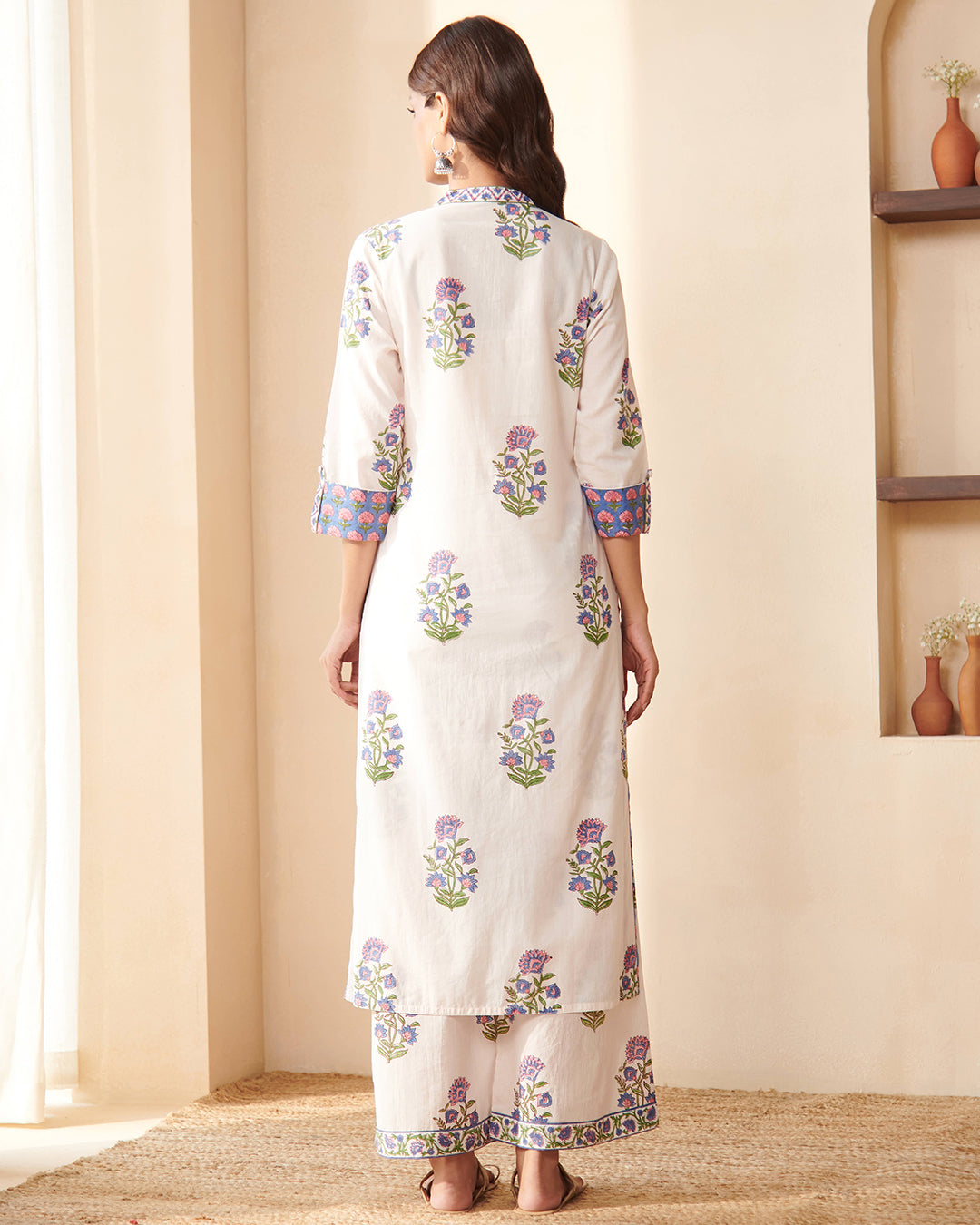
A block printed kurta can move comfortably from everyday wear to intimate celebrations. A handcrafted dupatta adds depth without overwhelming an outfit. These fabrics adapt naturally because their appeal has never depended on changing trends.
Conclusion
There is a quiet confidence in textiles that have stood the test of time.
Akola print continues to captivate craft lovers because it offers something increasingly rare, authenticity shaped by human hands. Every carved block, every layer of resist printing, and every naturally dyed surface reflects patience, skill, and generations of shared knowledge.
As fashions evolve, handcrafted traditions like Akola hand print continue to remind us that true beauty is rarely rushed. It lives in the details, the process, and the people who keep these stories alive through cloth.
Because some prints are more than patterns. They are stories waiting to be worn.

