

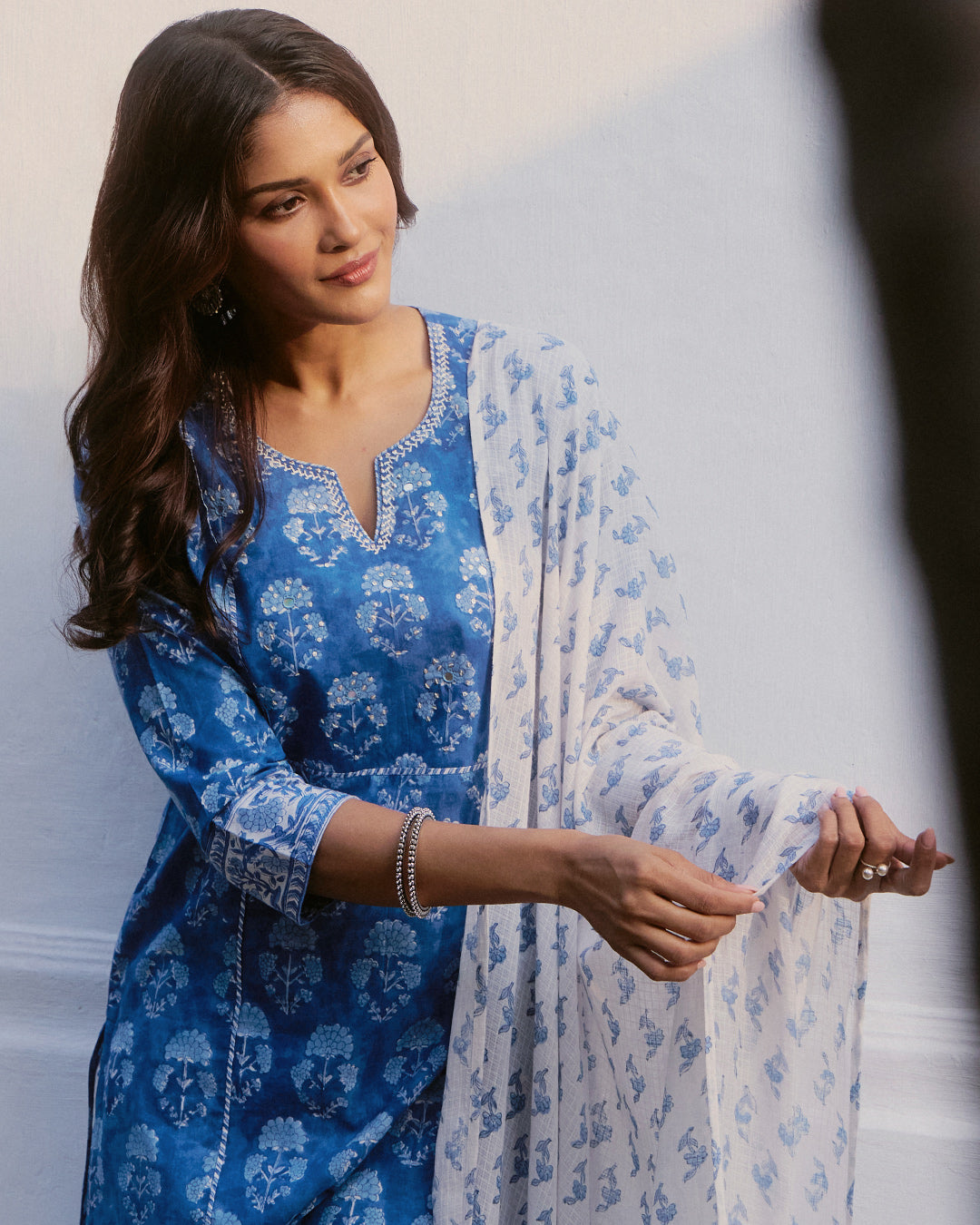
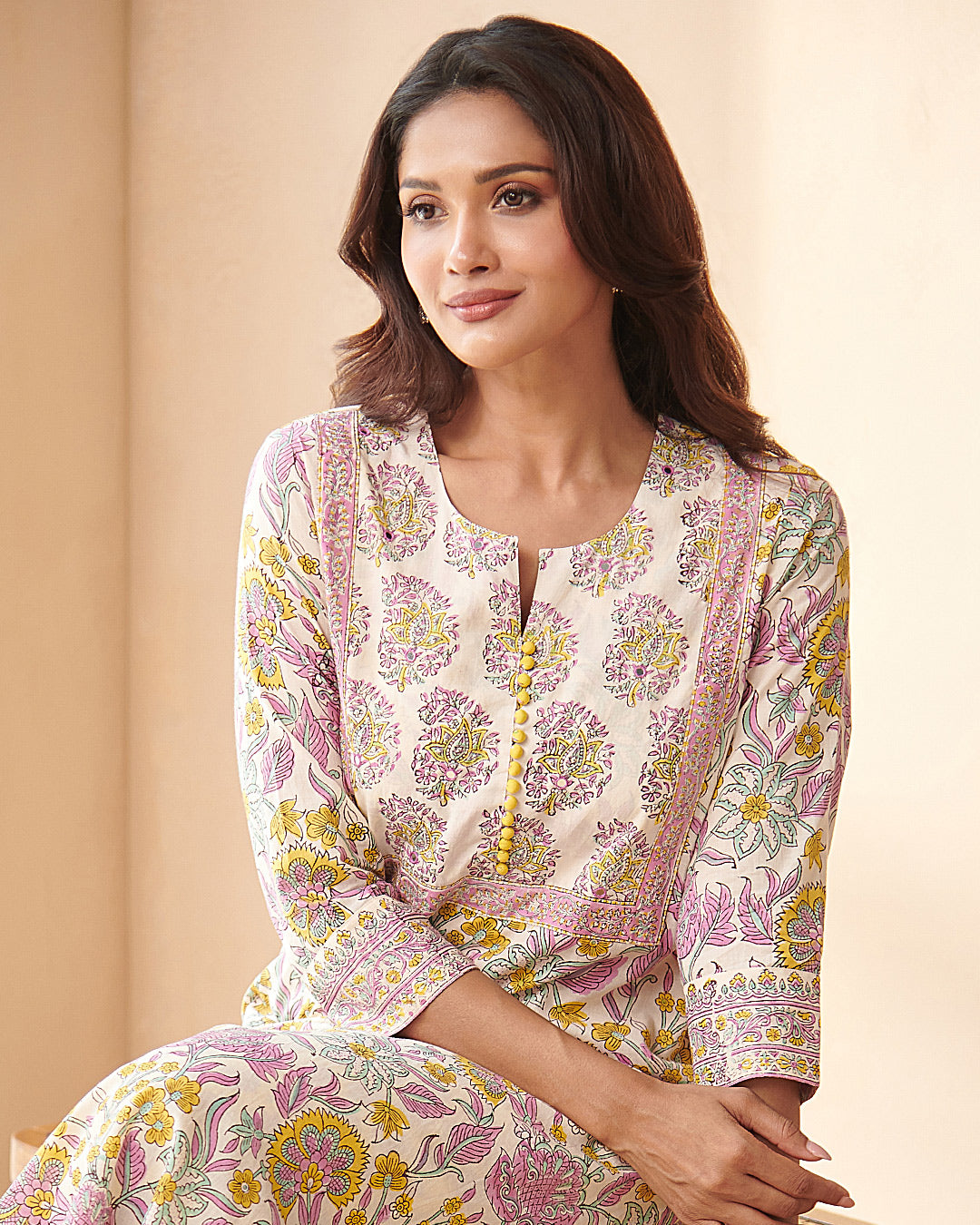



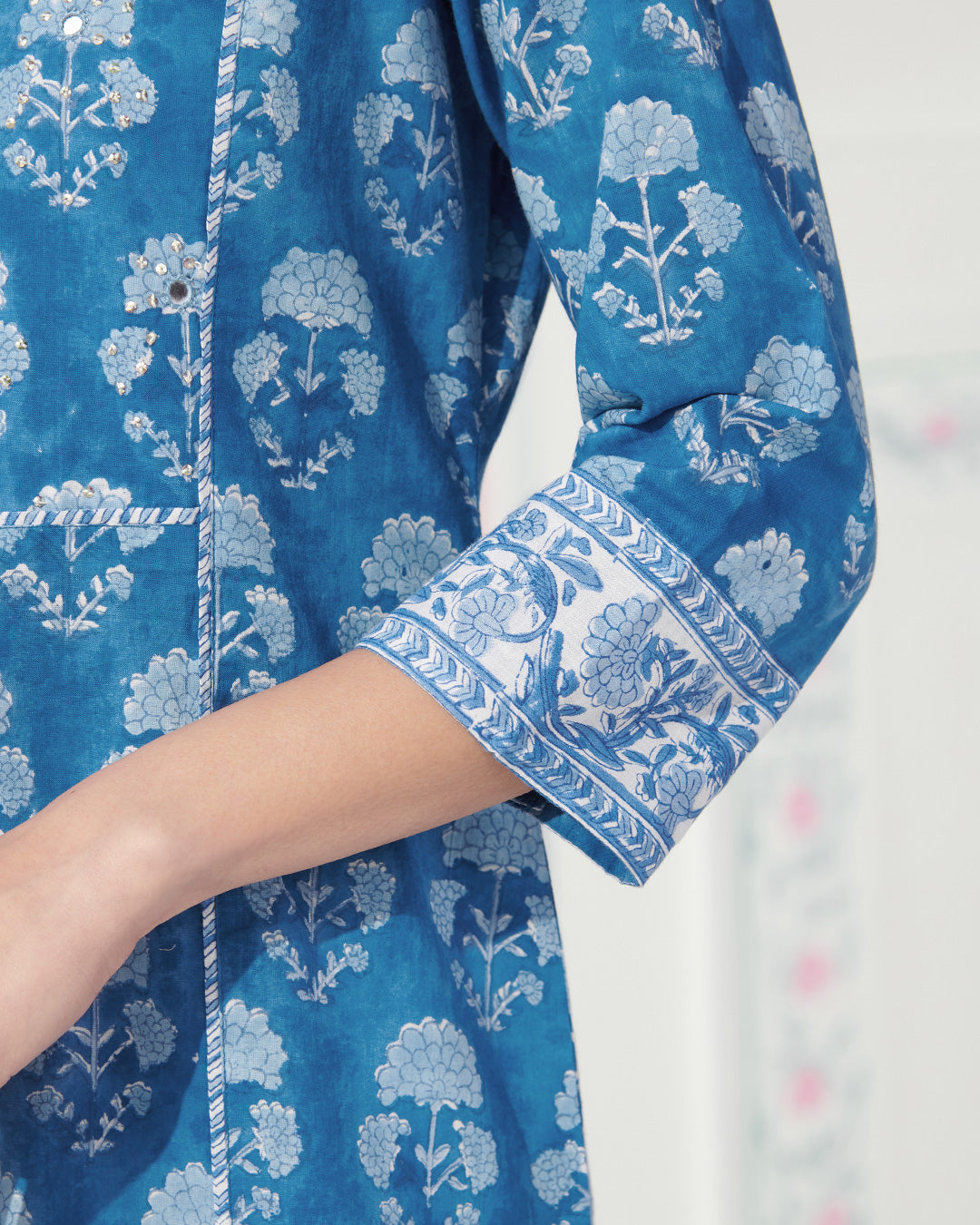
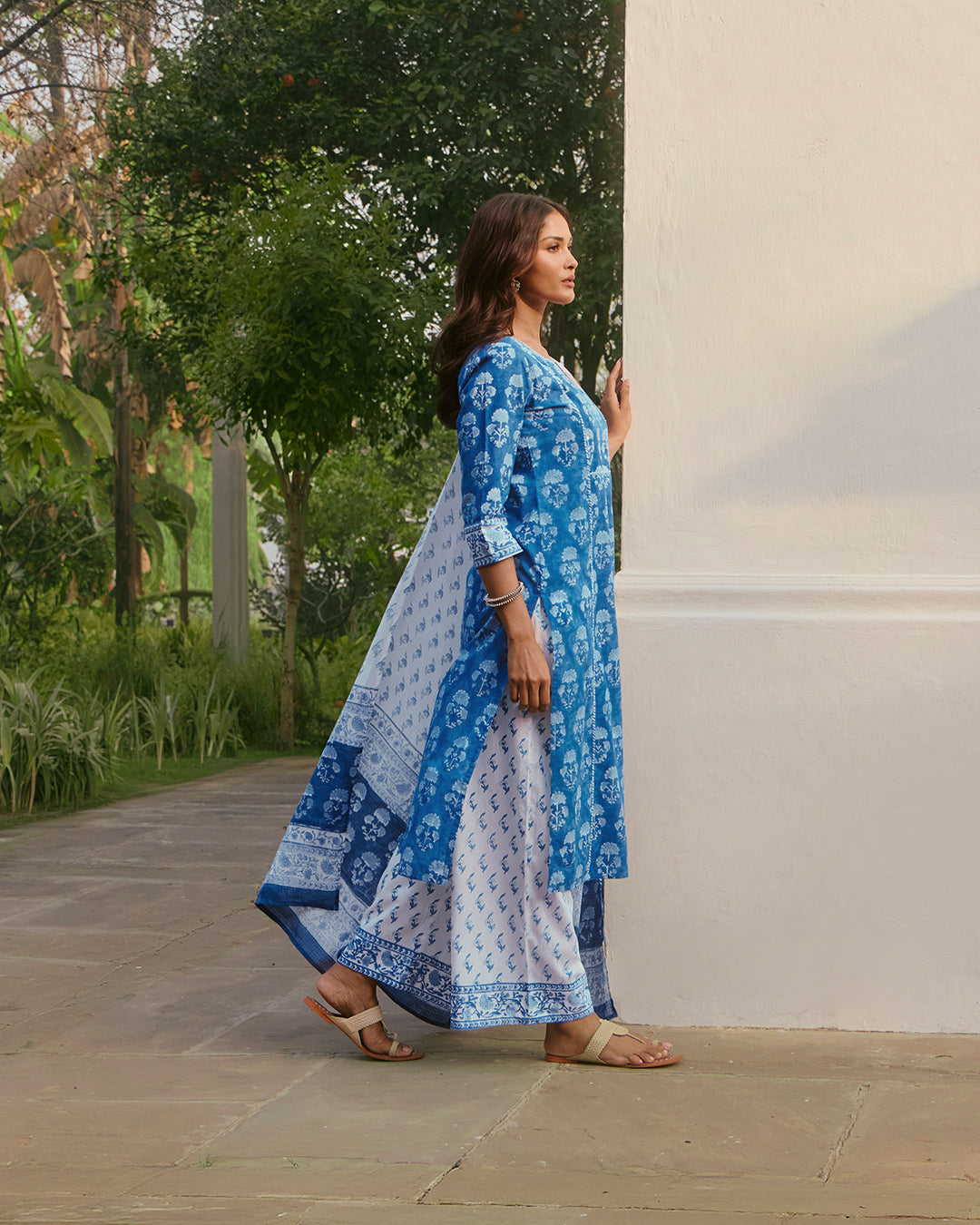
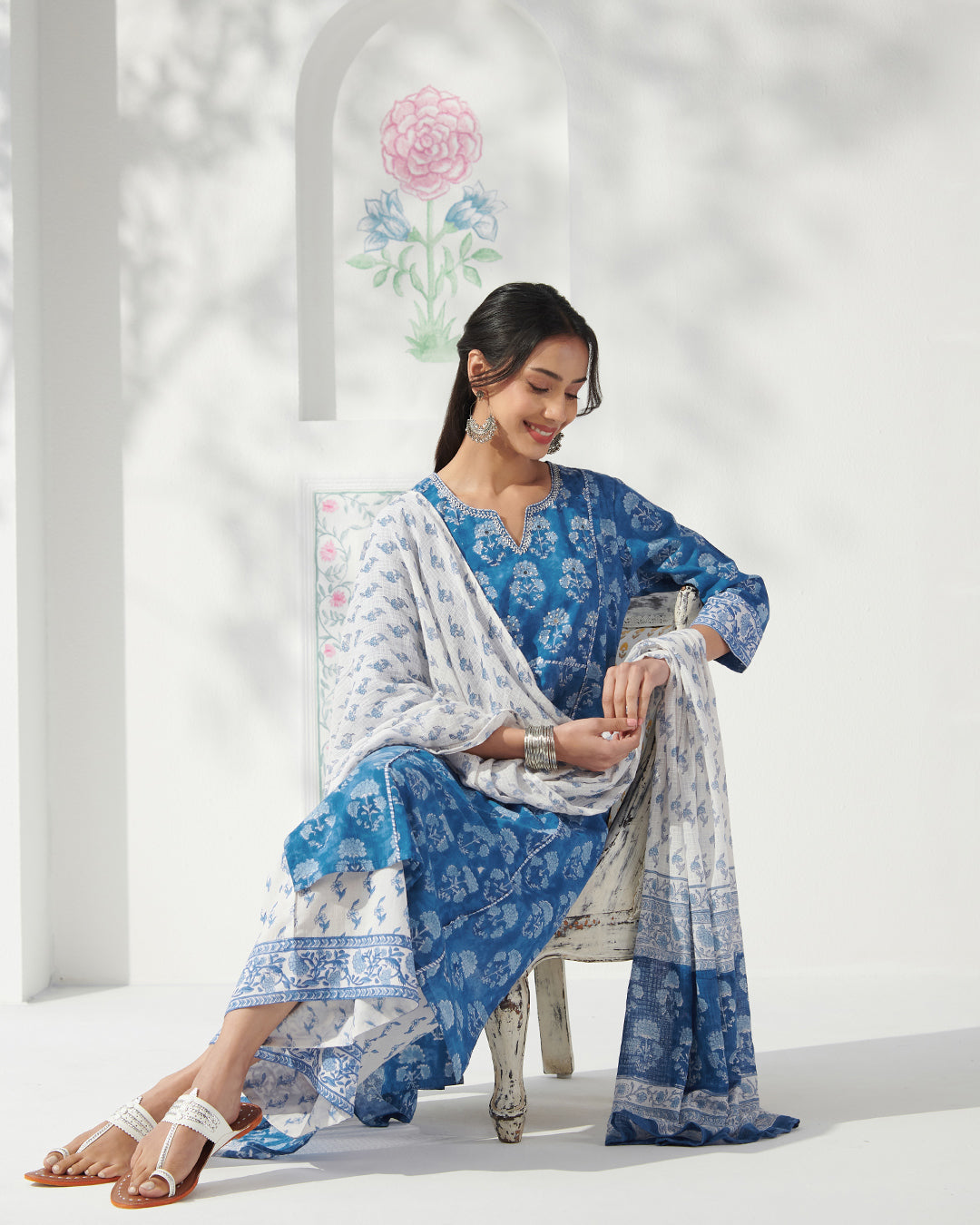
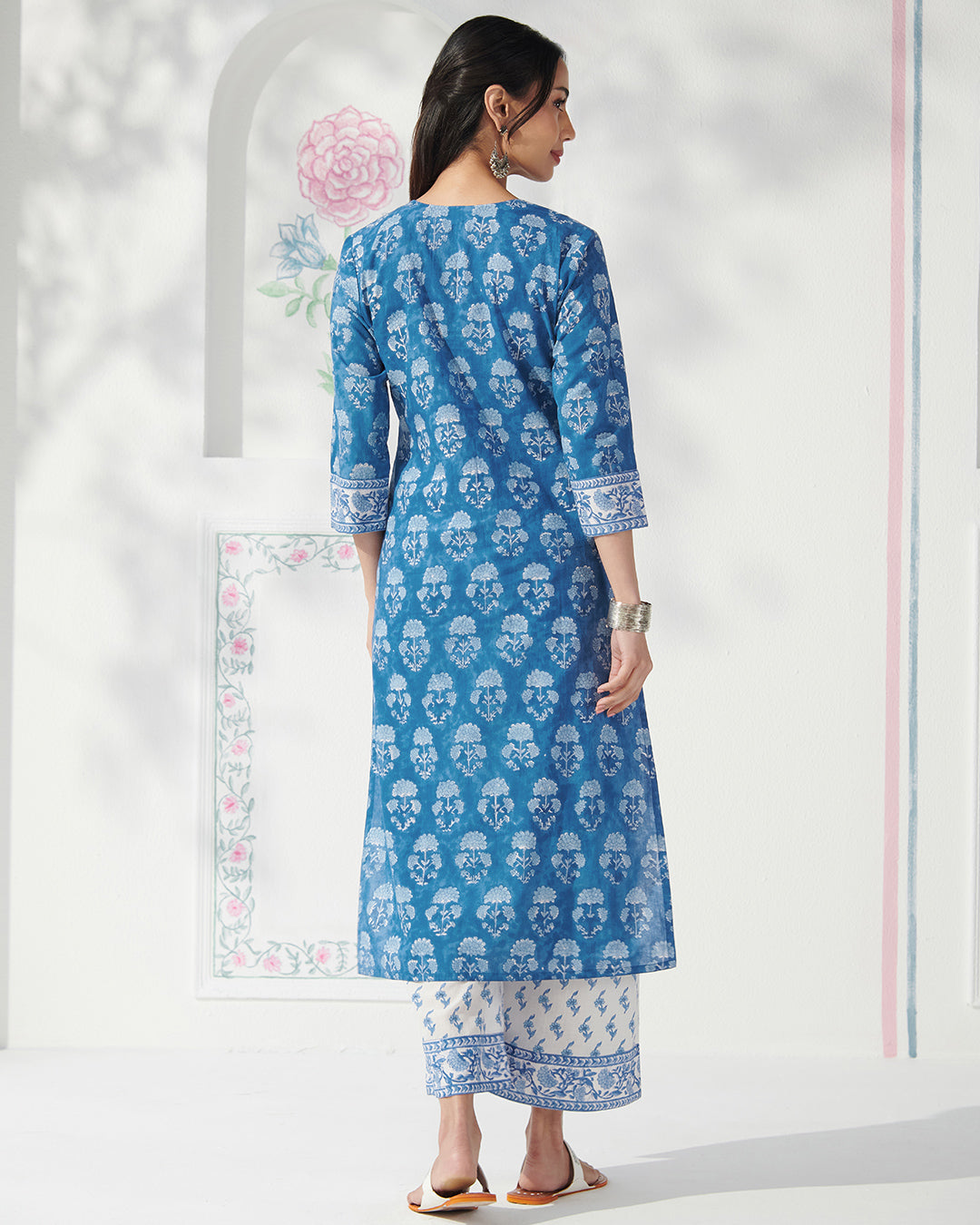
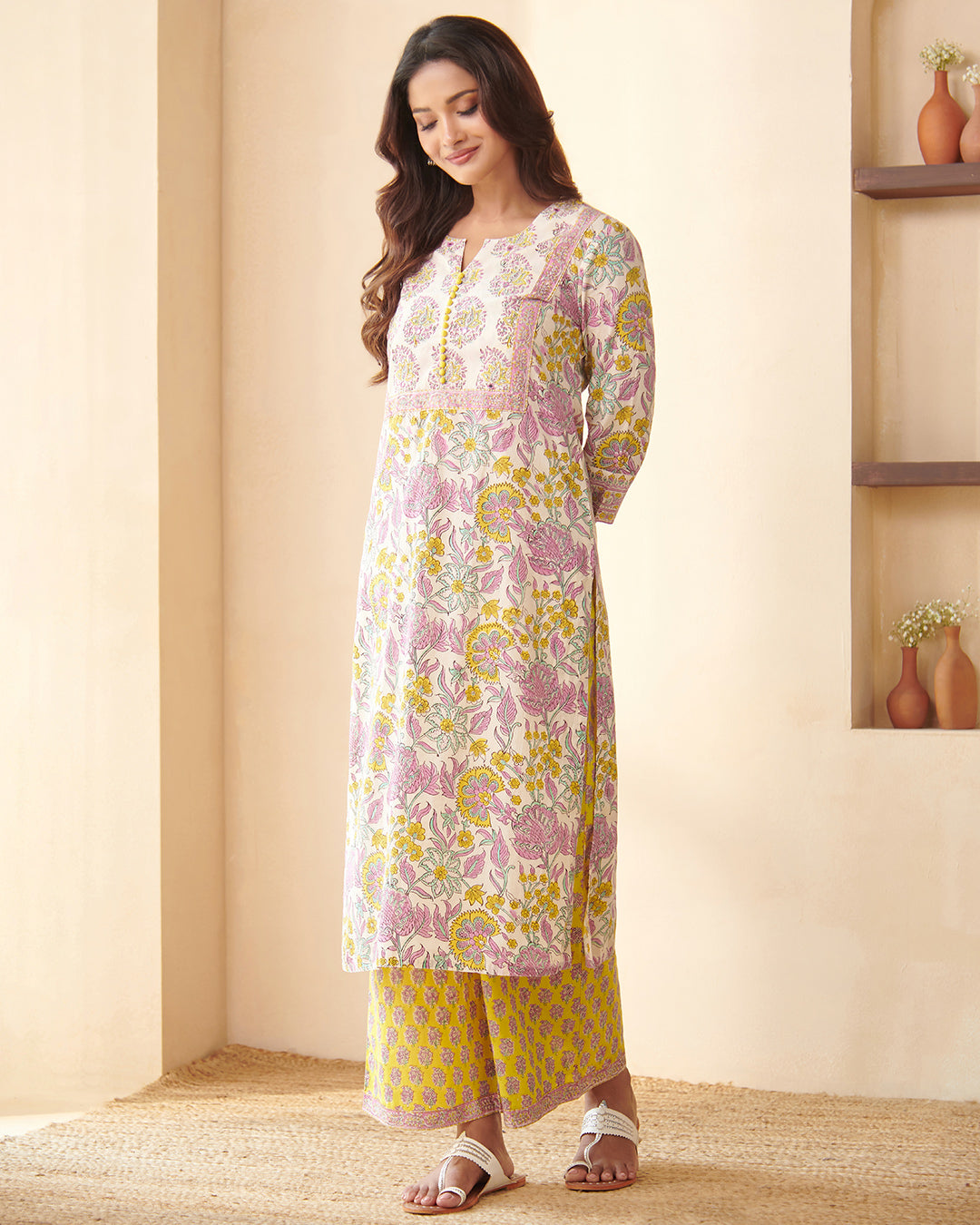
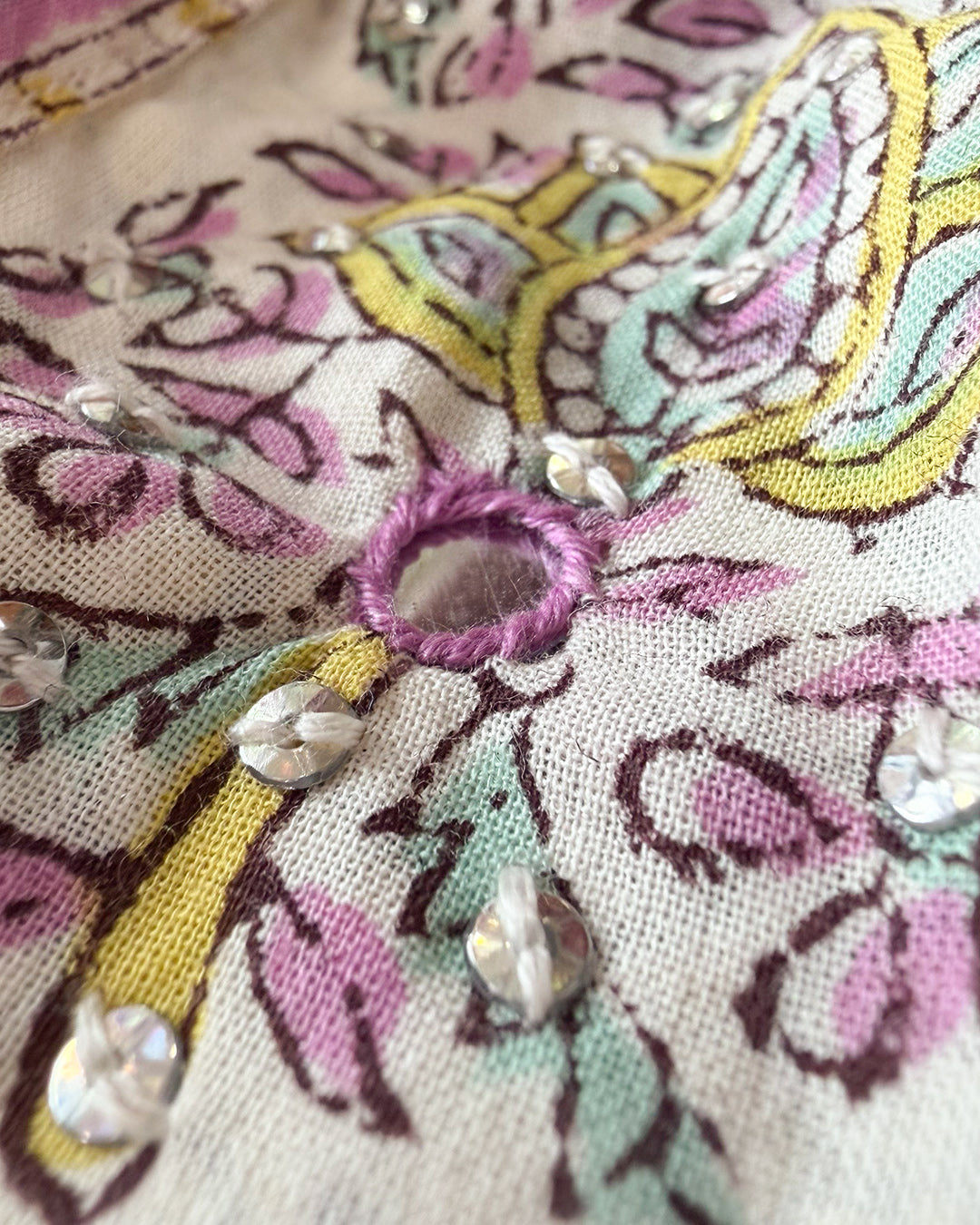
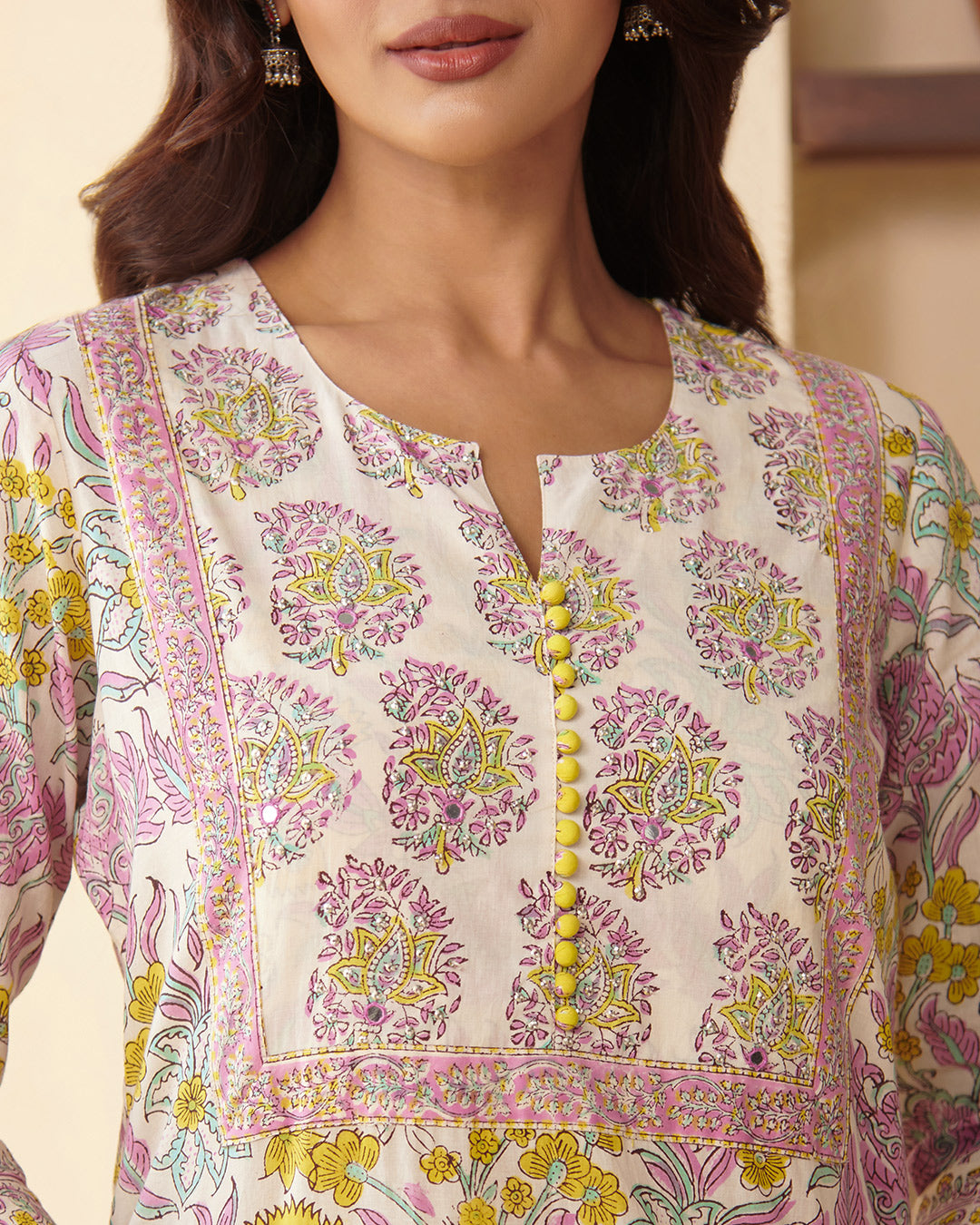
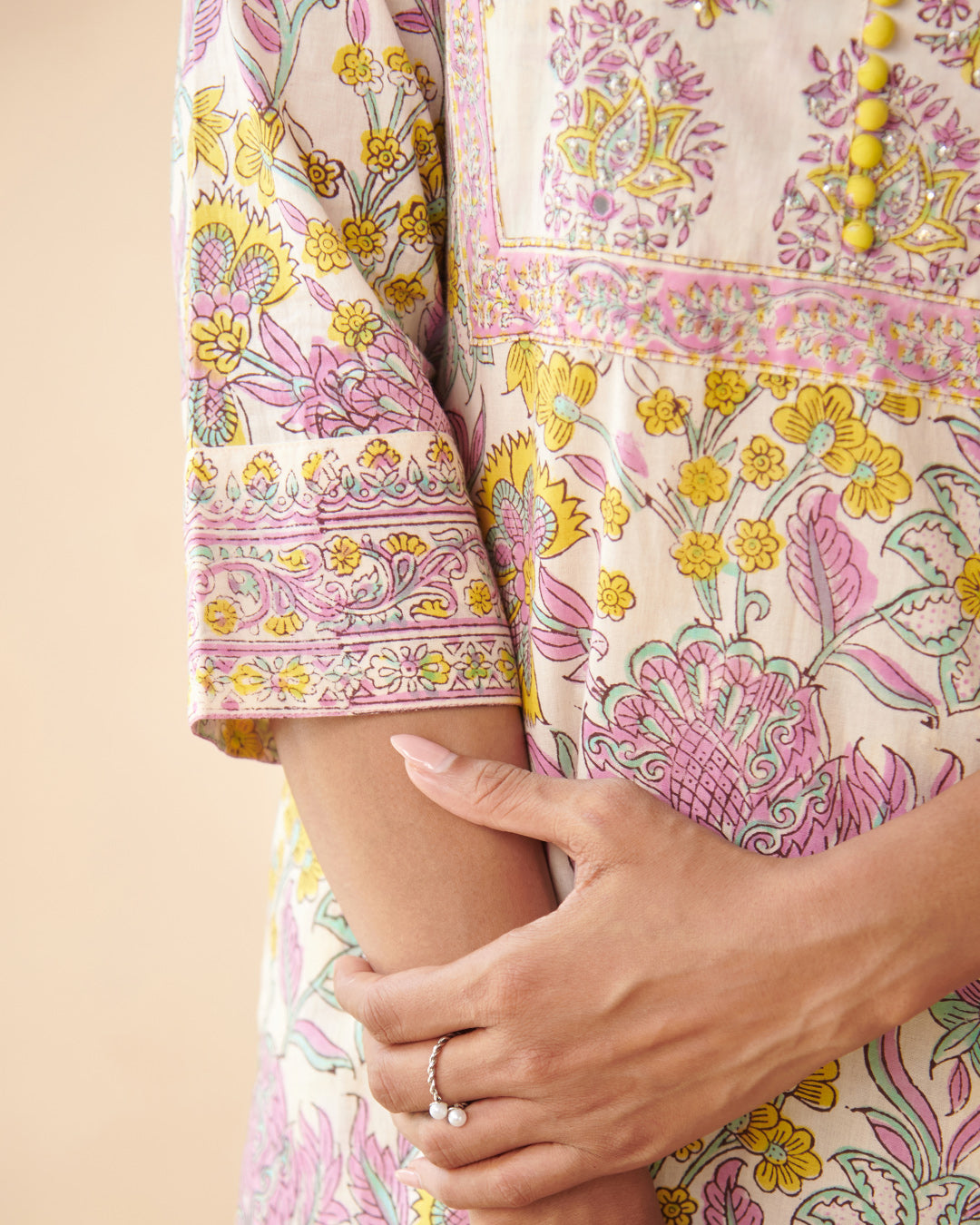
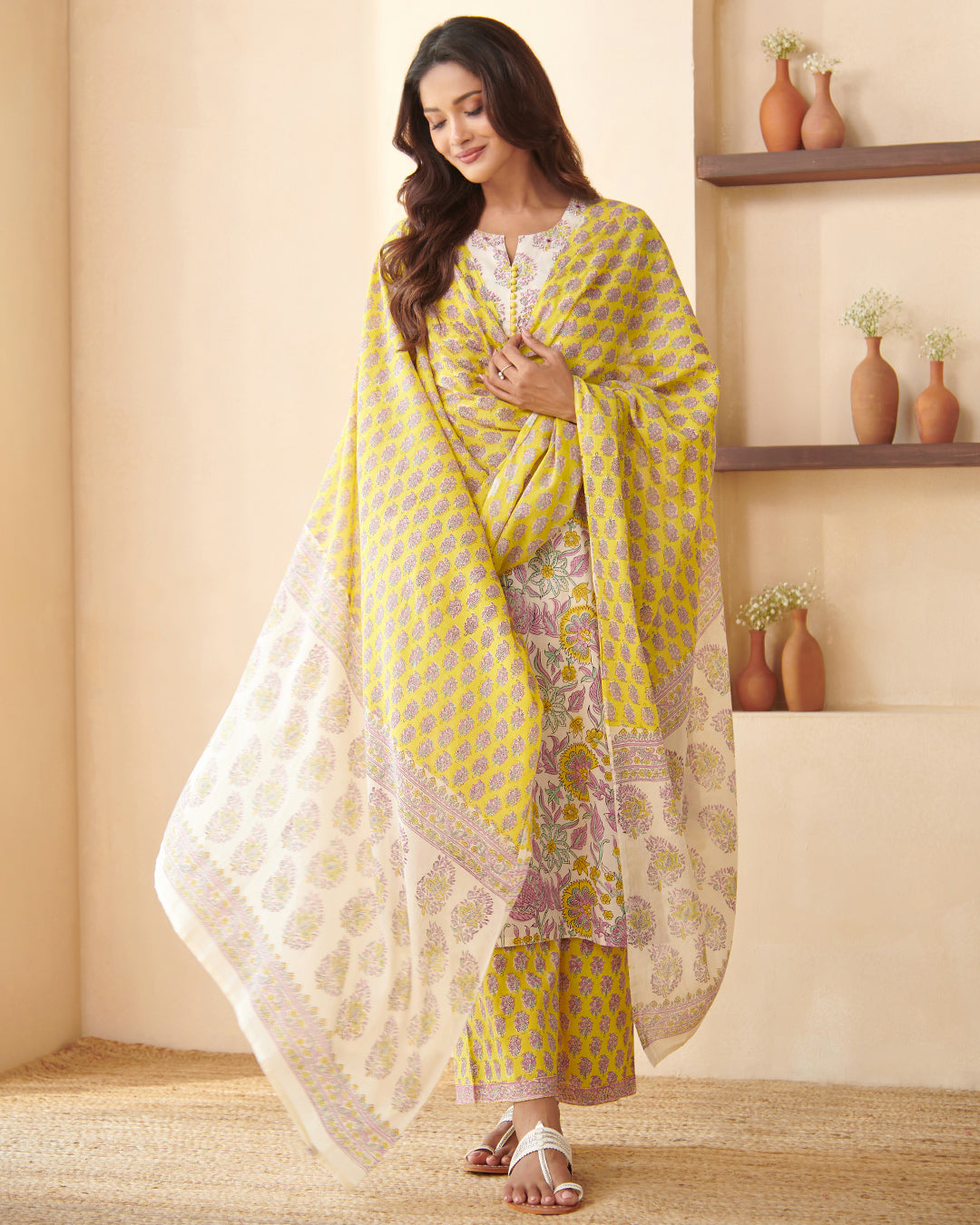
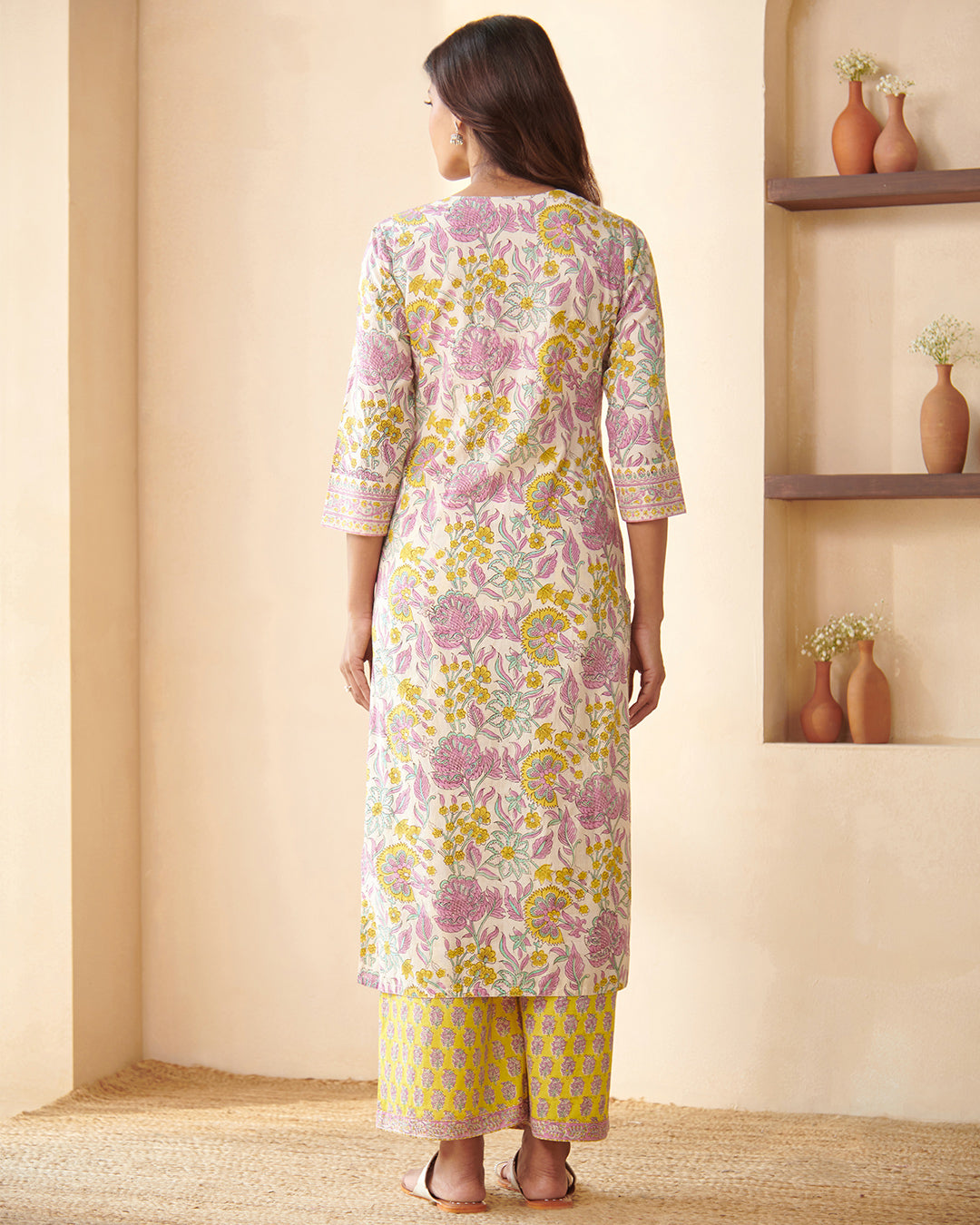
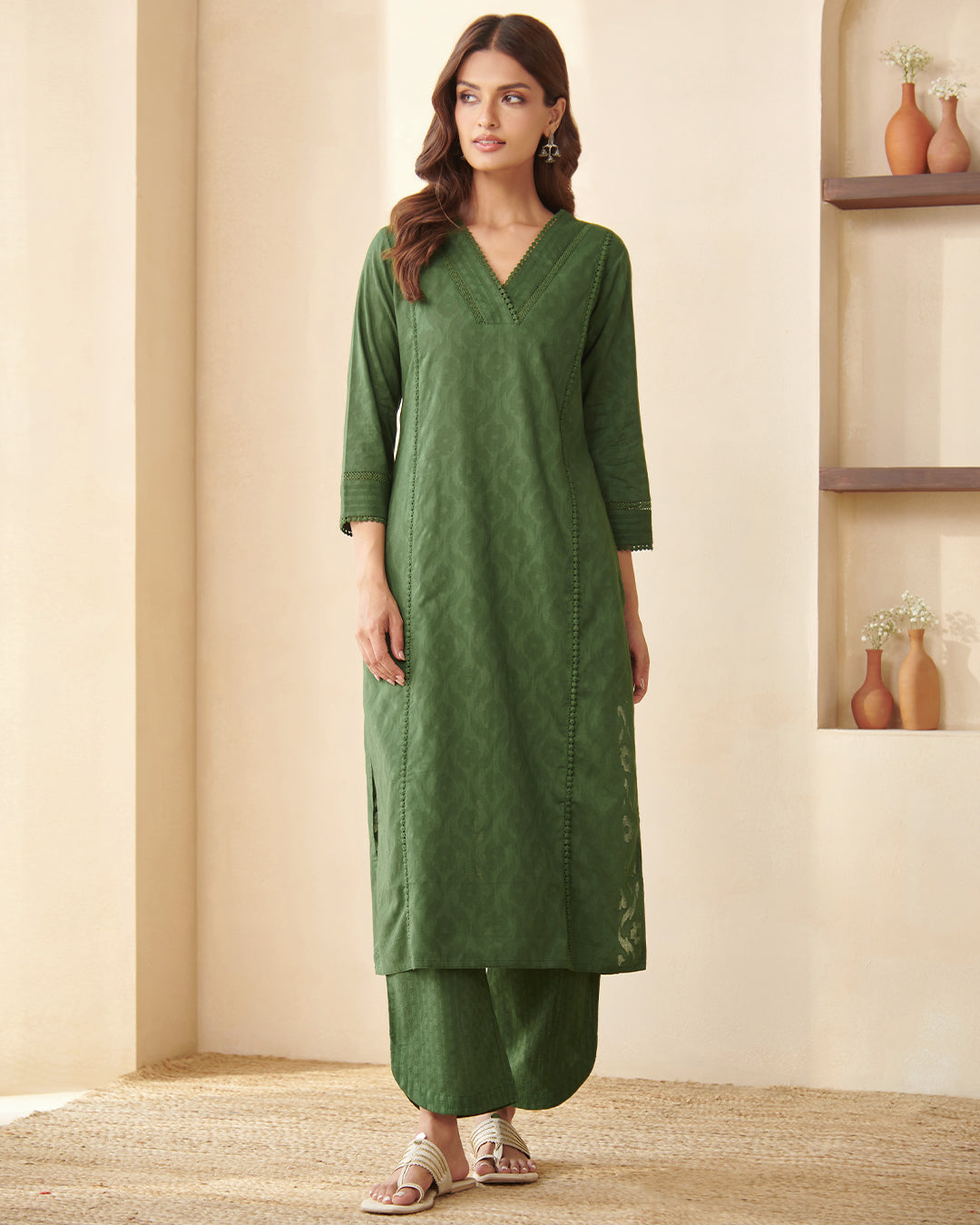
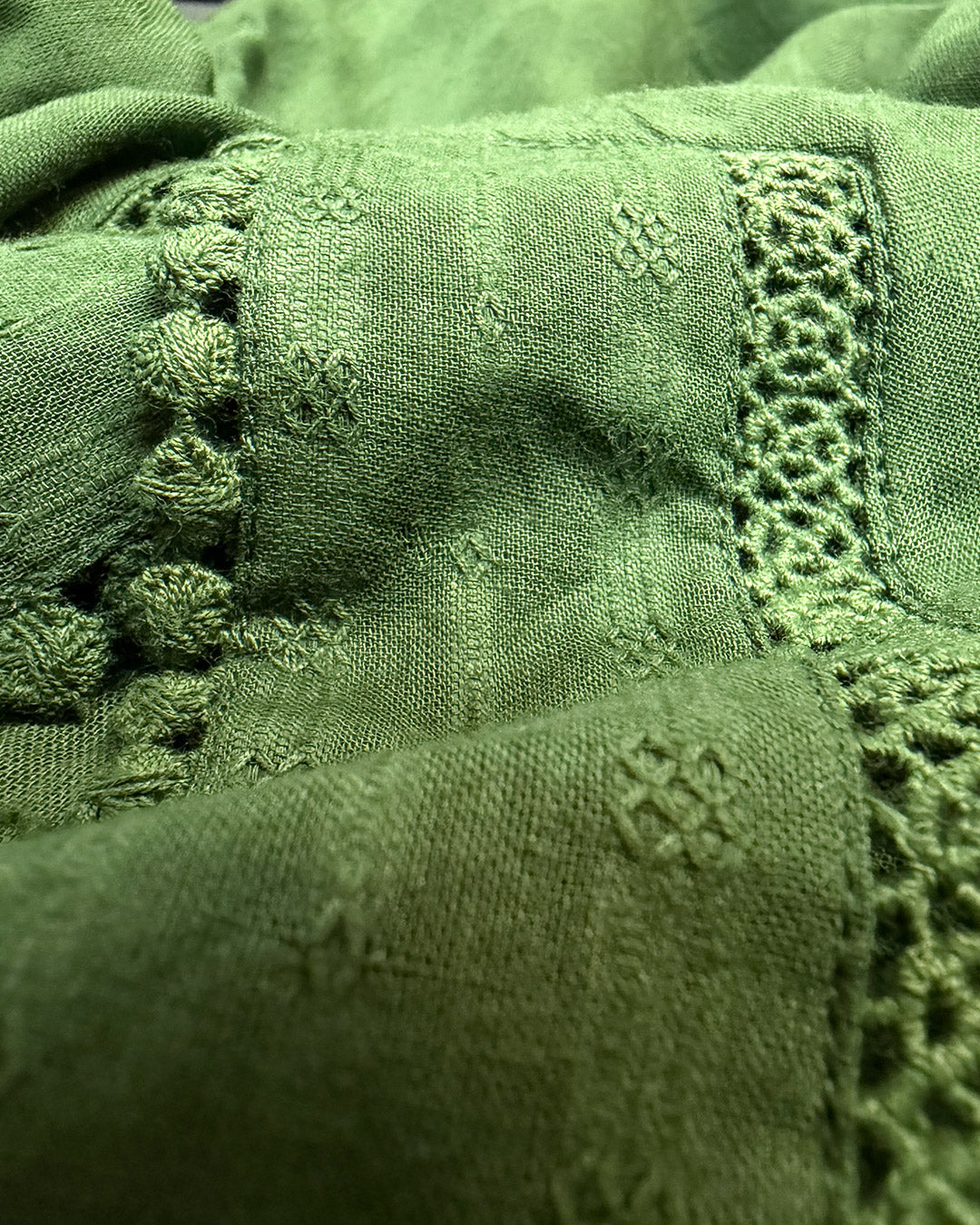


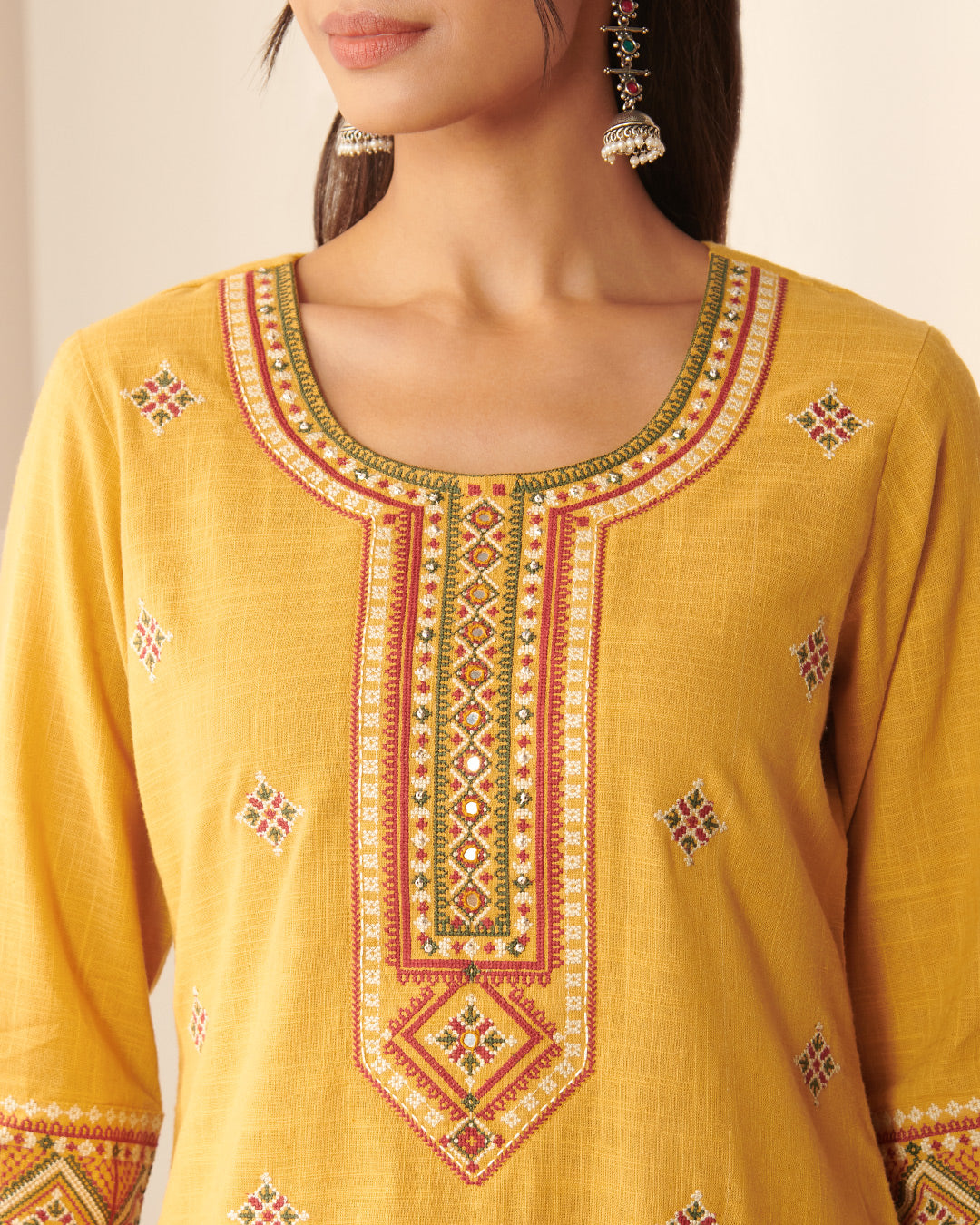
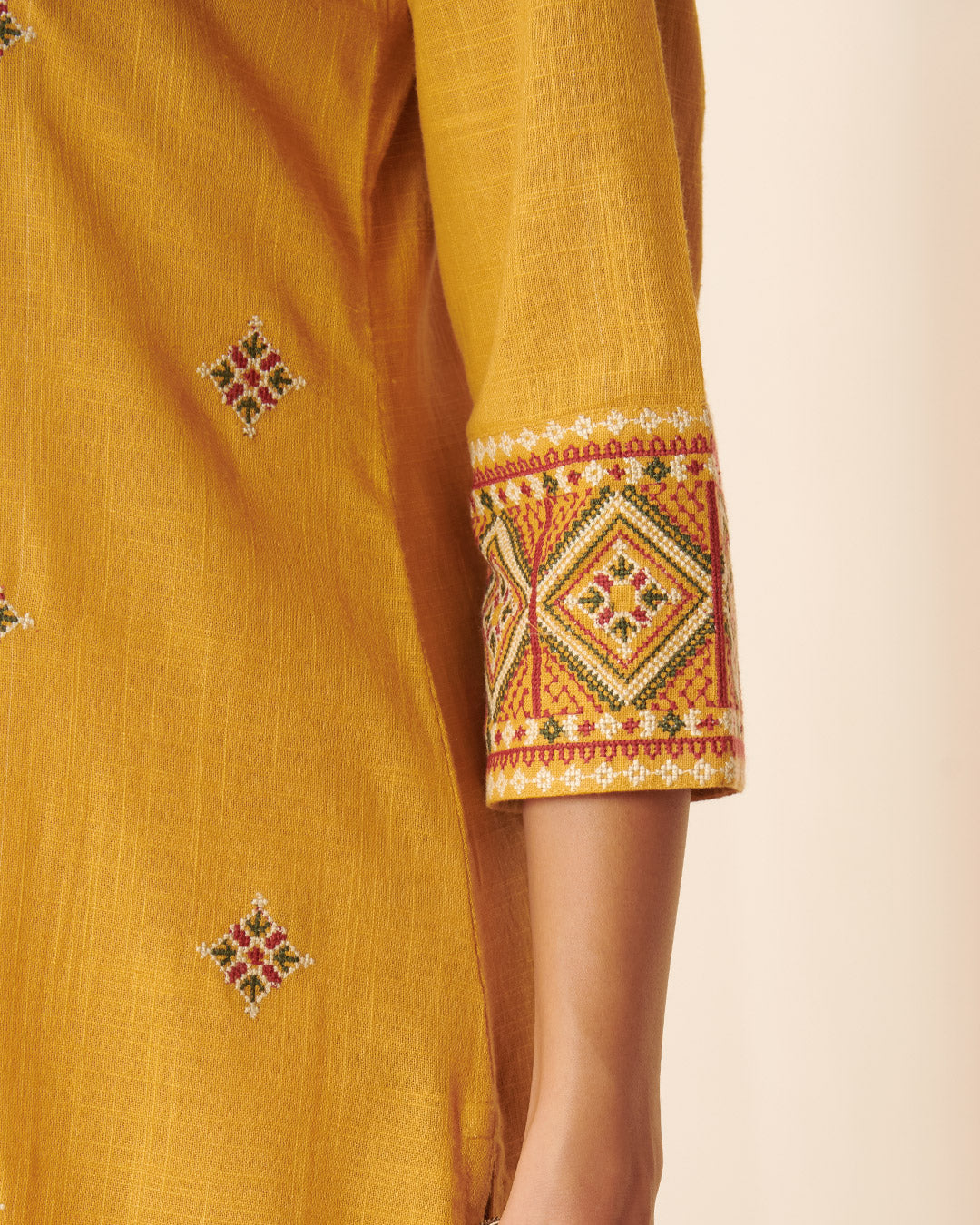
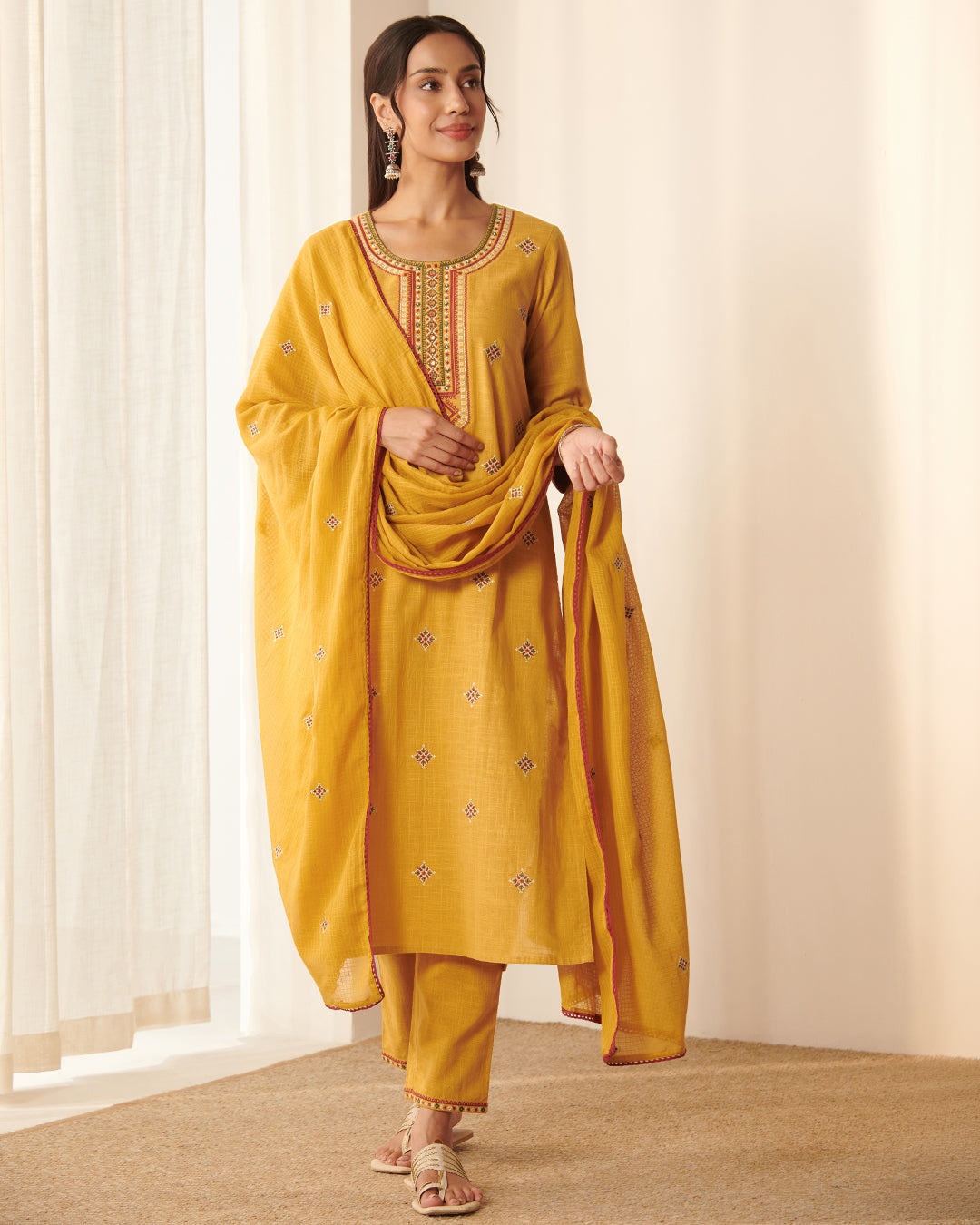
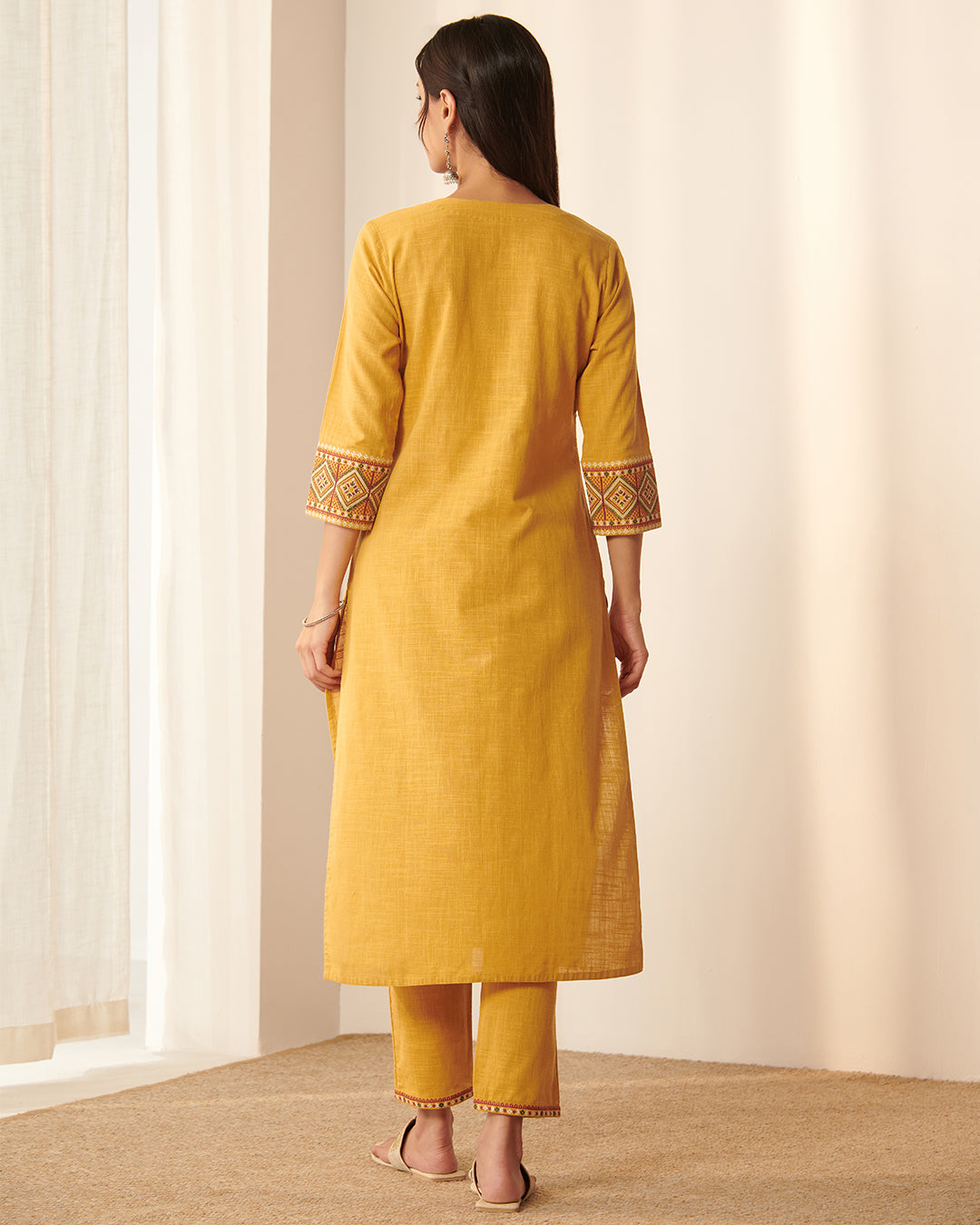
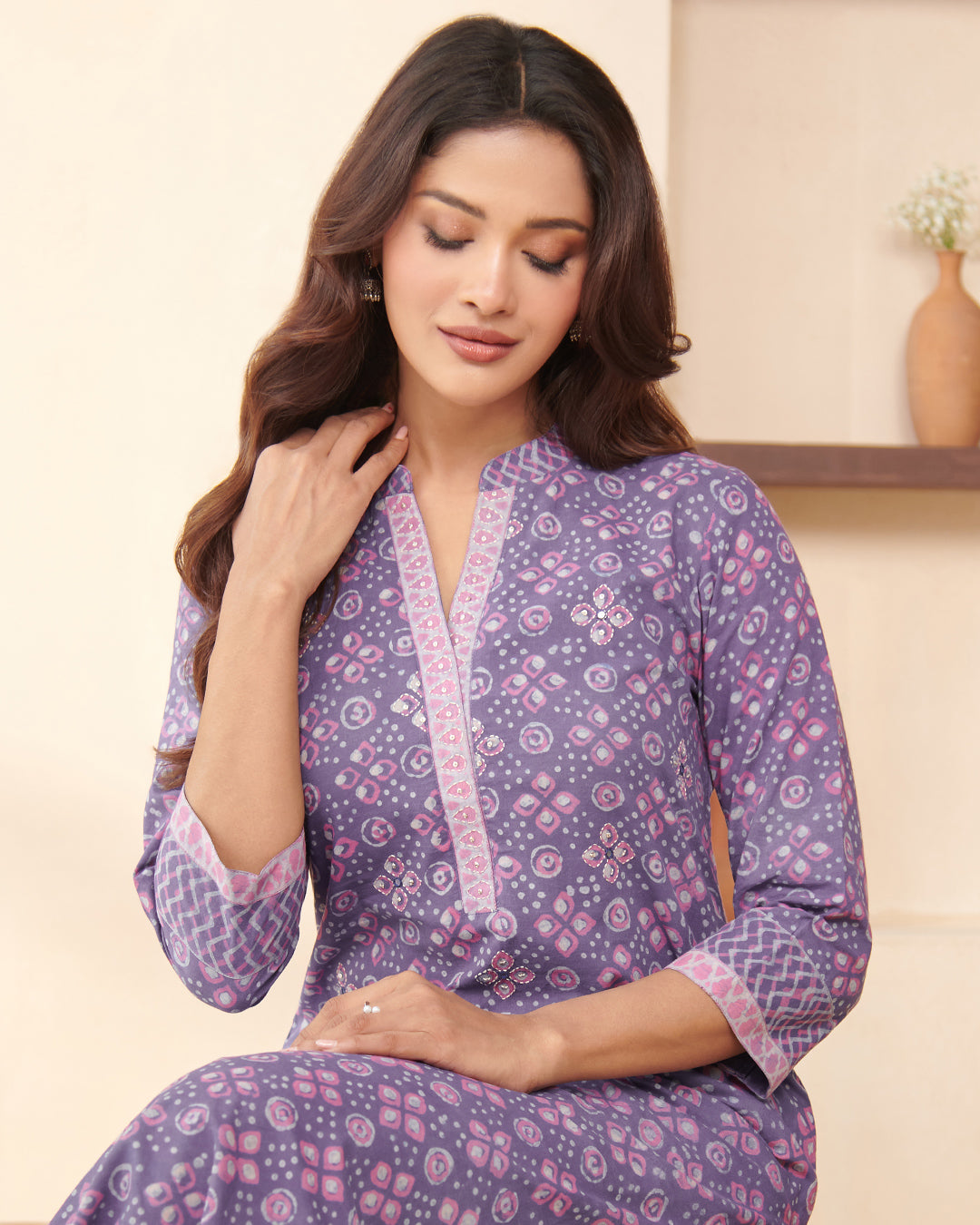
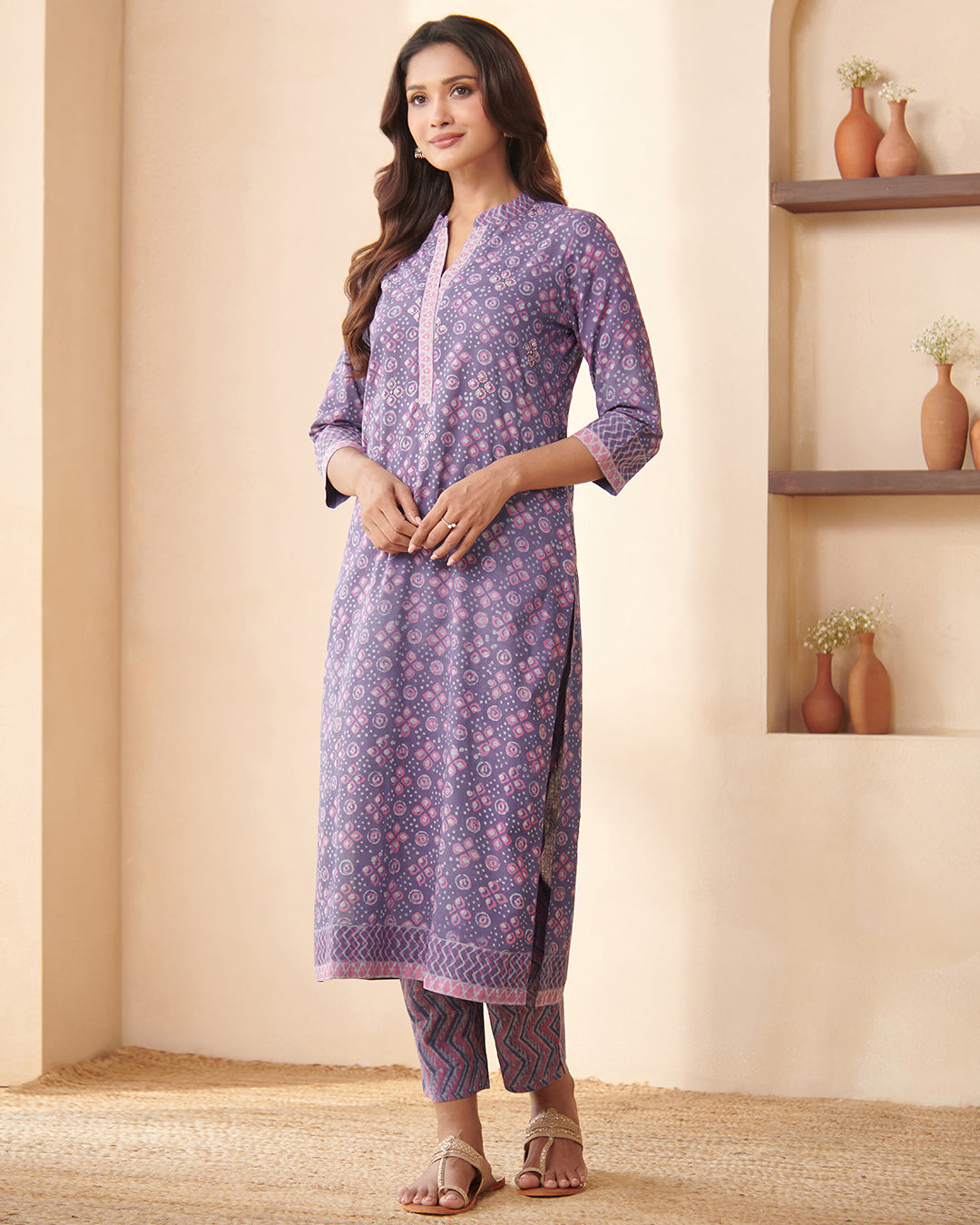
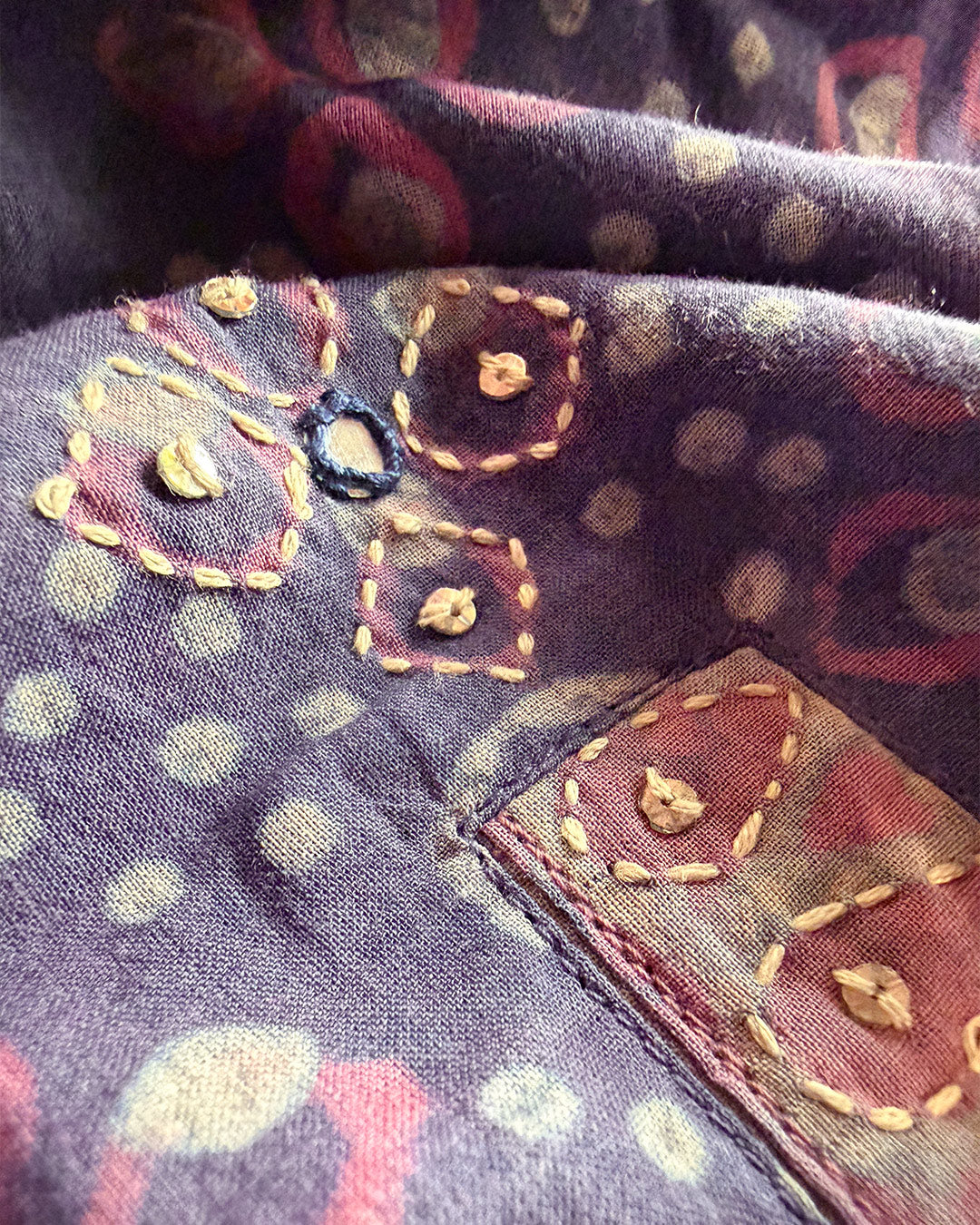
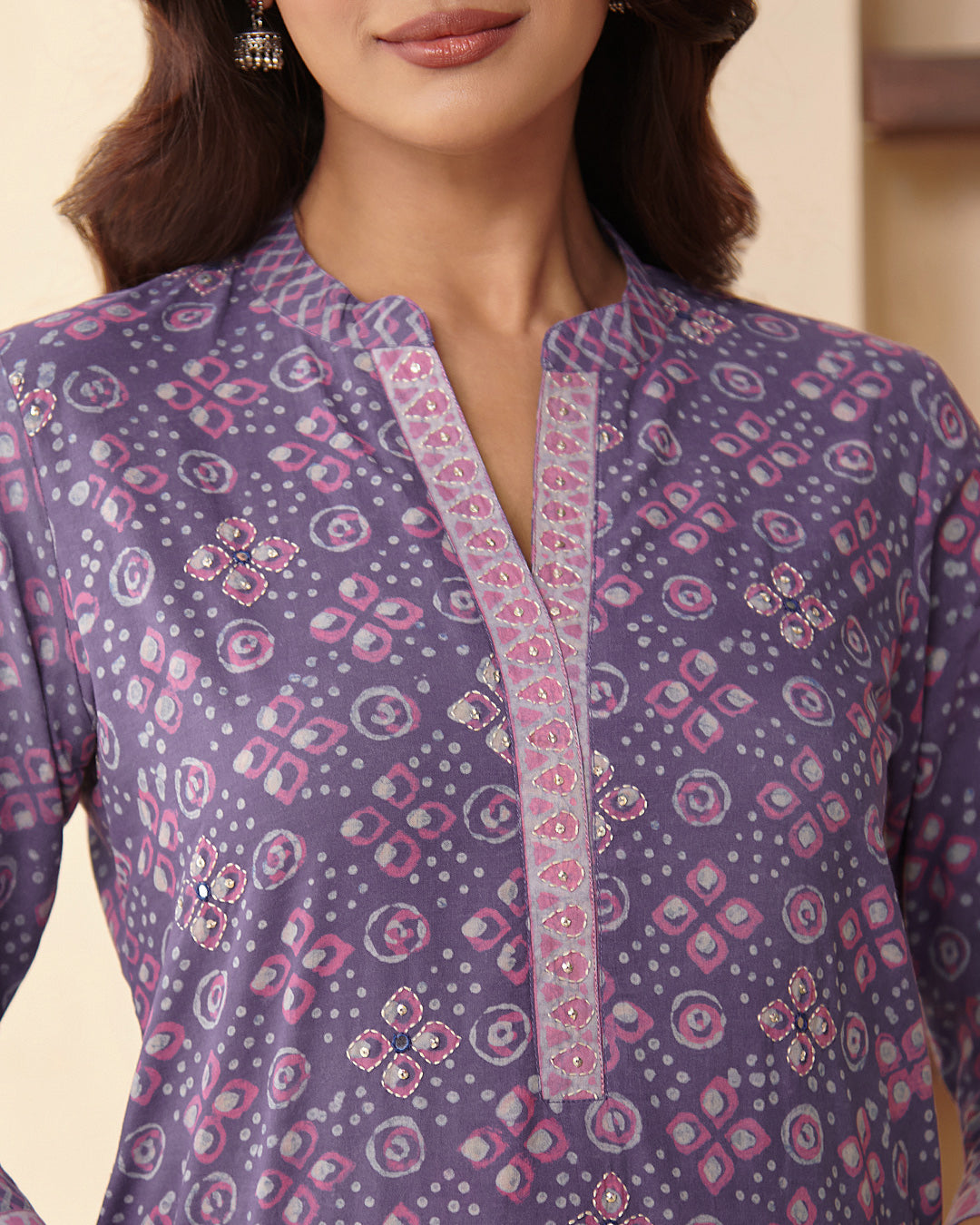
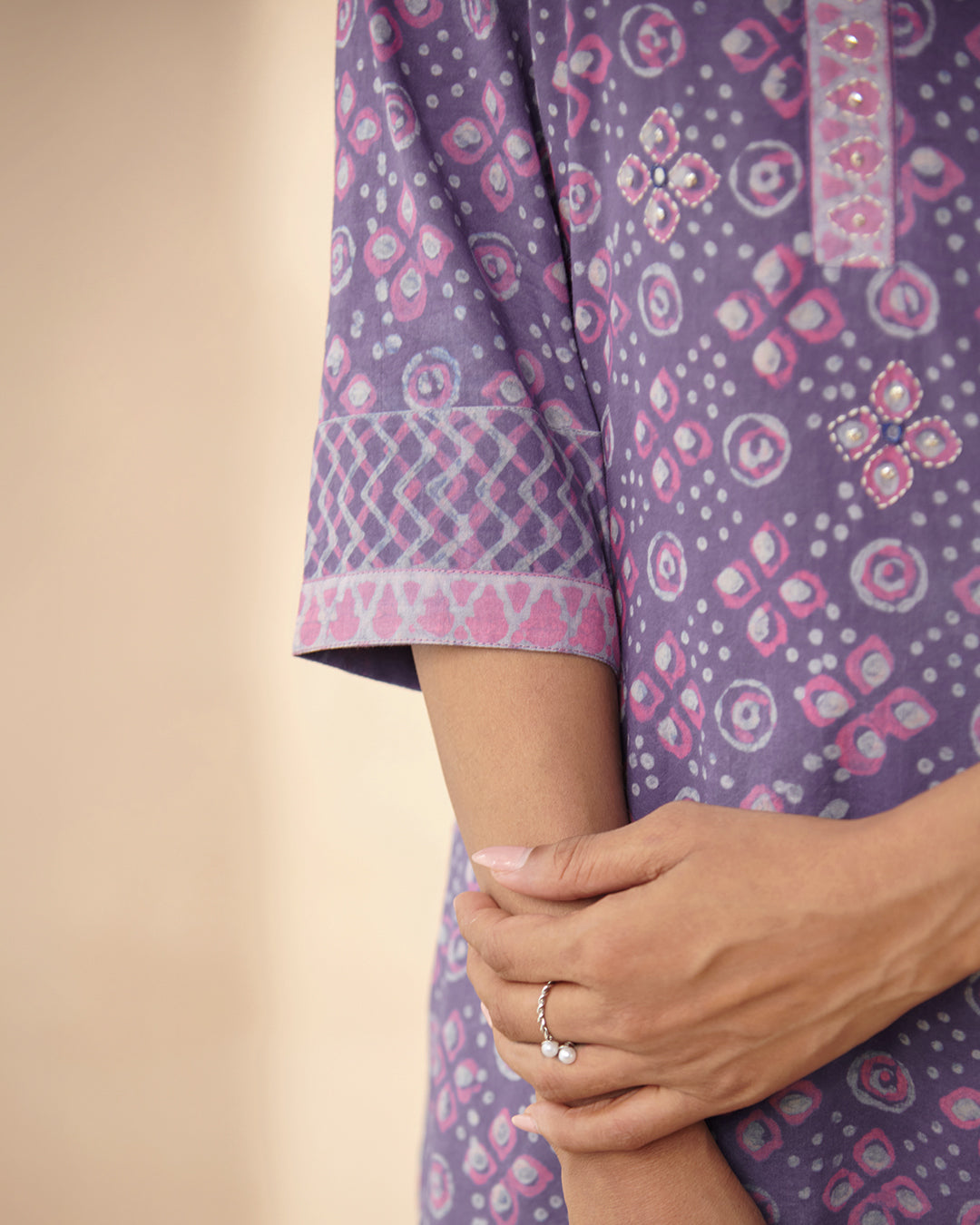
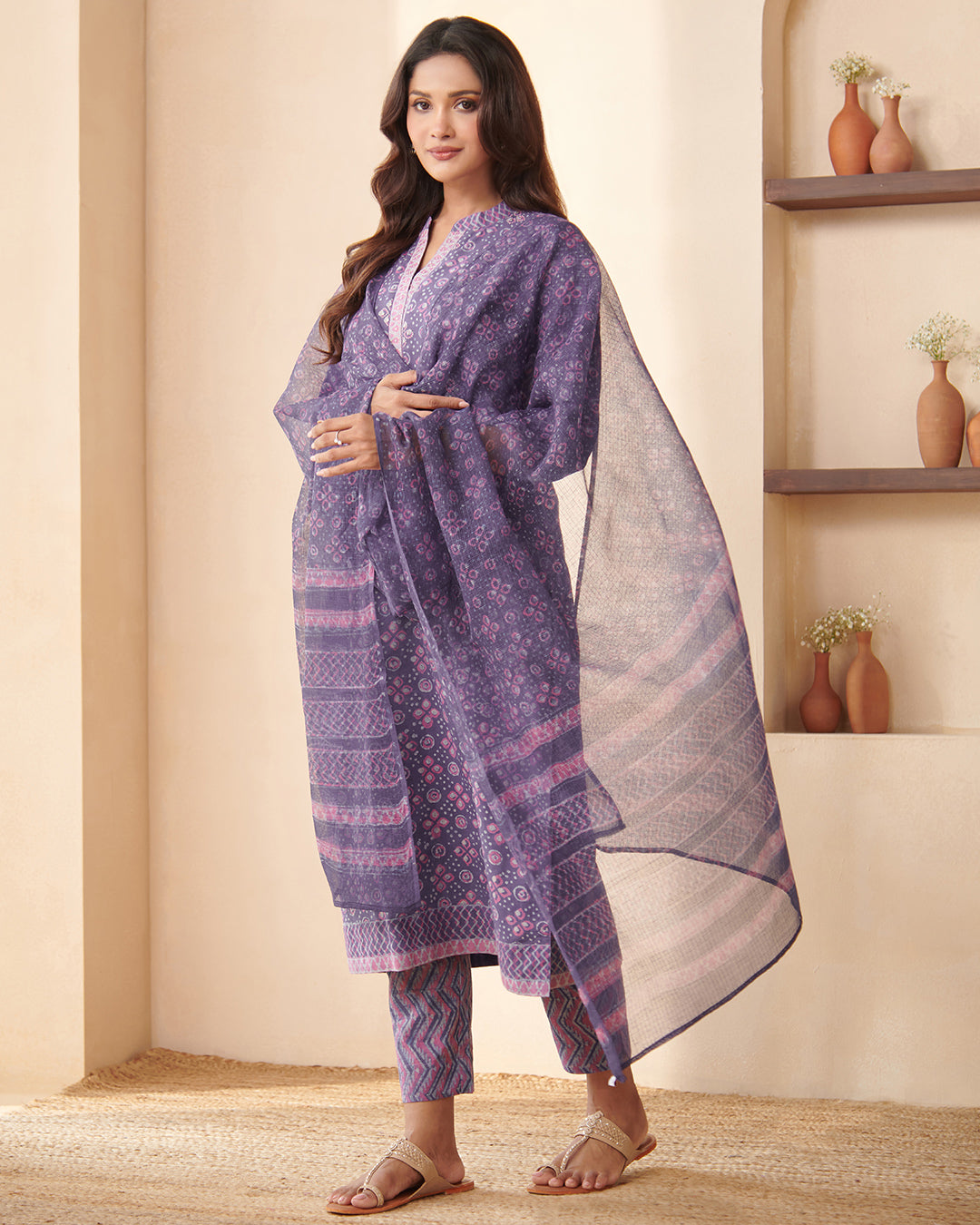
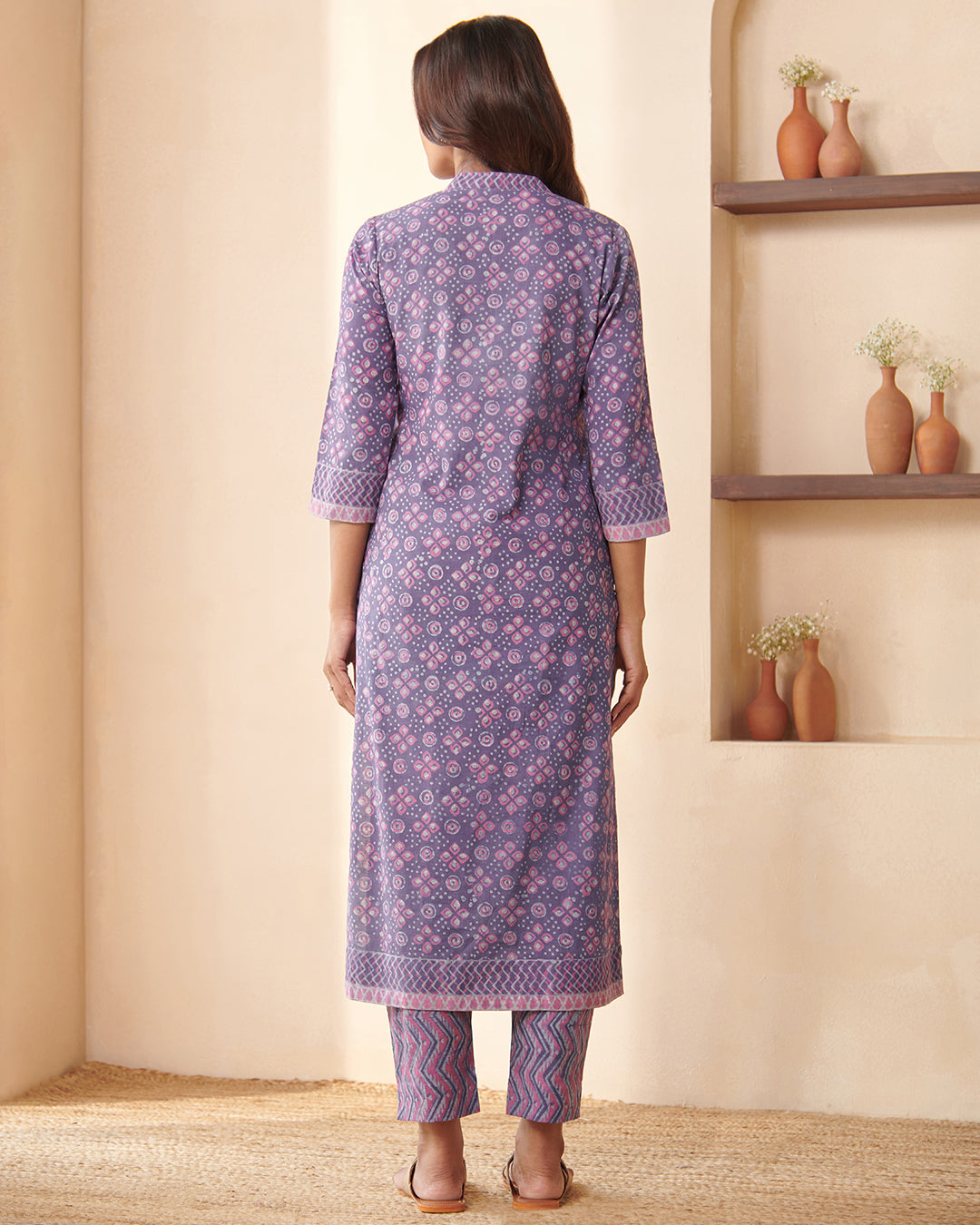
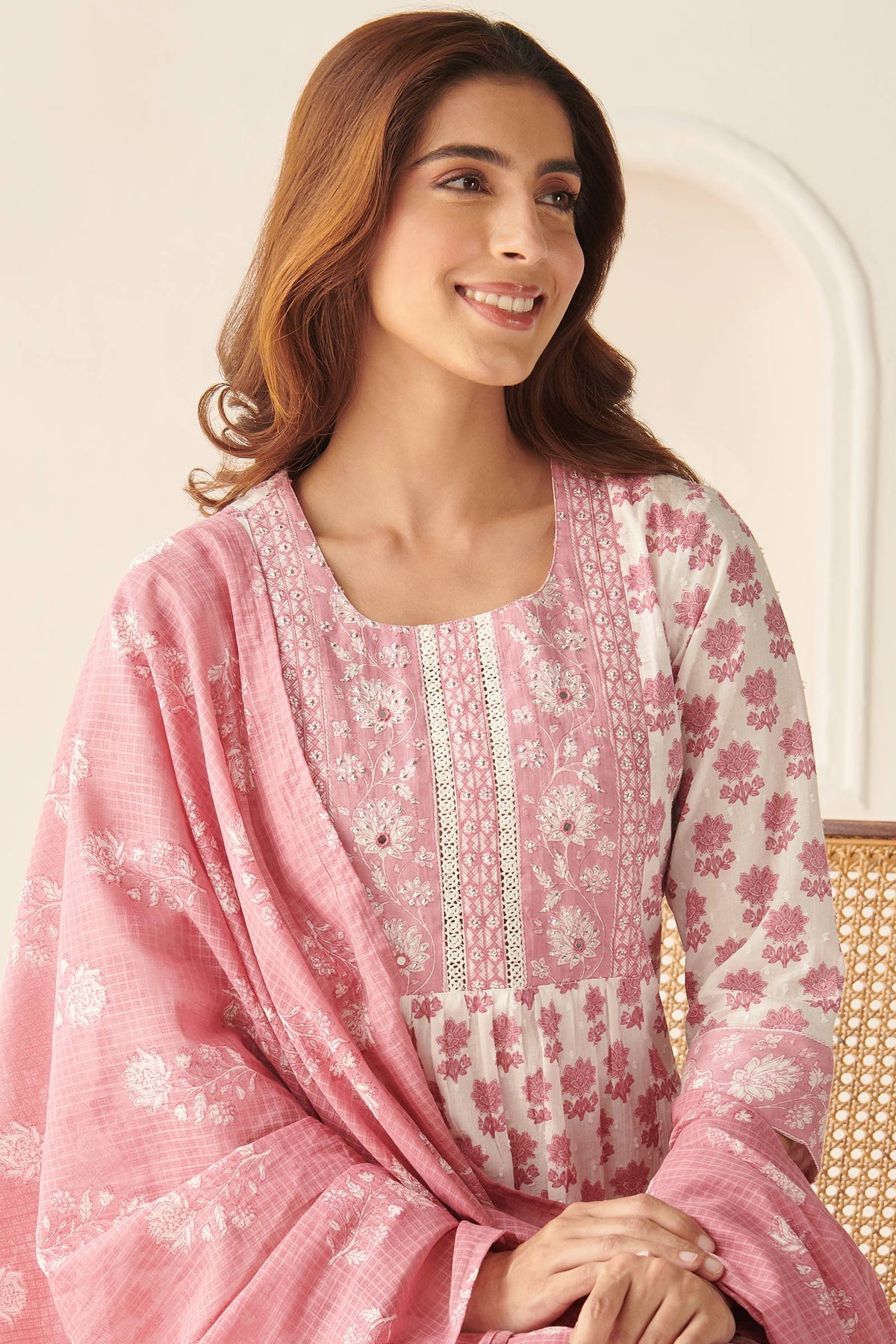
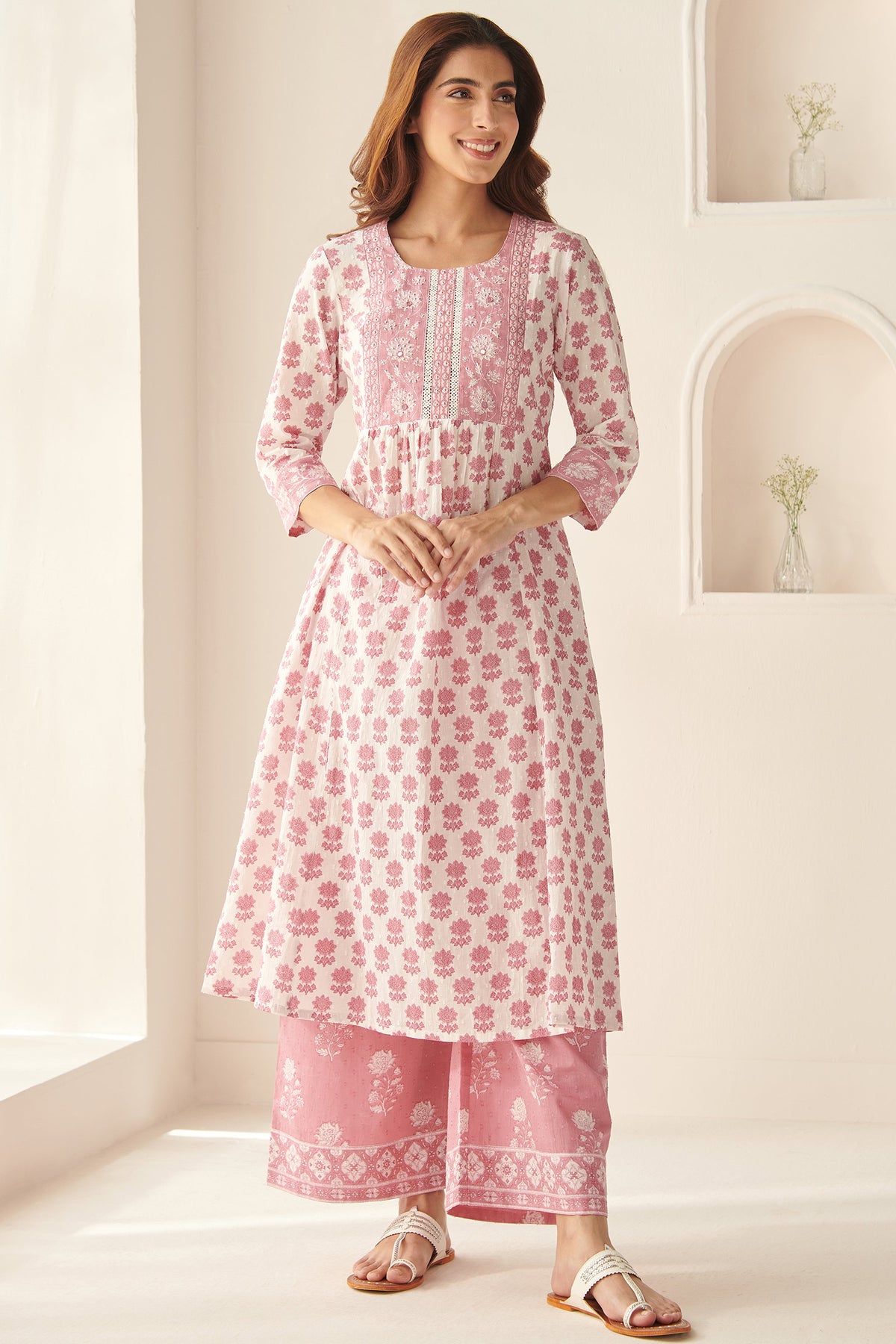
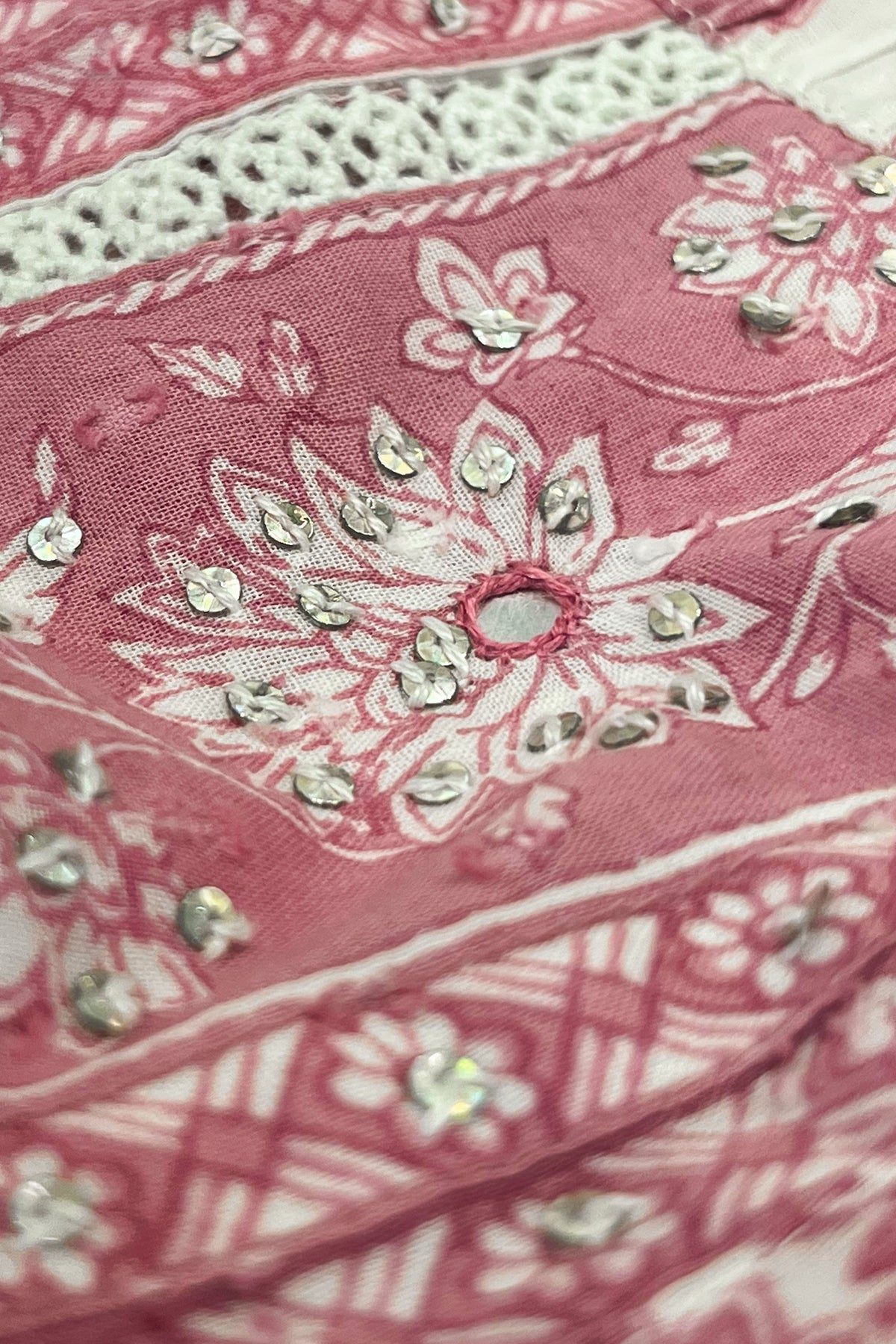
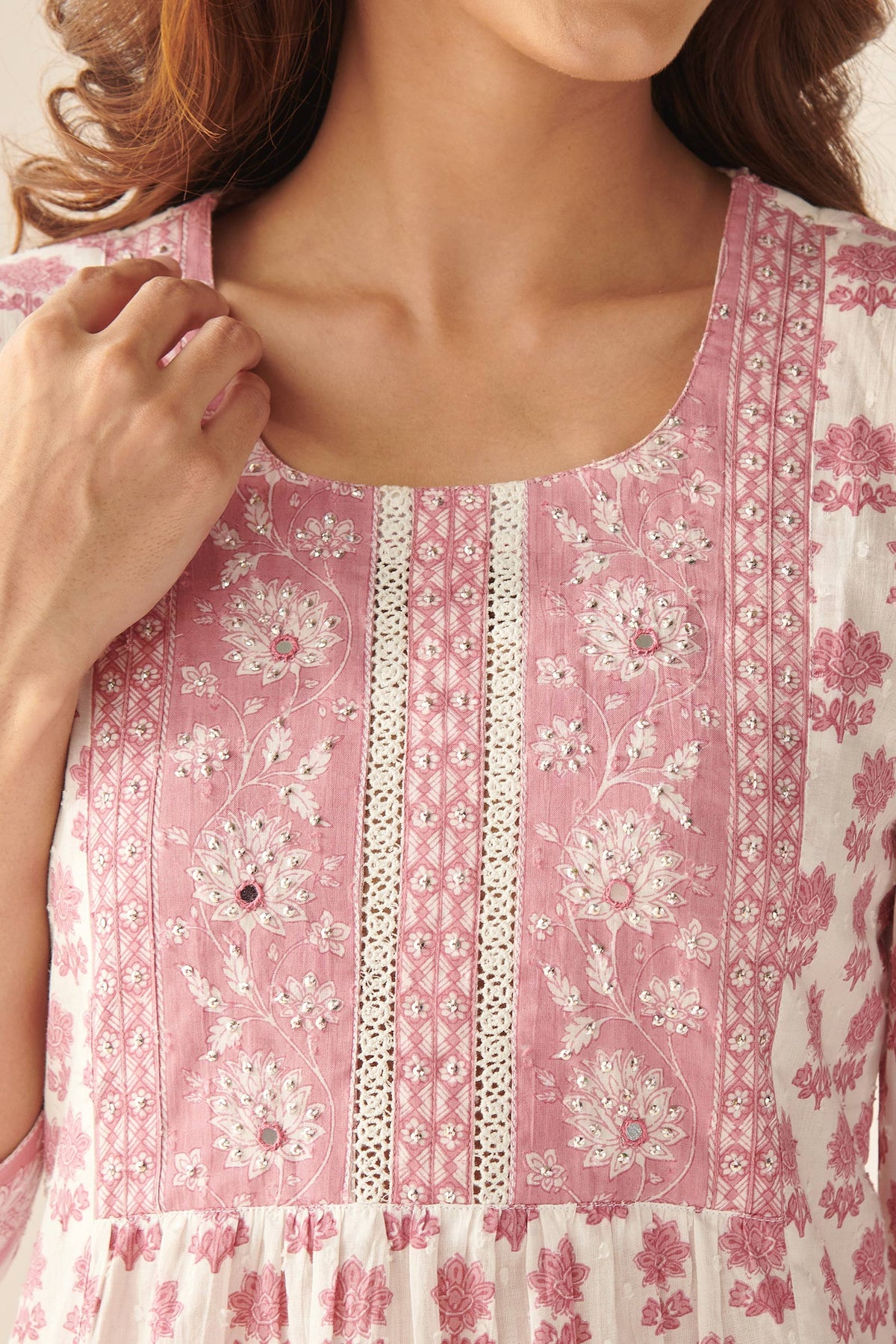
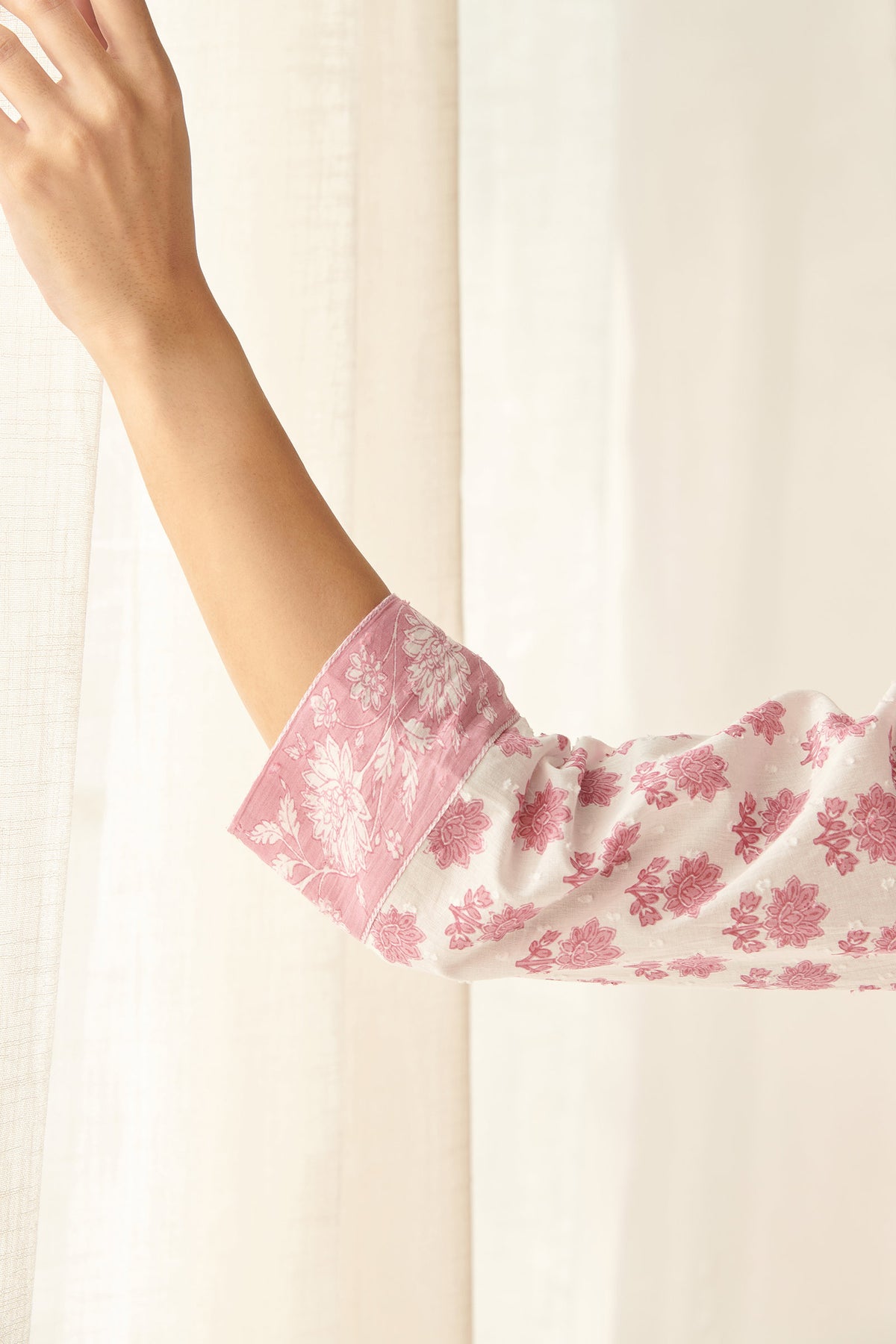
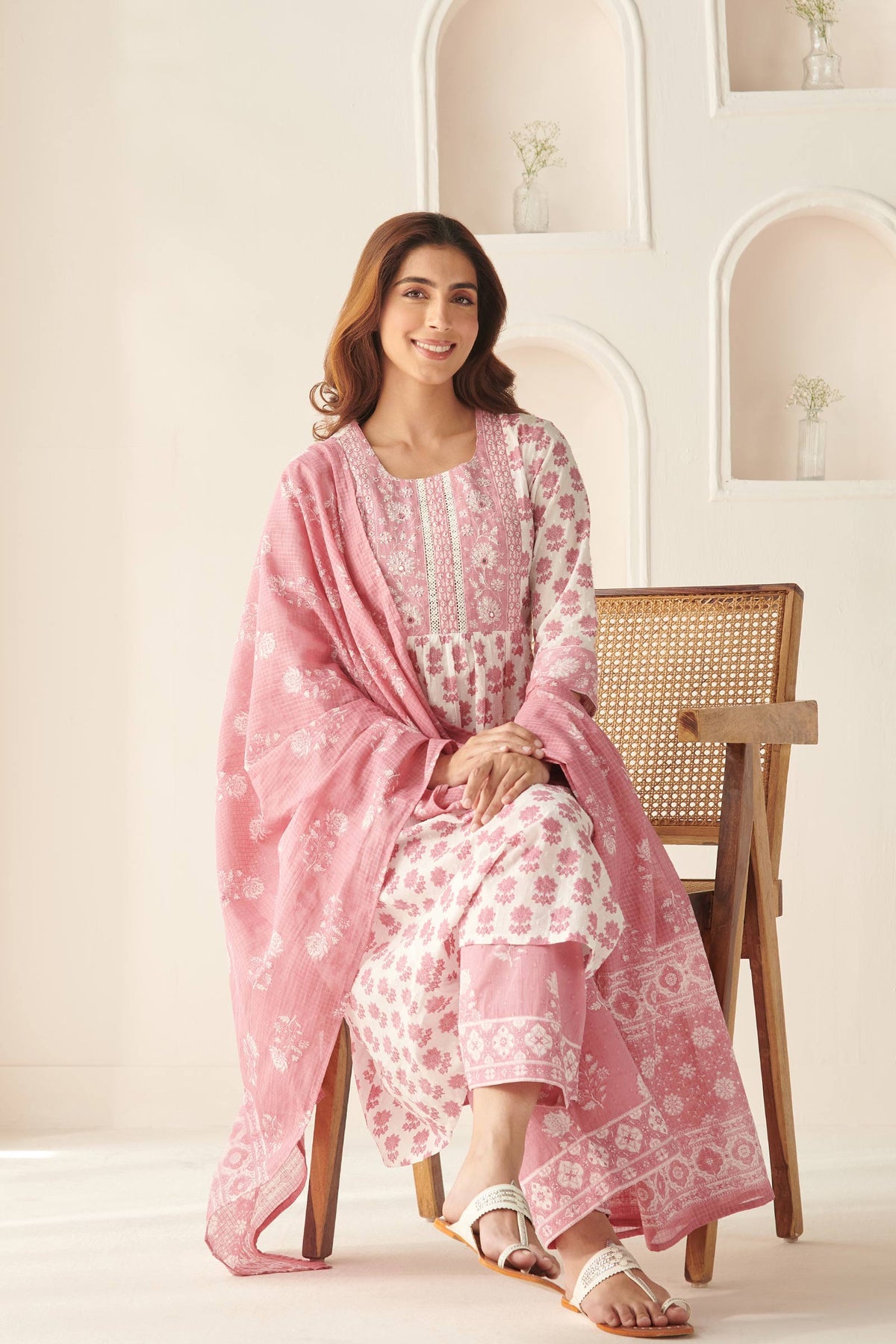
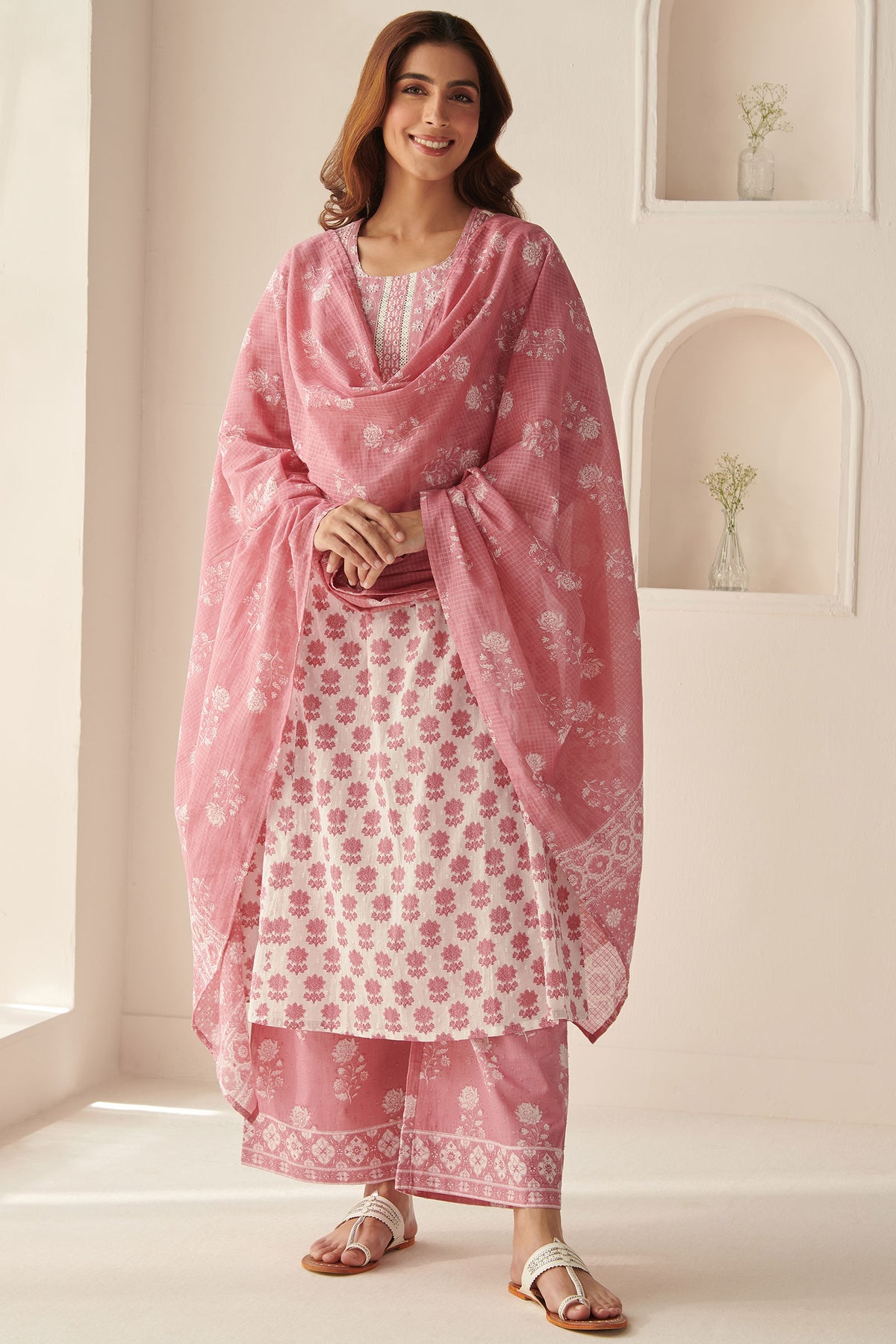
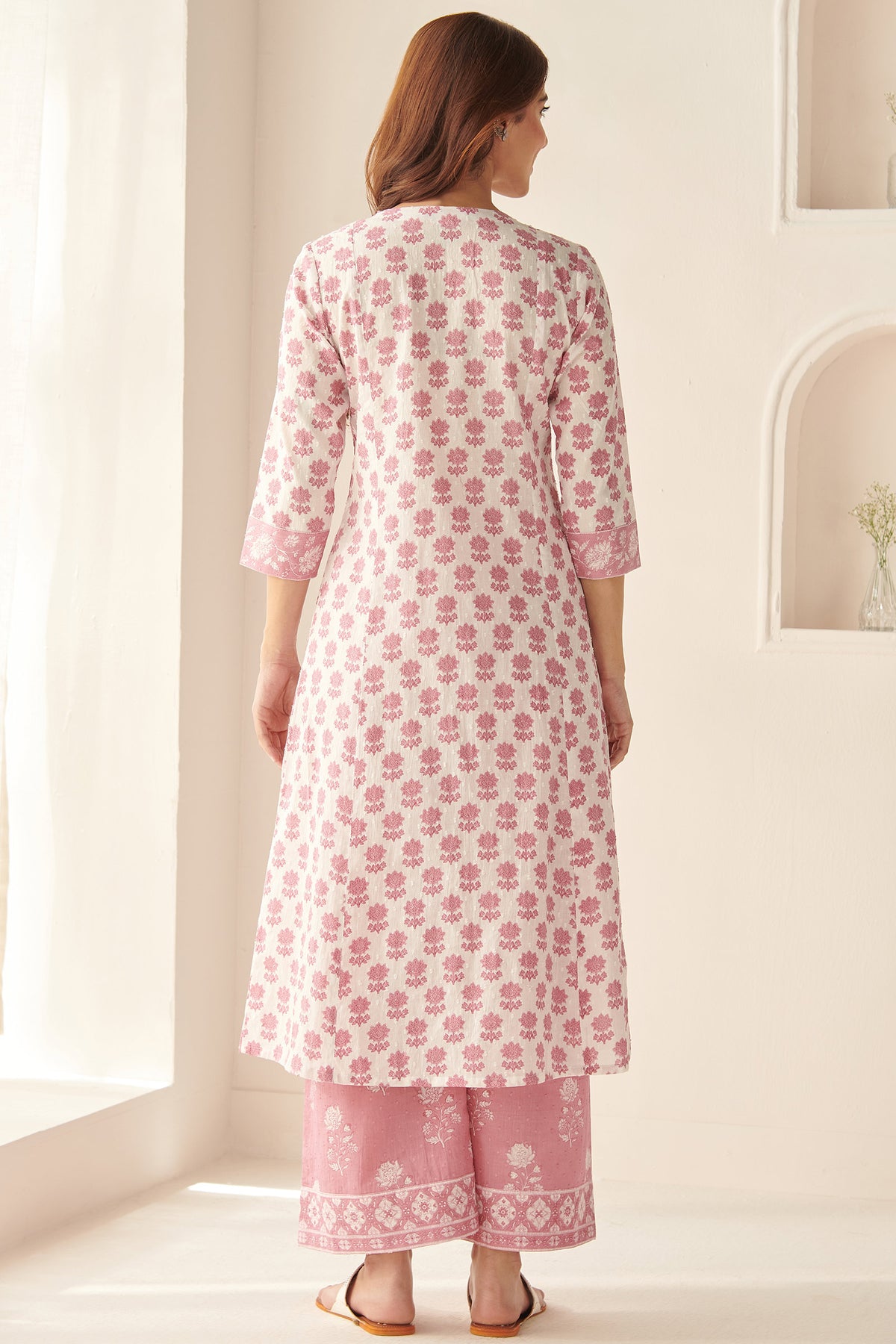
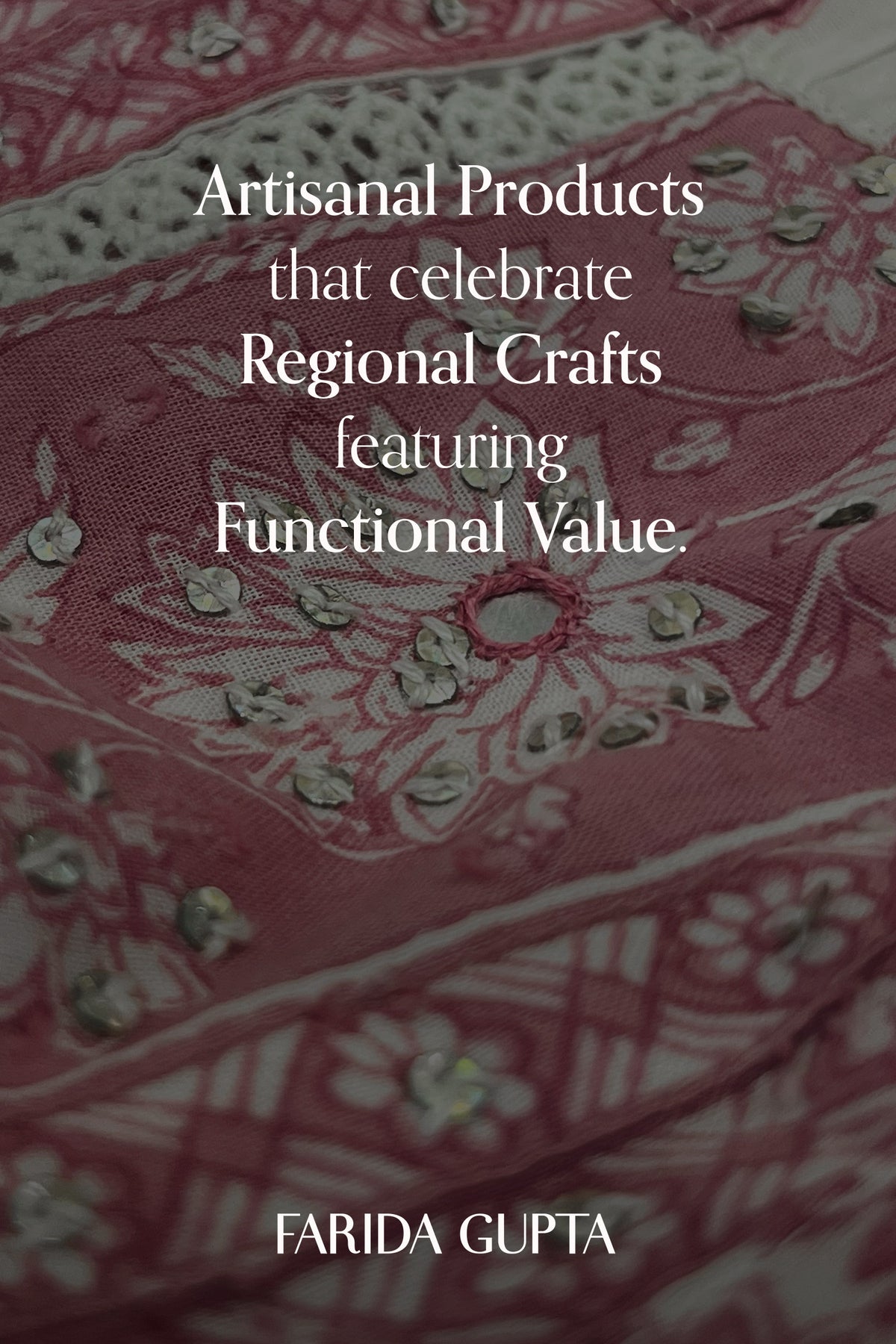
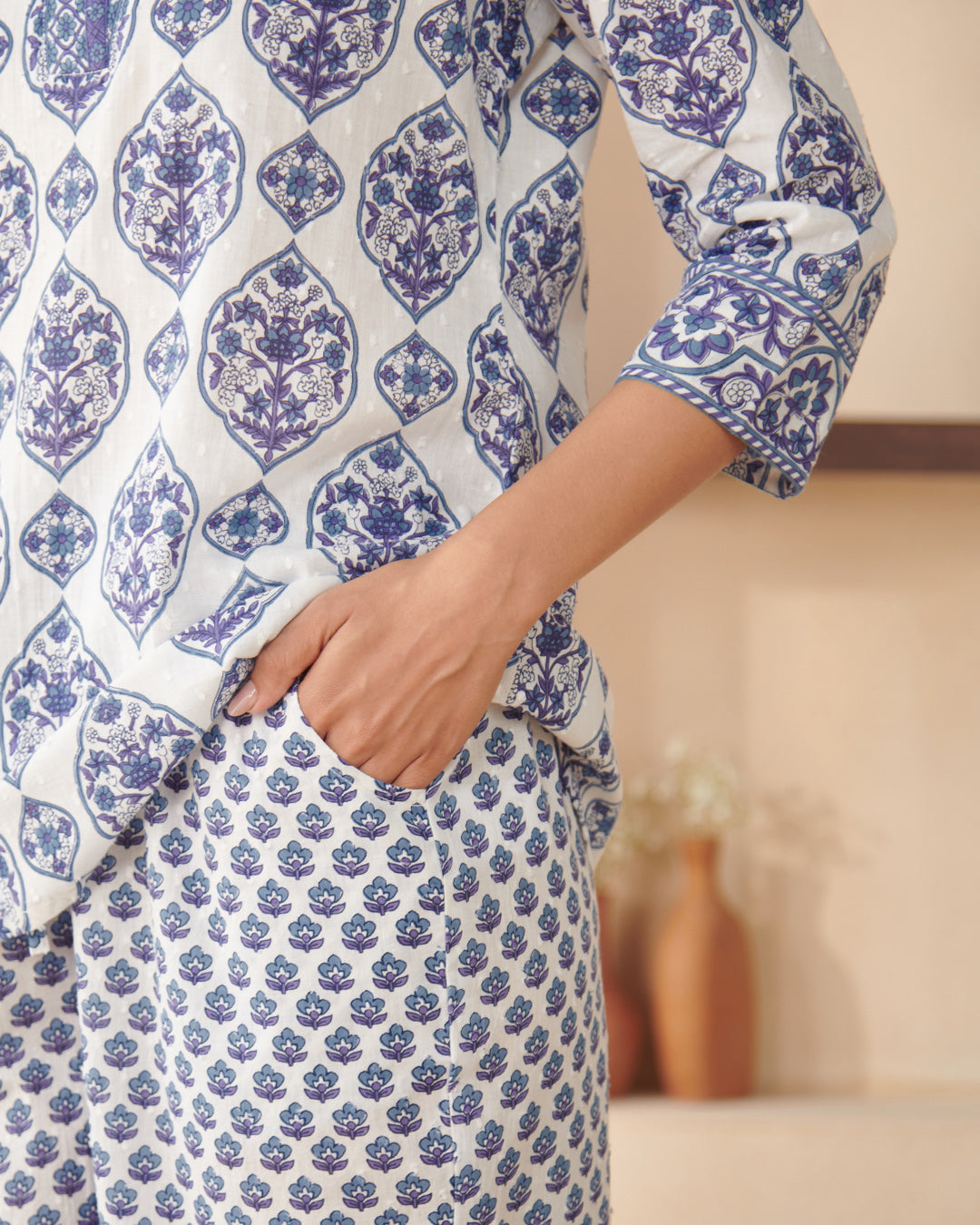
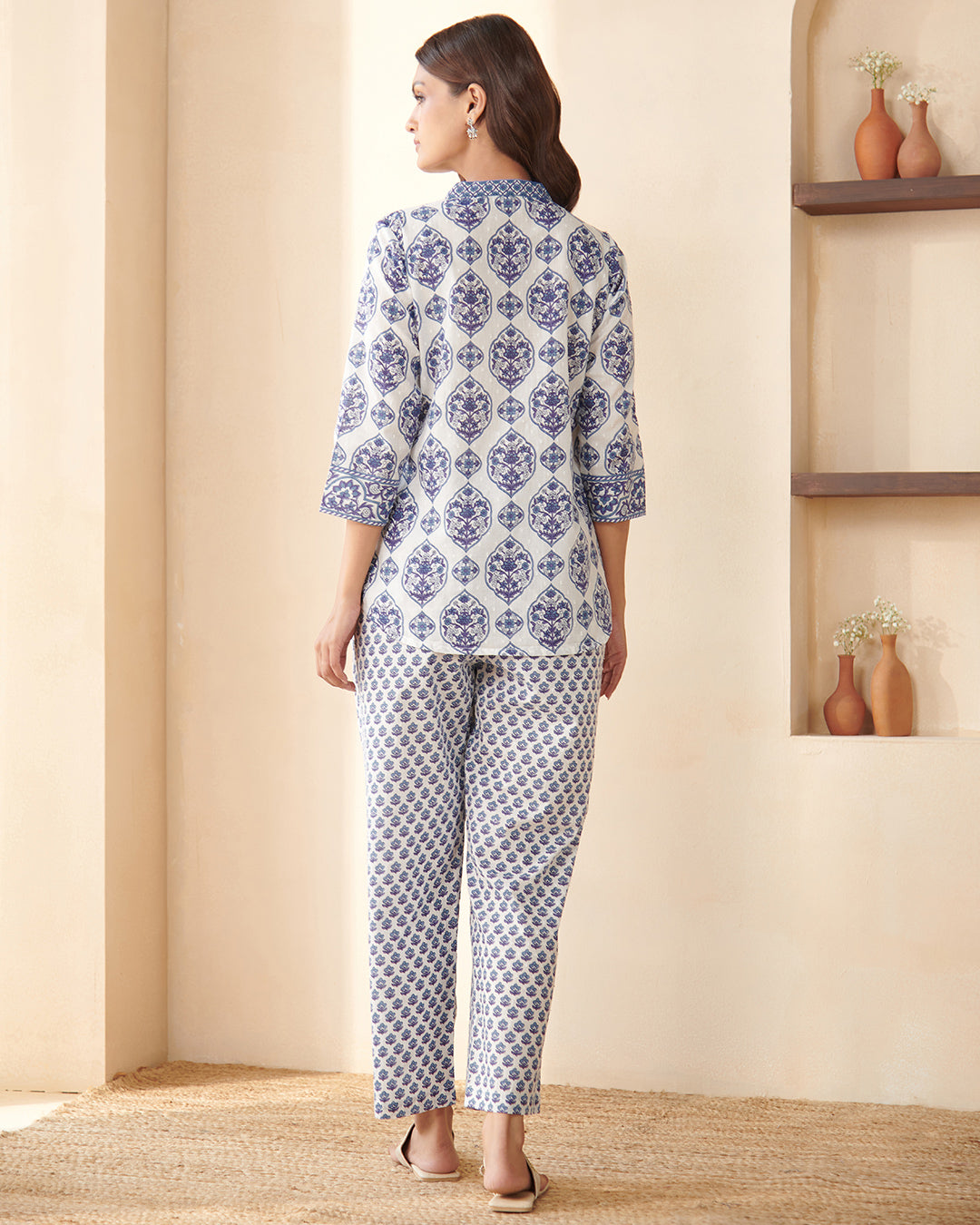
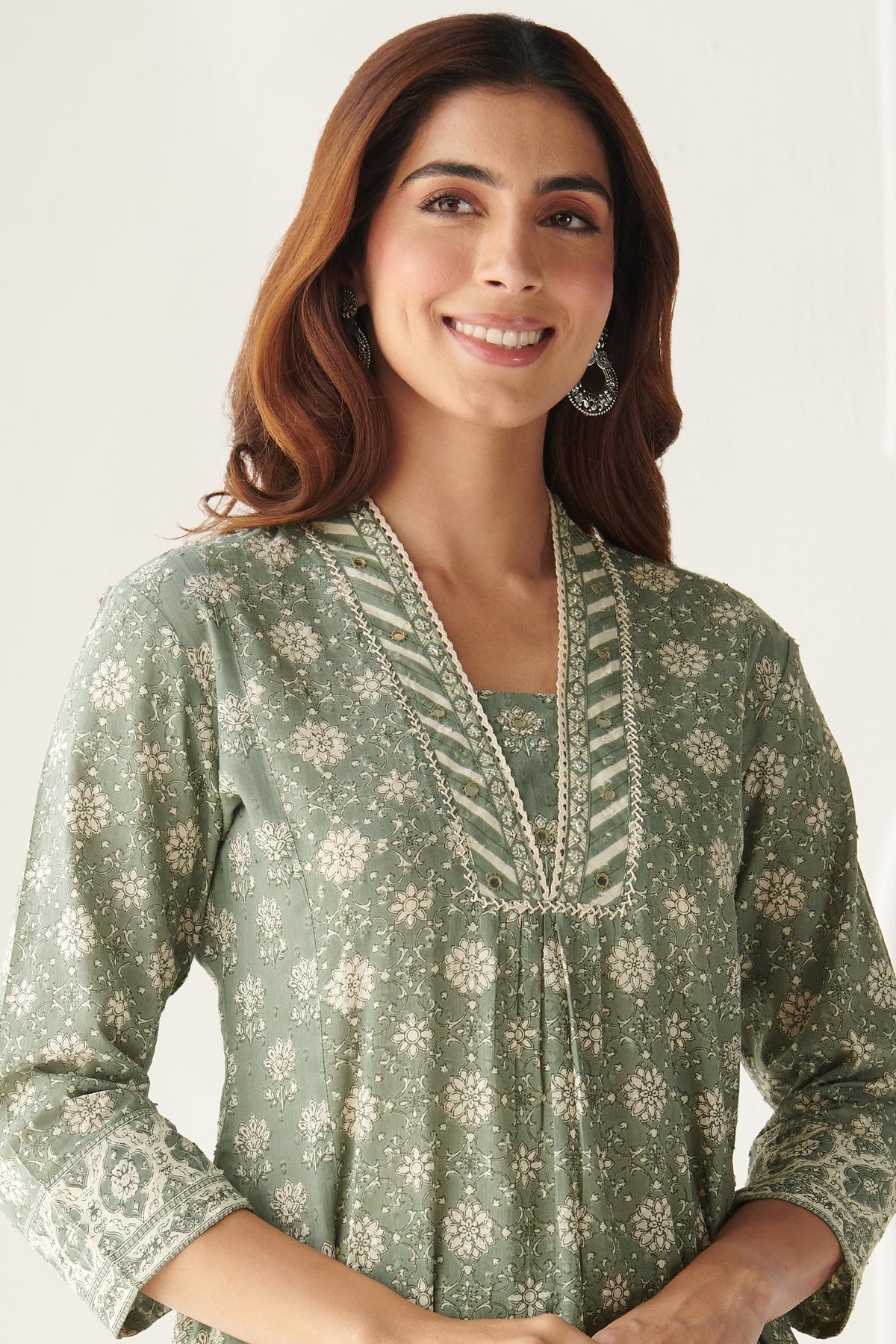
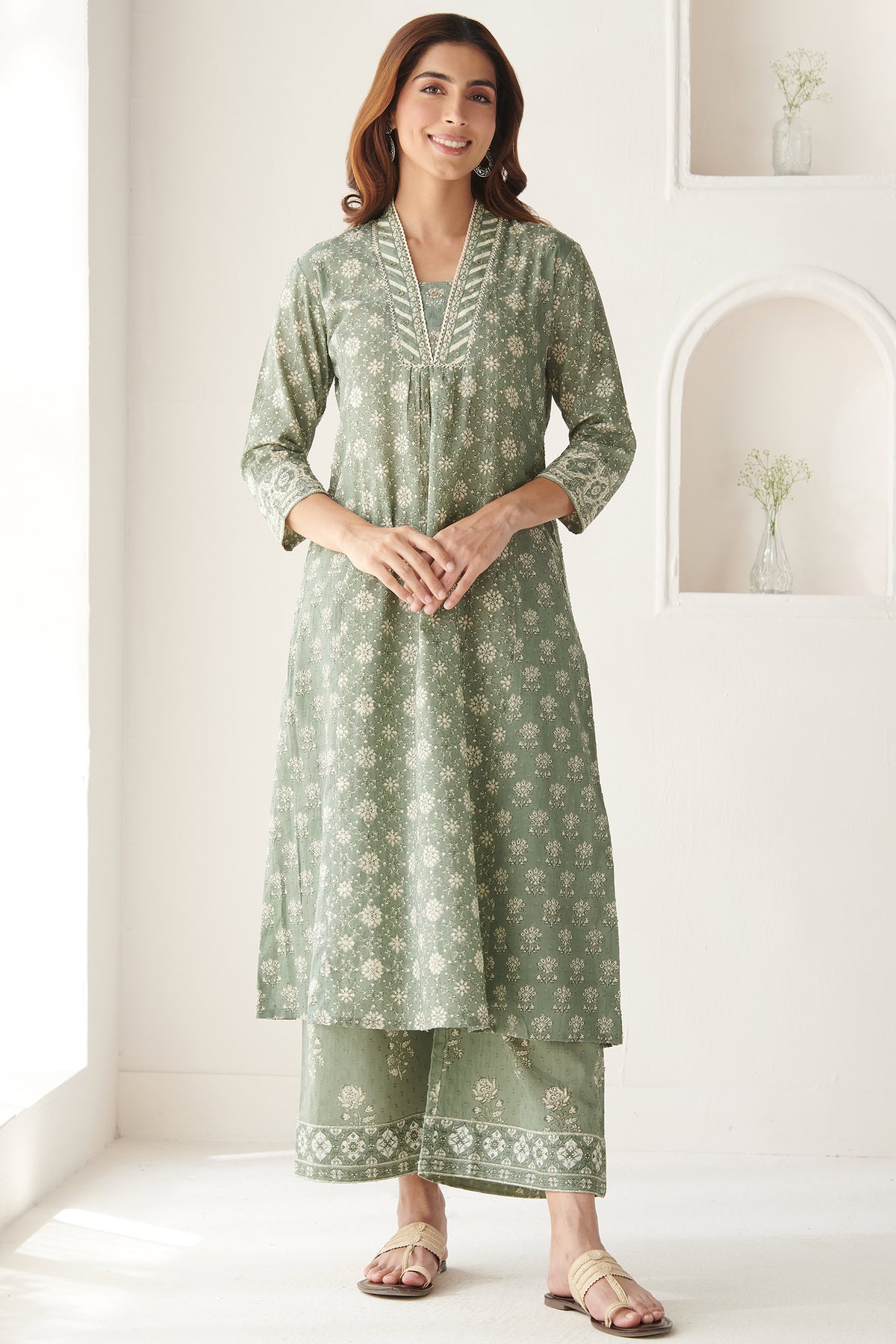
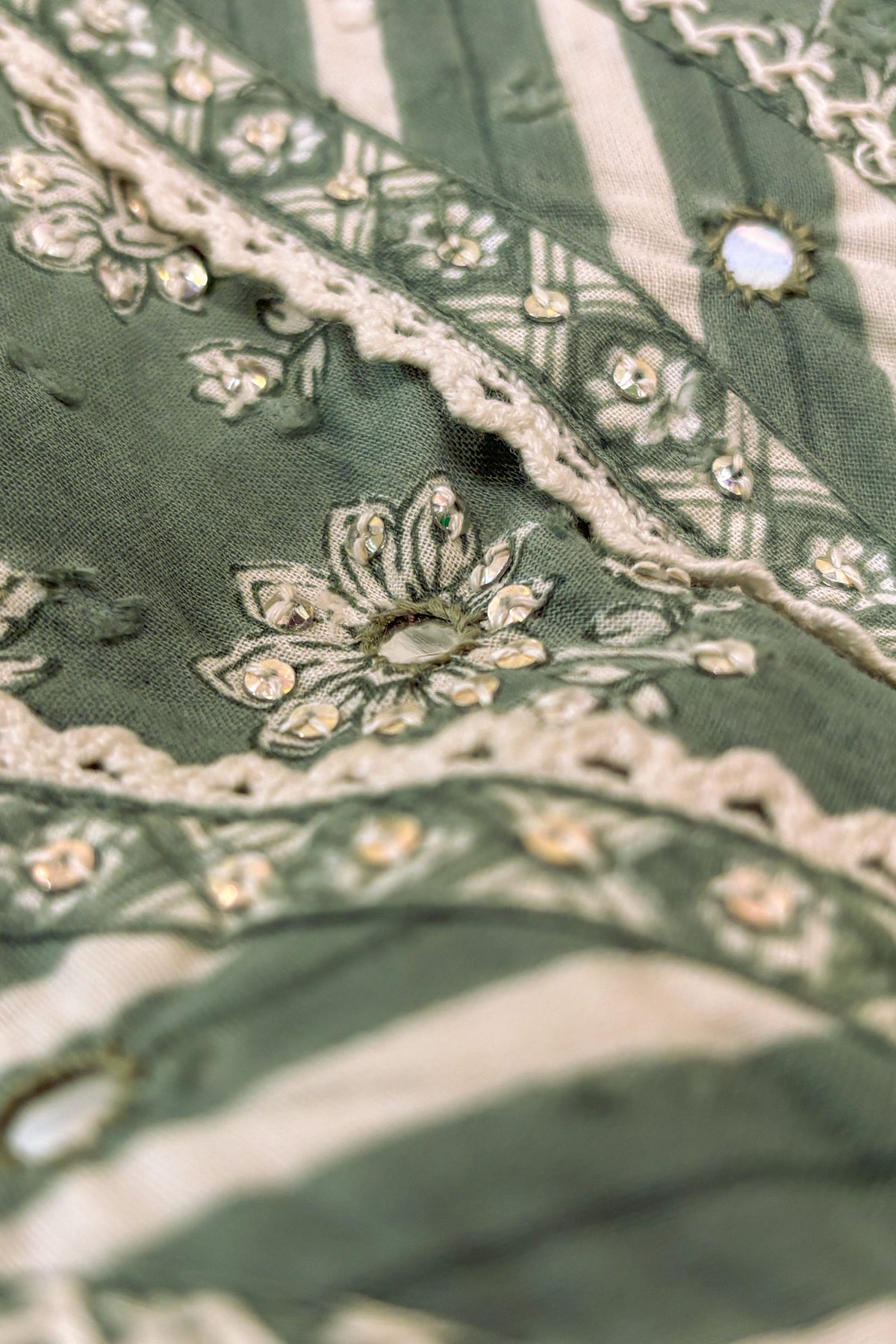
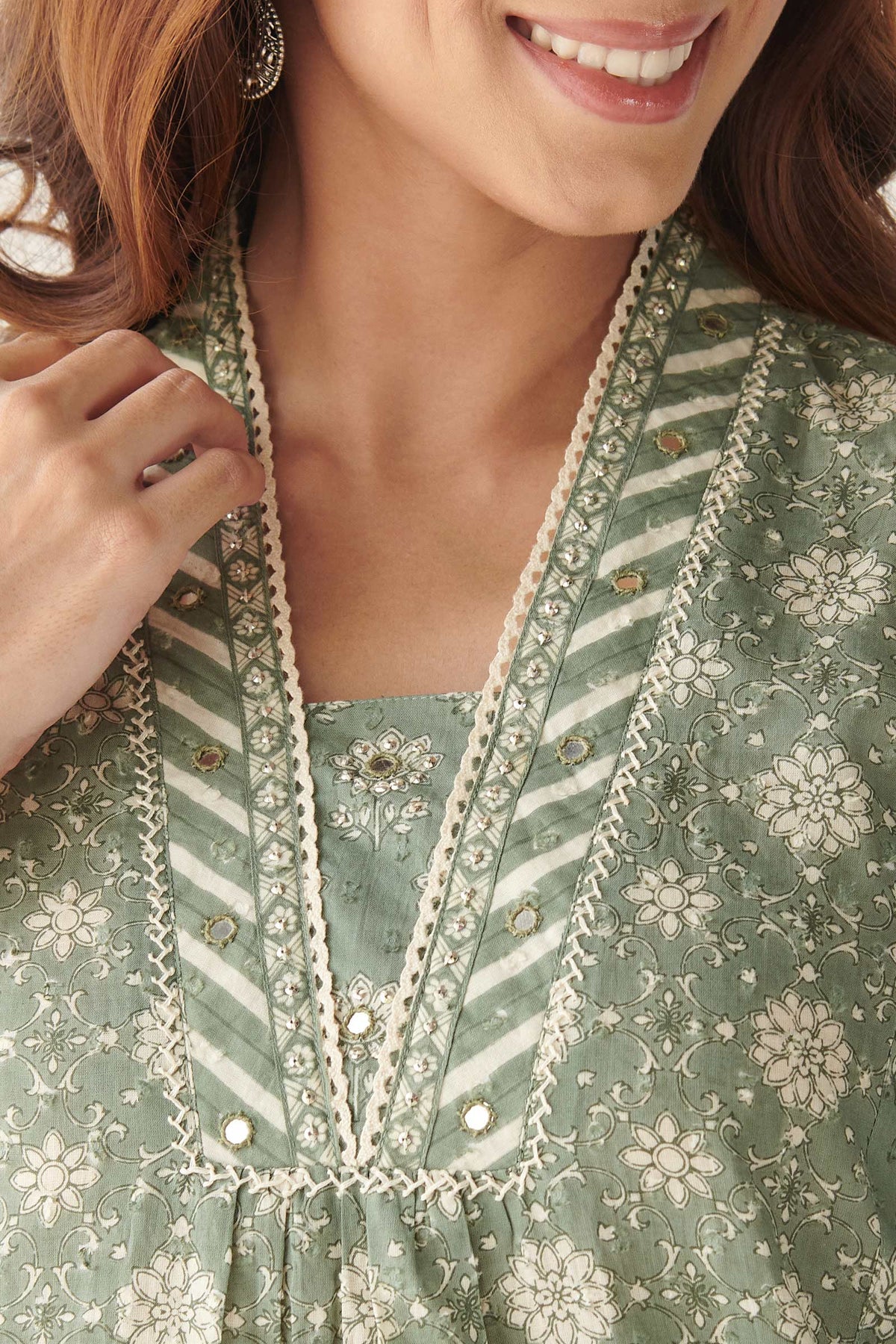
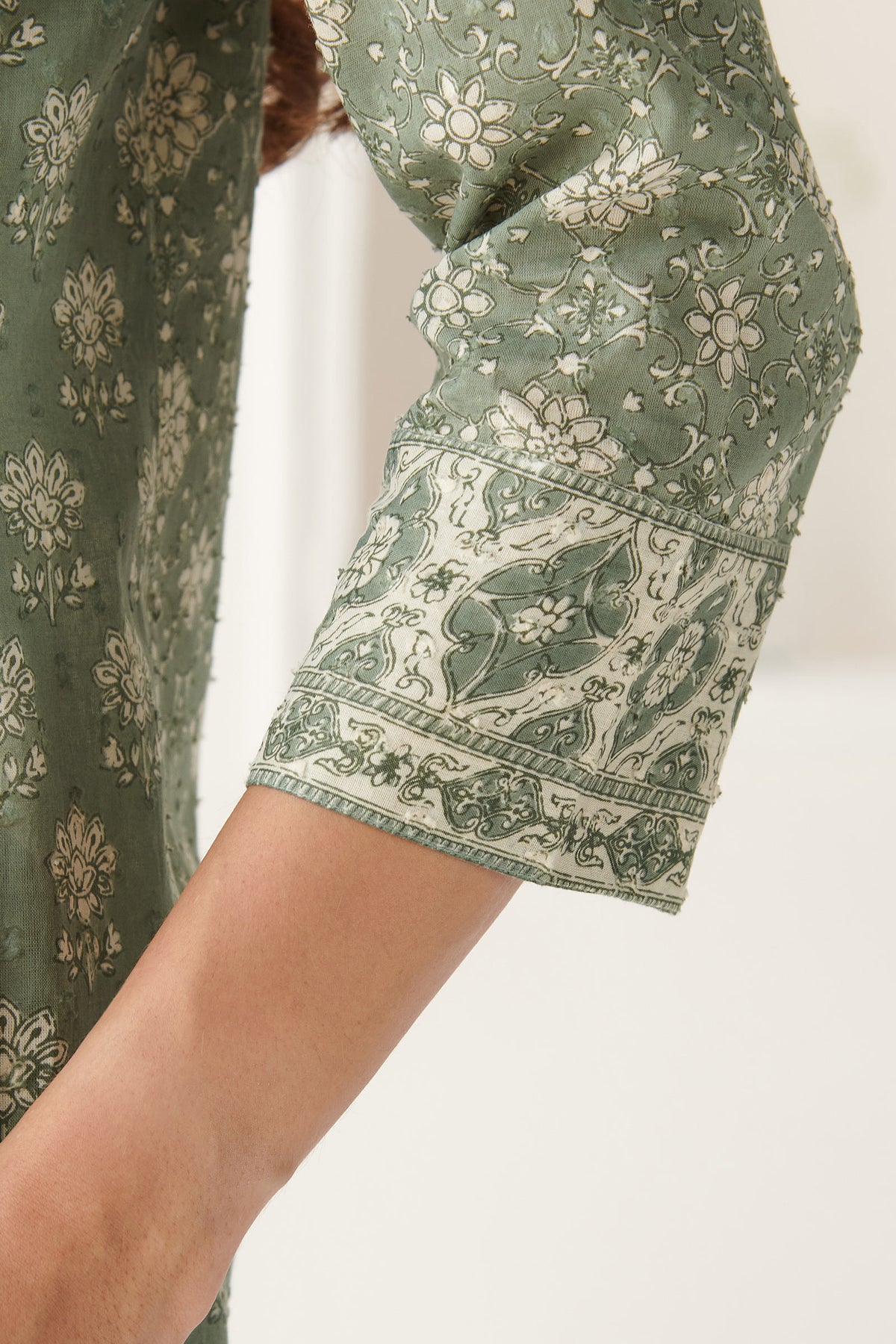
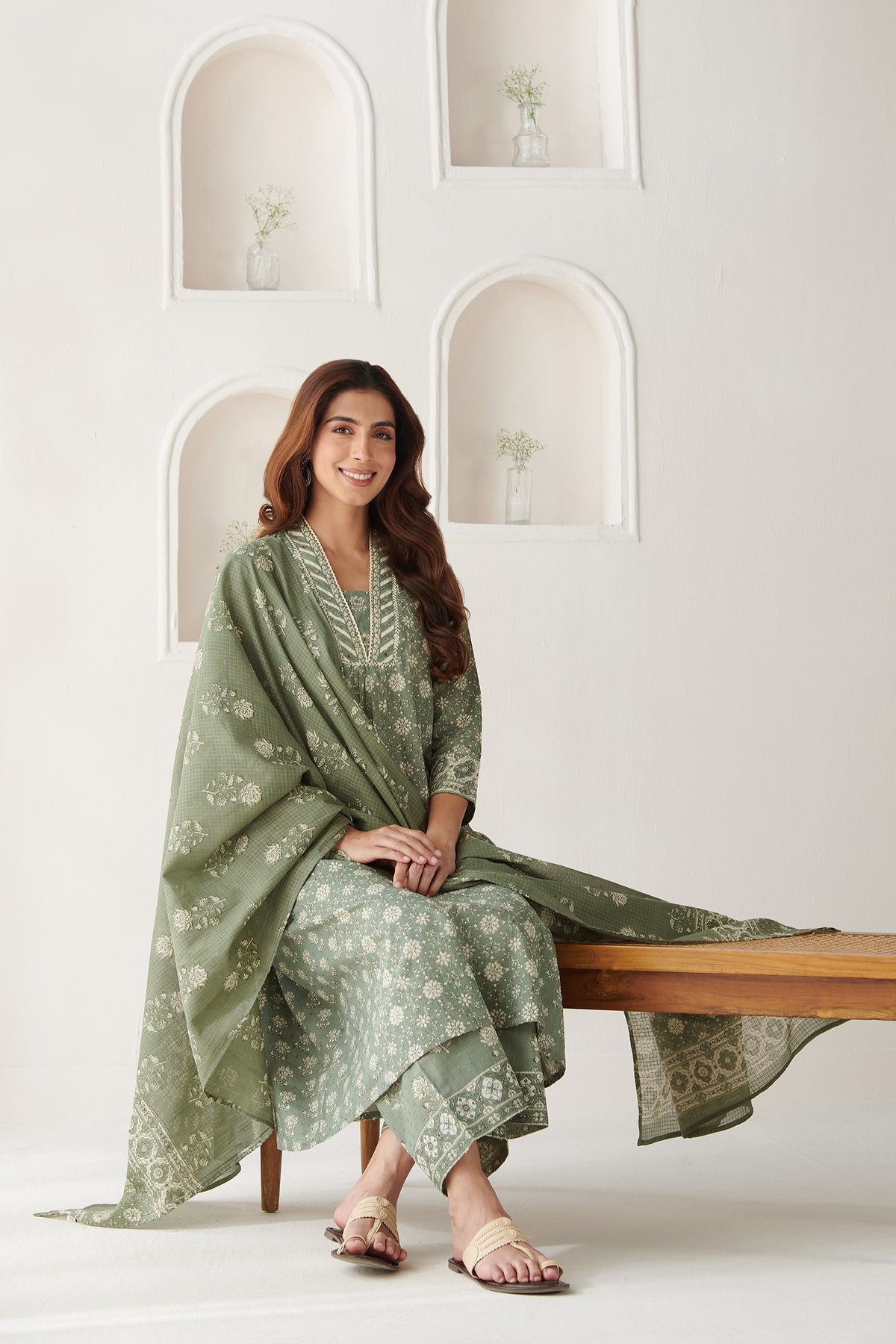
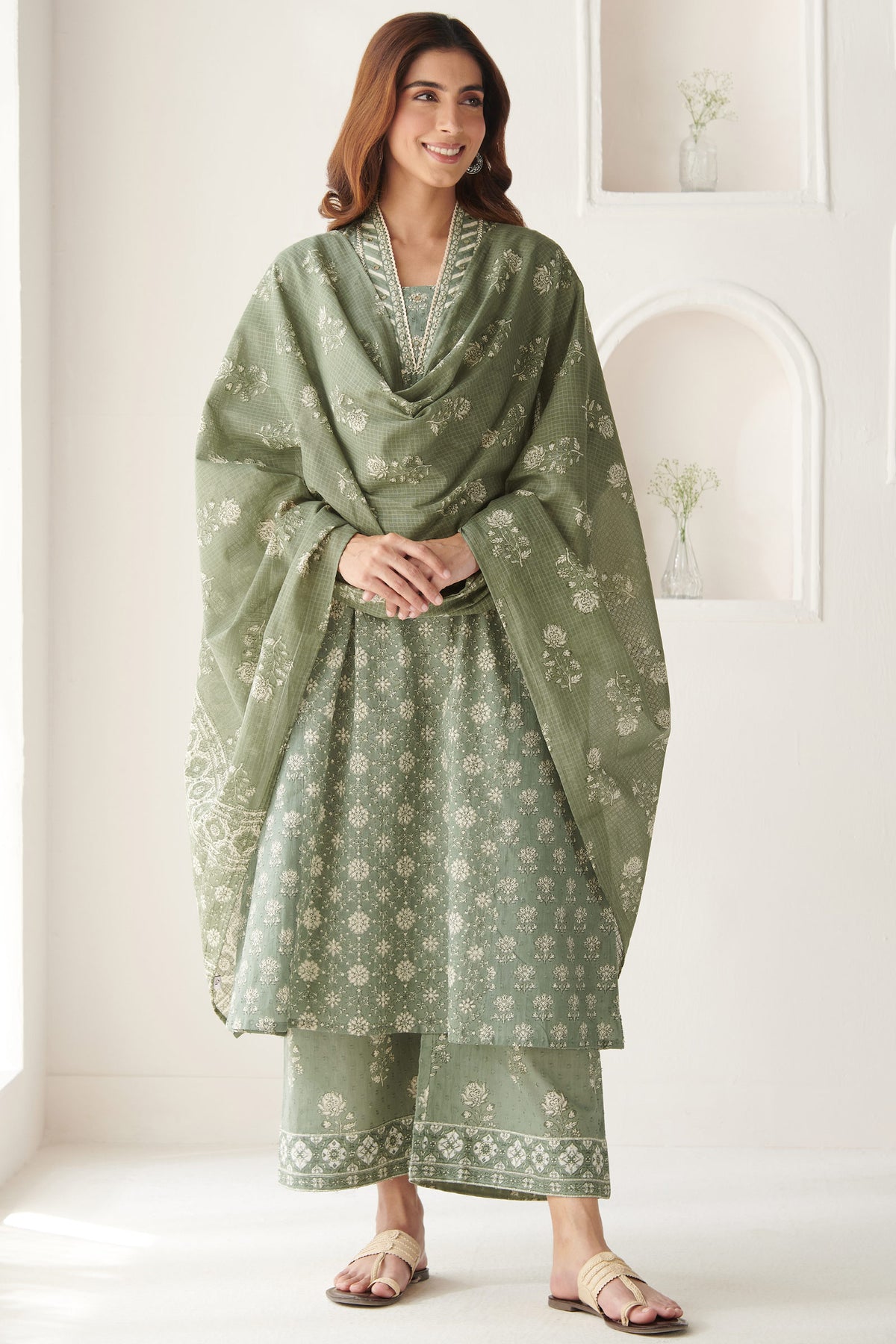
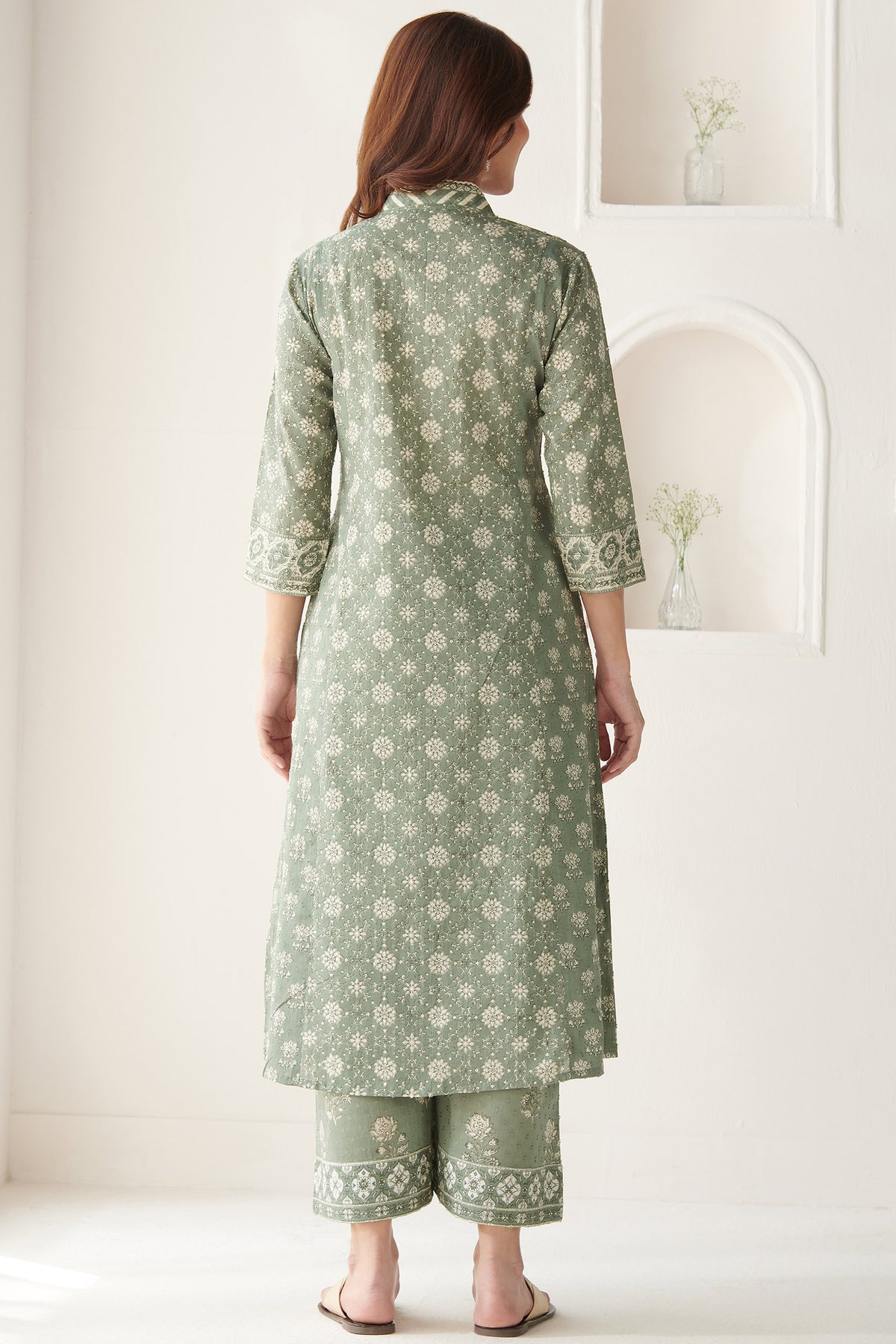
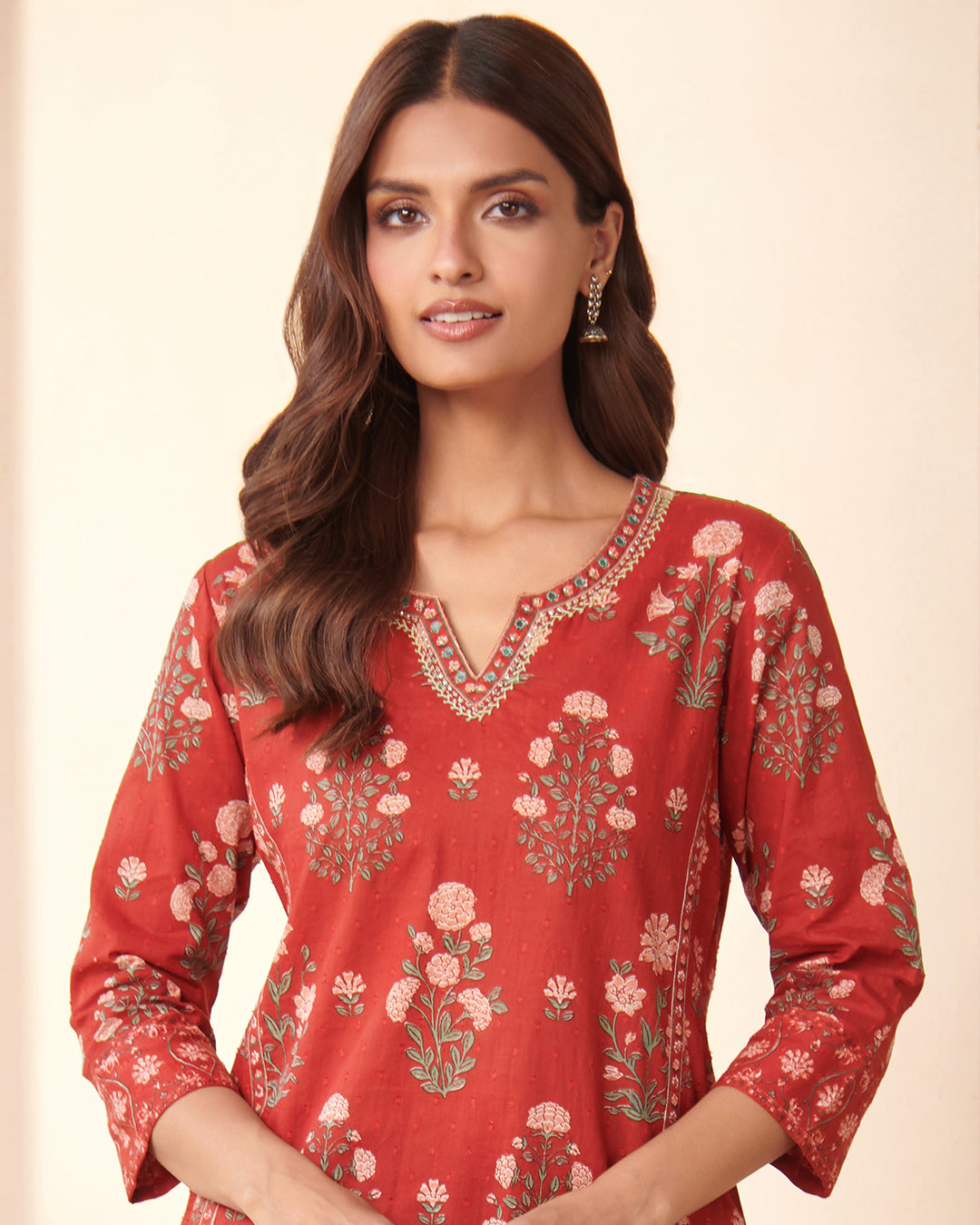
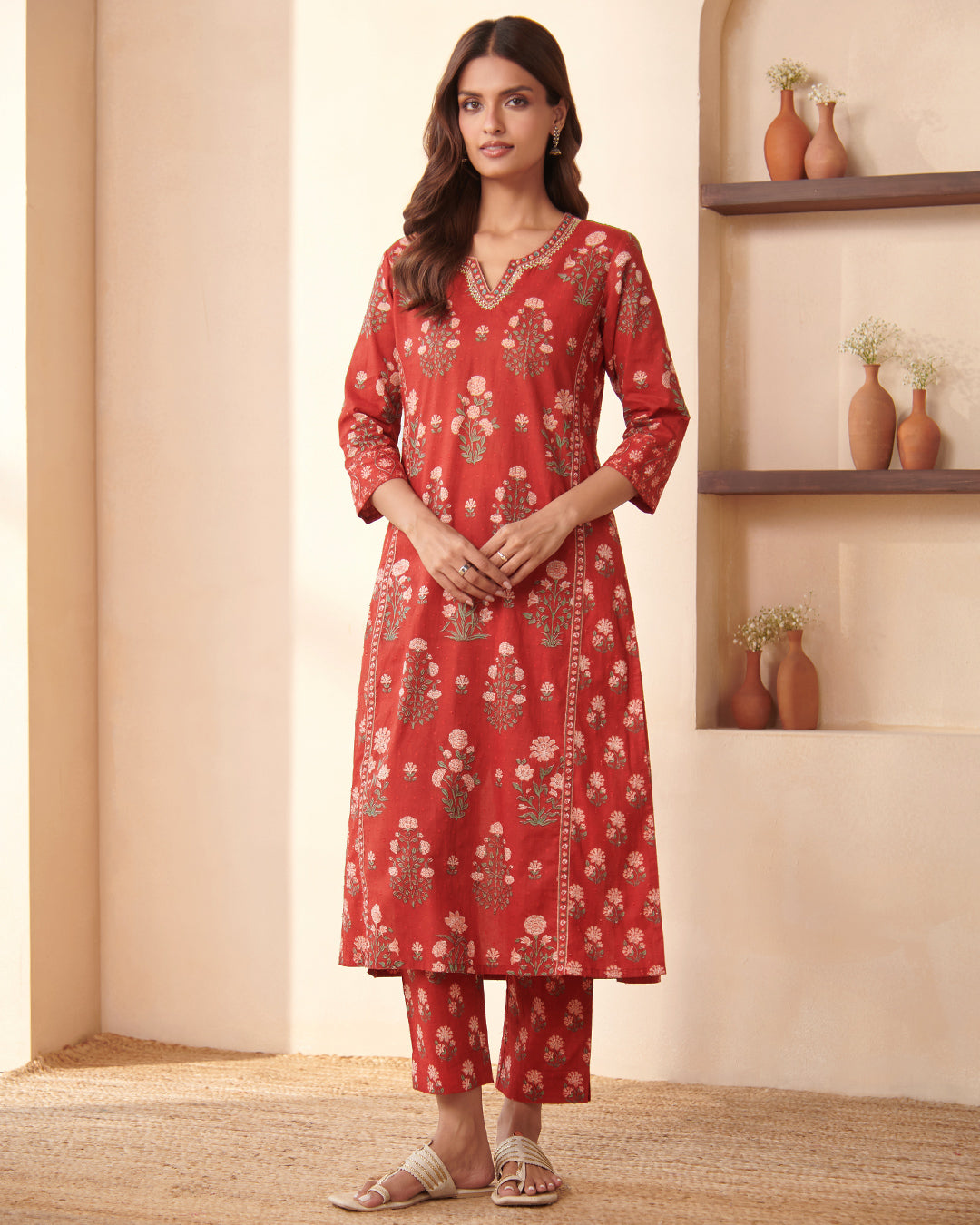
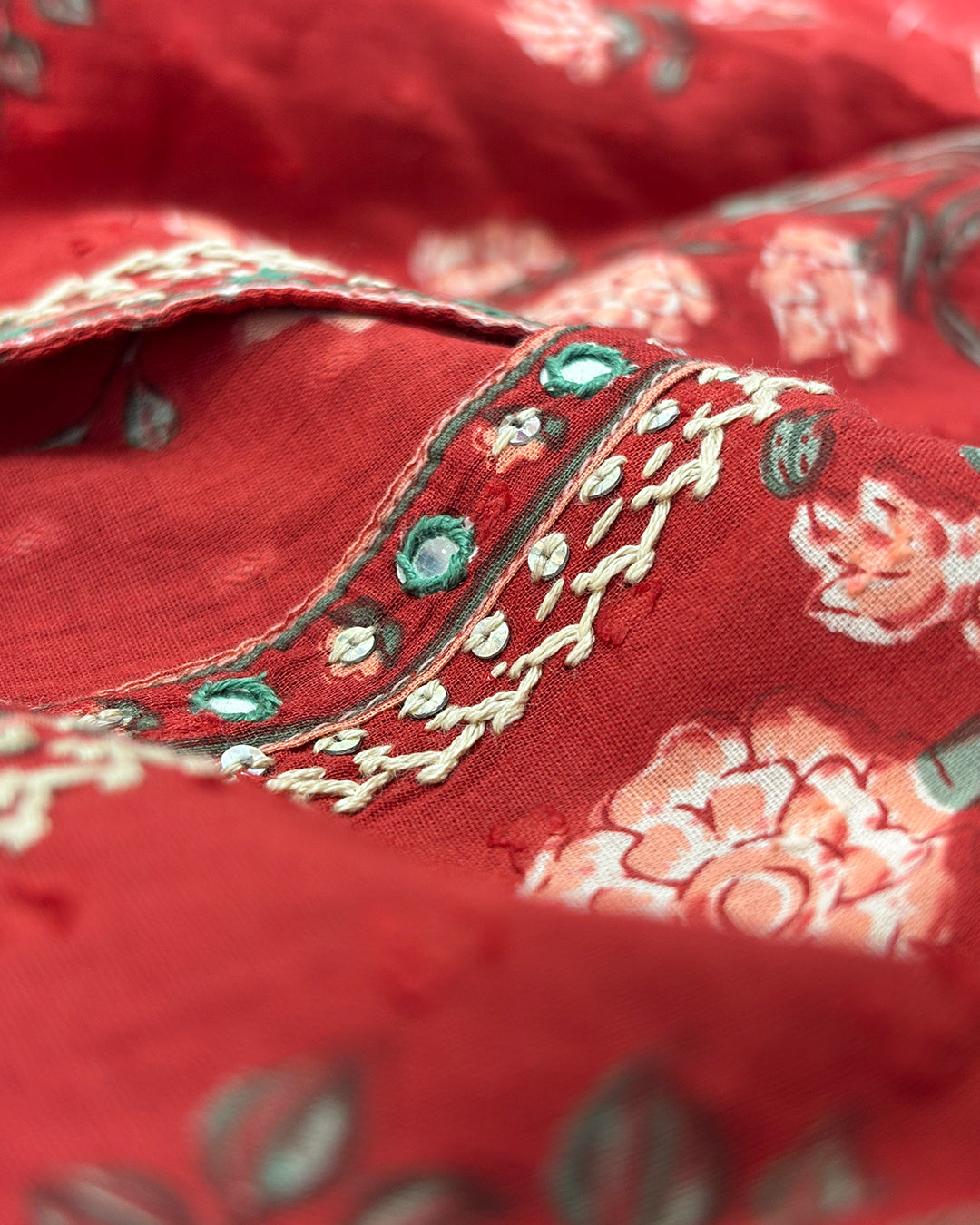
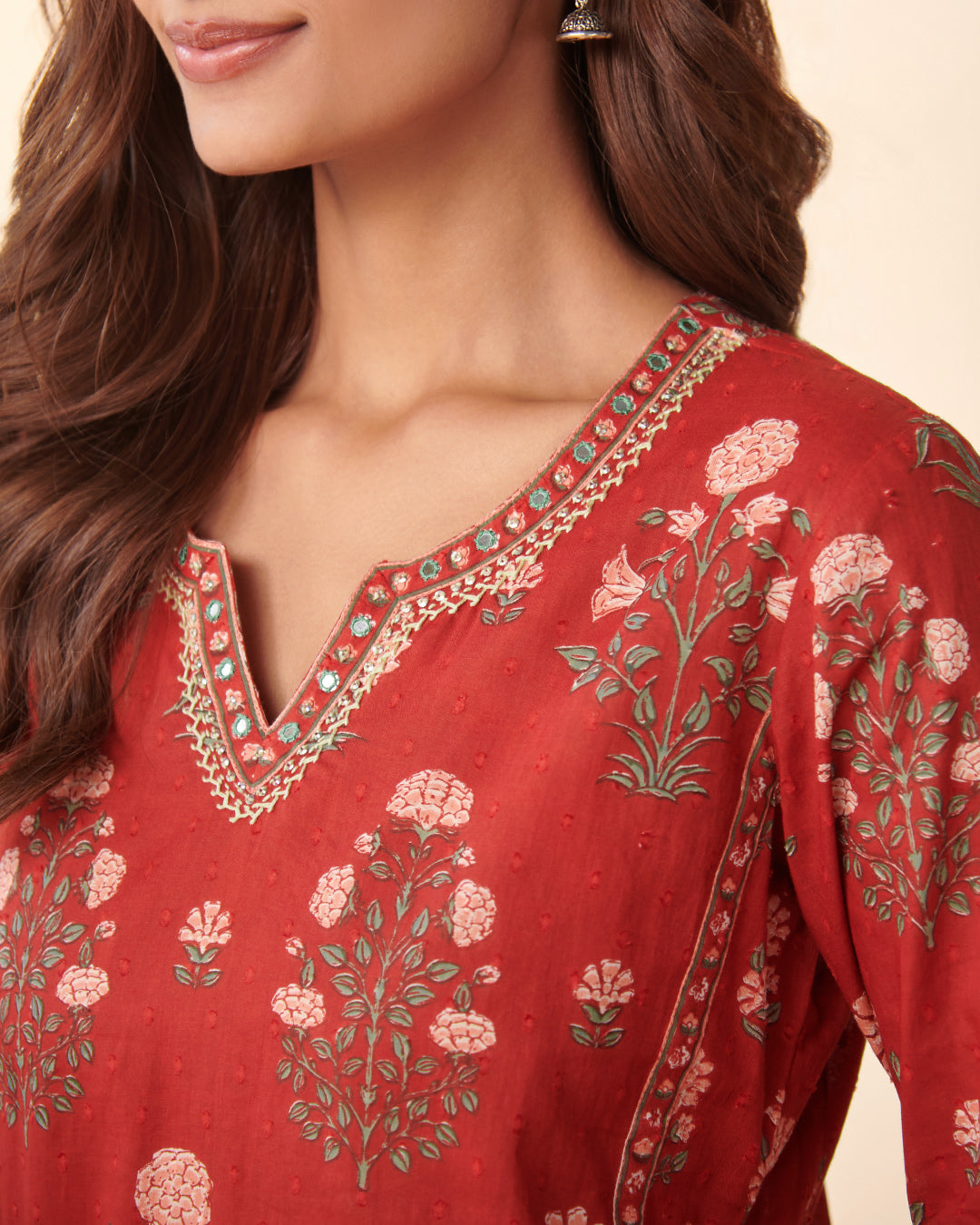
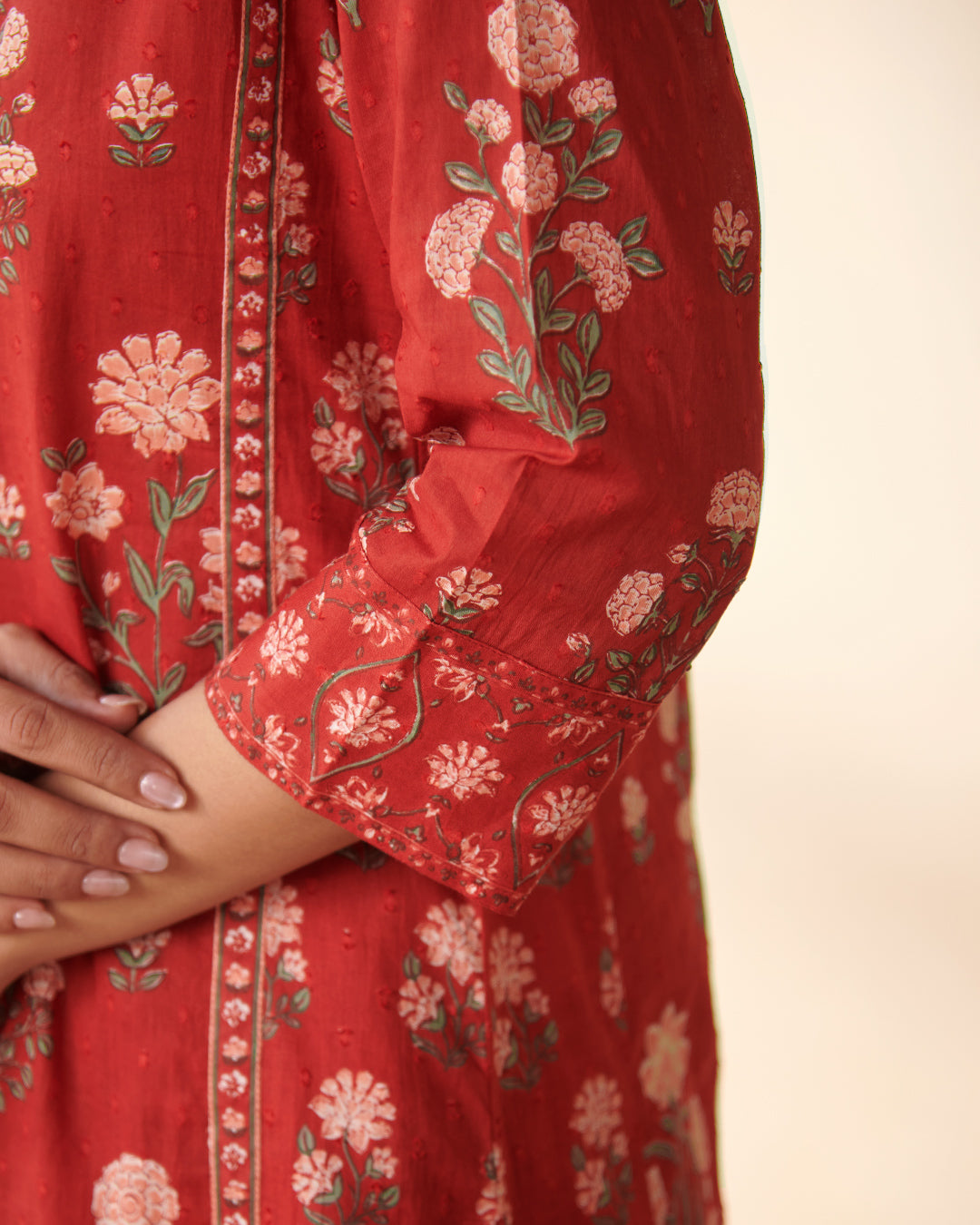
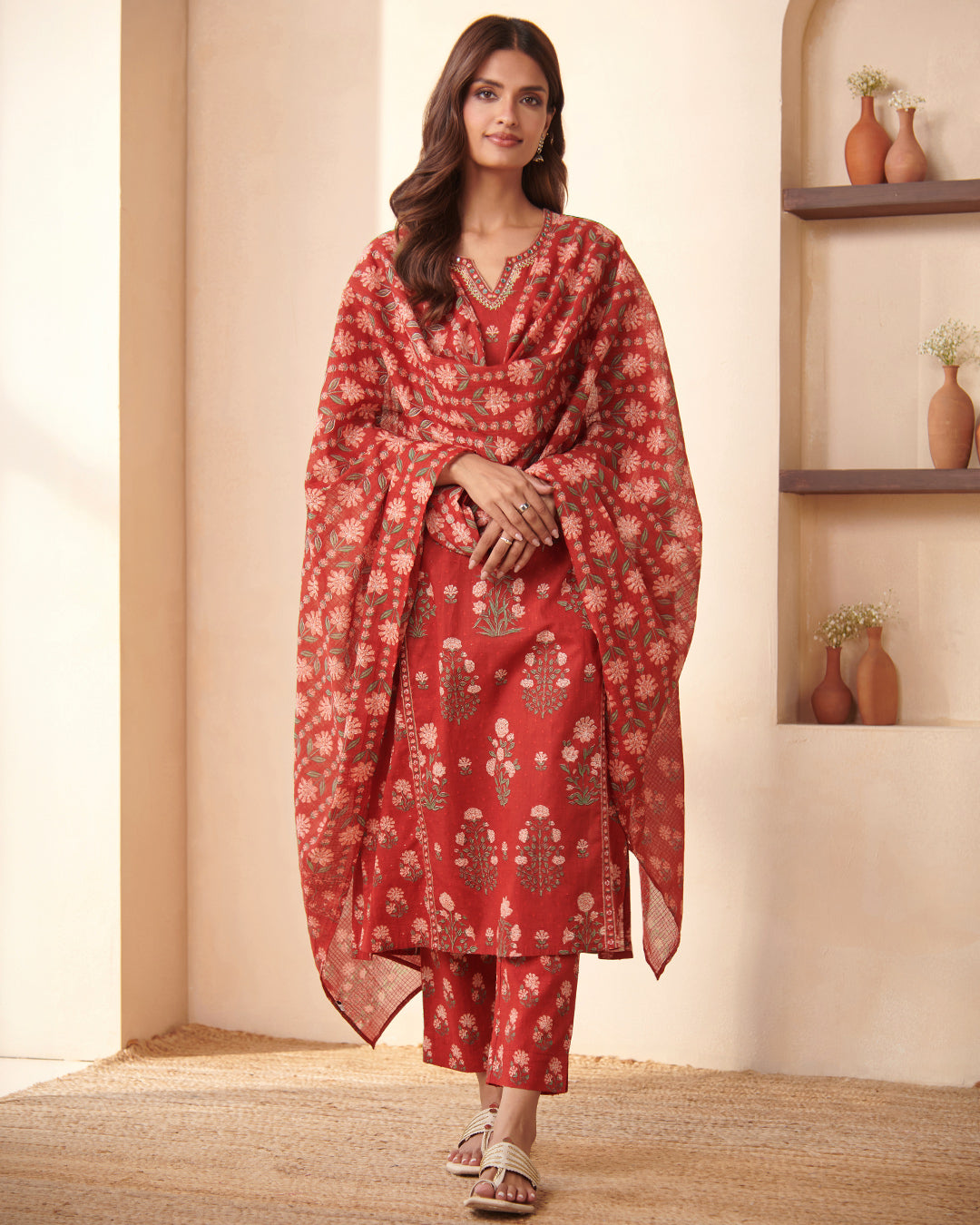
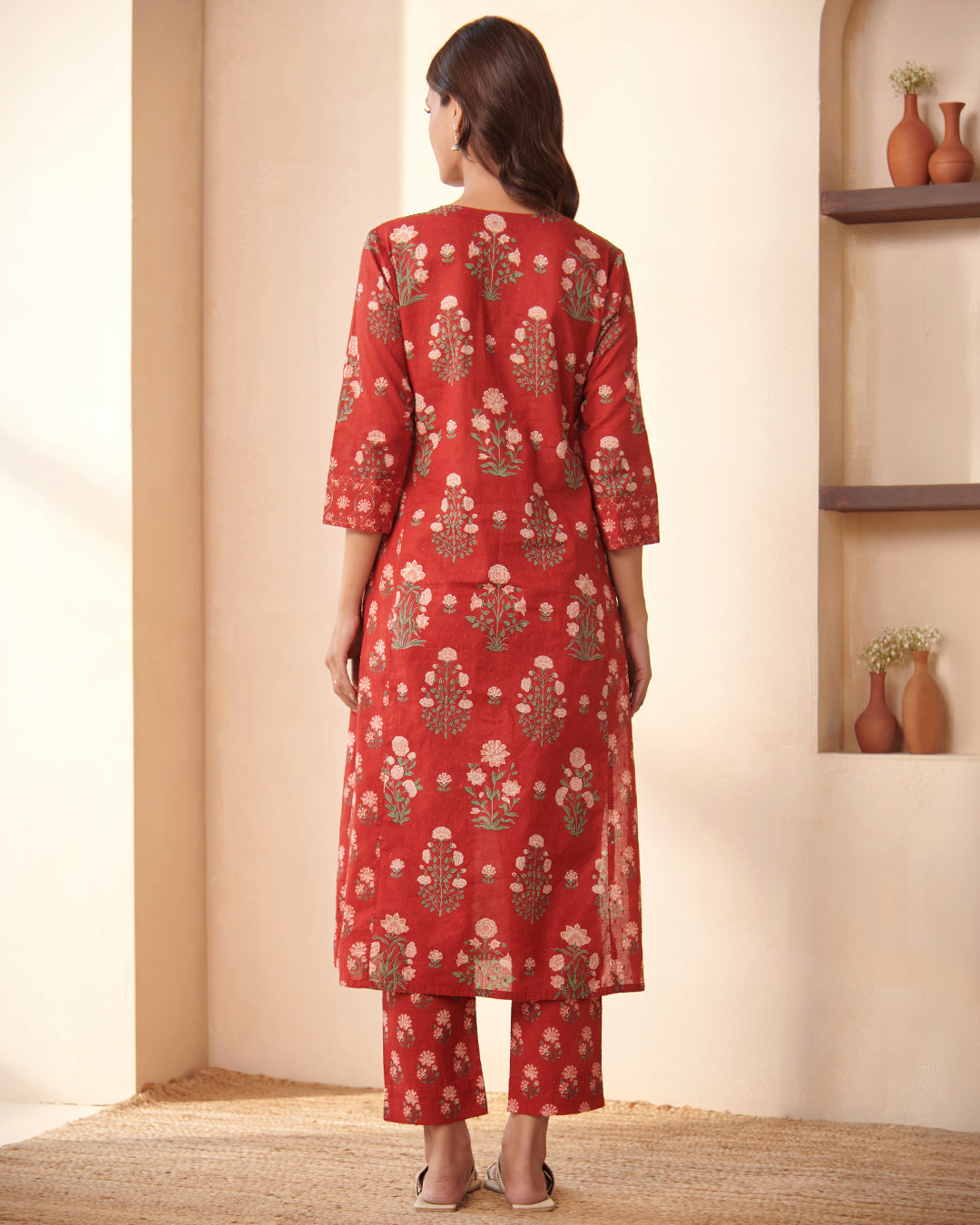
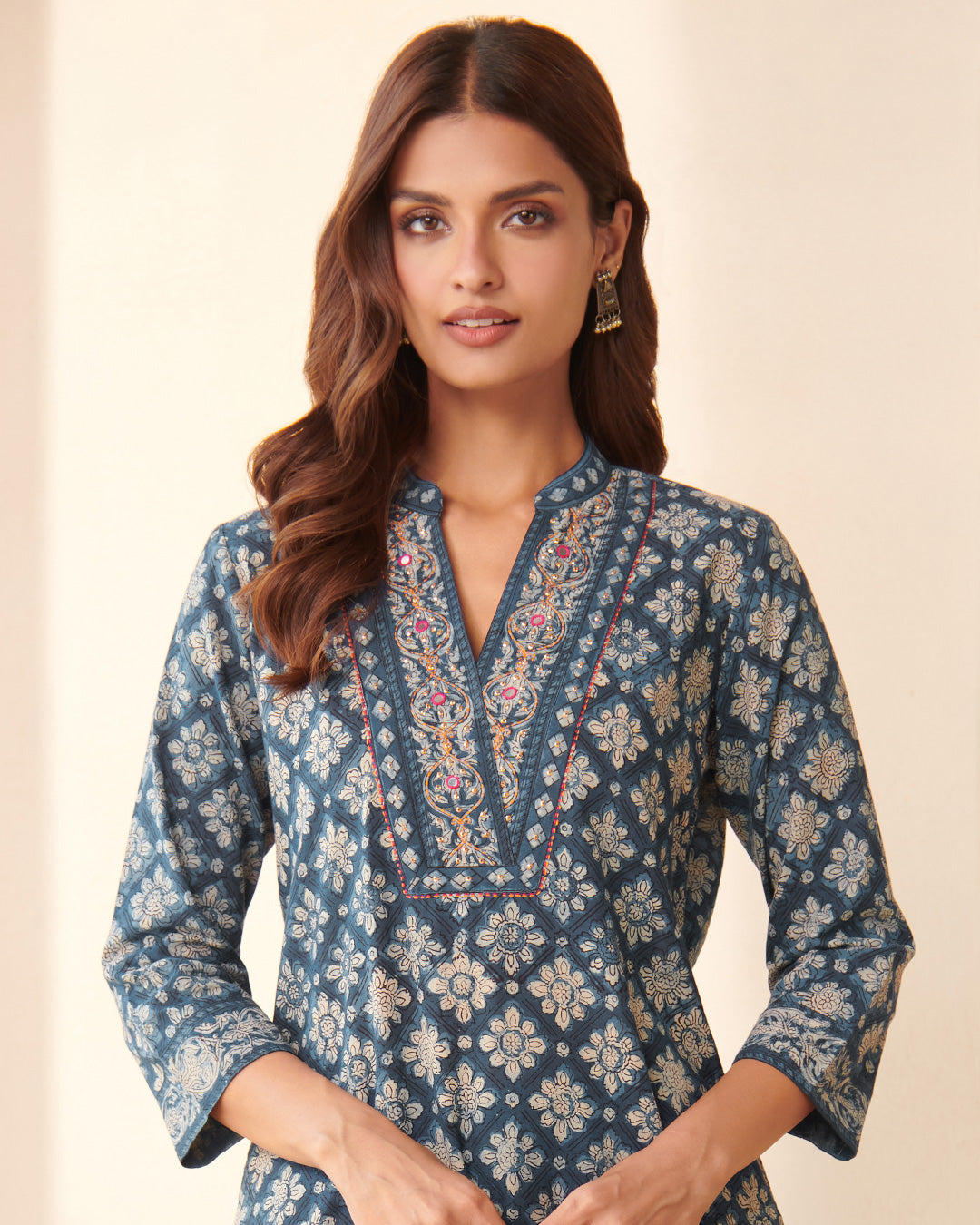
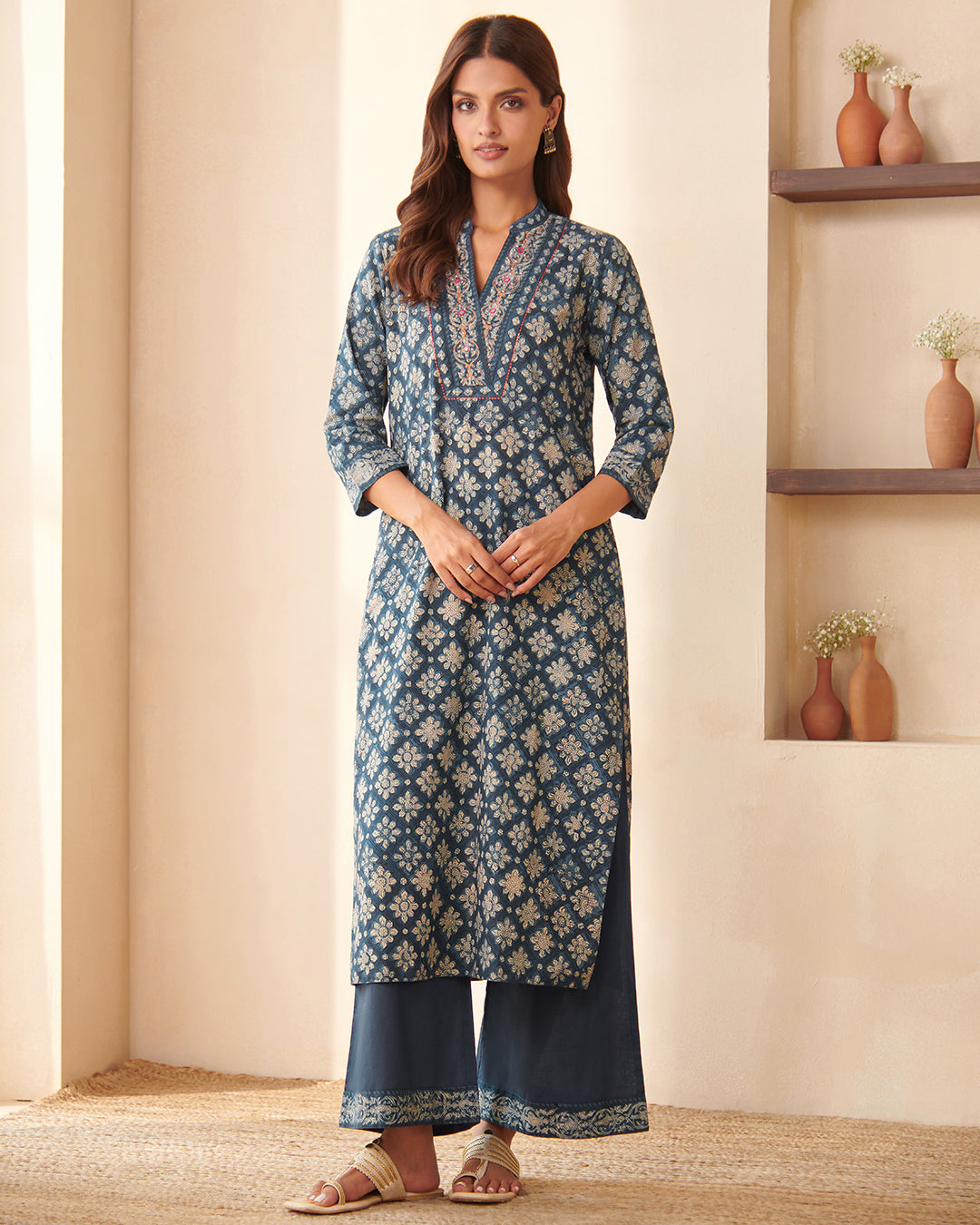
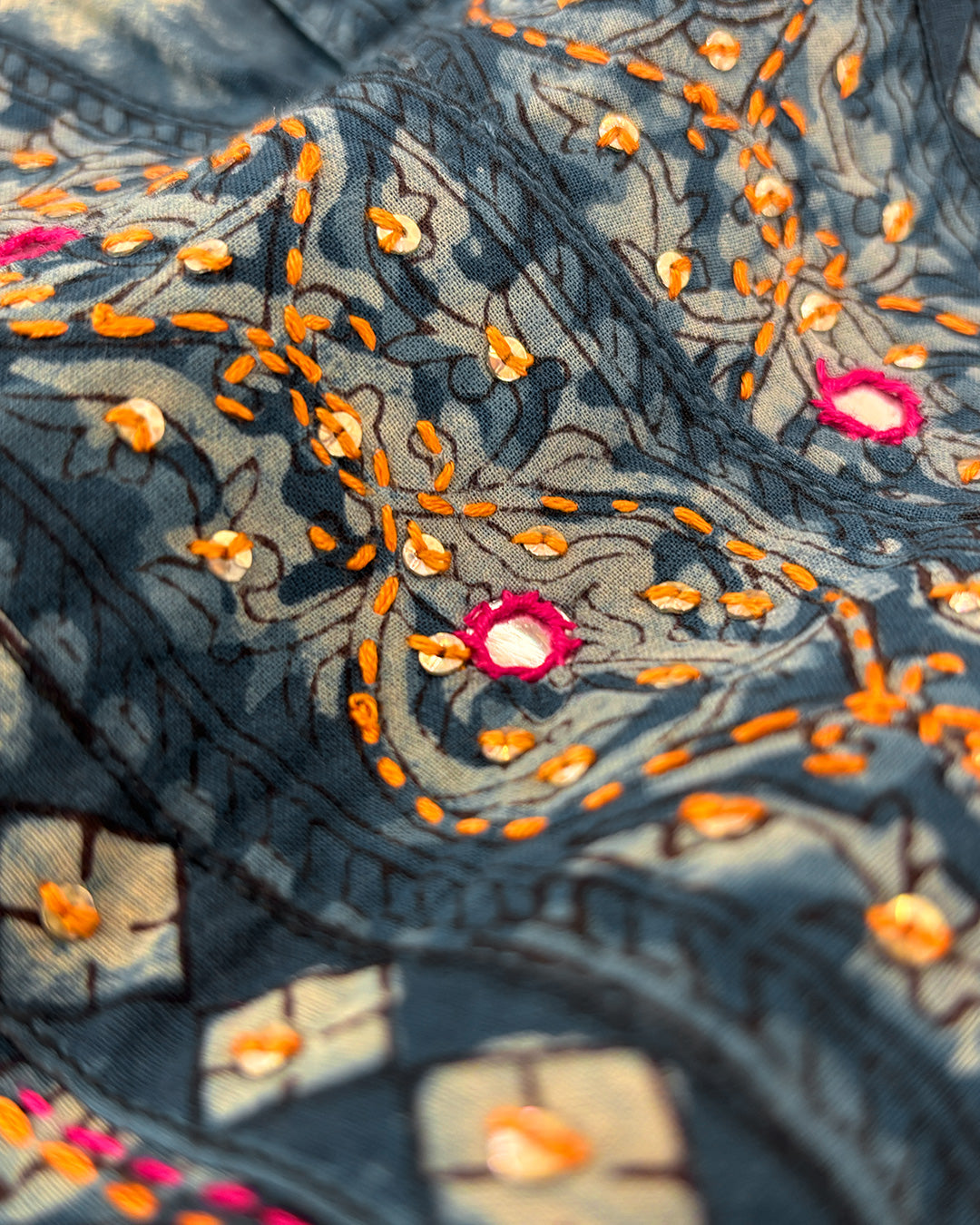
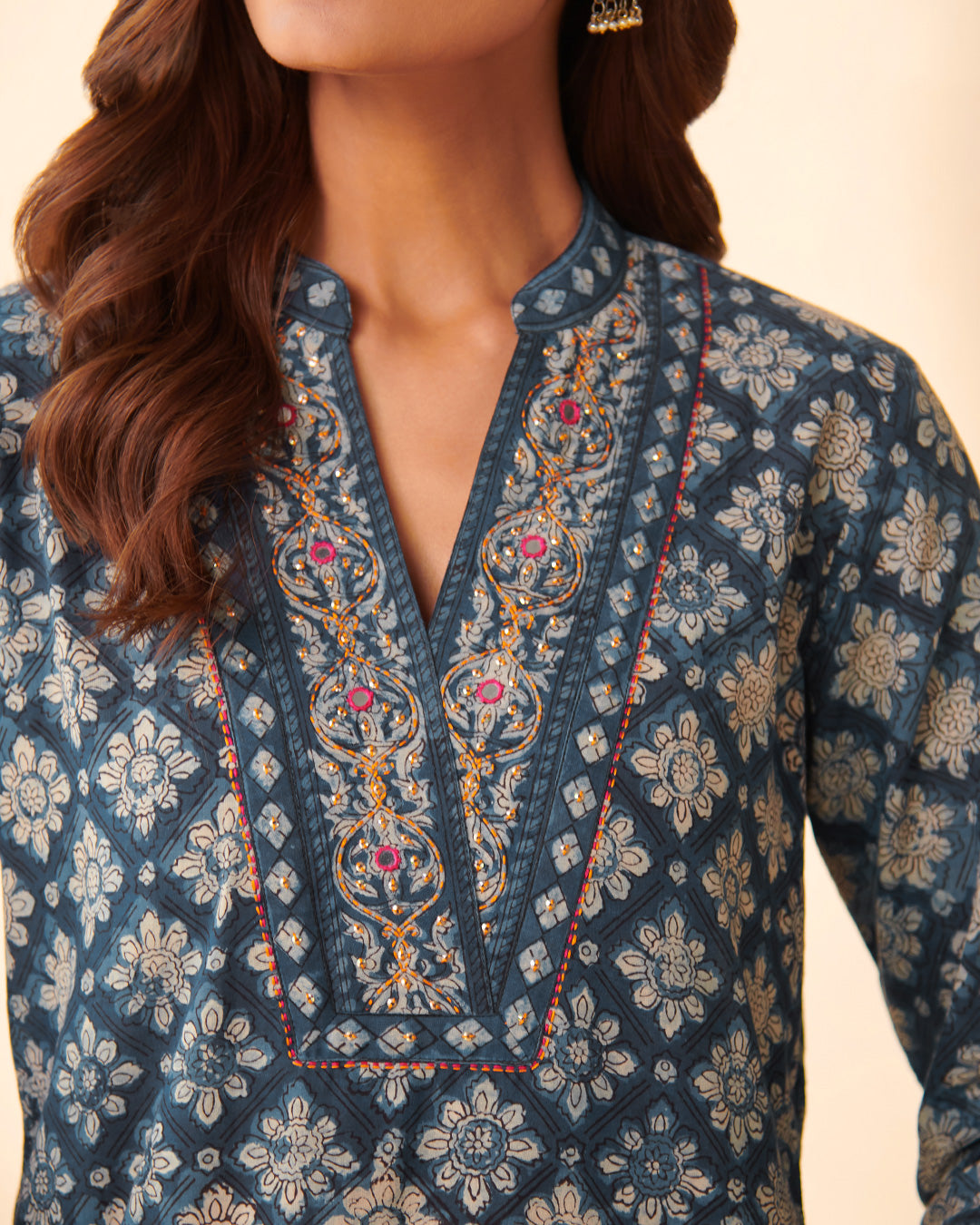
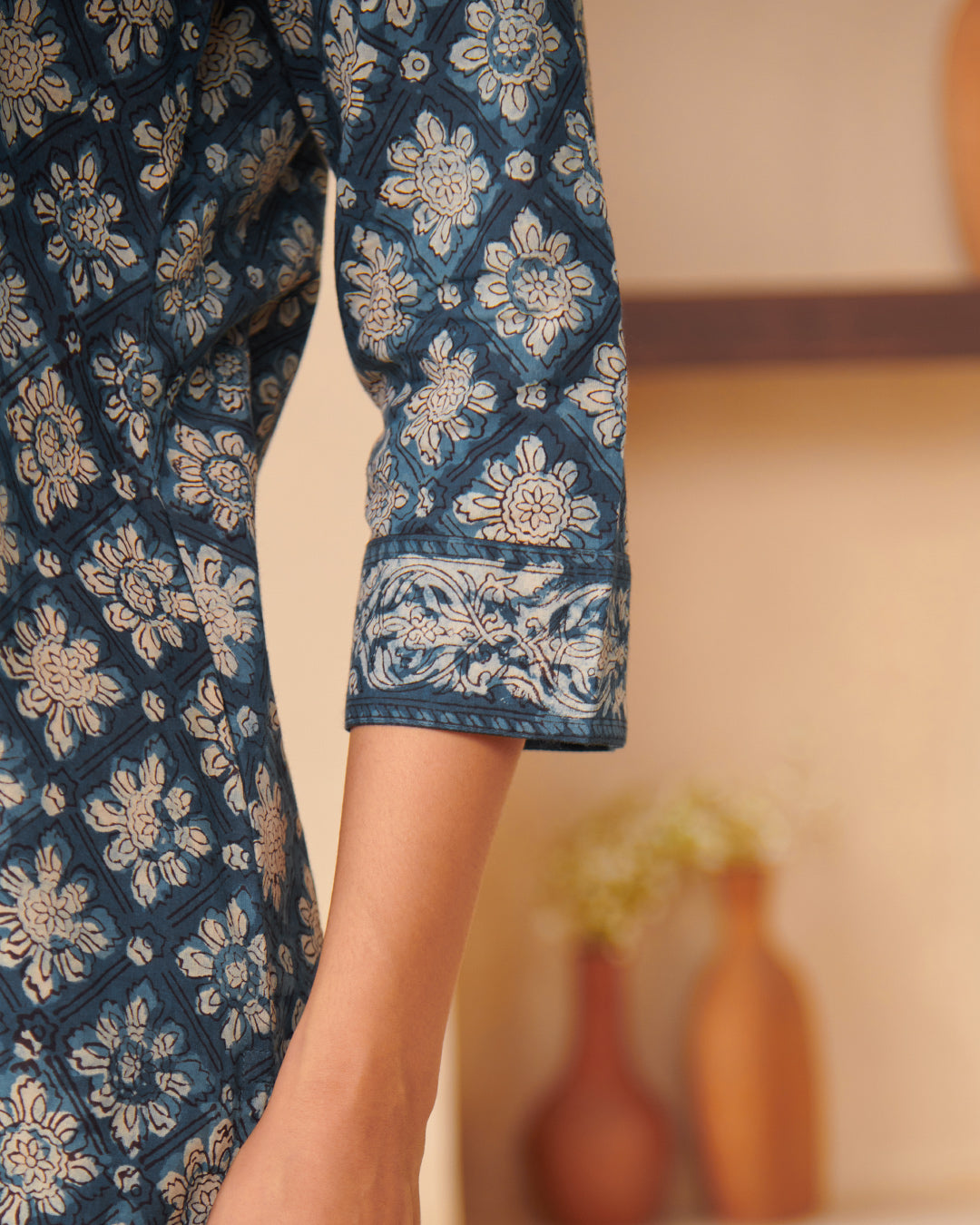

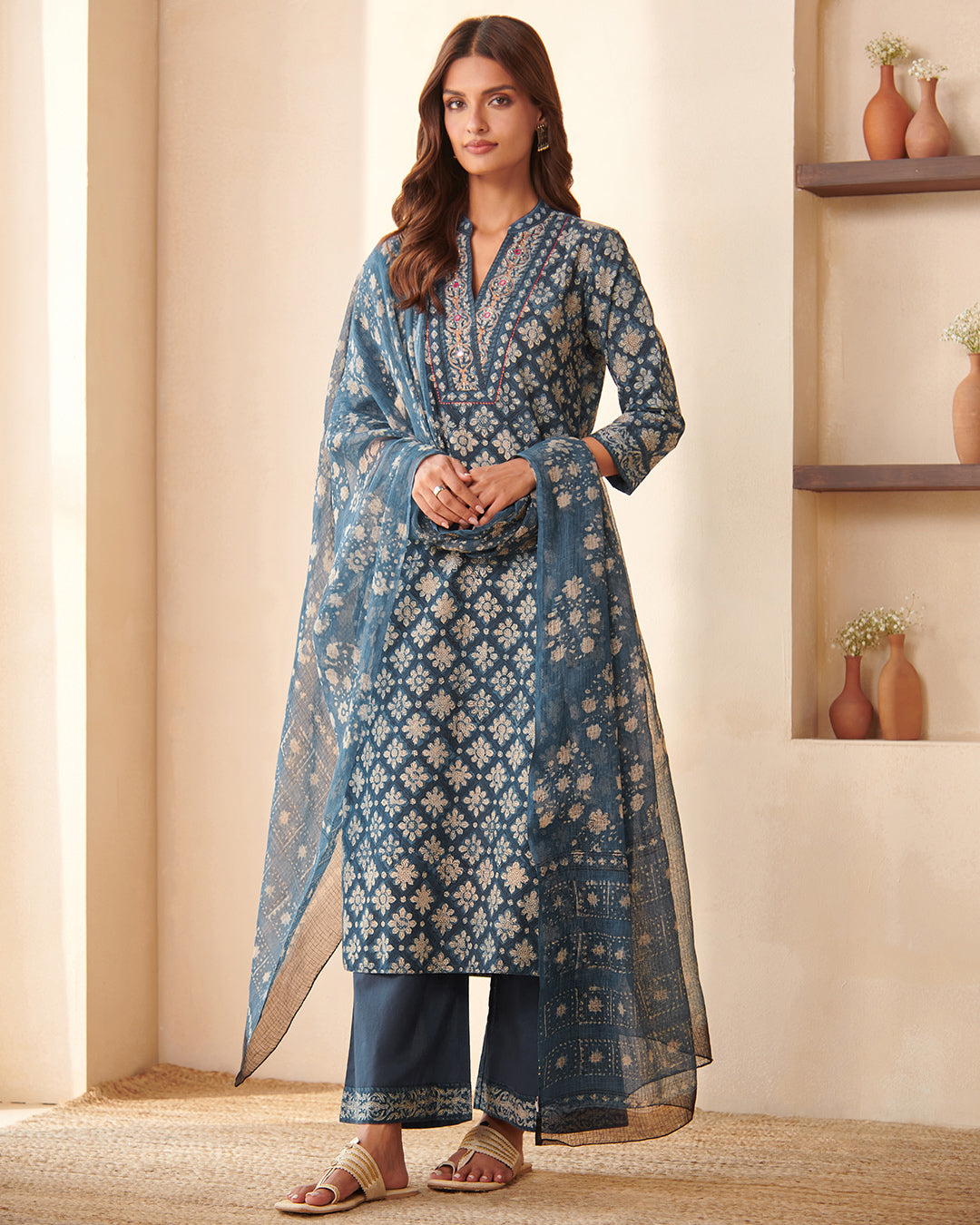
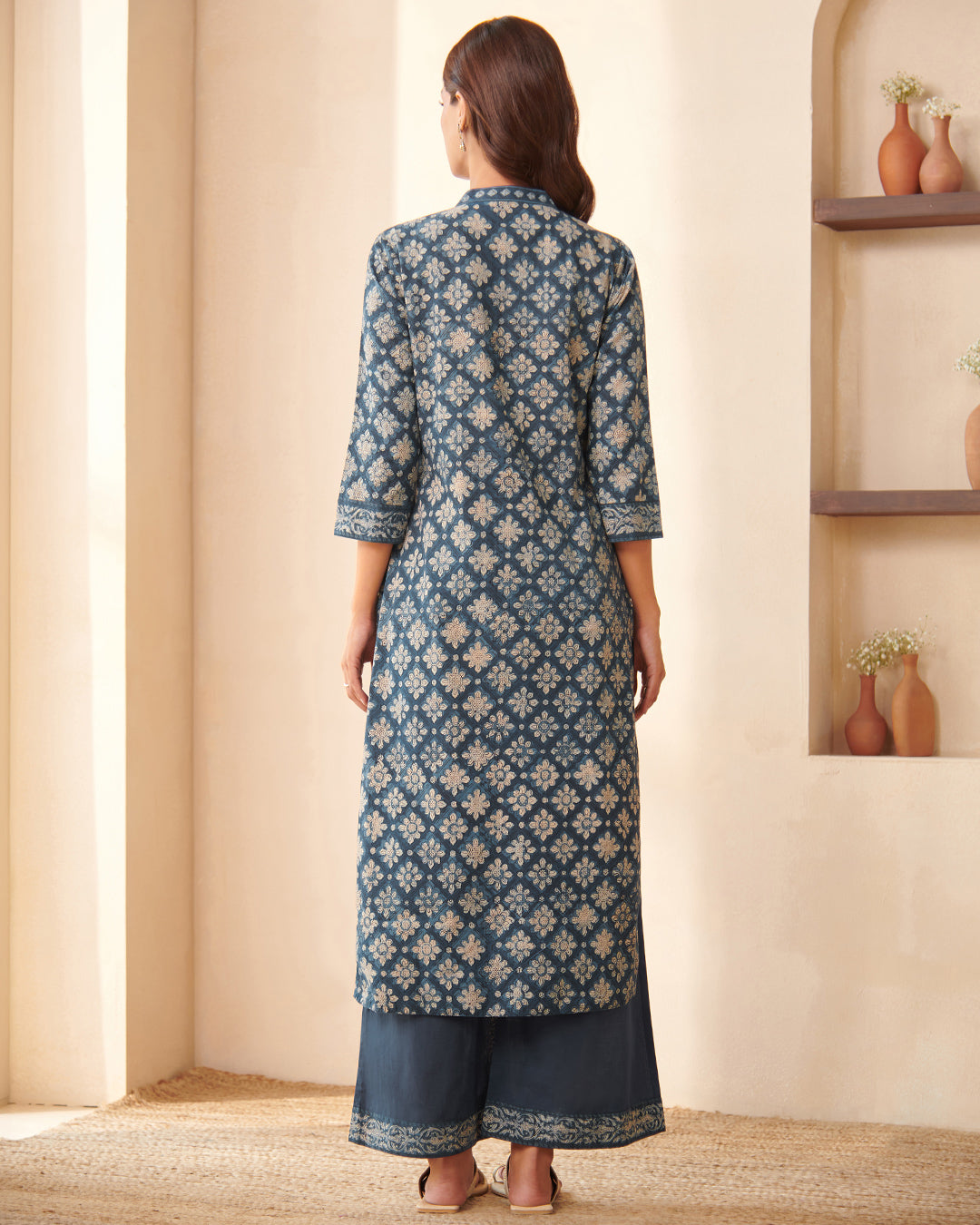
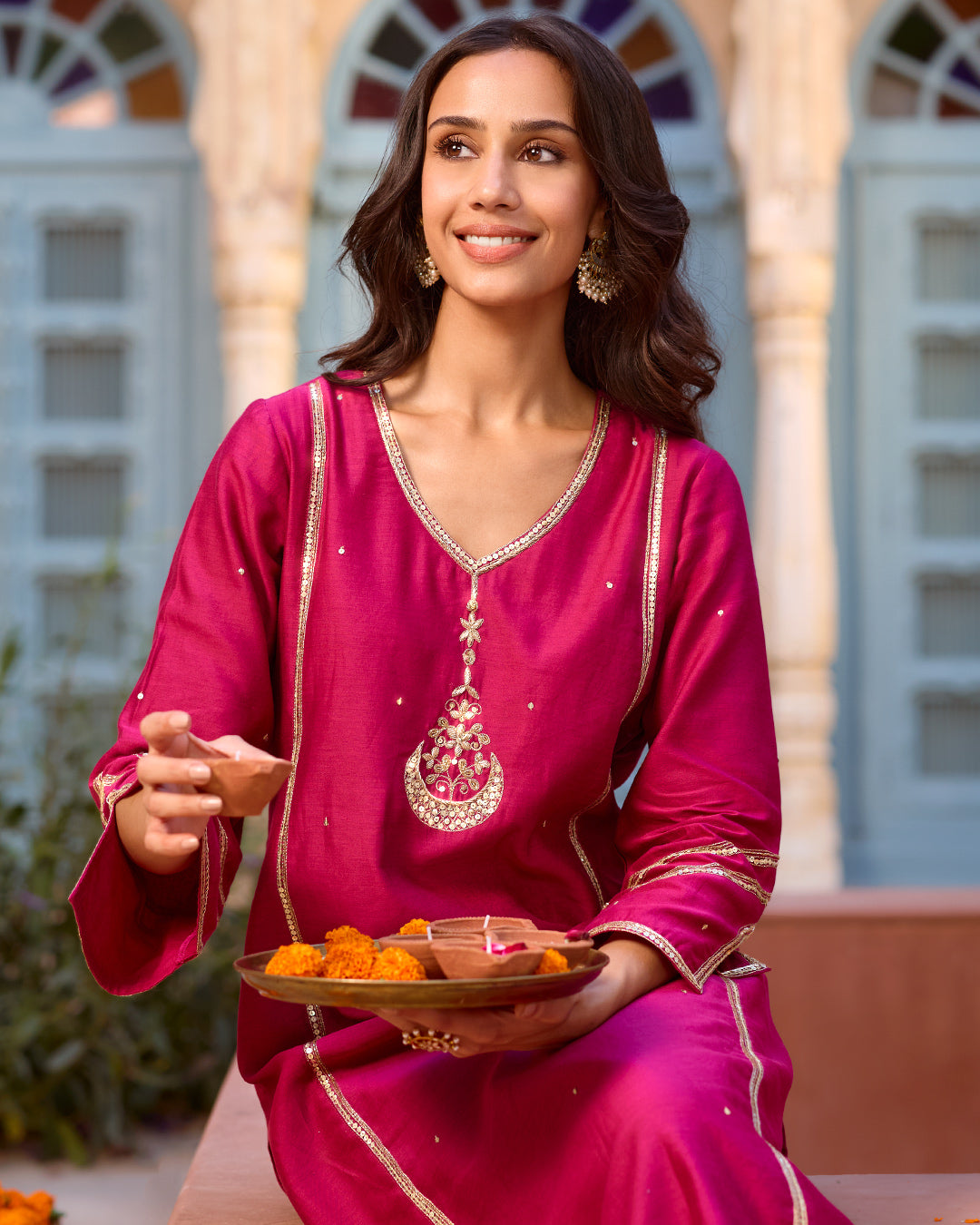
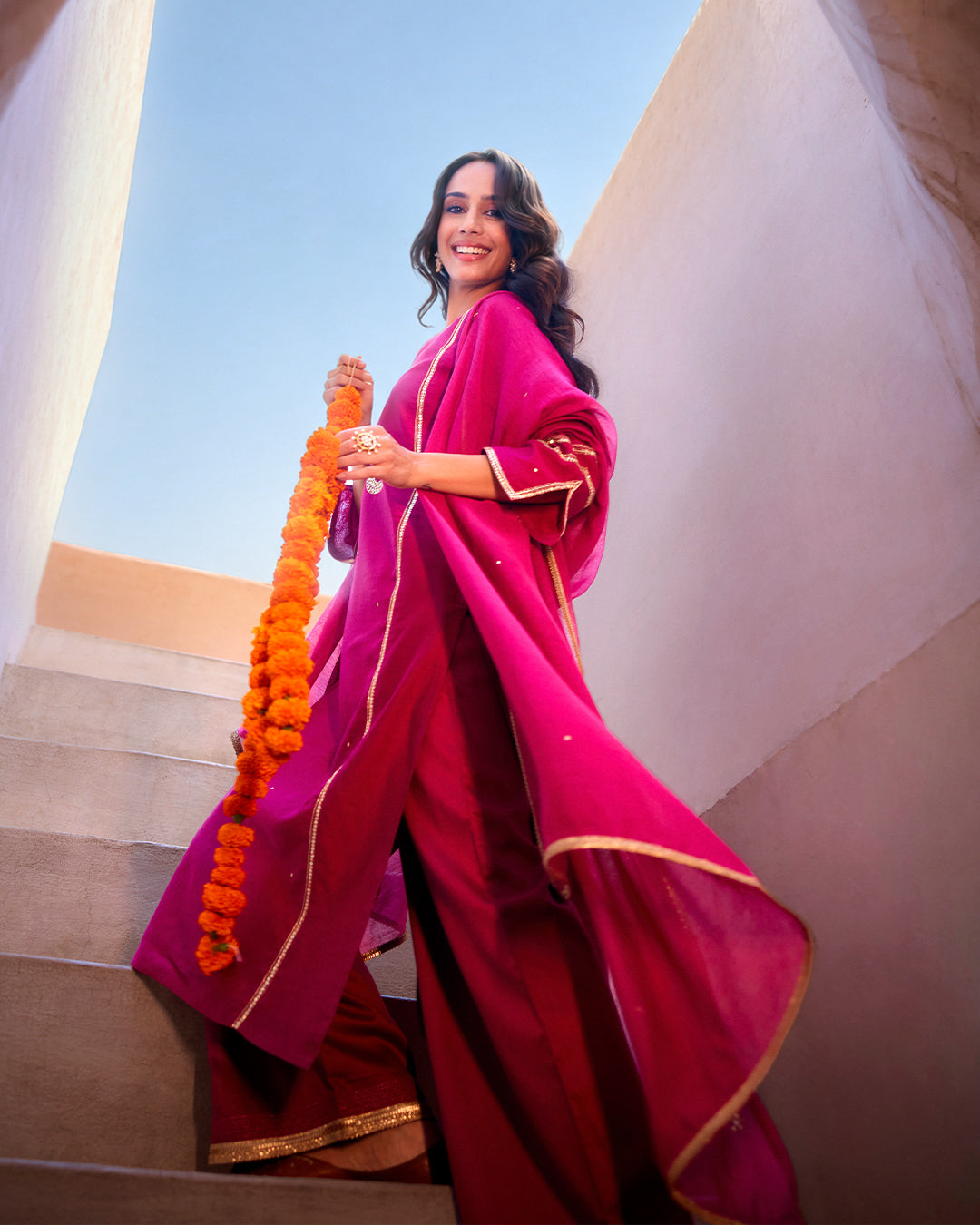
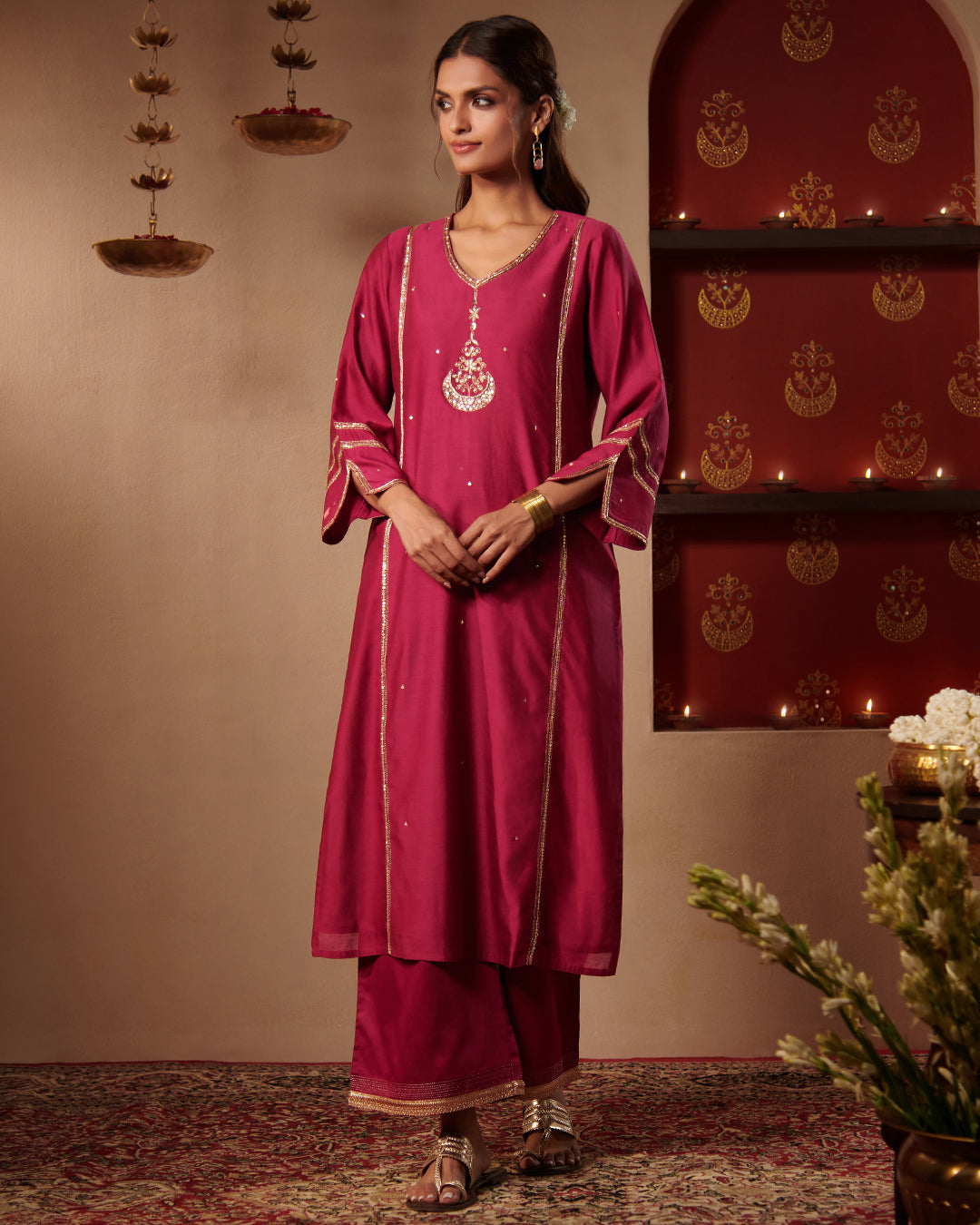
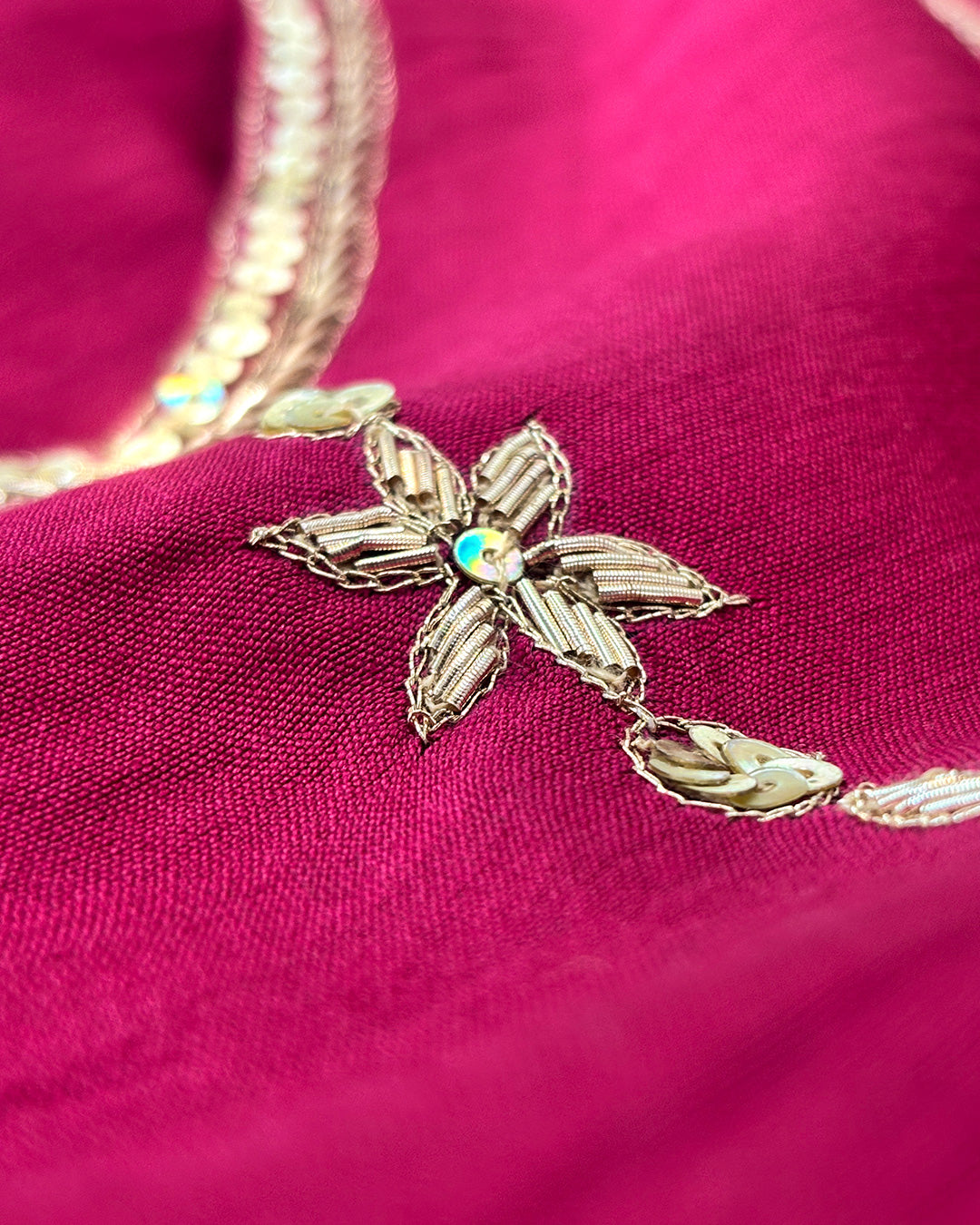


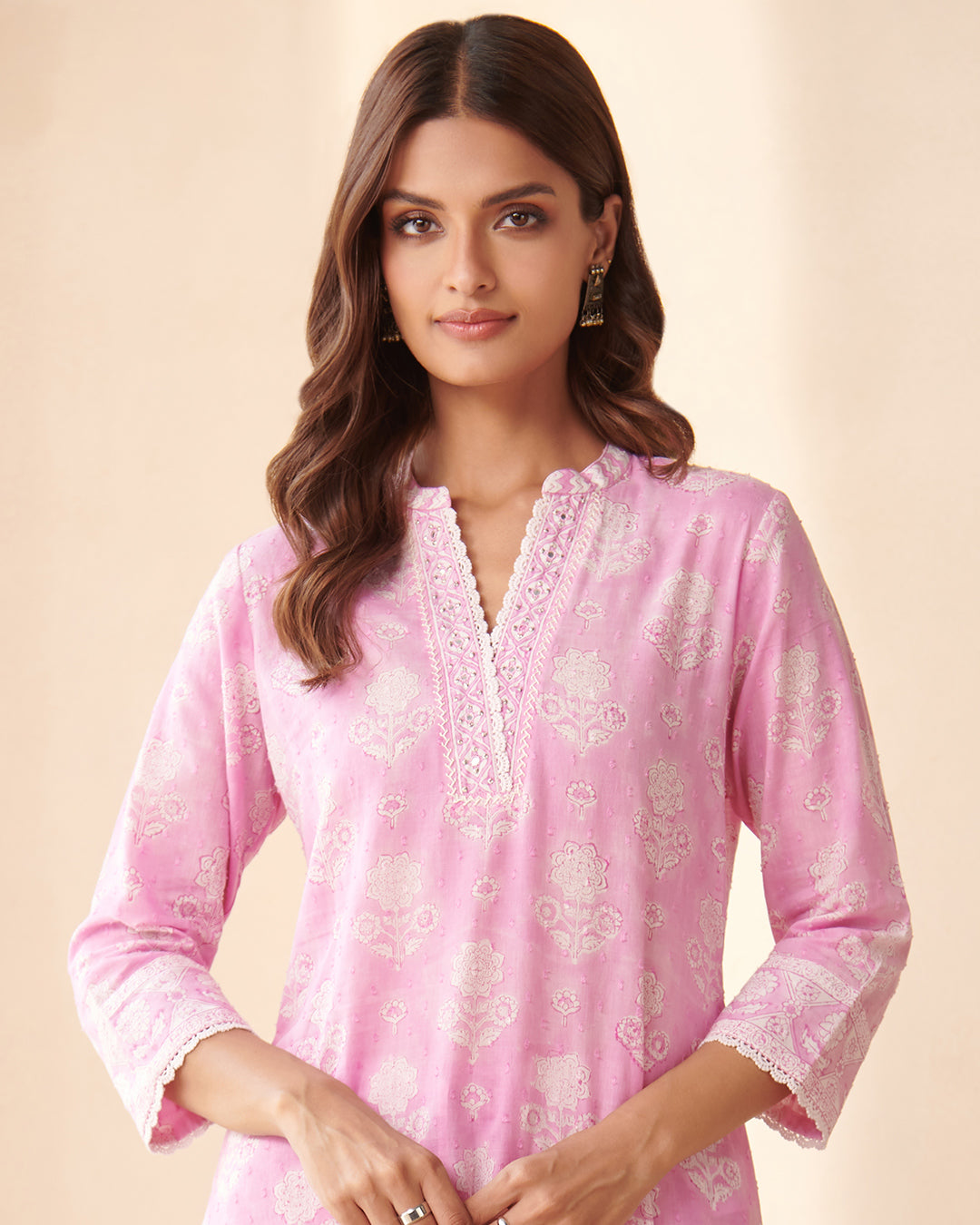
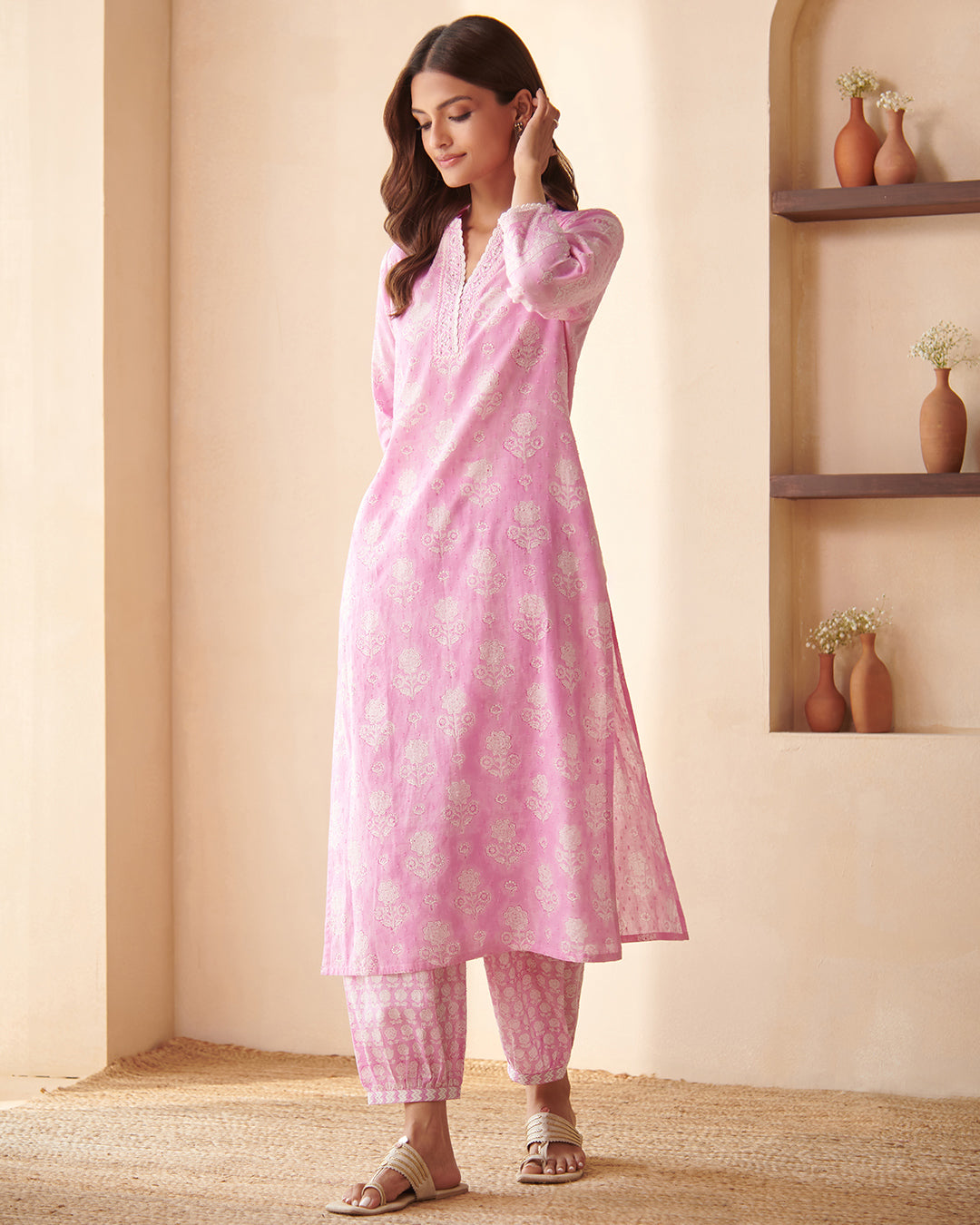
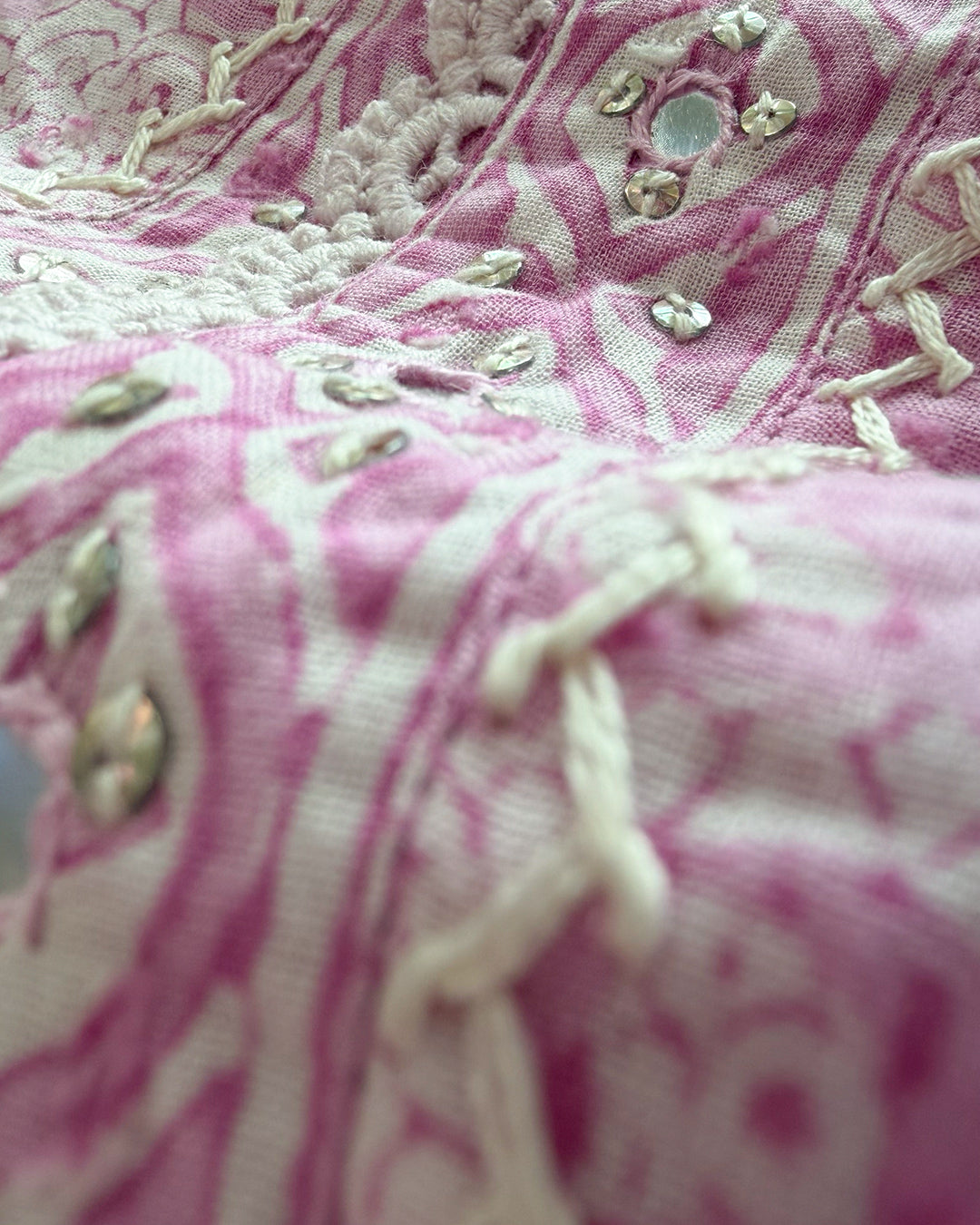
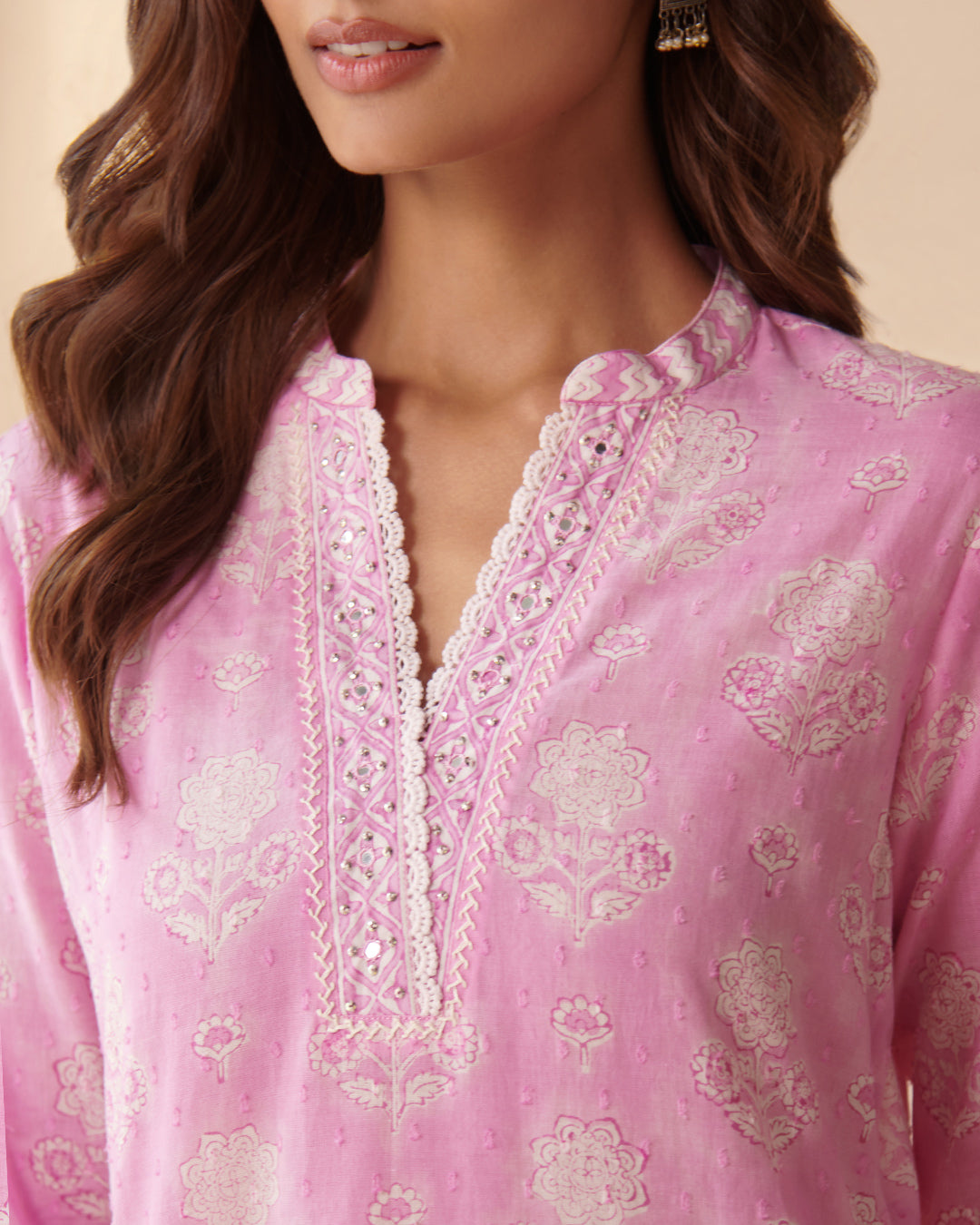
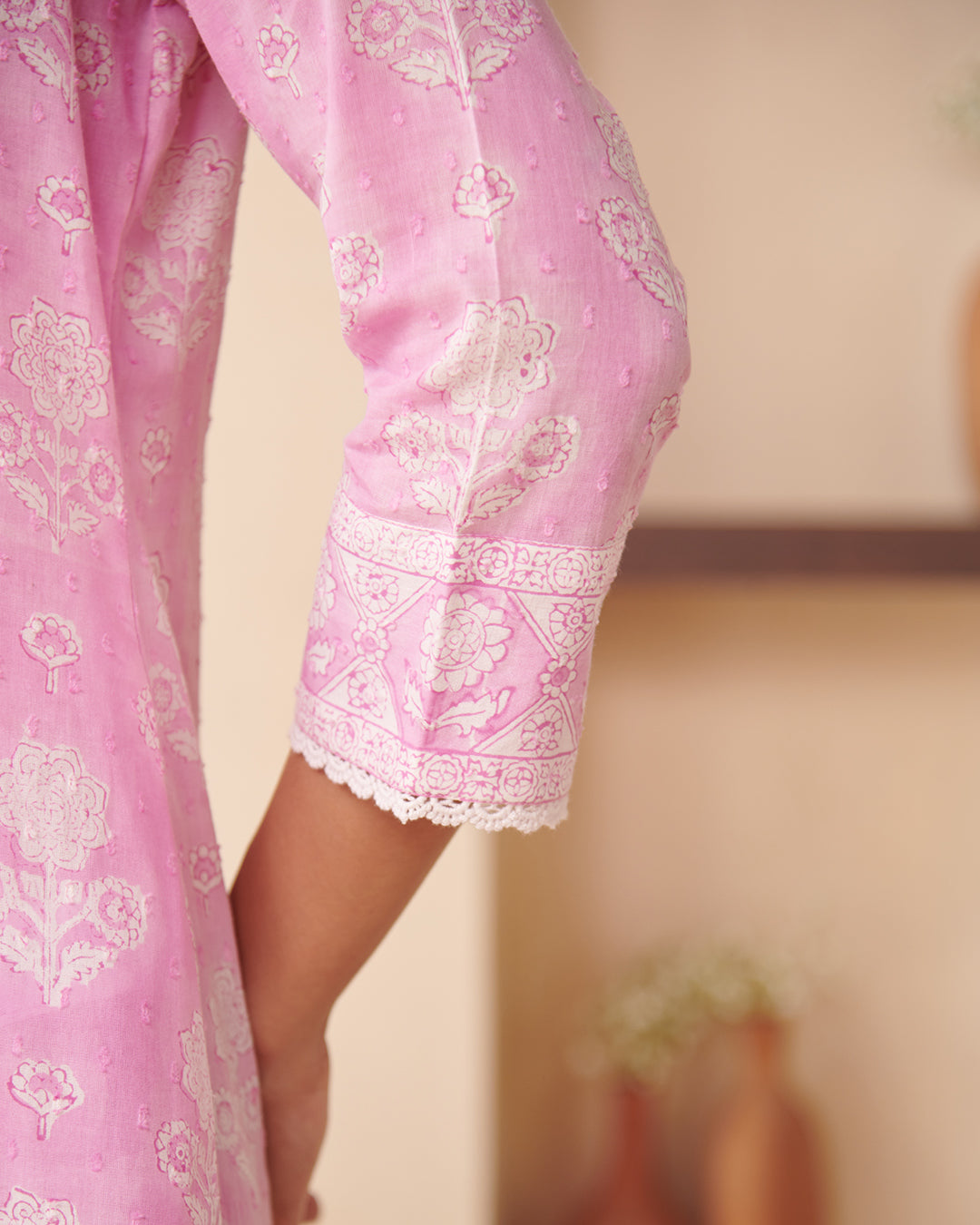
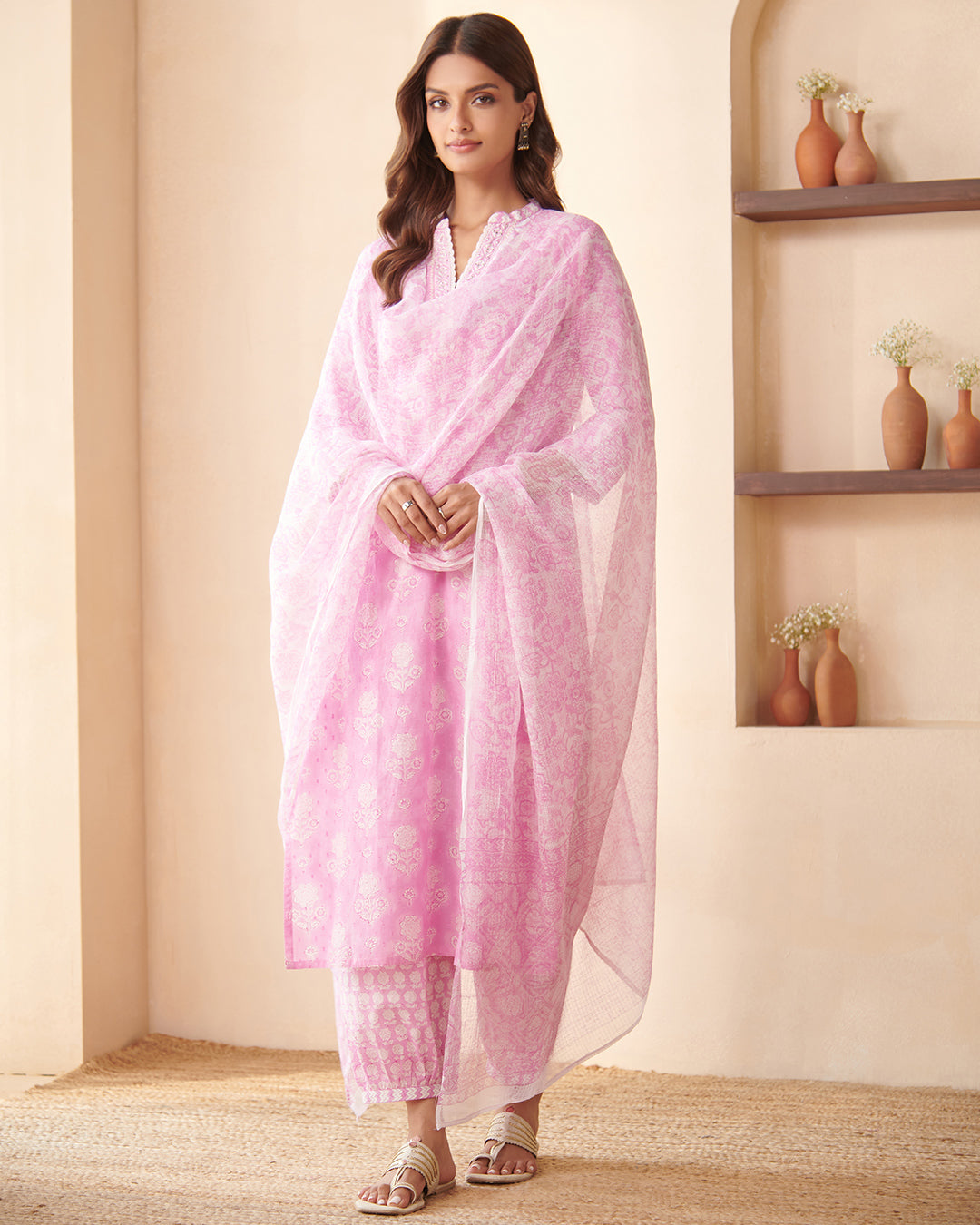
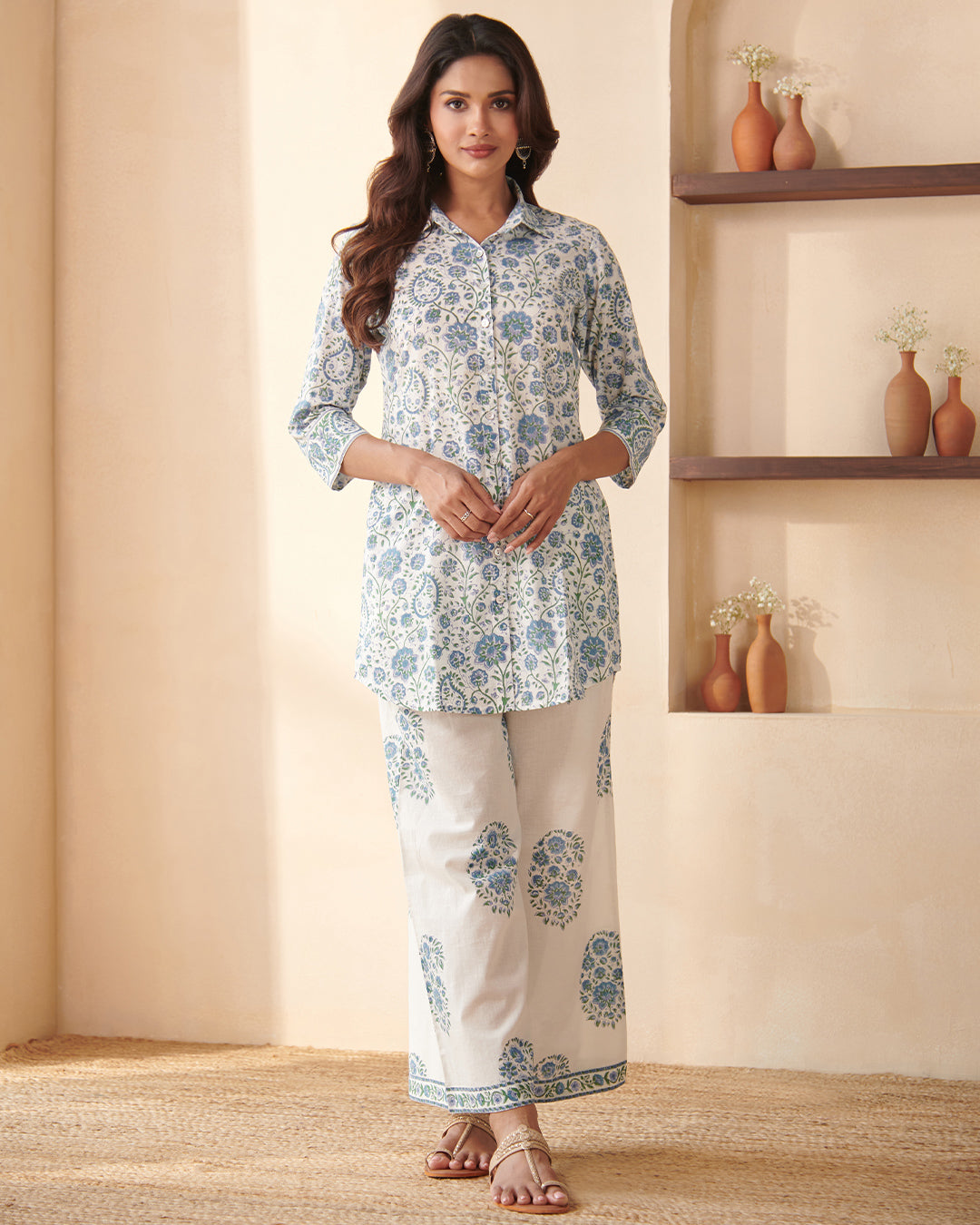
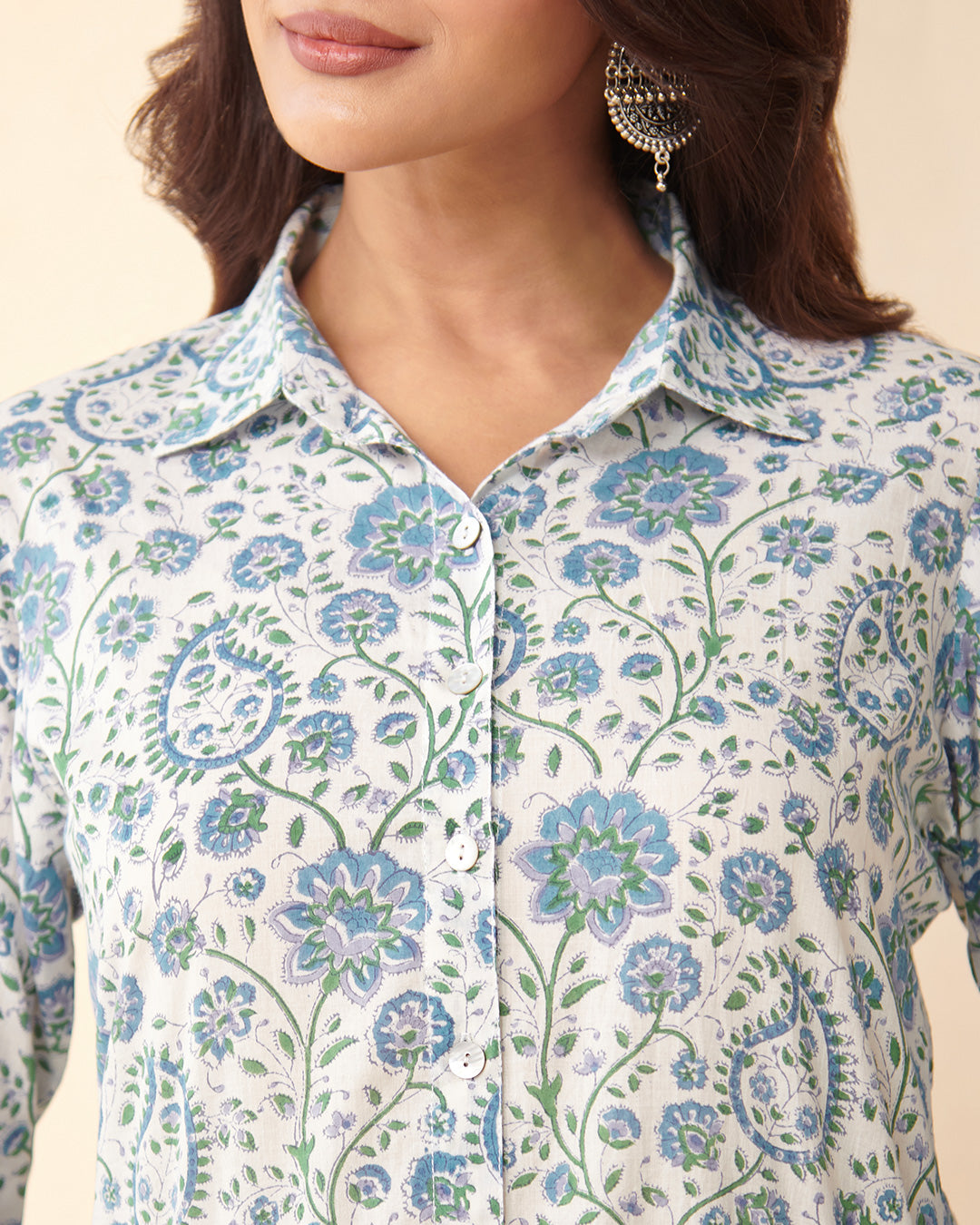
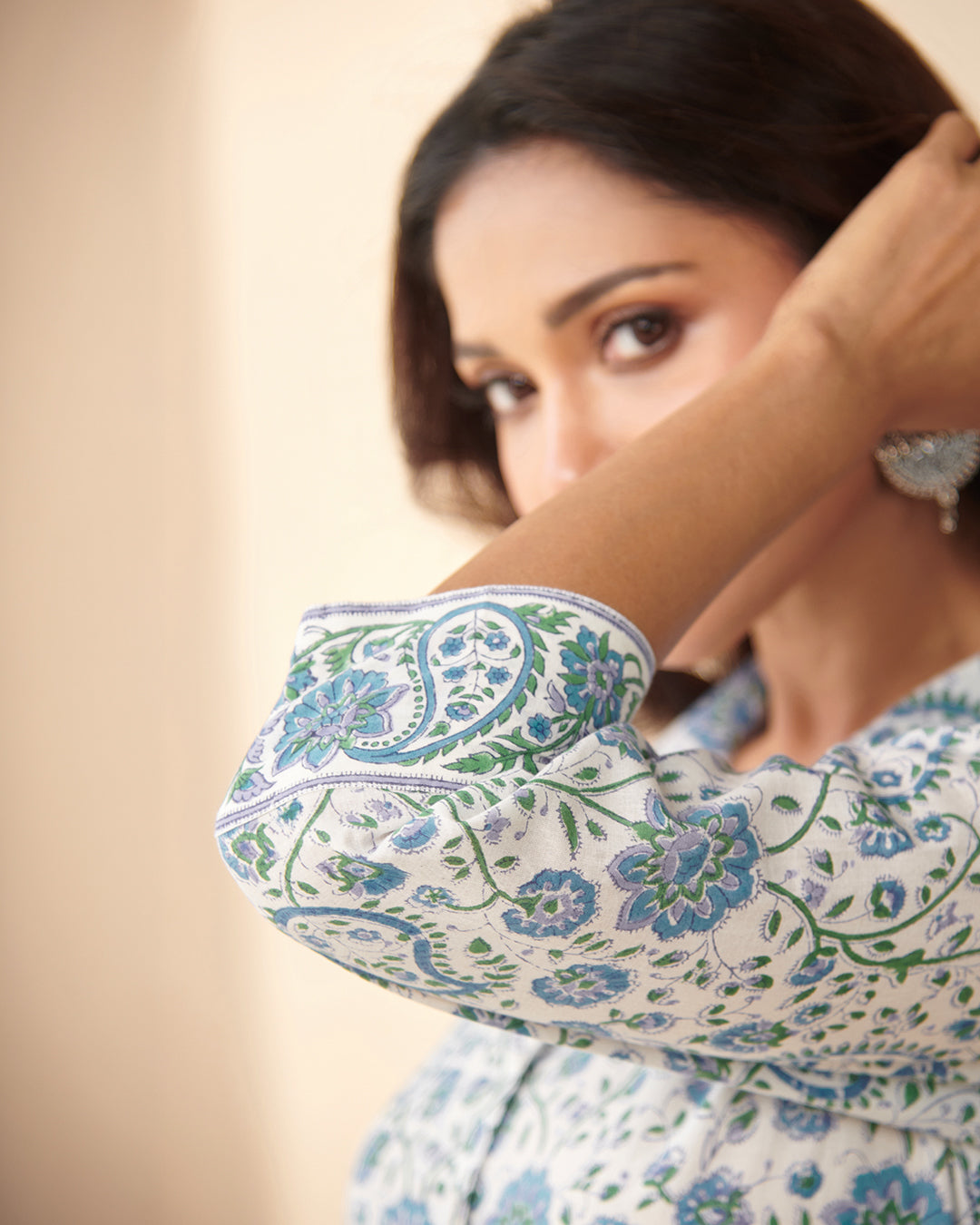
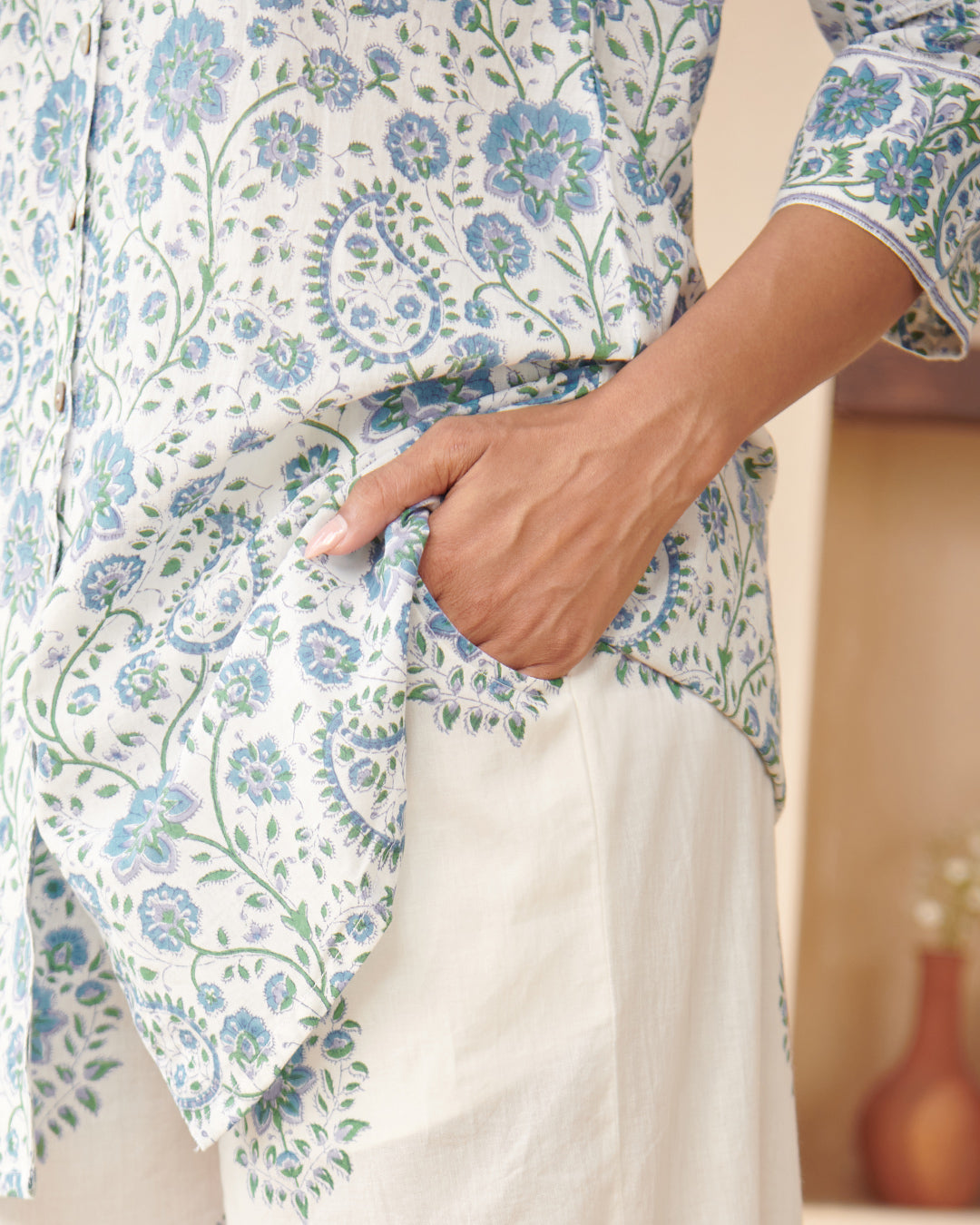
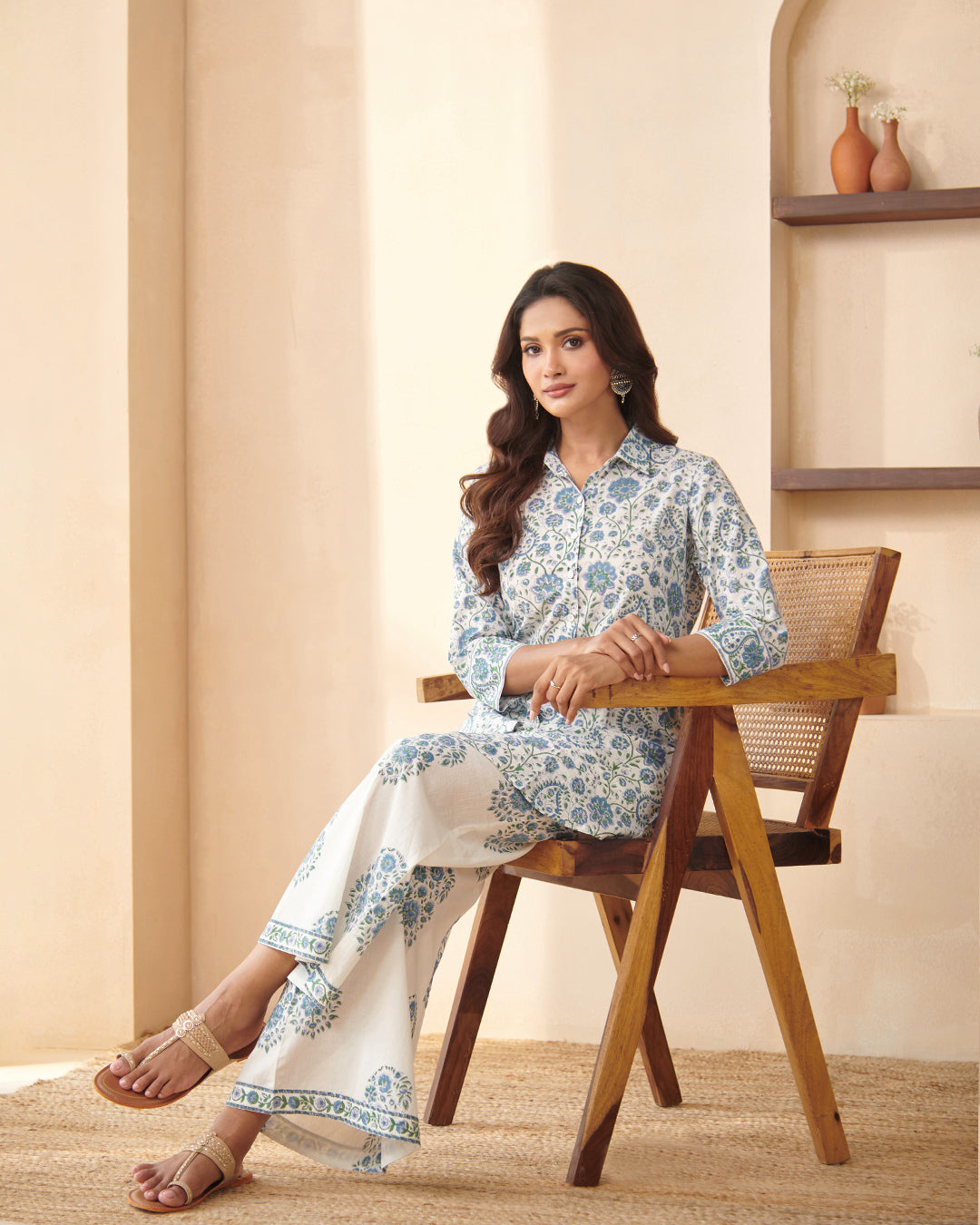
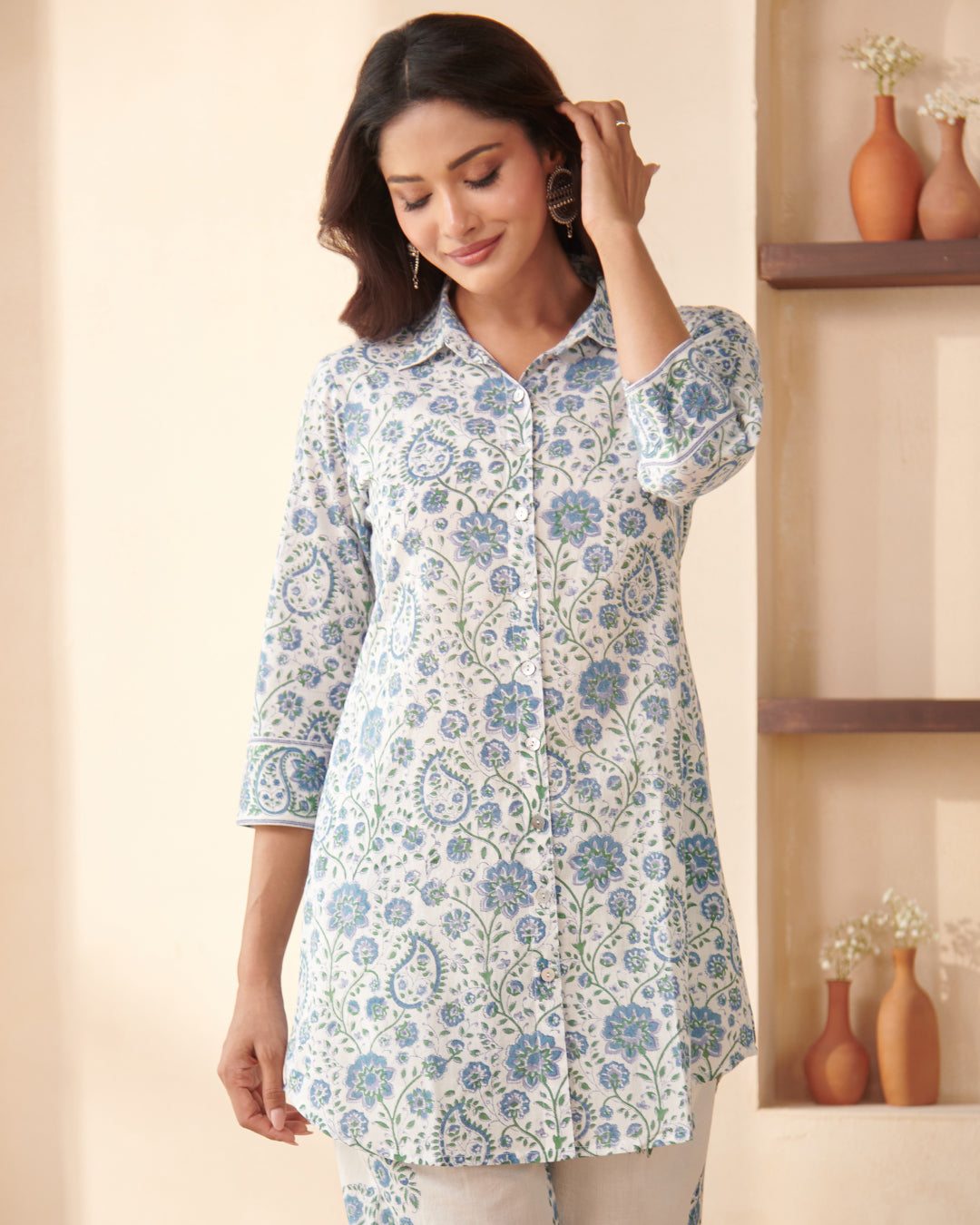
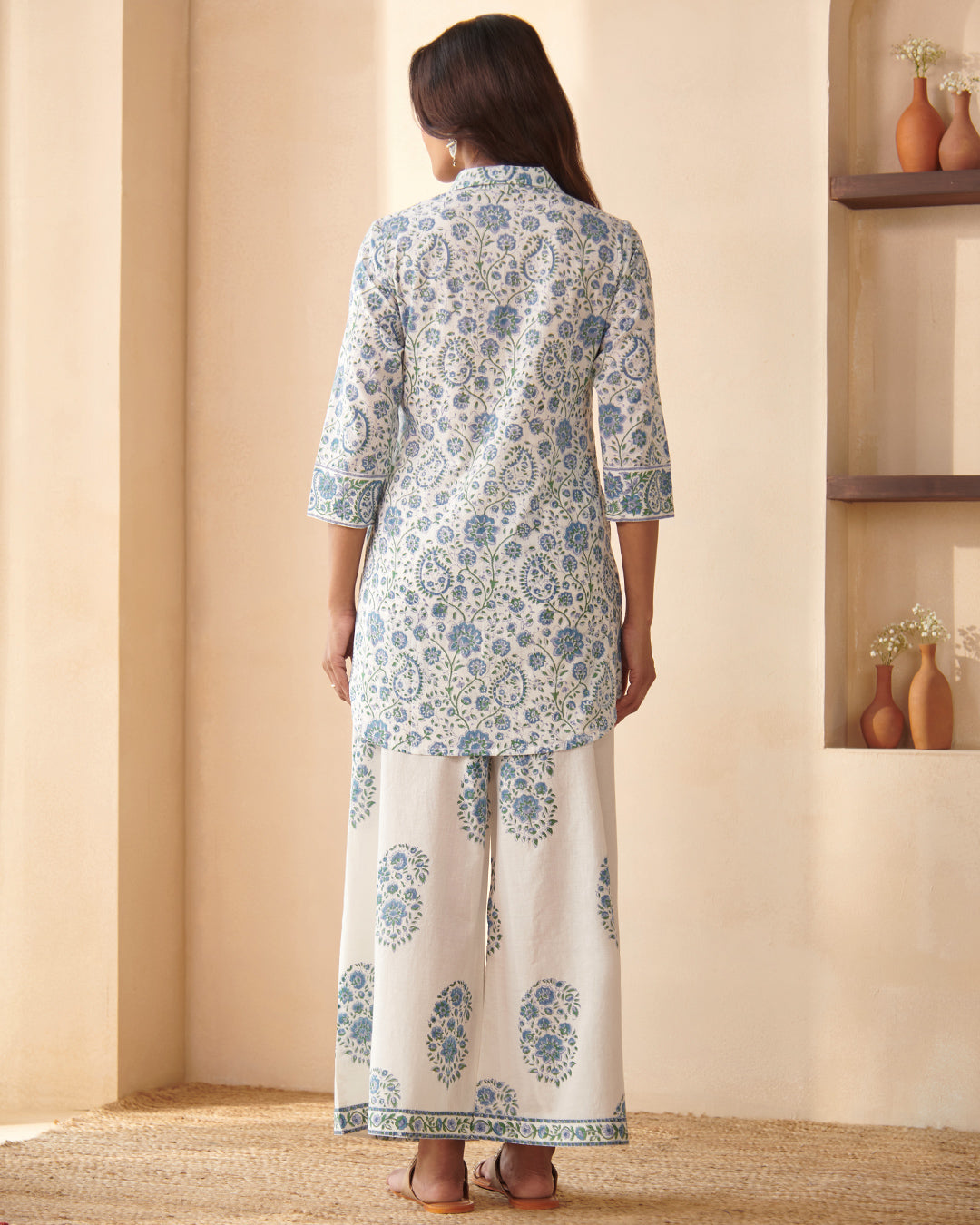
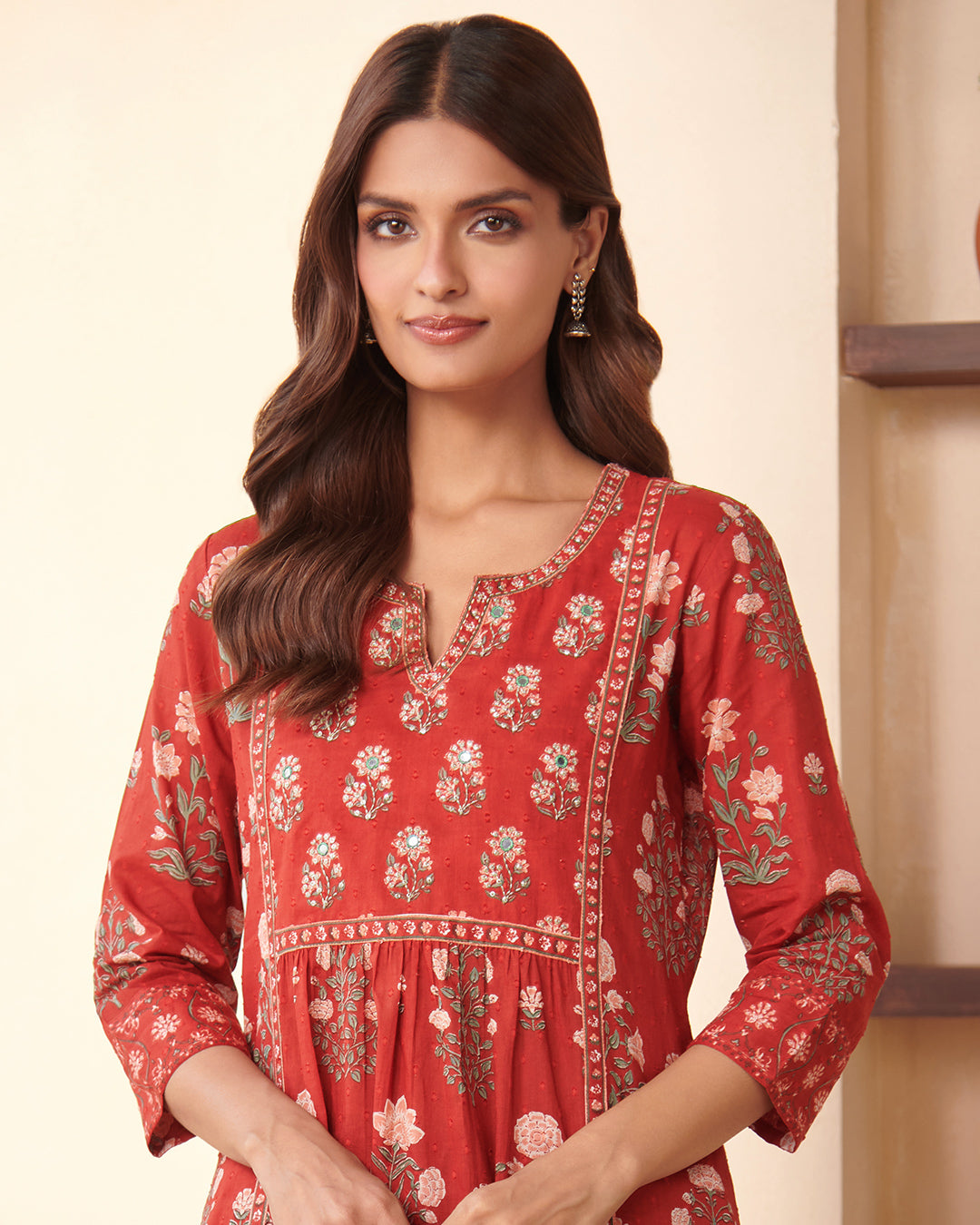
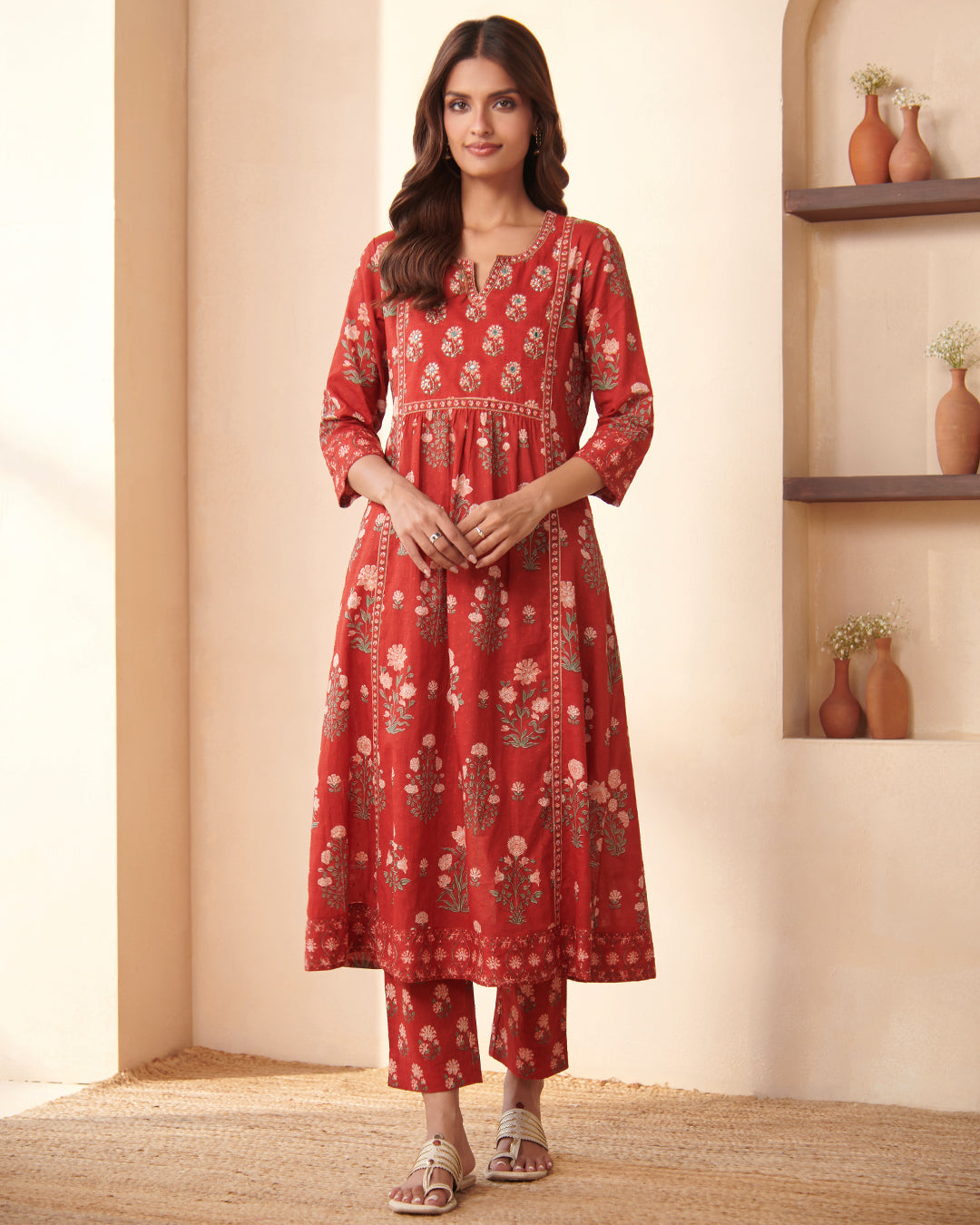
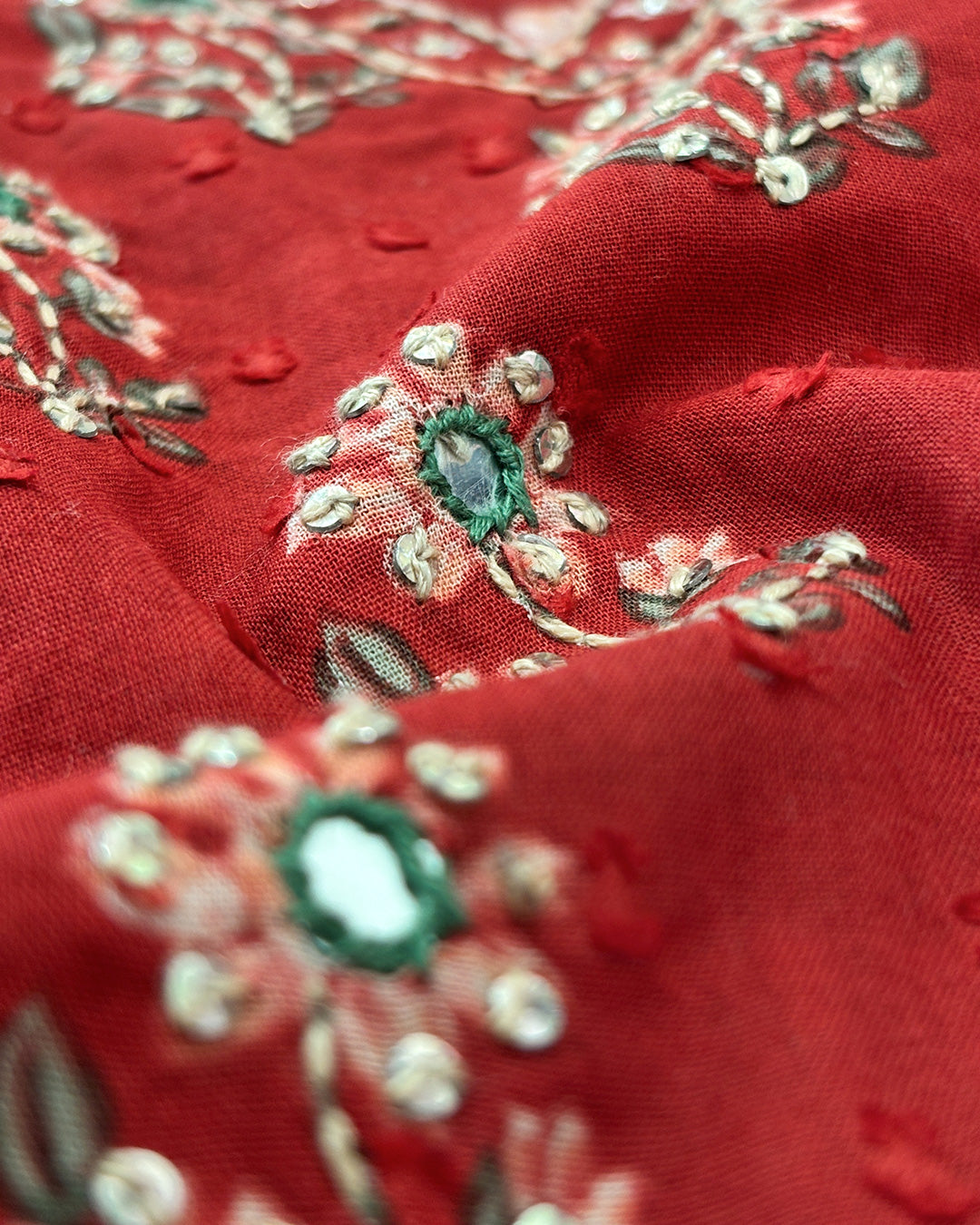
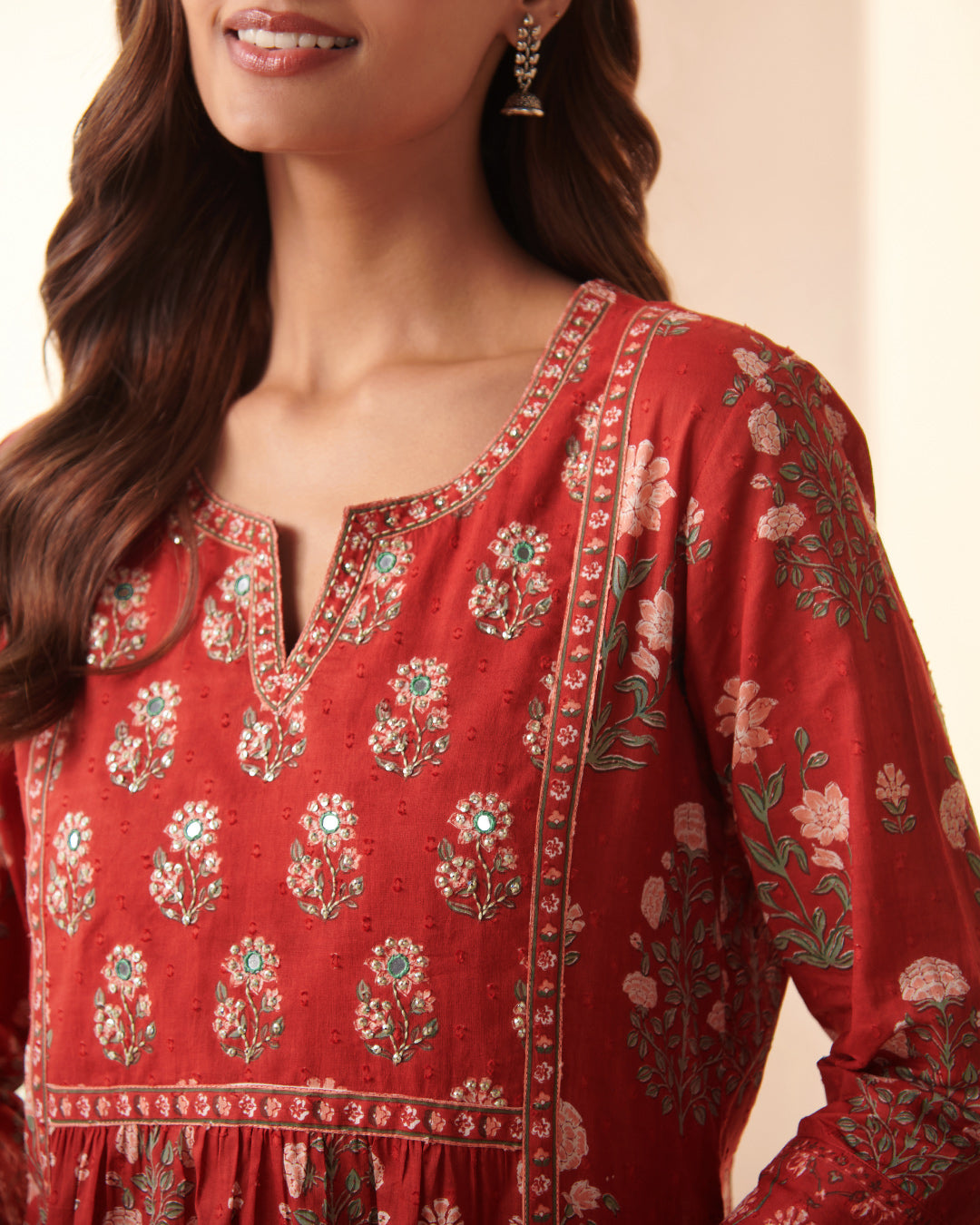
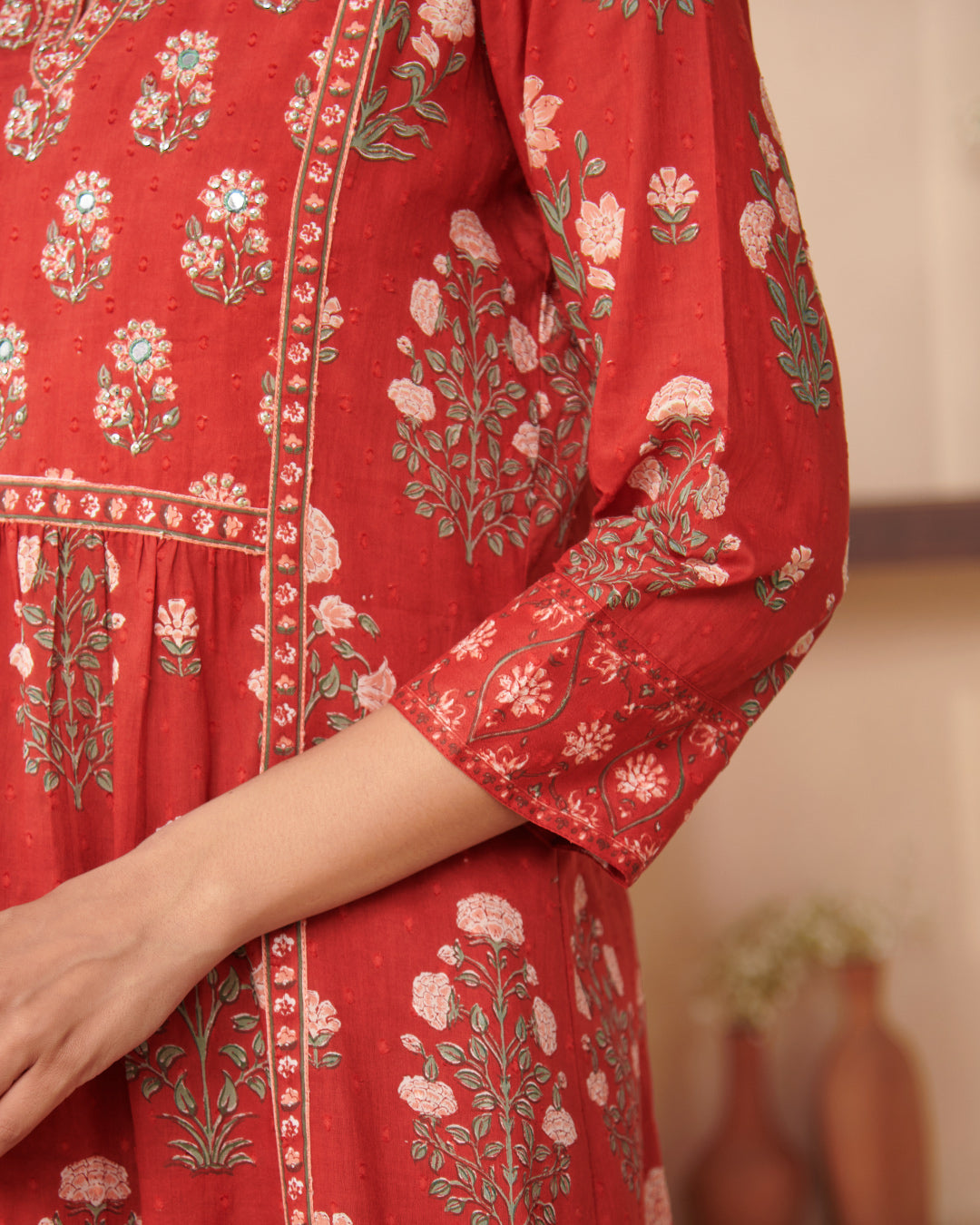
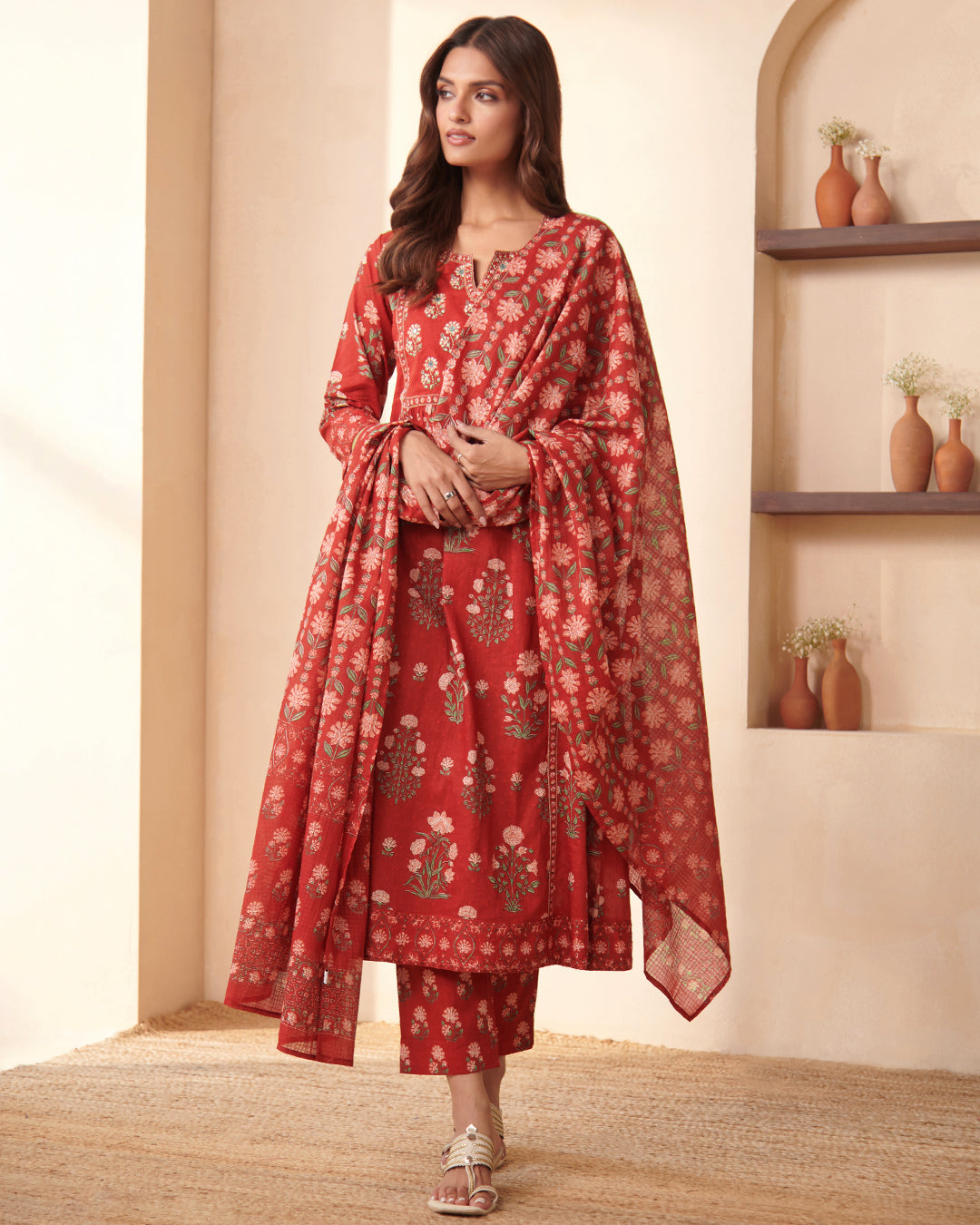
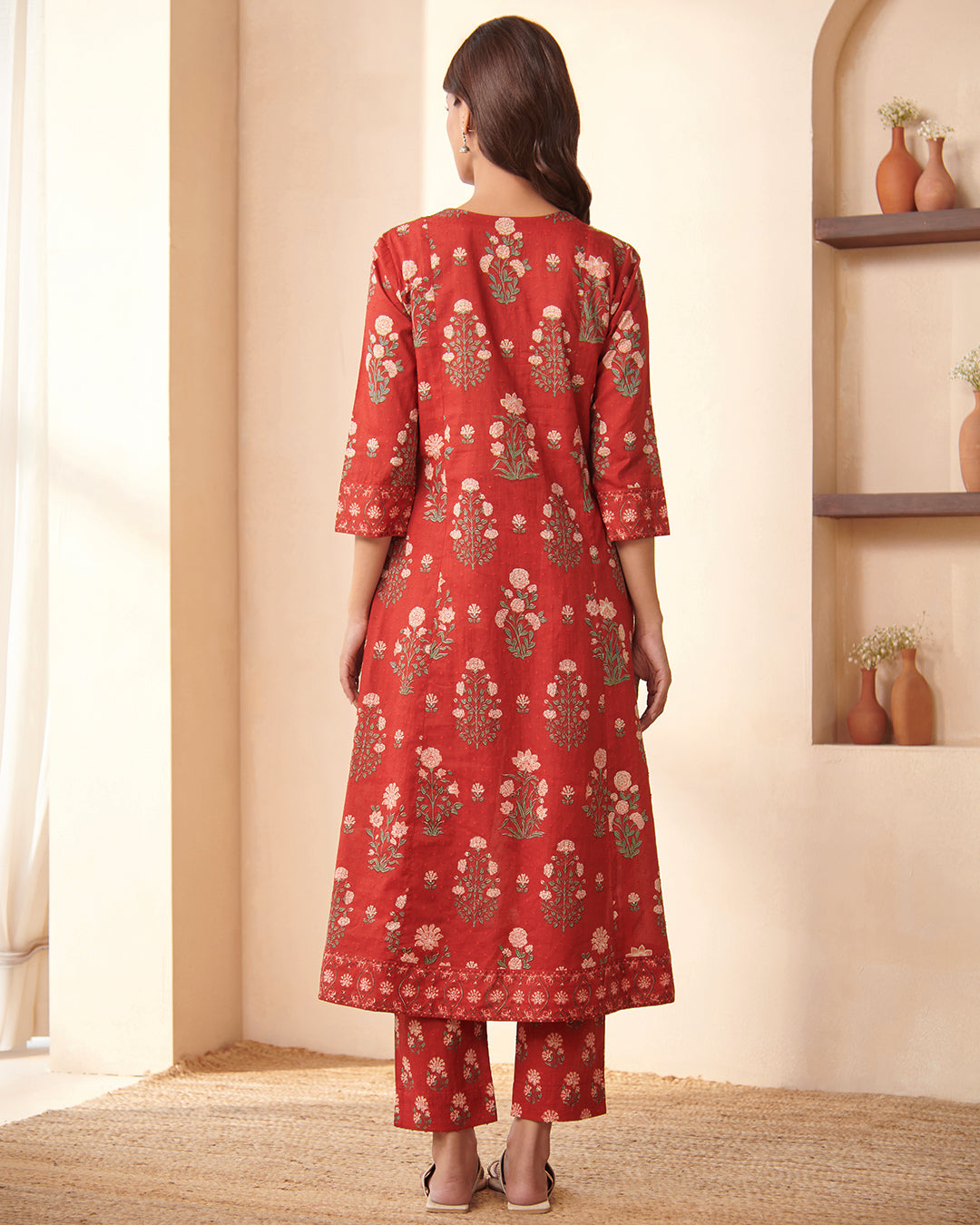
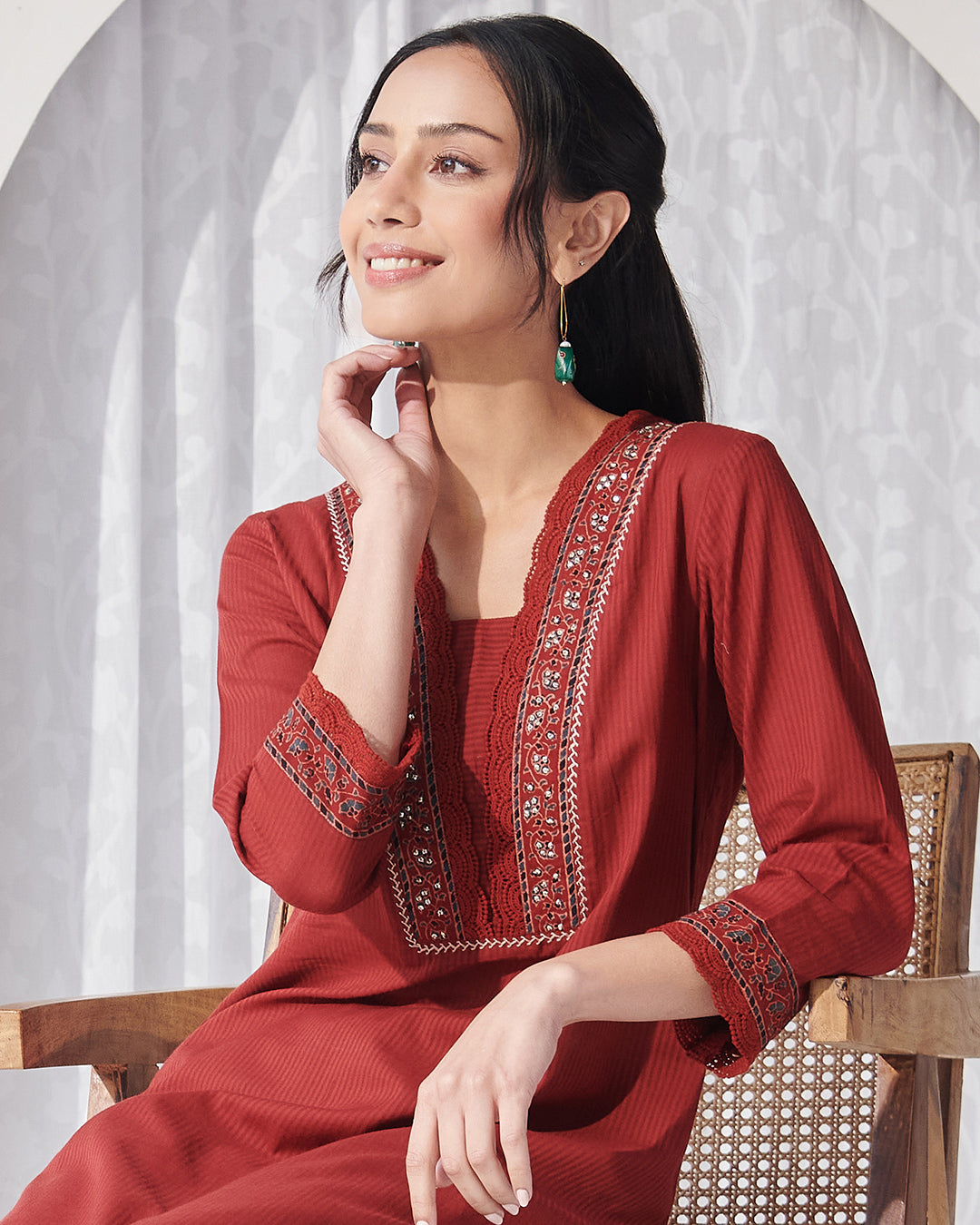
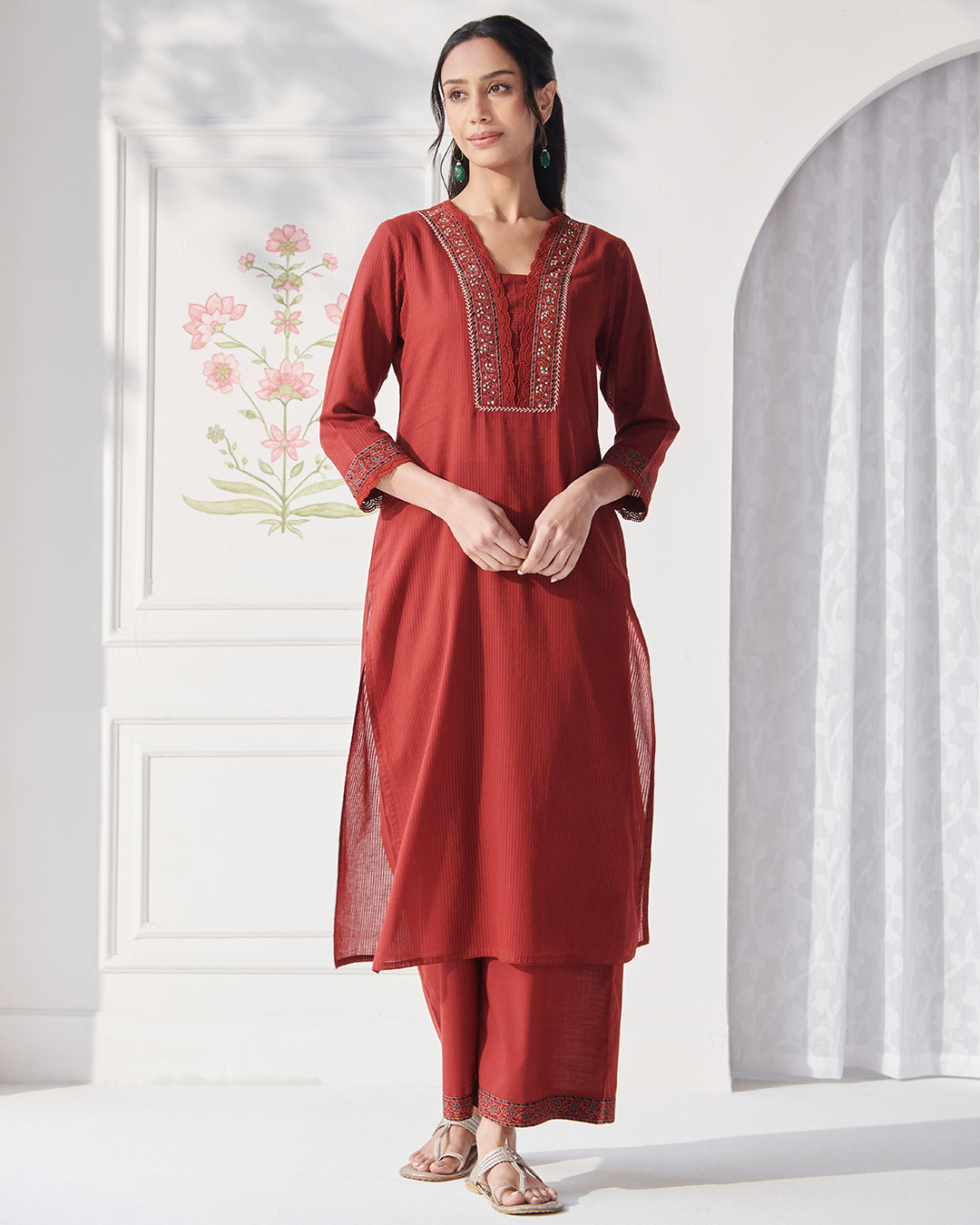
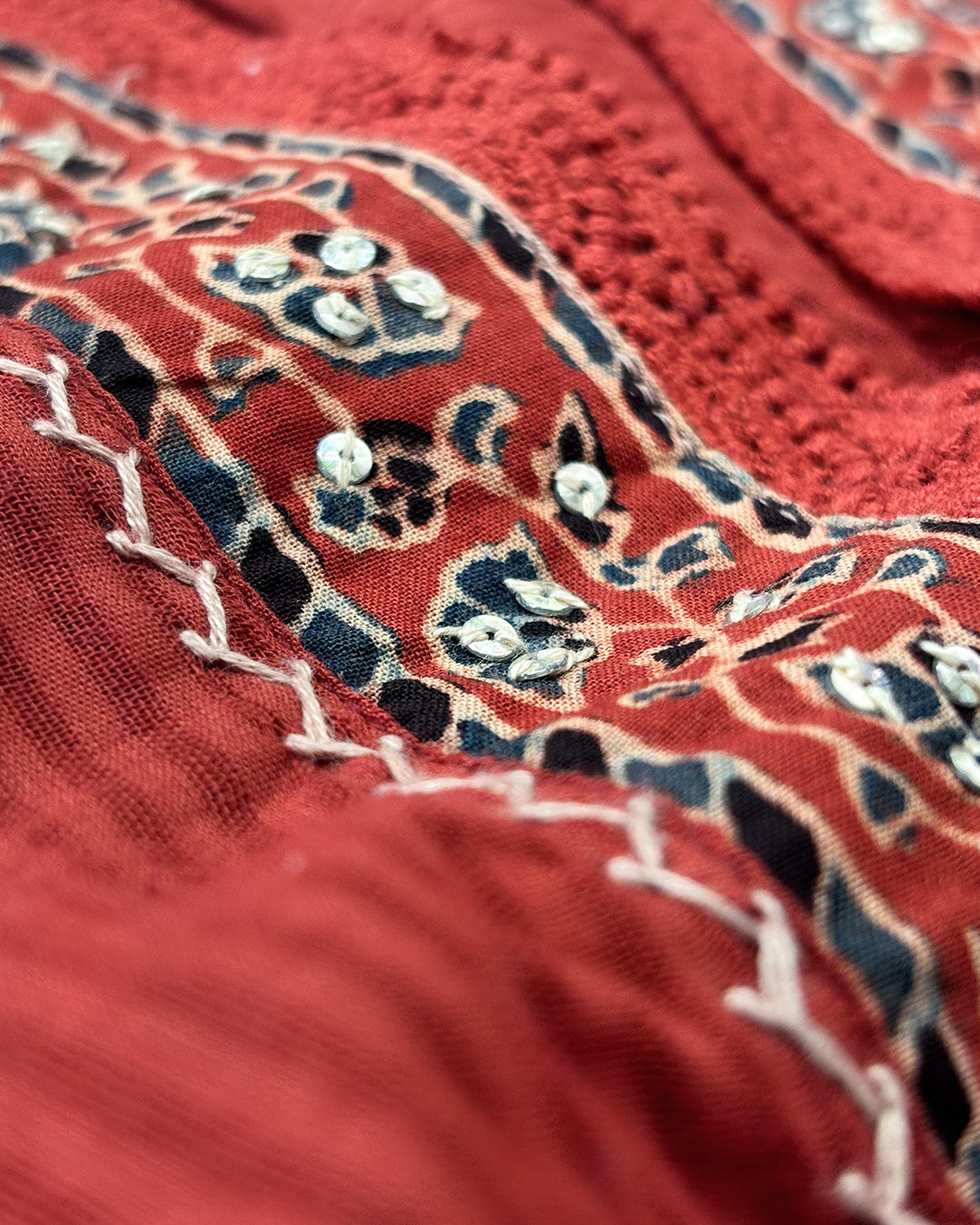
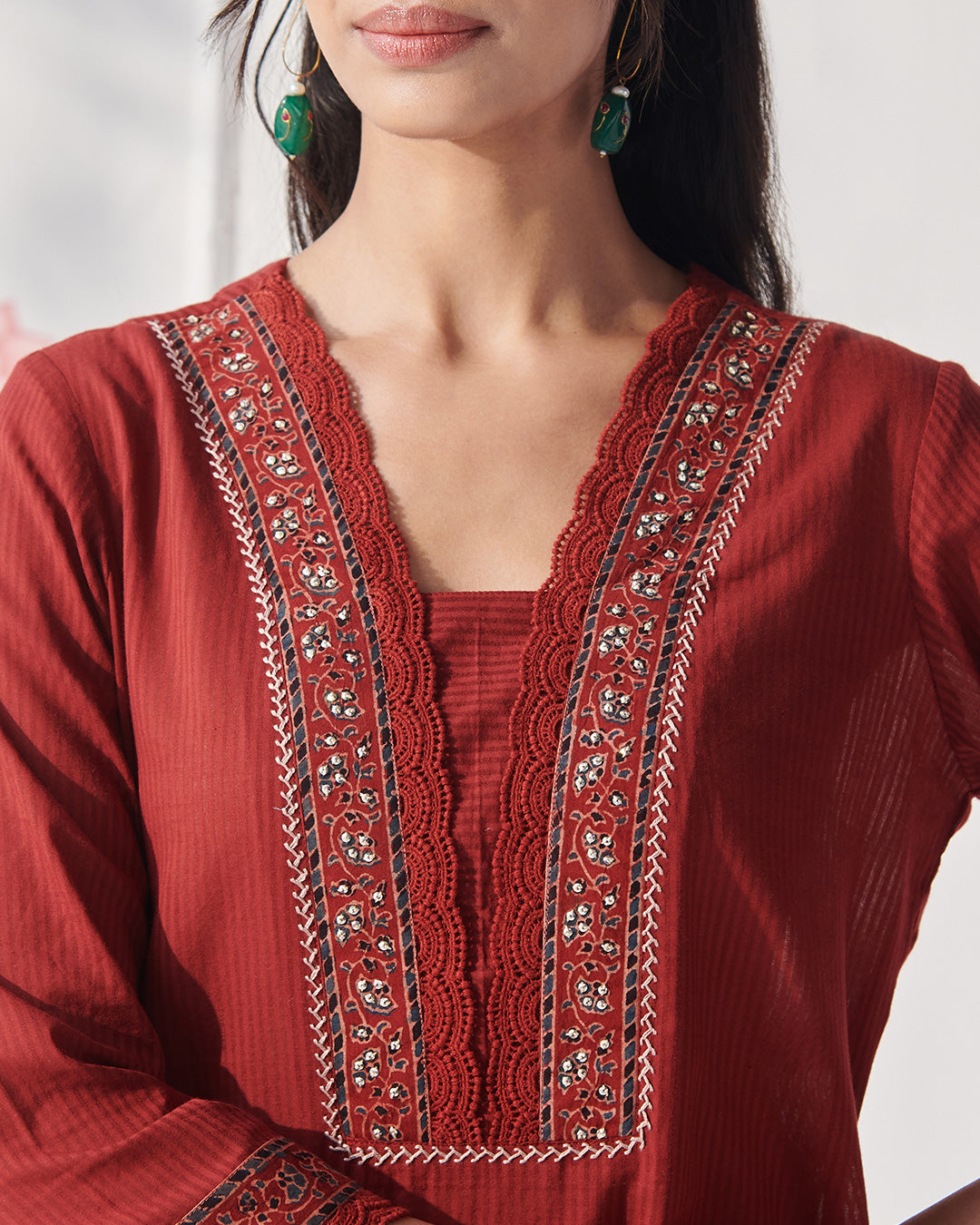
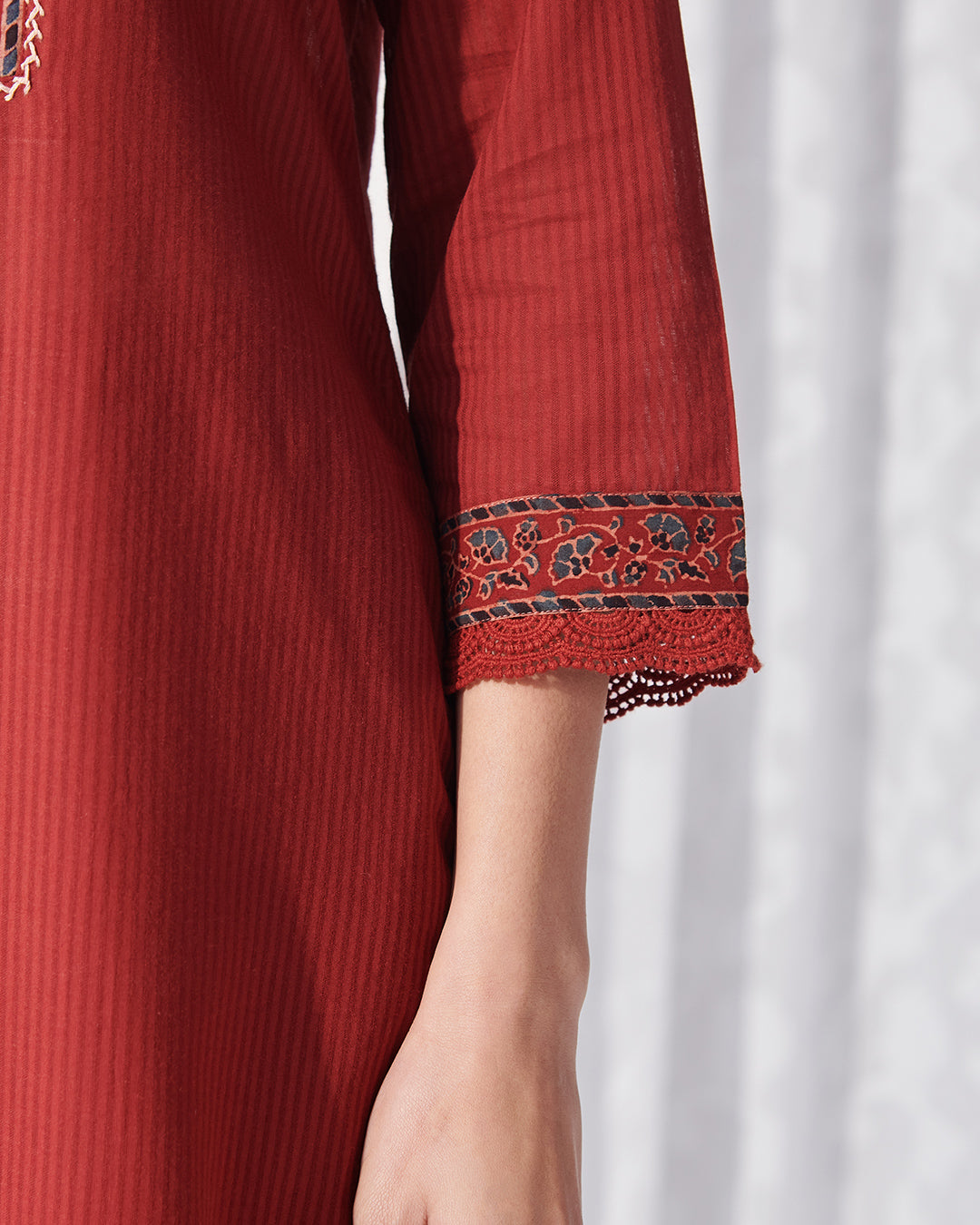
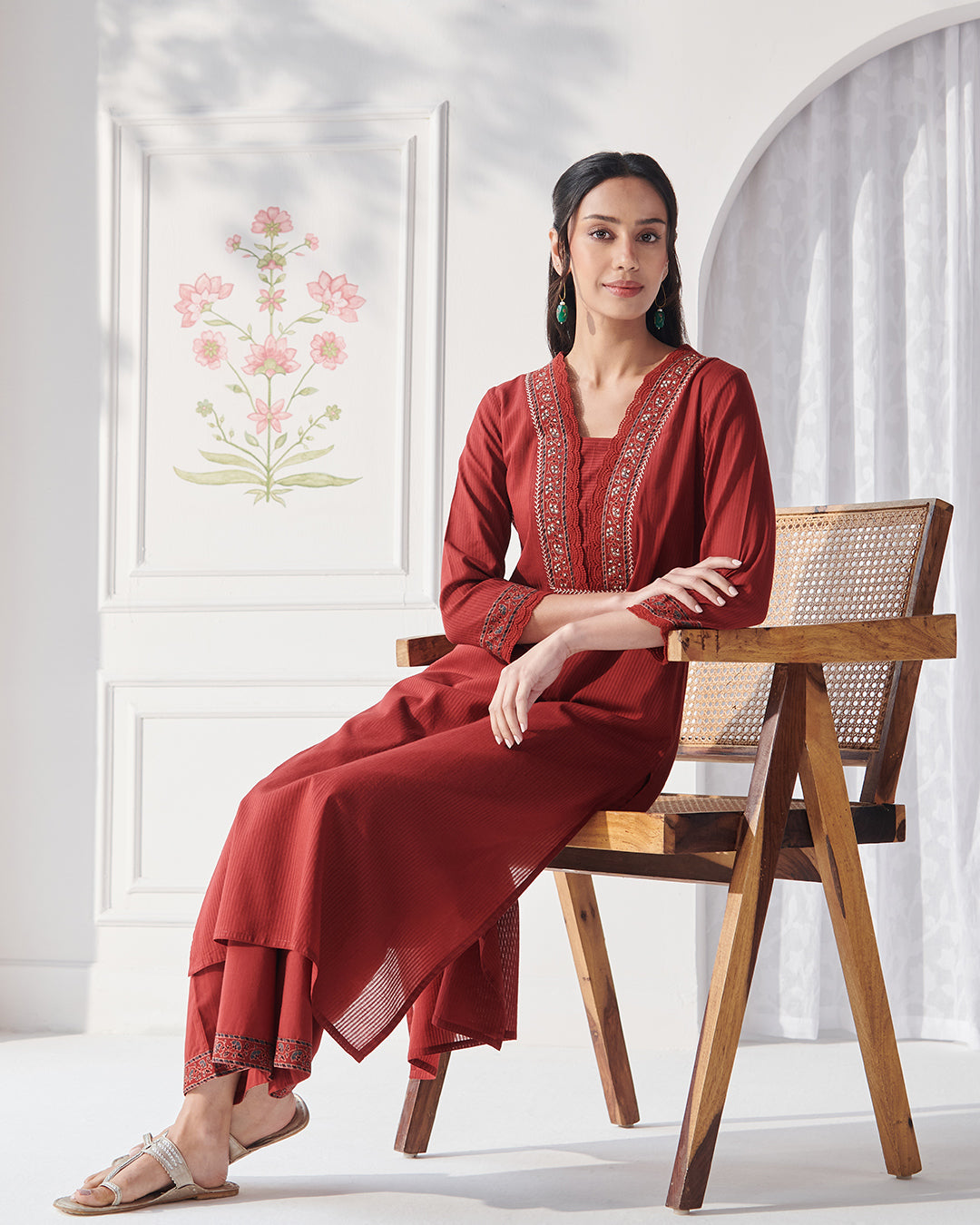
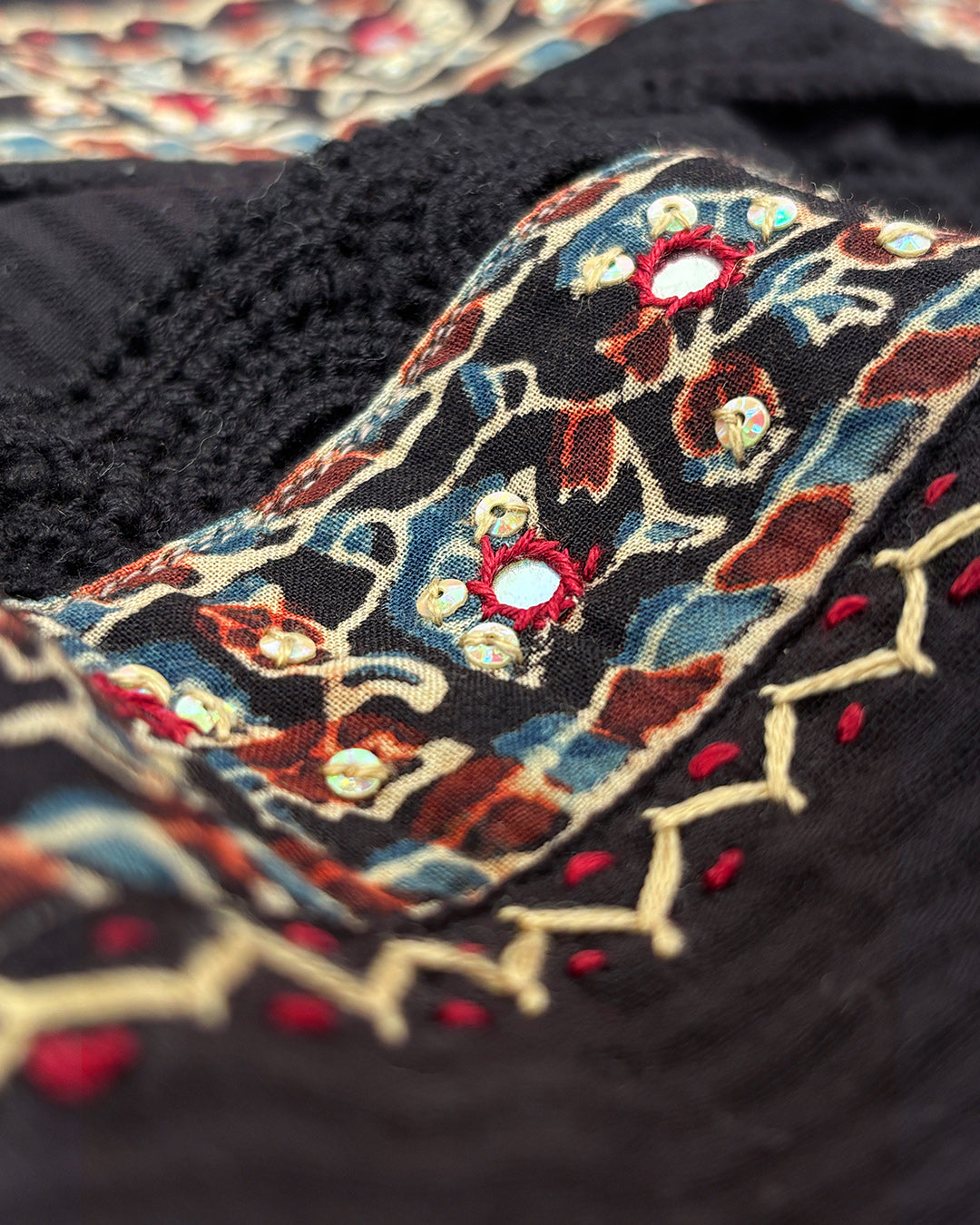
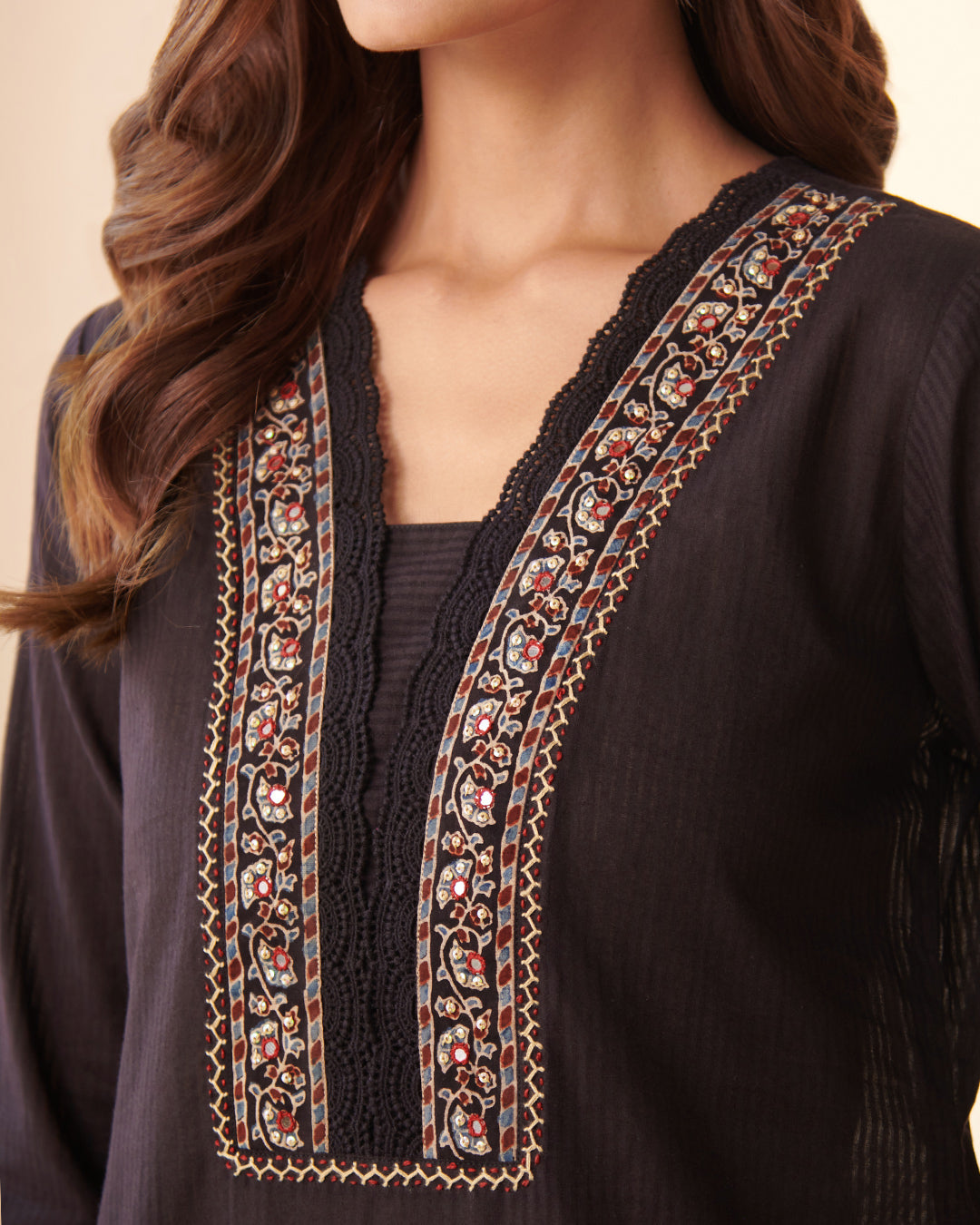
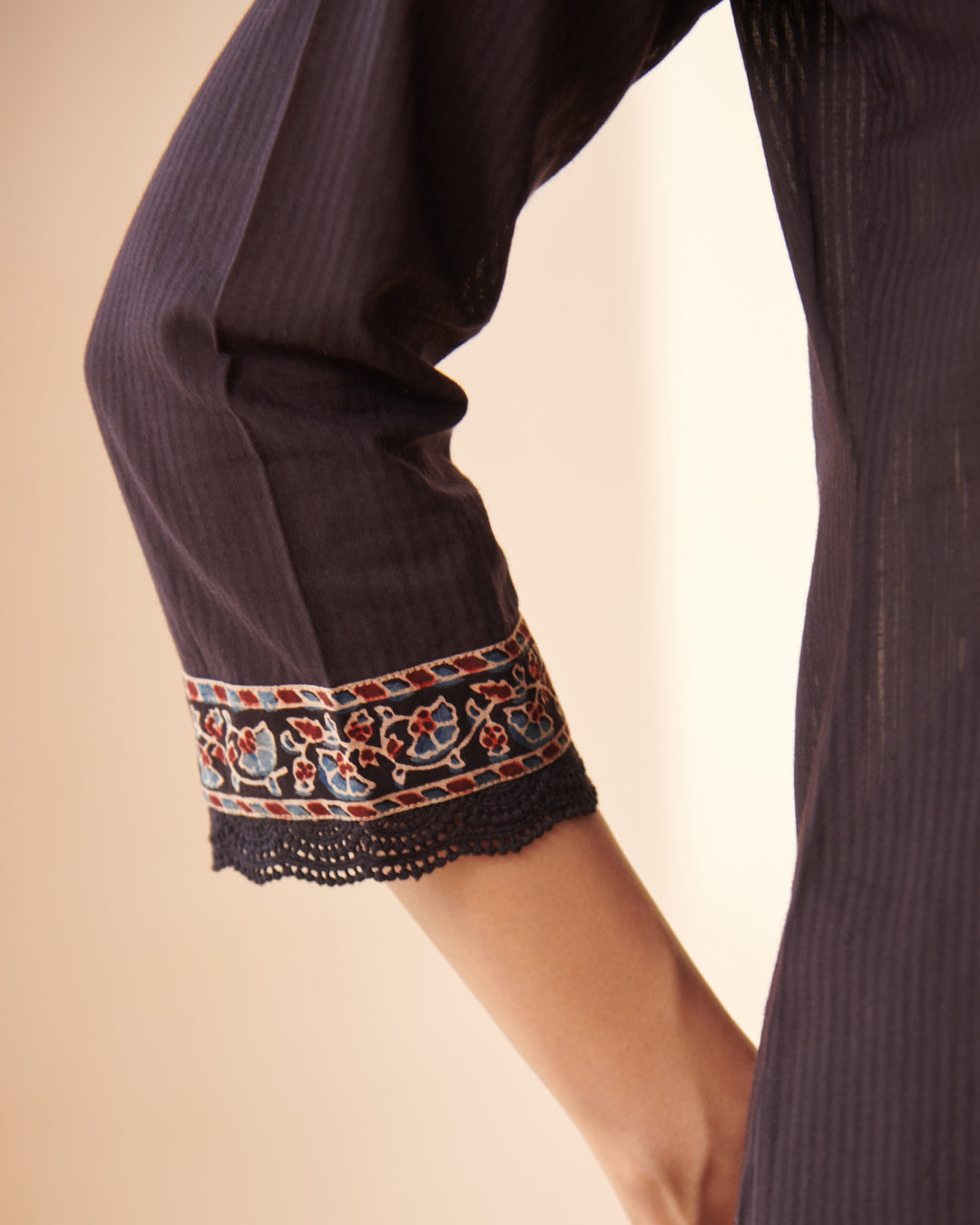

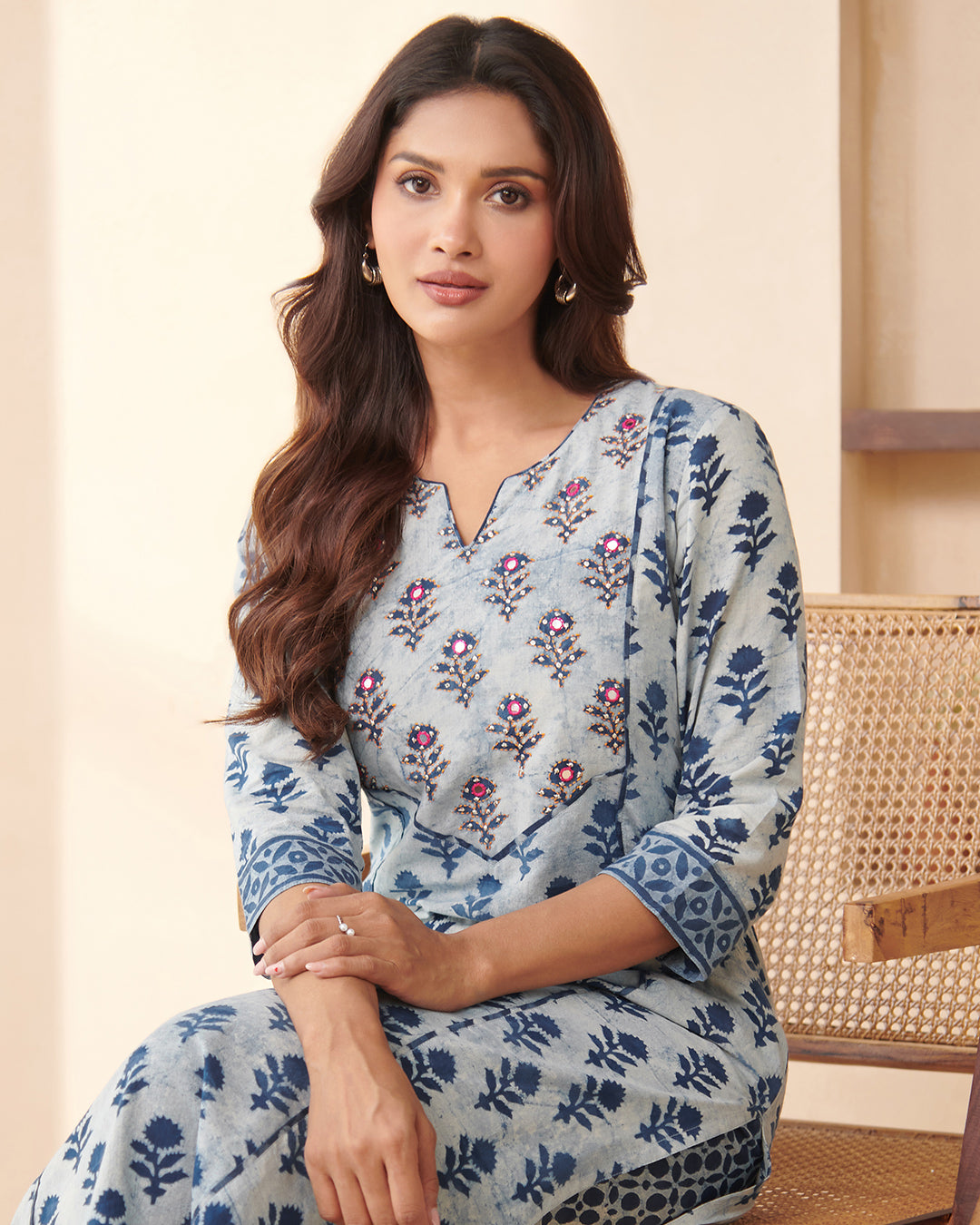
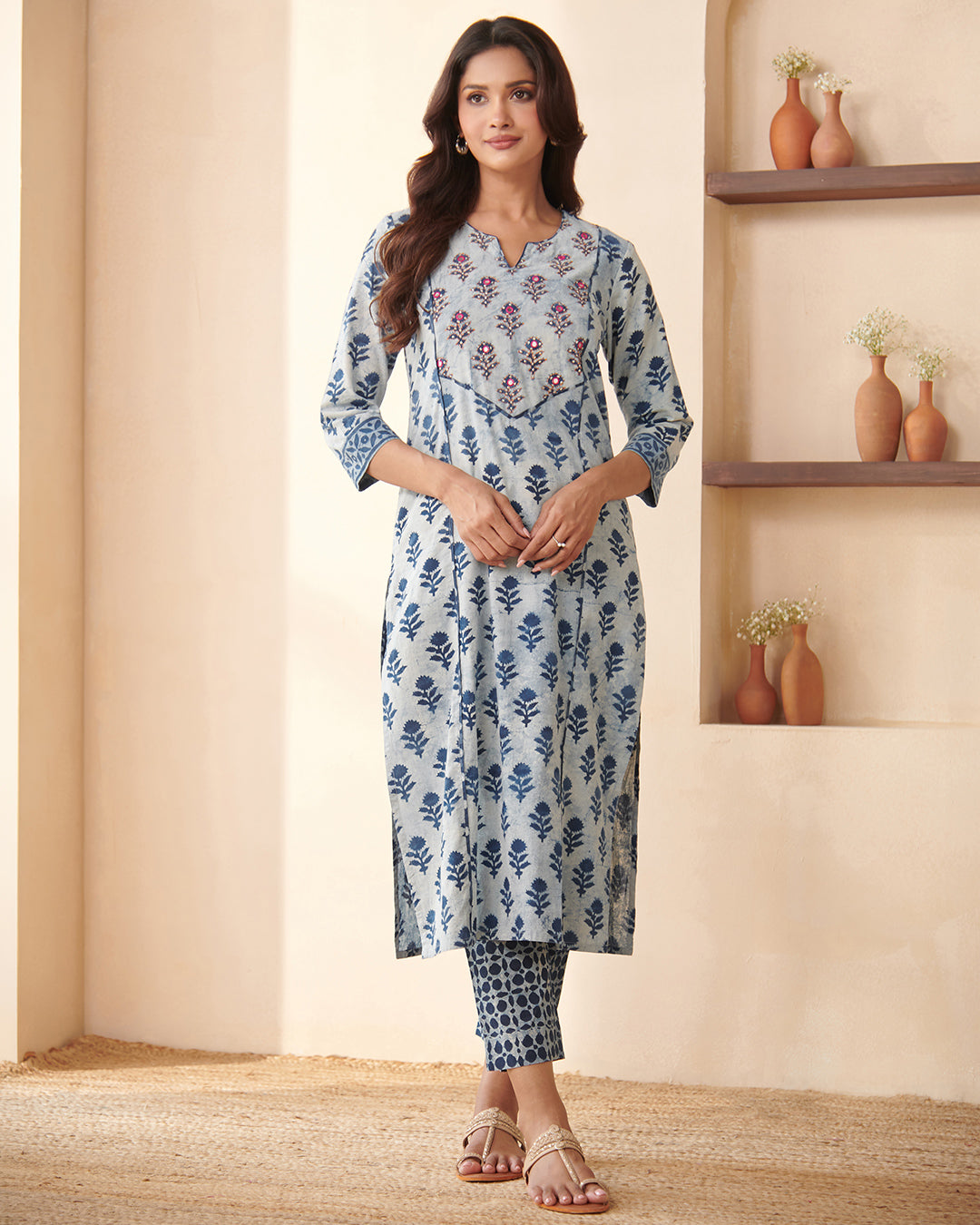
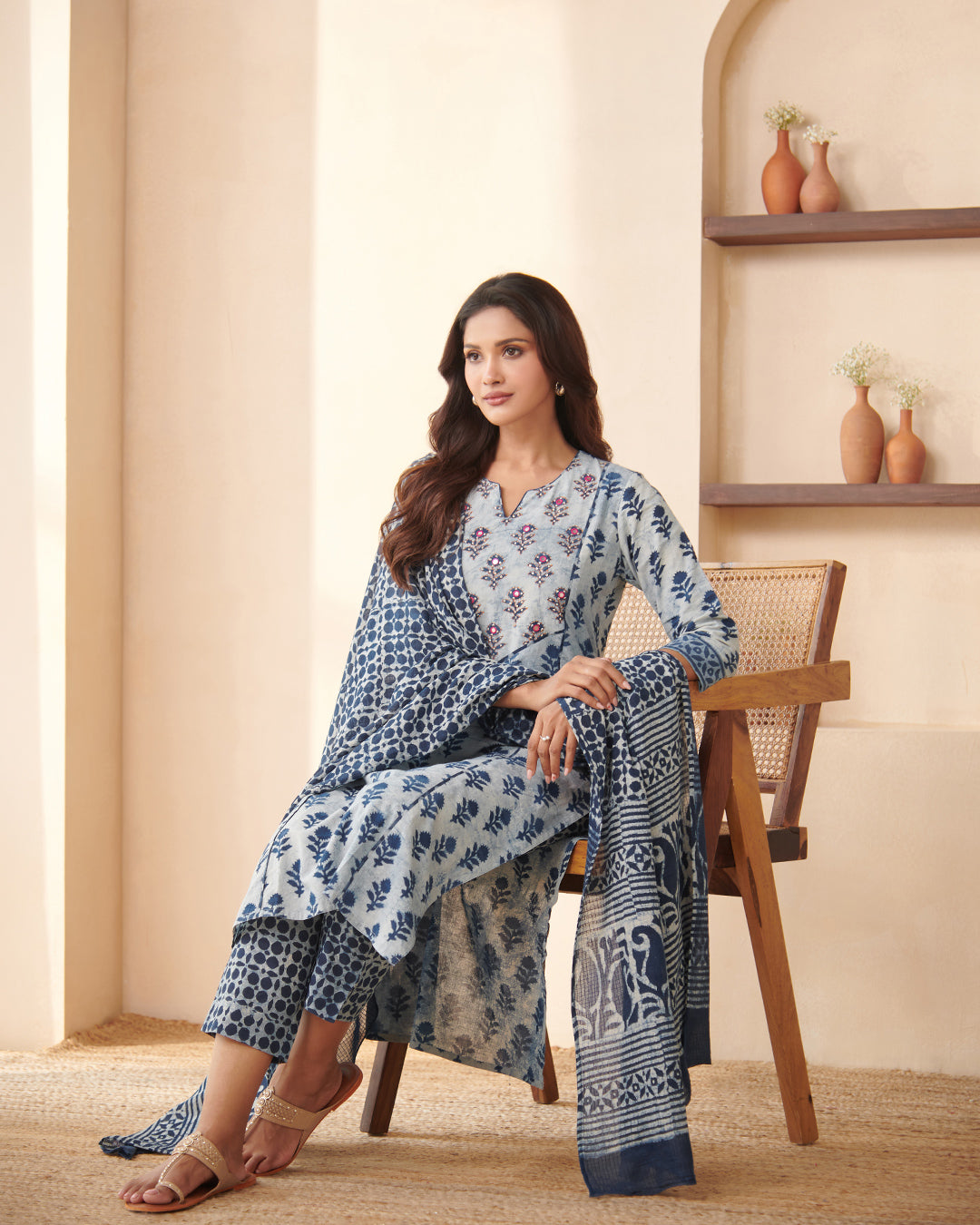
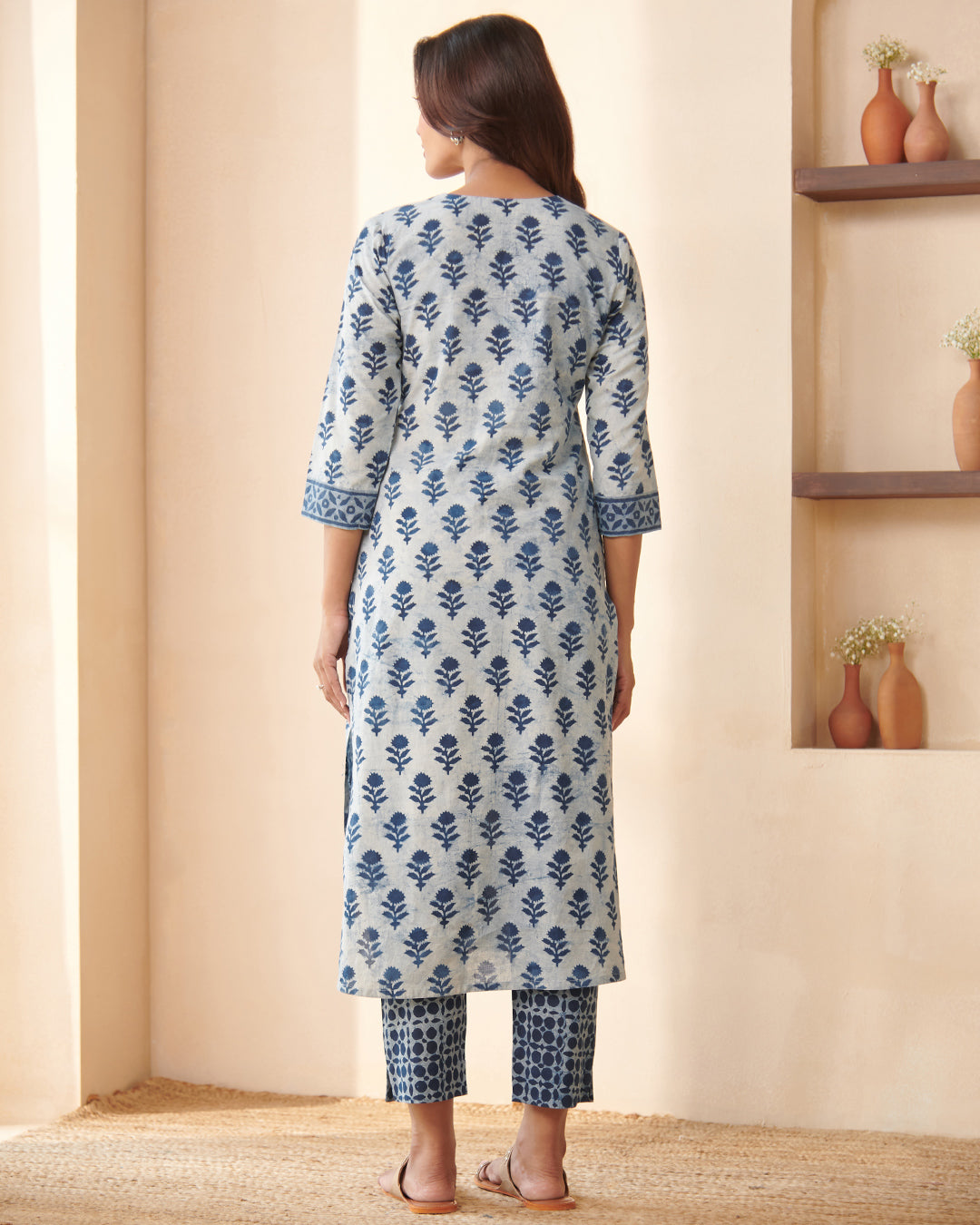
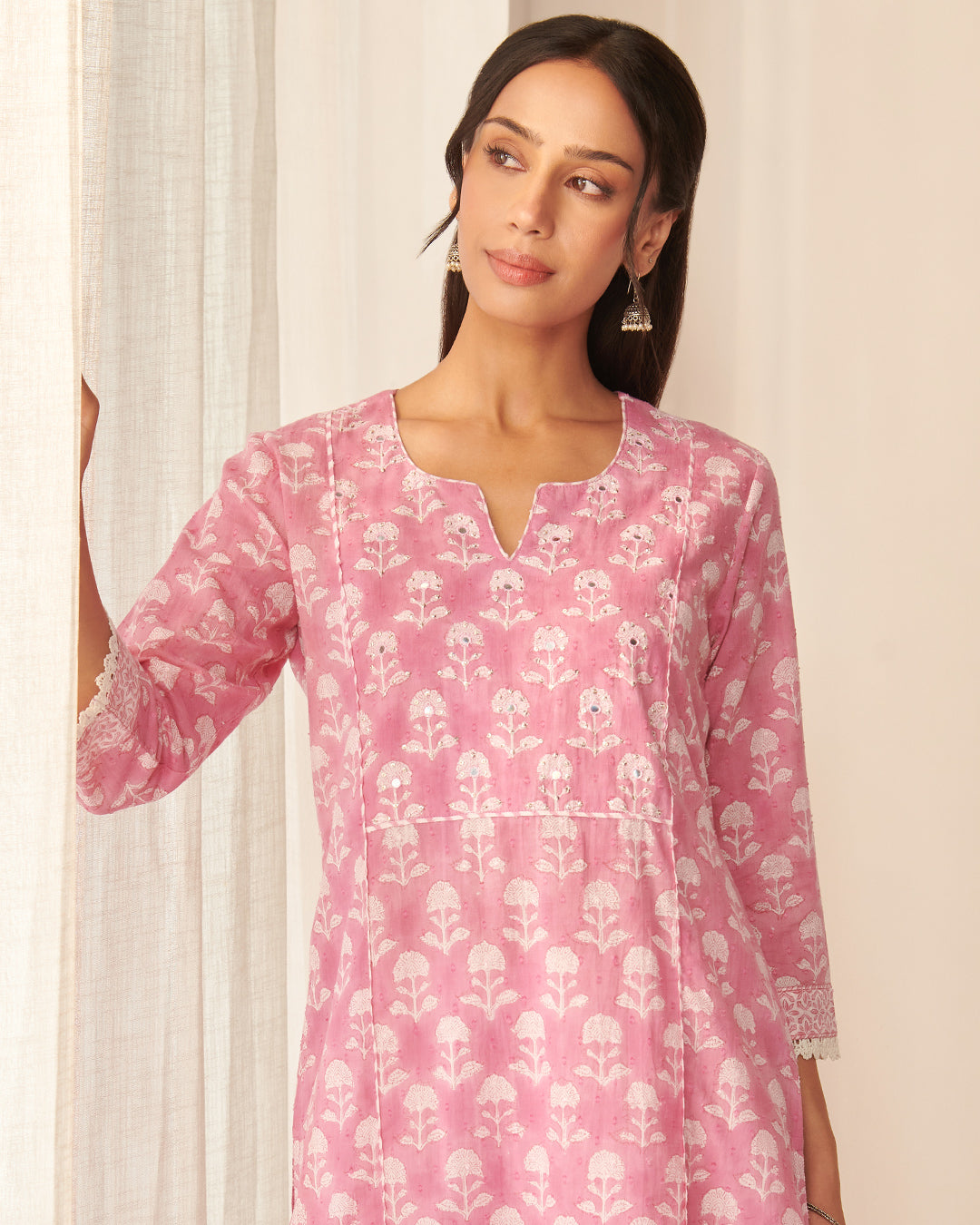
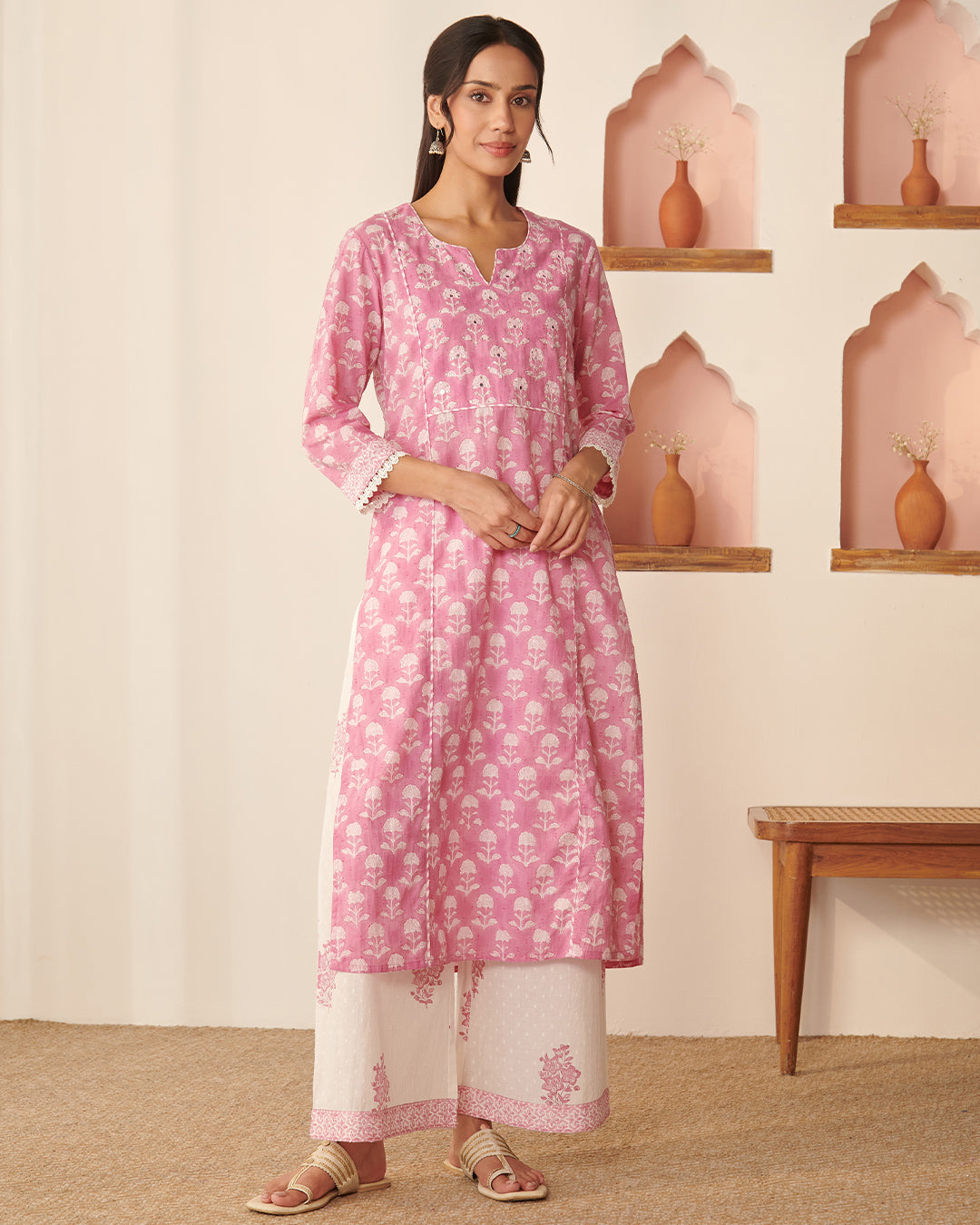
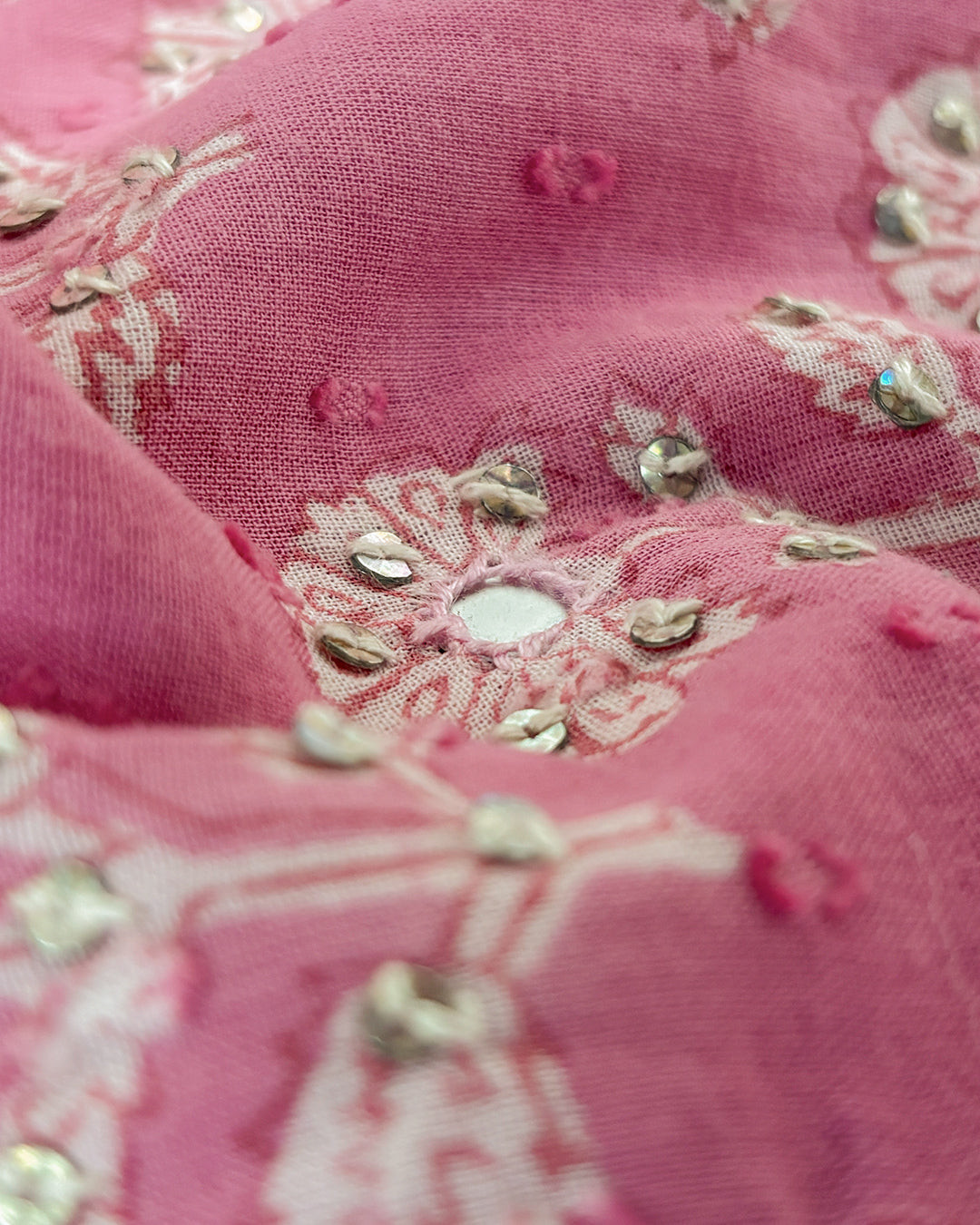
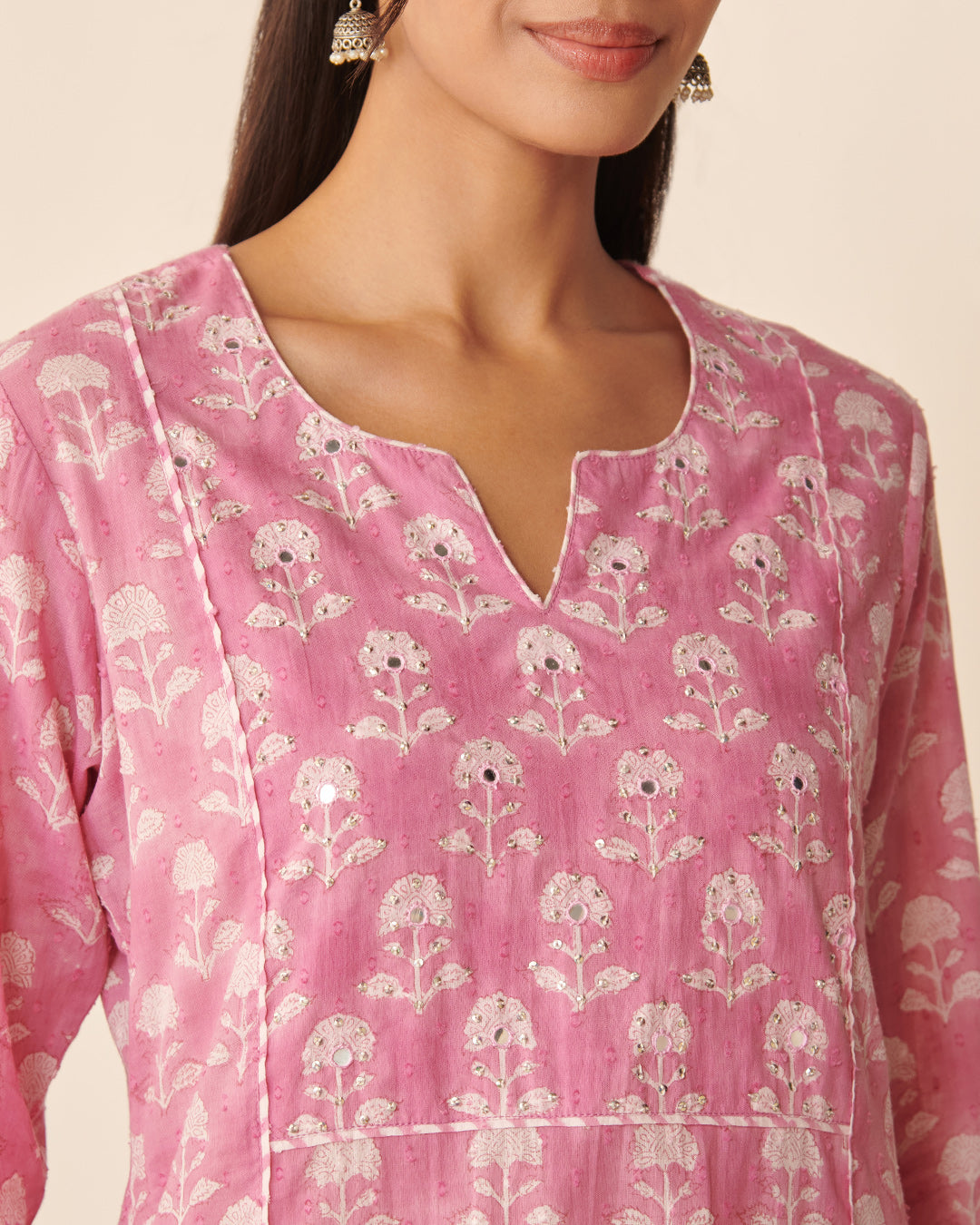
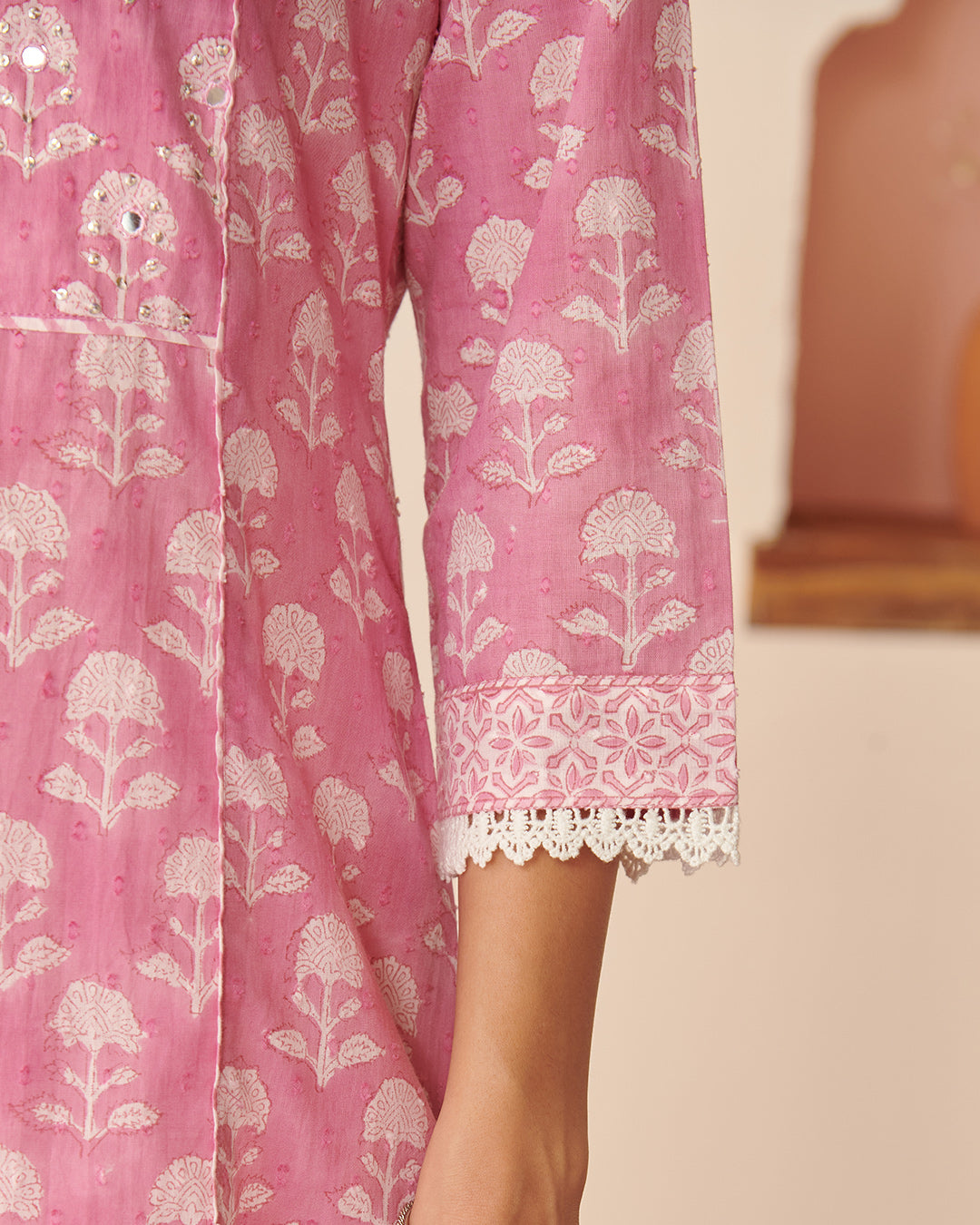
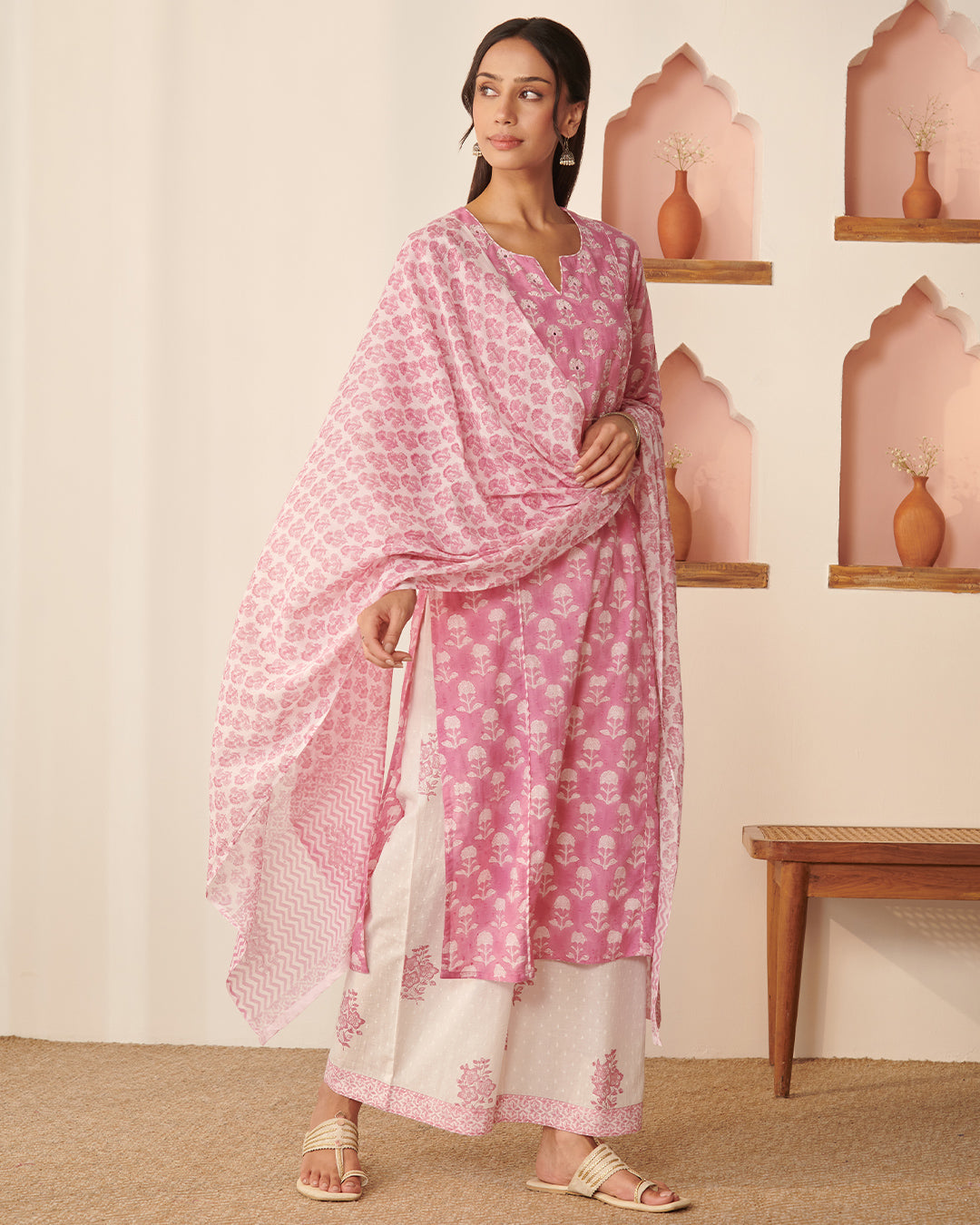
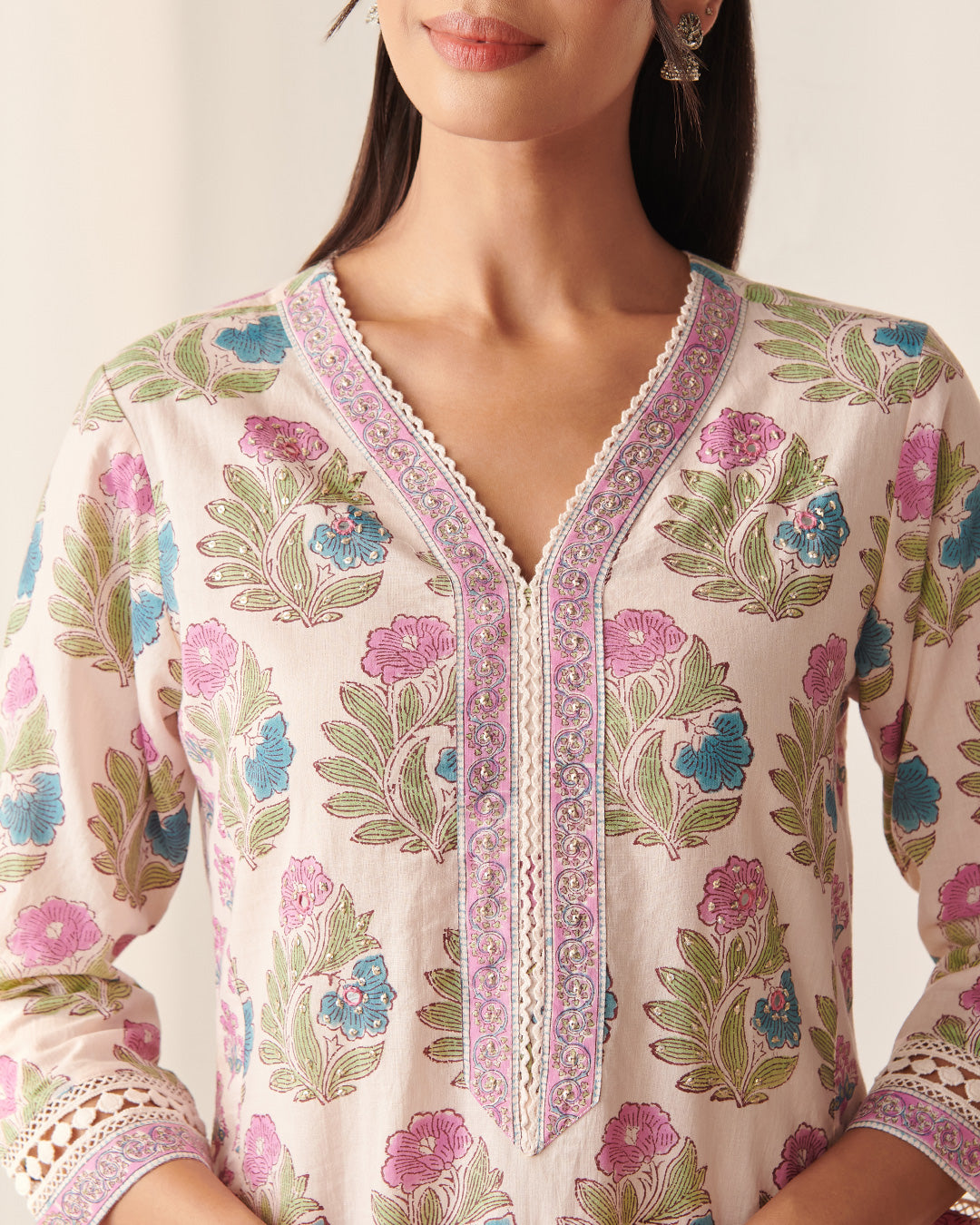
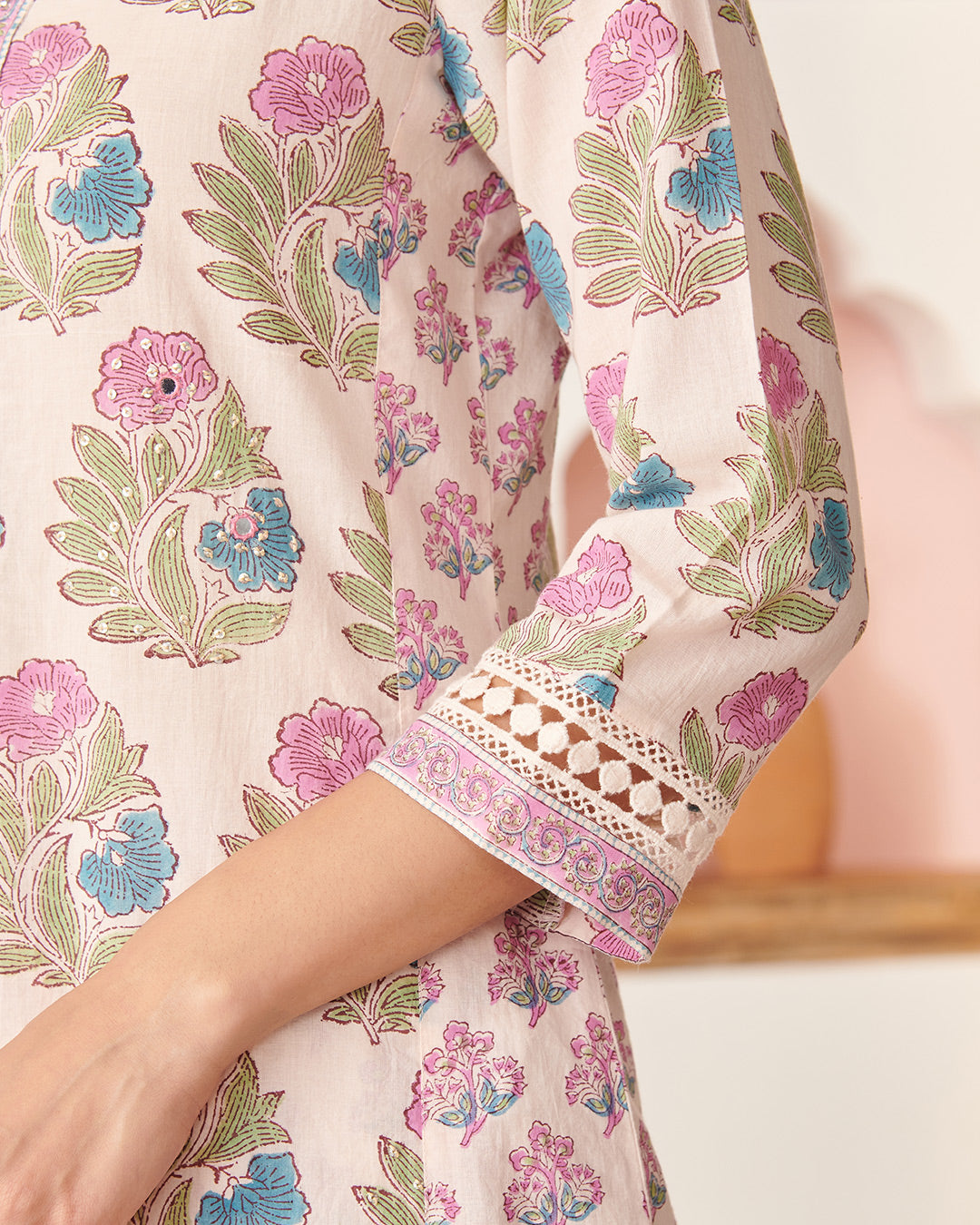
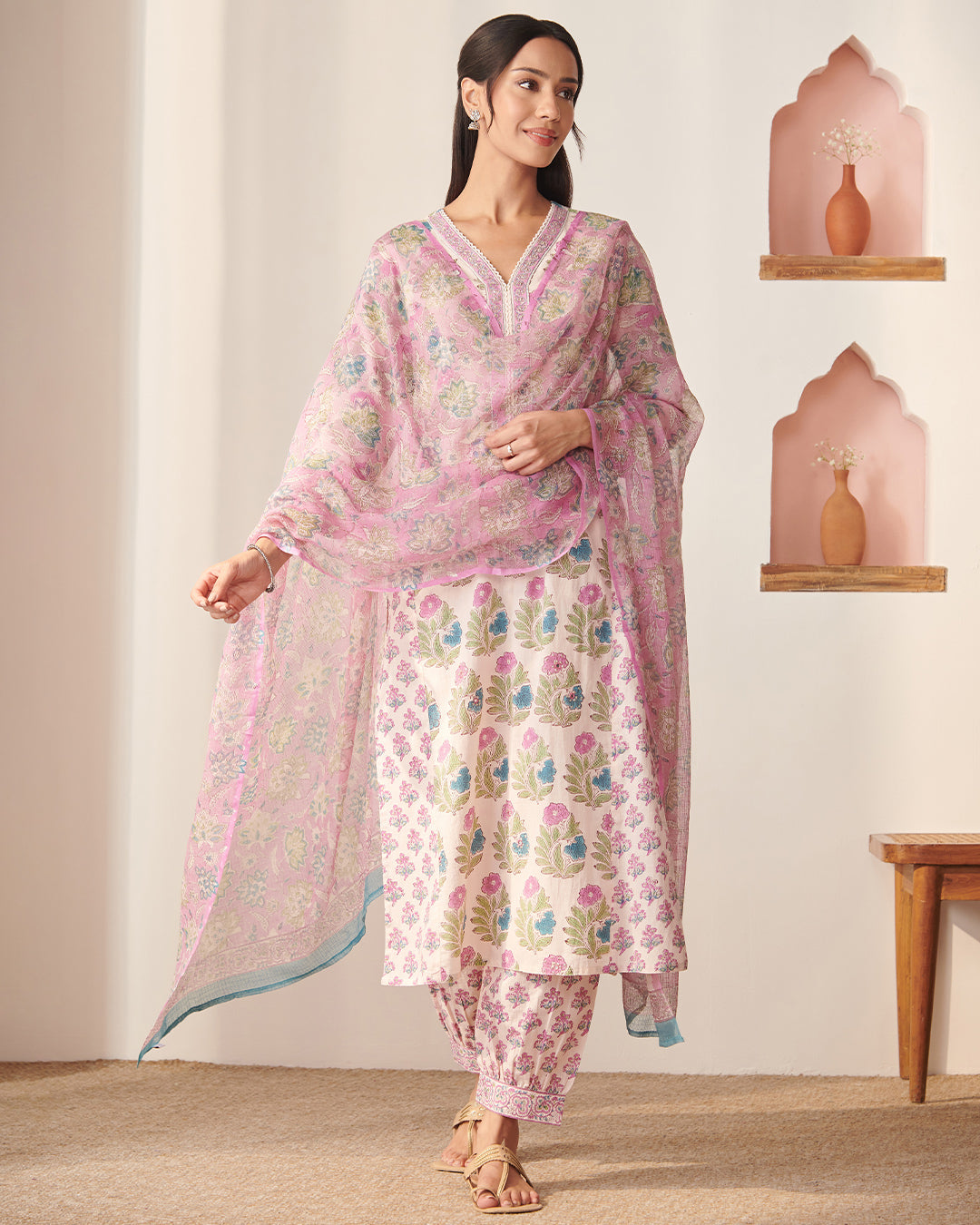
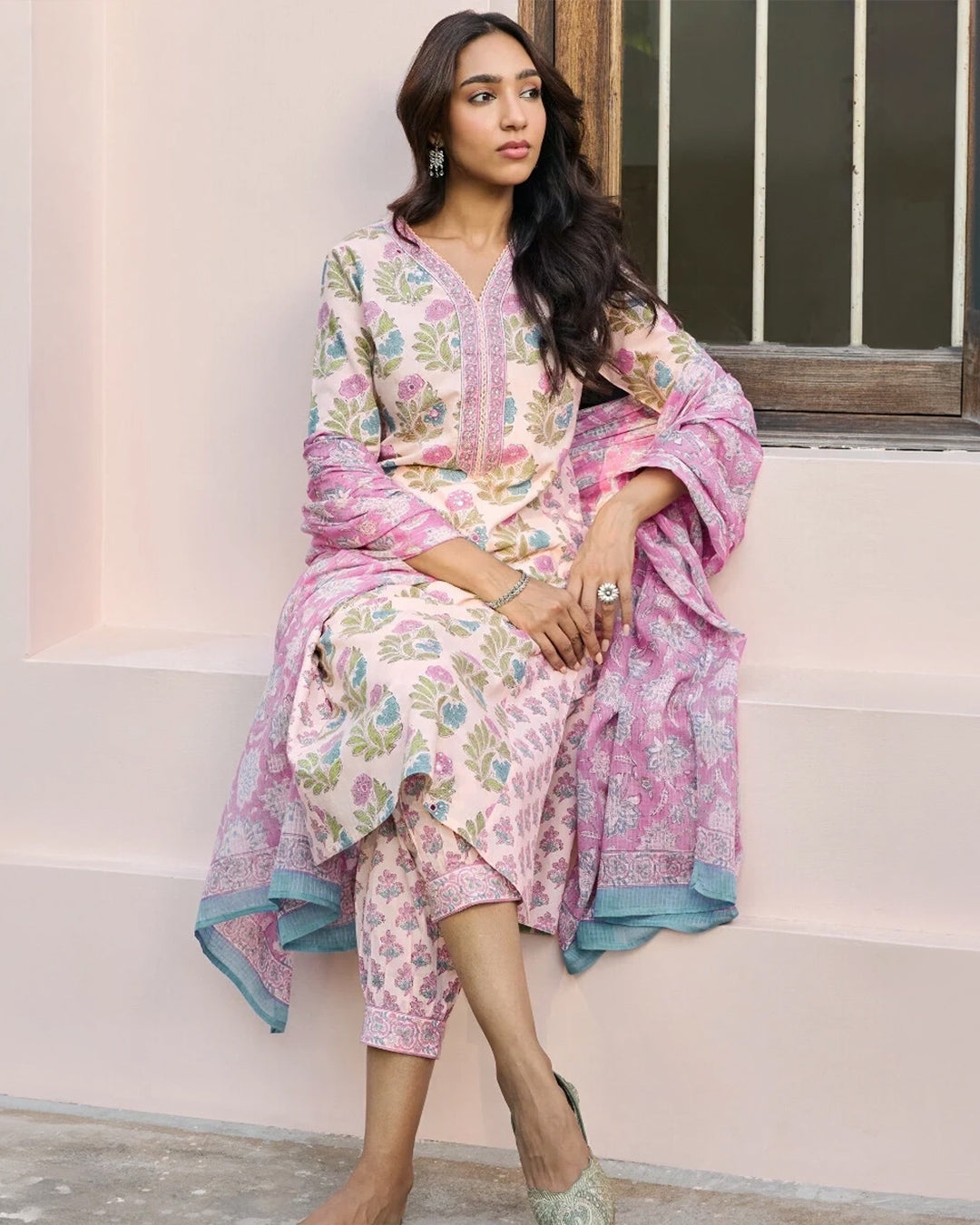
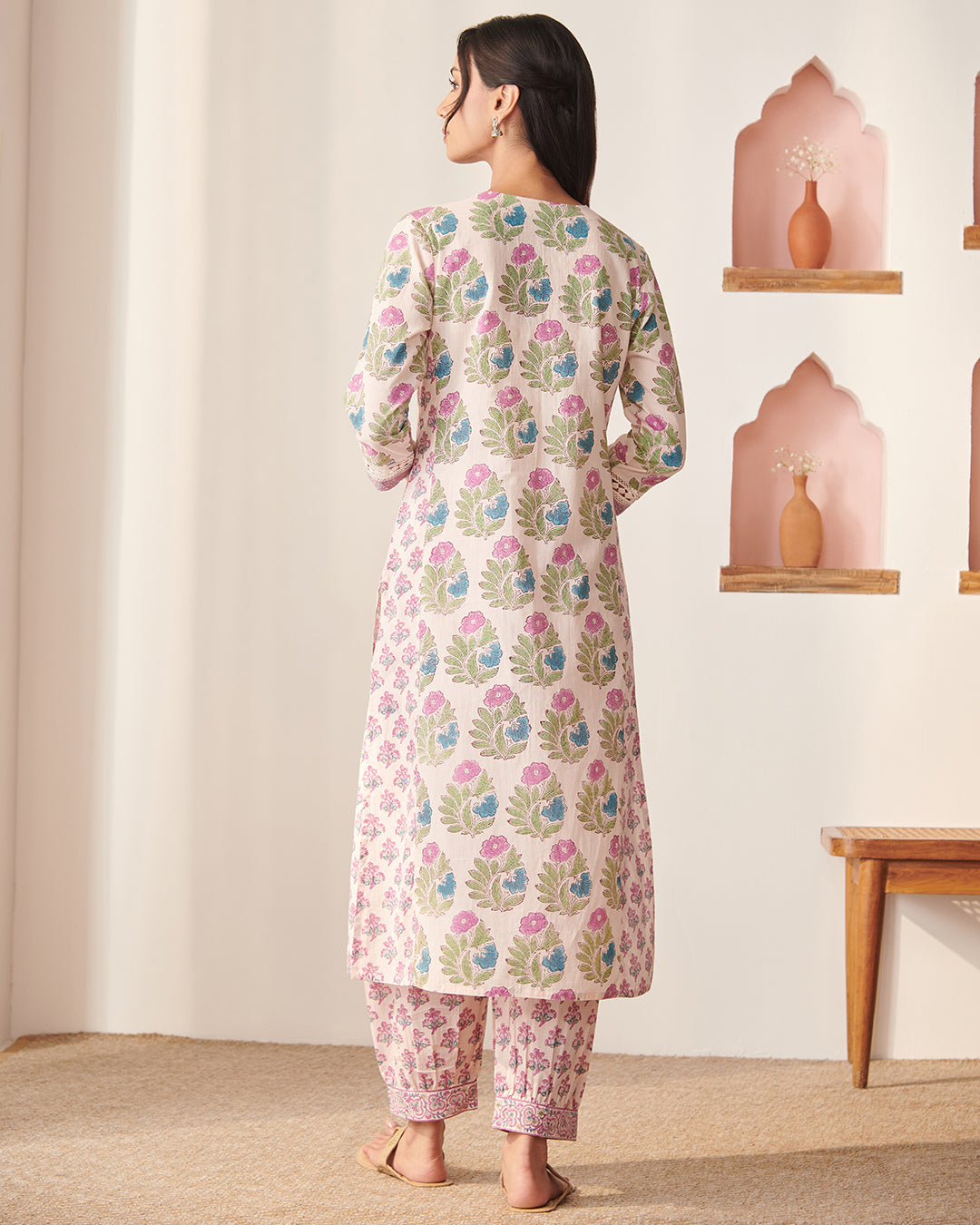
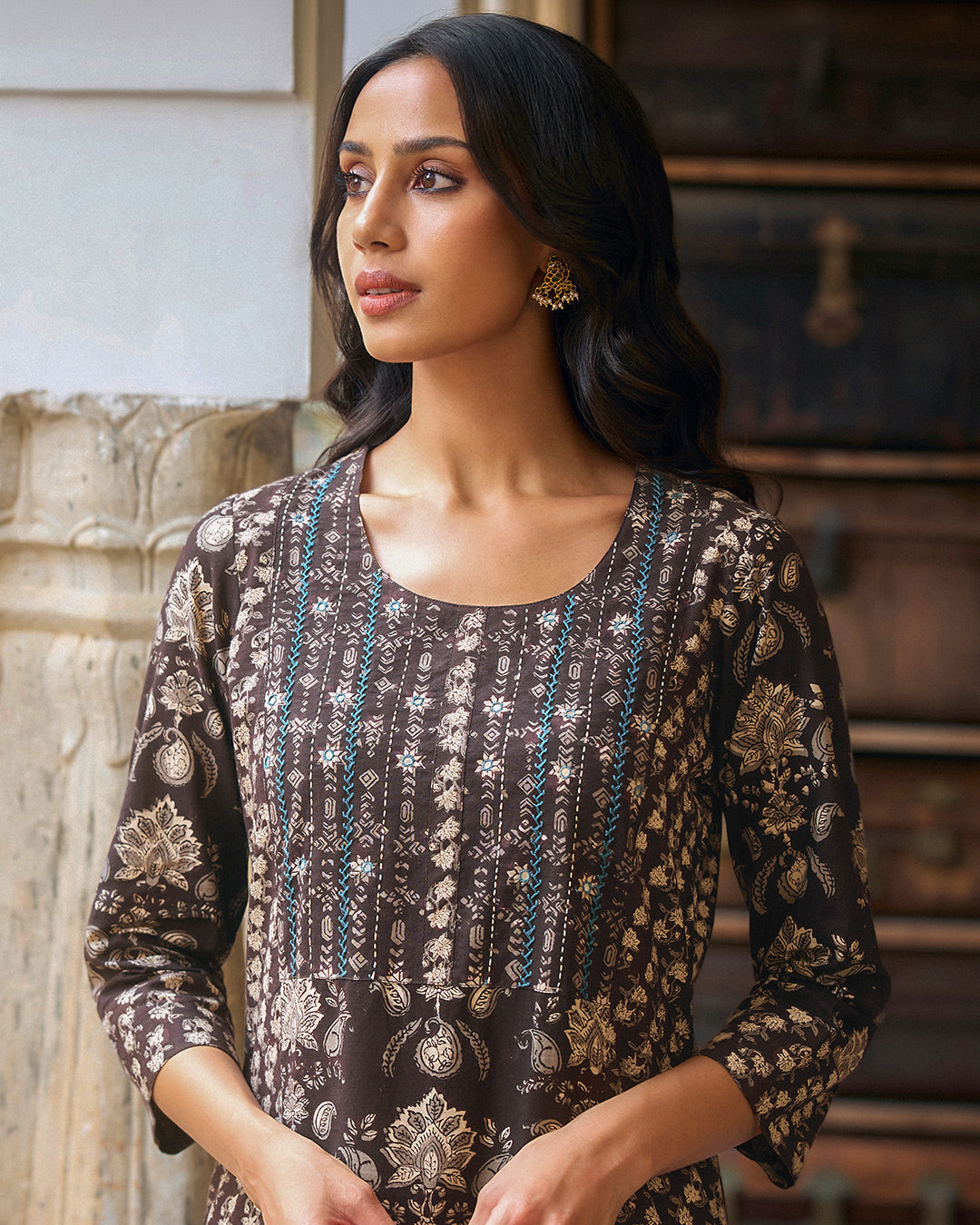
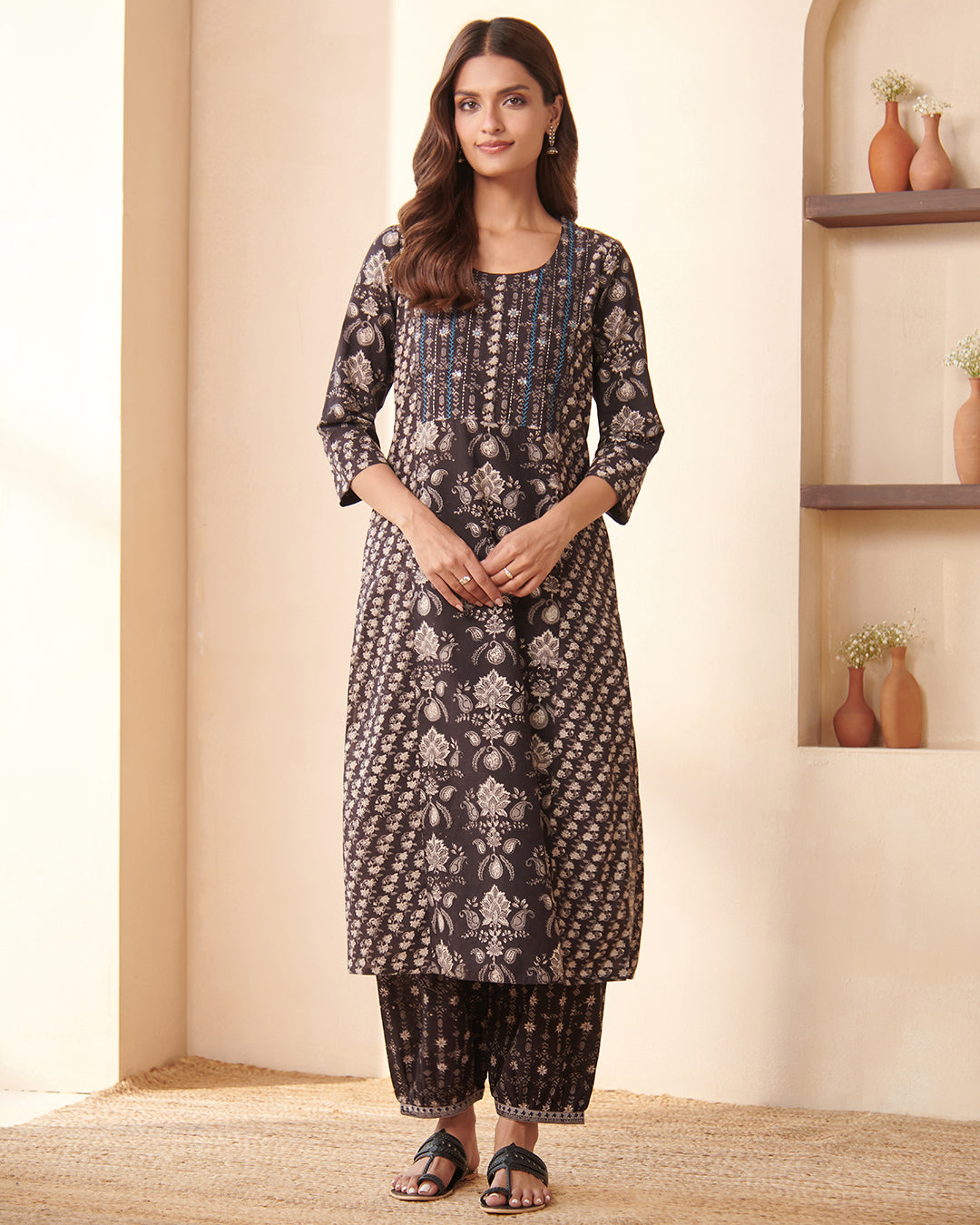
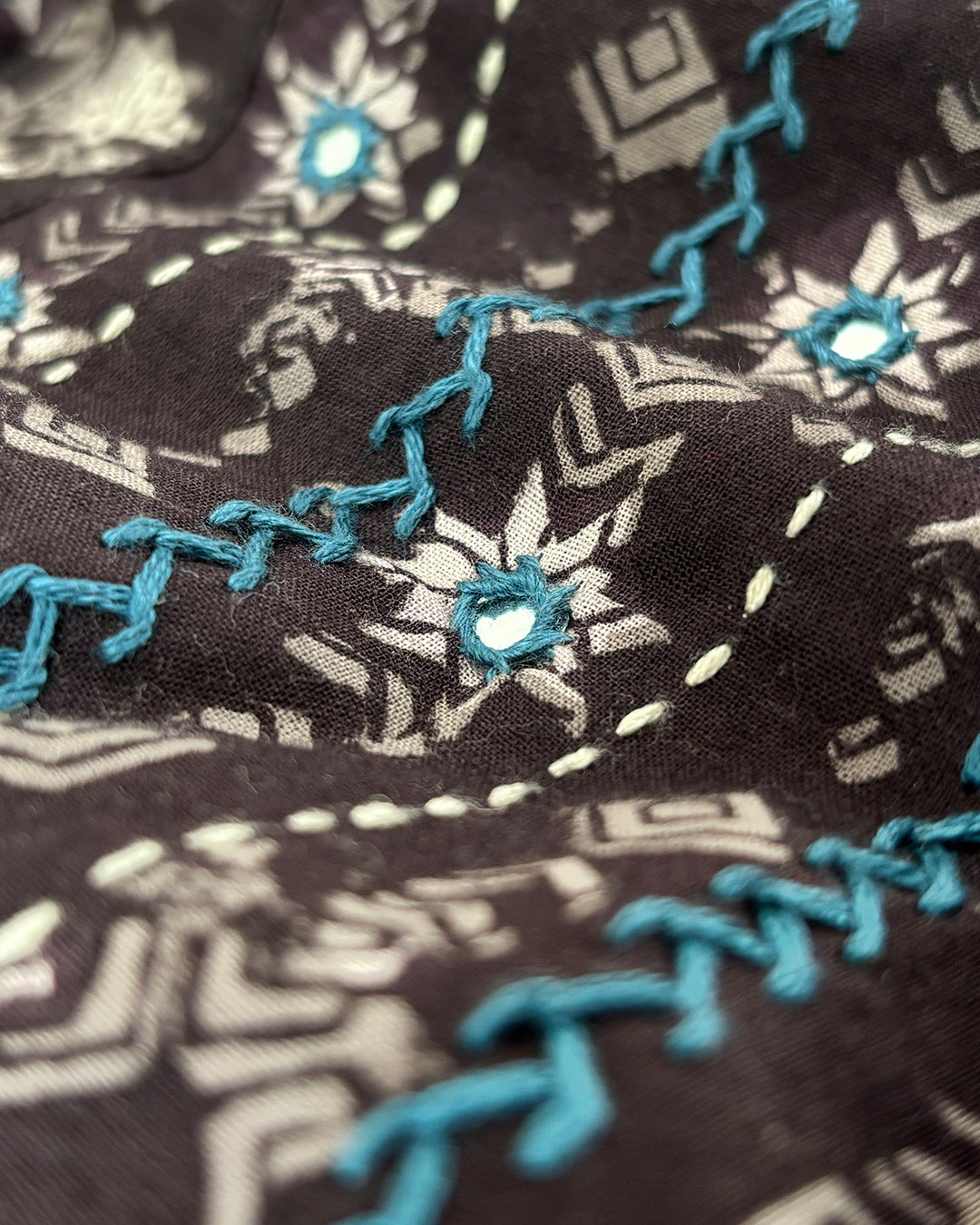
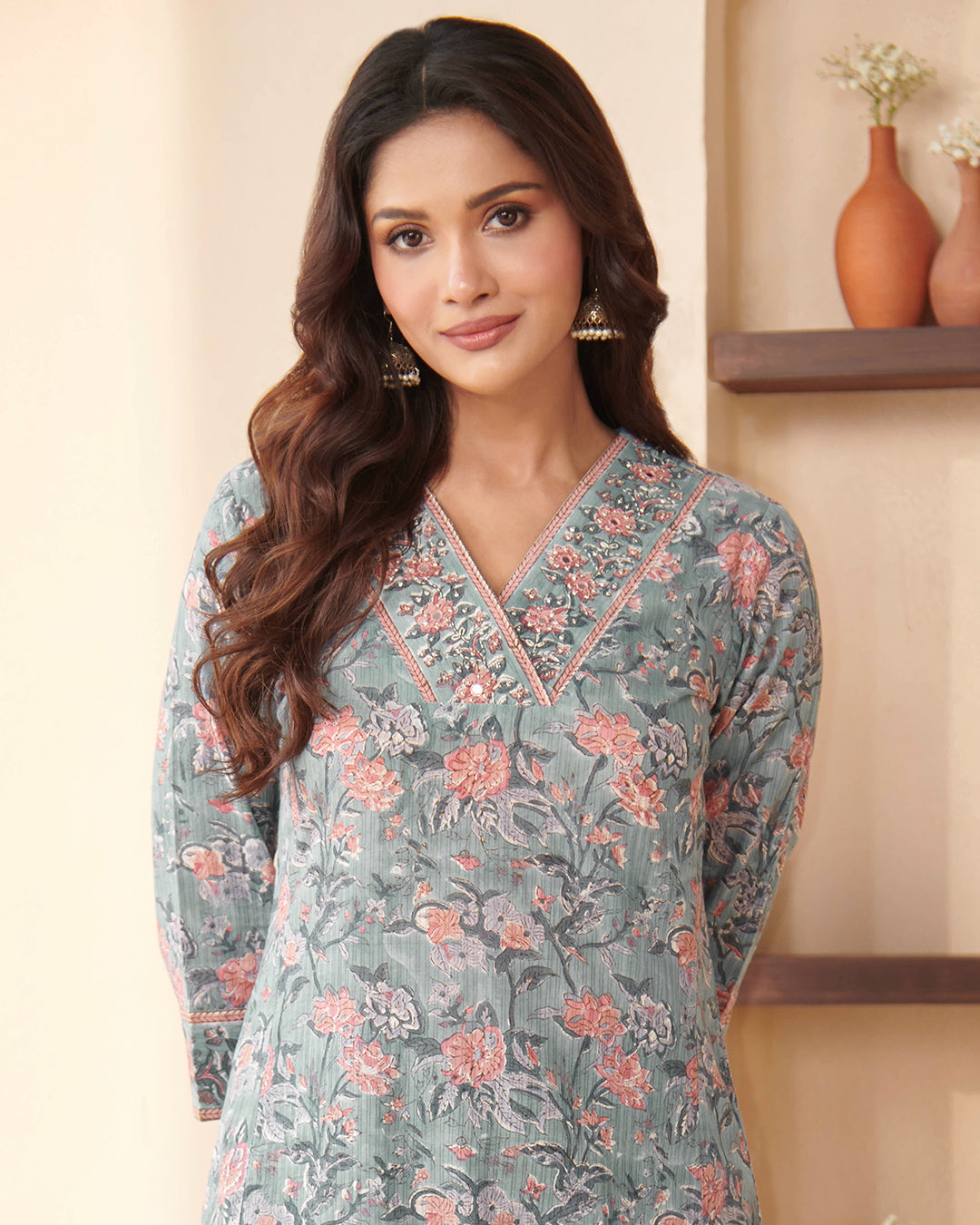
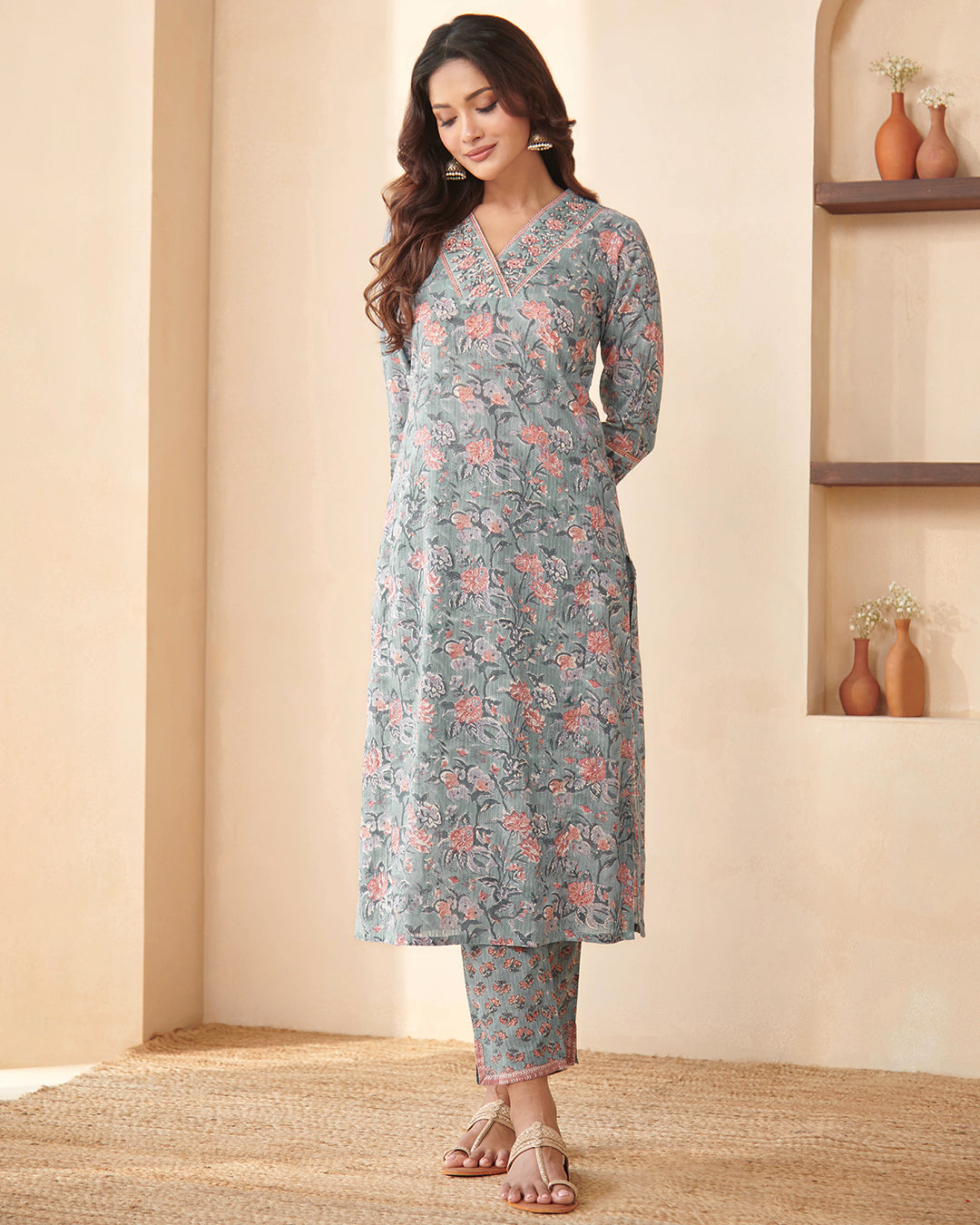
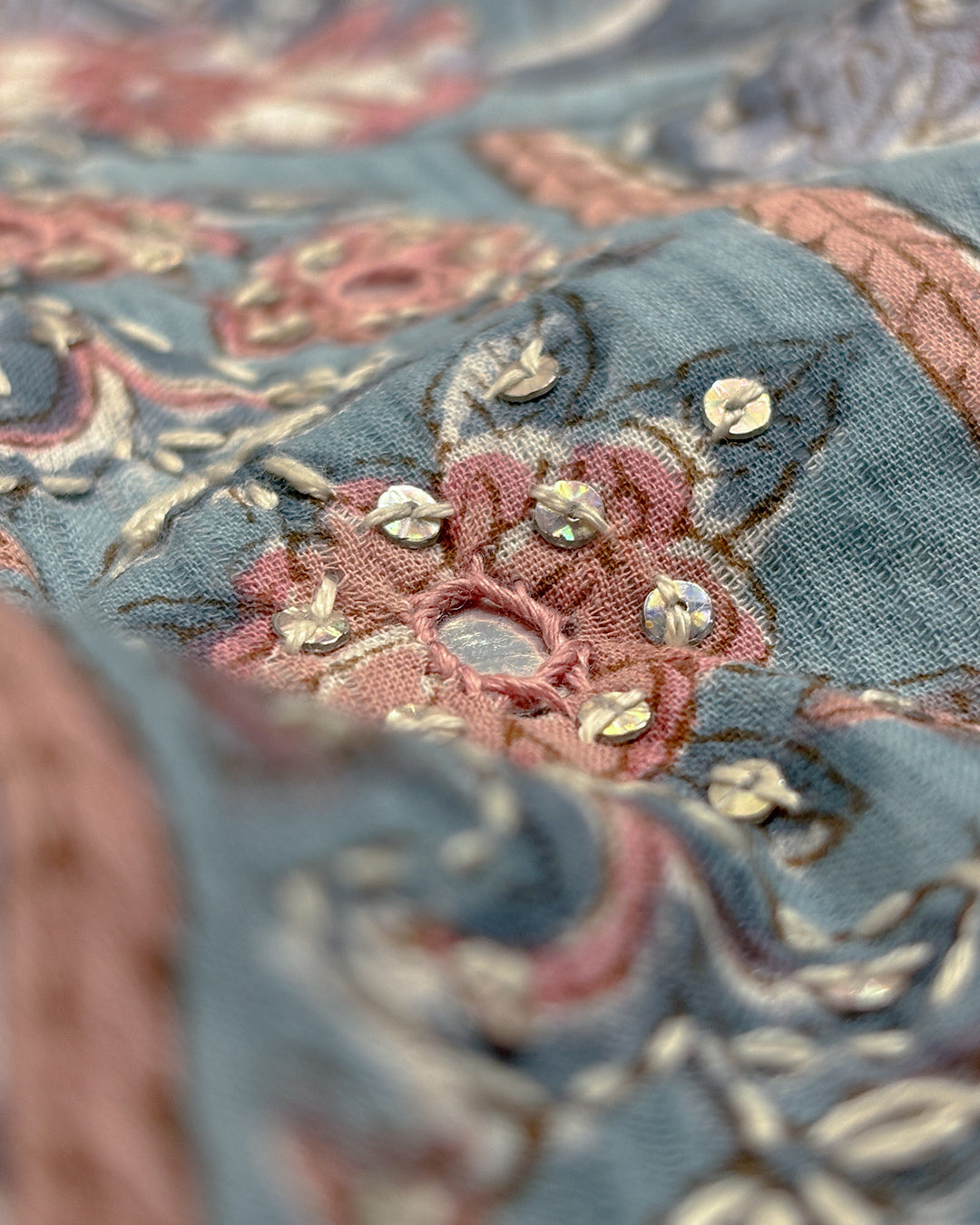
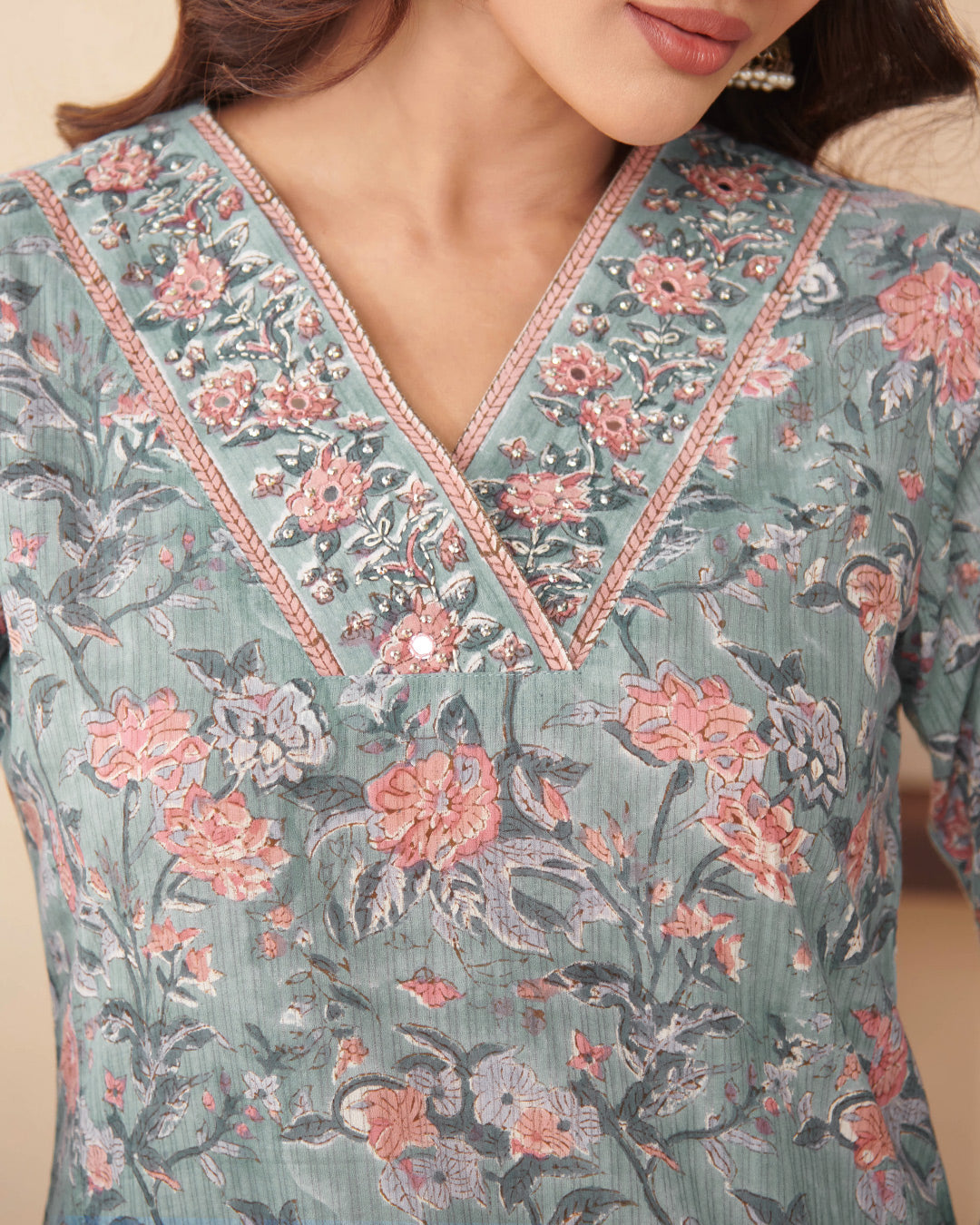
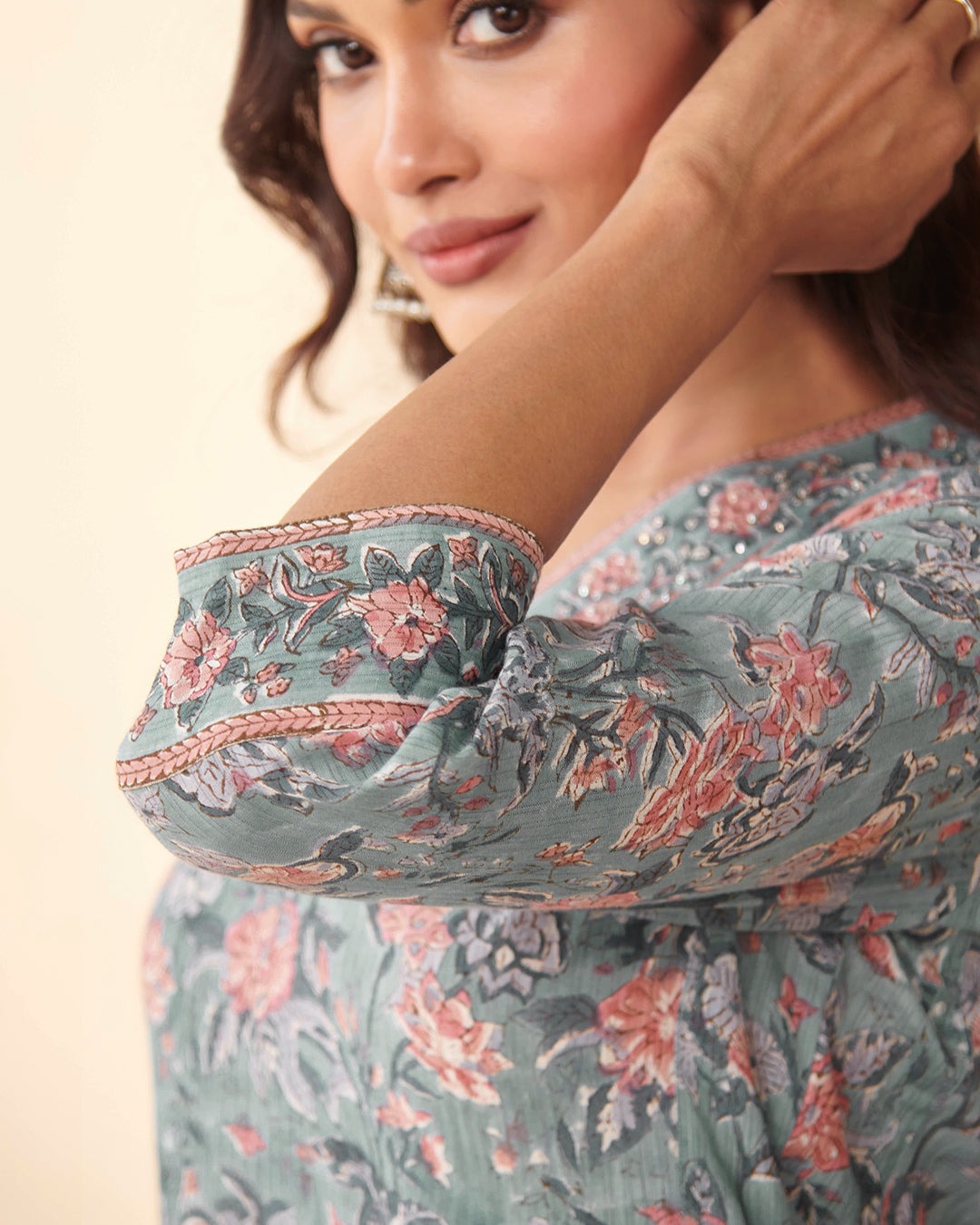
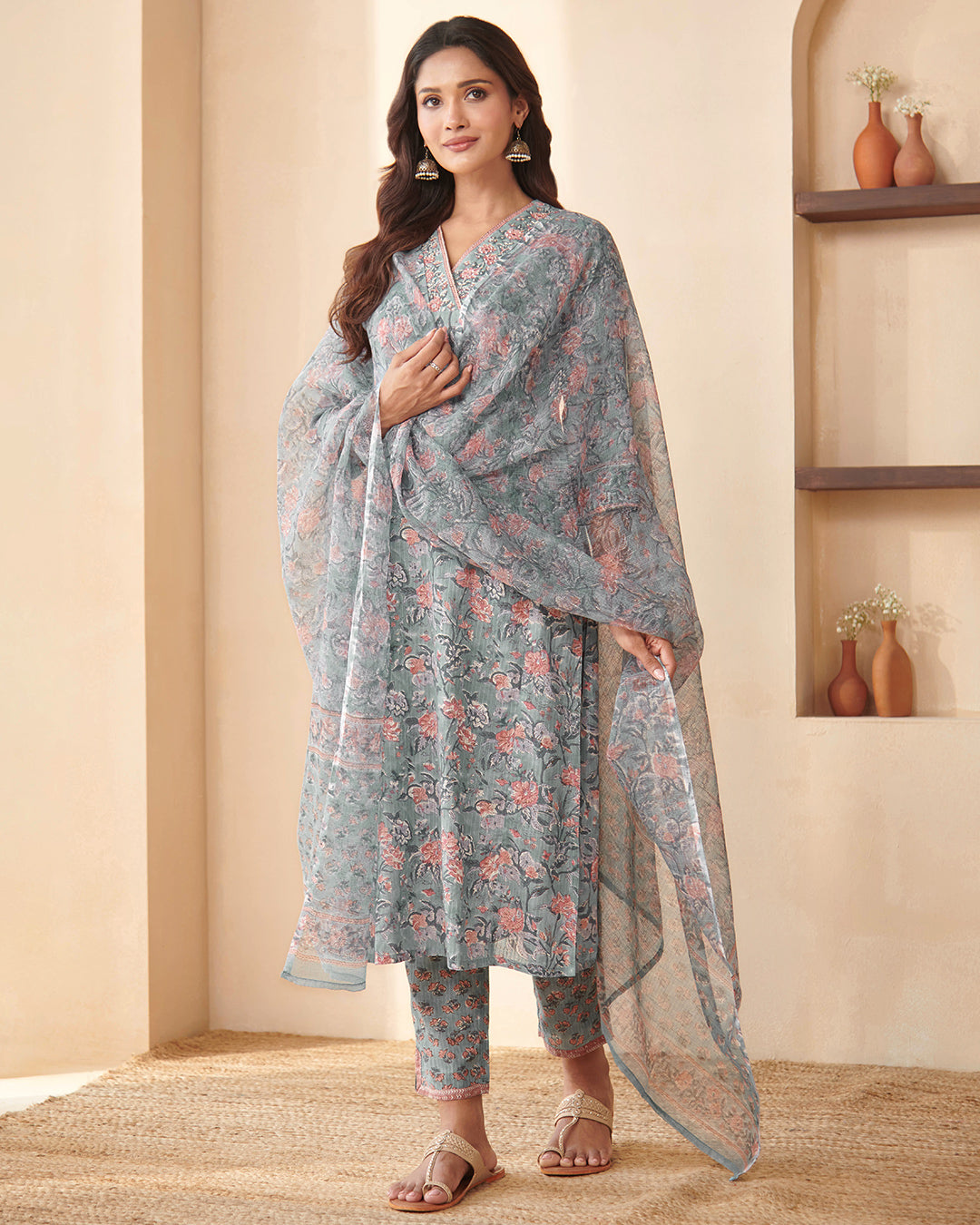
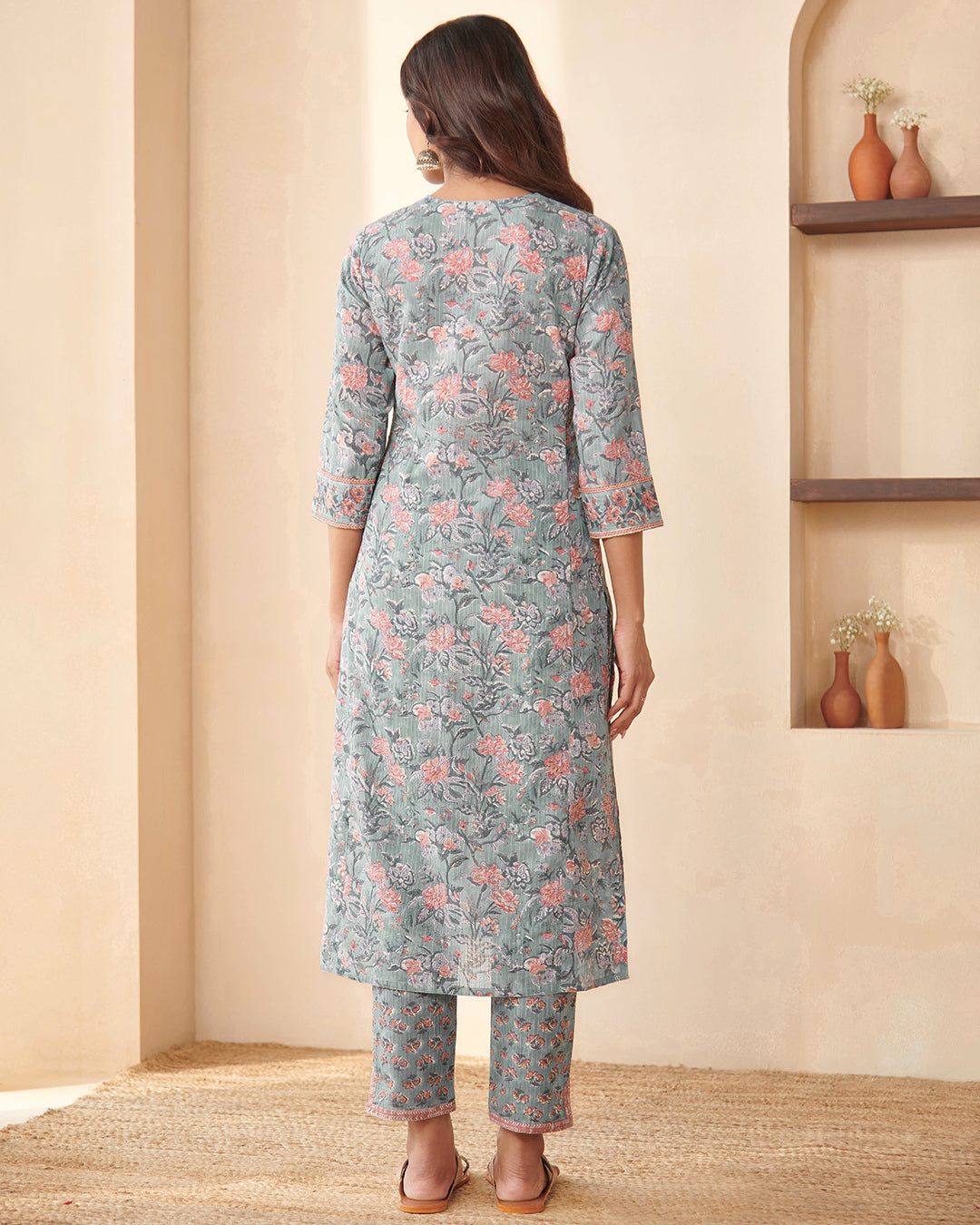
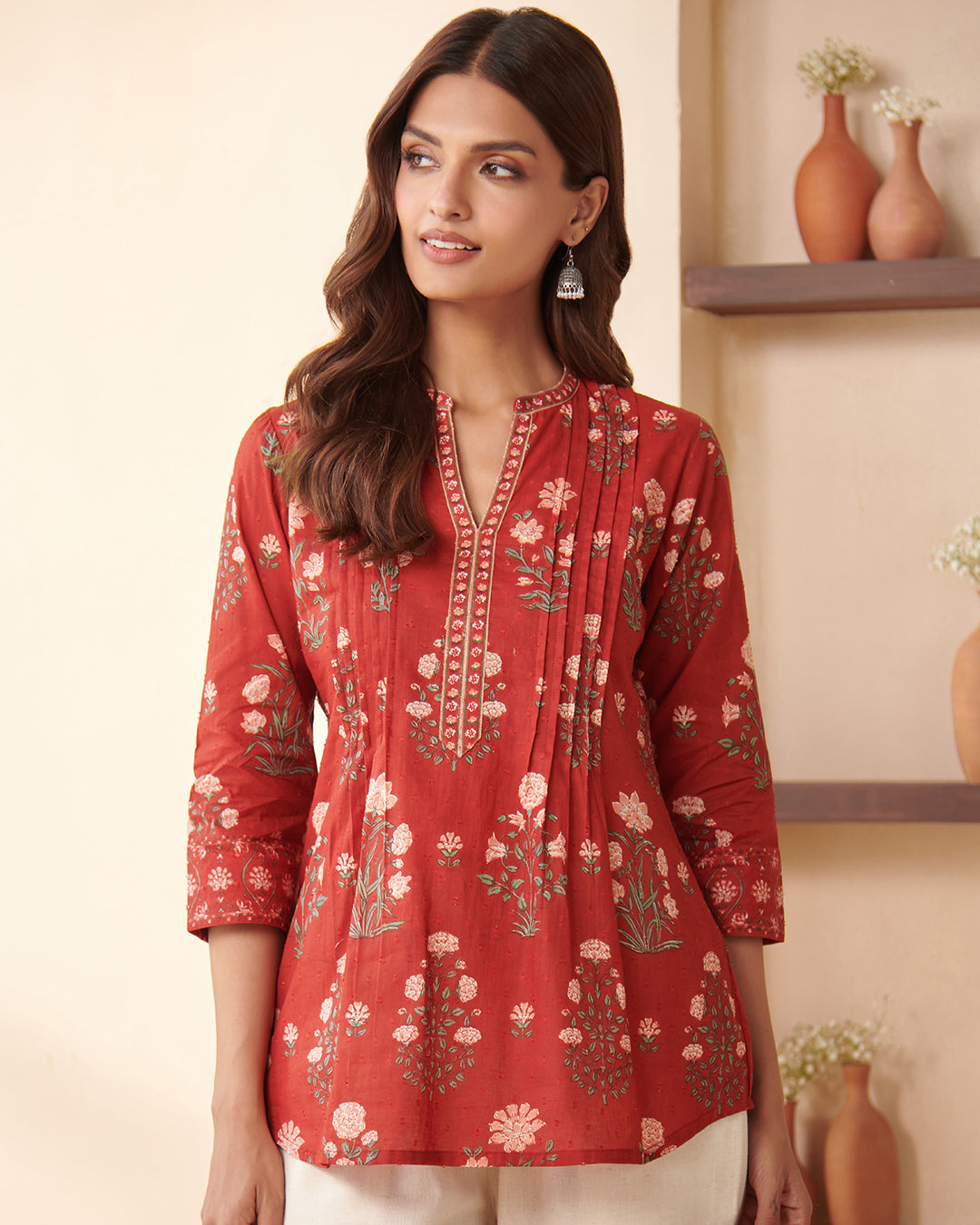
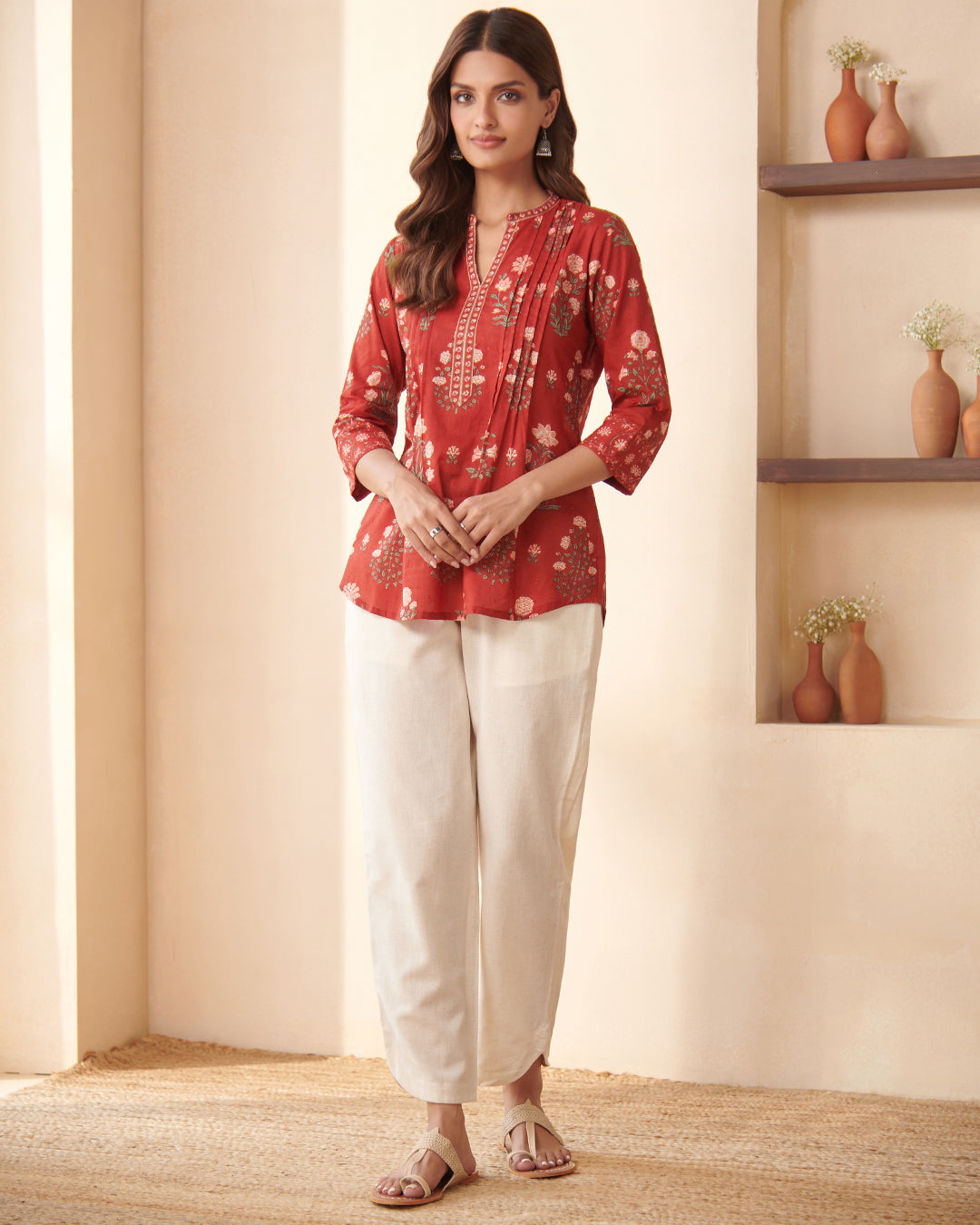
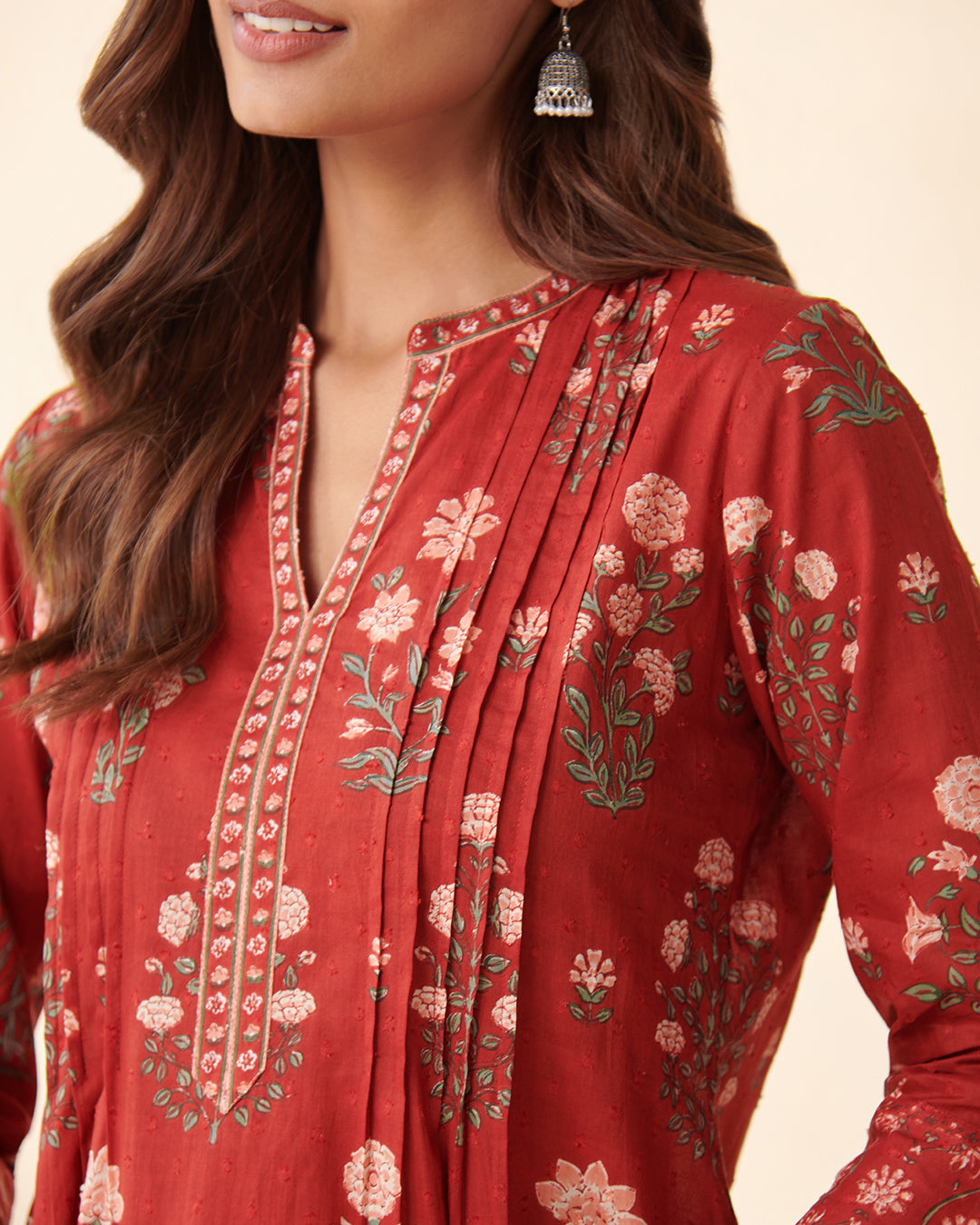
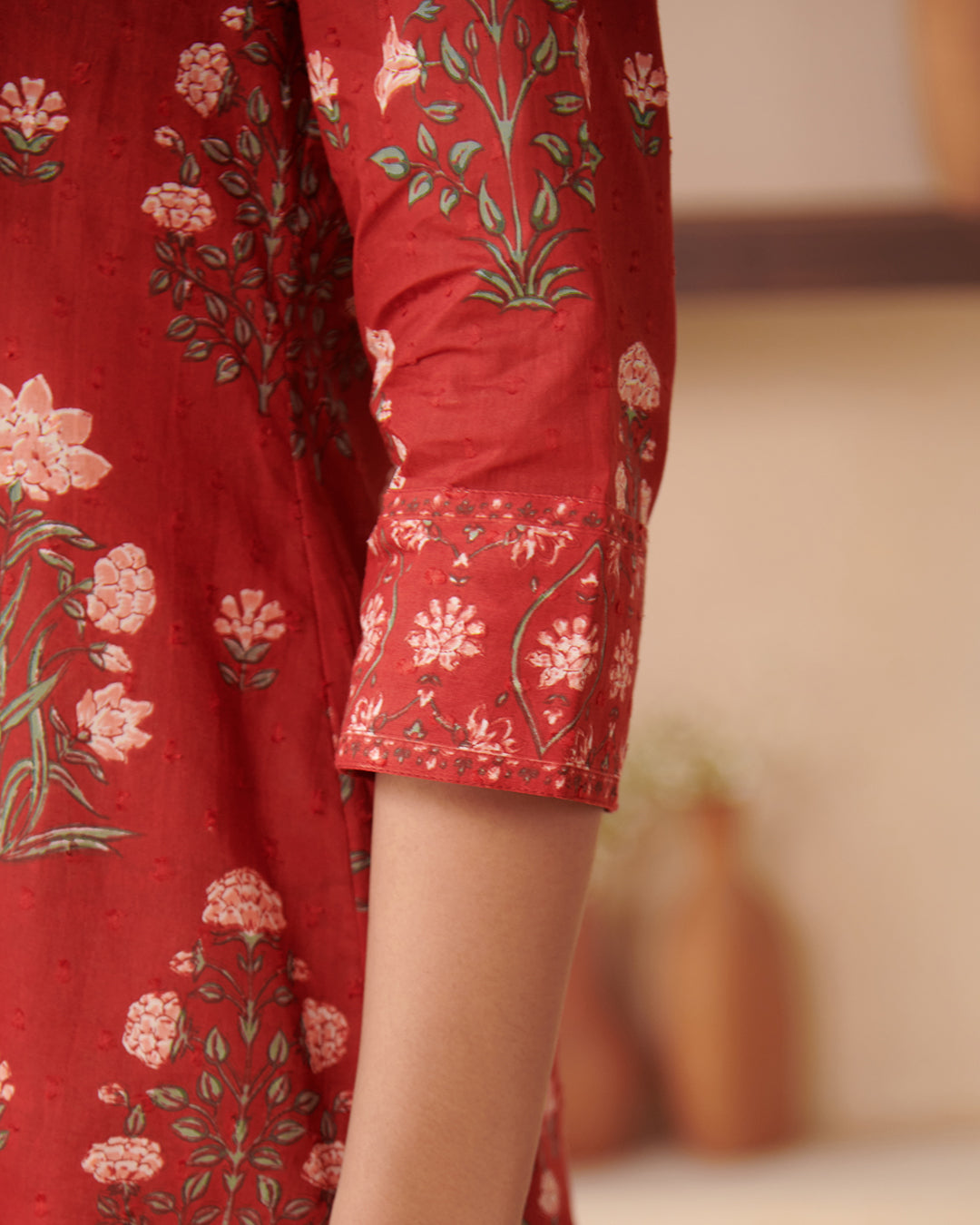
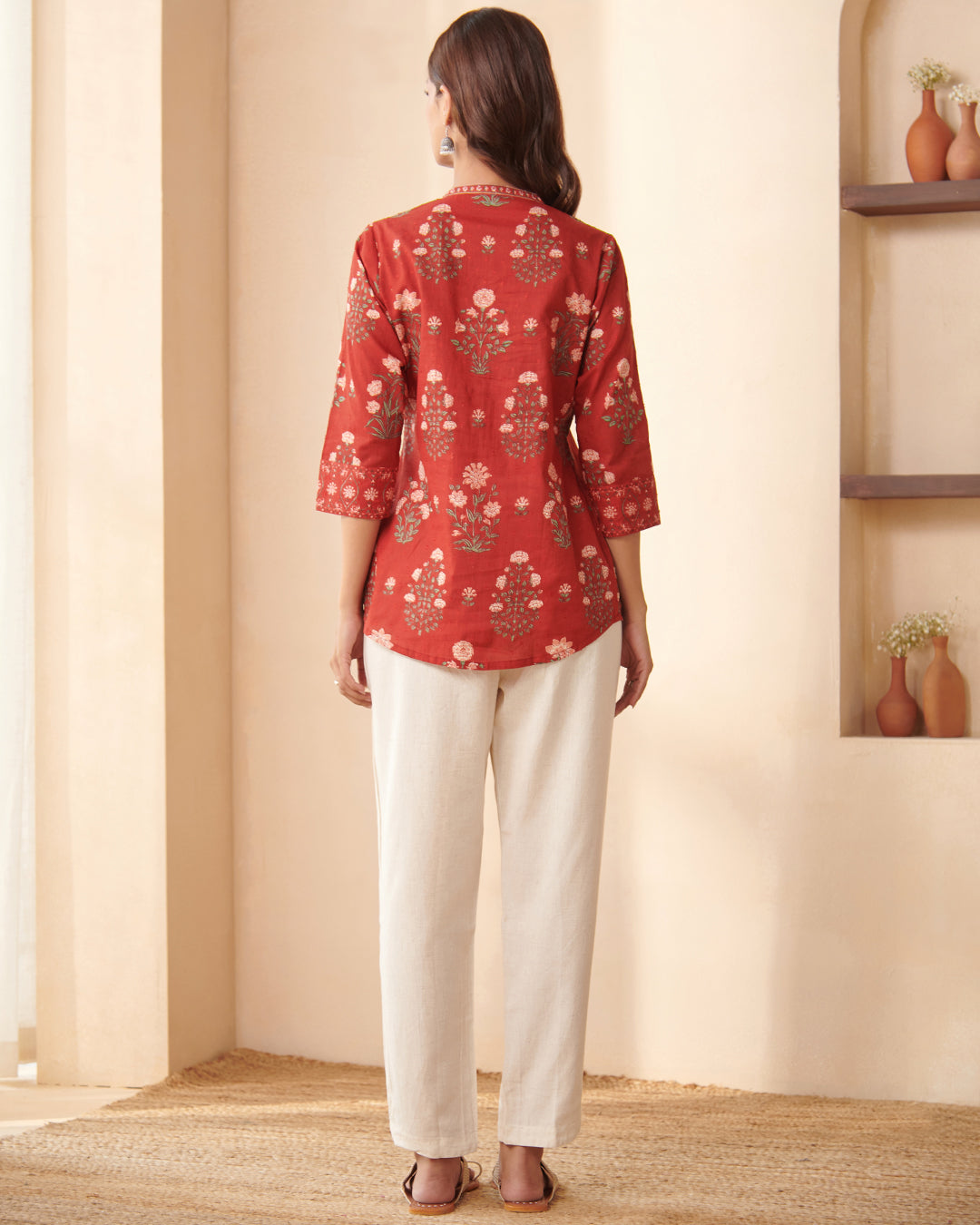
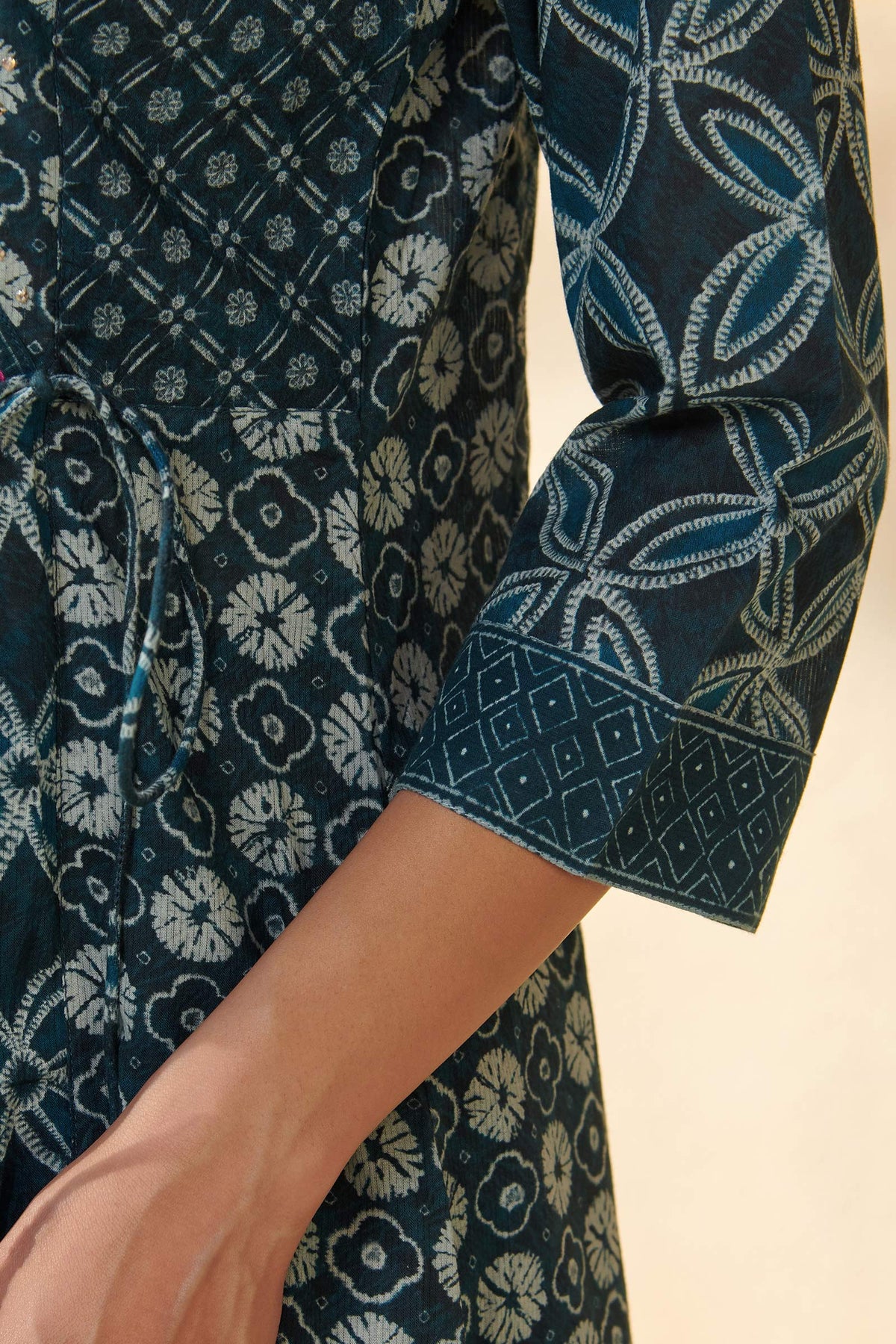
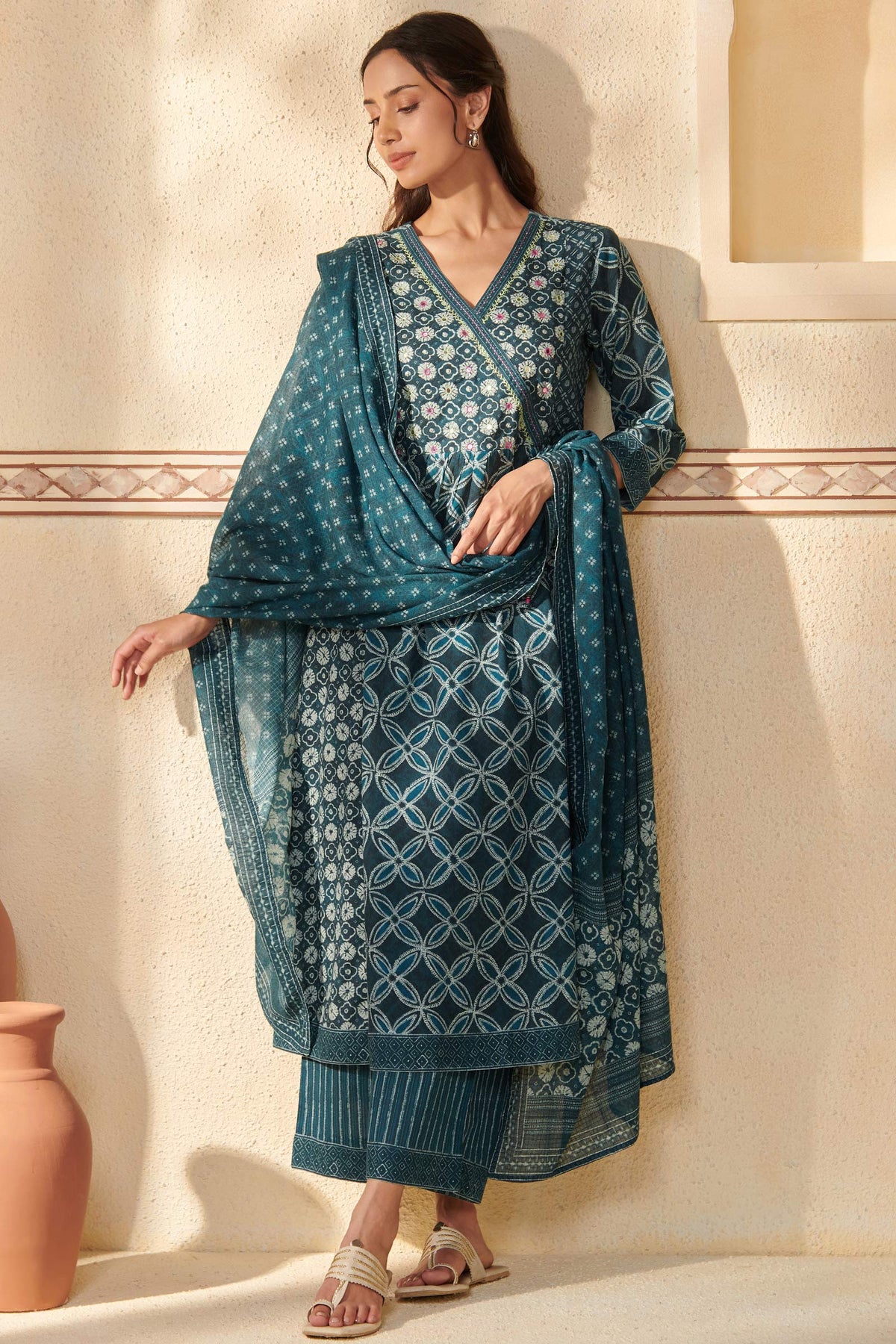
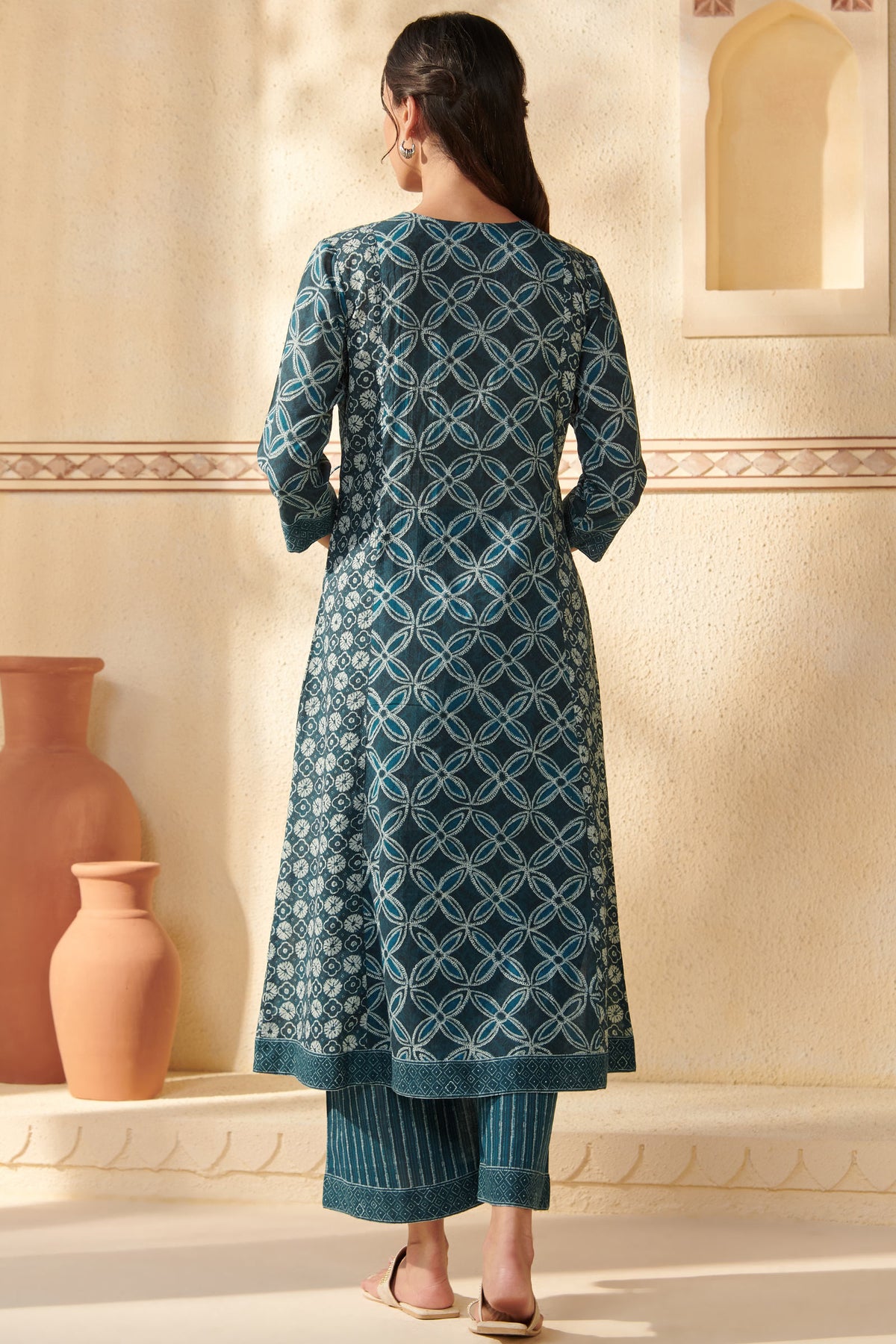
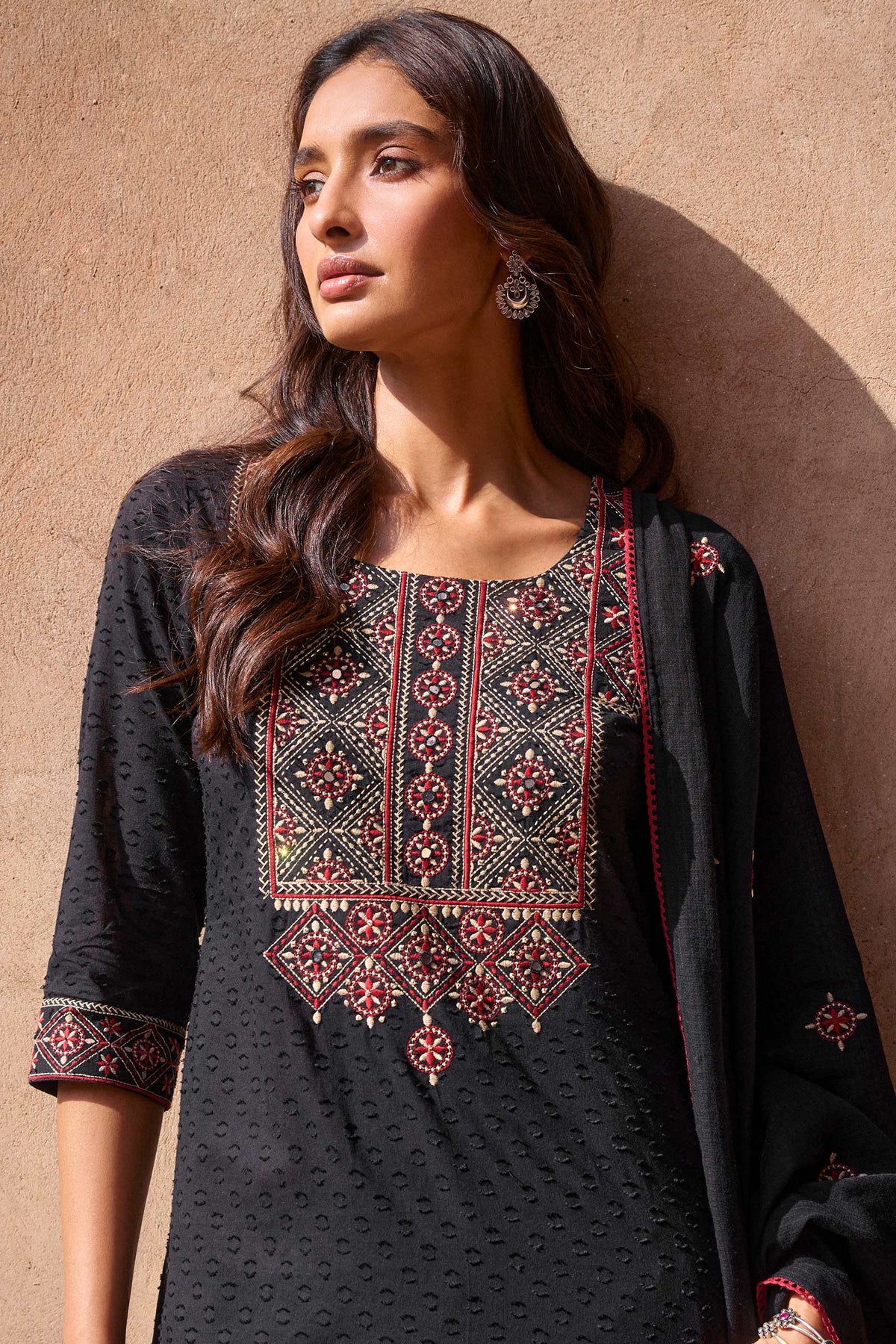


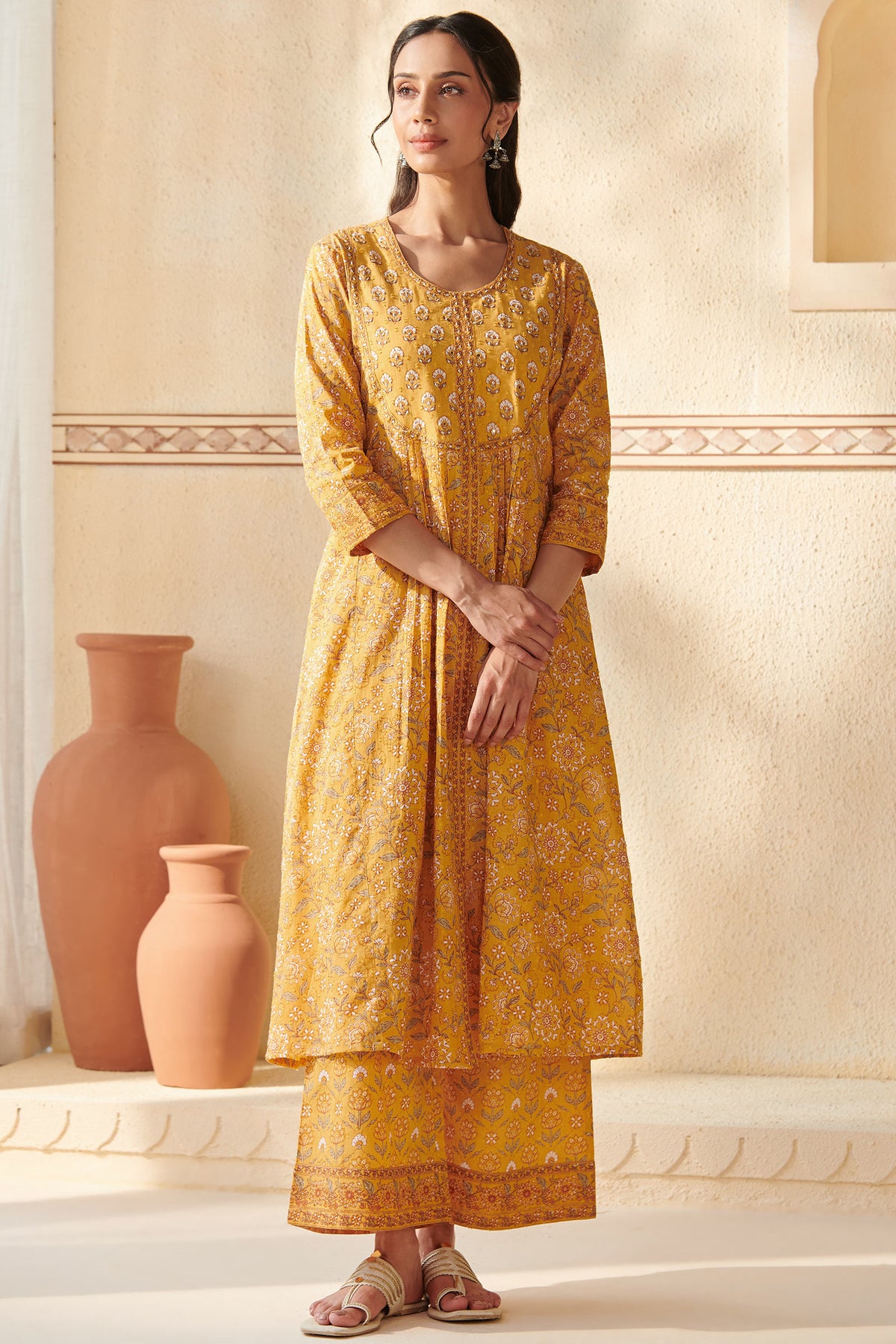
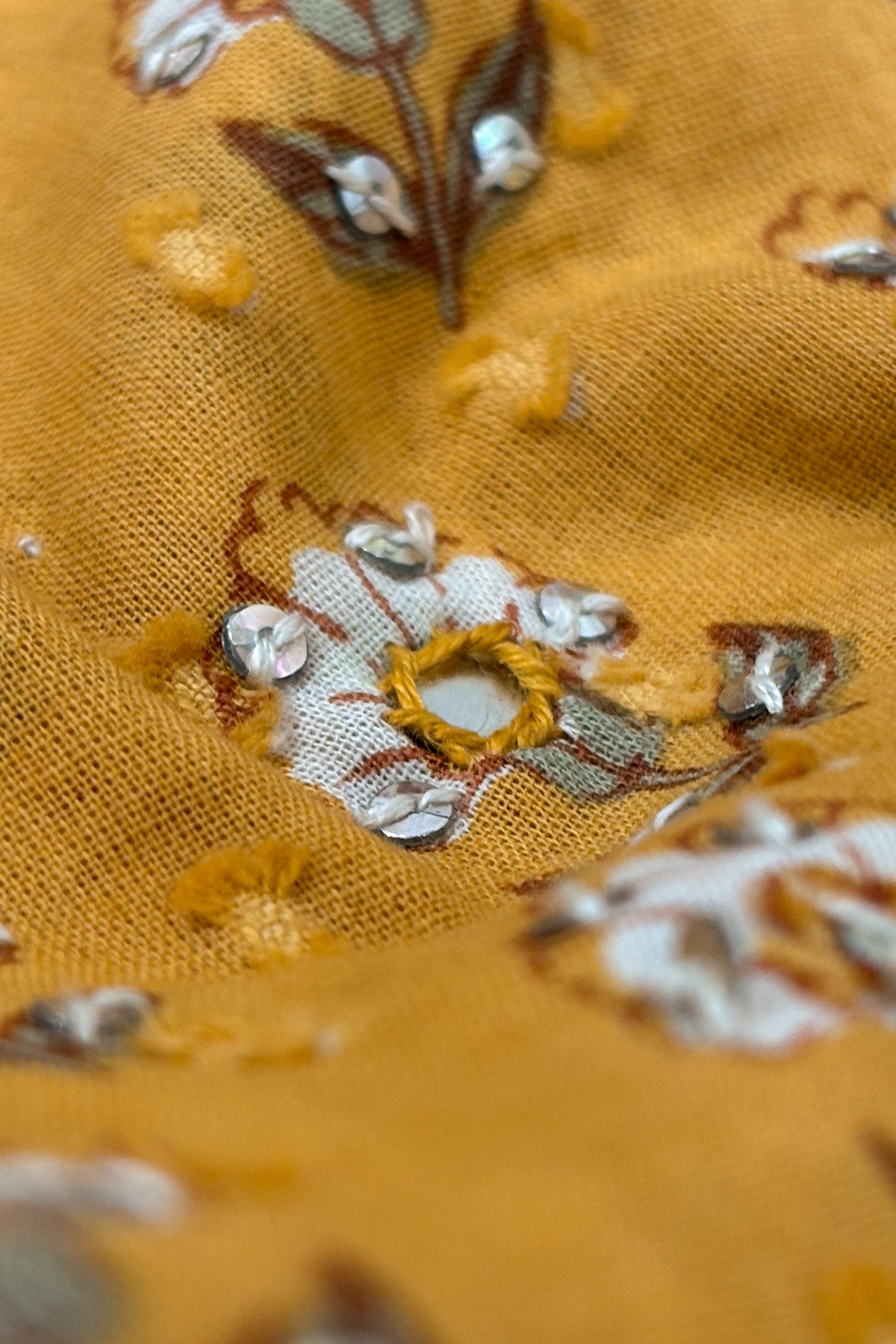
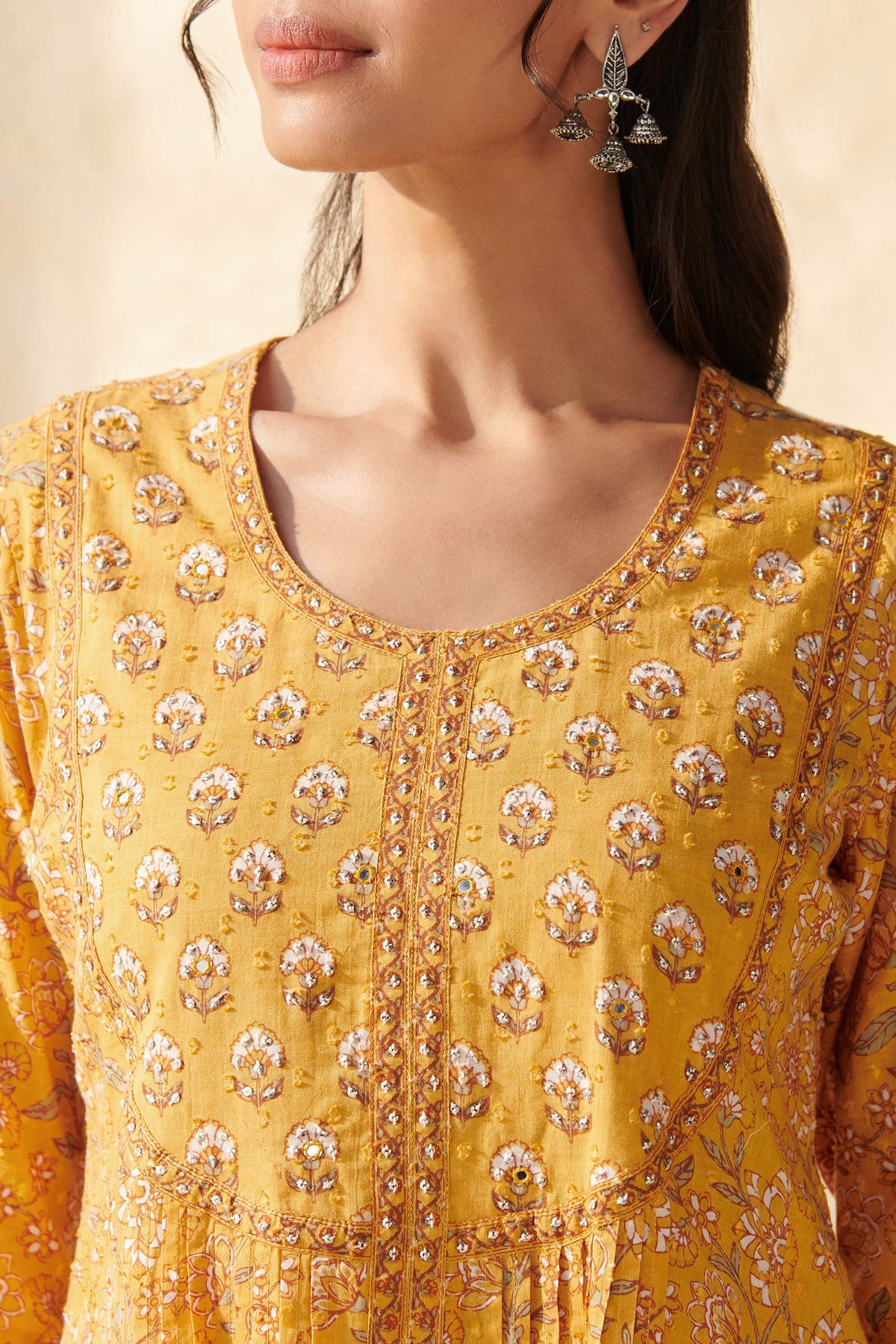
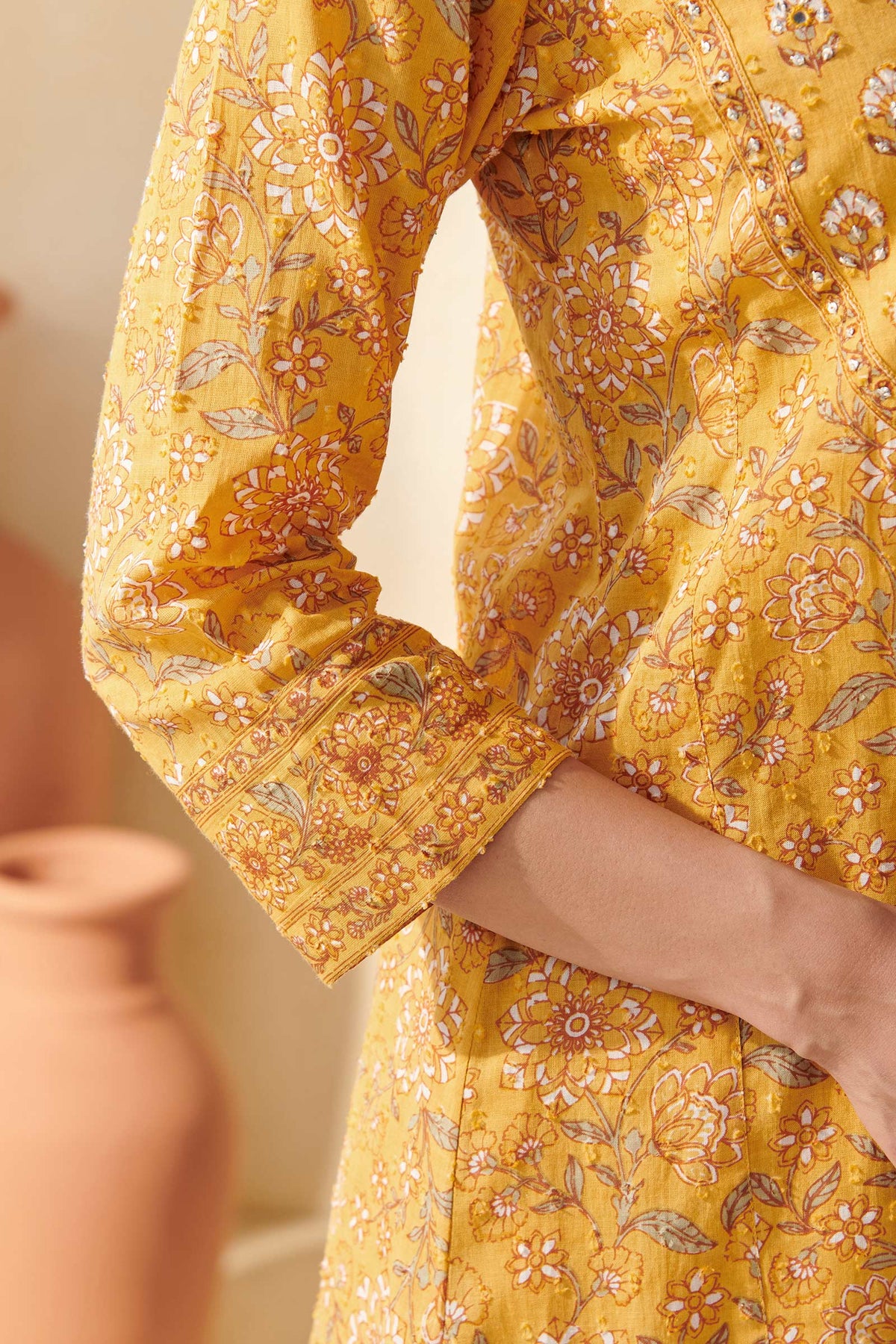
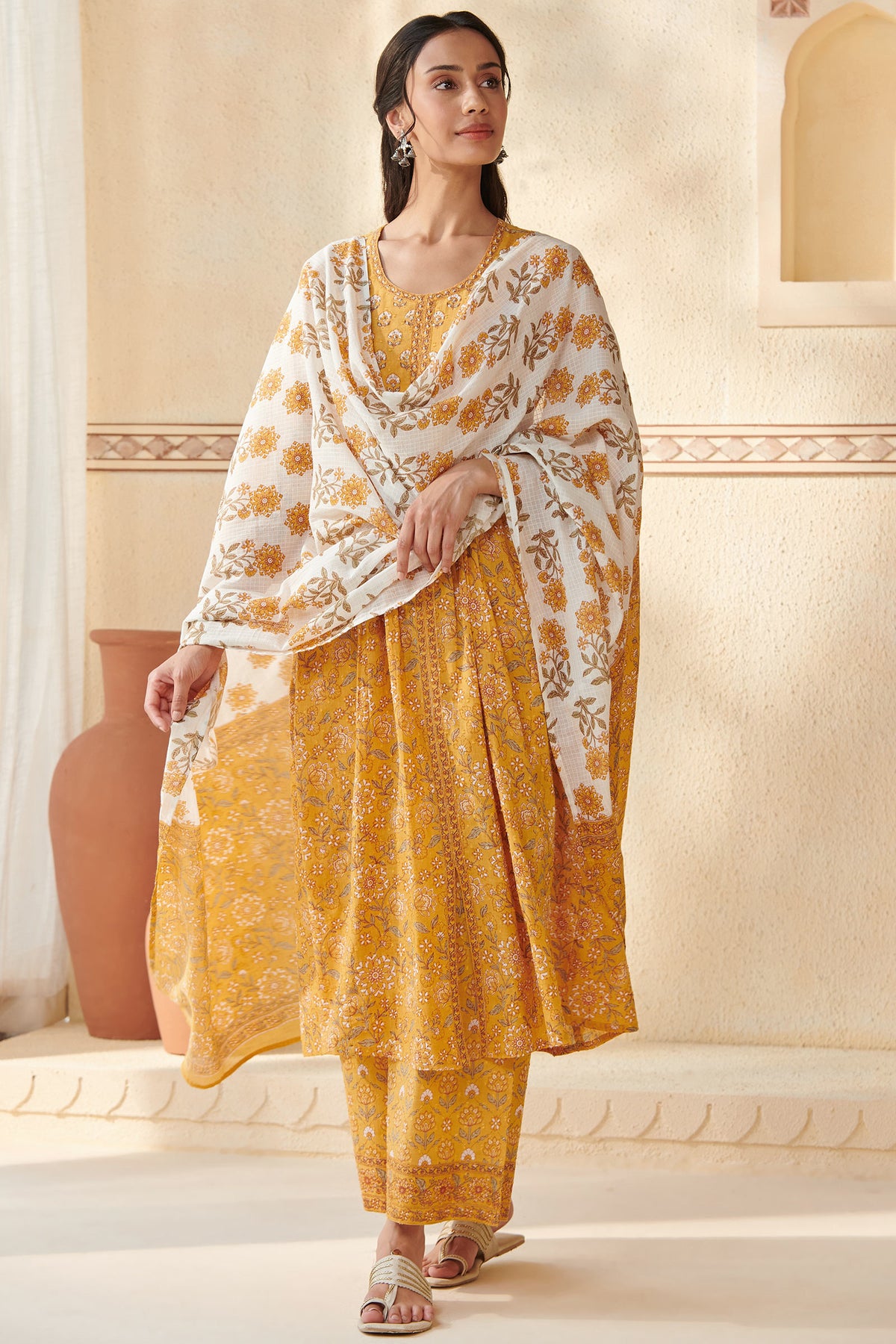
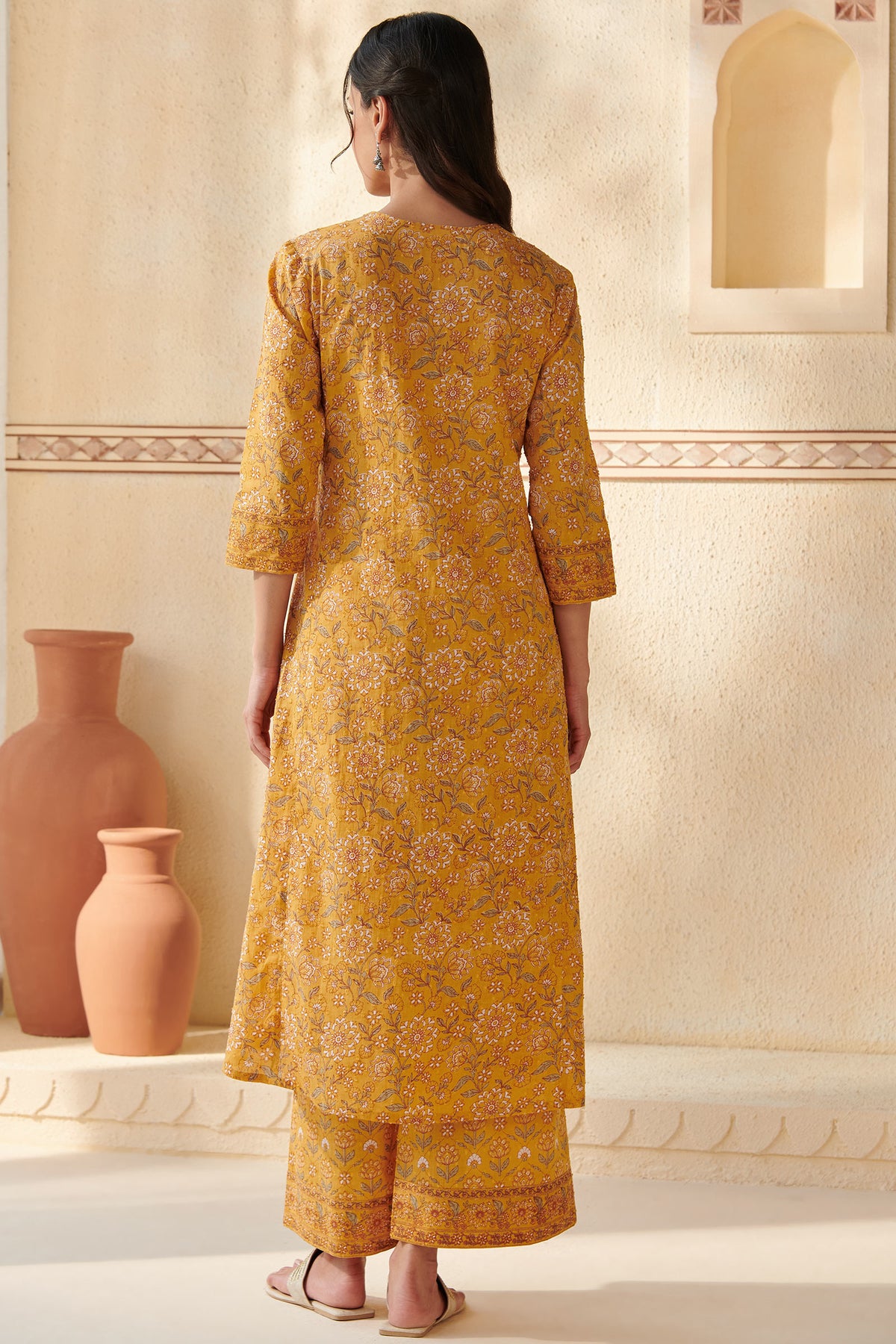
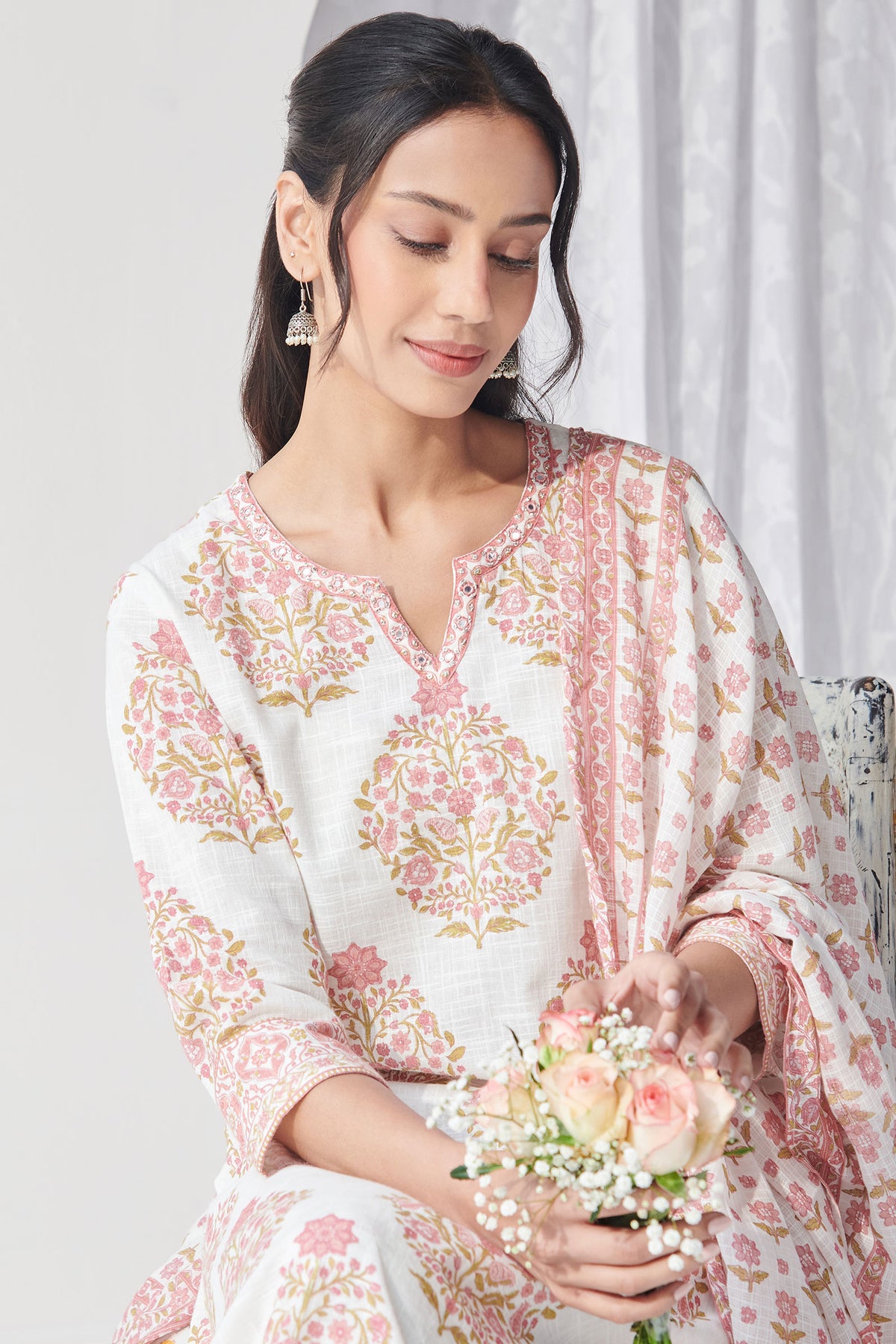
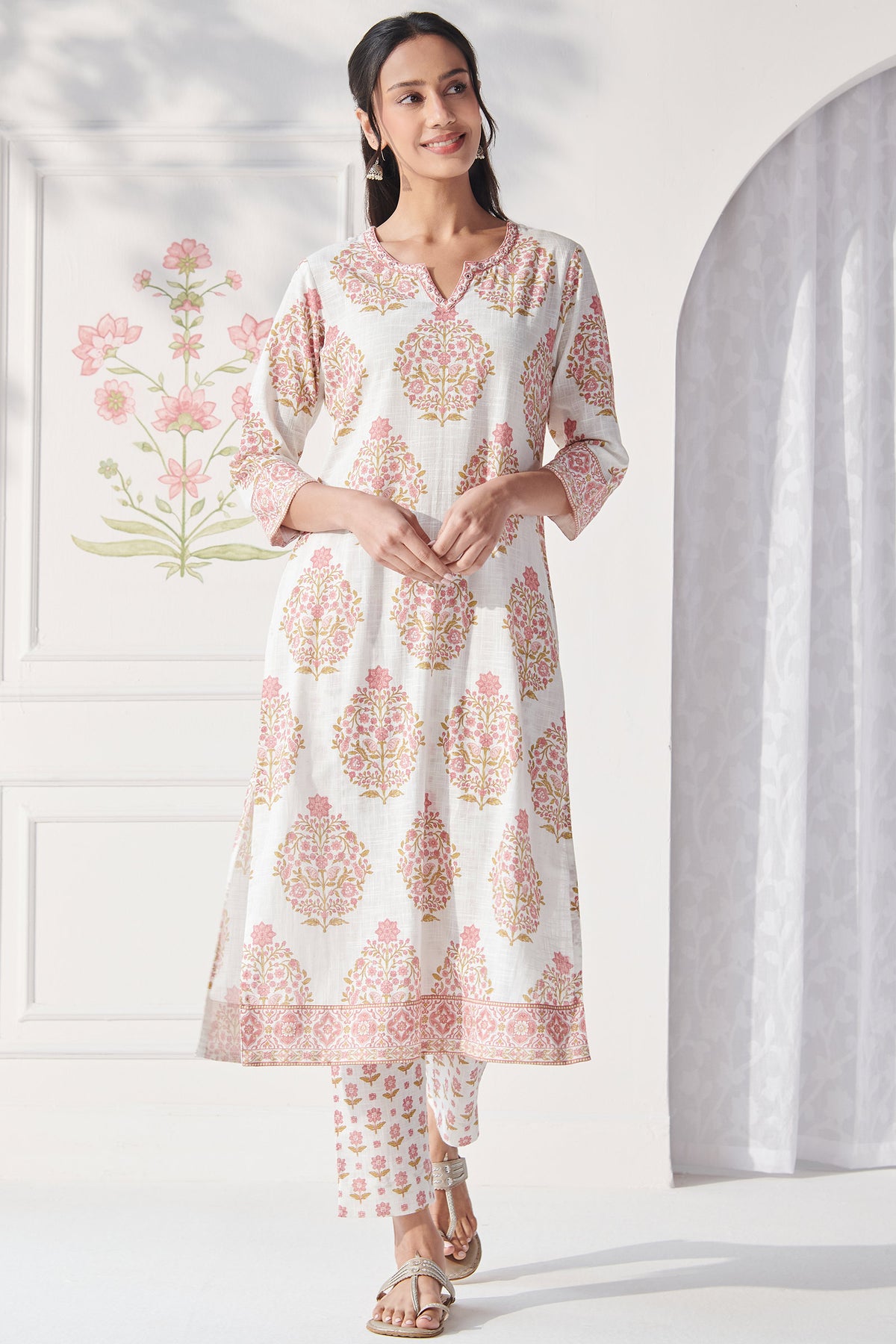
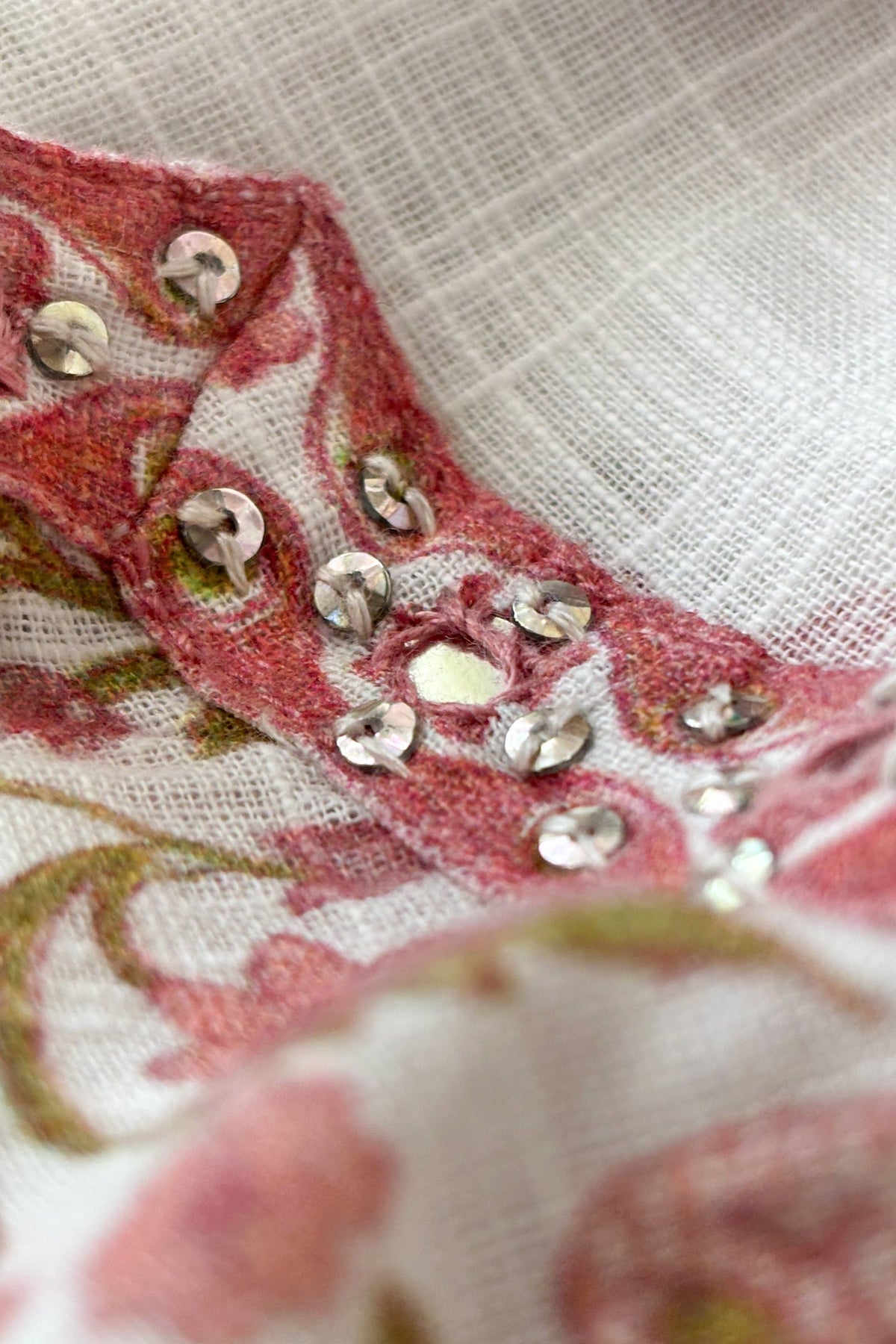
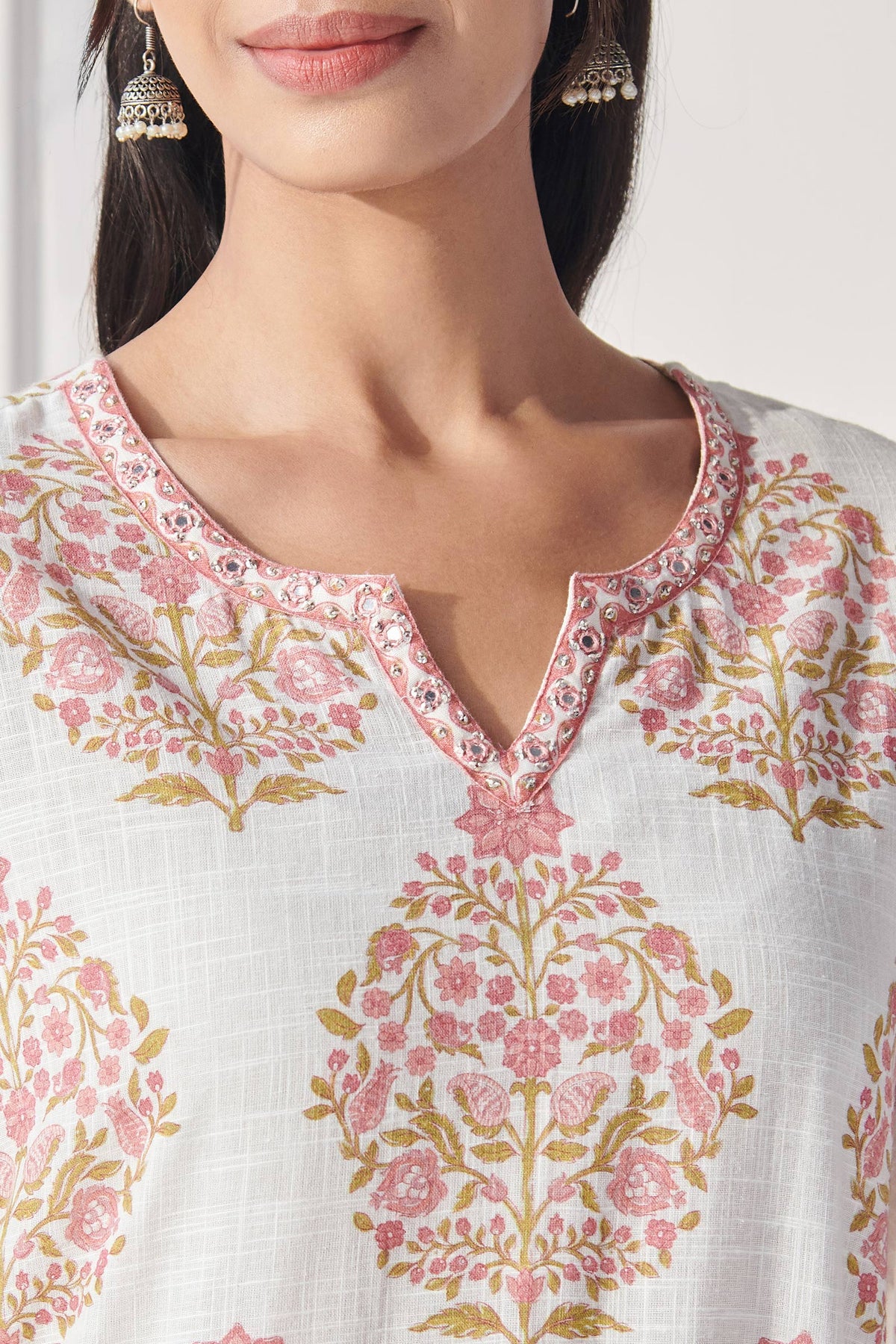
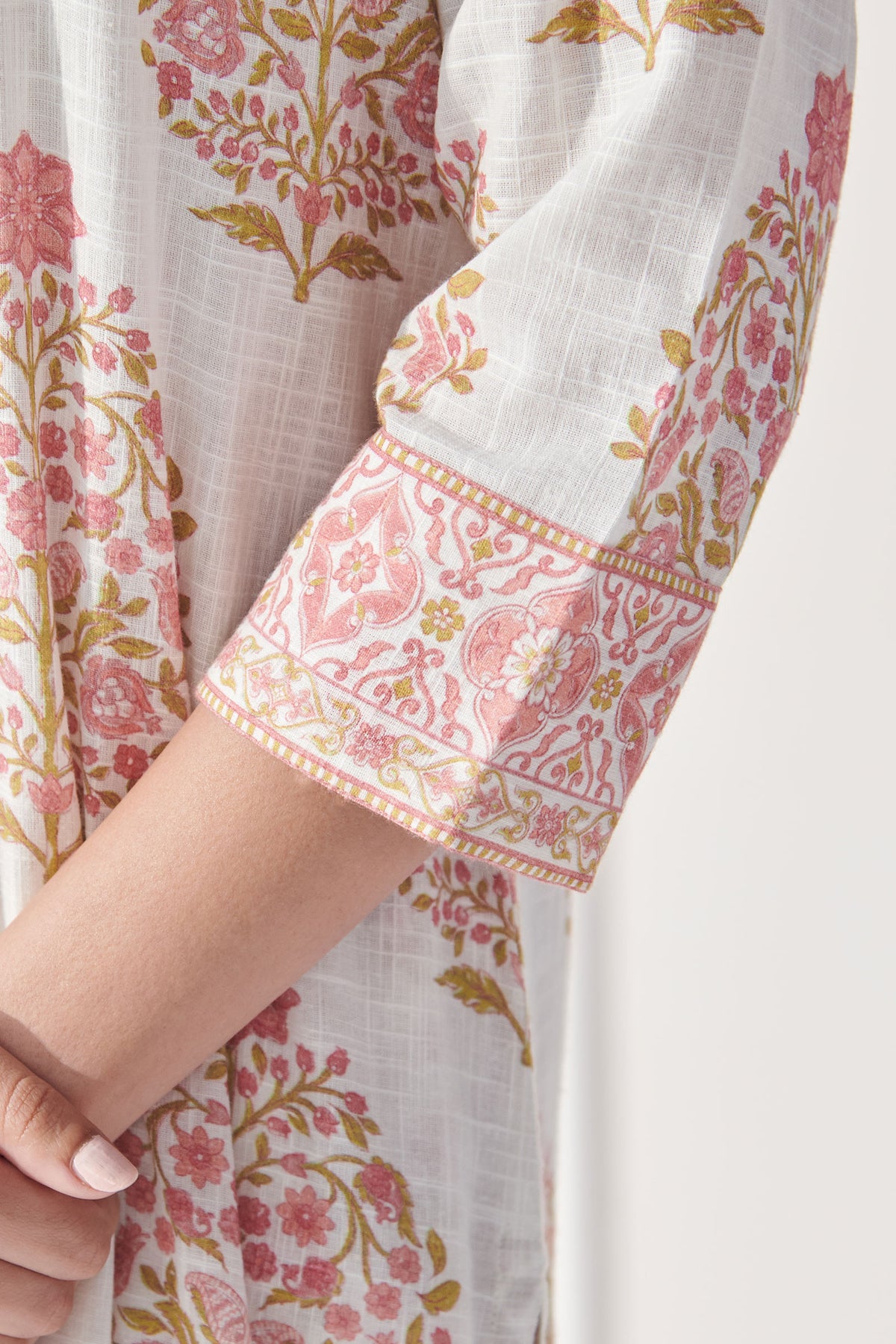
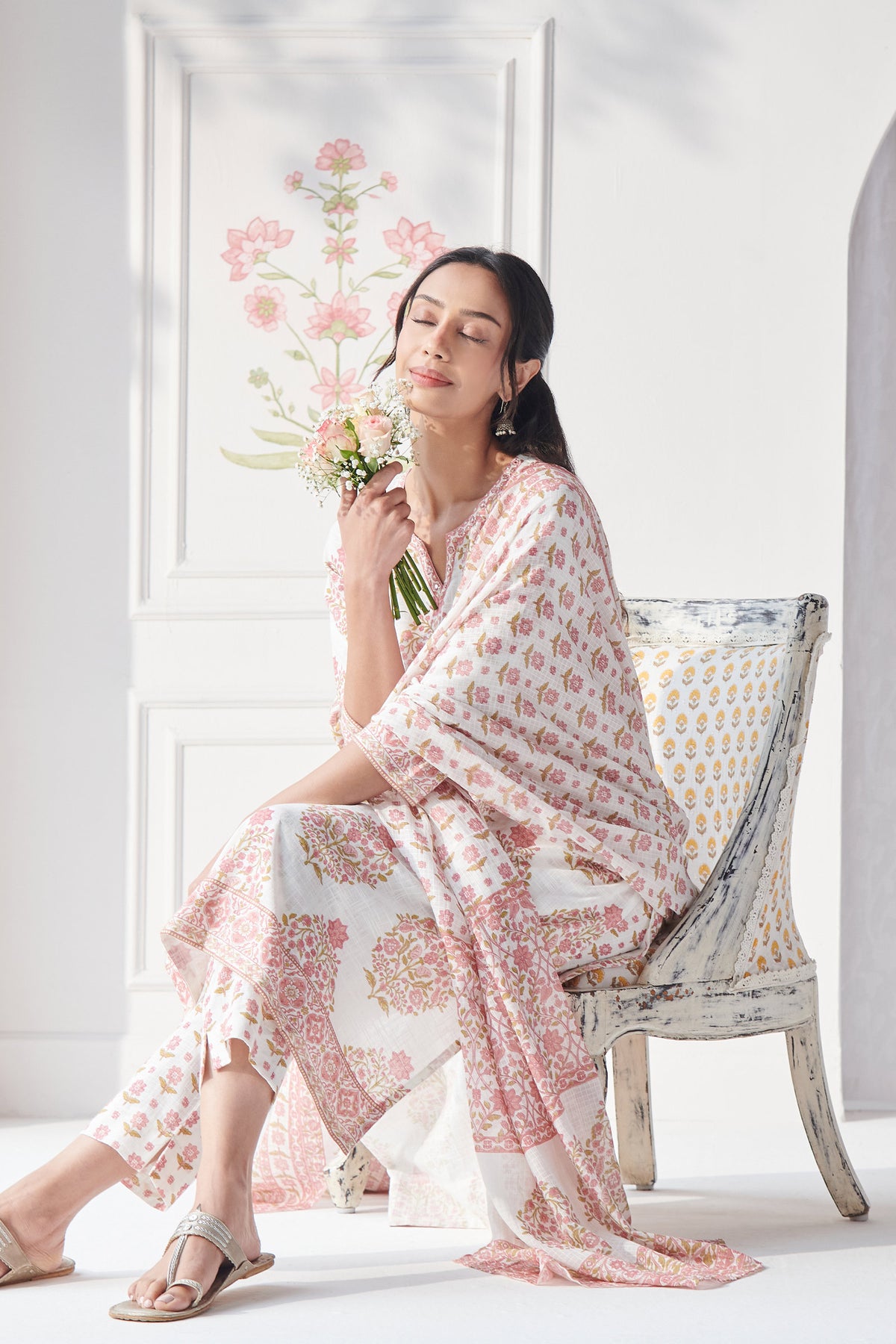
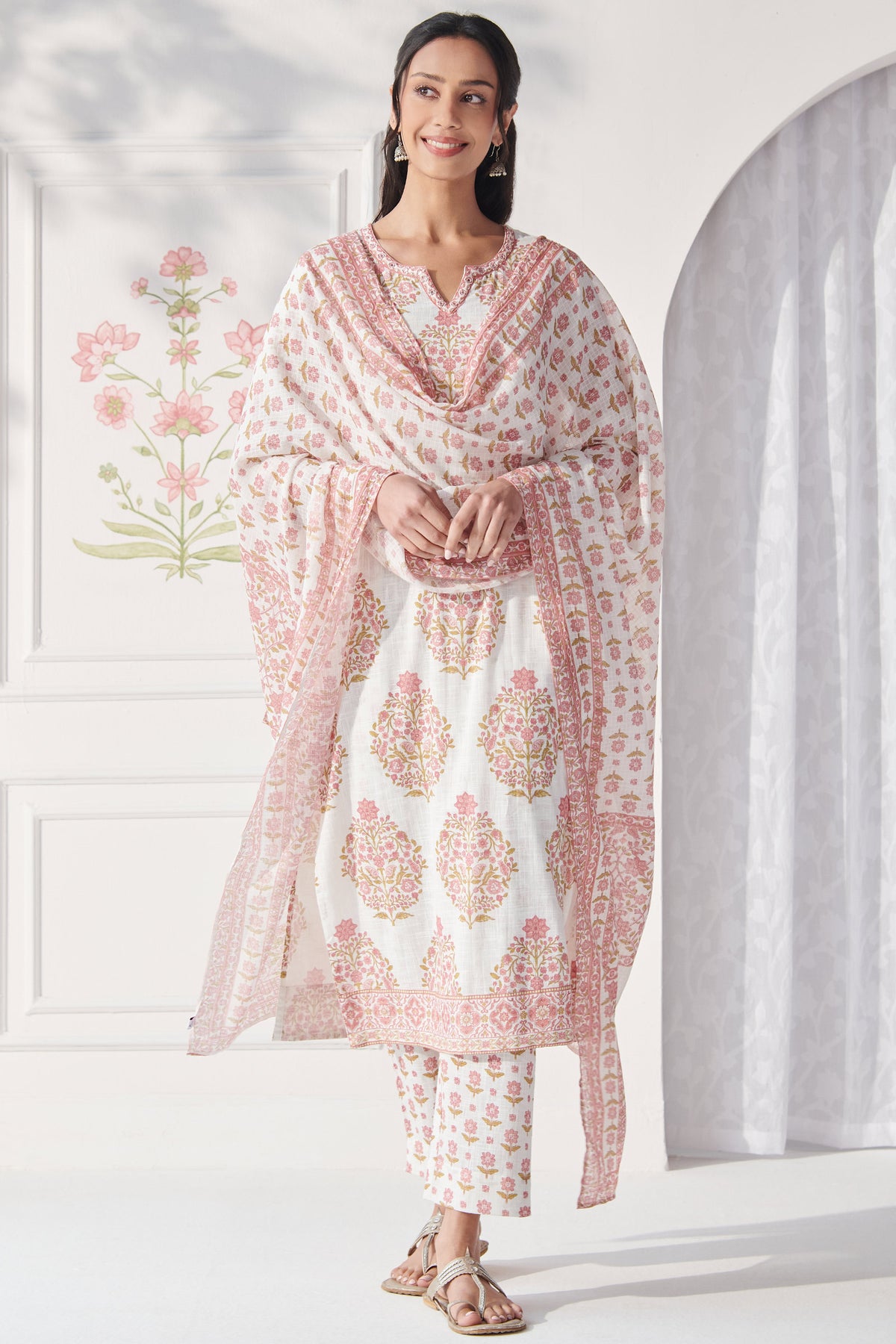
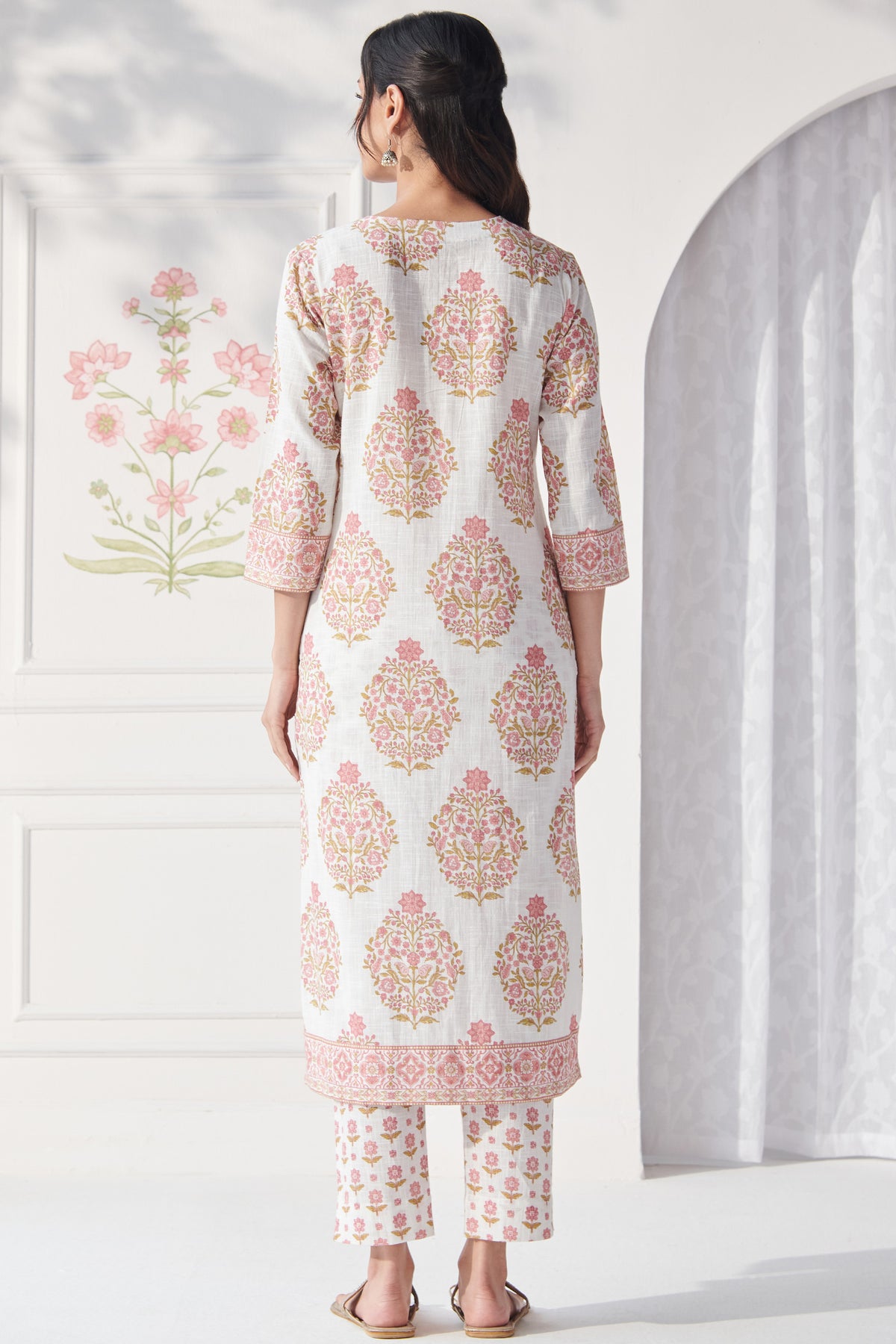
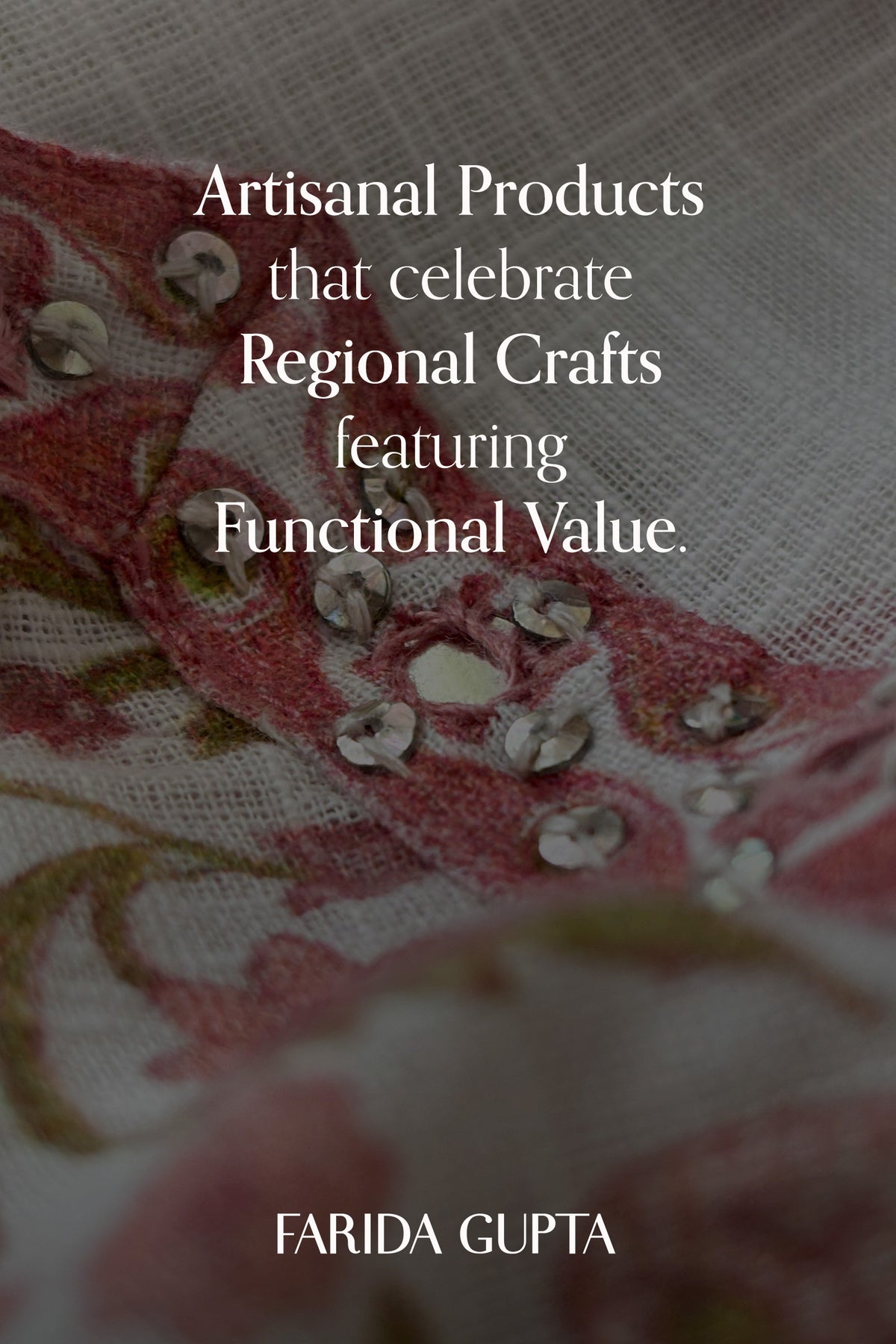
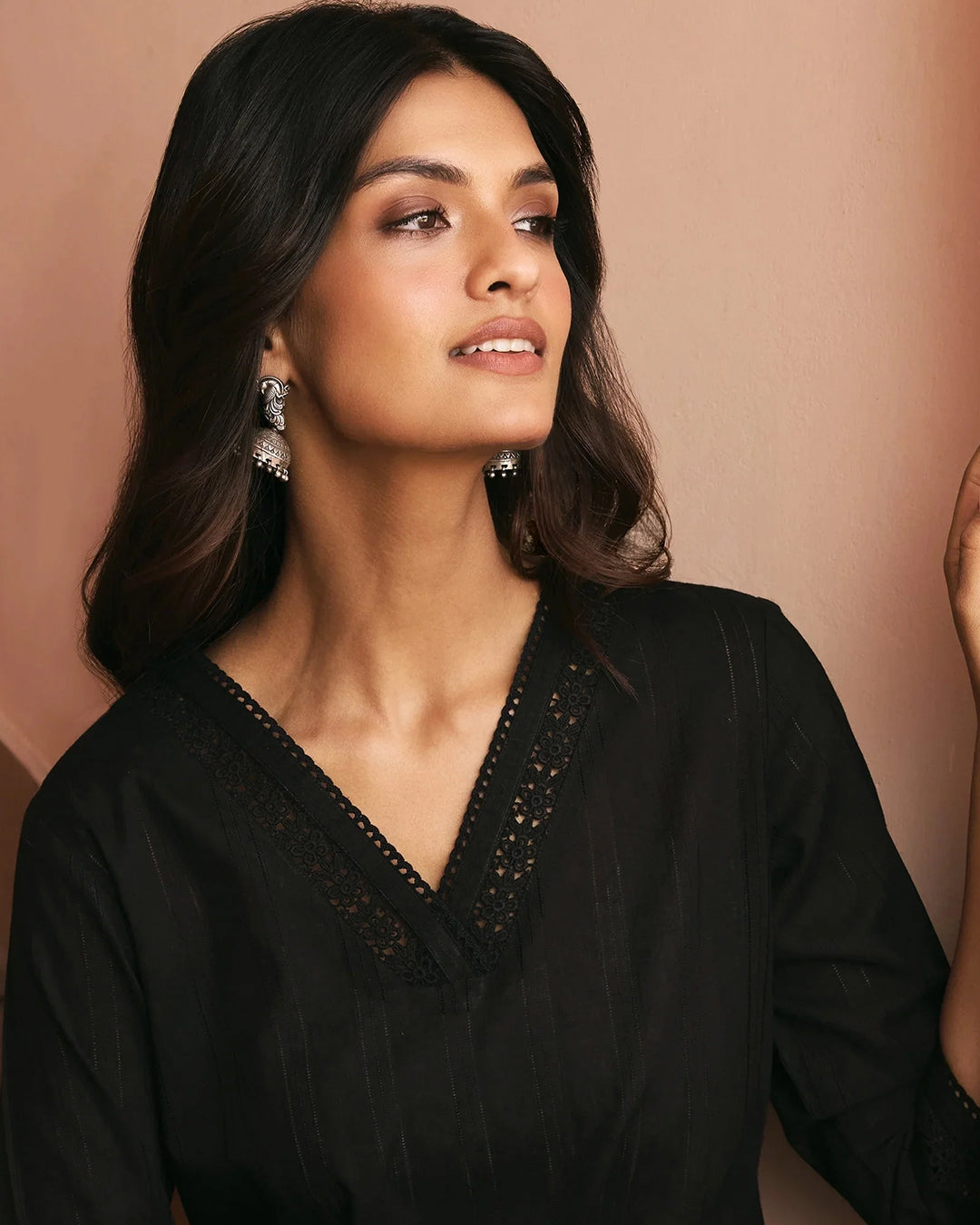
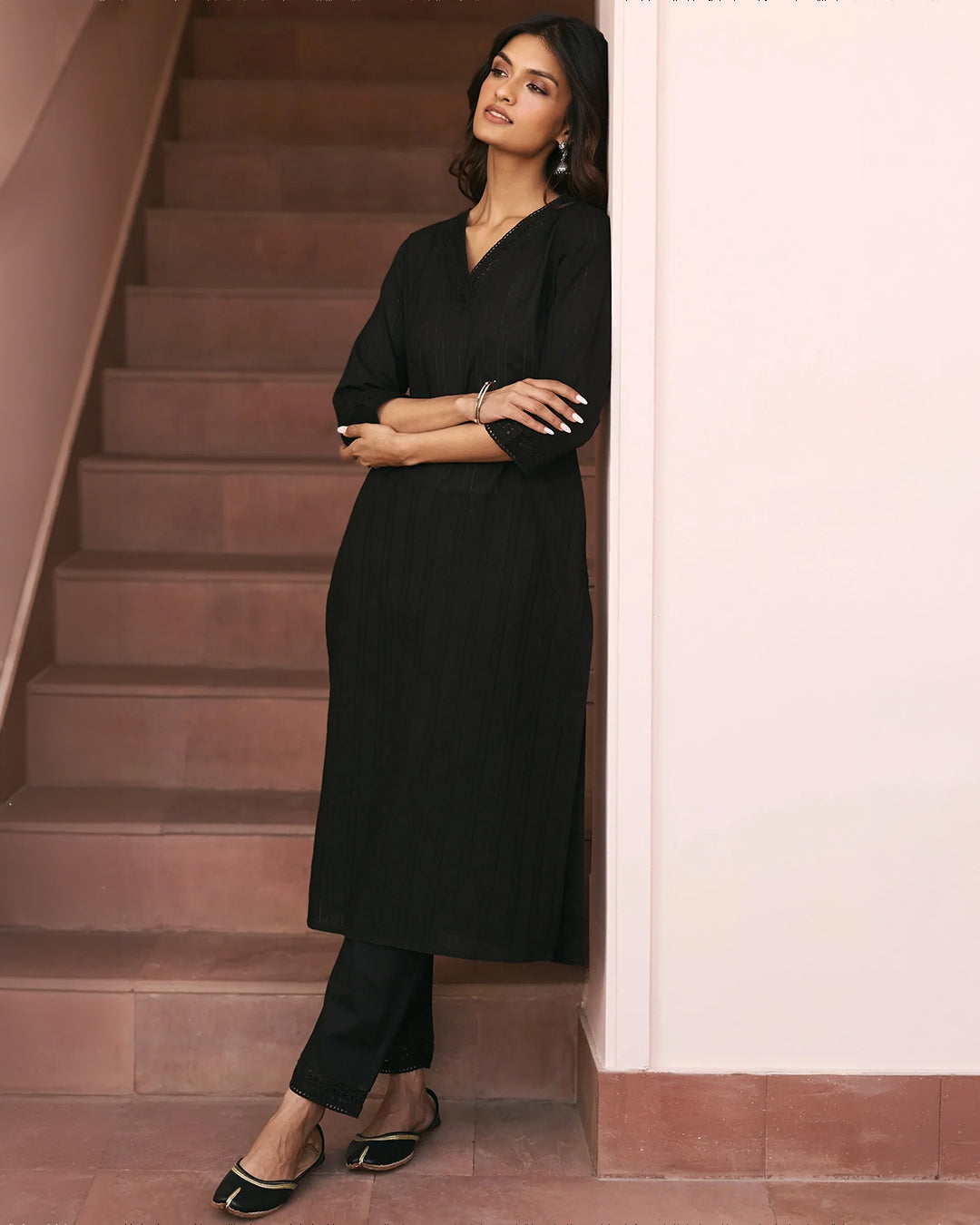
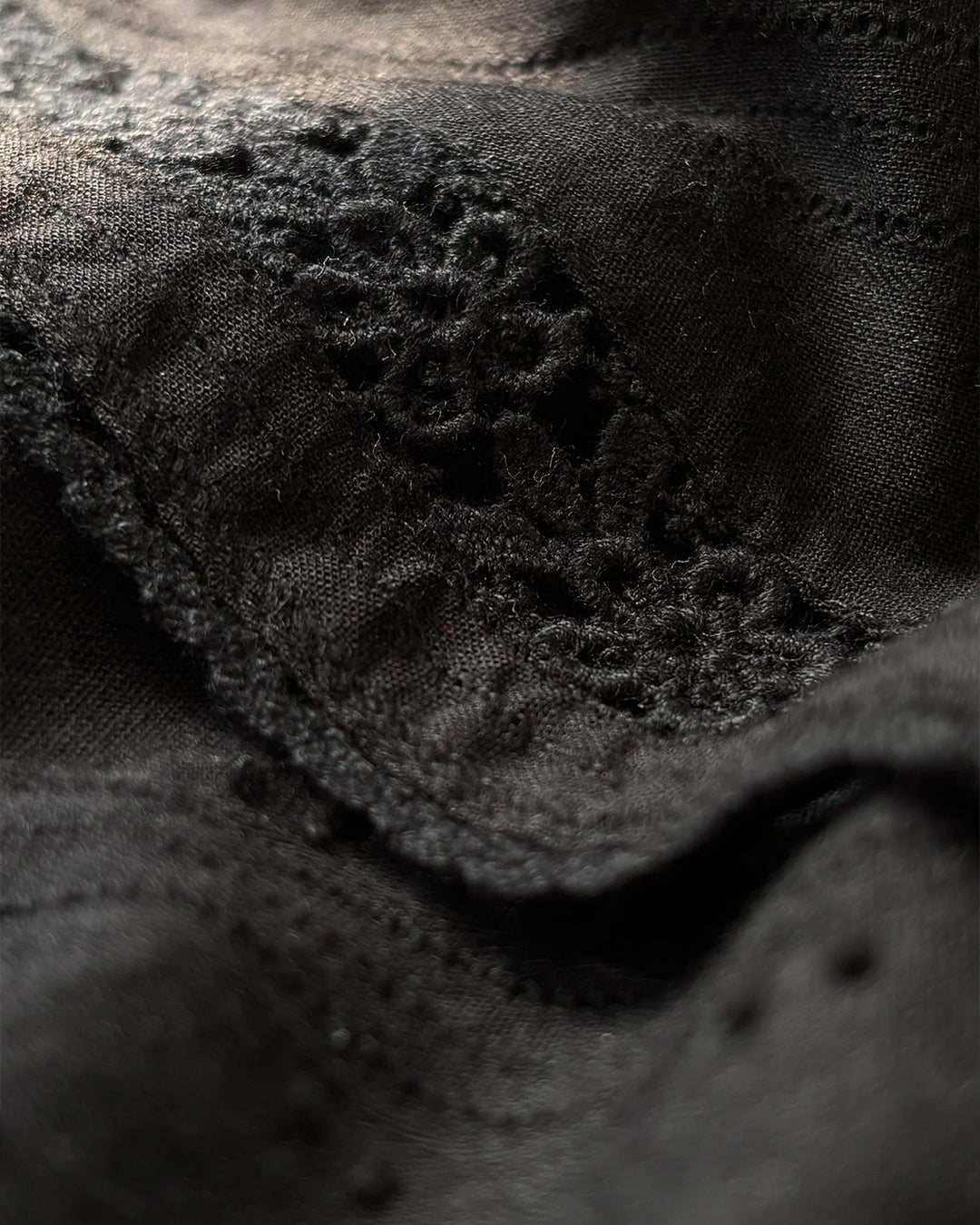
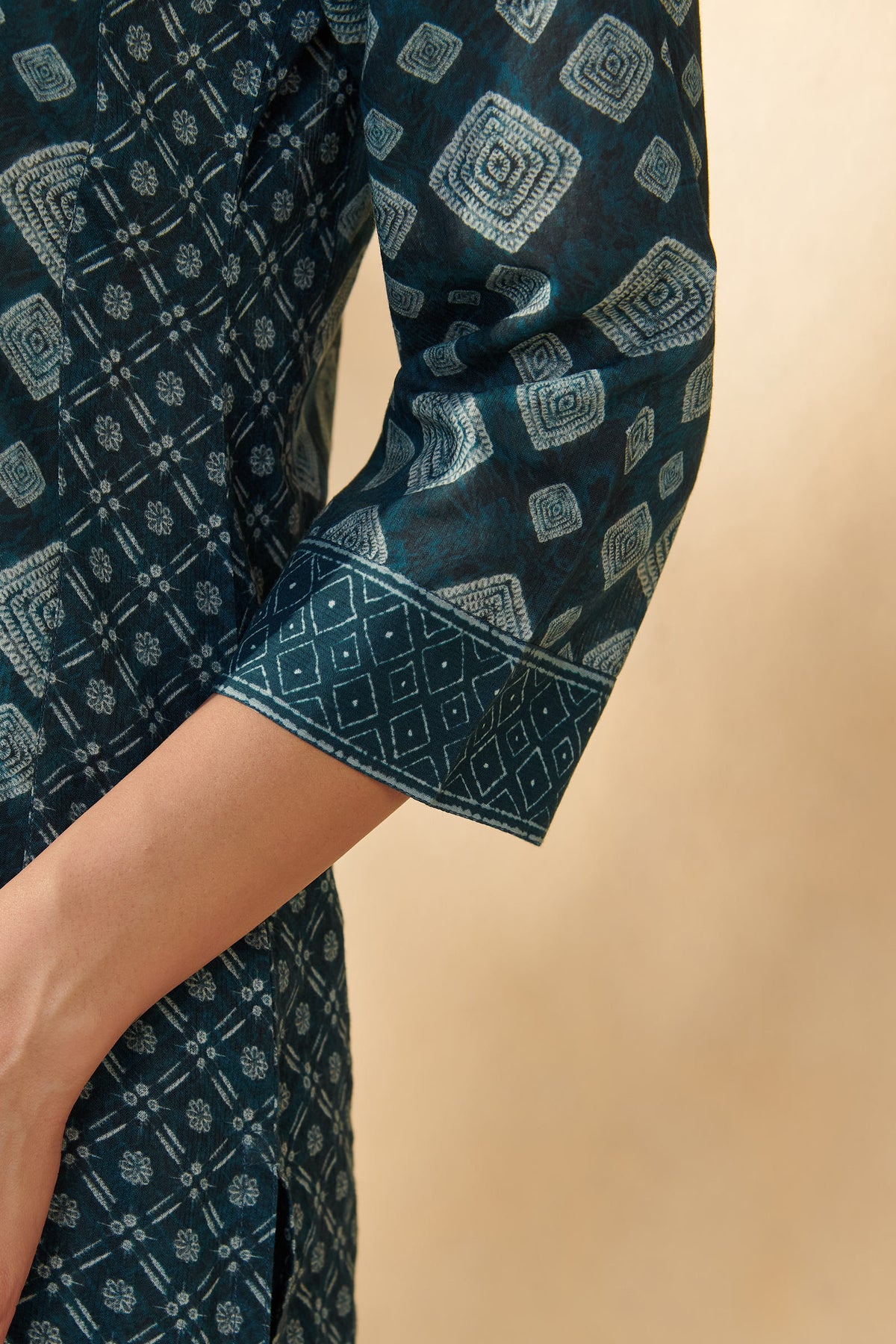
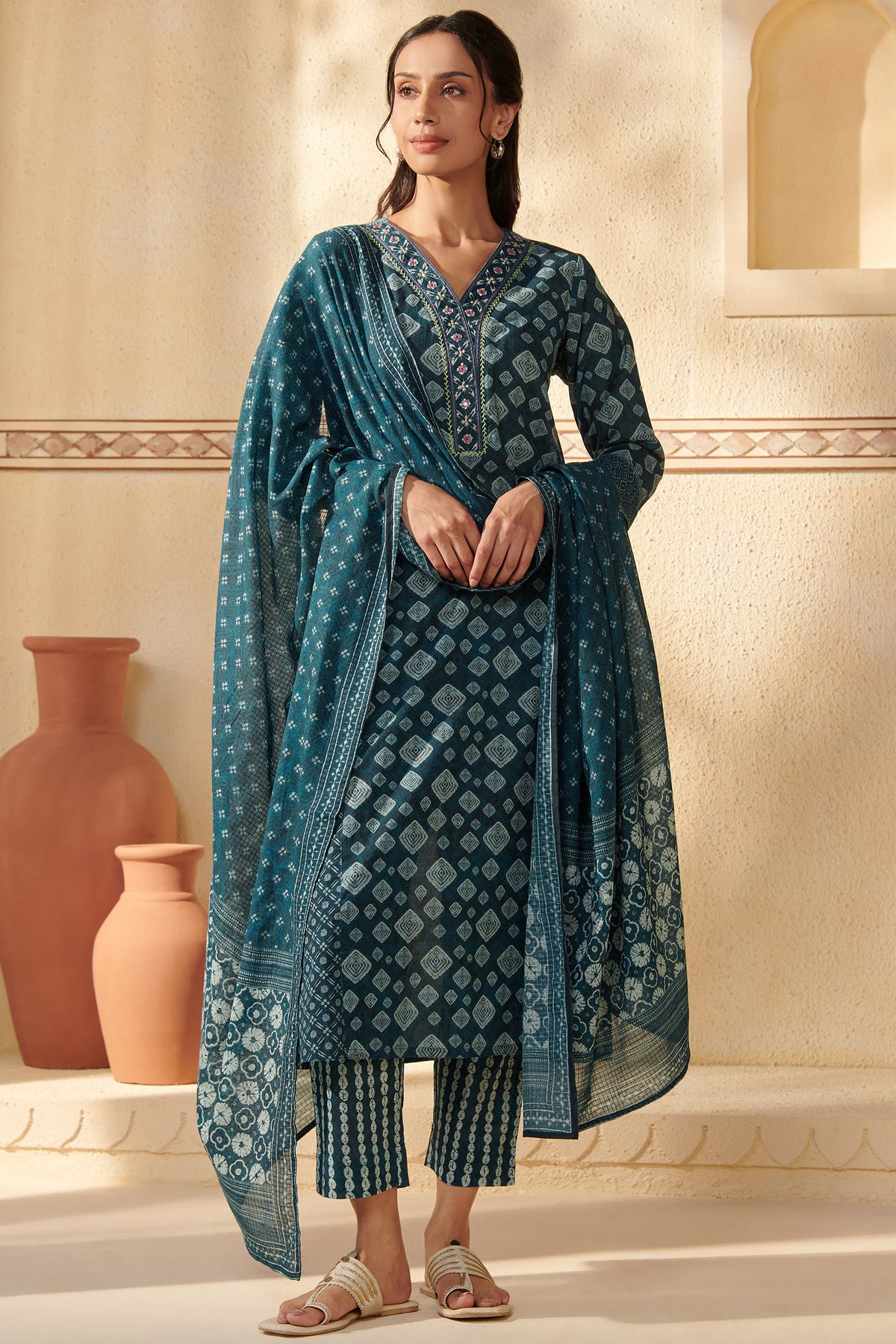
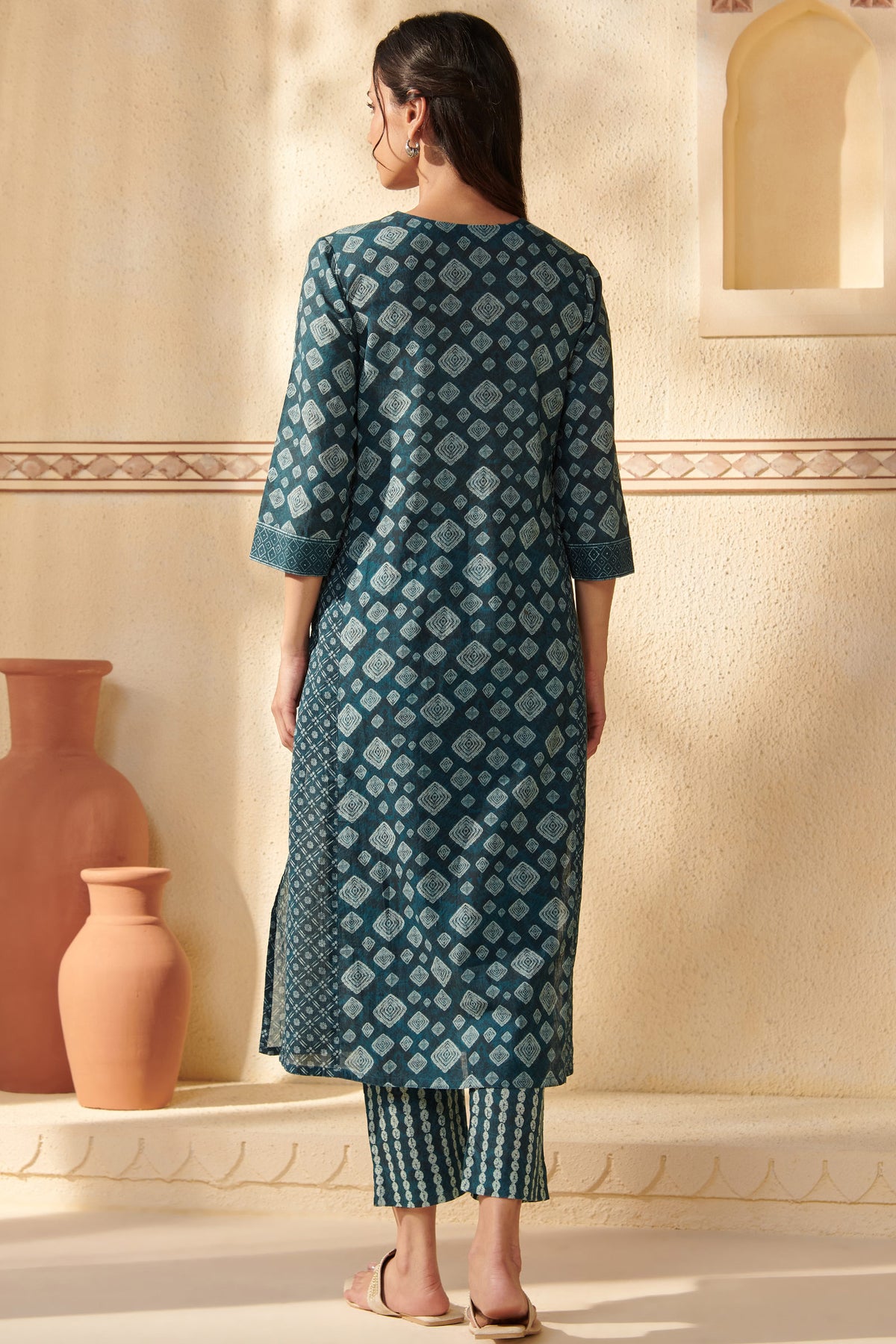
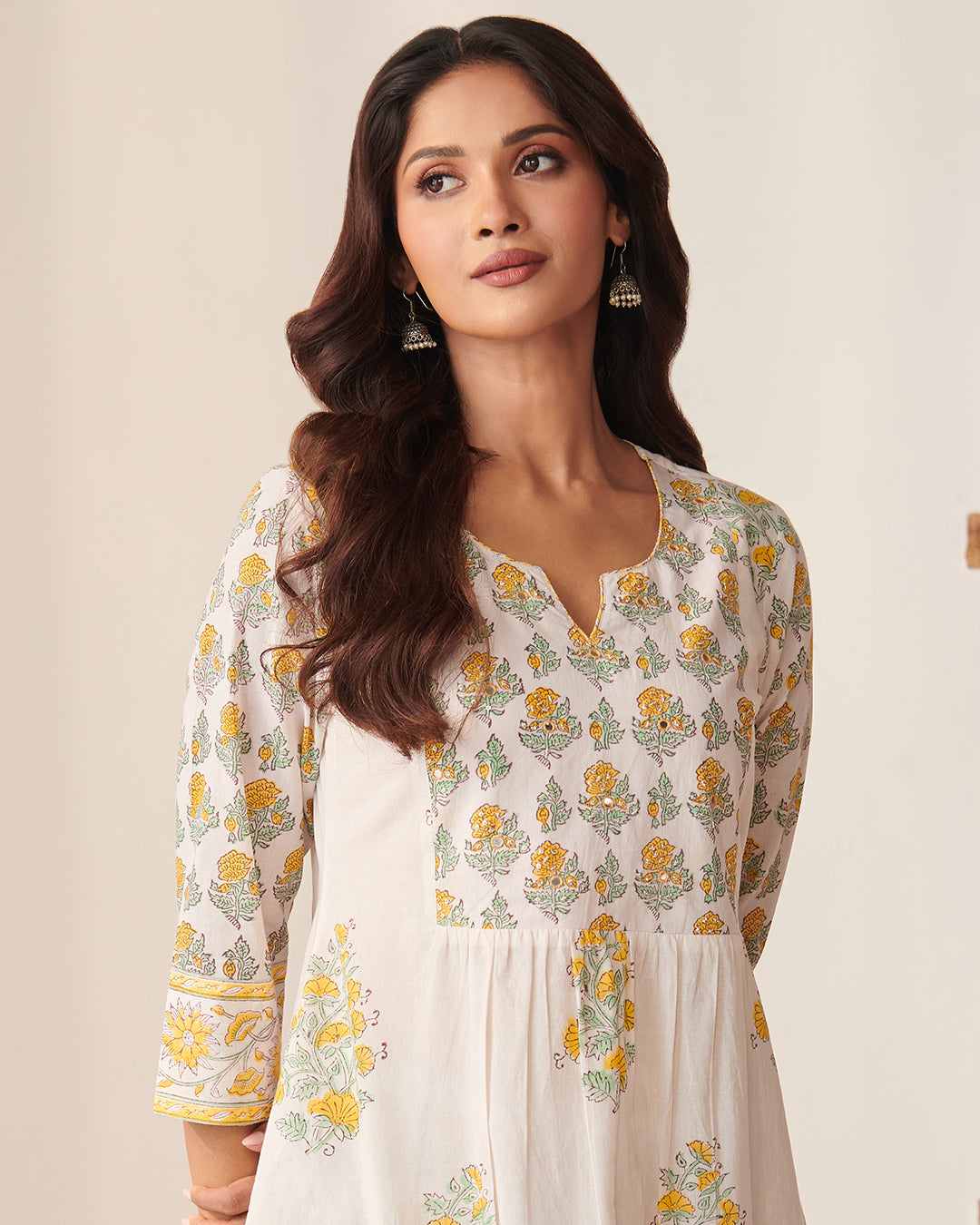
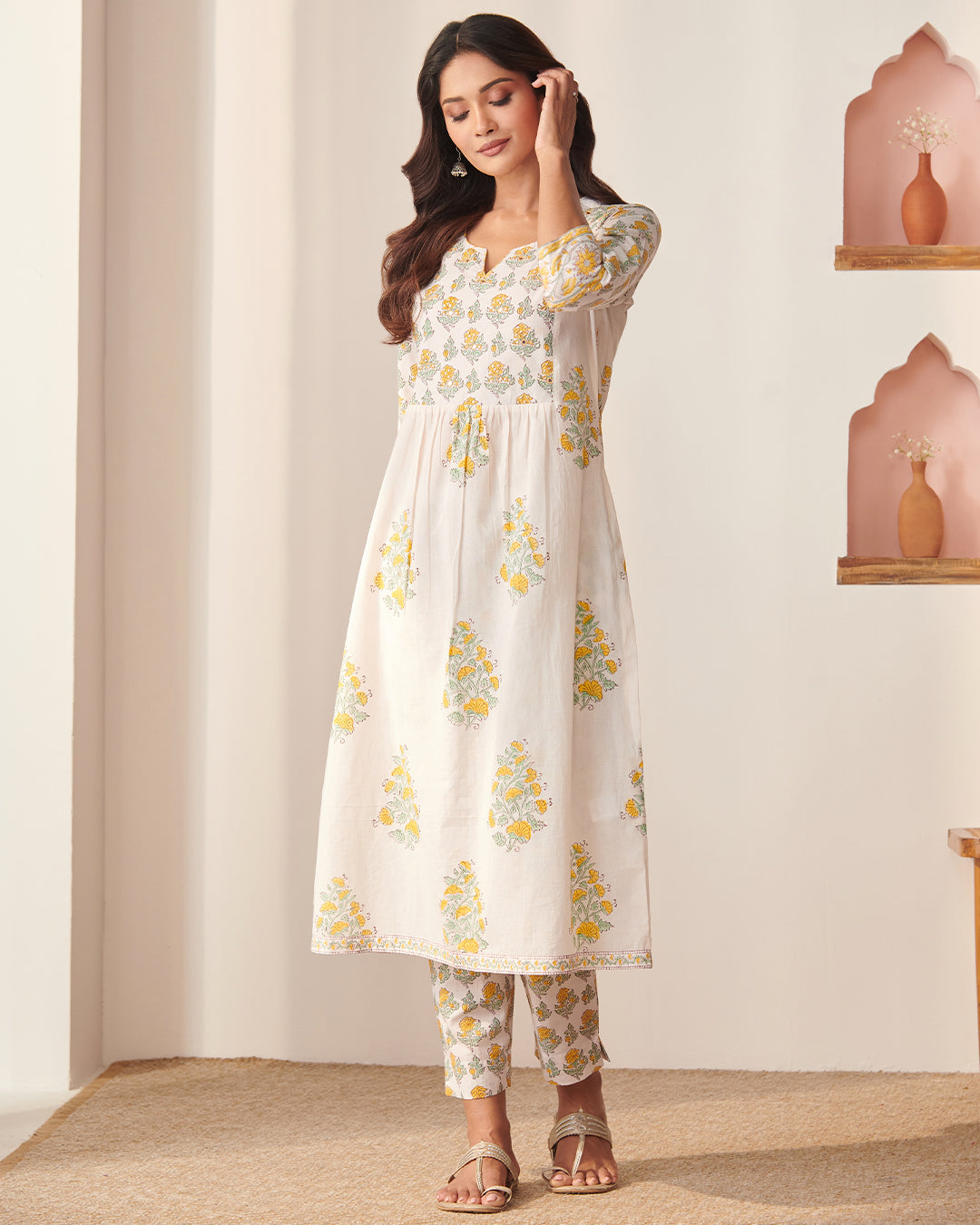
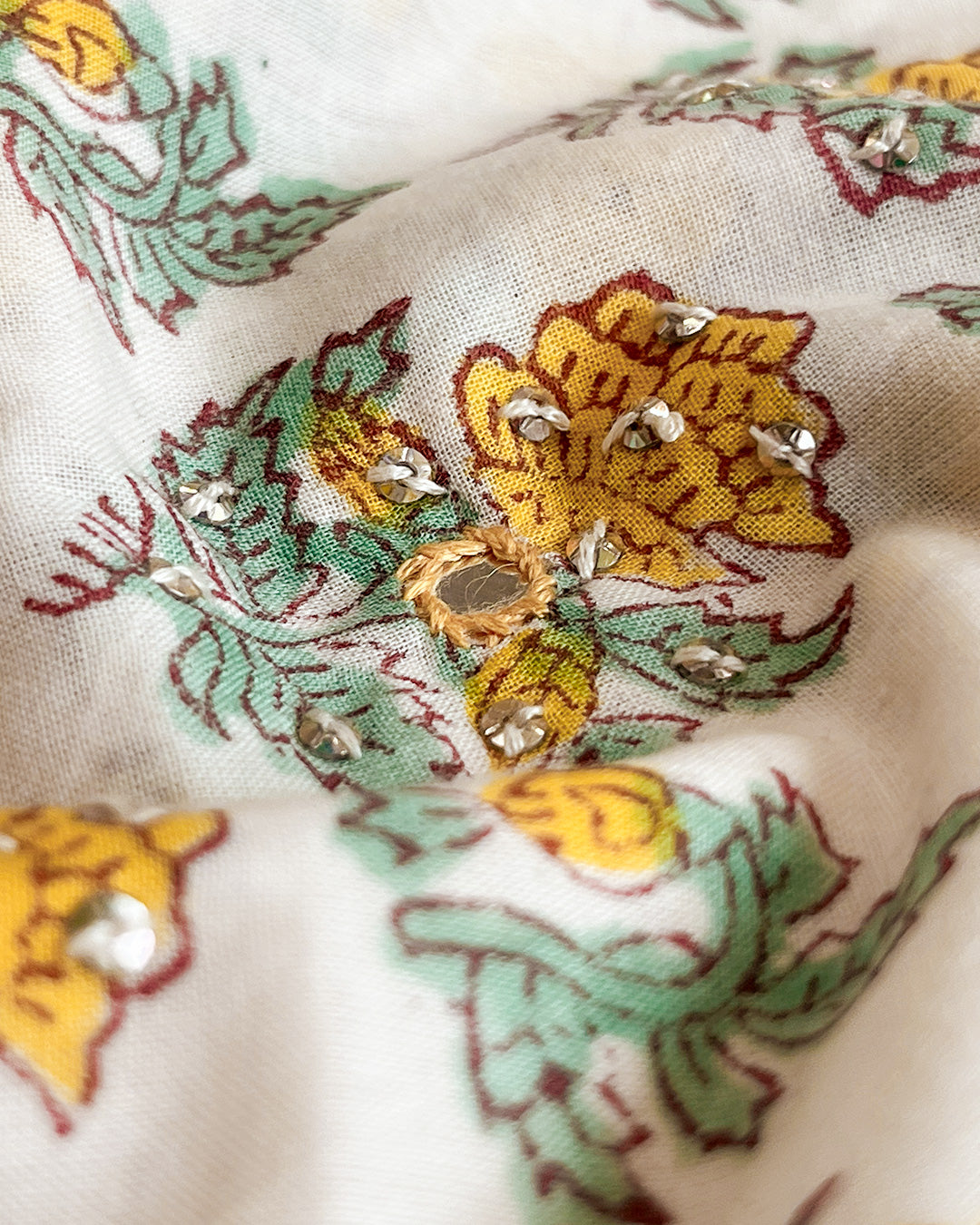
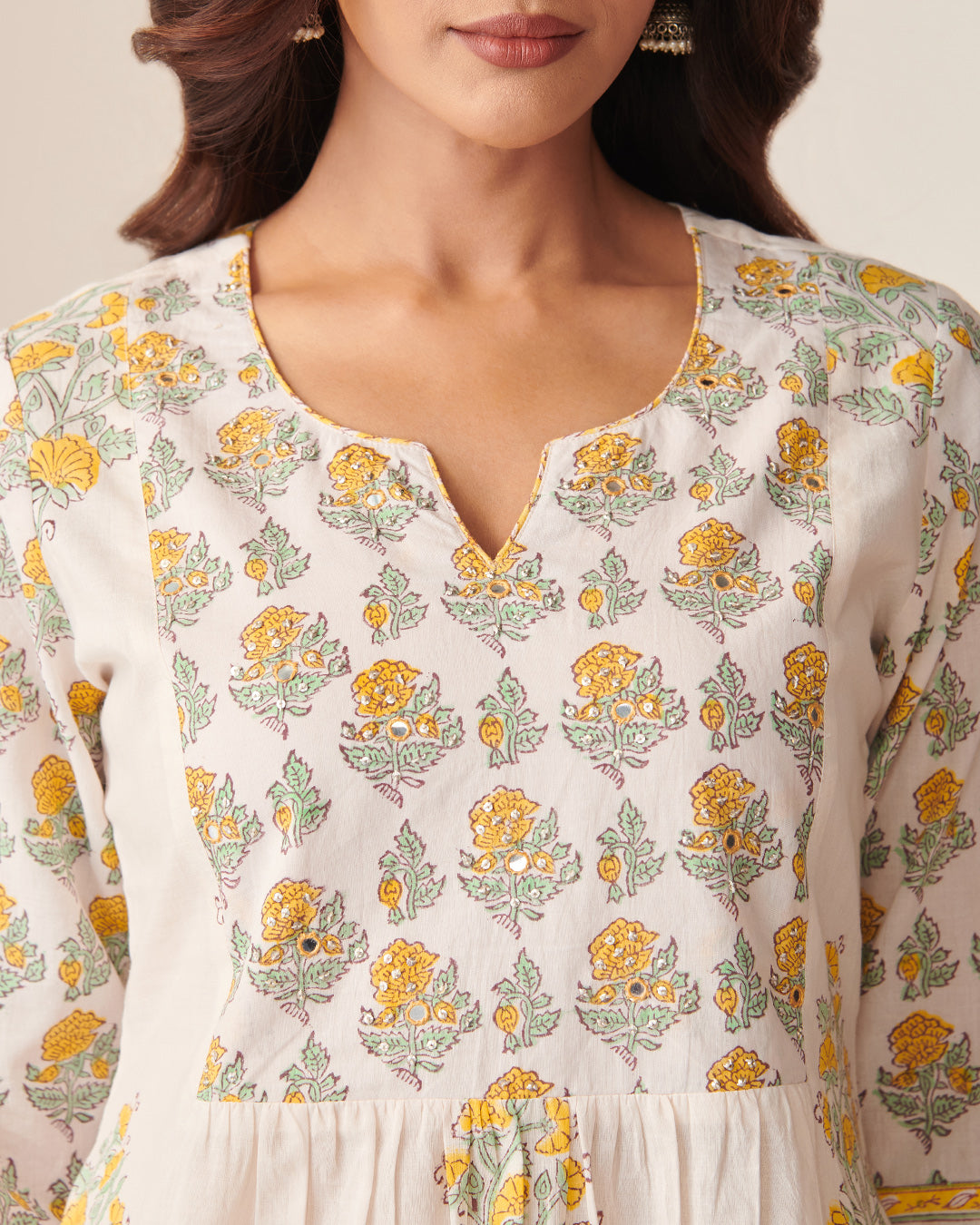
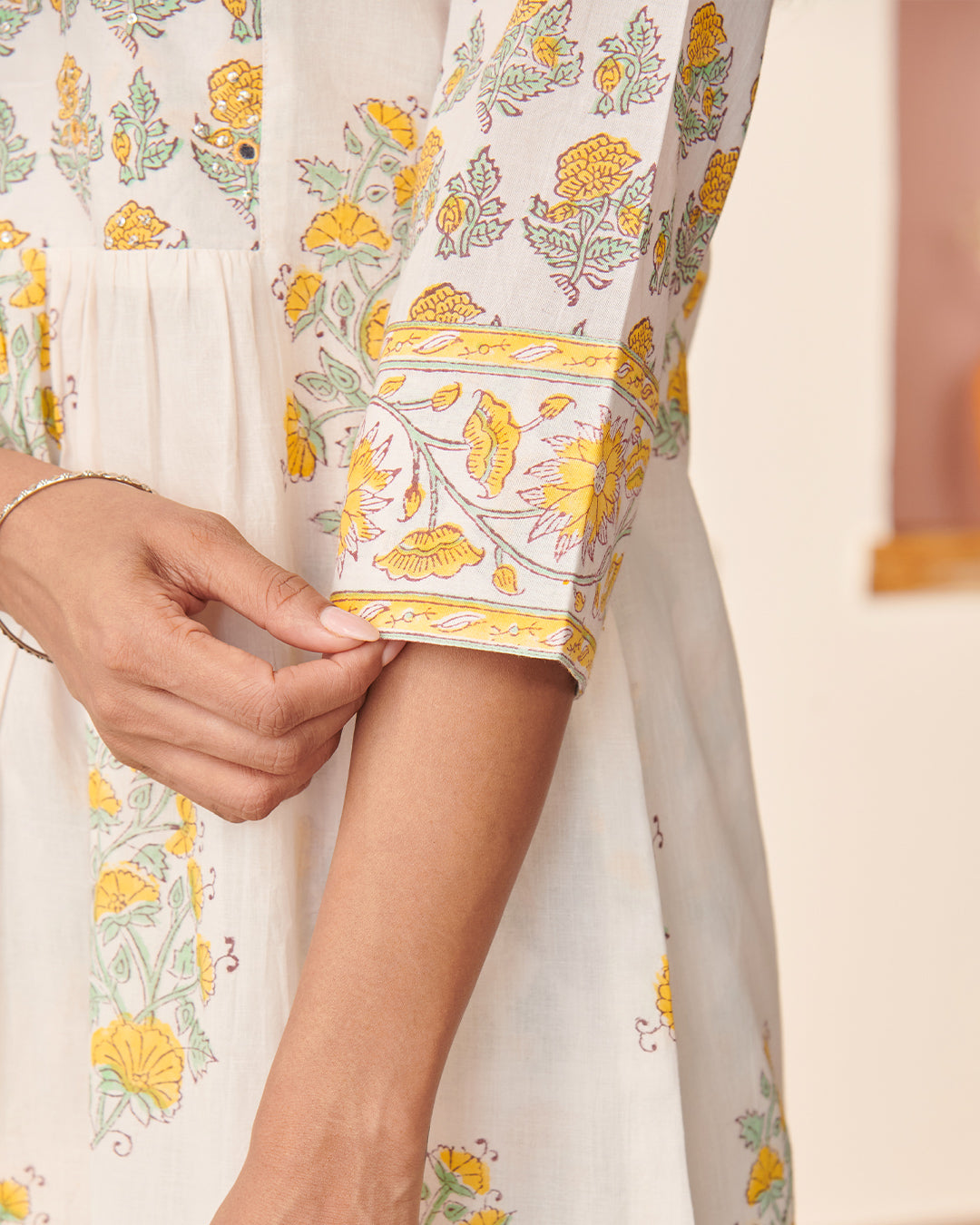
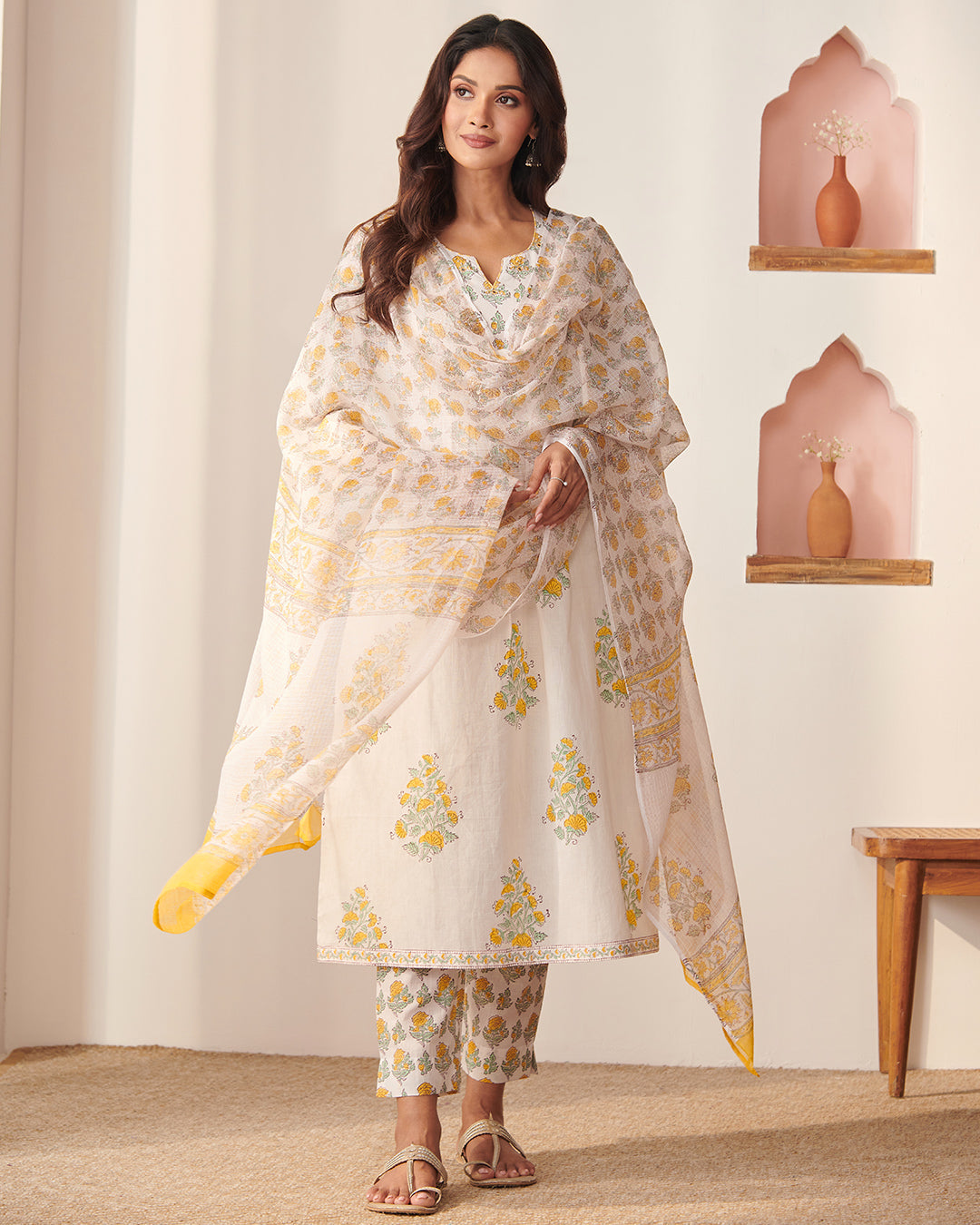
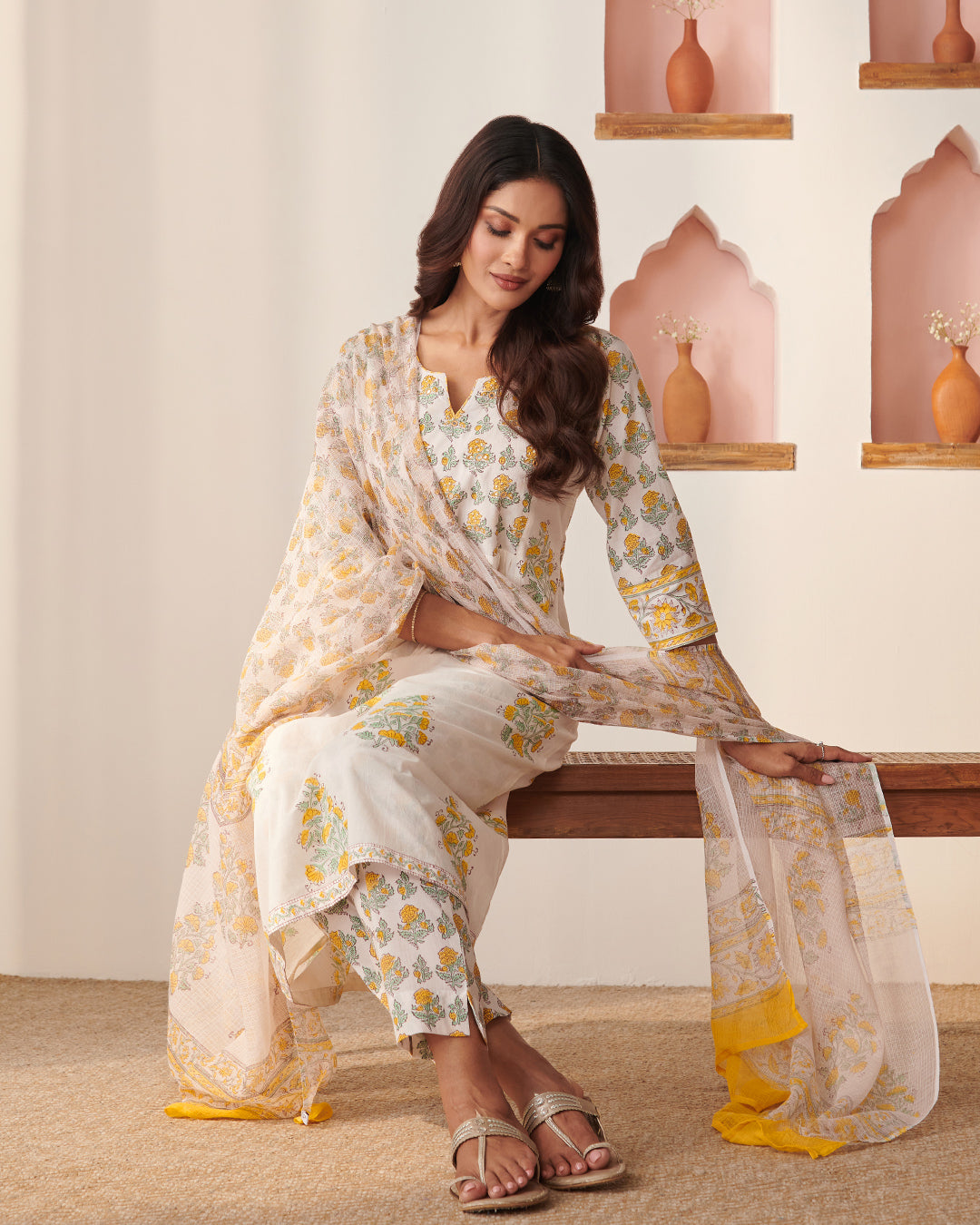
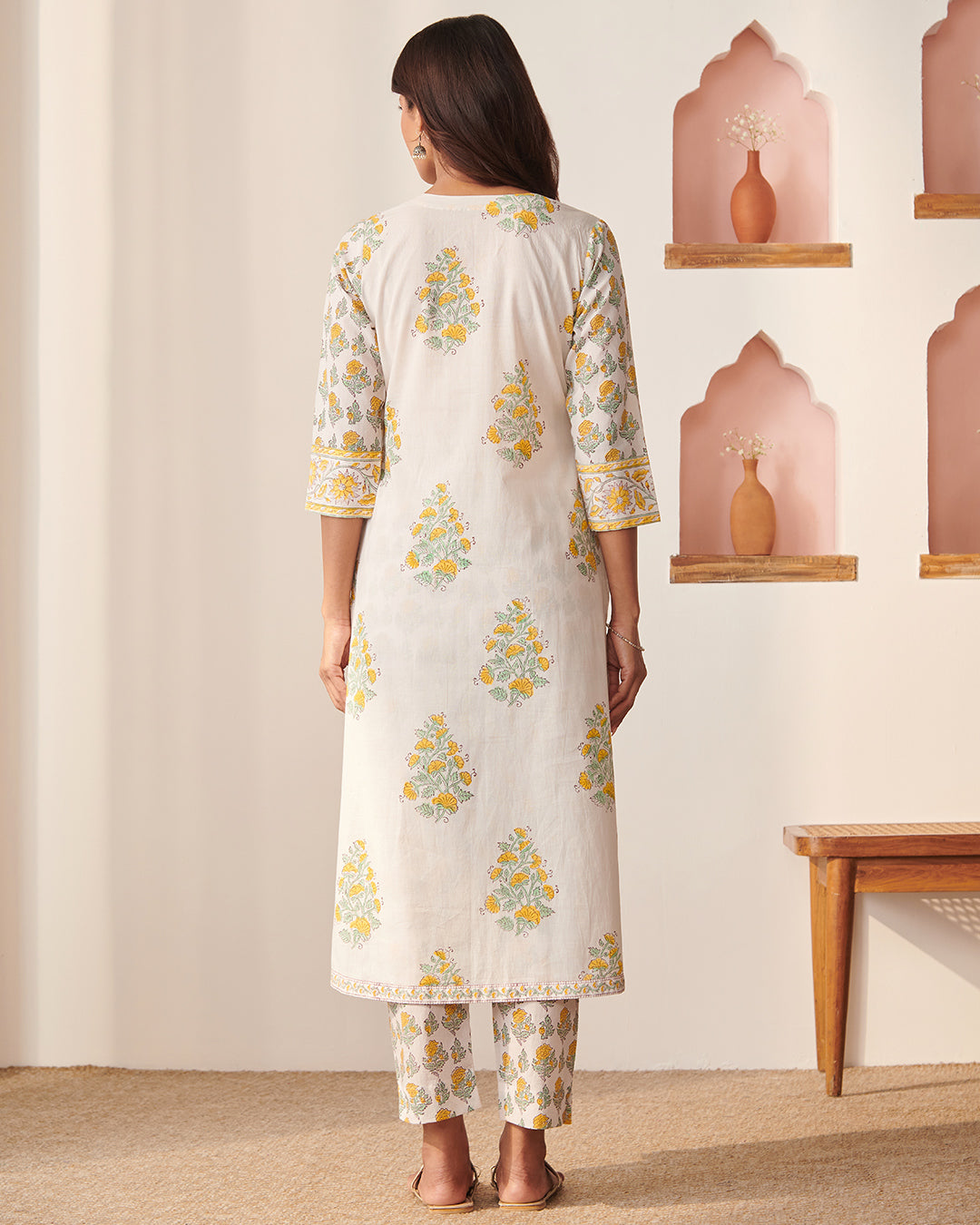
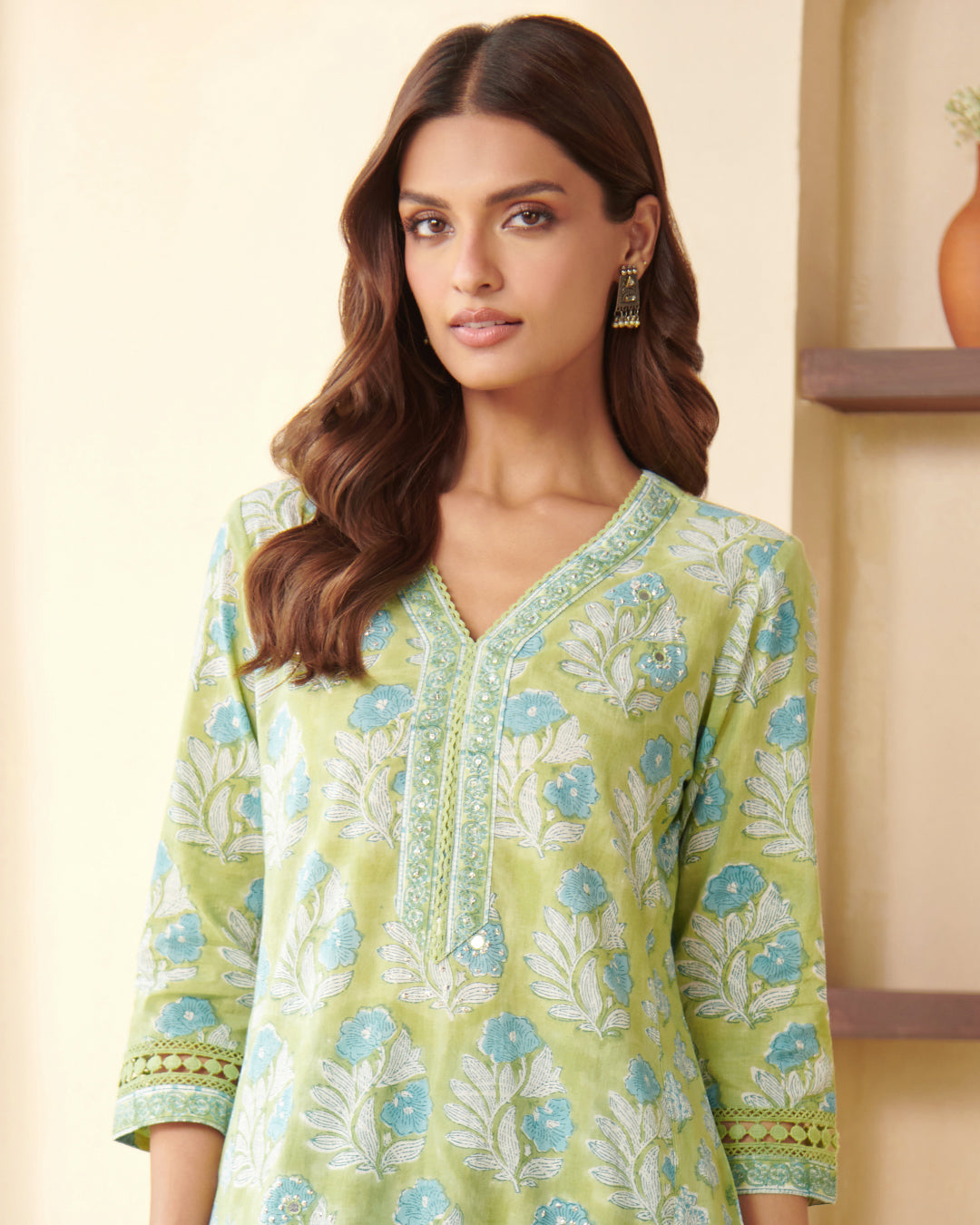
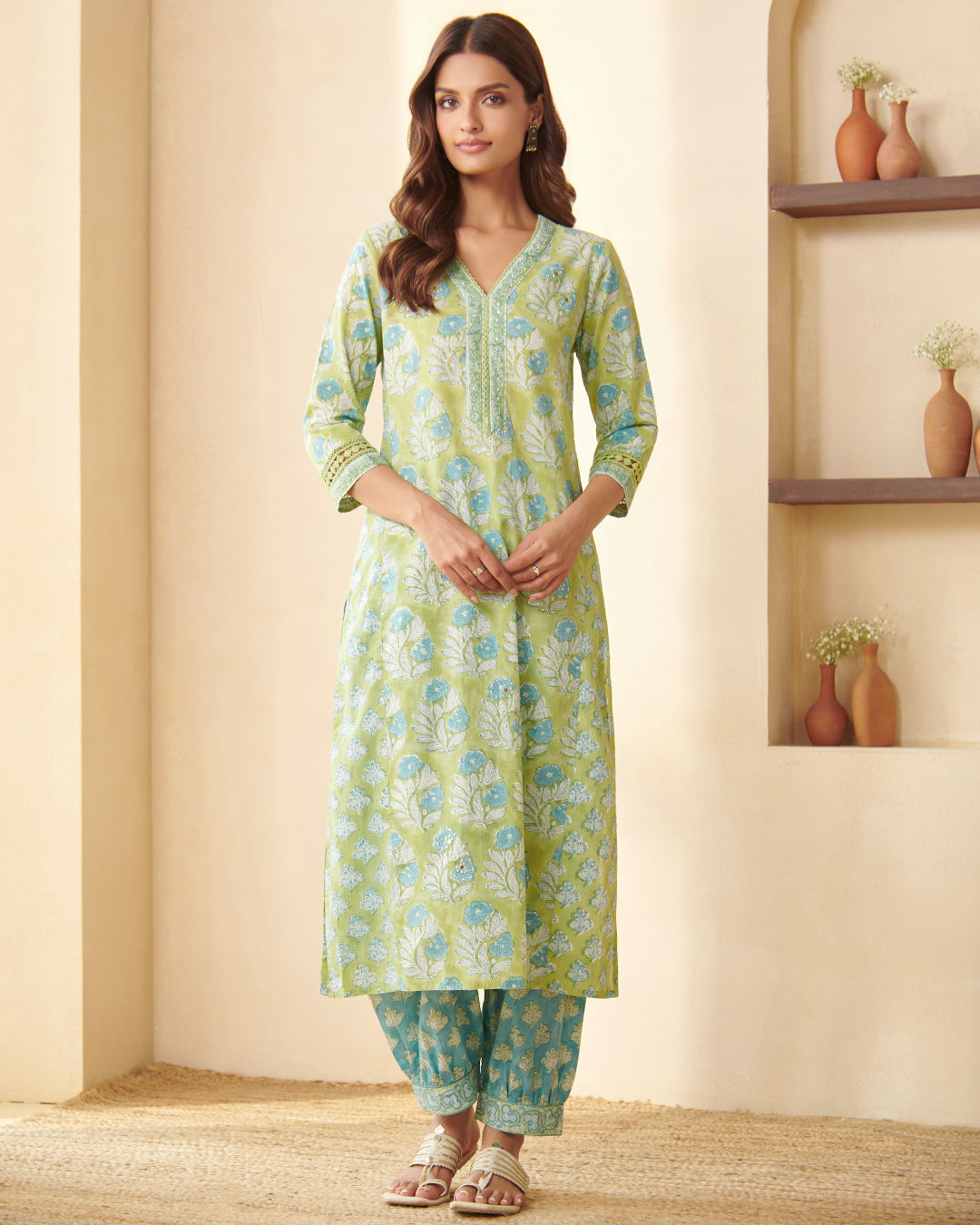
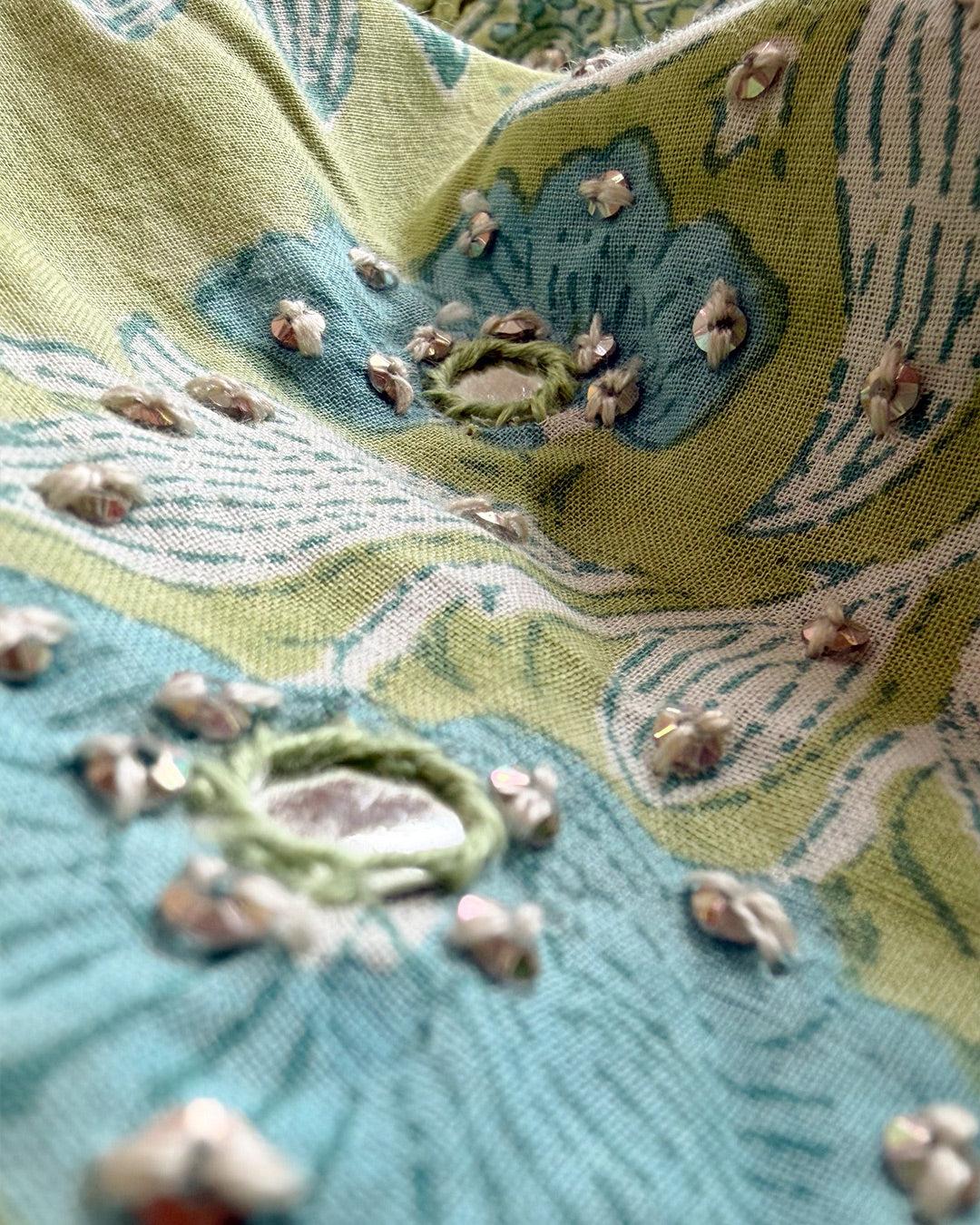
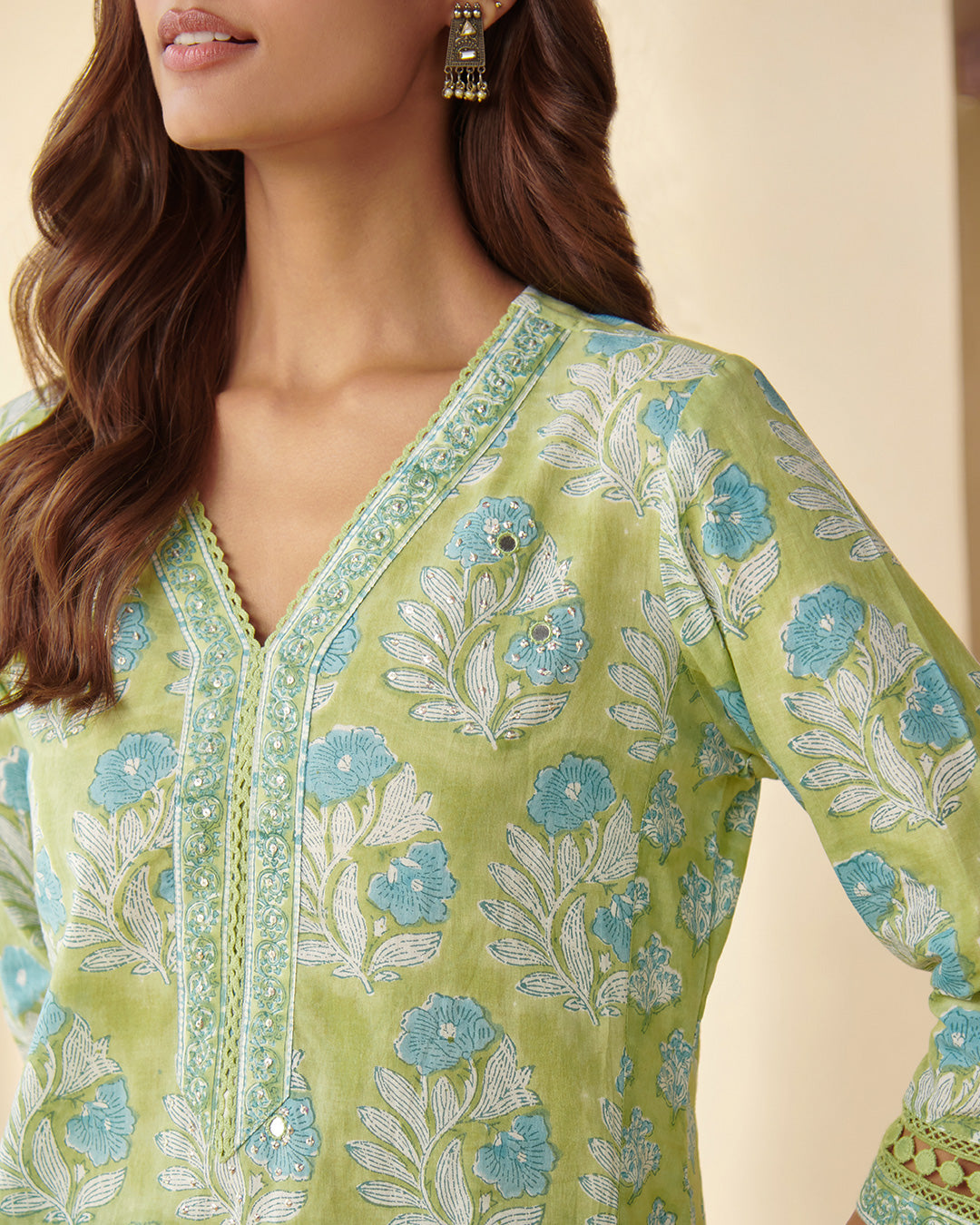
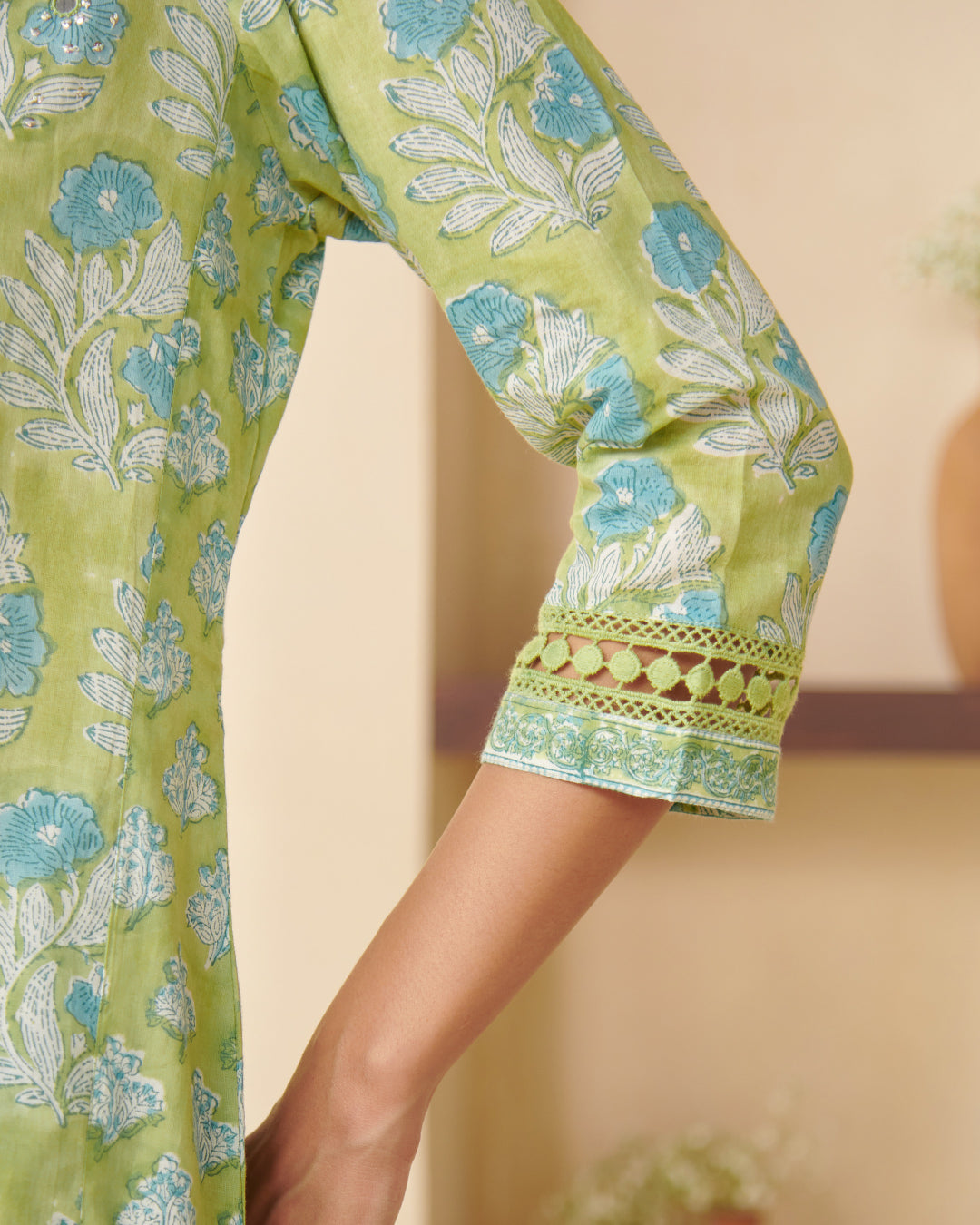
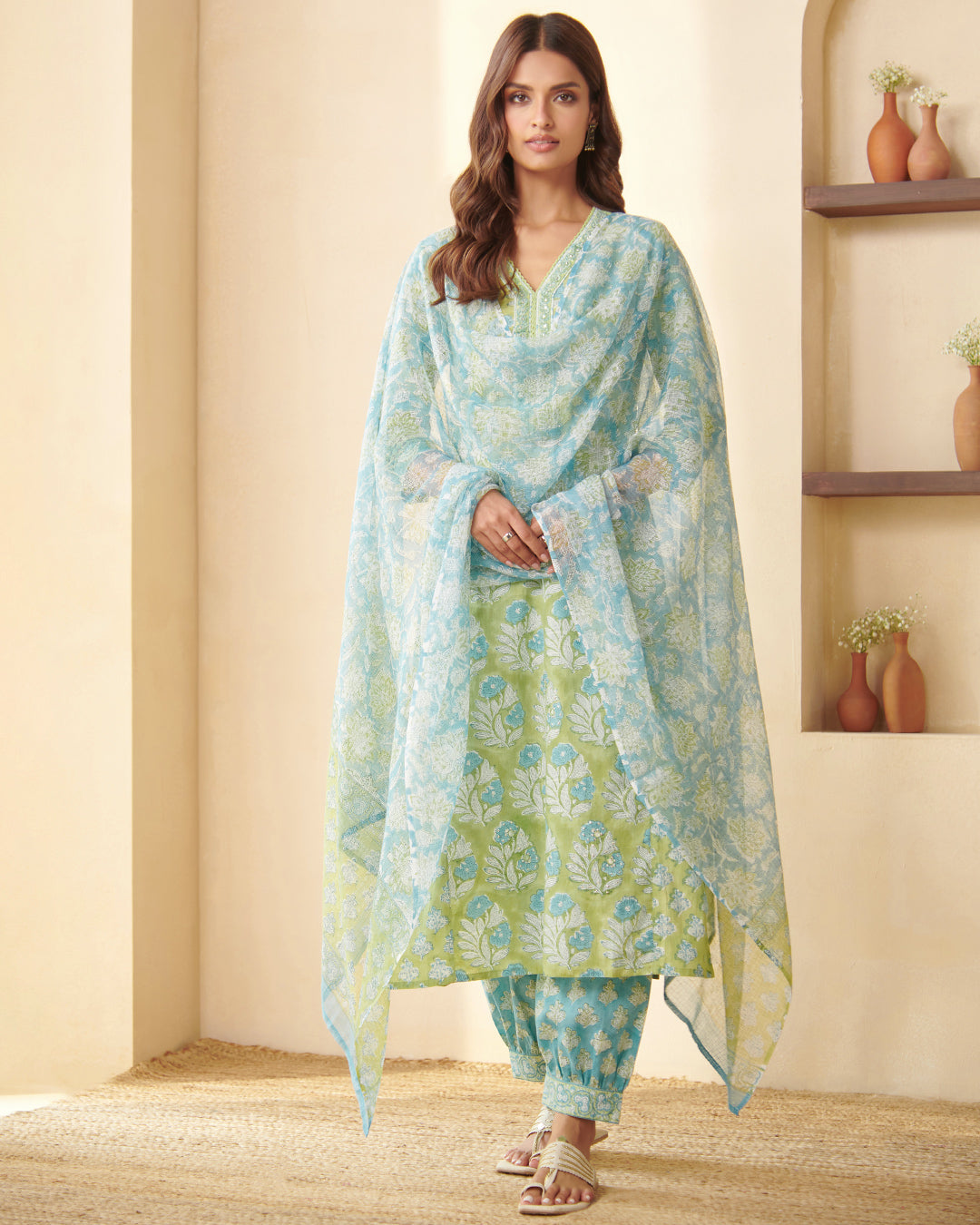
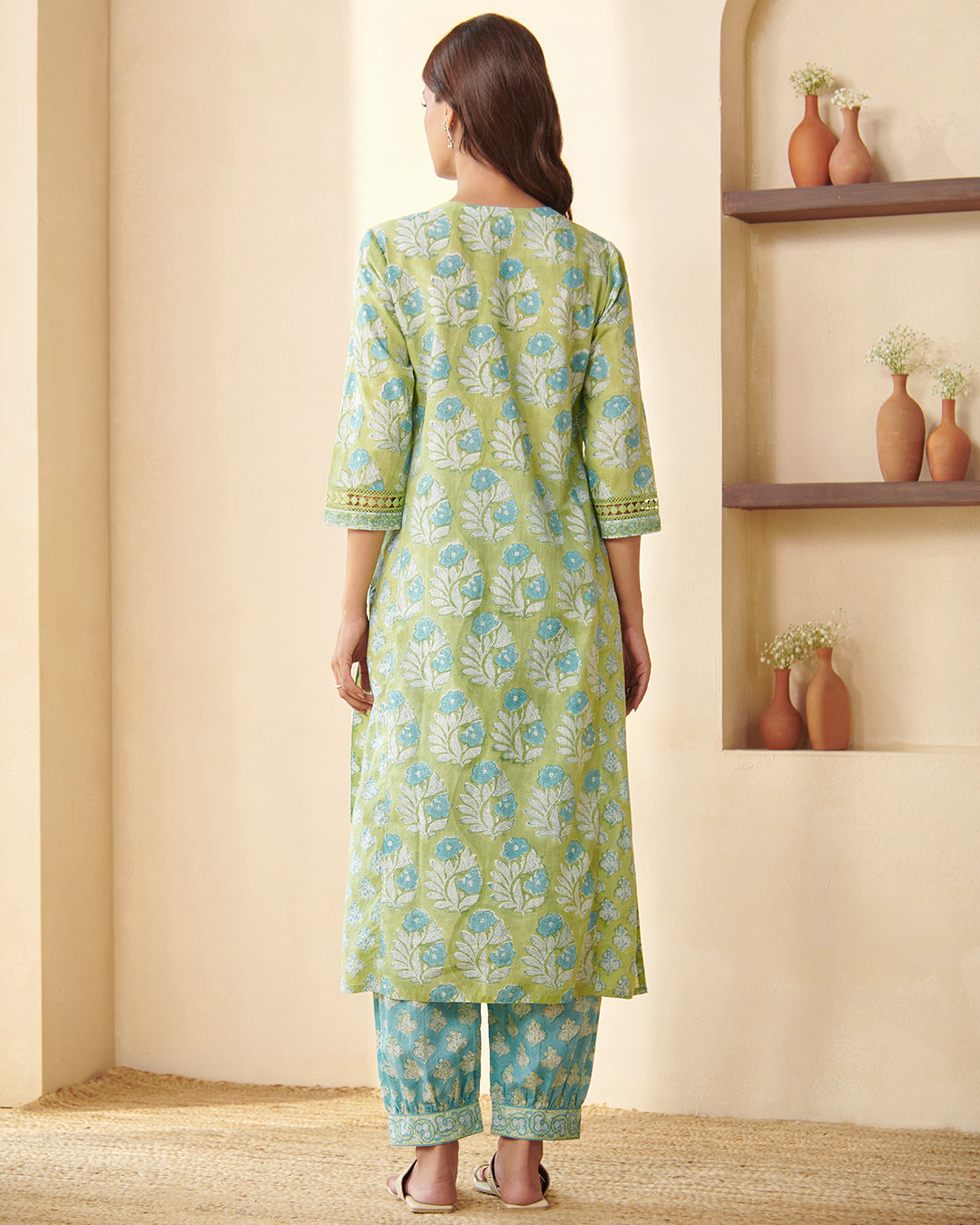
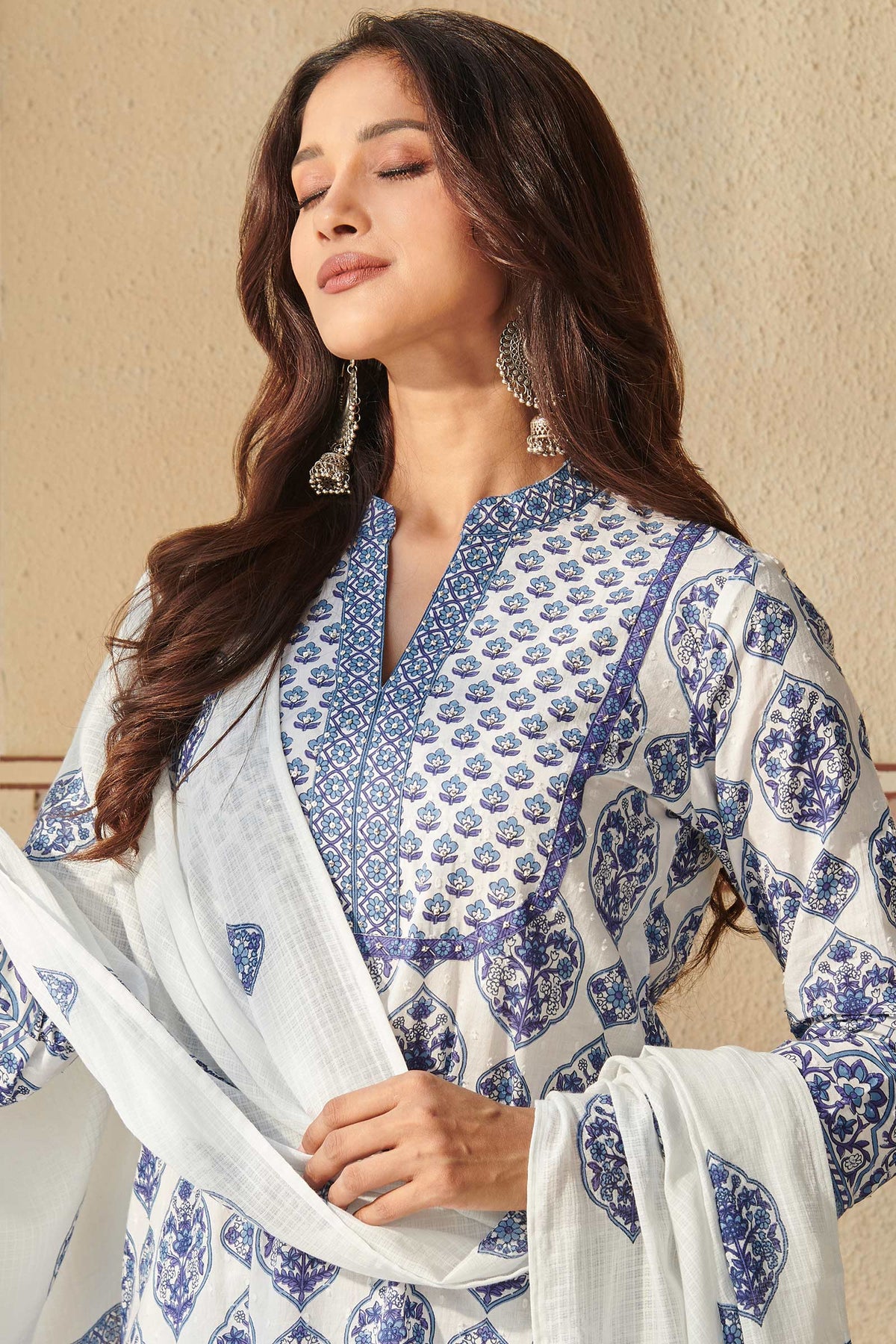
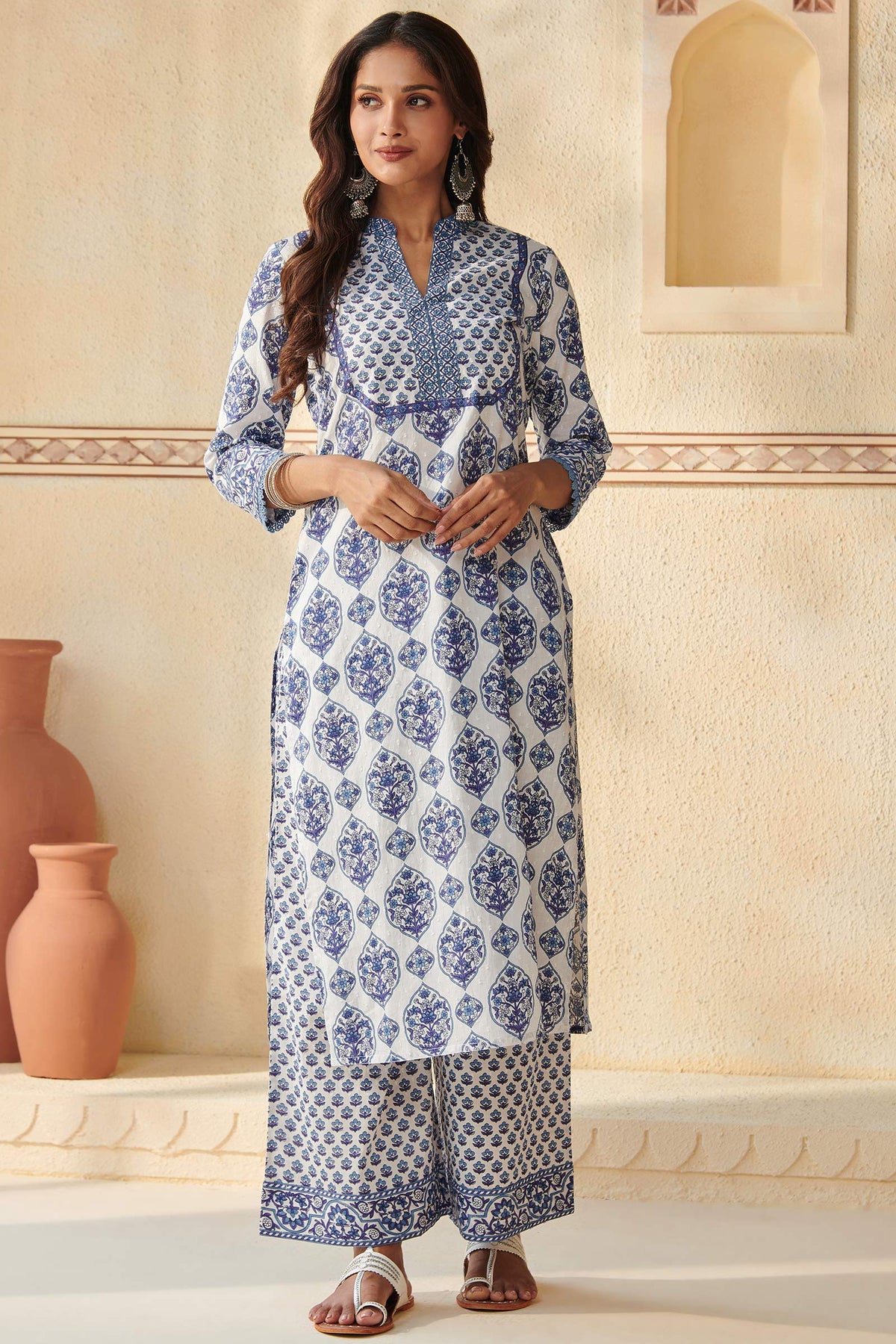
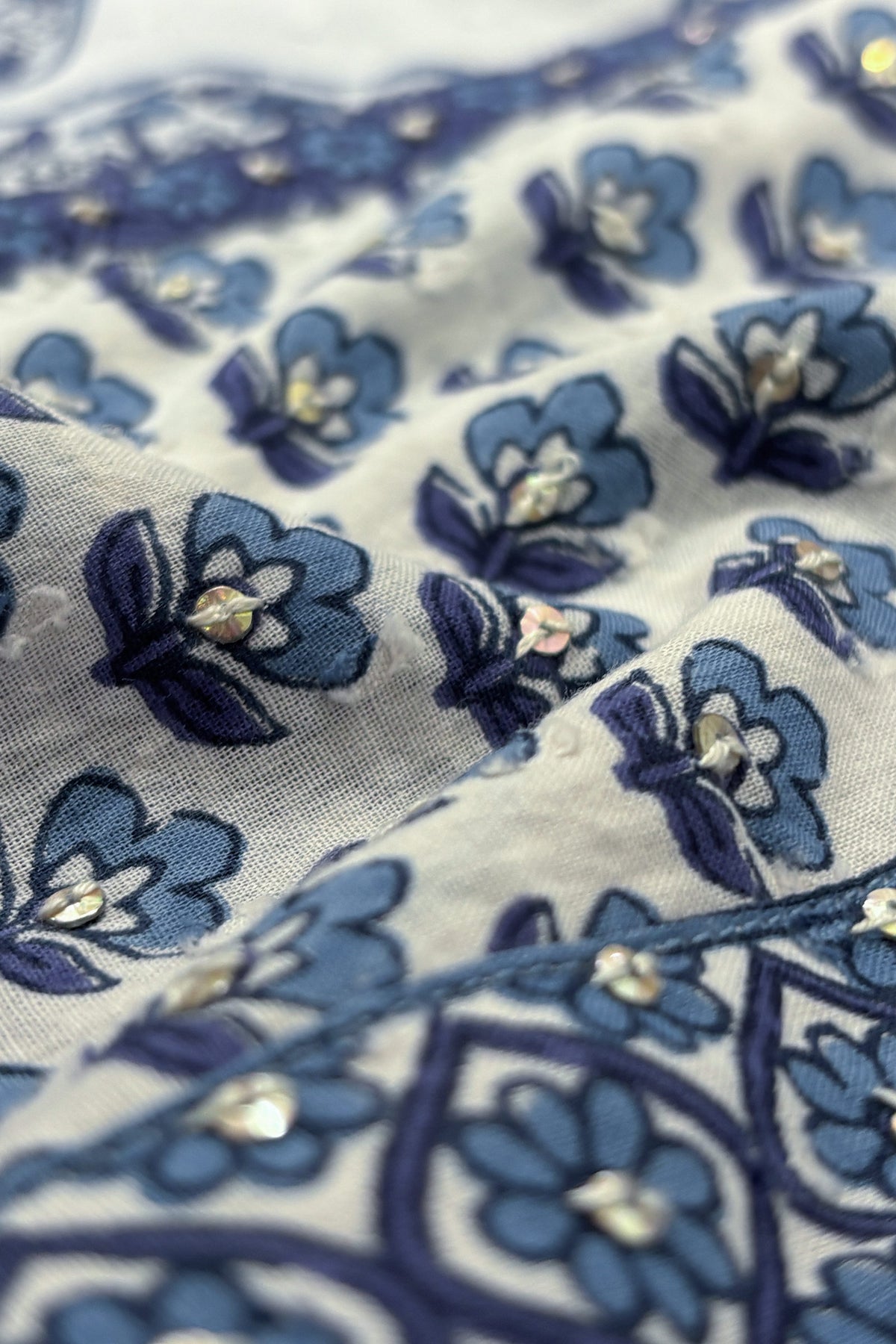
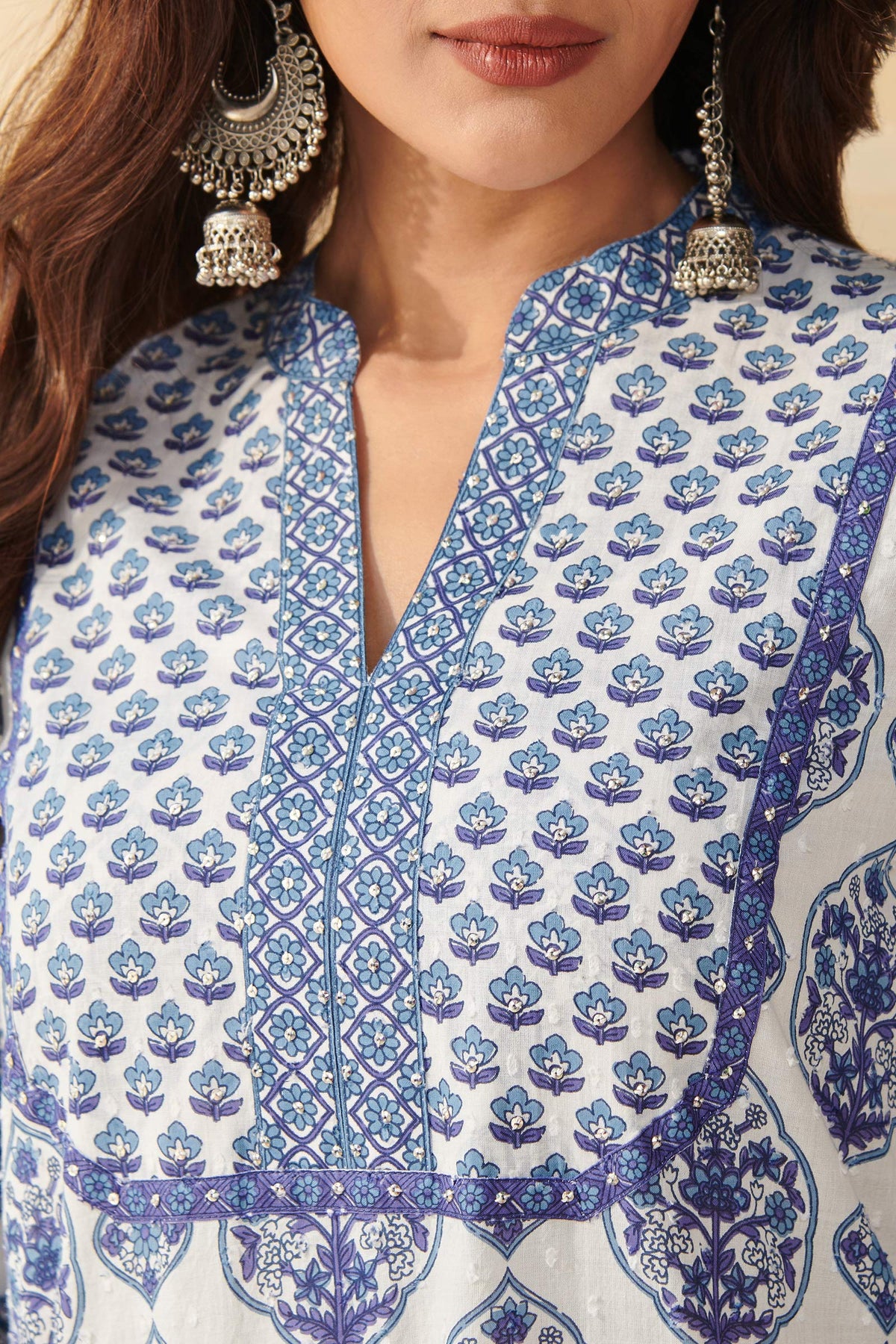
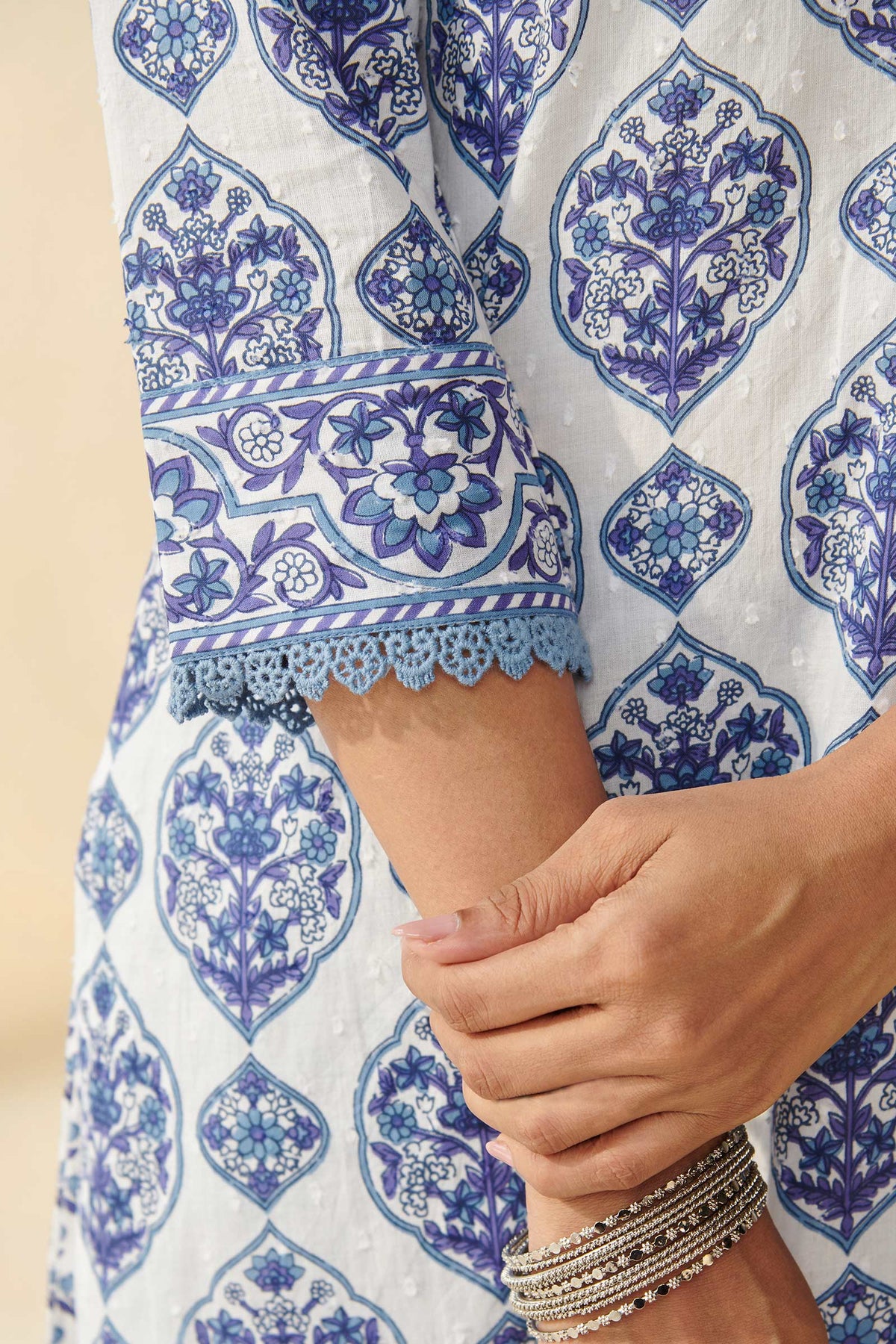
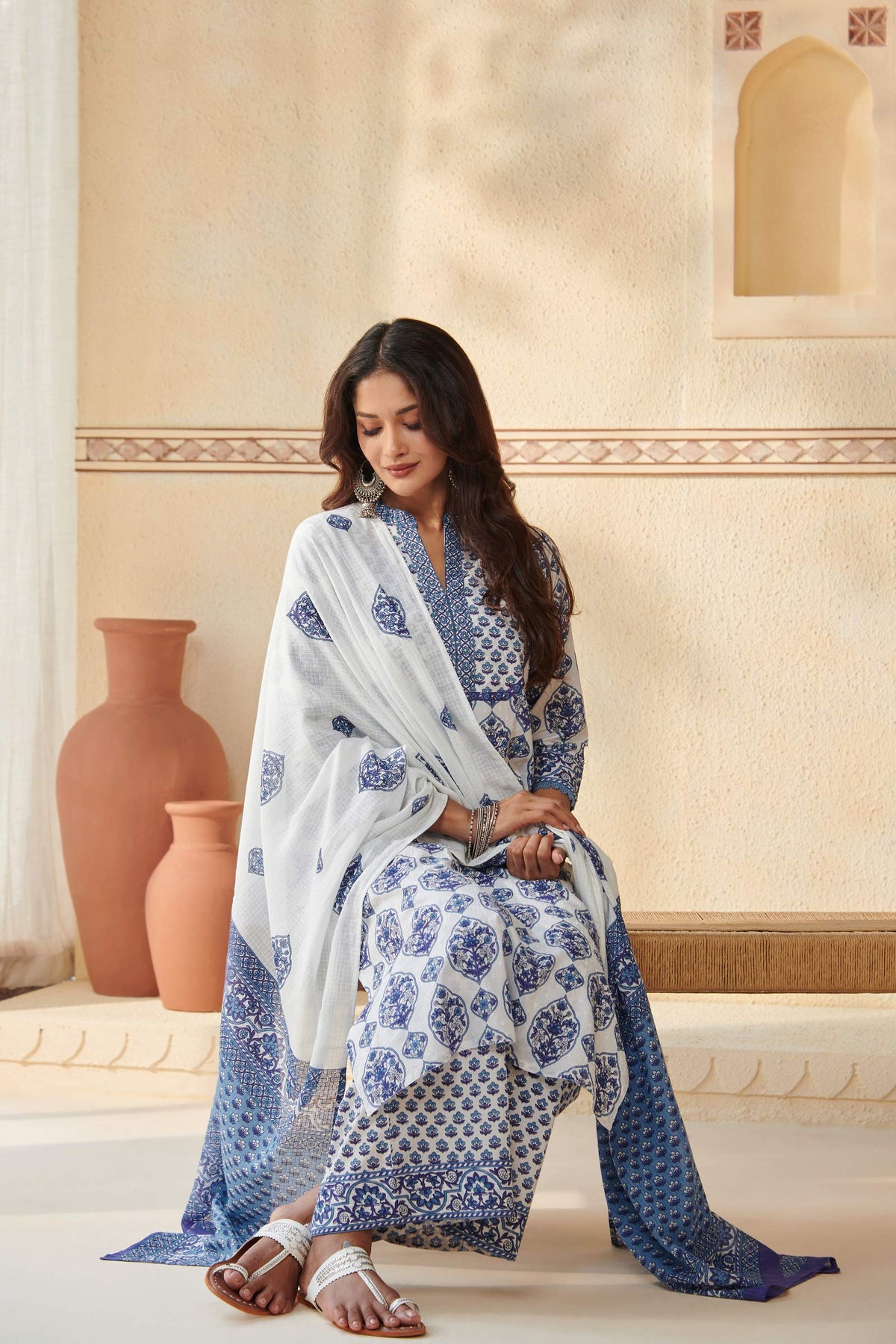
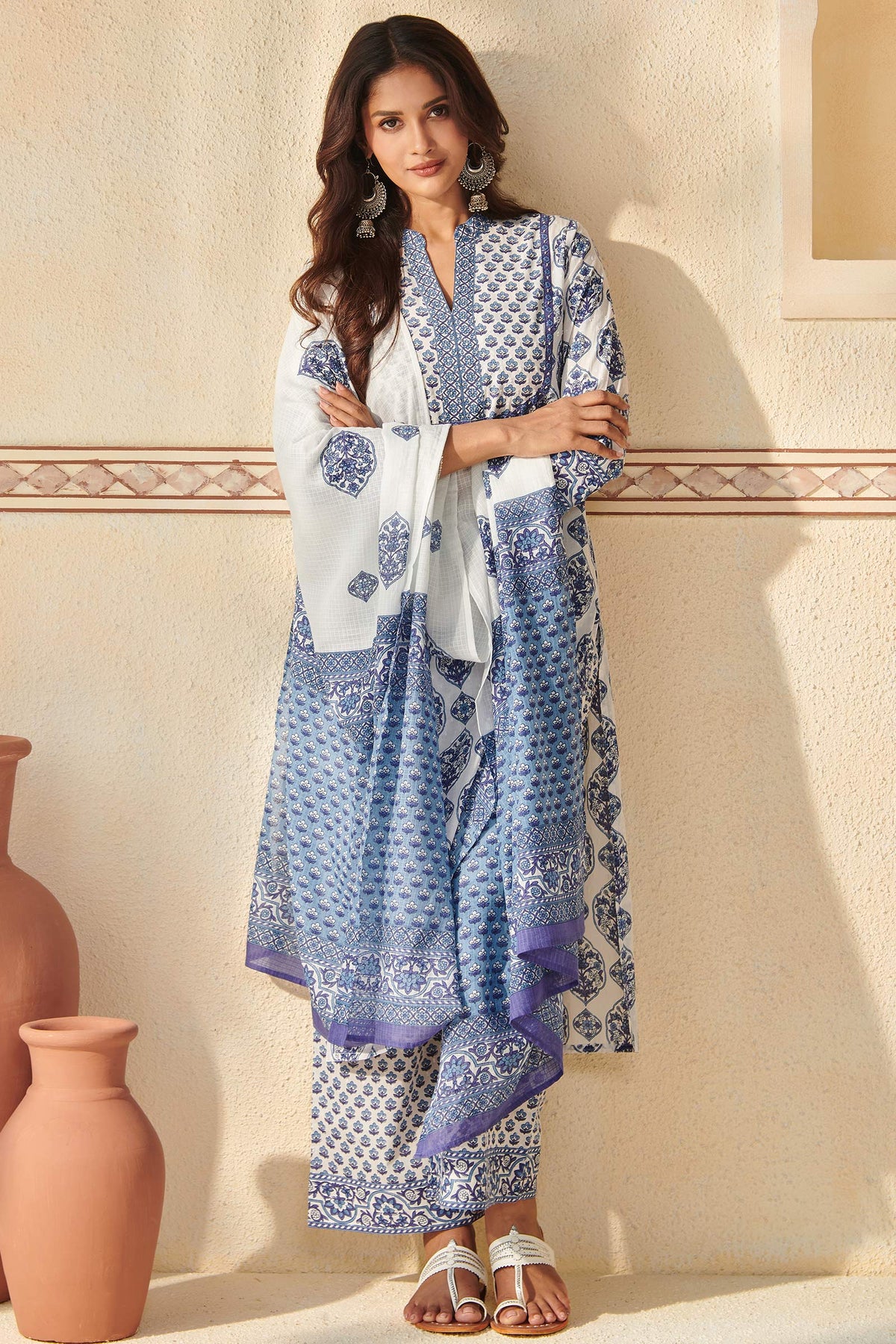
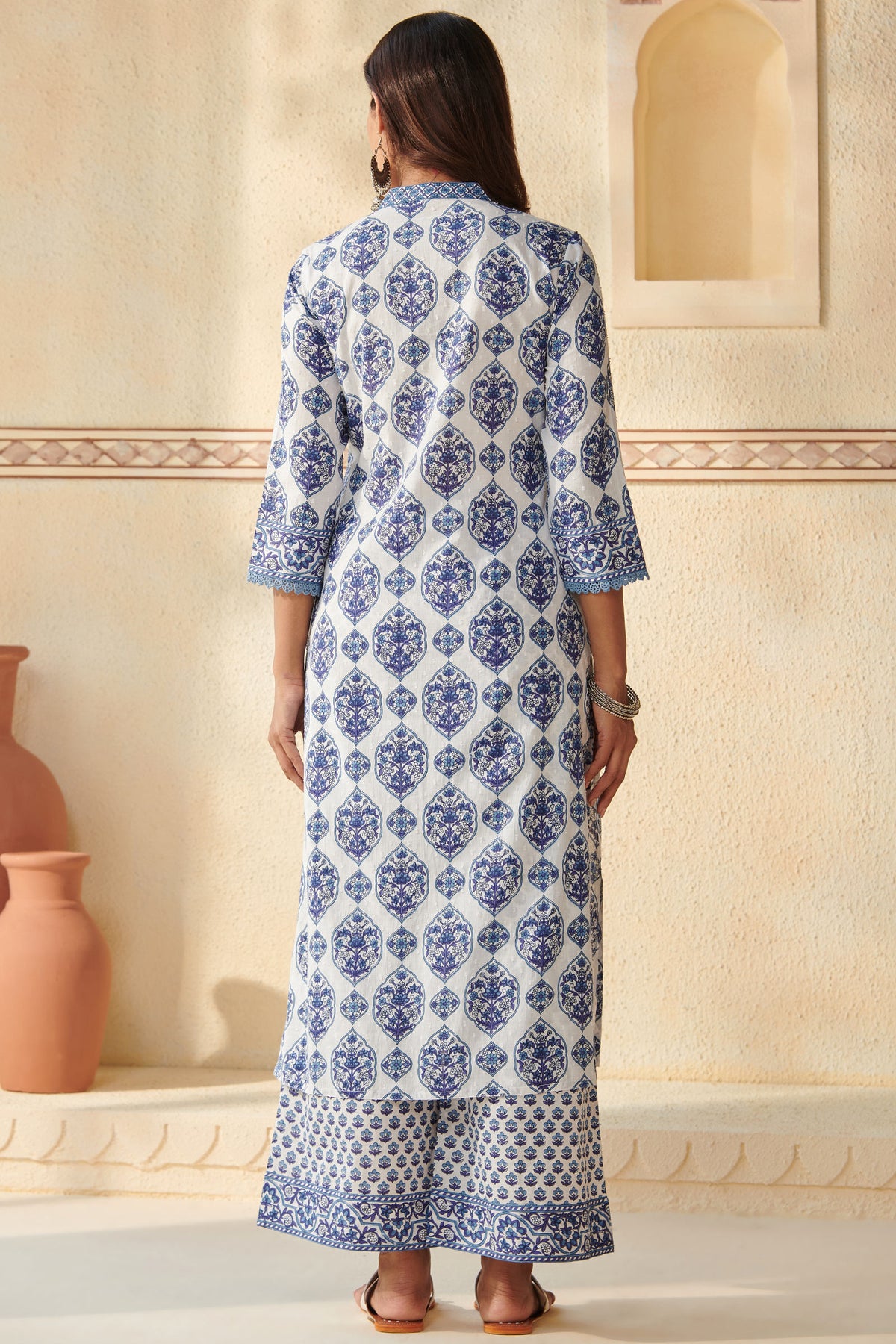
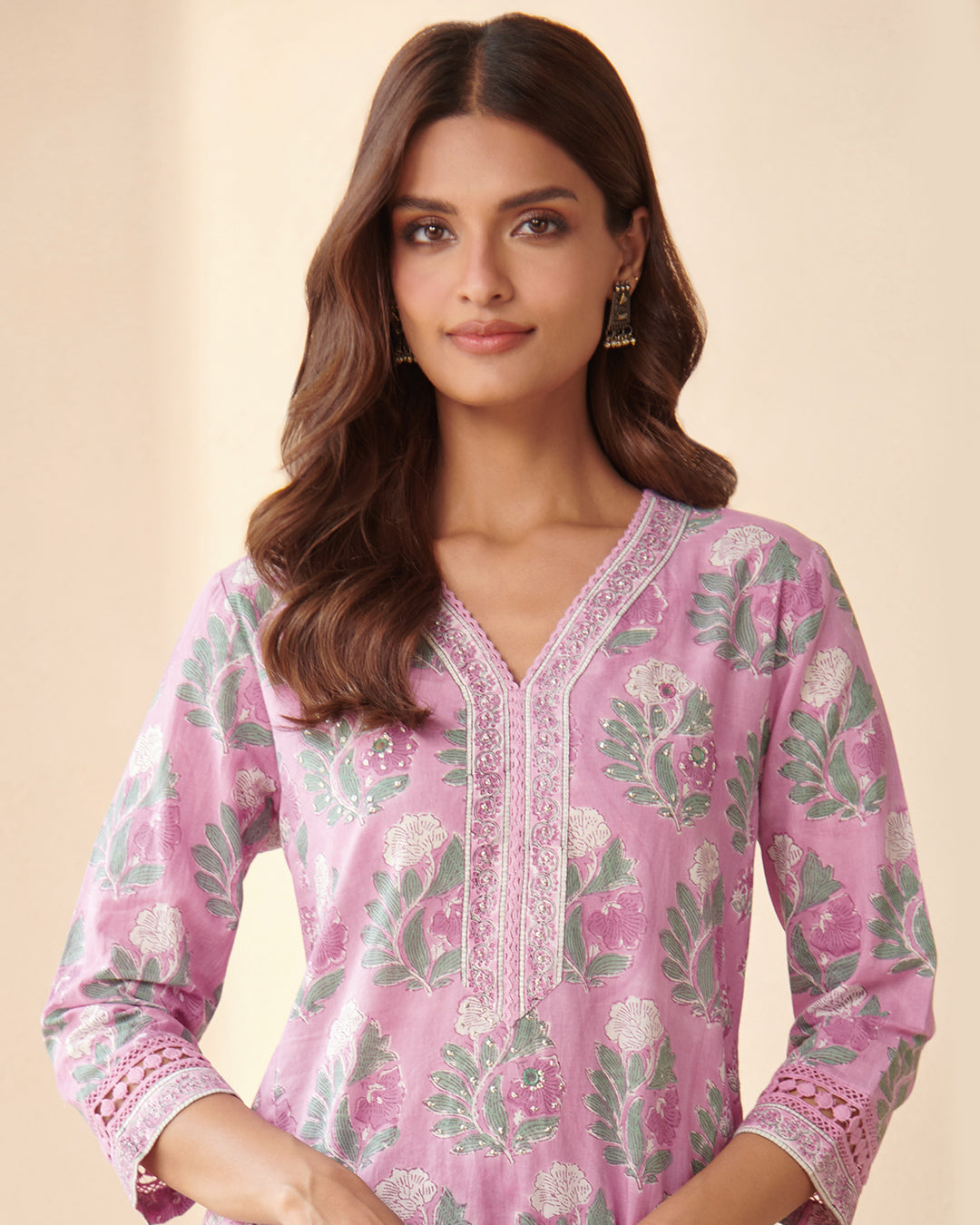
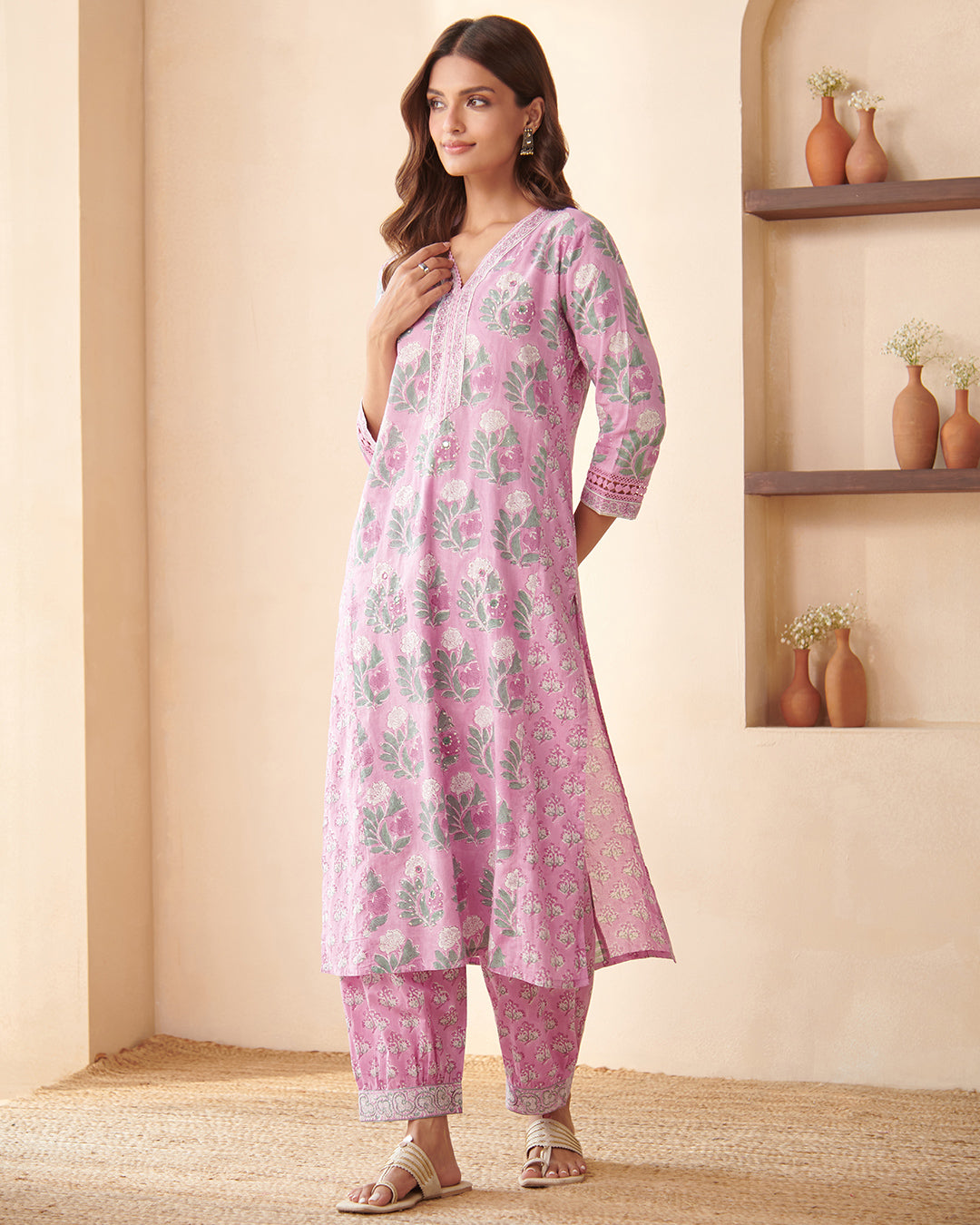
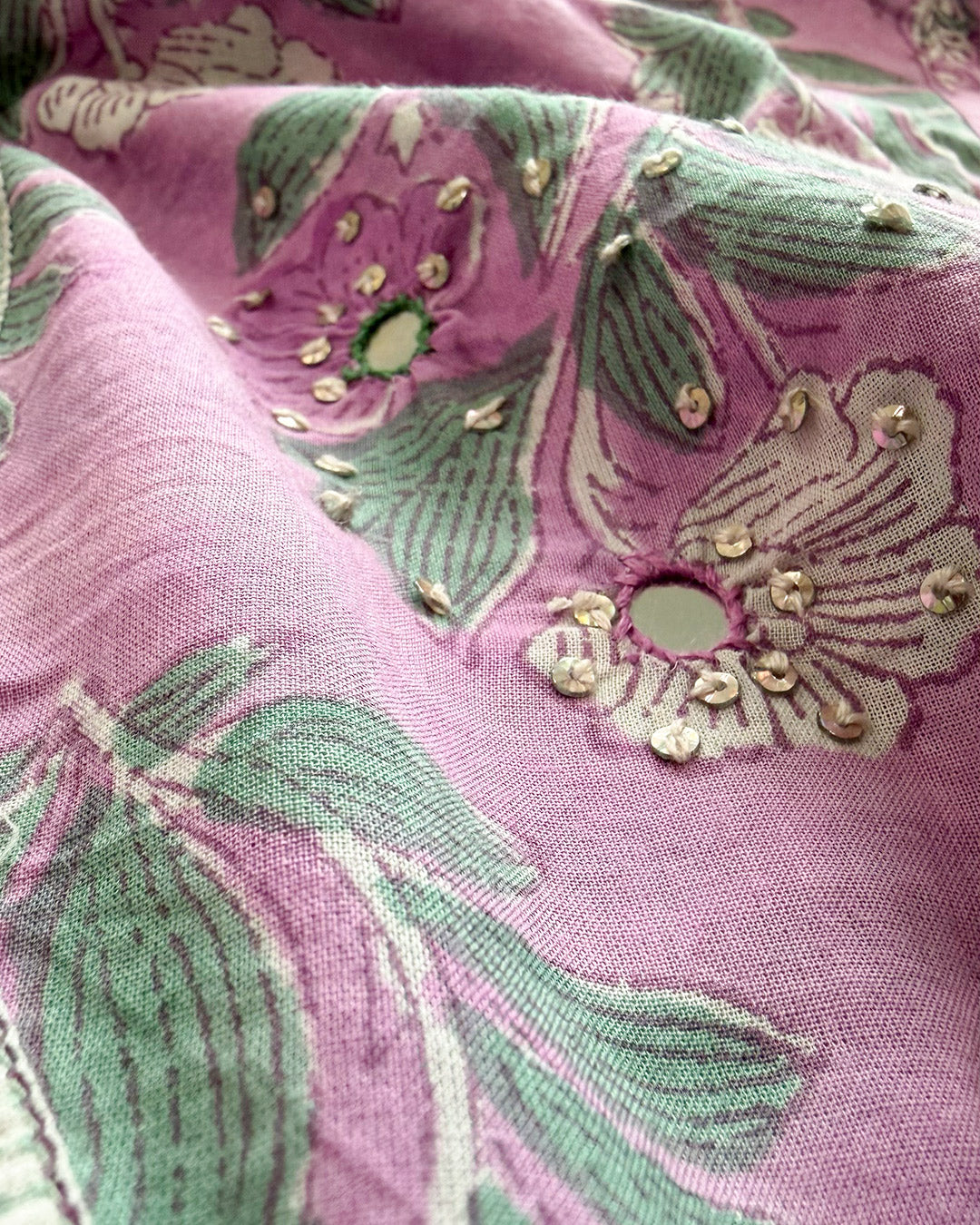
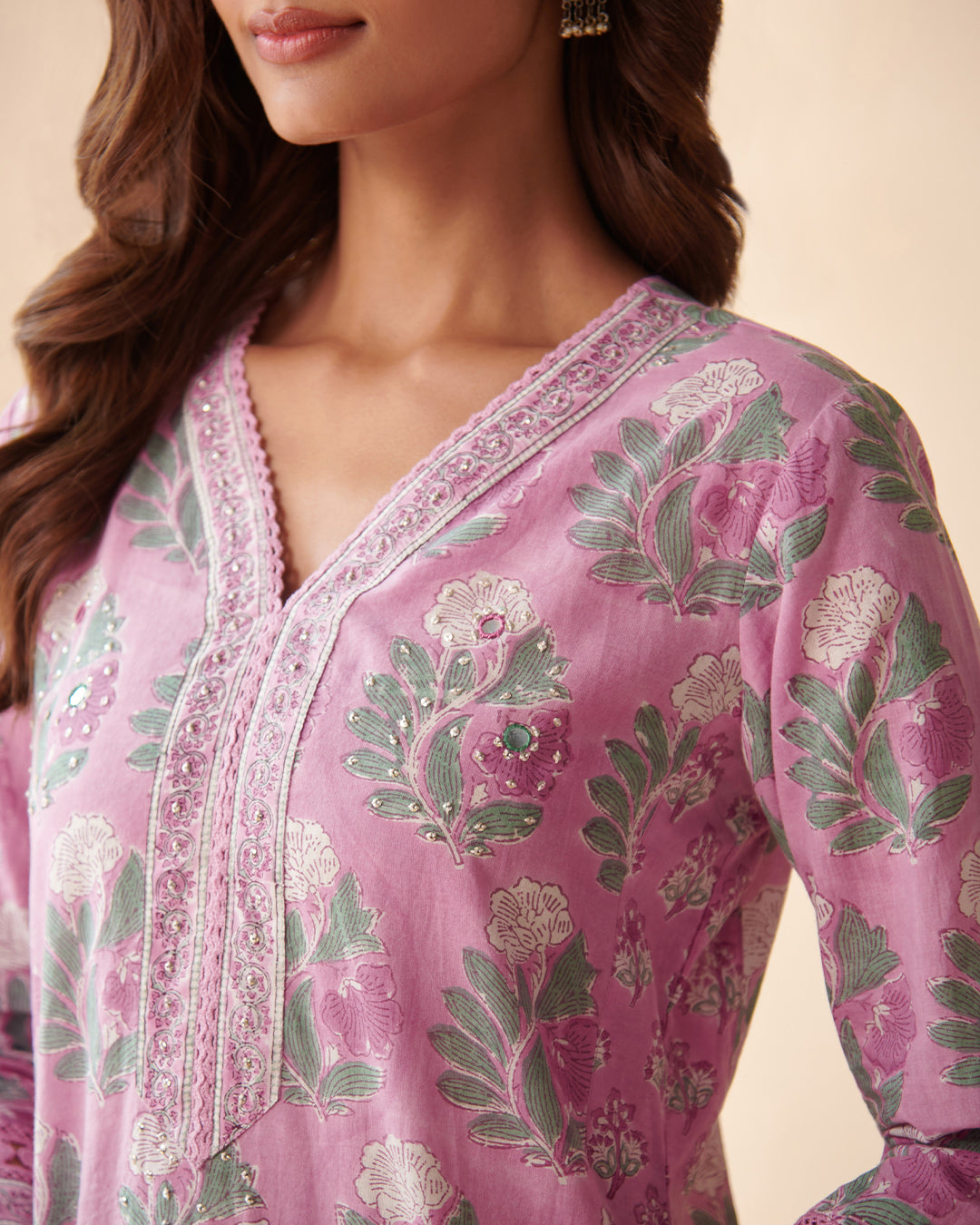
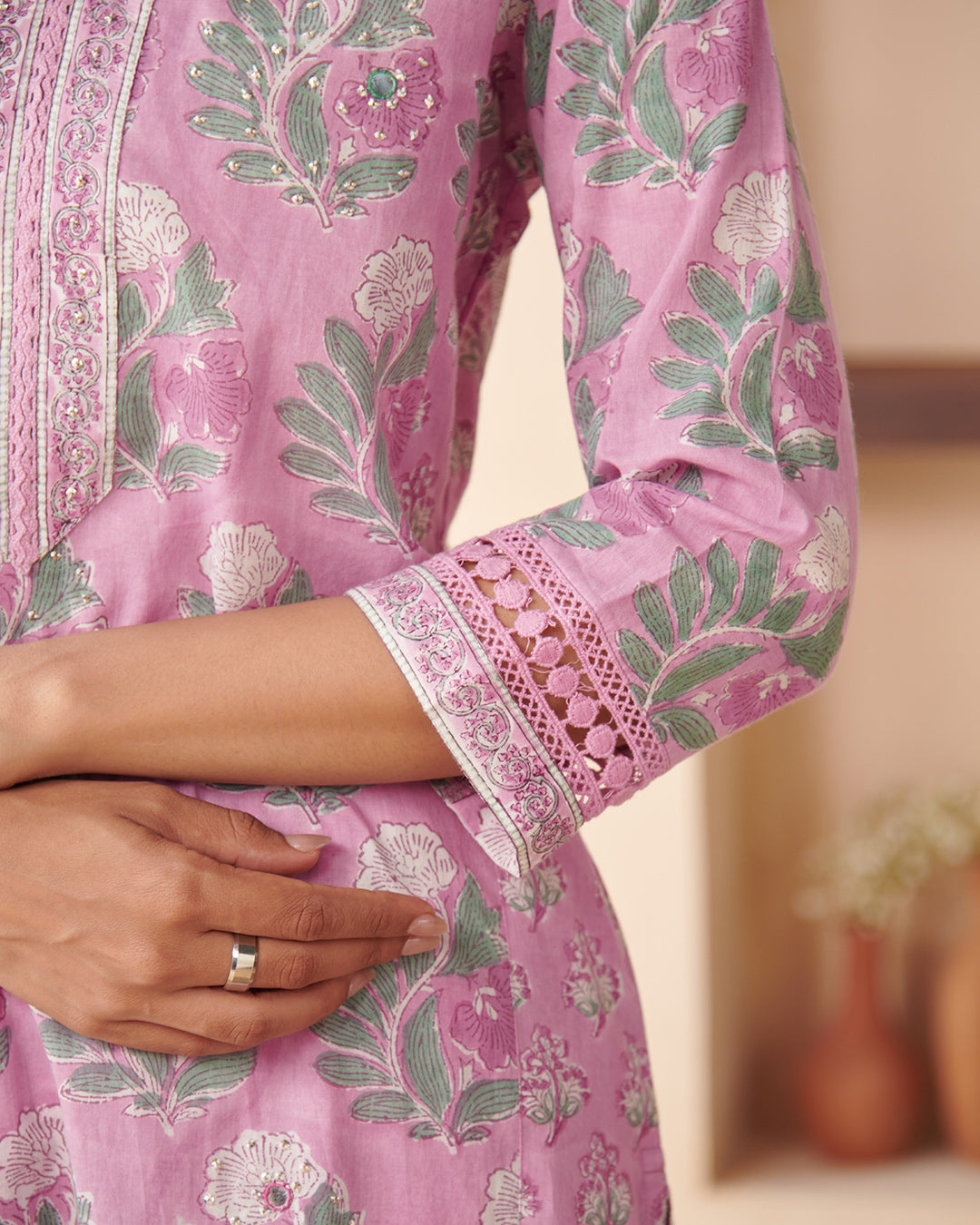
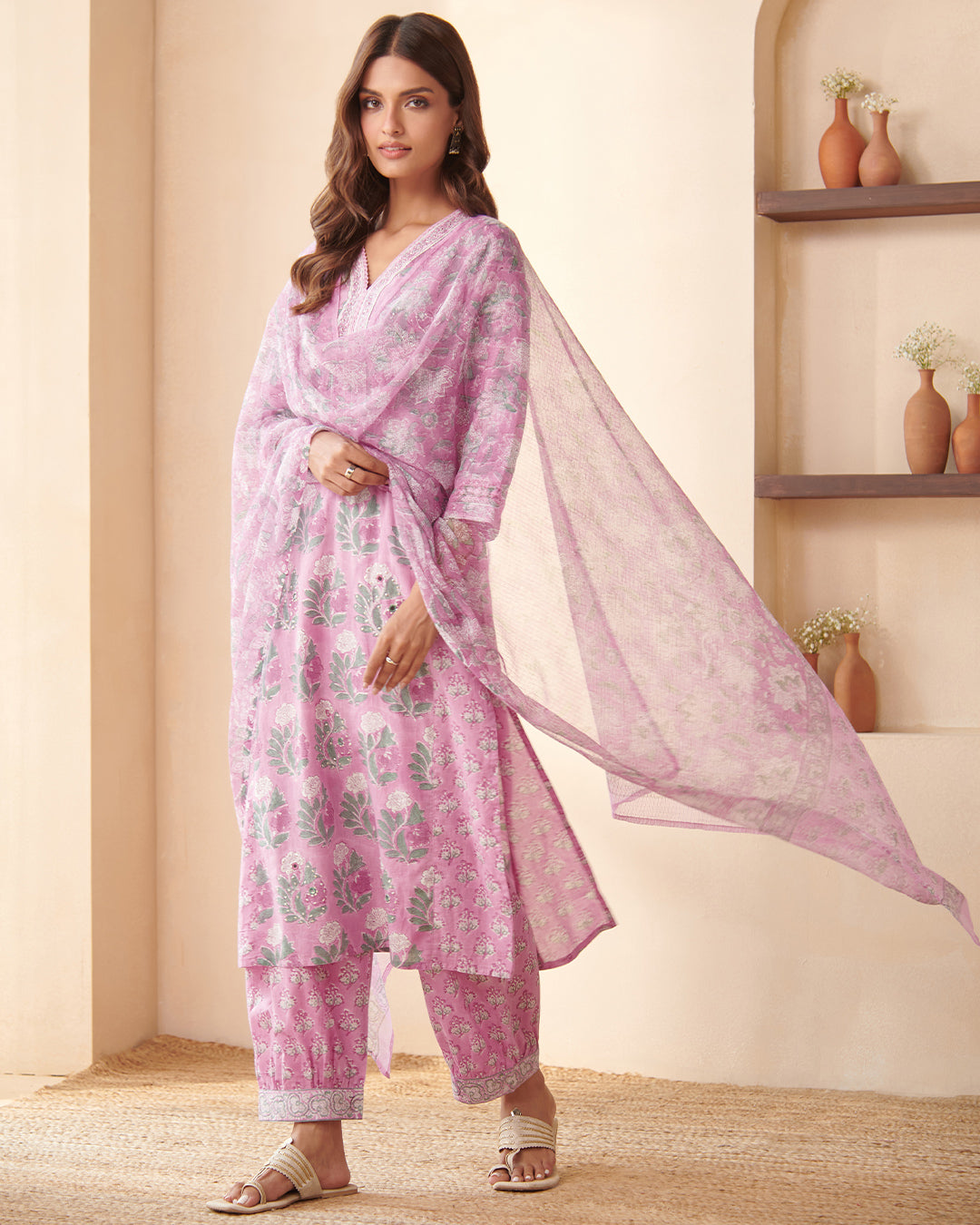
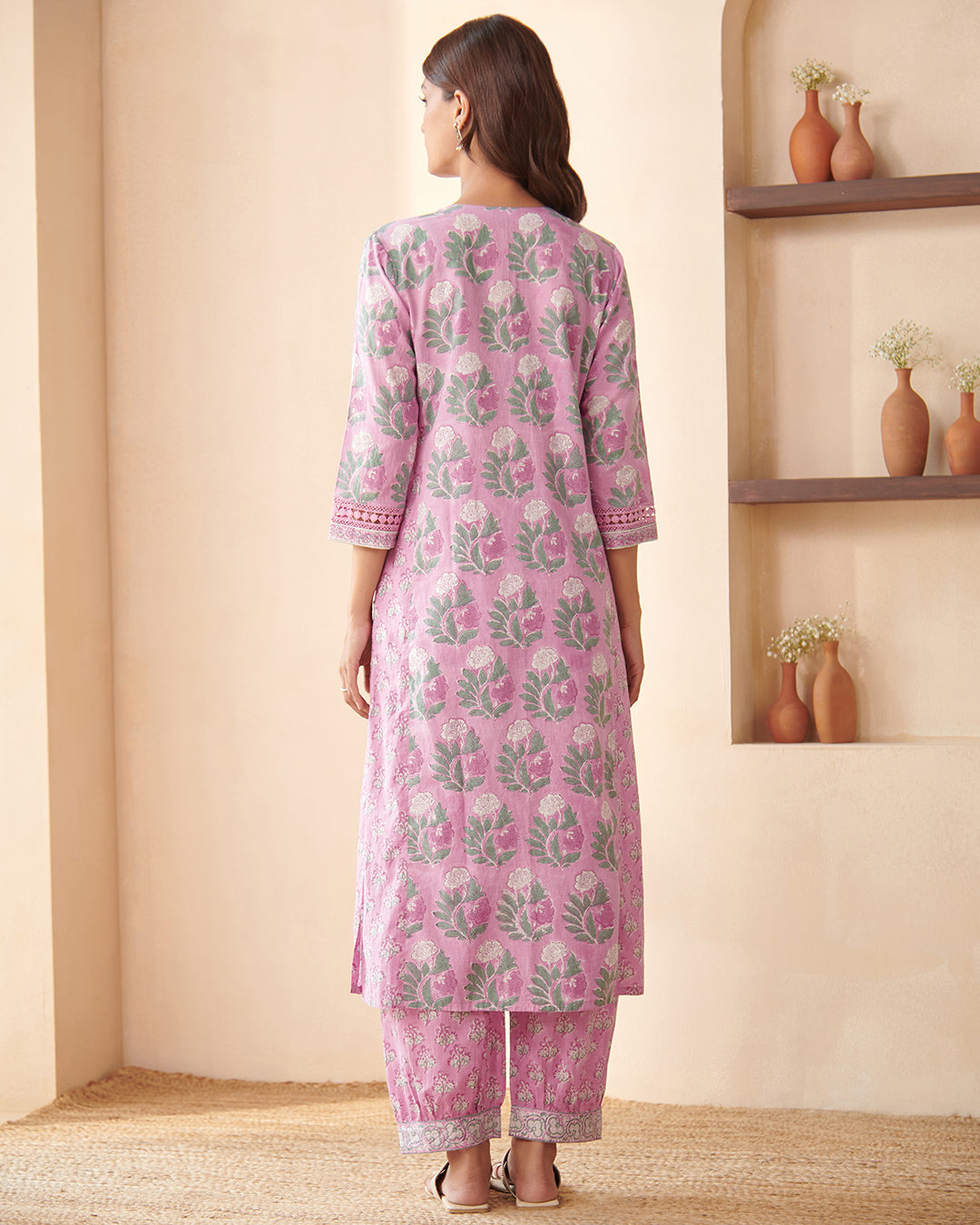
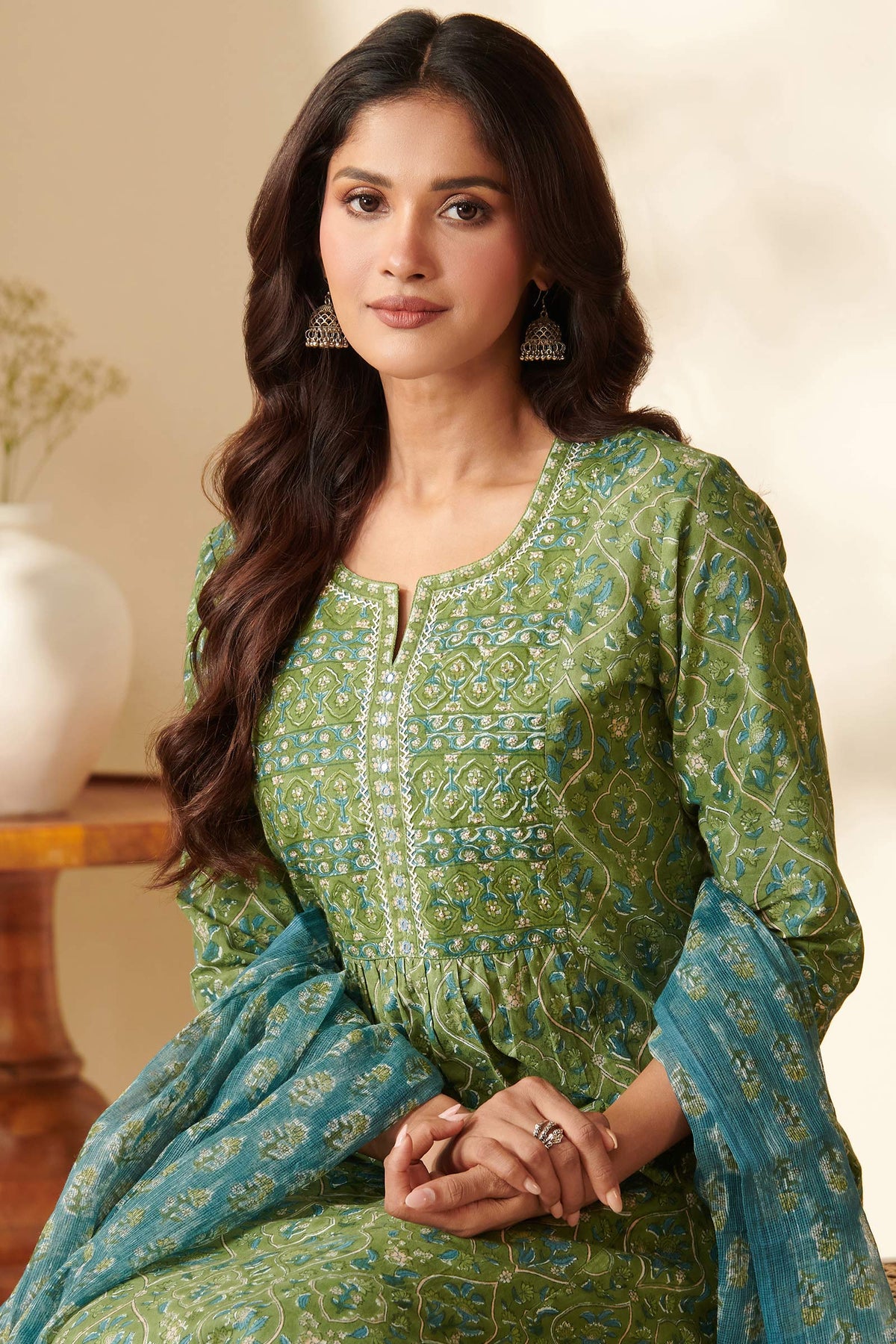
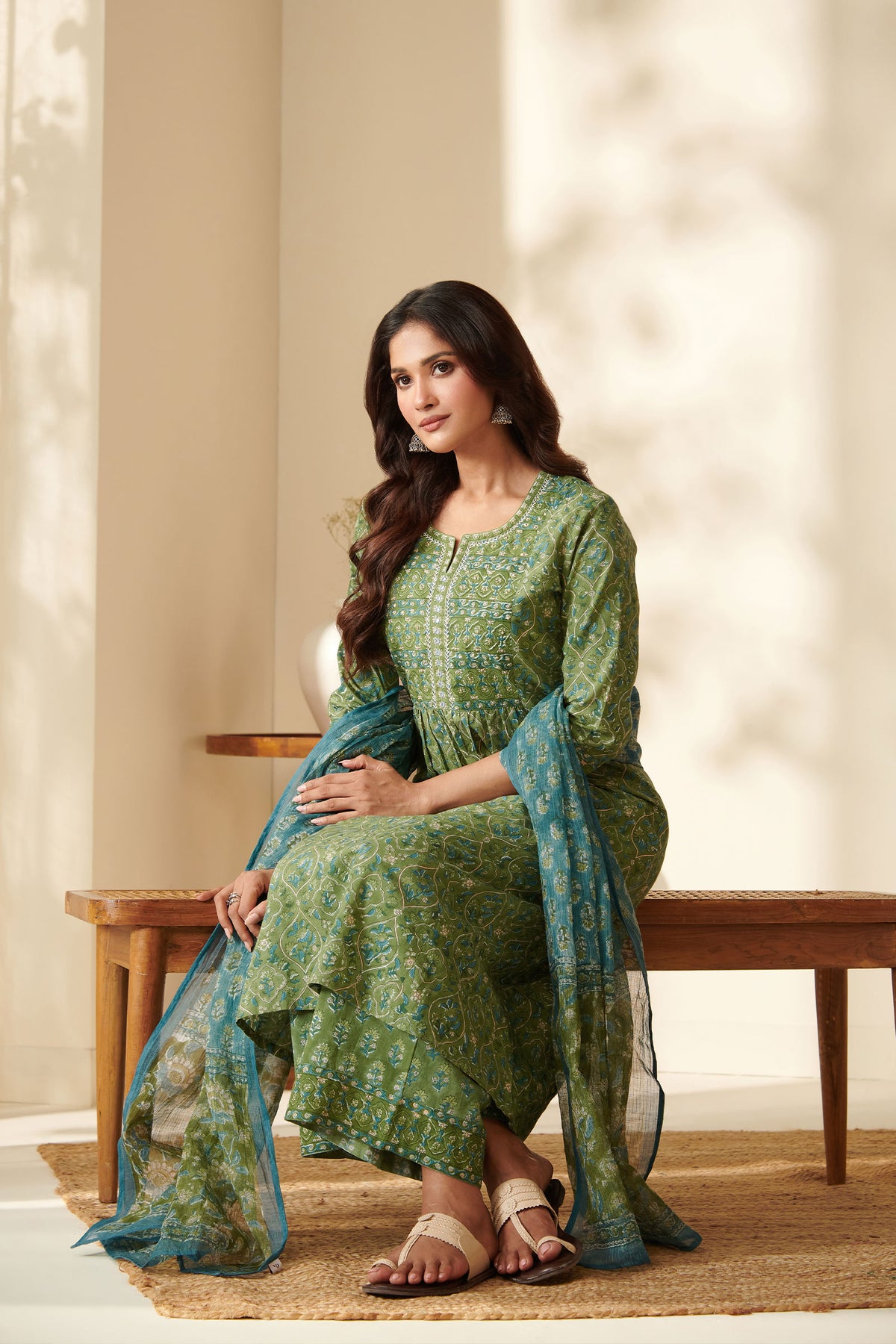
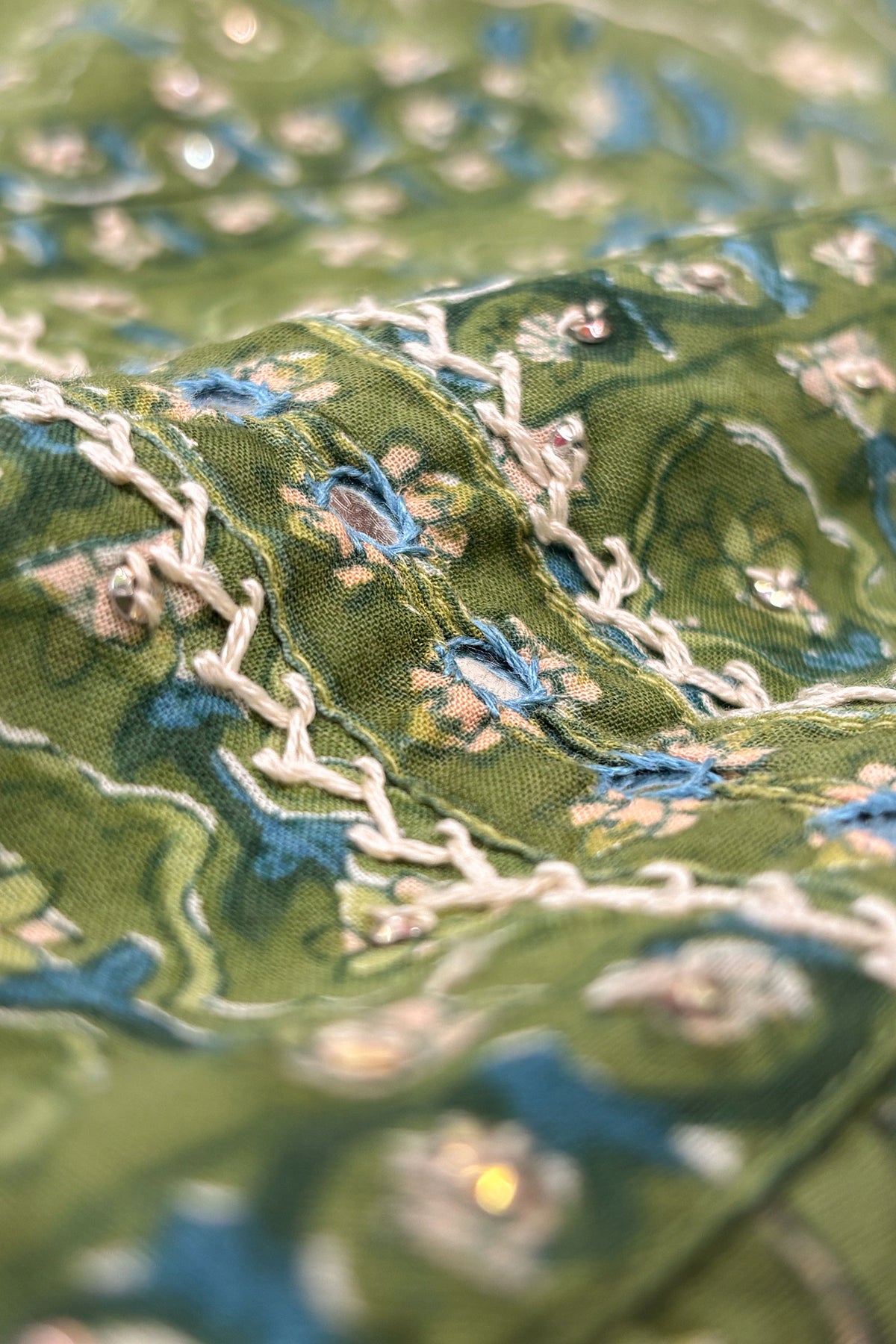
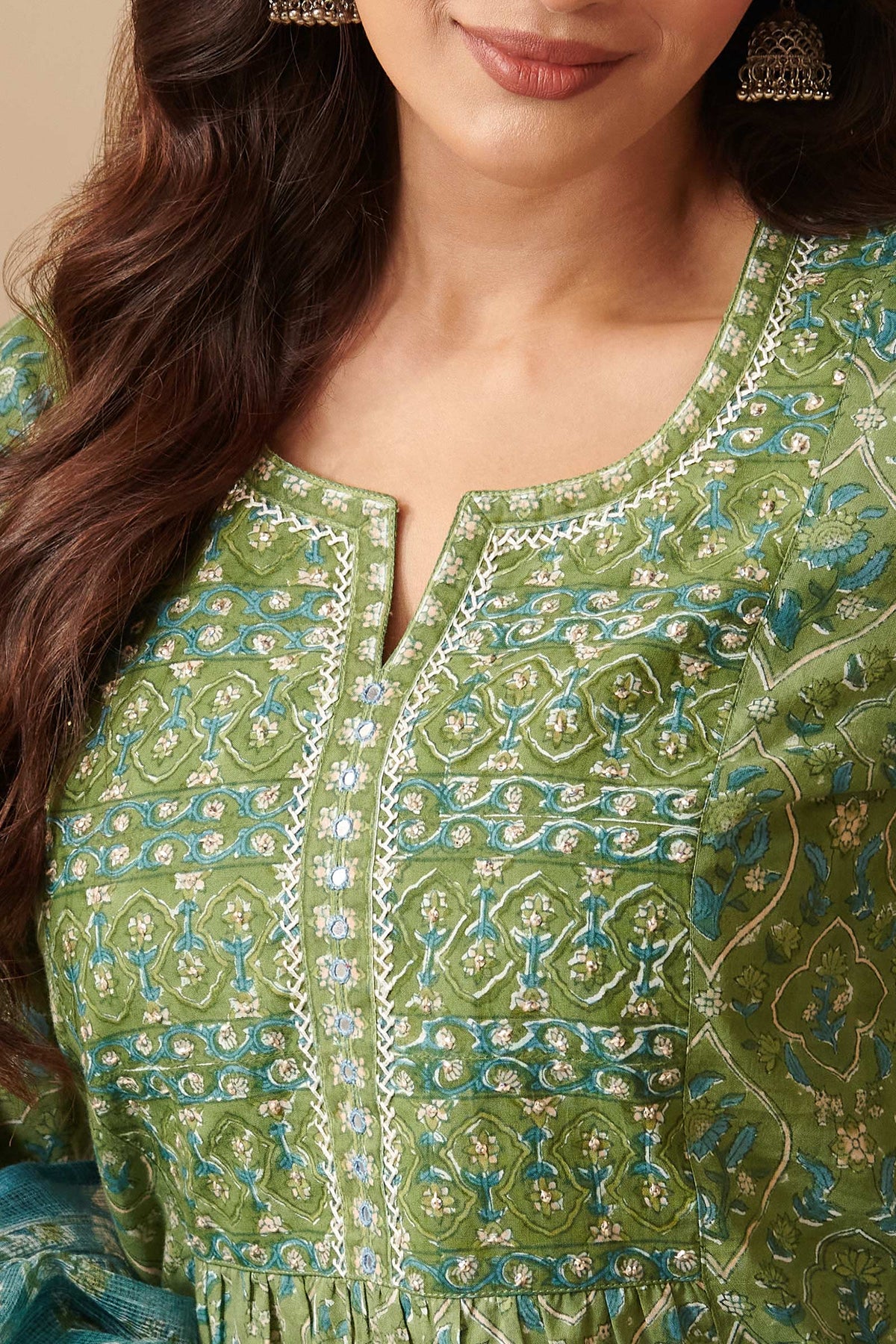
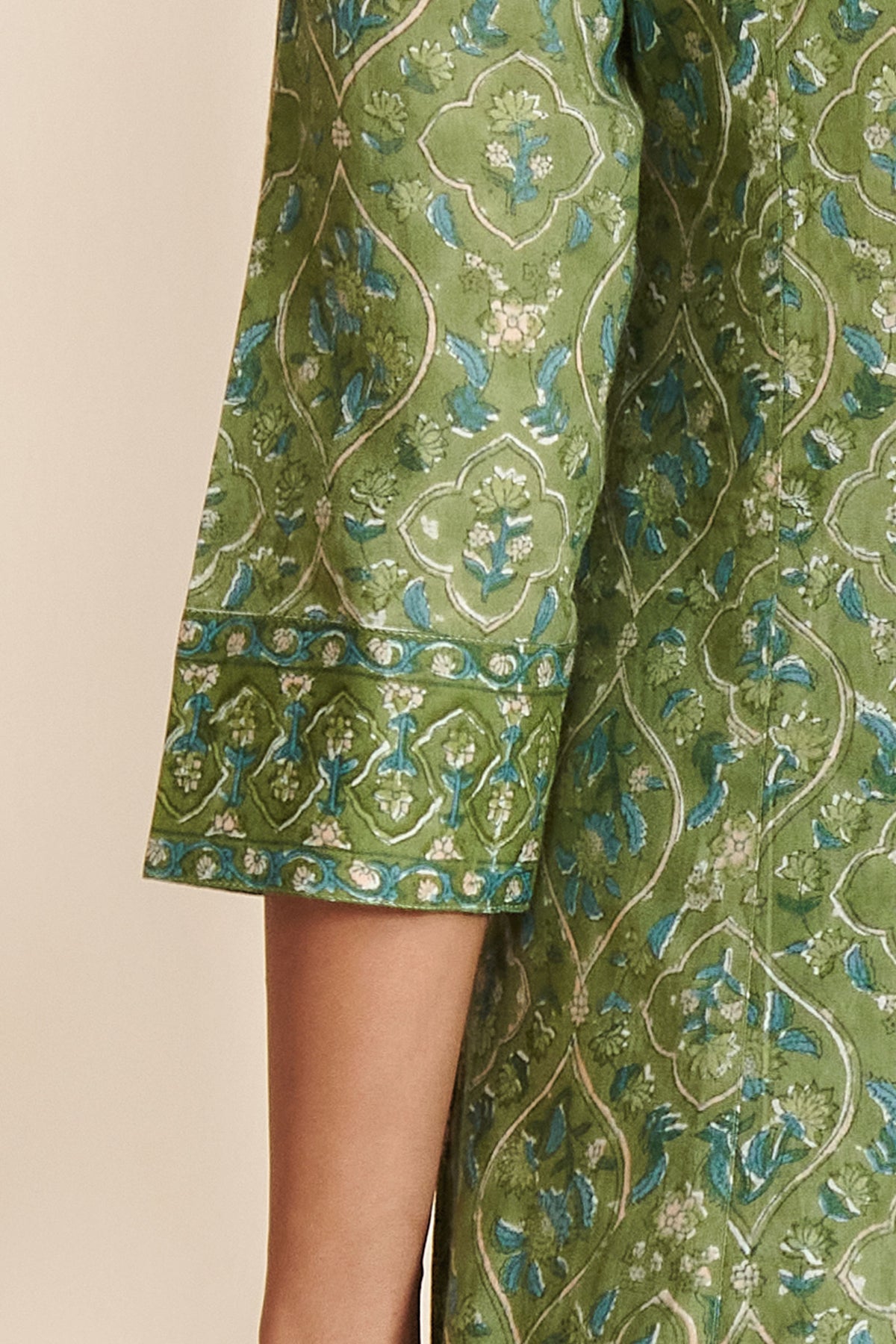
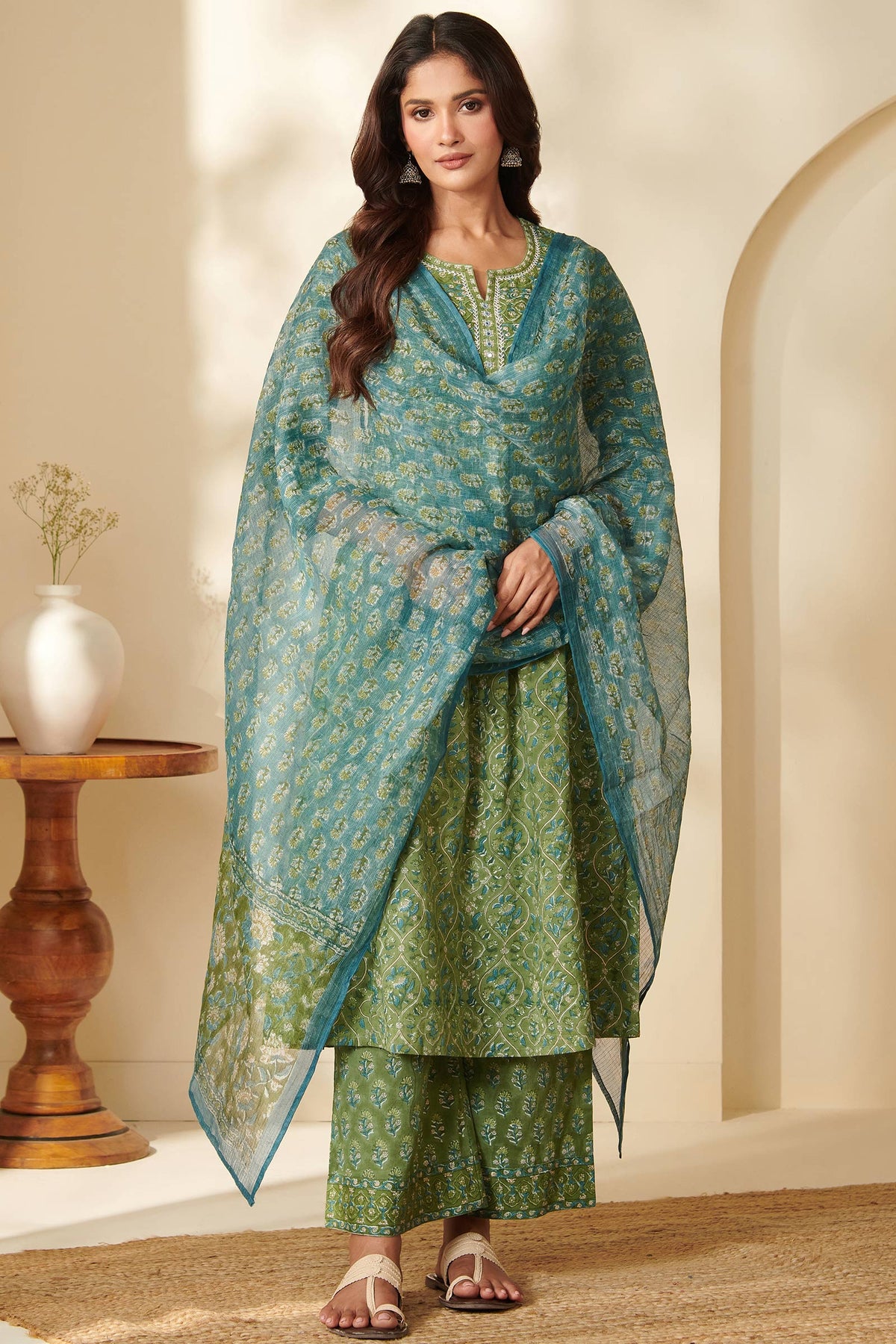
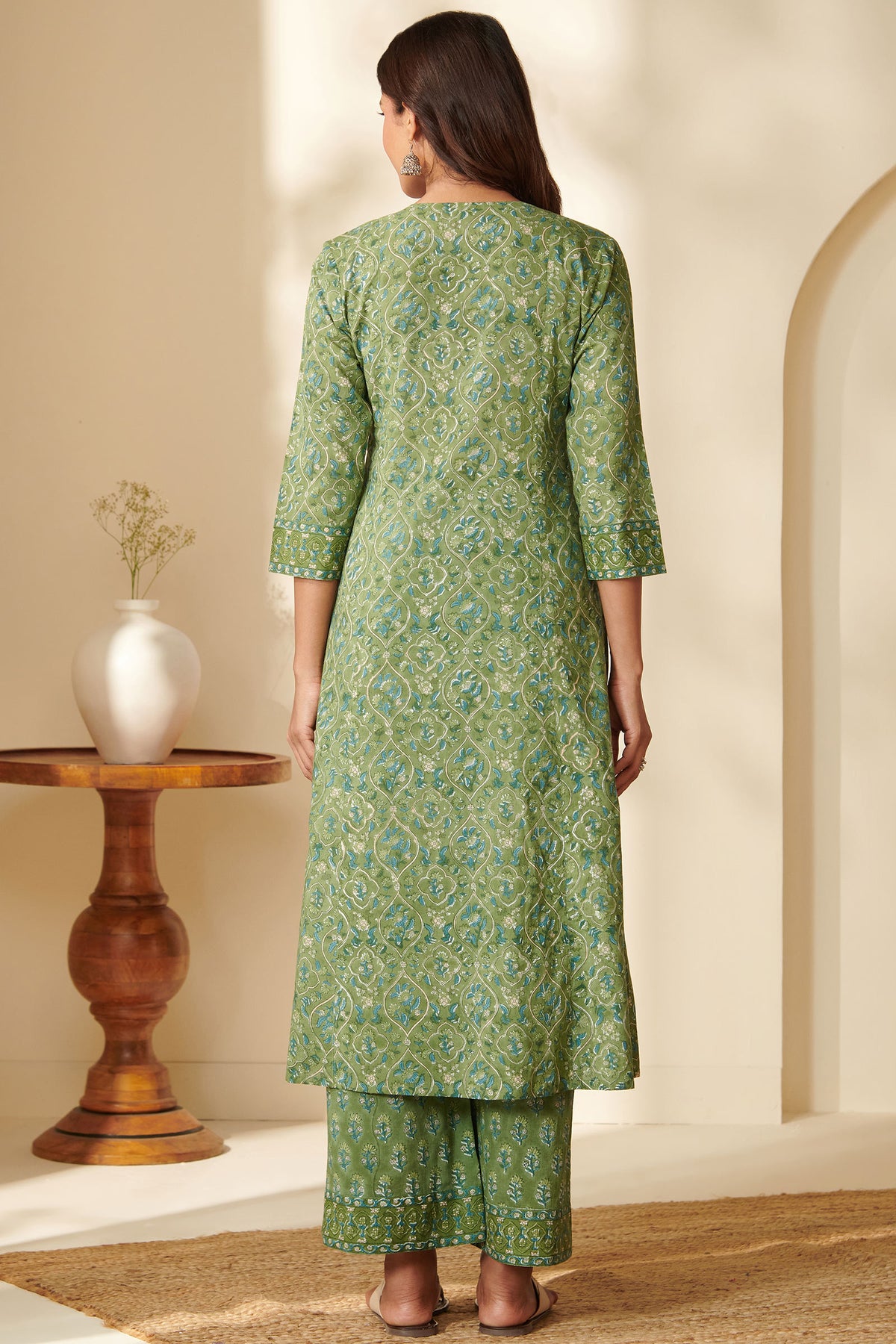
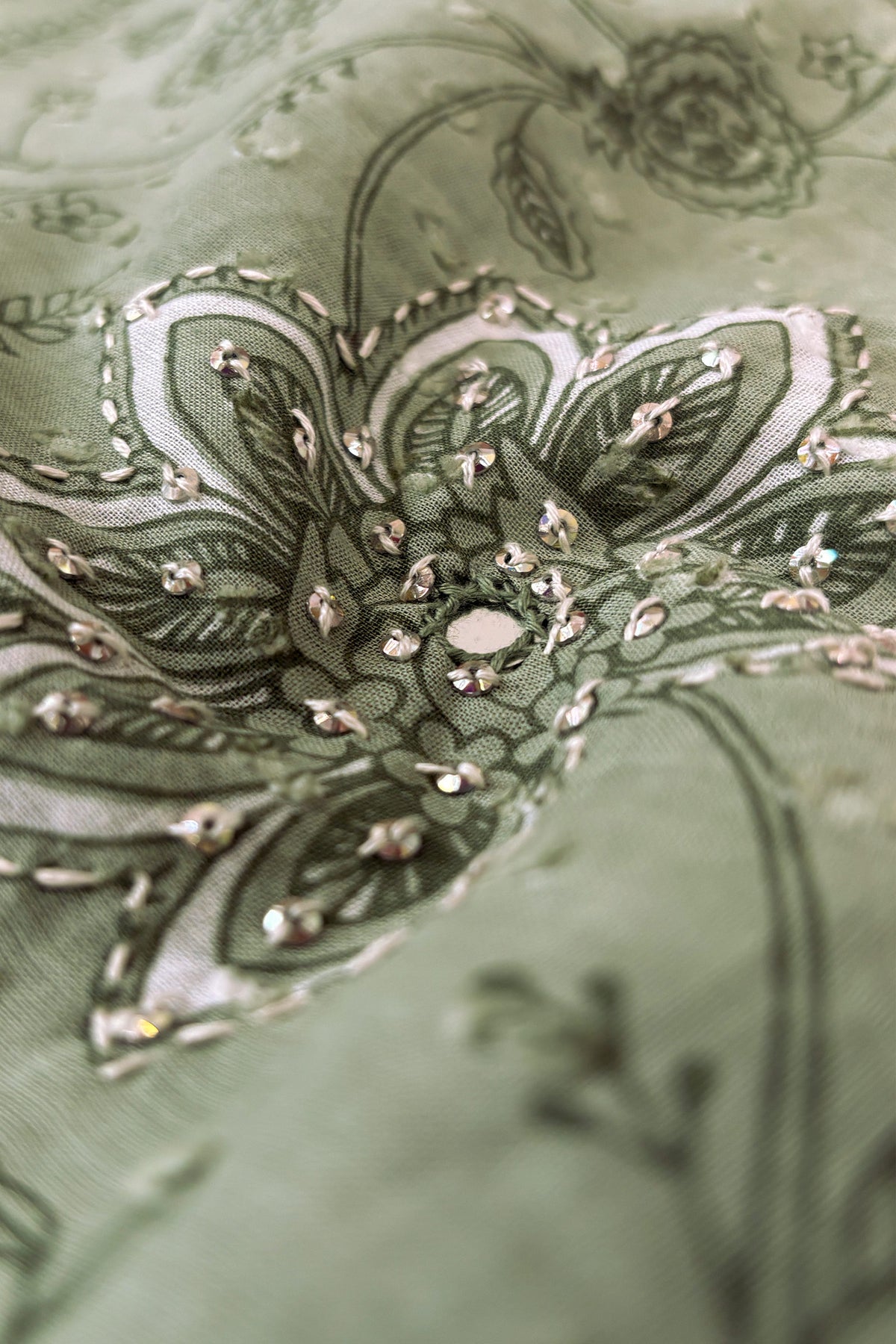
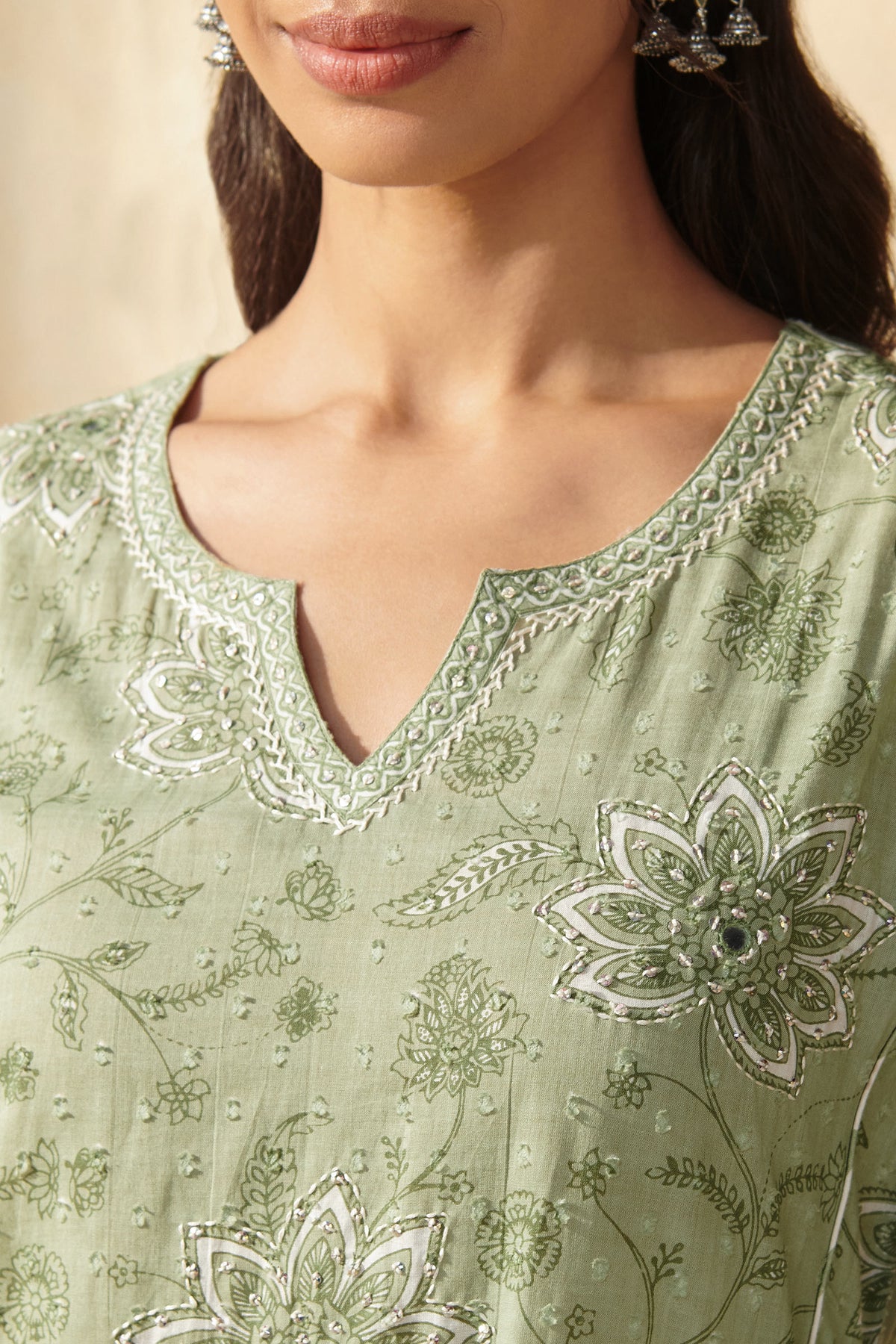
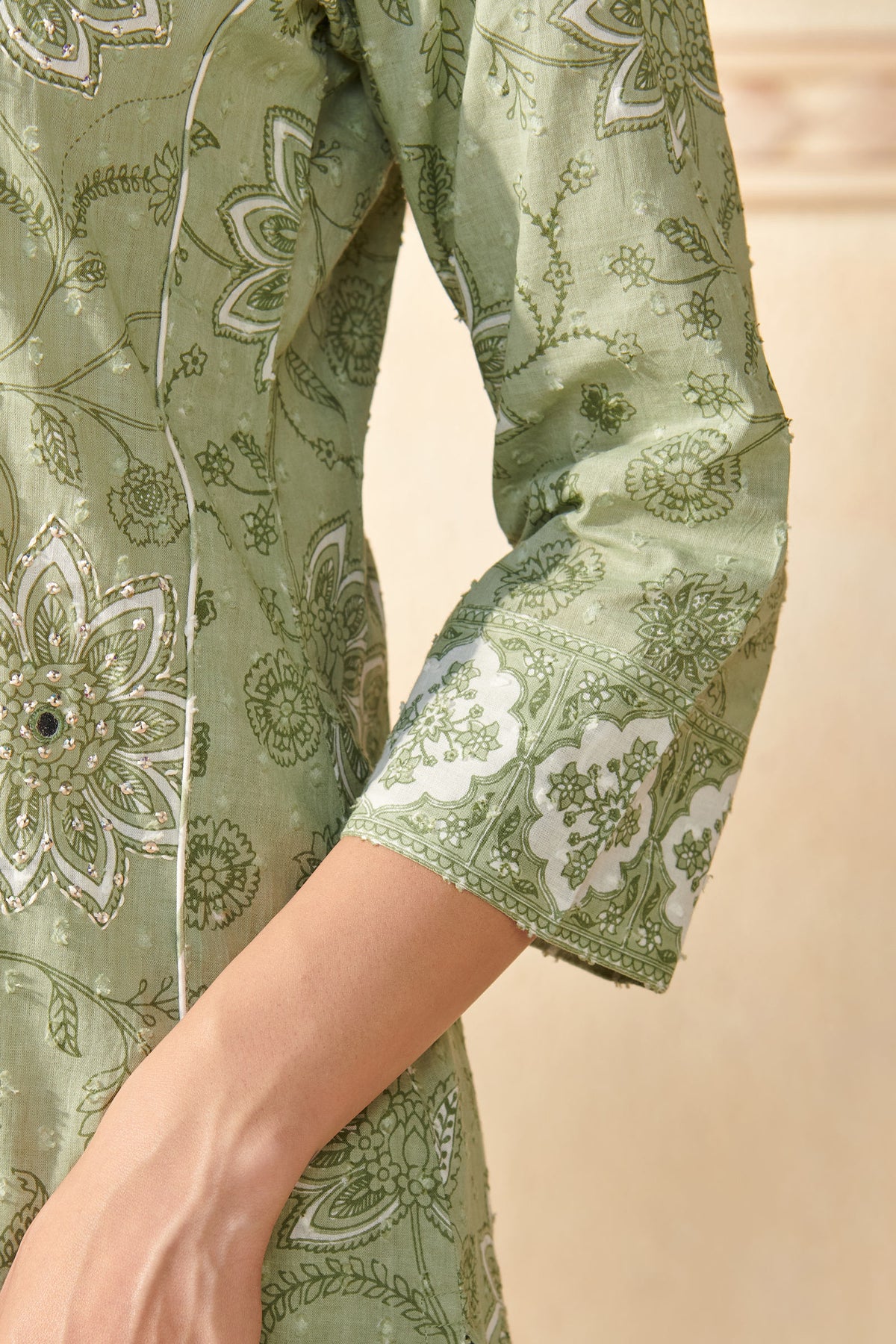
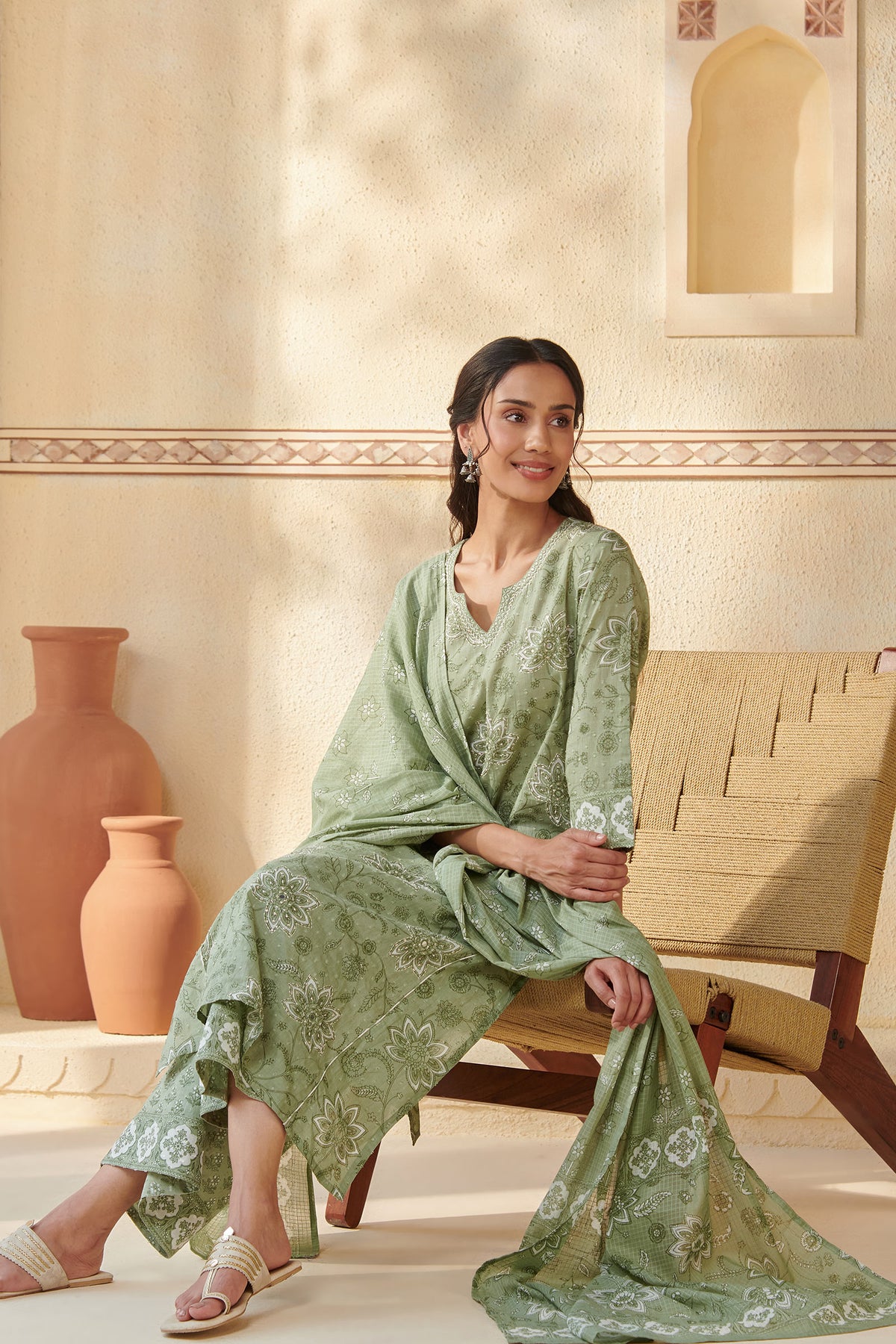
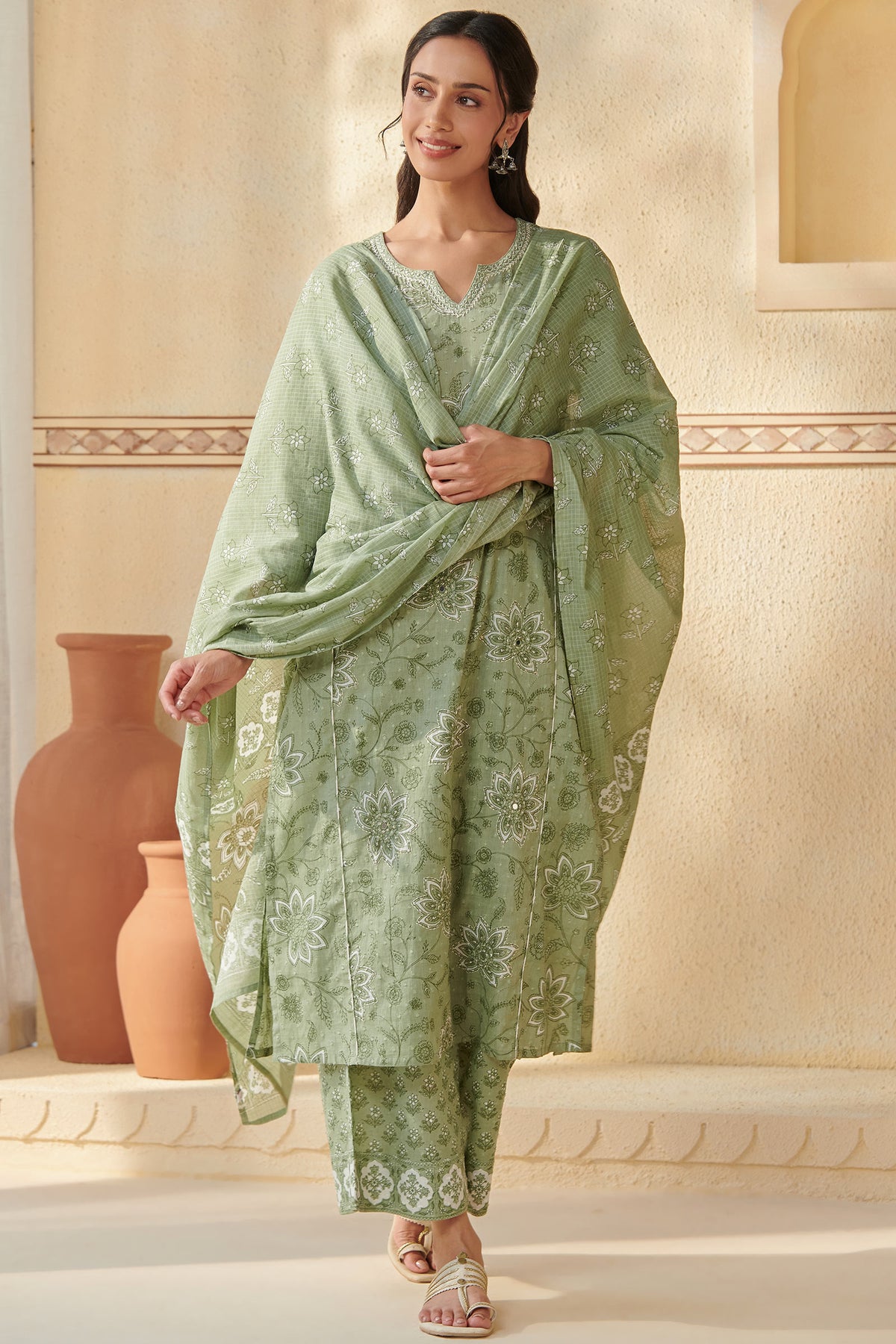
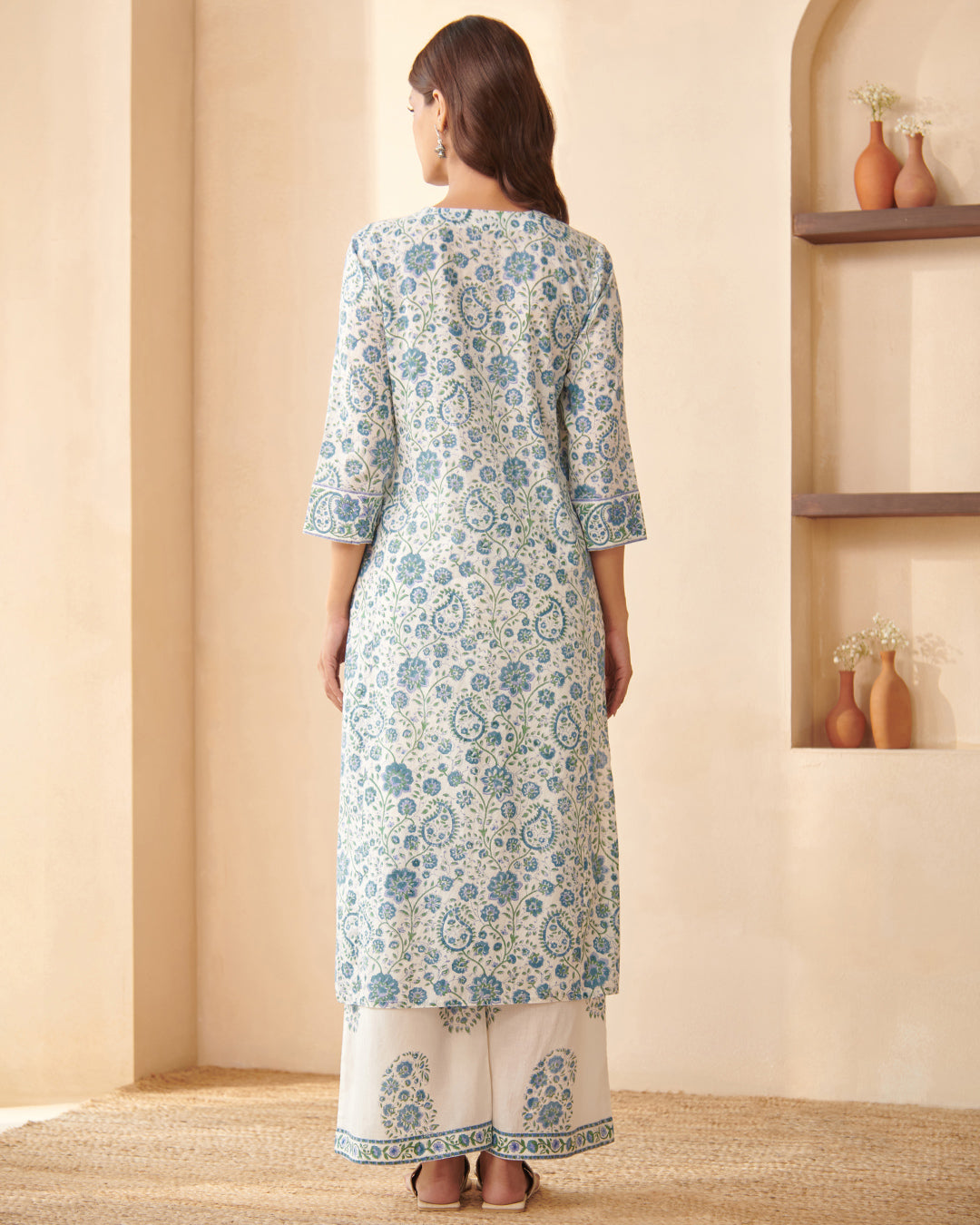
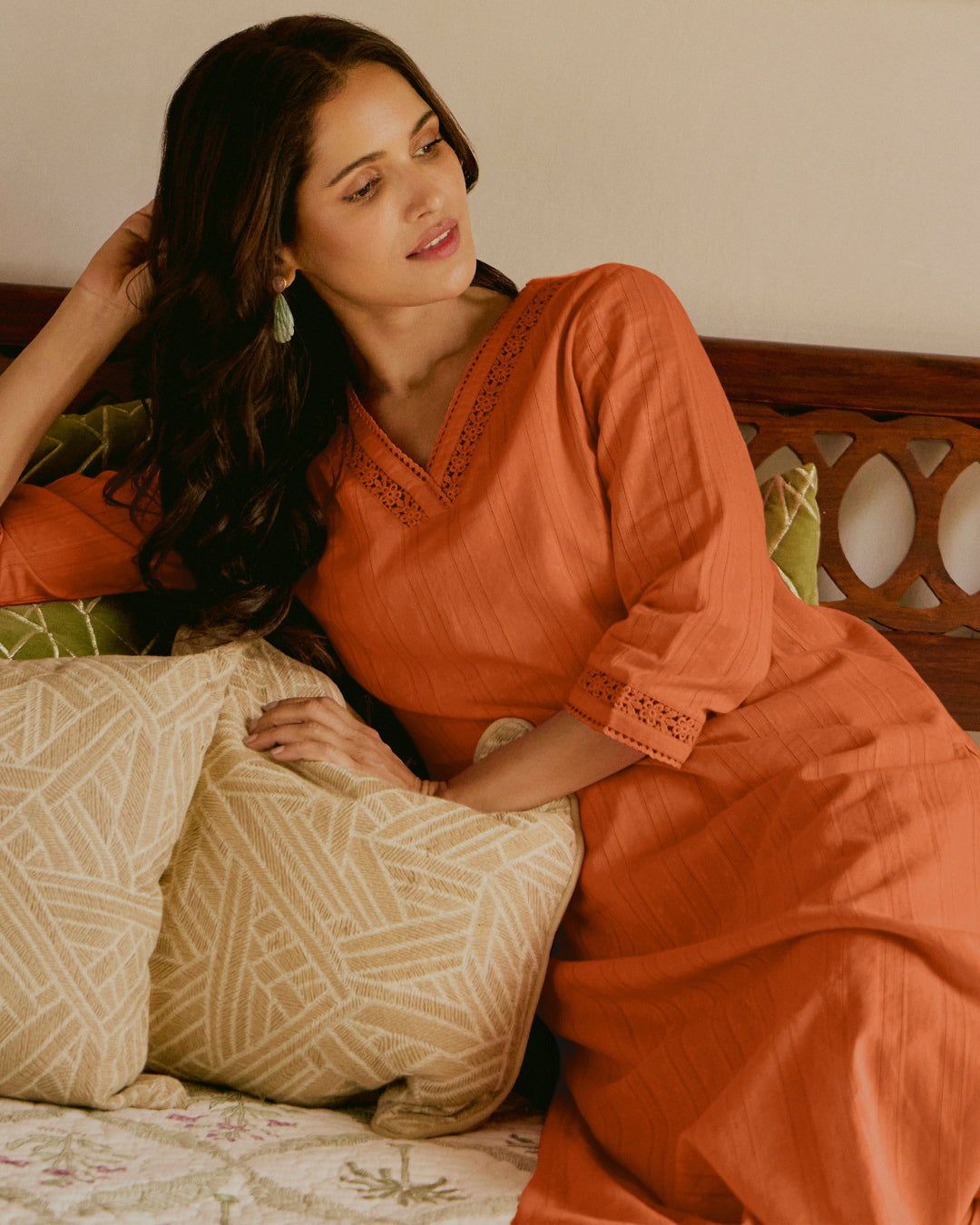
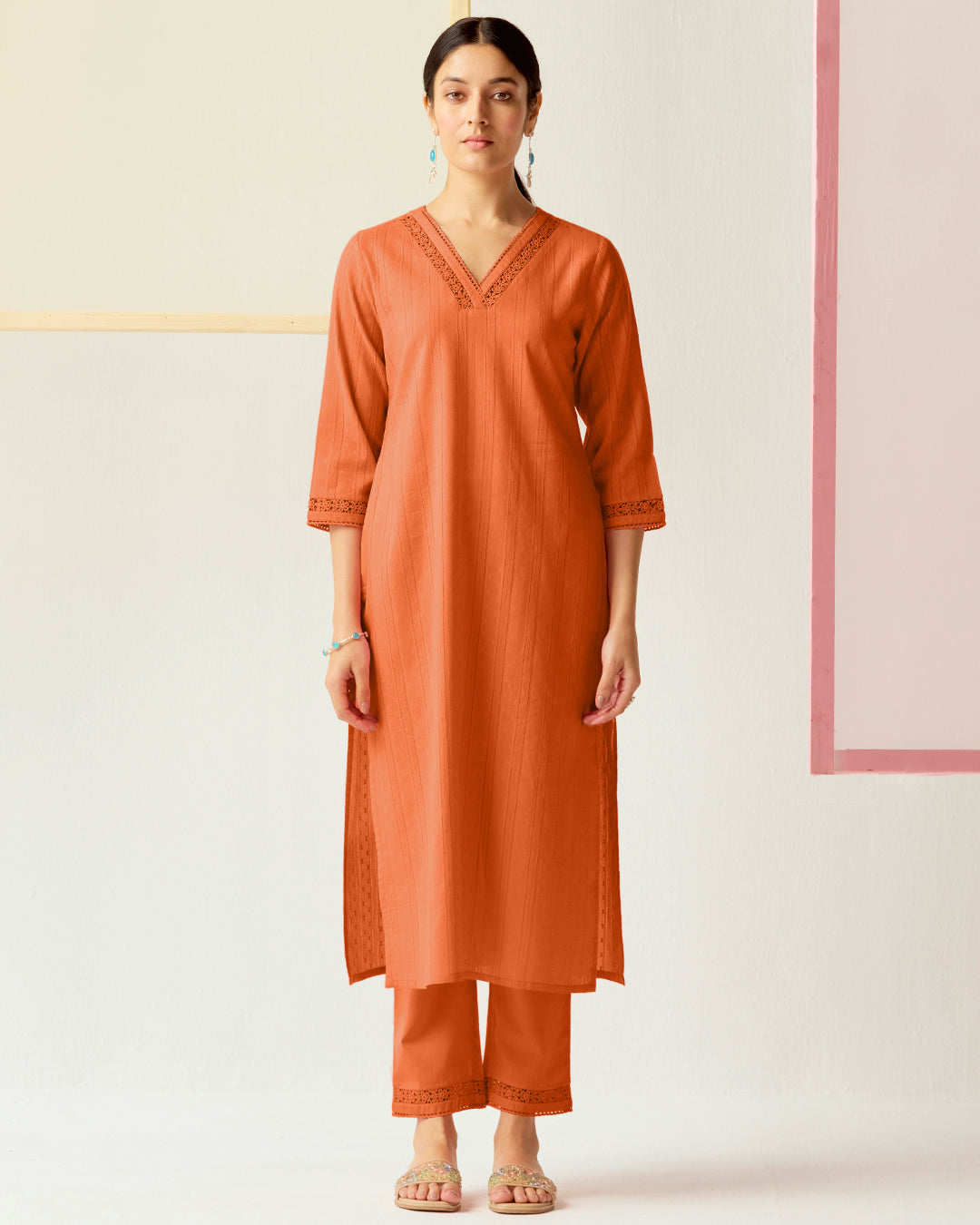
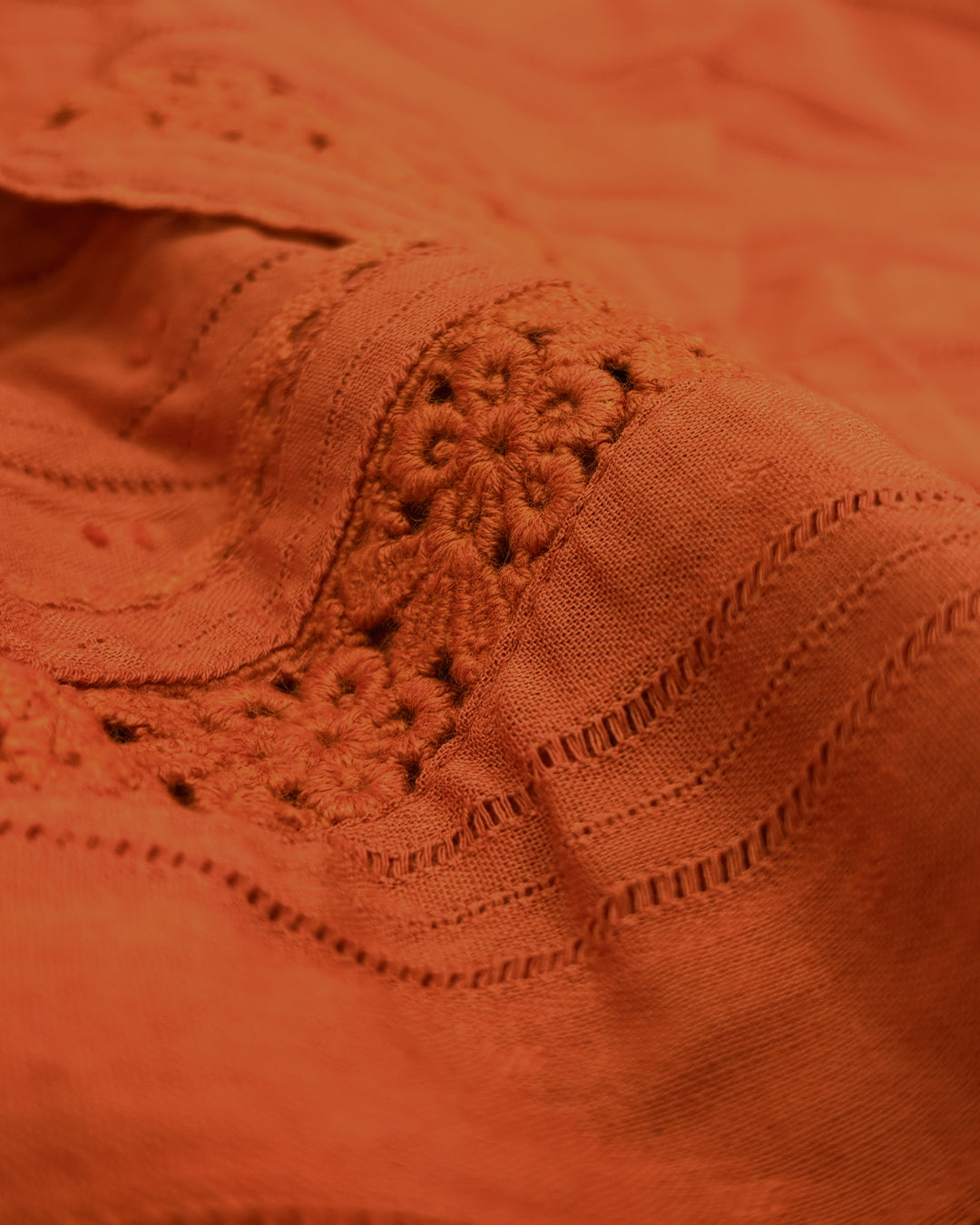
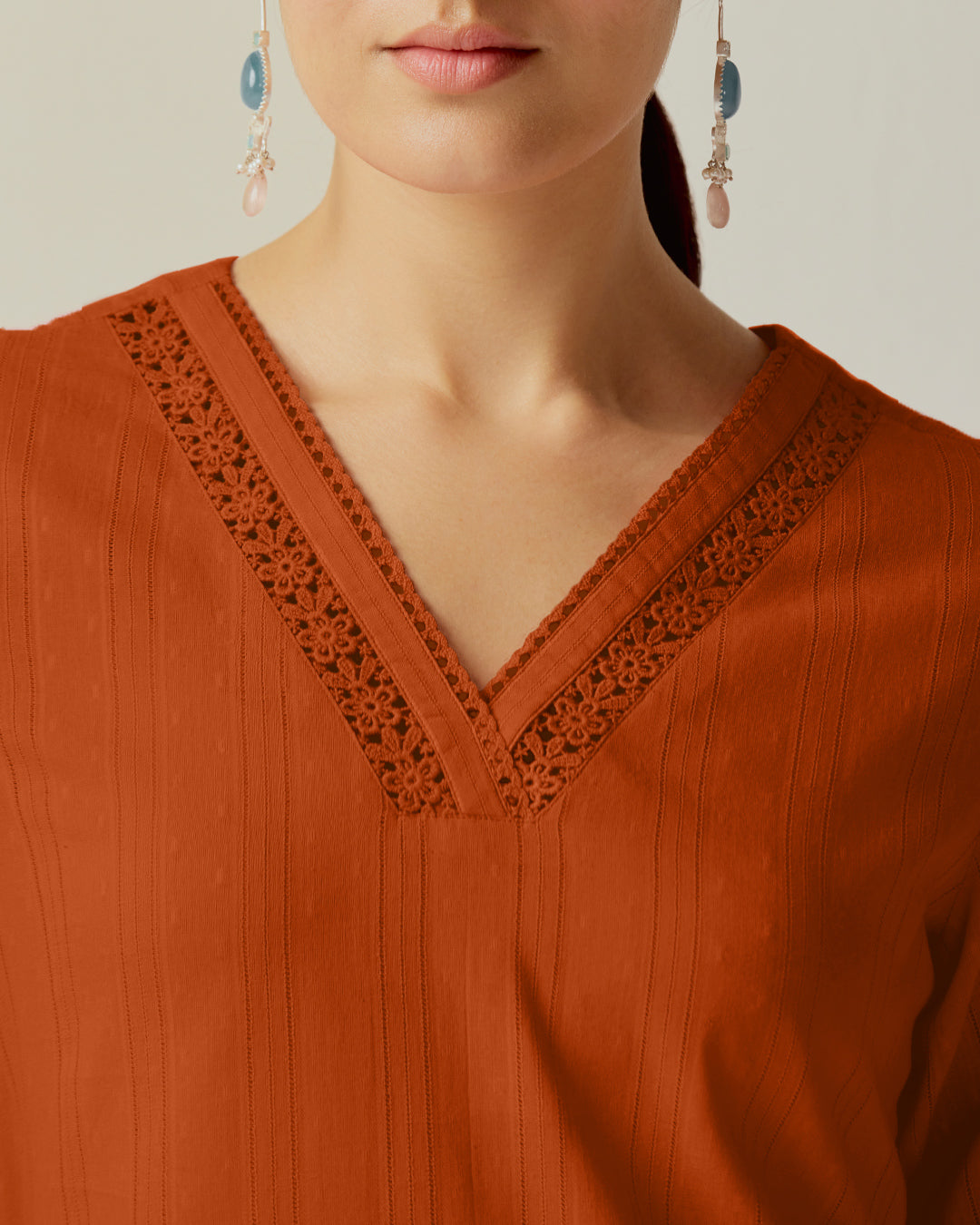
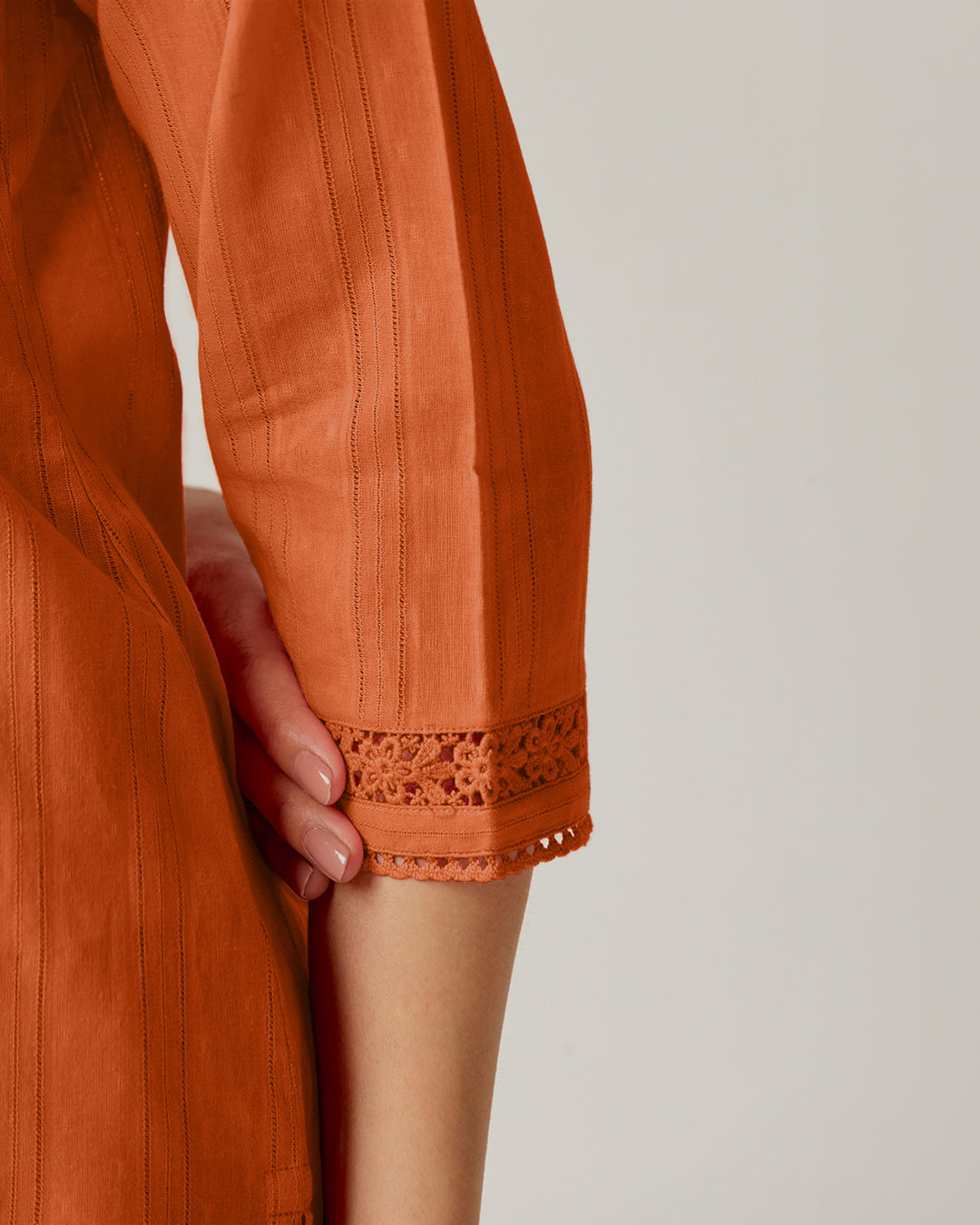
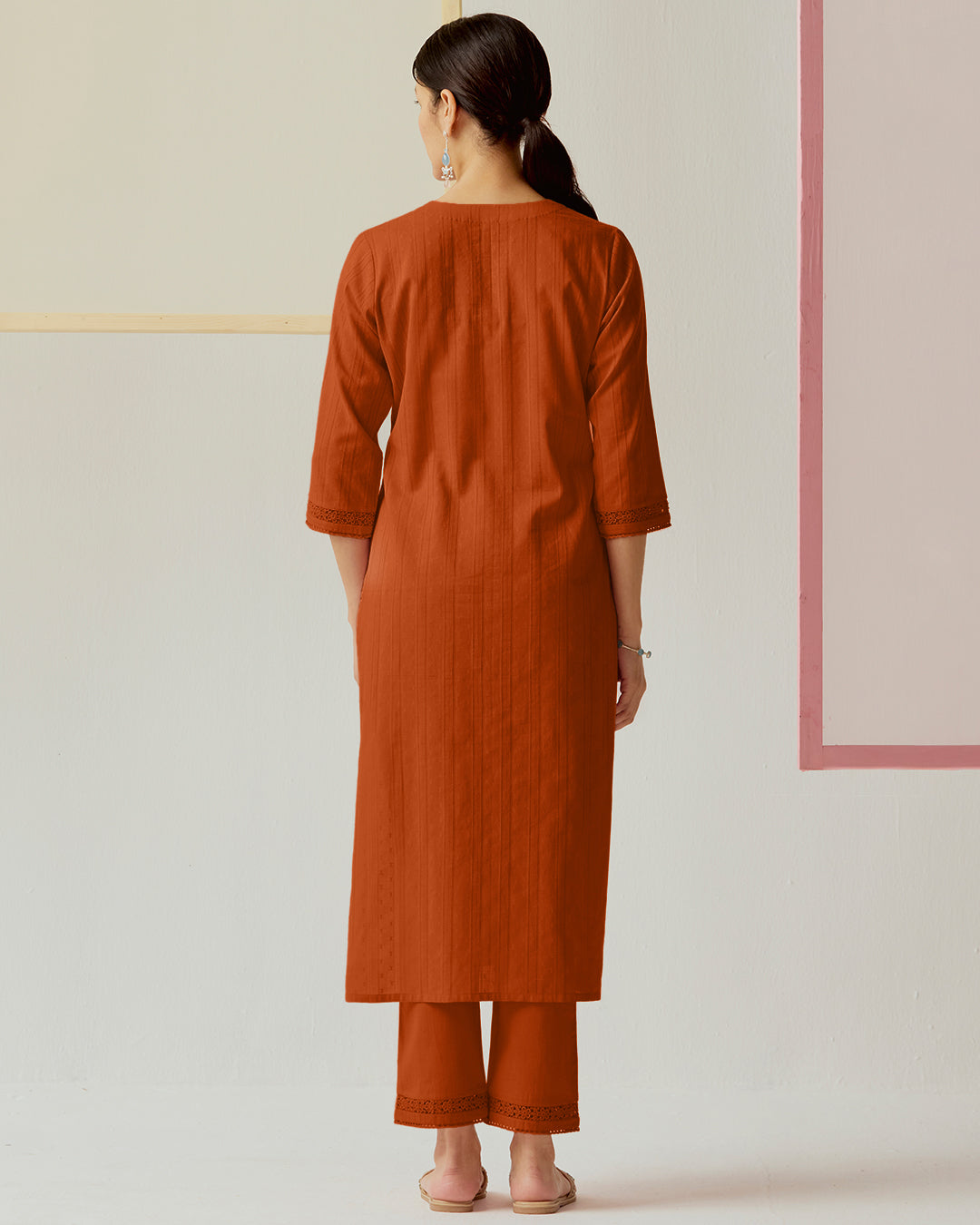
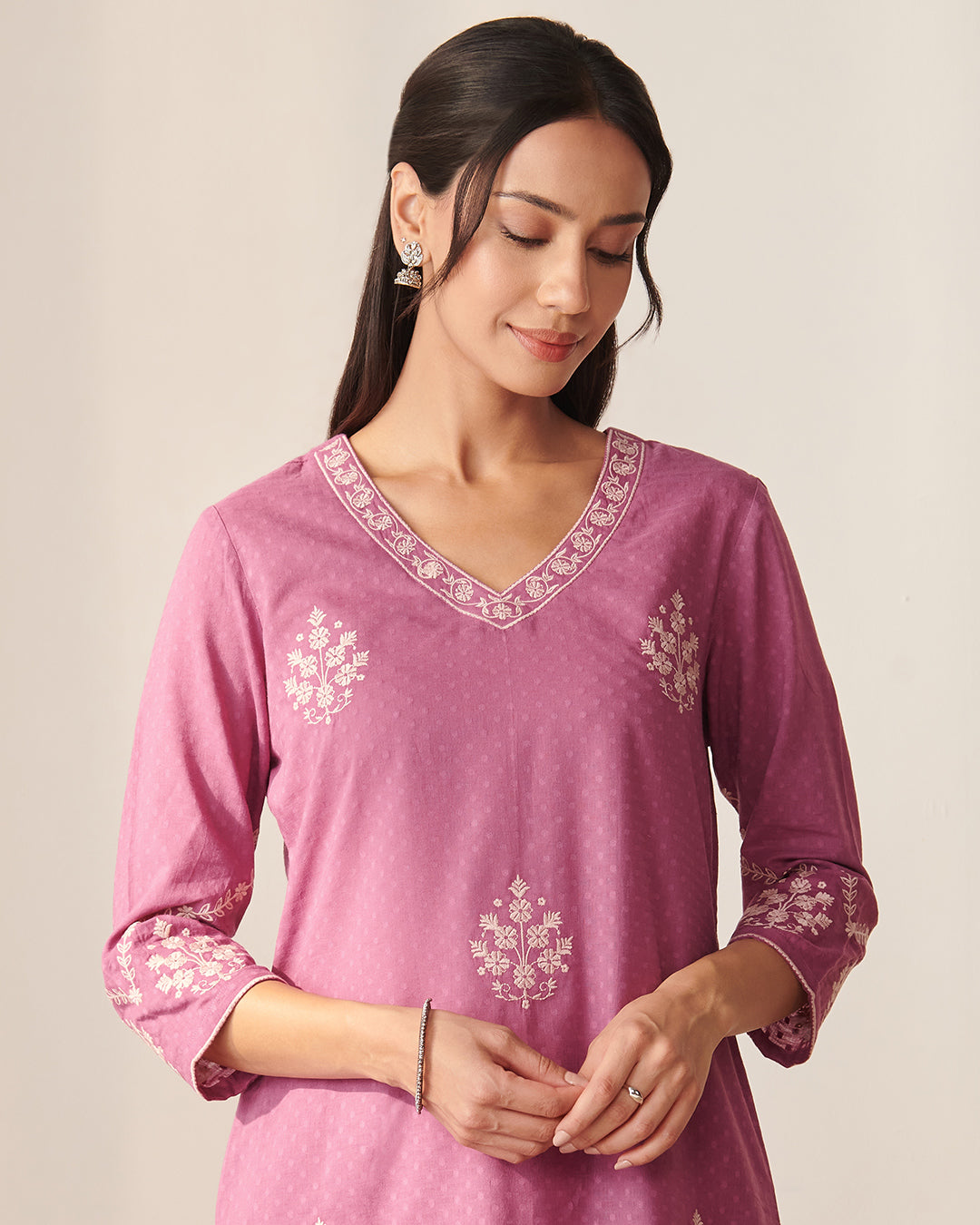
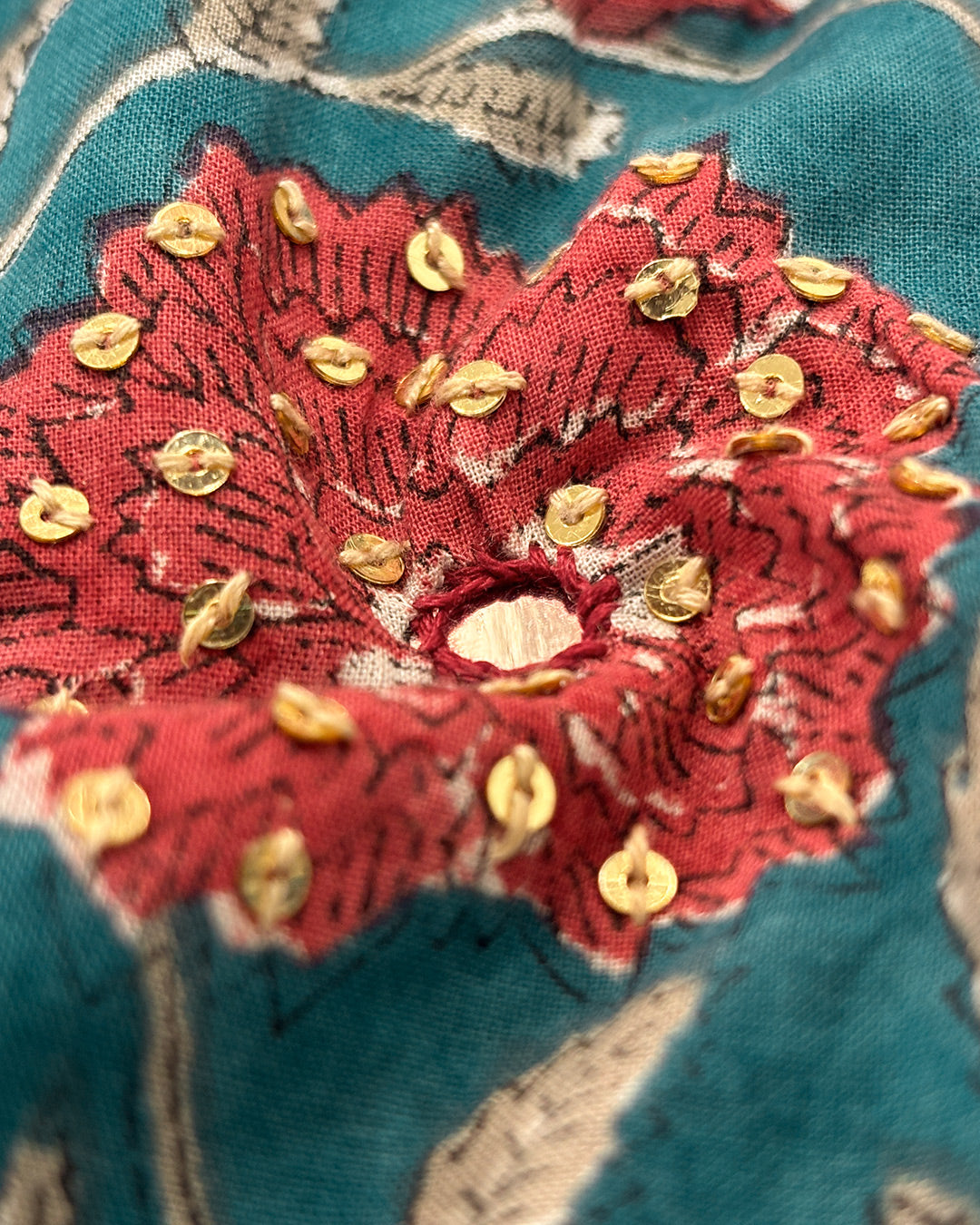
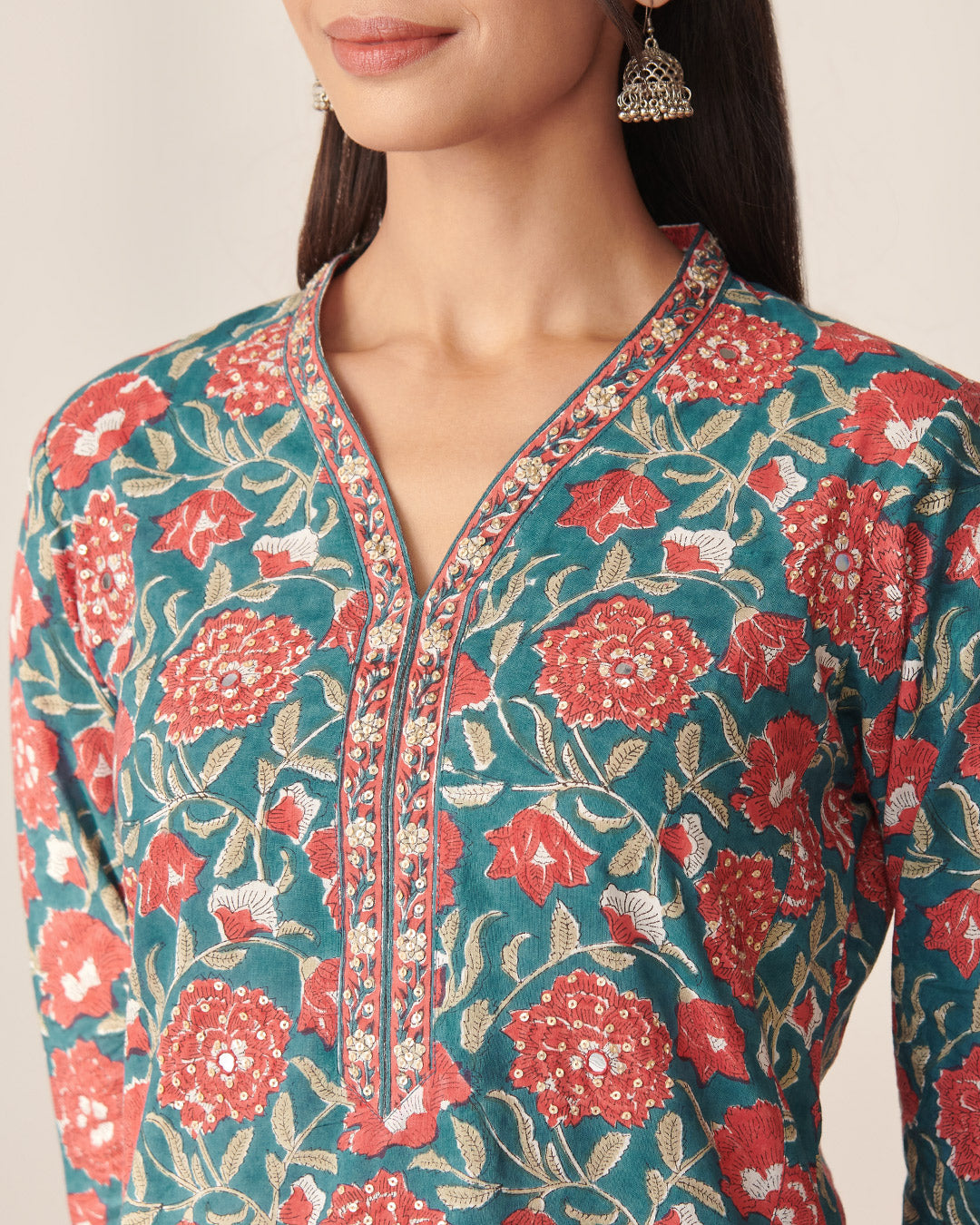
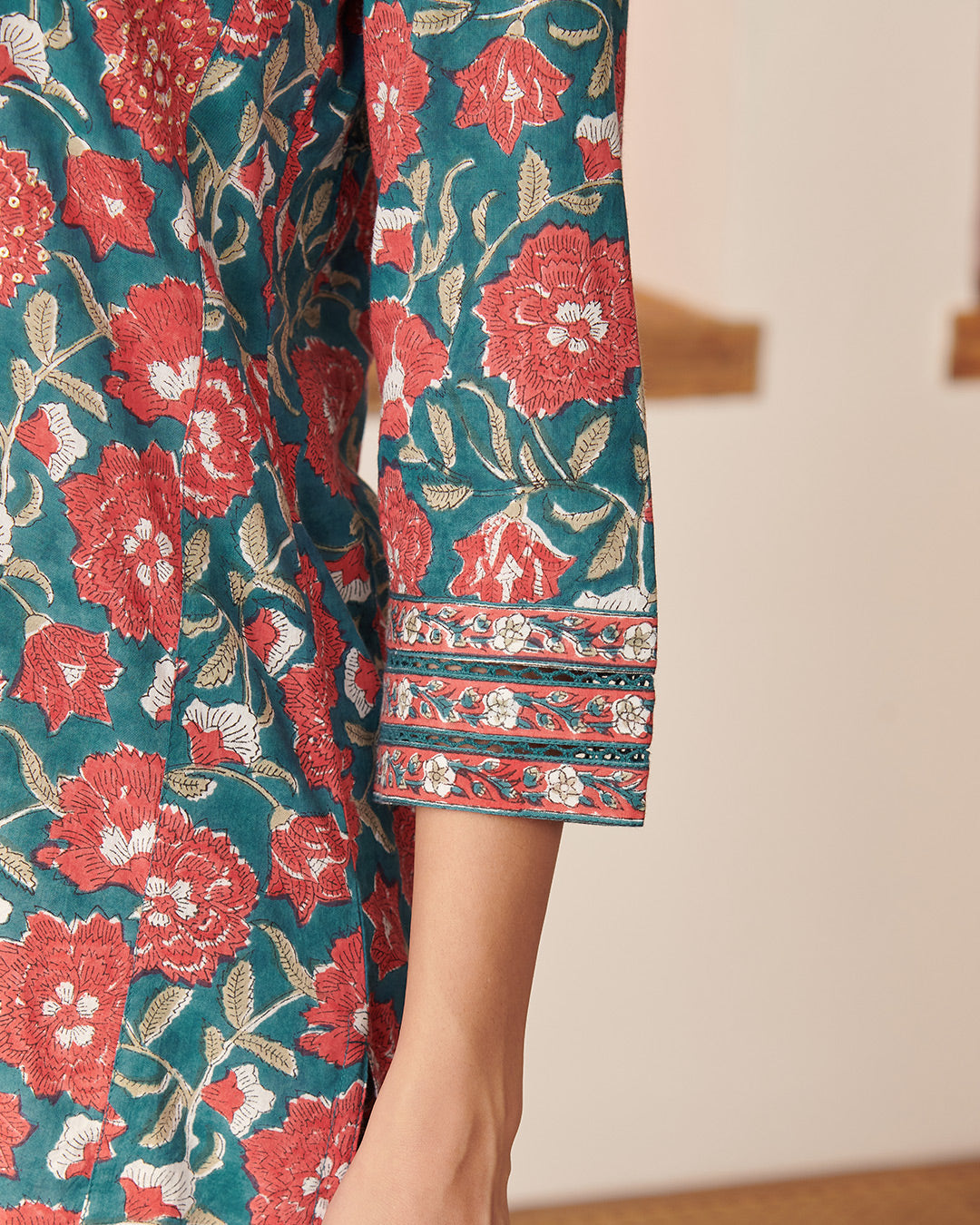
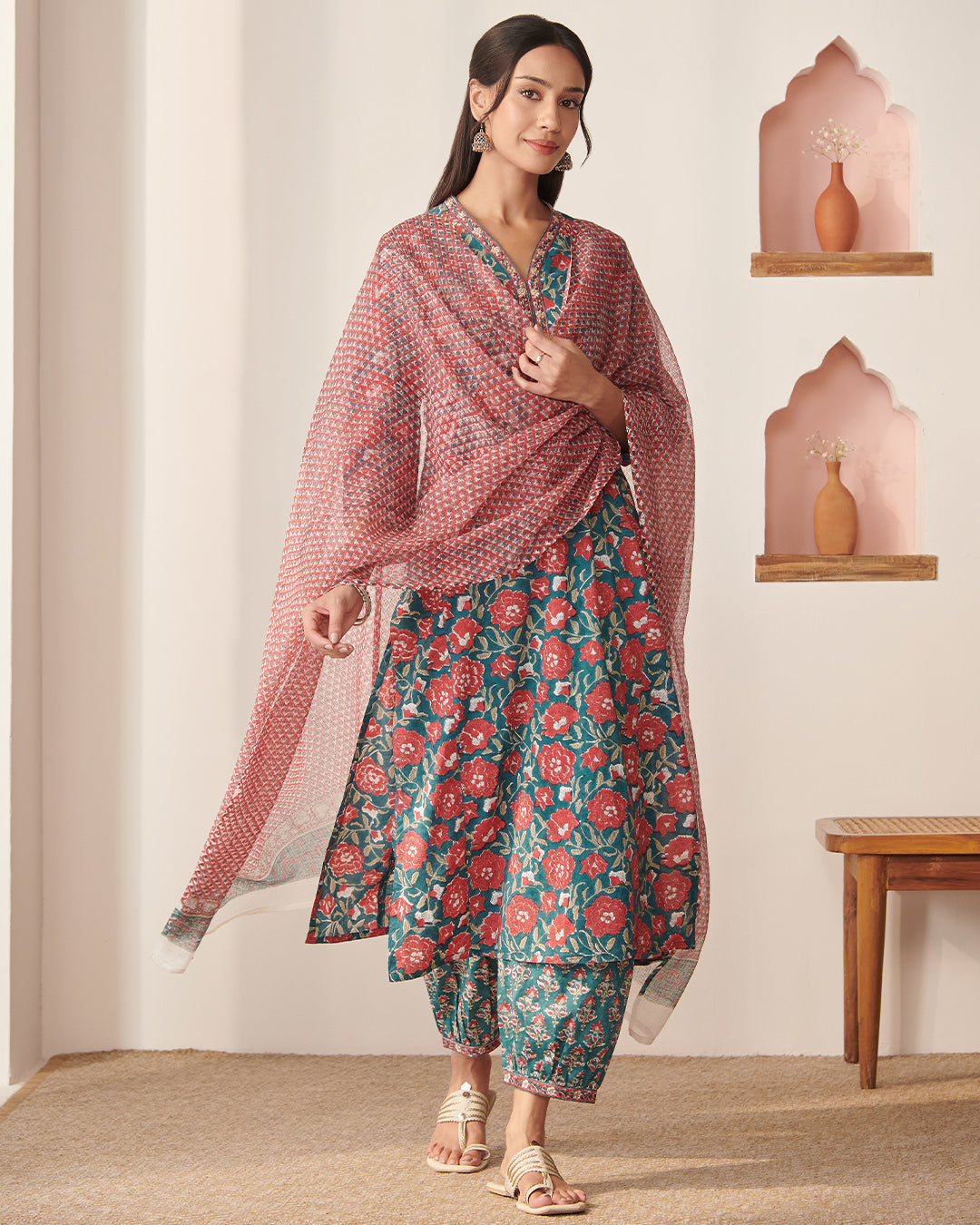
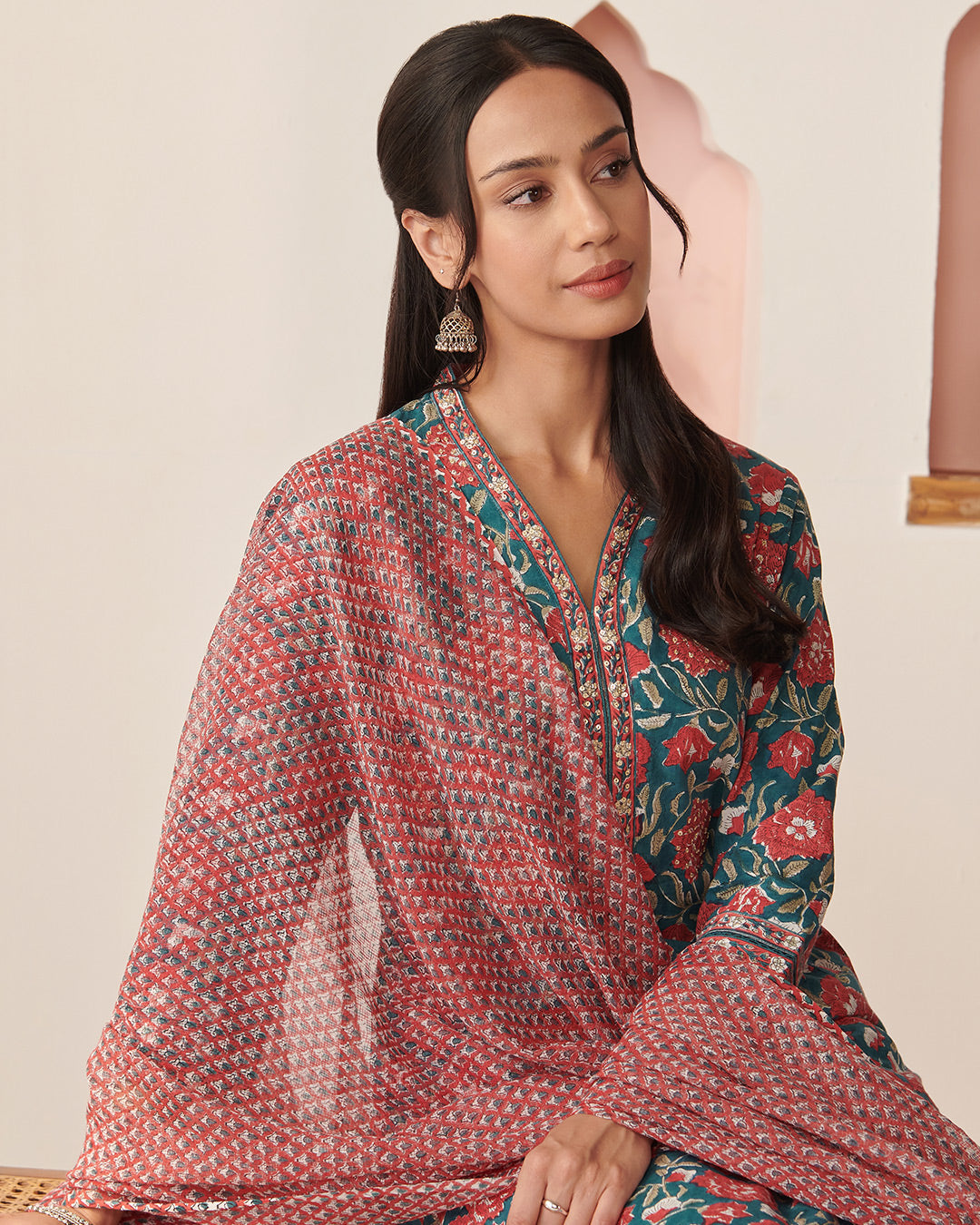
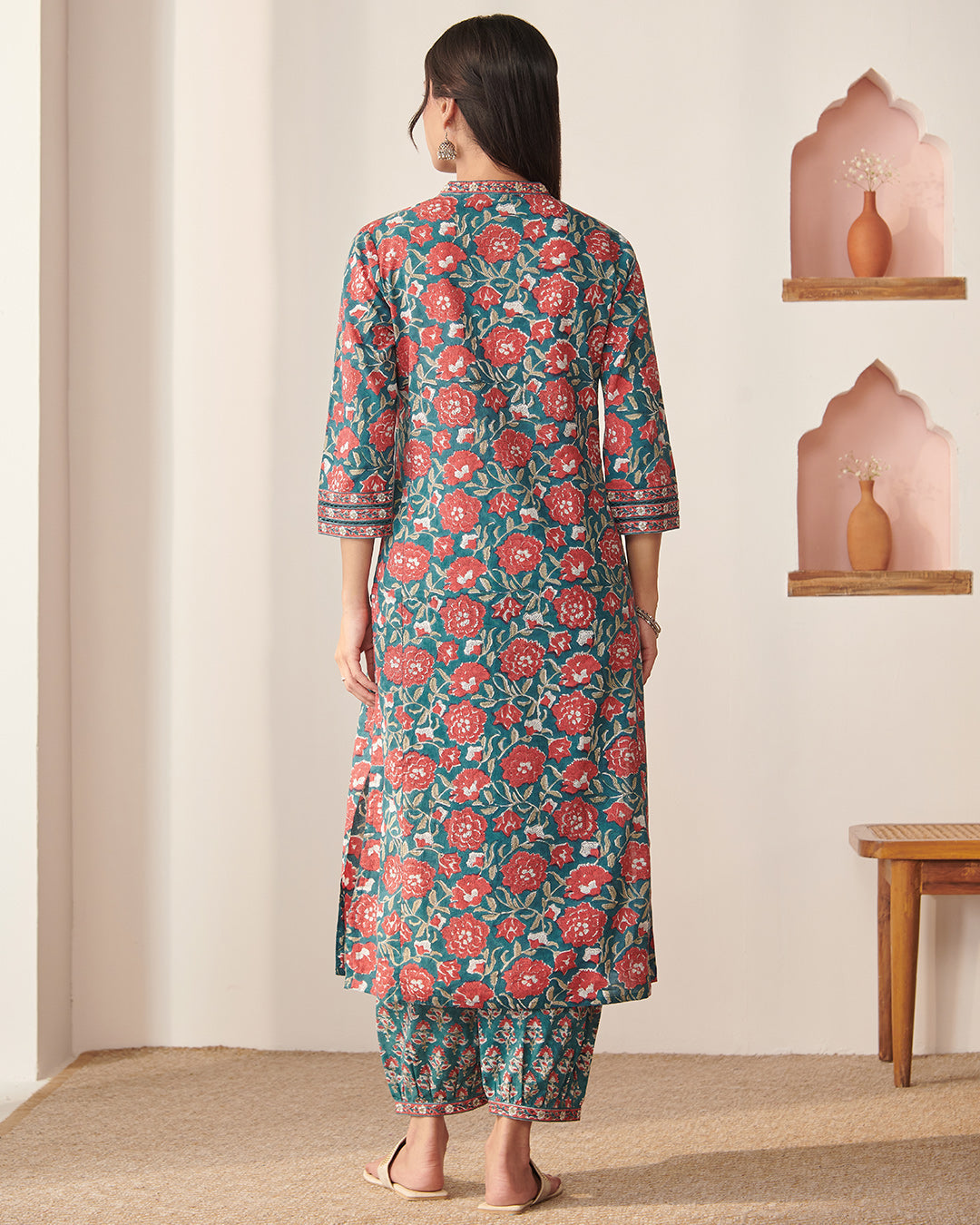
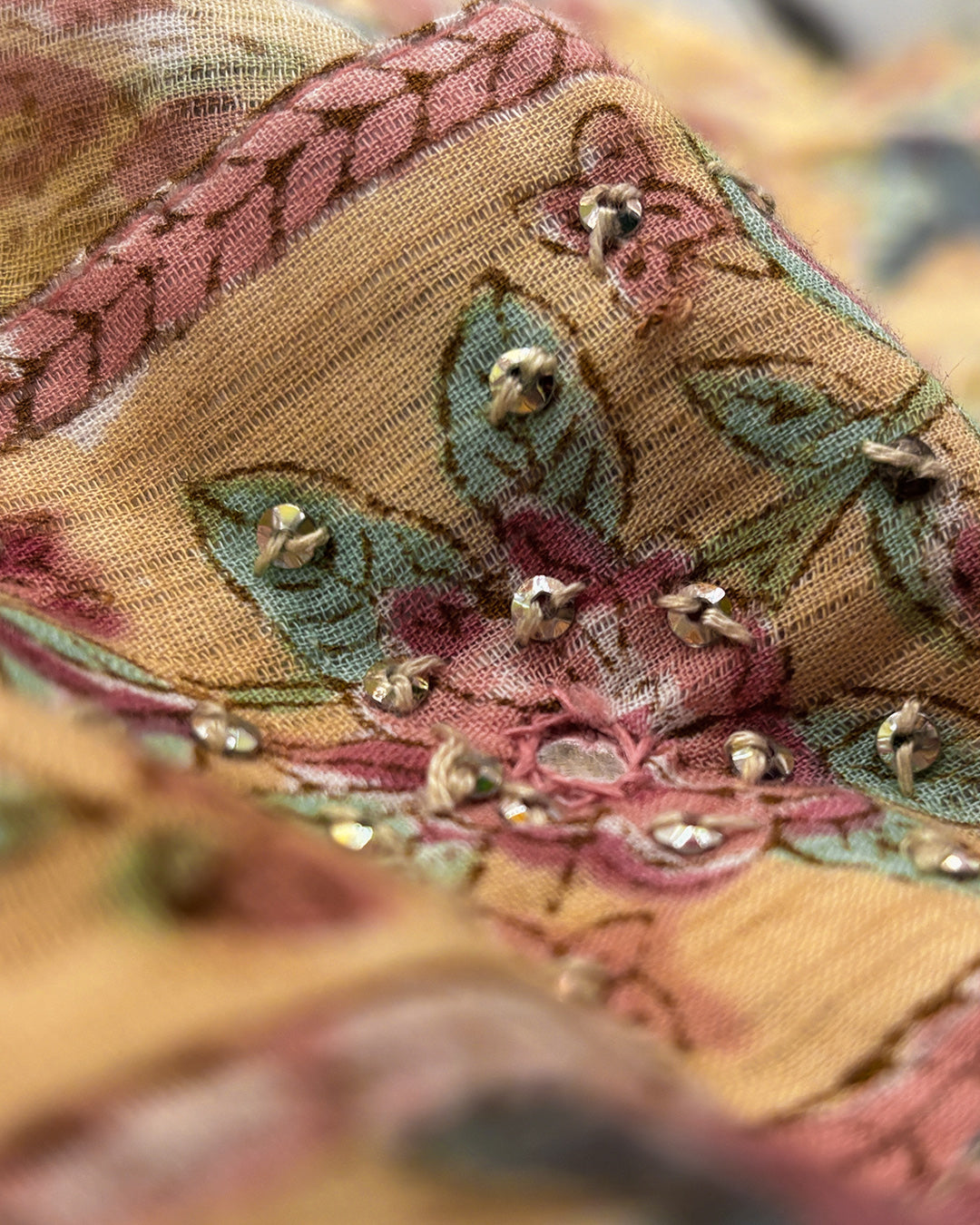
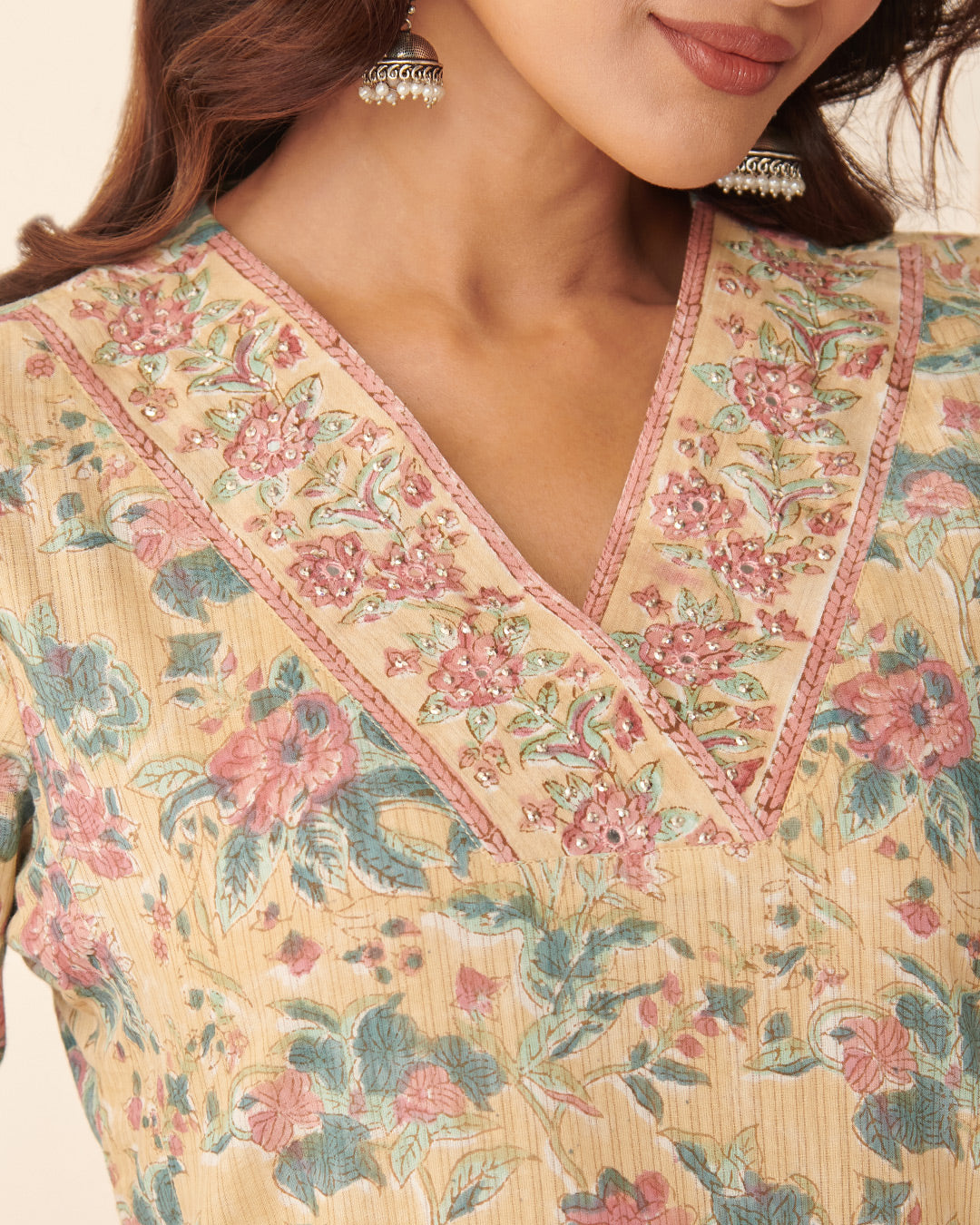
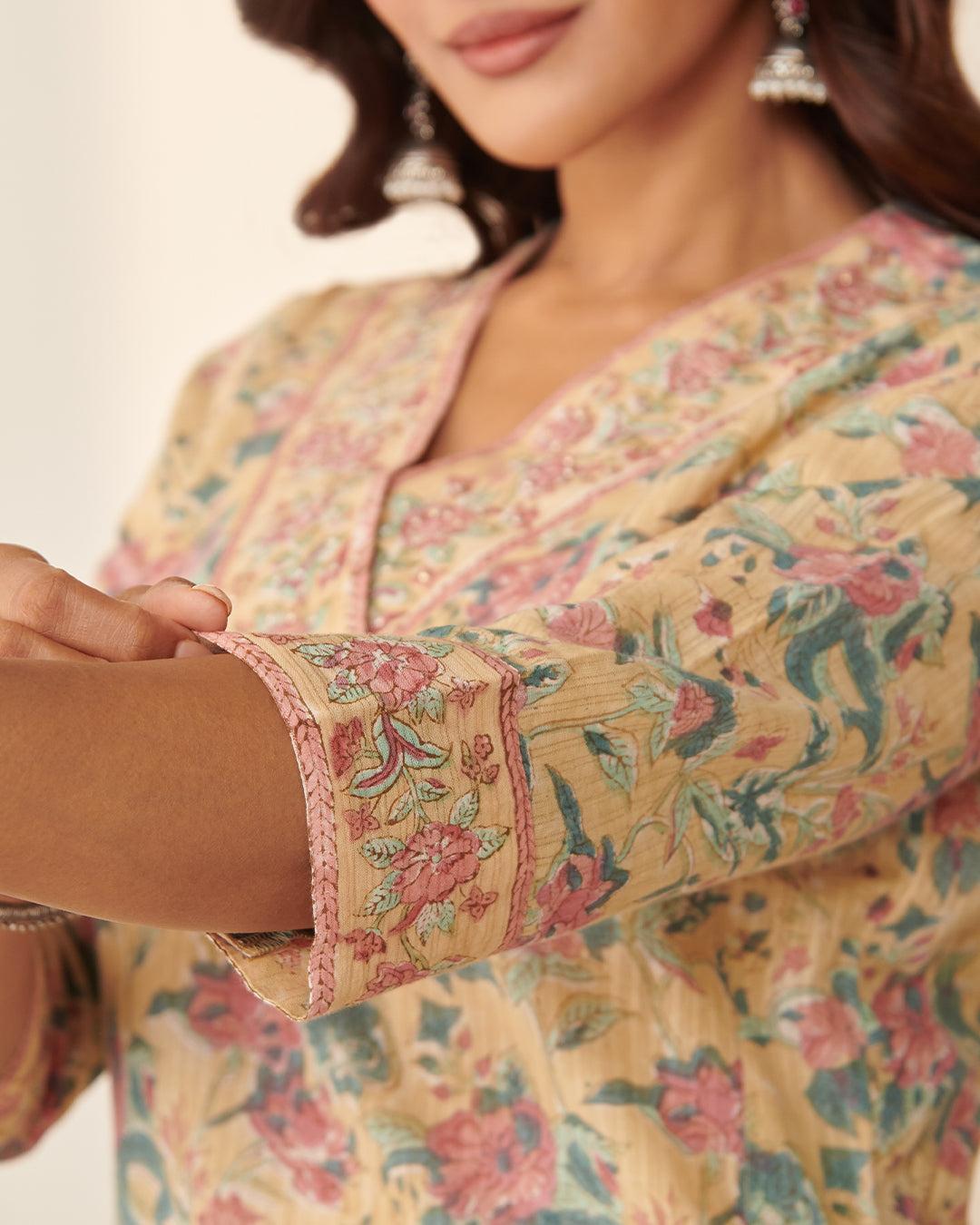
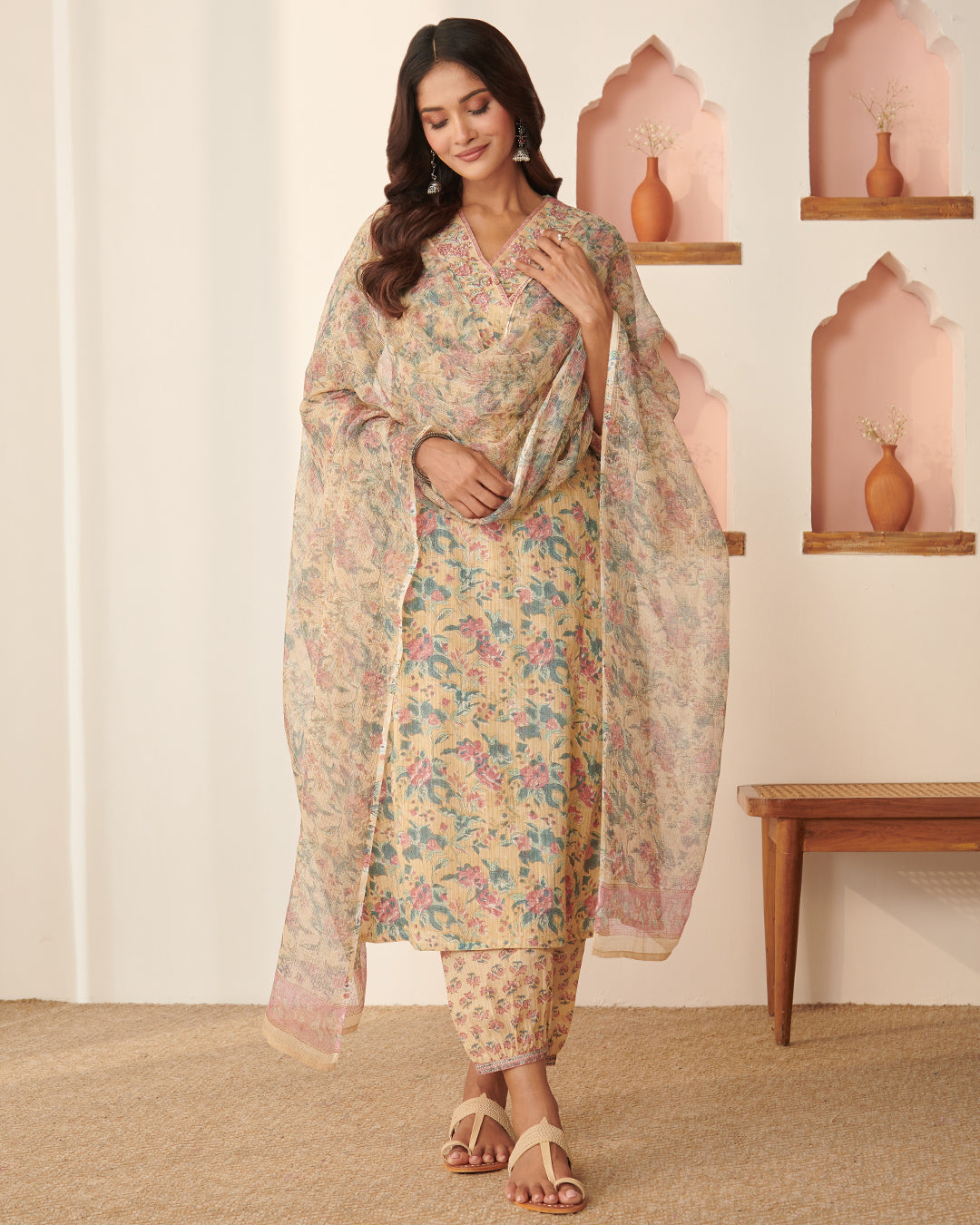
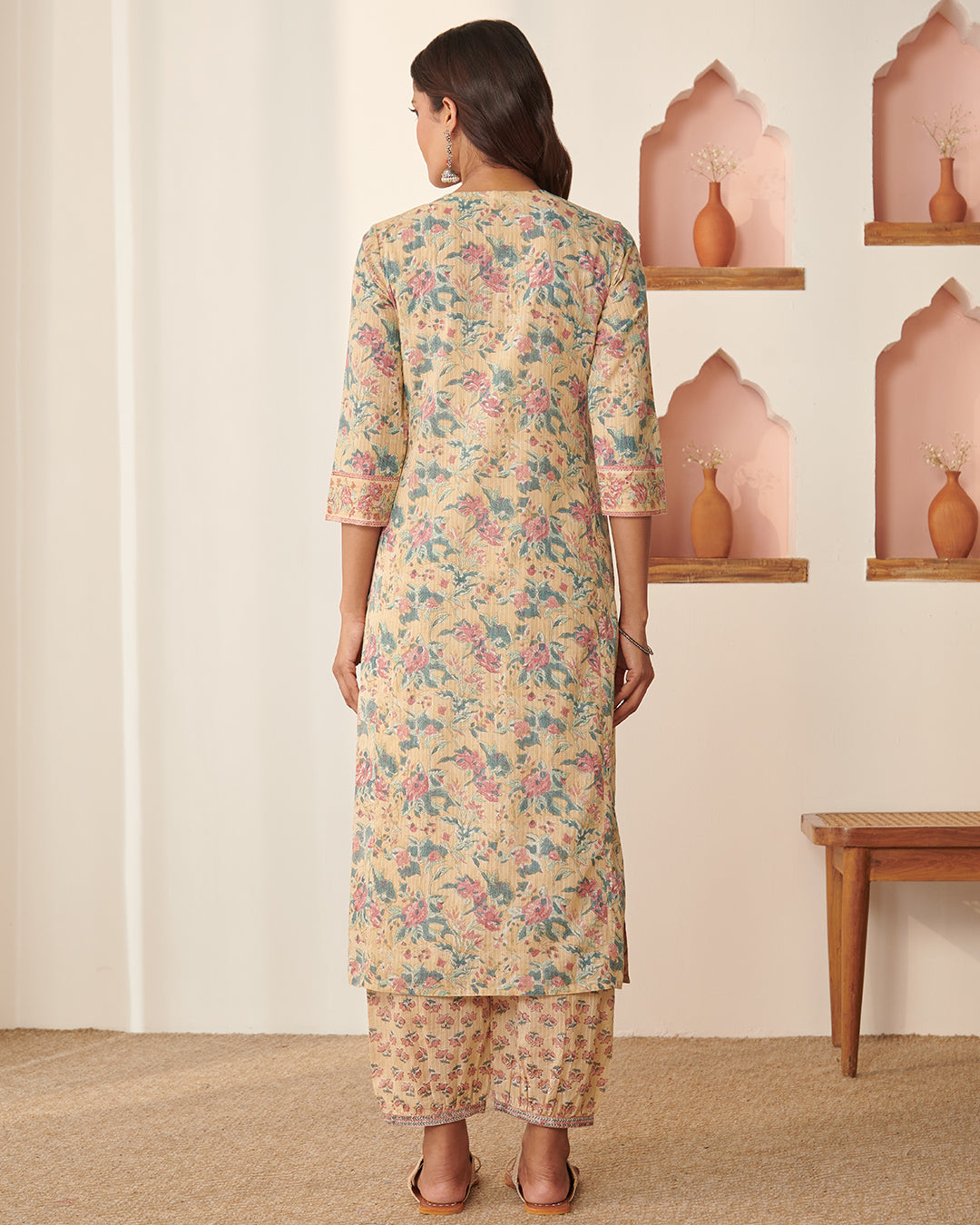
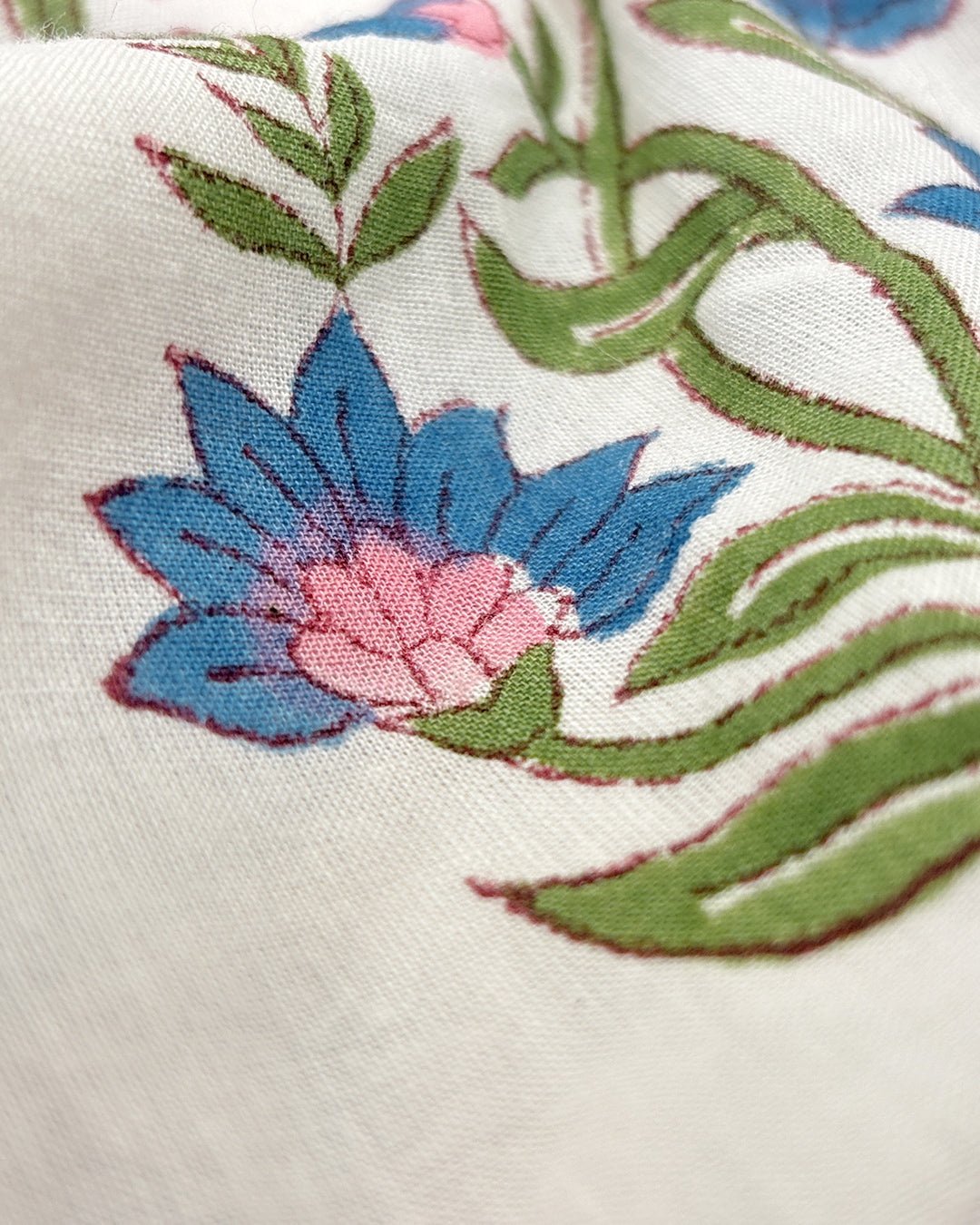
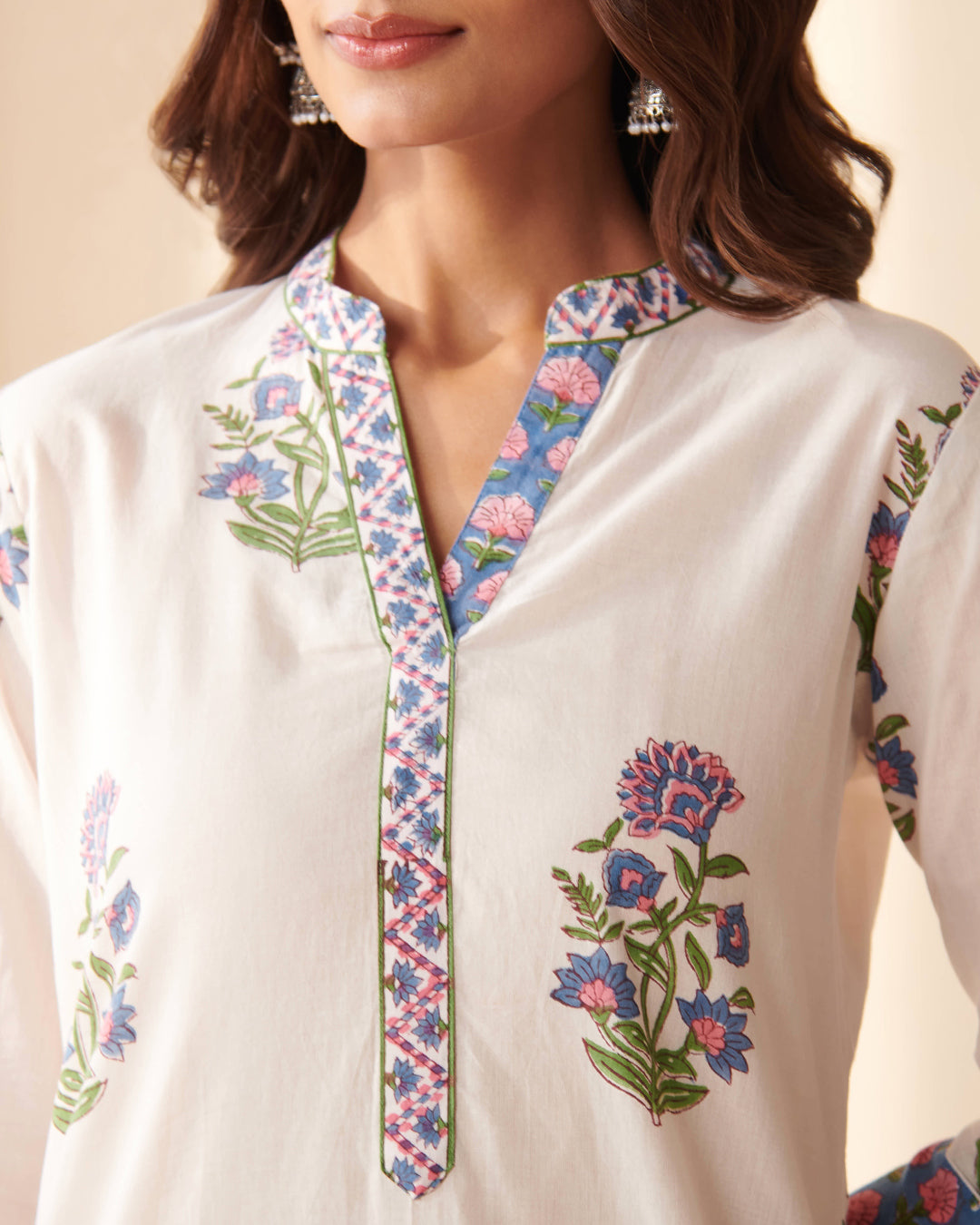
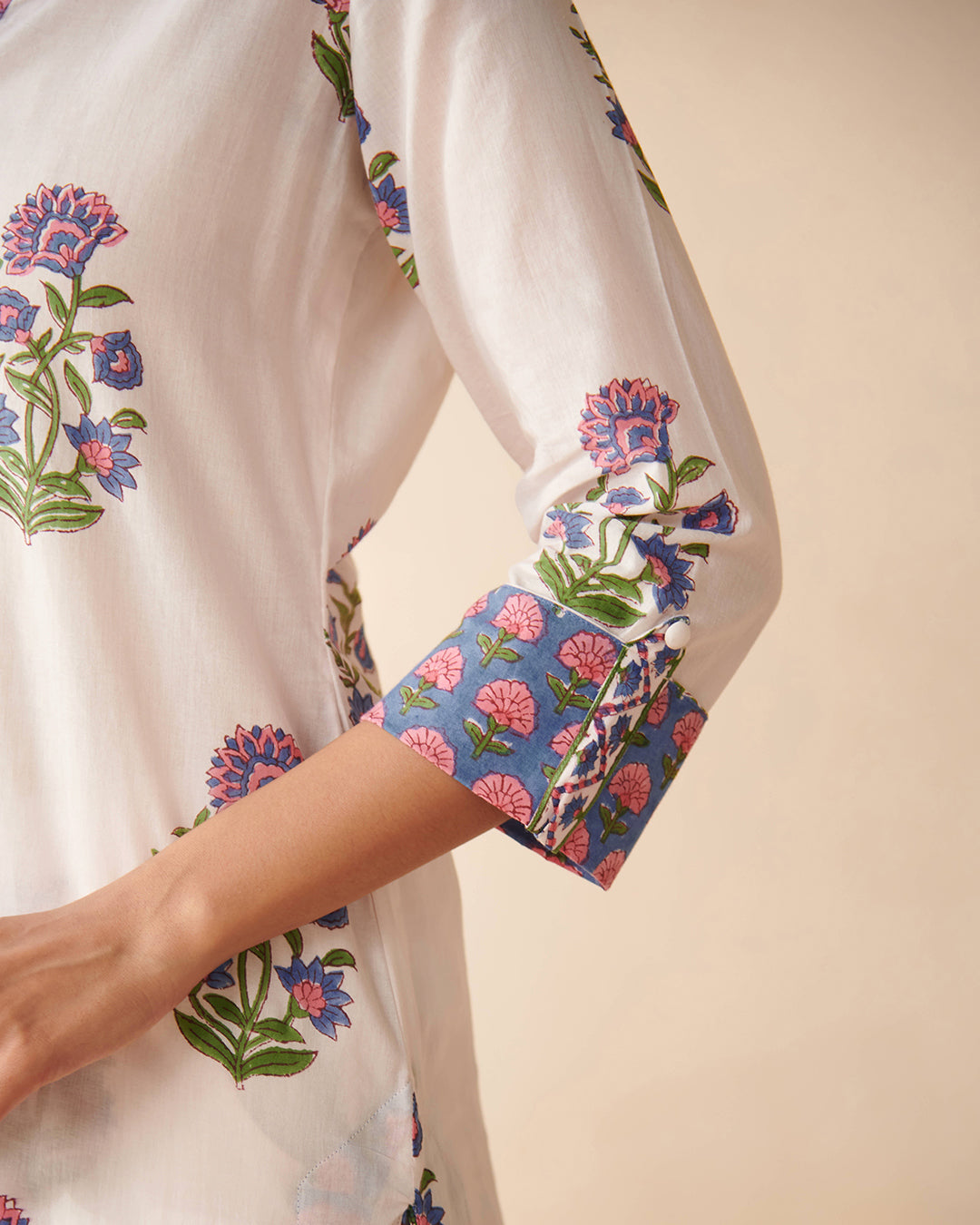
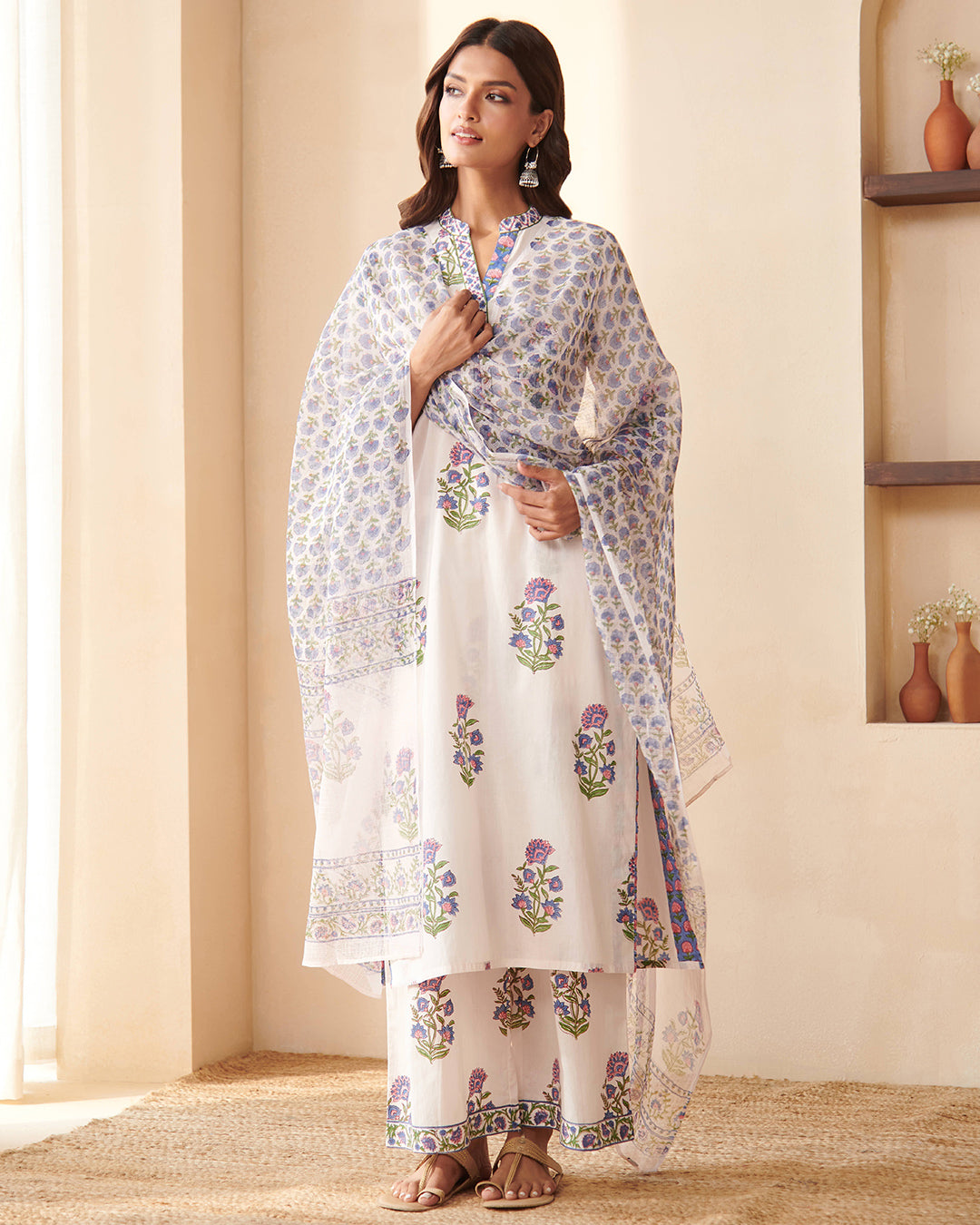
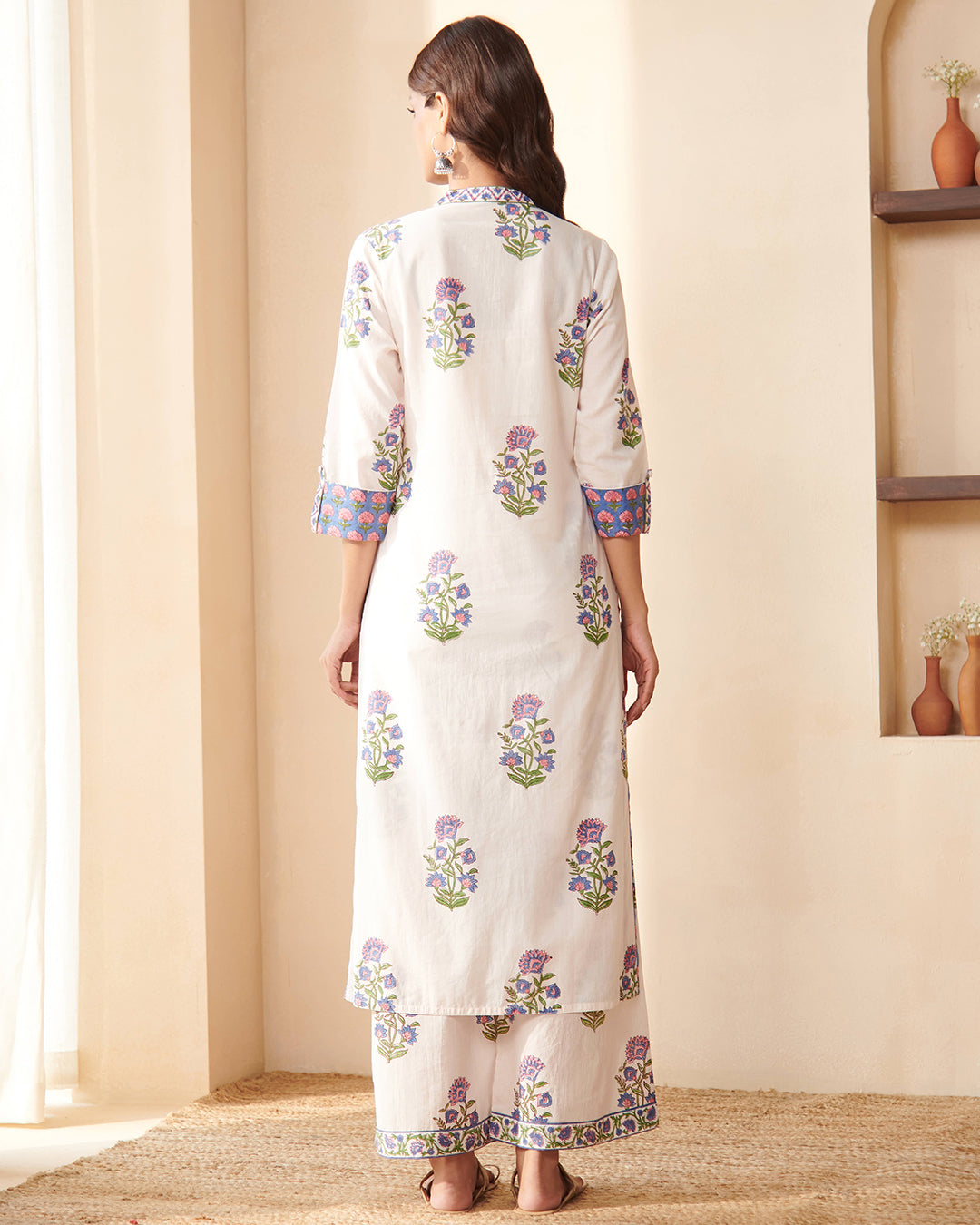


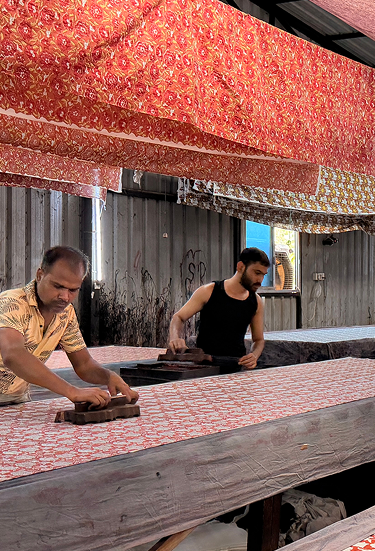
Pick up a hand printed dupatta and a machine printed one side by side, and you'll feel the difference before you even notice it consciously. The hand printed one has these tiny imperfections, a slightly heavier patch of color here, a motif that's not quite lined up with the one next to it there. It's proof someone actually made this with their hands, not a machine that spat out a thousand identical copies in an hour.
This piece is about that process. How an ordinary length of cotton turns into something you'd actually want to wear out.
The Art of Hand Printing Dupattas in India

A Heritage Craft That Continues Today
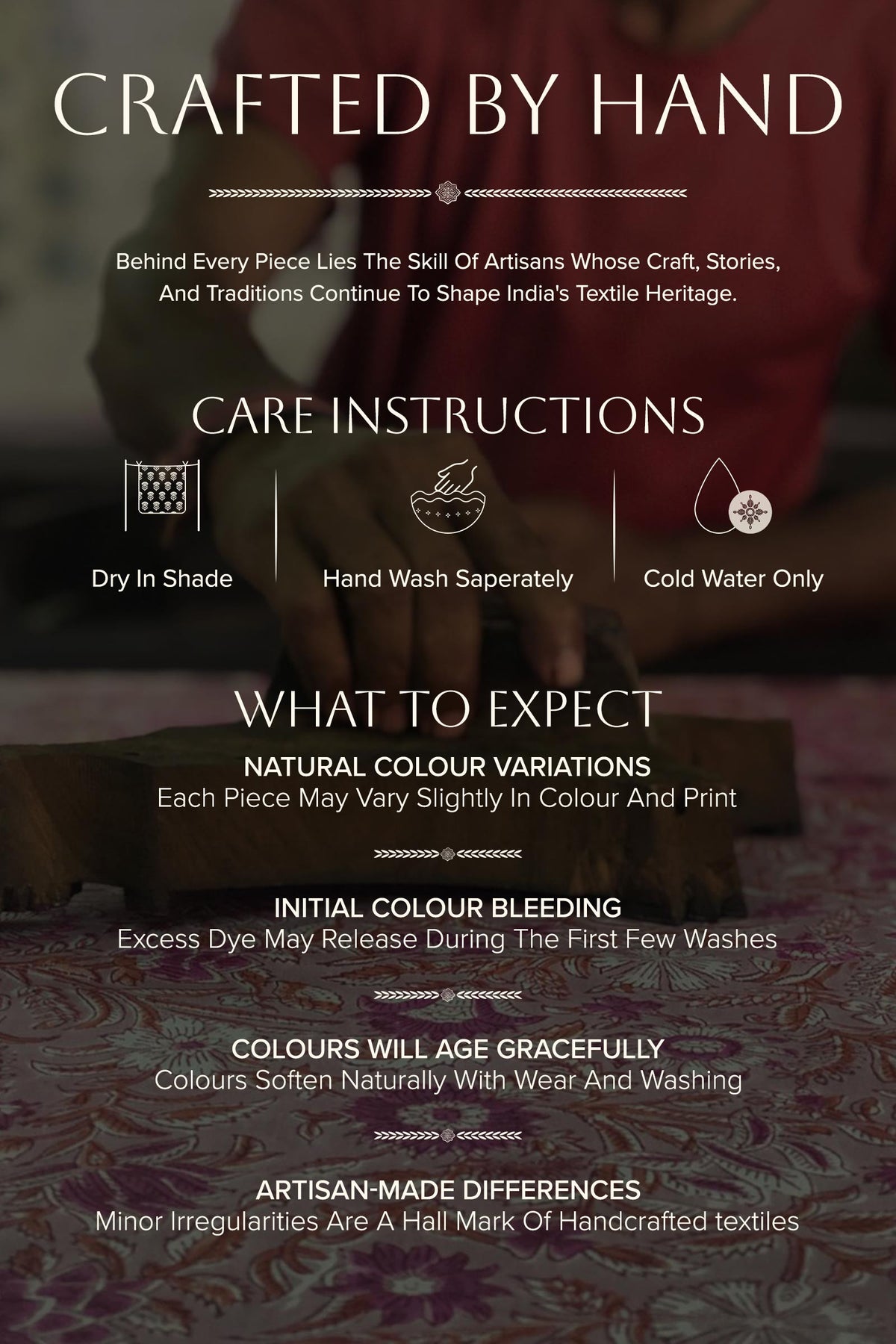
Block printing didn't just show up recently. People in places like Bagru and Sanganer in Rajasthan have been doing this for generations, long before anyone called it a "craft" or put it in a museum description. It was just how things were made.
What's interesting is that it never really stopped, even with fast fashion eating up most of the market. Families still teach their kids the same way they were taught, hands on, no shortcuts. The designs have shifted a bit to match what people want to wear now, but the actual technique hasn't changed much at all.
The Skilled Artisans Behind Every Printed Dupatta
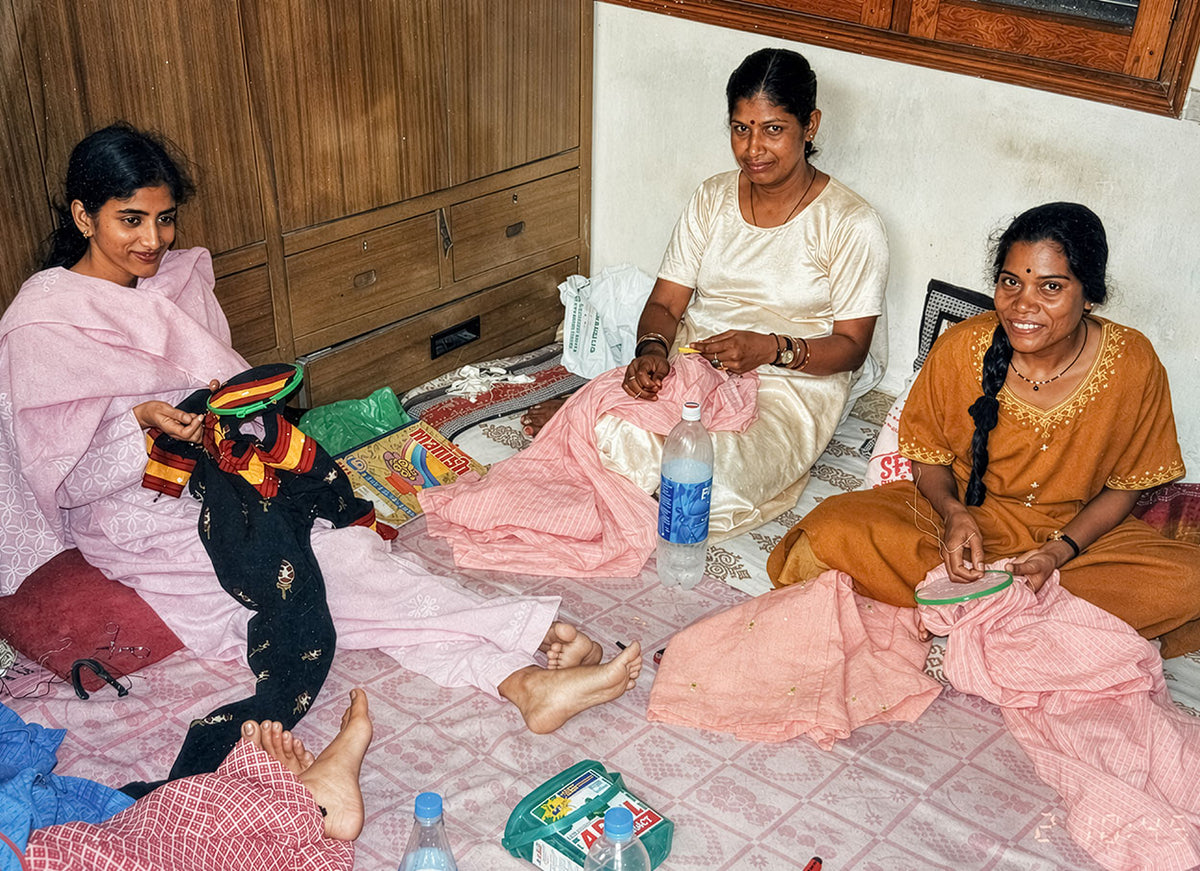
Most printers grew up around this. Not in a romantic "born into the craft" way, more like they were just always in the room while someone else worked, and eventually they picked up the block themselves. Nobody really teaches this from a manual. You learn how much dye is too much by ruining a few meters of fabric first.
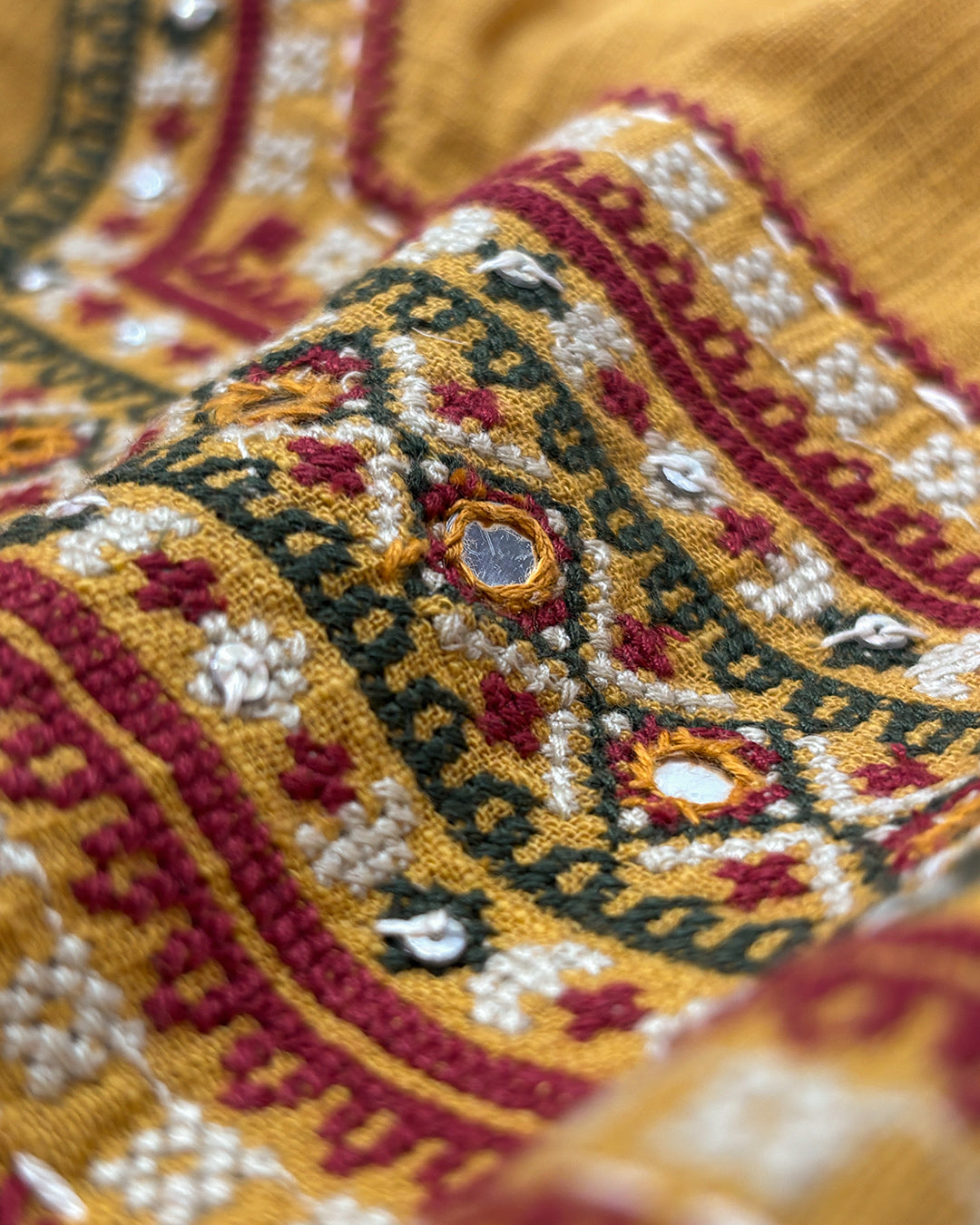
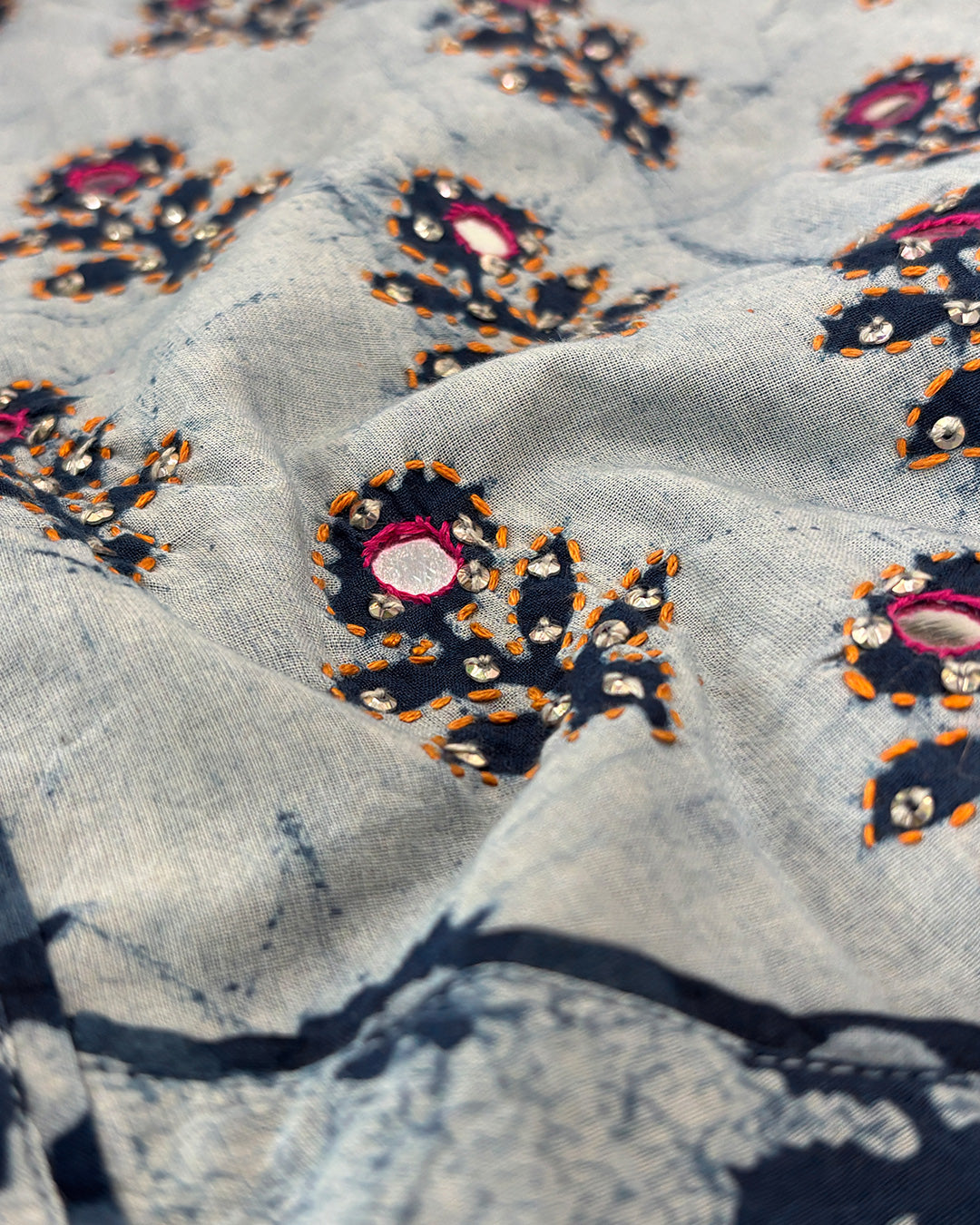
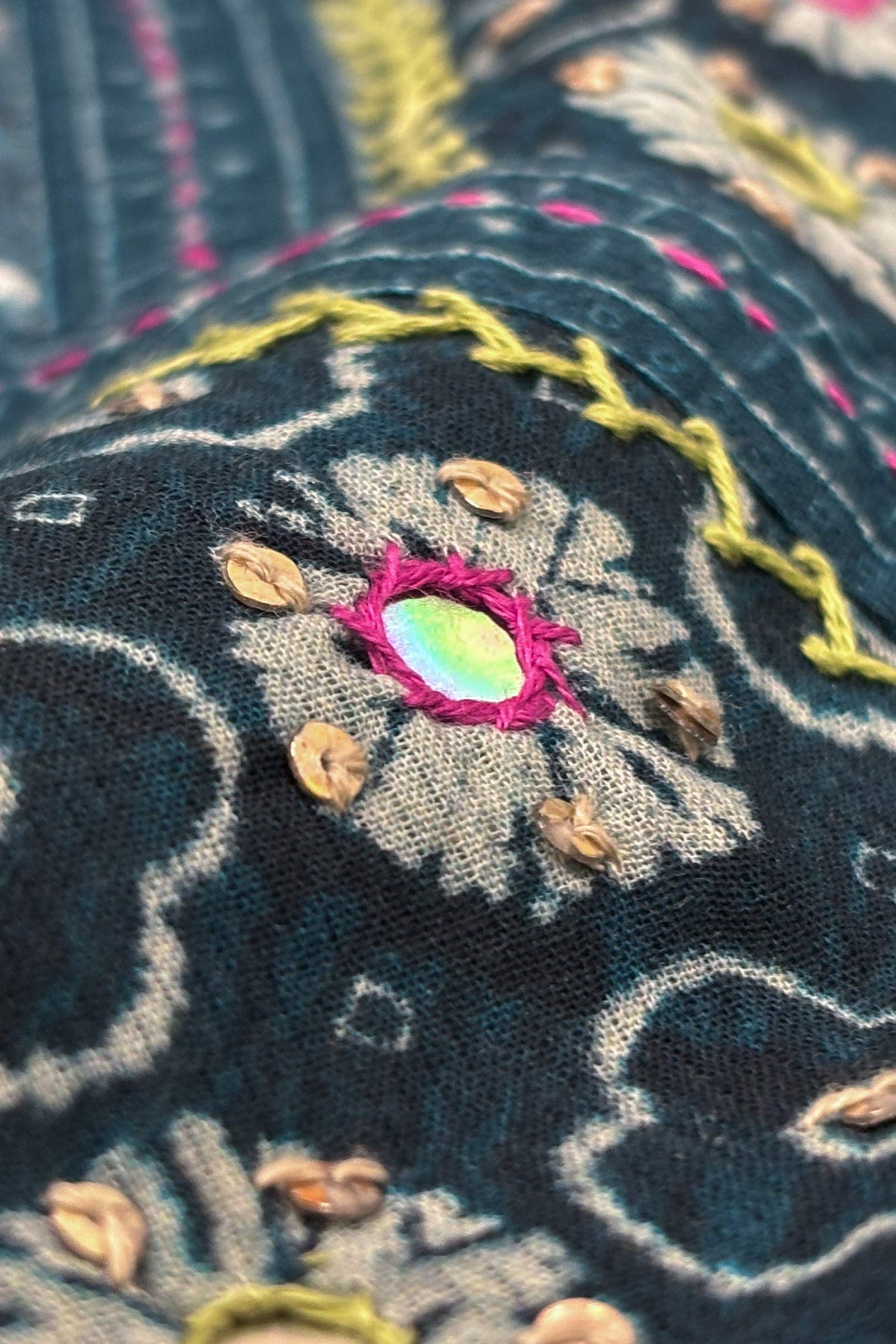
That's also why you'll never find two dupattas that are exactly alike, even from the same workshop, same block, same dye batch. Hands aren't machines. Pressure changes slightly, the block shifts a hair to one side, and suddenly every single piece has its own personality.
How a Hand Printed Dupatta Is Made

Selecting Quality Fabrics
Cotton gets picked for a reason, it just takes dye well. But before any printing starts, the fabric has to be washed and treated to strip out starch and any leftover processing chemicals. Skip this step and the colors come out patchy or fade way too fast. It's not the exciting part of the process, but it's the part that actually decides whether the final product holds up.
Creating the Designs and Printing Blocks
This is the part people don't think about enough. Someone has to design the pattern first, usually pulling from old motifs, florals, paisleys, geometric repeats that have been around forever, and then a carver translates that onto a block of wood, usually teak or sheesham because it holds detail without falling apart.
Carving one block properly can eat up several days. And if the design needs more than one color, you need more than one block, and they all have to line up perfectly when stamped down. One careless block and the whole design looks off.
Printing, Drying, and Finishing
Then comes the actual printing, which looks deceptively easy when you watch a video of it. Dip the block, press it down, move over, repeat. Except keeping that pressure consistent across an entire length of fabric for hours is hard. Too light and the print looks faded in patches. Too heavy and the dye bleeds outside the lines.
Once it's printed, it dries in the sun, then gets steamed or washed to lock the color in. Only after all that does it get cut and hemmed into the dupatta you'd actually buy.
Why Cotton Printed Dupattas Remain a Popular Choice
Comfort and Breathability
This one's simple. Cotton breathes. You can wear it for an entire day in Indian heat and it won't stick to you or make you feel like you're wrapped in a blanket. That alone explains a lot of its staying power.
Easy Styling for Everyday and Festive Wear
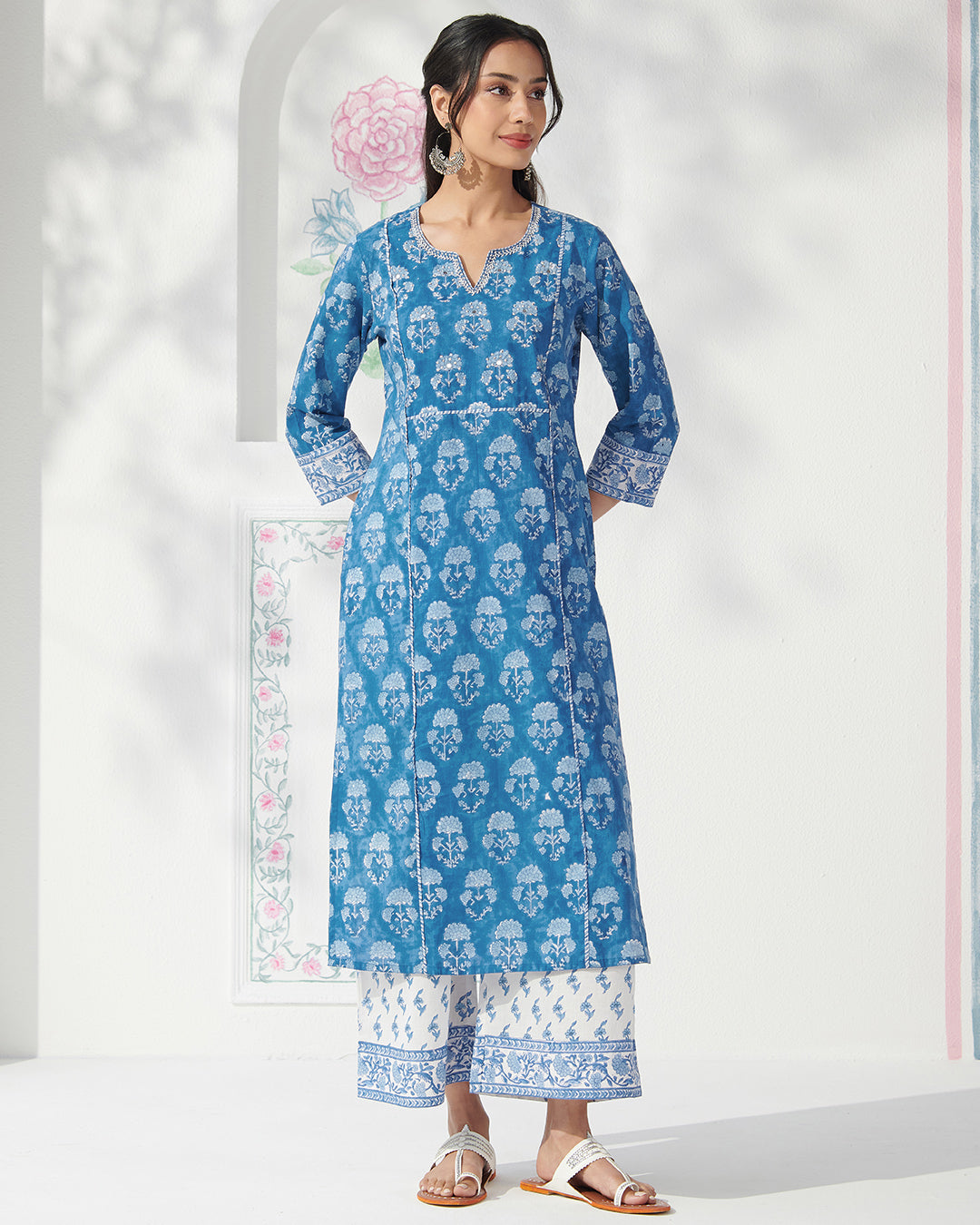
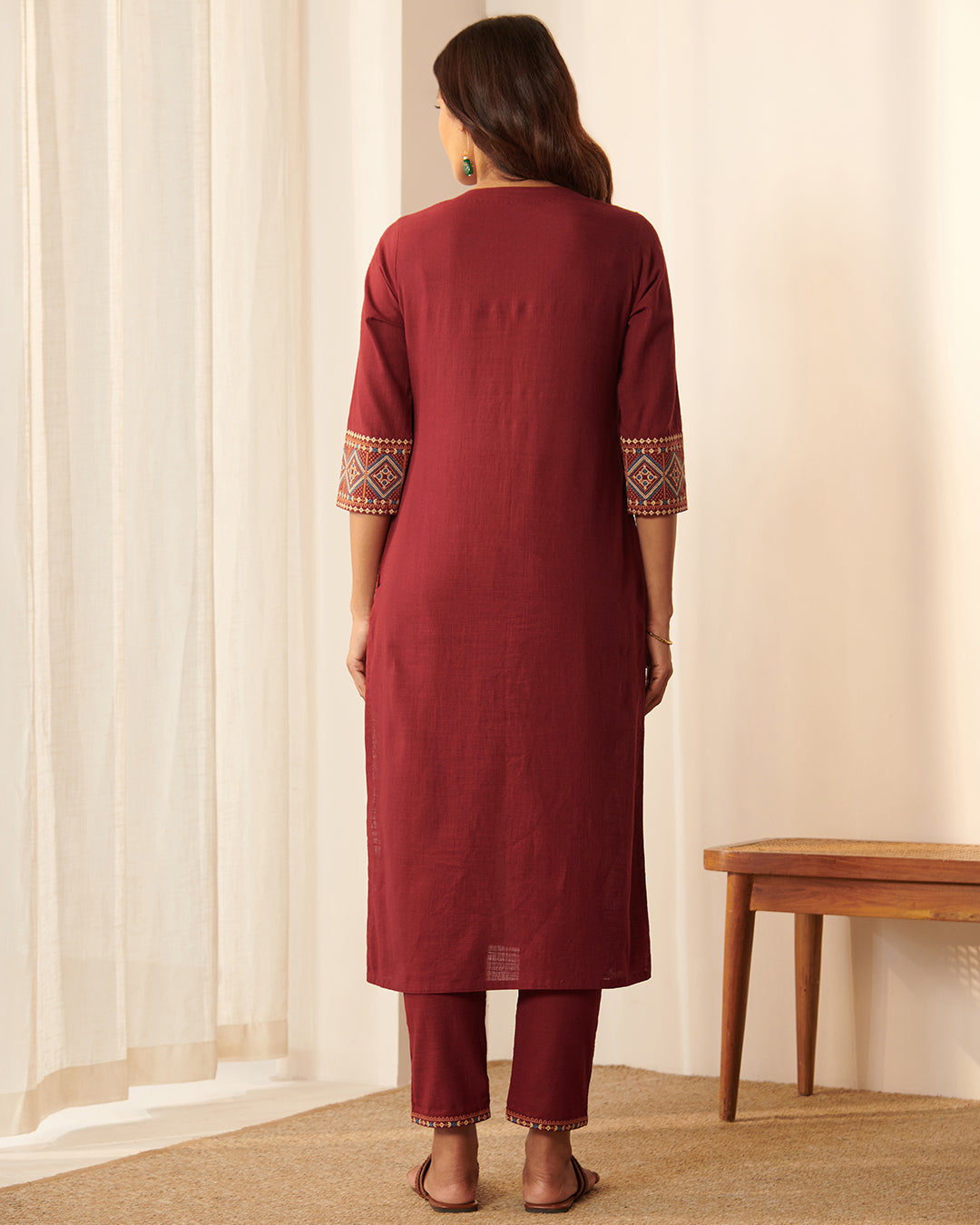
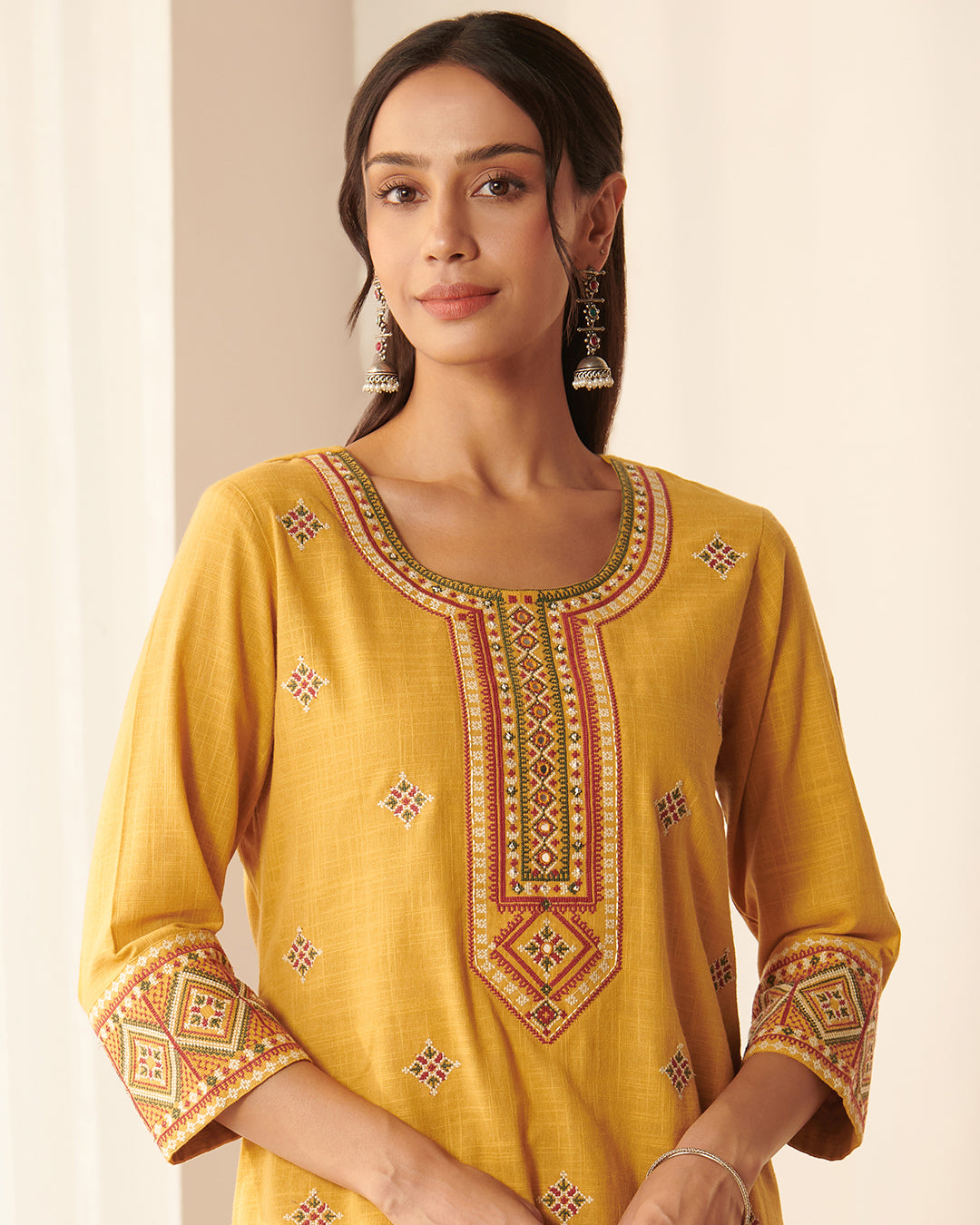
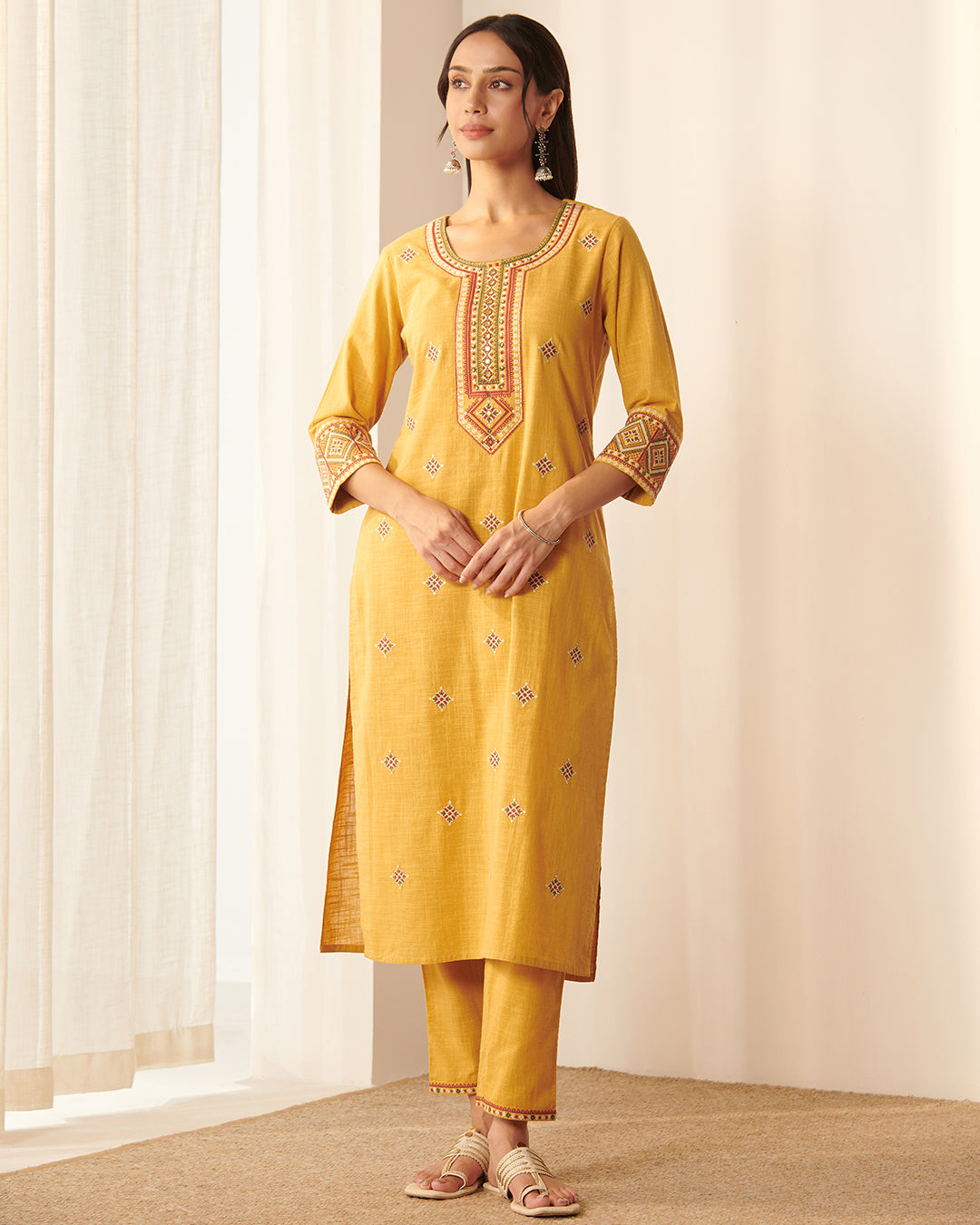
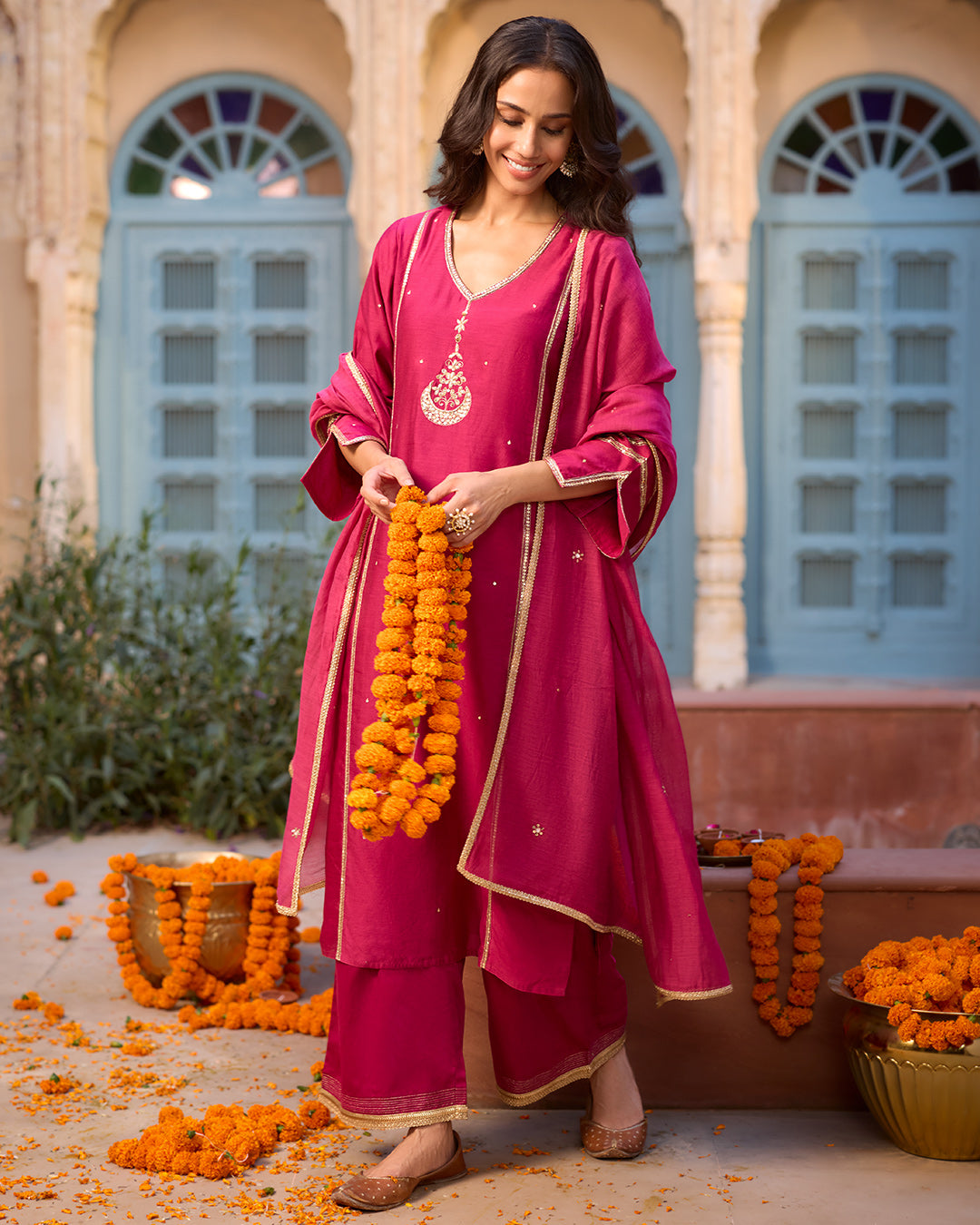
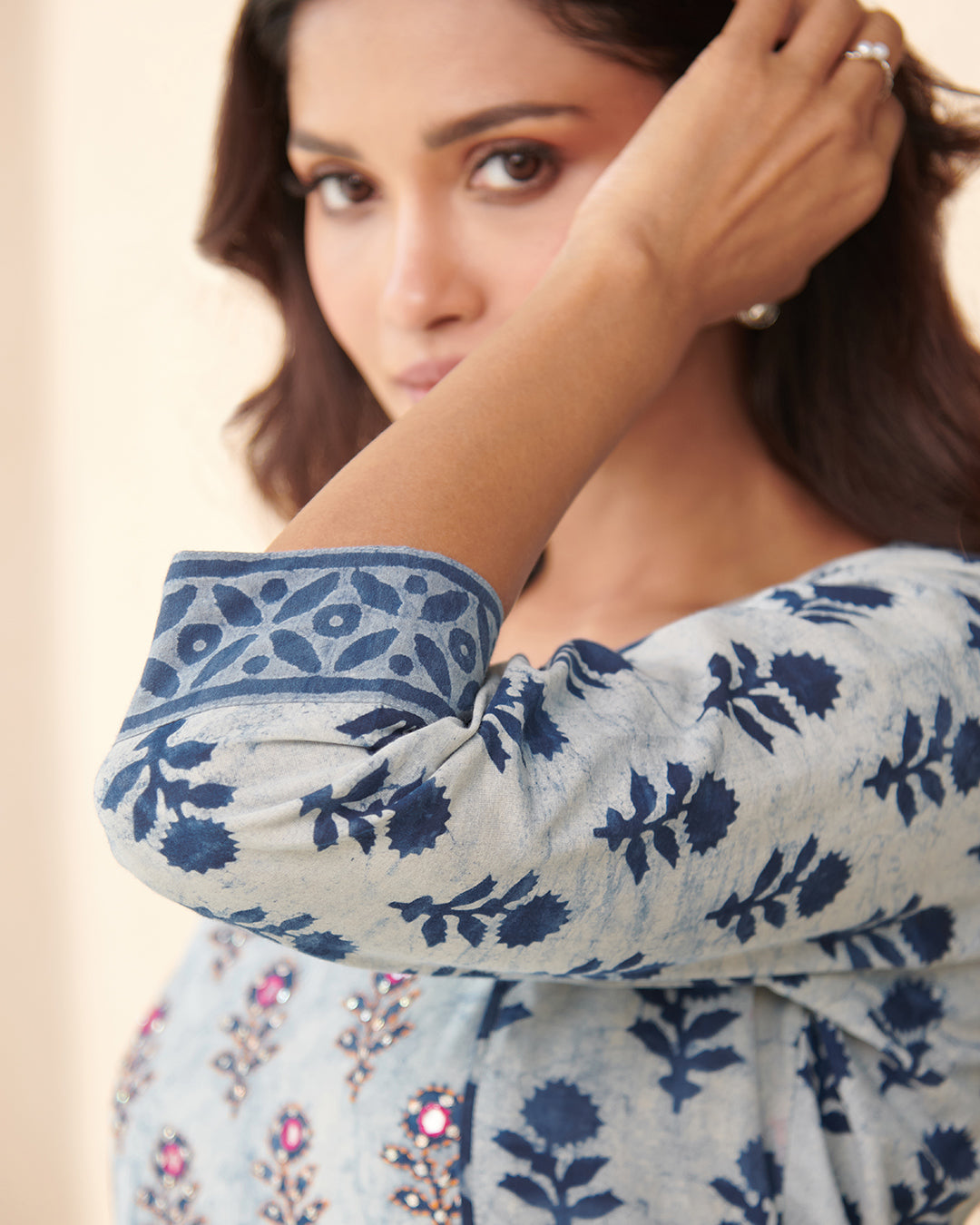
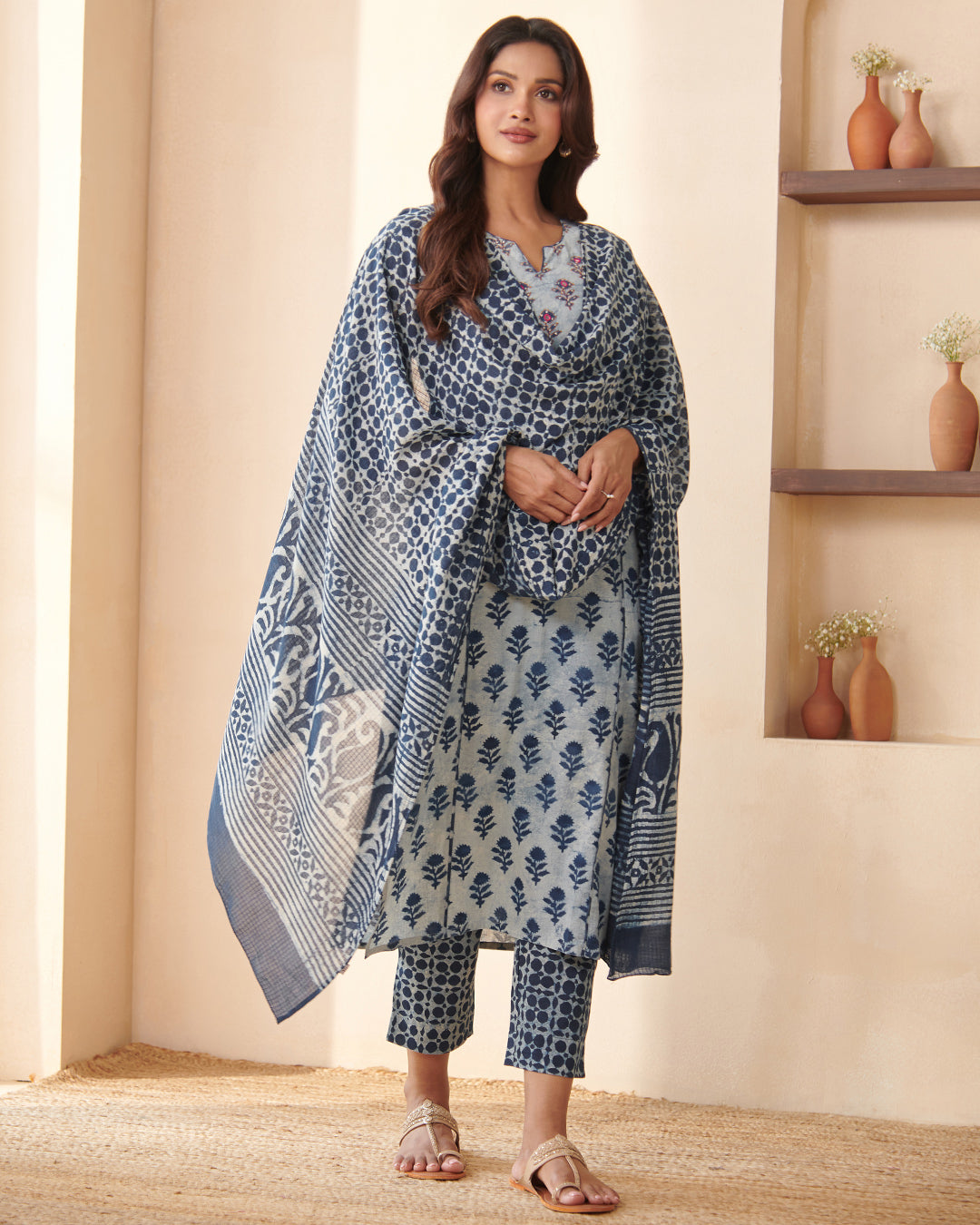
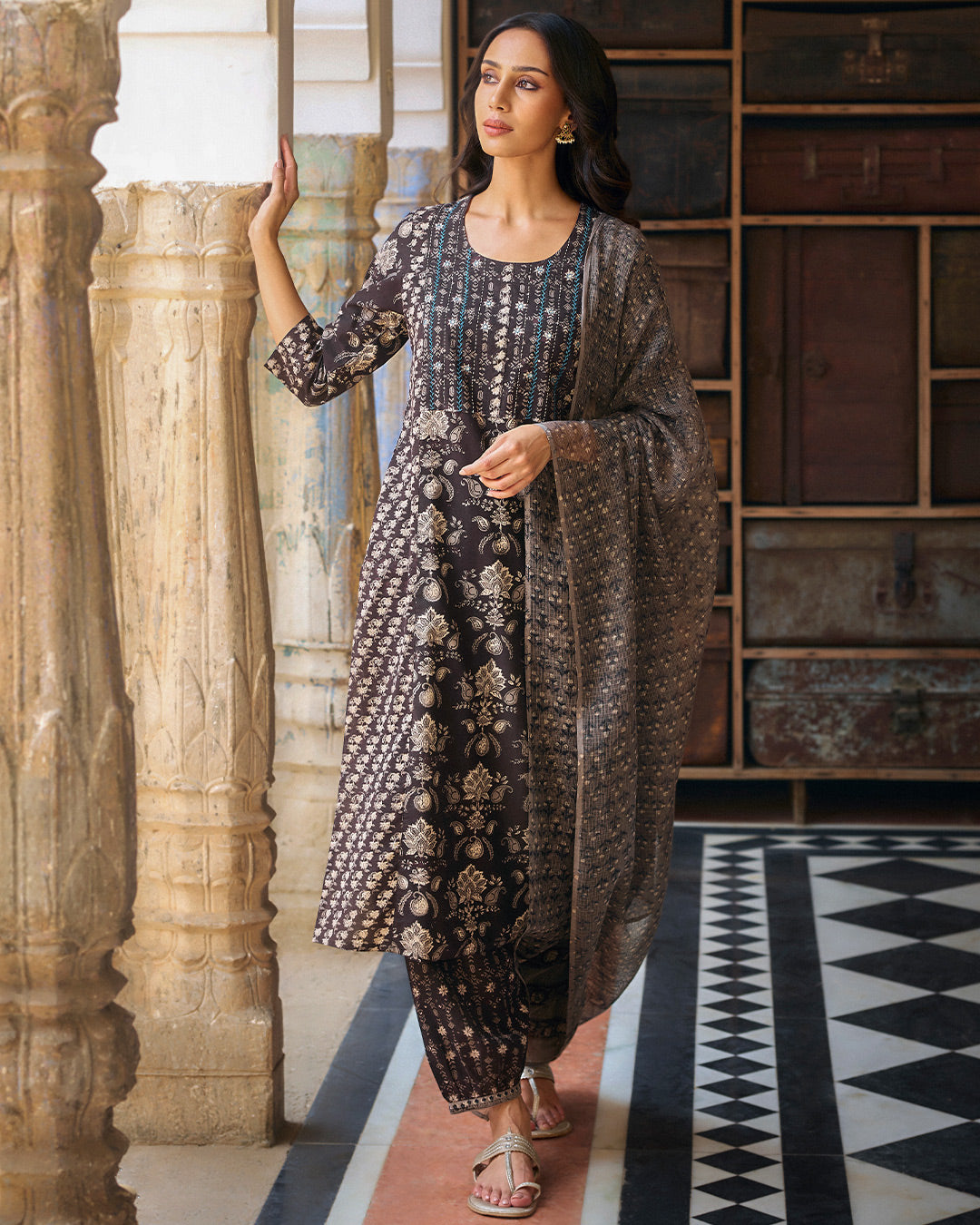
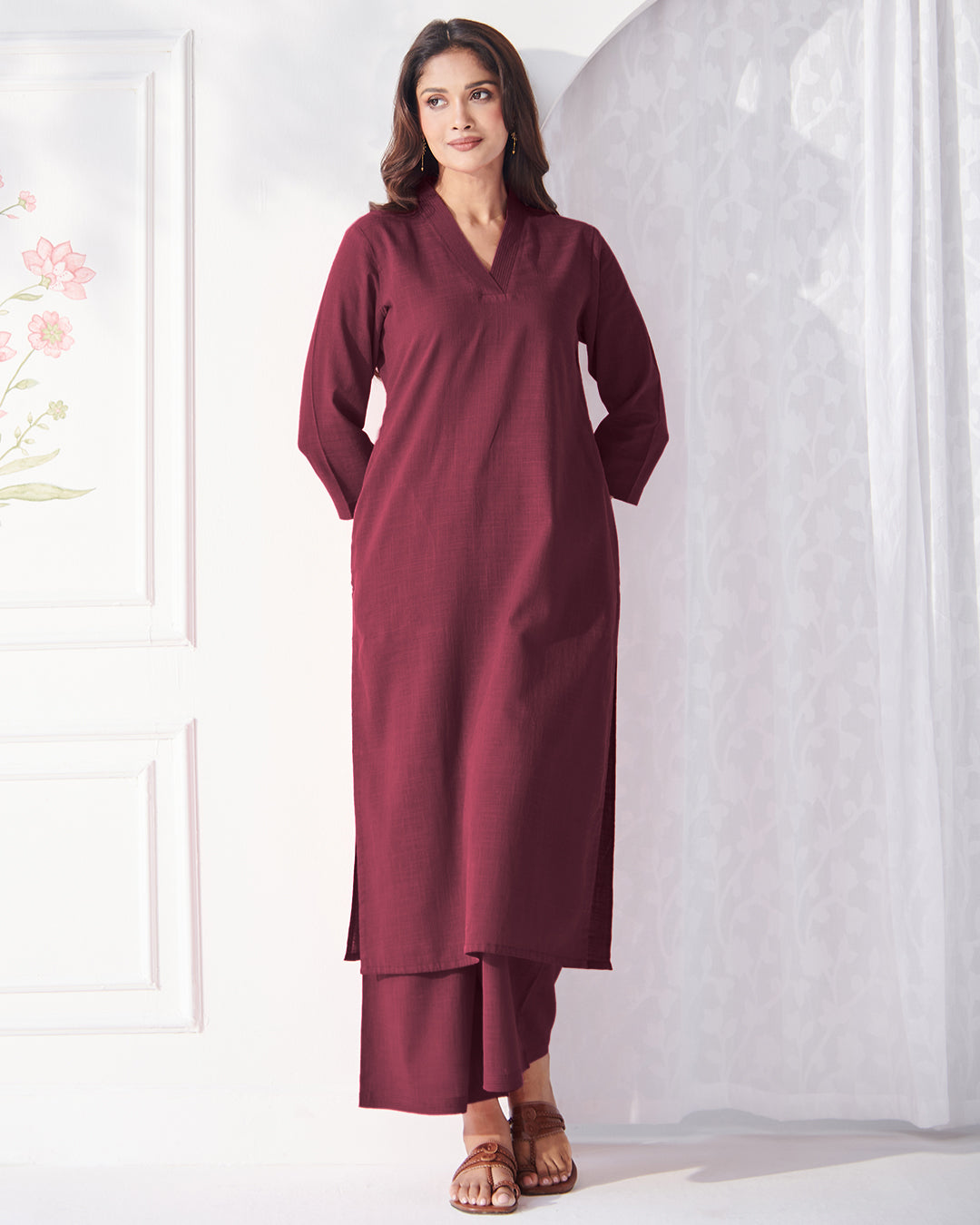
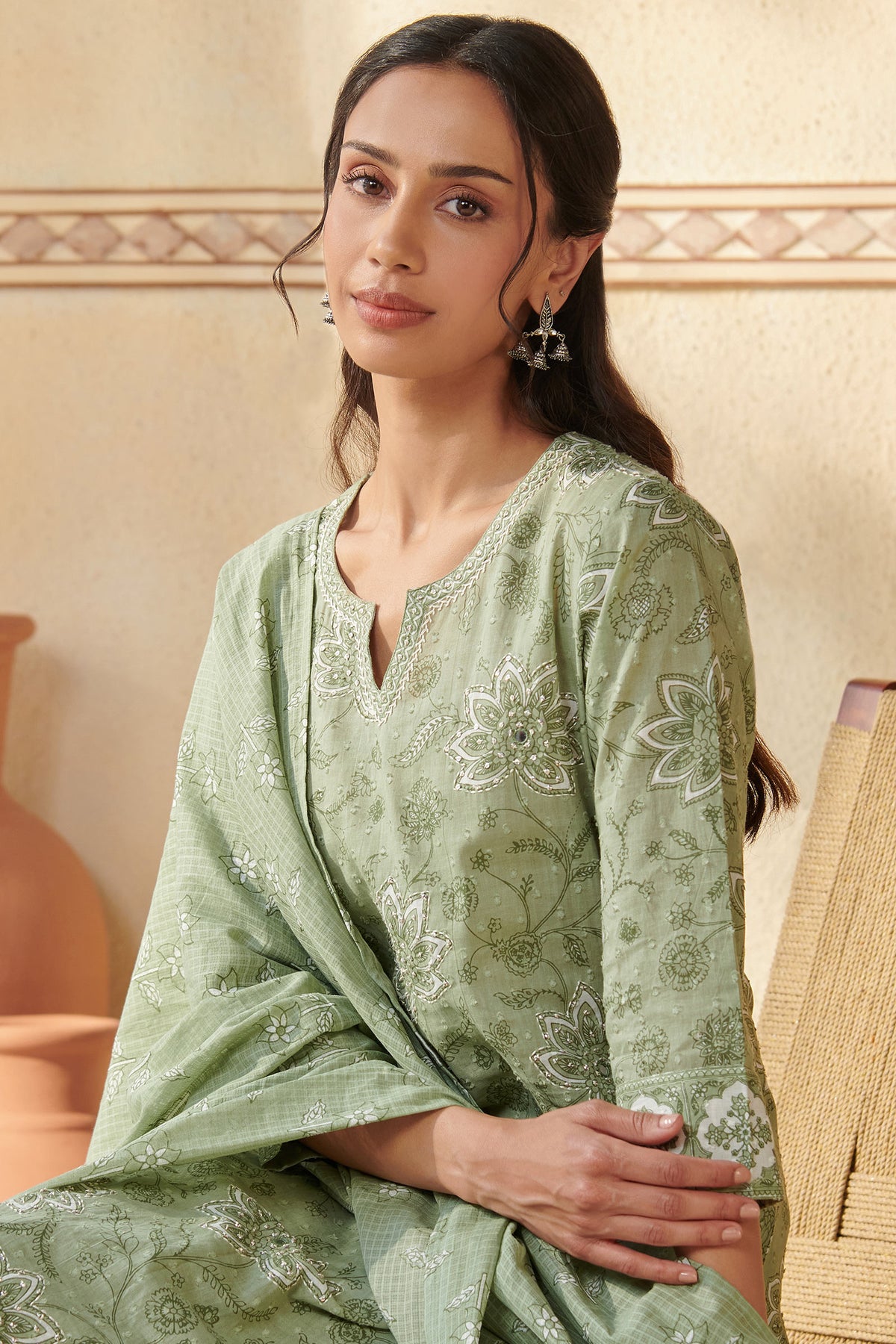
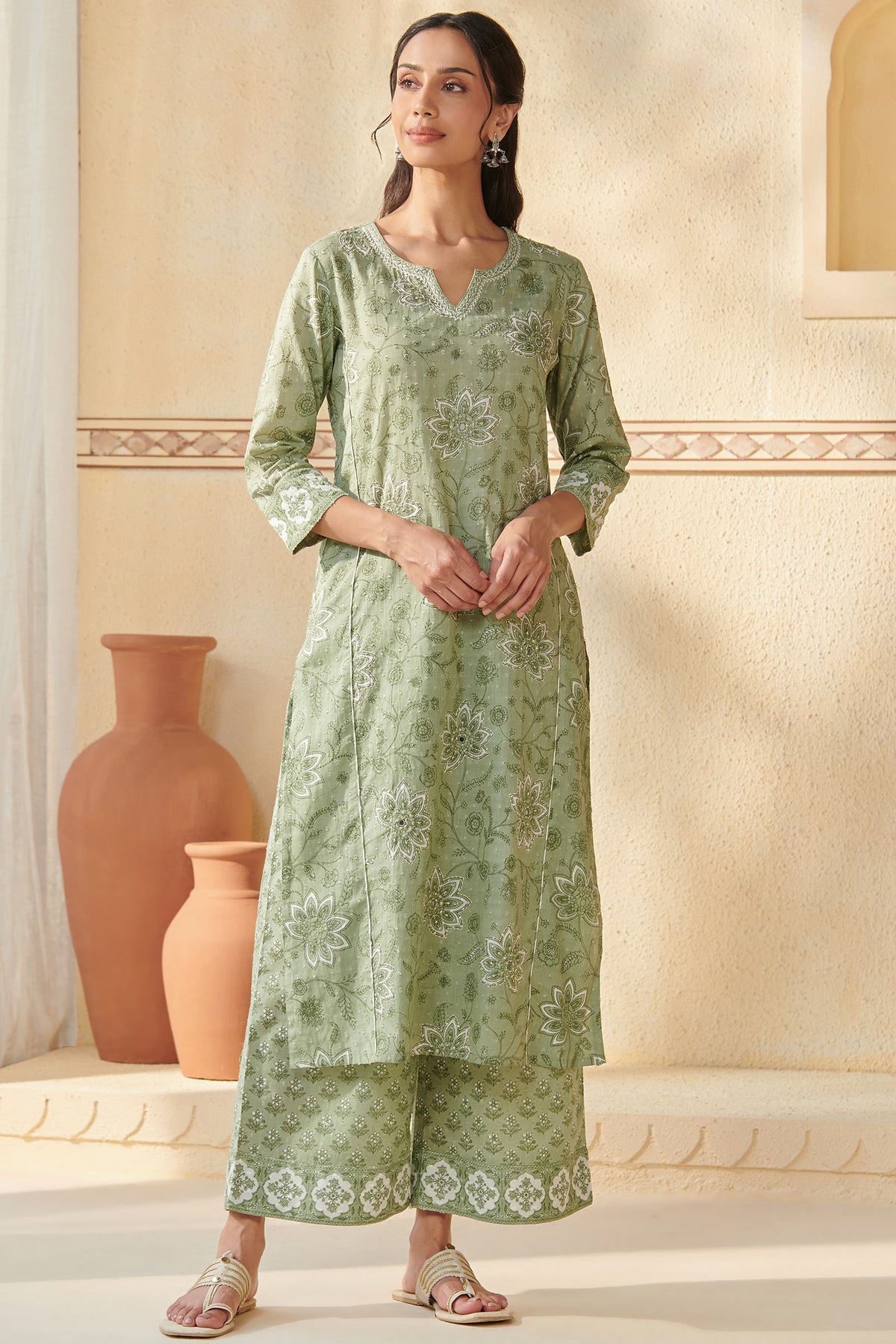
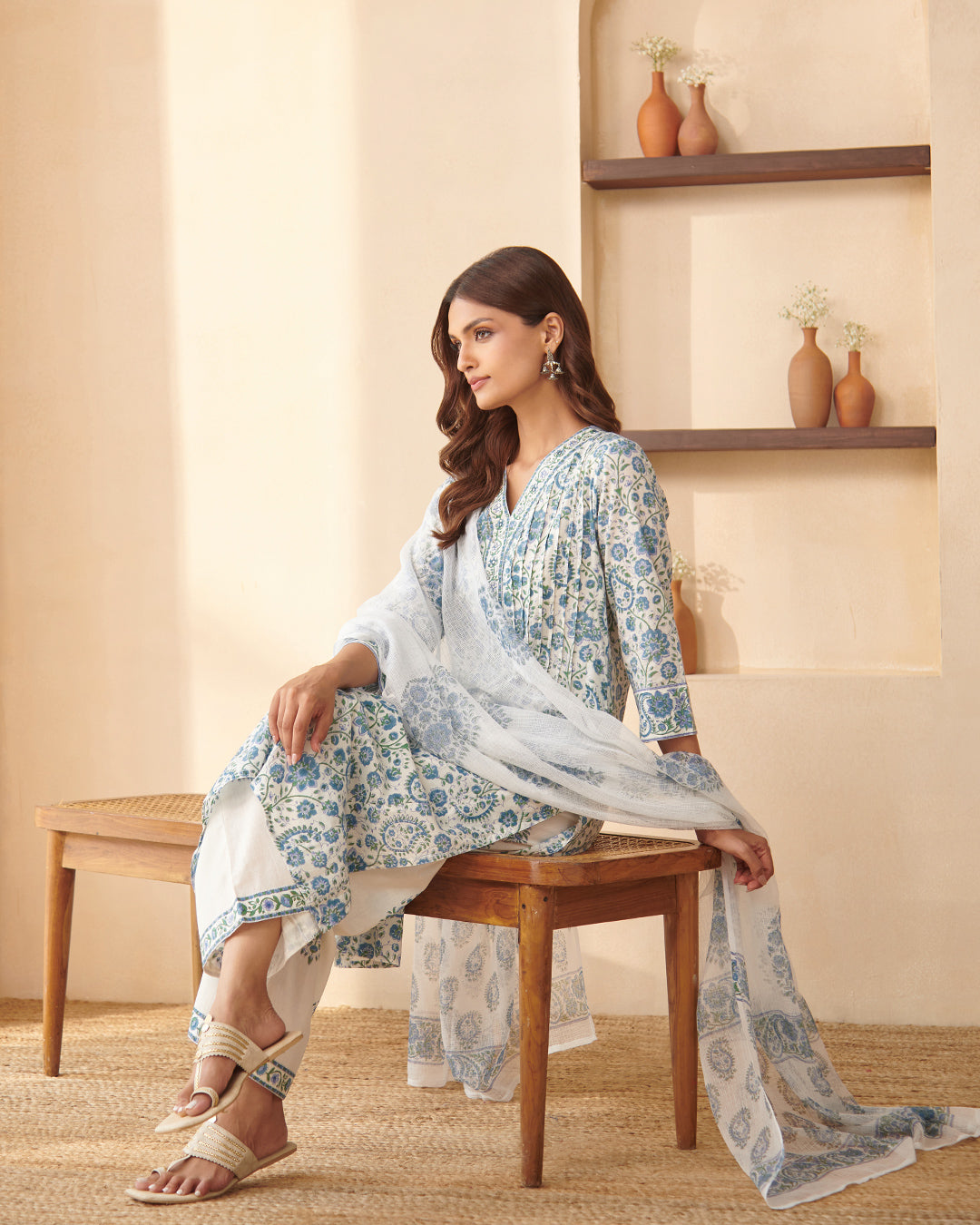
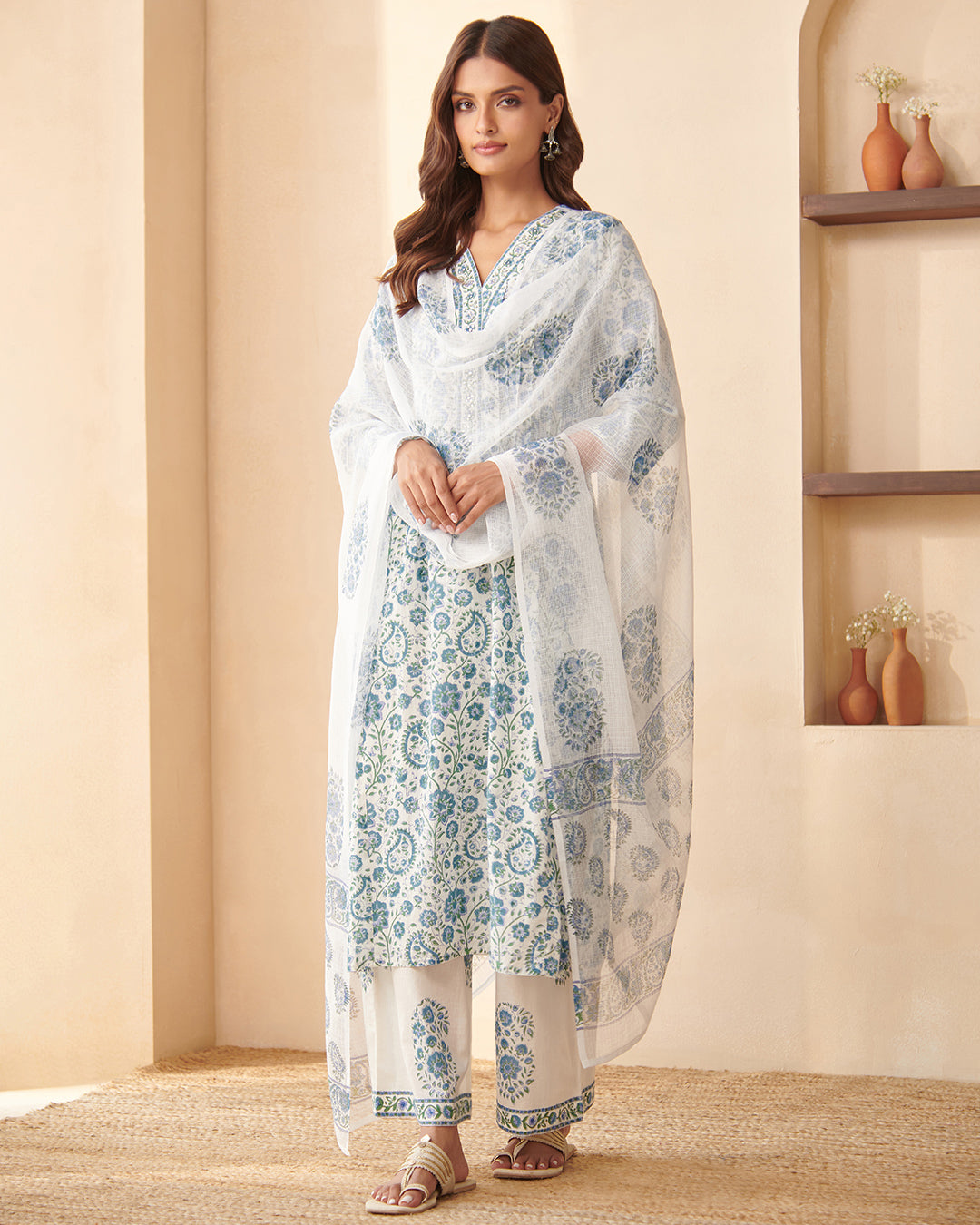
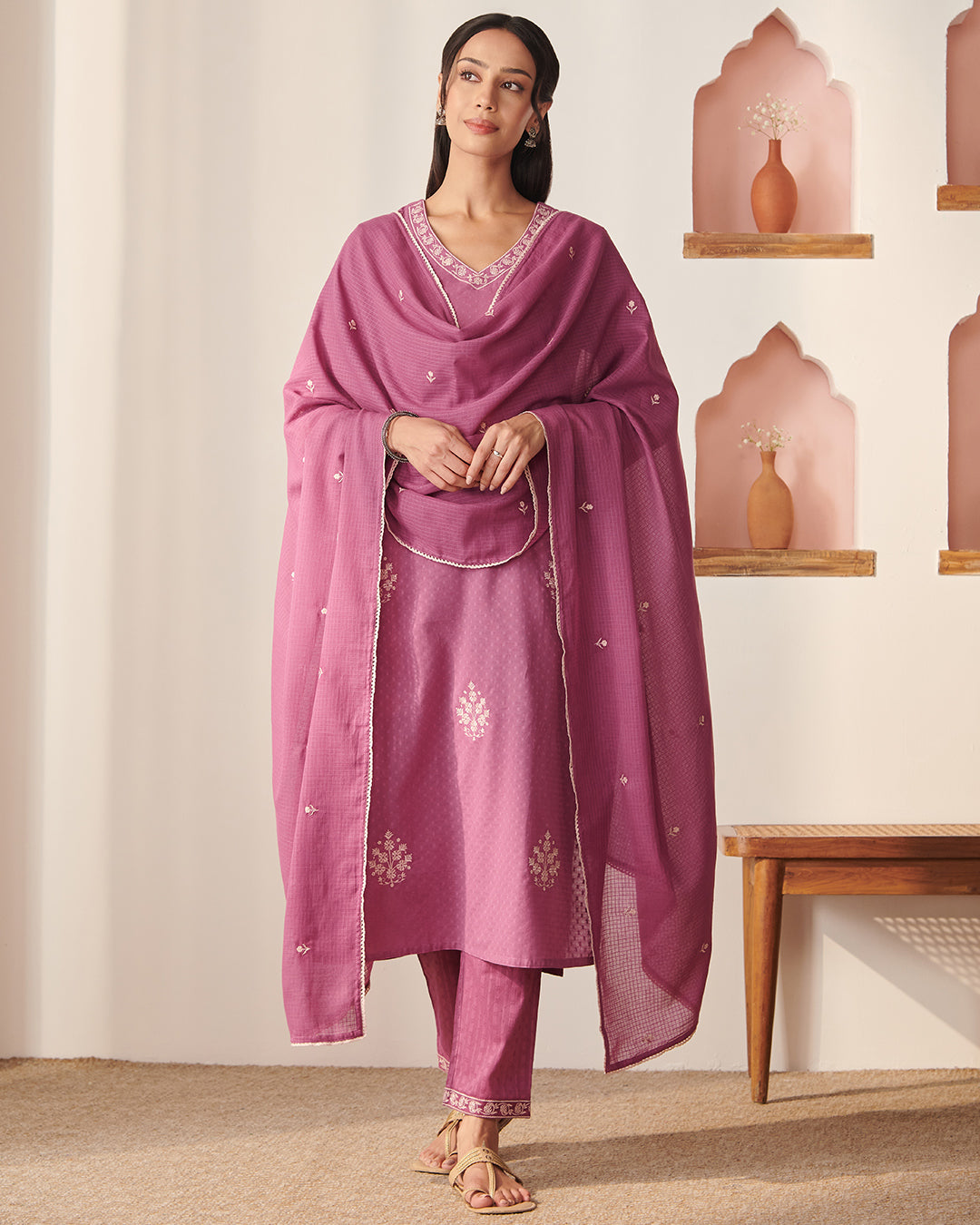
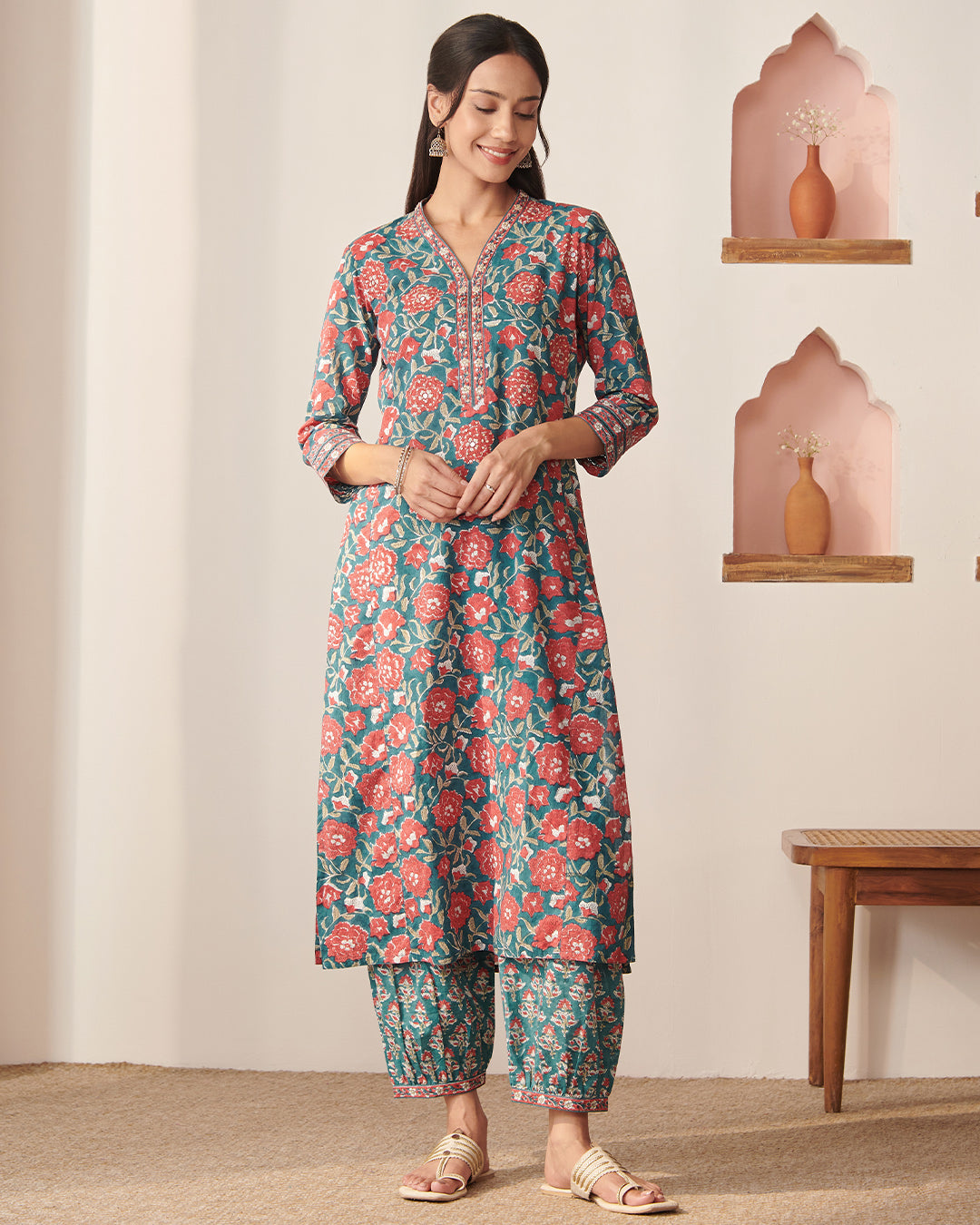
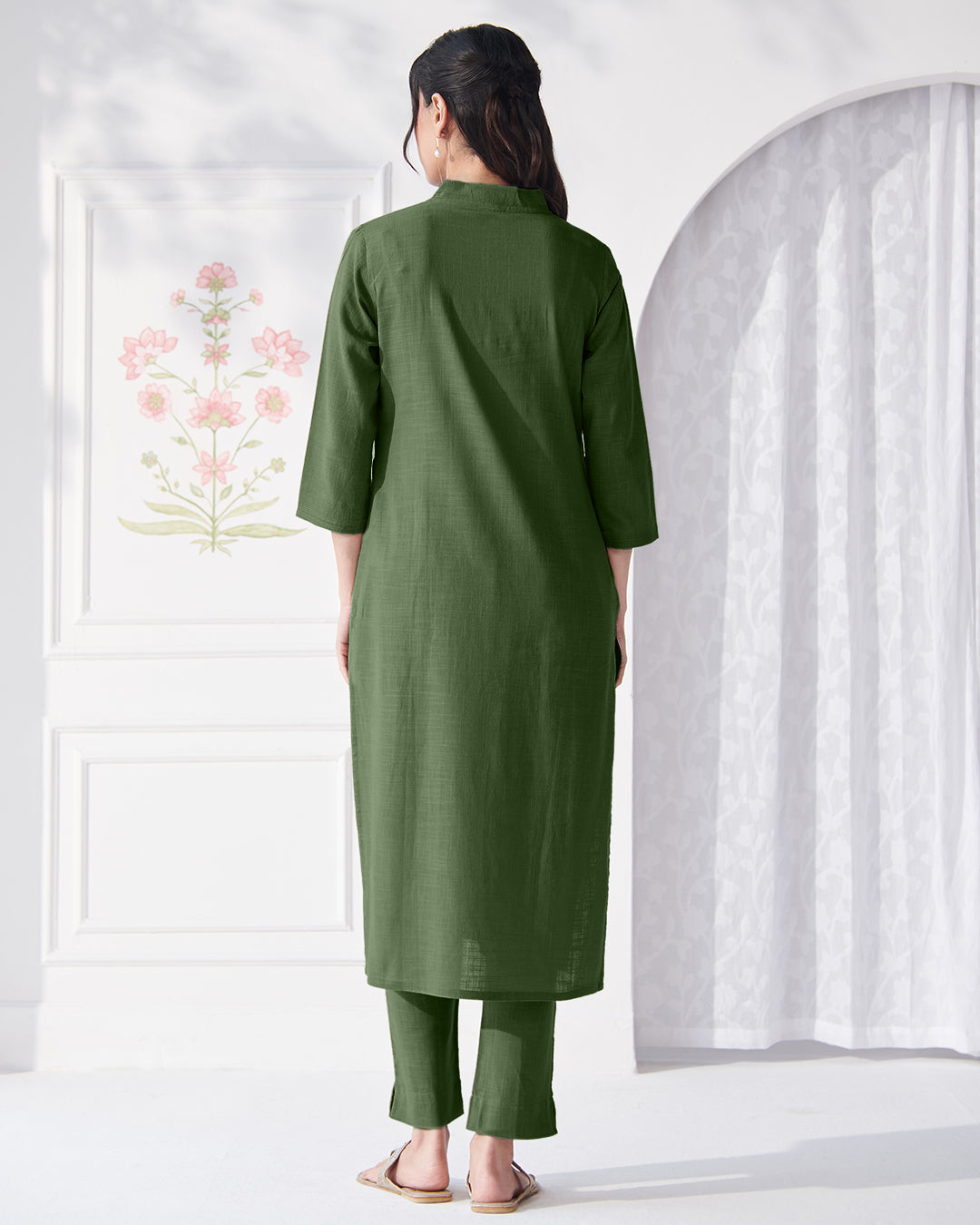
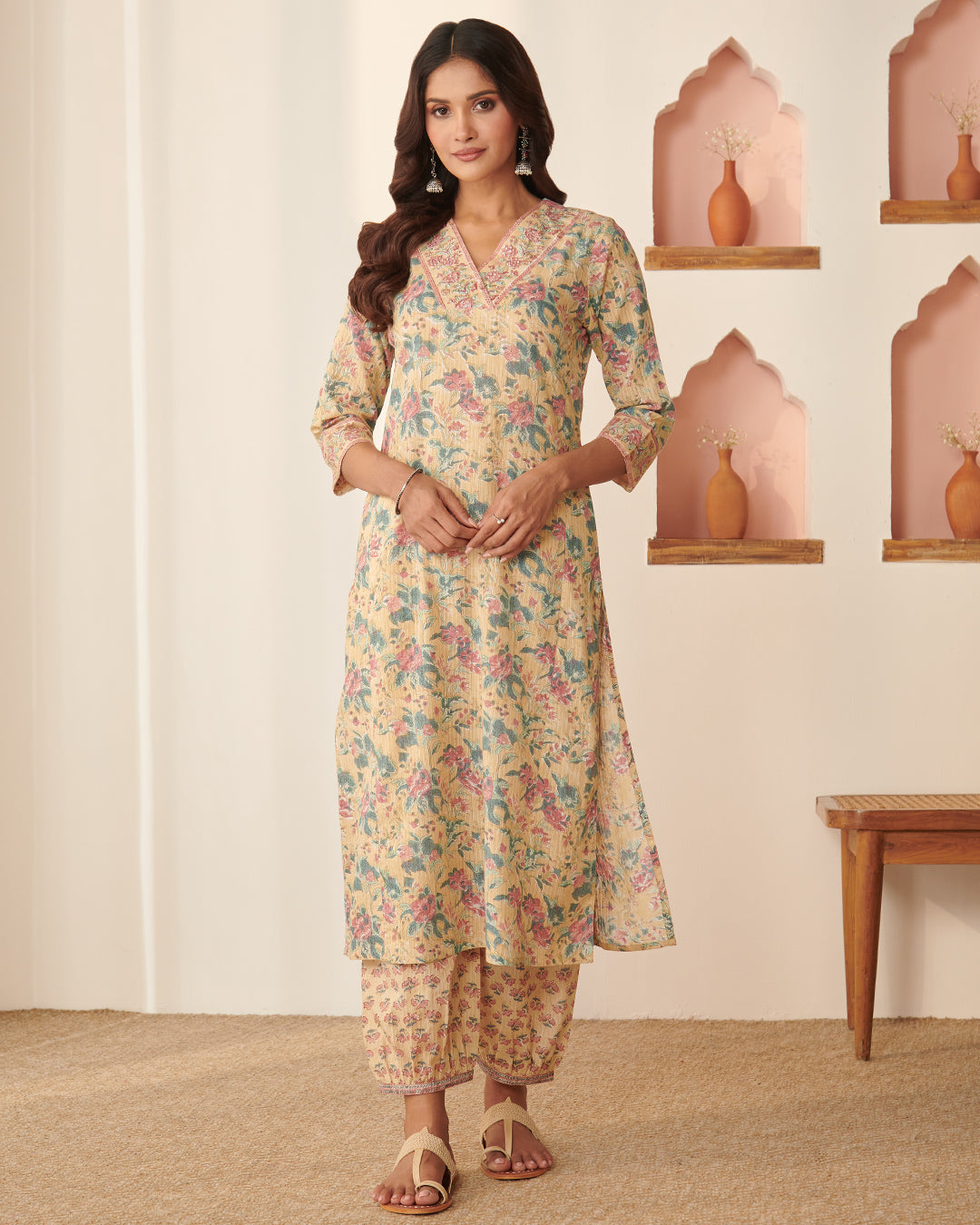
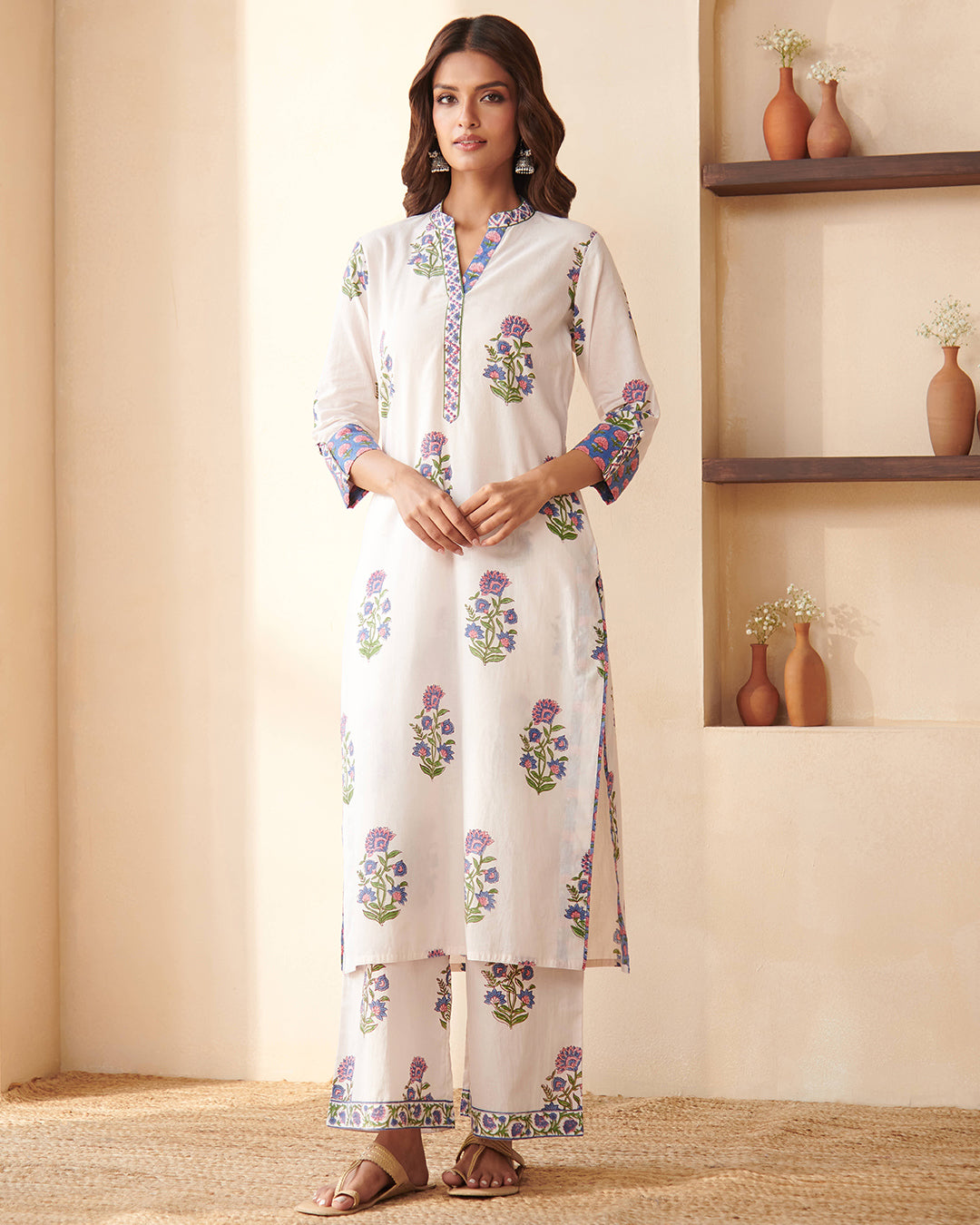
A plain cotton kurta instantly looks more put together with a printed dupatta thrown over it. And the same fabric type stretches across occasions too, a subtle print for daily wear, a bolder one for festivals or weddings. You're not buying two different dupattas for two different moods, one piece usually covers both.
What to Look for When Buying a Cotton Printed Dupatta Online

Fabric Quality
Real cotton has a bit of texture to it. If a dupatta photo looks unusually glossy or the fabric seems to fall too perfectly, that's worth questioning, it might be a poly blend dressed up as cotton. Check the product description for fabric composition, and if it's not mentioned, that's a small red flag in itself.
Print Authenticity
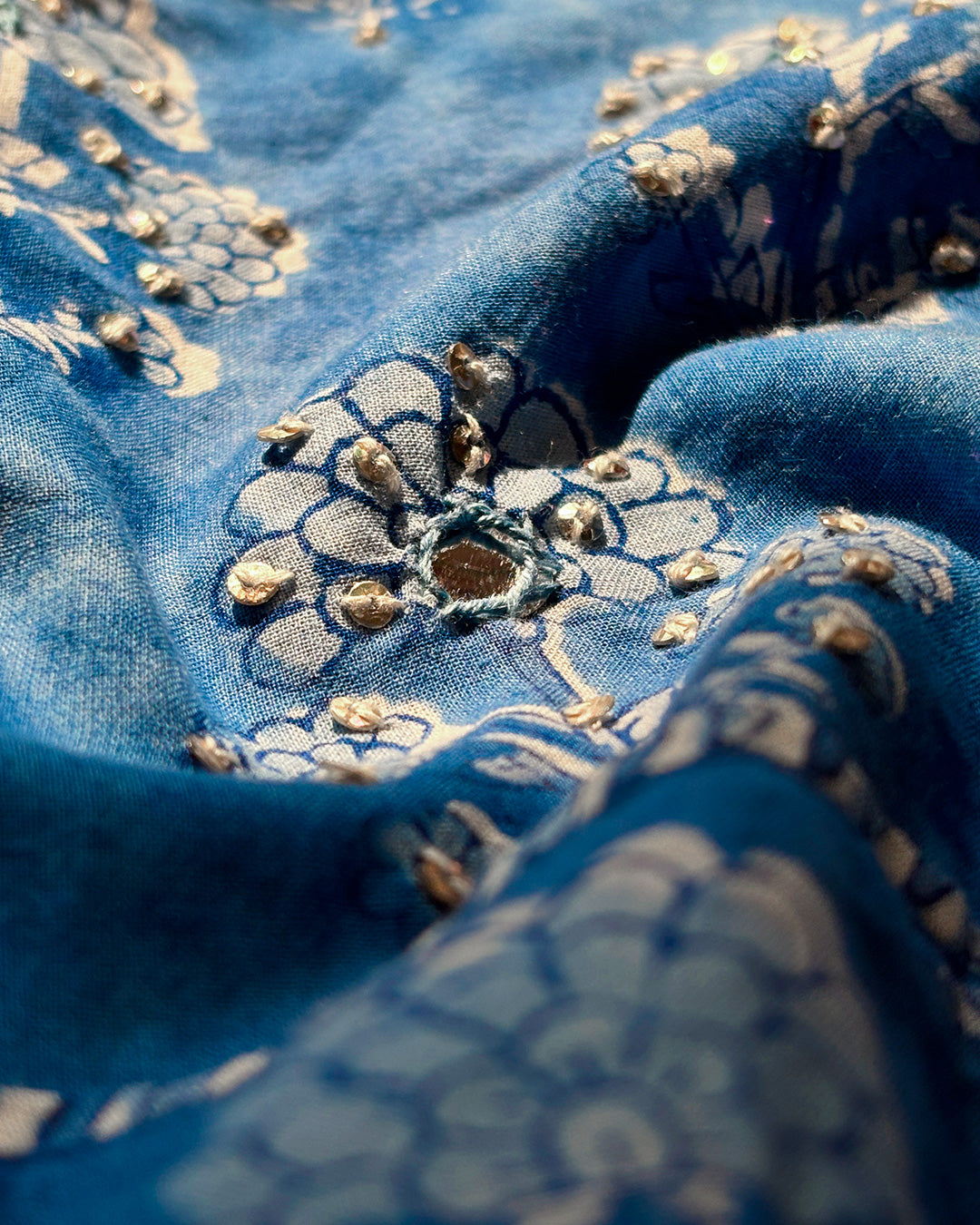
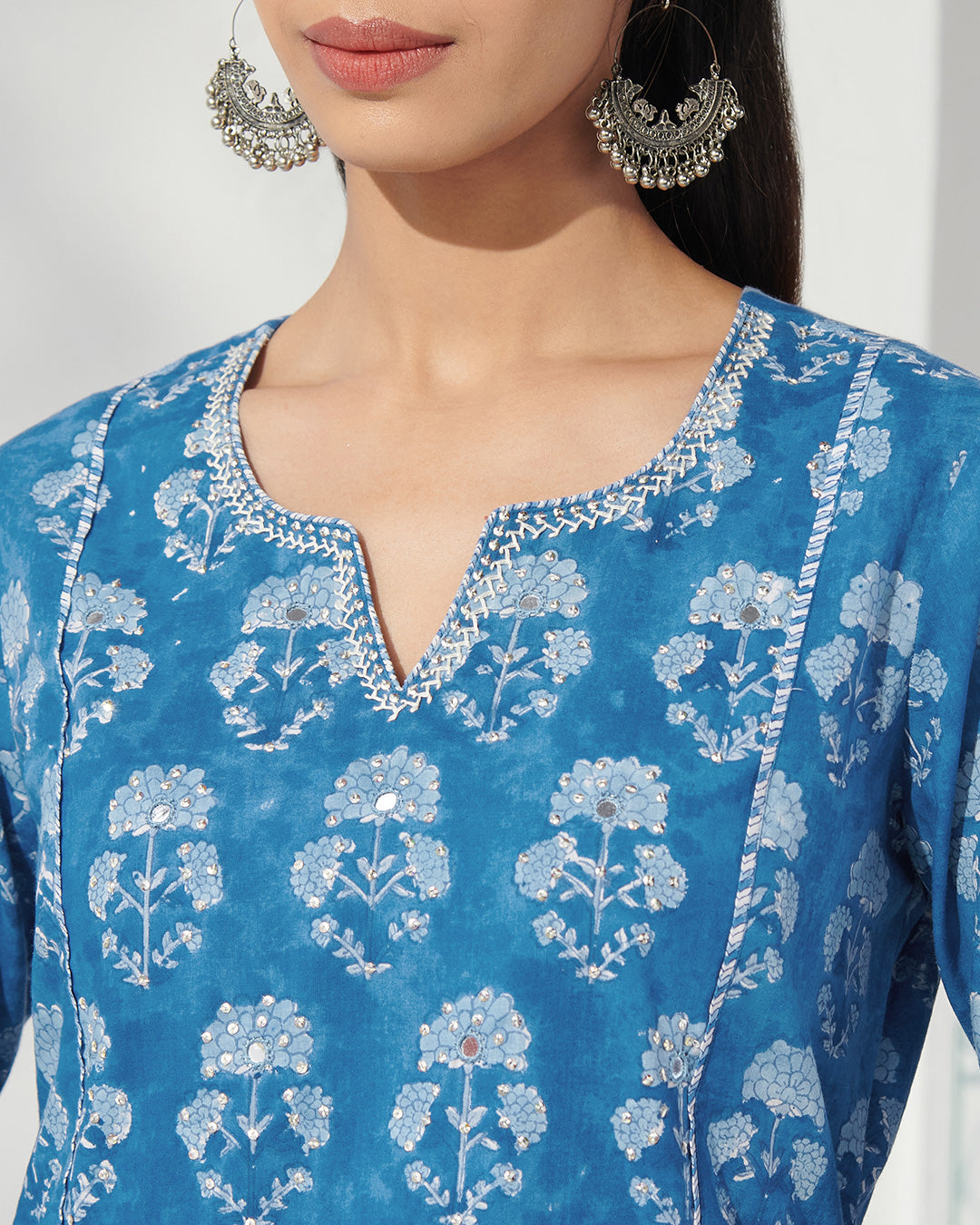
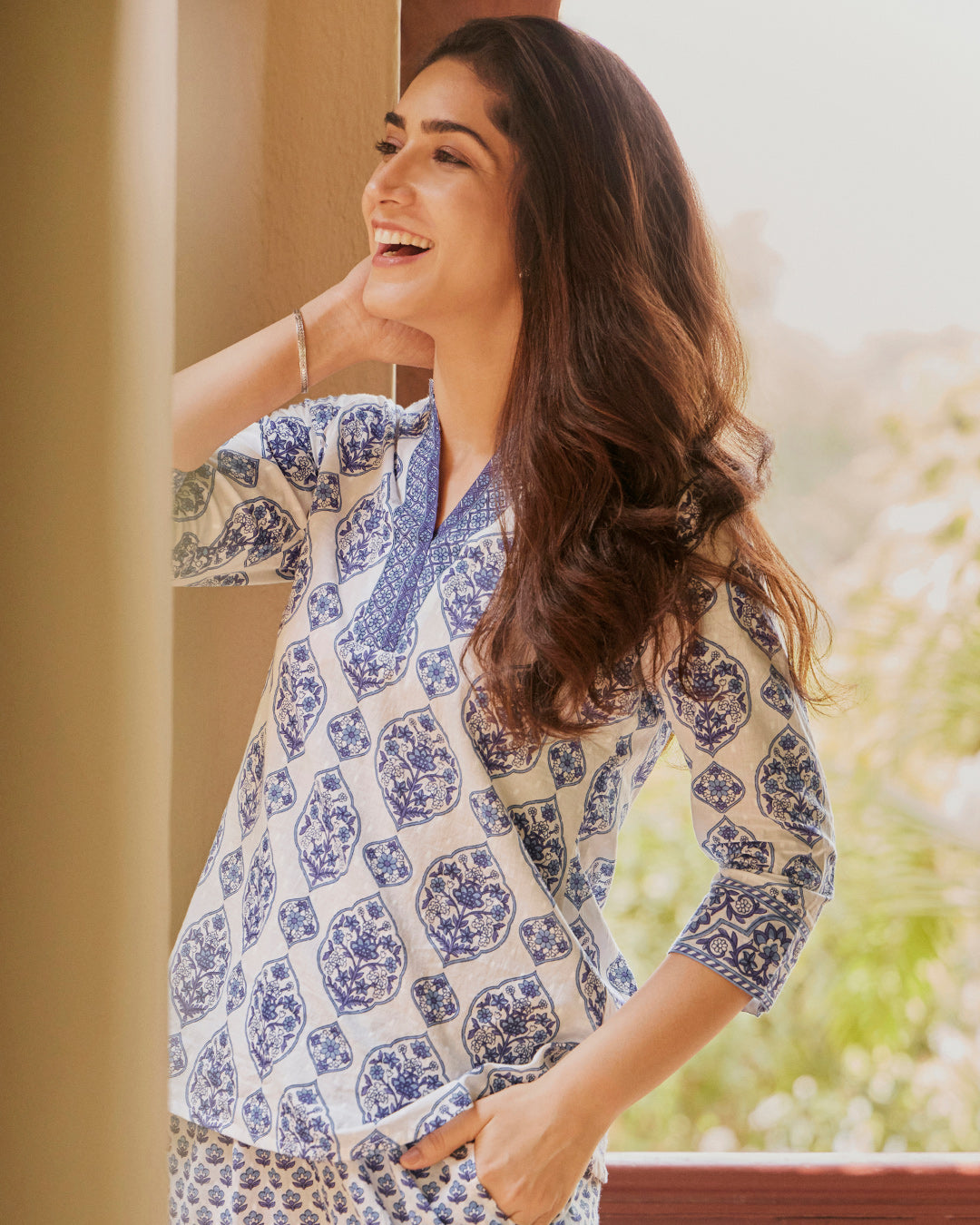
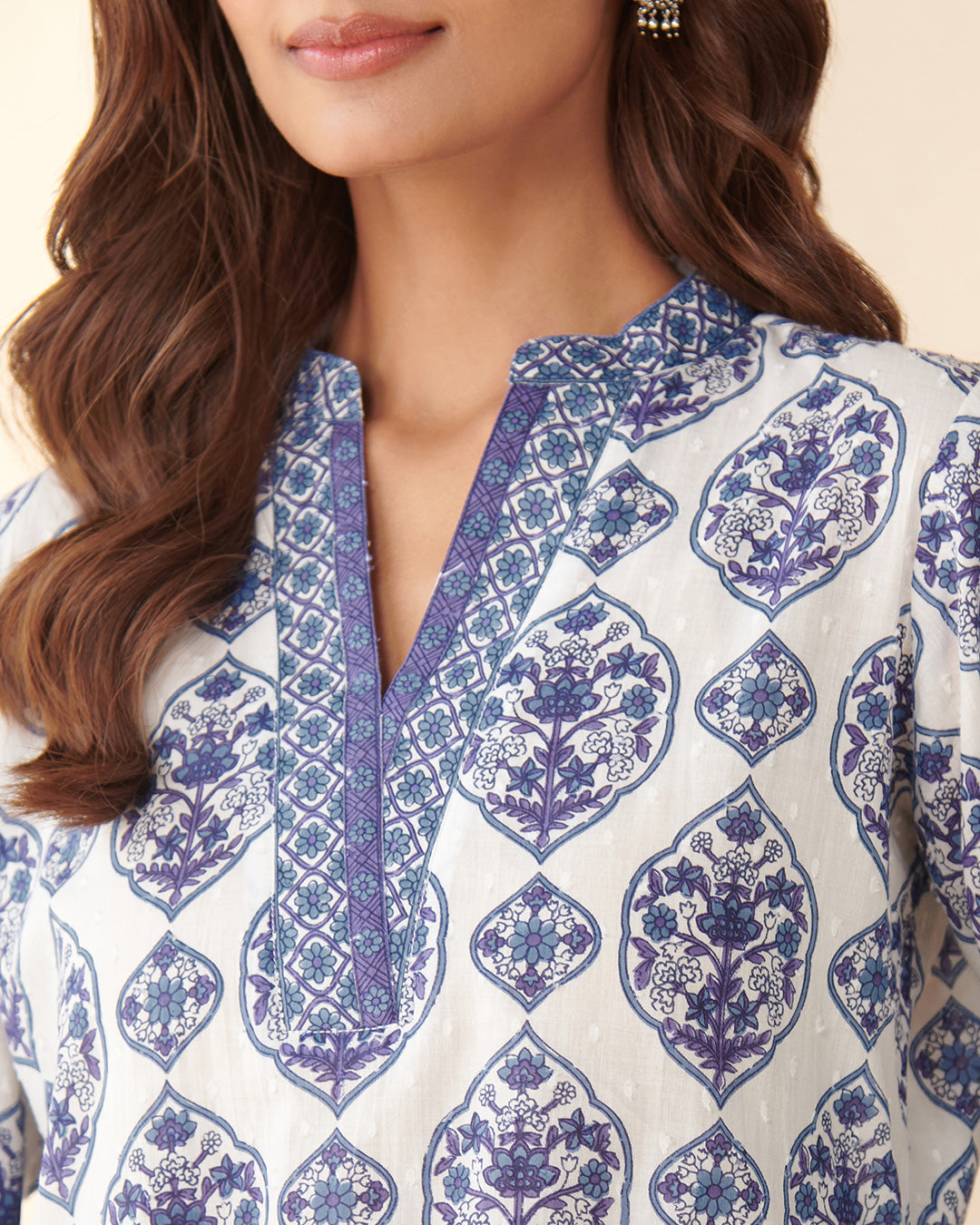
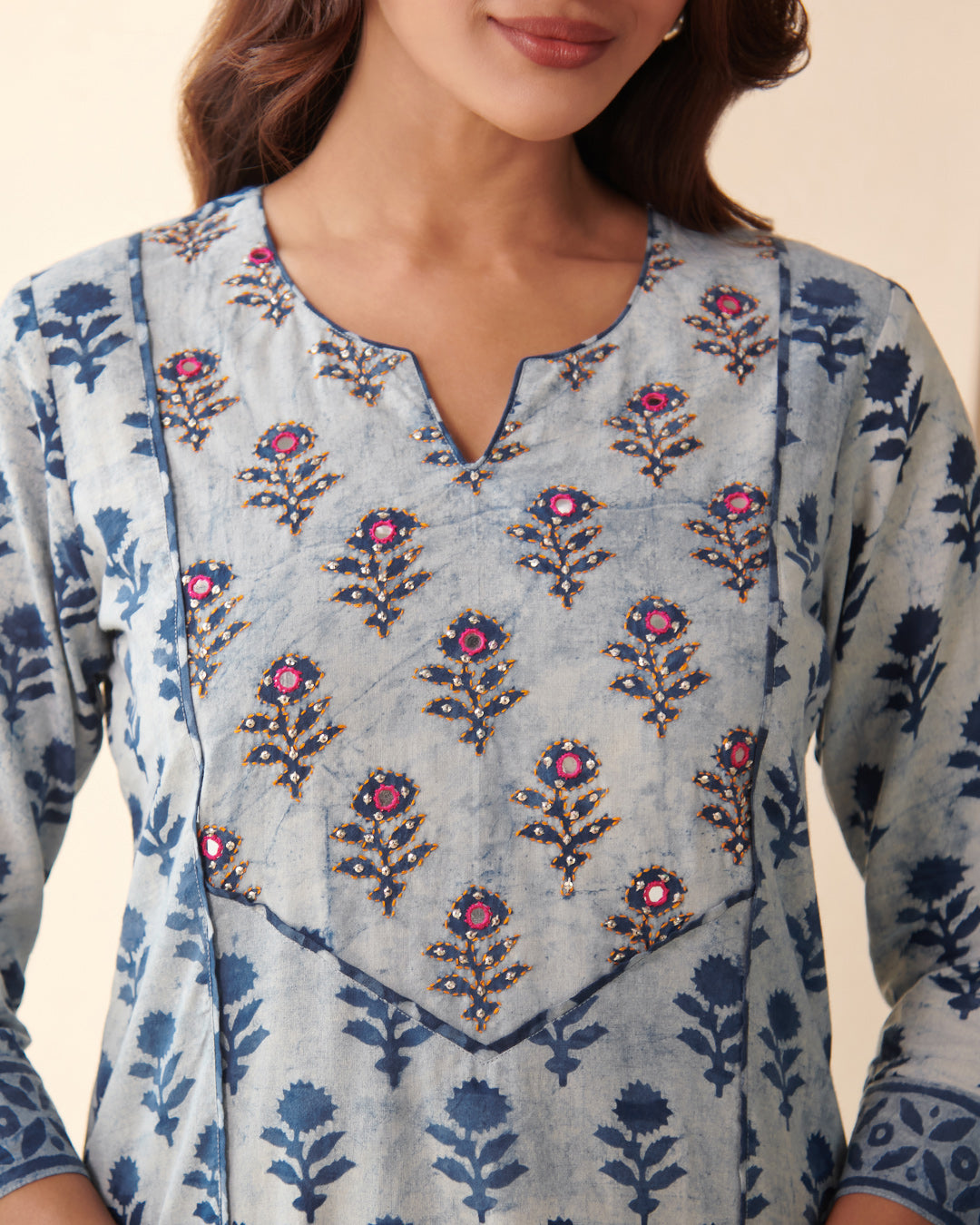
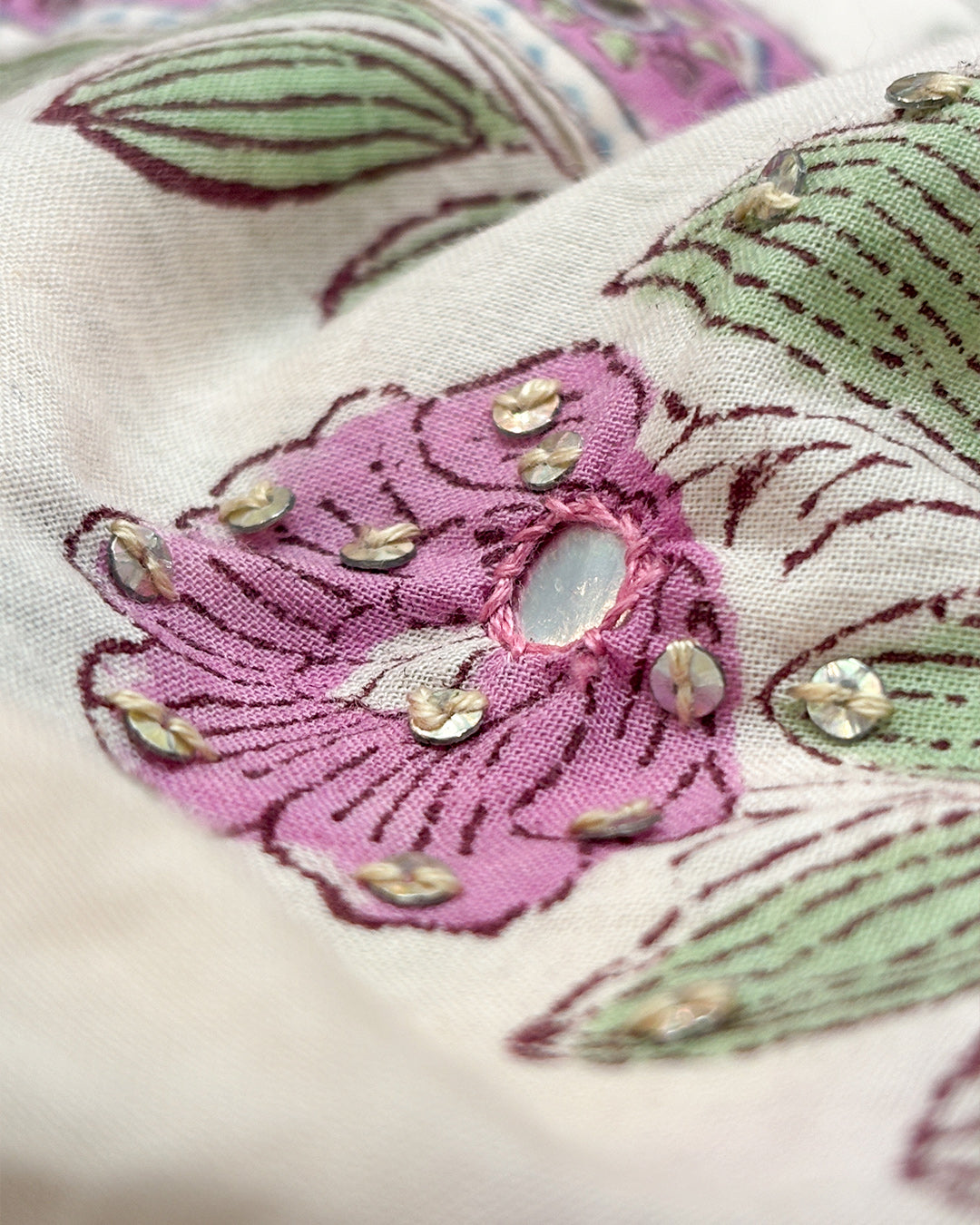
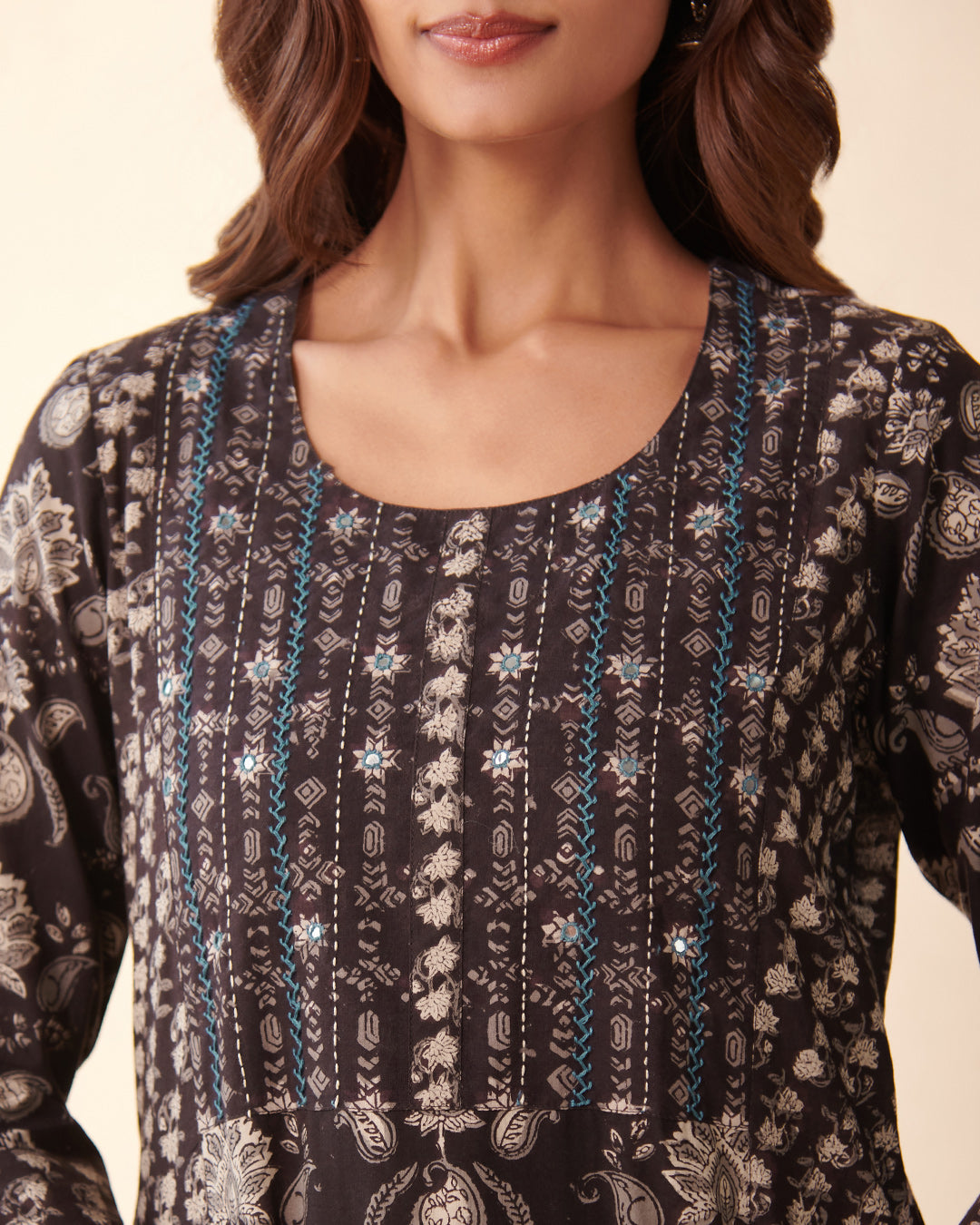
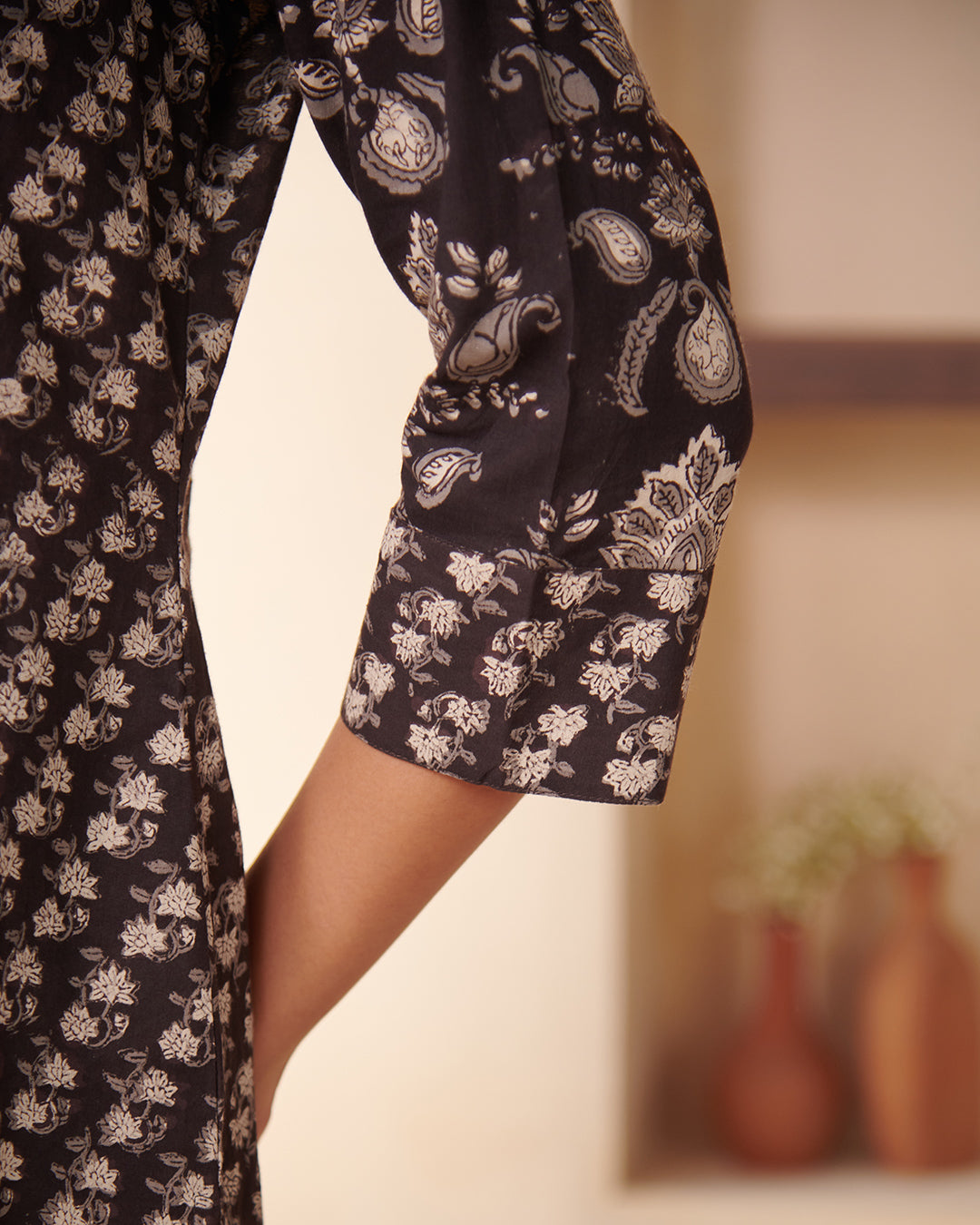
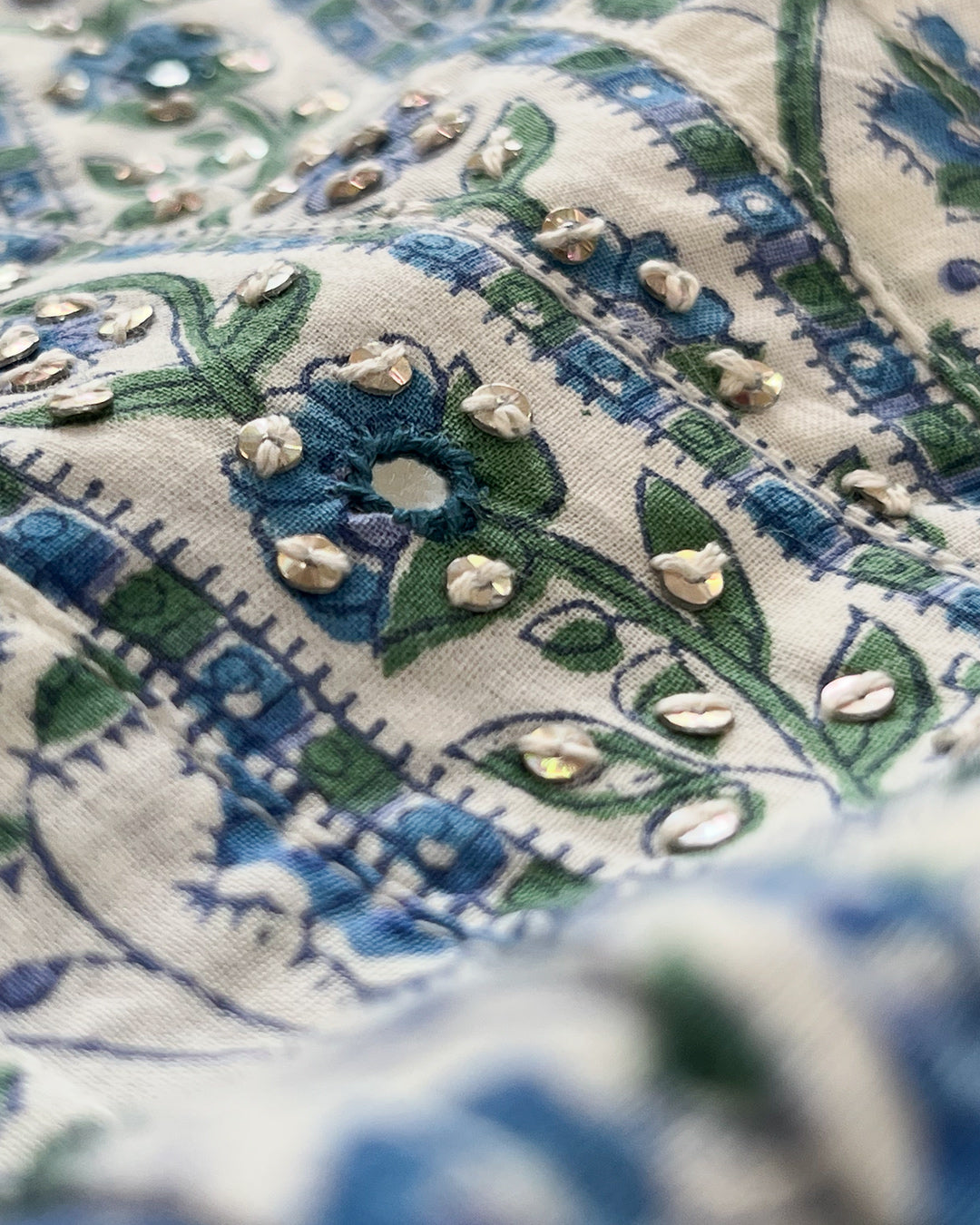
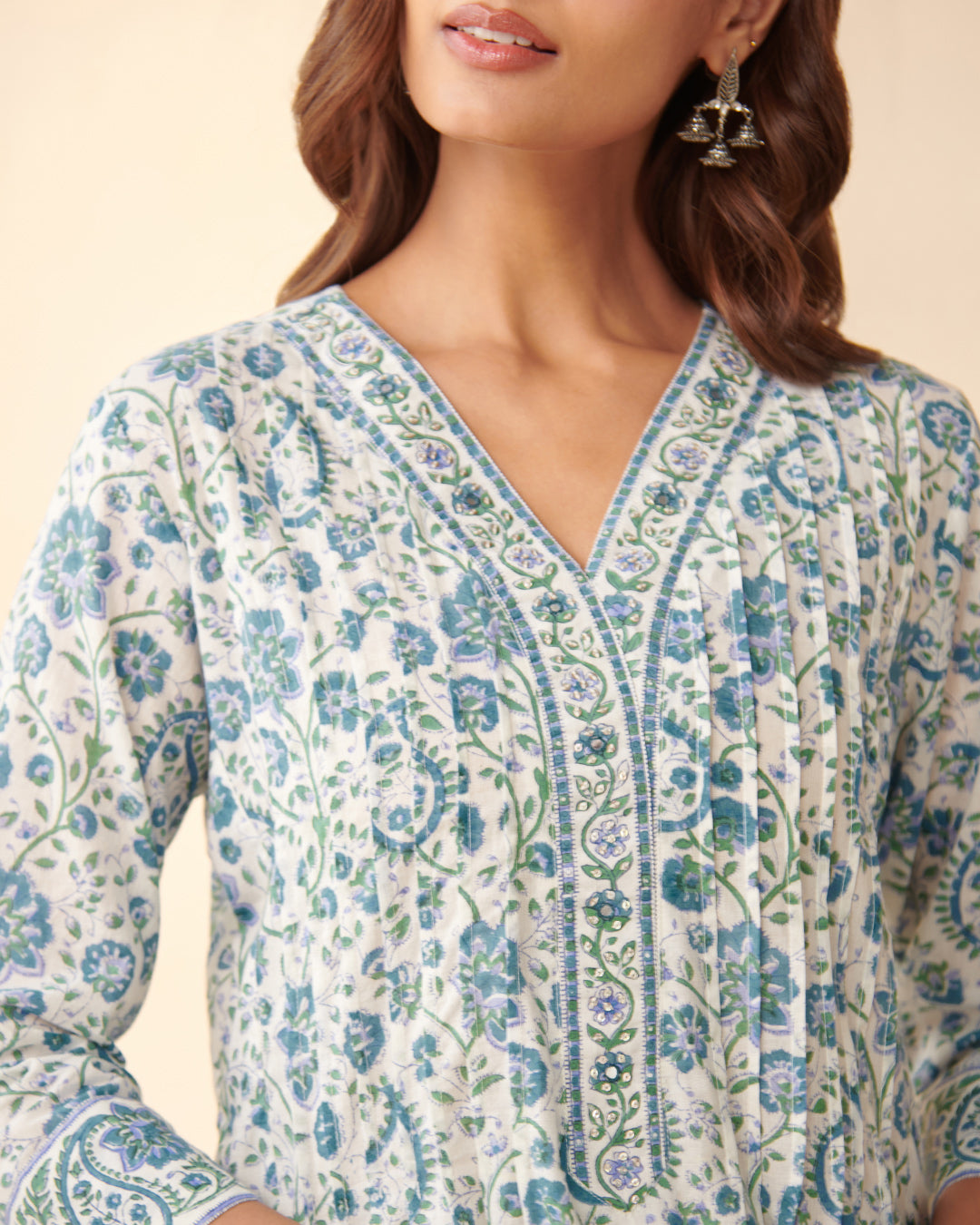
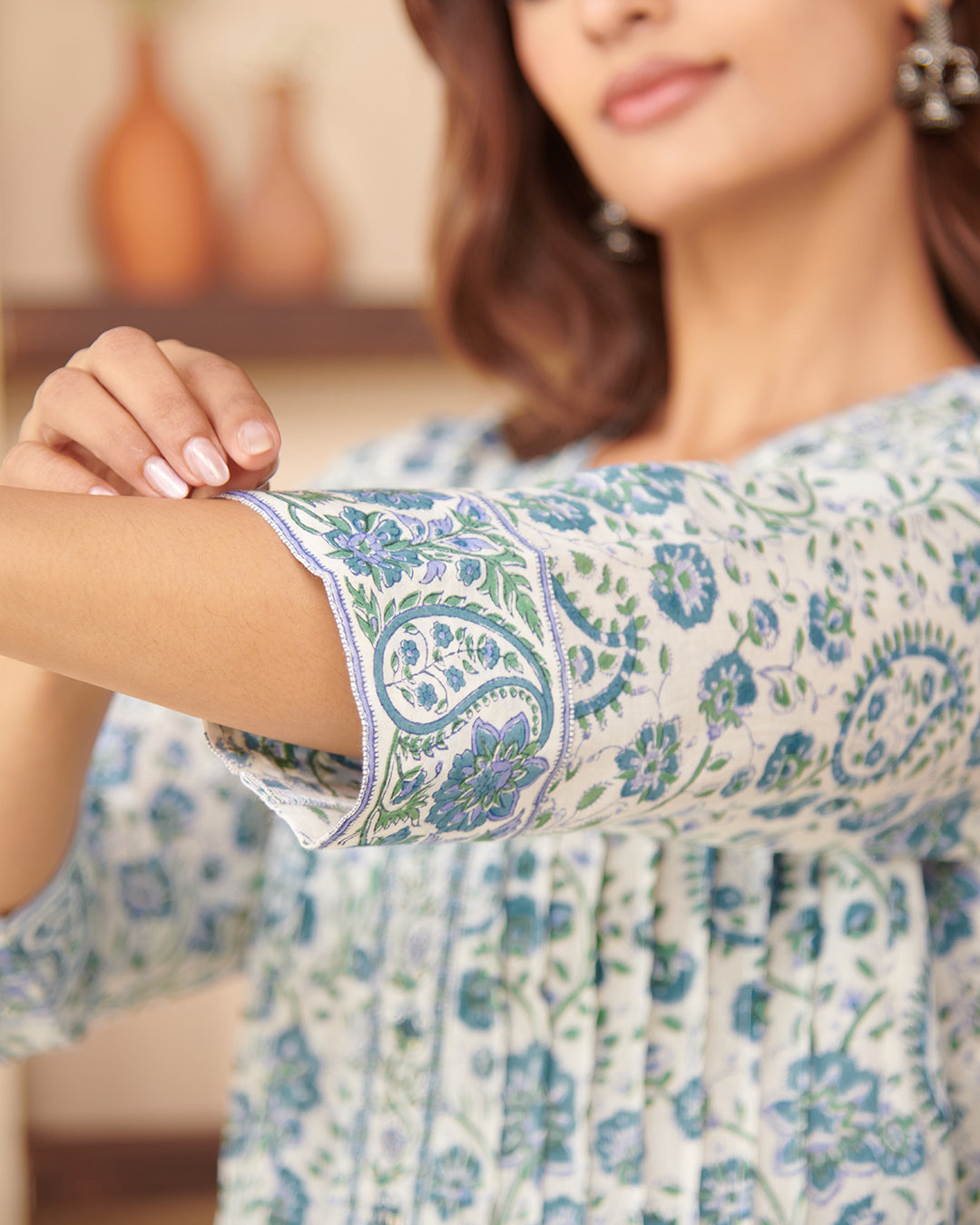
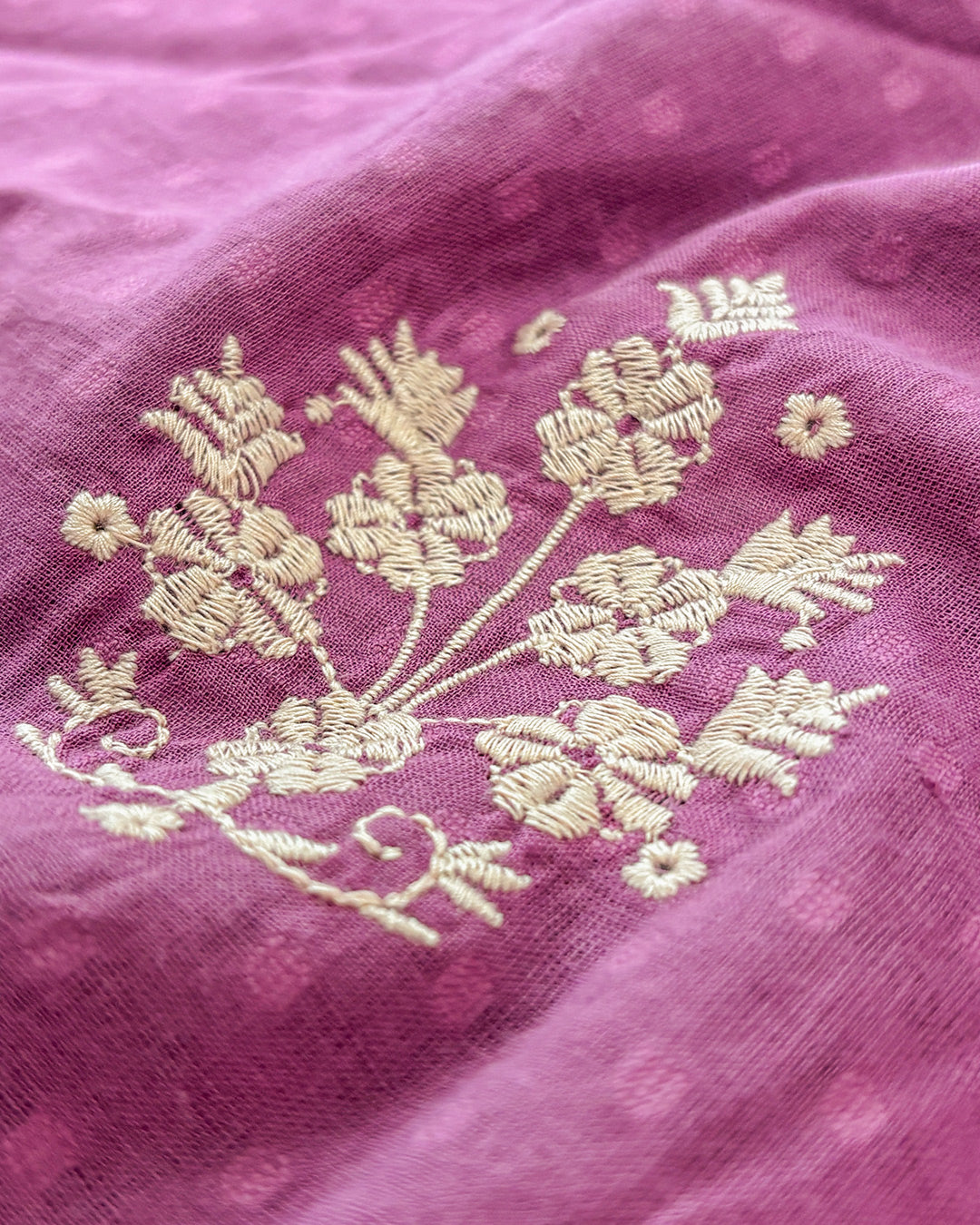
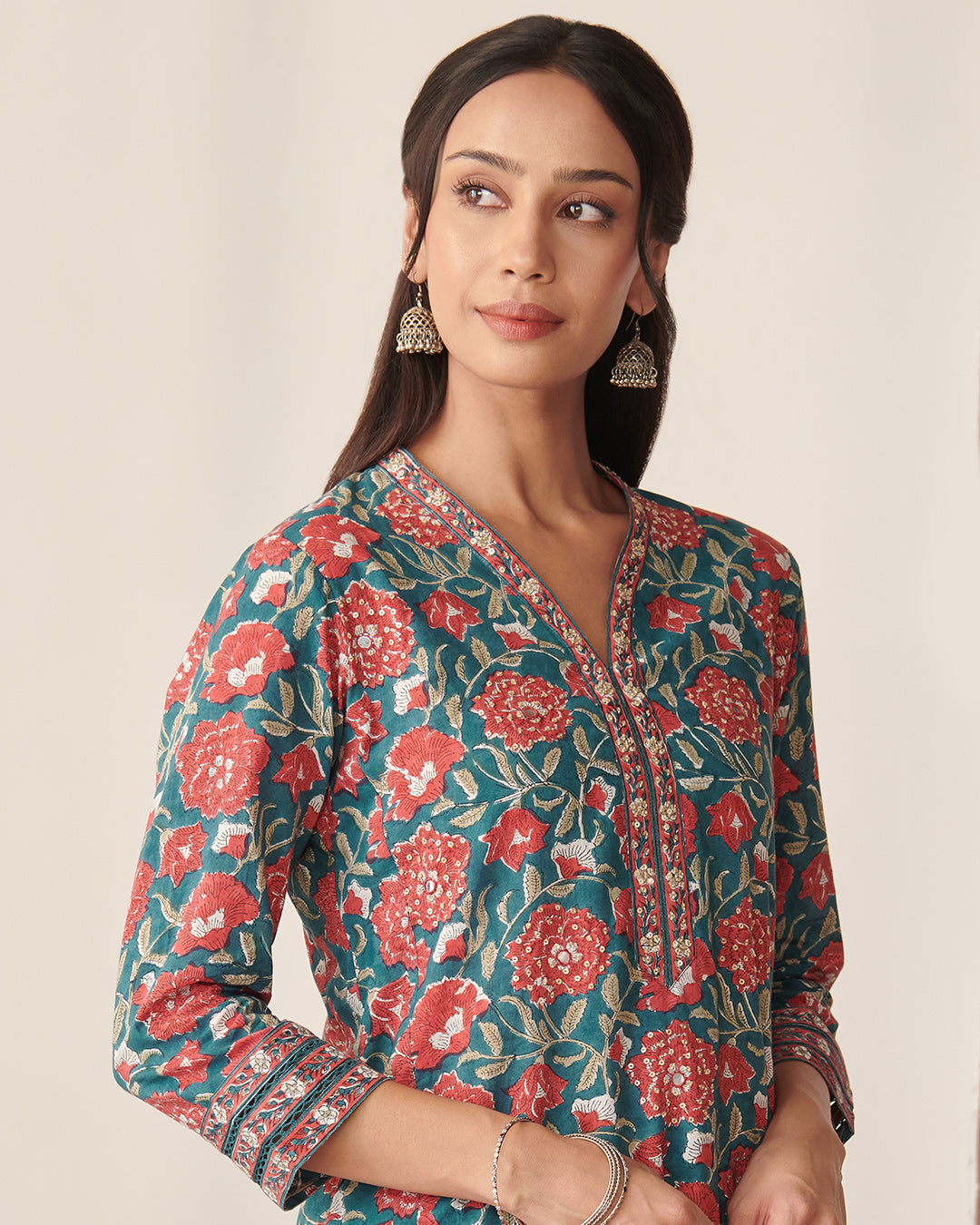
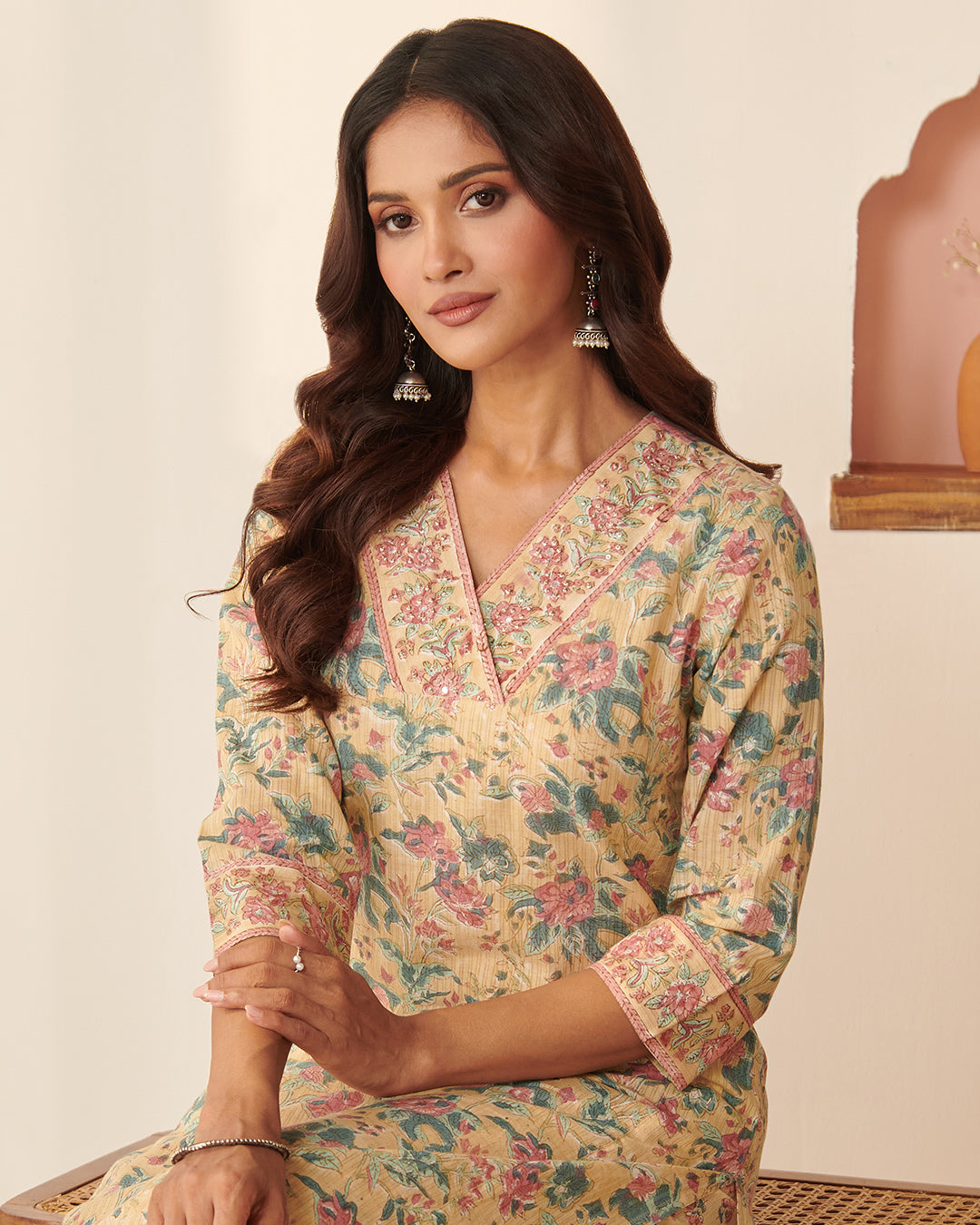
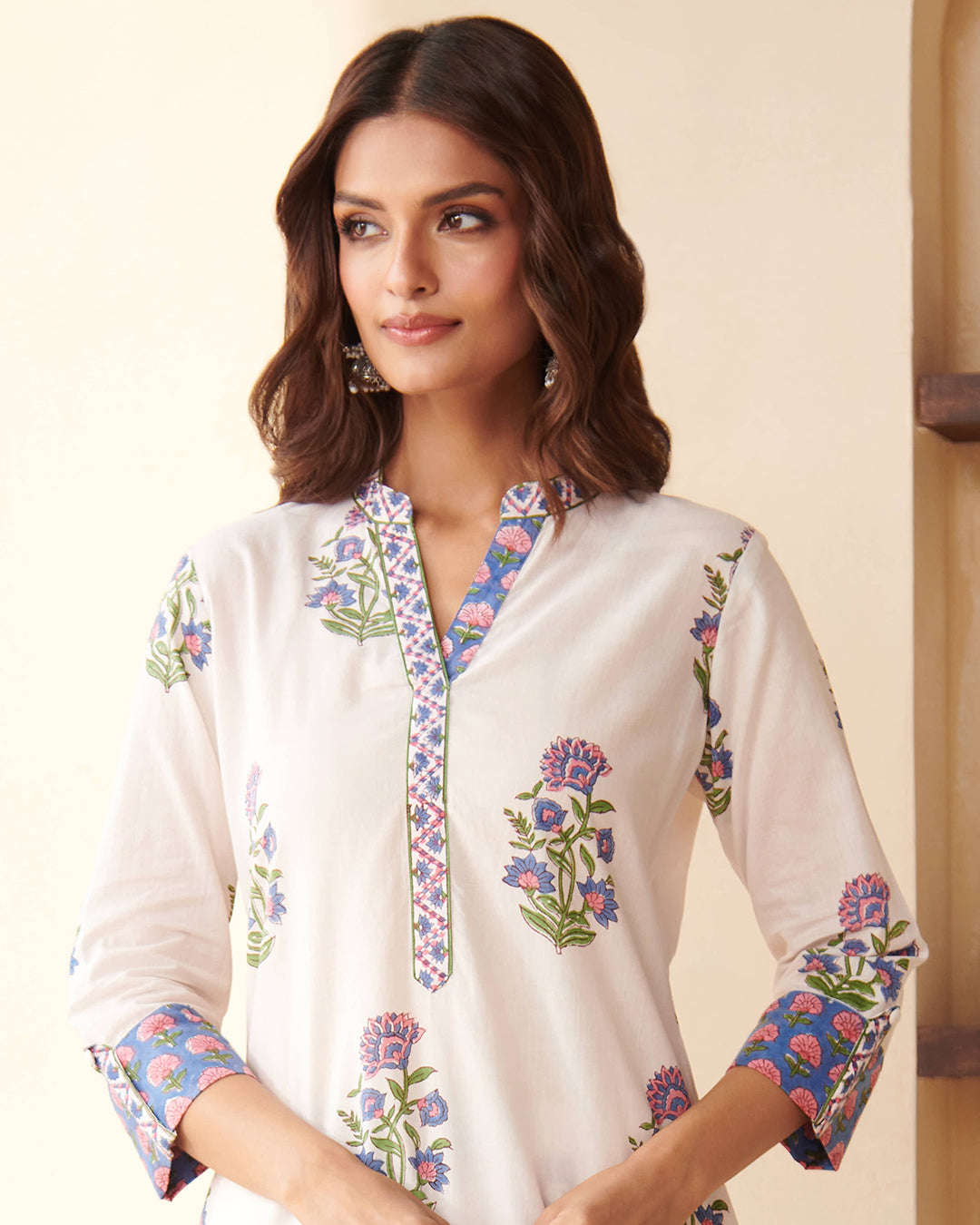
Genuine hand block prints are never perfectly even, and that's actually what you want to see. A motif slightly off center, a line that's a touch thicker in one spot than another, these are signs of a real human hand at work, not a flaw. Sellers who talk about which artisan cluster or region their prints come from are usually more trustworthy than ones who just slap "handmade" on everything.
Choosing the Right Design
Think about your own closet before you buy. If most of what you own is plain and simple, a bold printed dupatta will probably get more wear than a subtle one. If you already have a lot of patterns, something quieter might actually be more useful. It's less about which design is "nicer" and more about what you'll actually reach for.
Conclusion
There's a lot more effort packed into a hand printed dupatta than people usually clock at first glance. Real wood blocks, real hands, real trial and error passed down through families who've been doing this far longer than any of us have been shopping for clothes. Next time you wrap one around your shoulders, it's worth remembering that.

