

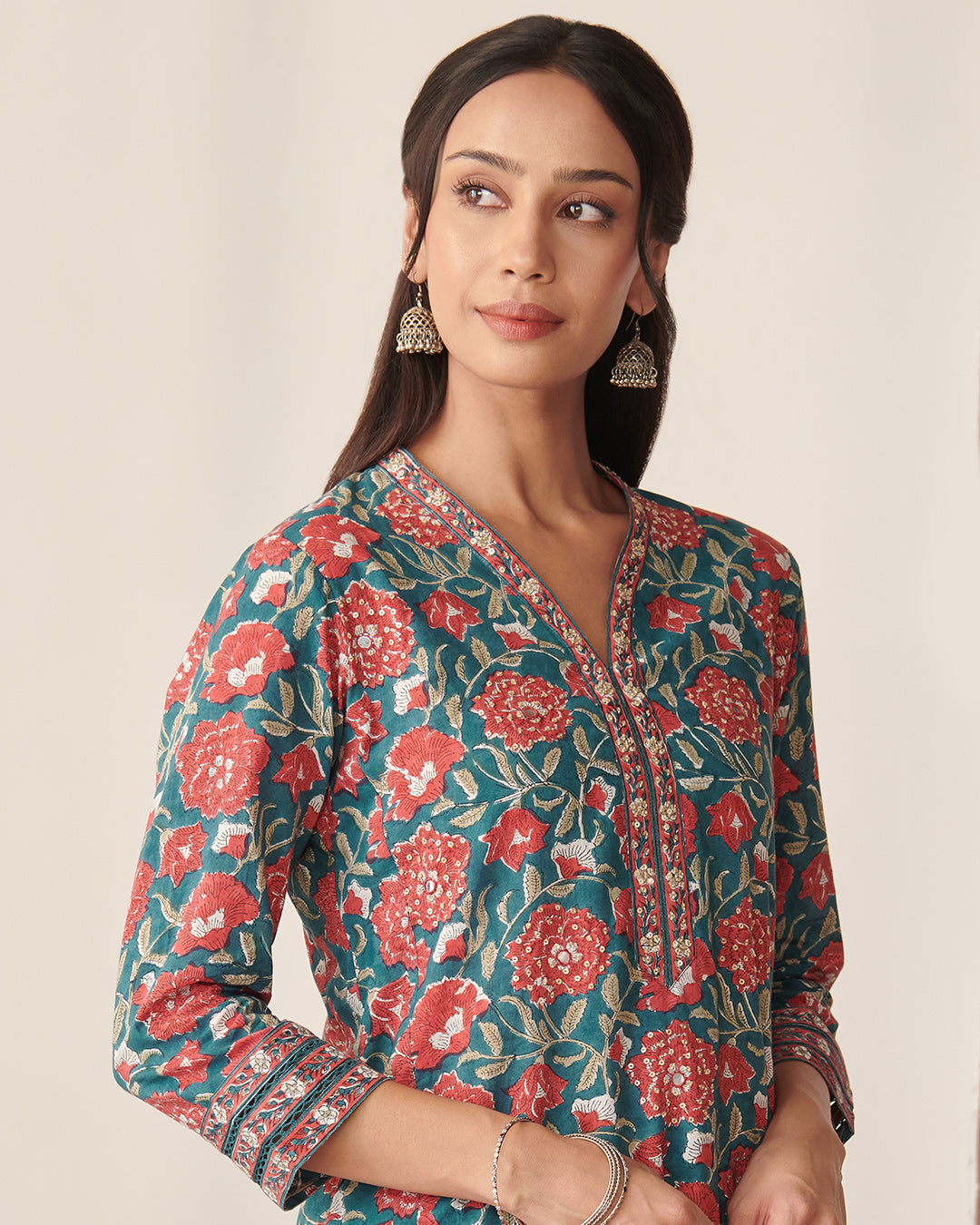
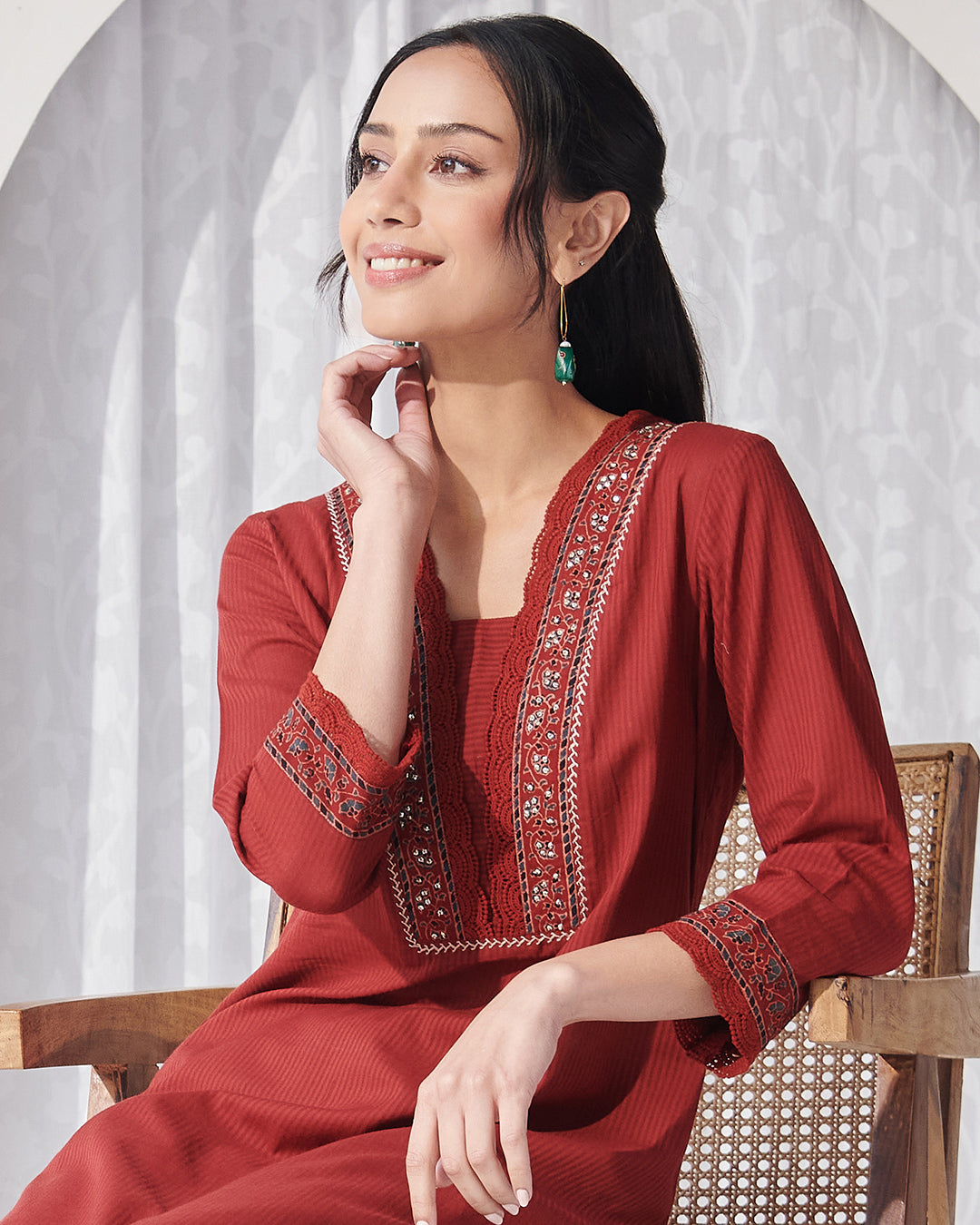
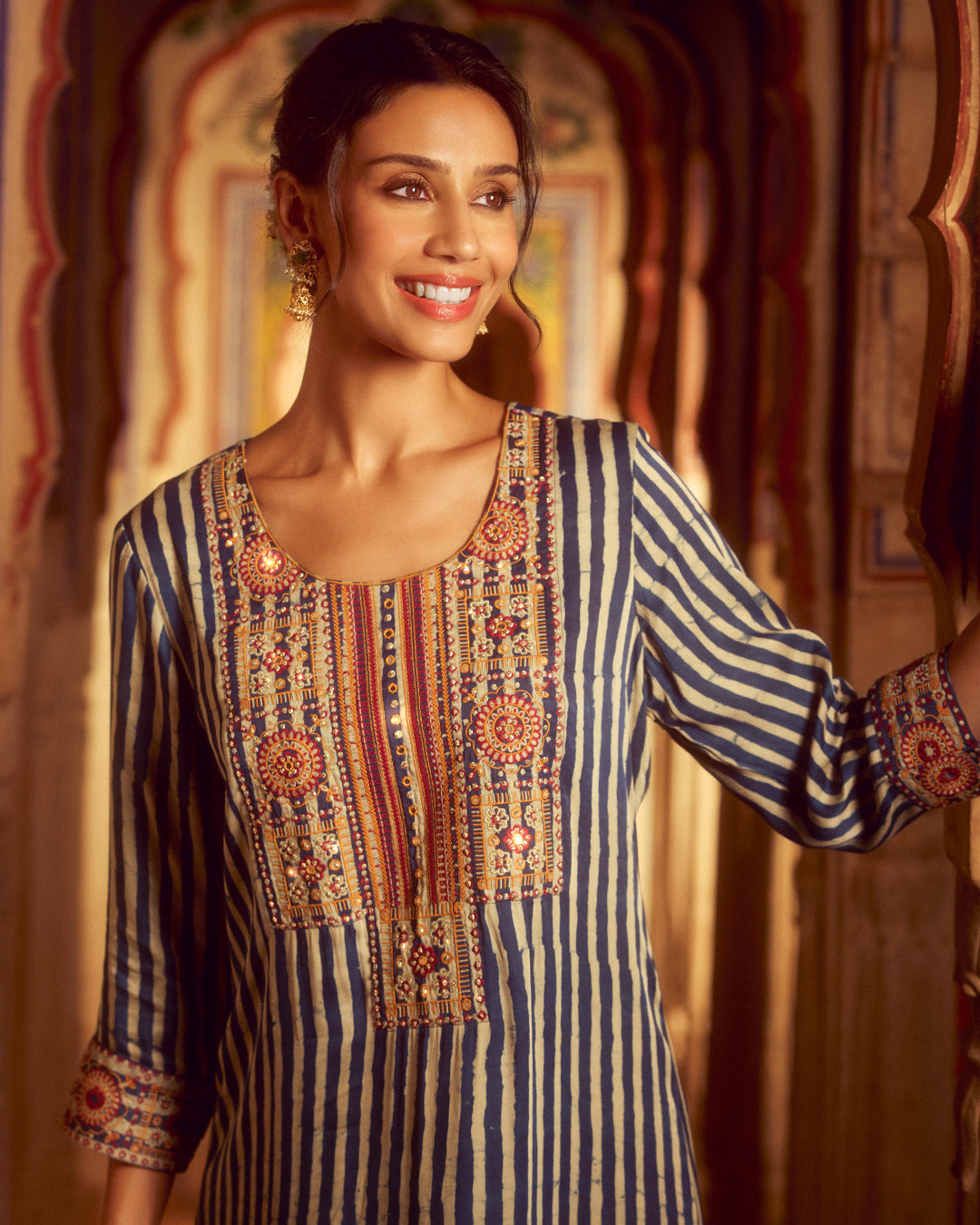
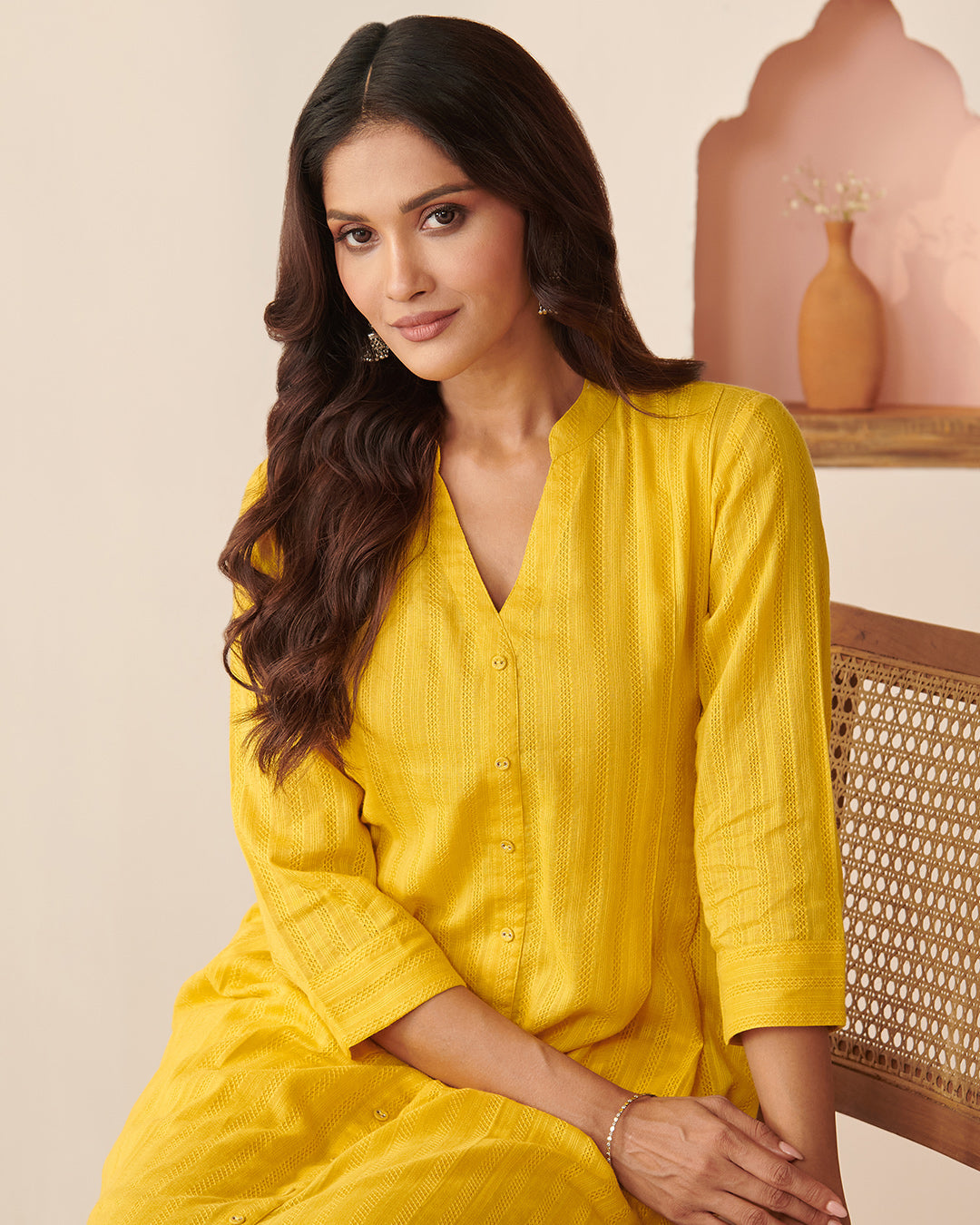



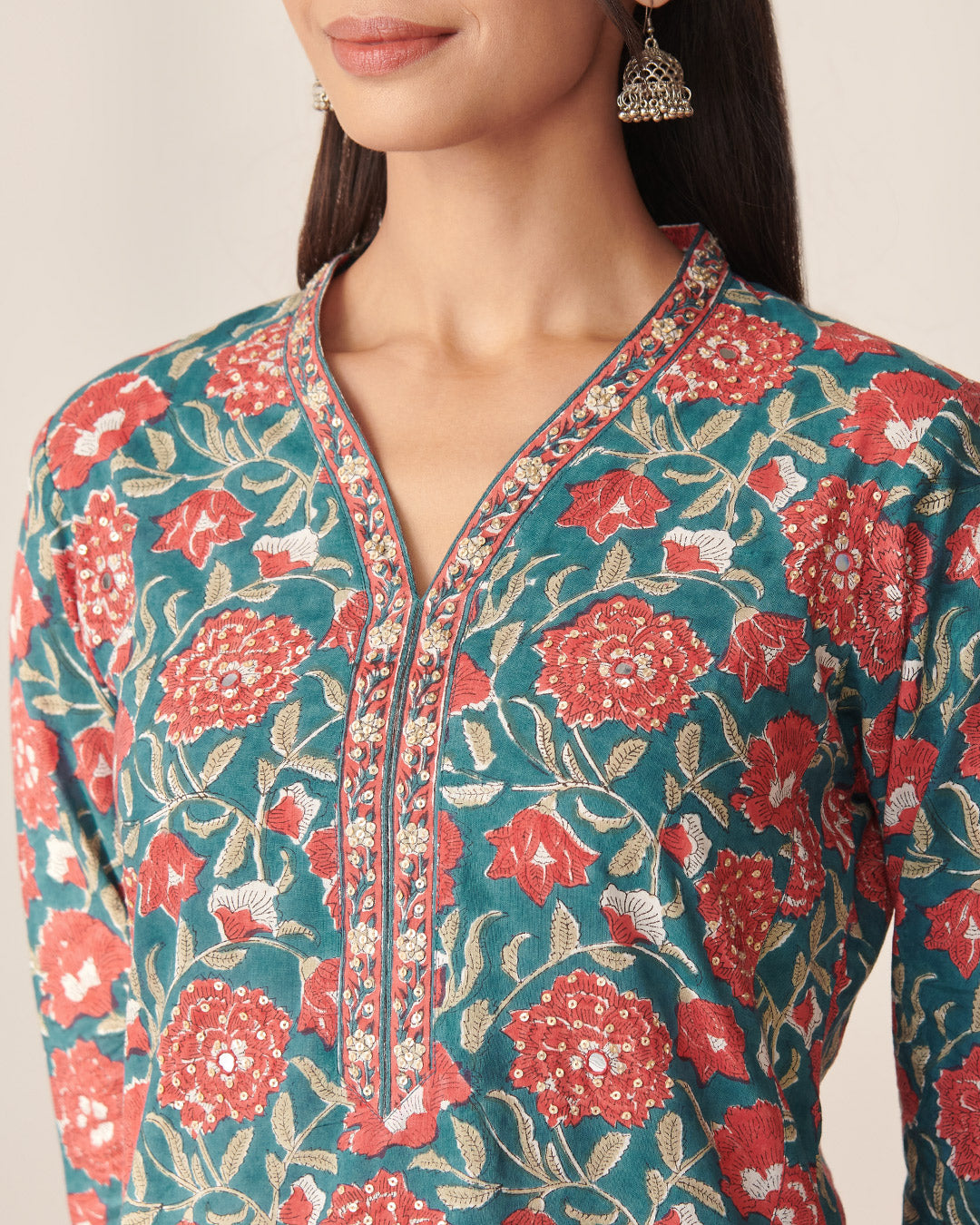
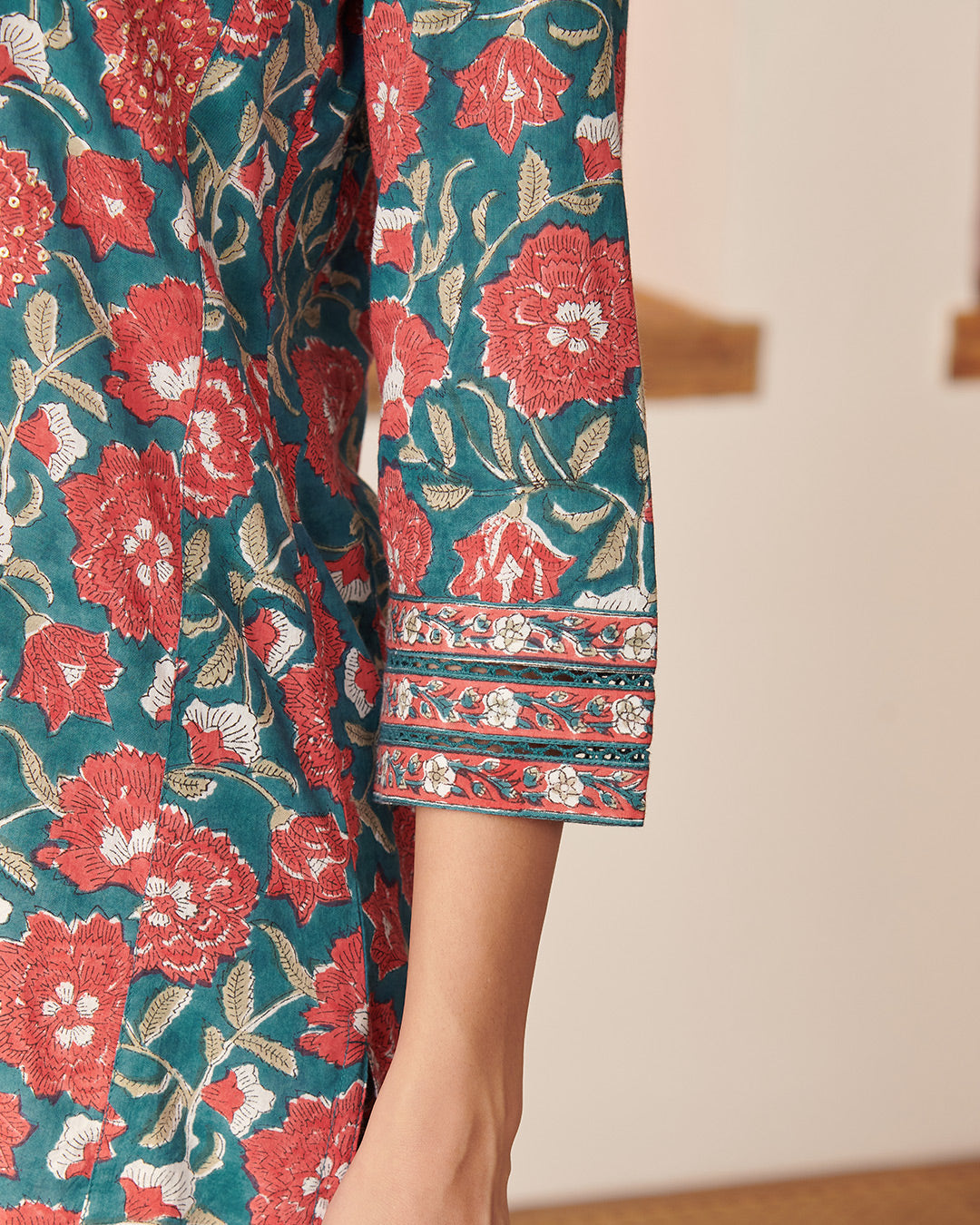
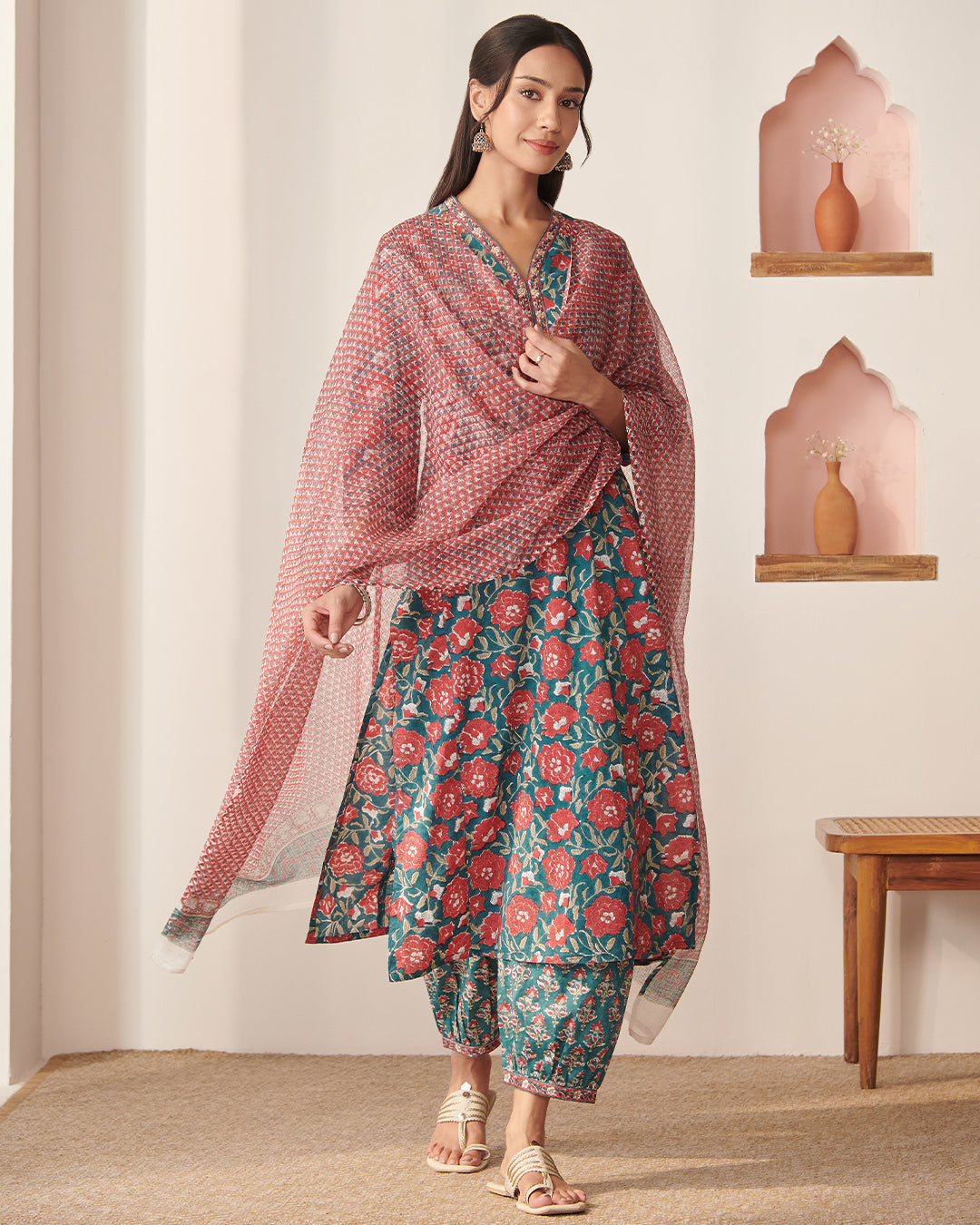
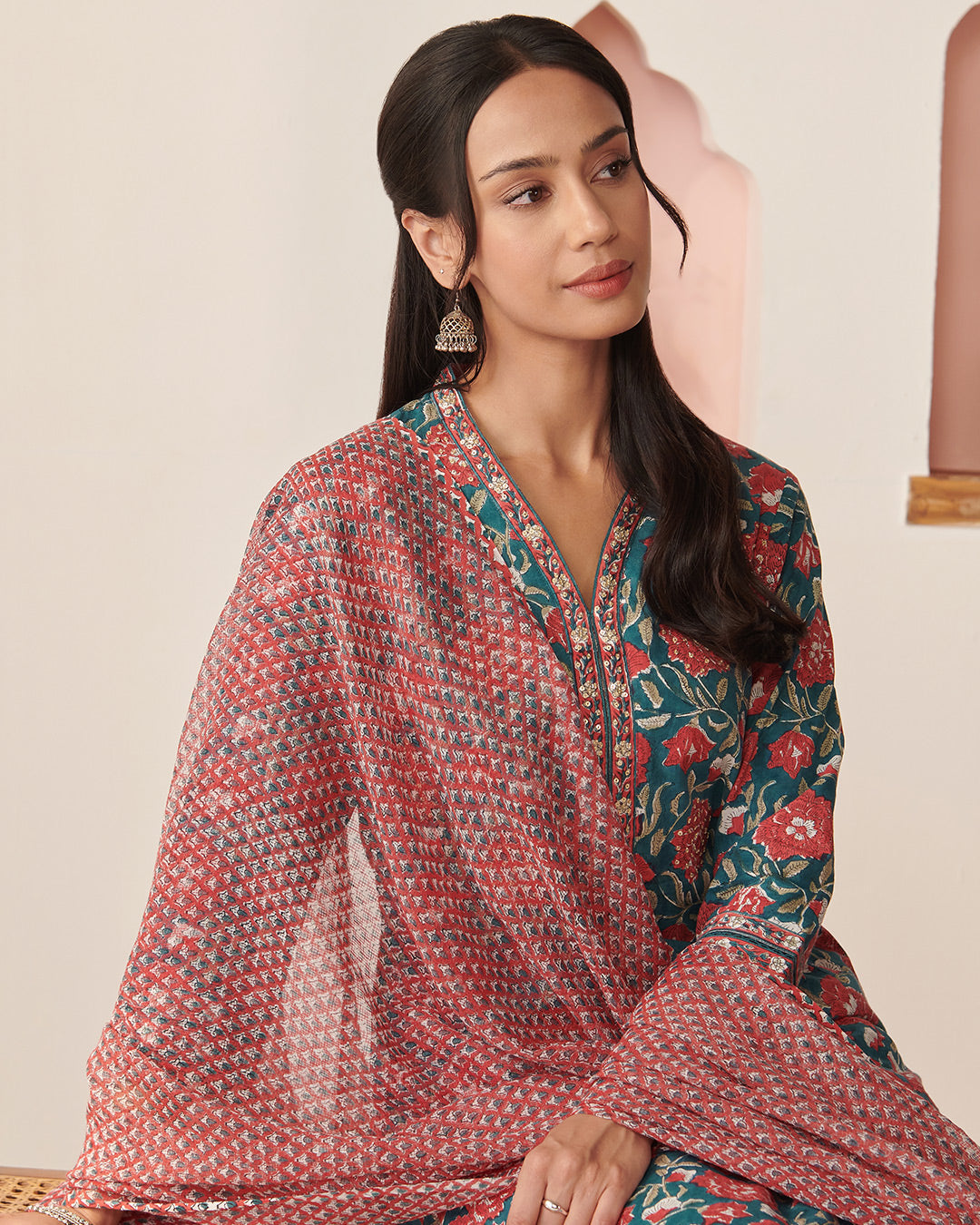


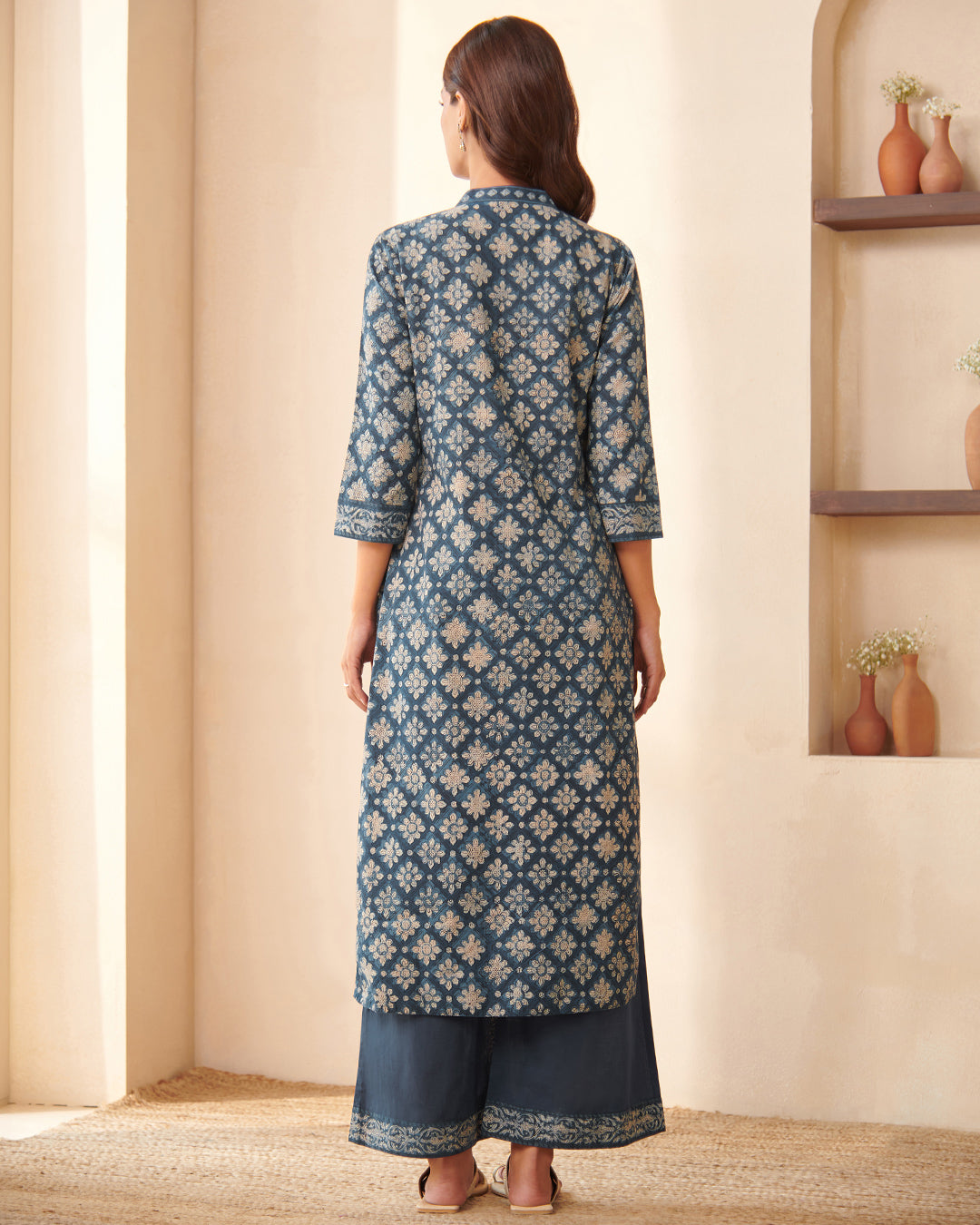


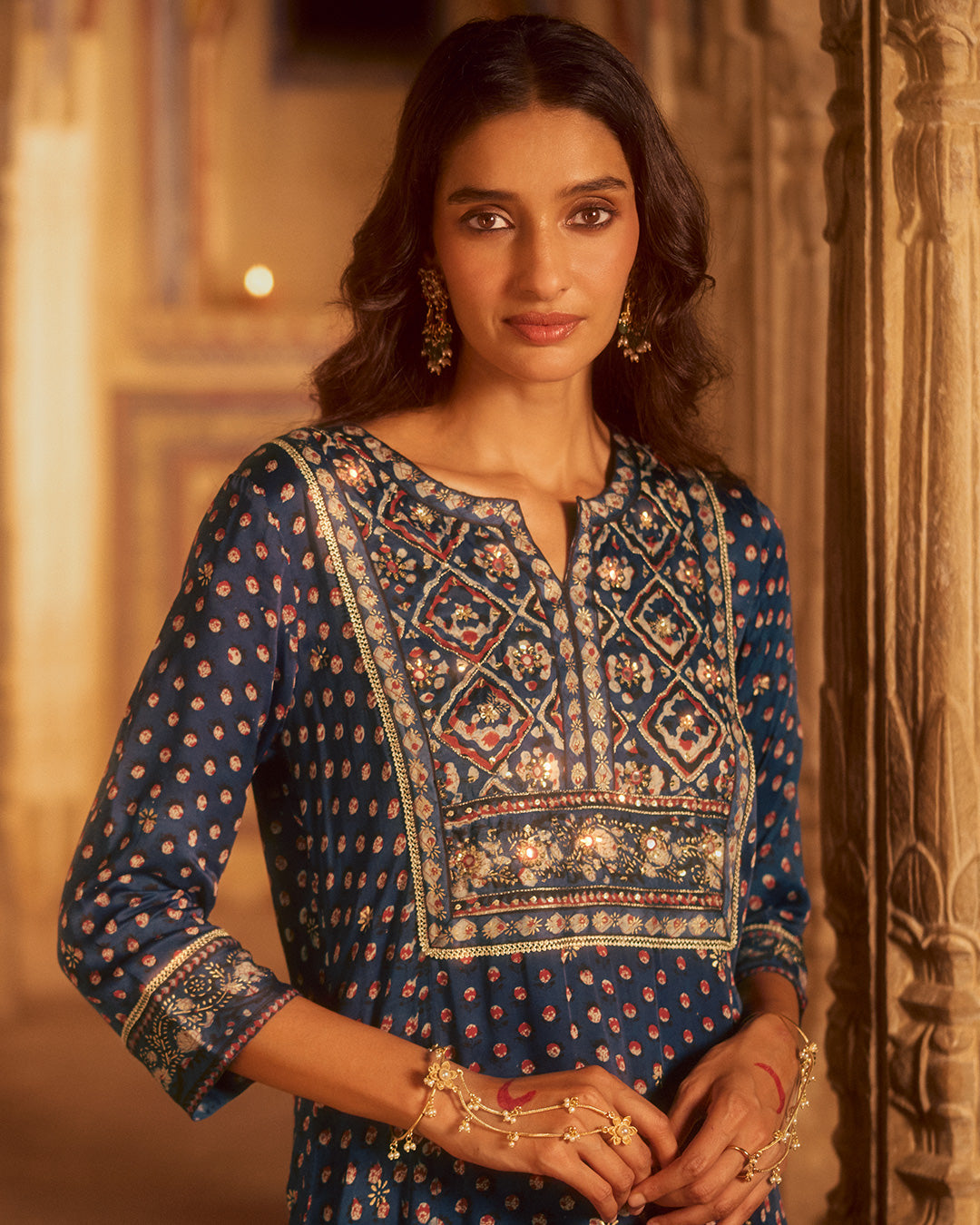
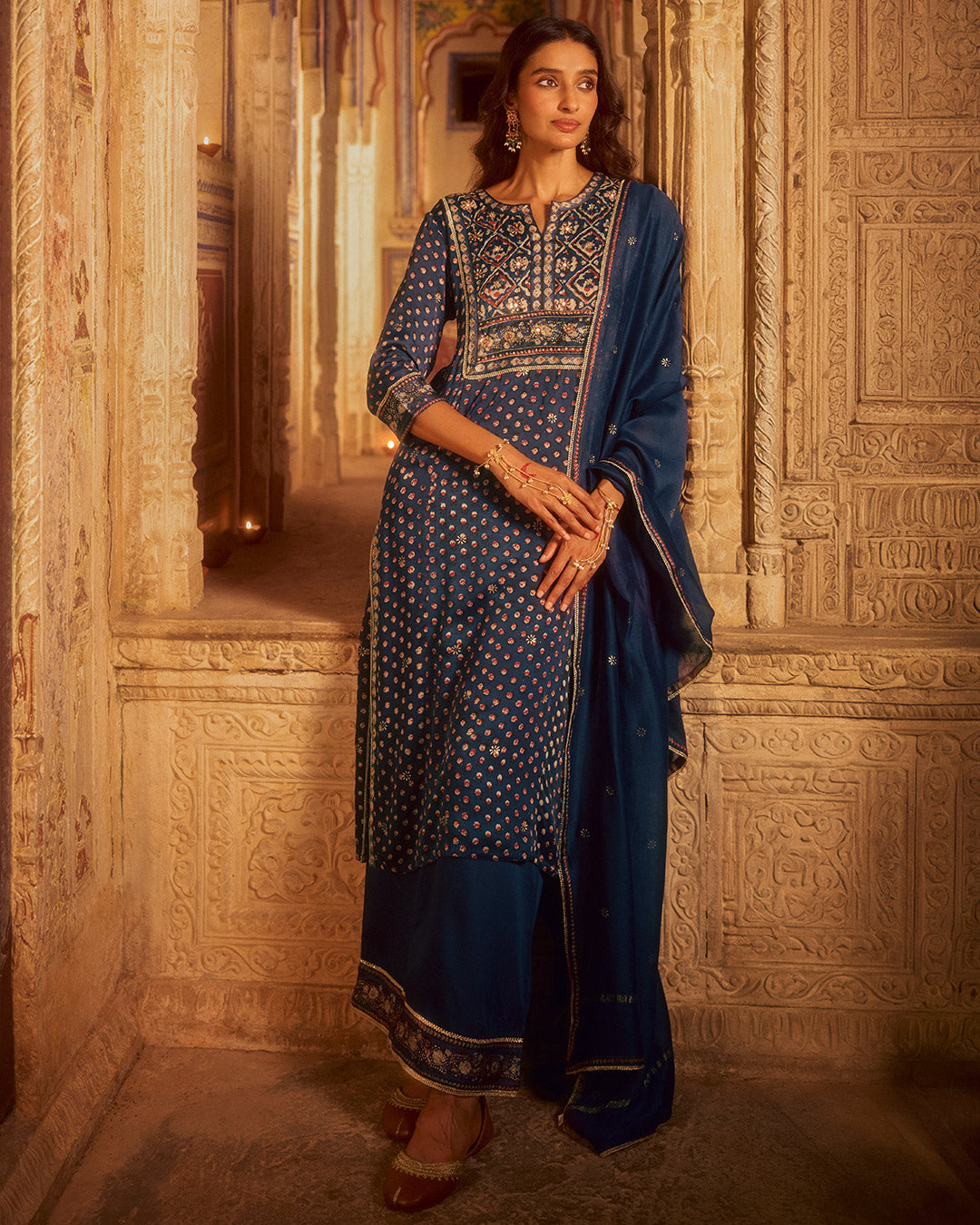
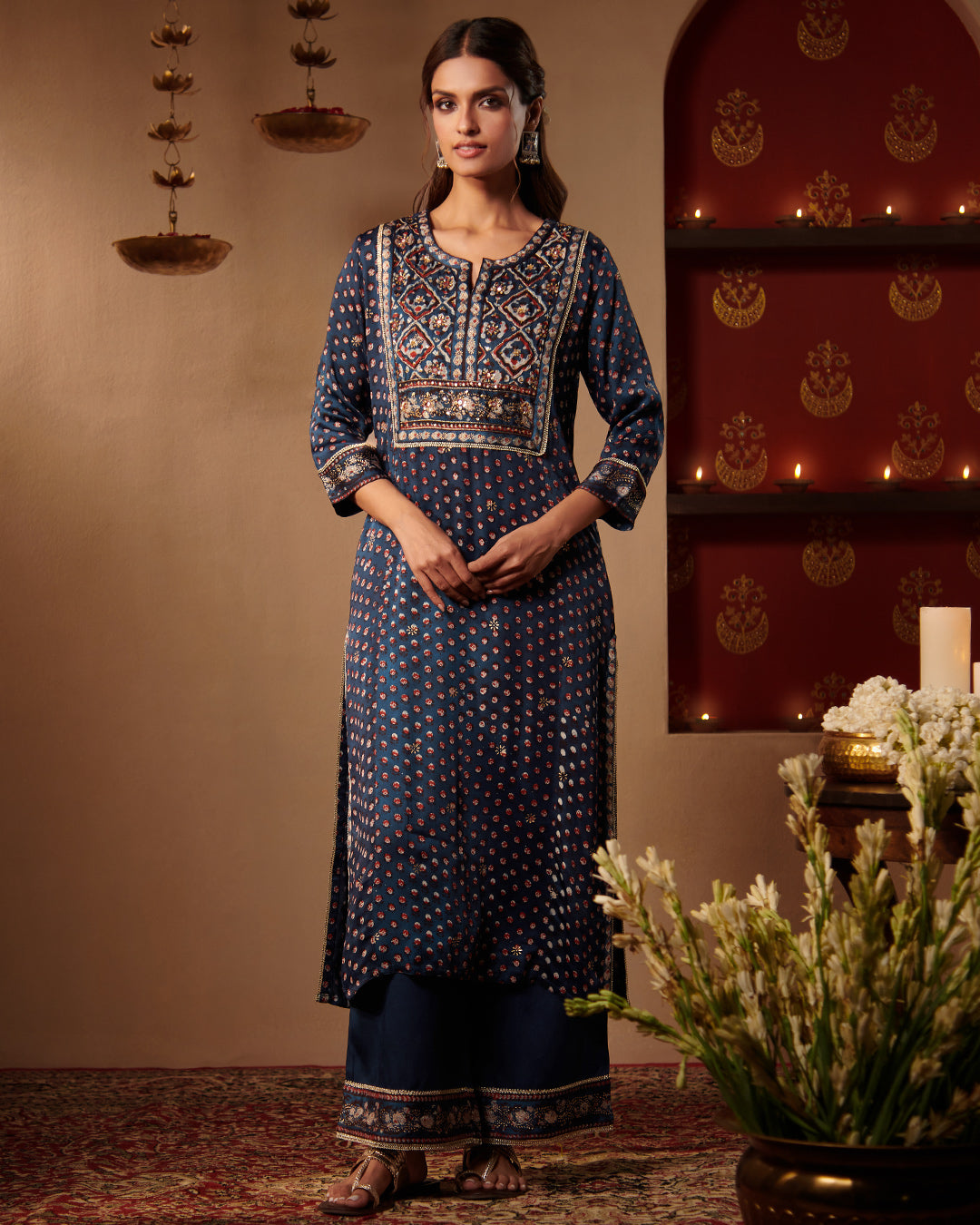
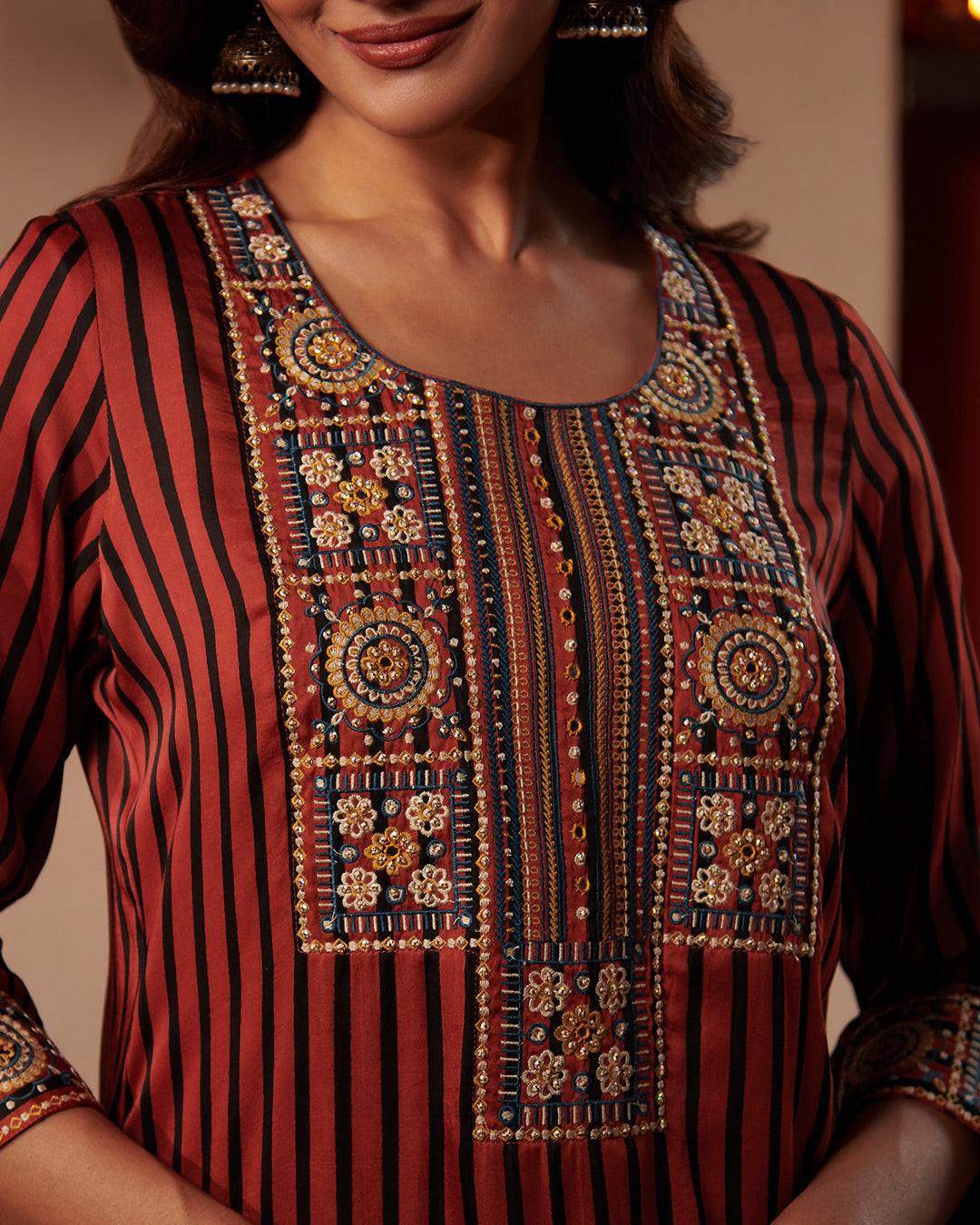
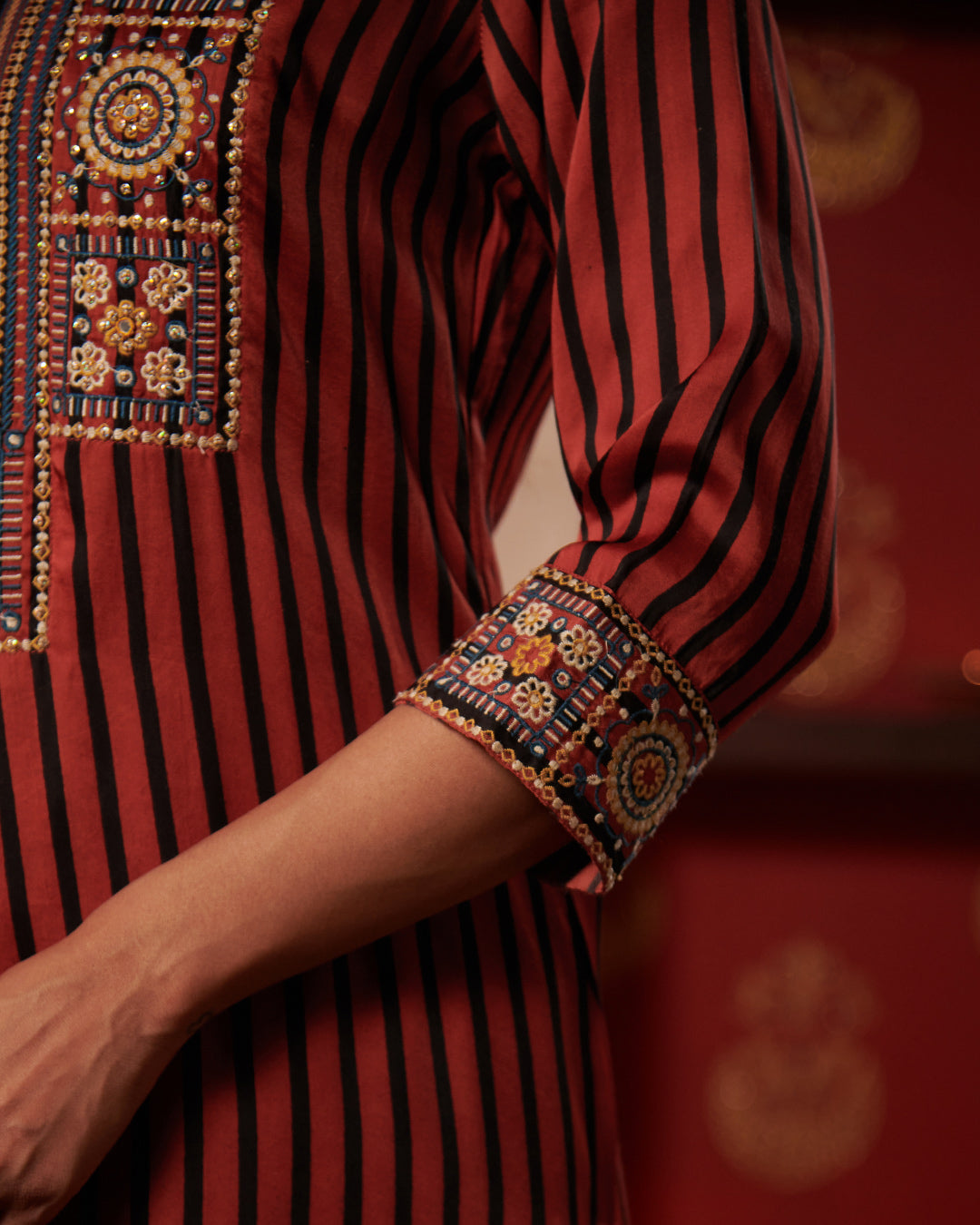
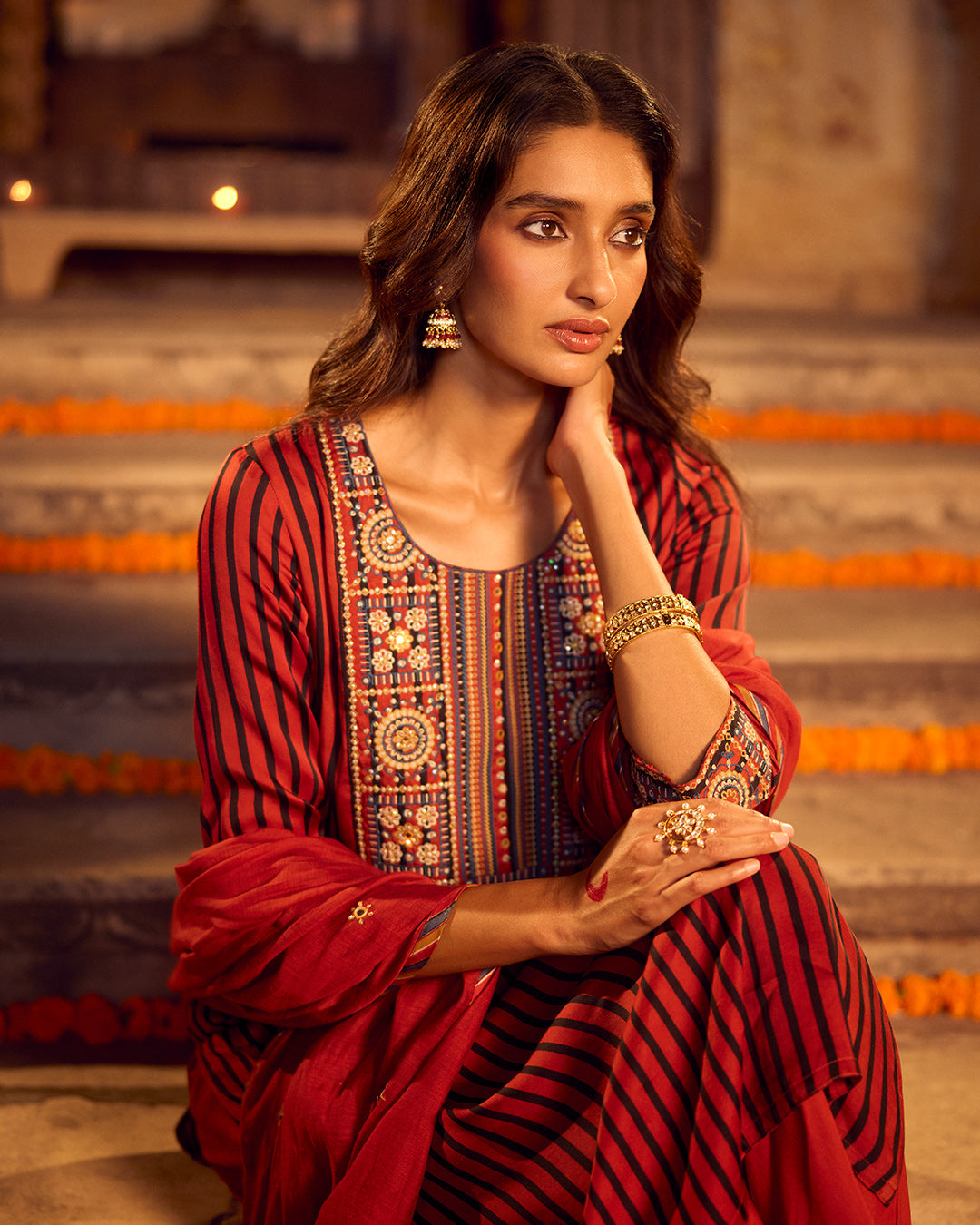
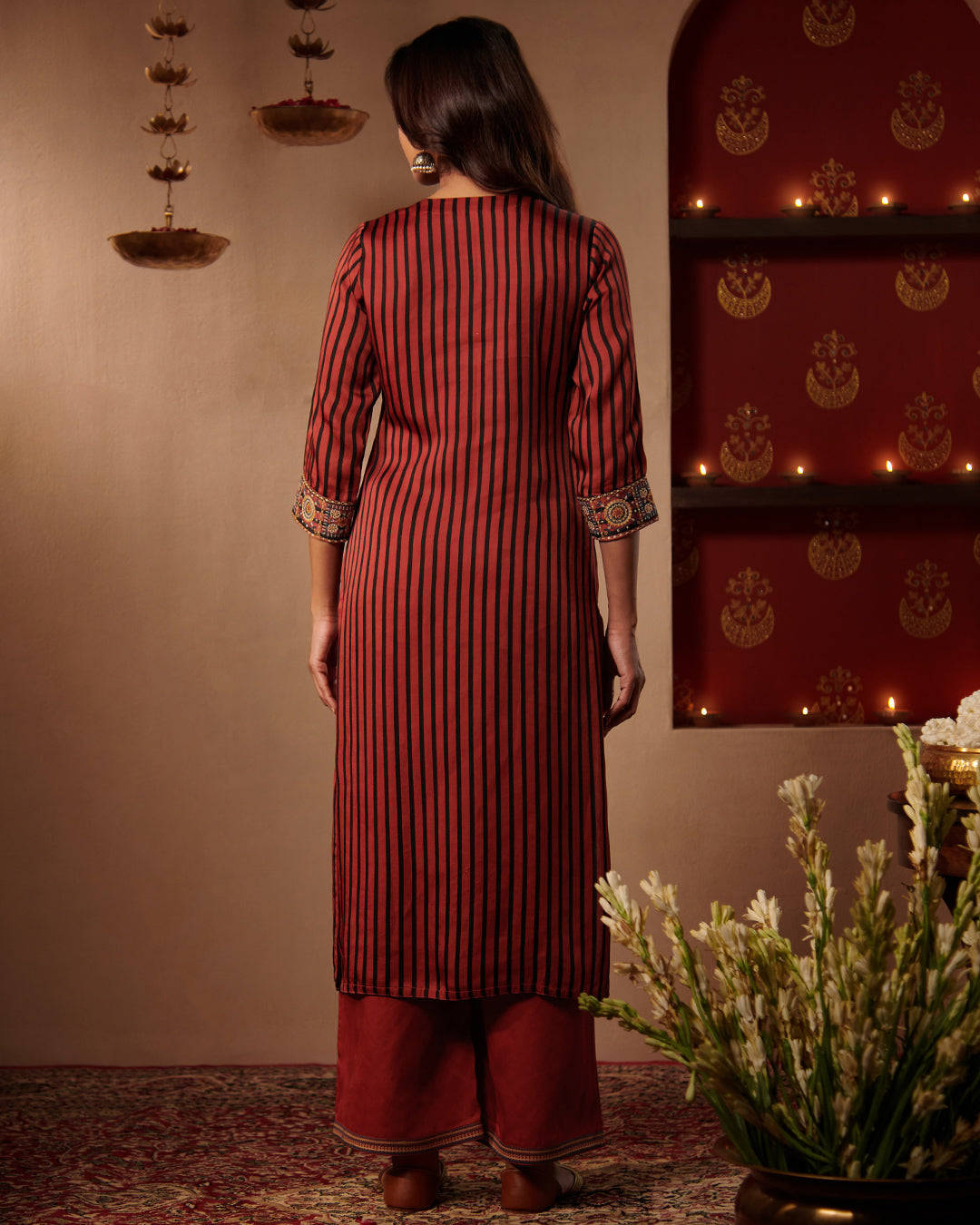
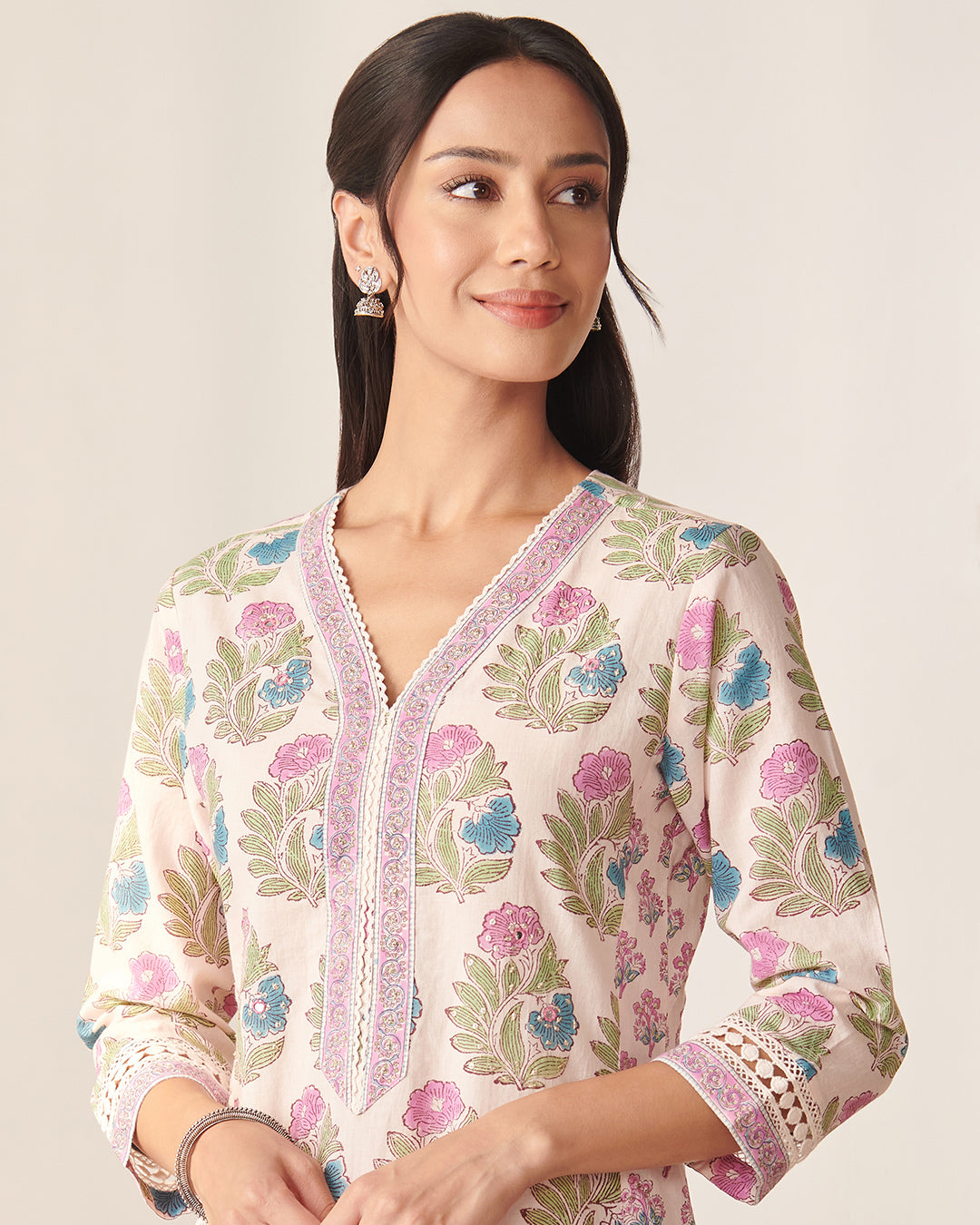
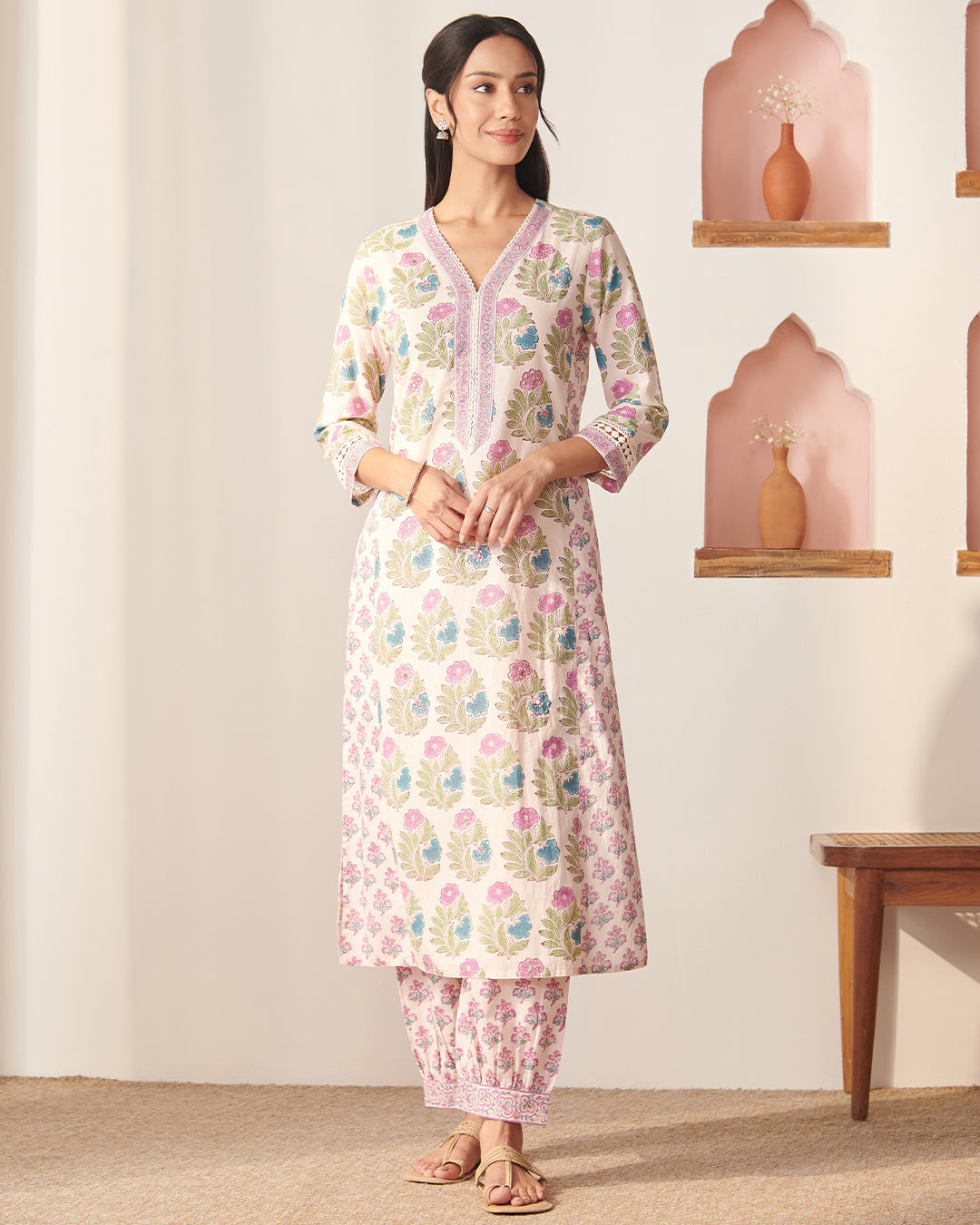
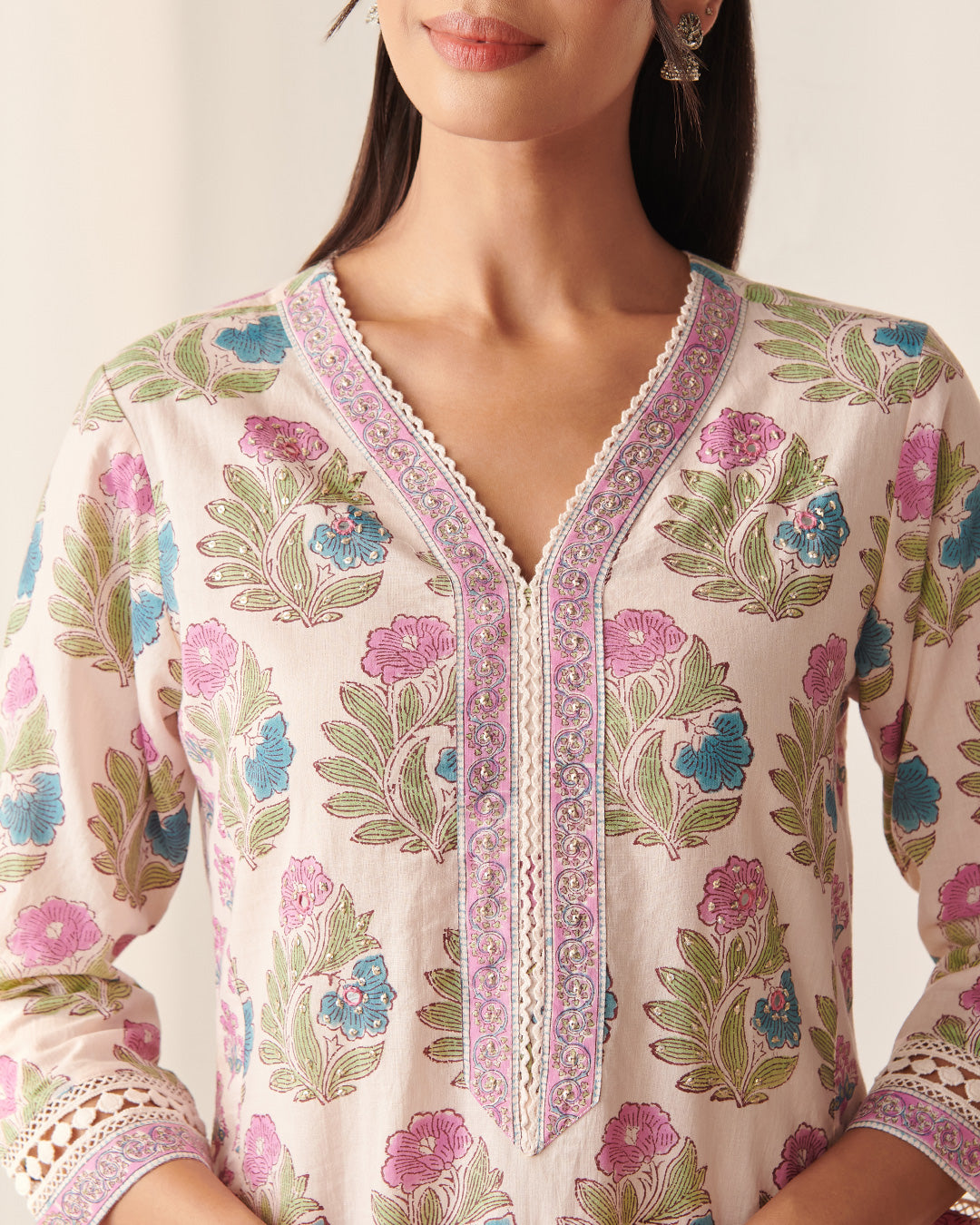


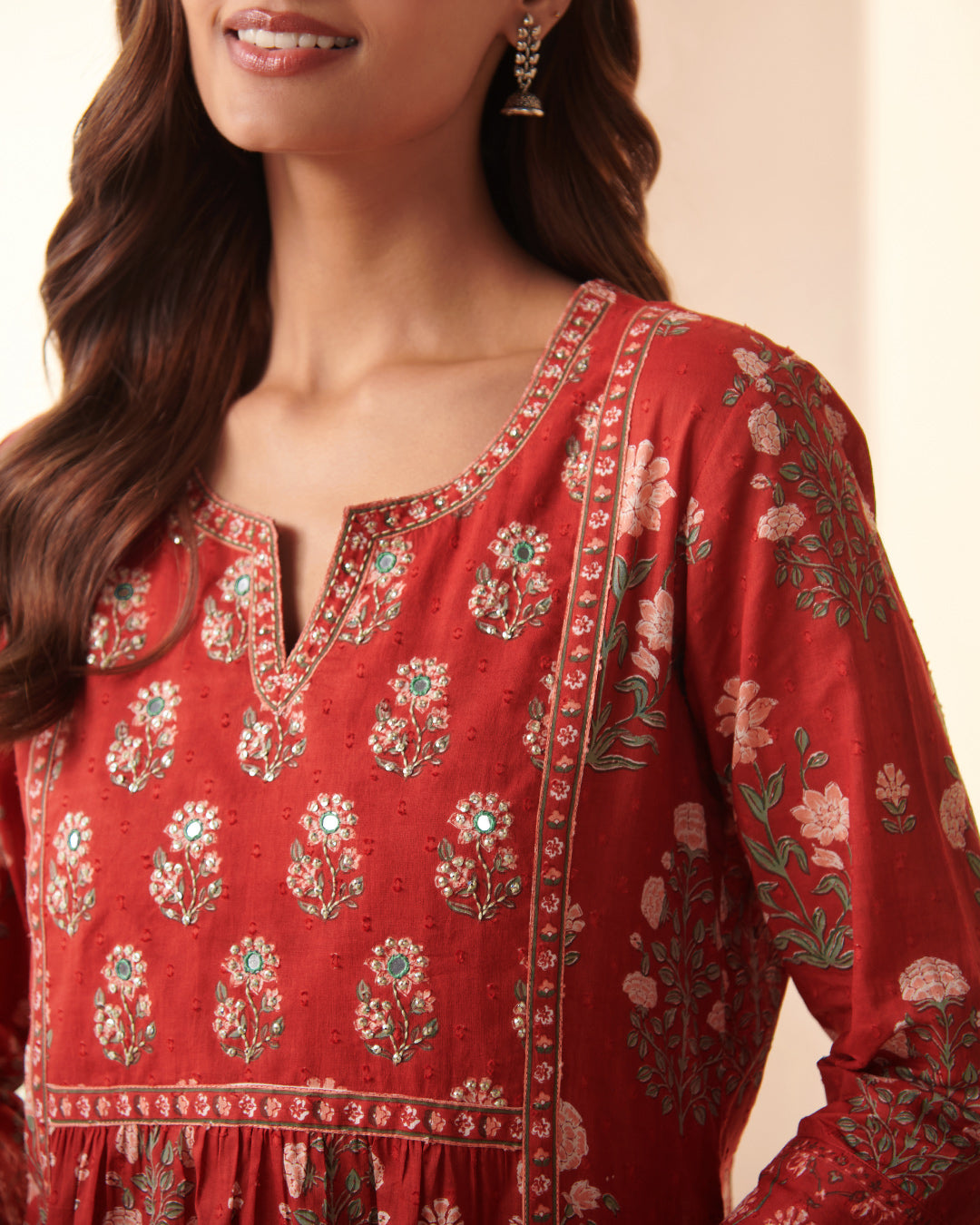
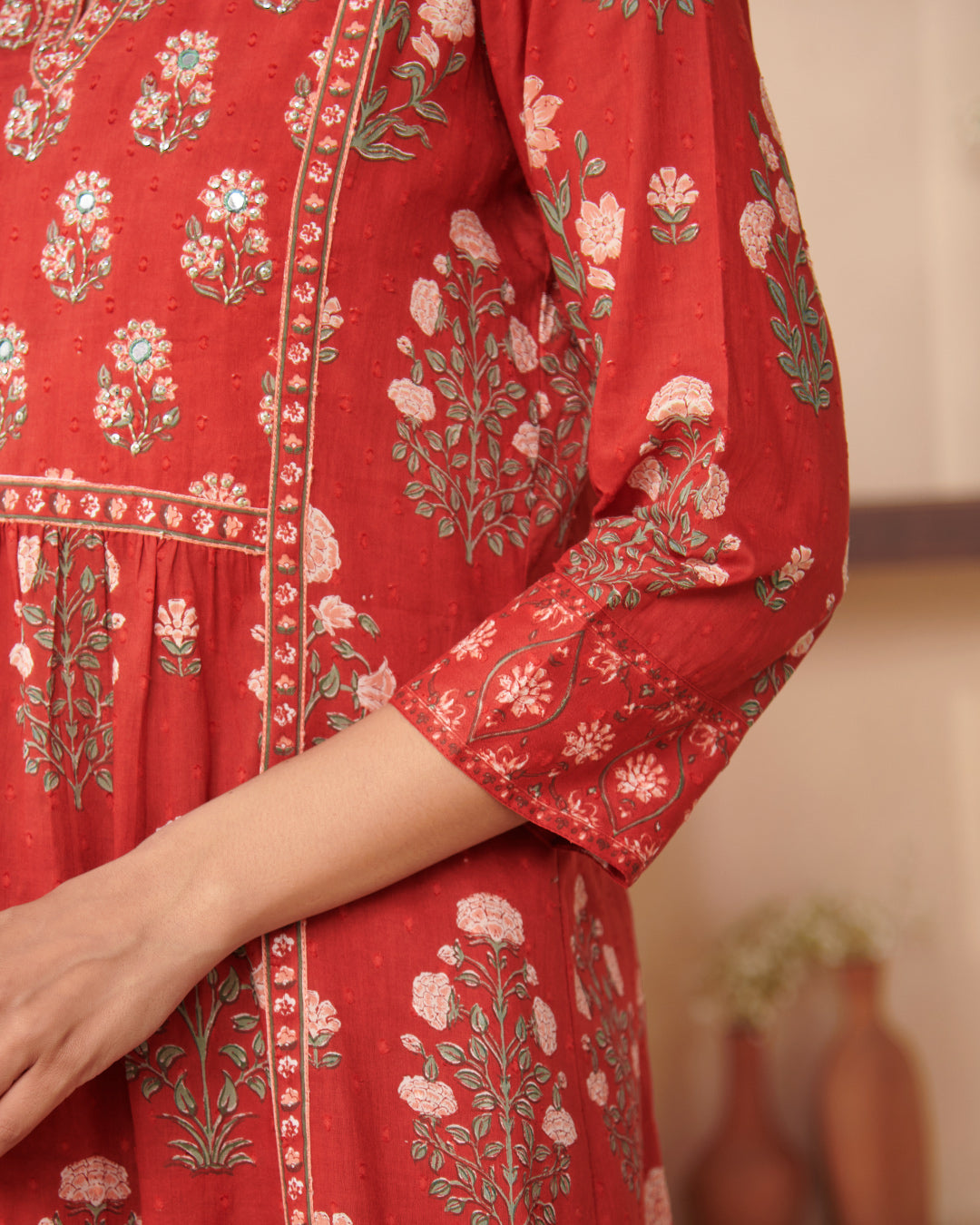
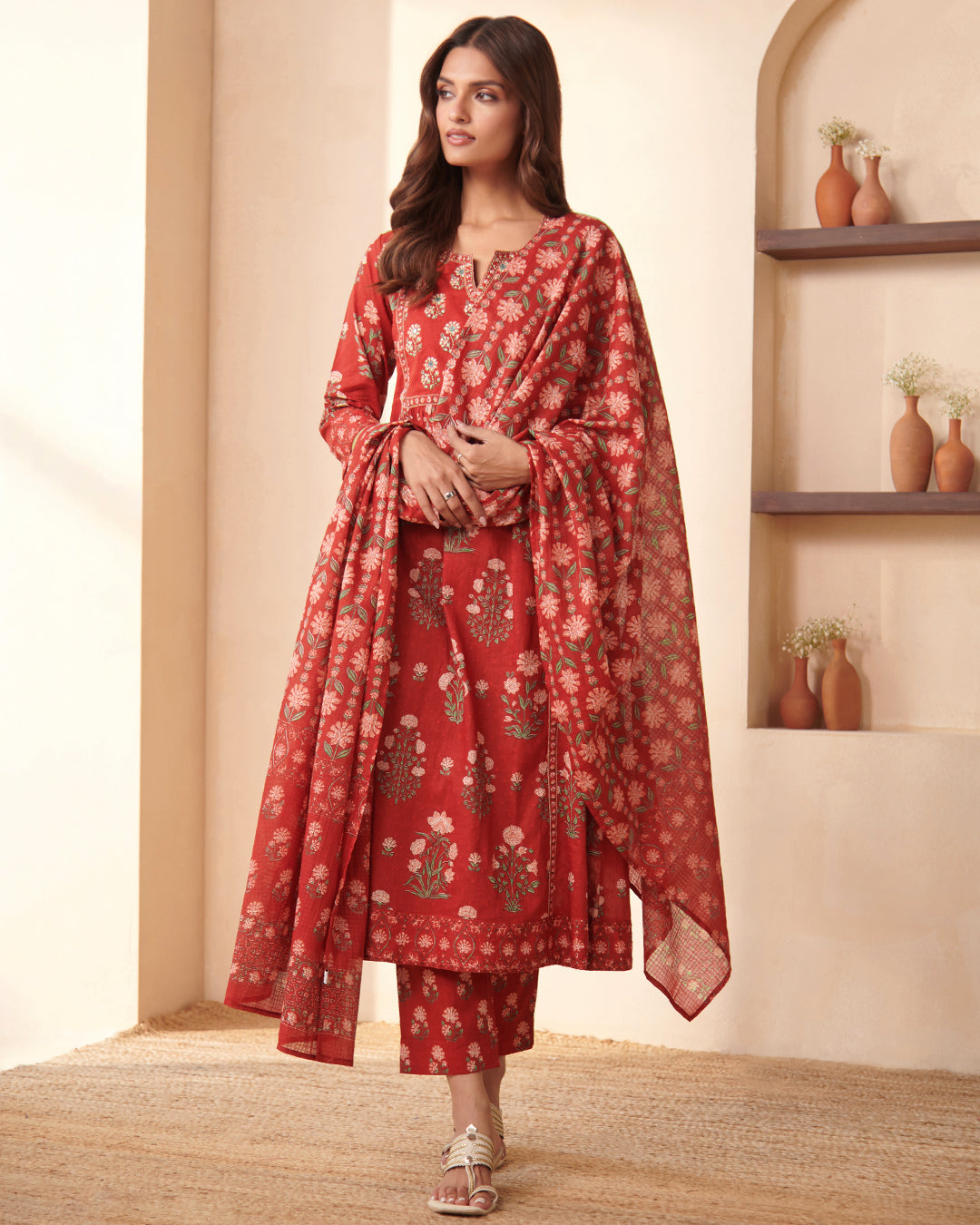
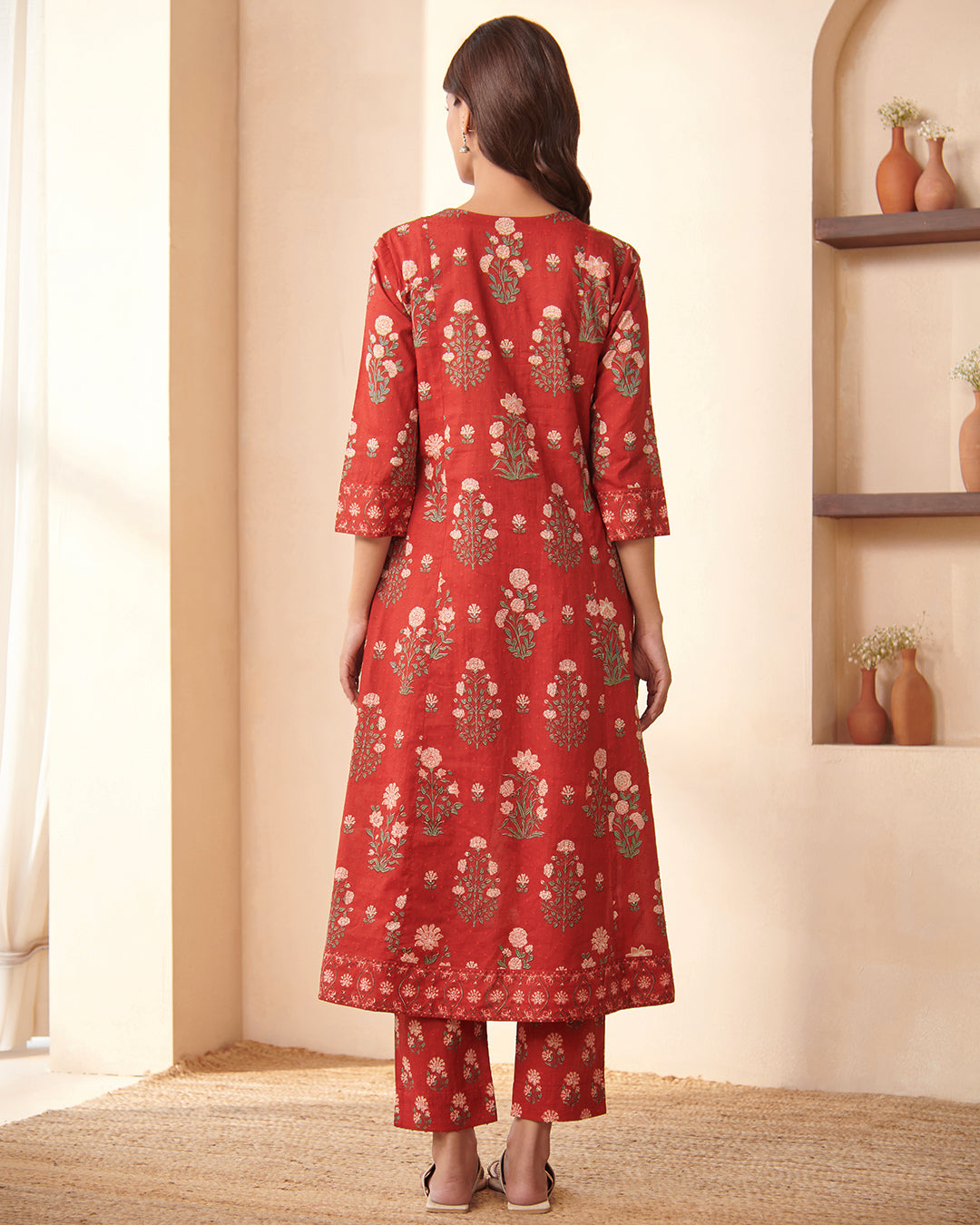
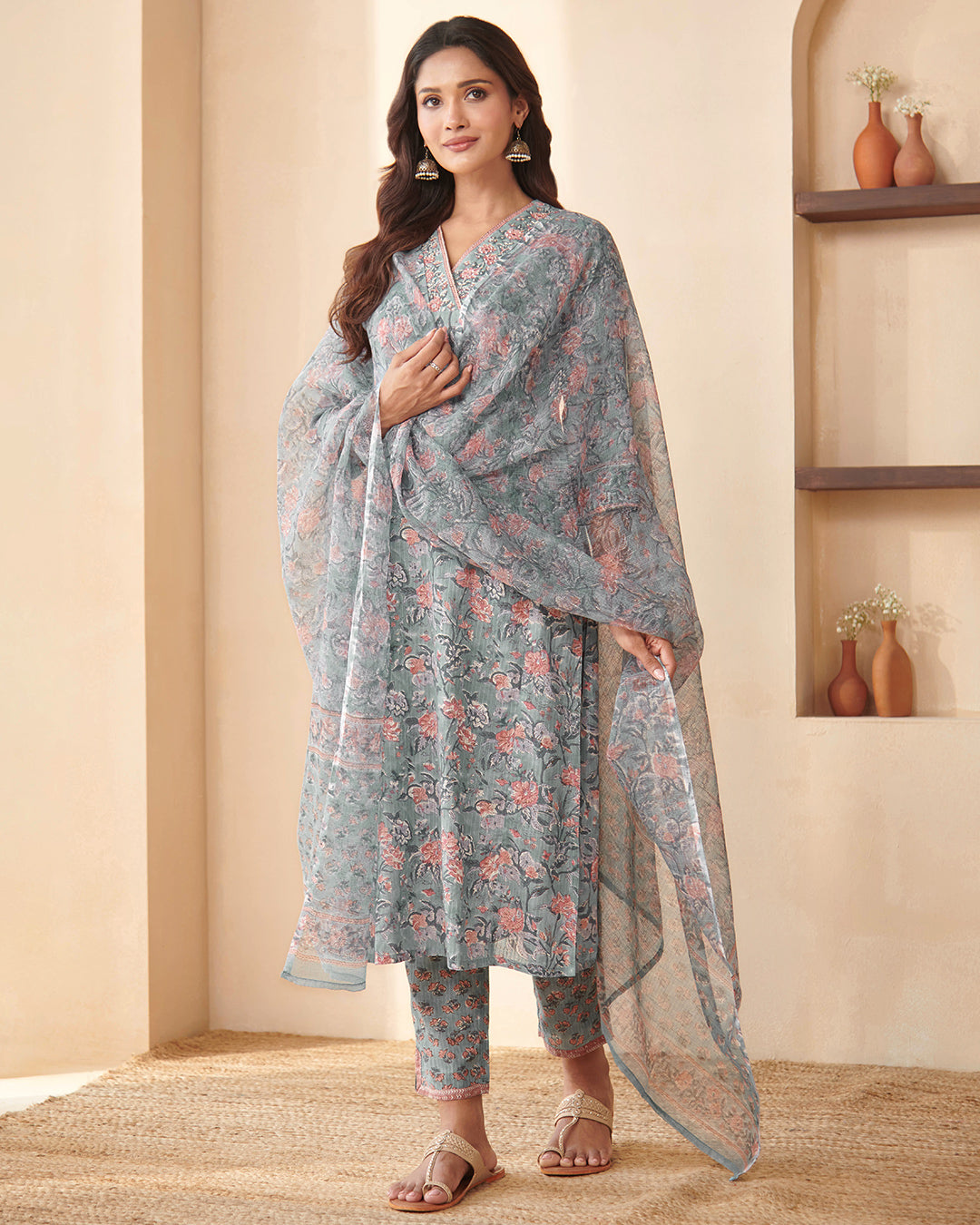
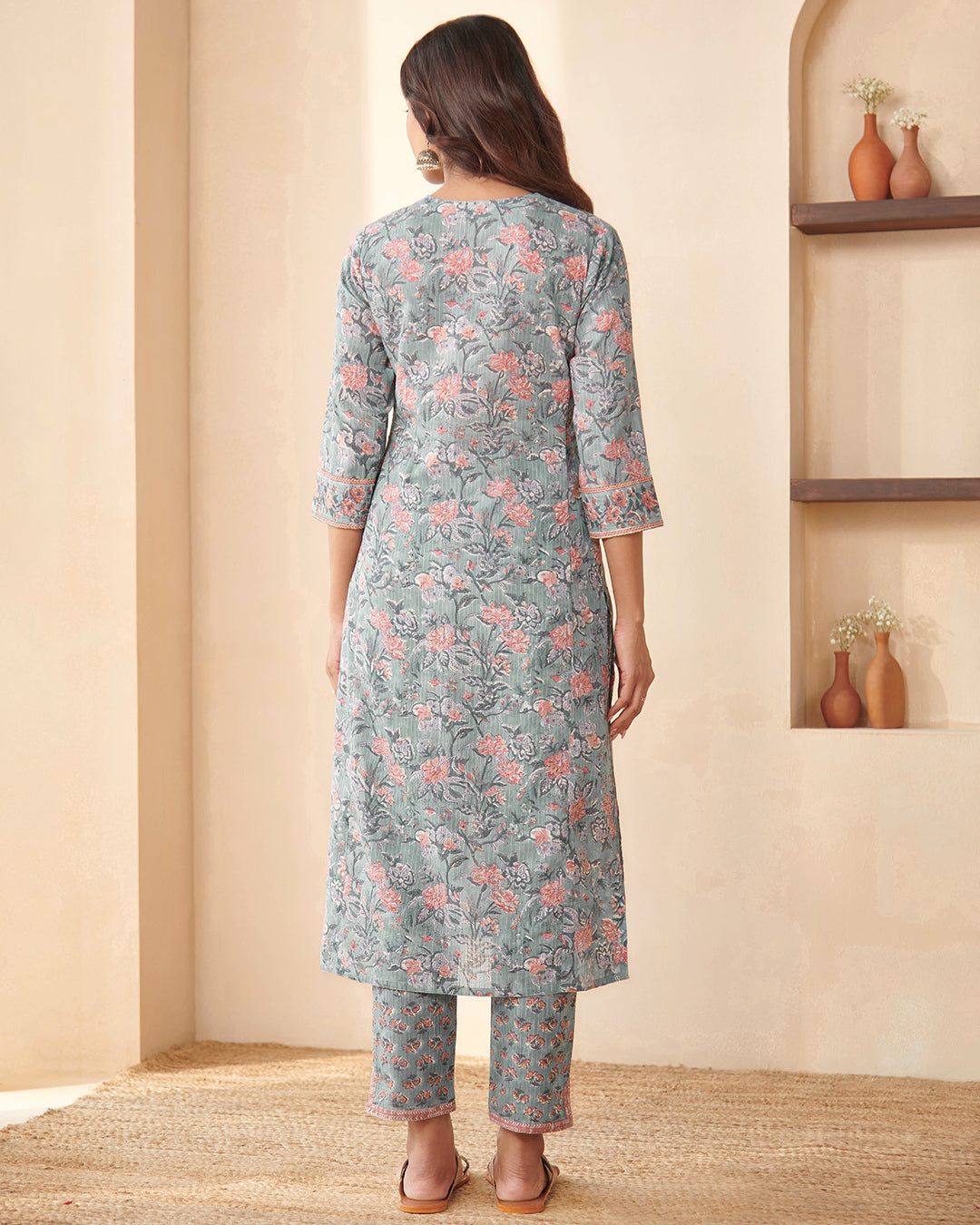
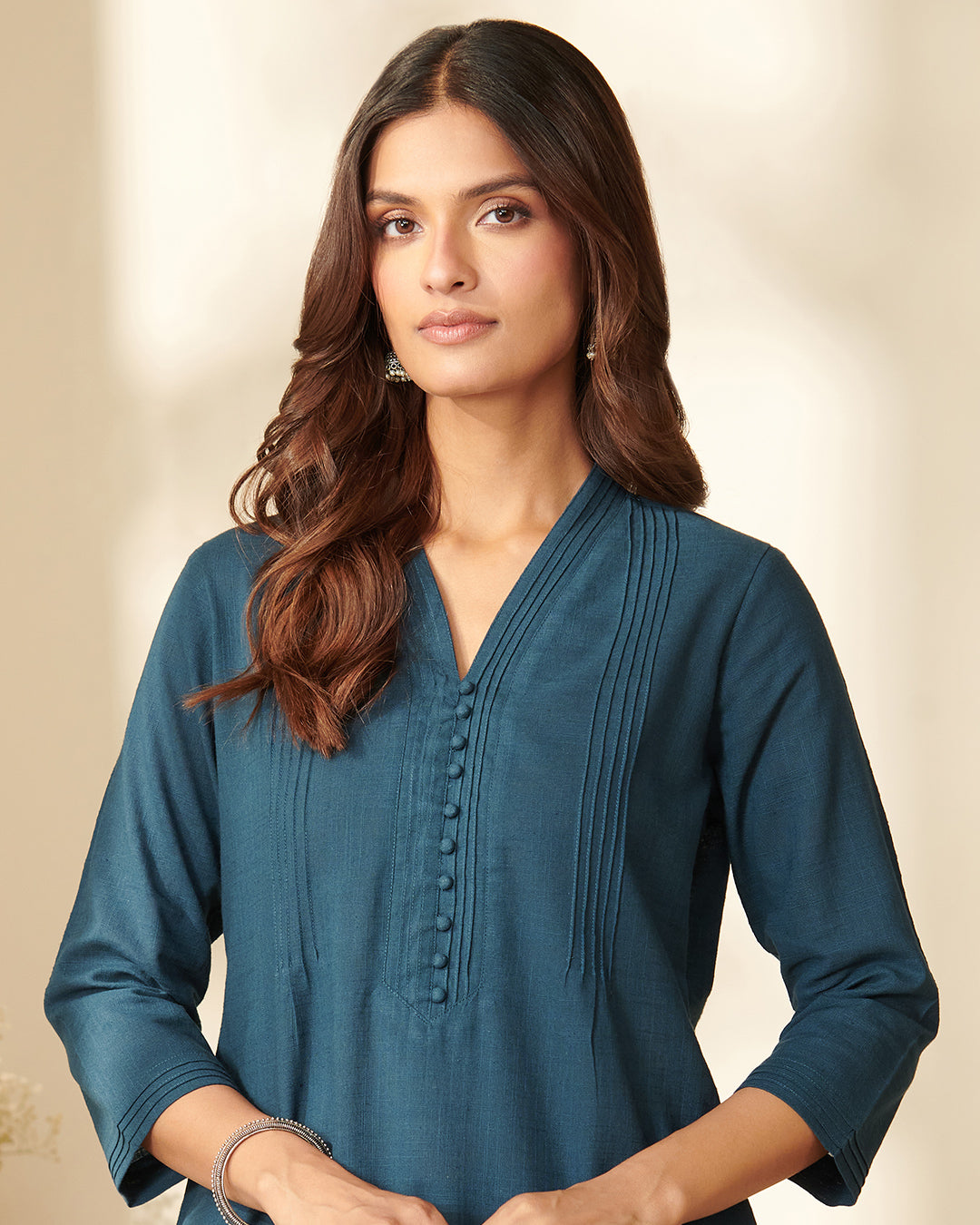
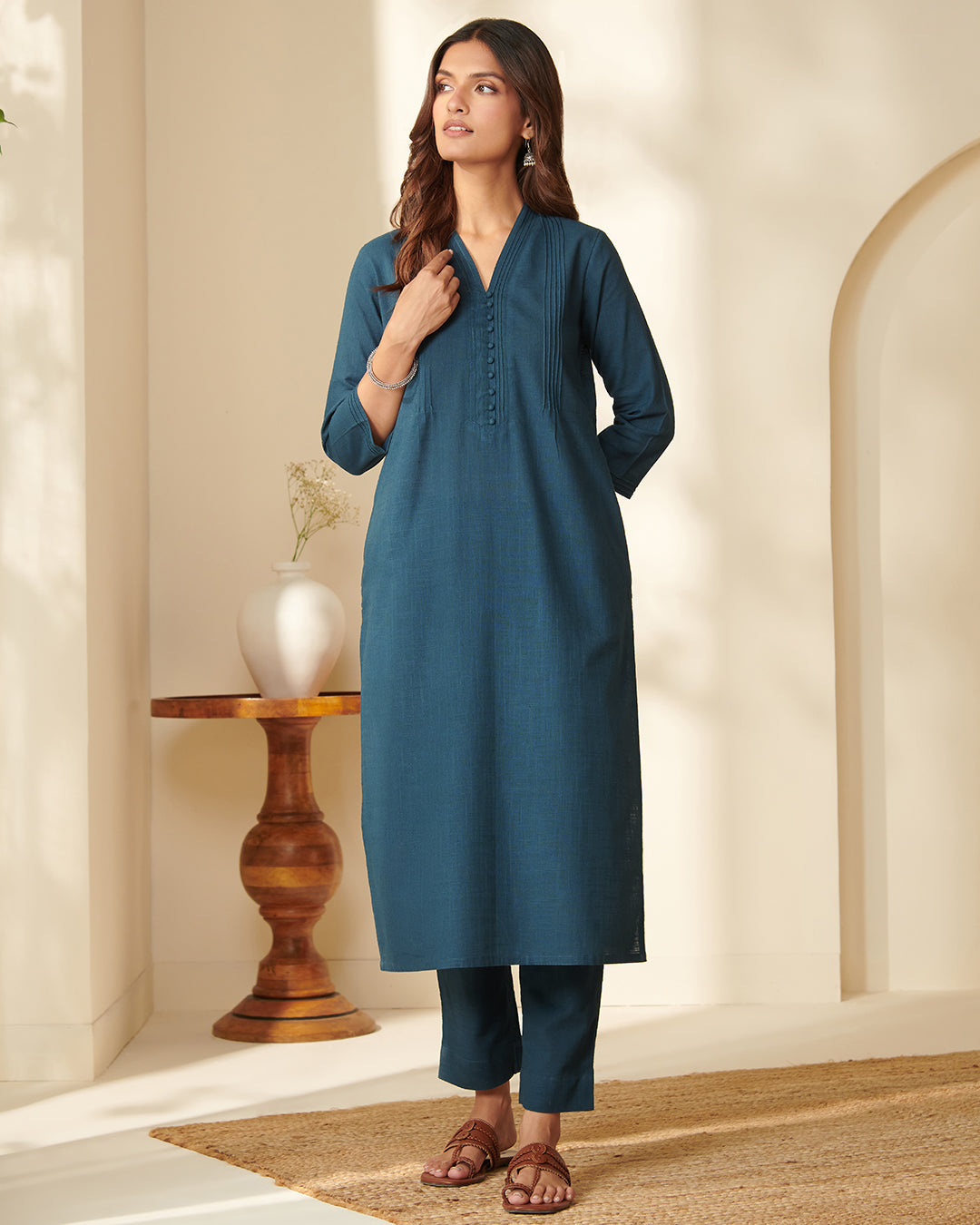
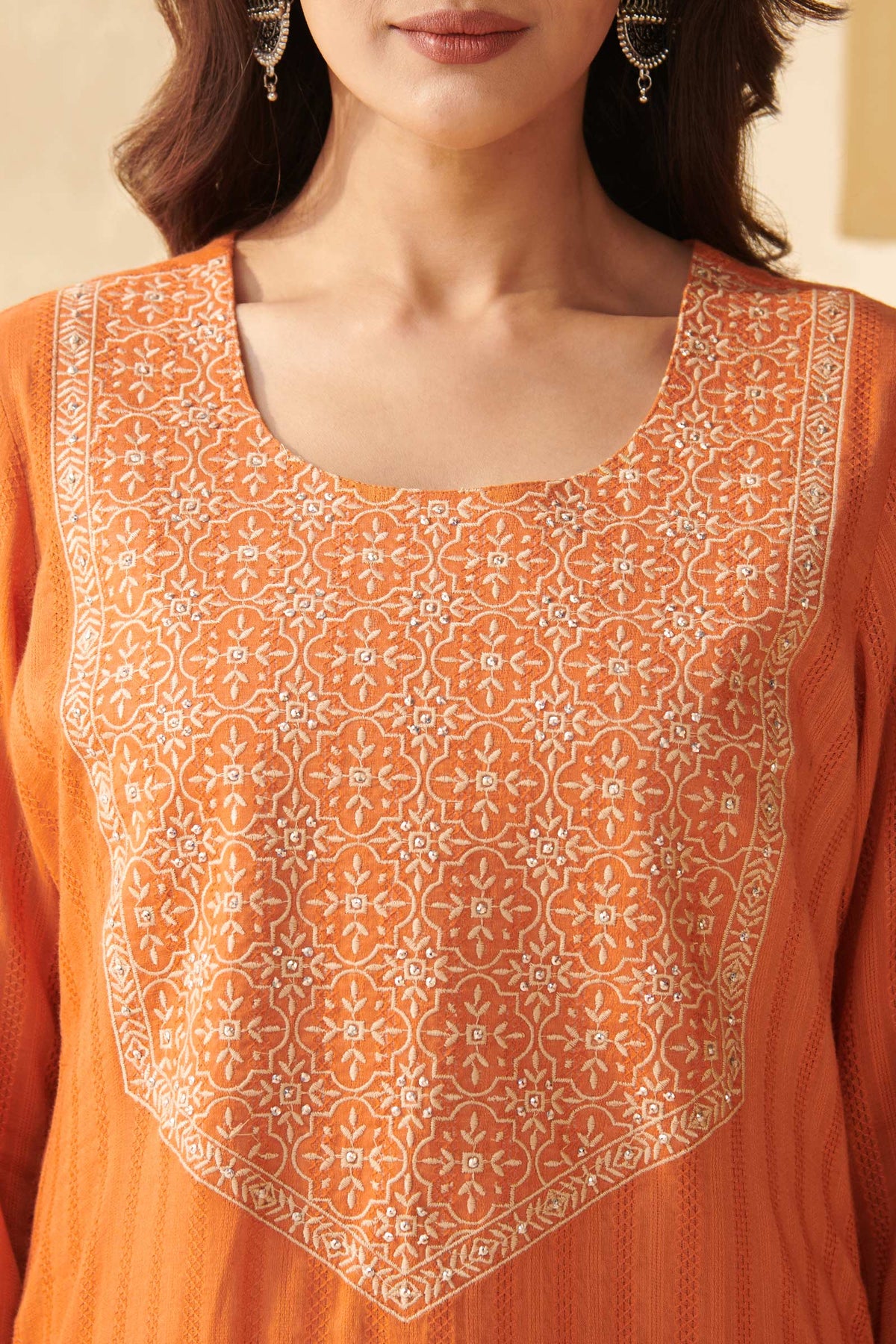
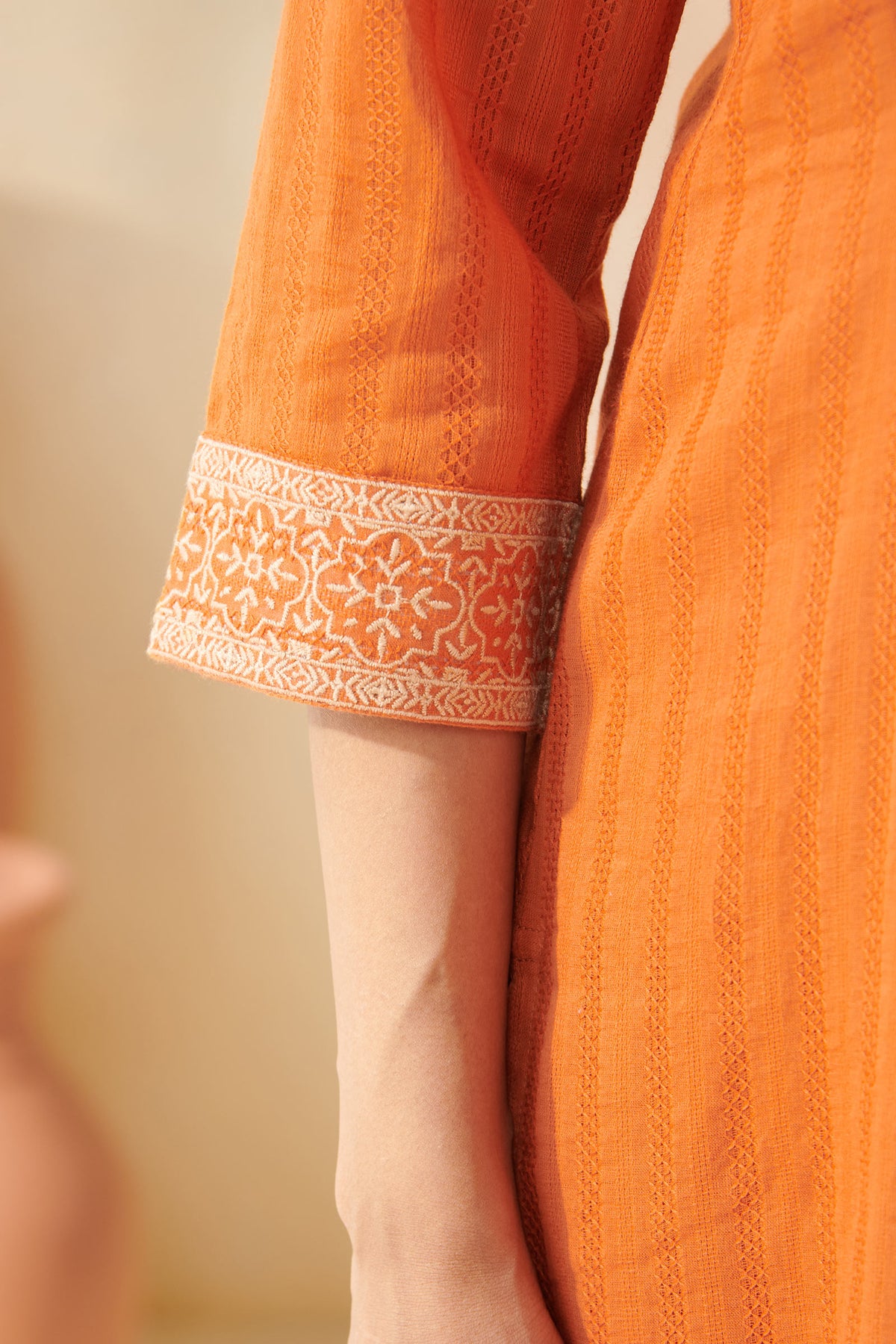
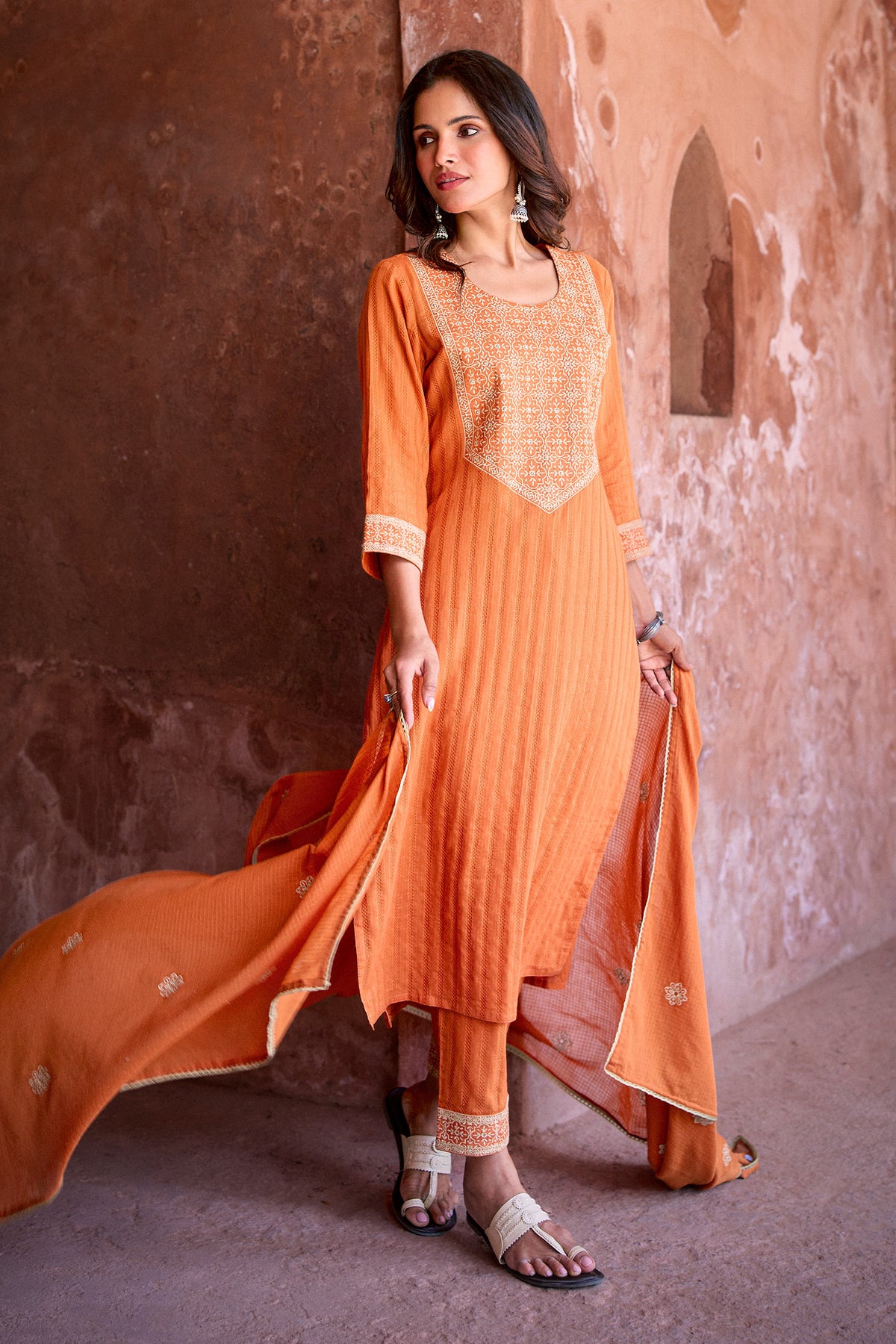
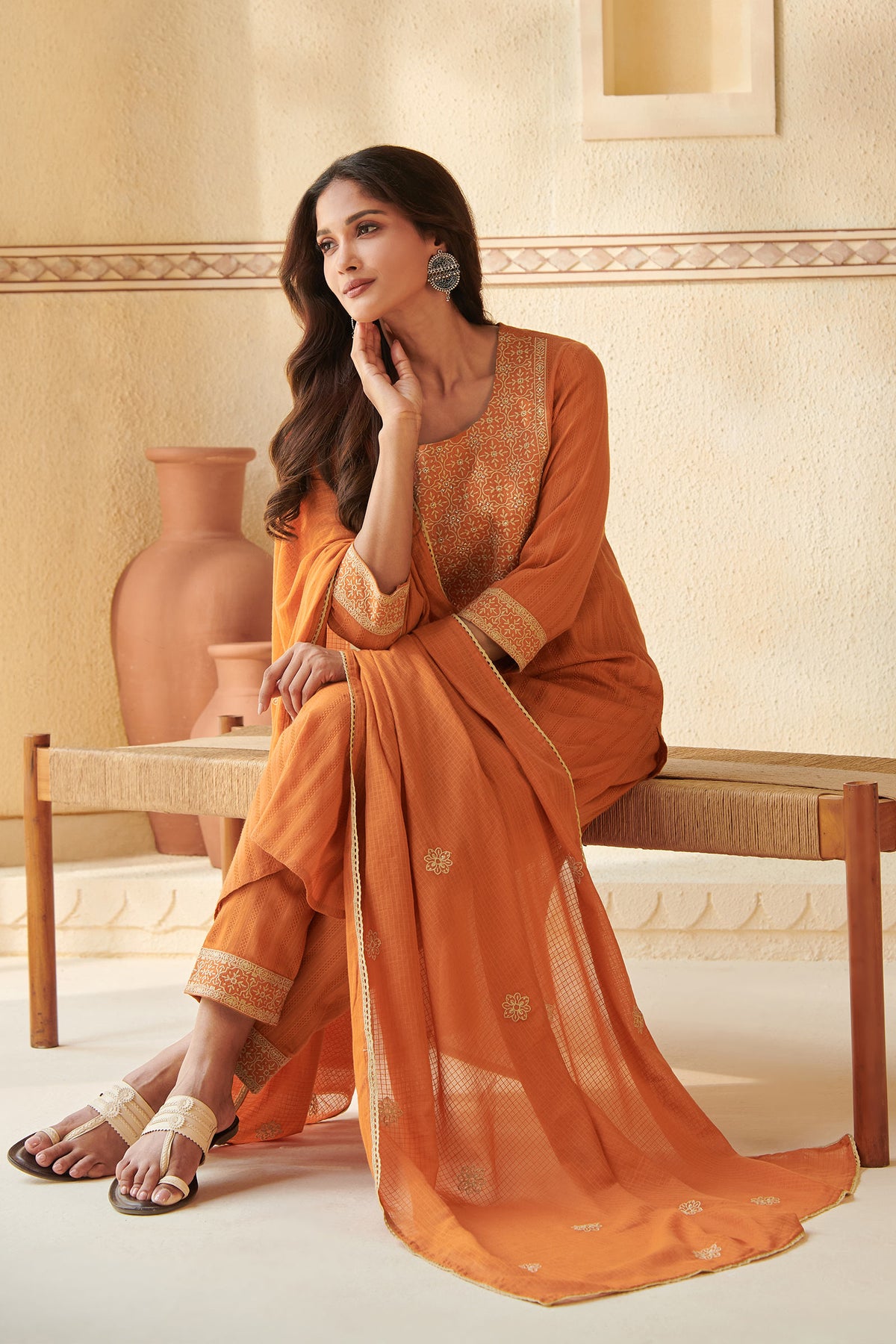




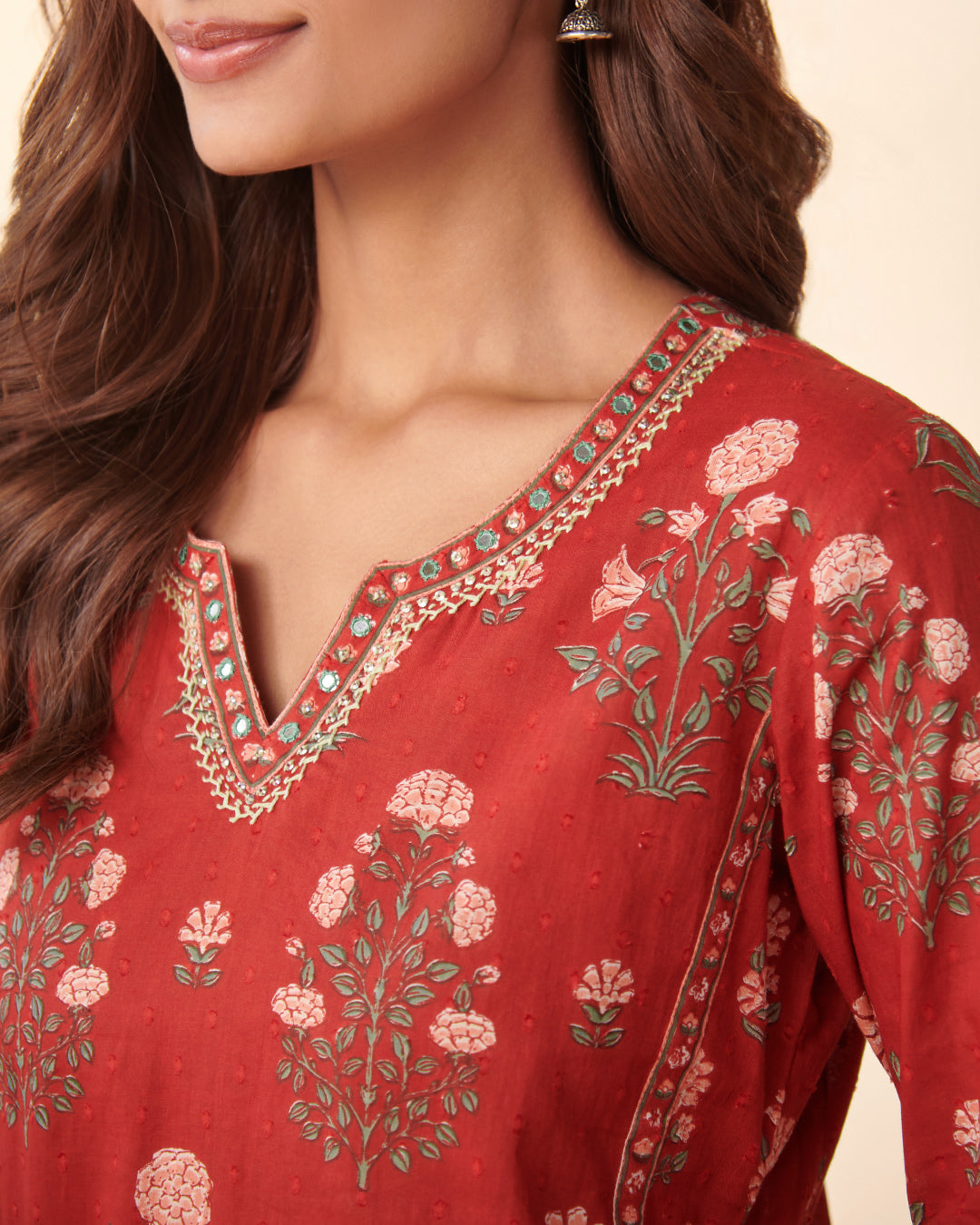
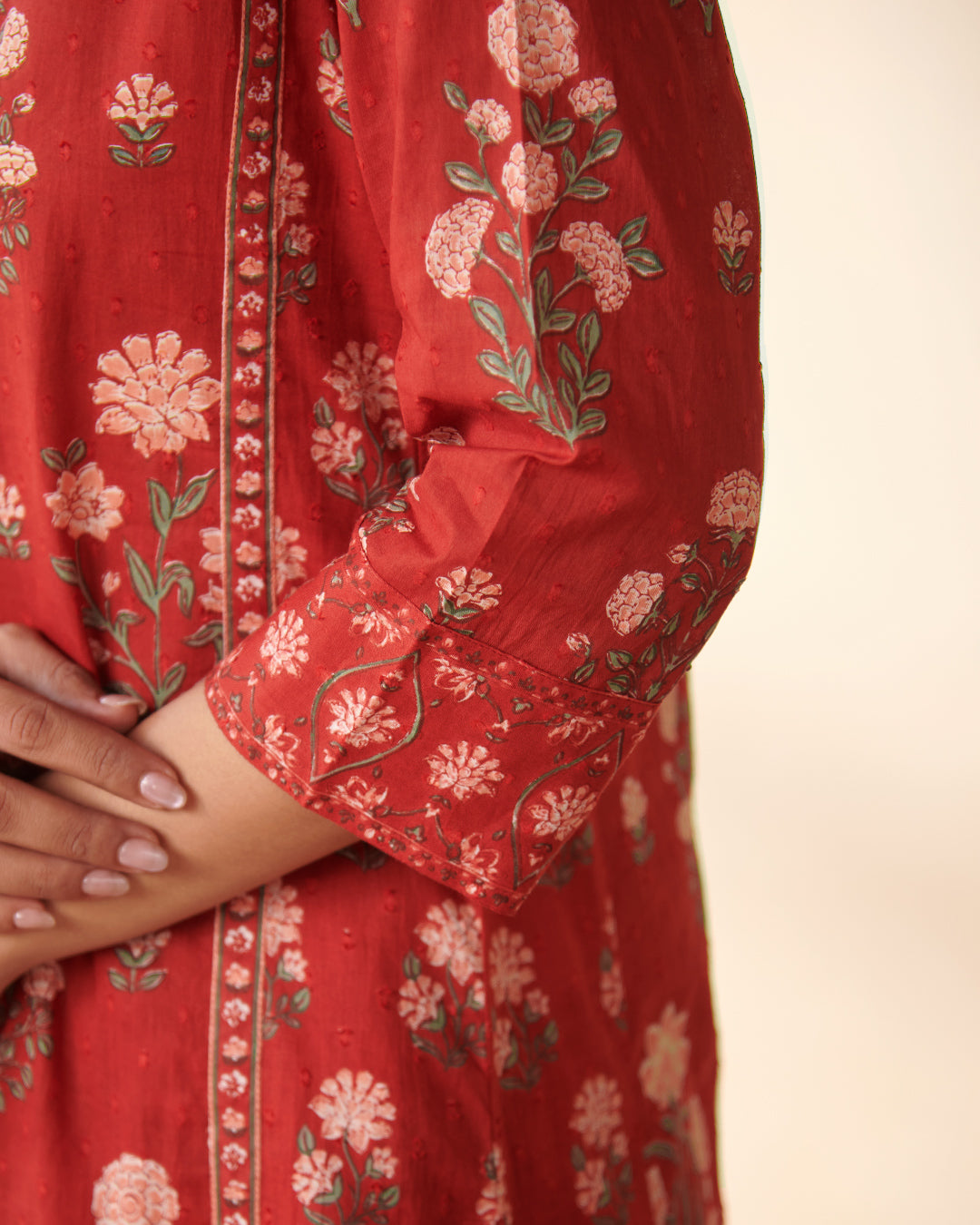
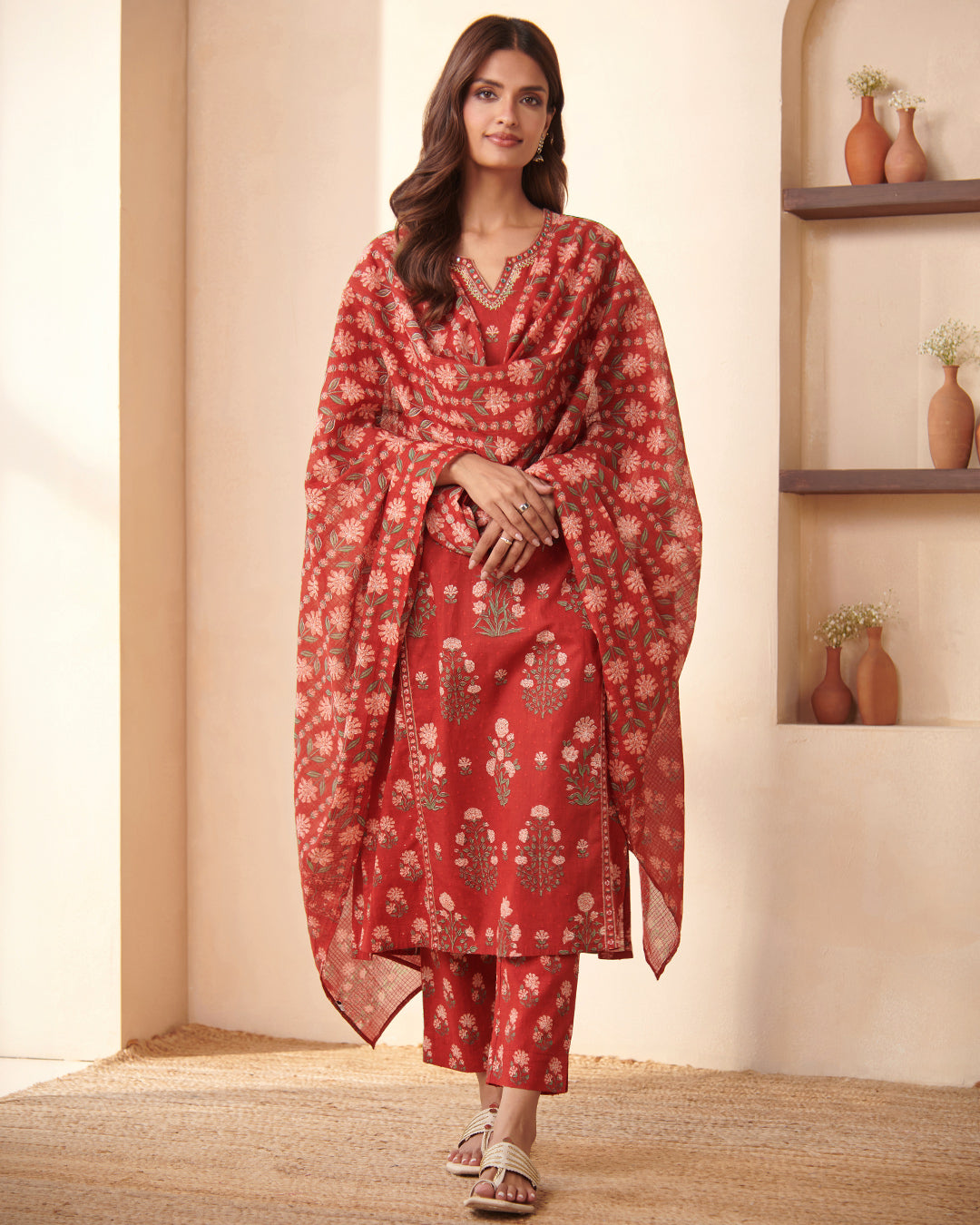
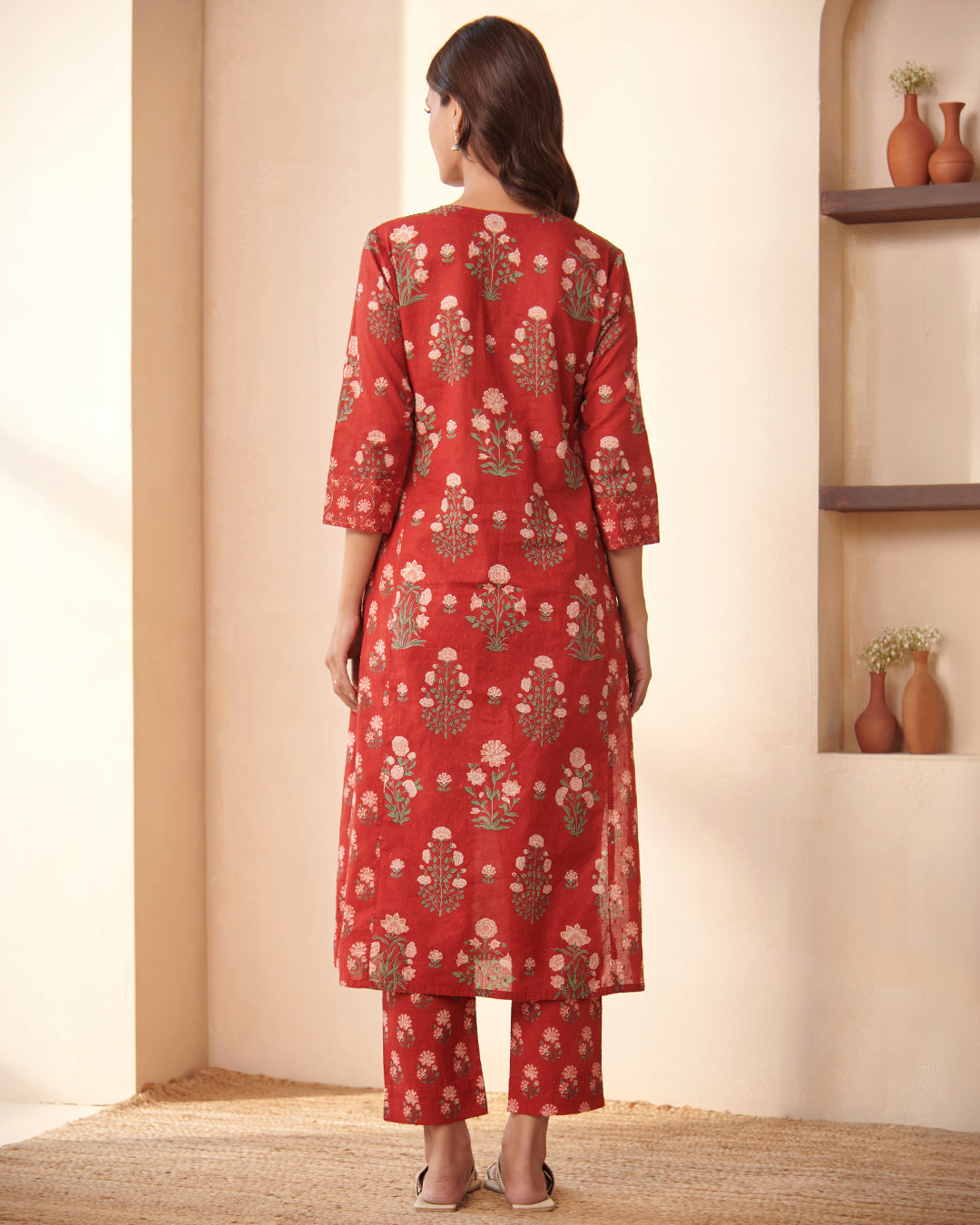
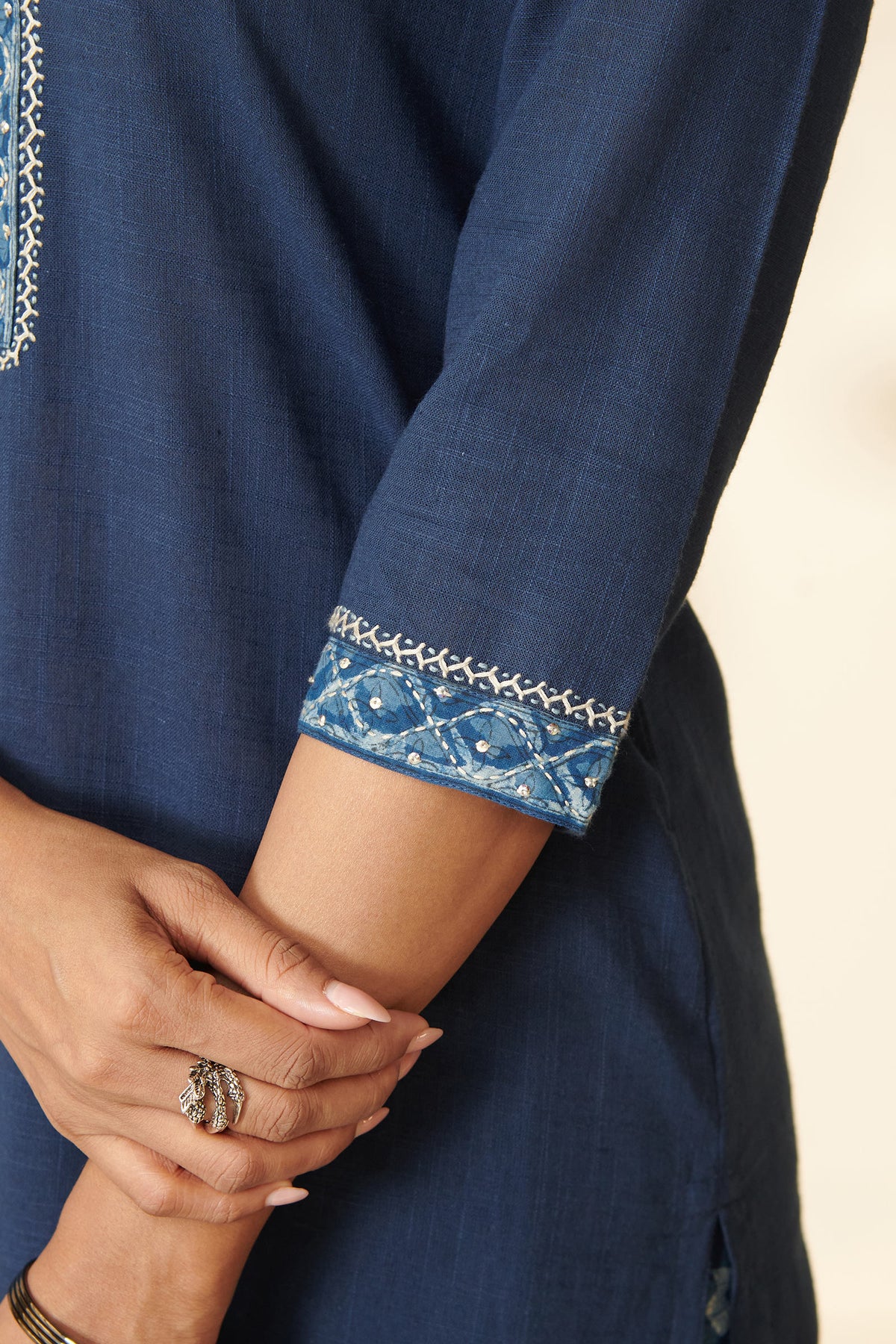
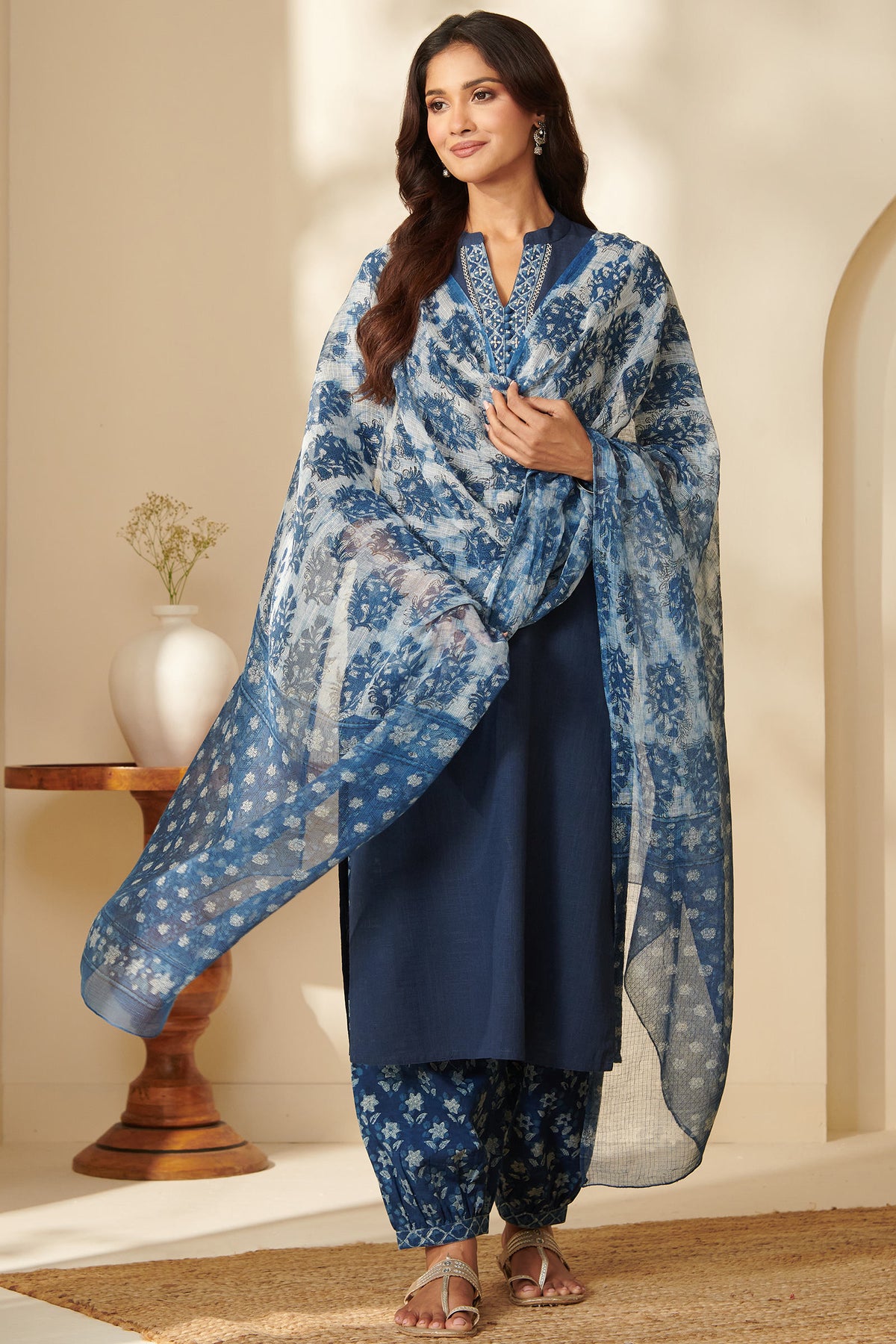
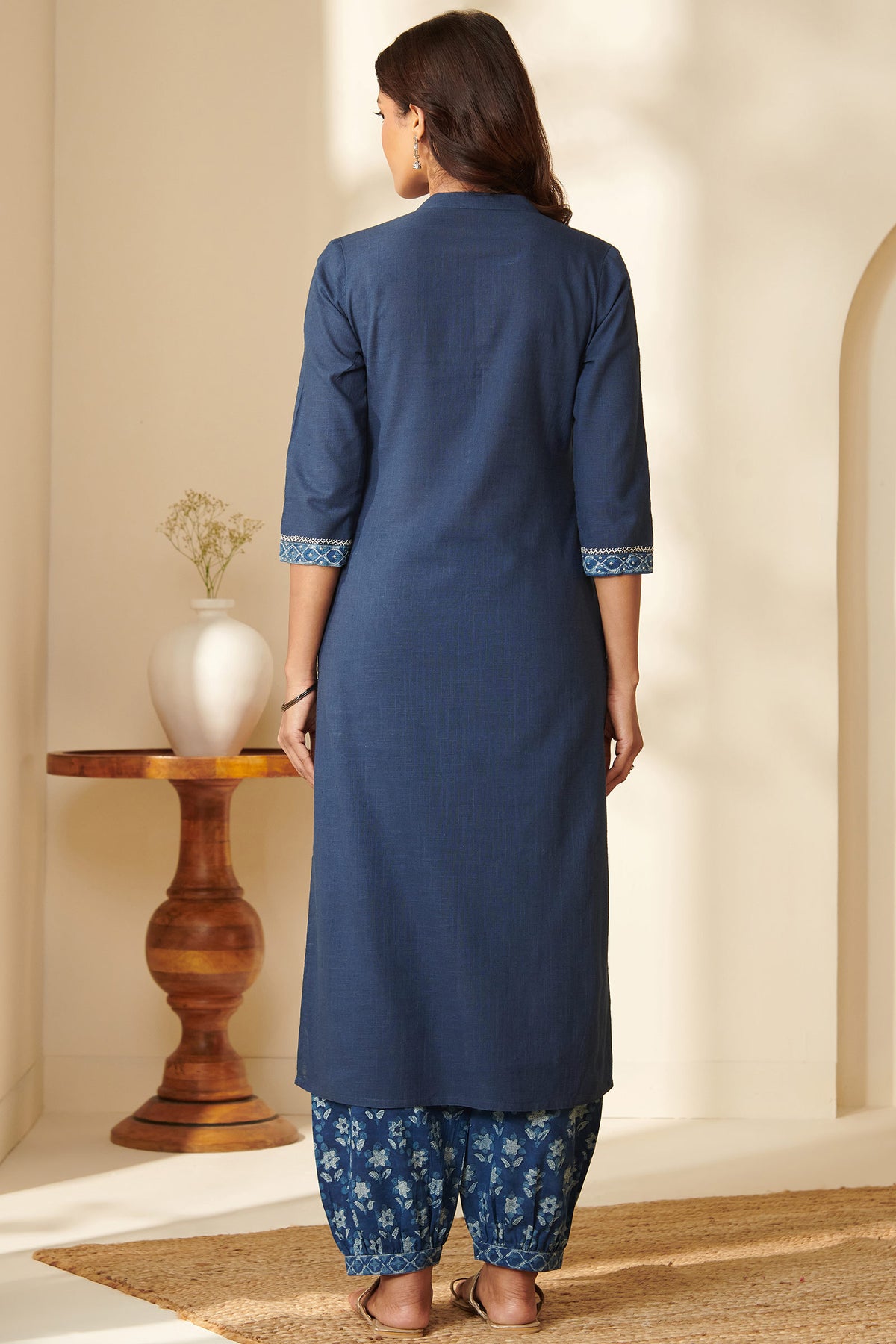
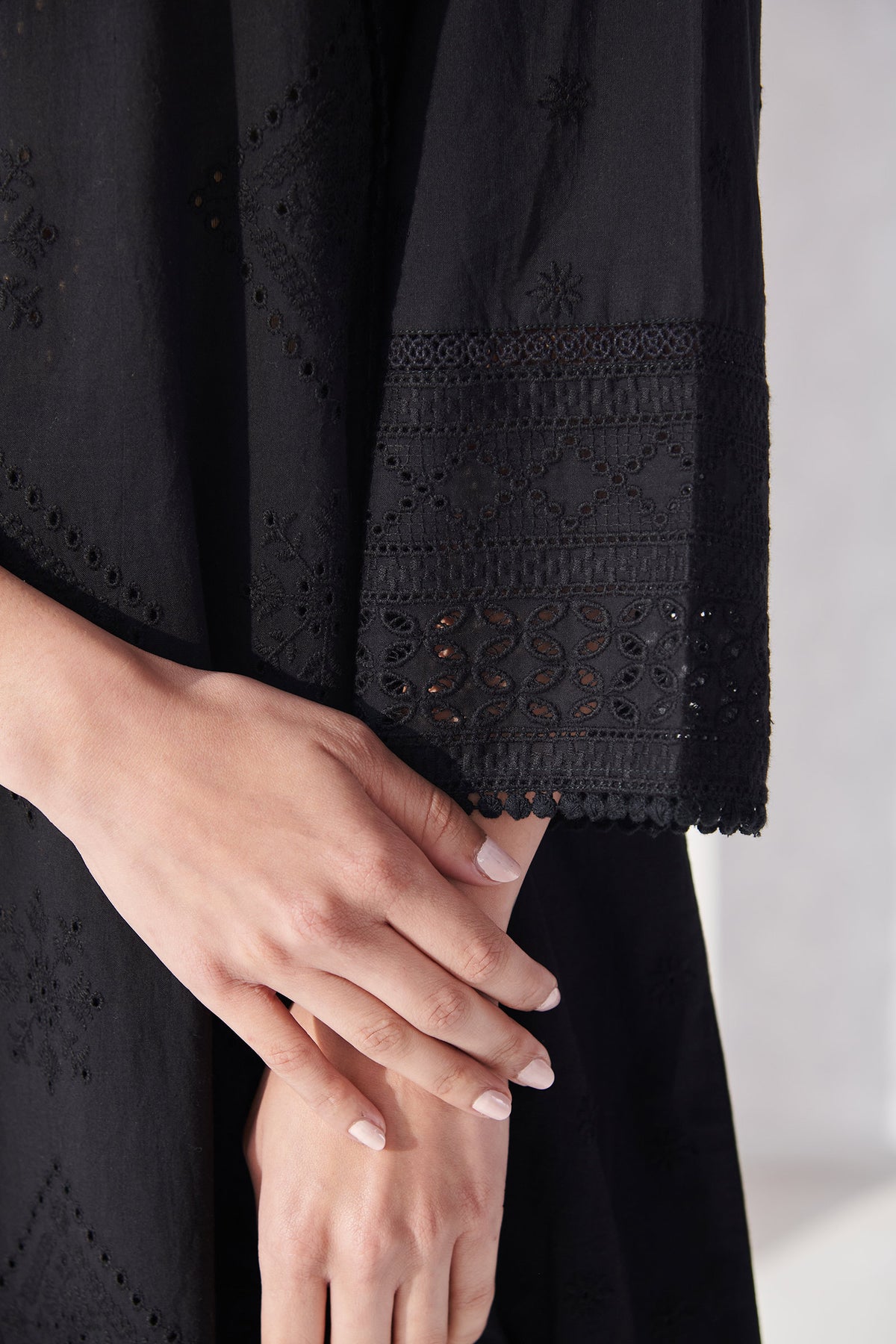
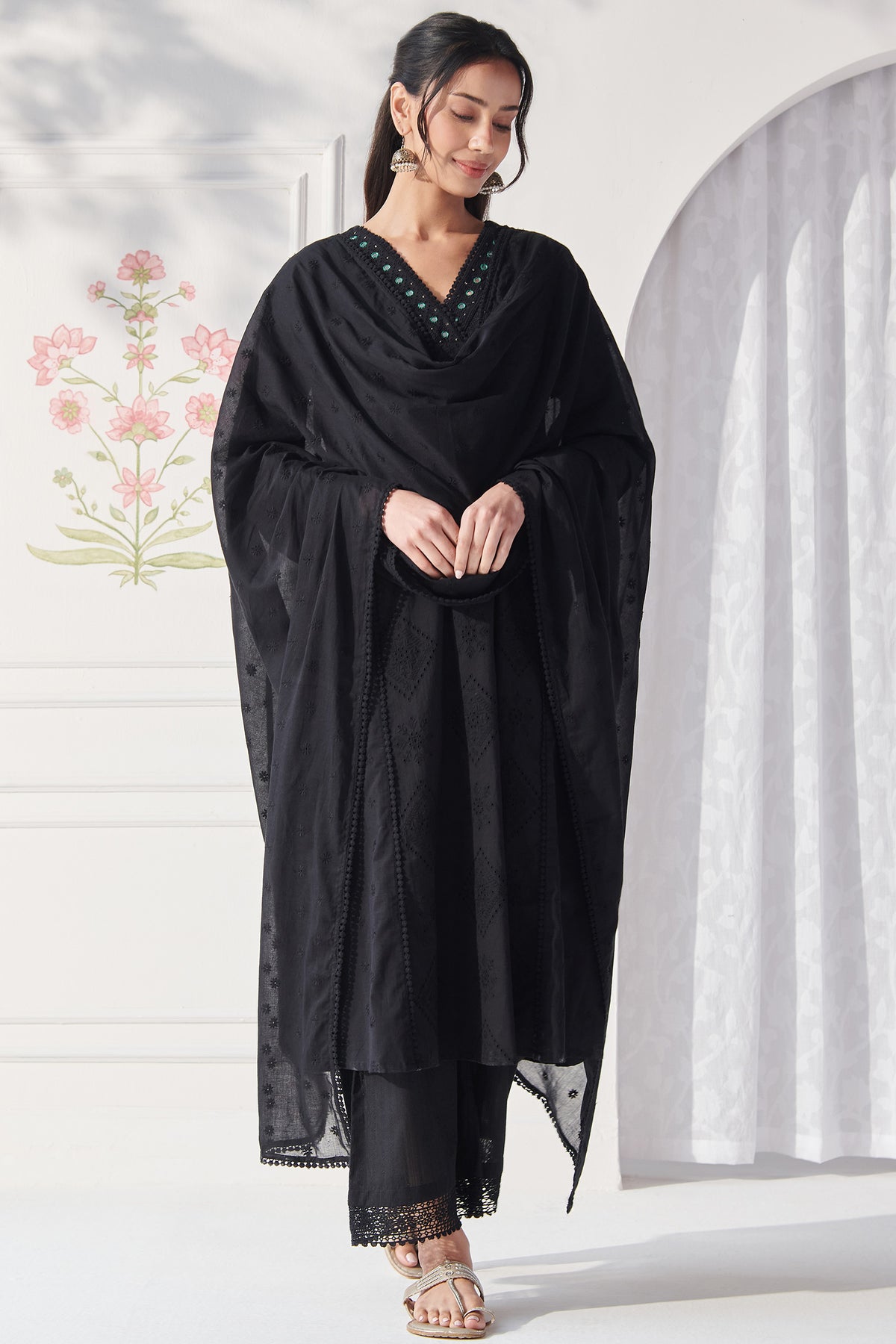


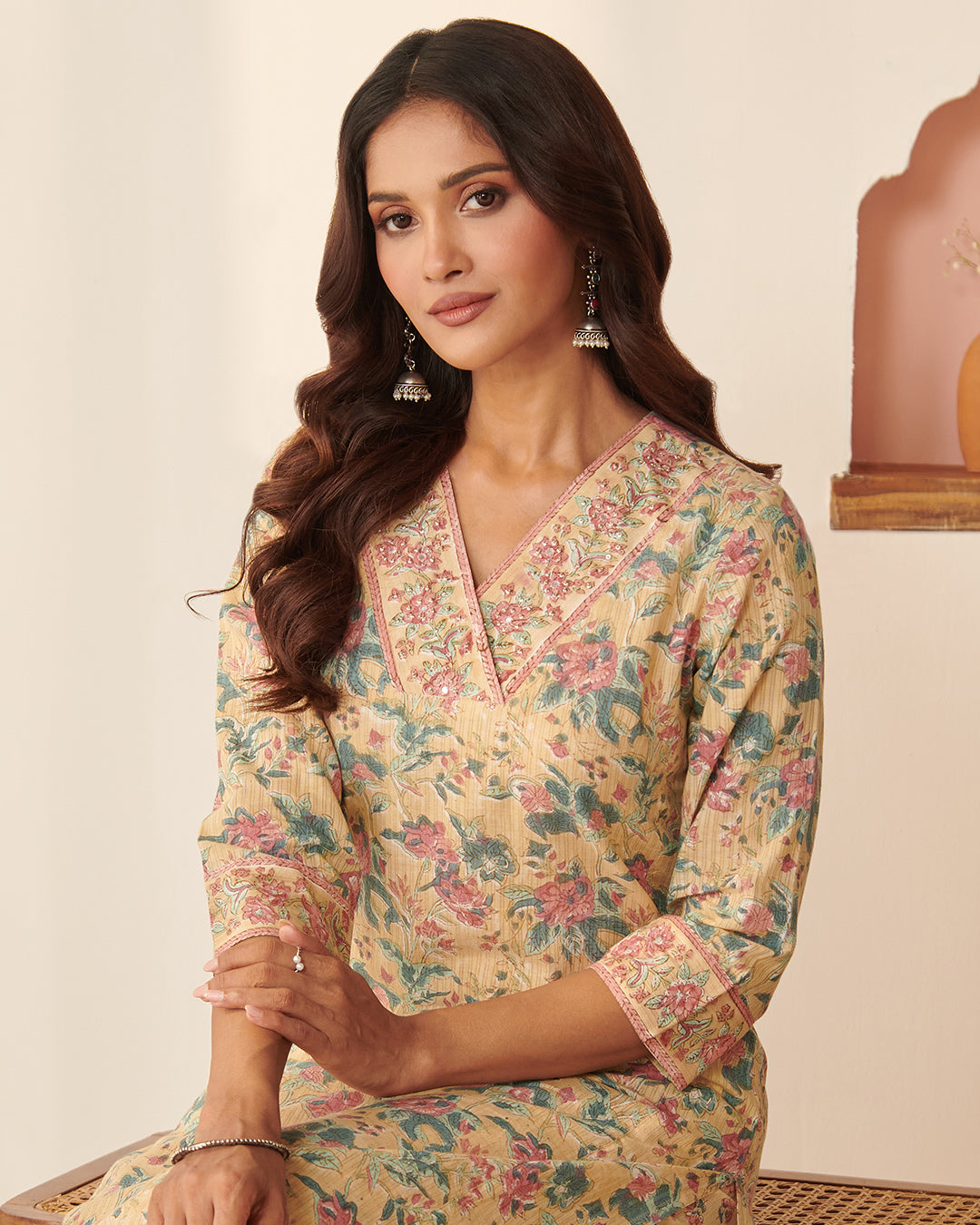
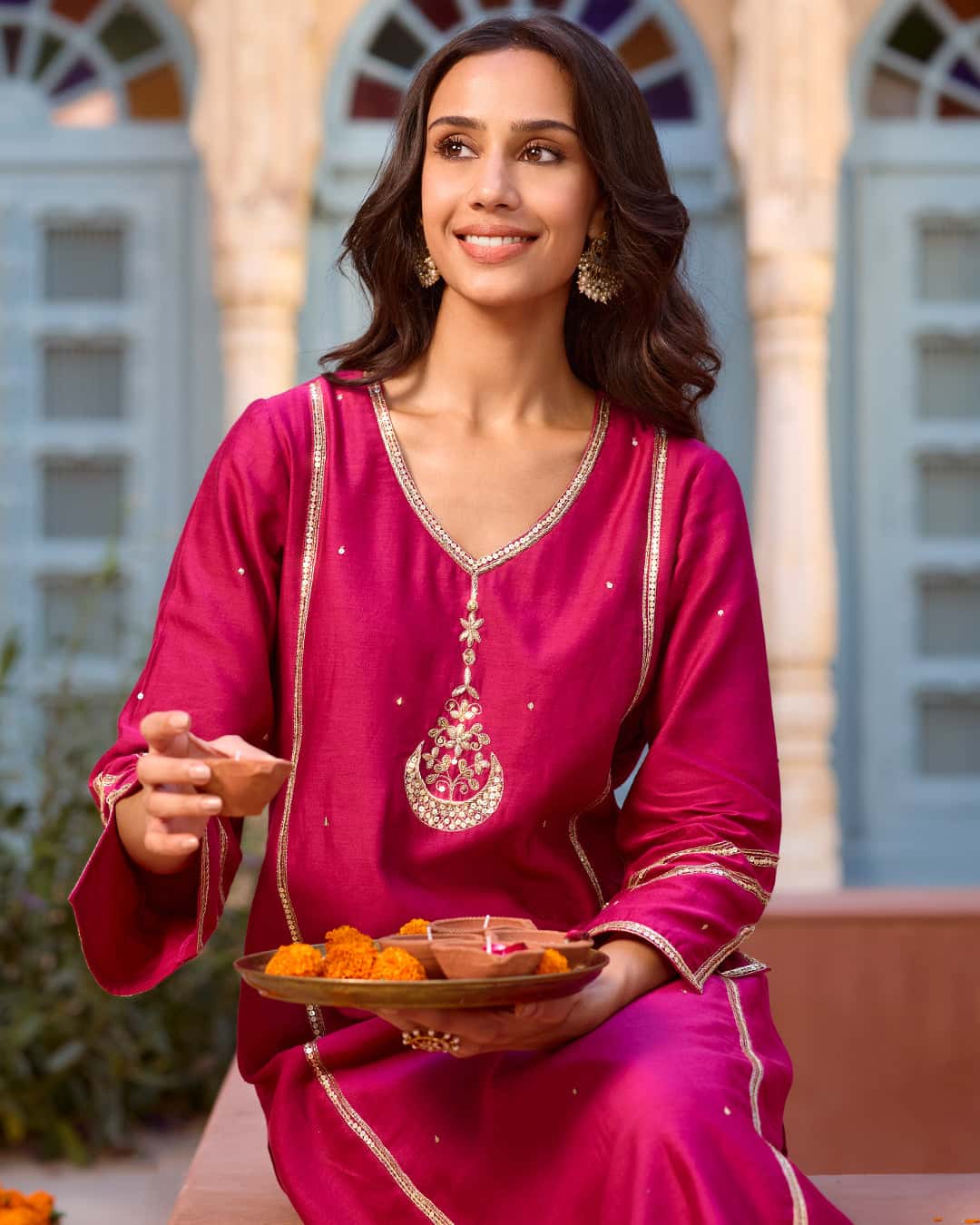
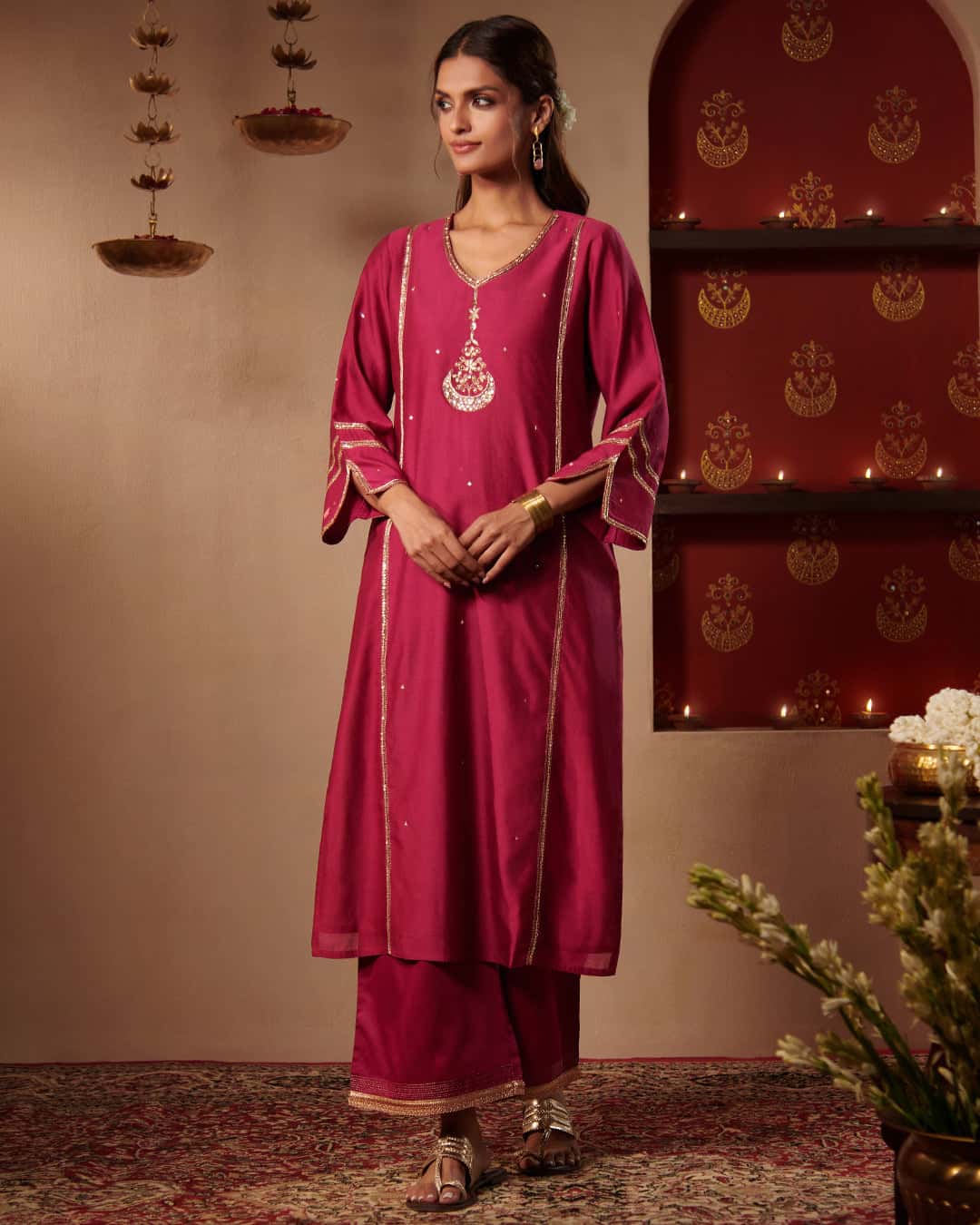
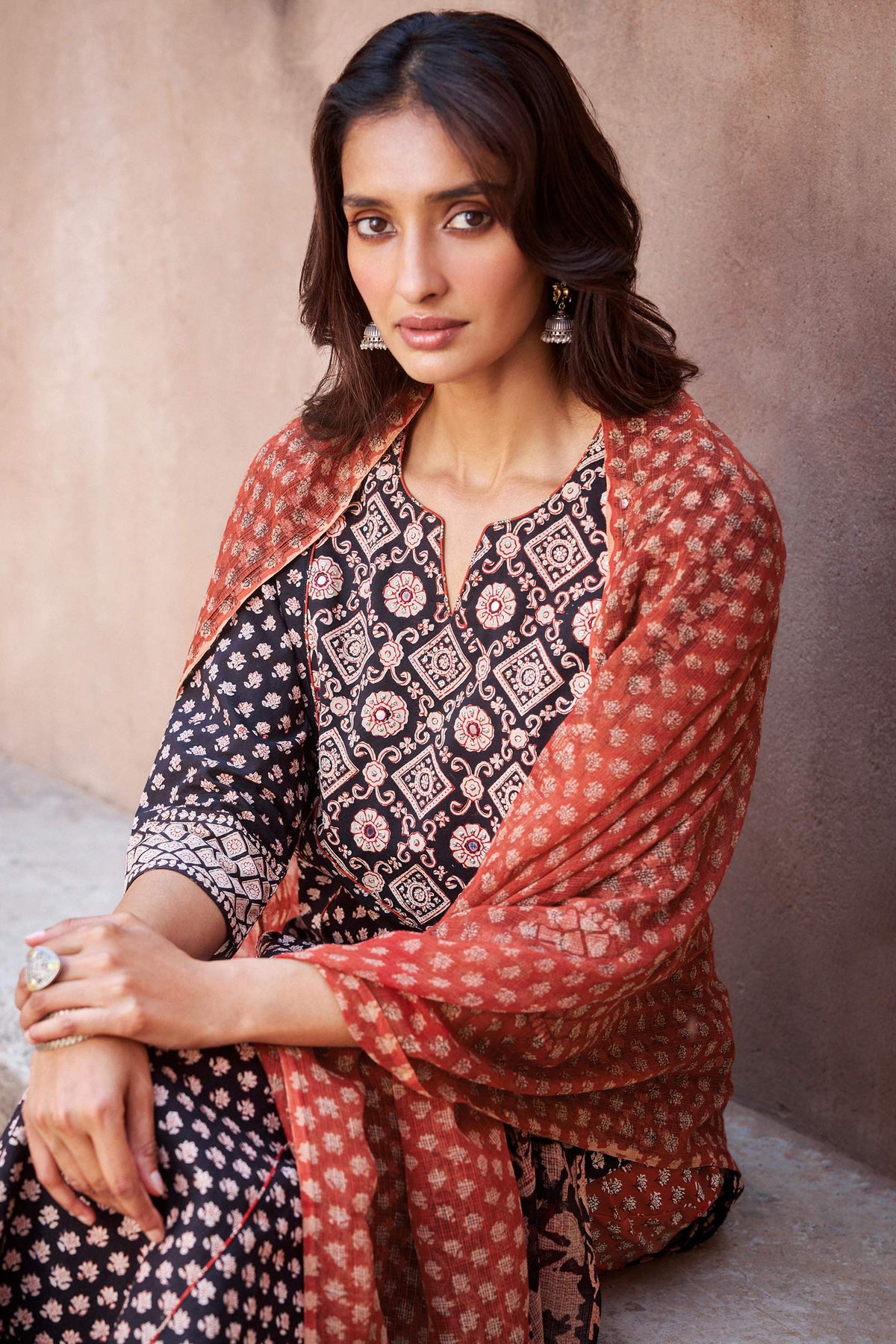
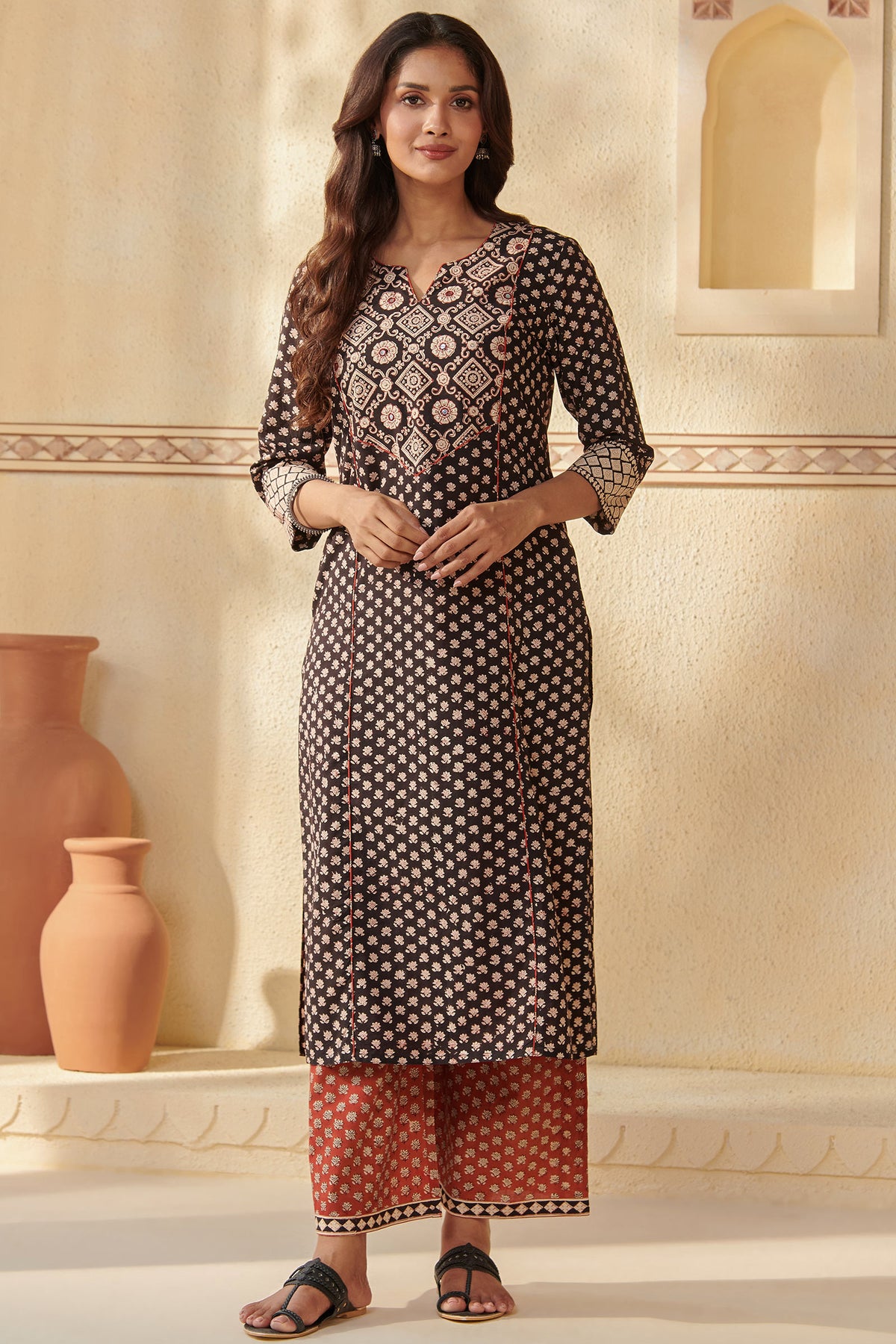
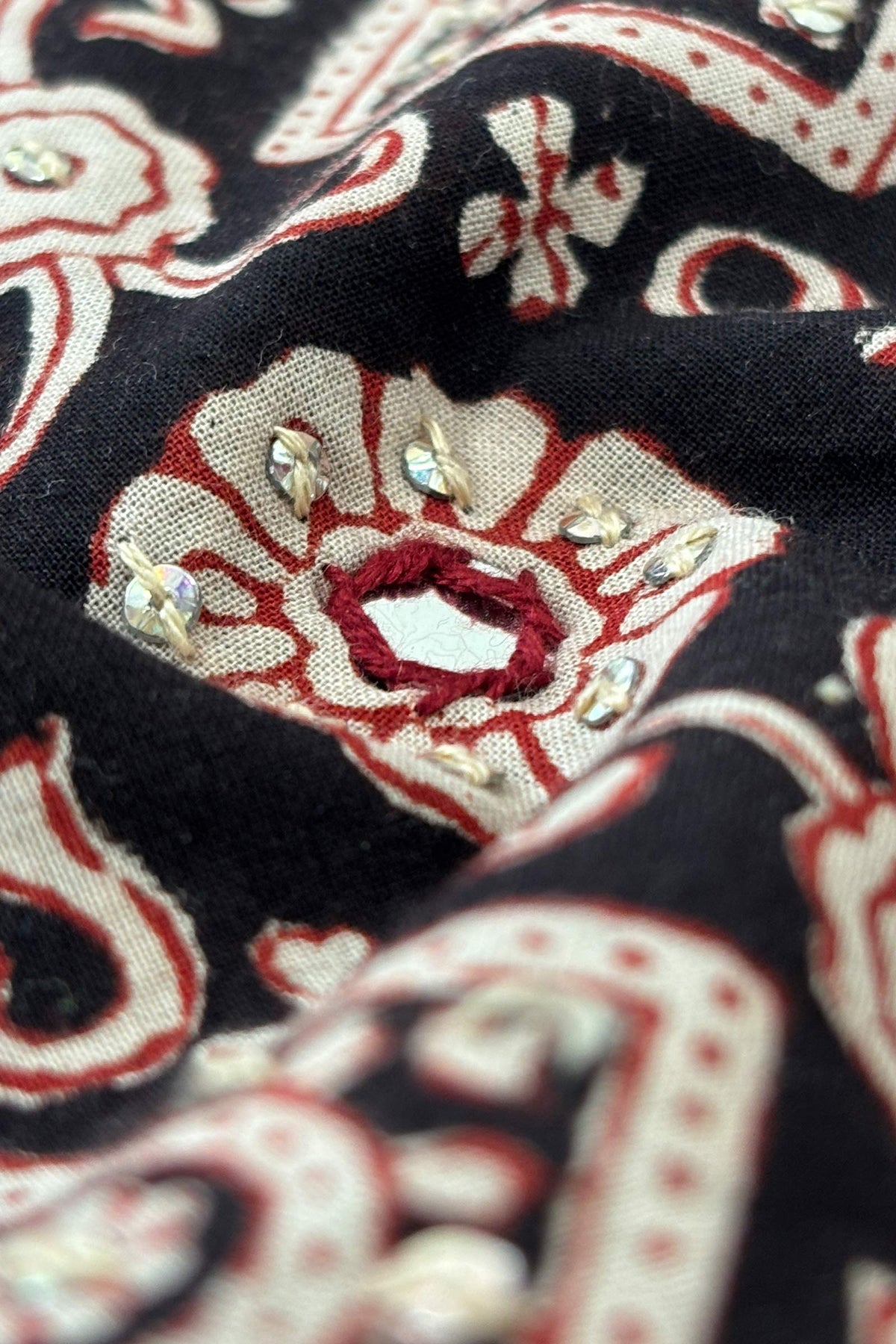
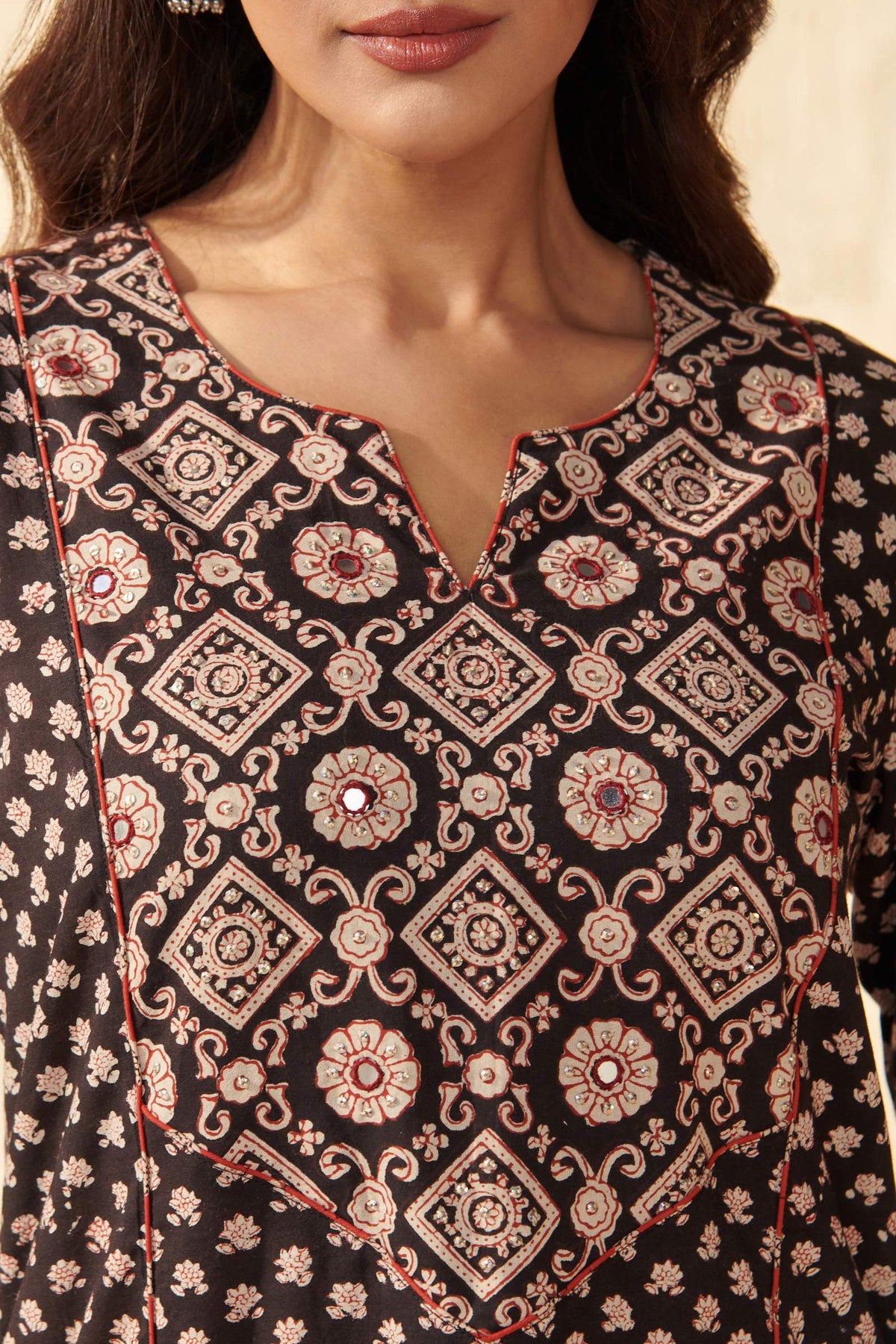

There's something about a dupatta that no other piece of ethnic wear quite replaces. It's not just fabric. It's the thing that ties an entire outfit together, or completely changes it, depending on the day. Some outfits feel incomplete without one. Others come alive the moment it's added.
What makes the dupatta interesting is how much it has evolved. It used to be something you just threw on without much thought. Now women are belting them, doubling them up, draping them like capes, and pairing them with everything from lehengas to jumpsuits. The rules around it have loosened considerably, and that's a good thing.
This guide covers everything from picking the right dupatta to draping it in ways that look intentional rather than accidental, across different outfit types, occasions, and personal styles.
Why the Dupatta Is the Most Versatile Ethnic Accessory

No other accessory in ethnic wear does what a dupatta does. A necklace adds detail, earrings frame the face; but a dupatta changes the entire silhouette, the mood, the weight of an outfit. The same kurta can feel festive or casual, traditional or contemporary, depending entirely on which dupatta you pair it with and how you wear it.
That versatility is rare. Most accessories work within the outfit. The dupatta works on it, sometimes against it, and occasionally completely transforms it. A plain cotton kurta with a heavily embroidered dupatta can look occasion-ready. A bridal lehenga with a soft, sheer dupatta can feel lighter and more modern than one loaded with embellishment everywhere.
It has also crossed over into fusion territory in a way that few traditional pieces have managed. Women are now styling dupattas with crop tops, structured blazers, belted co-ords, and contemporary separates. It no longer belongs exclusively to ethnic wear, which is probably the clearest sign of just how versatile it is.
Choosing the Right Dupatta Before Styling
Most dupatta problems, the slipping, the bunching, the "this just doesn't look right" feeling, come down to one thing: the wrong dupatta for the job. Before thinking about draping, it helps to get the basics right.
Fabrics That Drape Beautifully
Chiffon and georgette are the easiest fabrics to work with for most draping styles. They move naturally, don't need much pinning, and fall without much effort. Organza gives more structure, which works really well for festive and bridal looks where you want the dupatta to hold its shape. Cotton is the most practical for everyday wear since it's breathable, easy to handle, and doesn't slip constantly. Silk looks rich and beautiful but does need more attention because it slides unless it's pinned or pleated carefully.
For layered drapes or cape-style styling, lighter fabrics almost always behave better. The heavier the fabric, the more structure and pinning it needs to stay in place.
Printed vs Embroidered Dupattas
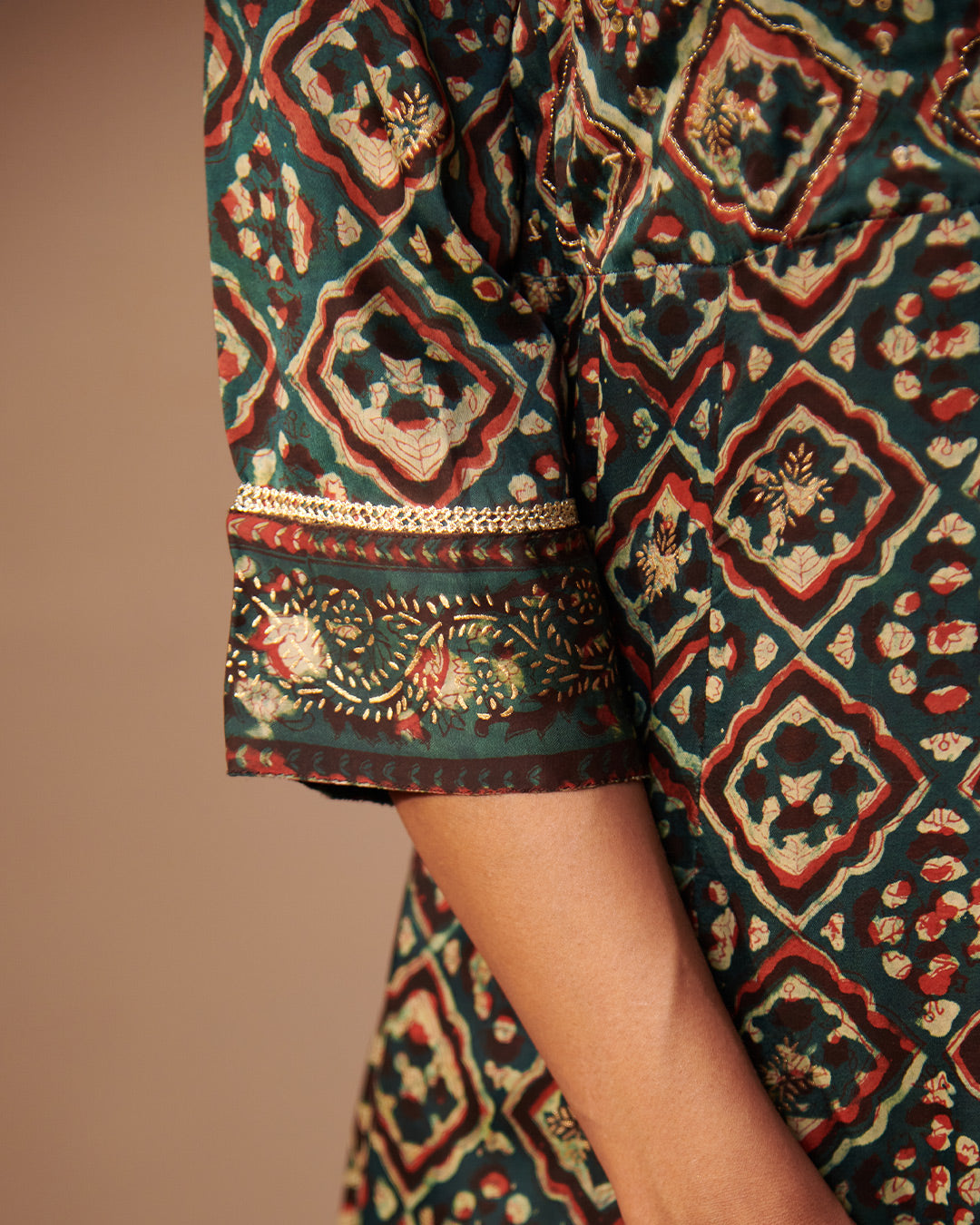
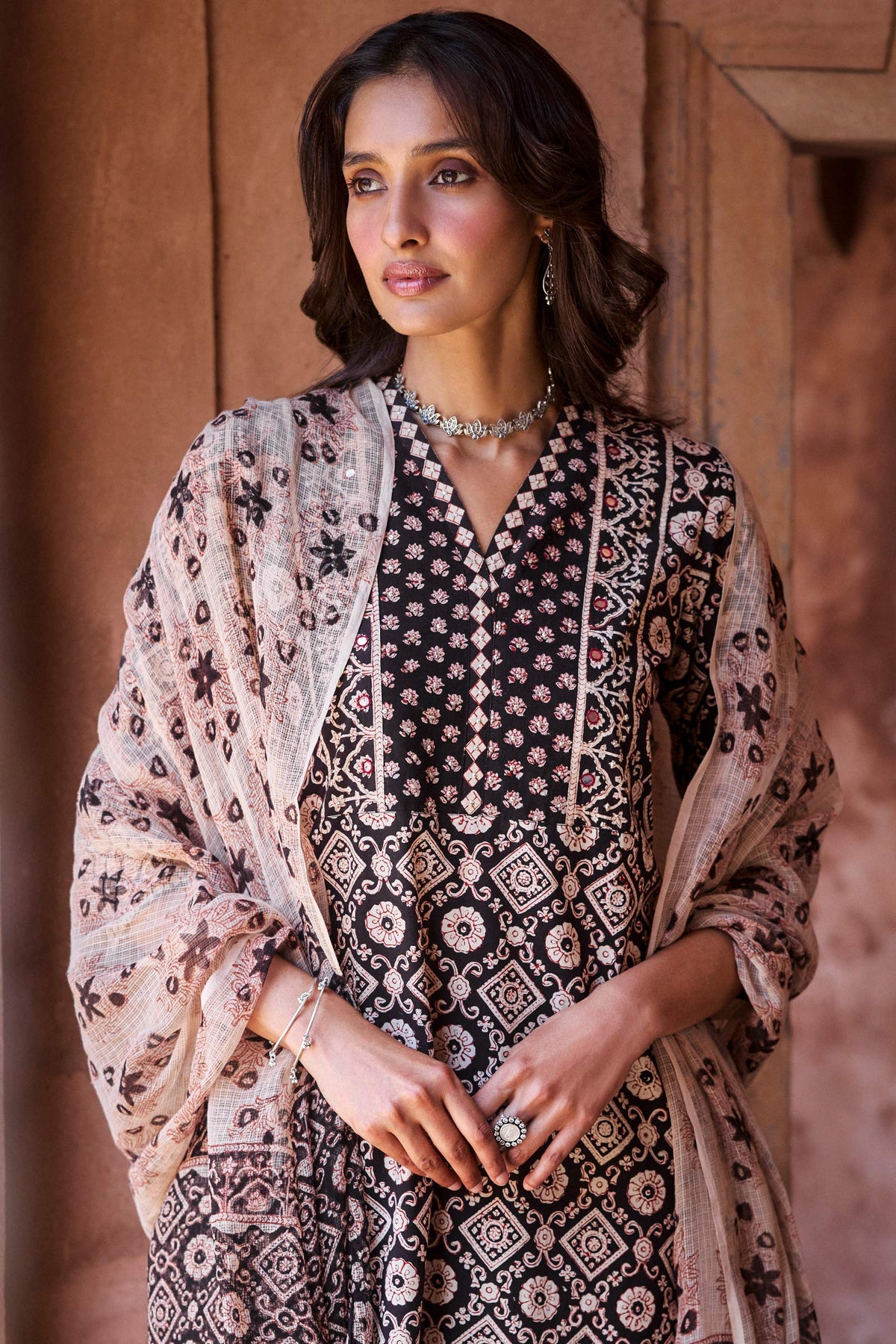
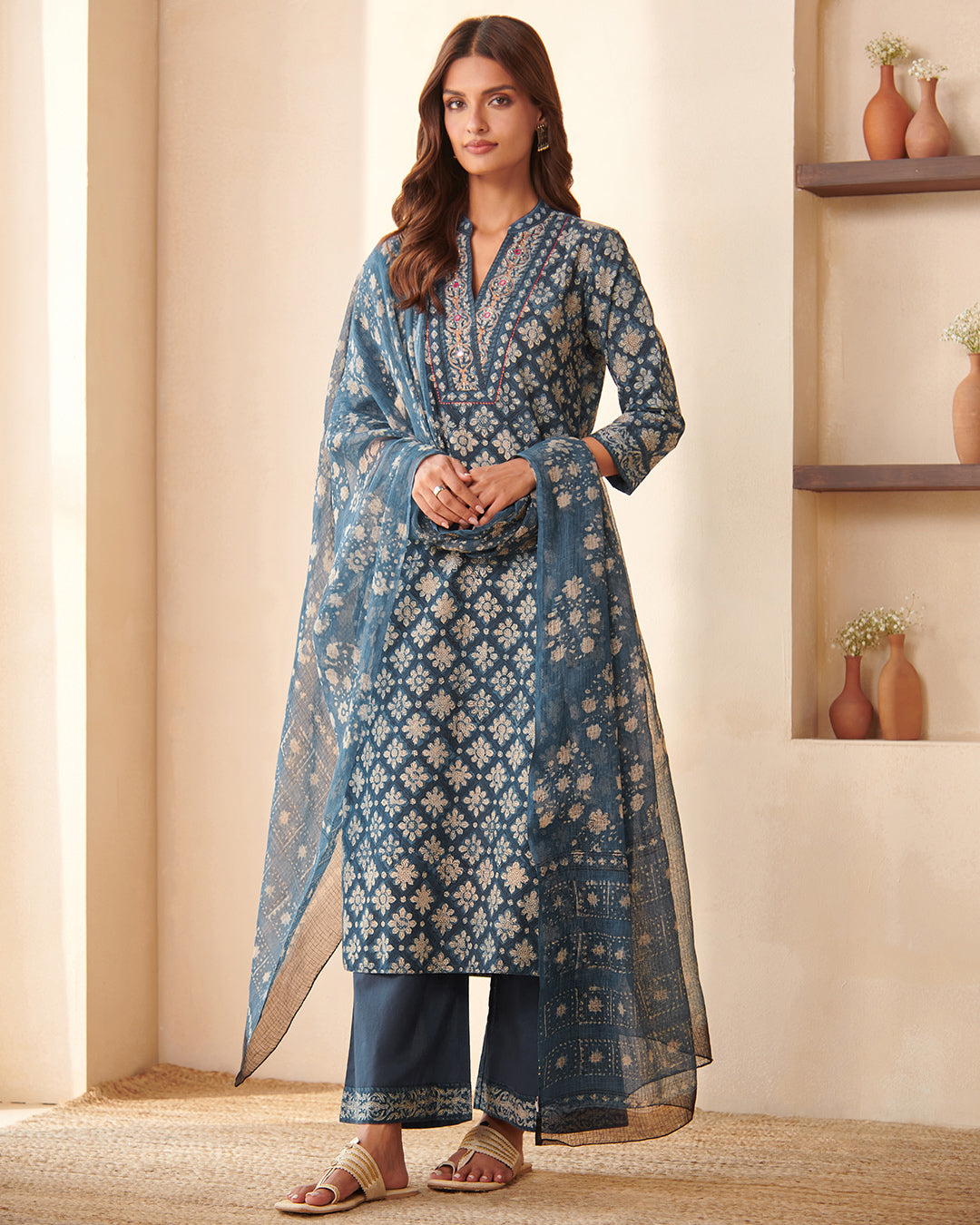
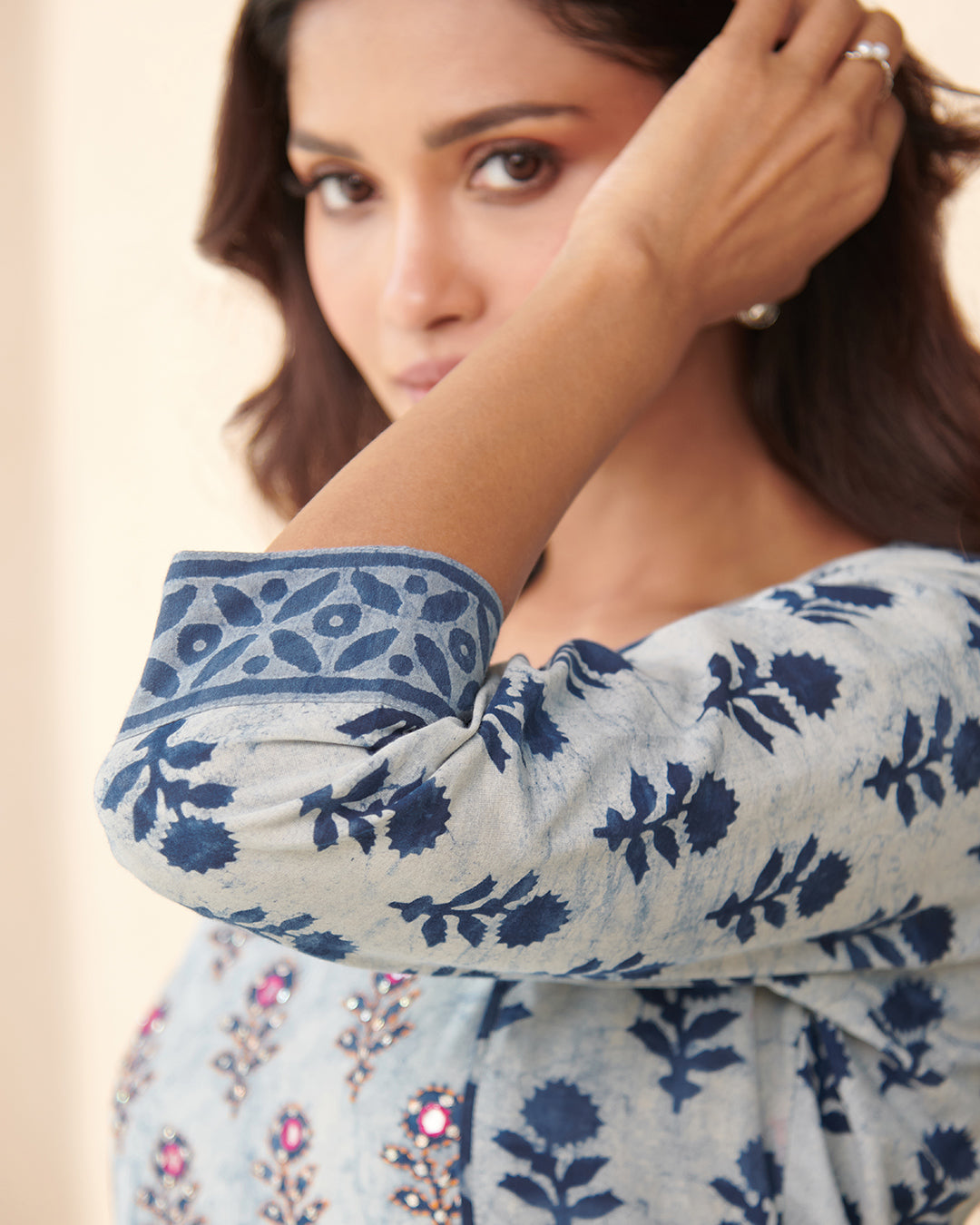
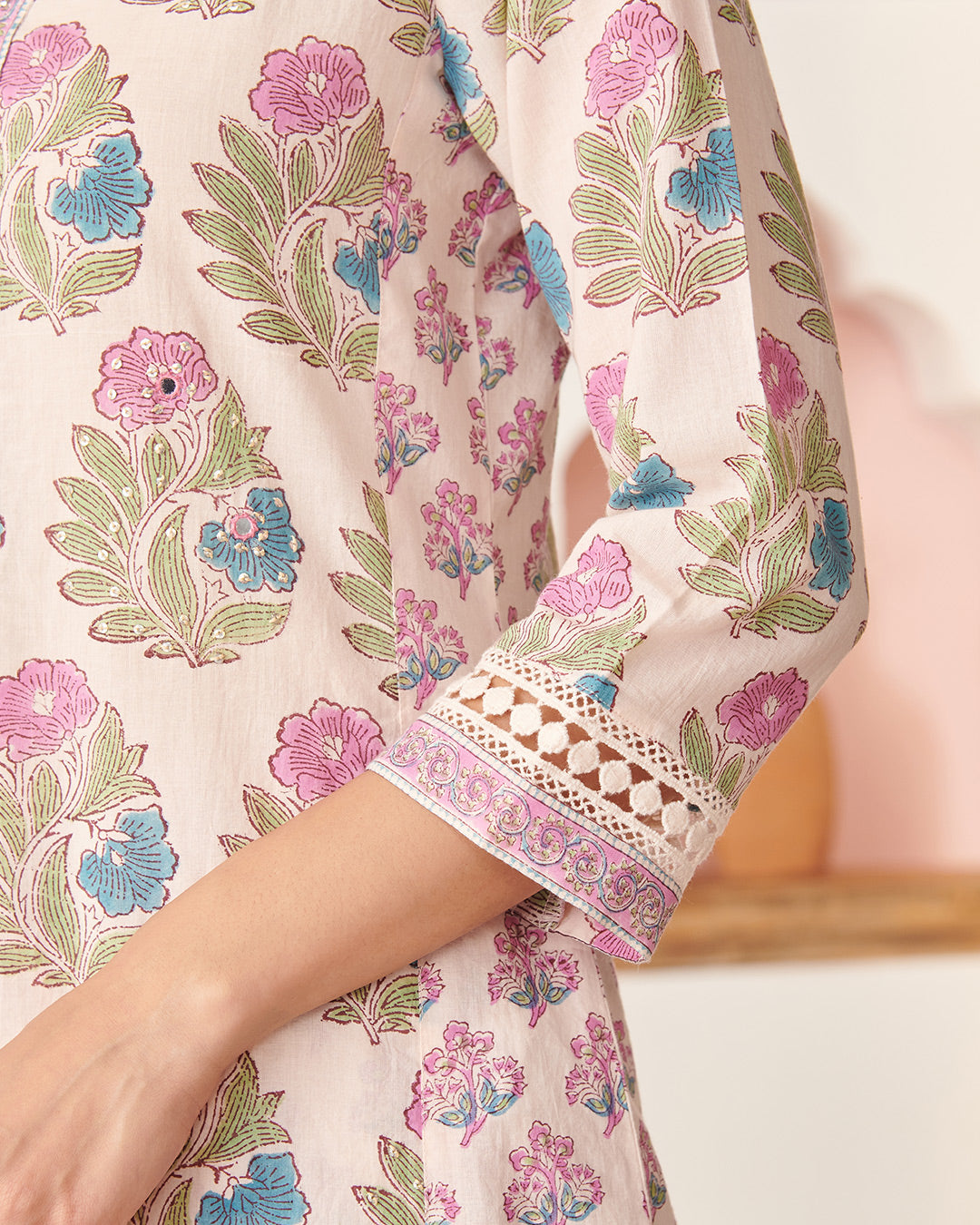
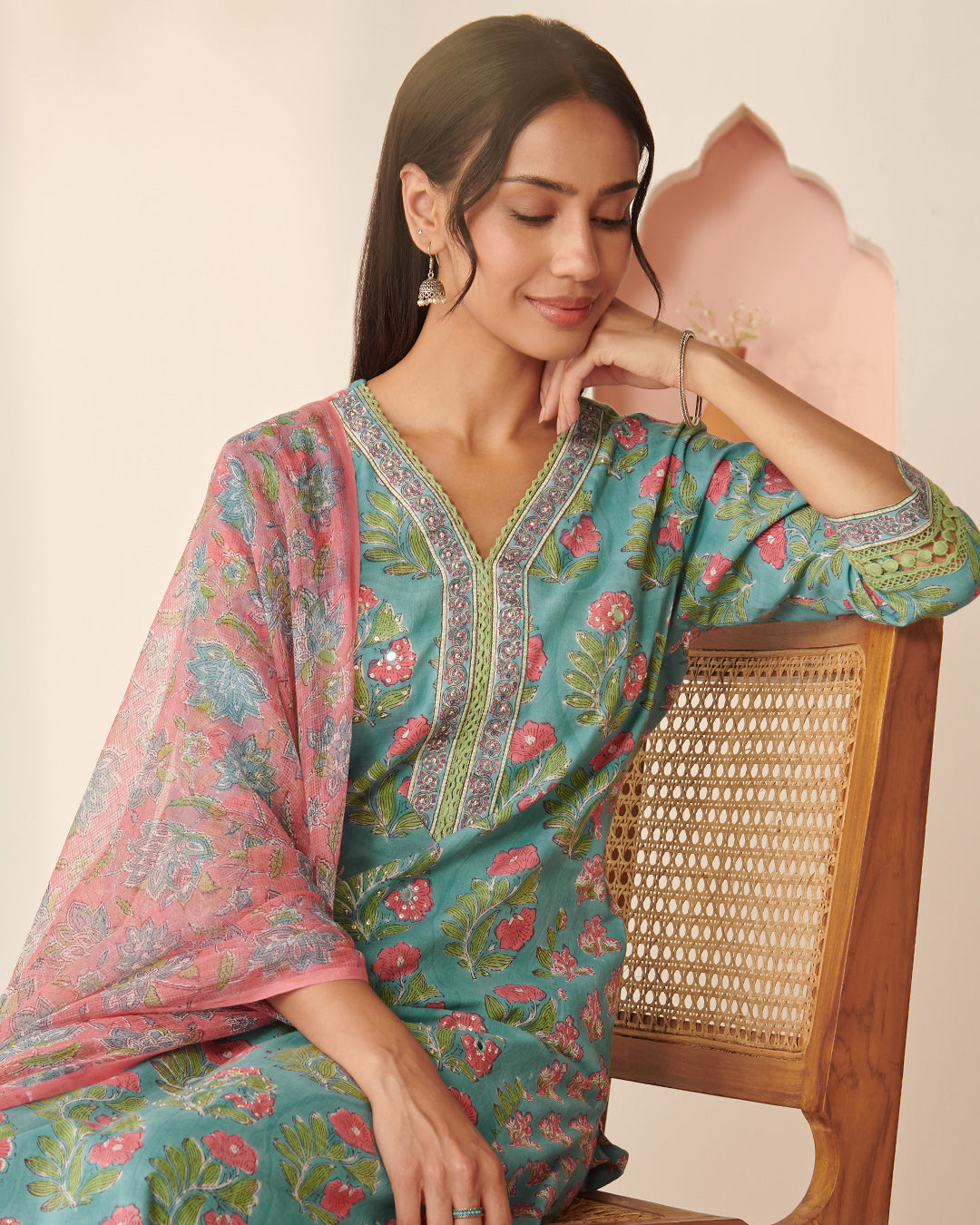
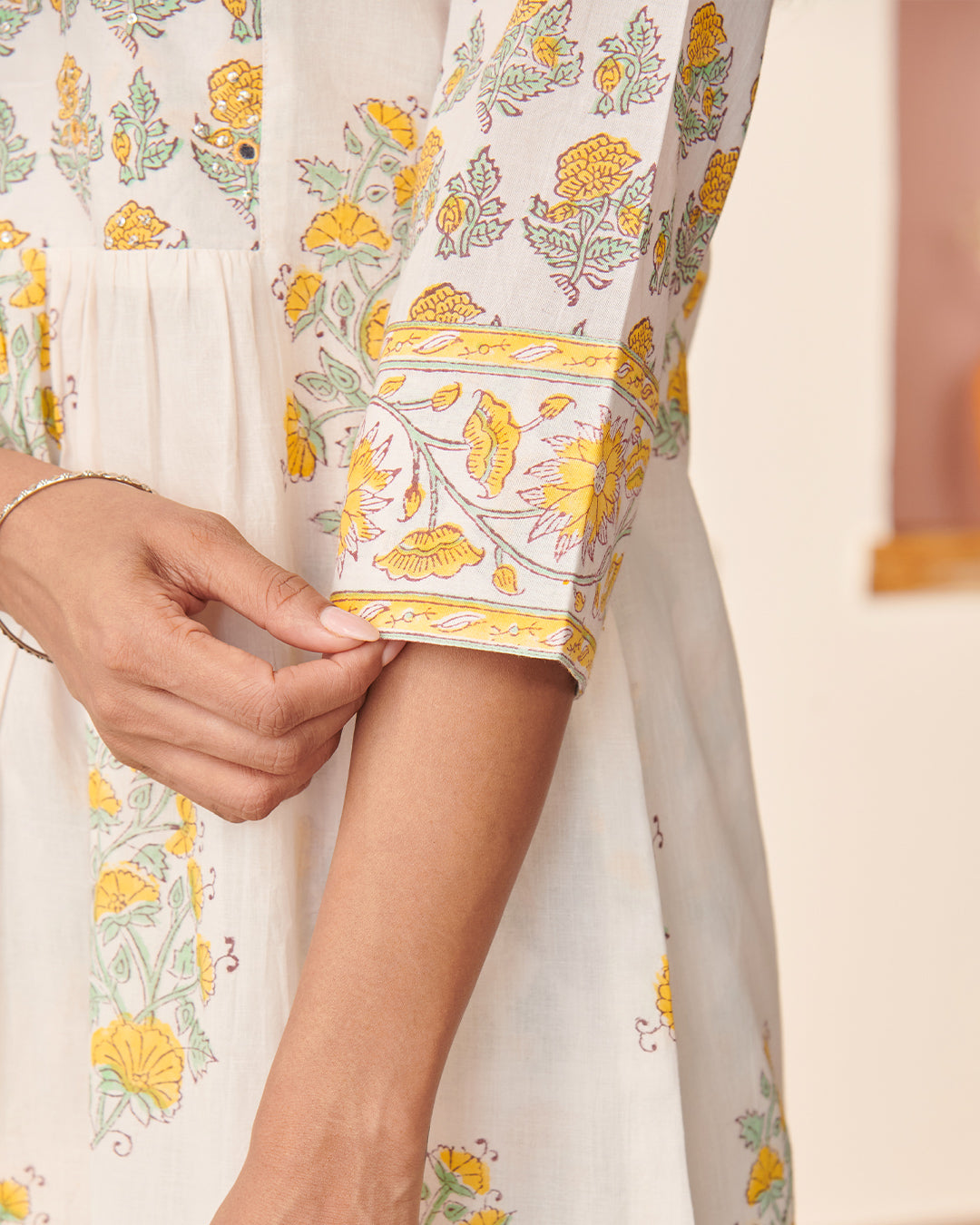
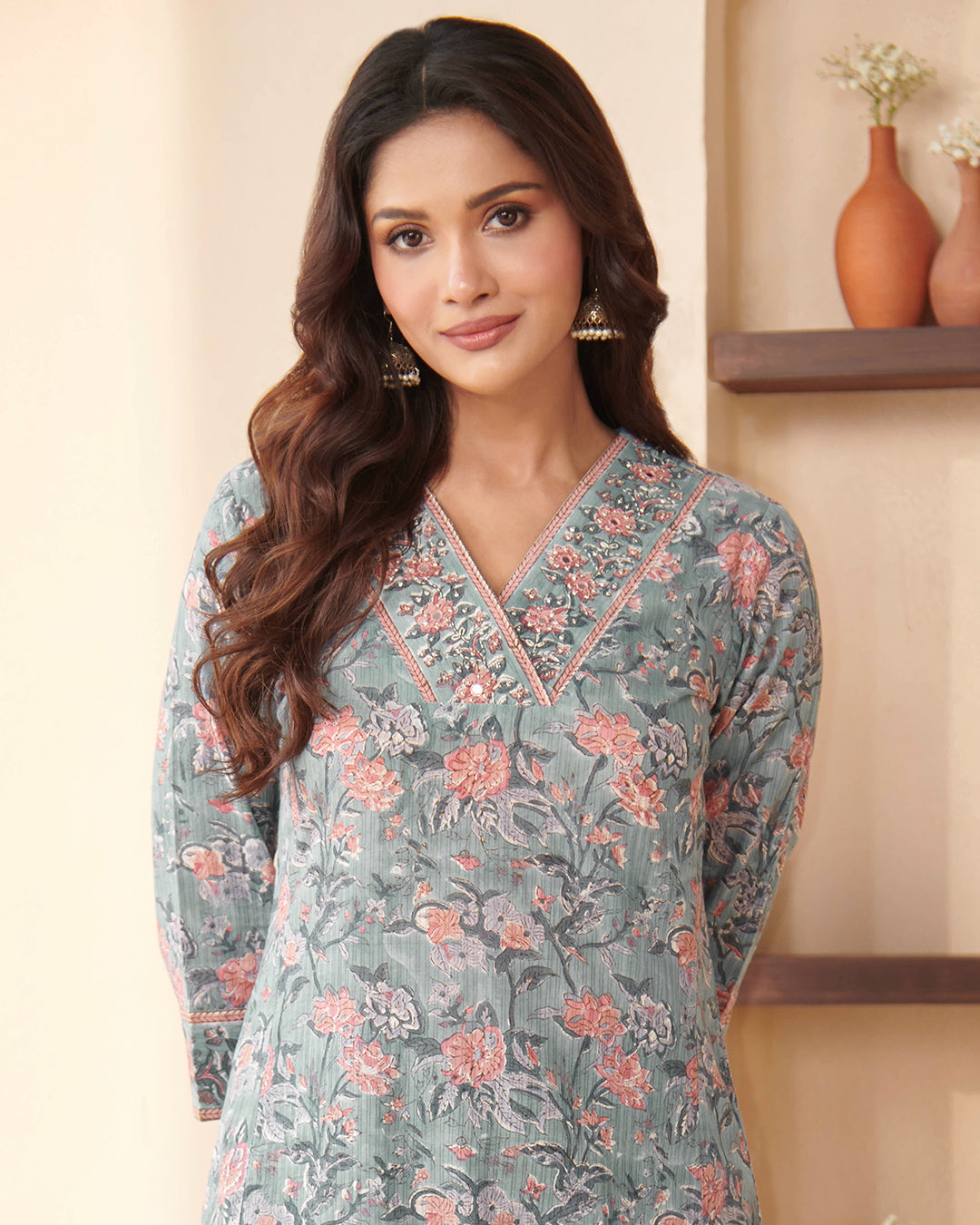
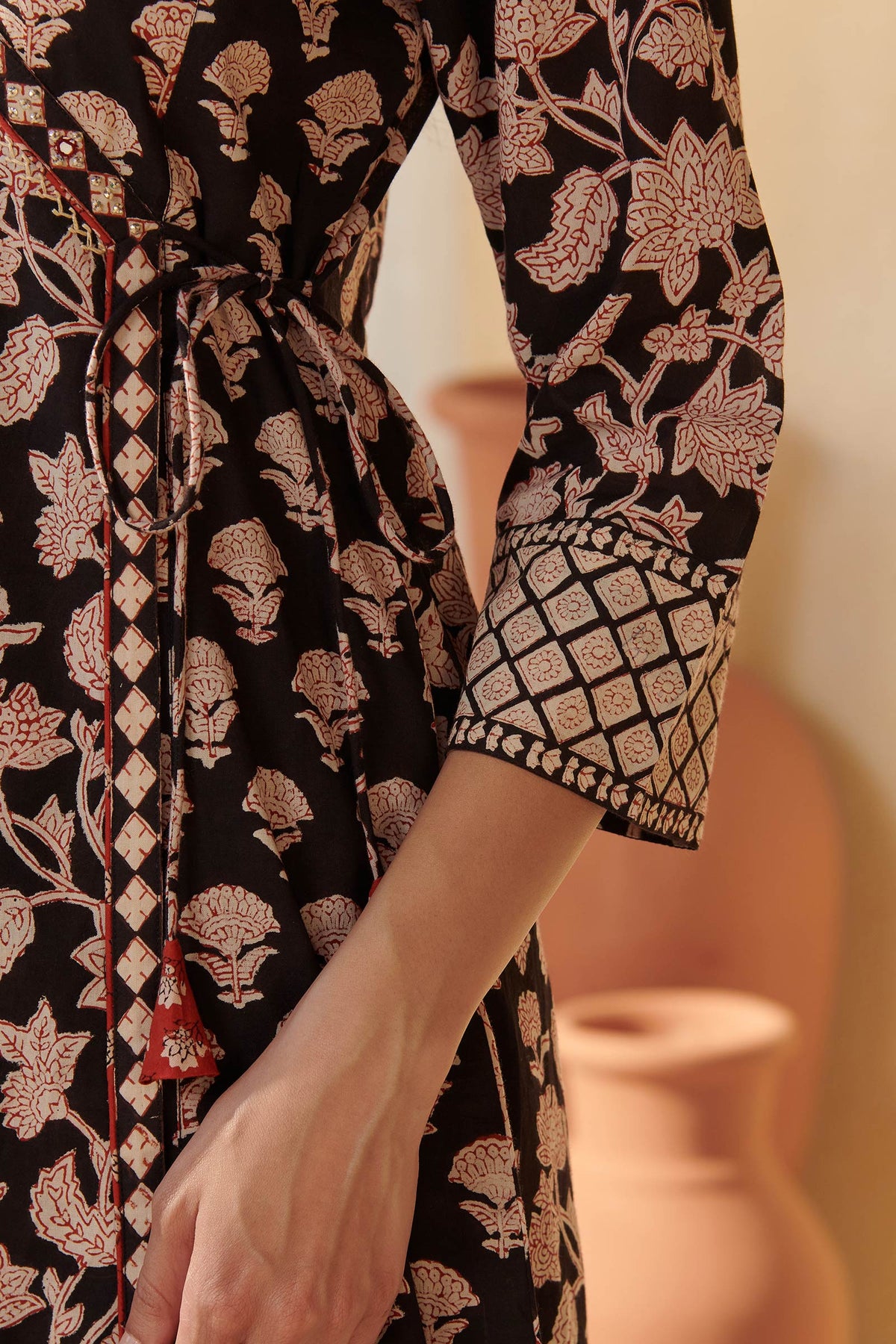
Printed dupattas are easier to style across different occasions. Florals, block prints, and geometric patterns add personality without adding visual weight, which makes them really versatile for mixing and matching.
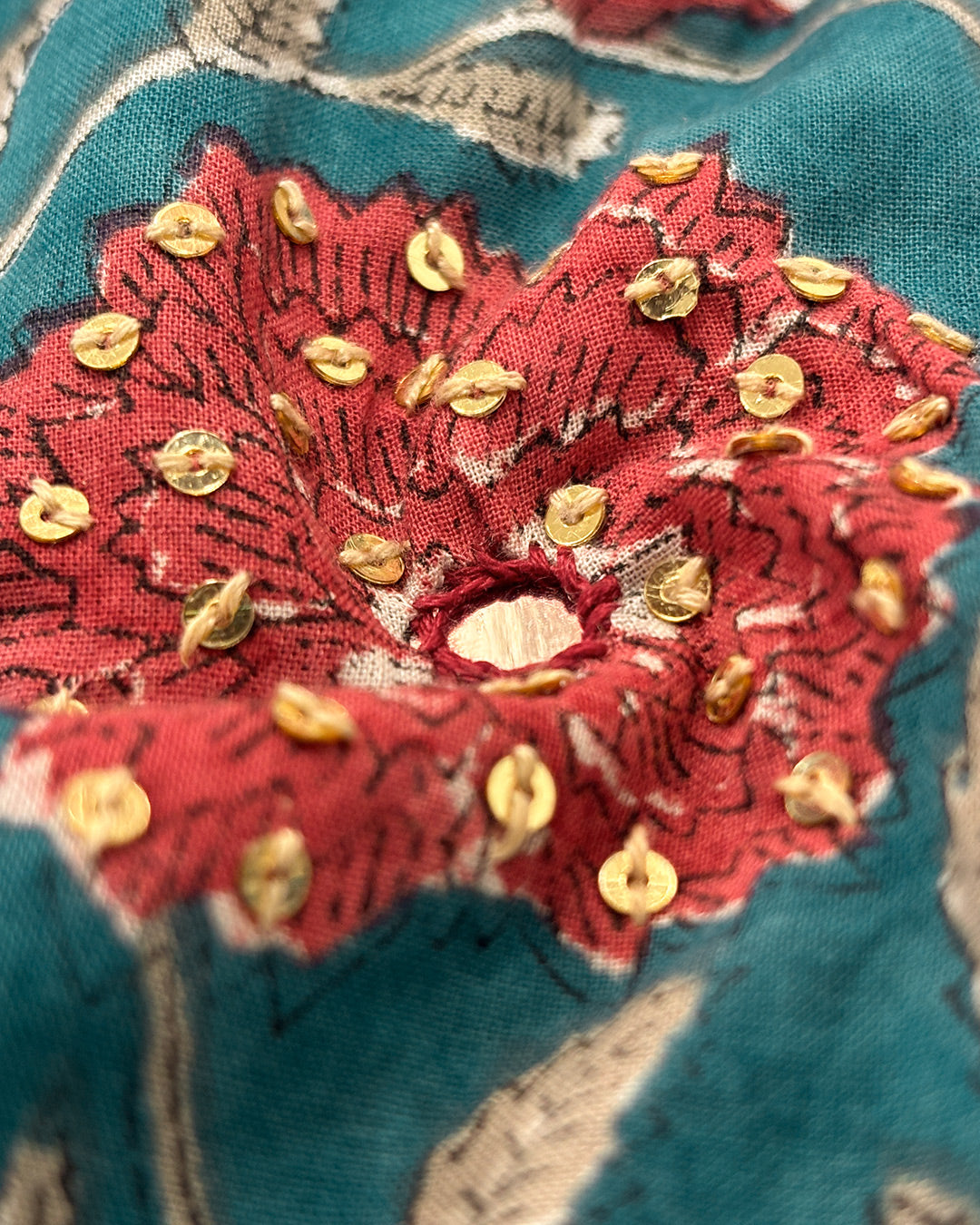
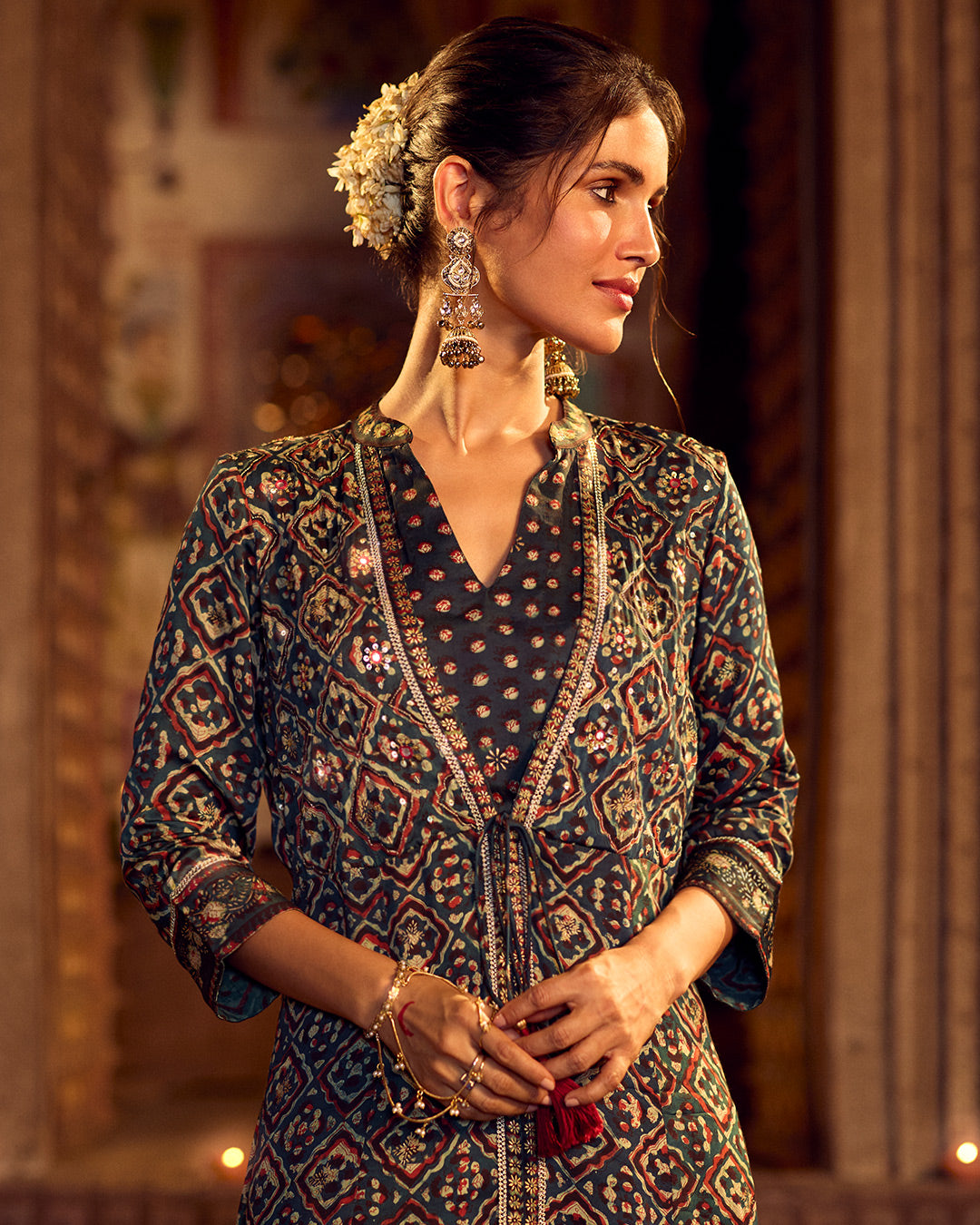
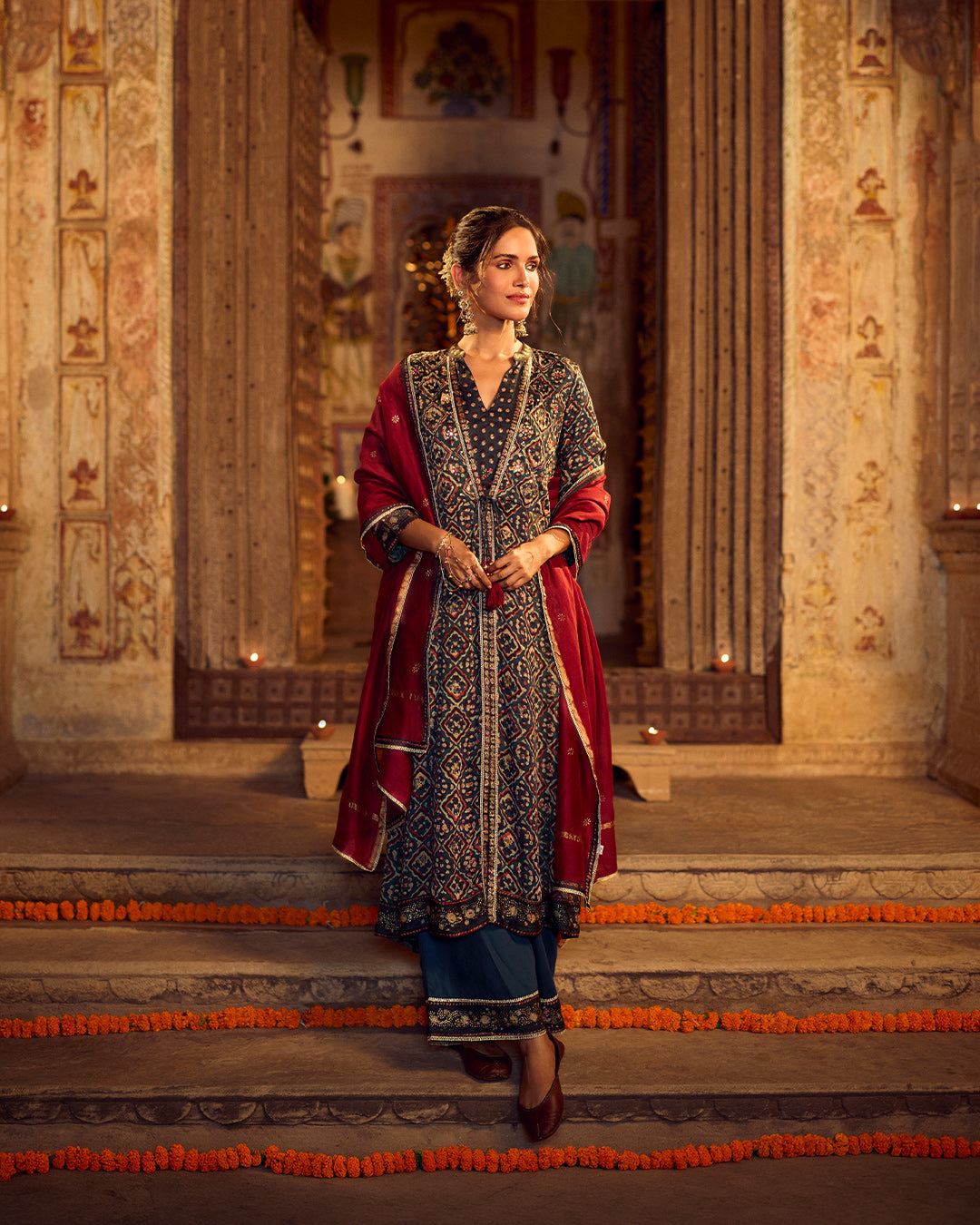
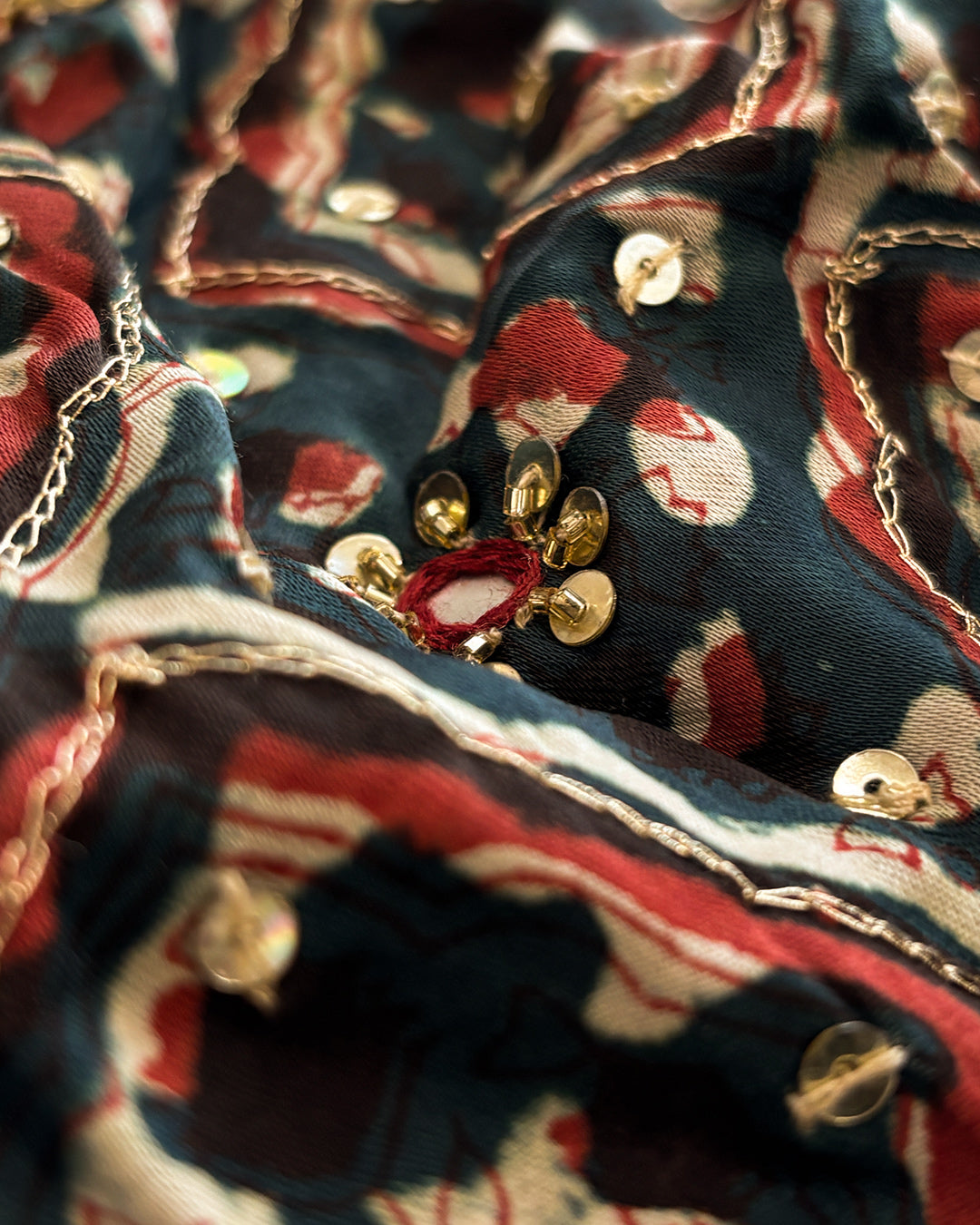
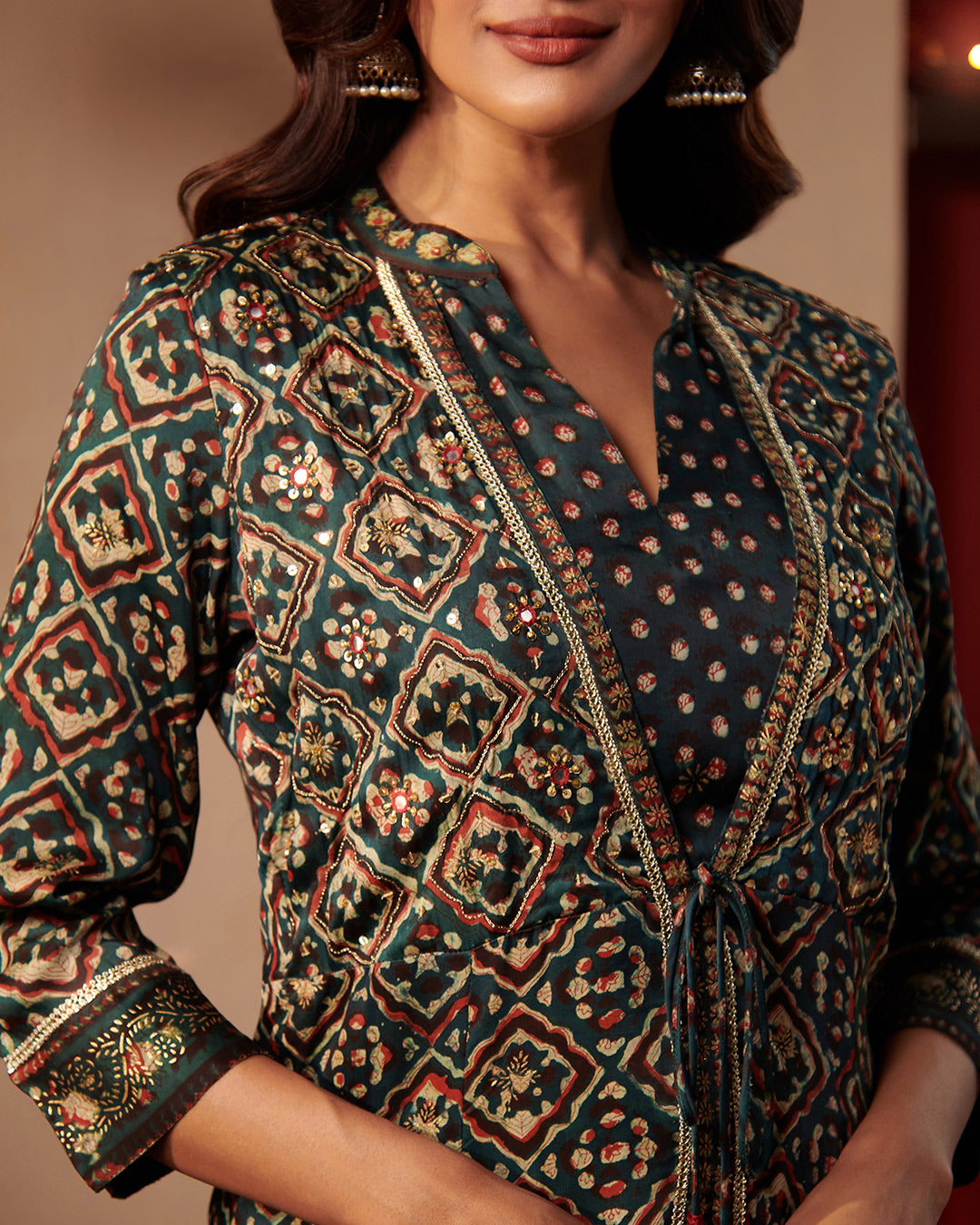
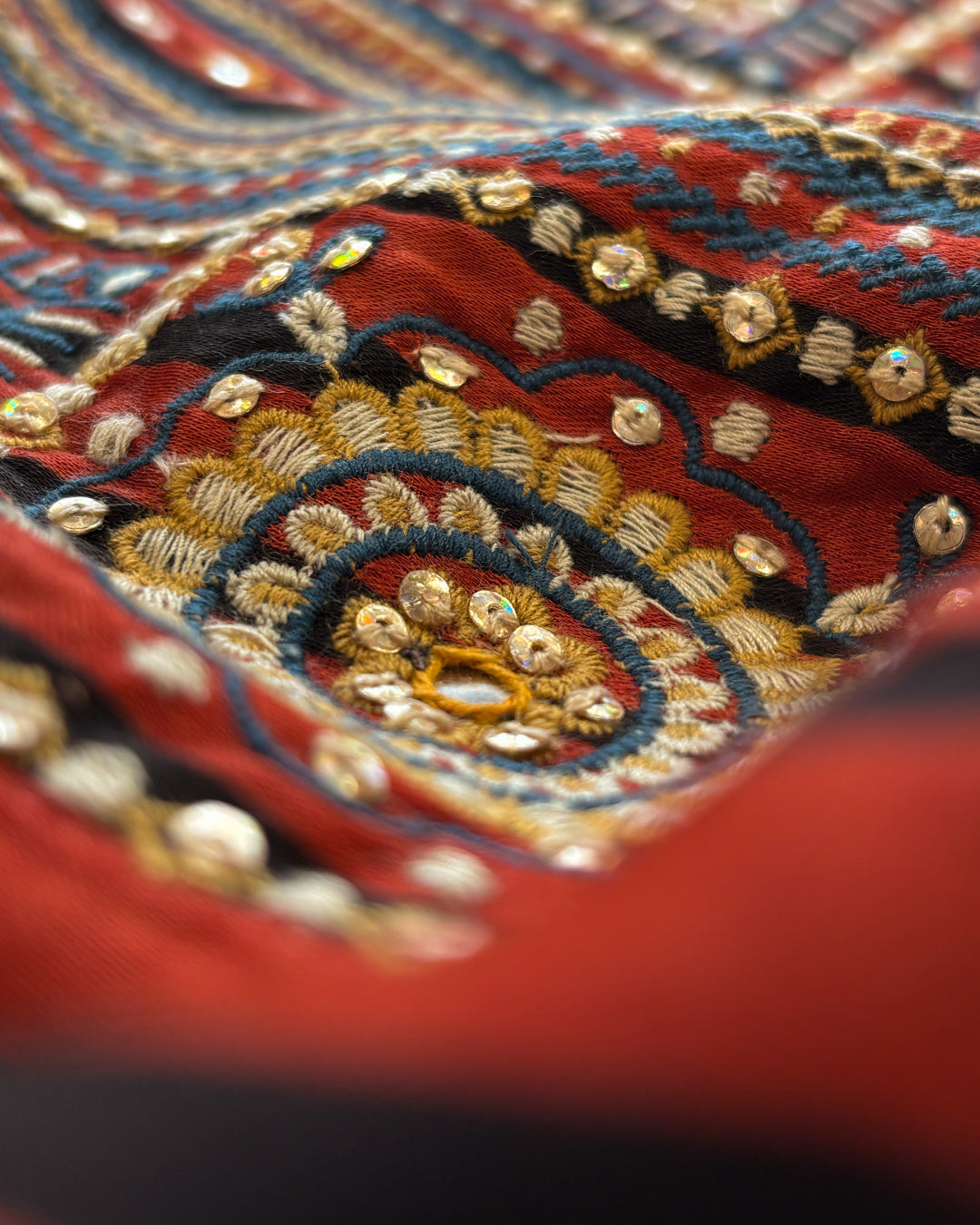
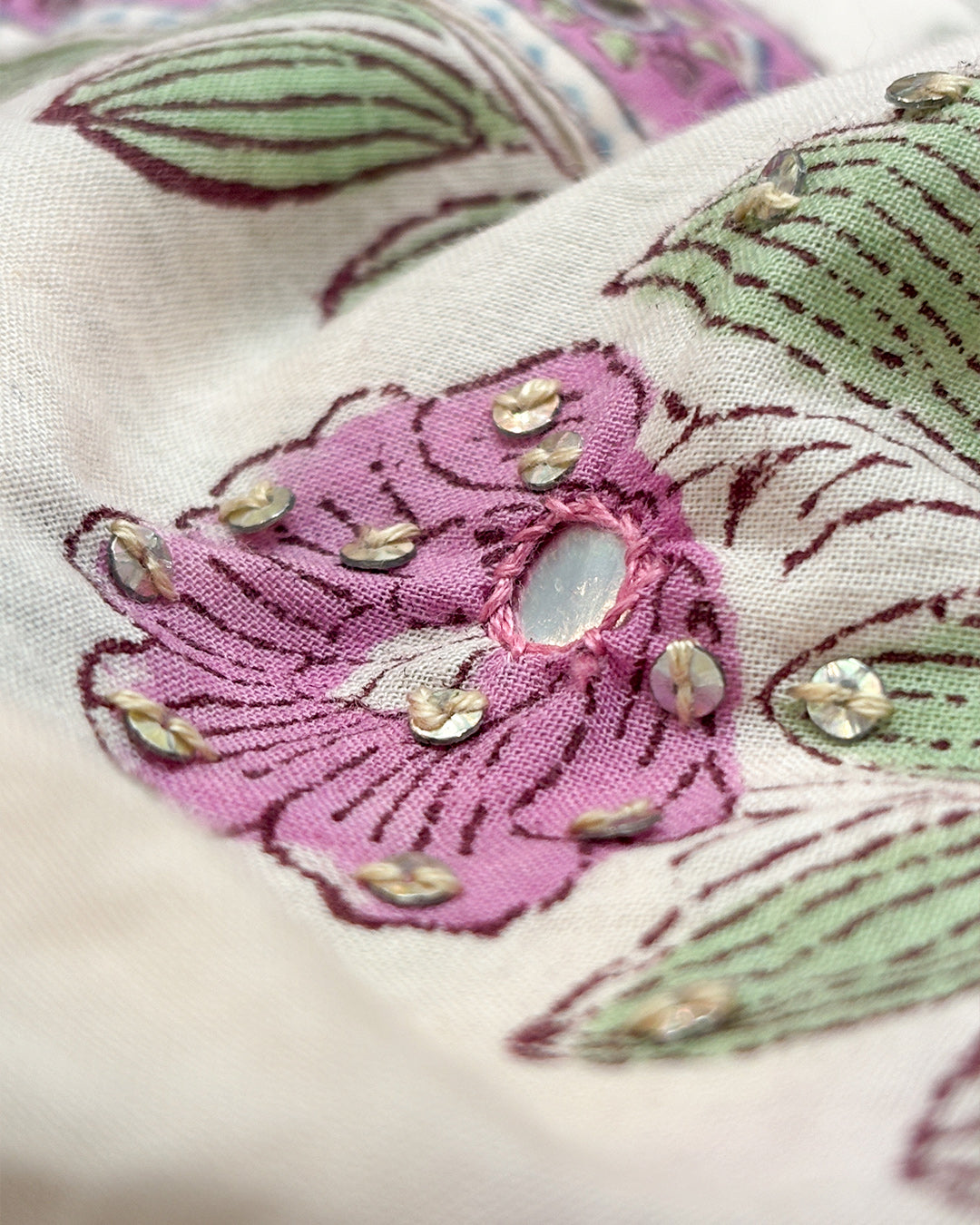
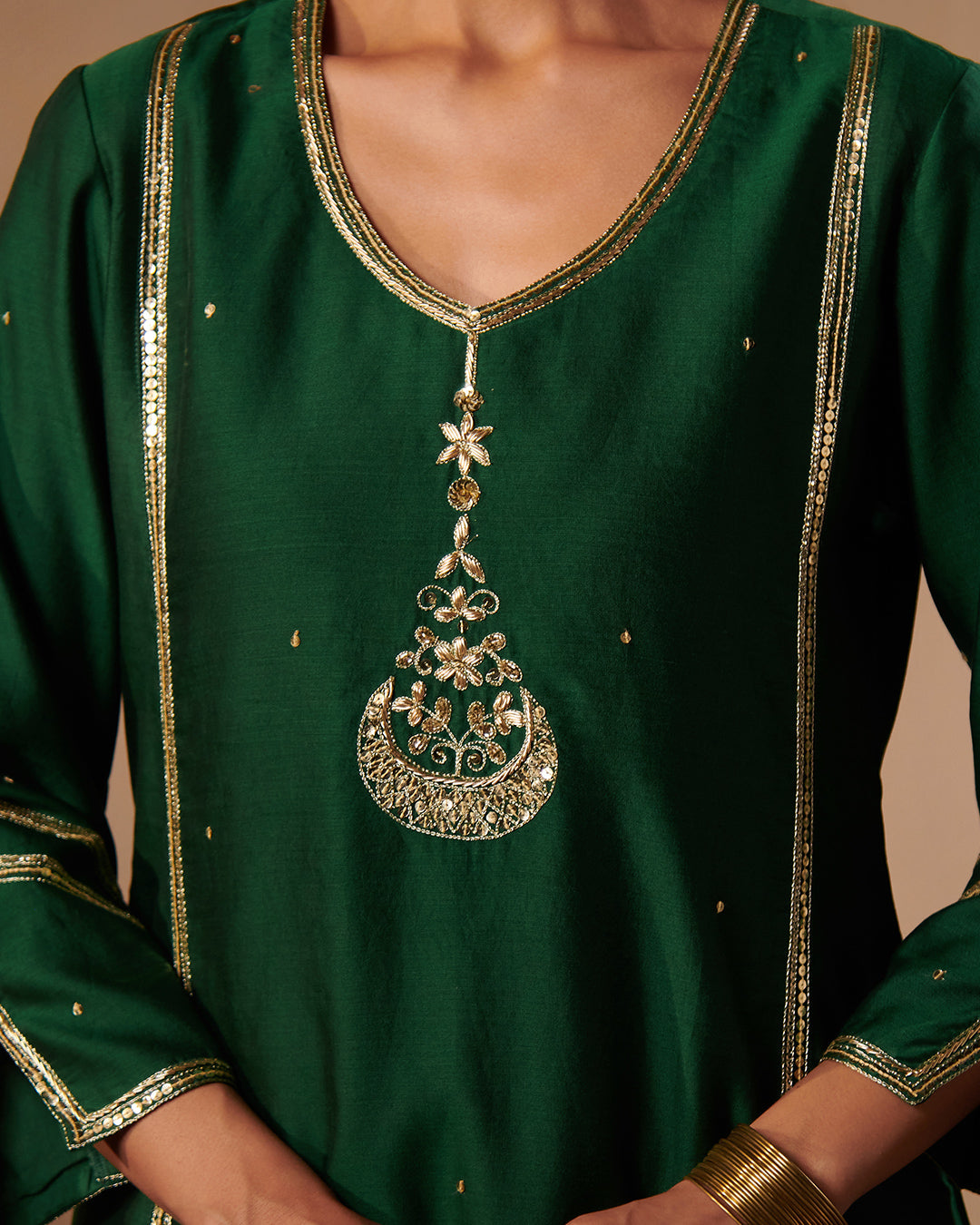
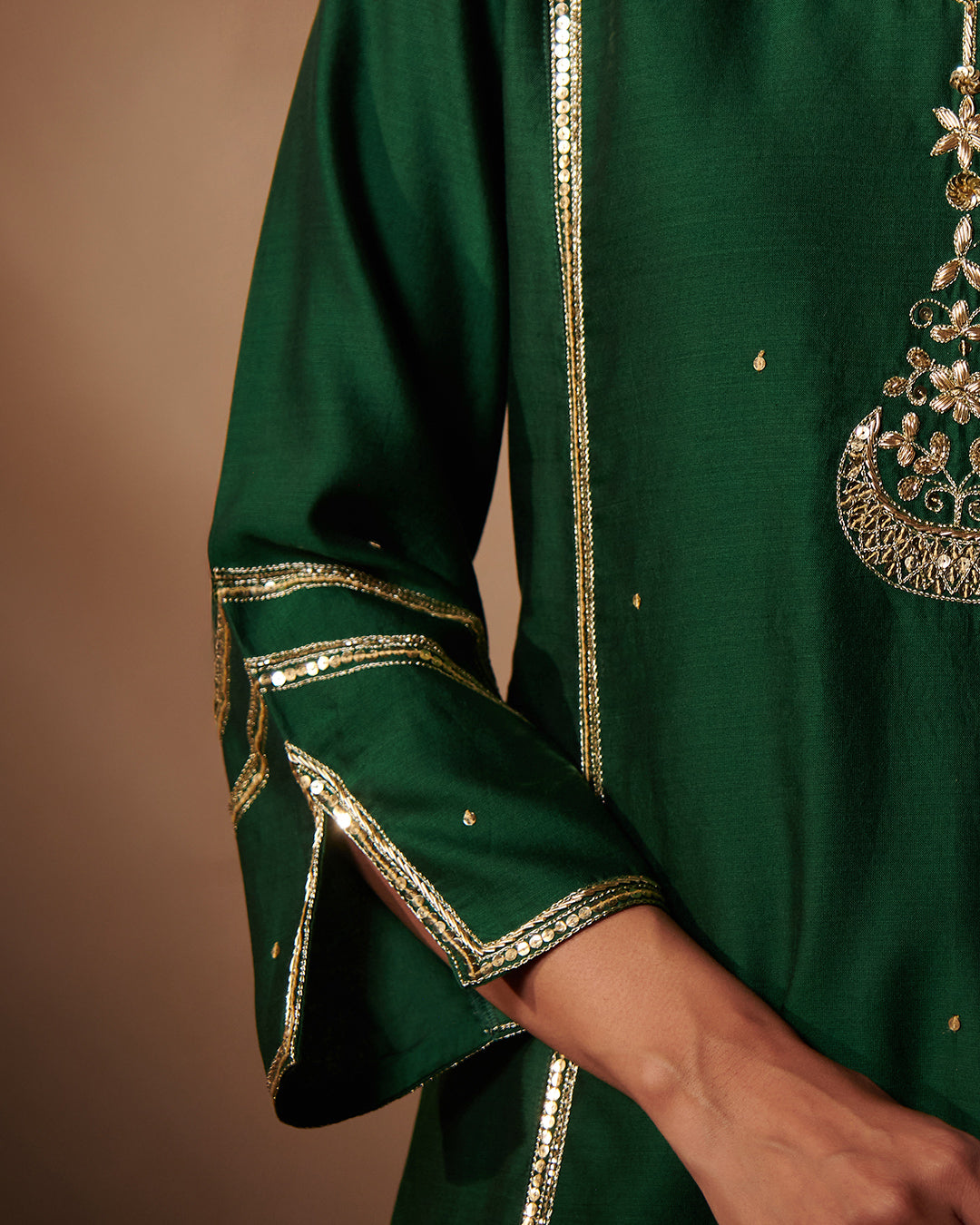
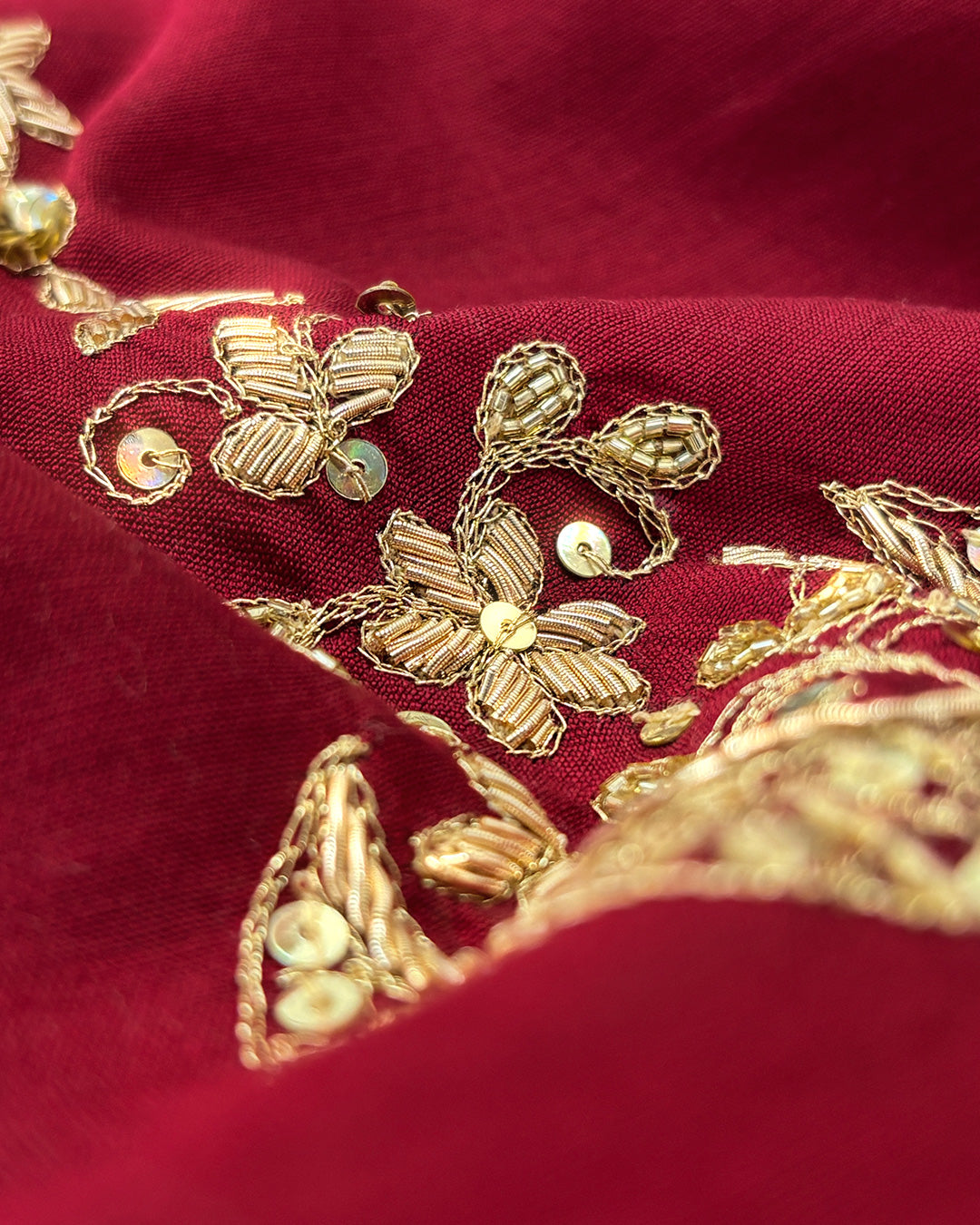
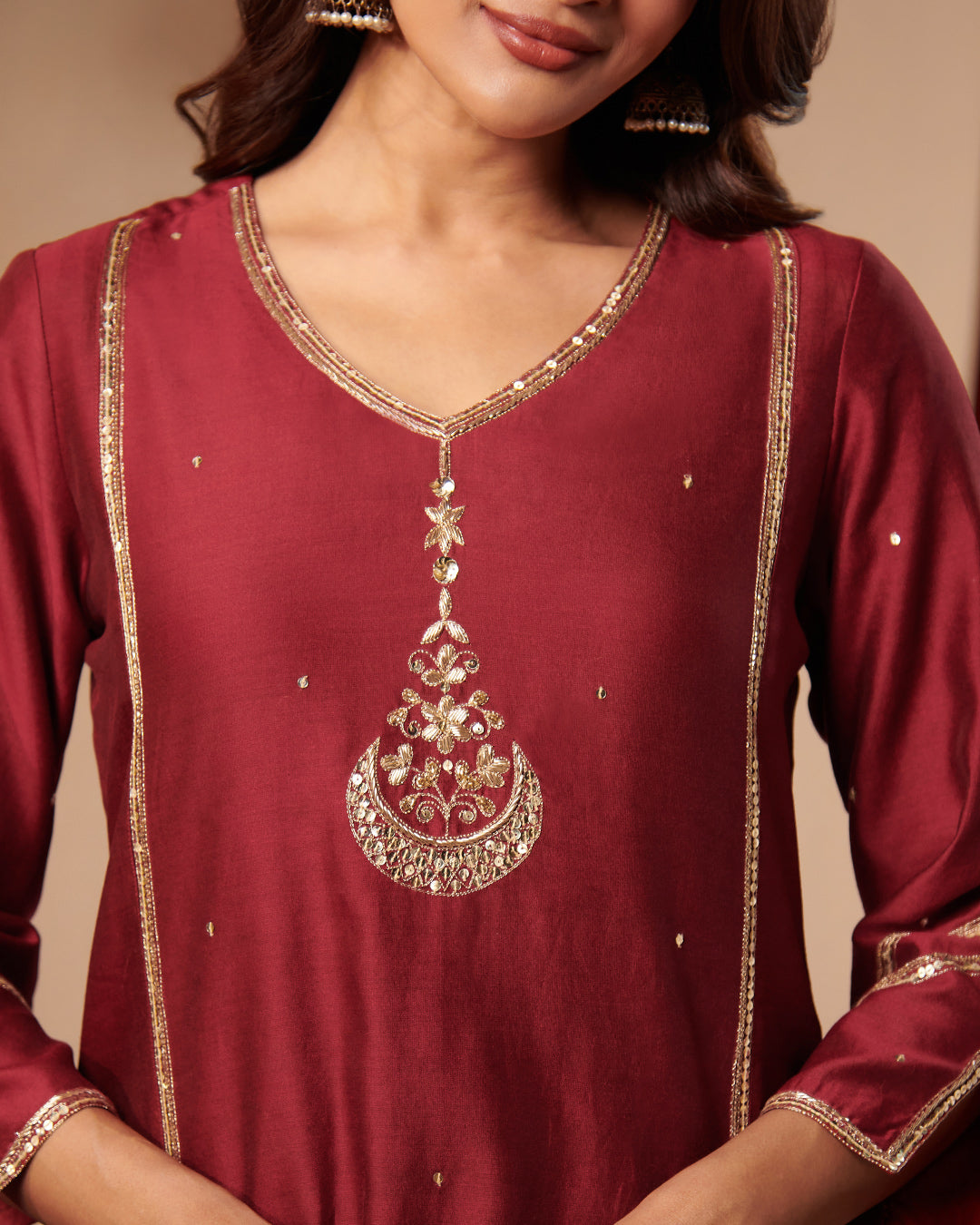
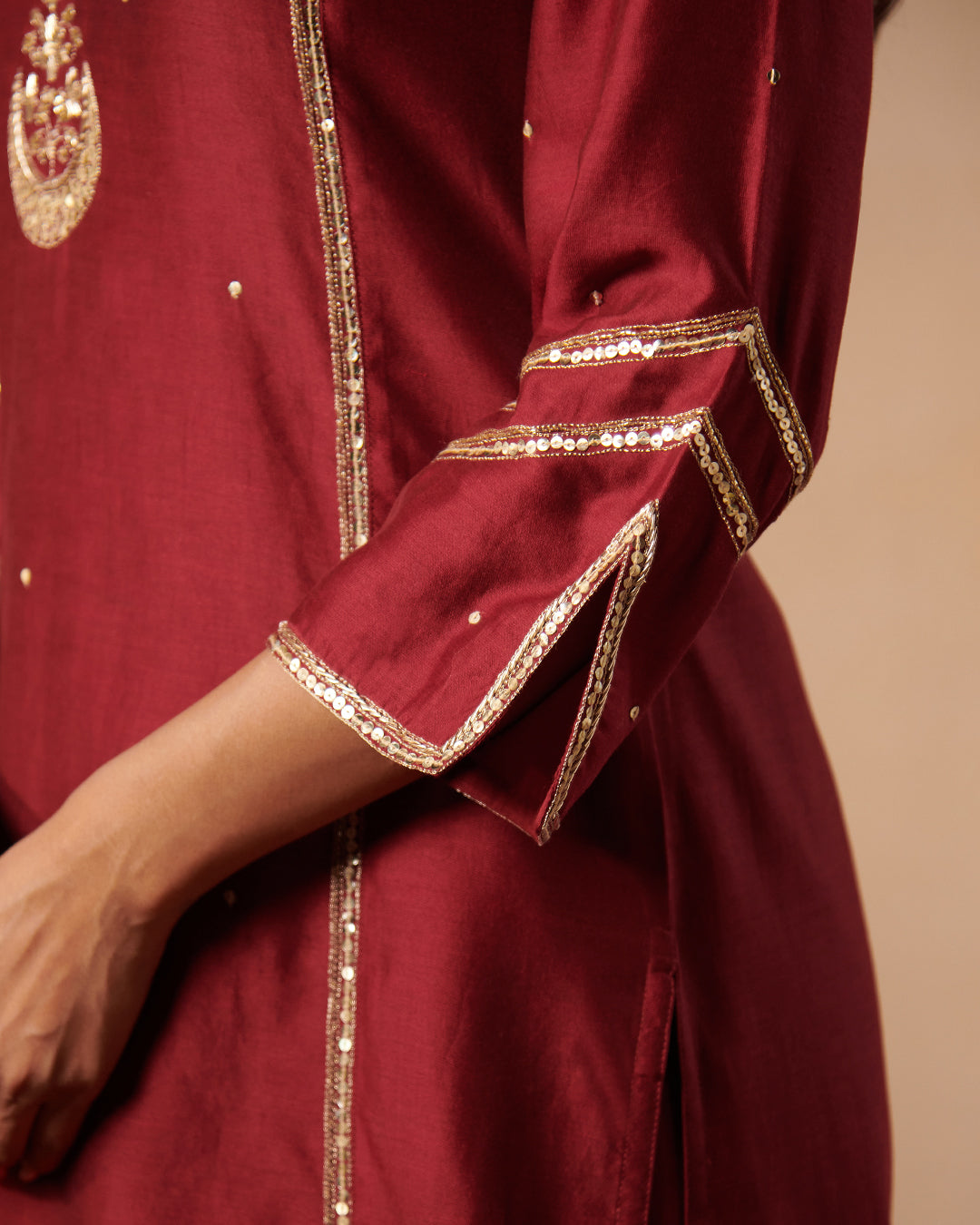
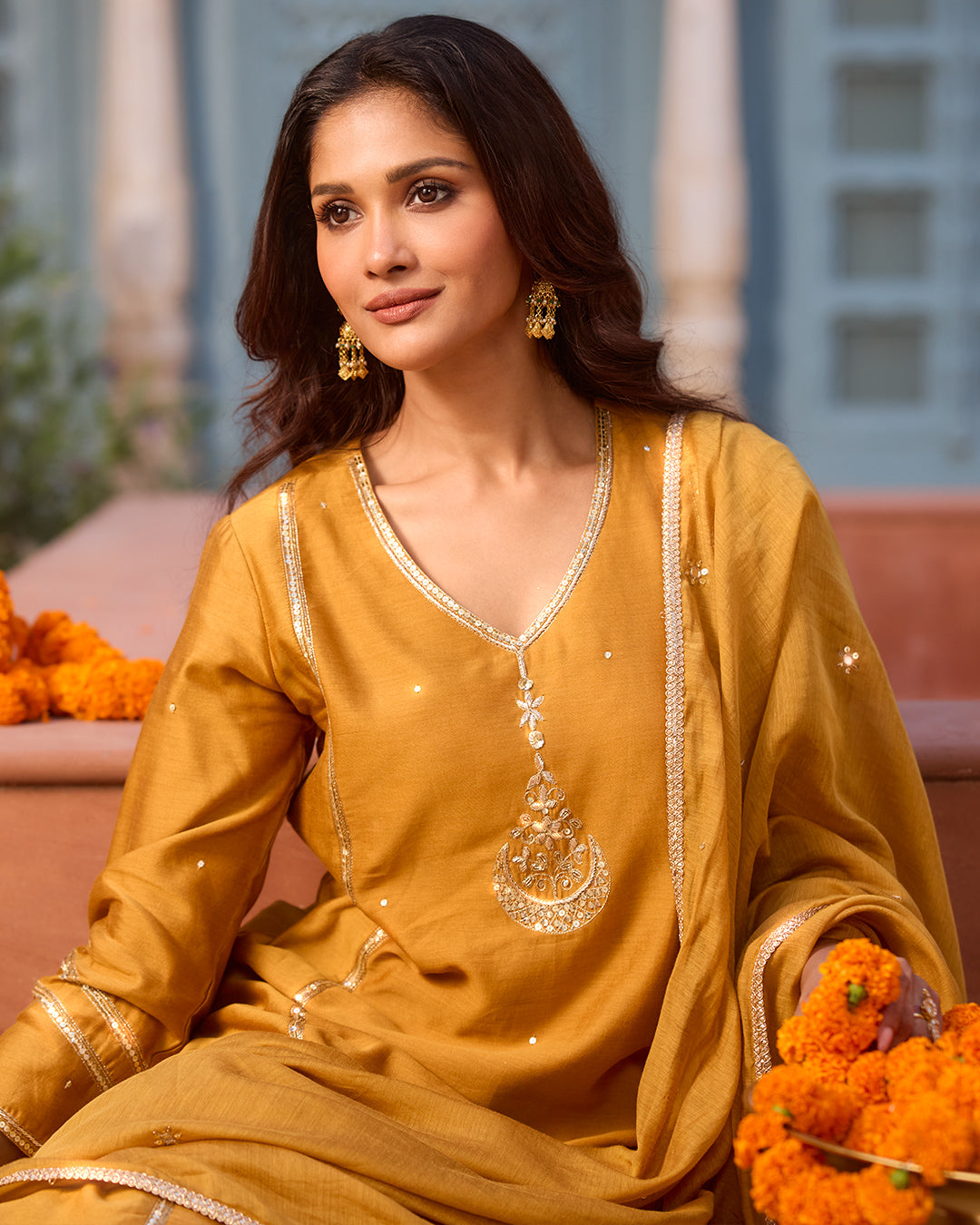
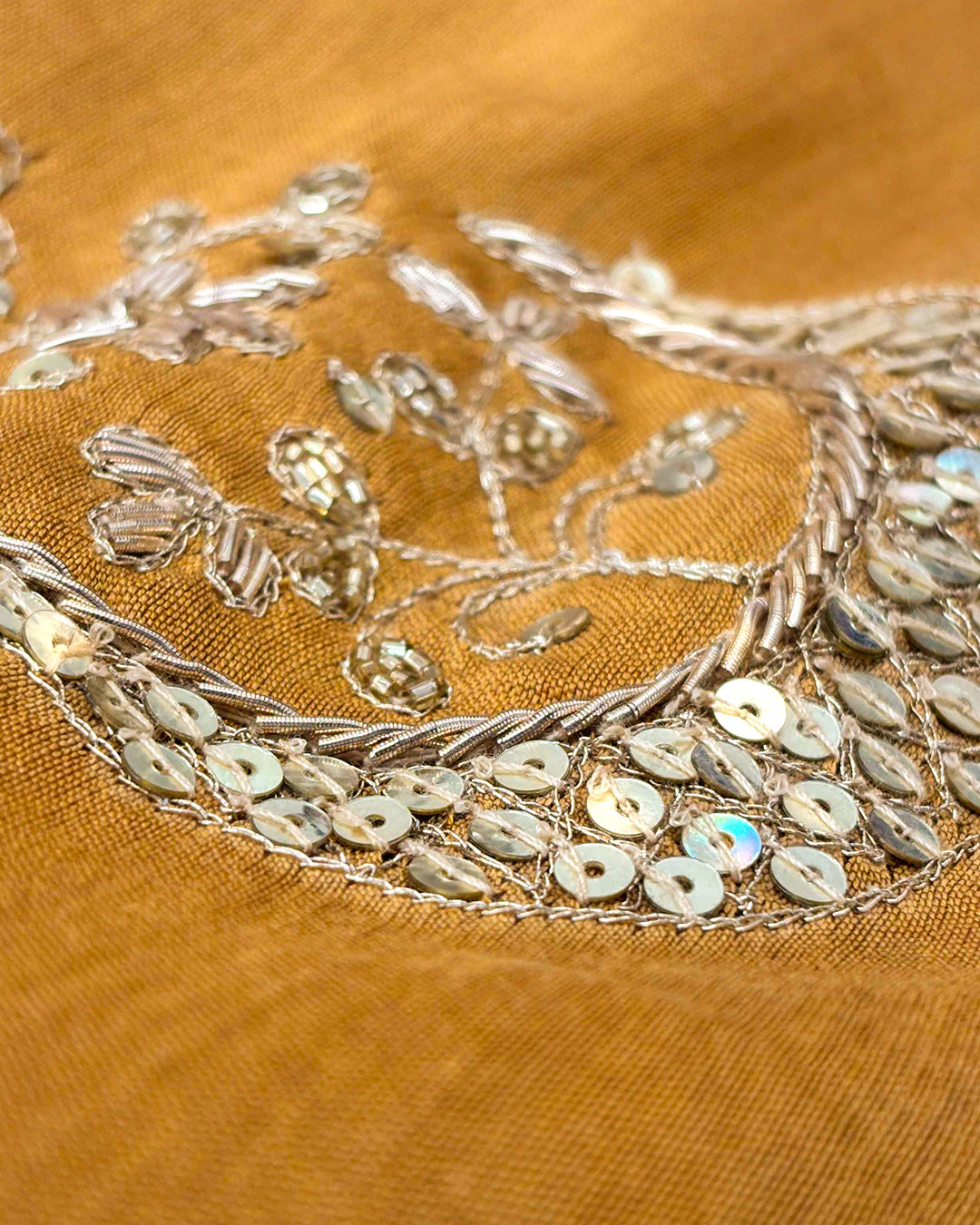
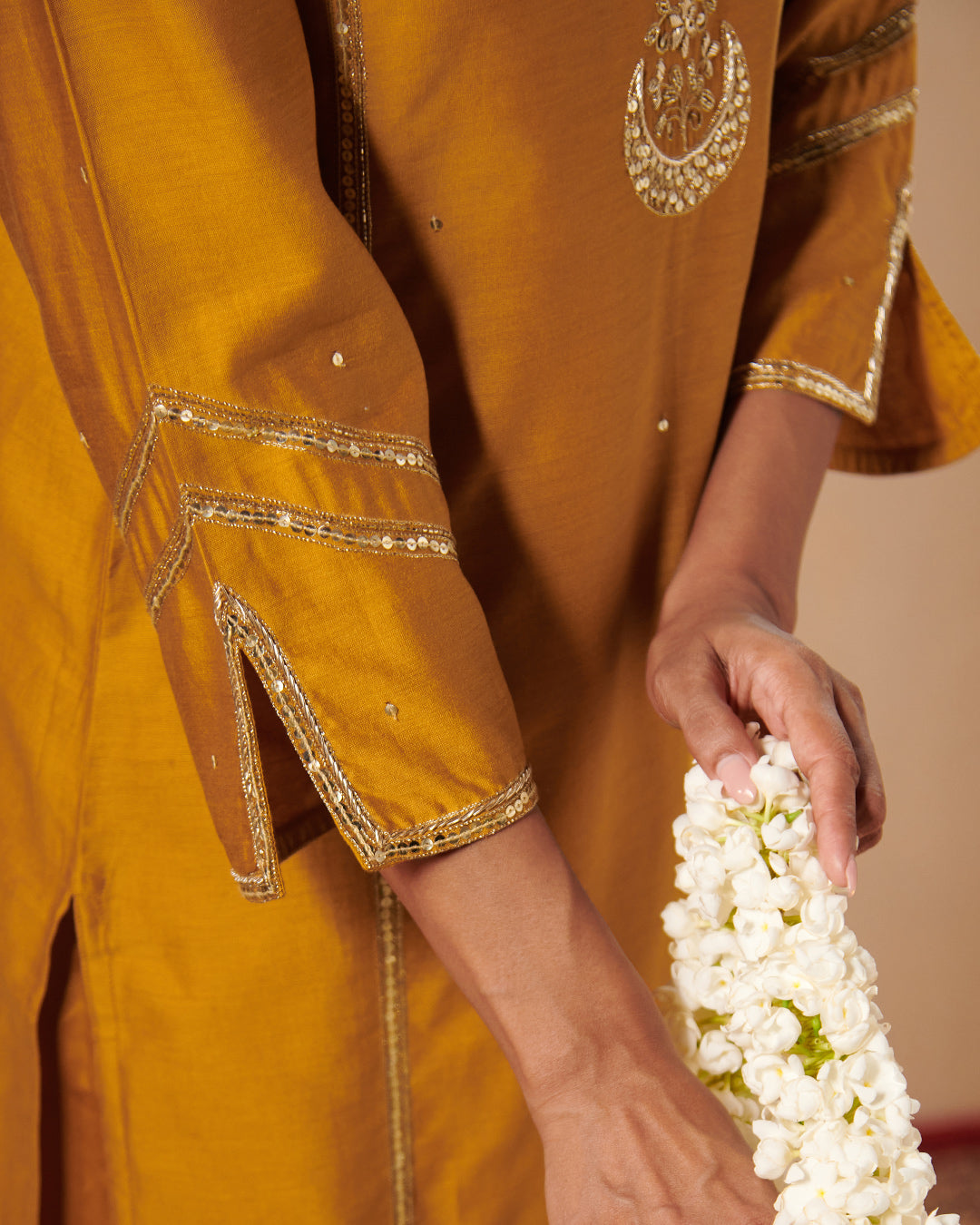
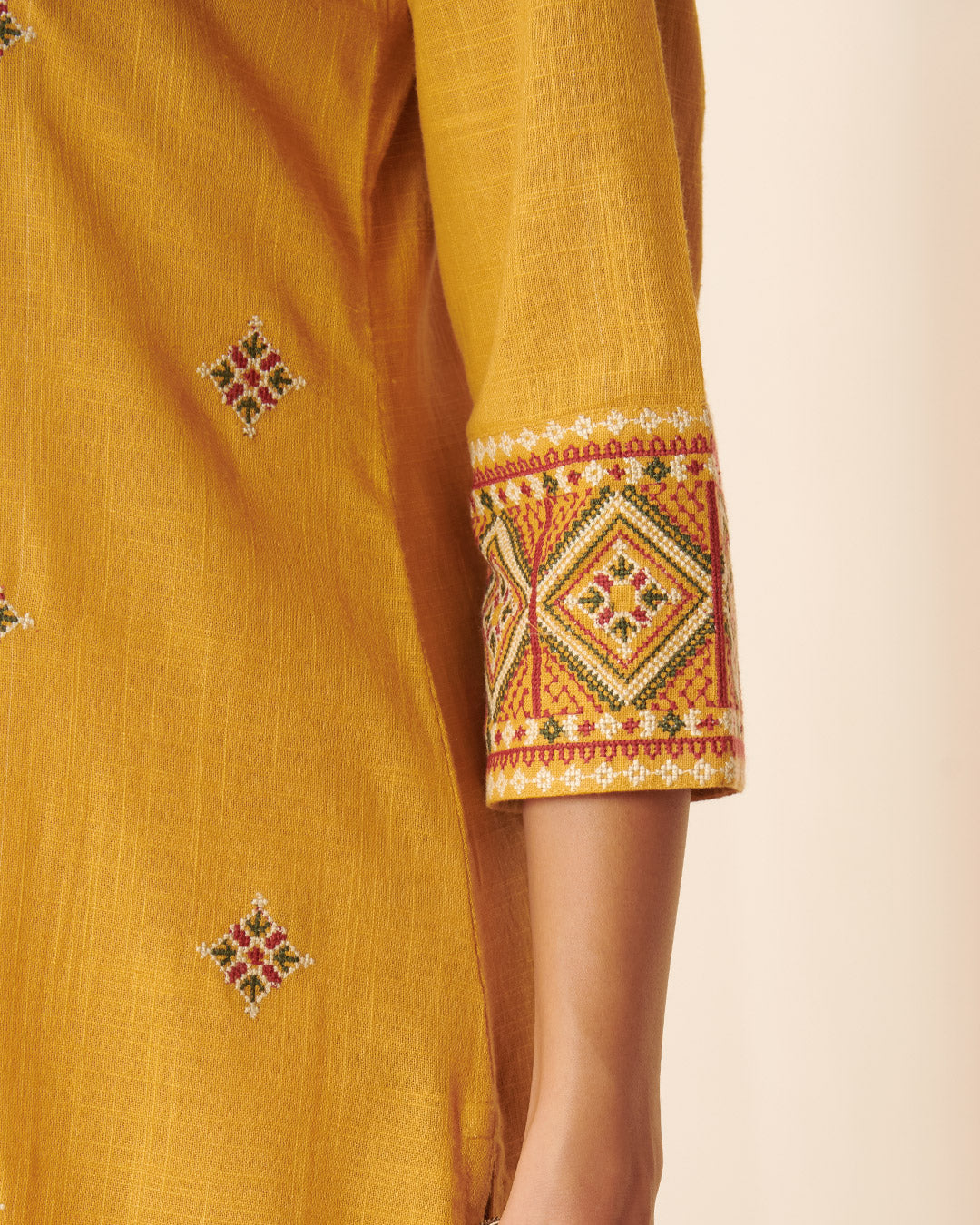
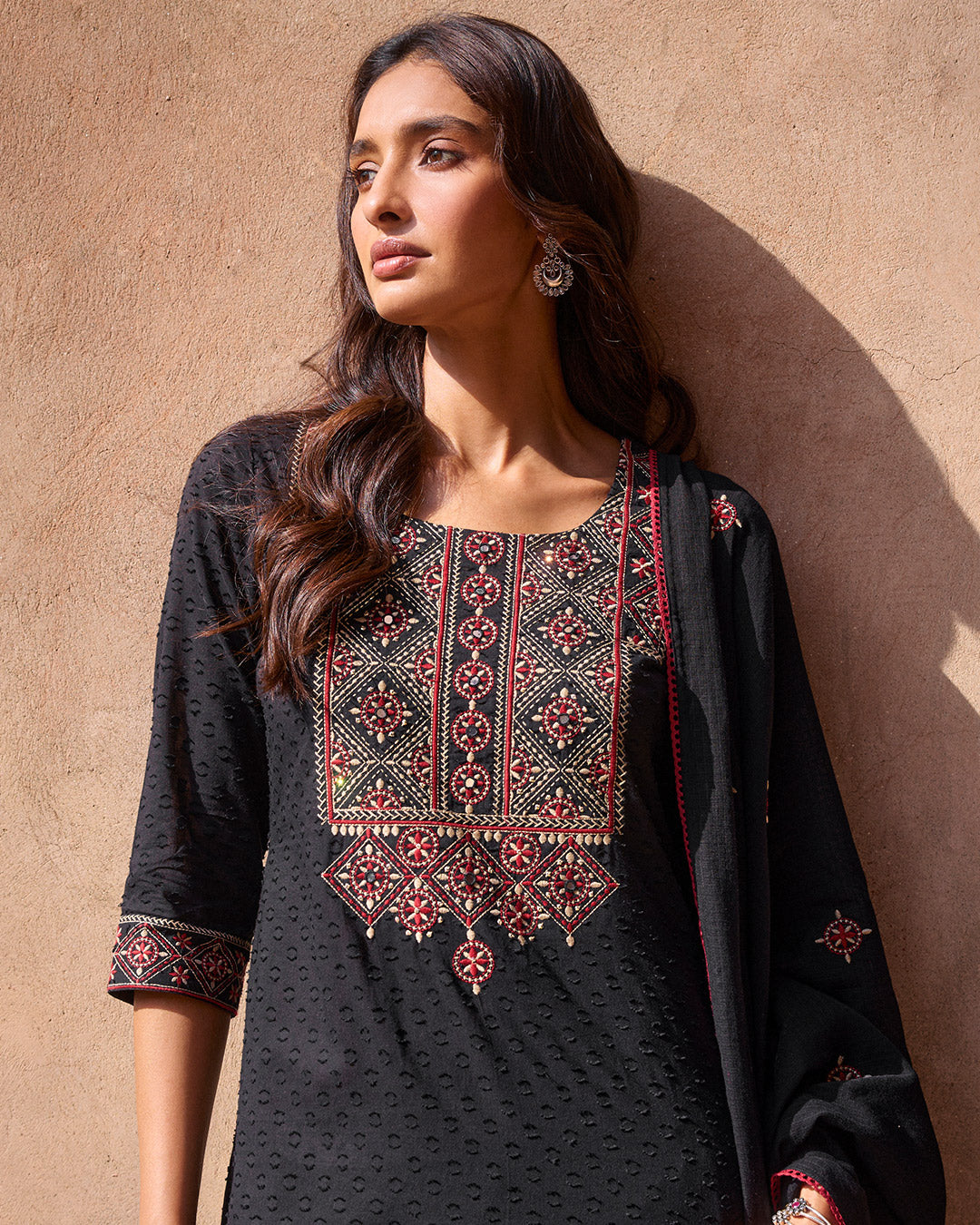
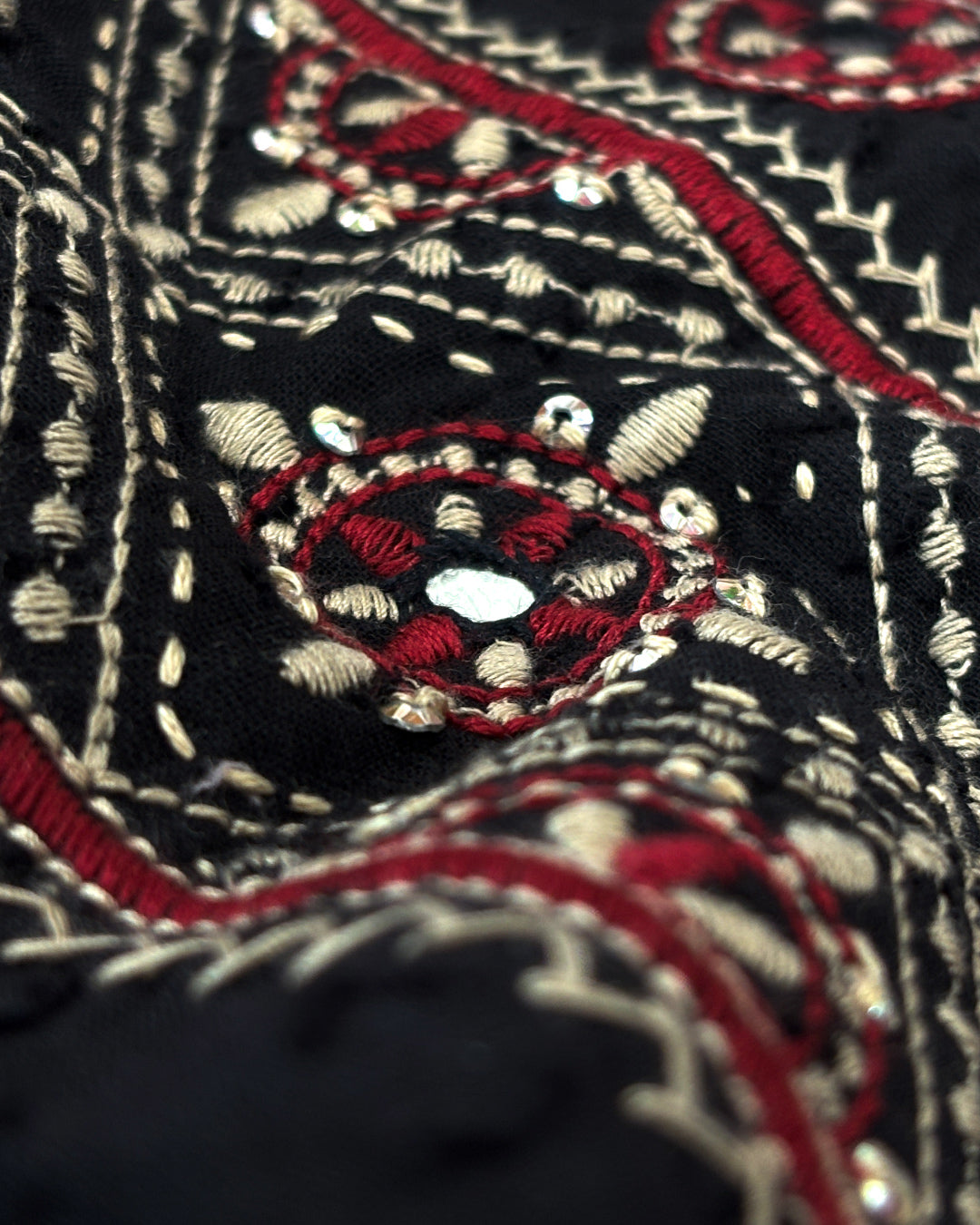
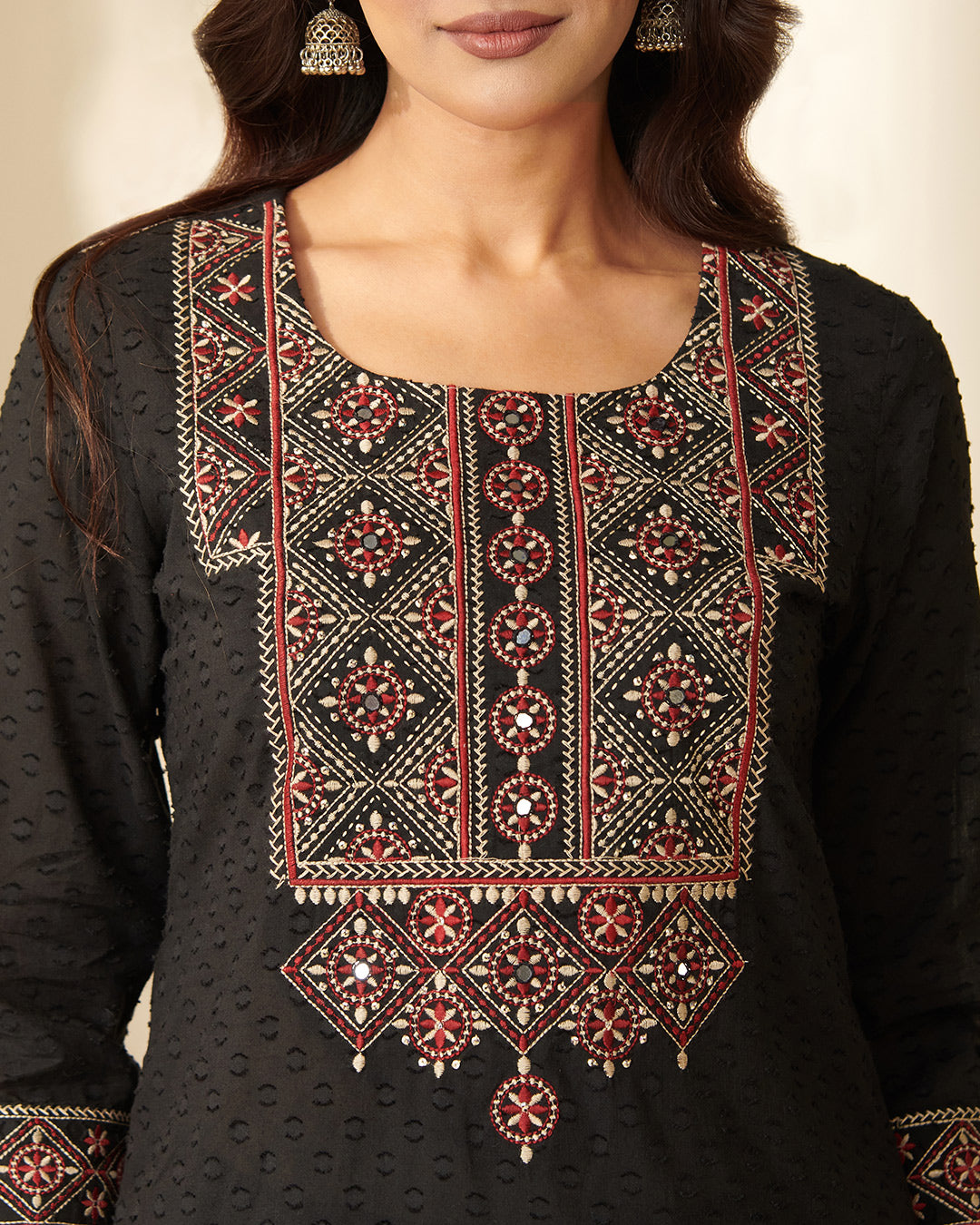
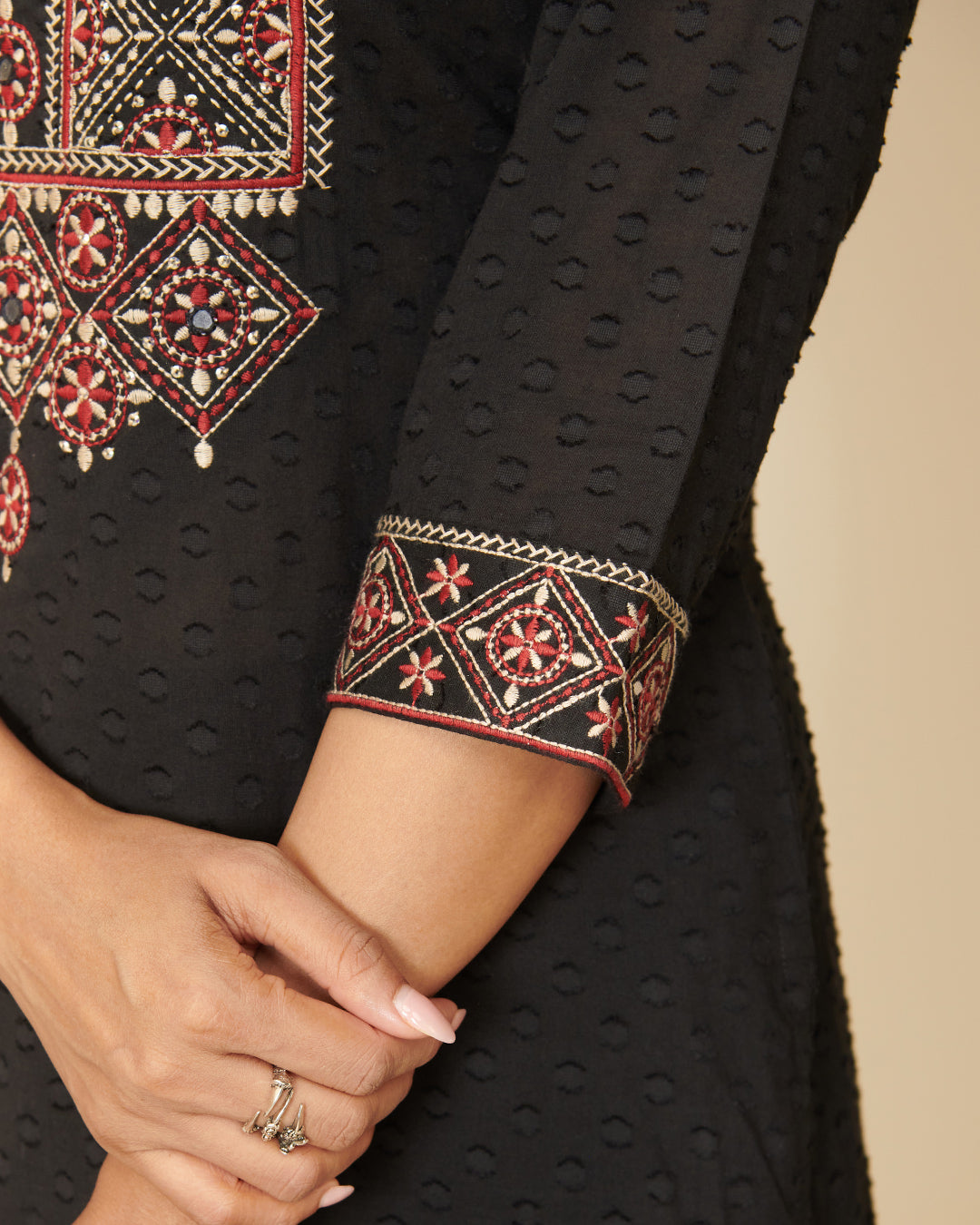
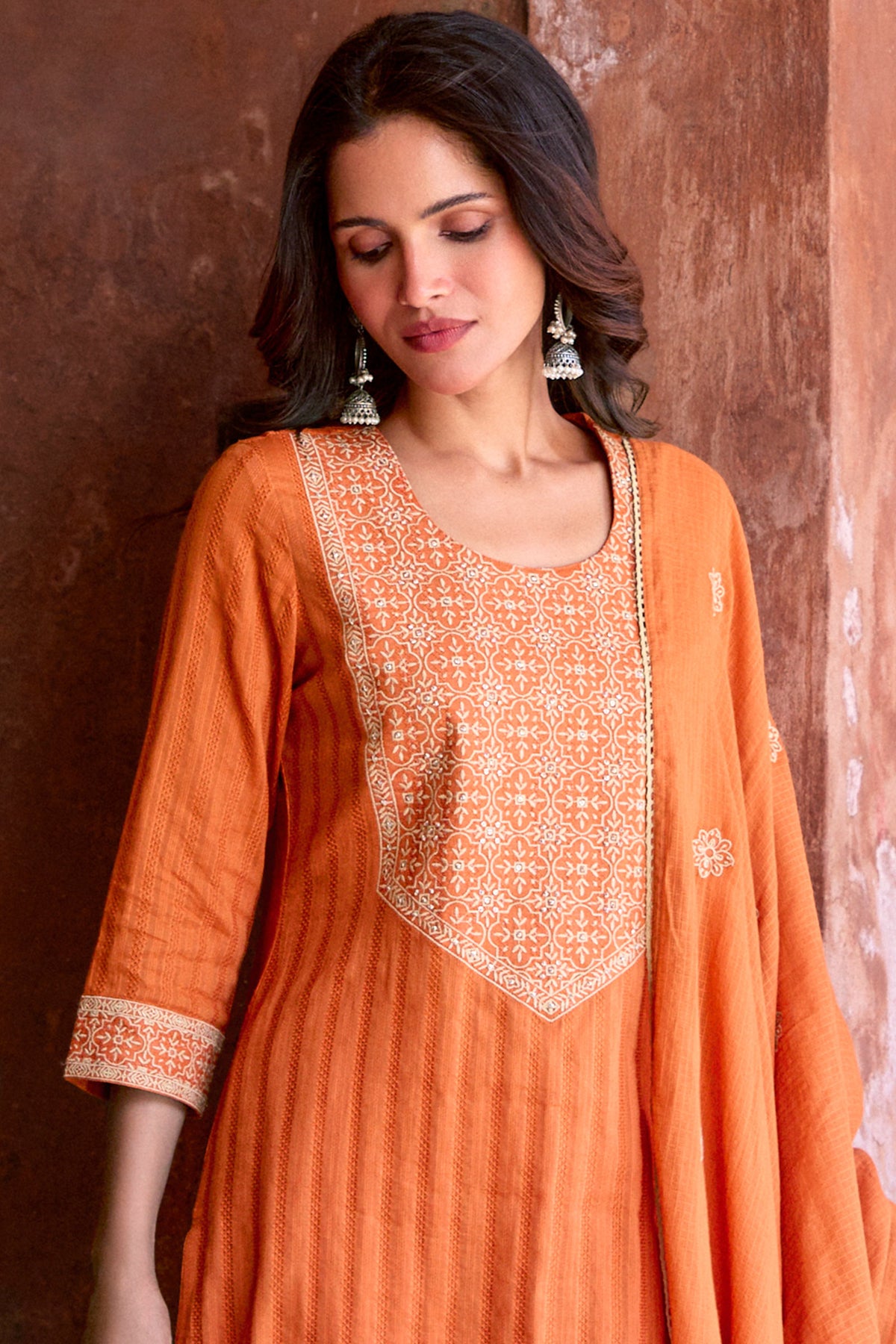
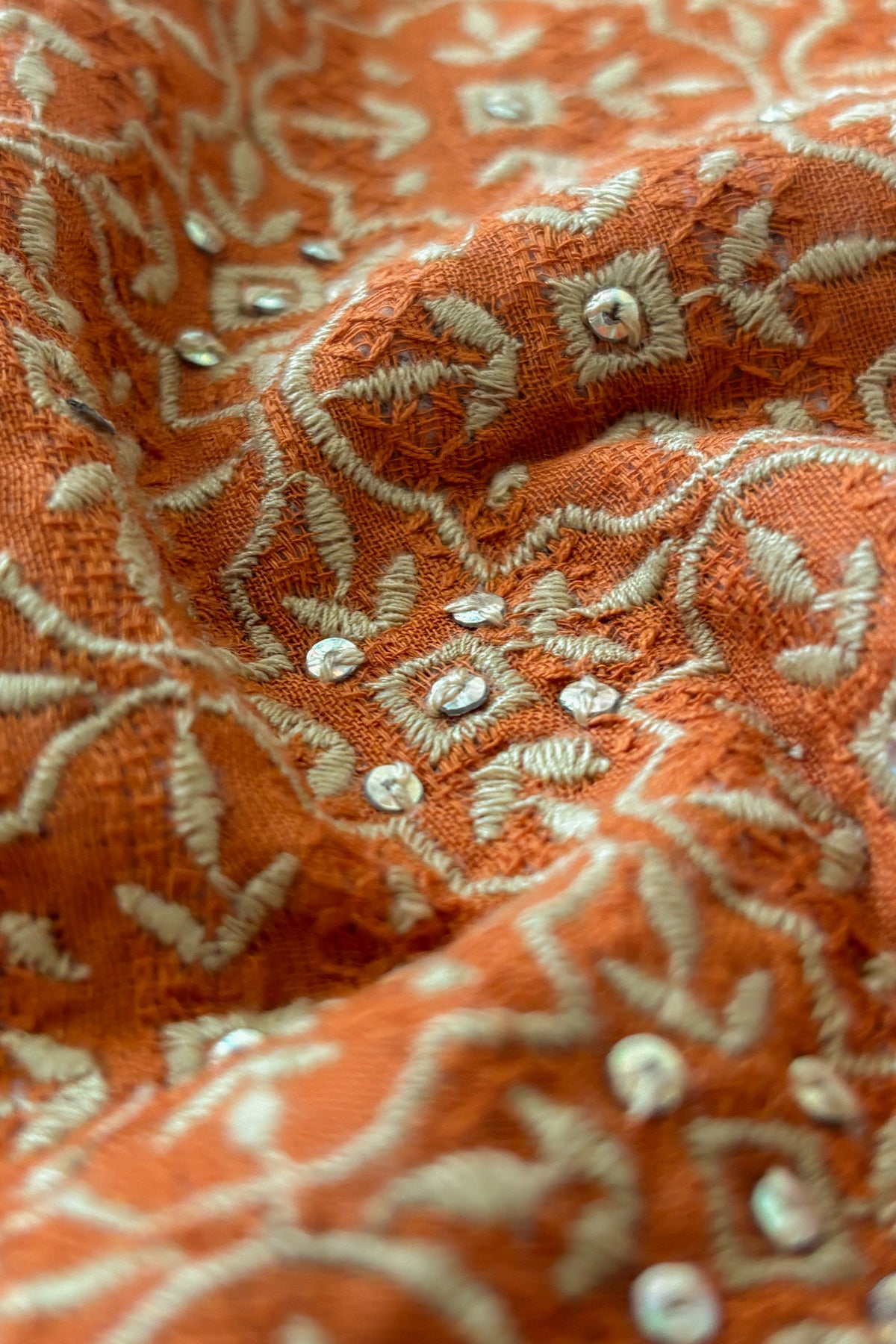
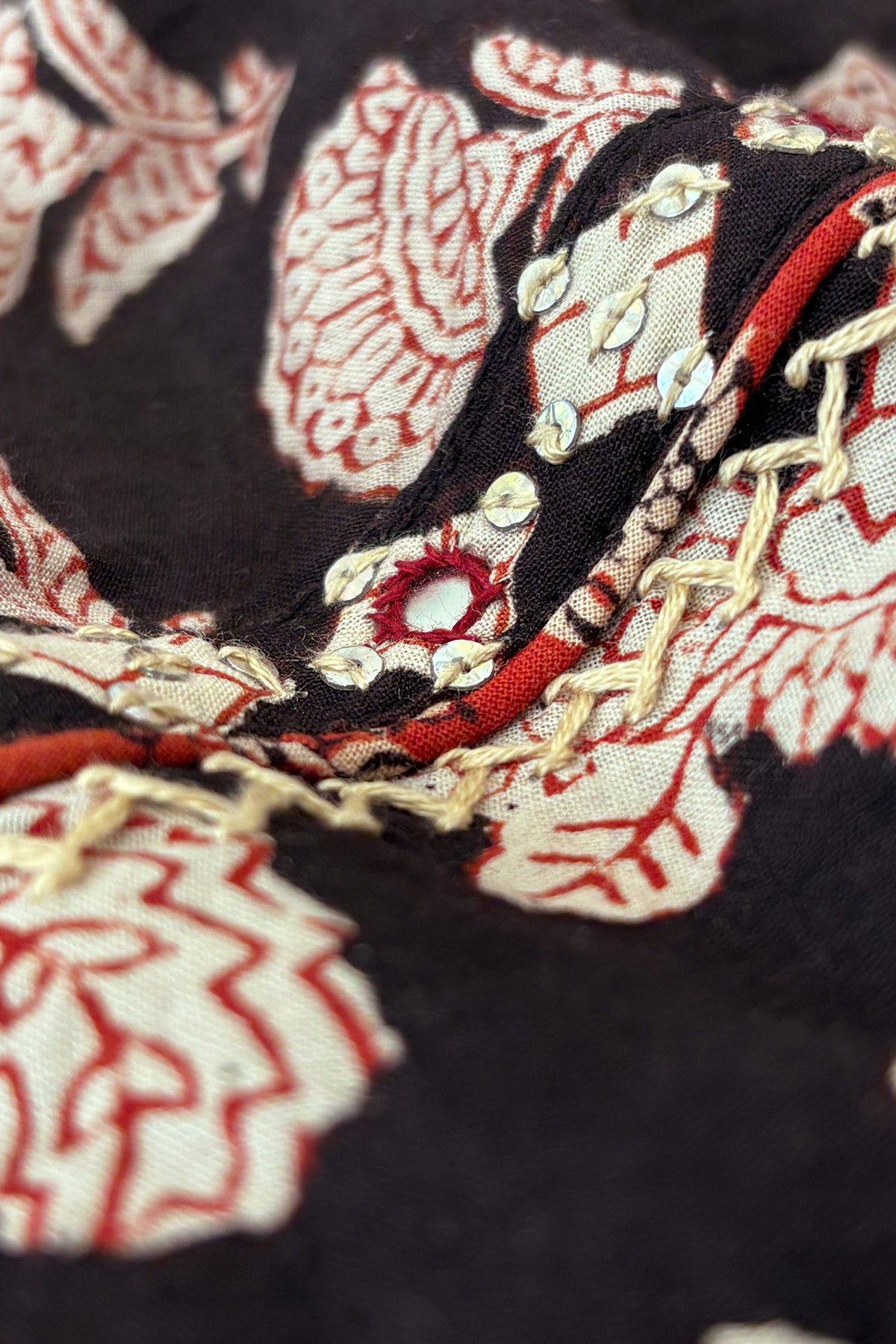
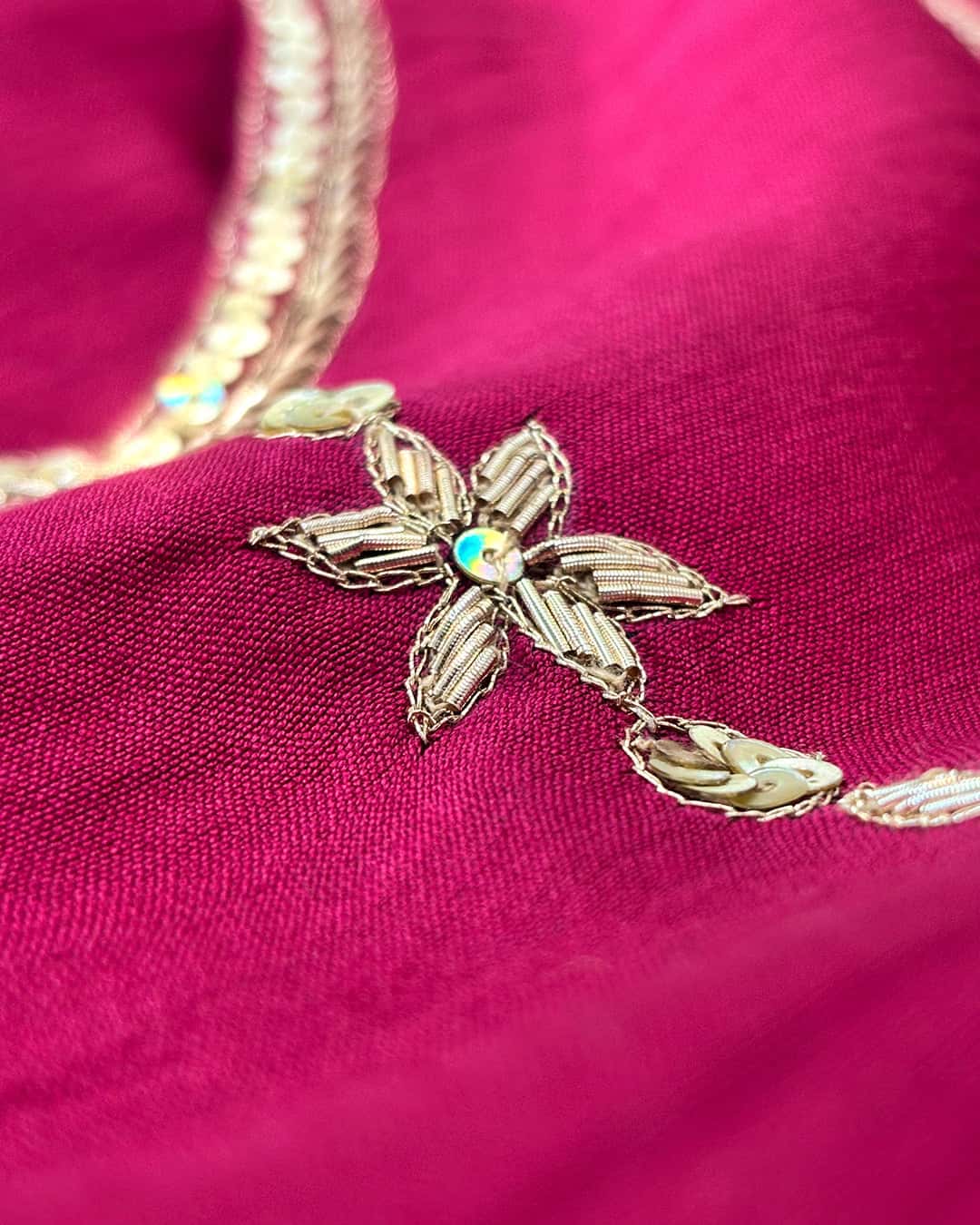
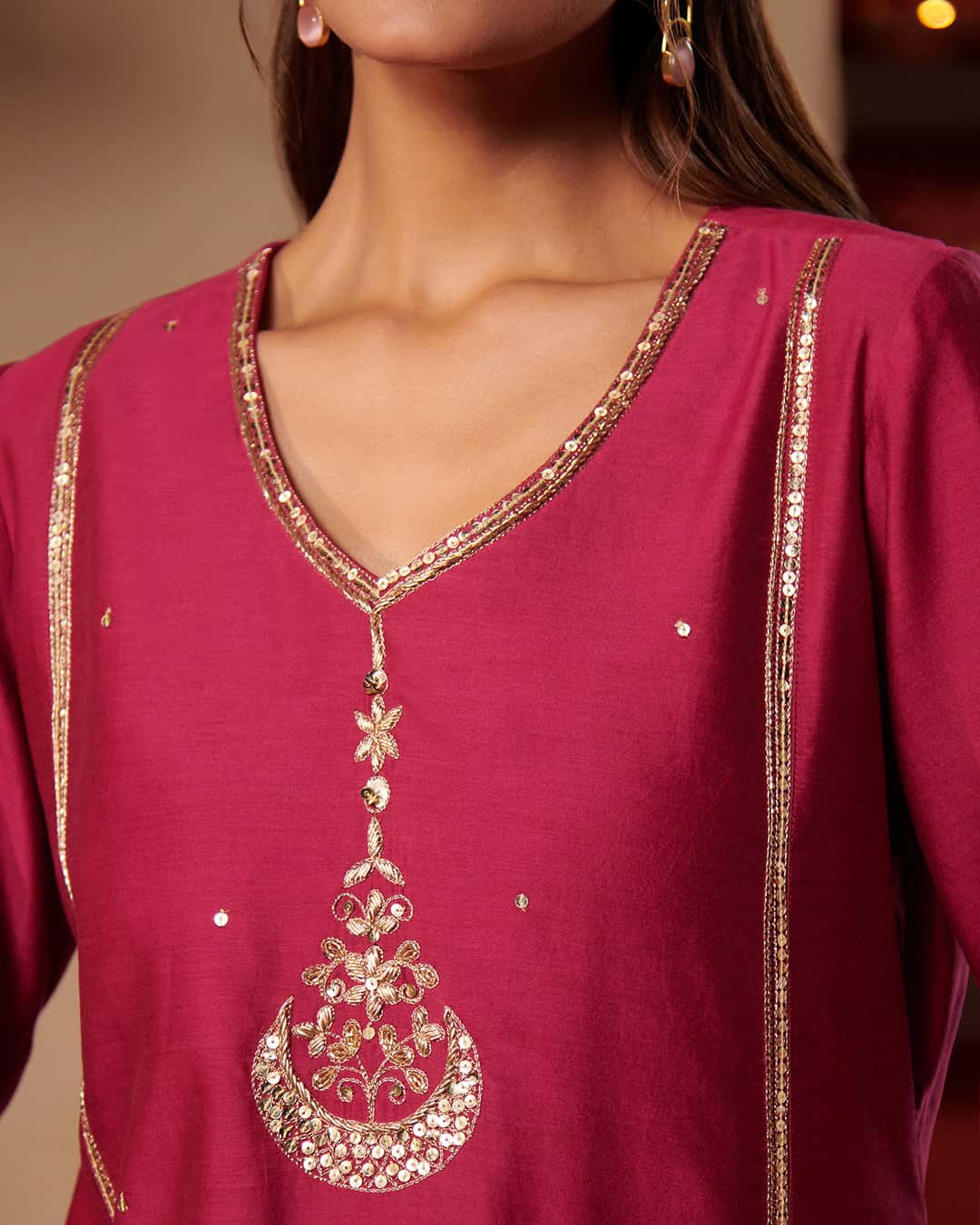
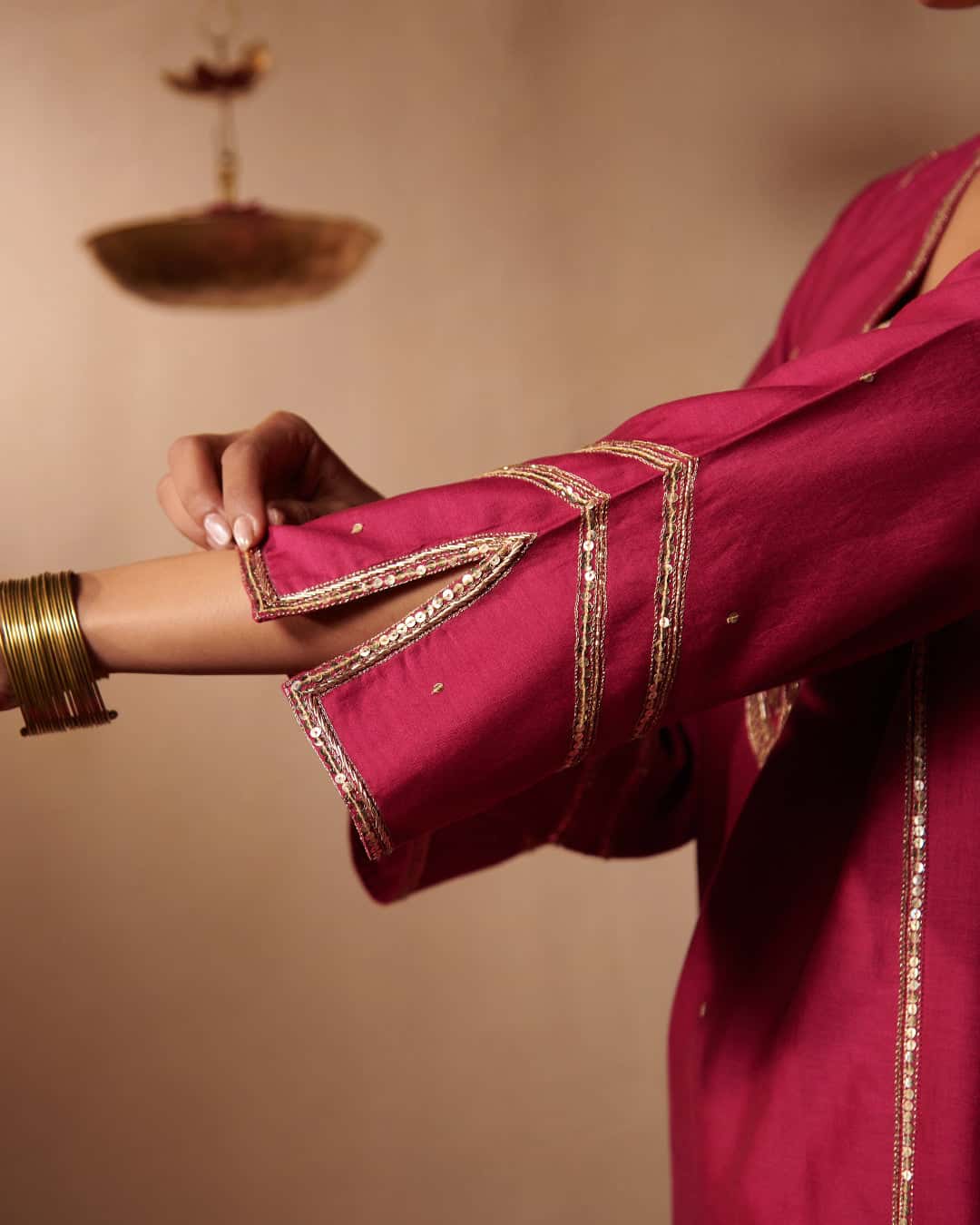
Embroidered dupattas with mirror work, zari, or sequins are already doing a lot on their own. They don't need a complicated drape on top of that. A clean, simple shoulder drape tends to show off an embroidered dupatta far better than anything too layered or over-styled.
Lightweight and Heavy Dupatta Styling
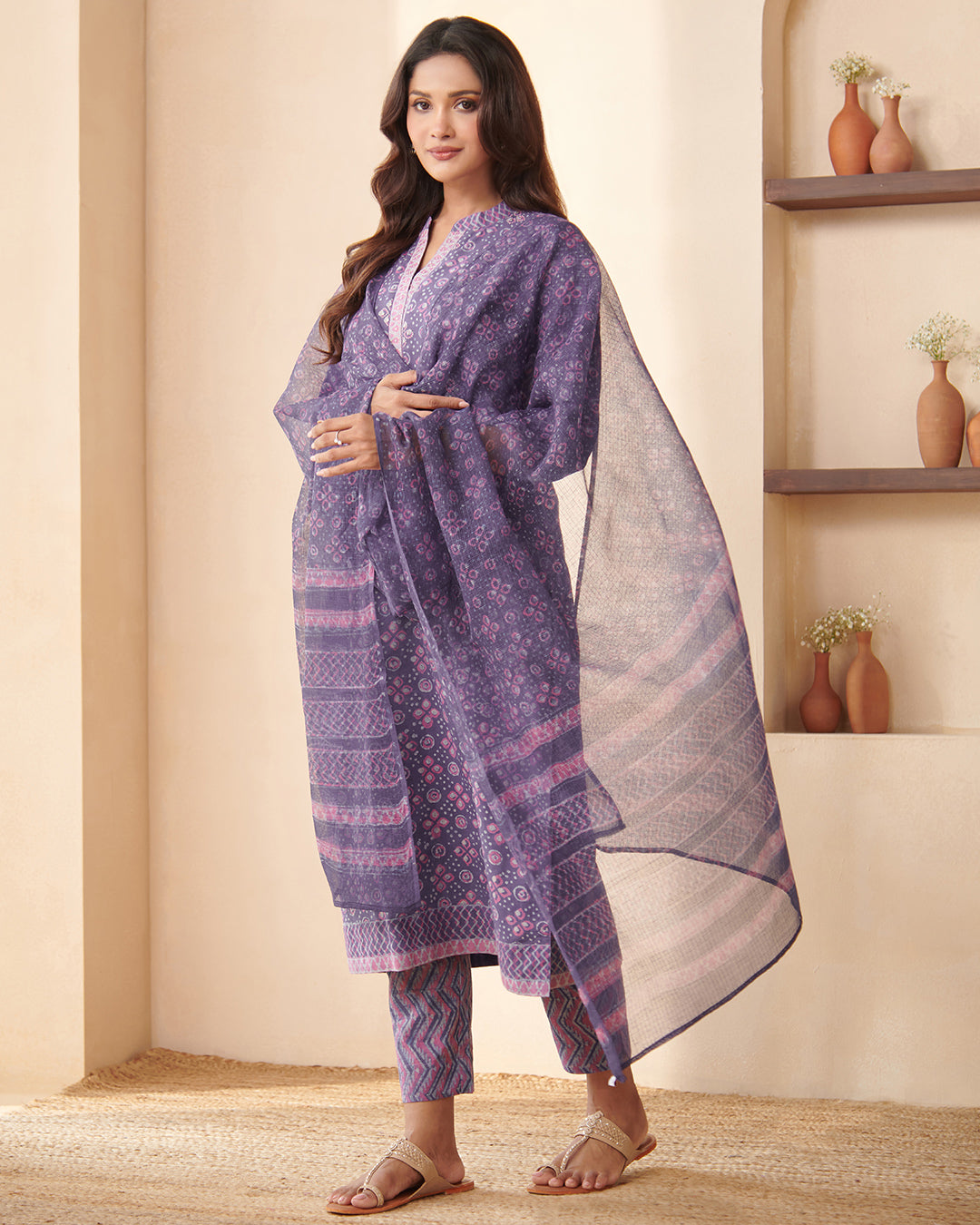
Lightweight dupattas are forgiving. They can be draped loosely, moved around, and re-styled without losing their shape. They work well for open-front styles, cape drapes, and relaxed everyday looks.
Heavy dupattas need more care. They need pinning to stay in place and tend to suit simpler, more structured draping styles. The weight itself can be beautiful, especially in bridal looks, but it needs to be managed rather than left to chance. Pairing a heavy dupatta with an equally heavy outfit is also worth thinking about. When everything is embellished, the look can quickly start feeling too busy.
Picking Colors That Complement Your Outfit
Contrast often works better than exact matching. A deep jewel-toned kurta with a softer, lighter dupatta tends to look more considered than perfectly coordinating both. Ivory or cream outfits with a richly colored dupatta can look striking without feeling overdone.
Monochrome styling works too, but it needs something to break the flatness, whether that's a difference in texture, fabric, or embroidery. When everything is the same color and the same finish, the outfit can start to feel one-dimensional.
10 Elegant Ways to Wear a Dupatta

The Classic One-Shoulder Drape
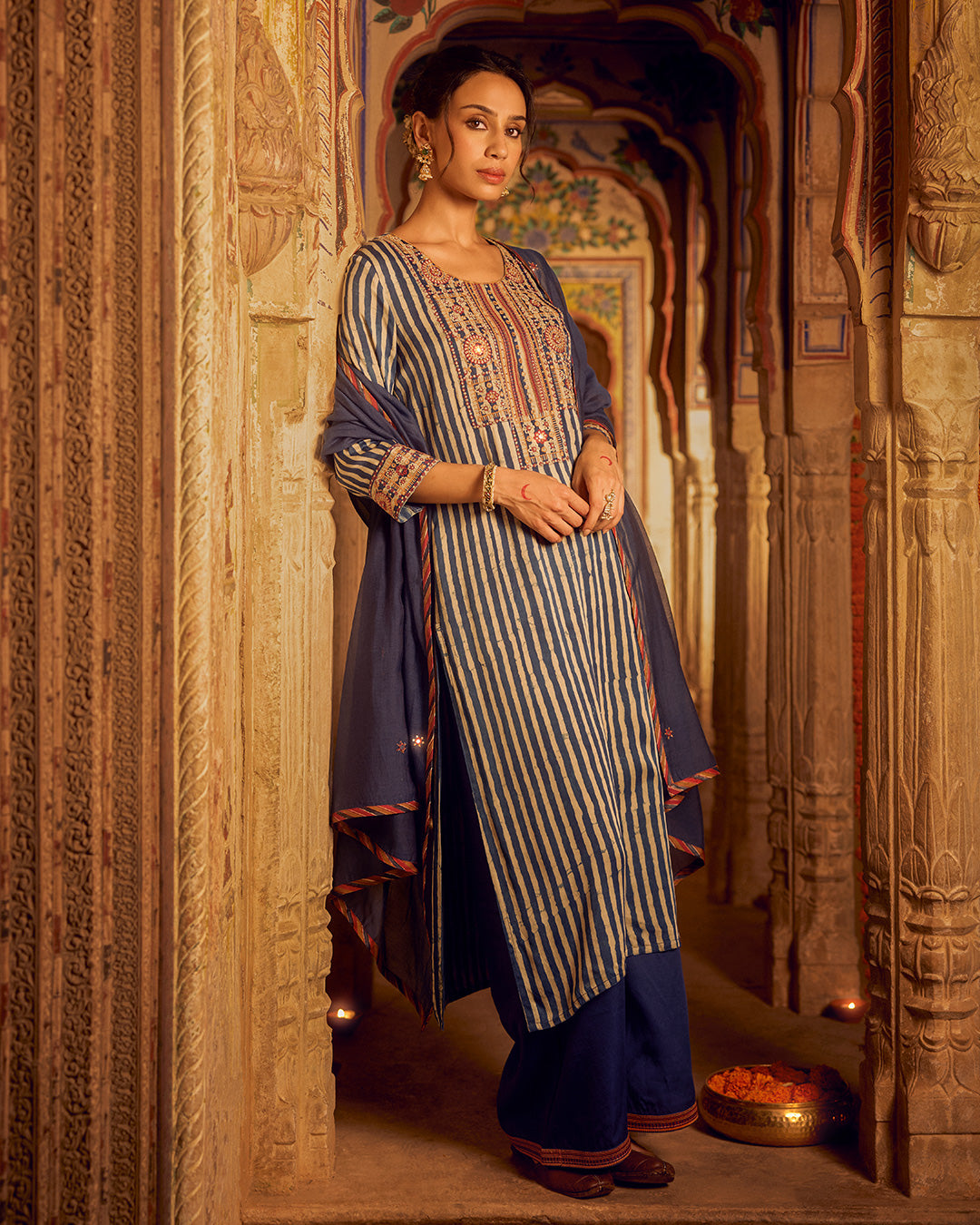
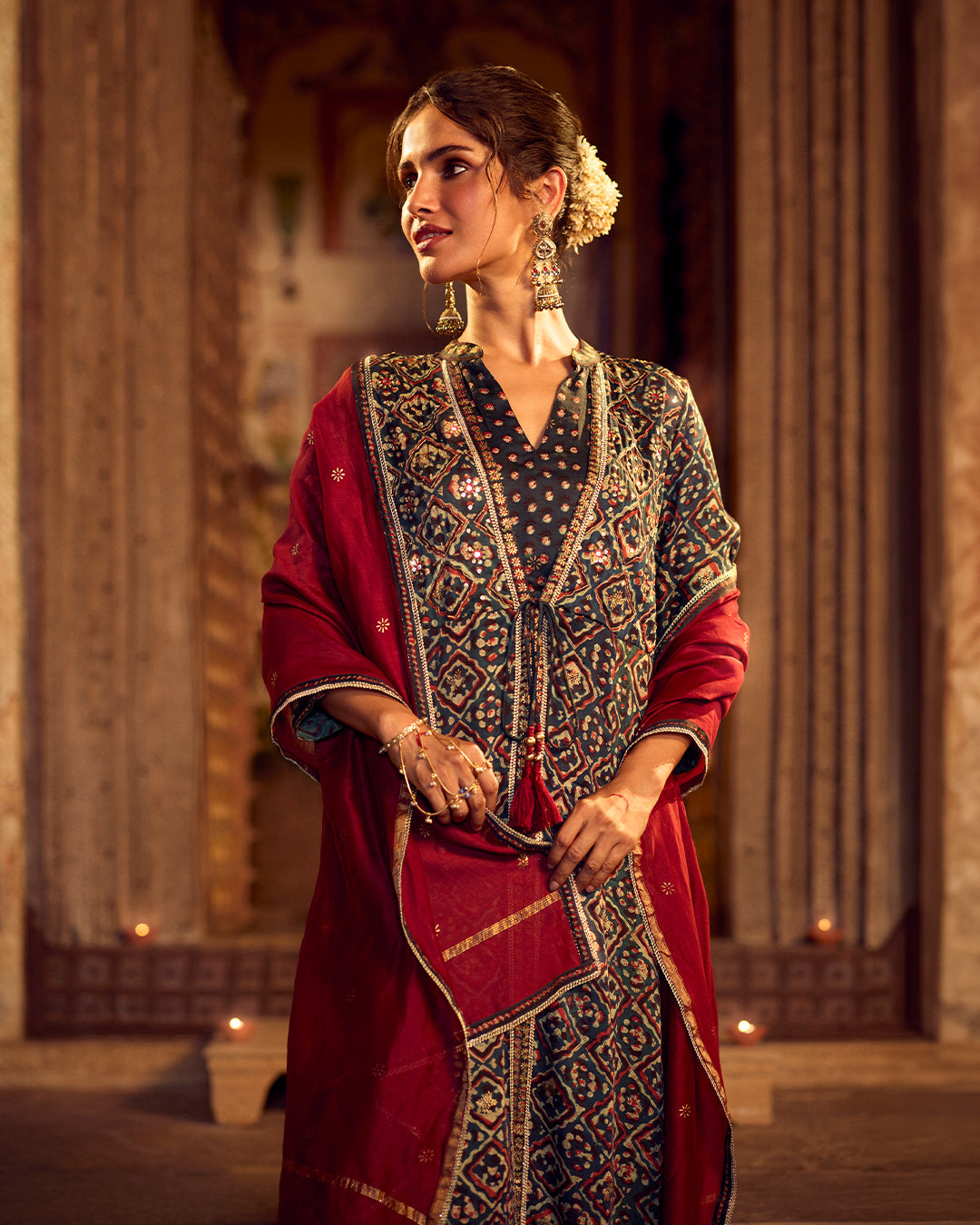
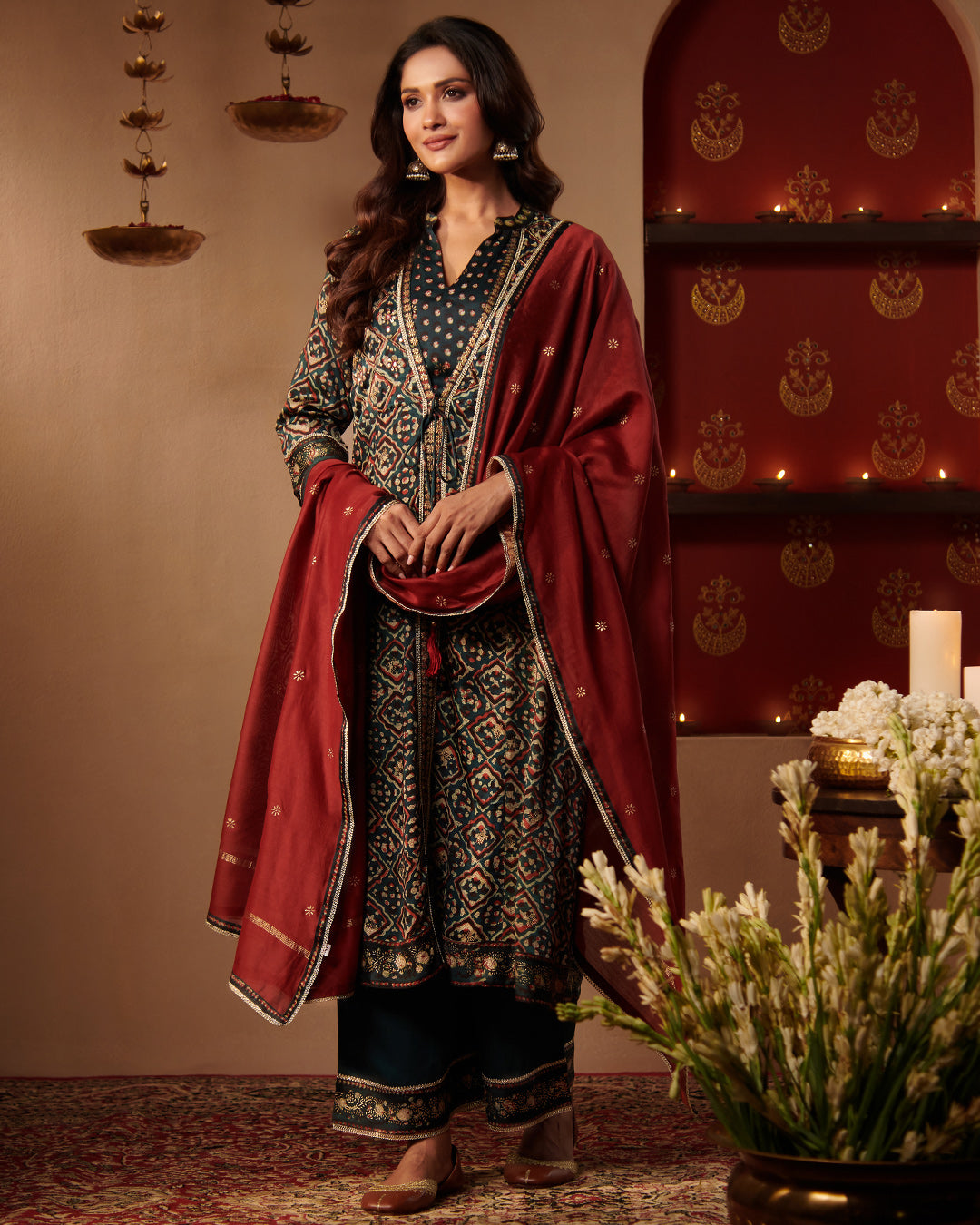
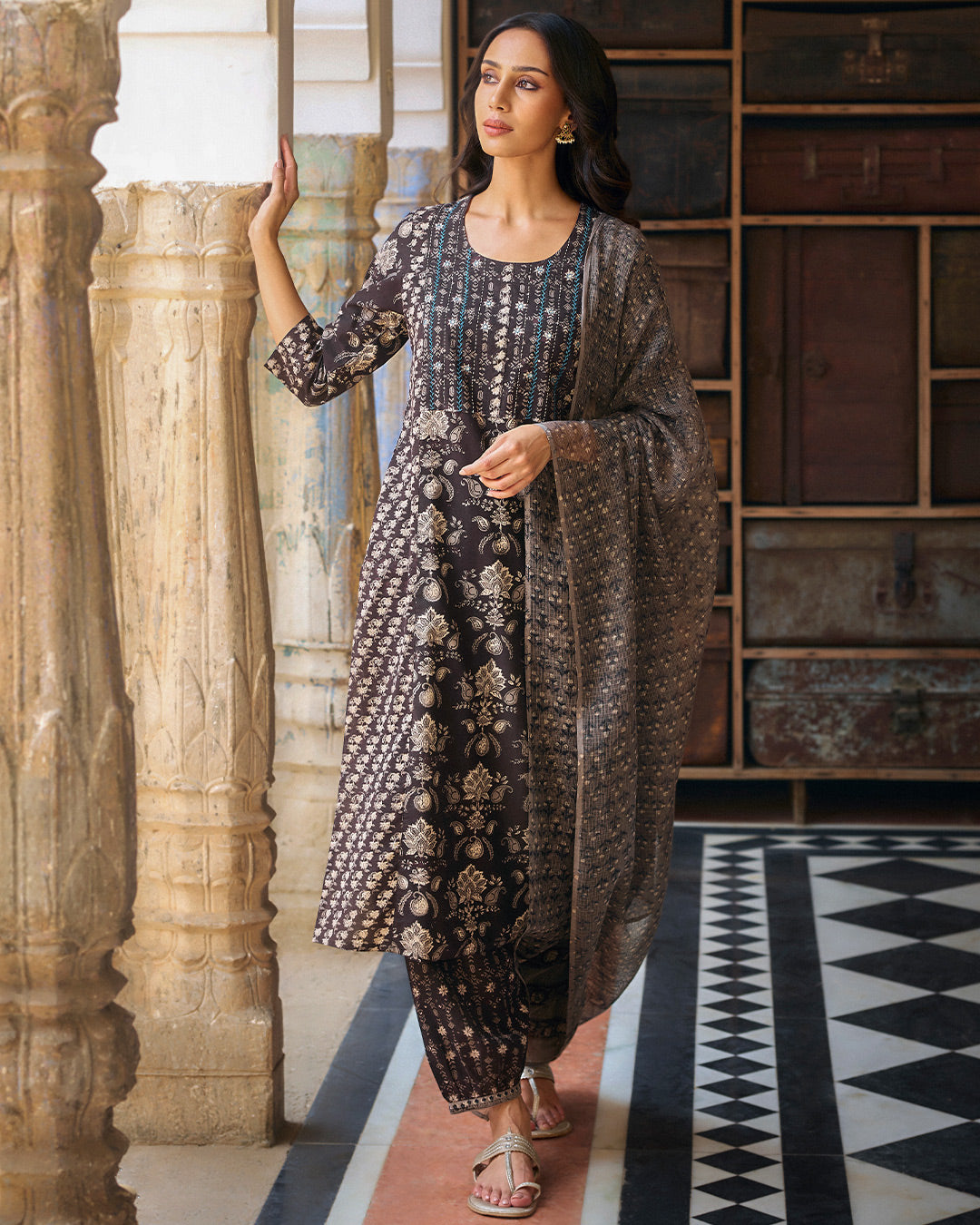
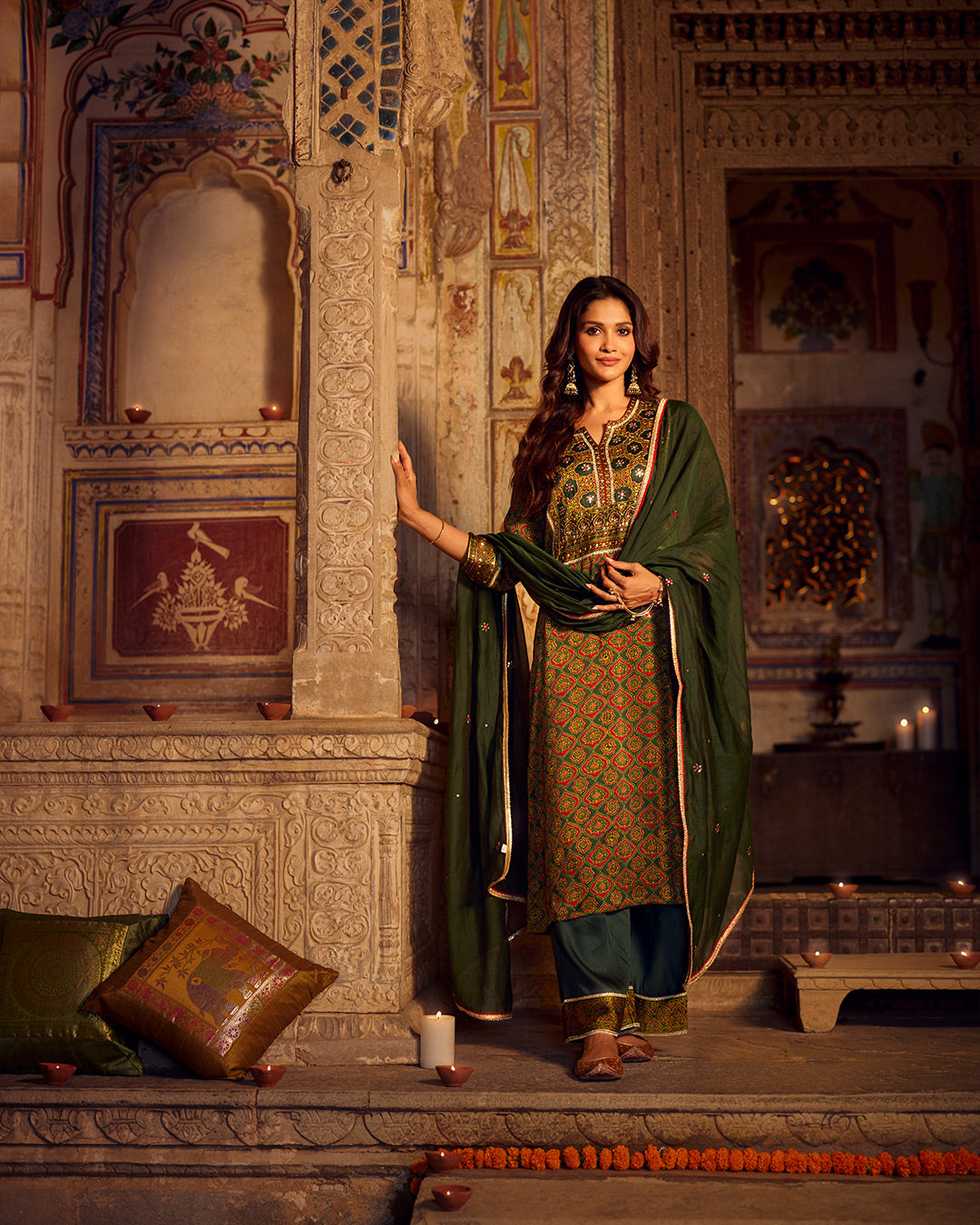
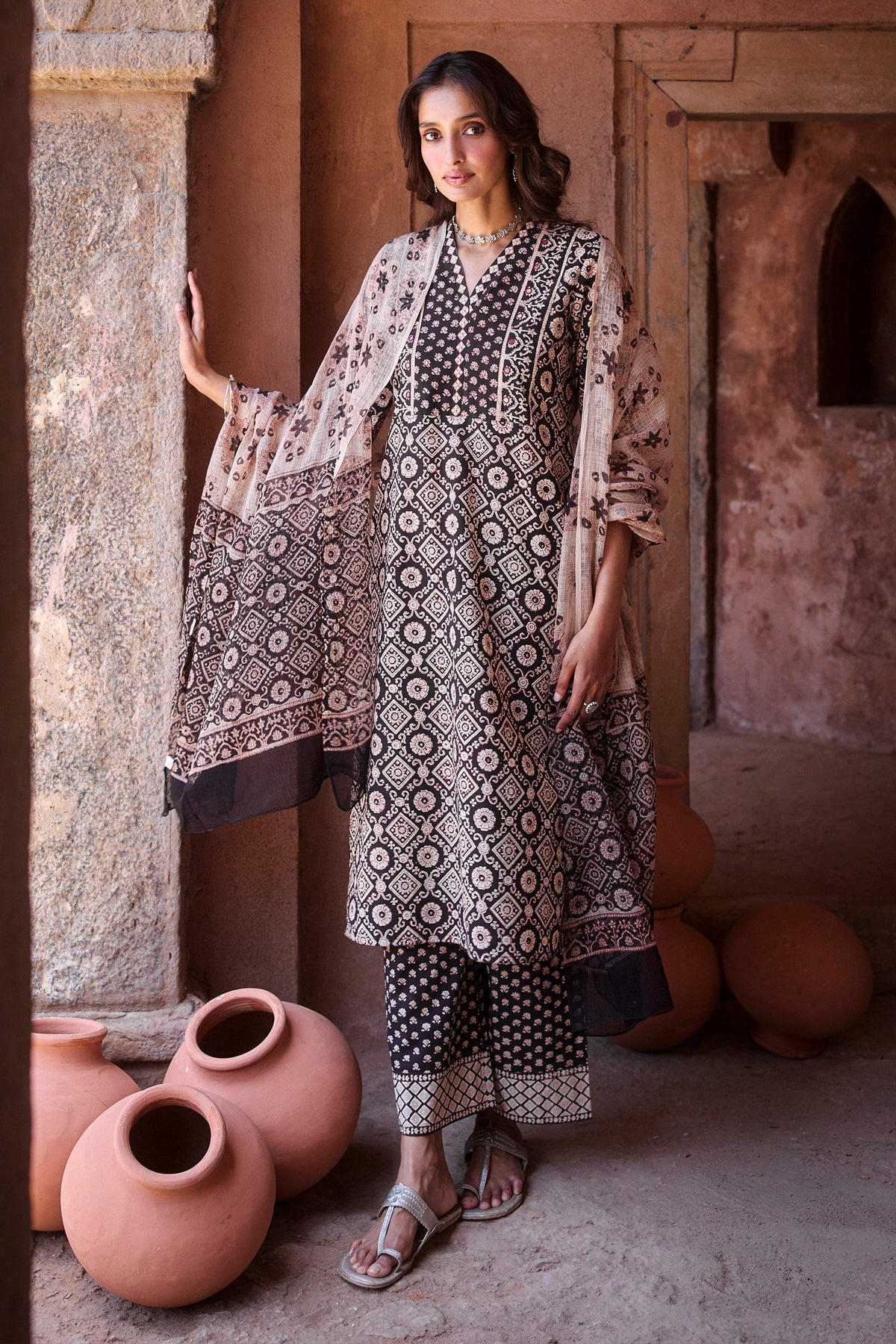
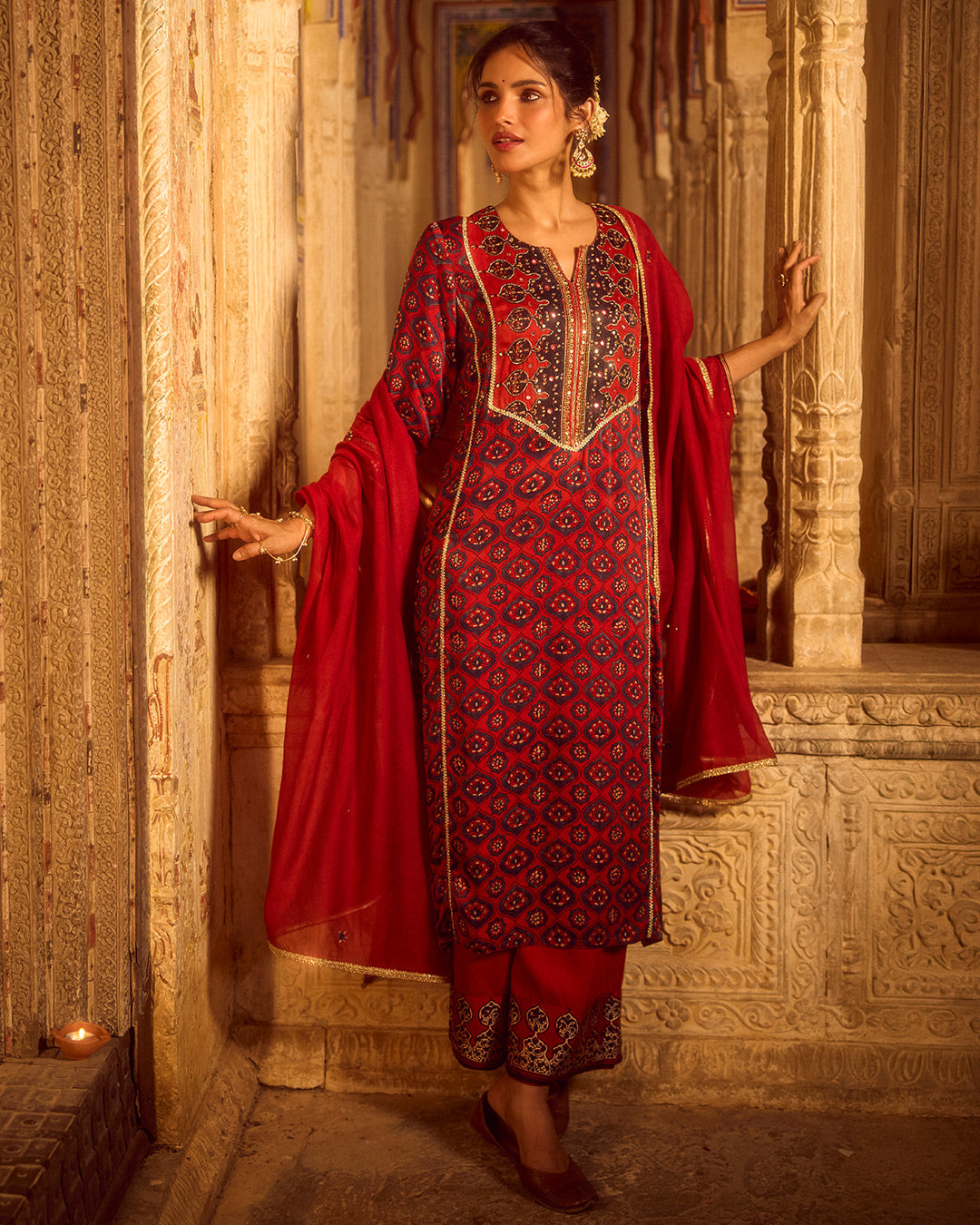
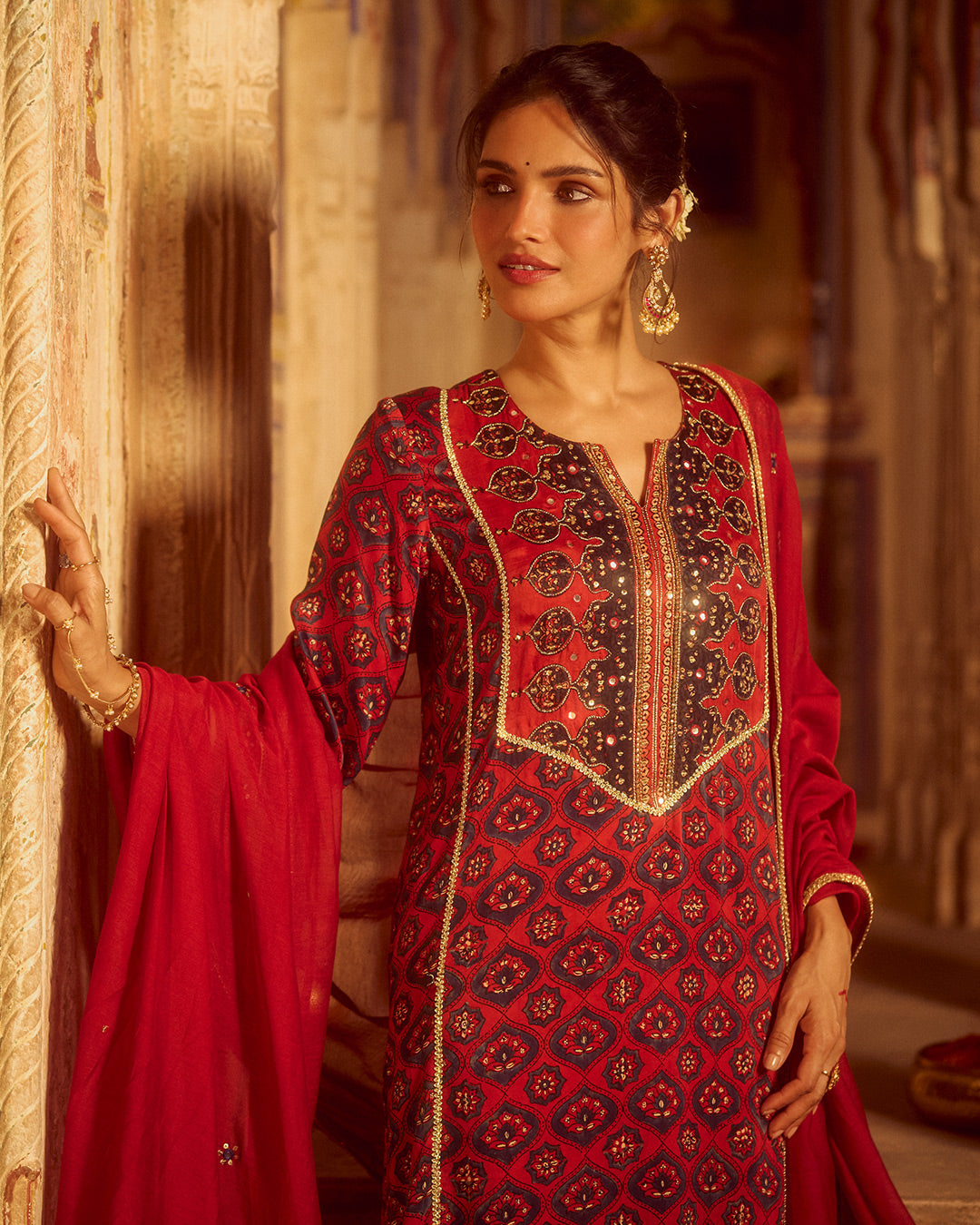
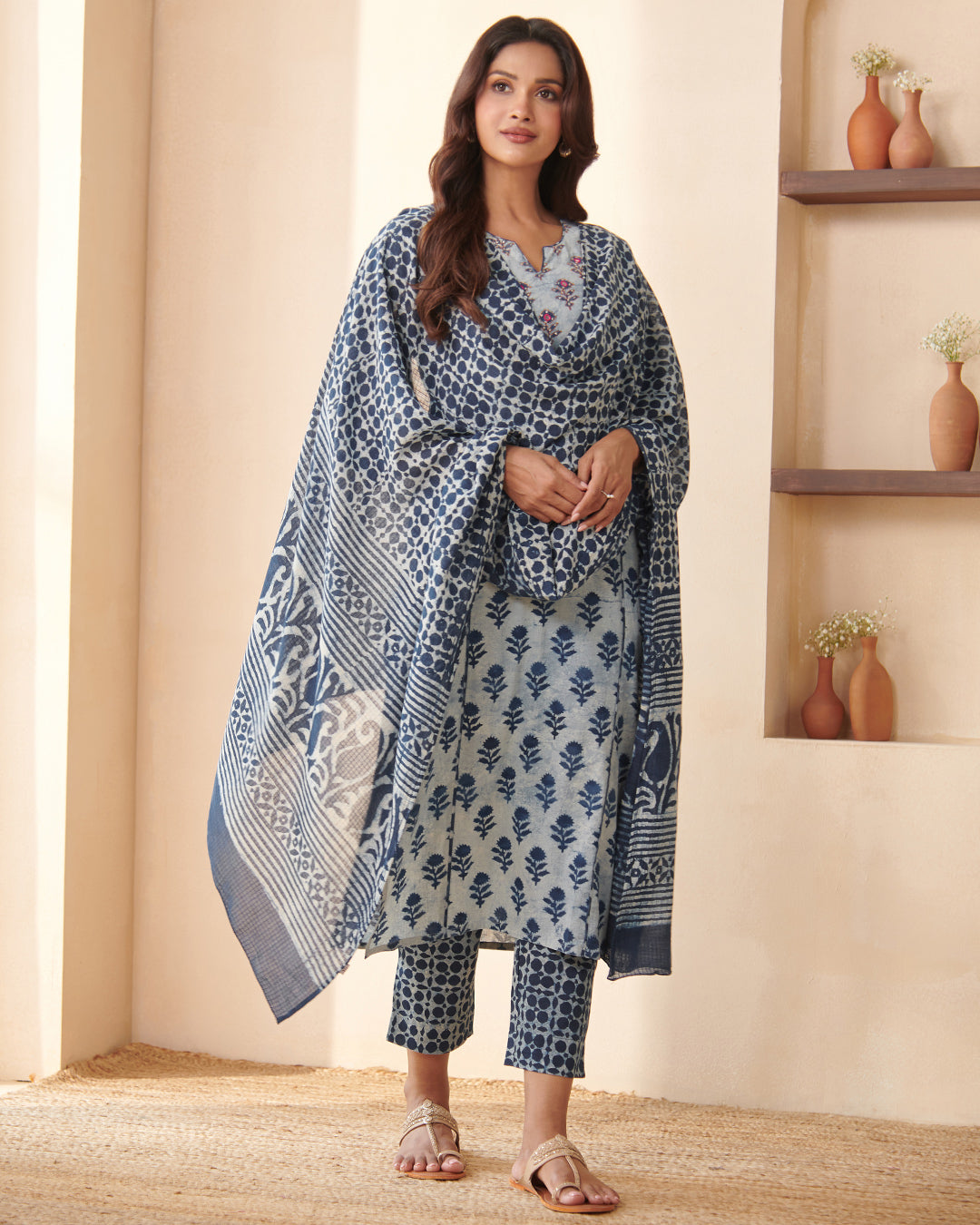
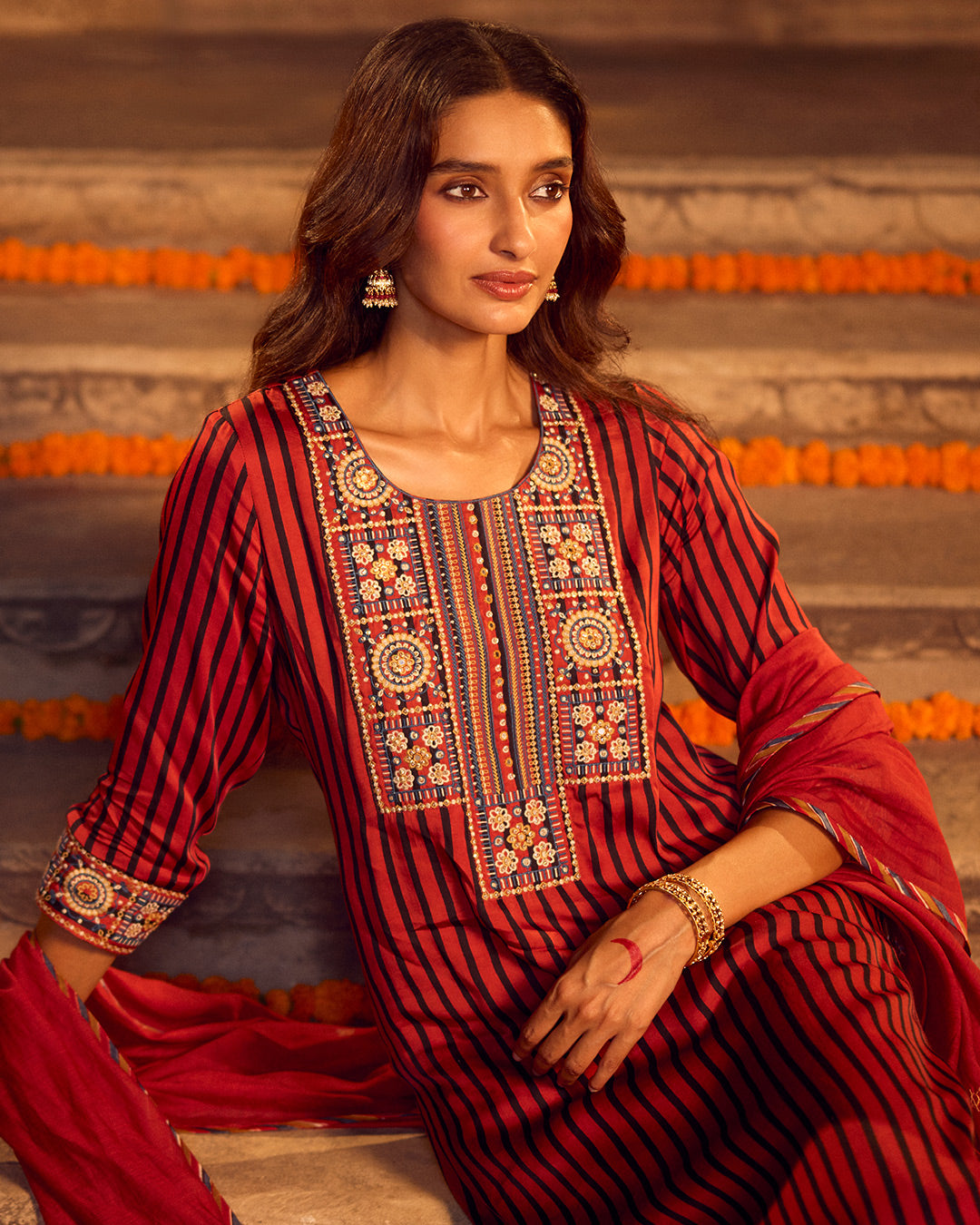
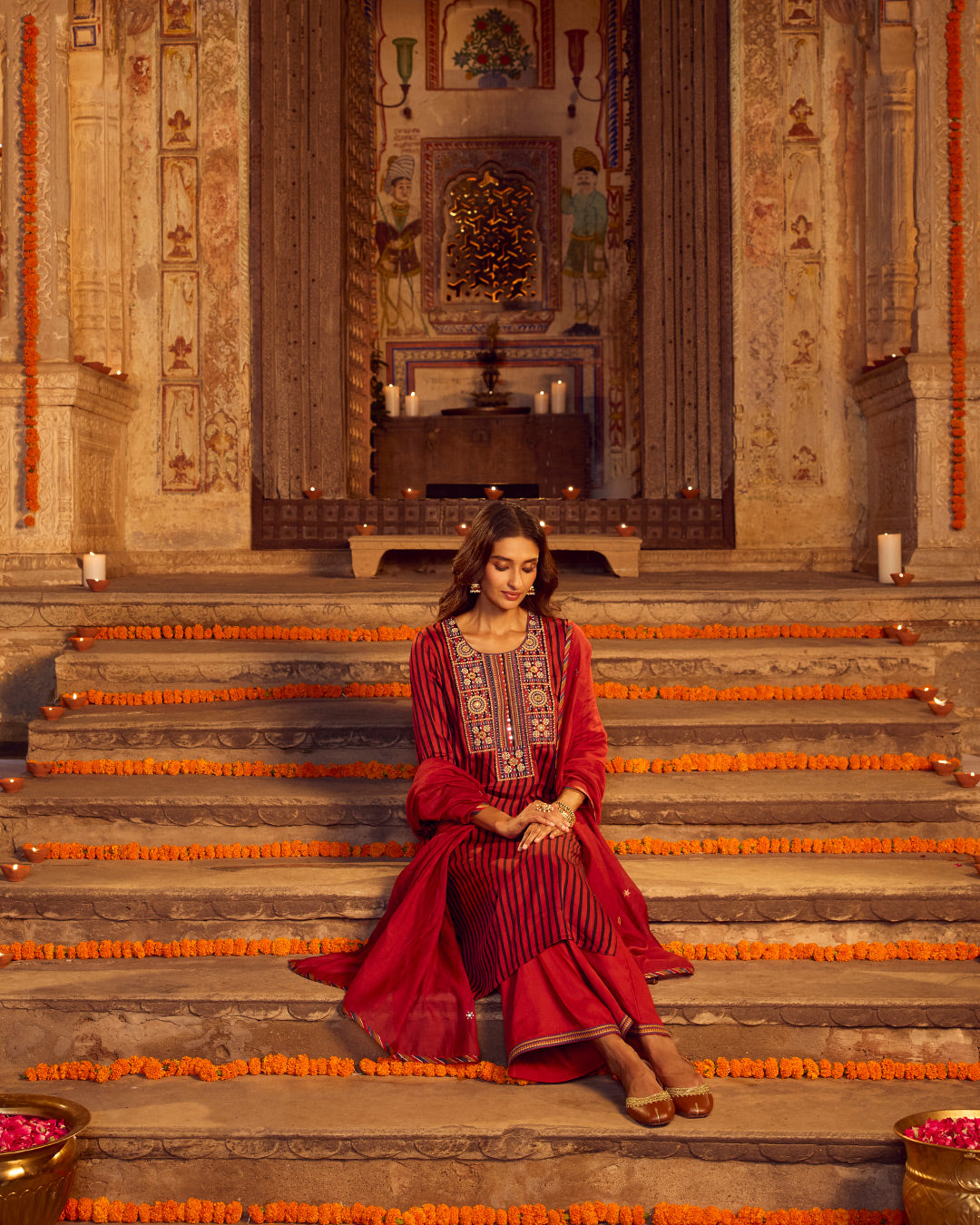
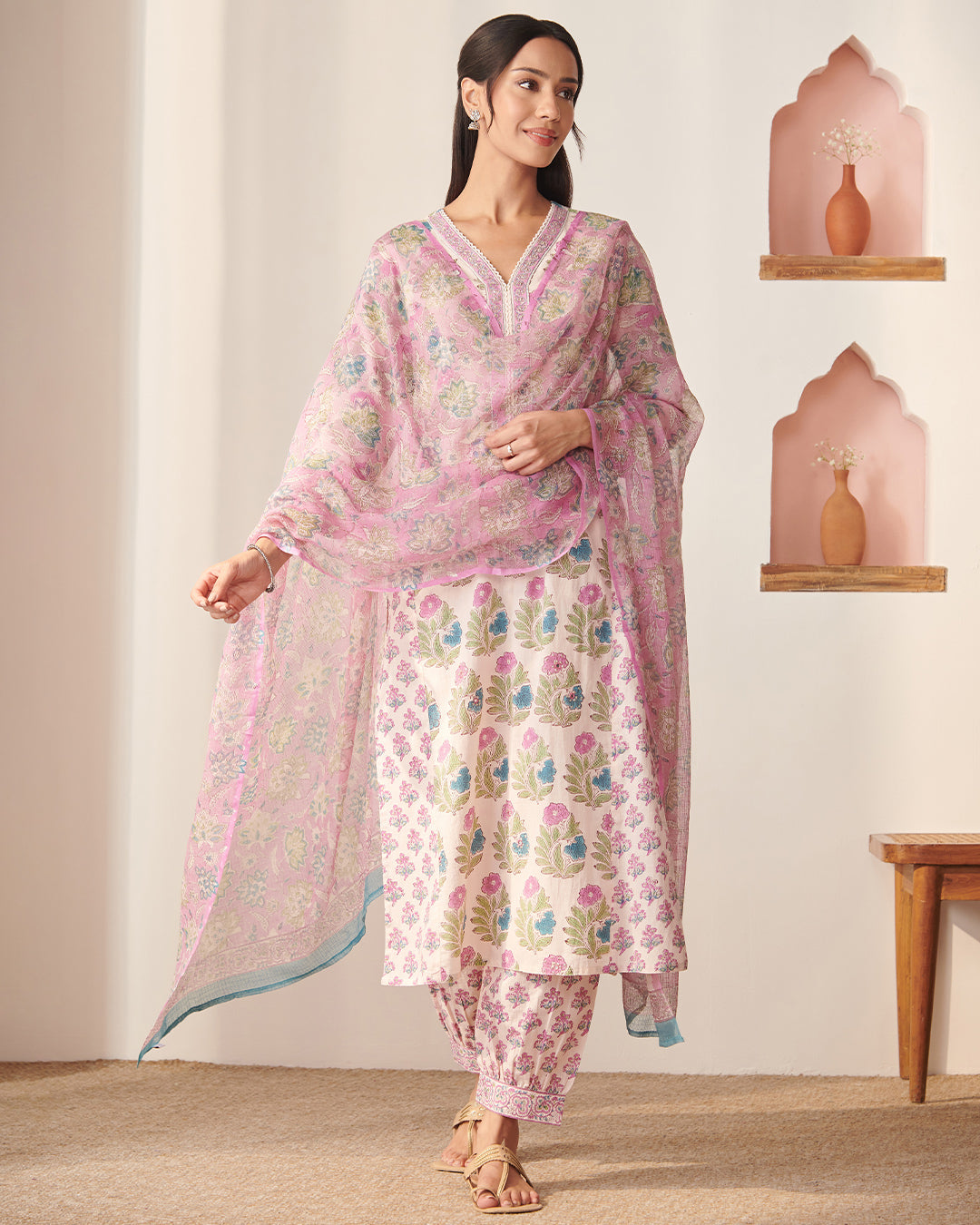
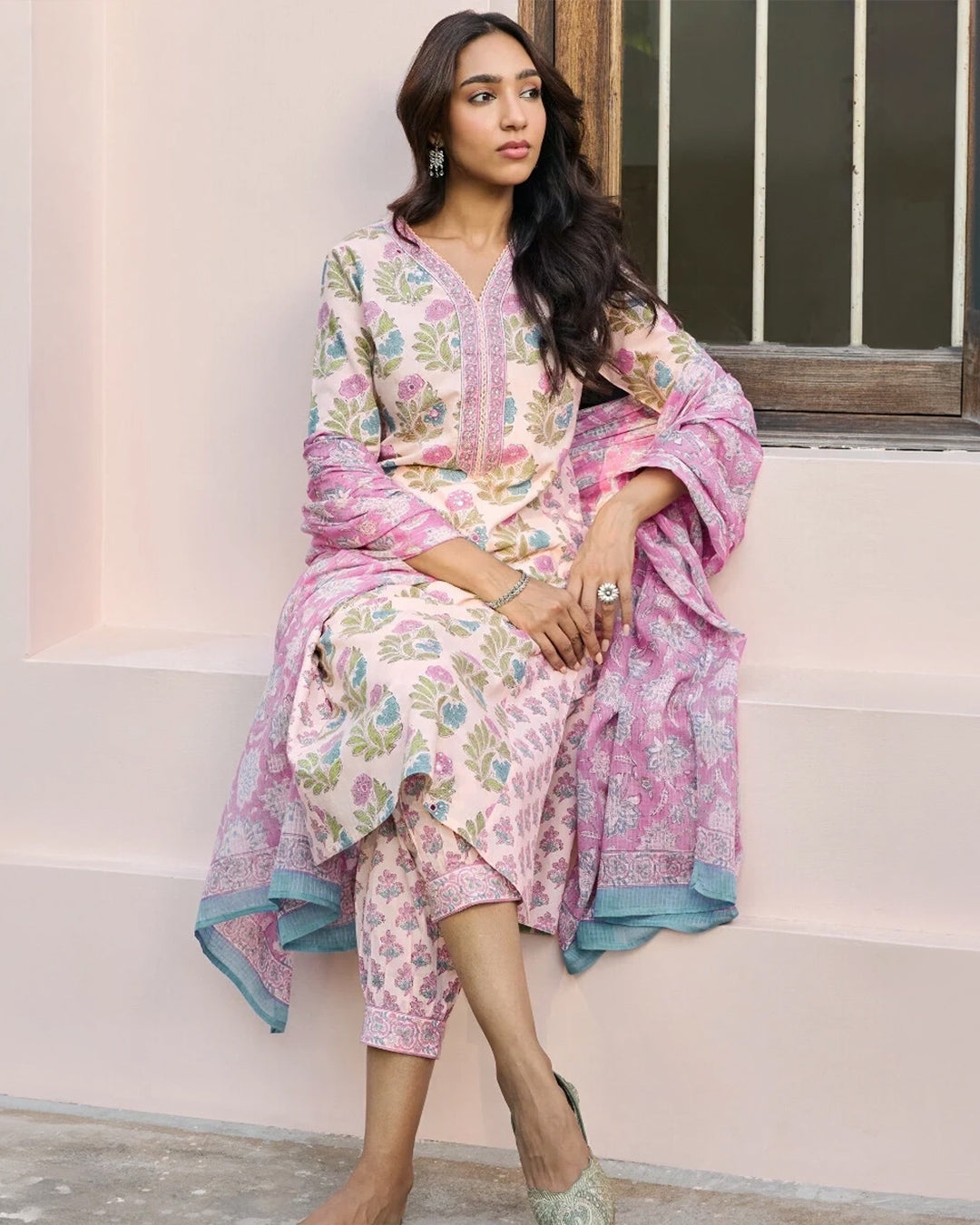
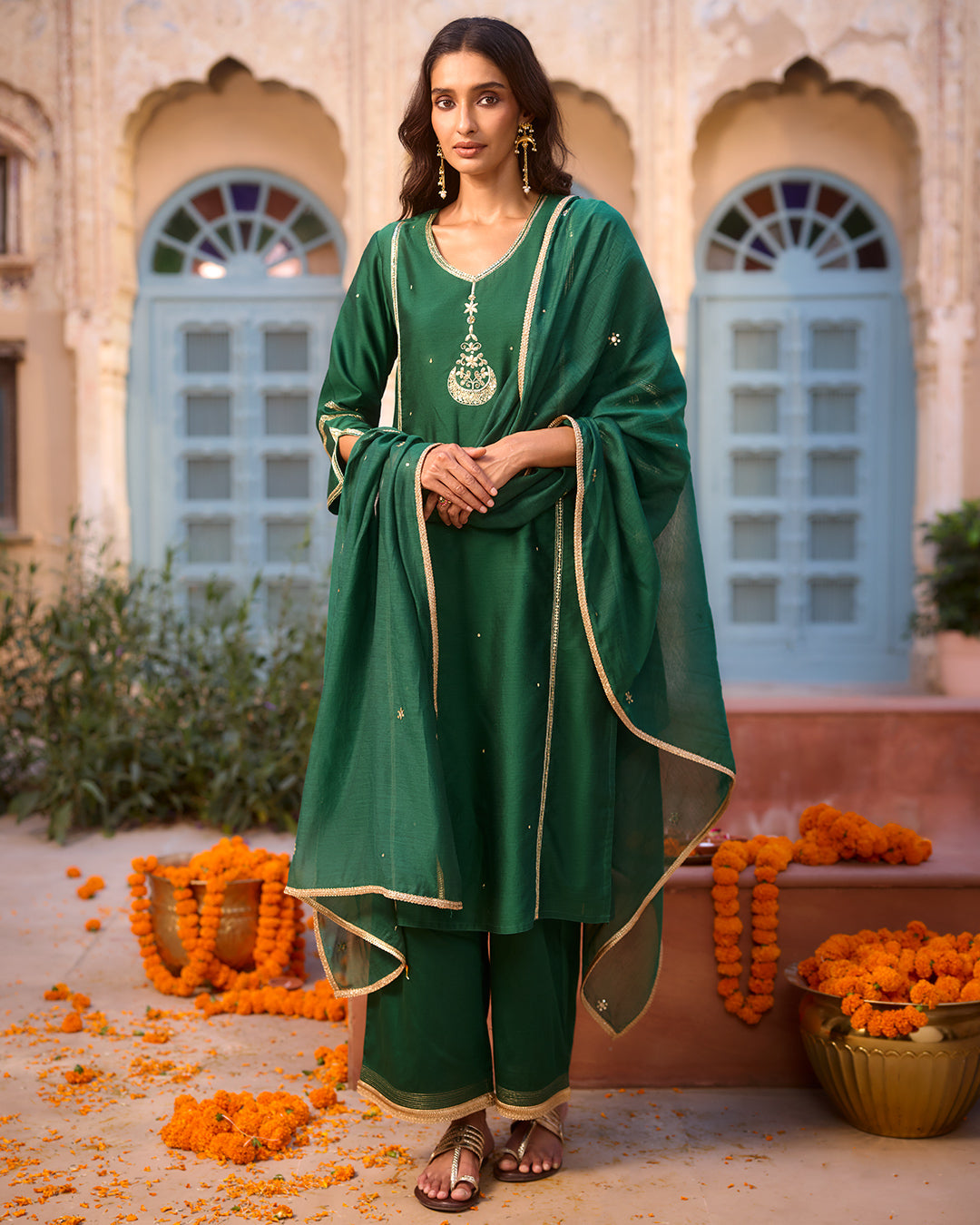
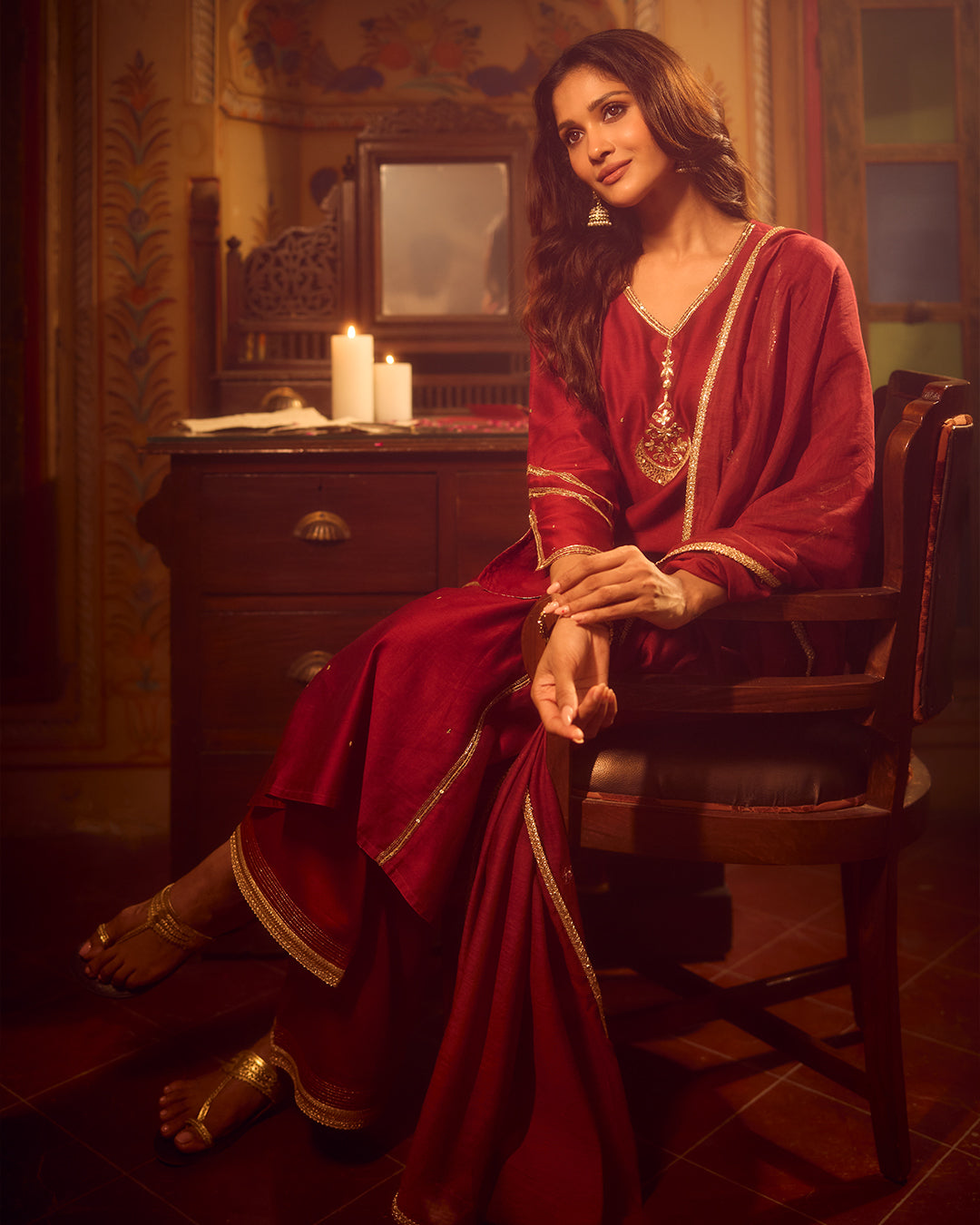
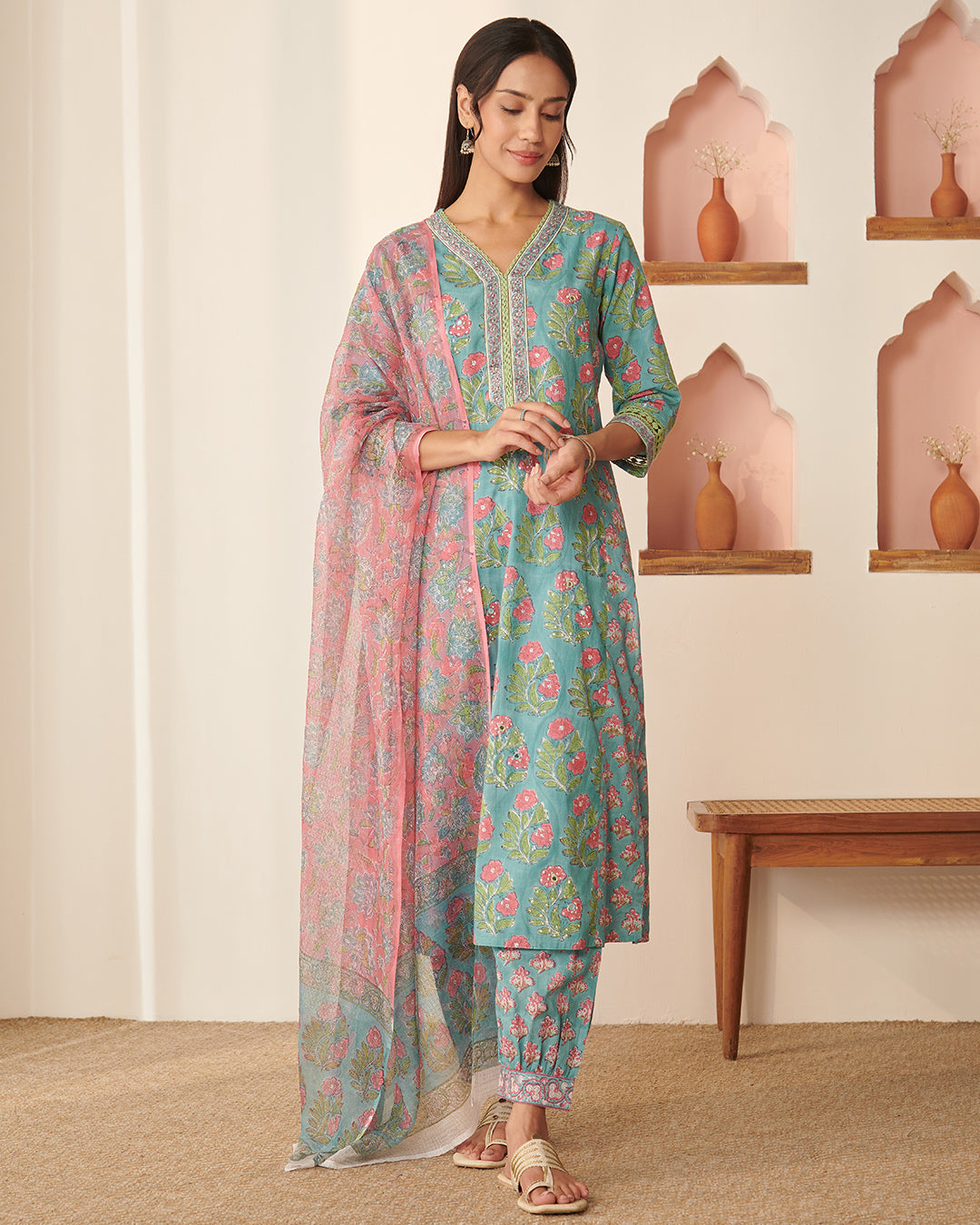
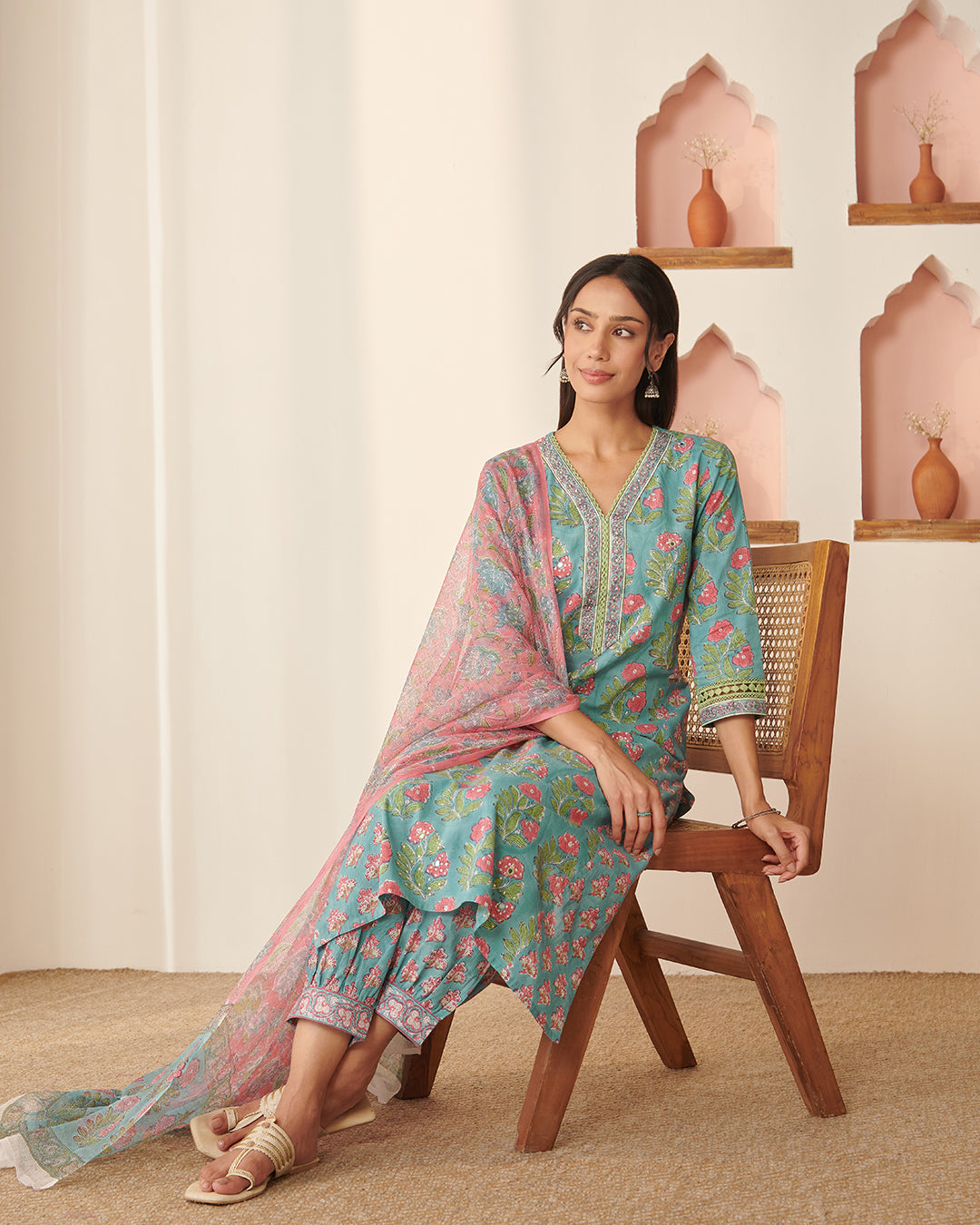
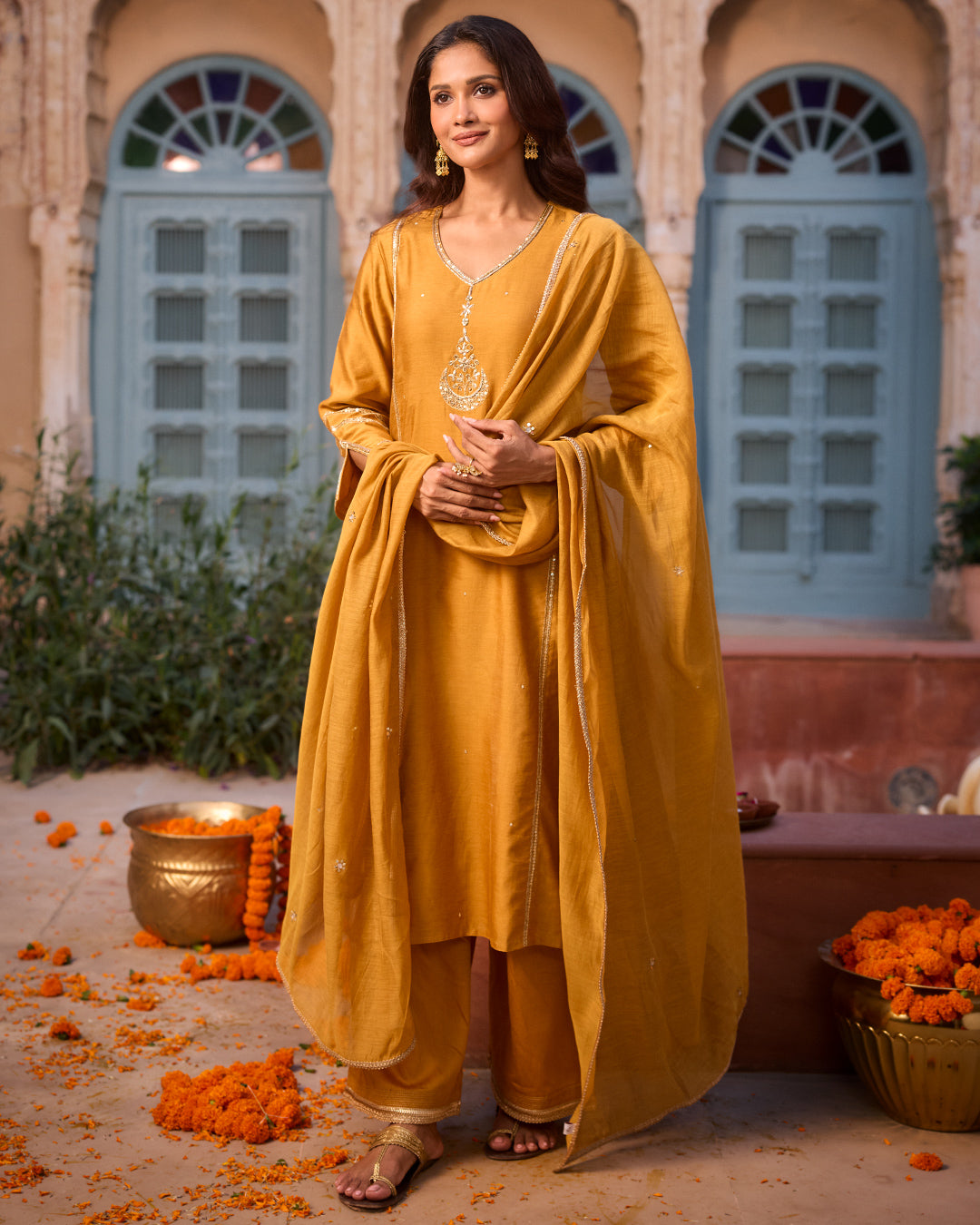
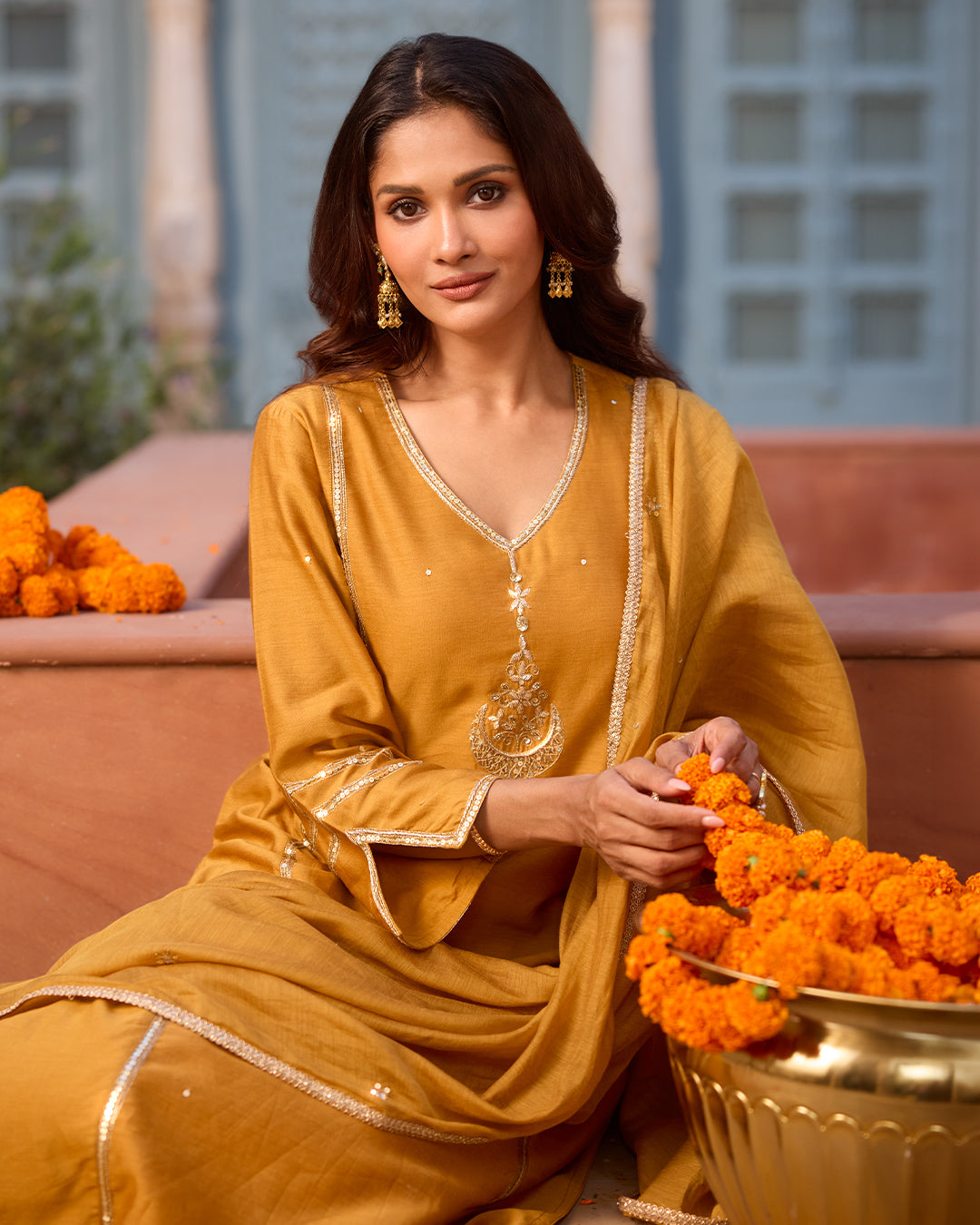
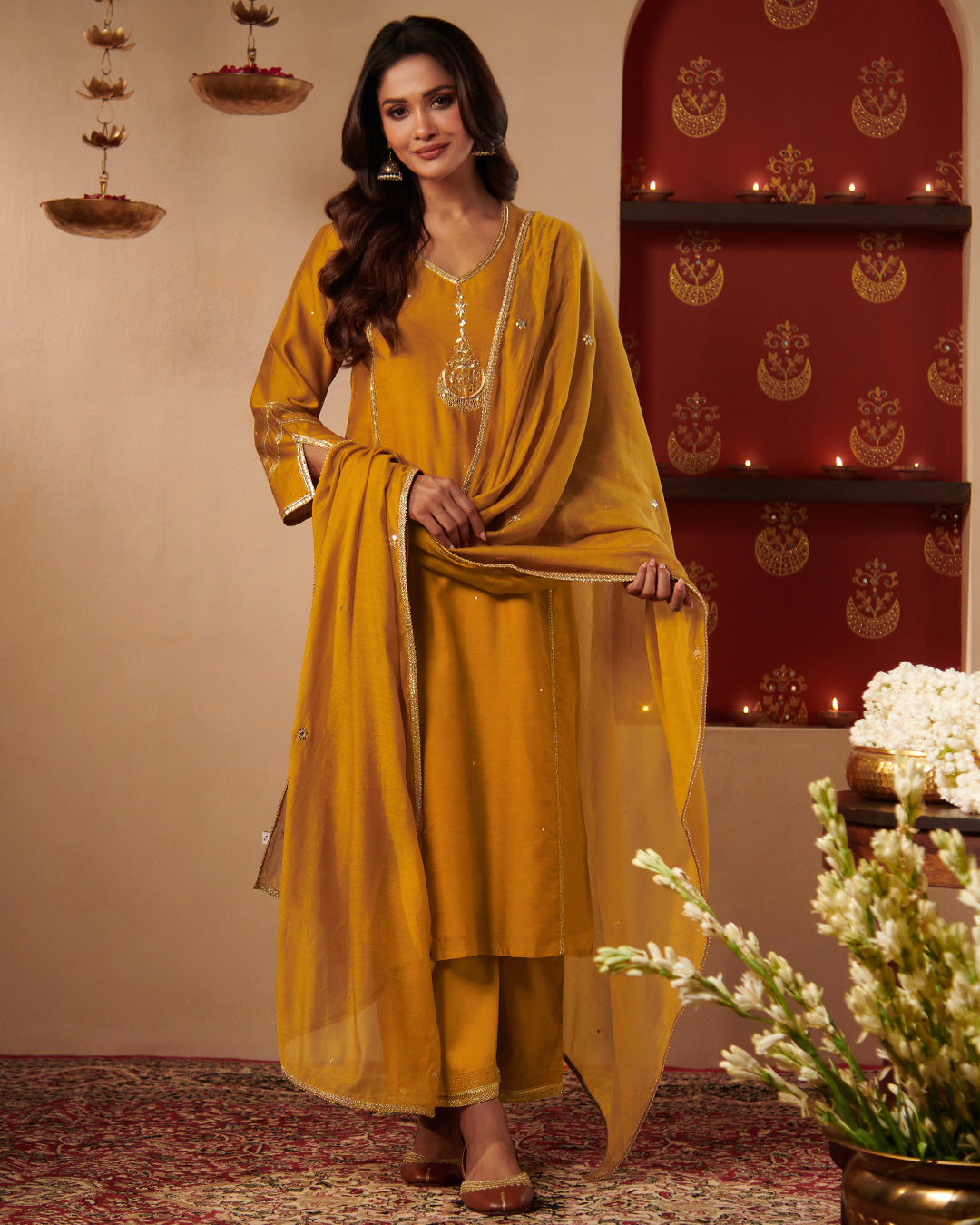
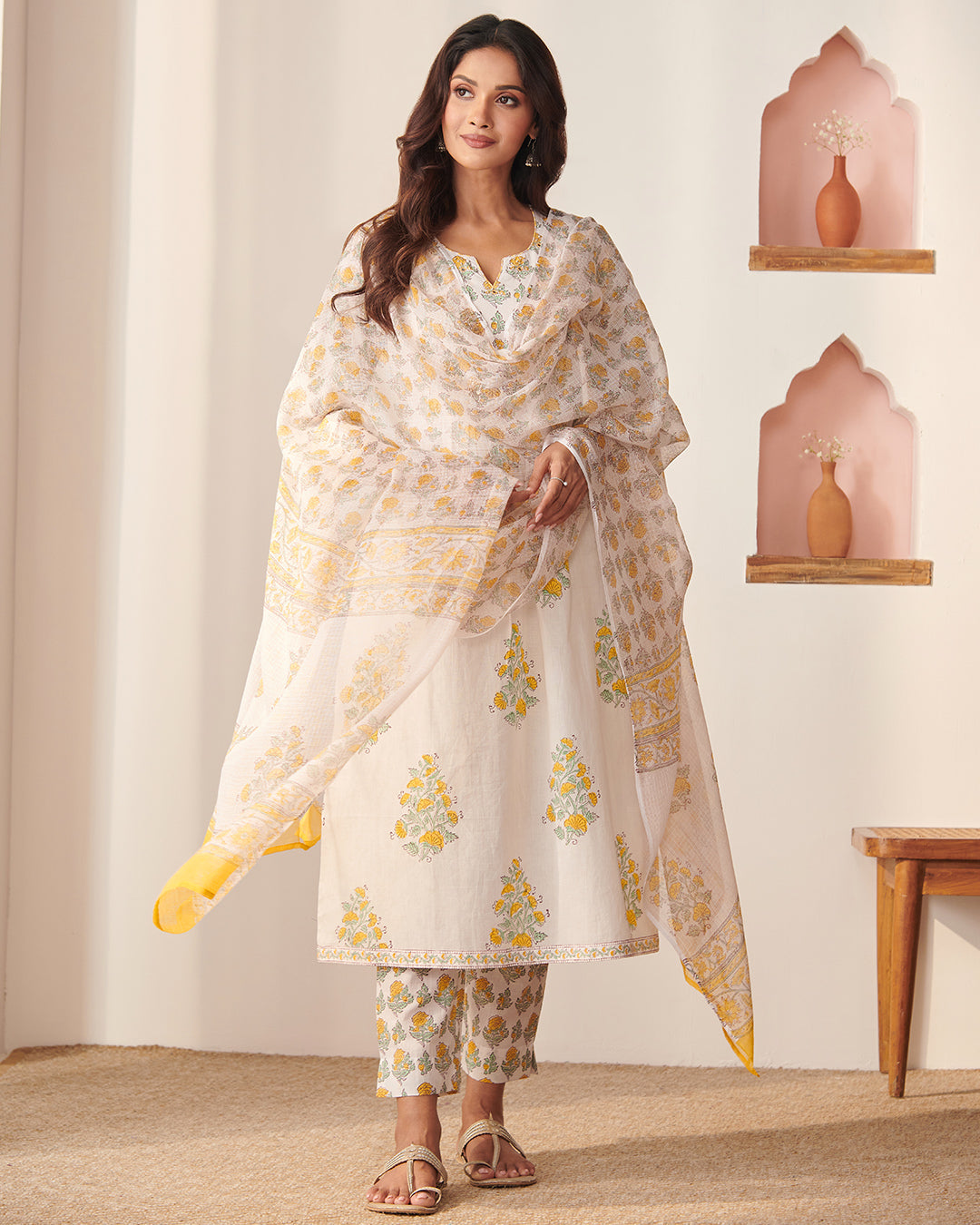
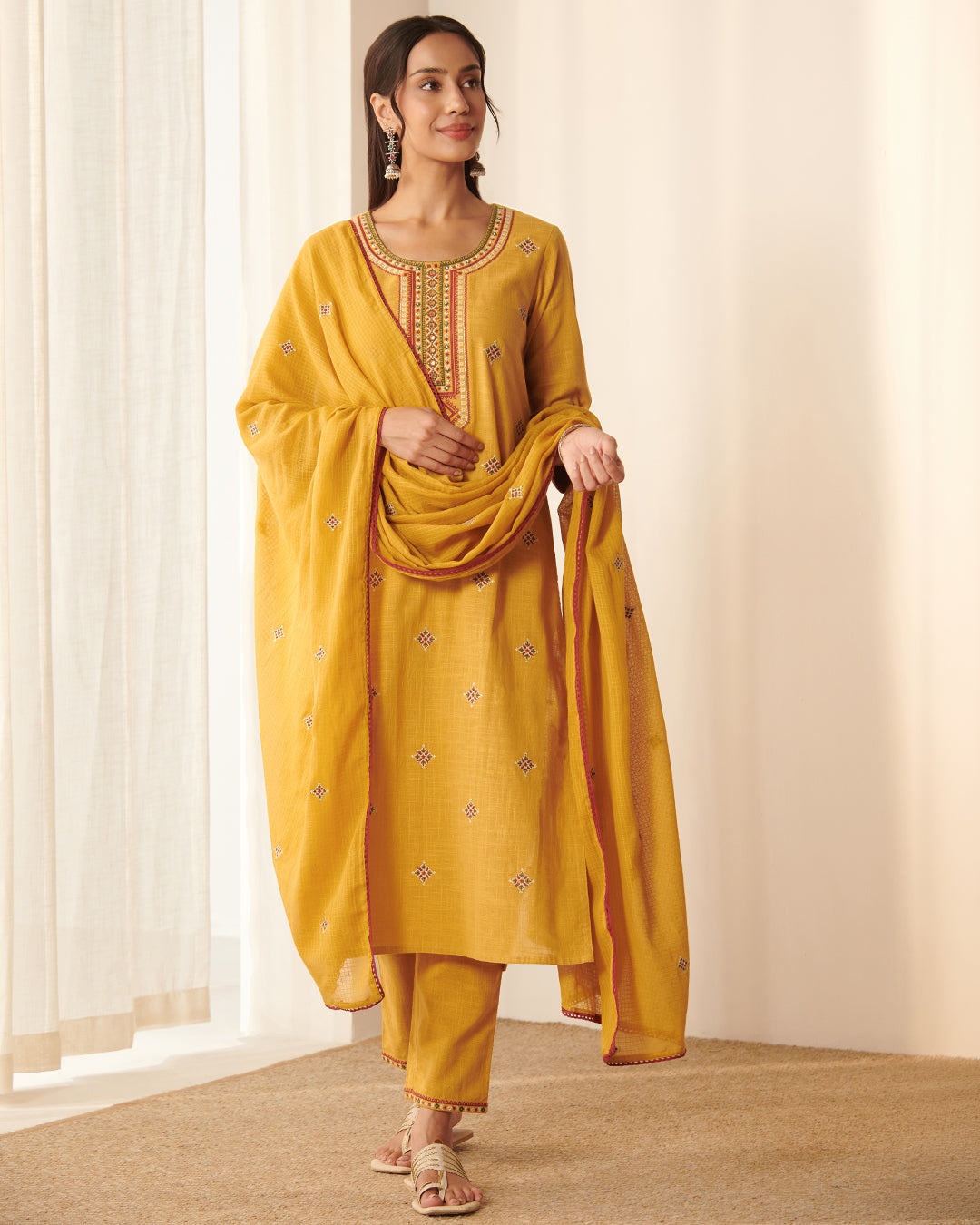
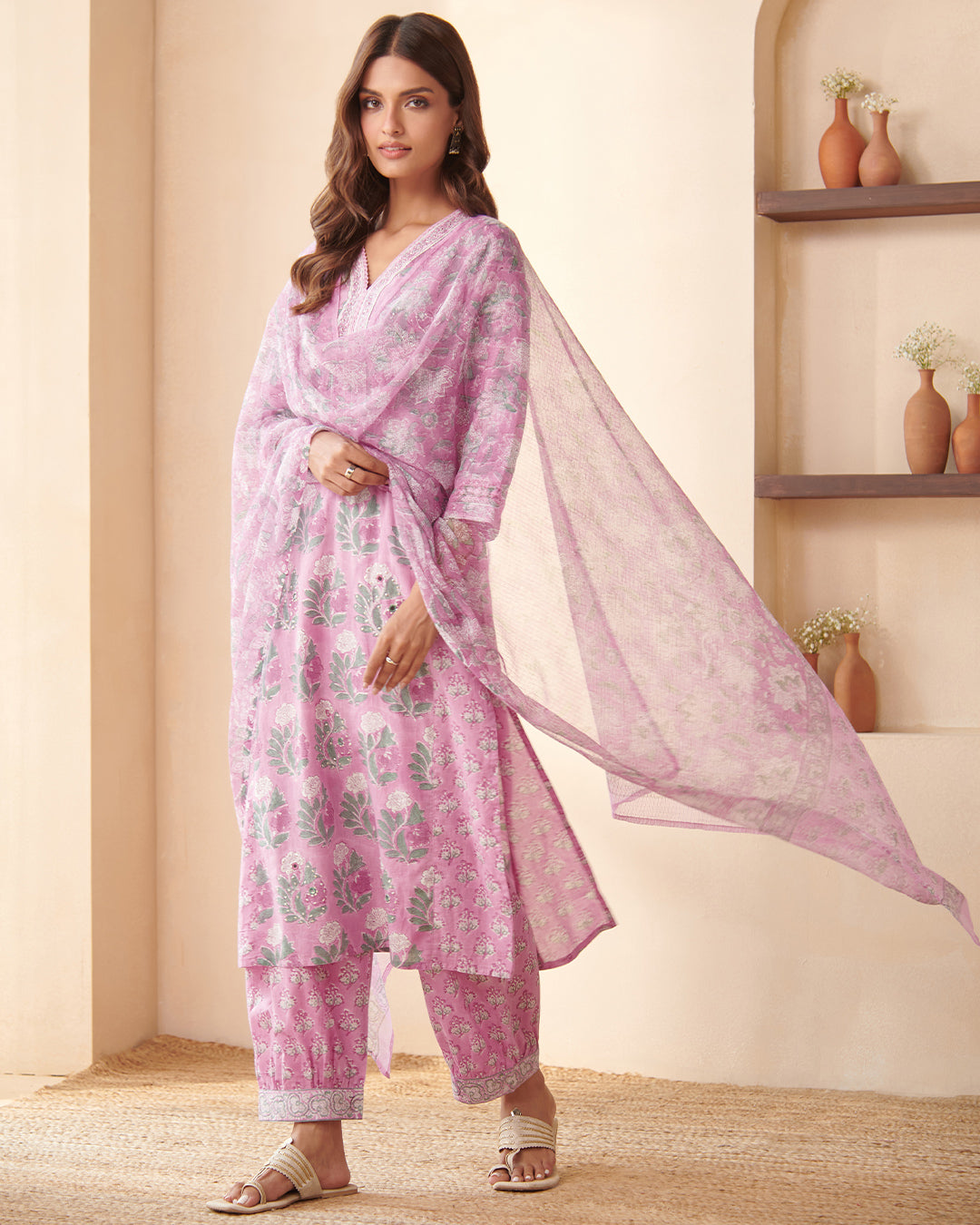
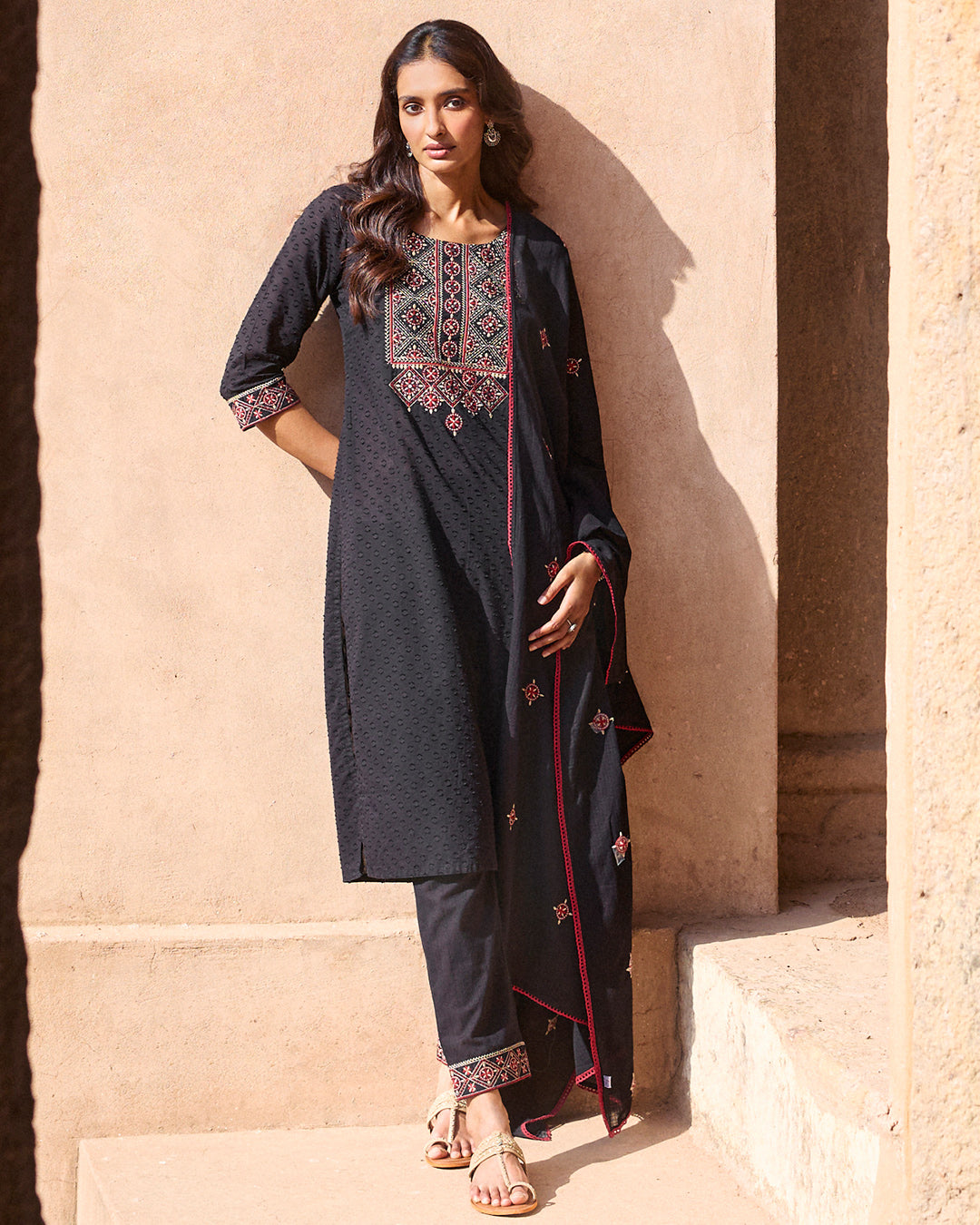
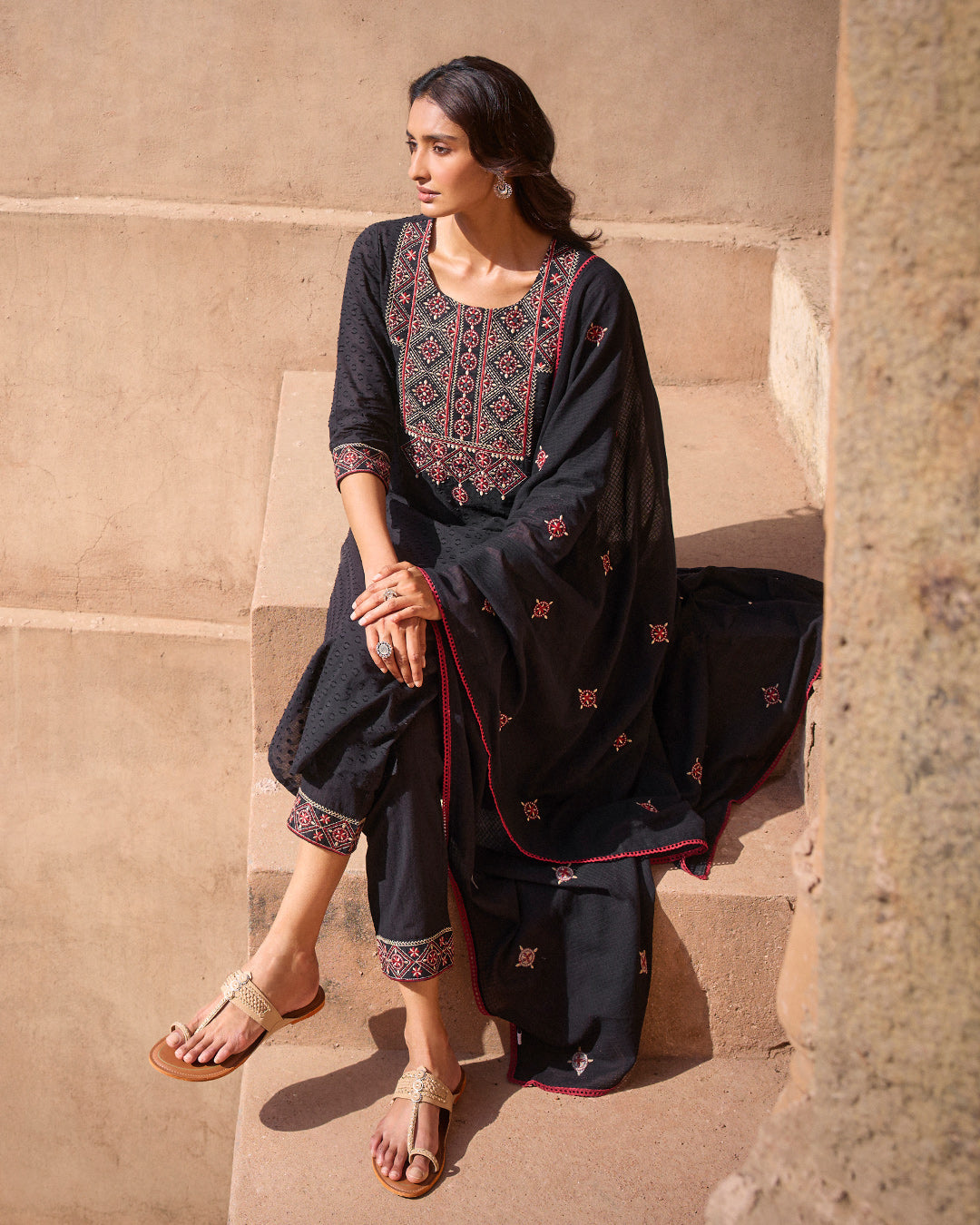
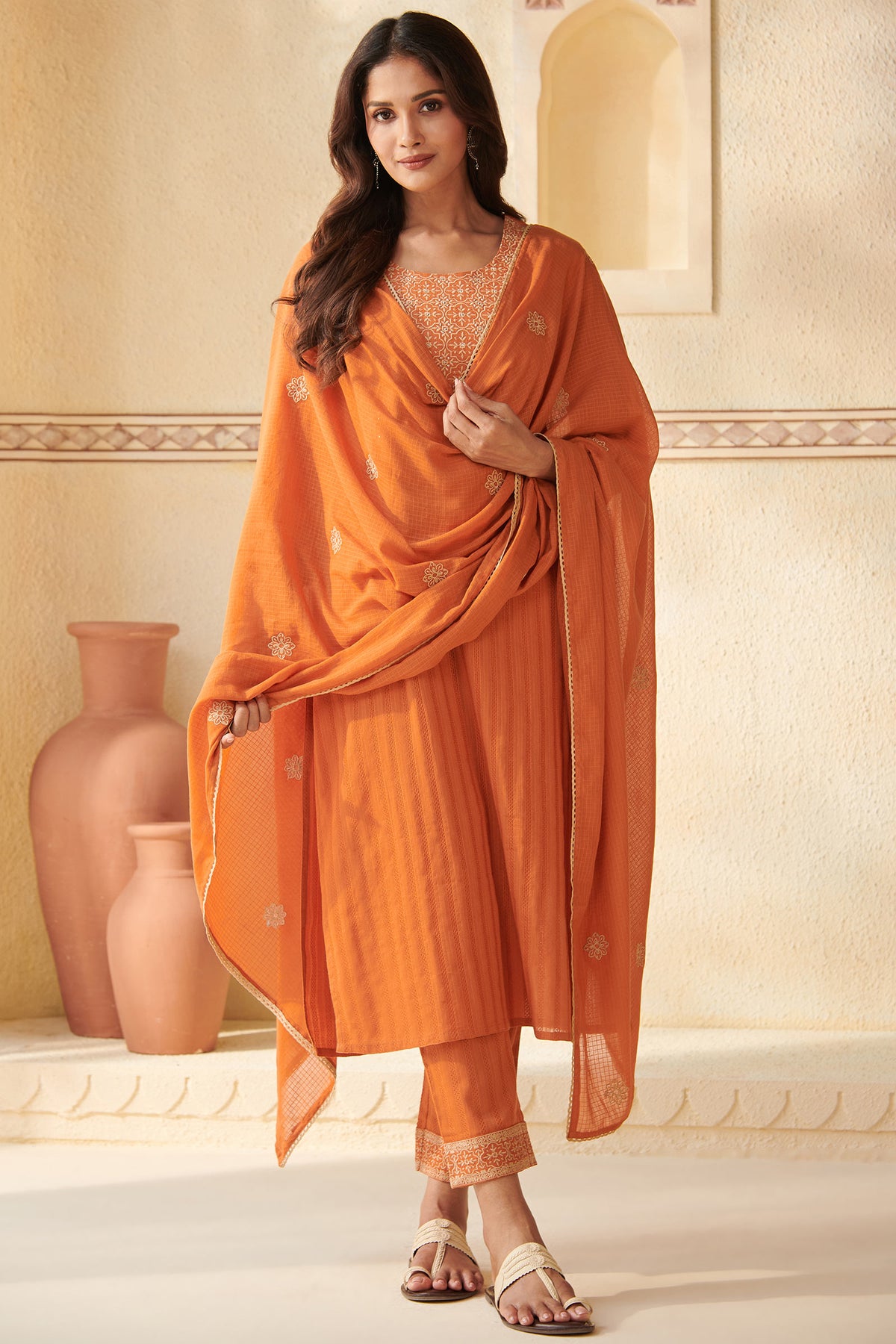
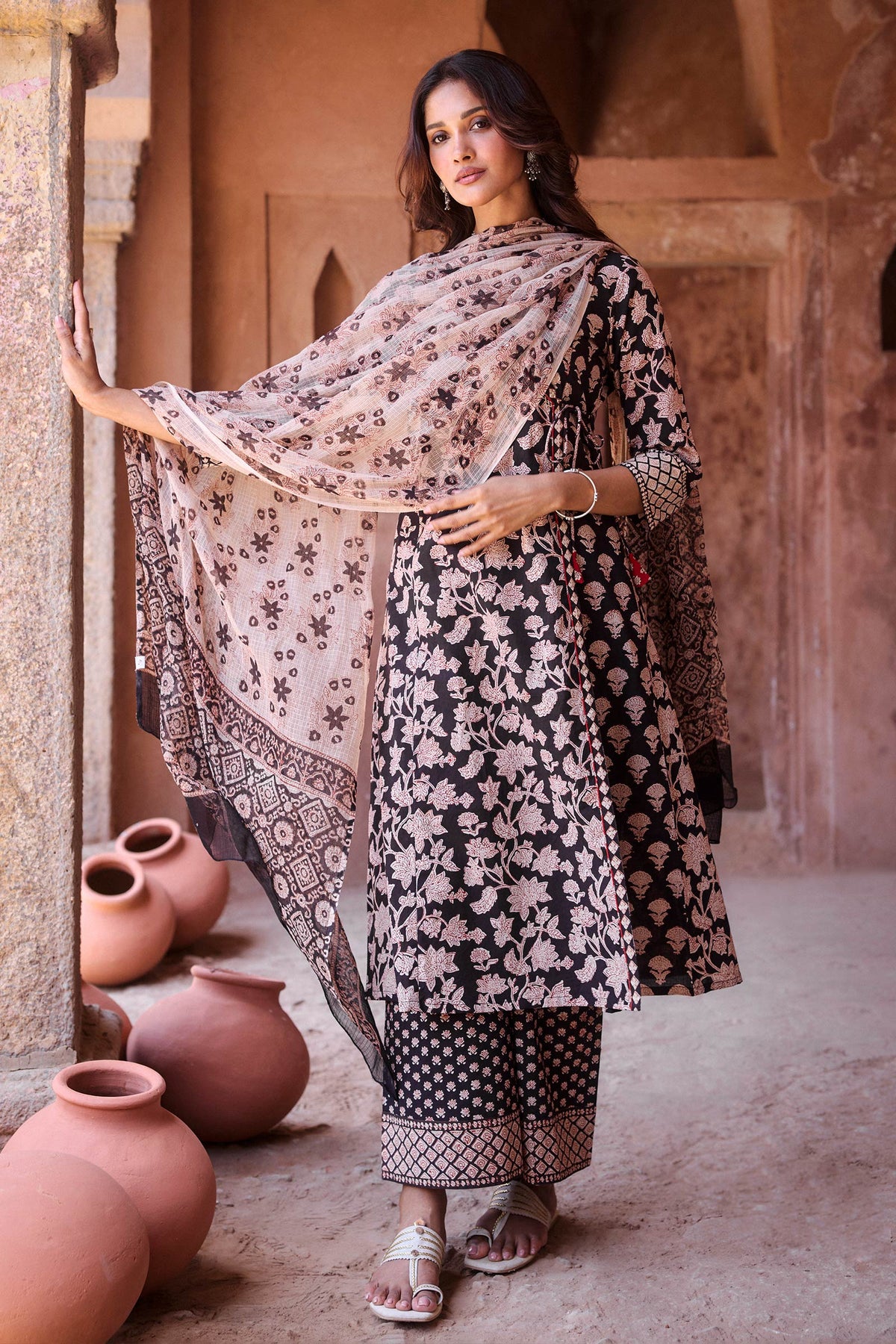
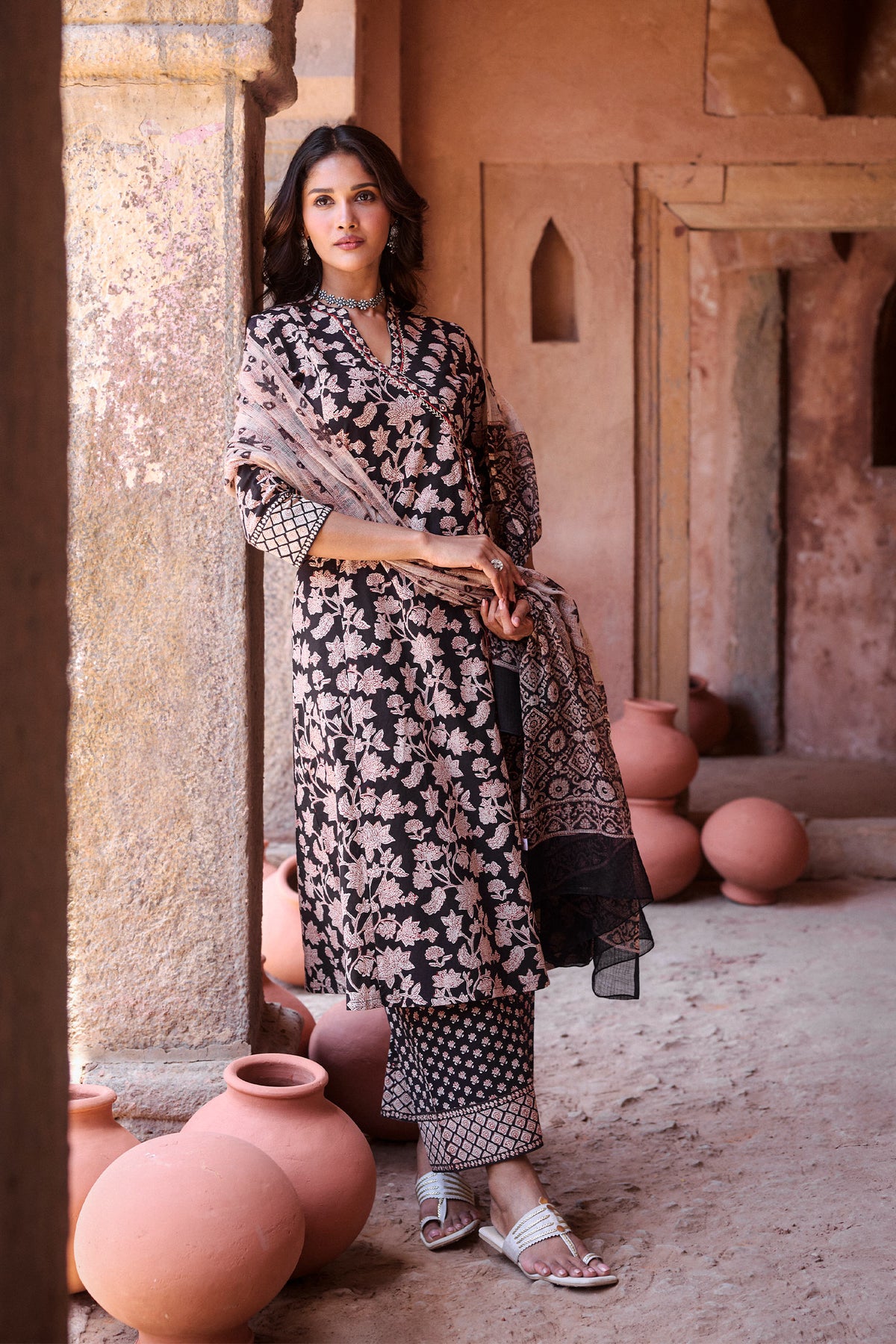
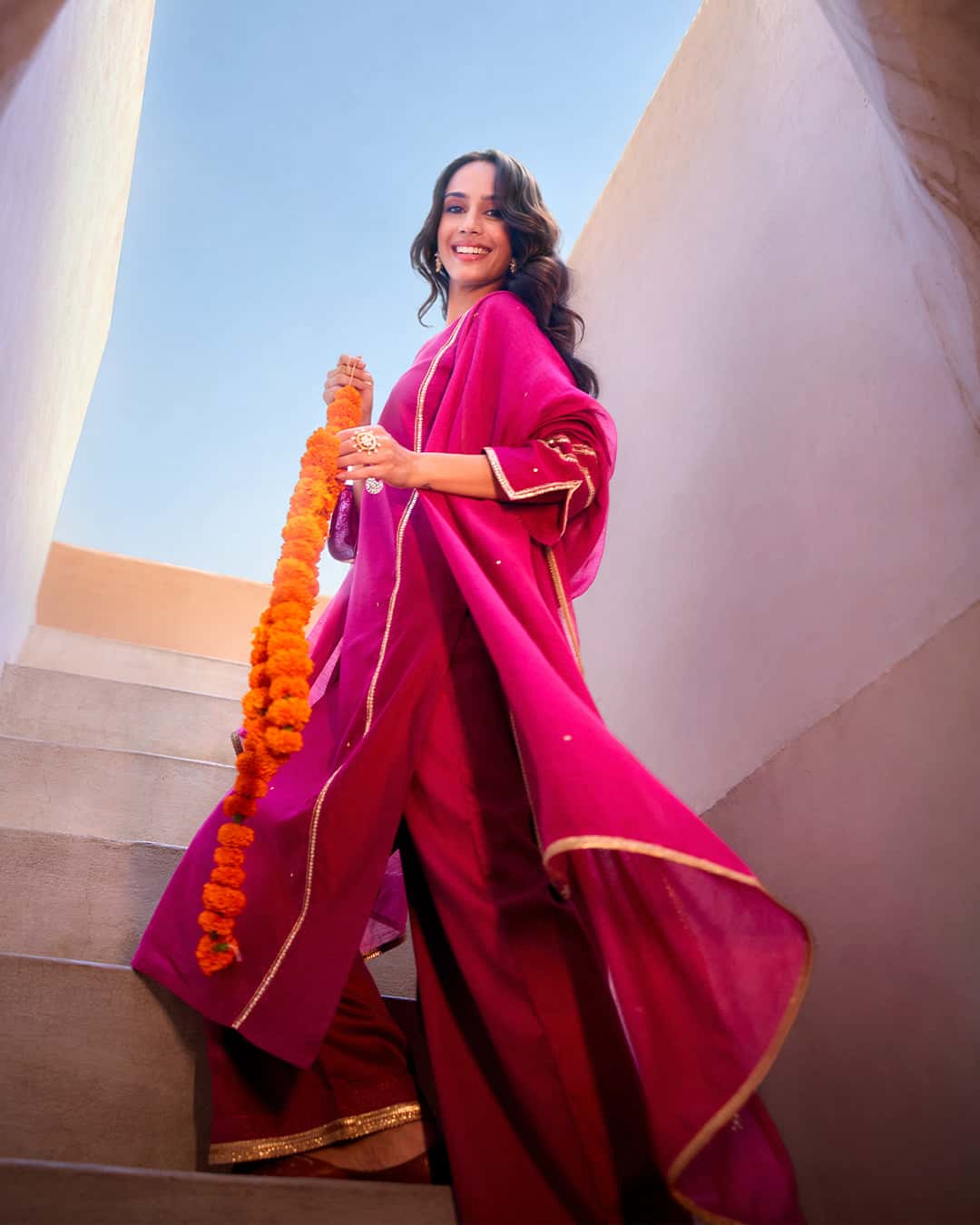
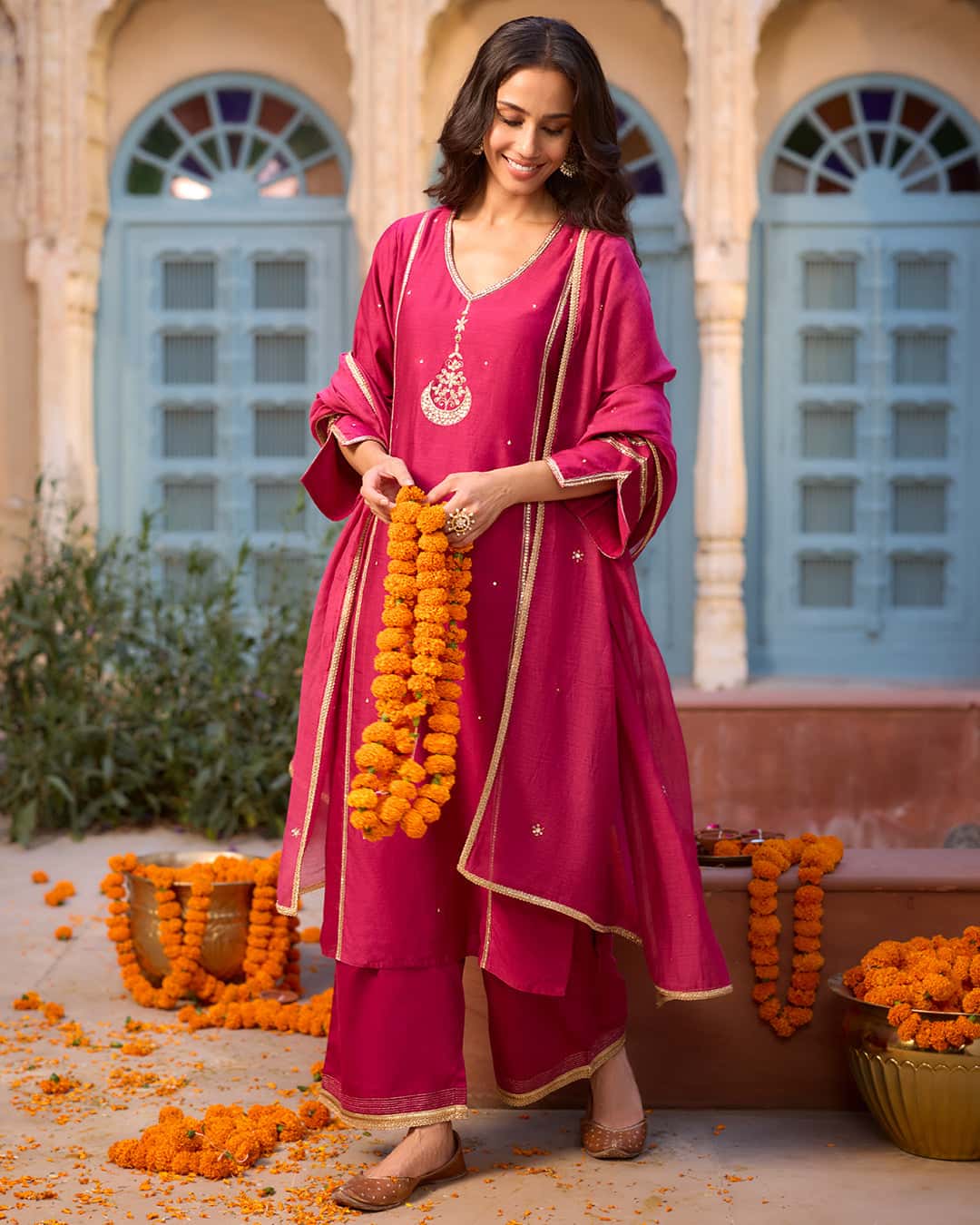
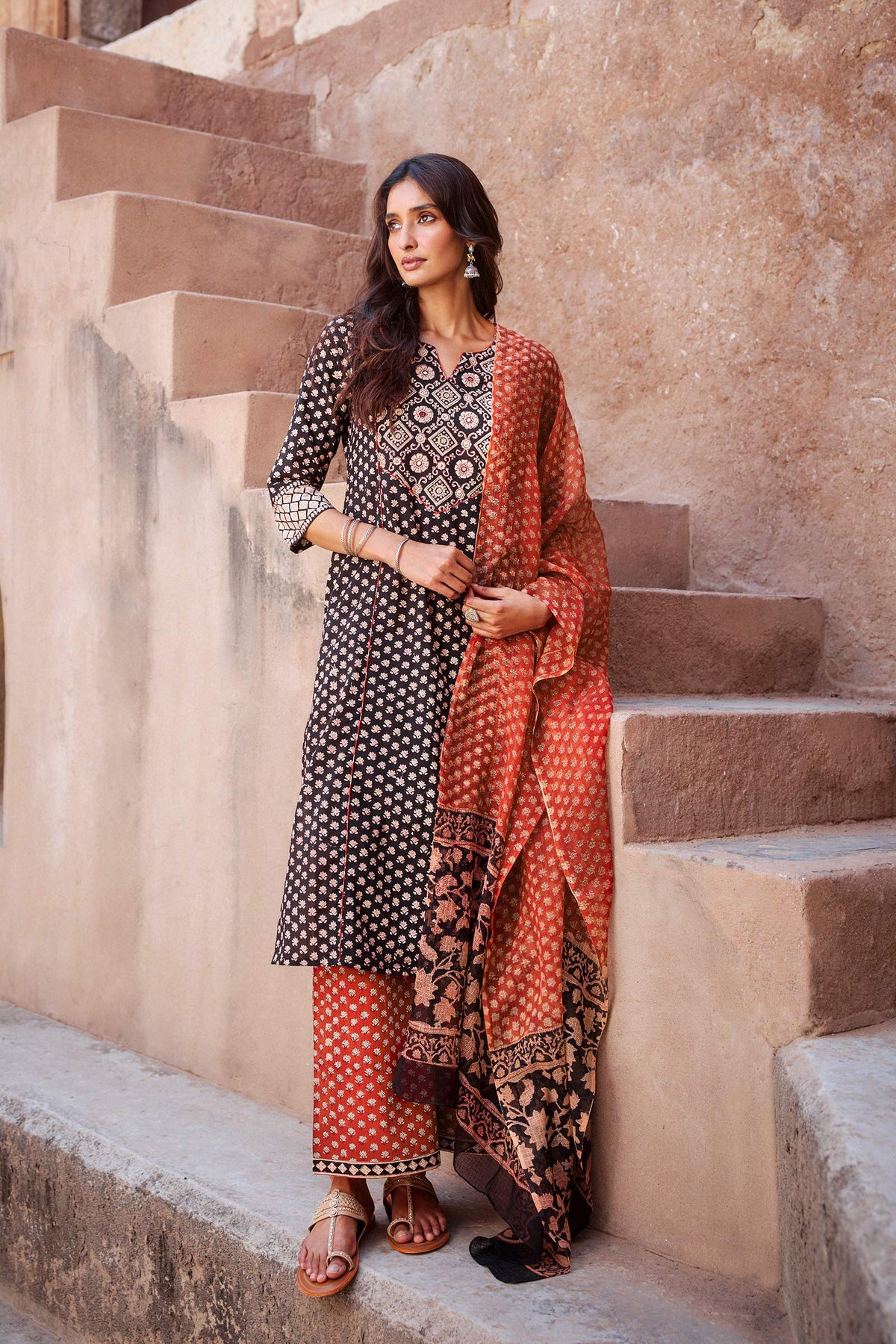
One end over the shoulder, the rest falling naturally. It's the most straightforward style and also one of the most consistently flattering. It works across outfit types, from salwar suits to lehengas, and doesn't need much fussing. The key is letting the fabric fall rather than forcing it into stiff, unnatural pleats.
The Belted Dupatta Look
Wrapping the dupatta around the waist and securing it with a belt is one of the easiest ways to make an outfit look more styled. It creates definition at the waist and keeps the dupatta from slipping around. A slim metallic belt or even an embroidered waistband works really well here, especially with anarkalis and flowy kurtas.
The Front Flow Drape
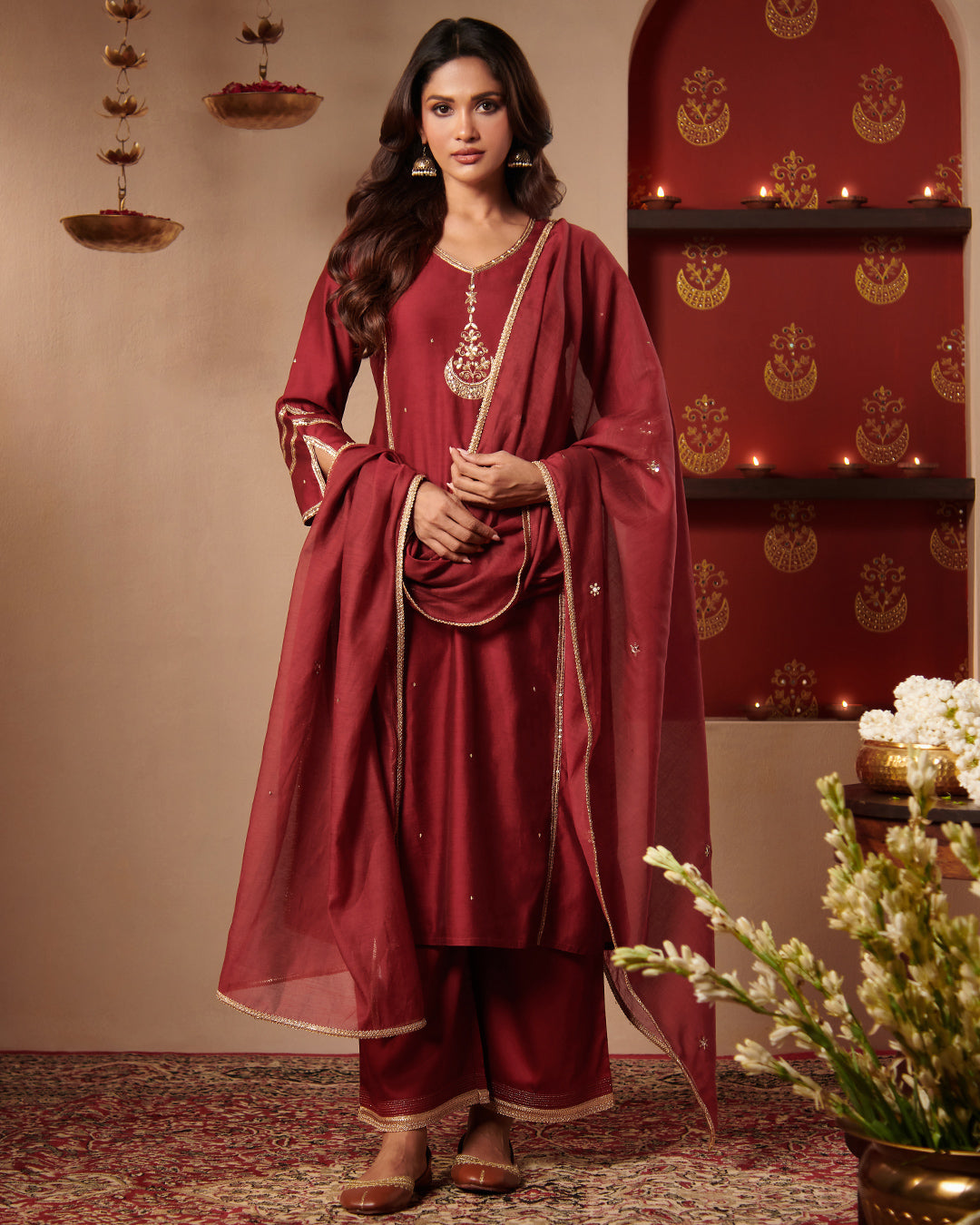
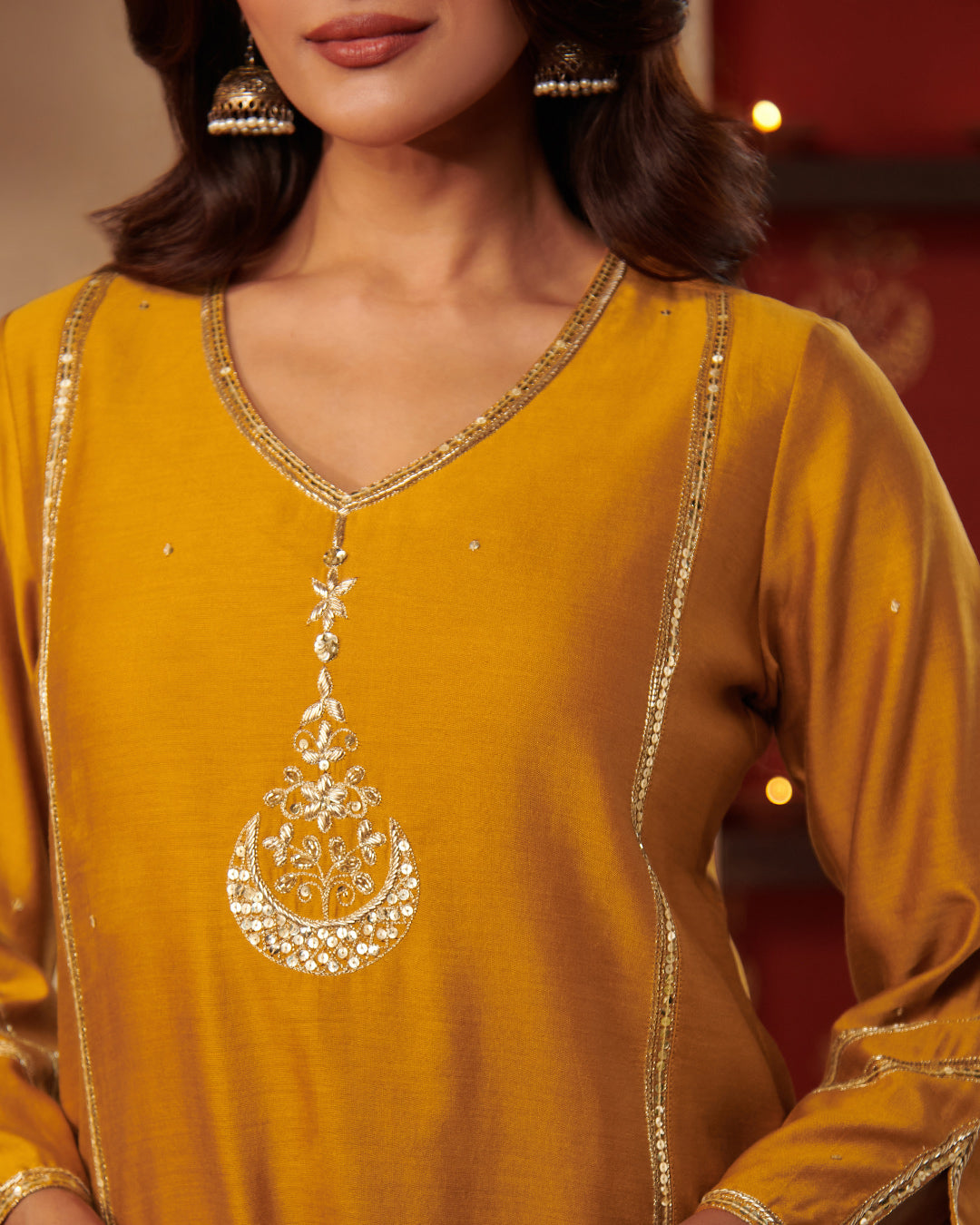
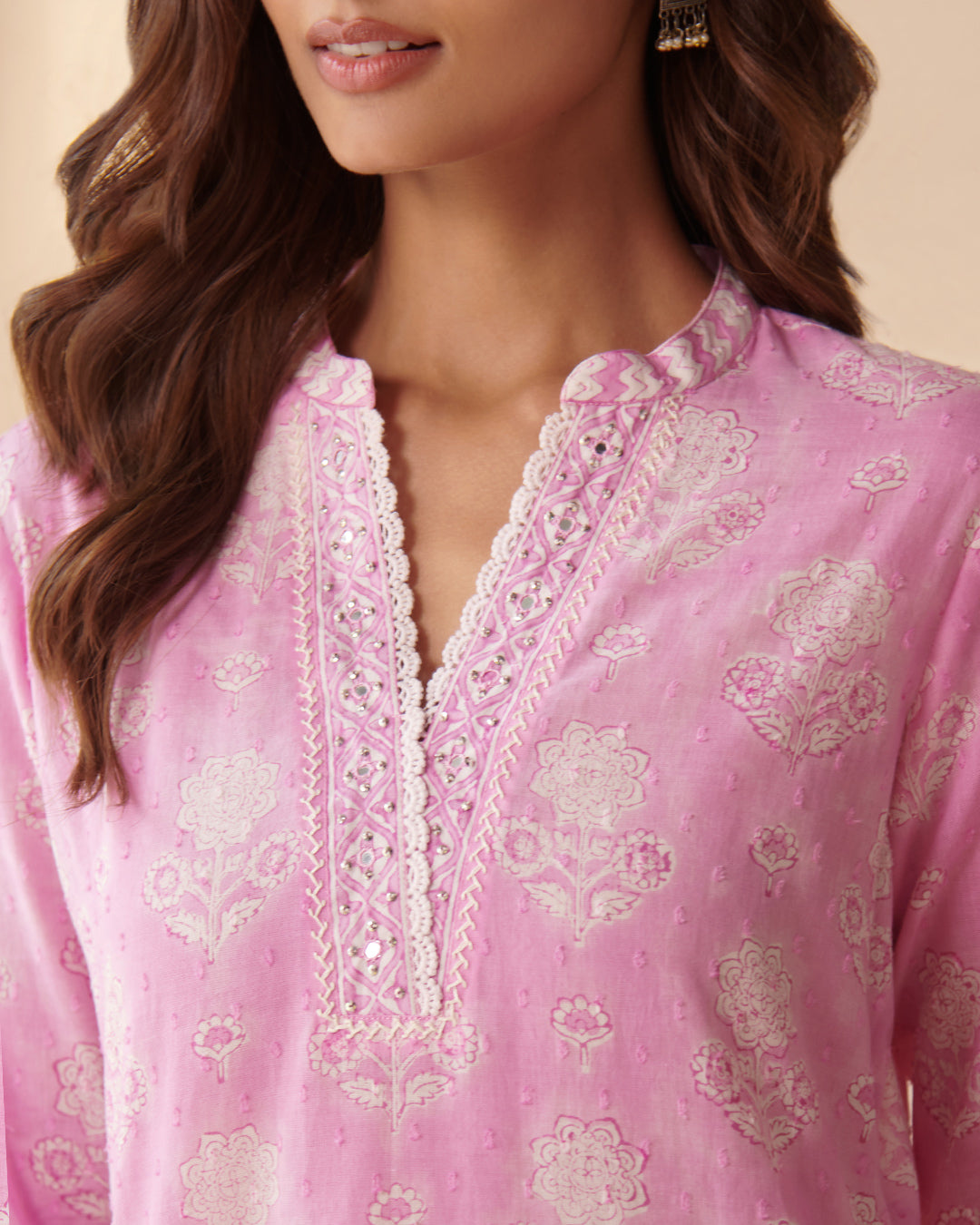
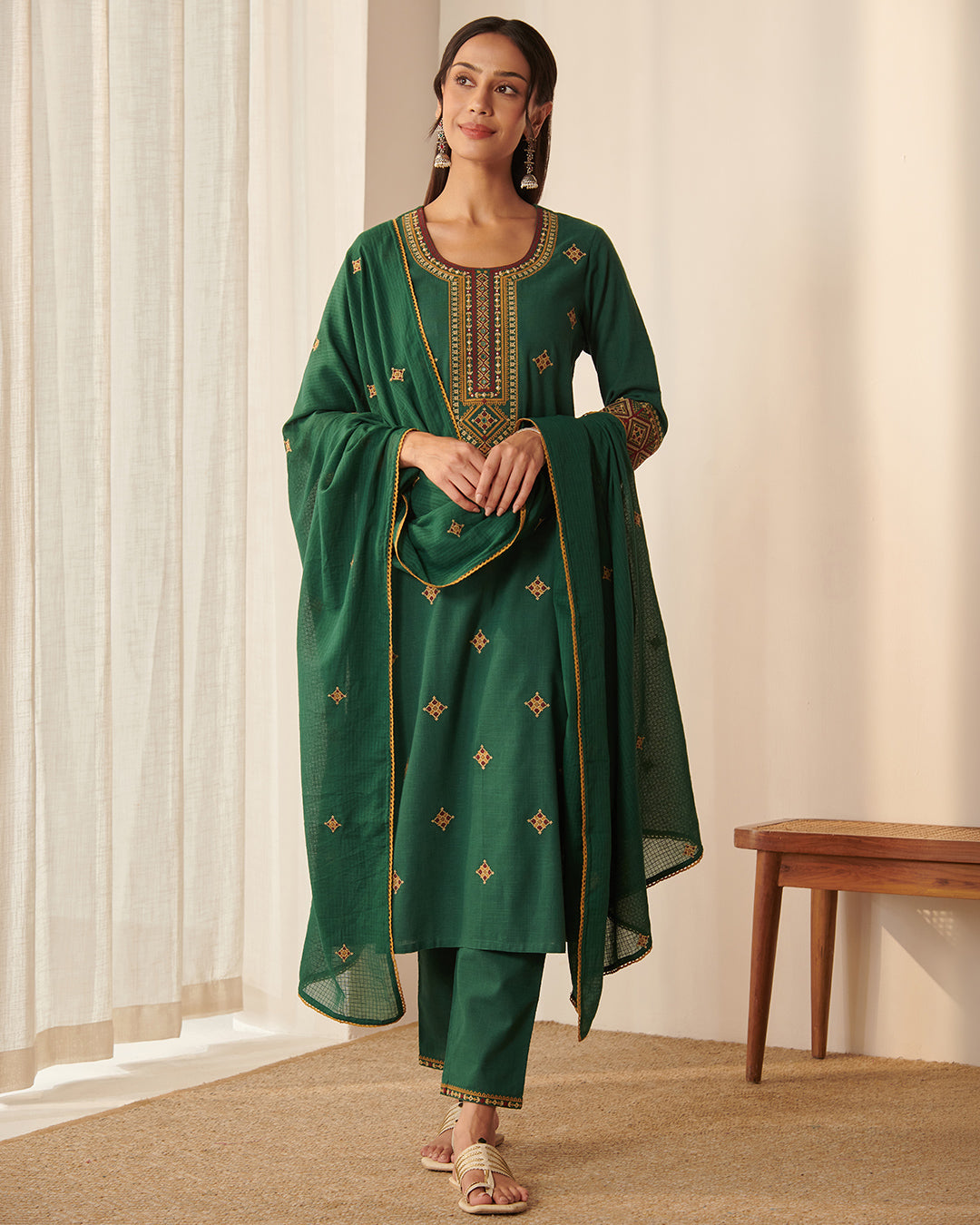
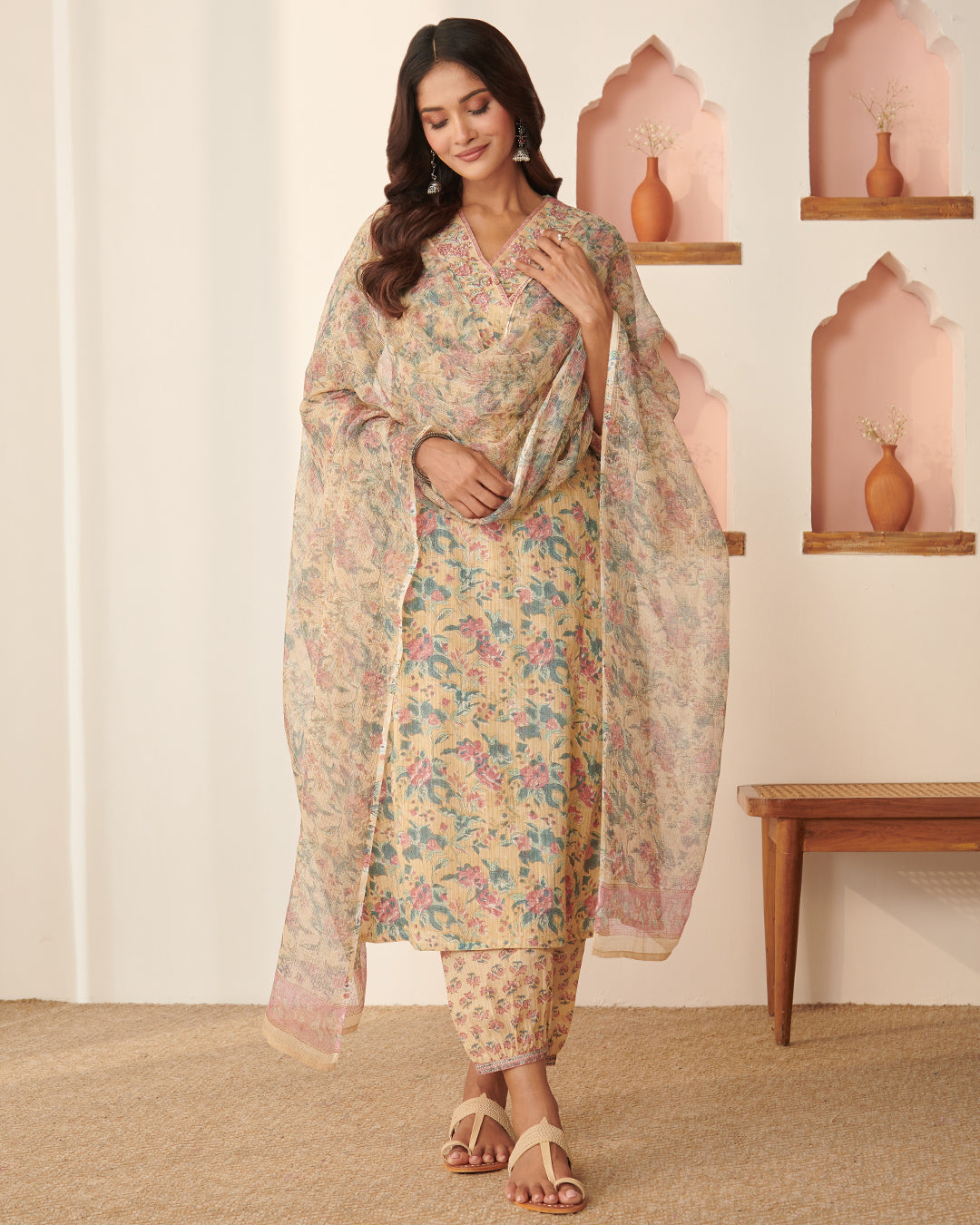
Instead of letting one end fall behind, both ends of the dupatta come to the front. It frames the neckline and works particularly well when the kurta has embroidery or detailing near the collar. Soft, lightweight fabrics work best for this because the folds need to look fluid, not stiff.
The Saree-Style Pleated Dupatta
This borrows directly from saree draping. The dupatta is neatly pleated and pinned across one shoulder, giving a structured, polished appearance. It suits formal occasions and wedding functions well. Silk and tissue dupattas look especially good in this style because the fabric holds the pleats cleanly.
The Cape-Style Dupatta Drape
The dupatta falls evenly from both shoulders, creating the look of a lightweight cape over the outfit. Organza works really well here because it holds shape without being too stiff. It pairs beautifully with sleeveless blouses, crop tops, and Indo-western separates, and feels modern without trying too hard.
The Double Dupatta Styling Technique
Two dupattas worn together, one traditionally over the head and another draped across the shoulder or arms. It's become particularly popular in bridal styling because it creates a sense of richness and layering without needing heavy embellishment on every single piece. The trick is keeping at least one of the dupattas lightweight so the whole look doesn't feel like too much.
The Side-Swept Elegant Drape
Most of the dupatta is gathered toward one side of the body, creating a softer silhouette with natural movement. It photographs really well because the folds shift with the body. It looks deliberately styled without being complicated to put together.
The Open-Front Dupatta Style
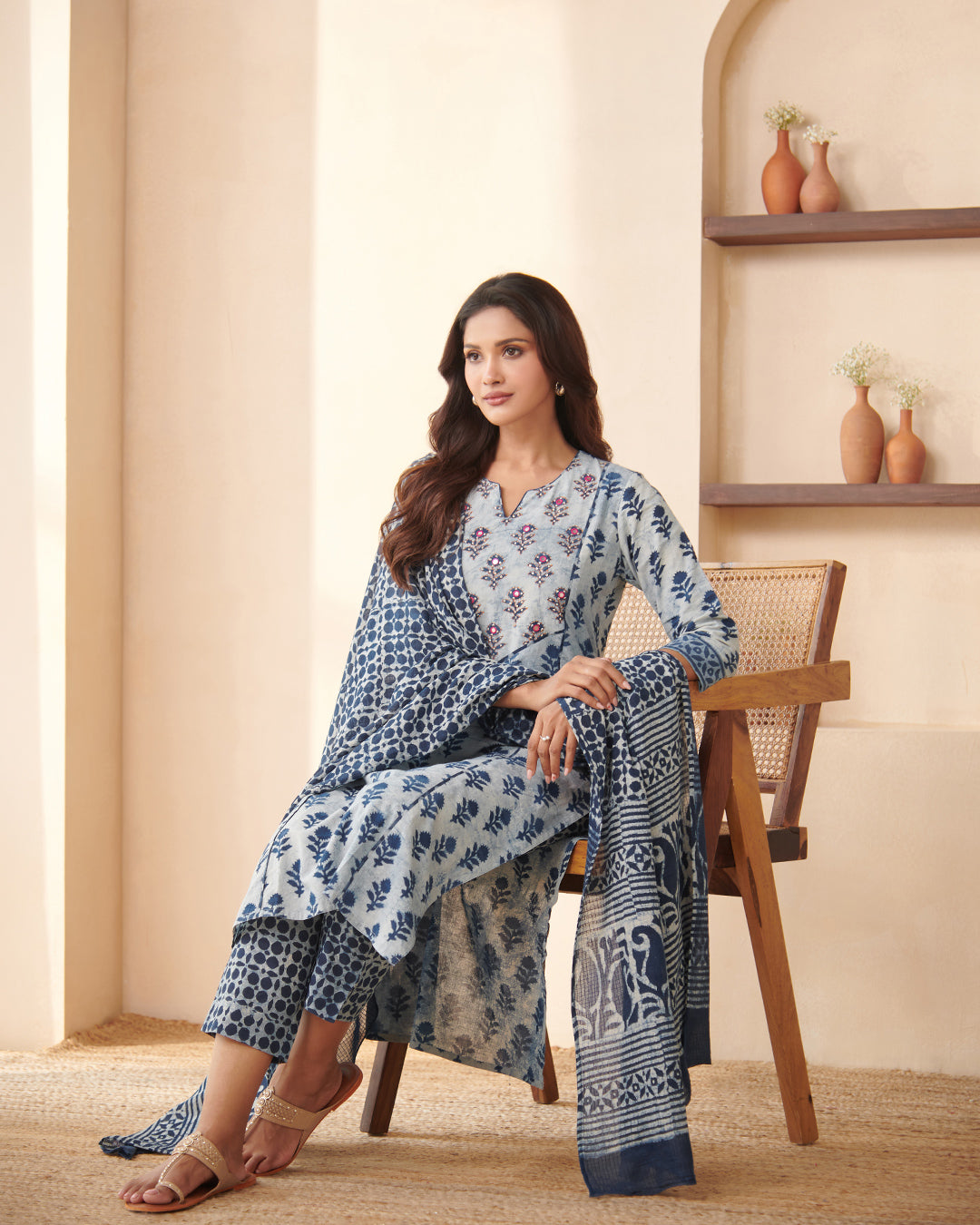
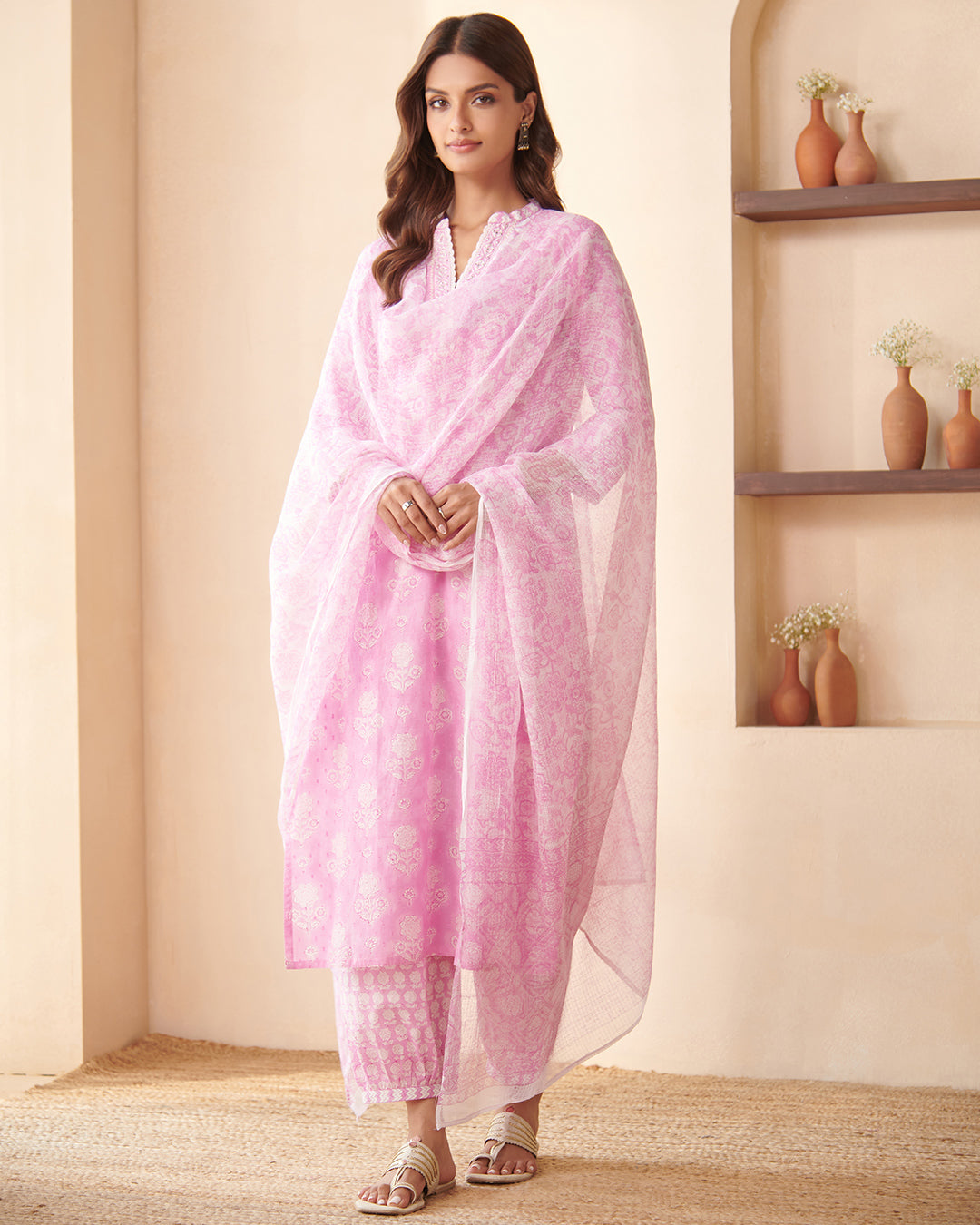
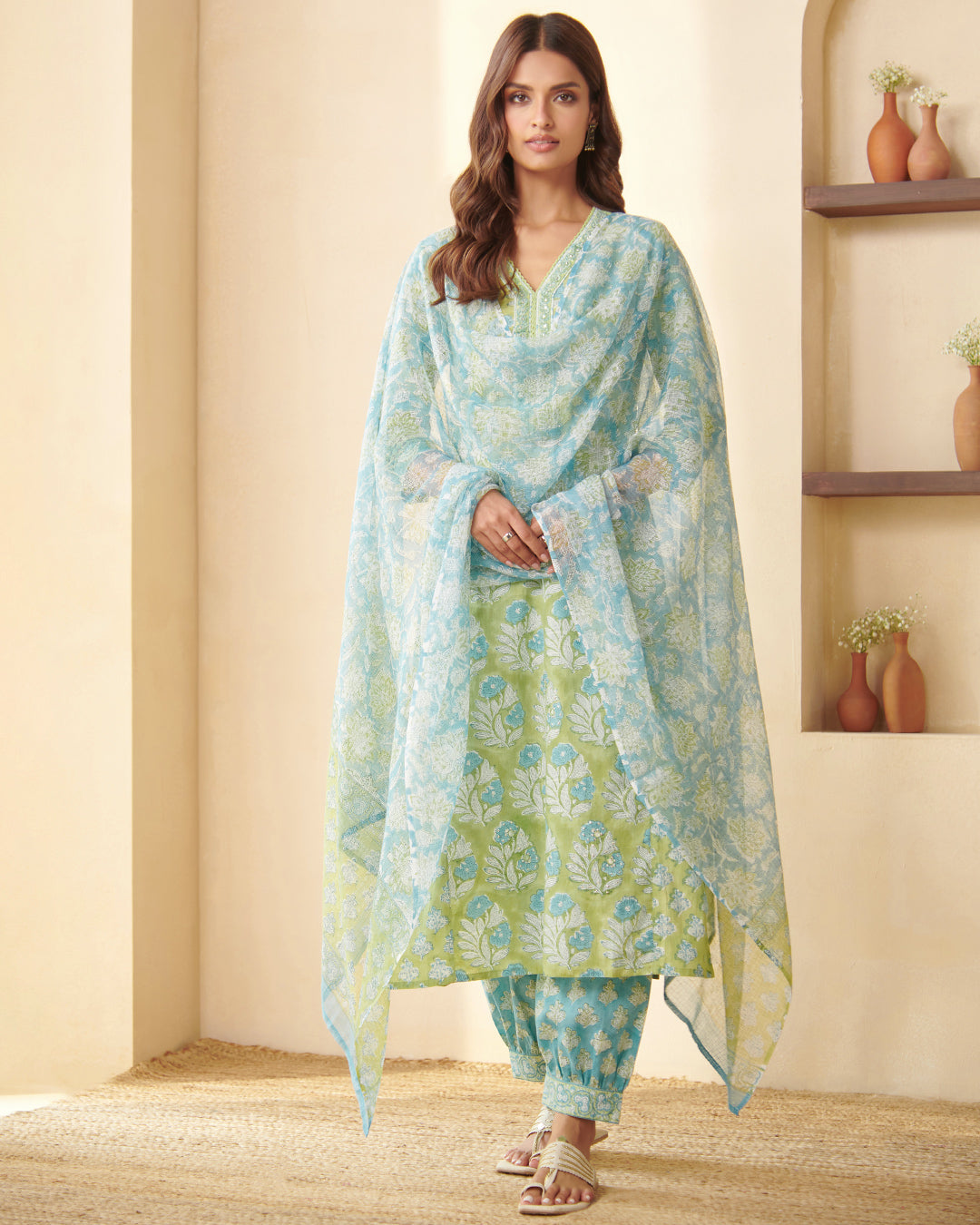
No pleating, no pinning, just the dupatta resting across both shoulders and falling open in the front. It's a relaxed, minimalist look that suits contemporary ethnic wear really well. There's no fussing involved, which is part of why it tends to look effortless.
The Wrist Wrap or Arm Drape Style
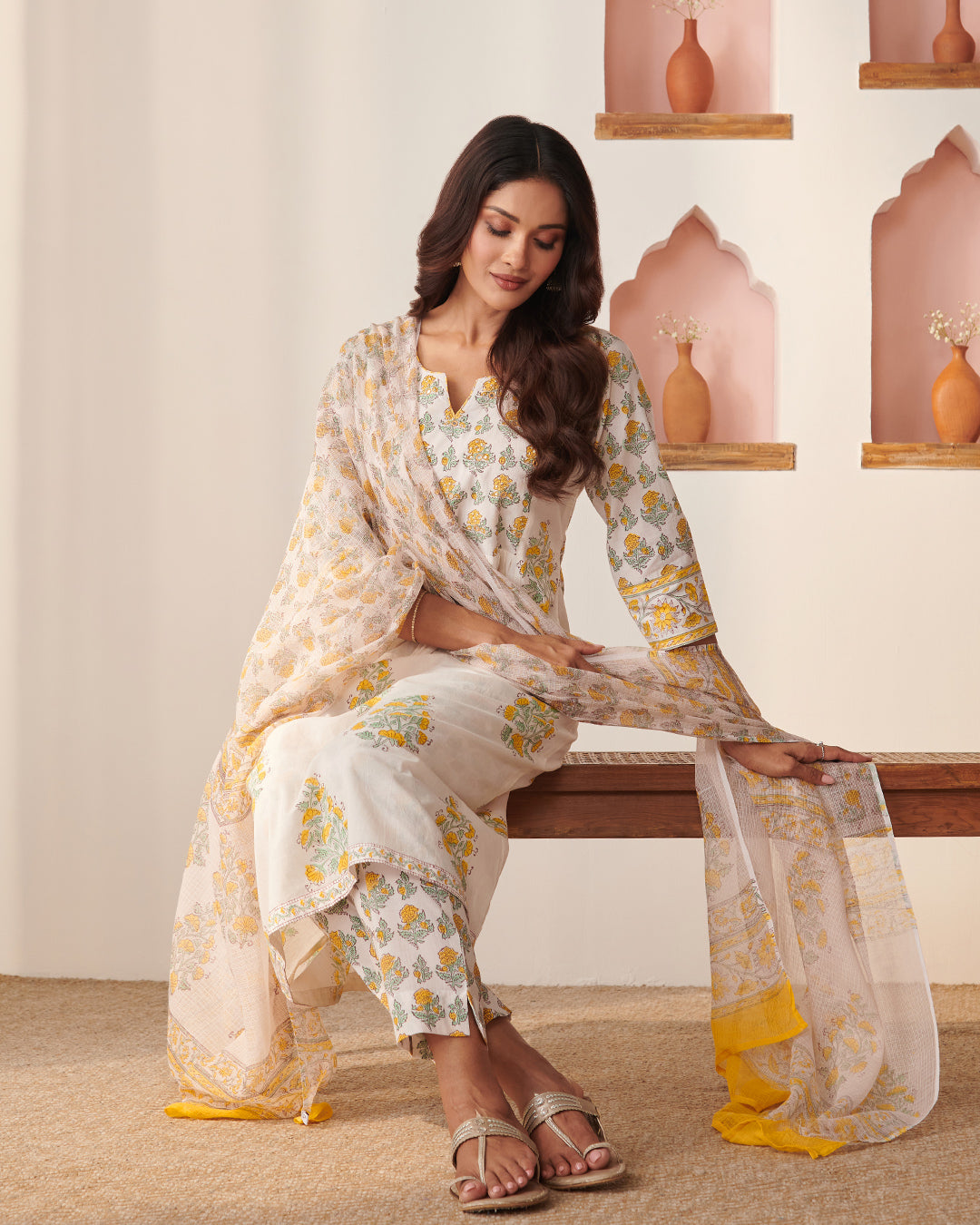
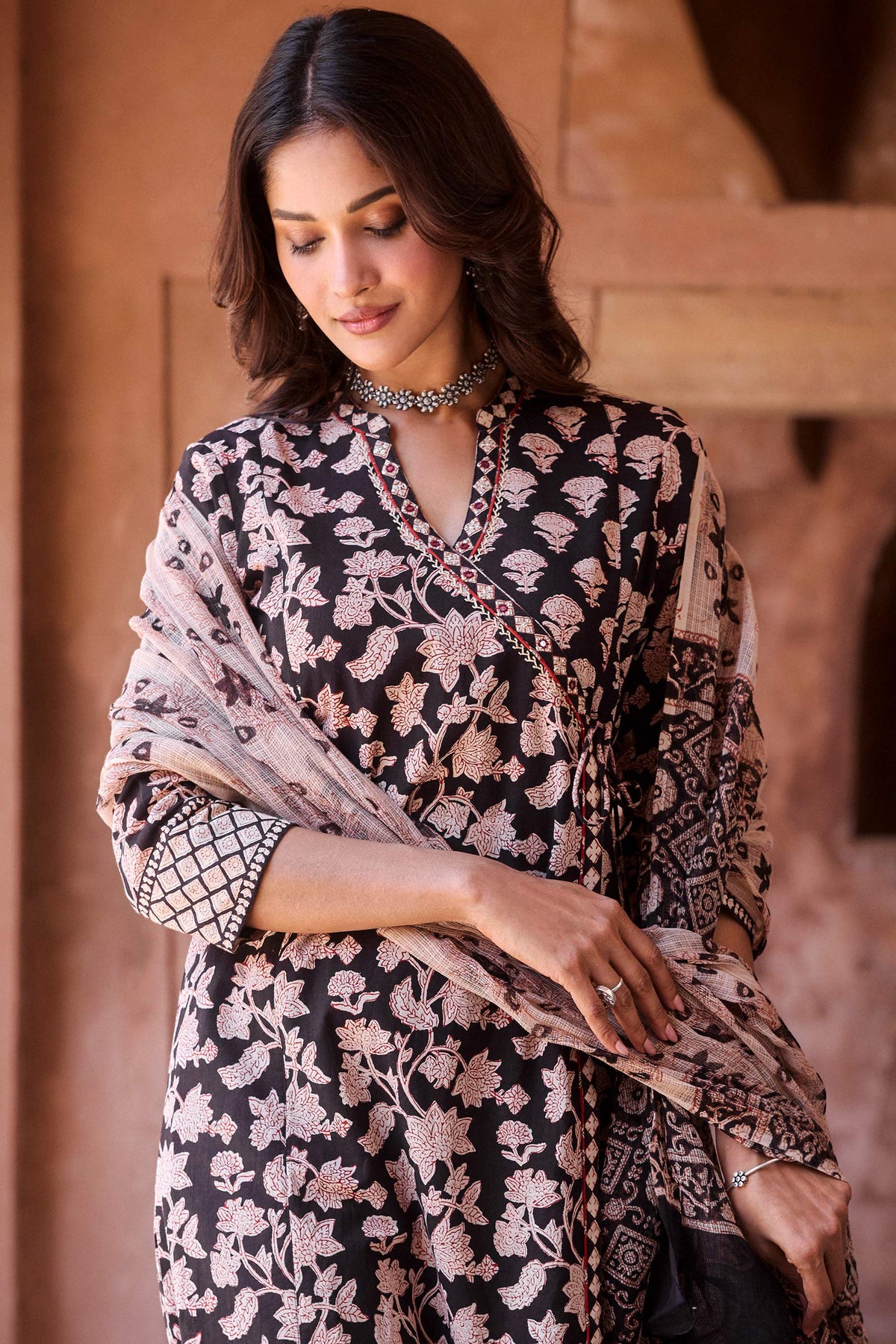
Part of the dupatta rests loosely around the wrists or forearms rather than being pinned at the shoulder. It adds movement and a soft, fluid quality to the overall look. It works especially well for evening occasions where you want something a little more delicate and less structured.
Dupatta Draping Styles for Different Outfits

Styling Dupattas with Kurta Sets
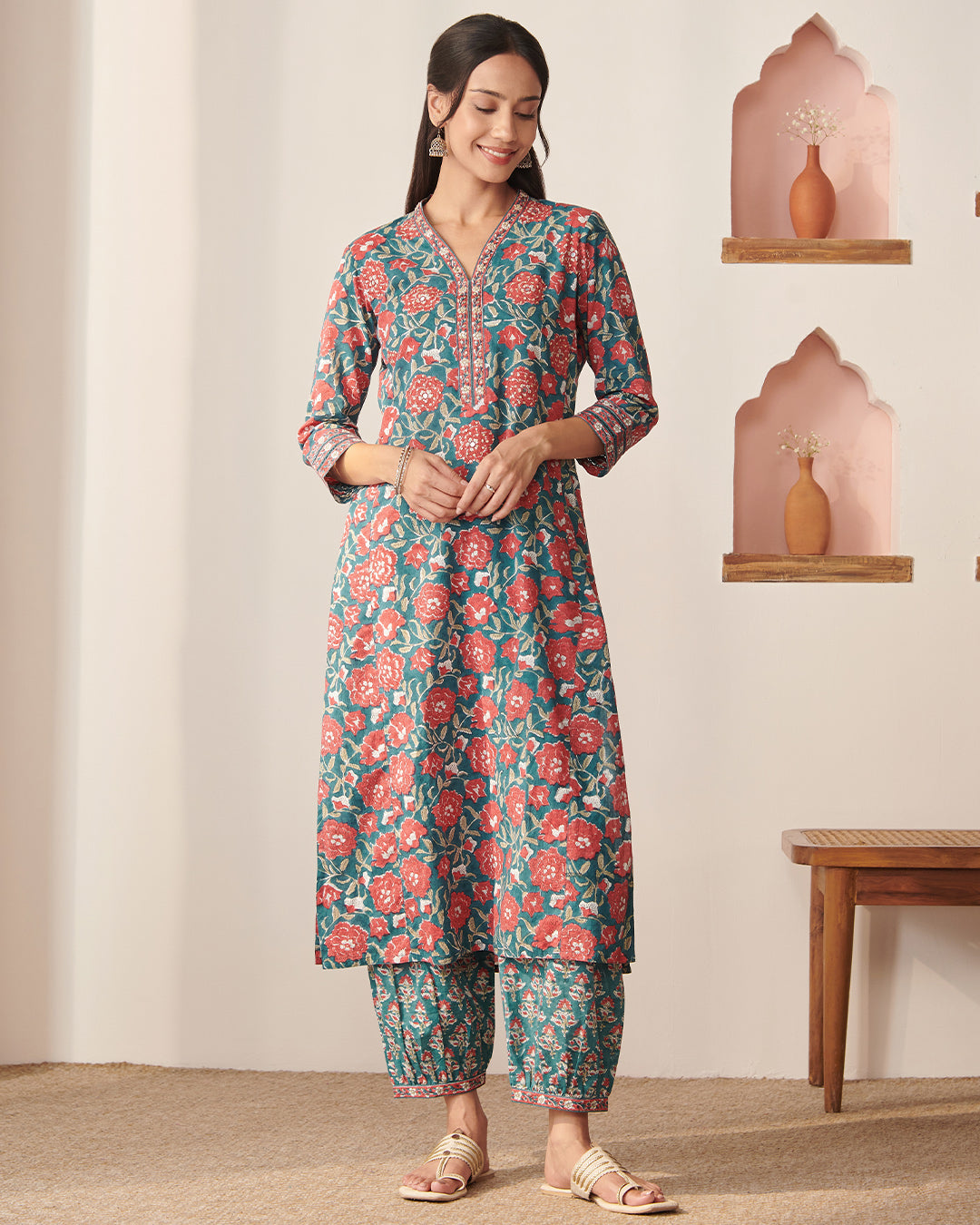
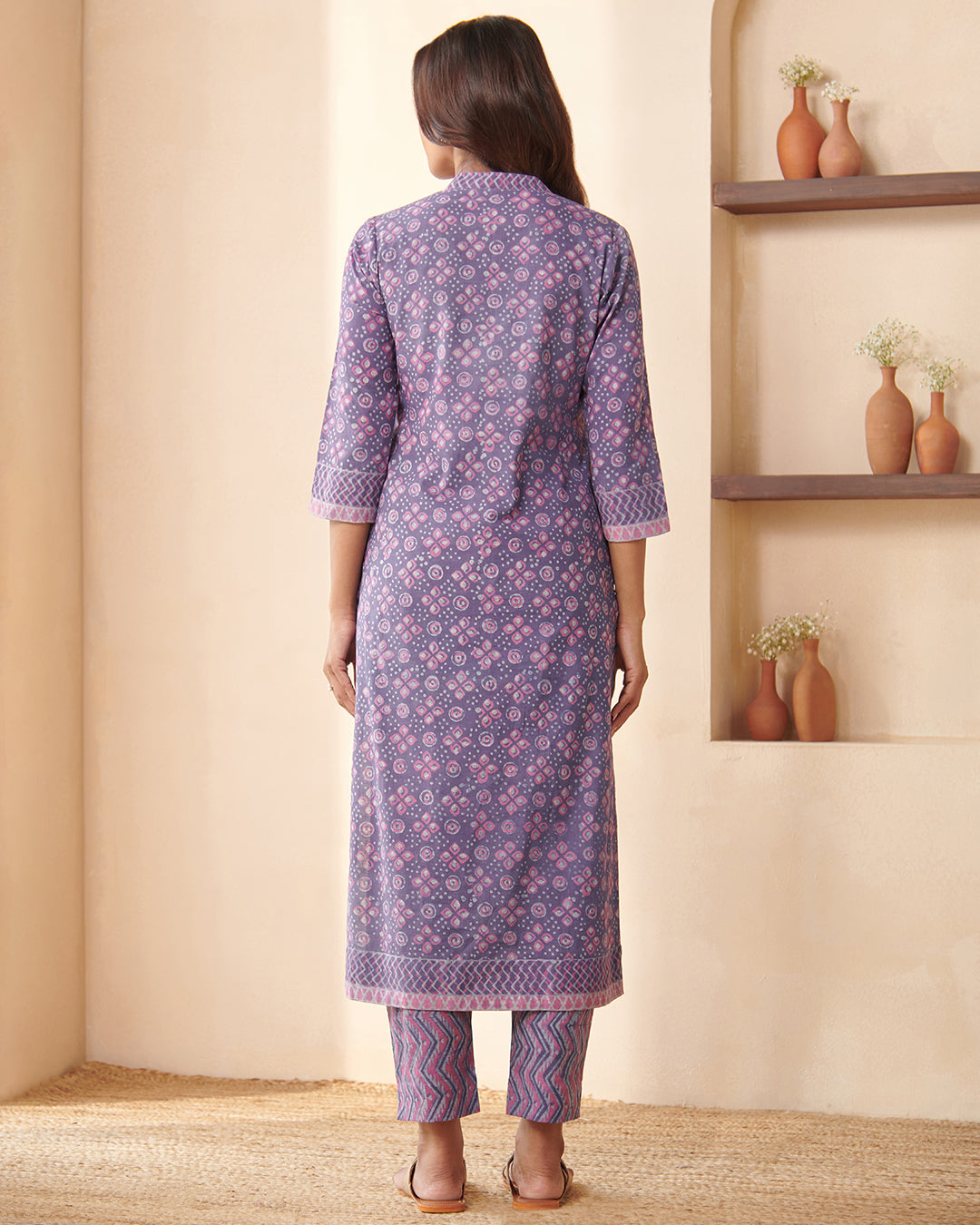
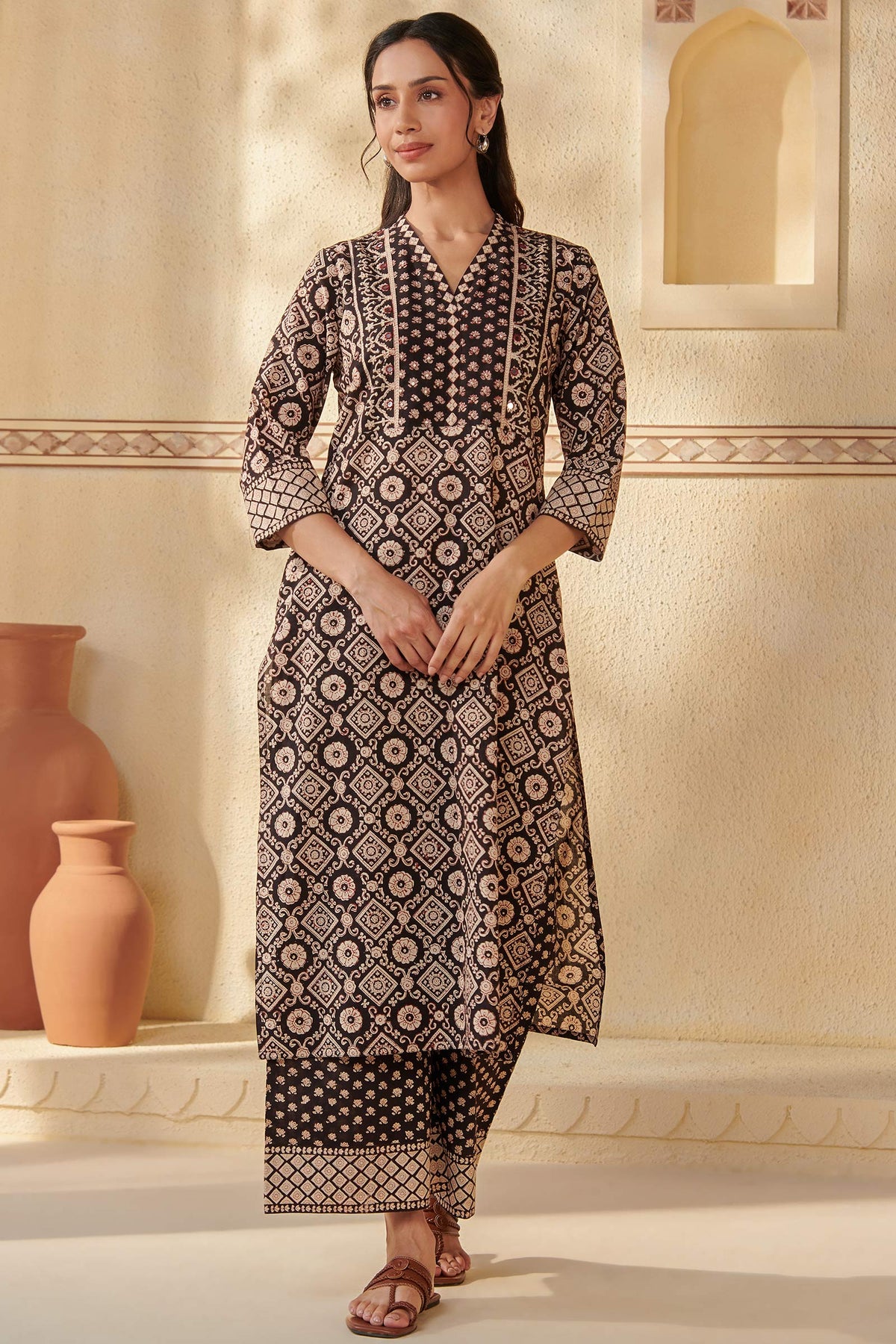
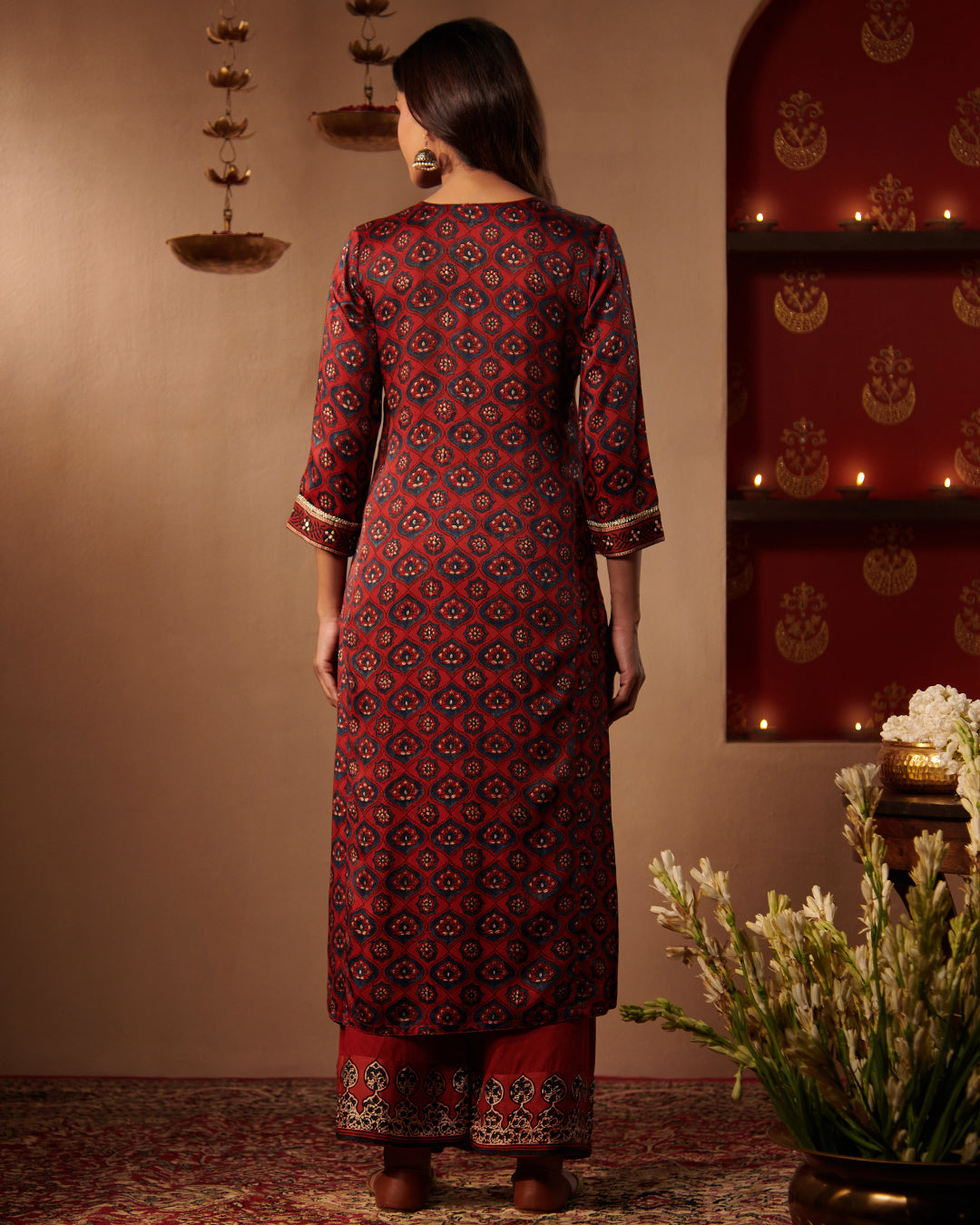
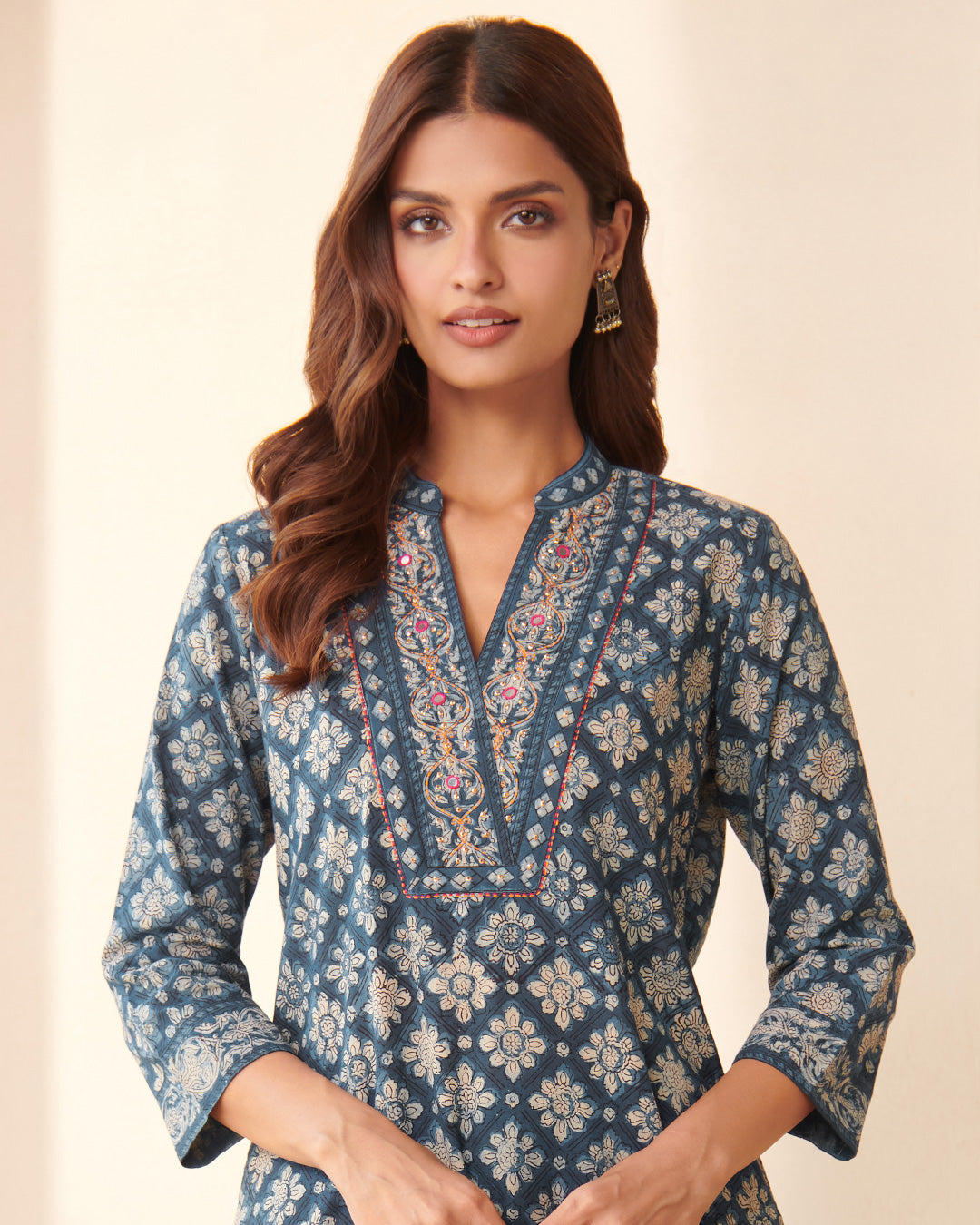
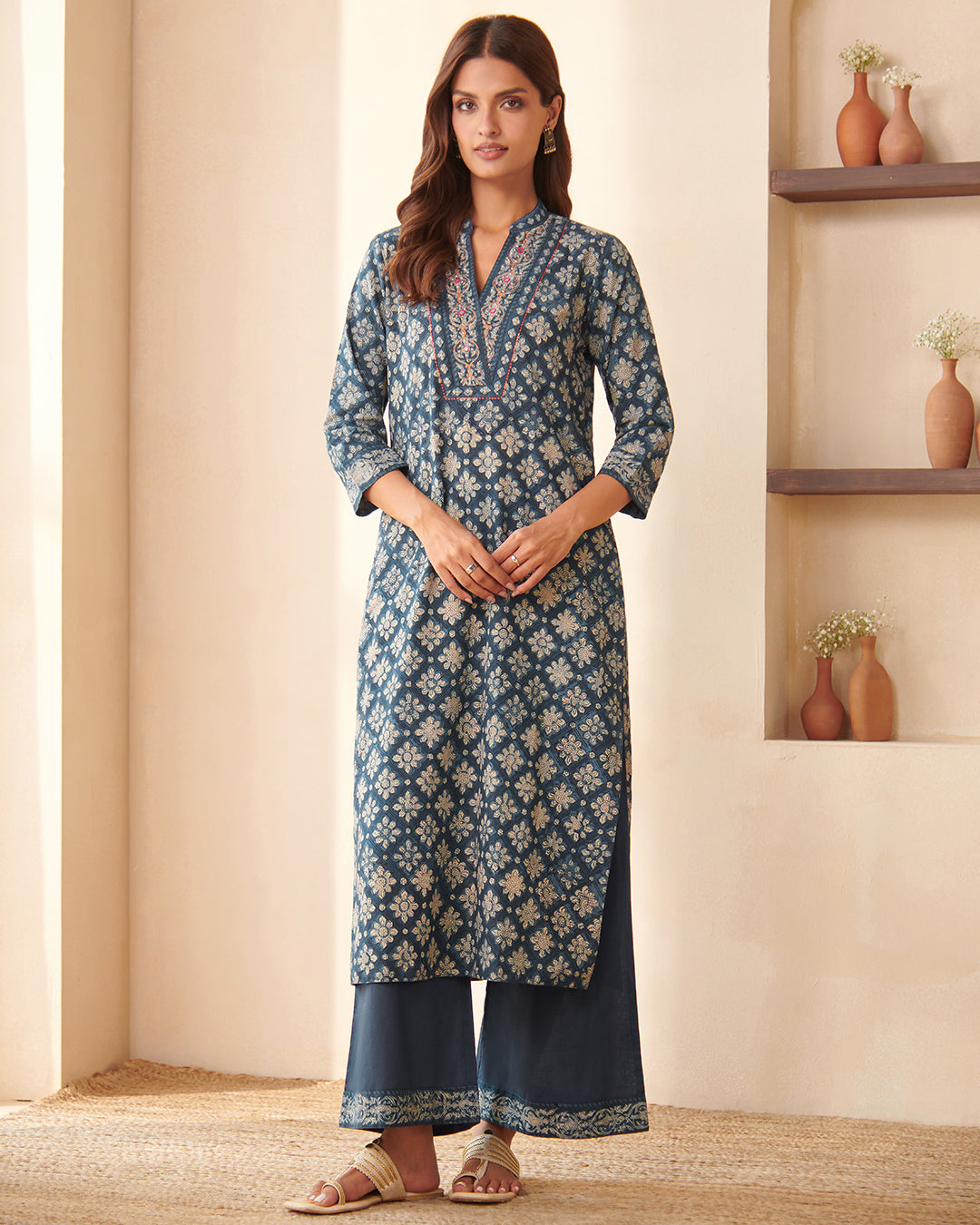
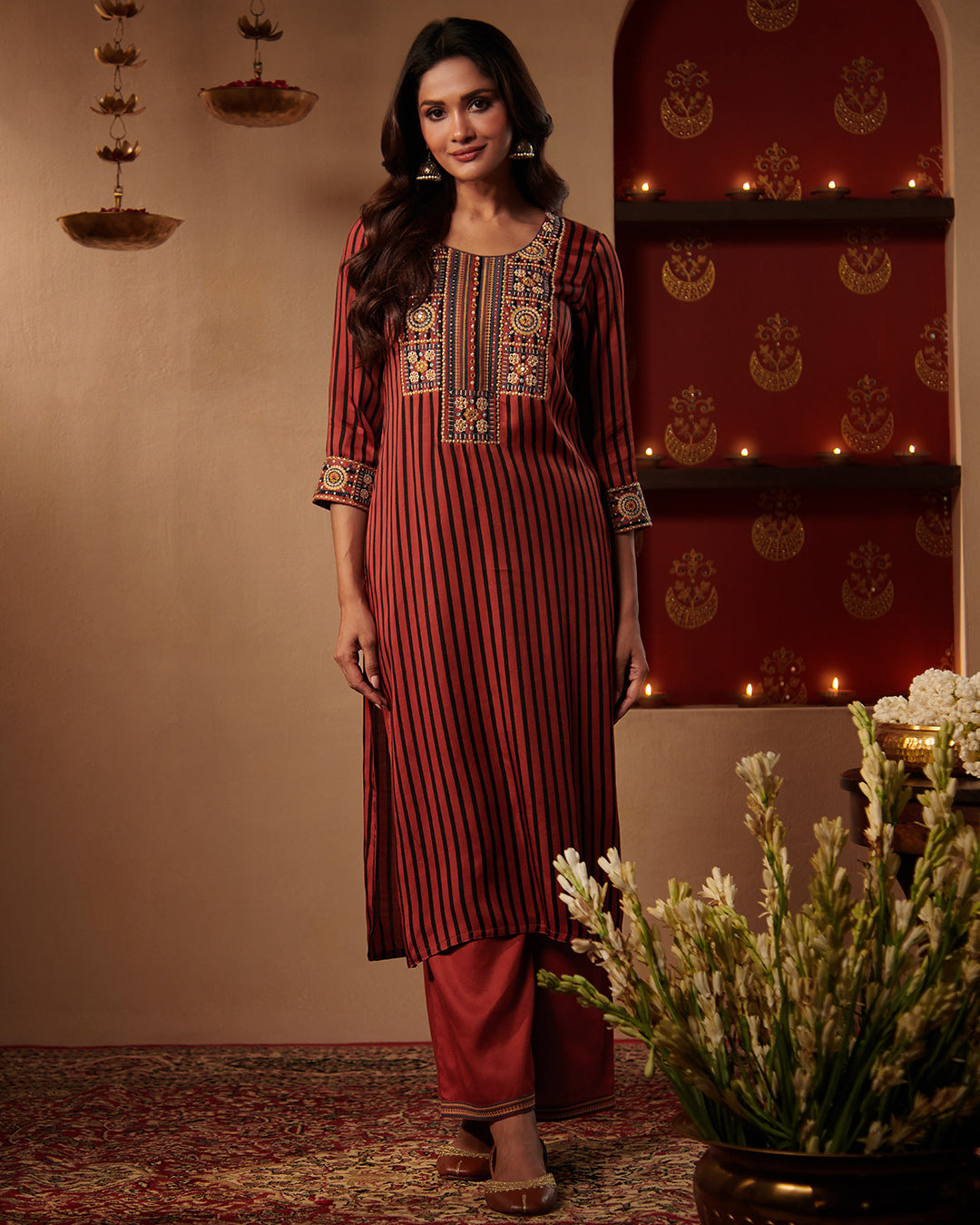
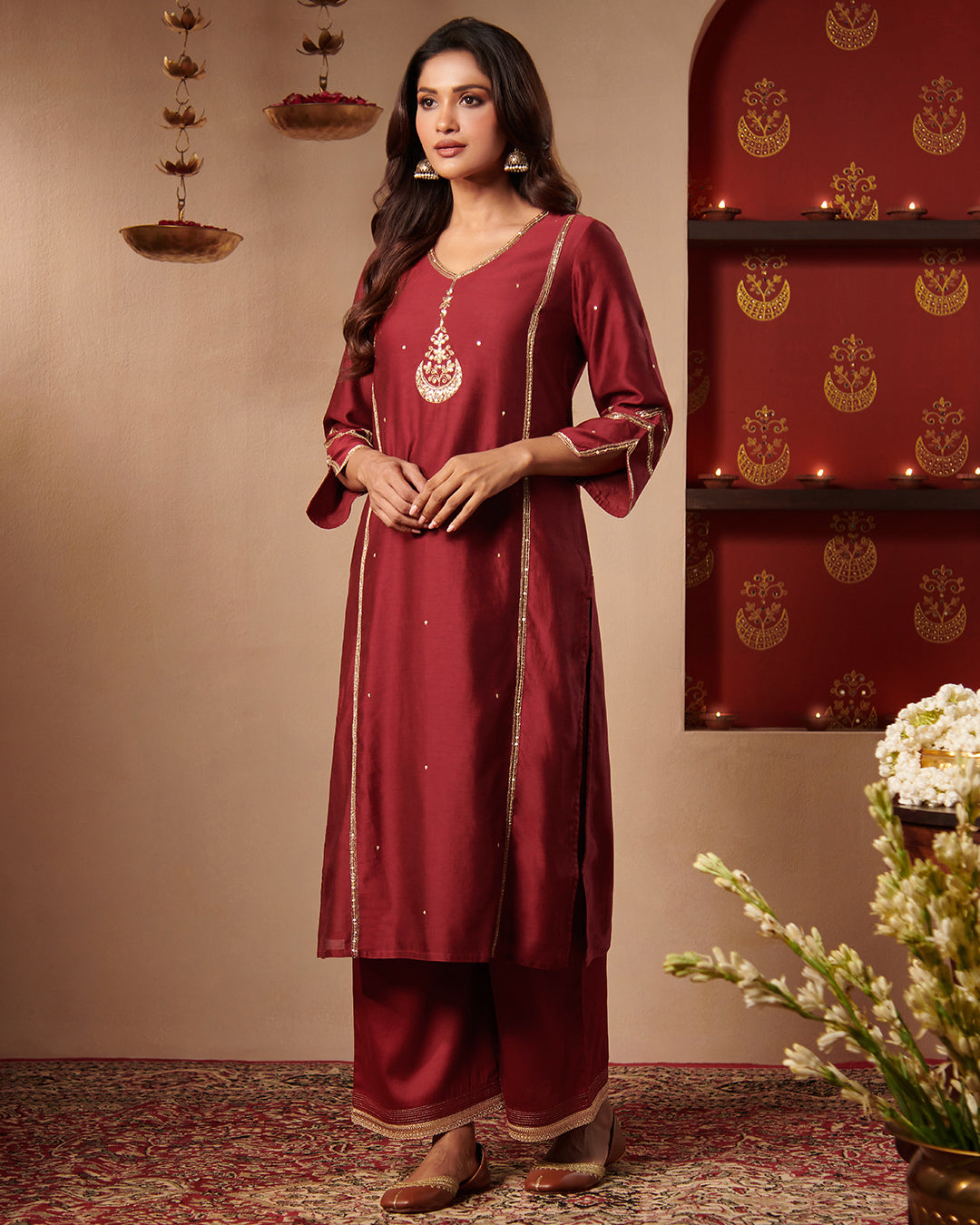
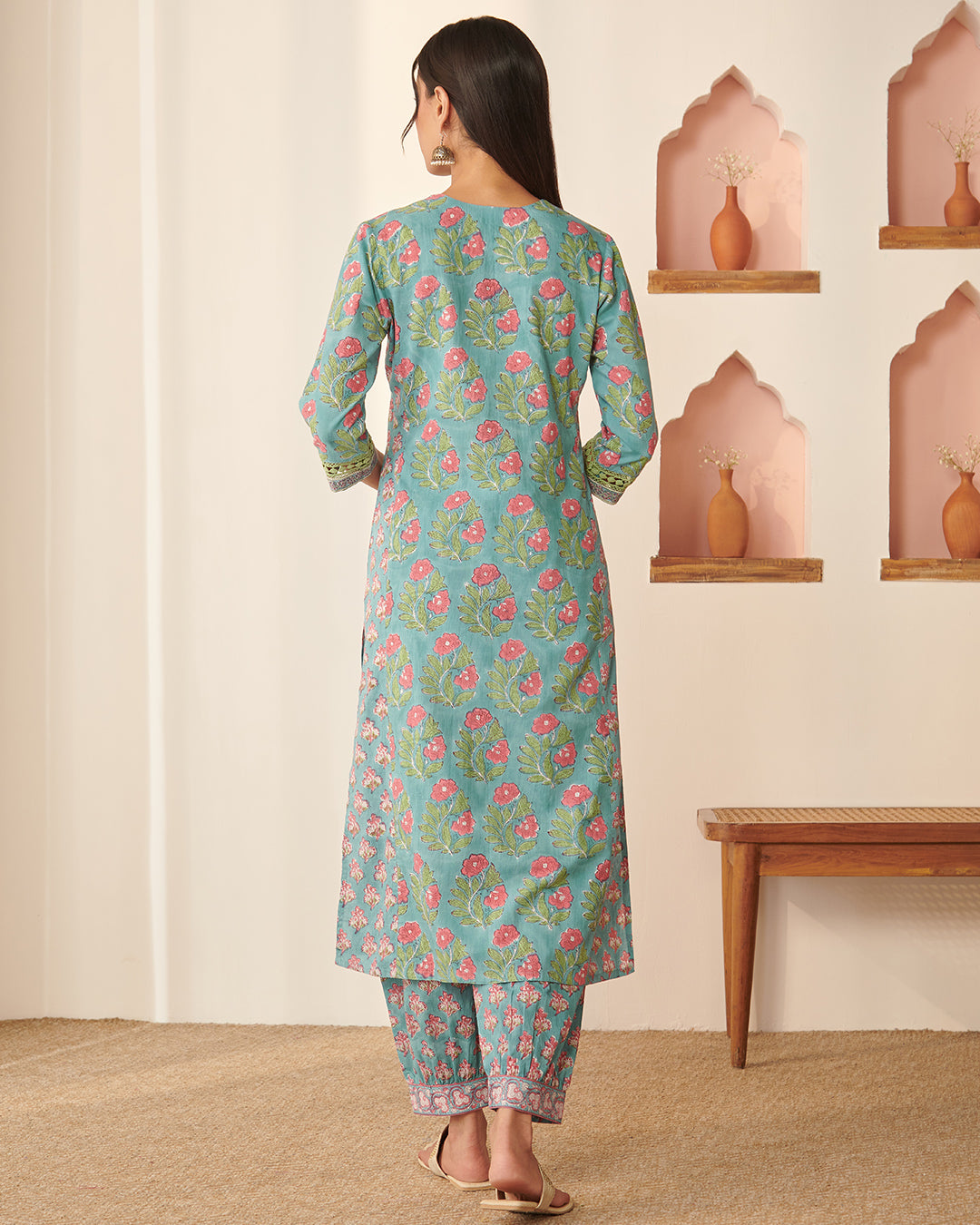
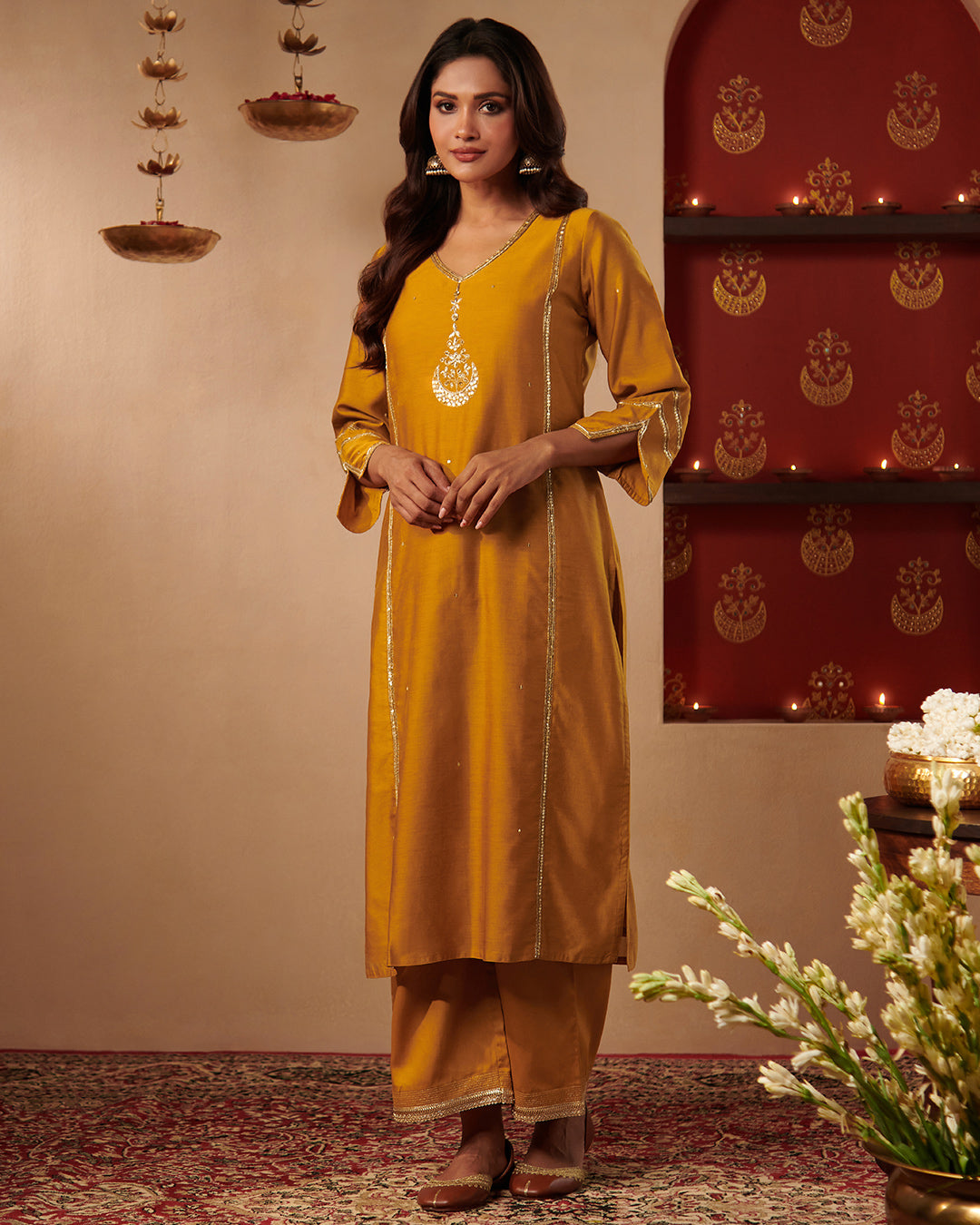
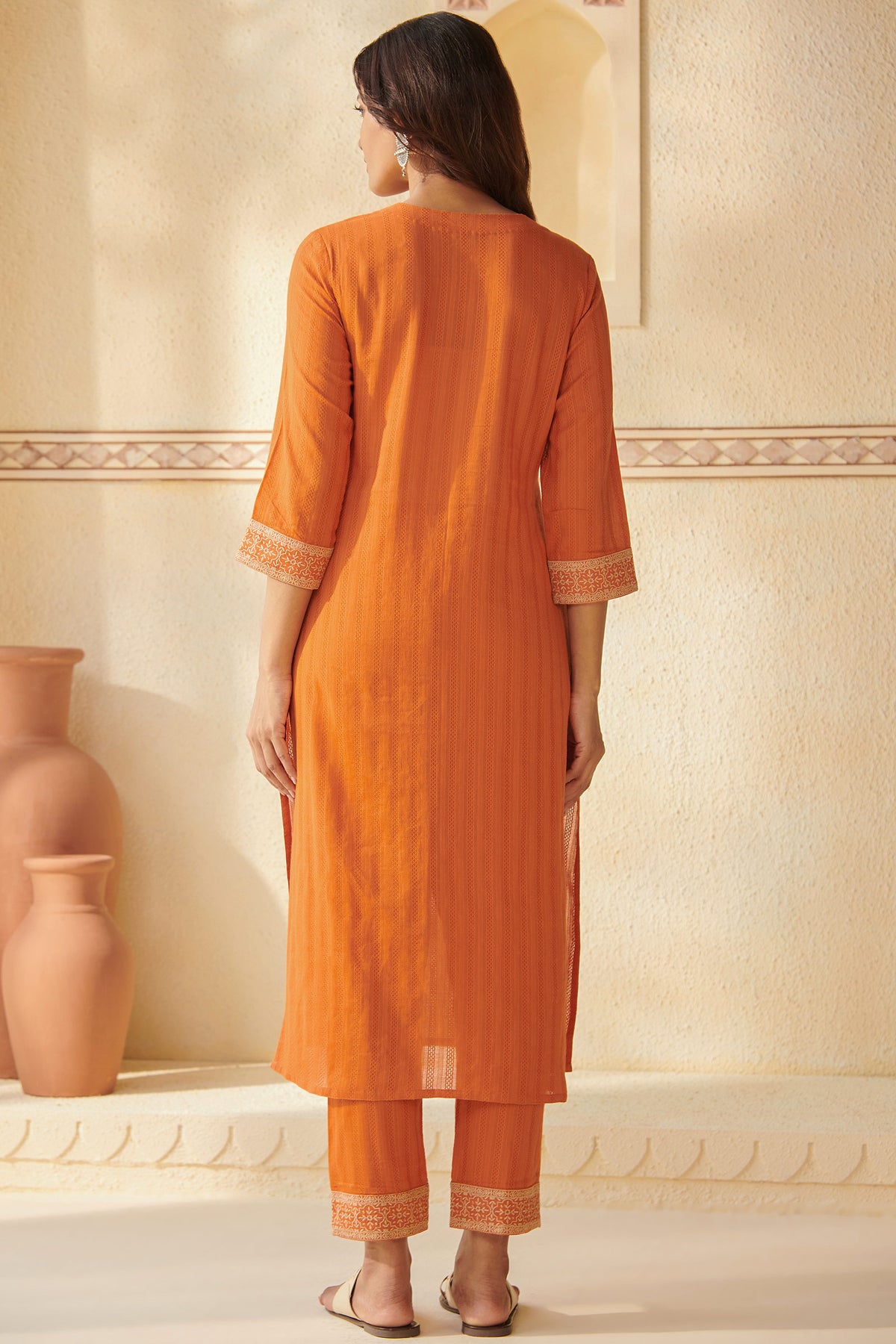
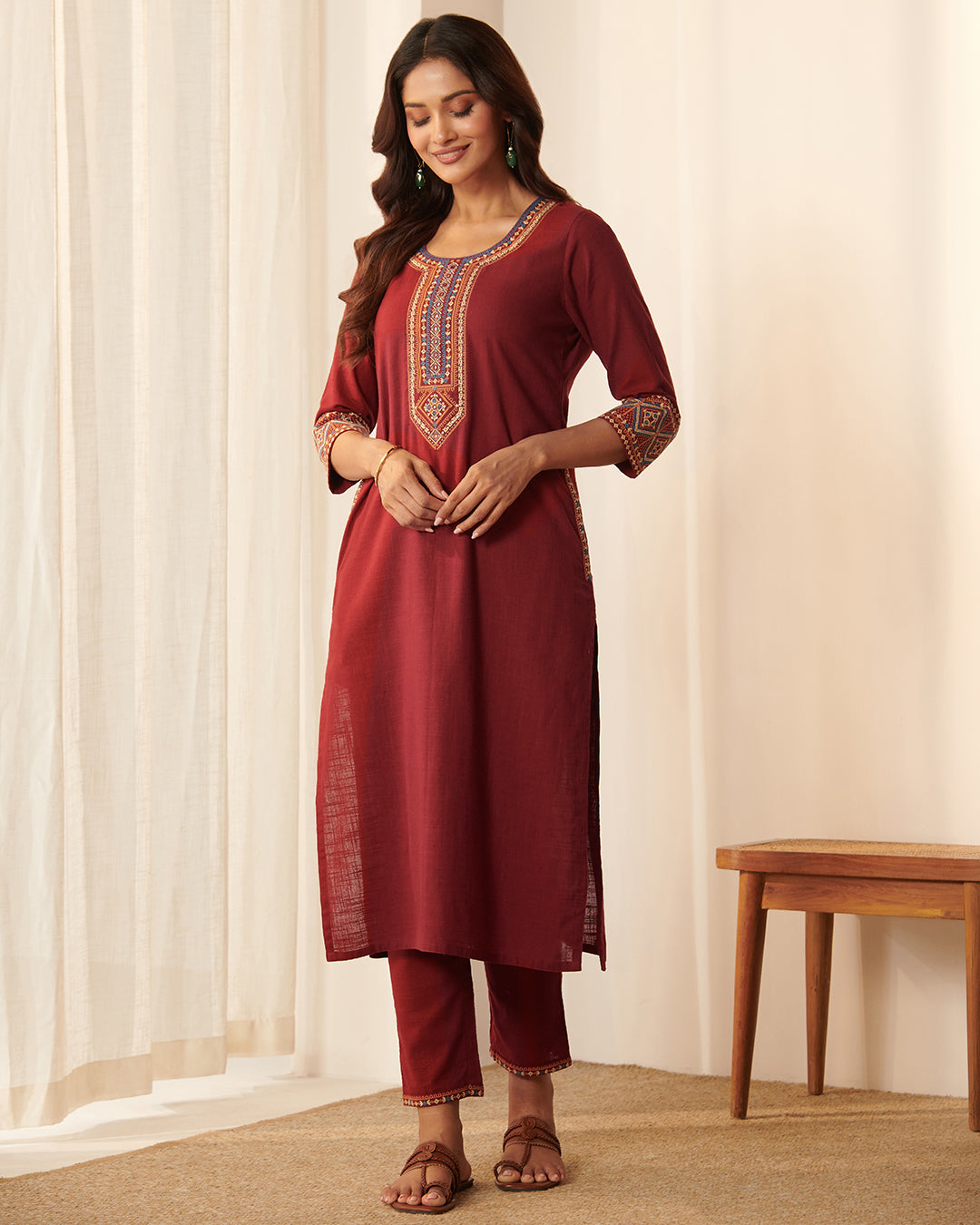
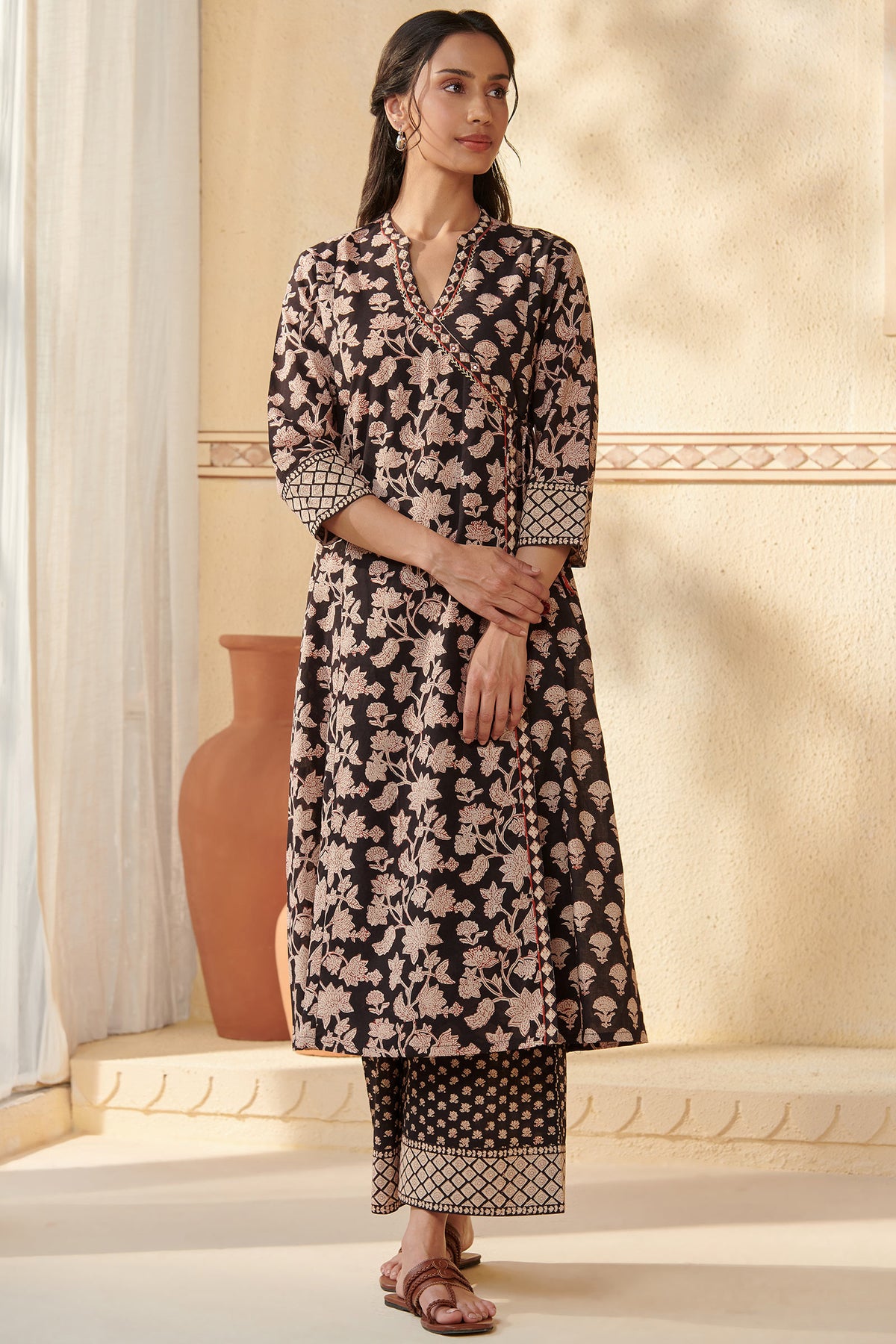
Kurta sets generally look best with lighter, unfussy drapes. A one-shoulder style or an open-front drape keeps the outfit balanced without tipping it into over-dressed territory. For daytime looks, cotton and printed dupattas are a natural fit since they don't add unnecessary weight or formality.
Dupatta Draping for Lehengas
Lehengas give you the most room to experiment. Bridal lehengas carry double dupatta styling beautifully, while lighter festive lehengas suit cape drapes and side-swept styles. One thing worth keeping in mind is not letting the dupatta completely cover the lehenga's embroidery. If the skirt has detailed work, the drape should complement it rather than hide it.
Styling Dupattas with Shararas and Ghararas
Shararas and ghararas bring a lot of volume to the lower half of an outfit, so the drape needs to compensate by staying light and controlled at the top. A neatly pinned shoulder drape or a simple open-front style works well here. Adding layers or elaborate draping on top of an already voluminous silhouette tends to look cluttered.
Indo-Western Dupatta Styling Ideas
This is where dupatta styling gets interesting. Paired with a crop top and wide-leg pants, belted over a structured jacket, or draped asymmetrically over contemporary separates, the dupatta stops feeling like a traditional add-on and starts feeling like an actual style choice. Cape drapes and belted styles work especially well in Indo-western combinations.
Common Dupatta Draping Mistakes to Avoid
Over-Layering Heavy Fabrics
When the outfit already has heavy embellishment, a richly embroidered dupatta draped in multiple layers is usually too much. The look becomes visually overwhelming quite quickly. A simpler drape on a detailed outfit almost always looks more polished than trying to match the intensity of the embroidery with elaborate styling.
Poor Length and Proportion Styling
A dupatta that's too long drags and becomes difficult to manage through an event. One that's too short interrupts the natural flow of the outfit and can make the whole silhouette look slightly off, even if it's hard to immediately pinpoint why. The length needs to suit the outfit's proportions rather than just what was available.
Choosing the Wrong Fabric for the Occasion
A stiff structured dupatta on a casual cotton kurta reads as oddly formal. A very sheer, floaty dupatta on a heavy bridal lehenga may not hold shape through a long day. The fabric needs to make practical sense for the occasion, not just look good in isolation.
Overcomplicating Simple Outfits
A plain kurta with minimal embroidery doesn't need a dupatta draped in three layers with pins at every fold. Sometimes one clean, simple drape is the right answer. Knowing when to stop is a skill, and it makes a noticeable difference to the final look.
Trending Dupatta Draping Styles in Modern Fashion
Minimalist Draping Trends
The shift toward simpler styling is very visible right now. Heavy, structured drapes are giving way to loose shoulder styles, open-front looks, and minimal pinning. It feels less like a trend and more like a genuine change in how women want to dress, prioritising ease and movement without sacrificing how put-together the outfit looks.
Fusion and Indo-Western Styling
Pairing dupattas with corset blouses, jumpsuits, tailored pants, and contemporary co-ords has gone from feeling experimental to feeling completely normal. It expands how ethnic wear gets used, making it work for more occasions and more personal styles. The dupatta in fusion dressing is less of a traditional element and more of a design choice.
Celebrity-Inspired Dupatta Drapes
A lot of the dupatta styling that's now popular in everyday fashion came from what was being worn at film industry events, award shows, and celebrity weddings. Cape drapes, belted dupatta looks, and double dupatta bridal styling all gained wider visibility through celebrity appearances. What tends to make these looks translatable to real life is that the best ones still feel balanced rather than costume-like. They're styled with intention but don't look like they took hours to put together.
Contemporary Bridal Dupatta Looks
Bridal dupatta styling has shifted away from maximum layering. Brides are increasingly choosing soft tulle dupattas, lighter embroidery, and more relaxed head drapes over heavily structured, weighted options. The reason is practical as much as aesthetic. A lighter dupatta is easier to carry through a long wedding day, moves better in photographs, and feels more comfortable when you're already wearing a heavy lehenga. Looking beautiful and feeling weighed down are increasingly being seen as a trade-off that isn't worth making.
Why Dupatta Draping Can Completely Transform an Outfit
The same lehenga or kurta feels like a different outfit depending on how the dupatta is styled. A structured drape makes it feel polished and occasion-ready. A loose, relaxed drape softens everything and makes the same outfit feel more casual. The dupatta changes the movement, the proportion, and the overall mood in a way that no other single accessory really manages.
Before spending money on a new outfit because something feels stale, it's worth trying a different drape first. It takes two minutes, costs nothing, and can make a familiar piece feel worth wearing again.
Why Farida Gupta Lehenga Dupattas Stand Out in Modern Ethnic Fashion
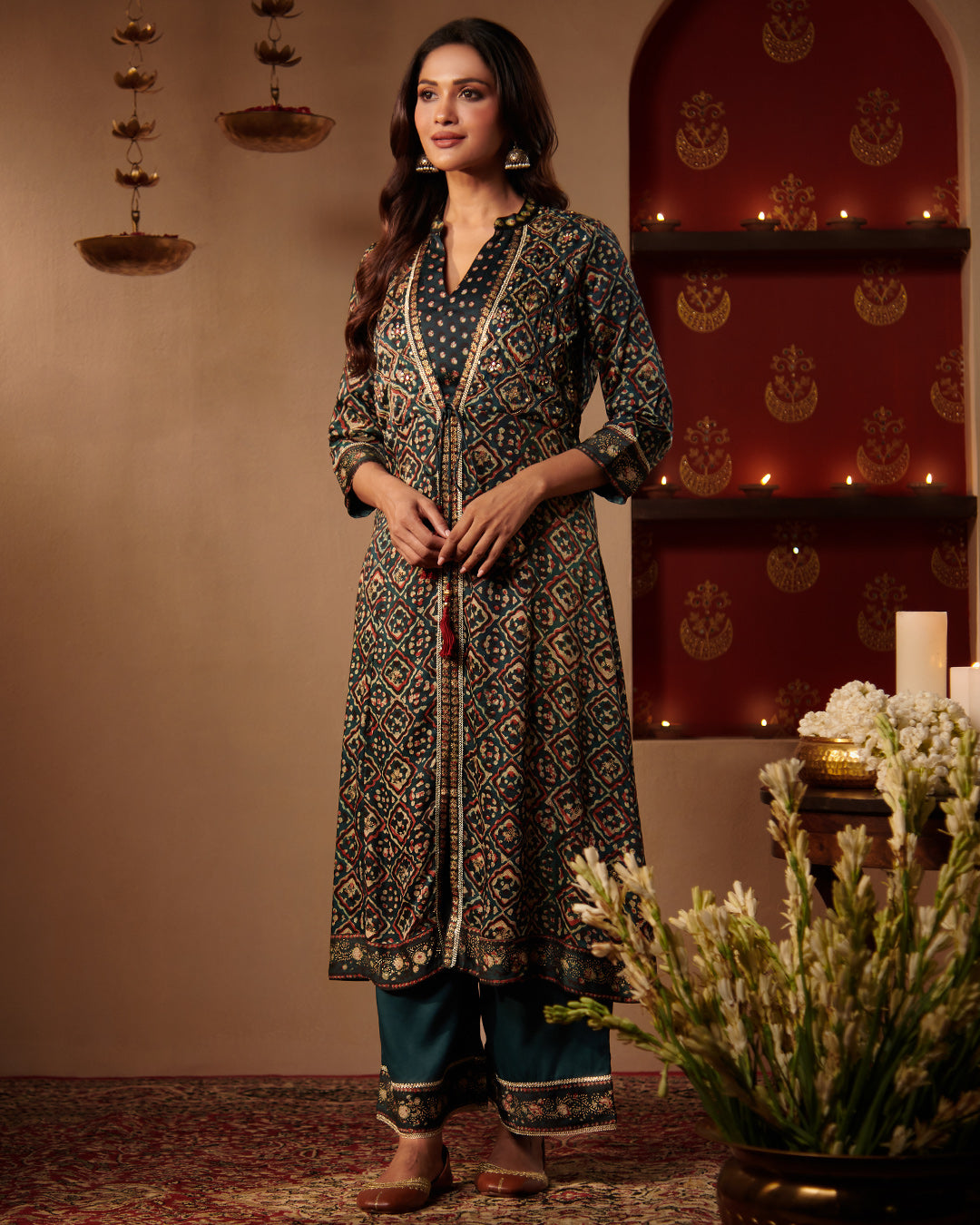
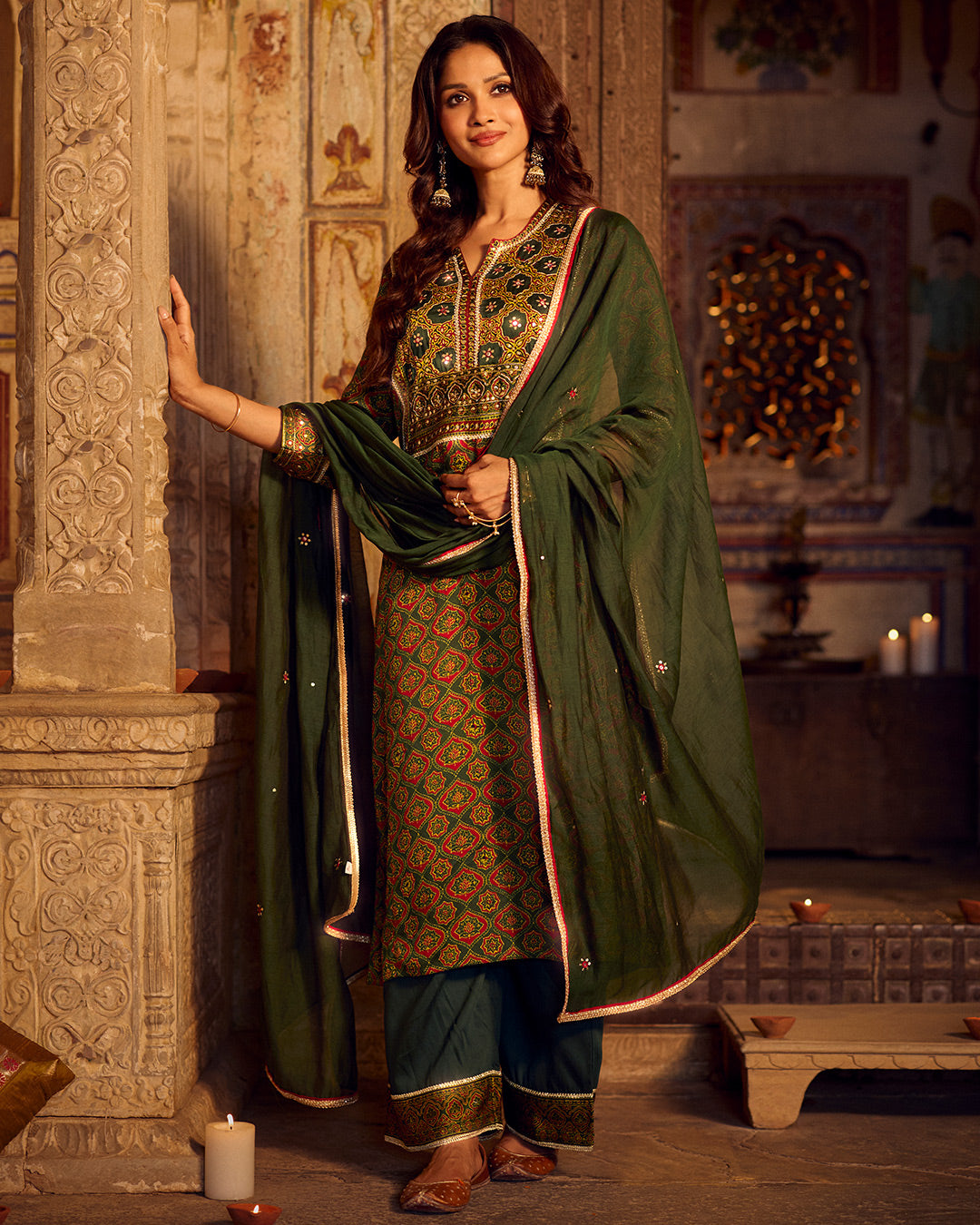
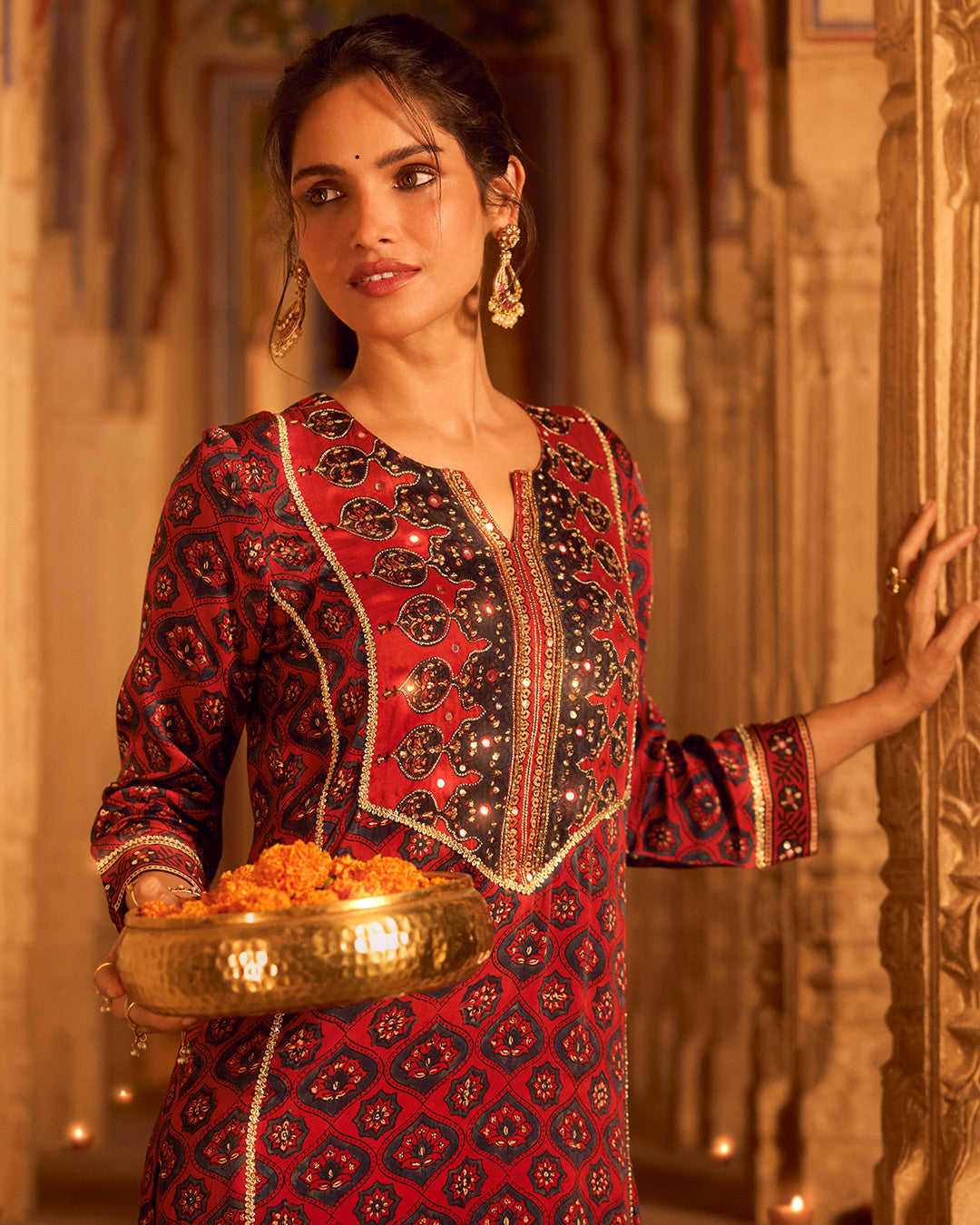
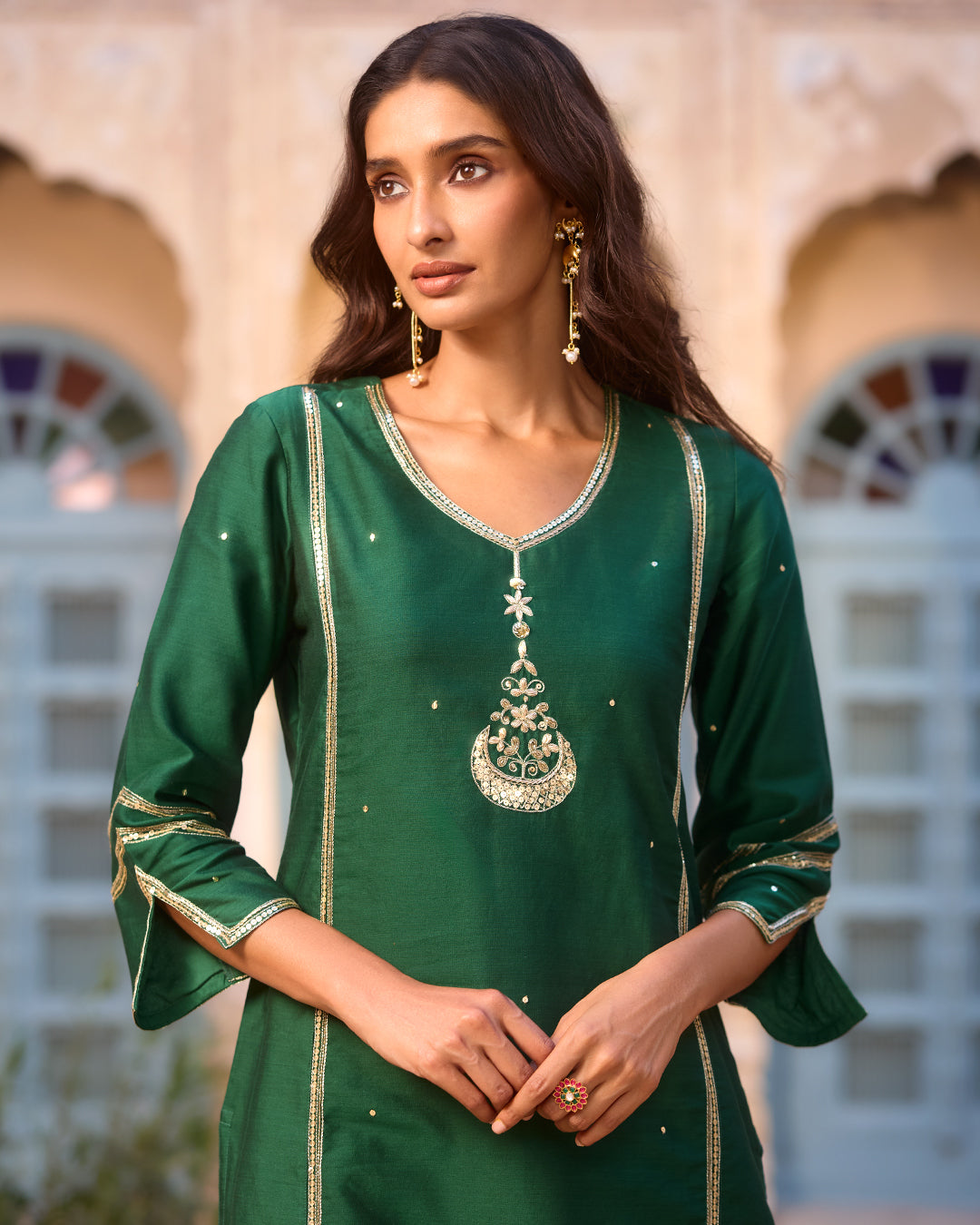
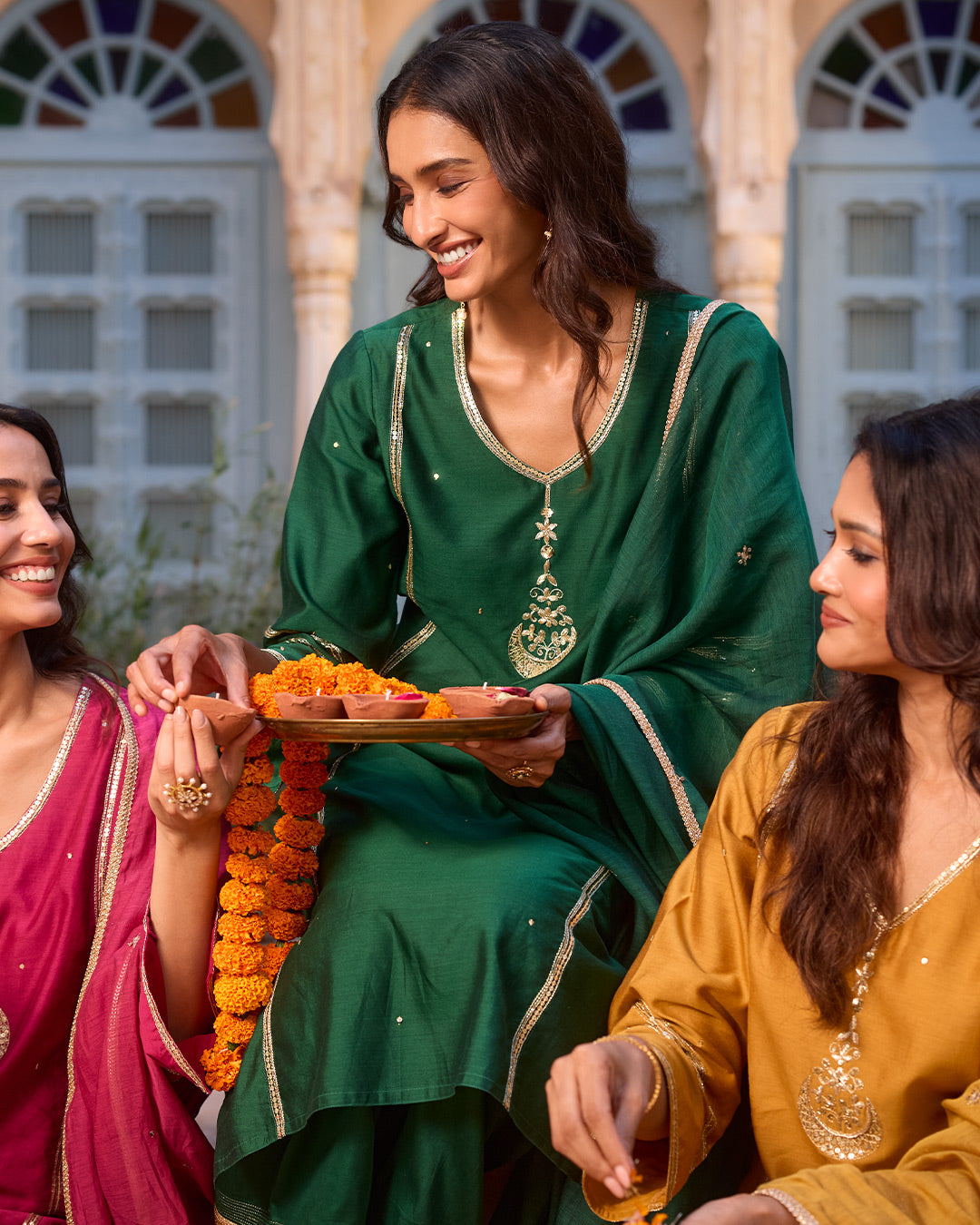
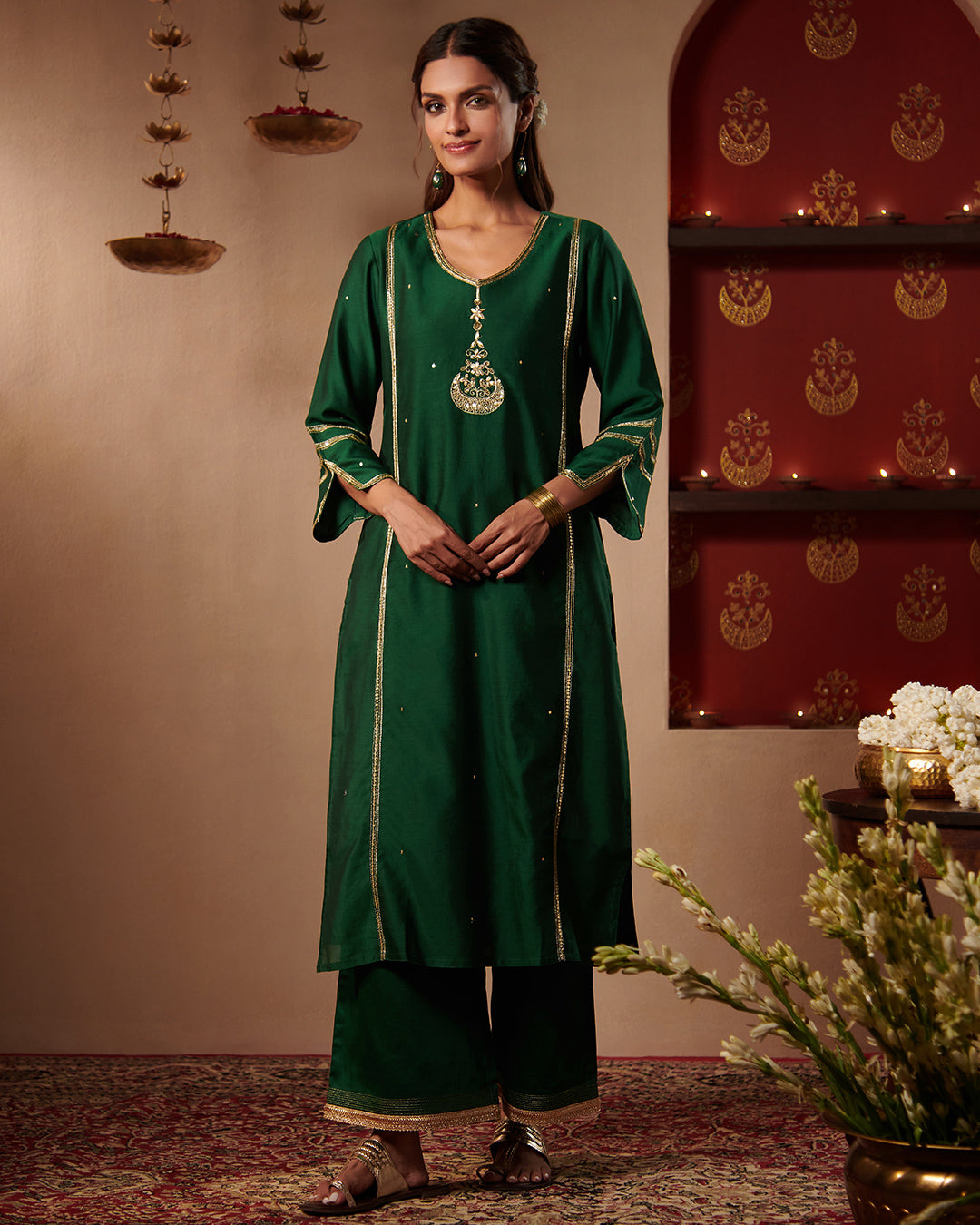
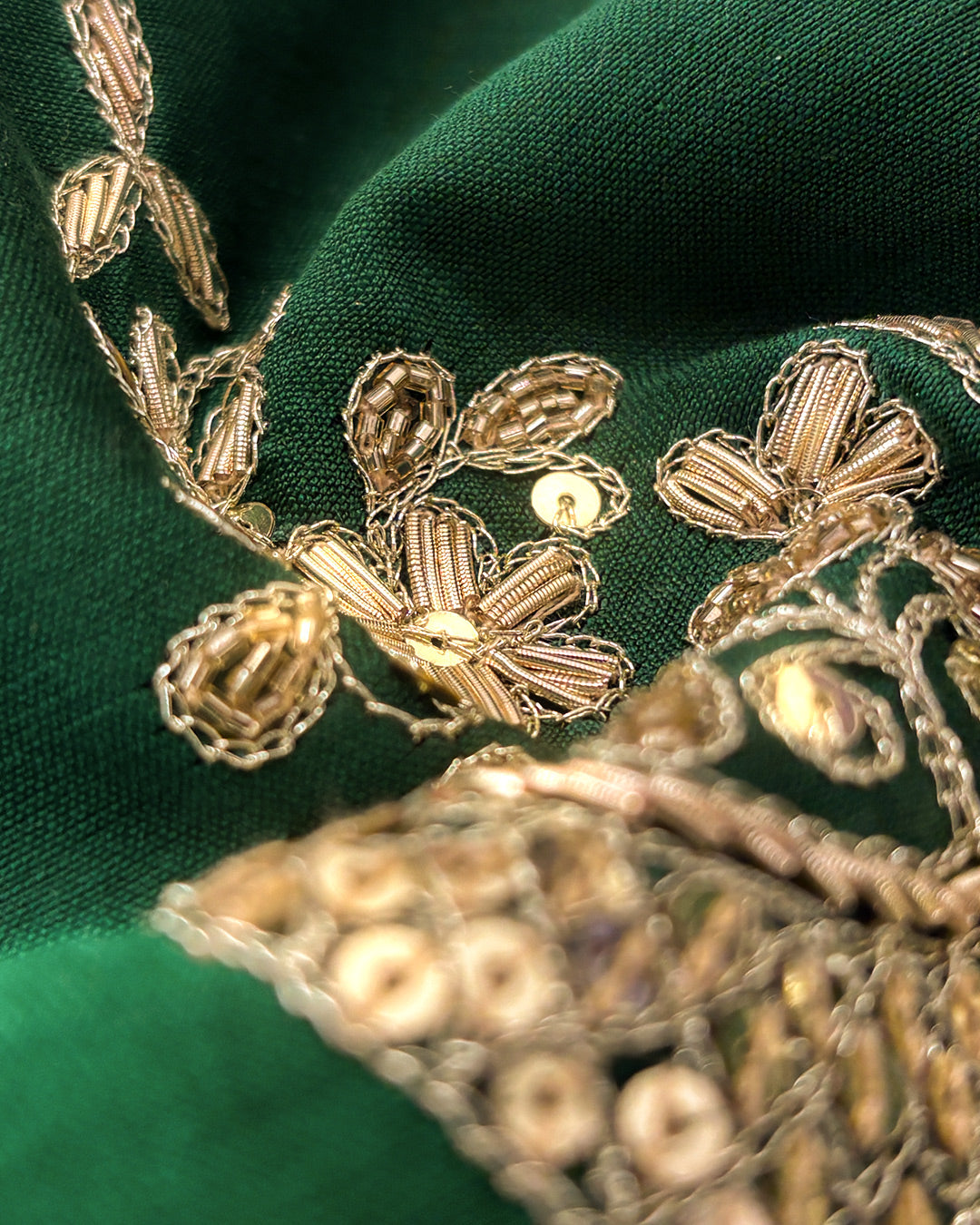
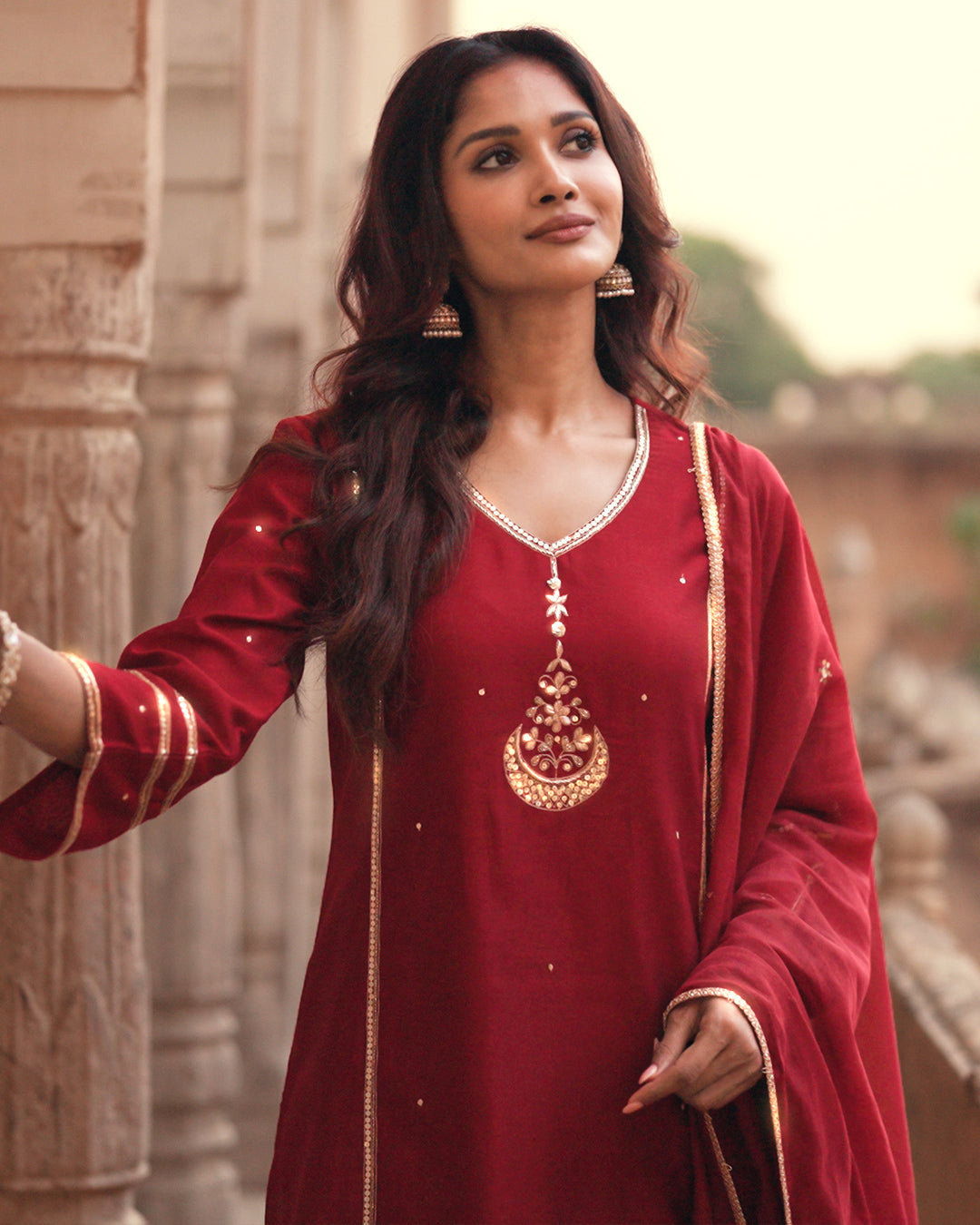
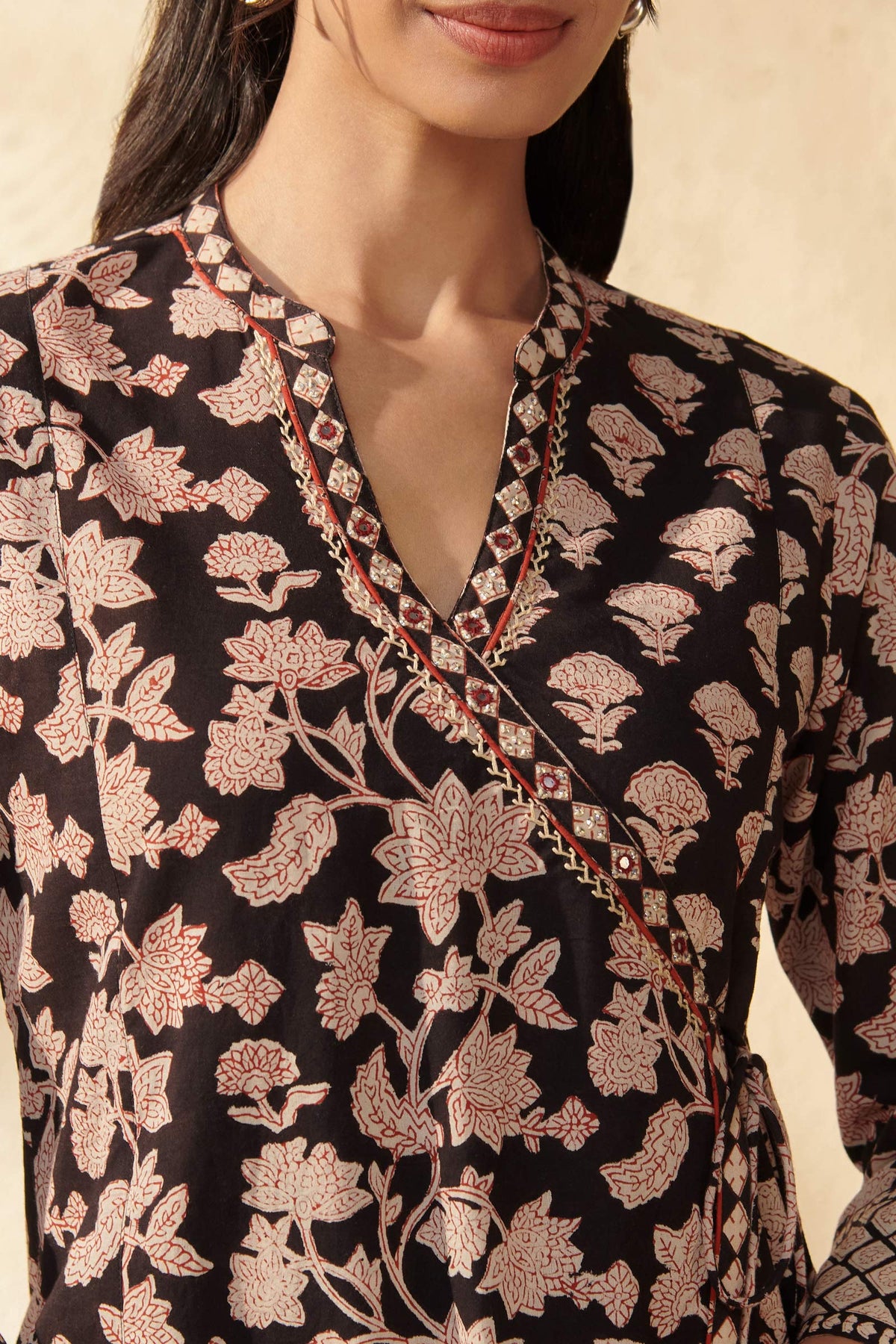
Farida Gupta dupattas manage something that's harder to get right than it looks: being detailed without being heavy. The prints stay soft enough to not overpower the outfit. The embroidery is present without being excessive. The fabrics are light enough that draping works the way it should, falling naturally rather than sitting stiff or bunched.
For anyone wearing a lehenga through a full day of celebrations, the difference between a lightweight dupatta and a heavy one becomes obvious quickly. Looking festive is the goal, but not at the cost of feeling physically burdened the entire day. That balance between craftsmanship and wearability is what makes these dupattas worth considering.
Final Thoughts
Dupatta draping doesn't need to be complicated or stressful. The looks that tend to be most remembered are the ones that appear effortless, where the fabric falls well, the drape suits the outfit, and nothing looks forced or over-worked.
Whether the preference runs toward classic traditional drapes or something more contemporary and experimental, the dupatta remains one of the simplest ways to shift how an outfit feels without changing anything else. It's one piece of fabric that somehow still has the ability to make or break an entire look. That's what keeps it worth reaching for every time.

