

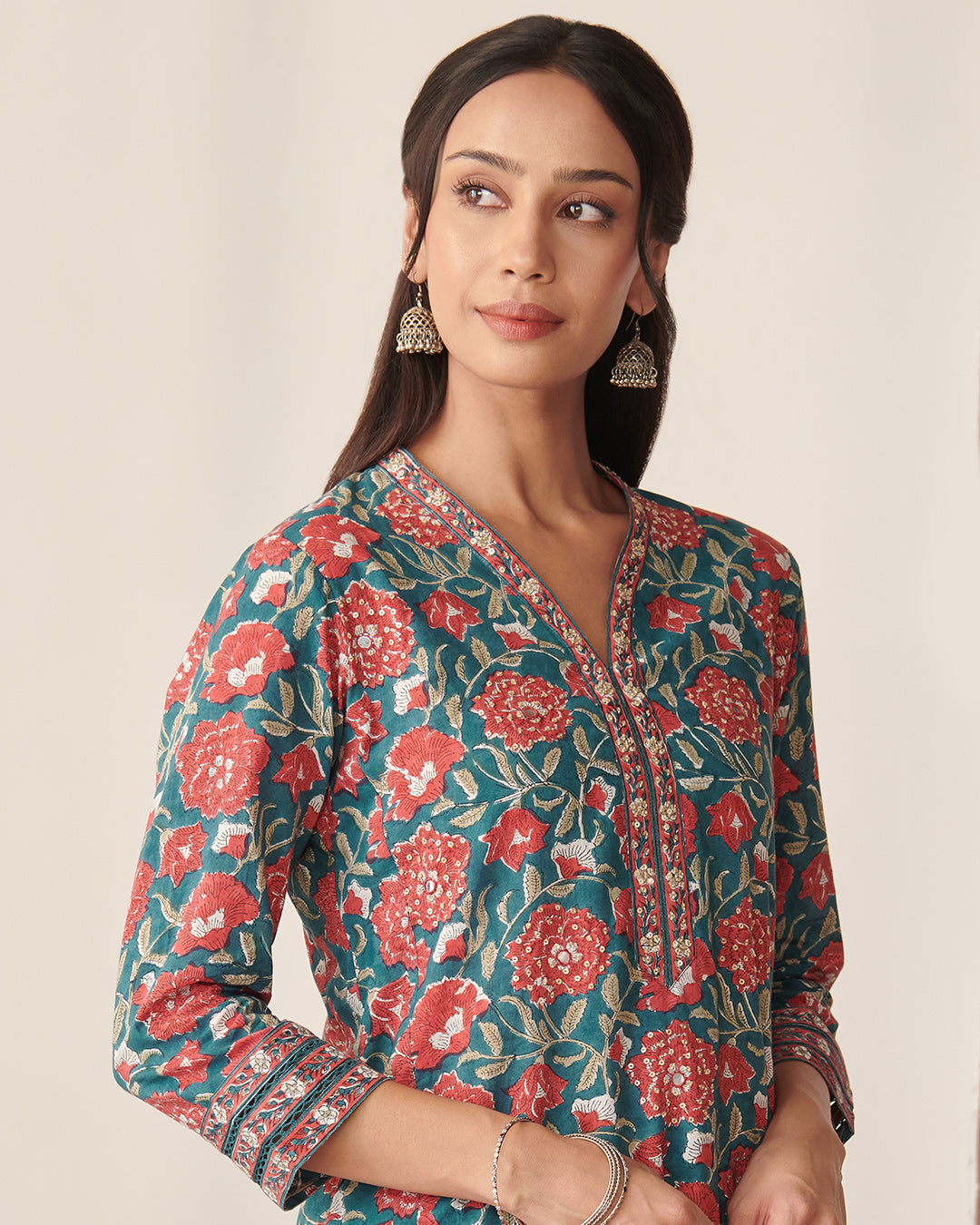
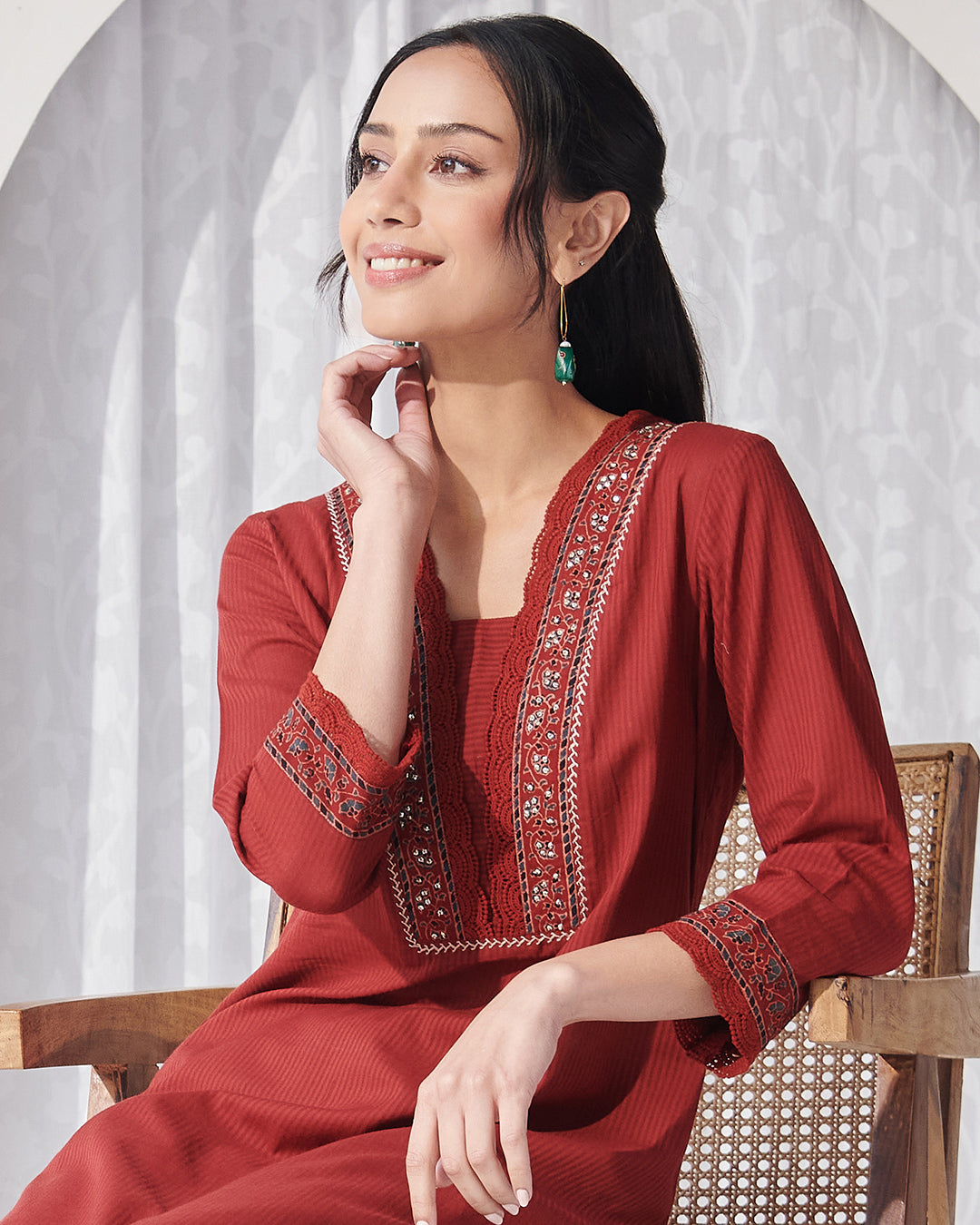
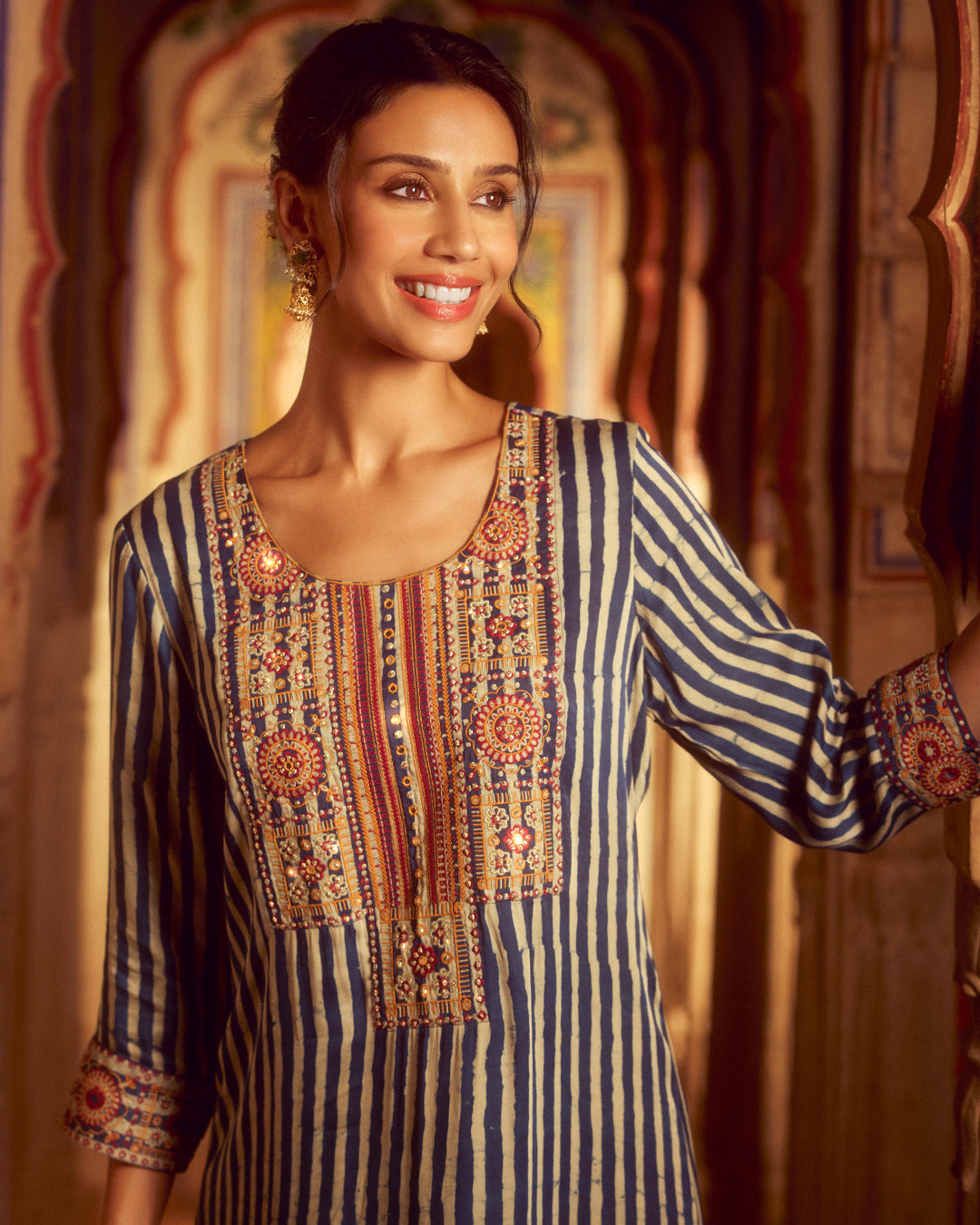
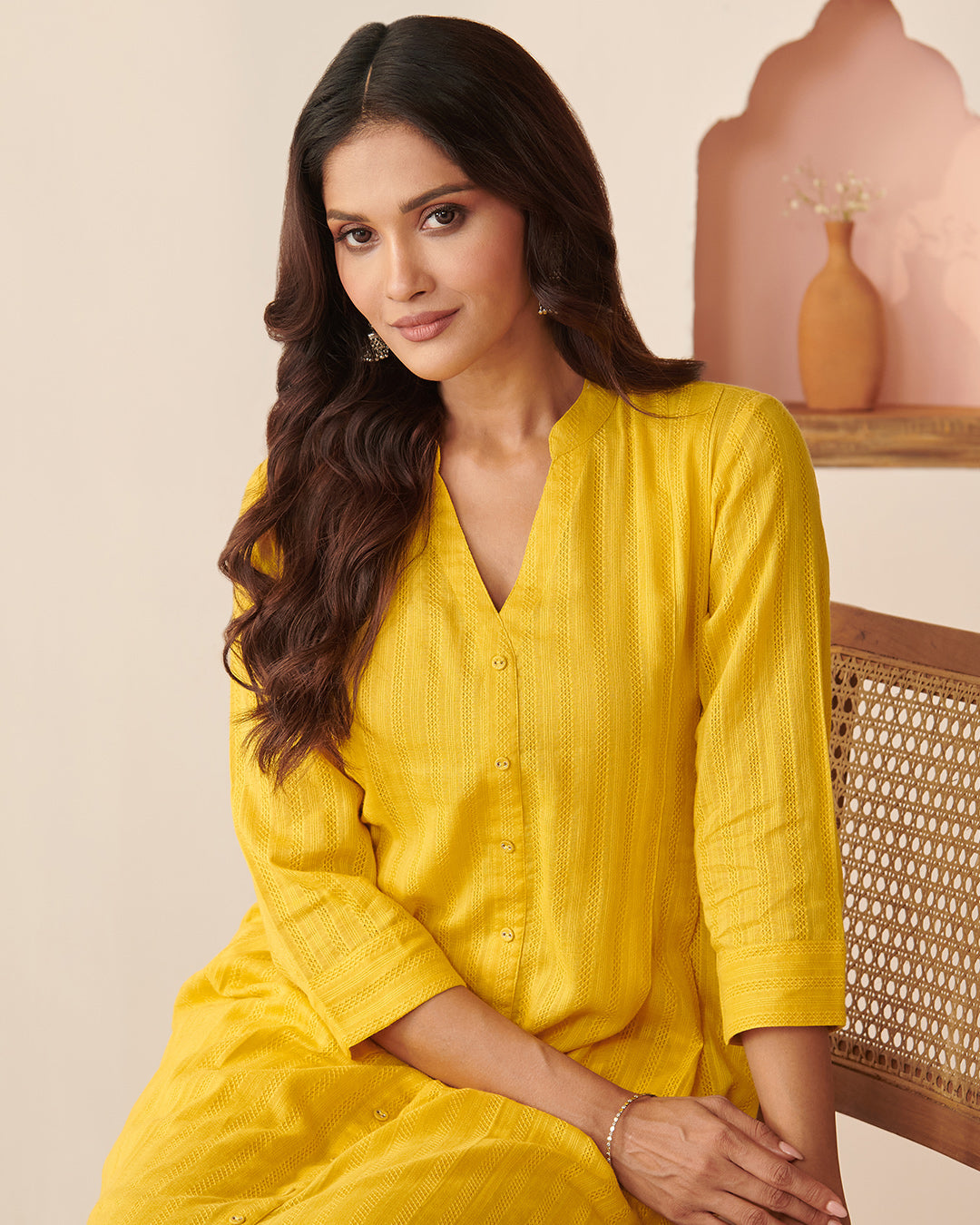



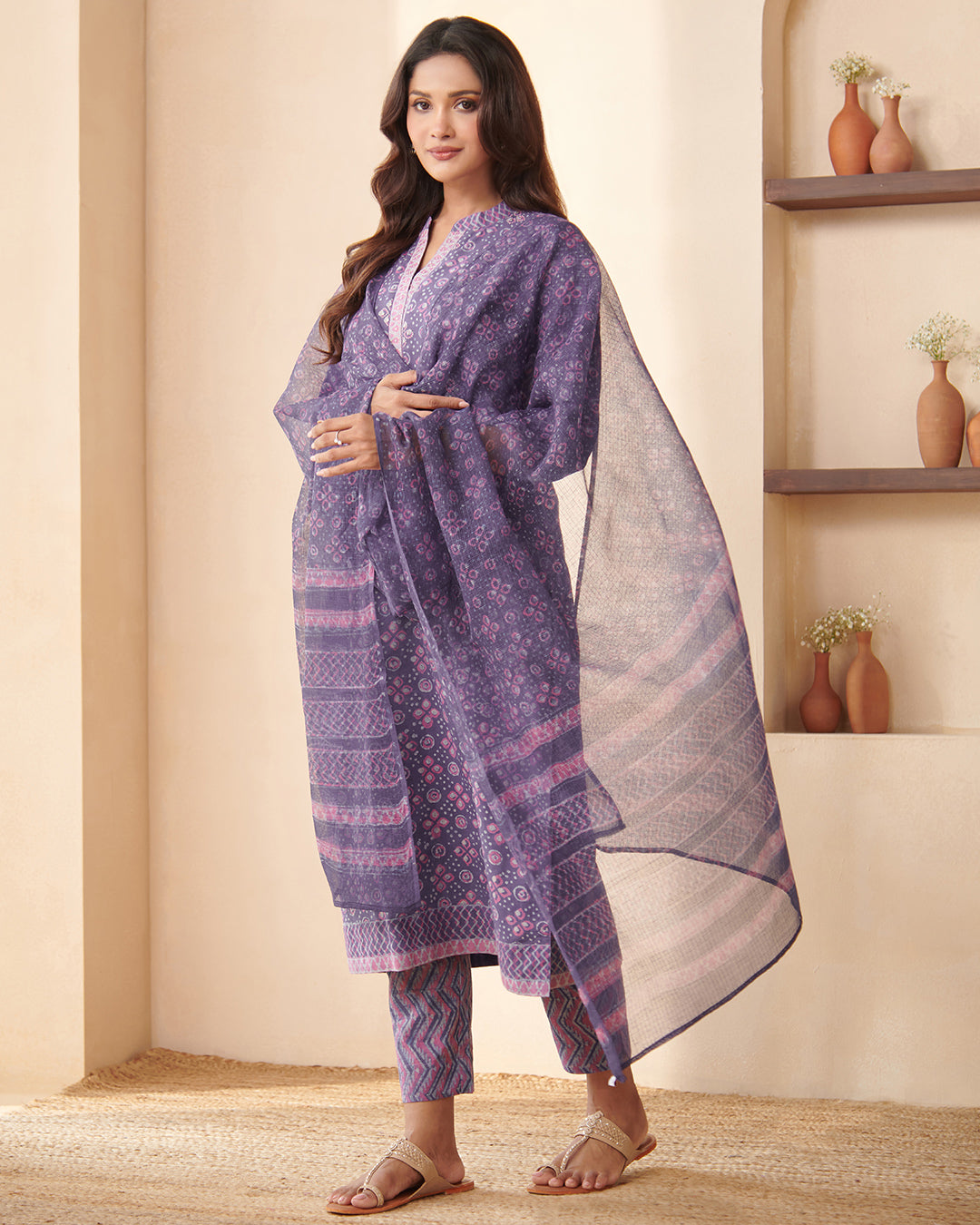
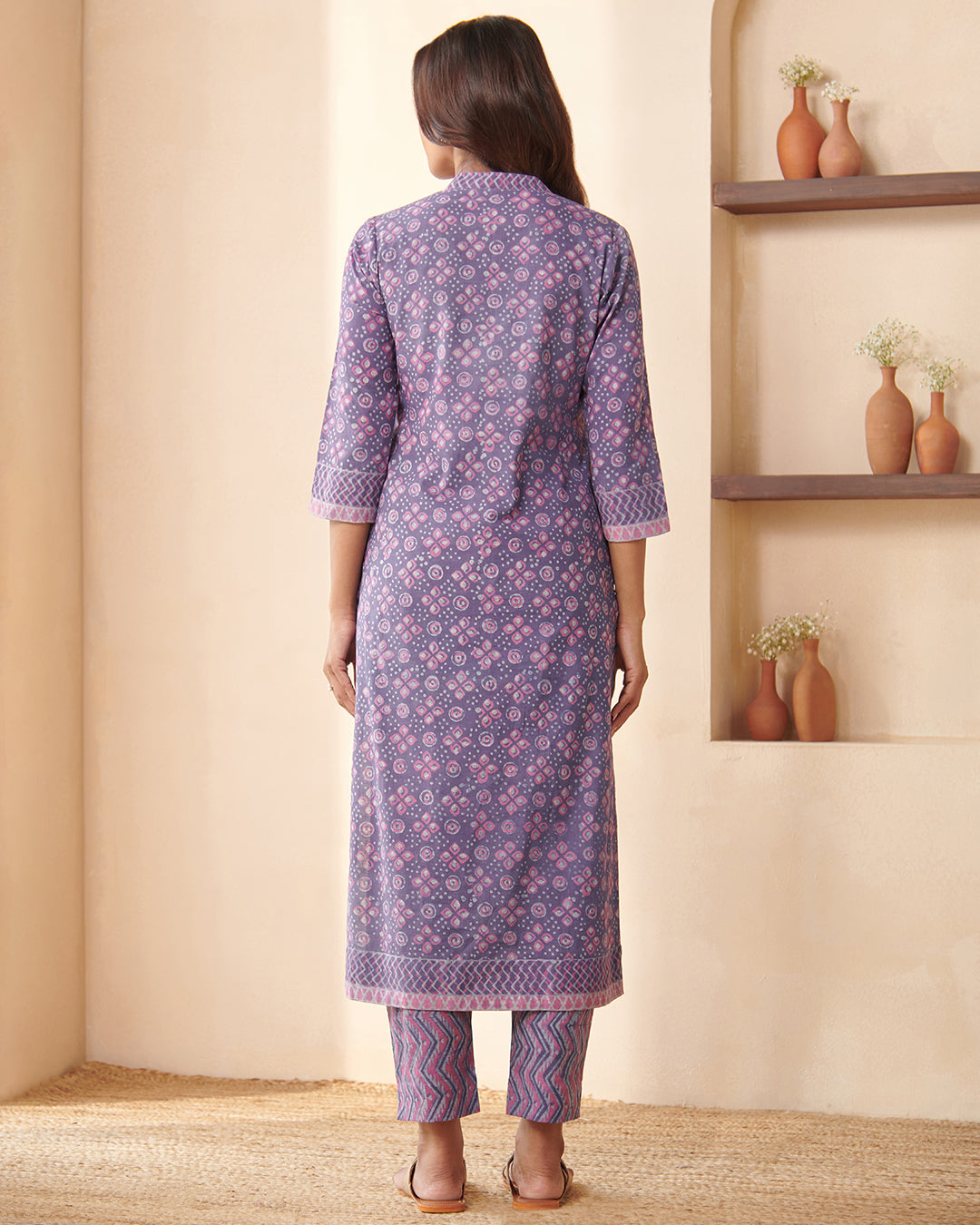
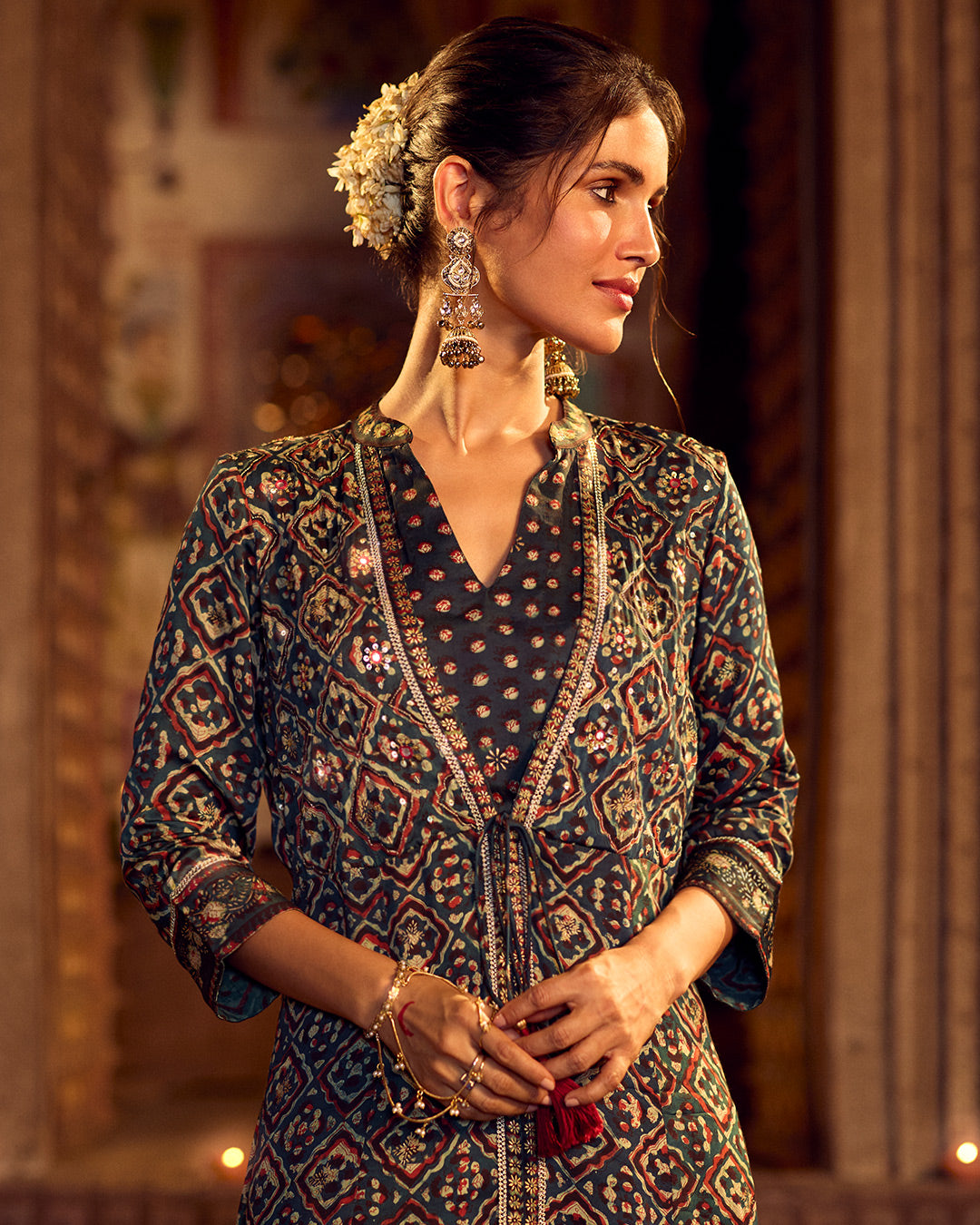
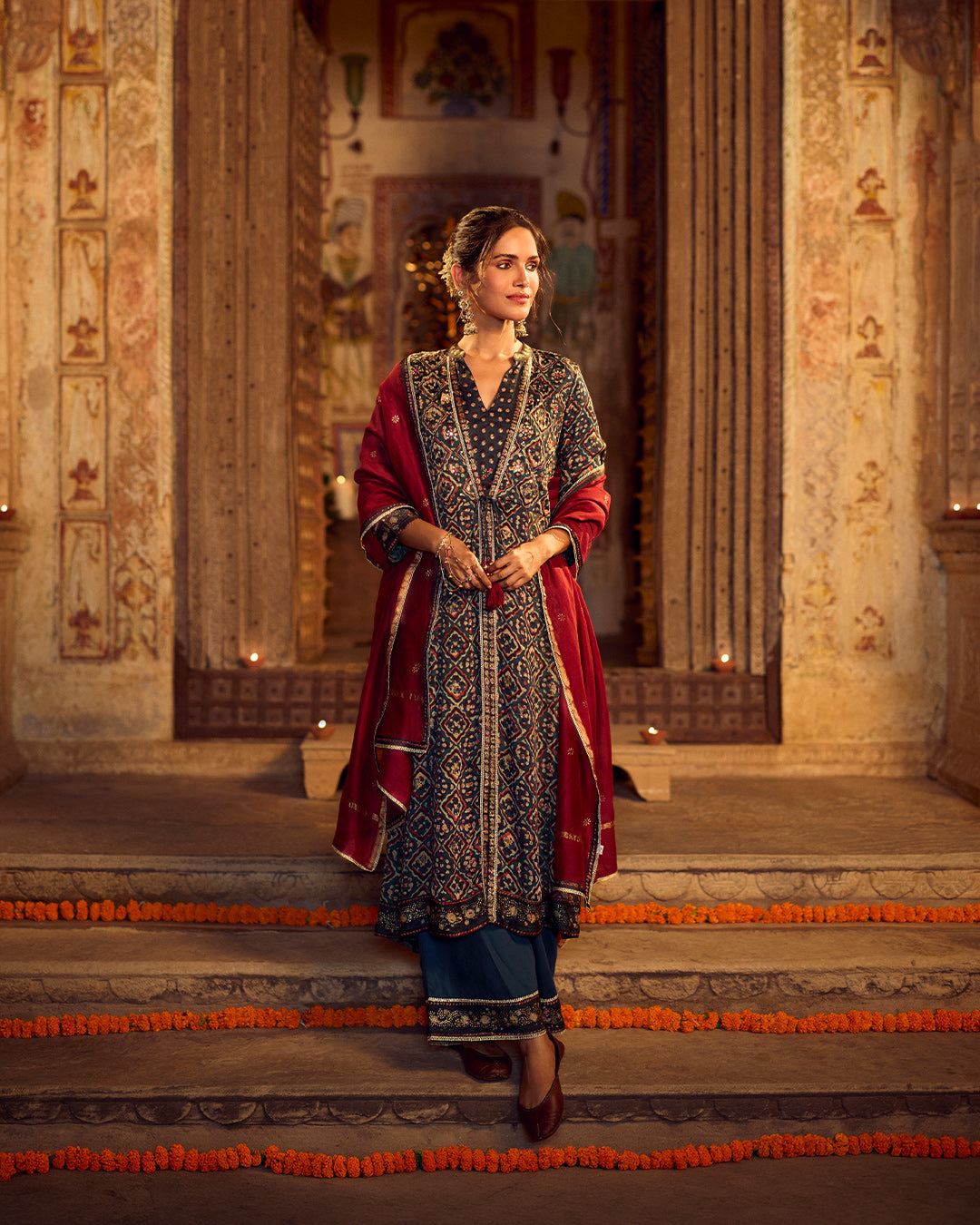
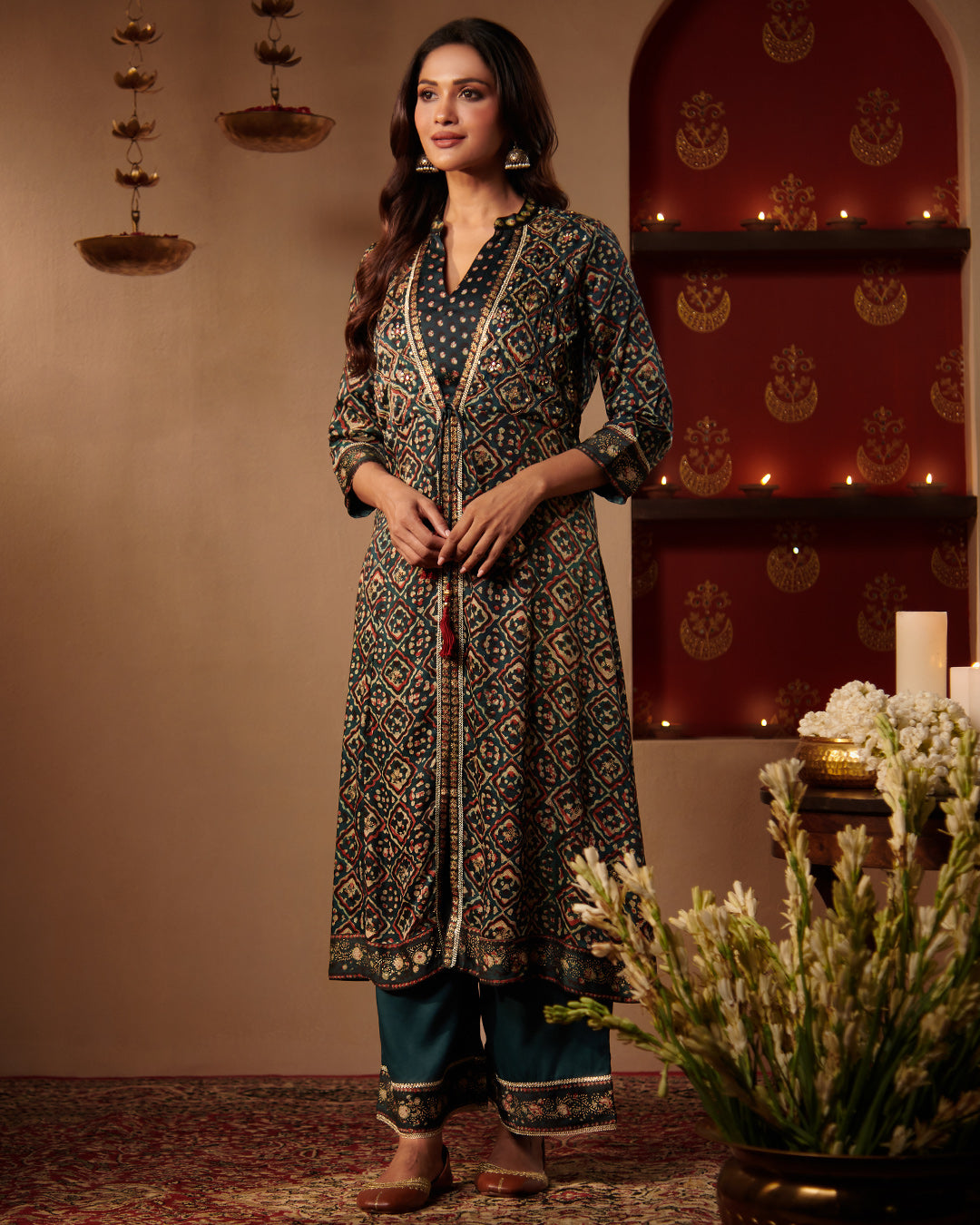
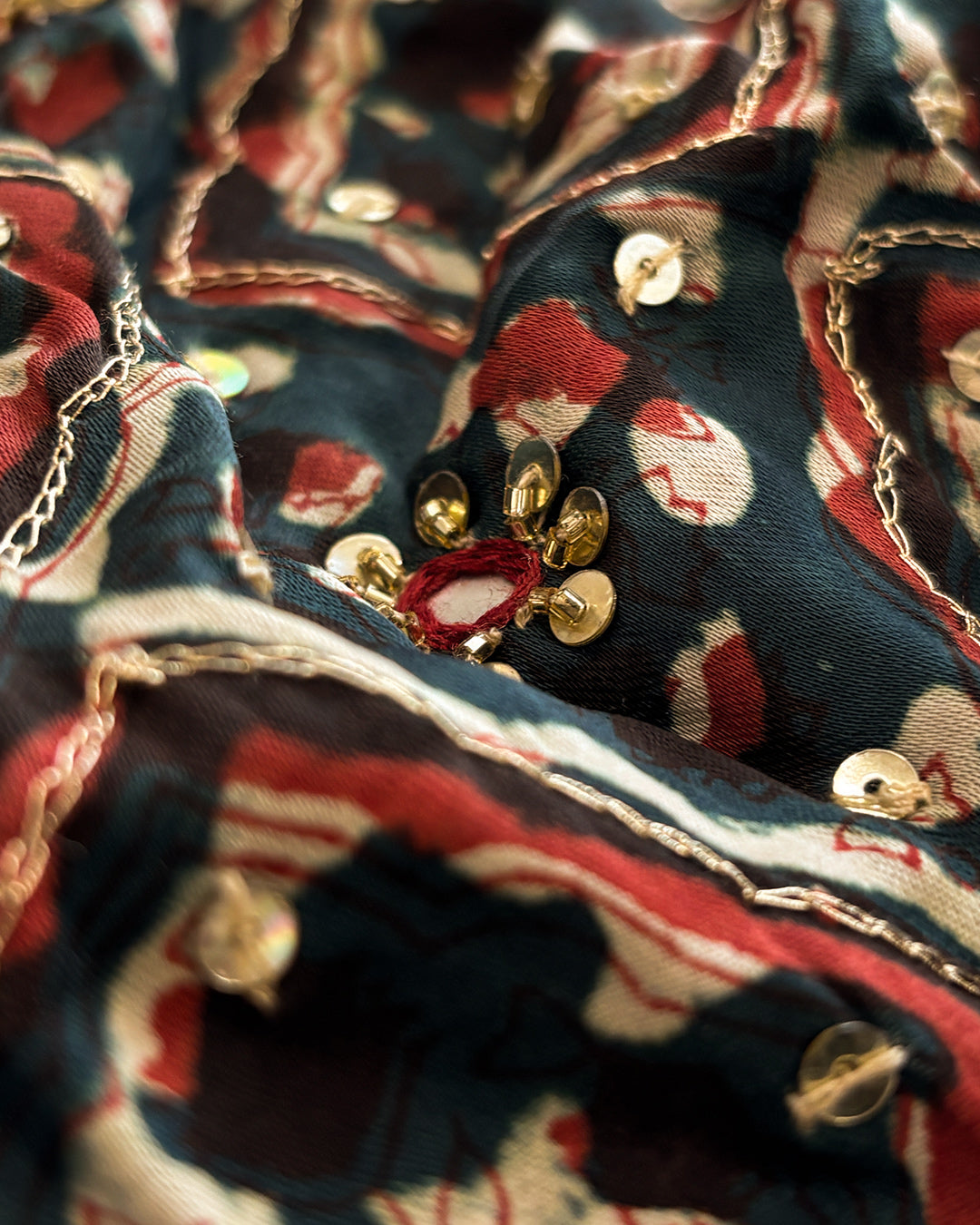
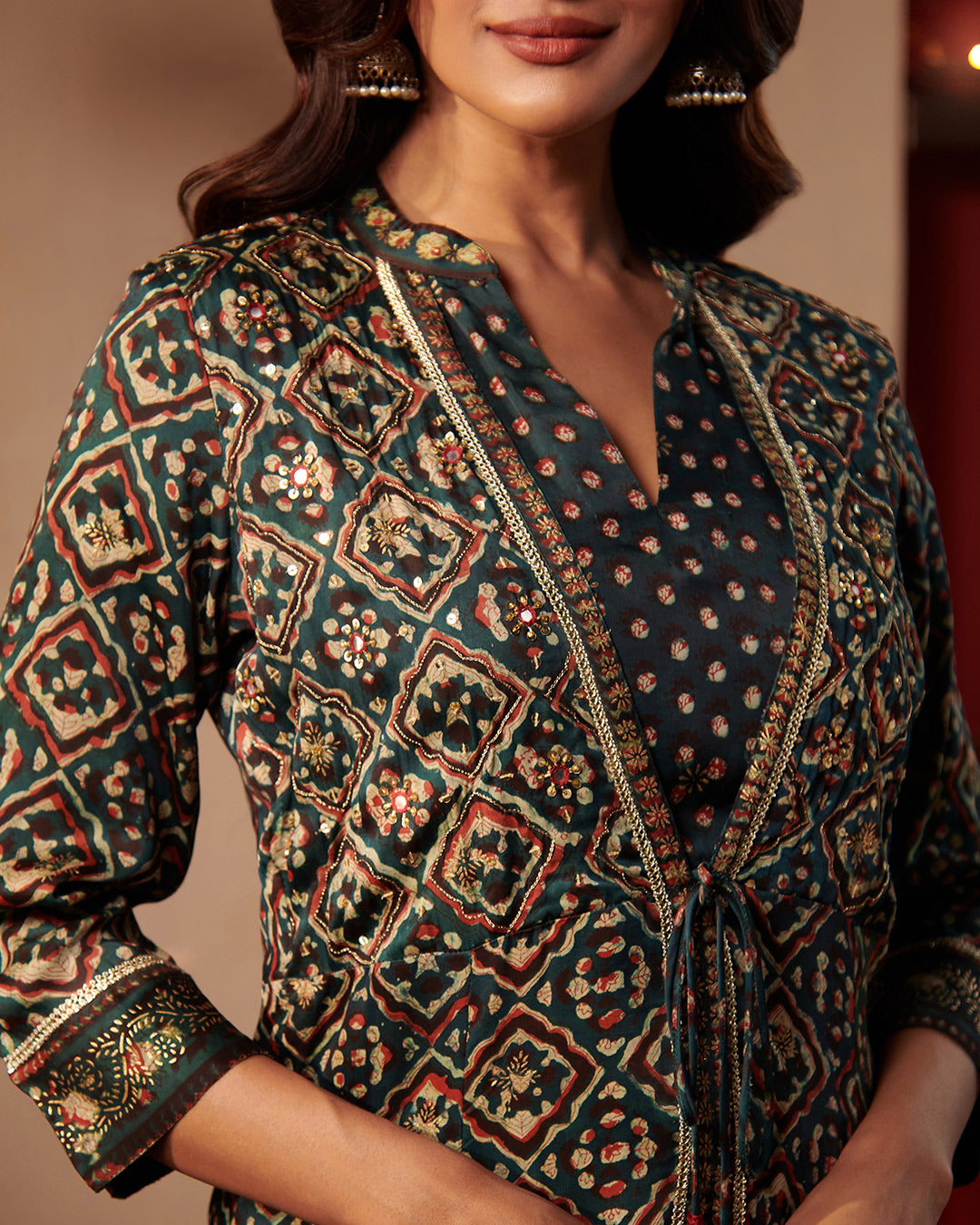
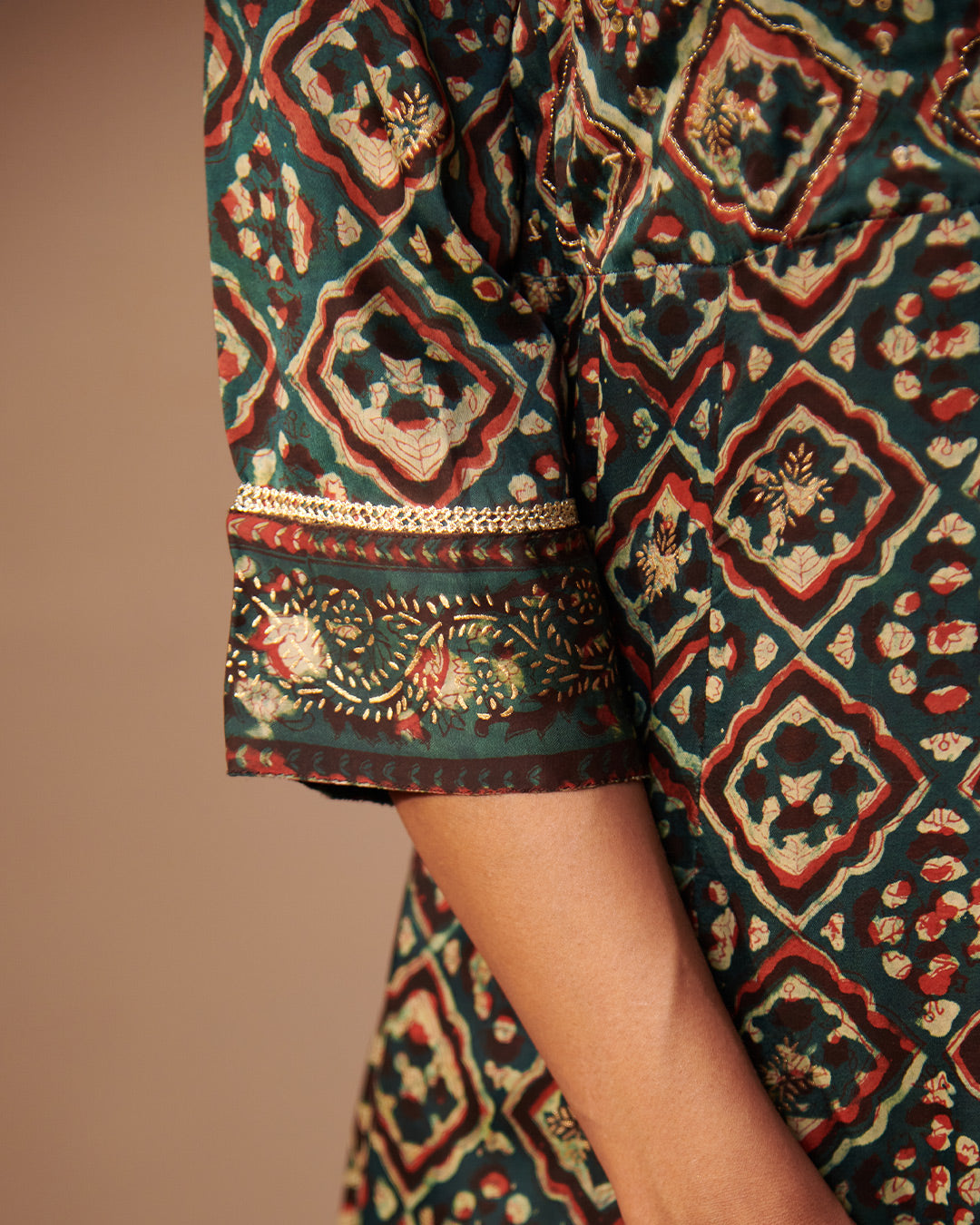
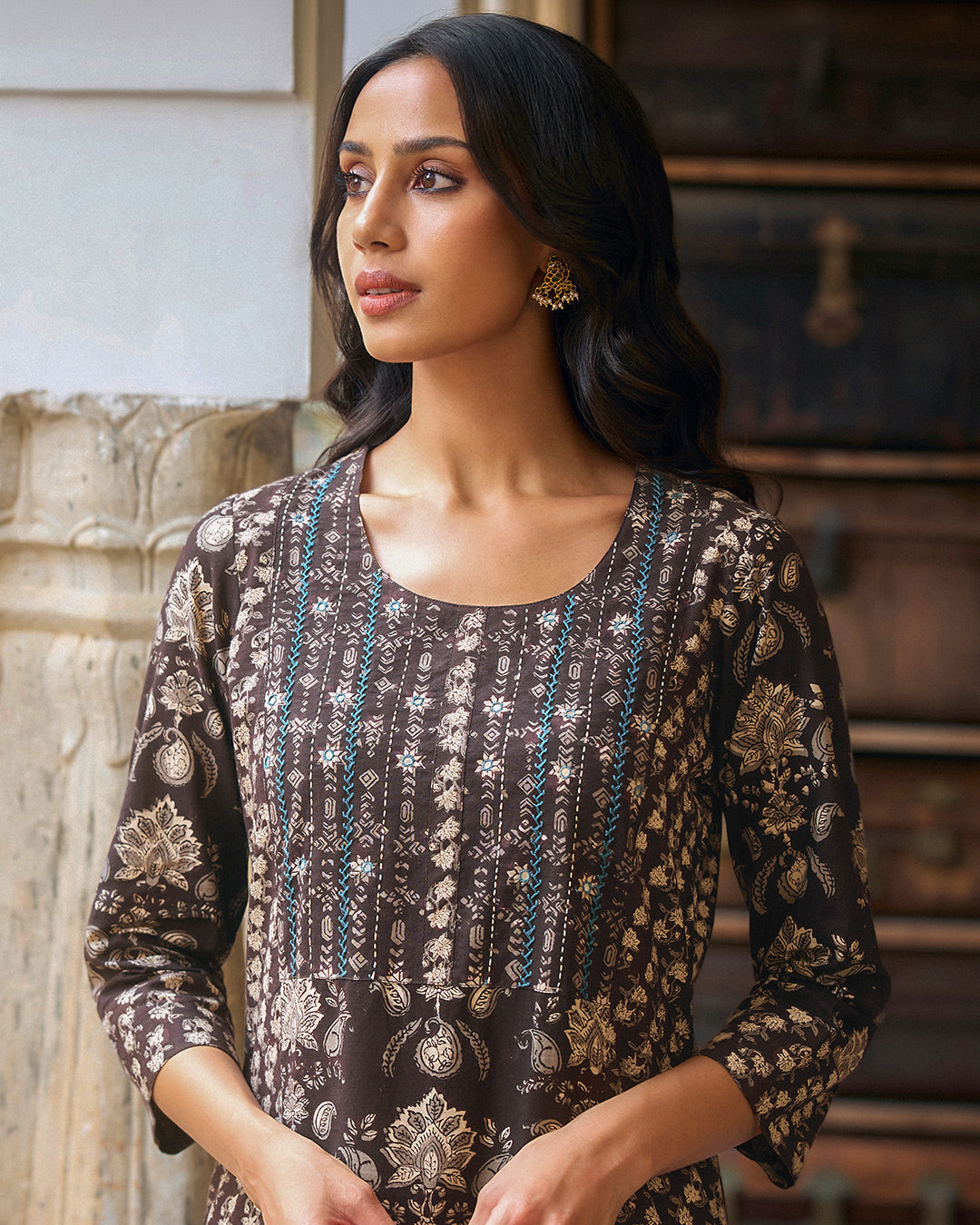
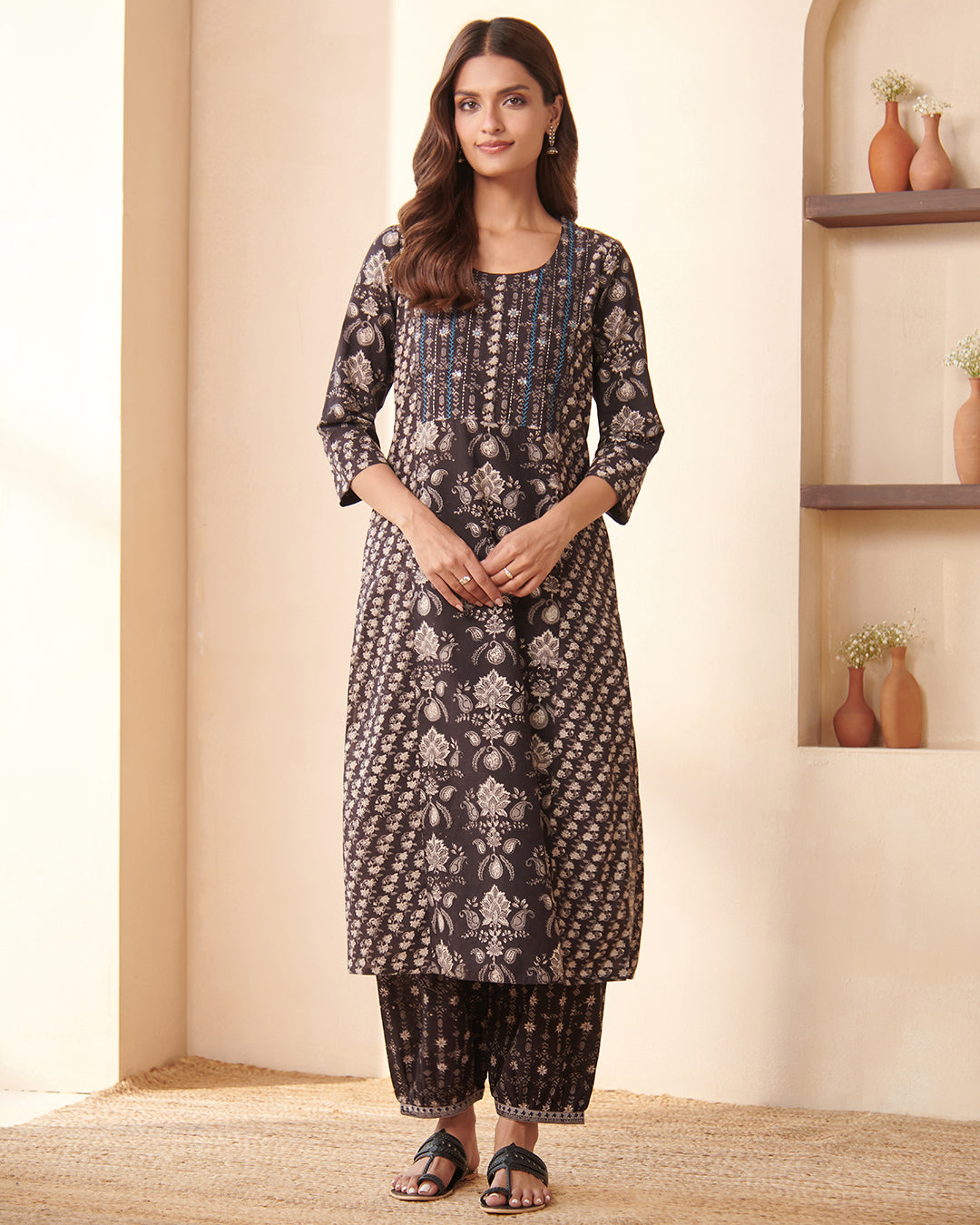
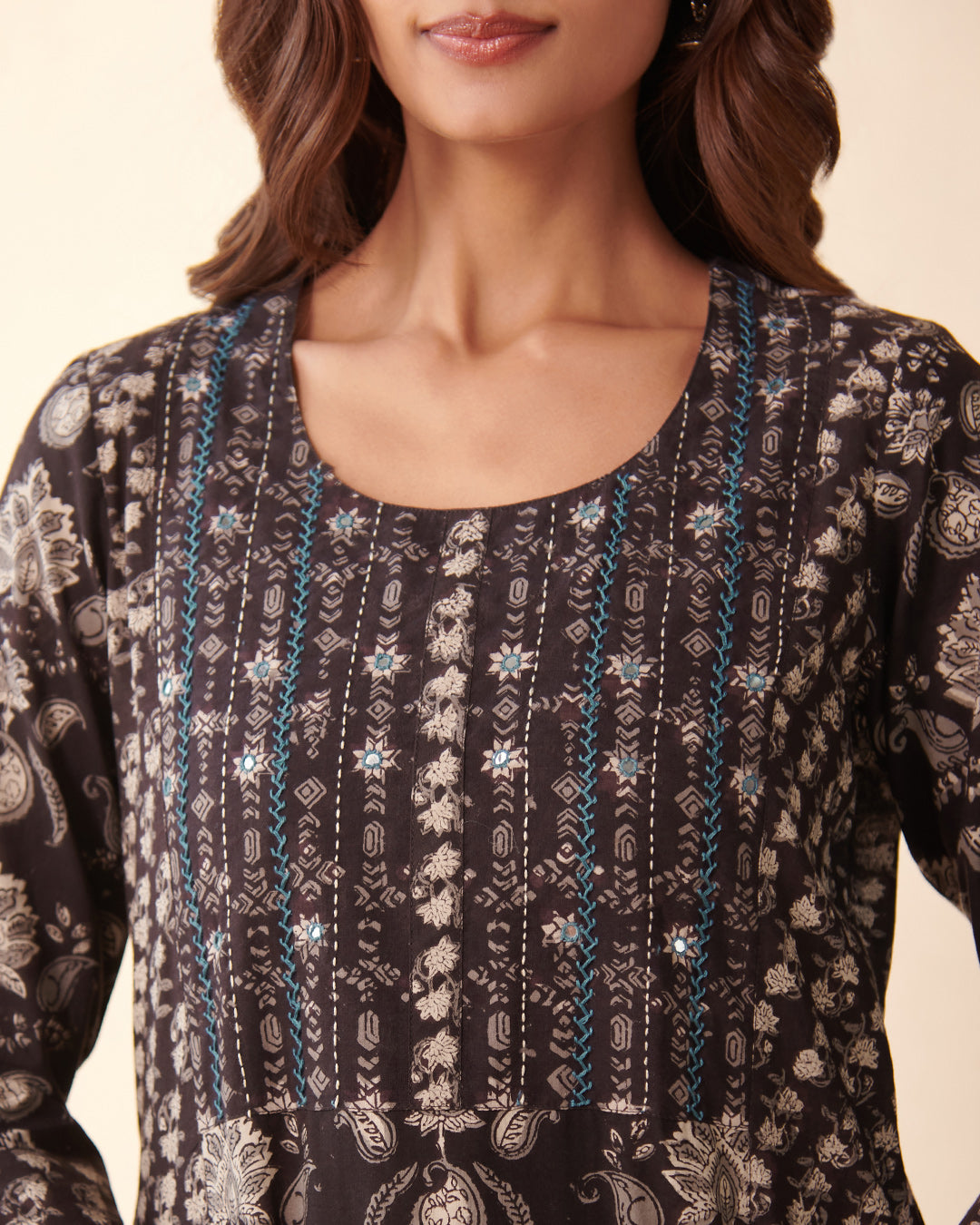

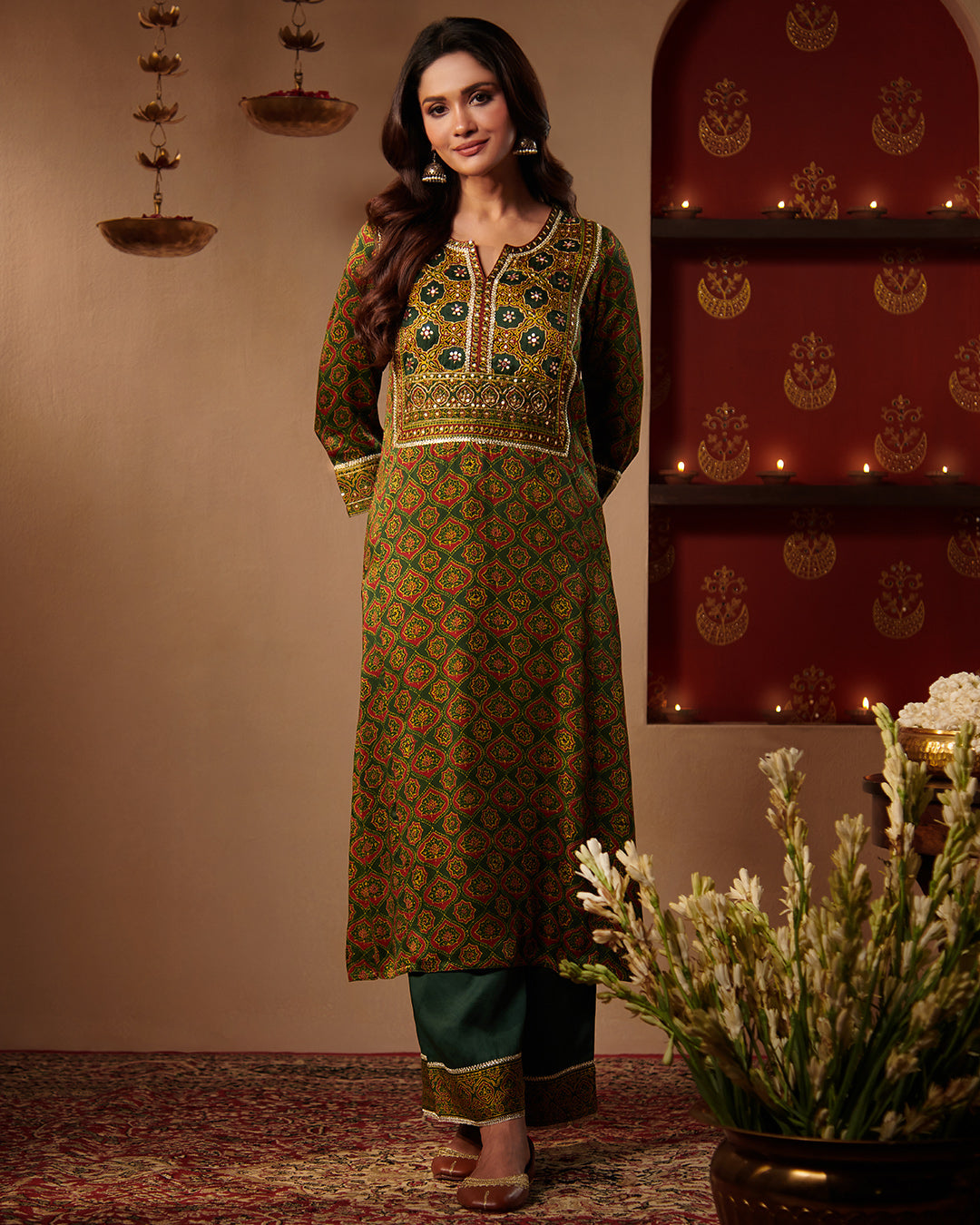
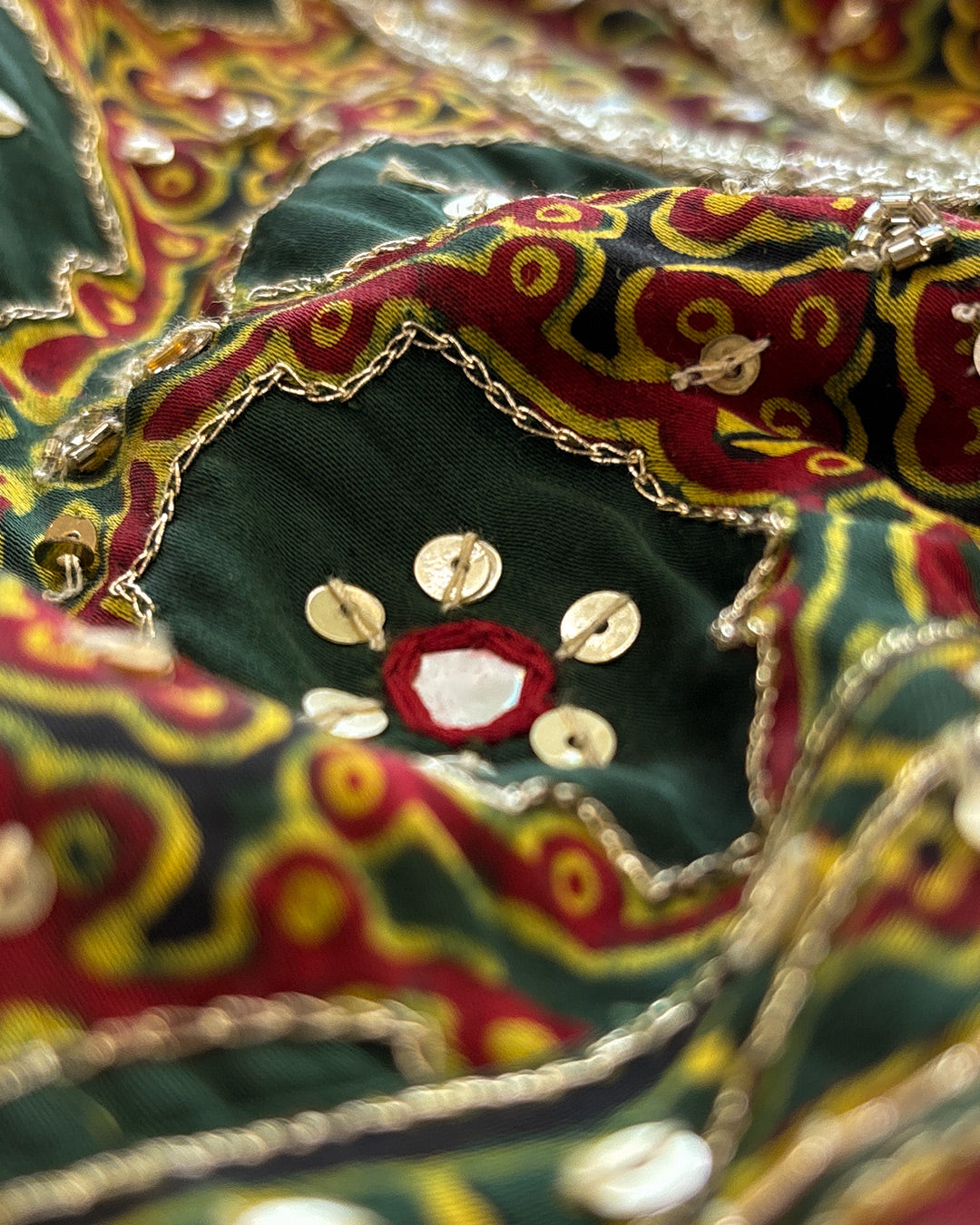
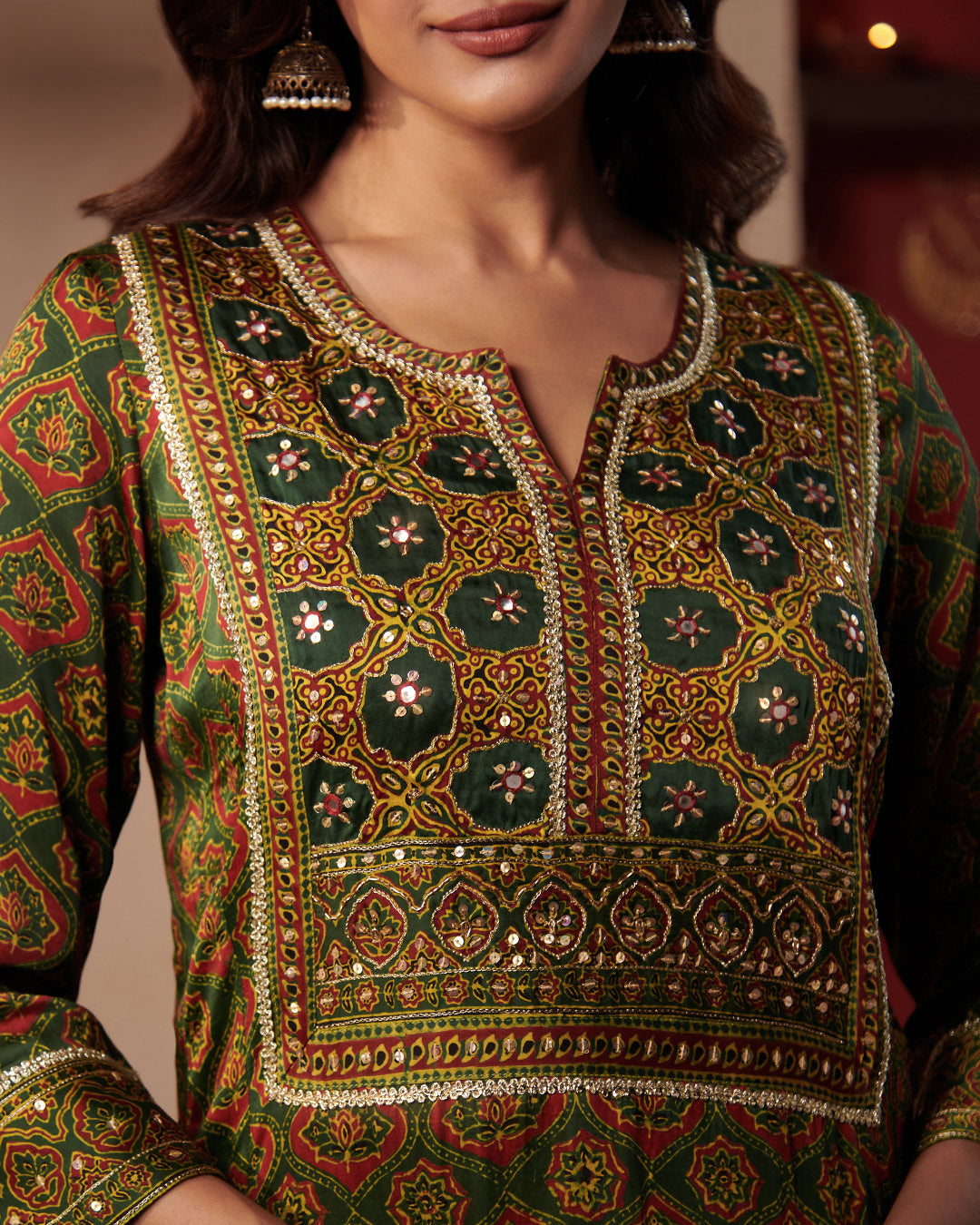
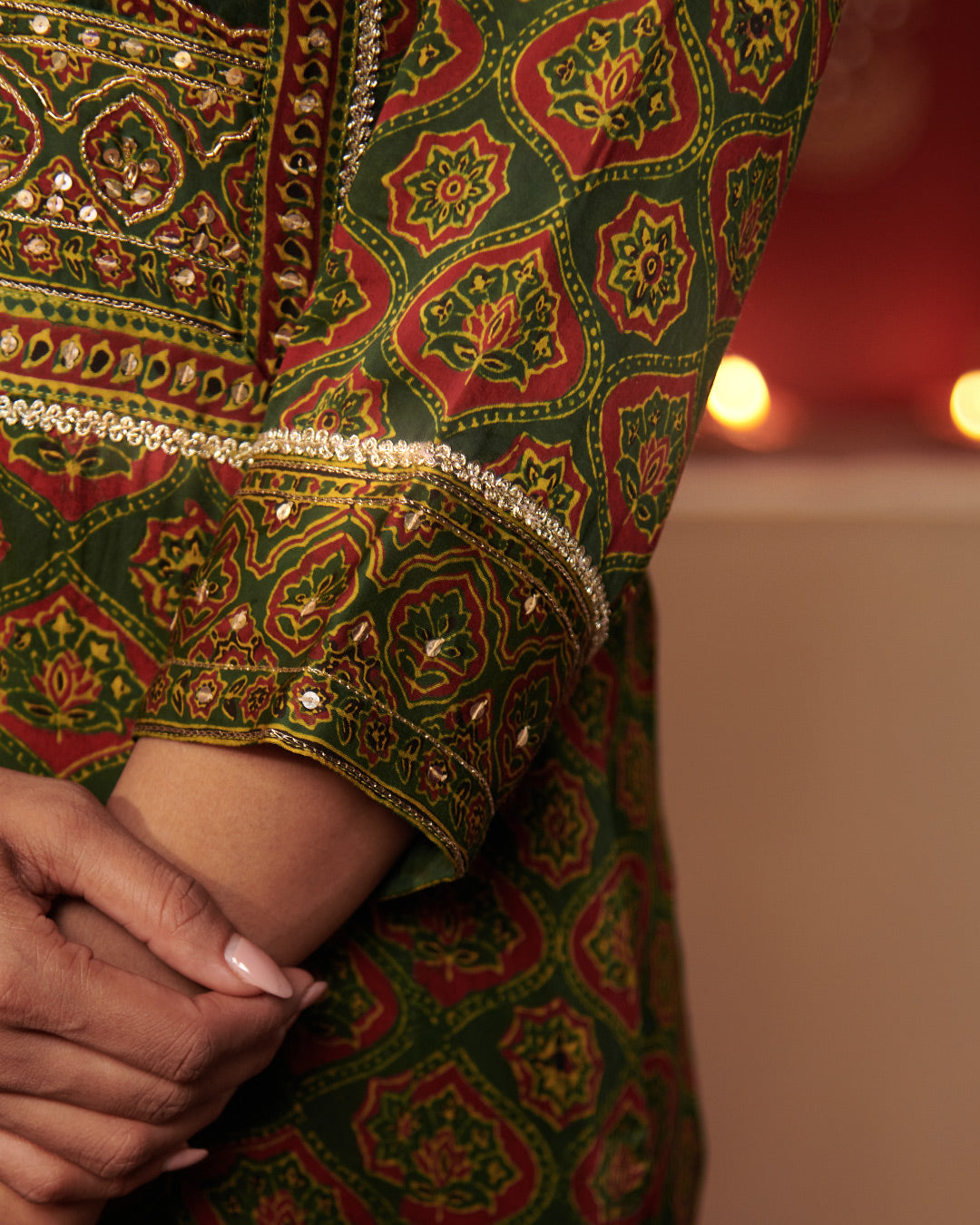

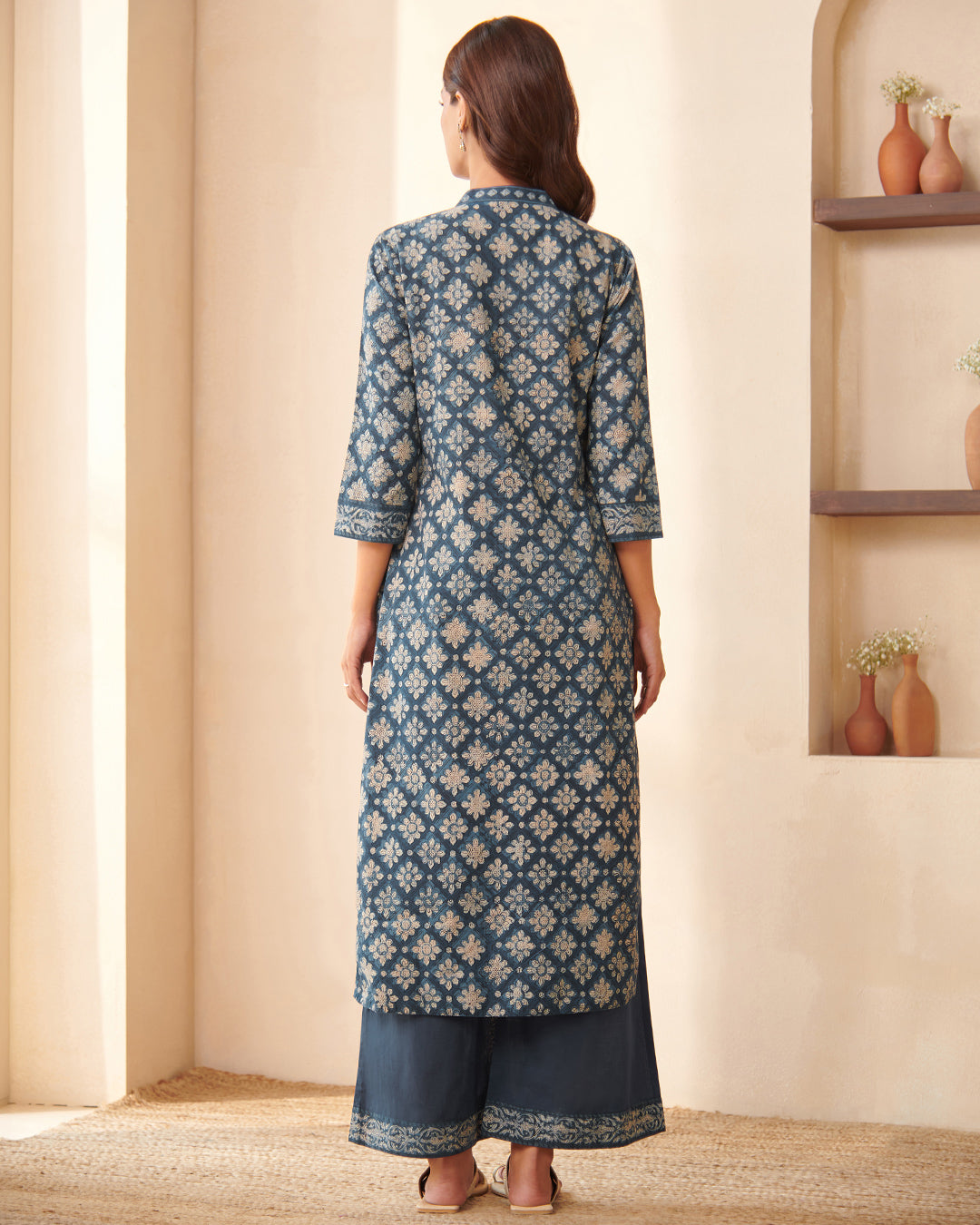


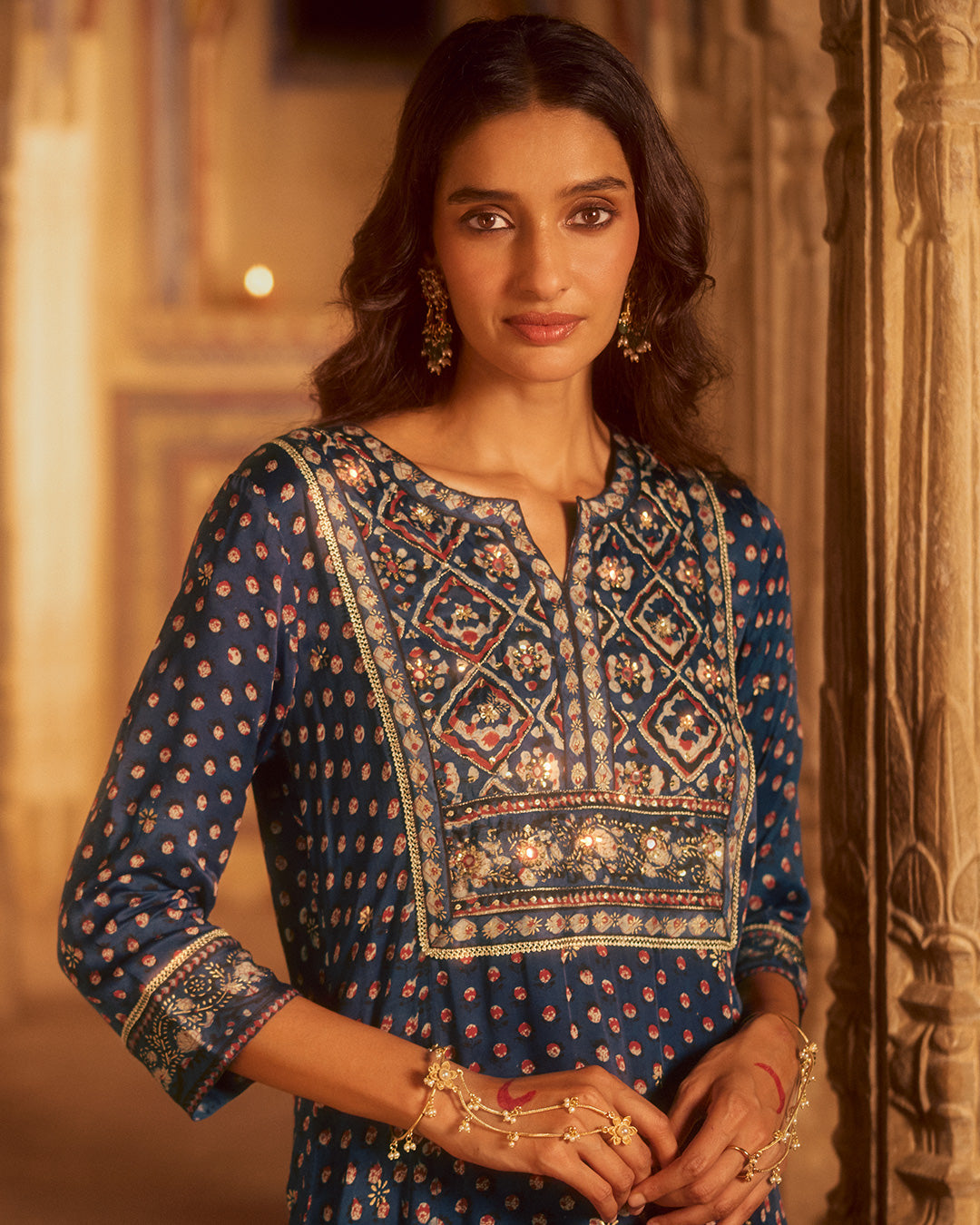
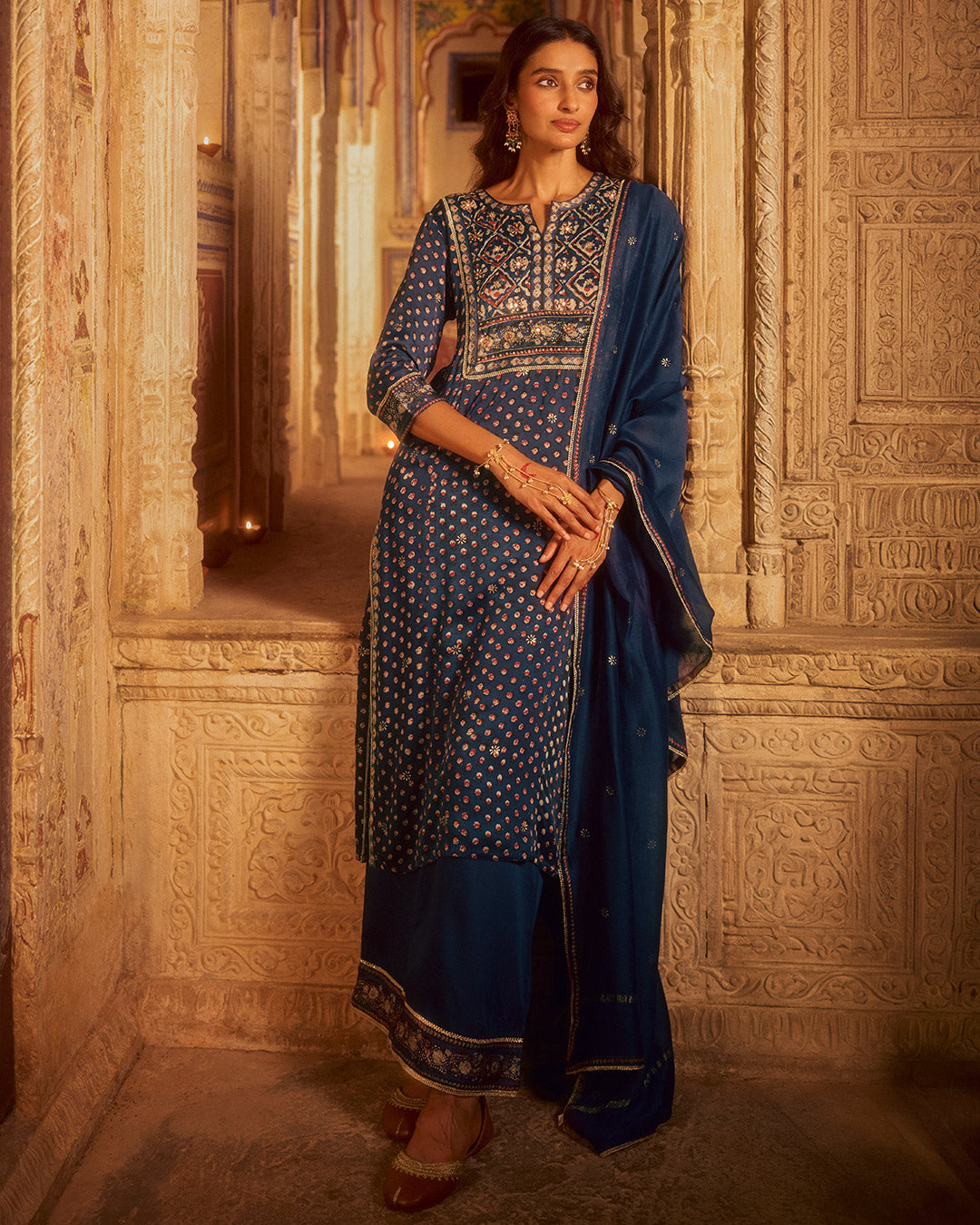
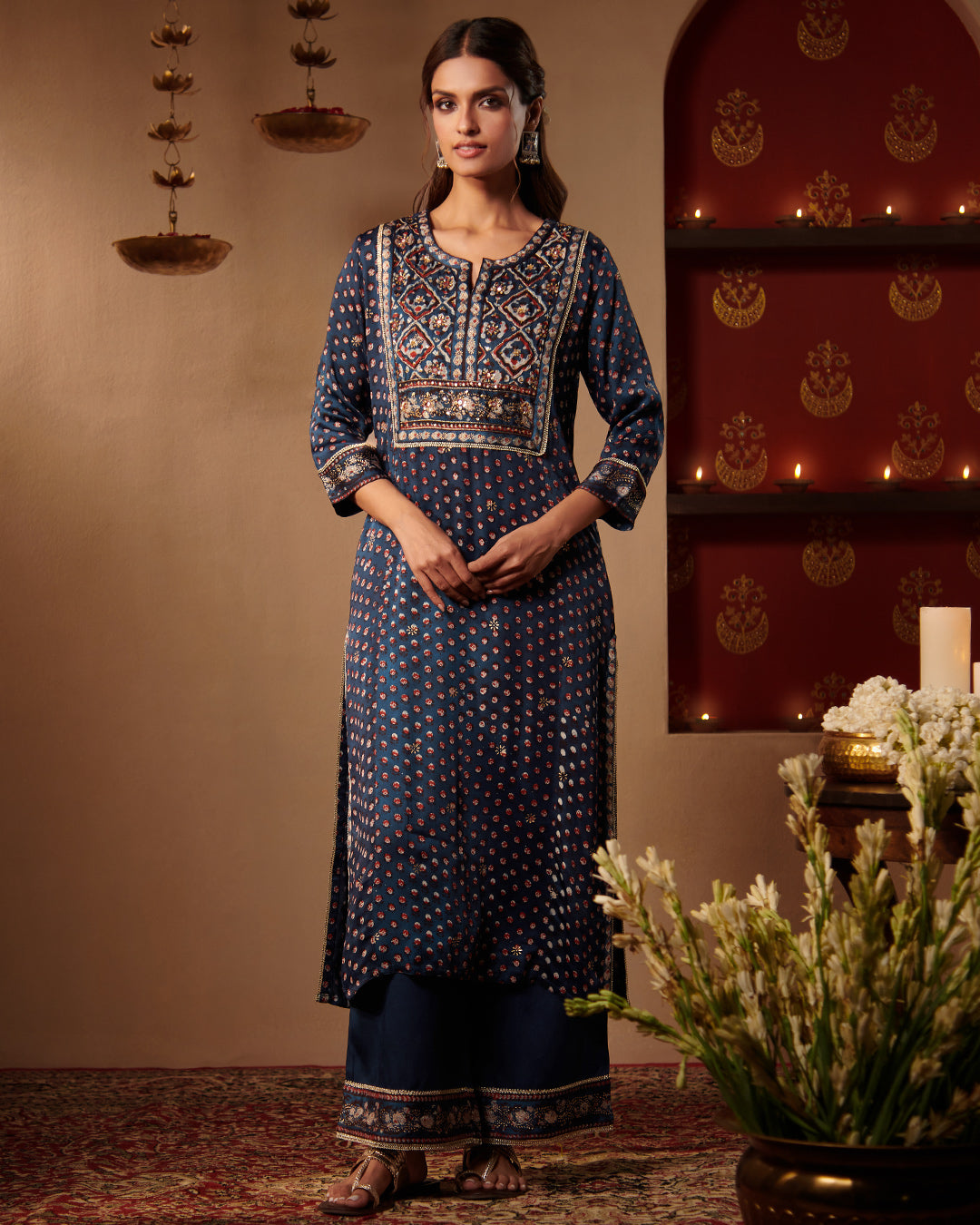
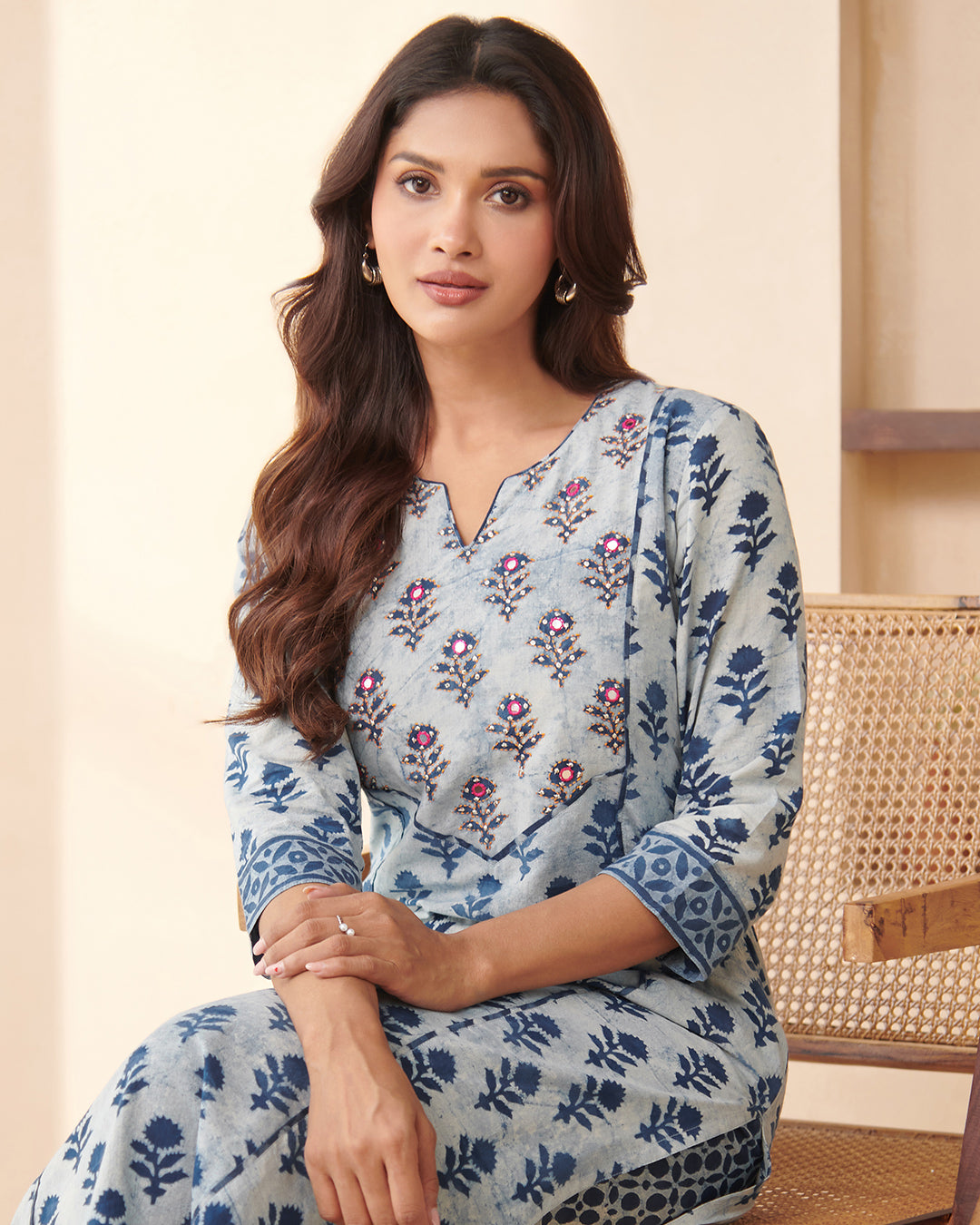
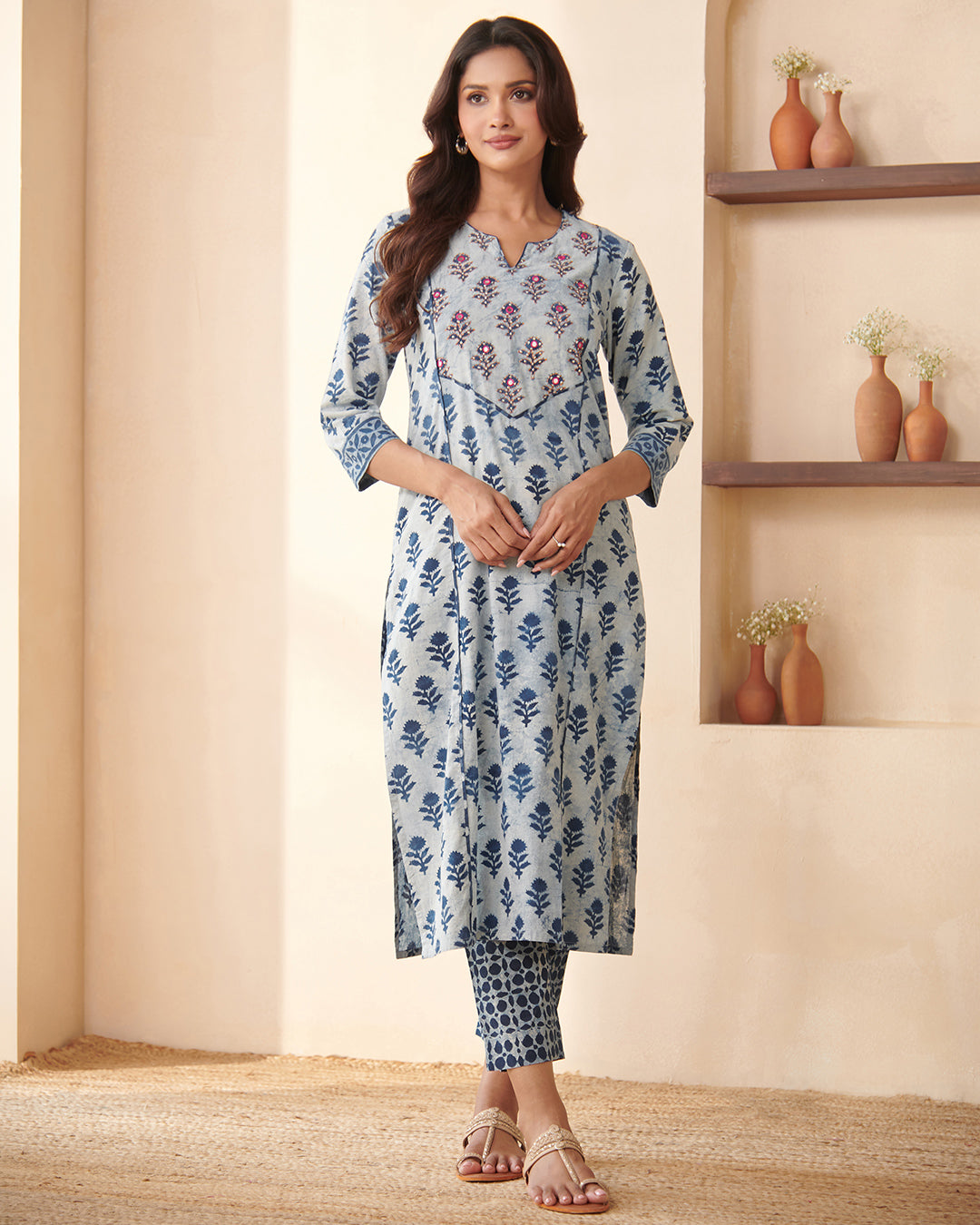
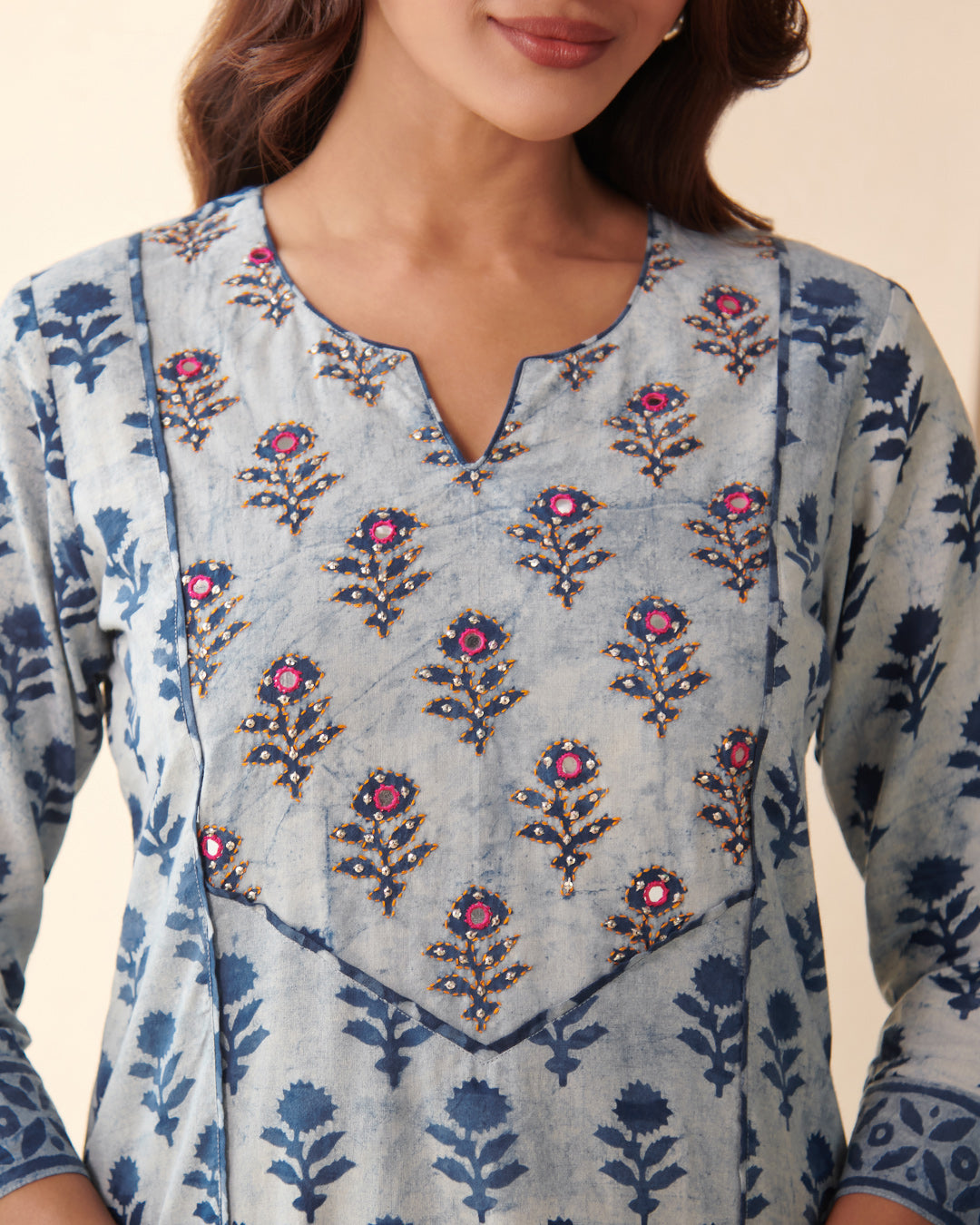
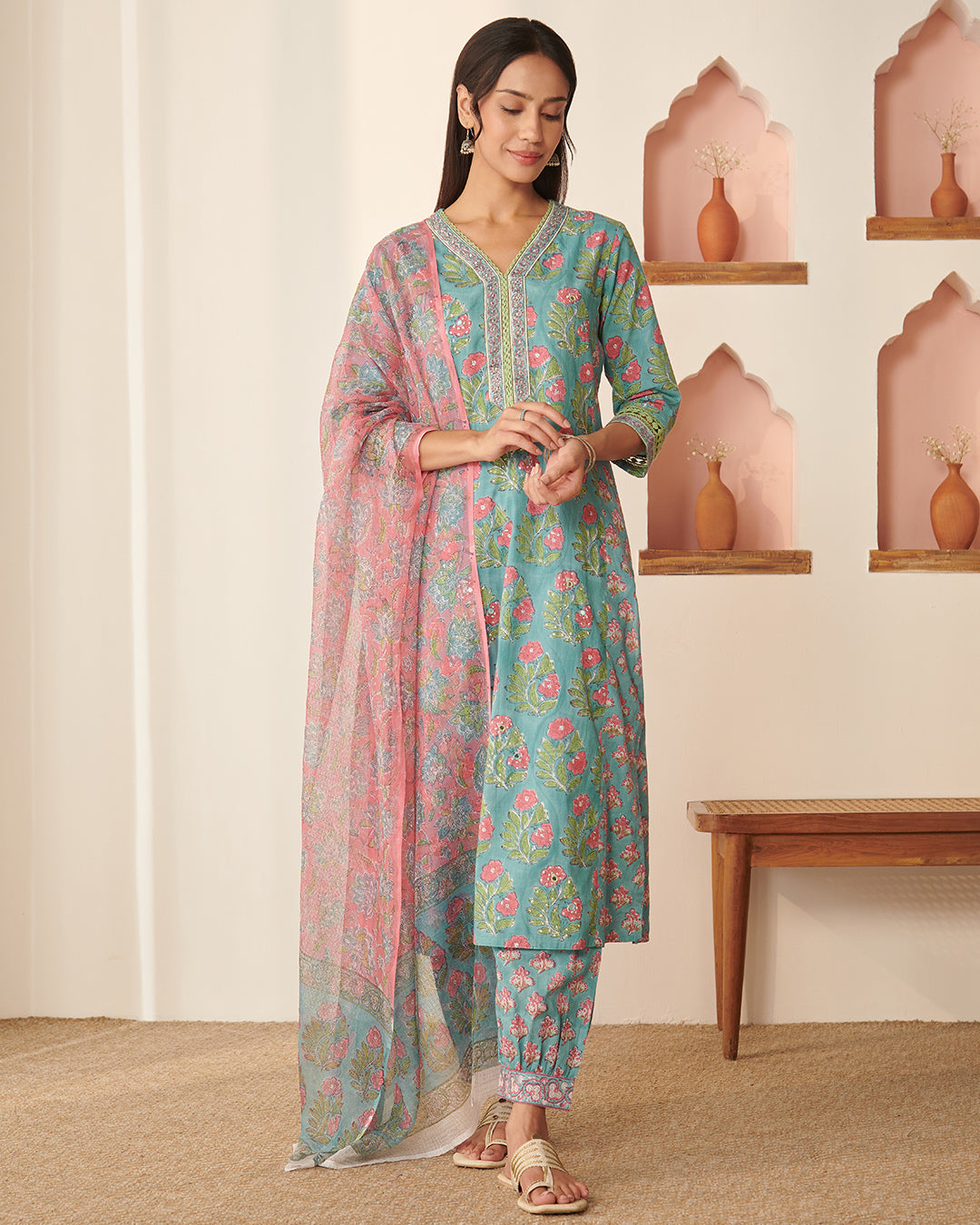
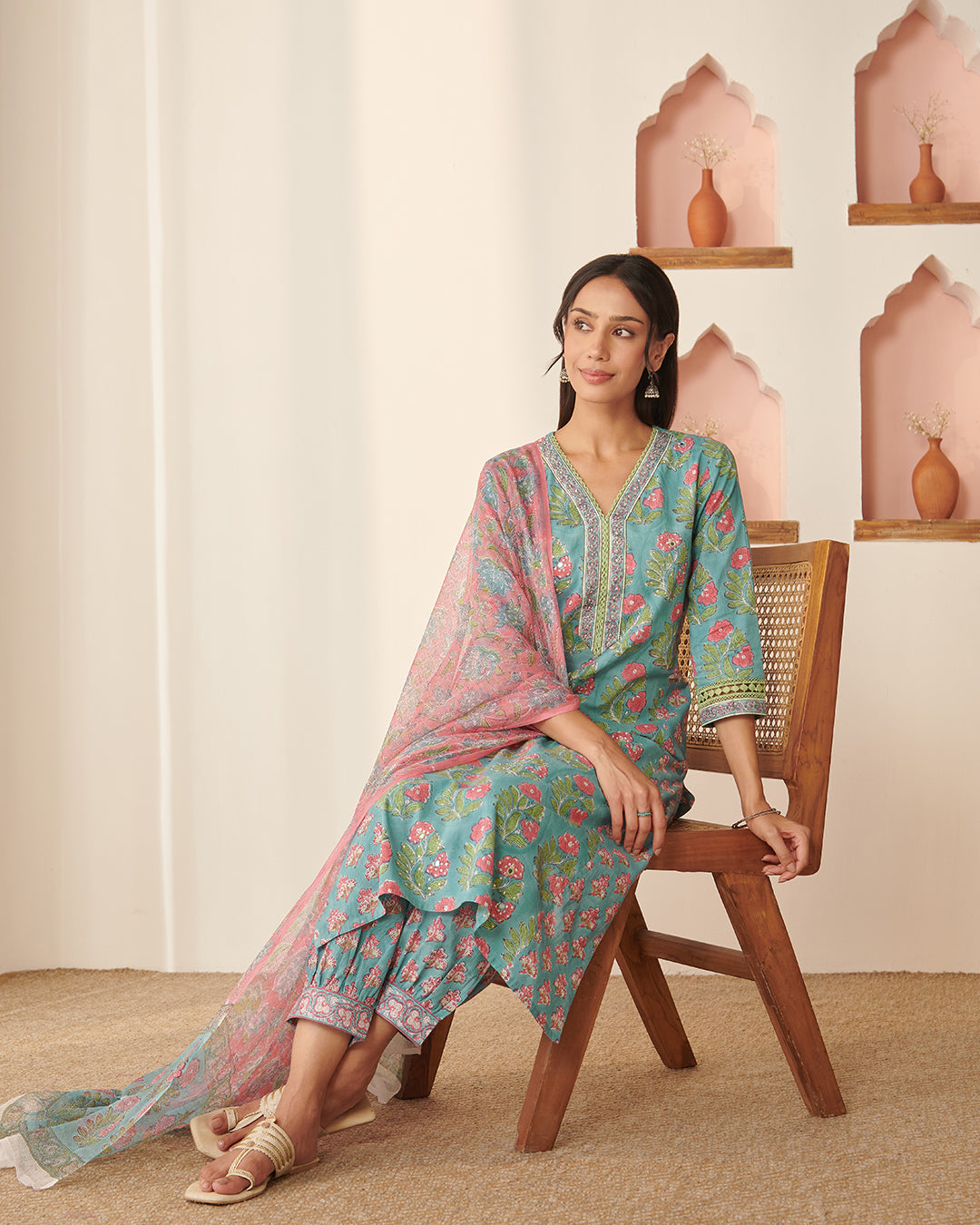
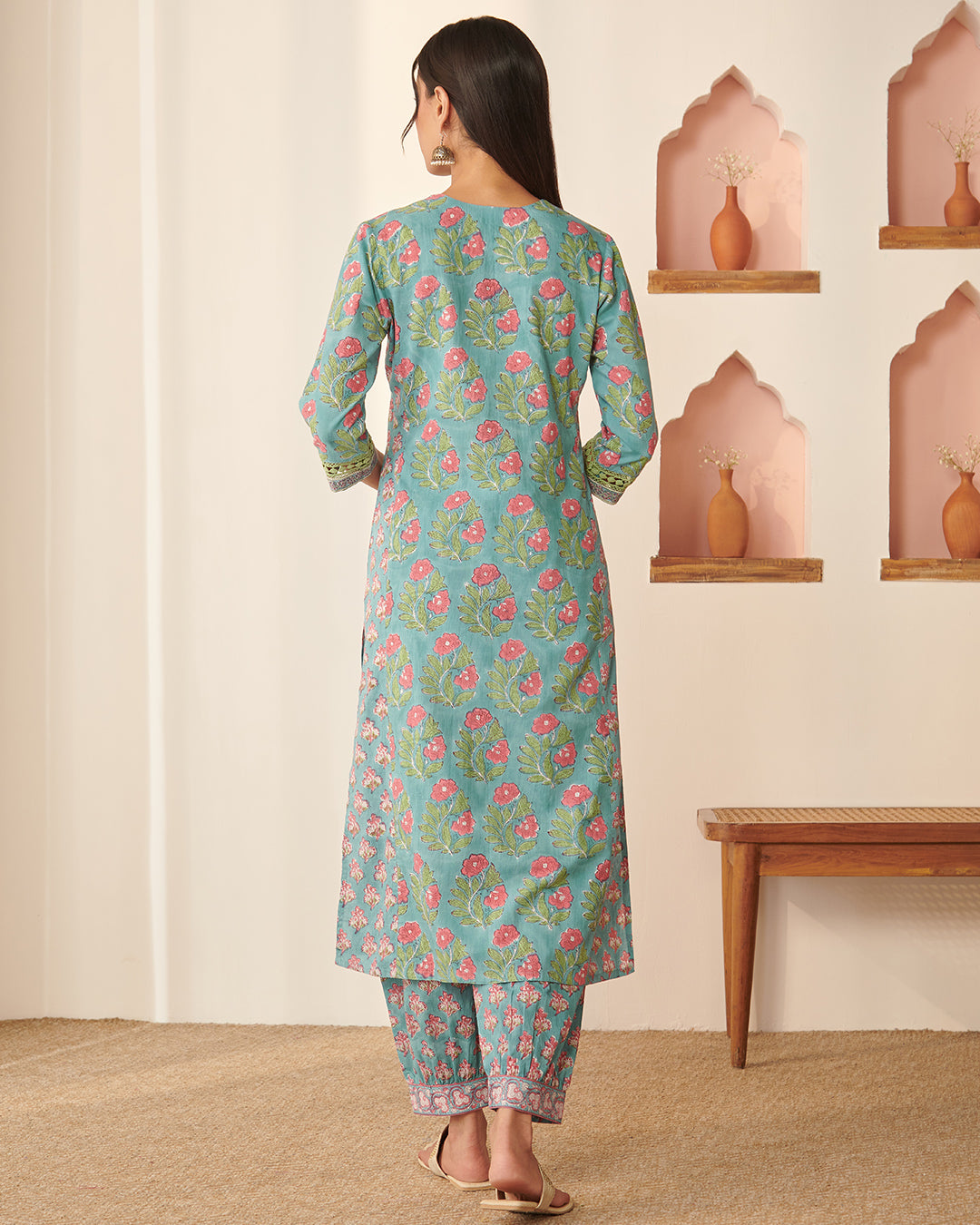
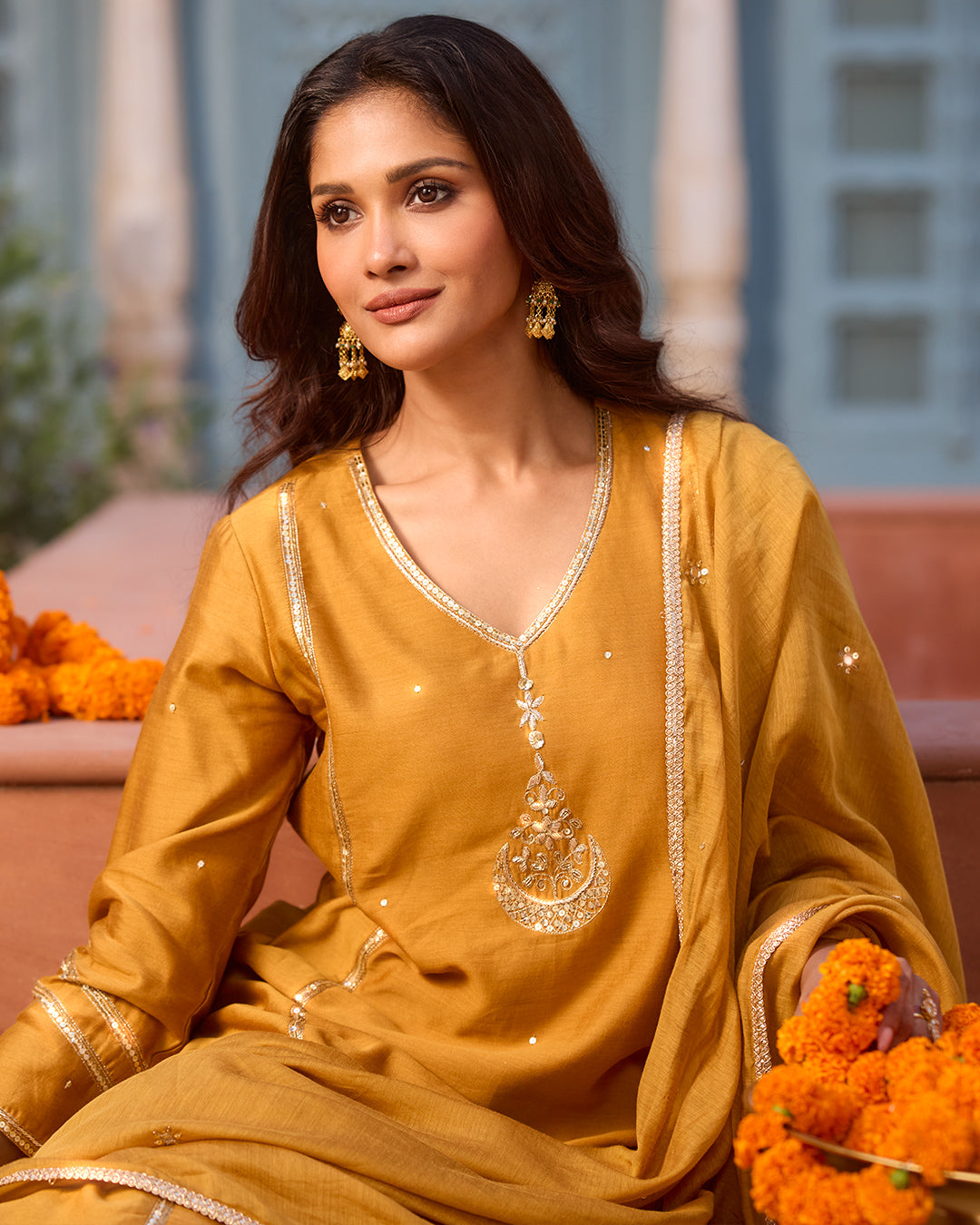


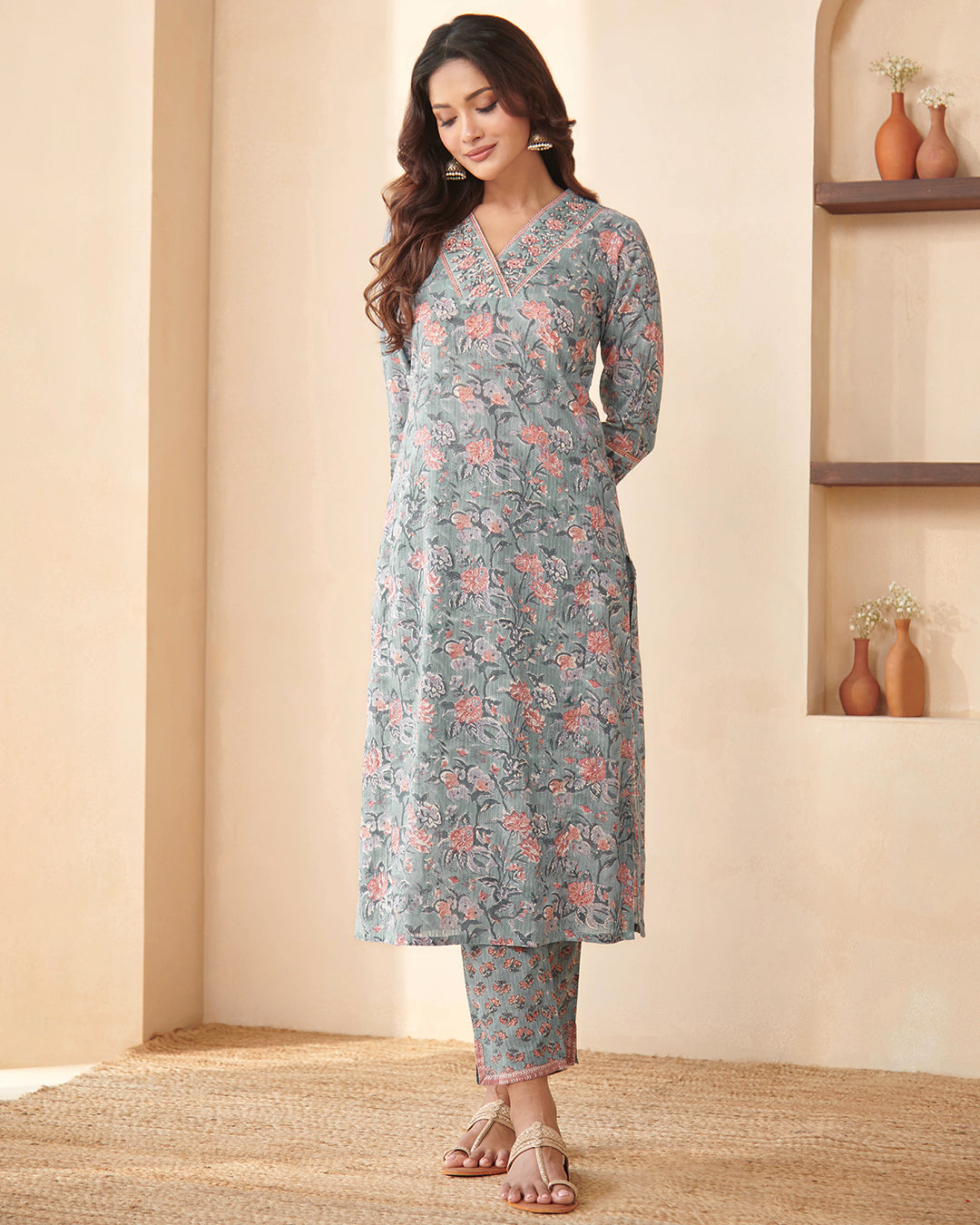
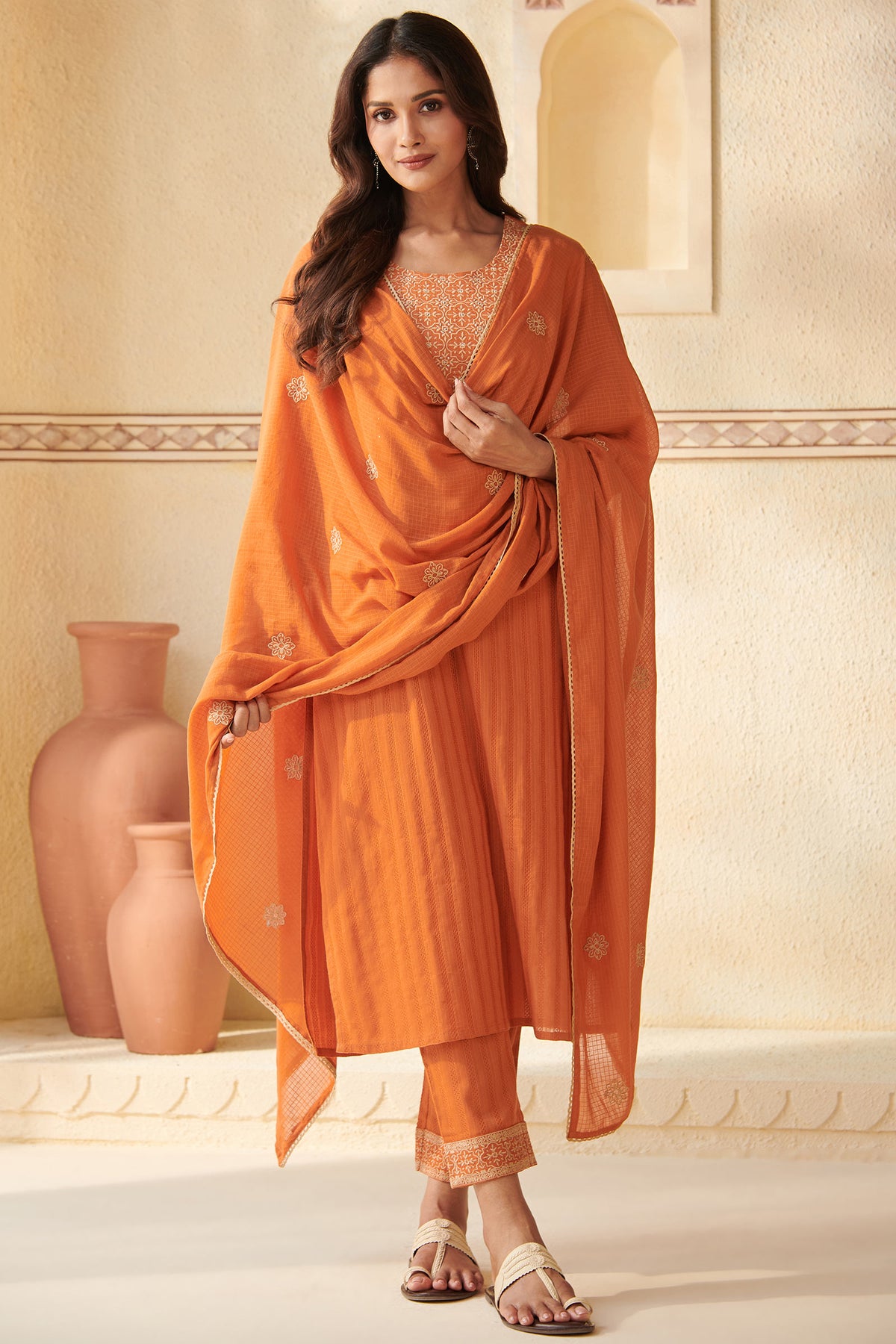

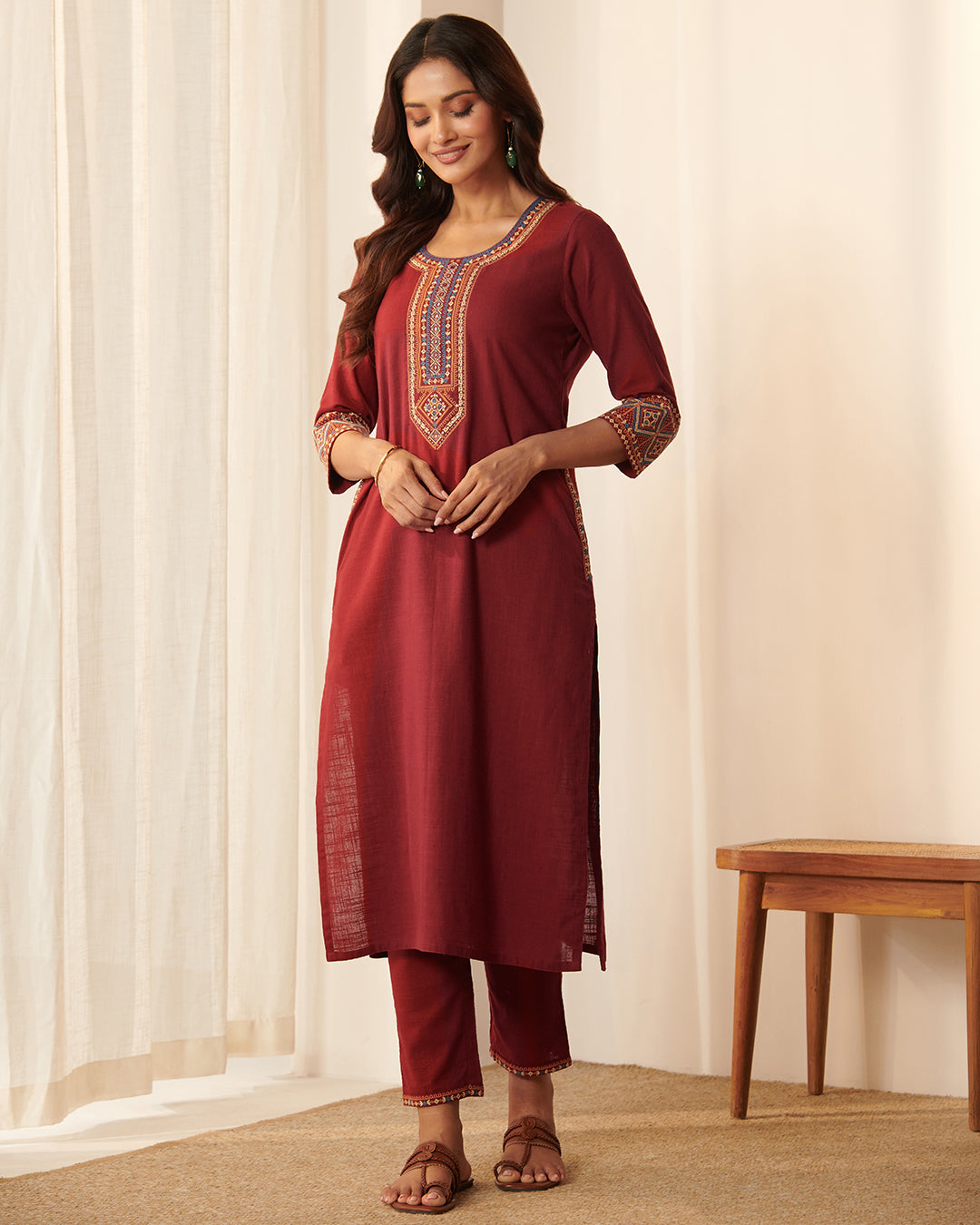





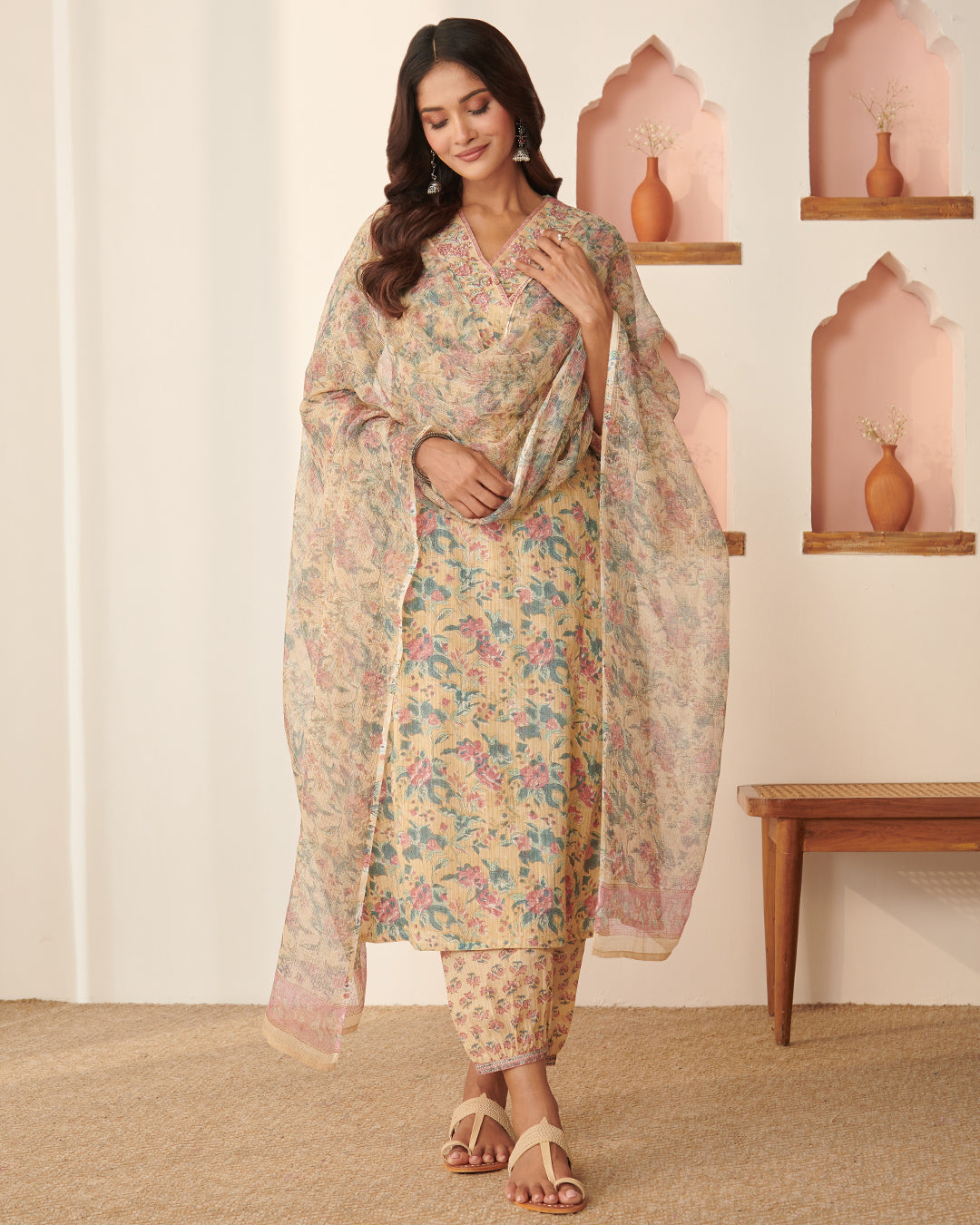
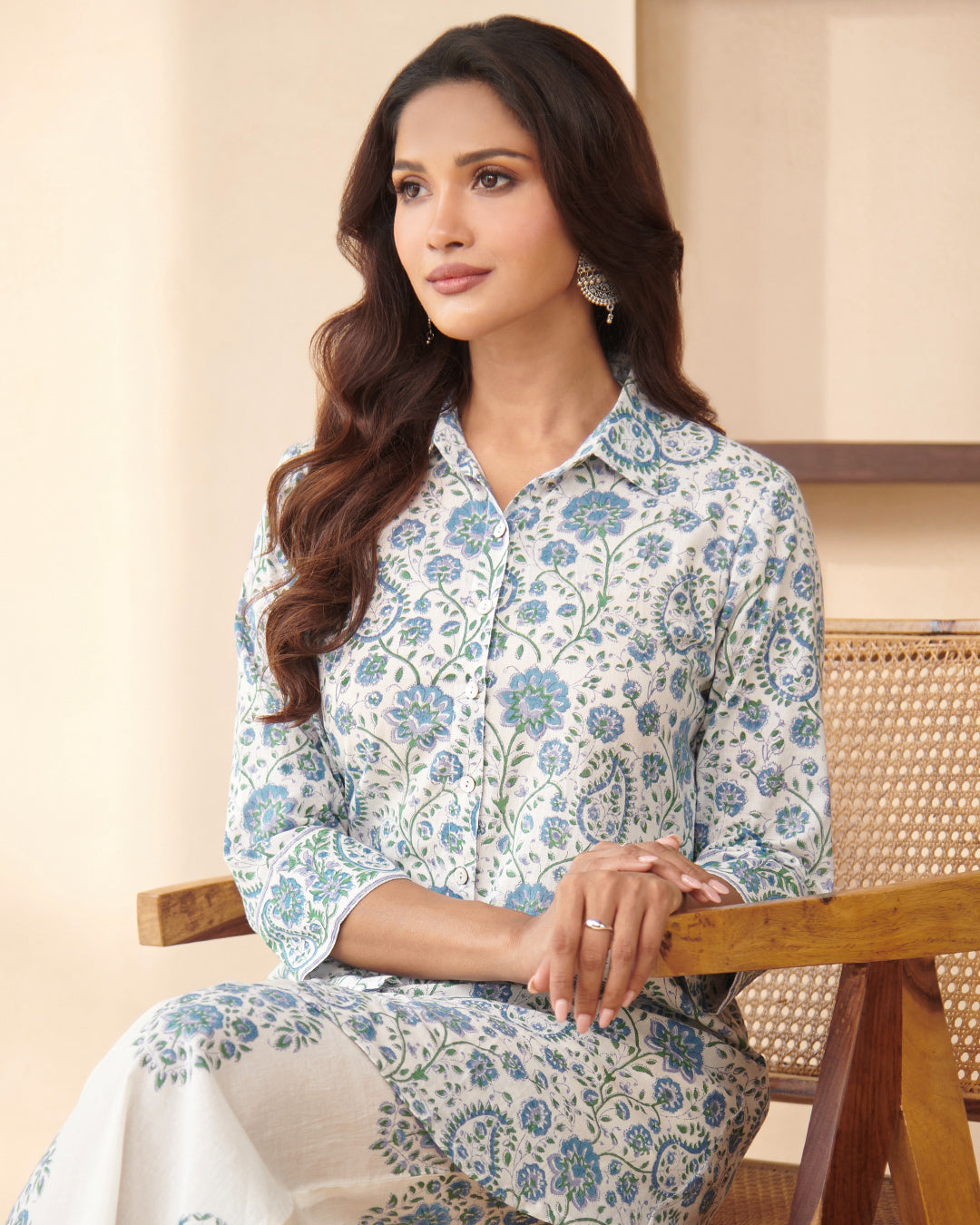
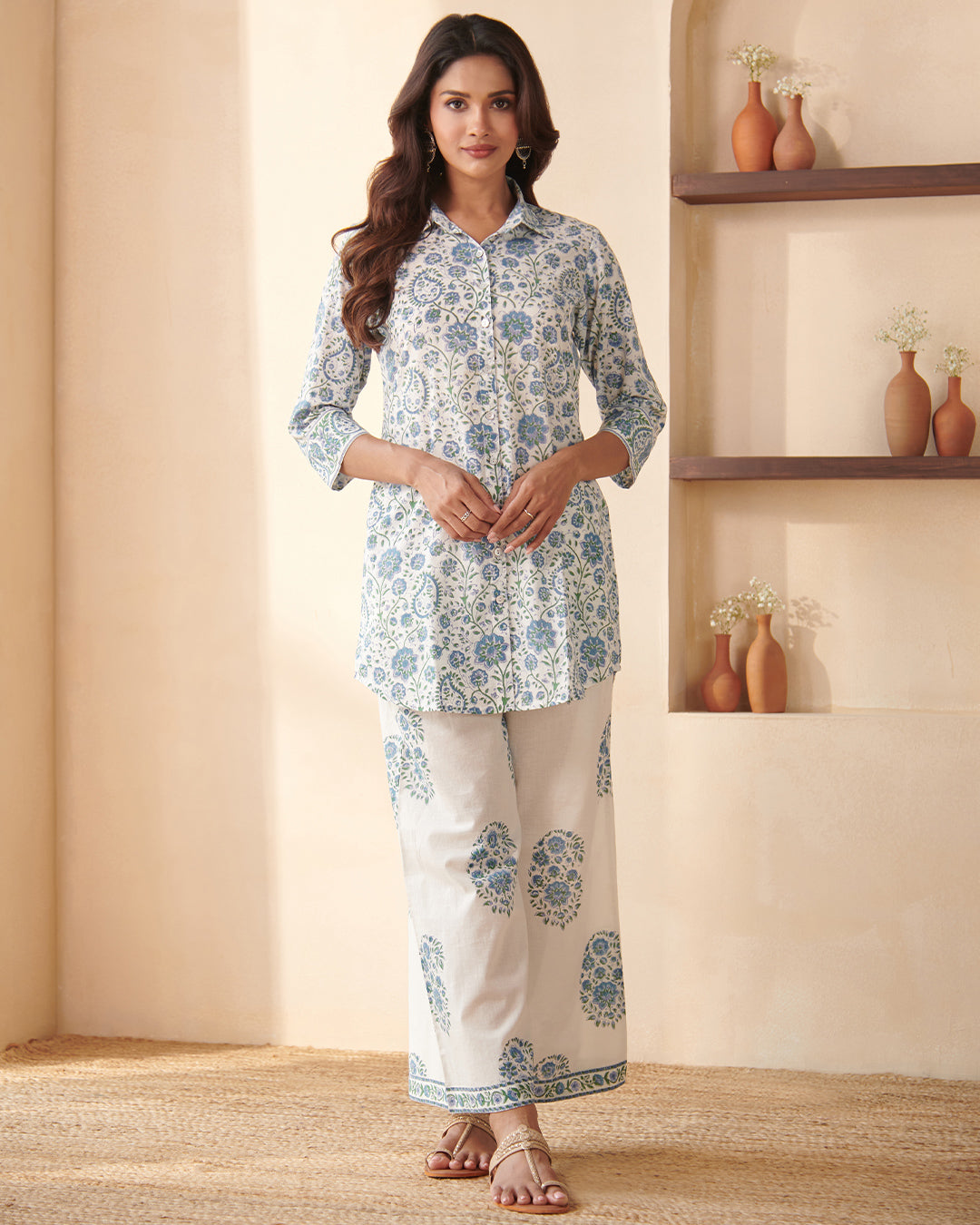

Unfolding the legacy, craft, and contemporary spirit of India’s most graceful drape- the saree.
By: Kanchan Kumari
03/ 09/ 2025
The saree stands as one of the most iconic symbols of Indian heritage, an attire that beautifully bridges tradition and modernity. Crafted in a multitude of fabrics, weaves, and draping styles, it celebrates diversity across regions and occasions. From light cotton sarees for everyday wear to luxurious silks and festive handlooms, each drape tells a story of artistry and culture.
Today, the saree continues to evolve with contemporary designs while preserving its timeless roots. In this blog, we explore why every woman should own a saree, its enduring relevance in modern fashion, and how it remains a versatile essential in every wardrobe.
Regional Weaves That Define Indian Sarees
India’s saree traditions span centuries, each weave narrating stories of craftsmanship and culture unique to its region. From North to South, every saree carries a distinct identity woven with artistry that reflects the land and people behind it.
-
Banarasi sarees from Uttar Pradesh are a mark of opulence, crafted in rich silk with intricate zari patterns that shimmer with every fold. Once reserved for royalty, their delicate floral motifs and Mughal-inspired designs continue to grace festive and bridal wardrobes.
-
From Tamil Nadu, the Kanjivaram saree stands as a masterpiece of strength and splendour. Woven with thick mulberry silk and temple-inspired borders, it balances grandeur with tradition, making it a favourite for special occasions.
-
Chanderi sarees from Madhya Pradesh offer lightness and subtle sheen, blending silk and cotton for year-round comfort. Their translucent texture and fine zari work make them perfect for both casual and festive wear.
-
In Maharashtra, Paithani sarees dazzle with handwoven brilliance, known for their vivid hues and signature peacock and lotus motifs.
Owning and wearing a saree is more than fashion. It’s a way of carrying India’s living heritage, woven in threads that connect generations.
Versatility for Every Occasion
-
The saree is one of those rare garments that seamlessly adapts to every moment in a woman’s life. It’s a canvas of expression, simple or refined depending on how it’s styled and what fabric it’s woven from.
-
For everyday wear or office dressing, cotton and linen sarees in soft hues and minimal prints bring comfort and sophistication in equal measure. Their breathable texture makes them perfect for long hours while maintaining a polished appearance.
-
When the occasion calls for celebration, silk sarees such as Banarasi, Kanjivaram, or Patola take centre stage. Their lustrous weave and intricate patterns reflect the grandeur of Indian festivities and often become heirloom pieces passed across generations.
-
For formal evenings or cocktail events, georgette, chiffon, or organza sarees lend a refined modernity. Light, flowy, and easy to drape, they pair beautifully with statement blouses and accessories.
-
And when summer arrives, Chanderi and Tussar sarees offer a breezy yet graceful choice, keeping comfort at the forefront.
With countless fabrics, colours, and draping techniques to explore, the saree remains a constantly evolving garment with every occasion, yet never losing its essence.

From Nivi to Nauvari: The Many Ways to Drape a Saree
What makes the saree truly special is its ability to transform with every fold. The art of draping is what gives this six-yard wonder its individuality, each style telling a story of region, culture, and identity.
-
The Nivi drape from Andhra Pradesh remains the most popular style, with the pallu gracefully falling over the left shoulder. It’s simple, practical, and perfect for everyday wear.
-
The Bengali drape, on the other hand, stands out with its broad pleats and dual-shoulder pallu, often accentuated with a keyring or brooch for a traditional touch.
-
For those who prefer comfort and mobility, the Maharashtrian Nauvari style offers a dhoti-like structure, allowing free movement while maintaining a strong cultural identity.
-
The Gujarati Seedha Pallu brings the artistry of the saree to the forefront by letting the pallu fall in front, showcasing its intricate patterns and embroidery.
And as modern sensibilities evolve, so do draping styles. From ceremonial to contemporary, the saree’s adaptability in draping ensures that it continues to be more than a garment; it’s a living form of self-expression.
Farida Gupta Sarees: Where Heritage Meets Contemporary Design
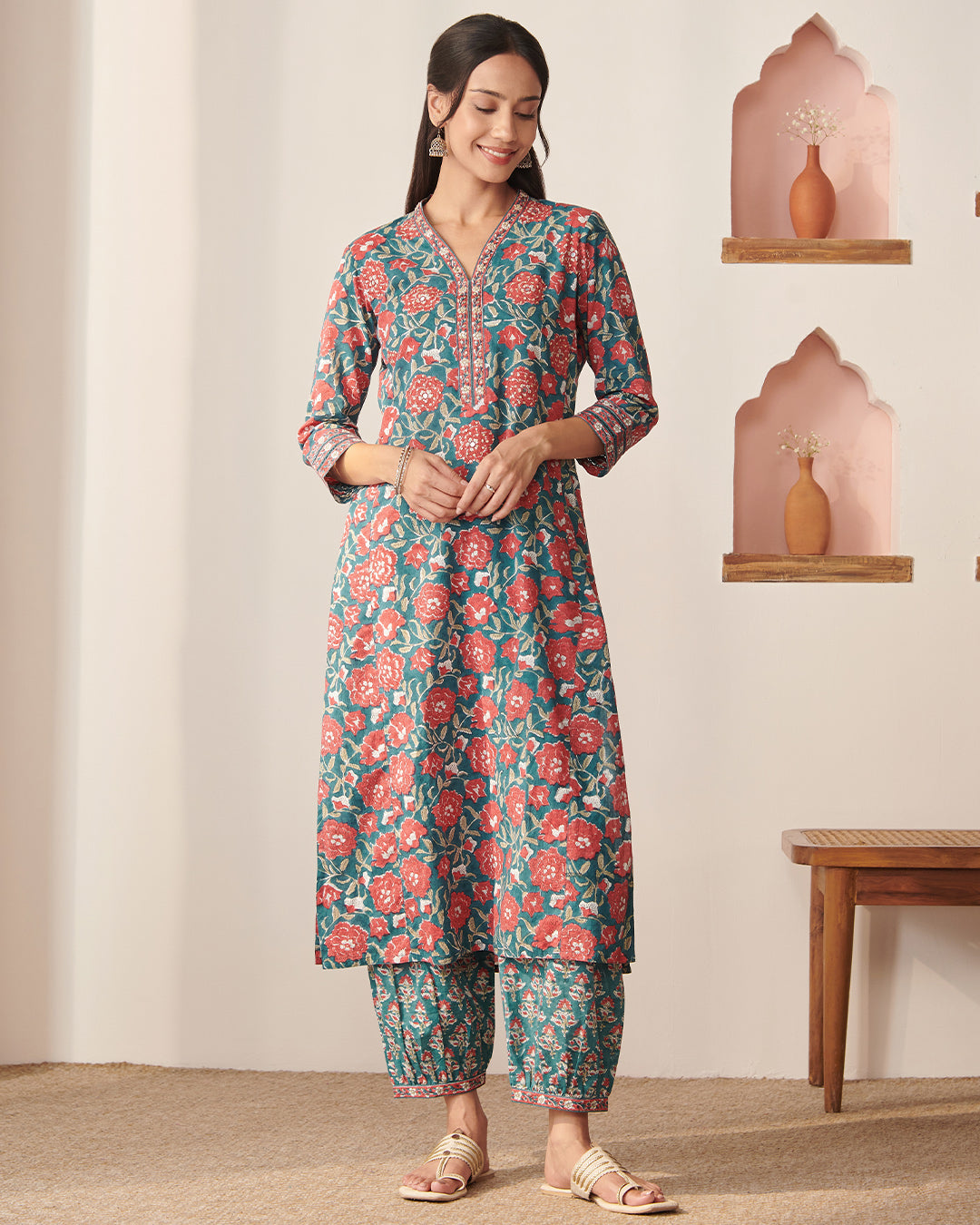
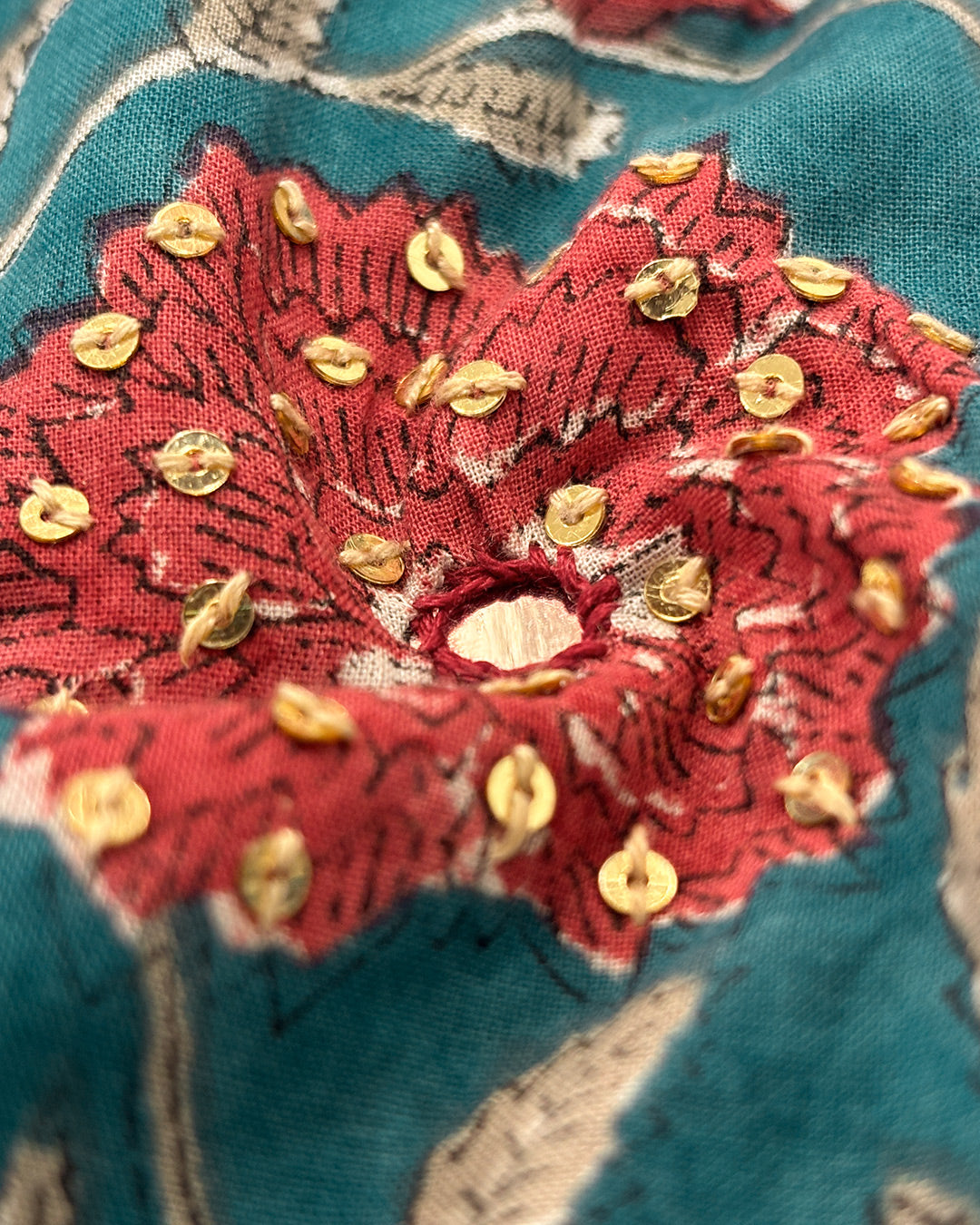
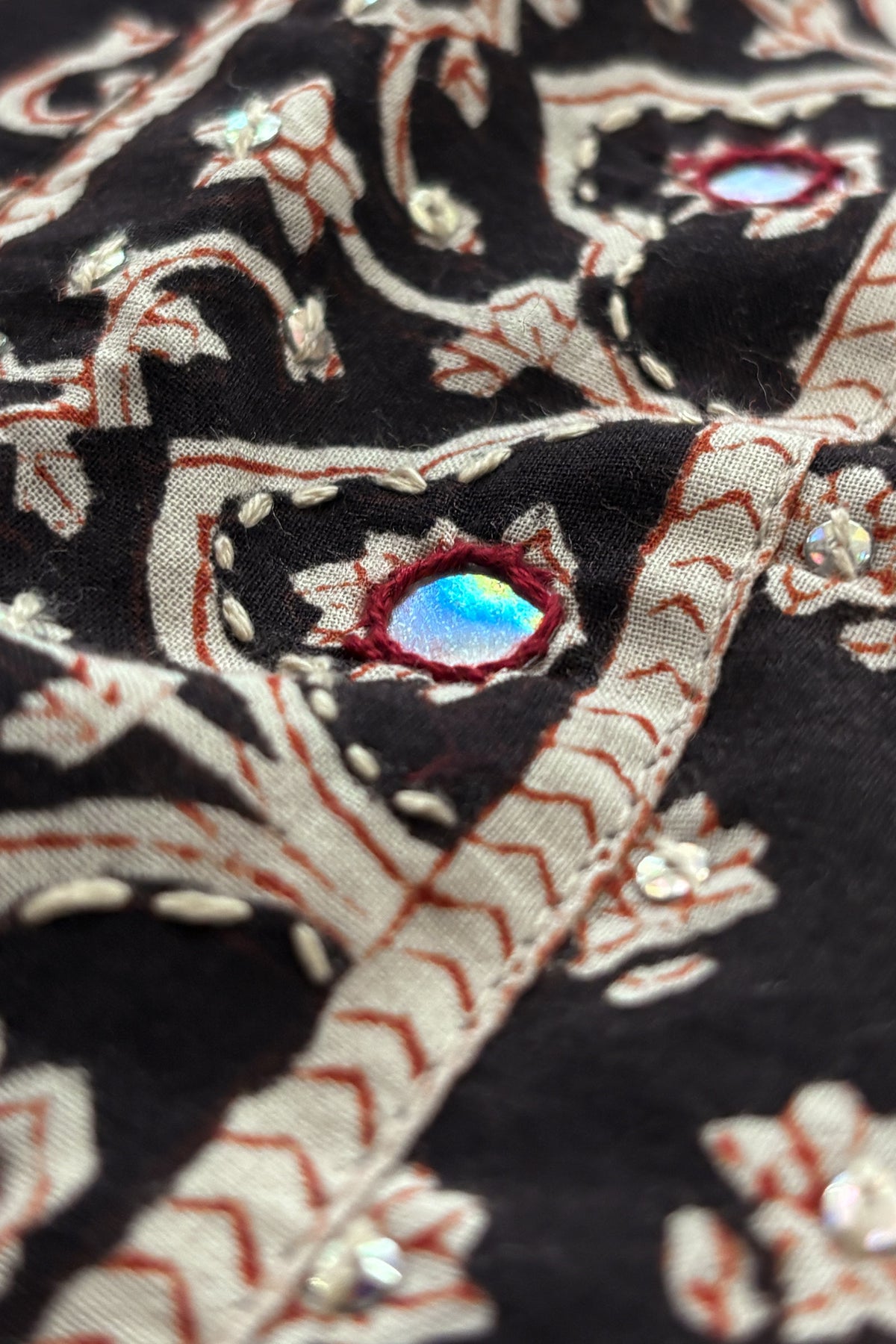
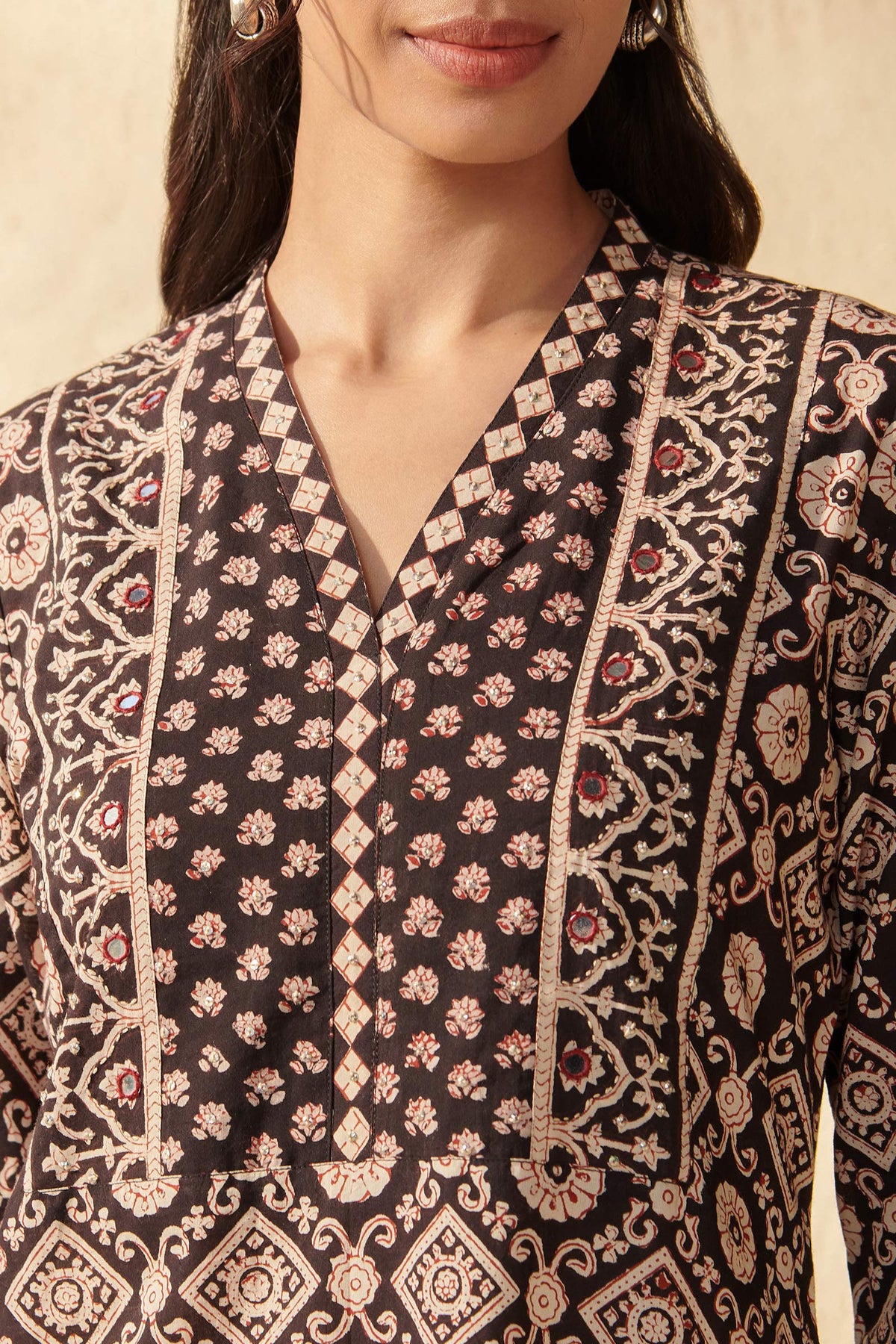
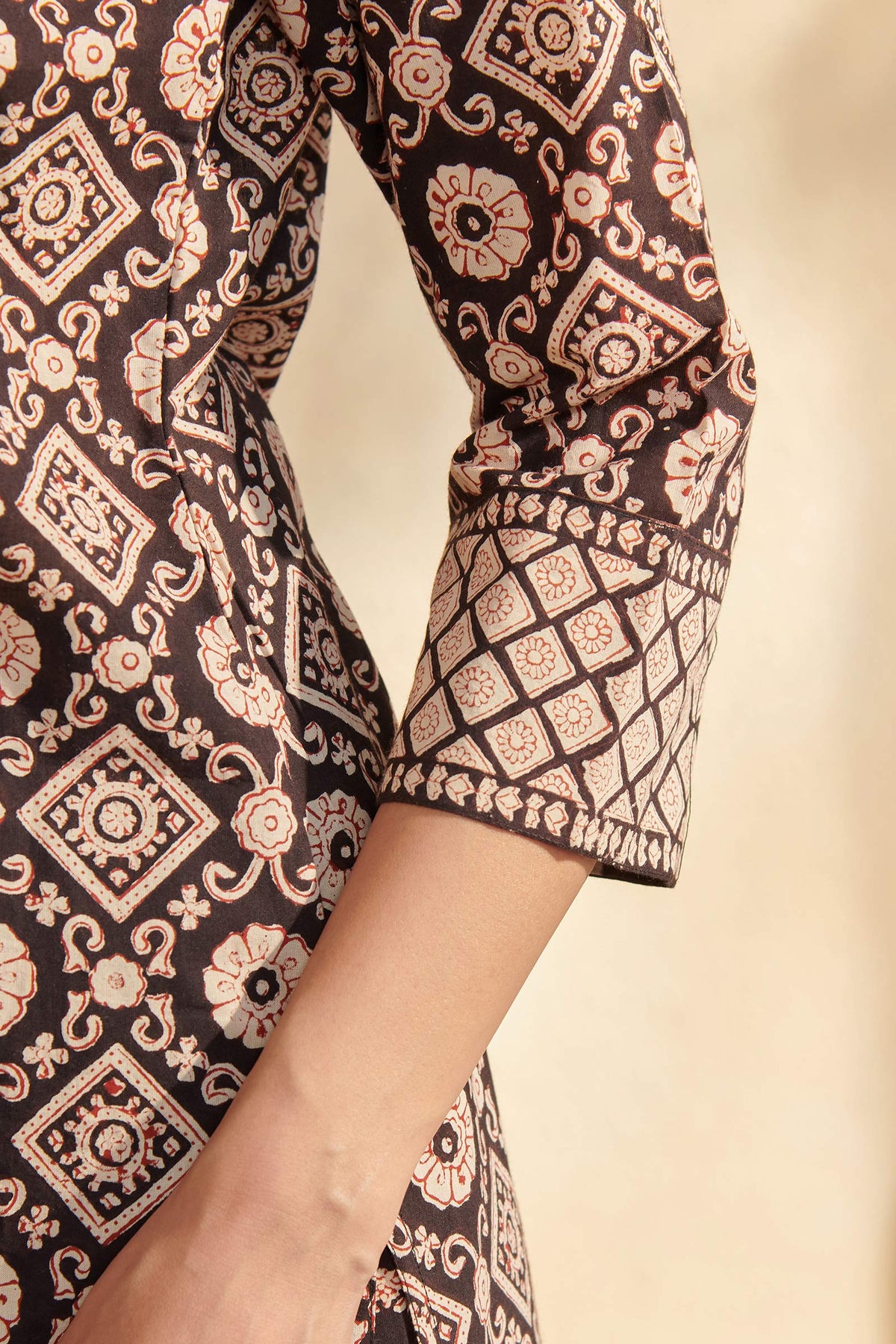
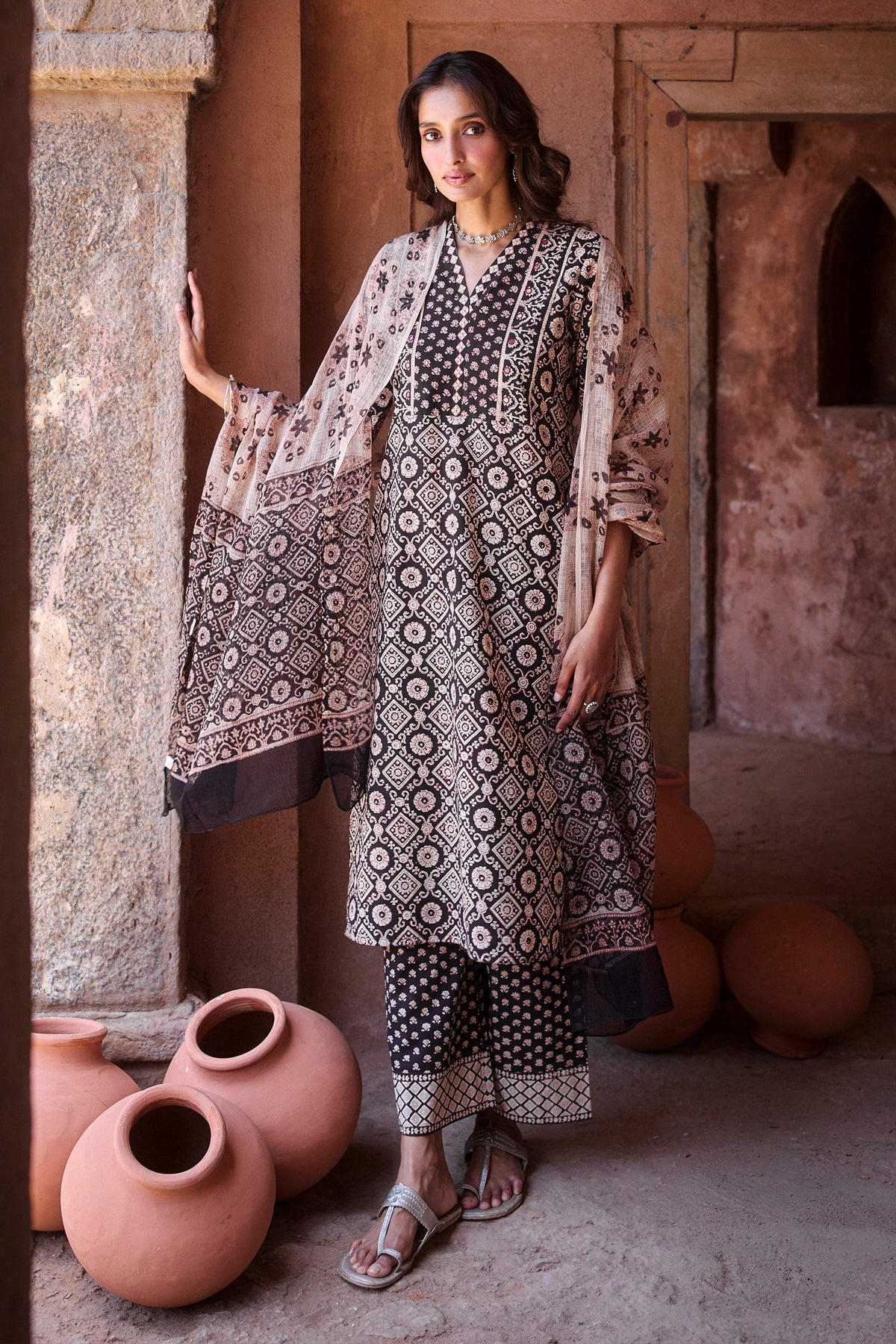
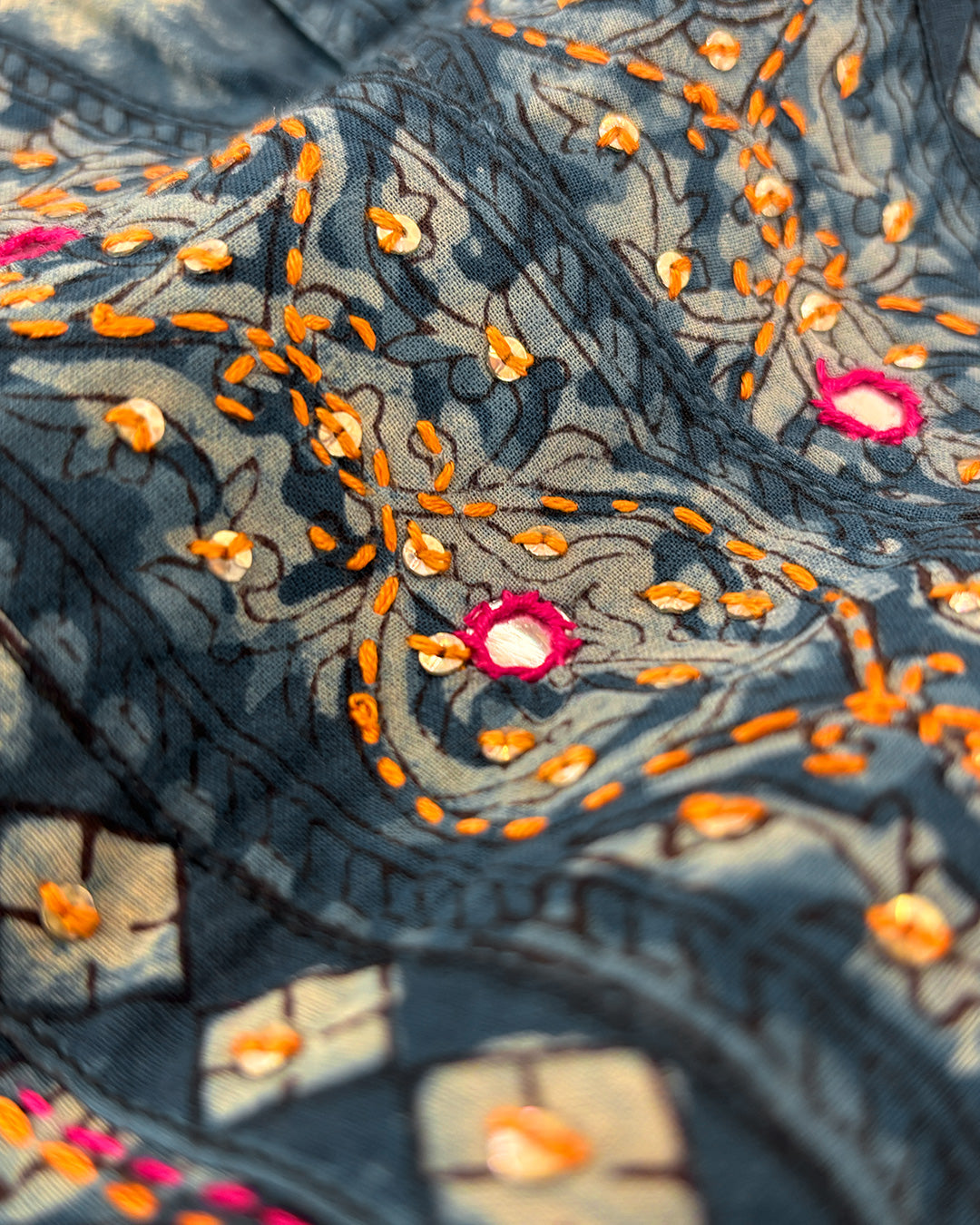
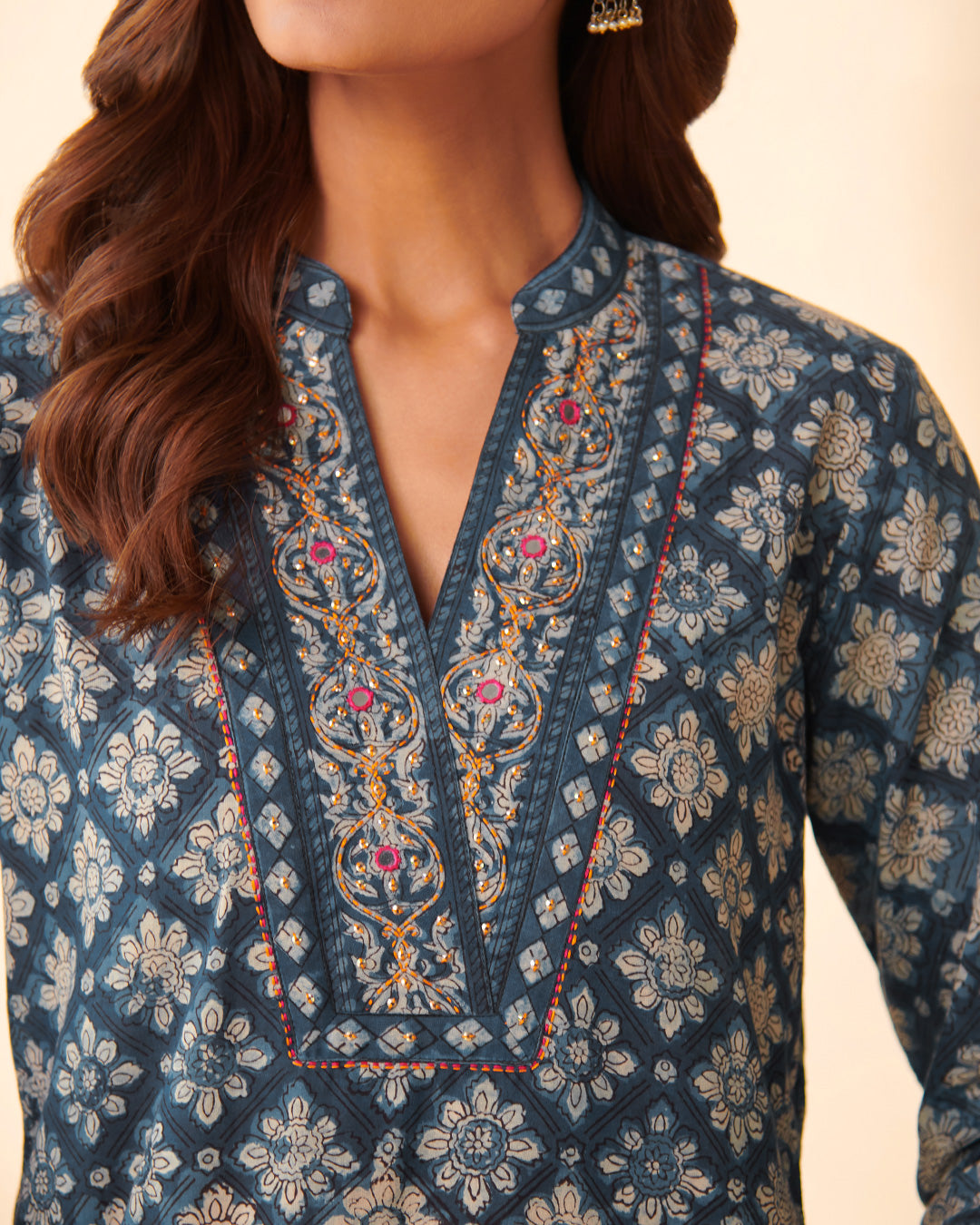
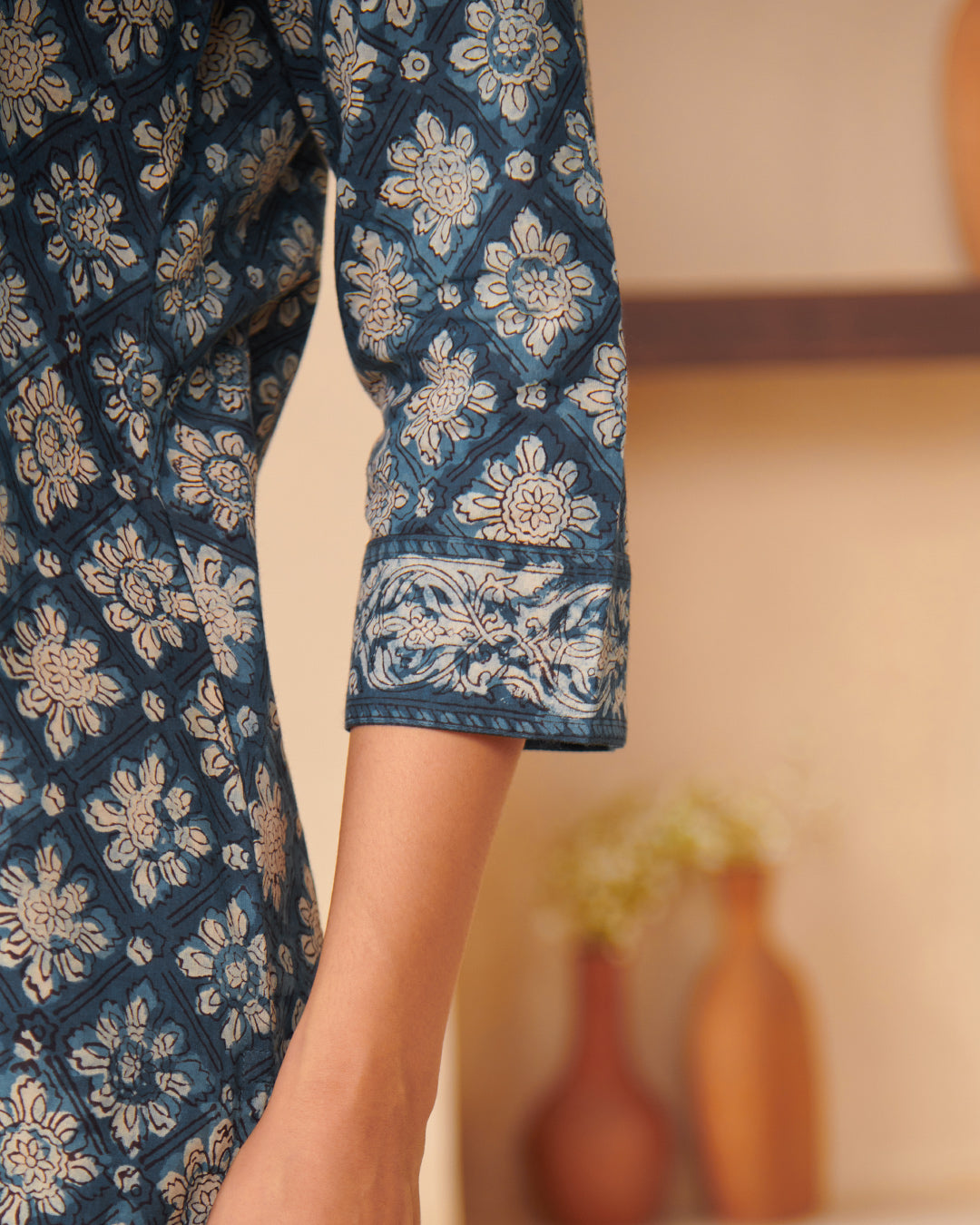
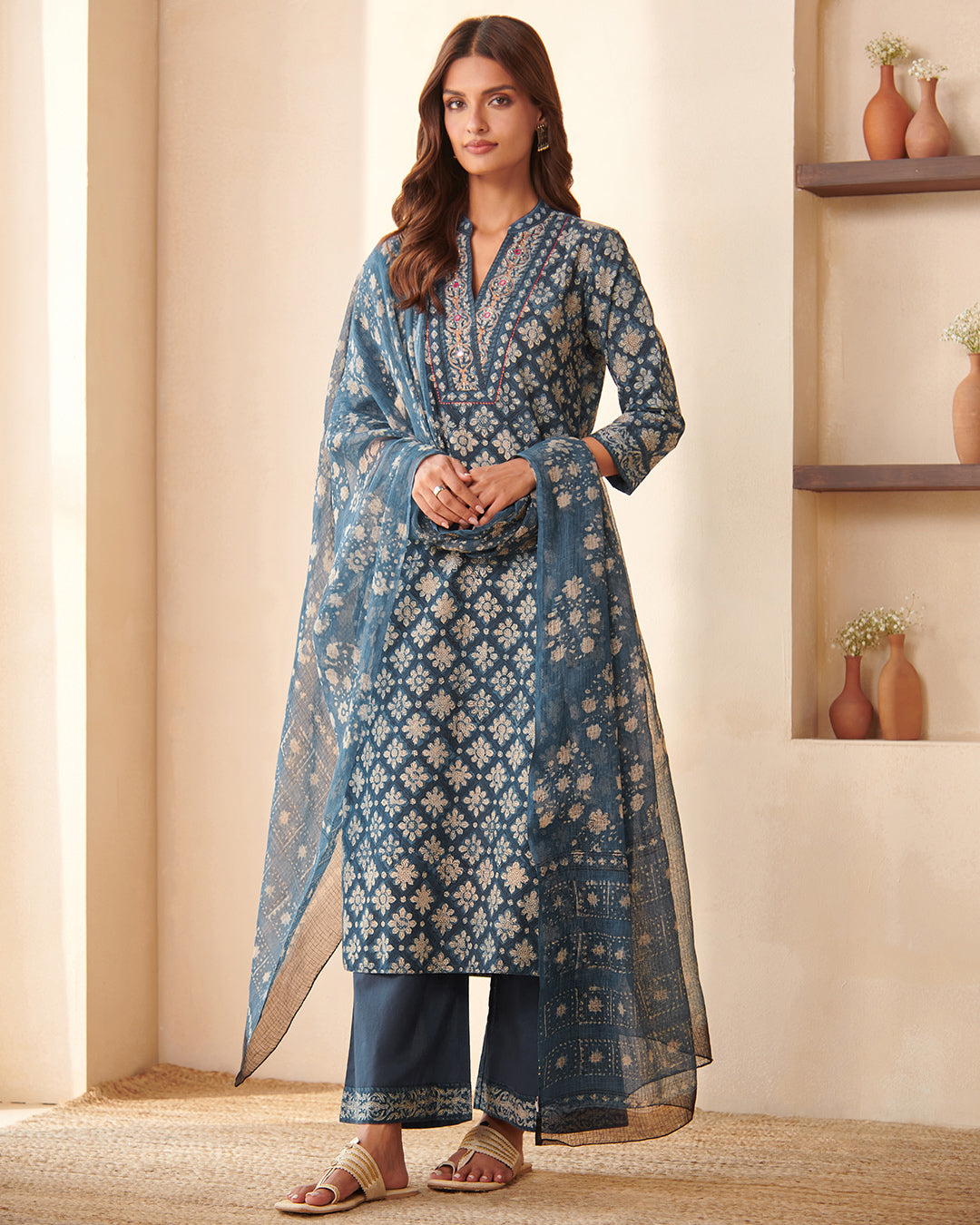
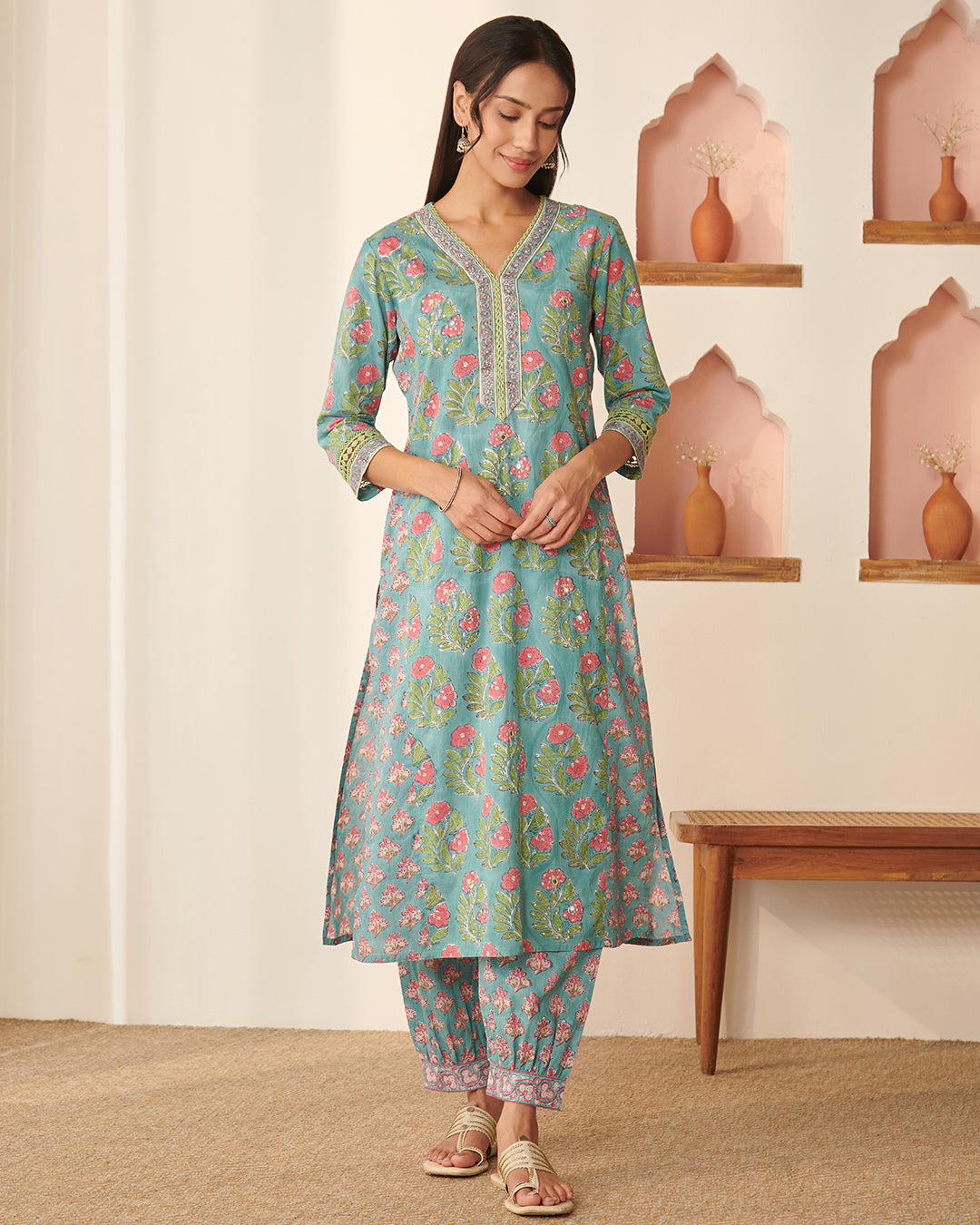
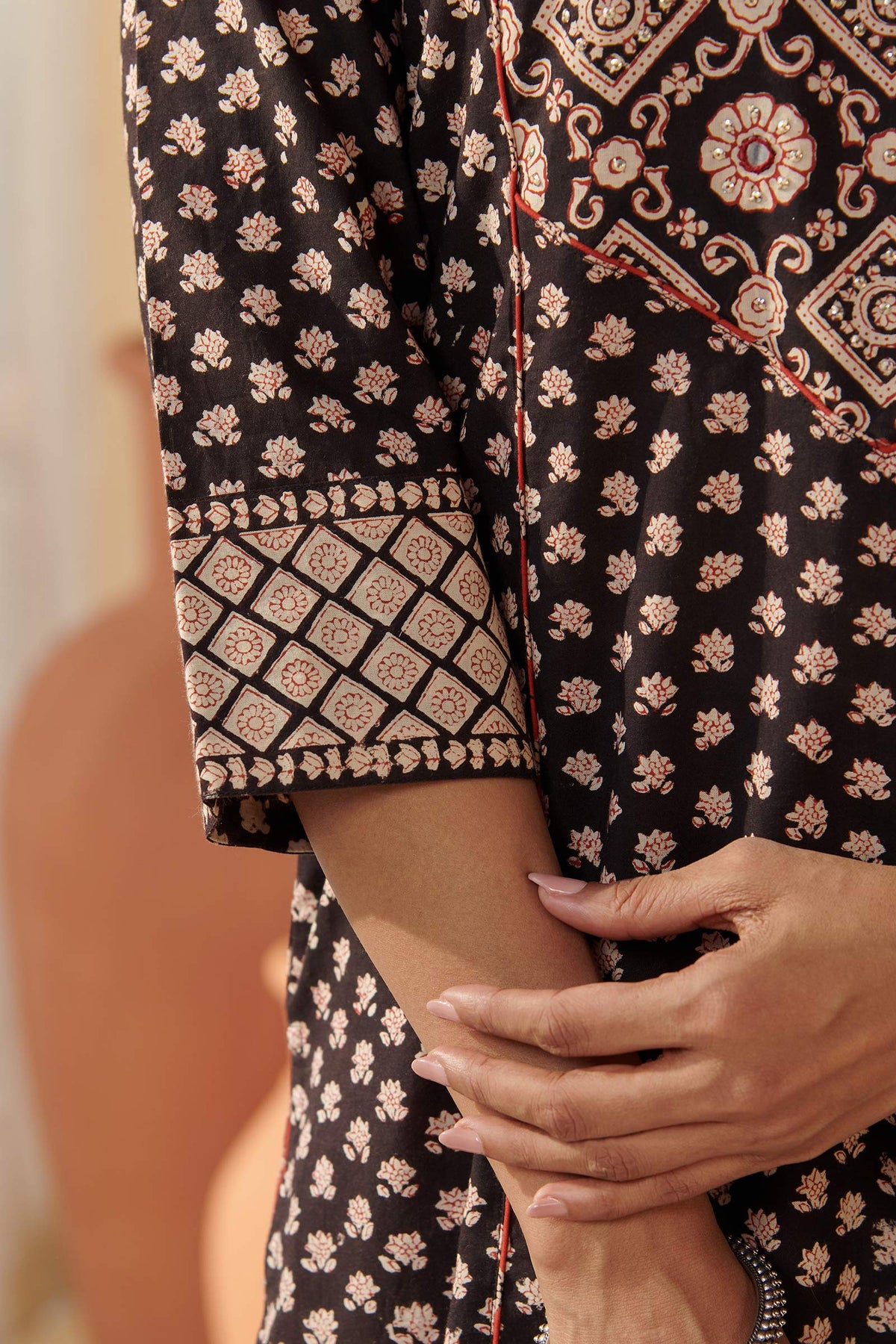
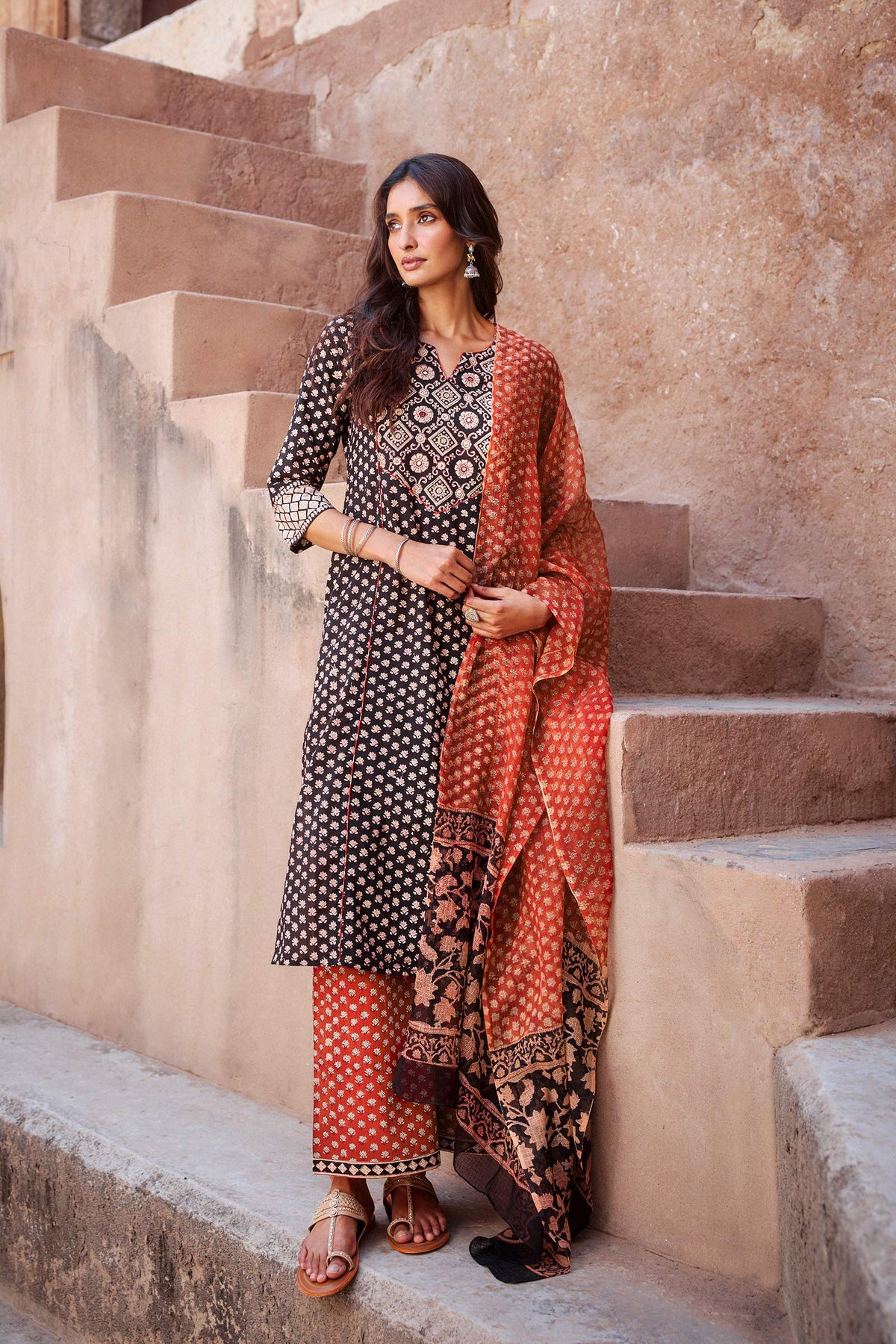
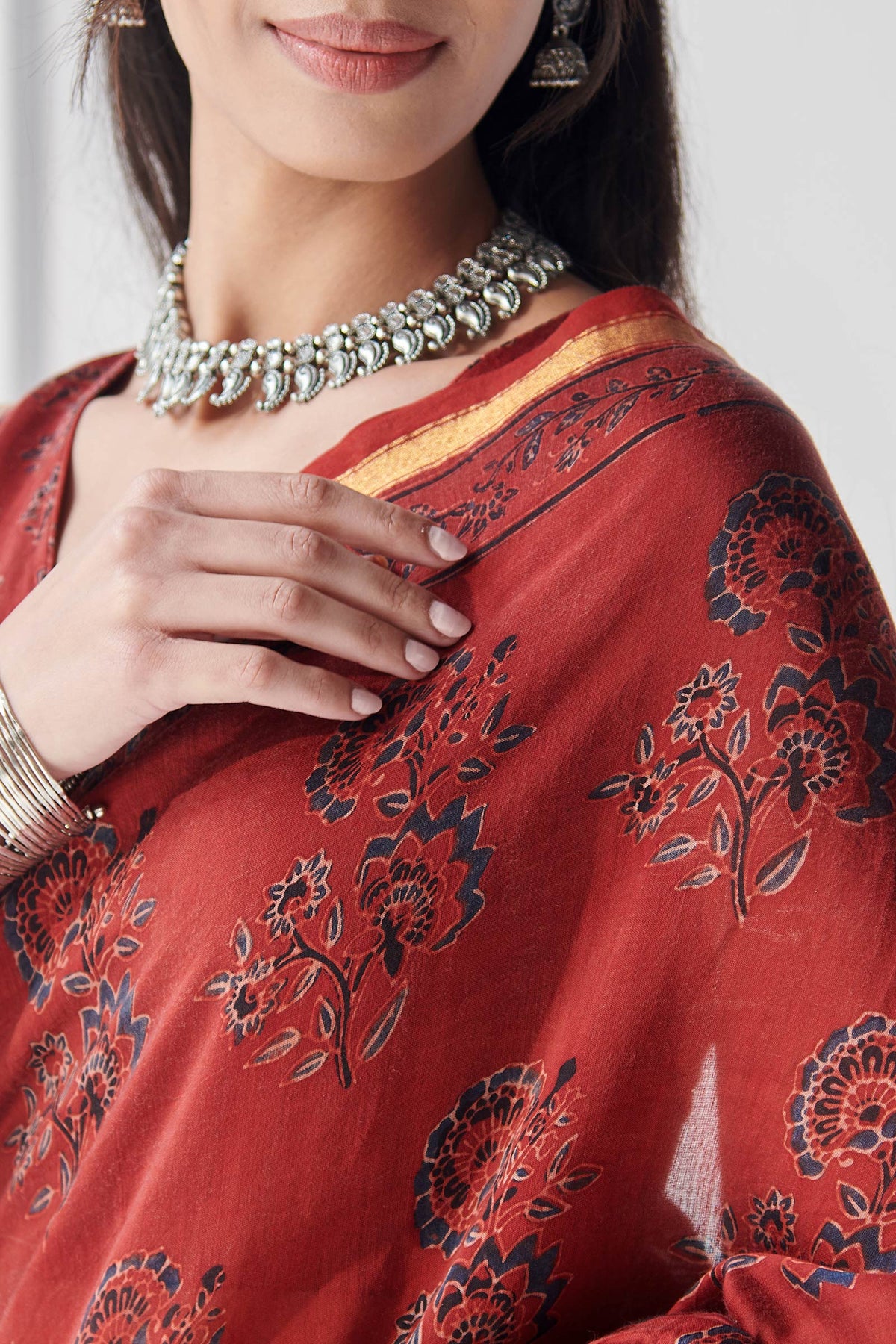
At Farida Gupta, every saree is a living reflection of India’s artistic heritage, shaped for the modern woman. Each piece carries the soul of craftsmanship, reimagined in breathable fabrics. The sarees celebrate India’s diverse textile traditions, featuring hand-block printed motifs inspired by nature, folklore, and regional artistry, all brought to life on soft, flowing drapes that move with ease through everyday and festive moments alike.
-
Hand-Block Printed Cotton Sarees: Lightweight and breathable, perfect for daily wear while staying rooted in traditional print stories.
-
Viscose Printed Sarees: Fluid, soft, and designed for all-day comfort with an understated sophistication.
-
Festive Chanderi Sarees: Subtle sheen and intricate detailing make them ideal for celebrations.
-
Viscose-Modal Blend Sarees: Luxurious texture meets practicality, crafted to transition effortlessly from workdays to evenings.
Across all collections, the constant thread is craftsmanship, handcrafted prints, traditional inspirations, and an enduring connection to India’s textile legacy. Farida Gupta sarees are not just six yards of fabric; they’re wearable narratives of culture and artistry, created for women who value tradition while leading contemporary life.

Empowering and Celebrating Womanhood
A saree has always been more than a garment; it’s a statement of confidence, identity, and strength. For generations, women have worn sarees not just as attire, but as a reflection of power and self-assurance. From Indira Gandhi’s commanding presence in crisp cottons to Kiran Bedi’s poised simplicity and Nirmala Sitharaman’s grace, the saree has been a constant companion in moments of leadership and change.
In the world of cinema, icons like Rekha and Vidya Balan have redefined the saree as a mark of individuali ty and pride, showing that tradition can hold its own in a world driven by trends. Today, contemporary influencers and designers are reinterpreting this classic drape, pairing it with belts, jackets, and sneakers, proving that the saree can evolve while holding on to its roots.
Its ability to blend heritage with modern sensibilities makes the saree a celebration of womanhood in every form. Whether worn in boardrooms, on red carpets, or at festive gatherings, it continues to stand as a symbol of strength and cultural continuity, a six-yard story every woman must own.

