



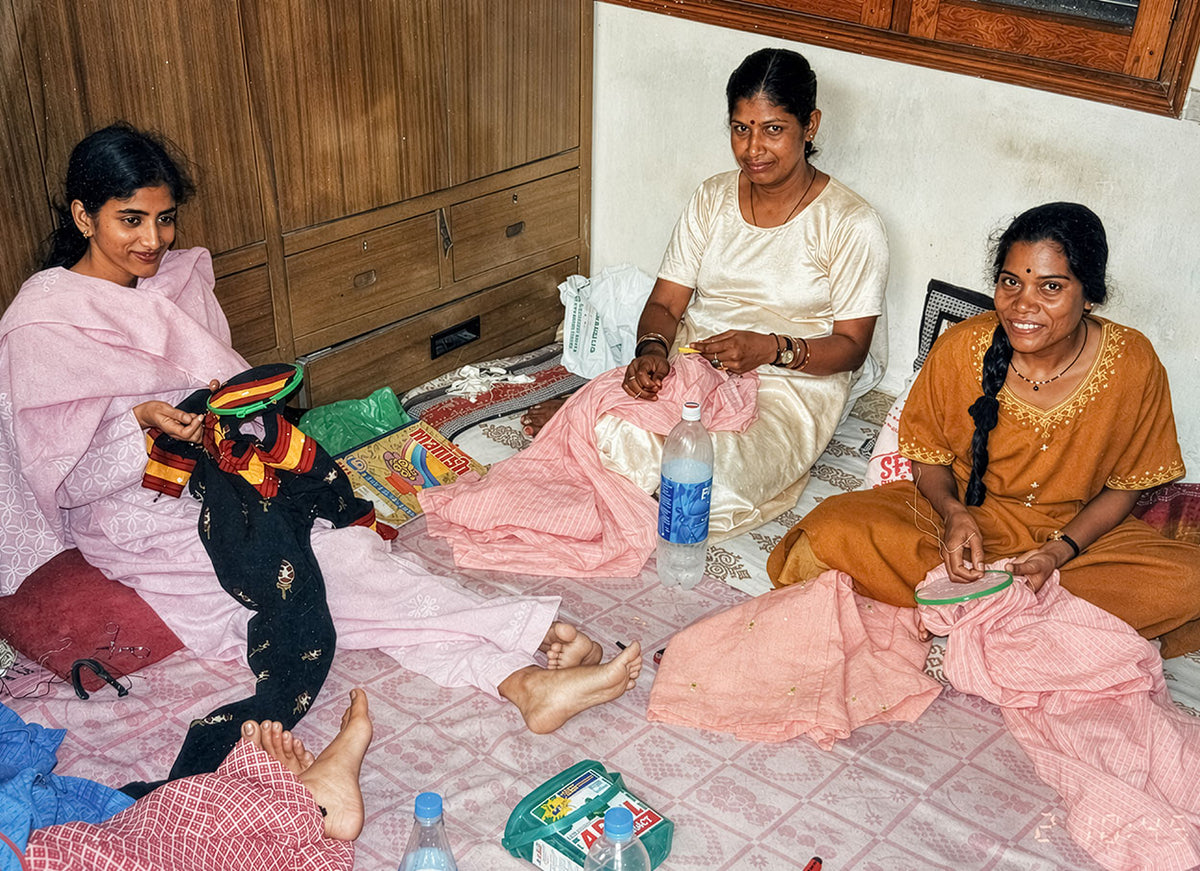

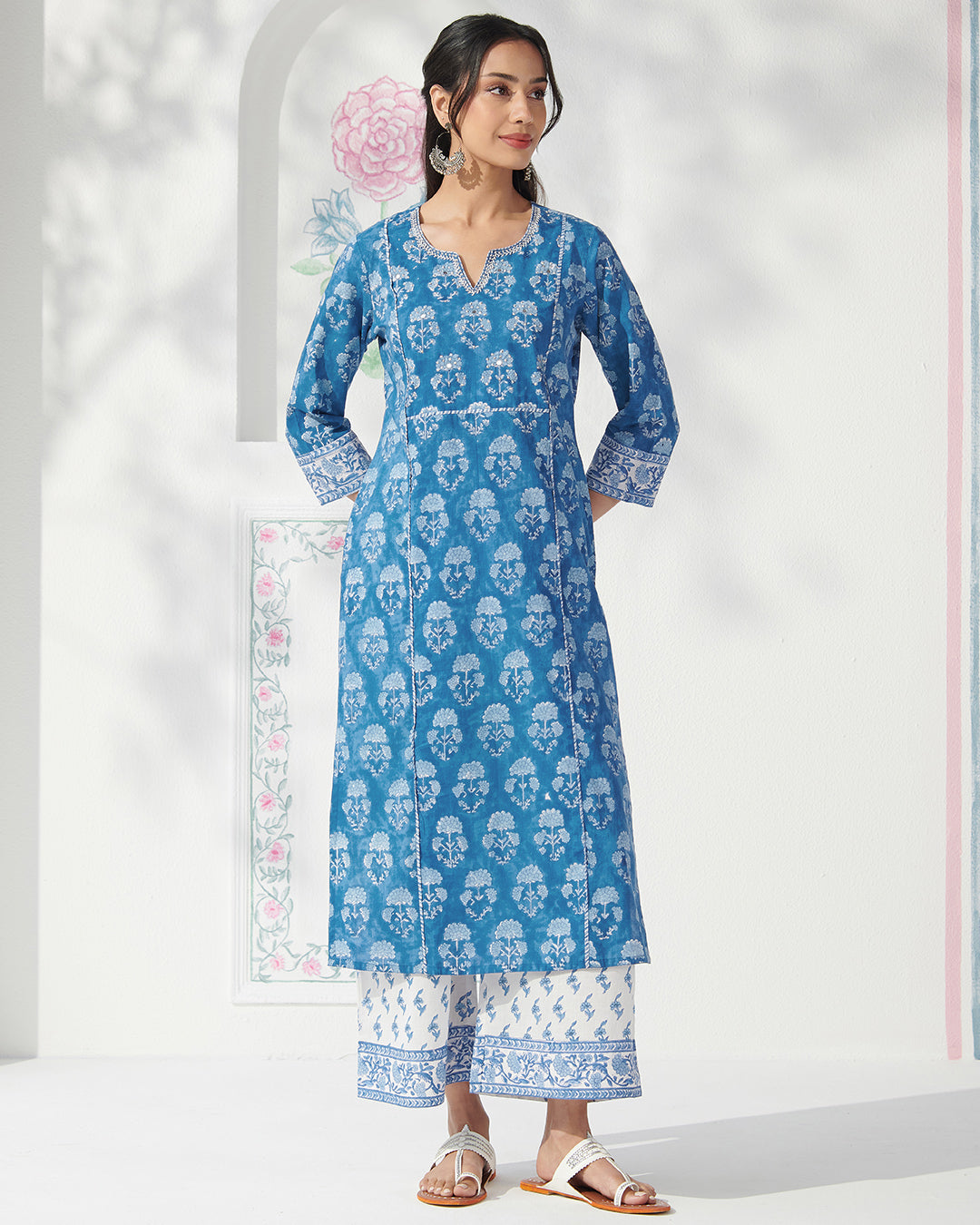
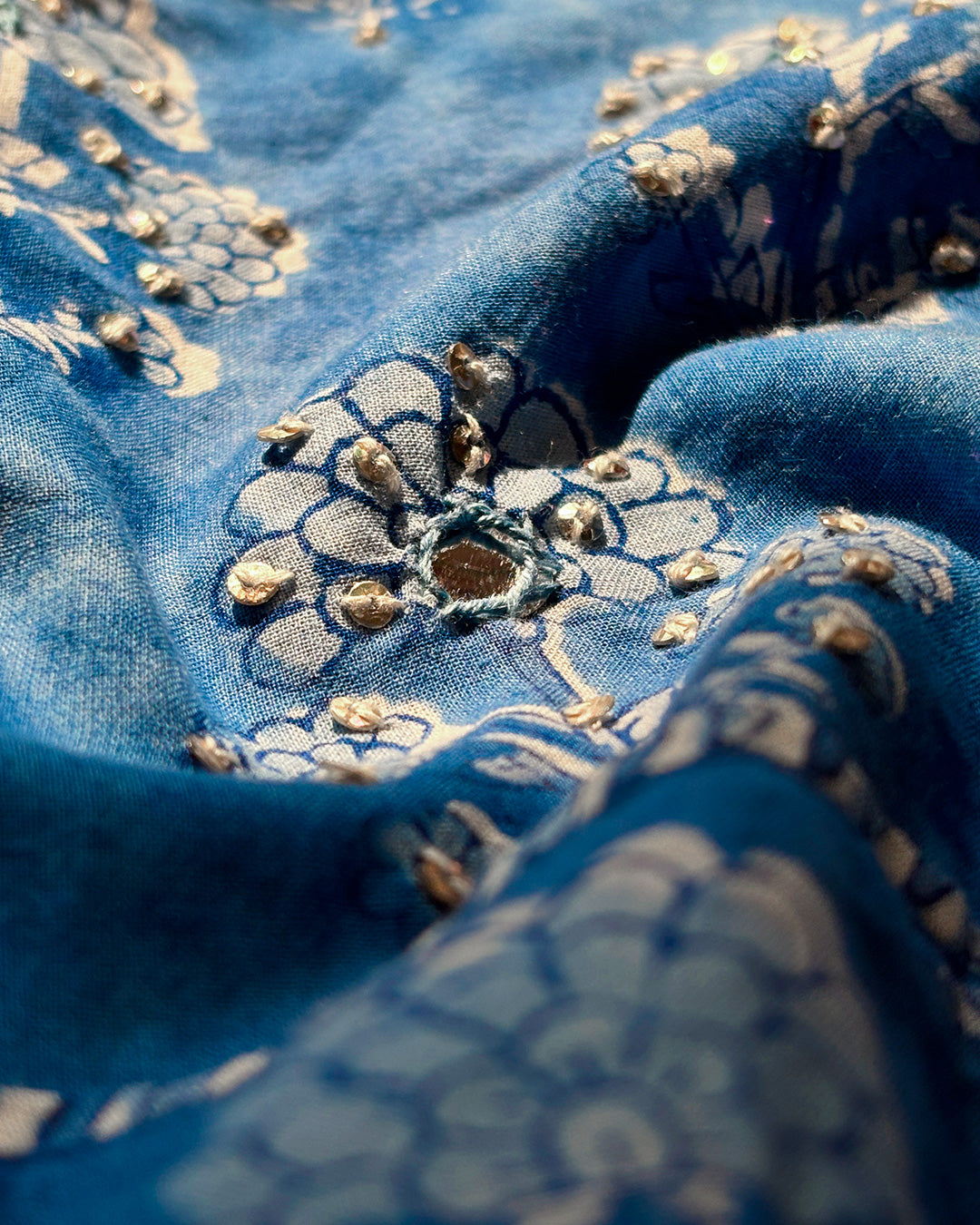
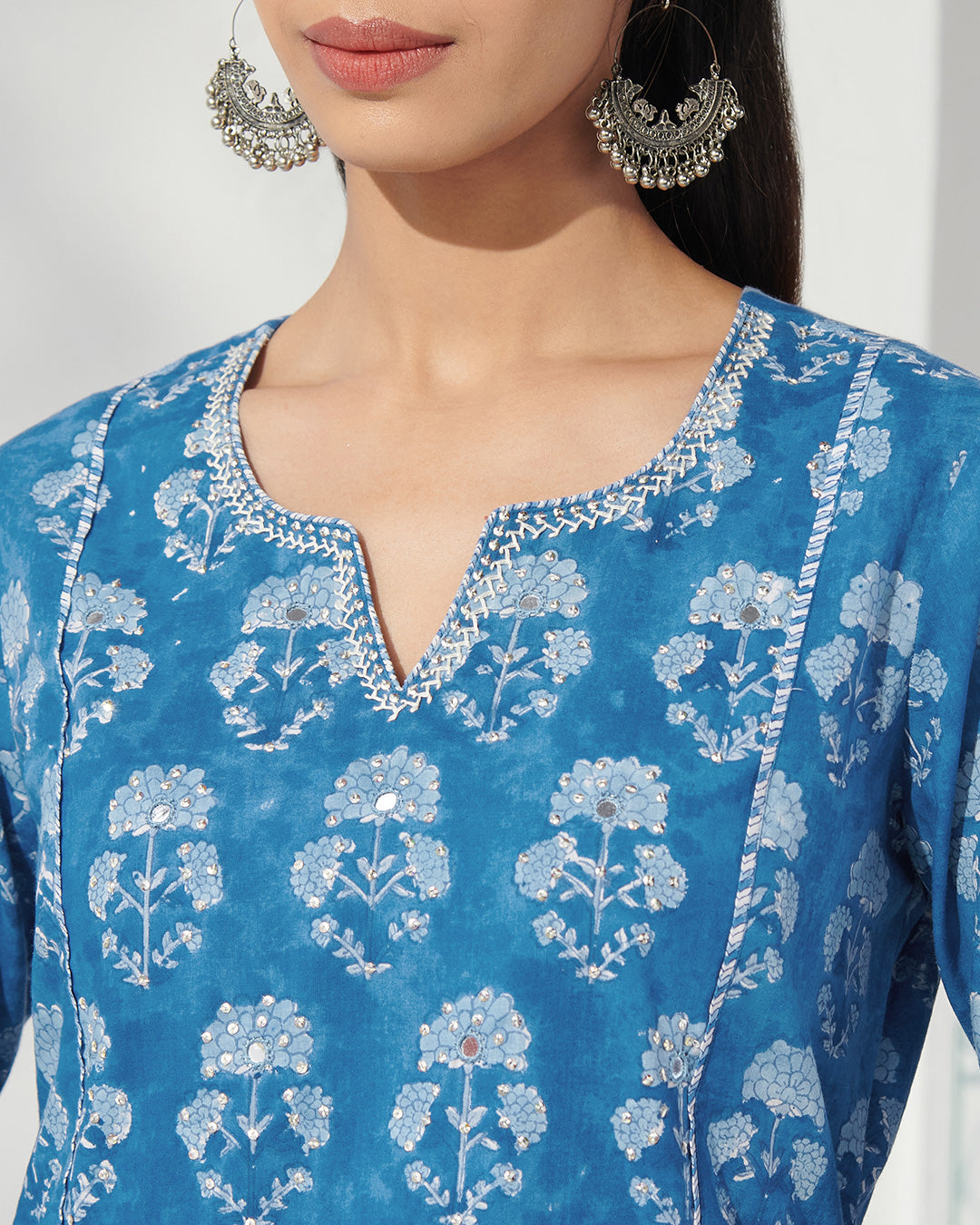
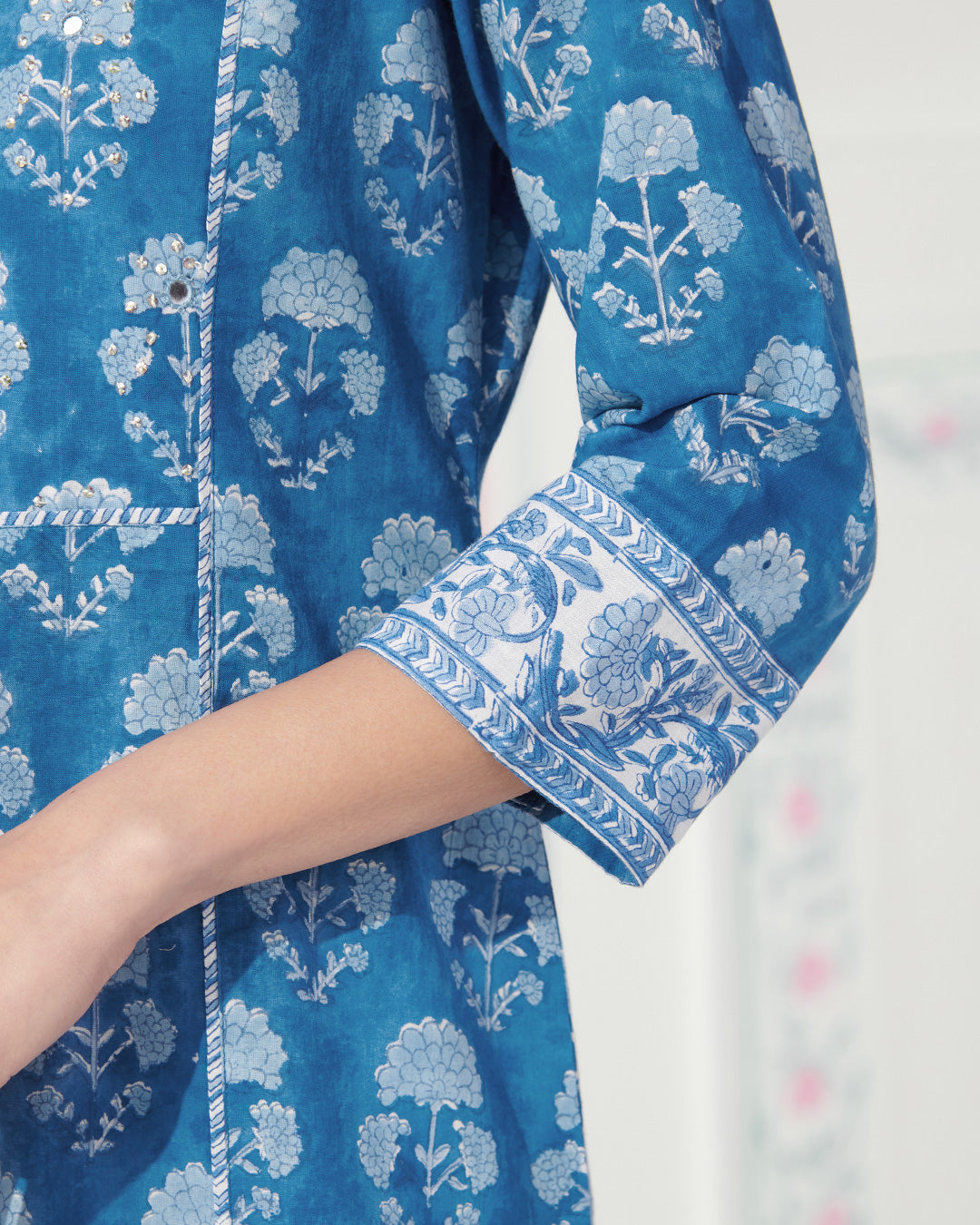
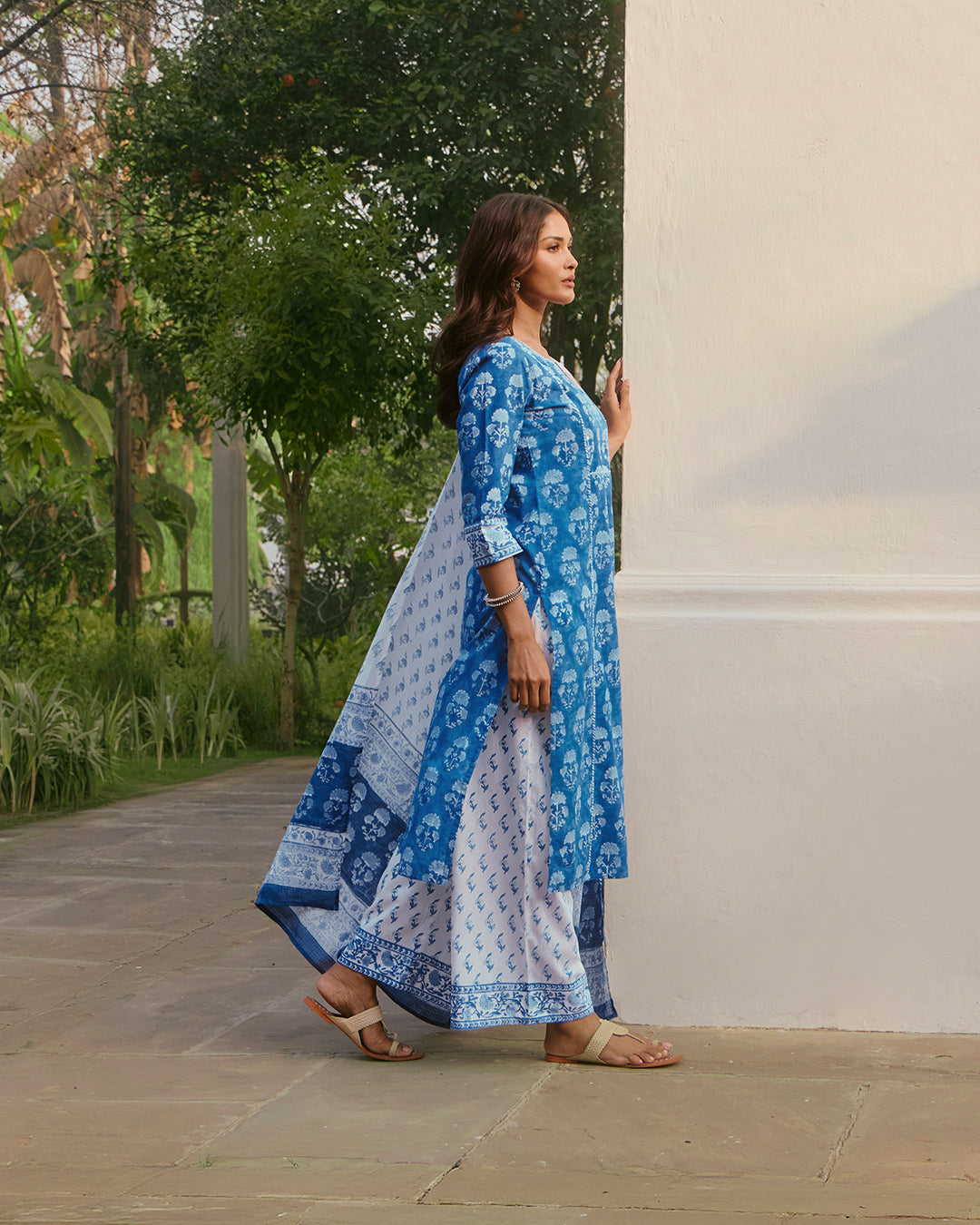
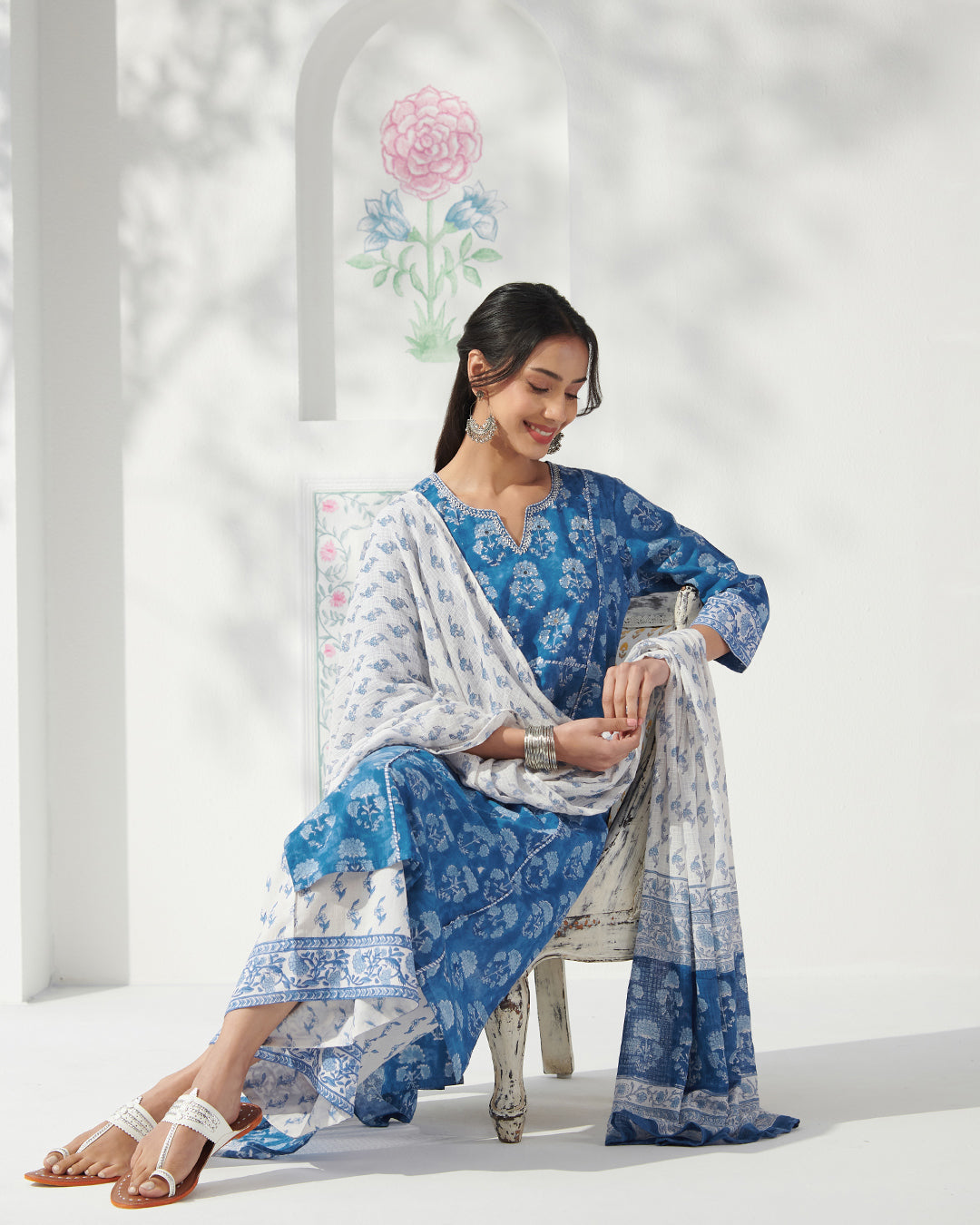
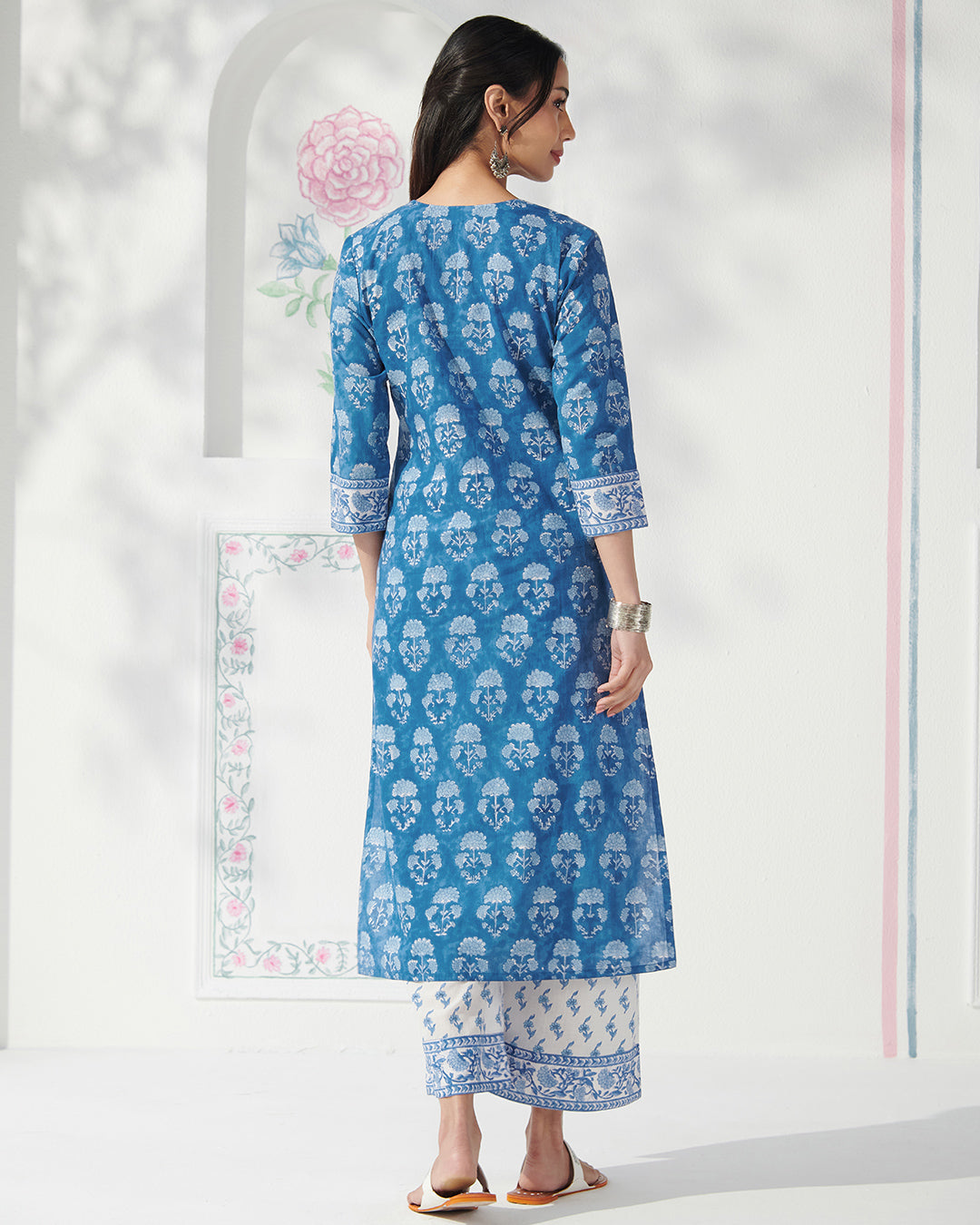
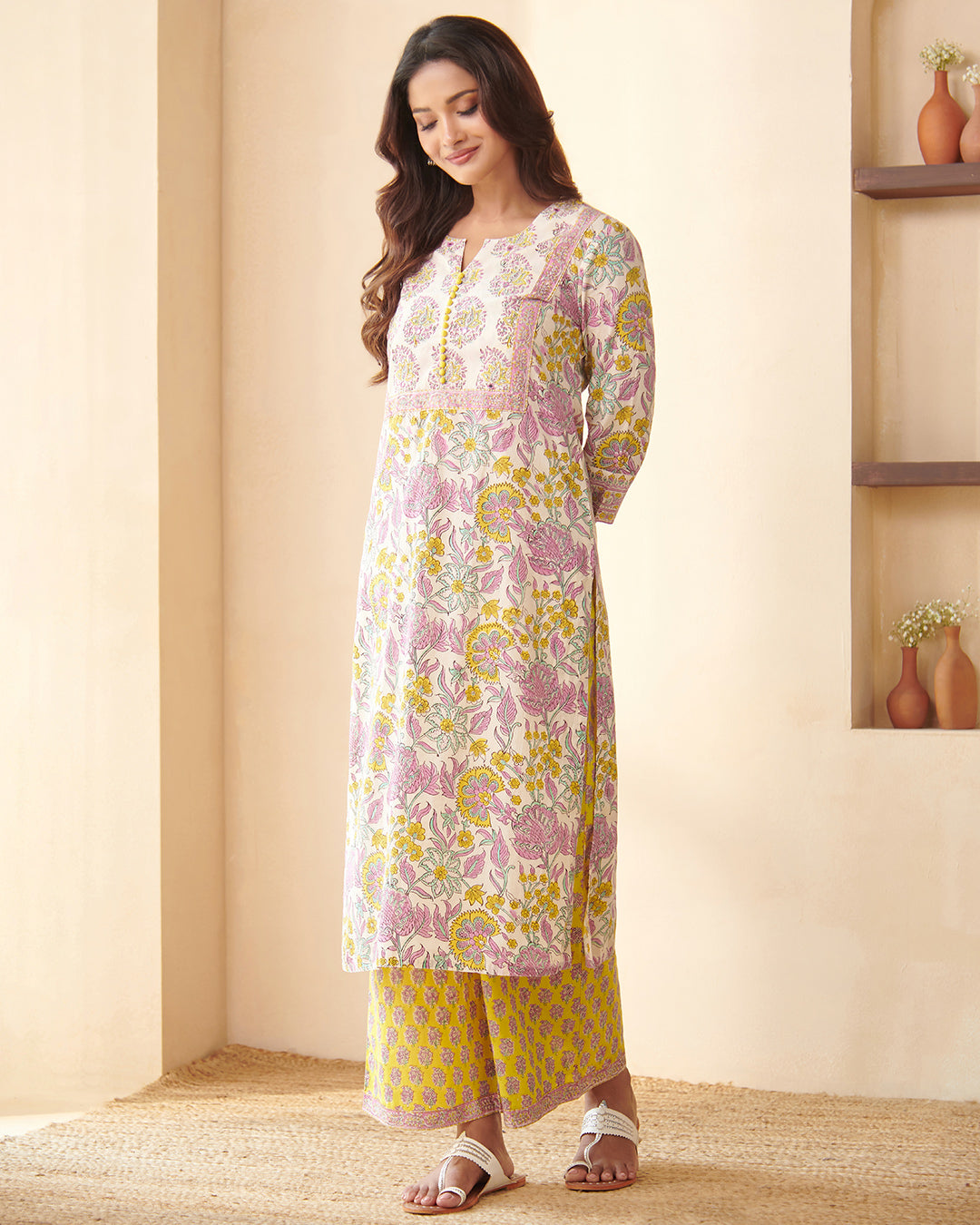
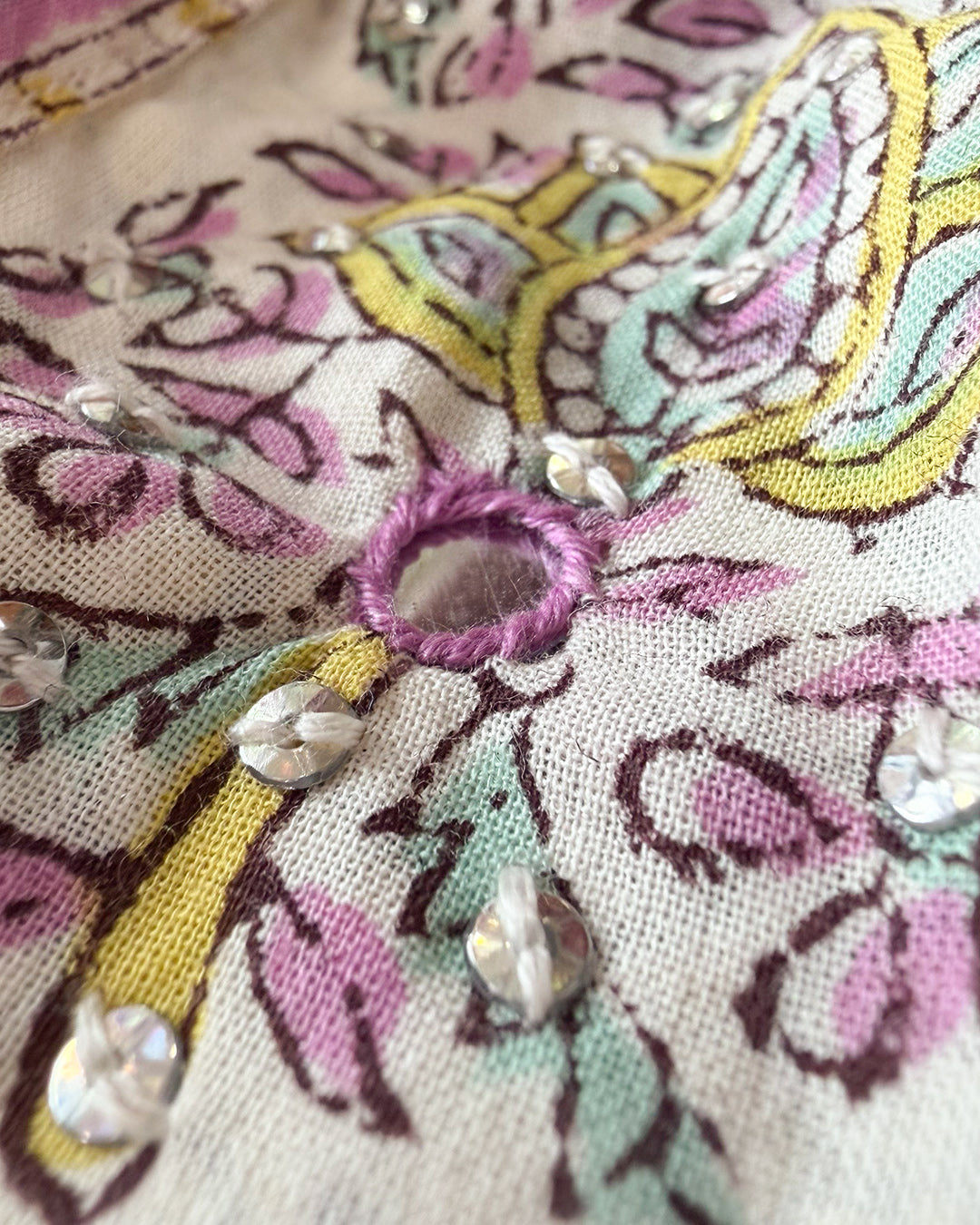
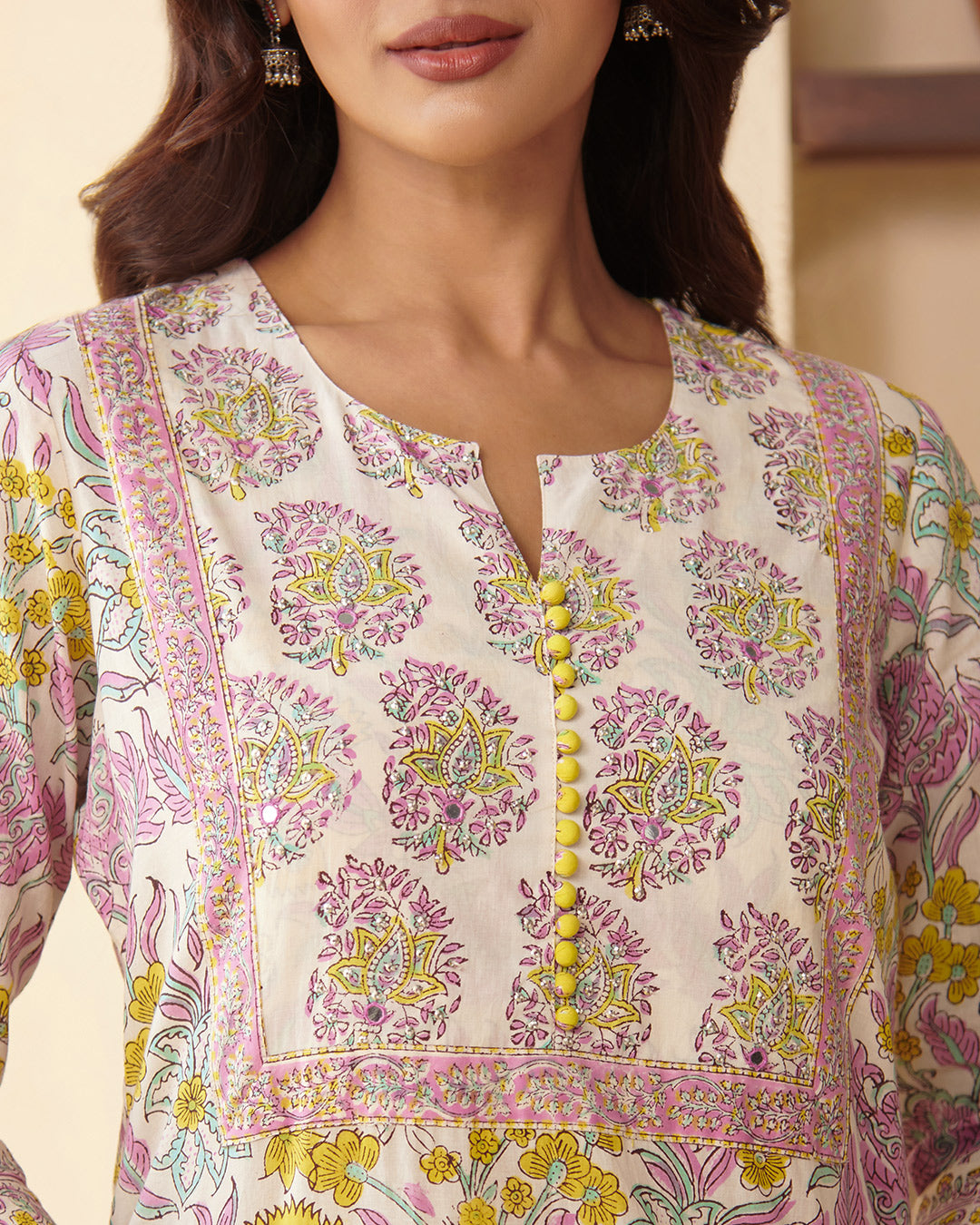
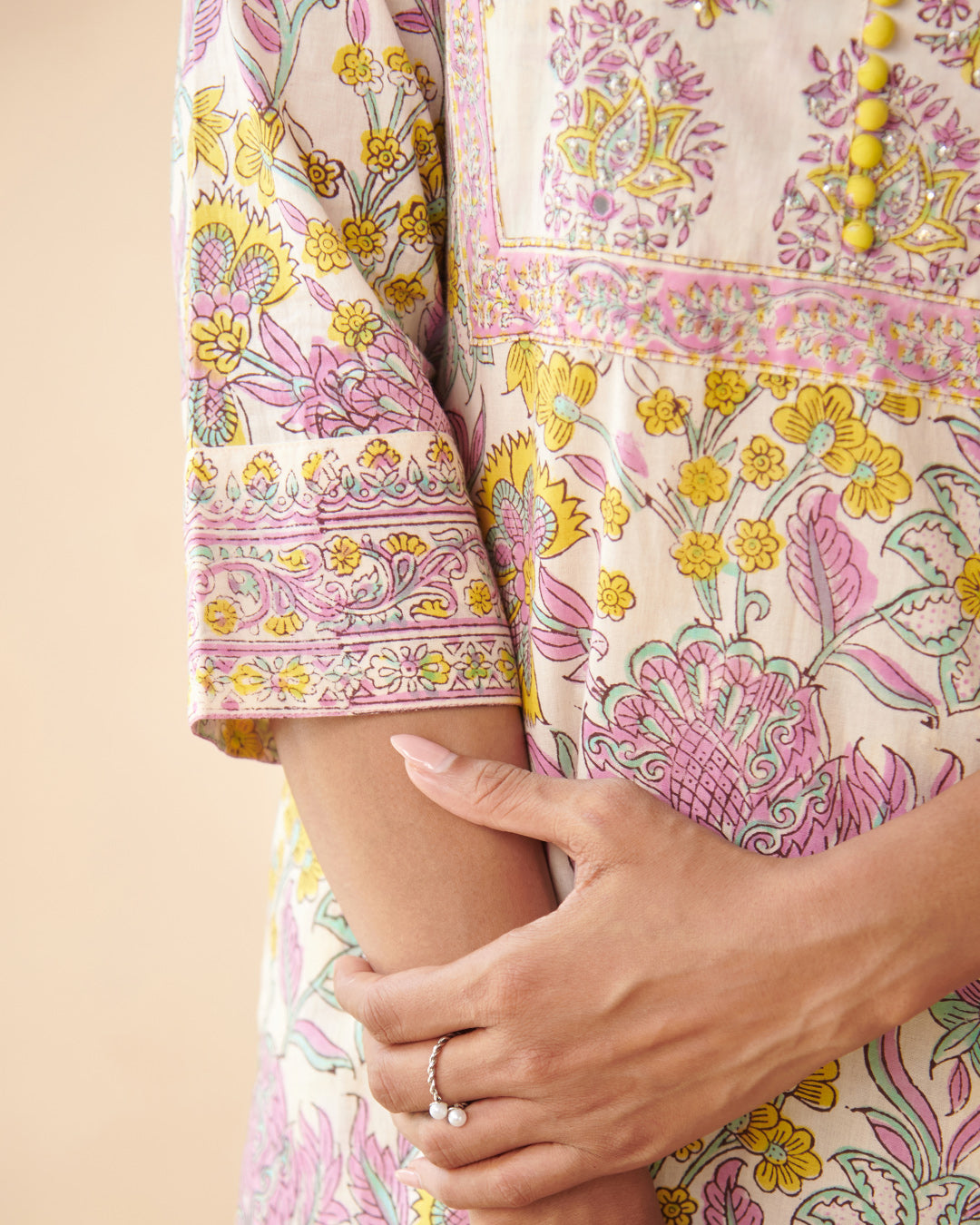
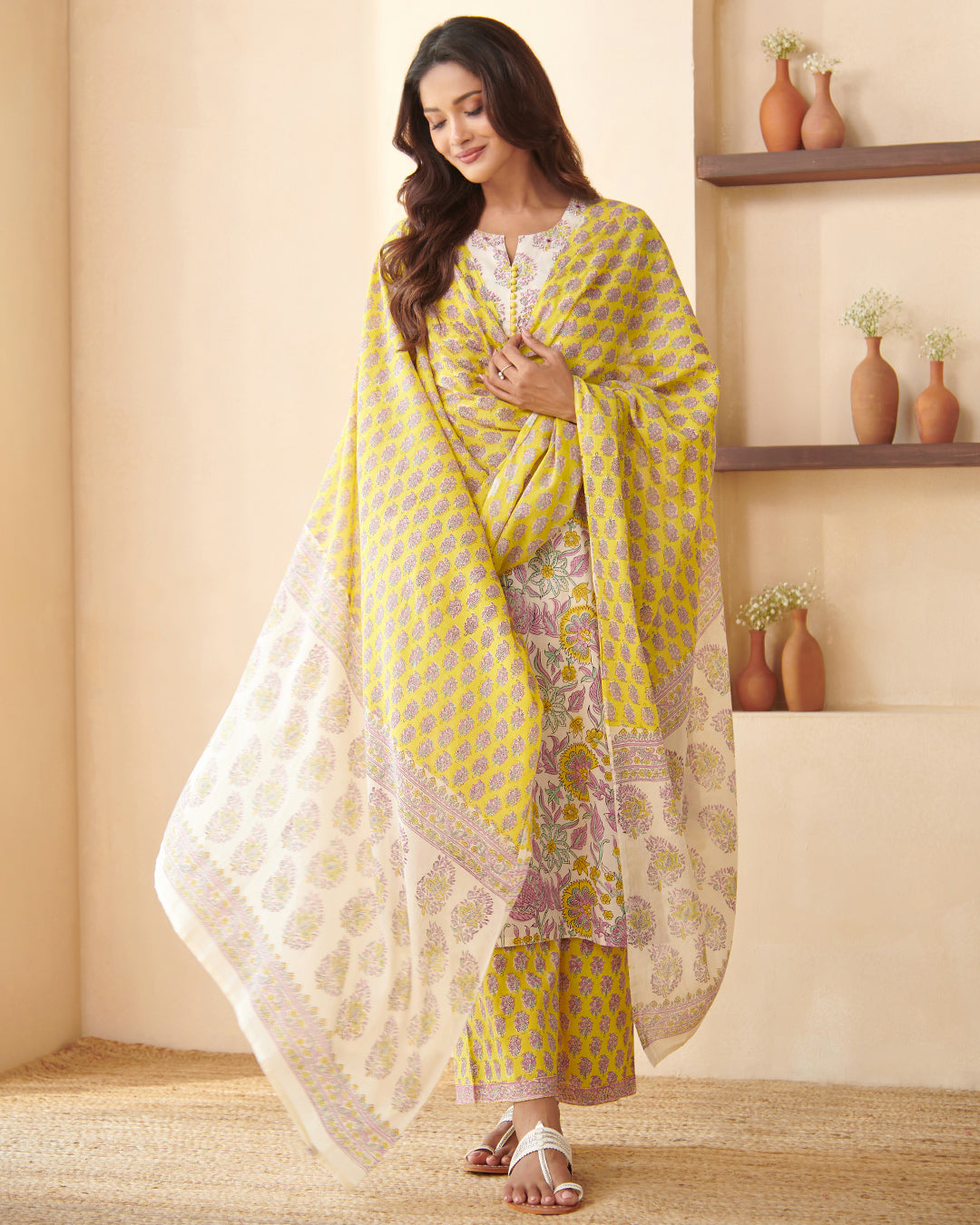
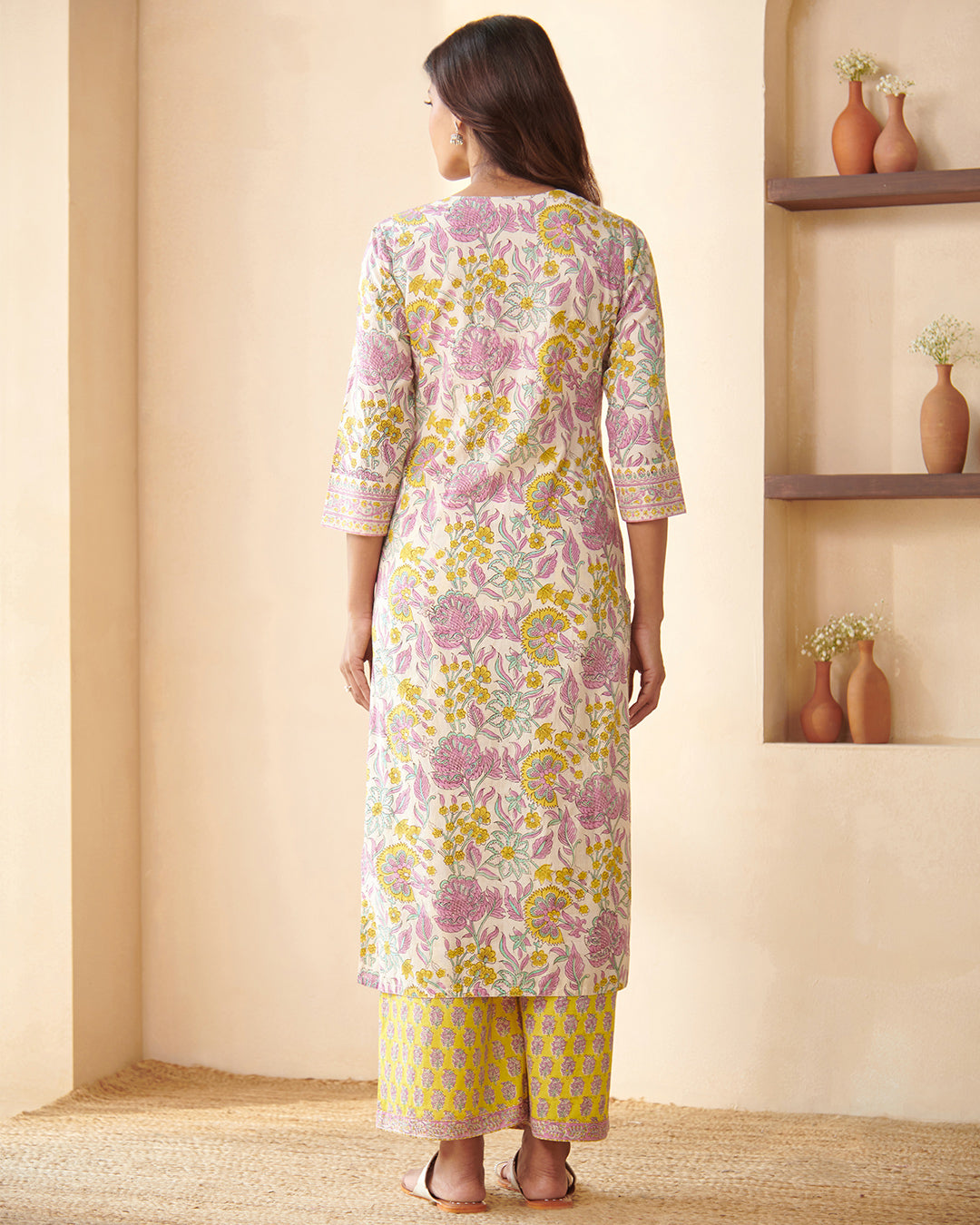



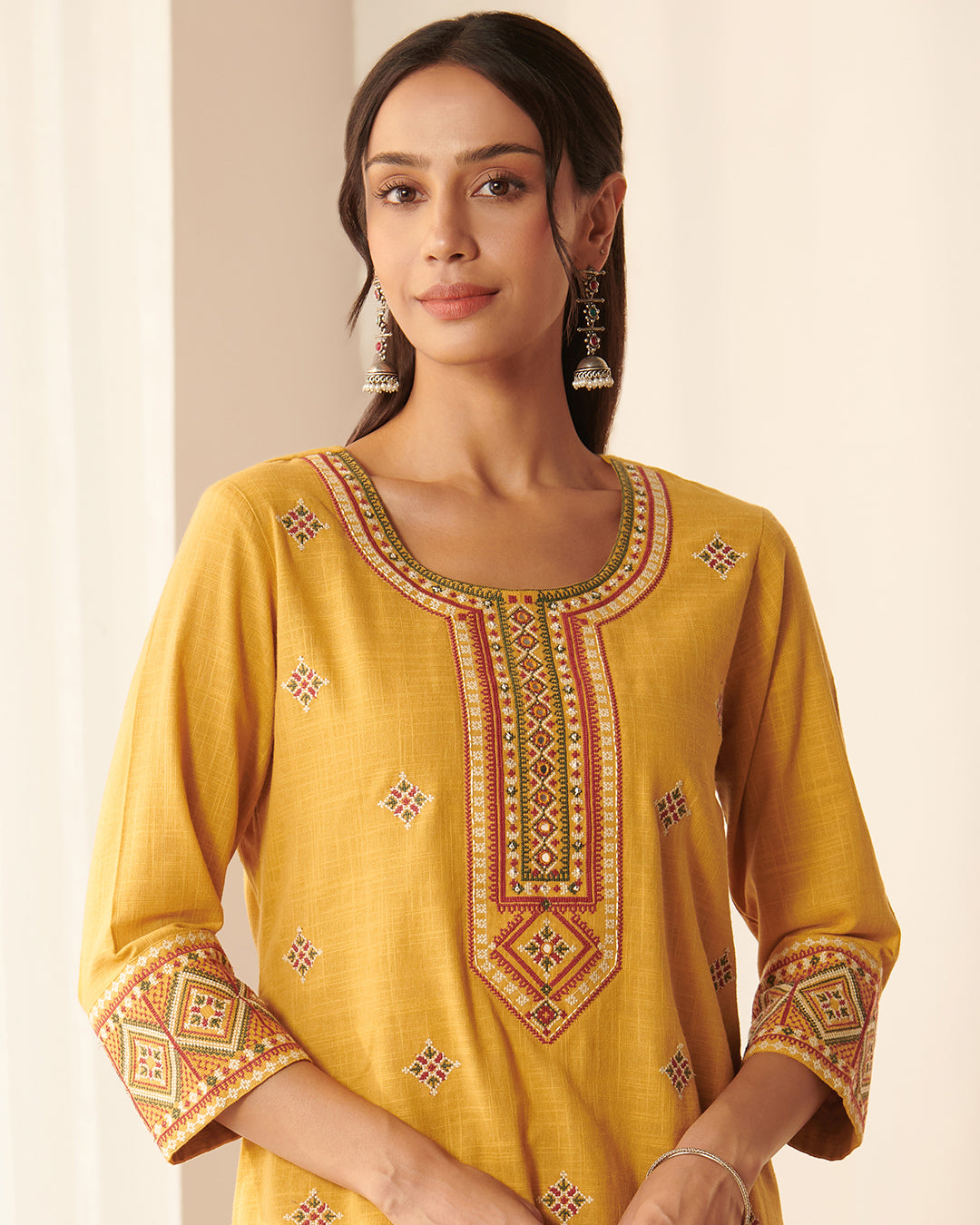
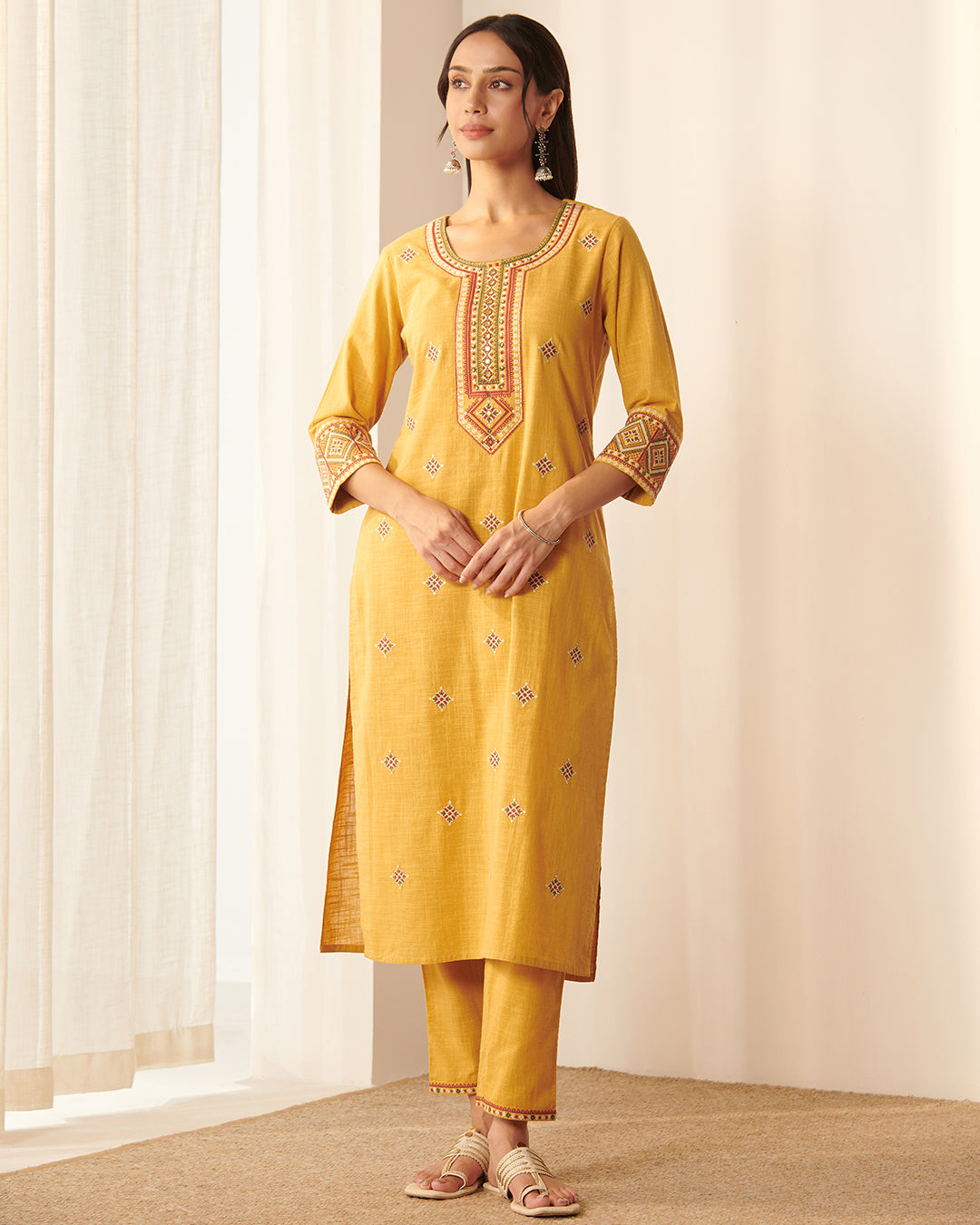
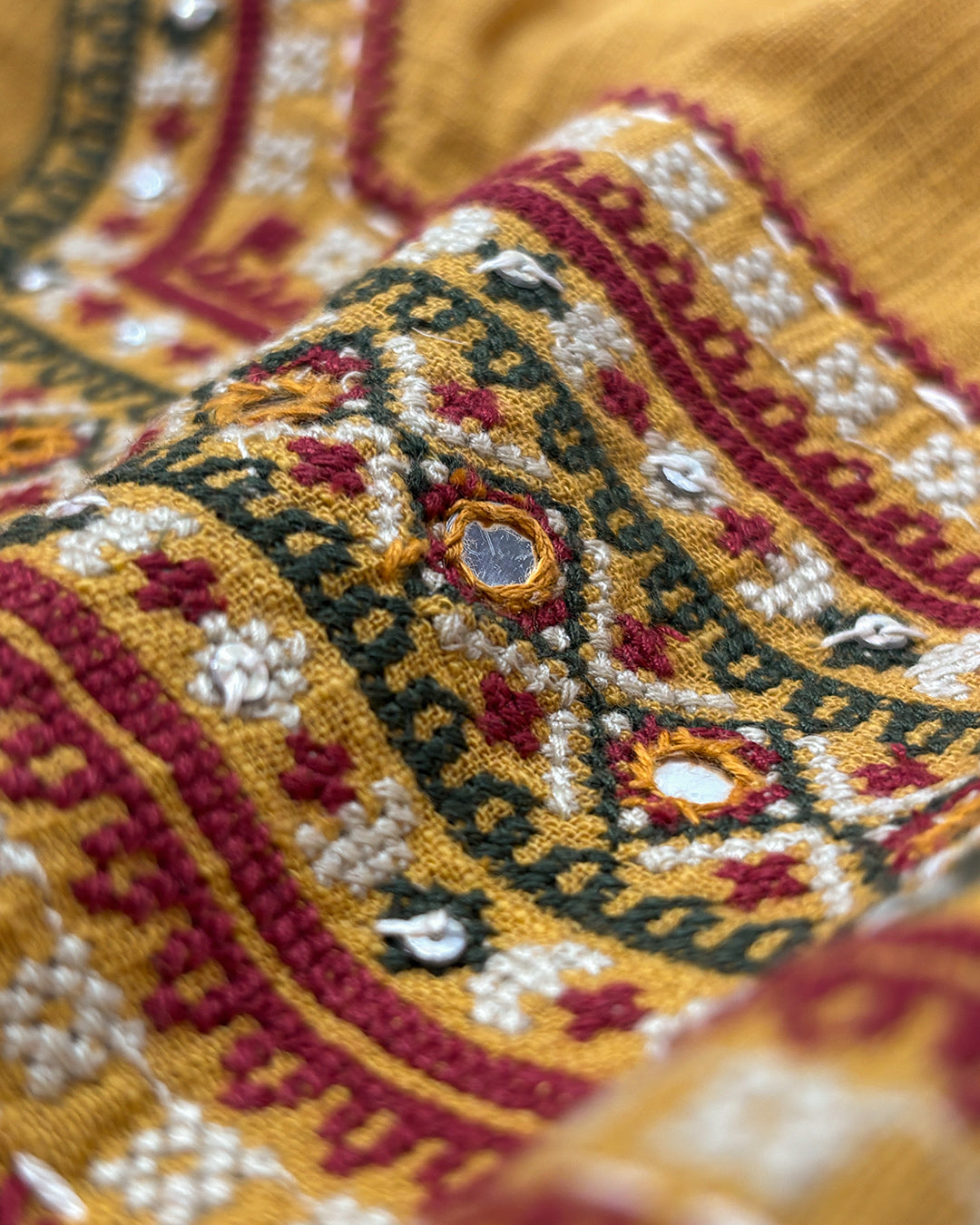
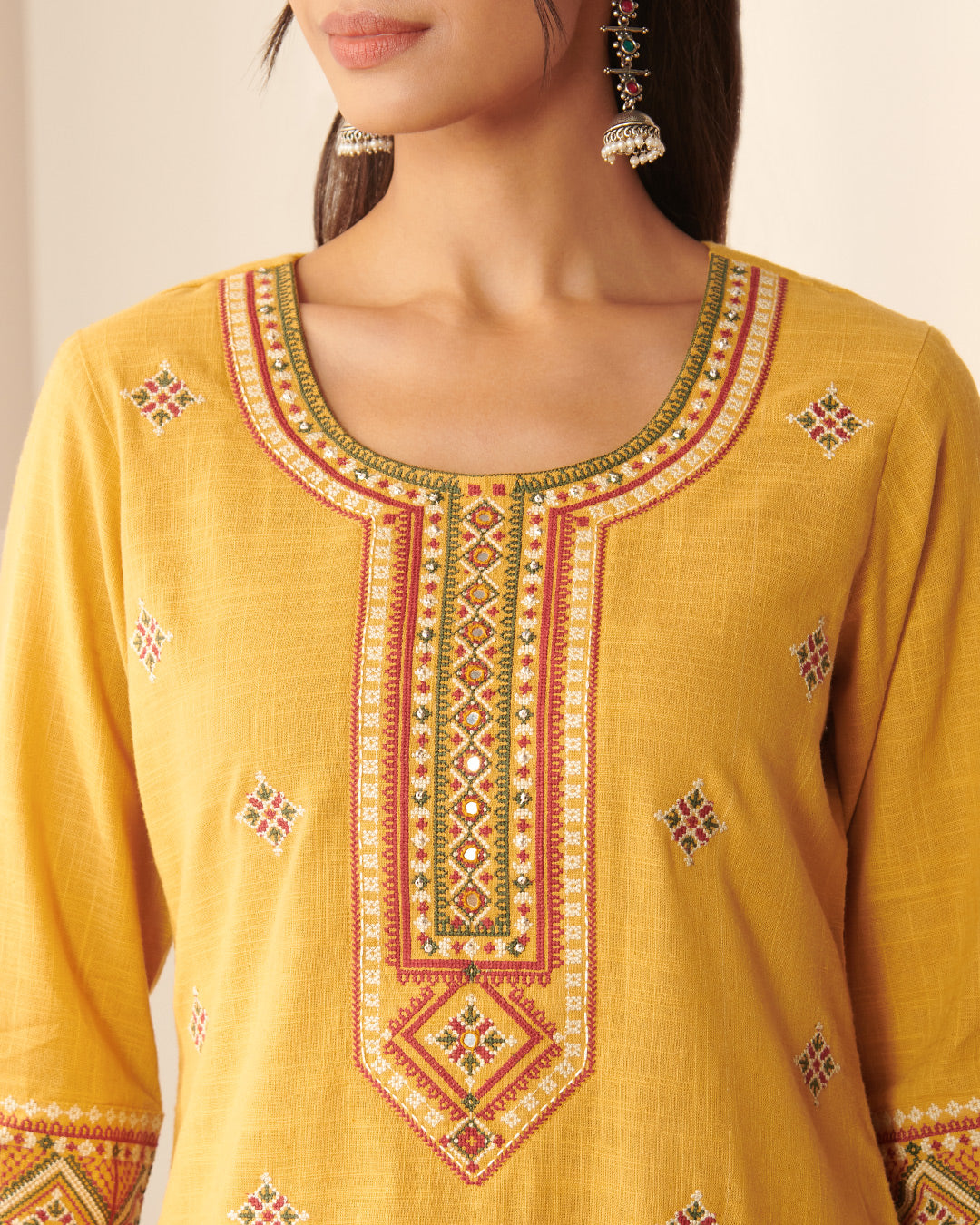
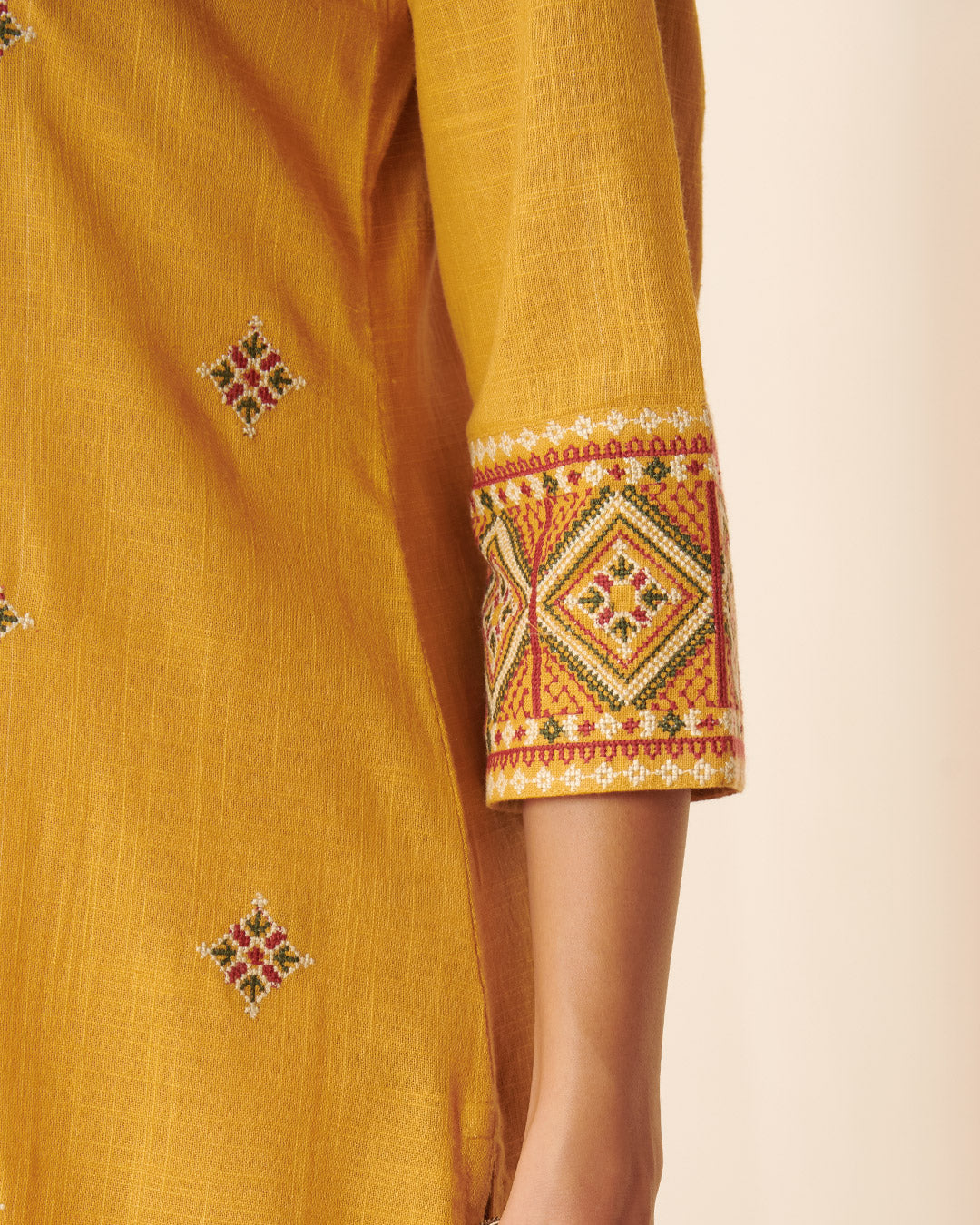
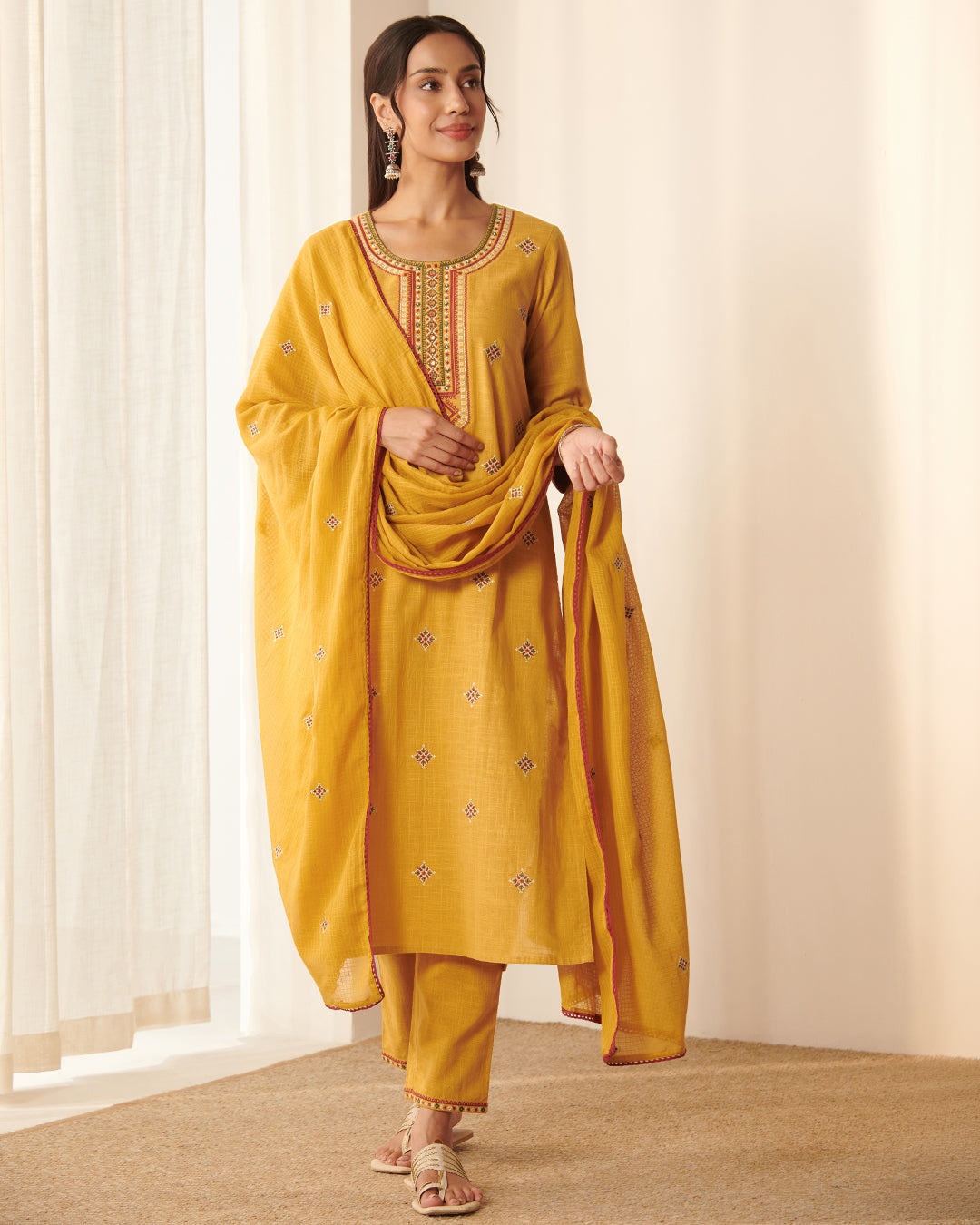
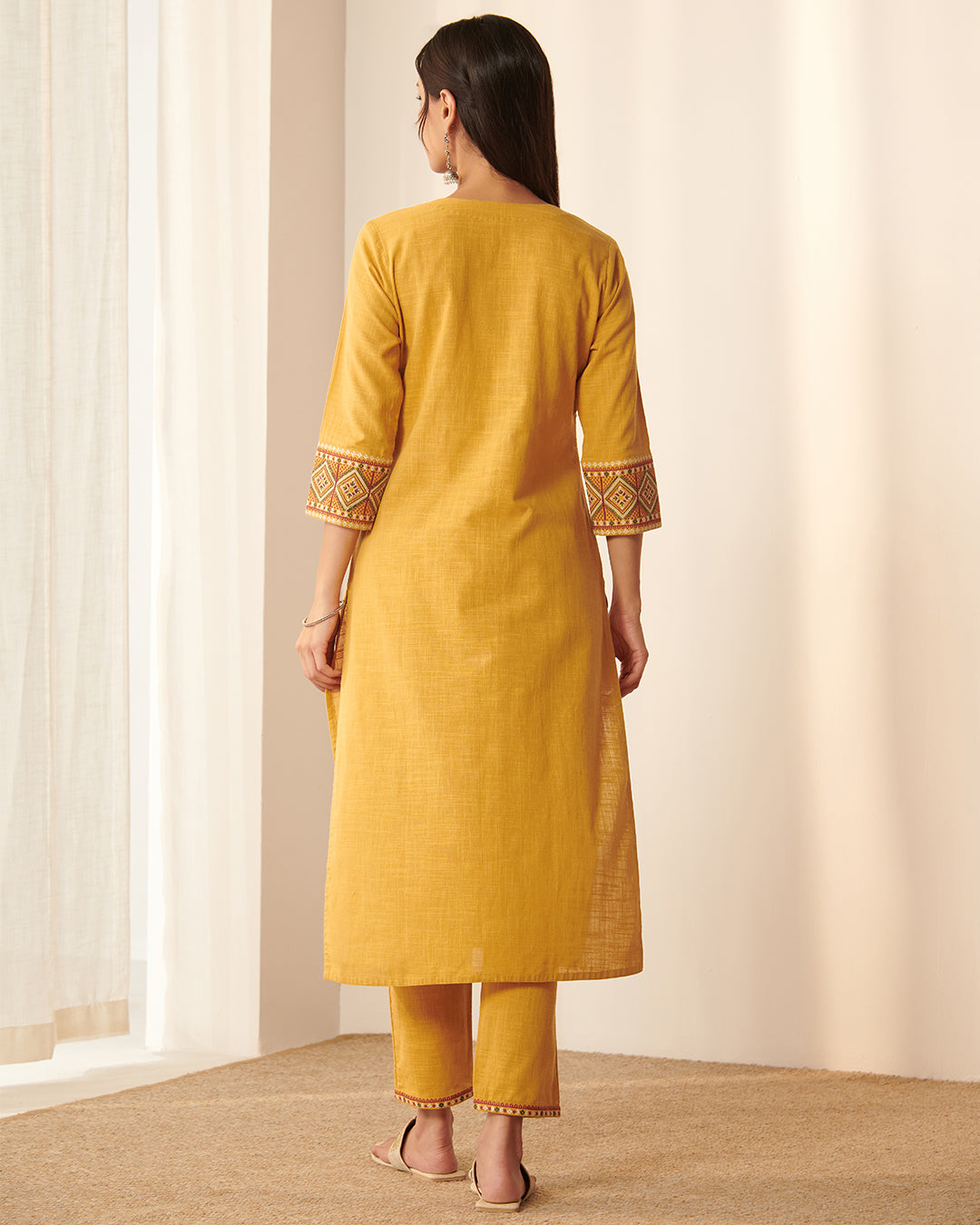

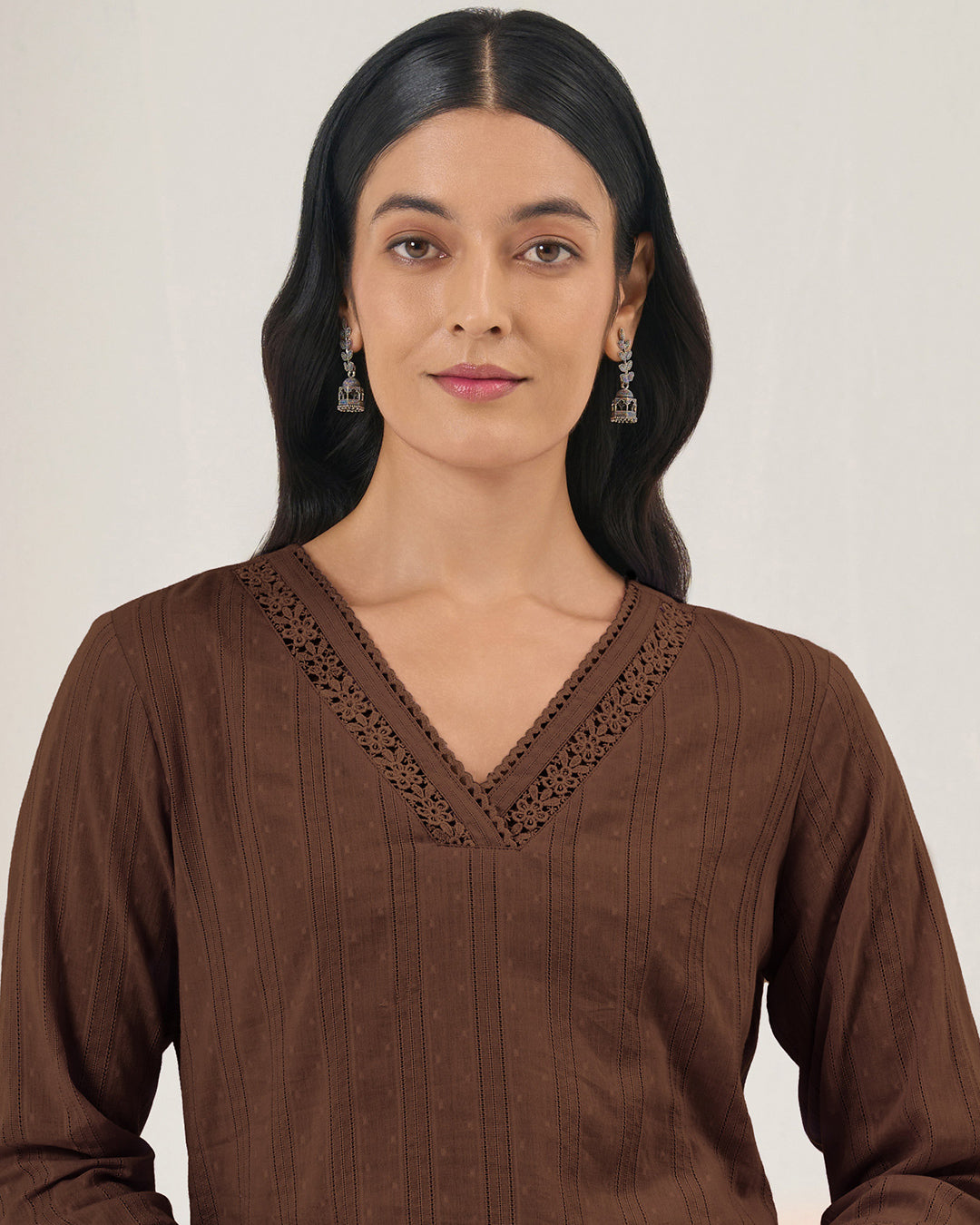
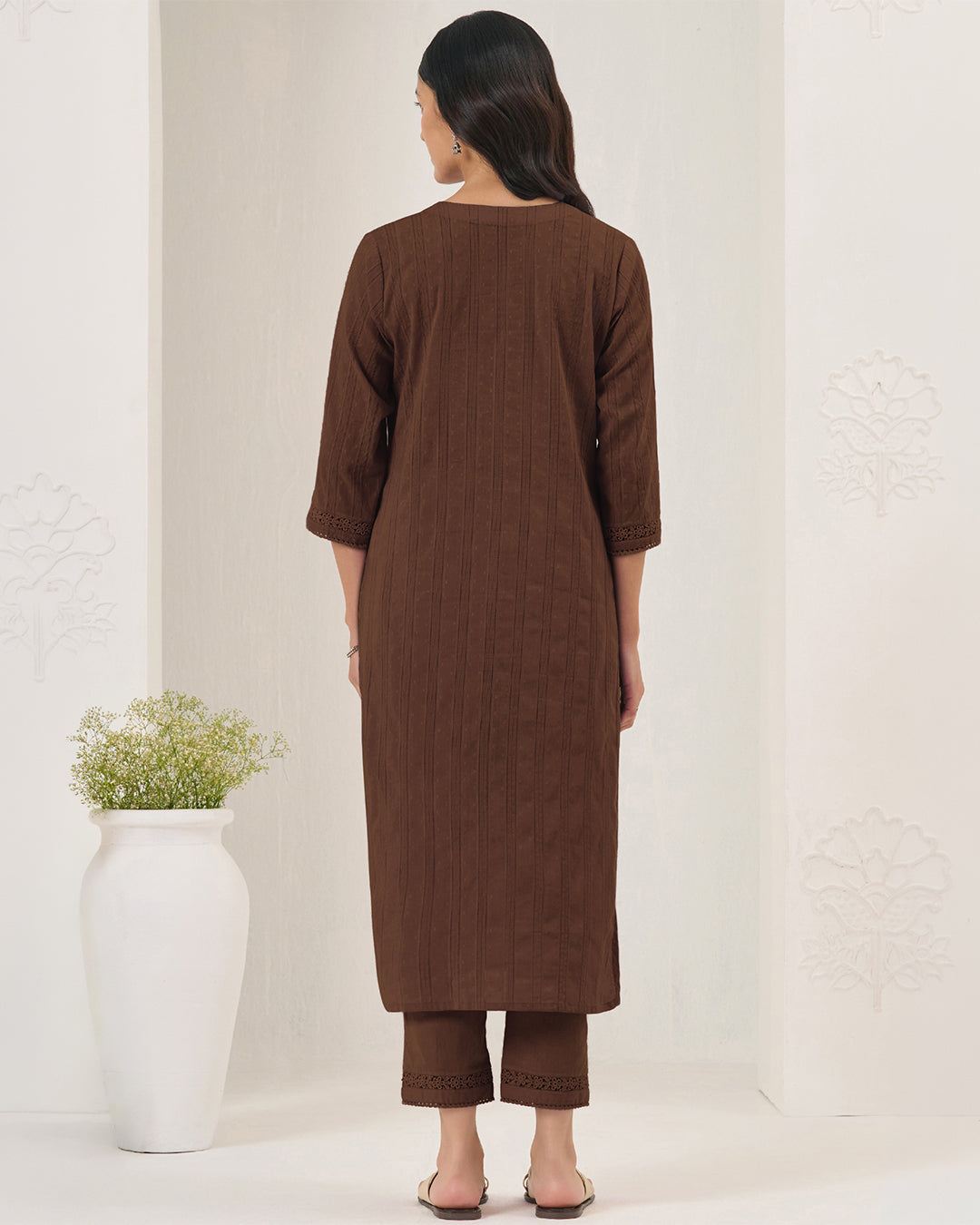
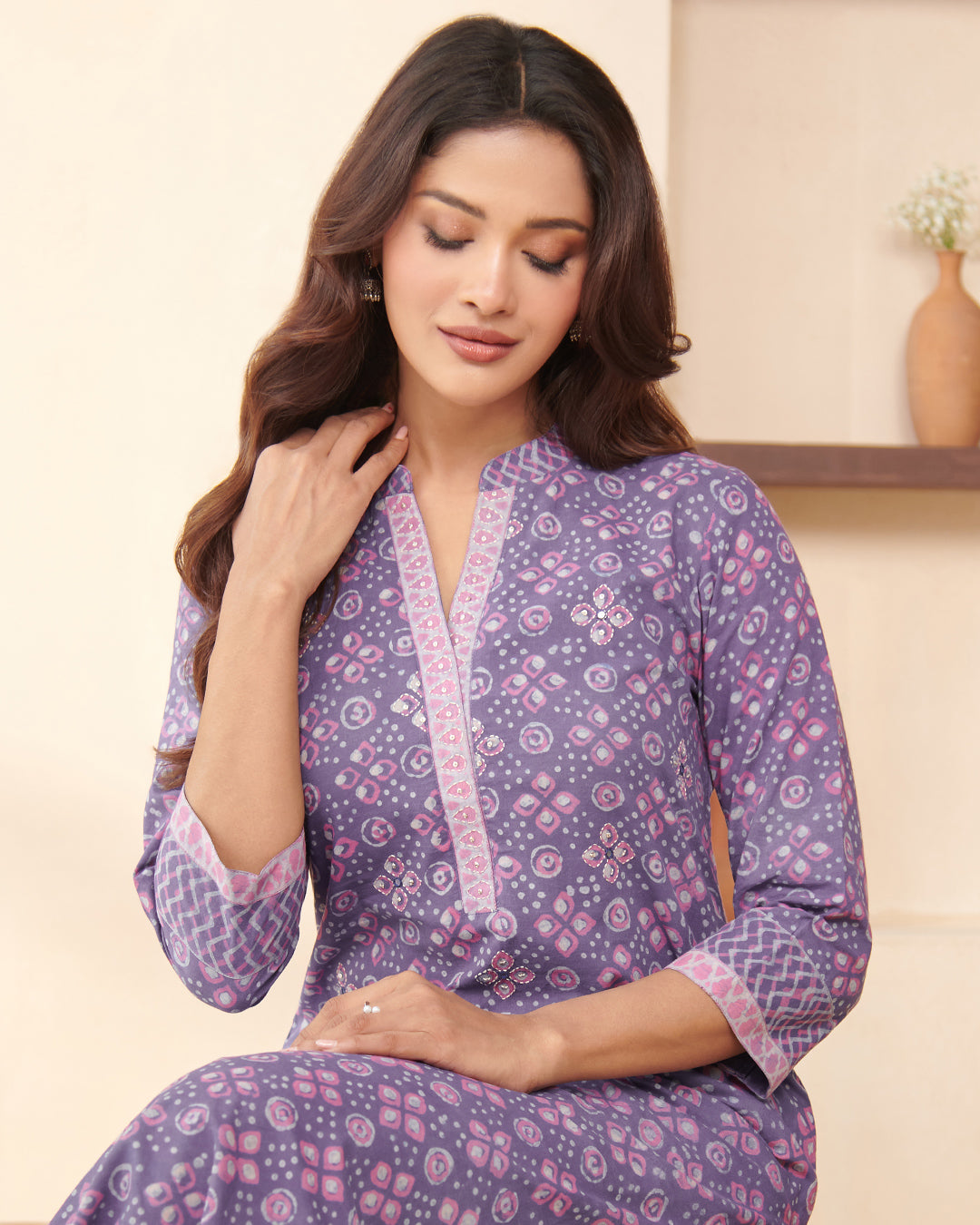
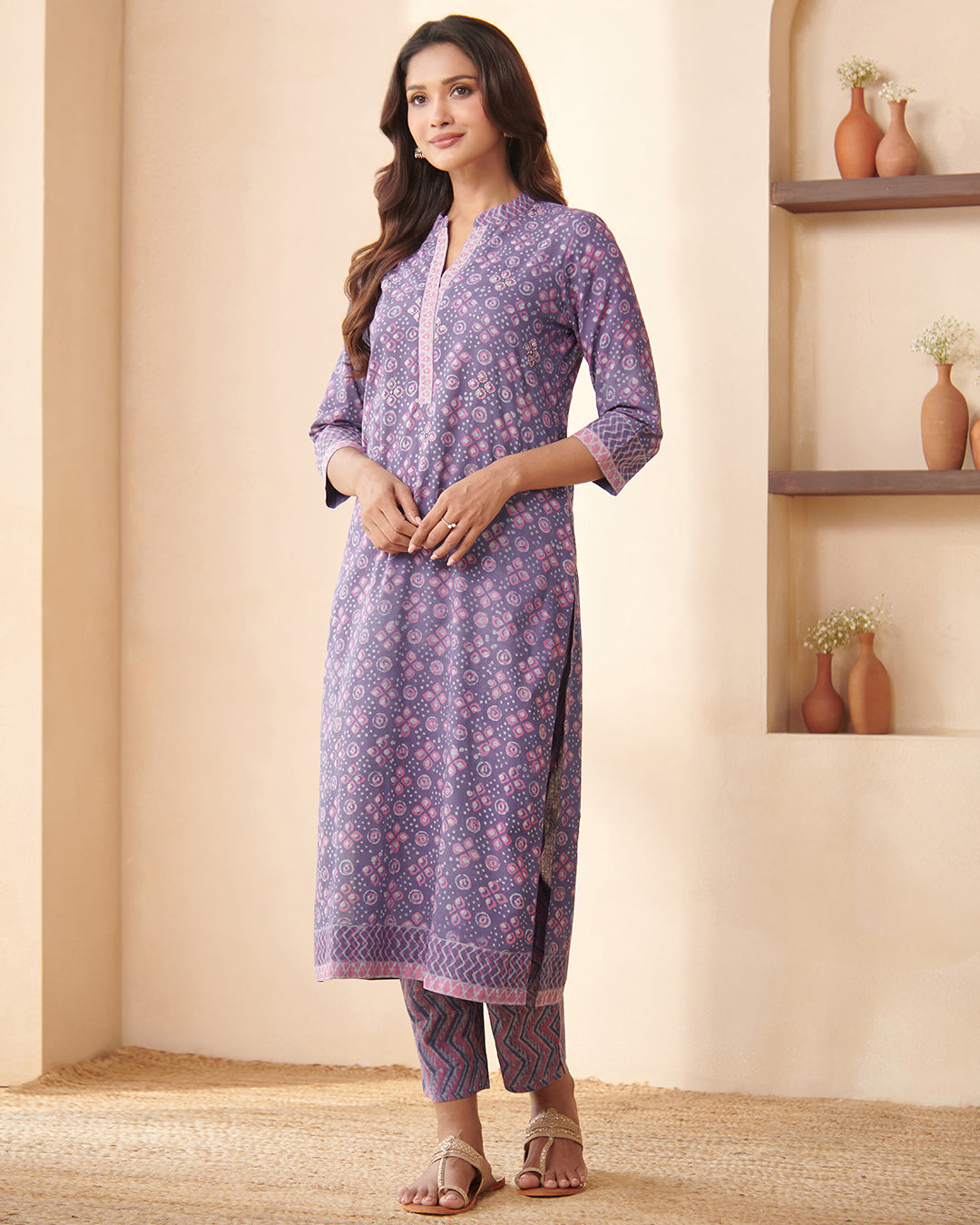
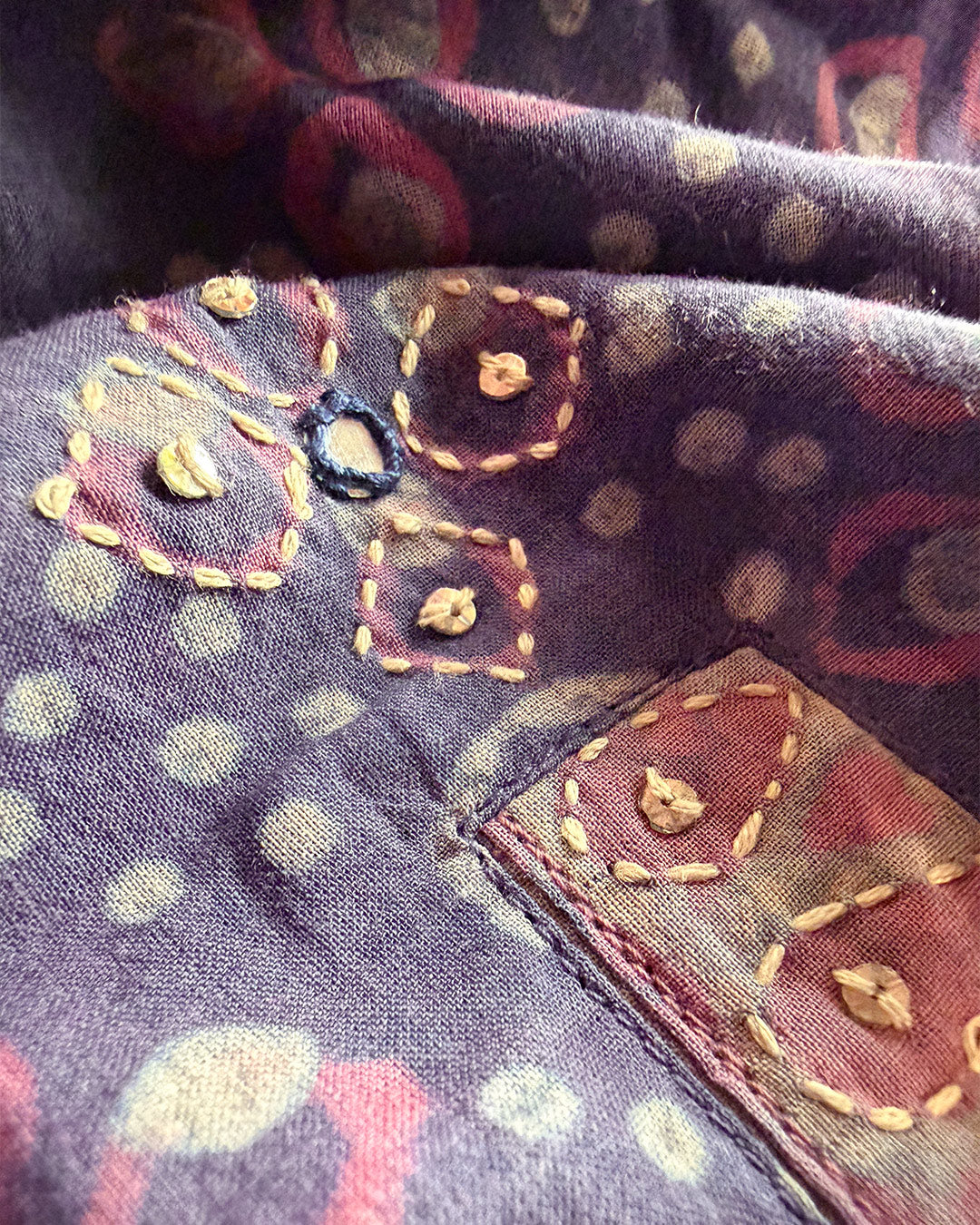
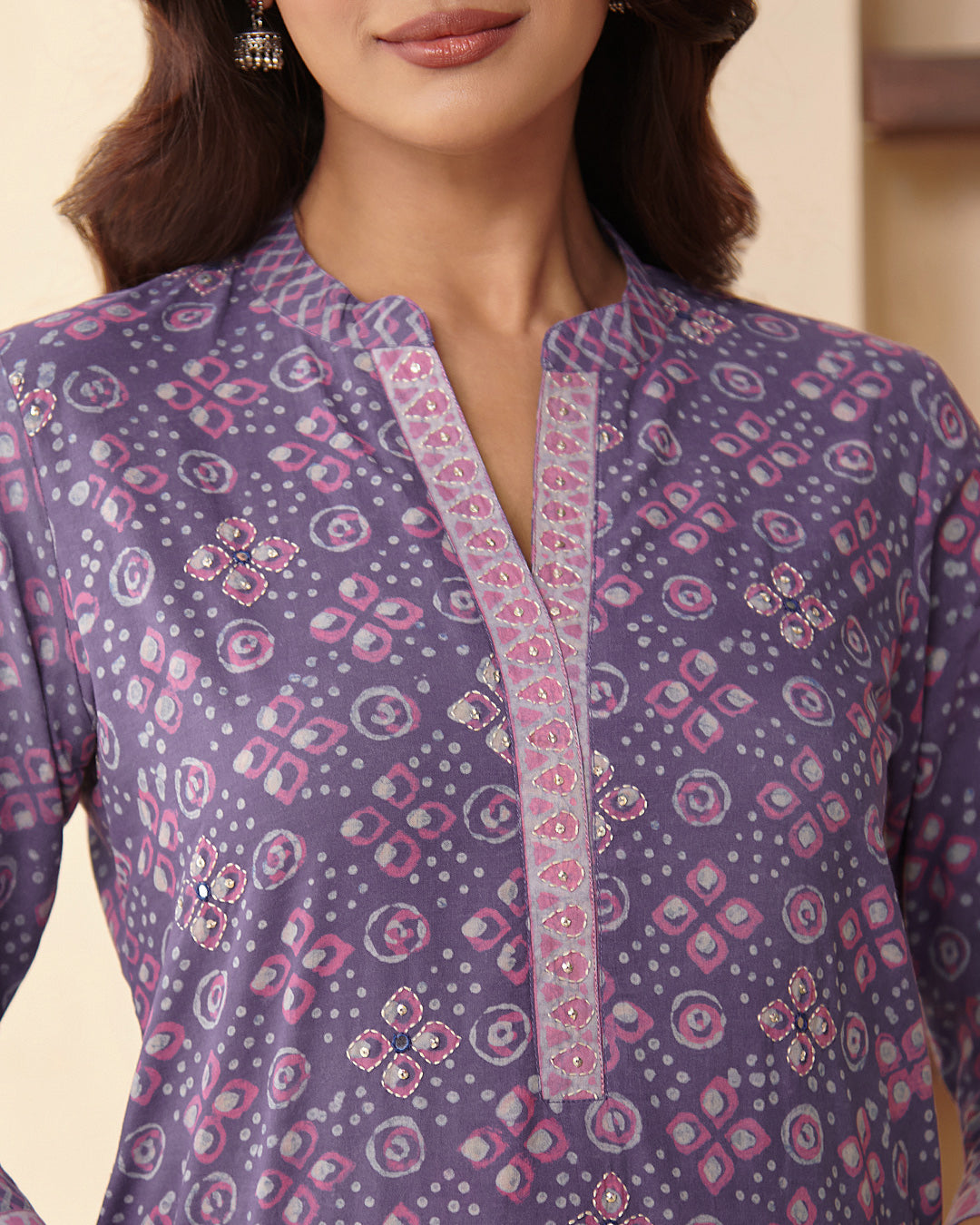
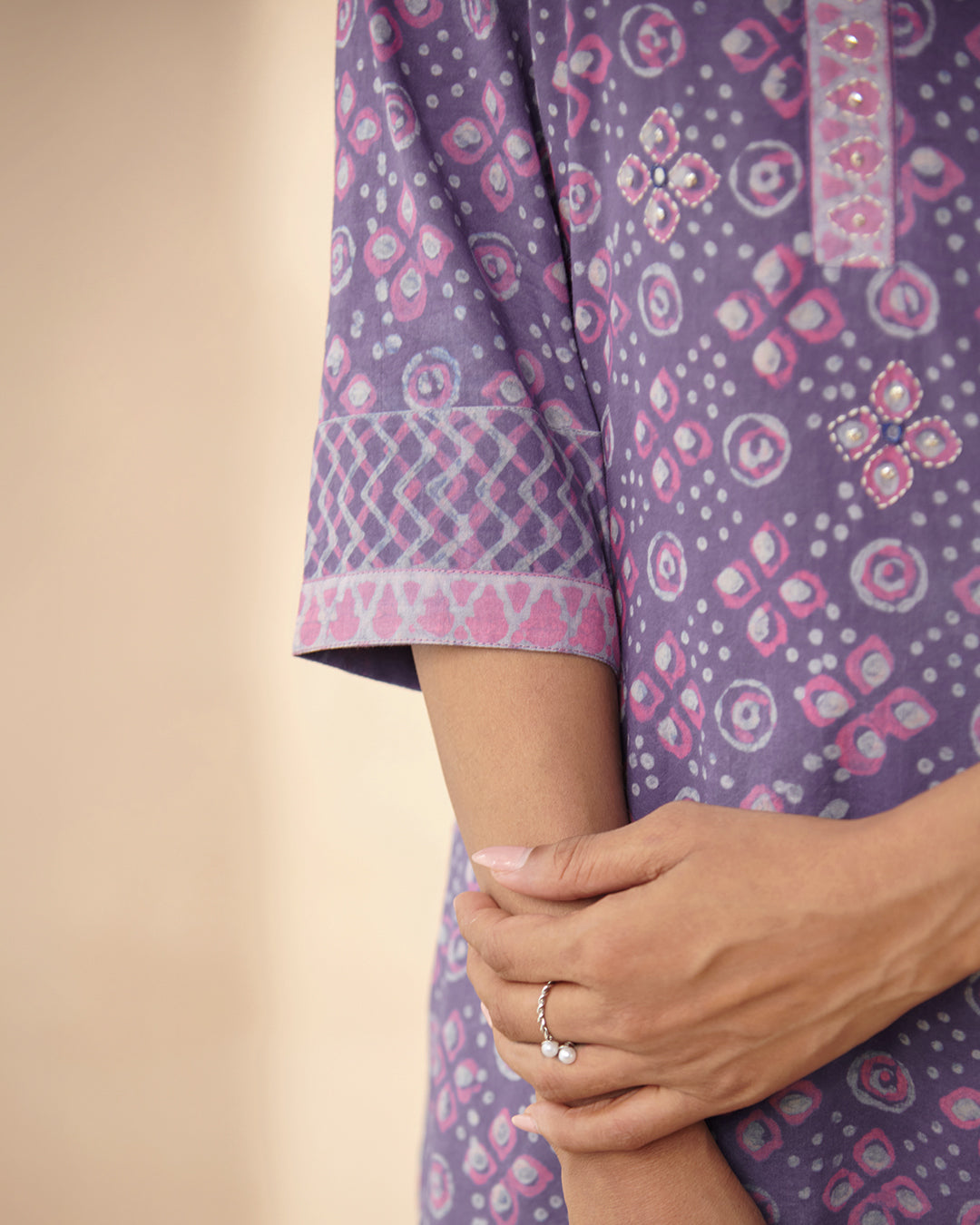
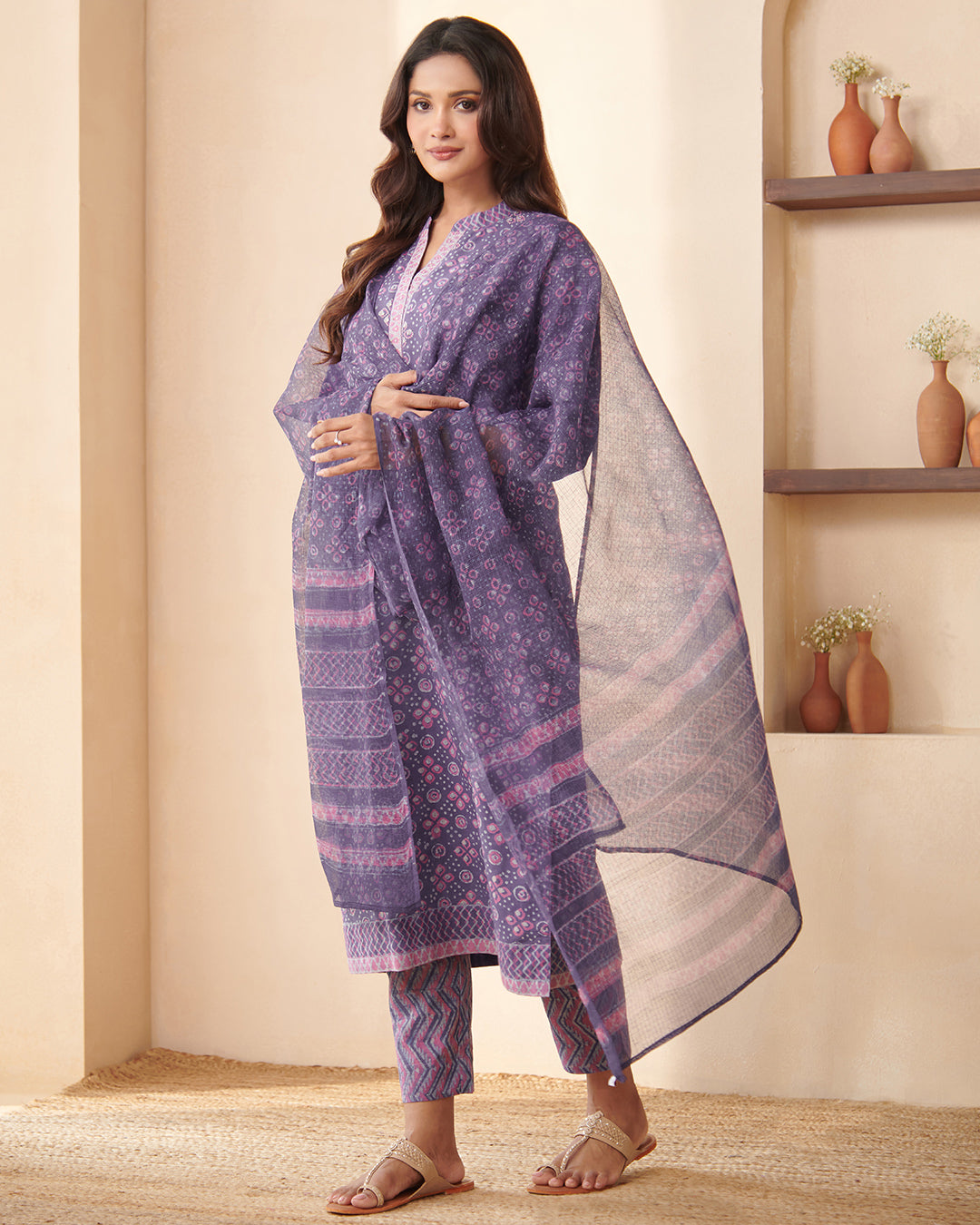
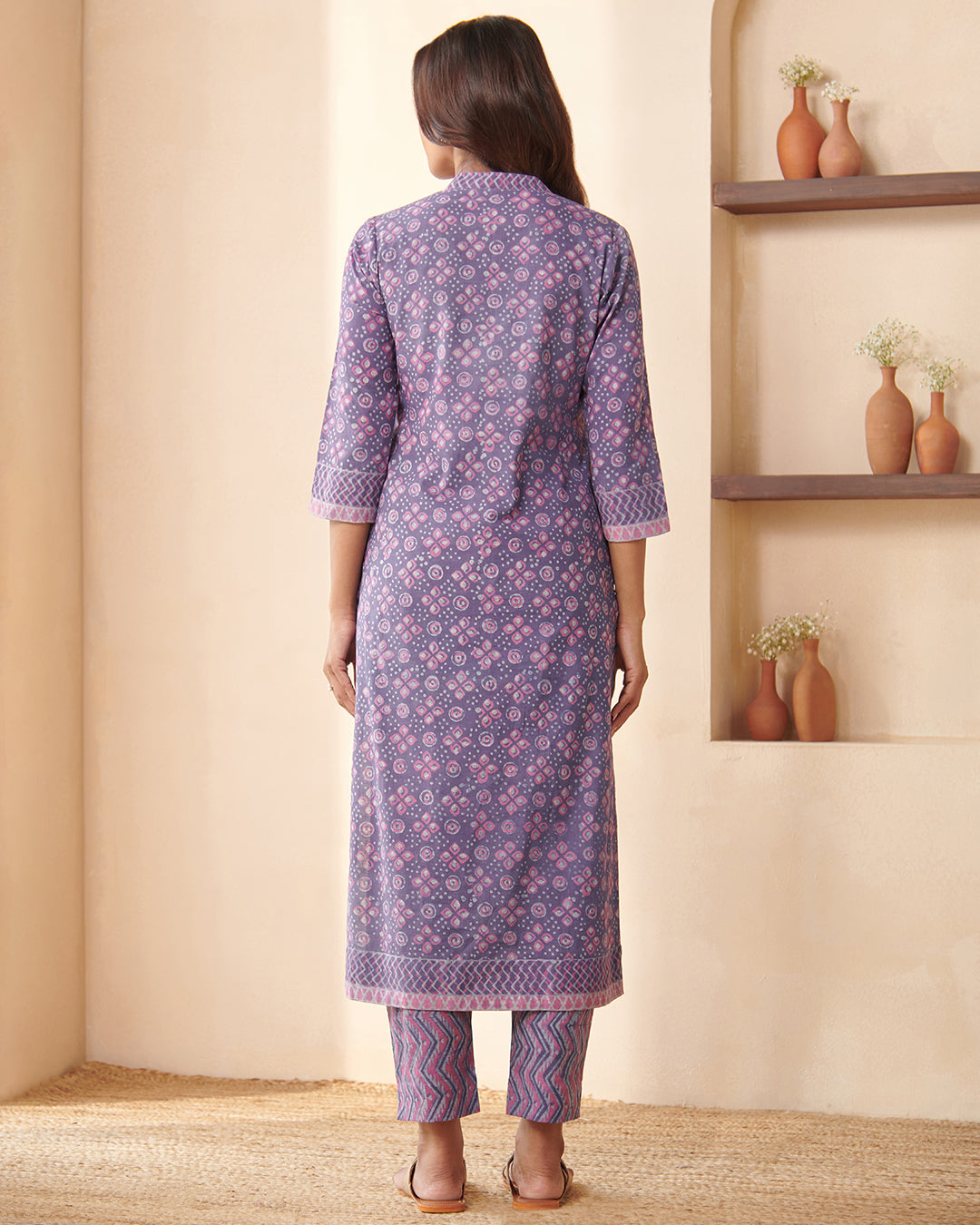
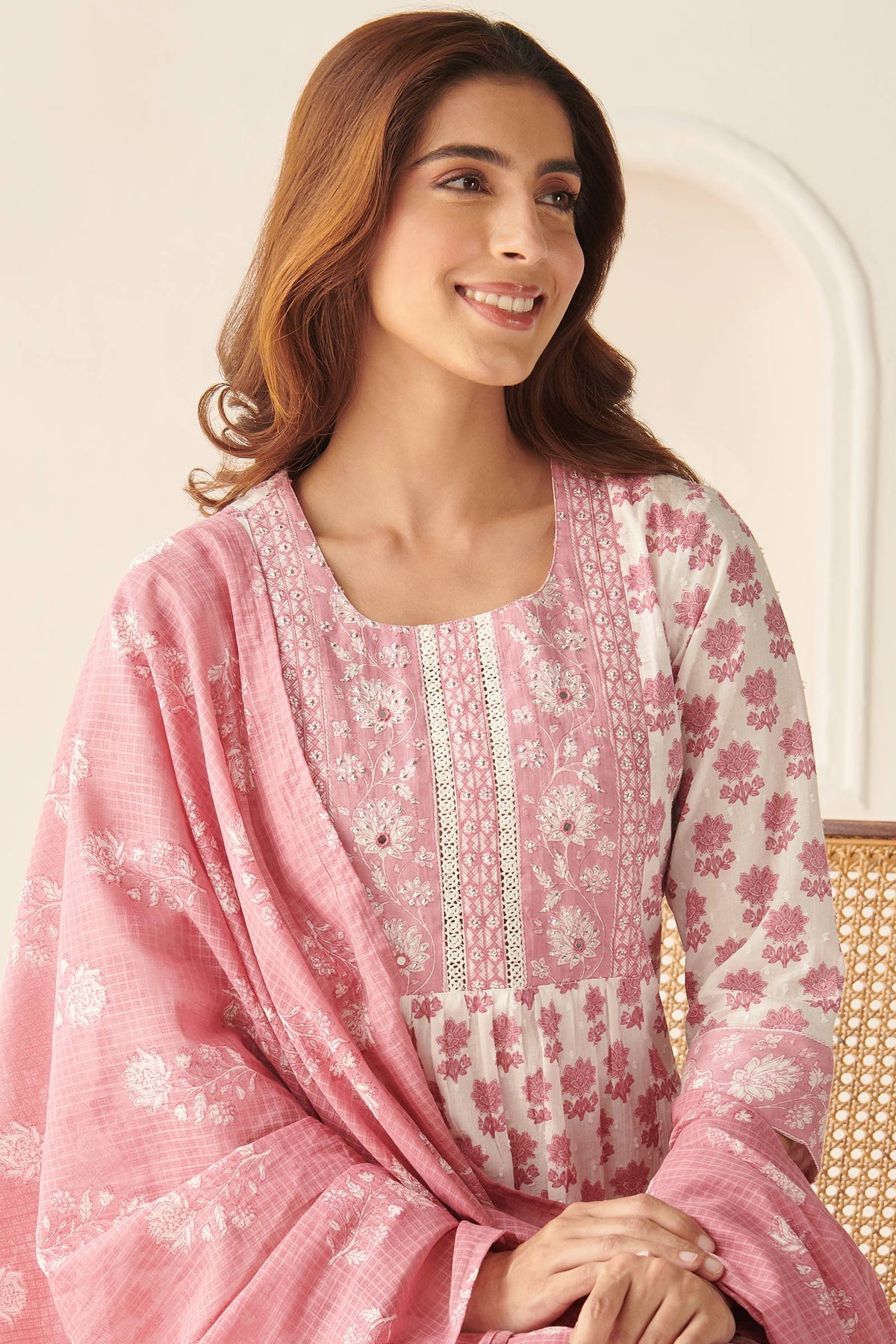
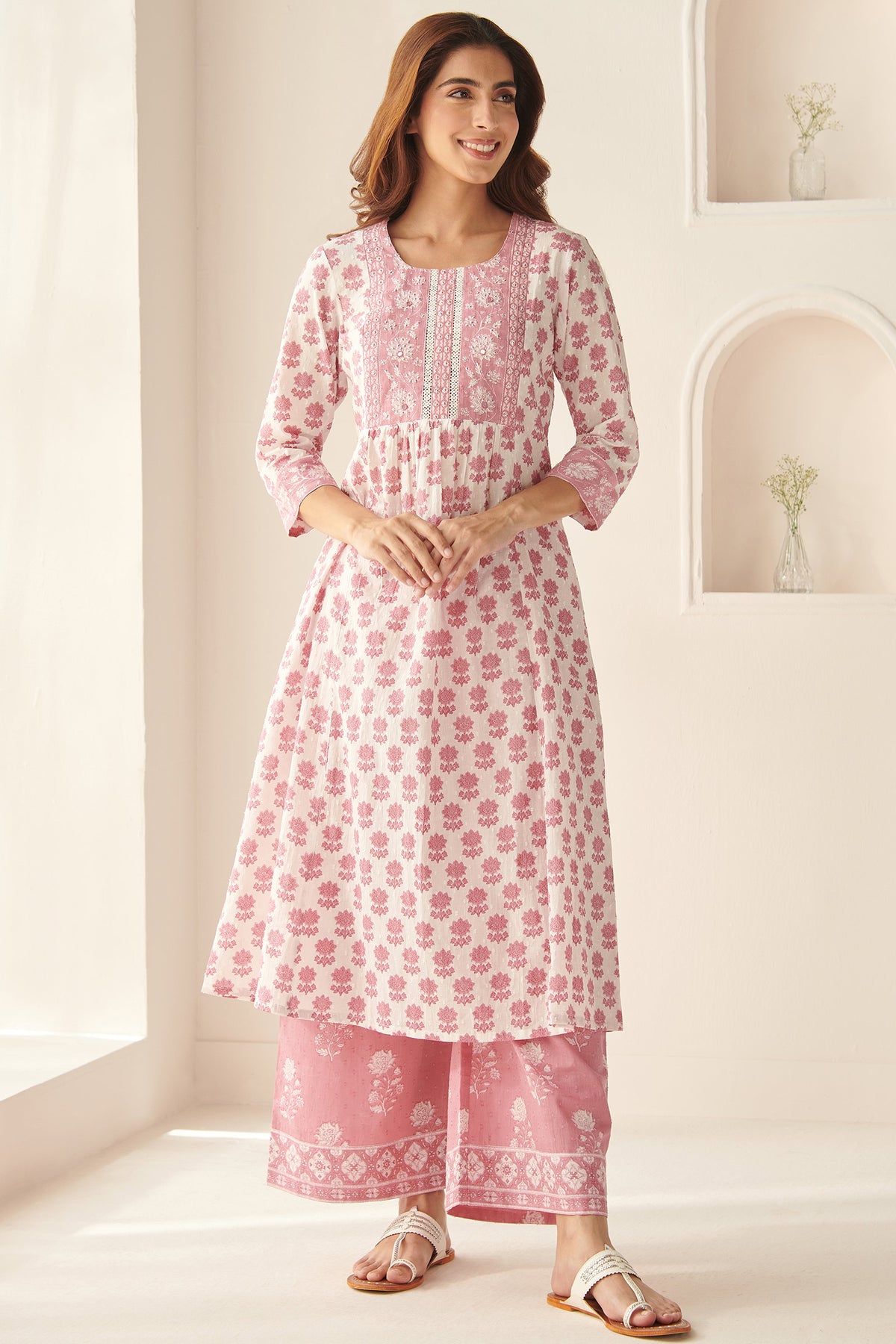
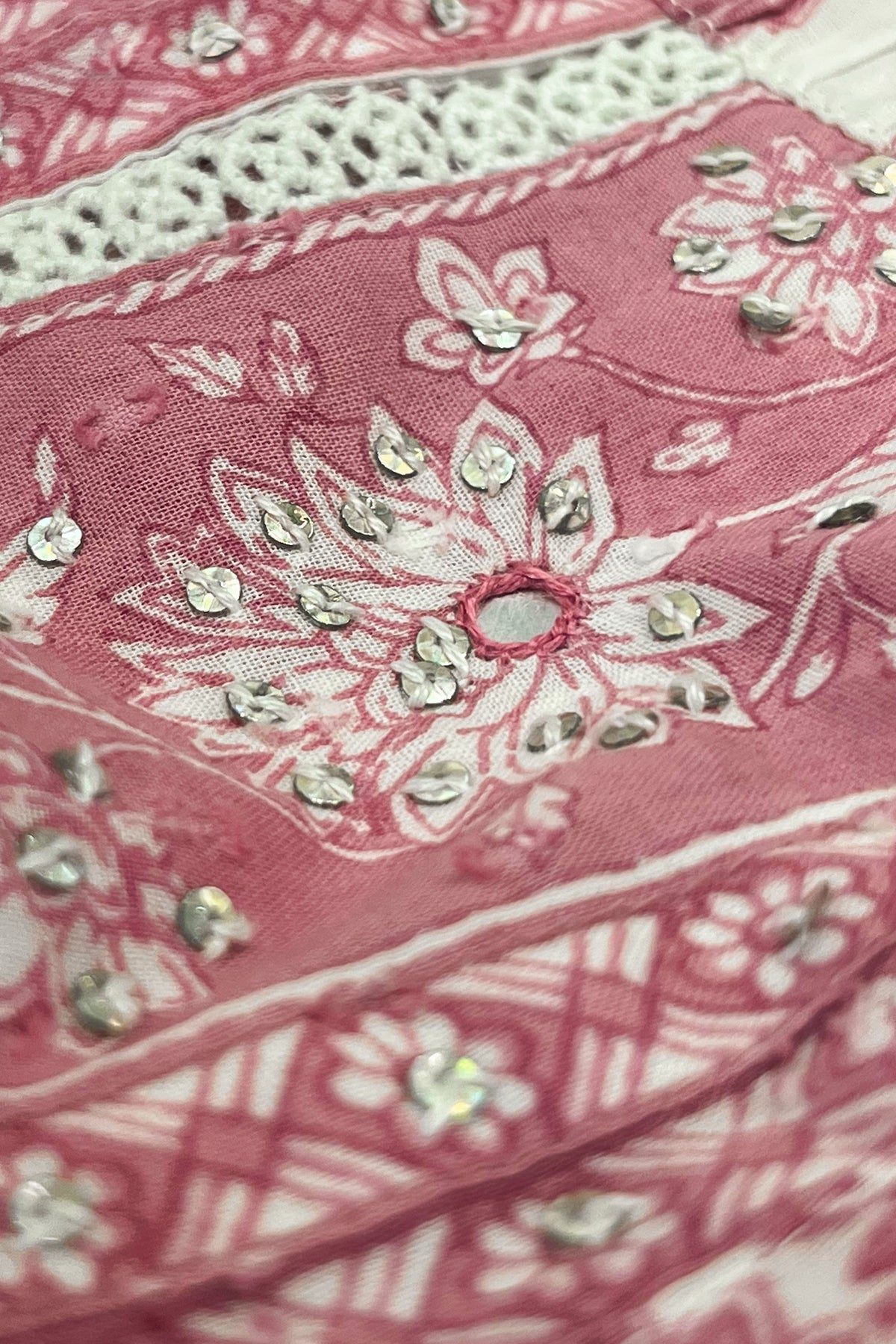
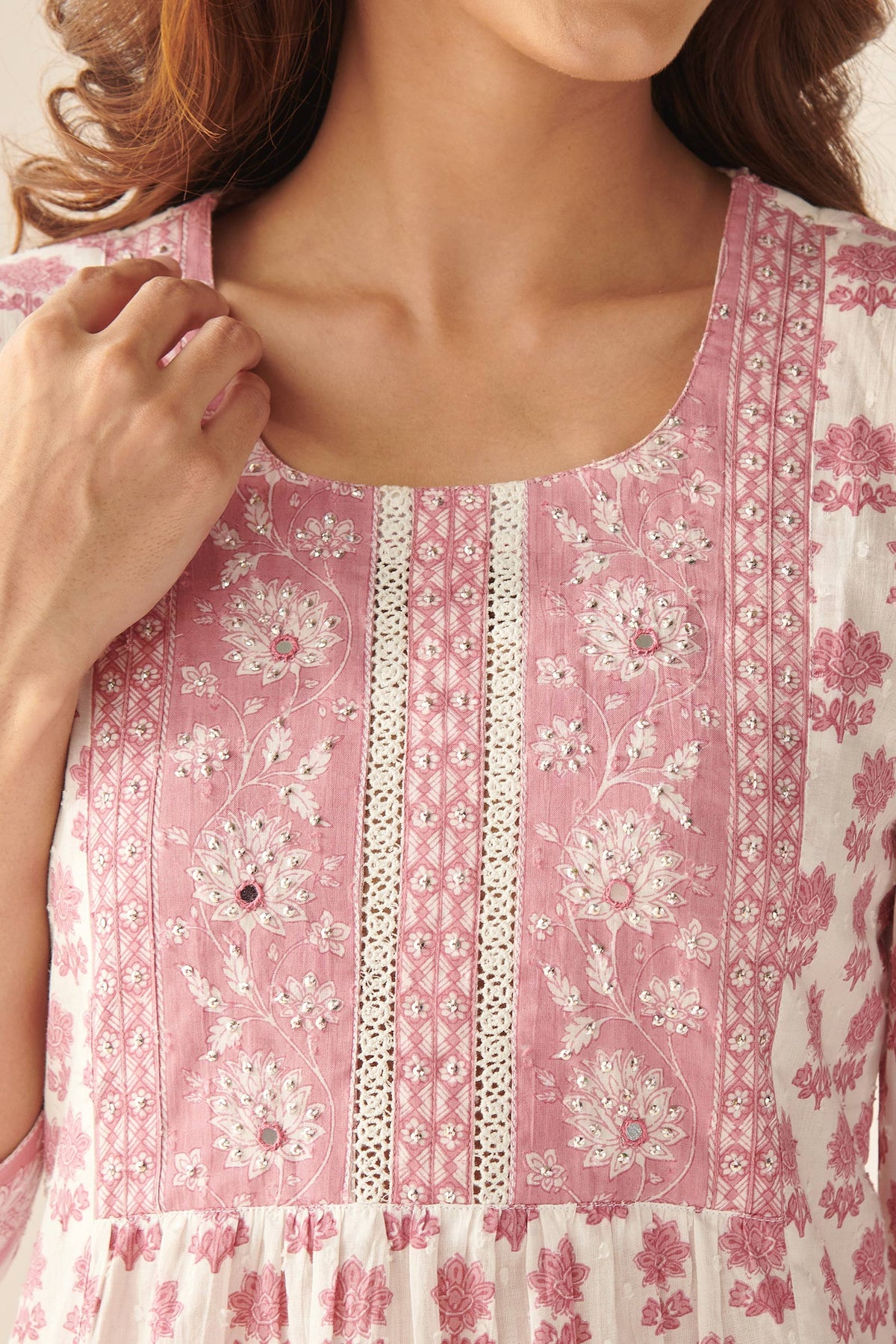
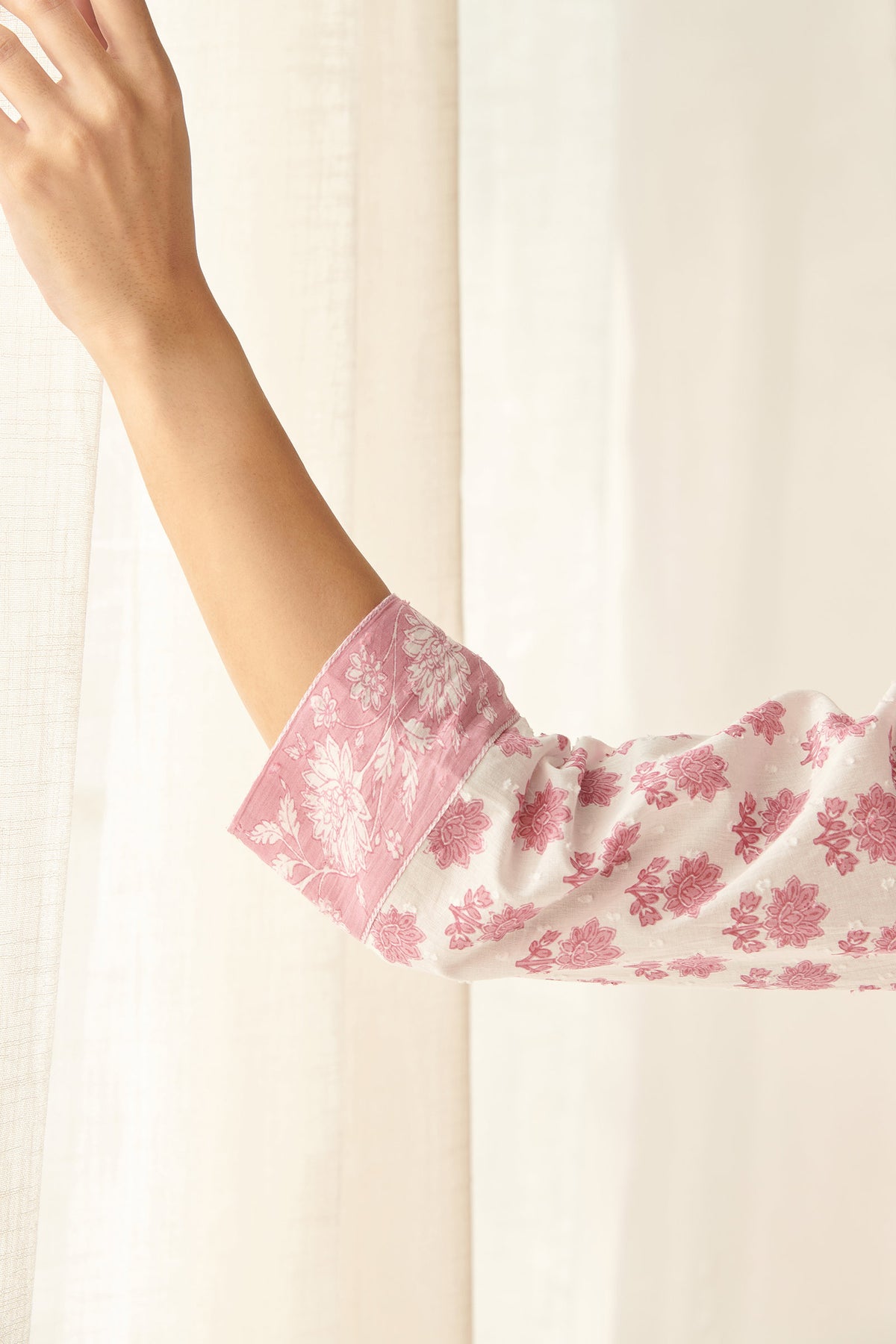
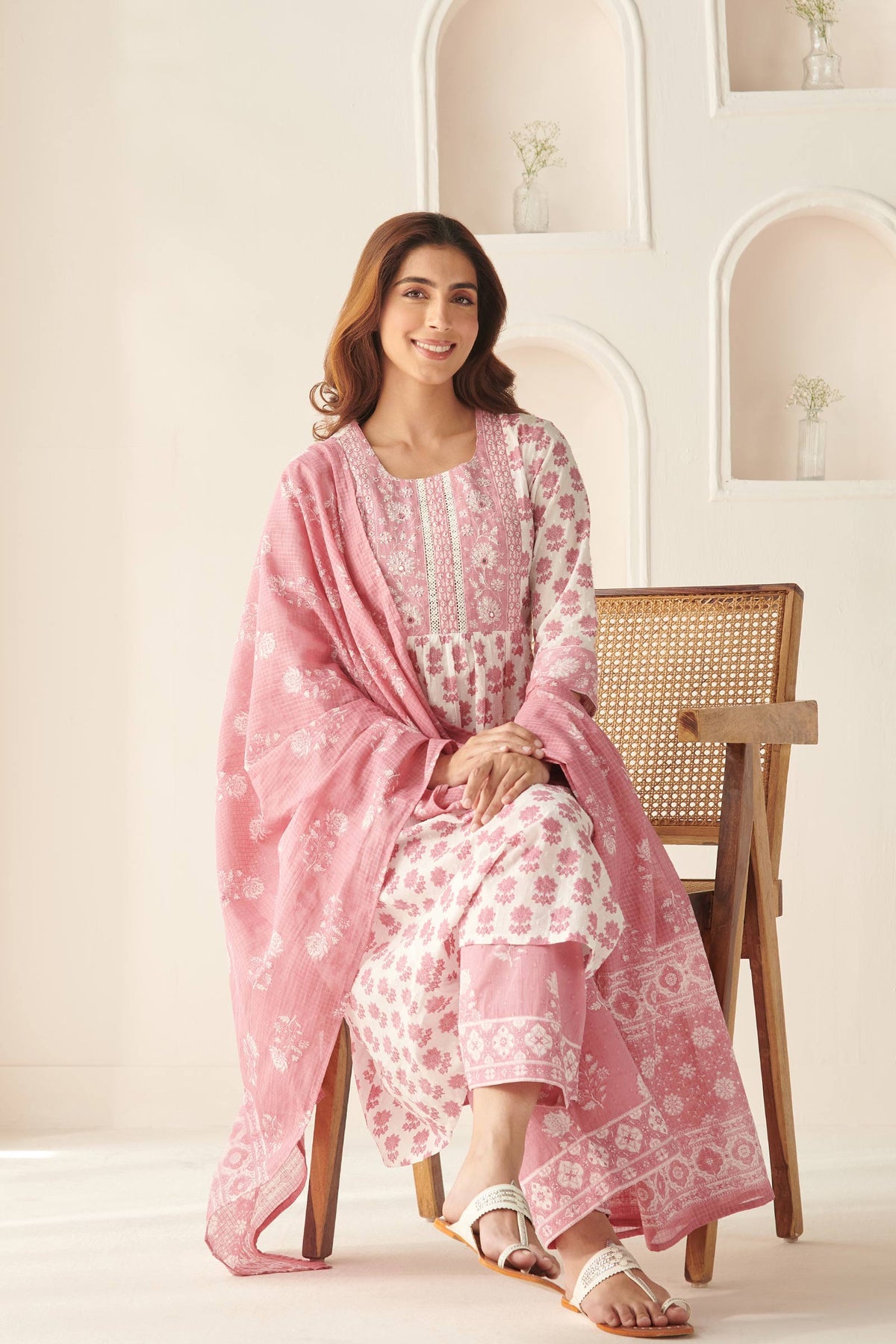
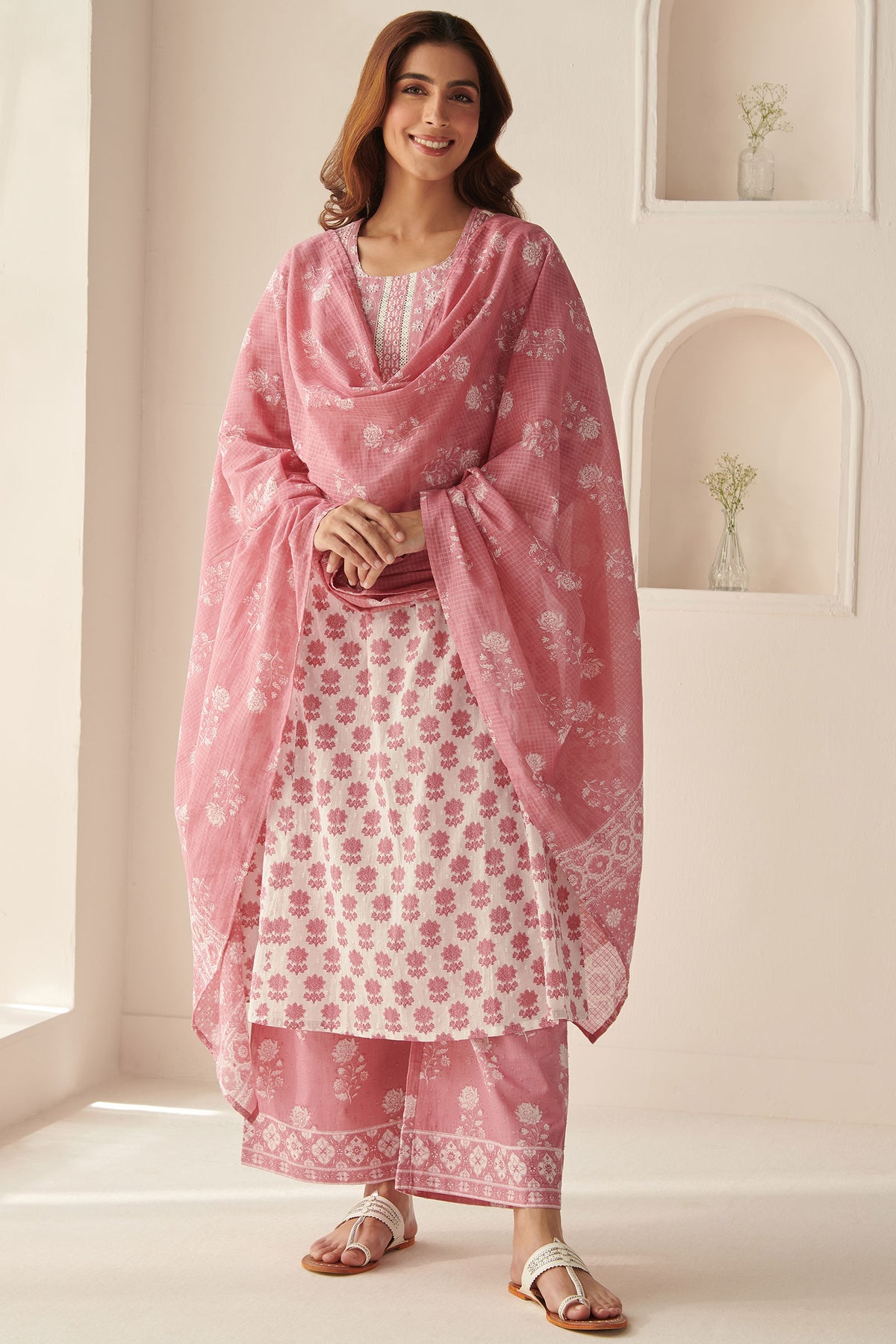
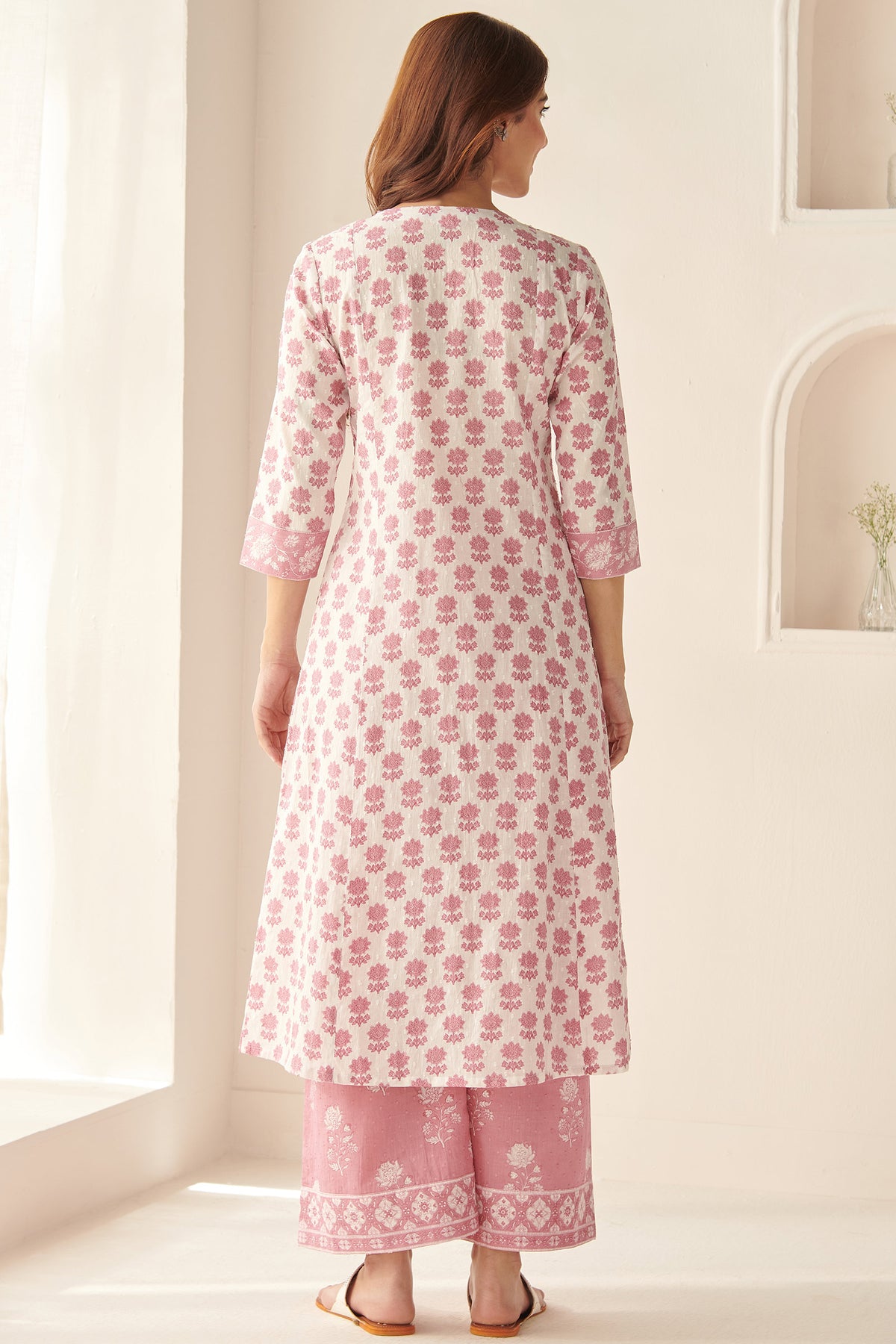


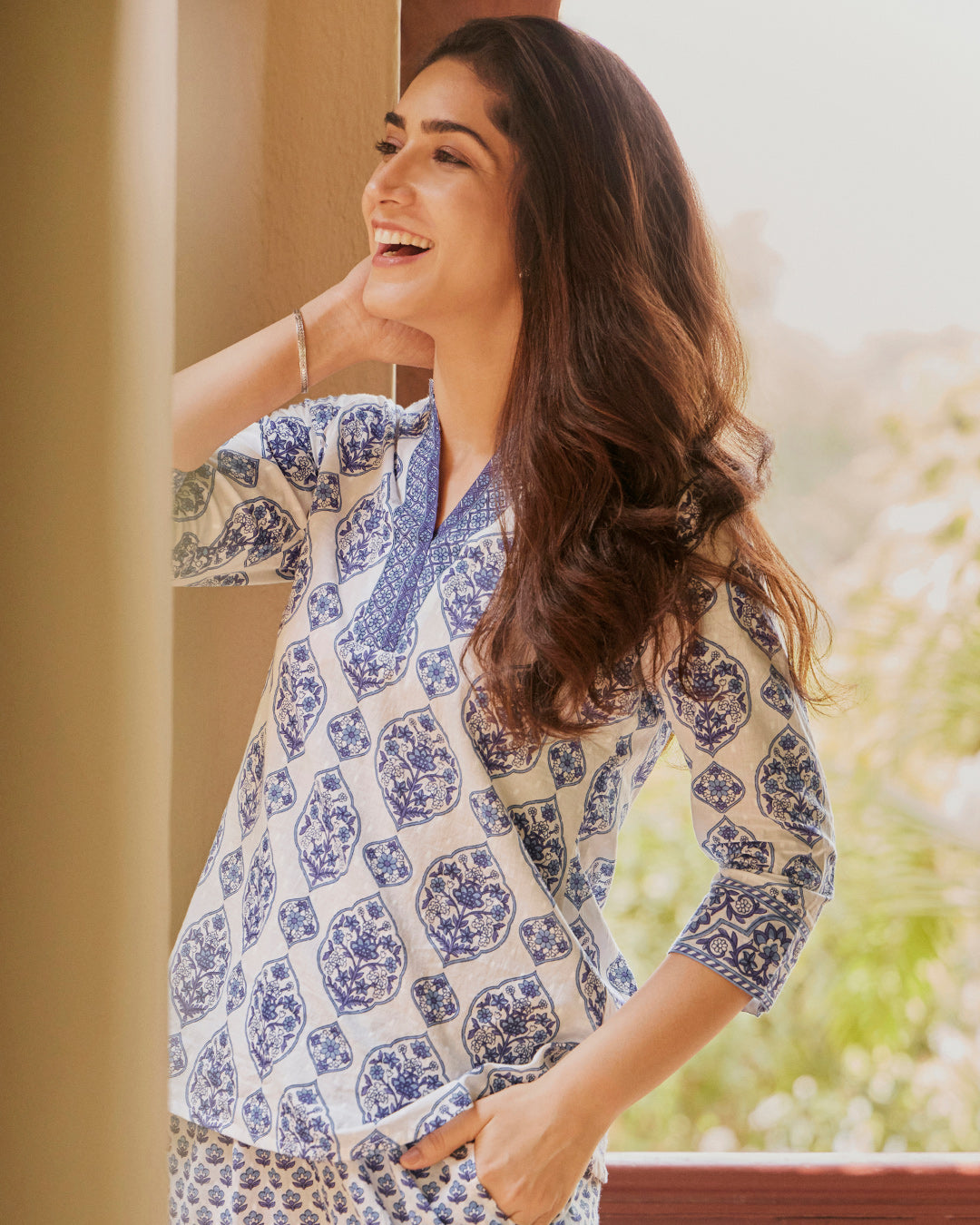
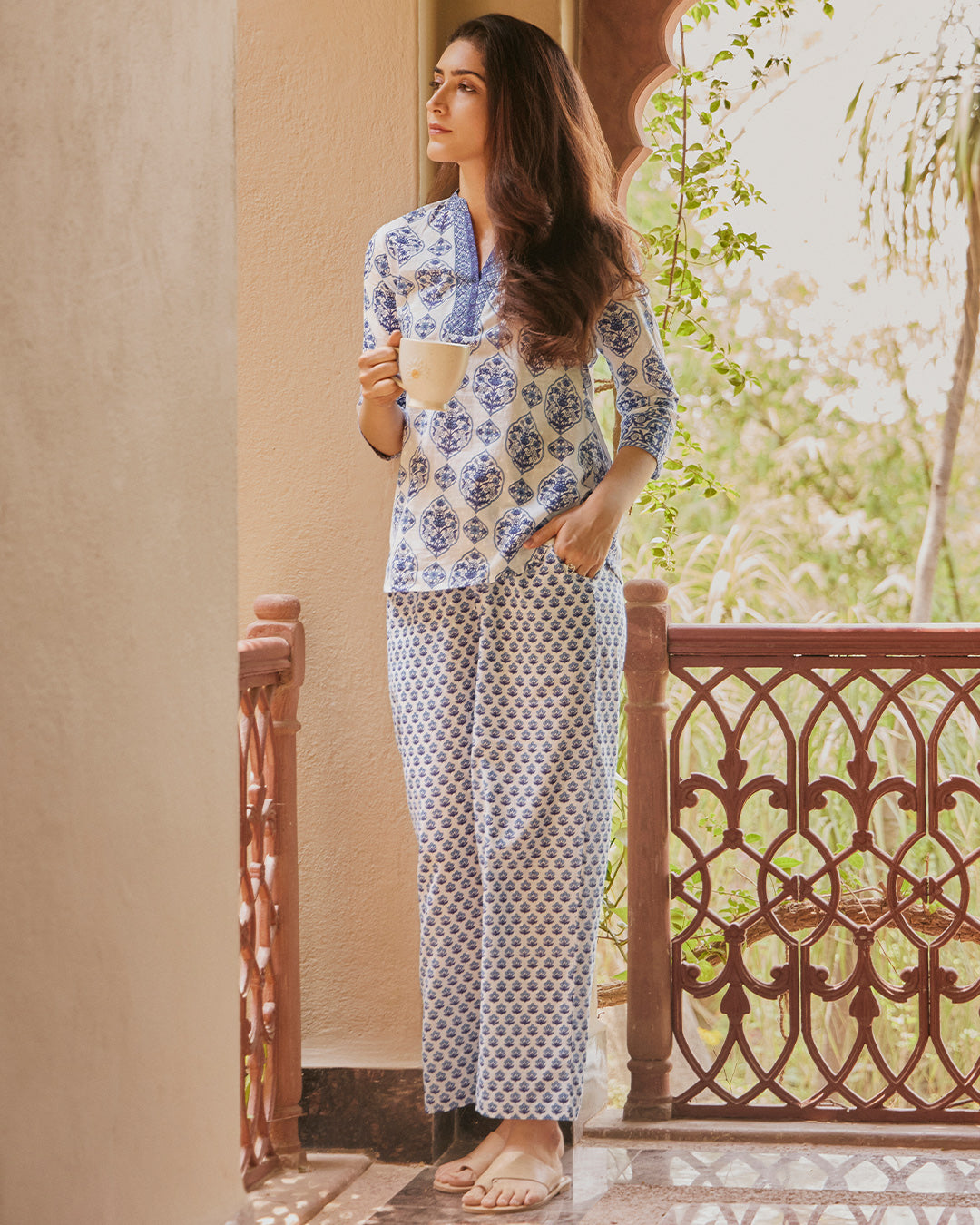
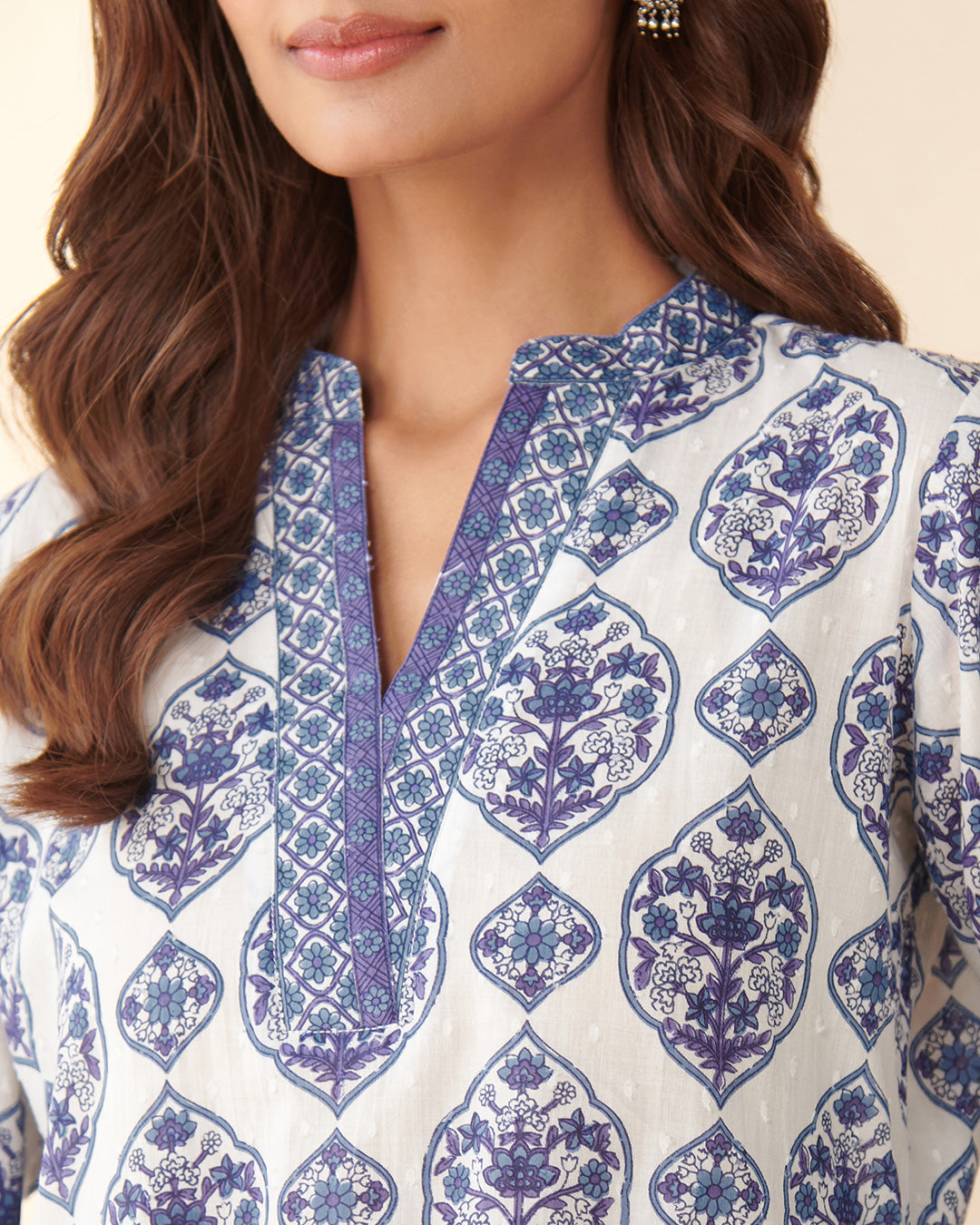
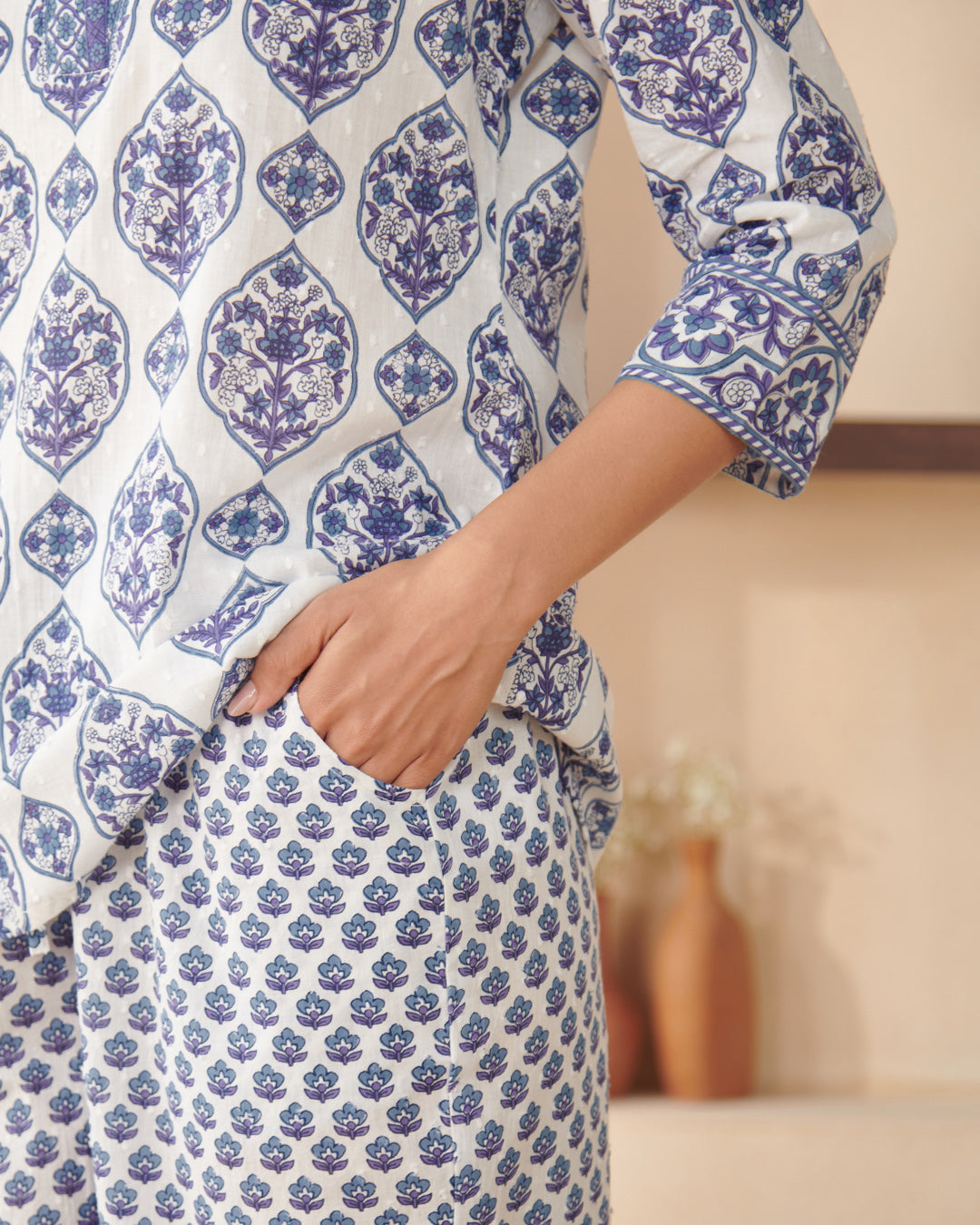
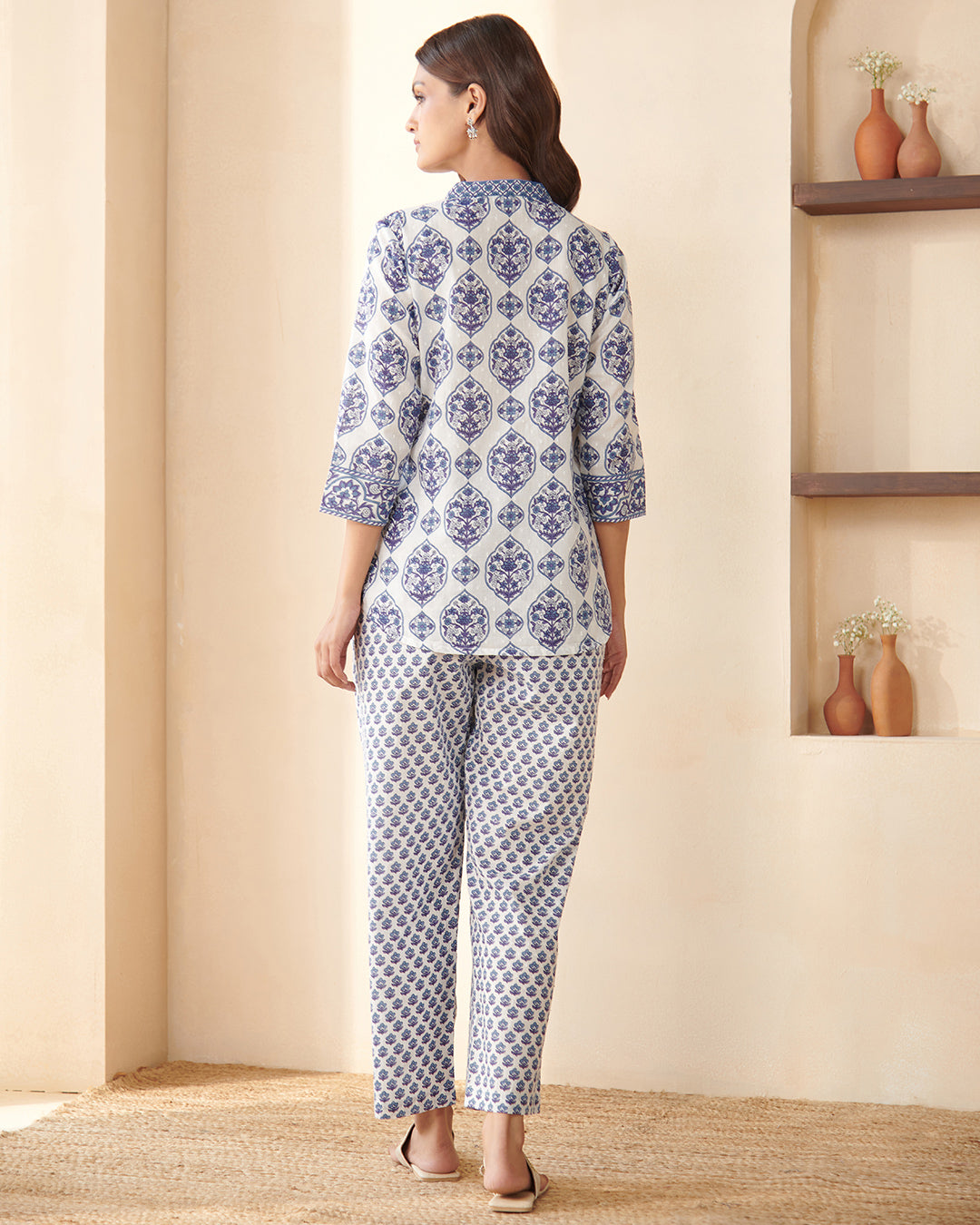
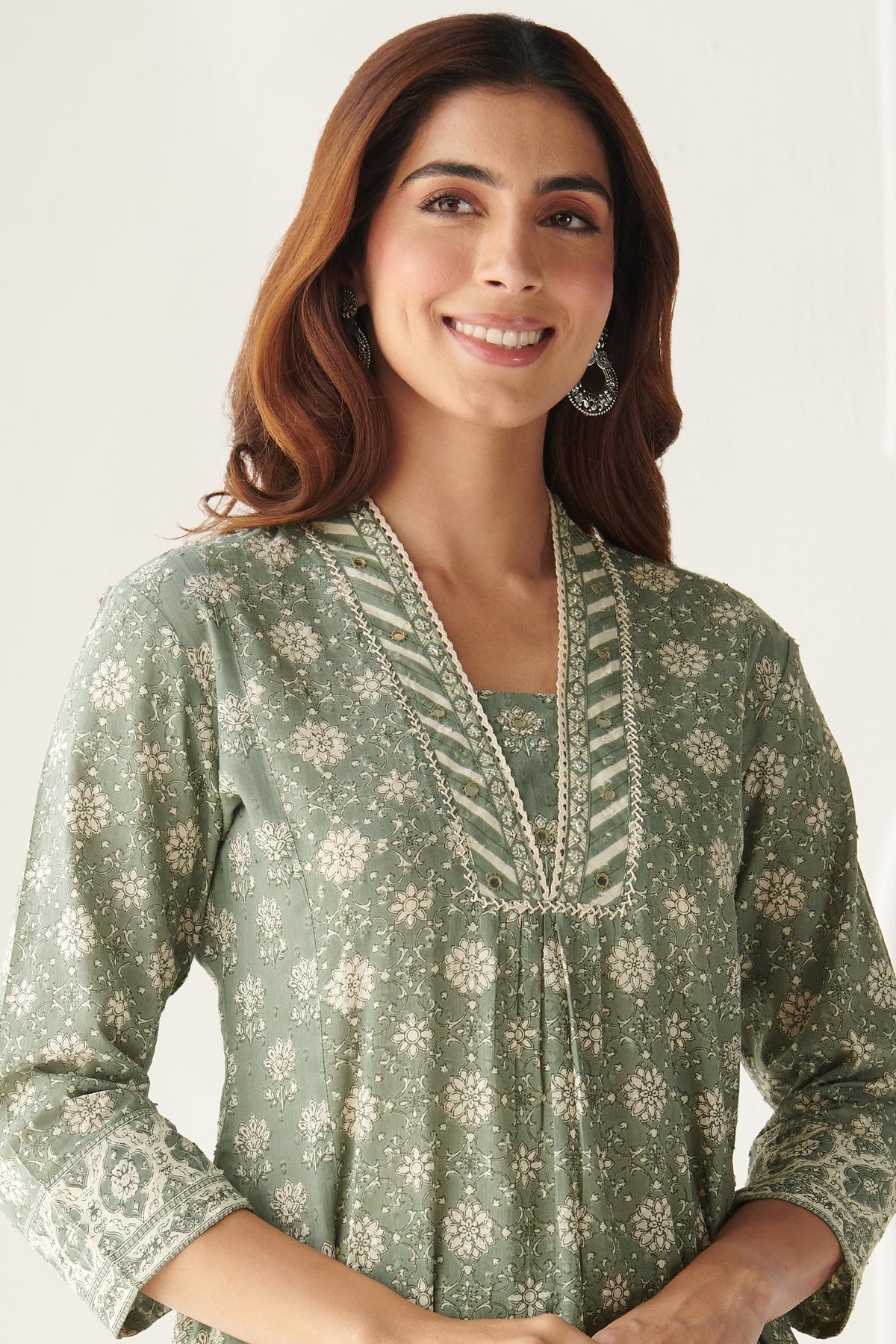
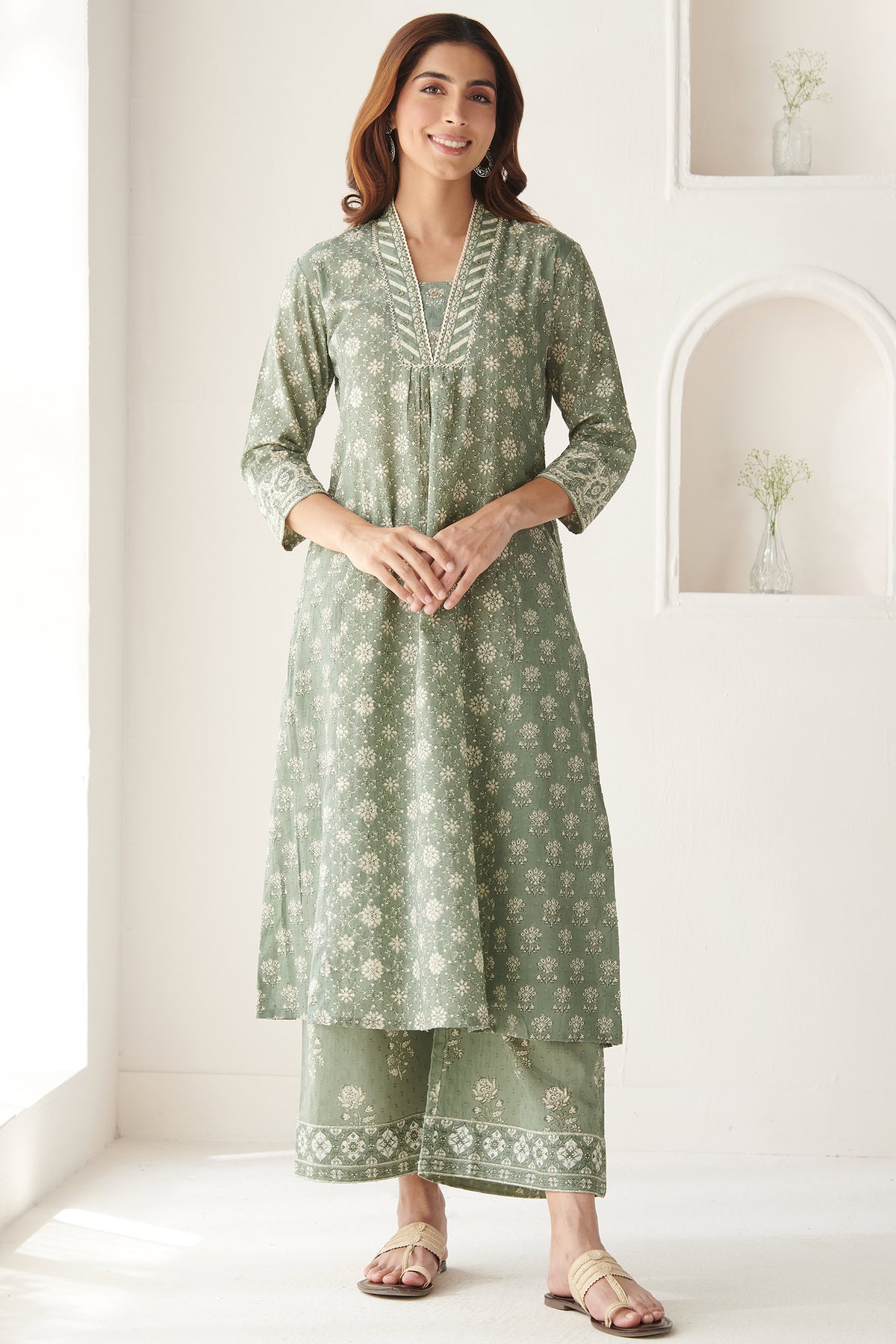
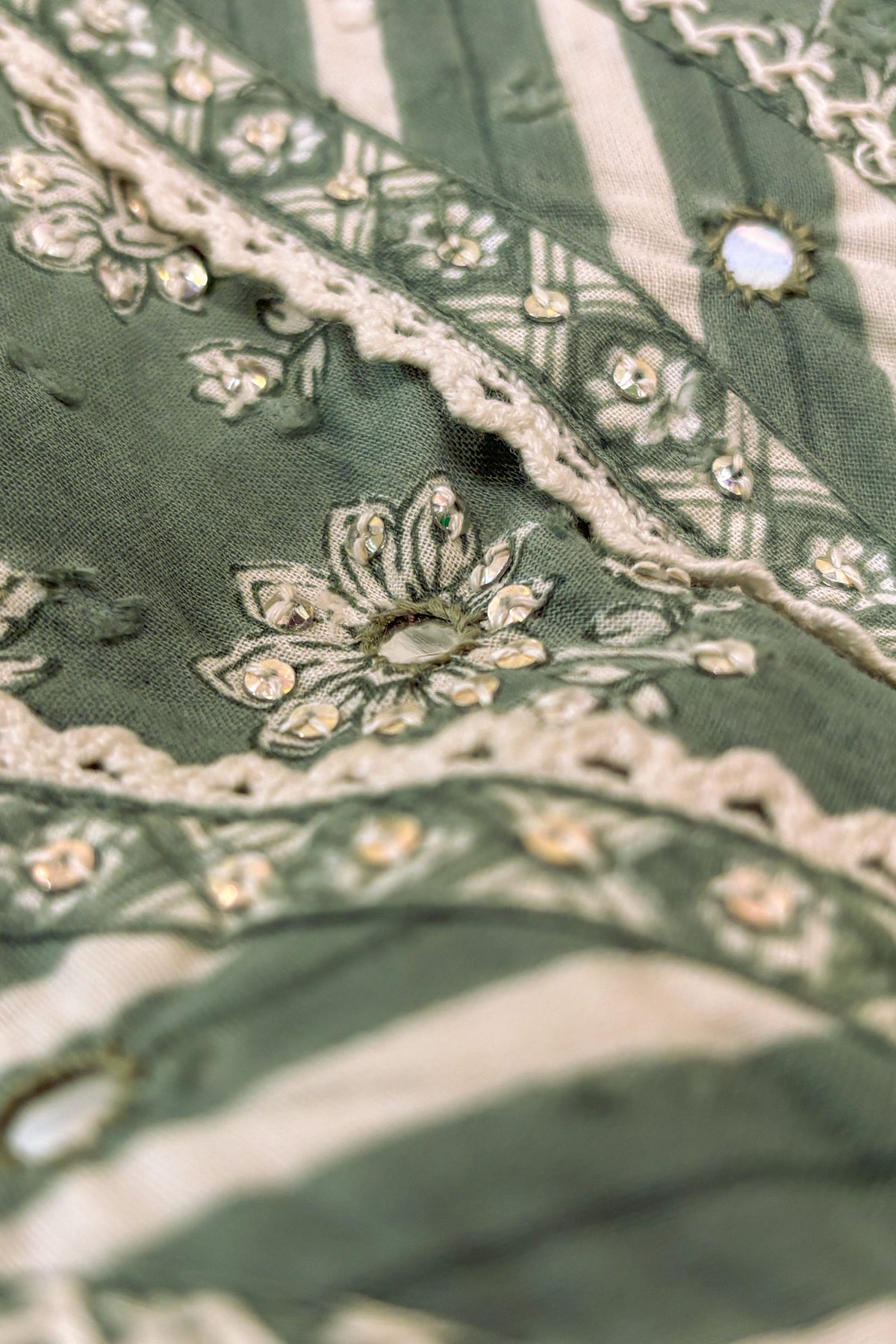
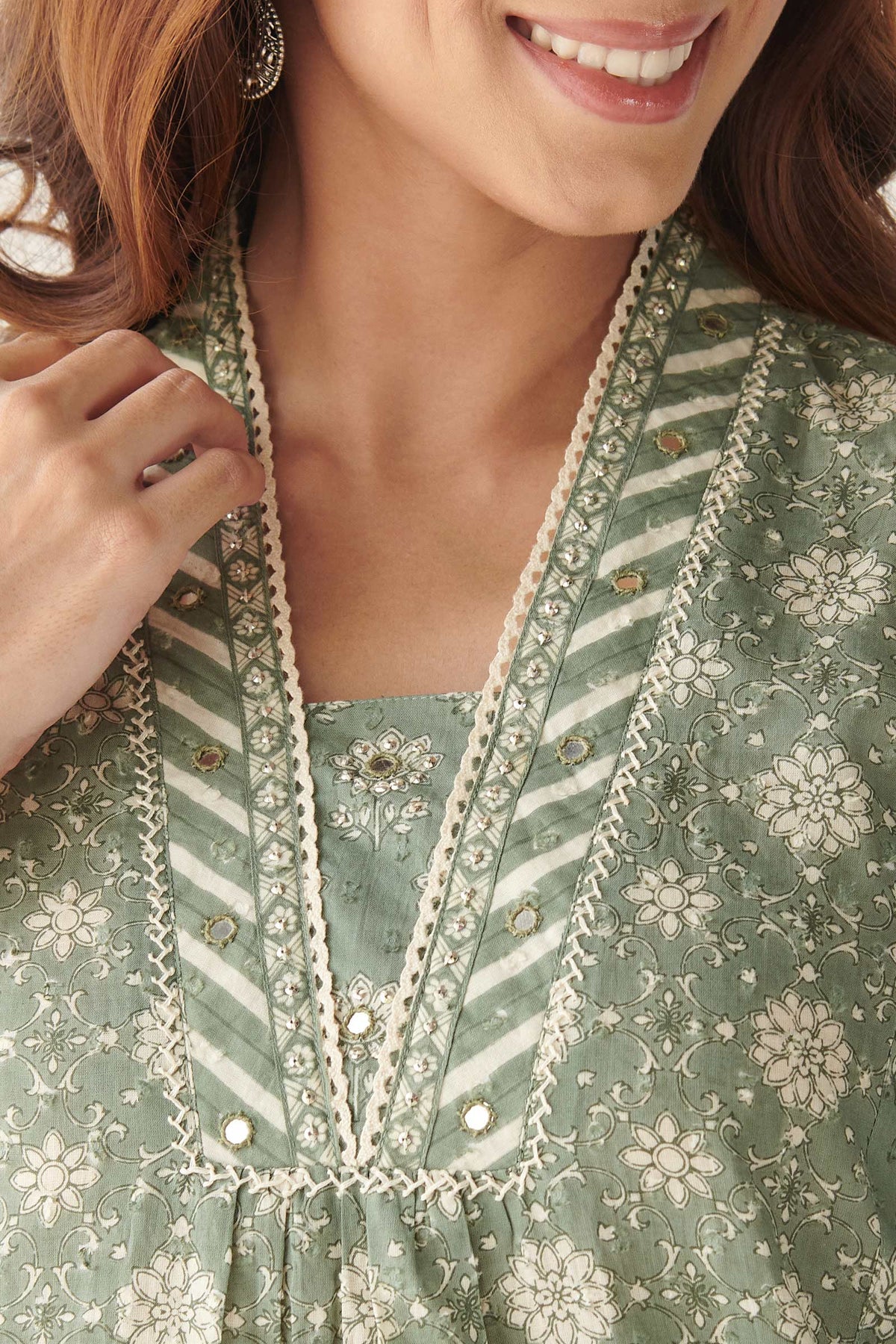
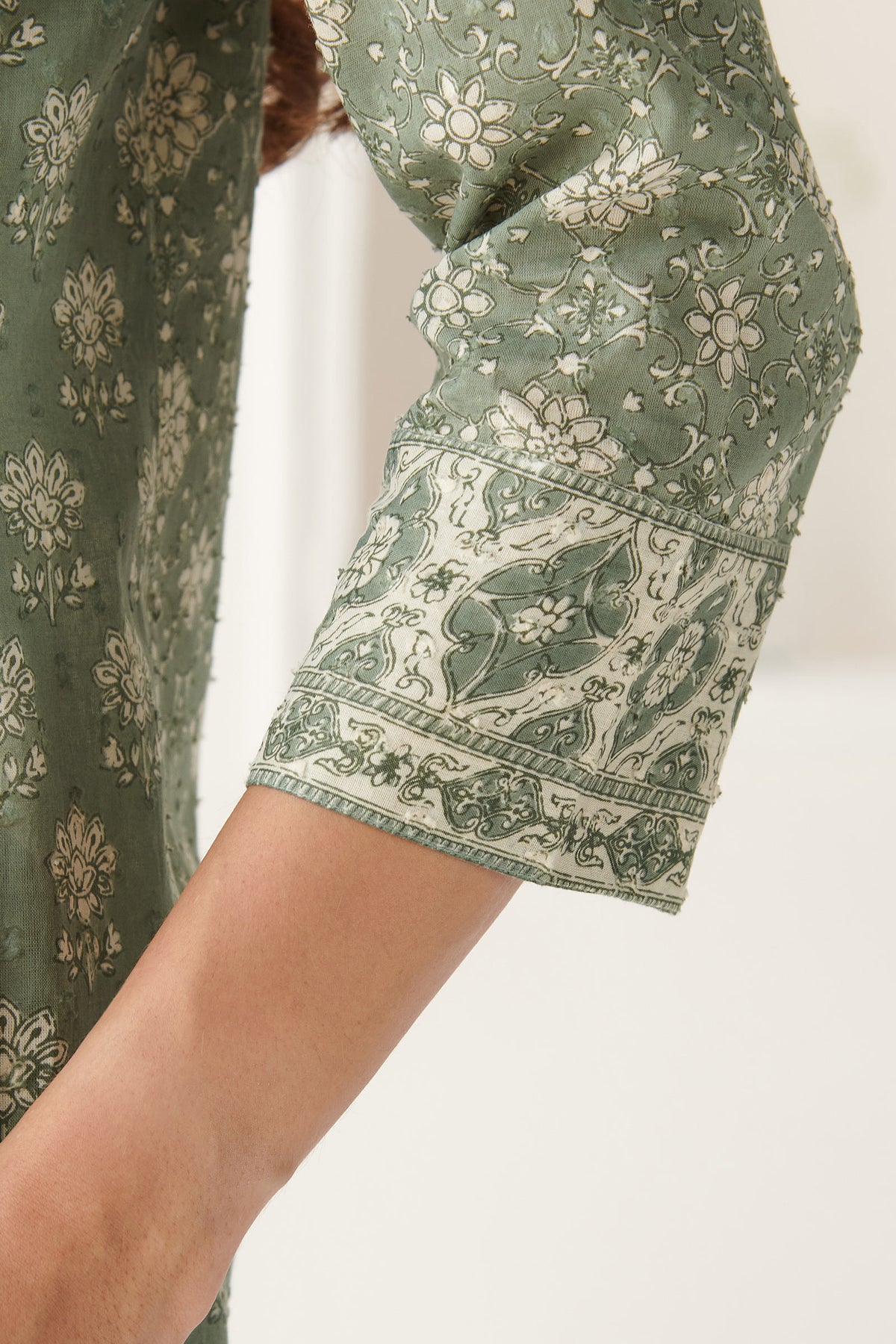
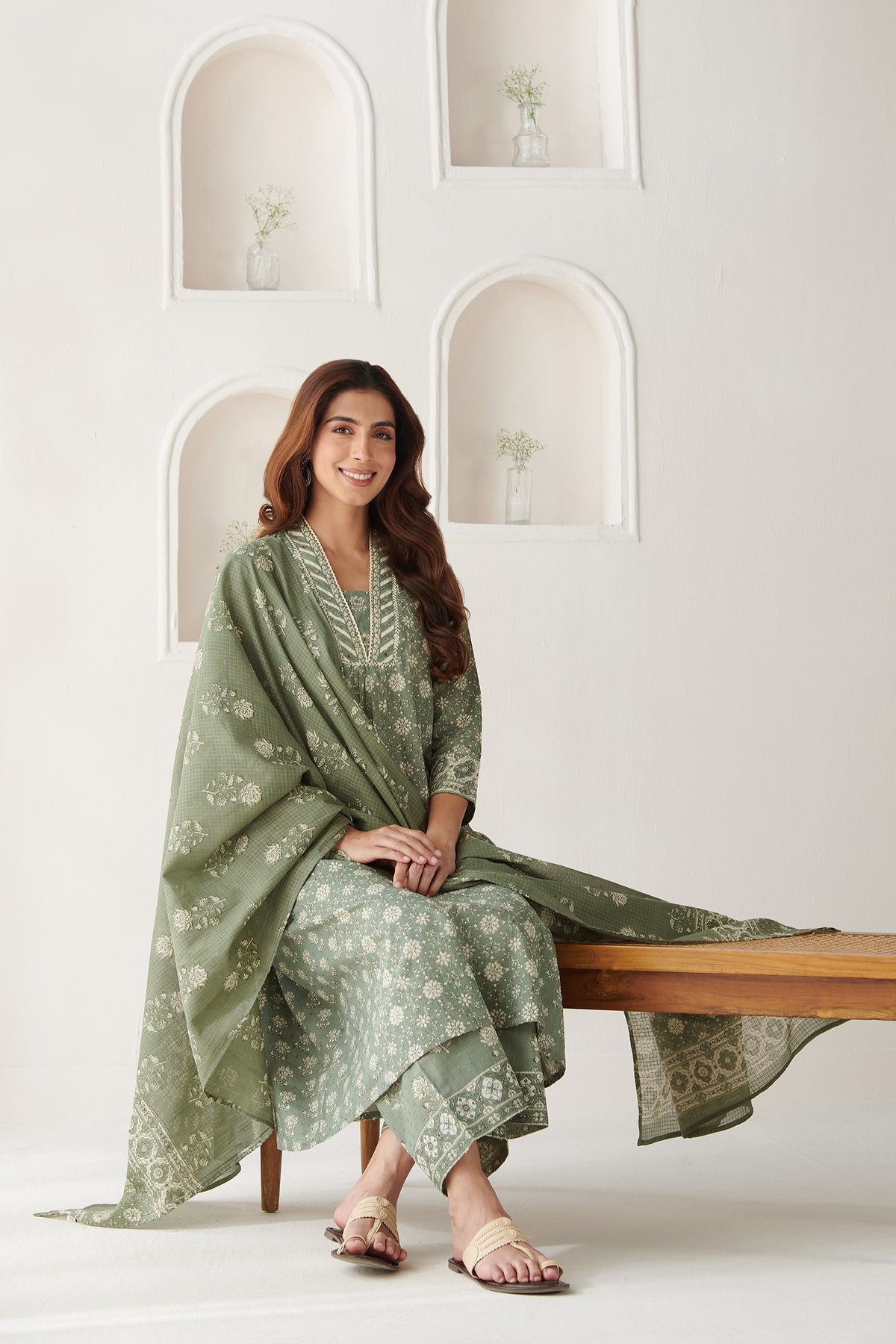
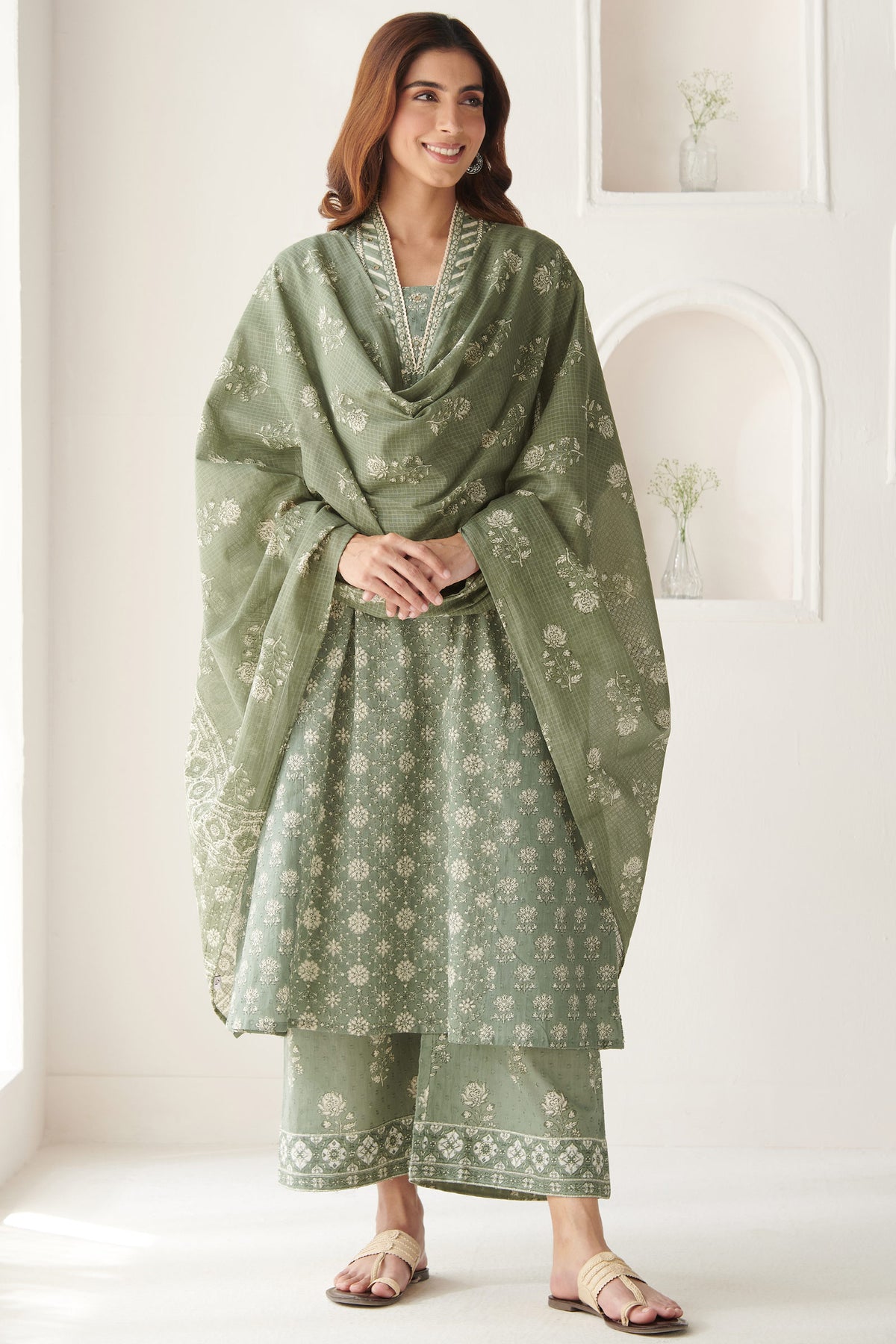
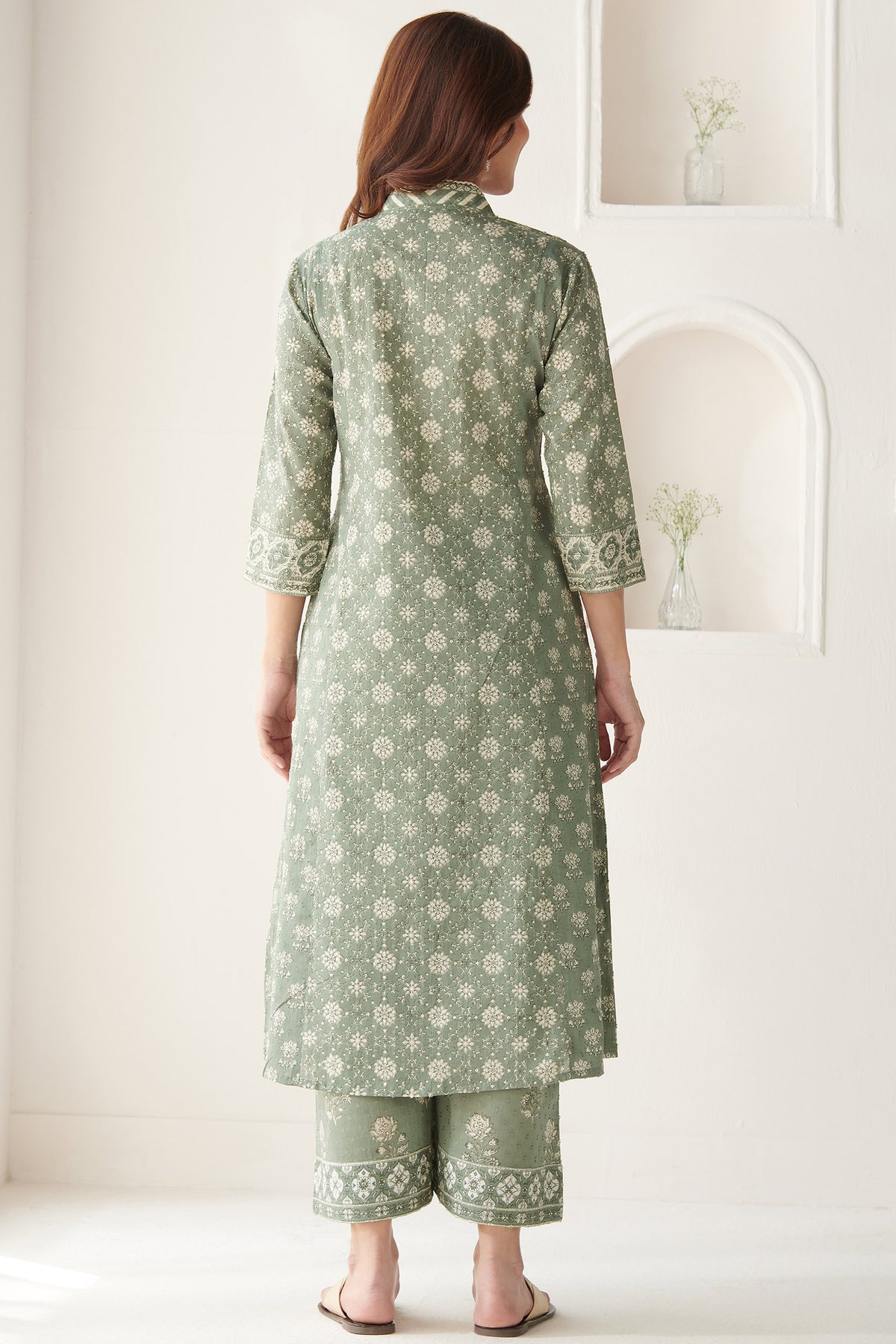
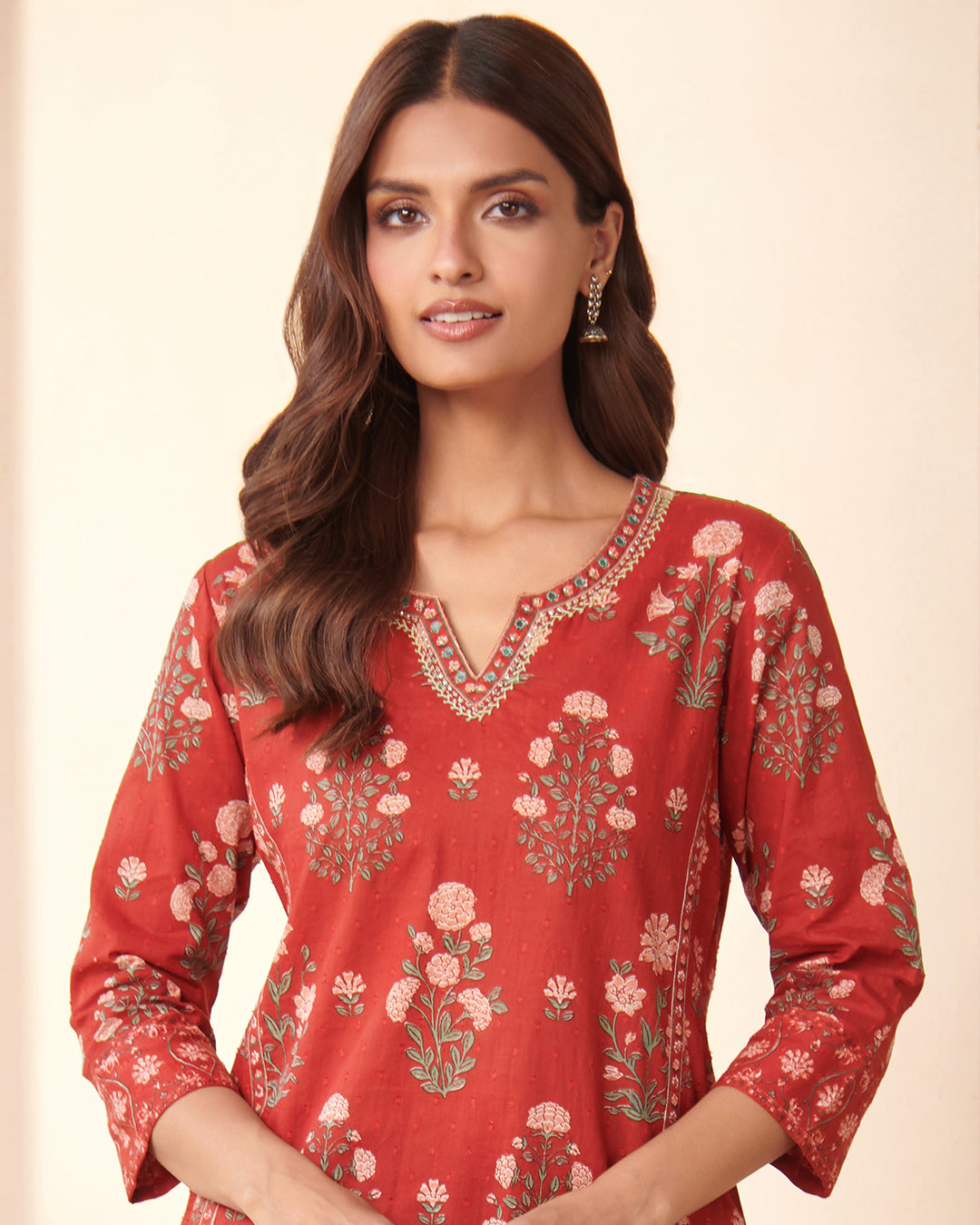
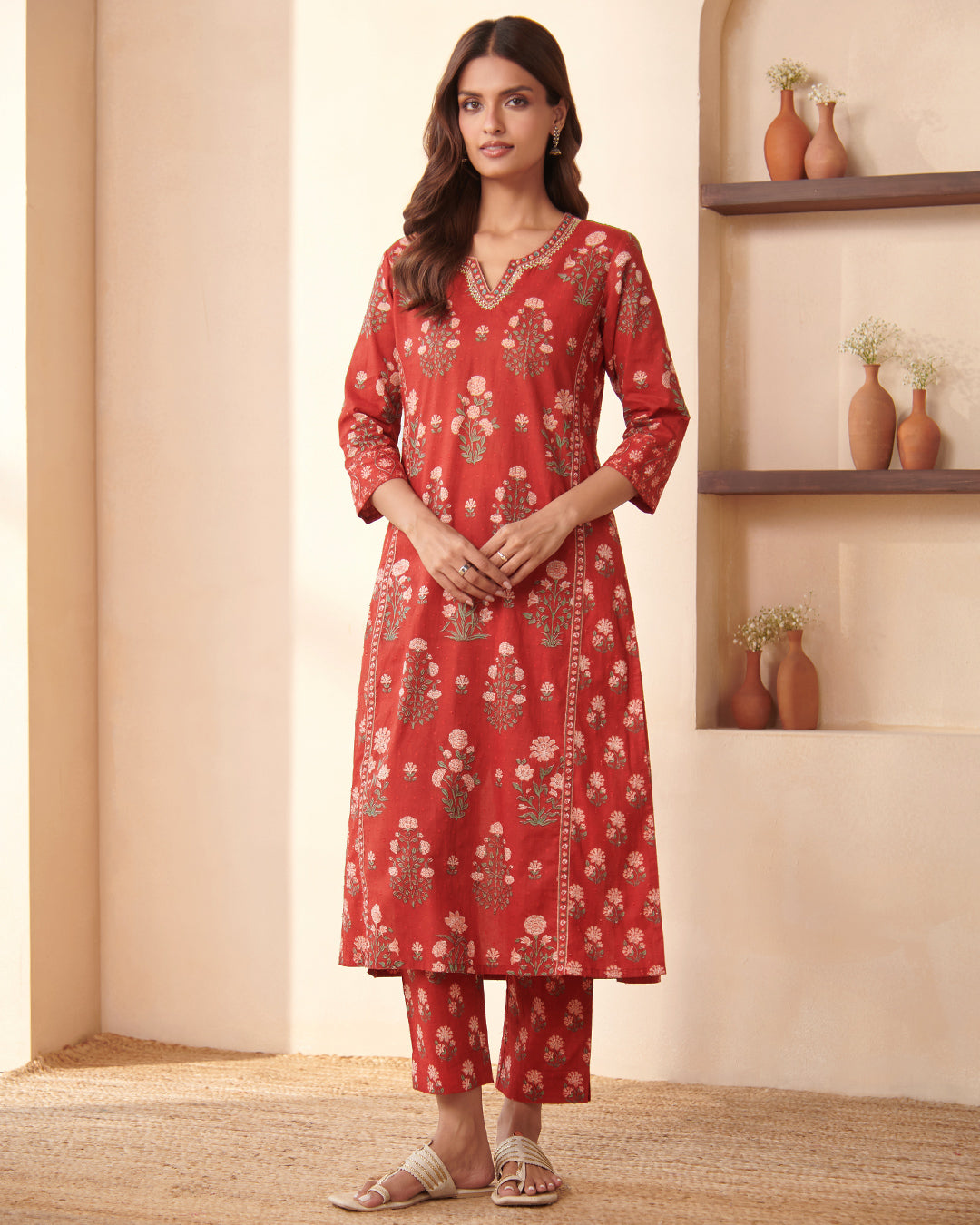
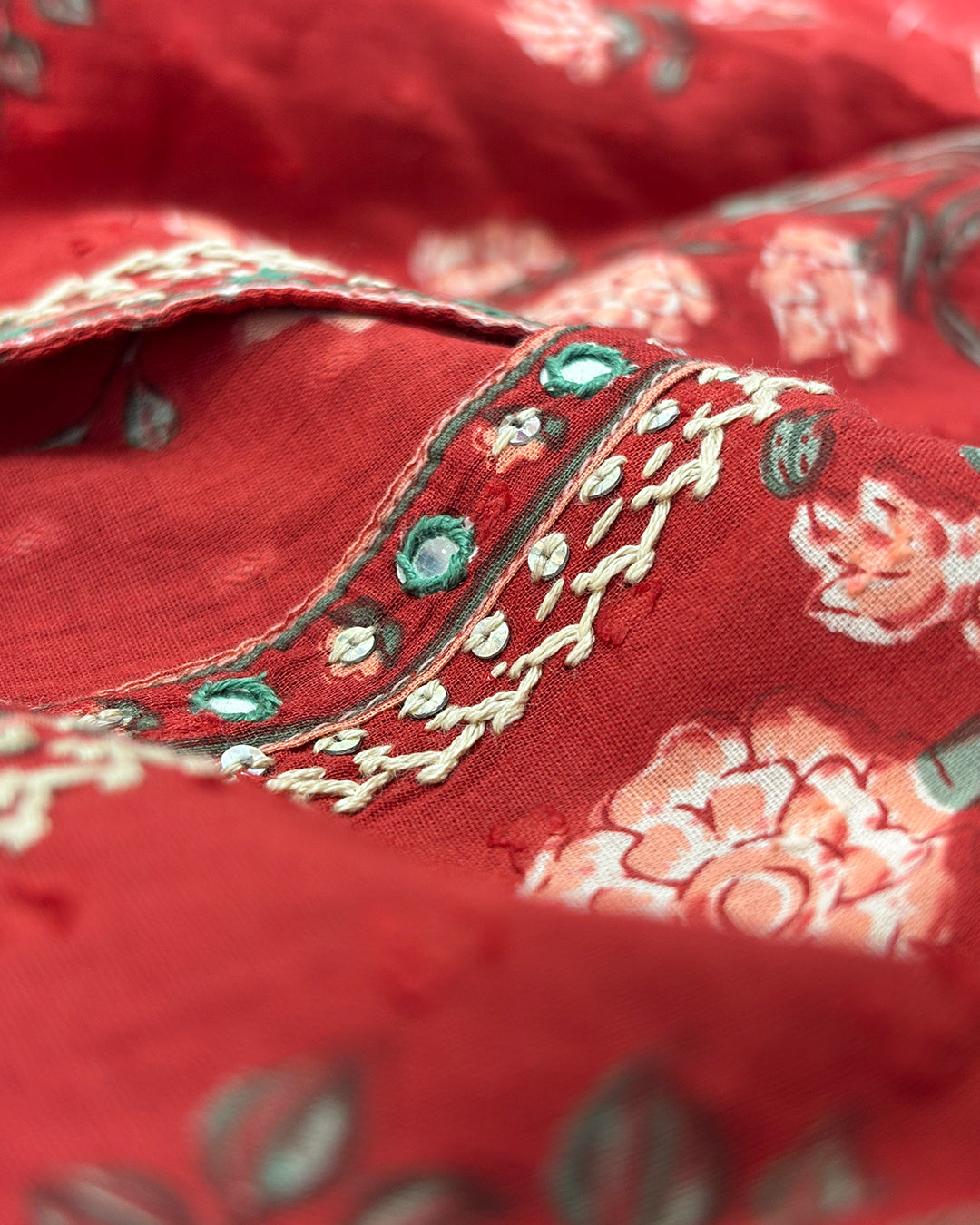
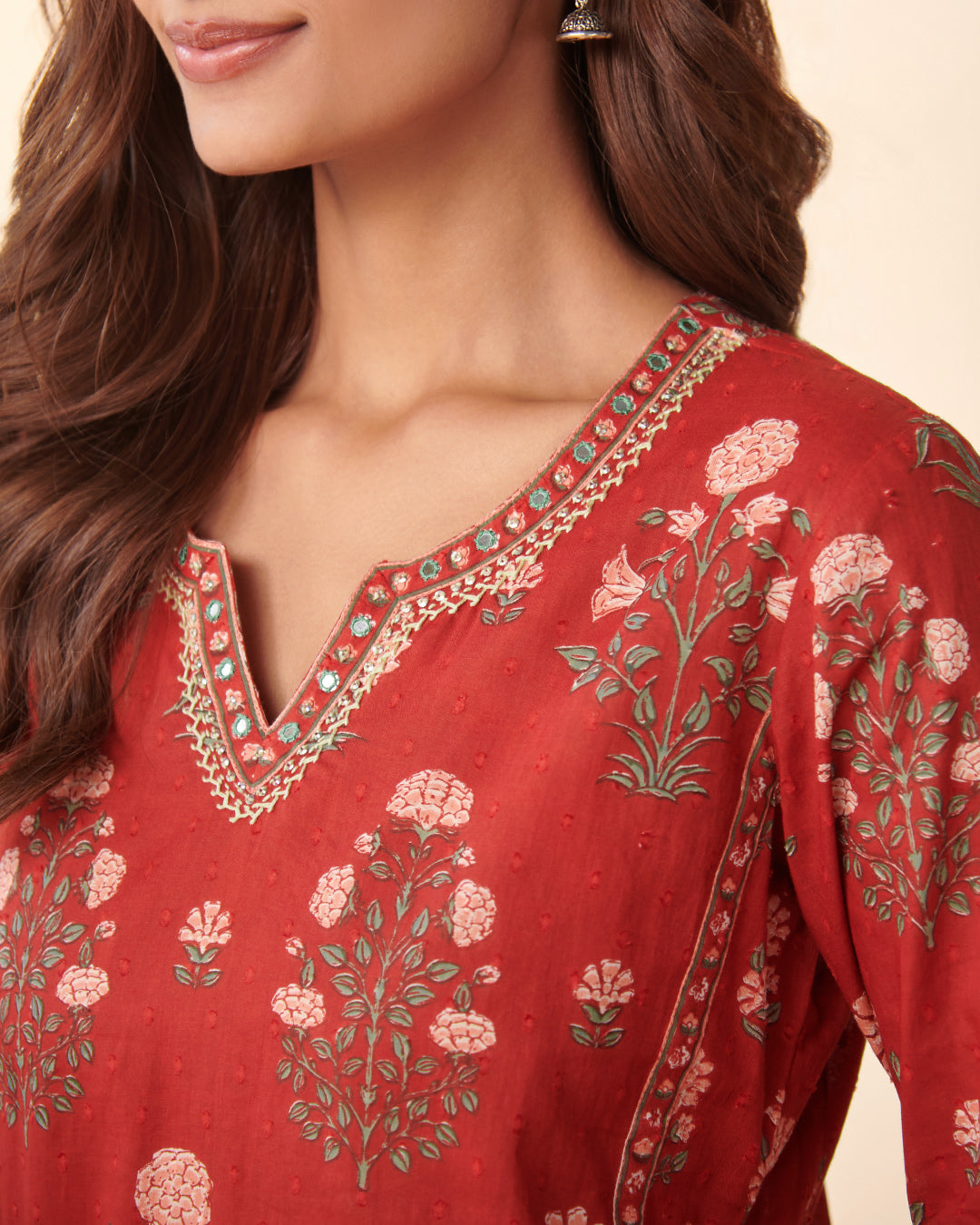
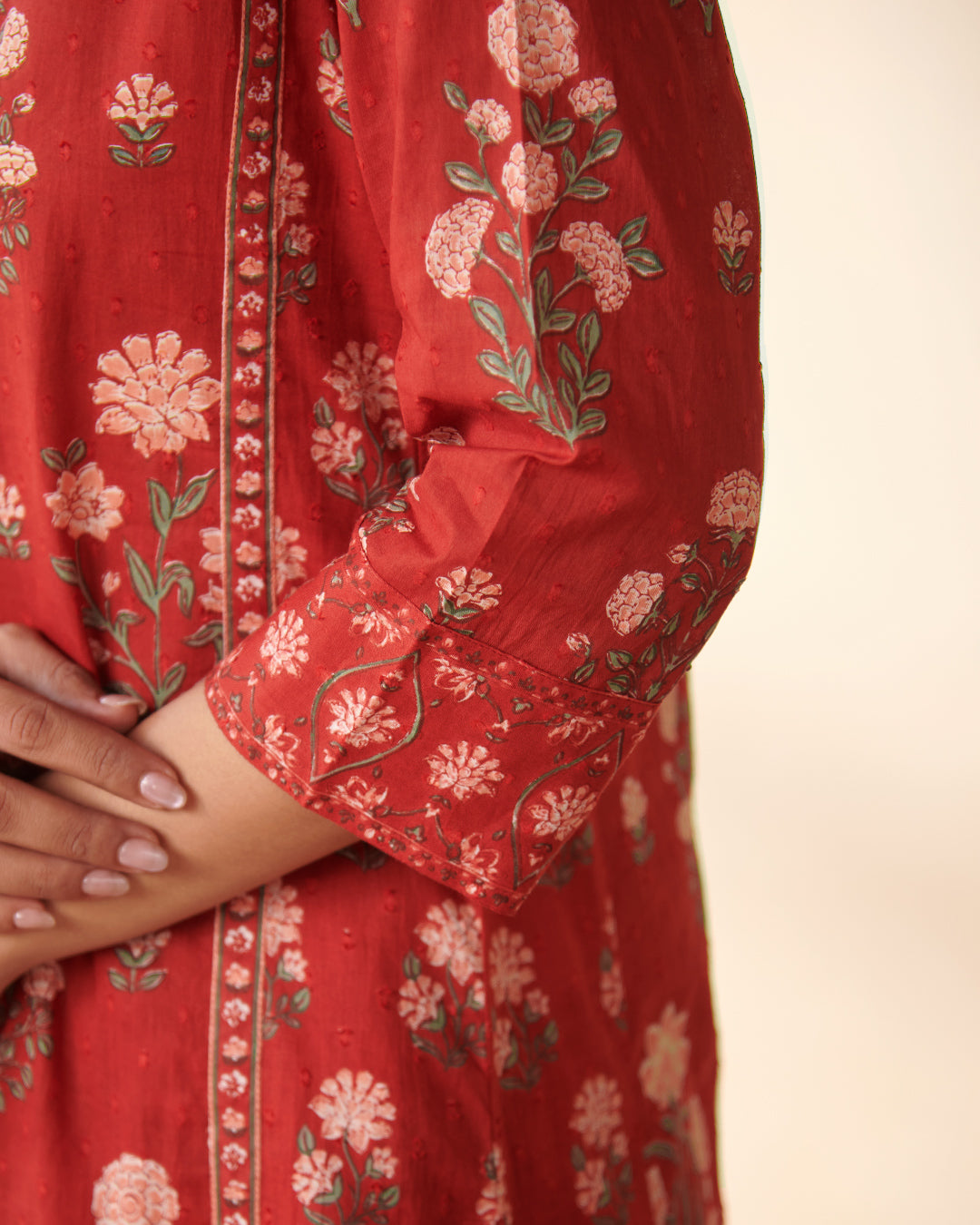
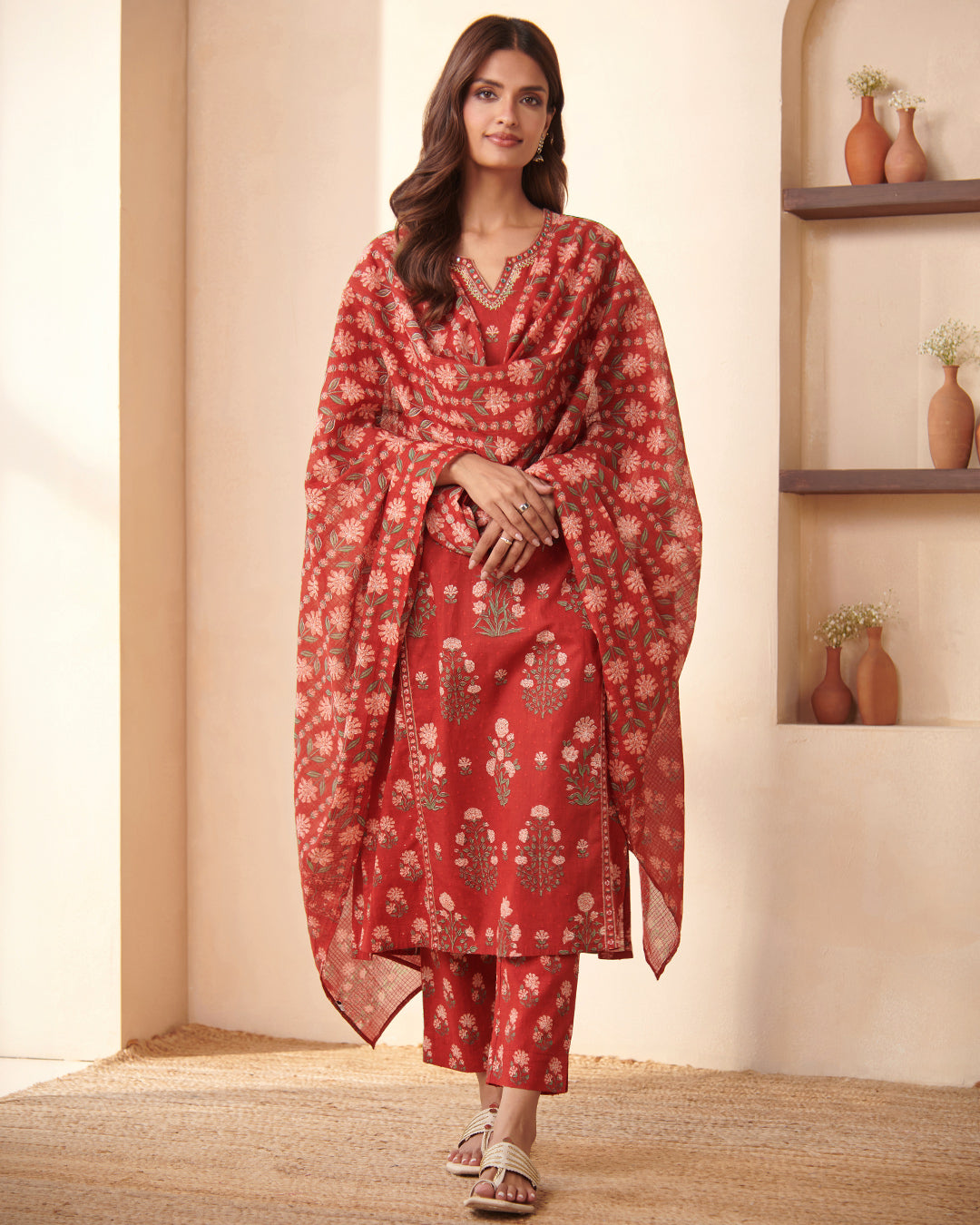
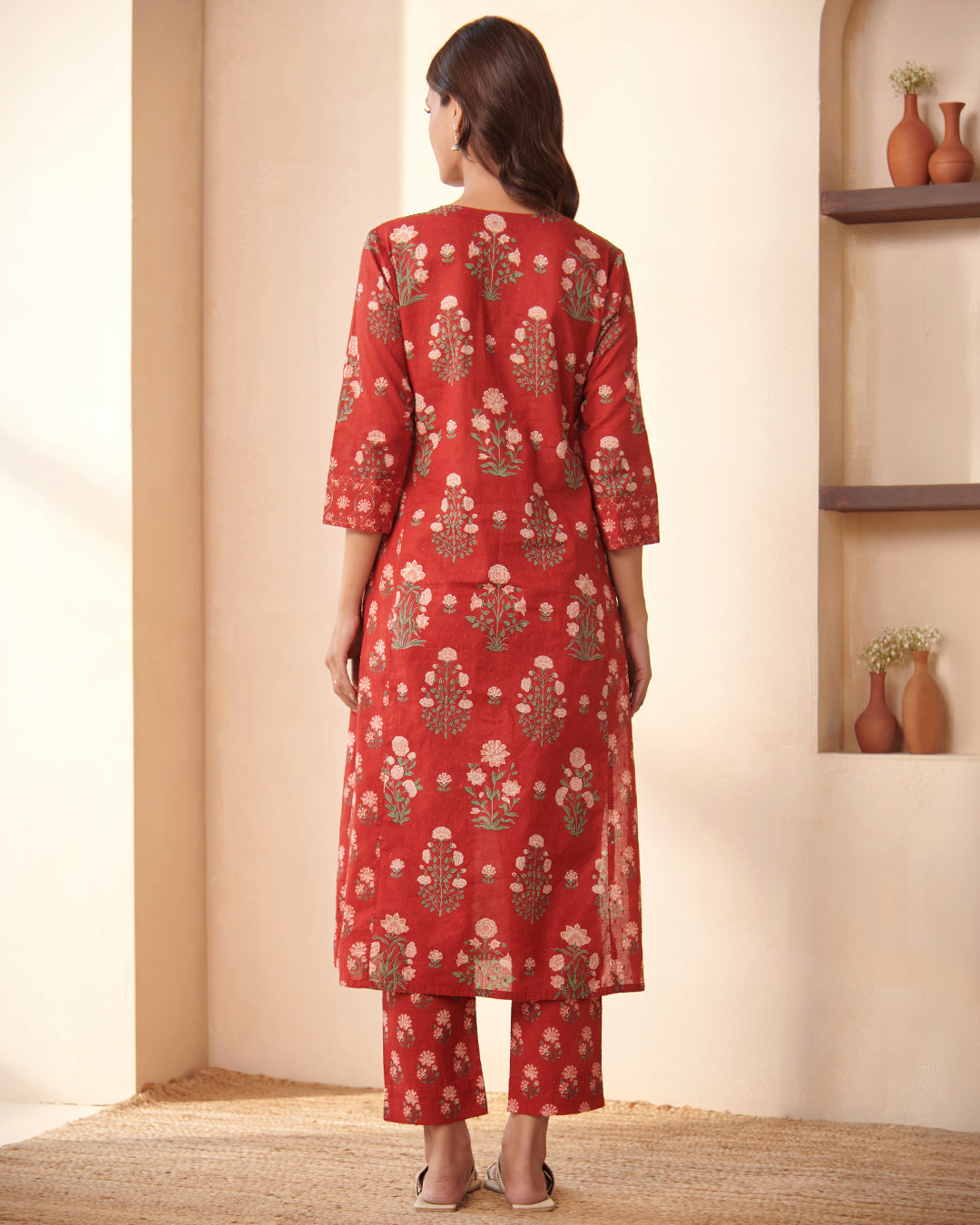
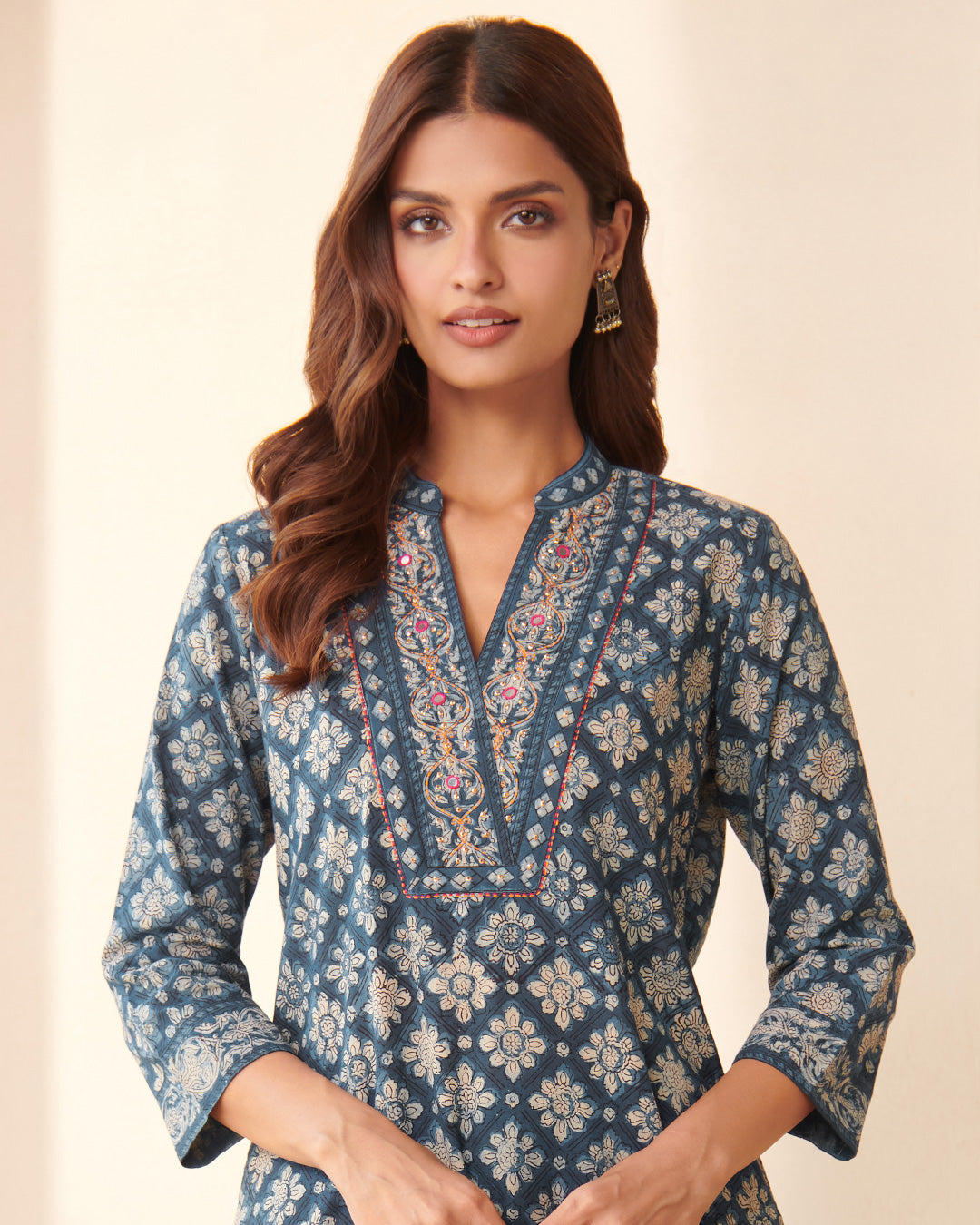
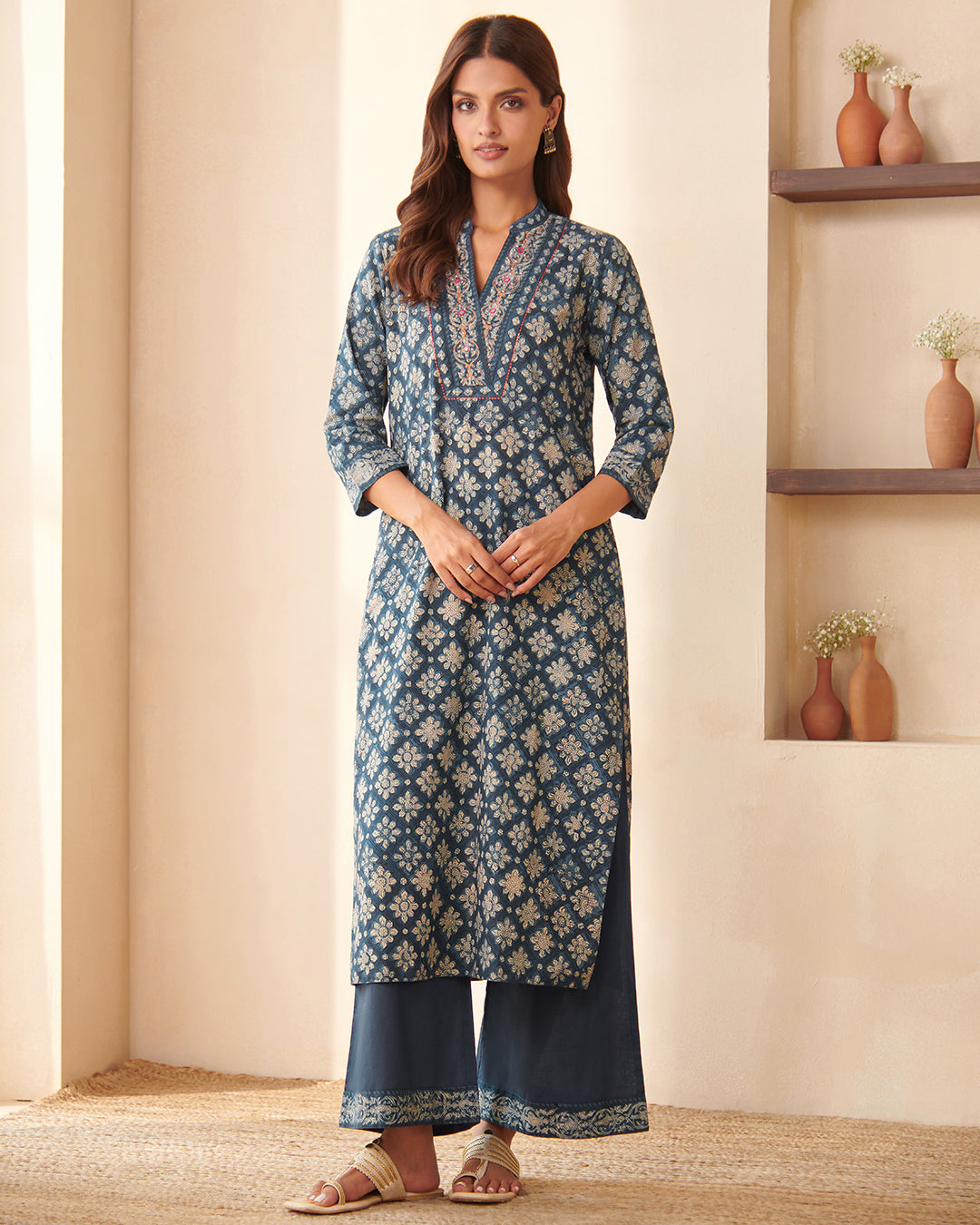
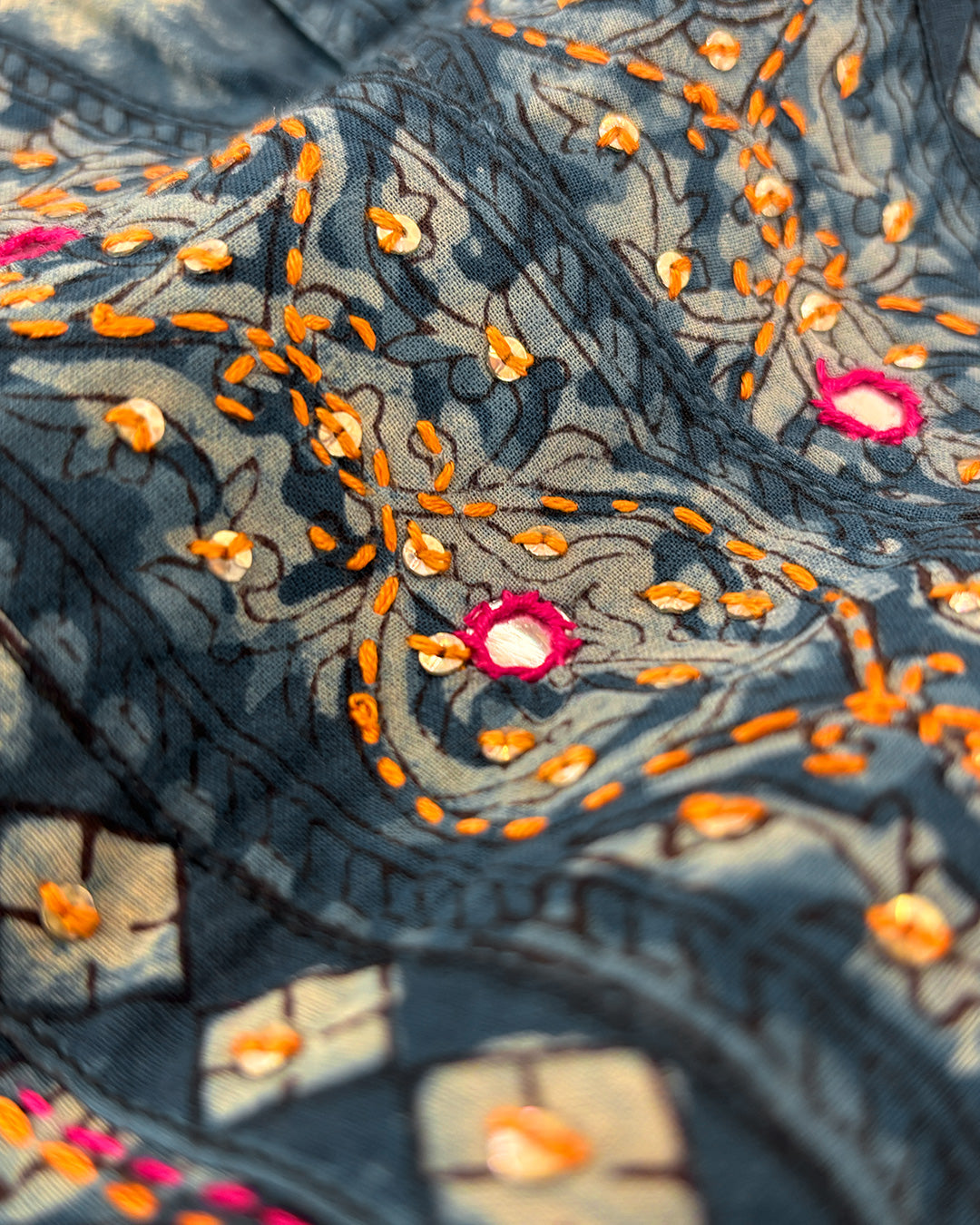
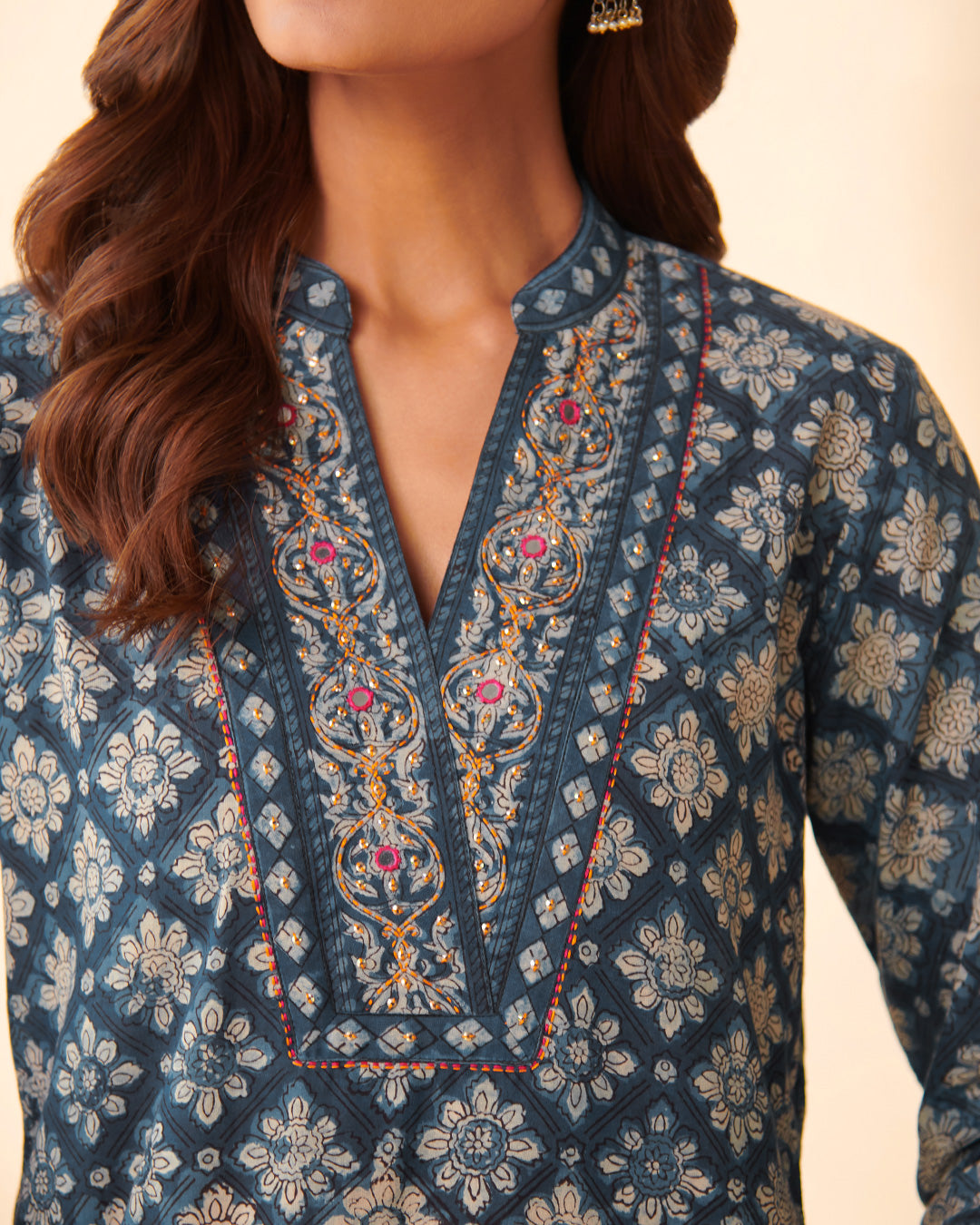
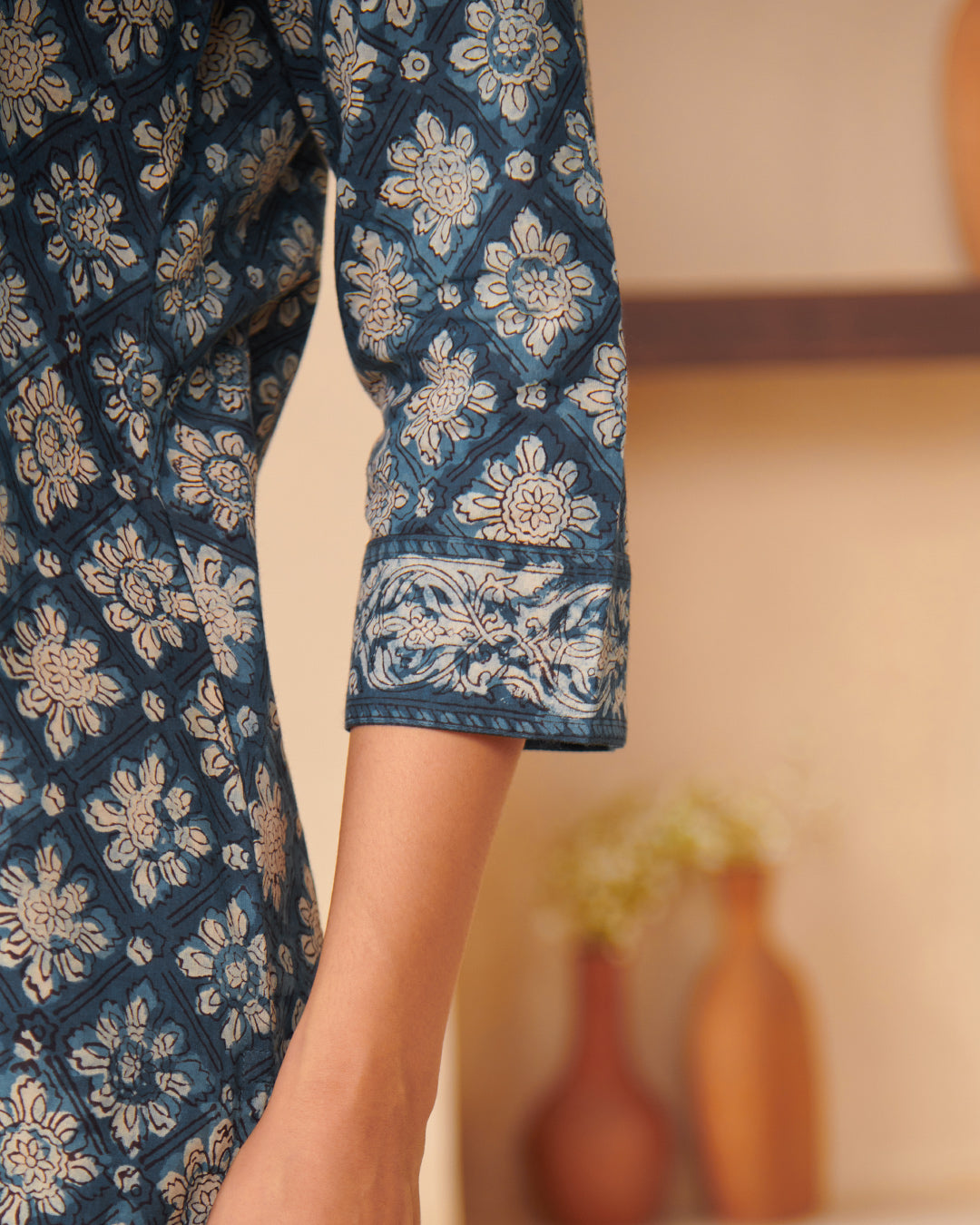

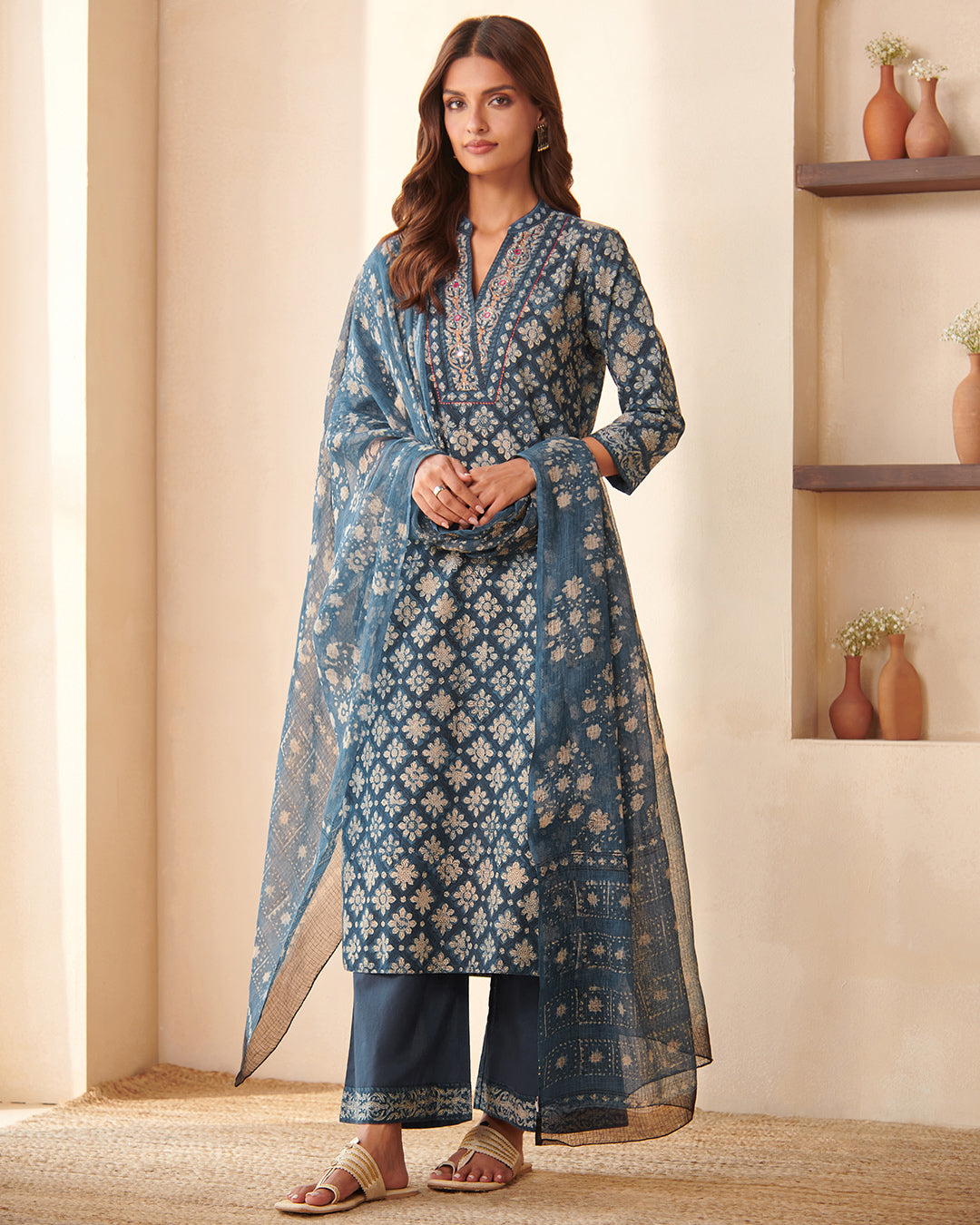
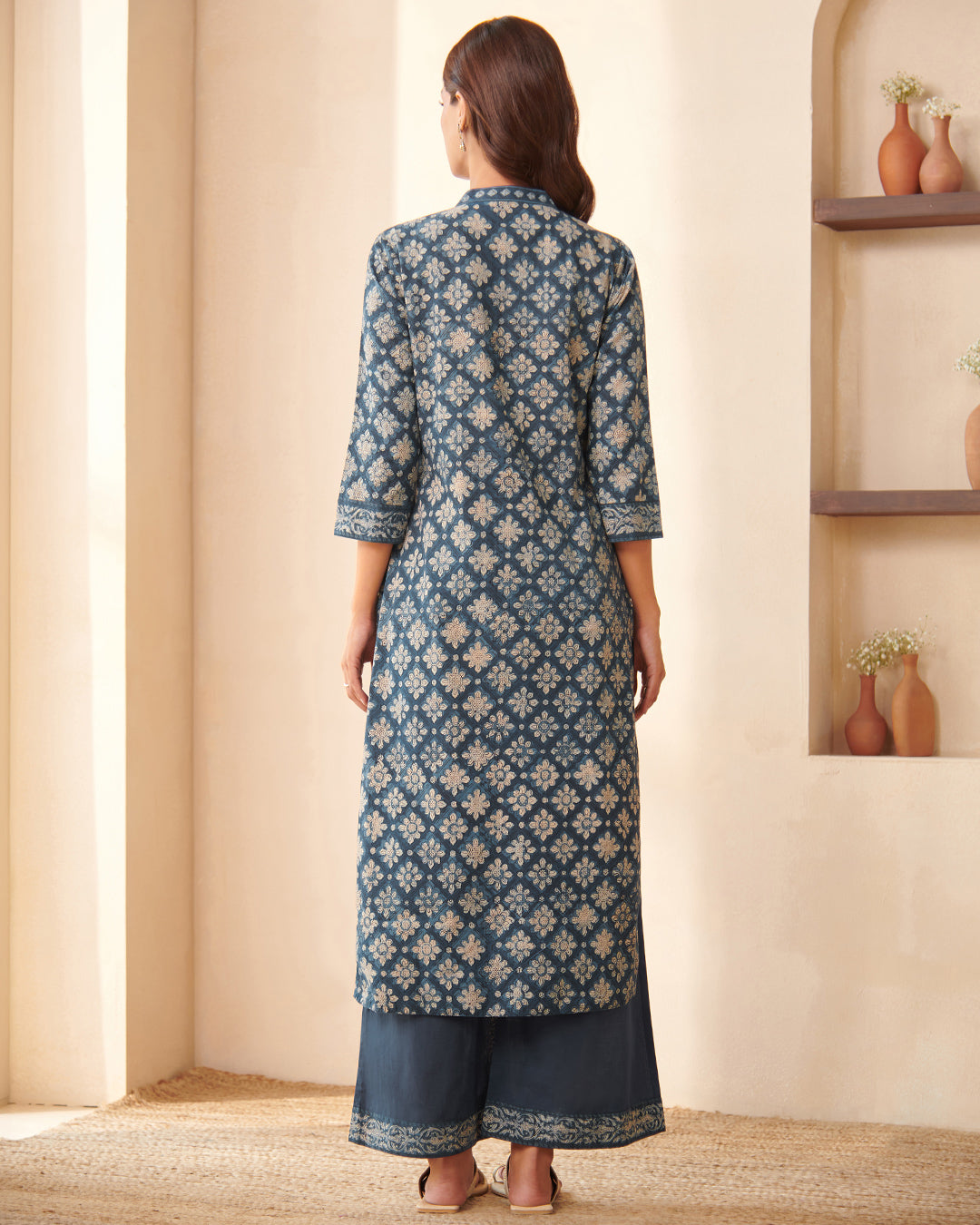



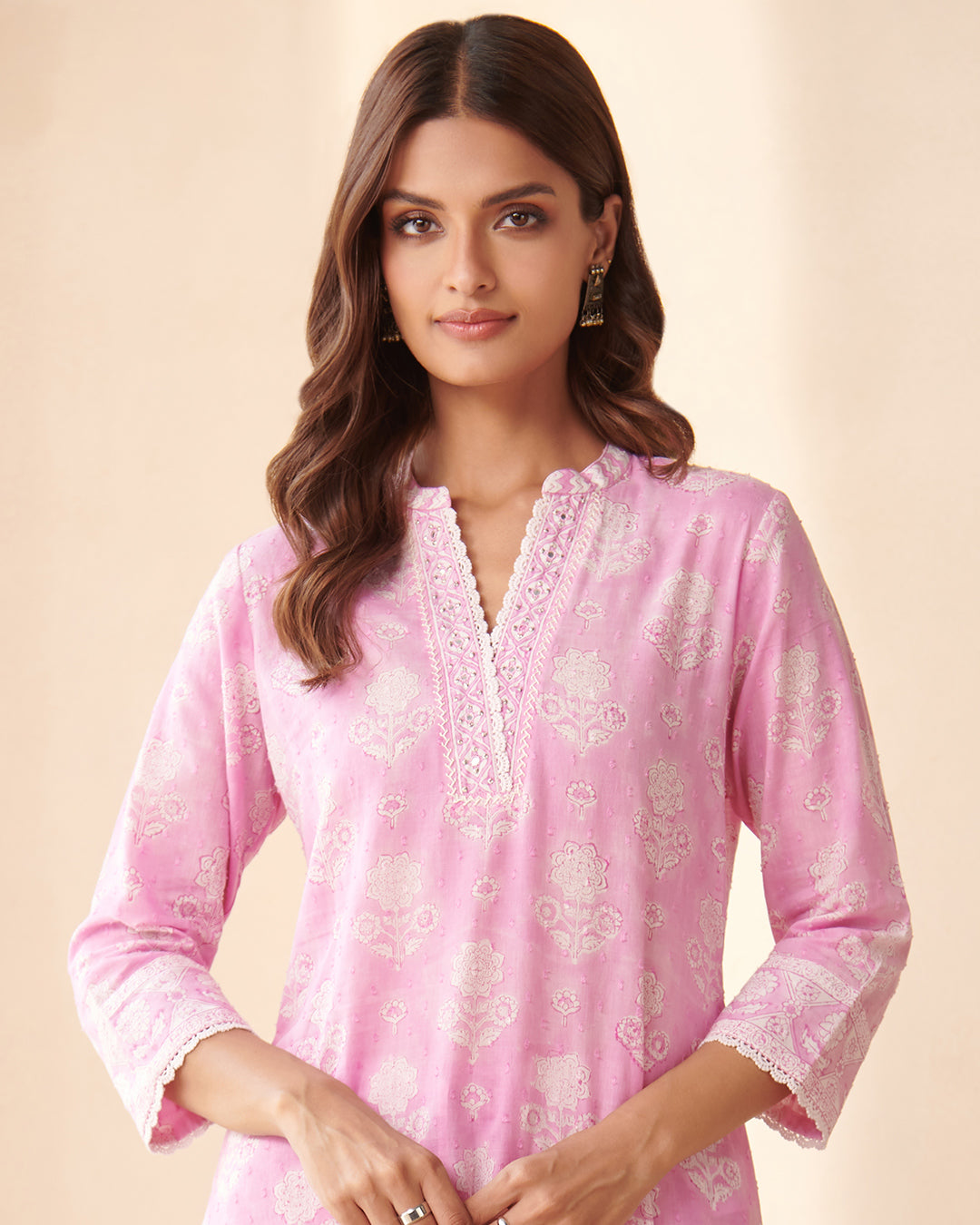
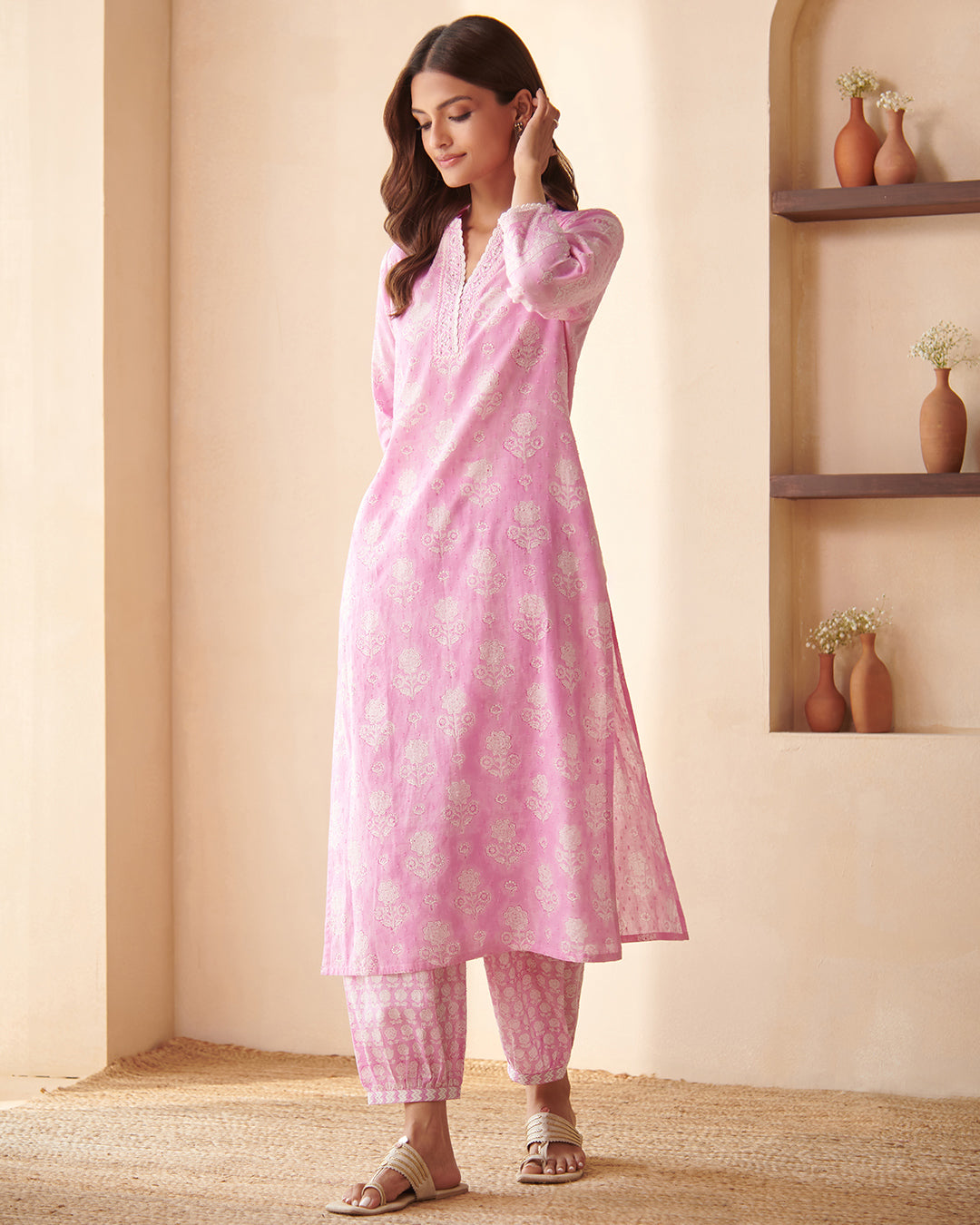
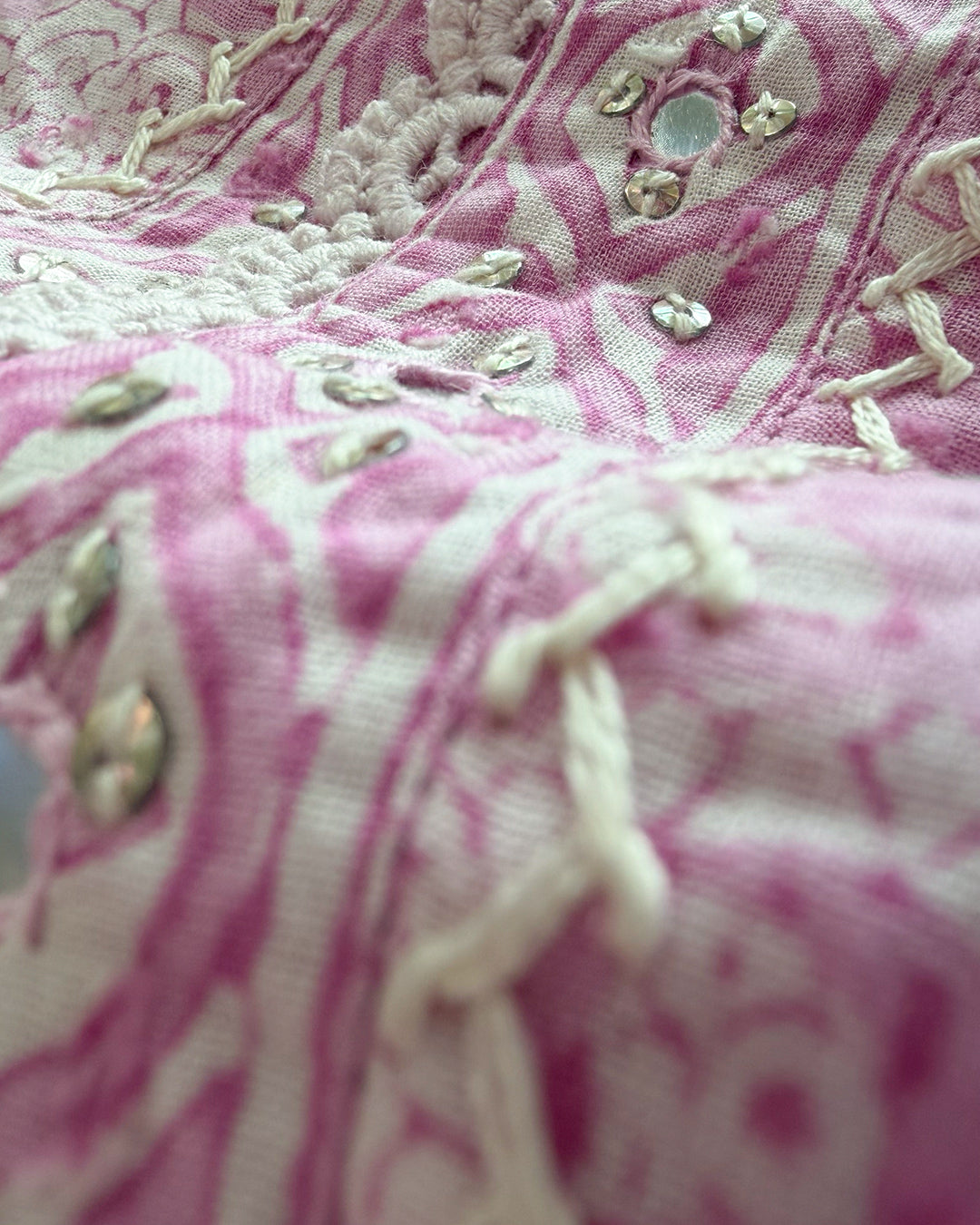
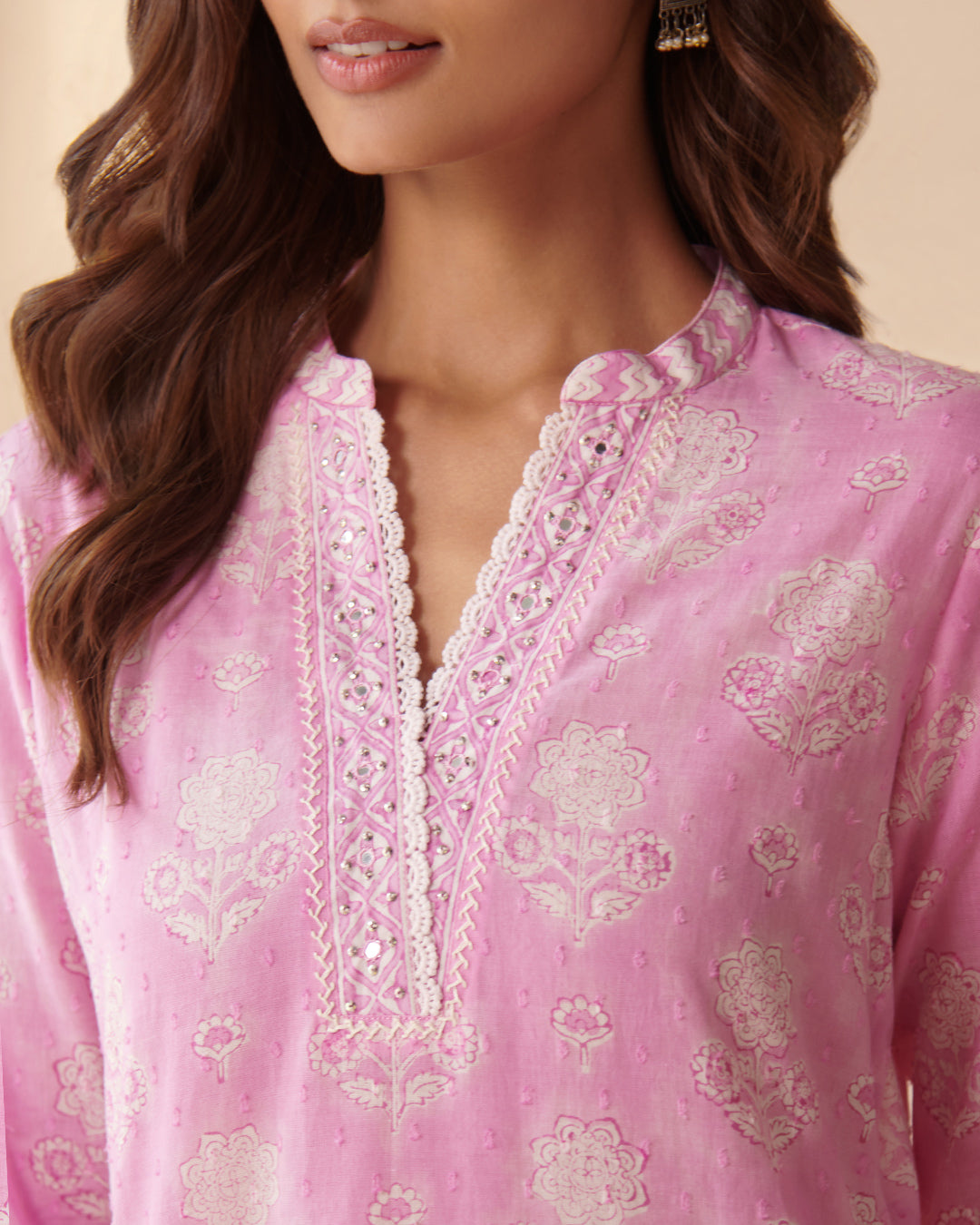
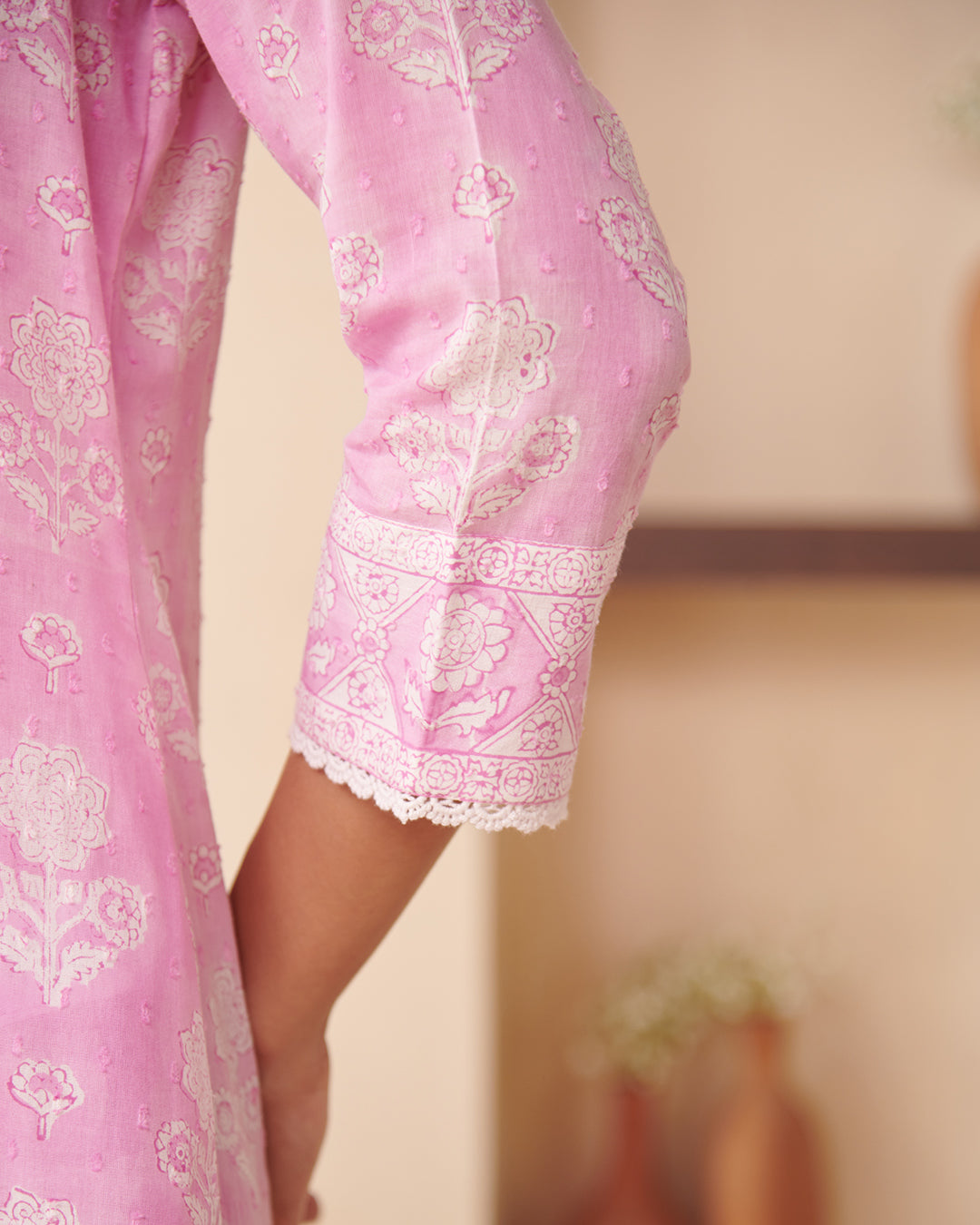
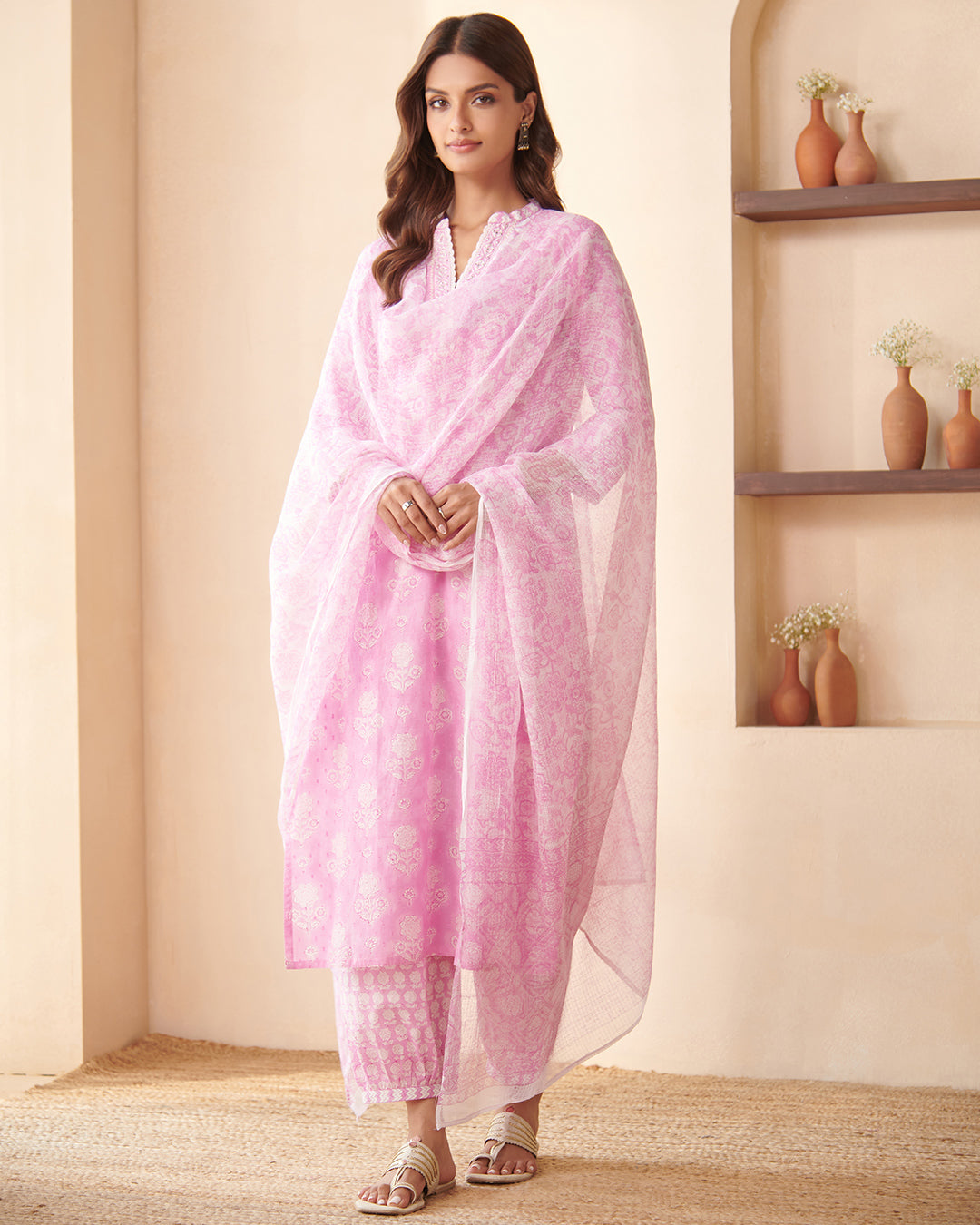
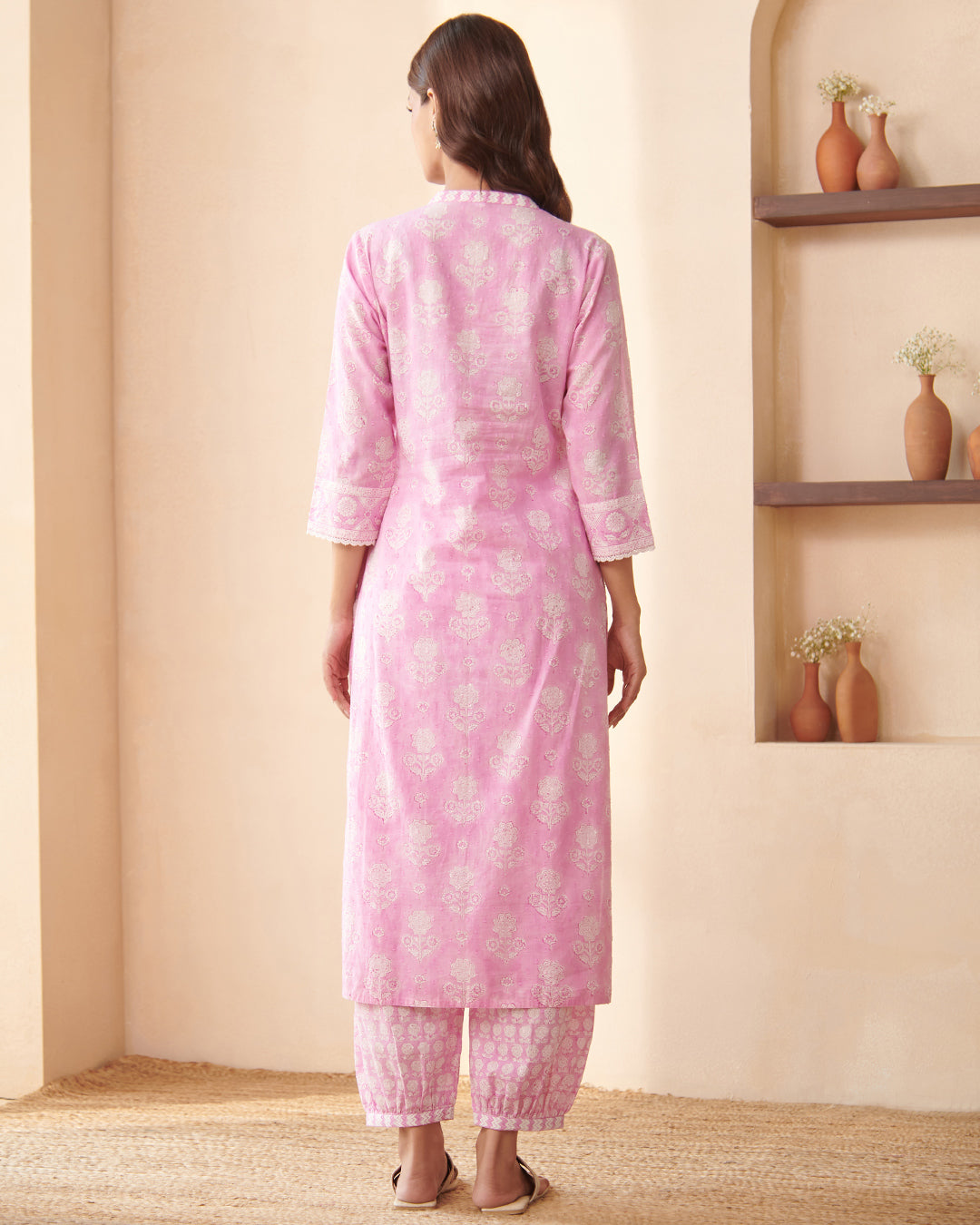
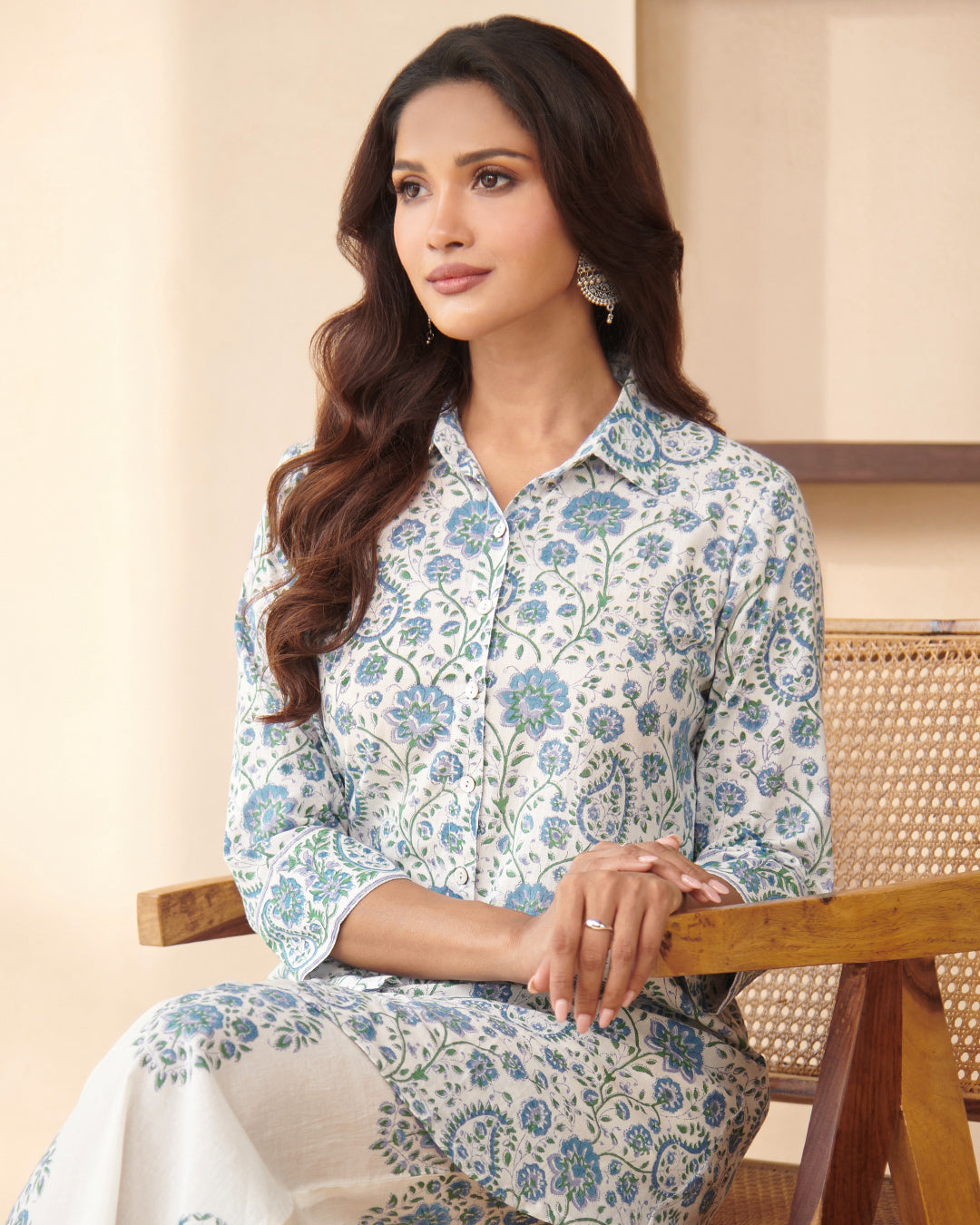
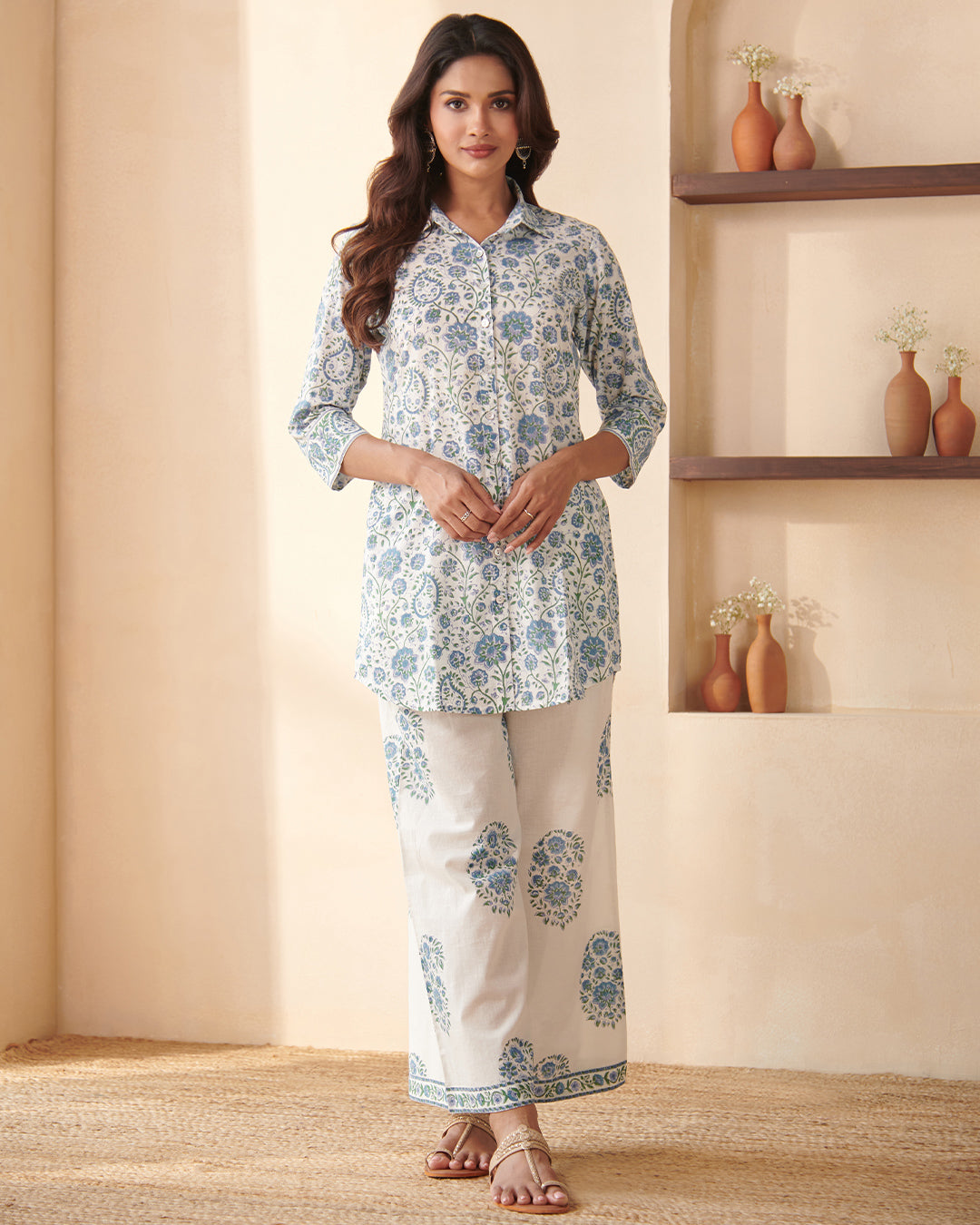
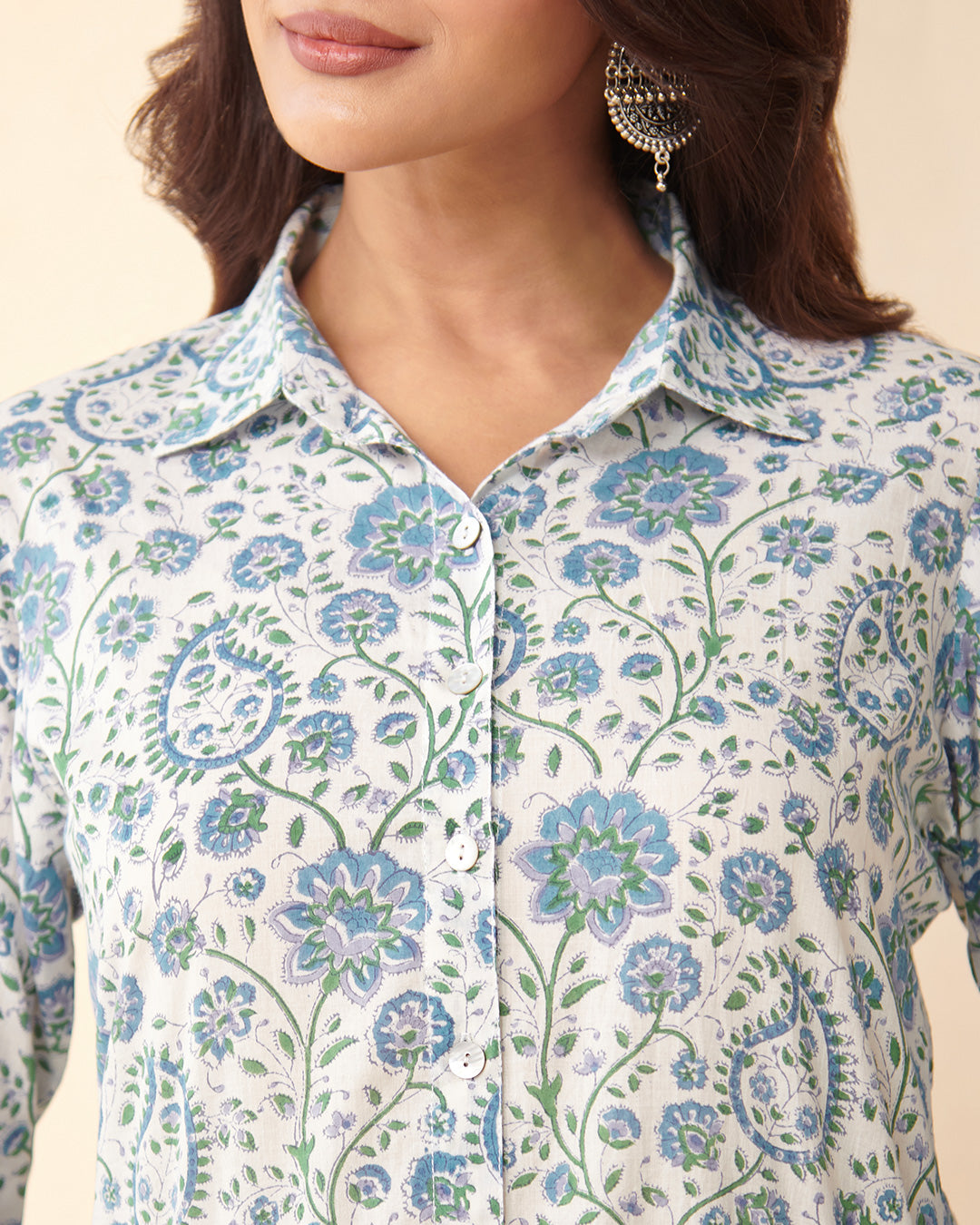
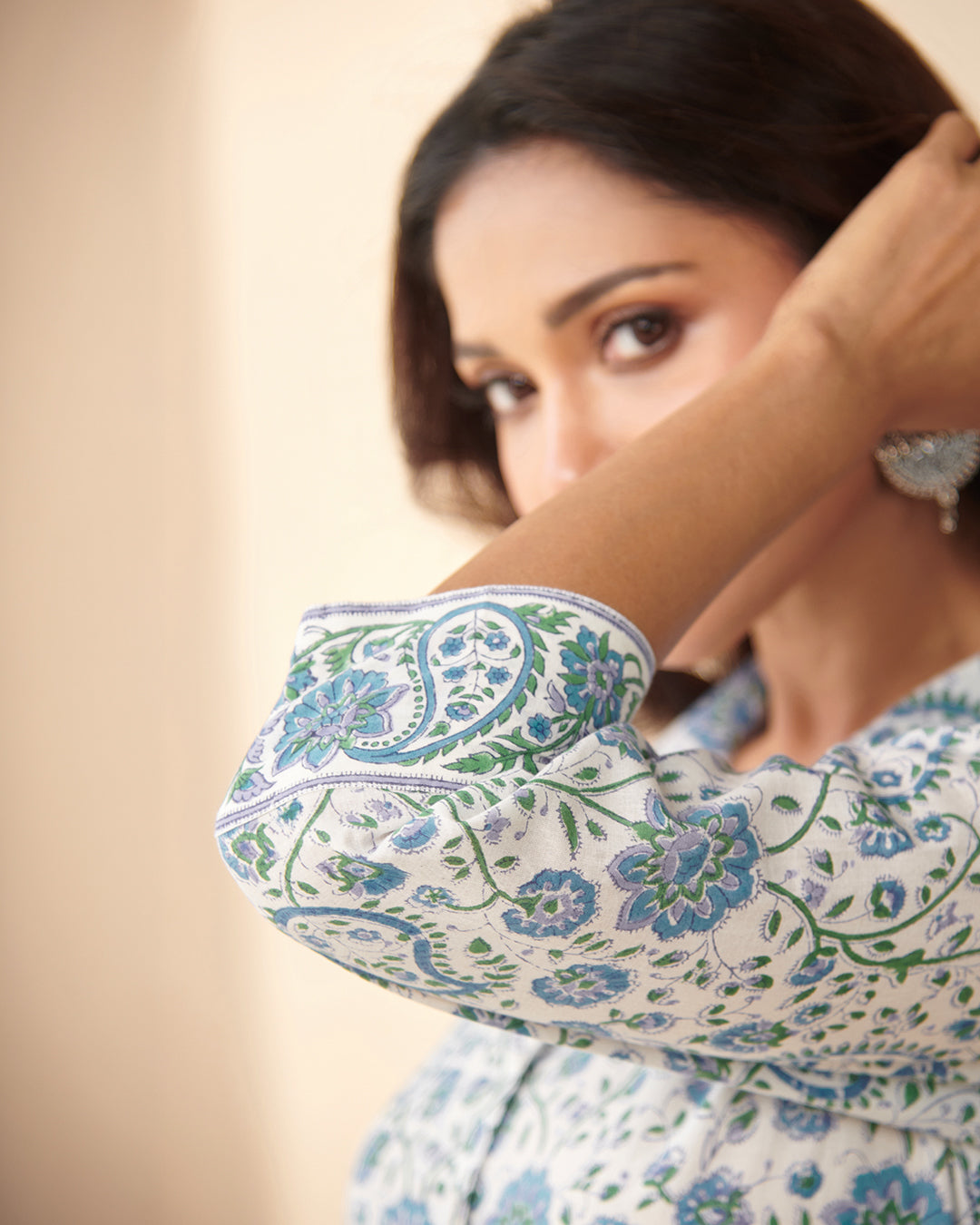
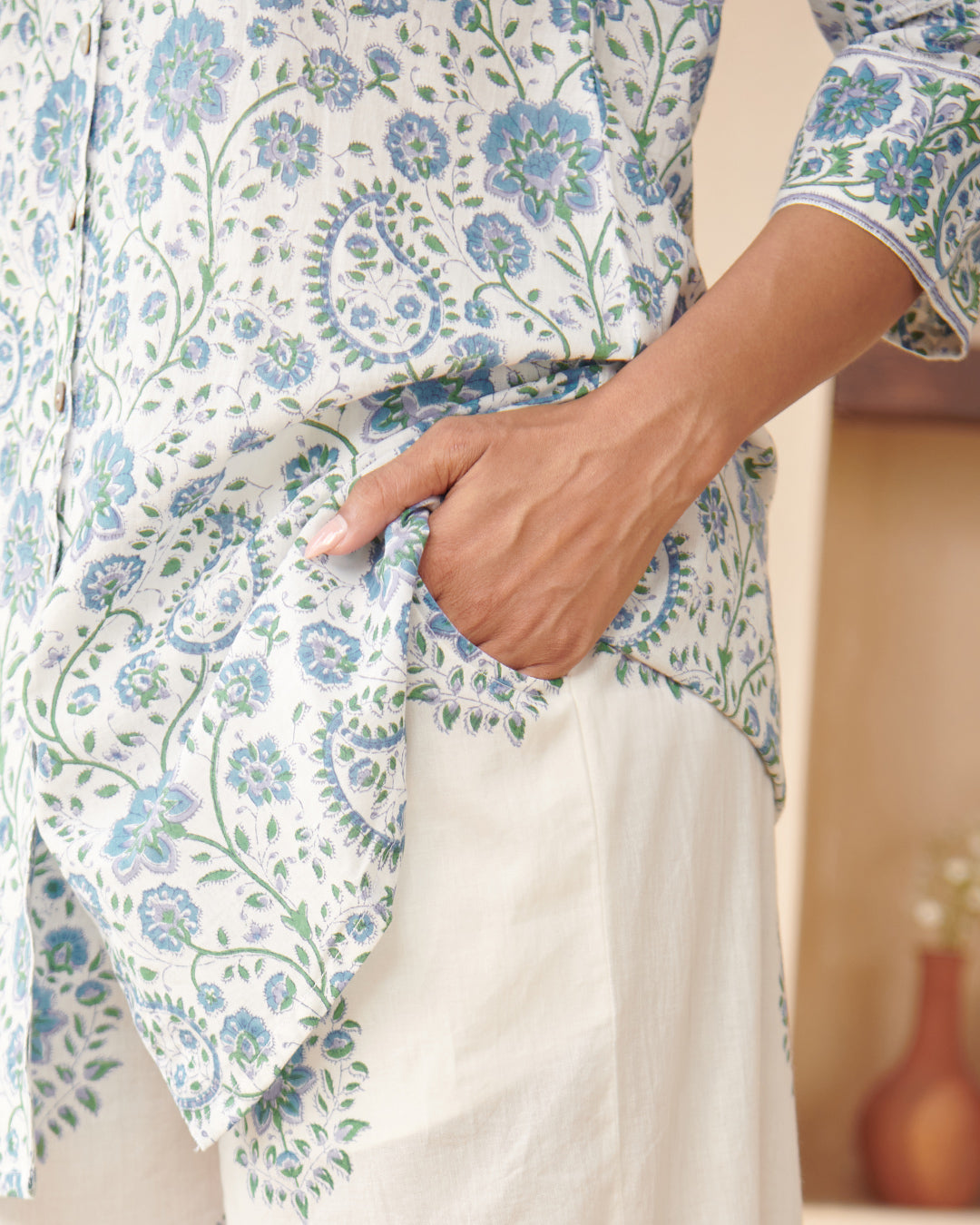
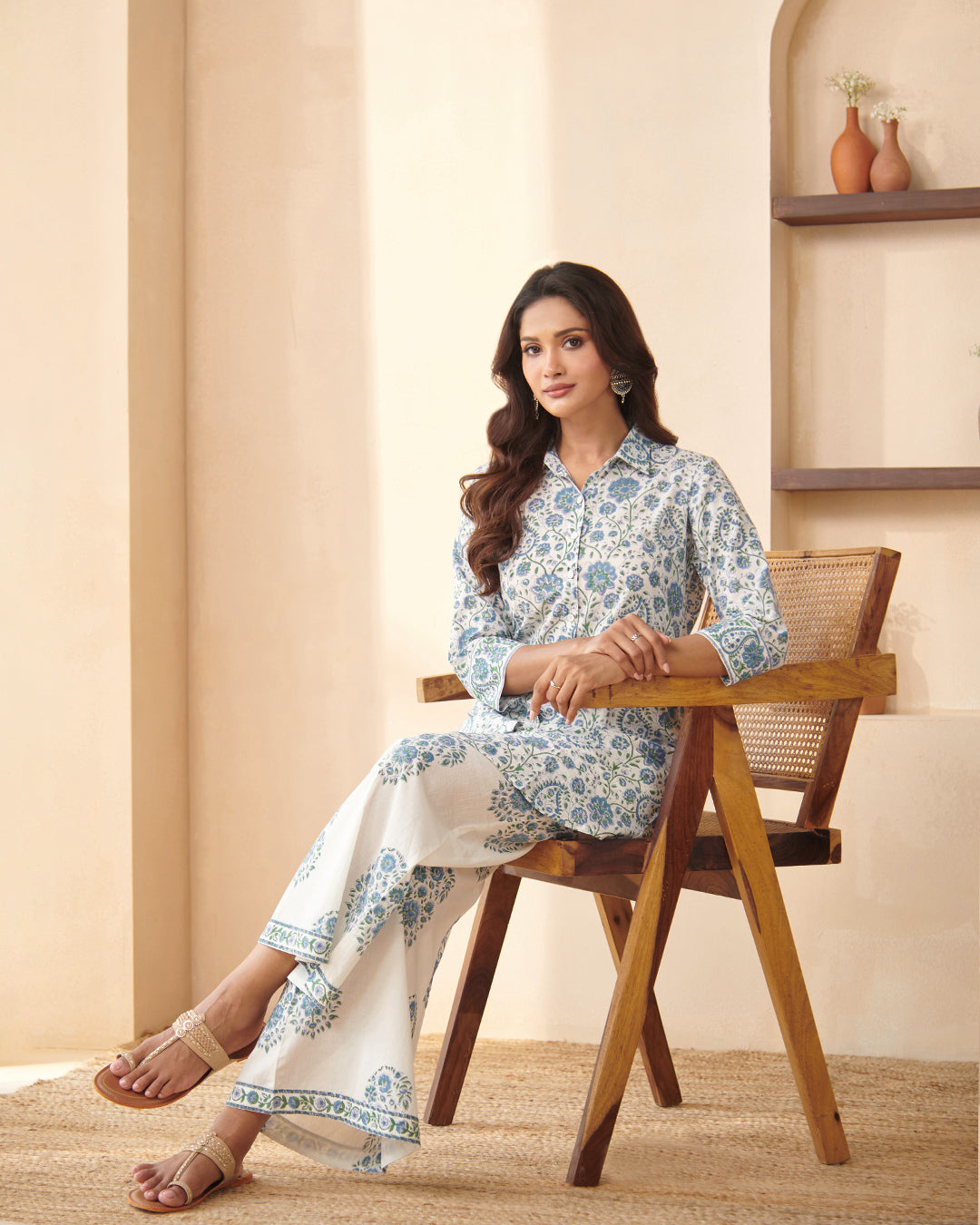
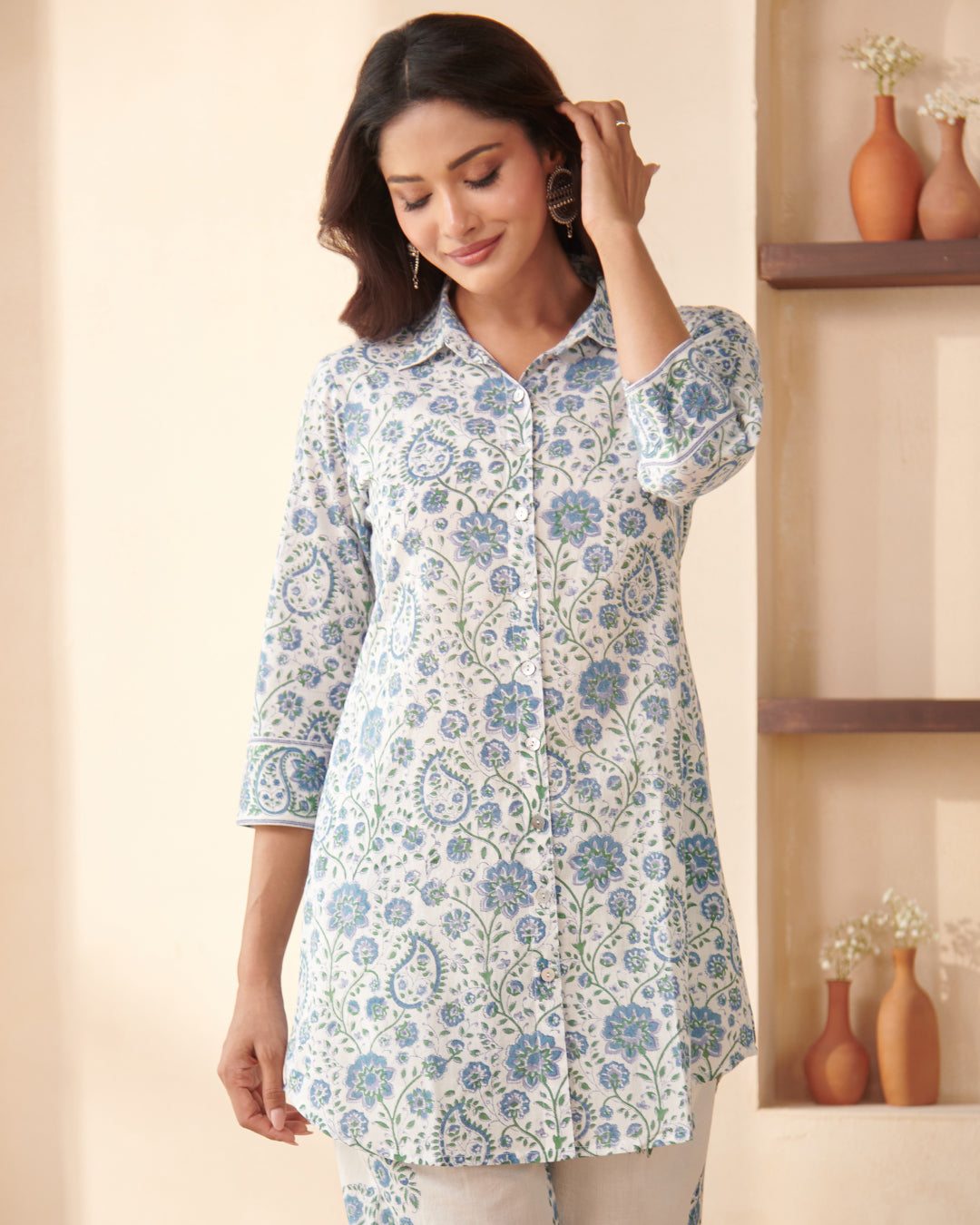
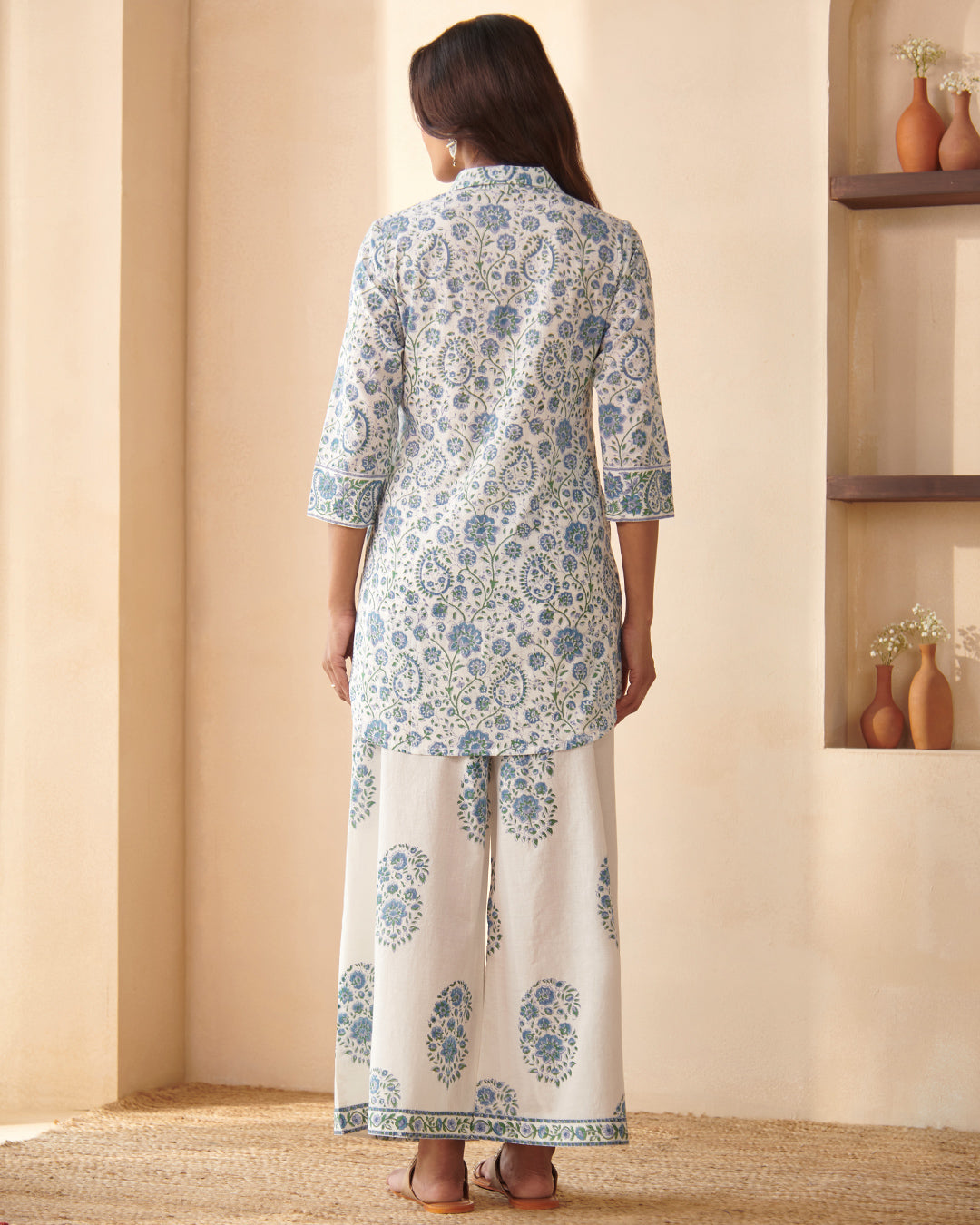
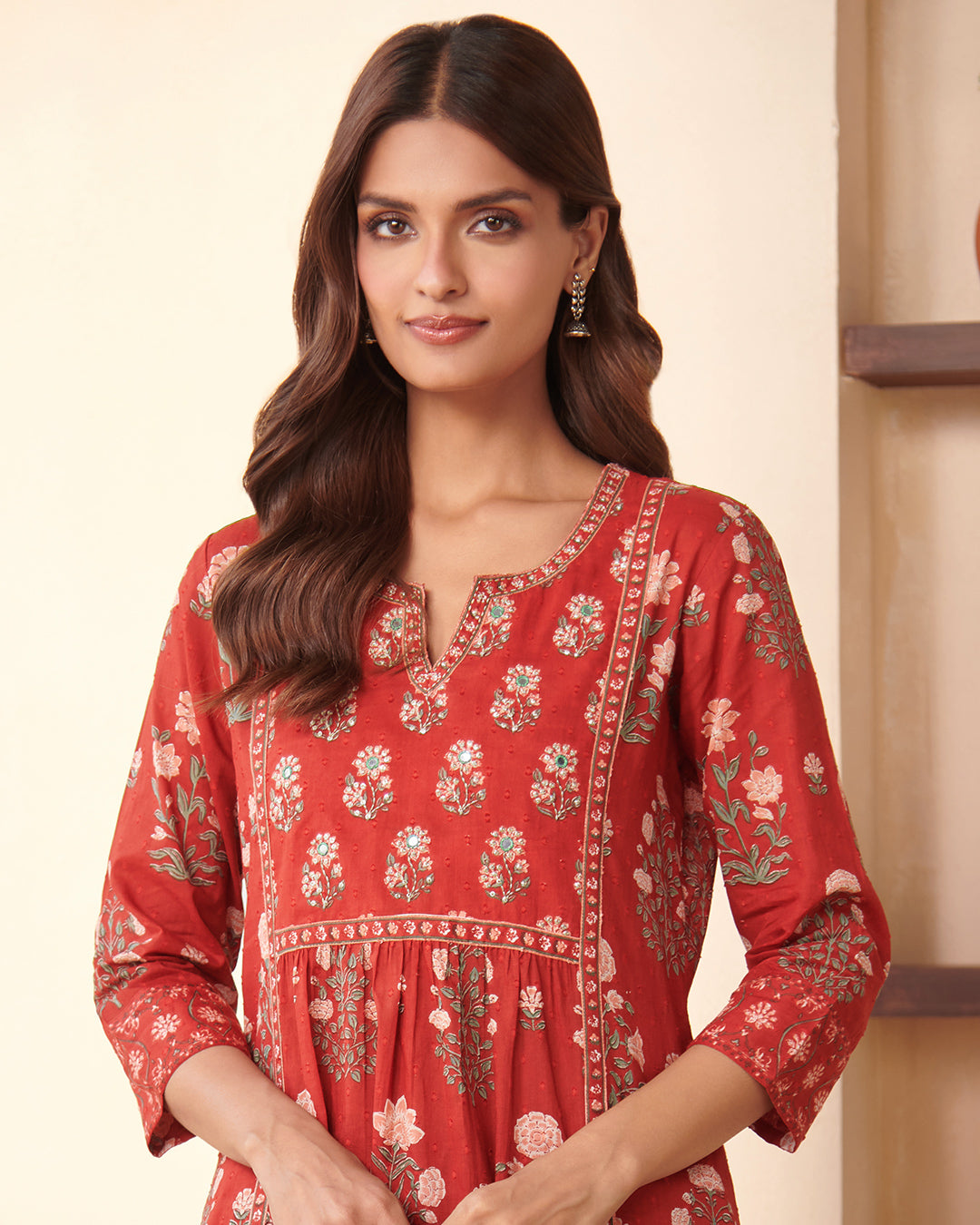
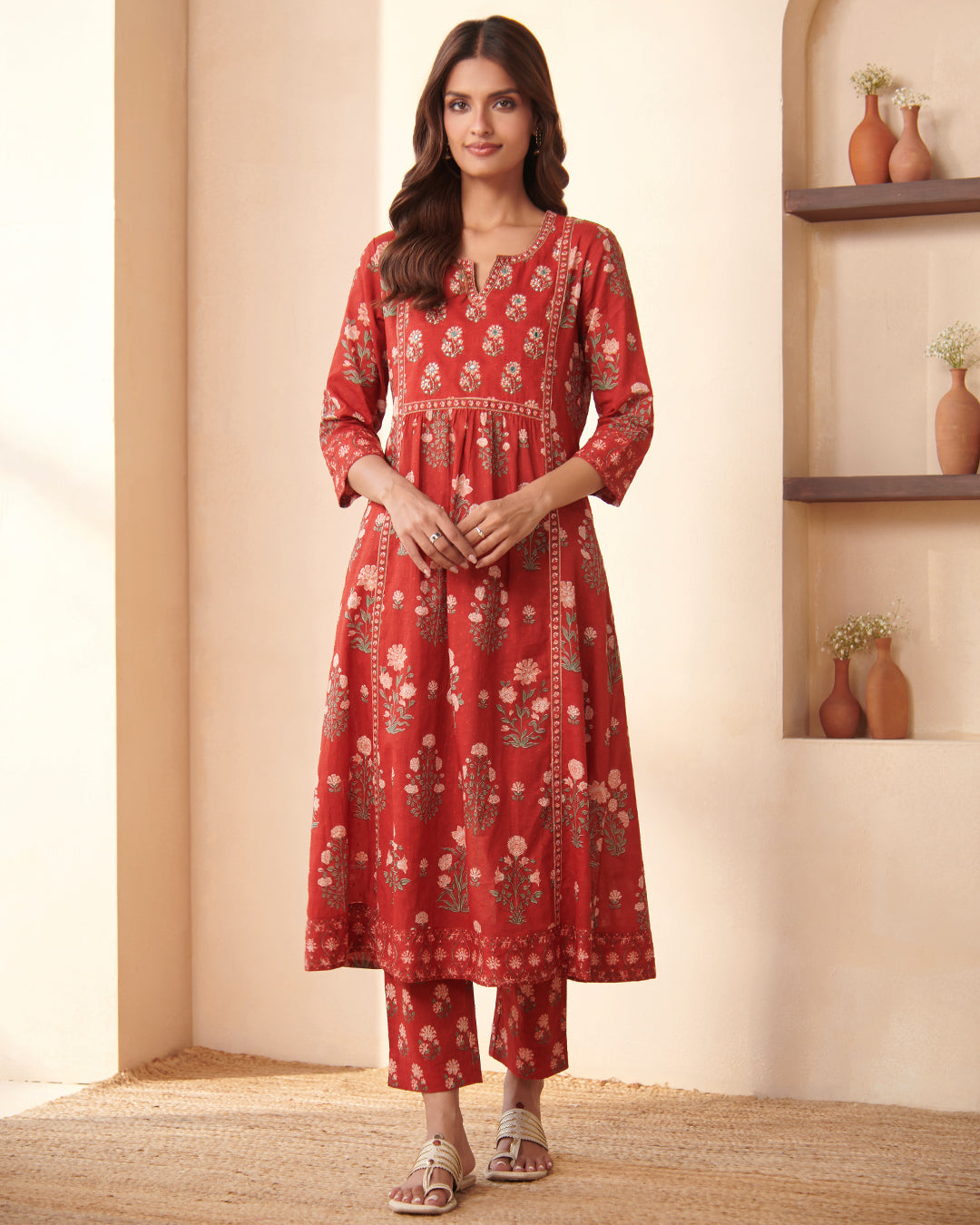
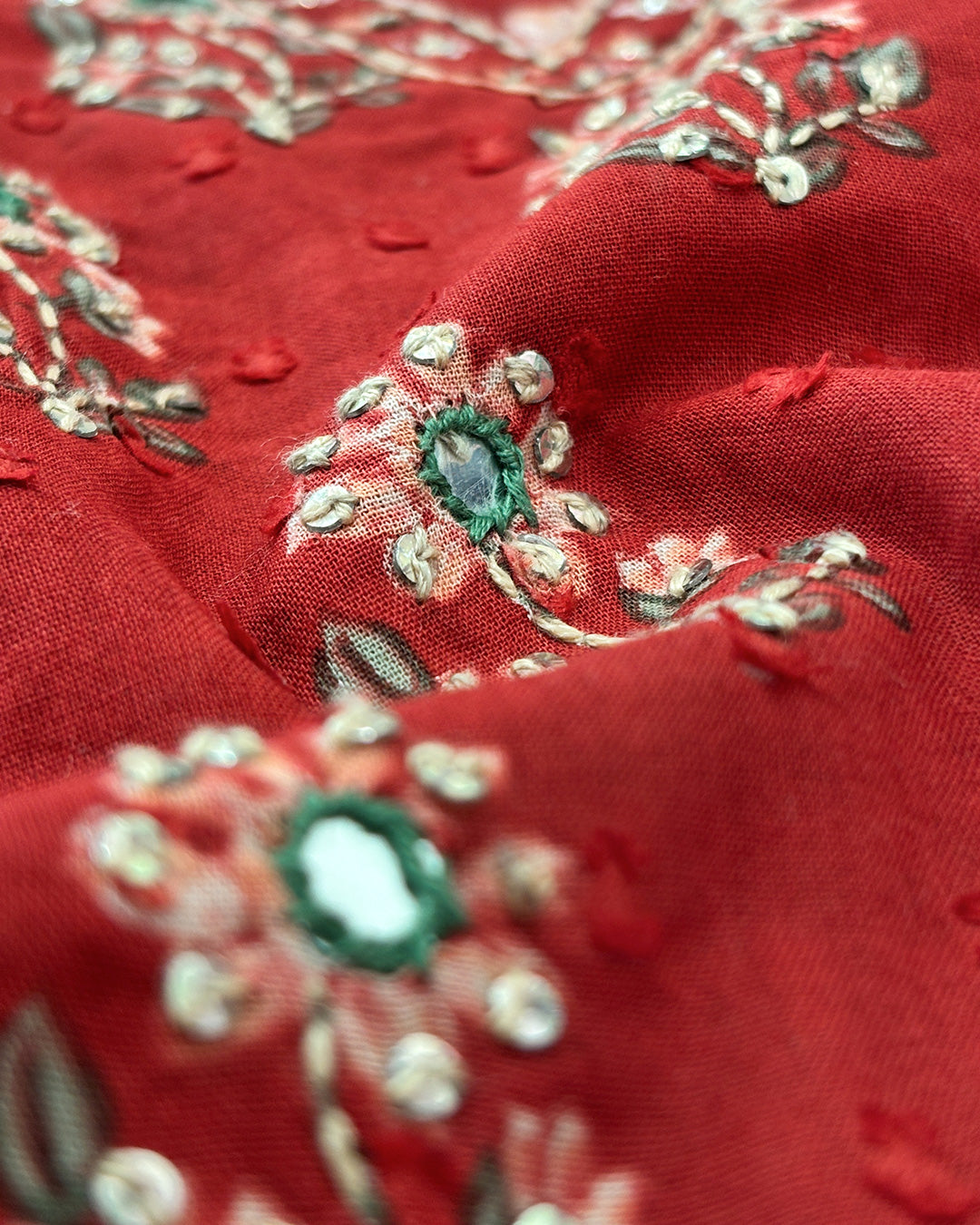
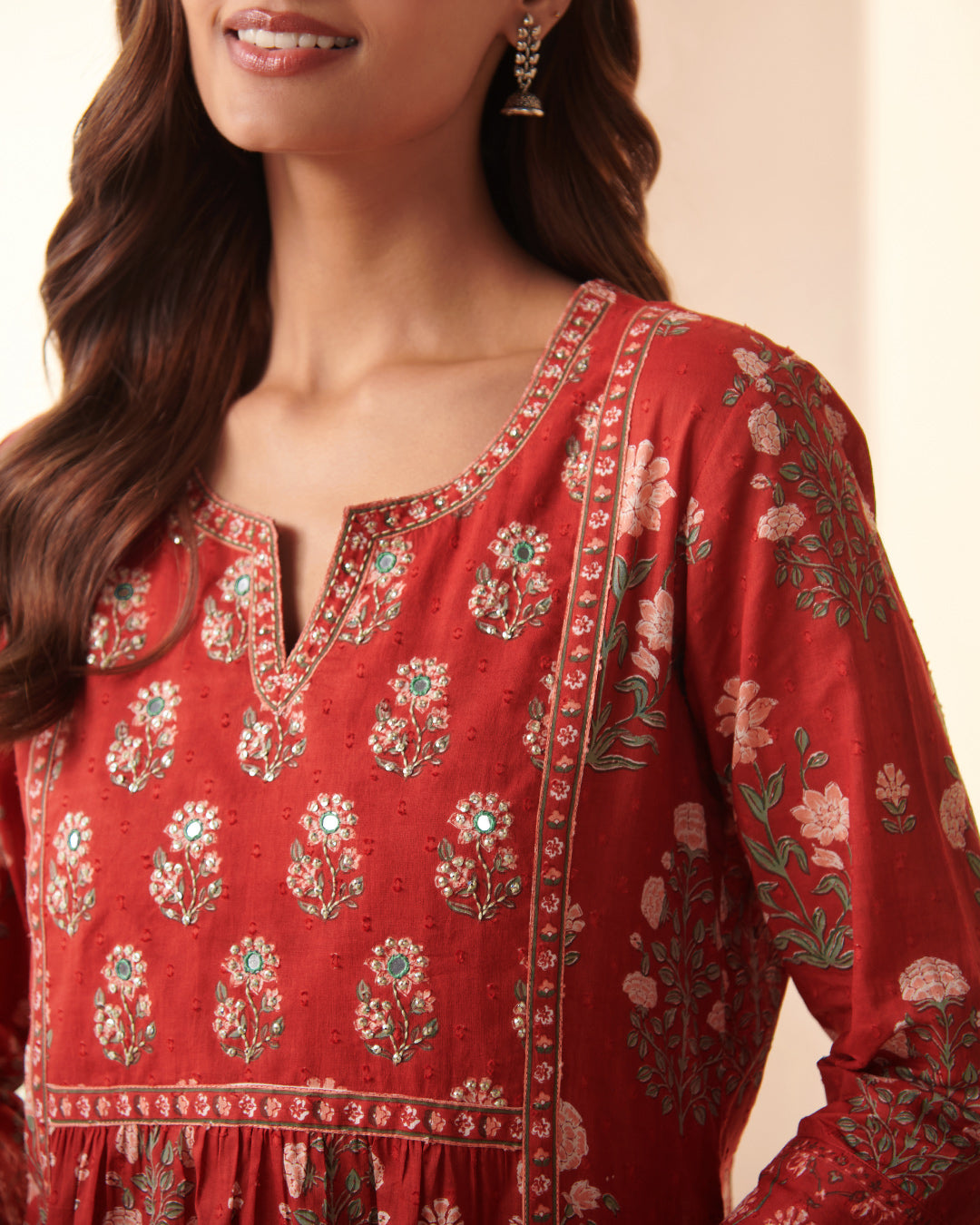
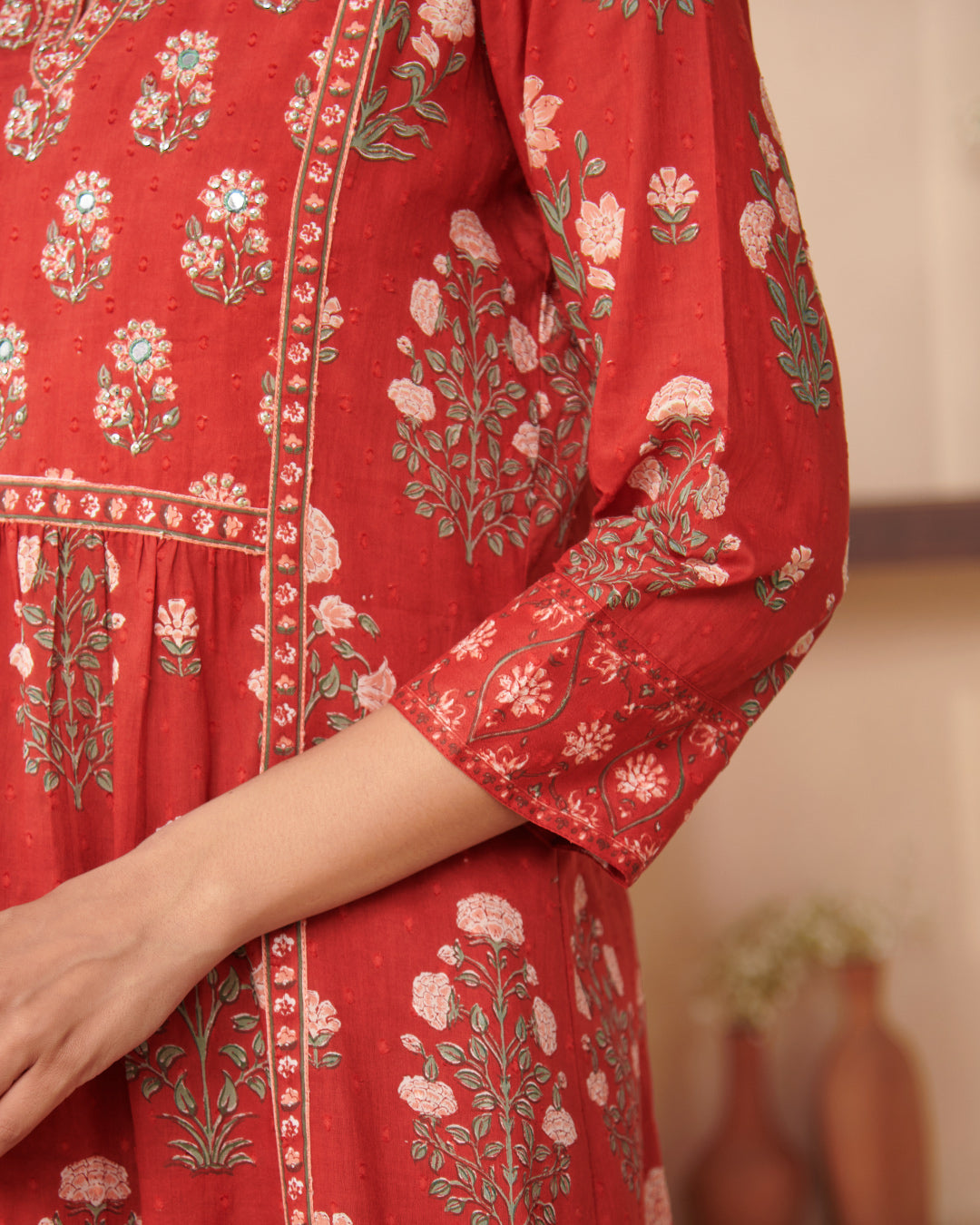
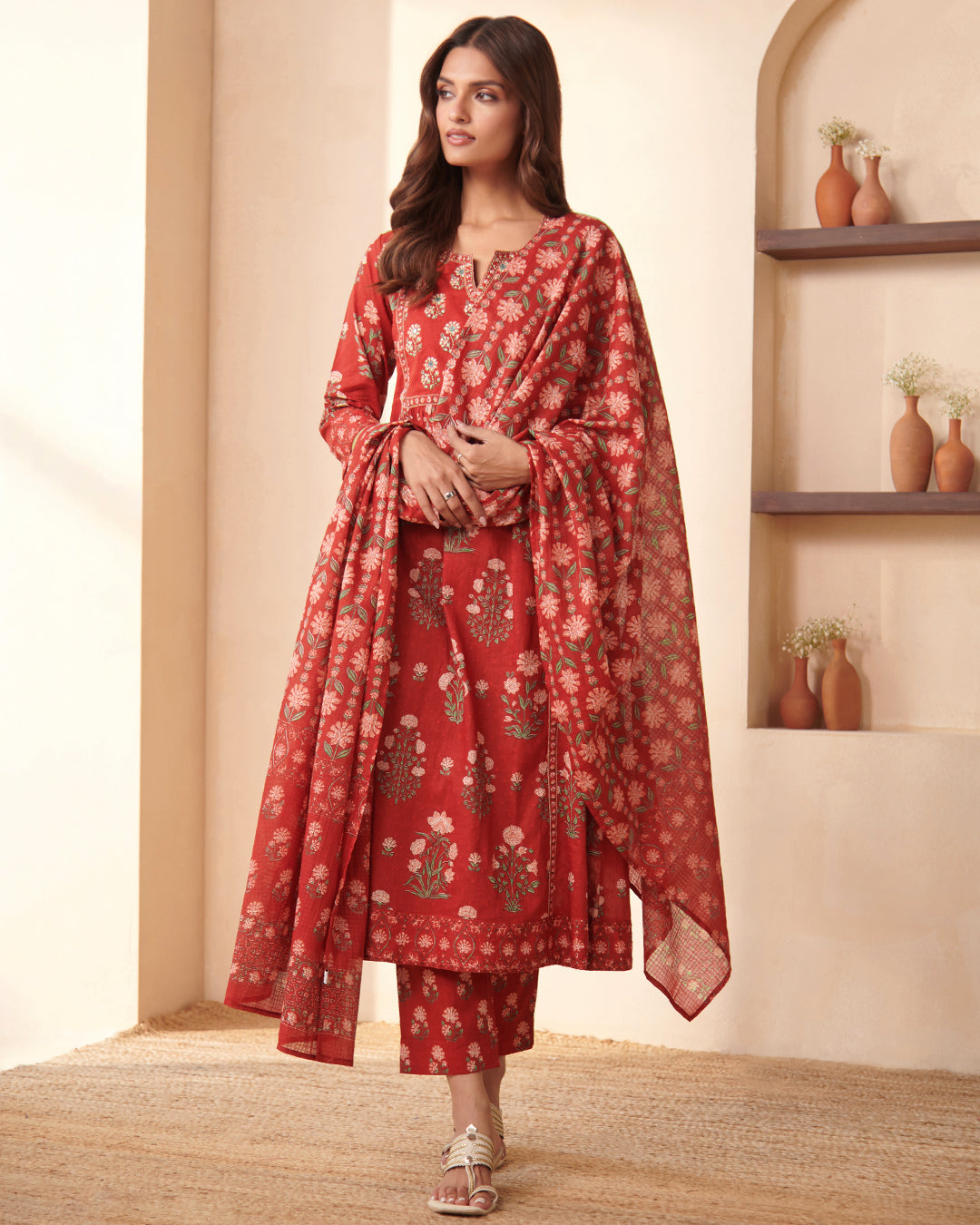
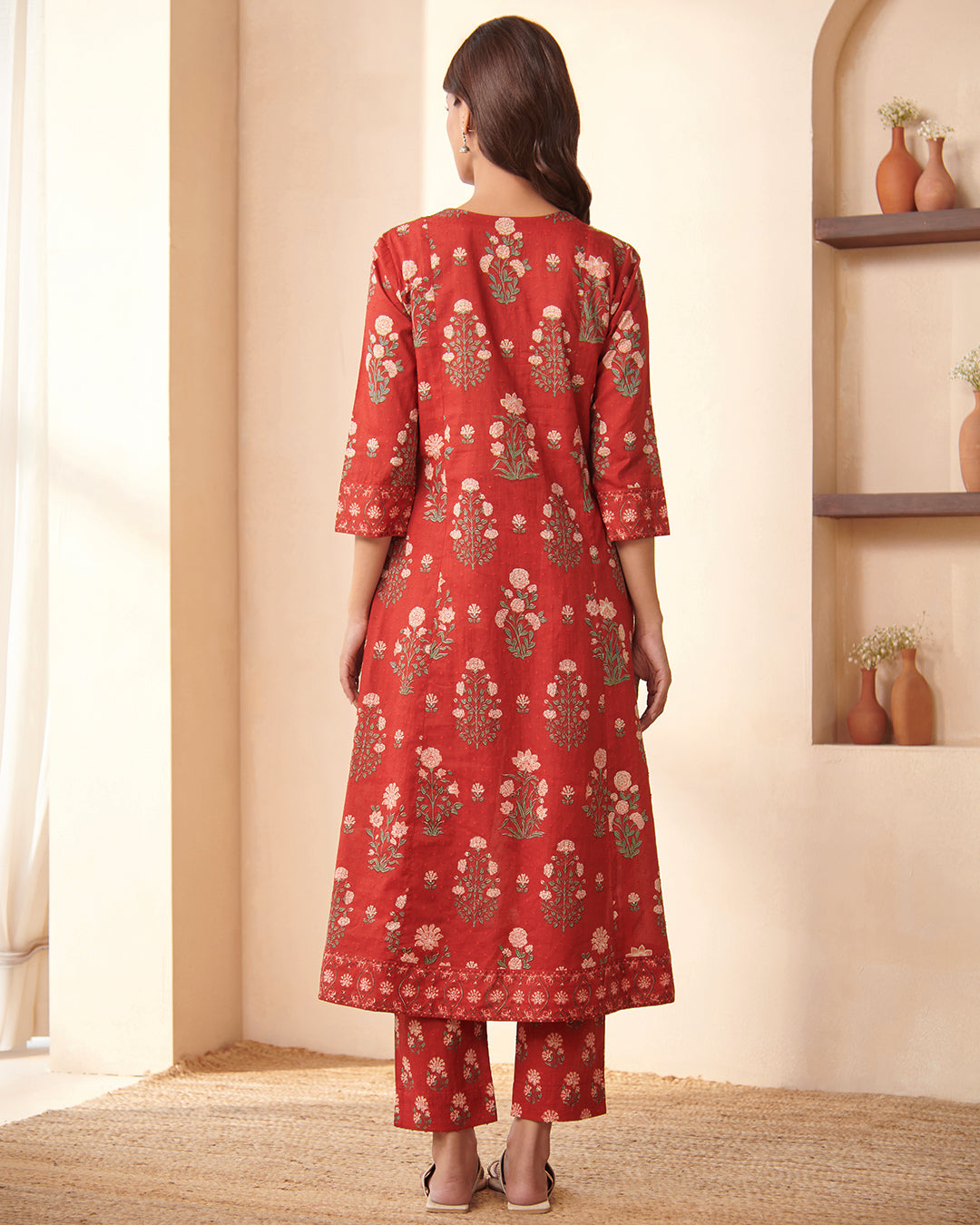
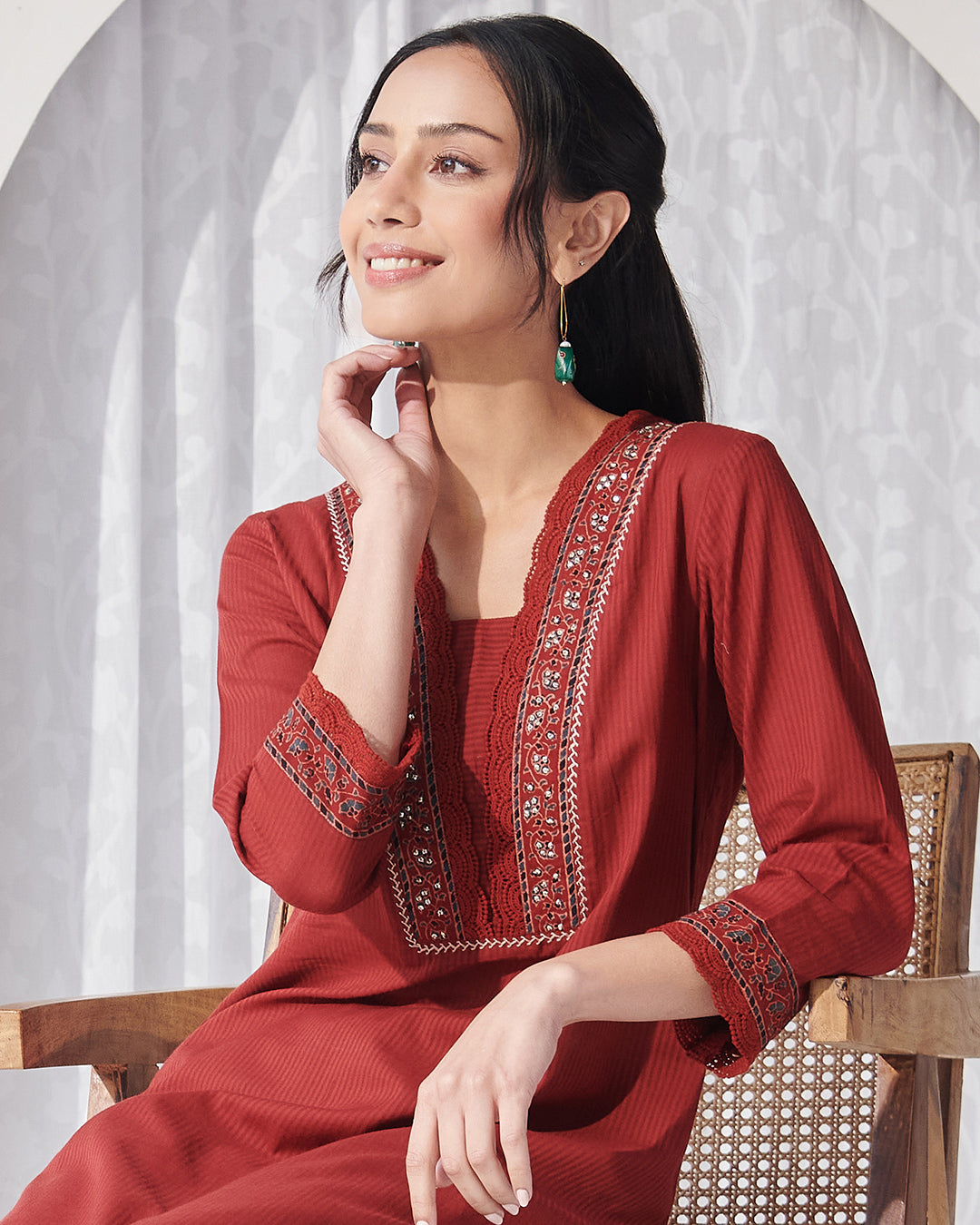
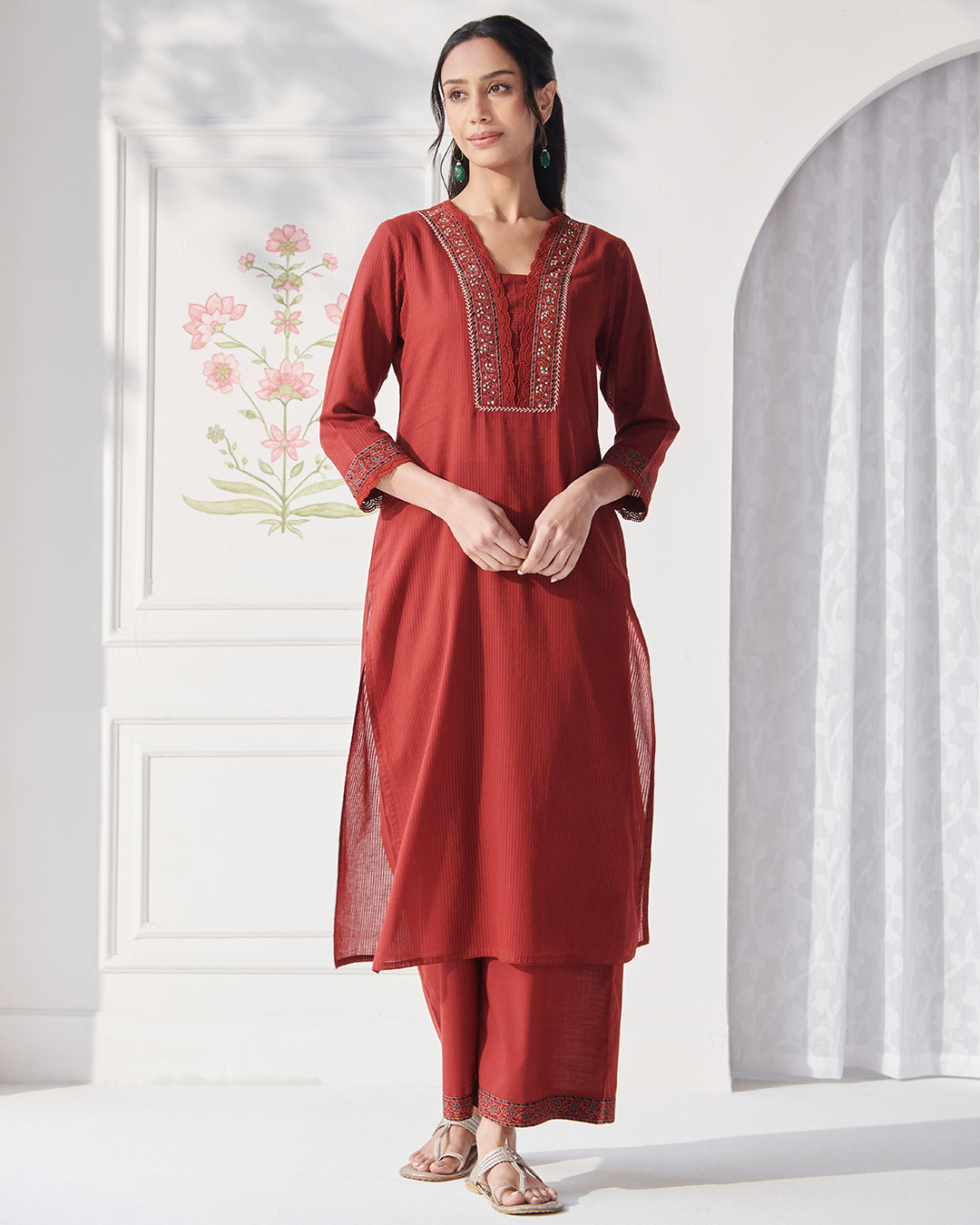
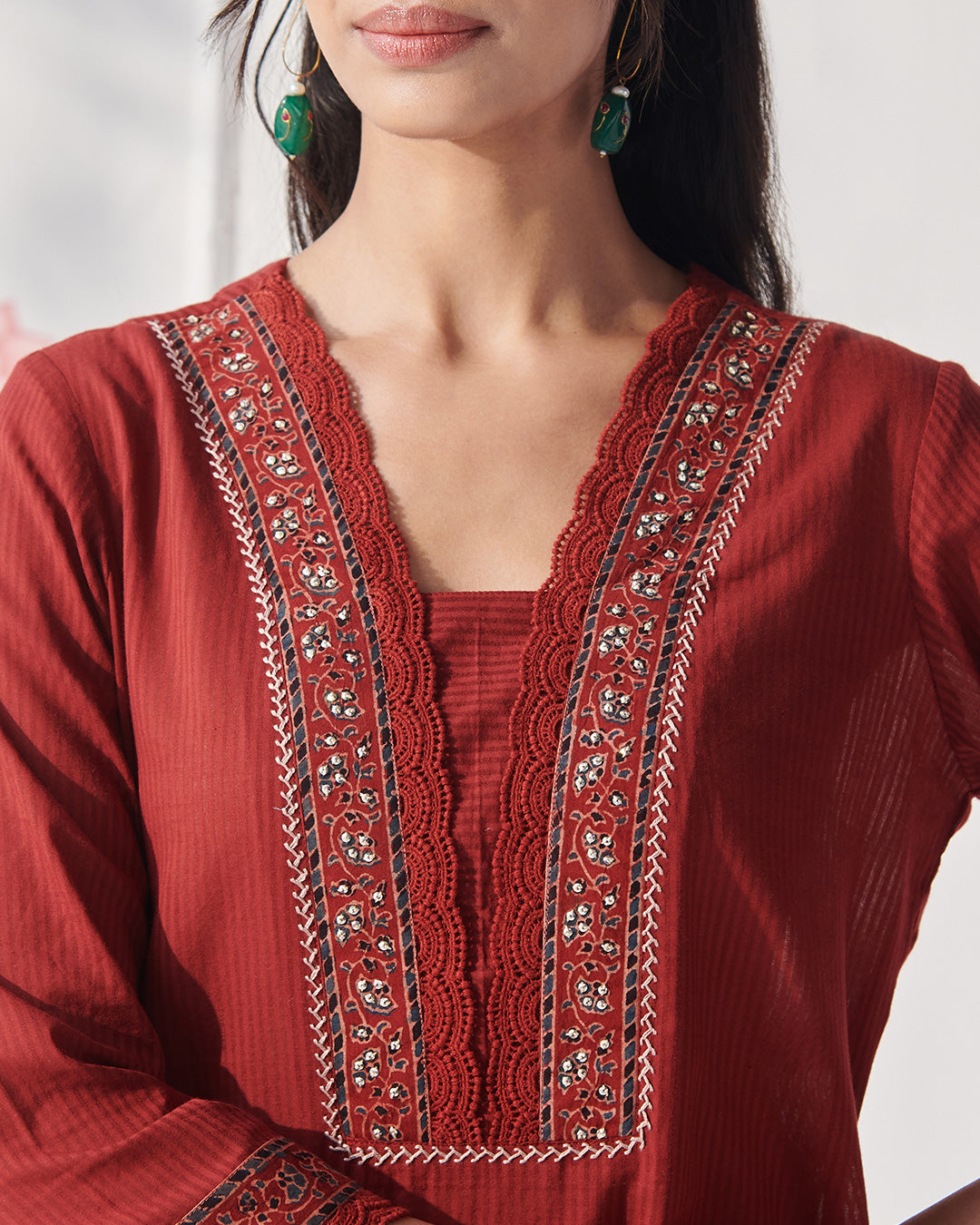
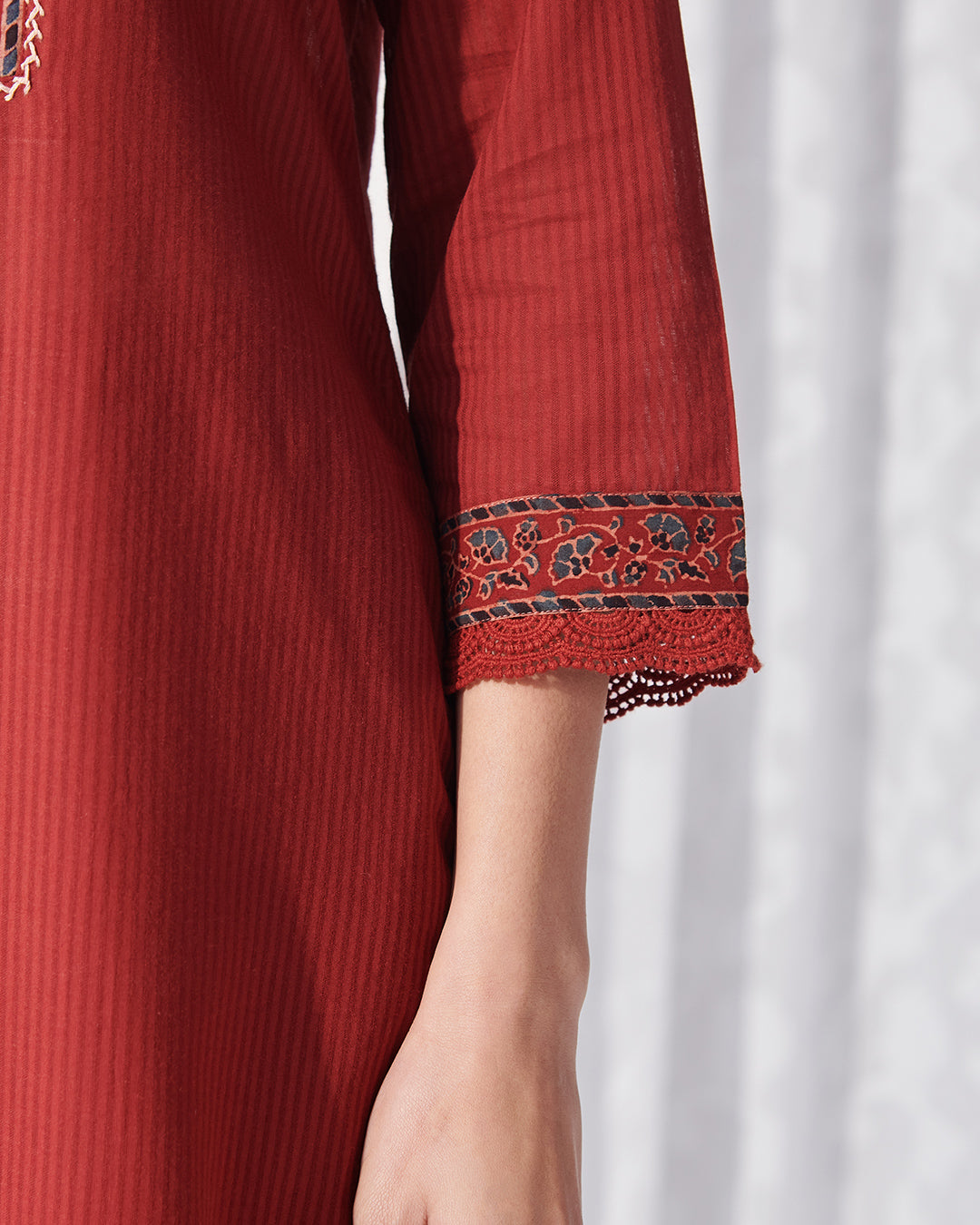
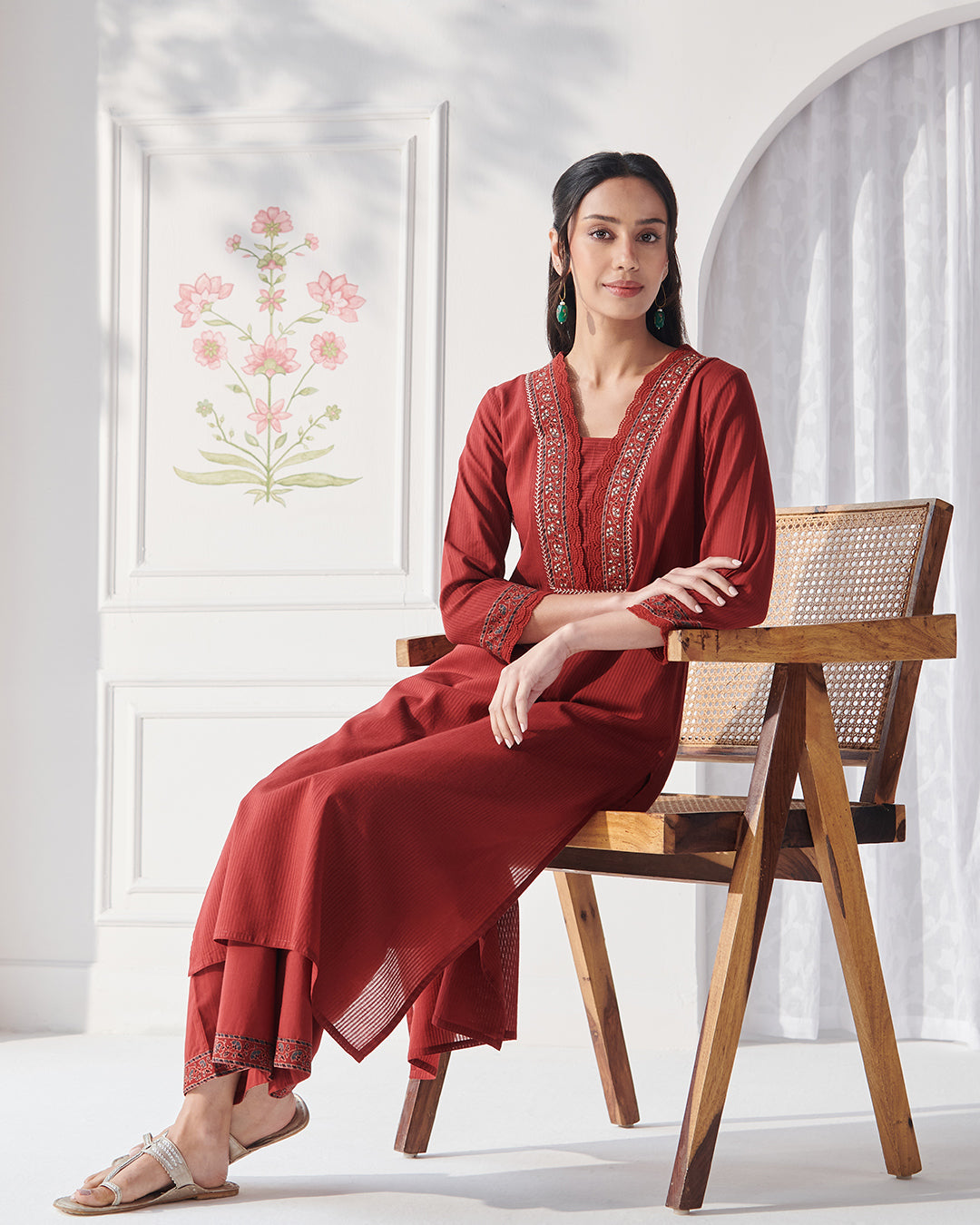
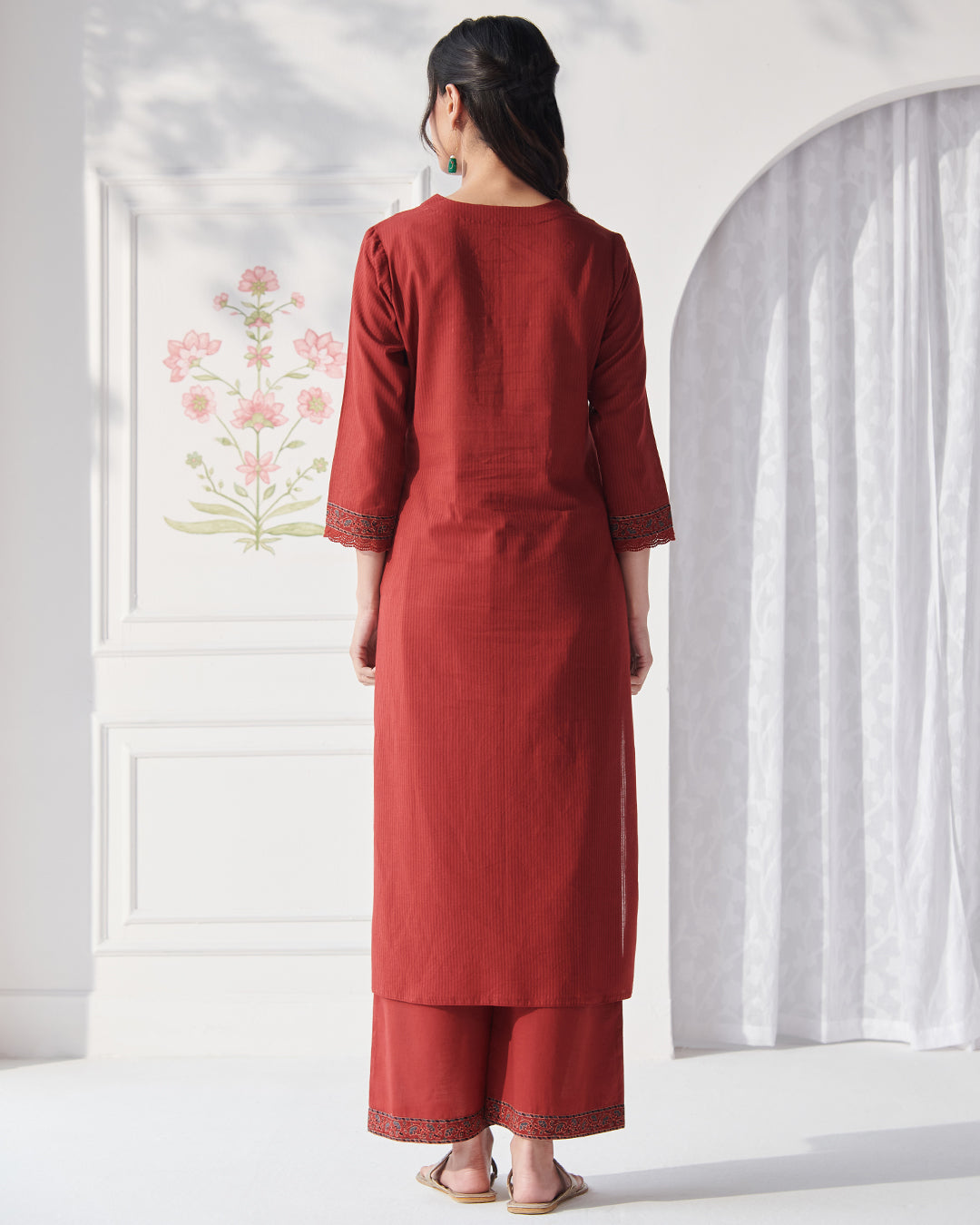
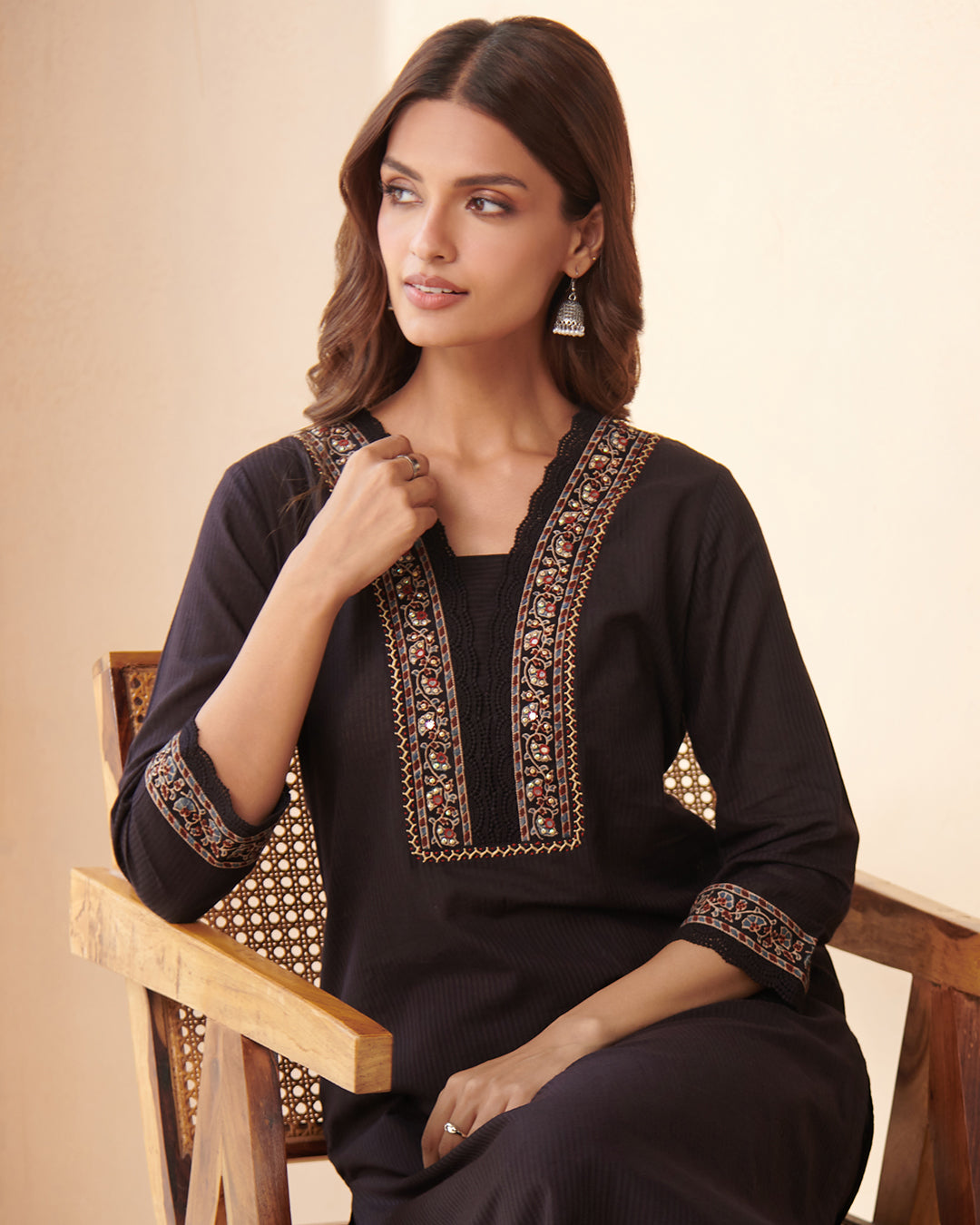
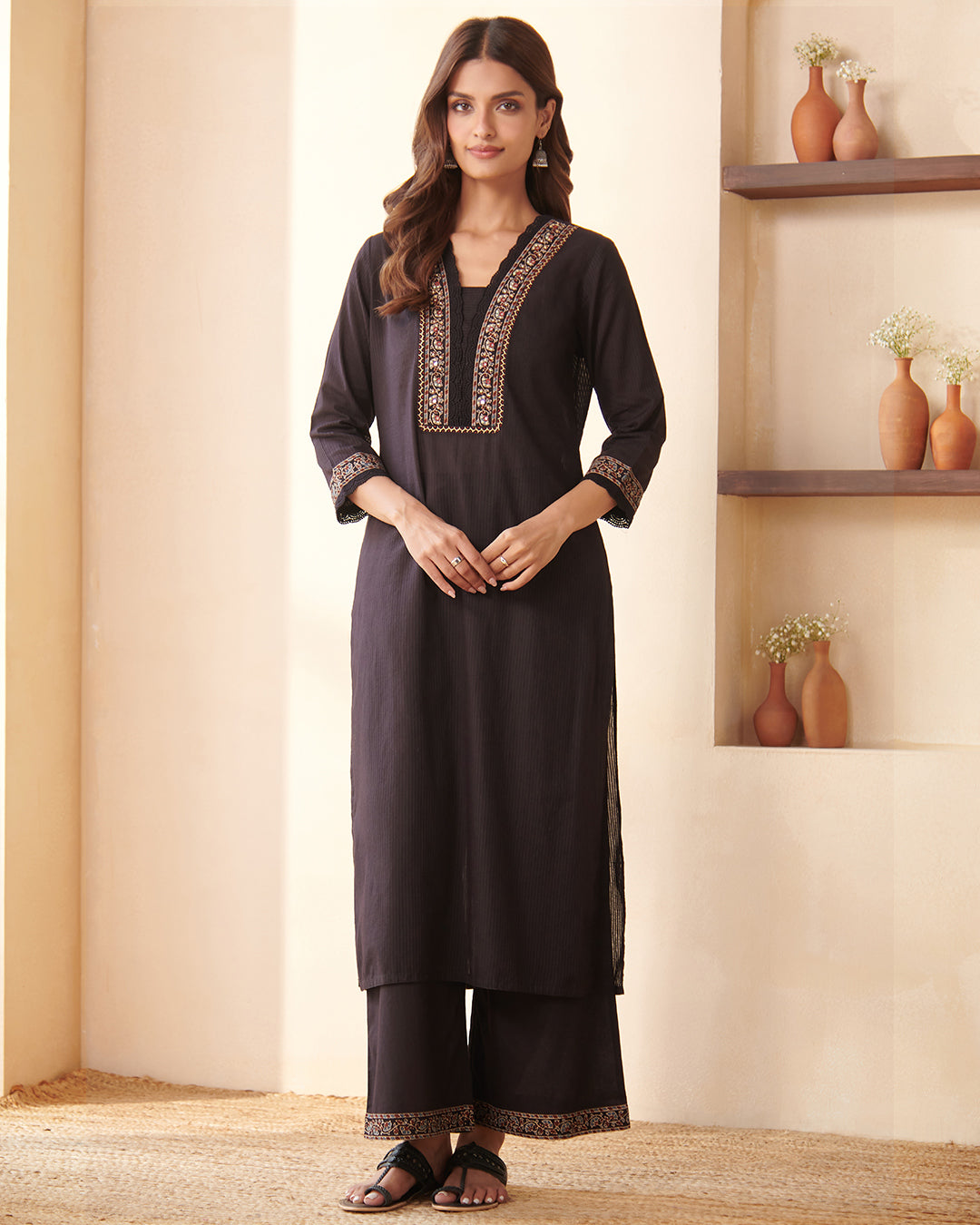
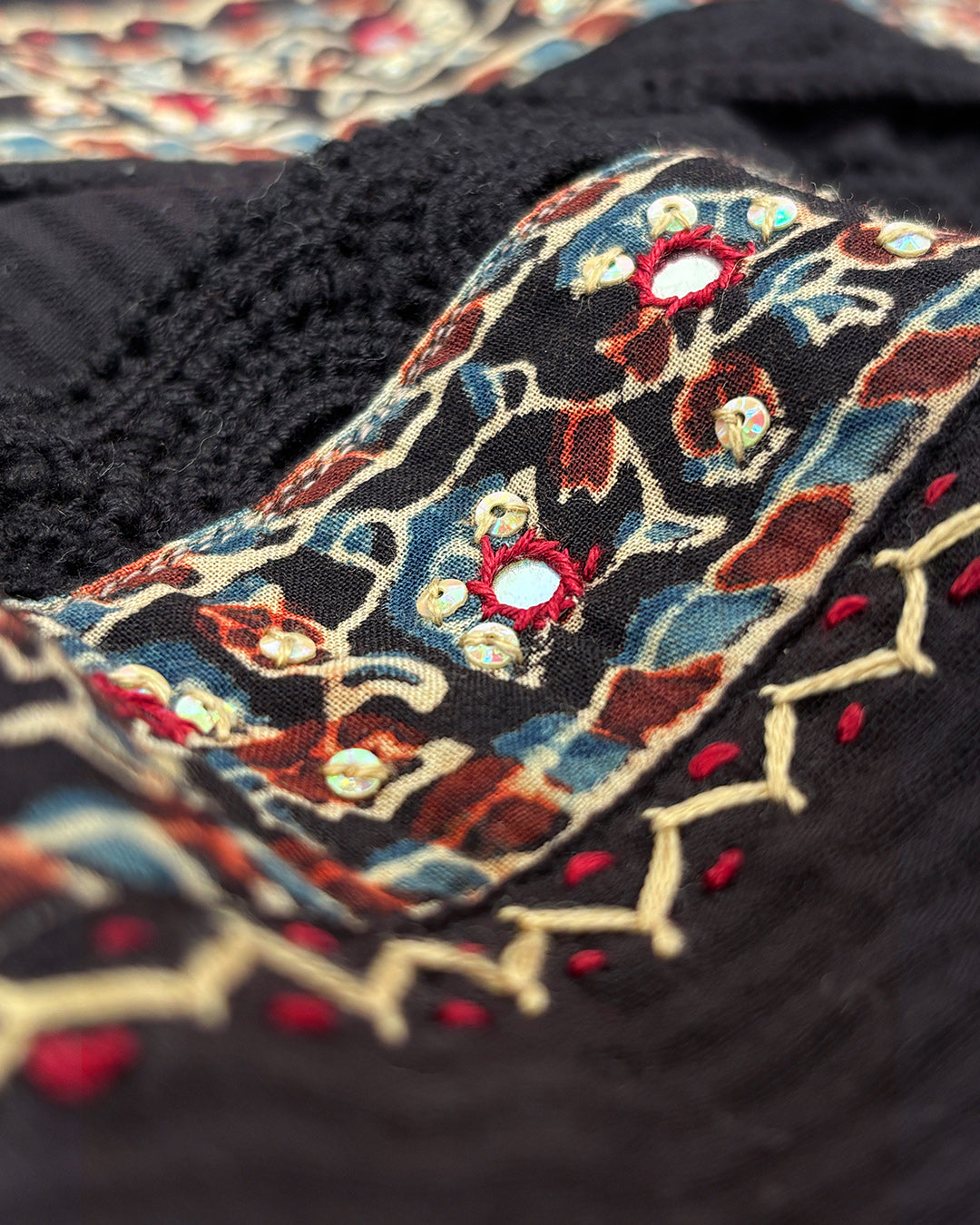
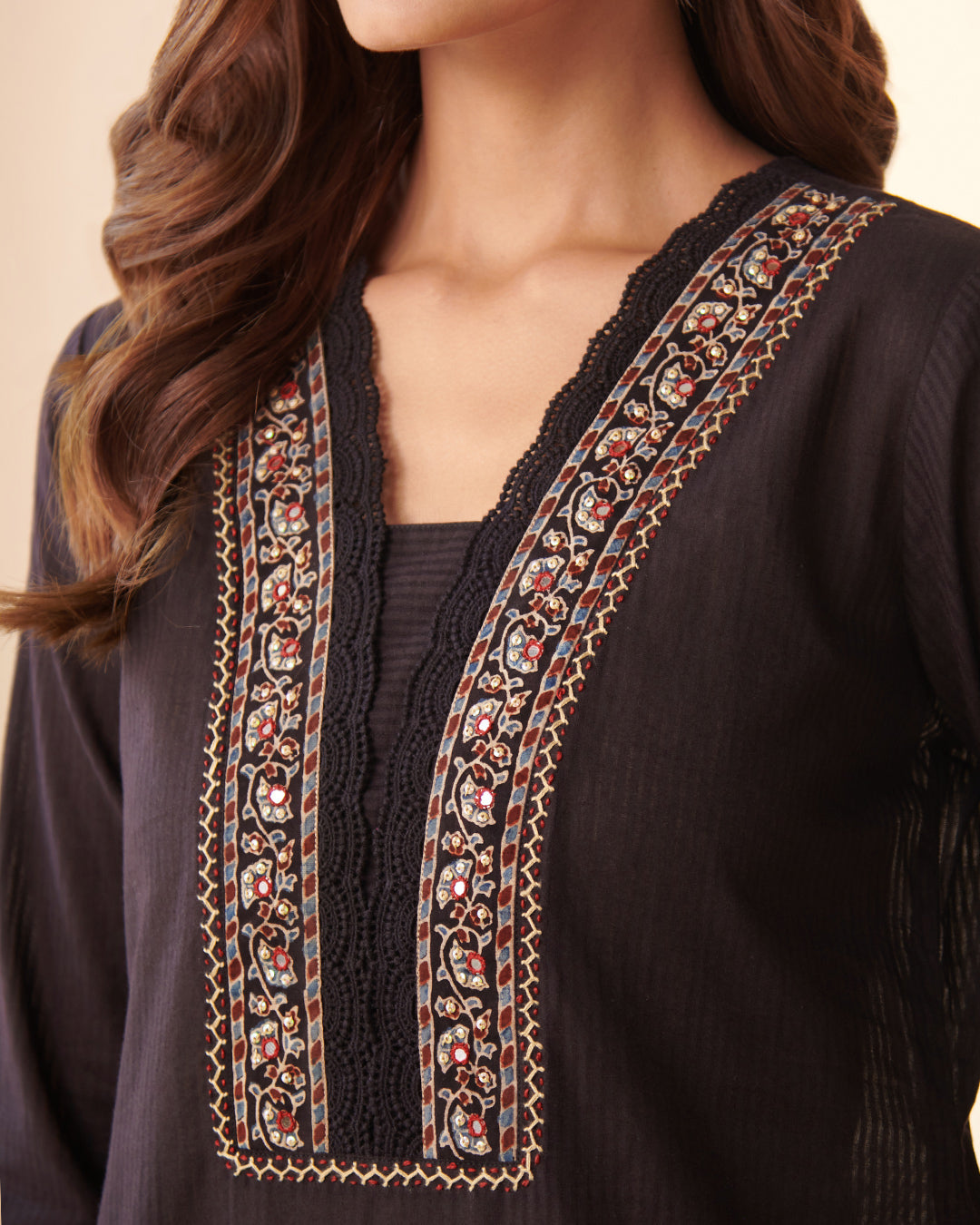
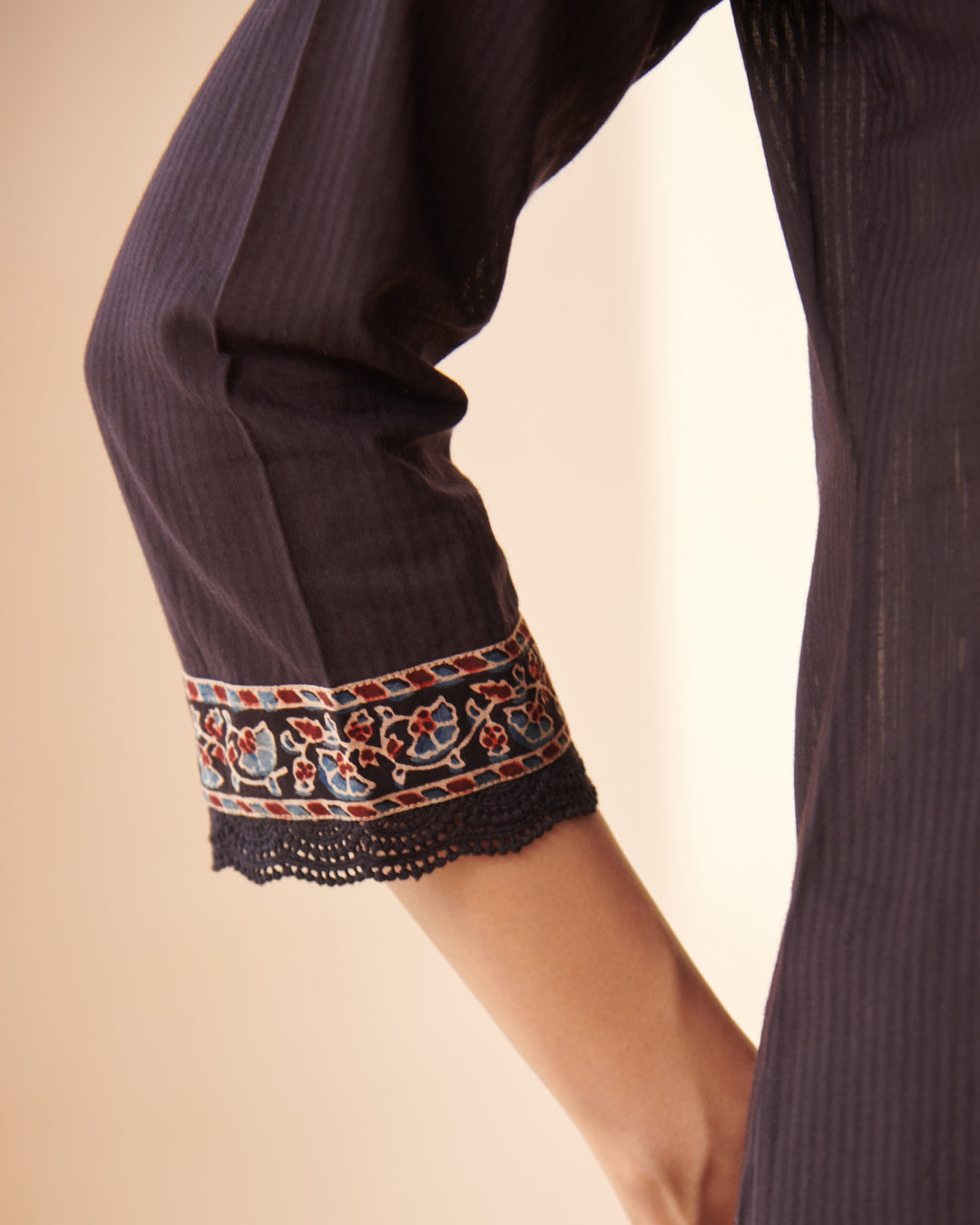

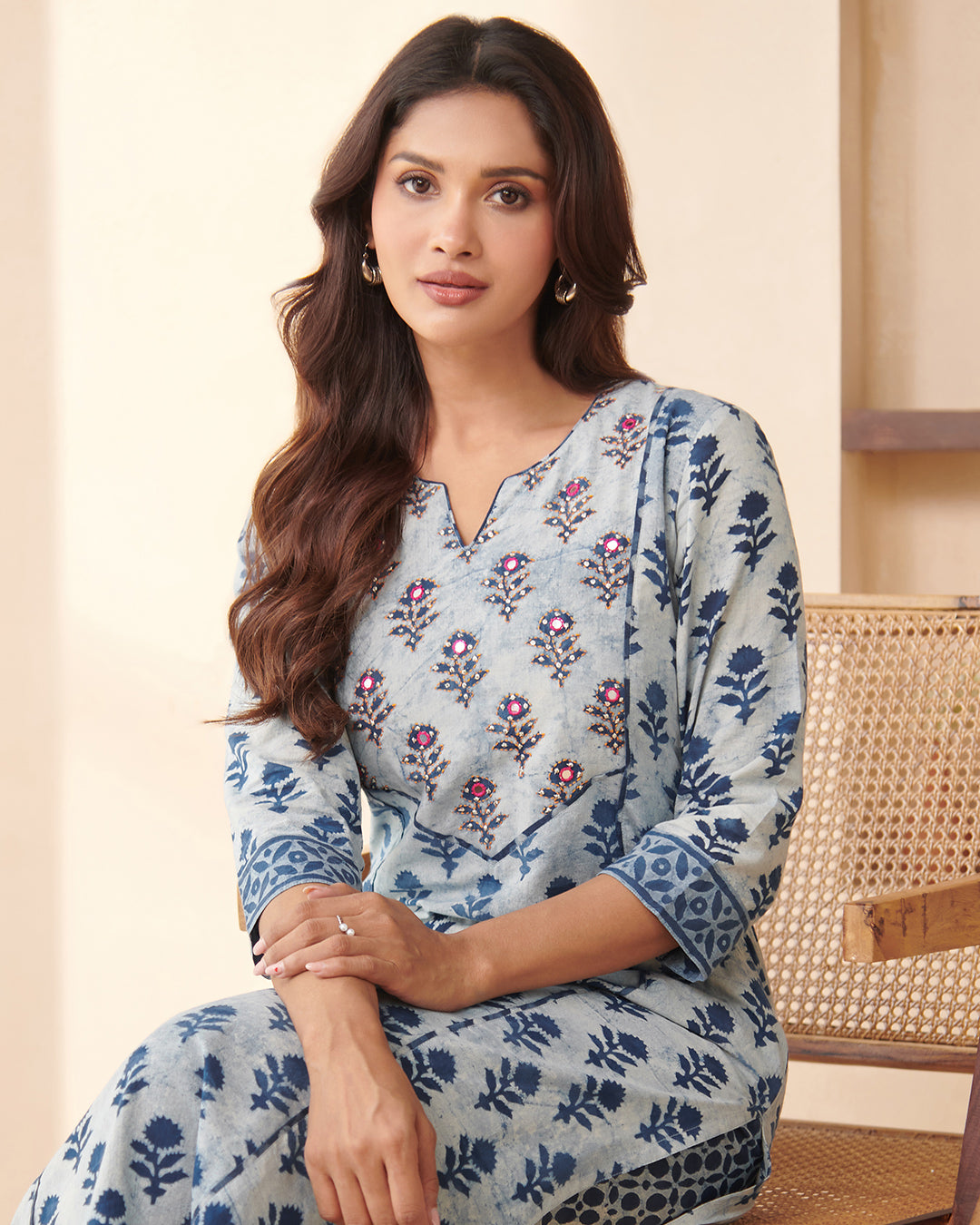
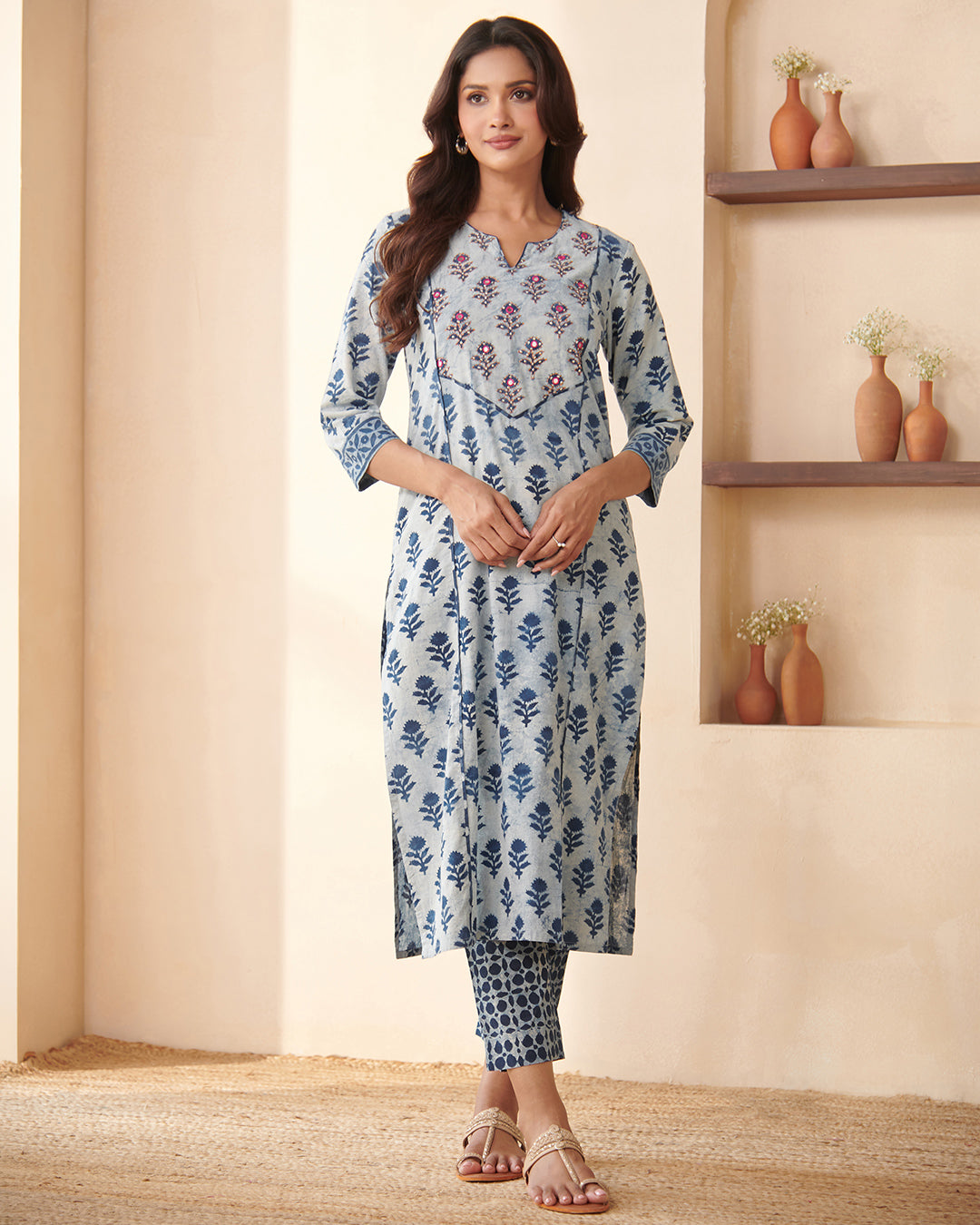
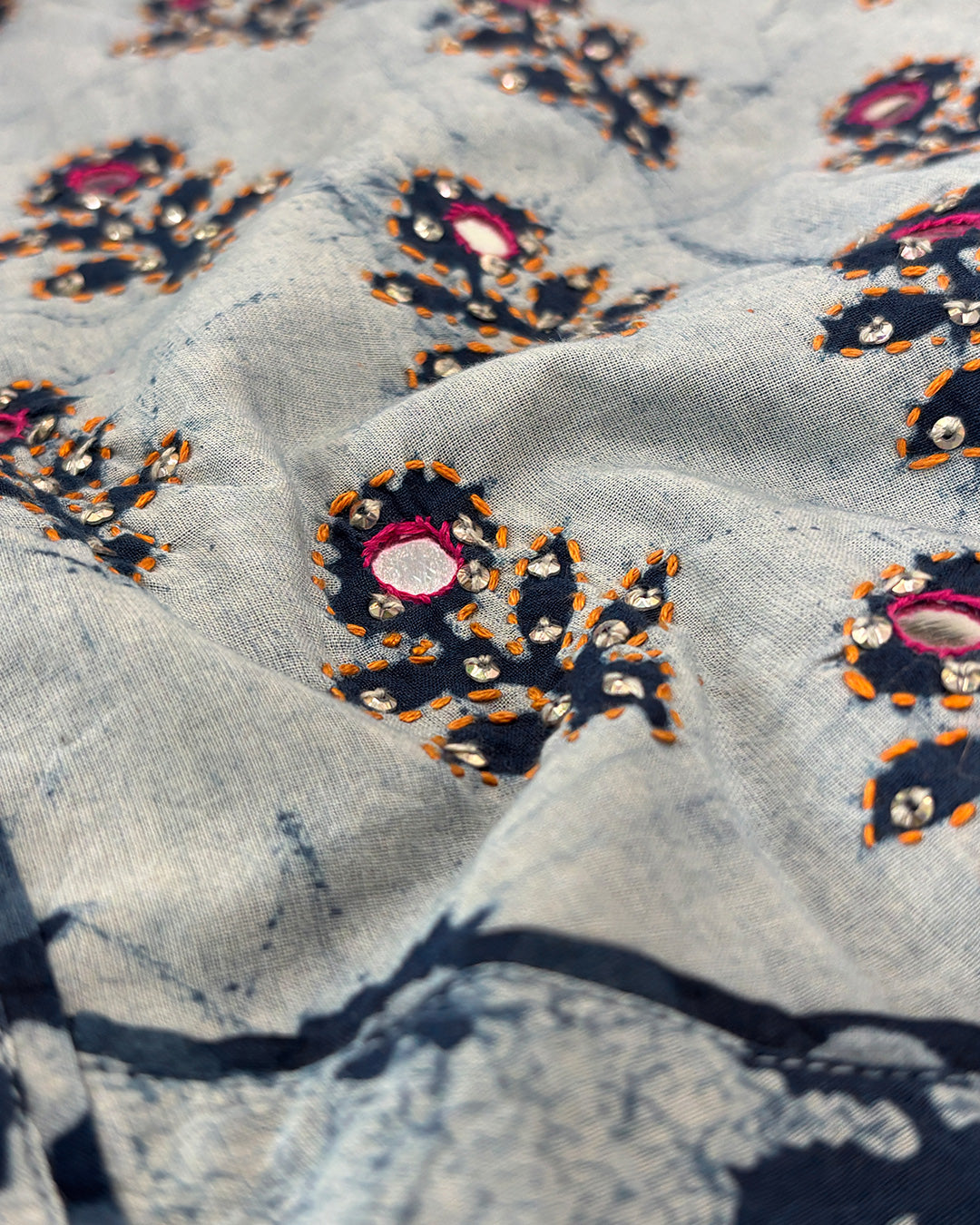
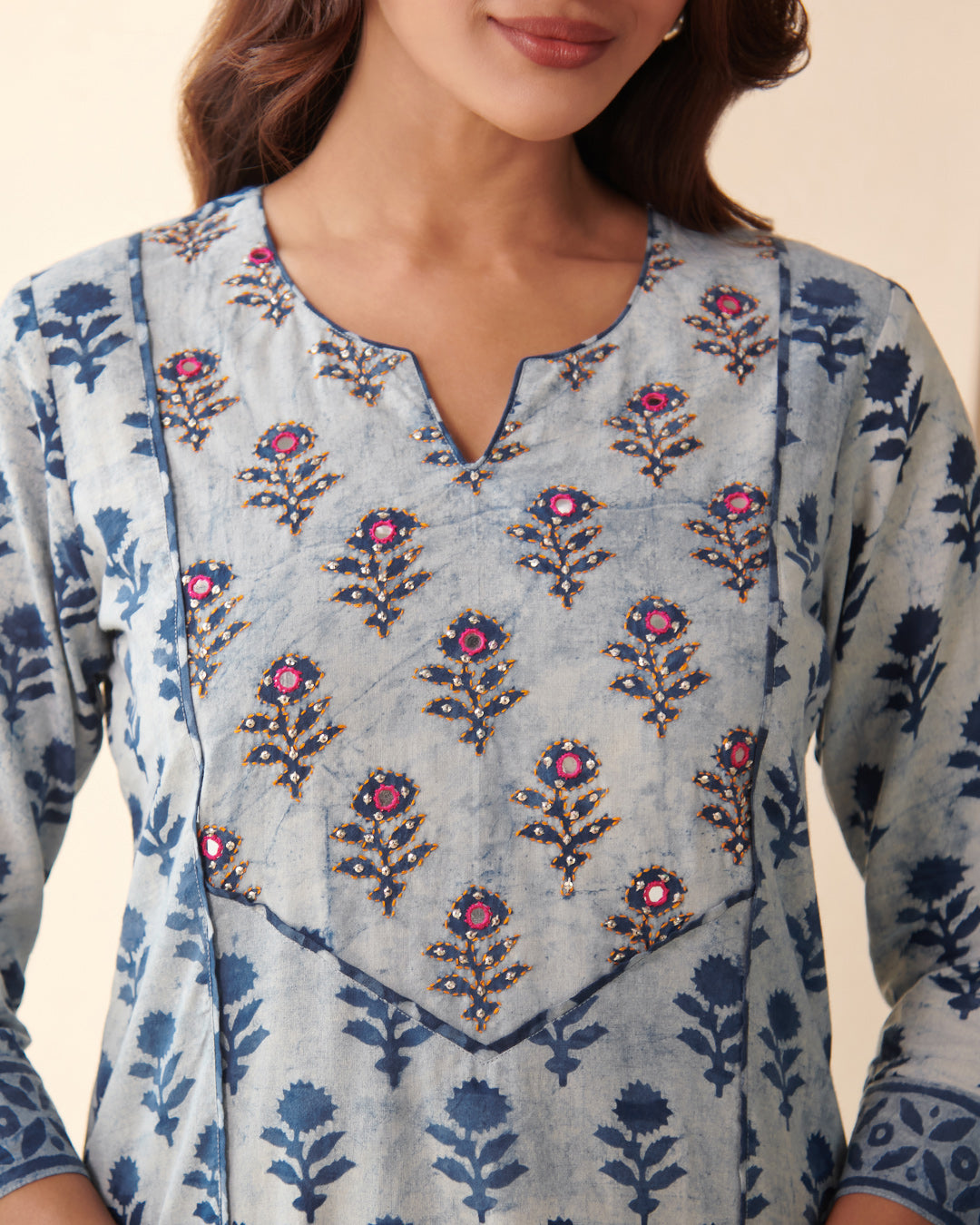
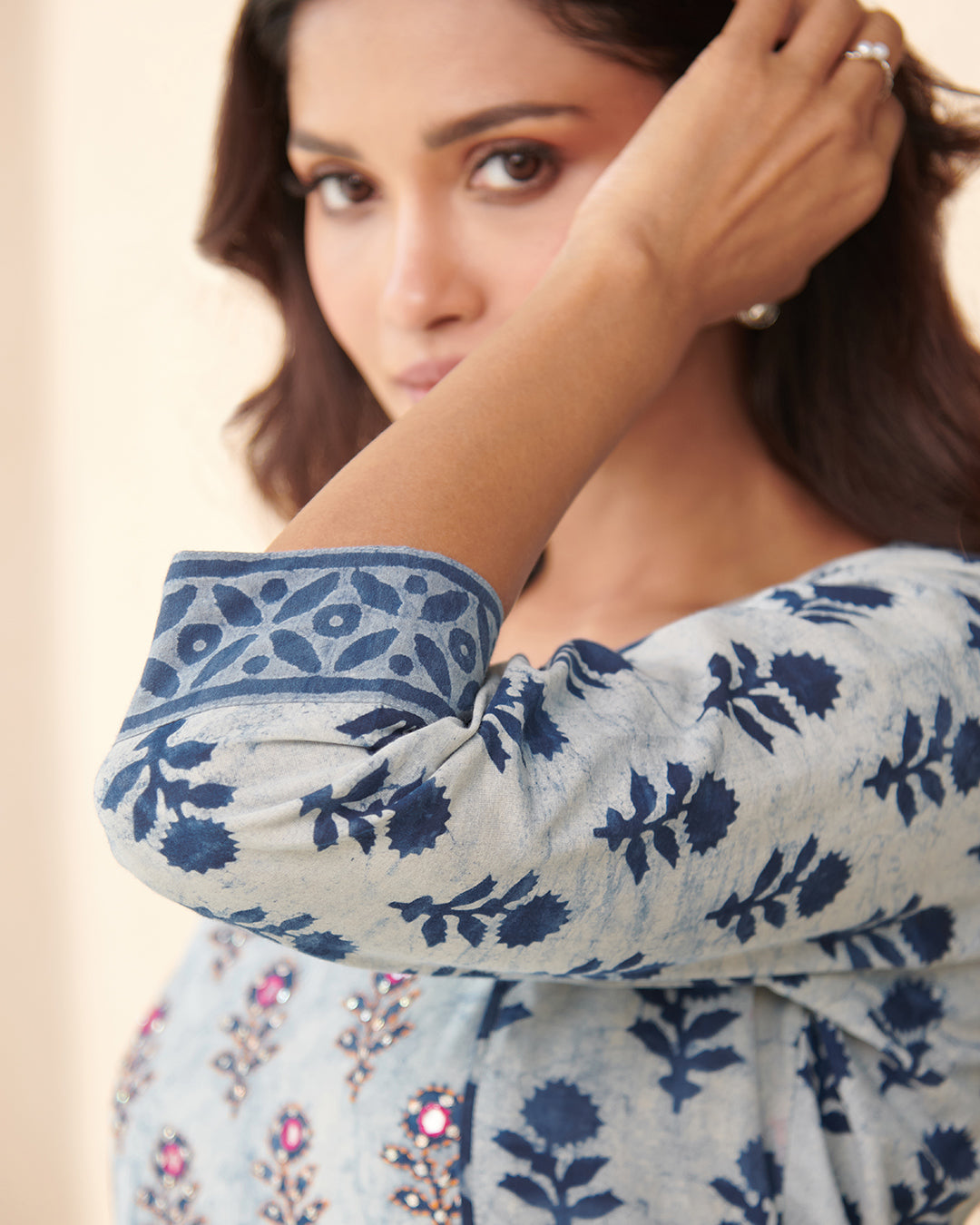
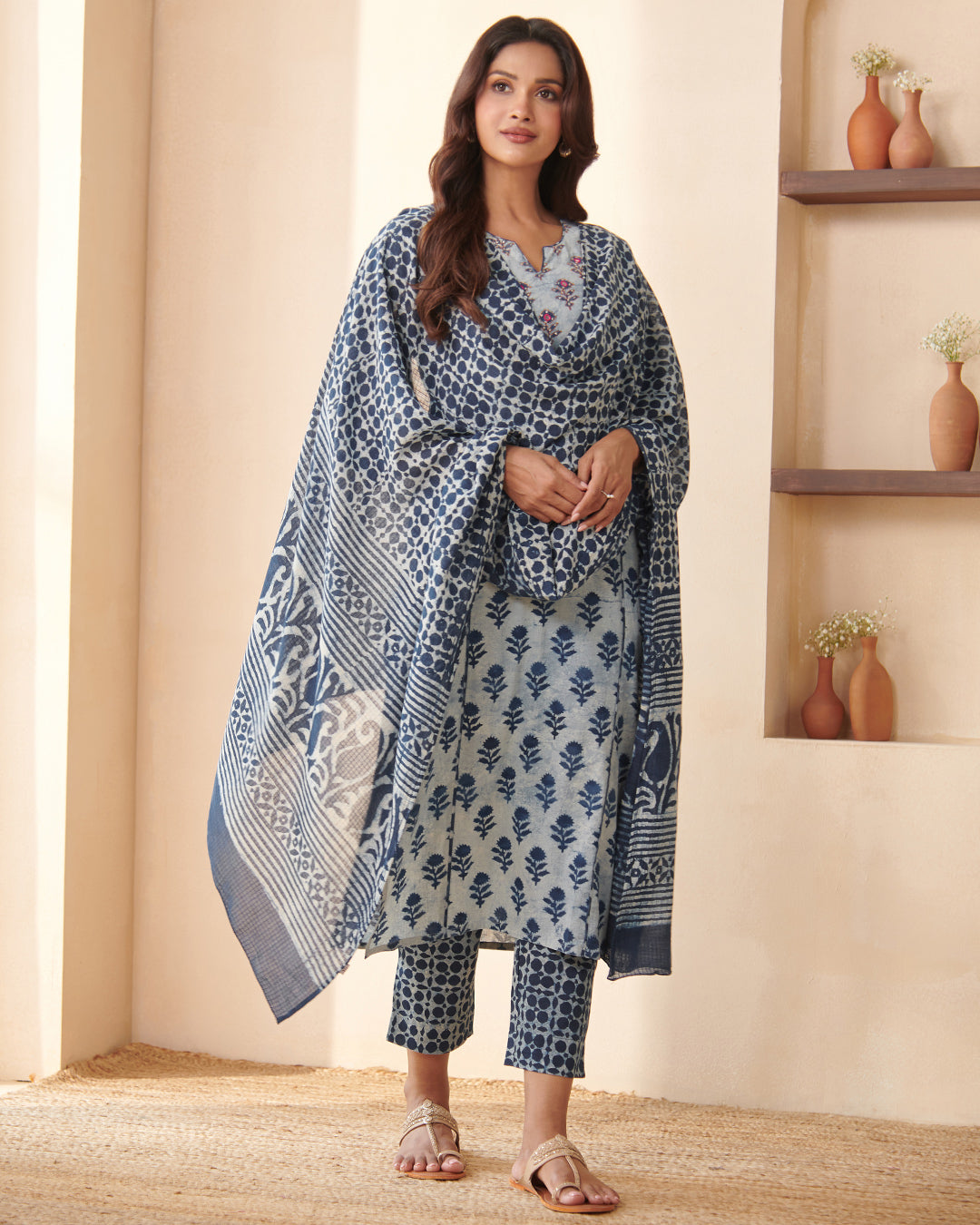
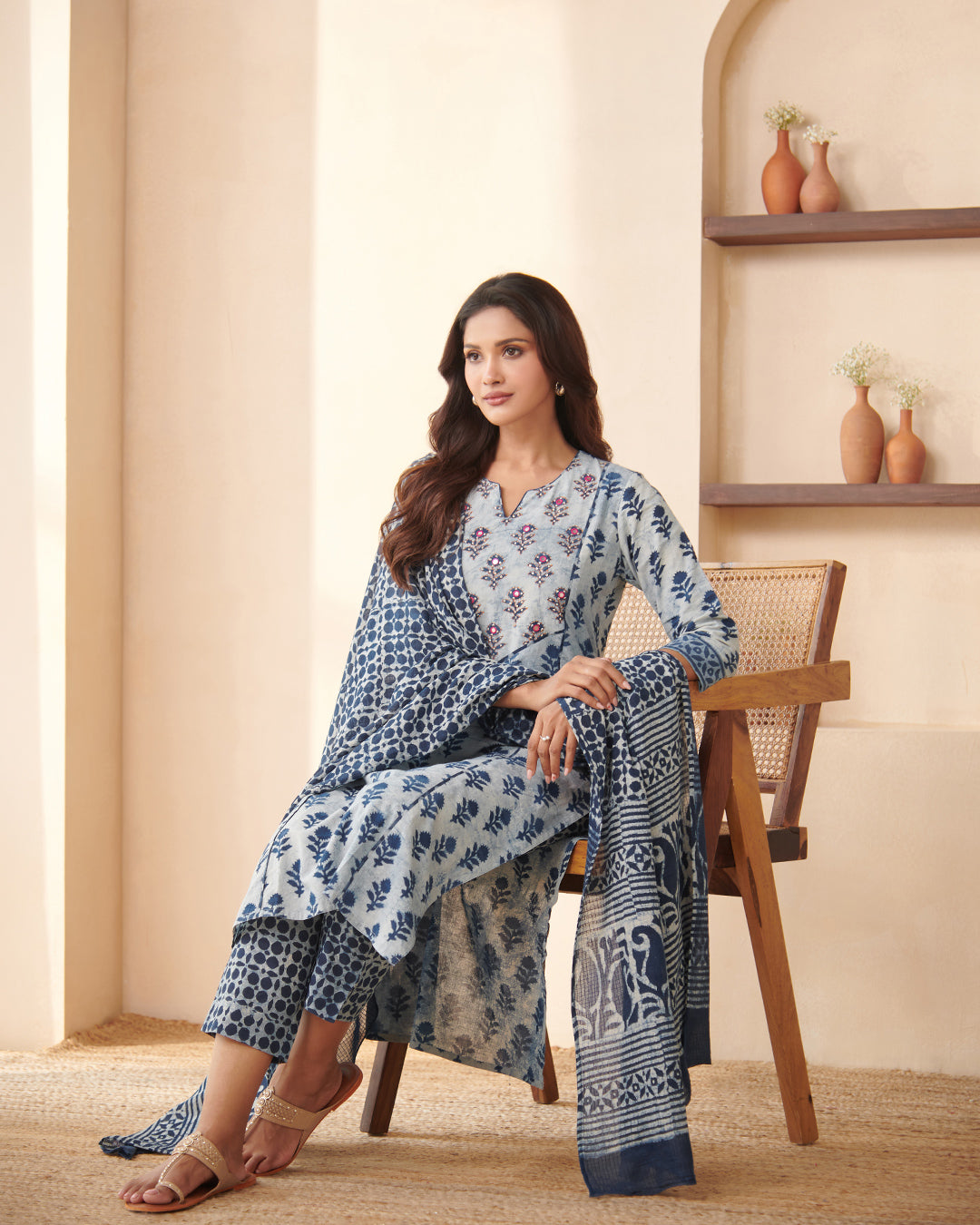
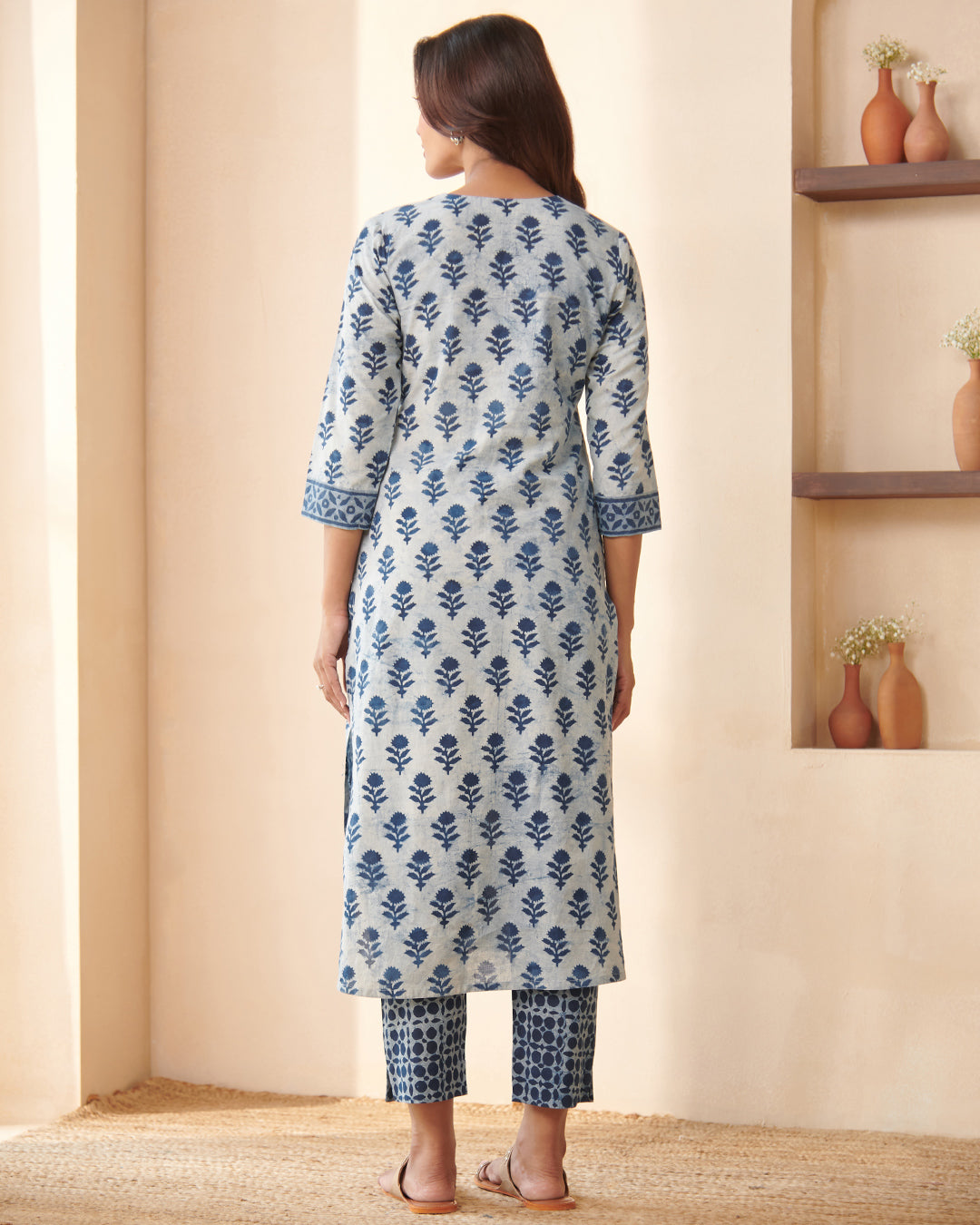
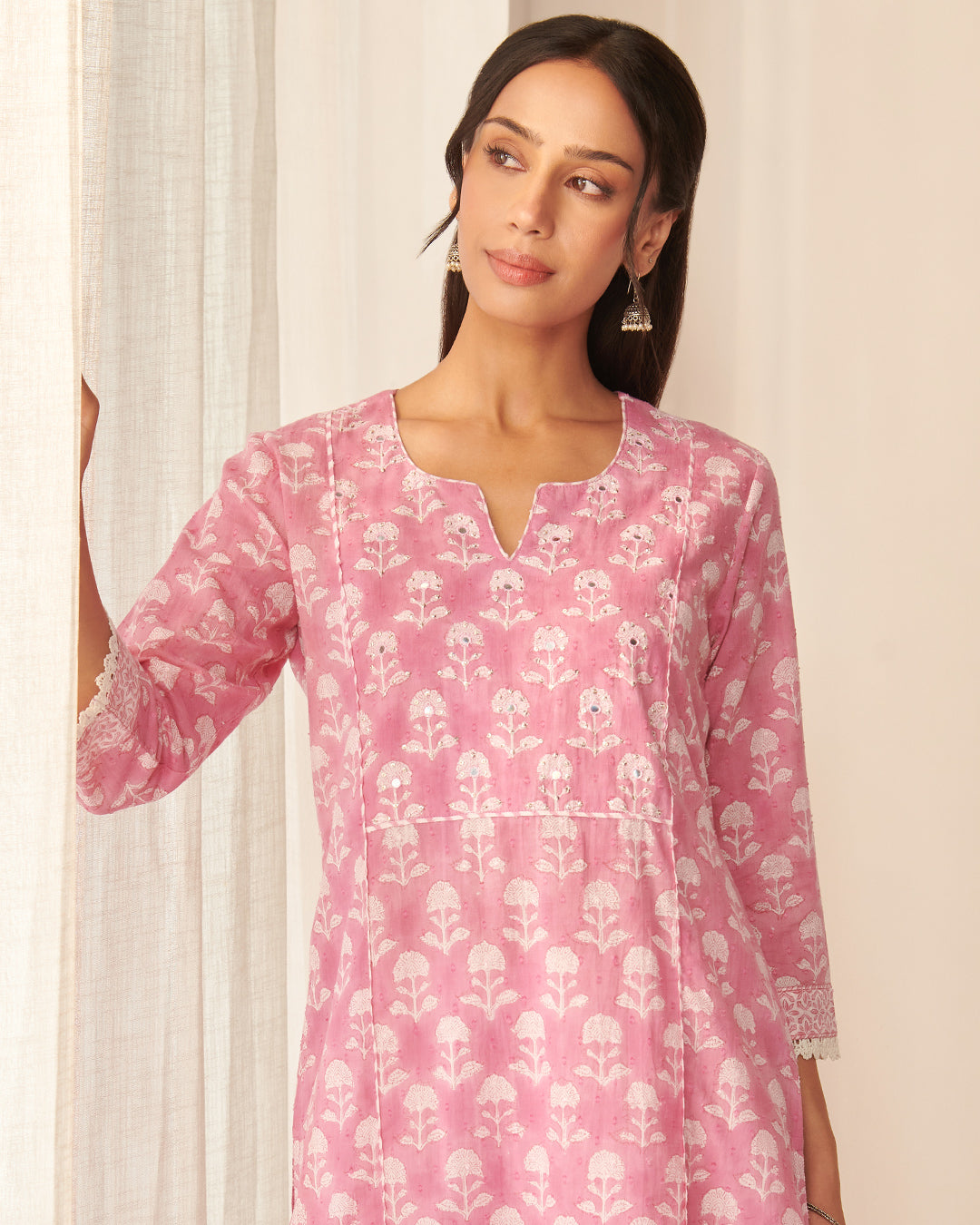
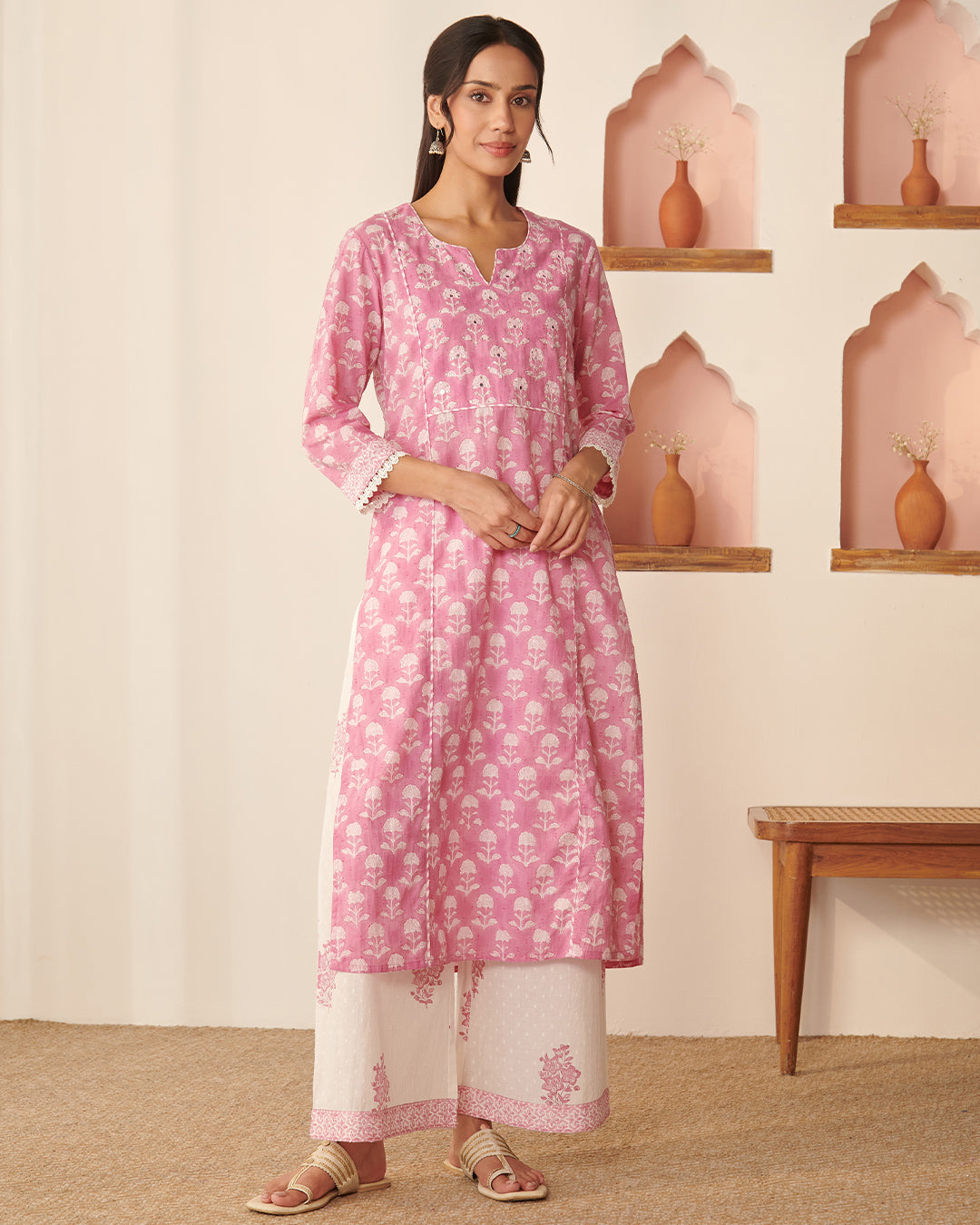
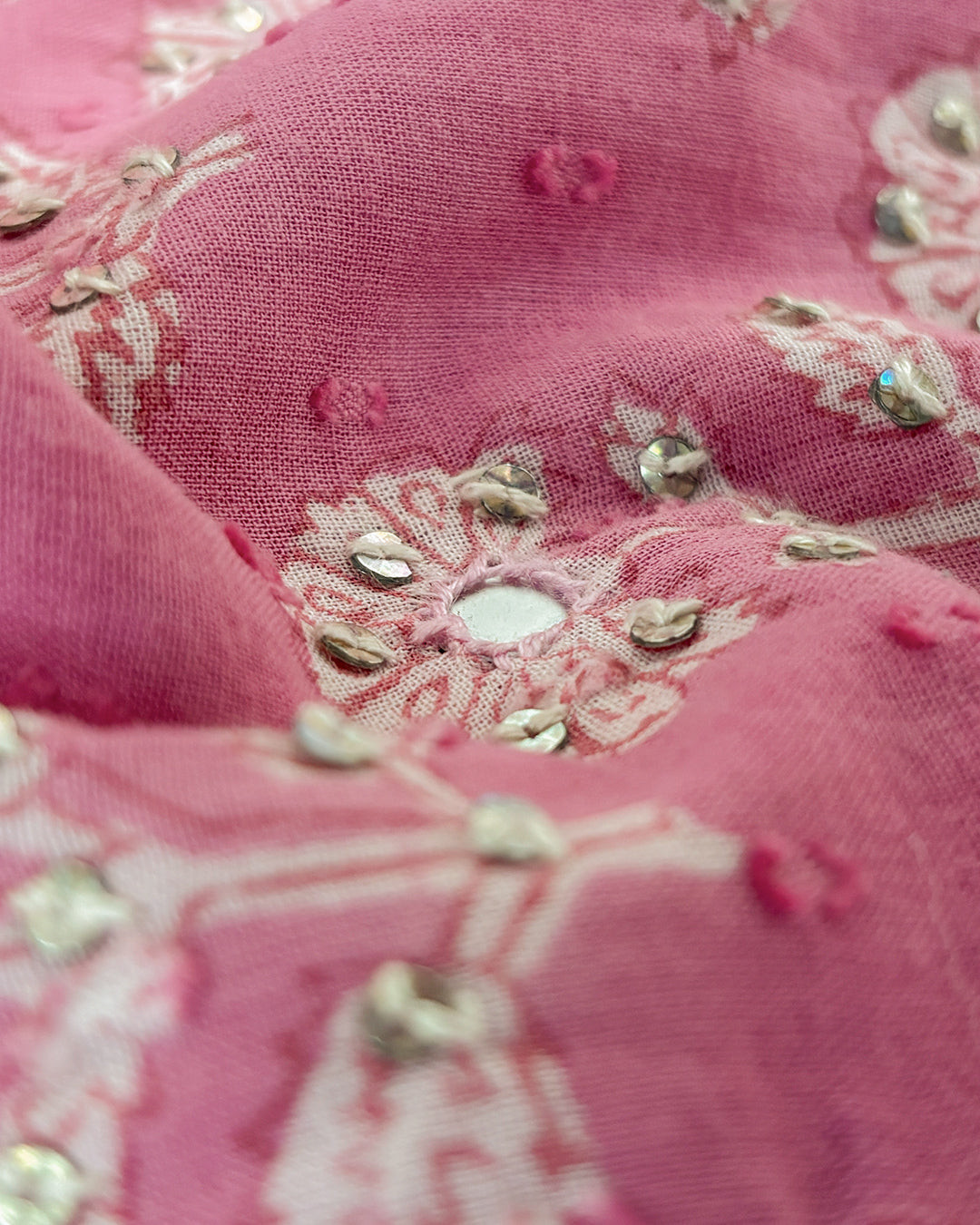
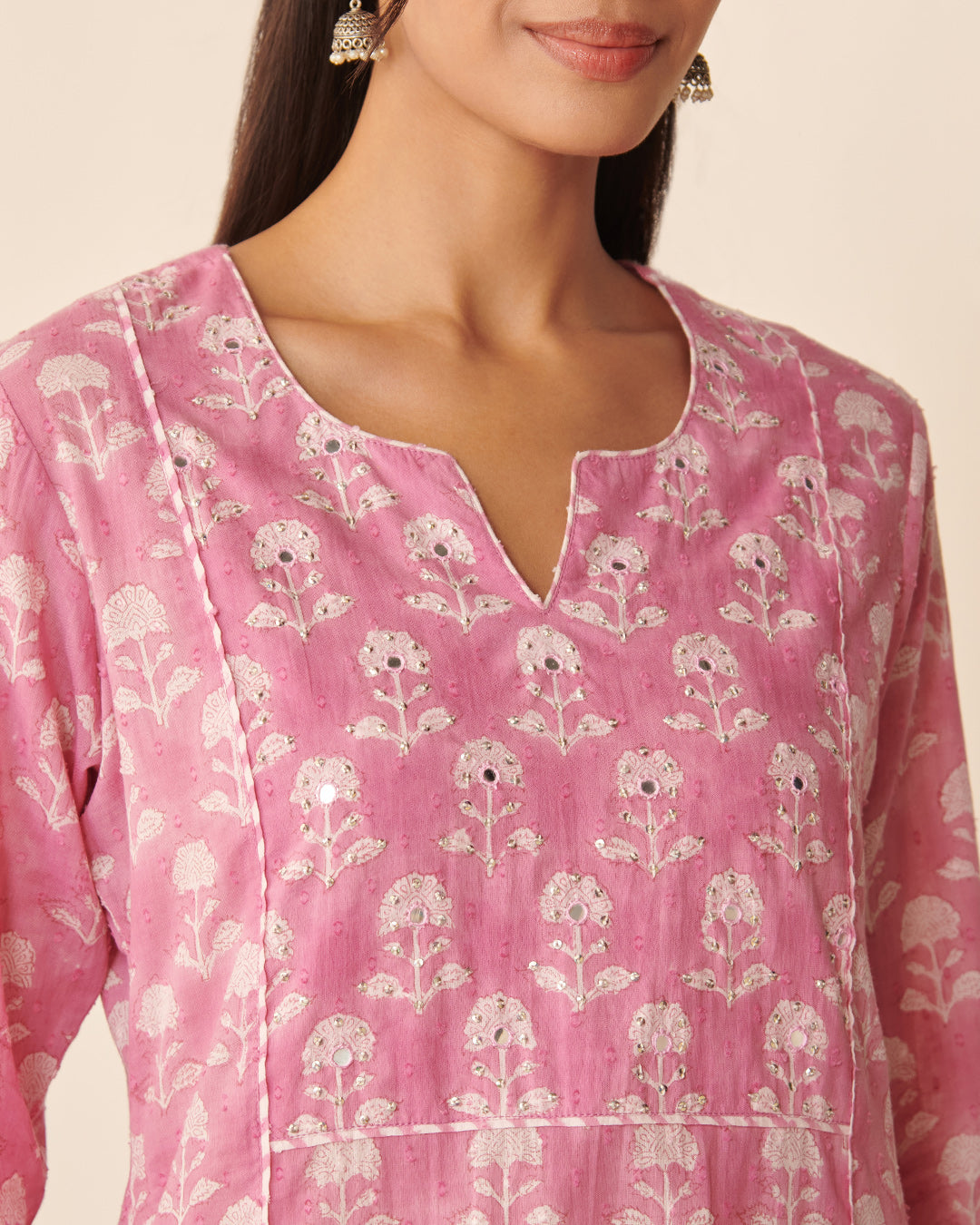
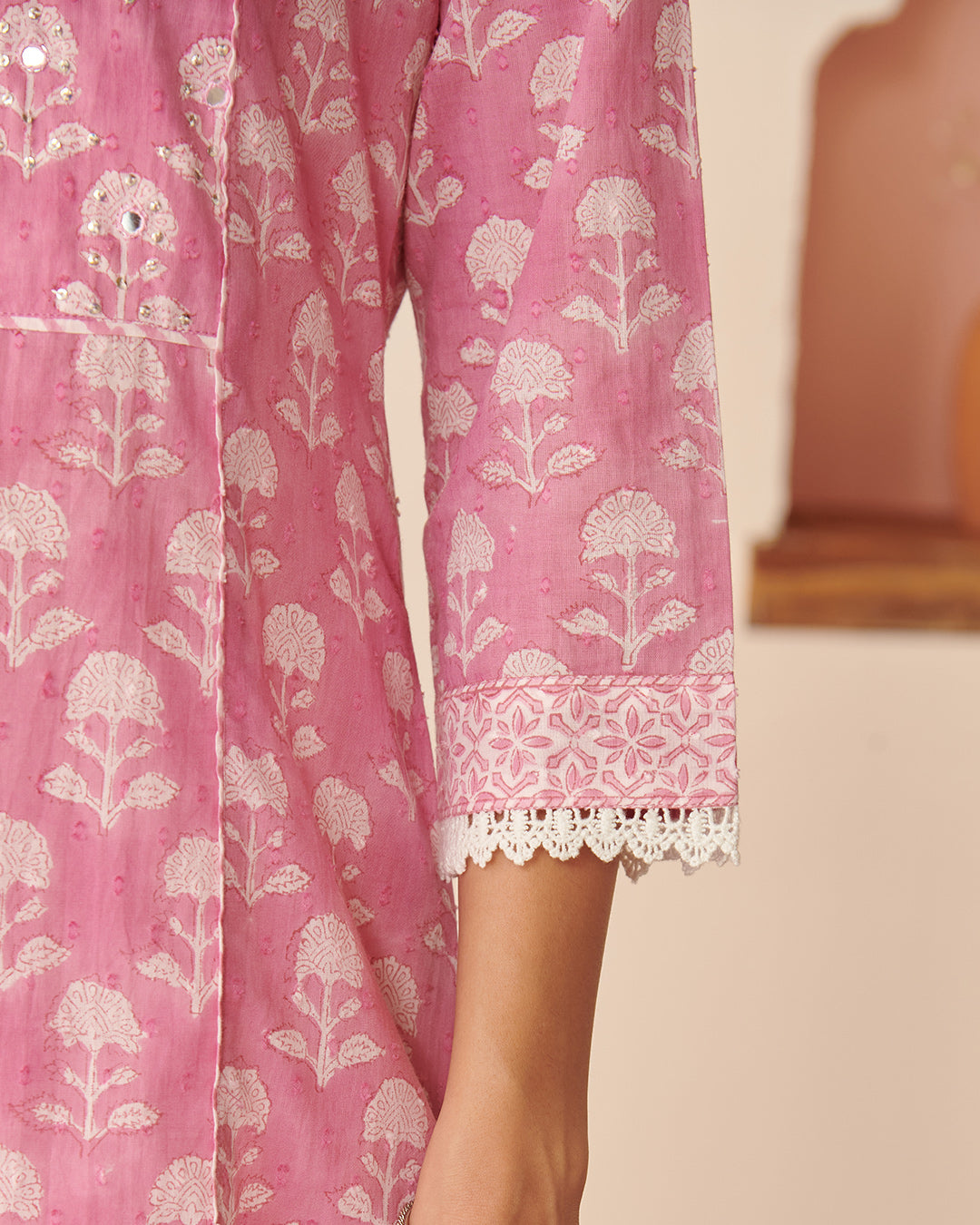
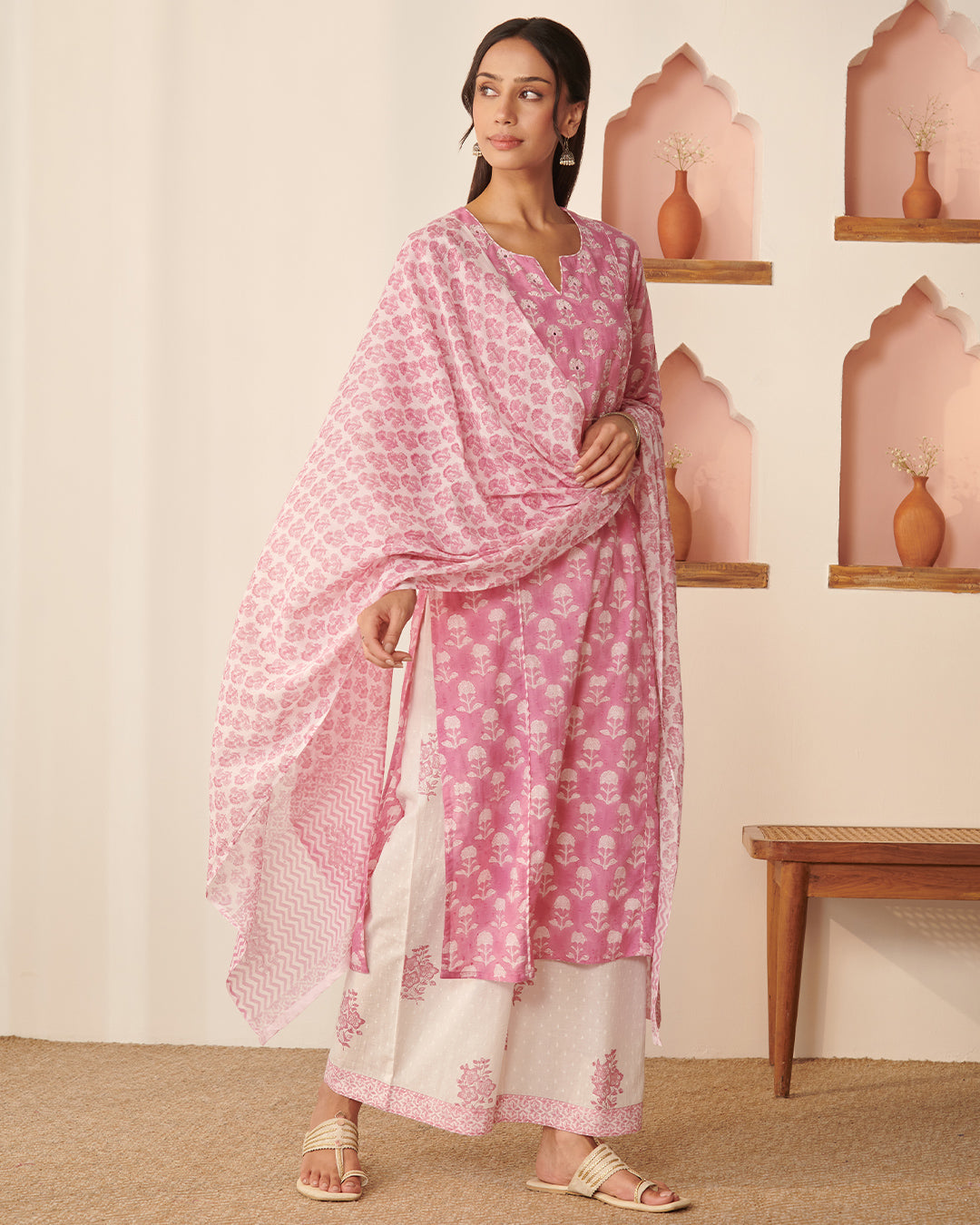
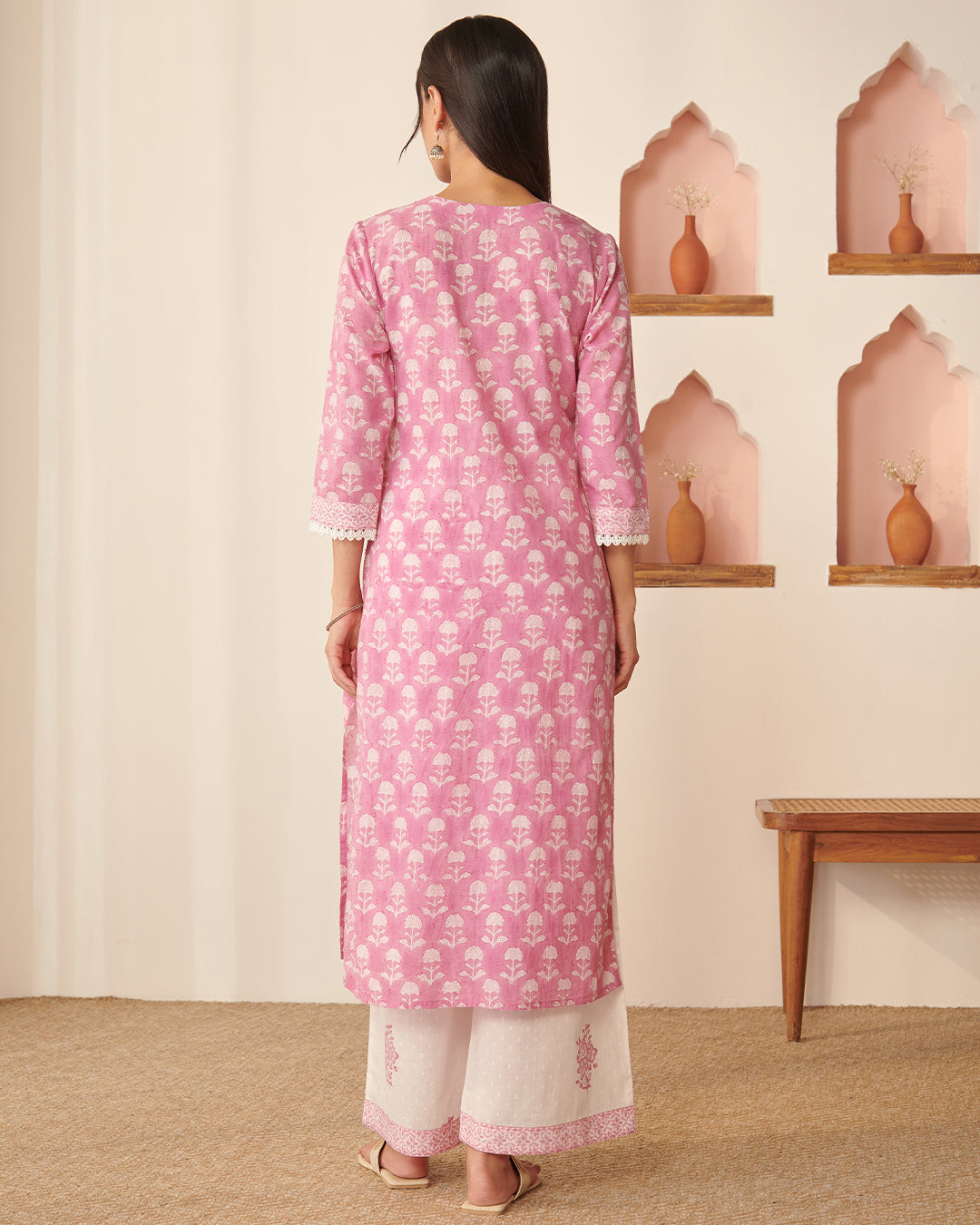
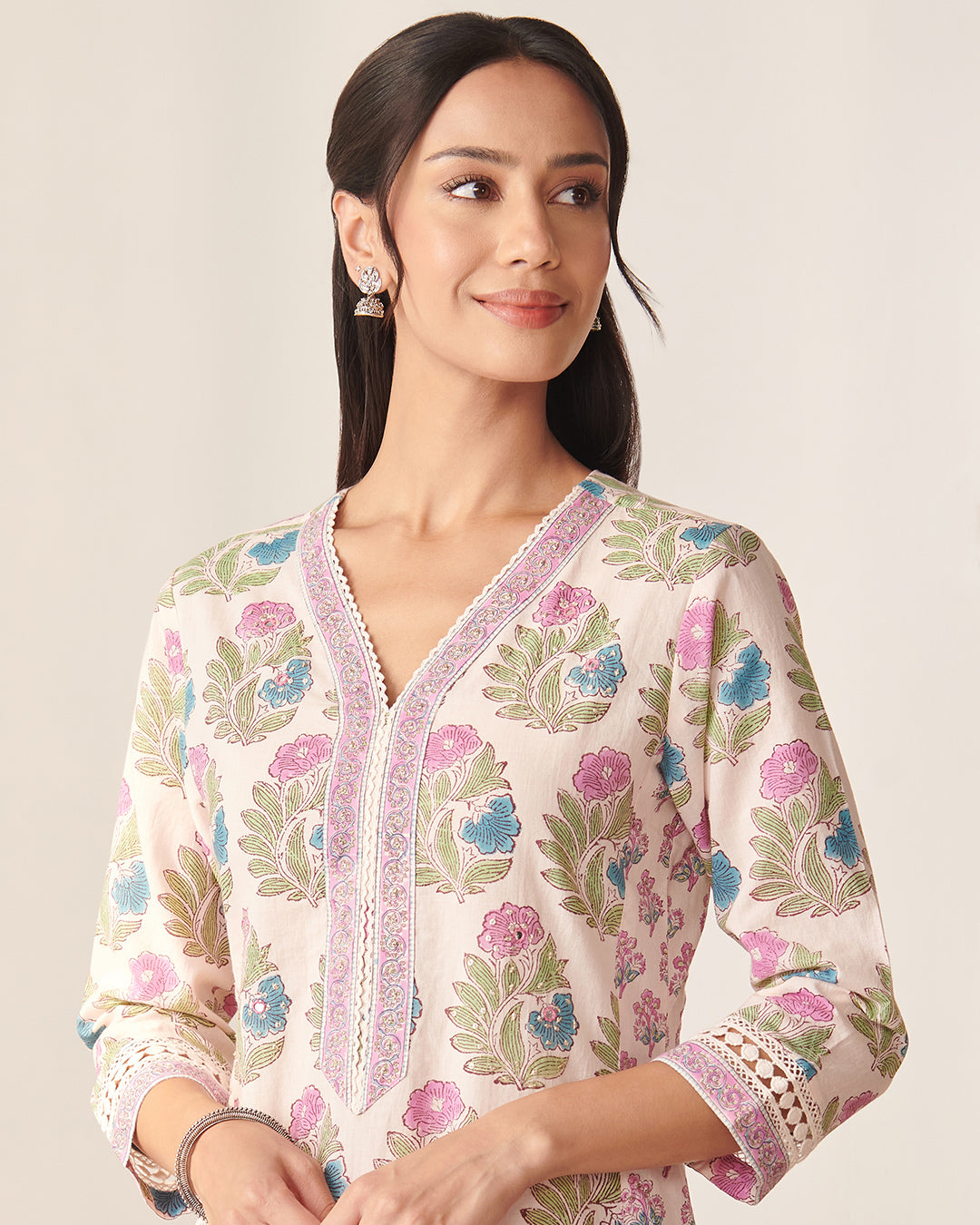
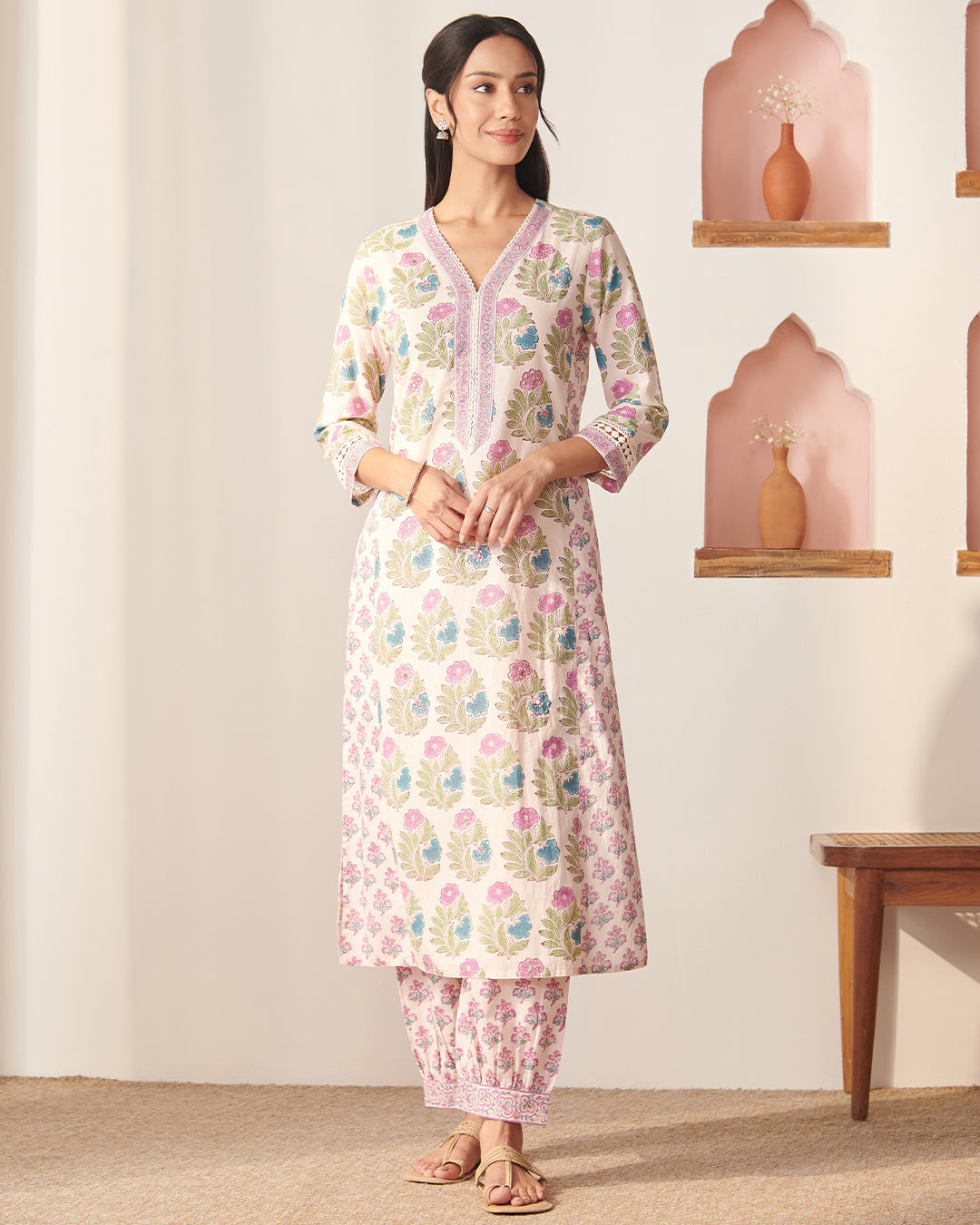
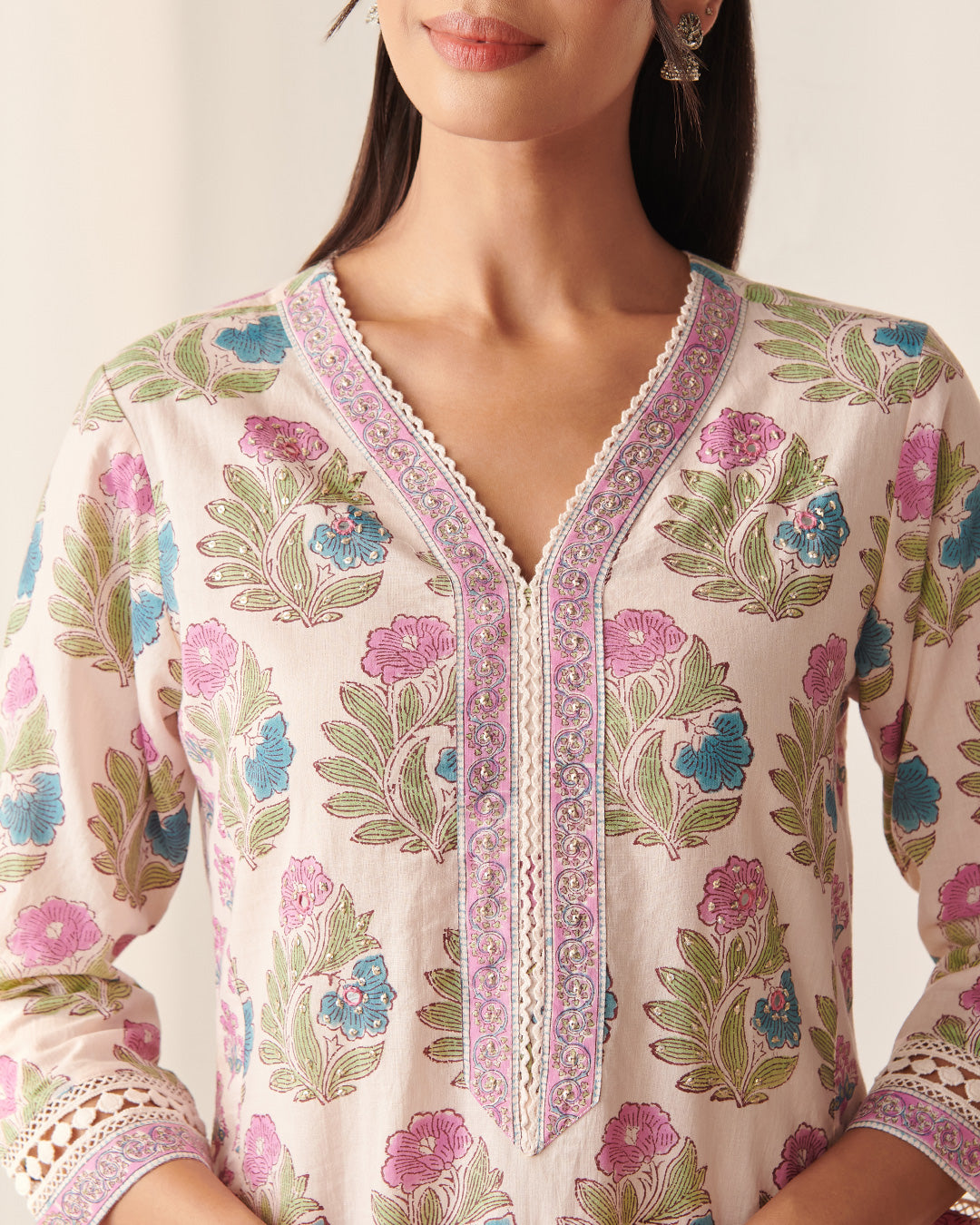
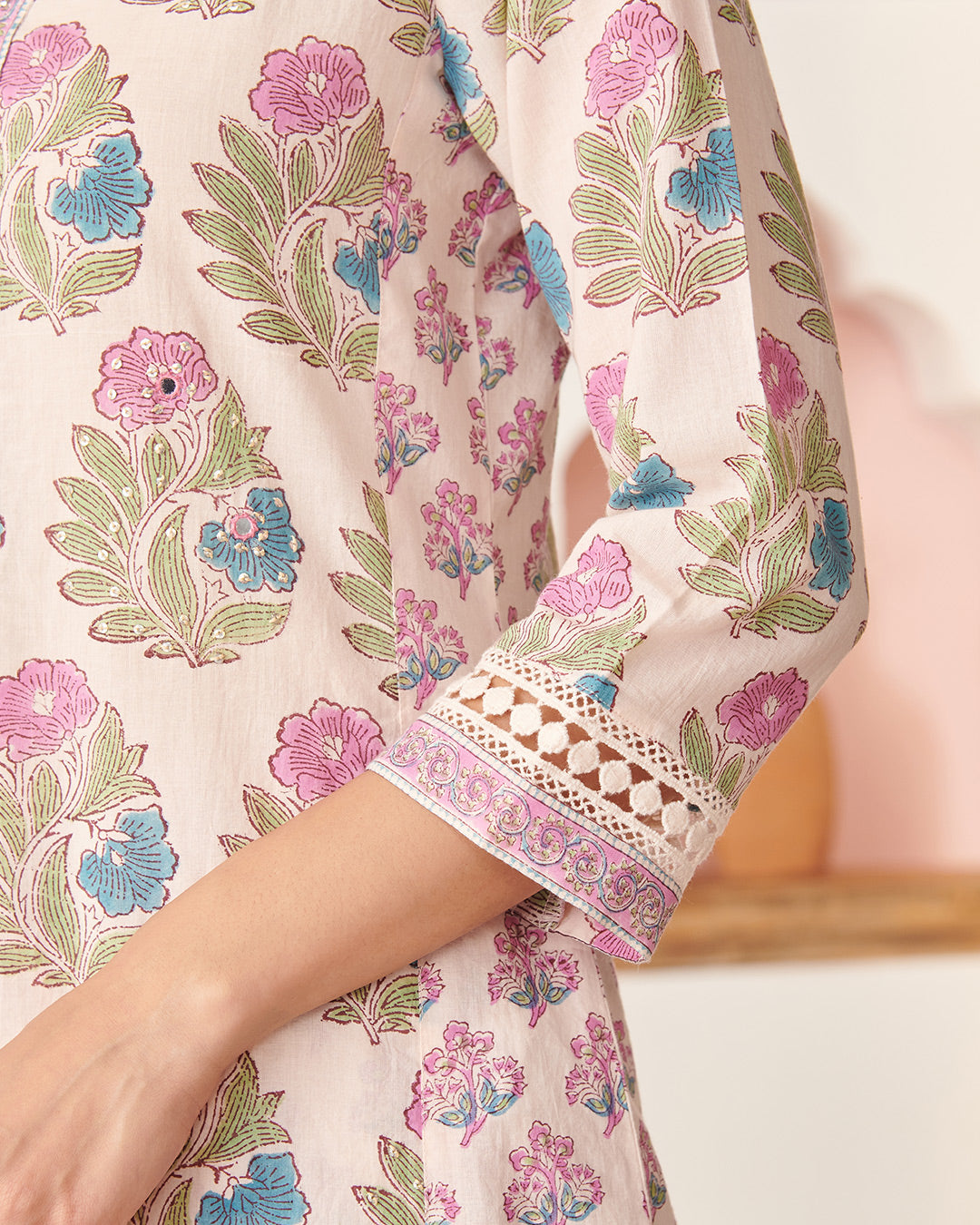
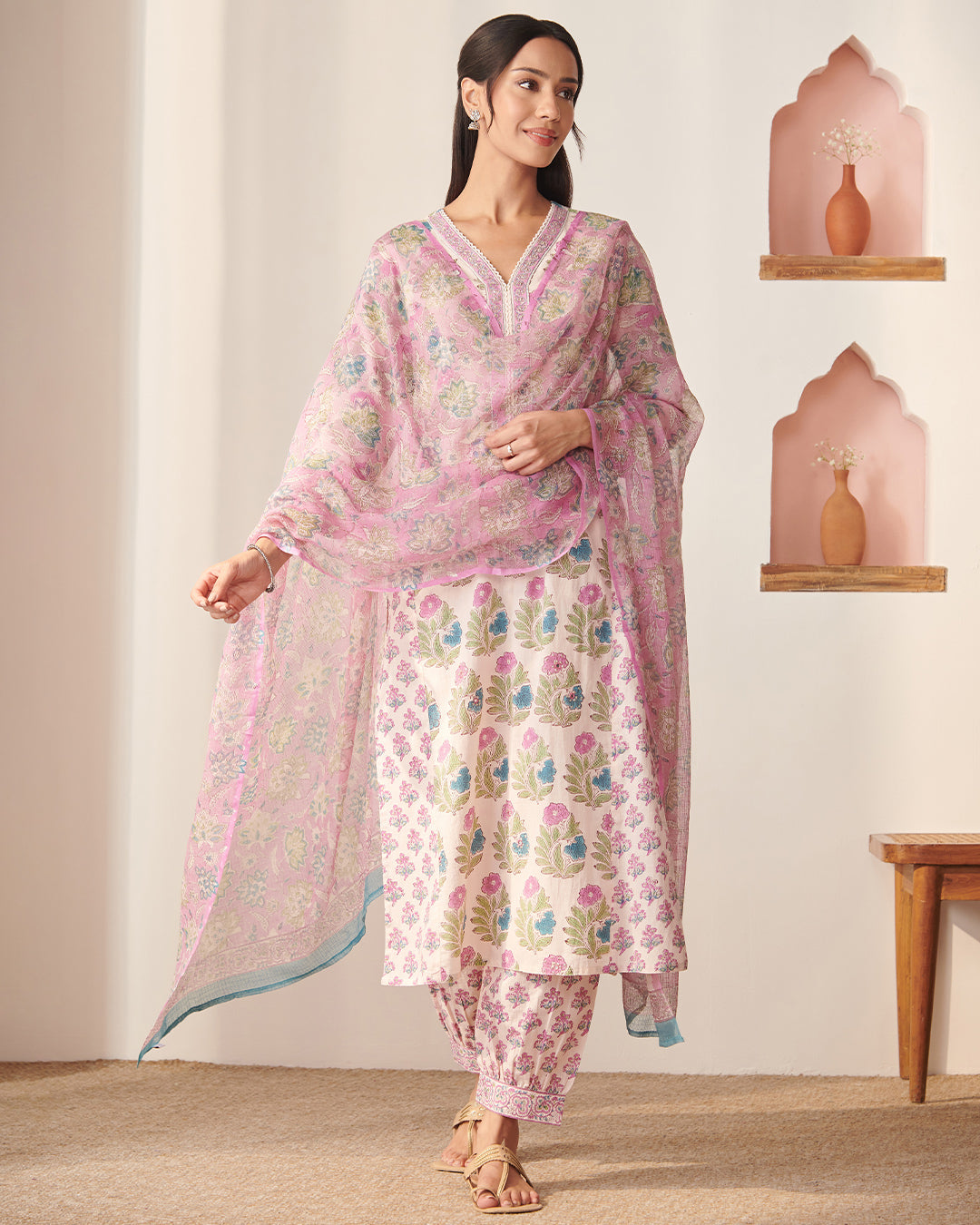
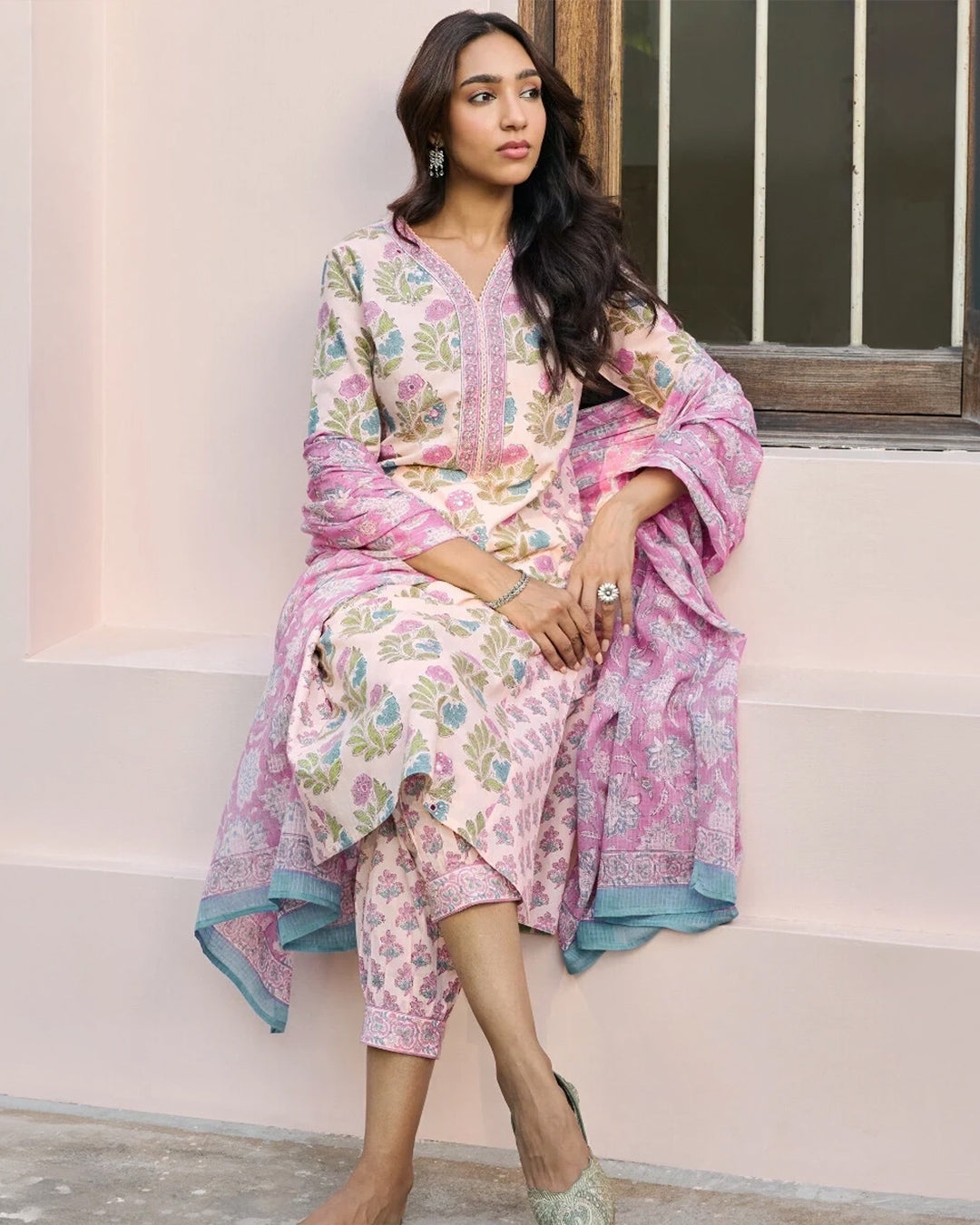
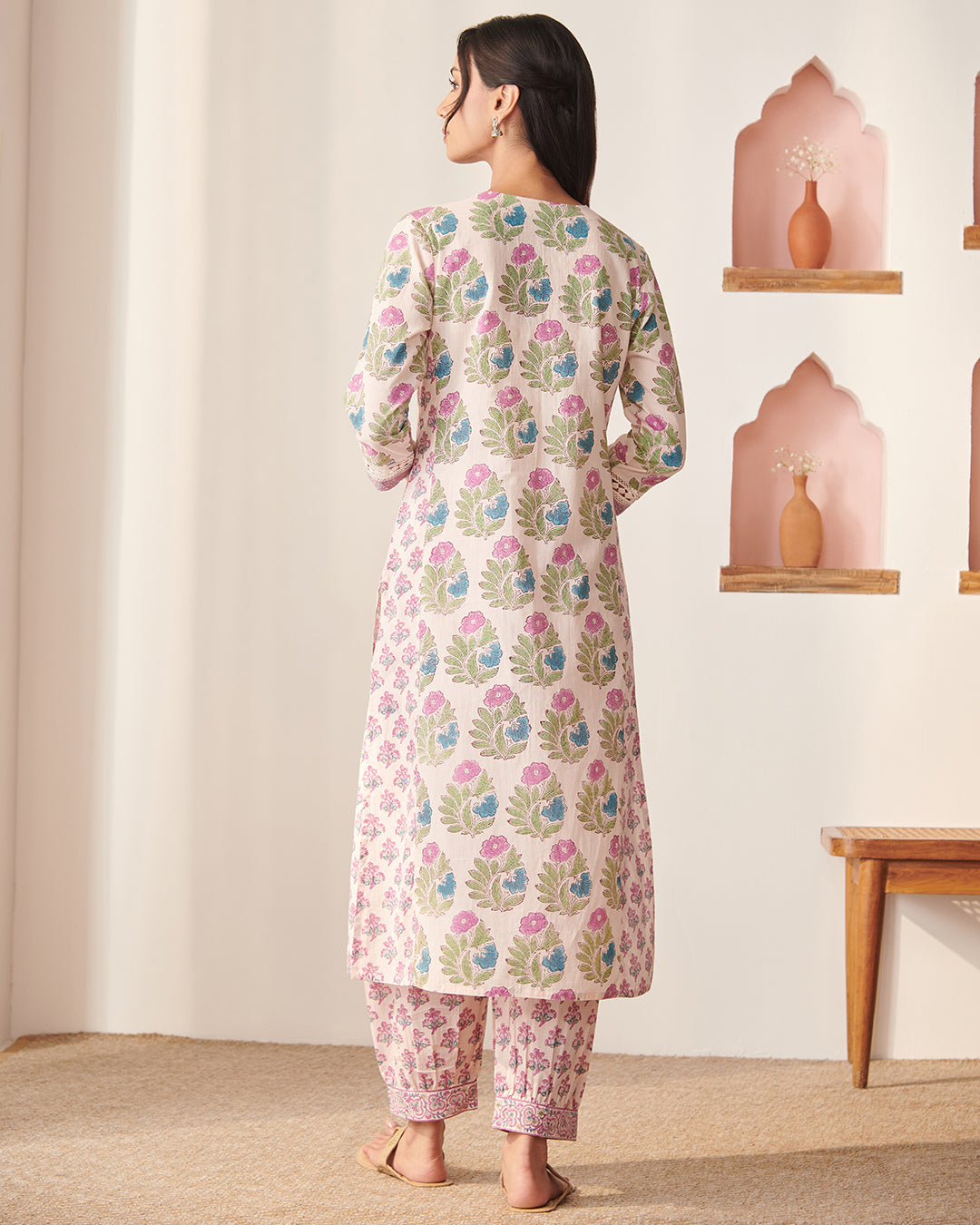
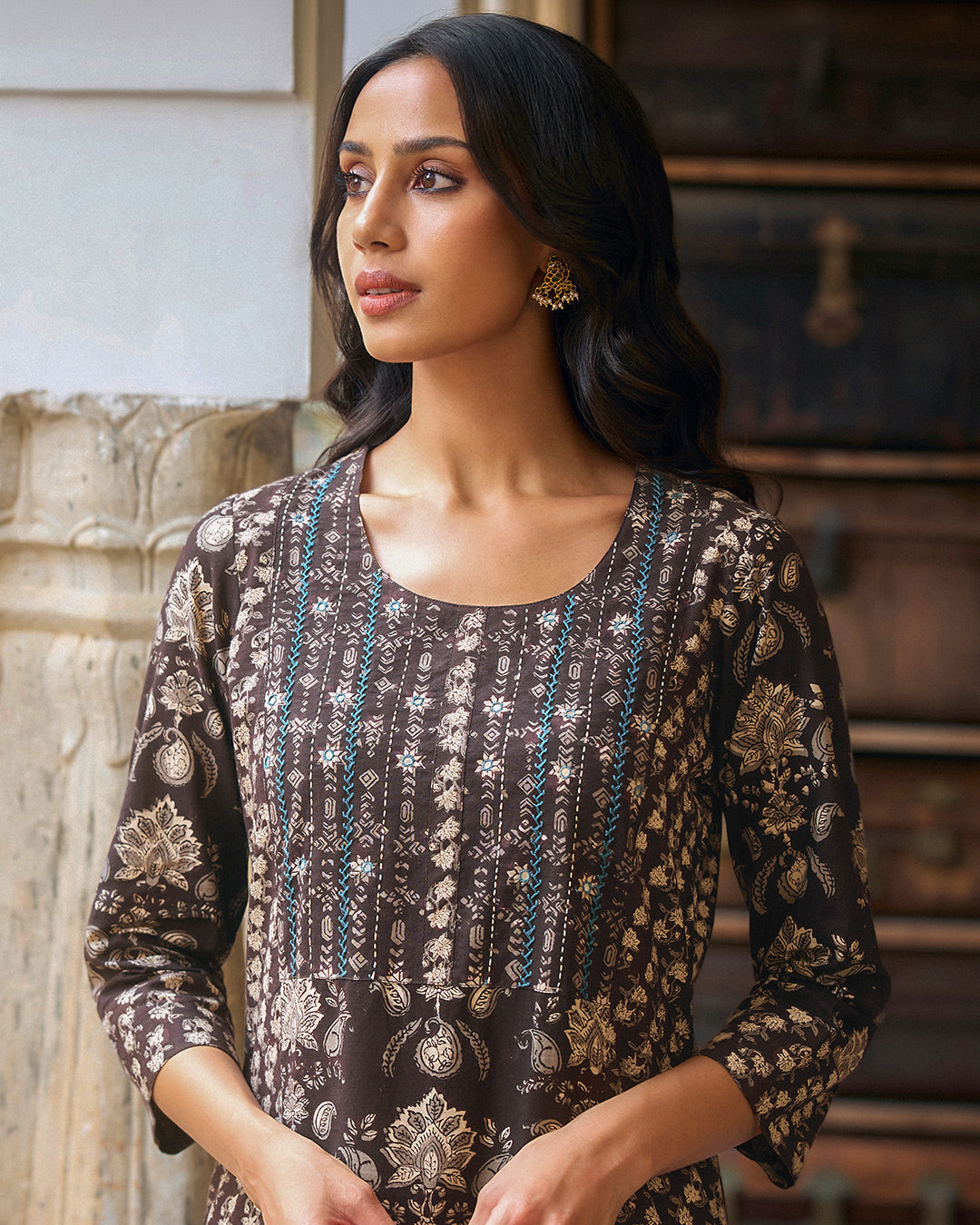
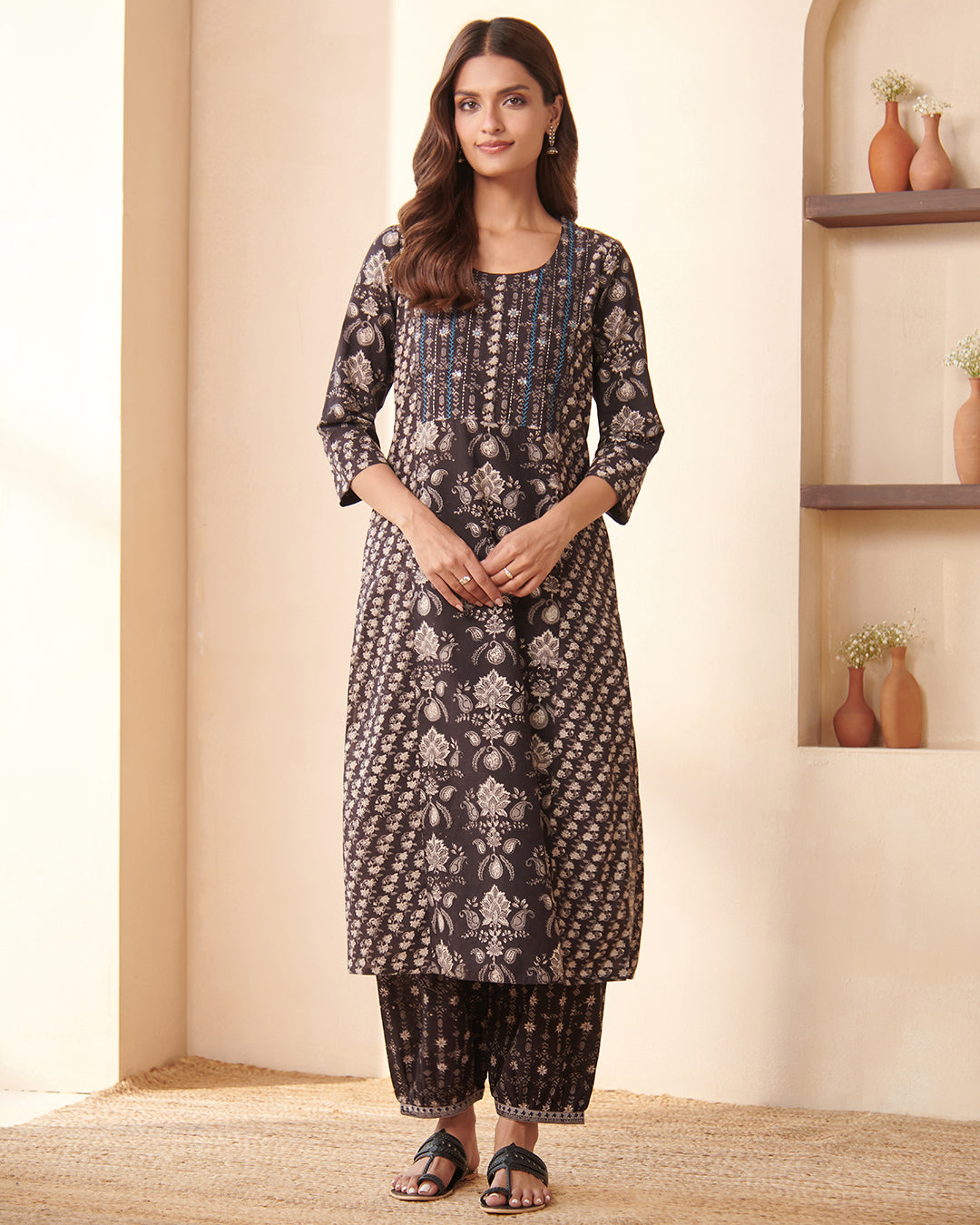
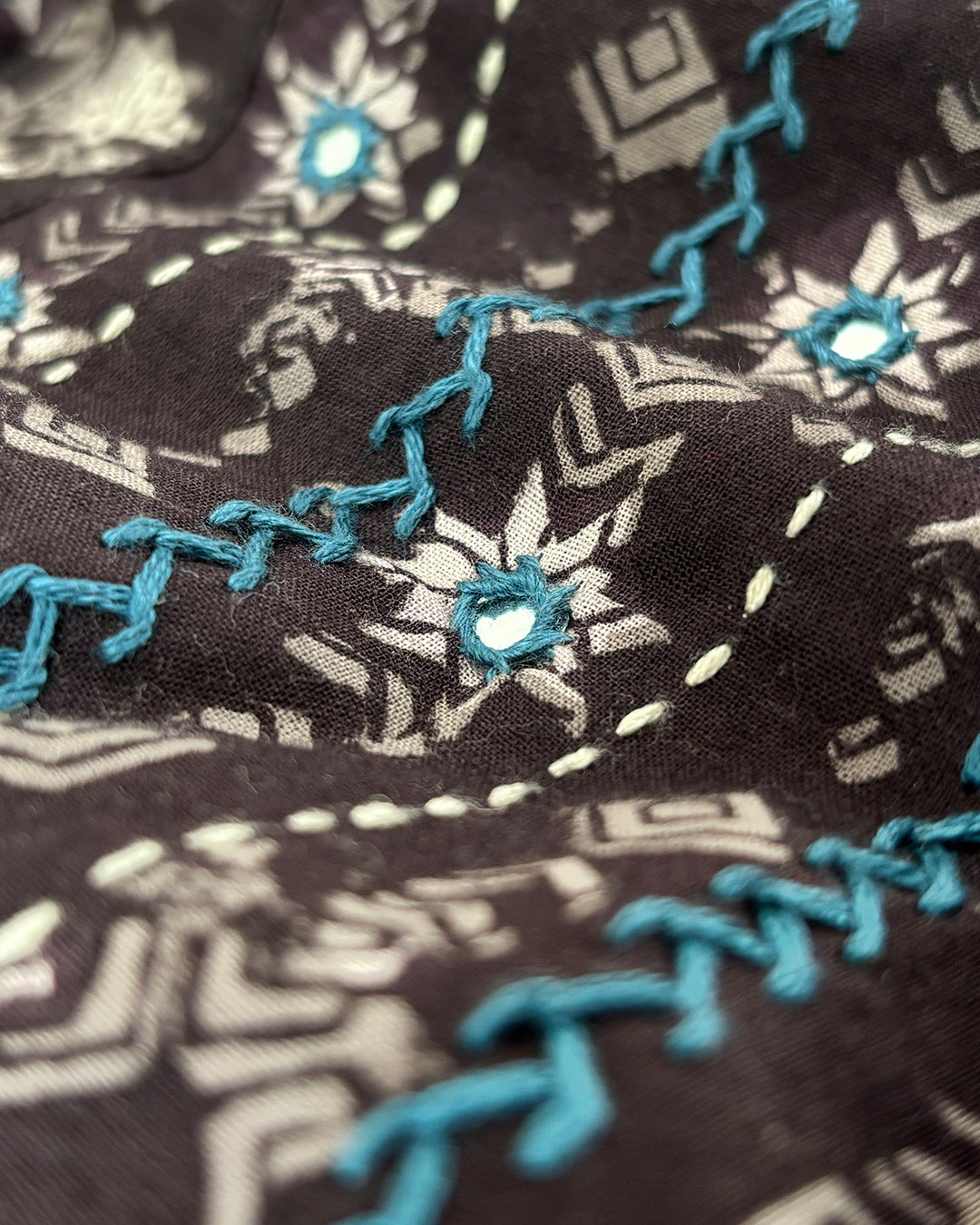
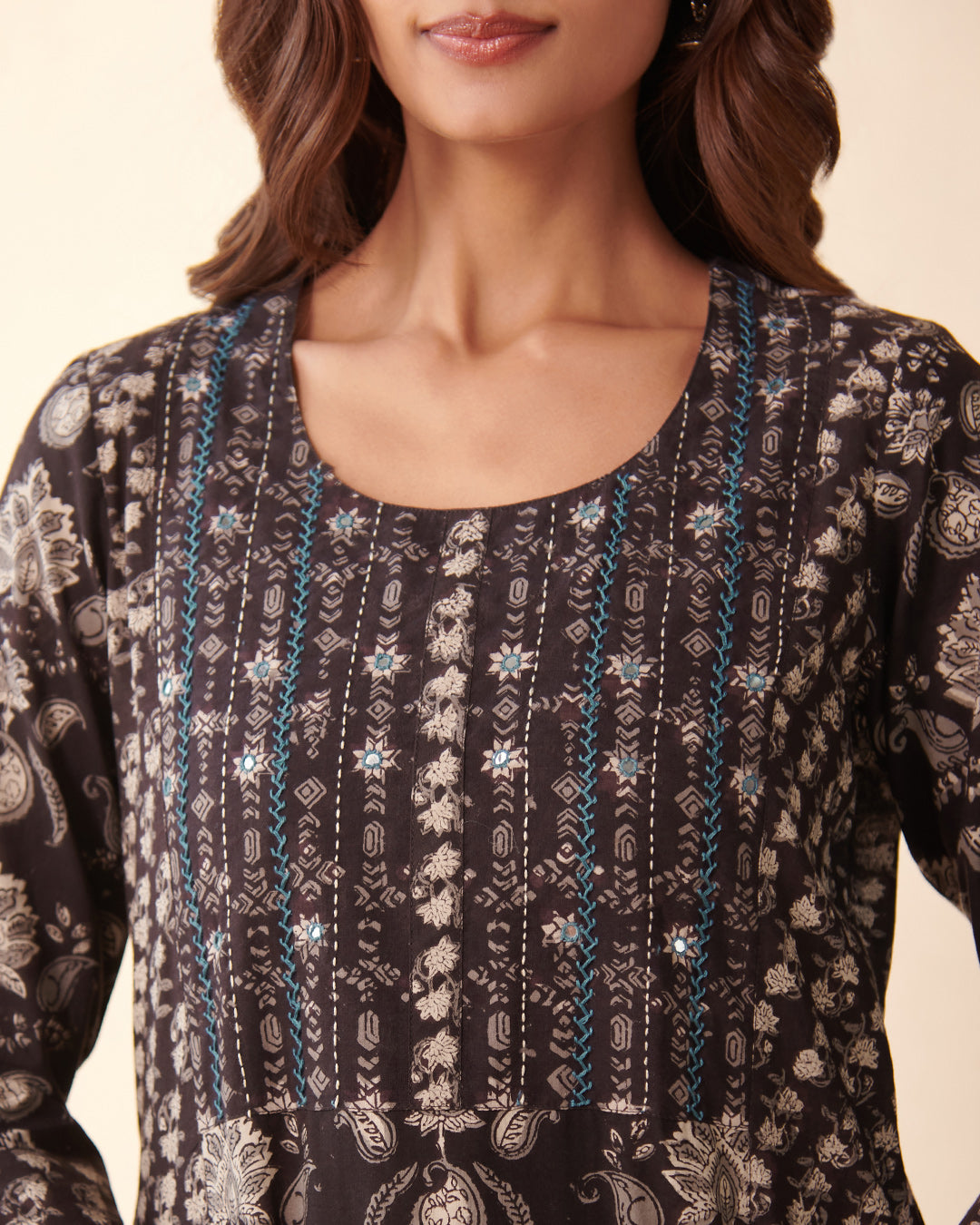
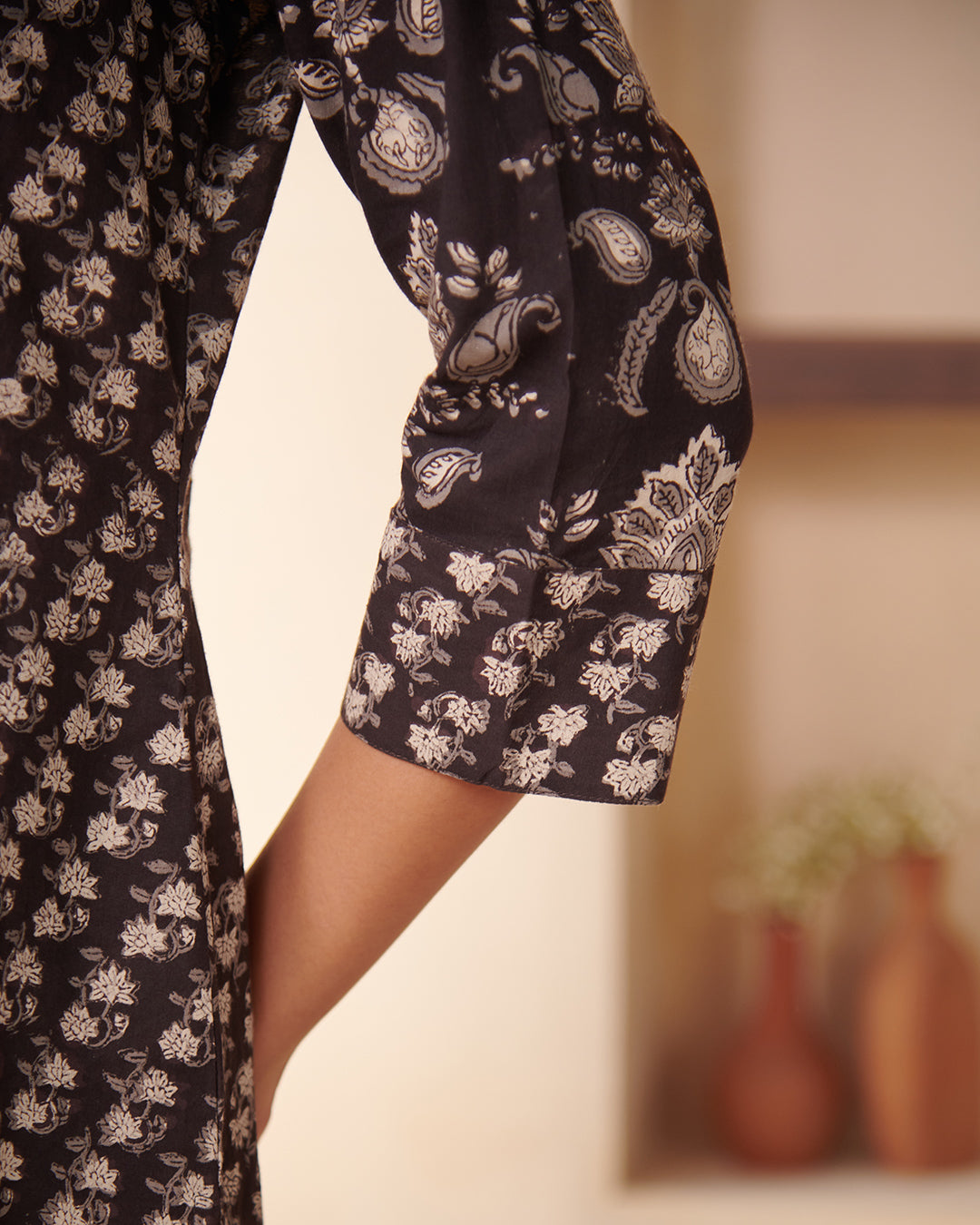
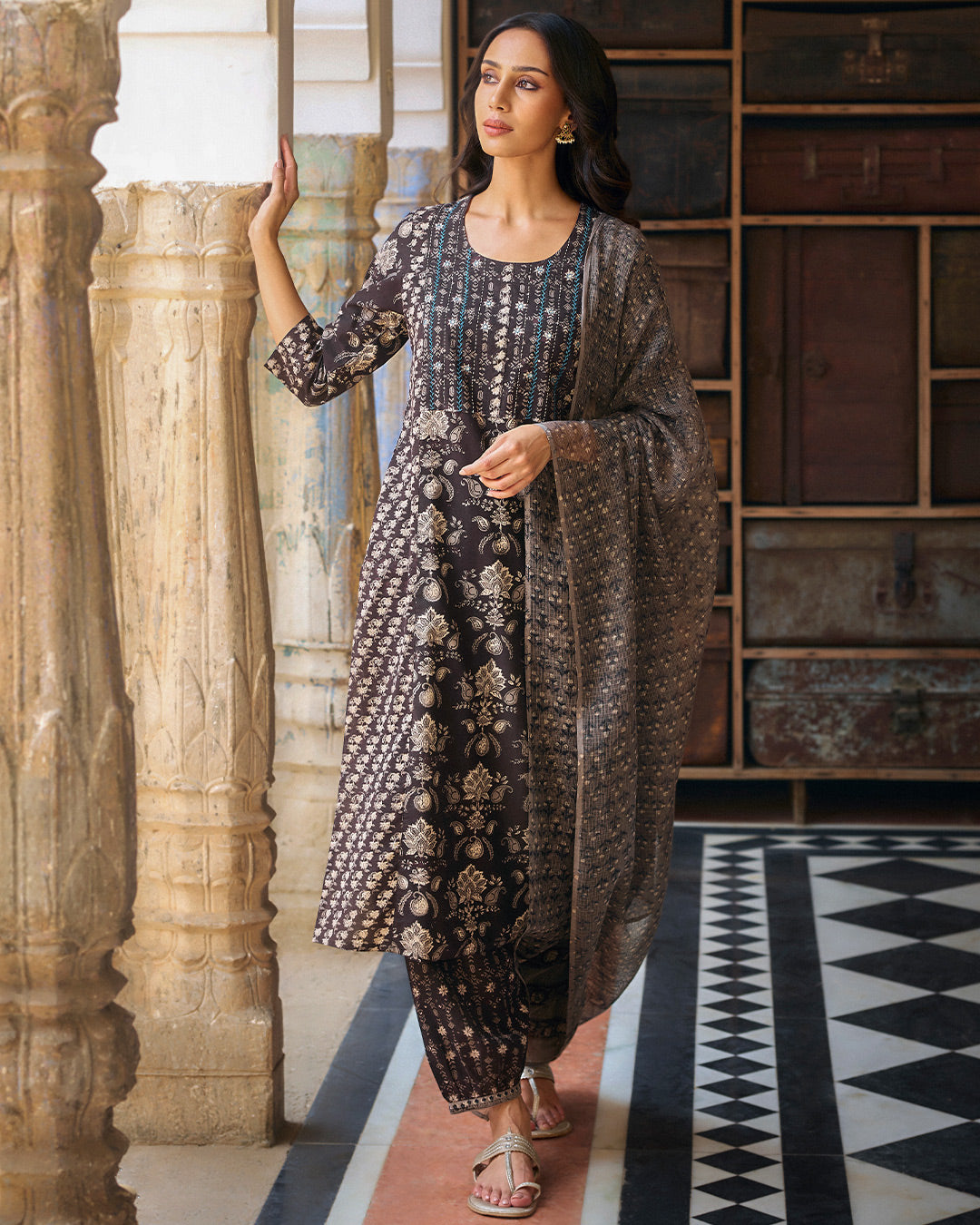
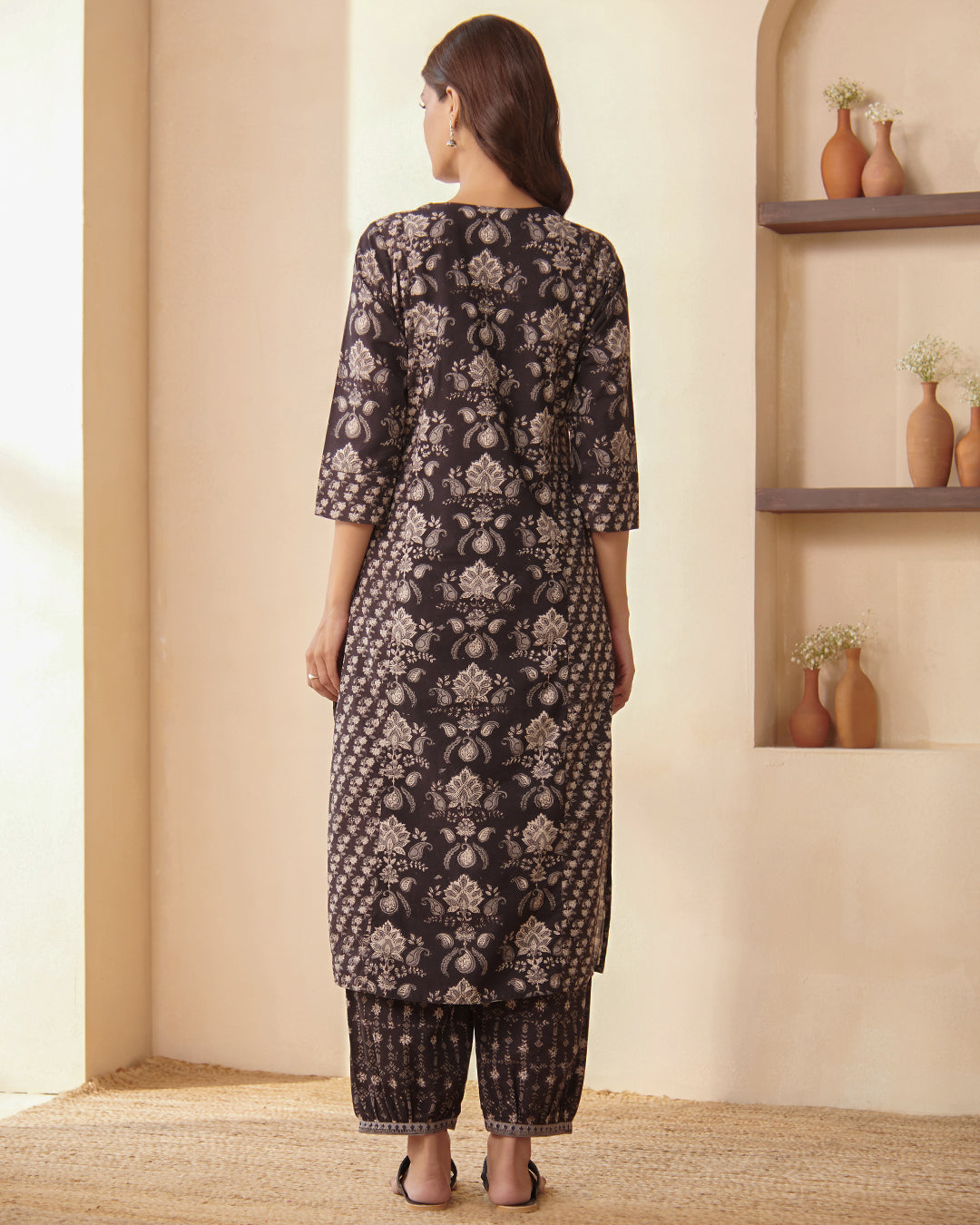
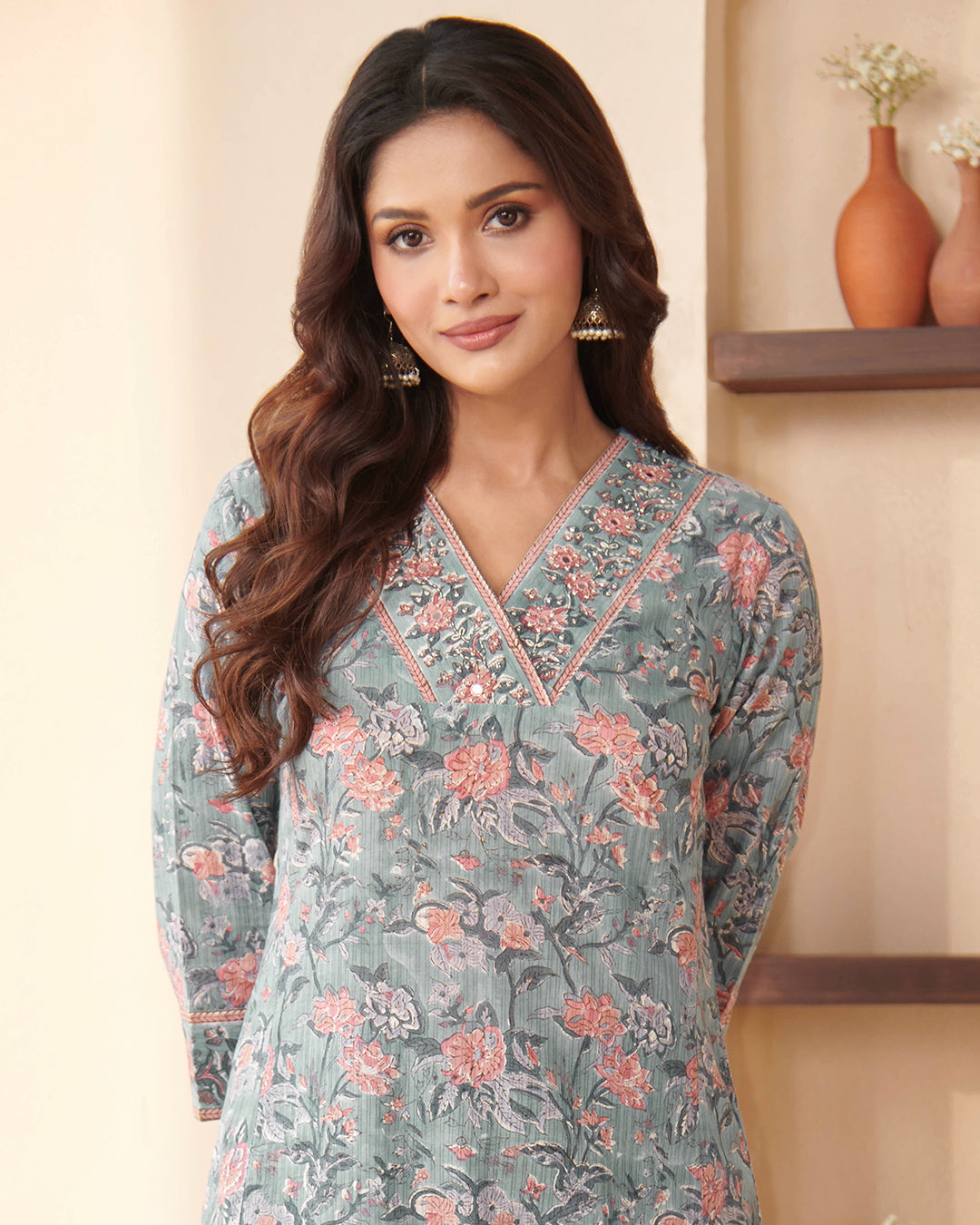
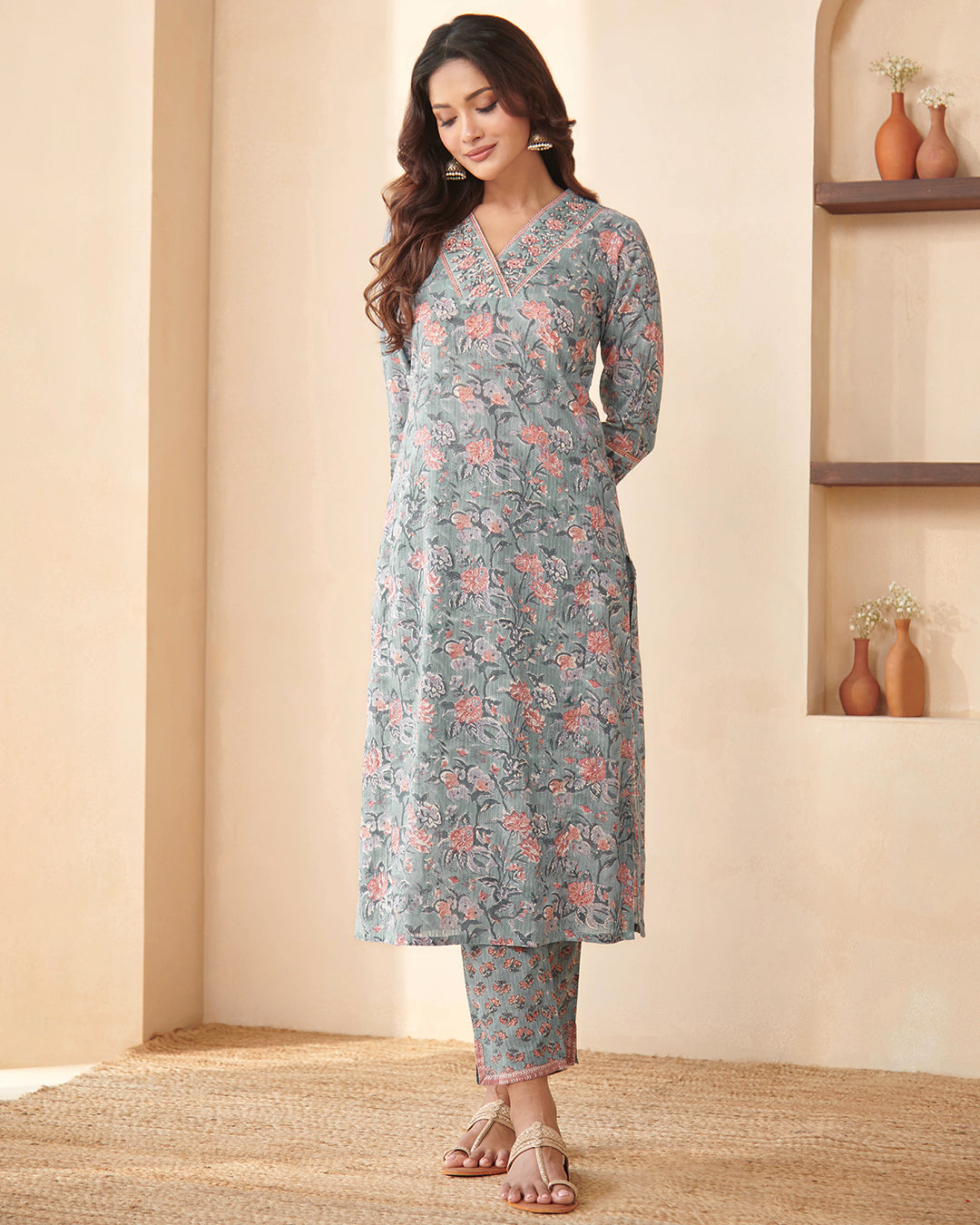
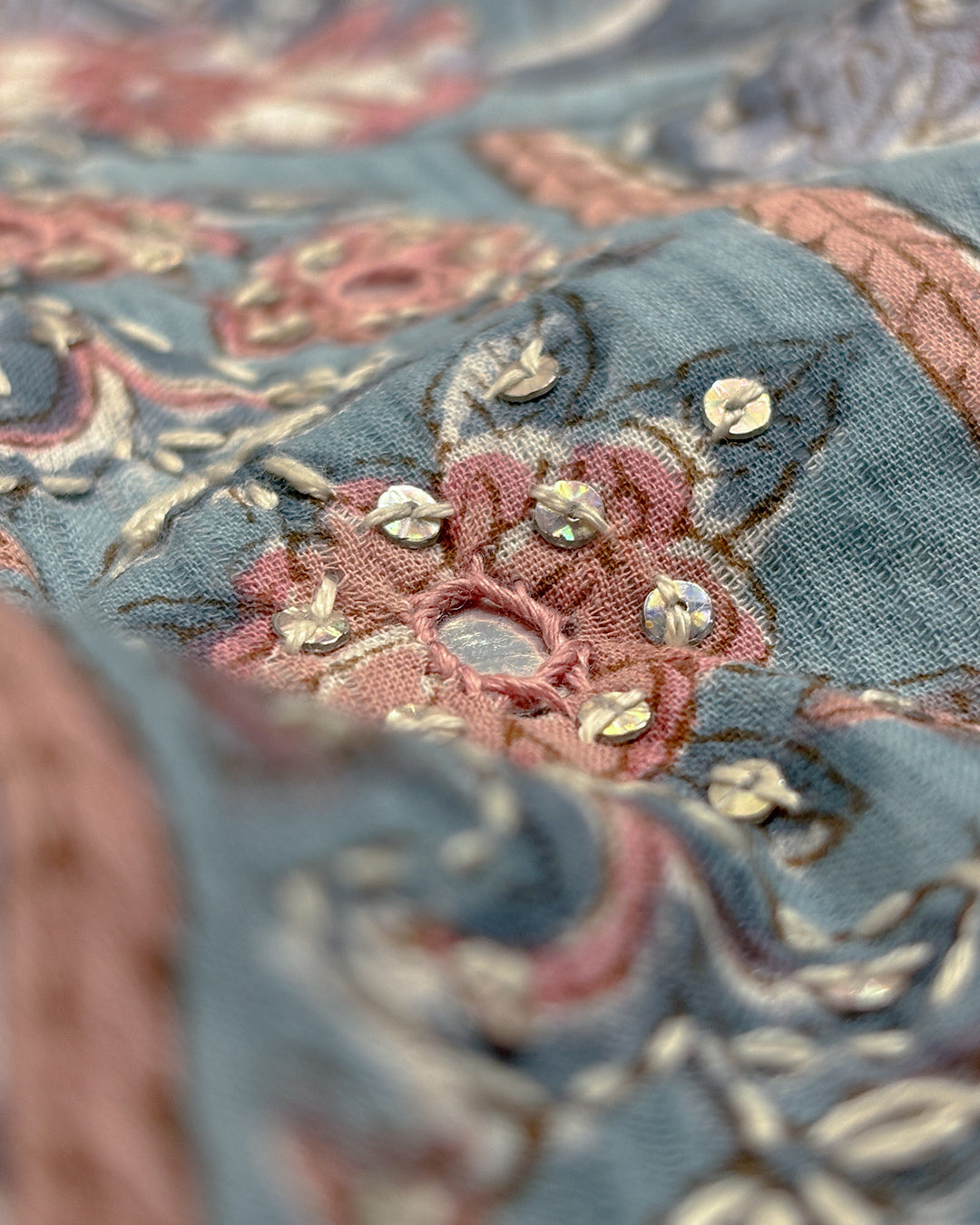
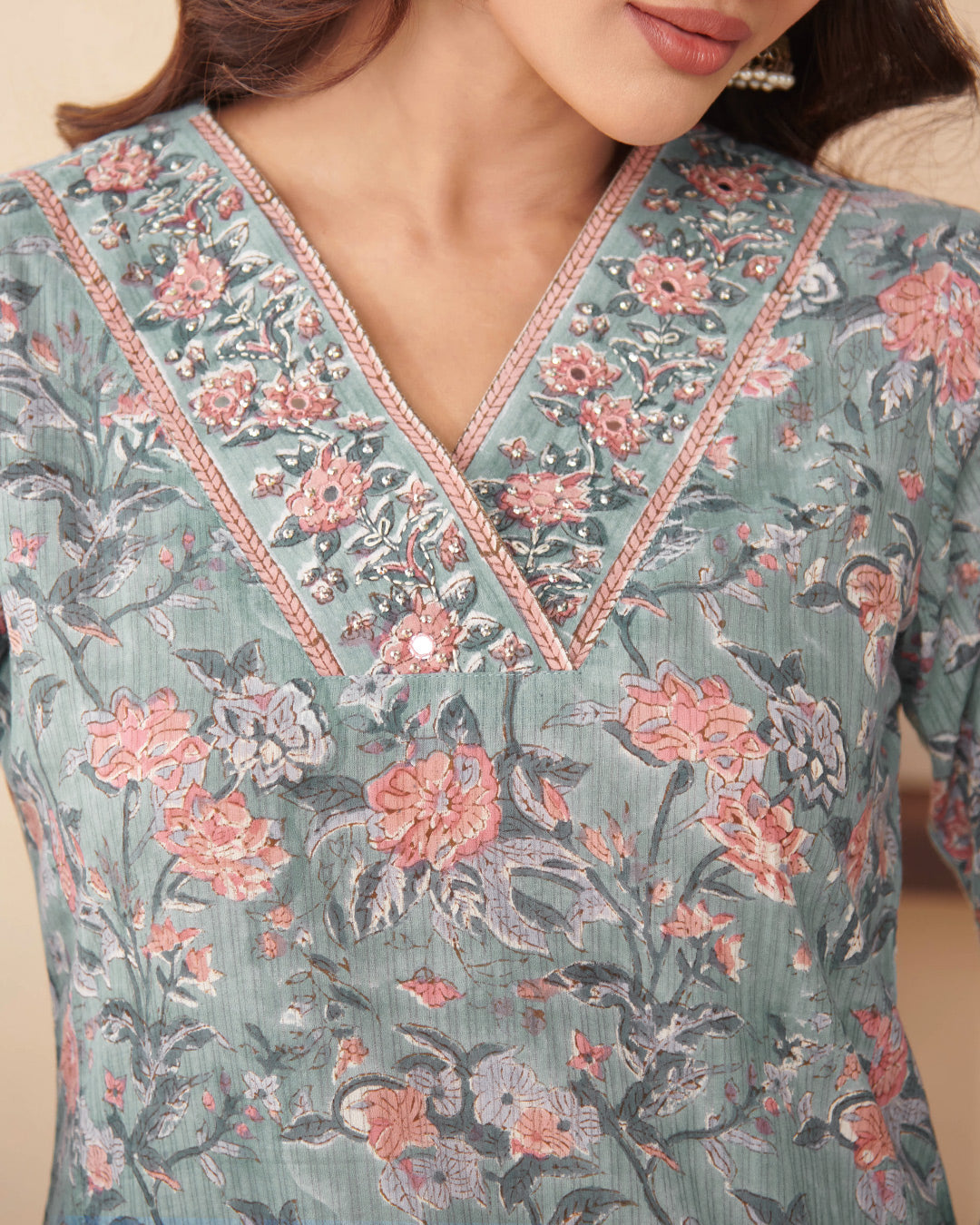
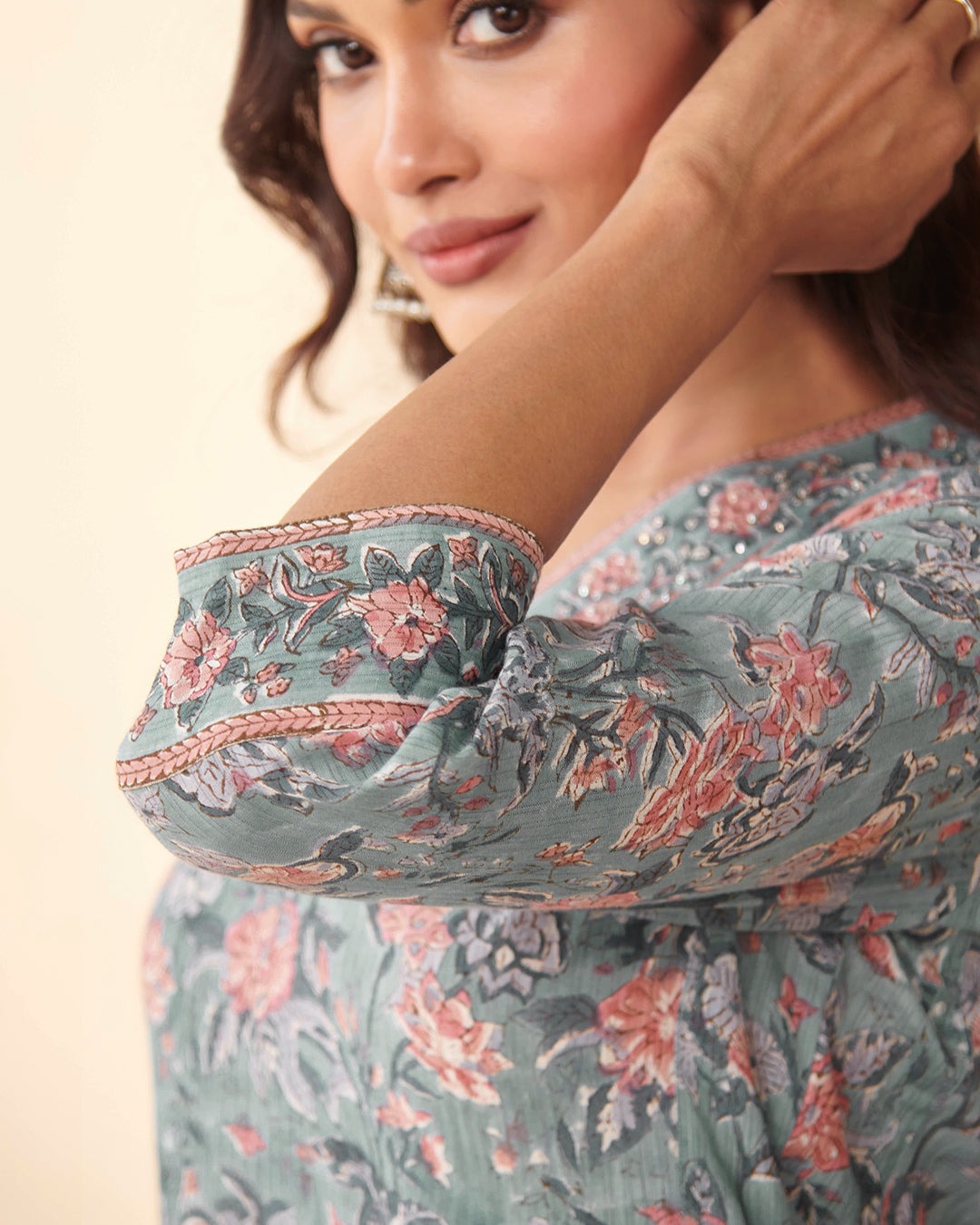
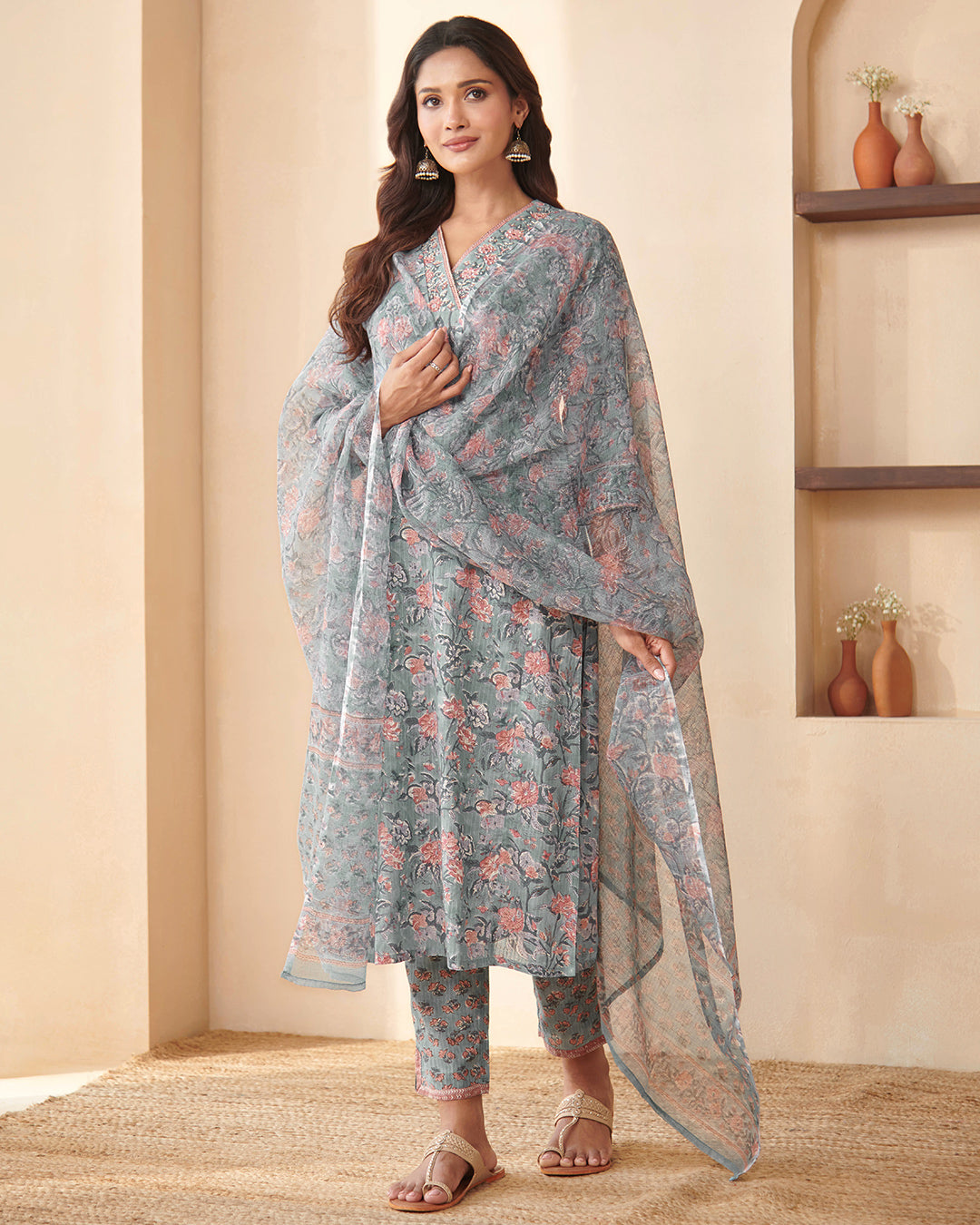
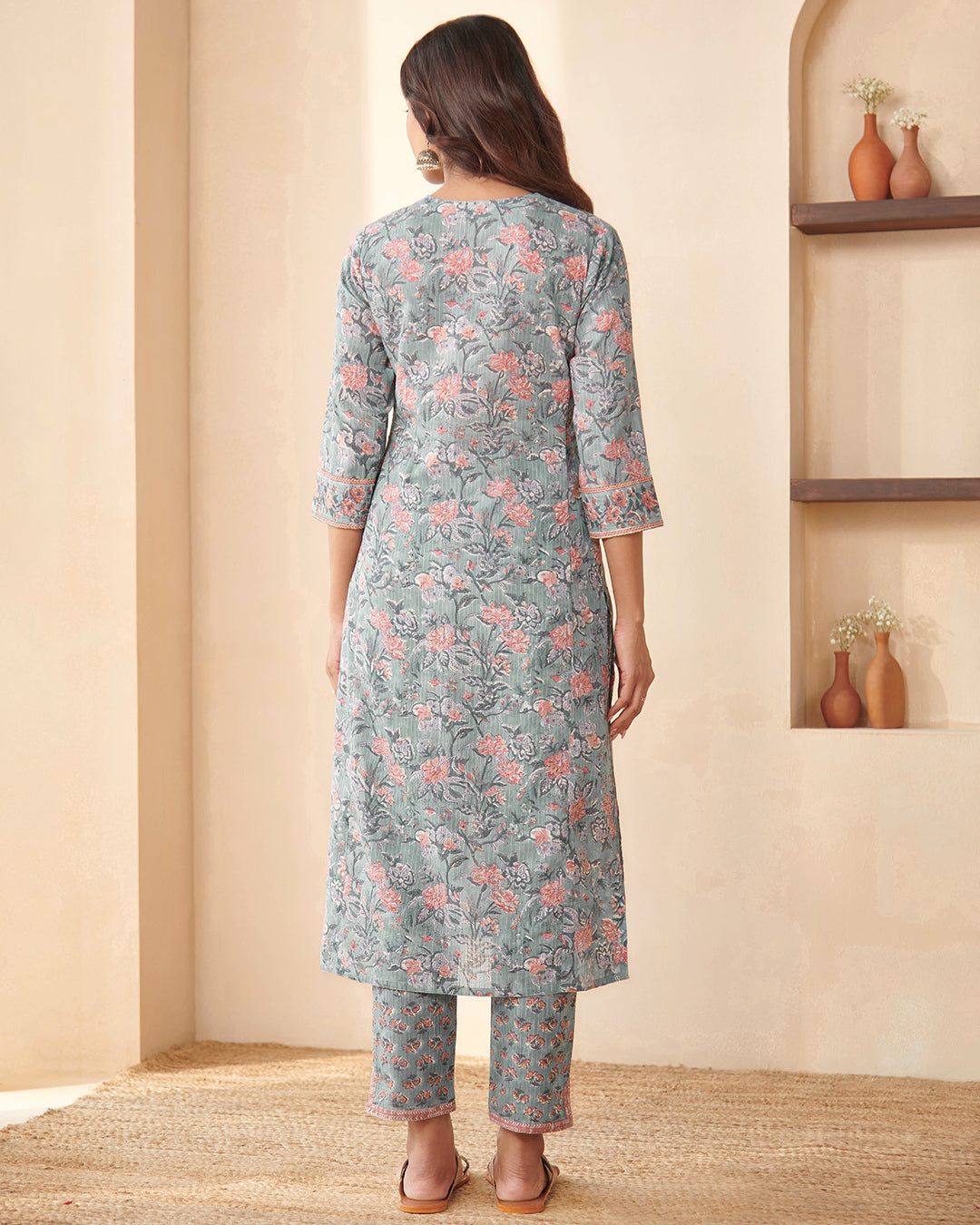
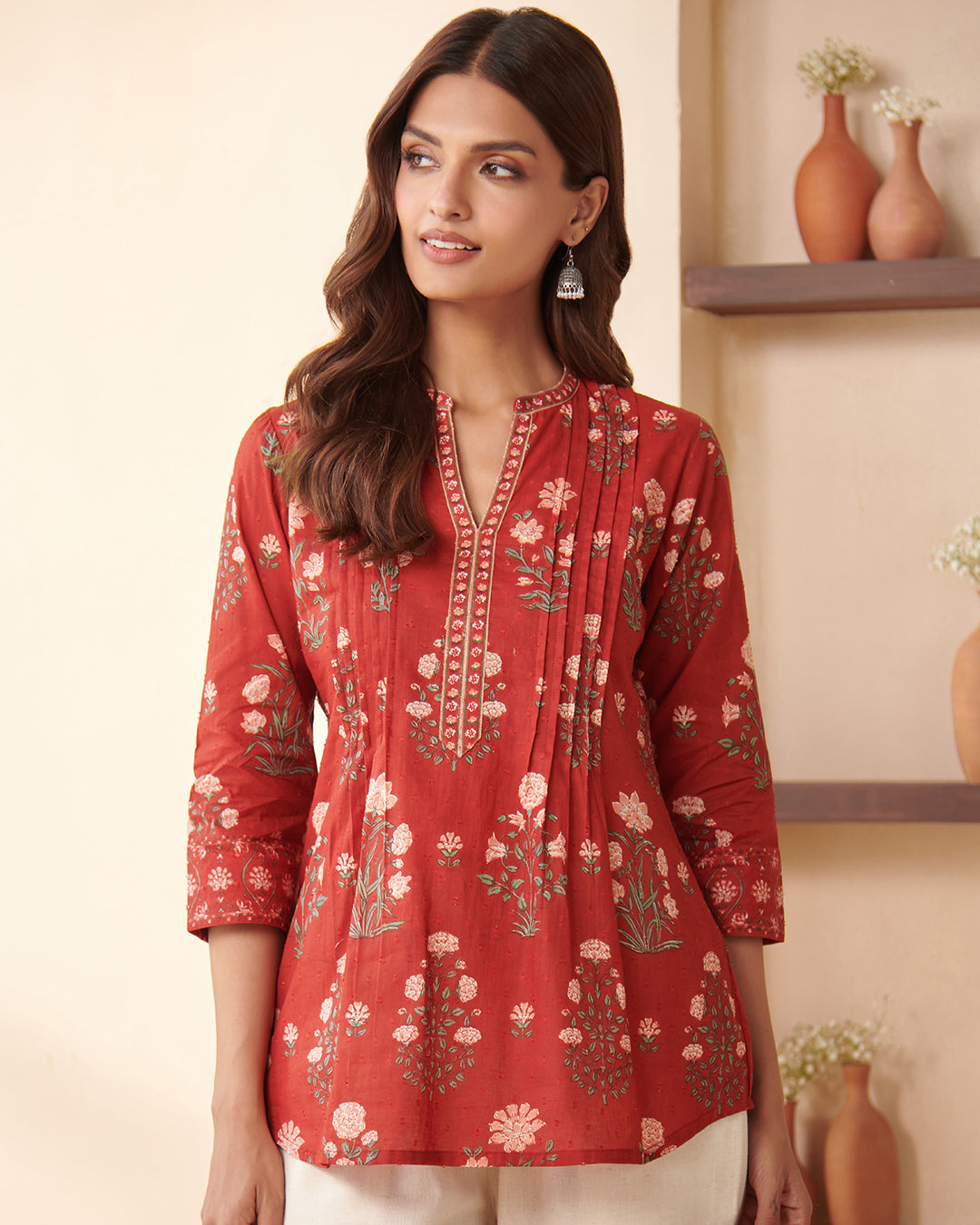
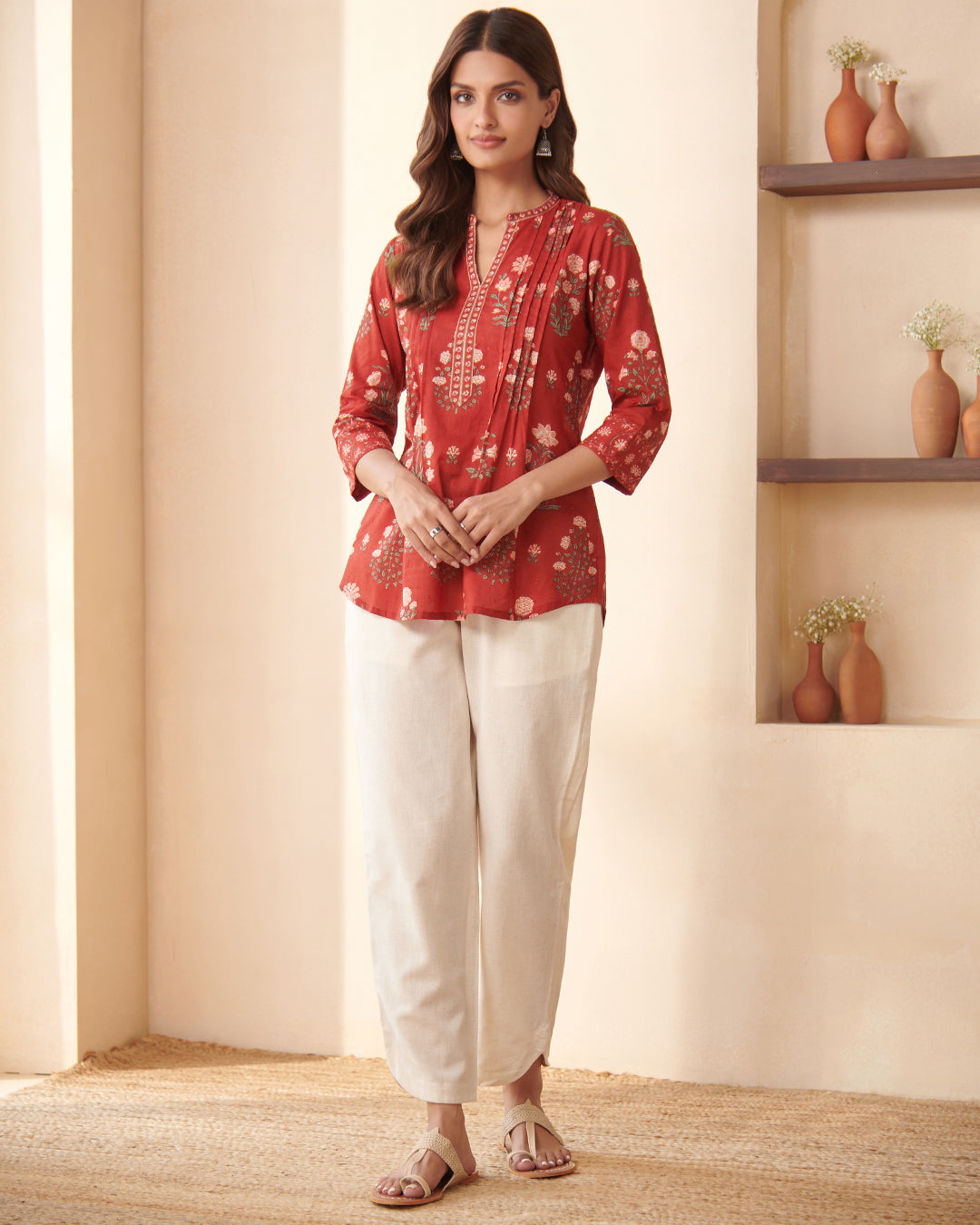
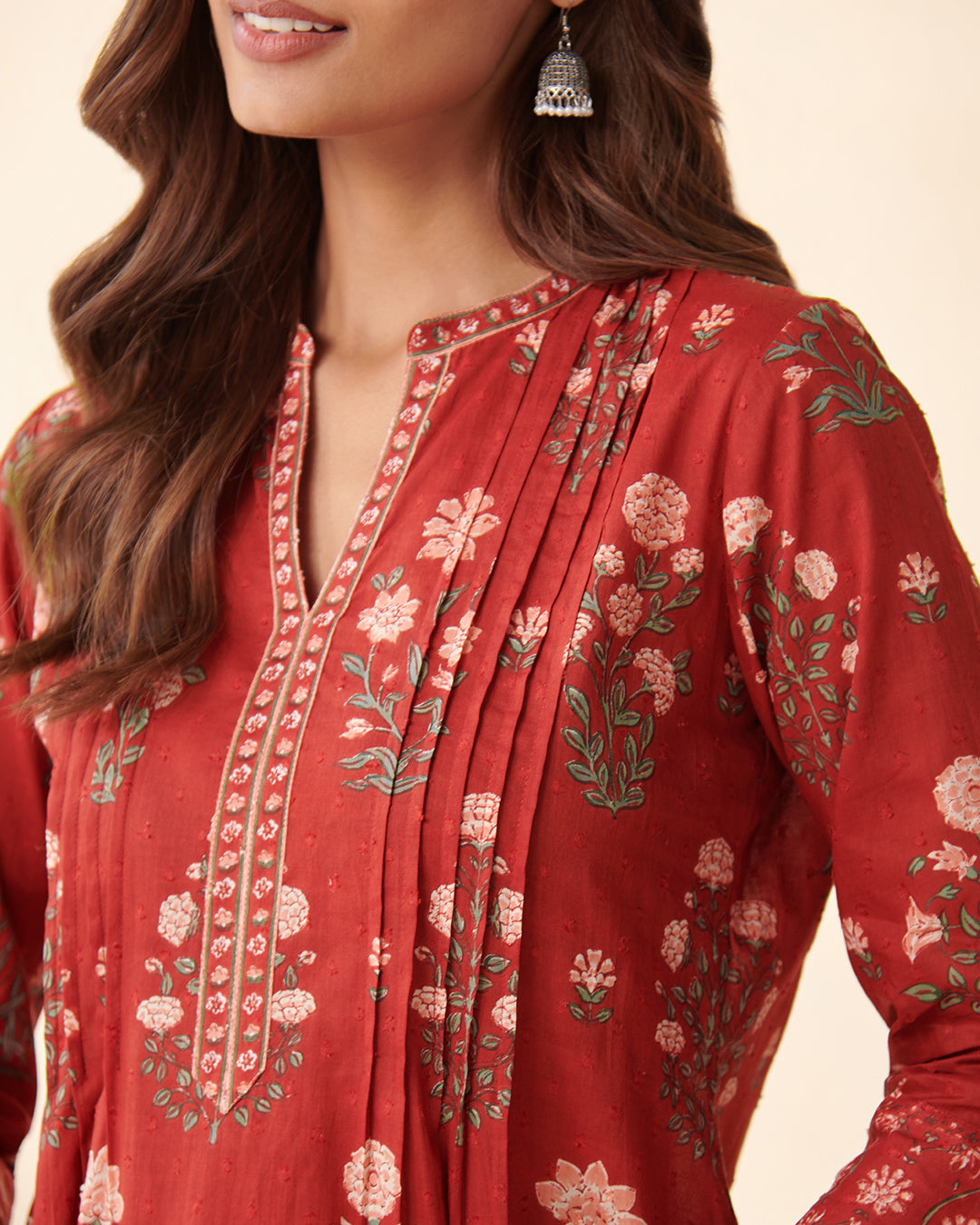
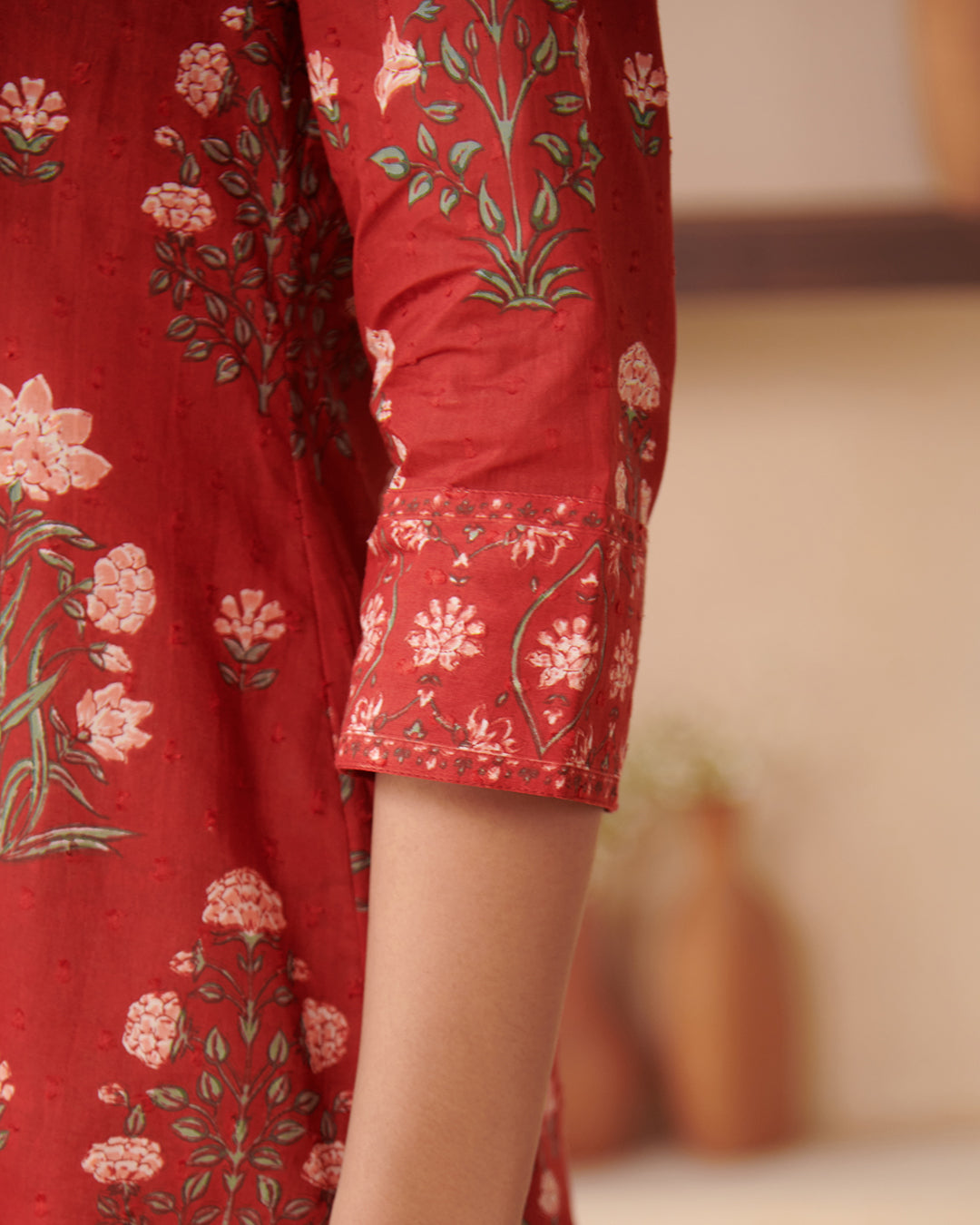
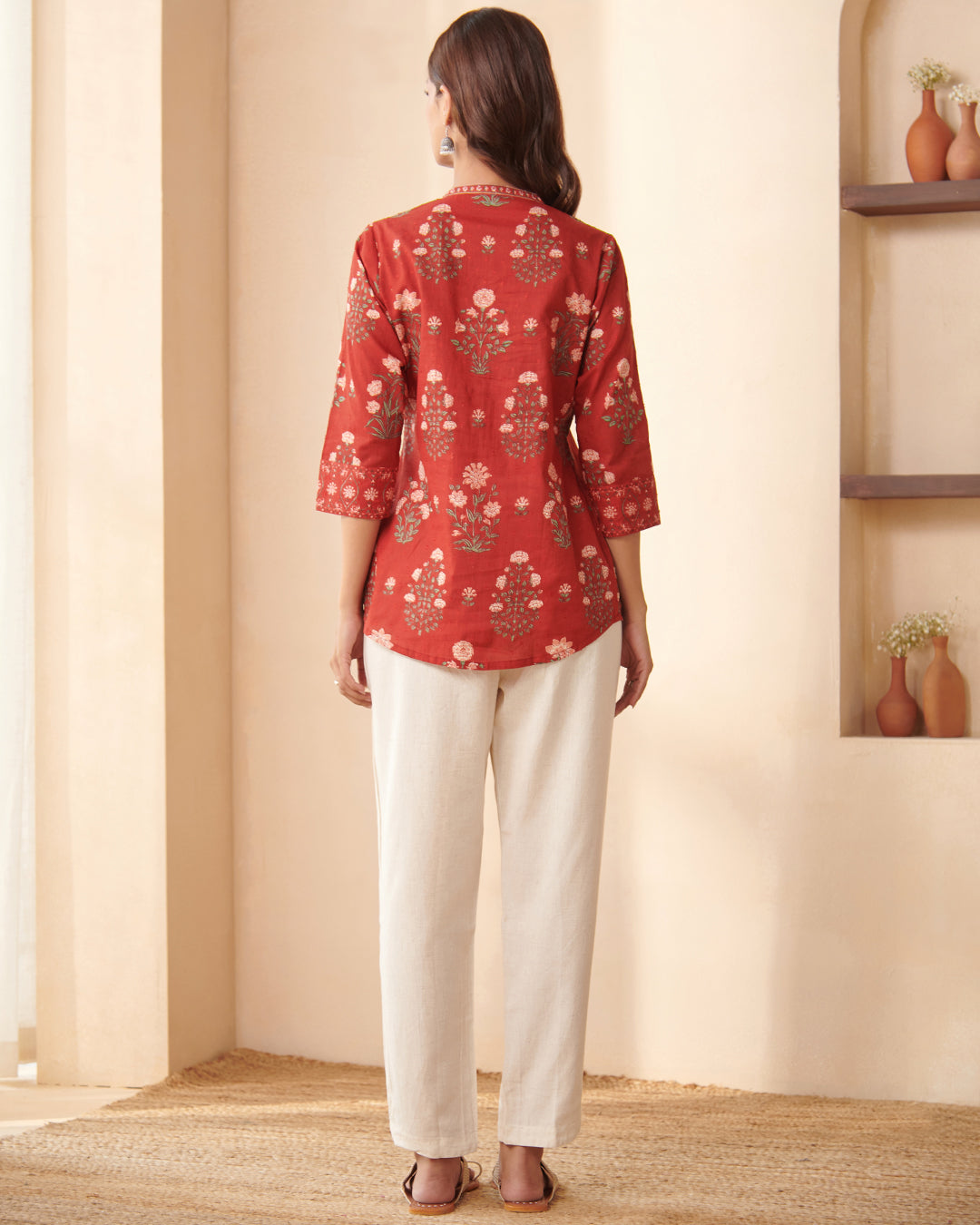
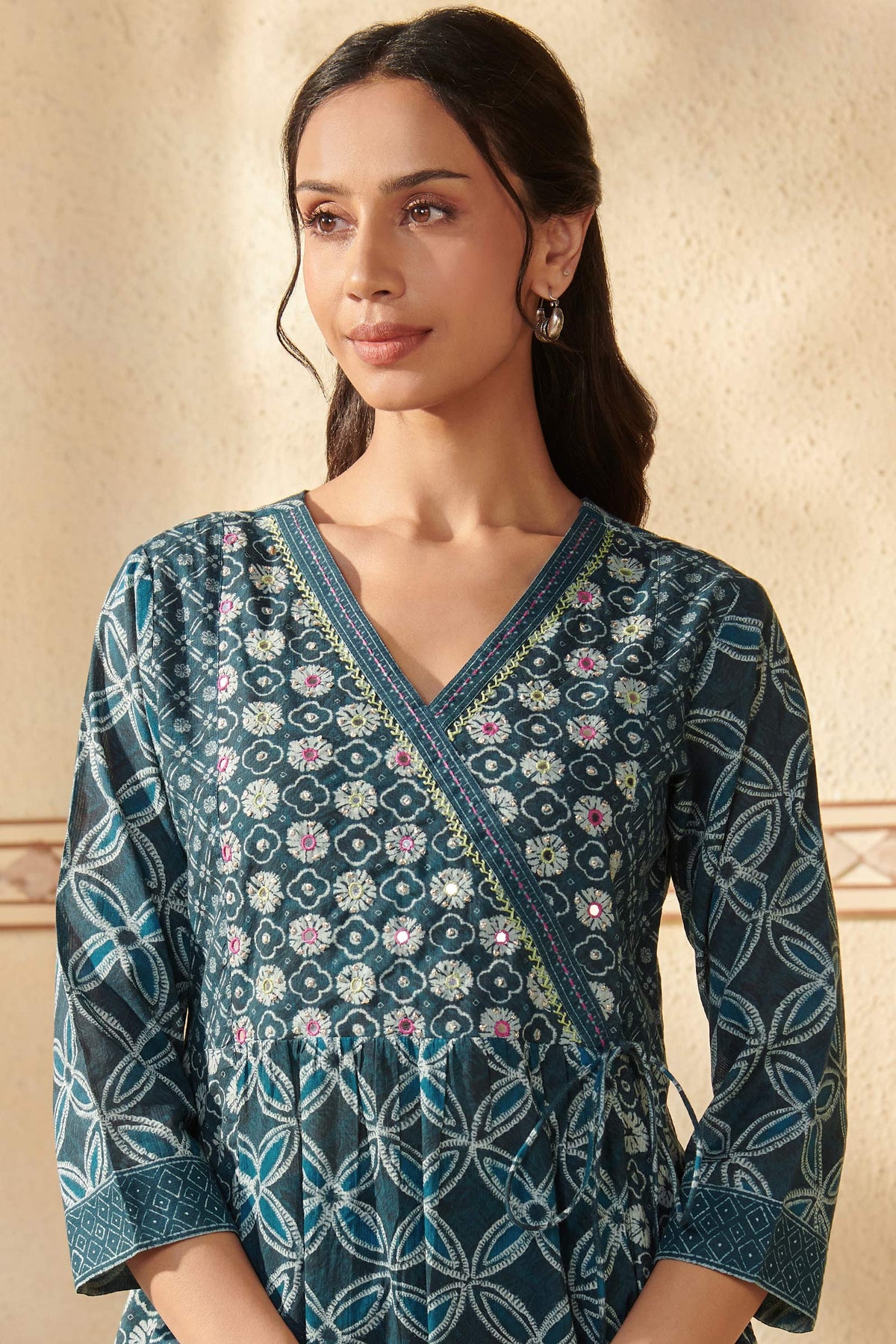
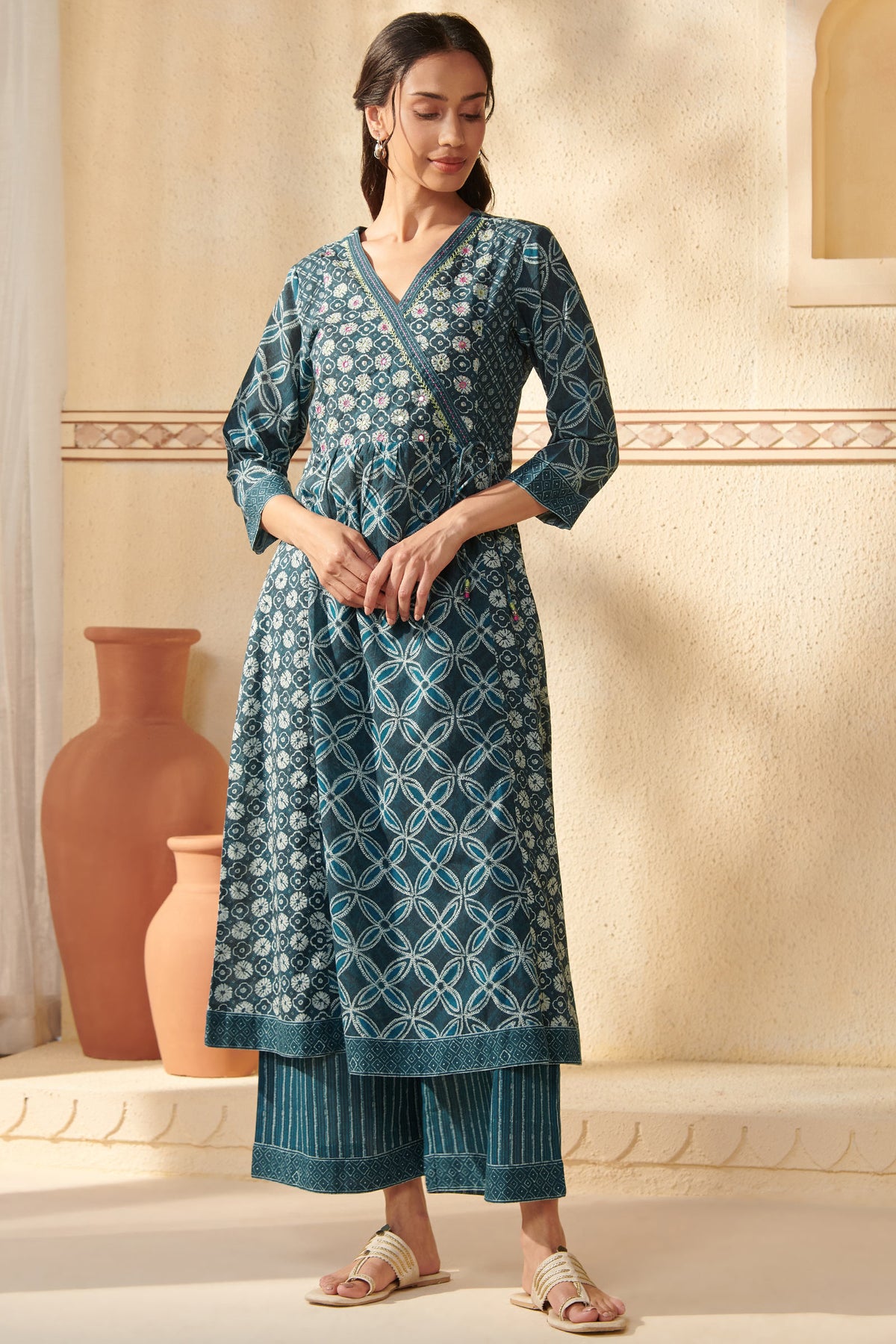
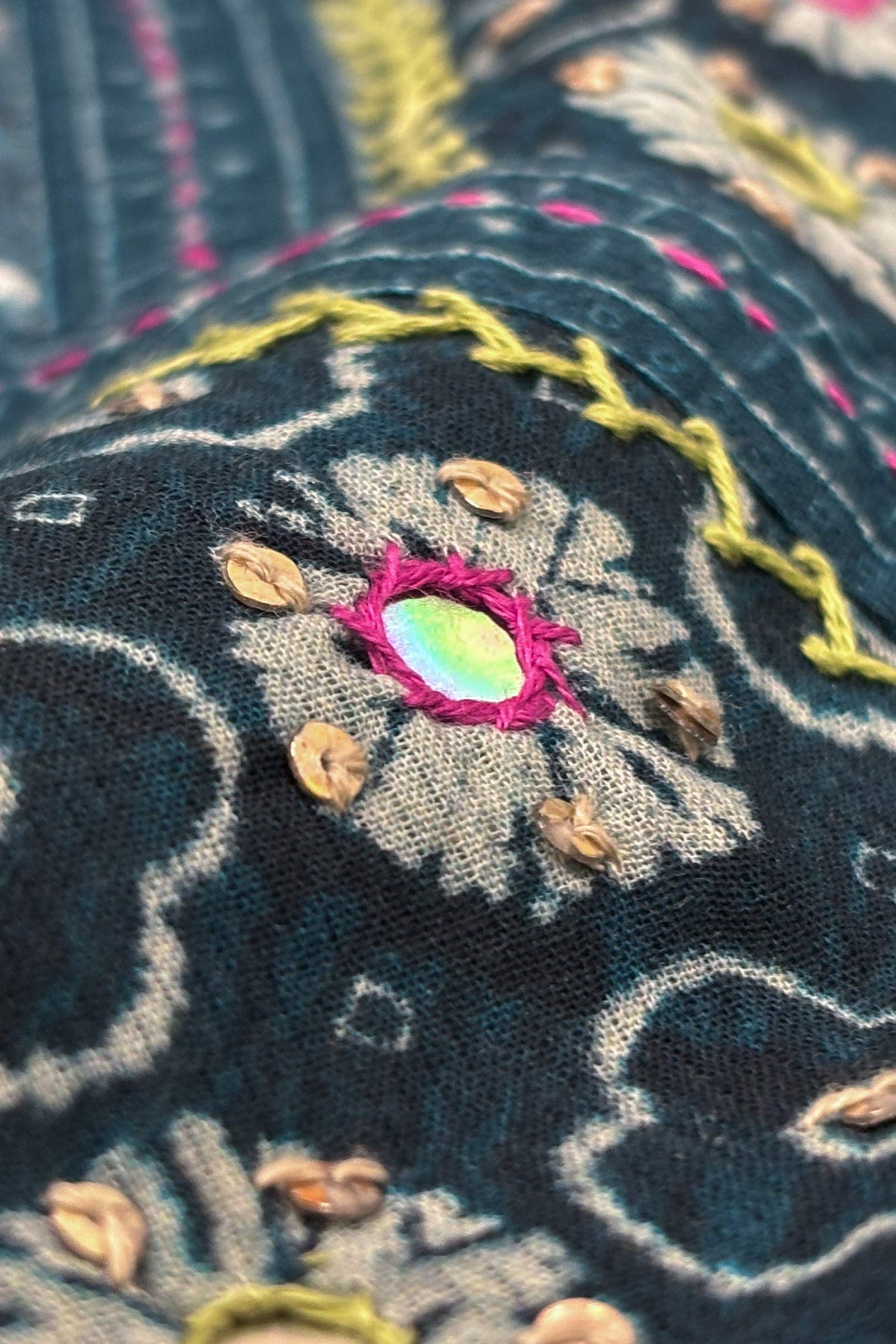
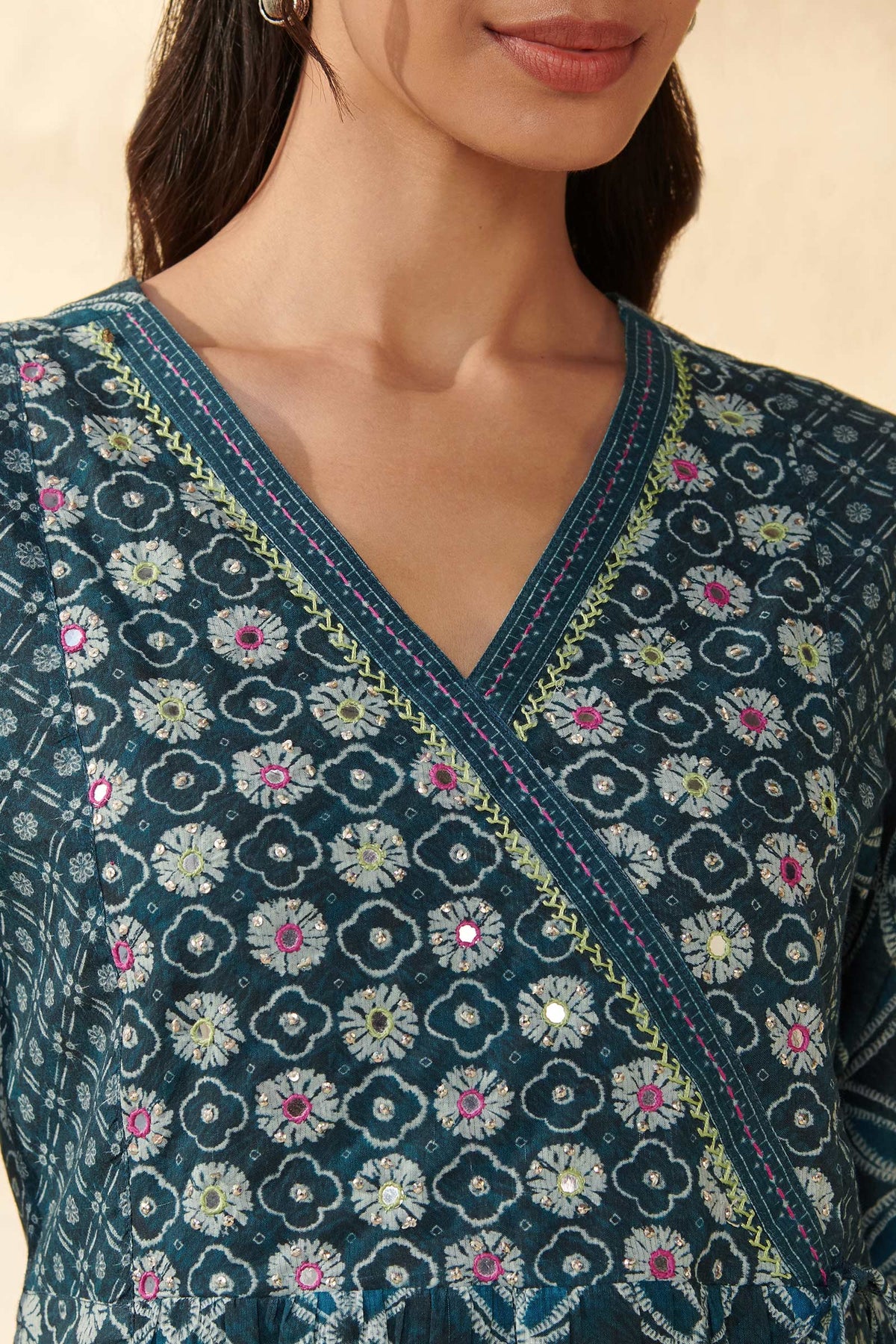
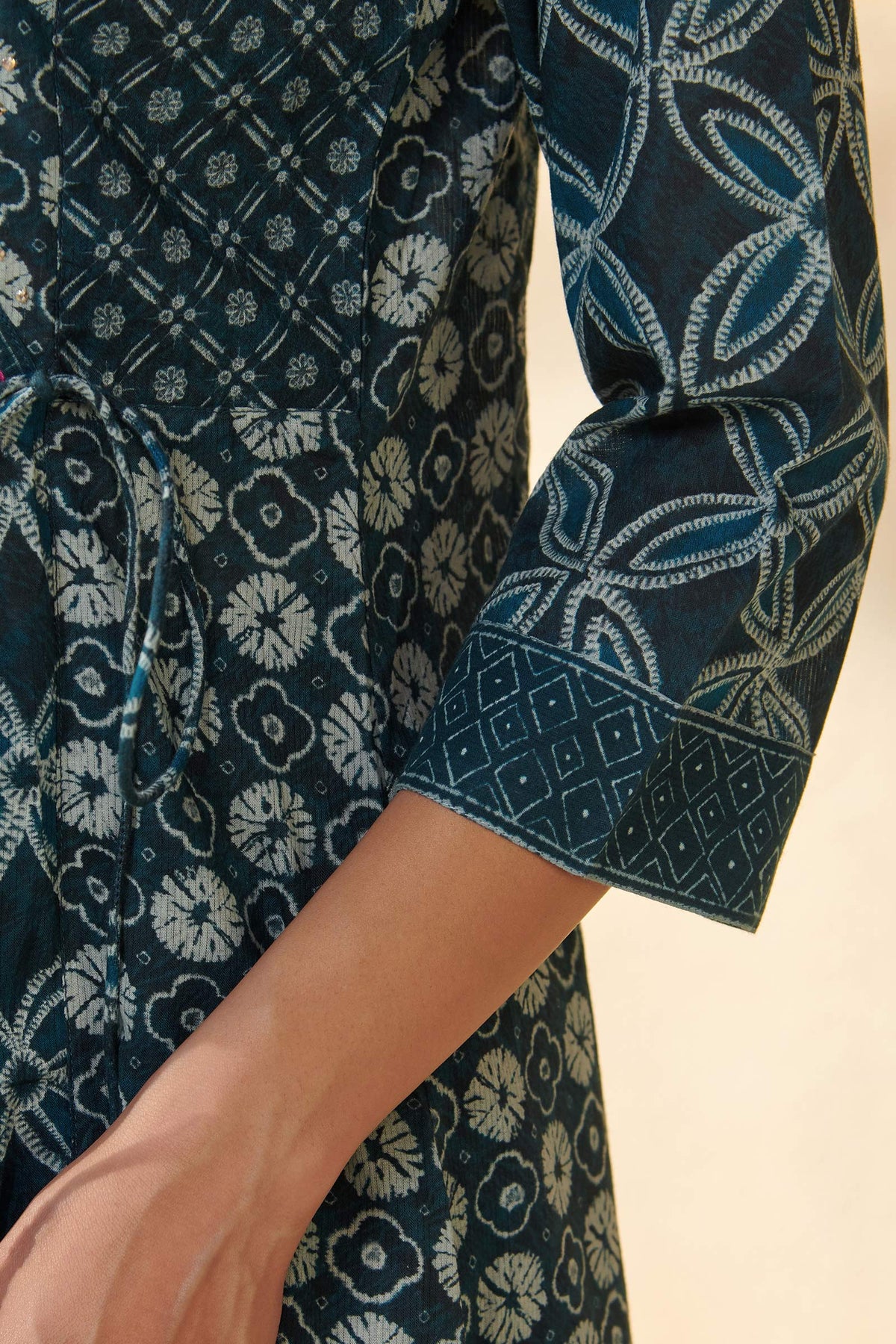
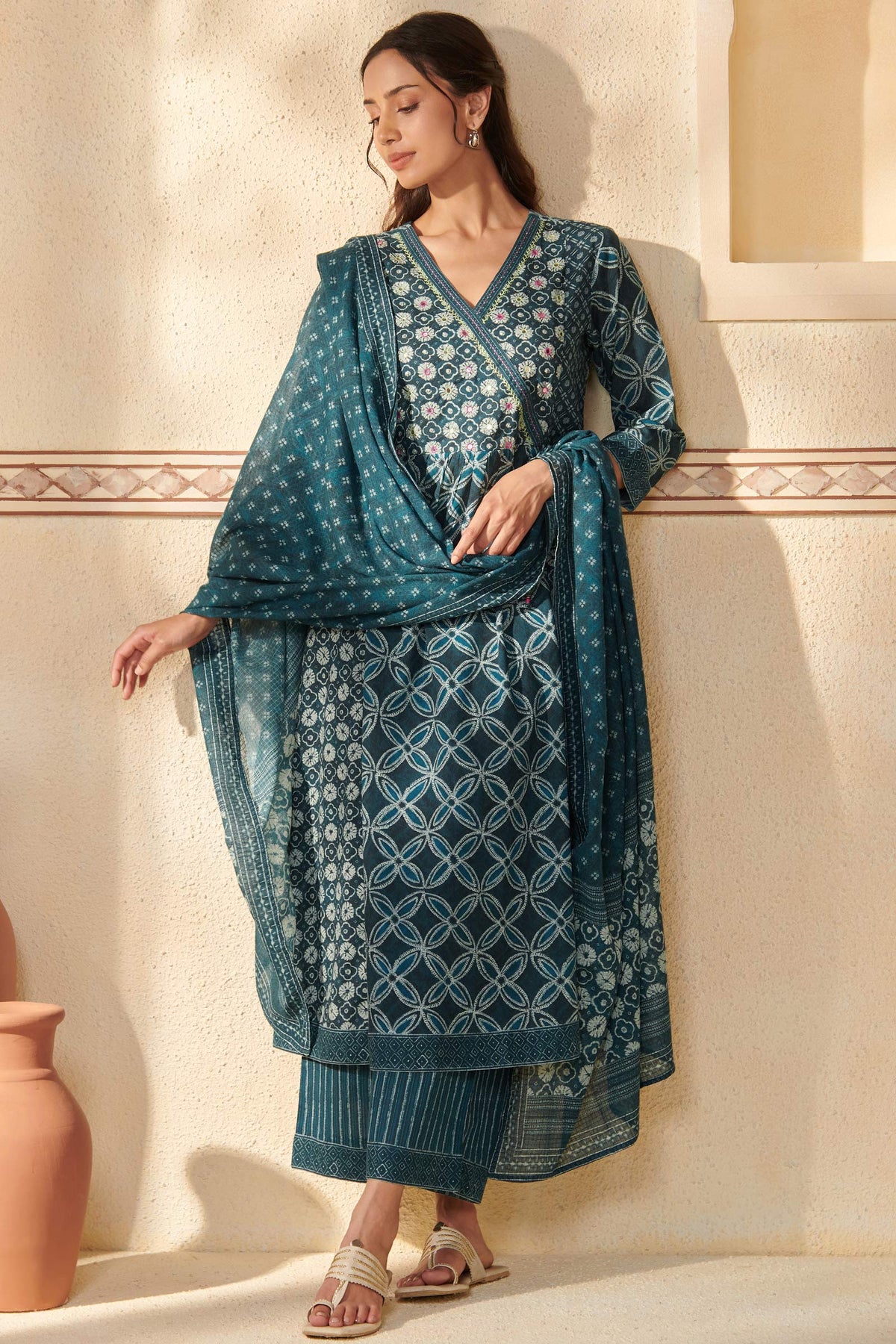
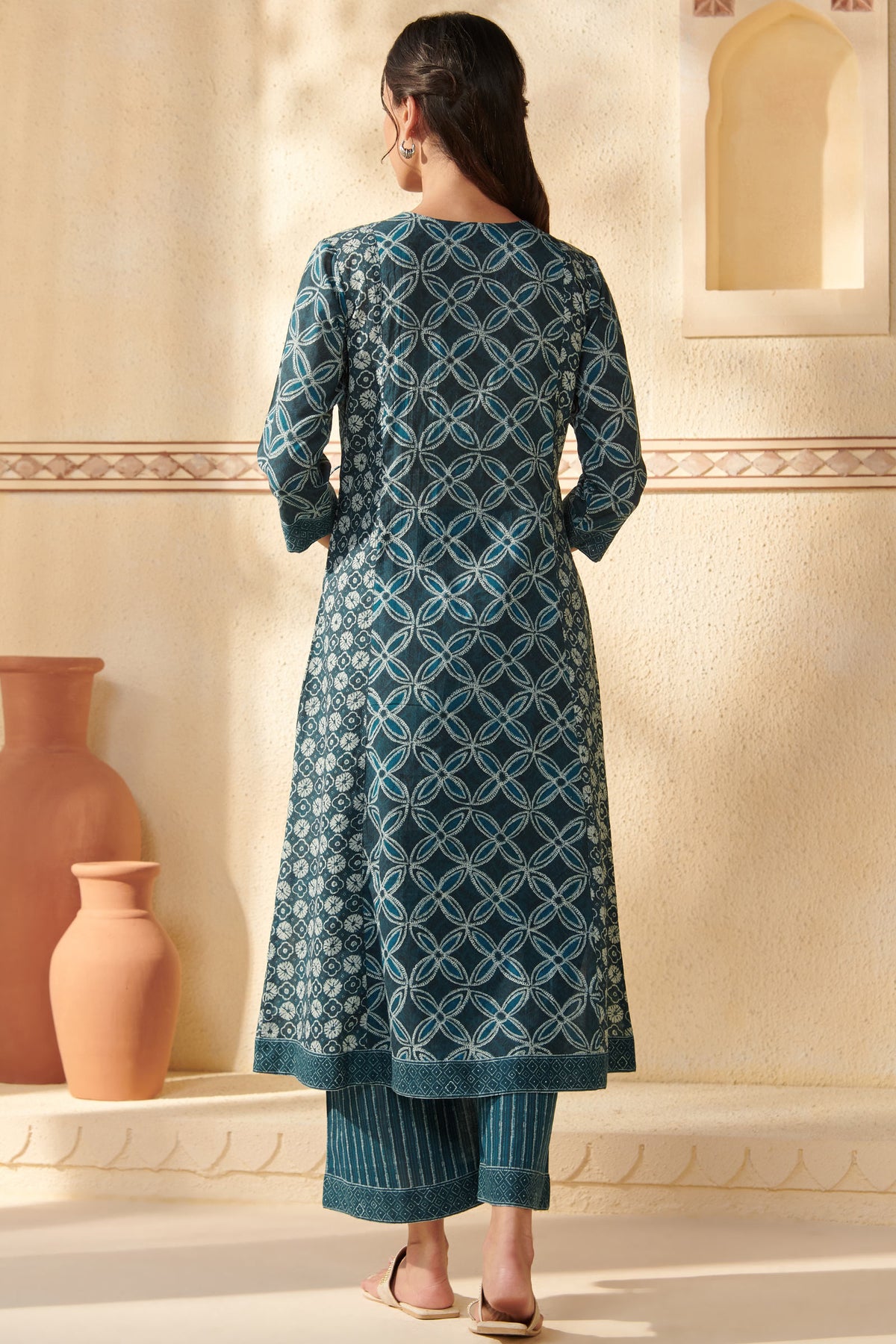
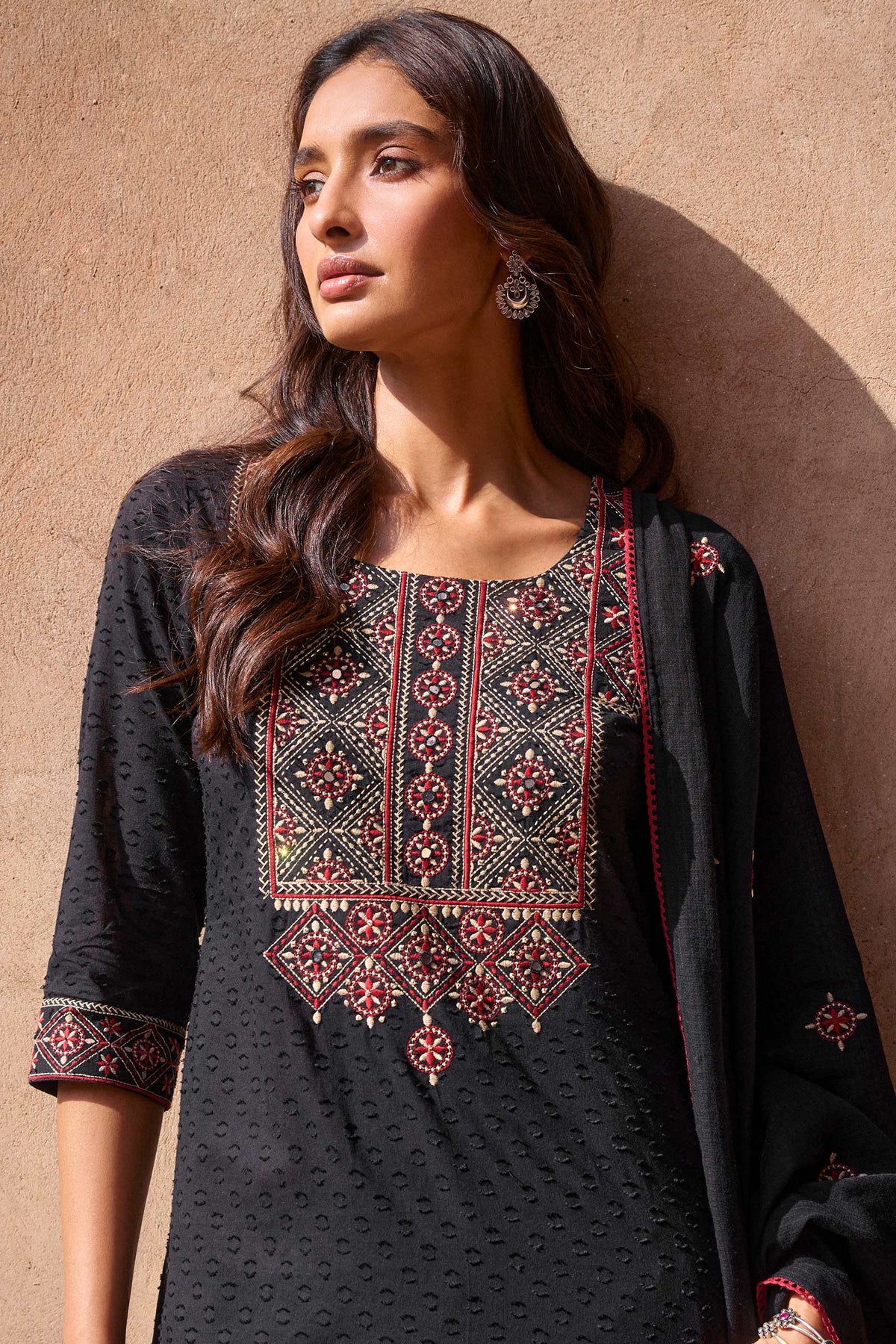
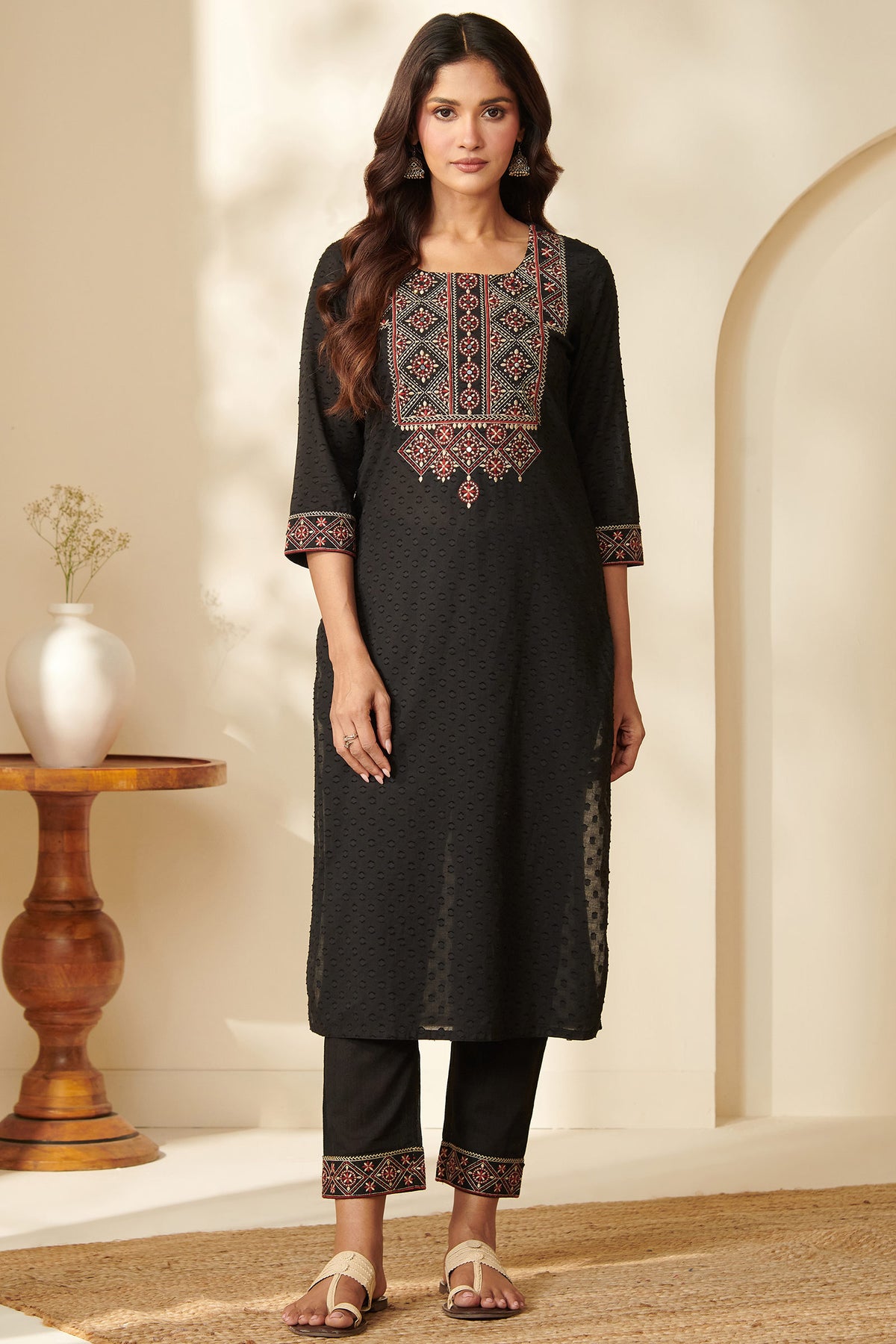


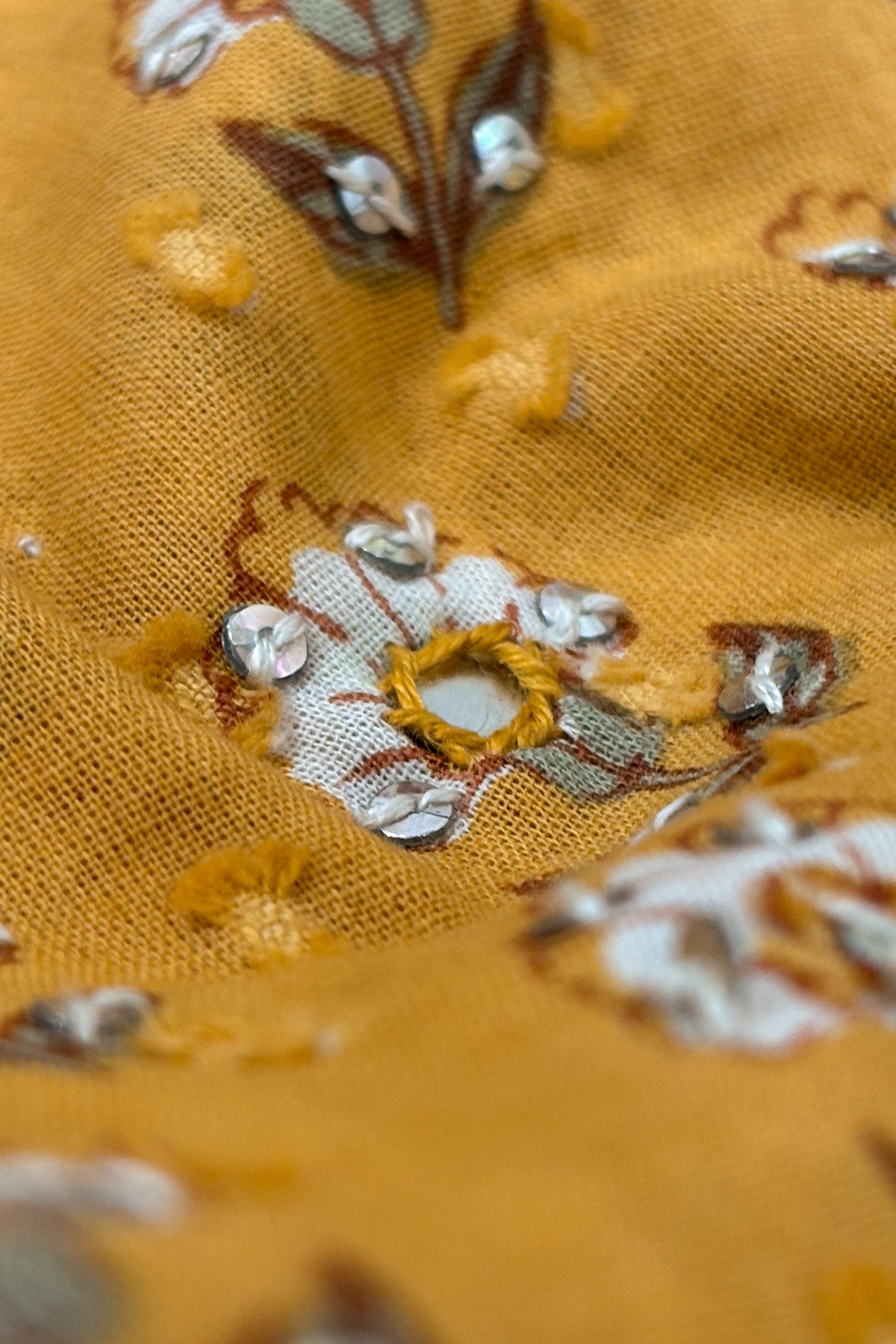
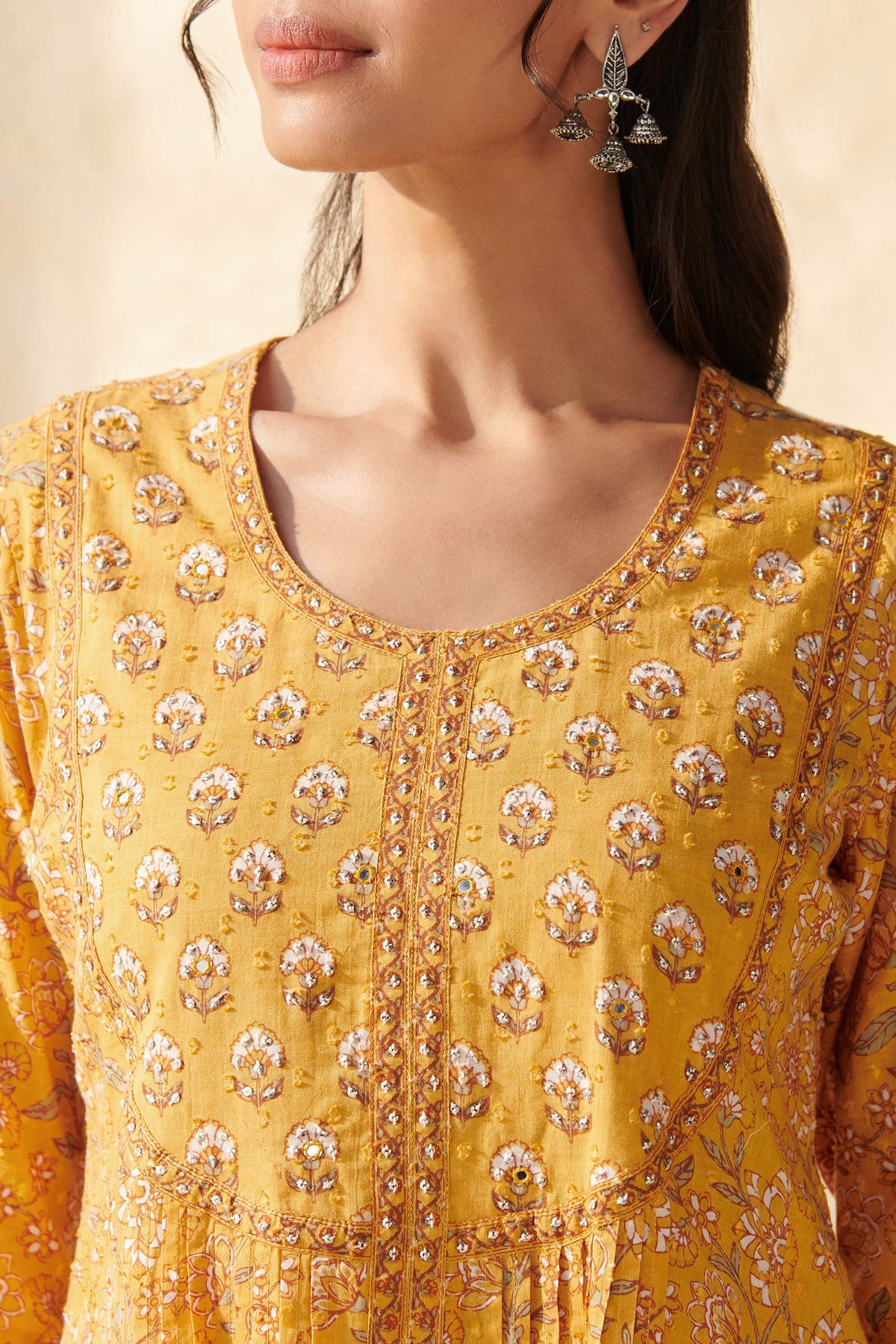
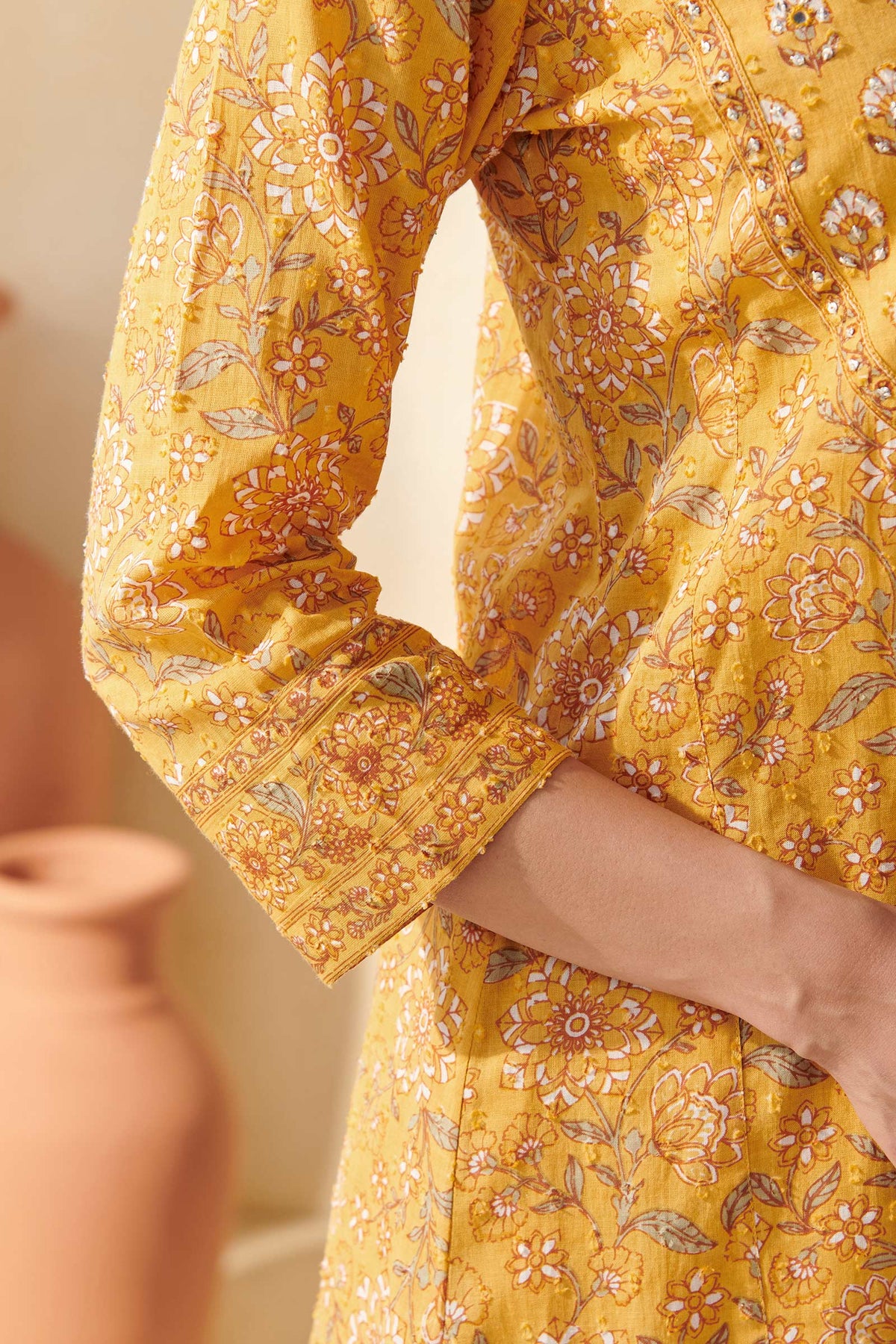
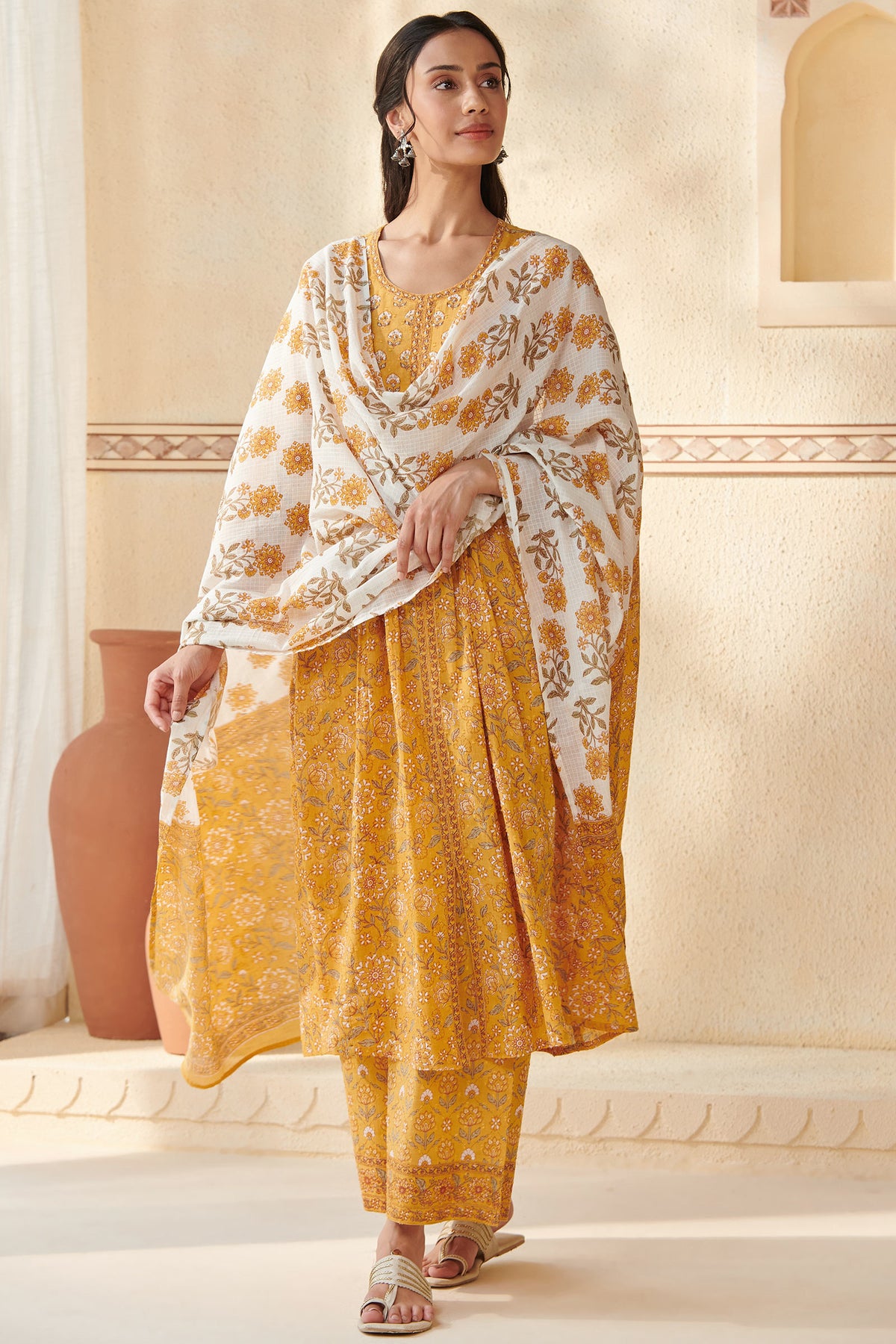
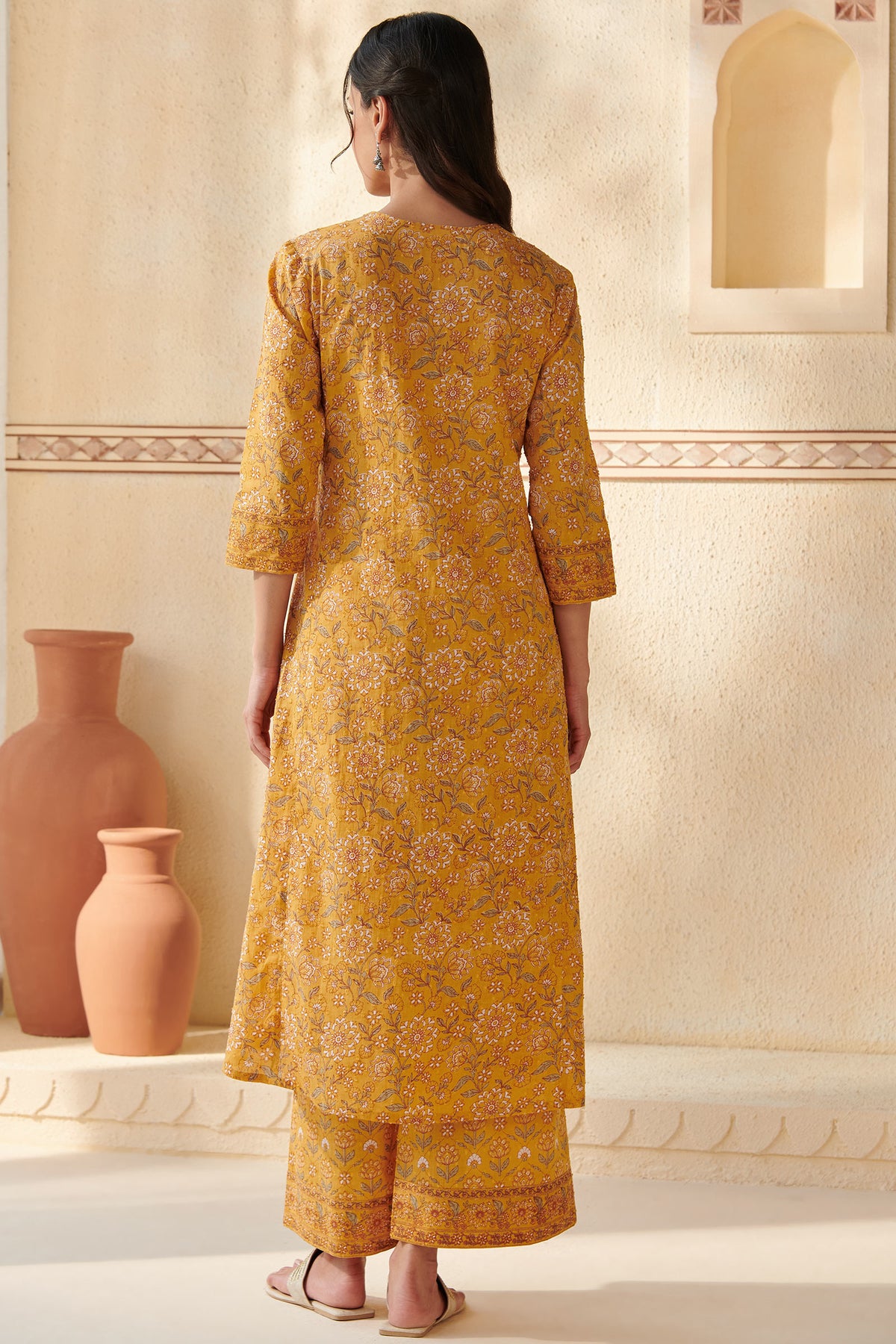

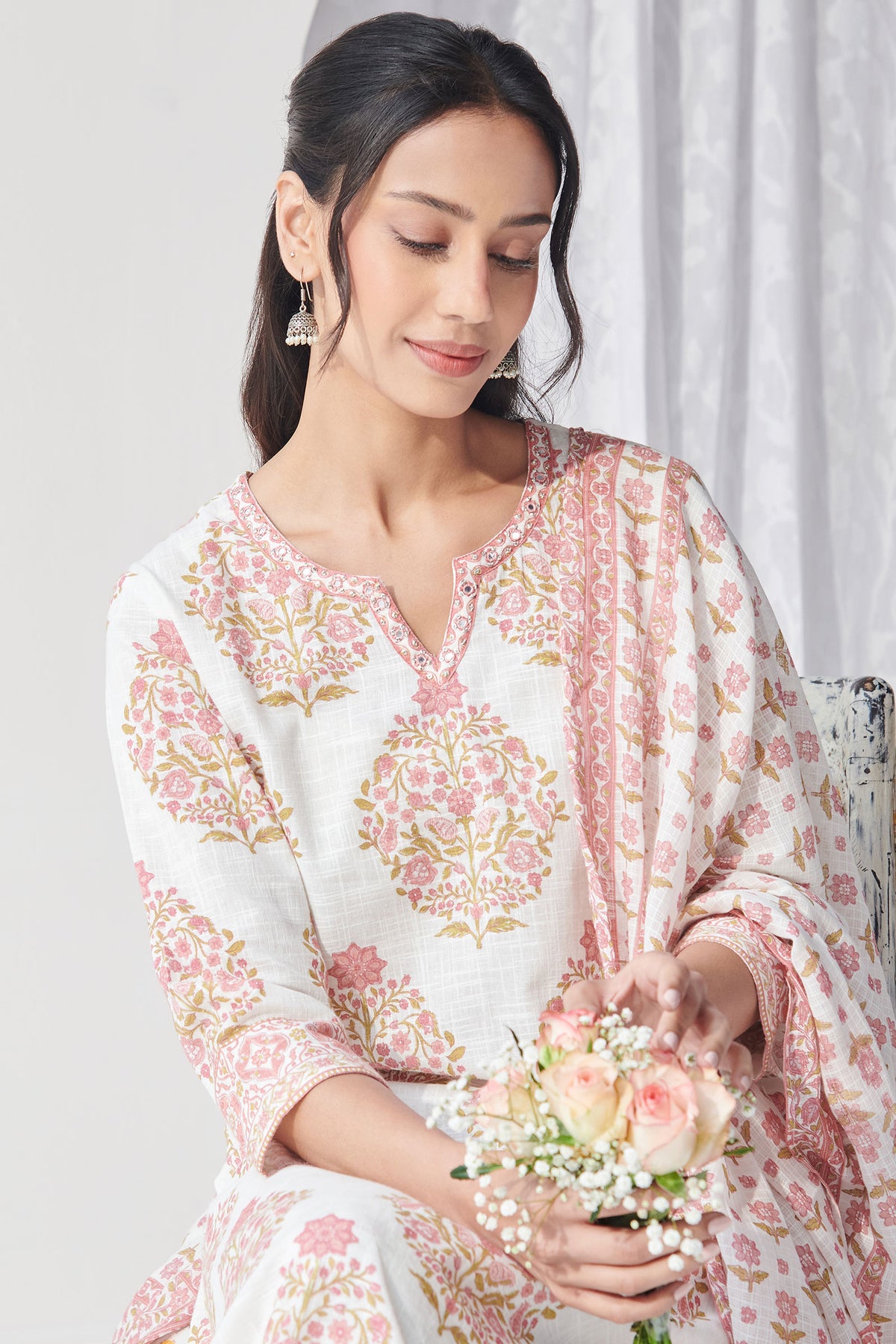
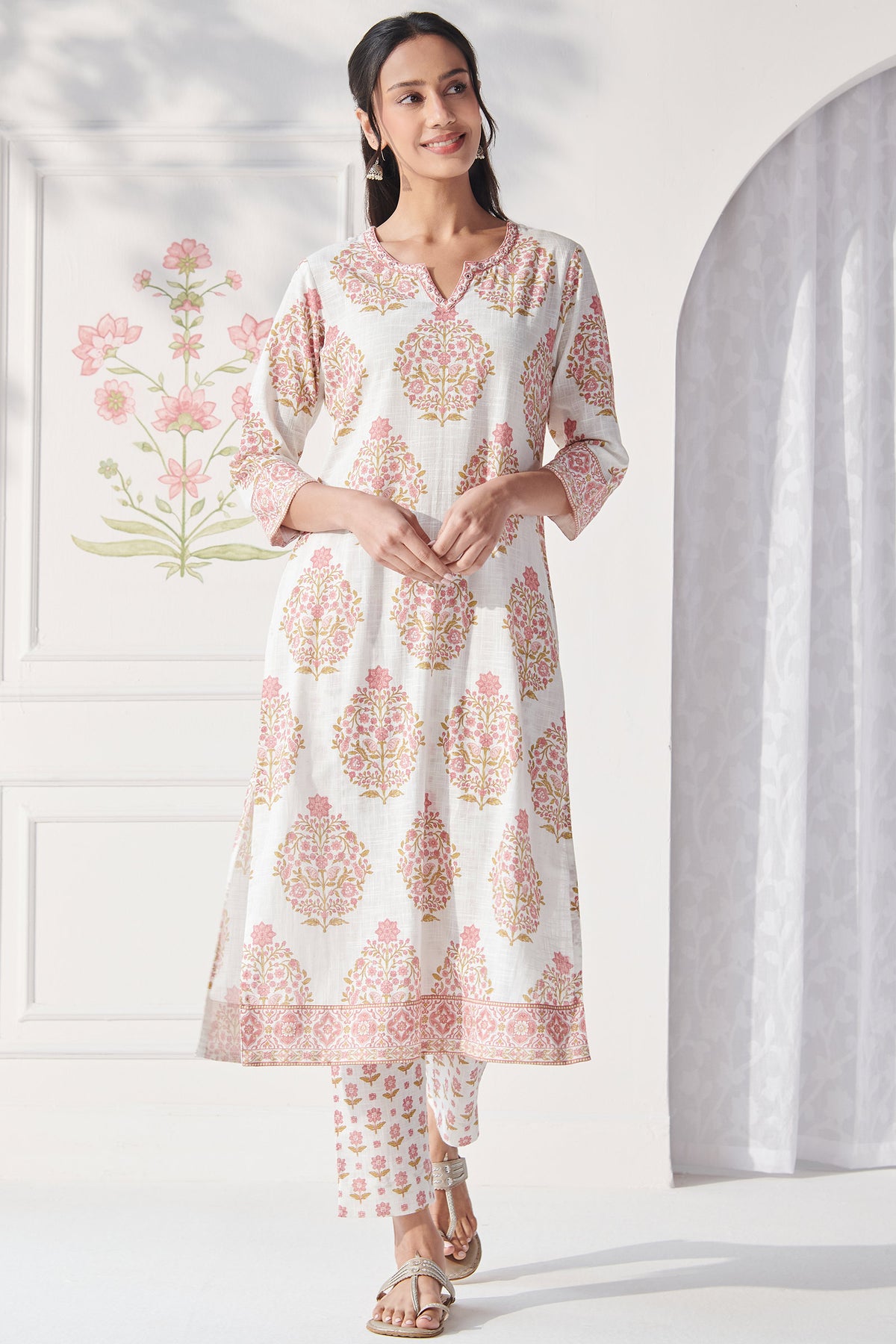
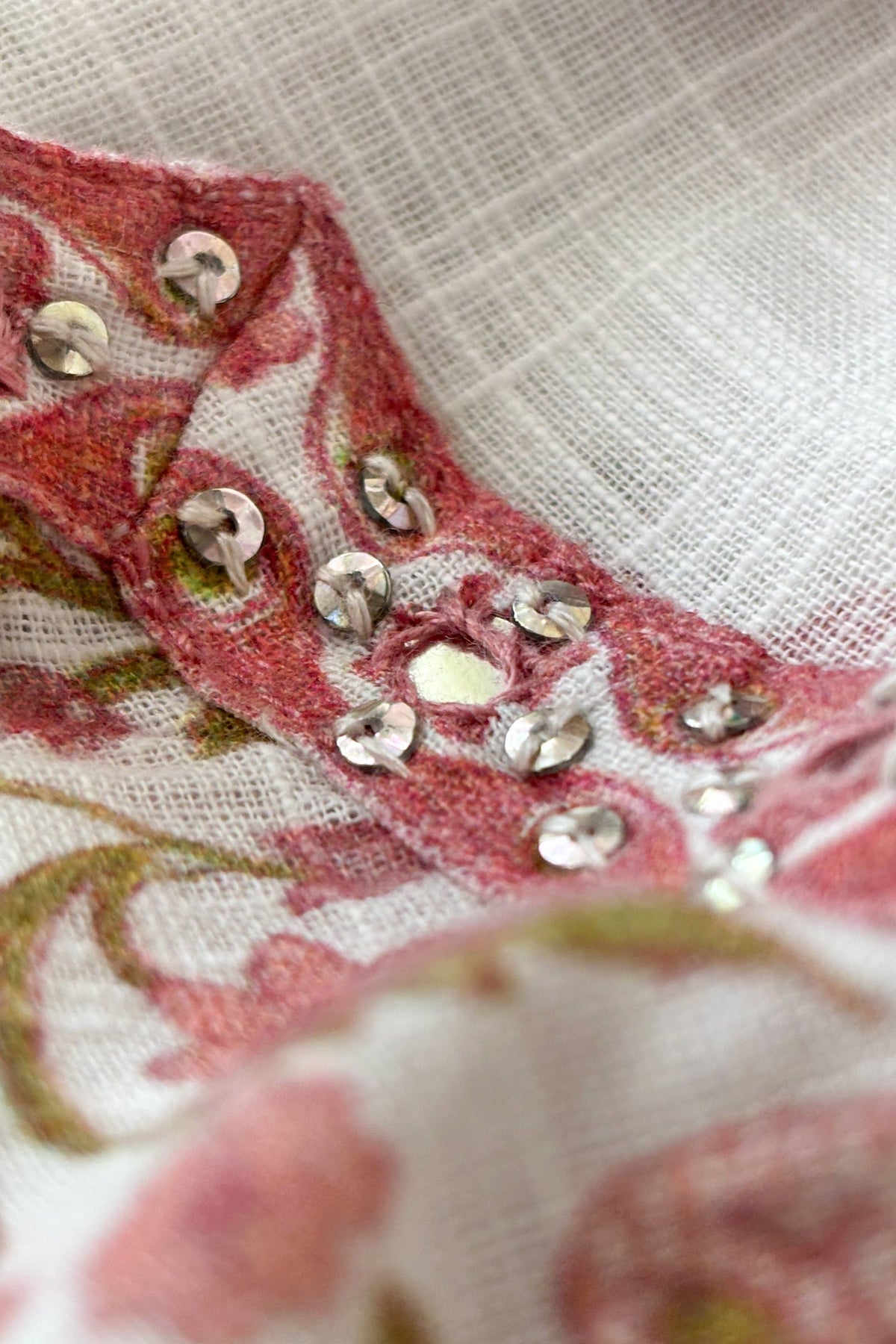
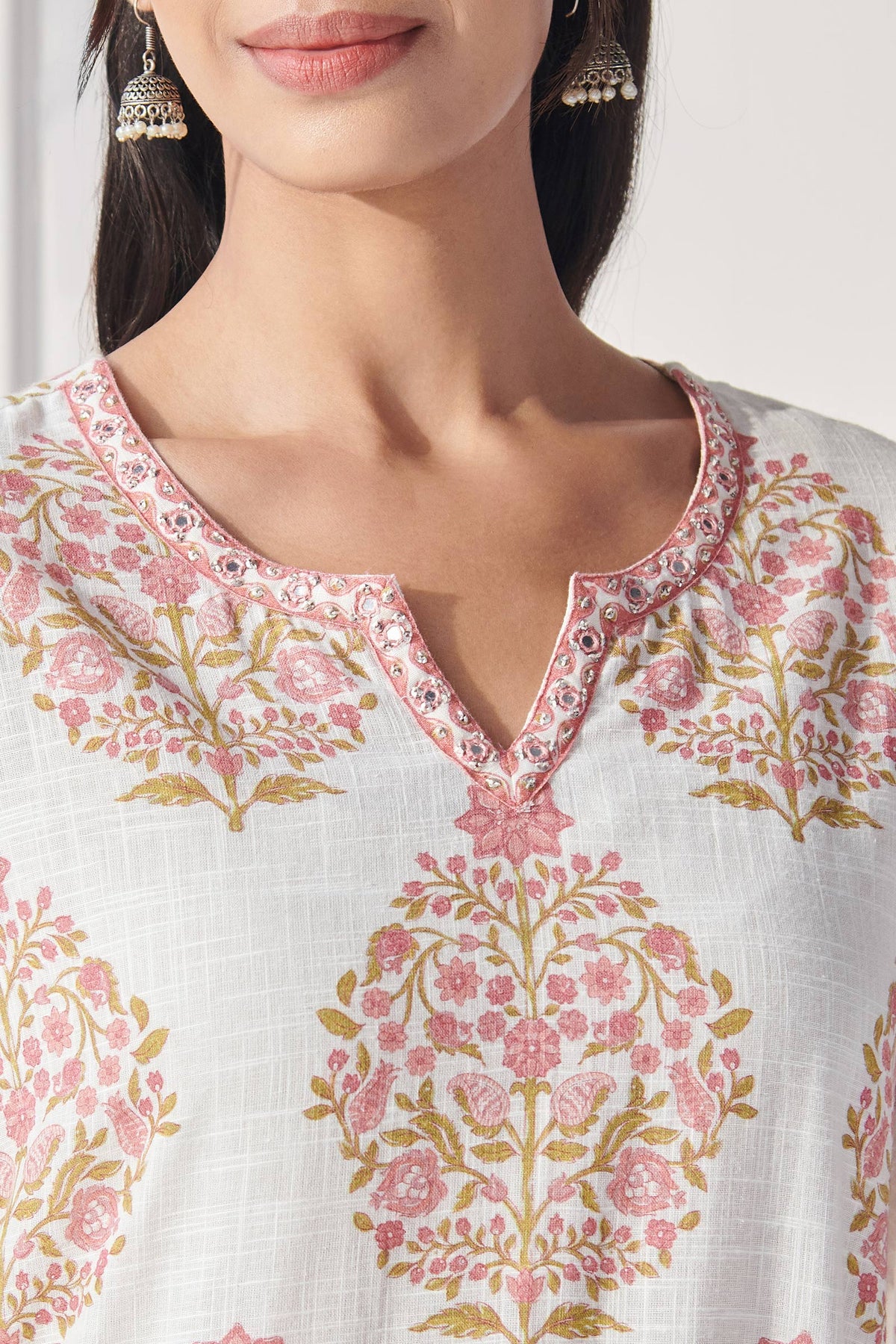
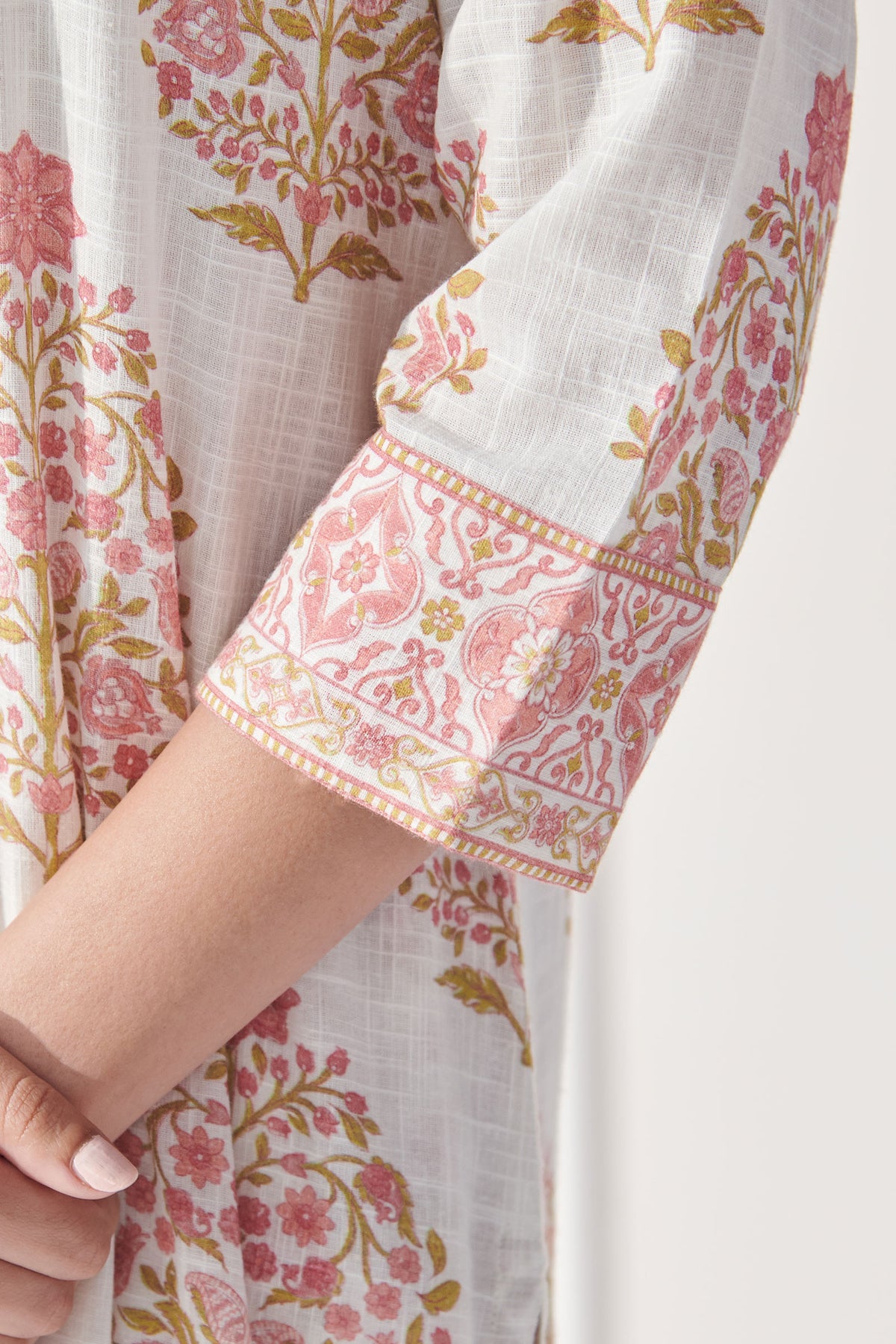
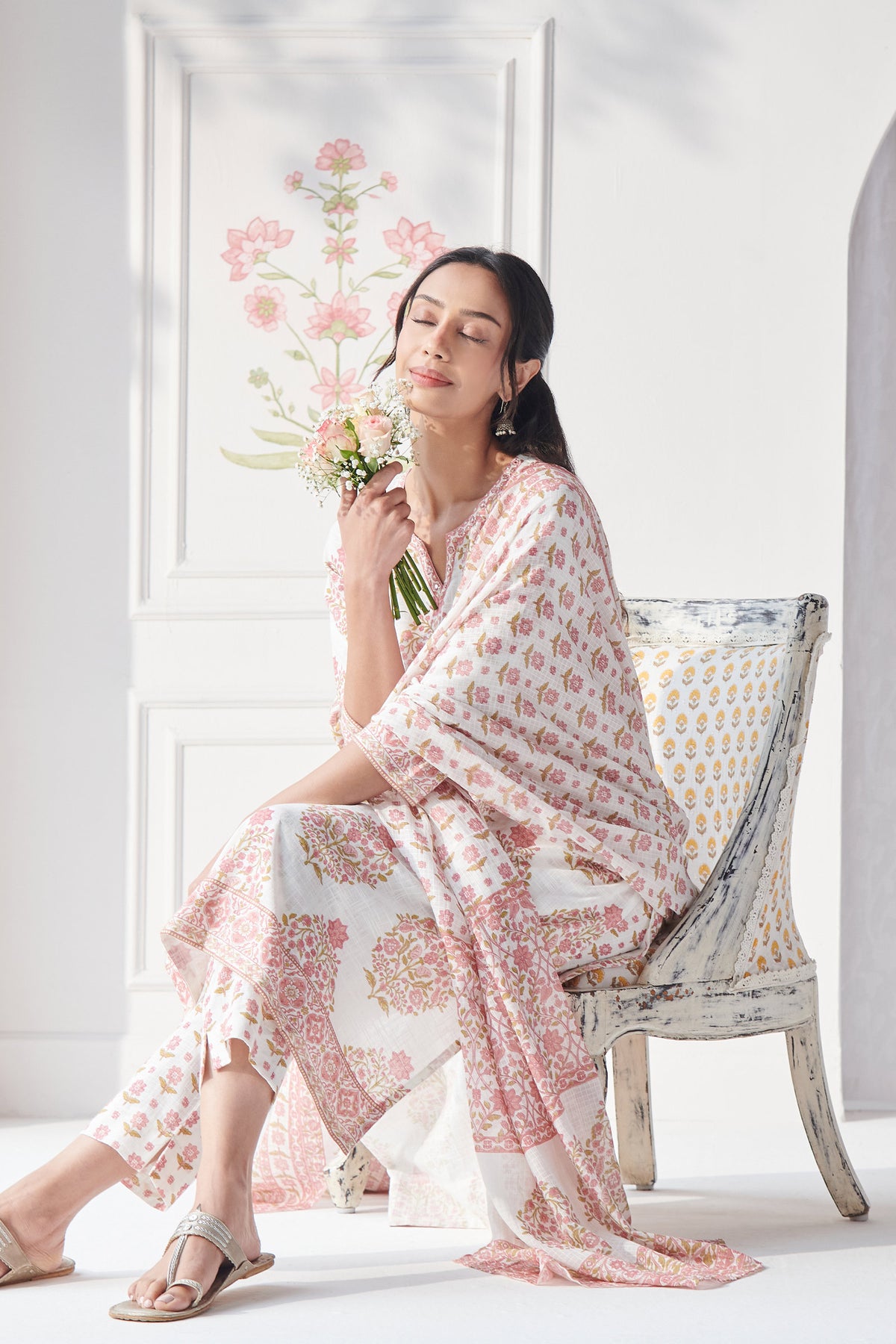
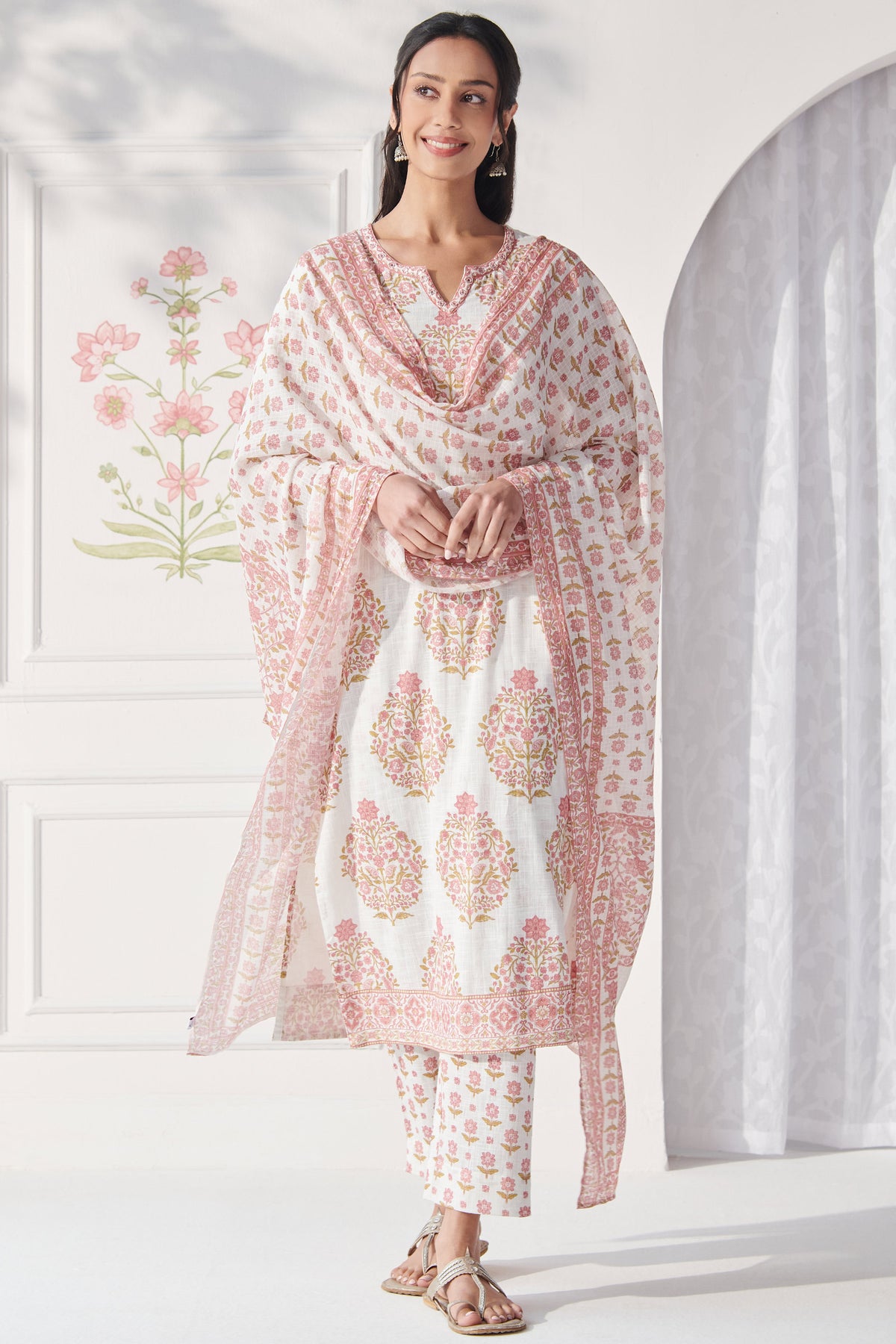
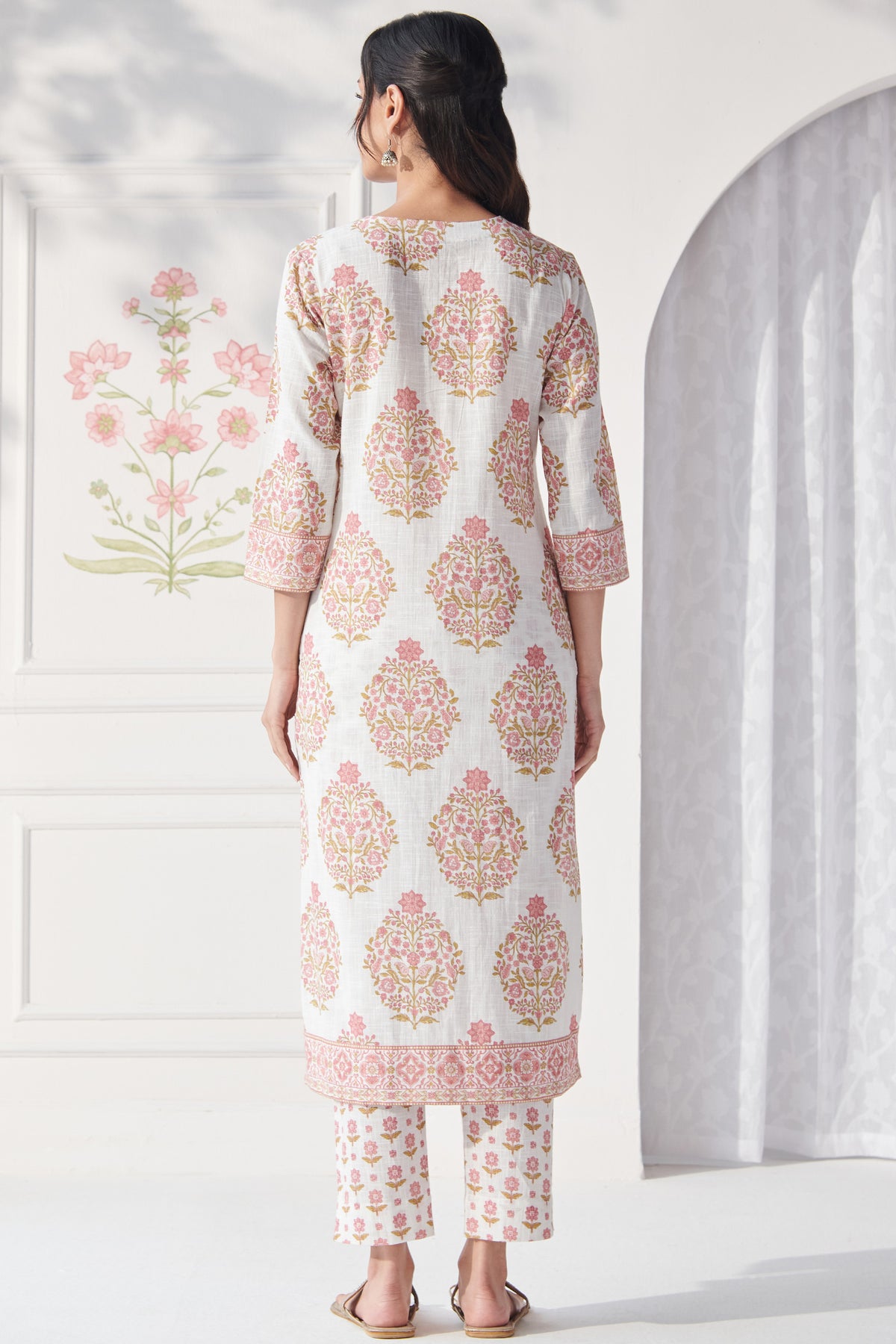


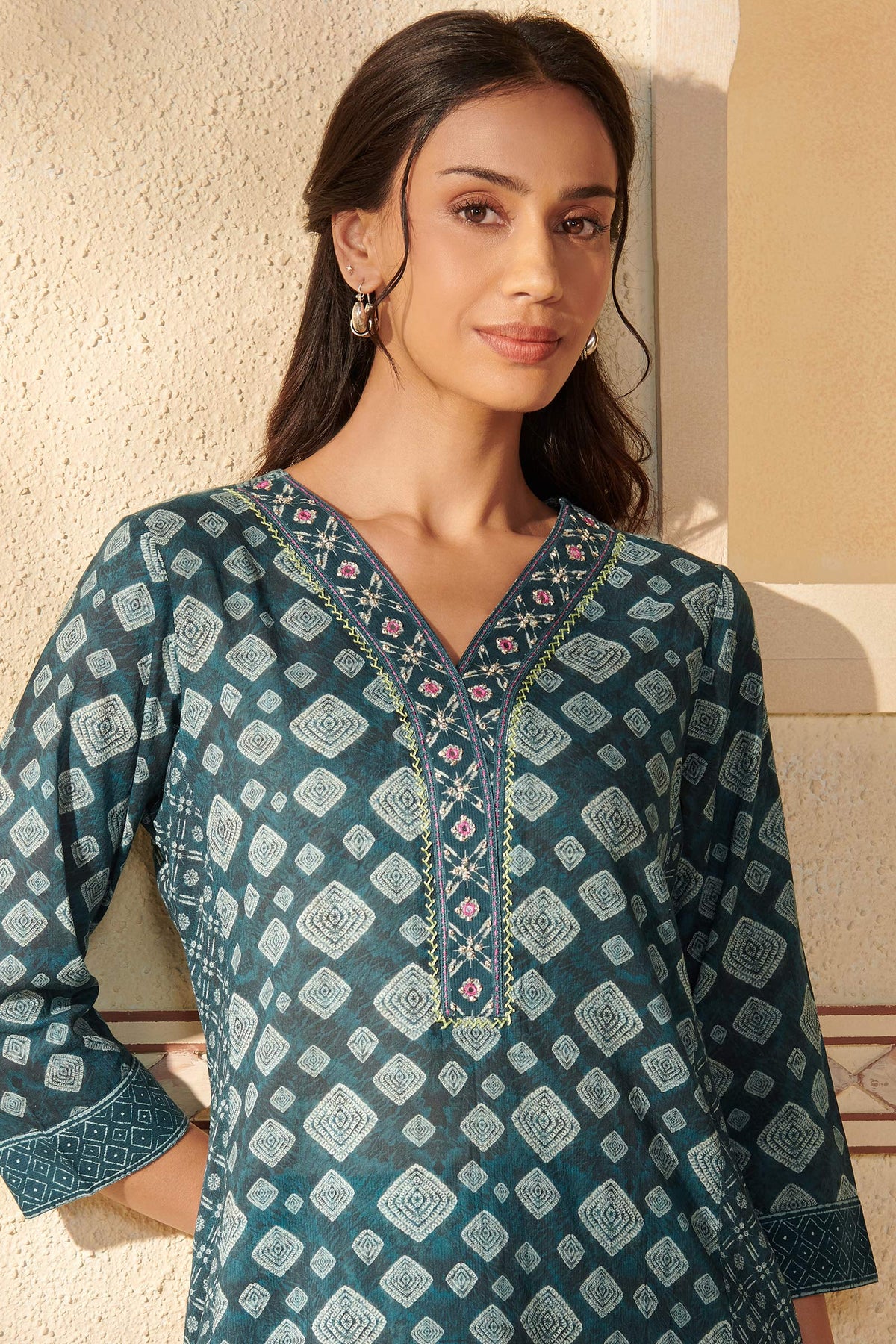
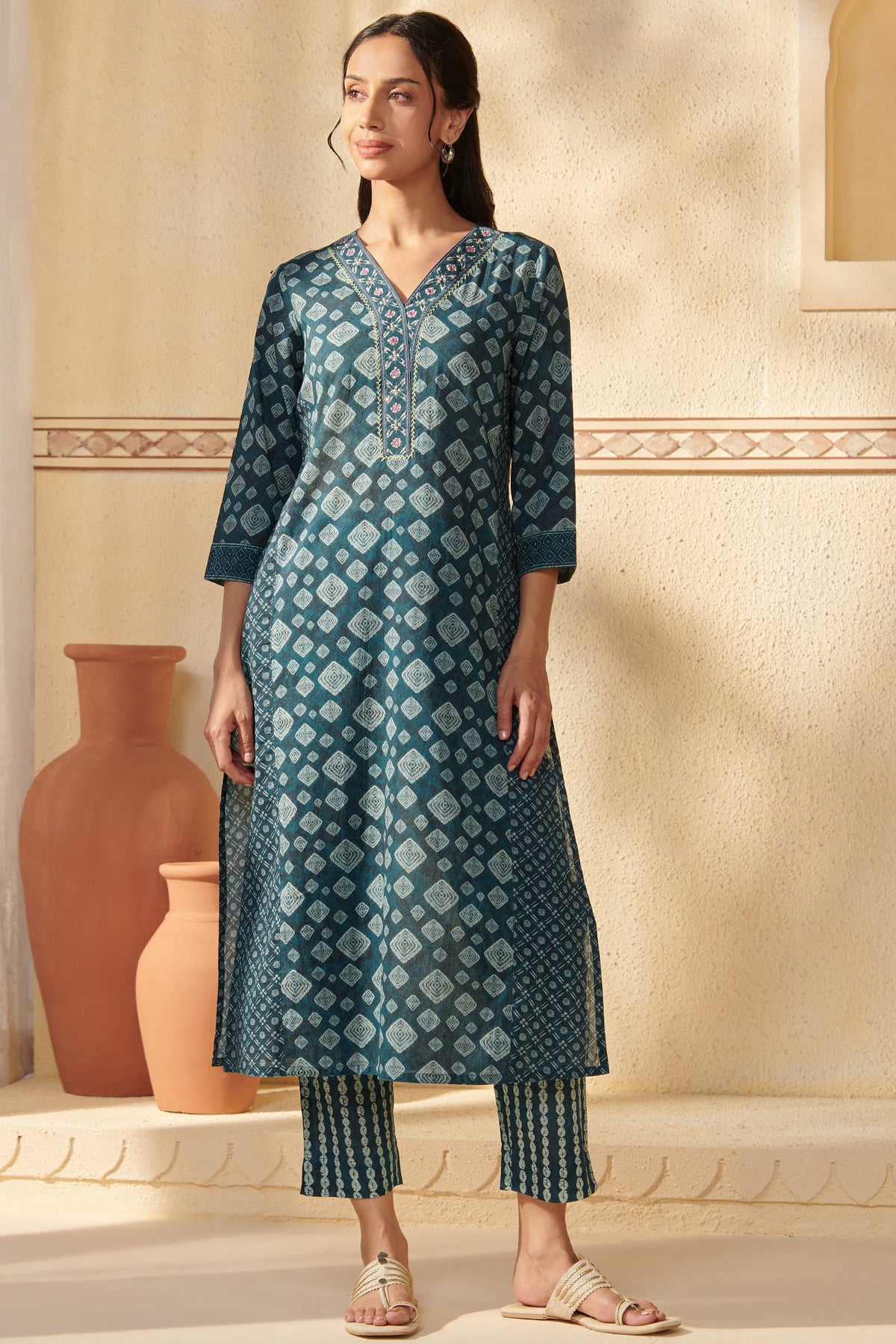
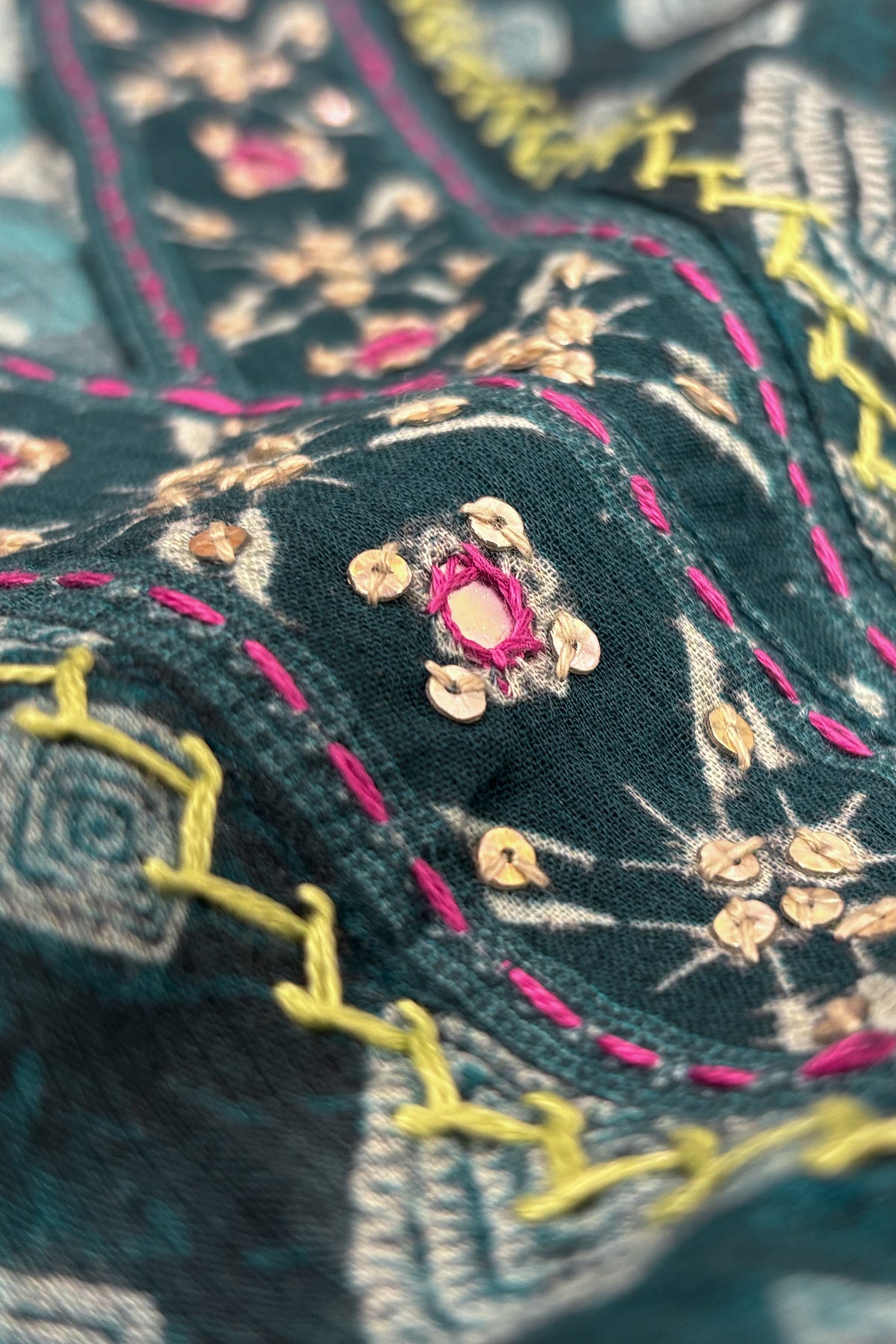
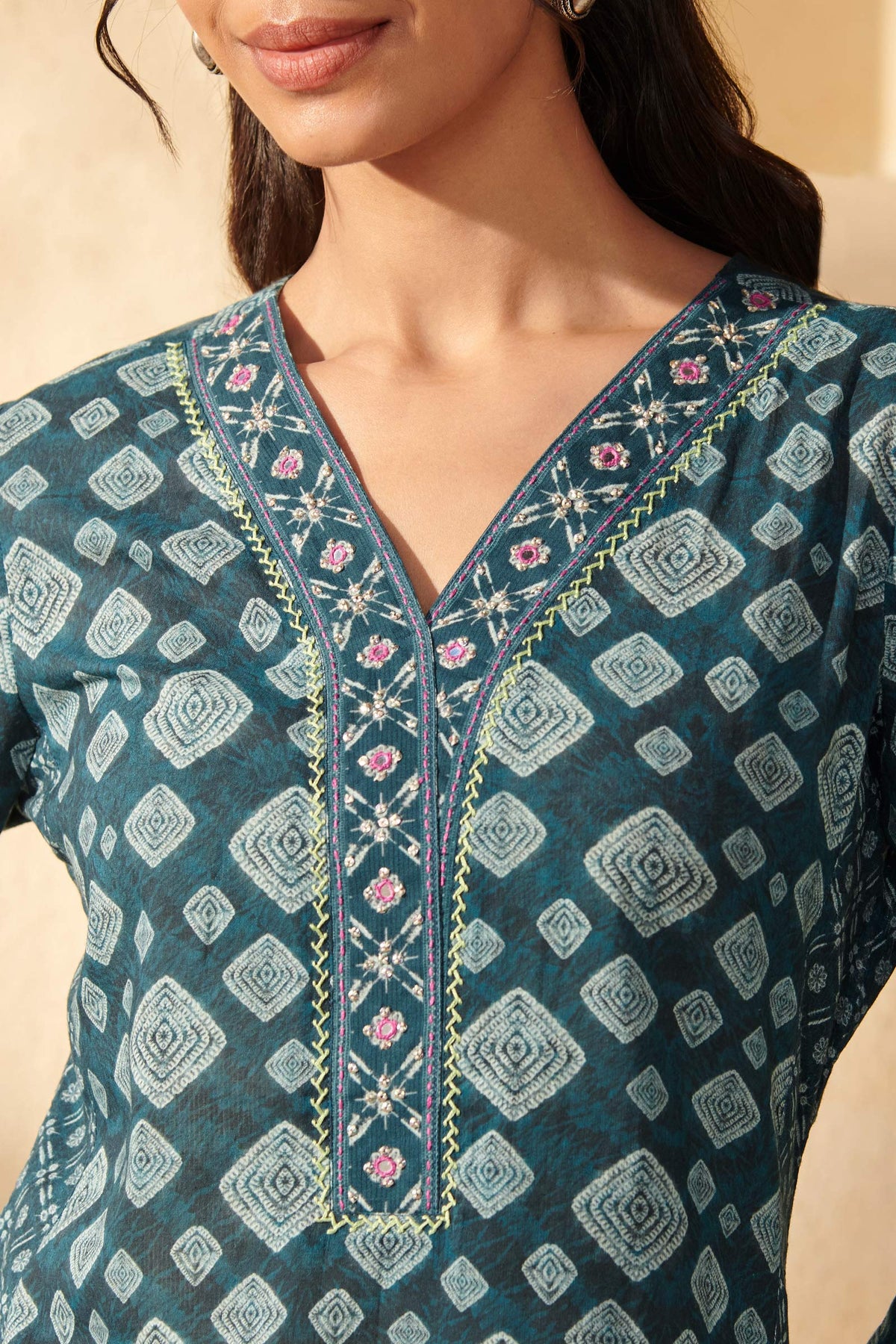
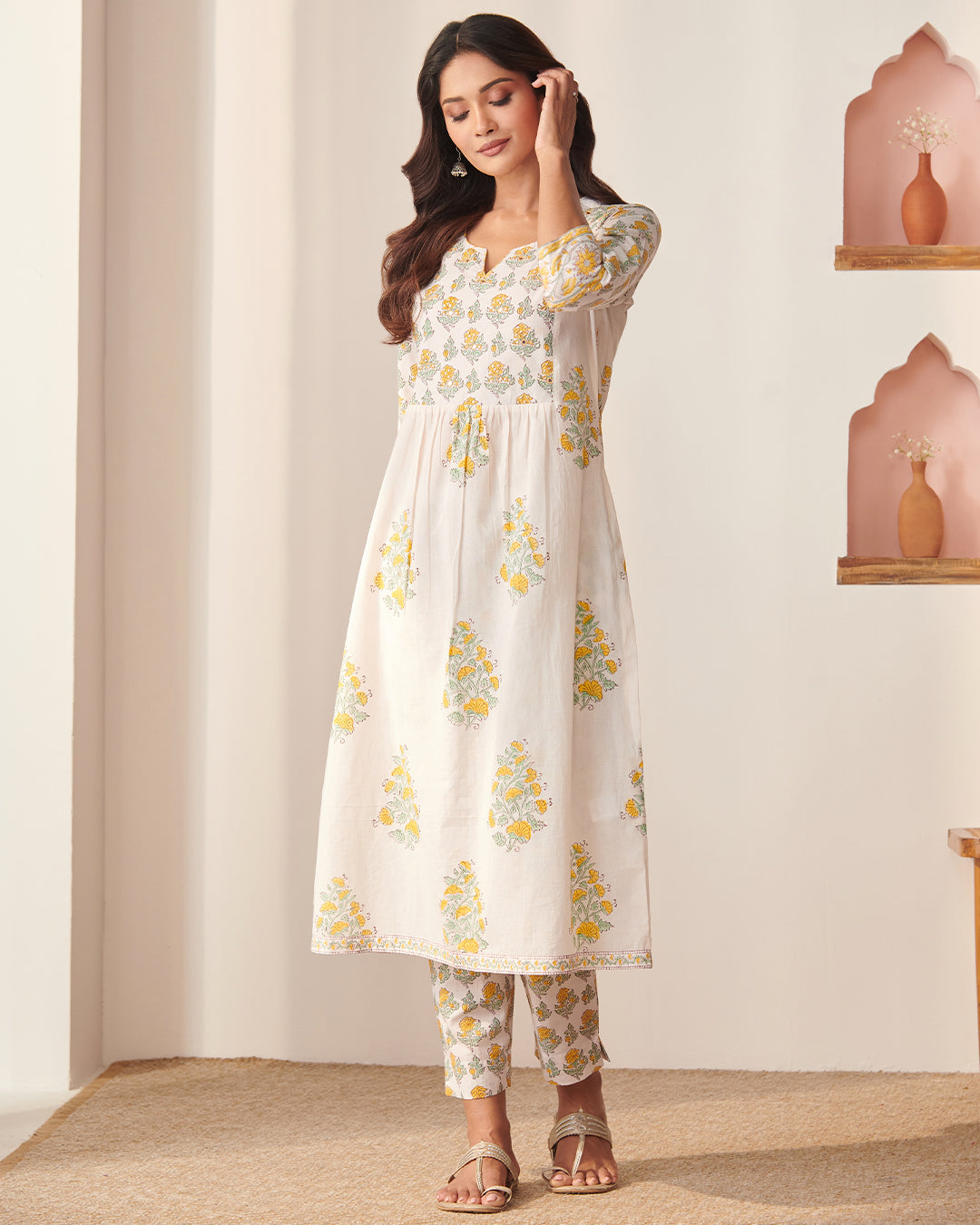
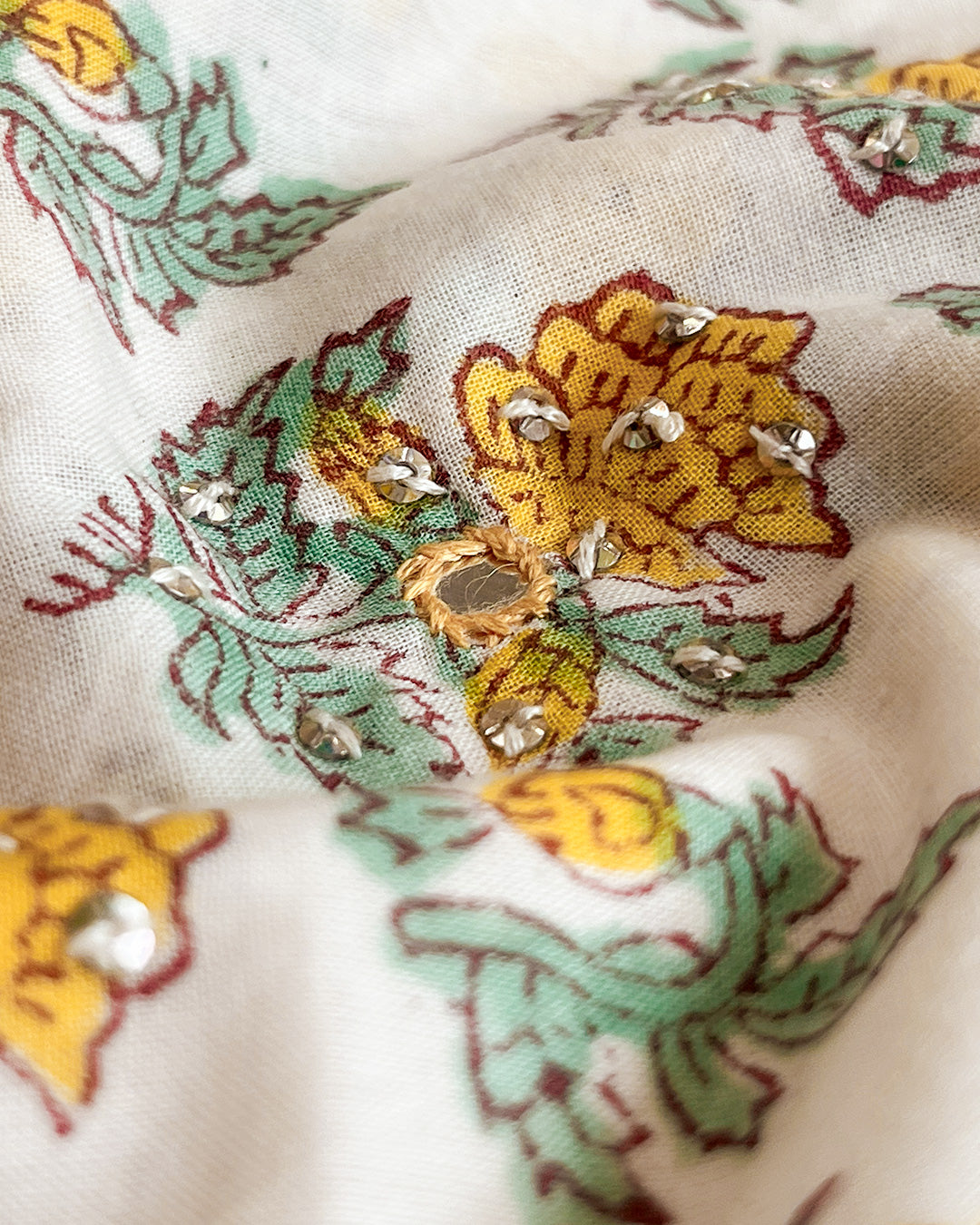
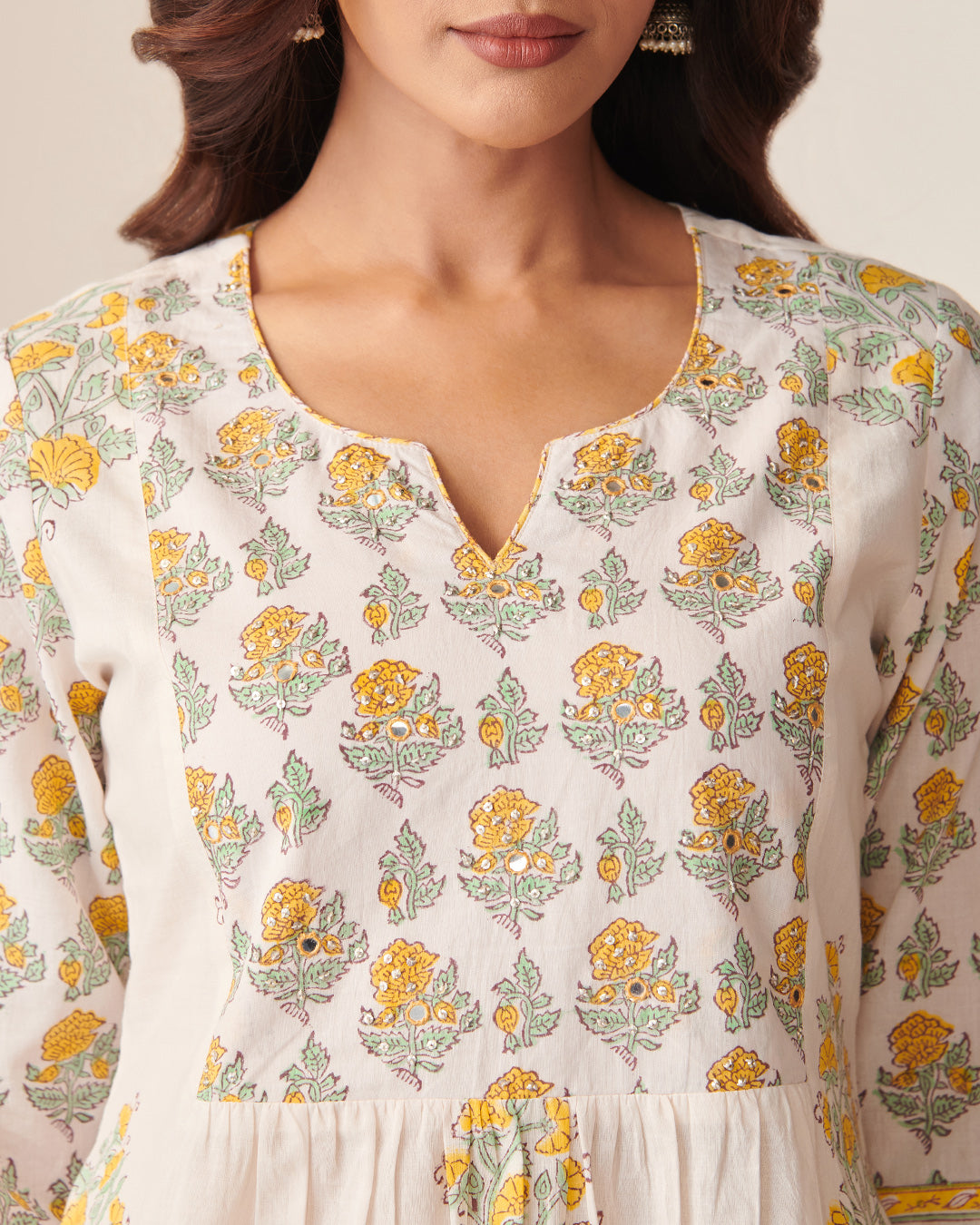
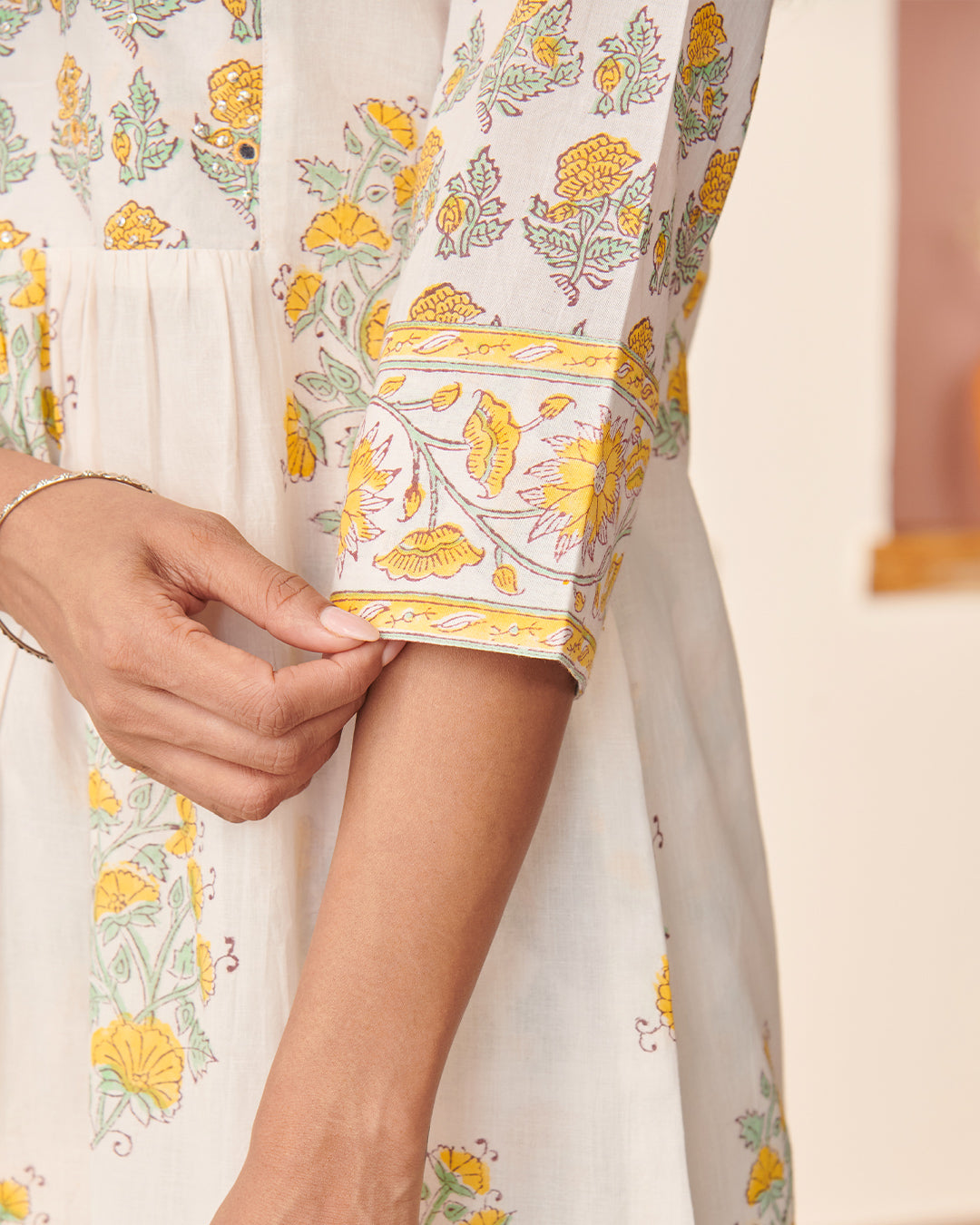
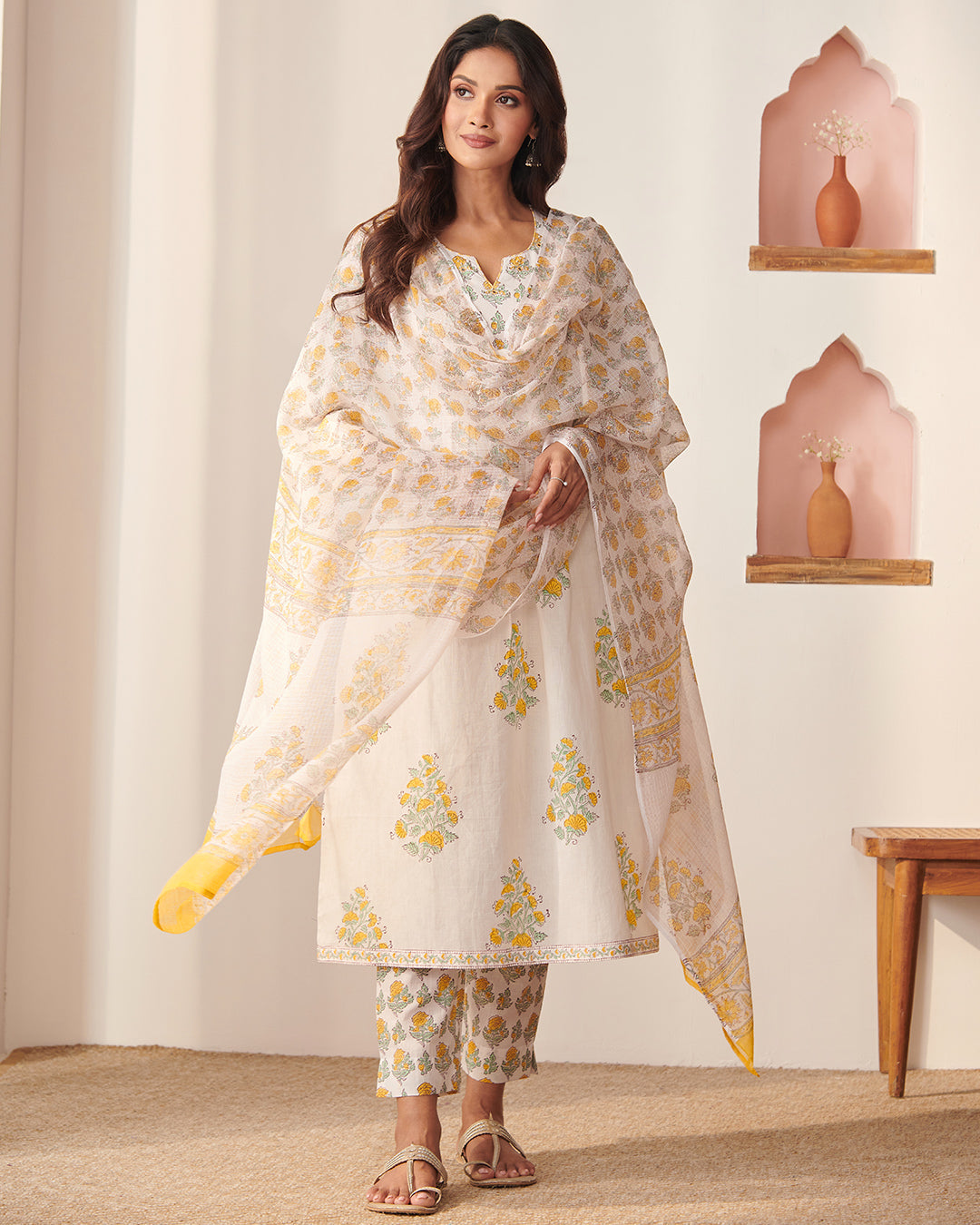
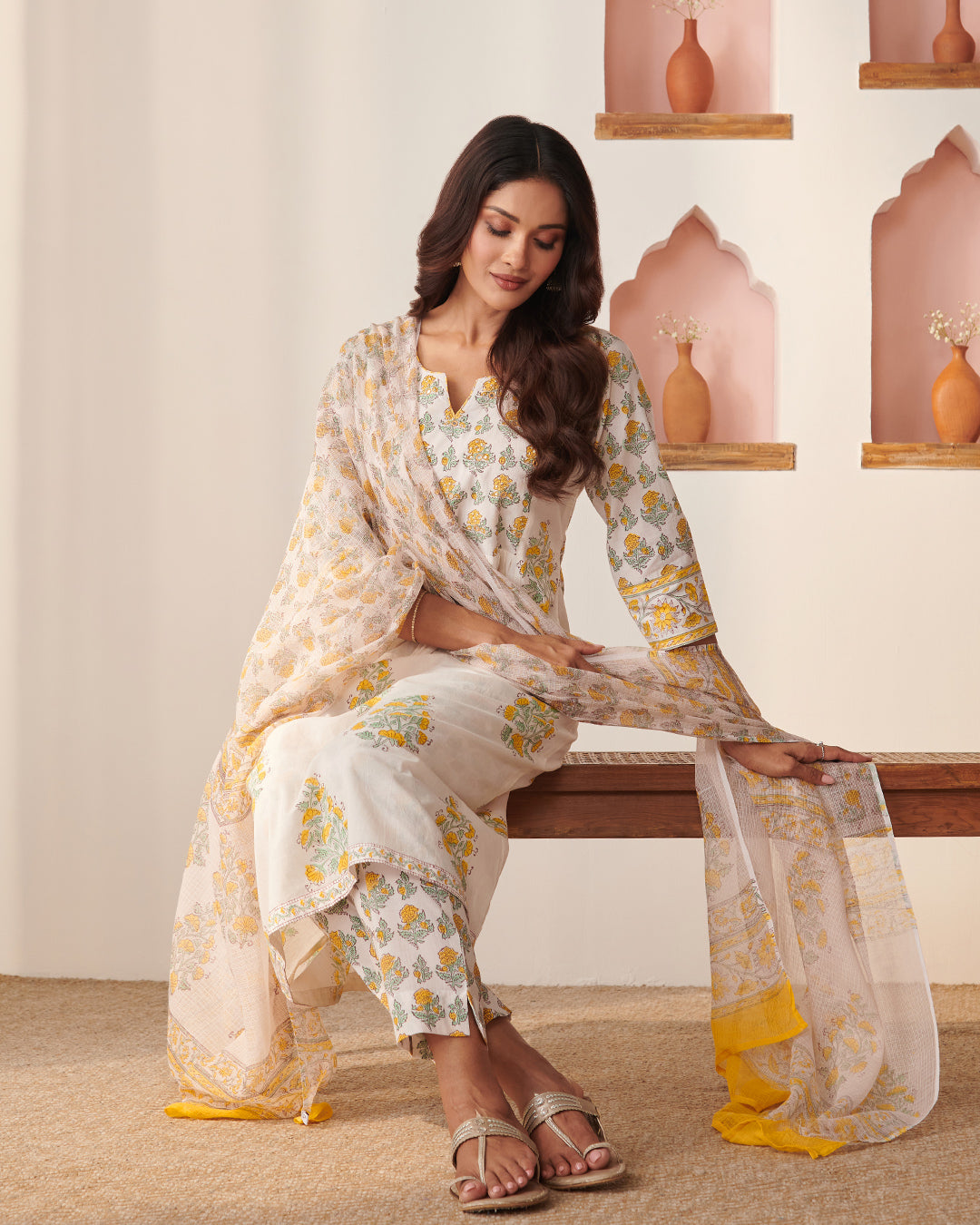
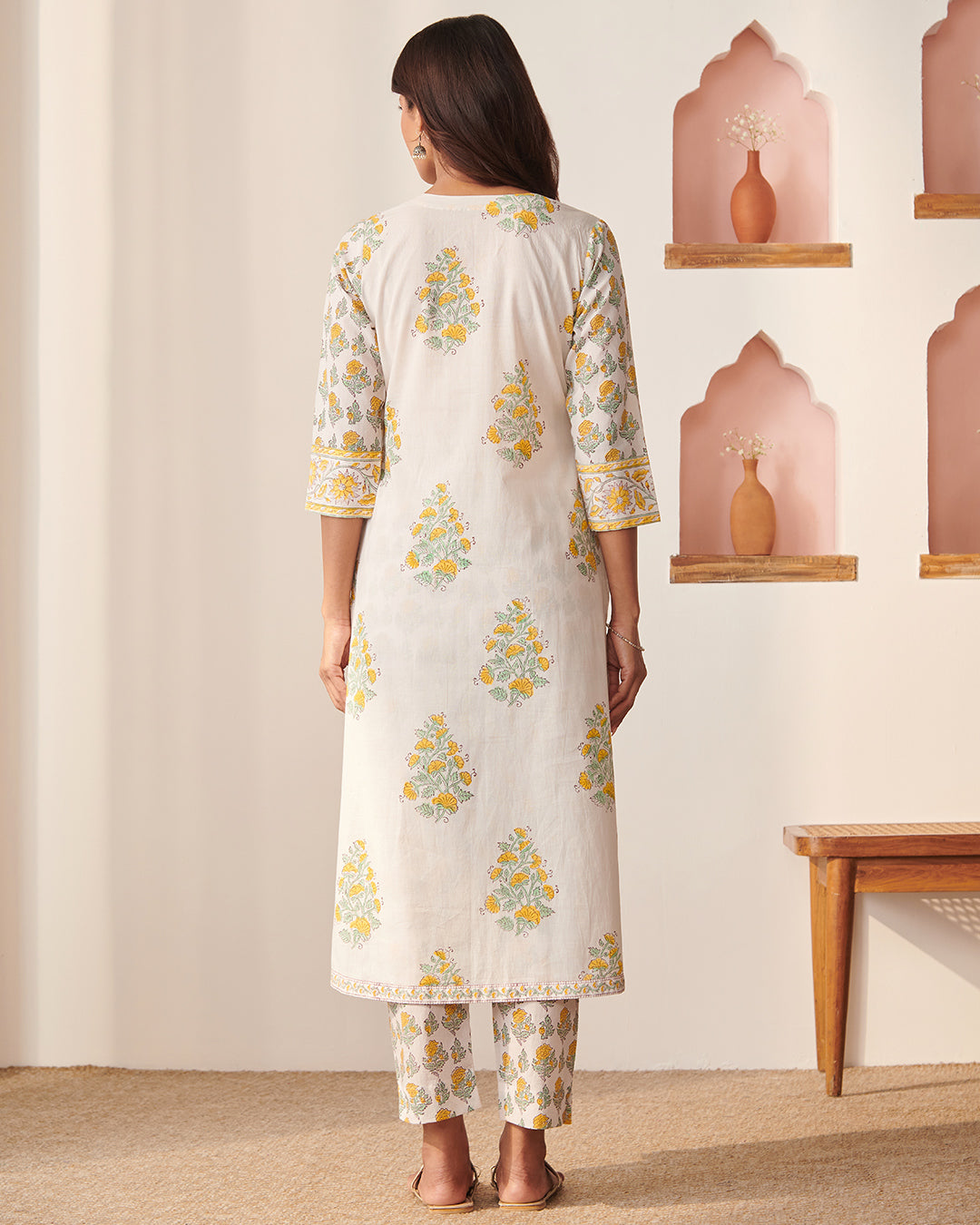
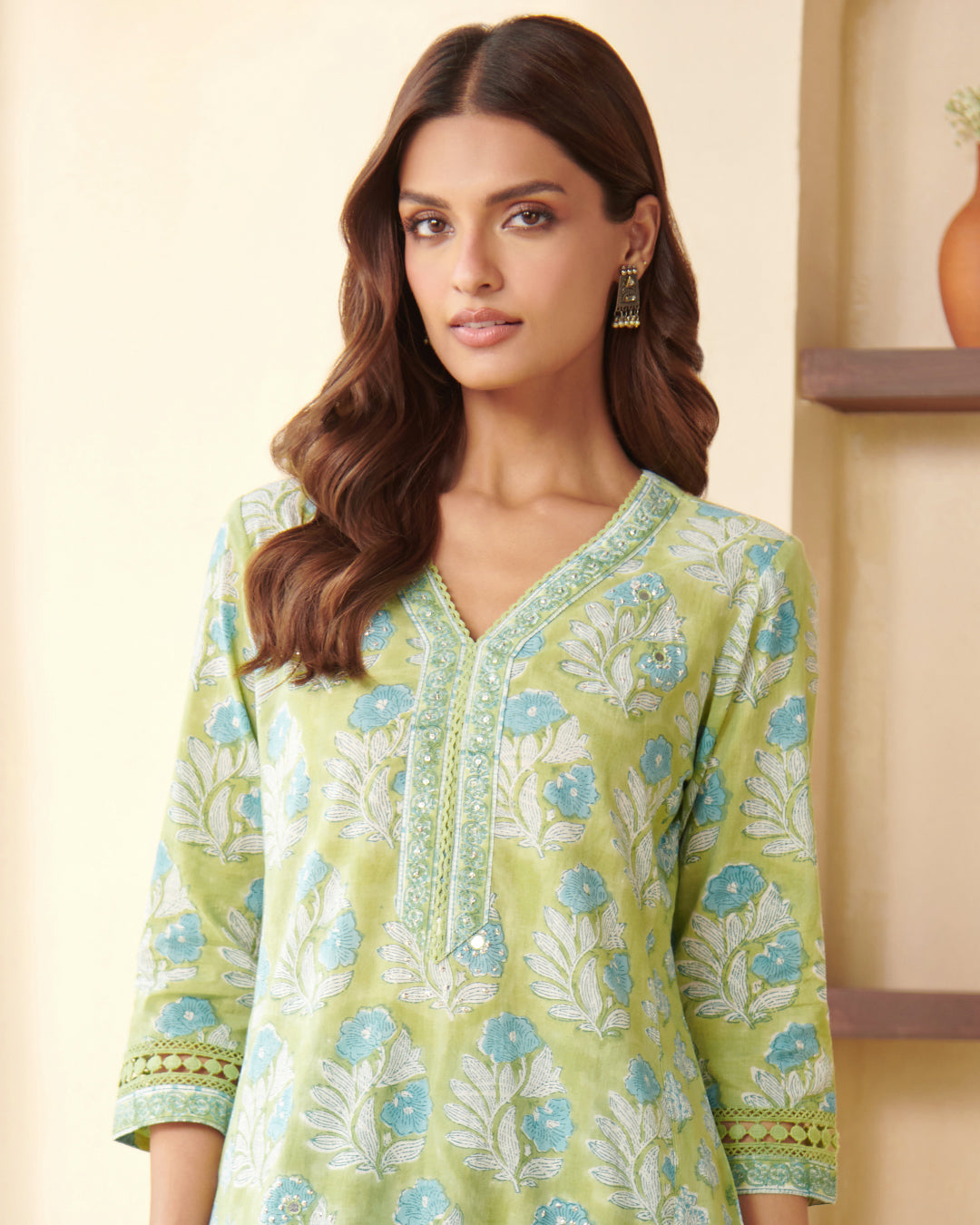
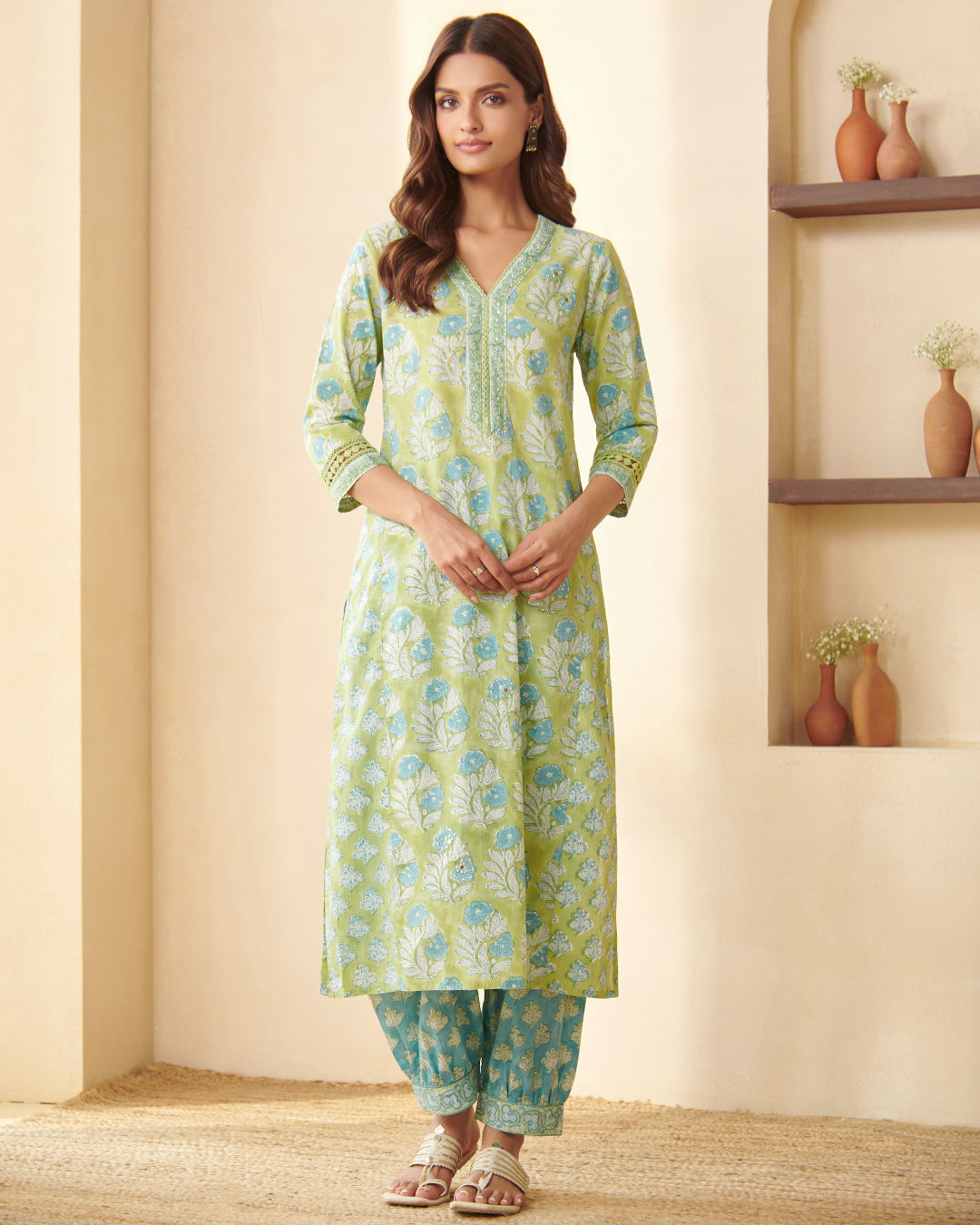
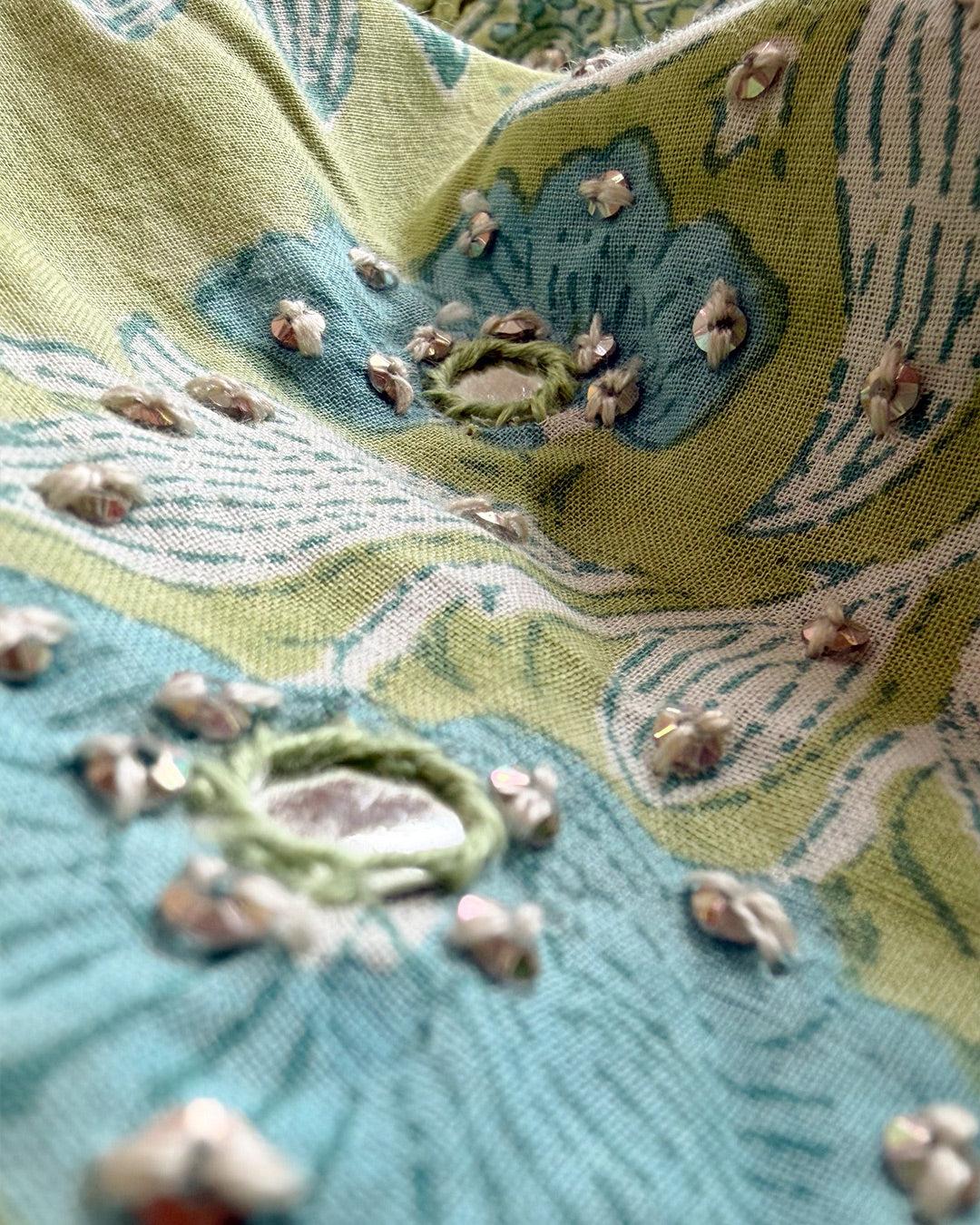
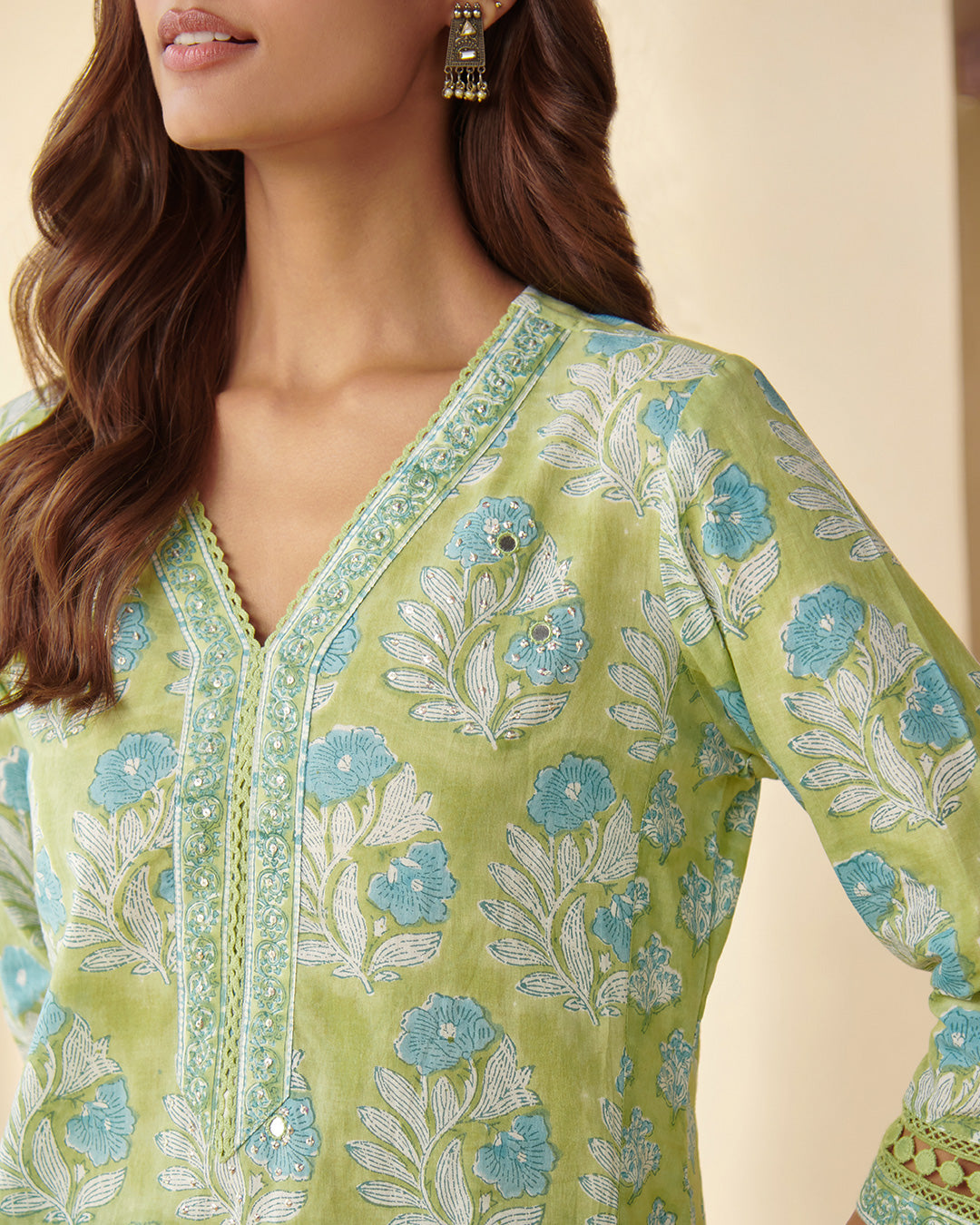
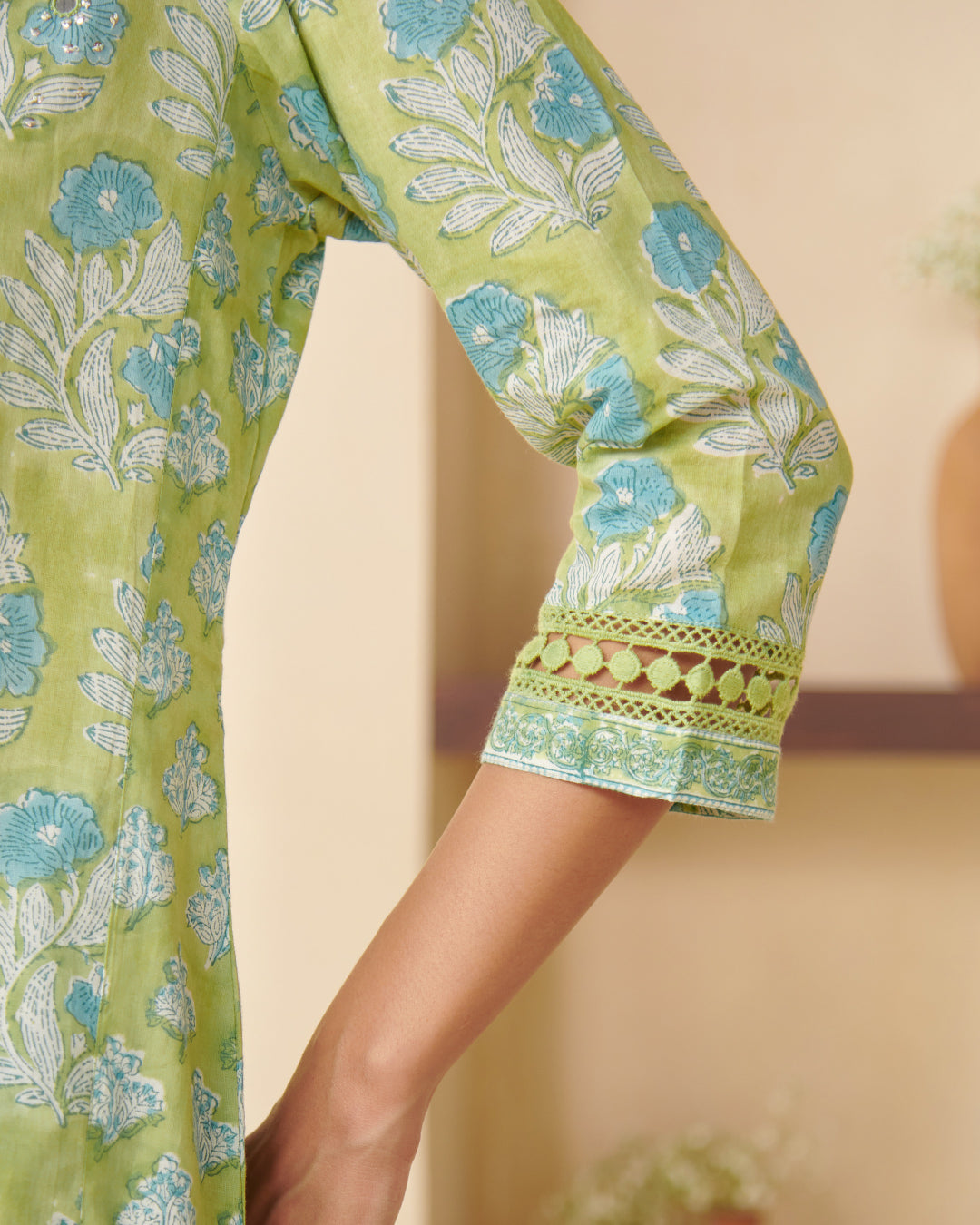
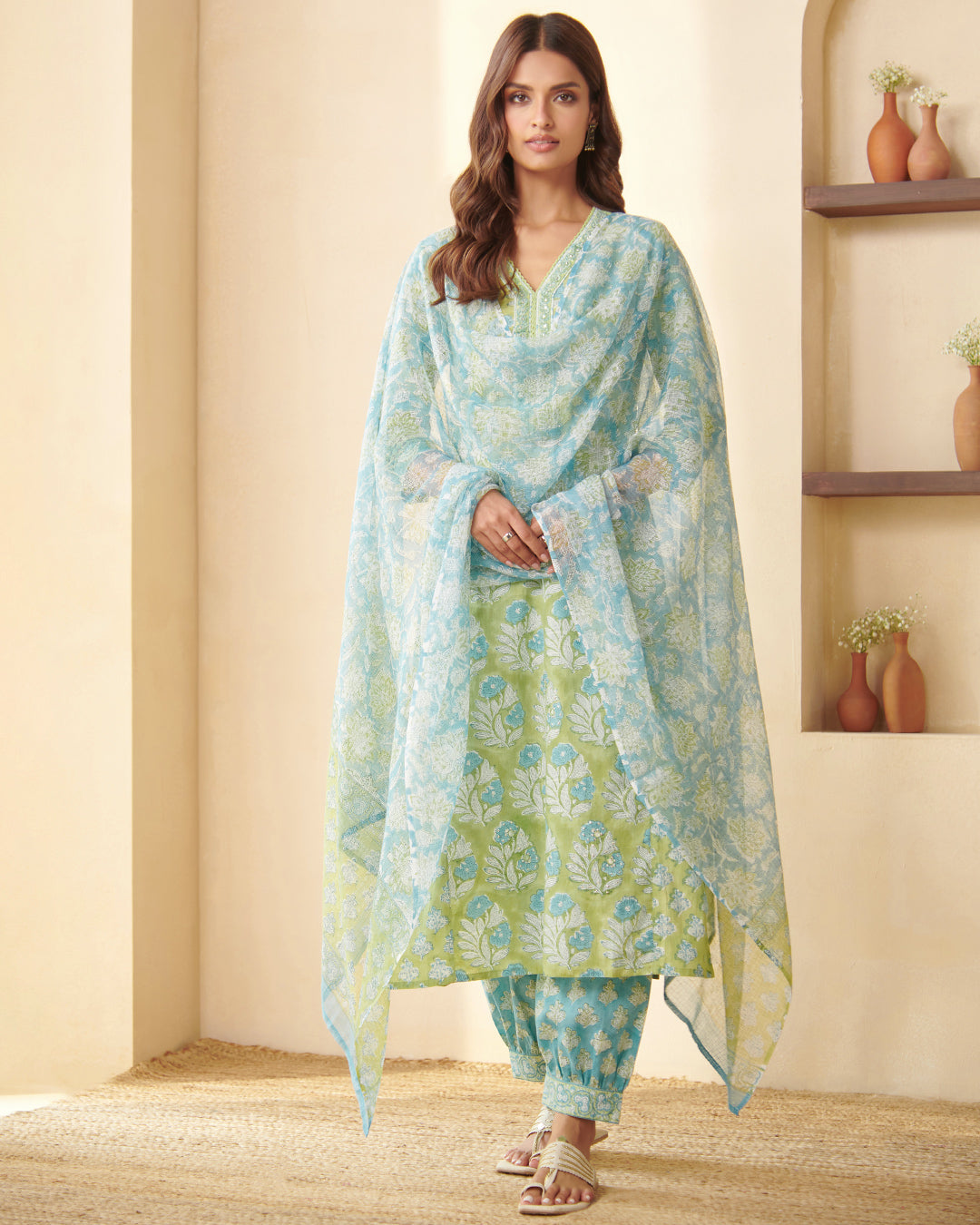
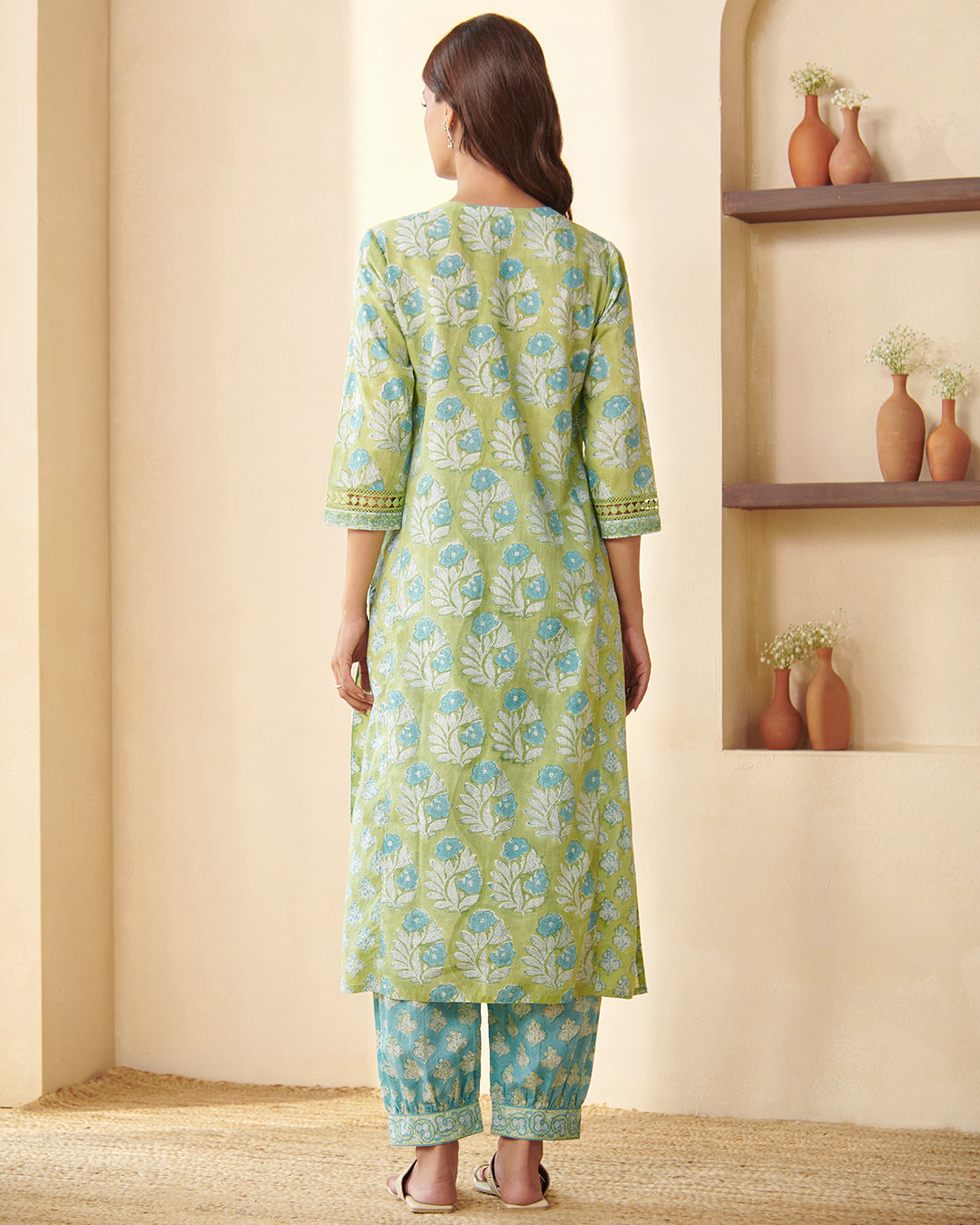
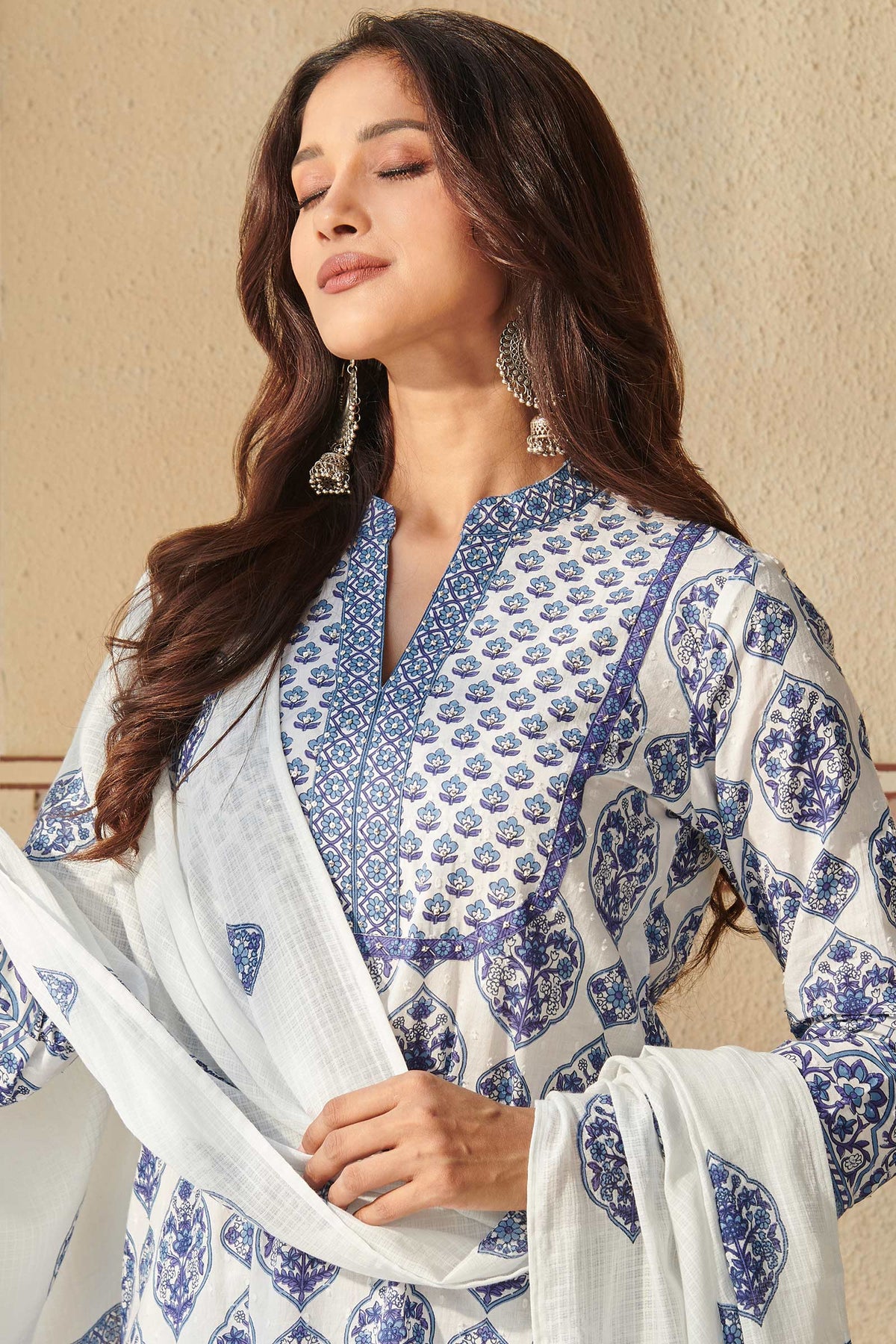
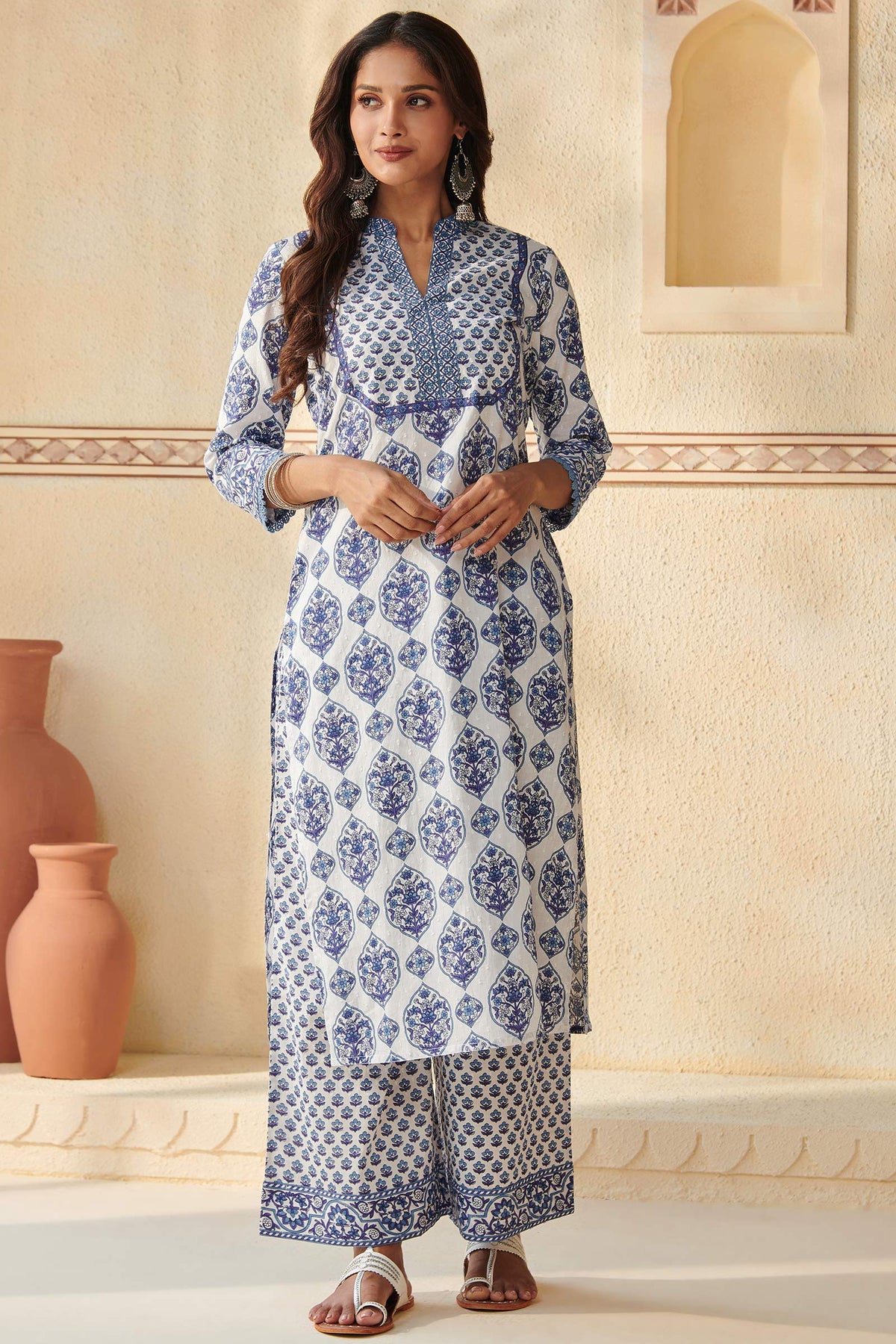
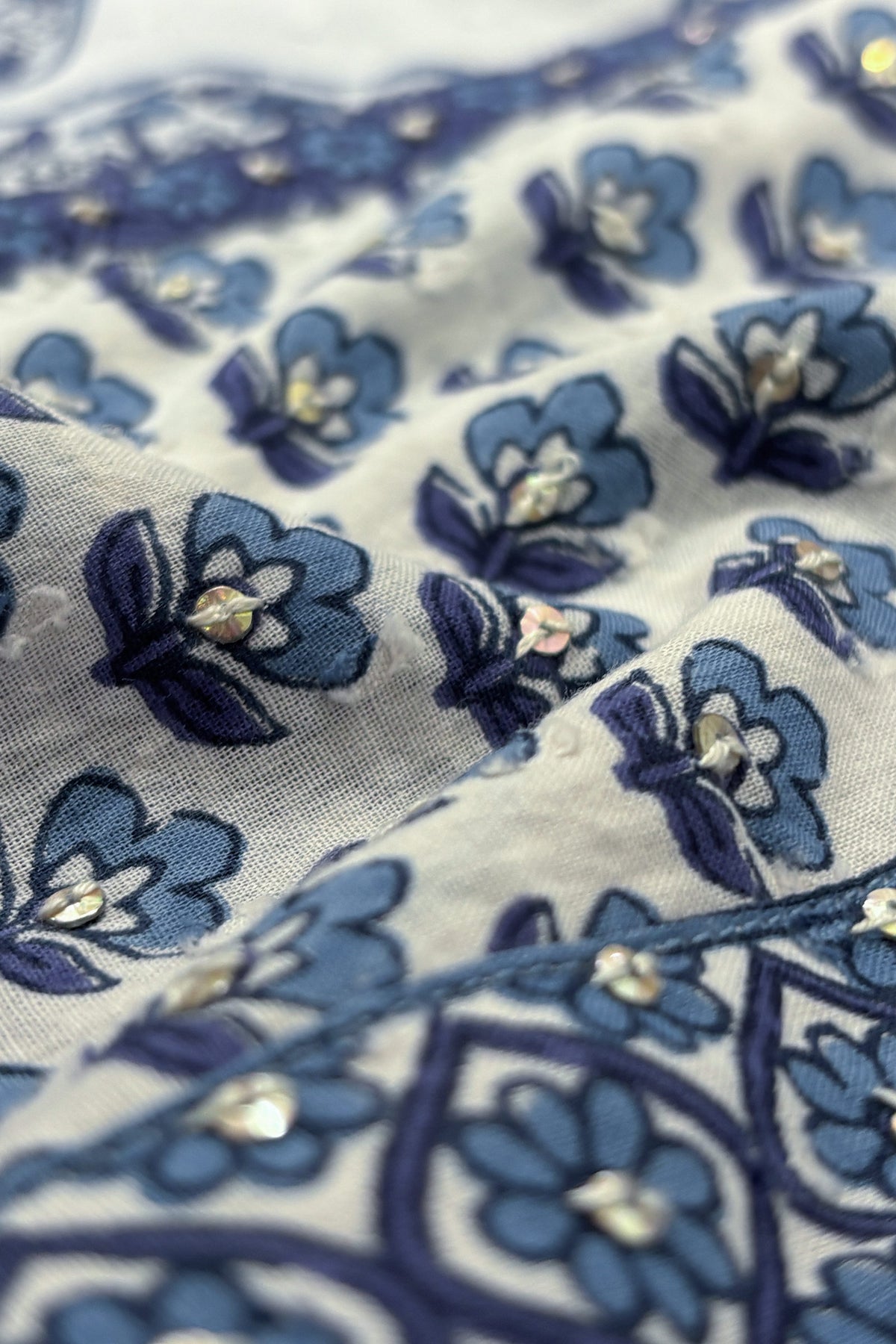
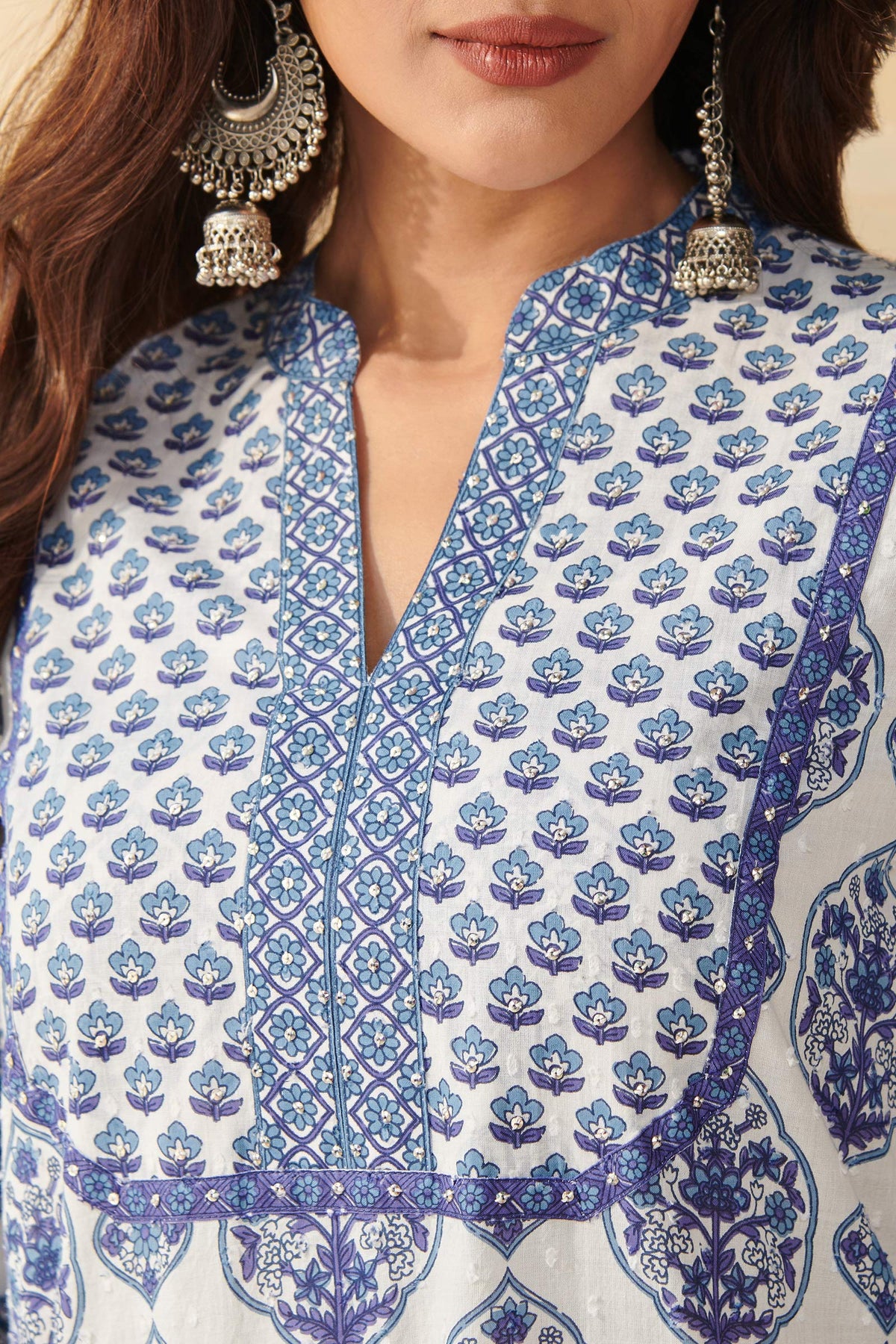
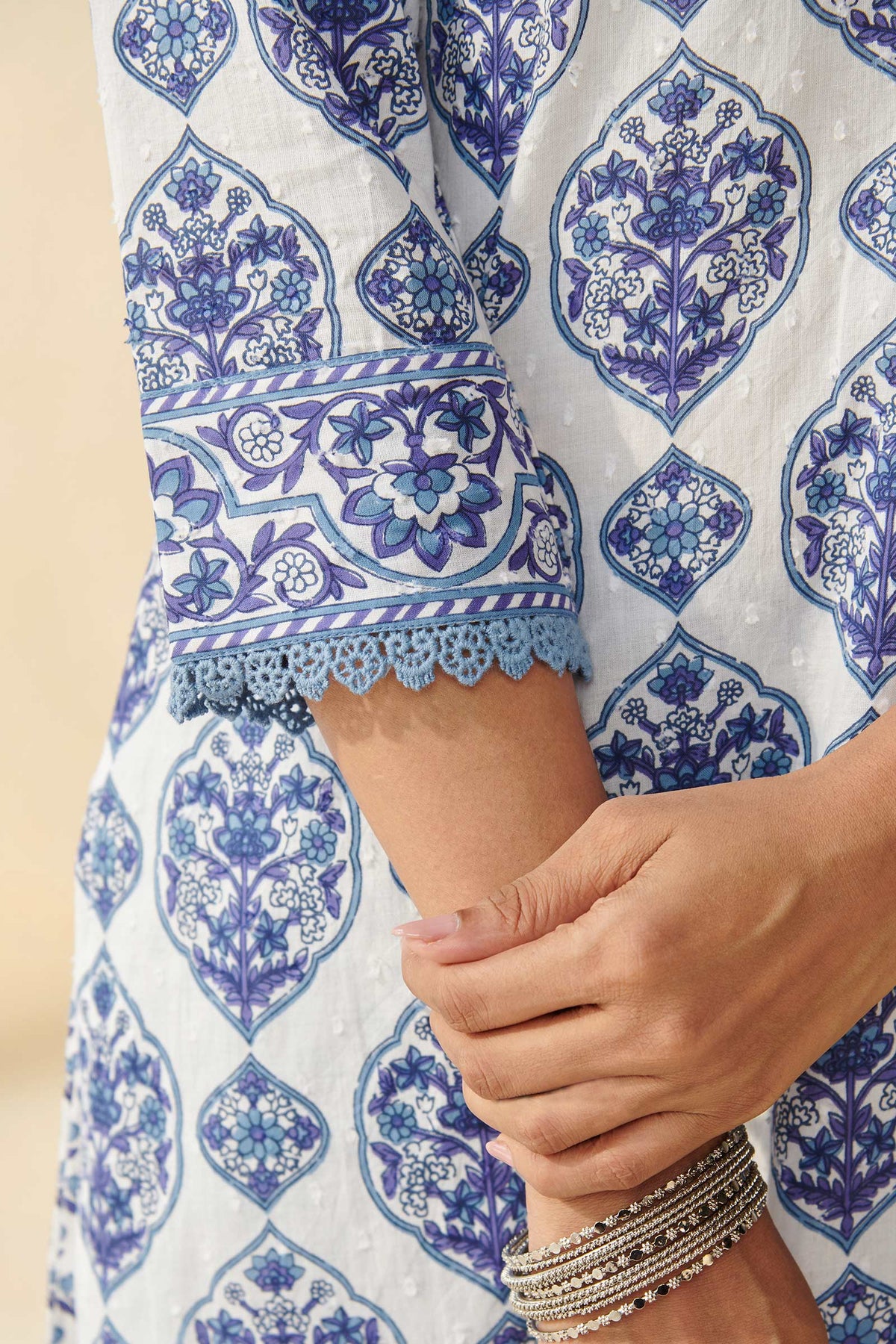
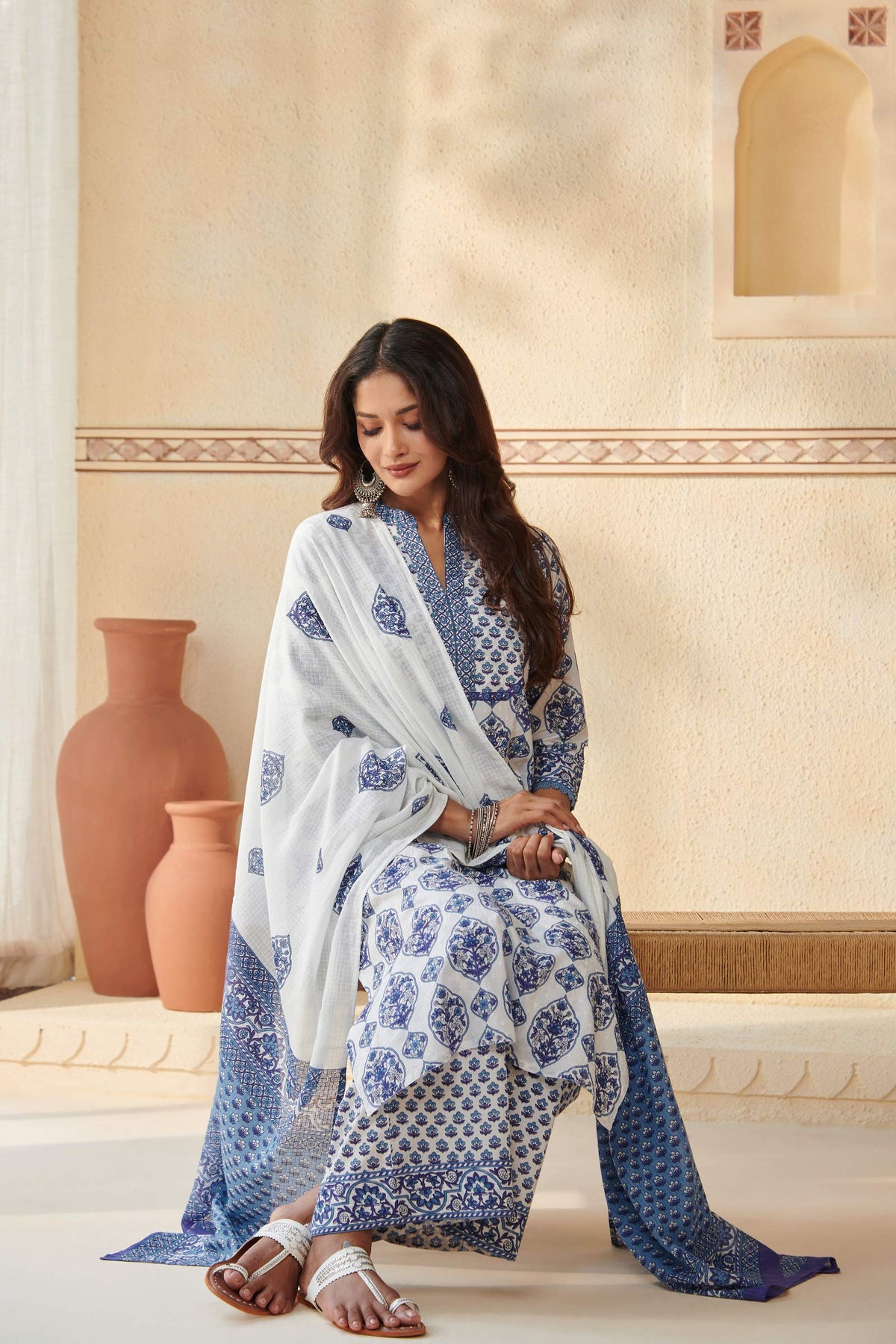
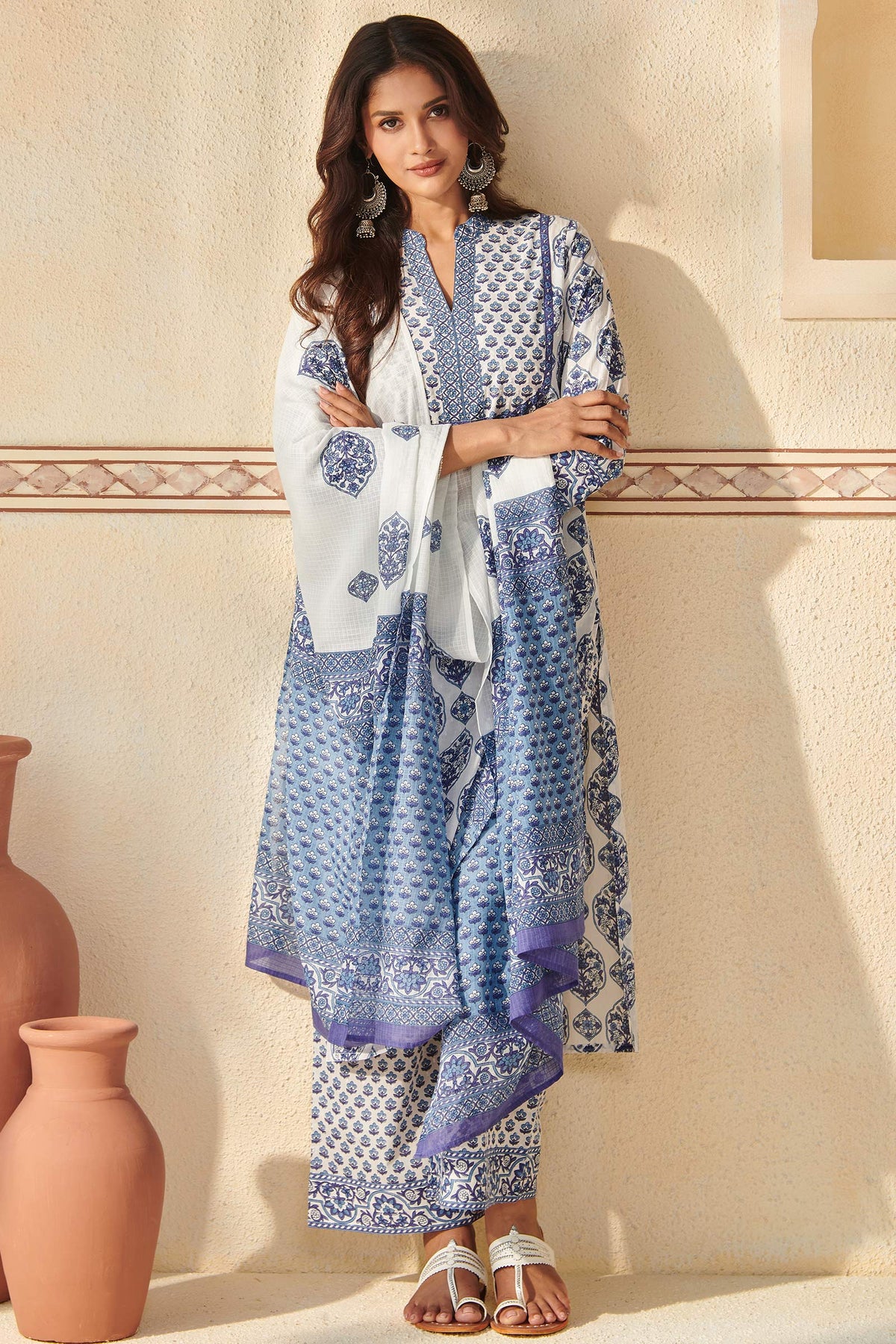
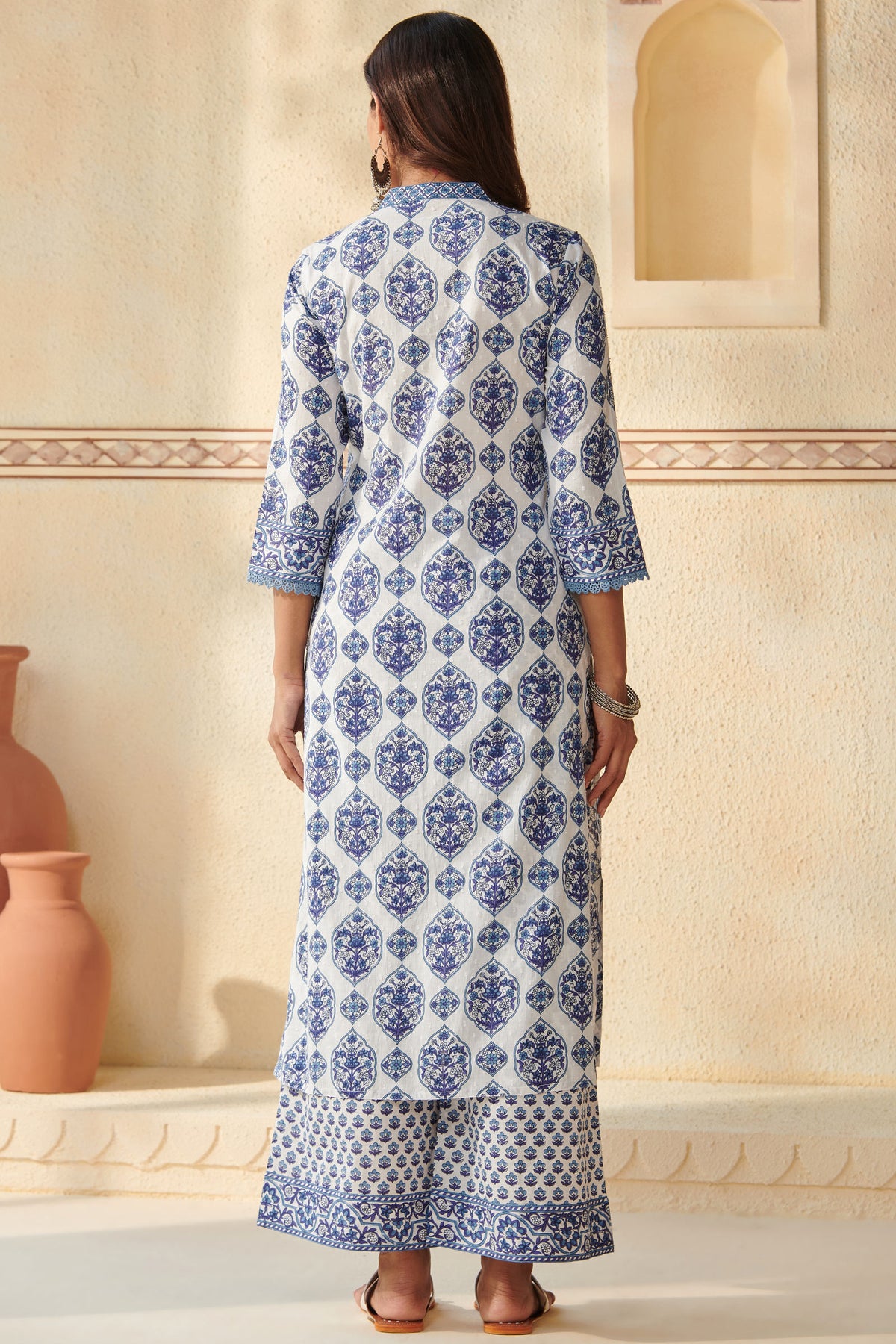
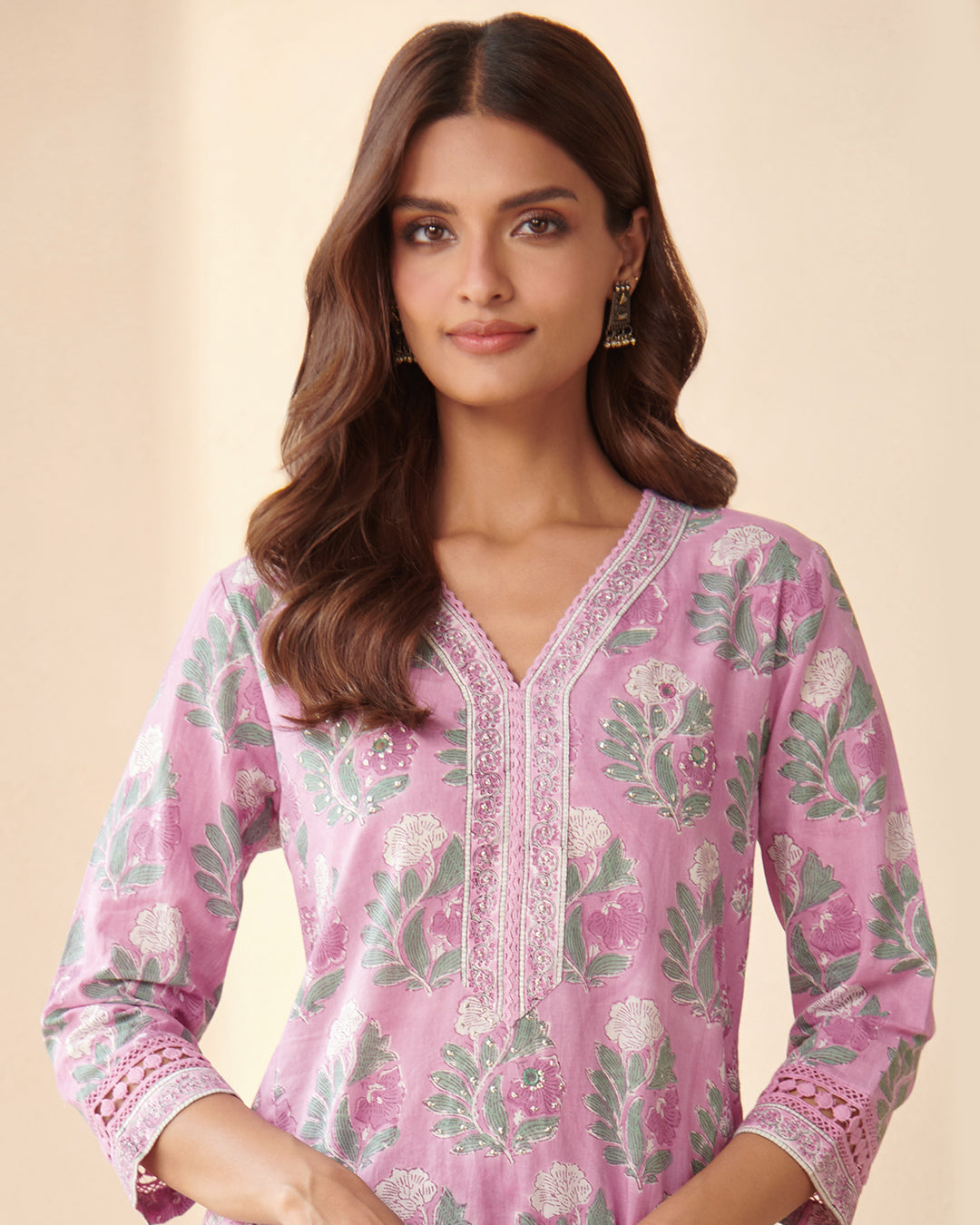
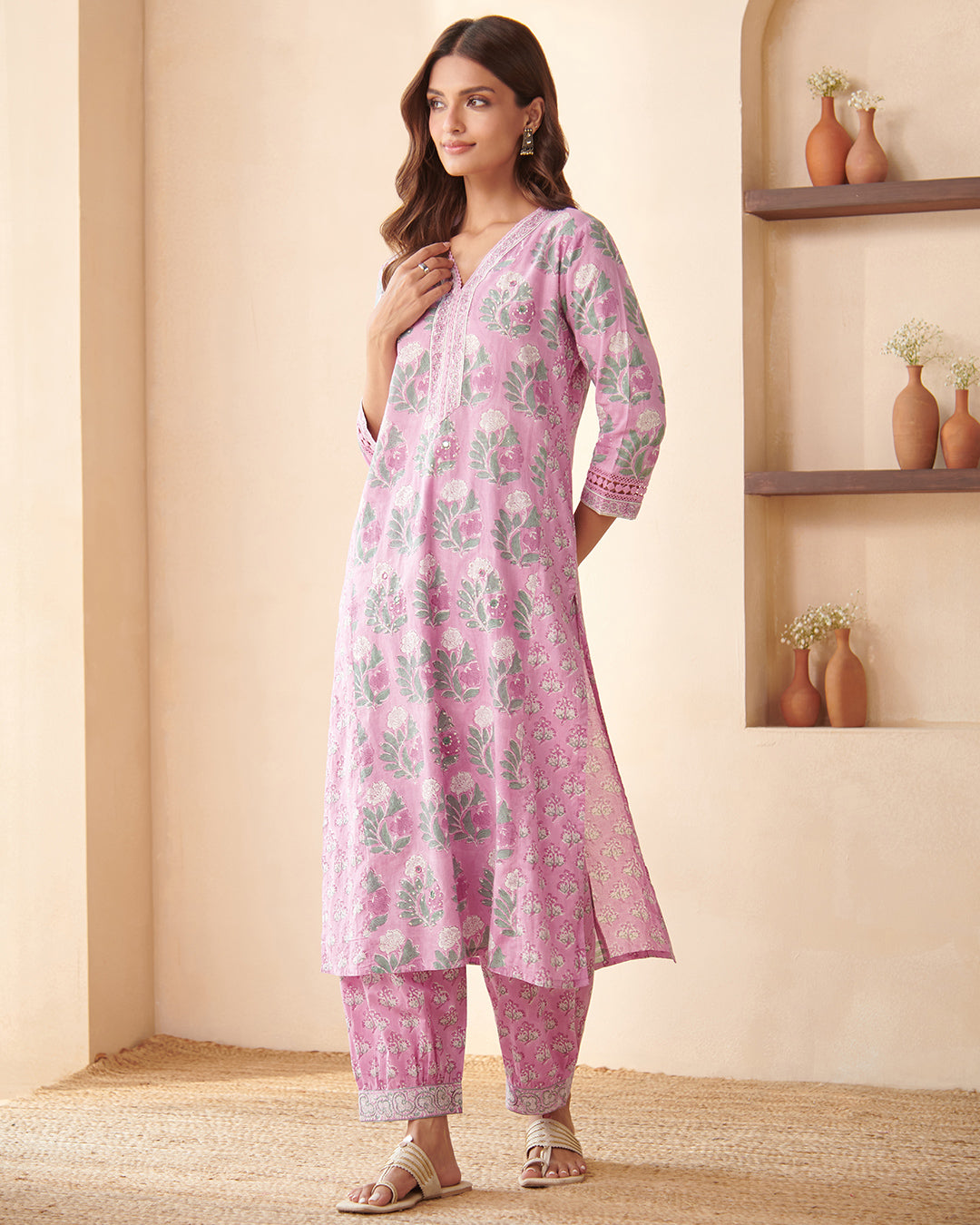
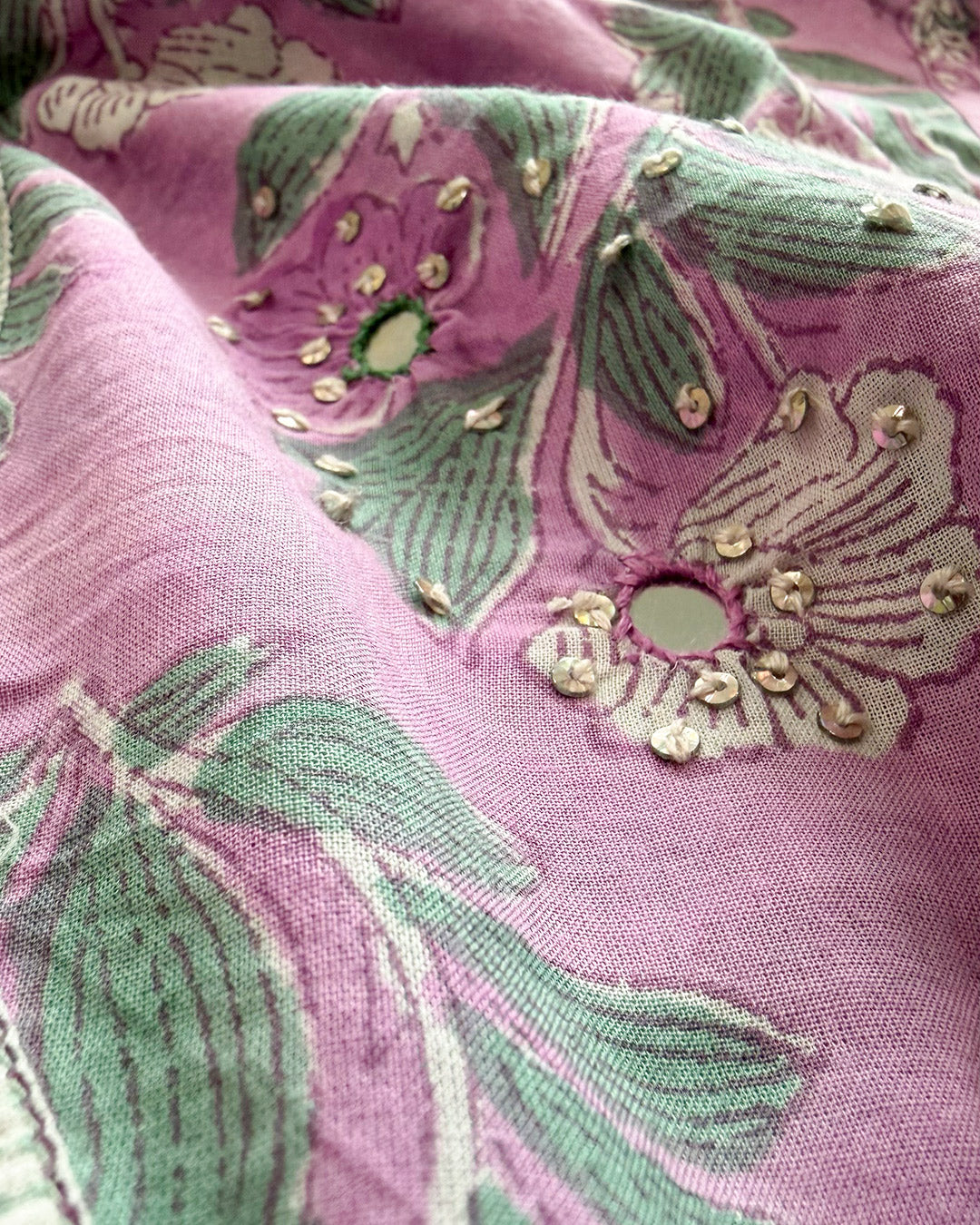
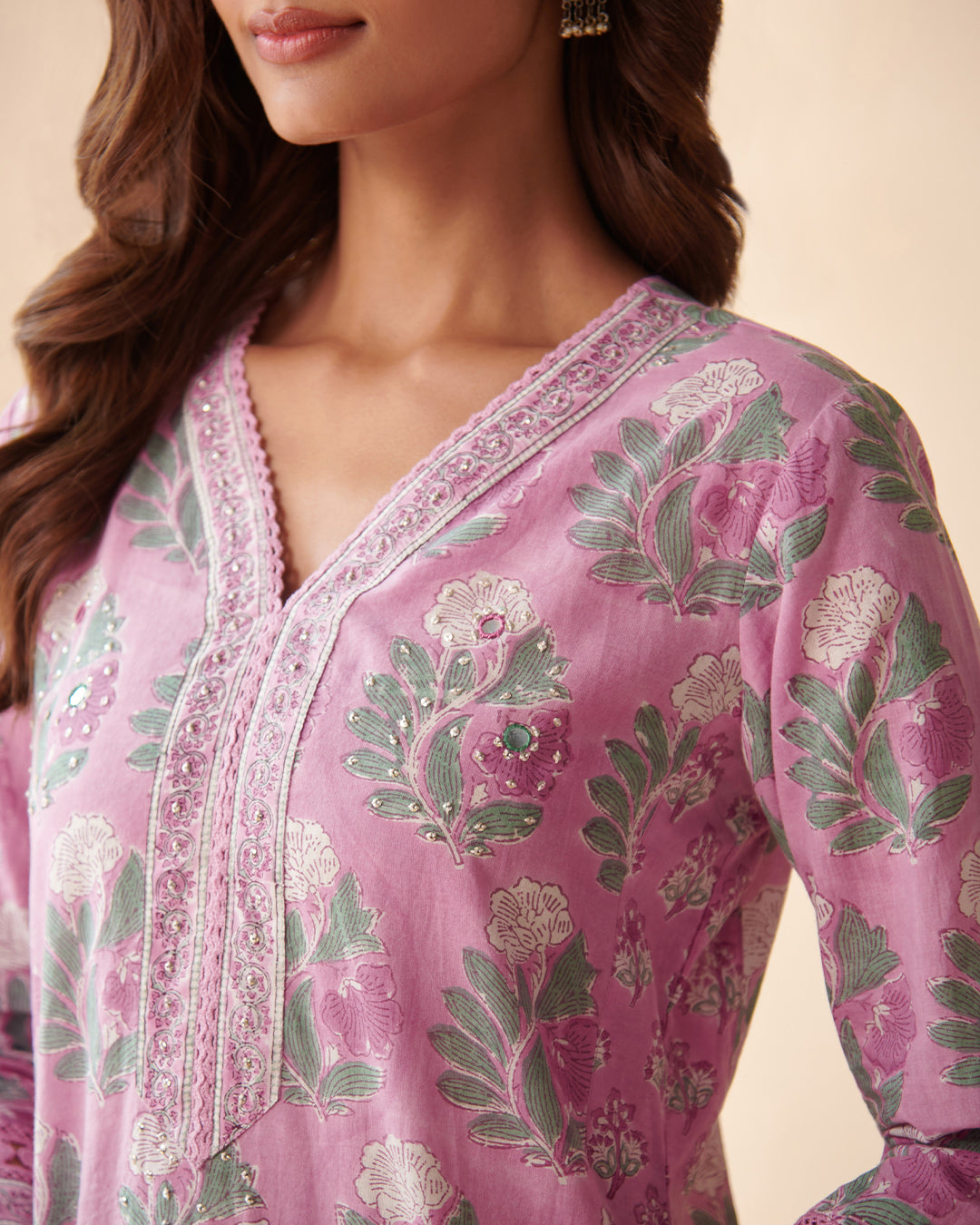
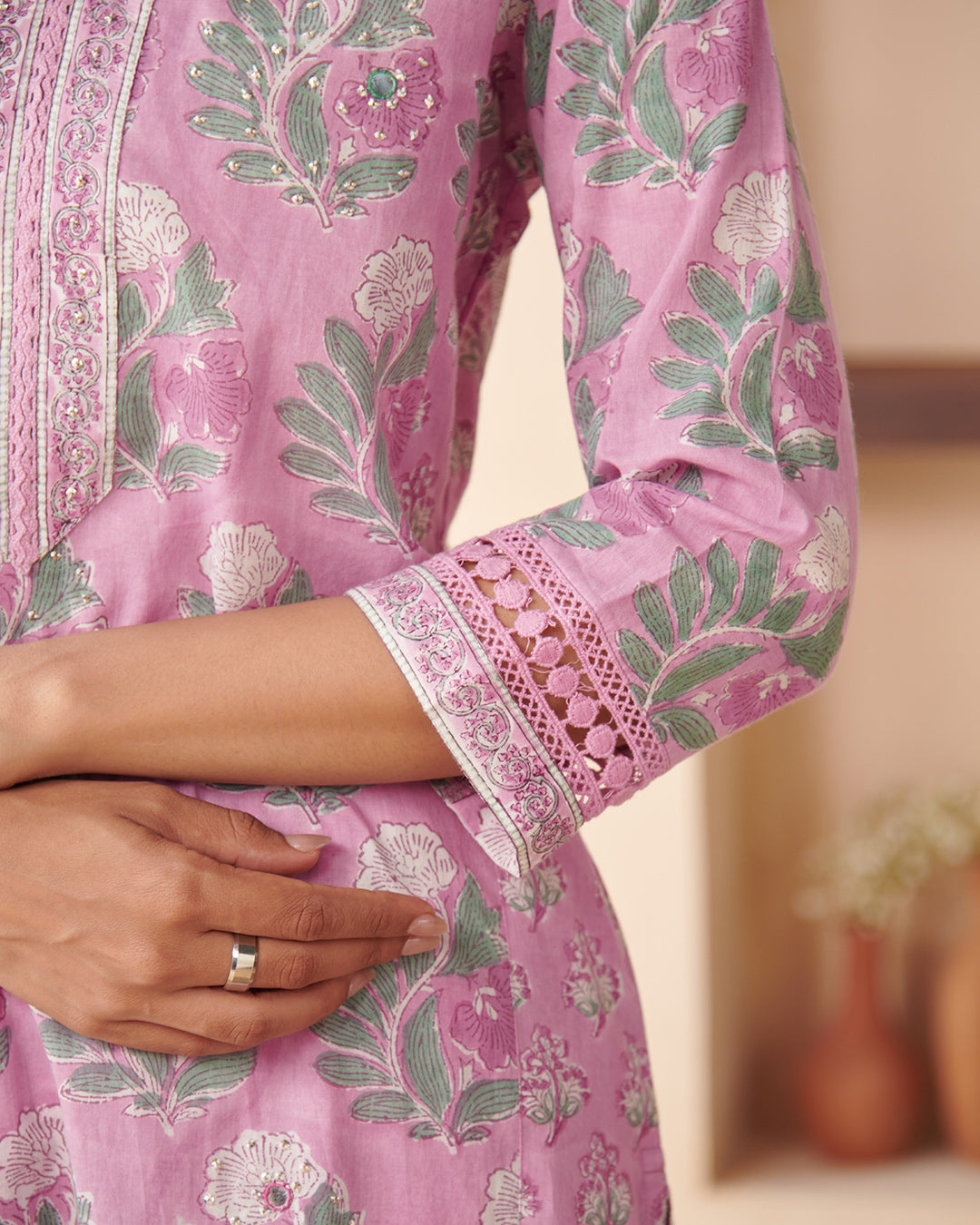
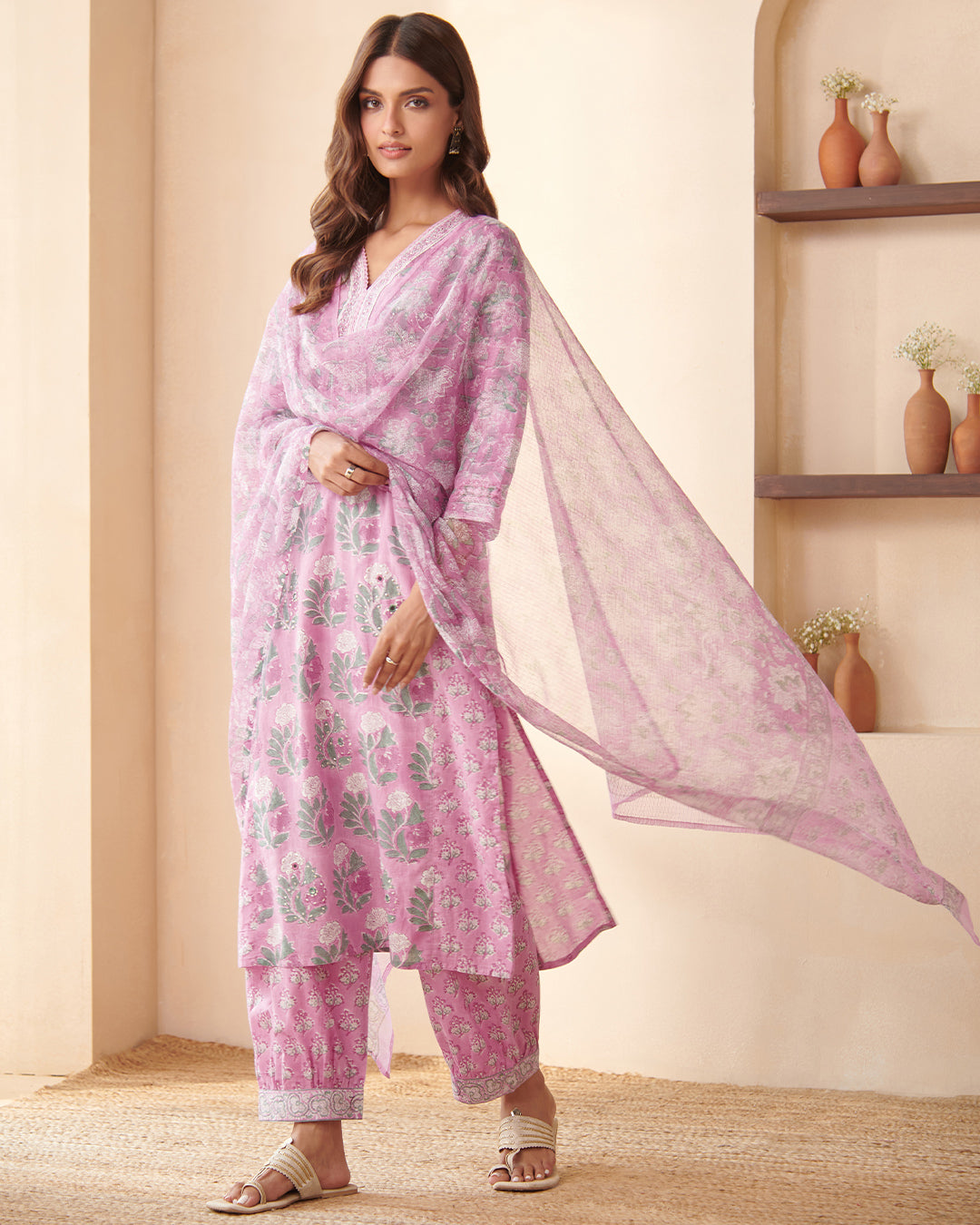
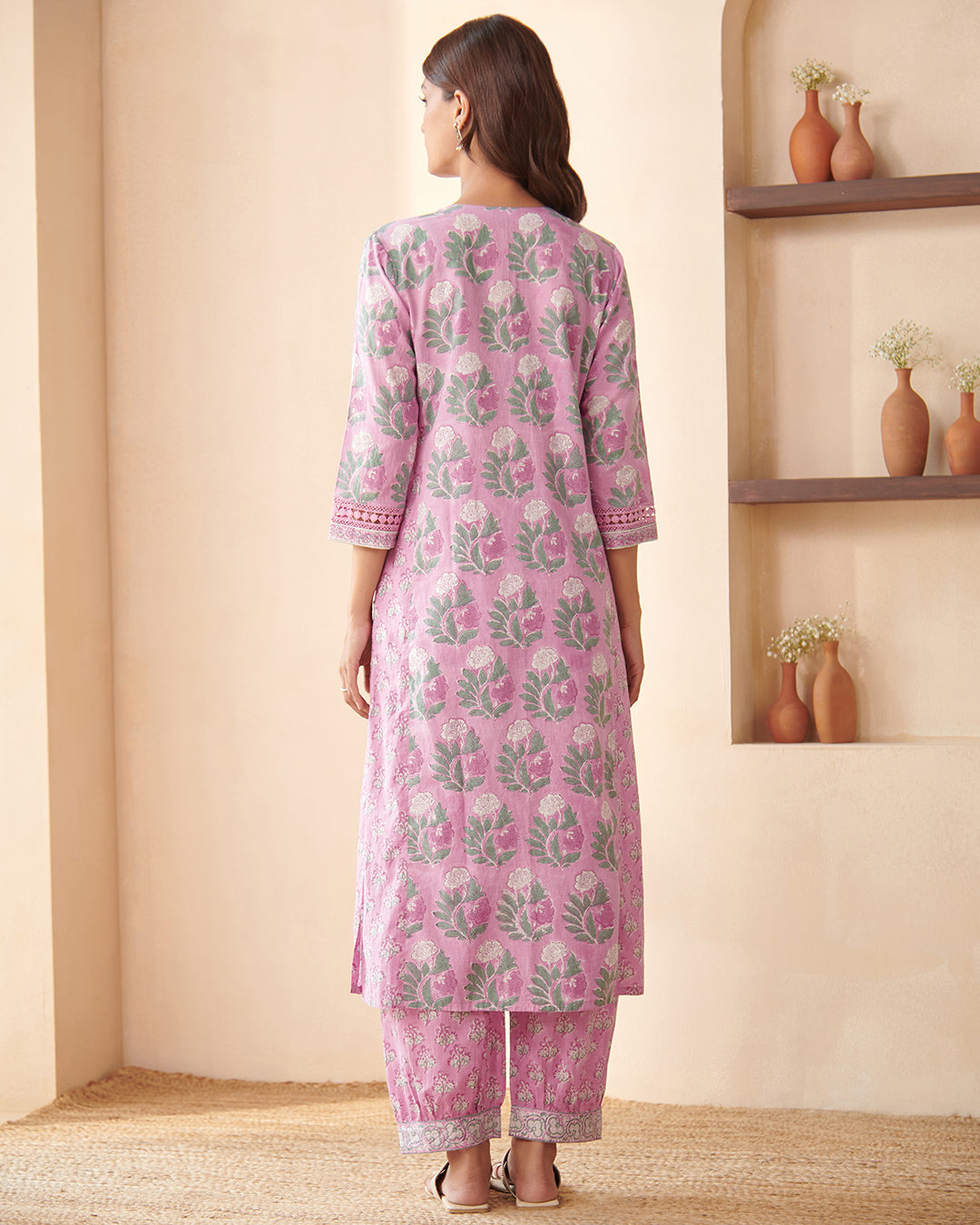
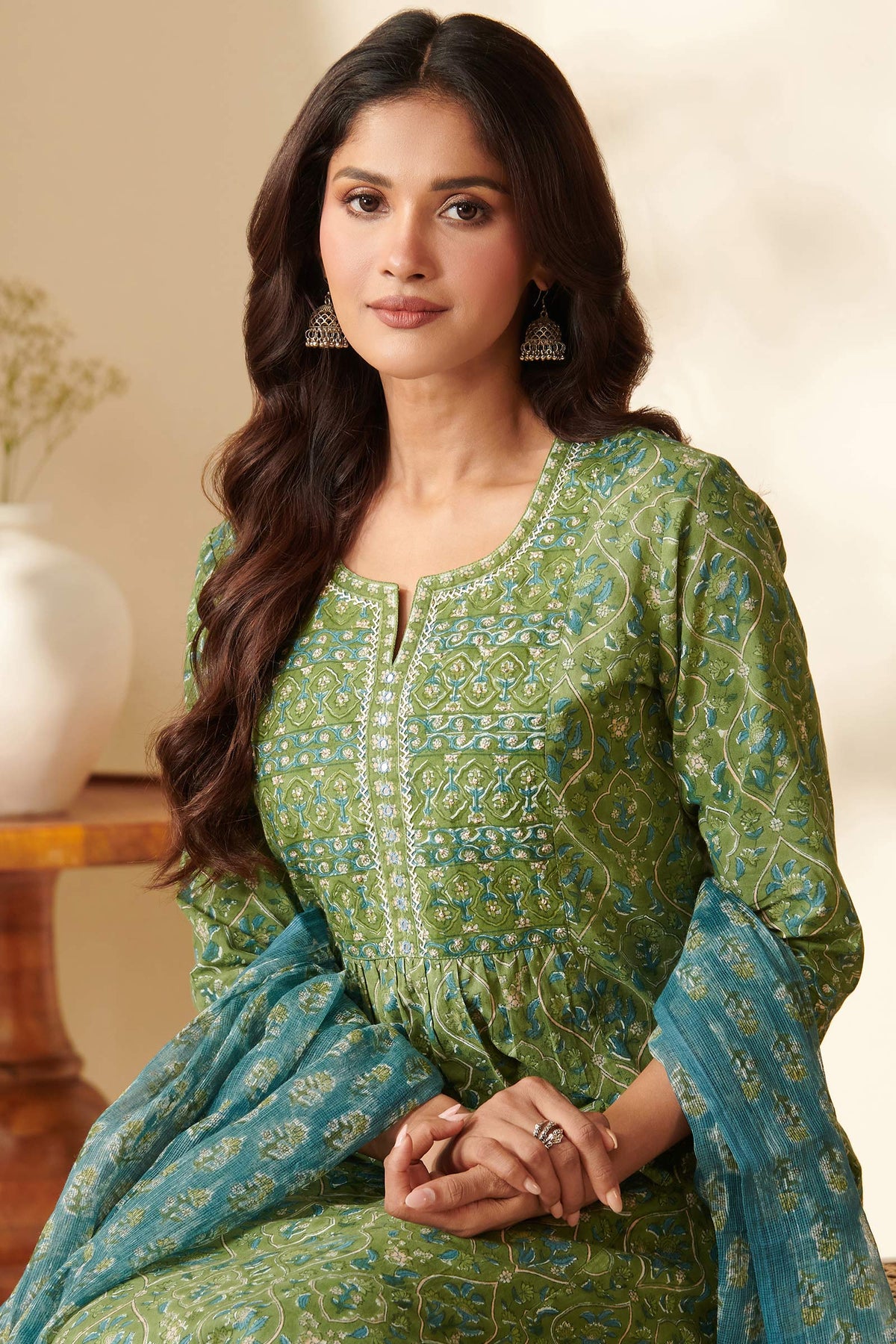
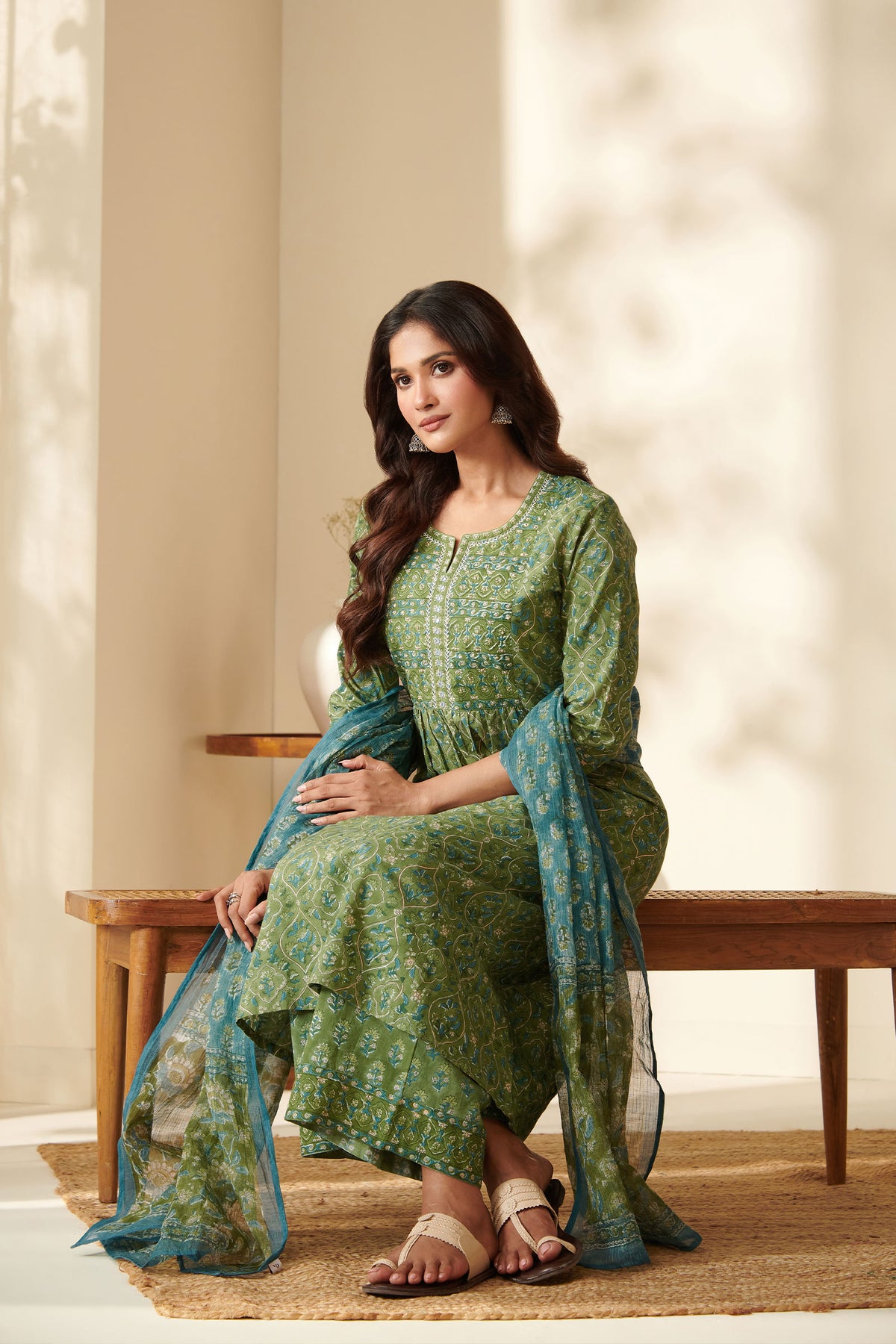
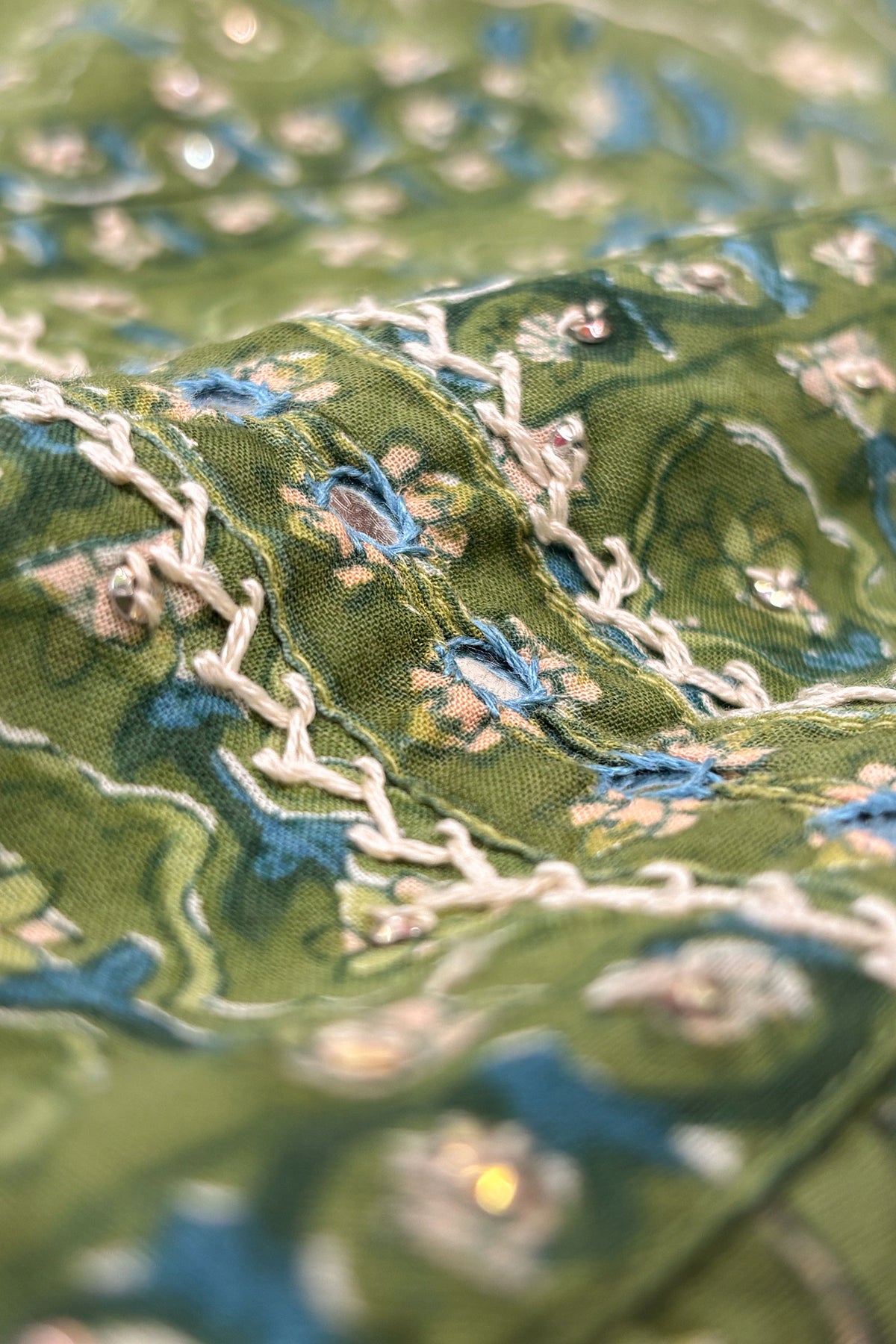
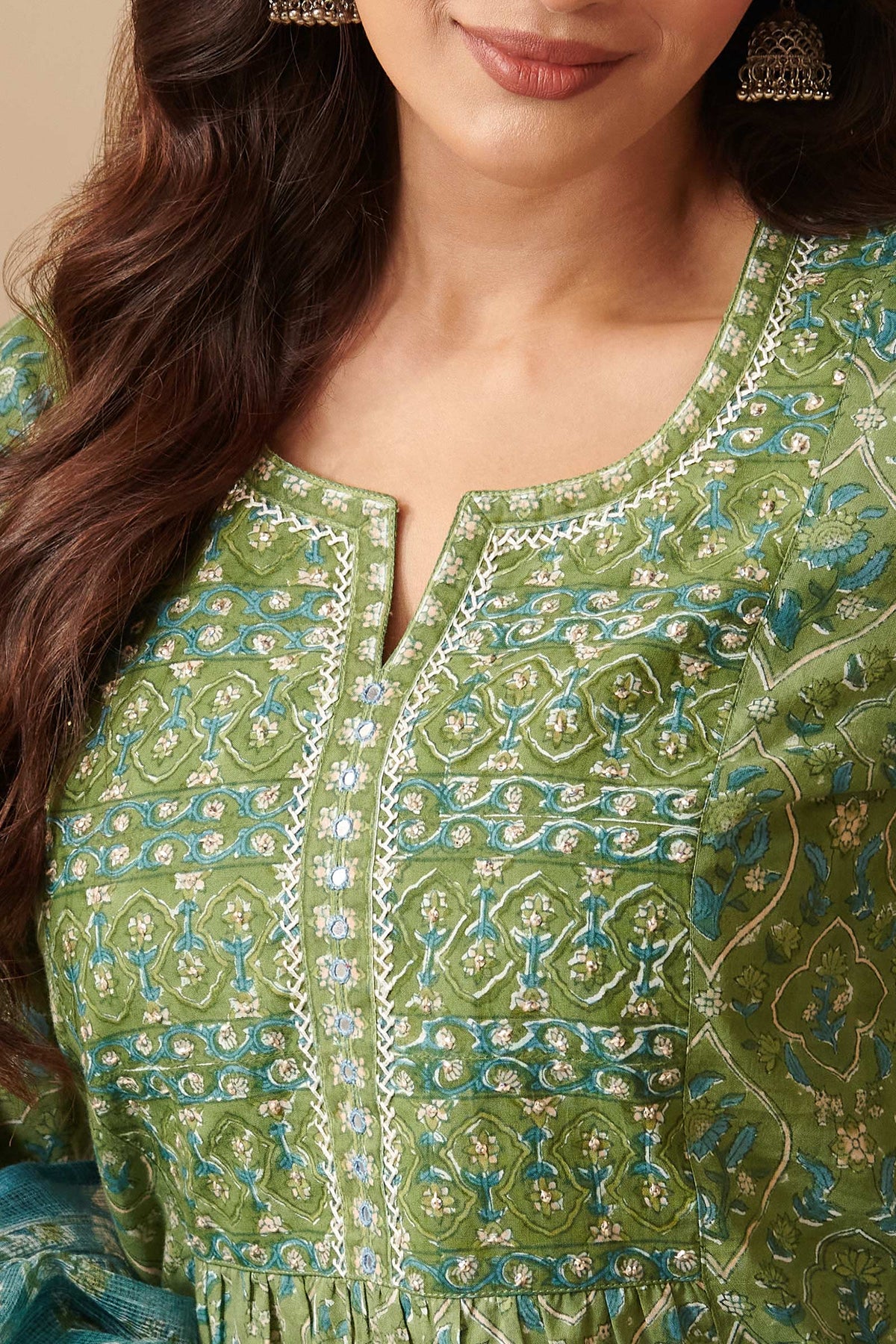
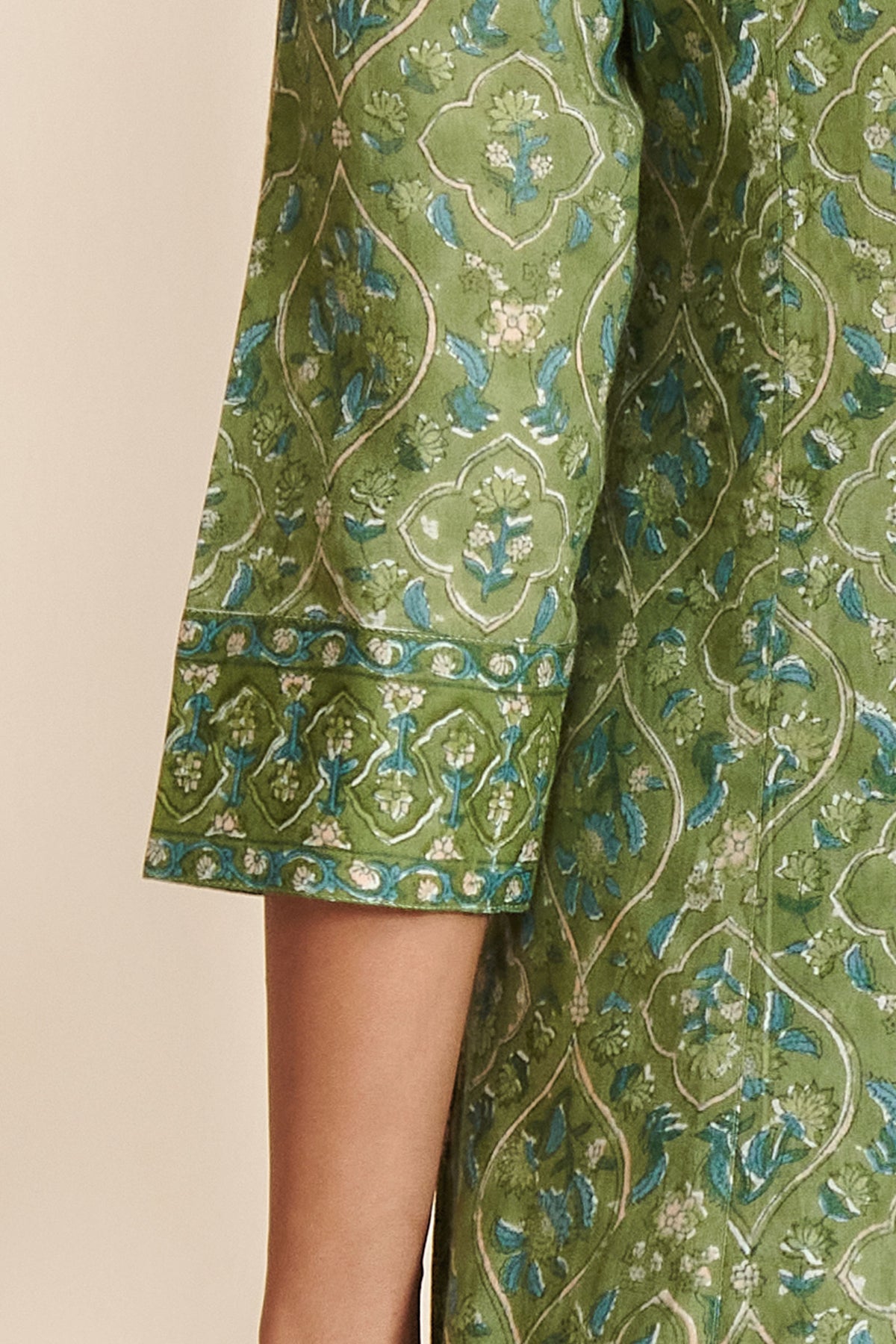
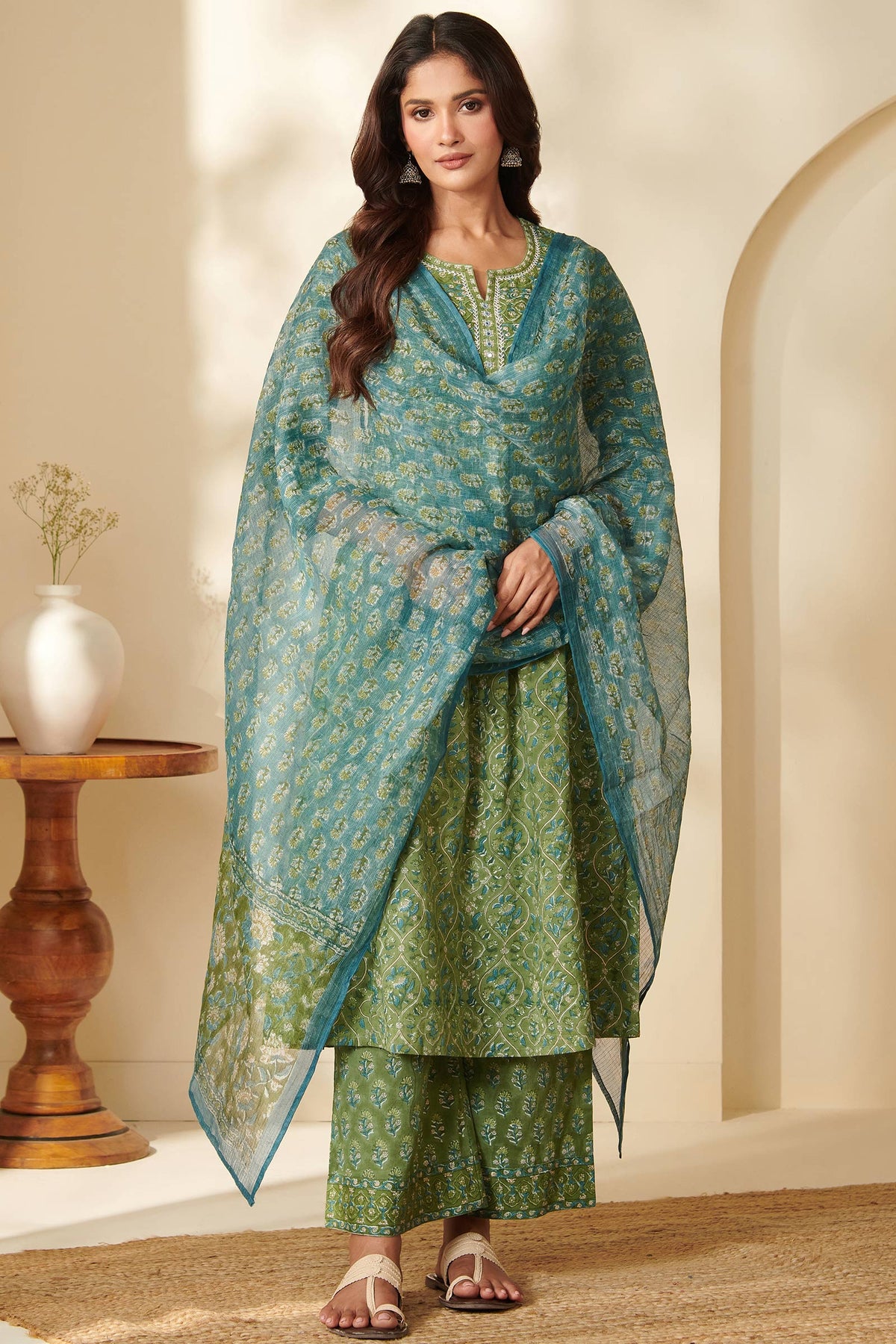
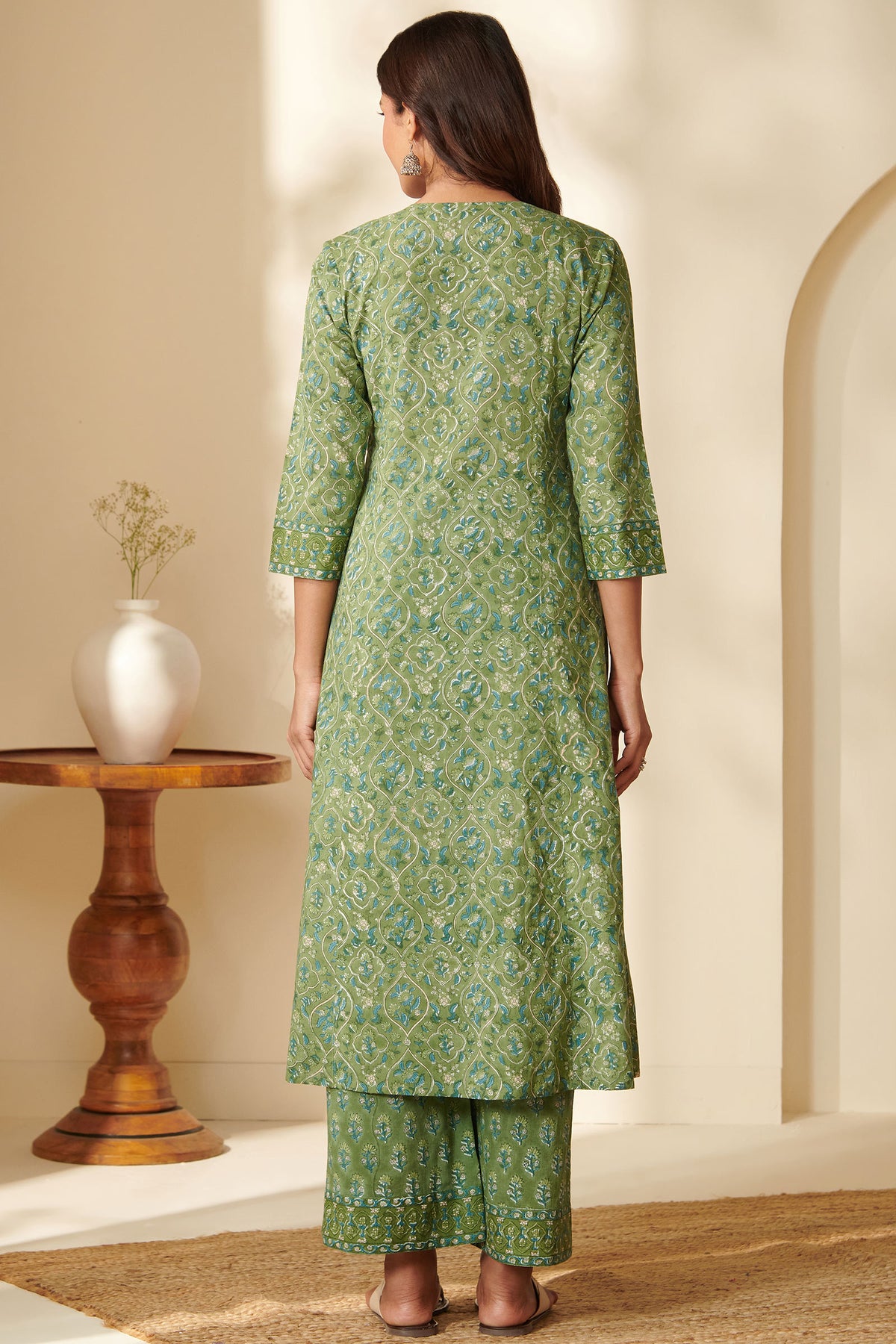
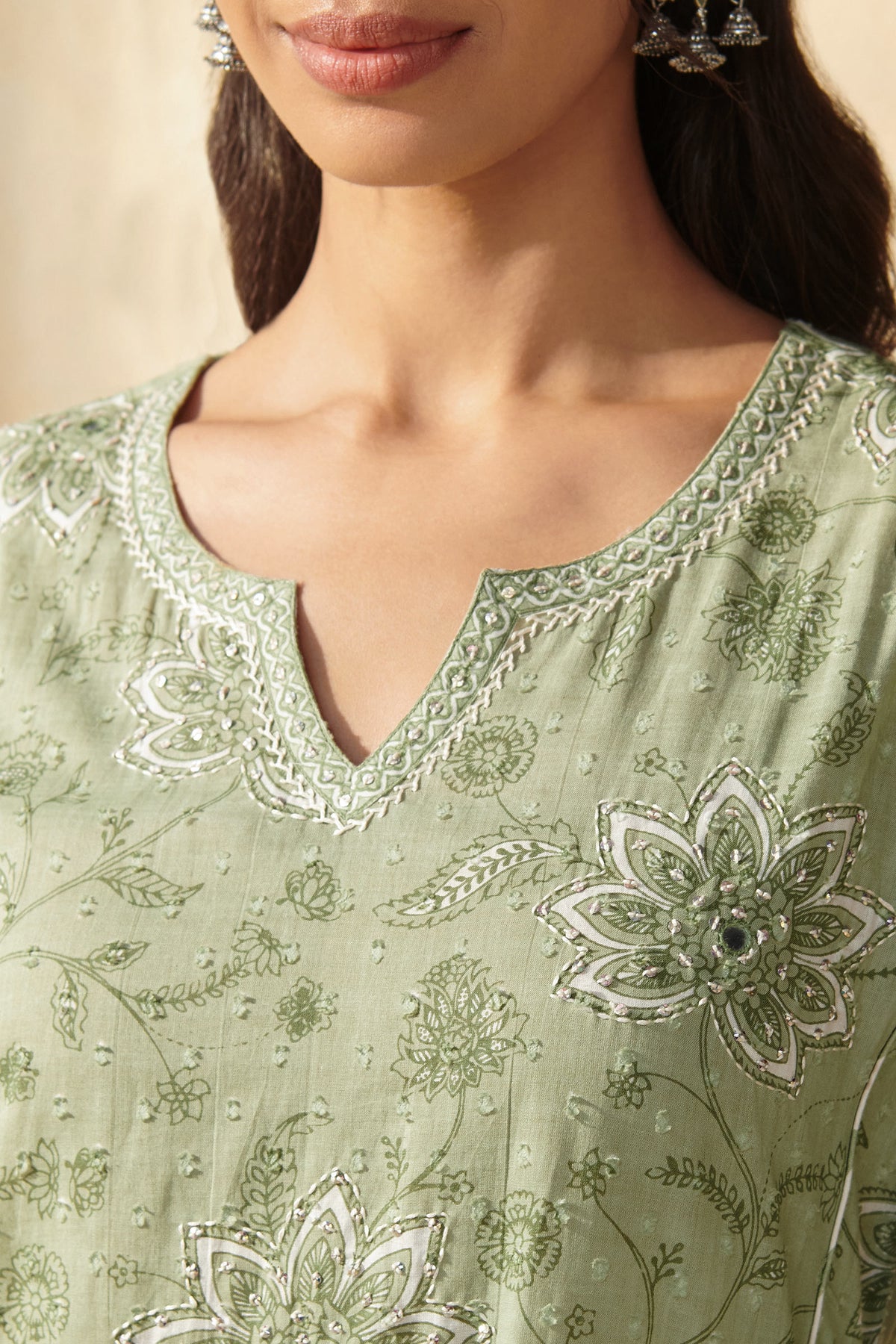
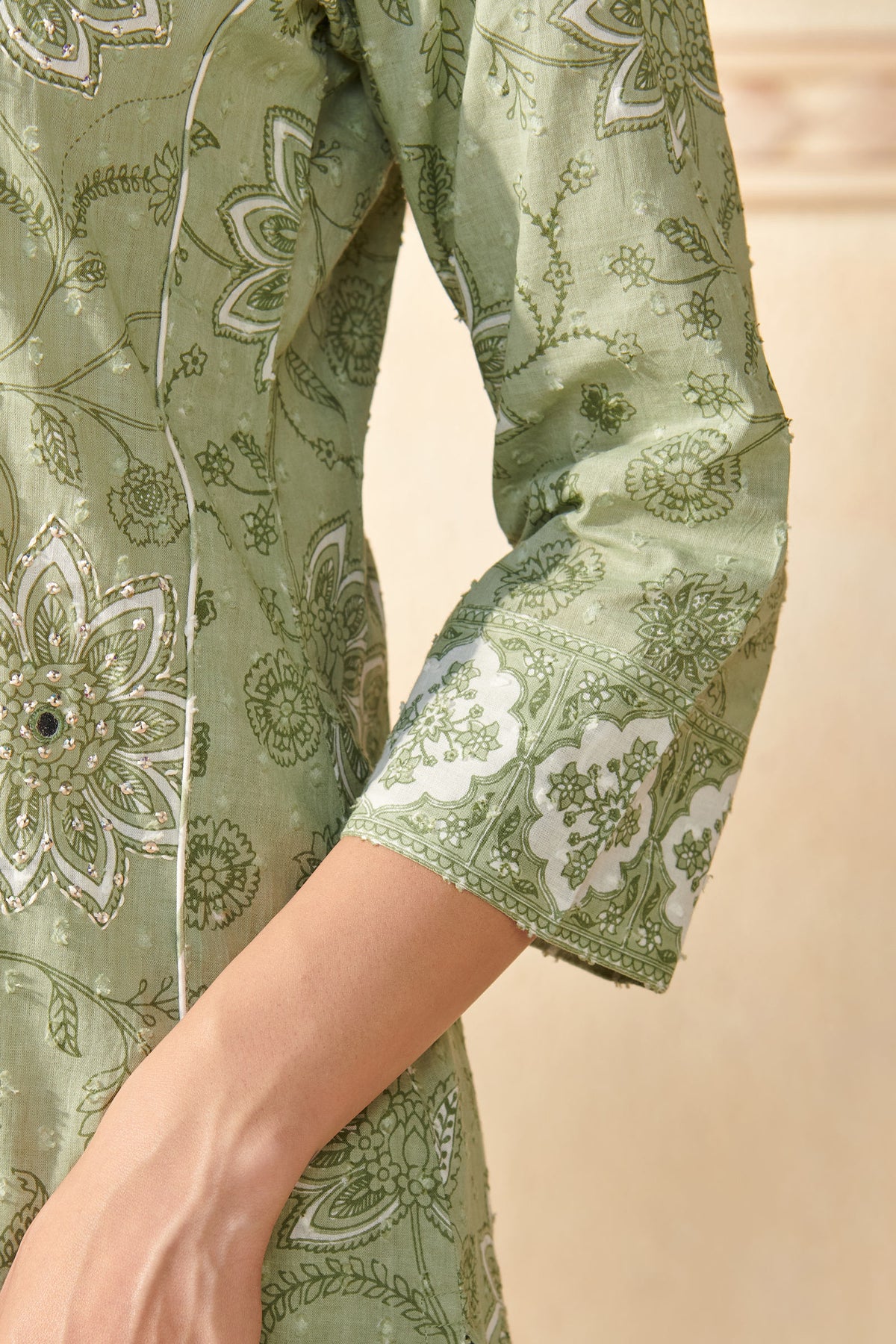
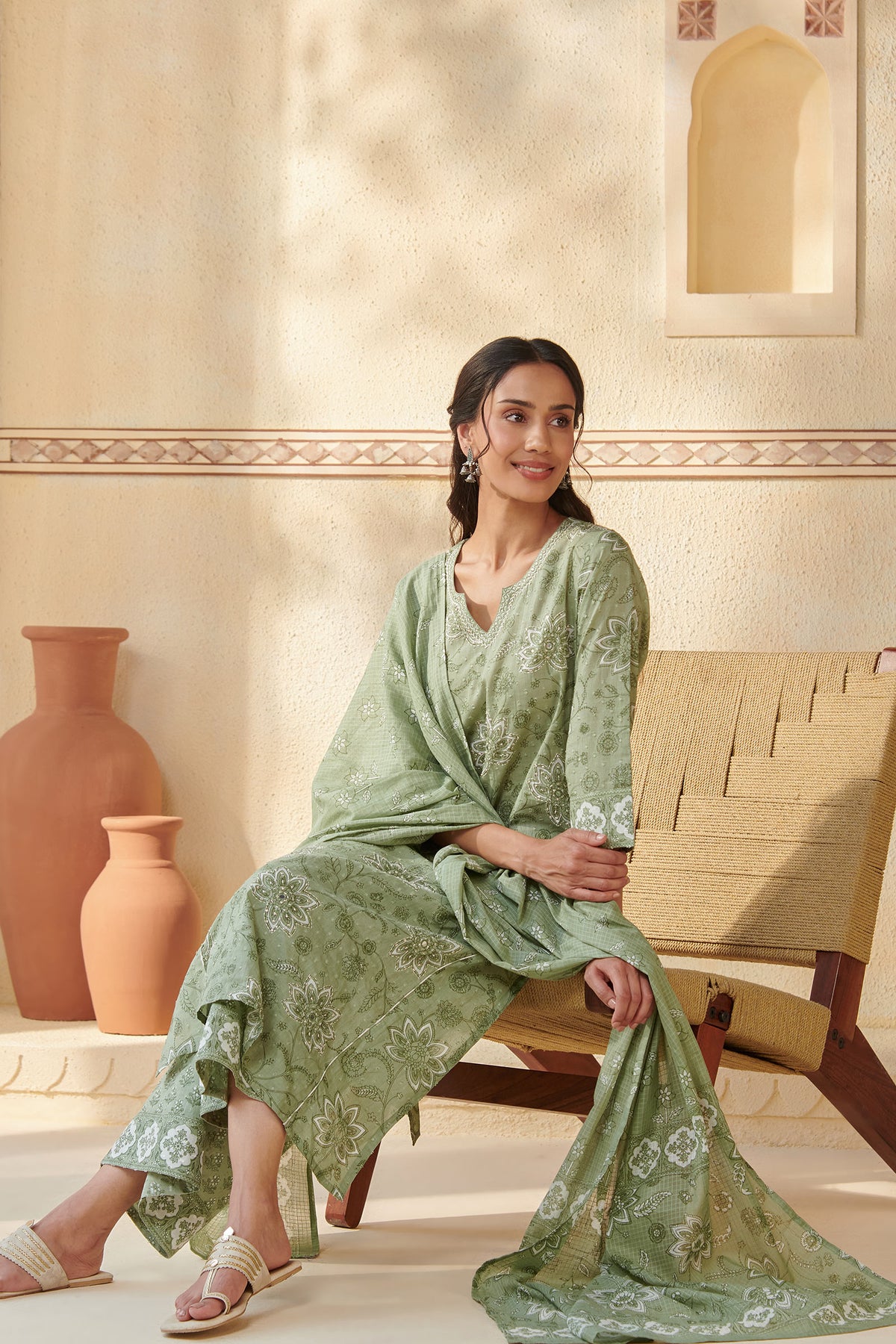
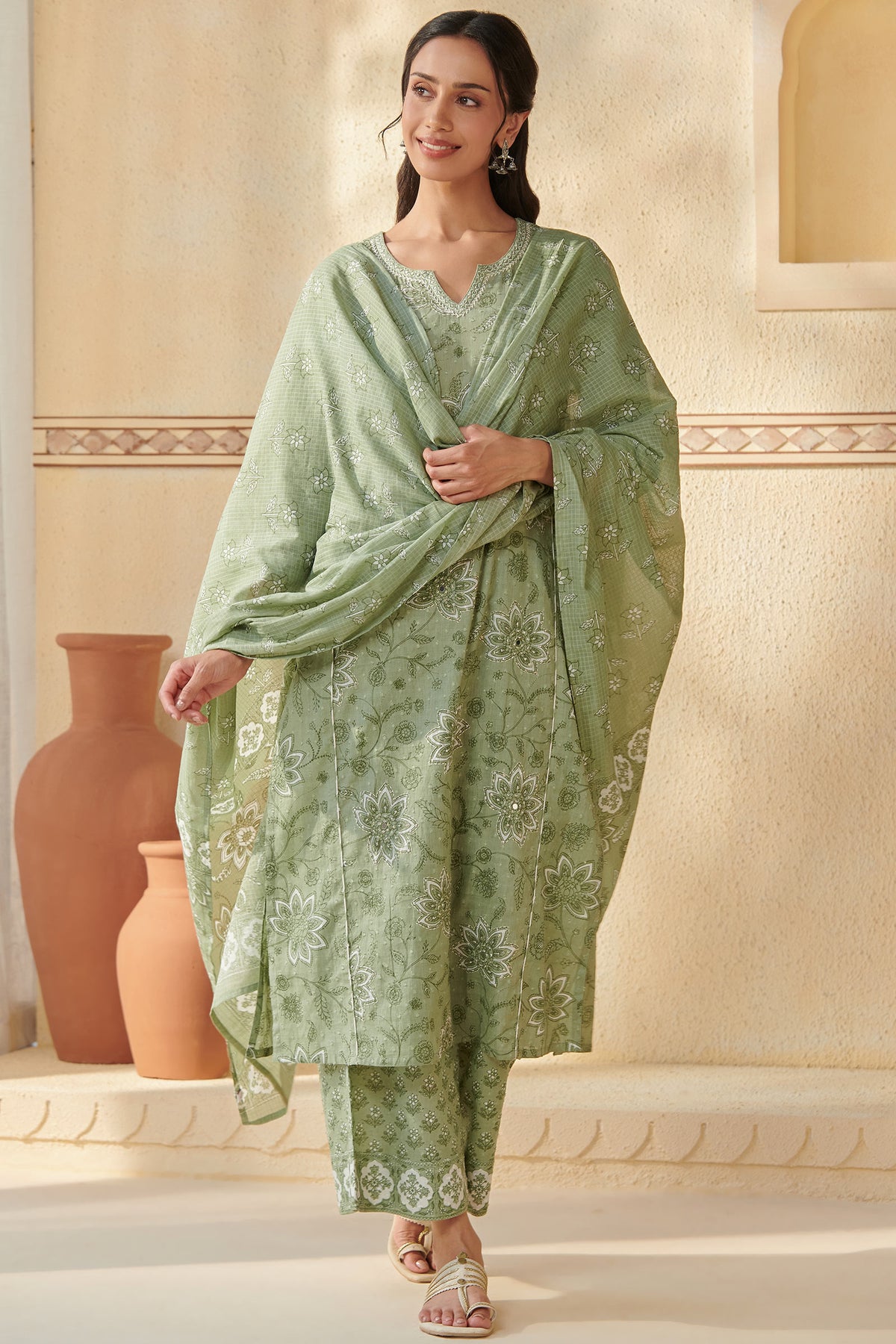
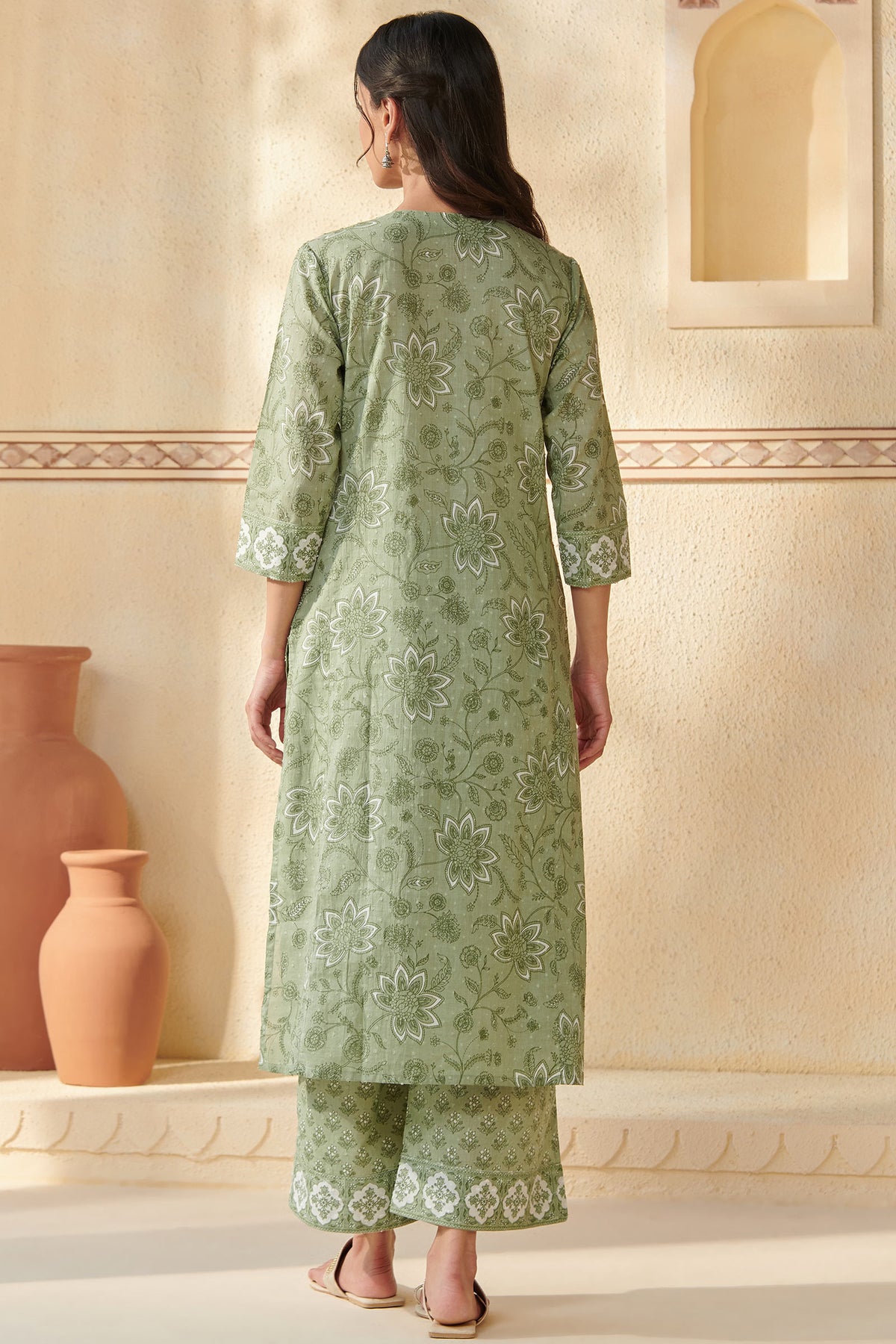
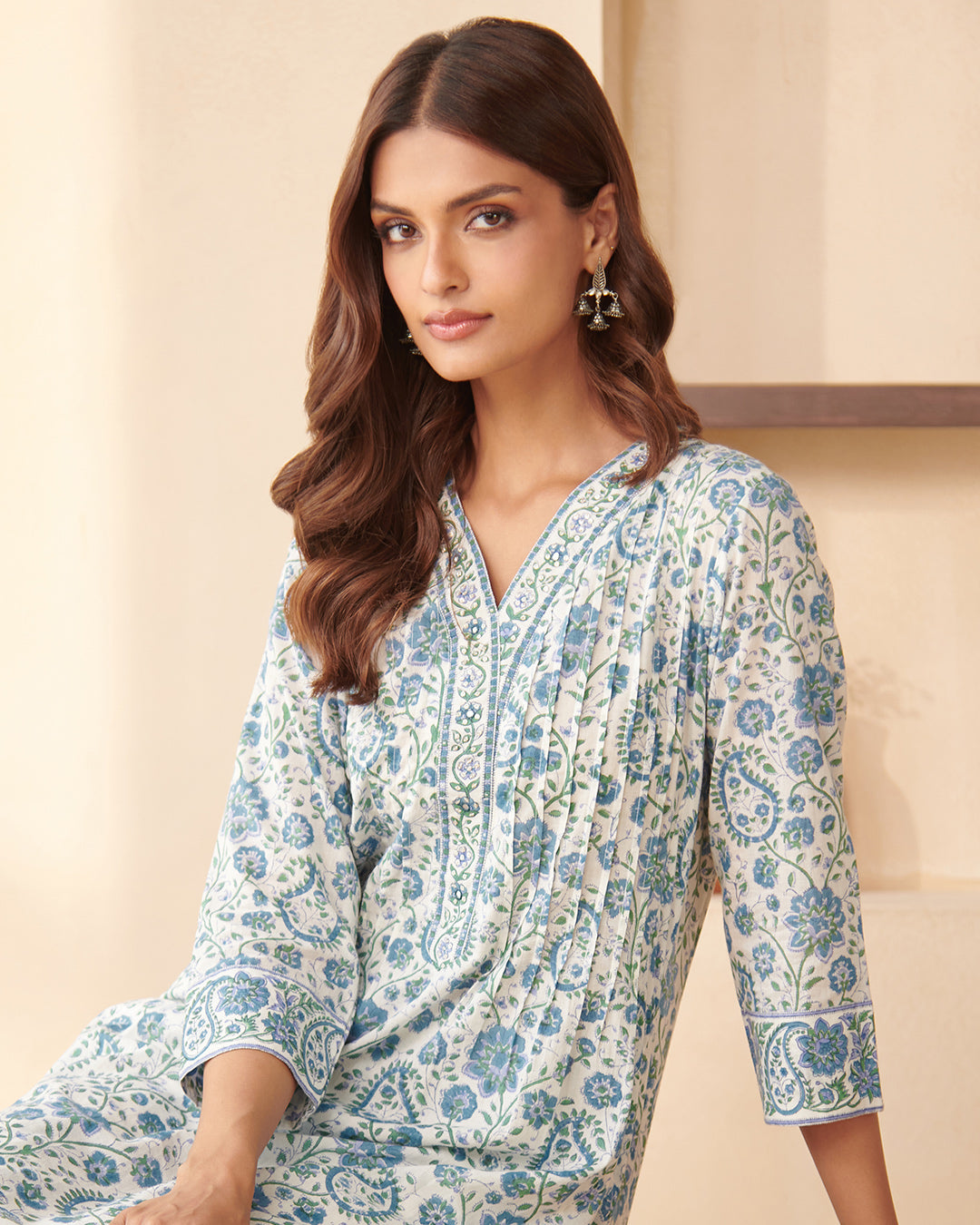
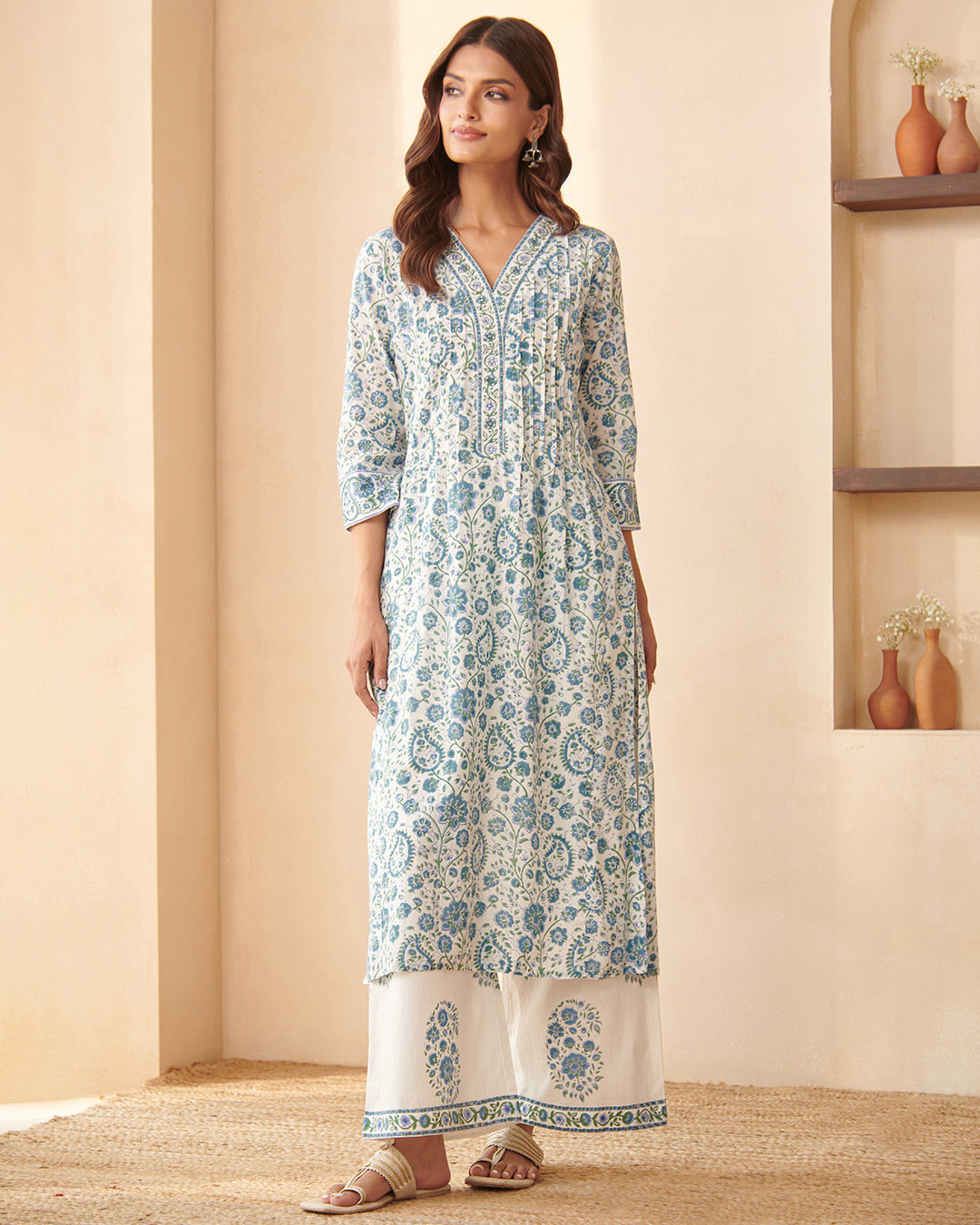
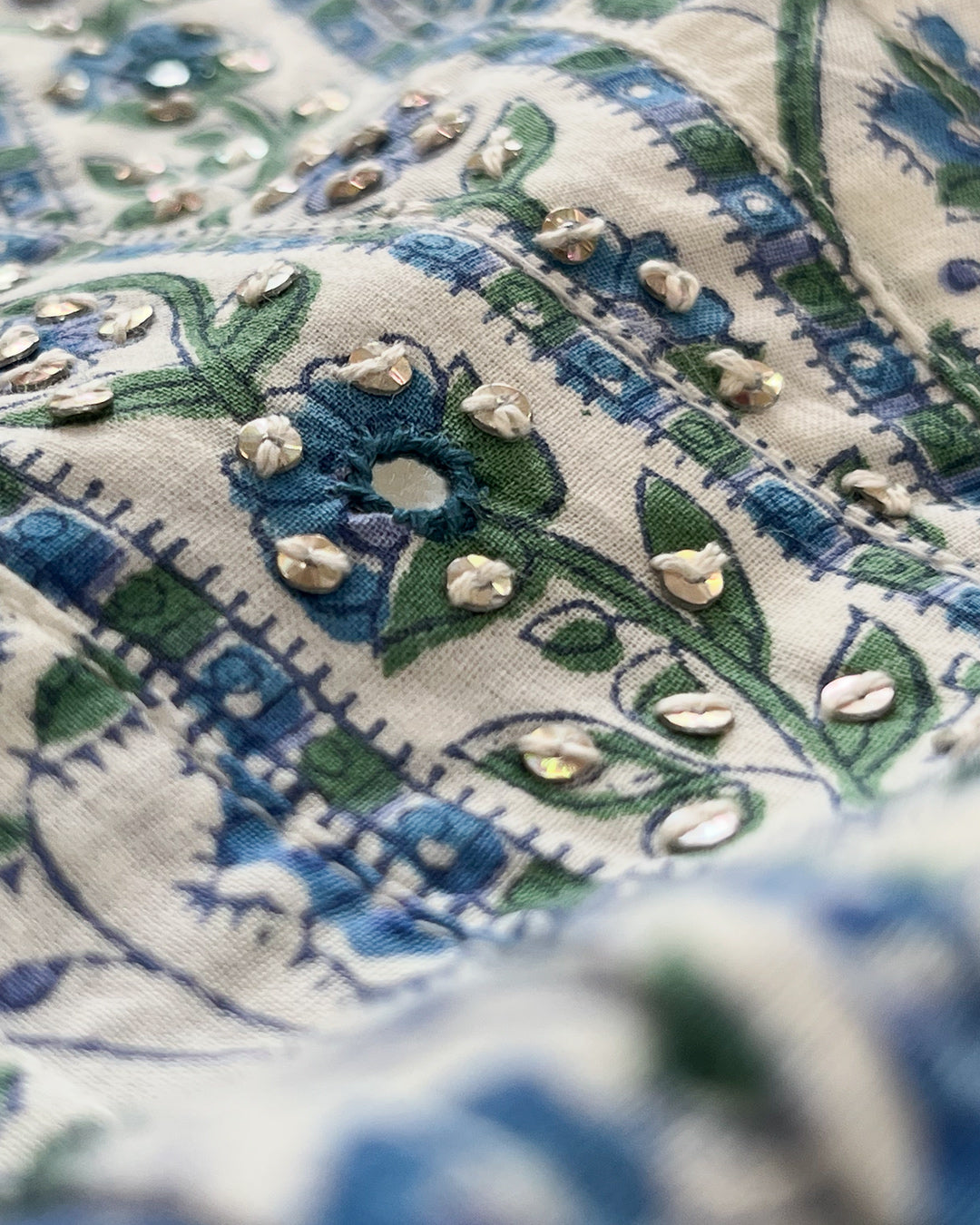
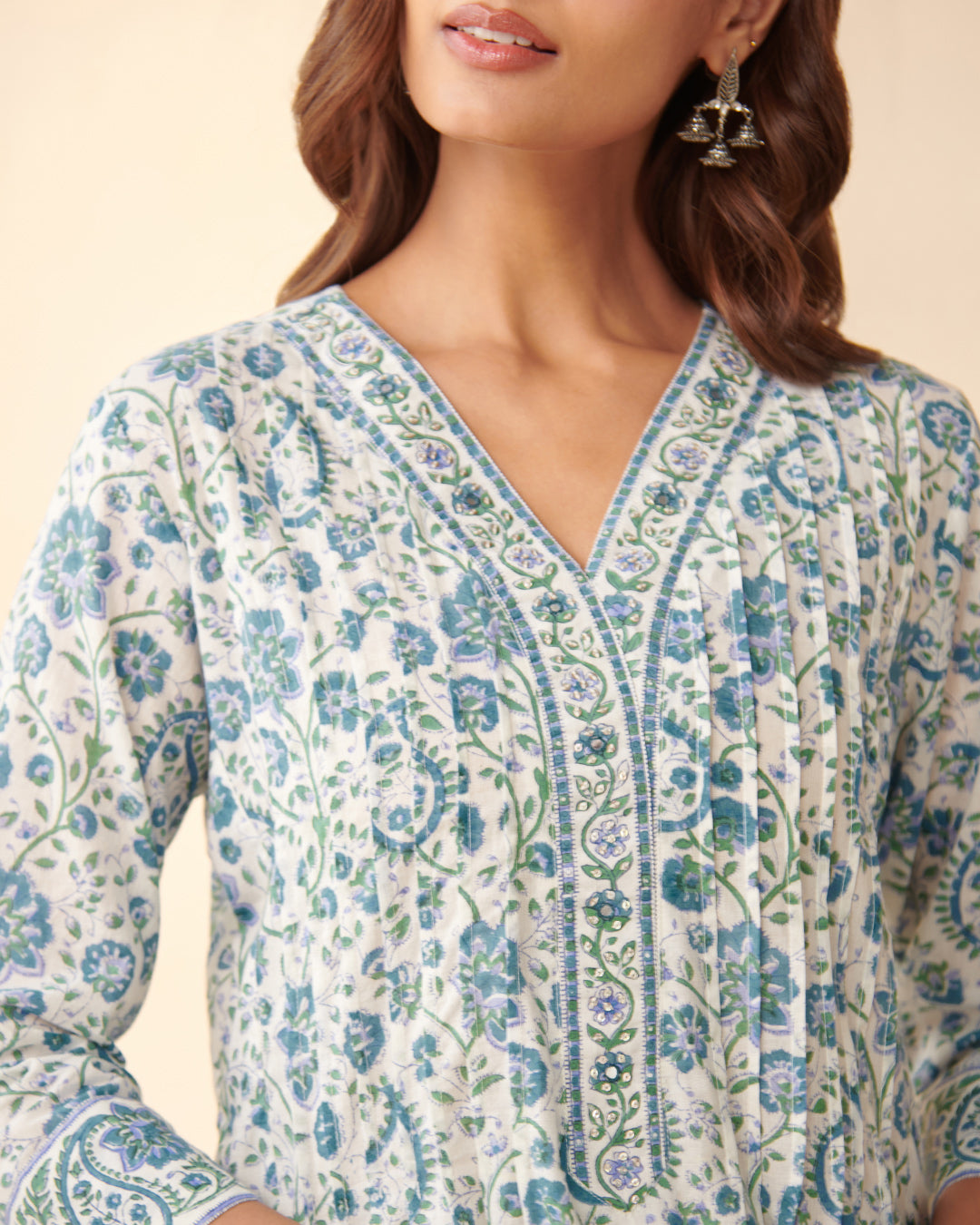
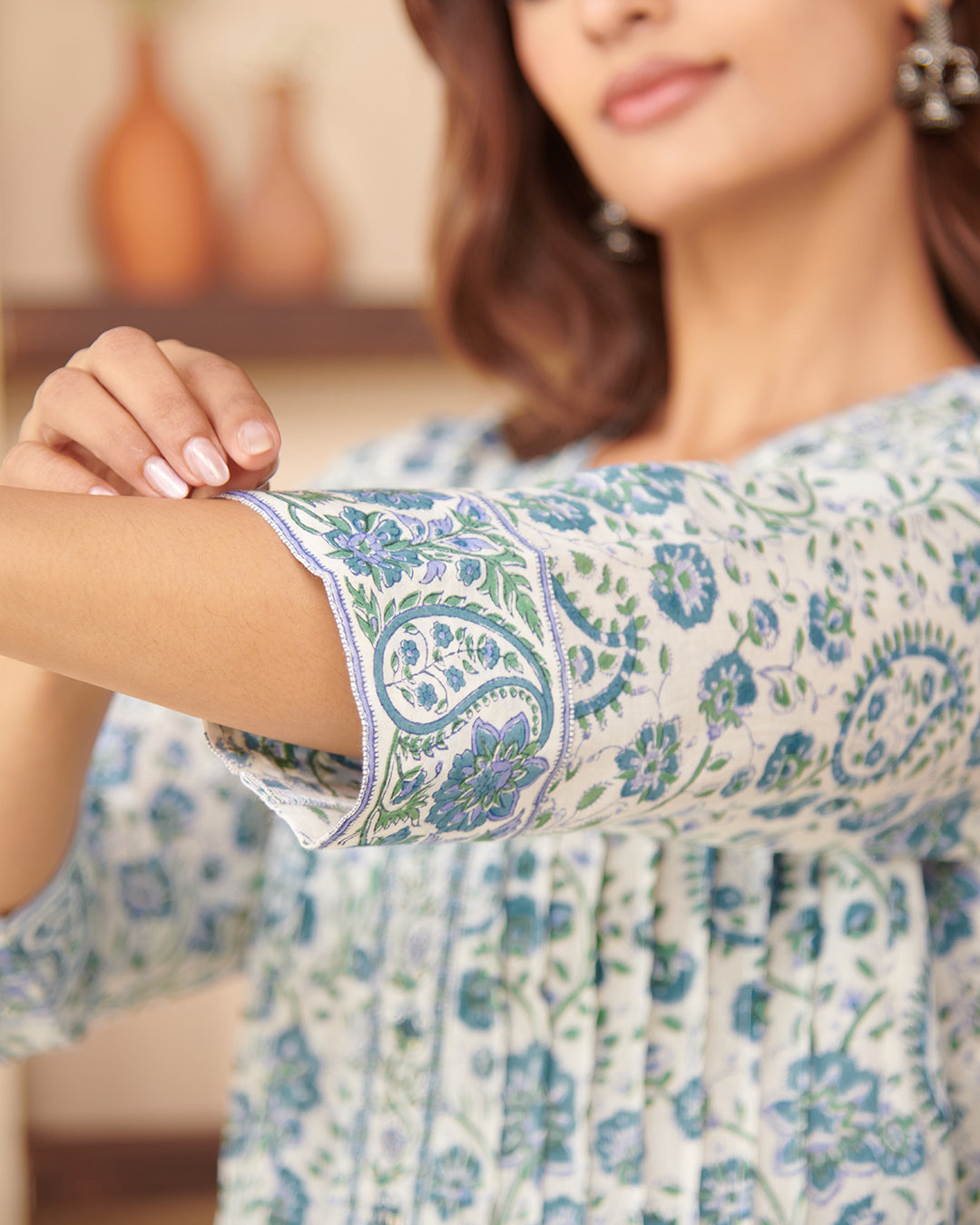
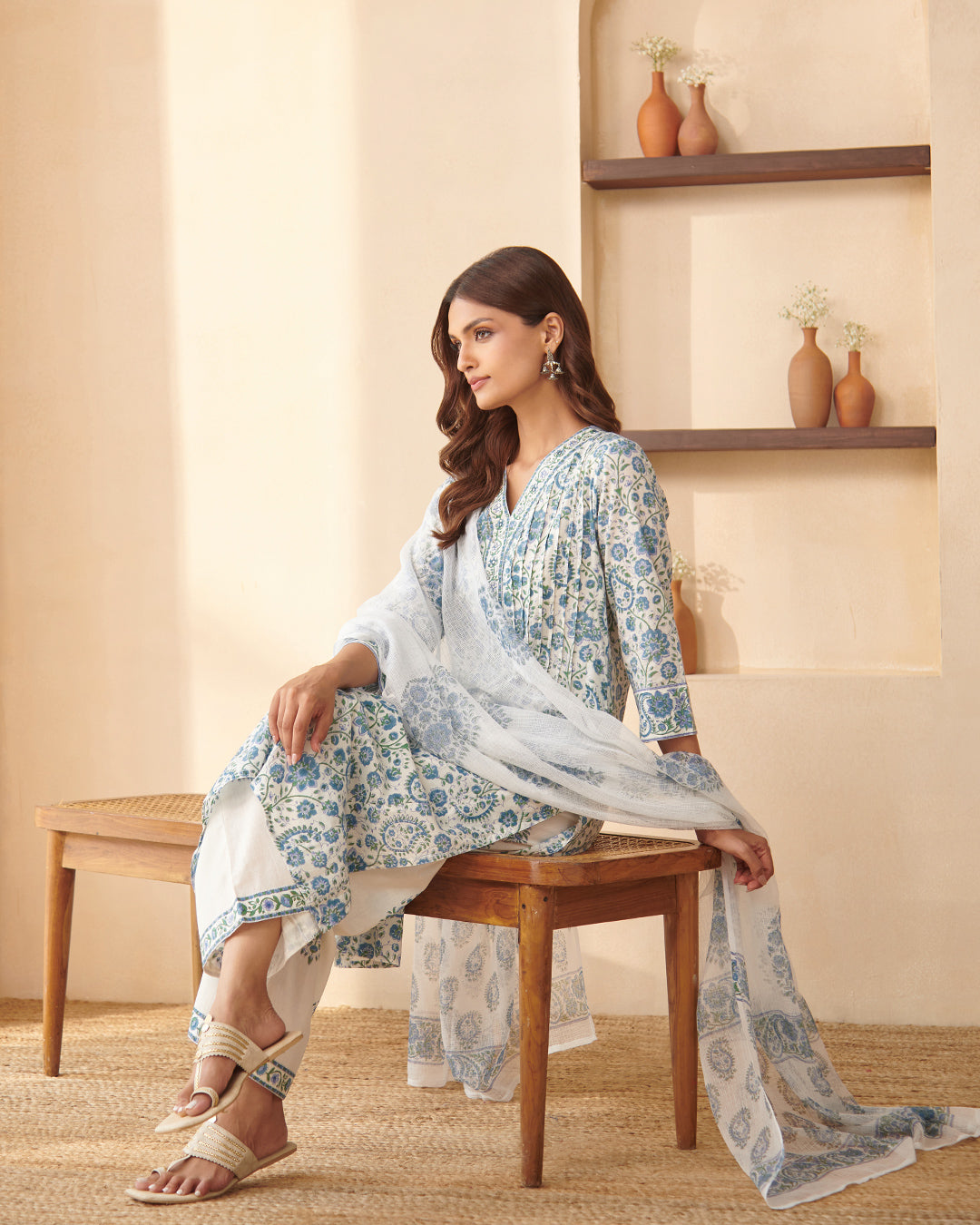
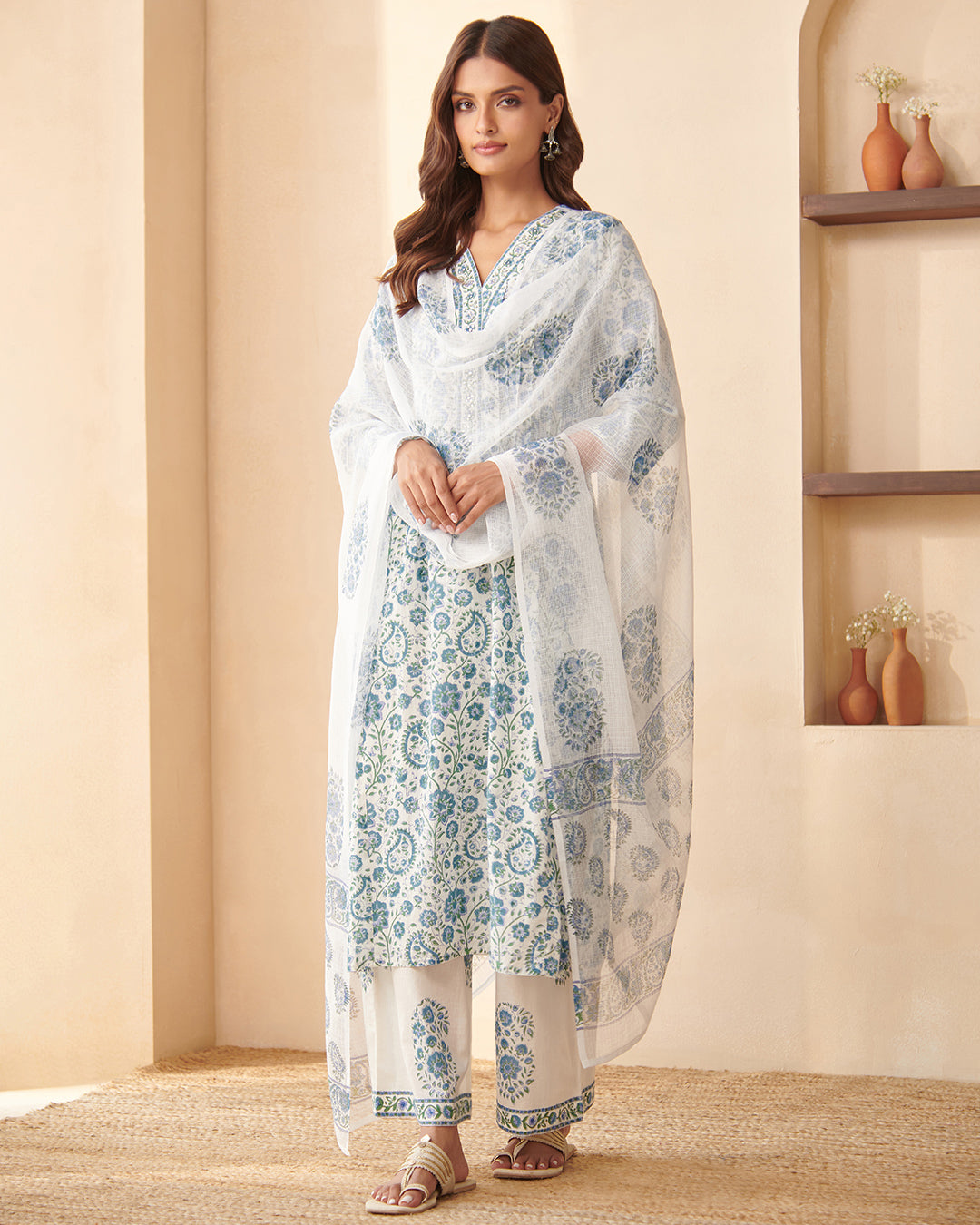
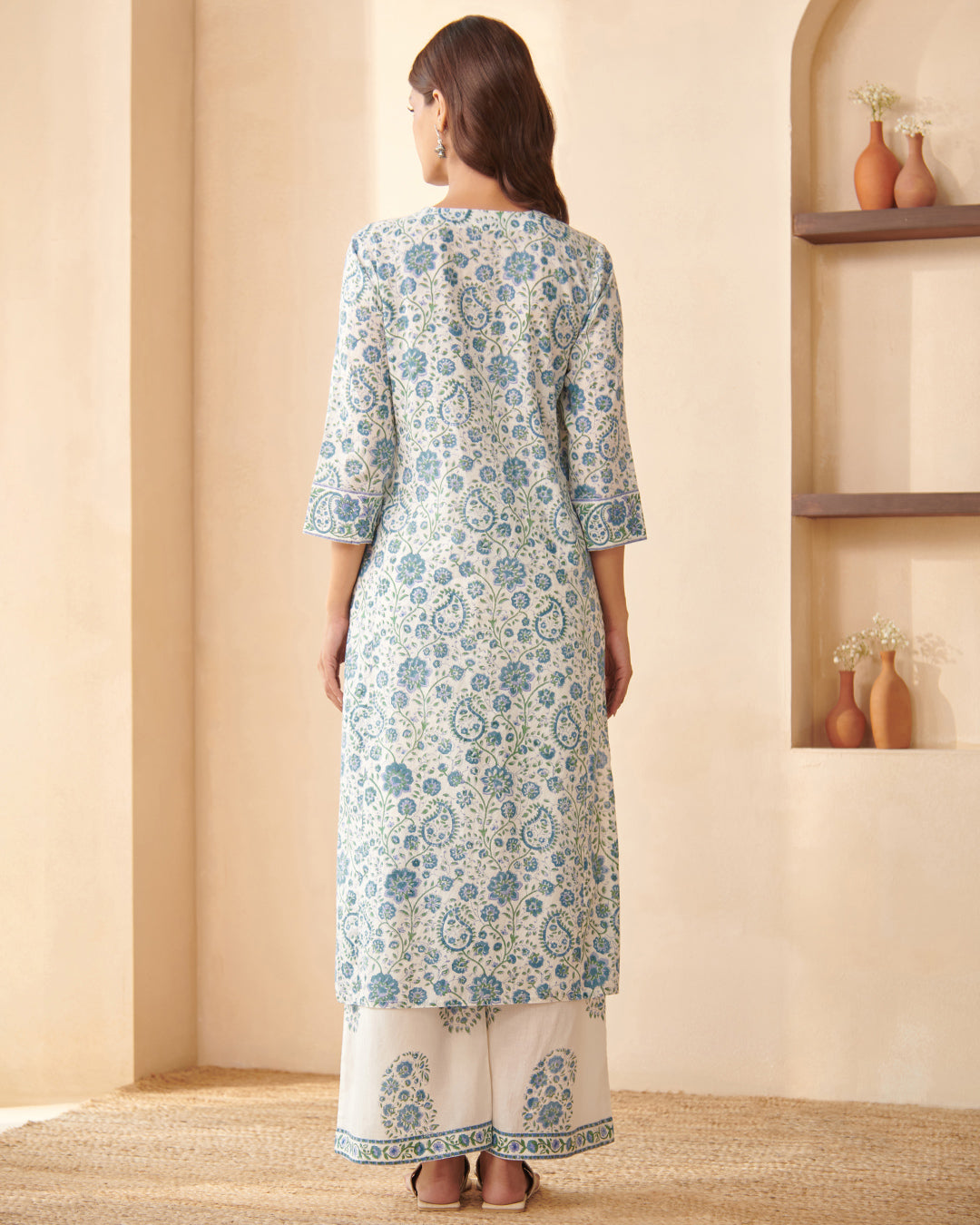
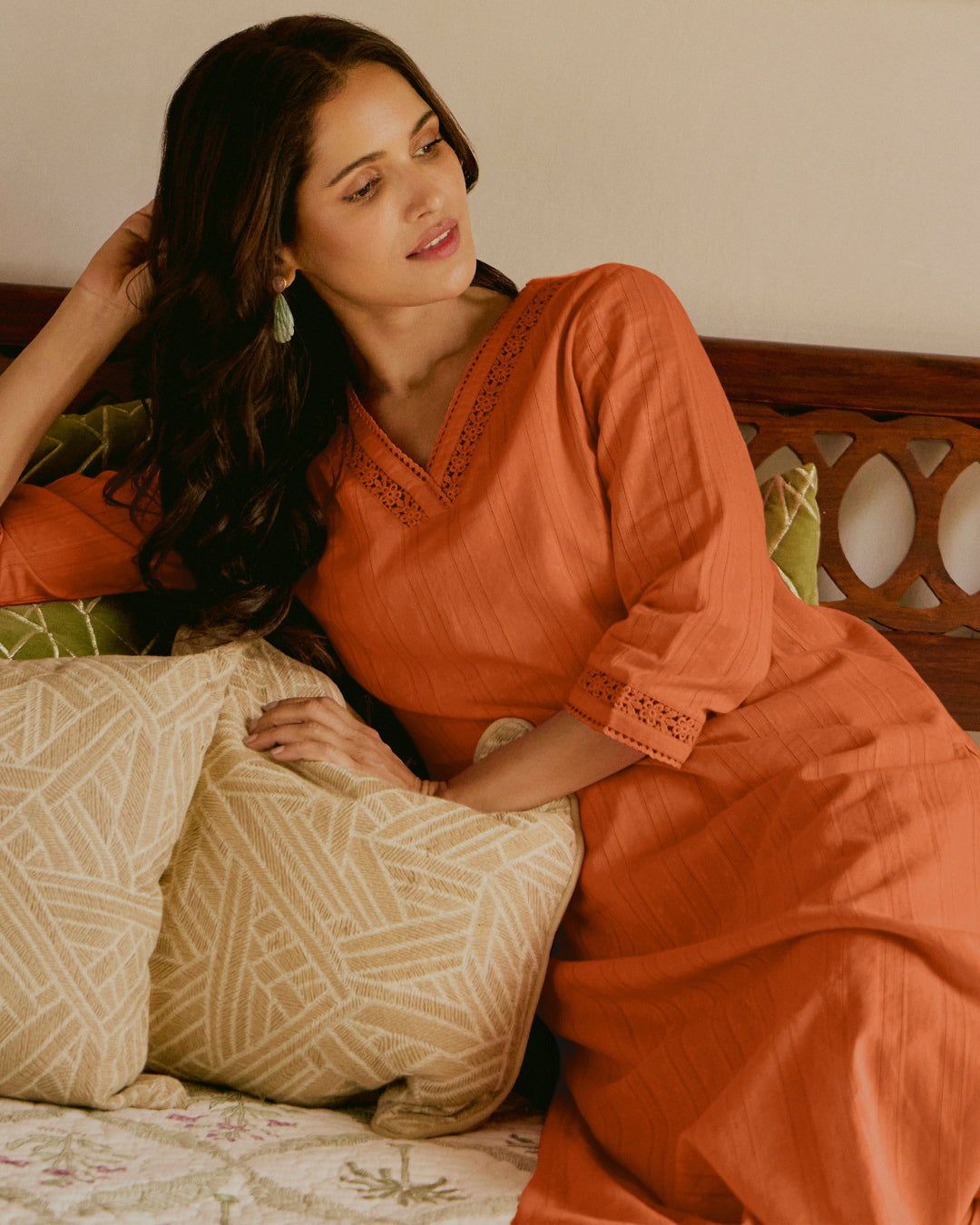
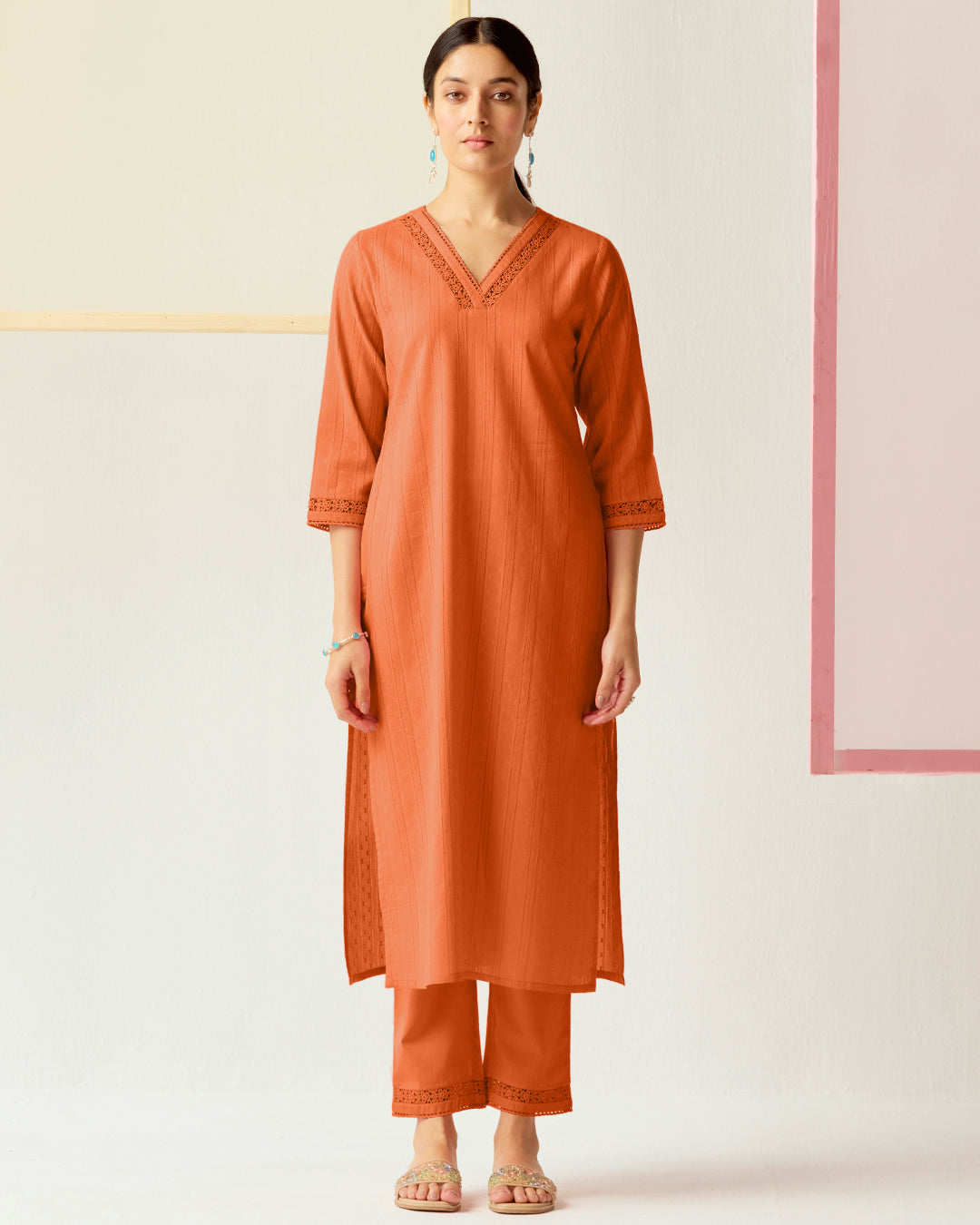
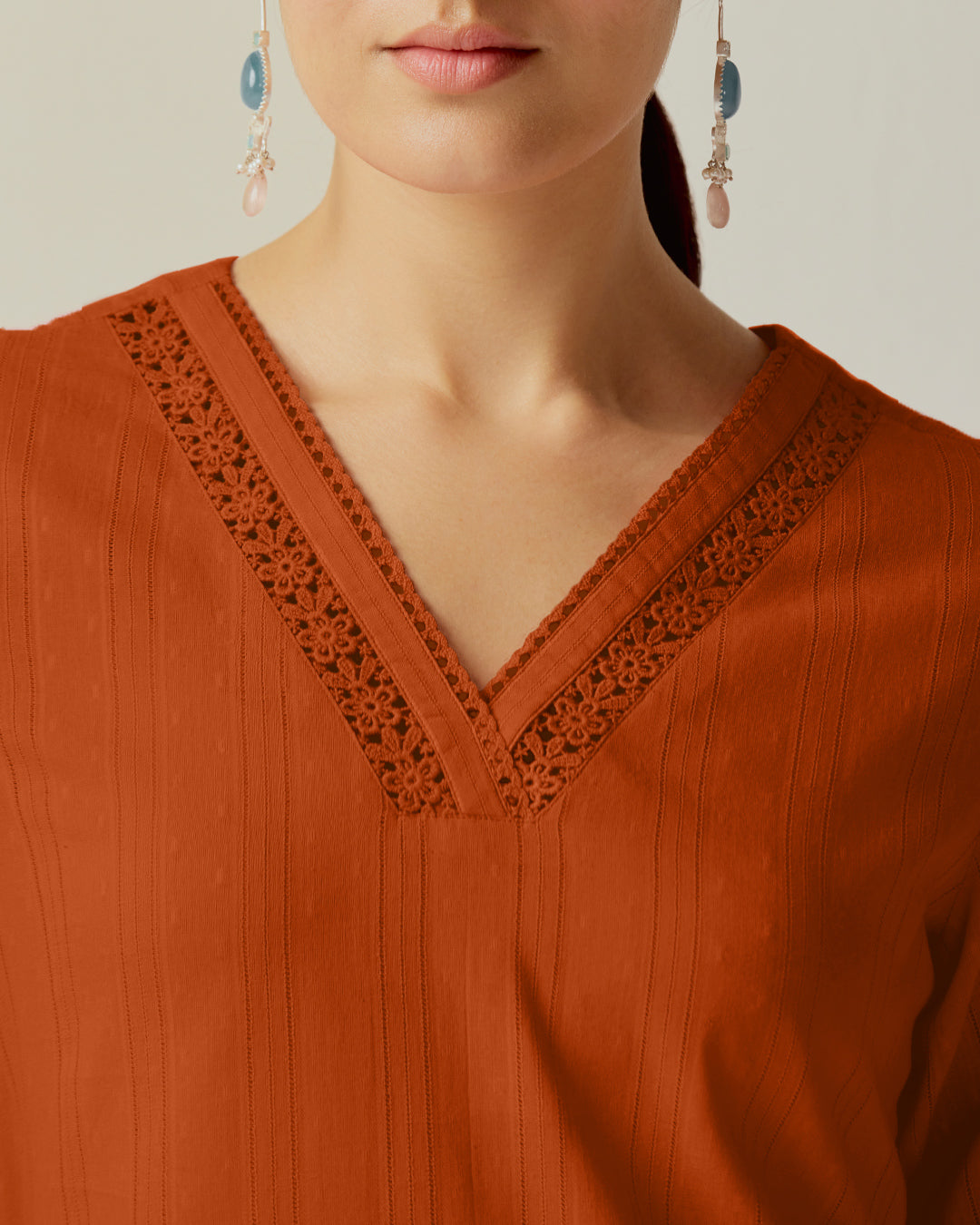
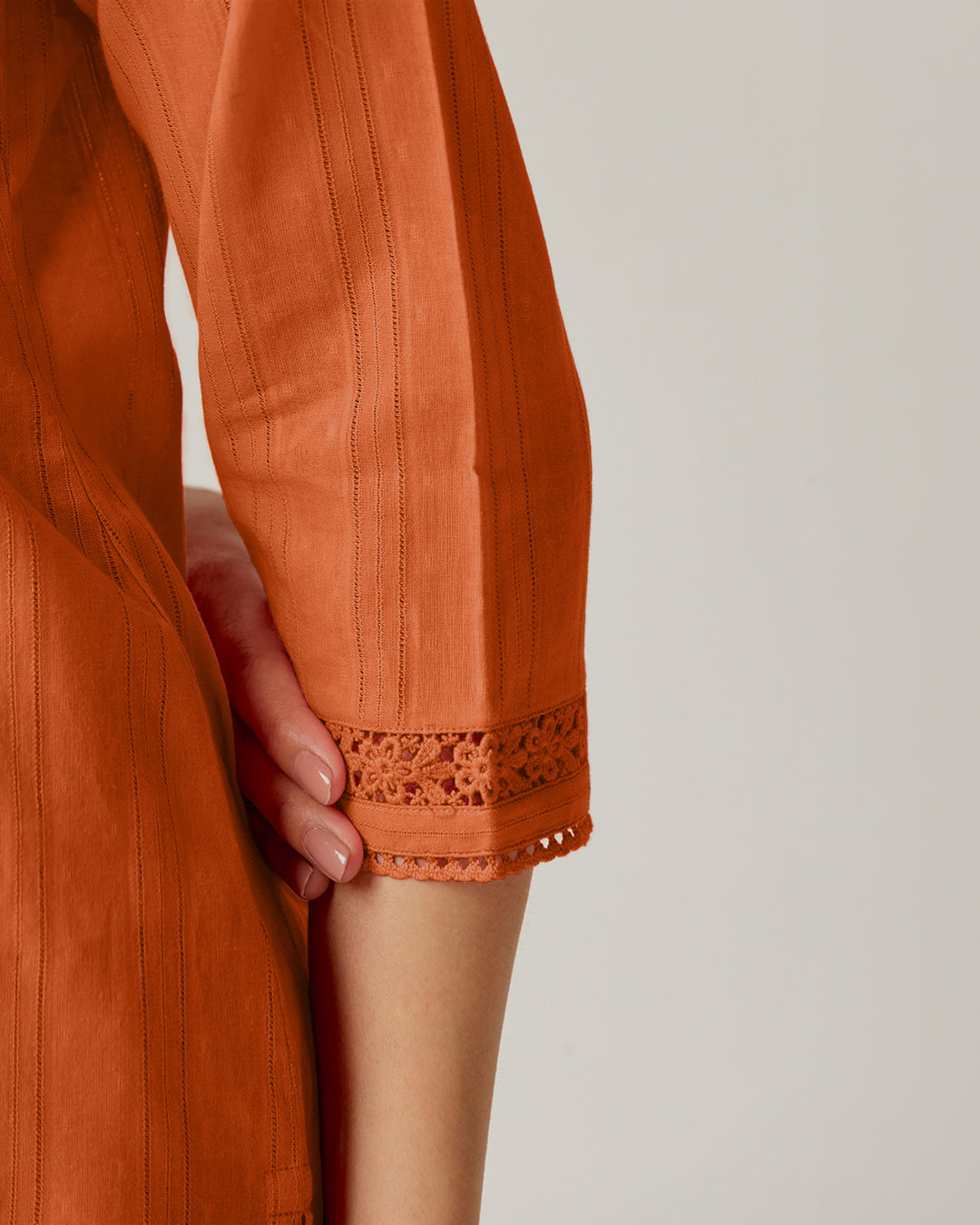
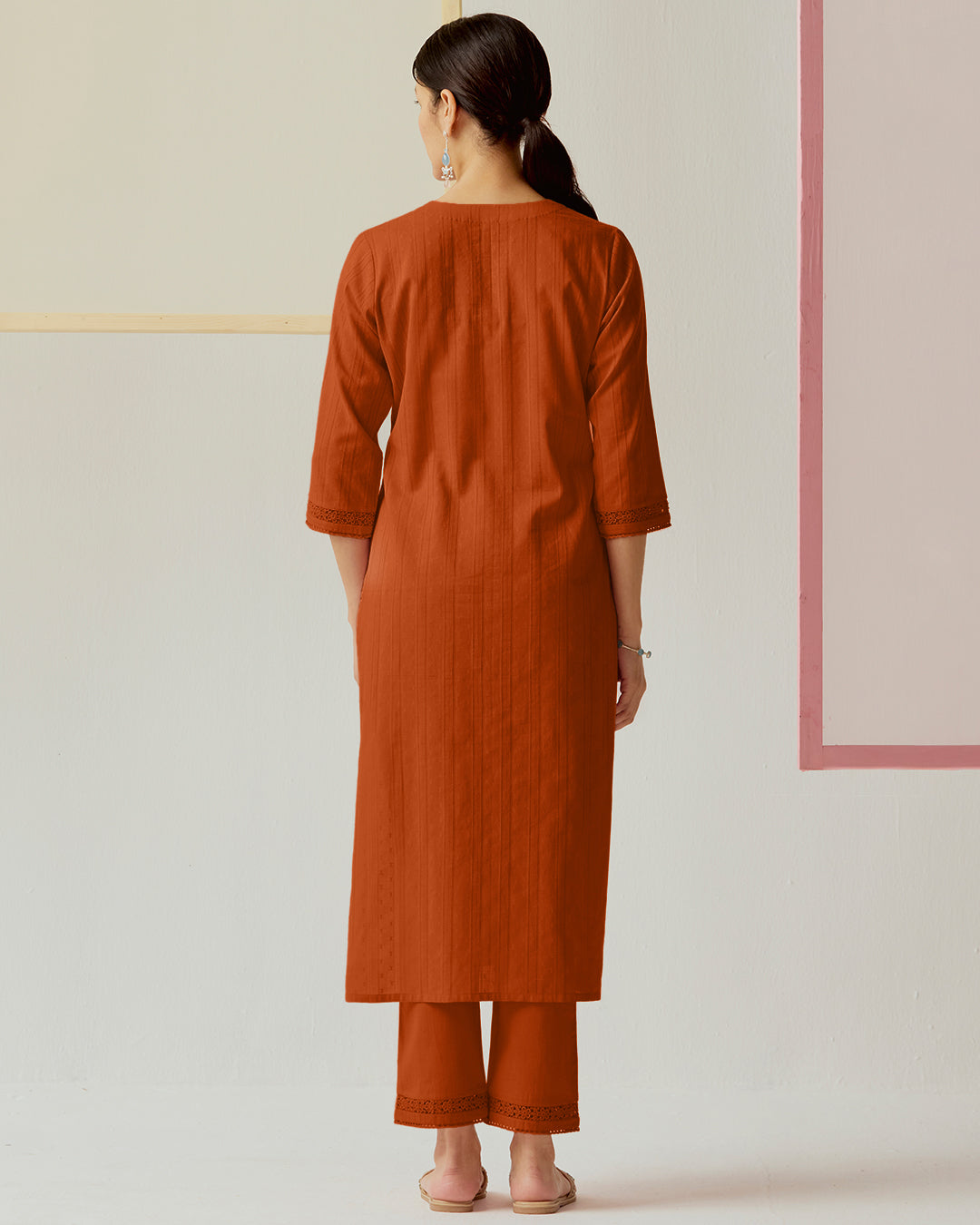
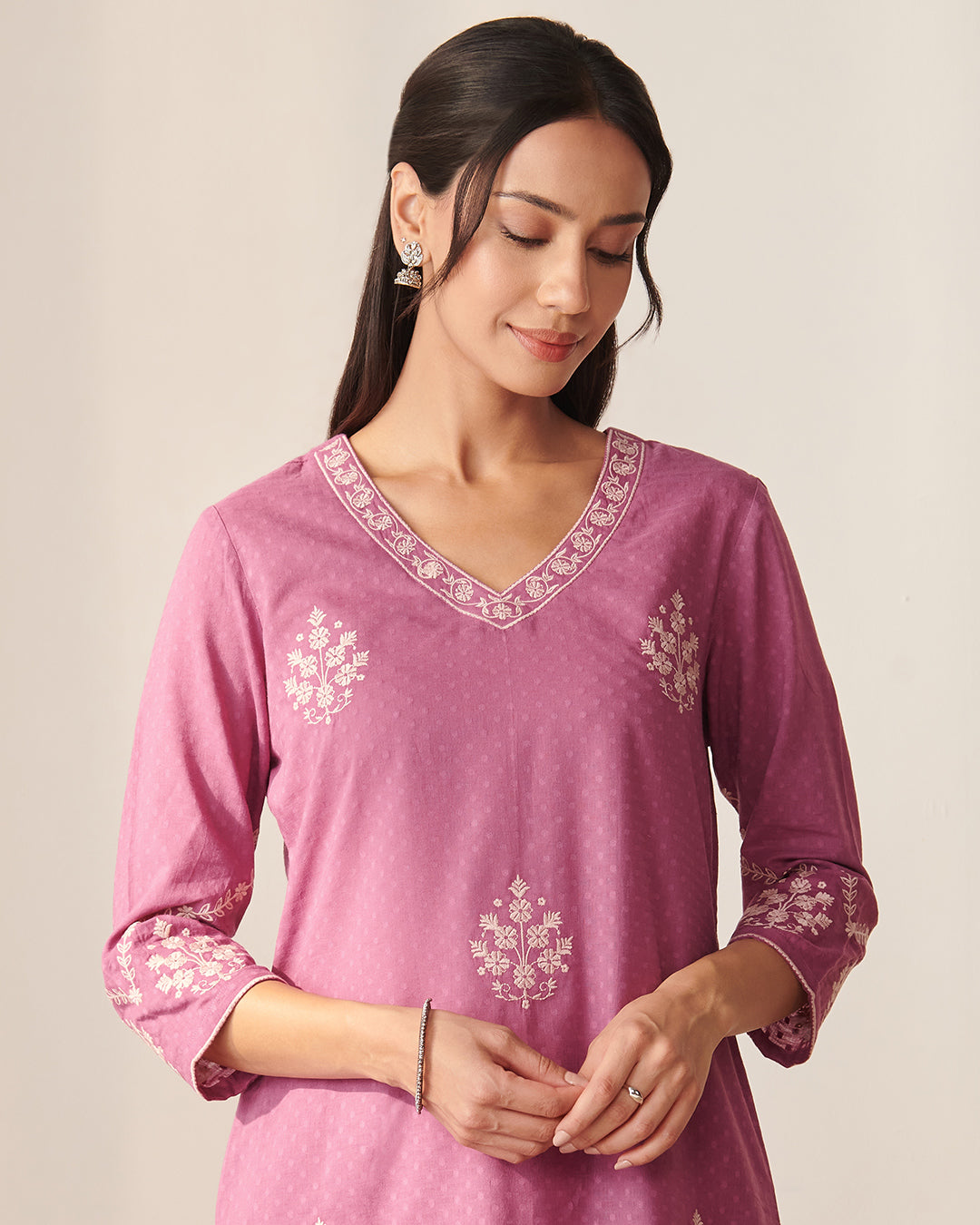
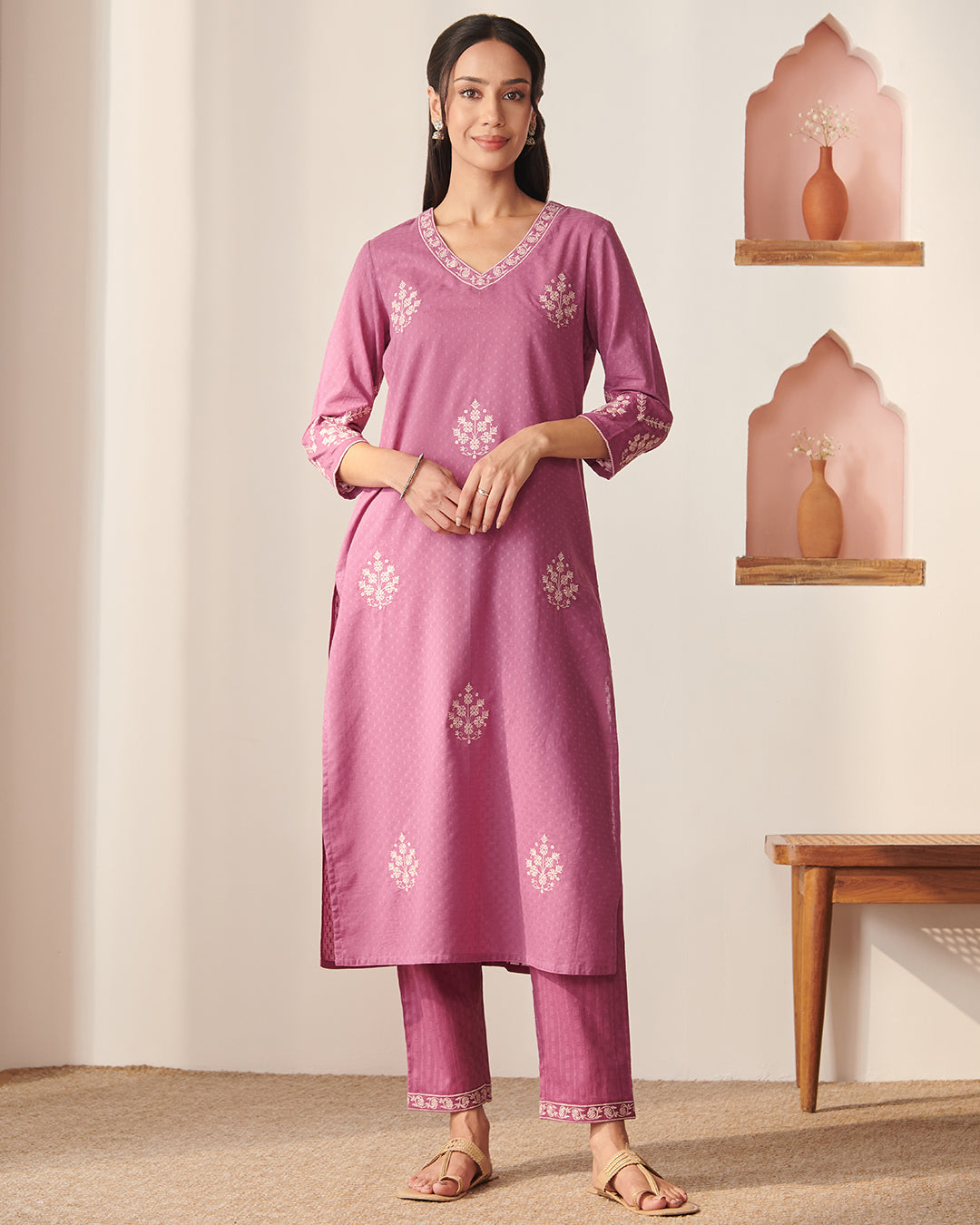
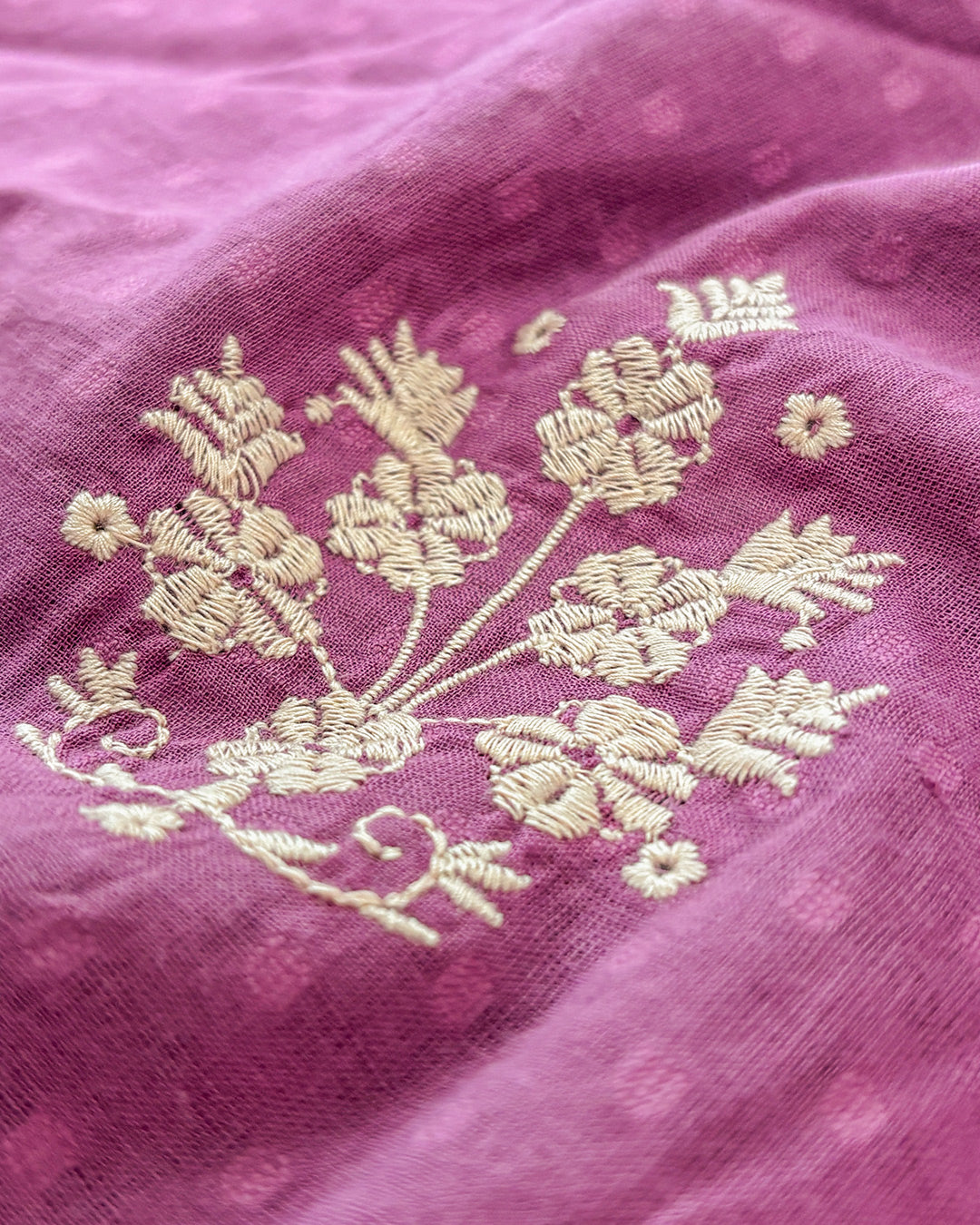
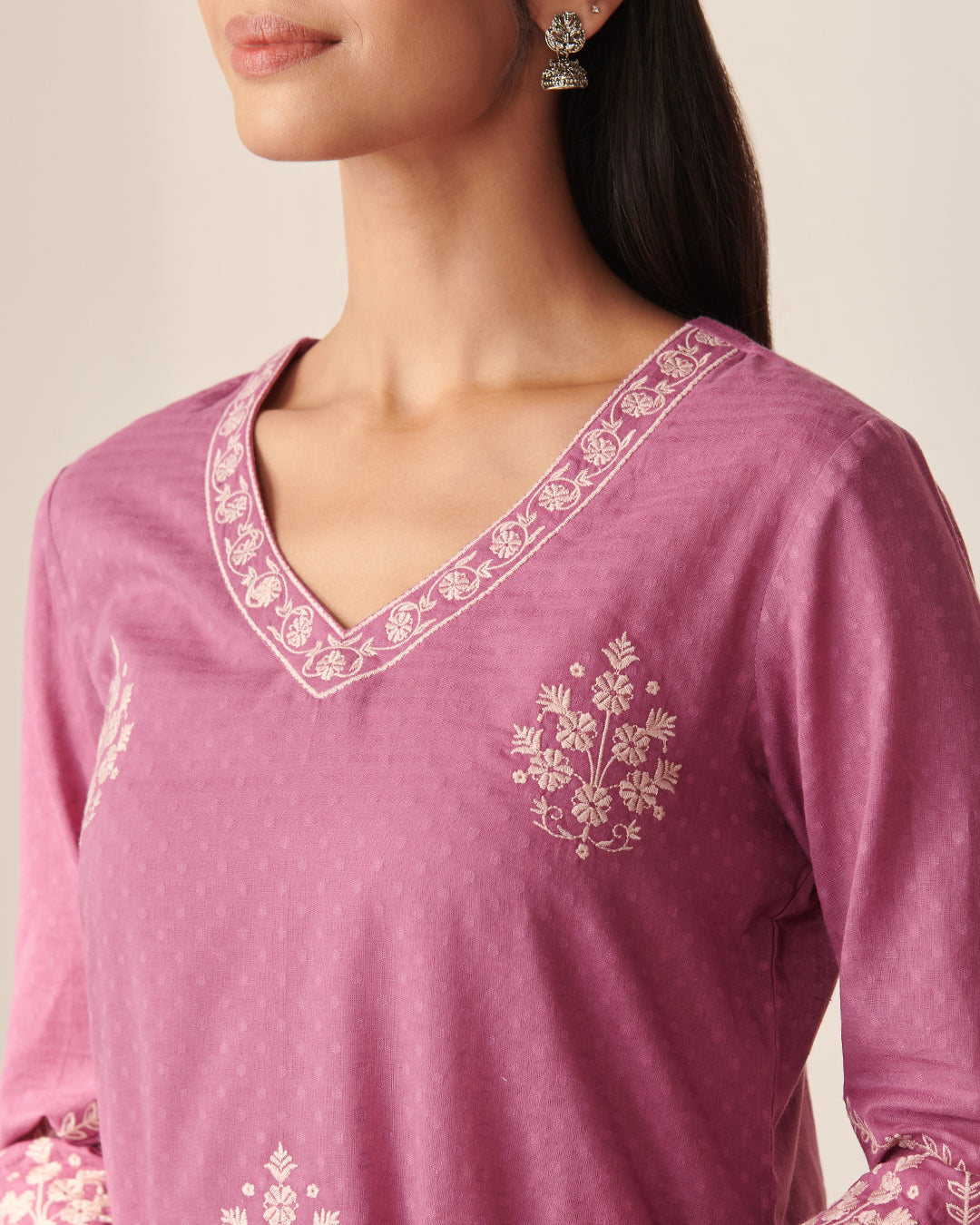
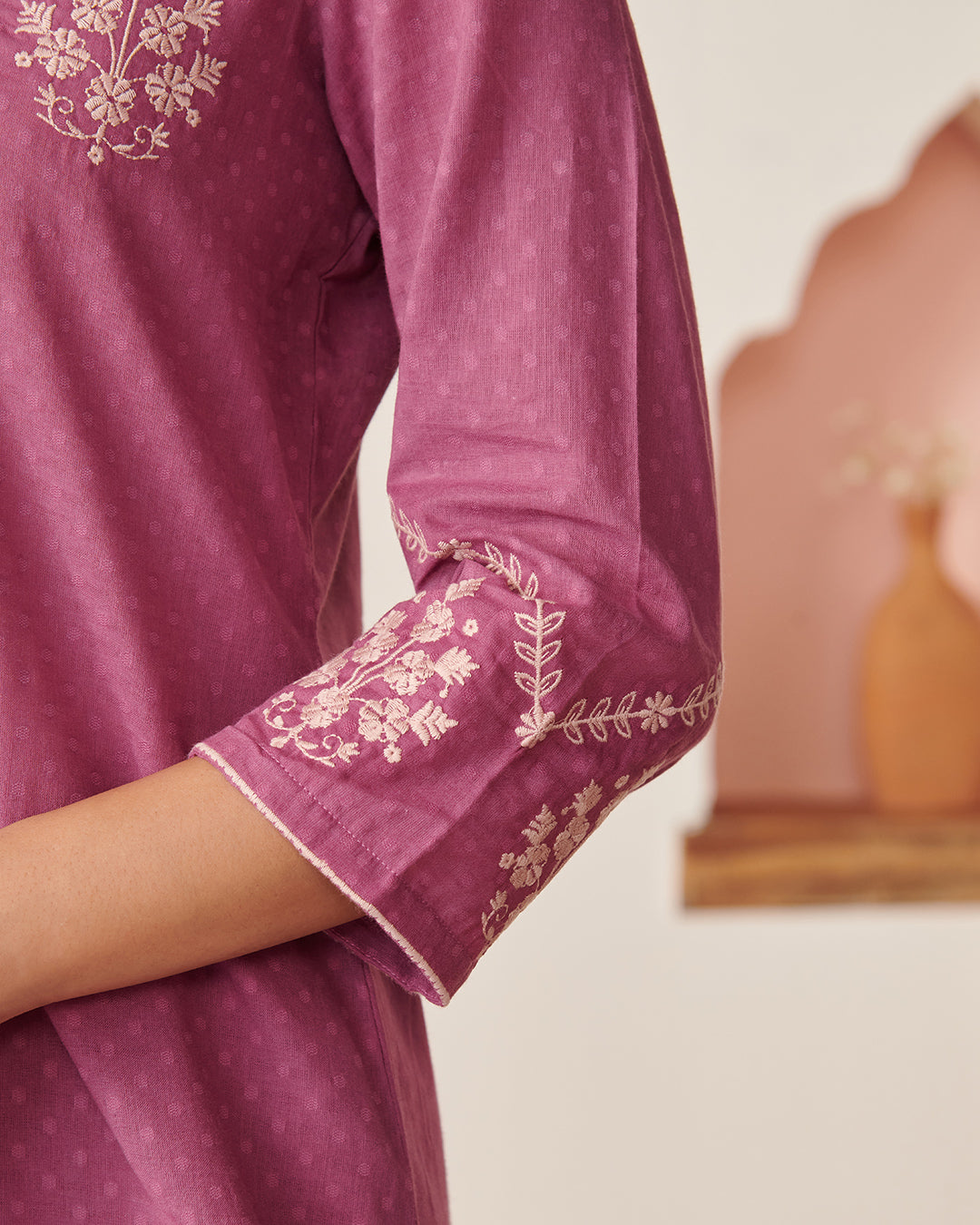
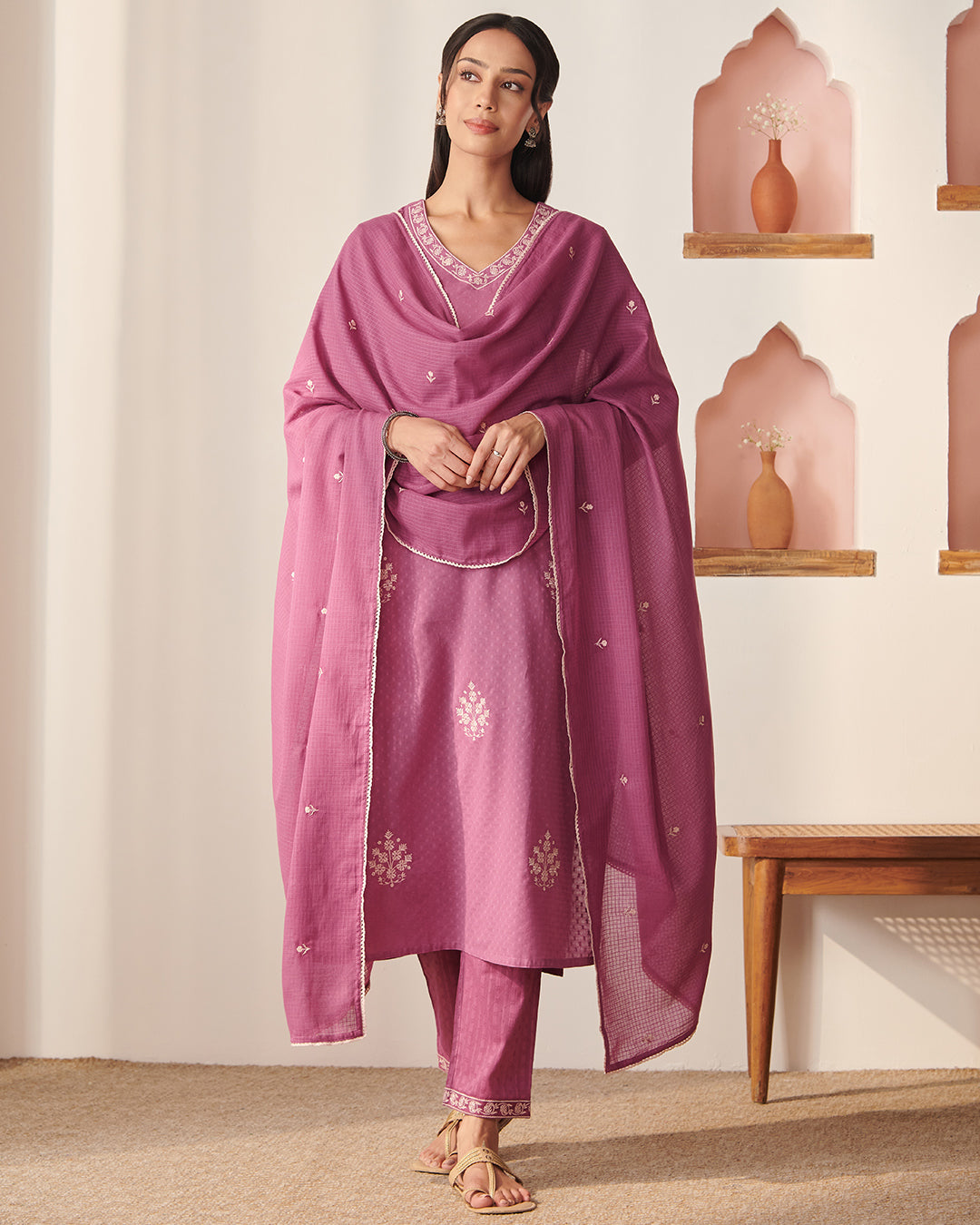
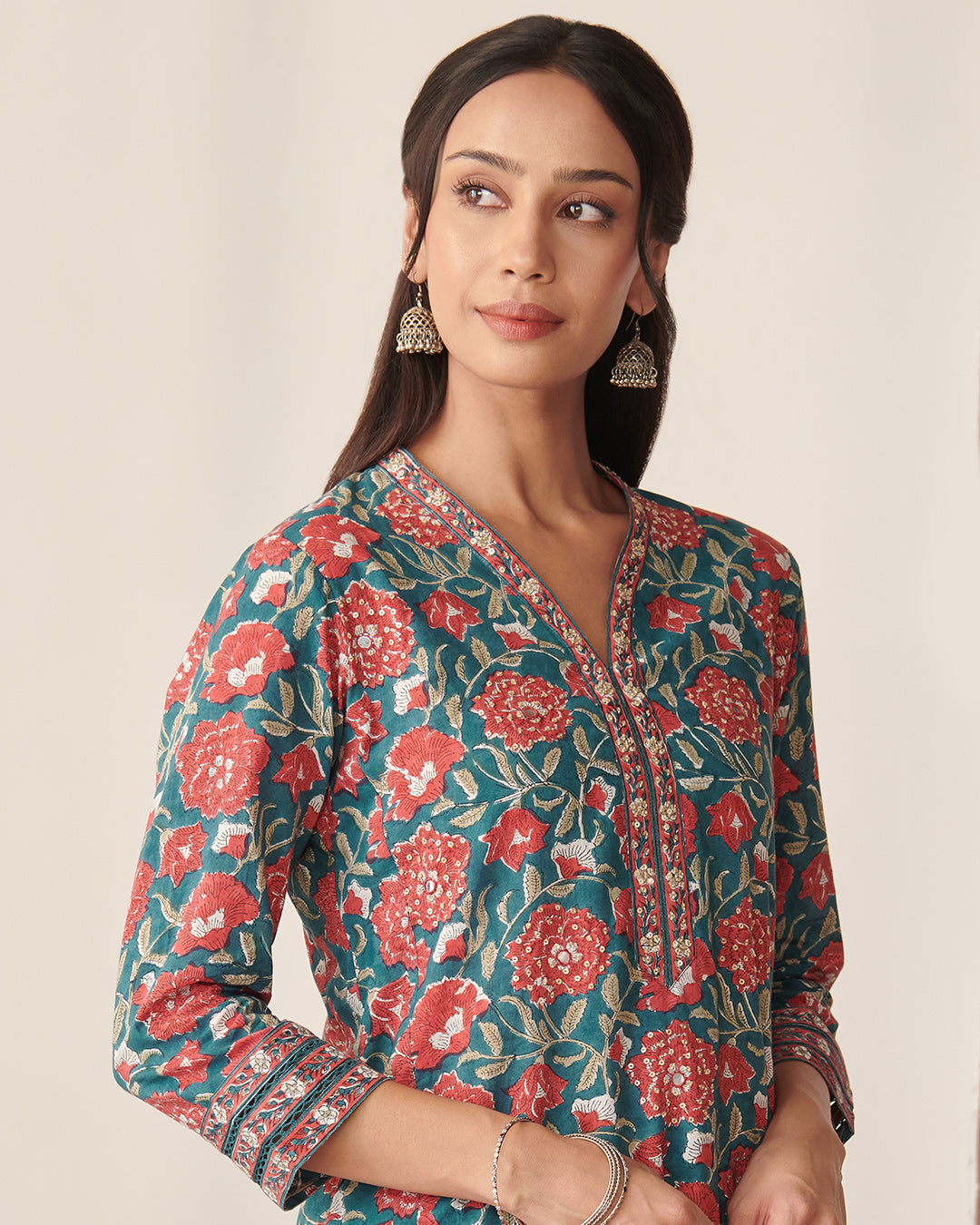
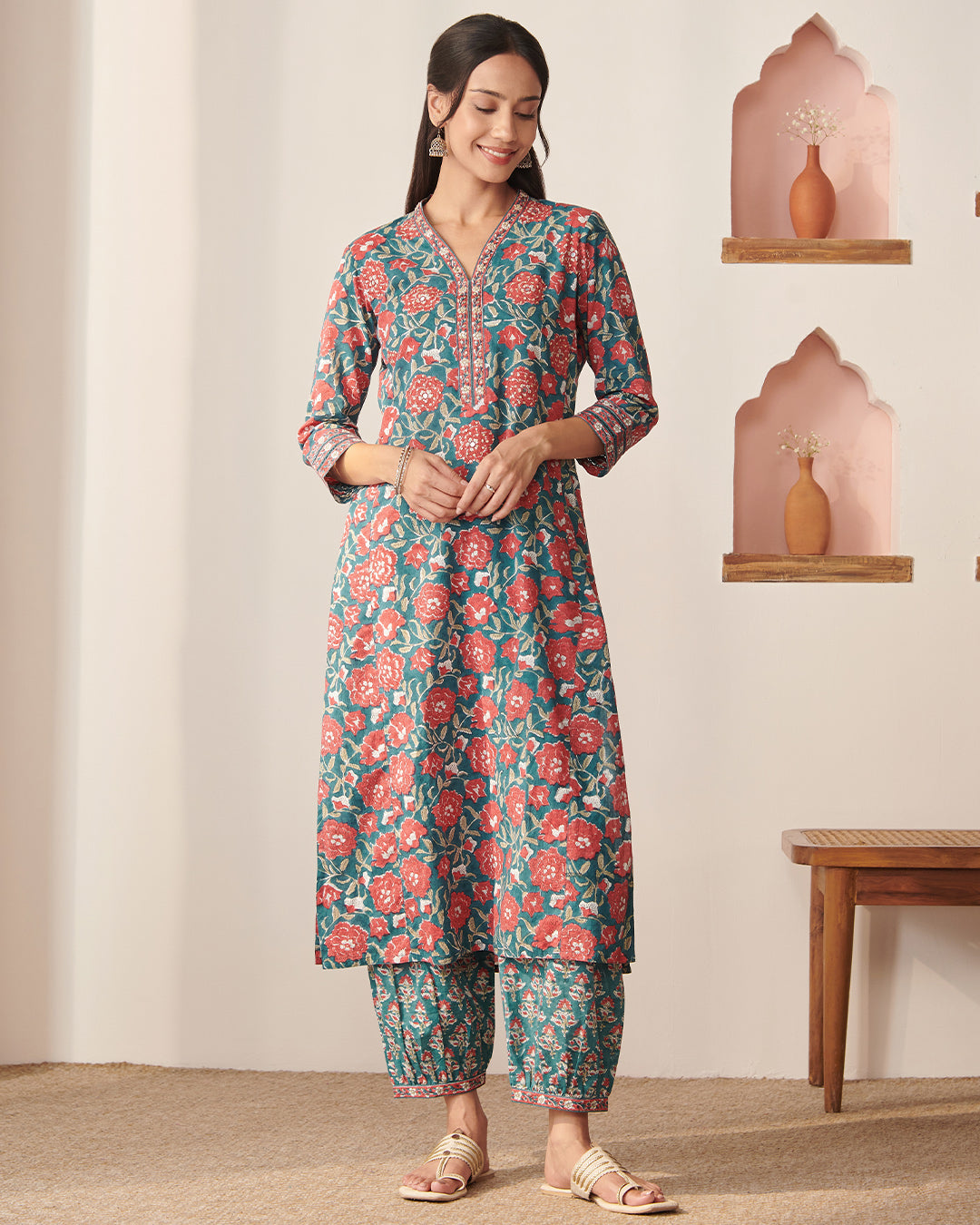
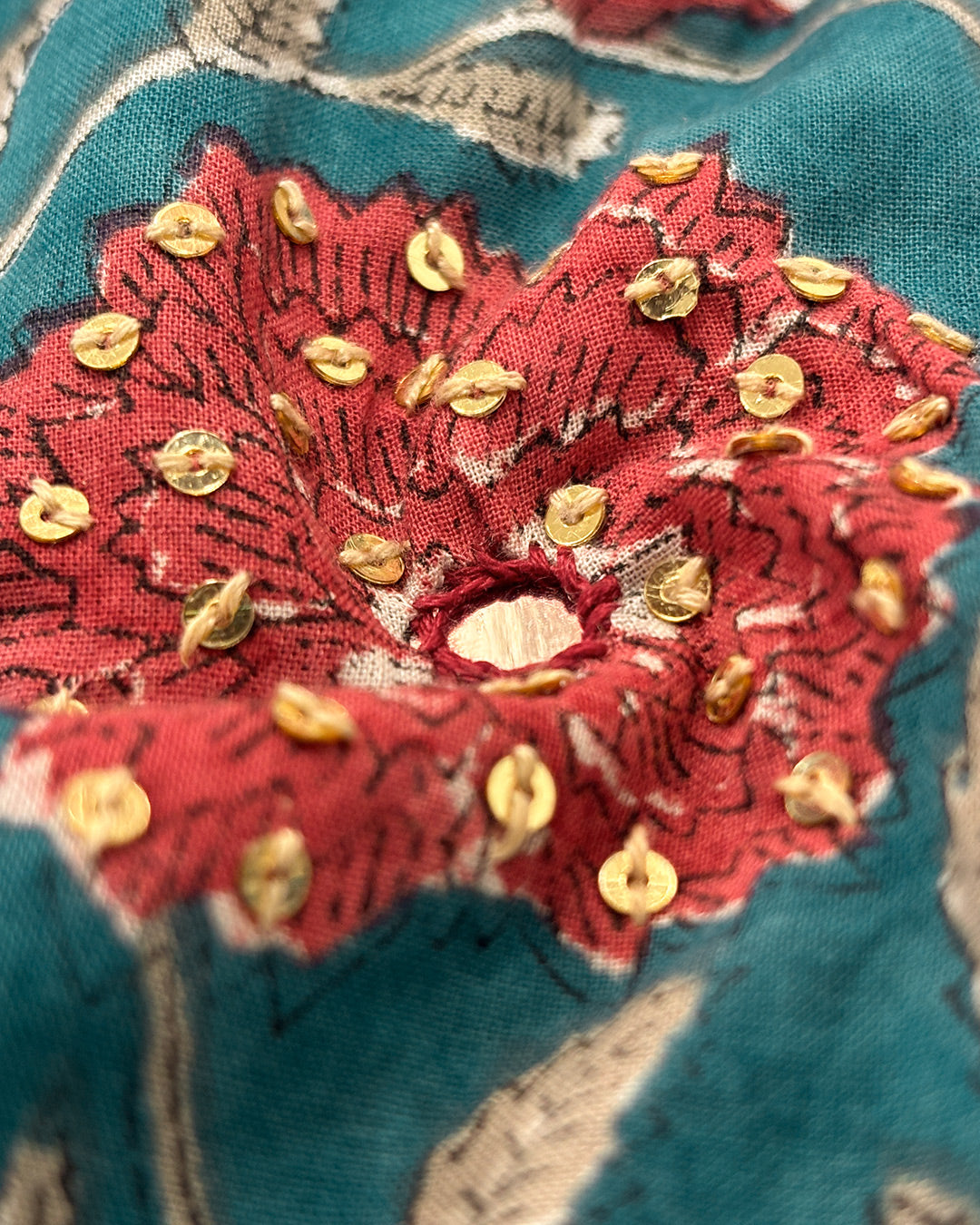
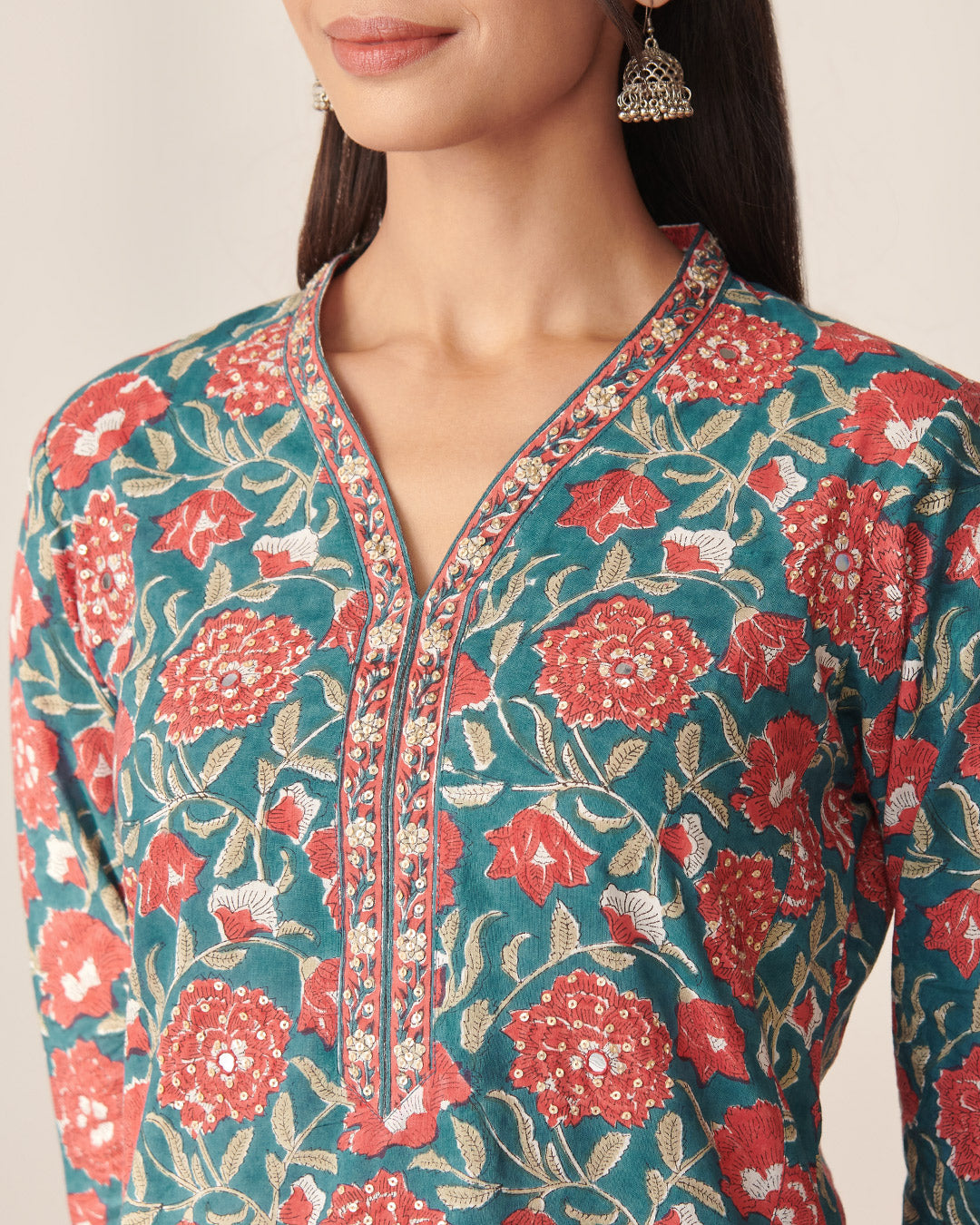
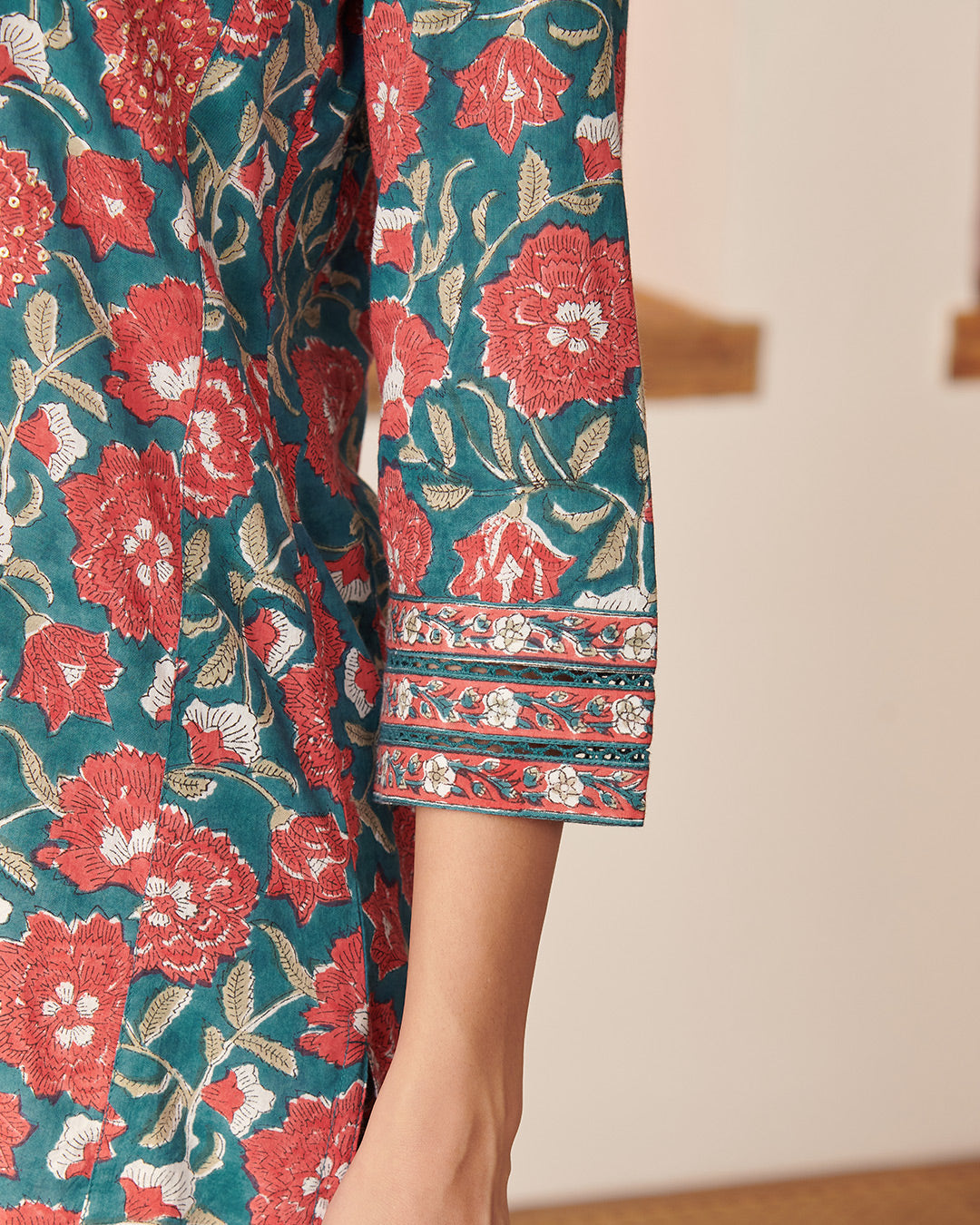
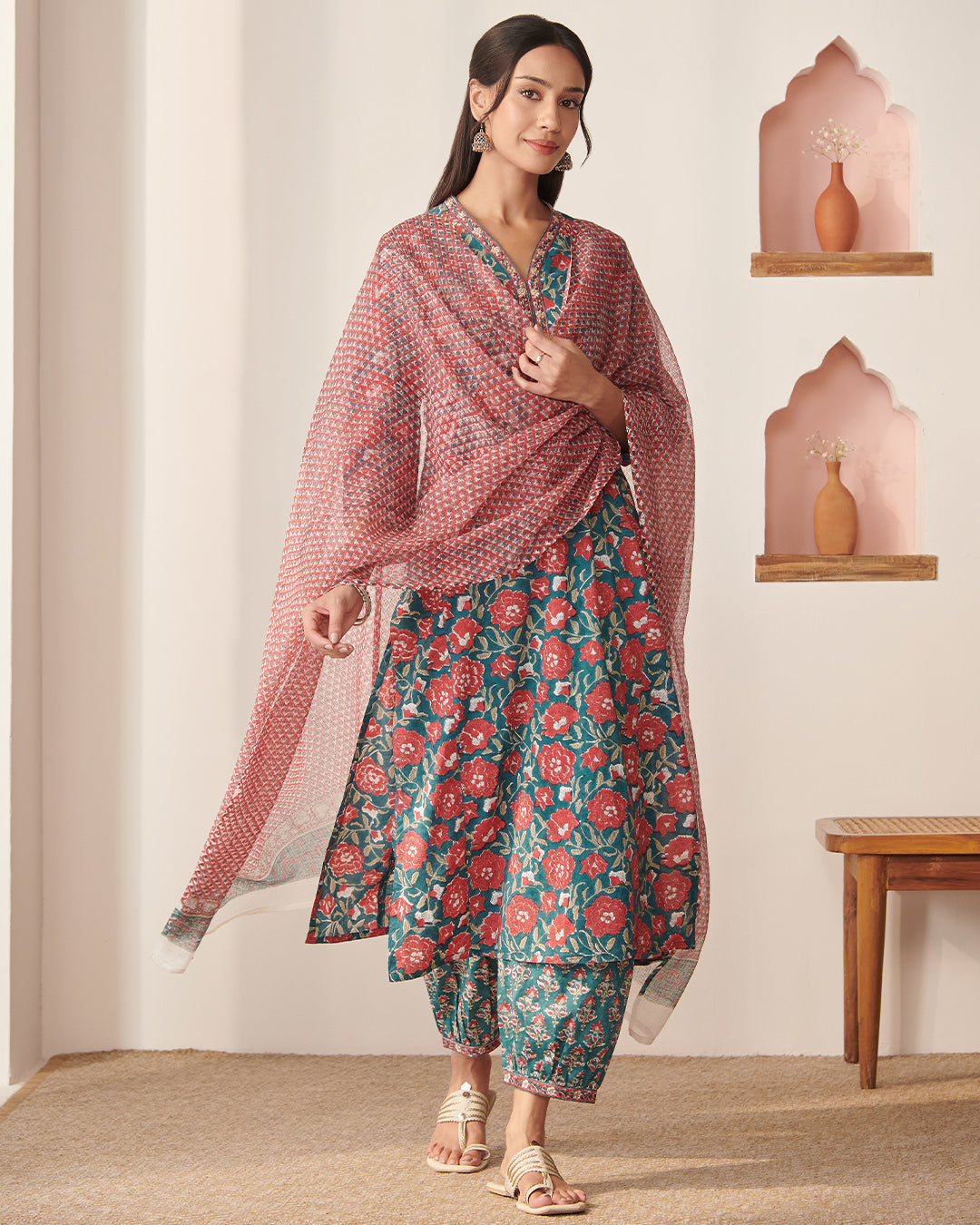
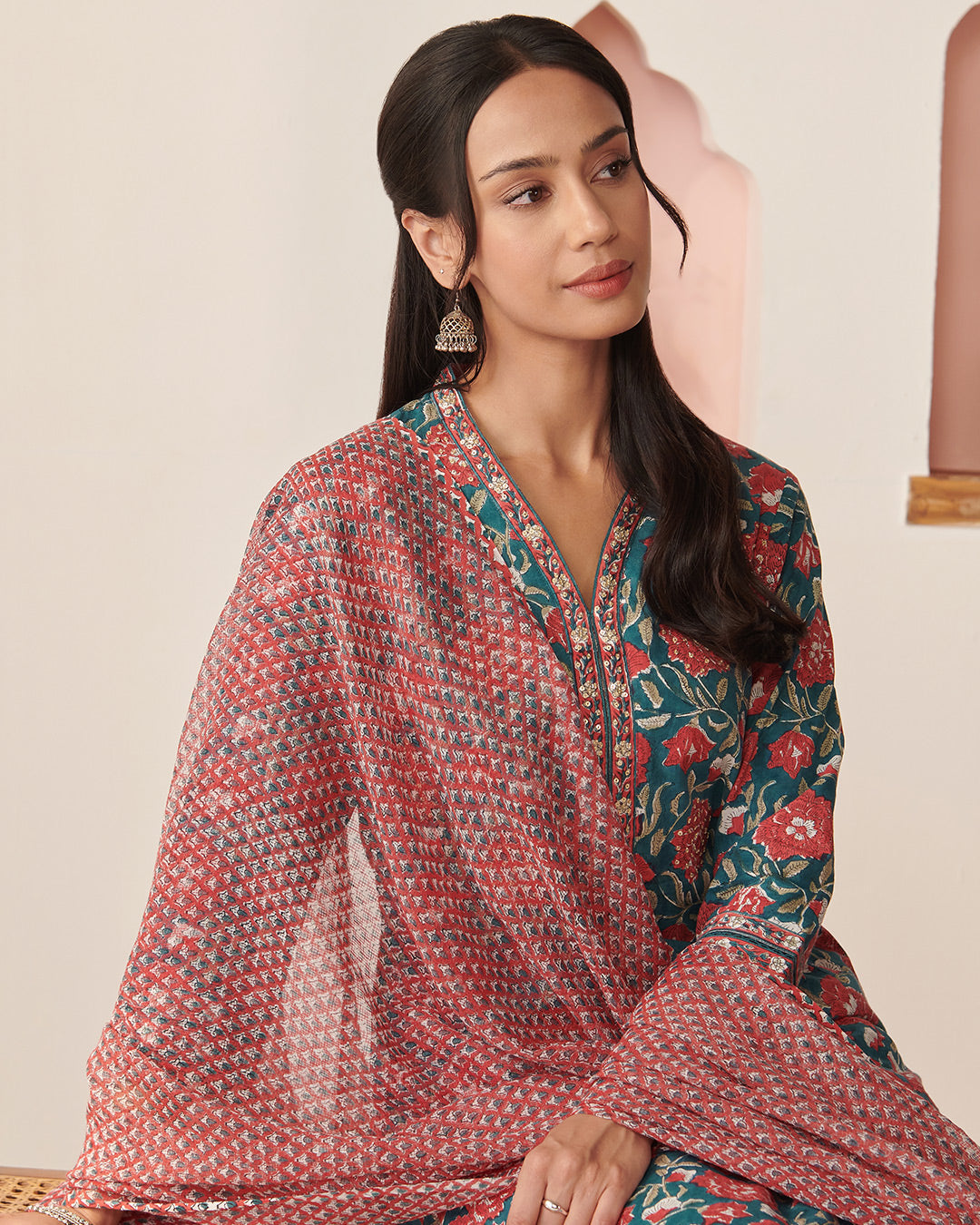
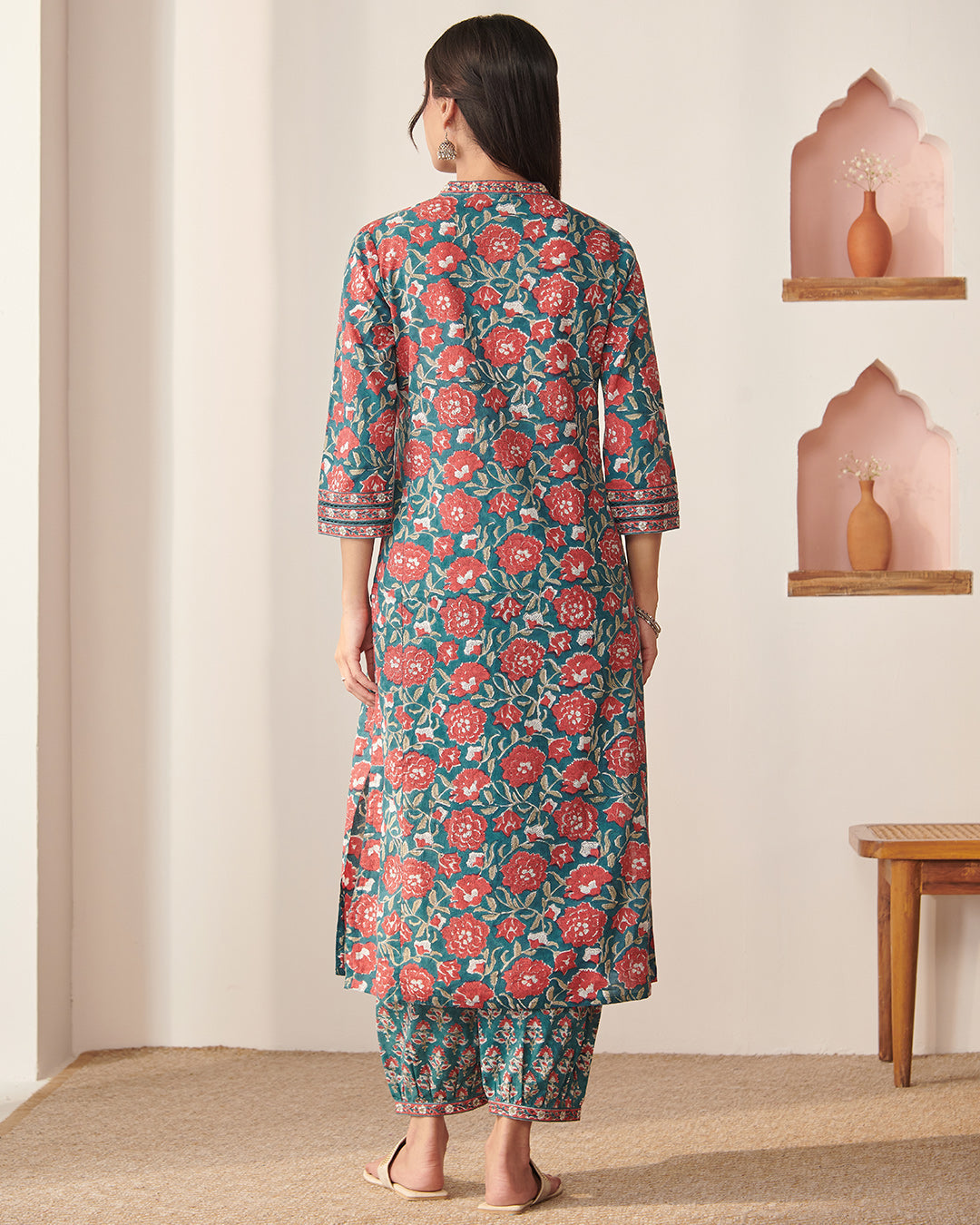

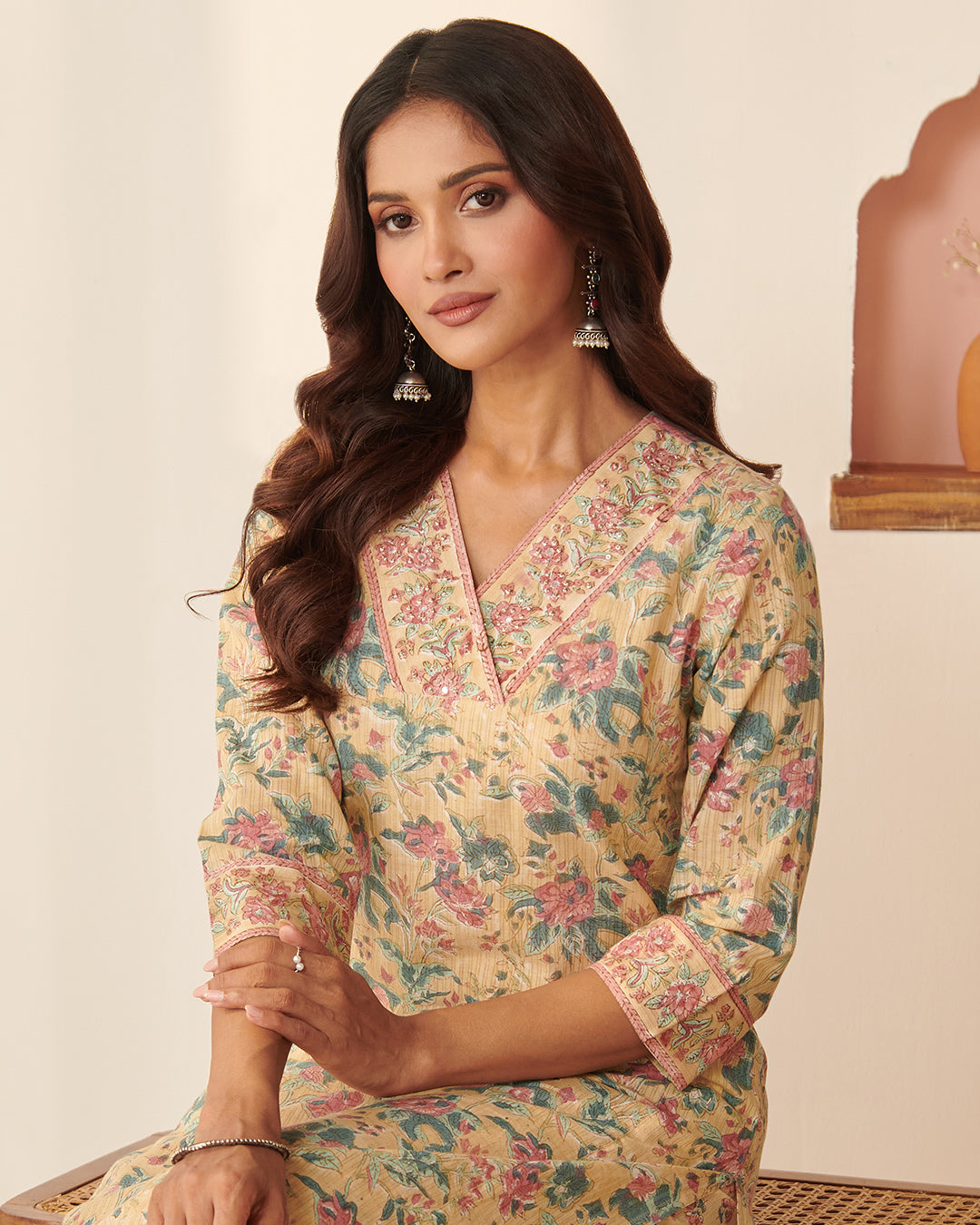
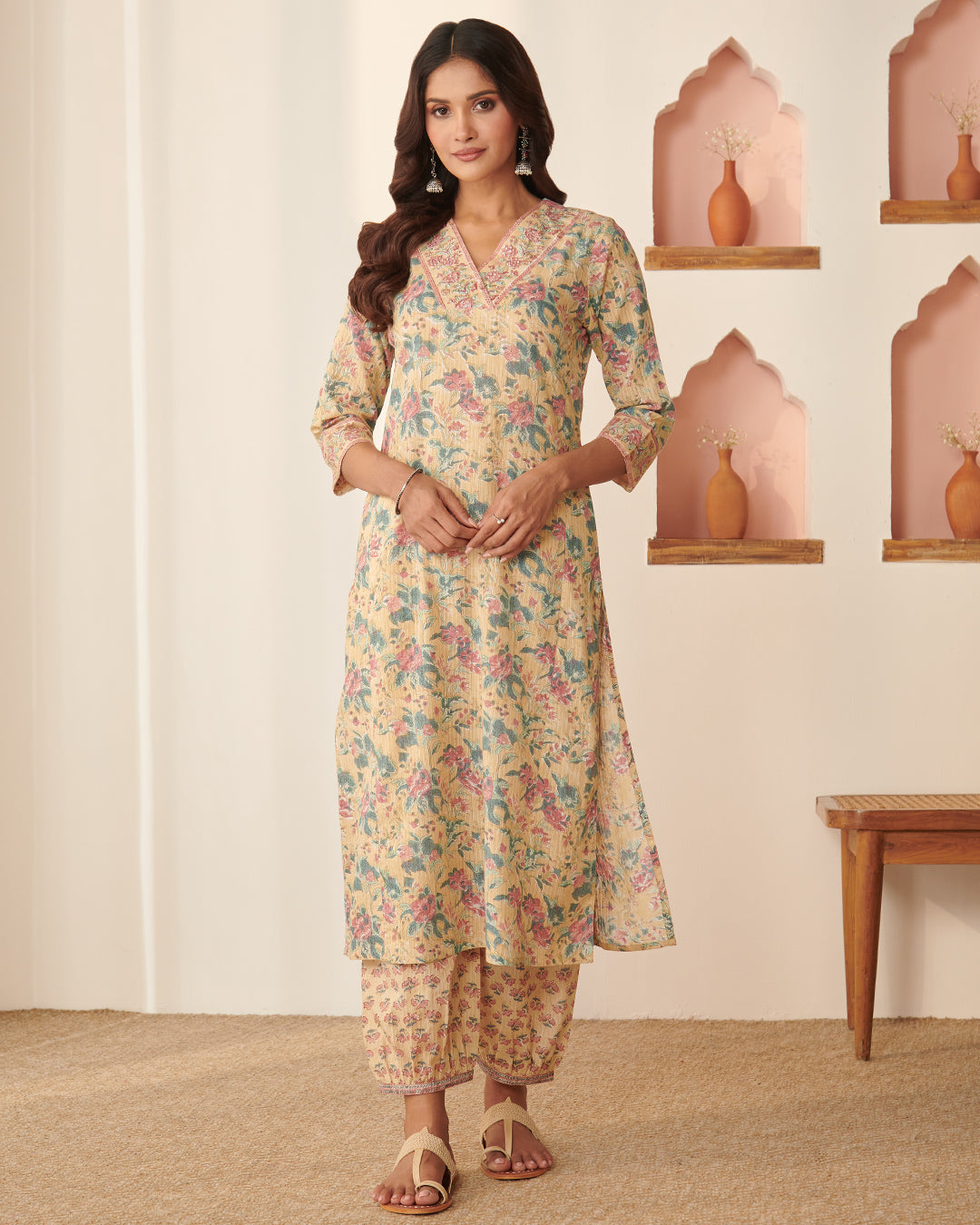
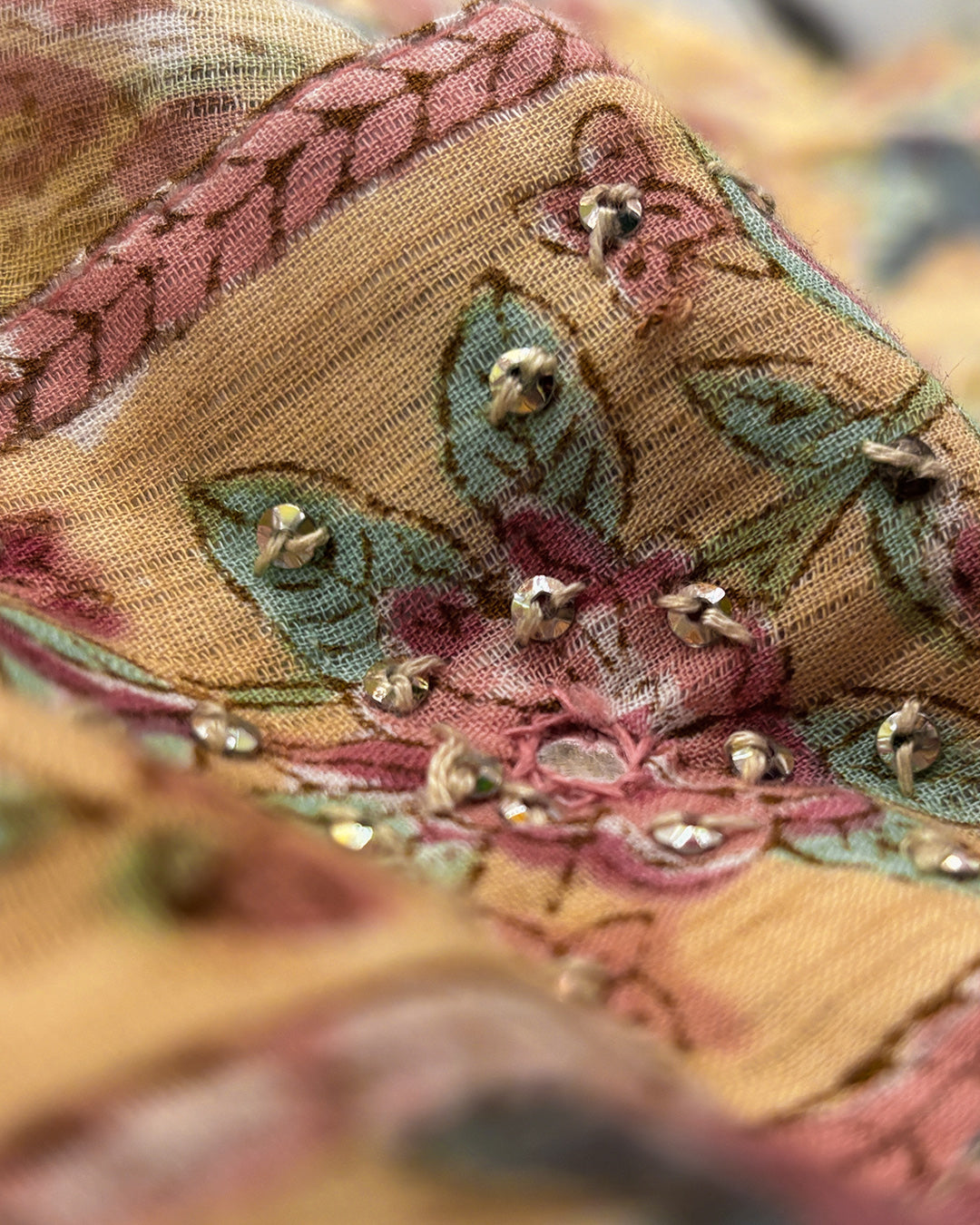
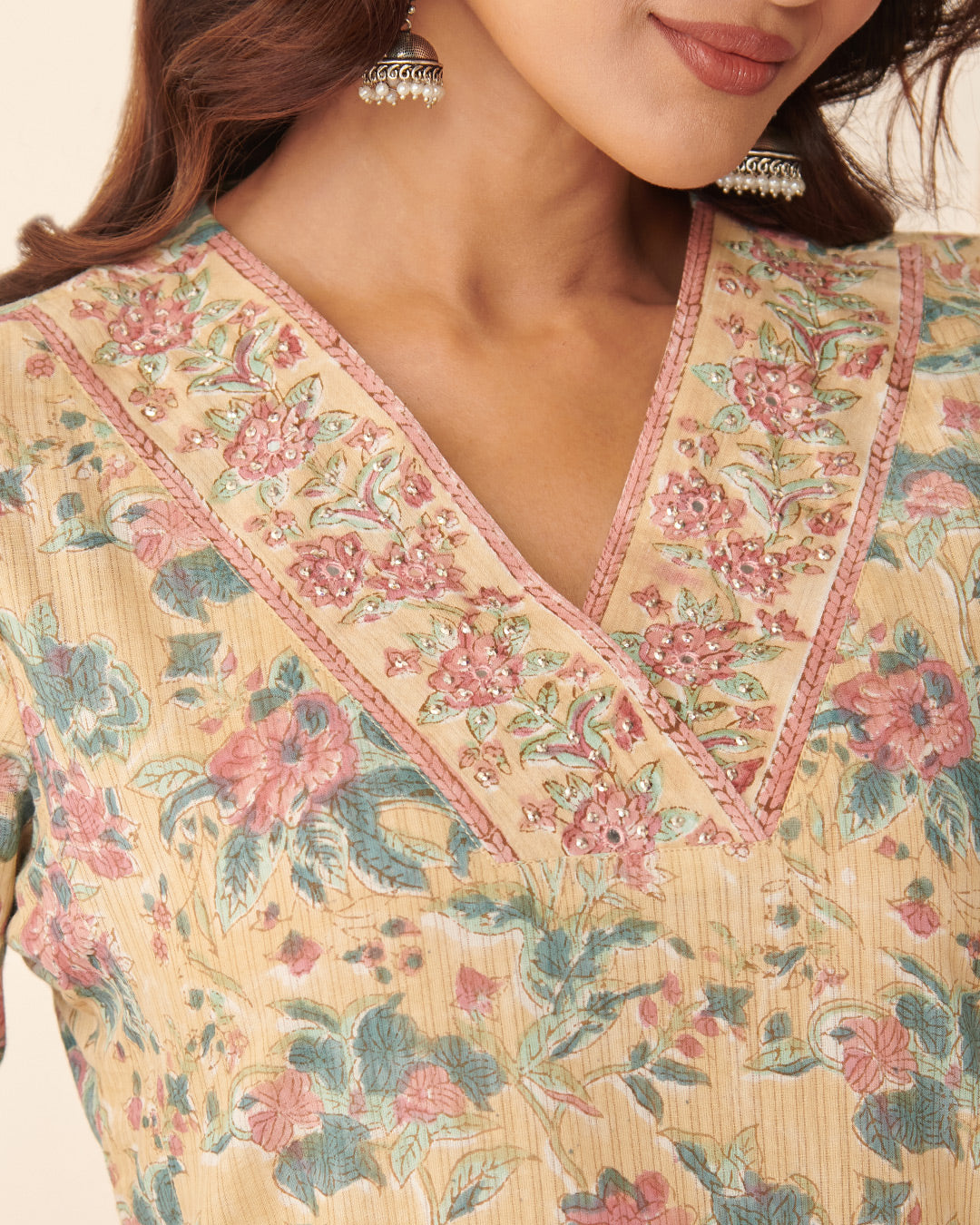
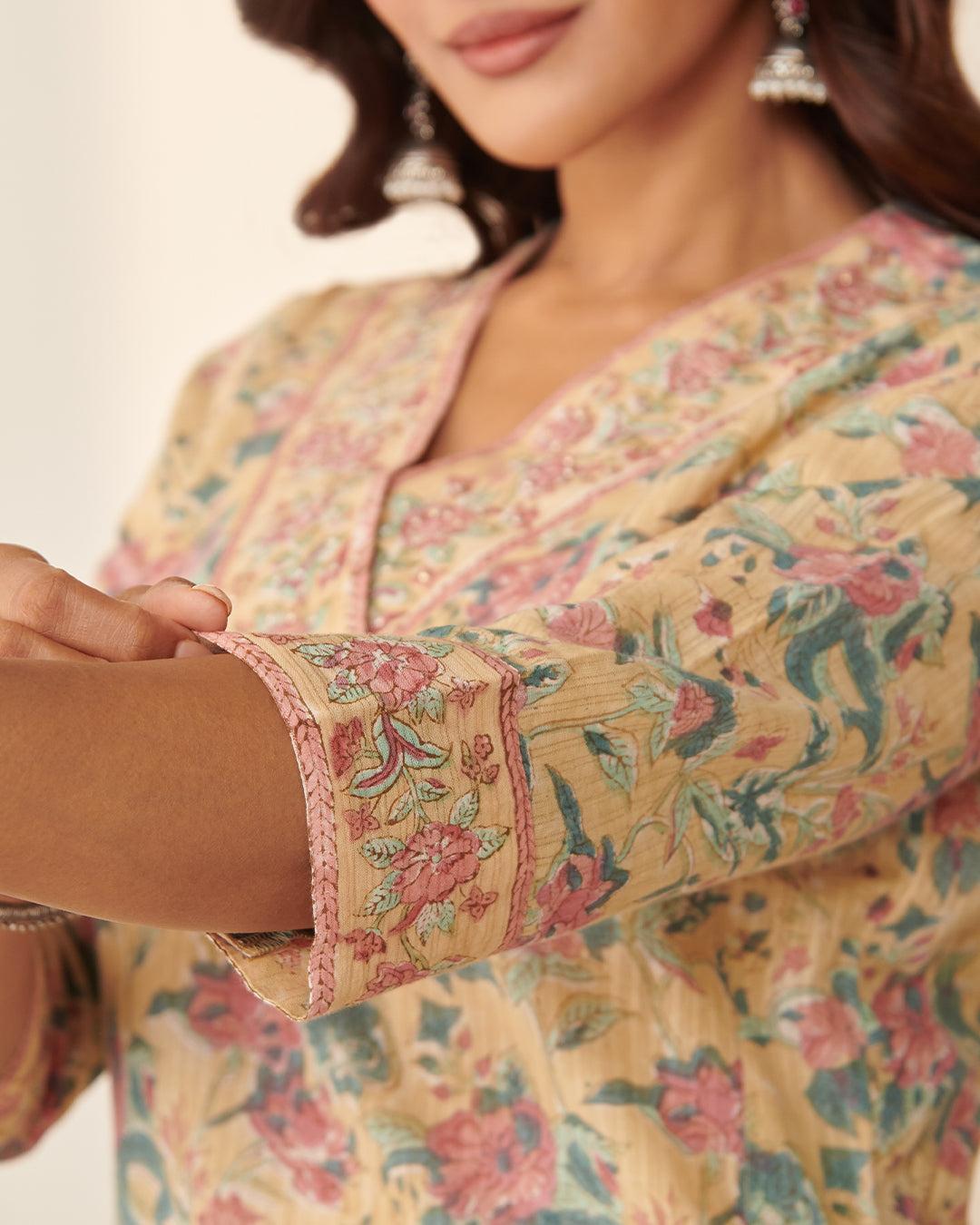
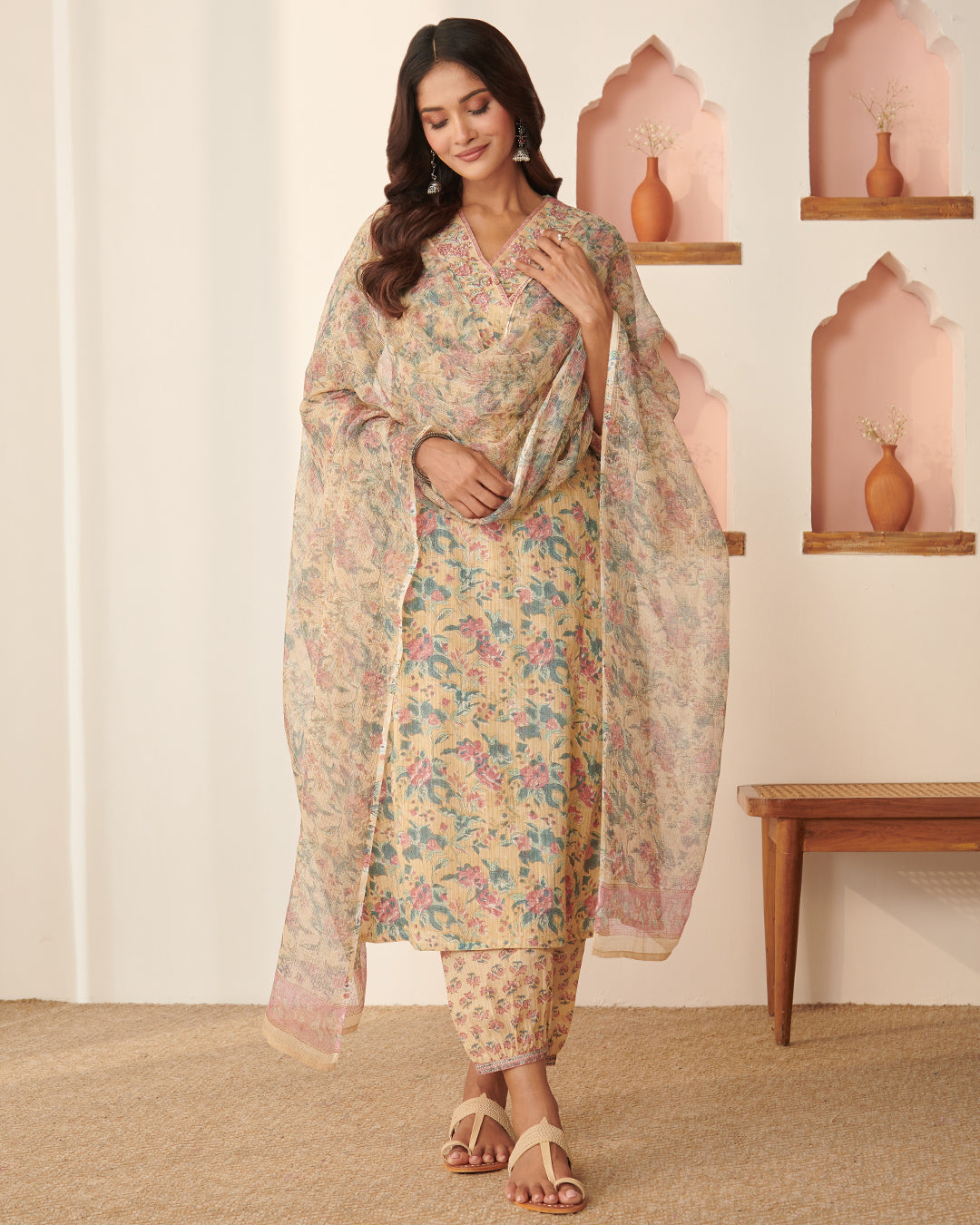
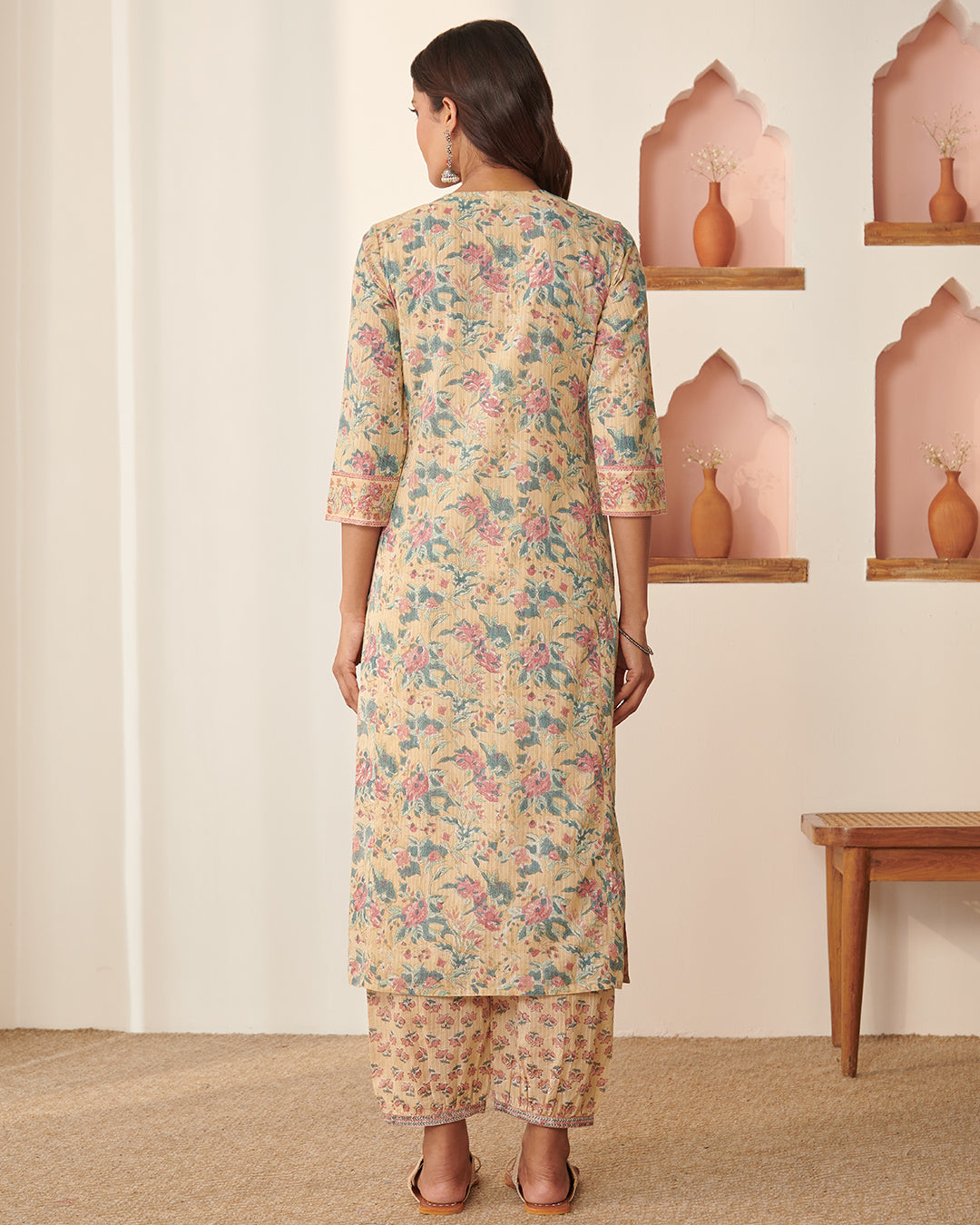
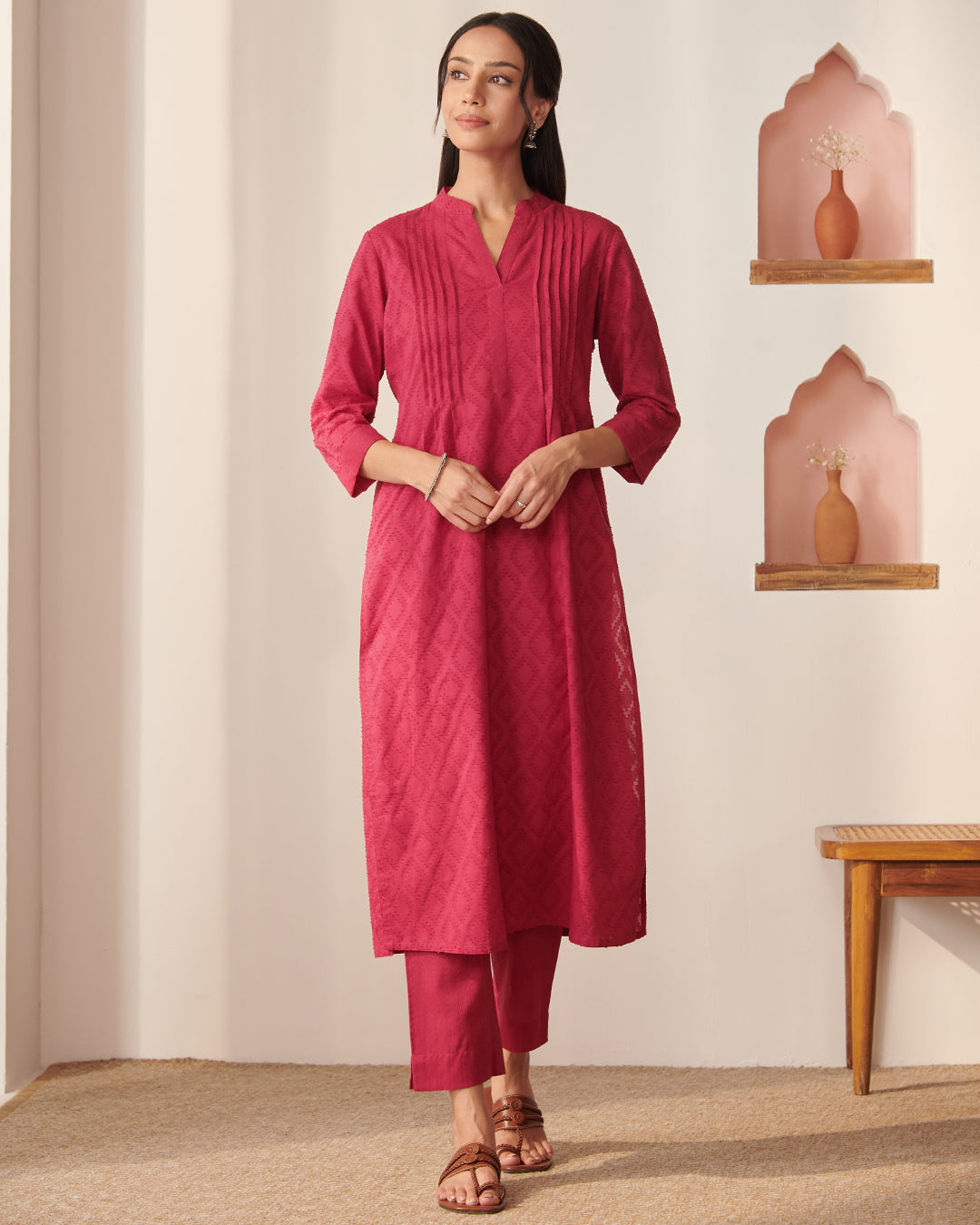


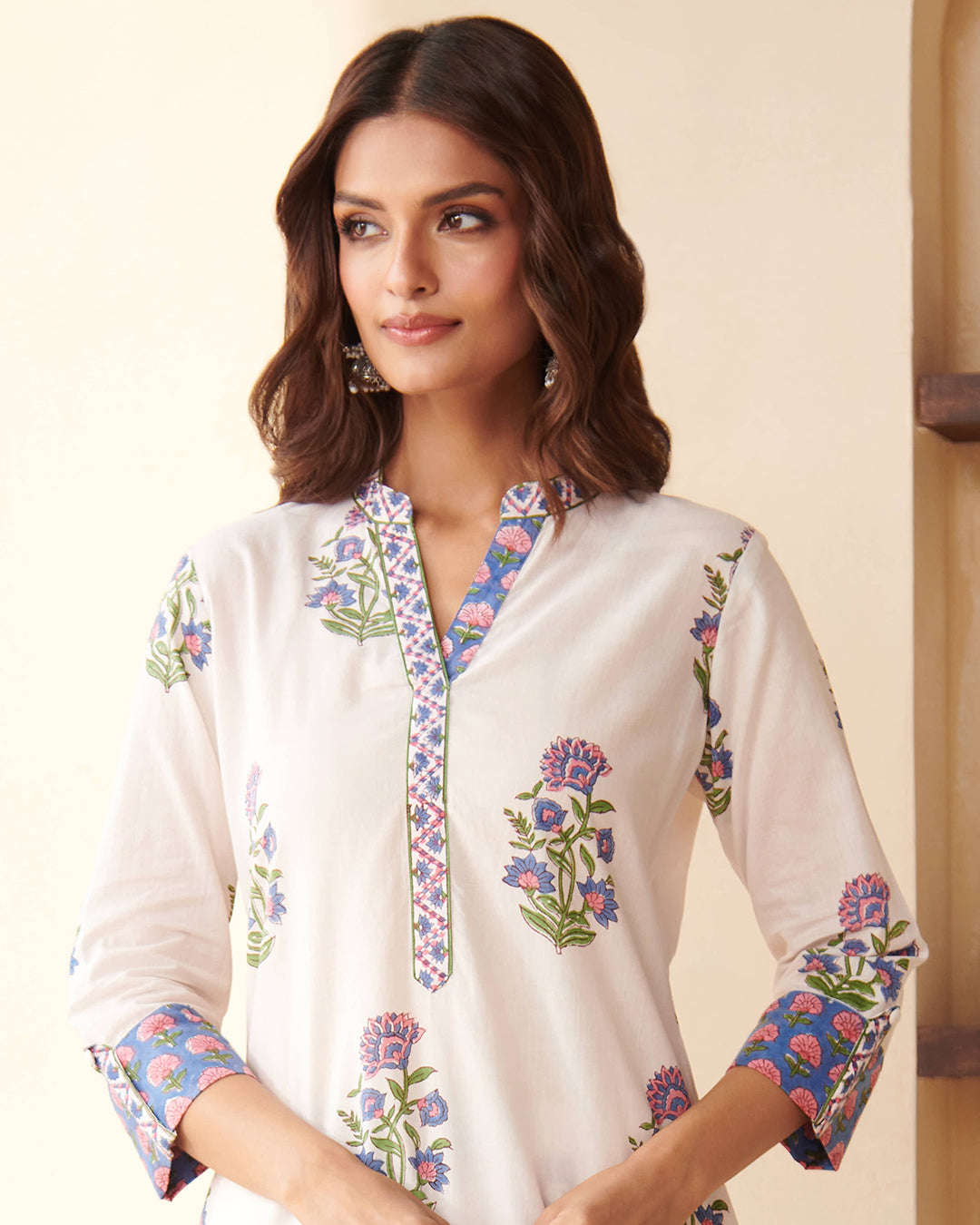
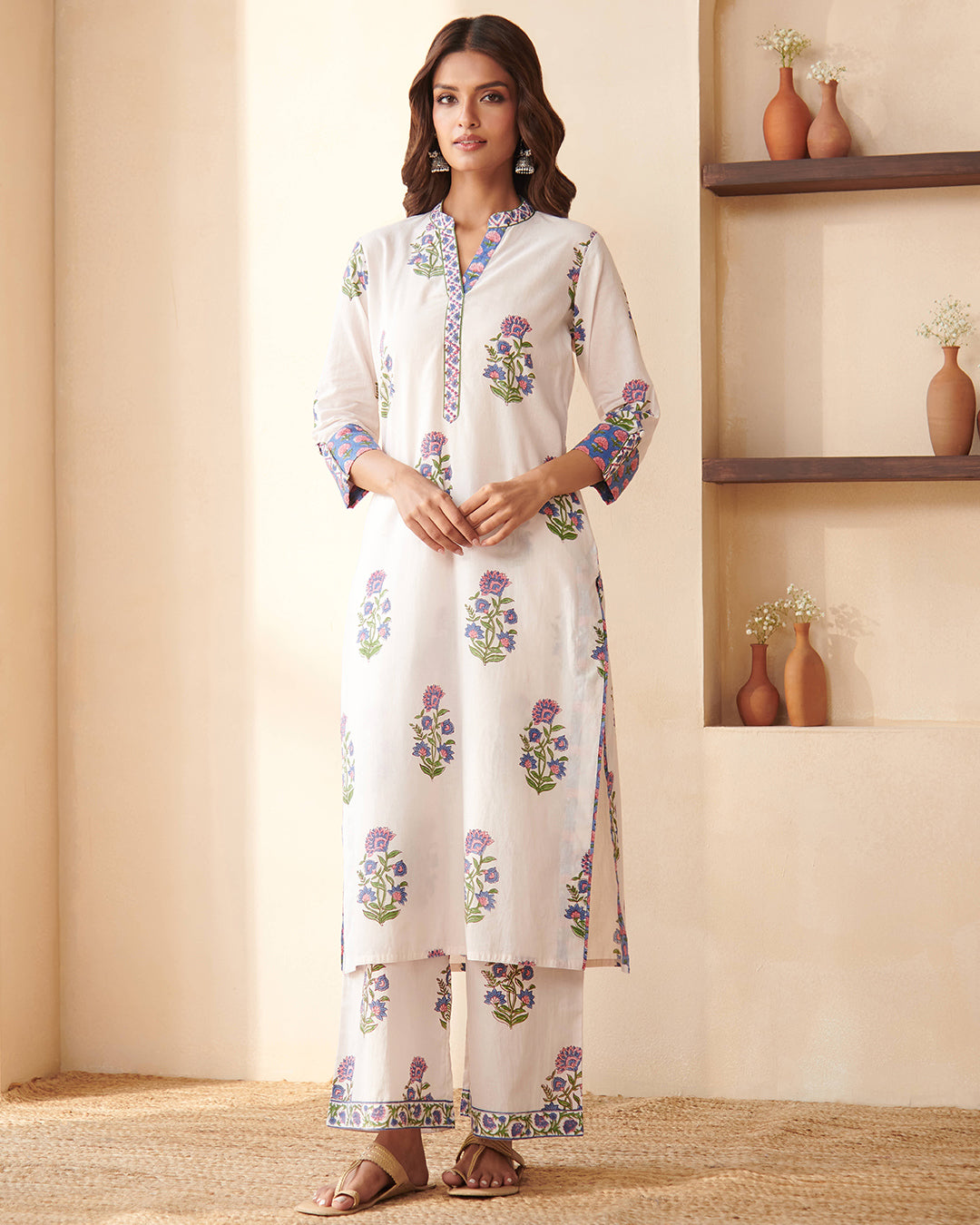
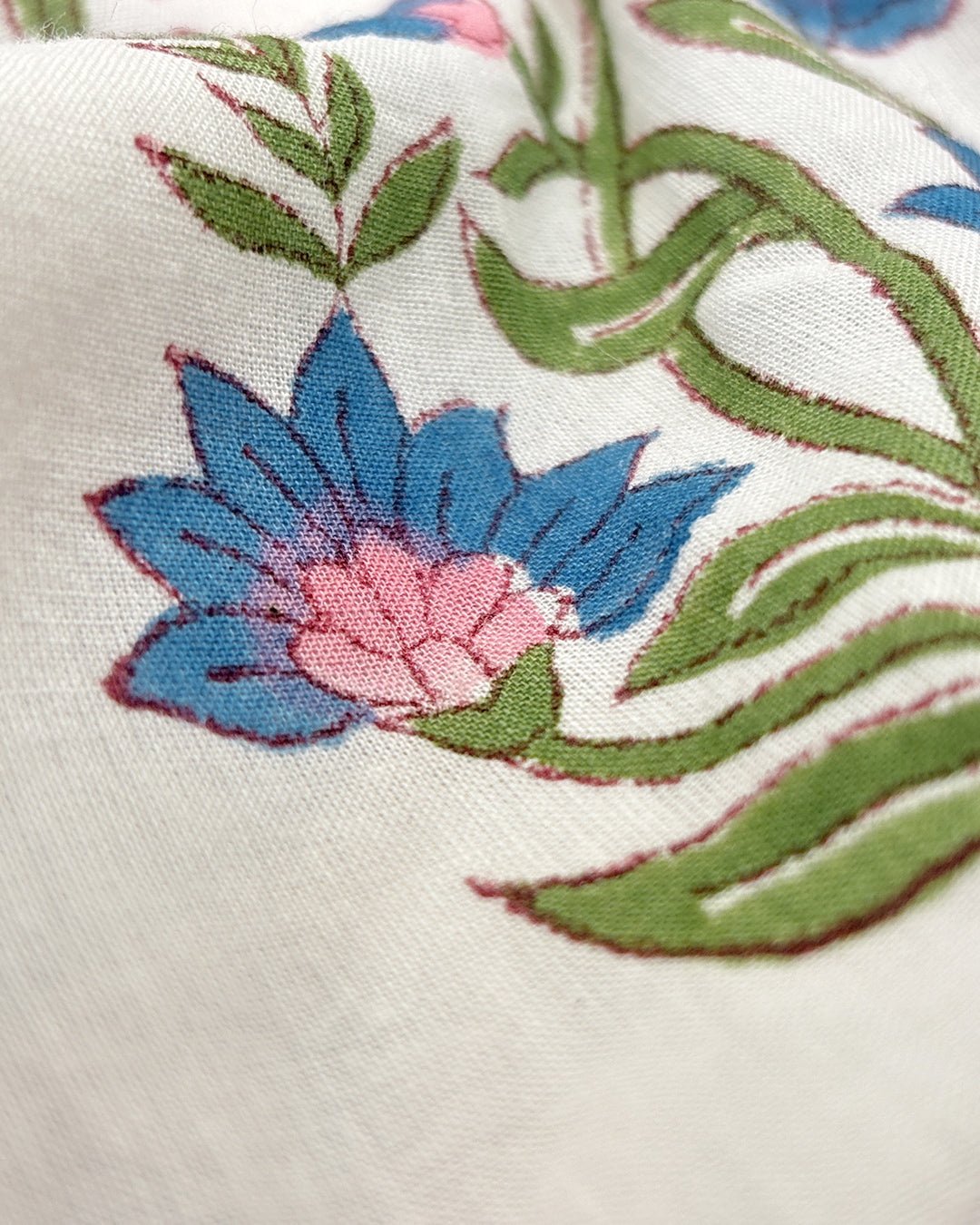
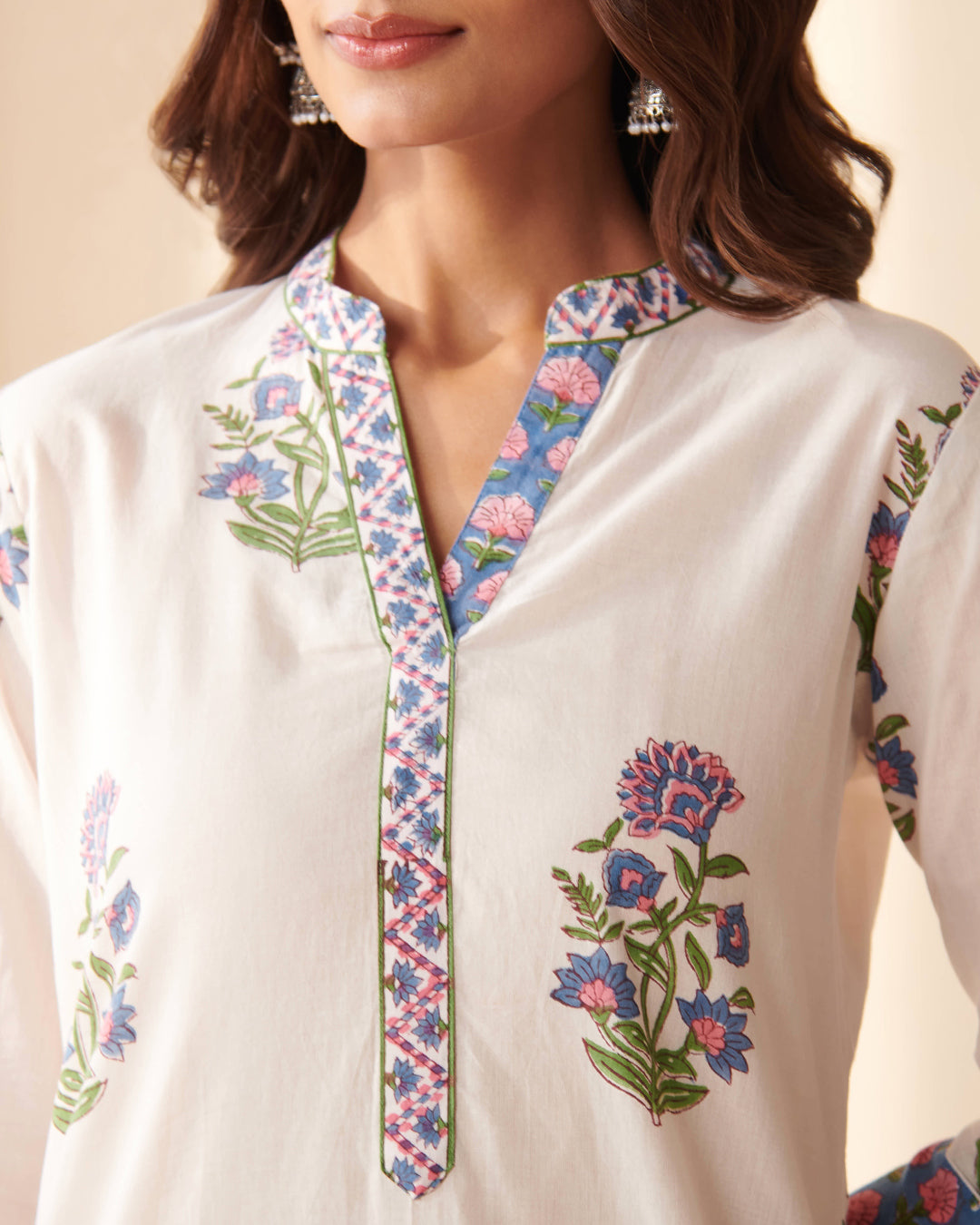
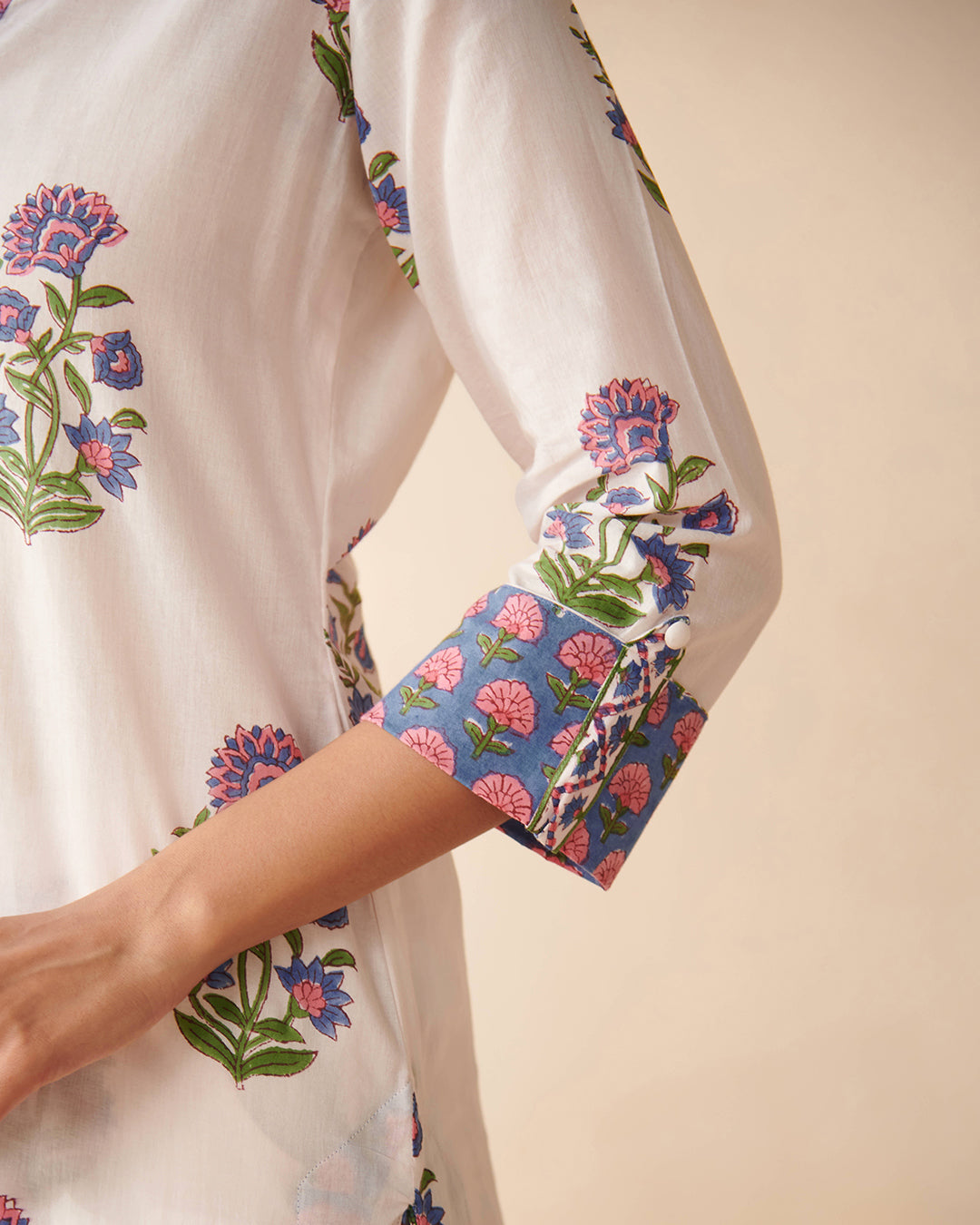
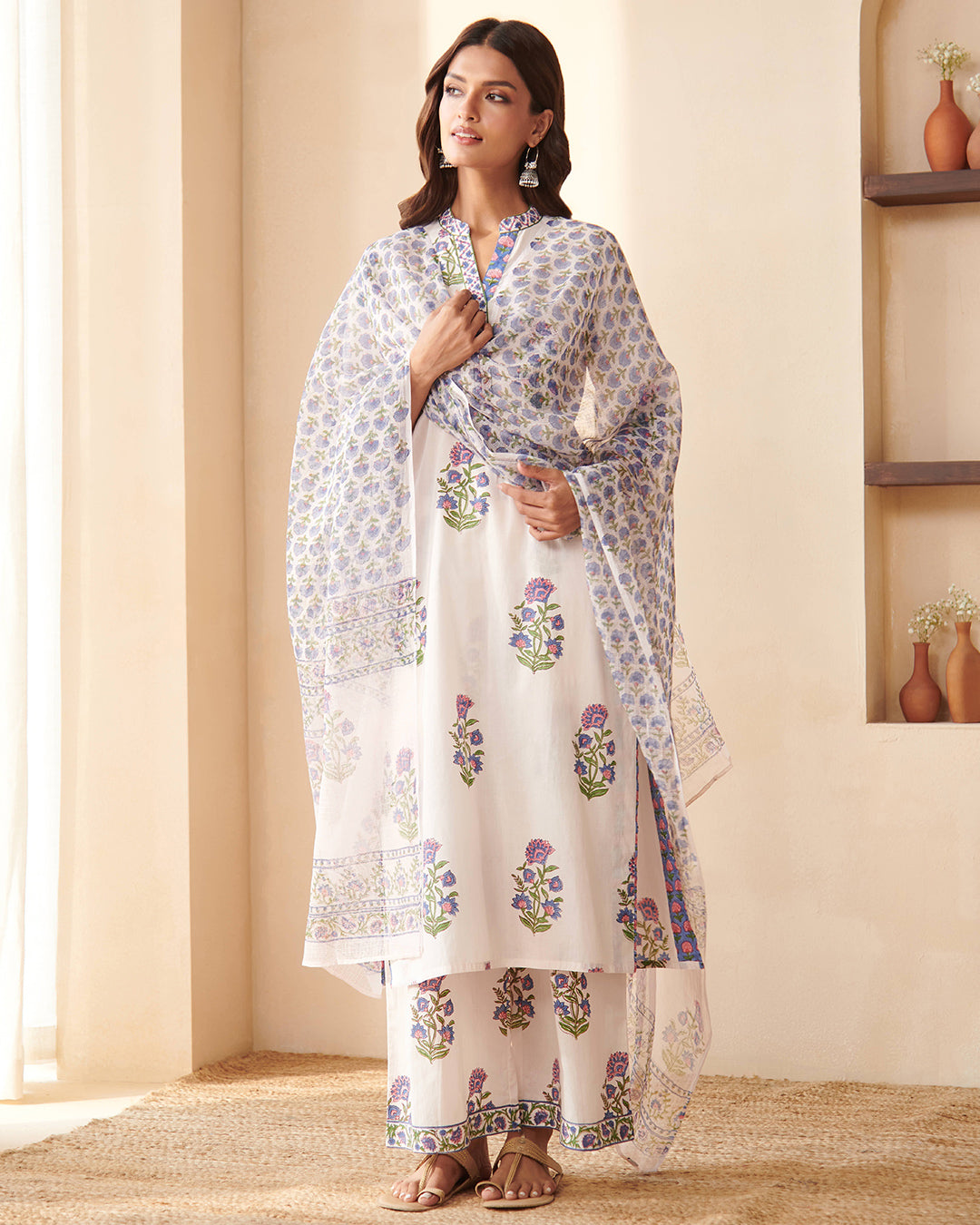
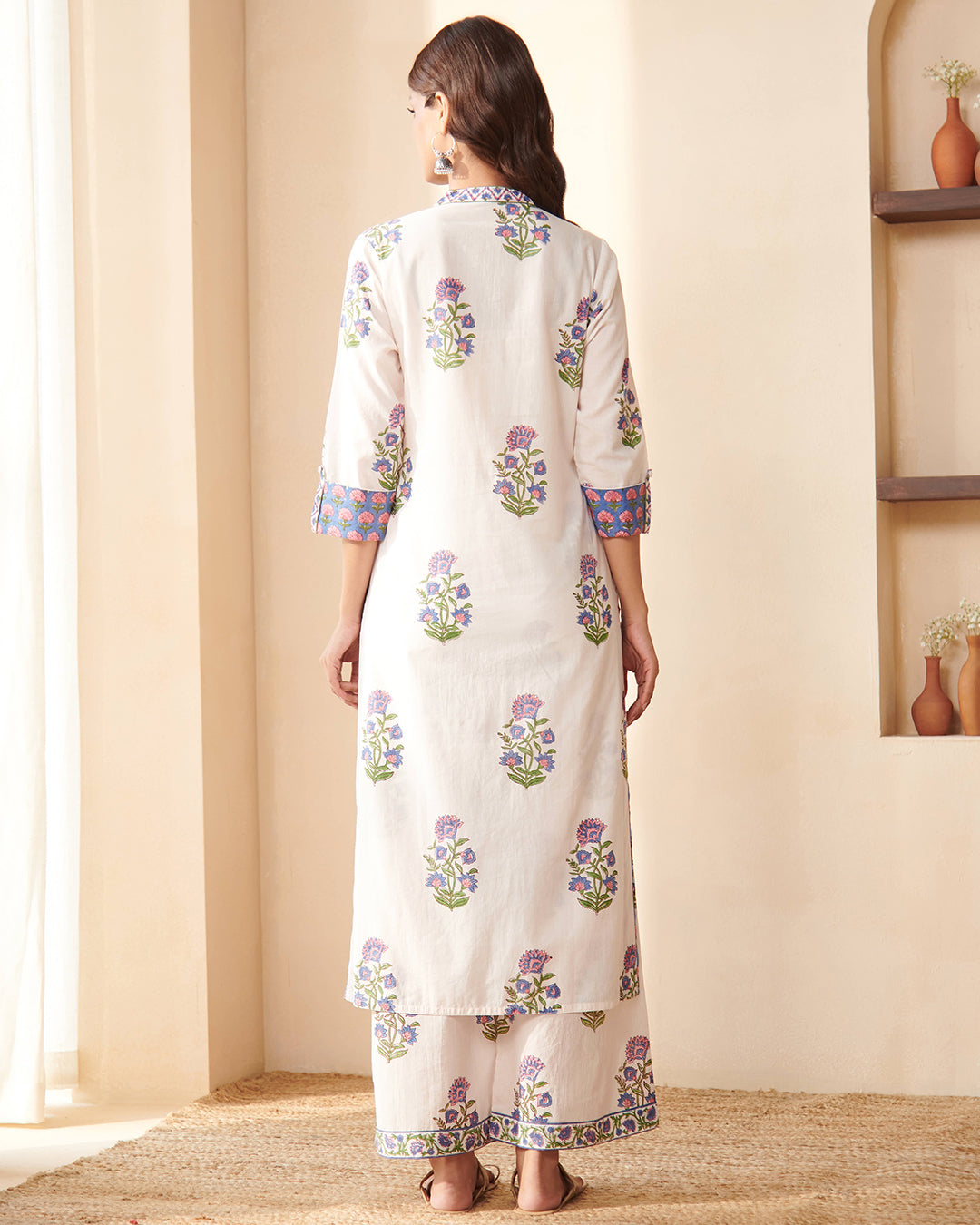


To wear block print is to celebrate craftsmanship, culture, and individuality in a world of mass production.
By: Kanchan Kumari
12/ 08/ 2025
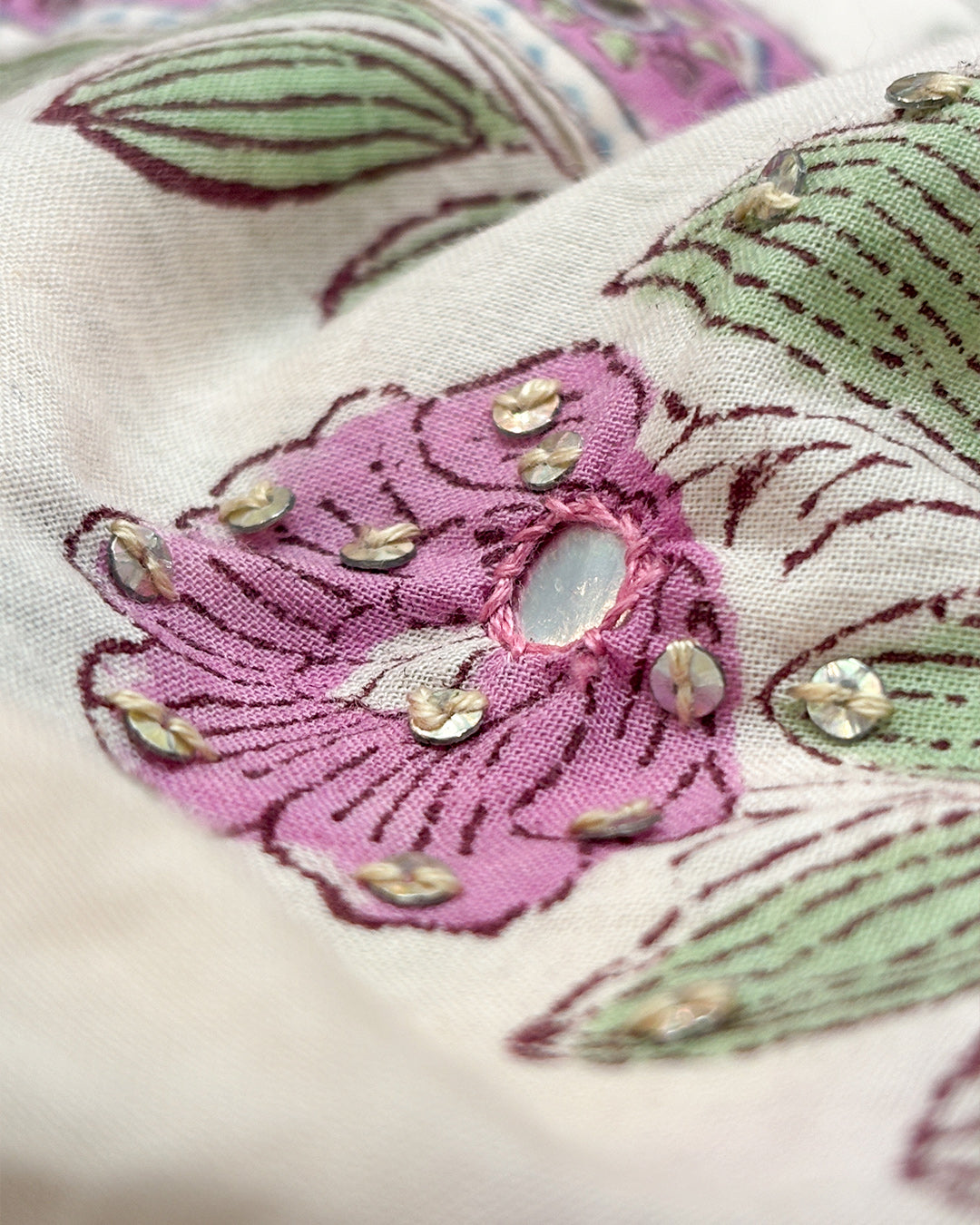
Hand-block printing is more than just fabric decoration; it’s a design language that India has carried for centuries. Crafted with carved wooden blocks and natural dyes, each print tells a regional story.
Rajasthan’s Dabu brings earthy, lived-in textures through mud-resist techniques, while Gujarat’s Ajrakh is celebrated for its sharp geometry and rich, layered colours. What ties them together is the sheer craftsmanship- patterns pressed by hand, repeats perfected with patience, and fabrics transformed into wearable heritage. In this blog, we trace its journey and explore why it remains a staple in wardrobes today.
The History of Block Prints
Block printing may be synonymous with India today, but its origins trace back to China nearly 4,000 years ago. What sets India apart is how it adopted, elevated, and globalised the craft. The tropical climate enriched the dyeing process, allowing reds, blues, and blacks to achieve striking intensity that became coveted worldwide.
The Mughal era marked the height of Indian block printing, when textiles were both luxury and currency. Mughal patronage introduced floral motifs, symbols of paradise that remain central to designs even now.
By the 18th century, England’s appetite for Indian textiles created a booming trade, though colonial industrialisation later dealt a sharp blow, flooding markets with machine-printed fabrics and threatening artisan livelihoods. Yet the craft endured.
A revival in the 1960s and 70s, driven by bohemian culture and global fascination with Indian artistry, brought block prints back into focus. Today, block printing sits at the intersection of heritage and modernity, still practised by hand, still resisting industrial shortcuts, and still finding fresh expression in wardrobes around the world.
Evolution Through the Centuries
-
The Mughal Era: Bloom of Patterns and Patronage
Block printing reached one of its most illustrious chapters during the Mughal era, spanning from the 16th to the 19th centuries. The Mughal courts, renowned for their profound appreciation of beauty and artistry, became strong patrons of this craft. Unlike the abstract motifs of earlier times, the rulers encouraged designs that mirrored their taste for elegance- lush florals, delicate vines, and intricately carved patterns that reflected the splendour of Mughal gardens. Vibrant natural dyes lit up fabrics, while Persian influences shaped motifs and techniques, giving Indian block prints a distinctive identity. This fusion became the hallmark of Mughal block printing, elevating it from craft to celebrated art form.
-
Colonial Times: Global Fame, Harsh Realities
By the time European traders set their eyes on Indian textiles, block-printed fabrics had already won admirers across Asia, the Middle East, and beyond. Known for their finesse and durability, these prints became prized possessions in international markets. Yet, the very popularity of Indian block prints threatened European textile industries. To protect their markets, colonial powers imposed heavy tariffs and outright bans on Indian fabrics. The British, in particular, crippled India’s thriving textile economy by exporting raw fibres out of the country, weaving them into cheap machine-made cloth in British mills, and then flooding Indian markets with these inferior alternatives. Generations of skilled block printers and weavers were forced to abandon their craft, reduced to working in factories for paltry wages. What was once a flourishing art now stood on the brink, its richness siphoned away through exploitative trade policies.
-
Modern India: Revival of Heritage
With the rise of industrial technologies in the 20th century, traditional block printing faced another battle, this time against mass-produced fabrics and synthetic dyes. Market preferences leaned toward convenience and cost, and the painstaking handcraft struggled to keep pace. Yet, just when it seemed block printing might fade into memory, a revival began.
The post-independence period saw a renewed pride in India’s heritage crafts. Designers, cooperatives, and artisans began to reintroduce block prints to the world, blending traditional methods with contemporary aesthetics. What emerged was not just nostalgia, but a vibrant reinvention that spoke to modern sensibilities while honouring age-old skills.
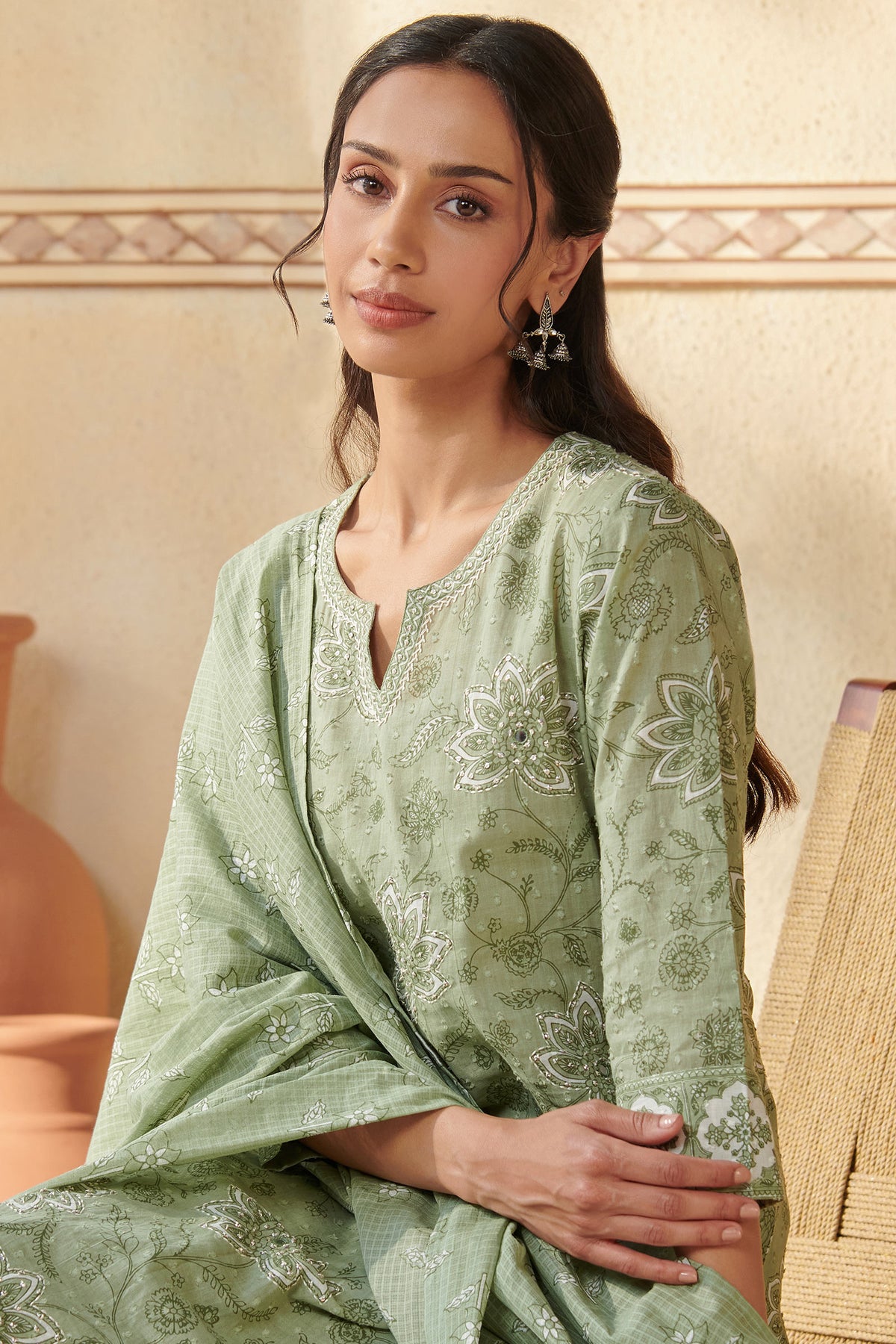
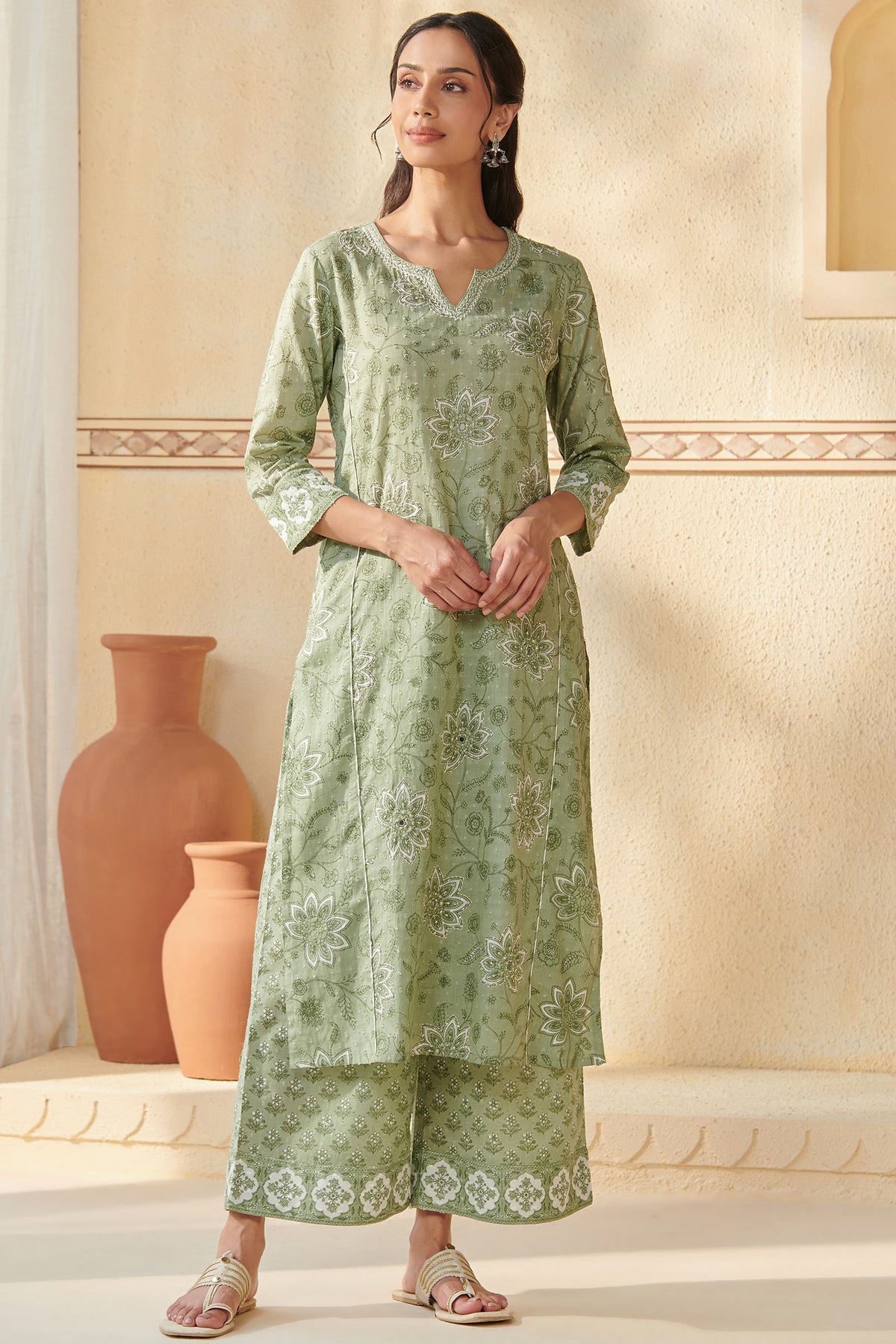
Today, Indian block printing stands as both a heritage and a fashion statement, woven into saris, kurtas, home furnishings, and international runways alike. Each hand-carved block, each stamped impression carries centuries of history, resilience, and artistry. In a world dominated by fast fashion, block prints remind us of the beauty of the handmade, an art form that continues to evolve while keeping its roots alive.
Types of Hand Block Prints in India
India’s hand block printing traditions are as diverse as the landscapes they come from. Every region has its own story, motifs, and methods, deeply tied to the history of the communities that nurtured them. Here are some of the most iconic styles.
-
Sanganeri Printing
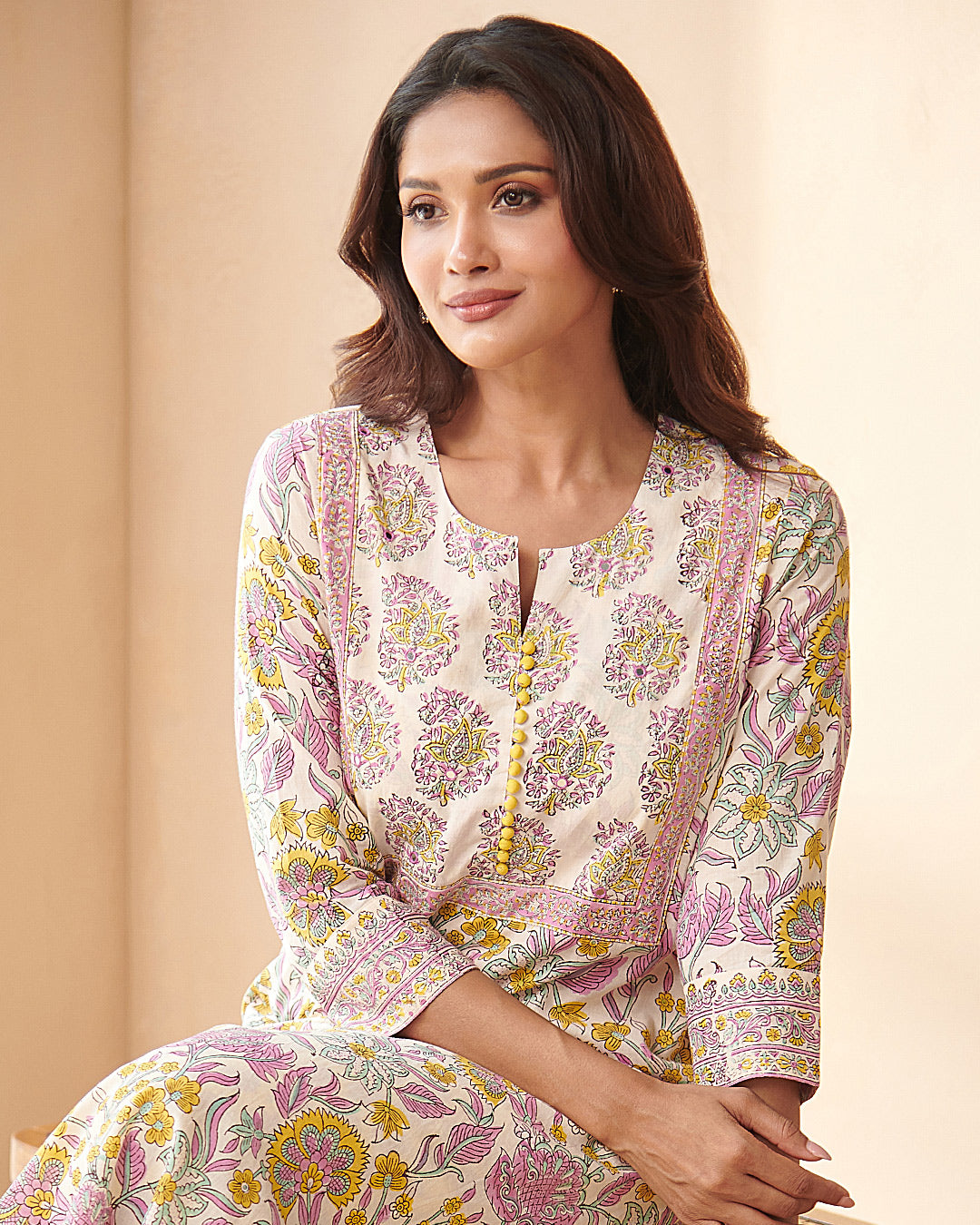
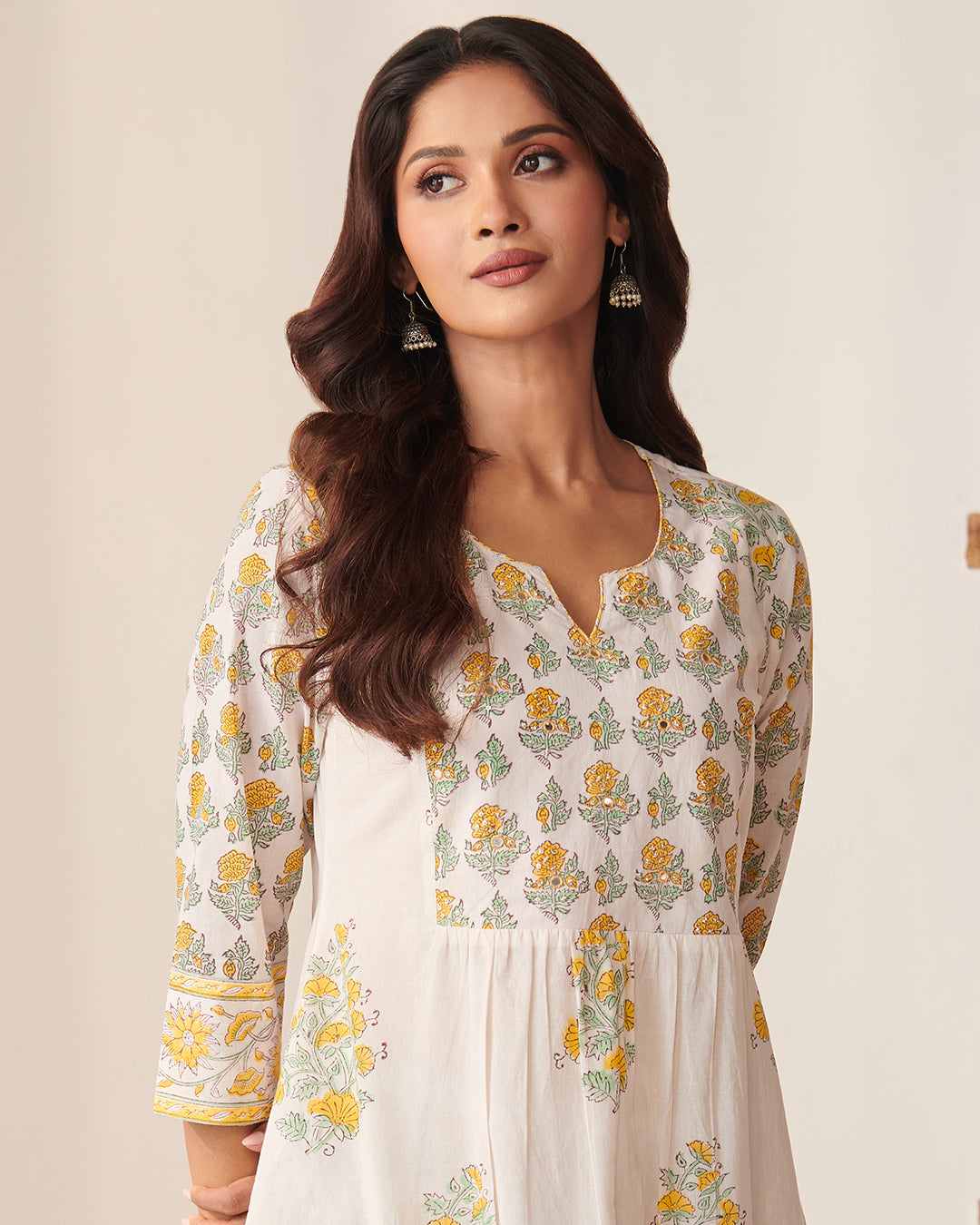
In the town of Sanganer, near Jaipur, a delicate and refined style of printing emerged during the 16th and 17th centuries. As Maratha–Mughal conflicts intensified, the Chipa community sought safe havens and found patronage under the rulers of Jaipur. While both Sanganeri and Bagru prints share a common origin, Sanganeri developed its own sophistication under royal influence. Known for fine floral motifs, intricate jaals, and tiny butis, the prints glow in bright colours created with small, detailed blocks. Bel, Keri, Peacock and Vine designs became the hallmark of this elegant tradition.

-
Bagru Printing
Close to Sanganer lies the village of Bagru, known for its earthy charm. Bagru printing relies heavily on natural dyes and uses both direct dye printing and mud resist techniques. The fabrics often feature bold motifs framed with black outlines, including flowers, leaves, and geometric arrangements. Unlike the refinement of Sanganeri, Bagru’s prints carry a rustic simplicity that connects strongly to the soil and the community that keeps the craft alive.

-
Dabu Printing
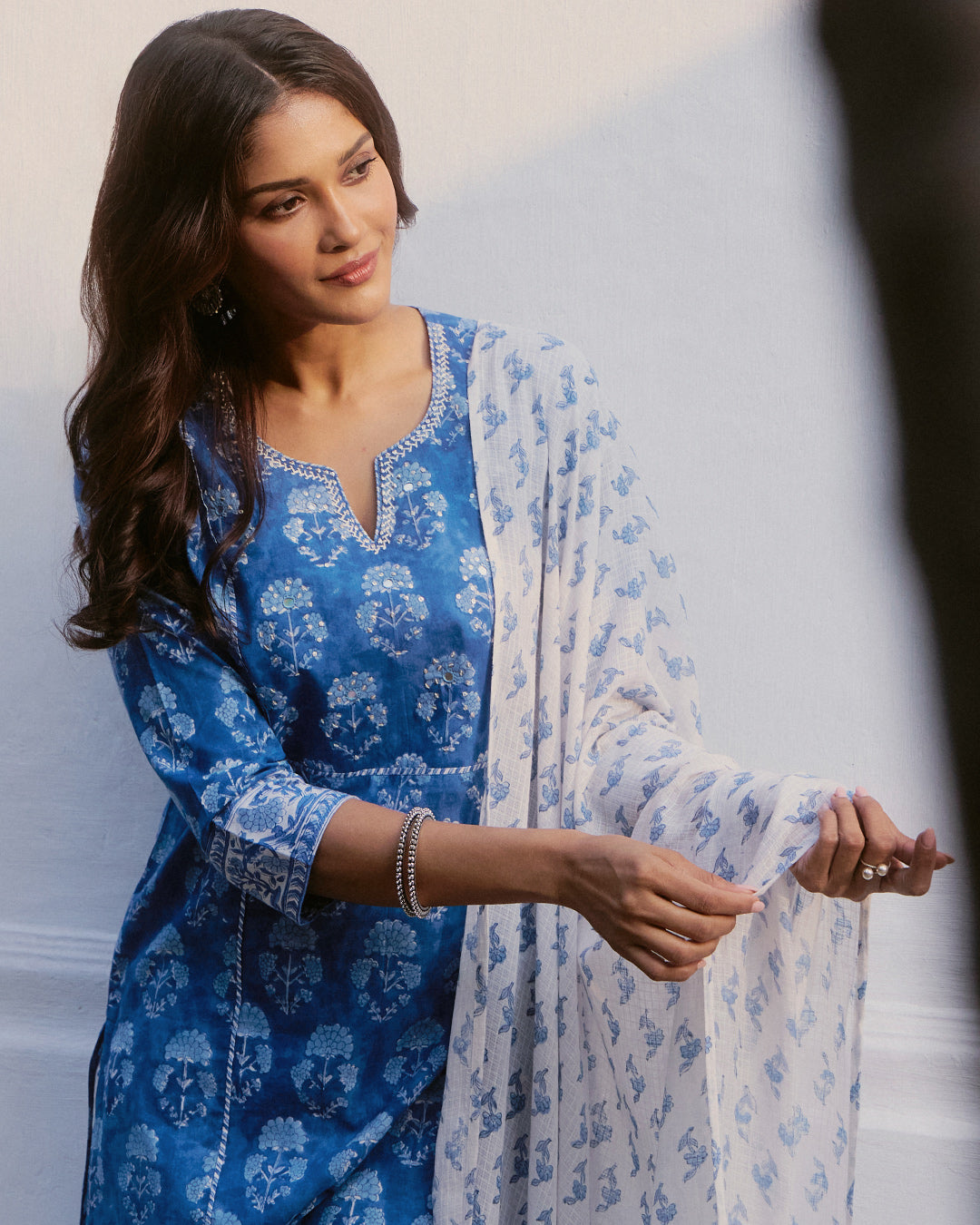
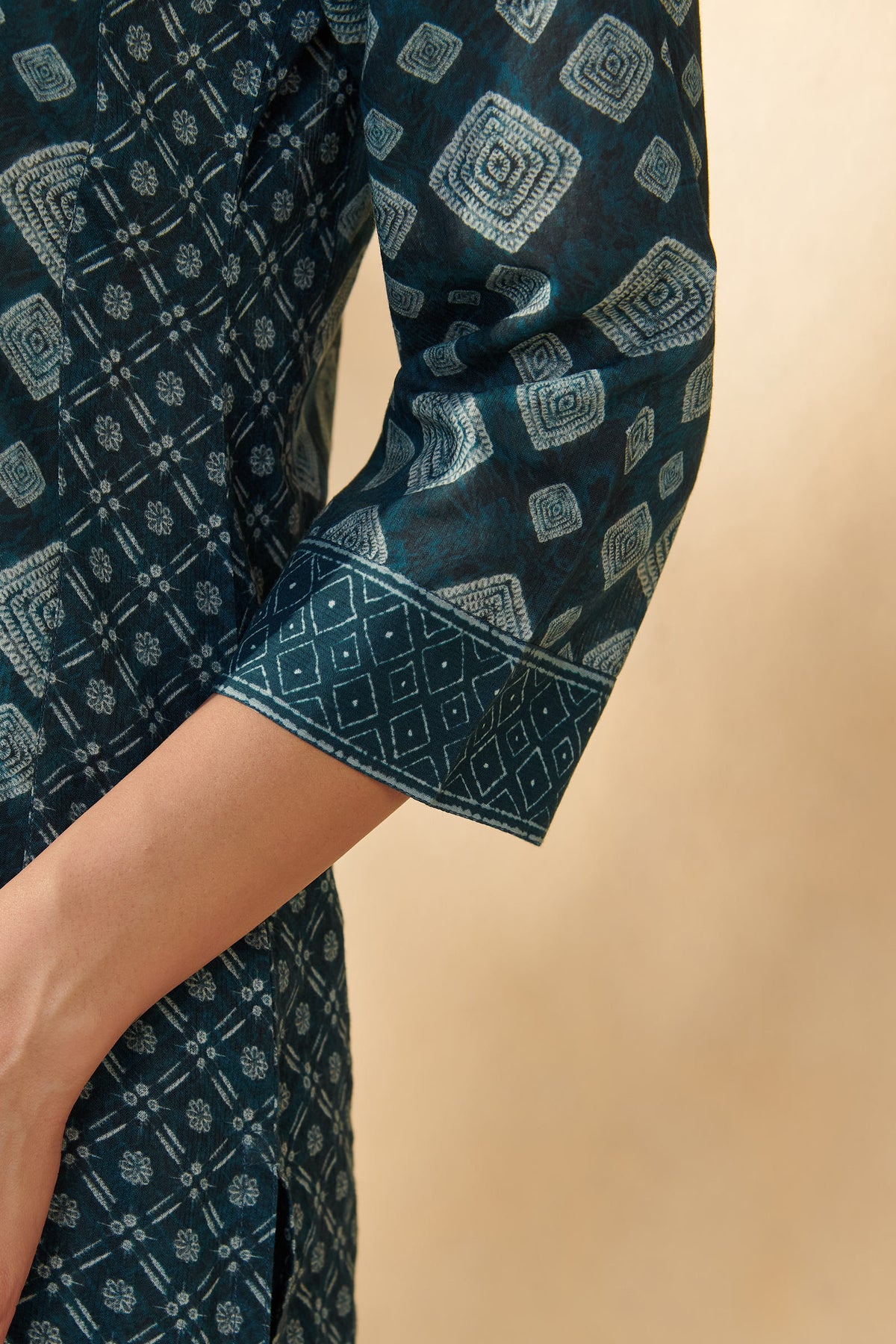
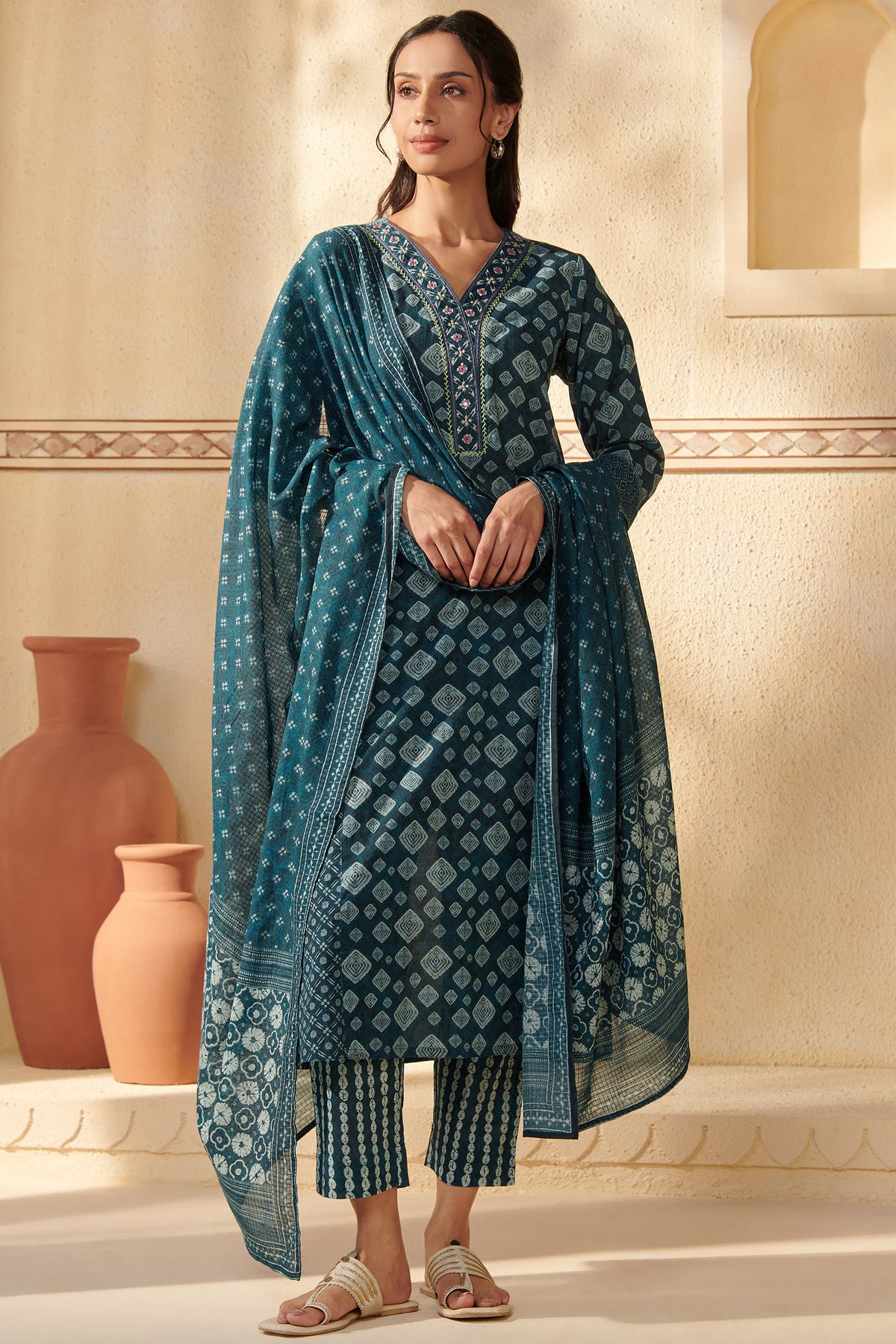
Dabu is another celebrated style from Rajasthan that showcases the ingenuity of resist-dye methods. Craftsmen apply a mud paste to fabric, dust it with sawdust for strength, and then dye it. When the mud is washed away, striking patterns are revealed against the dyed surface. Dabu prints often appear in earthy blues and indigos, covered with geometric or floral motifs. Each piece reflects painstaking handwork where patience and precision define the outcome.
-
Ajrakh Printing
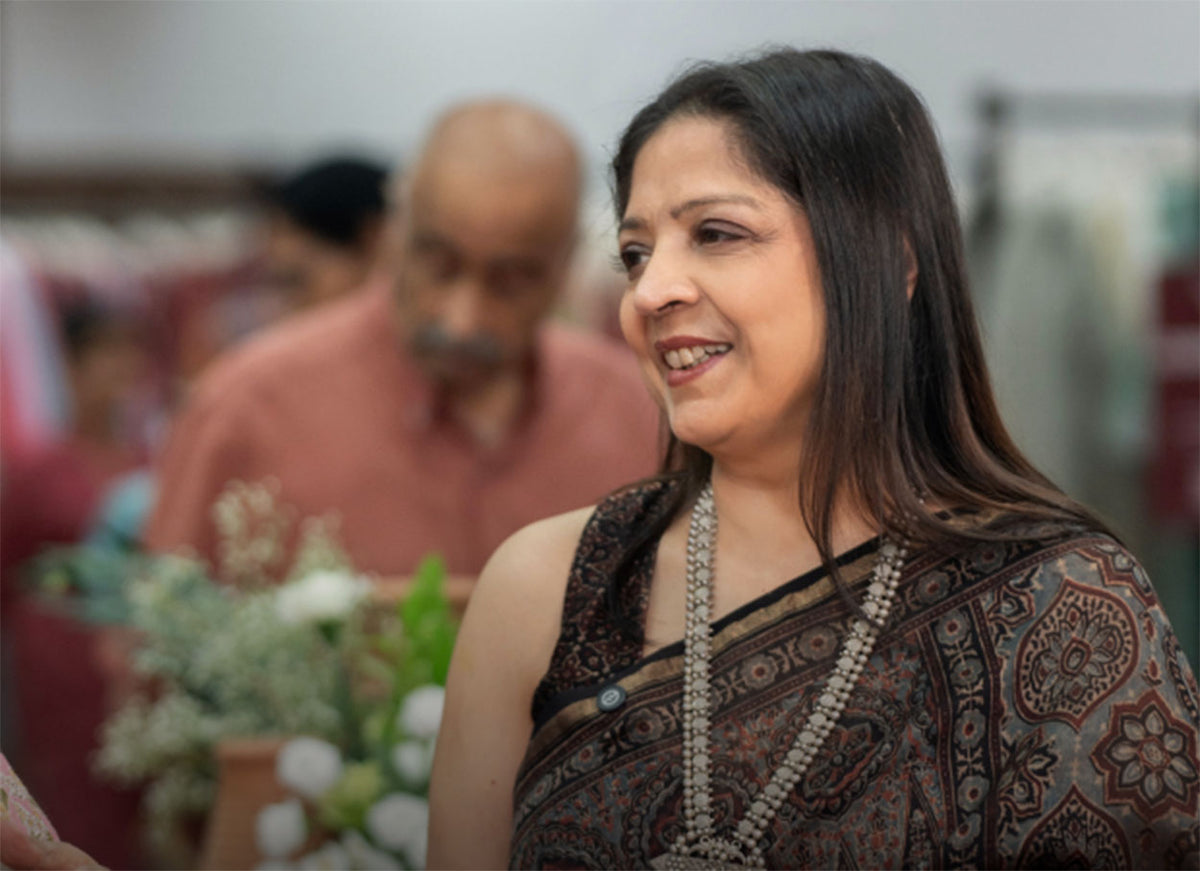
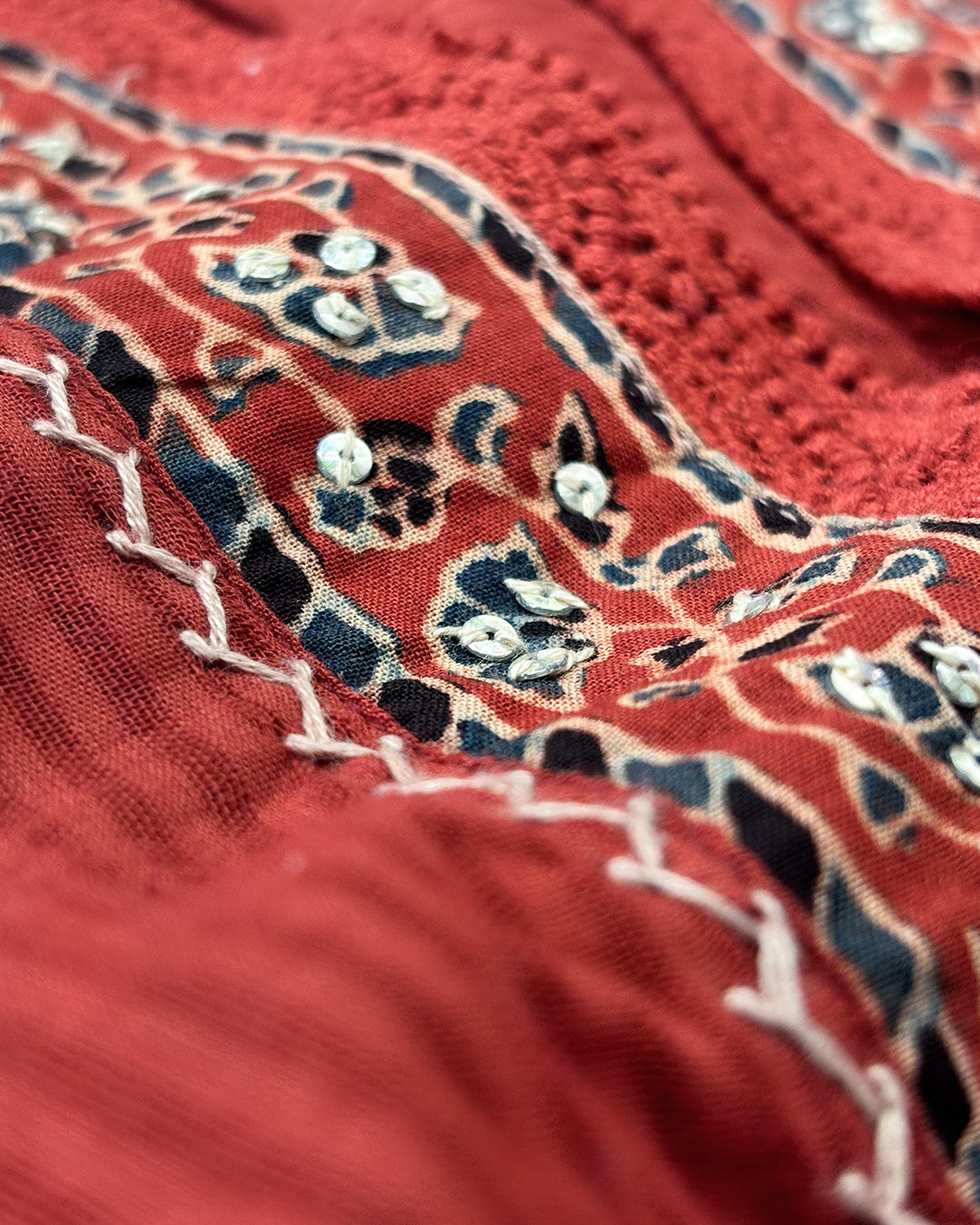
Ajrakh printing from the Kutch region of Gujarat is one of the most intricate and time-intensive block printing traditions. Known for its indigo and crimson palette, Ajrakh involves several stages of printing, dyeing, and washing. Each layer of design must be aligned with flawless precision, sometimes taking weeks to complete. The result is a mesmerising fabric of geometric symmetry and natural harmony that carries centuries of heritage within its patterns.
-
Bagh Printing
Bagh printing from Dhar district in Madhya Pradesh is instantly recognisable for its use of rich red and black tones on a white background. The designs, often geometric or paisley-inspired, gain their depth and vibrancy from the natural dyes and the mineral-rich waters of the region’s rivers. With roots in tribal traditions, Bagh prints have a rhythmic quality that combines heritage with balance and symmetry.
The Process of Indian Hand Block Printing
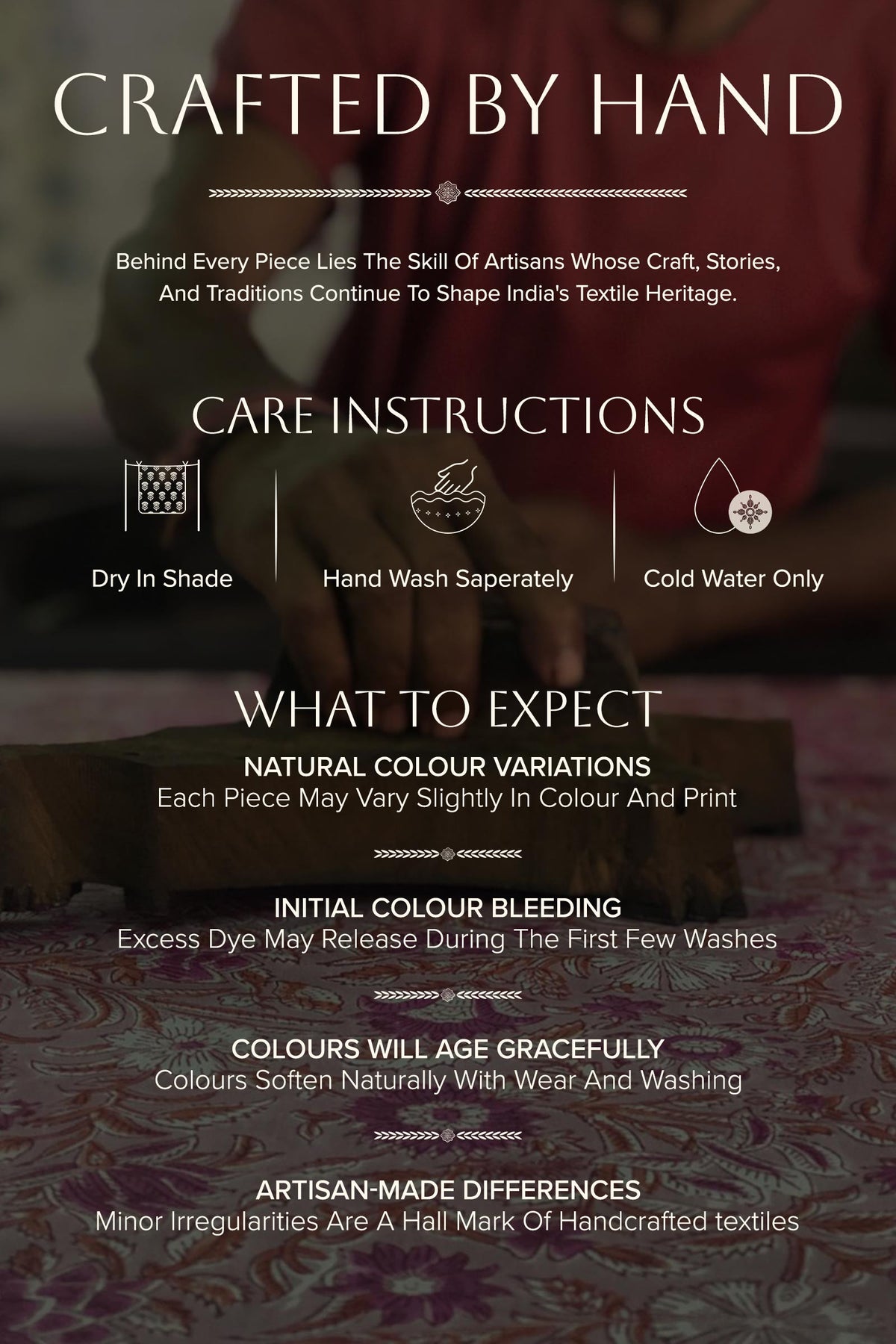
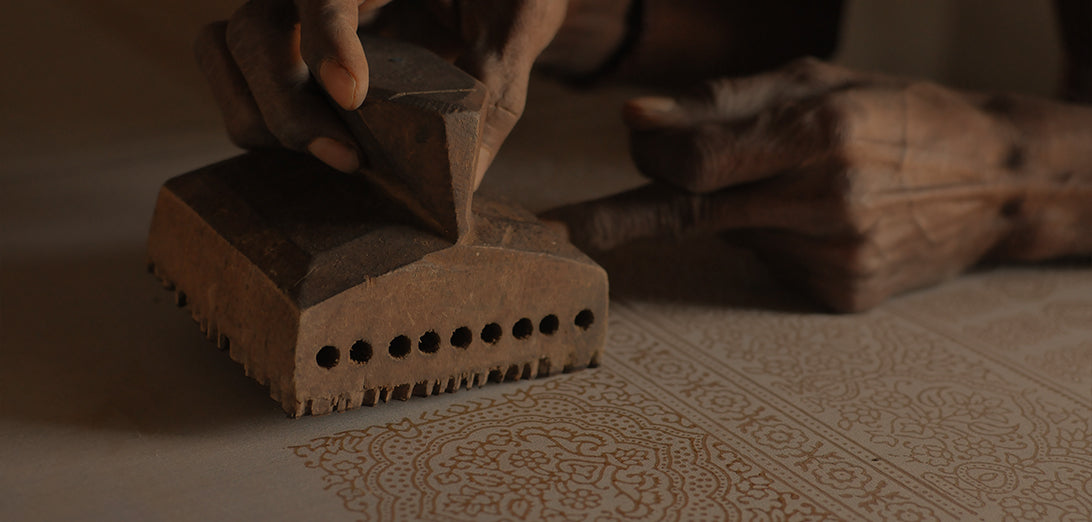
Hand block printing with natural or vegetable dyes is an ancient art form where no two designs are ever the same. At the centre of this craft is the wooden block, engraved with intricate patterns, used to transfer designs onto fabric.
-
Step 1: Preparing the Wood Blocks
Wooden pieces about 2-3 inches in height are carved with the desired design. The surrounding wood is carefully removed, and the blocks are soaked in oil for 10-15 days to improve flexibility and durability.
-
Step 2: Preparing the Fabric
The fabric is washed to remove starch or any leftover dyes, then sun-dried. It is stretched tightly over a printing table and secured with pins for a smooth surface.
-
Step 3: Preparing the Print Paste
Pigments, fixers, and binders are mixed to create the print paste. The mixture is spread evenly on a tray lined with jute or sponge. The blocks are pressed into the paste to absorb the colour.
-
Step 4: Printing
Each block is carefully dipped in colour and pressed firmly onto the fabric. For designs with multiple colours, separate blocks are used for each layer to ensure precise alignment.
-
Step 5: Finishing
The printed fabric is sun-dried, wrapped to prevent smudging, steamed to set the colours, washed, and finally ironed to complete the process.
This method produces vibrant, unique fabrics that carry centuries of tradition in every hand-block printed motif.

Conclusion
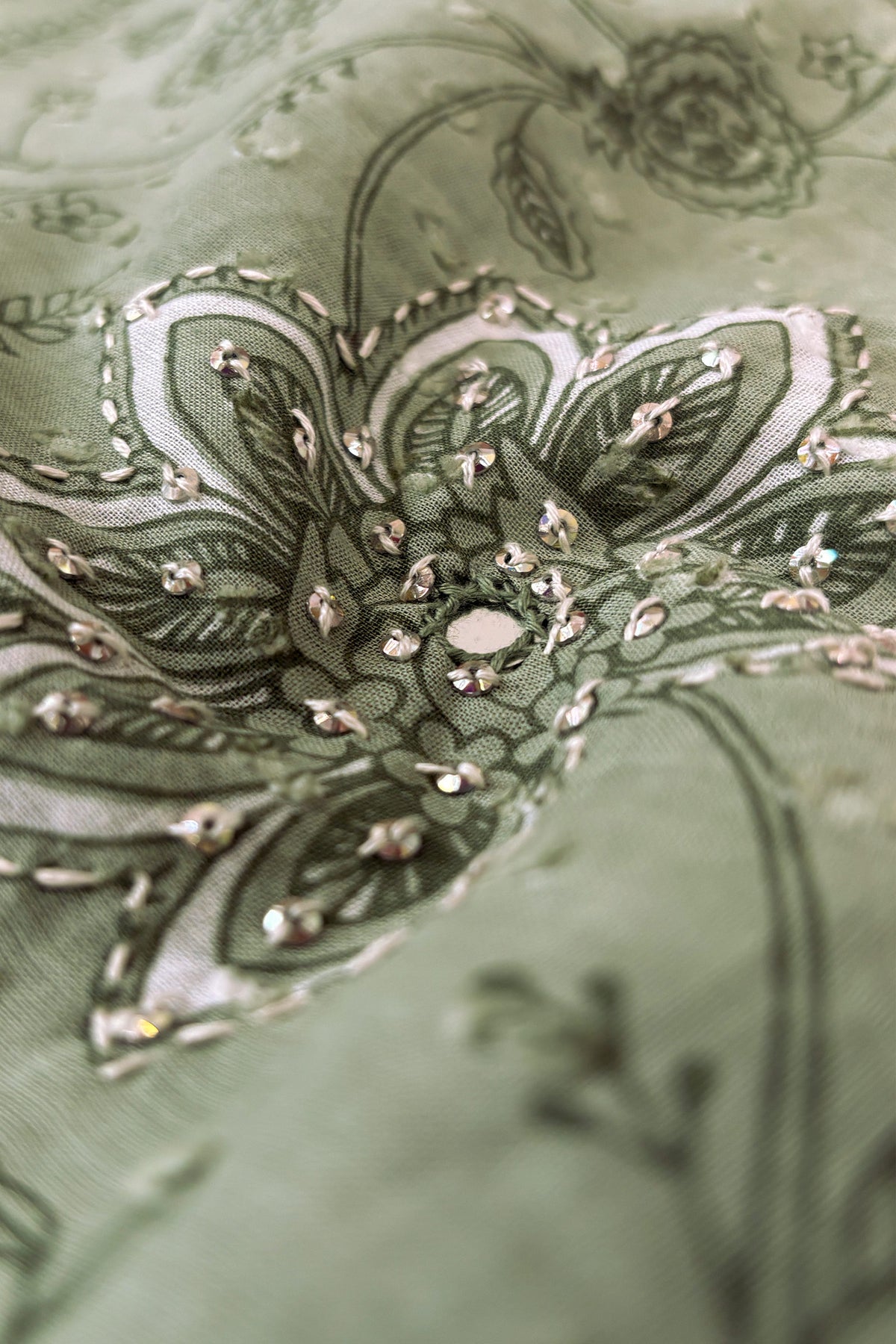
Indian hand block printing is couture in its purest form- slow, meticulous, and impossibly human. Every motif tells a story, every irregularity a mark of authenticity. From the regal elegance of Sanganeri florals to the hypnotic rhythm of Ajrakh, these textiles embody timeless artistry that trends can never replace. Today, block printing continues to hold its ground, not only as a nod to tradition but as a striking part of contemporary fashion as heritage reborn for the modern wardrobe.

