

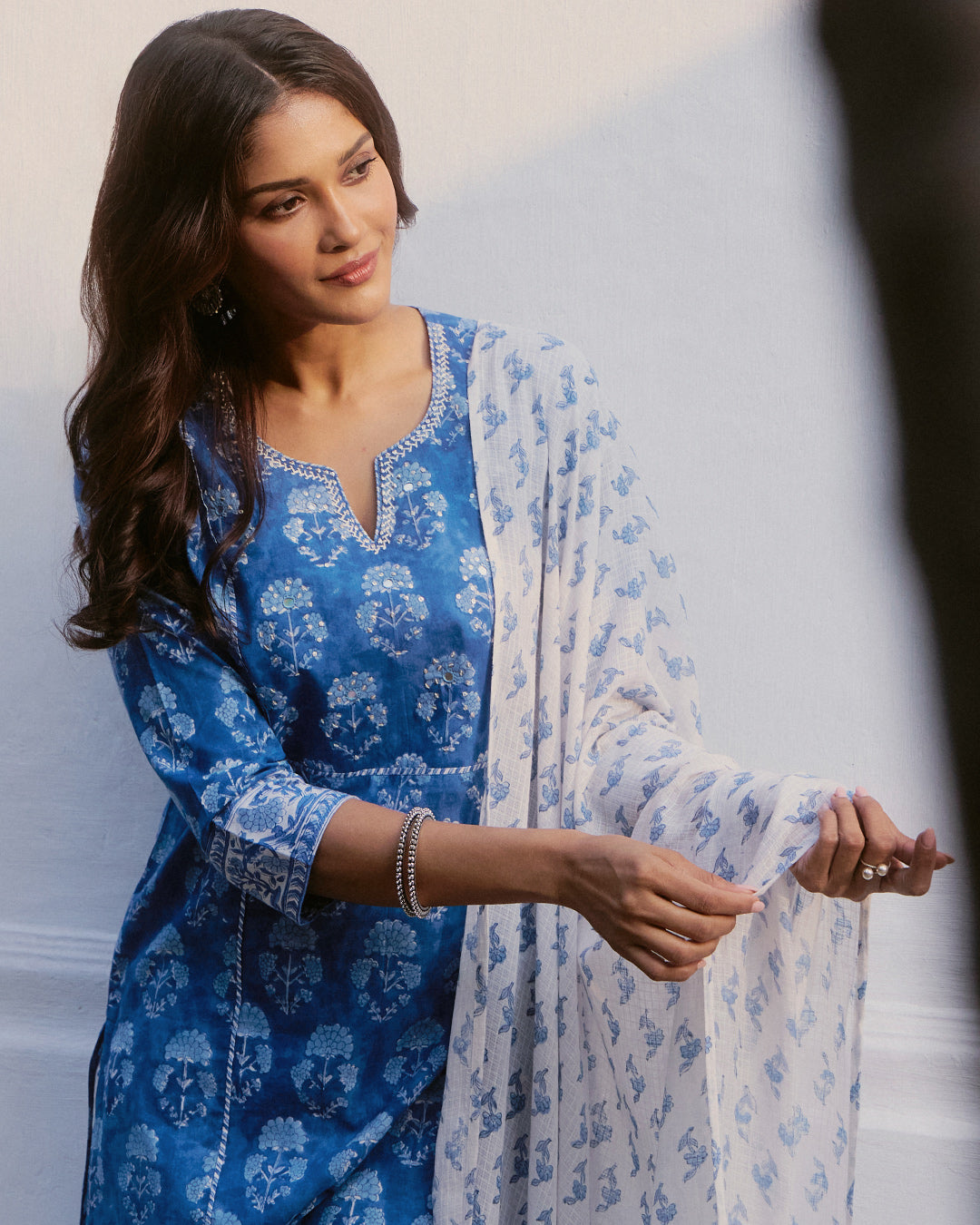
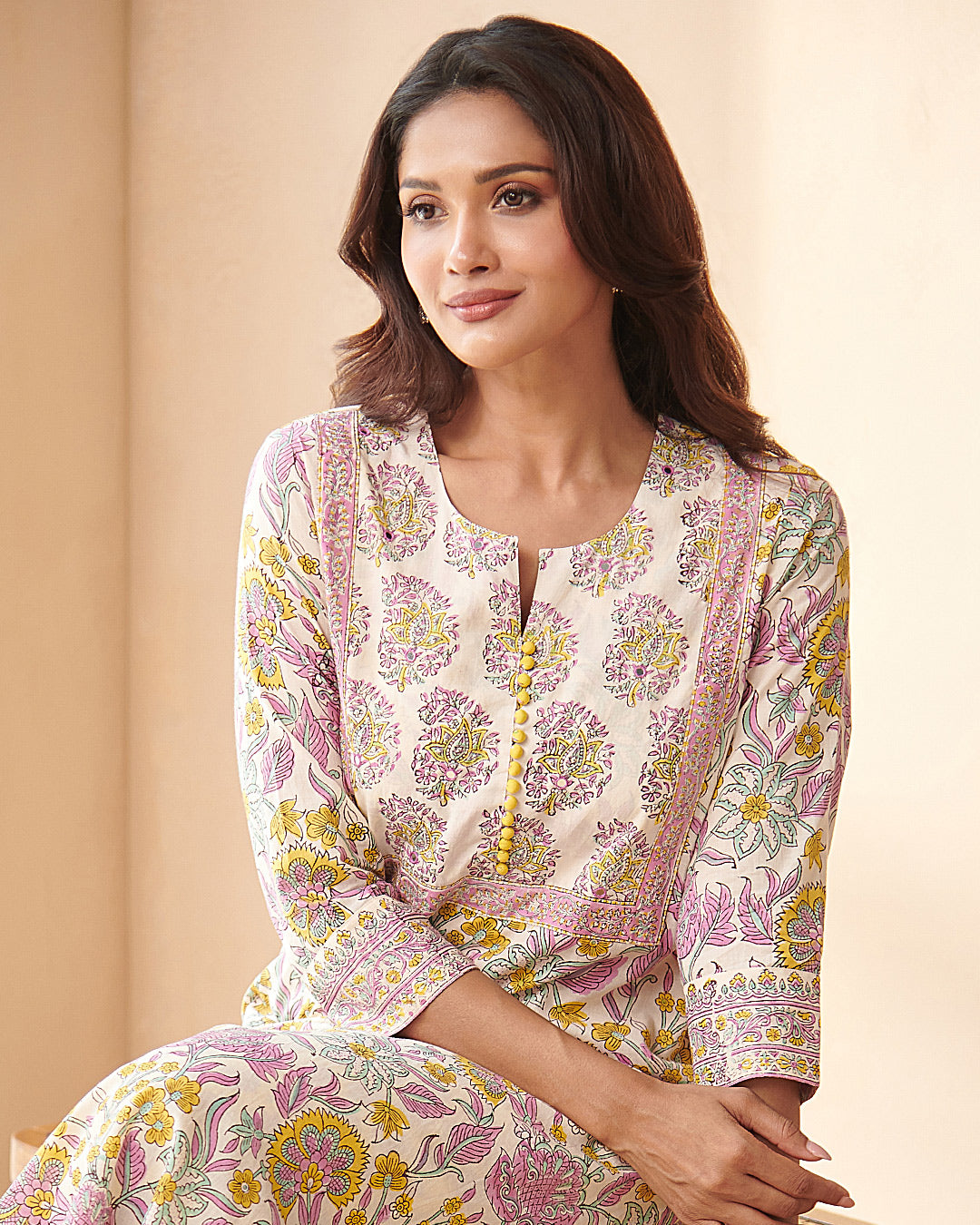
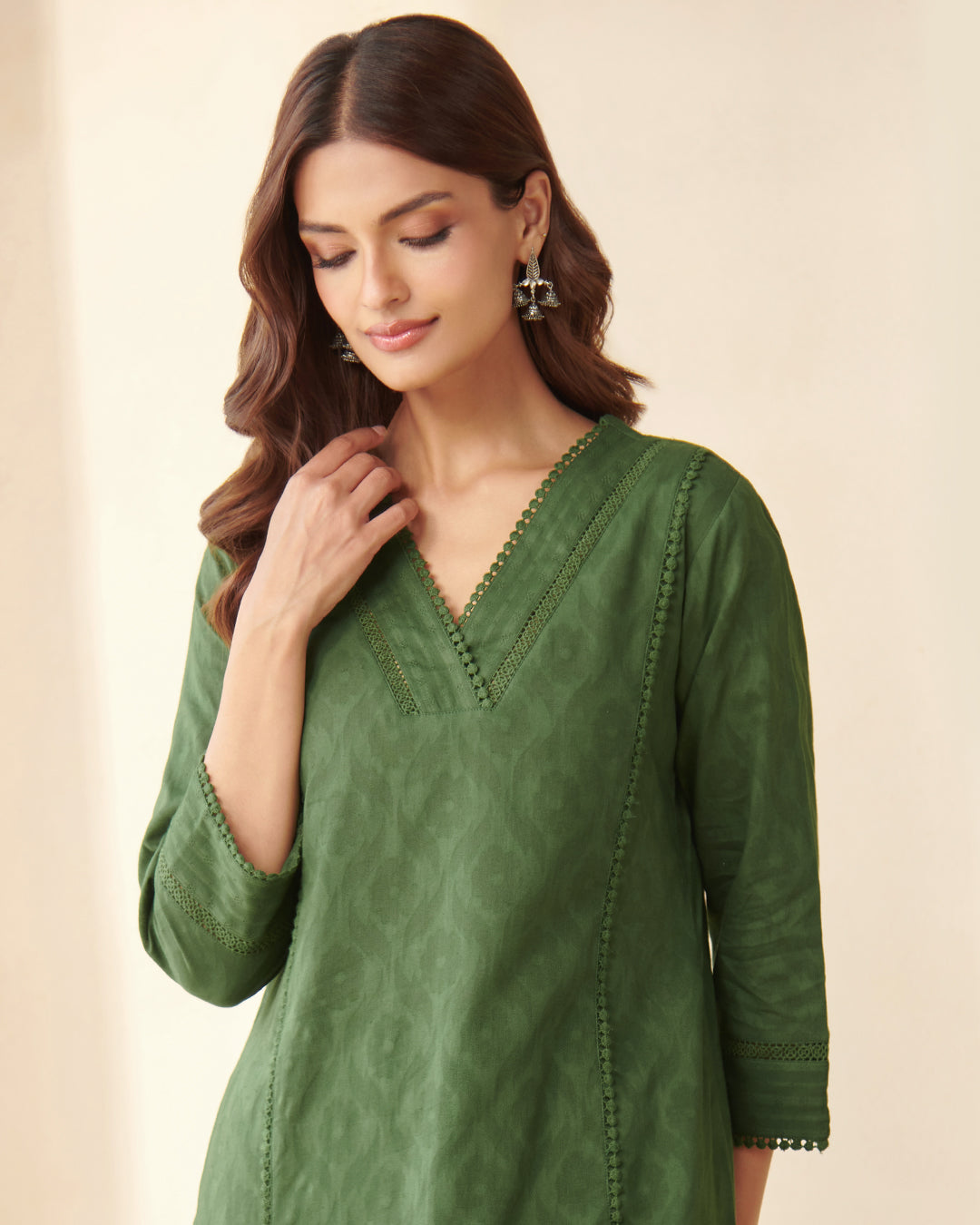


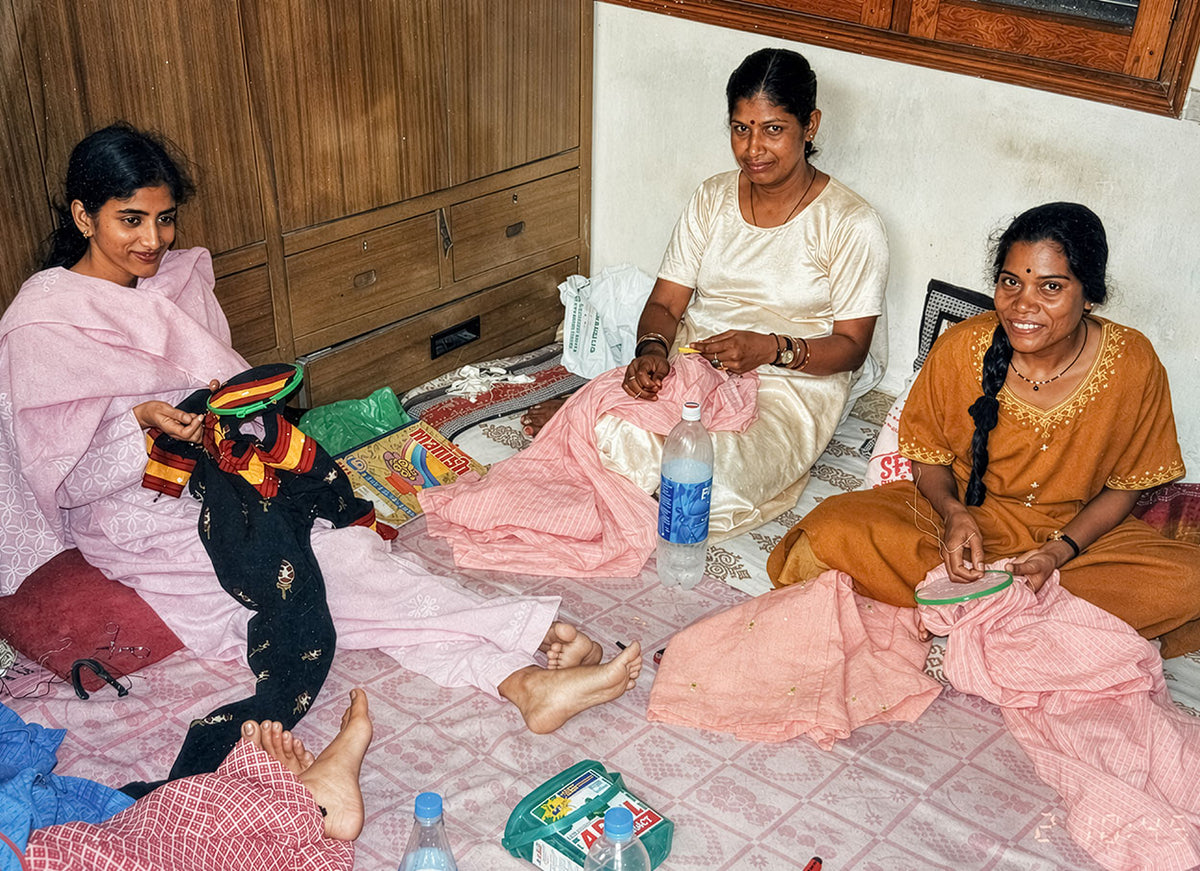

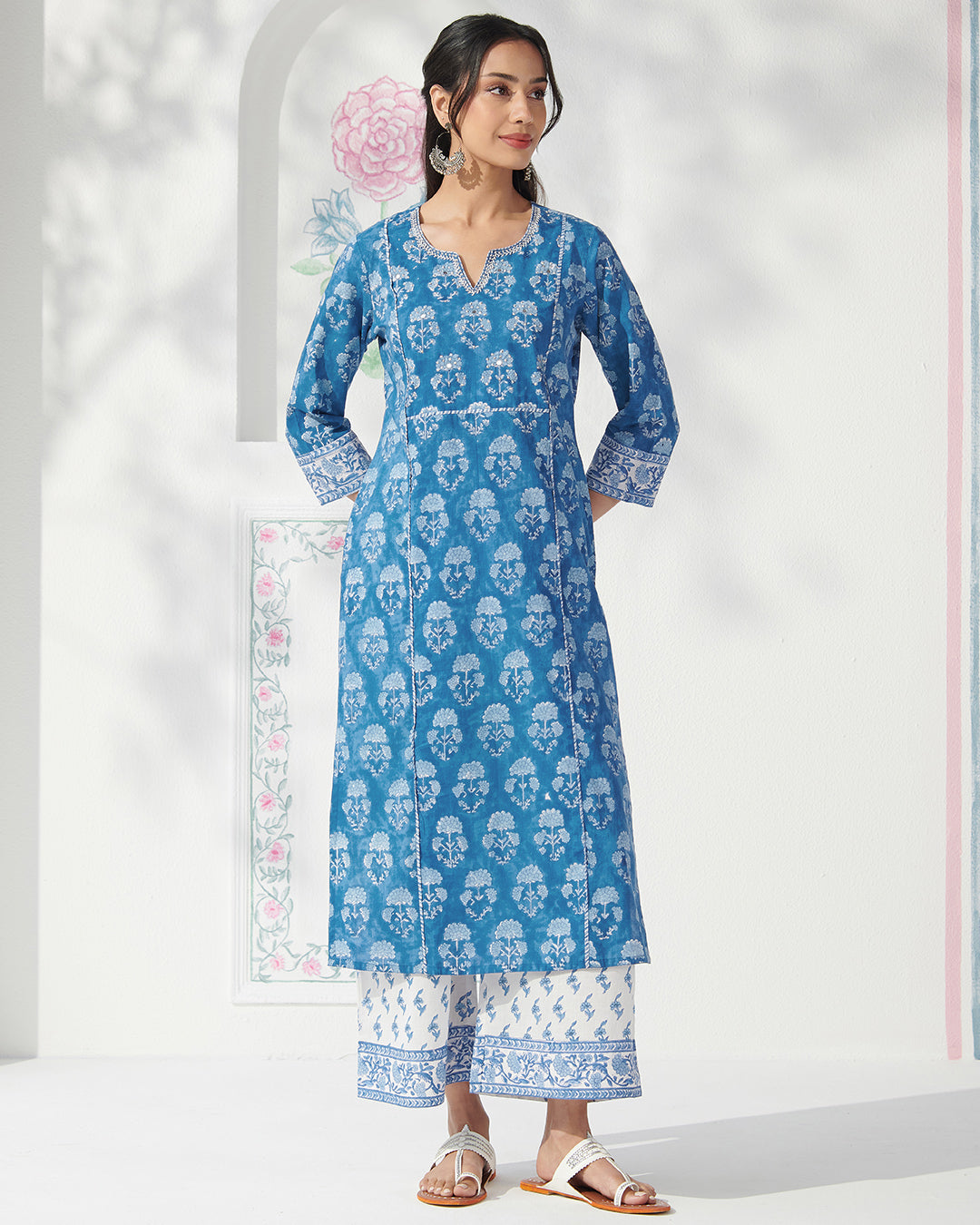
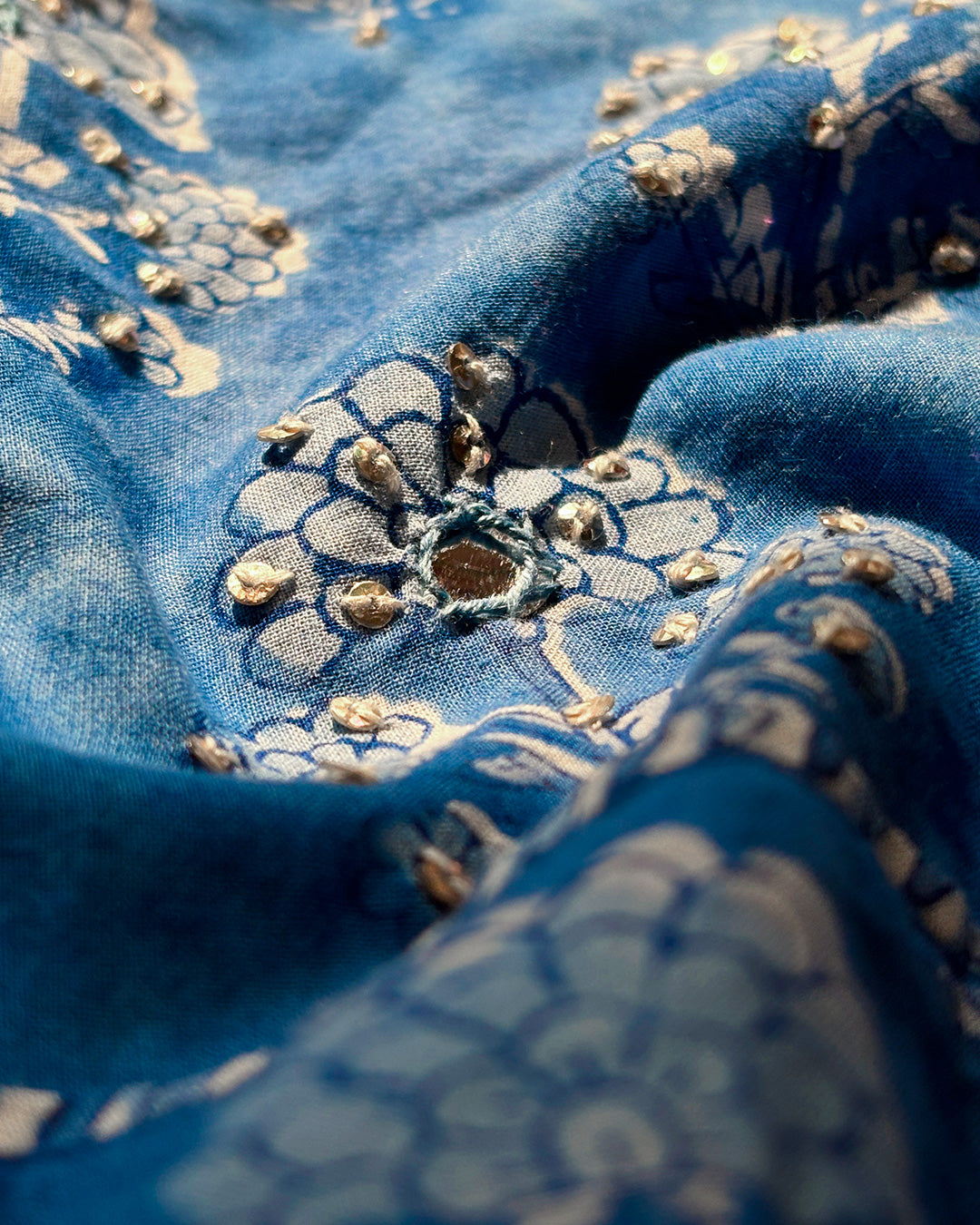
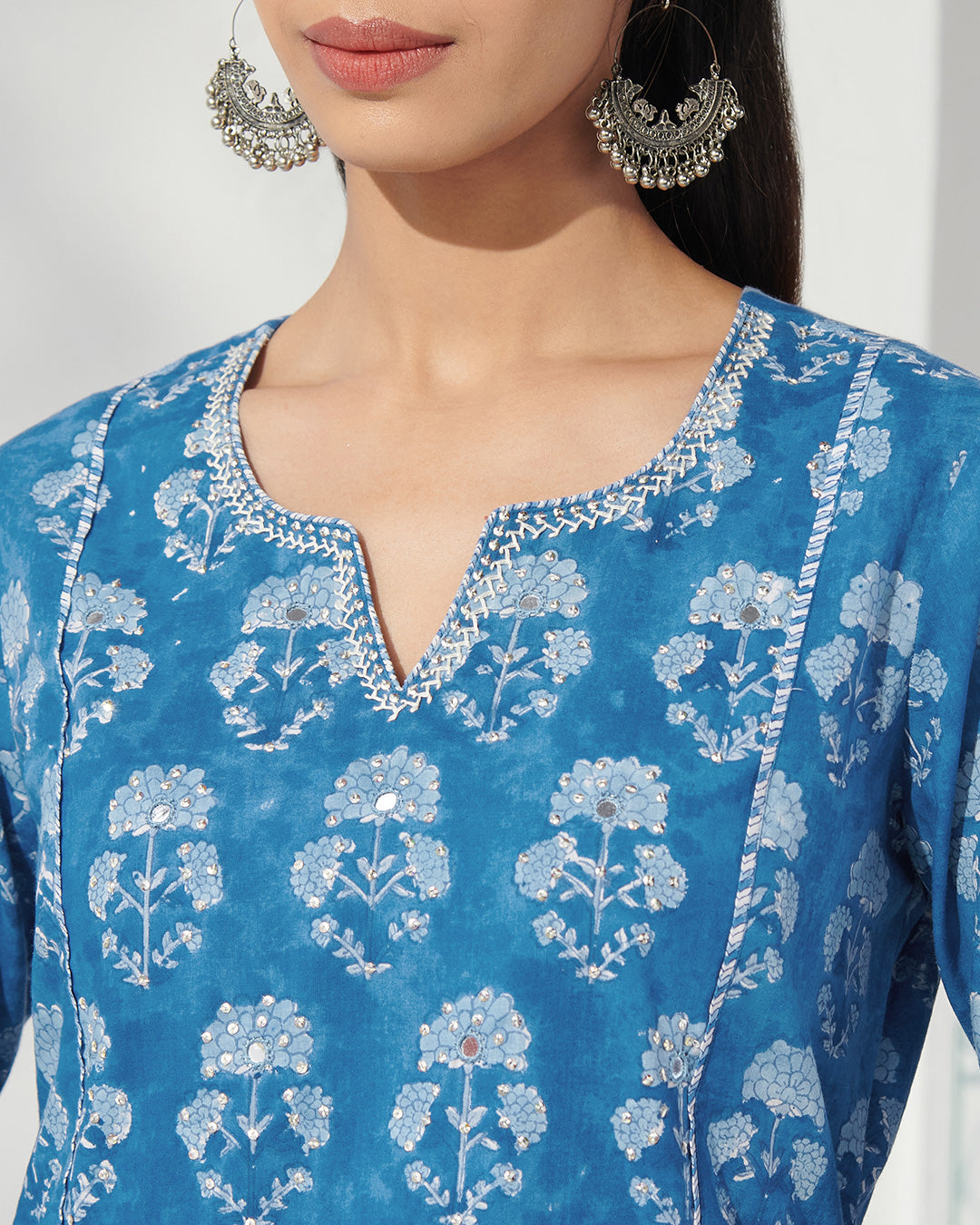
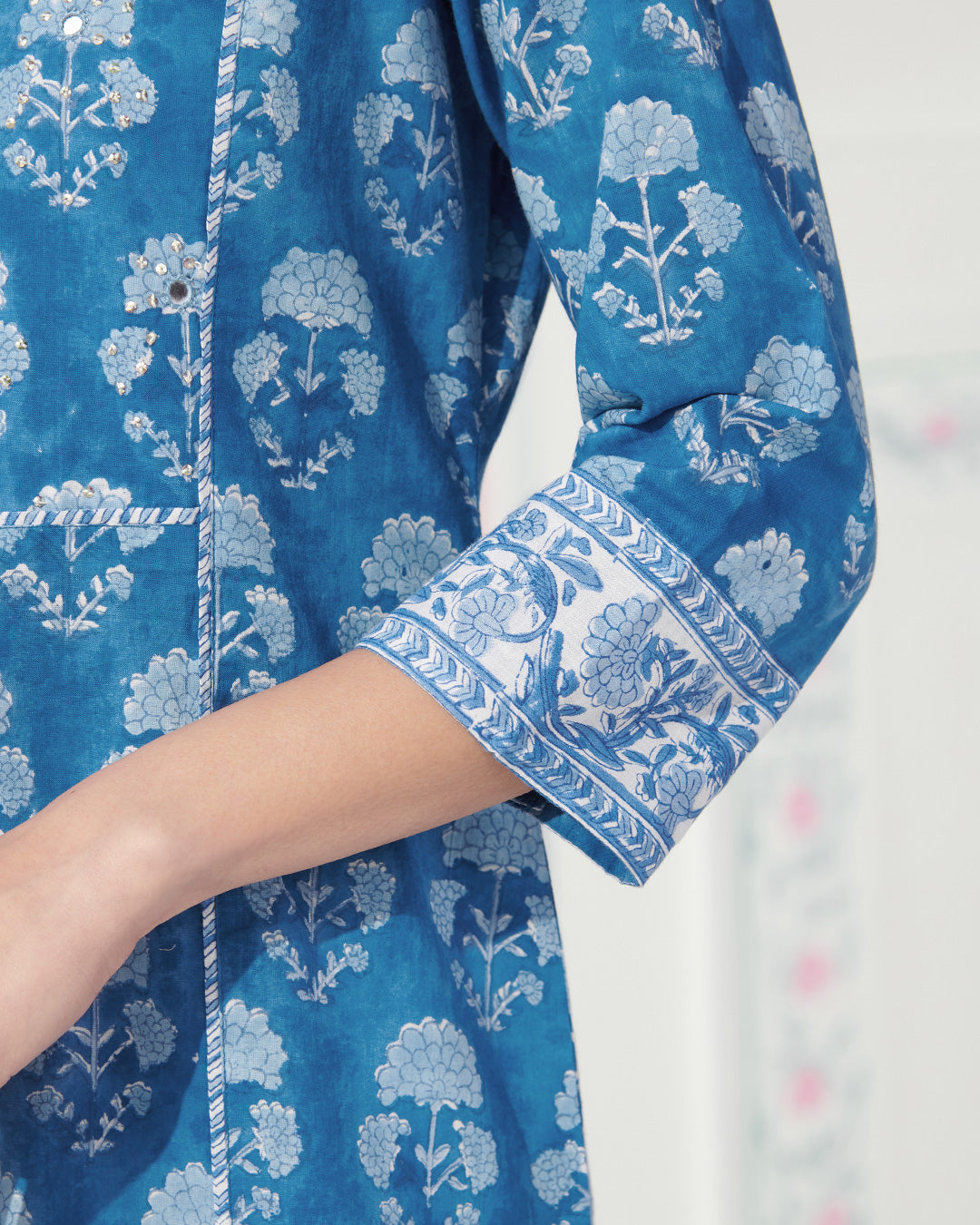
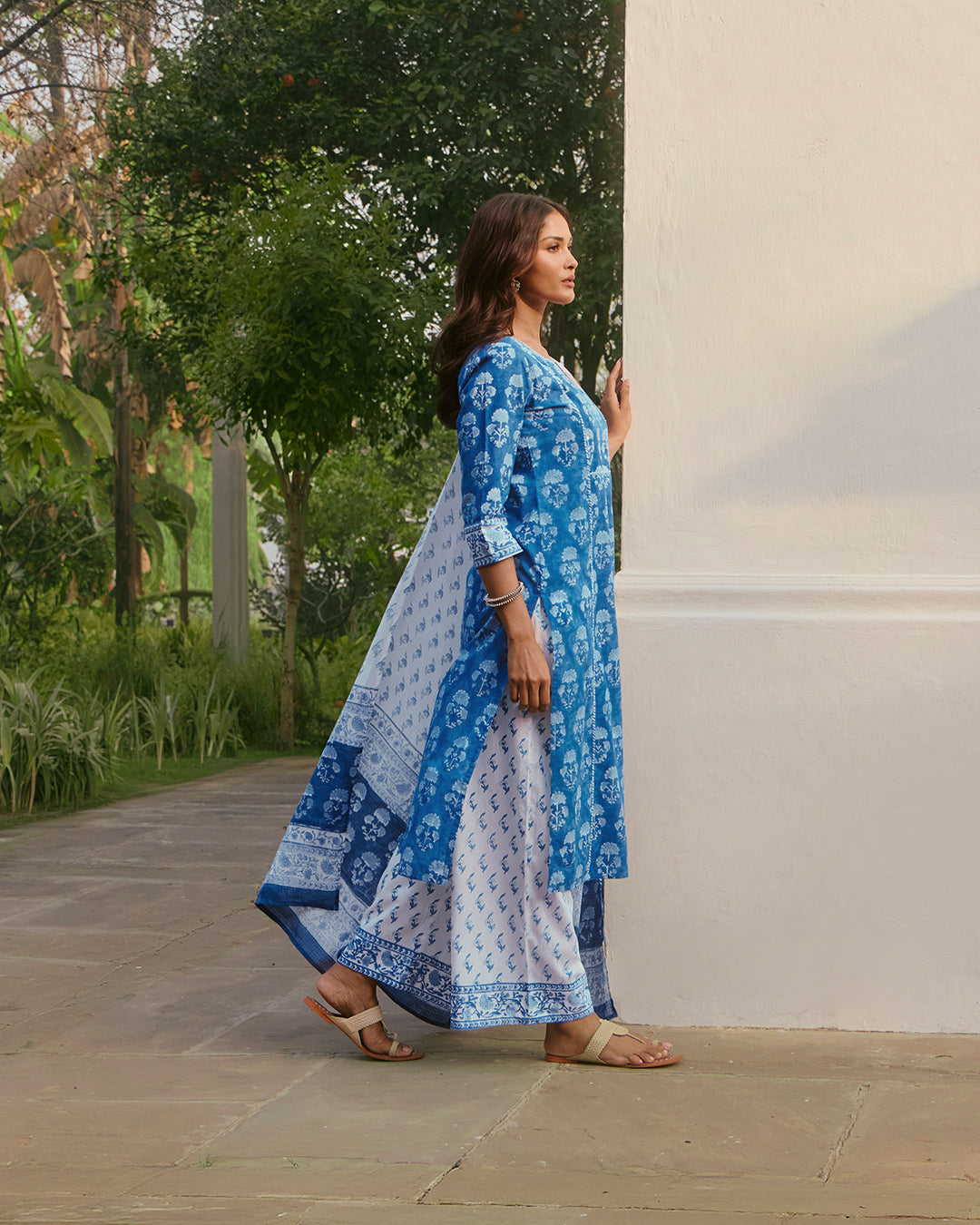
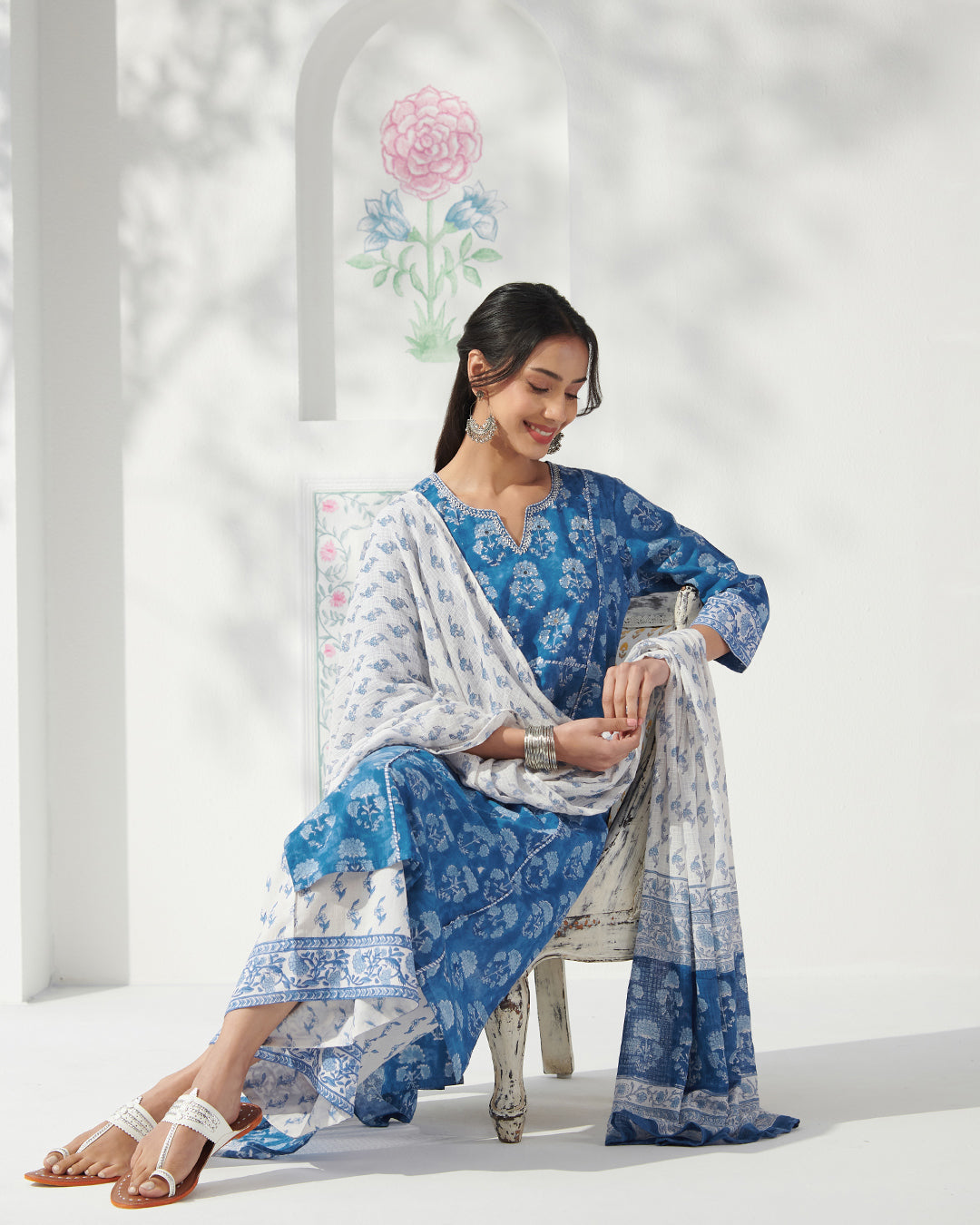
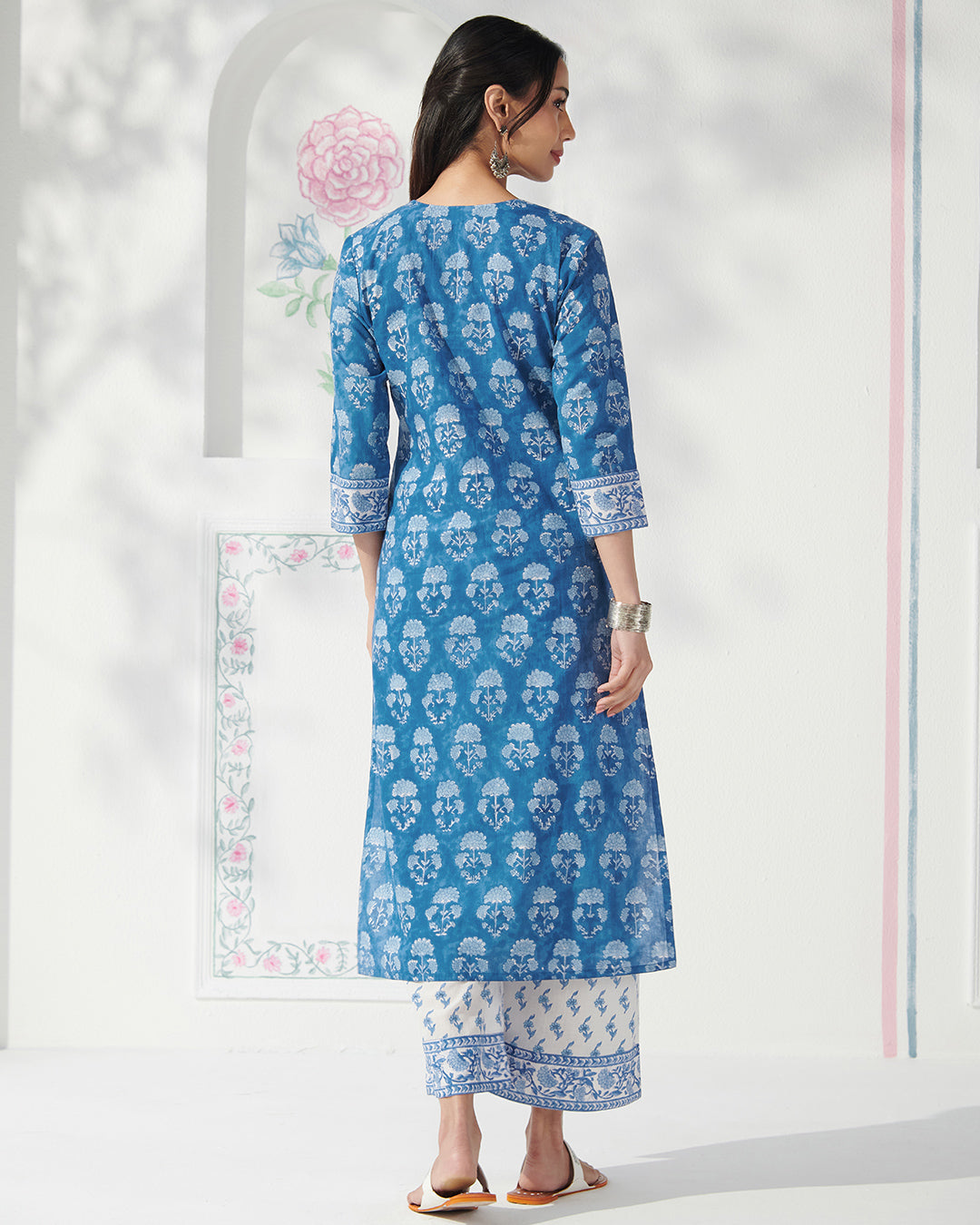
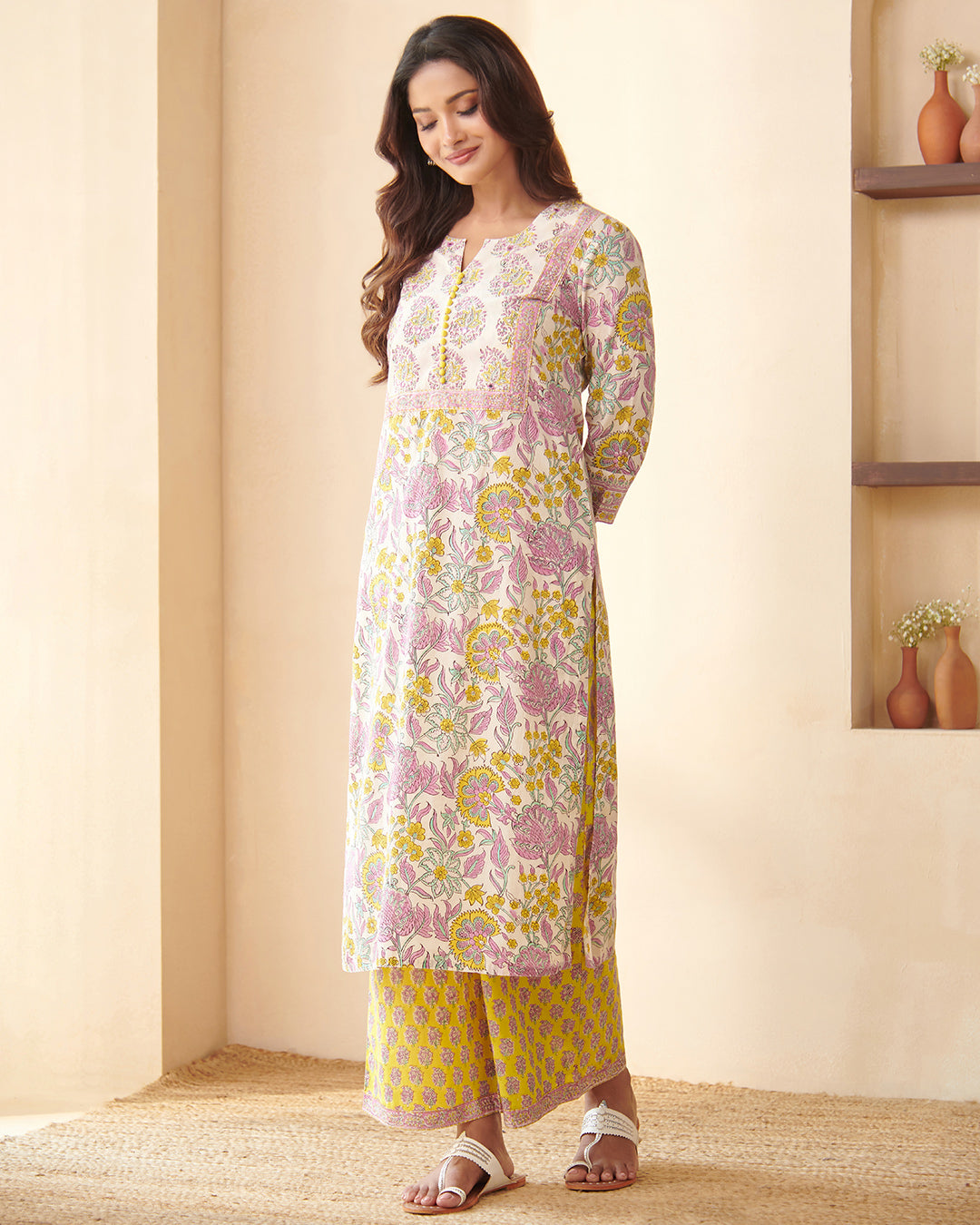
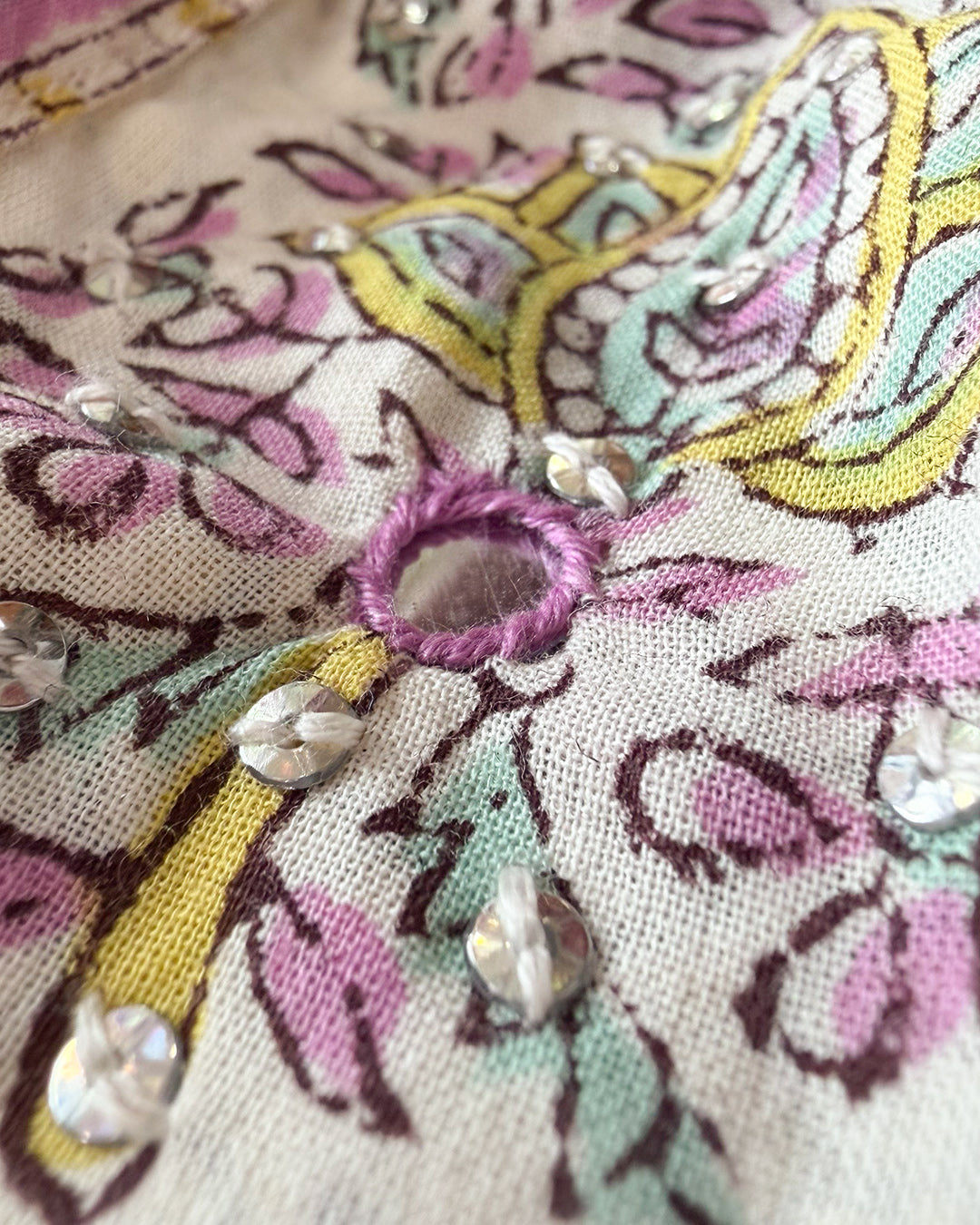
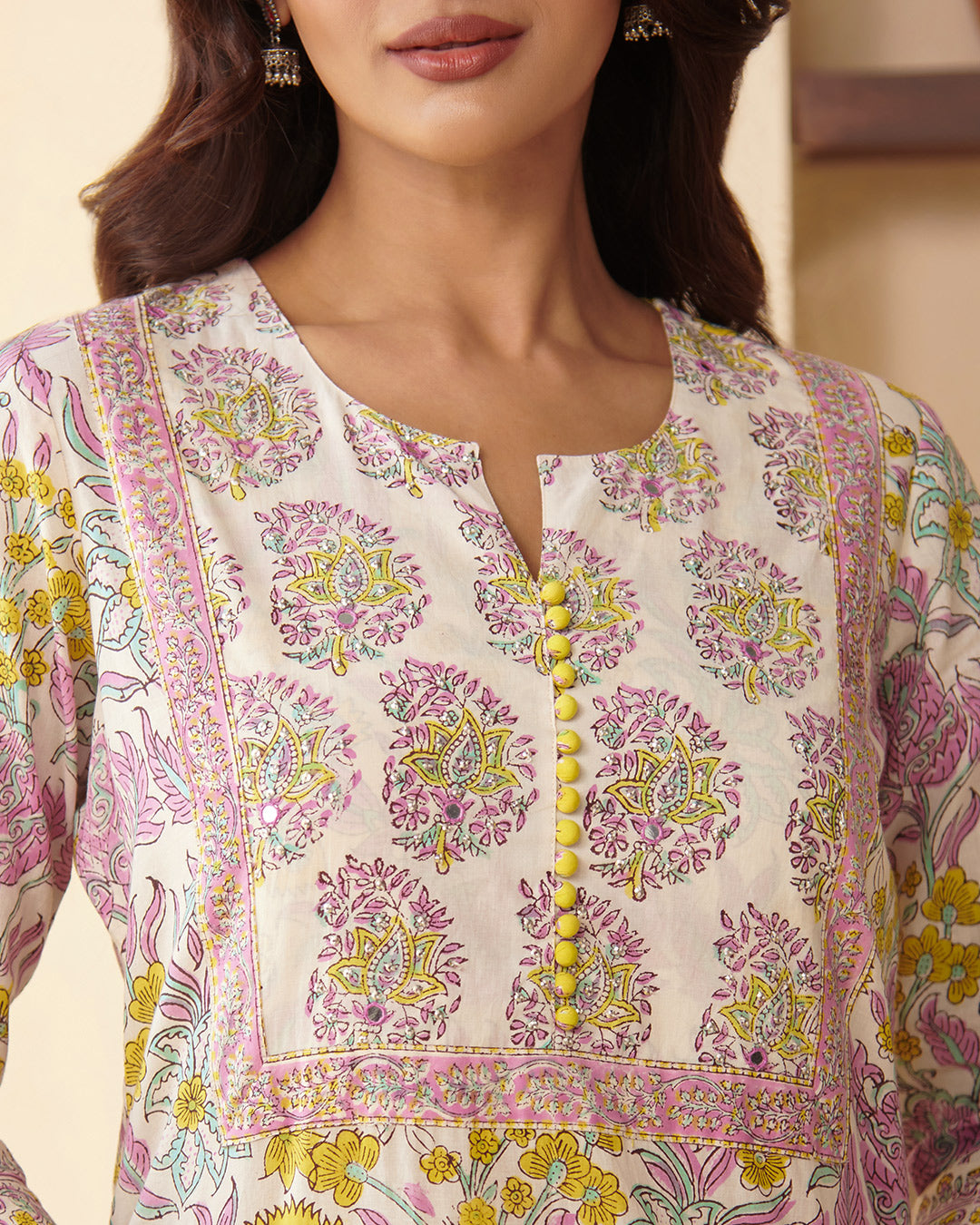
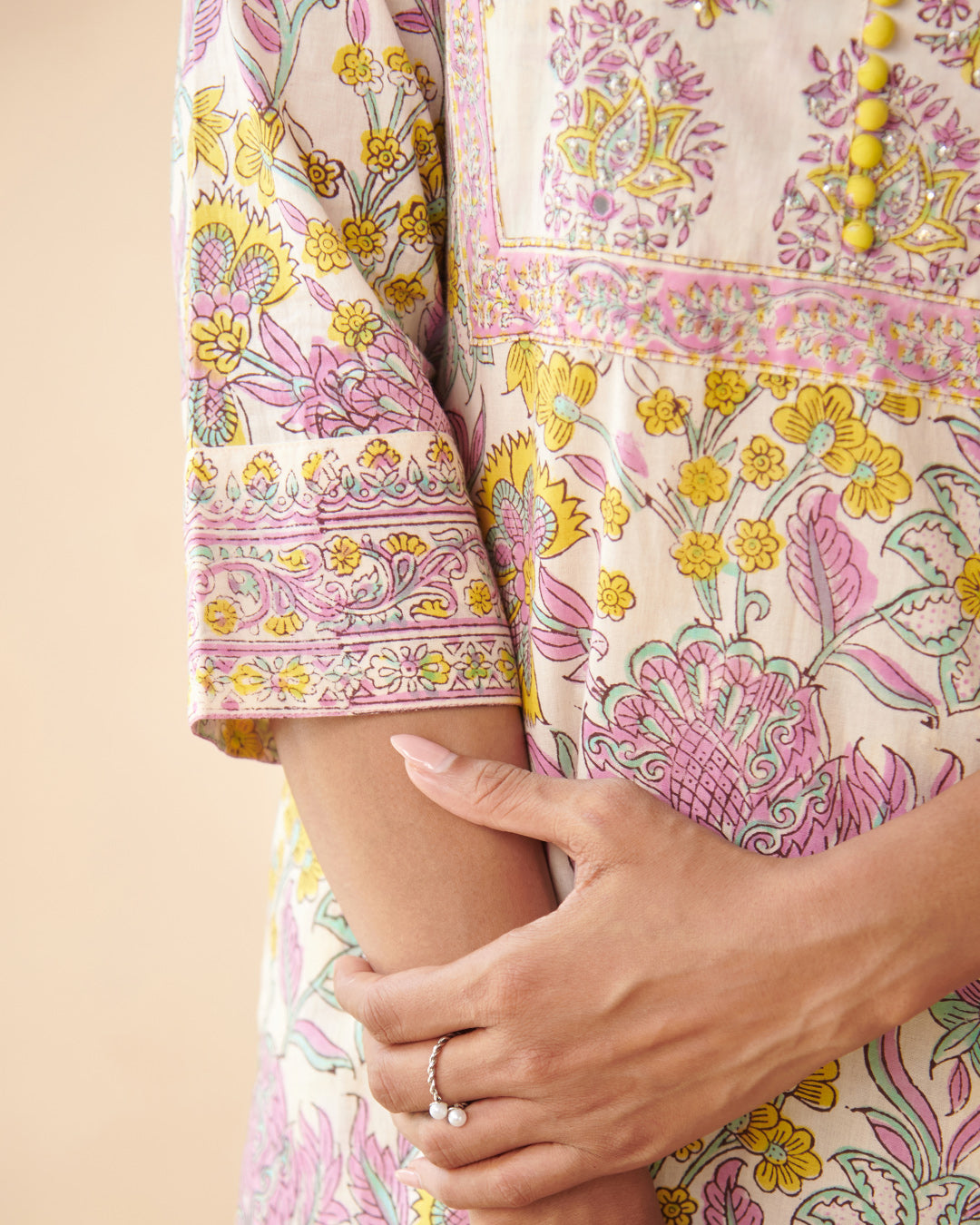
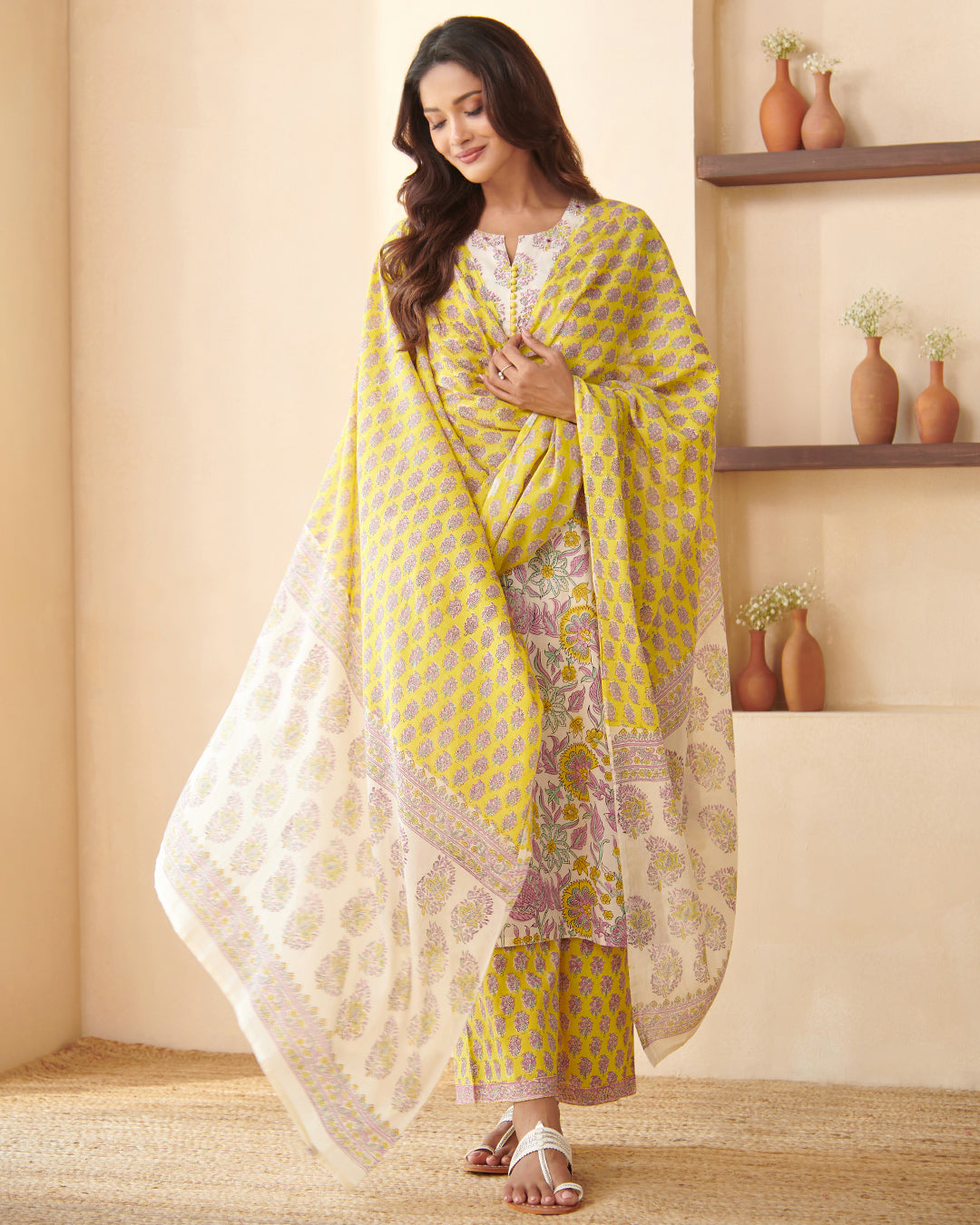
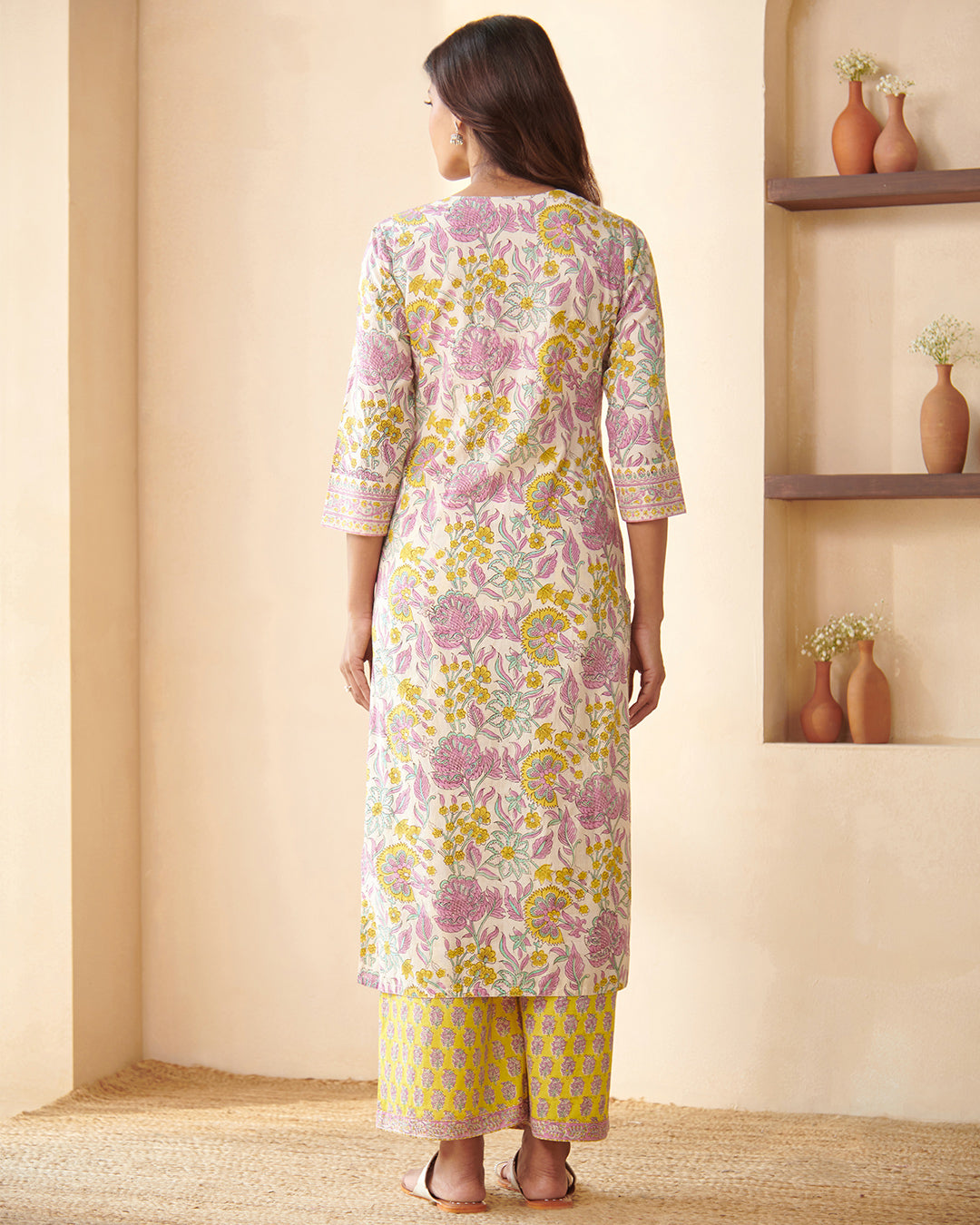



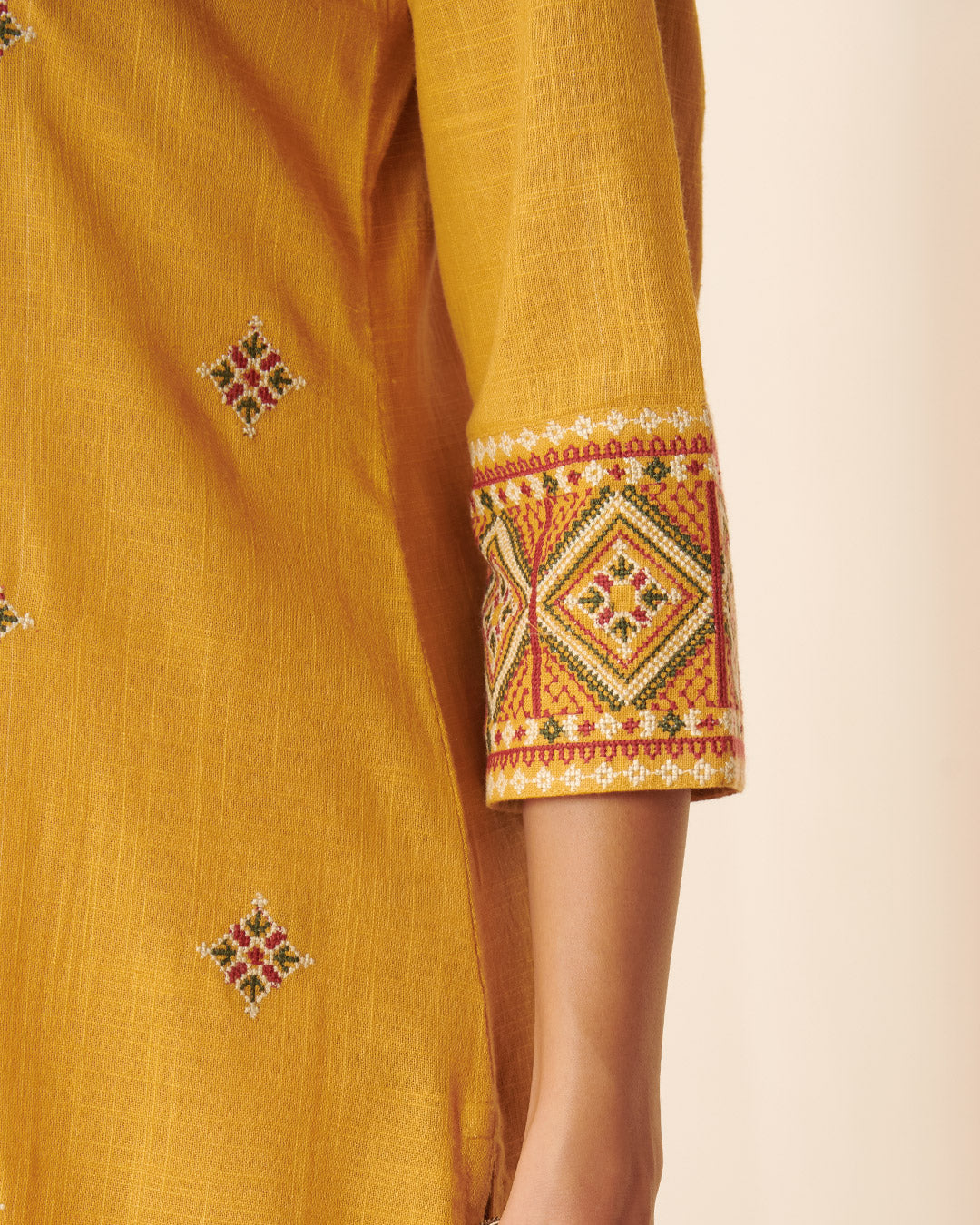
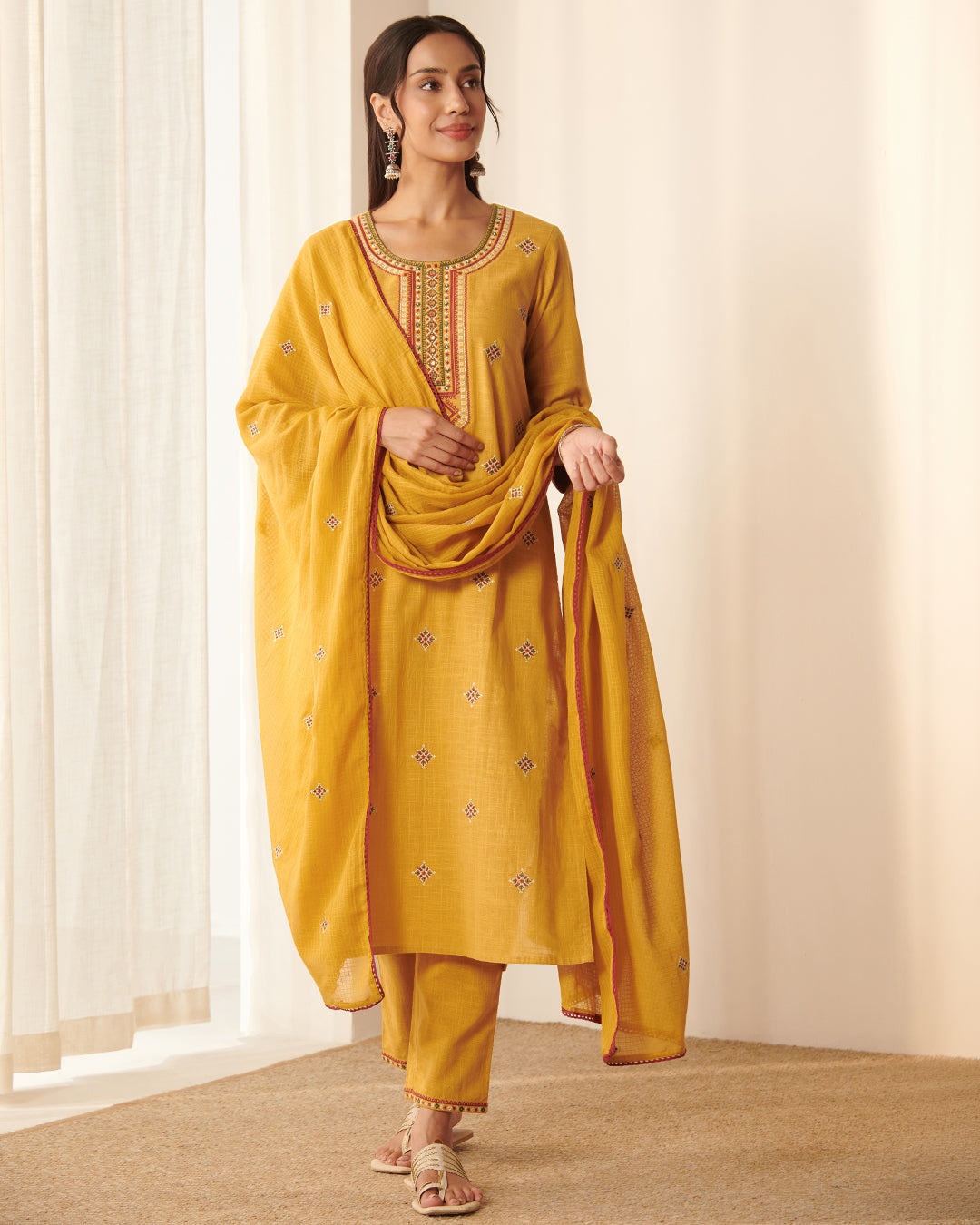
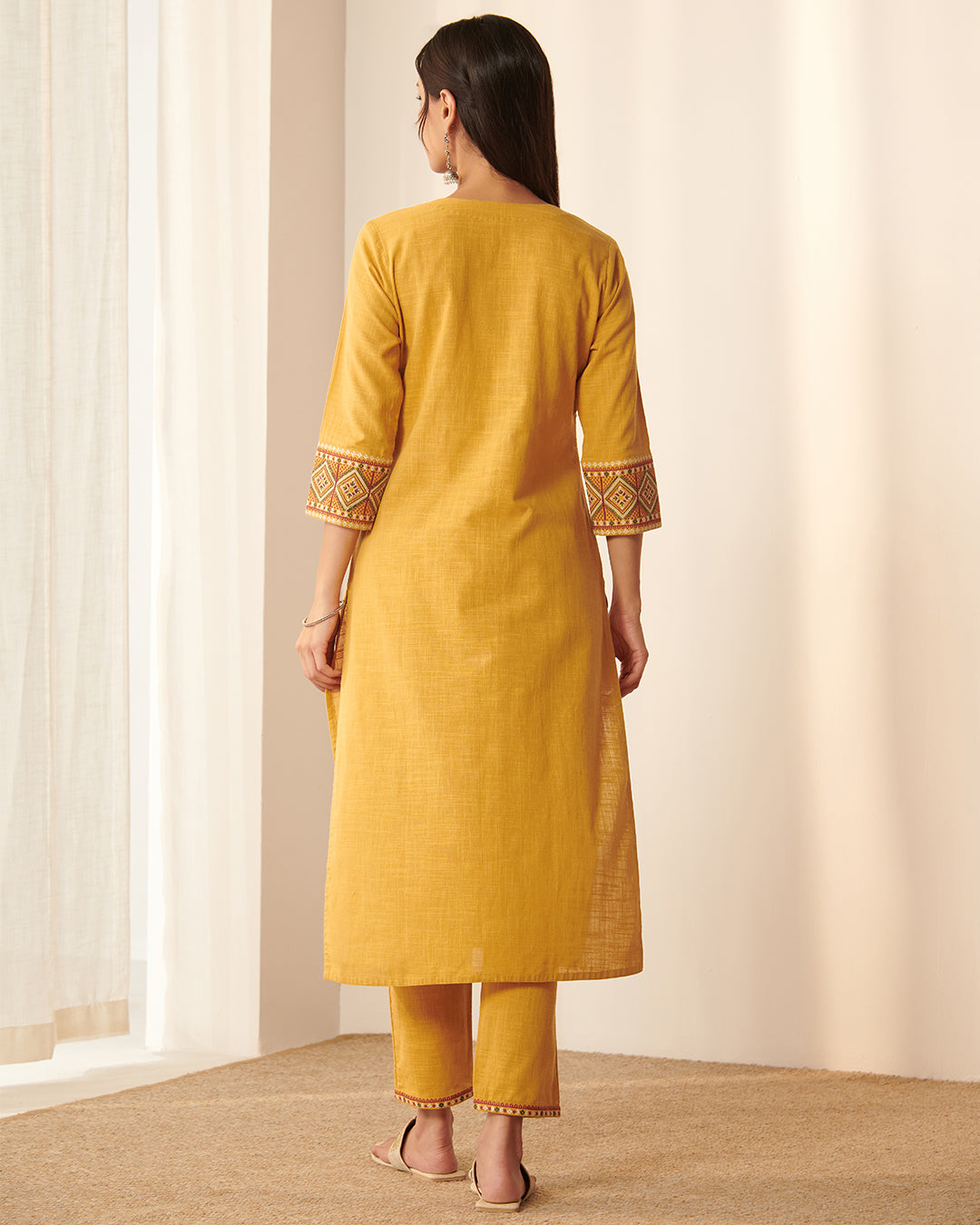

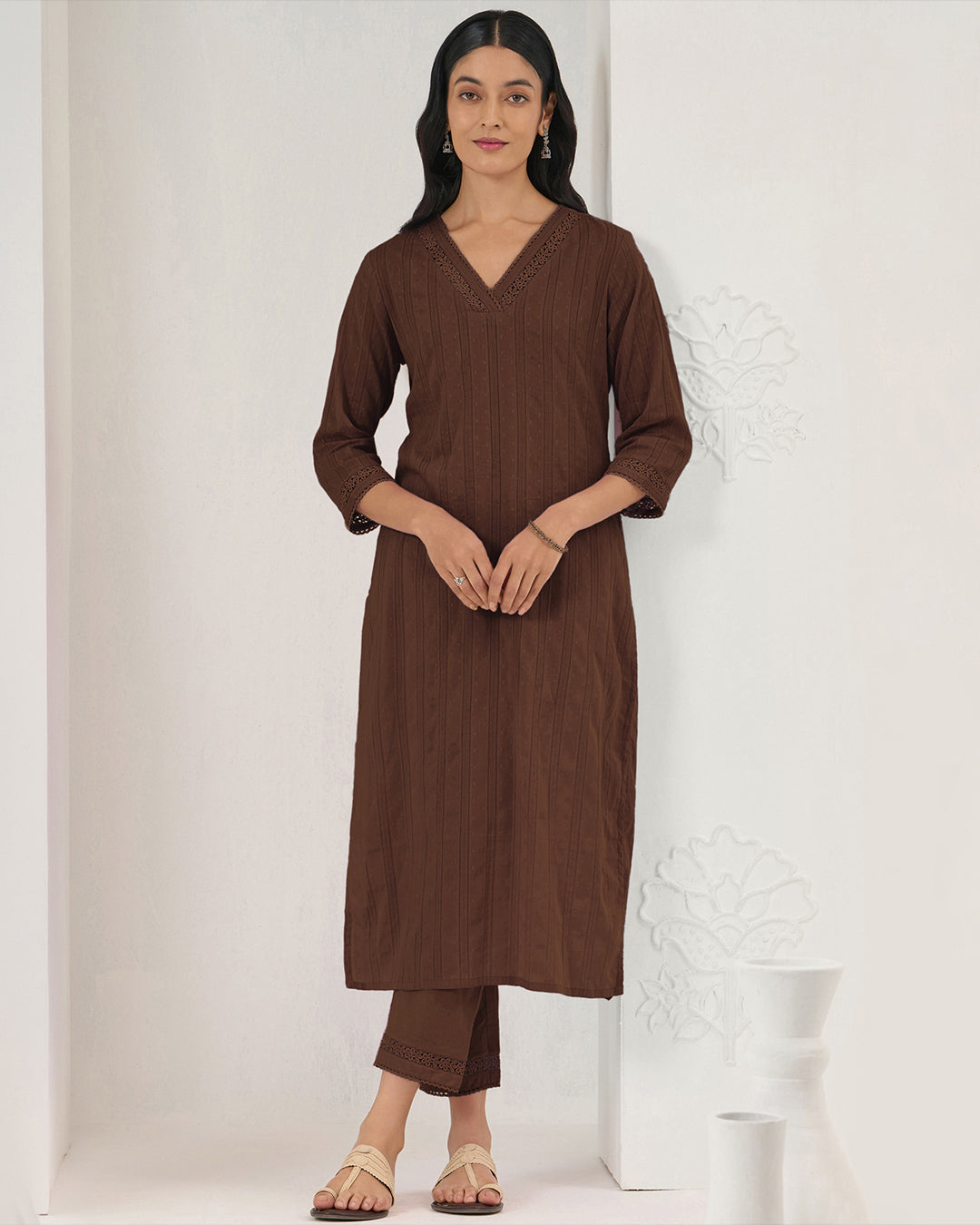
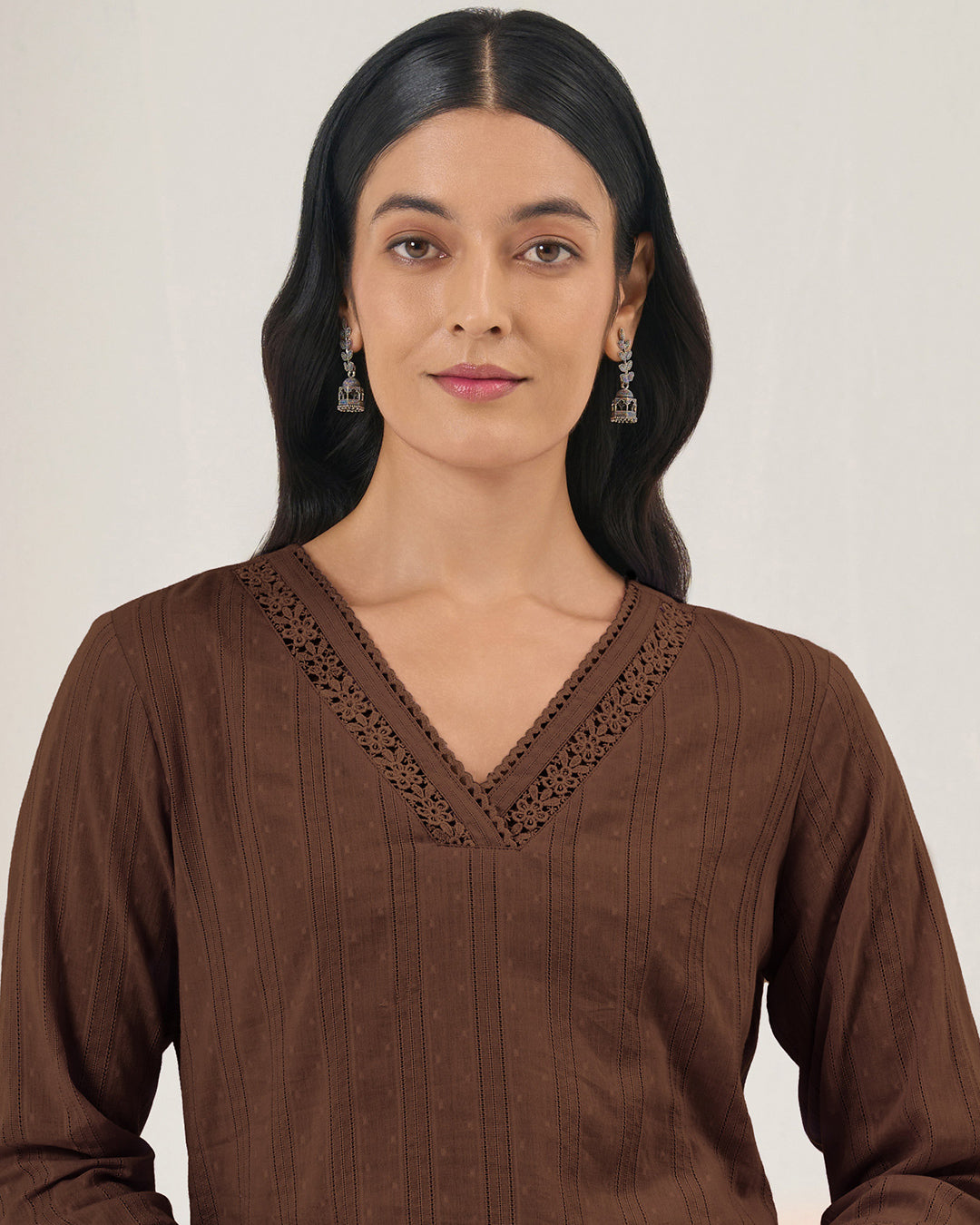
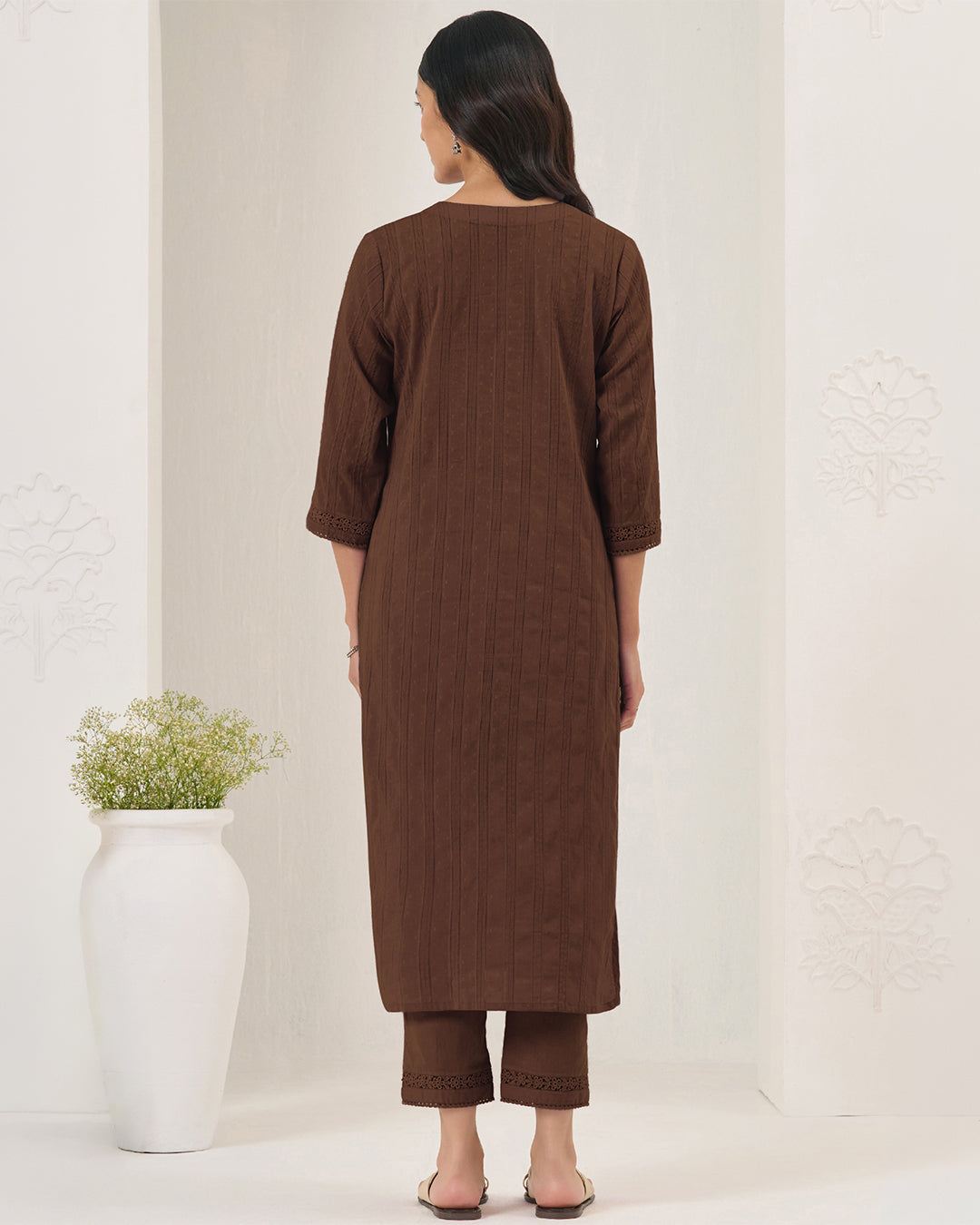
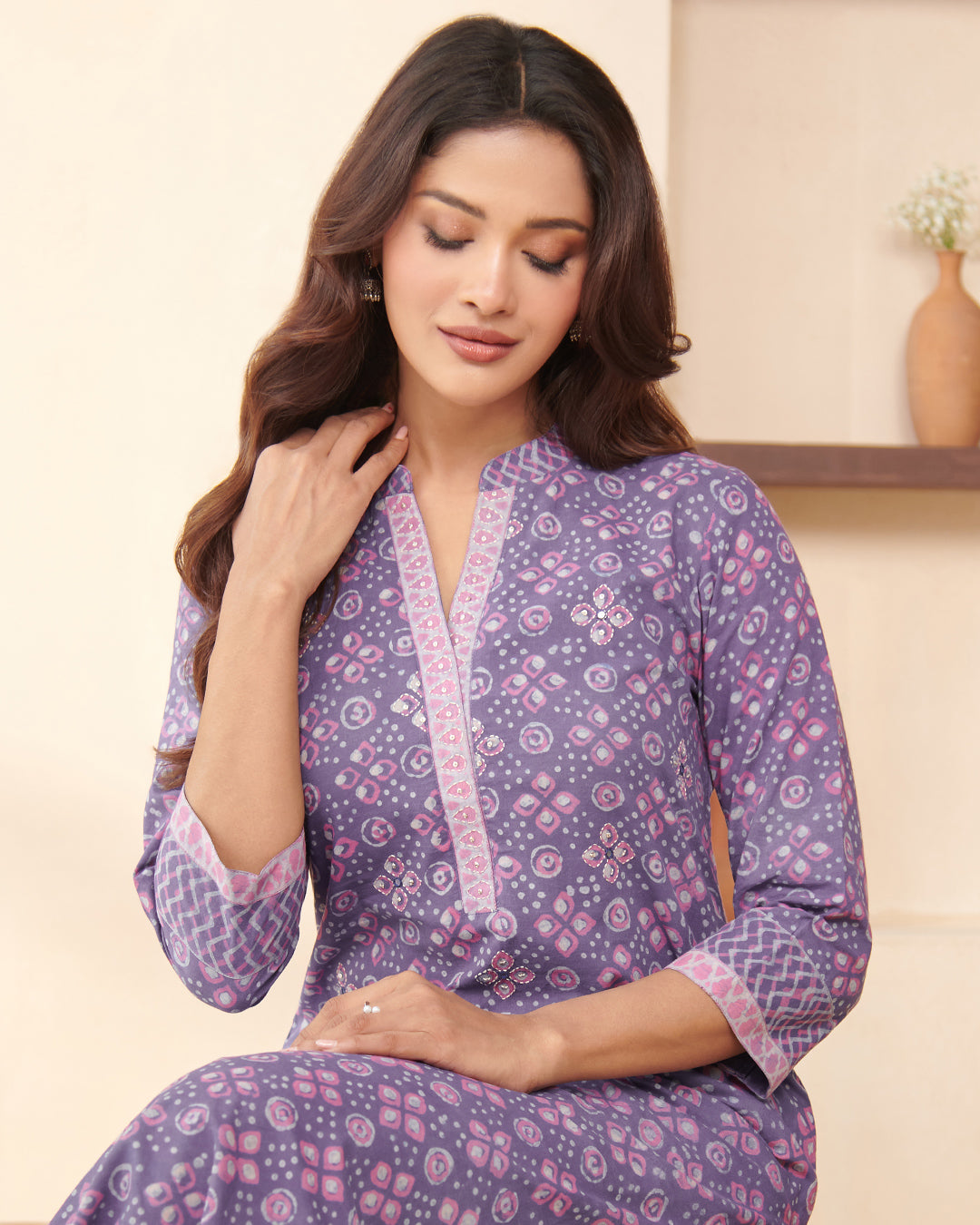
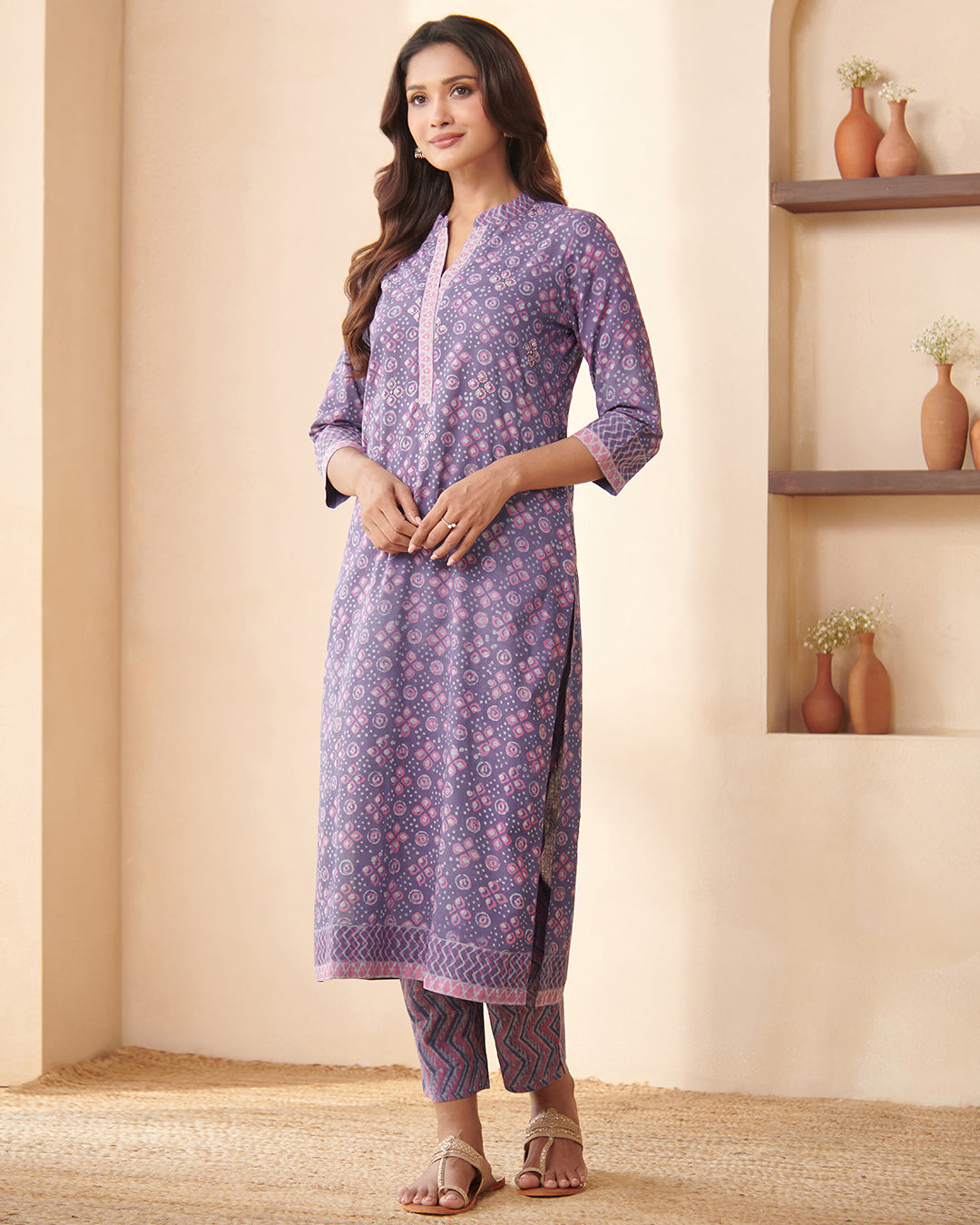
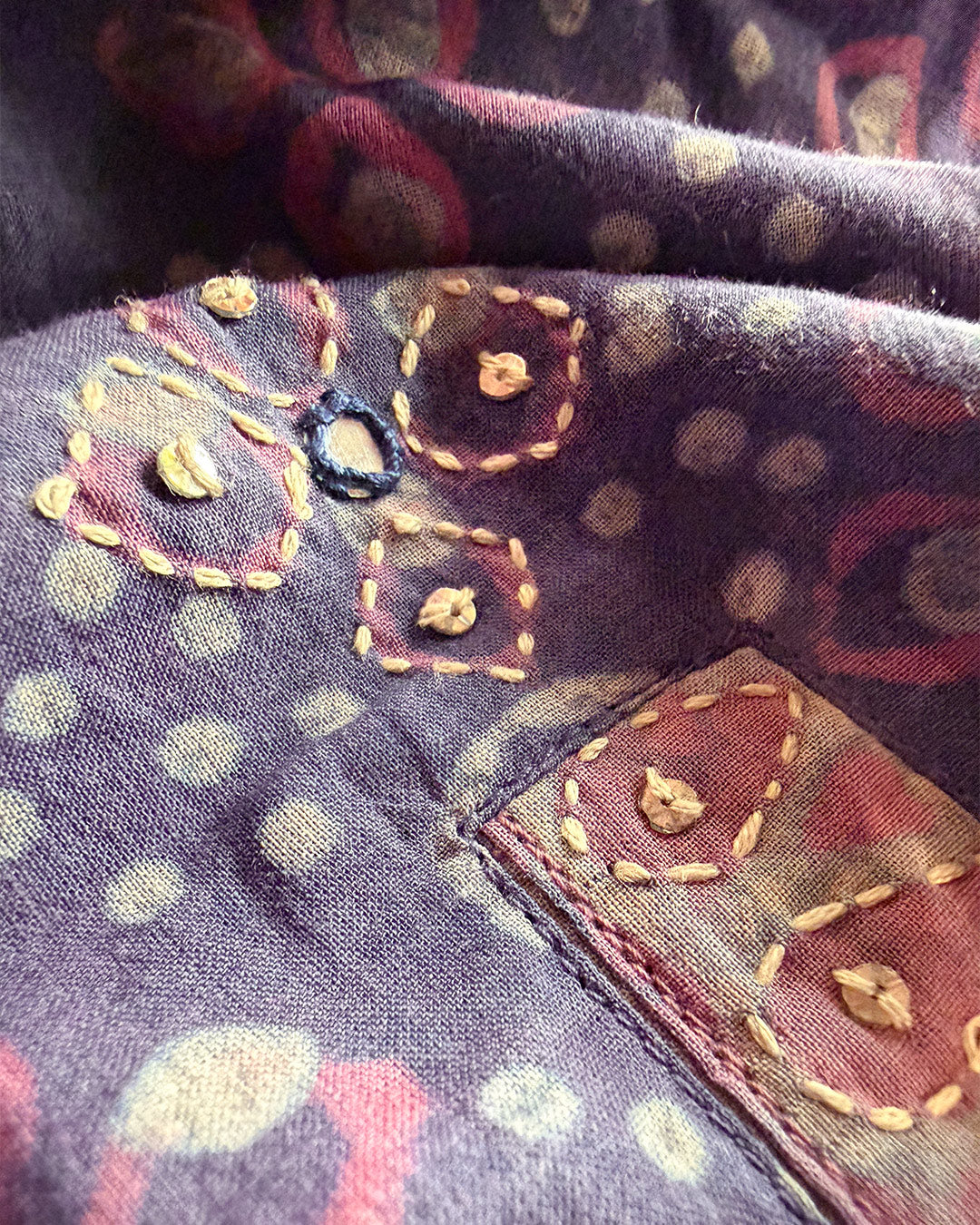
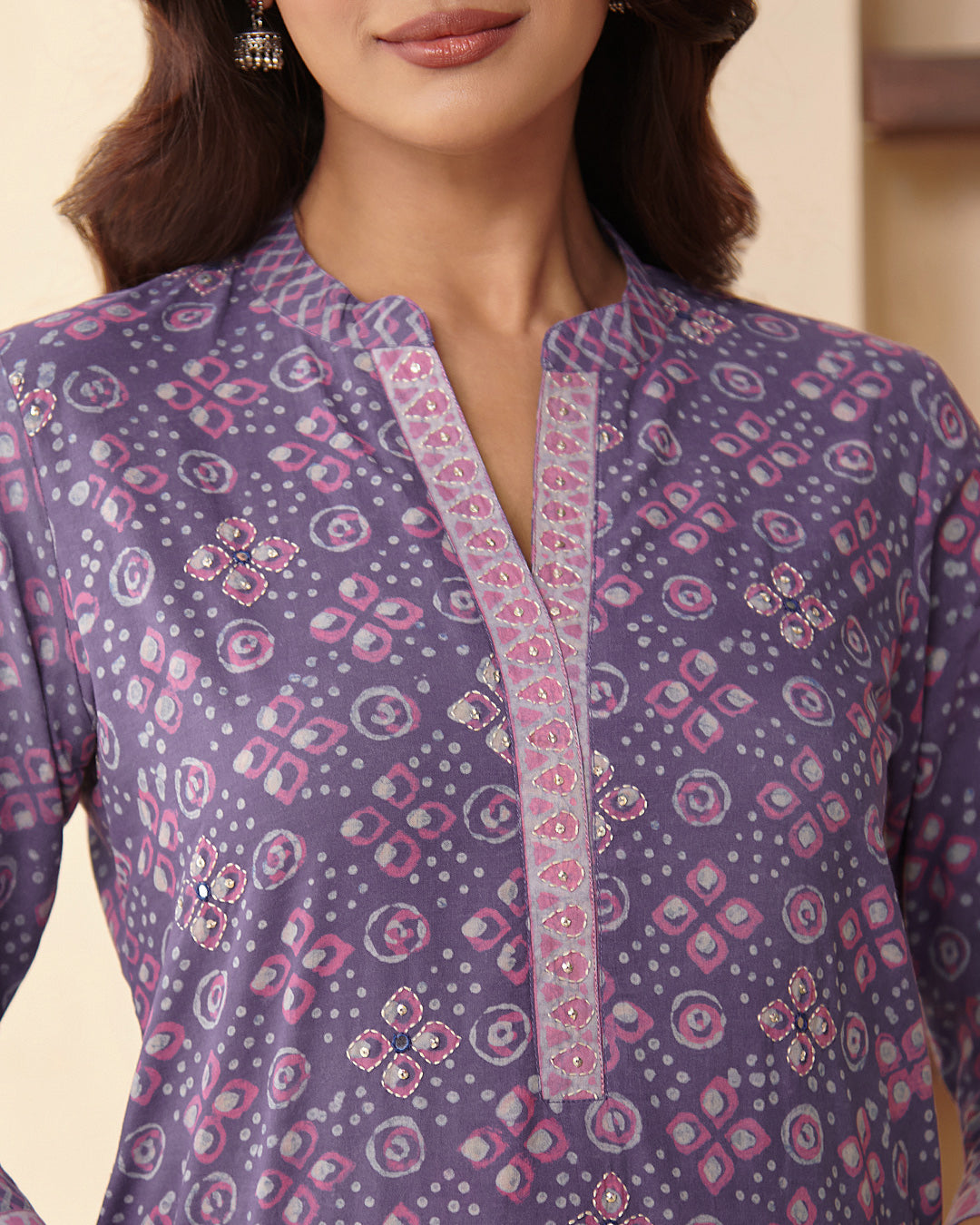
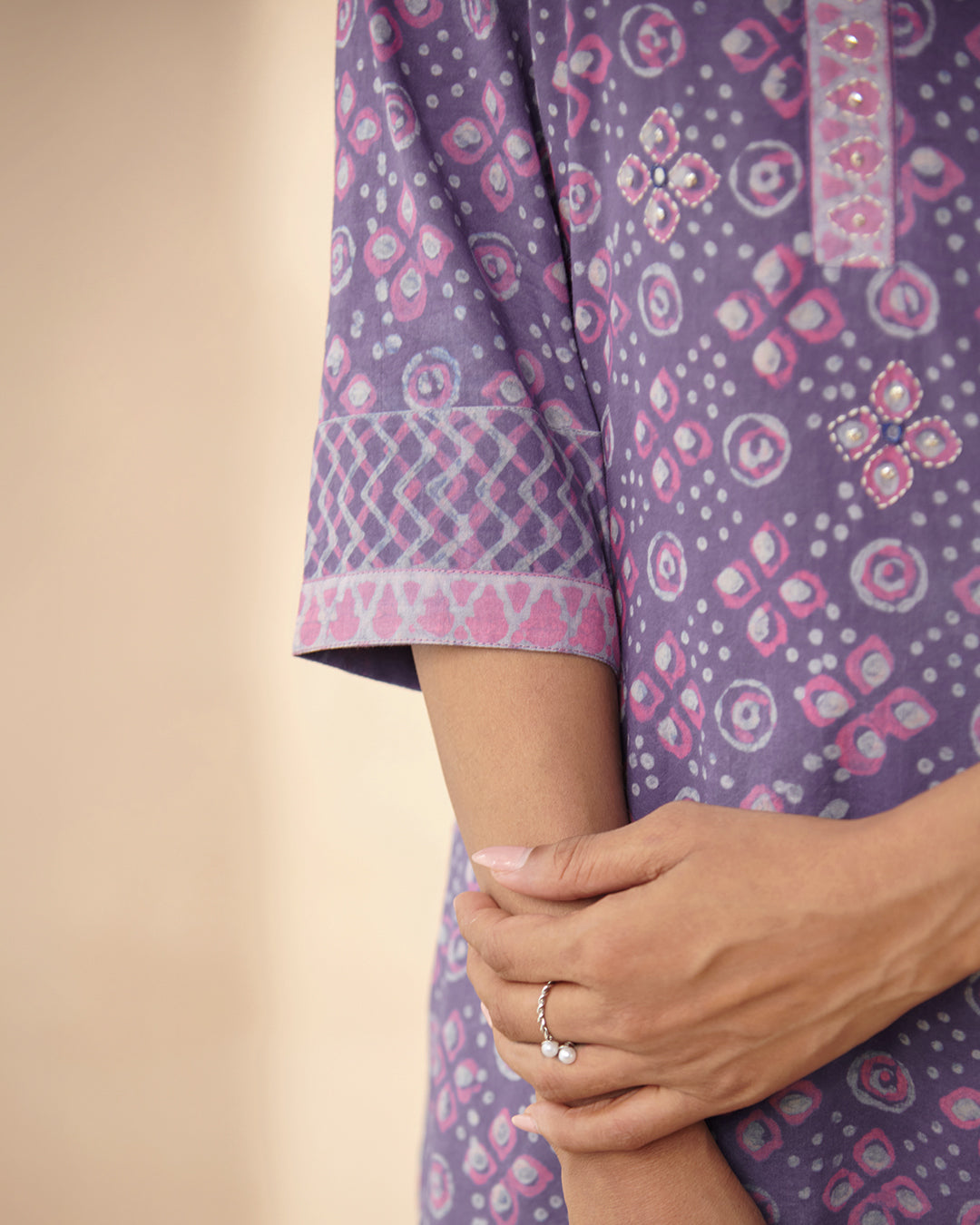
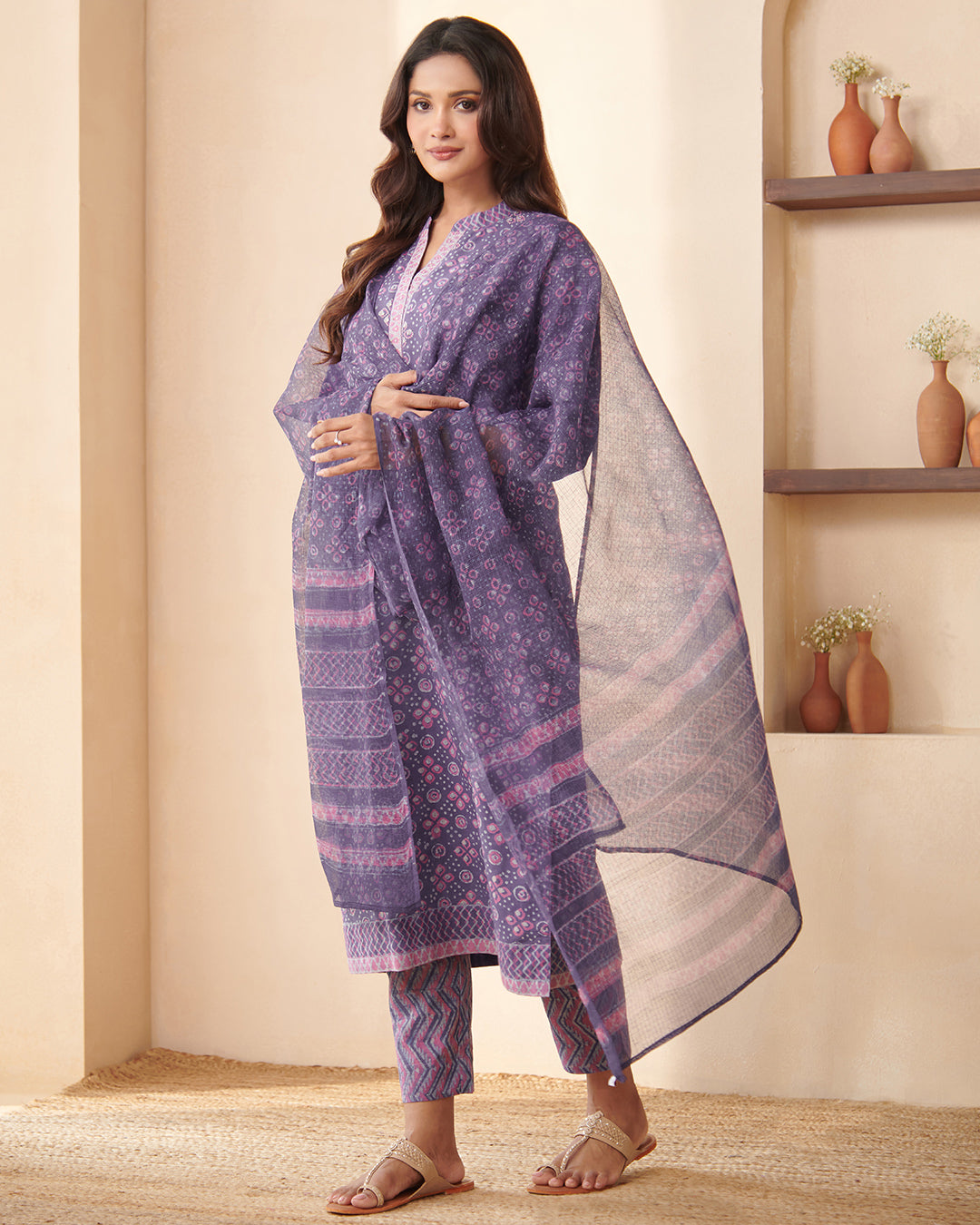
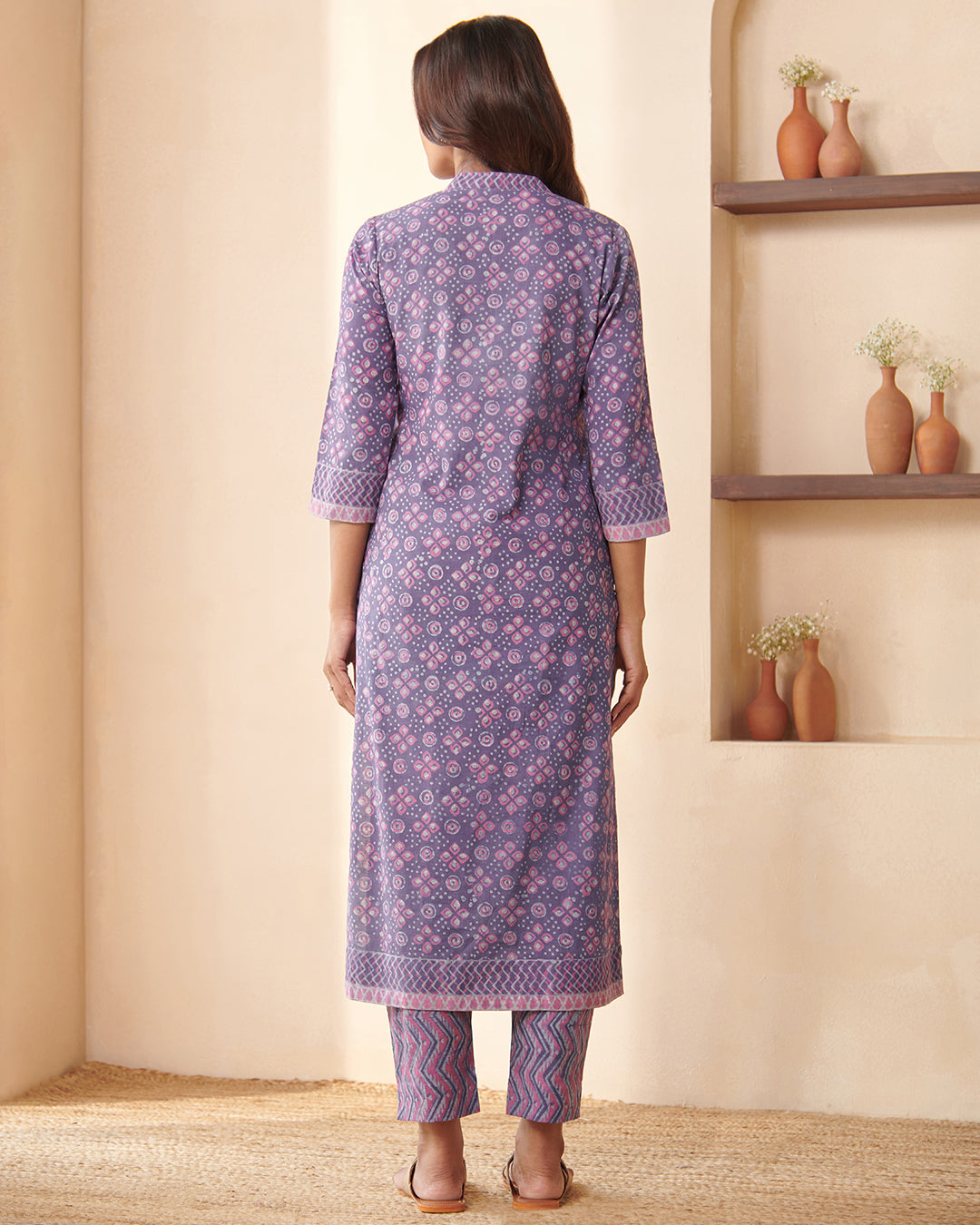
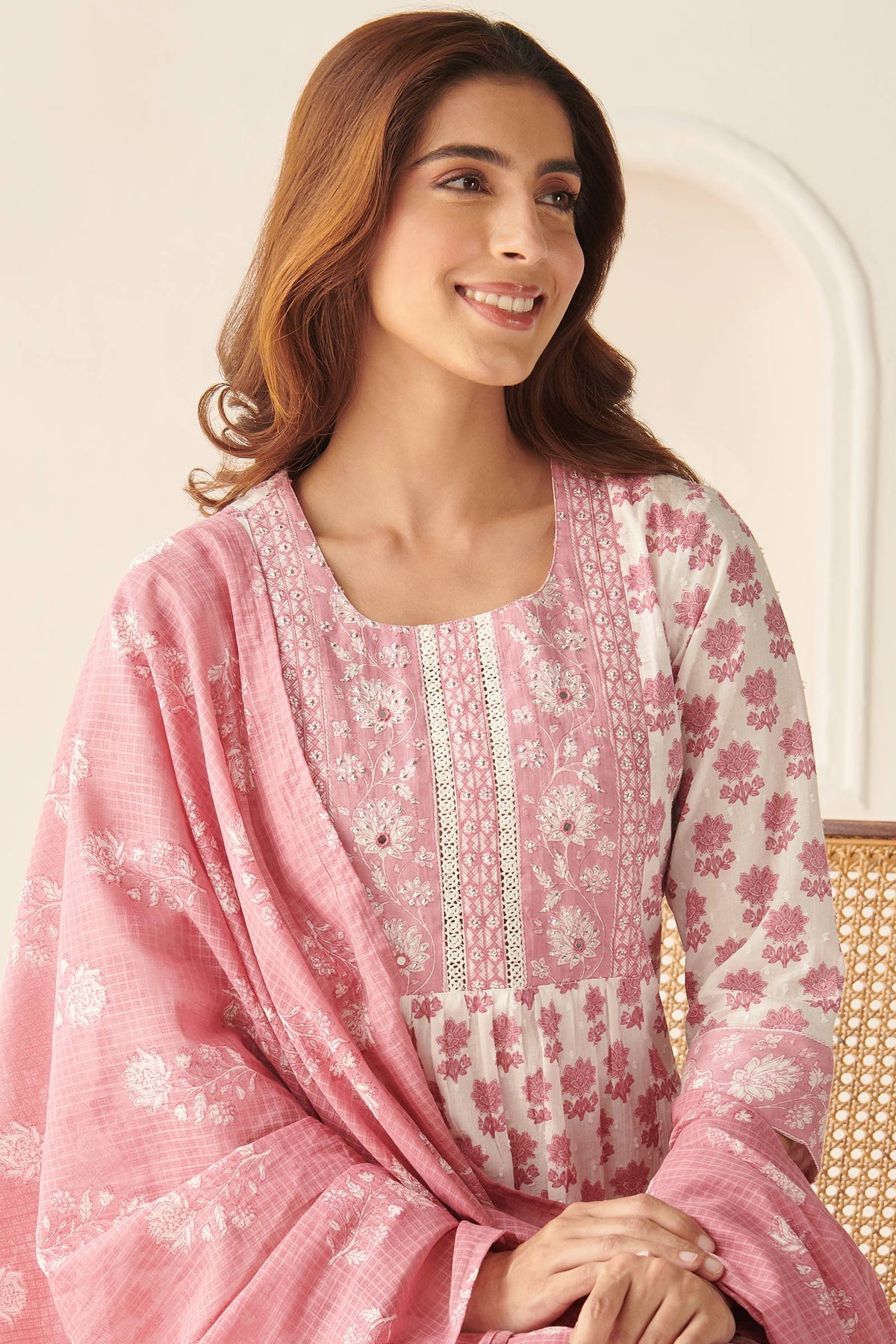
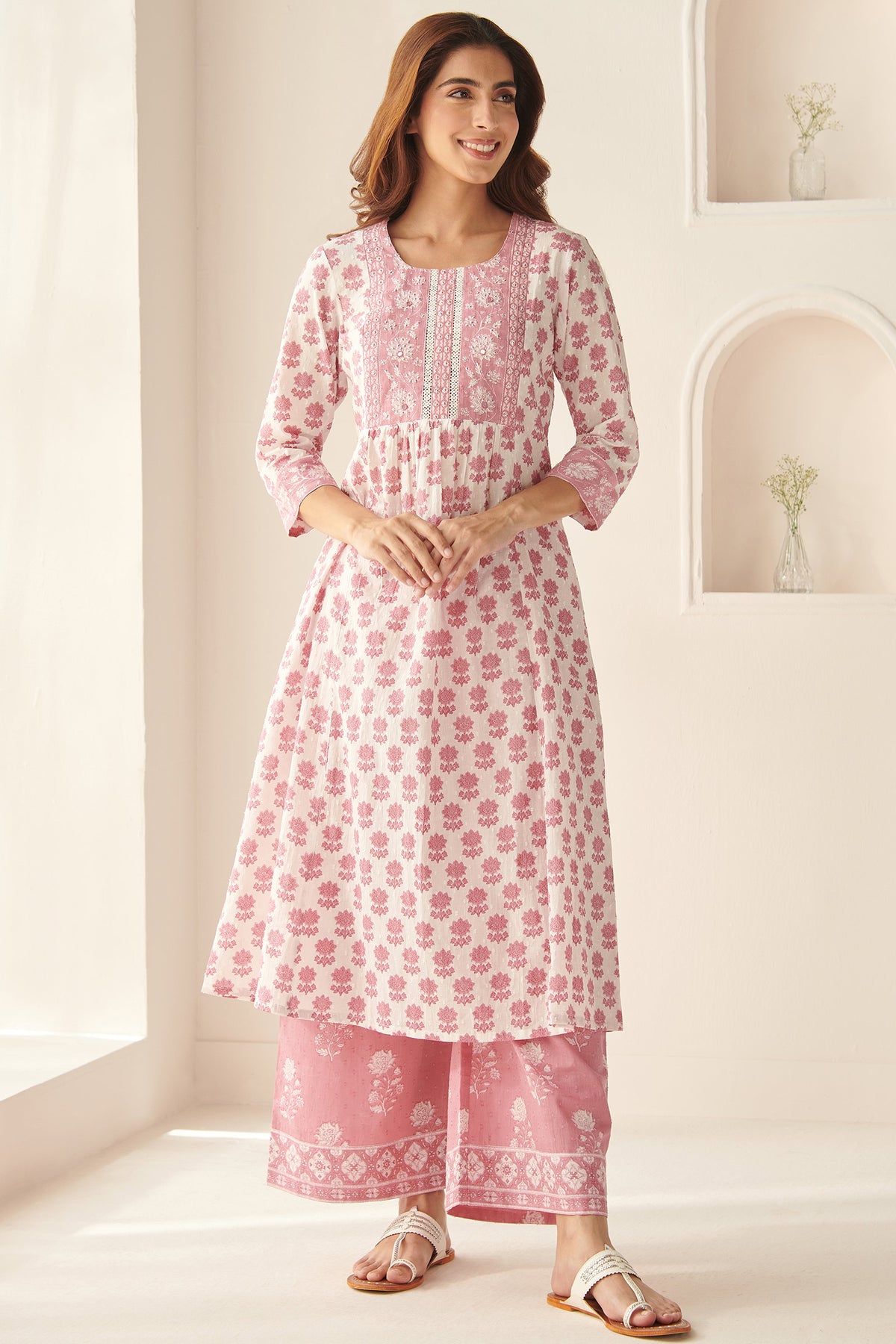
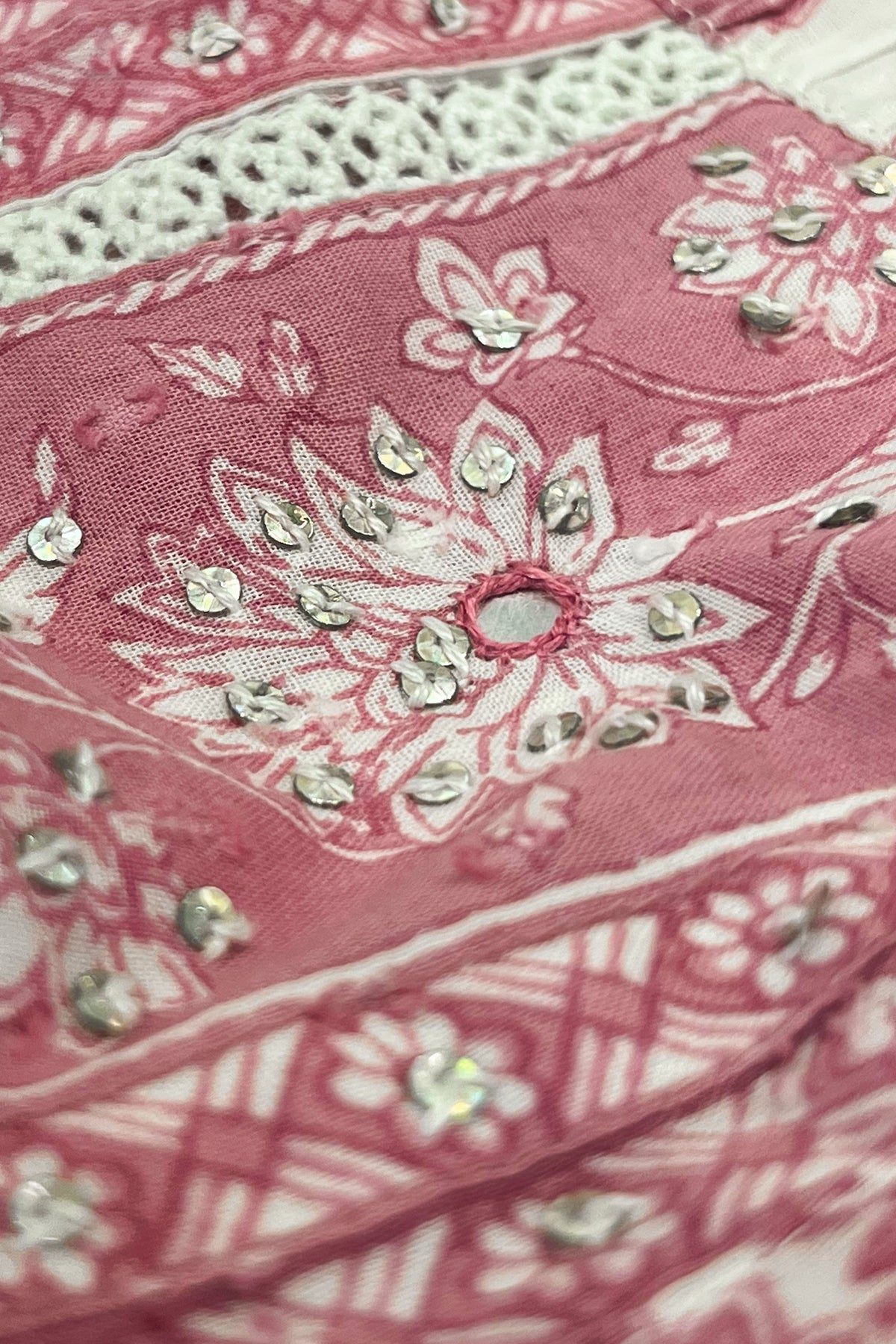
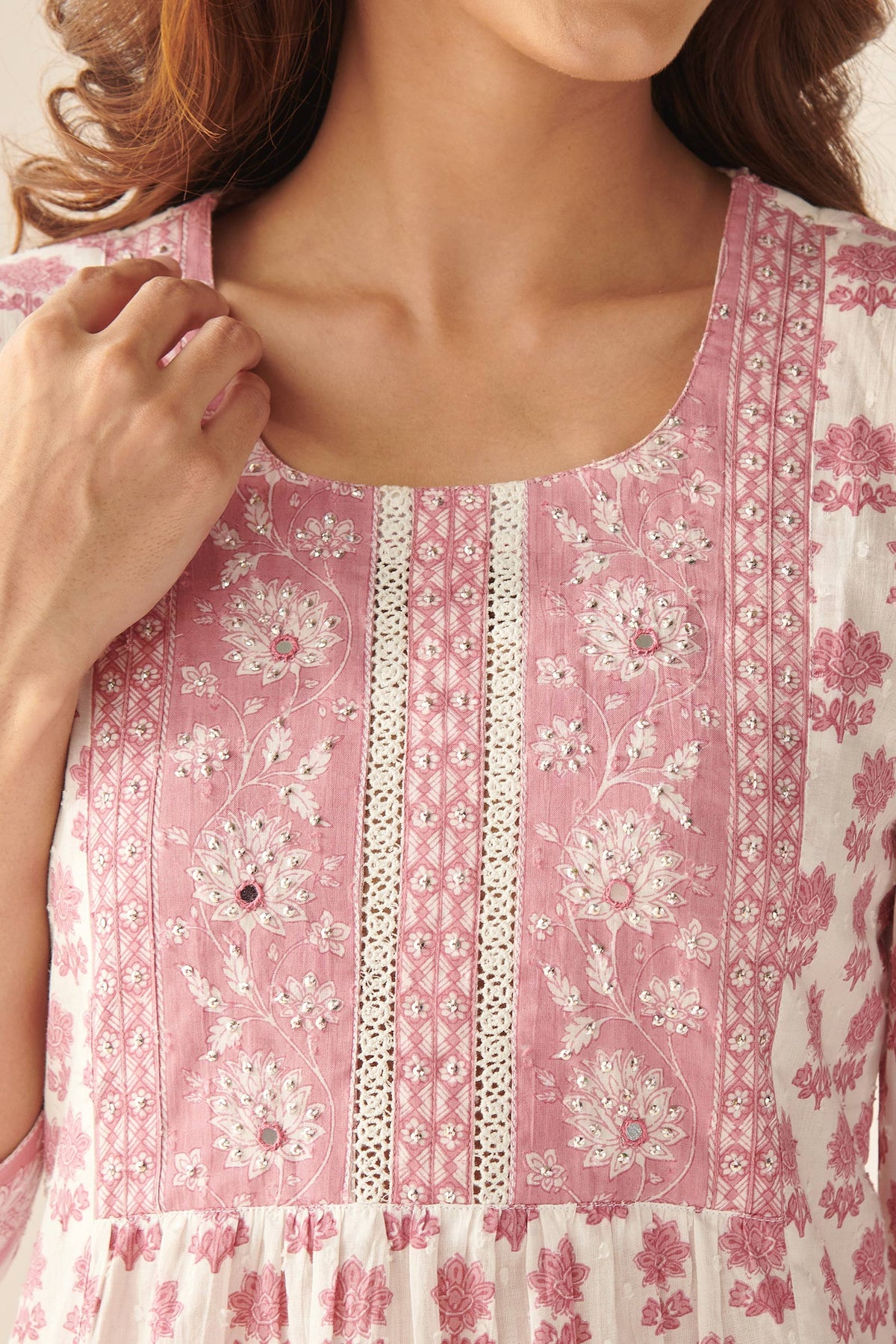
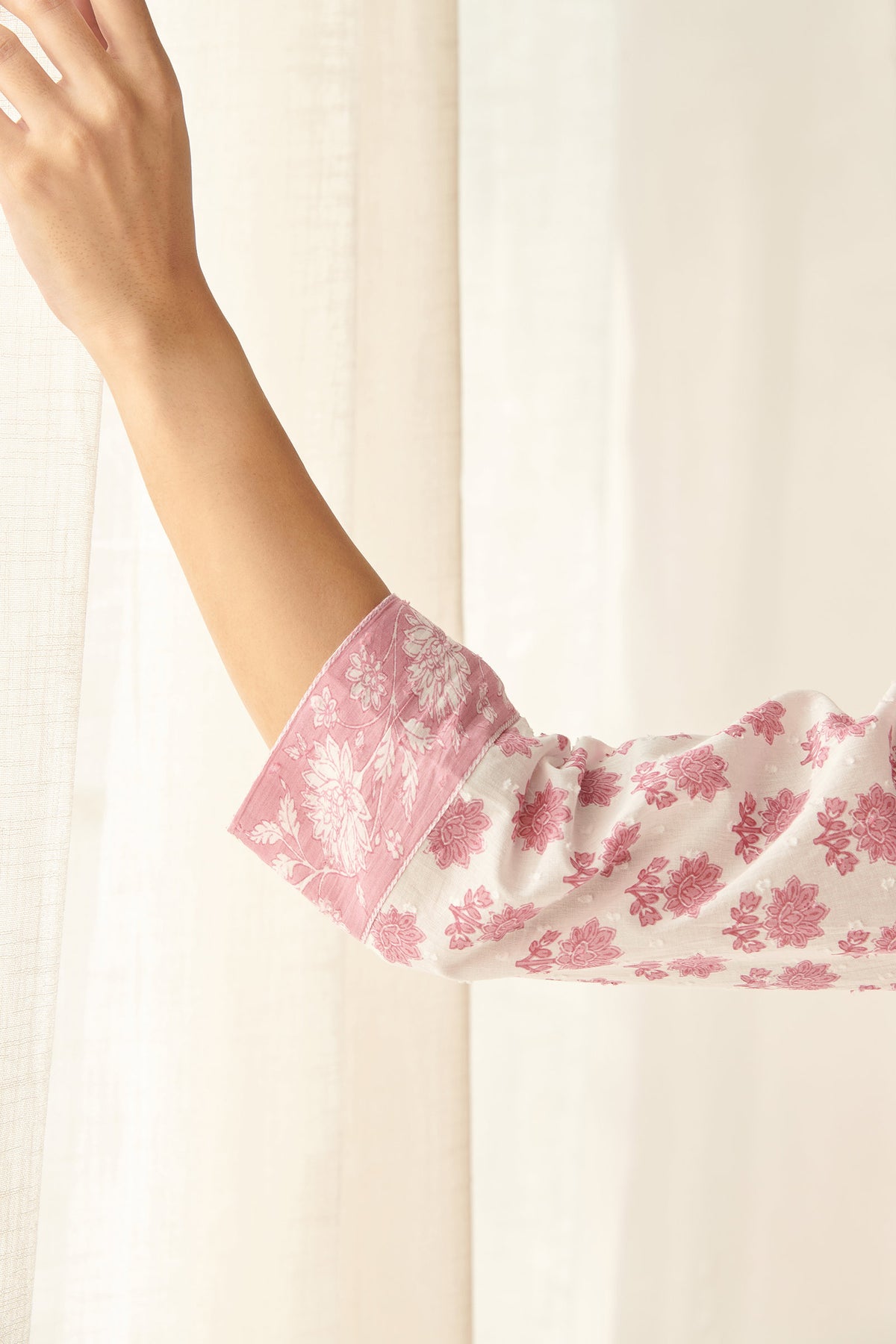
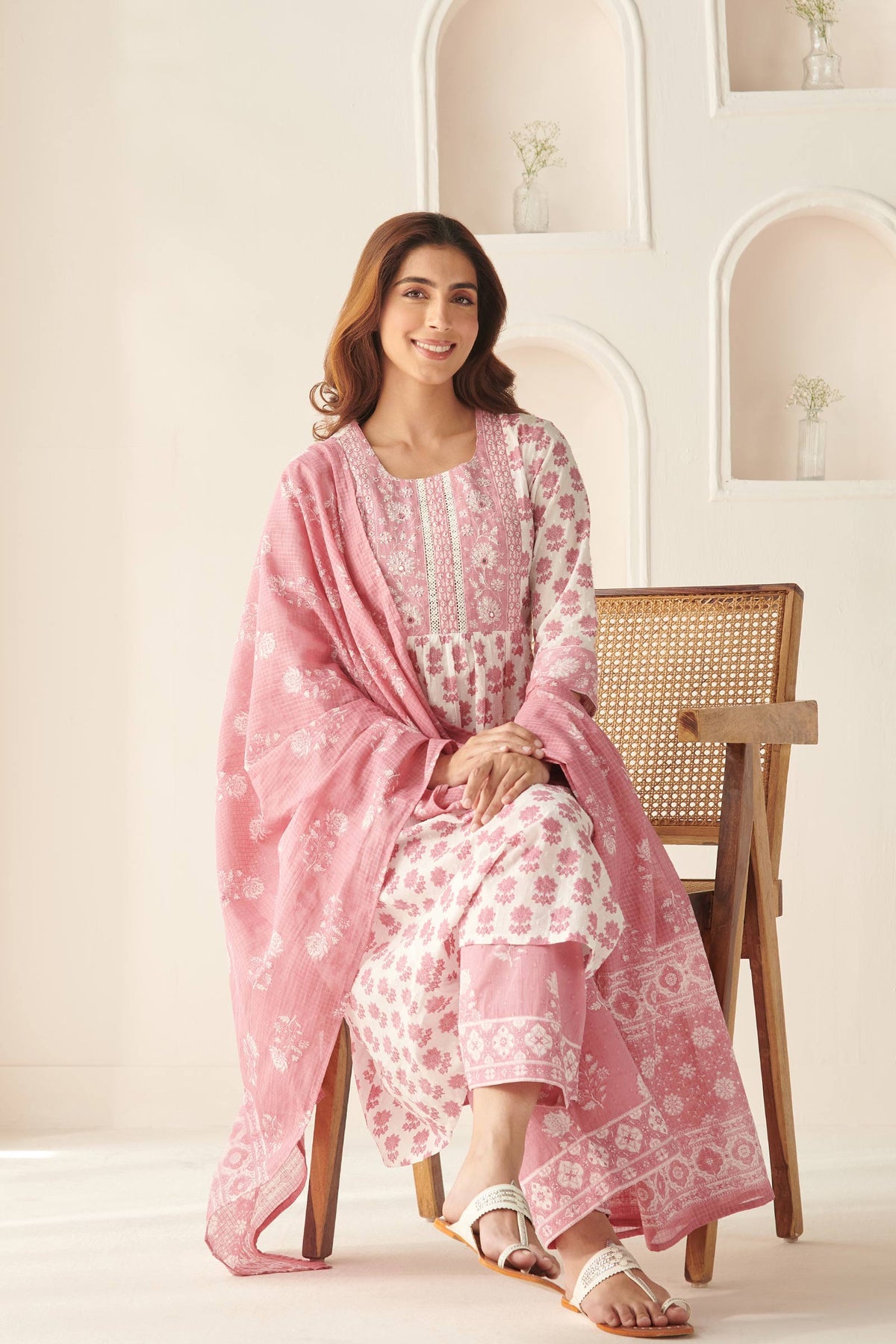
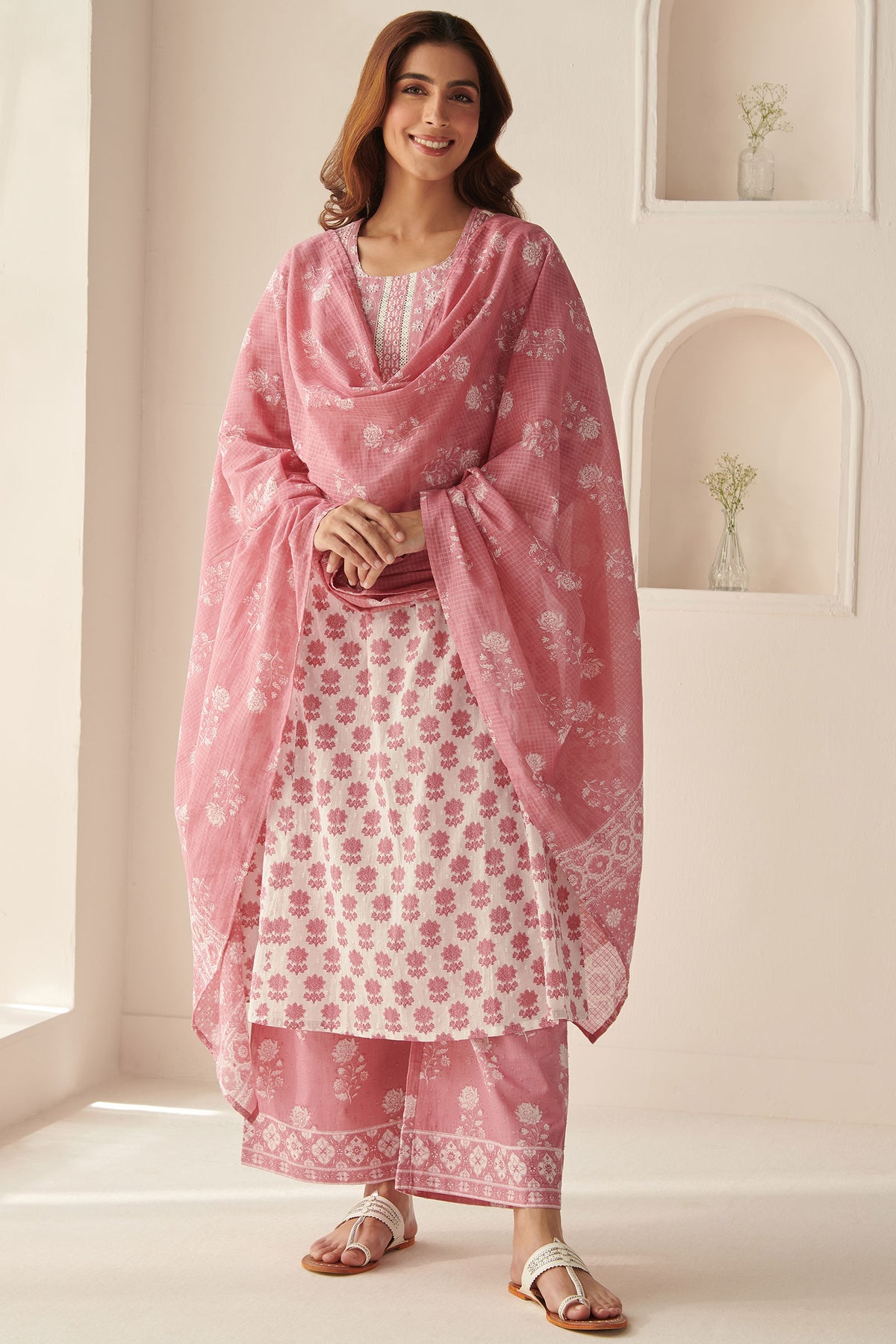
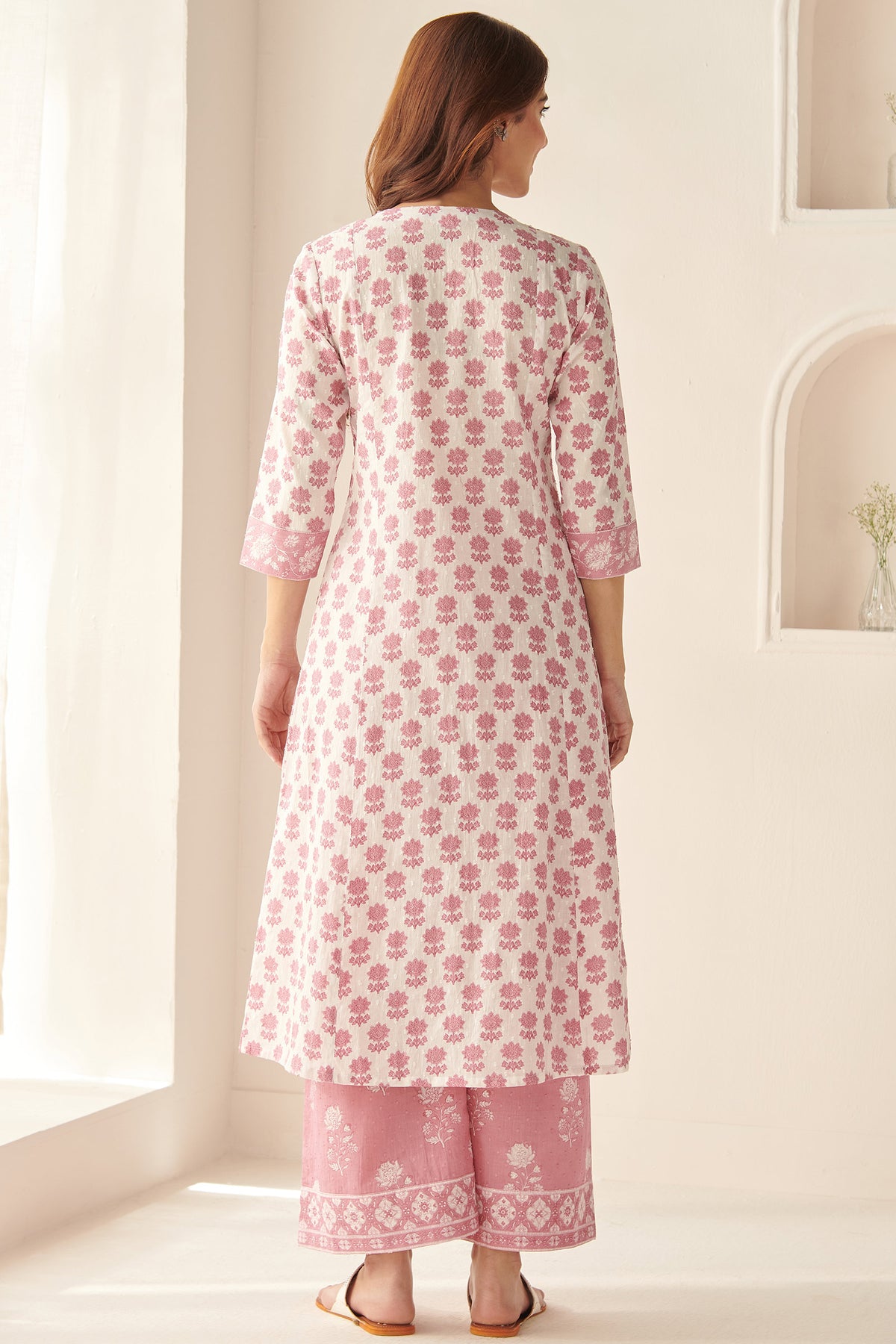


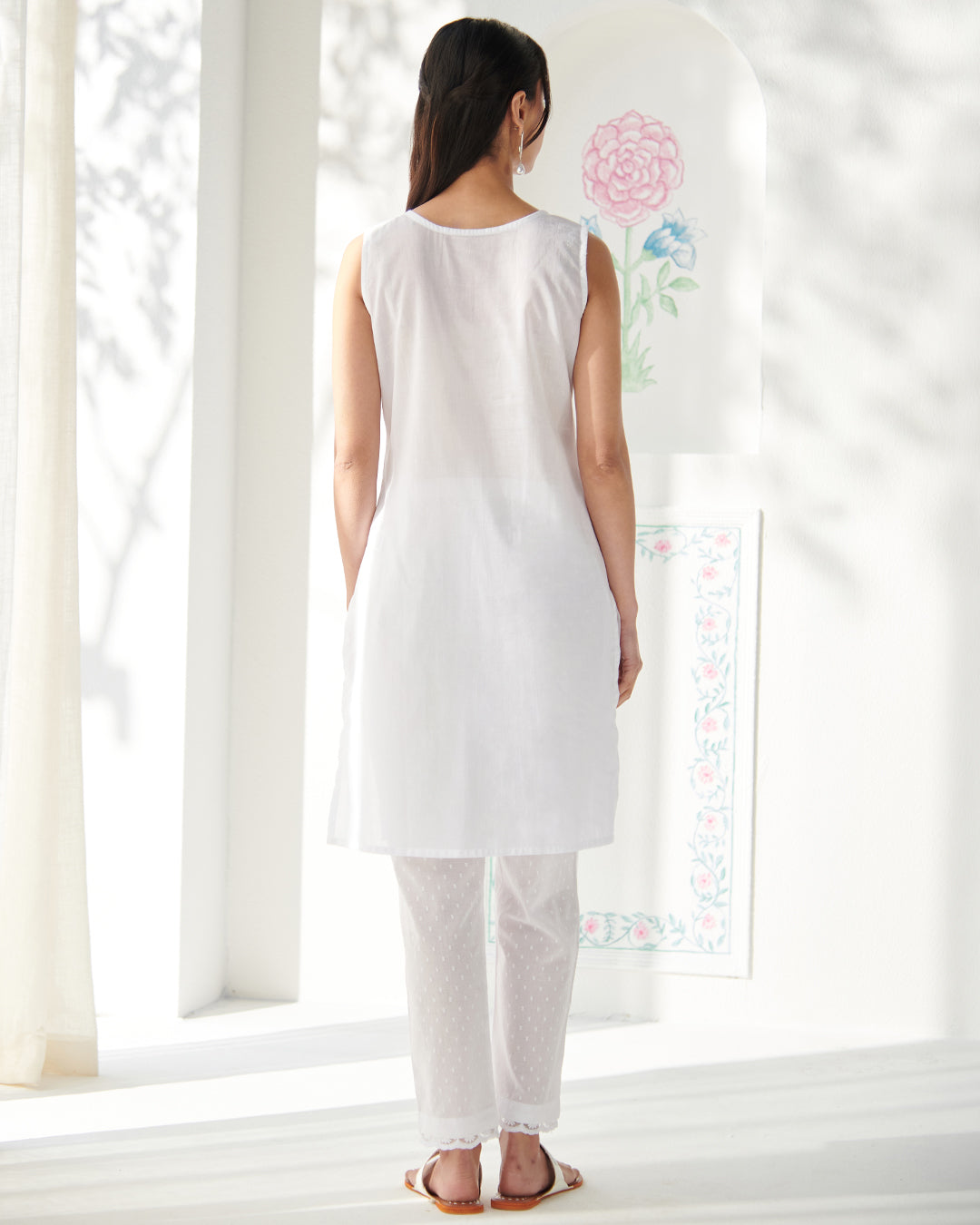
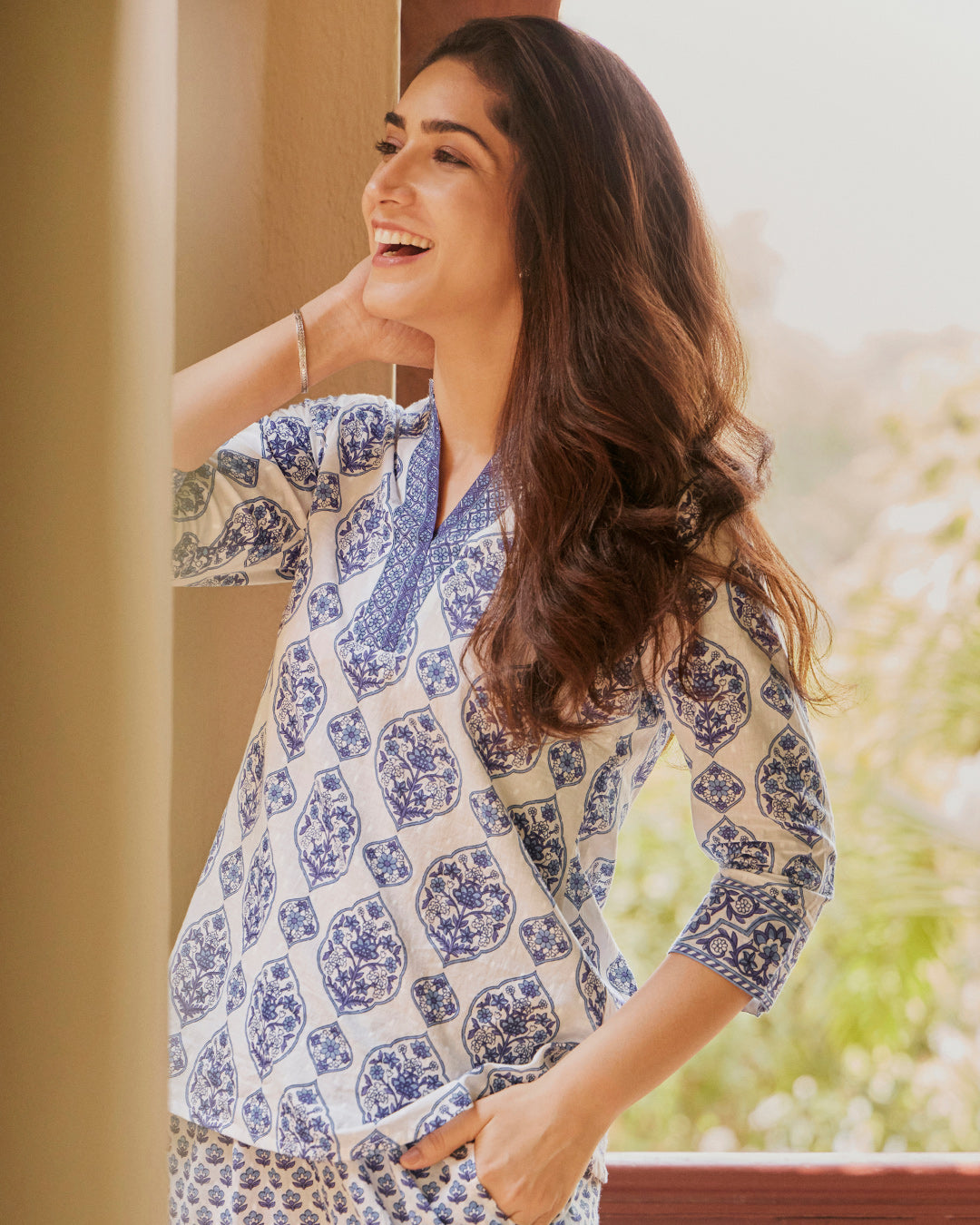
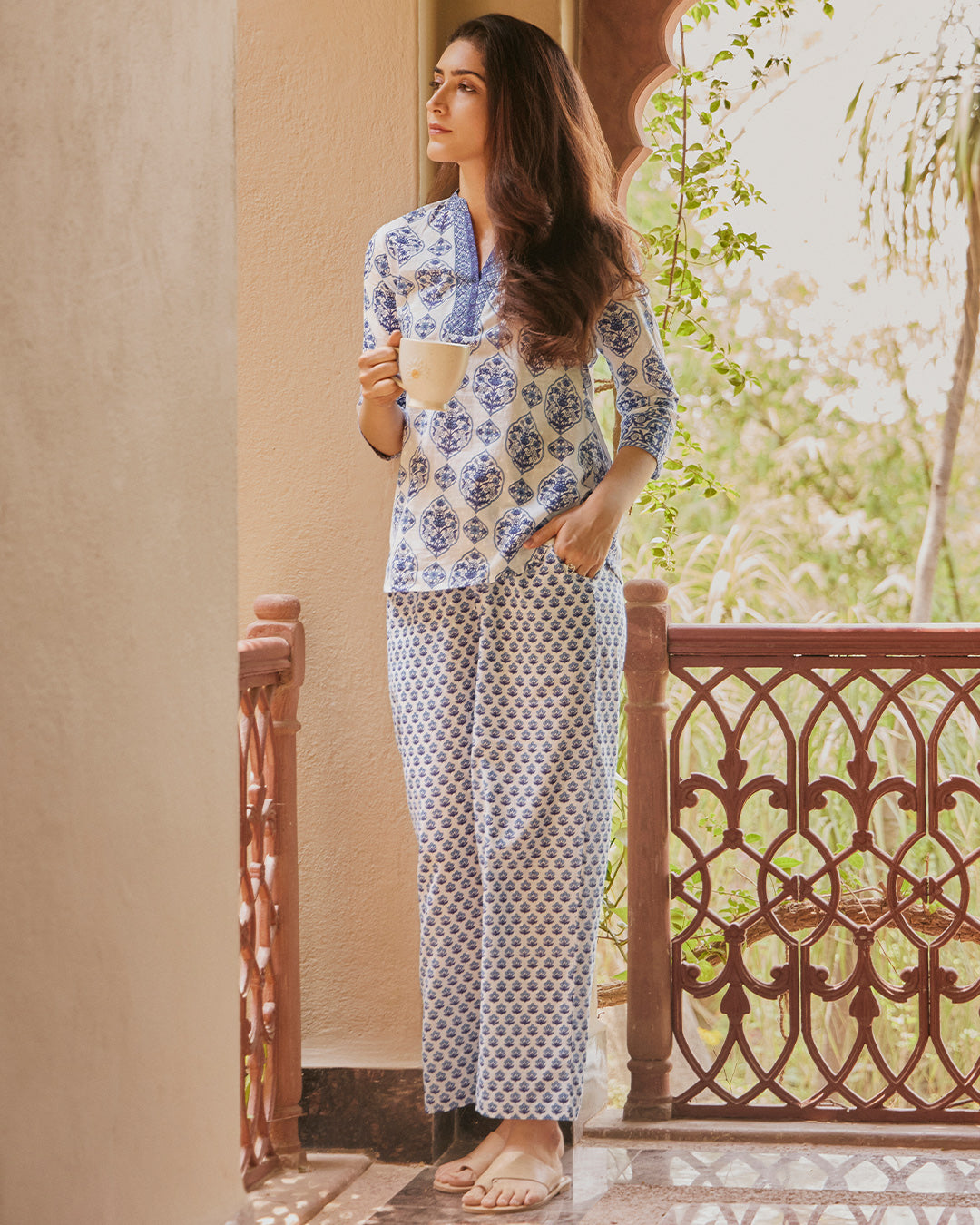
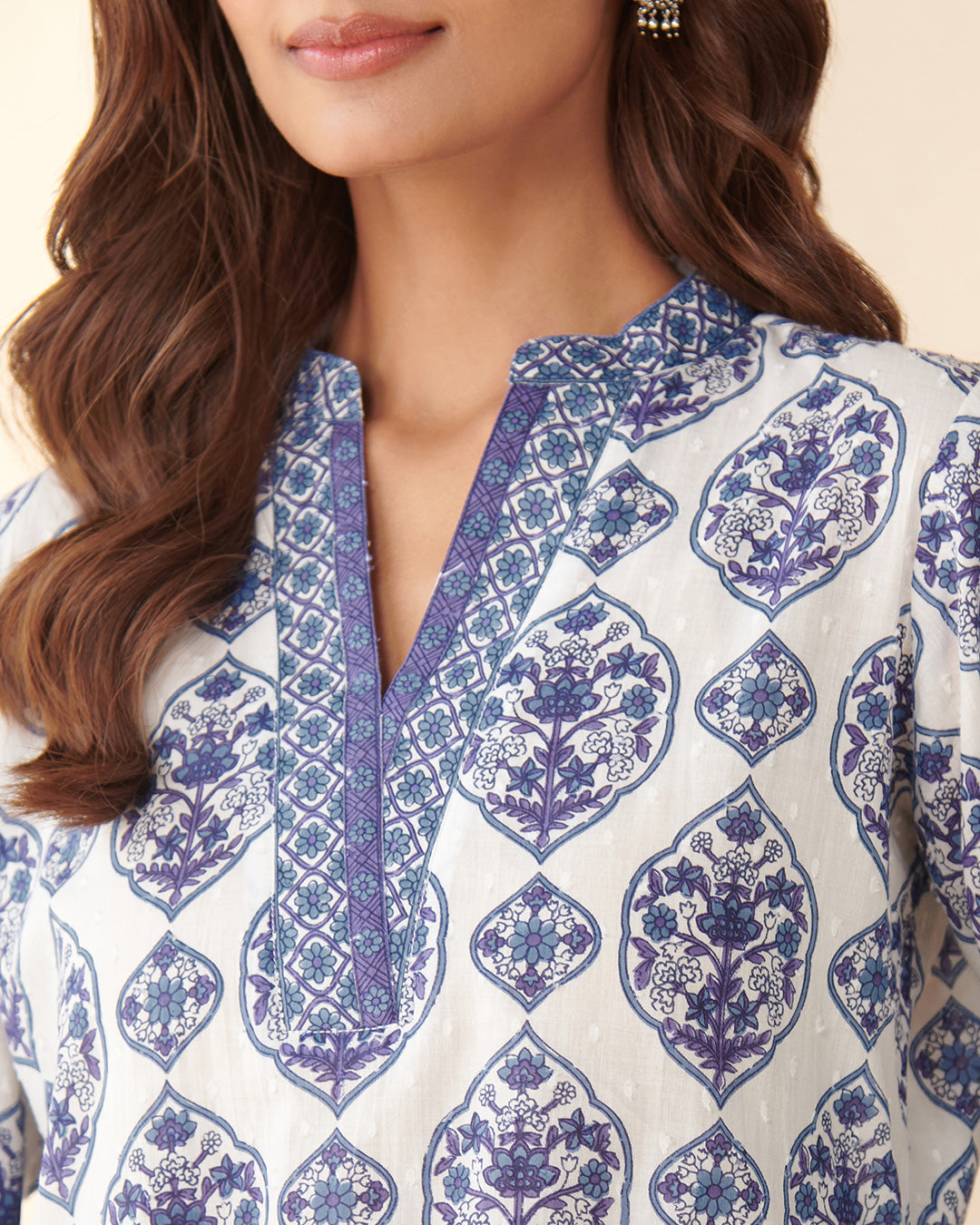
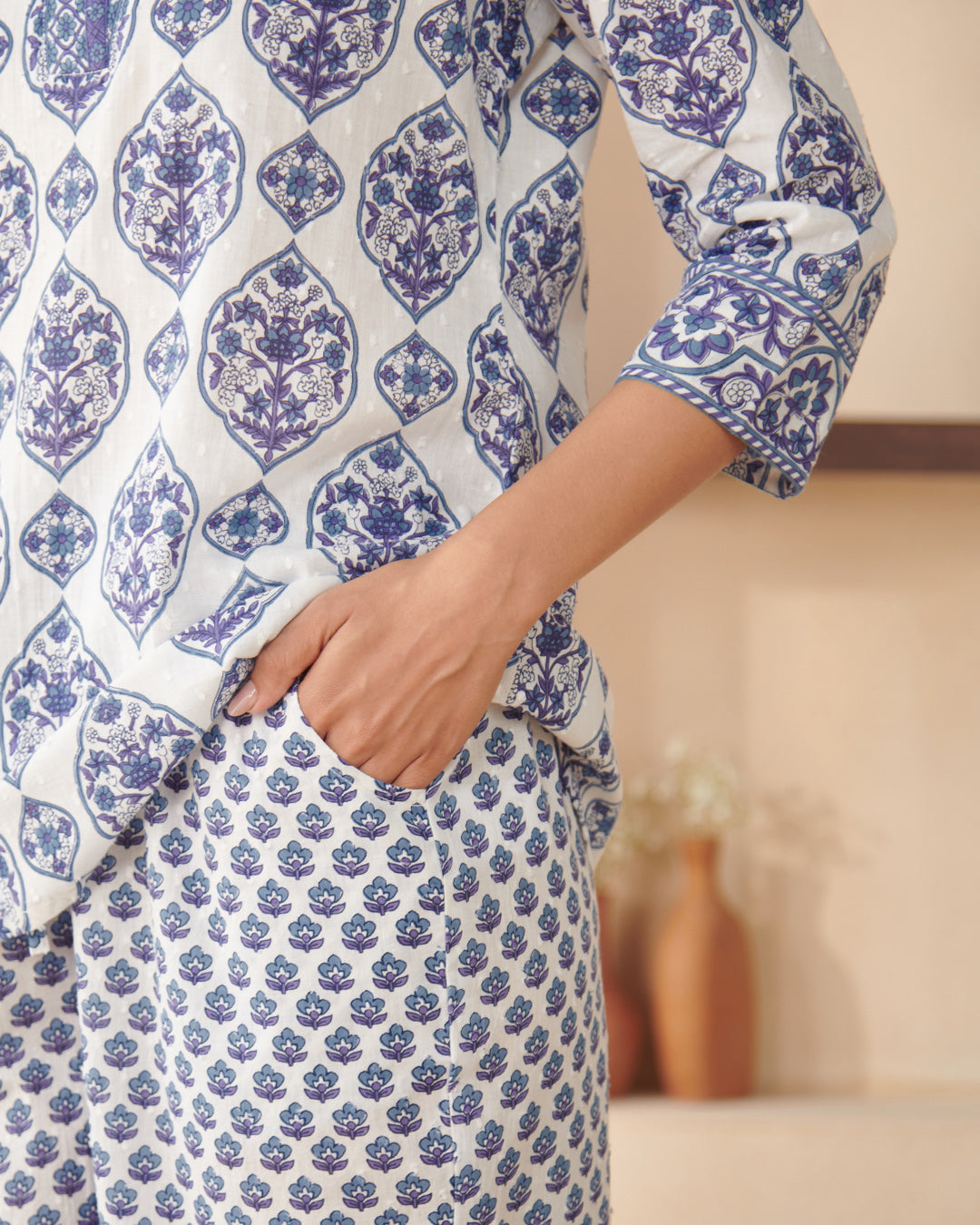
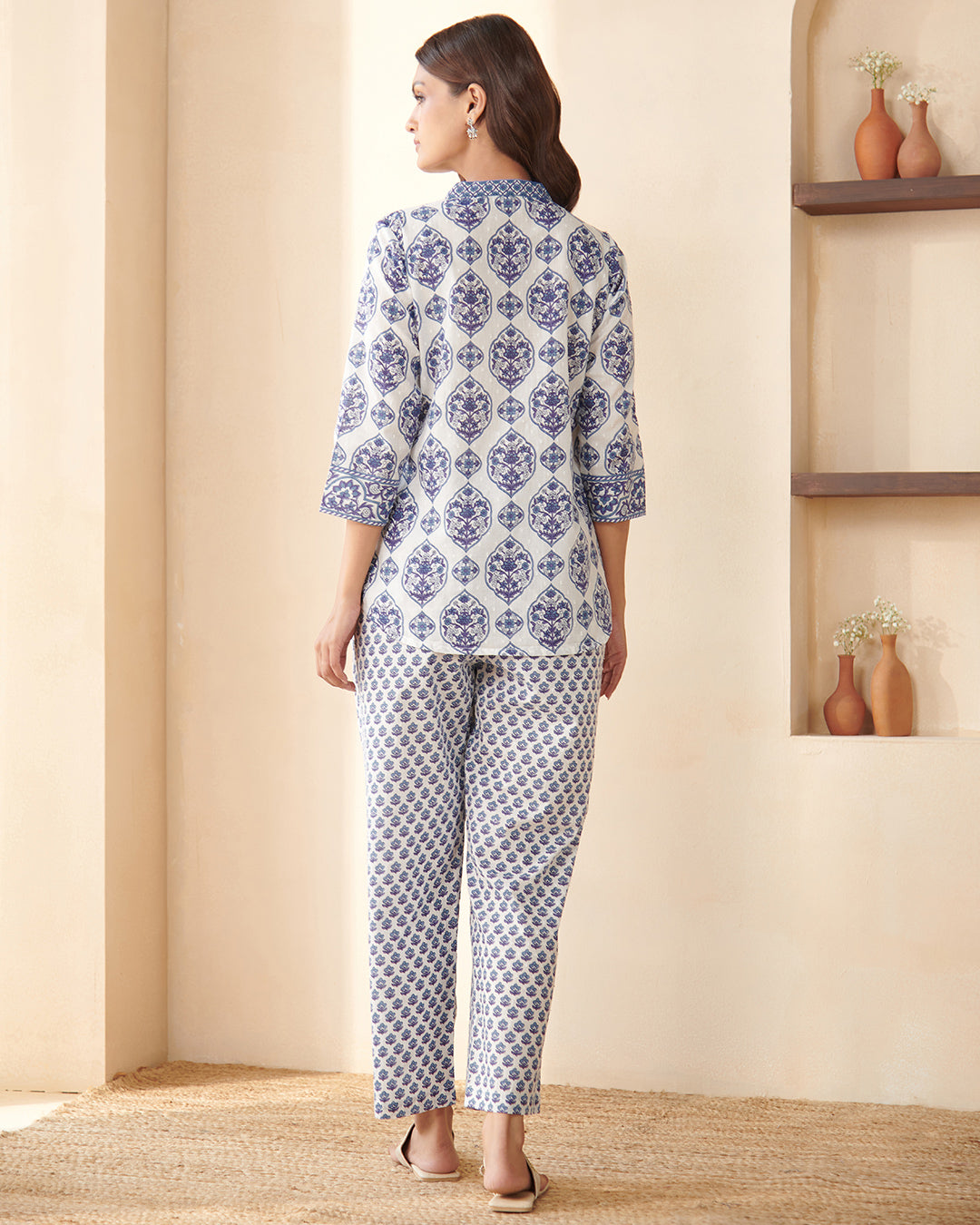
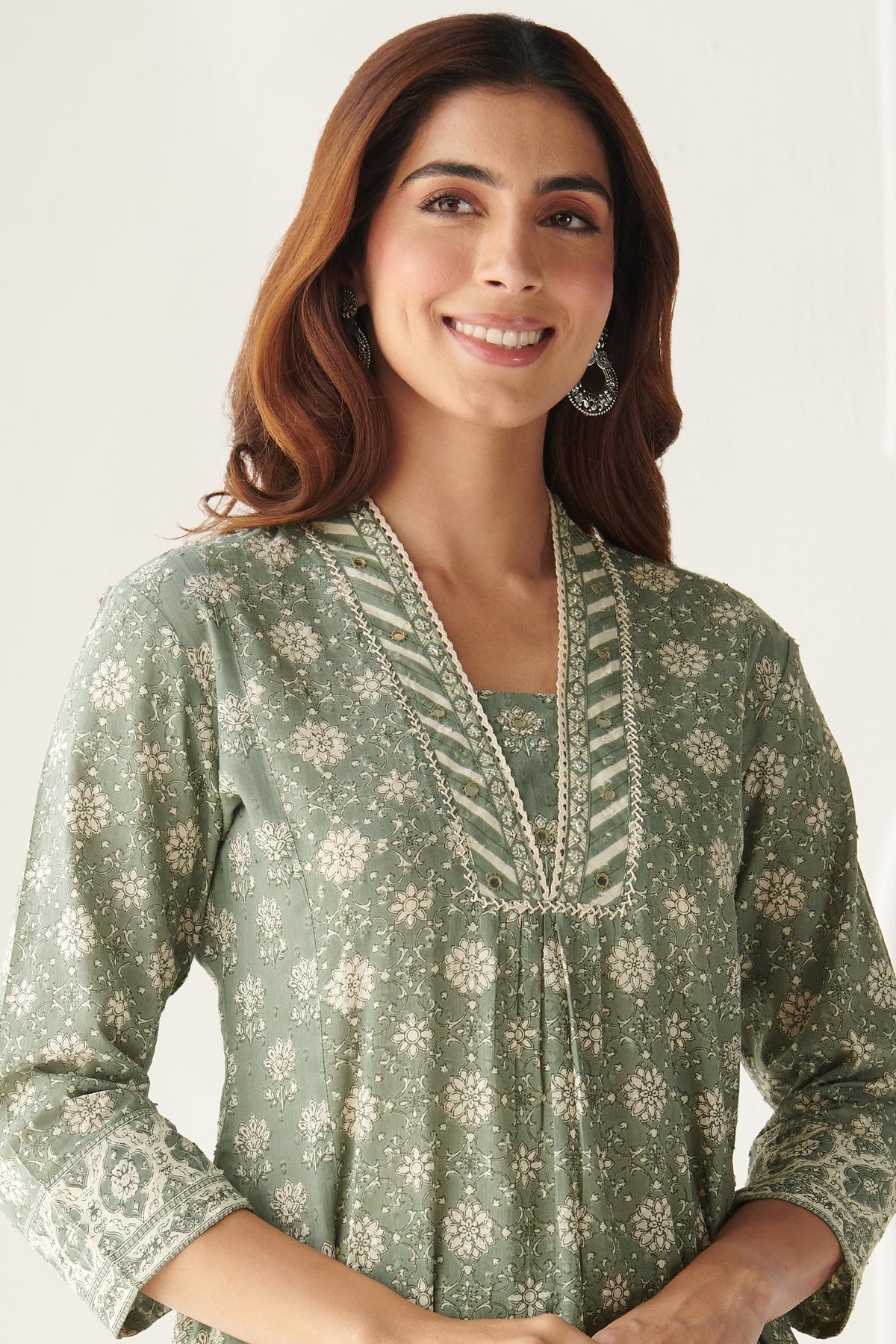
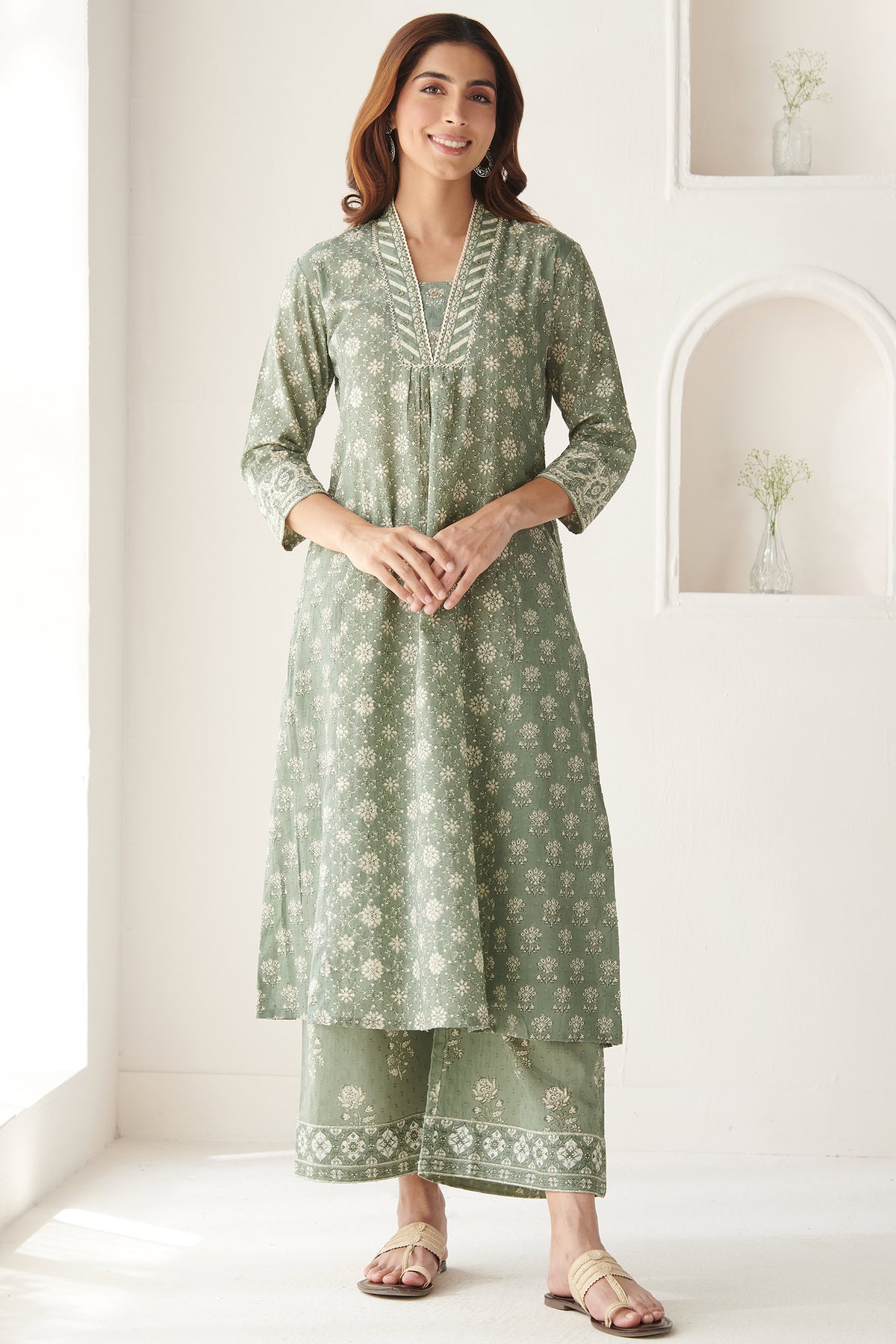
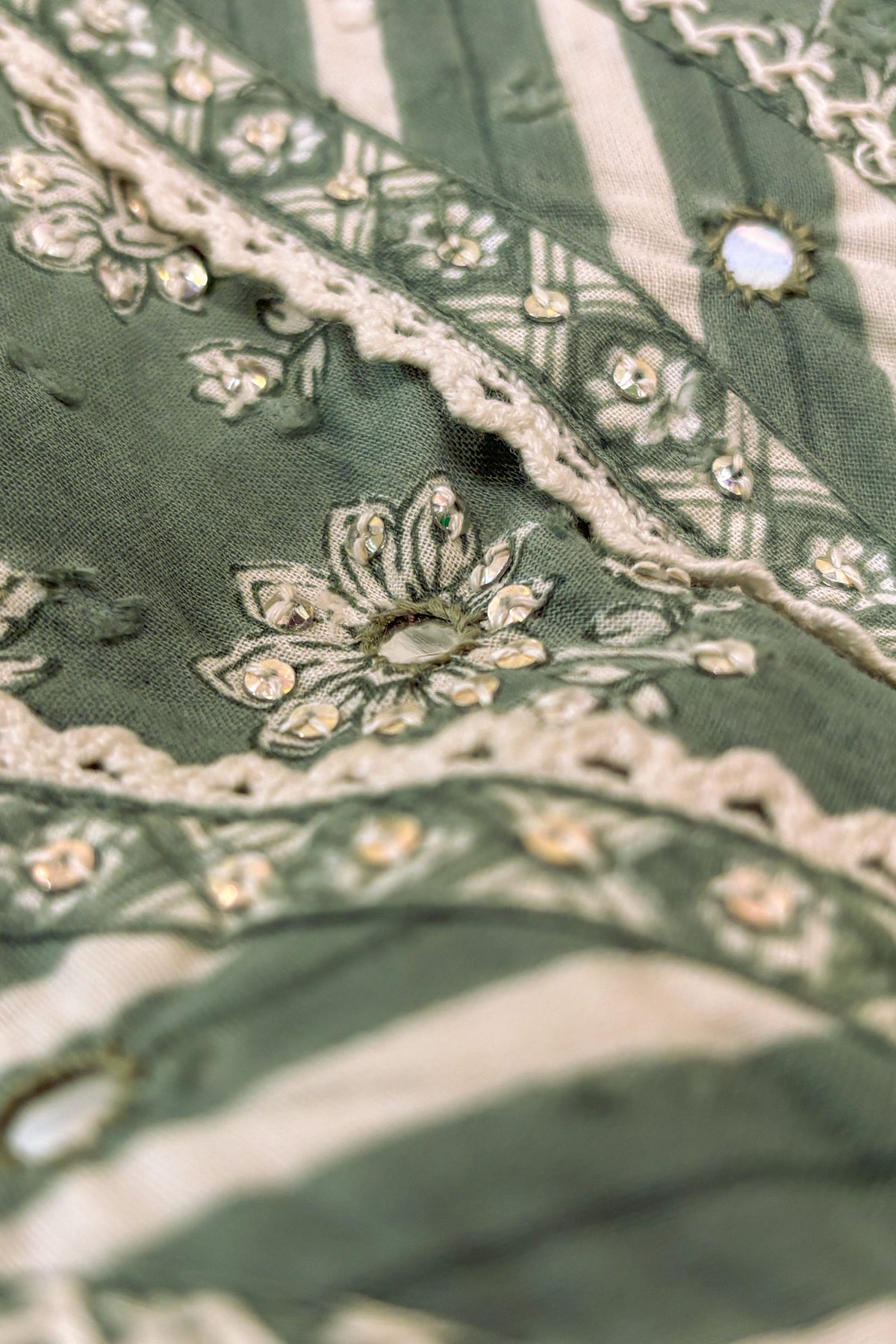
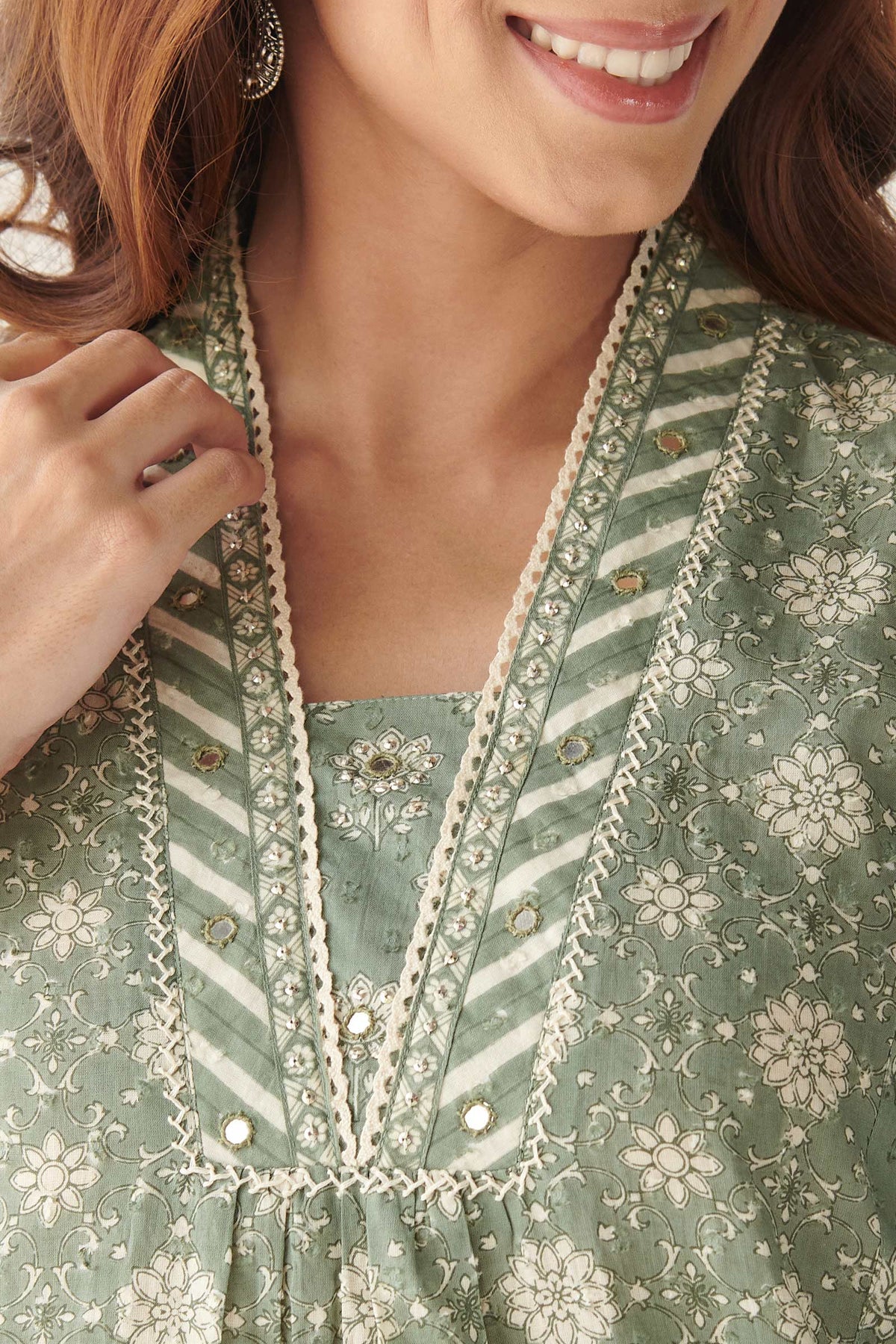
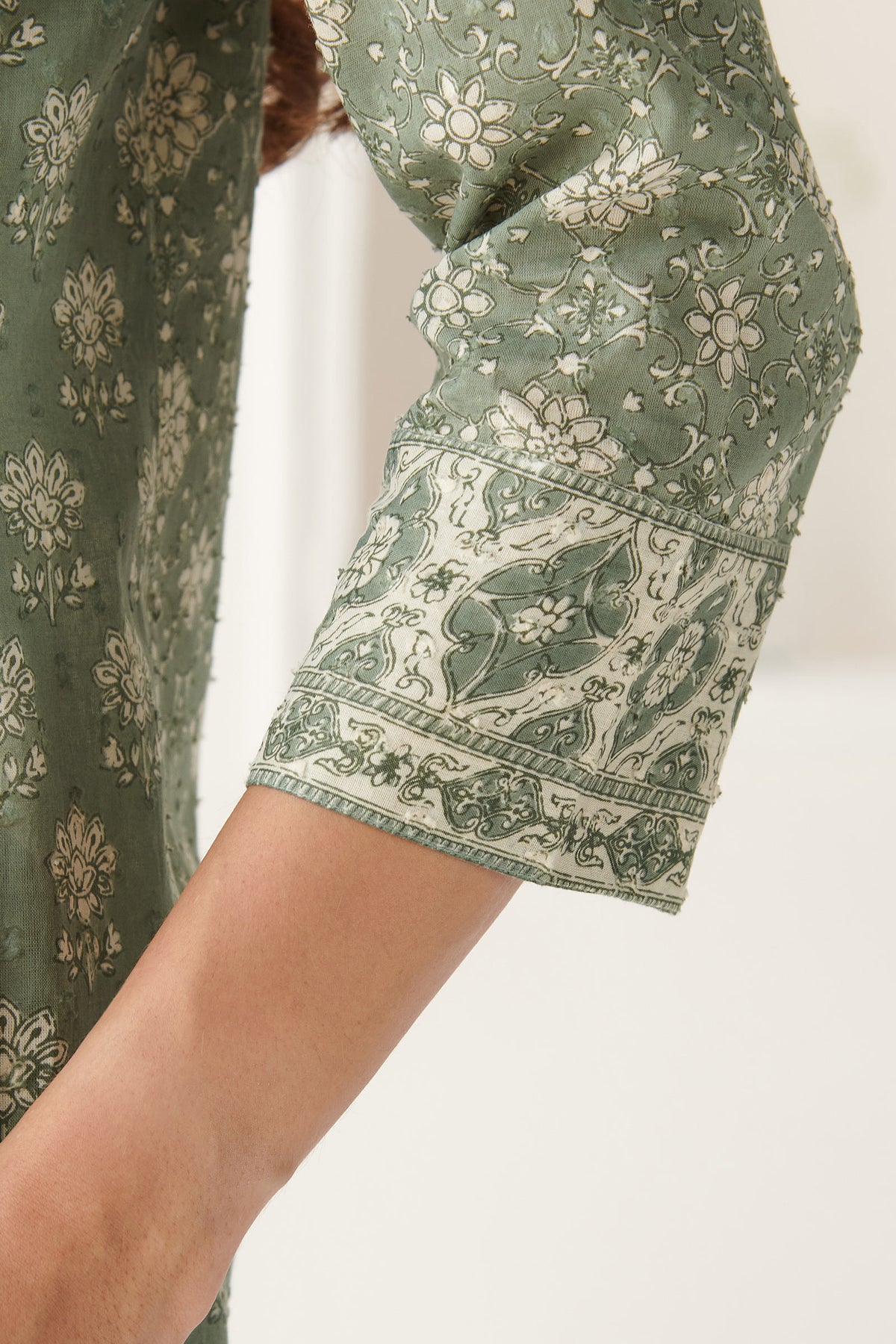
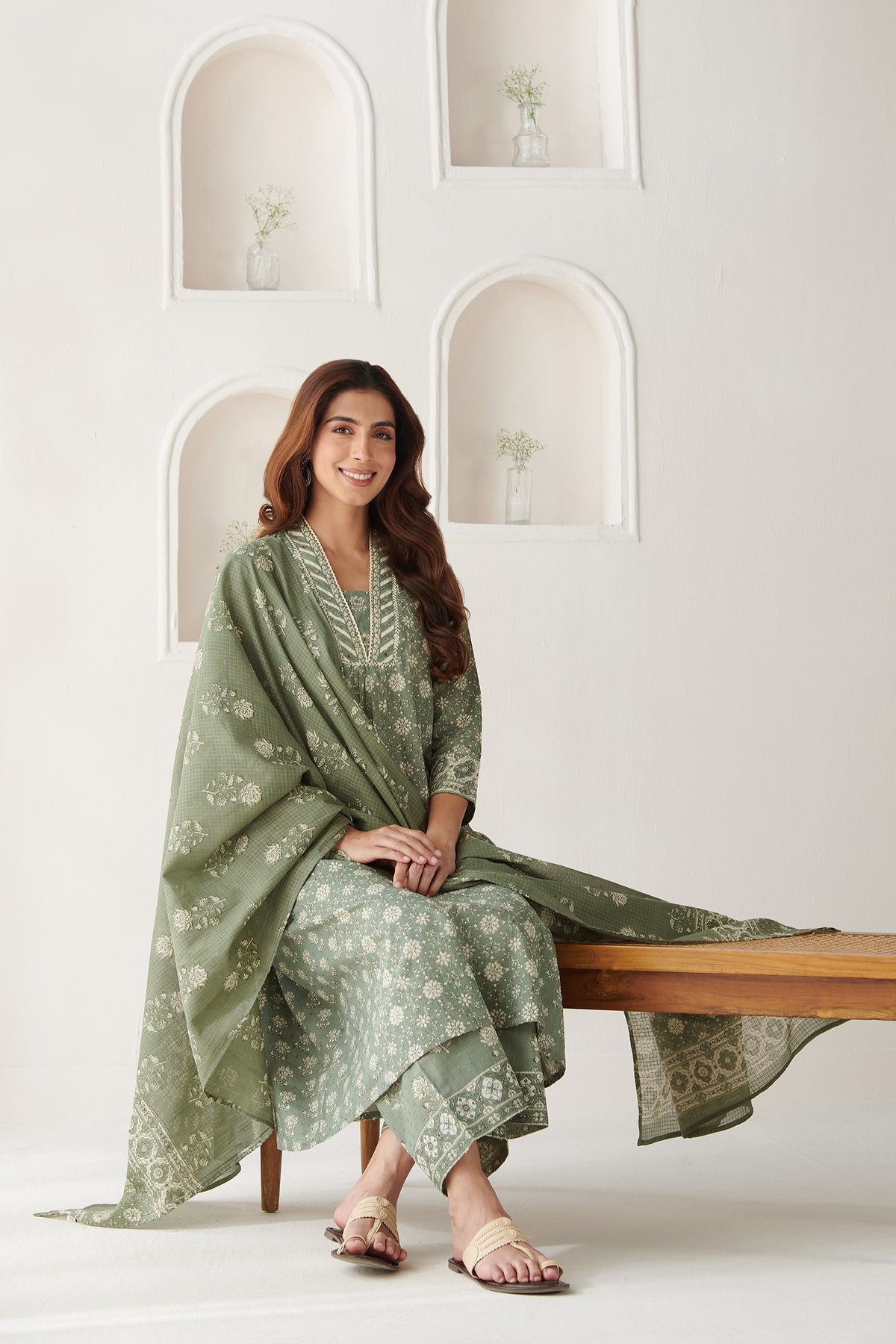
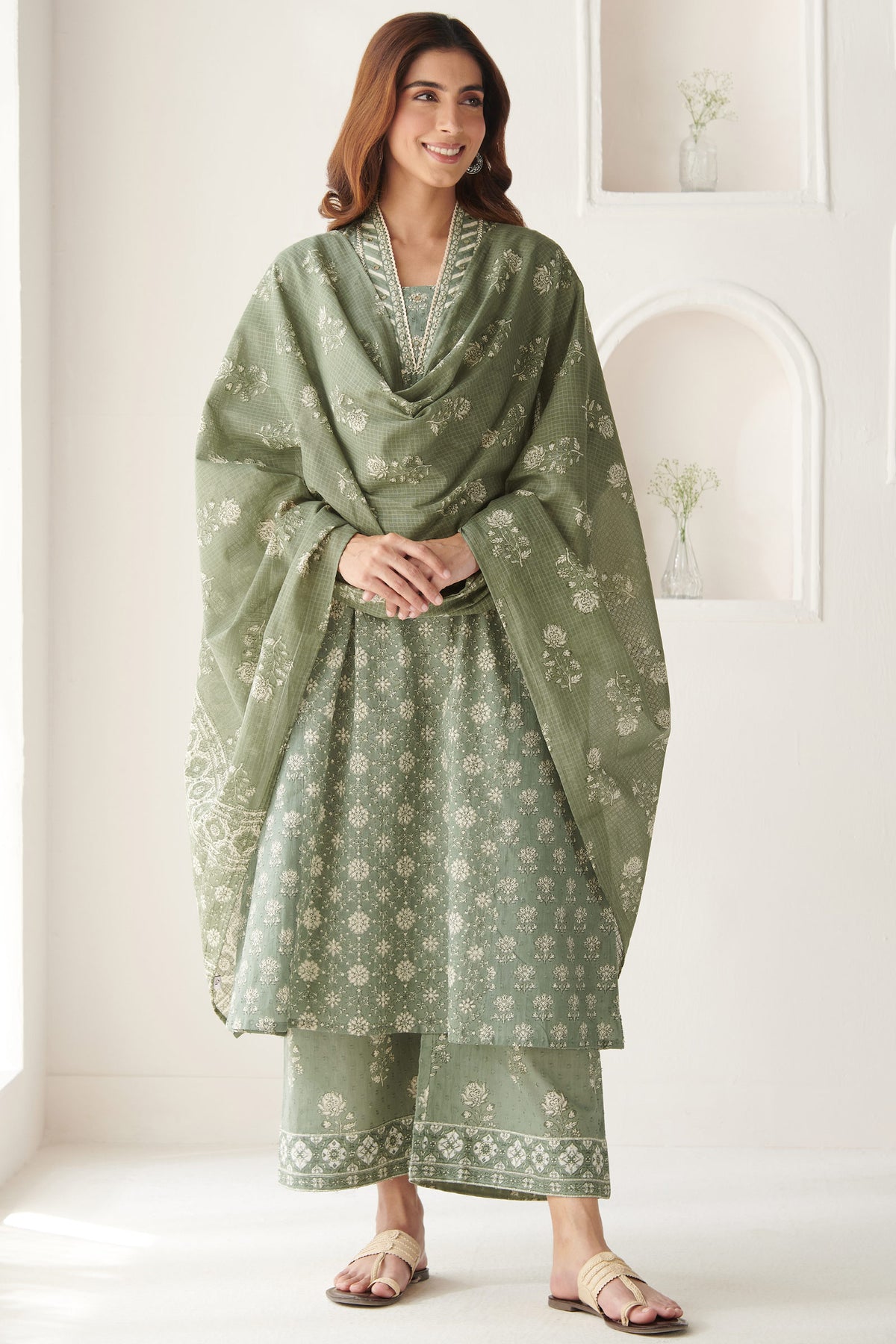
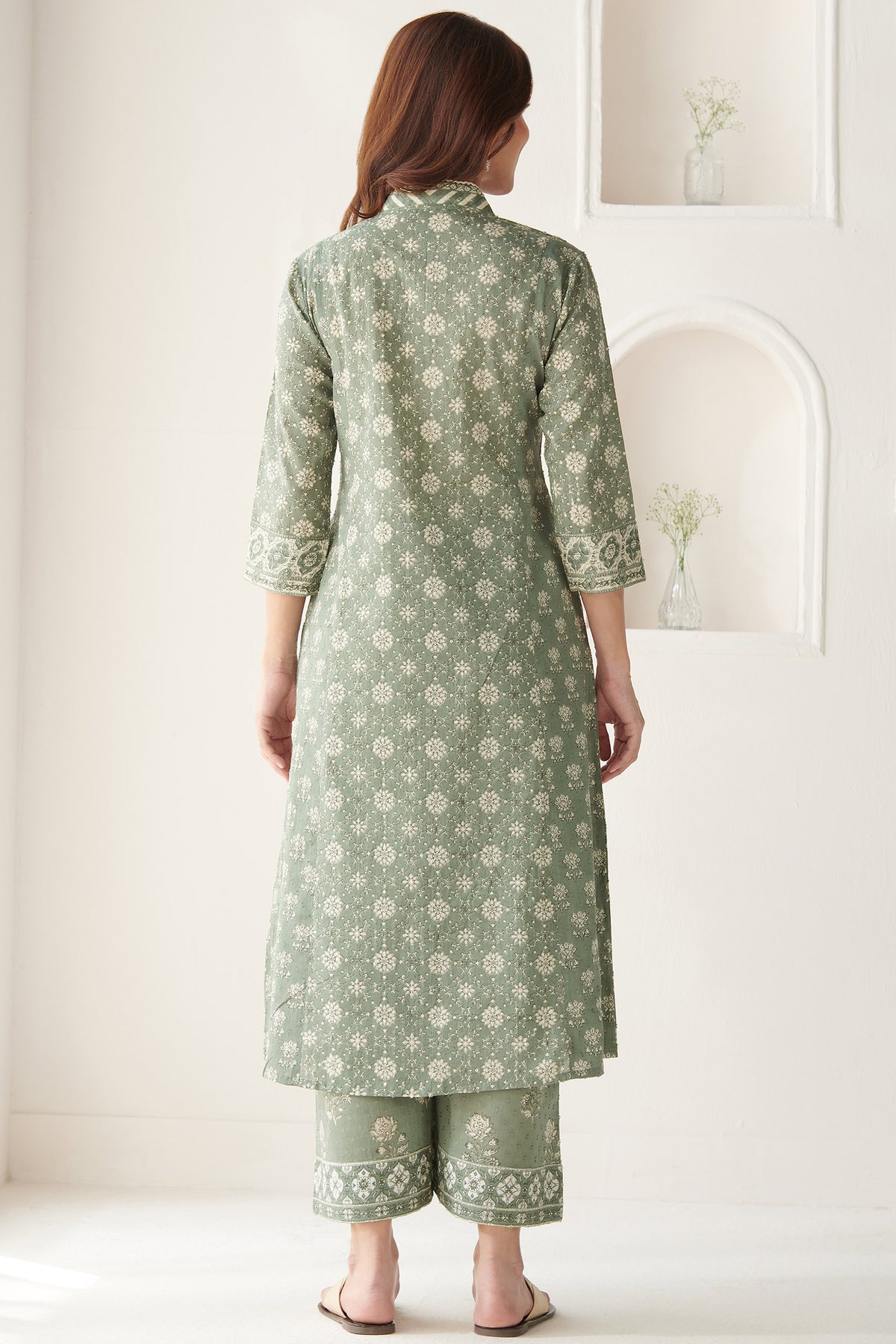
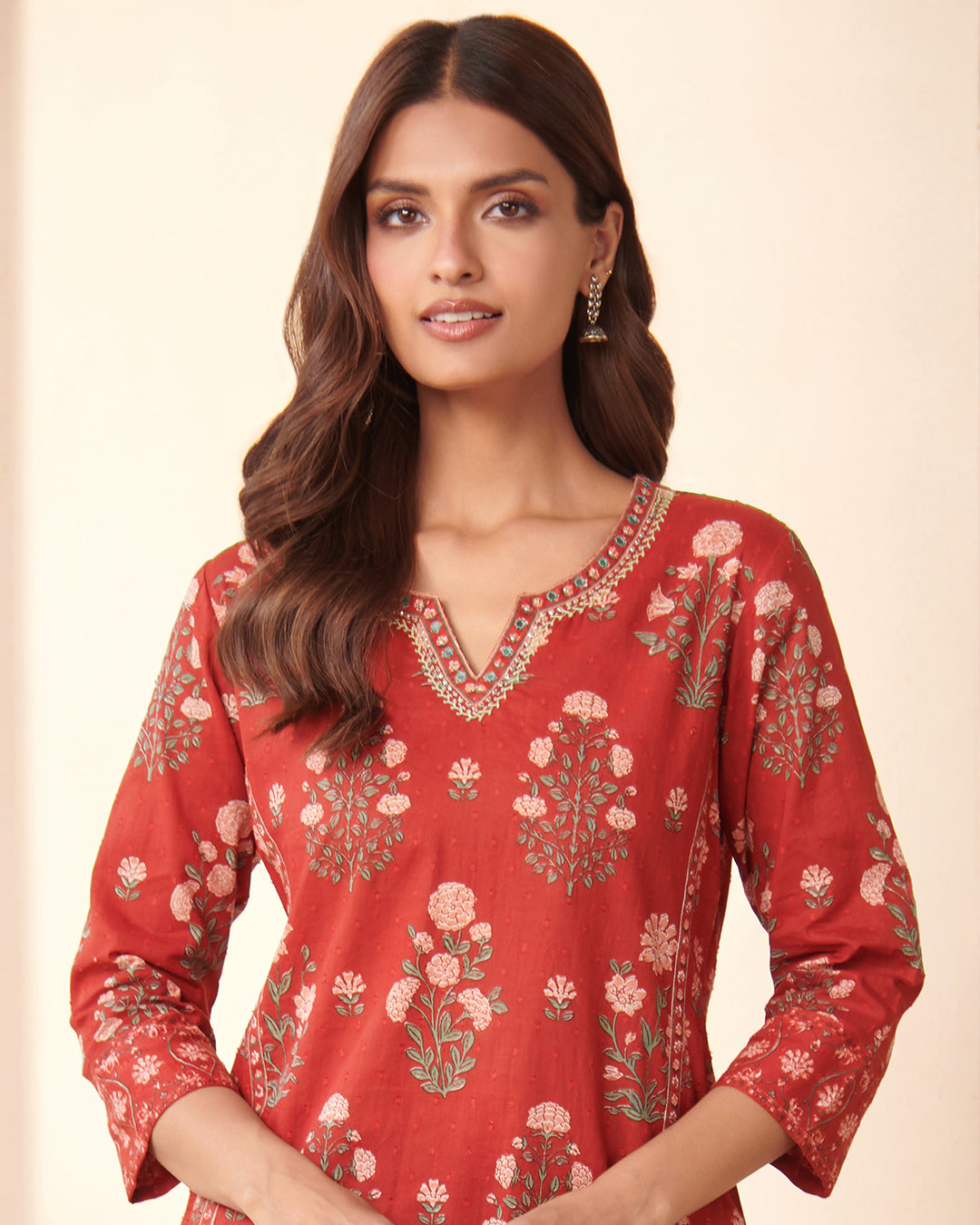
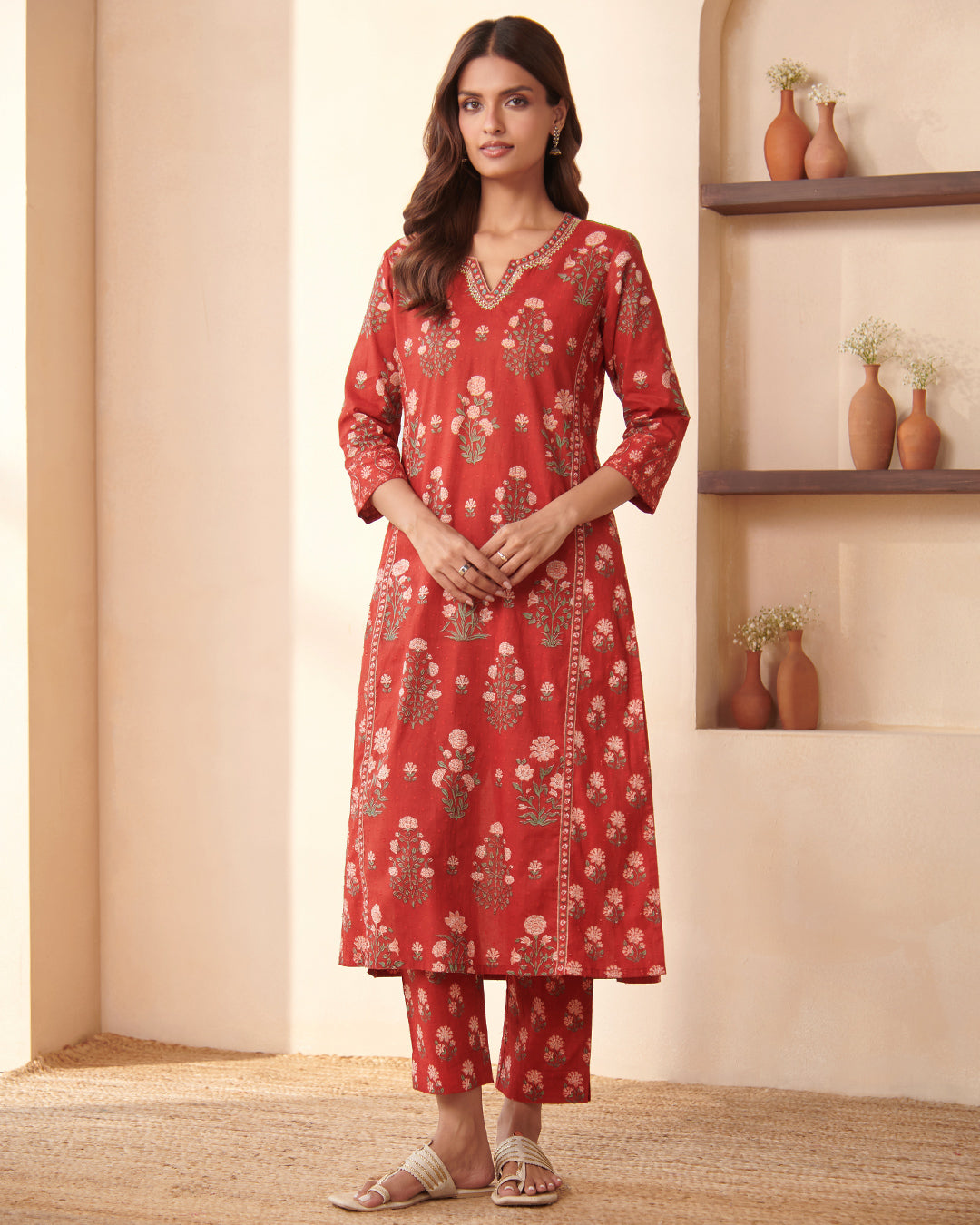
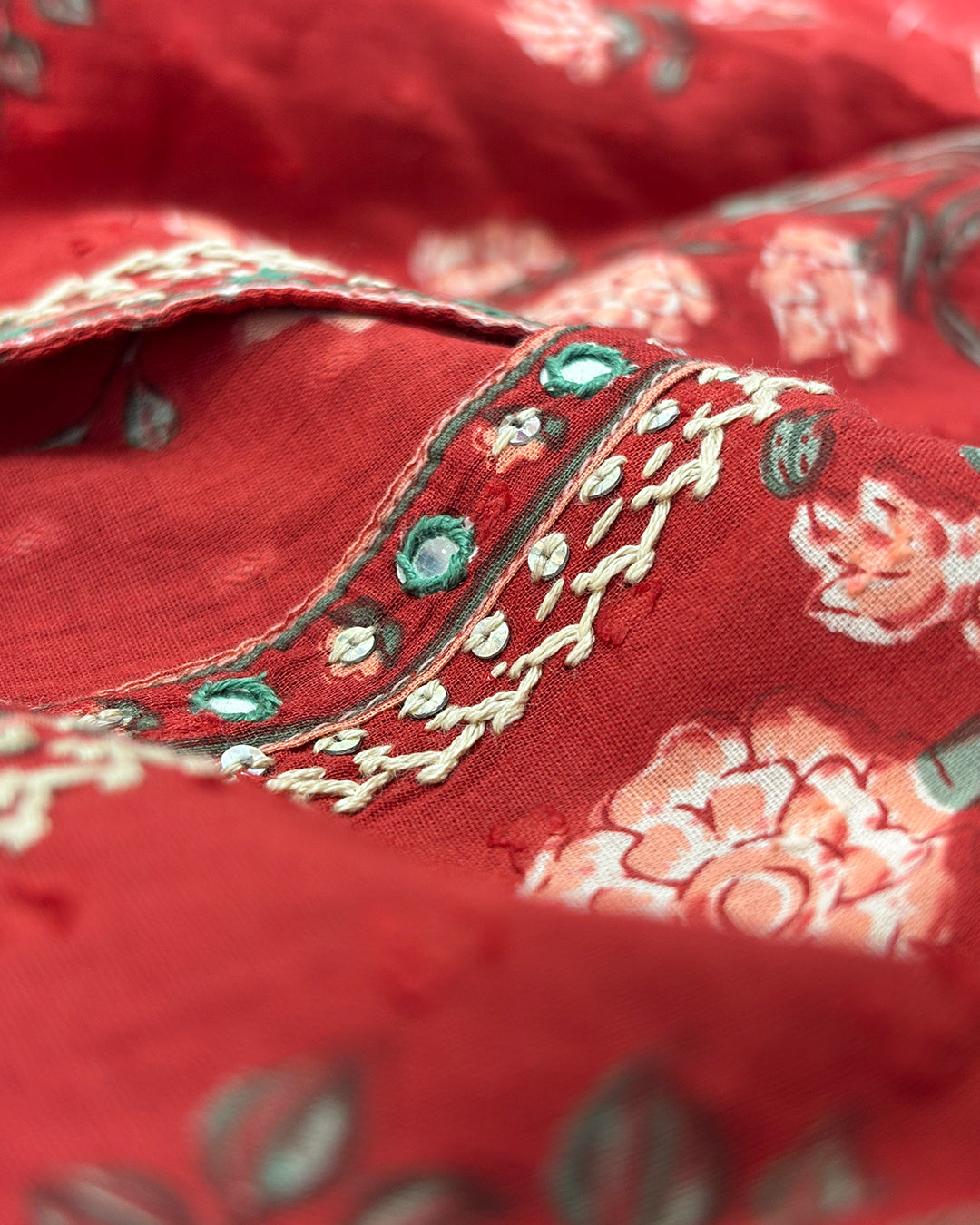
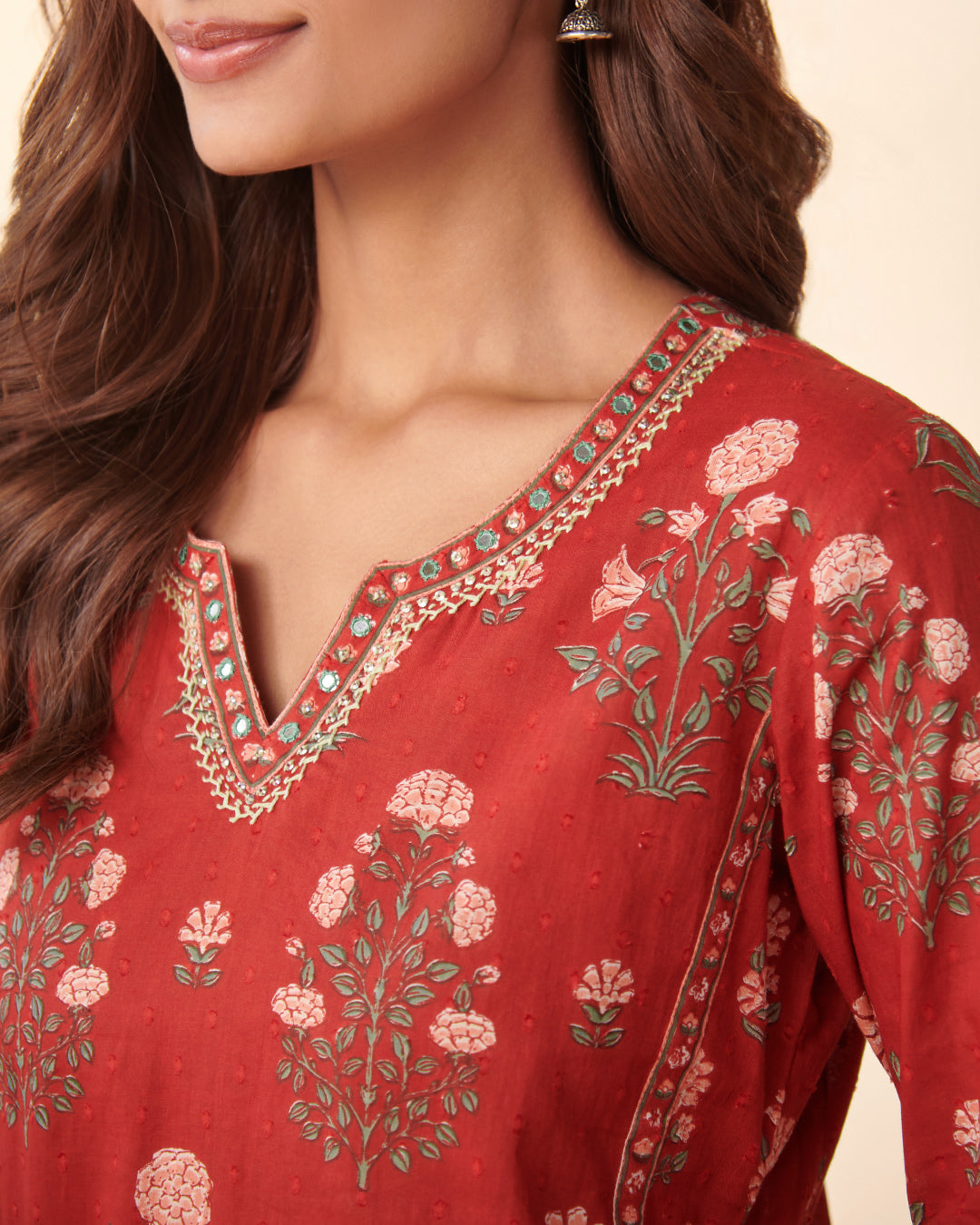
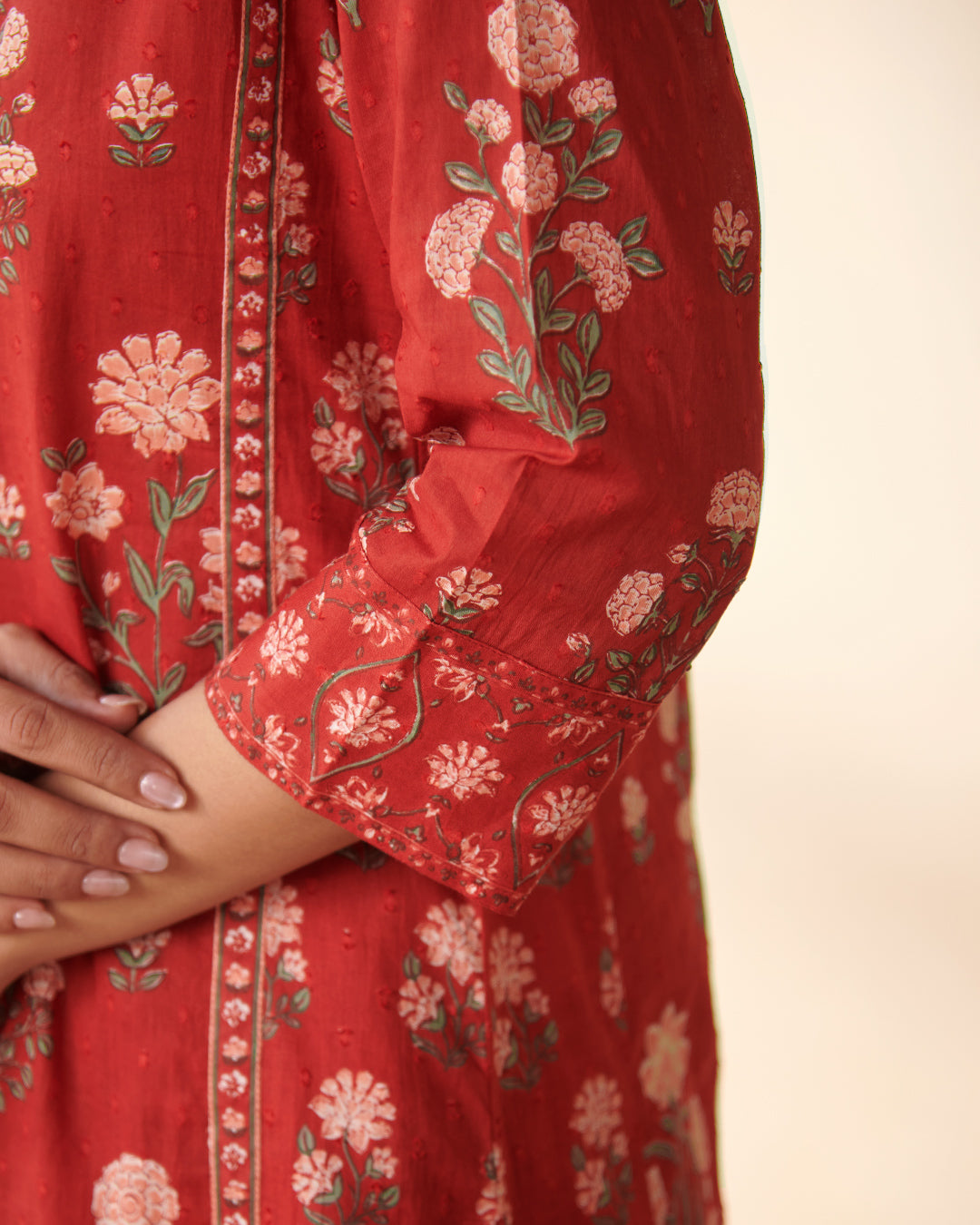
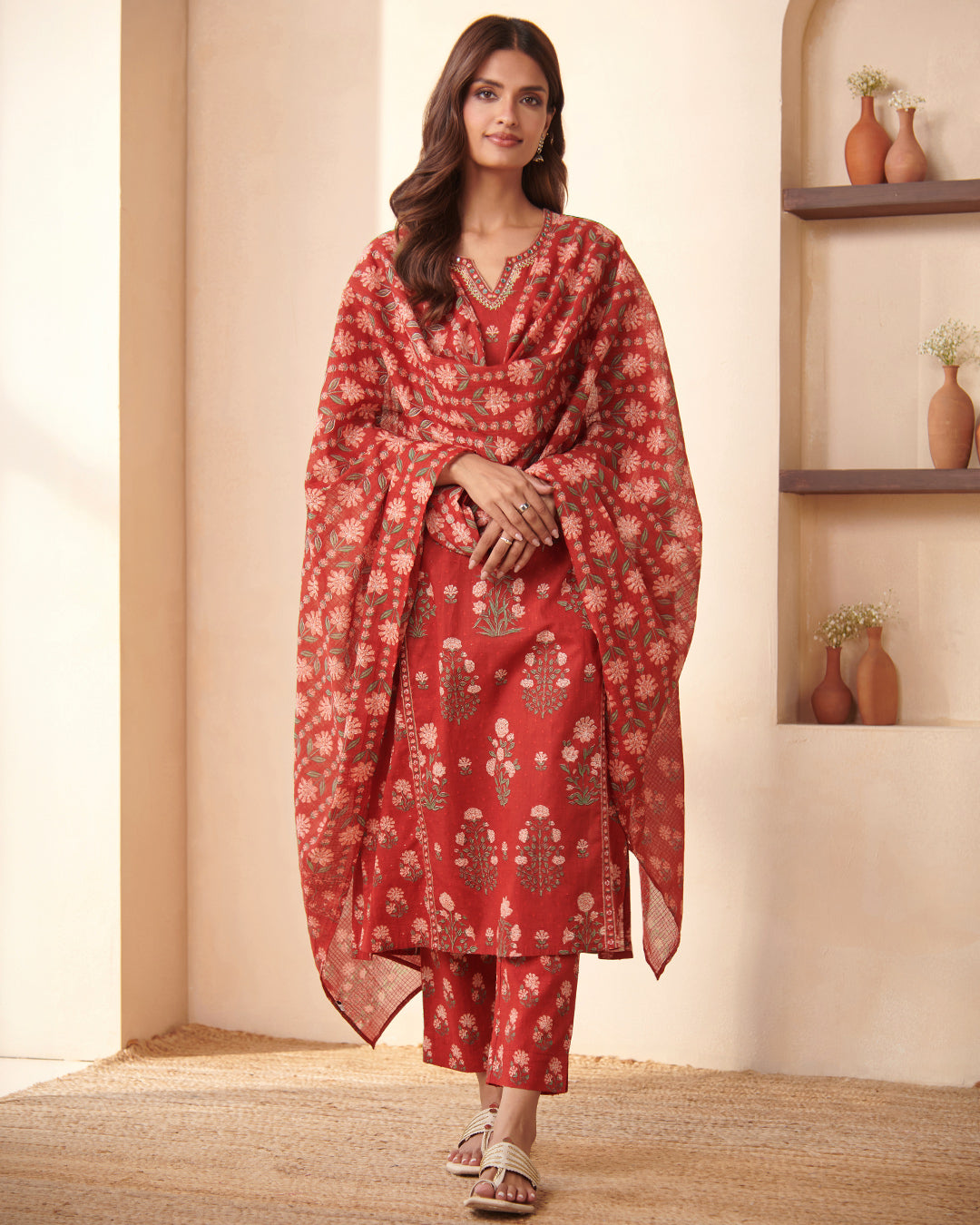
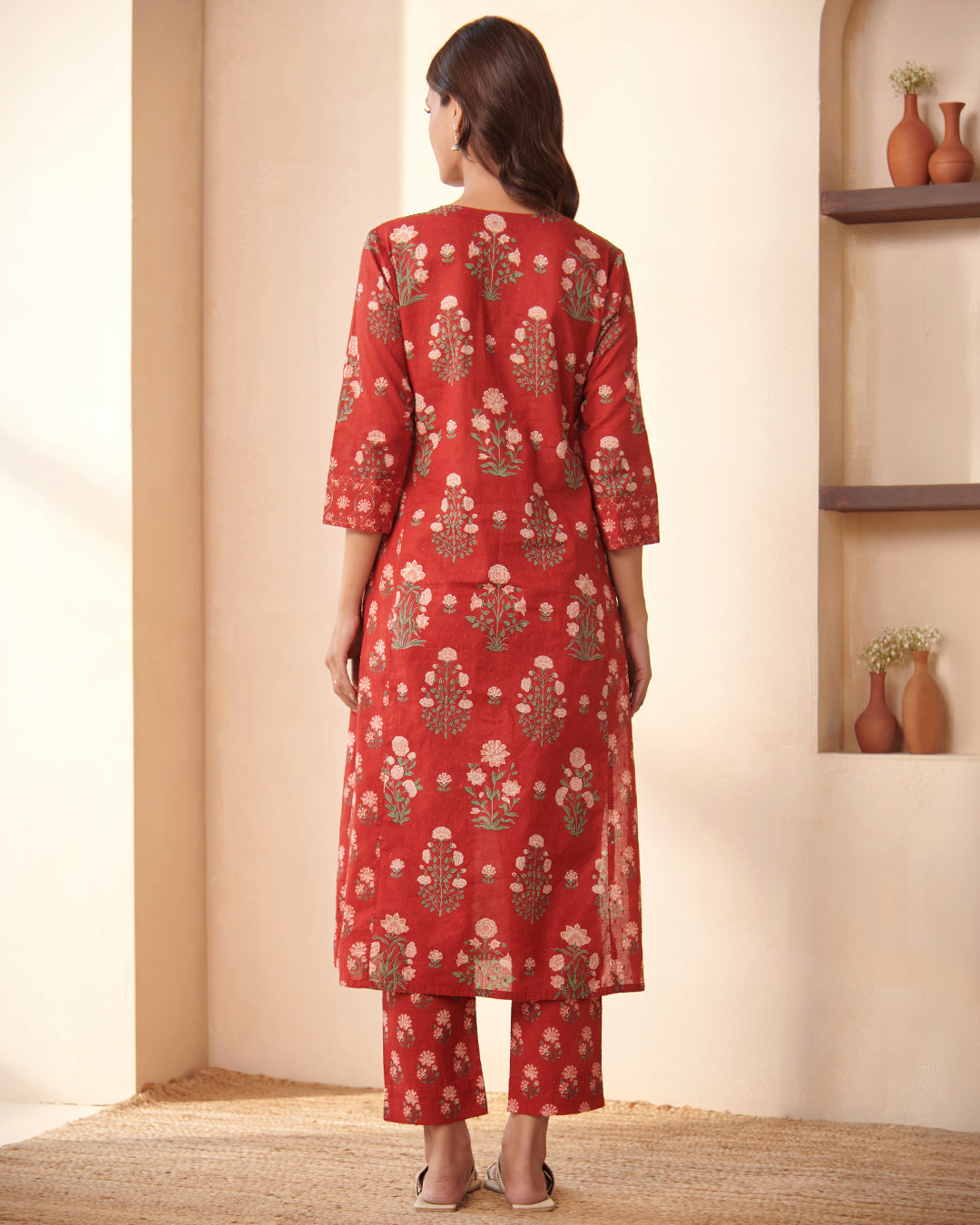
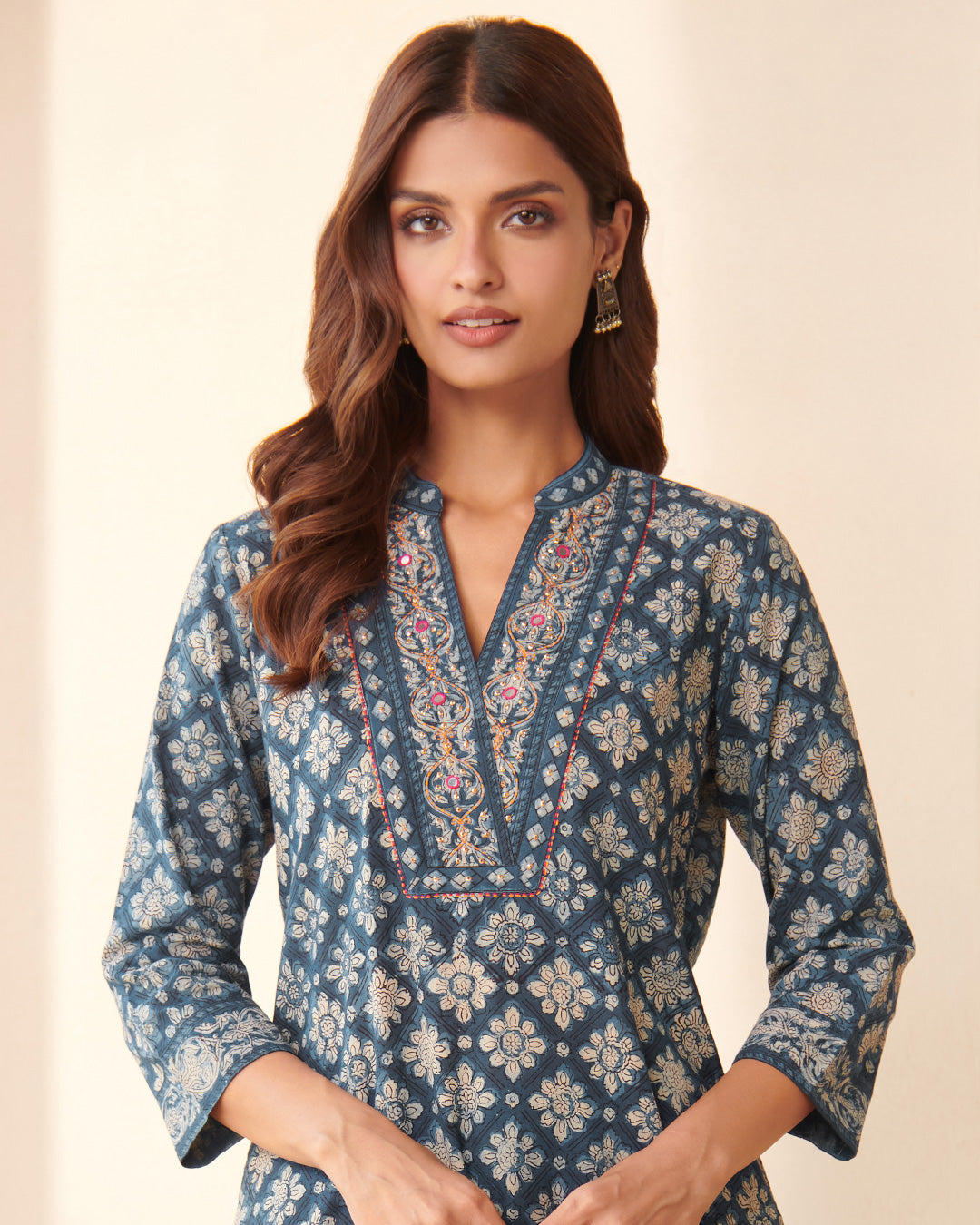
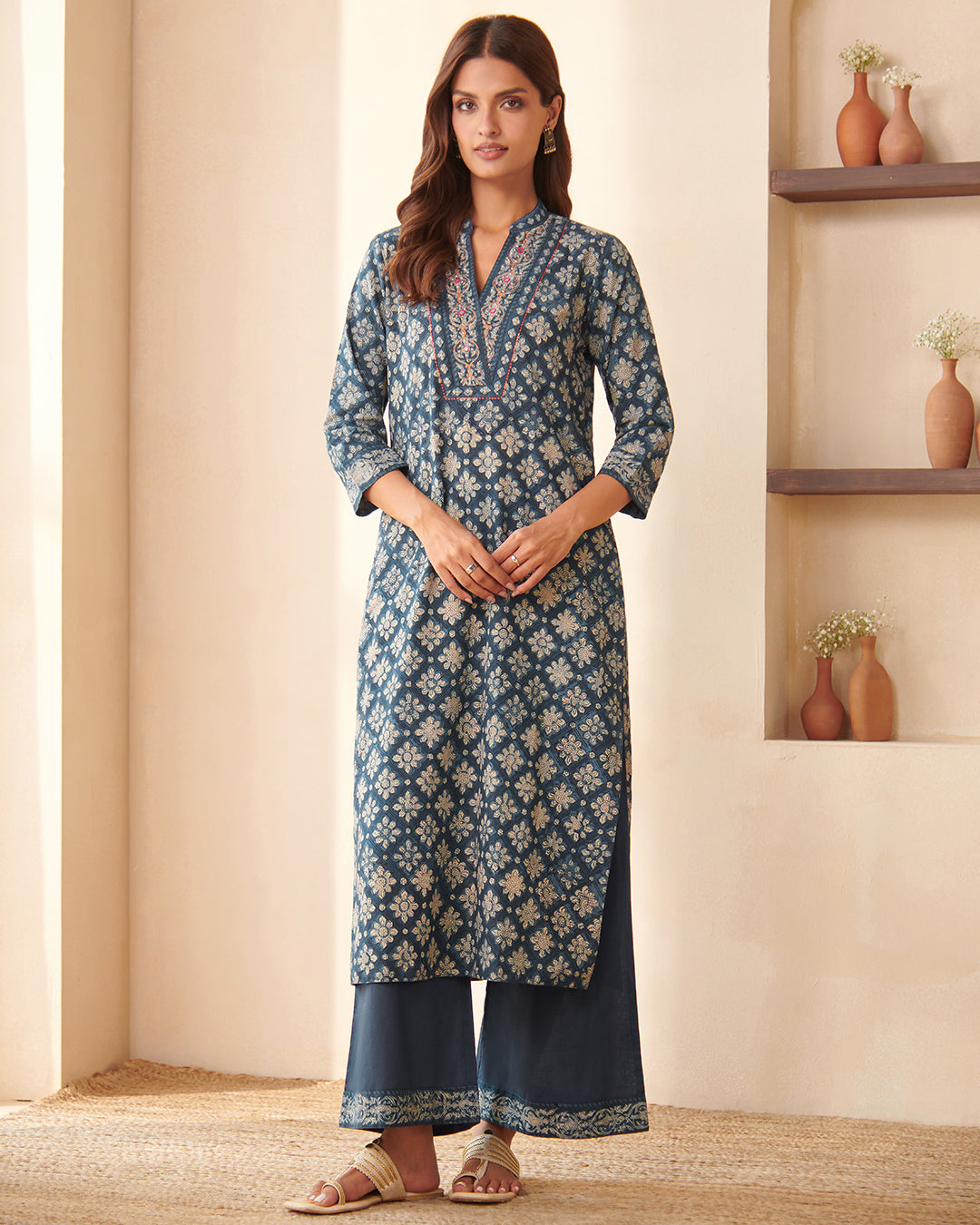
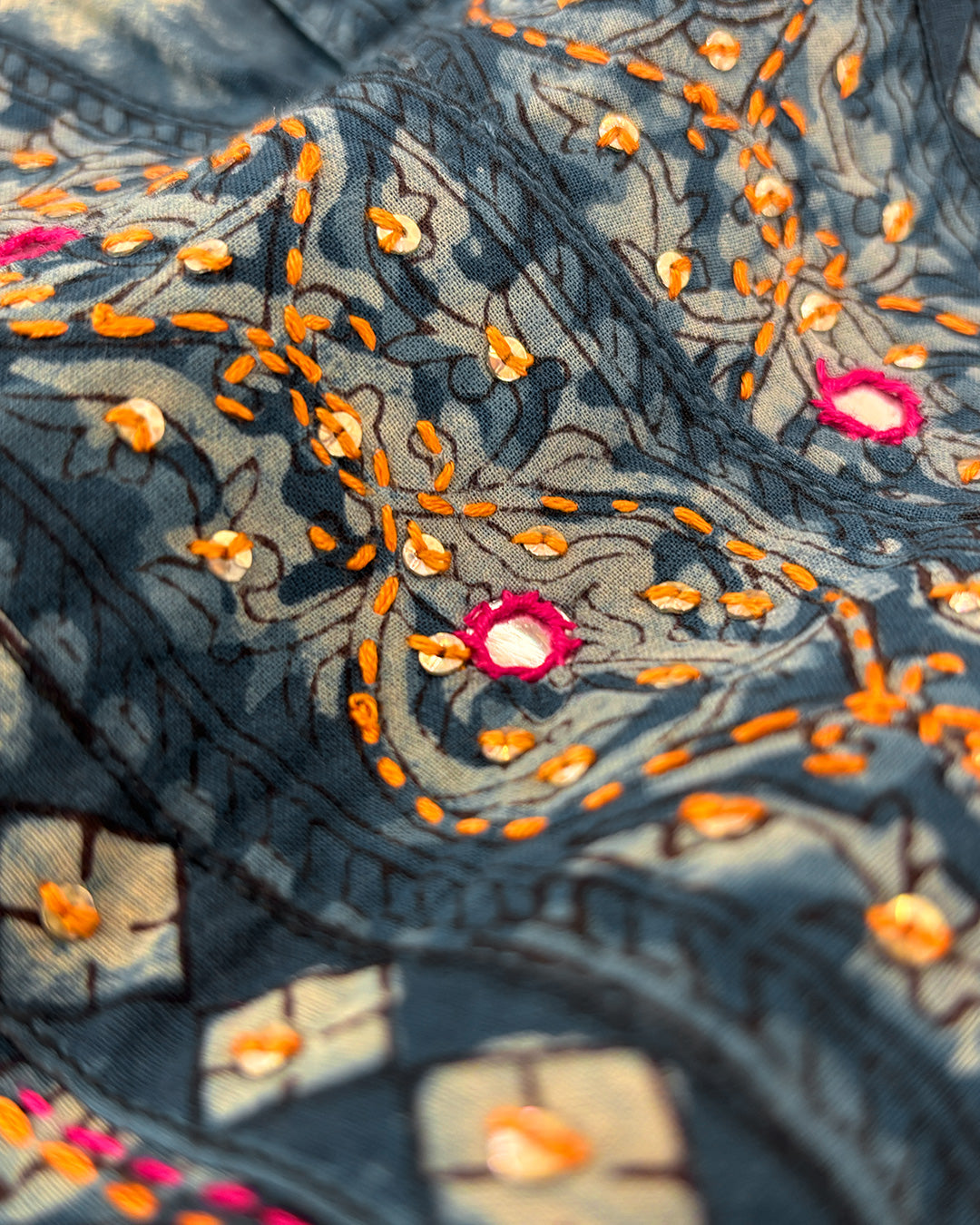
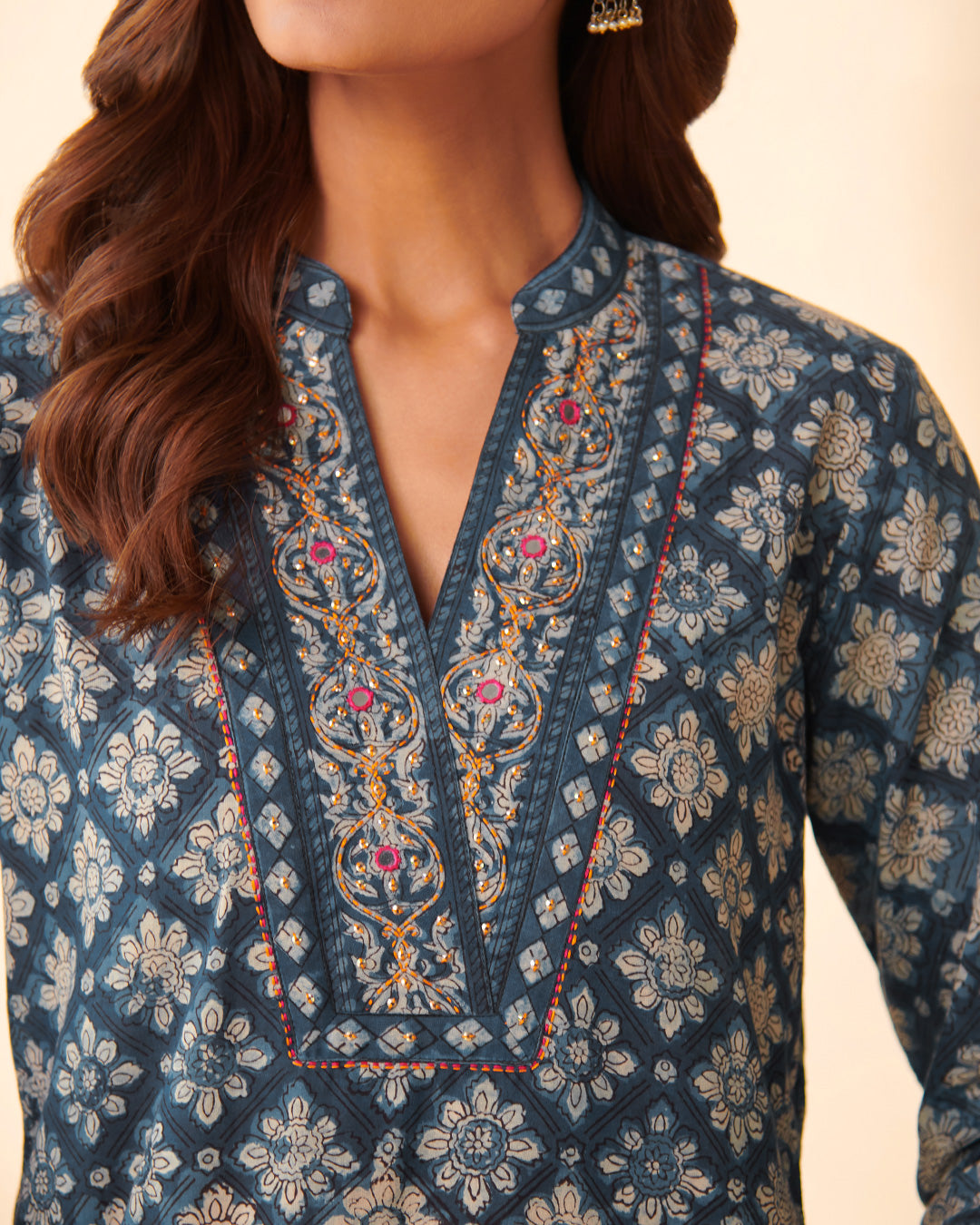
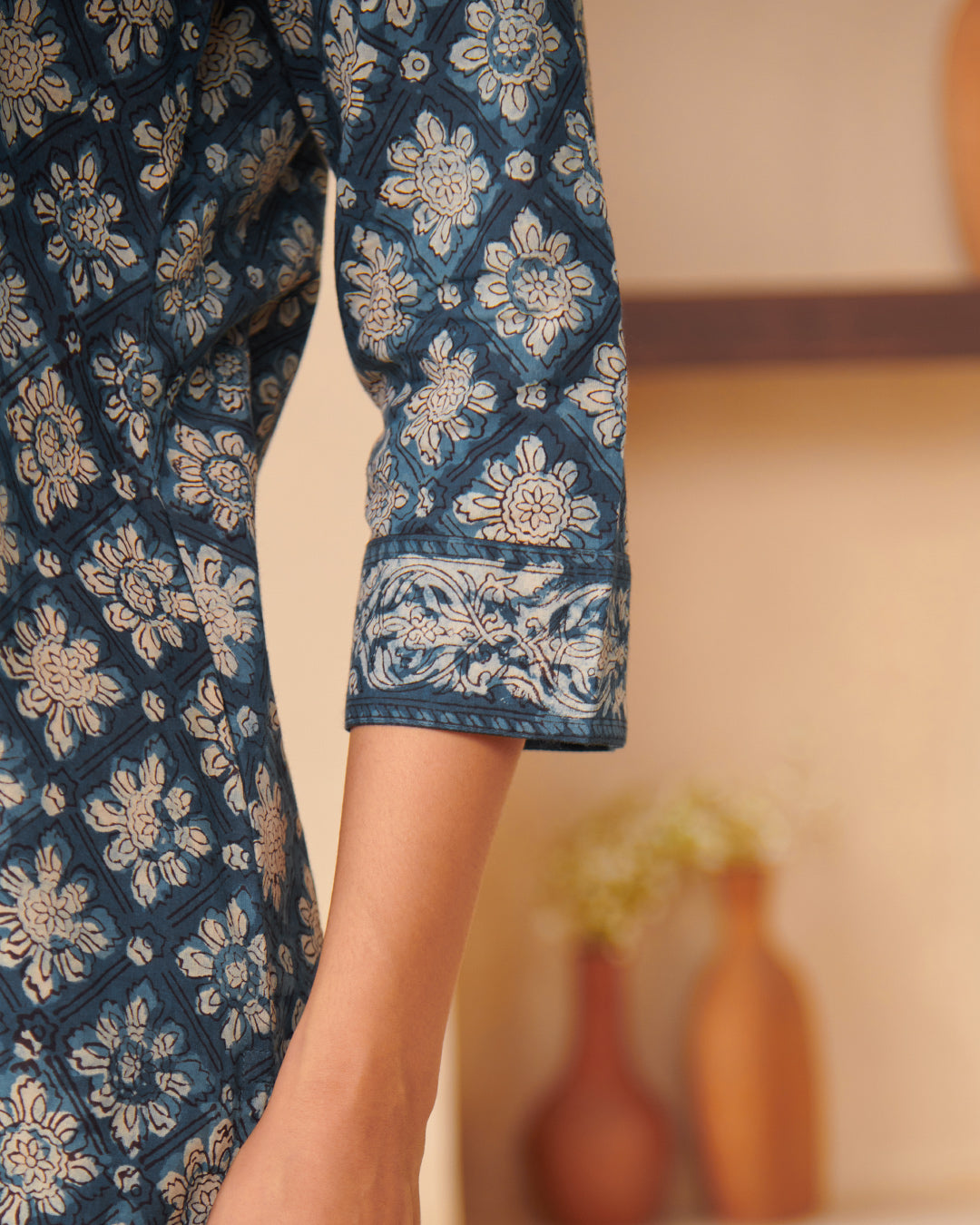

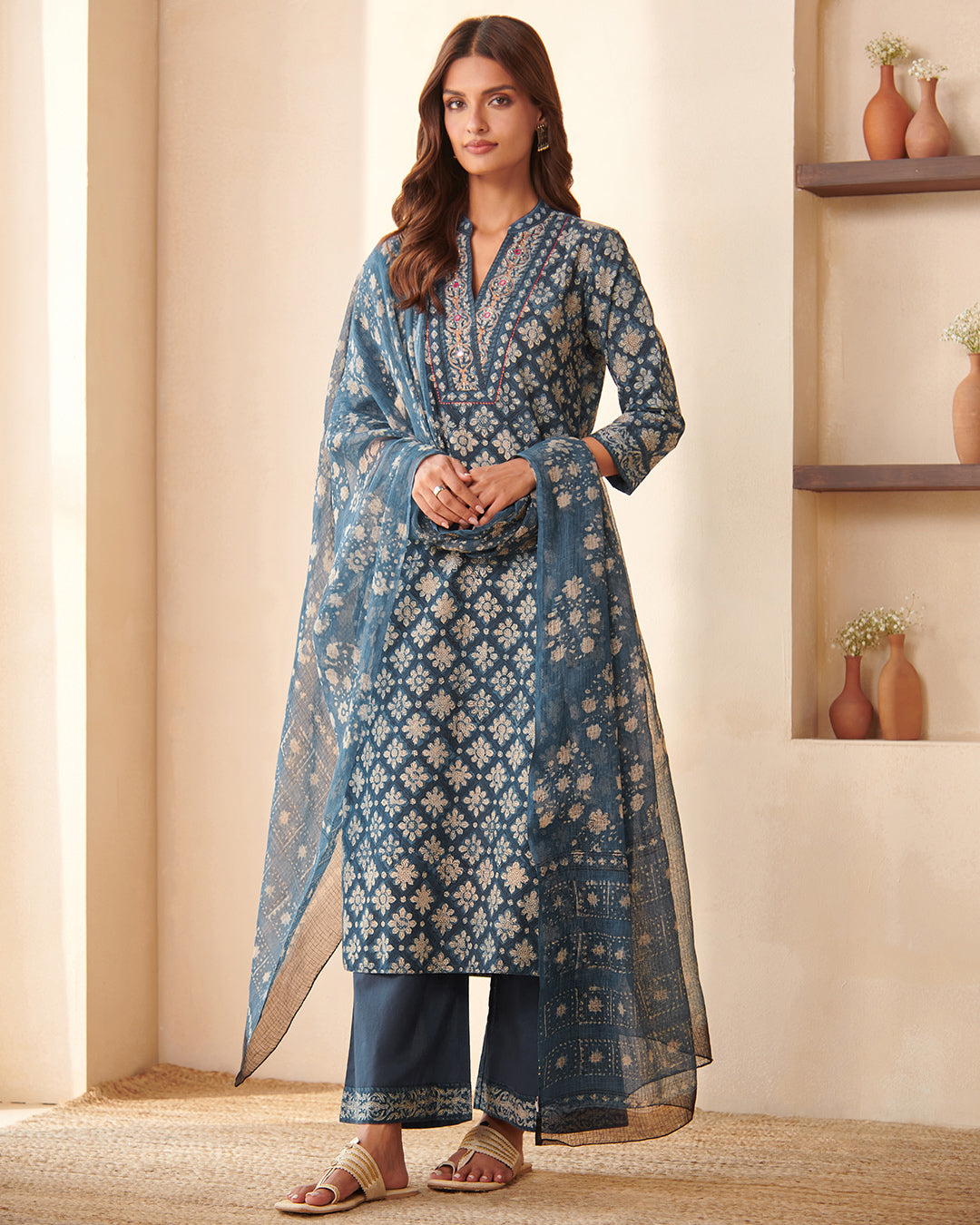
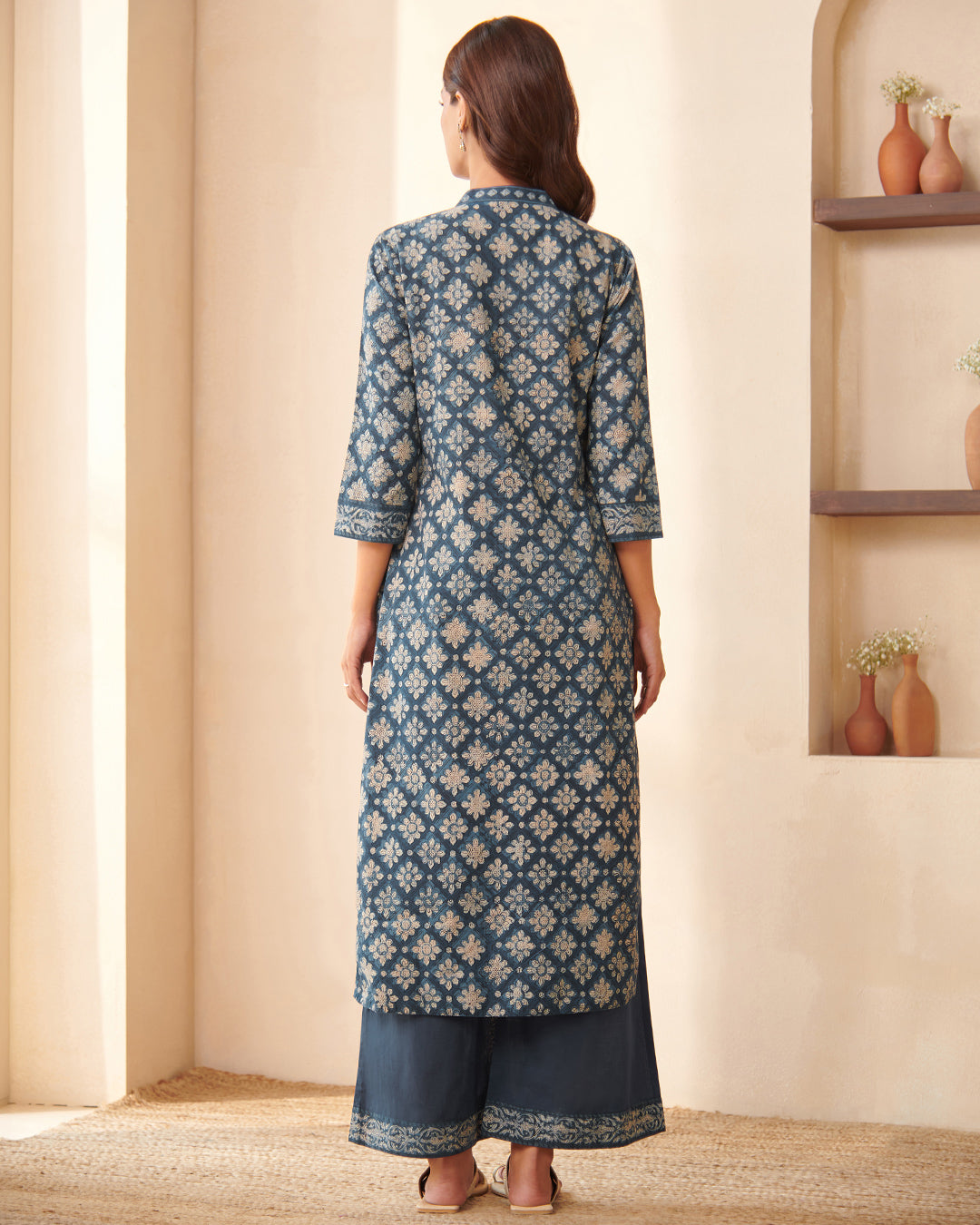

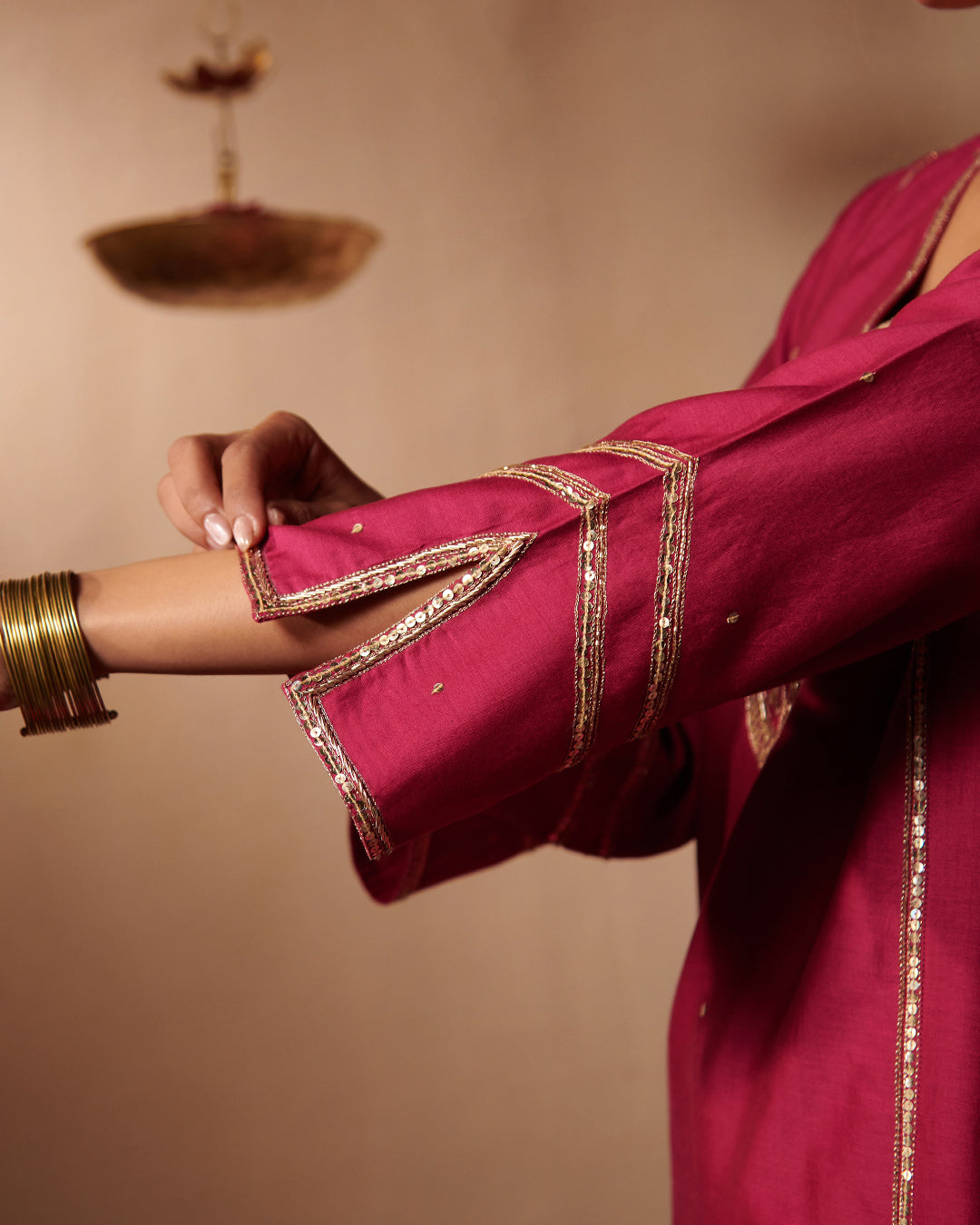
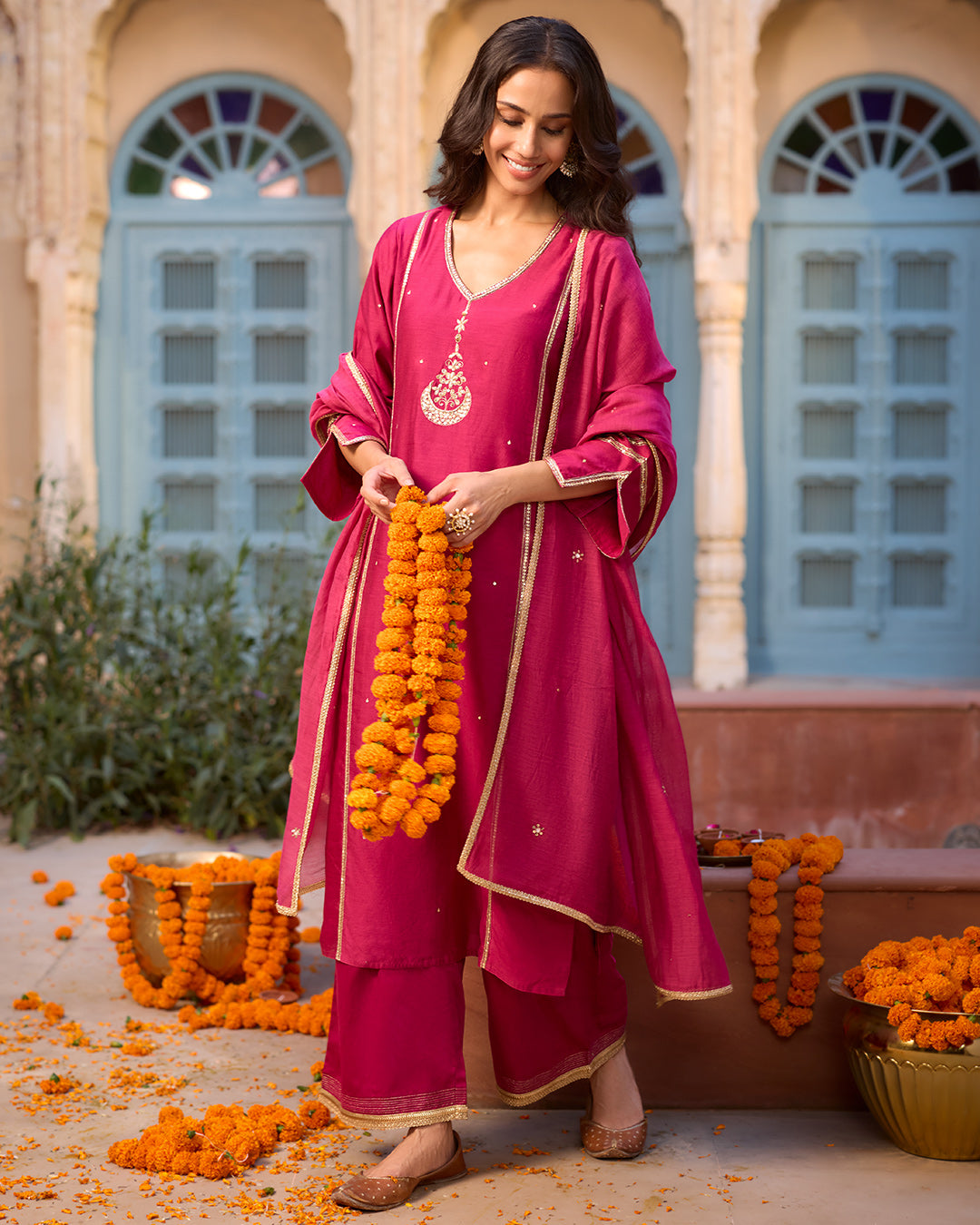
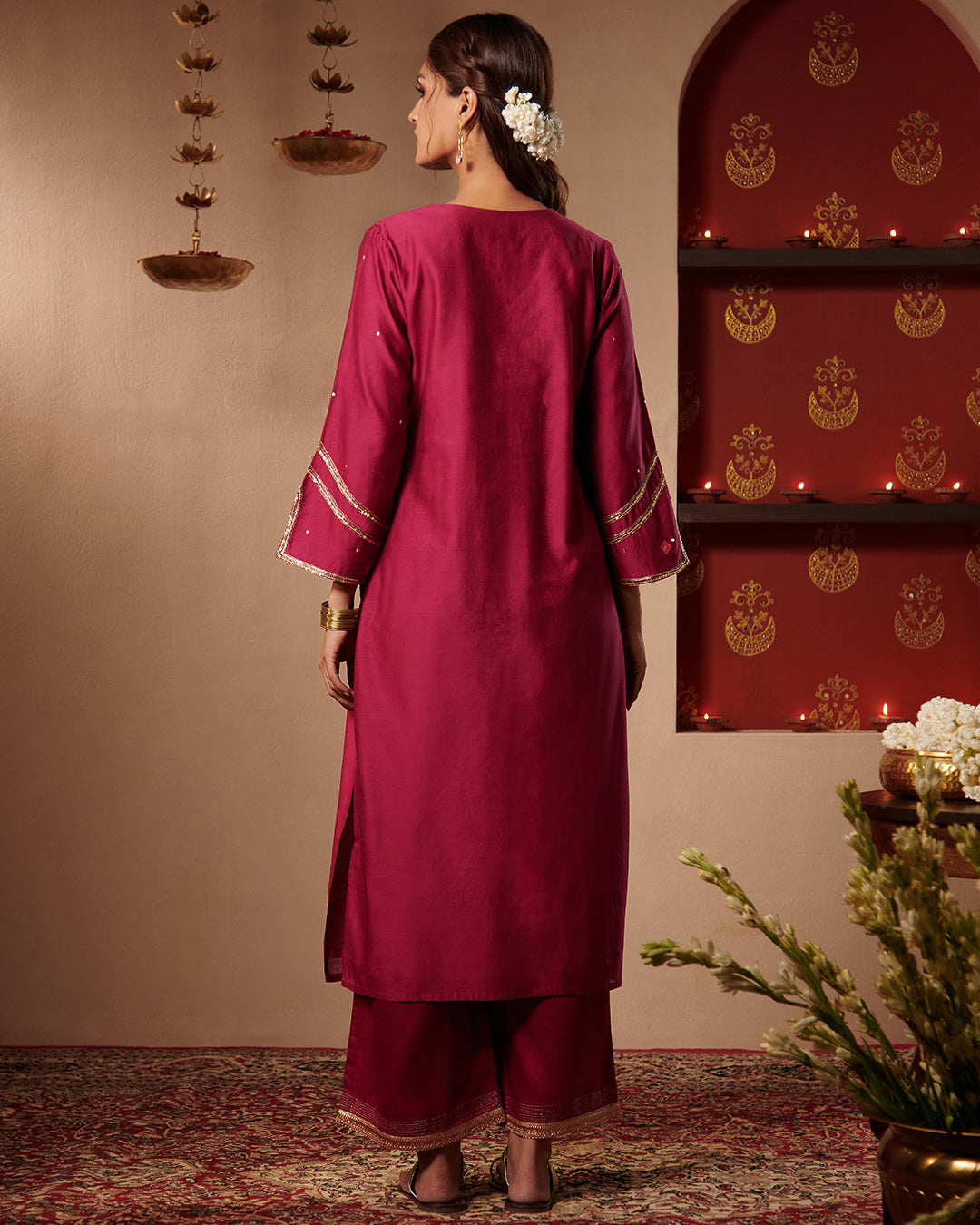


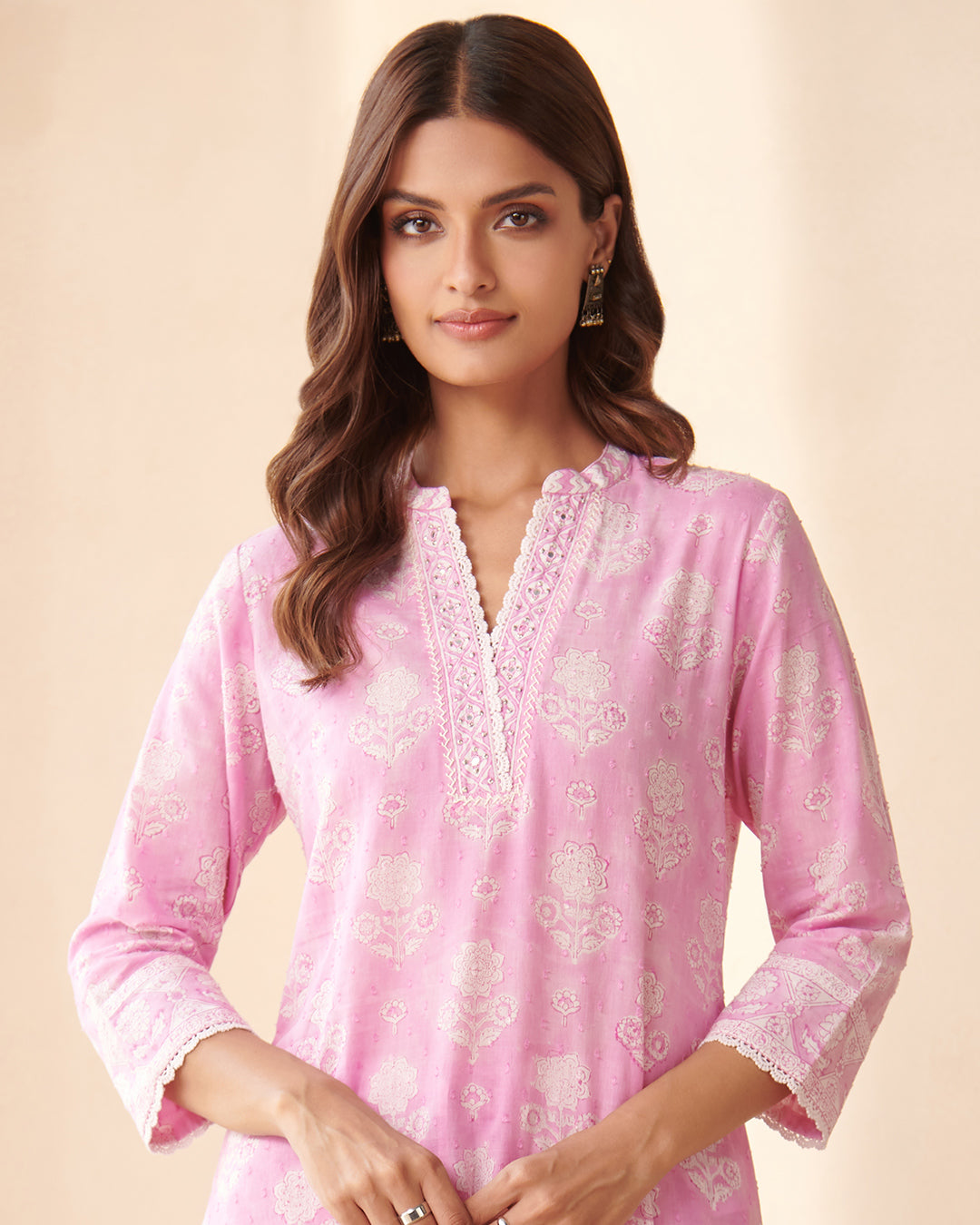
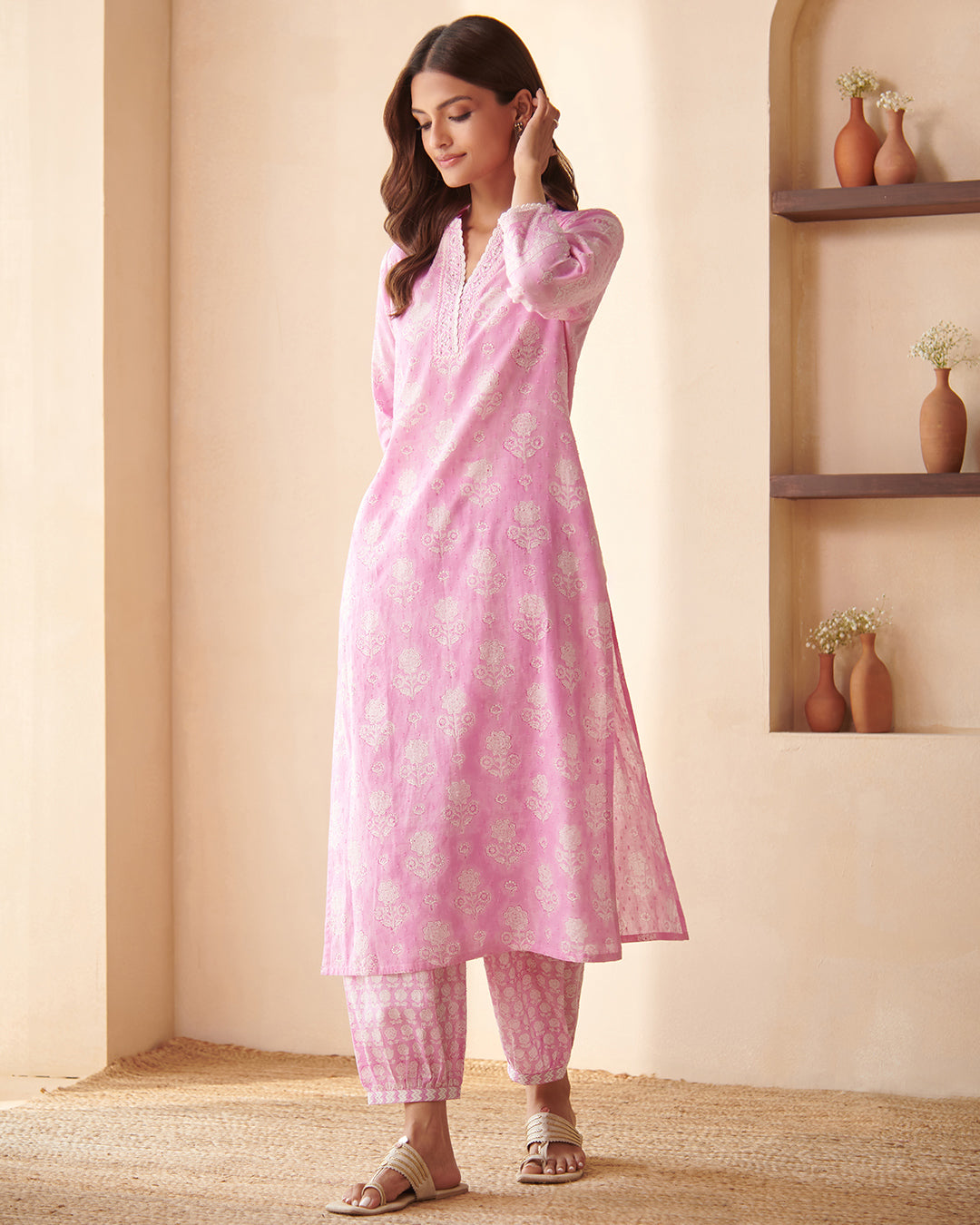
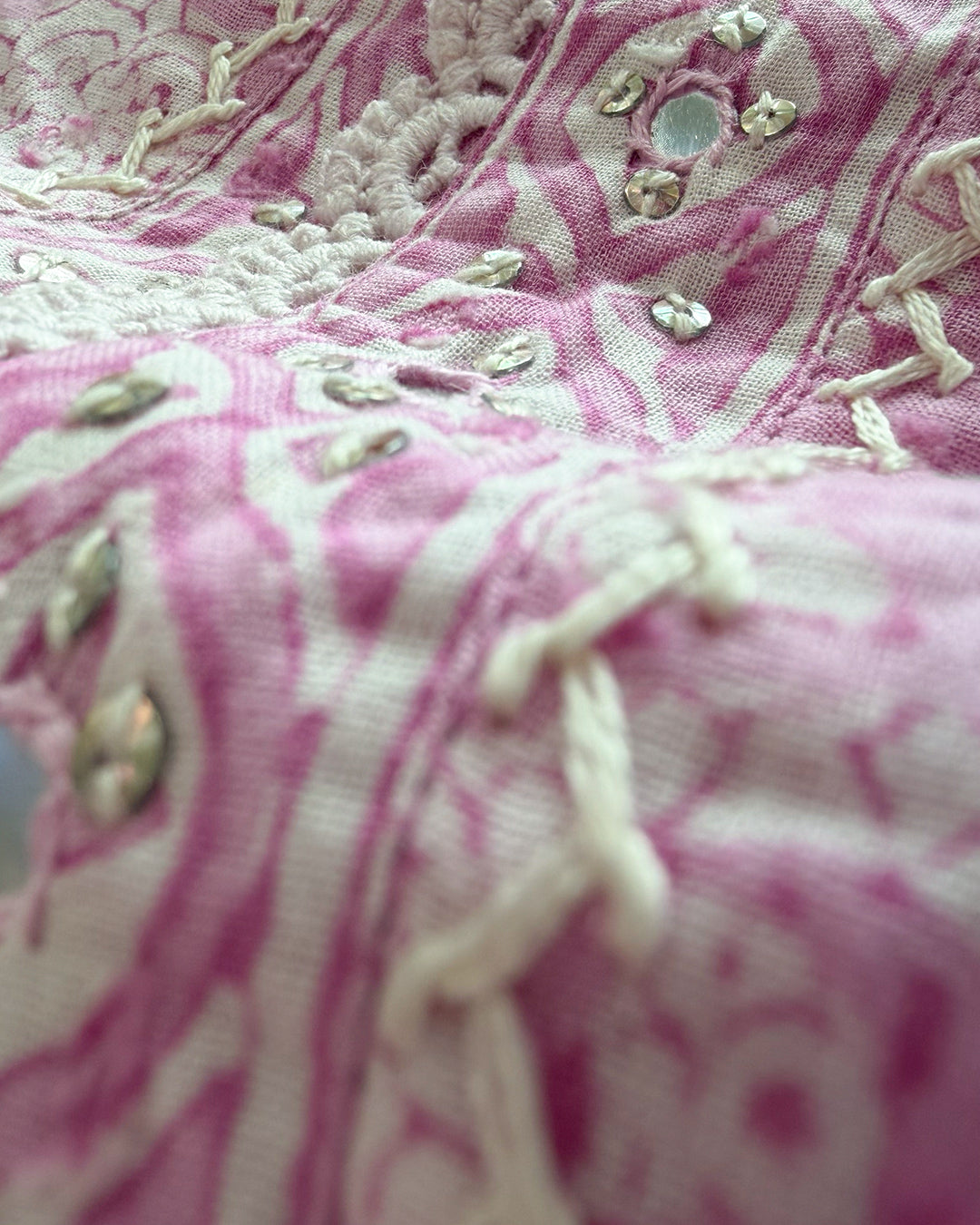
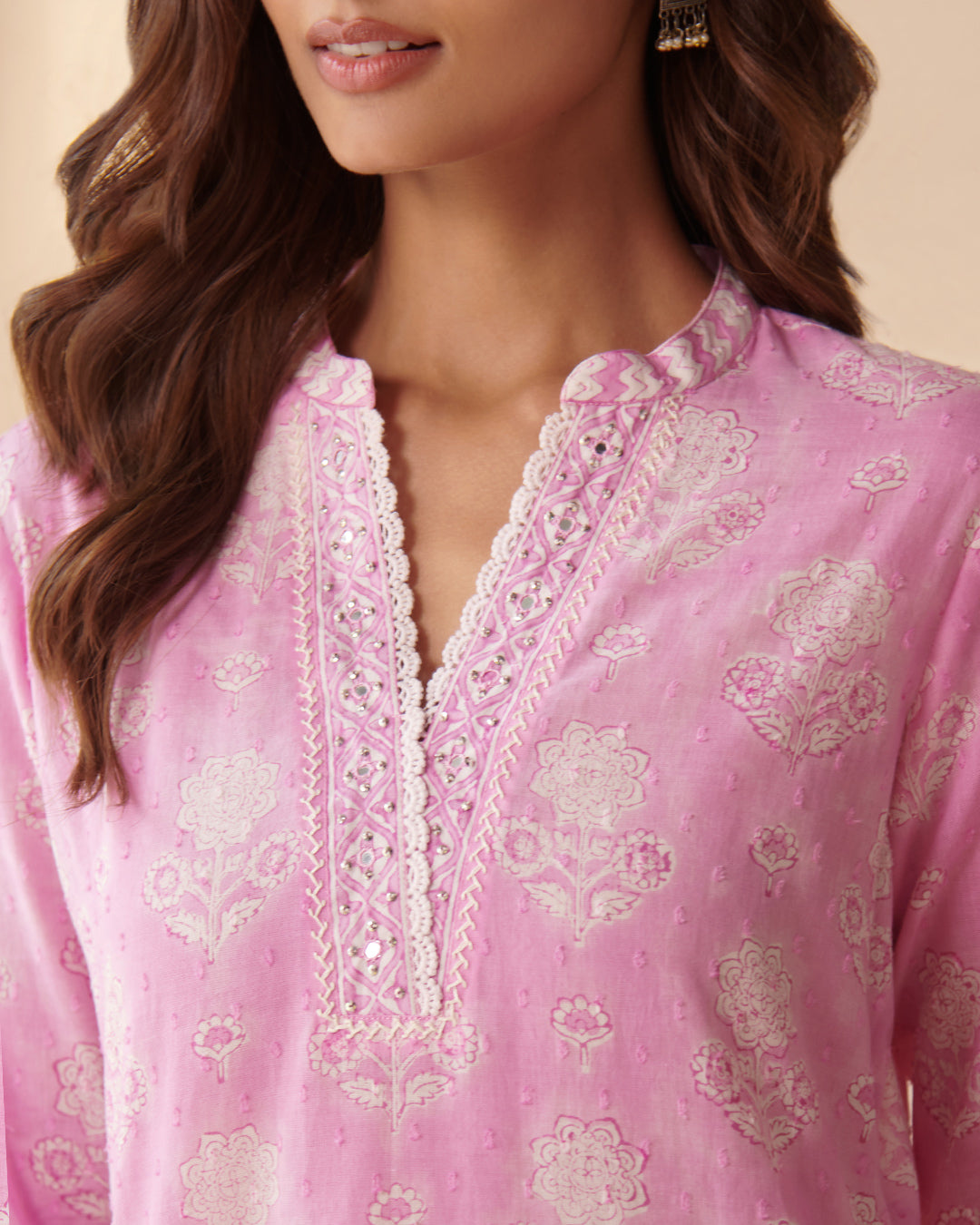
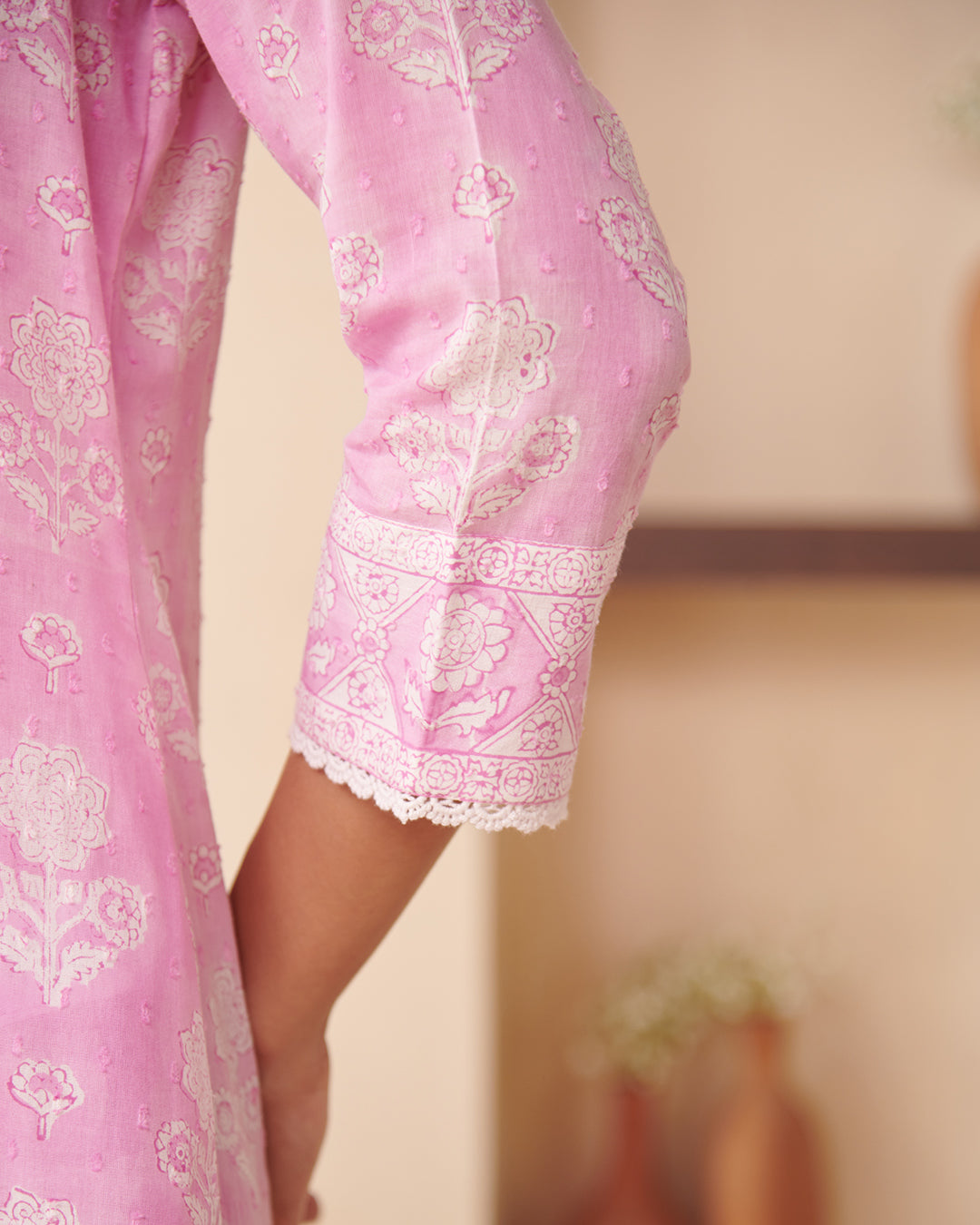
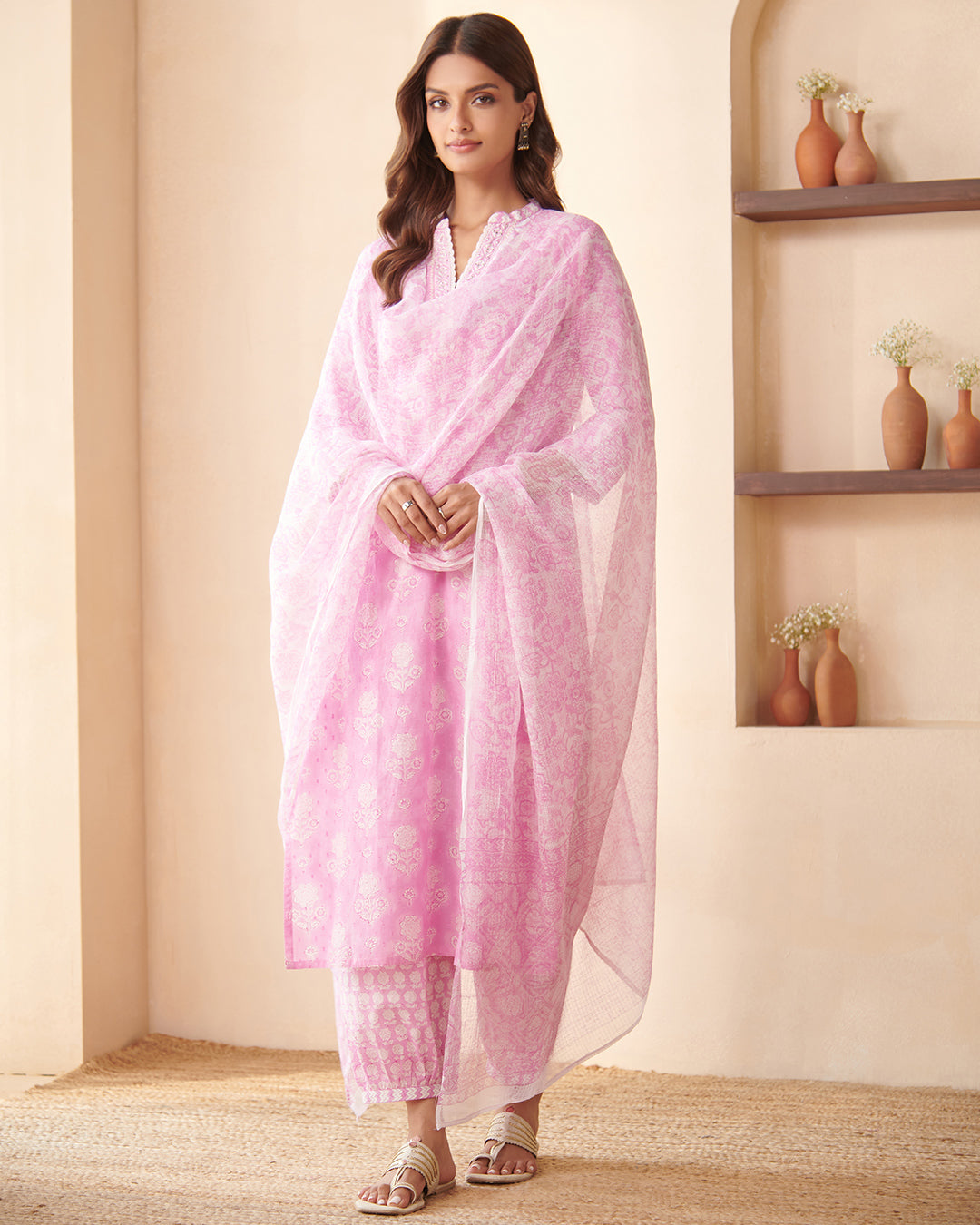
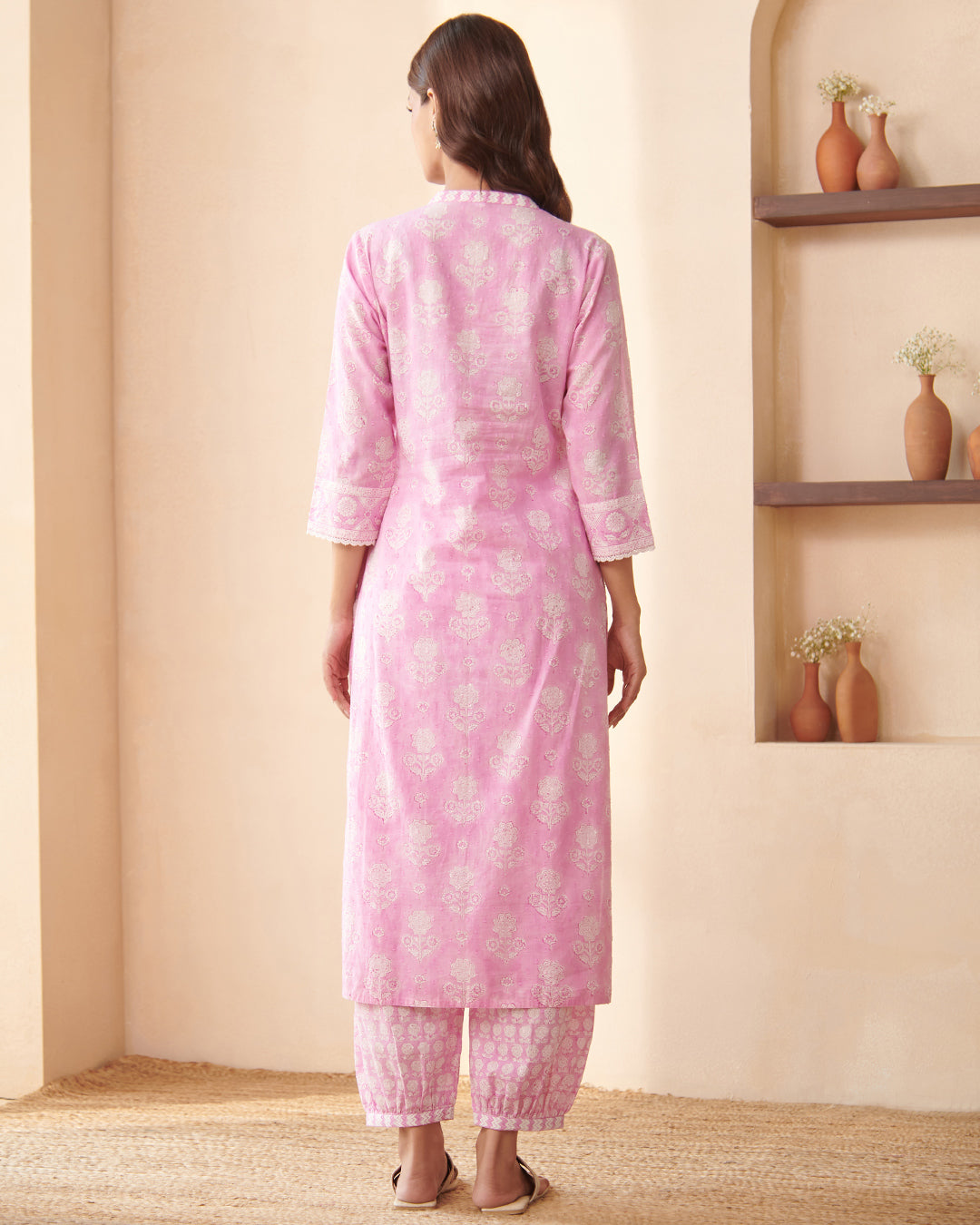
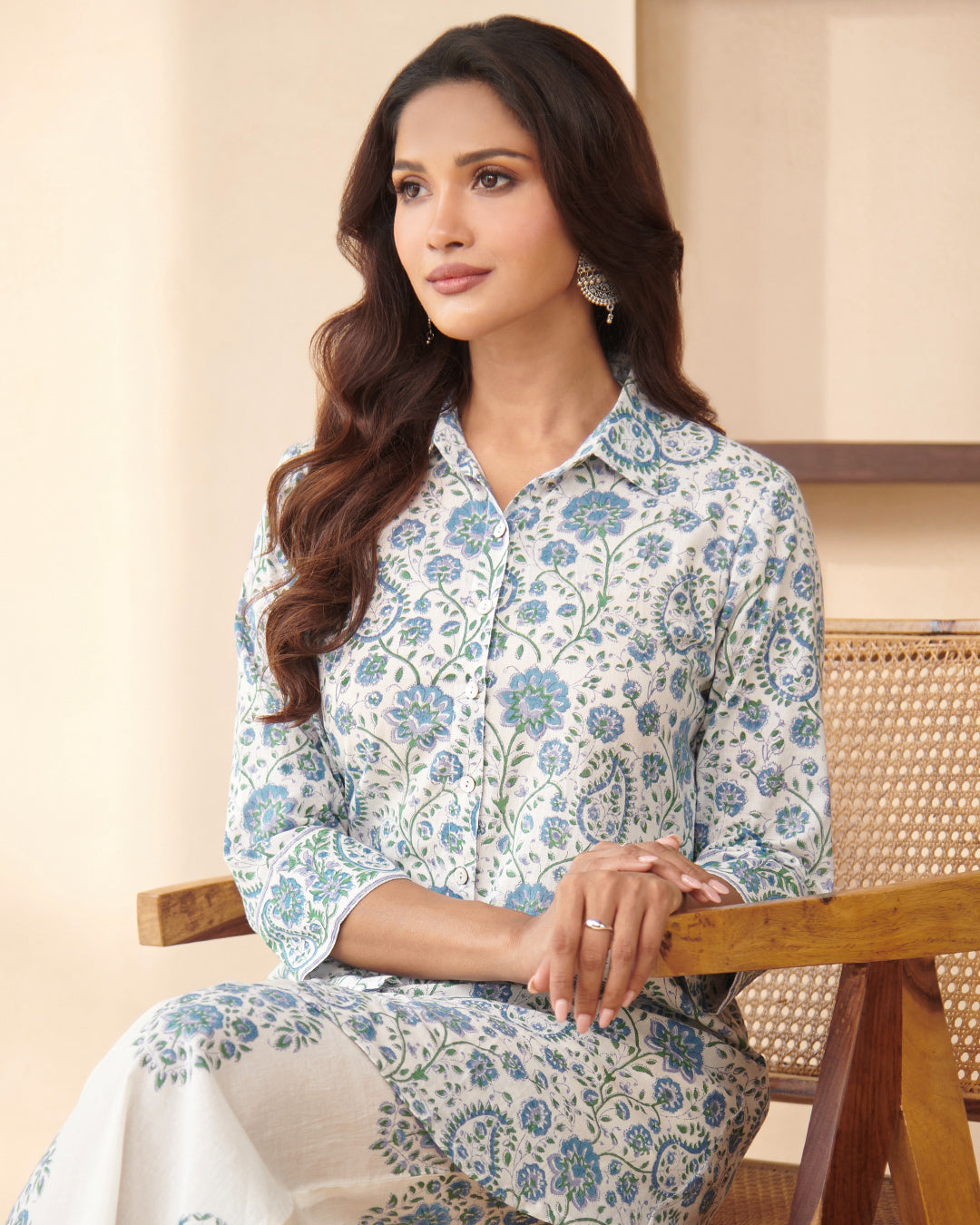
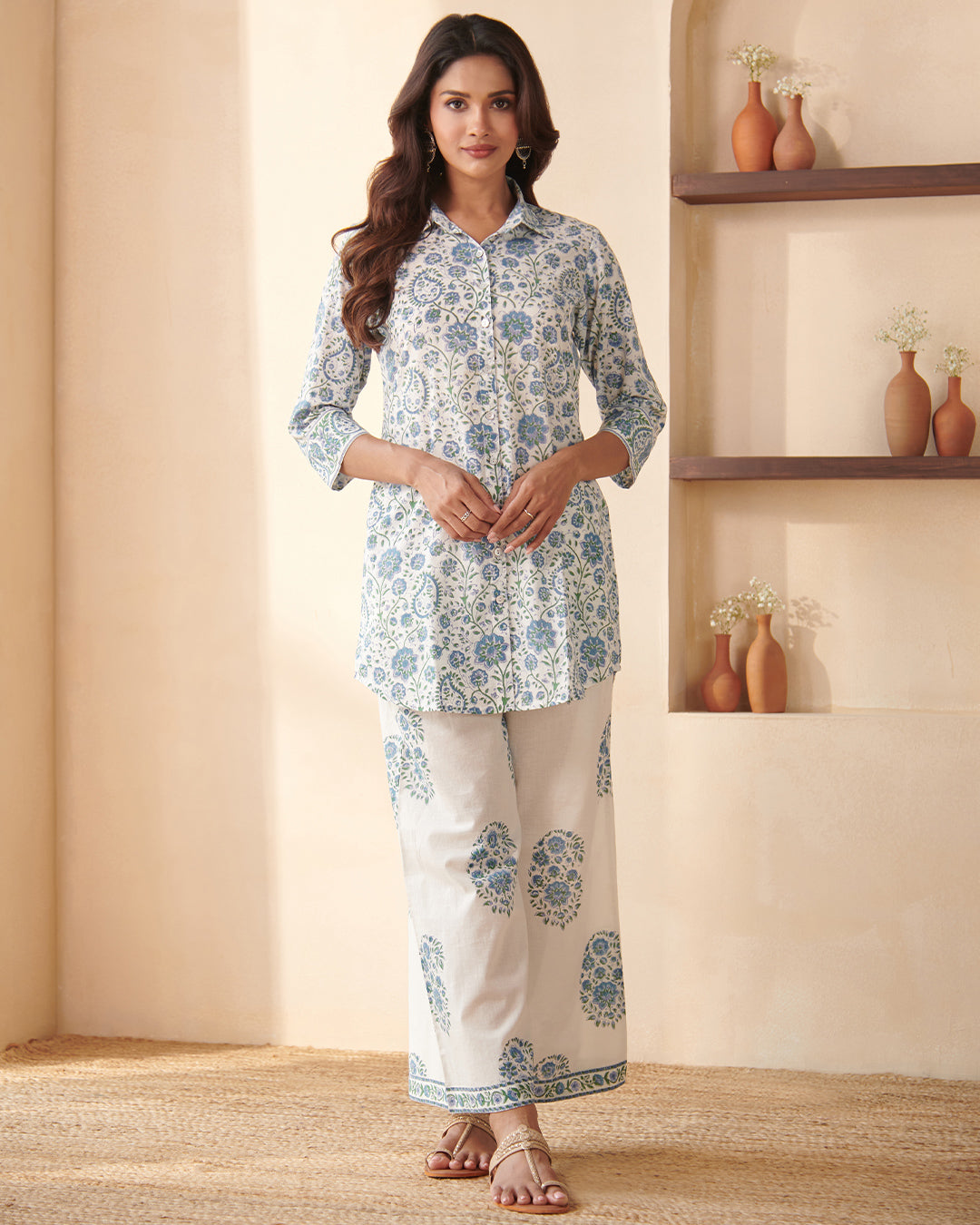
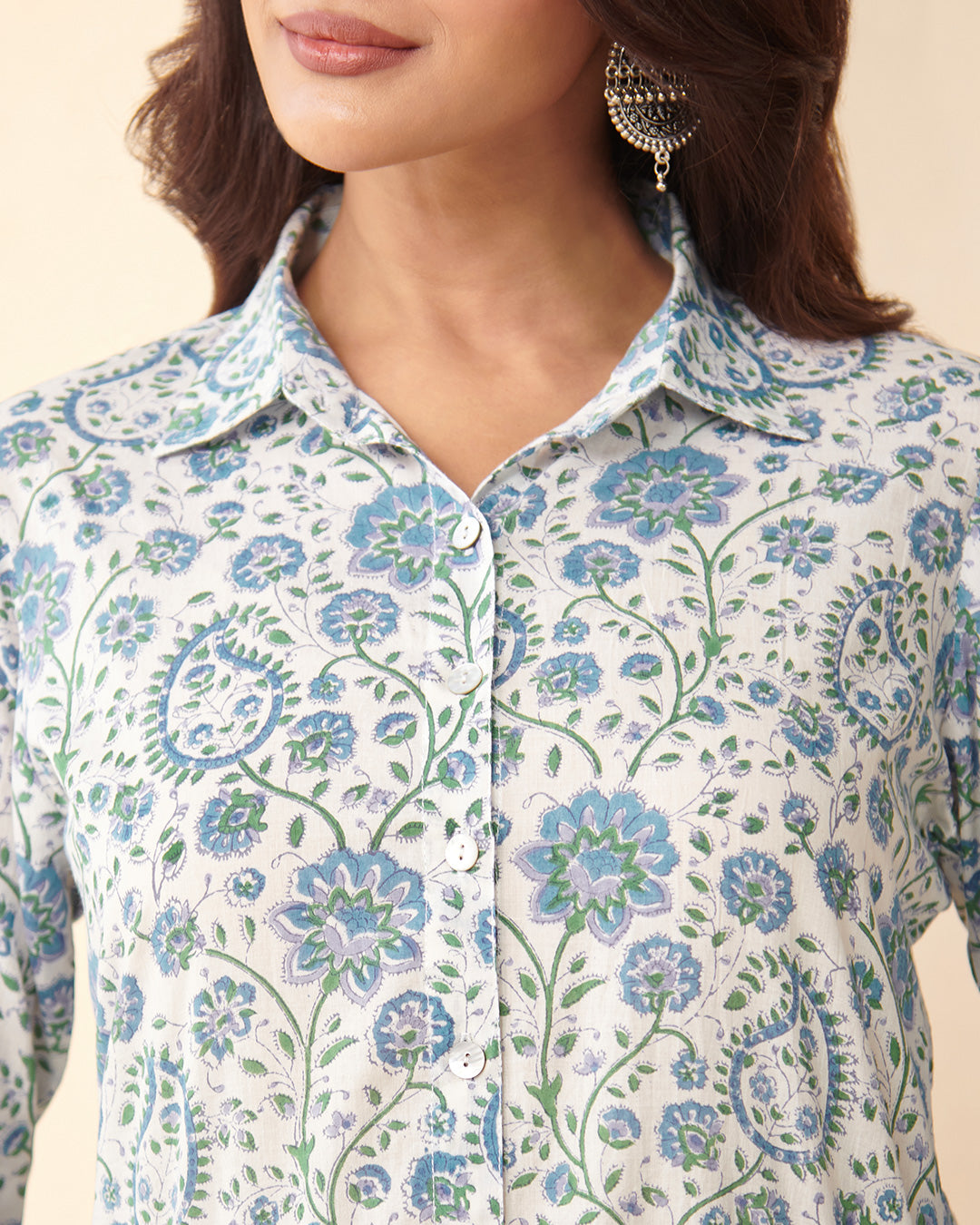
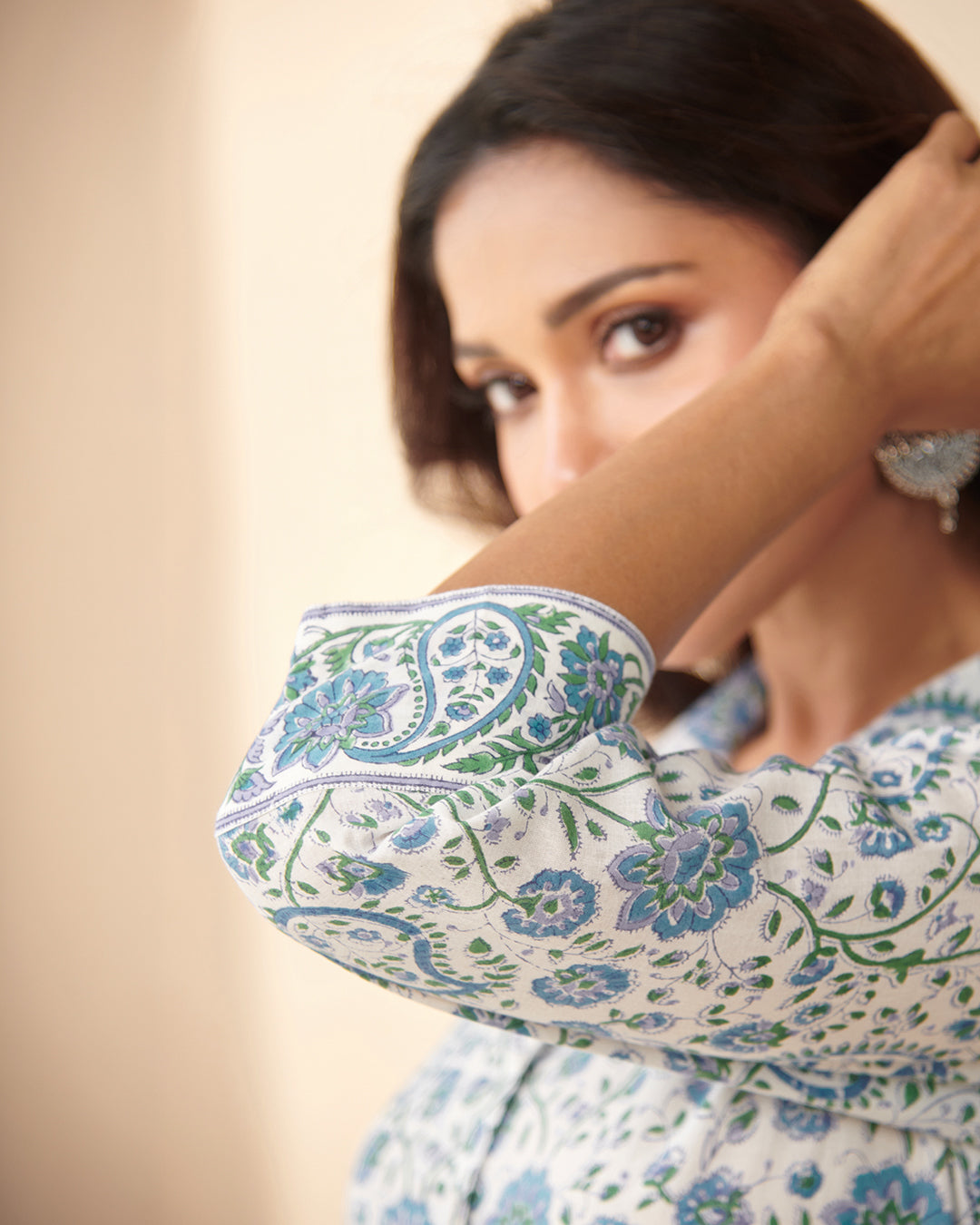
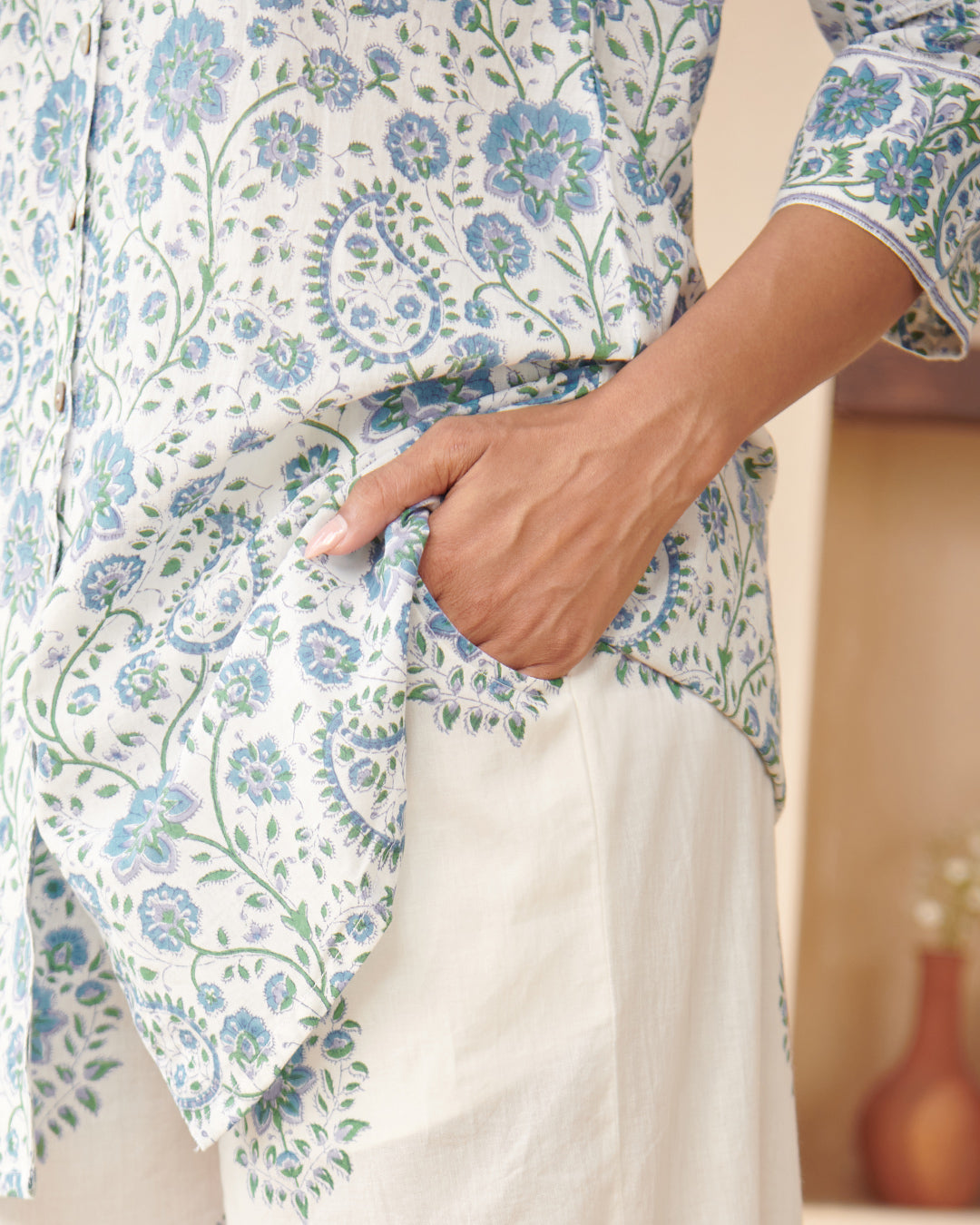
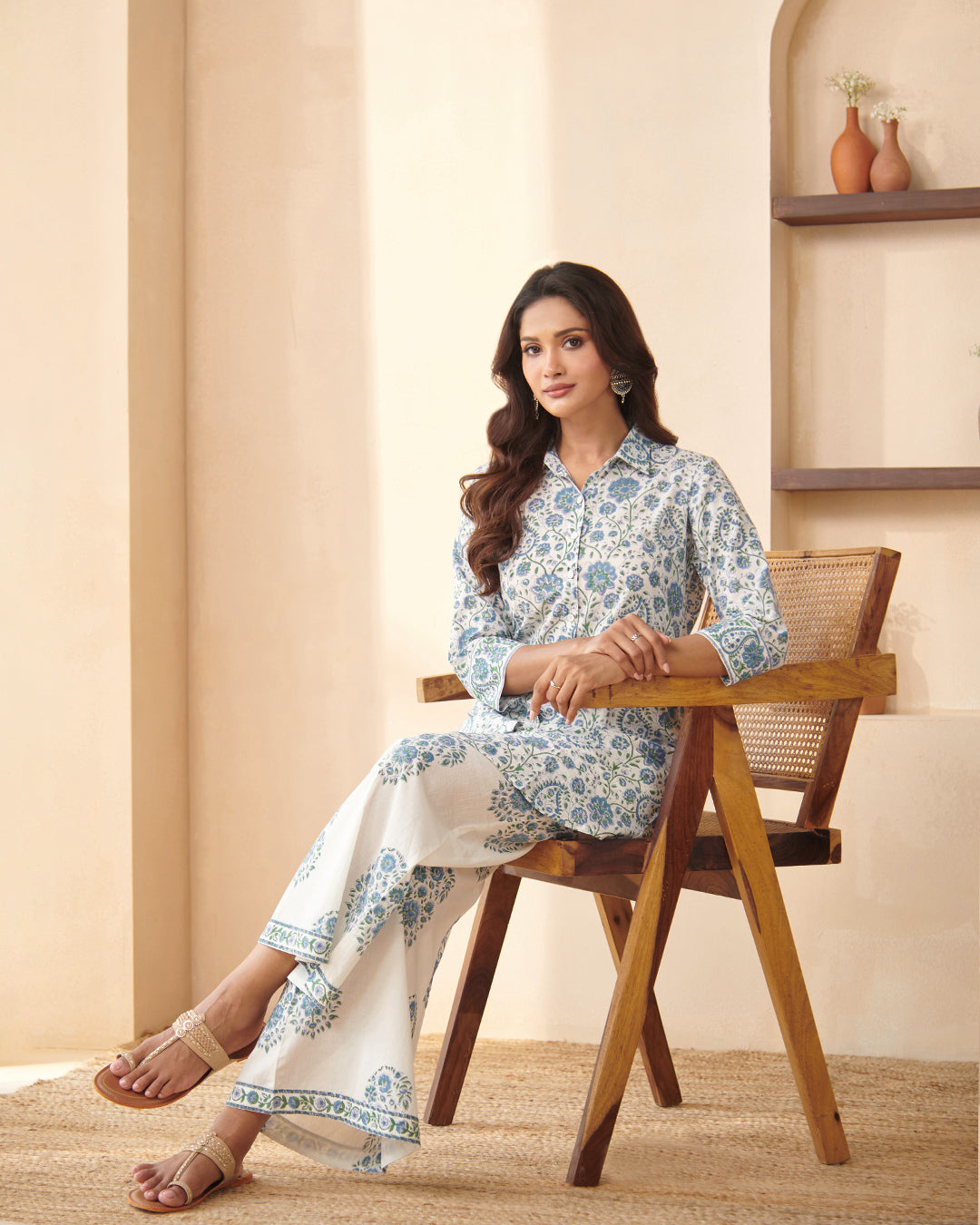
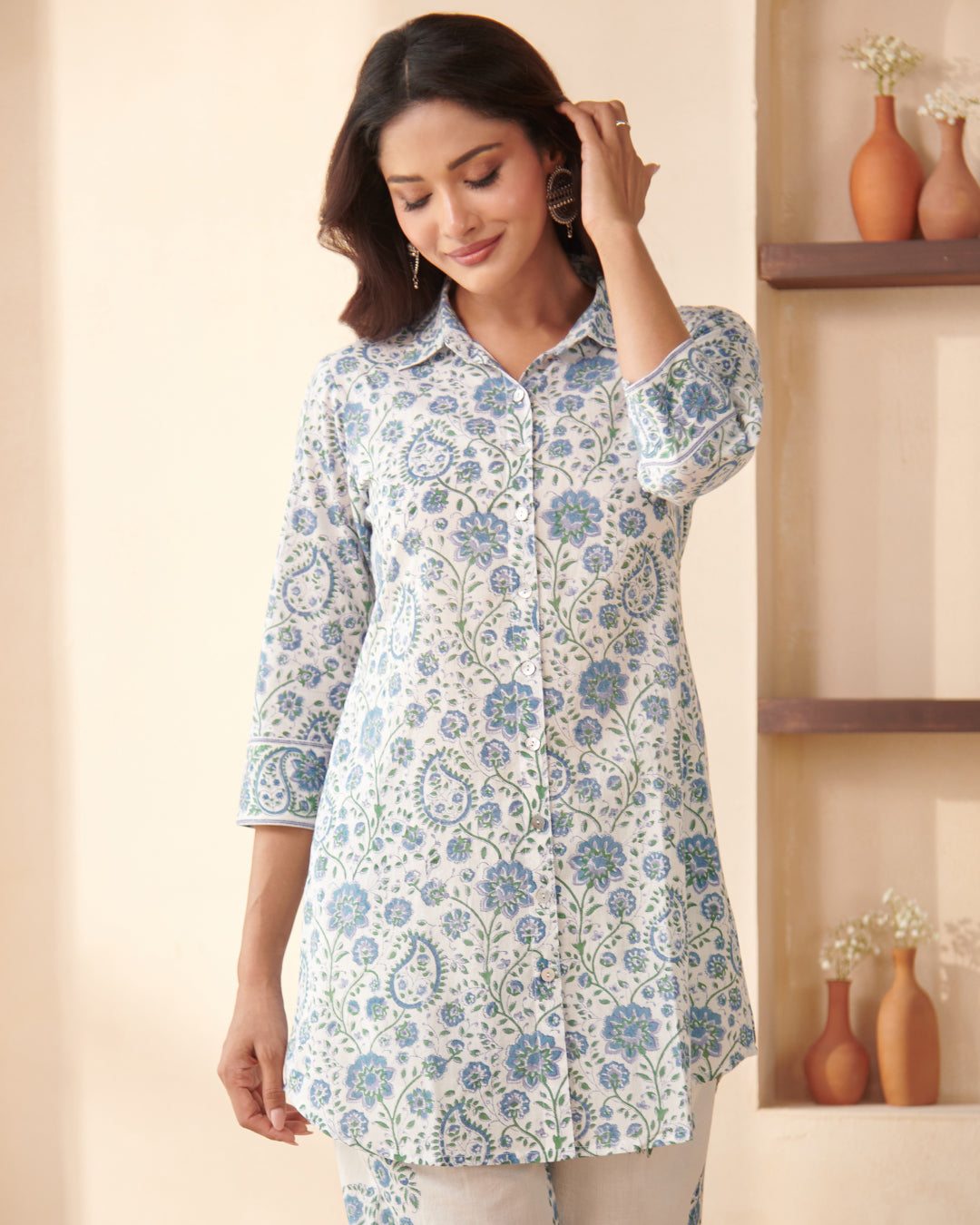
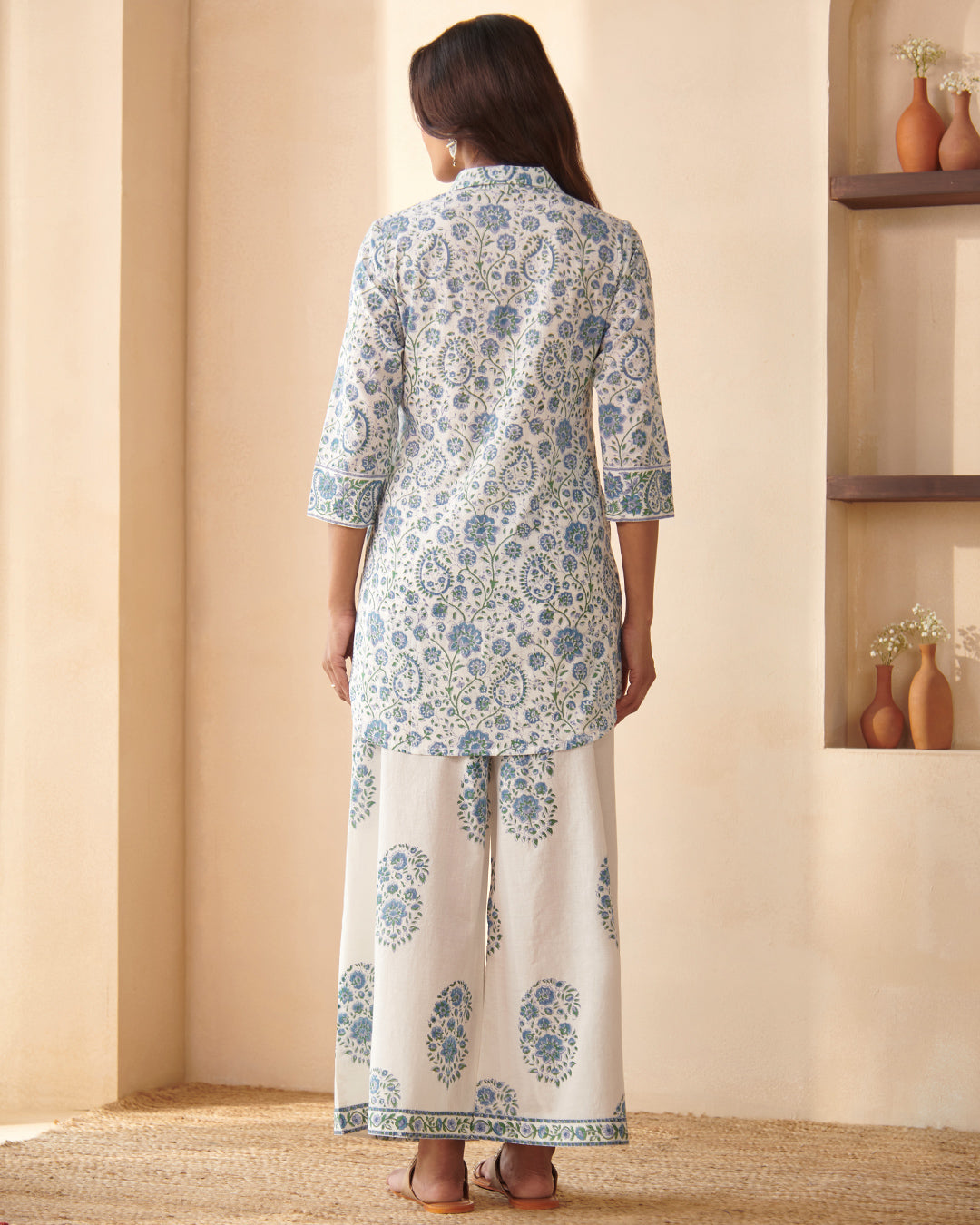
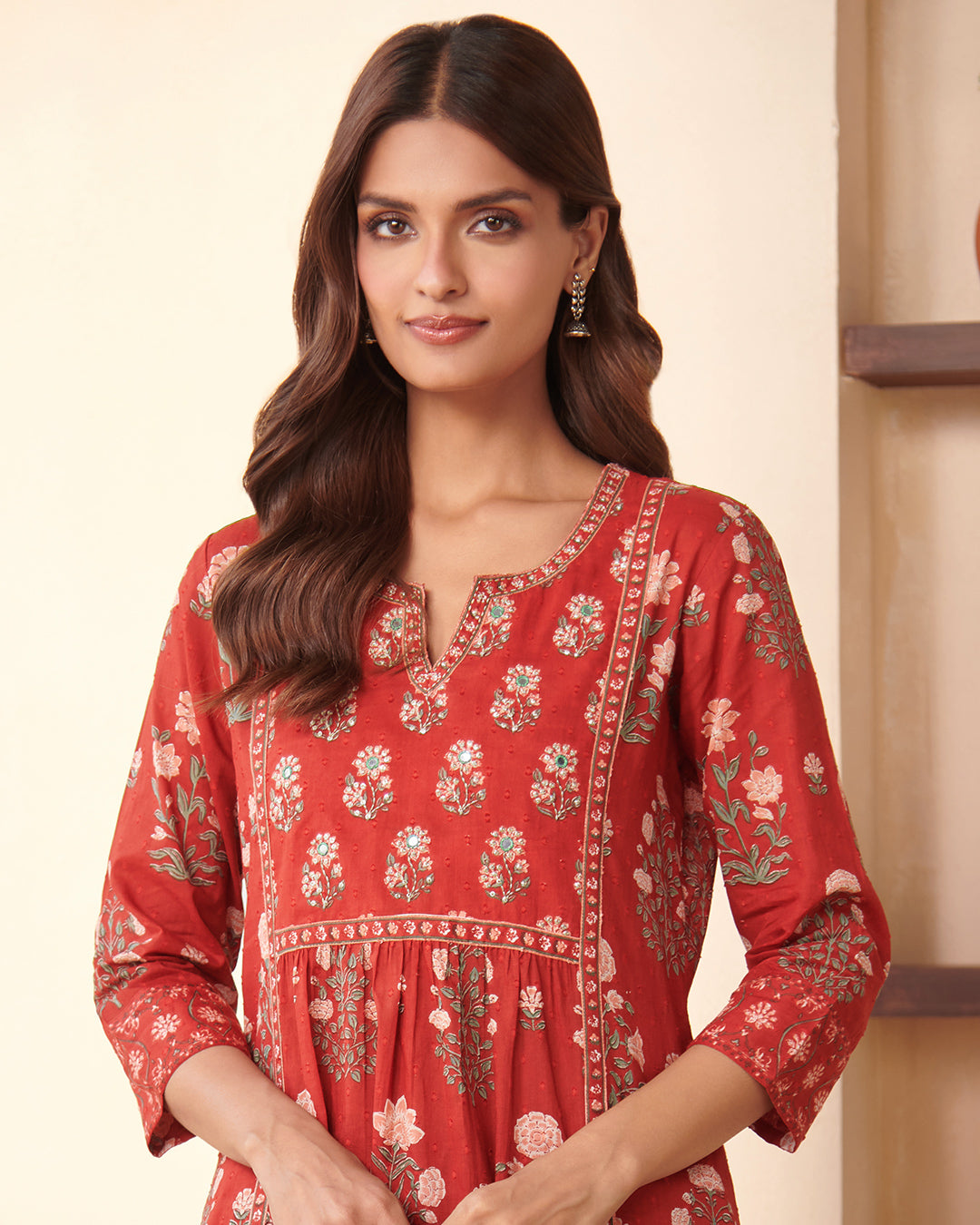
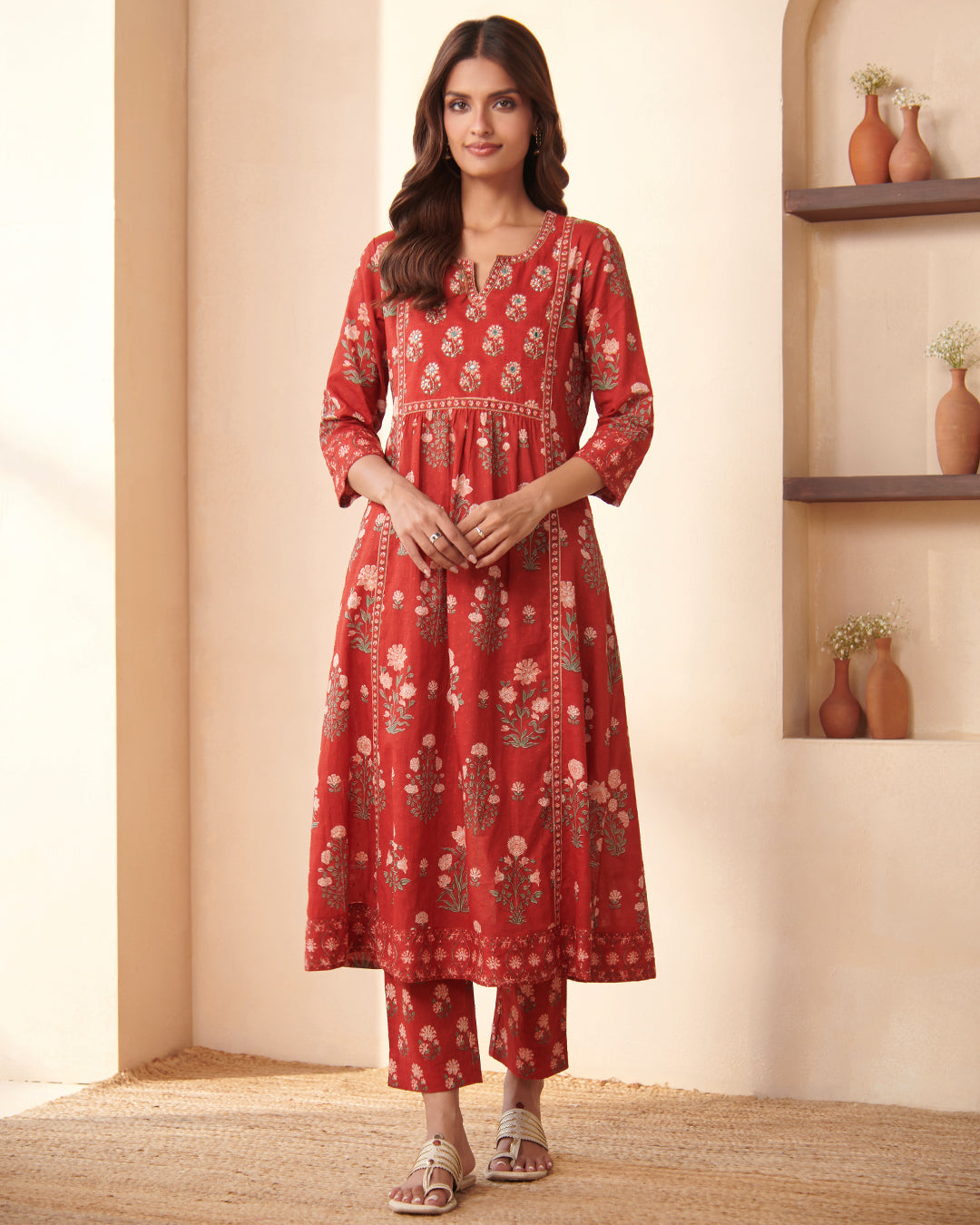
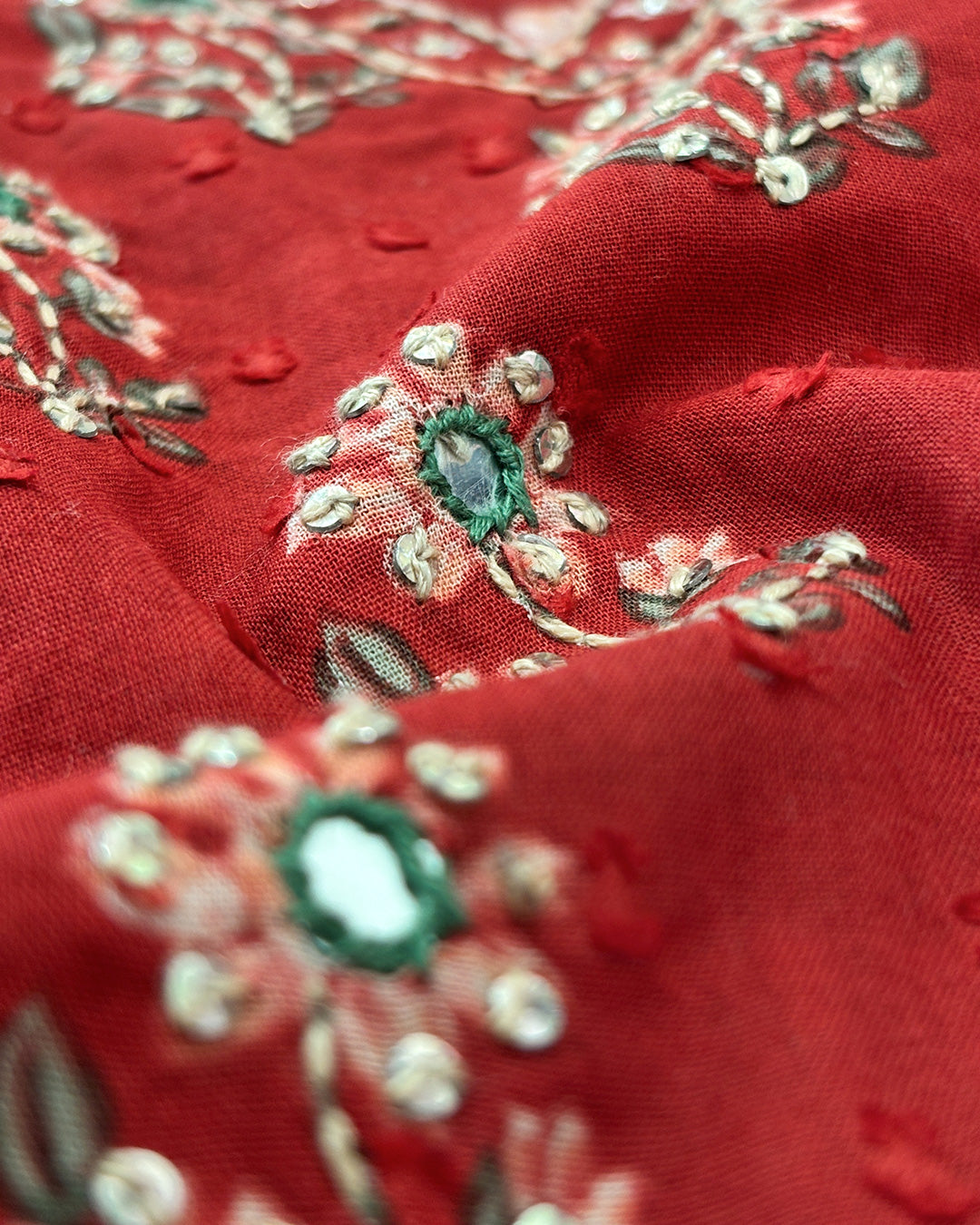
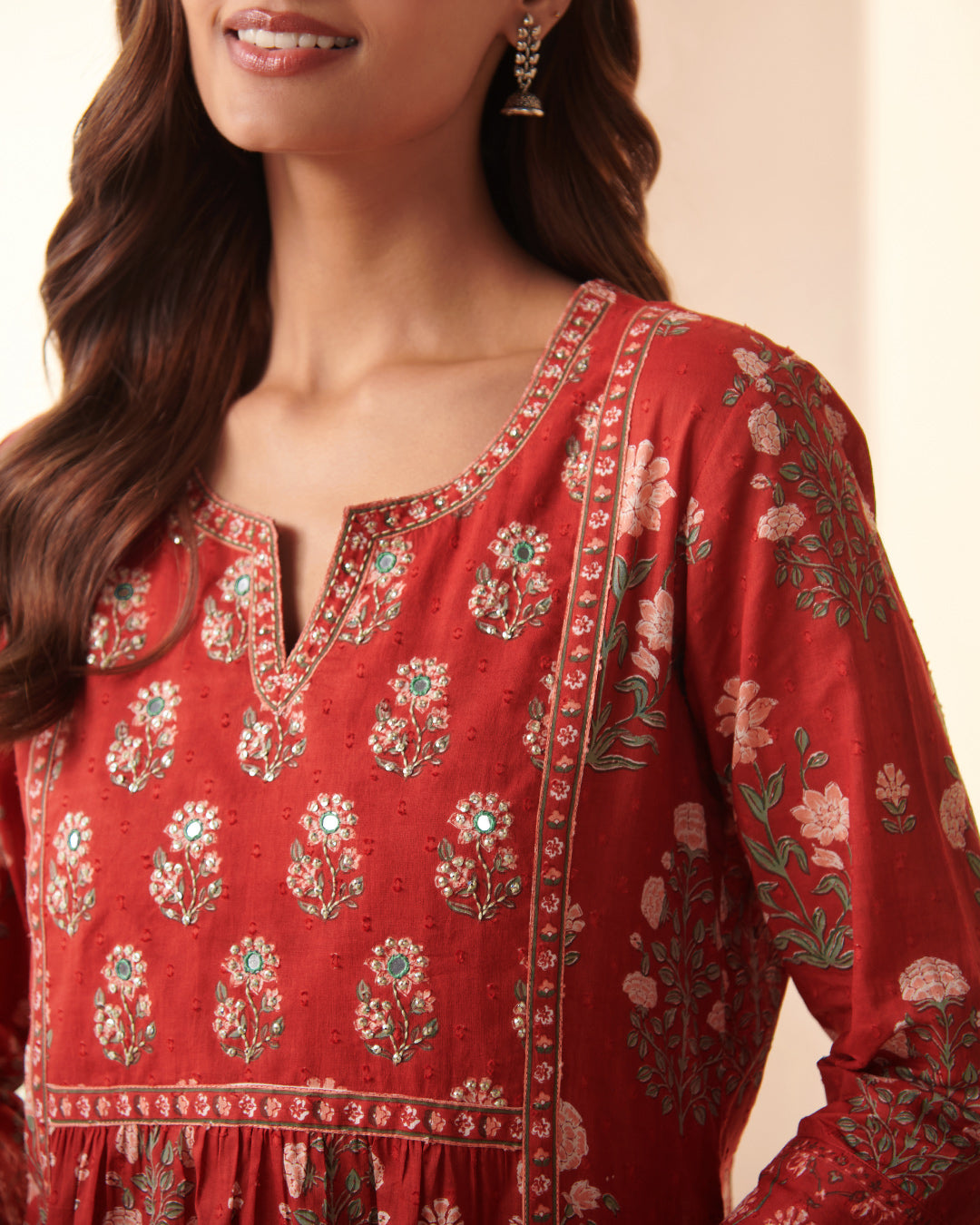
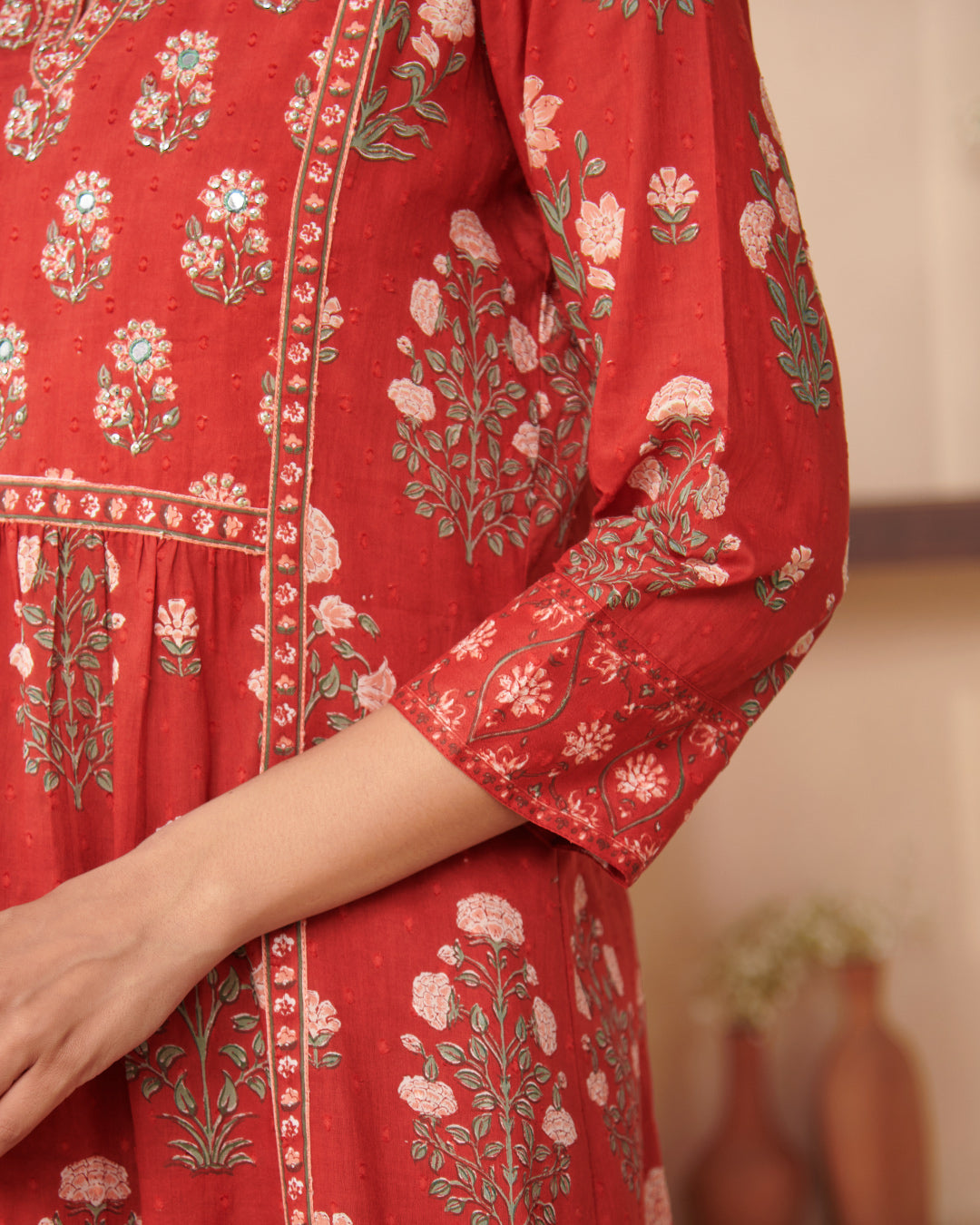
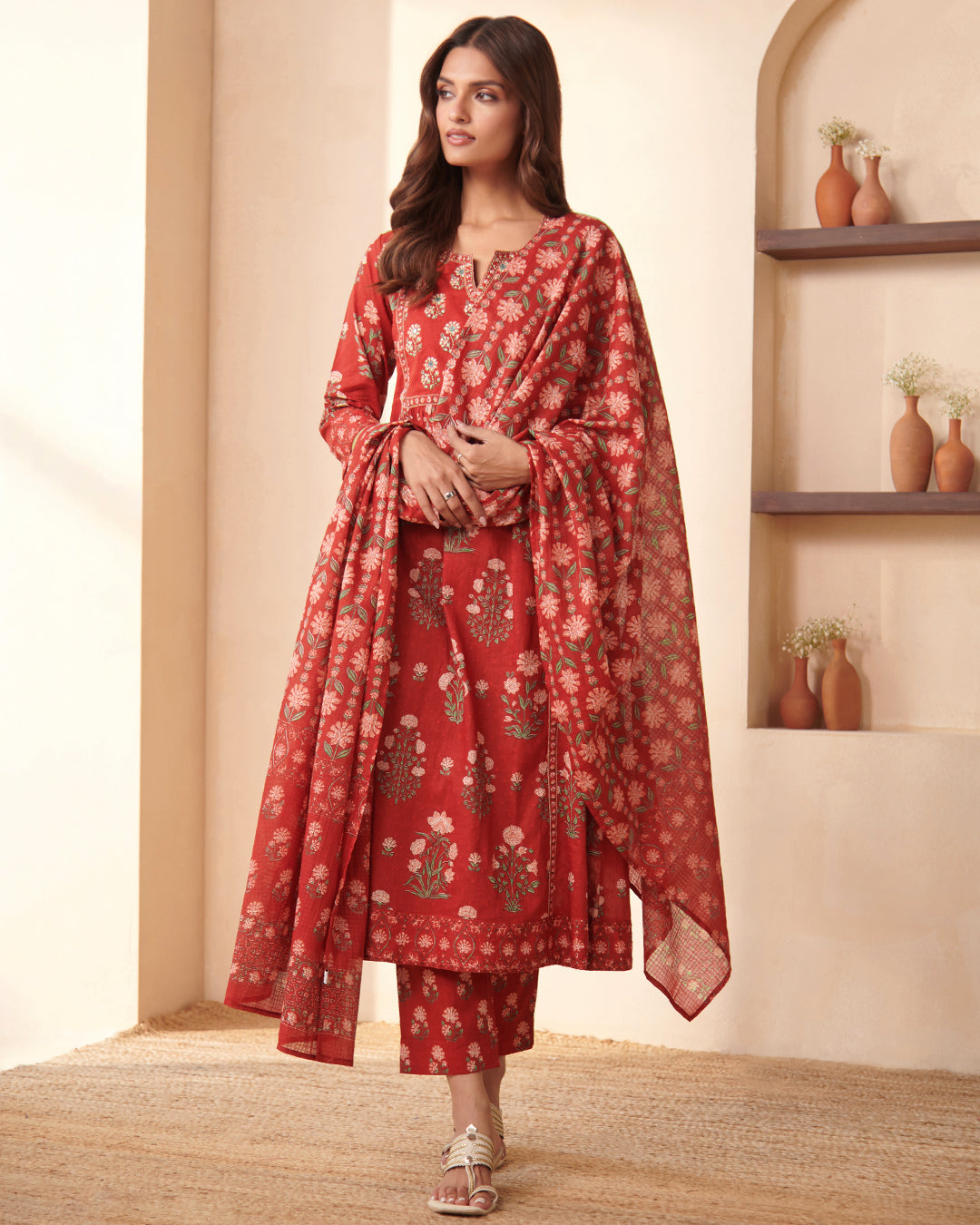
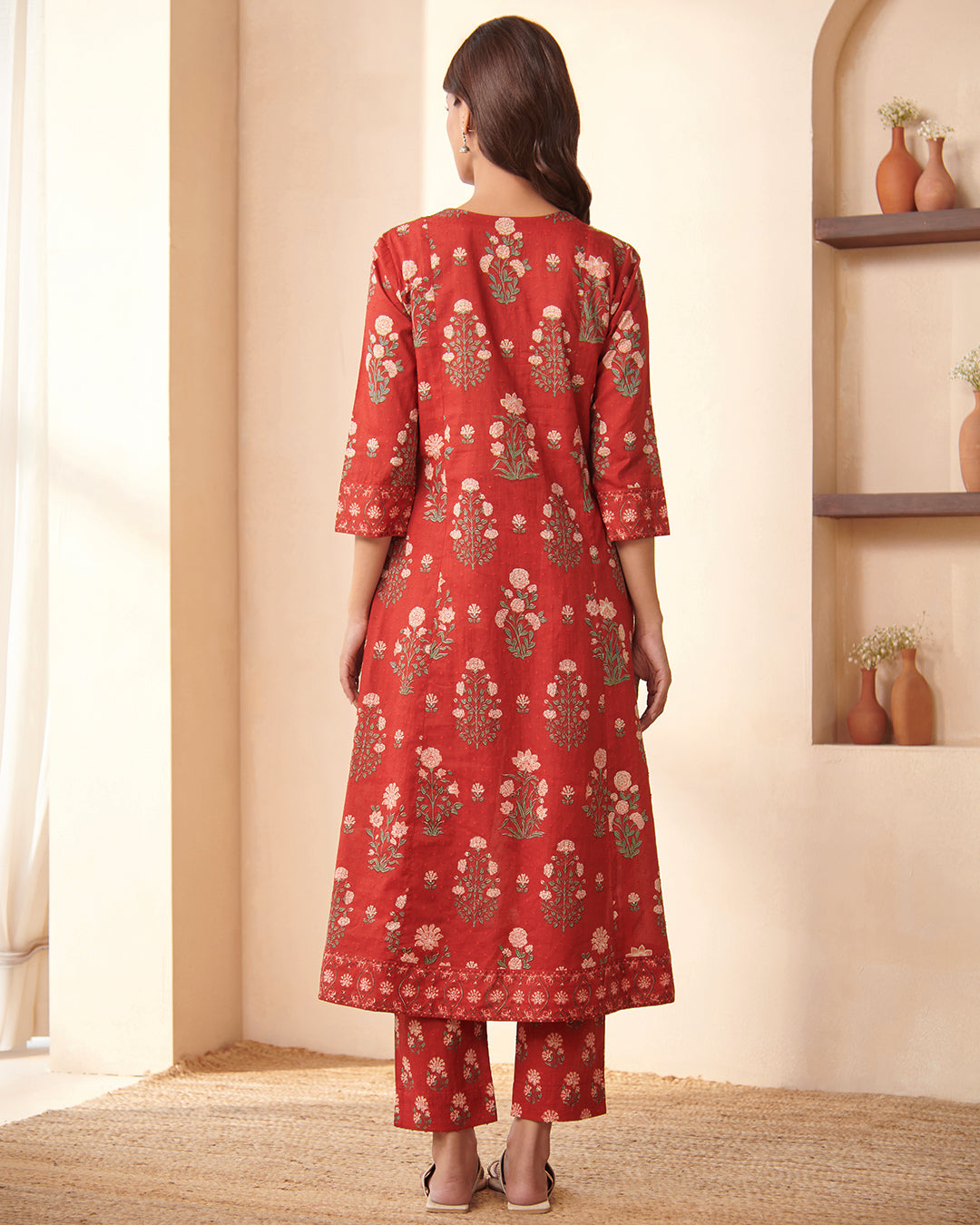
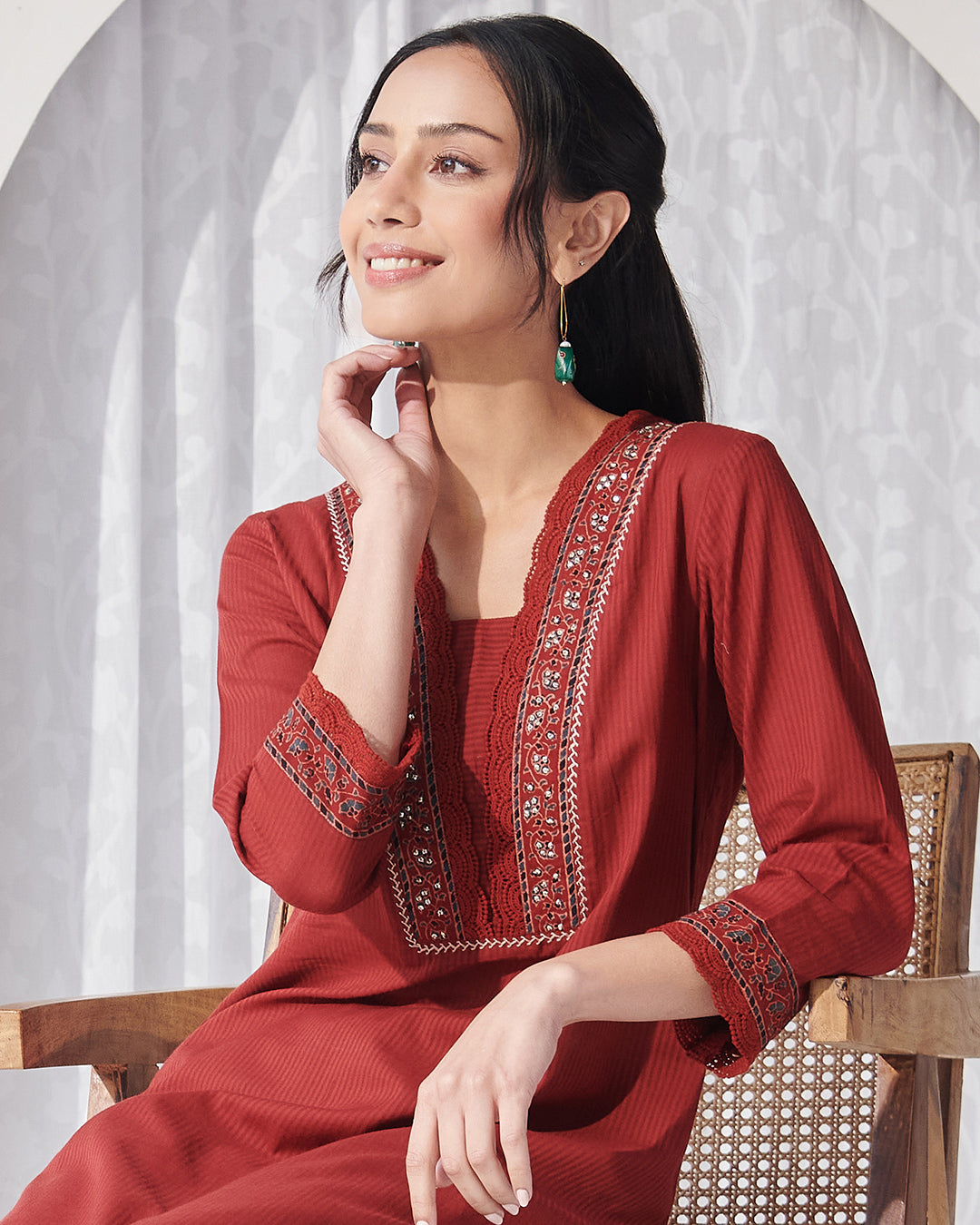
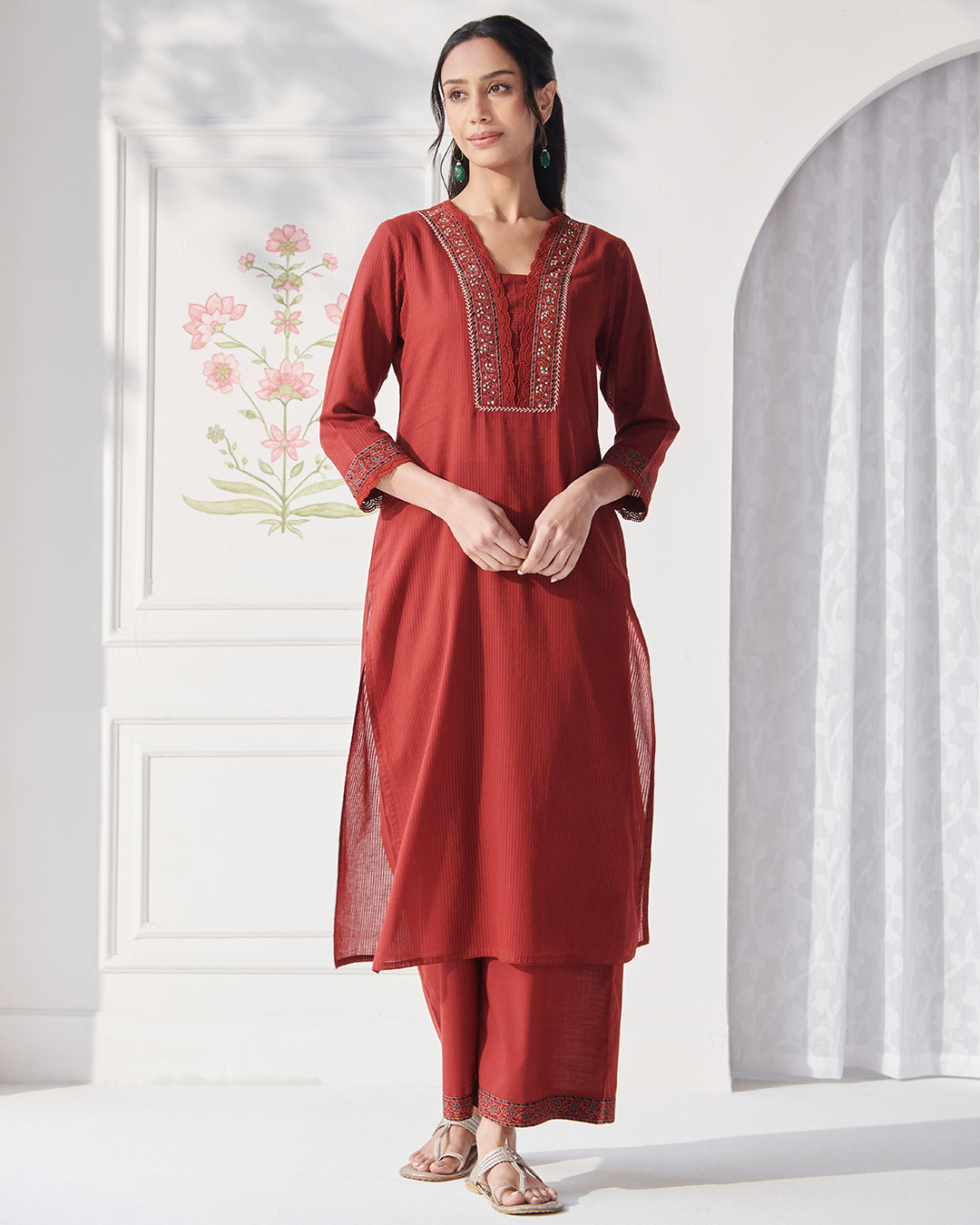
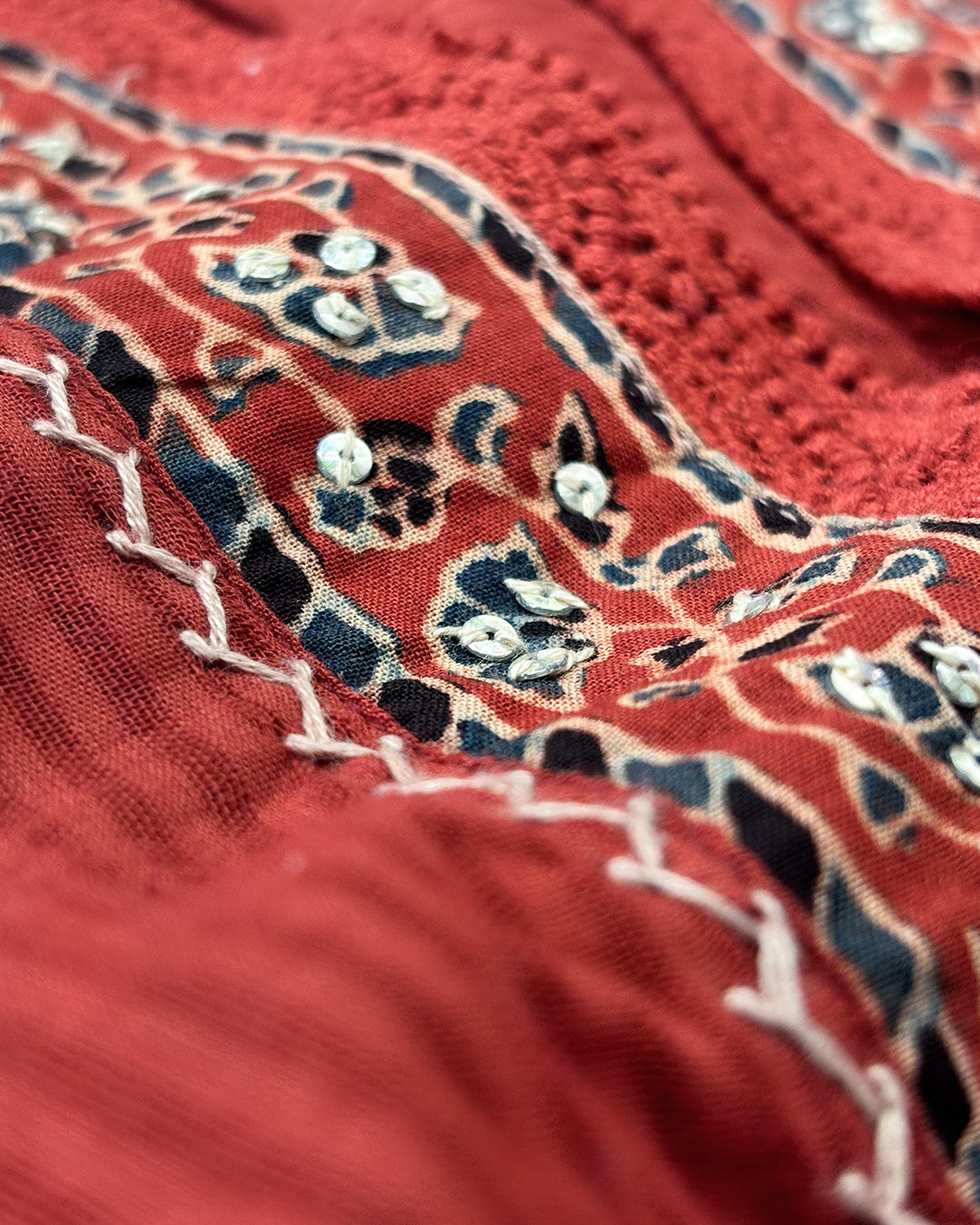
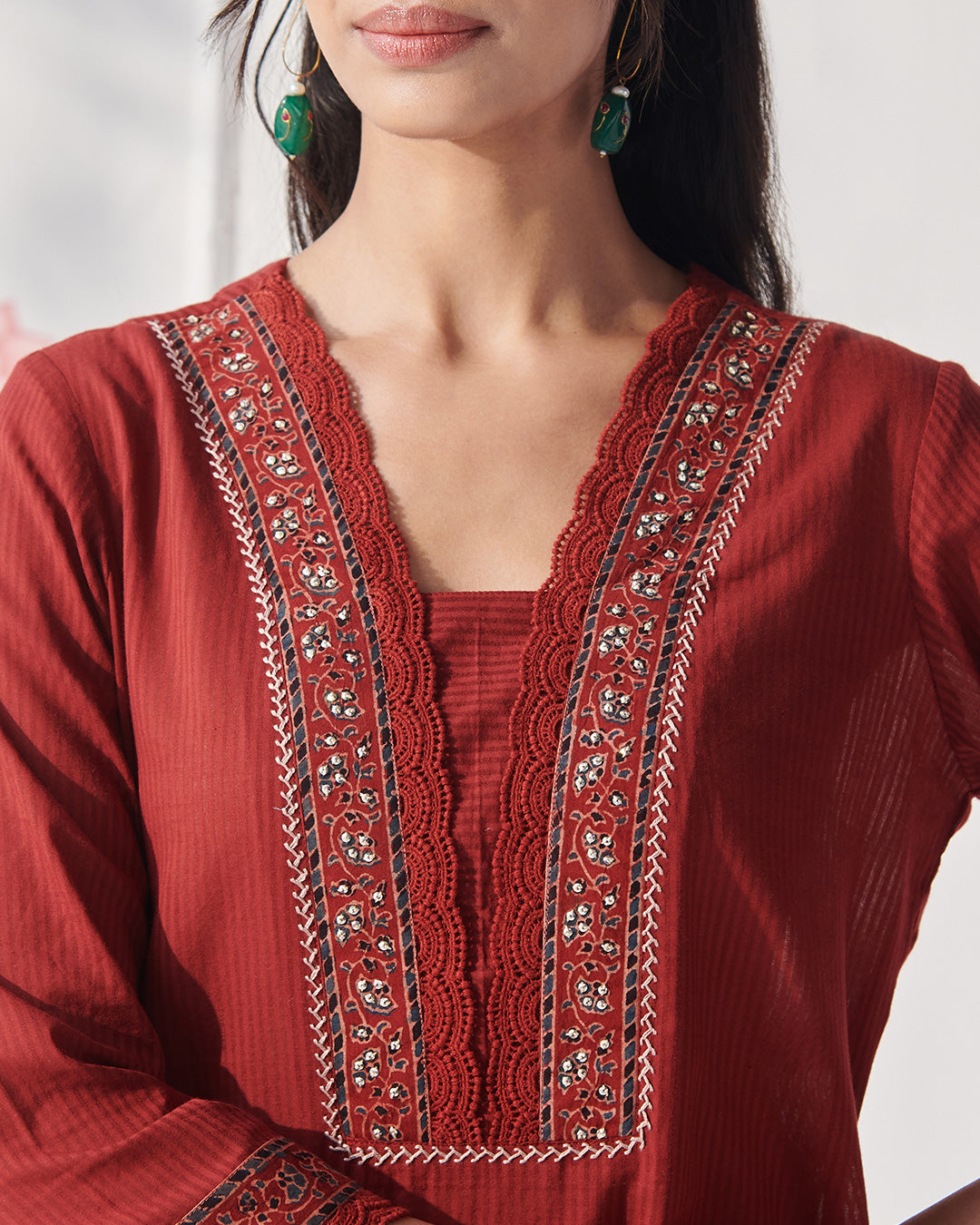
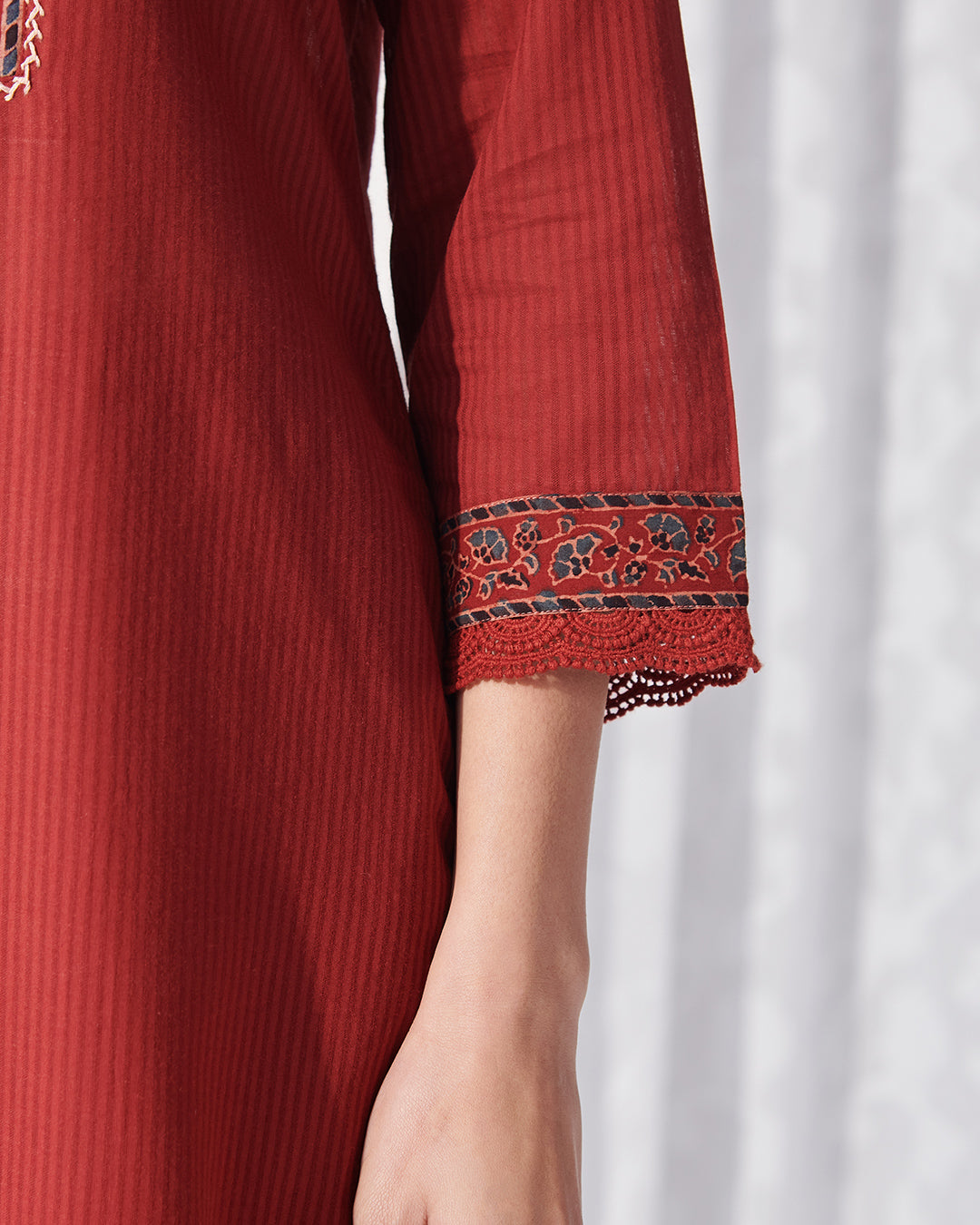
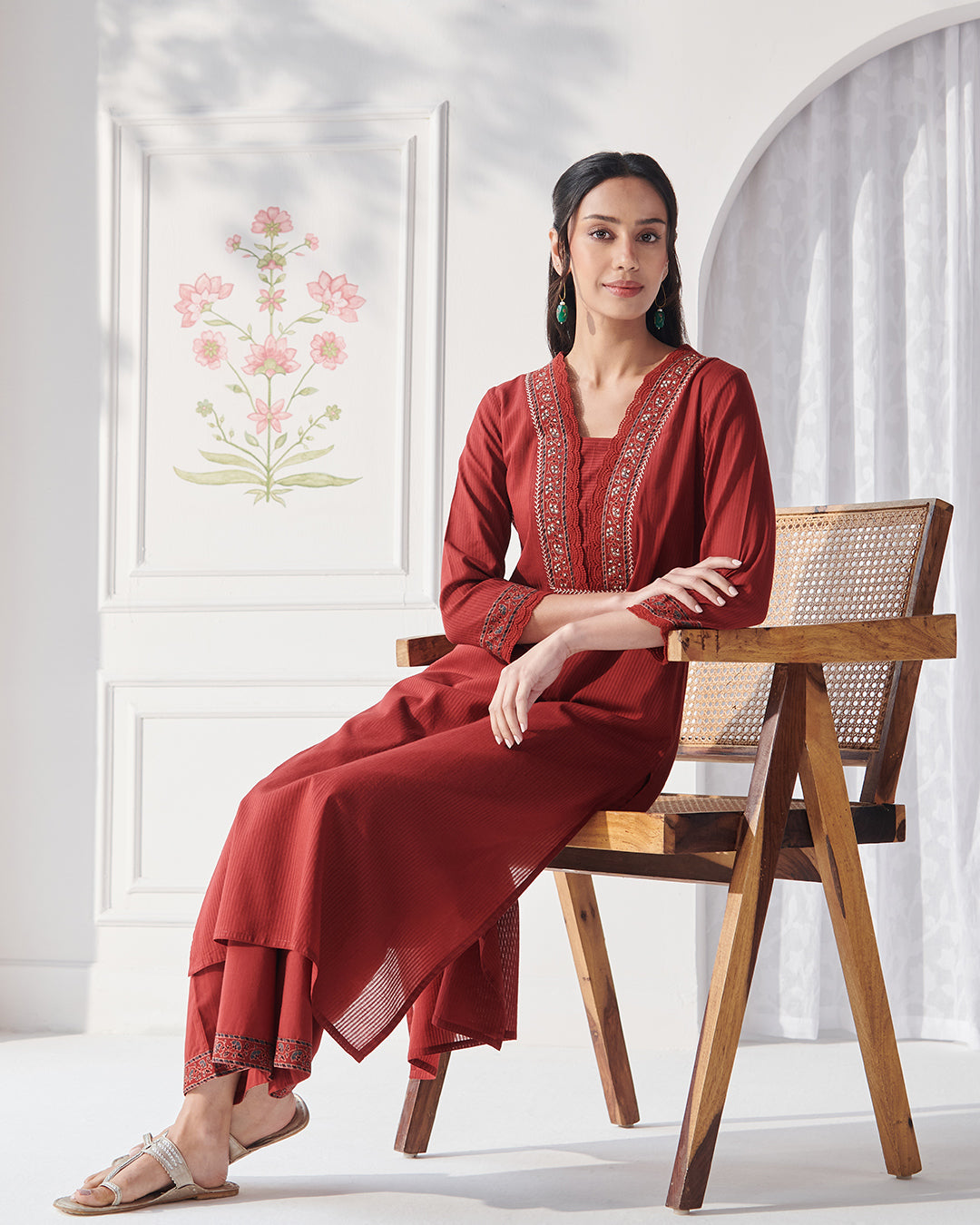
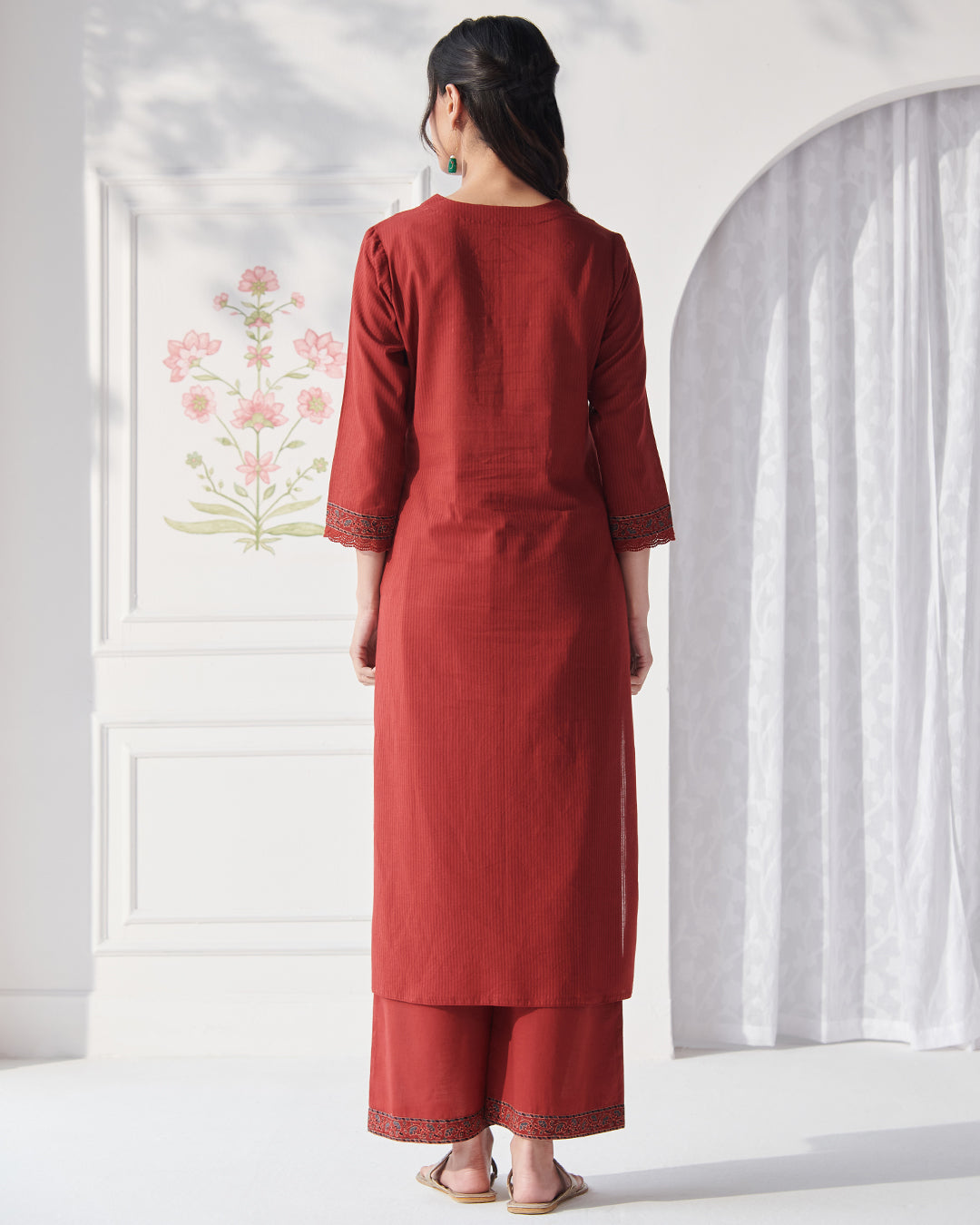
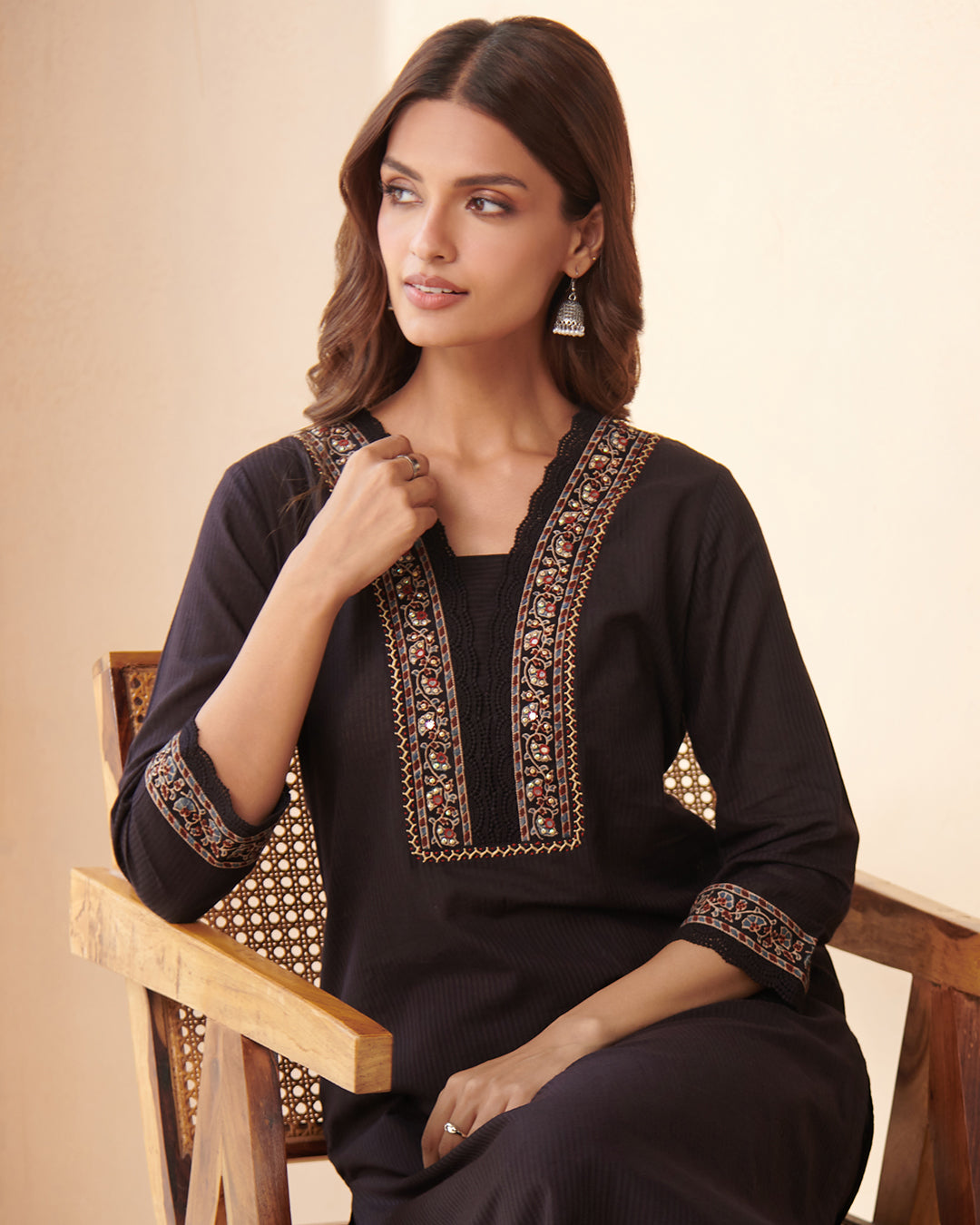
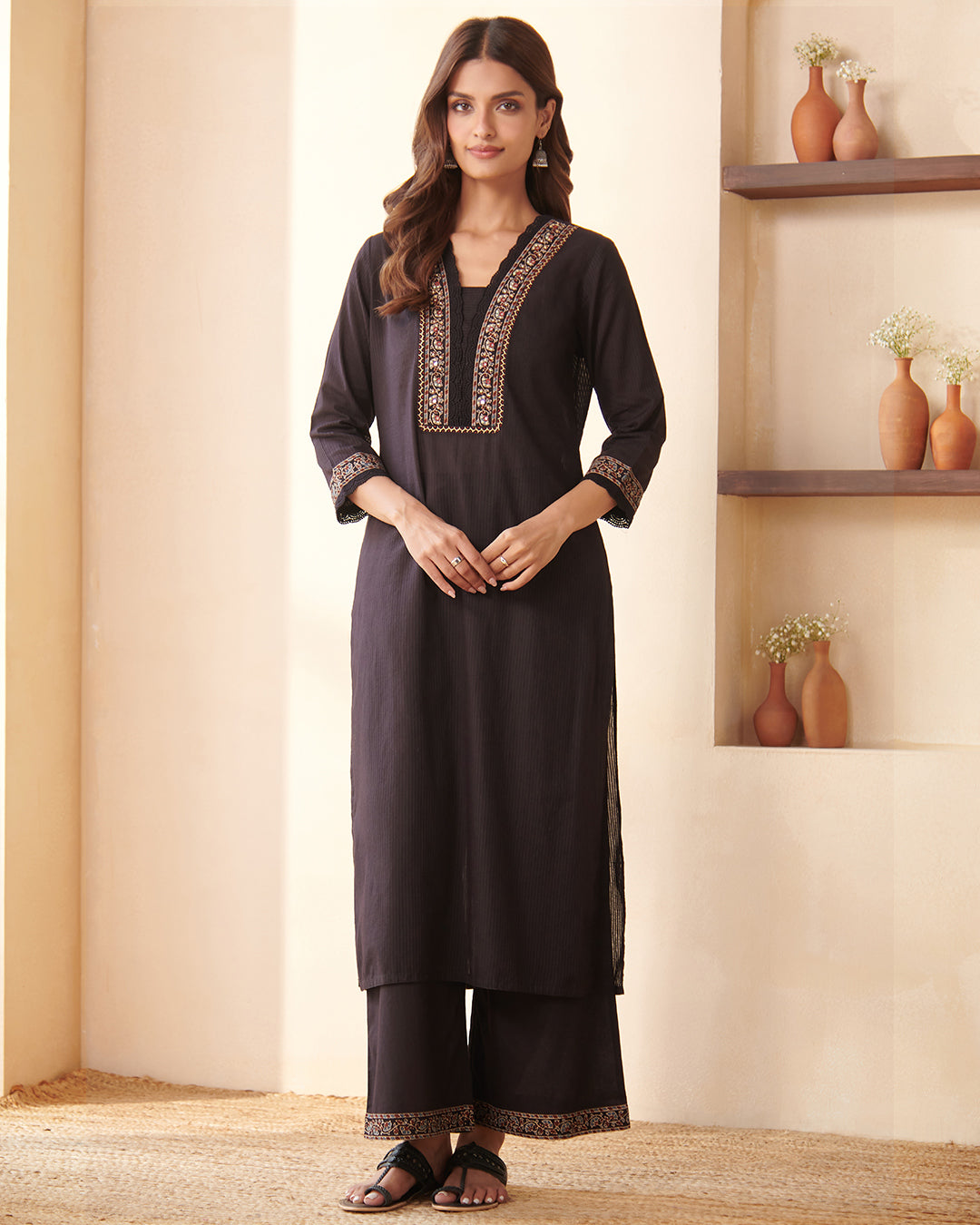
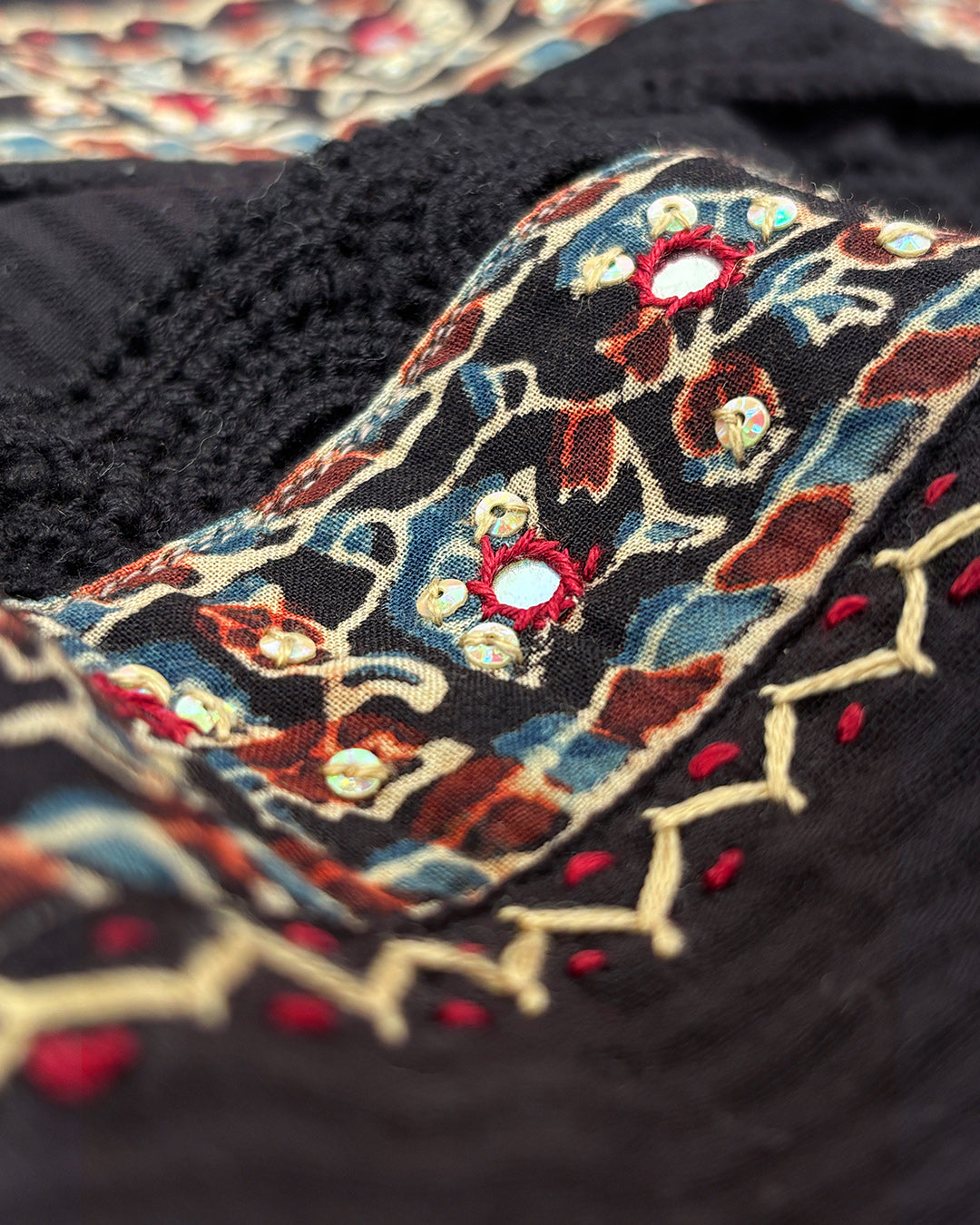
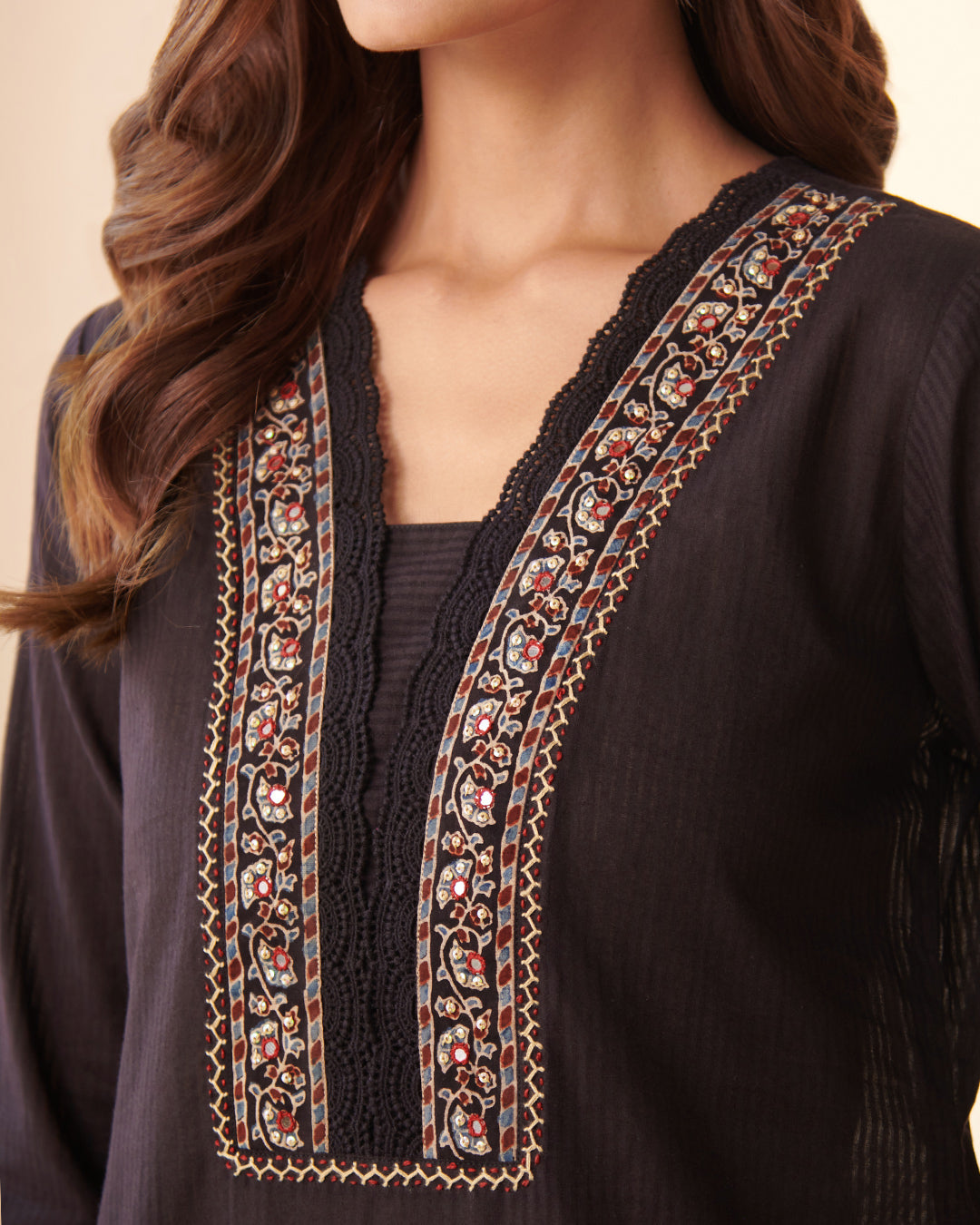
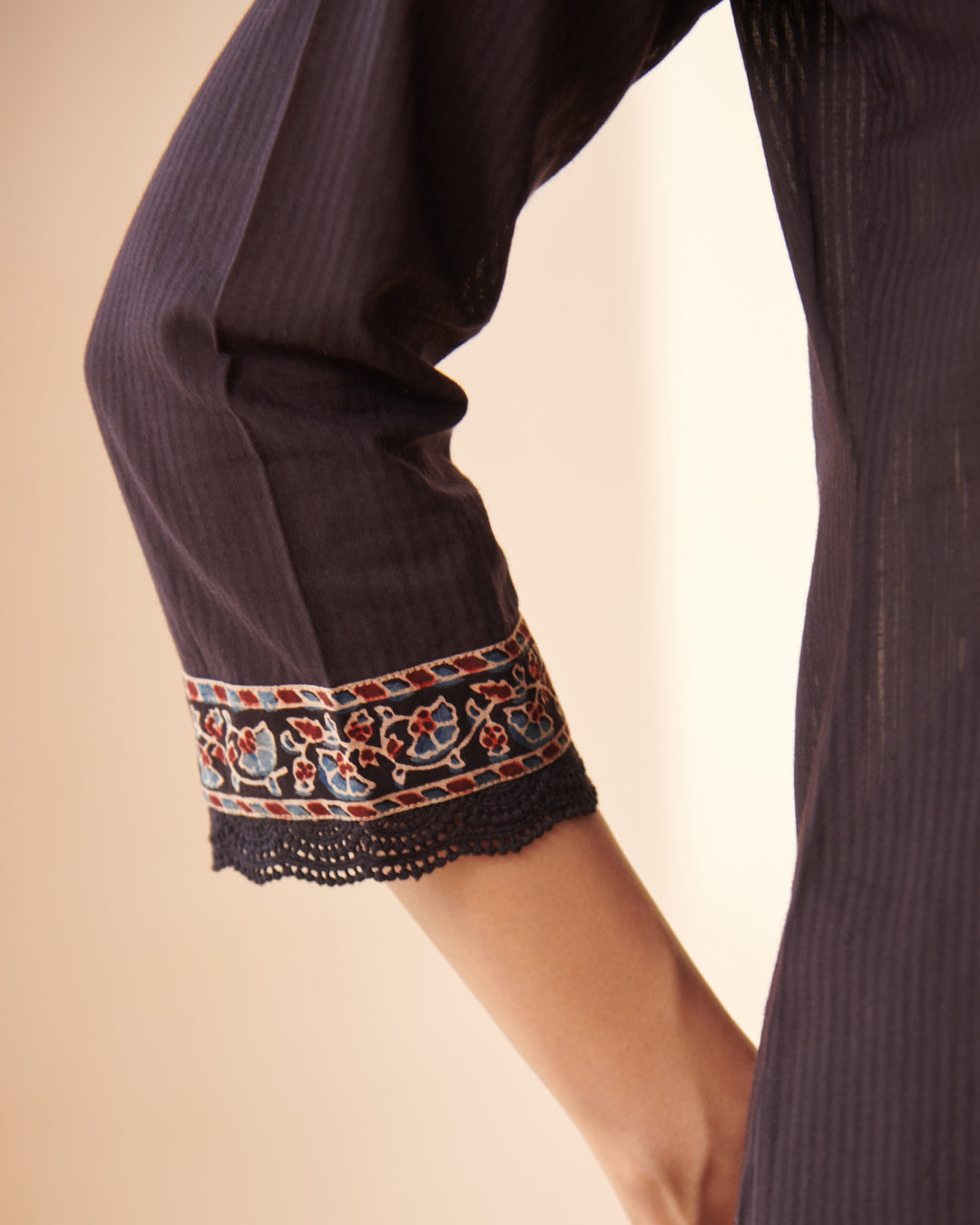

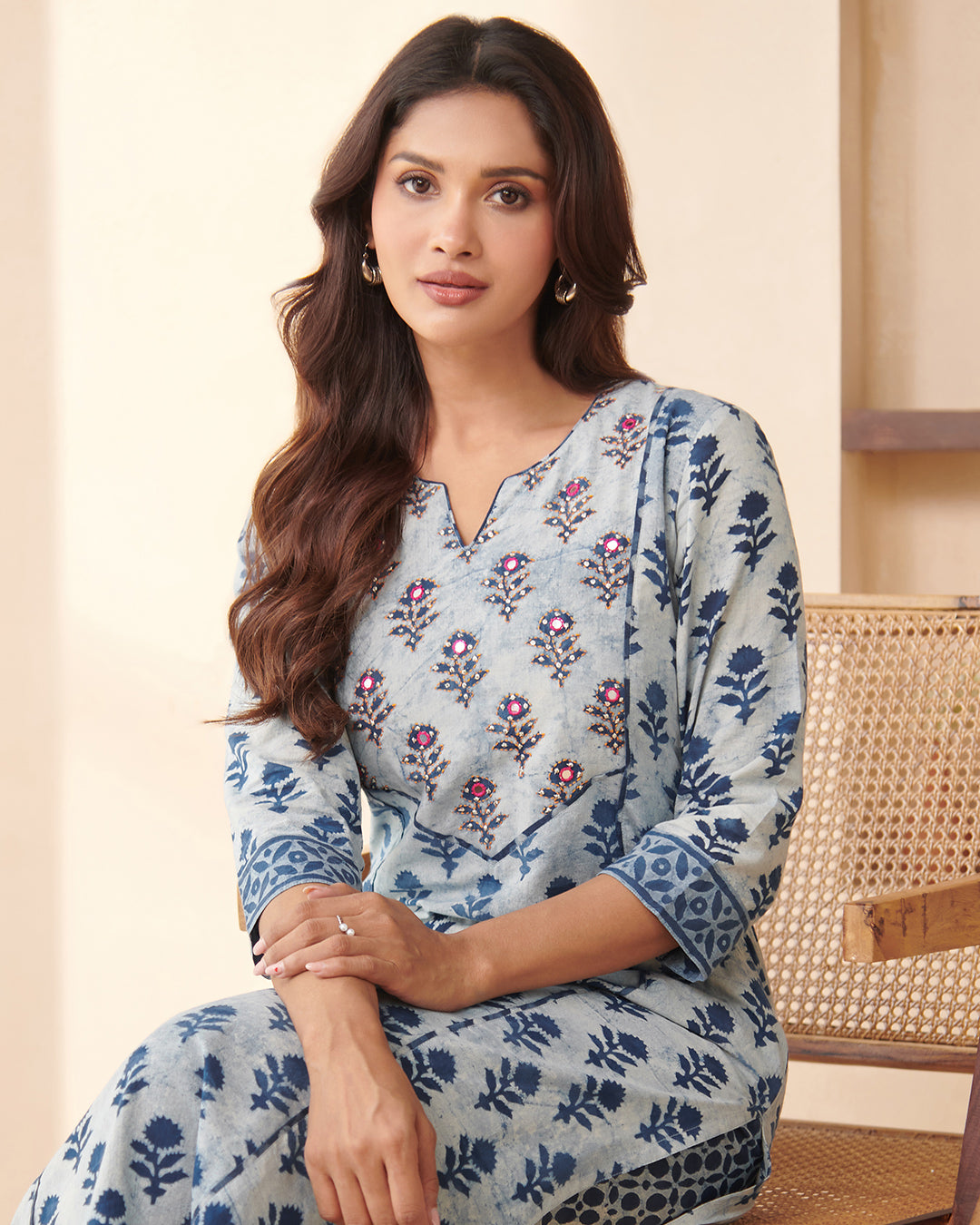
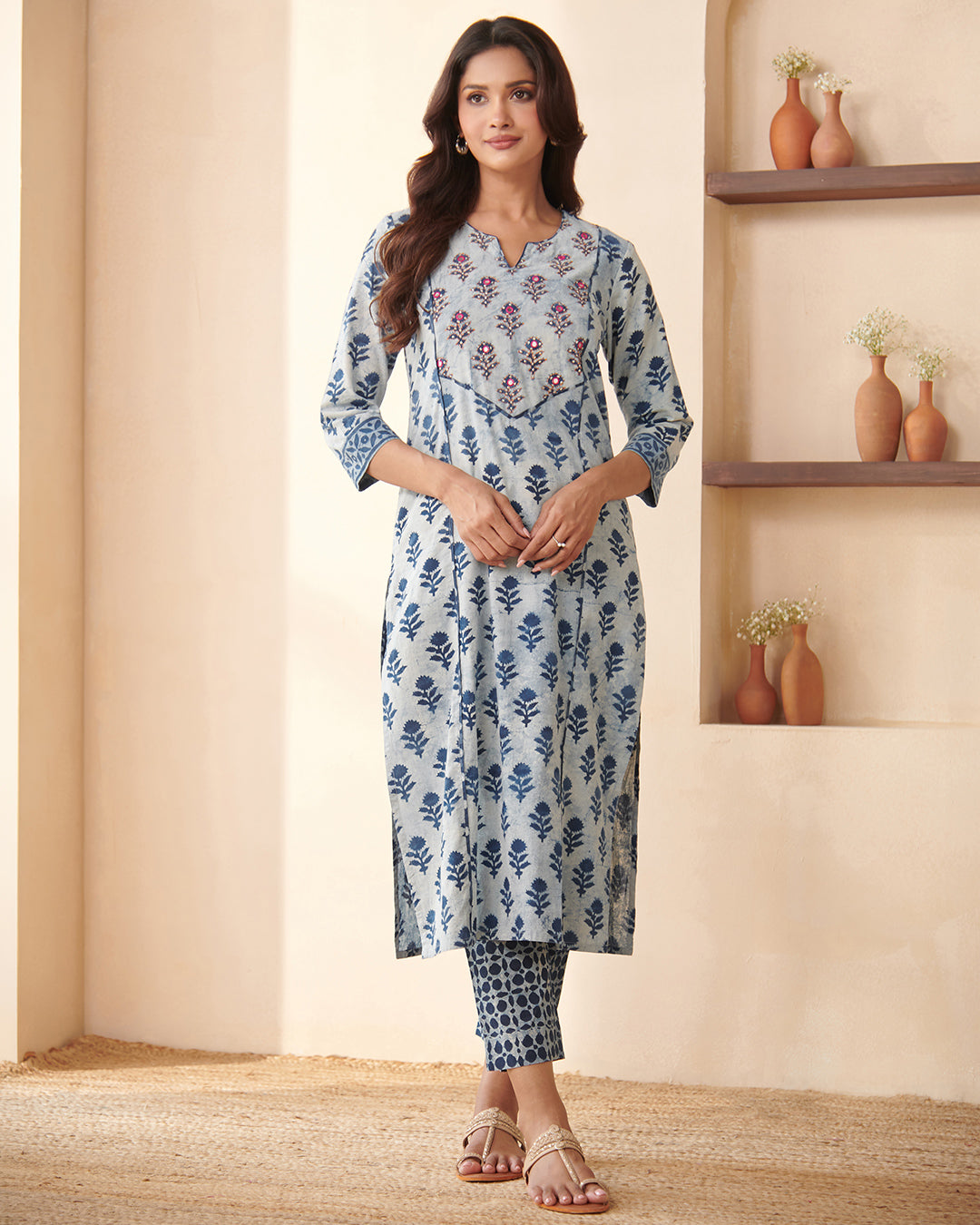
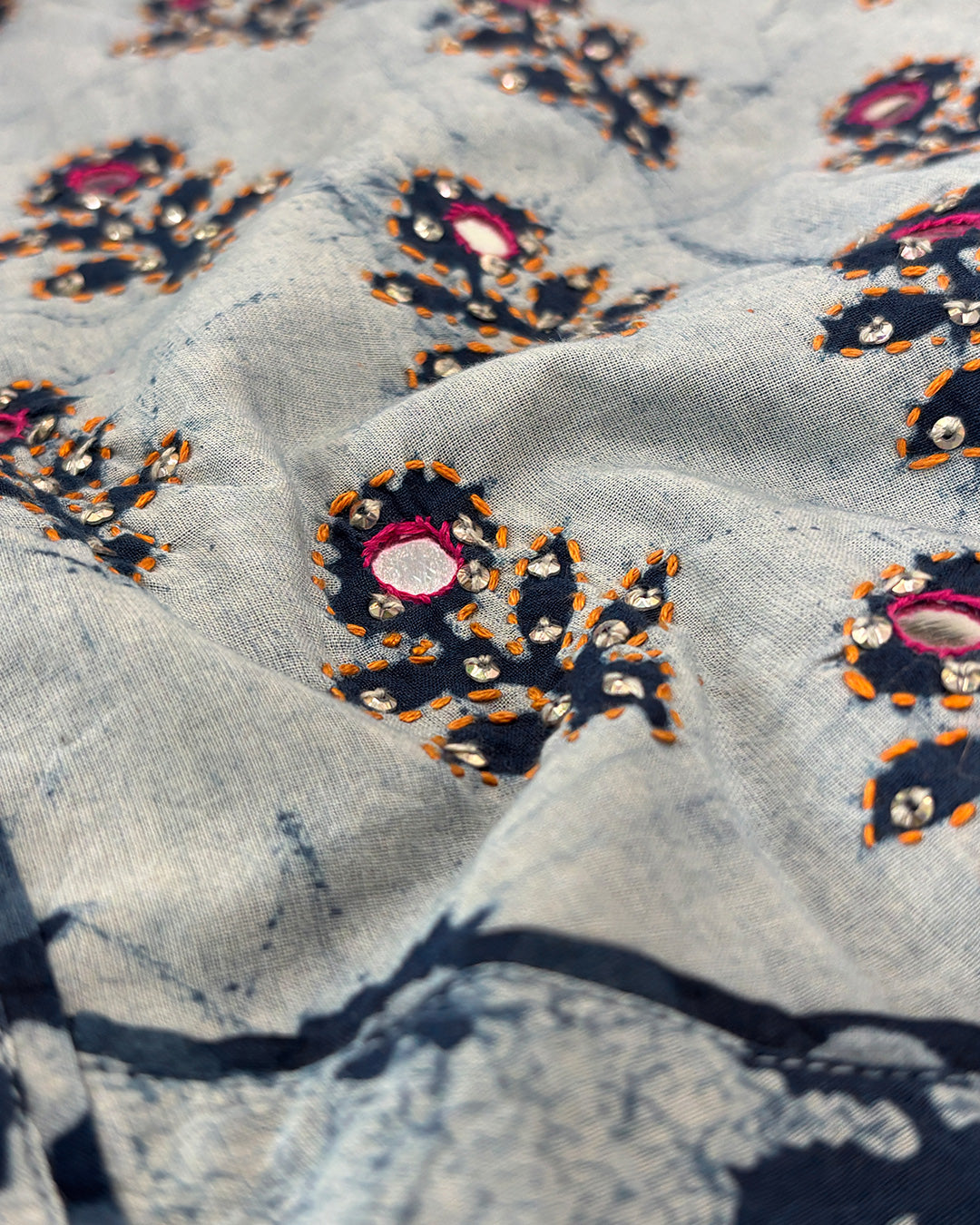
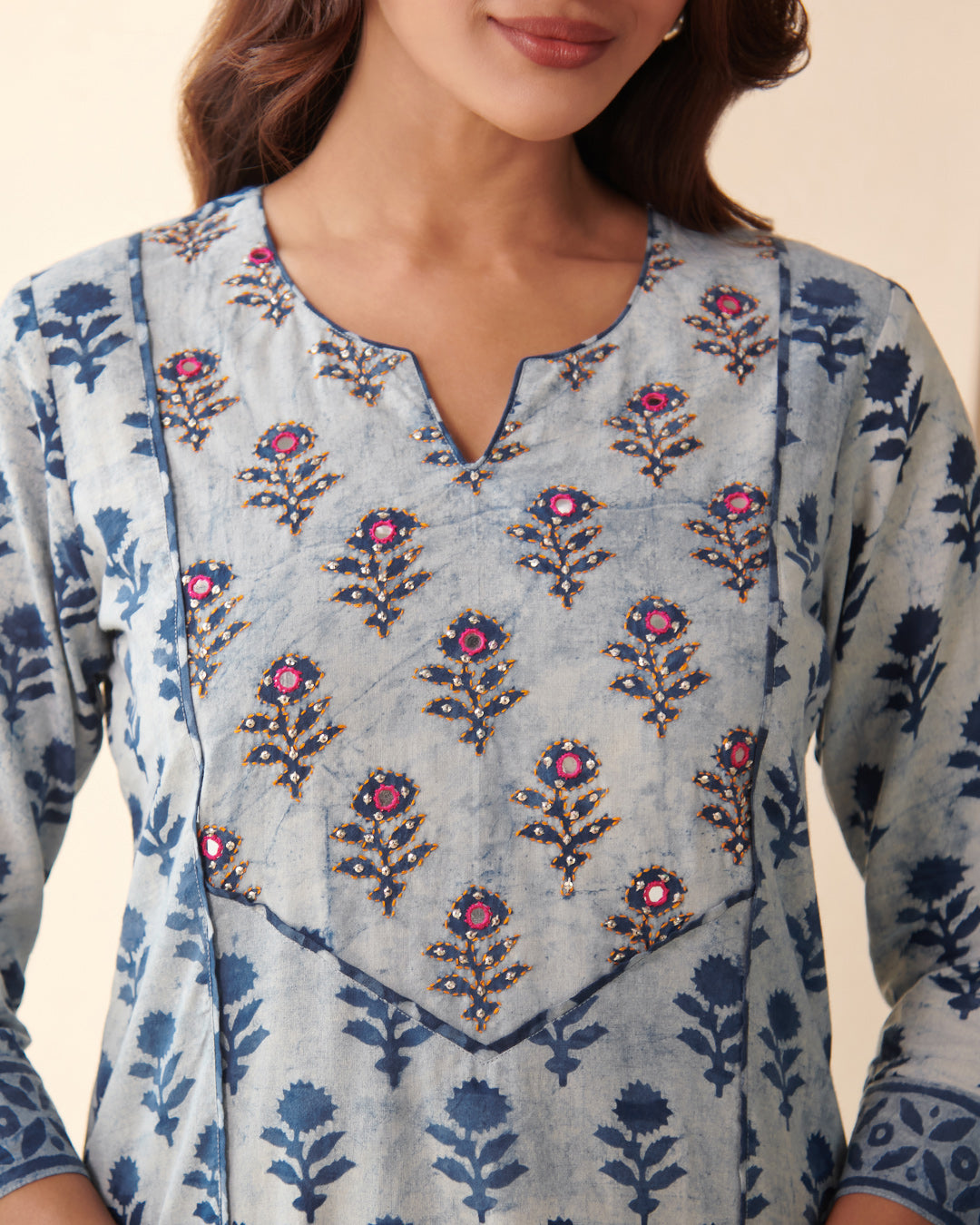
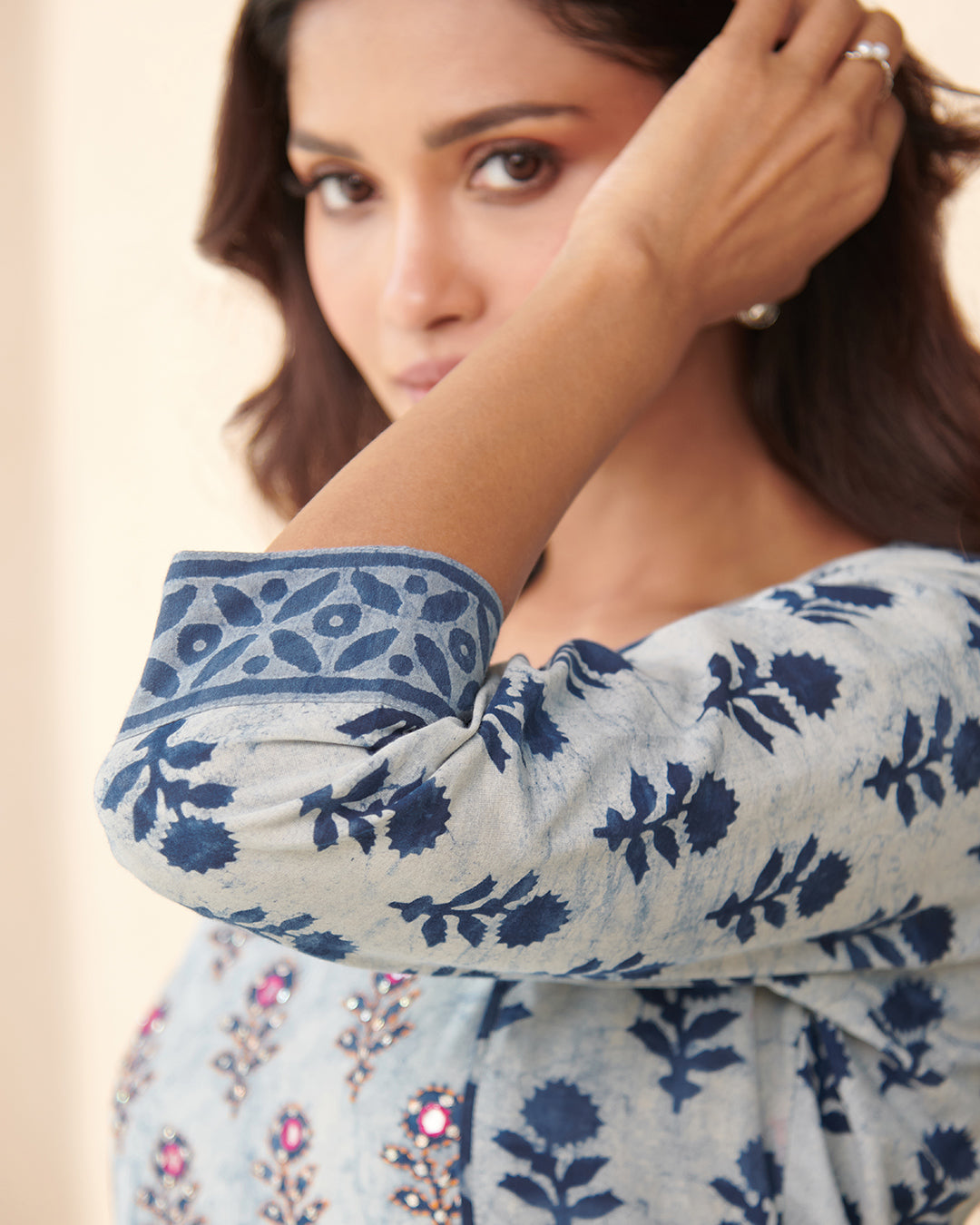
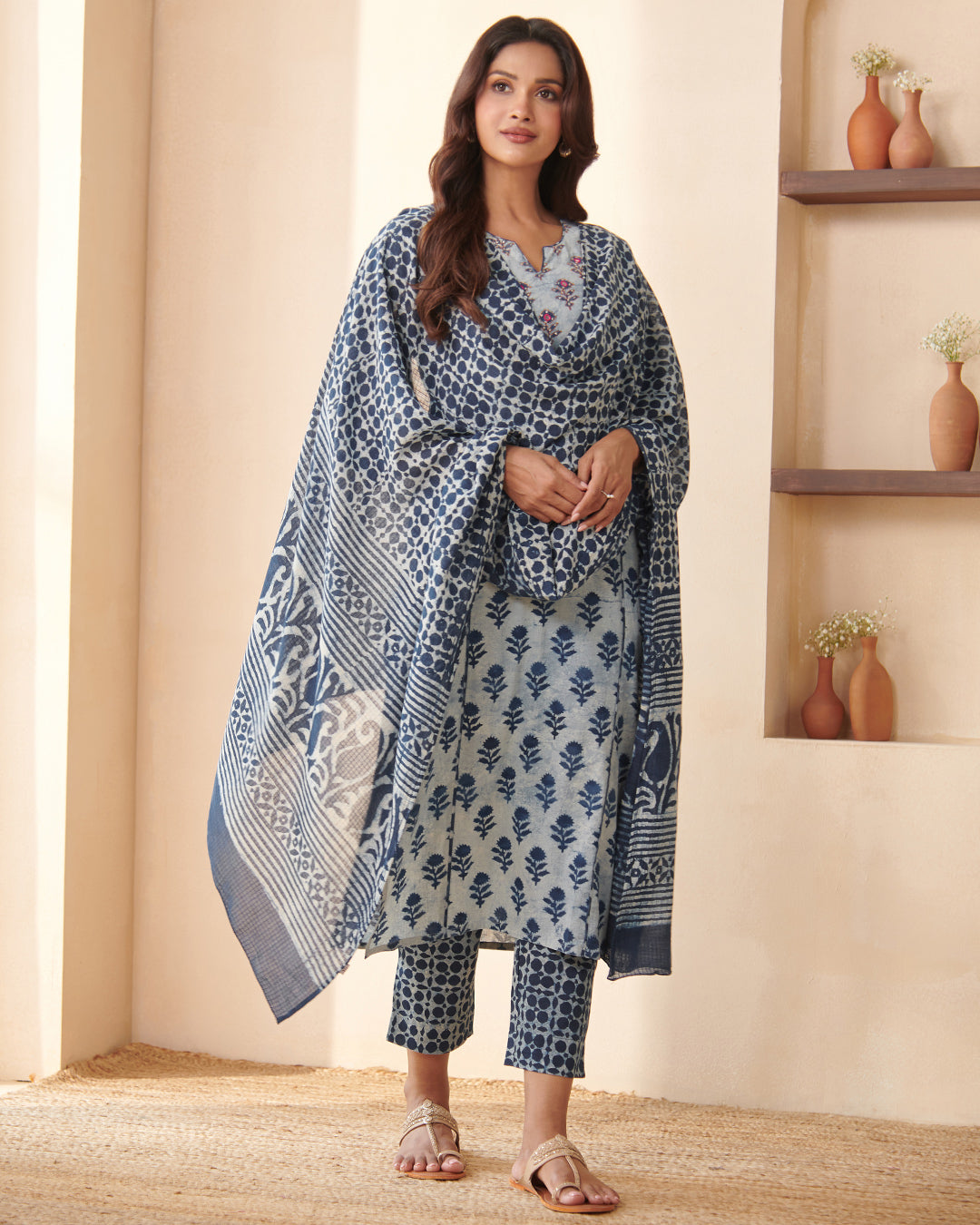
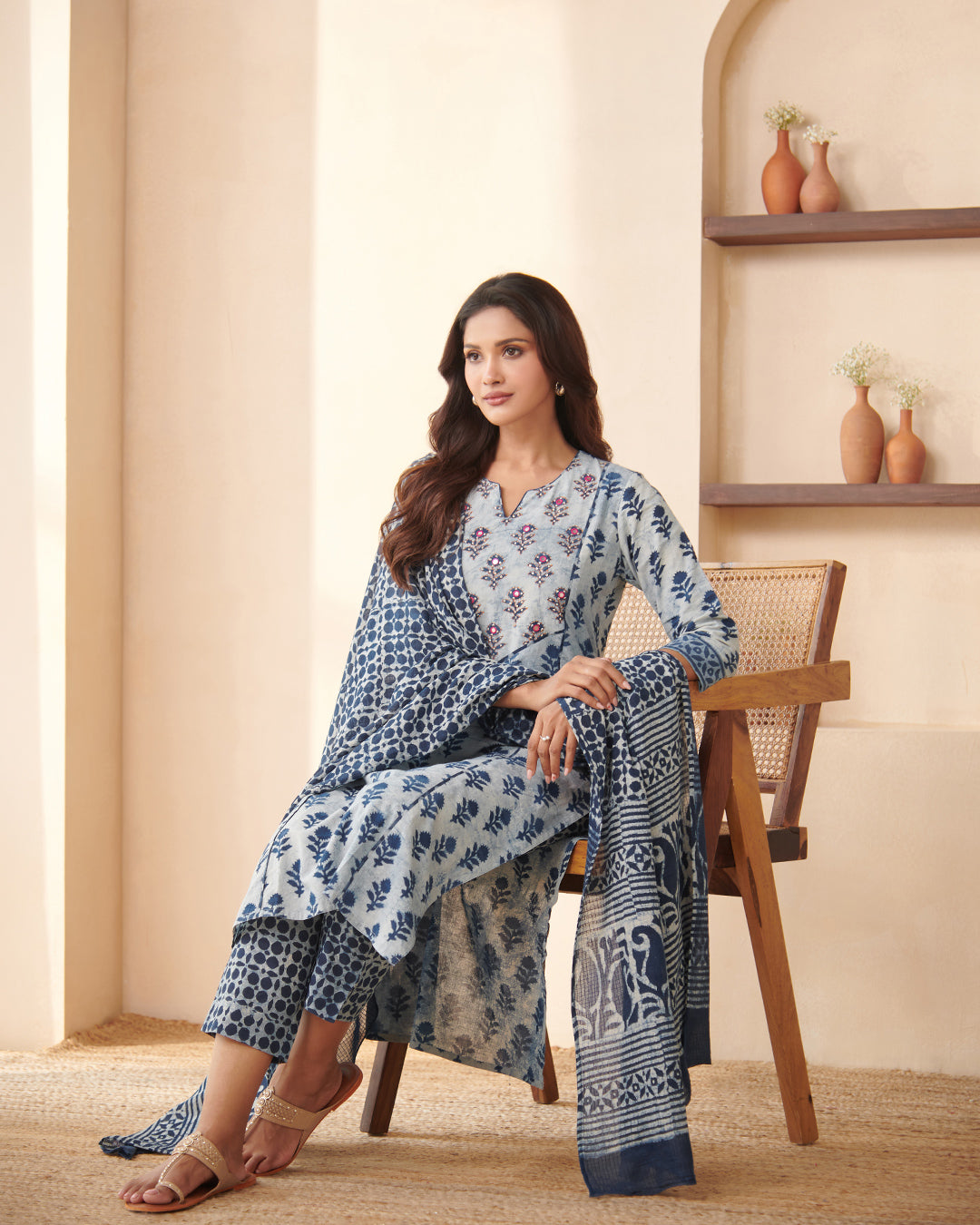
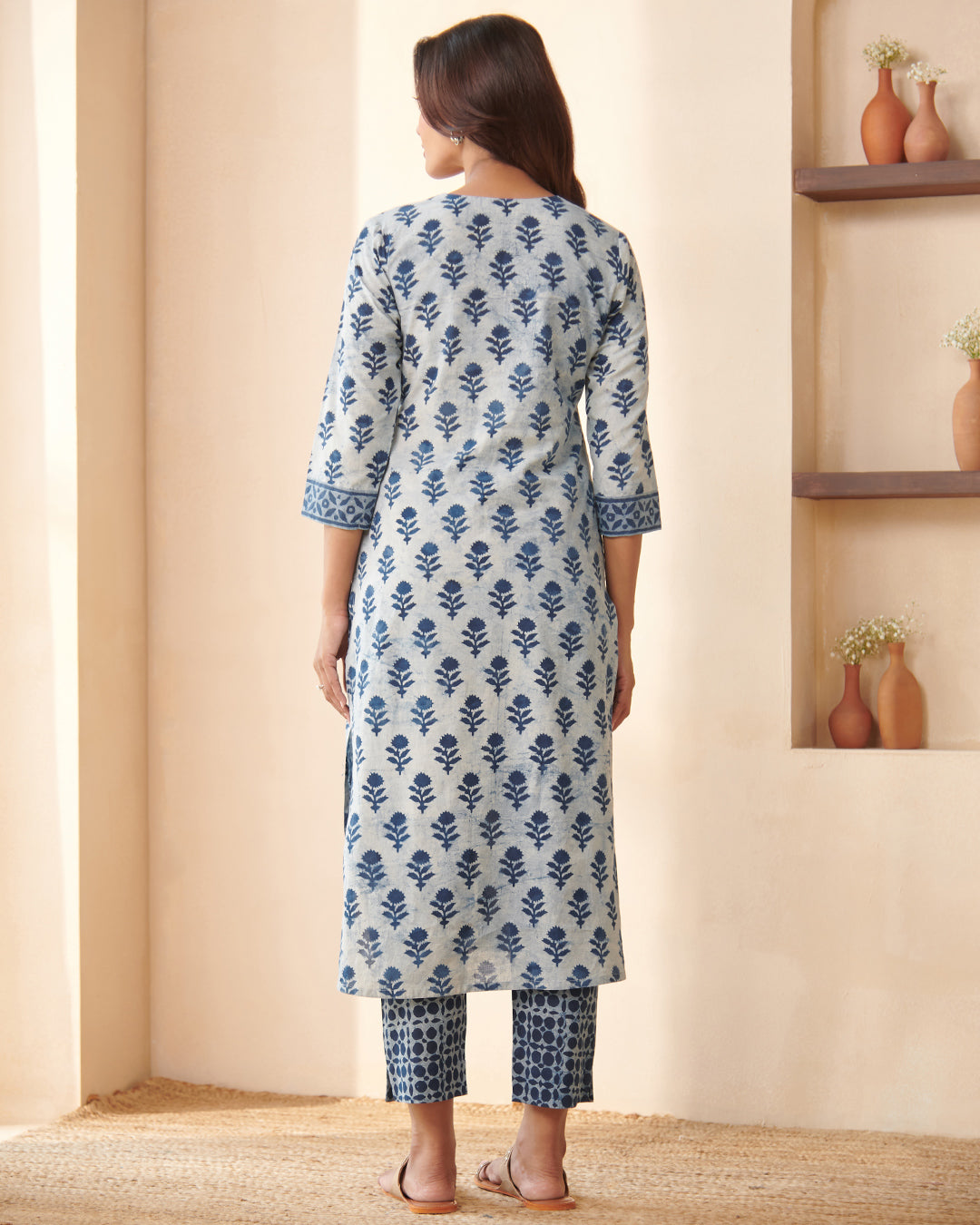
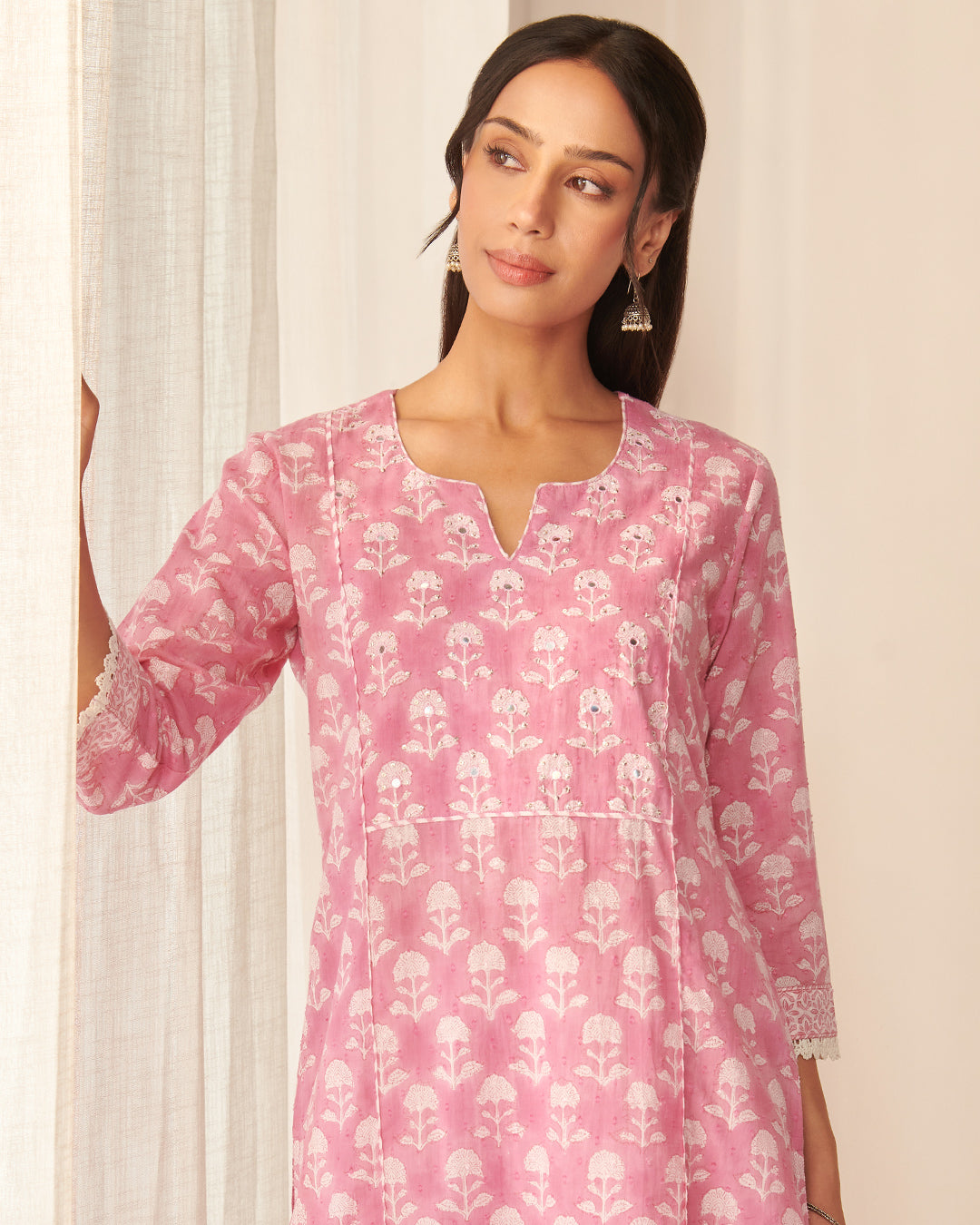
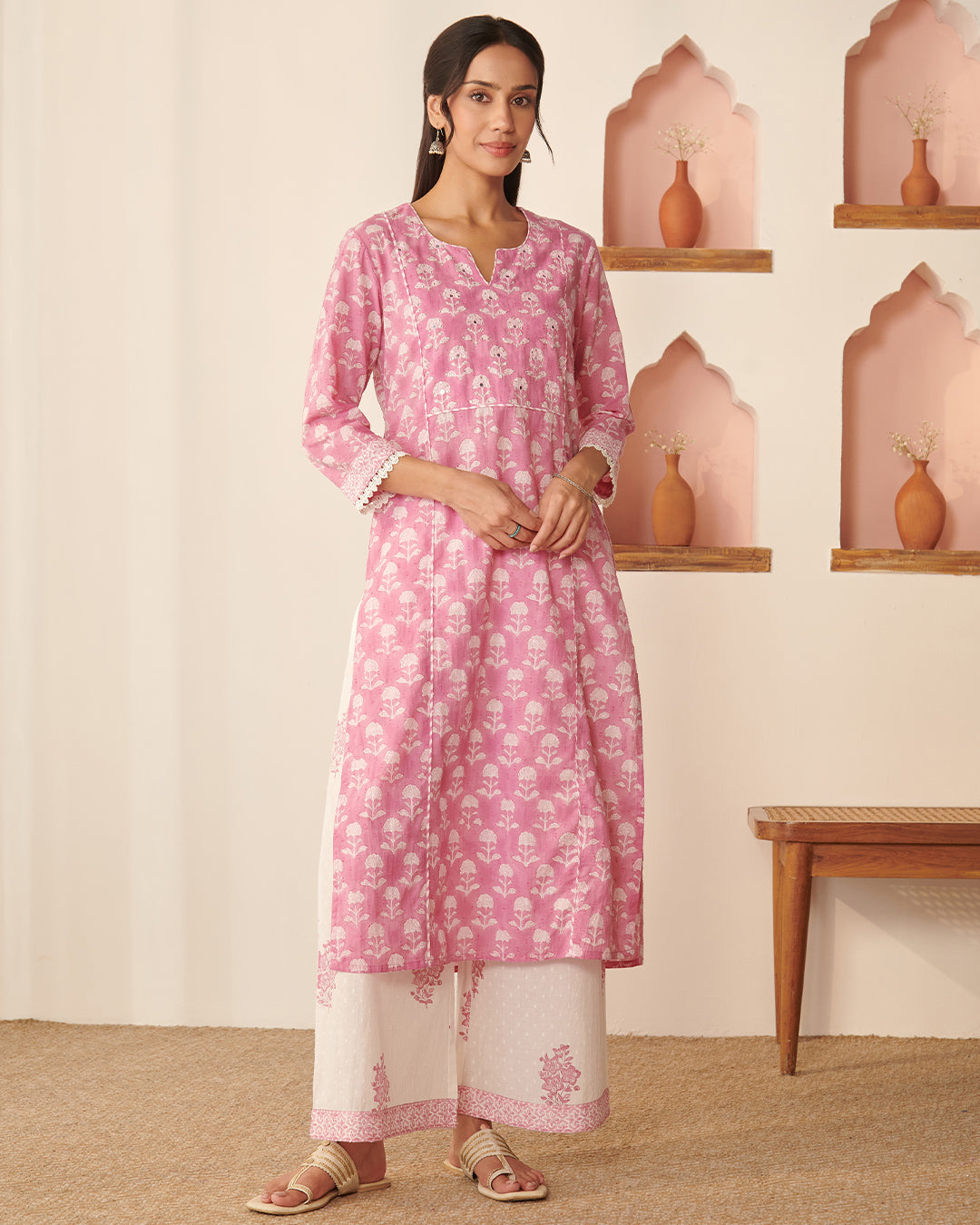
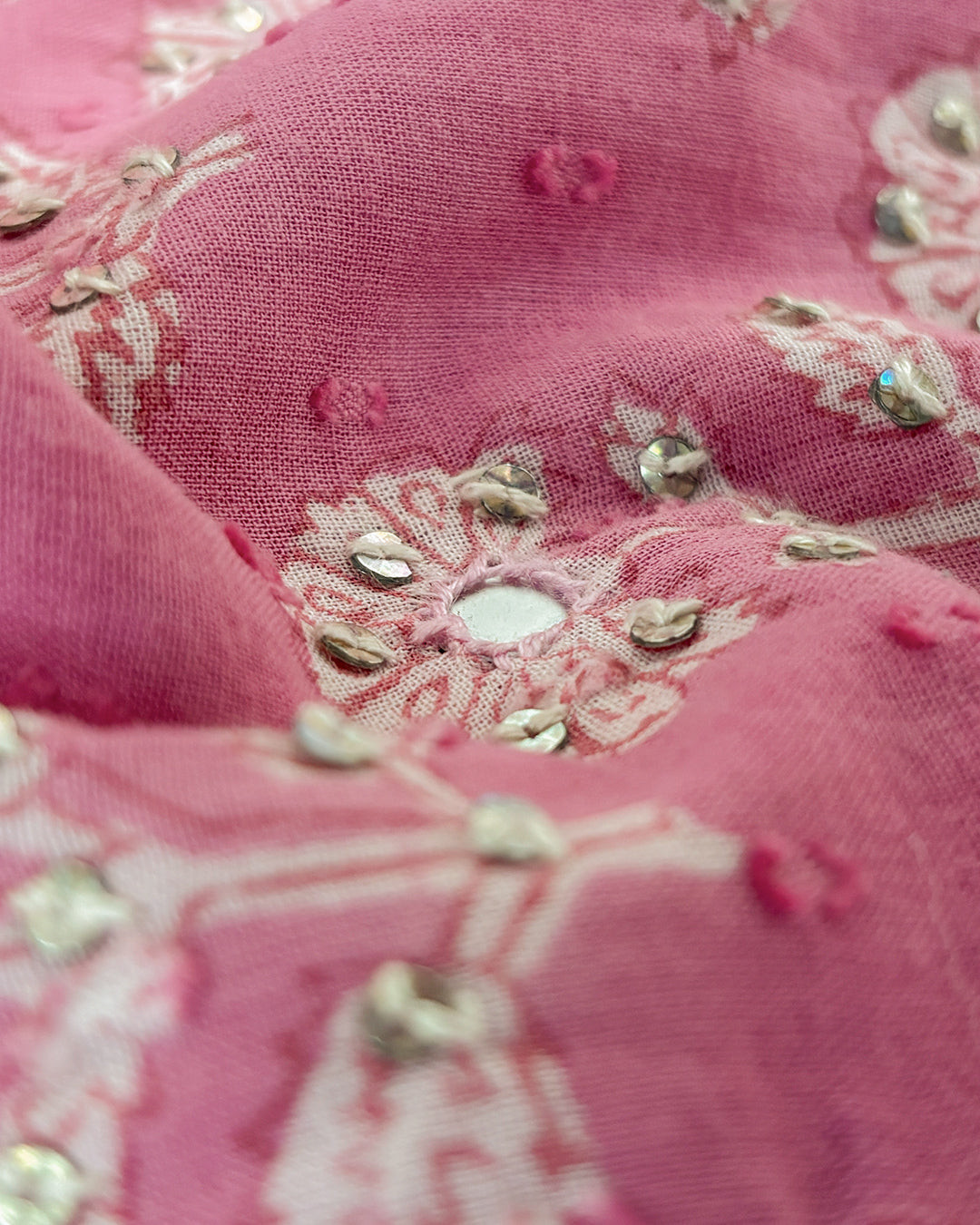
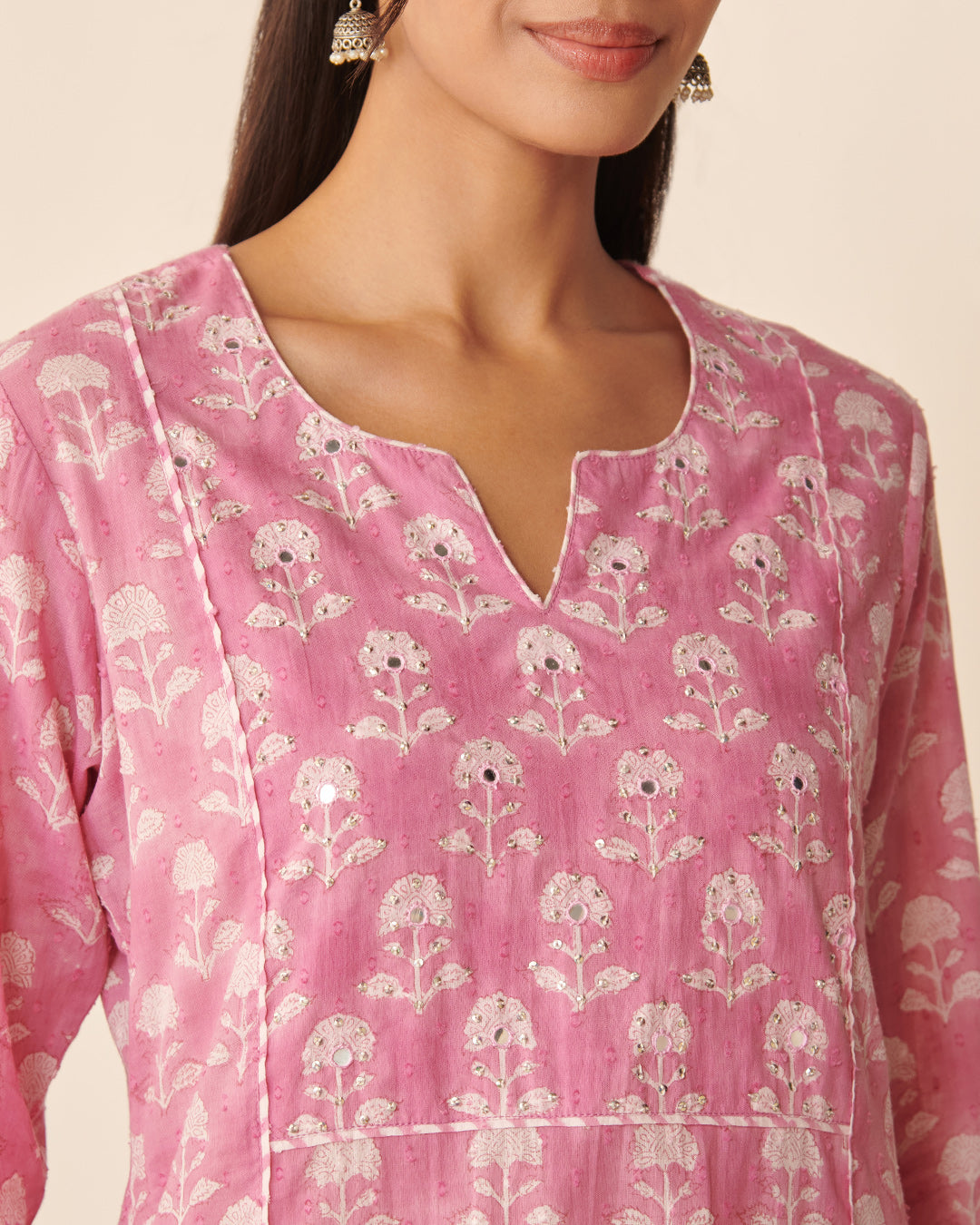
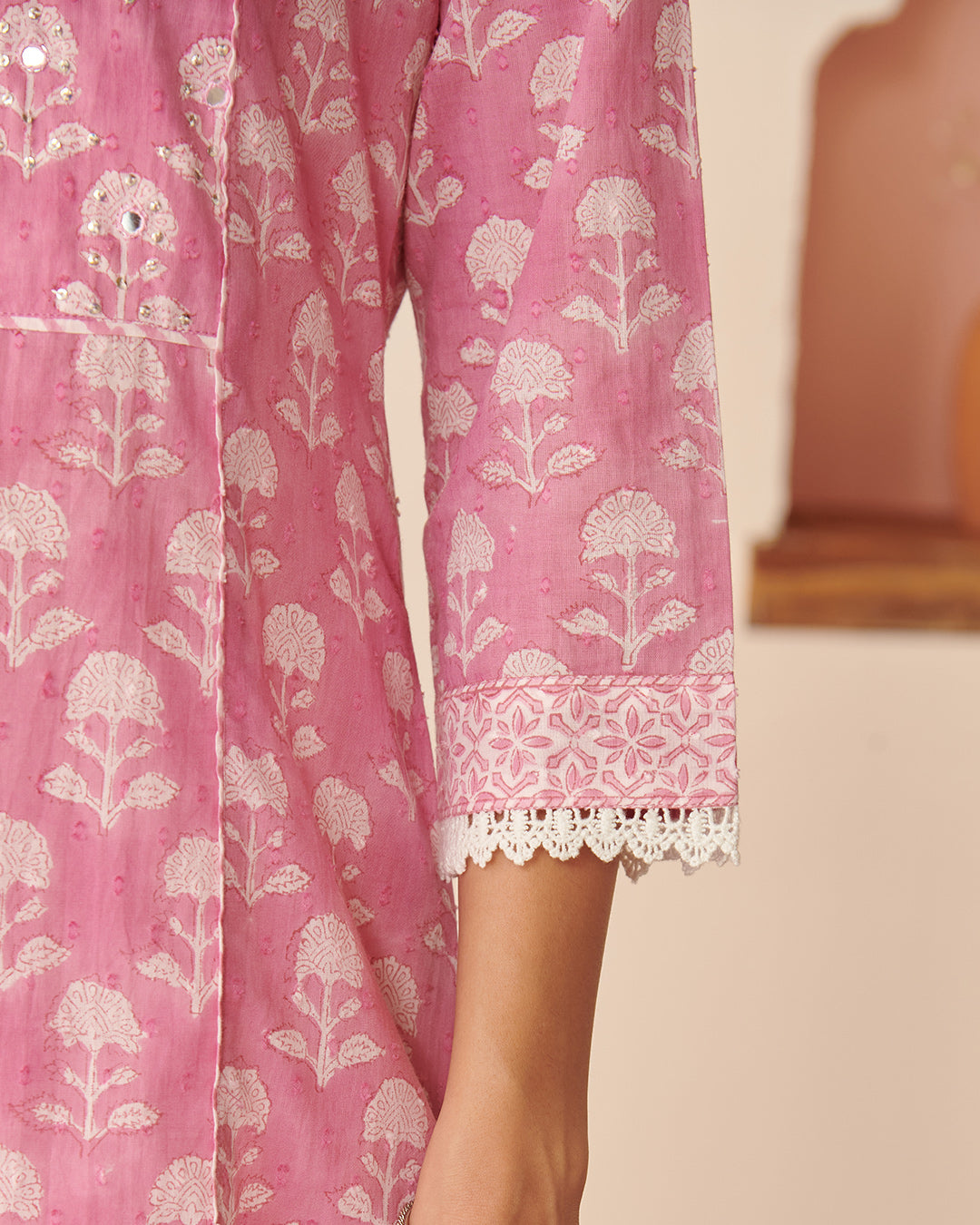
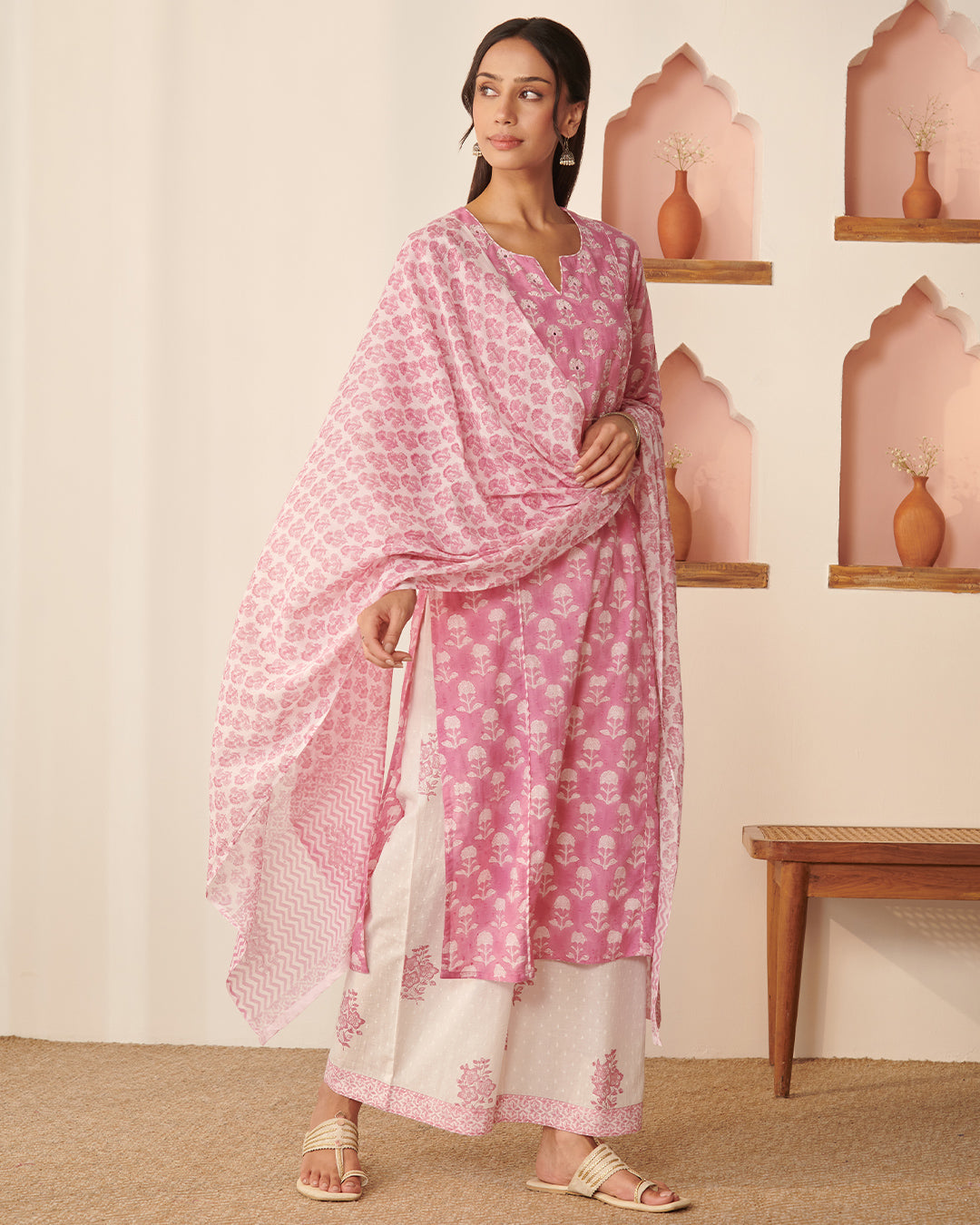
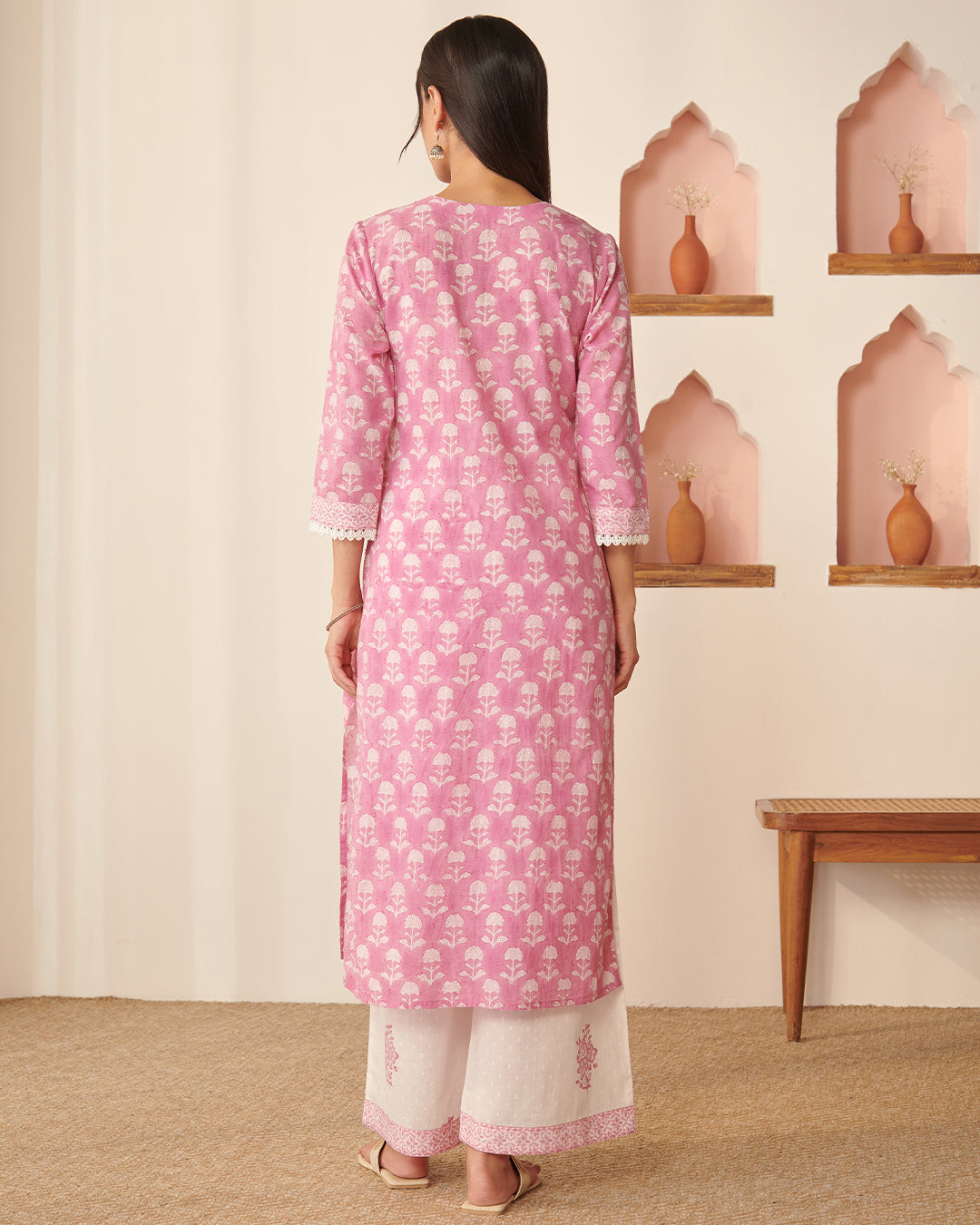
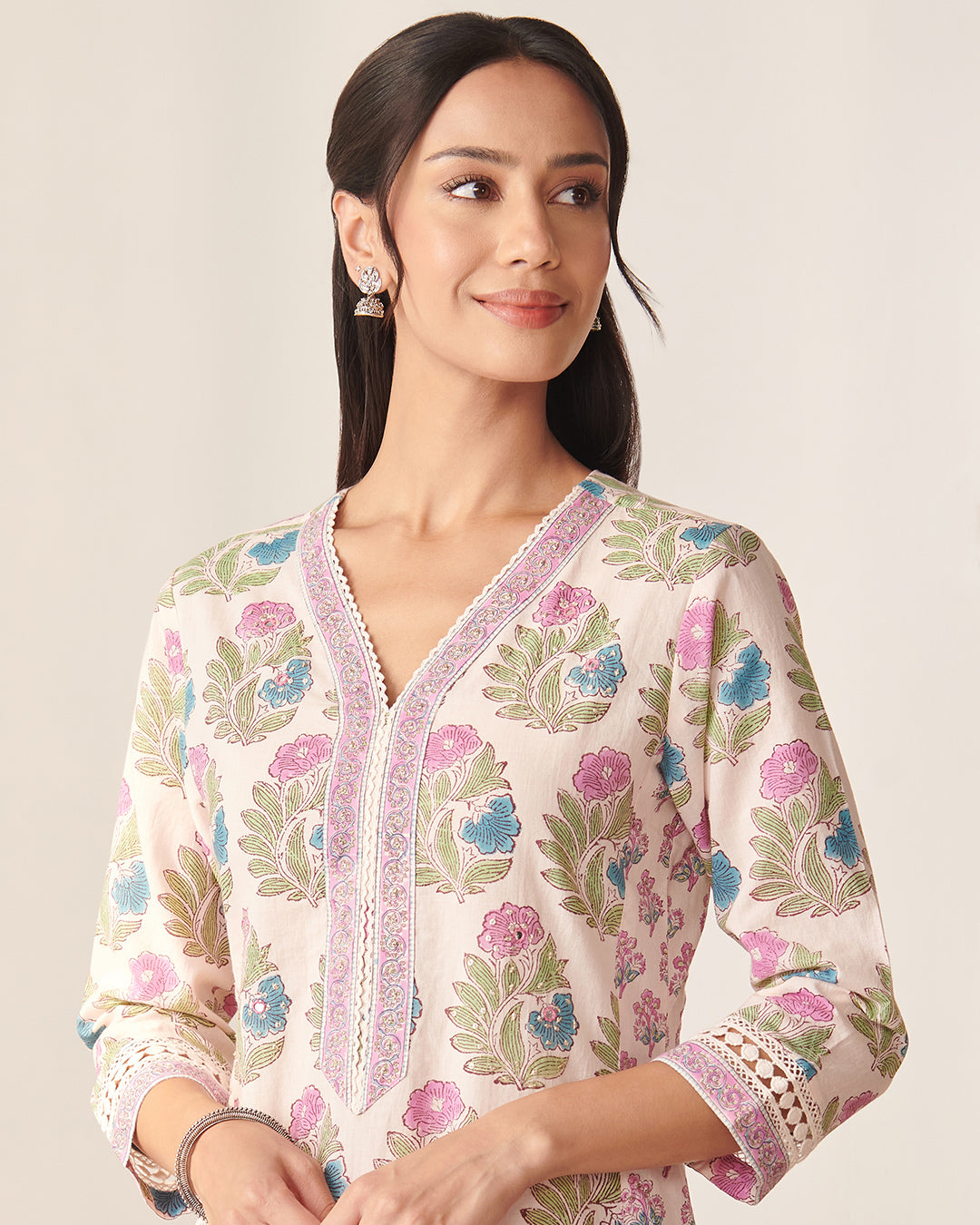
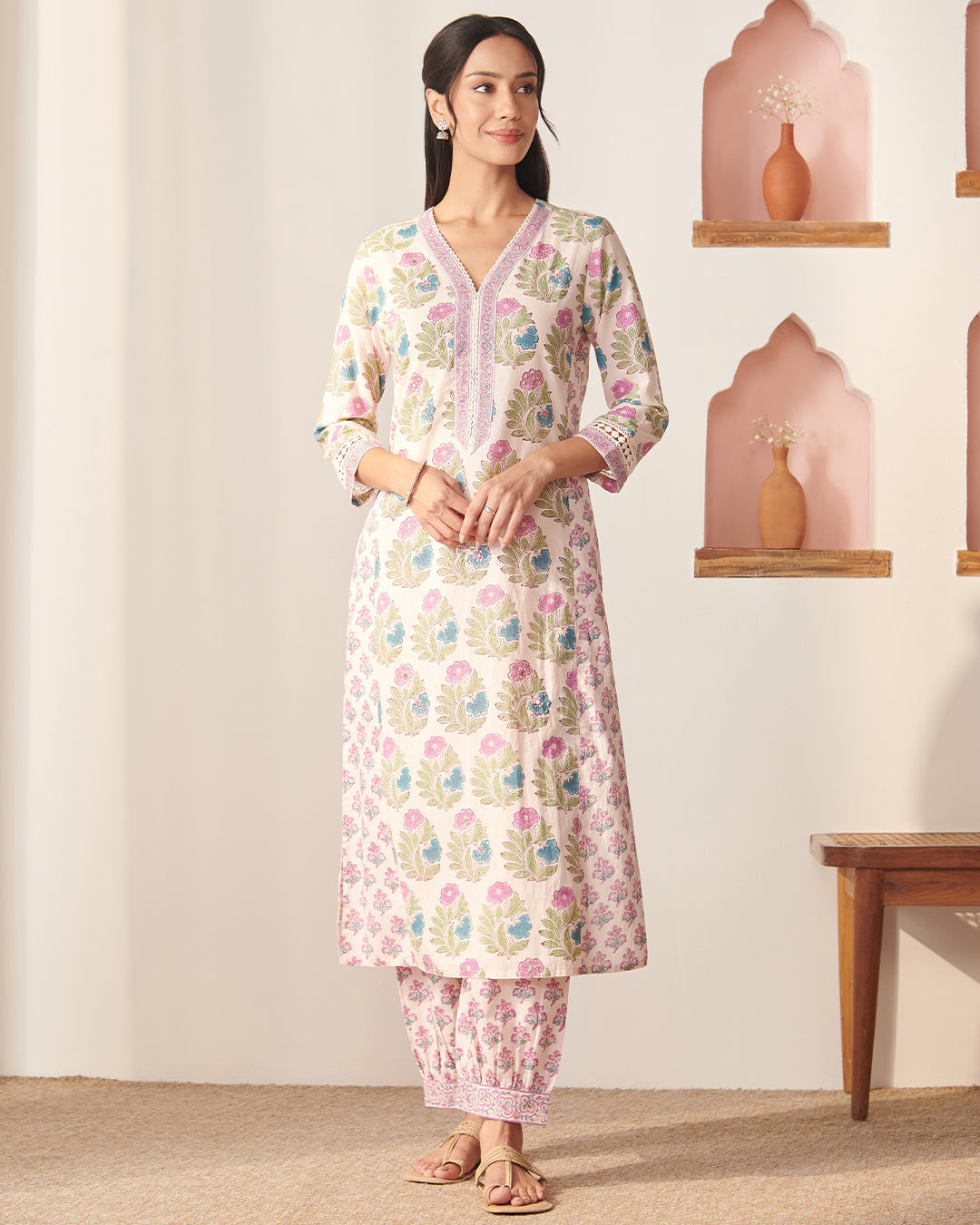
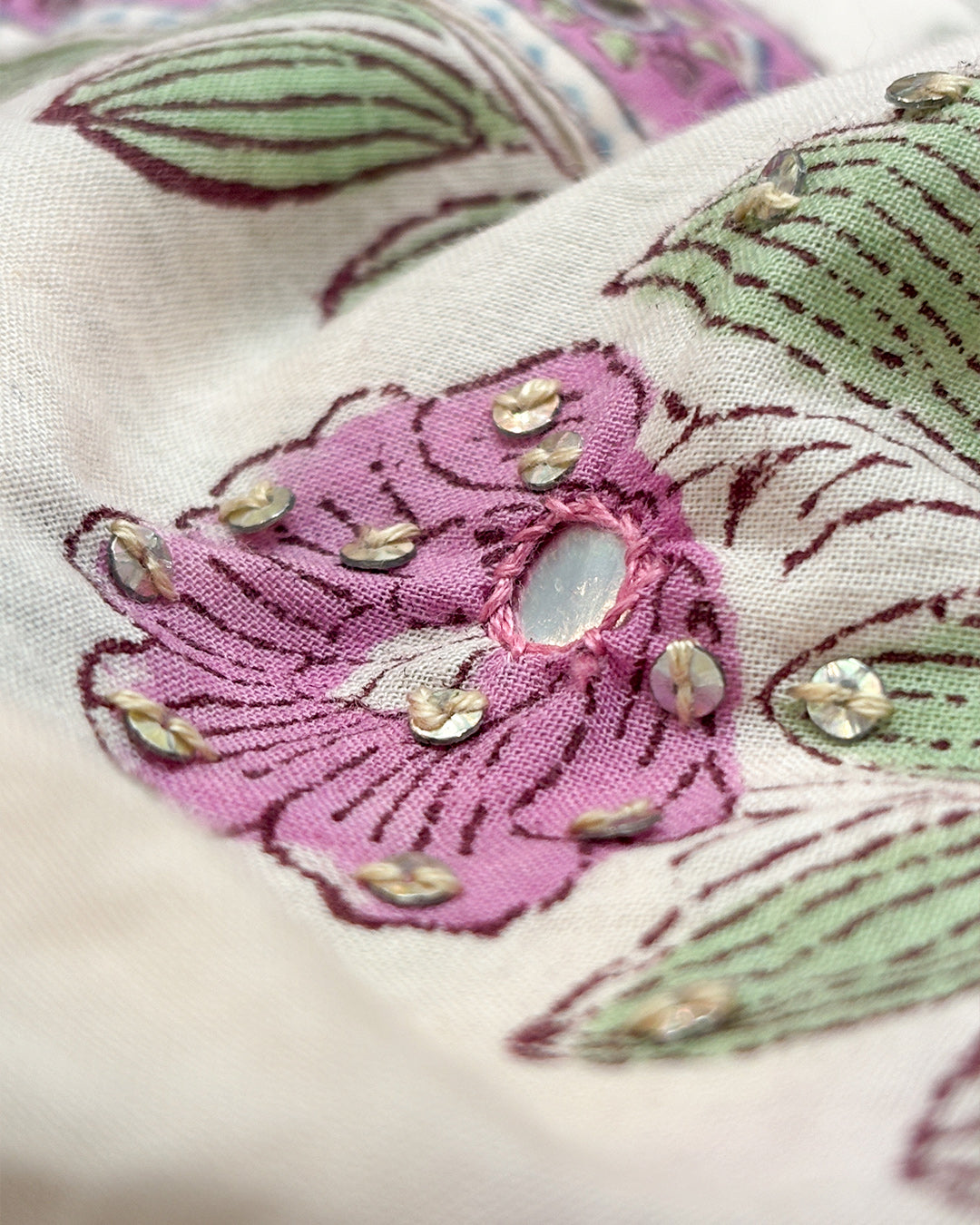
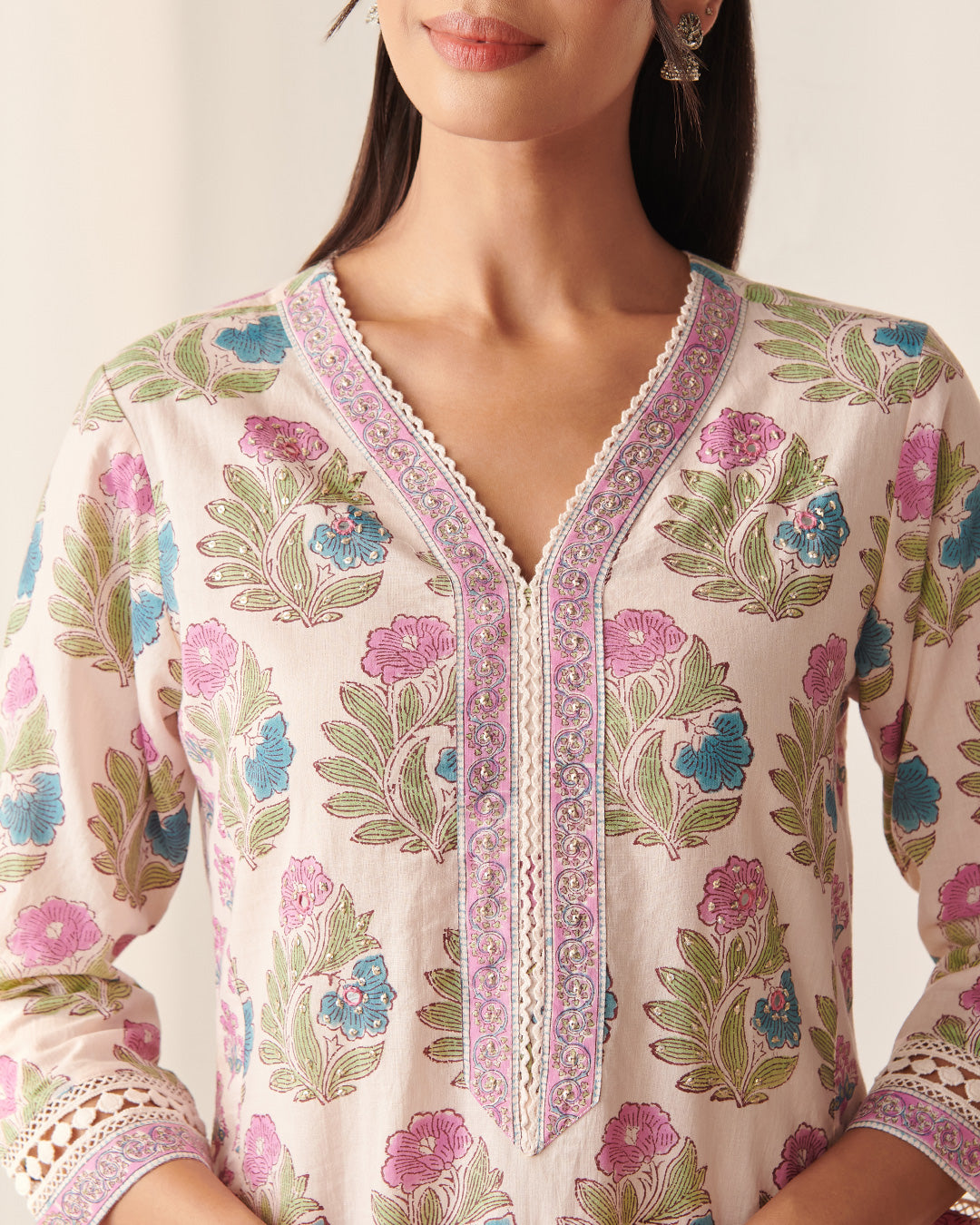
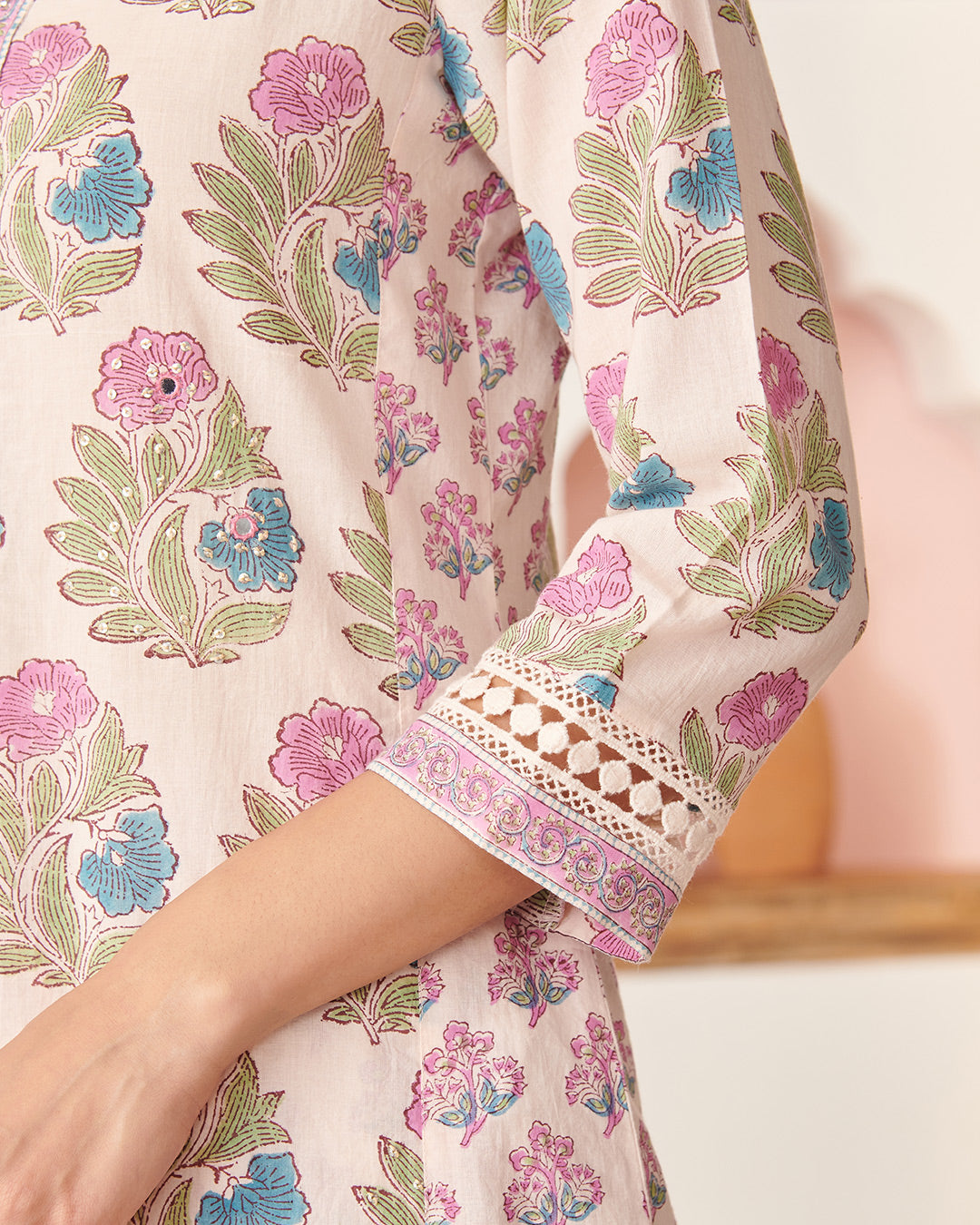
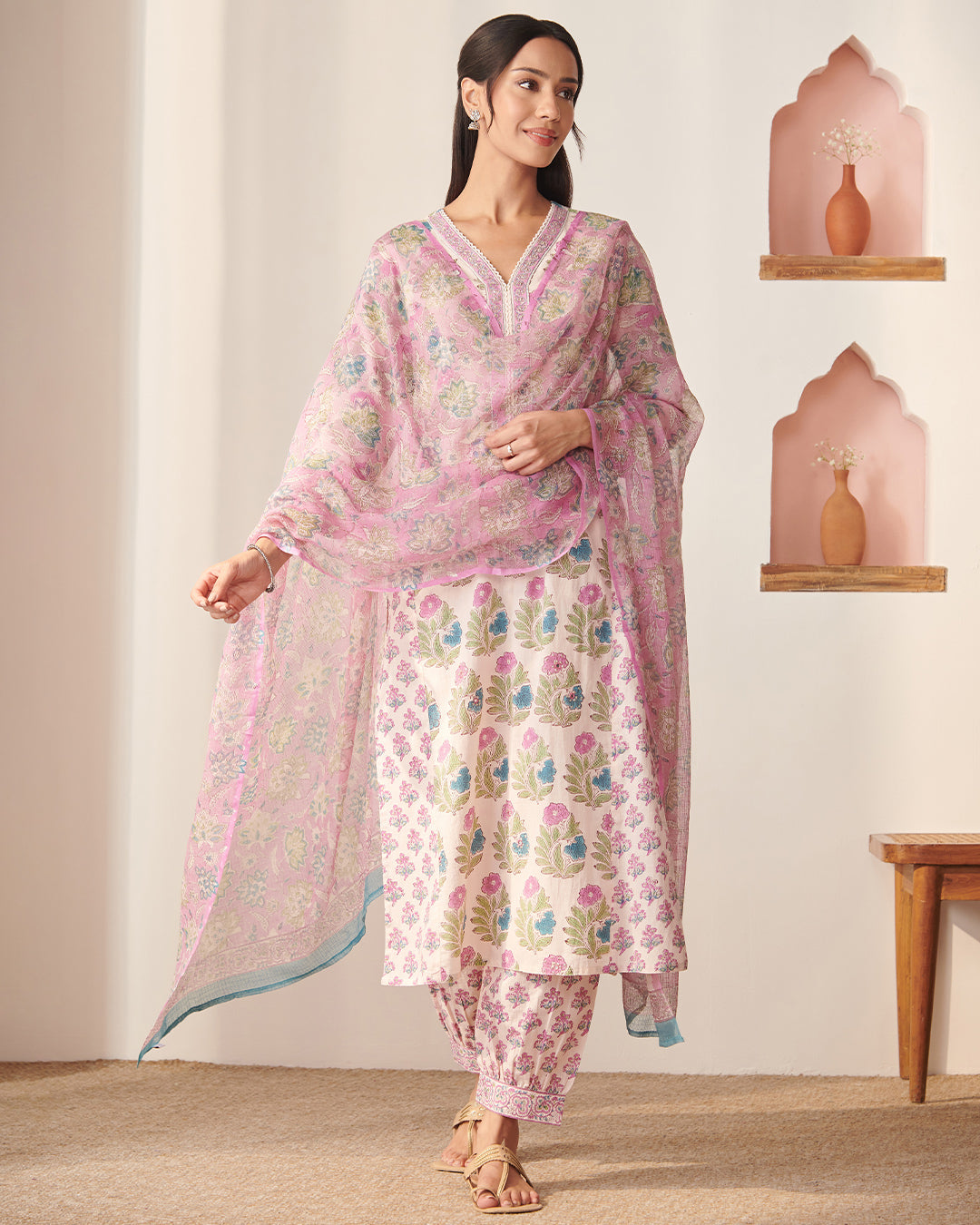
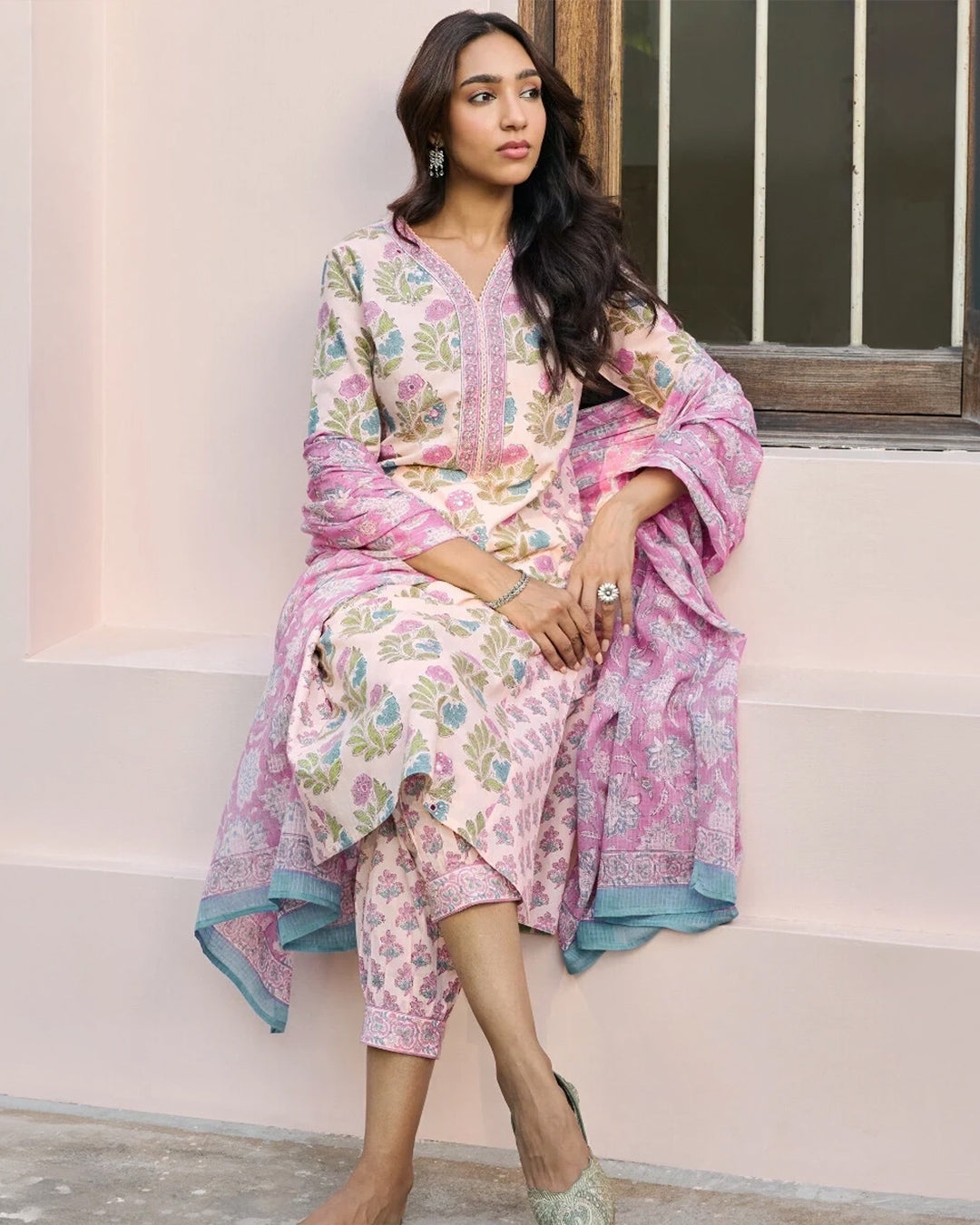
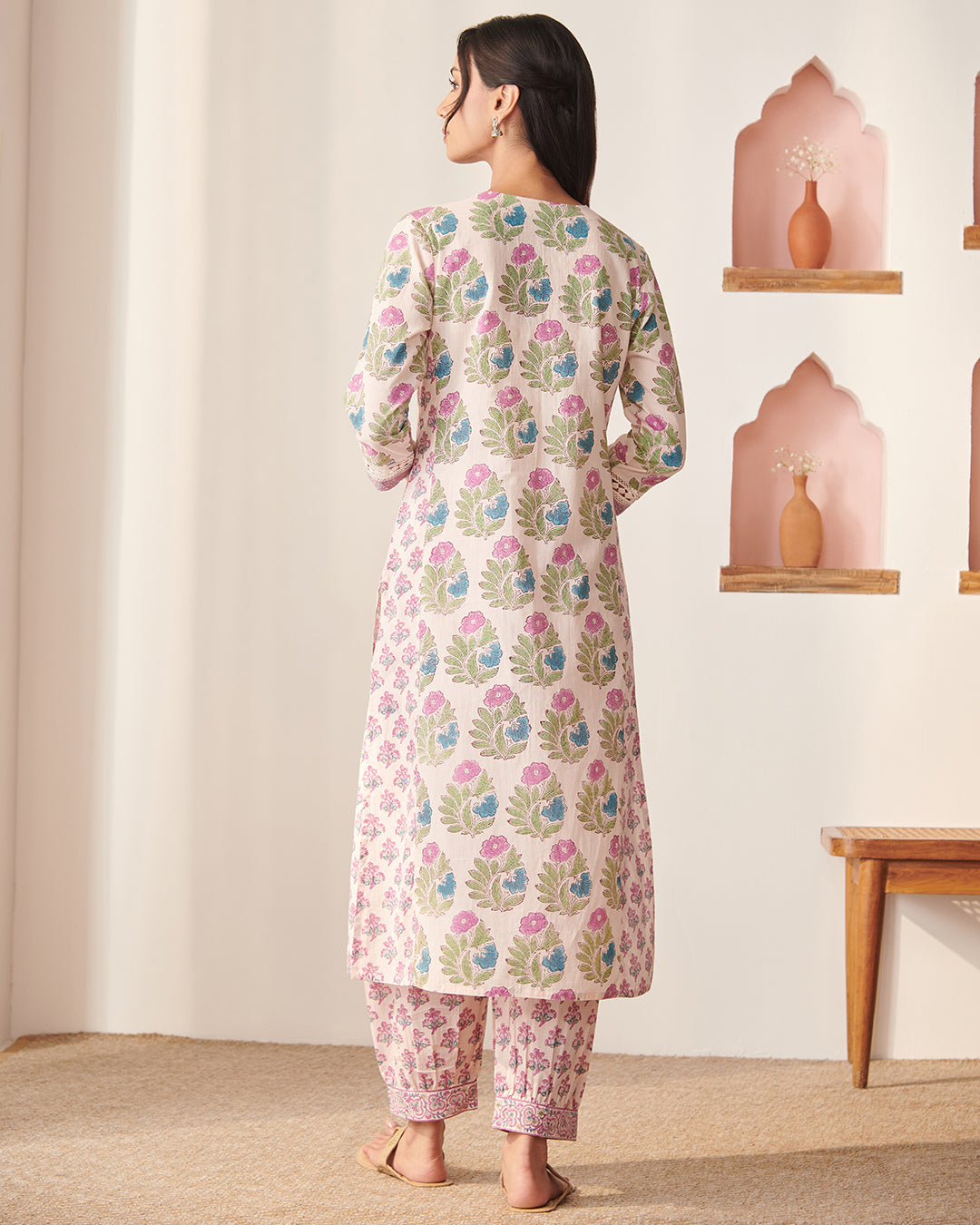
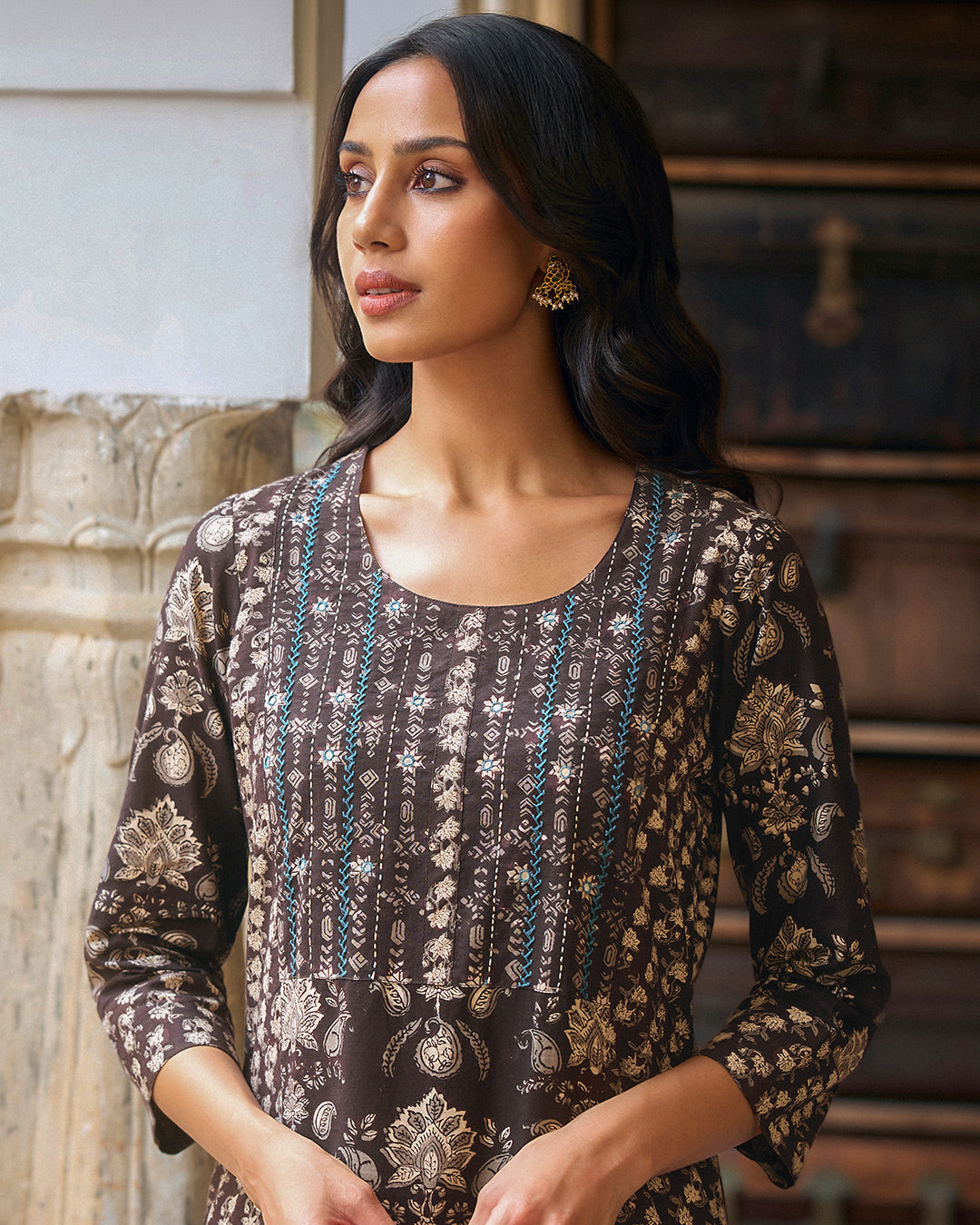
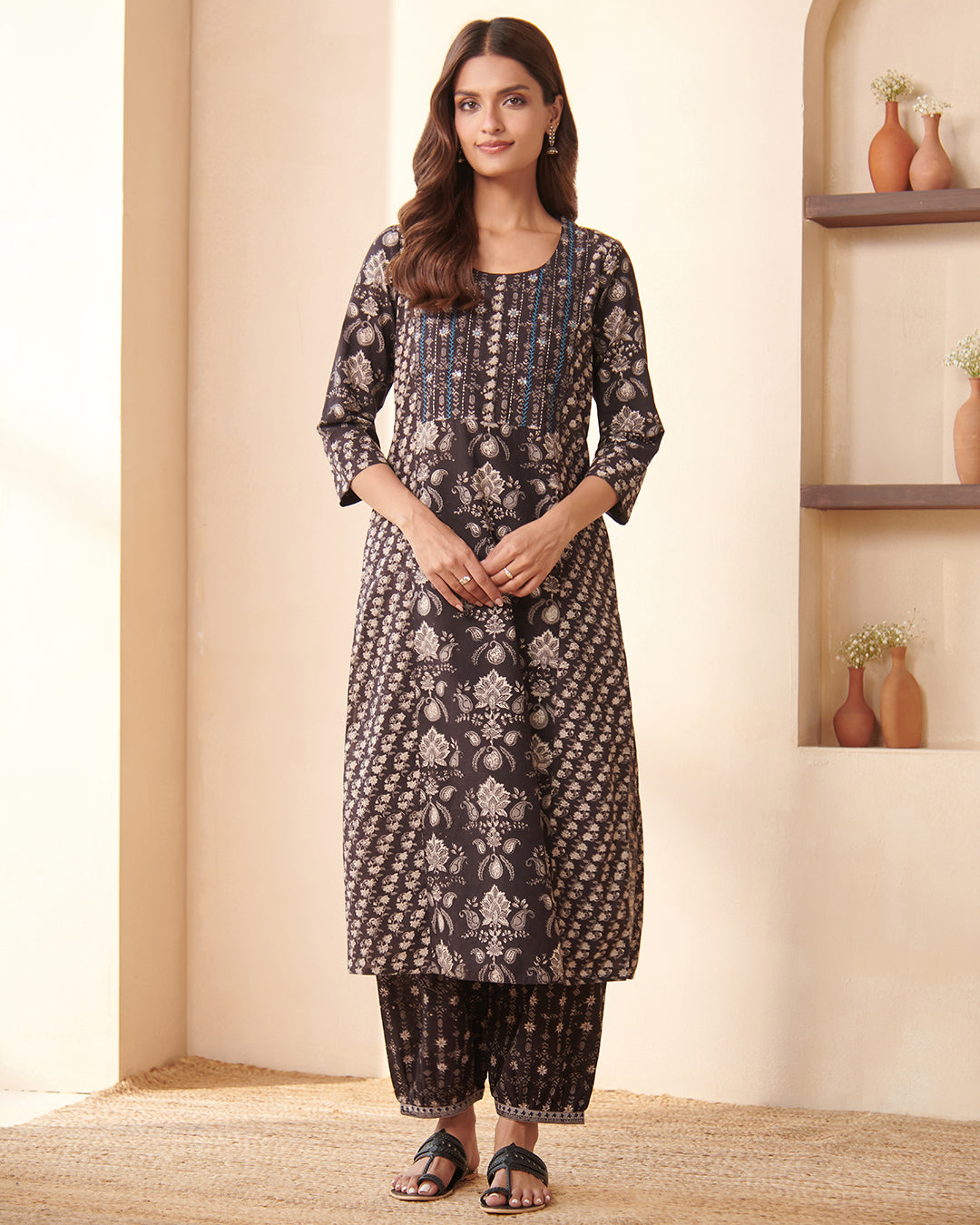
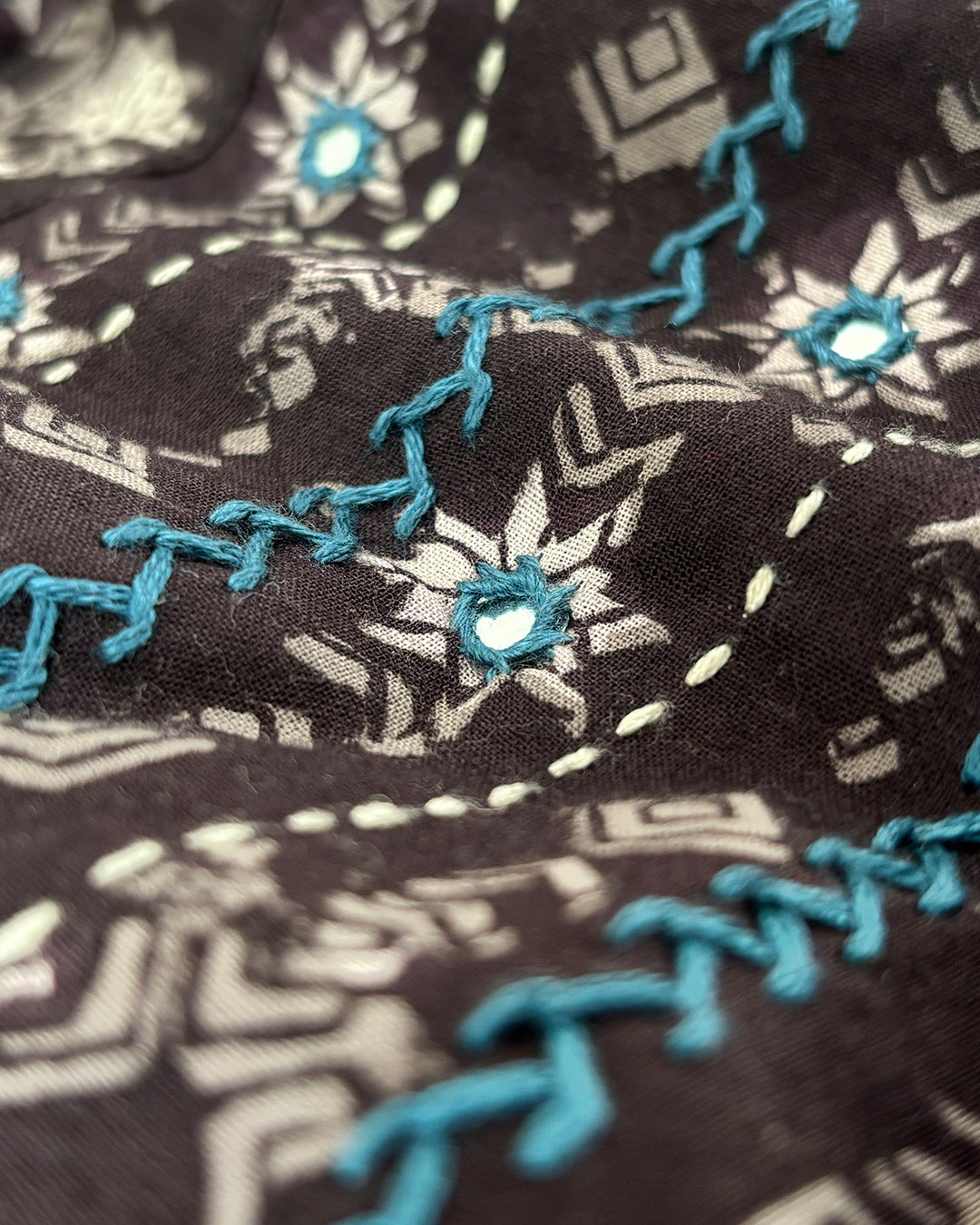
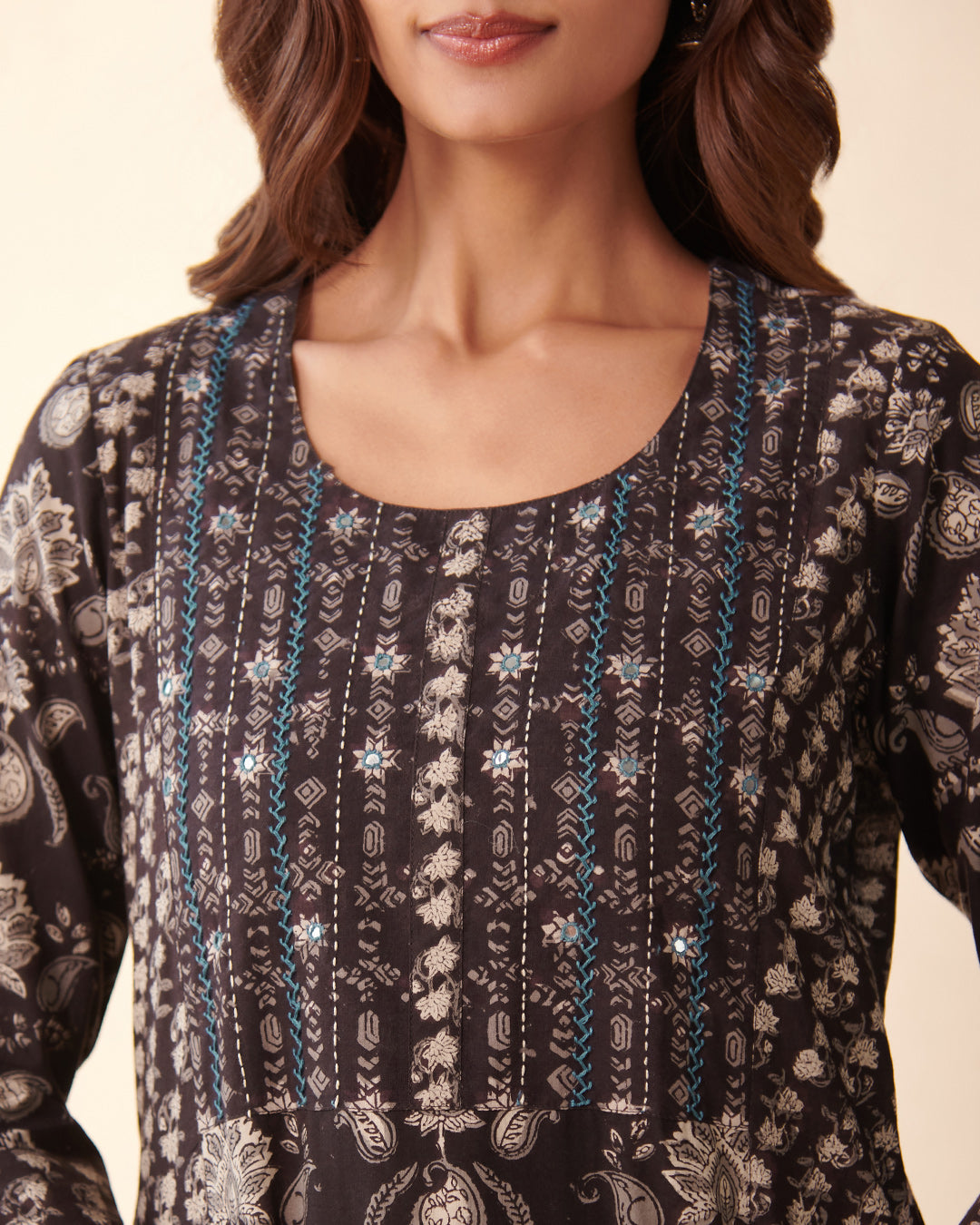
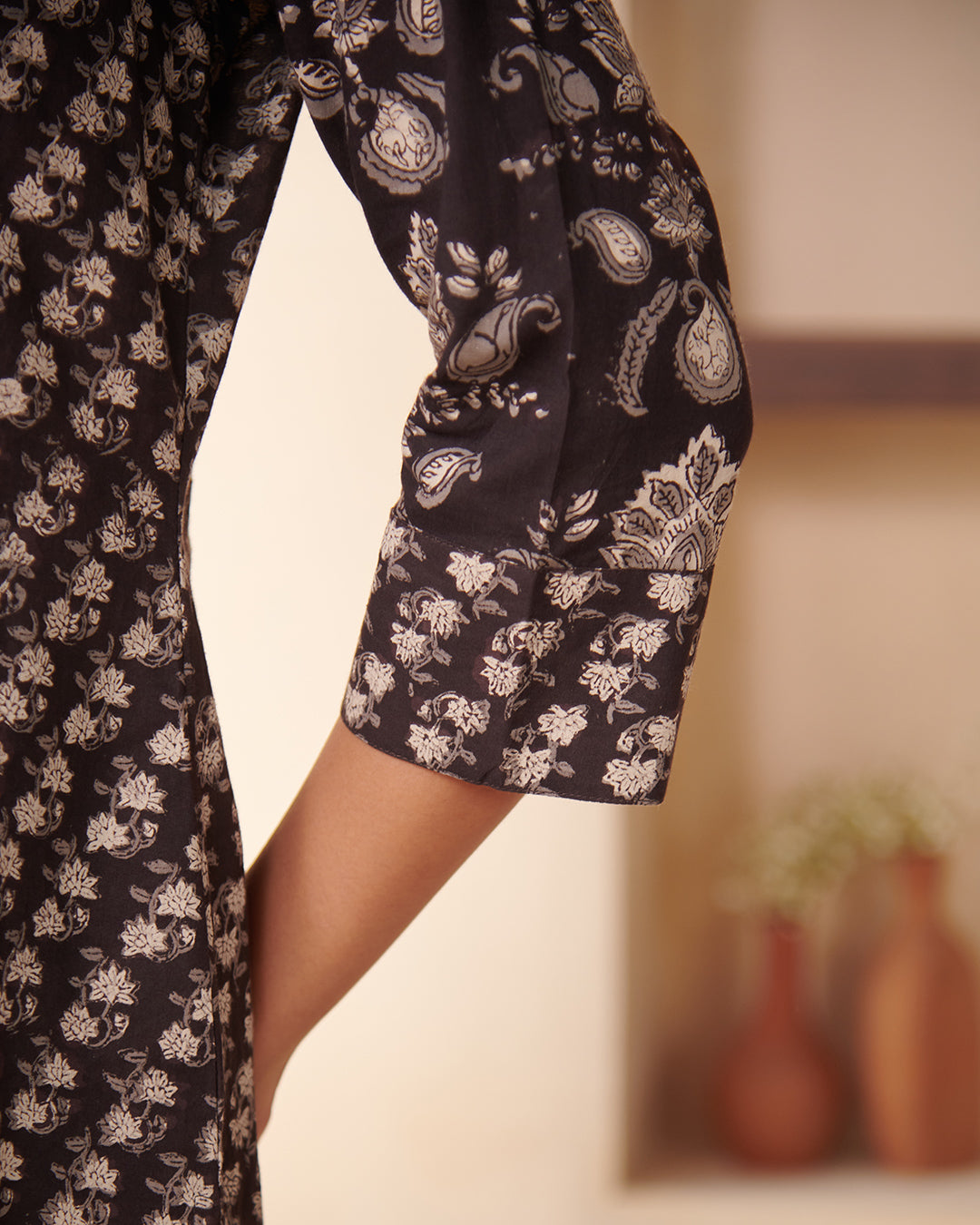
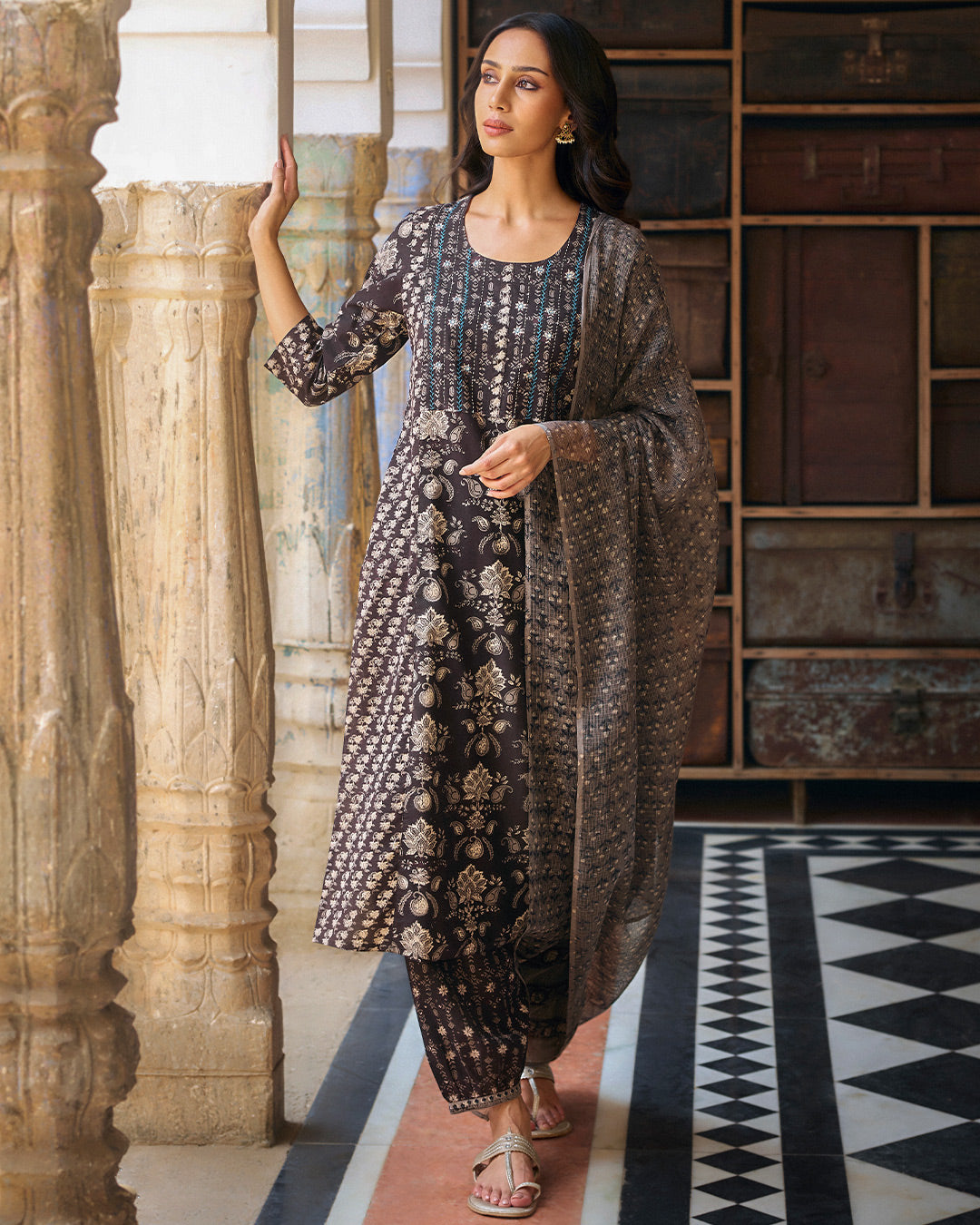
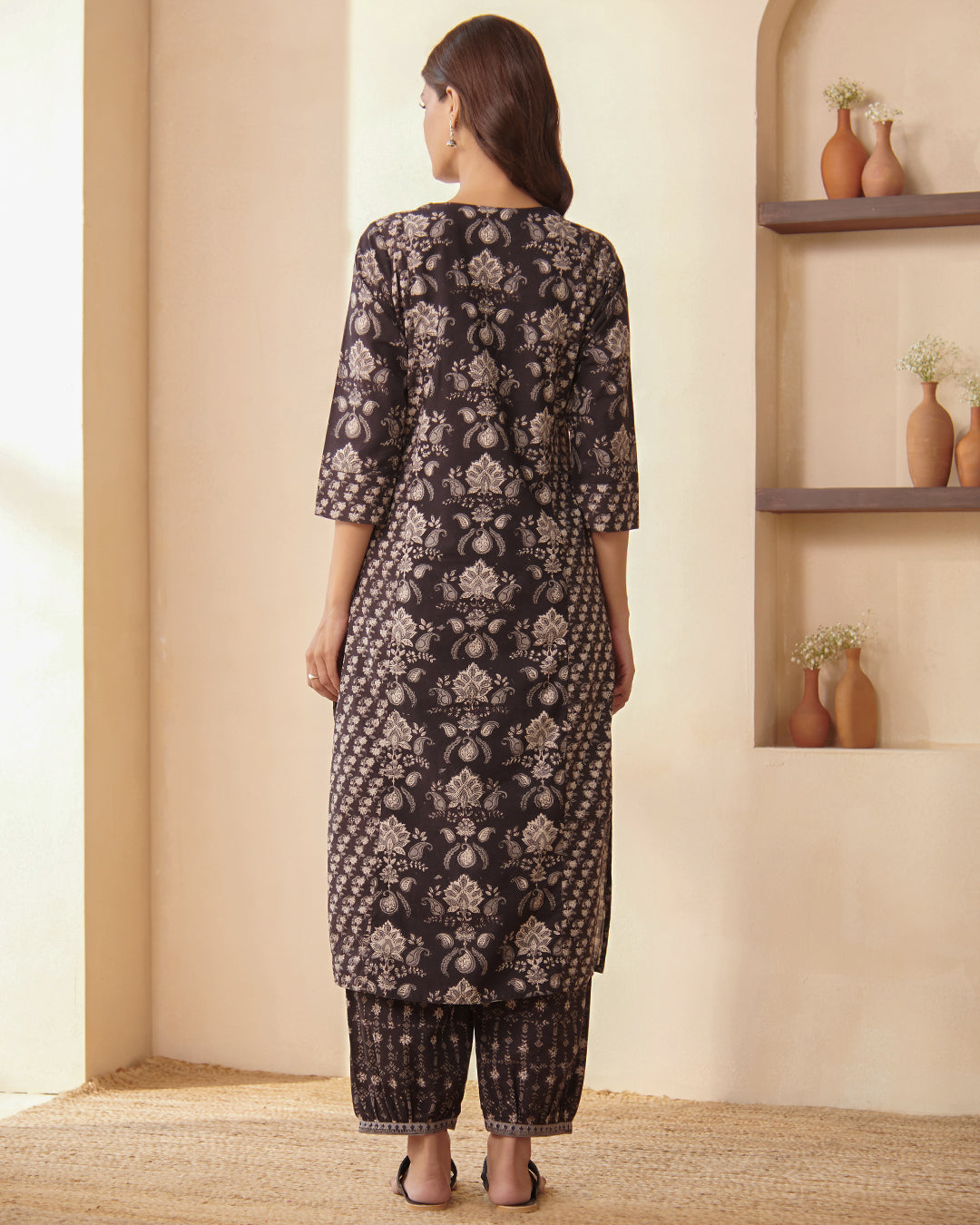
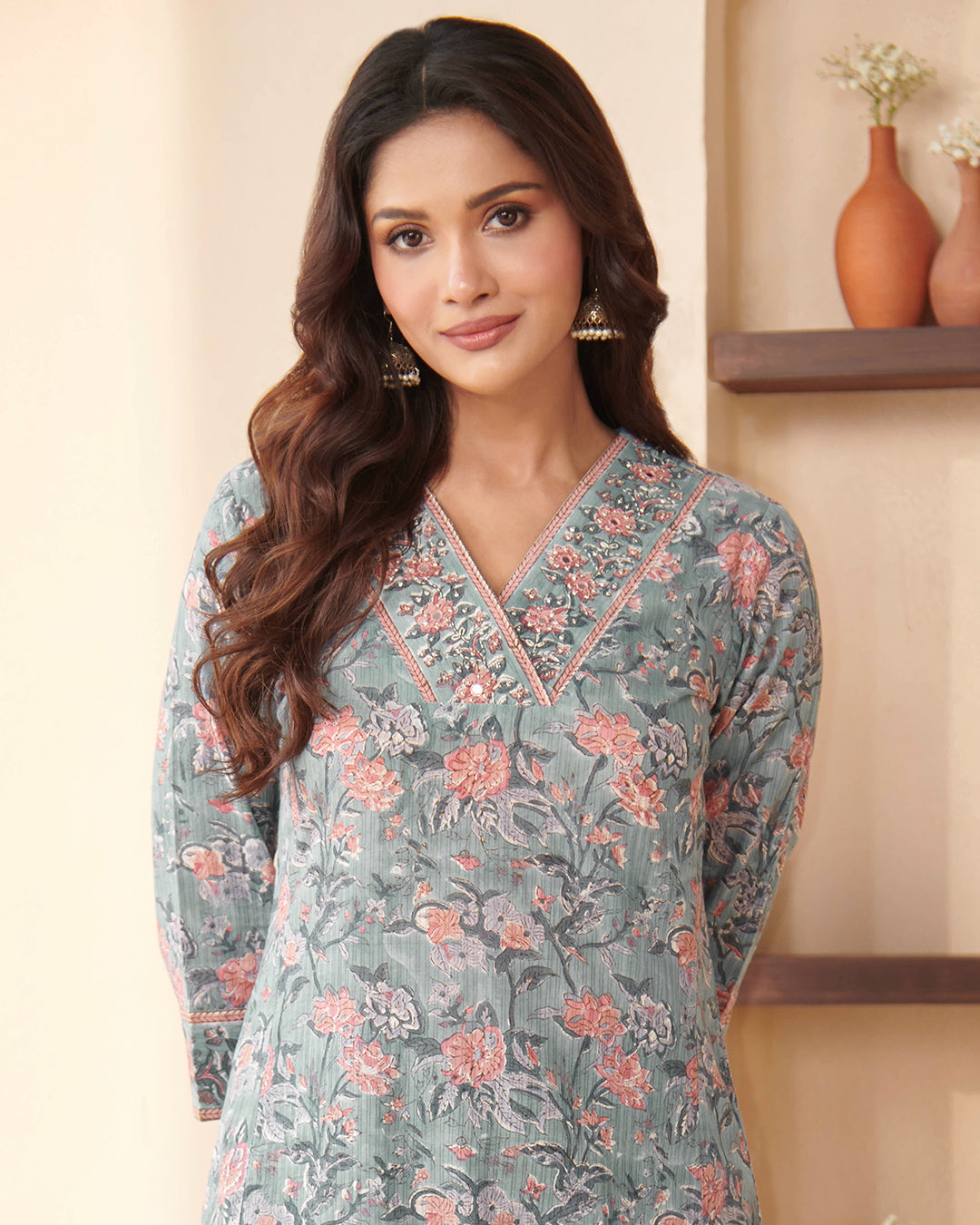
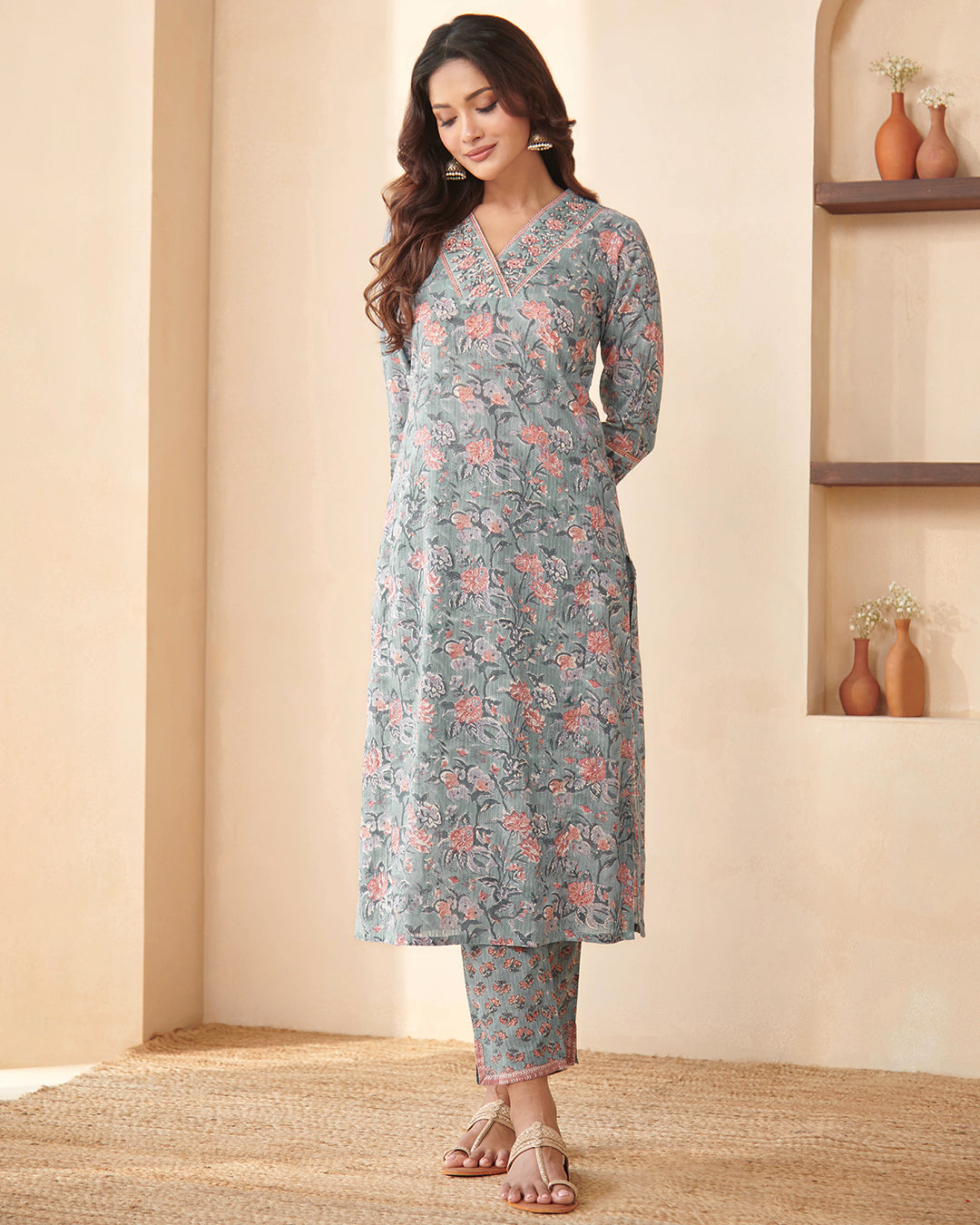
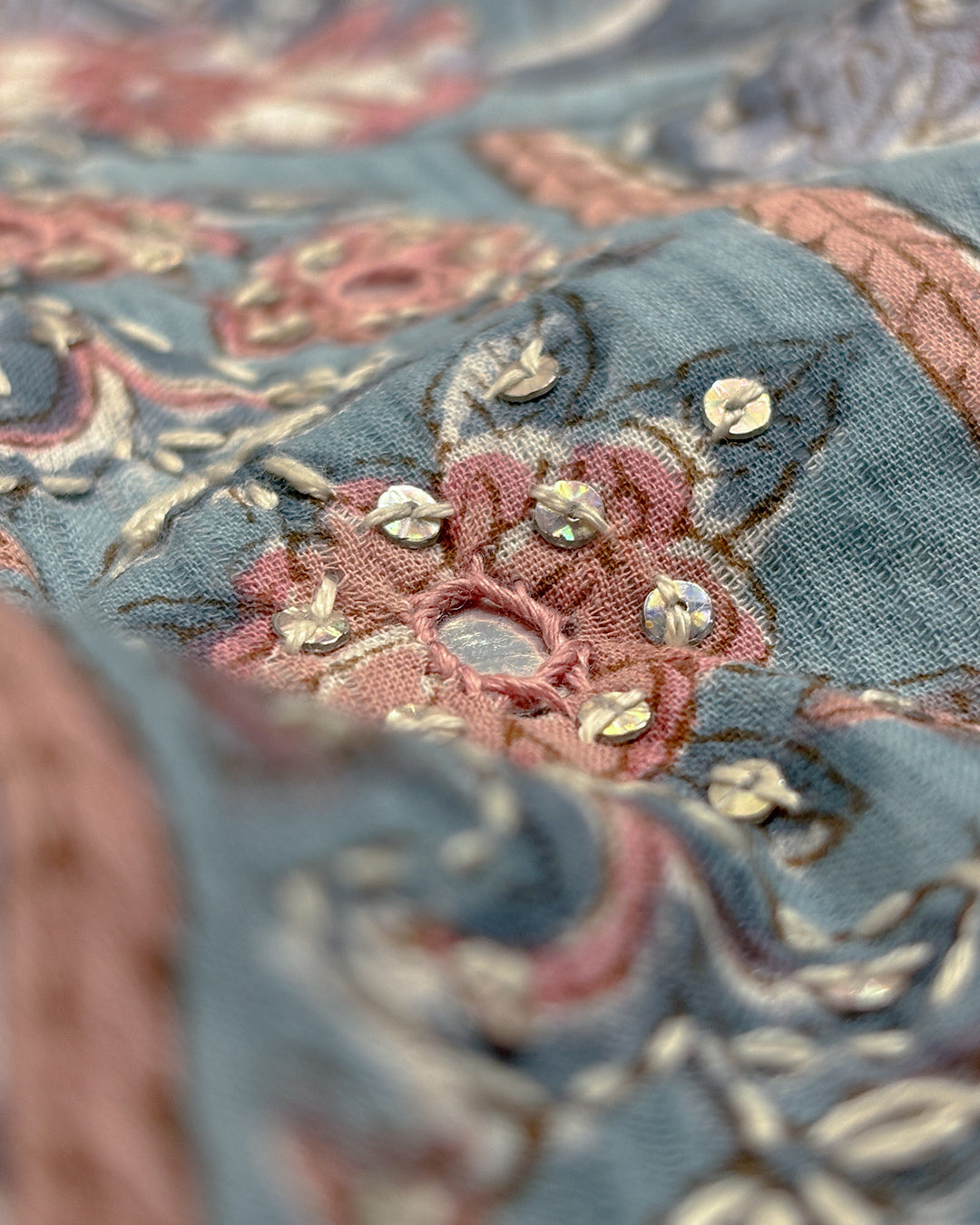
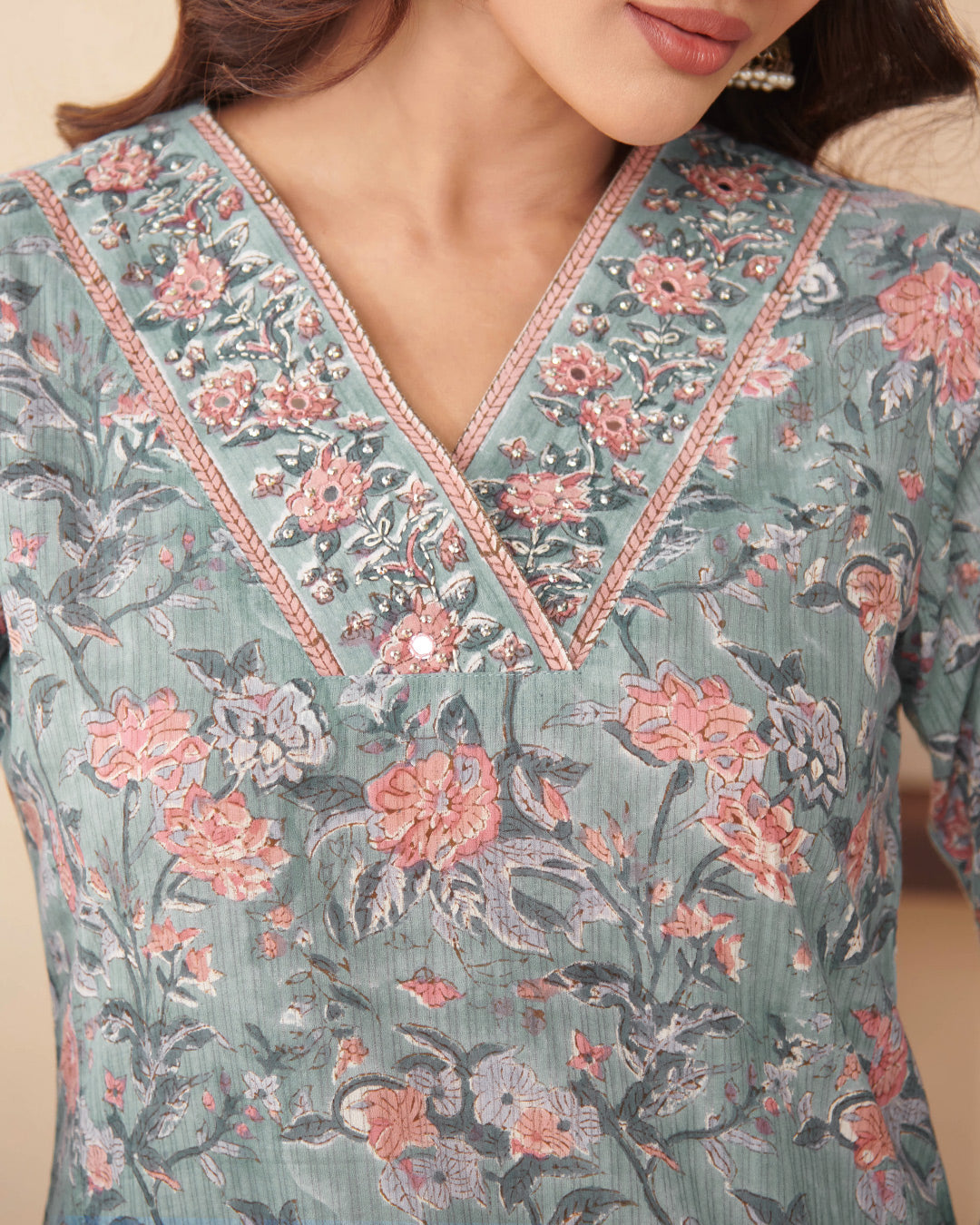
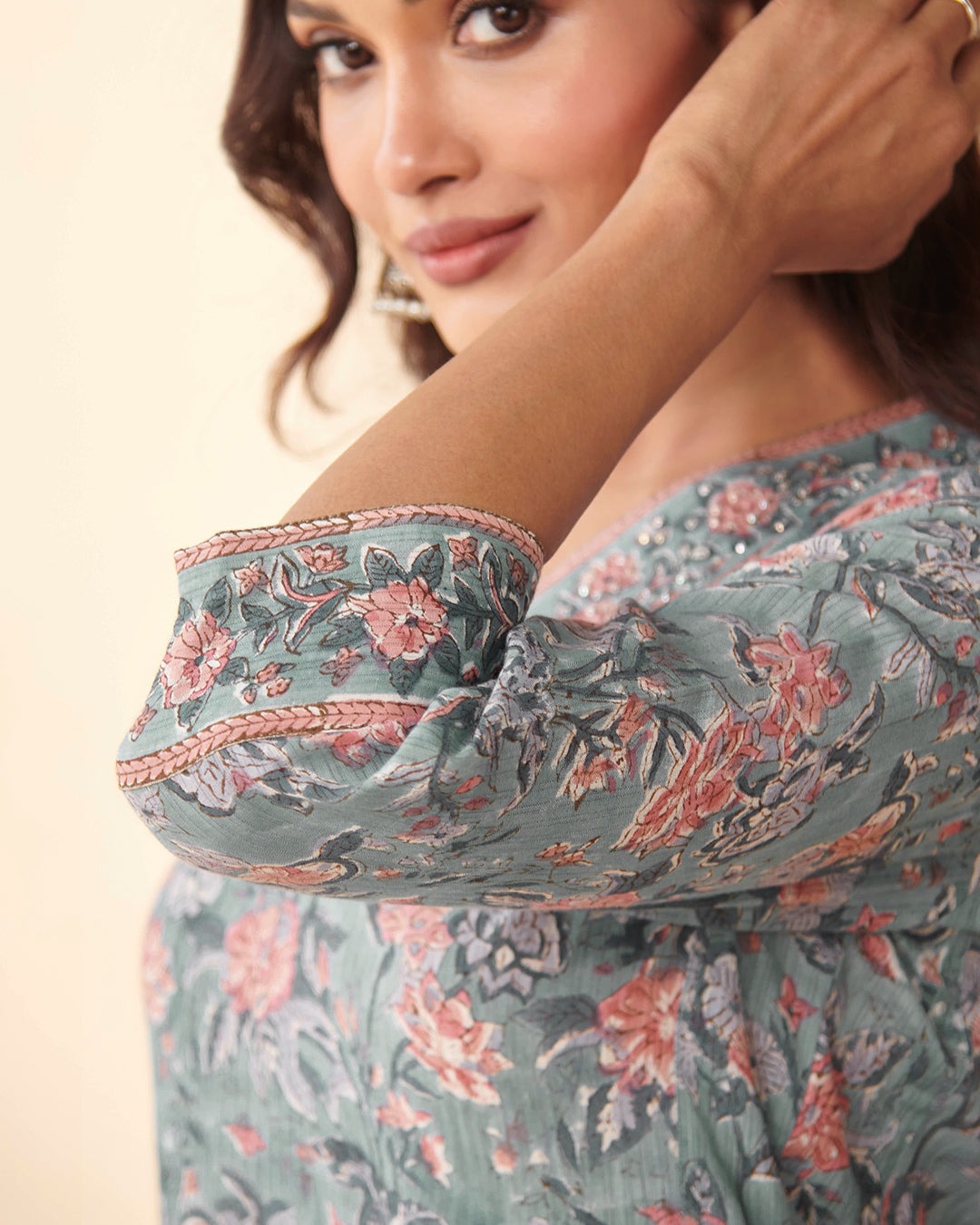
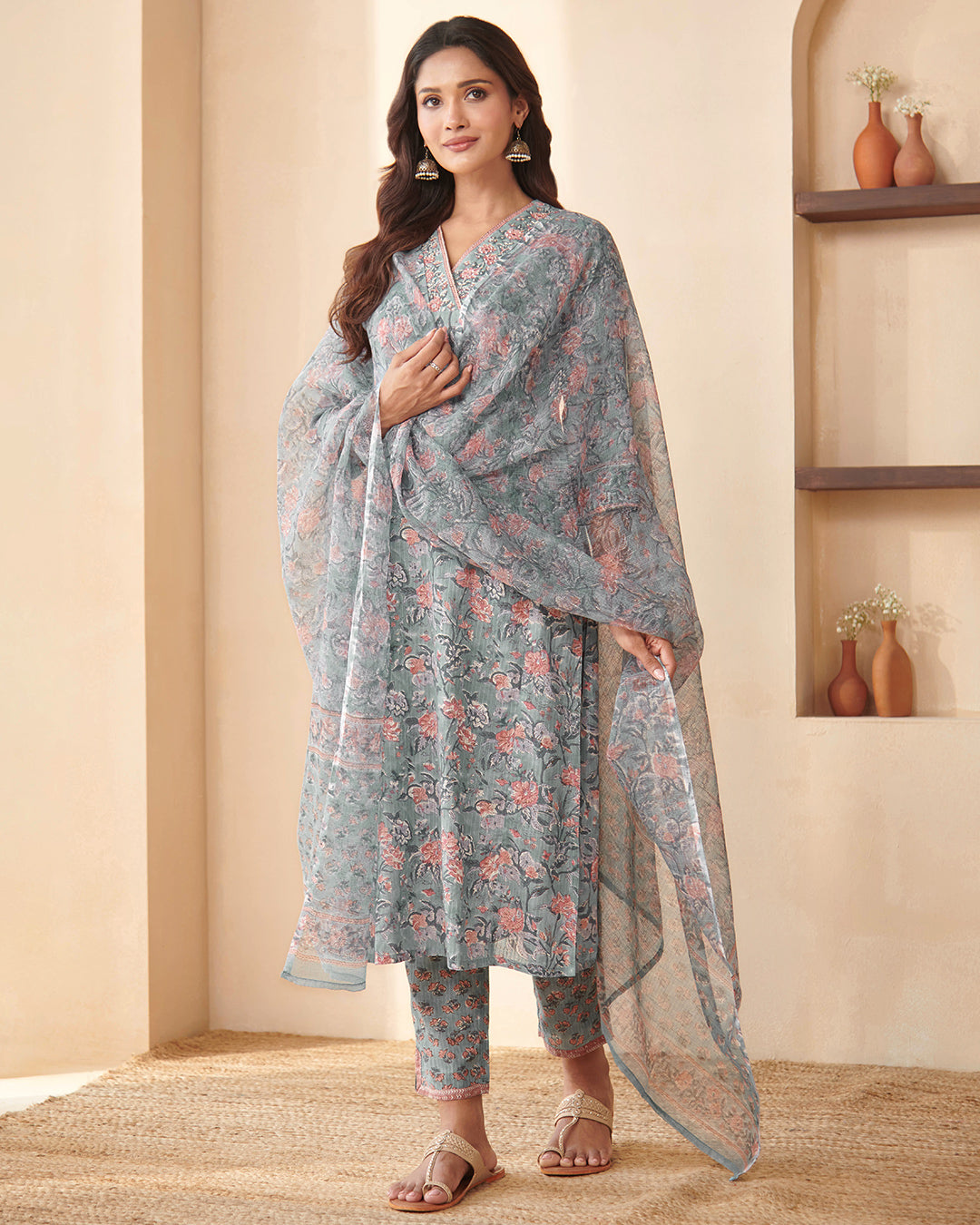
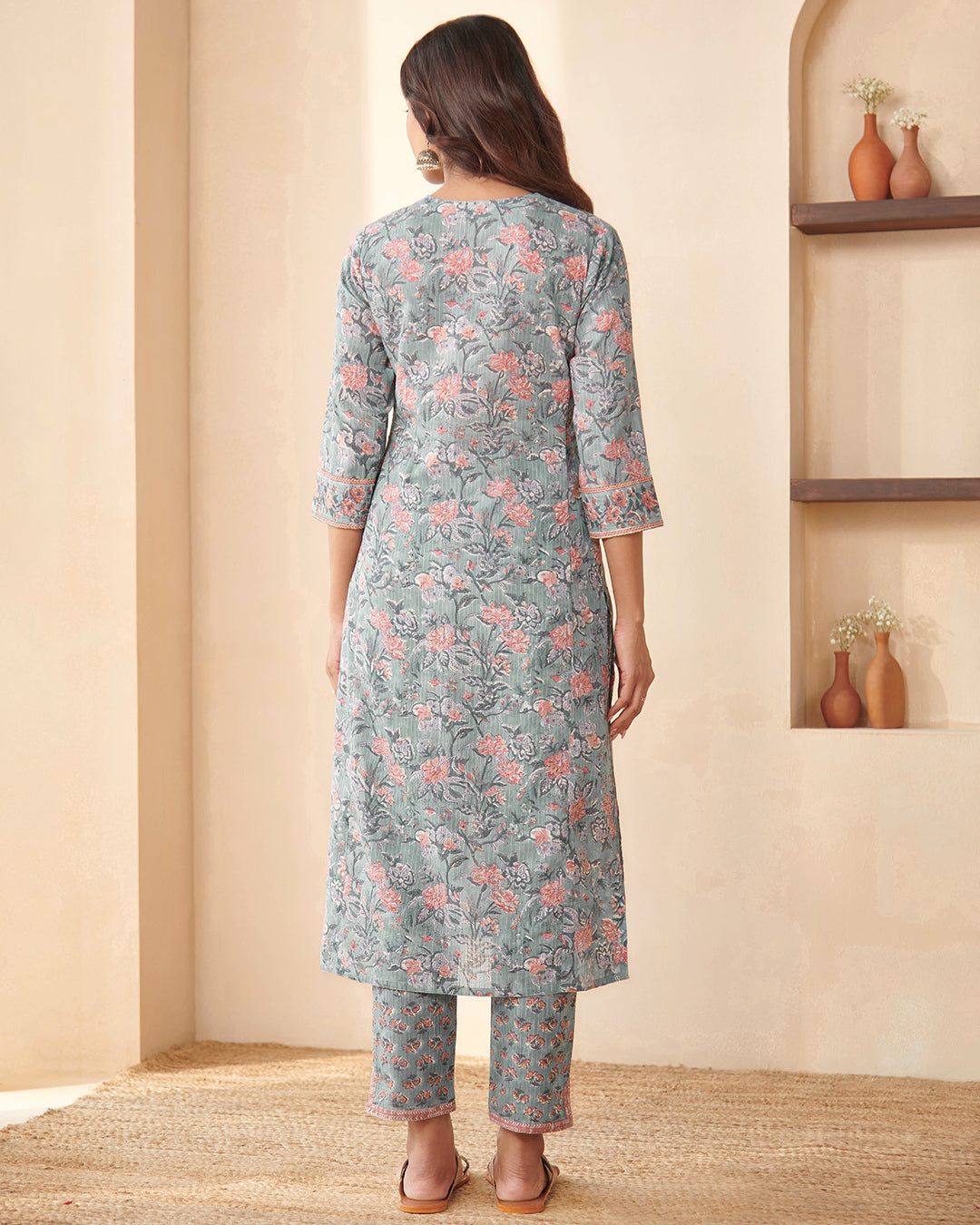
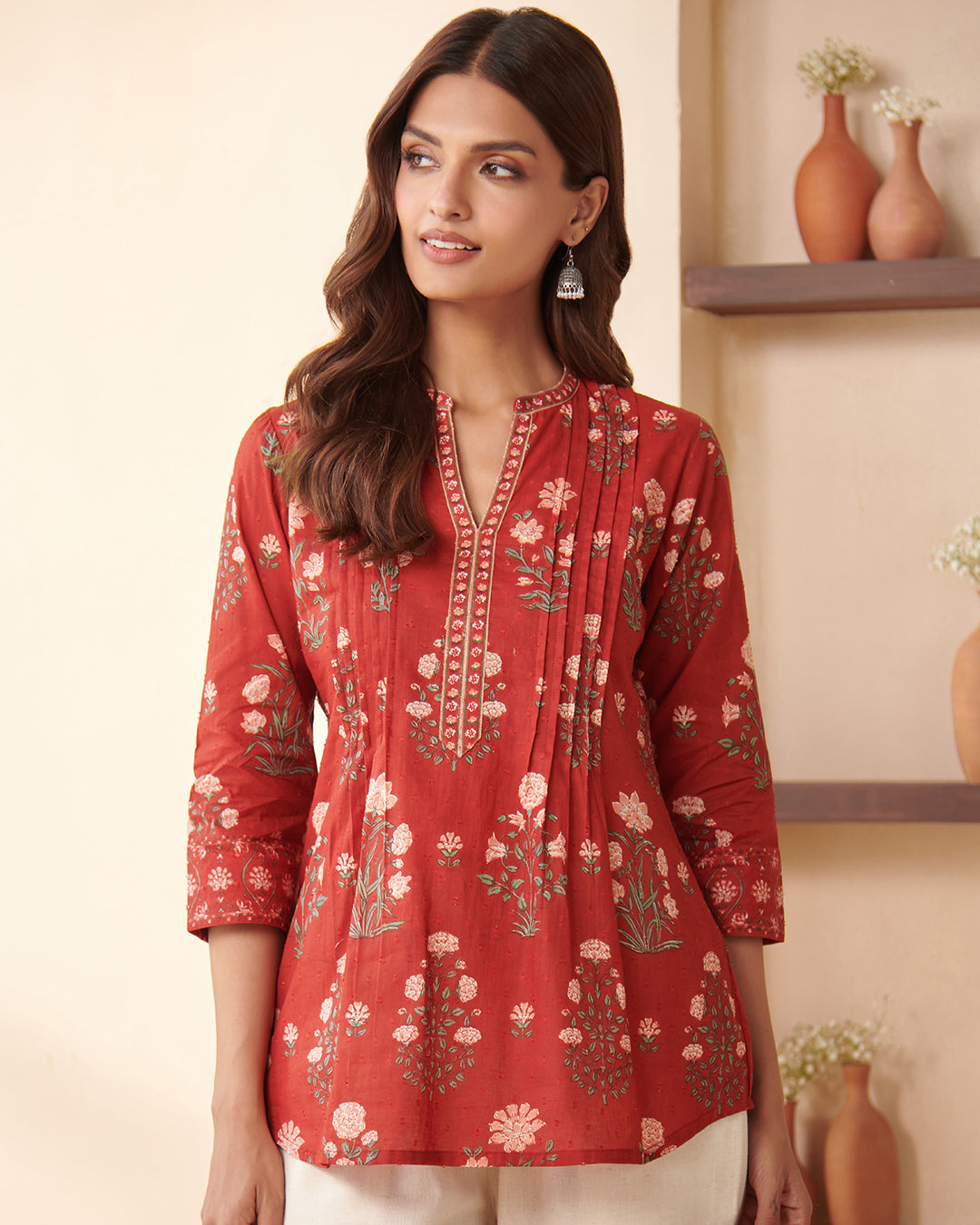
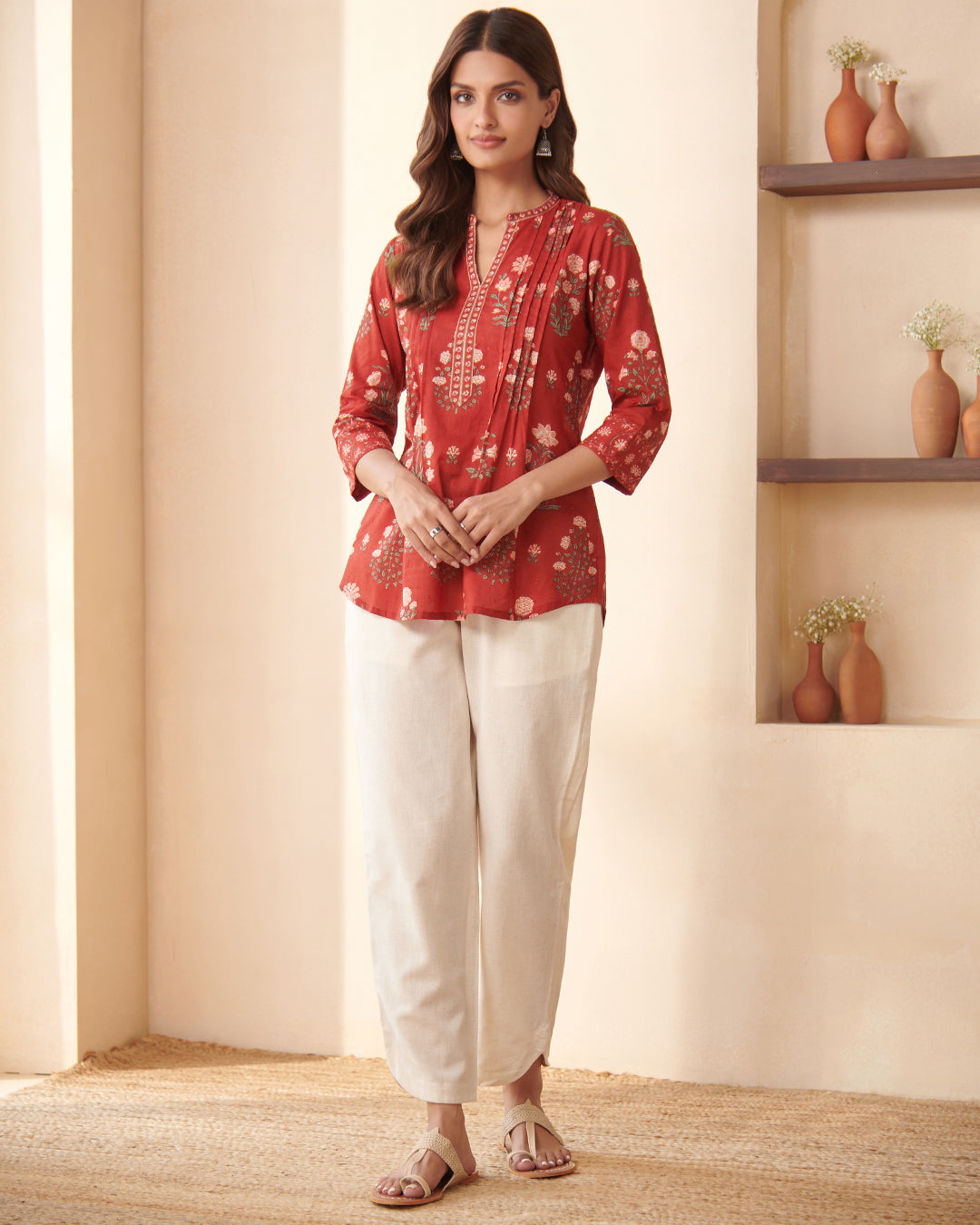
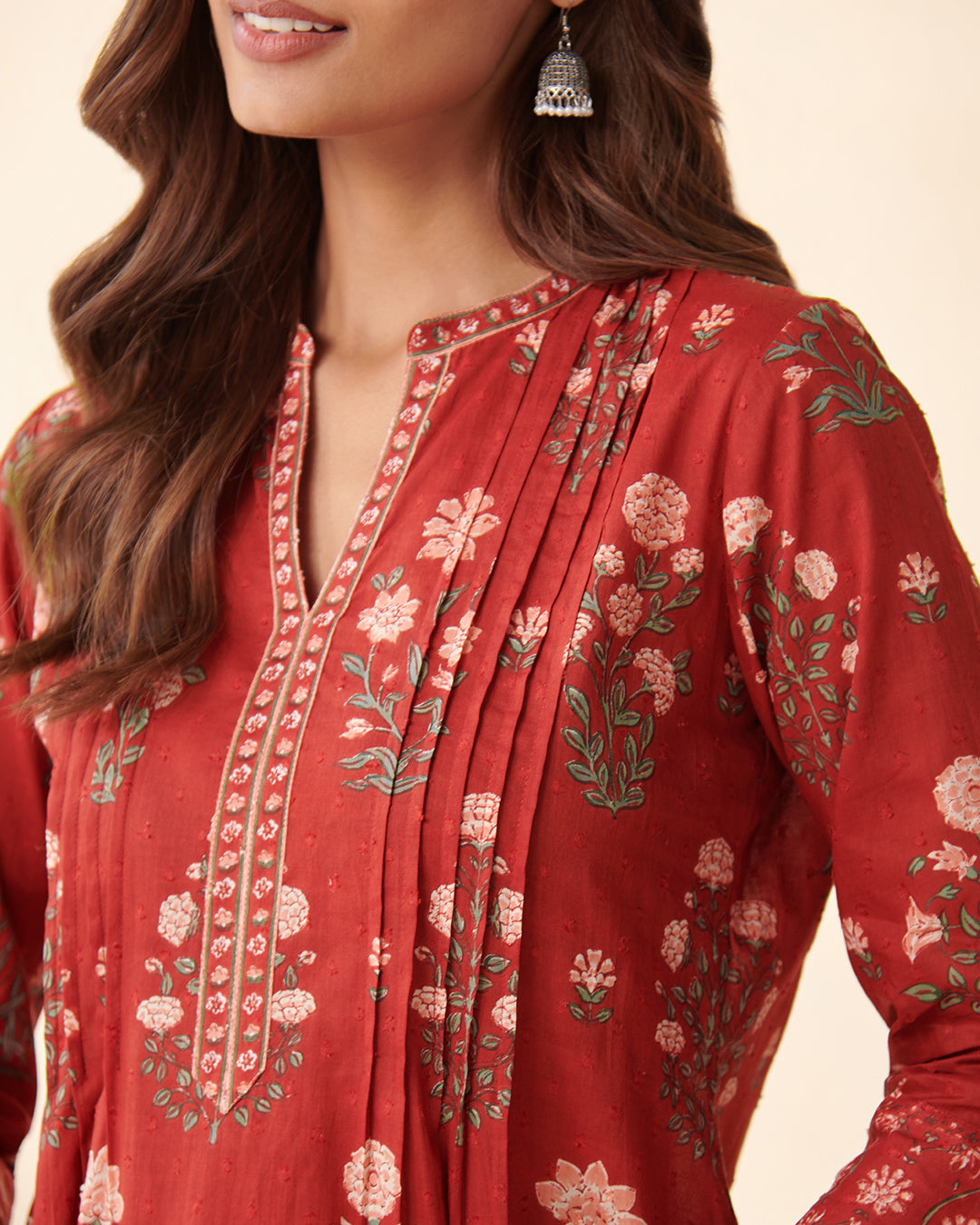
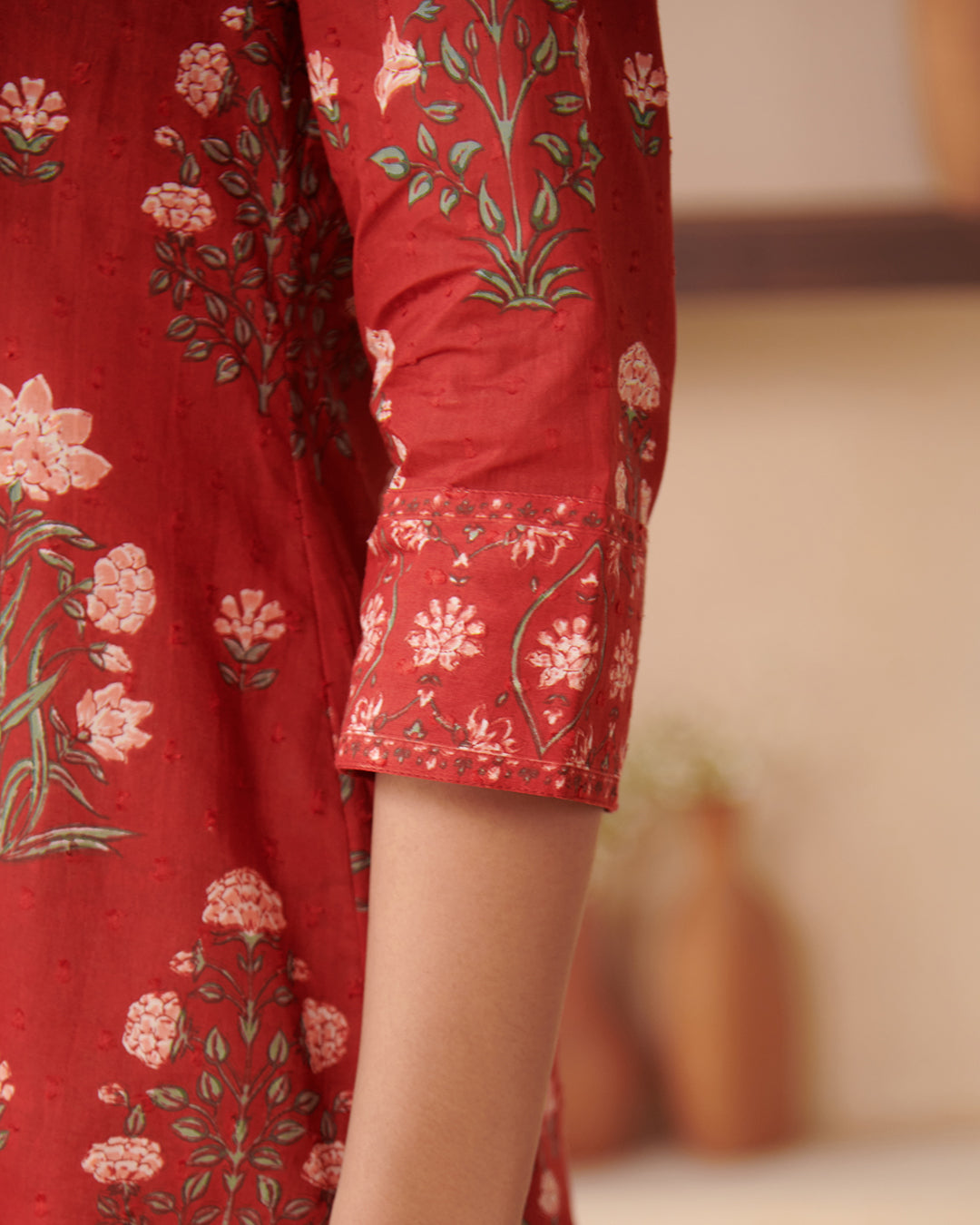
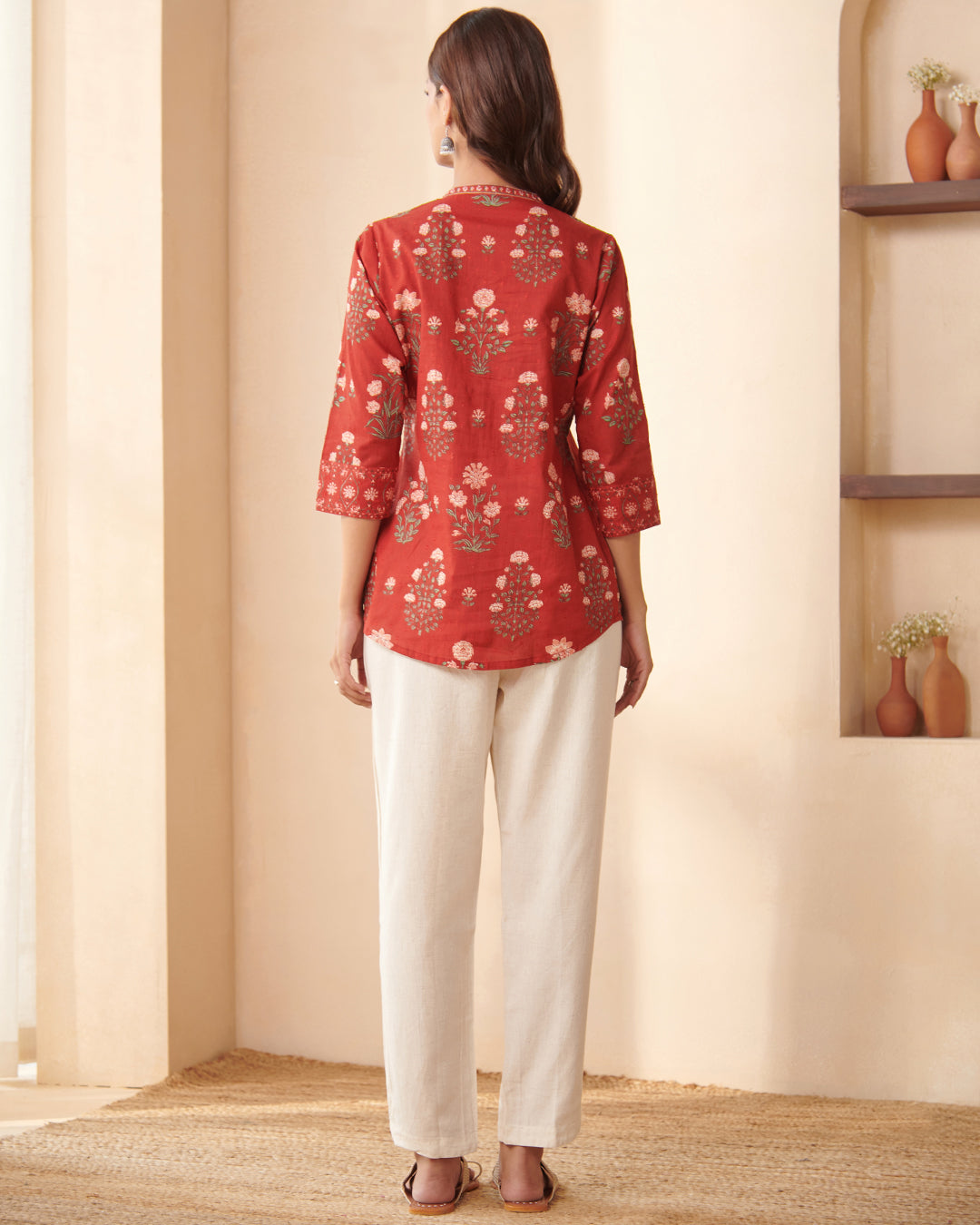
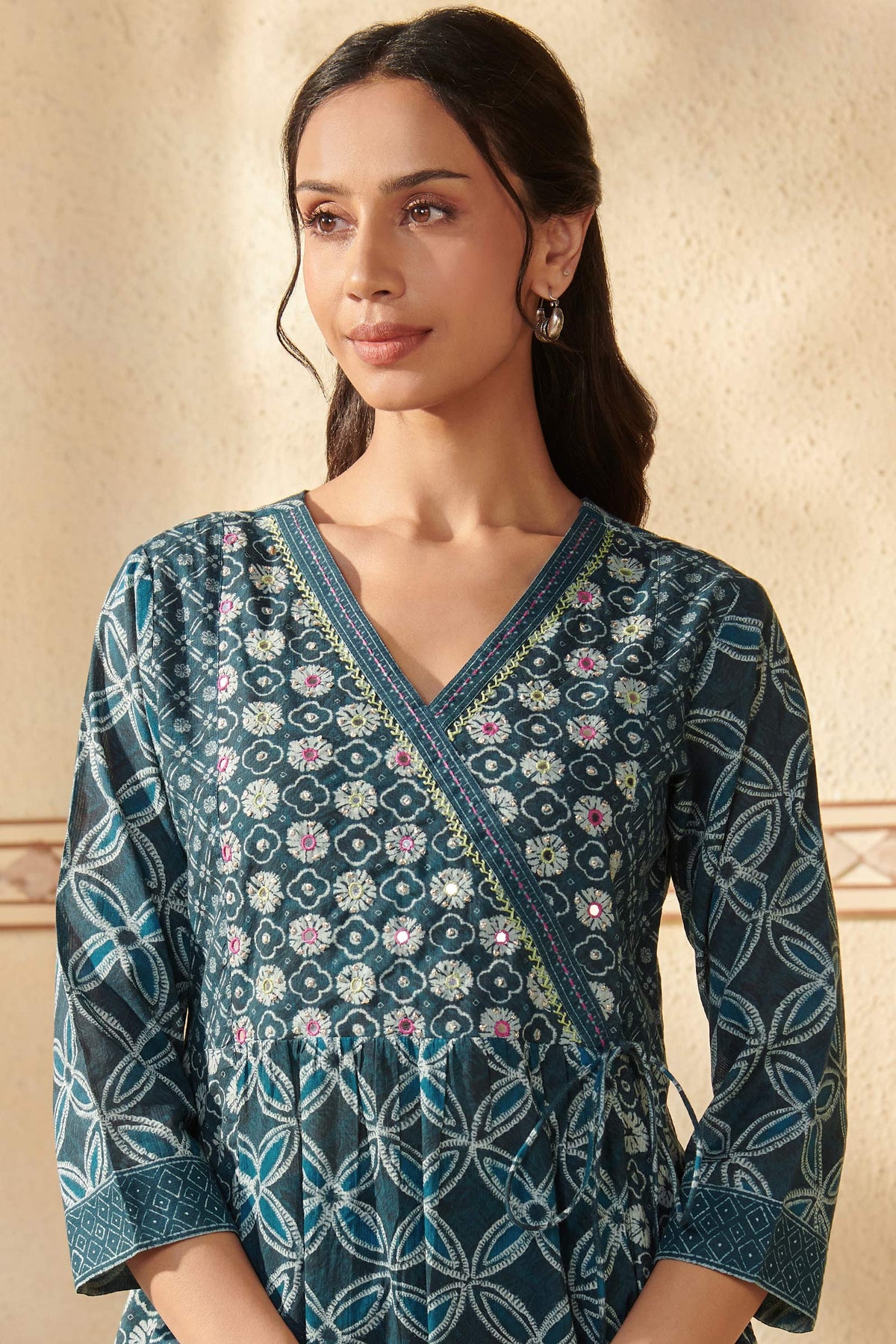
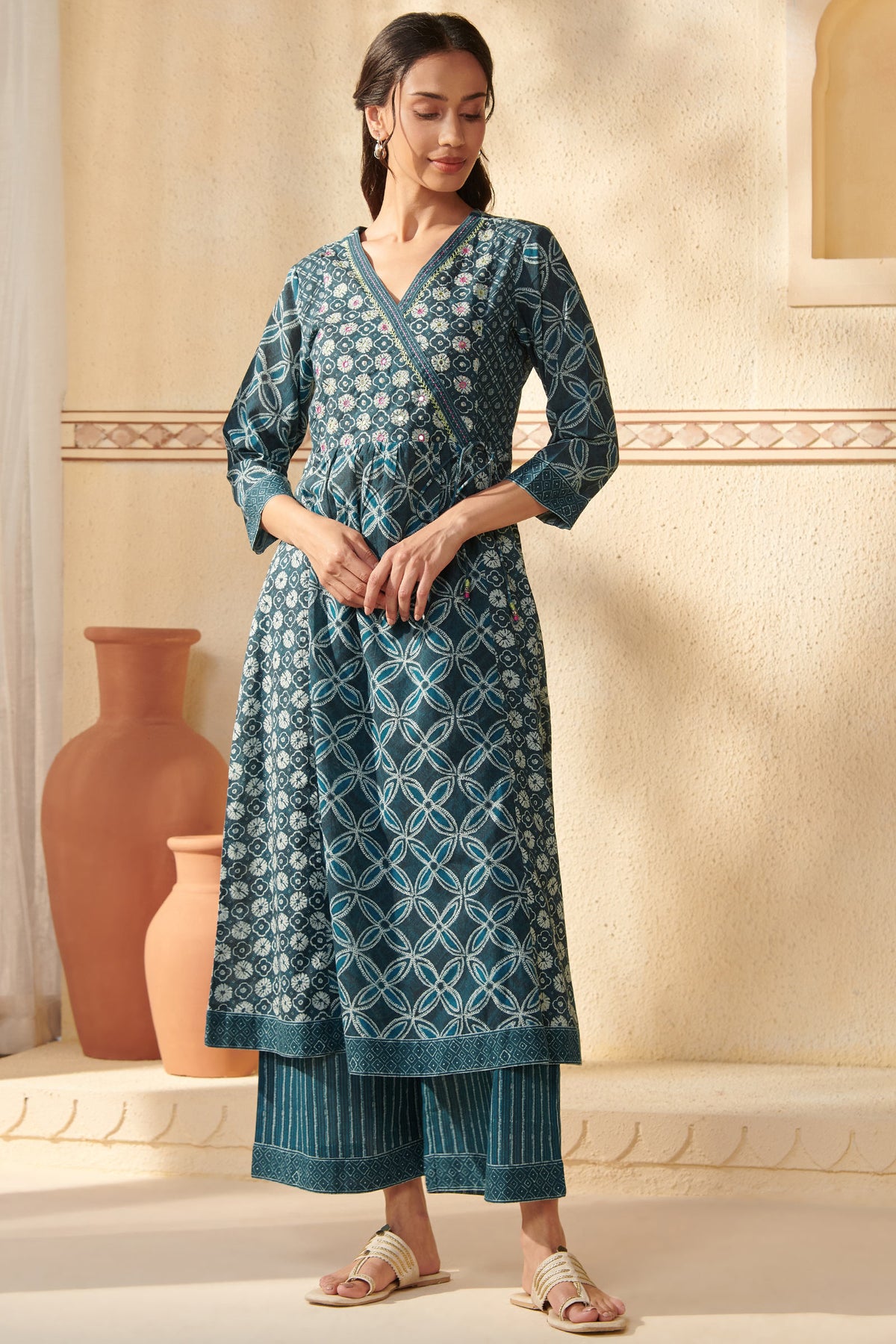
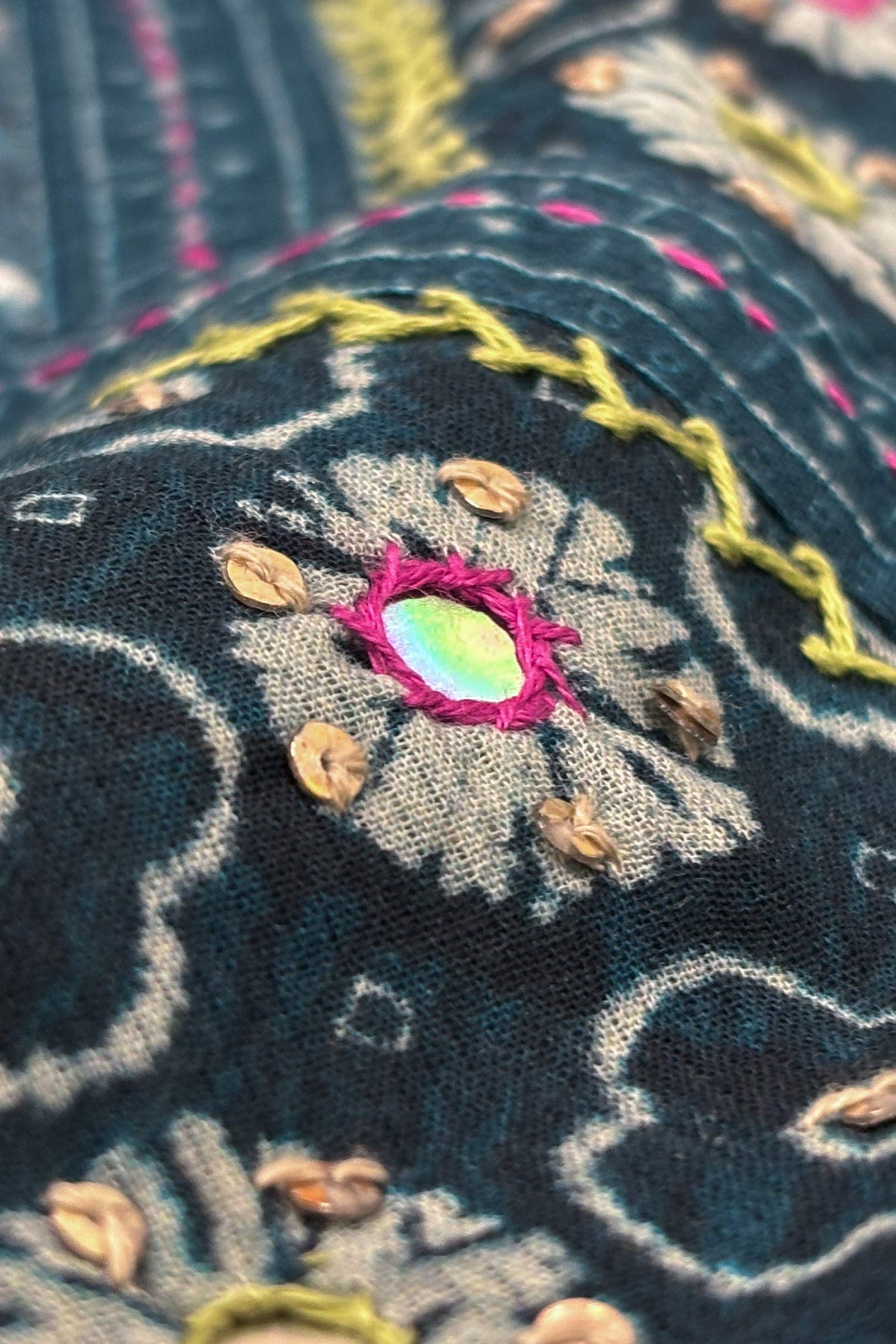
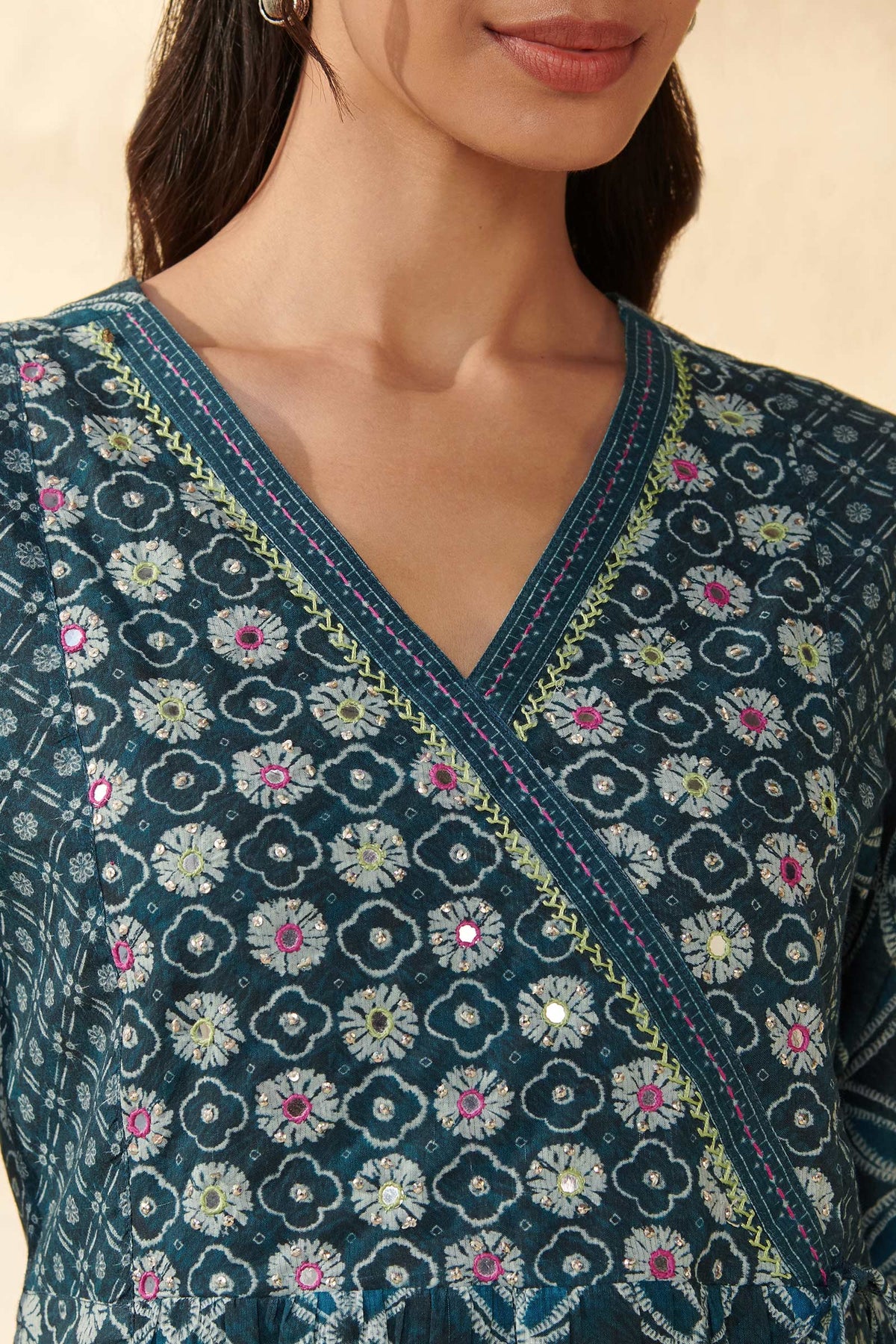
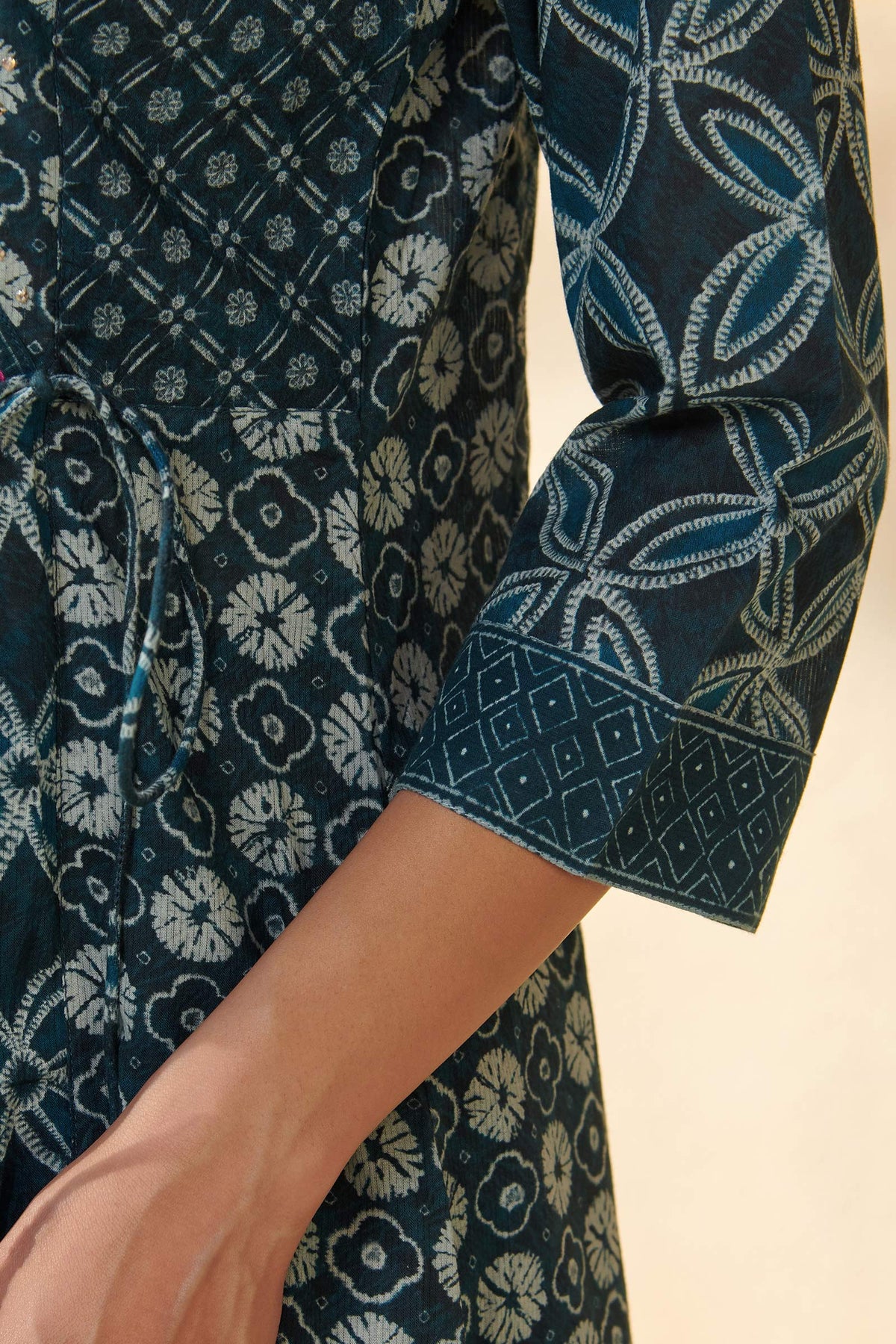
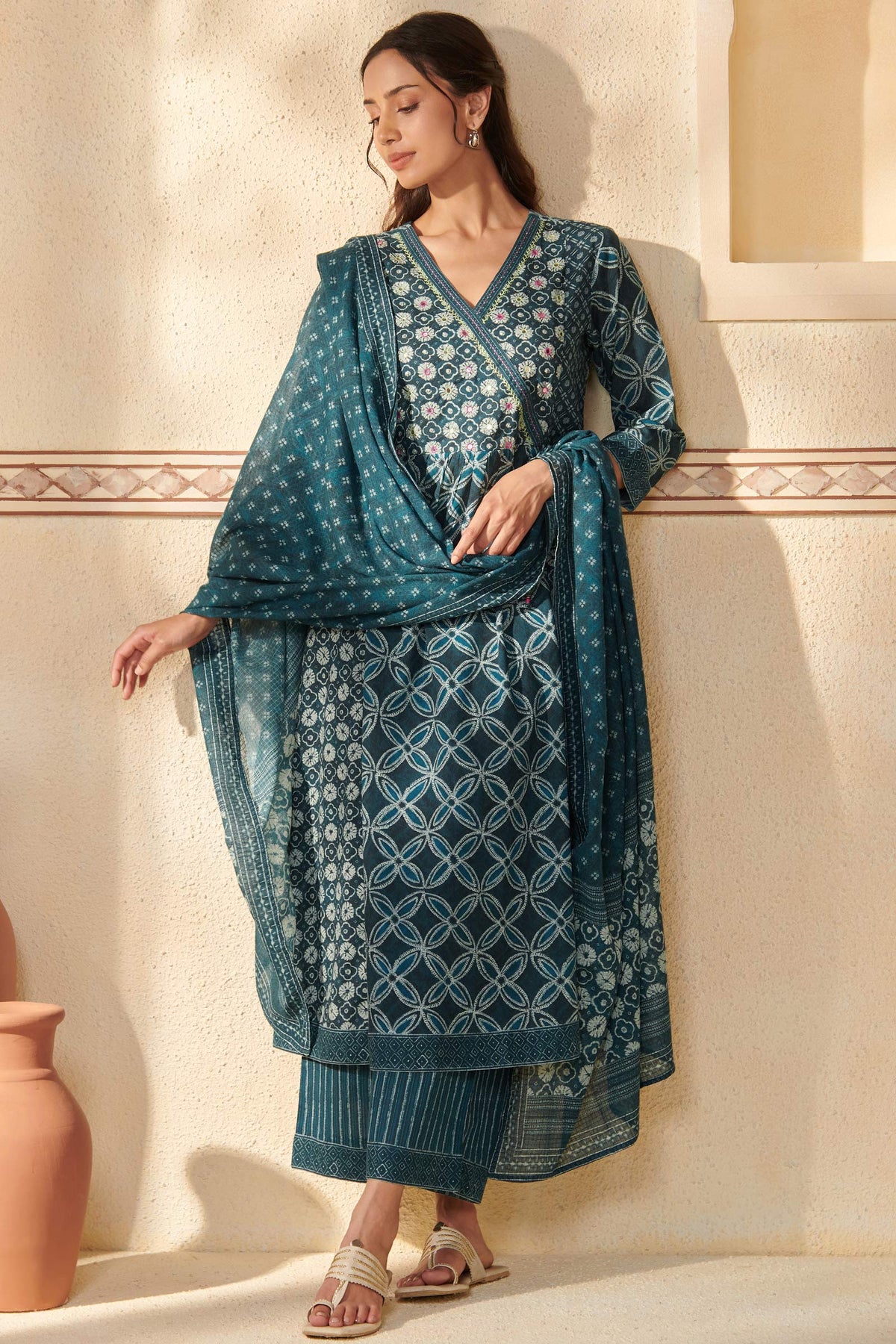
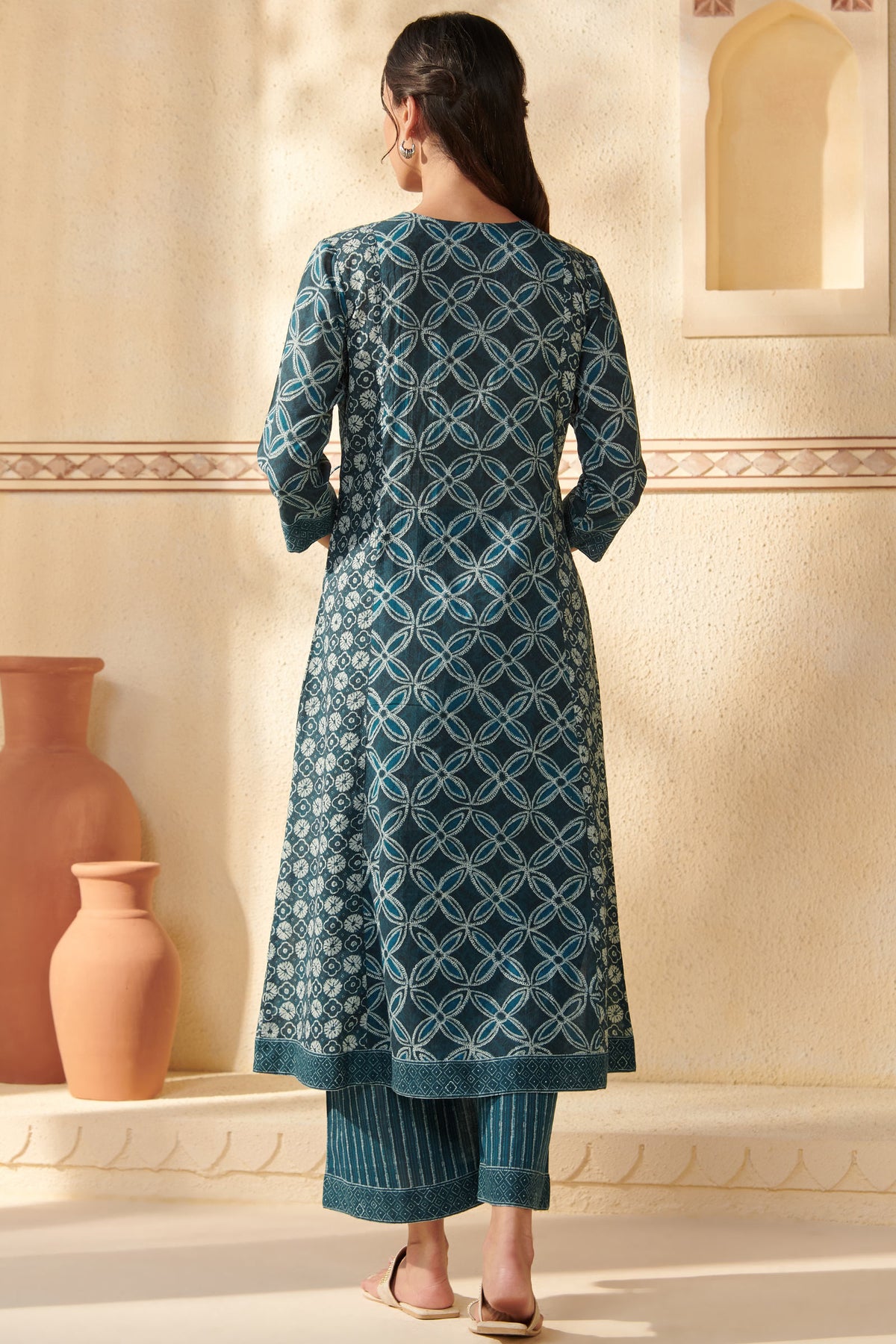
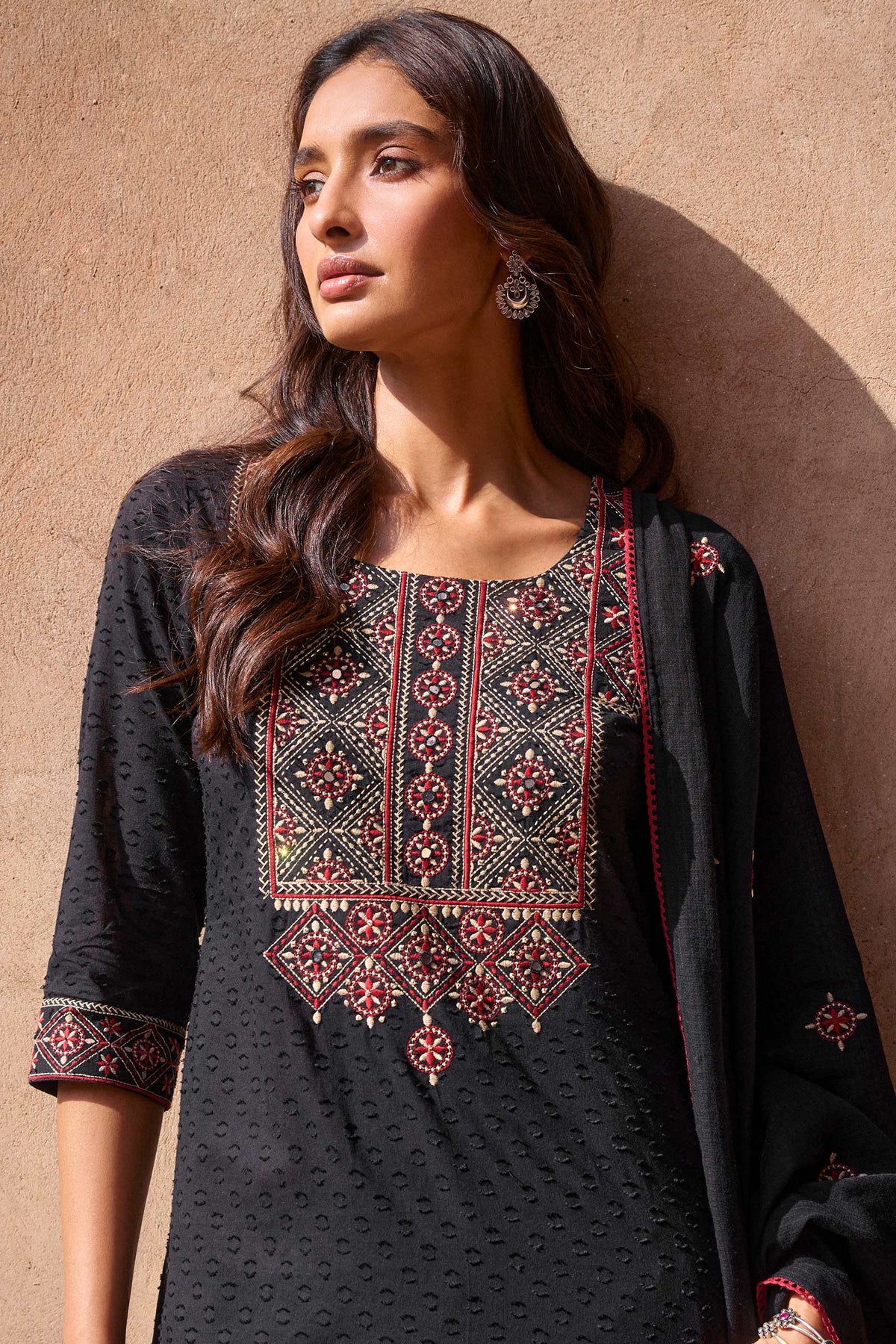
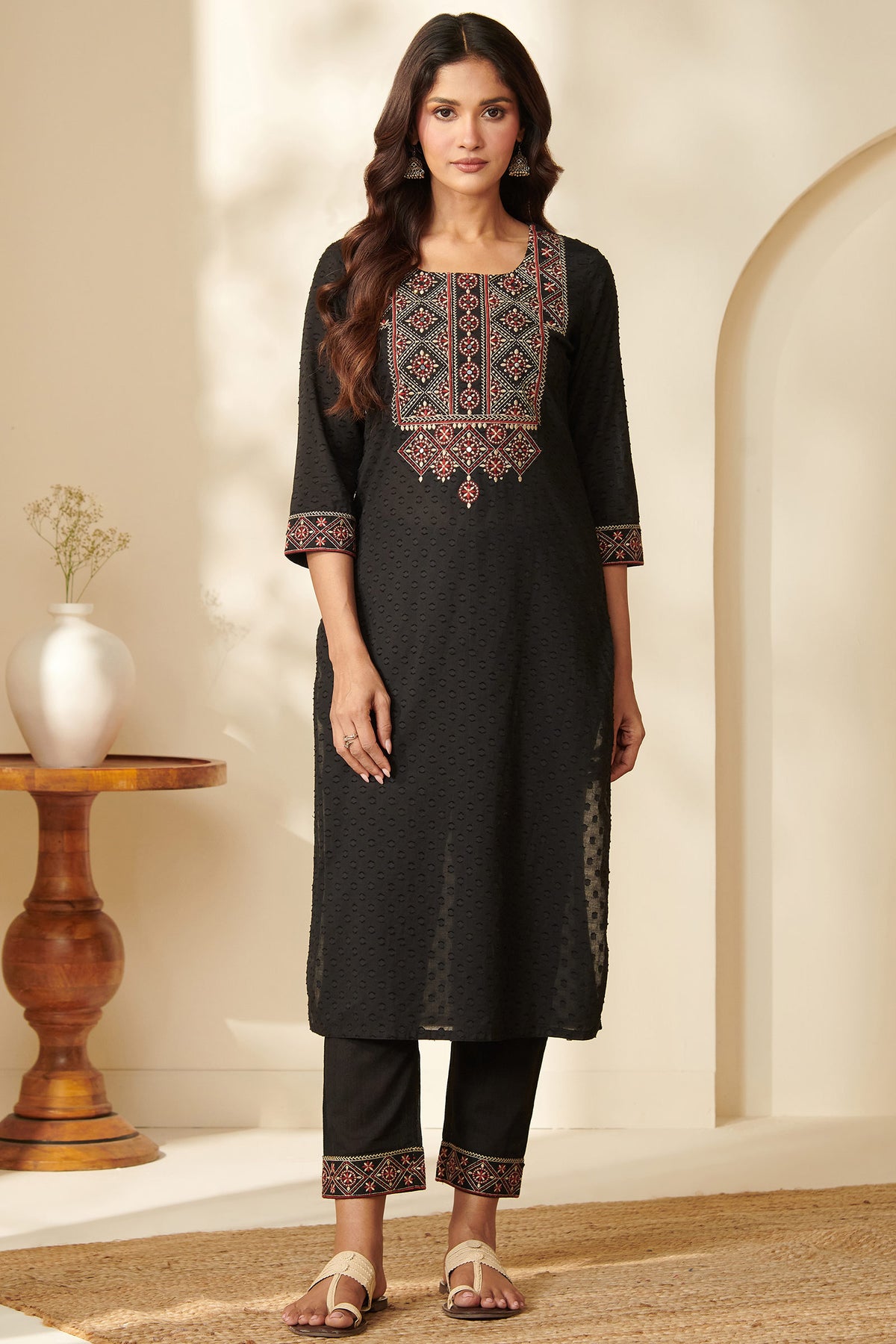
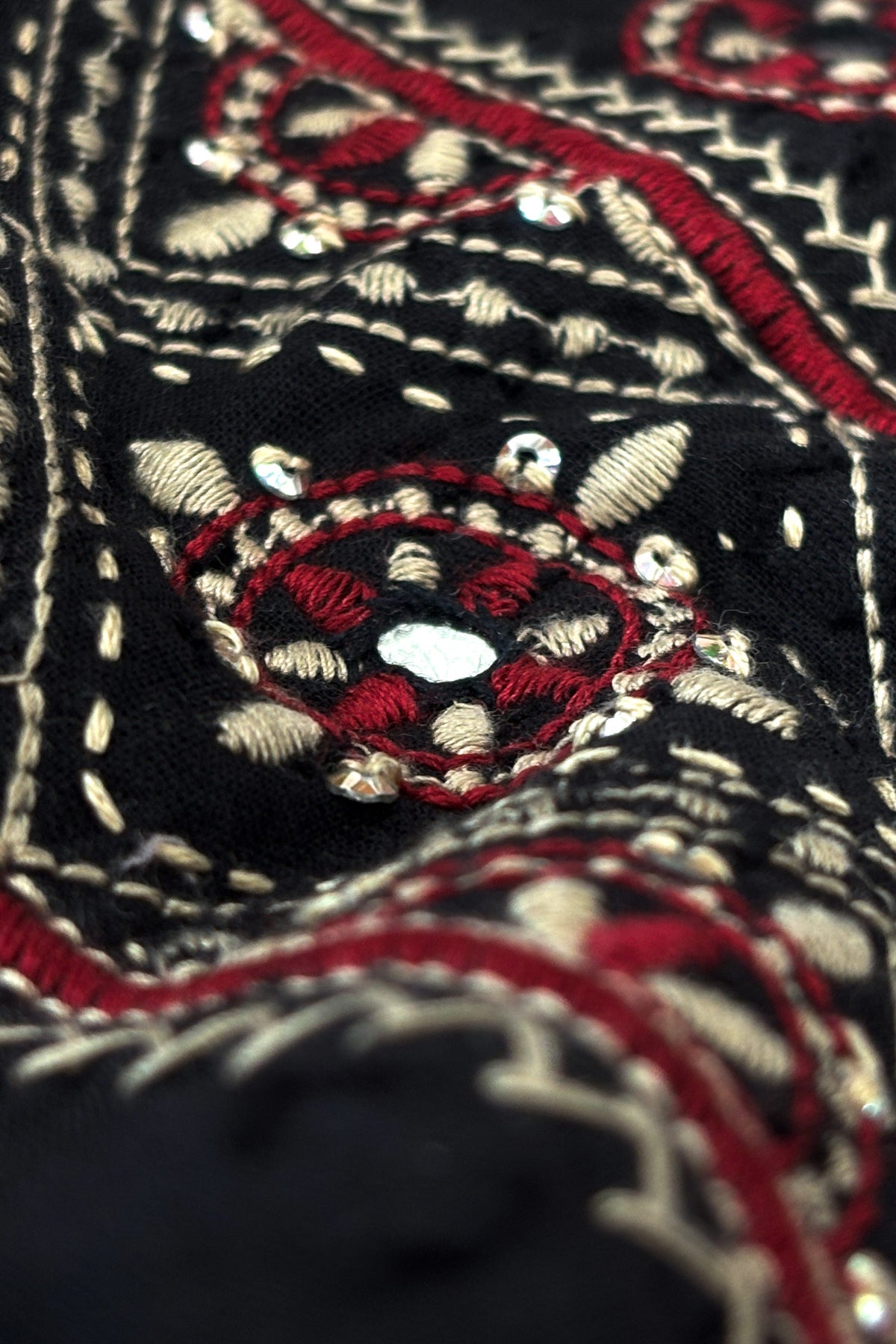
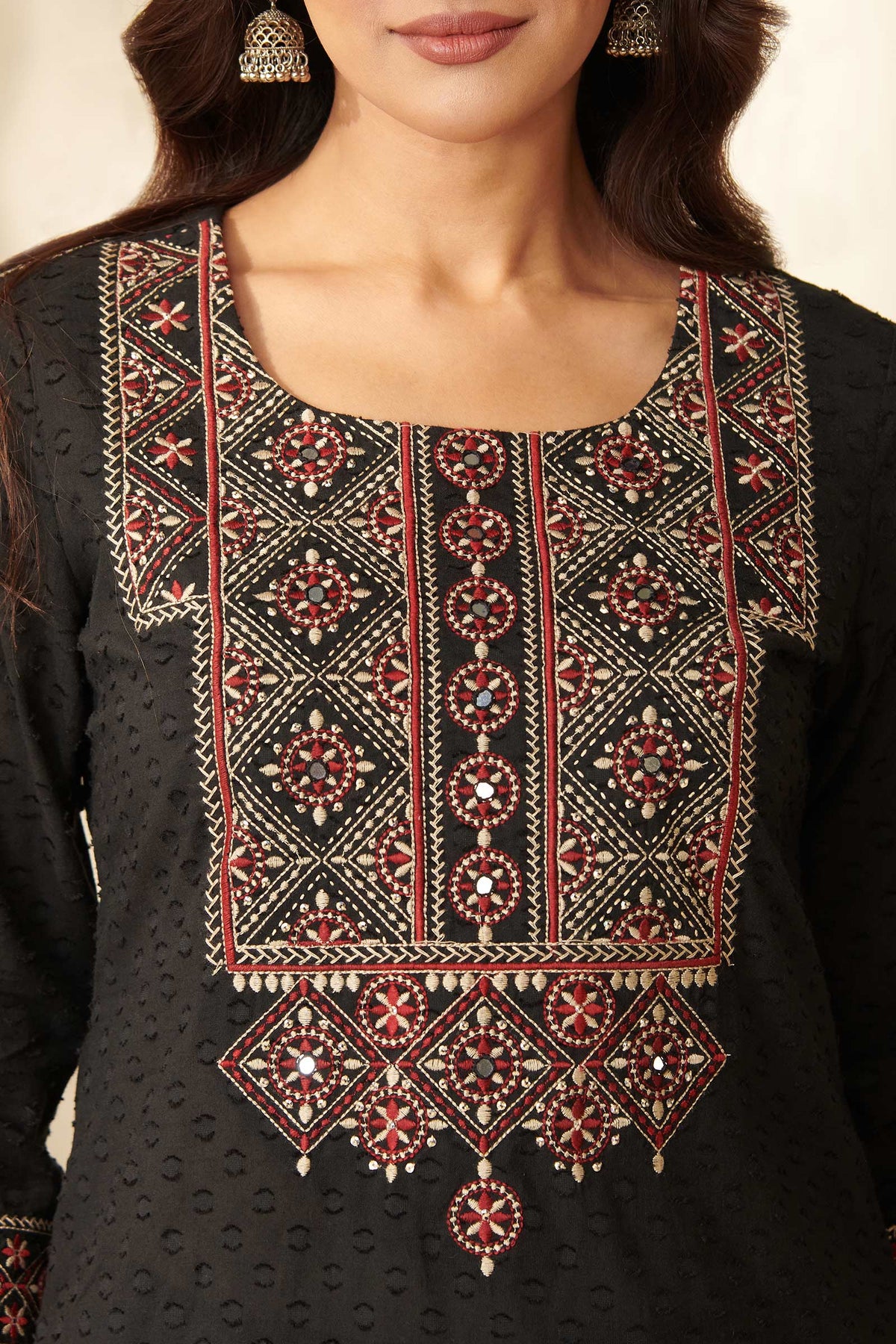
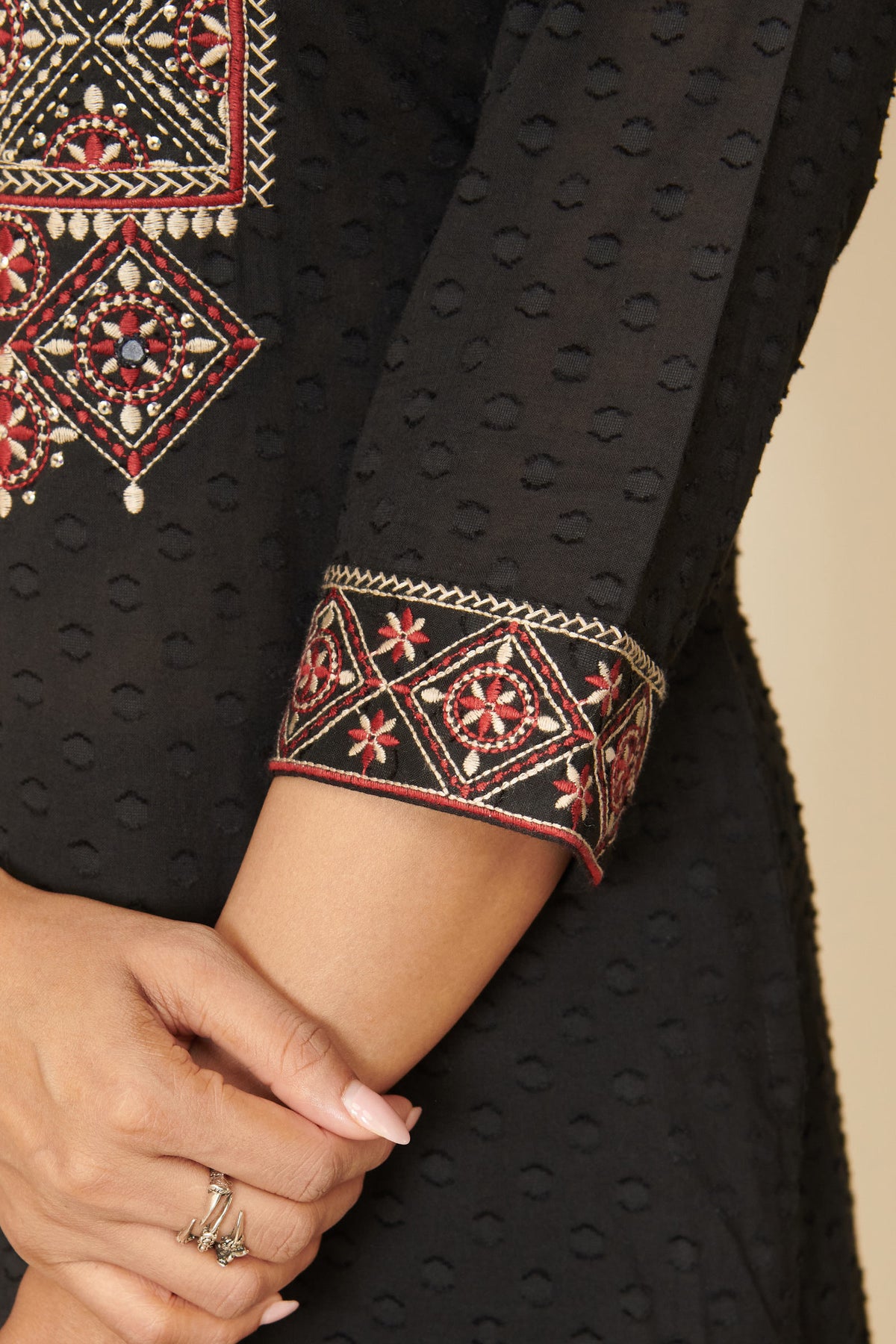
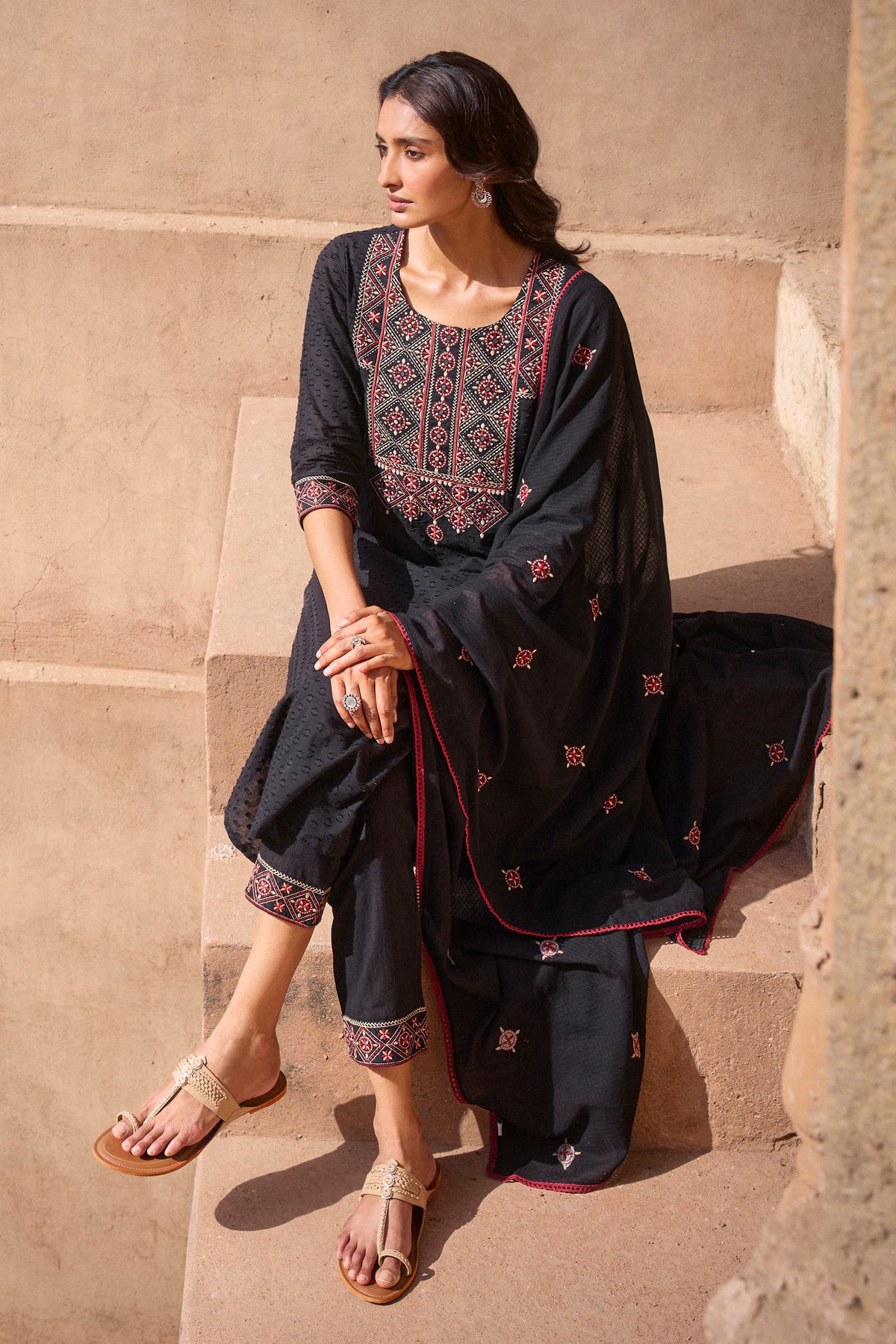
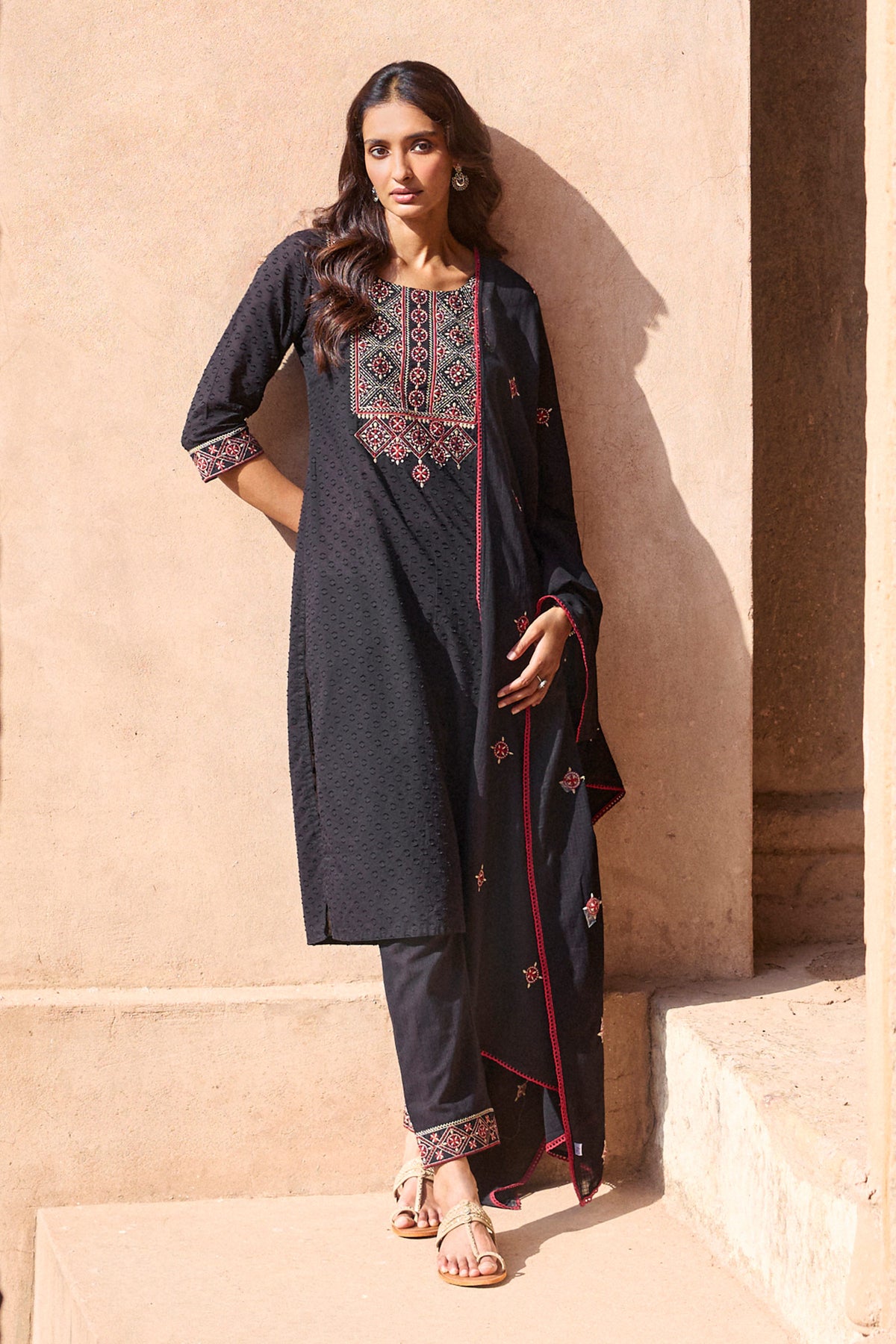
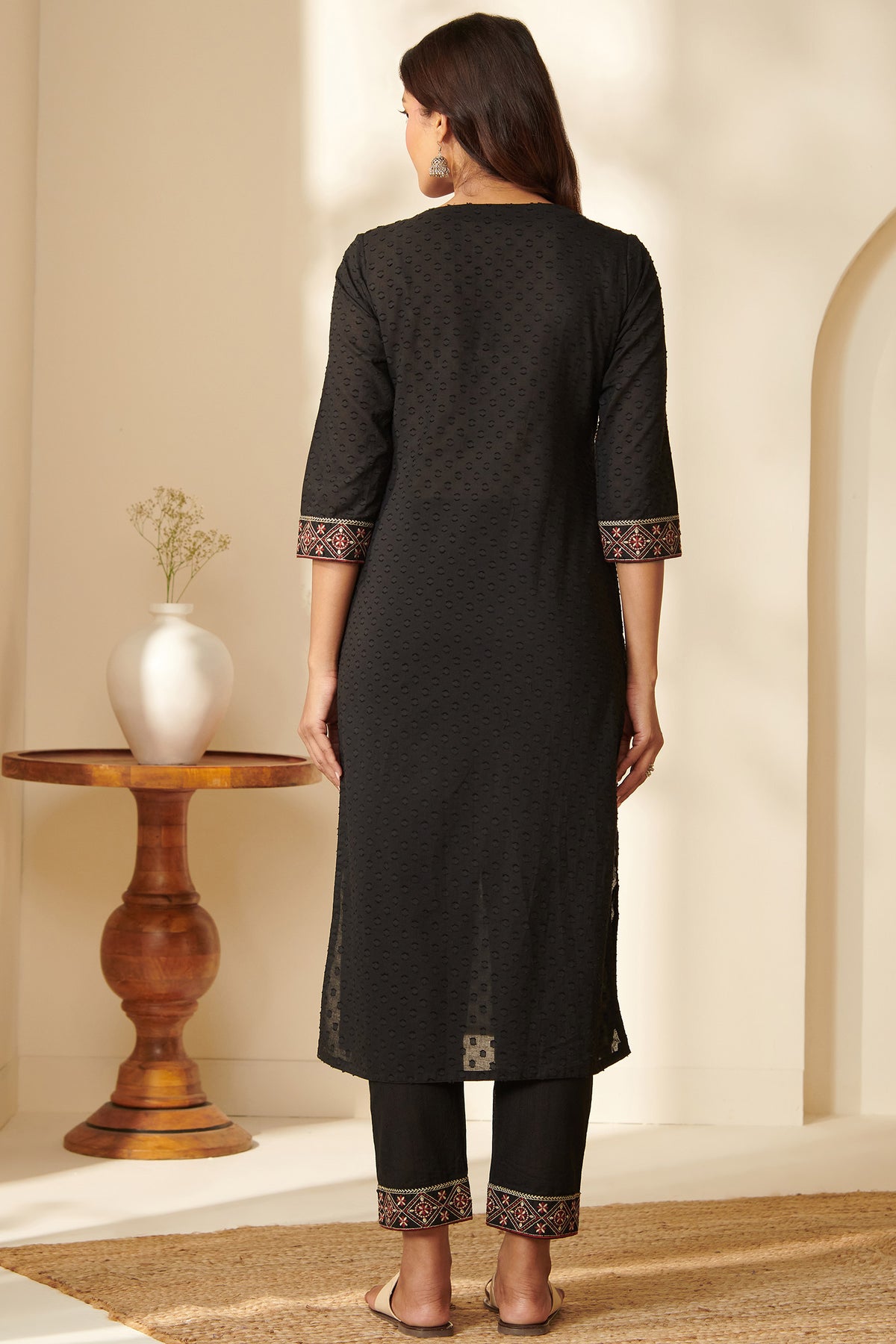


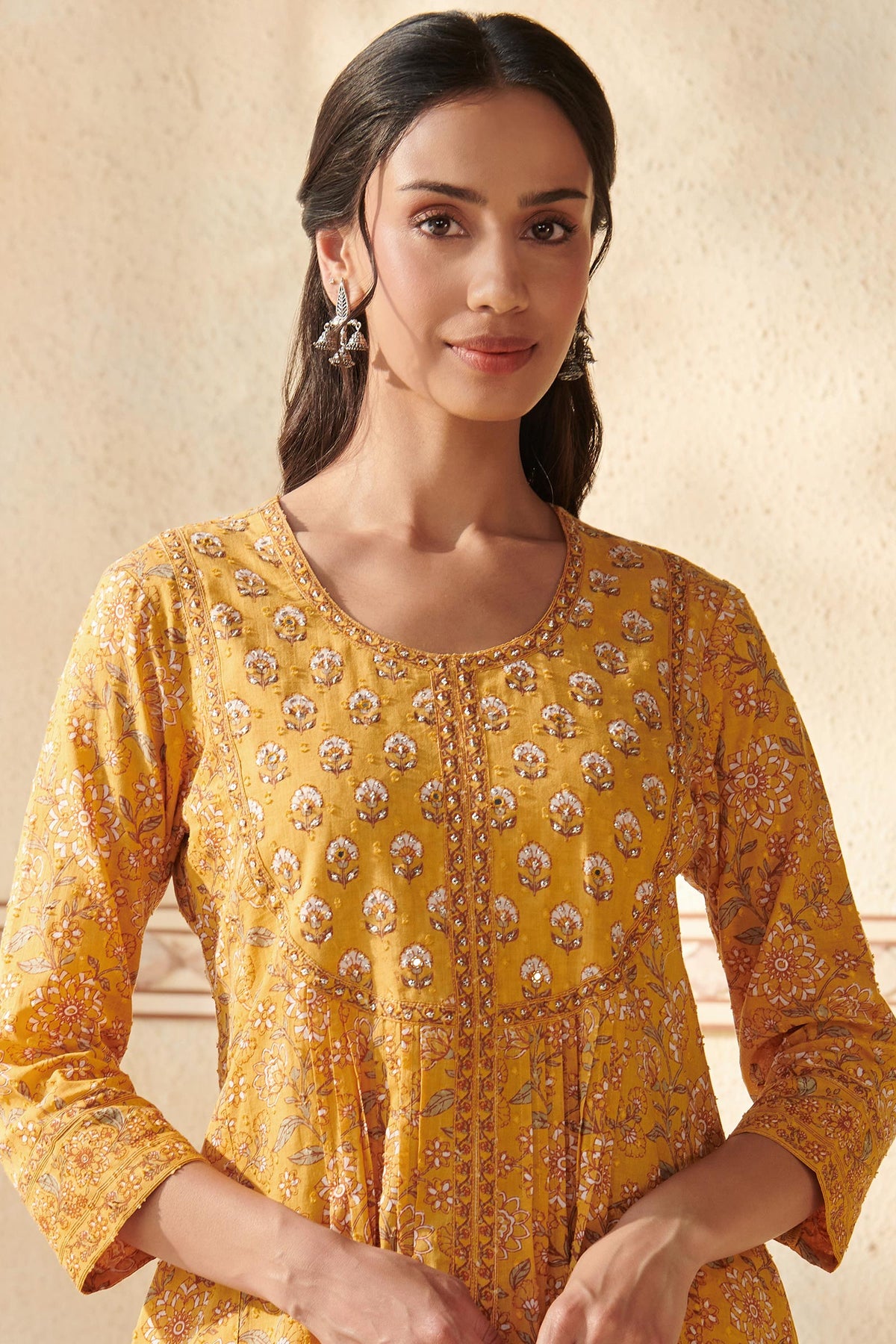
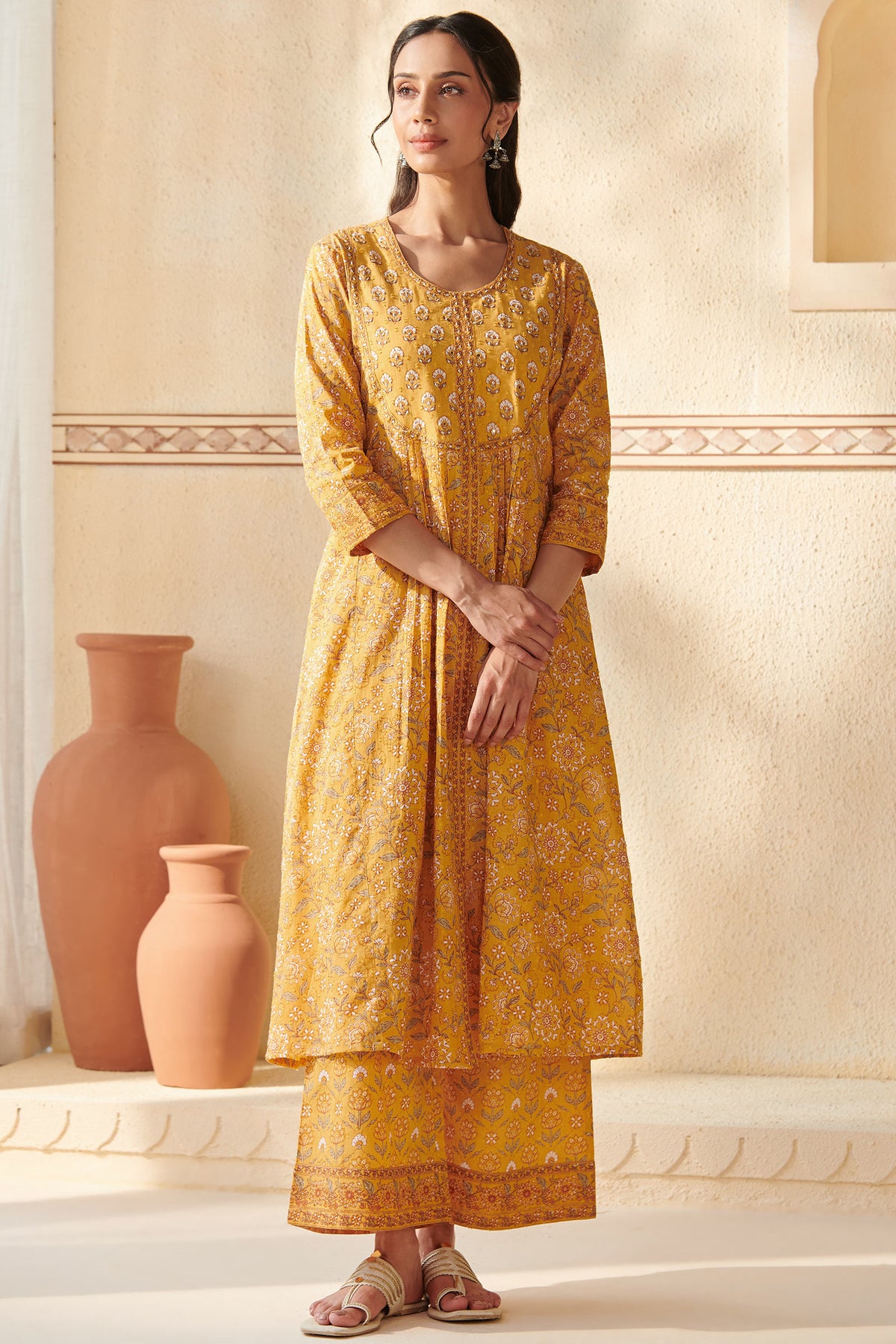
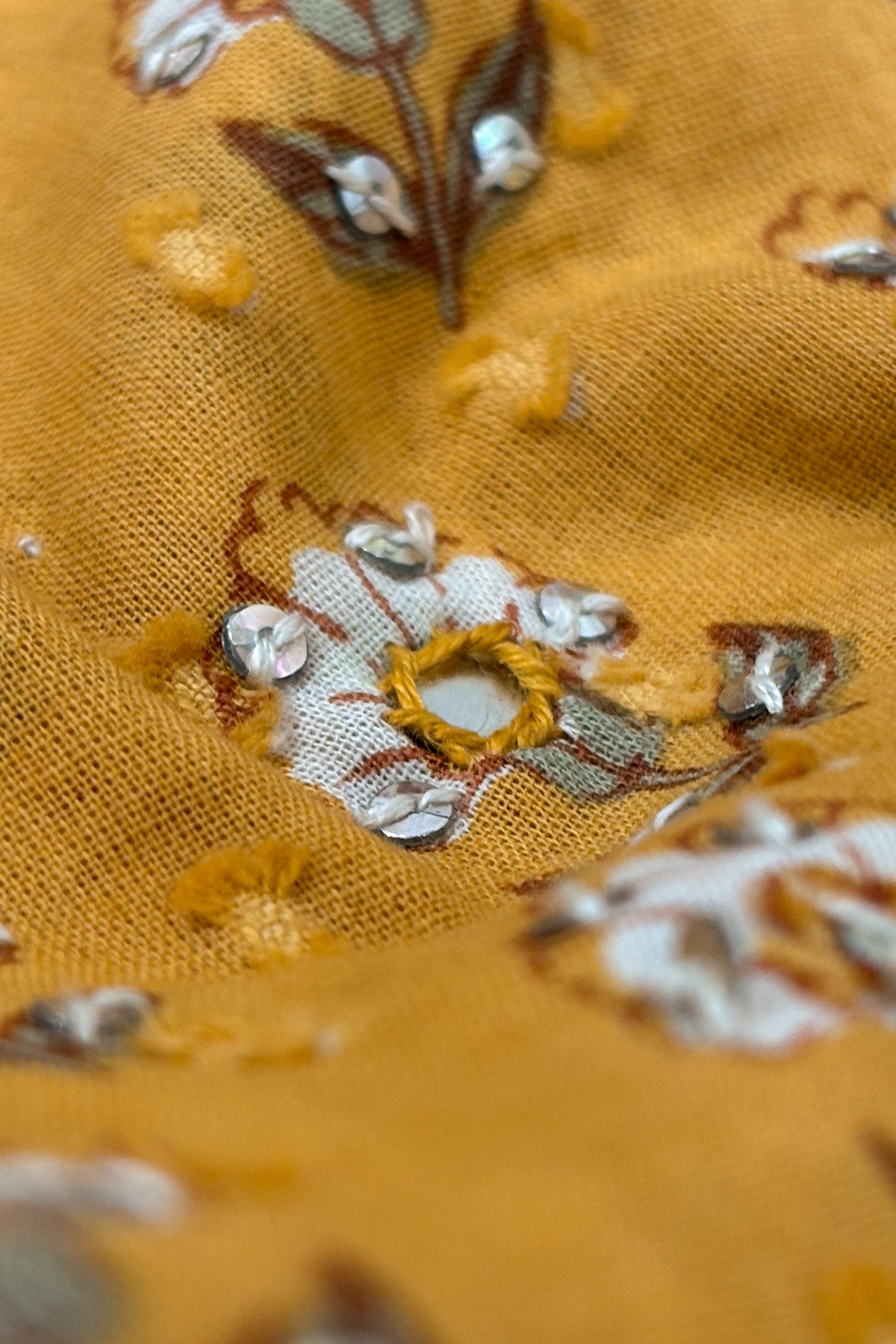
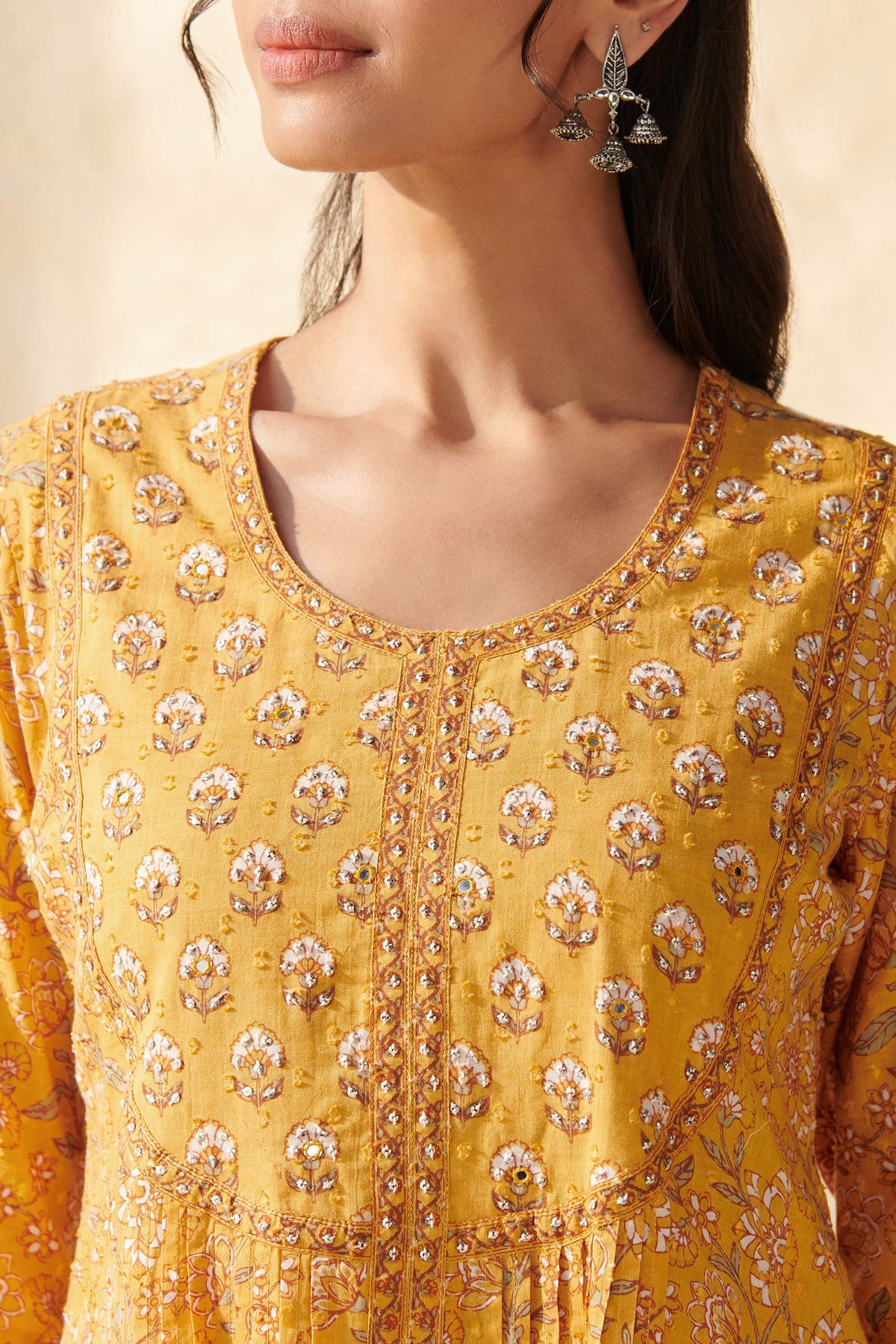

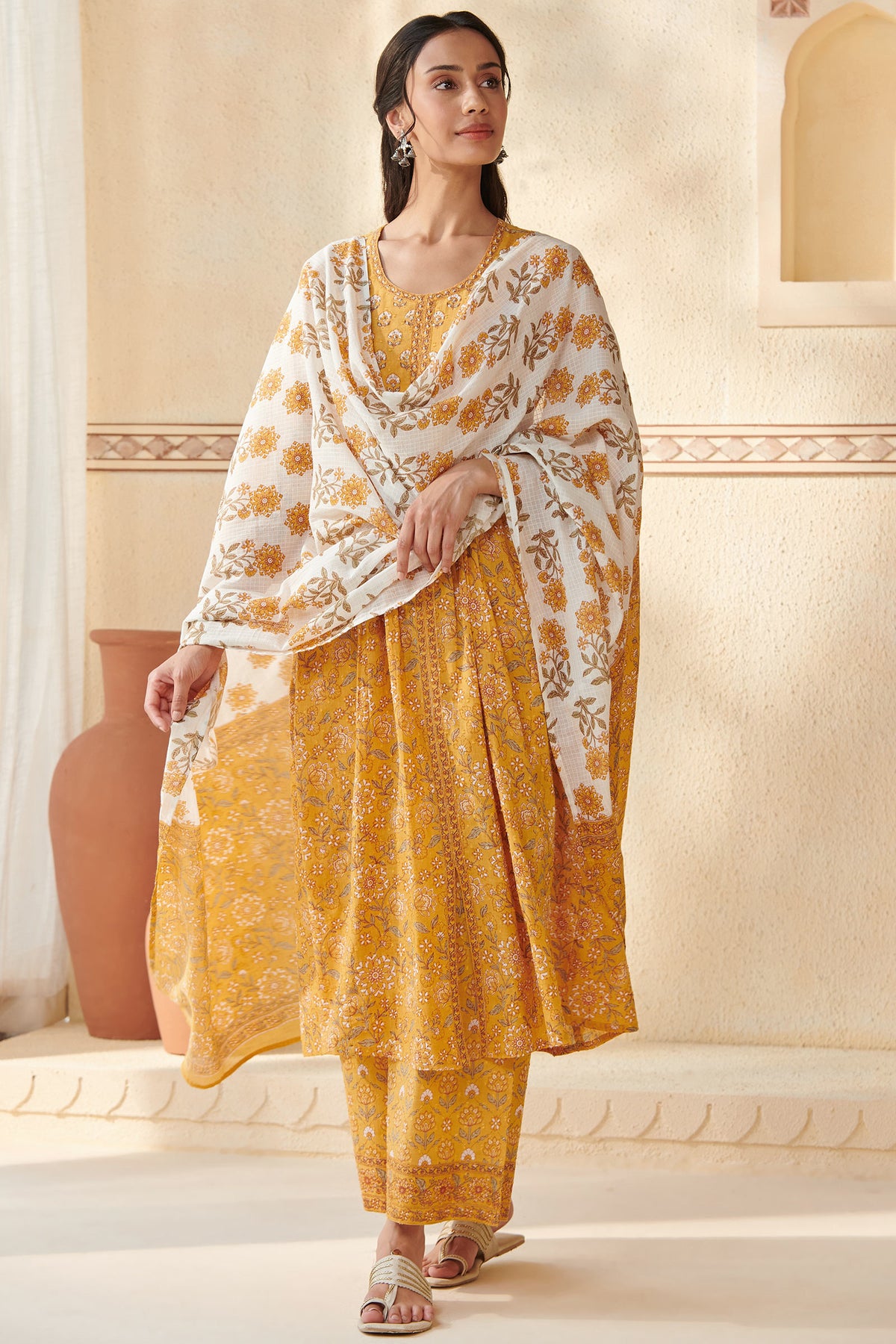
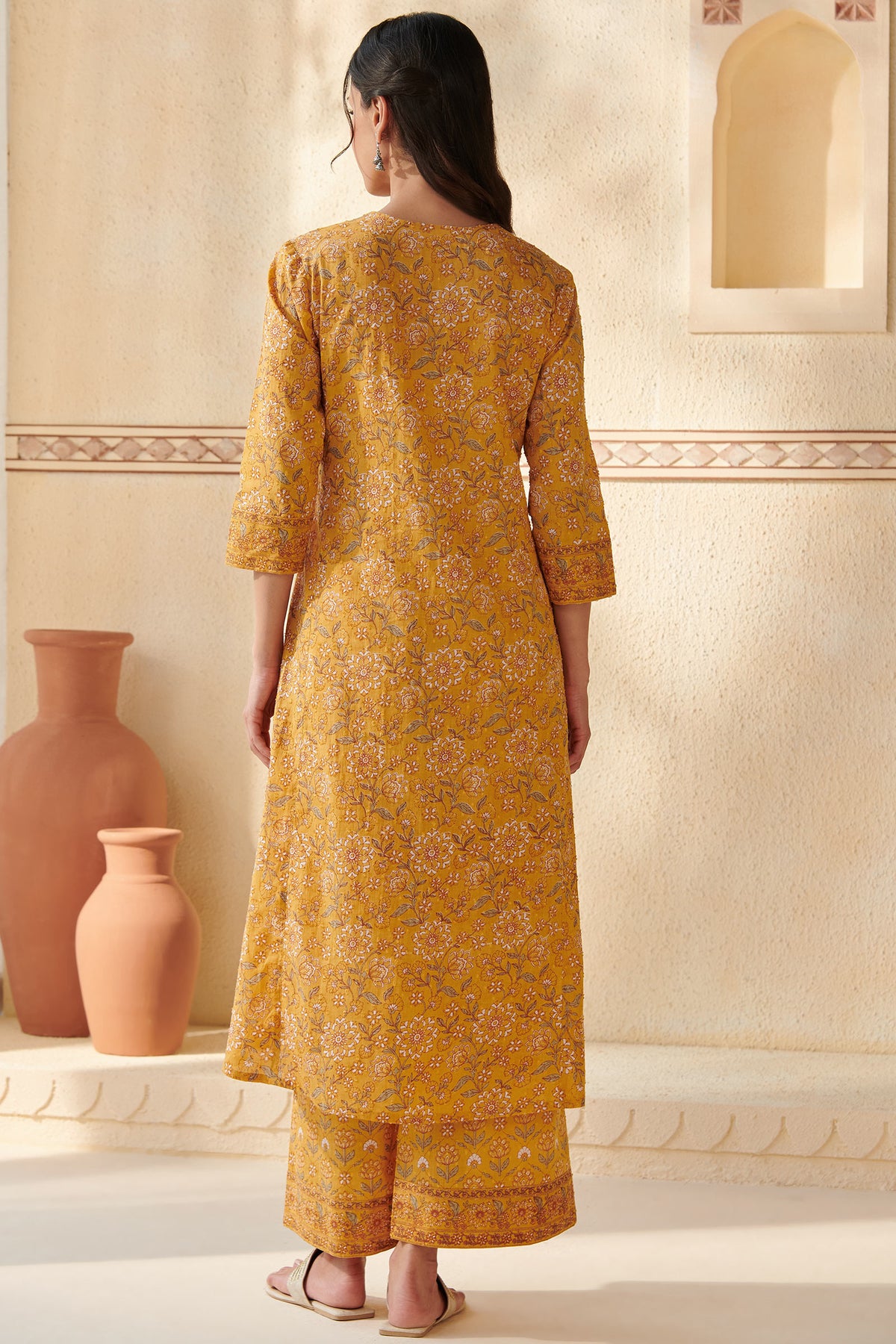


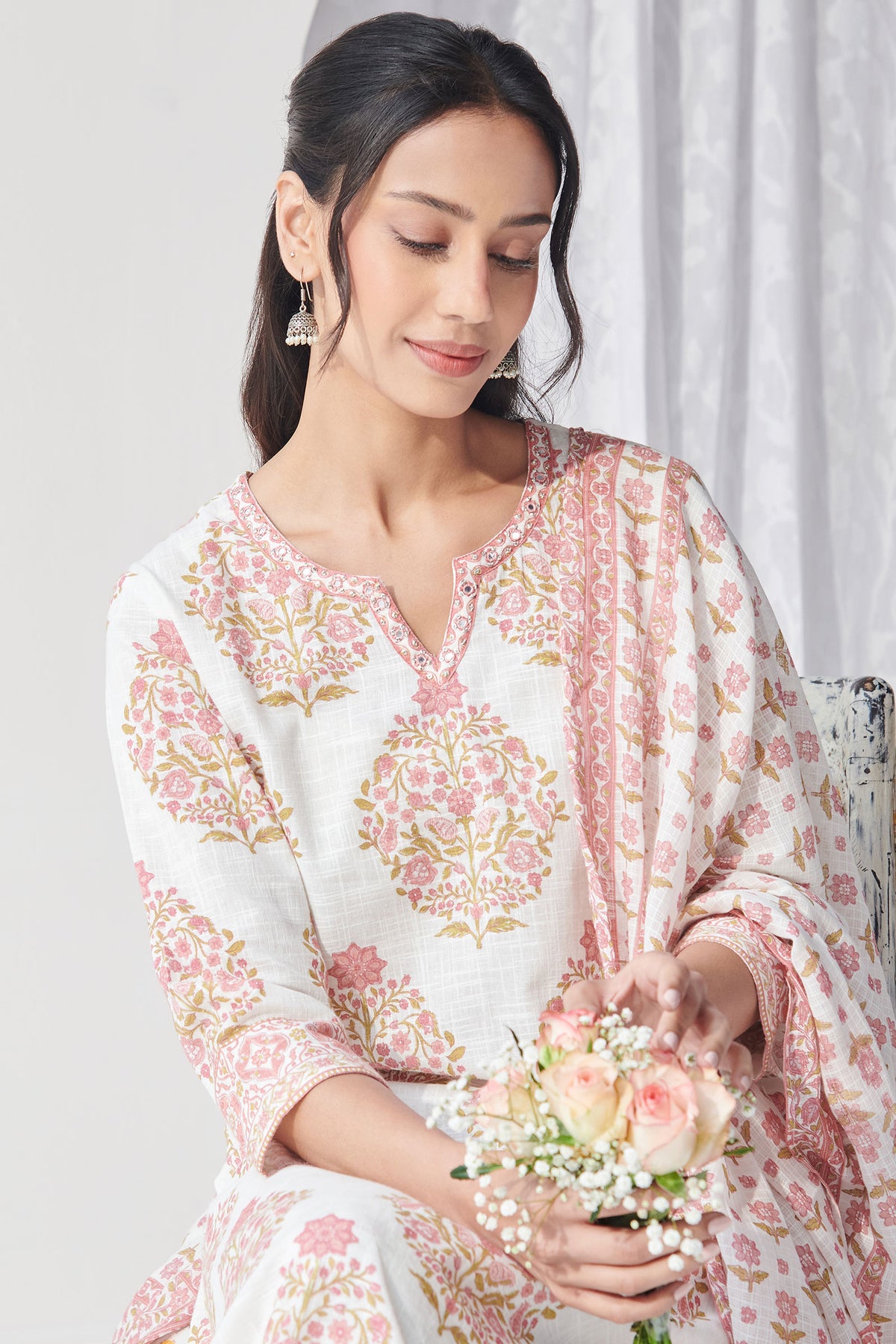
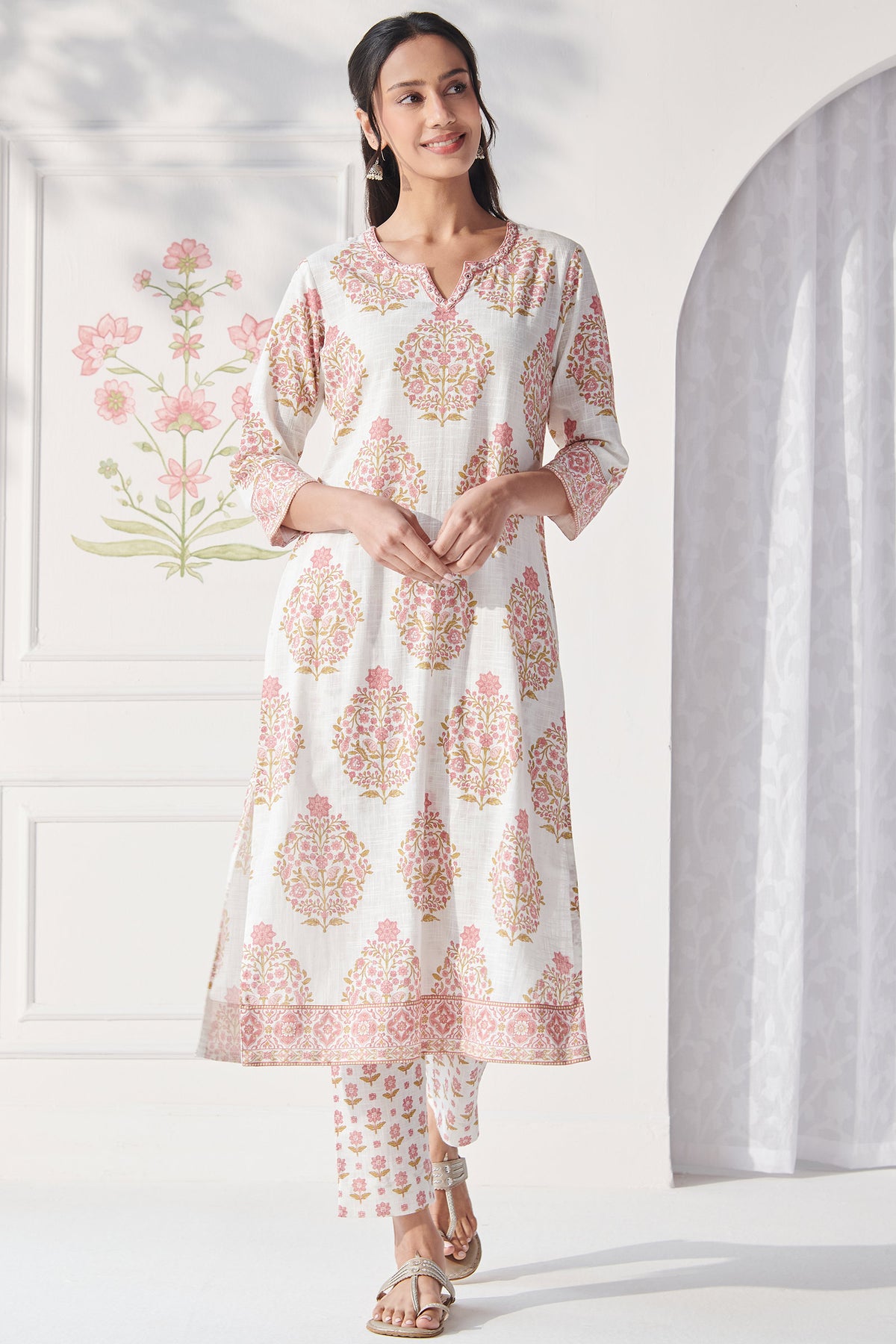
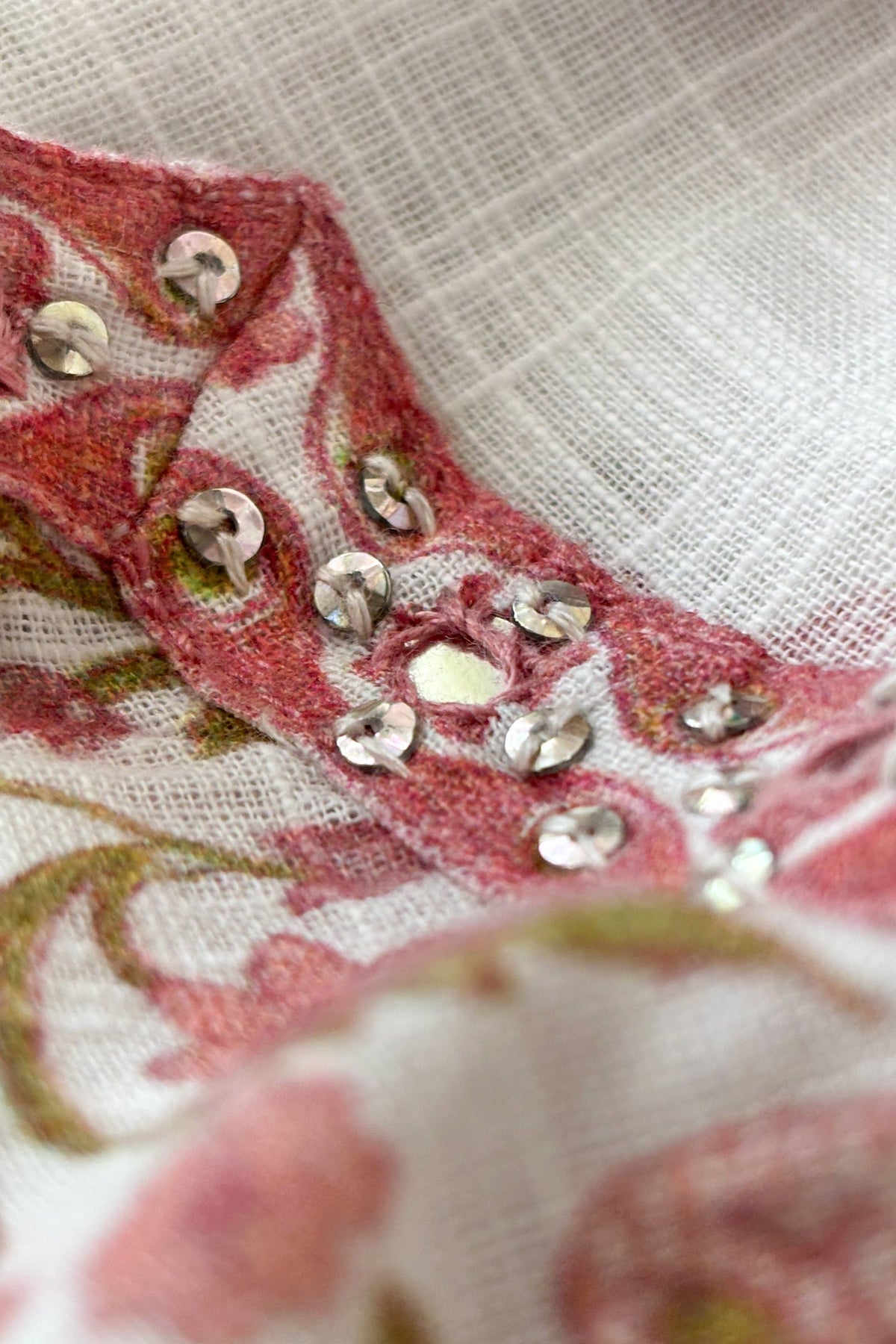
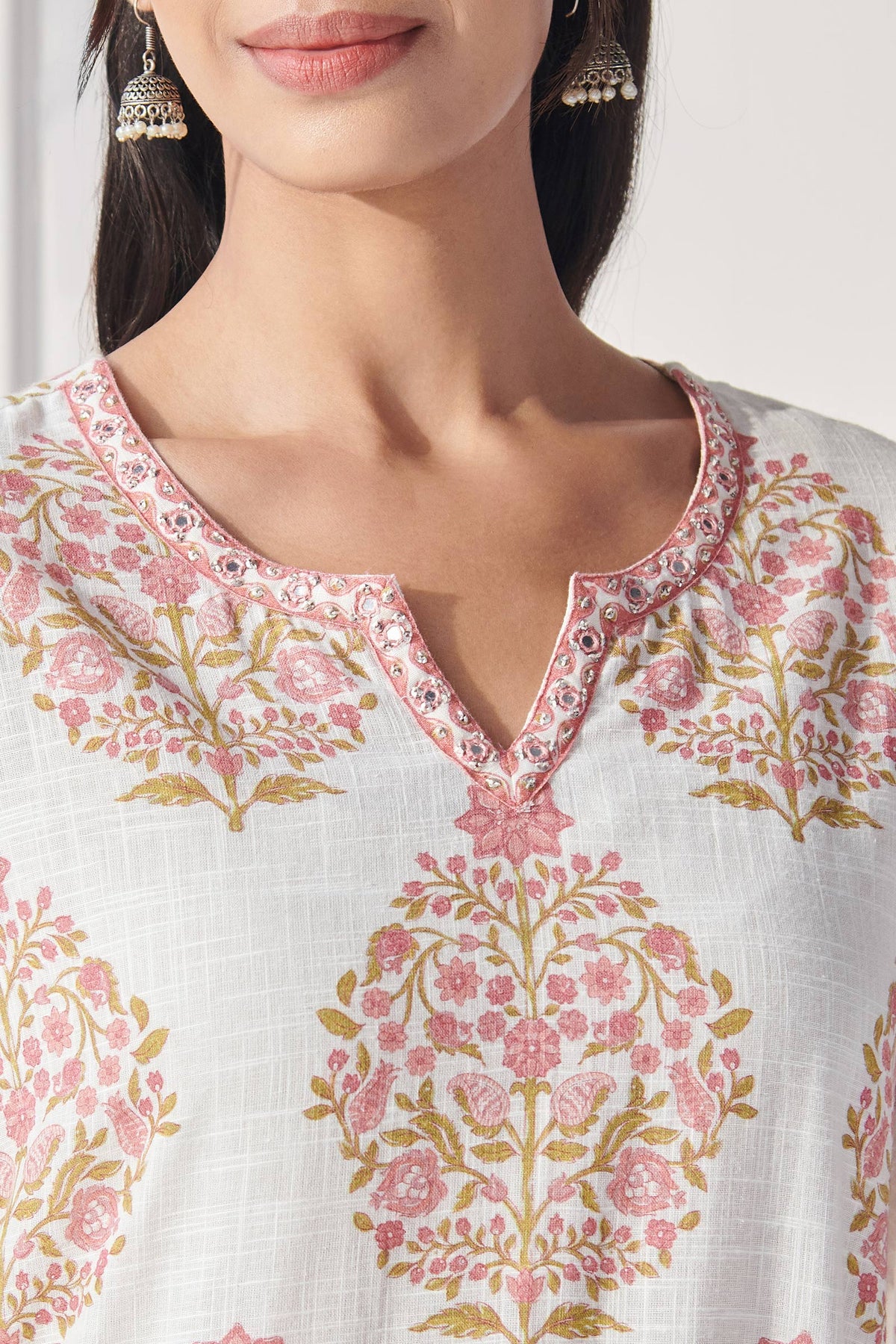
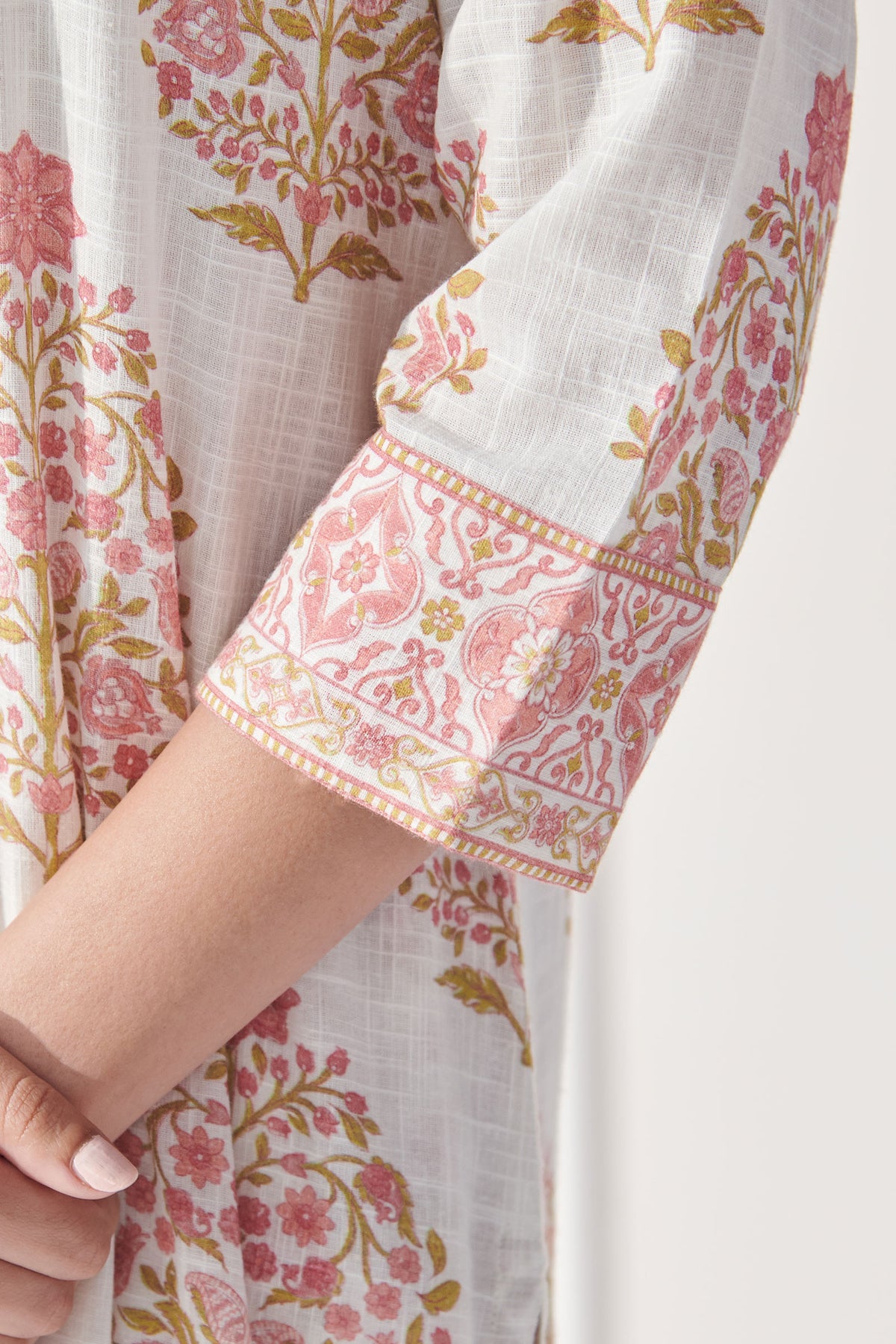
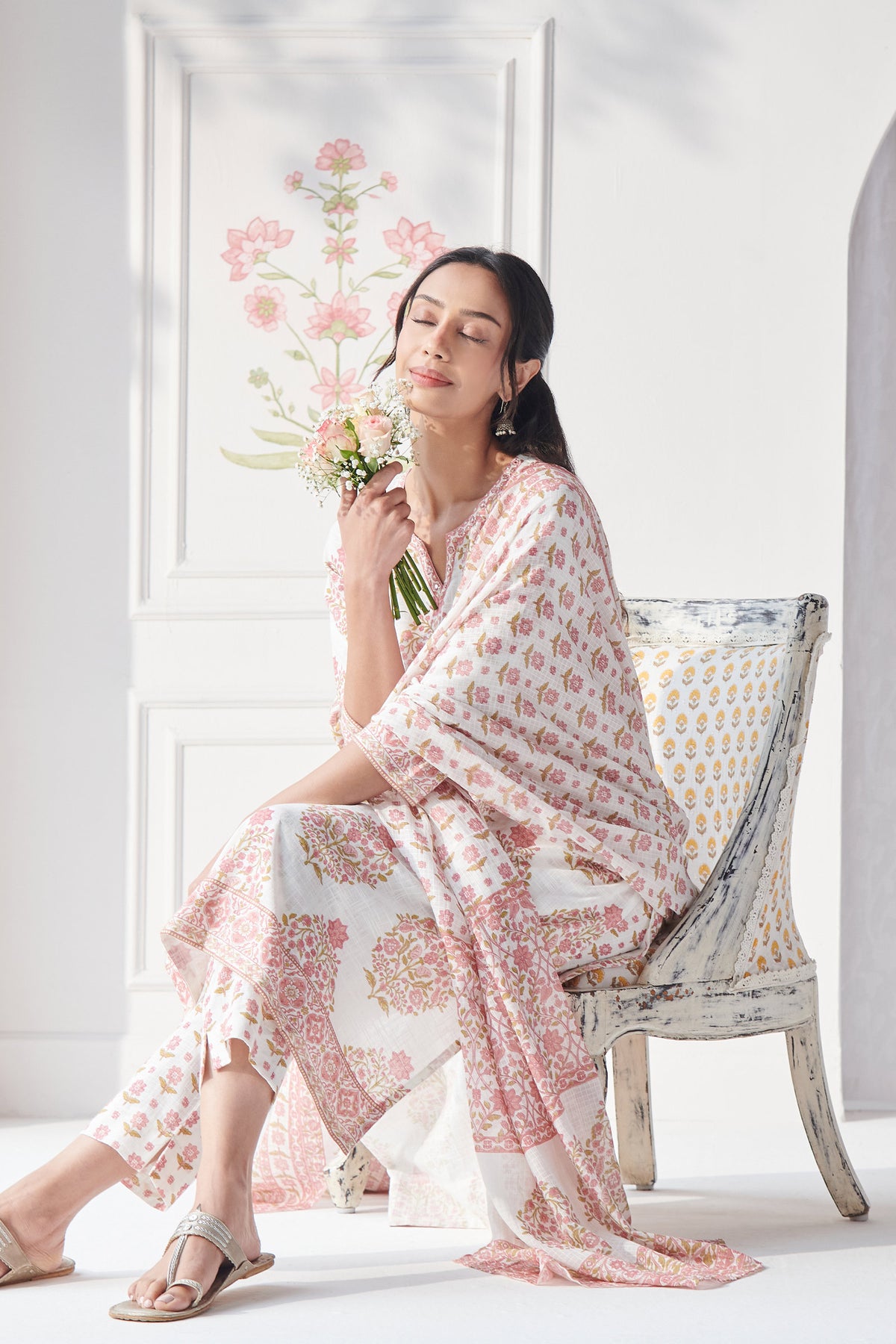
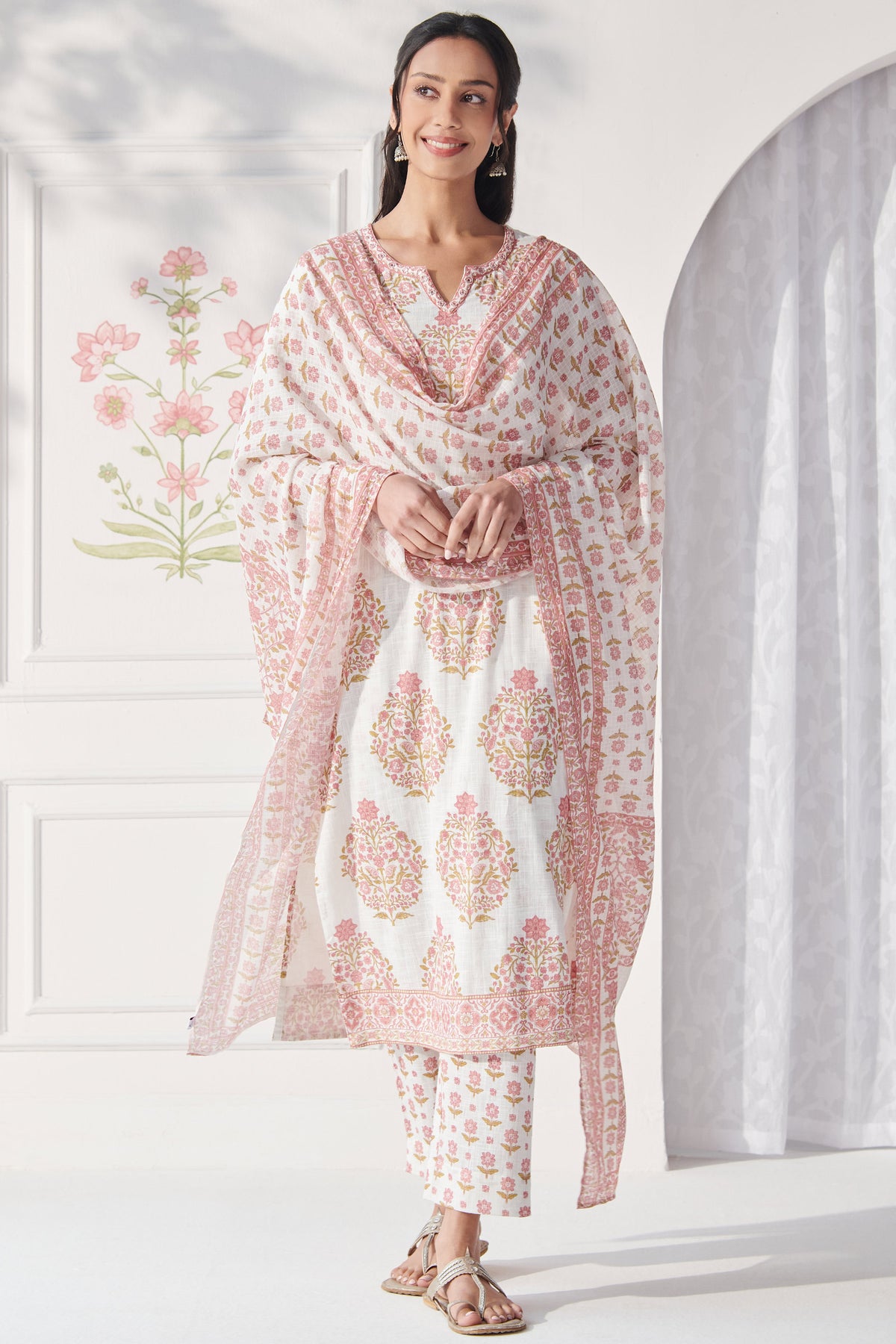
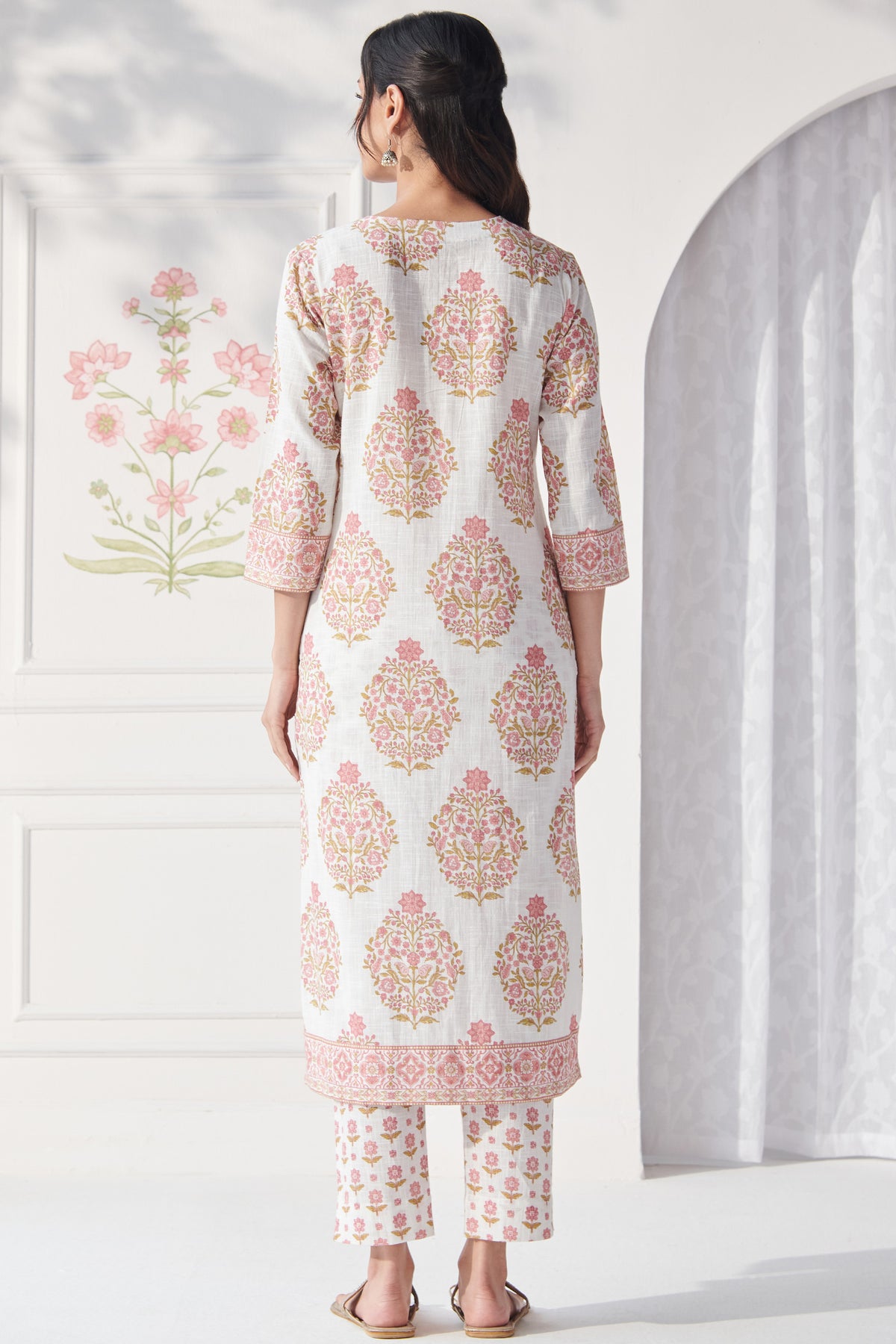



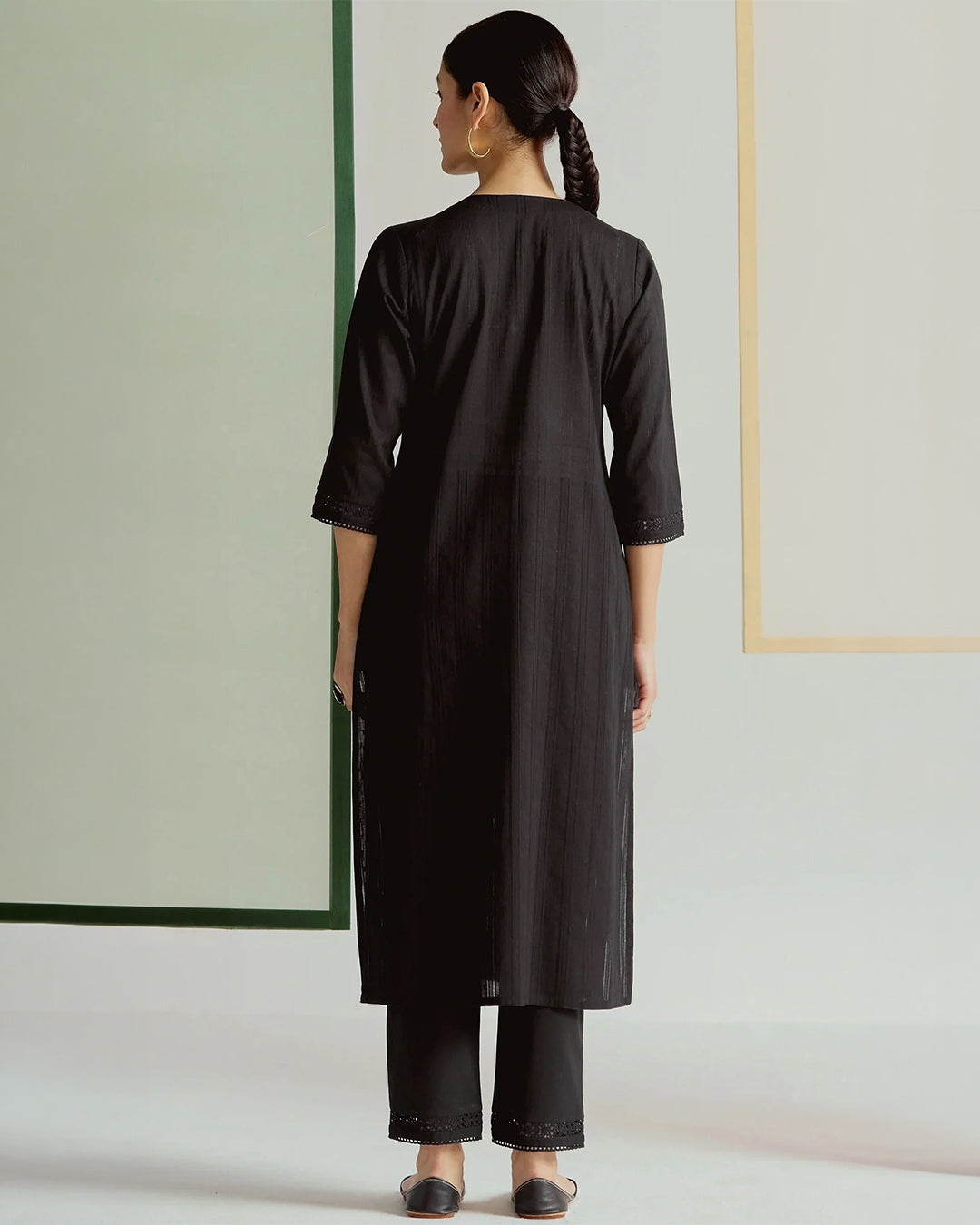
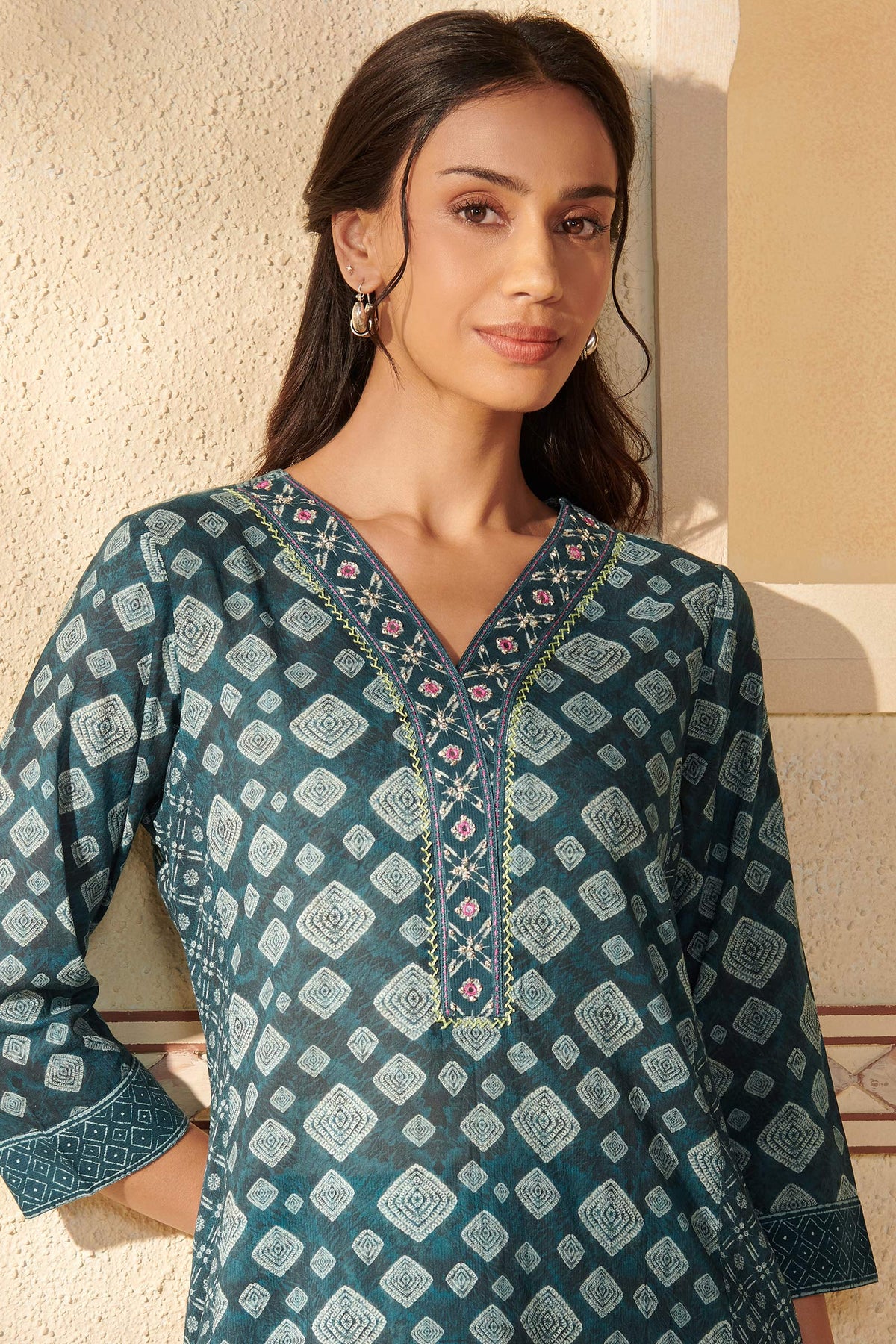
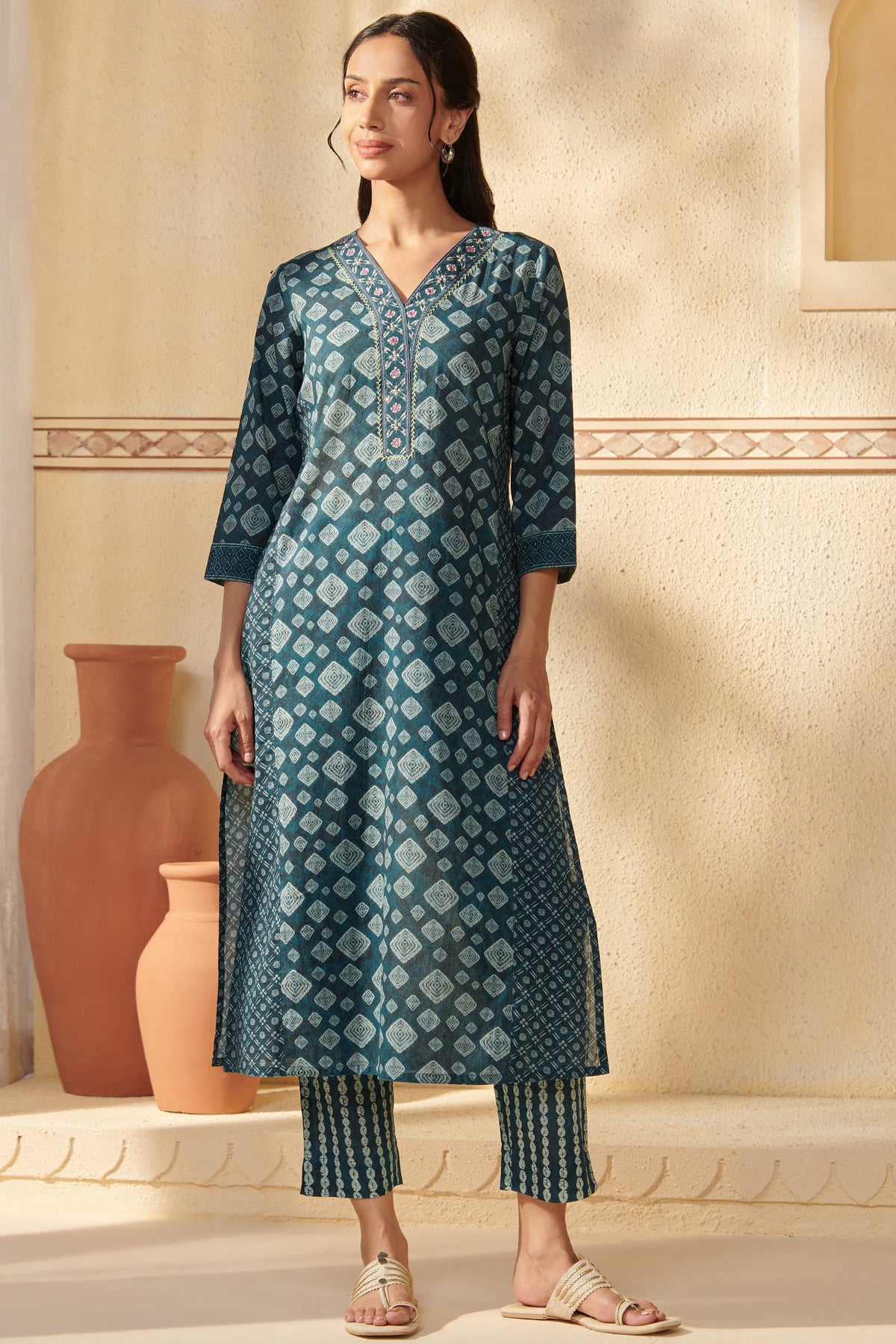
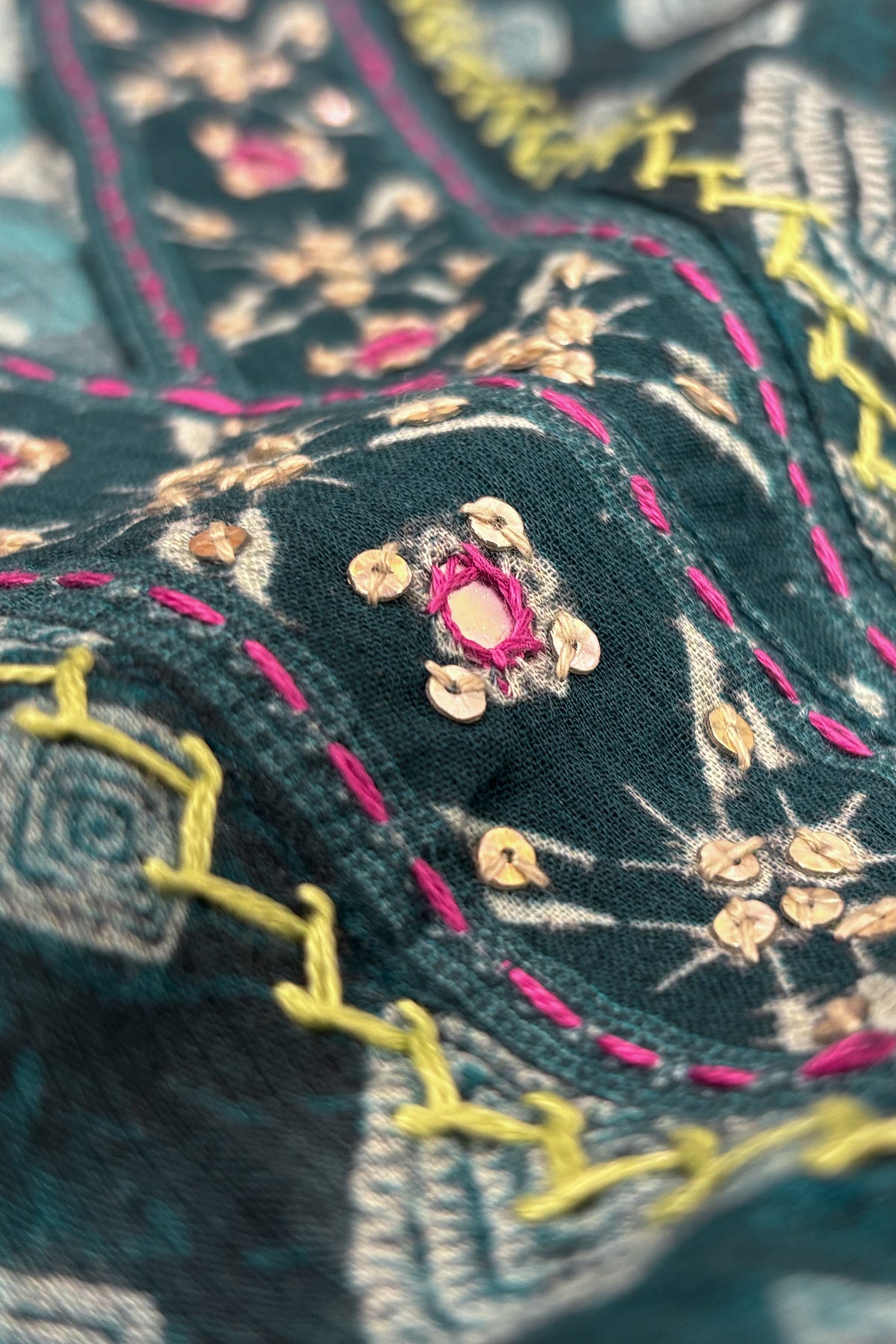
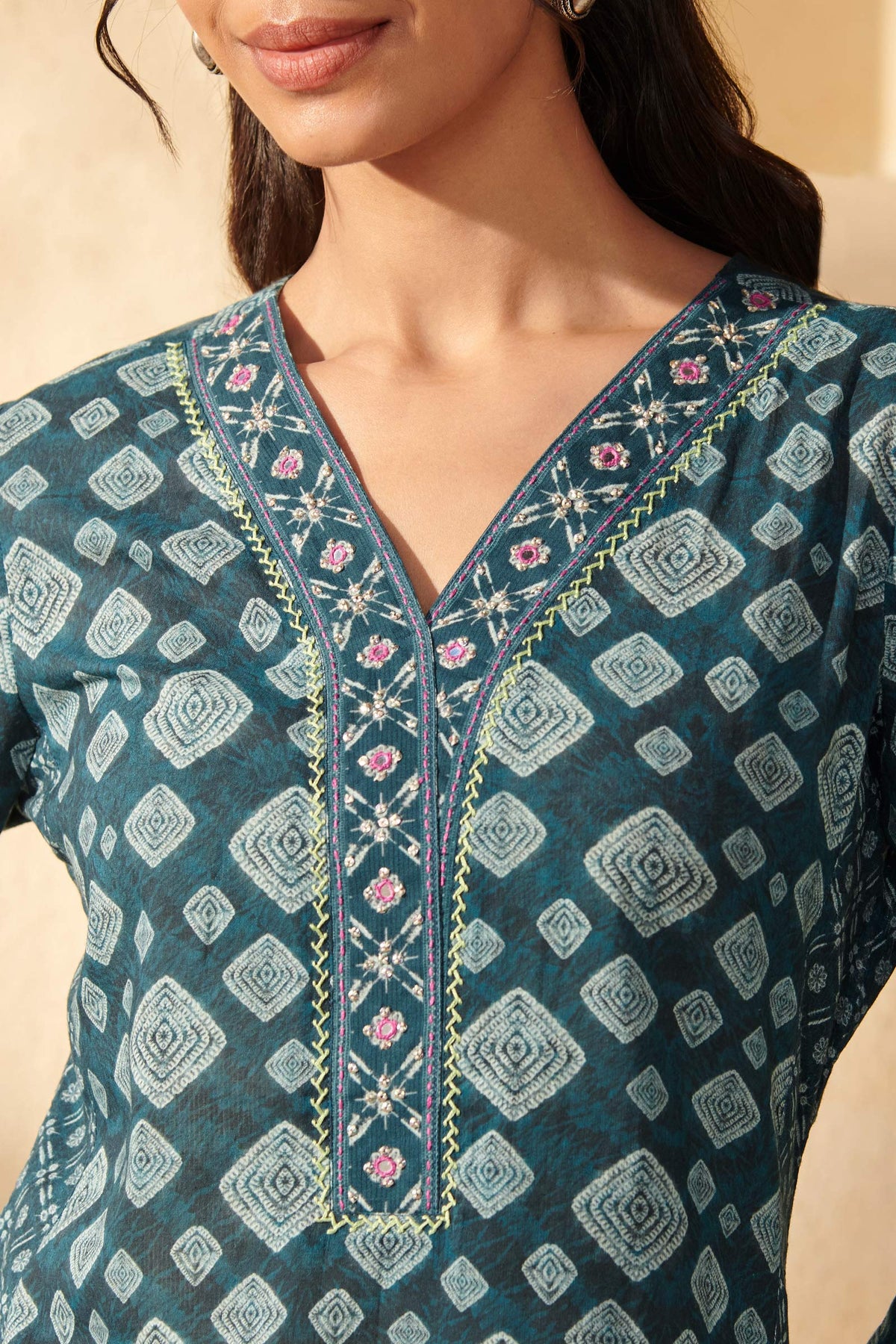
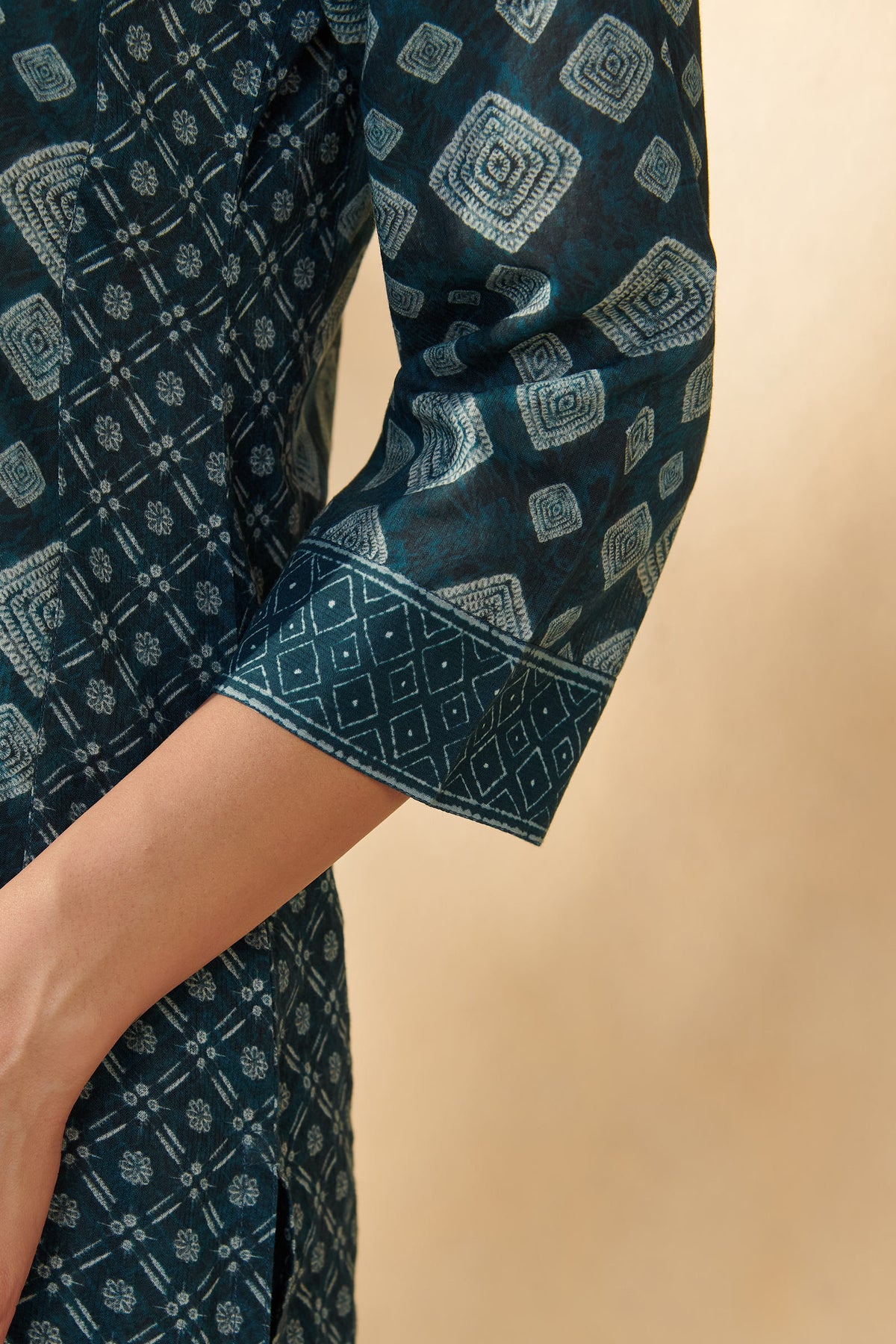
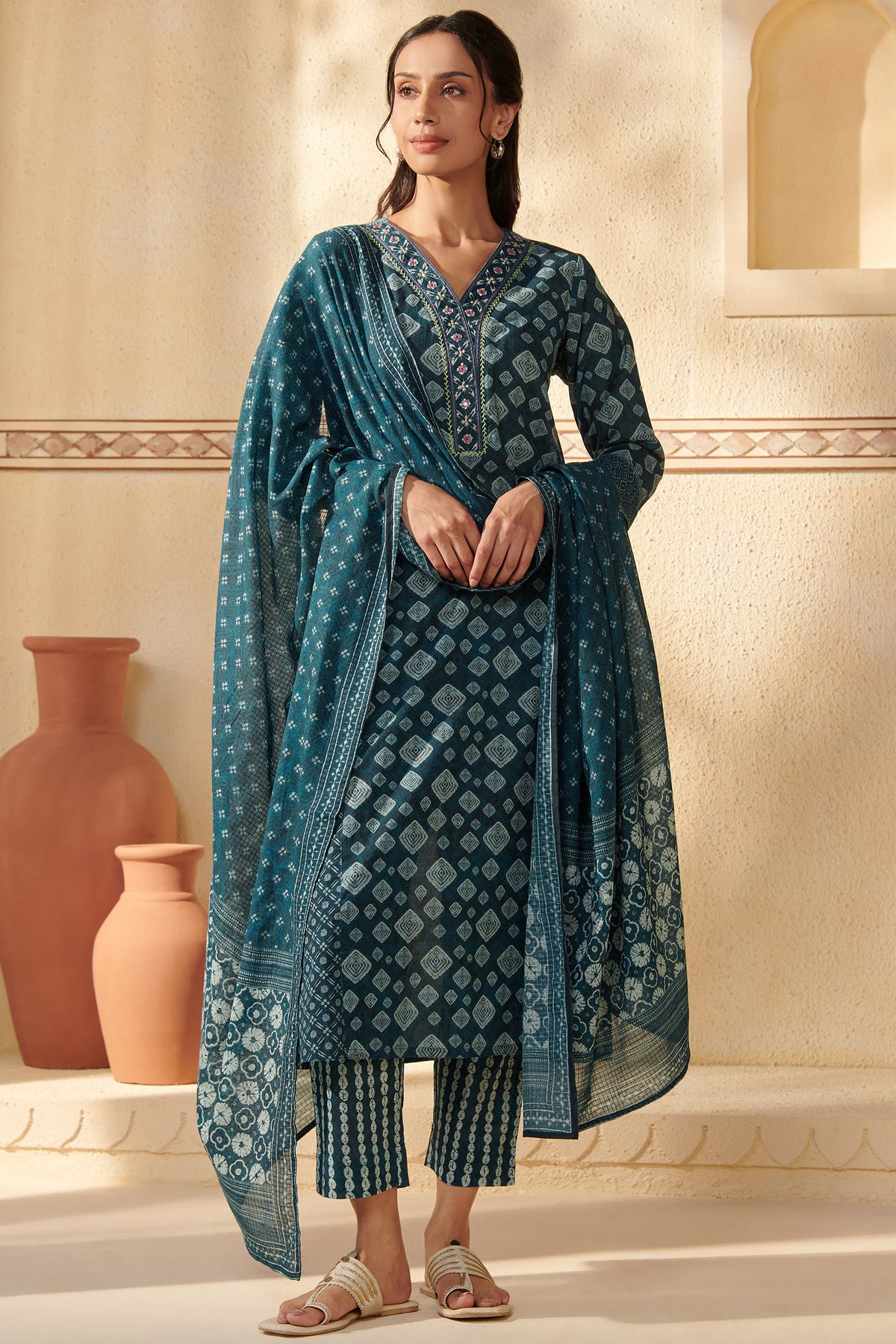
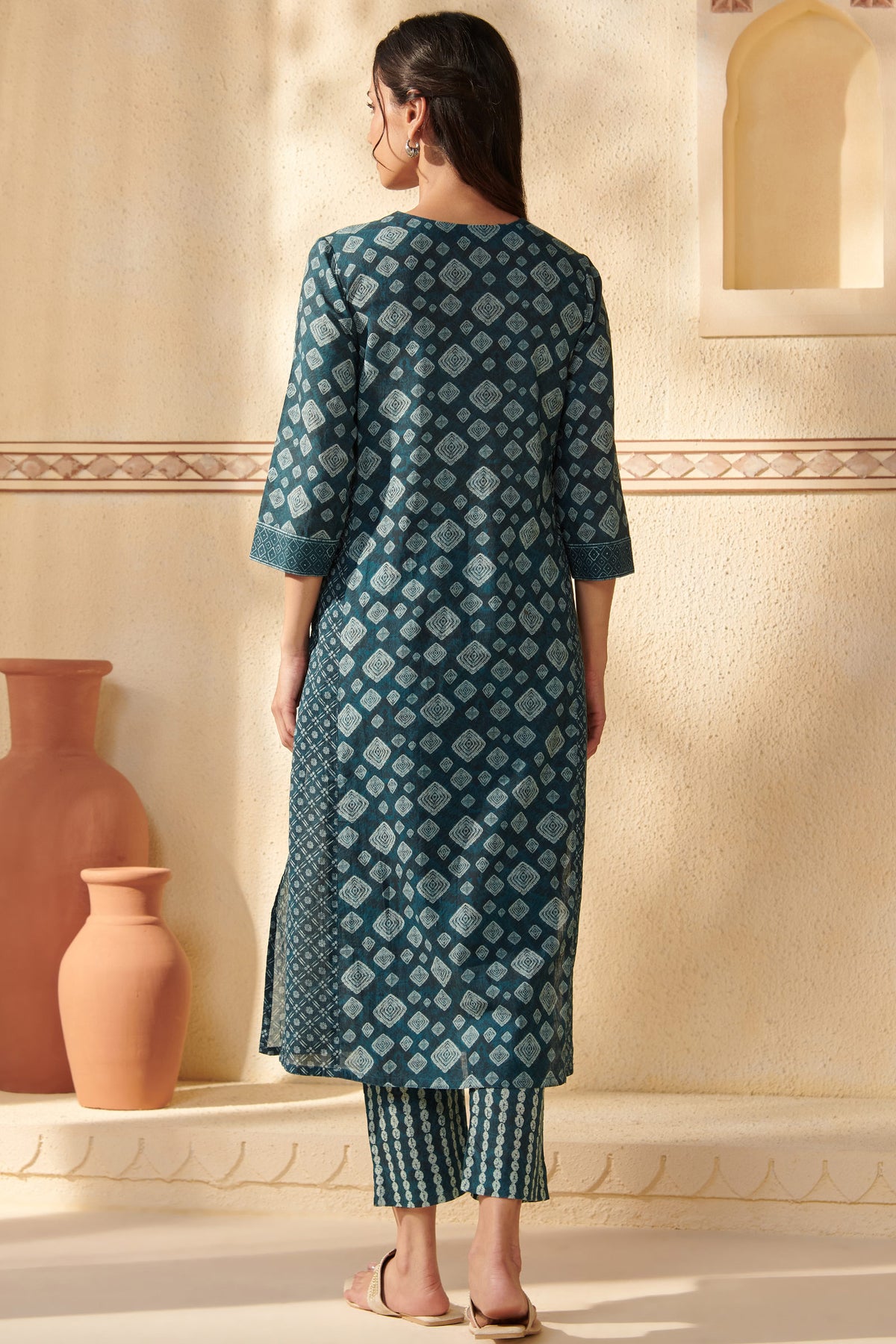
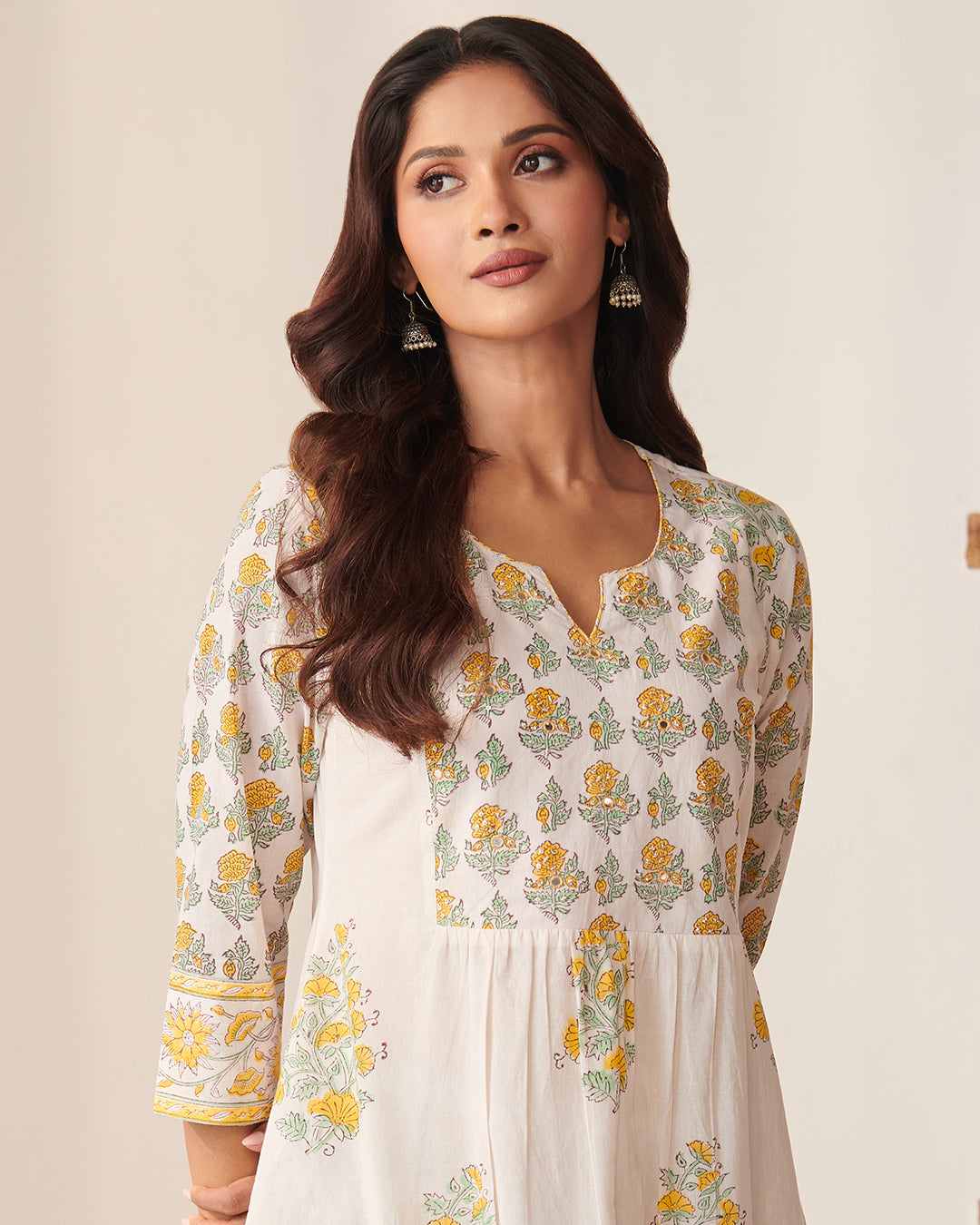
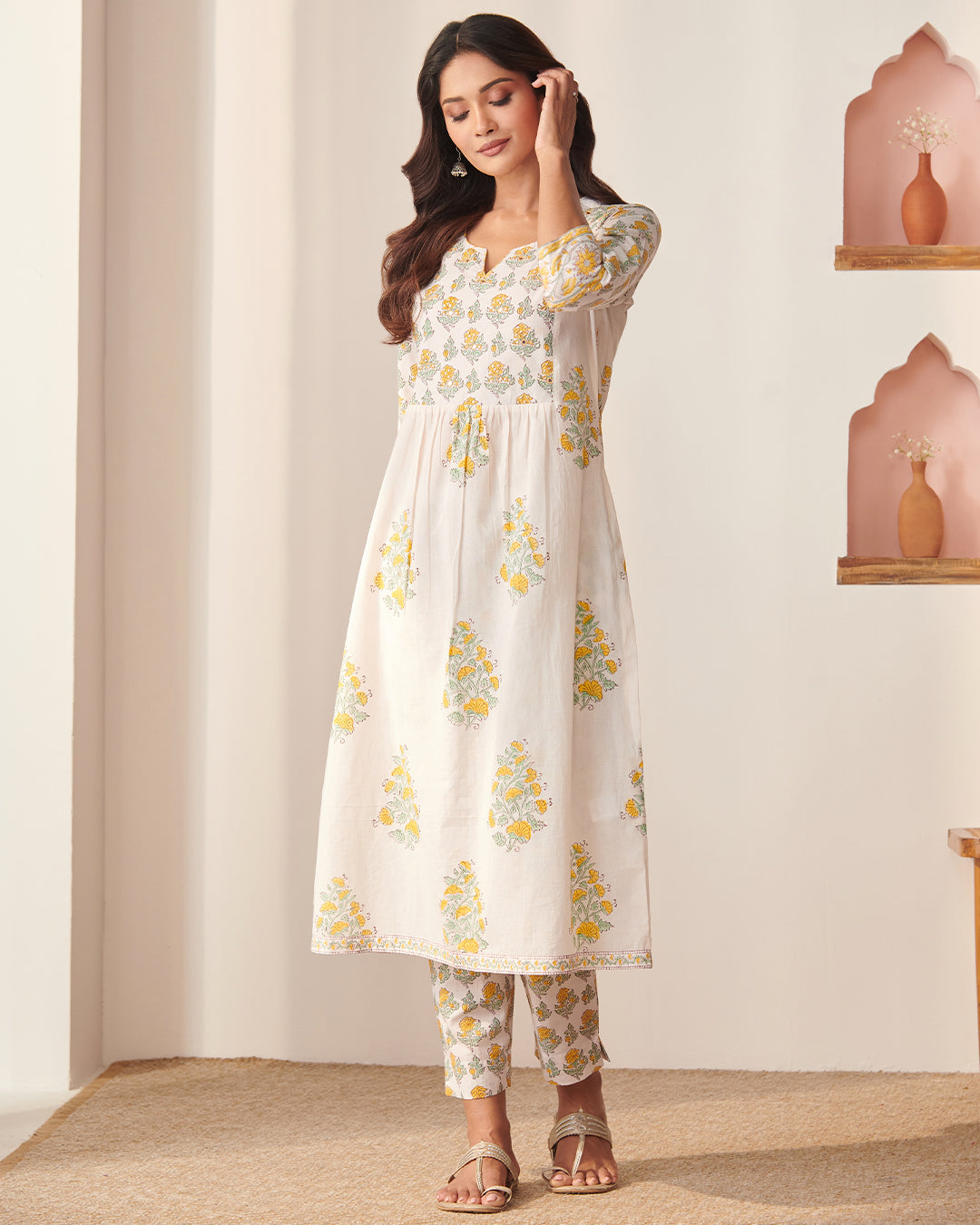
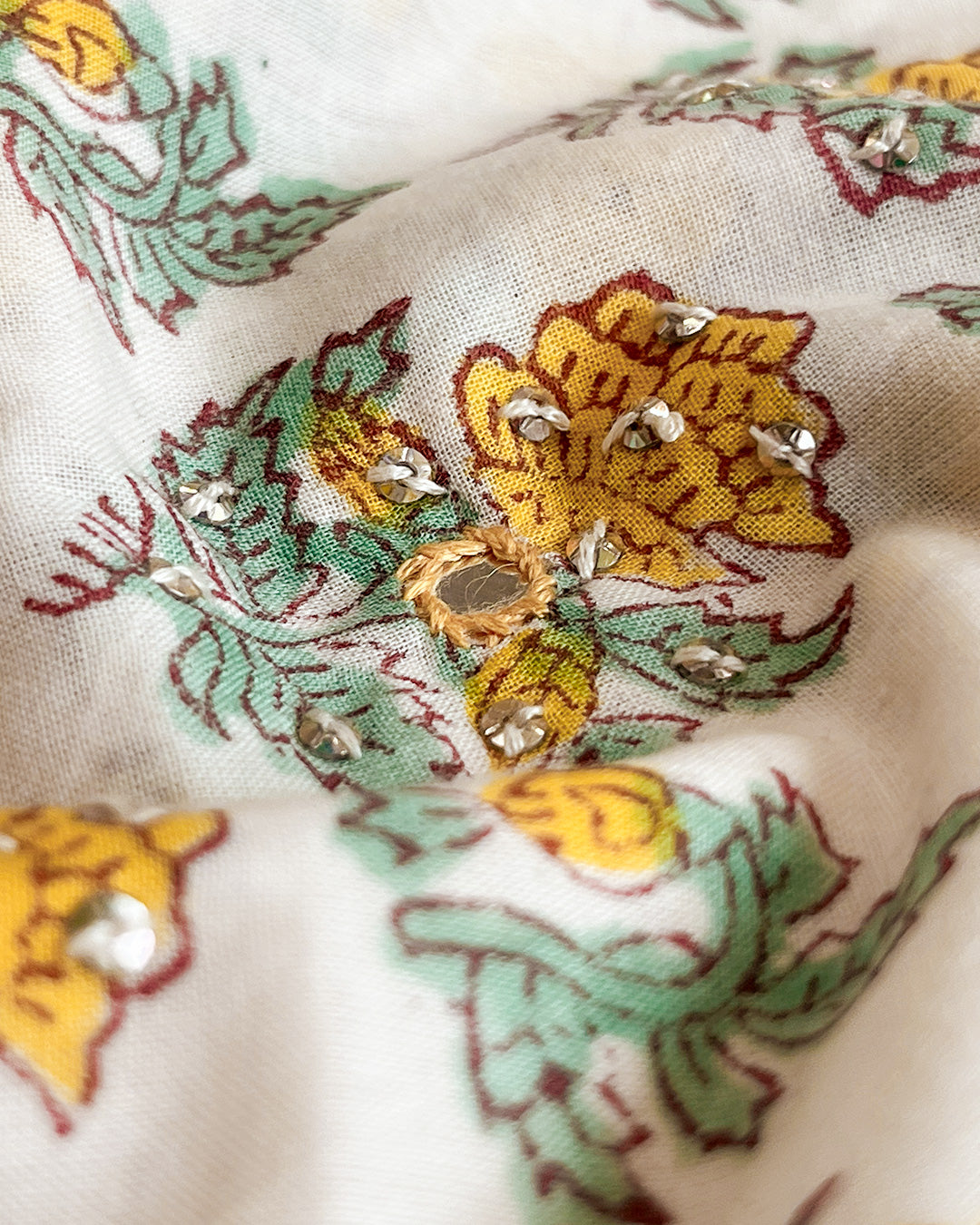
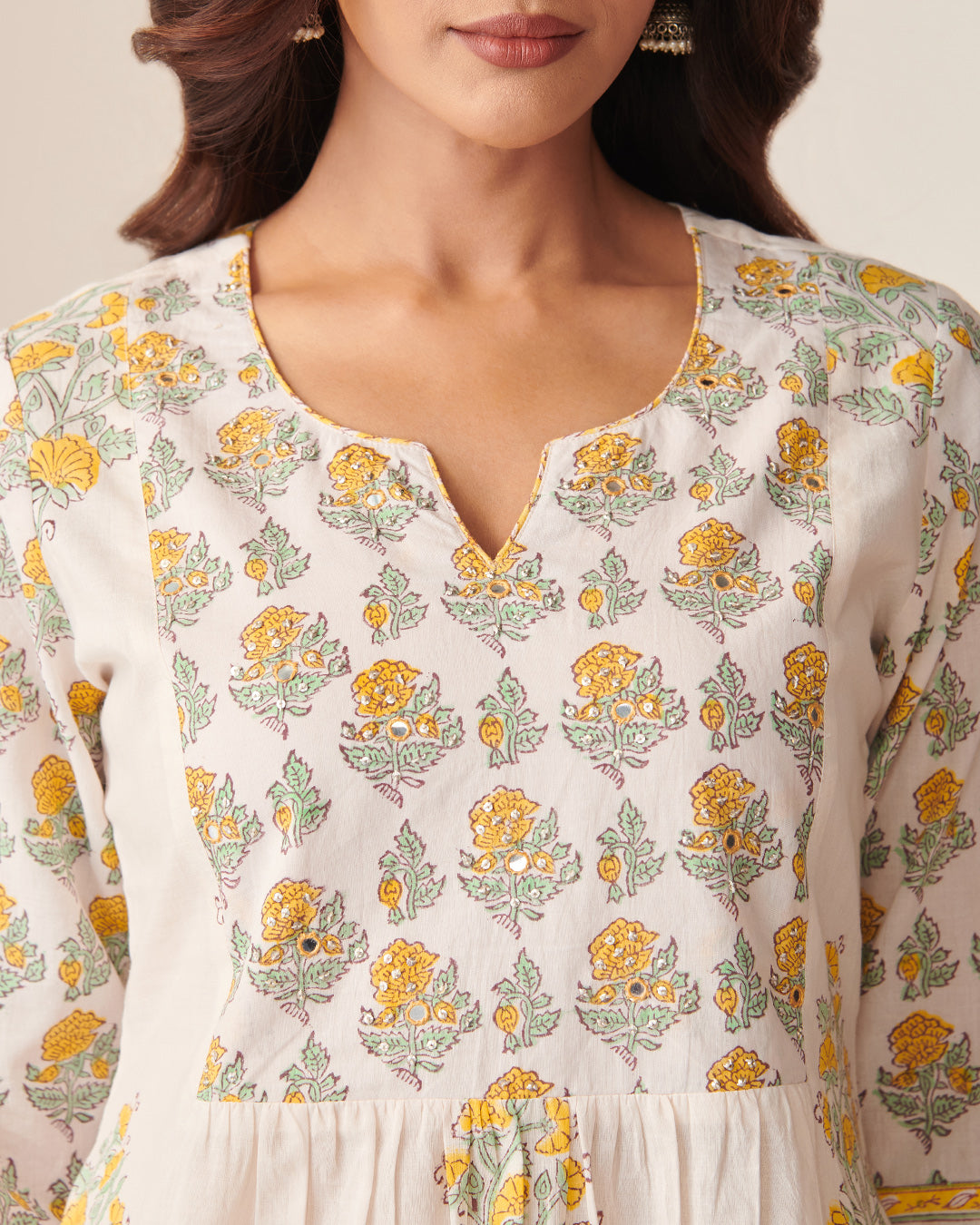
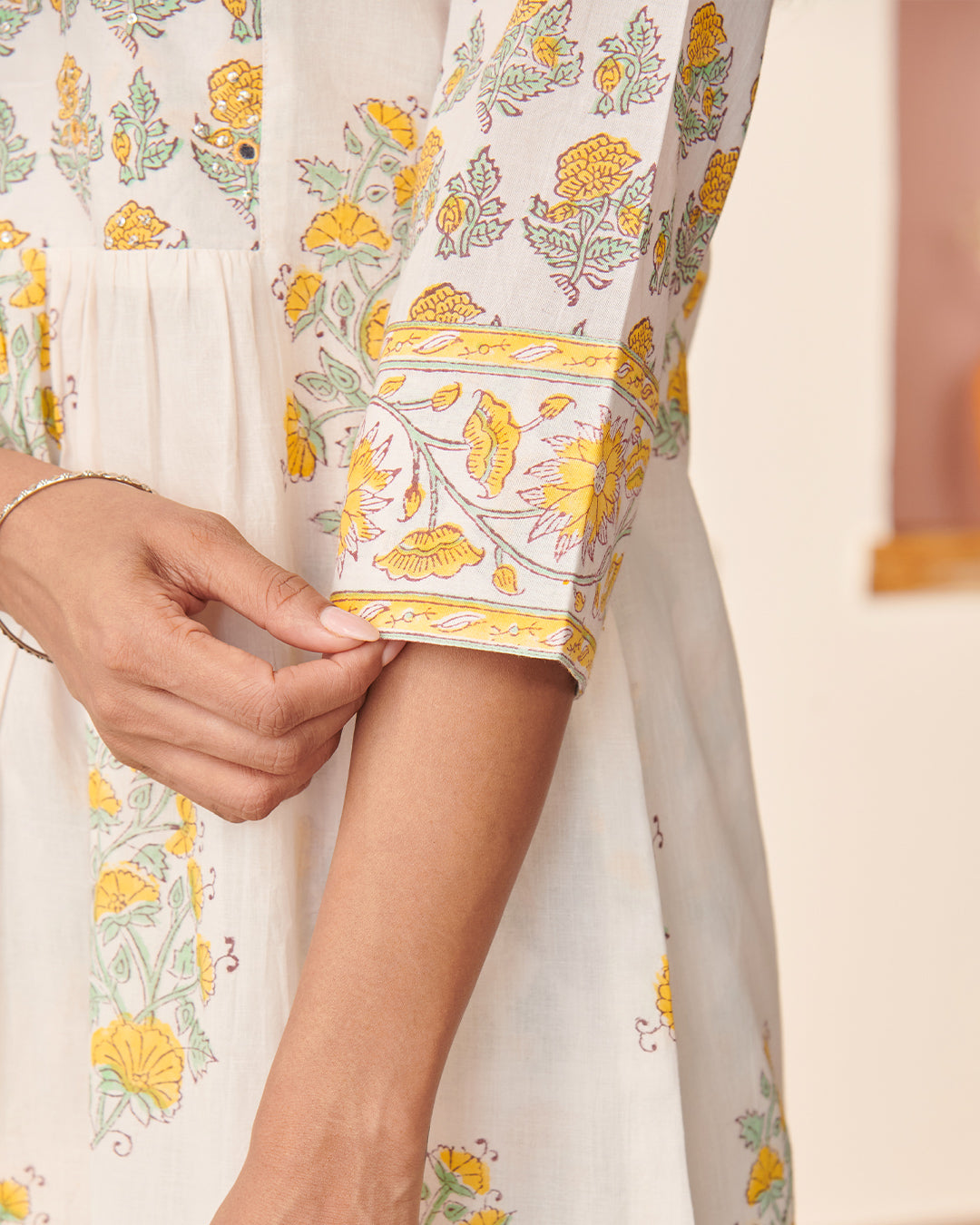
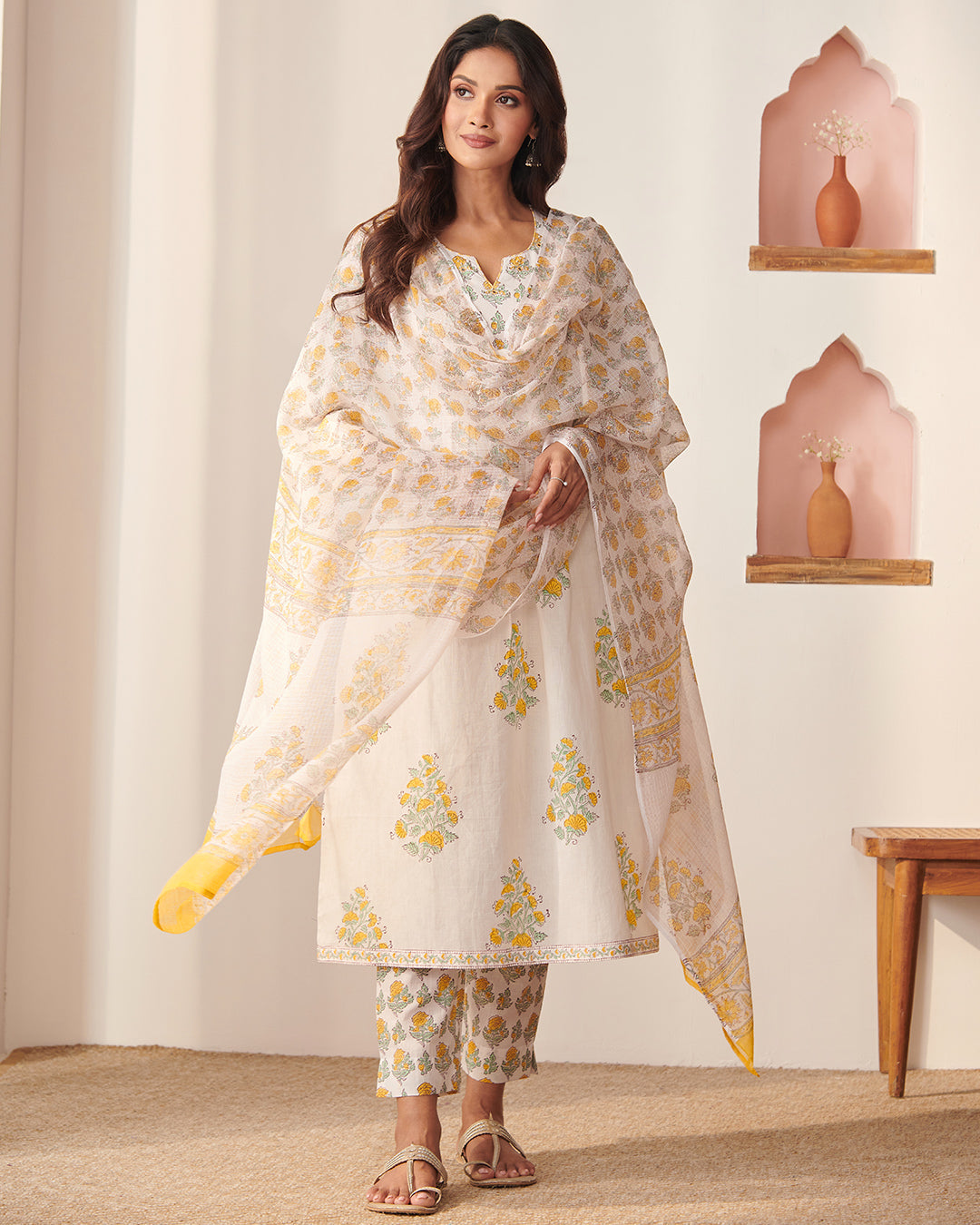
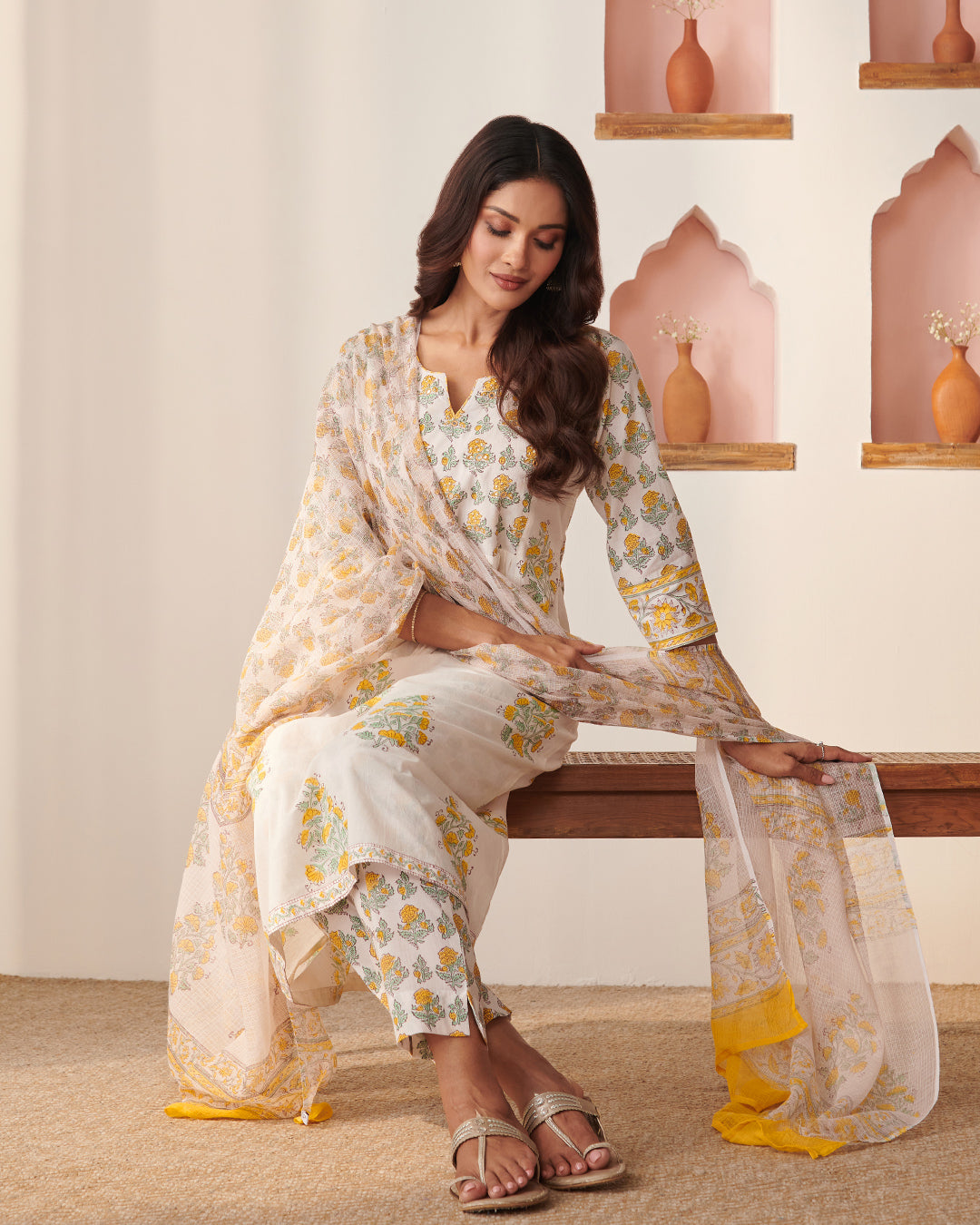
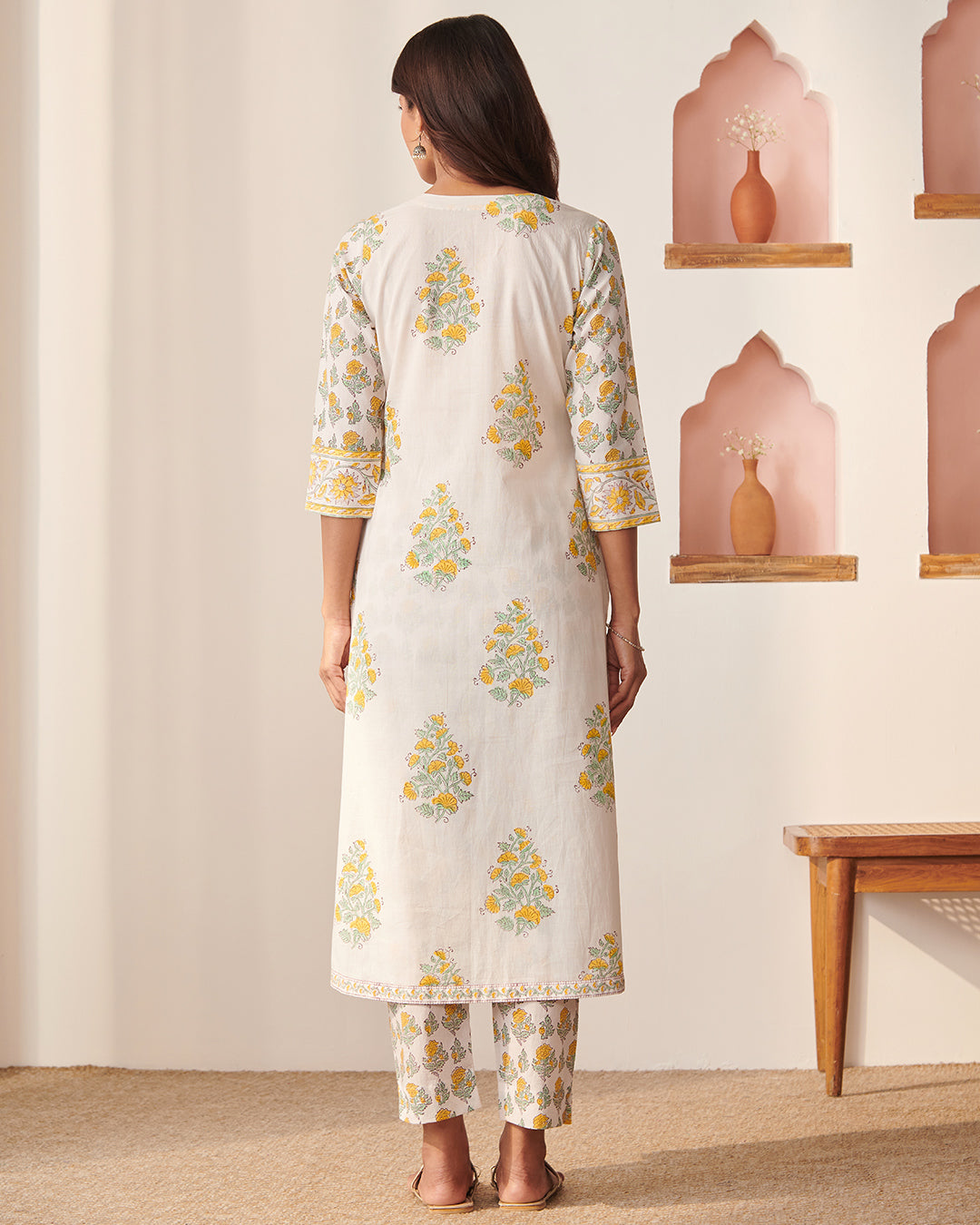
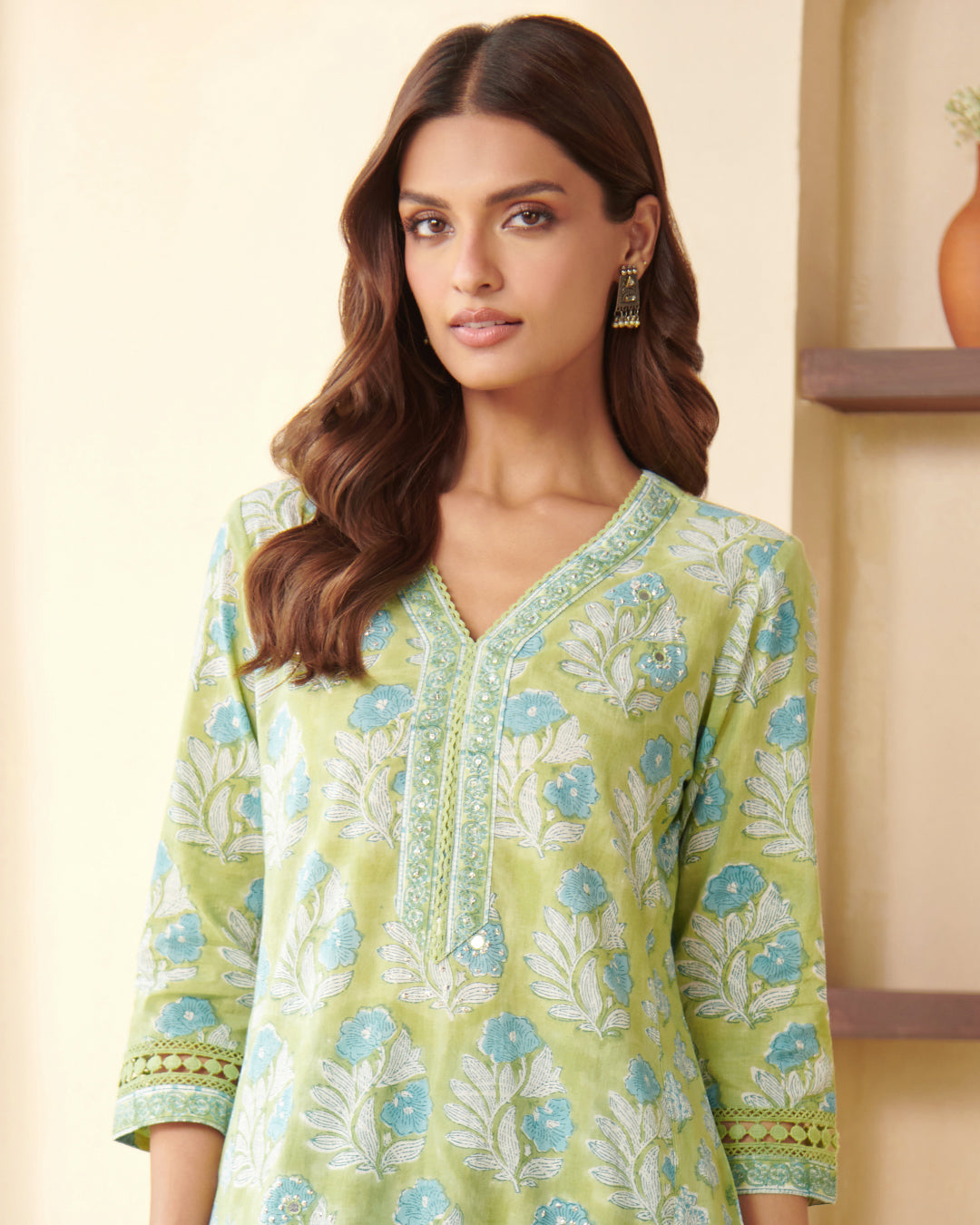
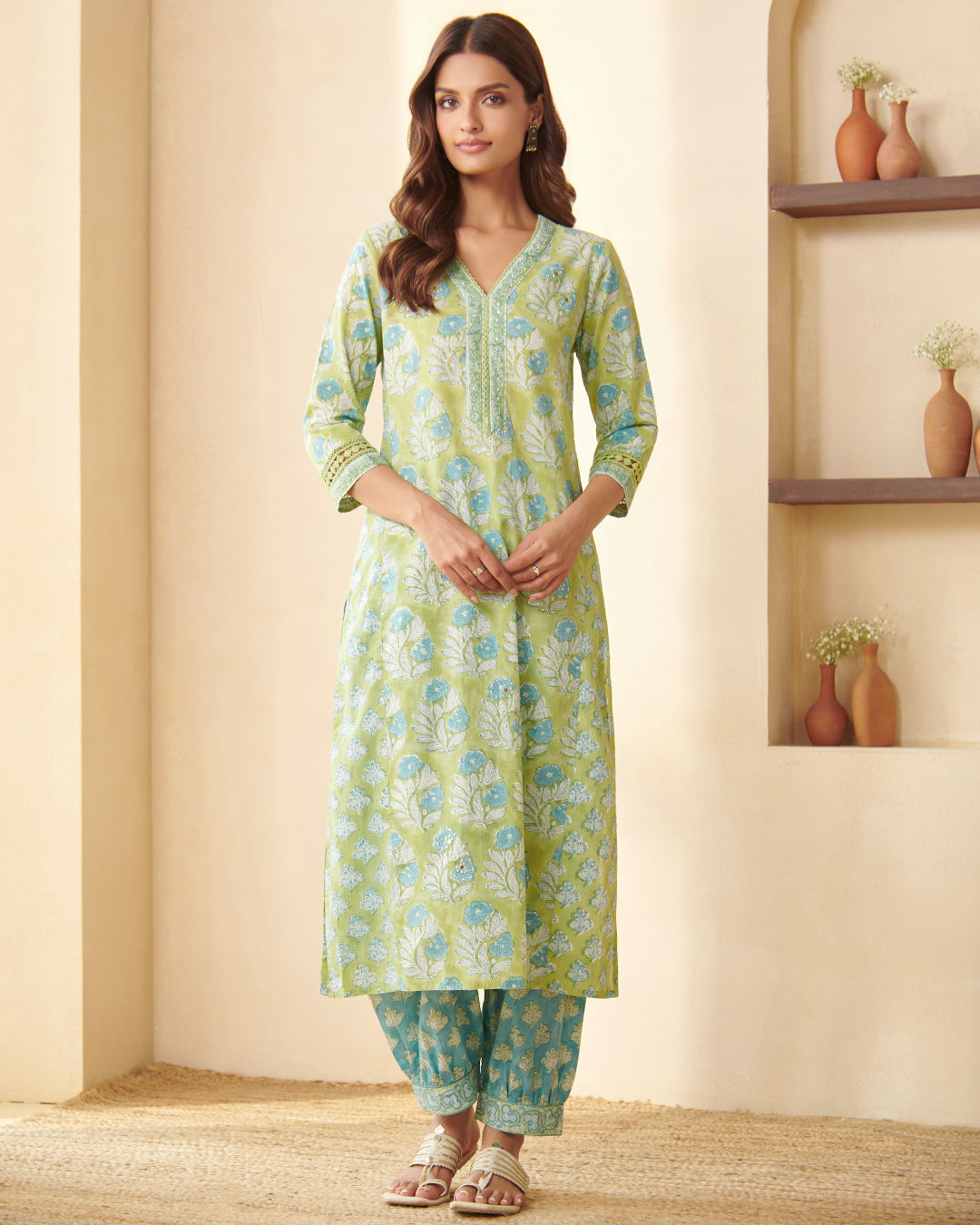
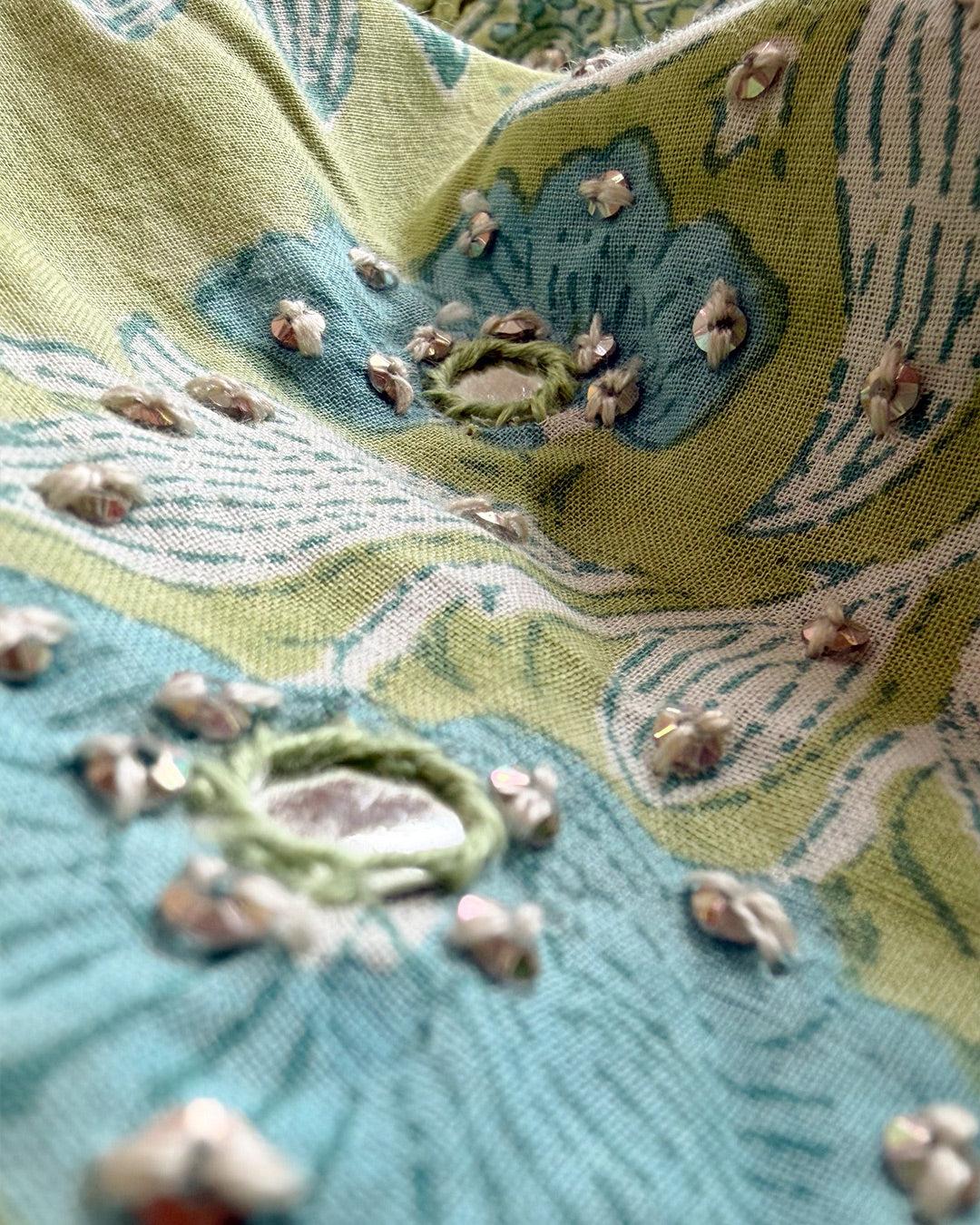
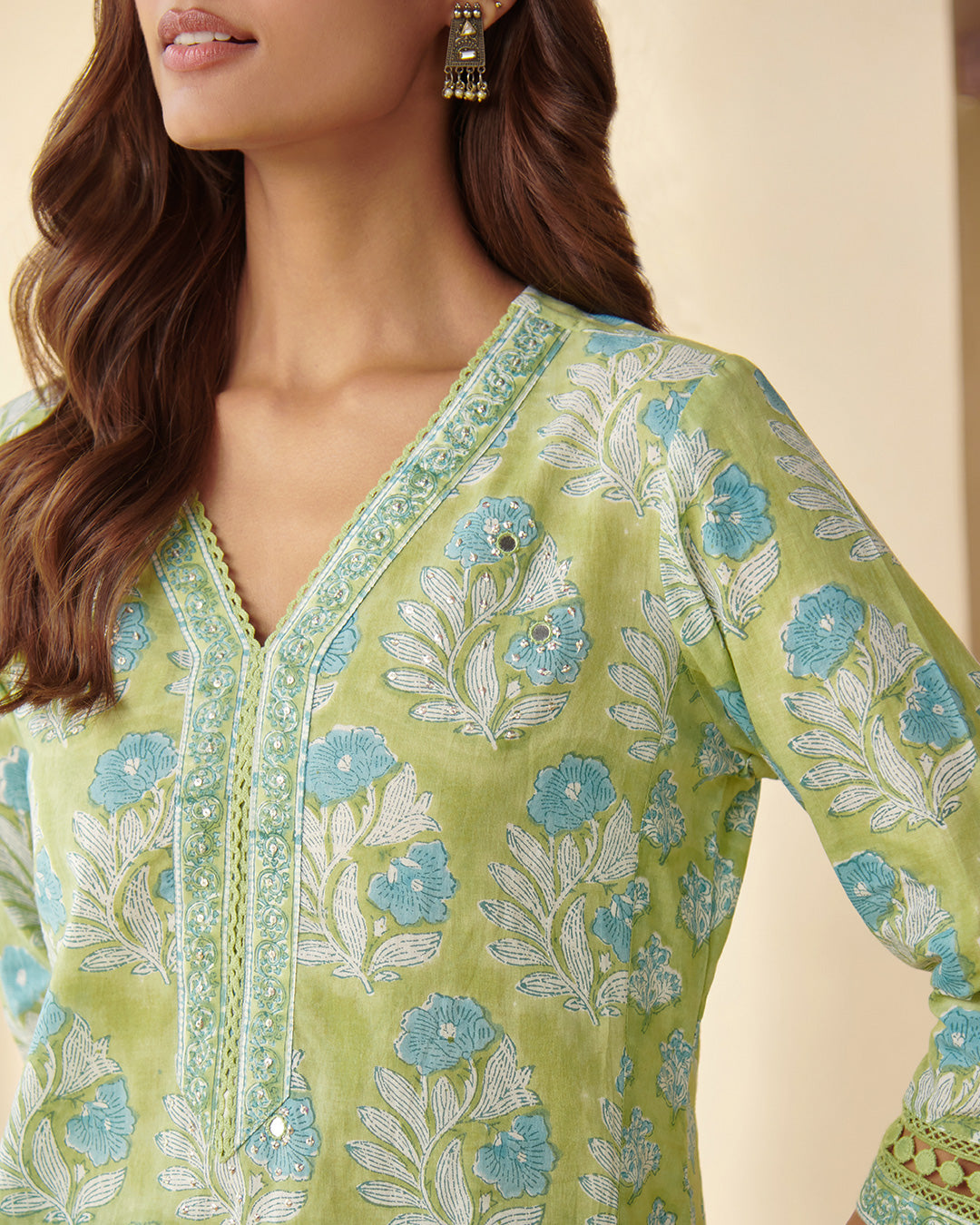
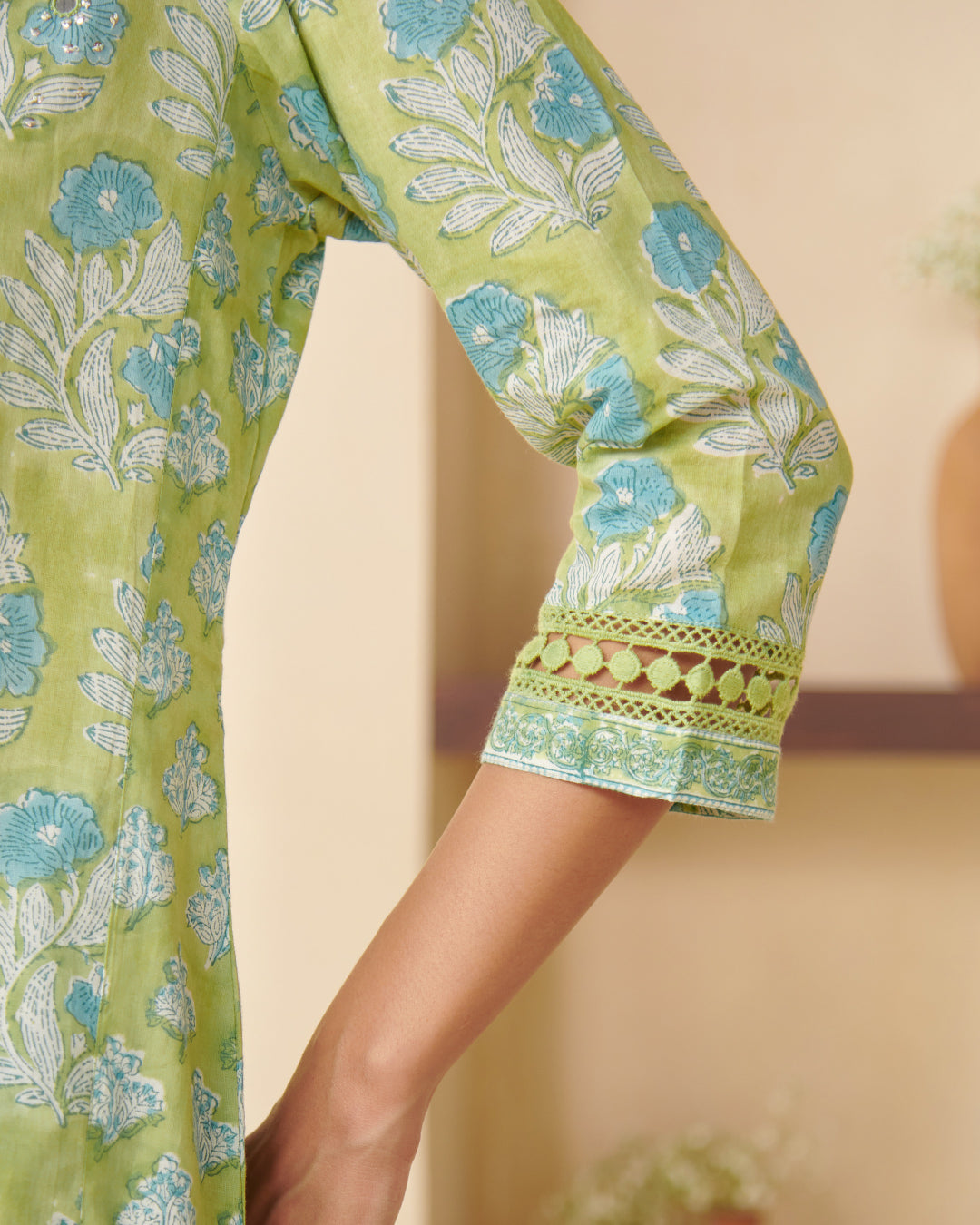
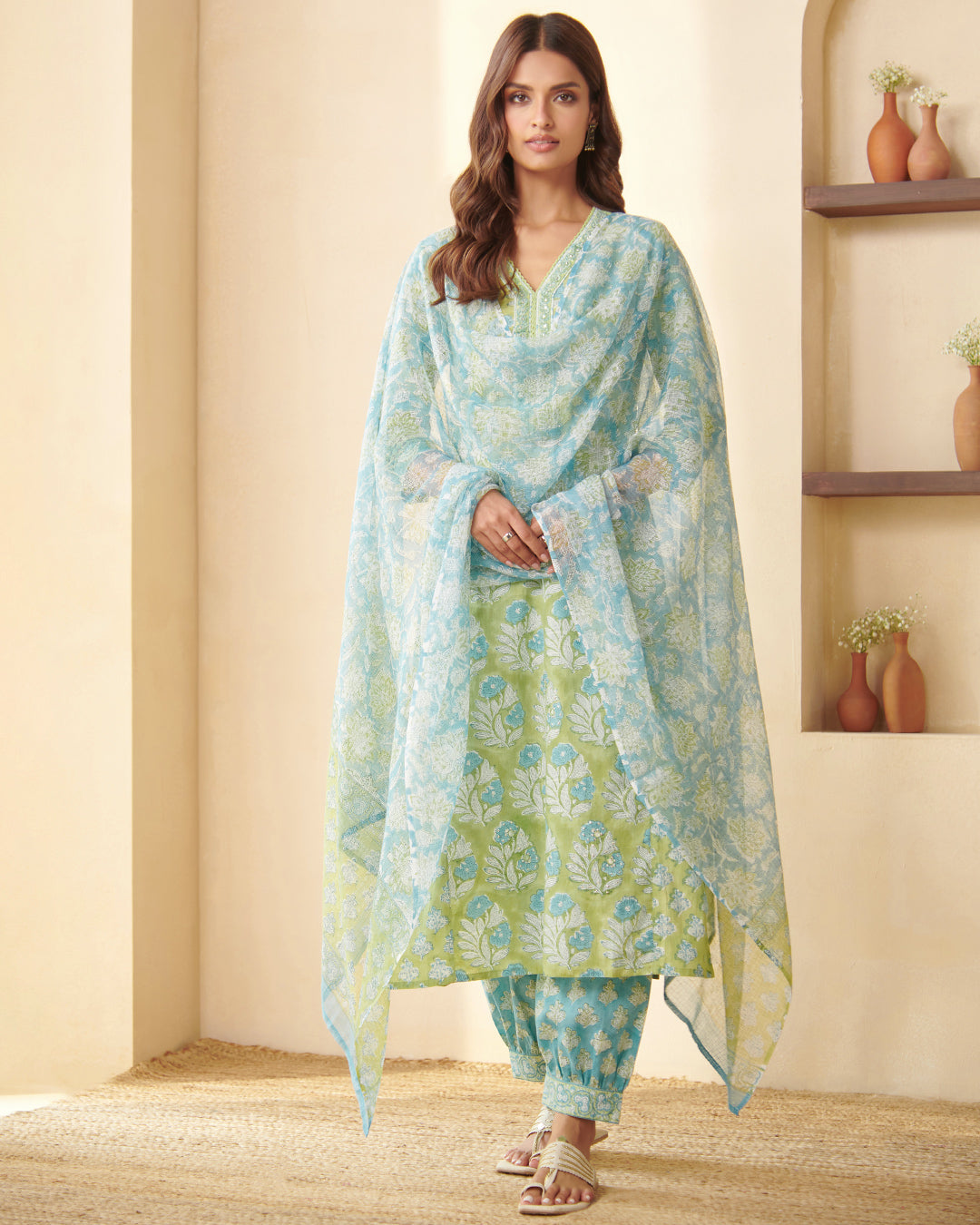
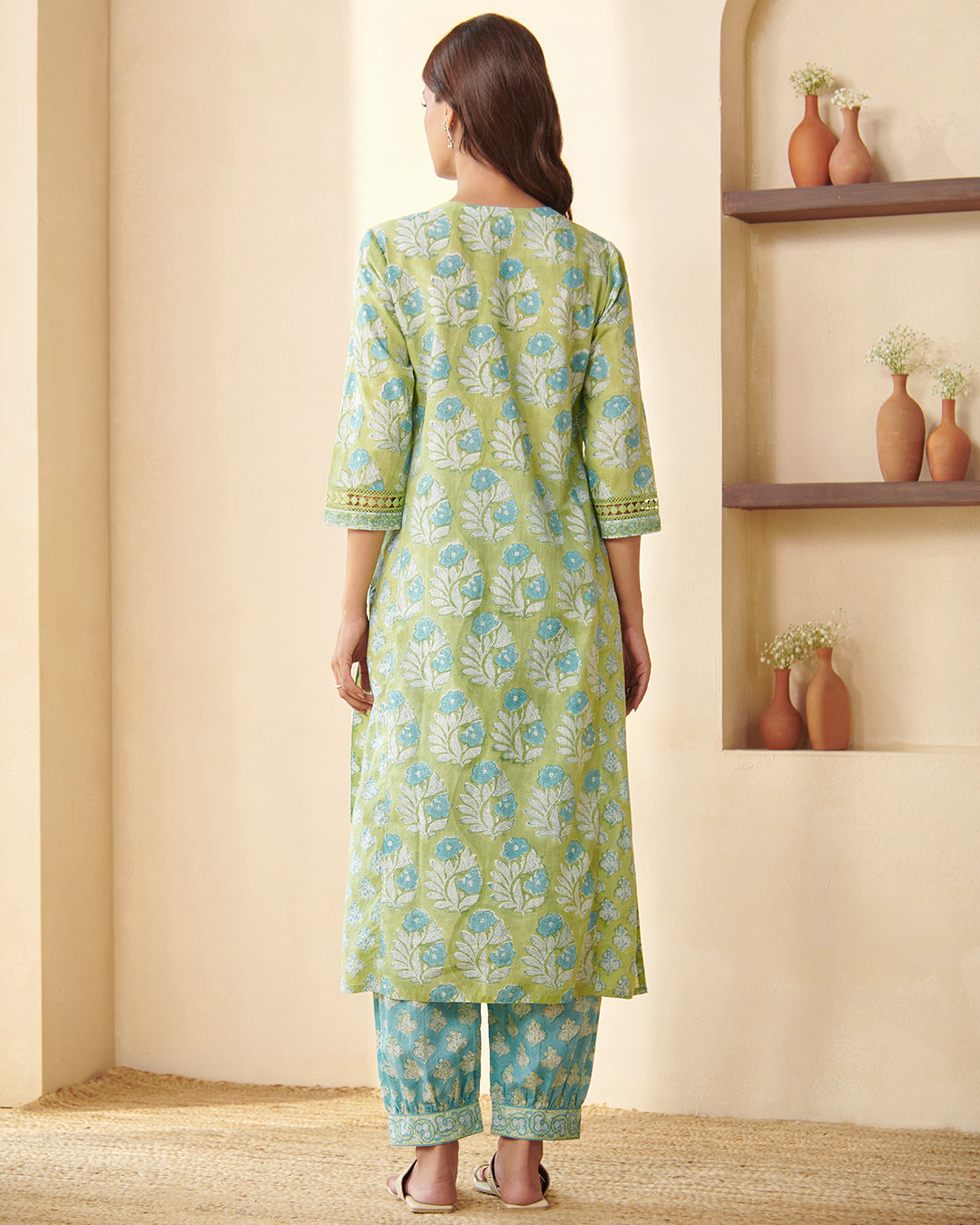
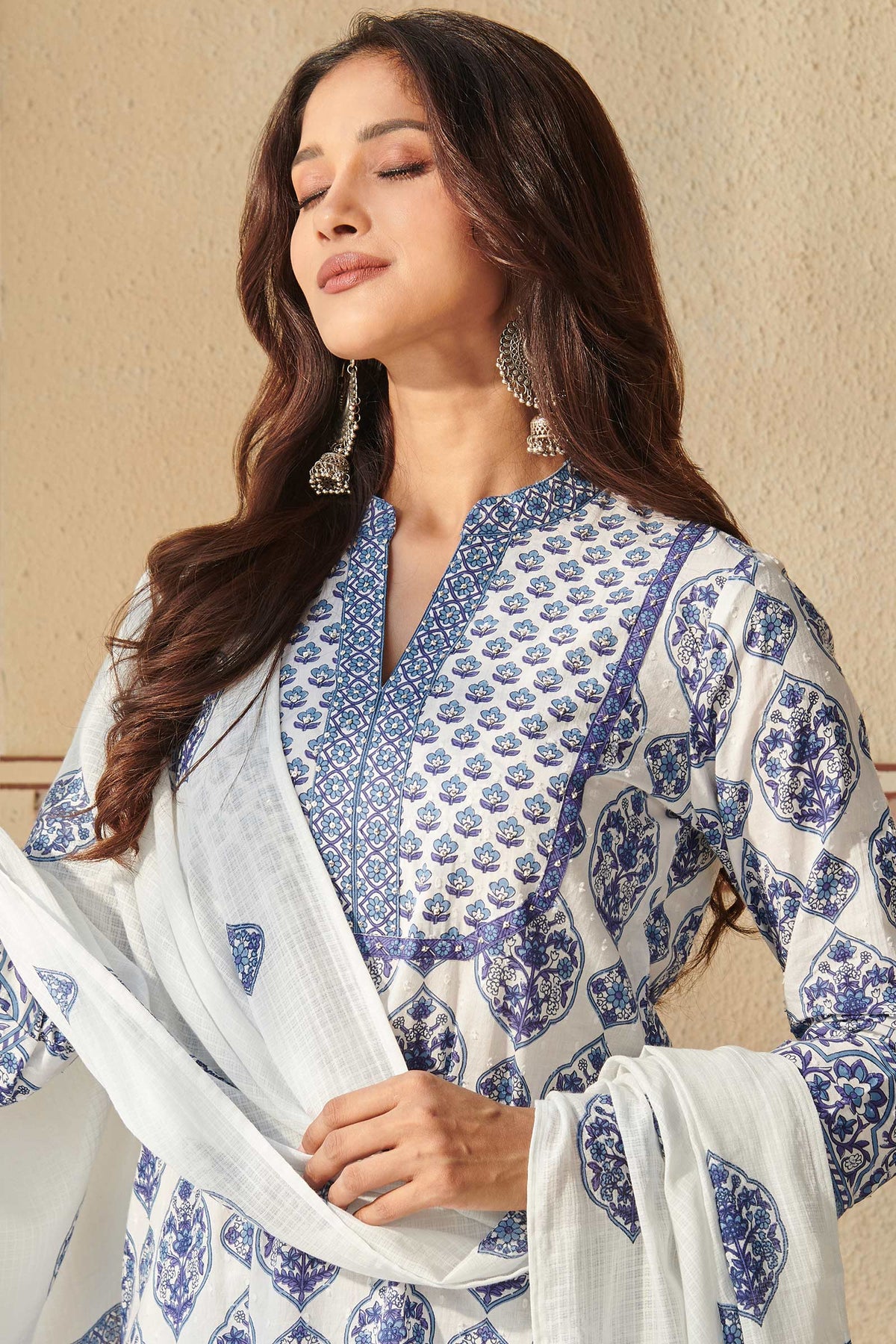
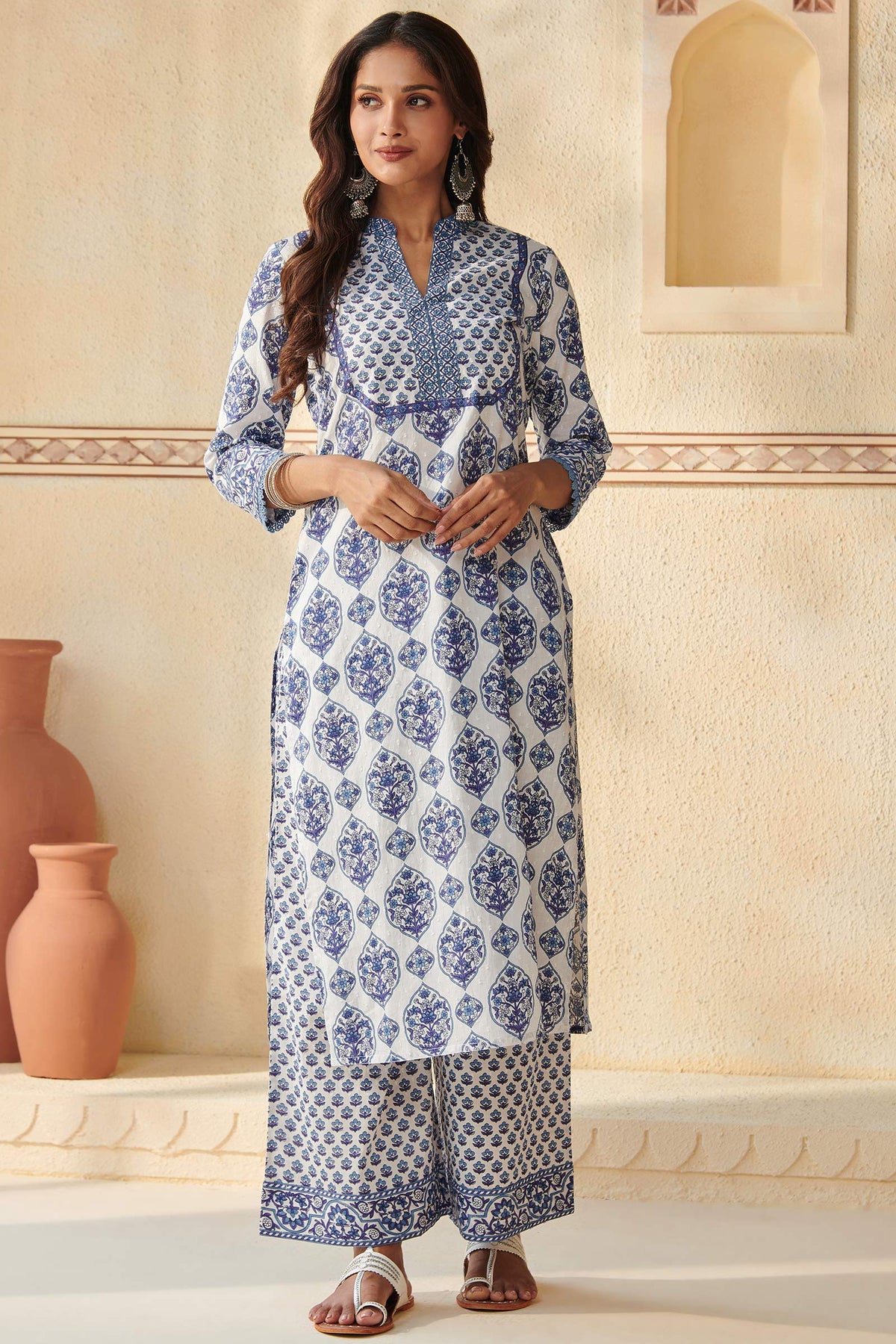
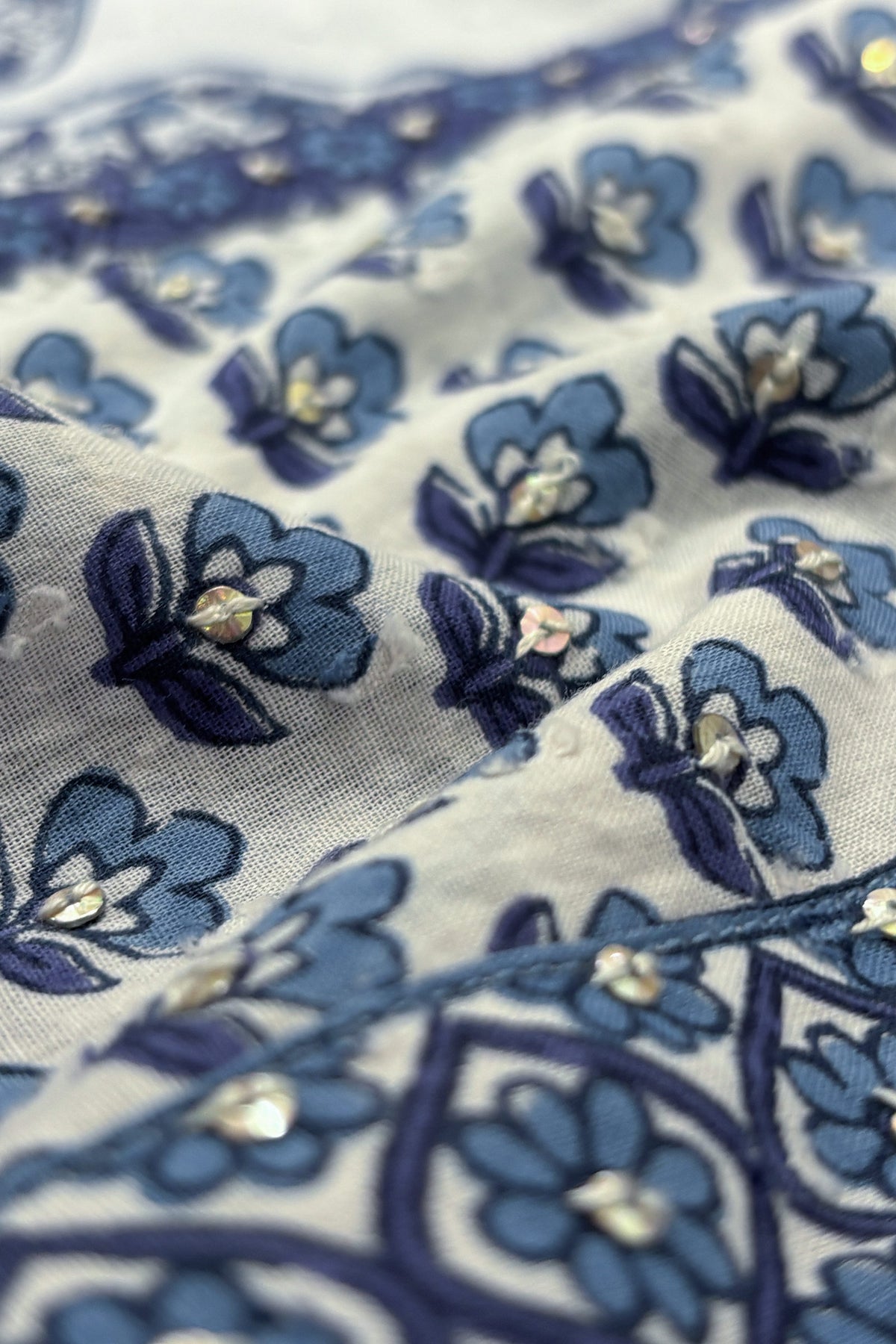
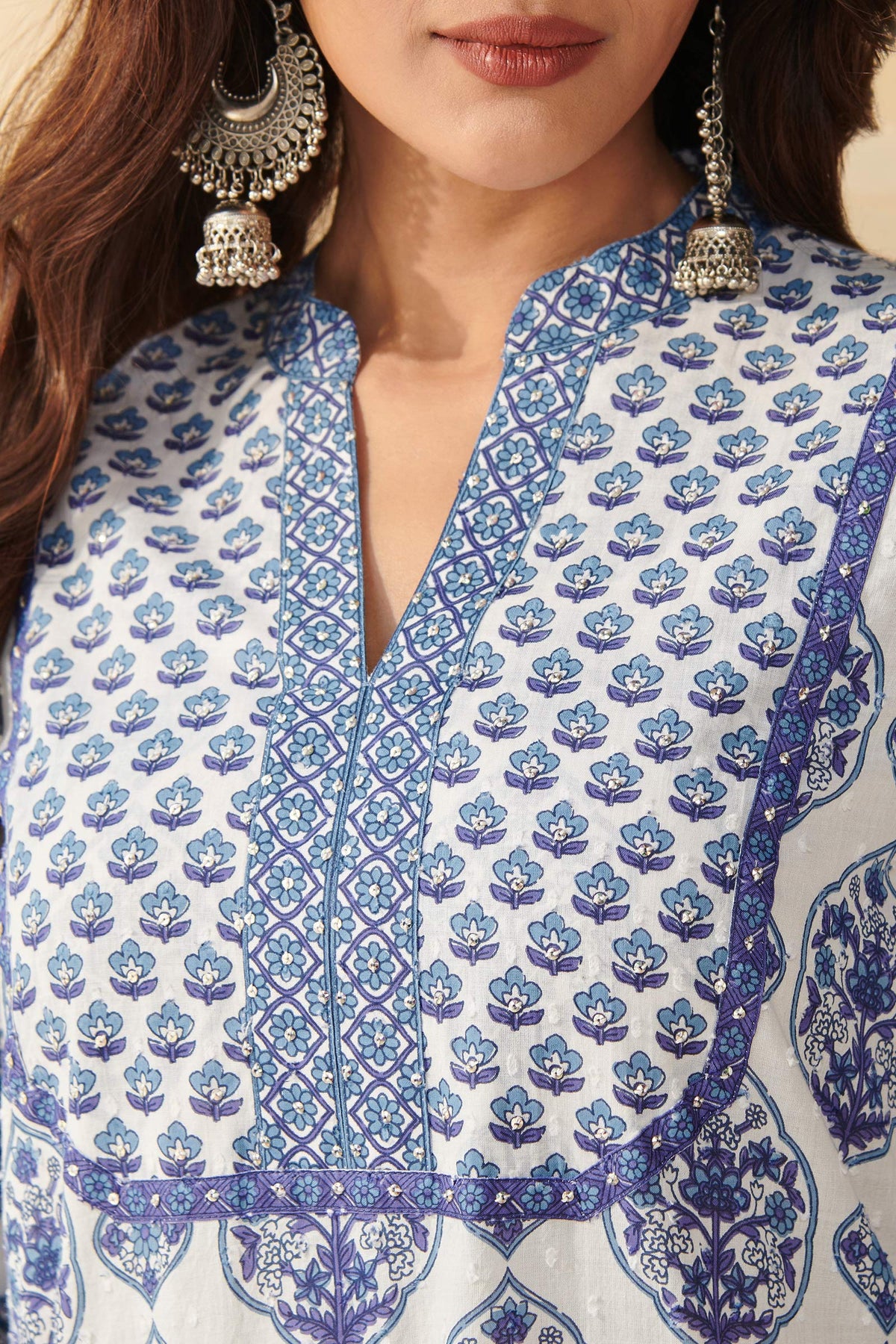
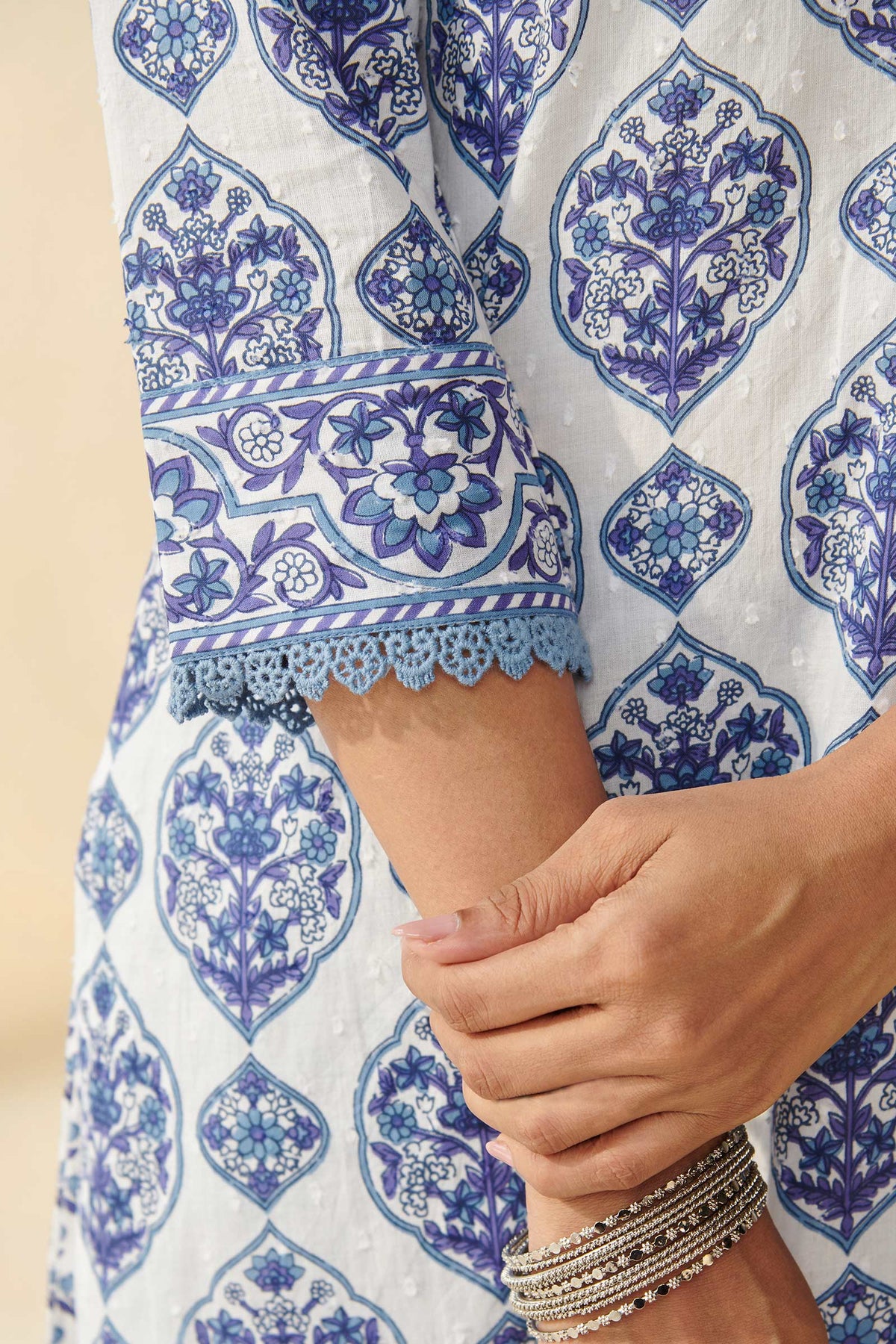
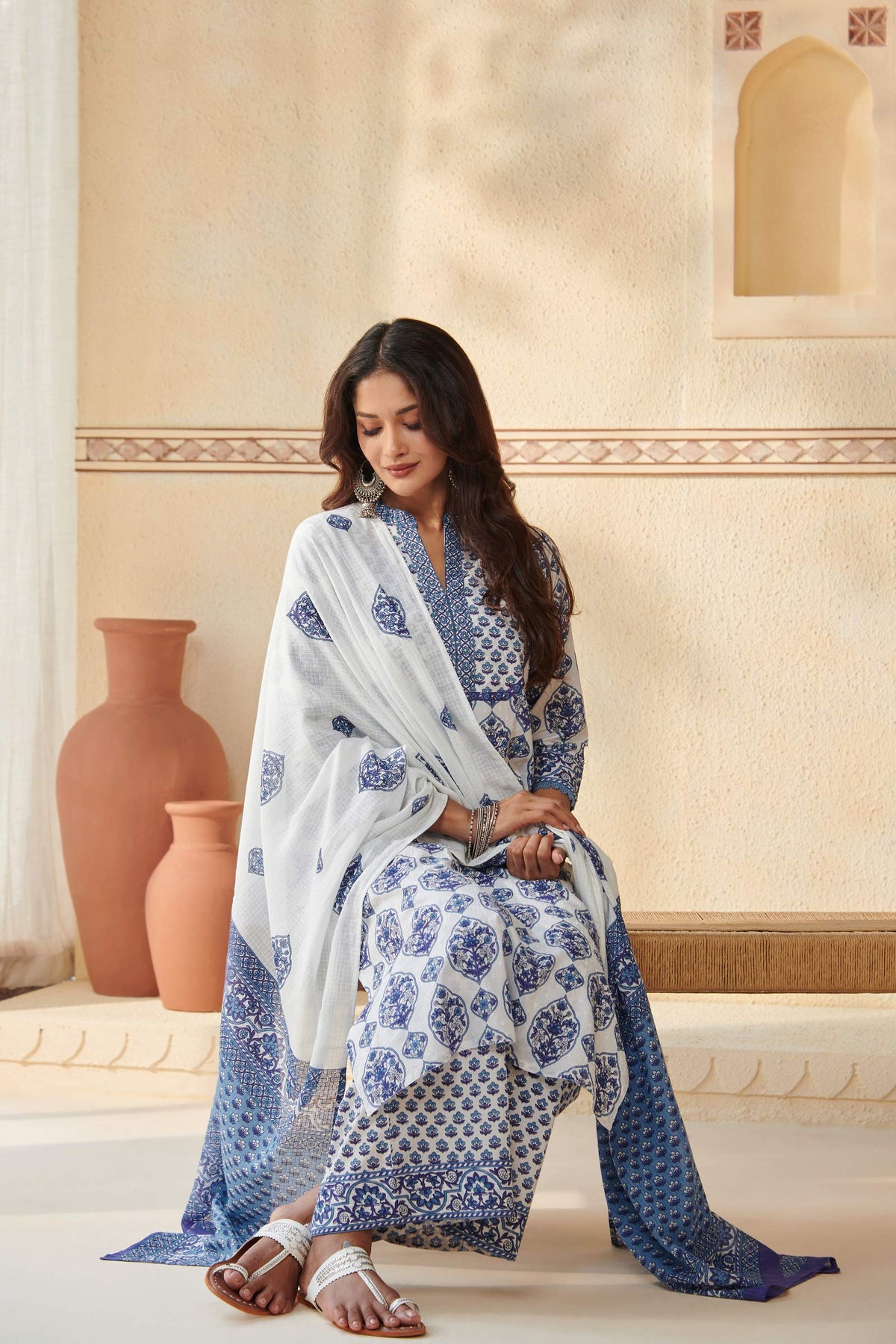
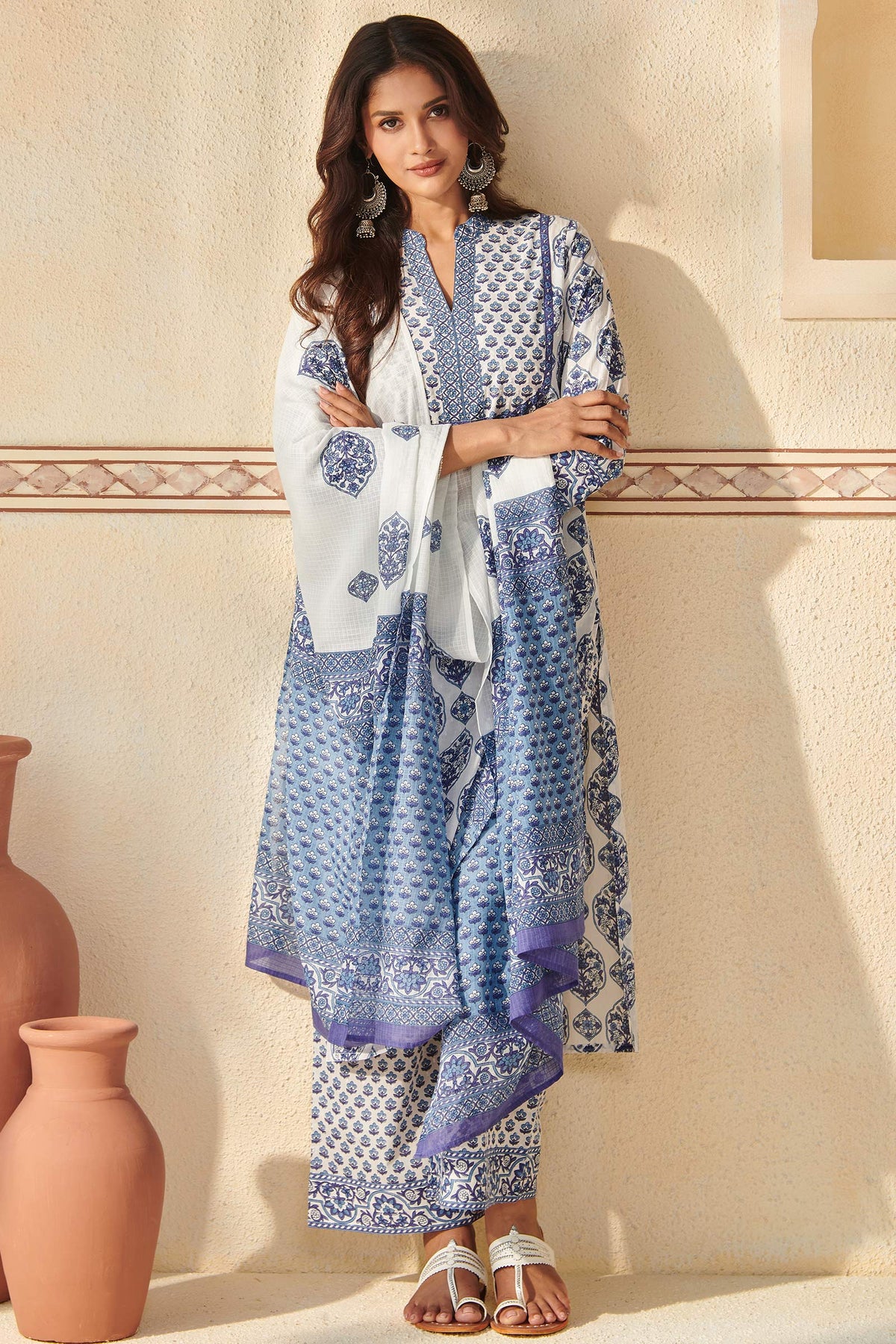
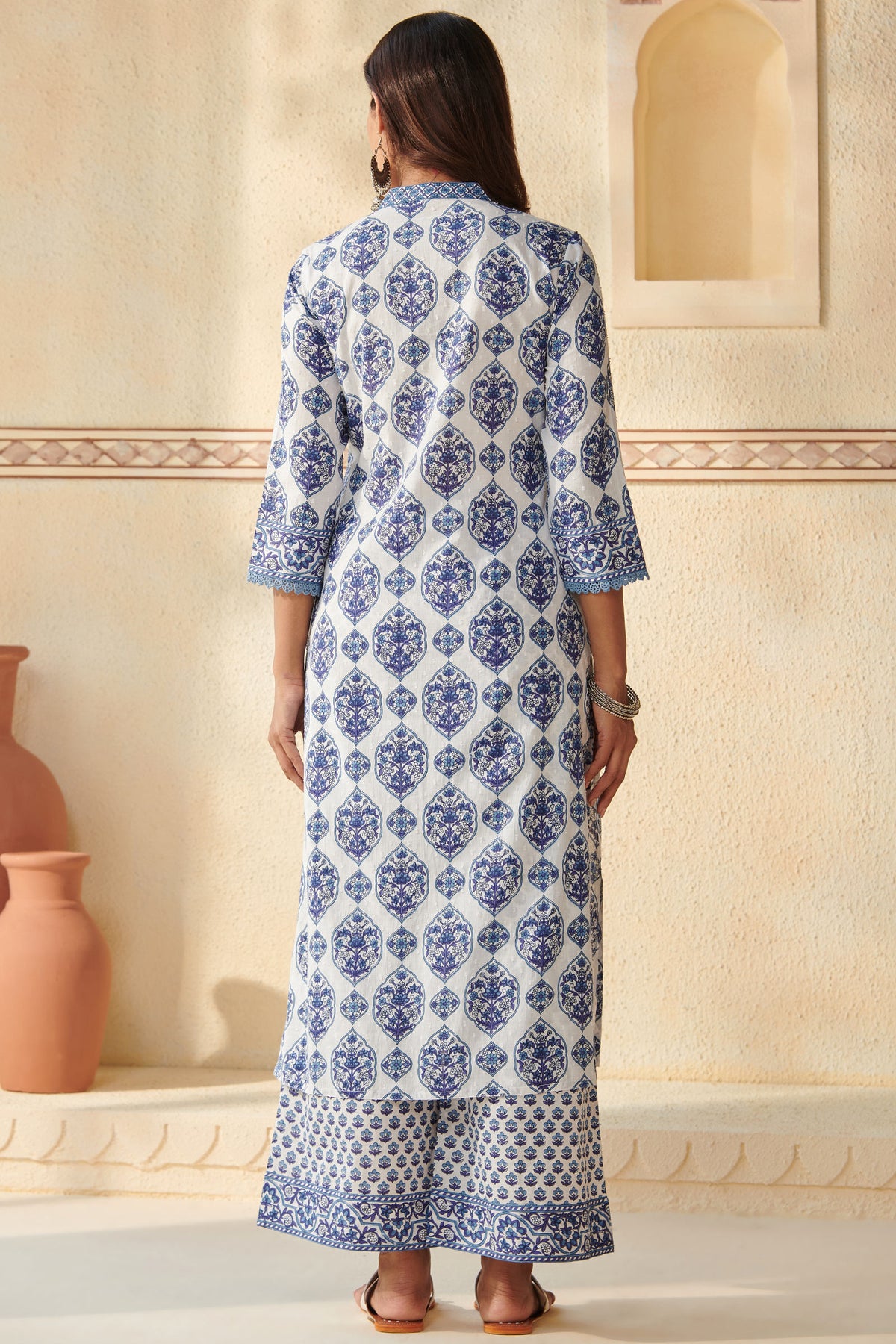
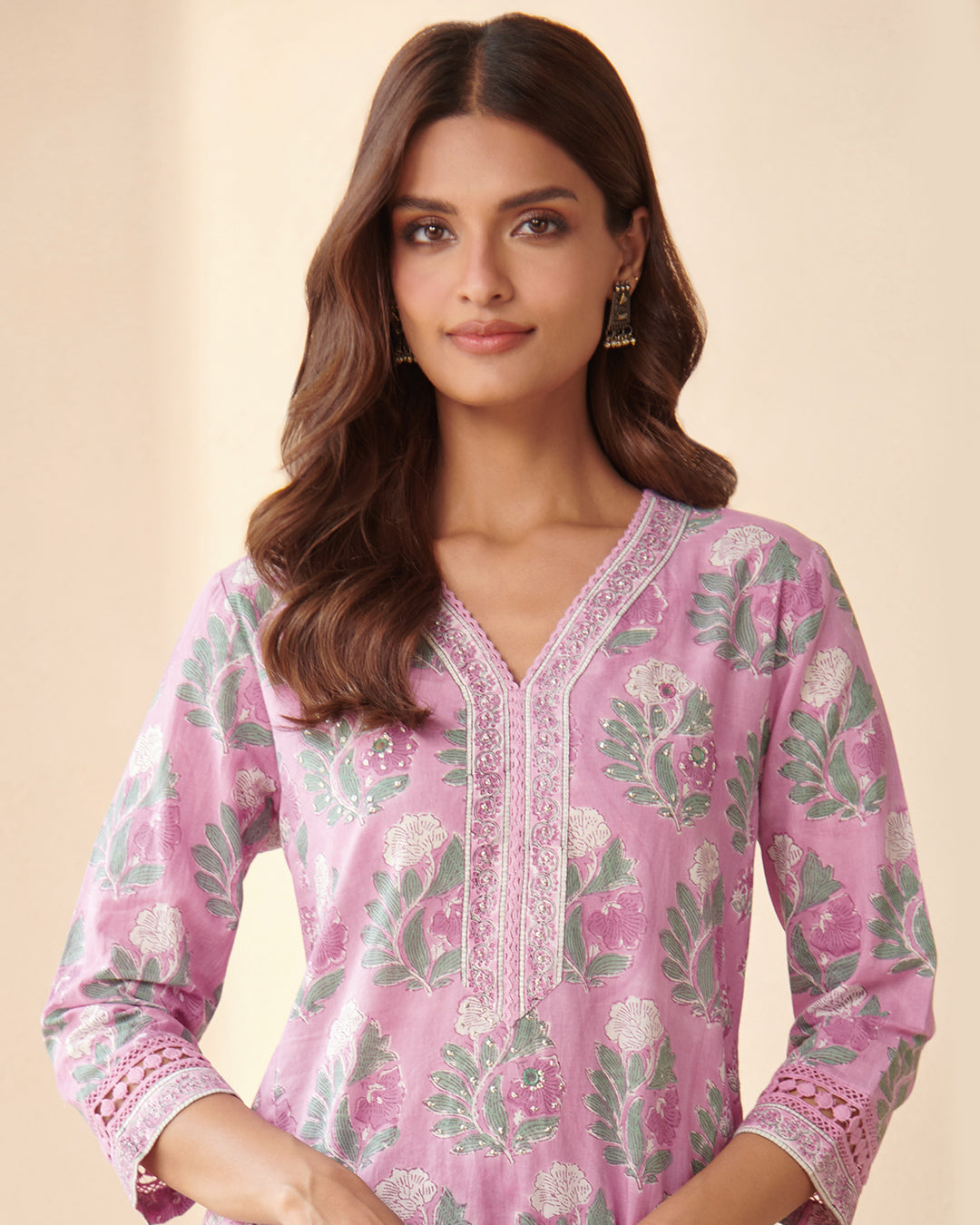
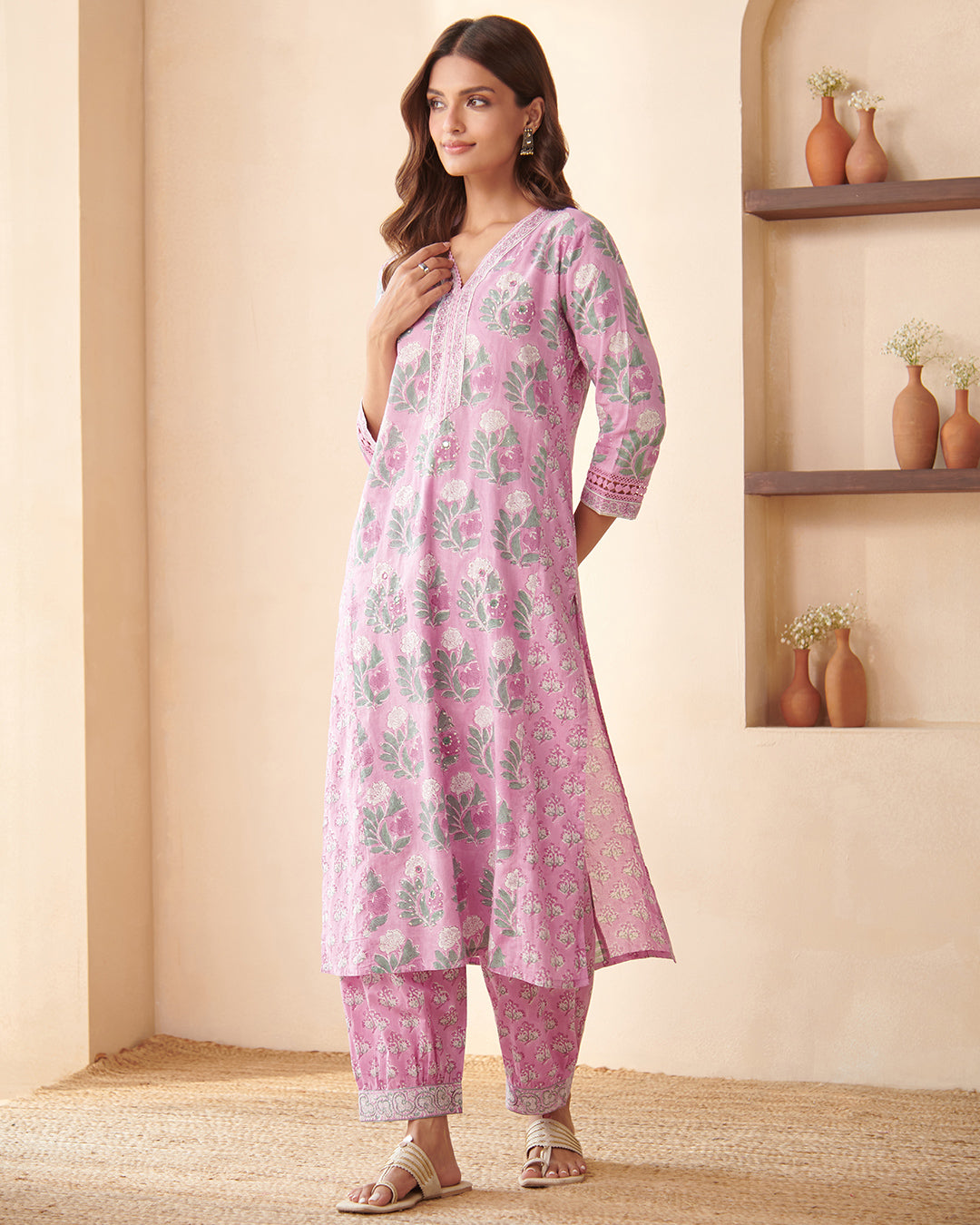
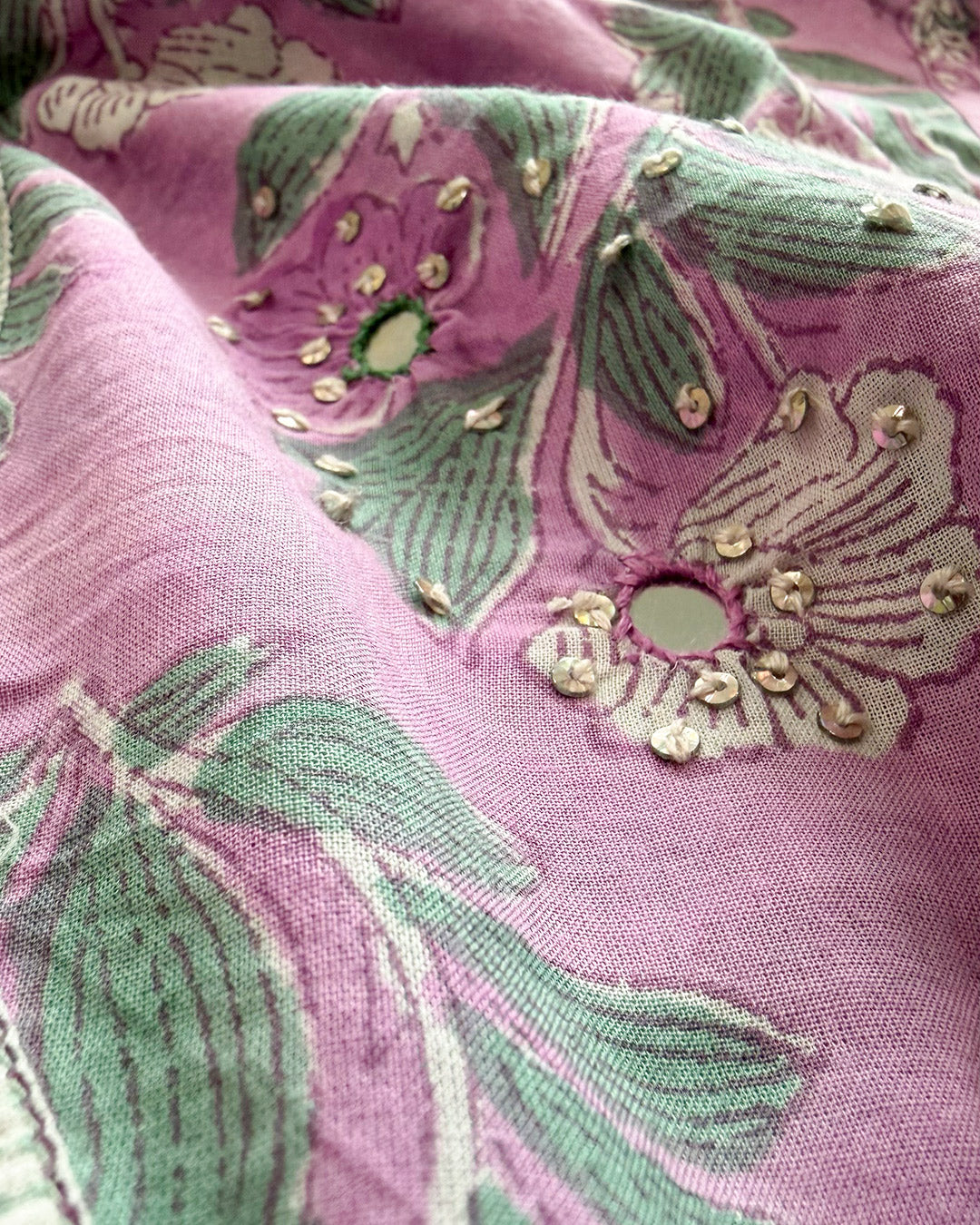
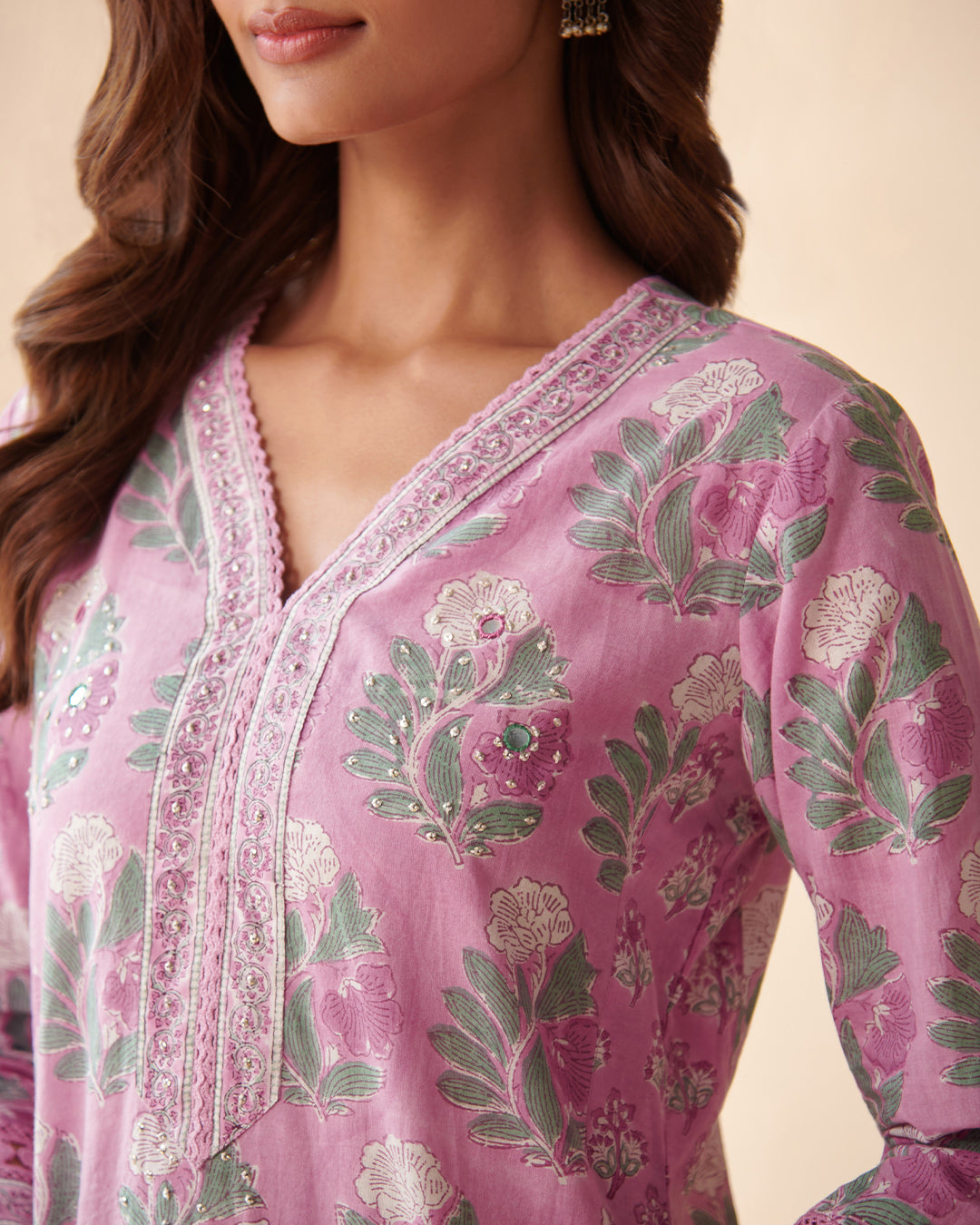
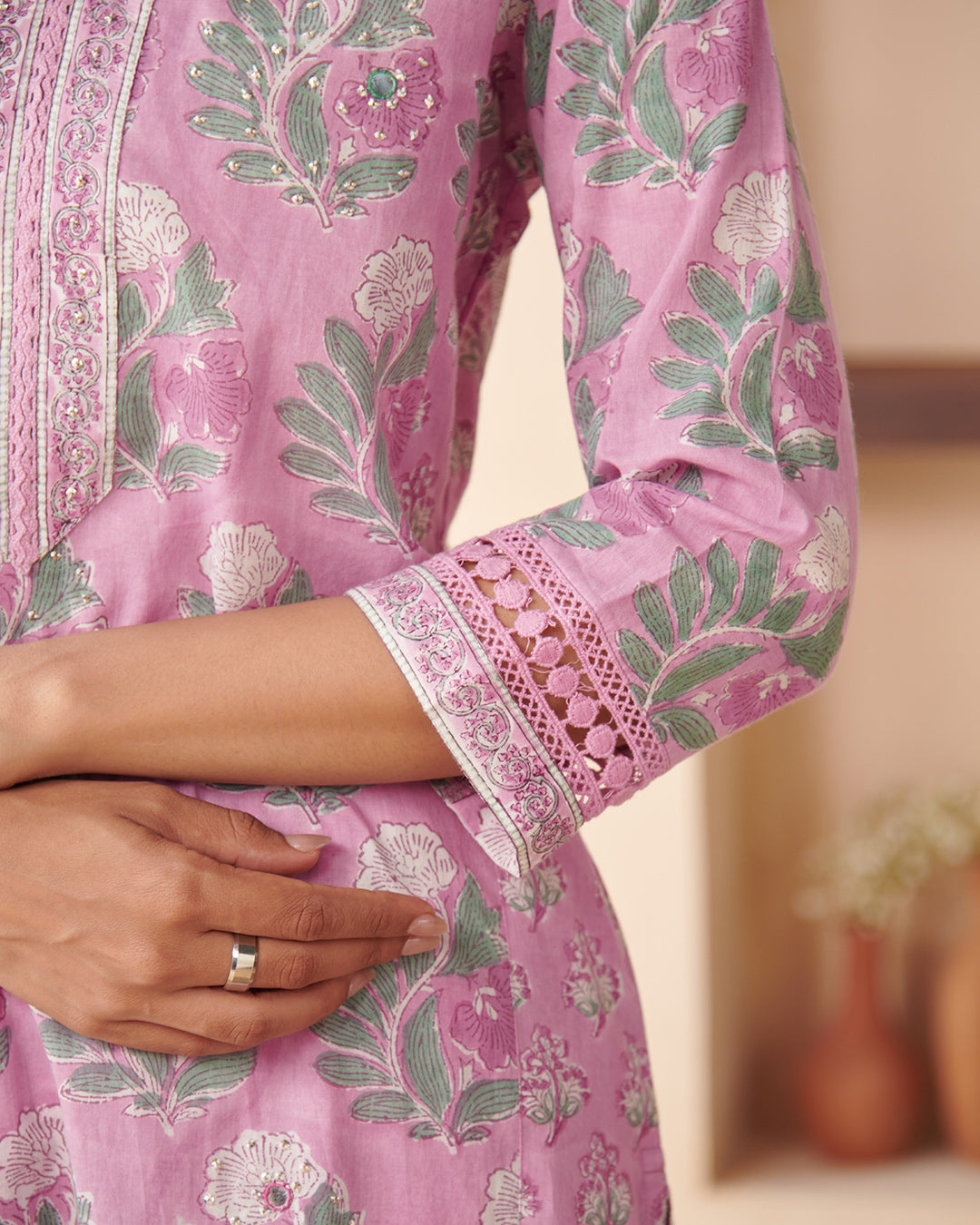
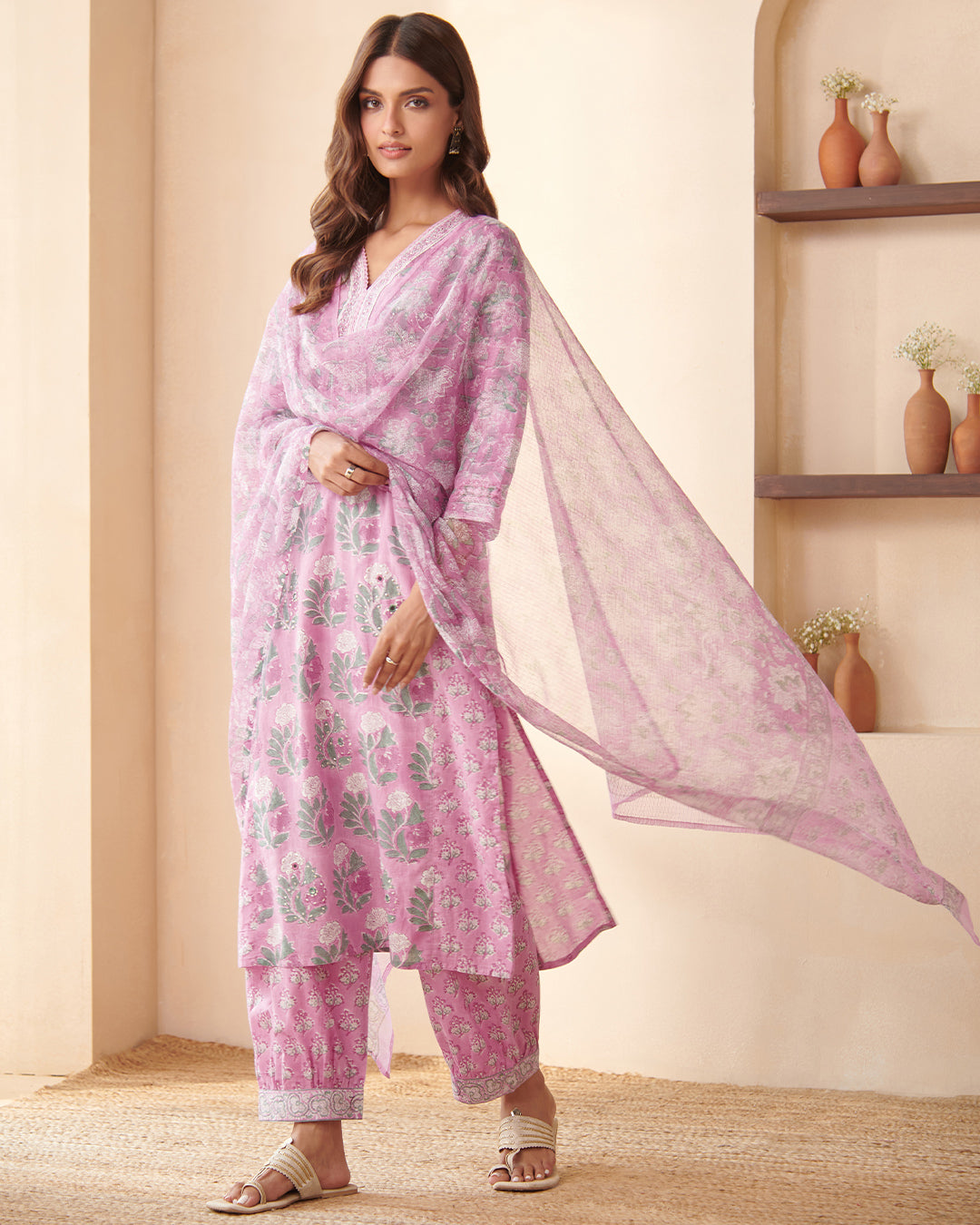
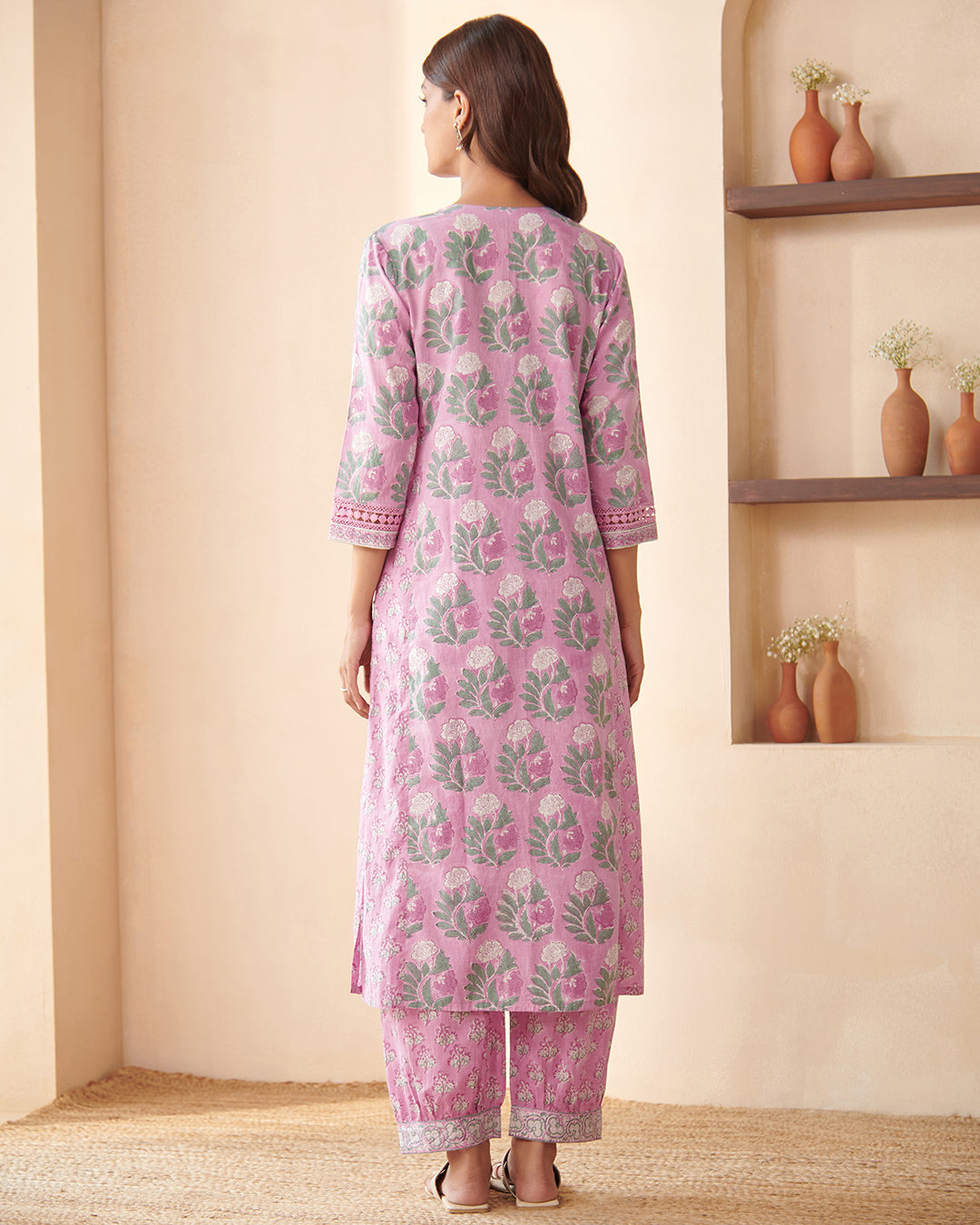
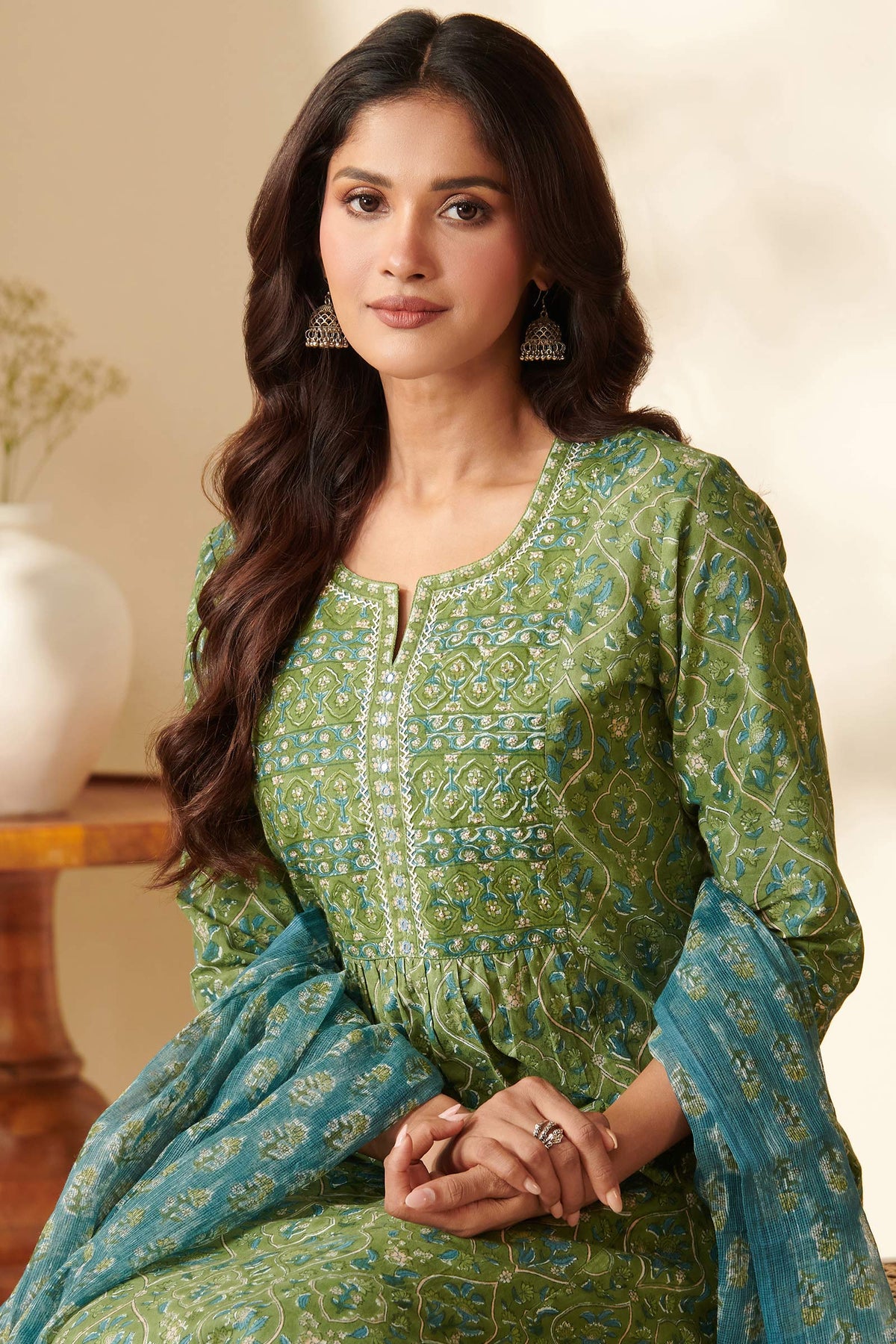
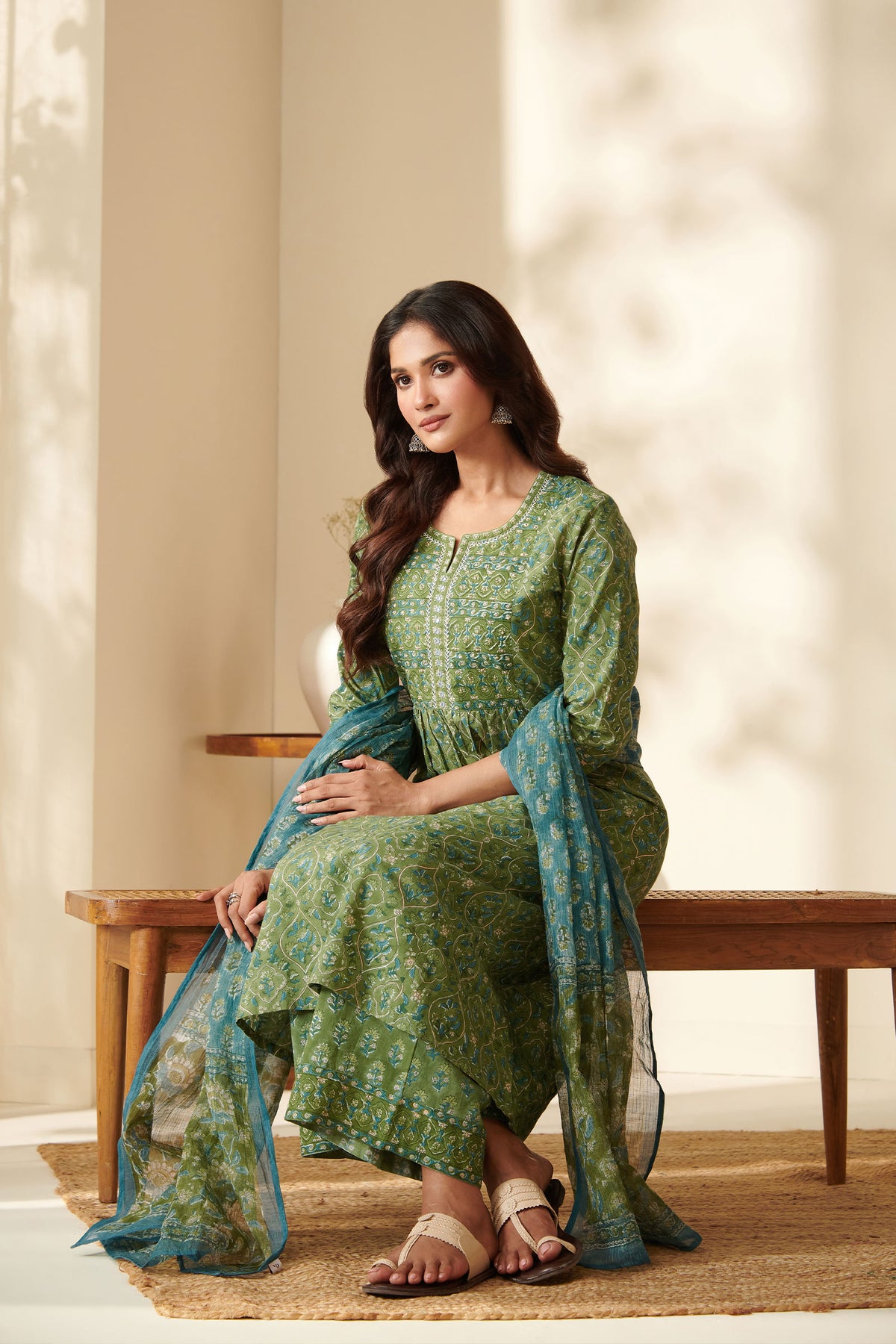
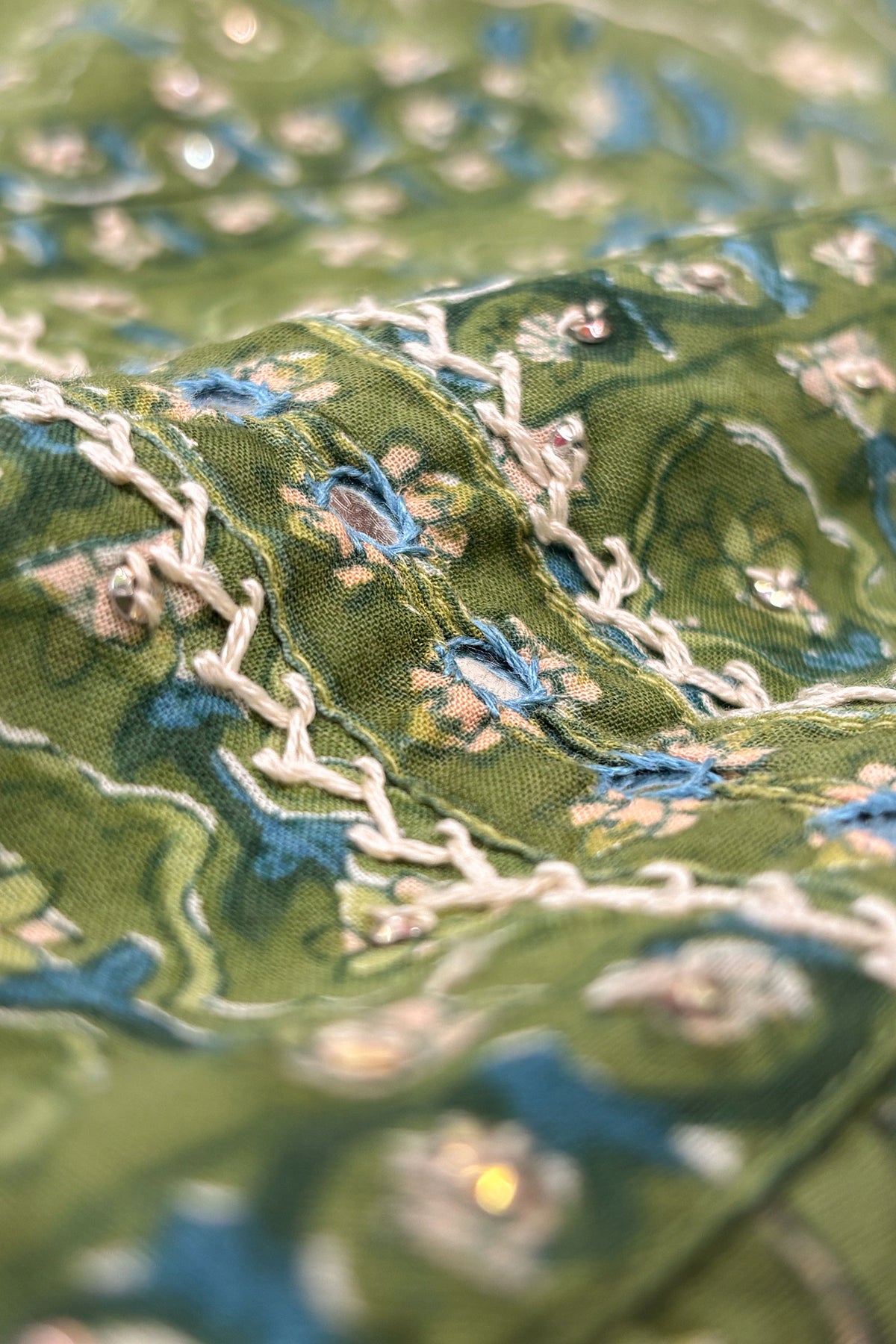
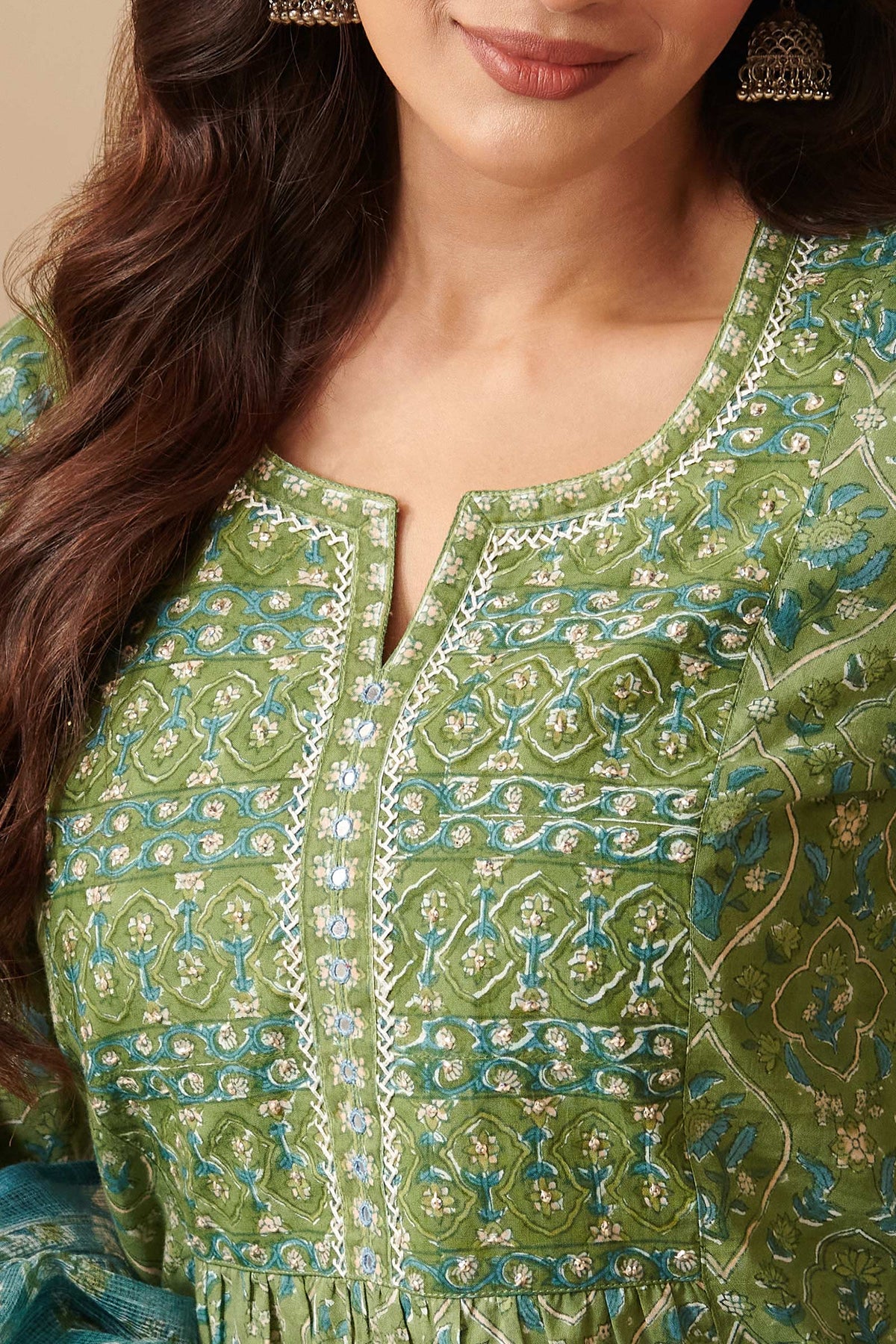
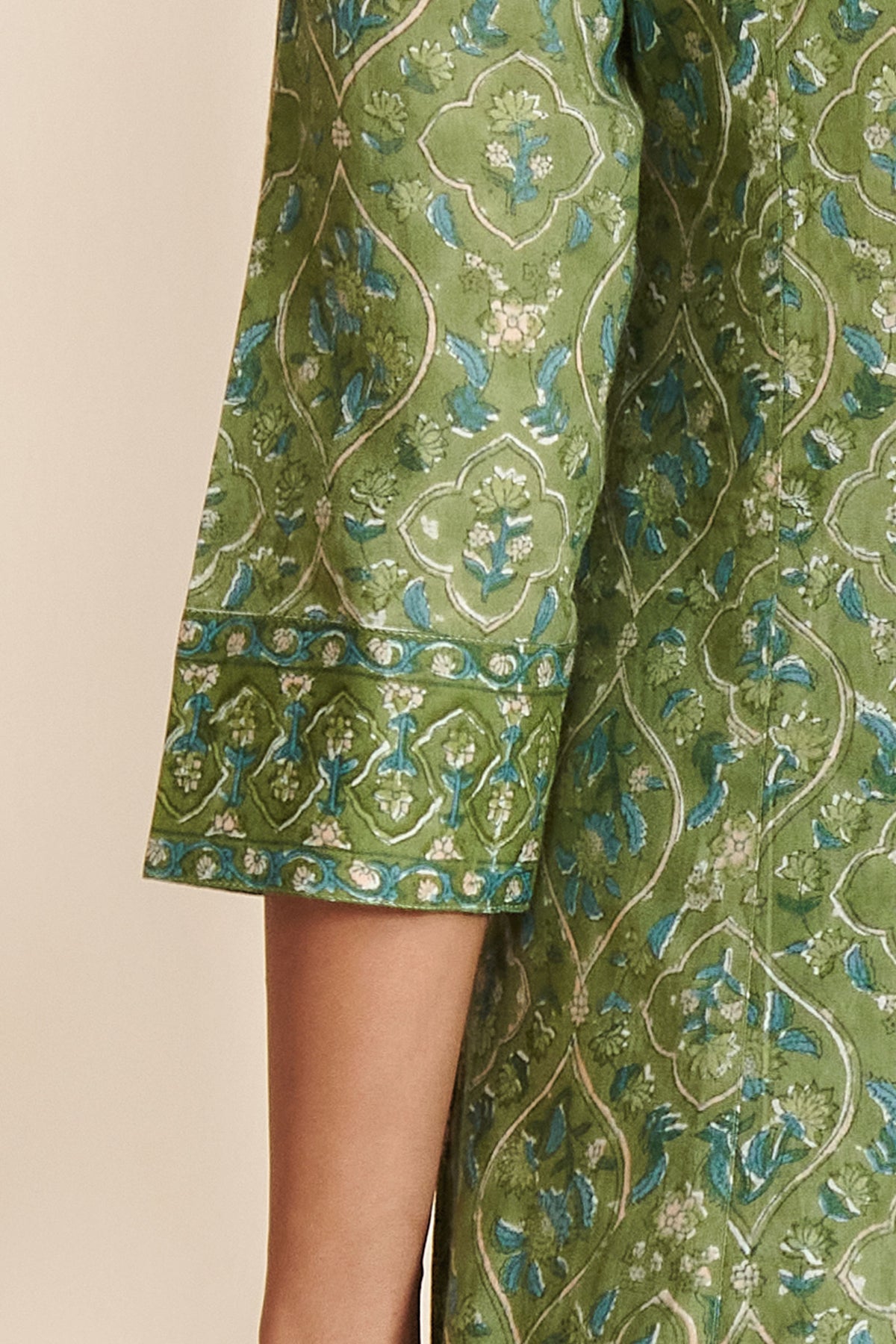
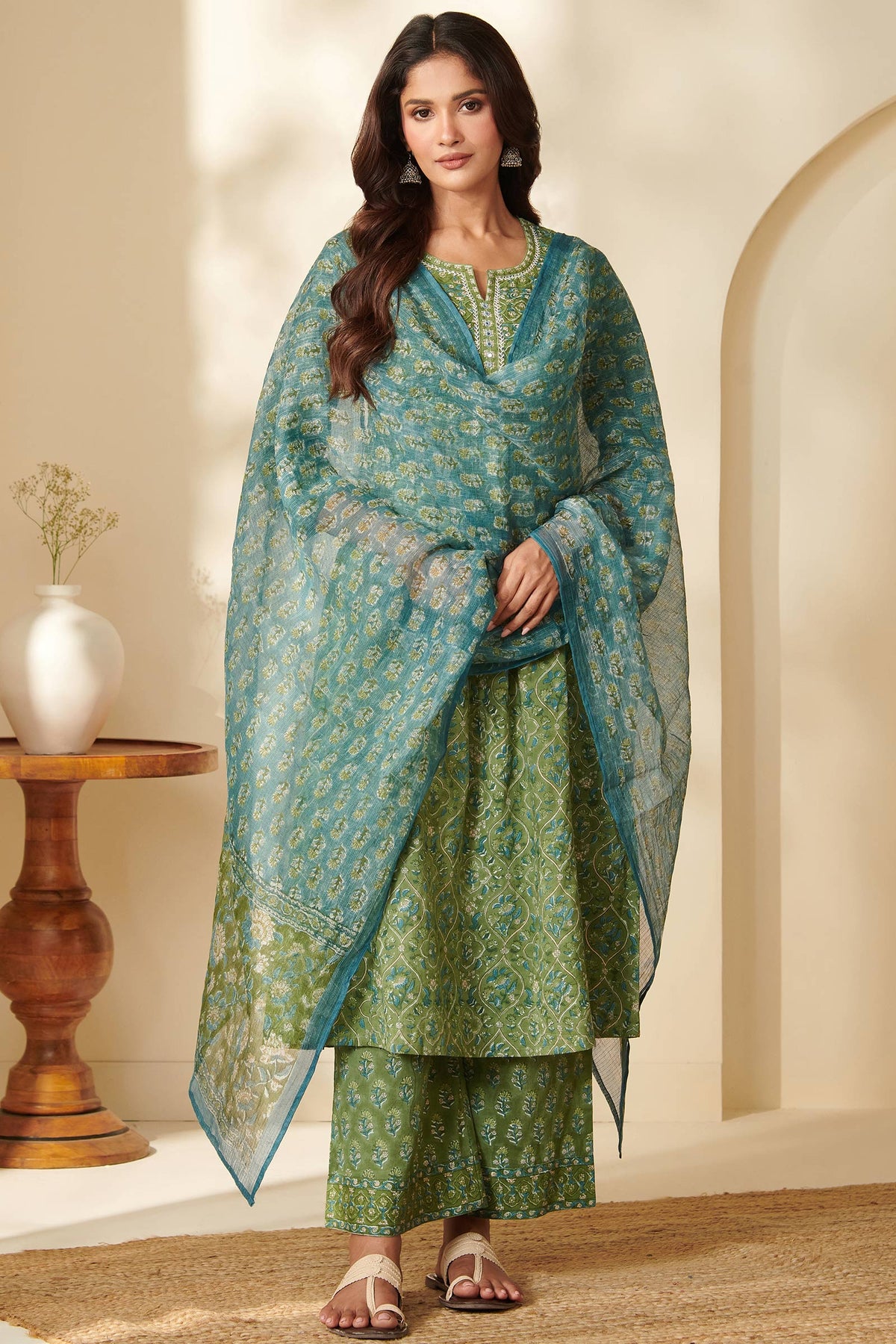
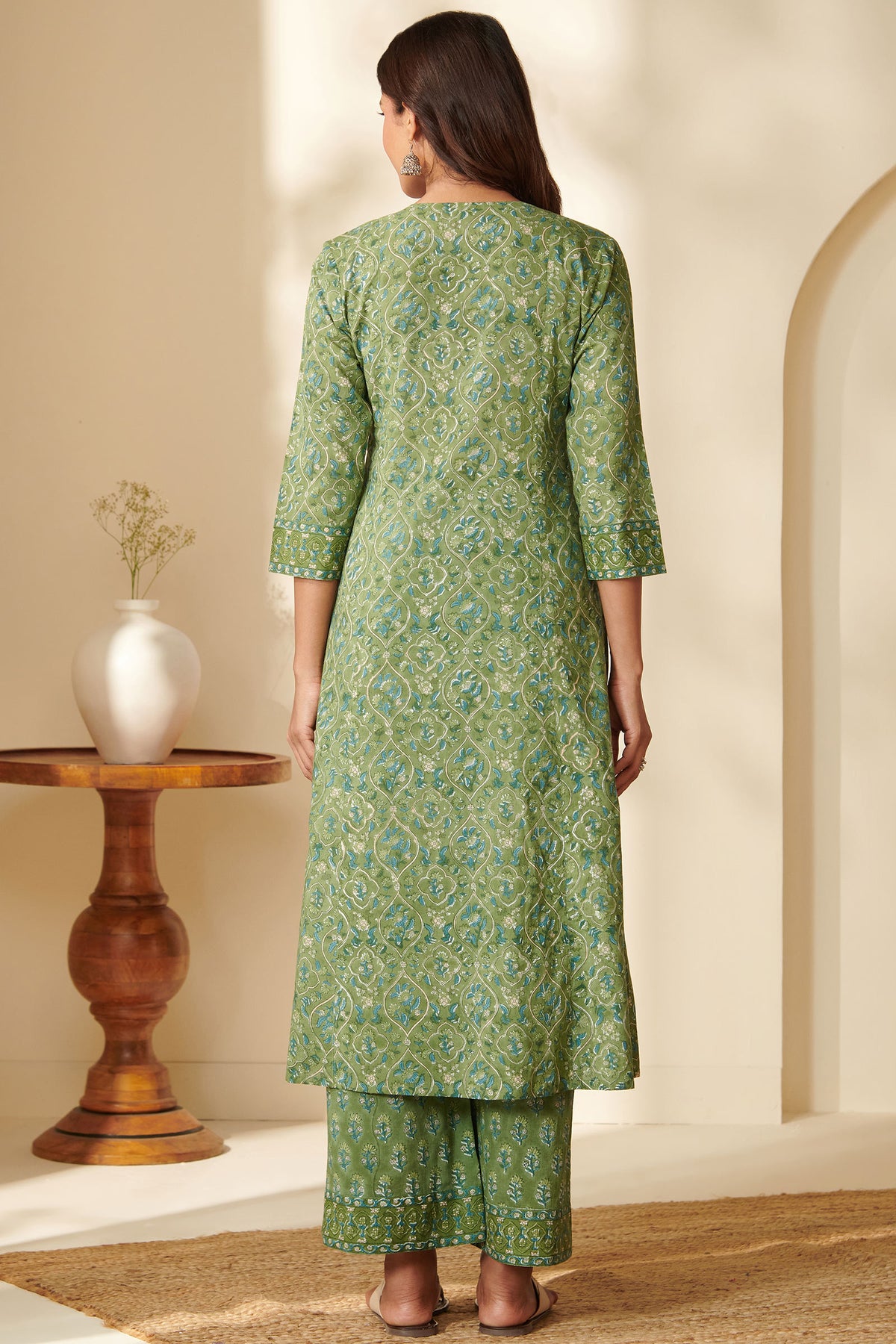
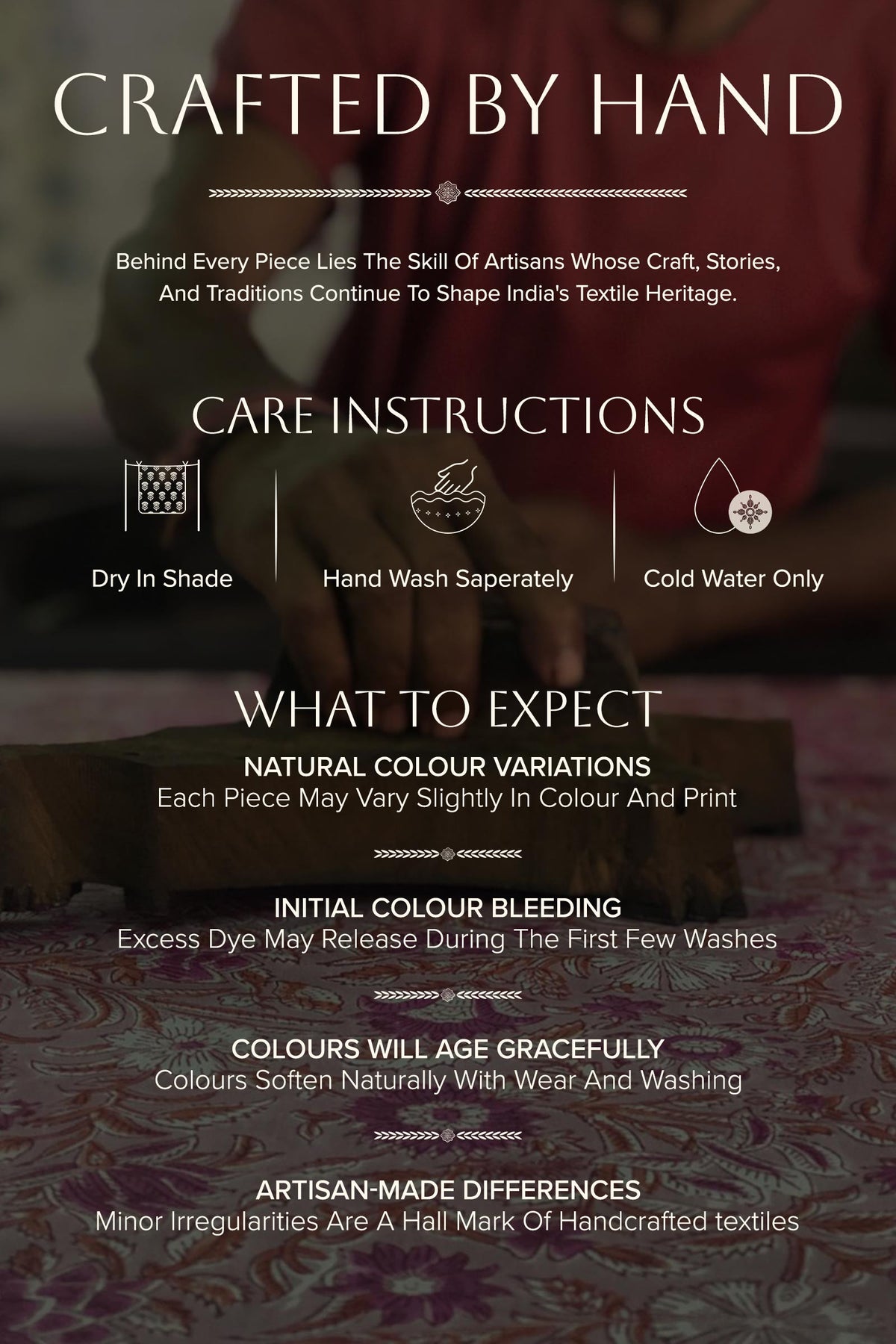
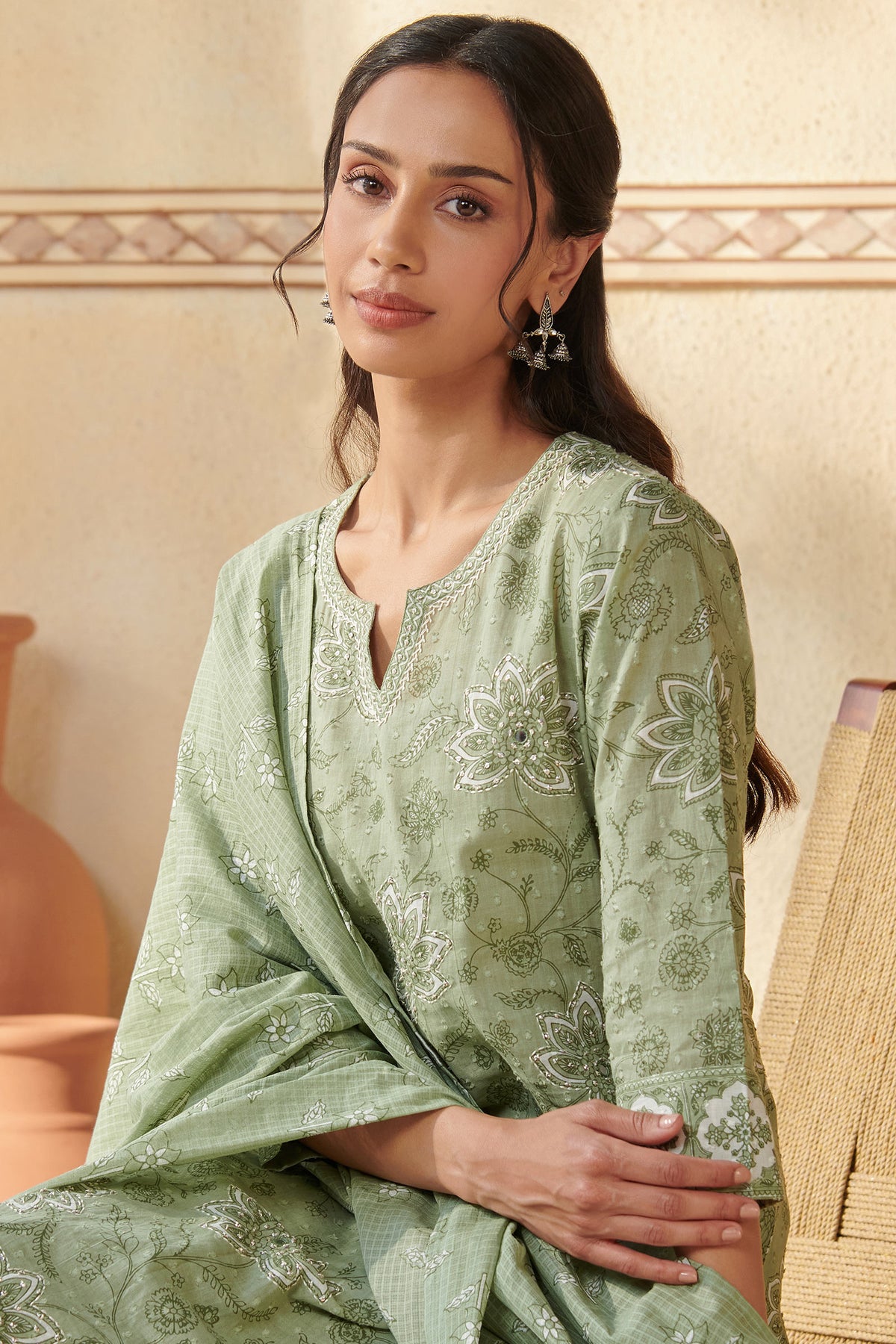
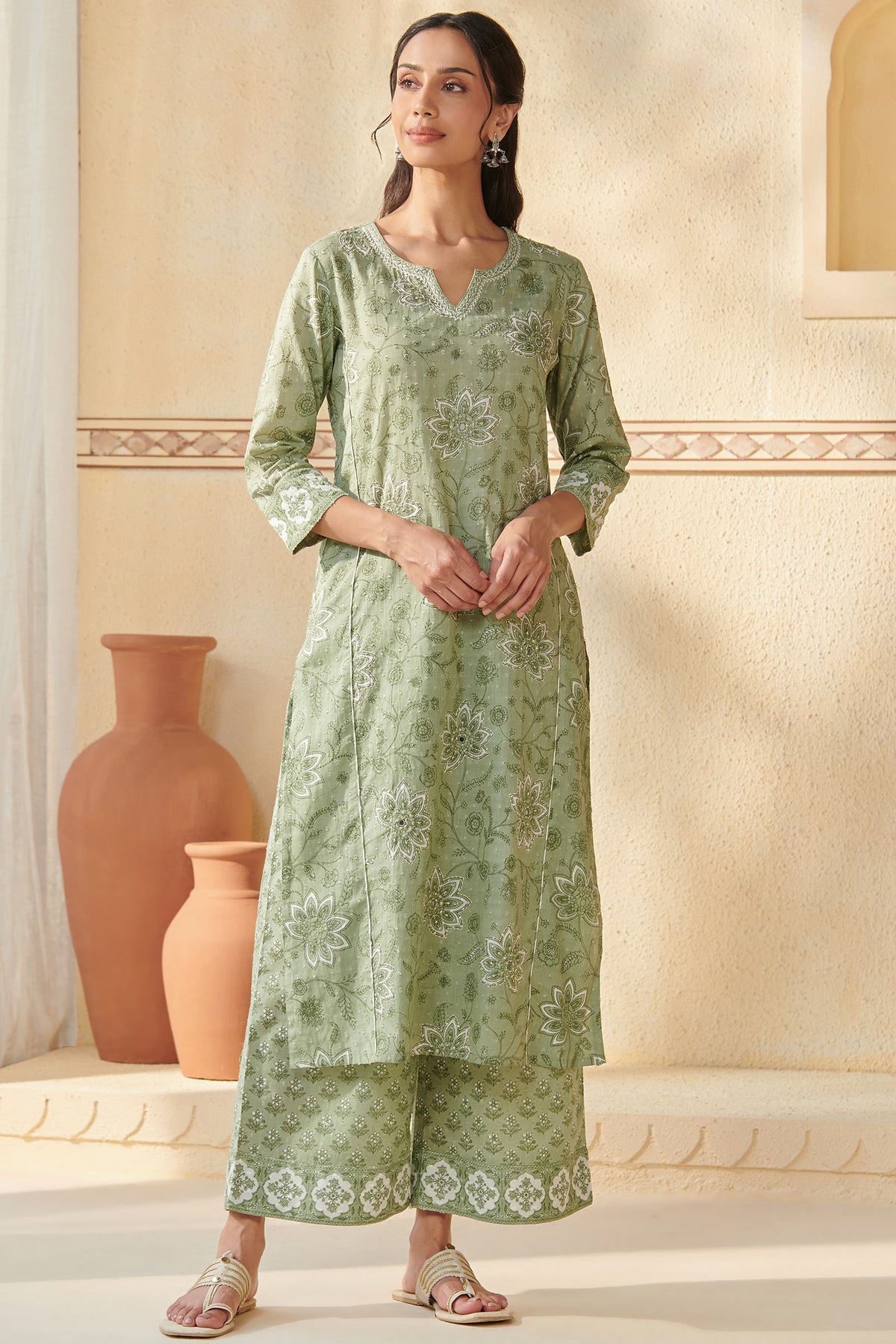
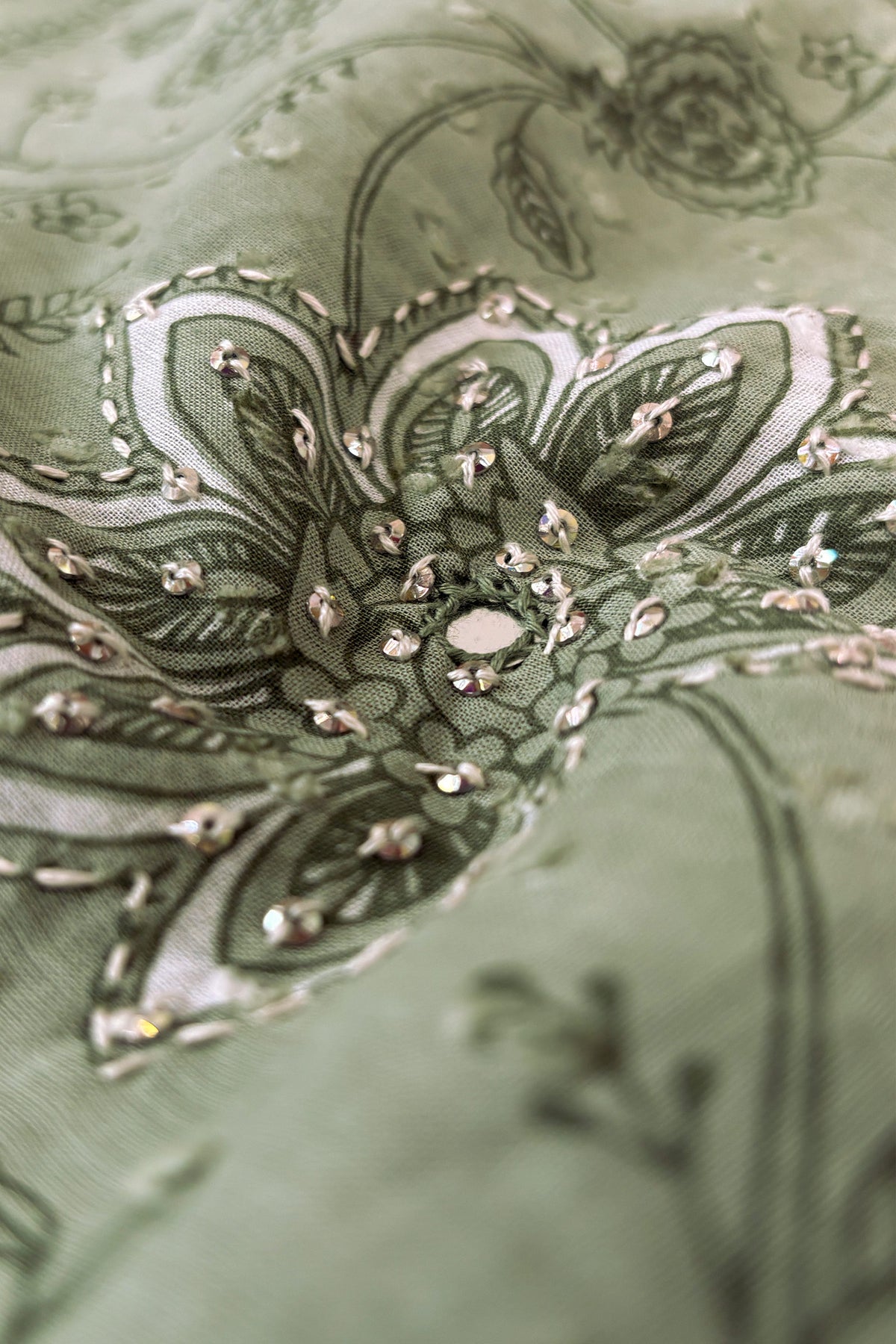
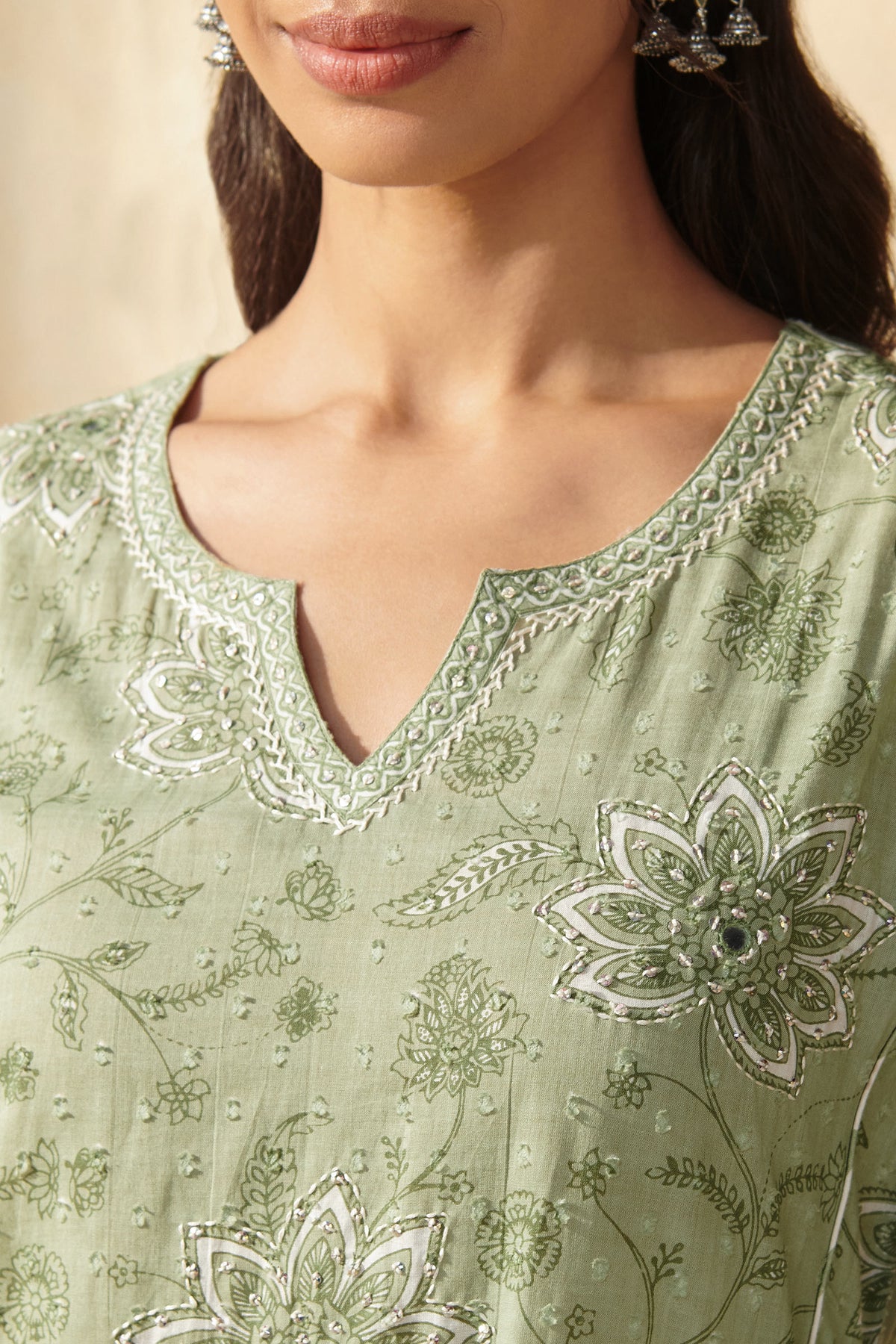
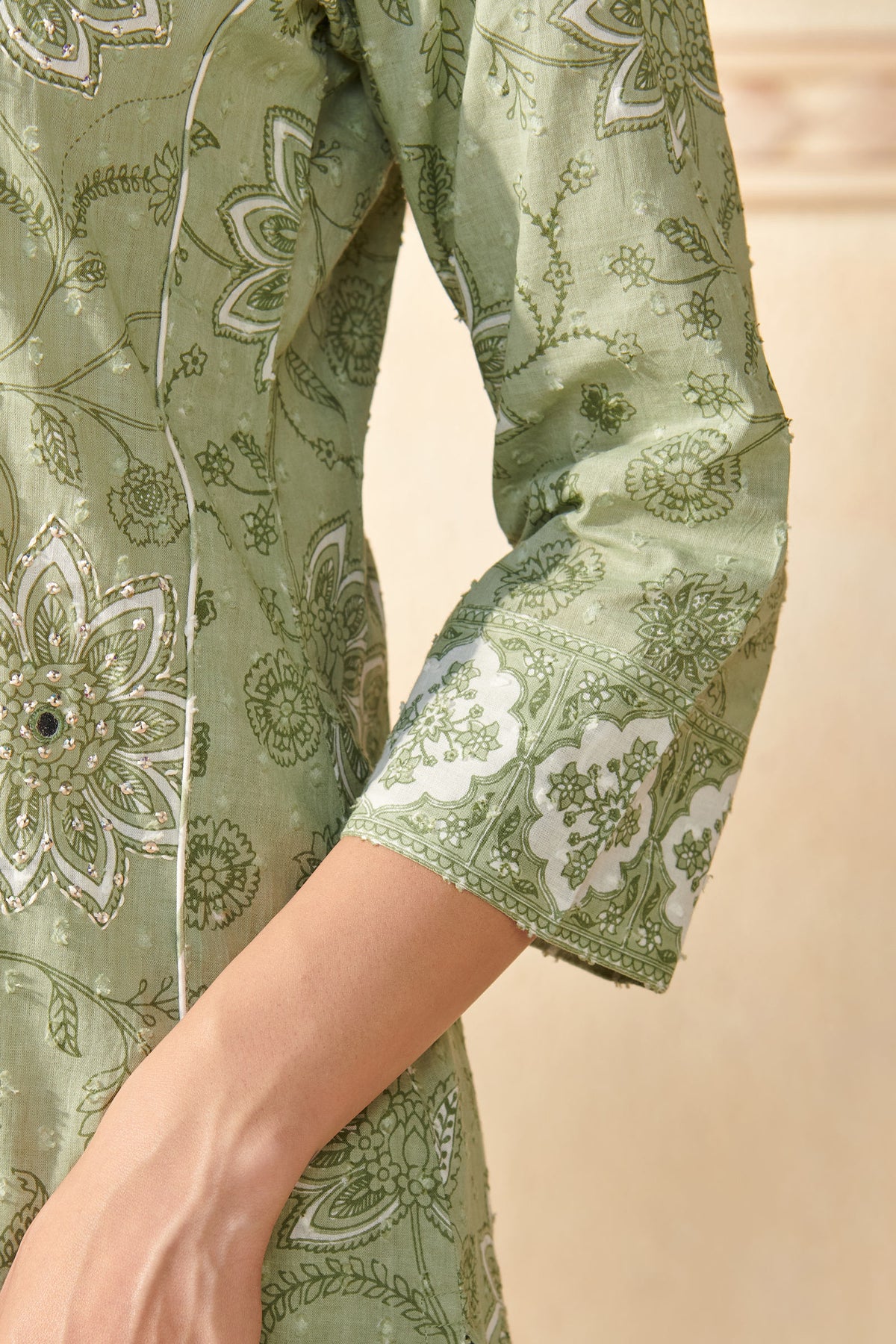
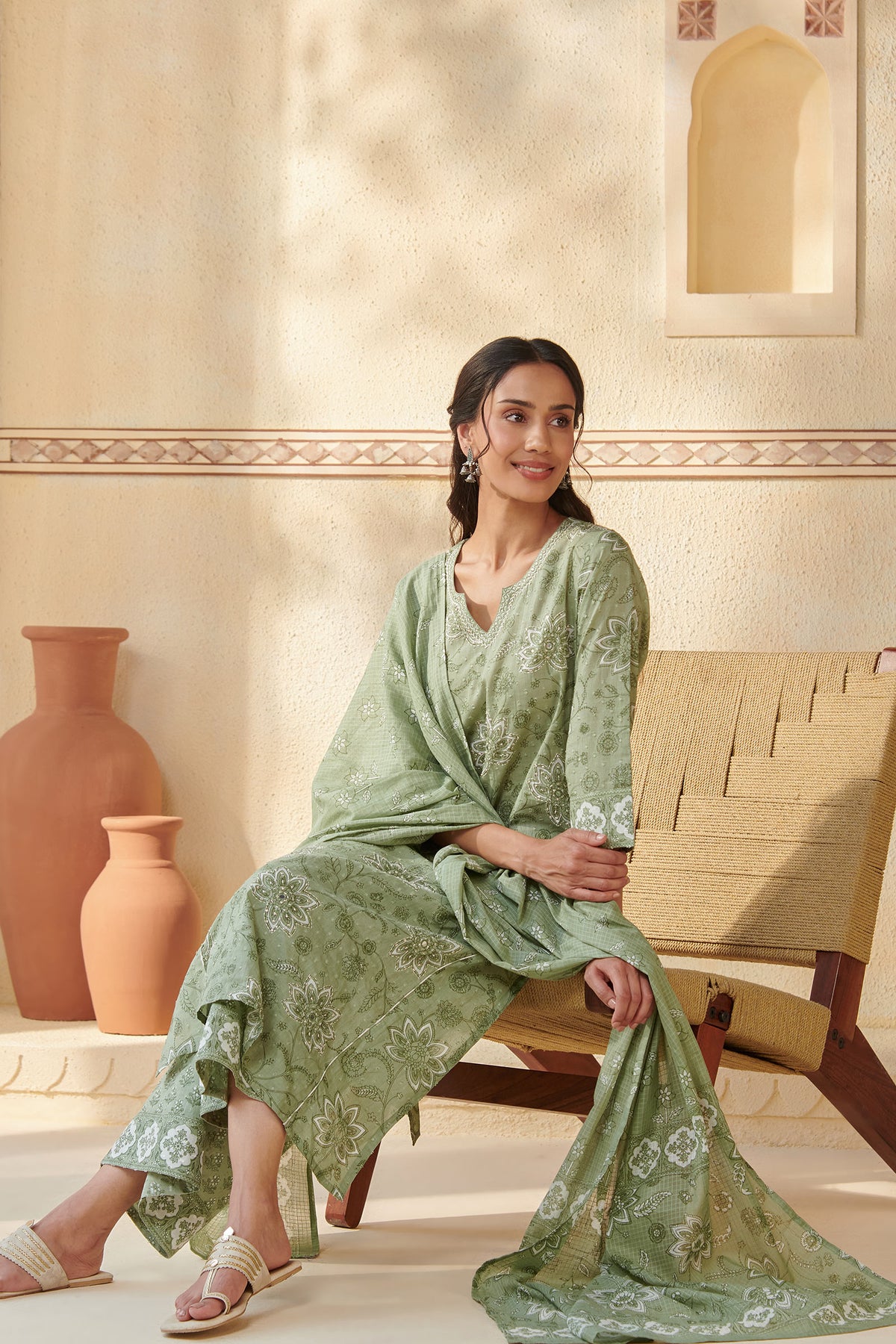
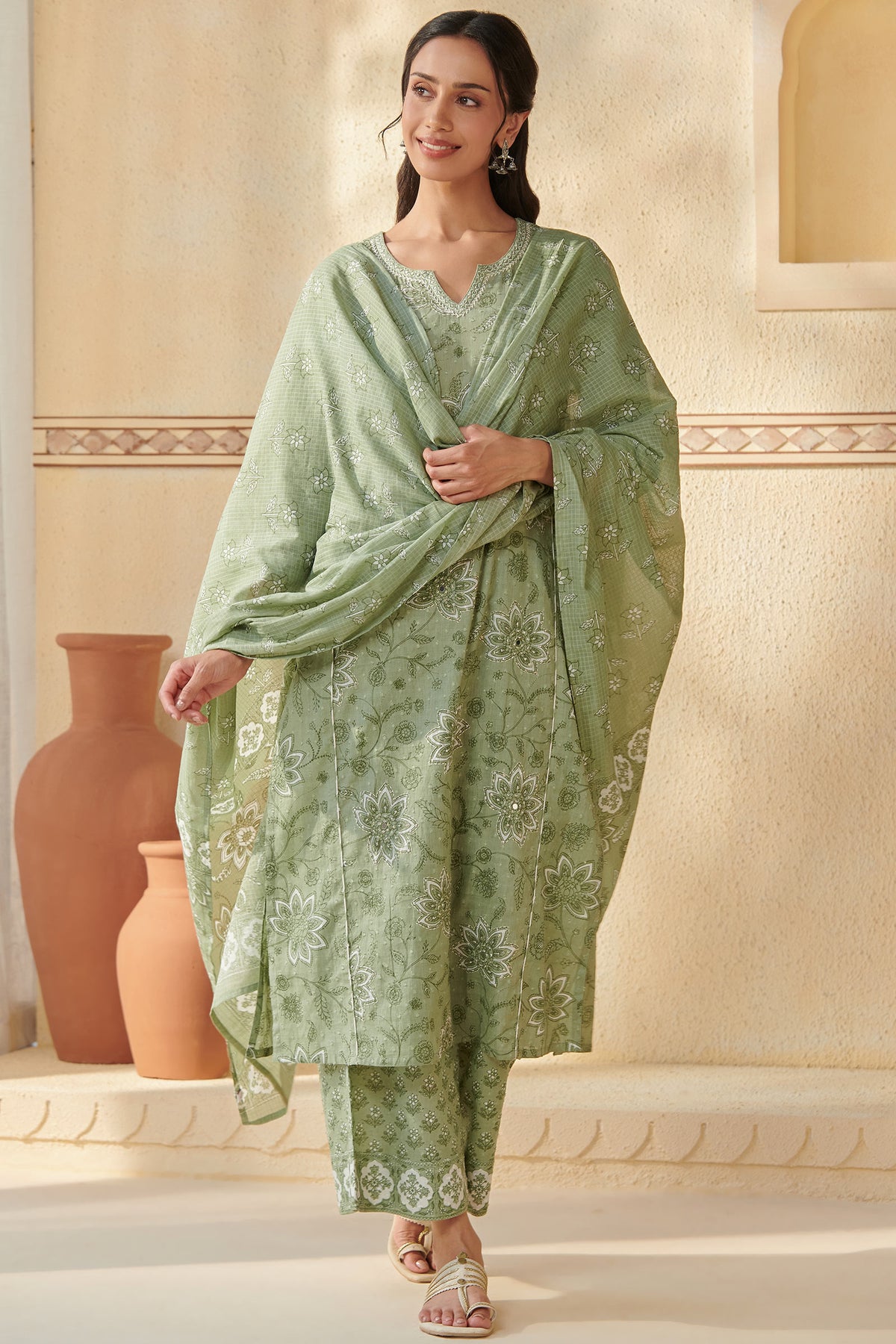
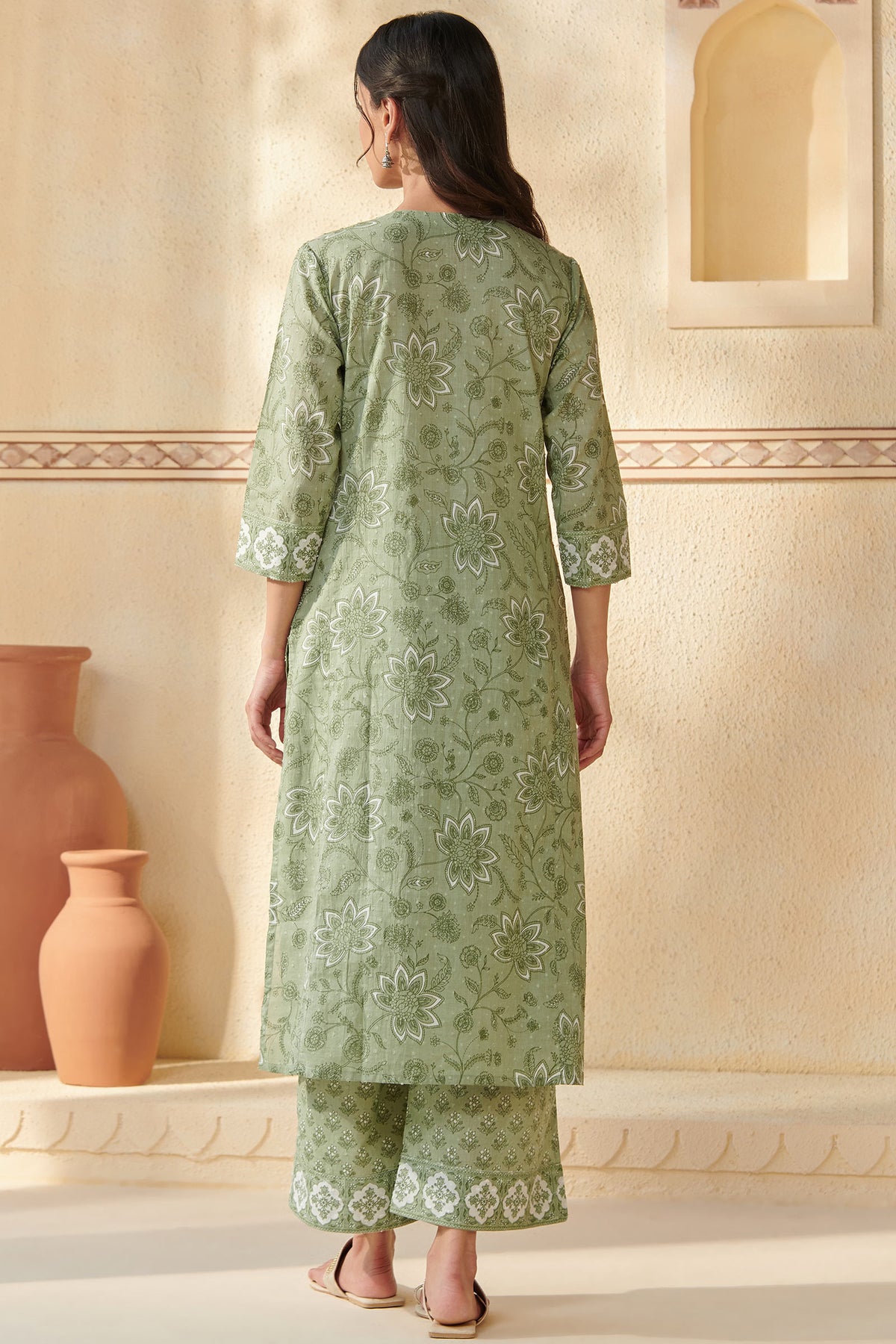
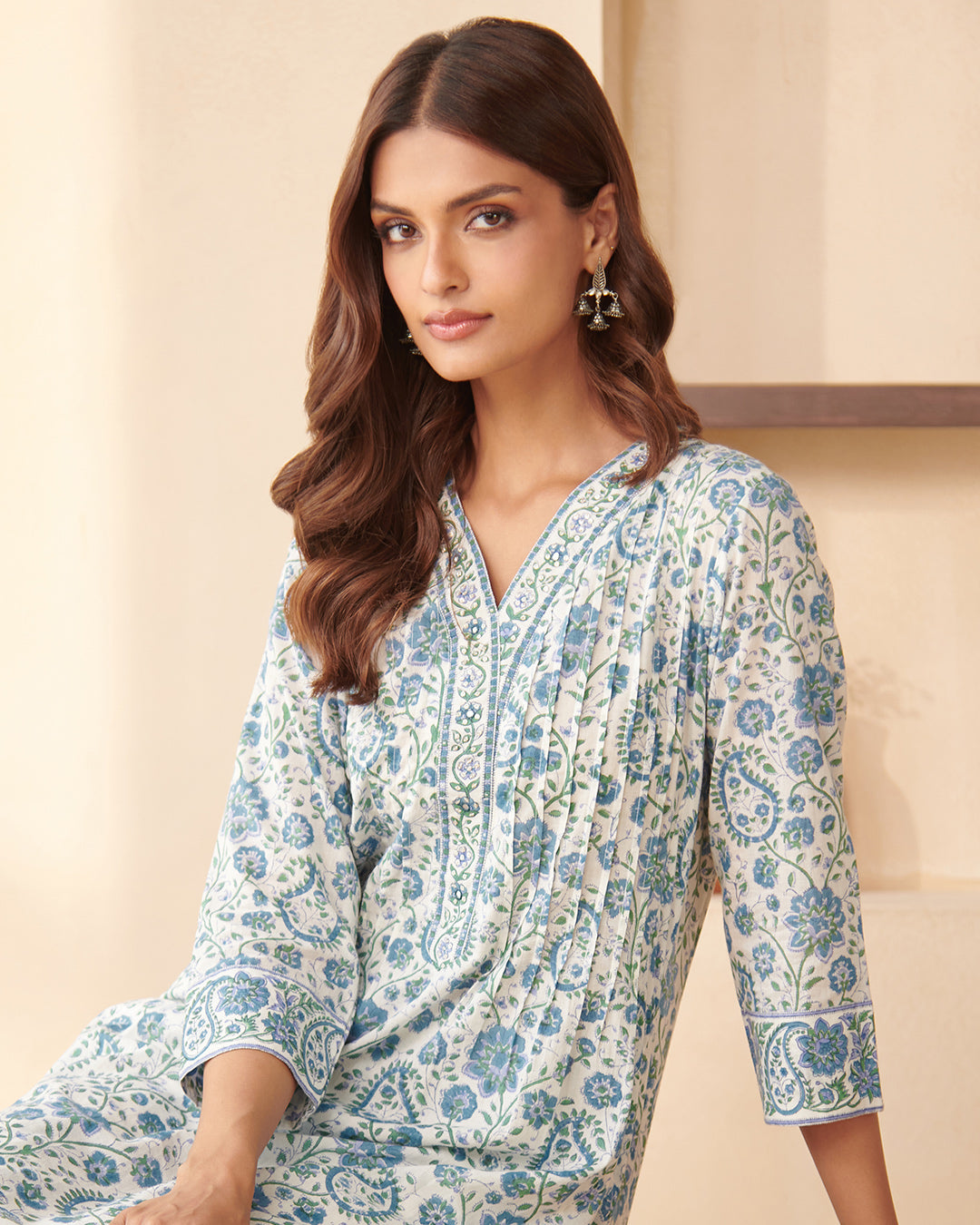
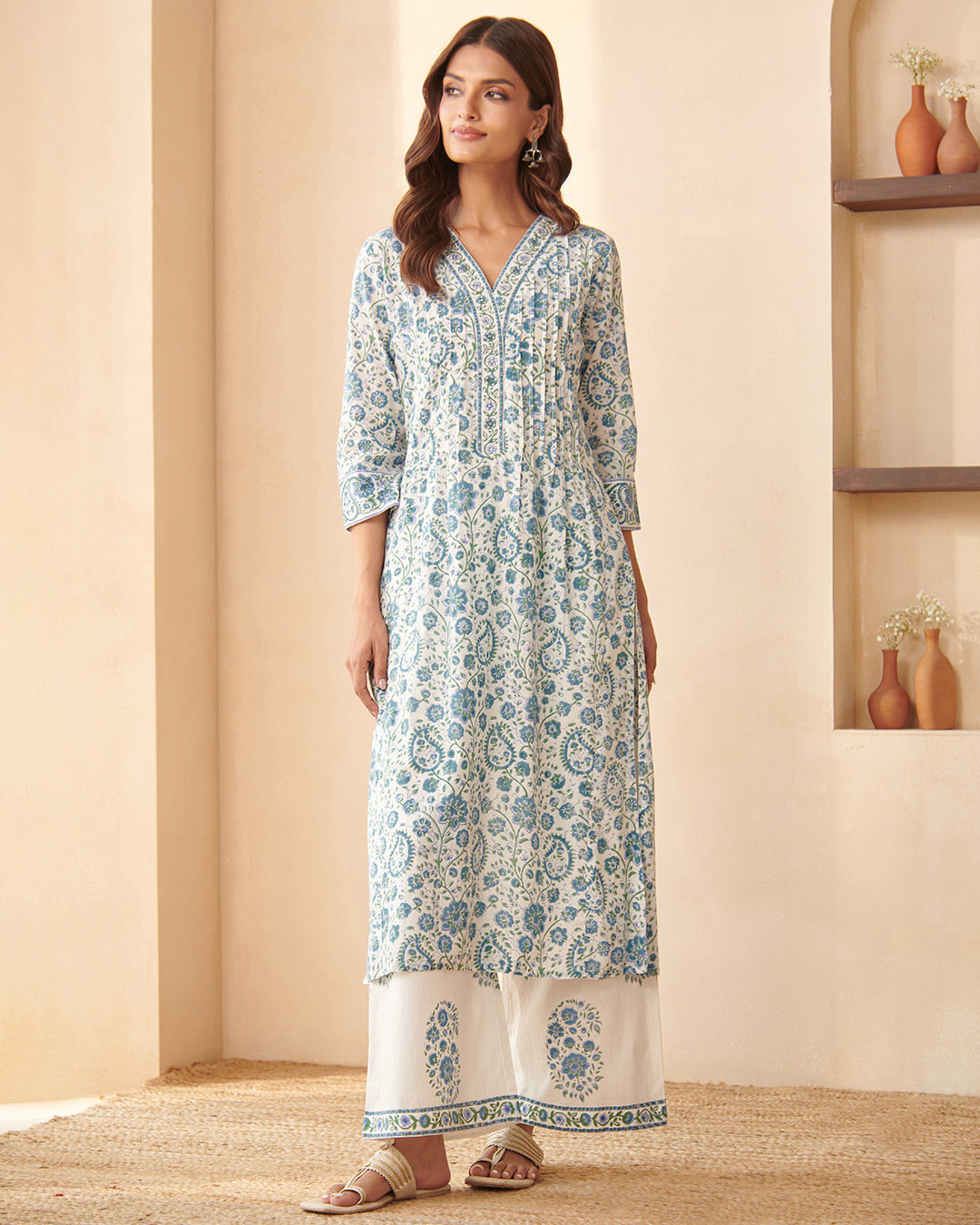
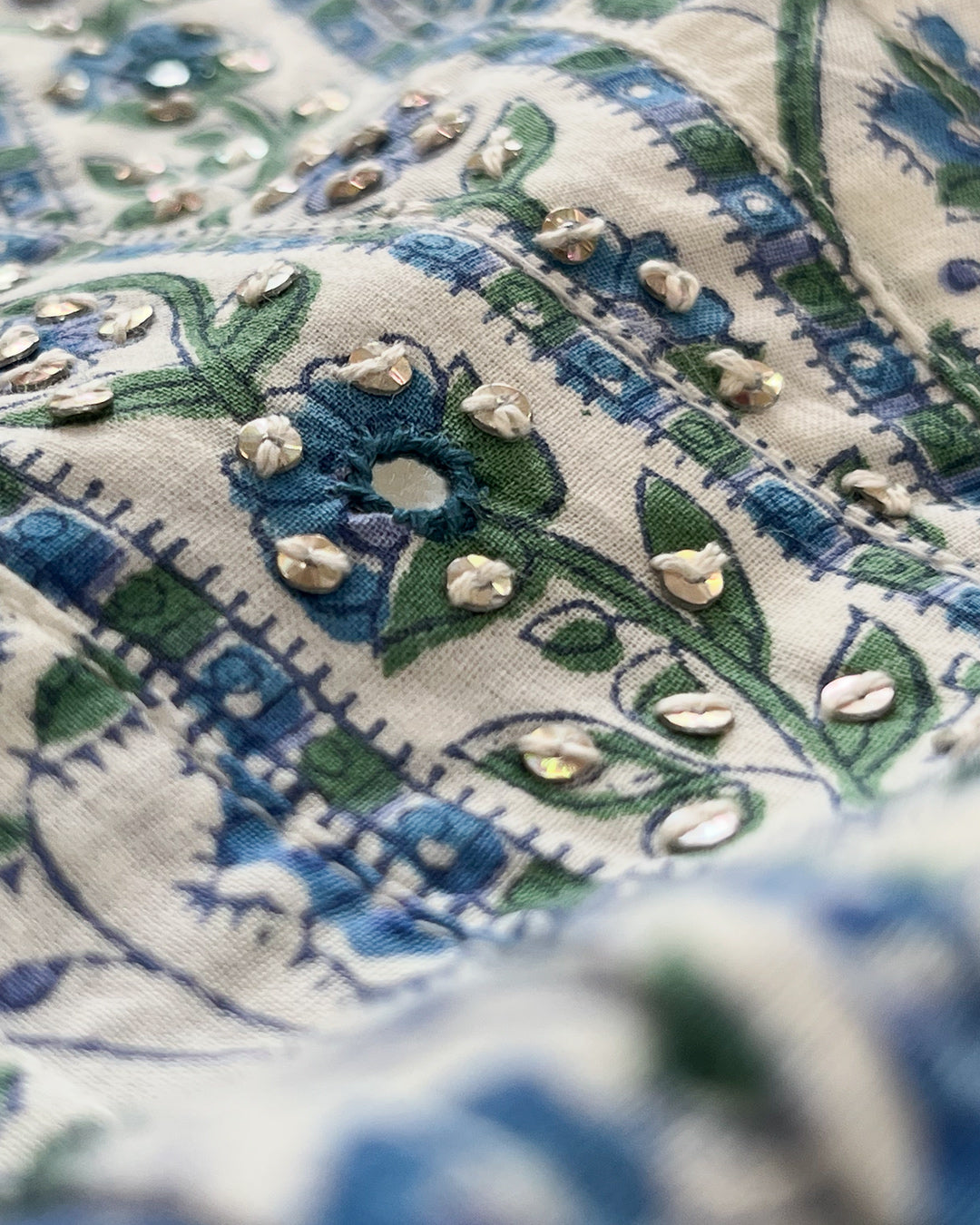
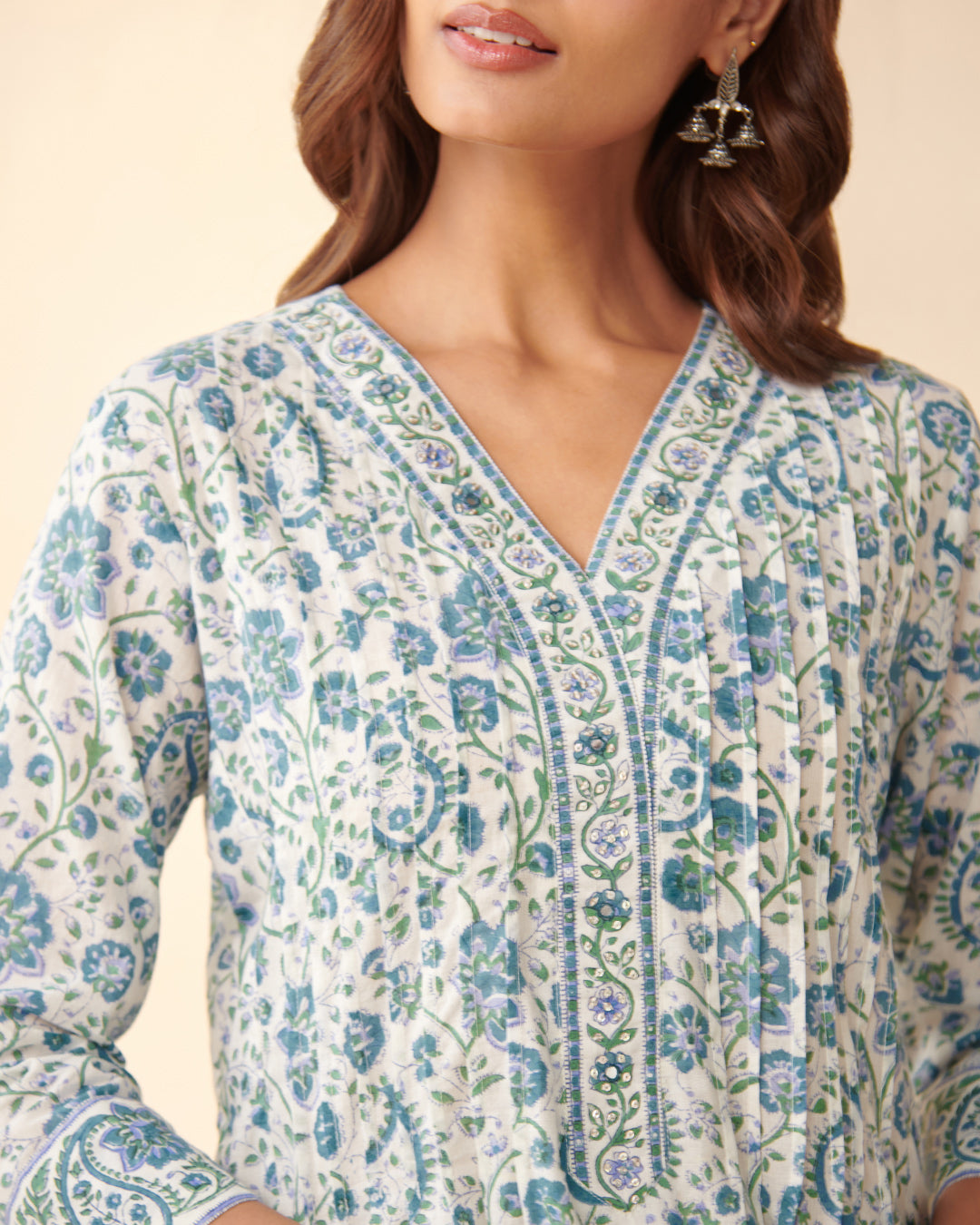
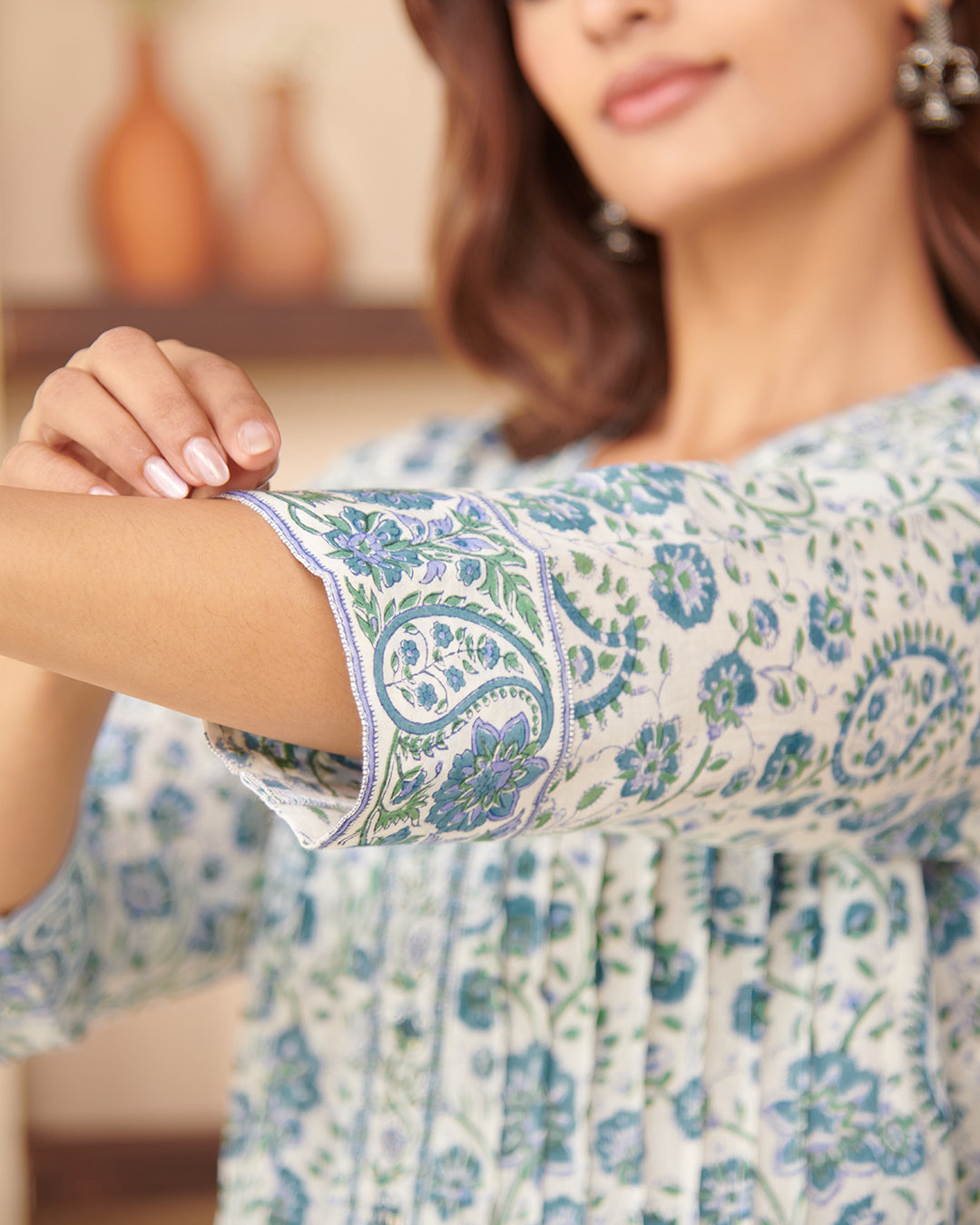
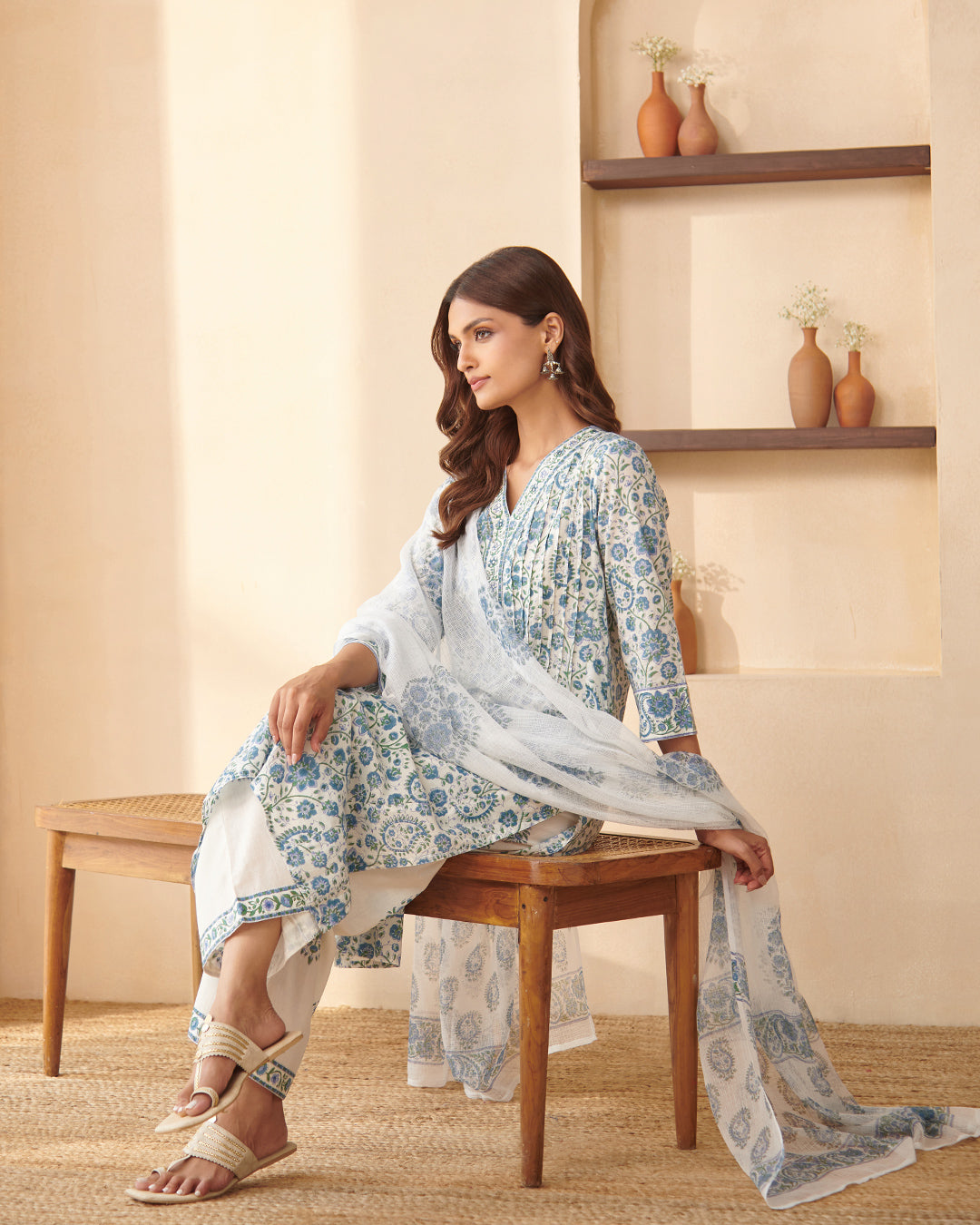
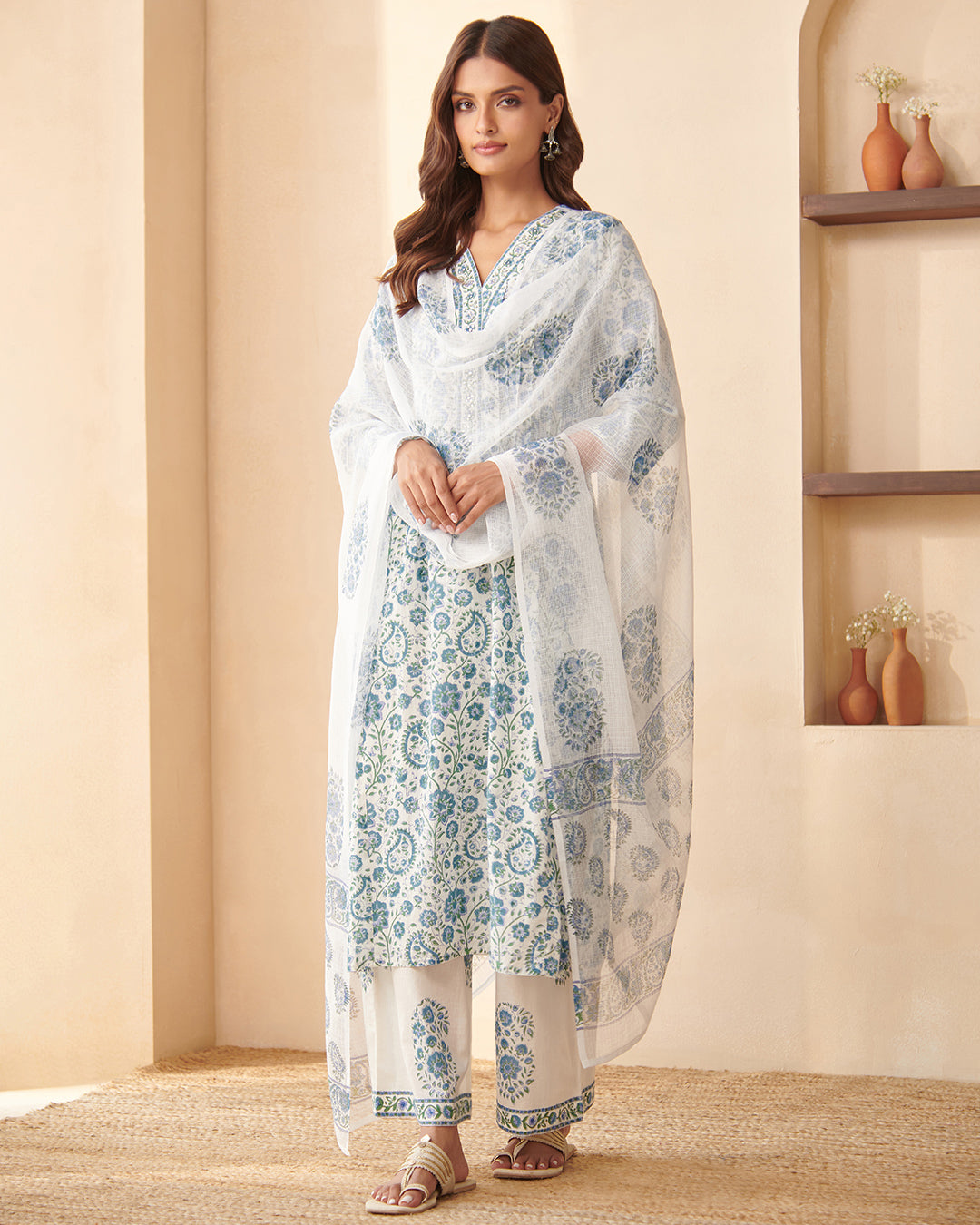
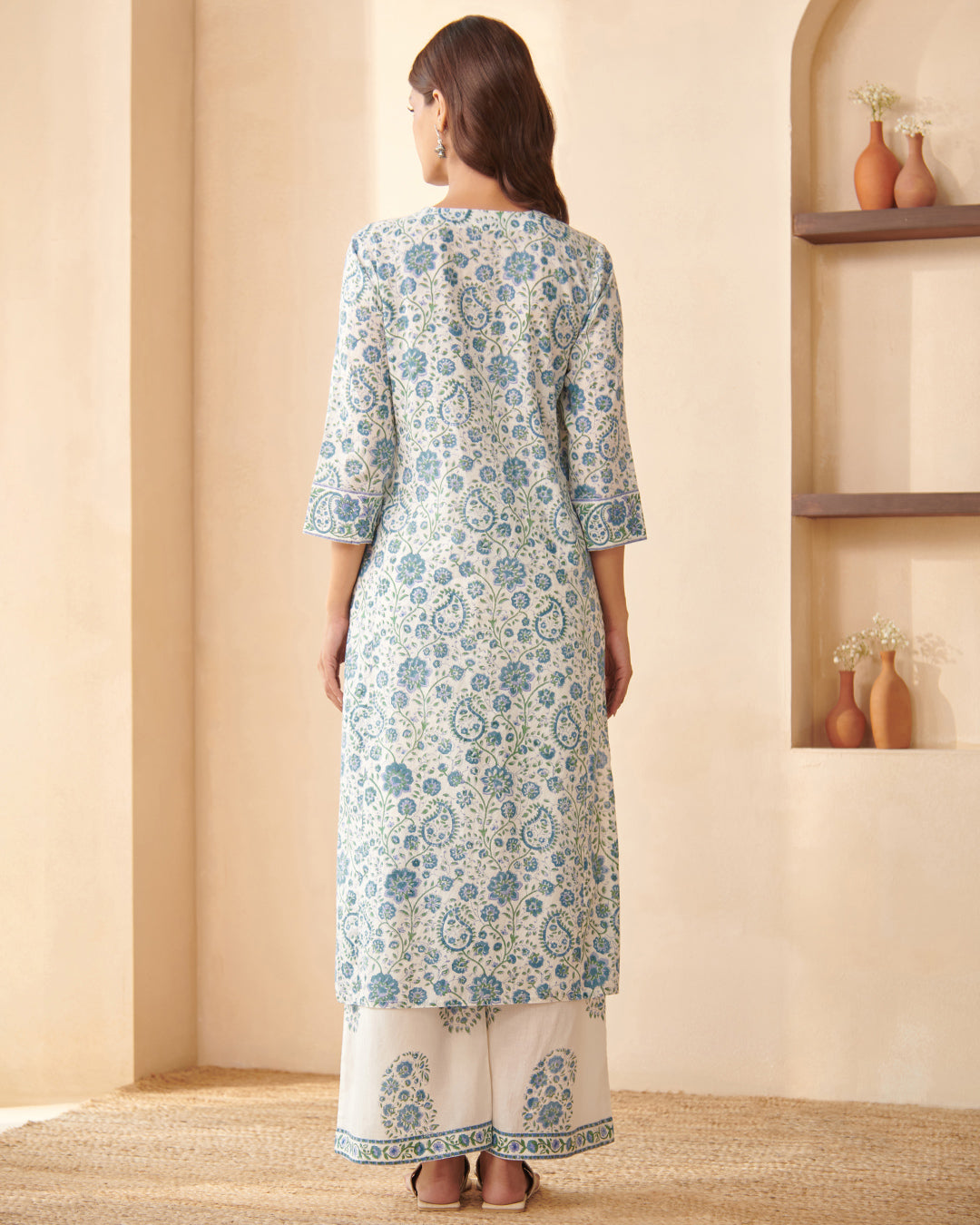

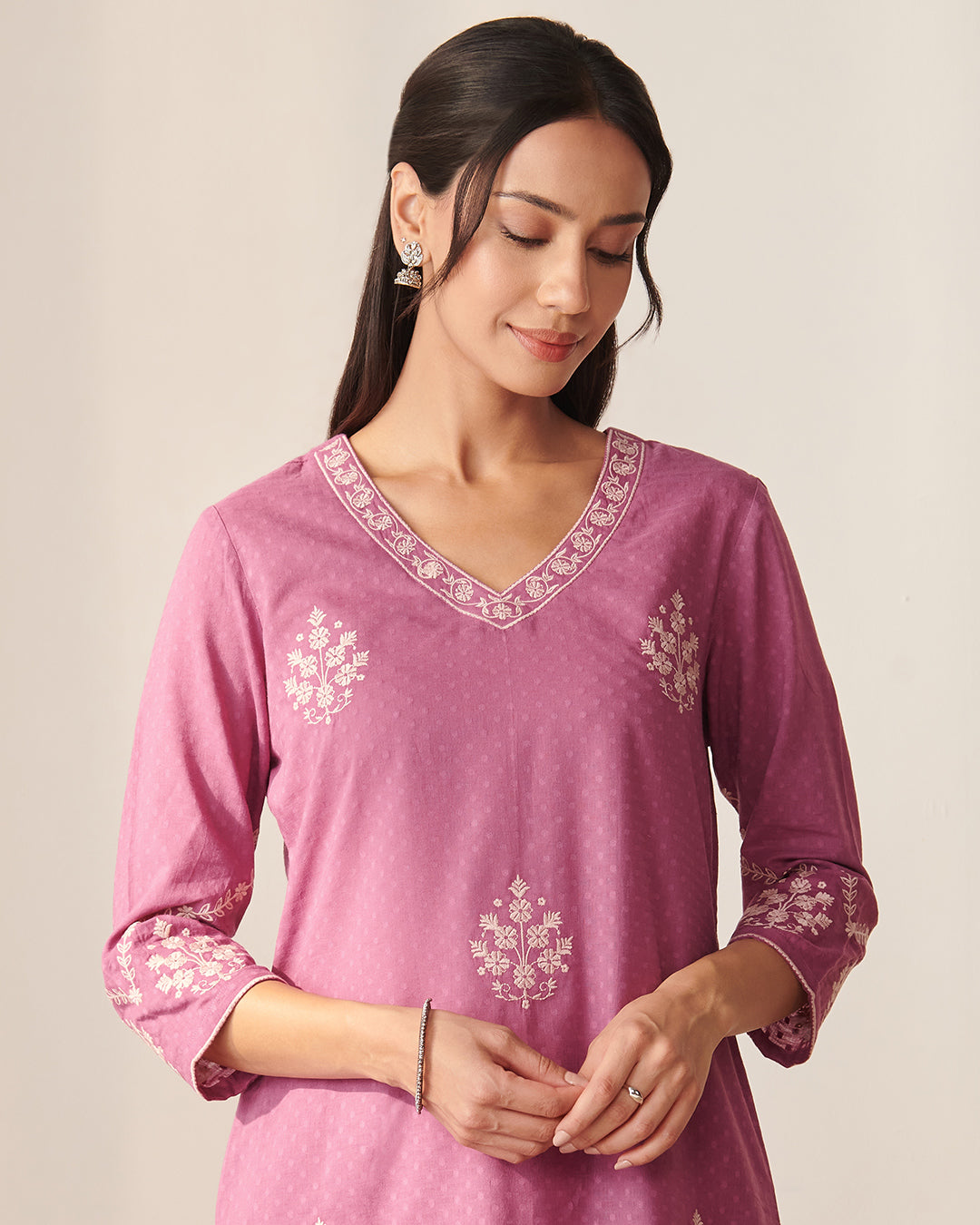
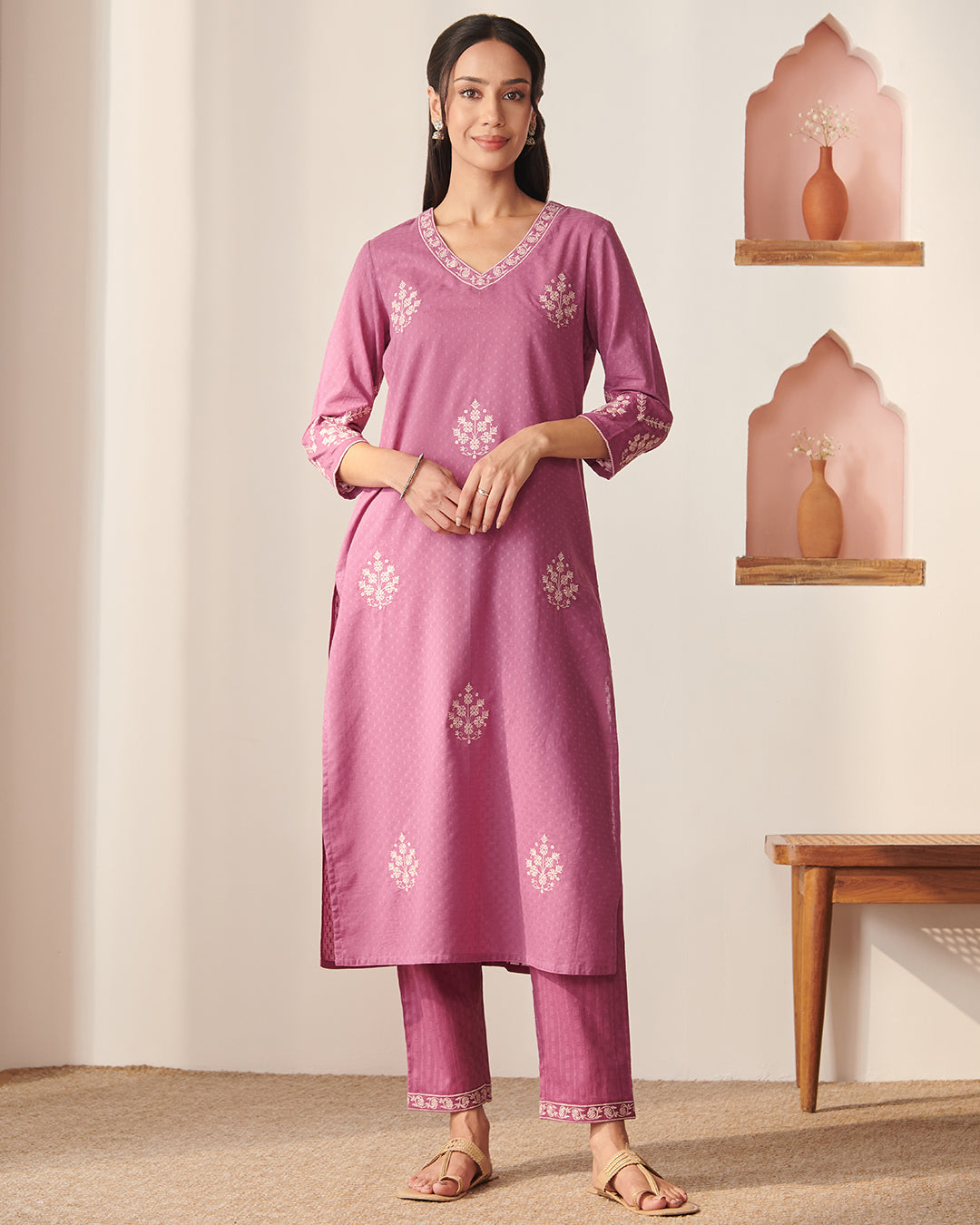
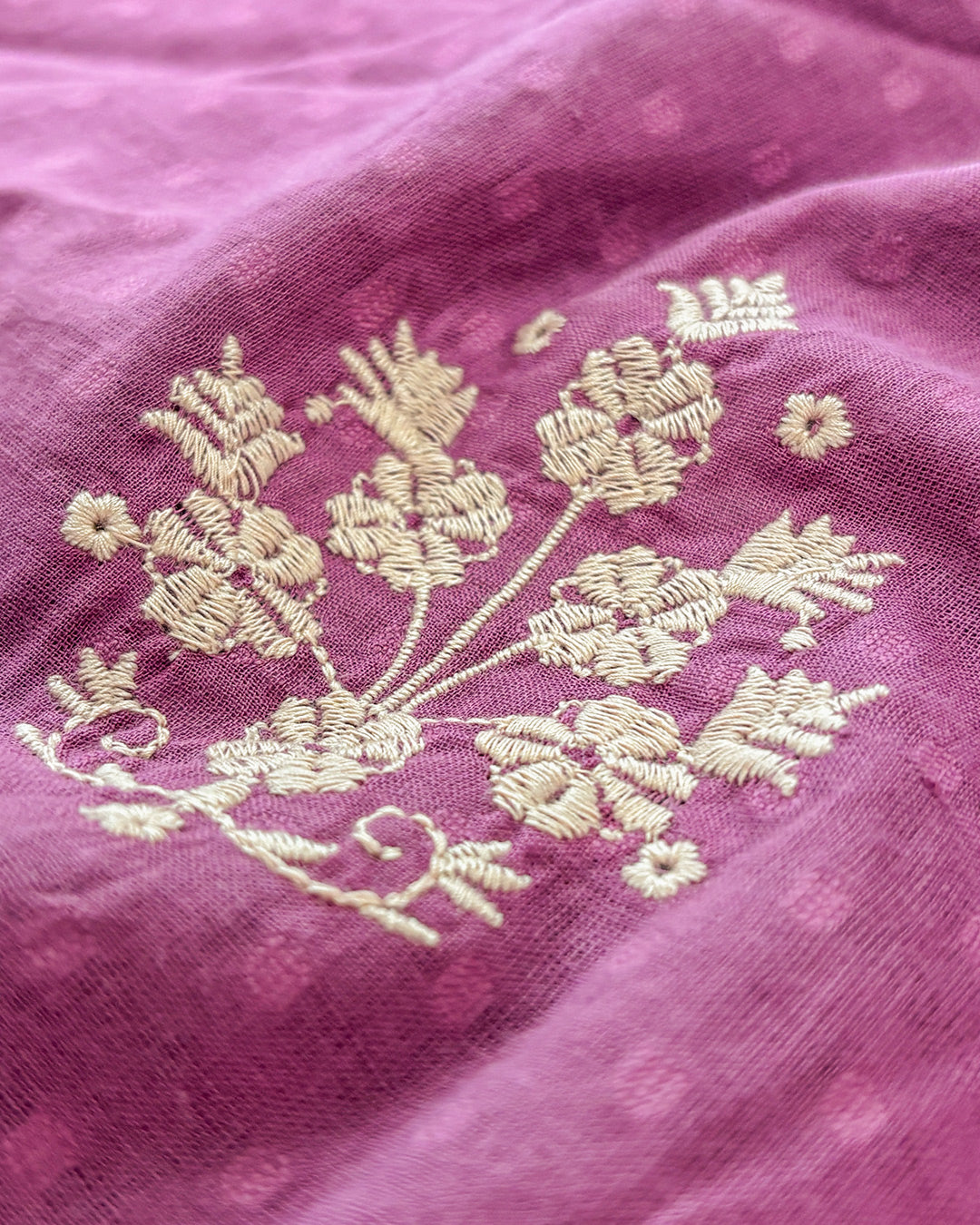
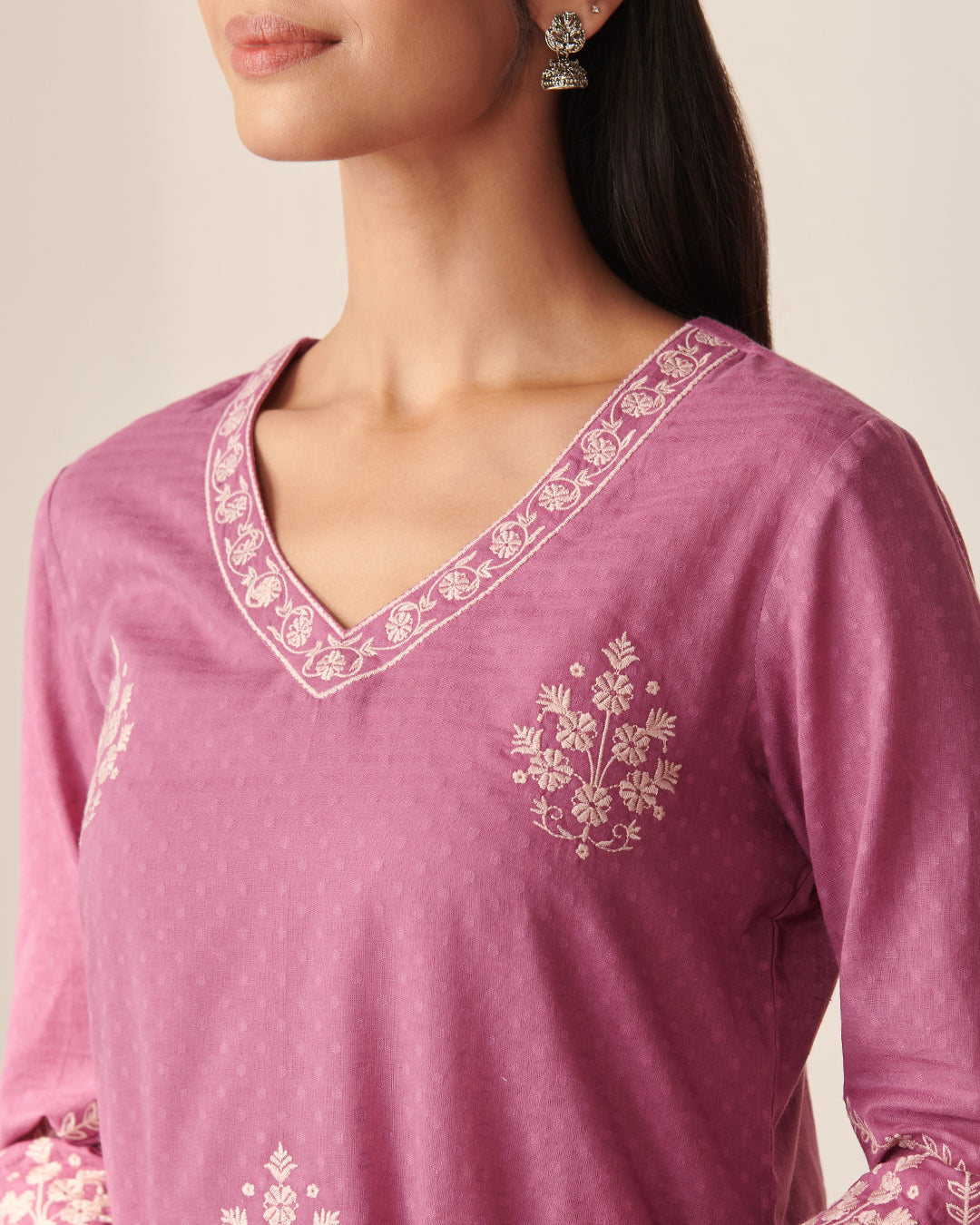
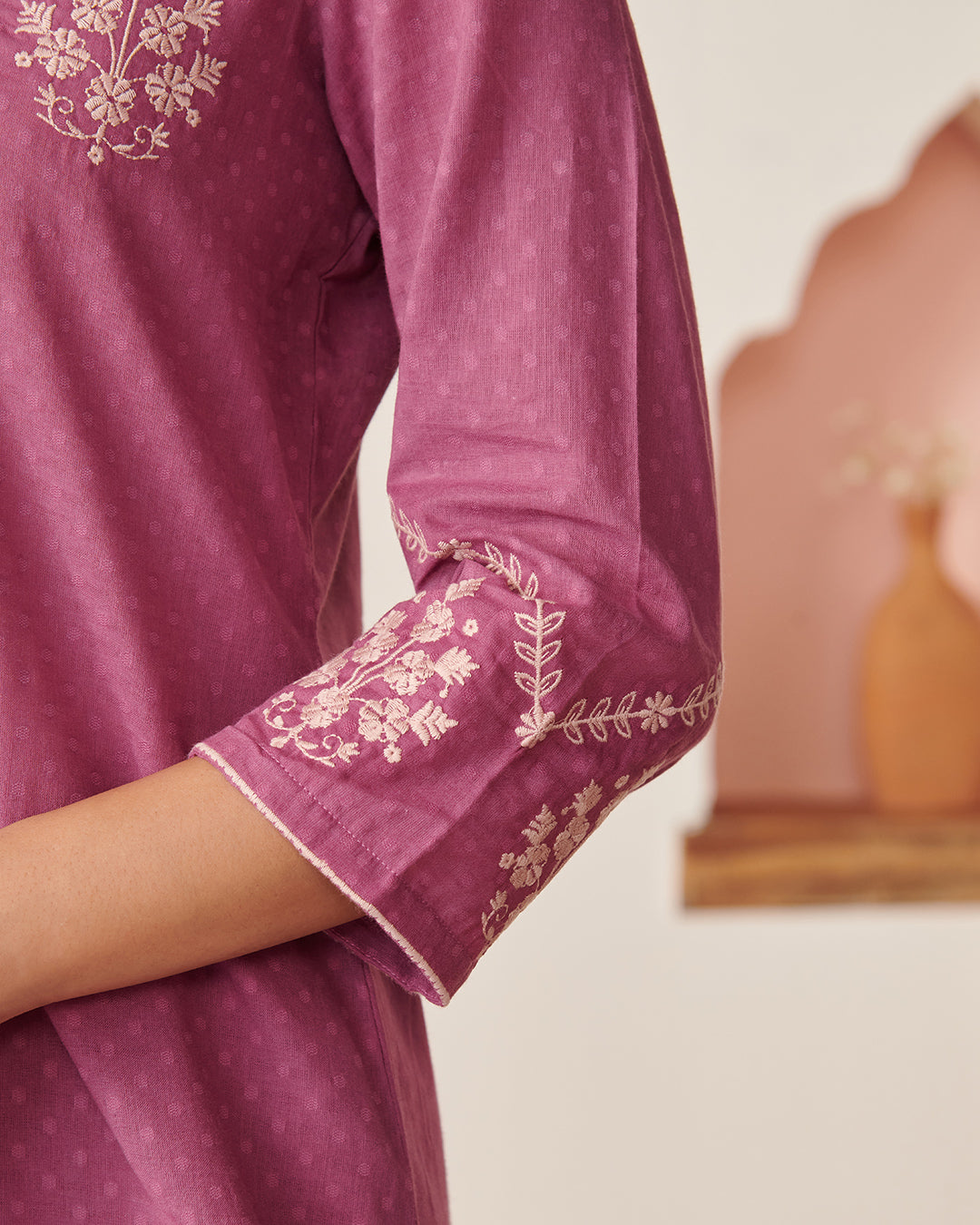
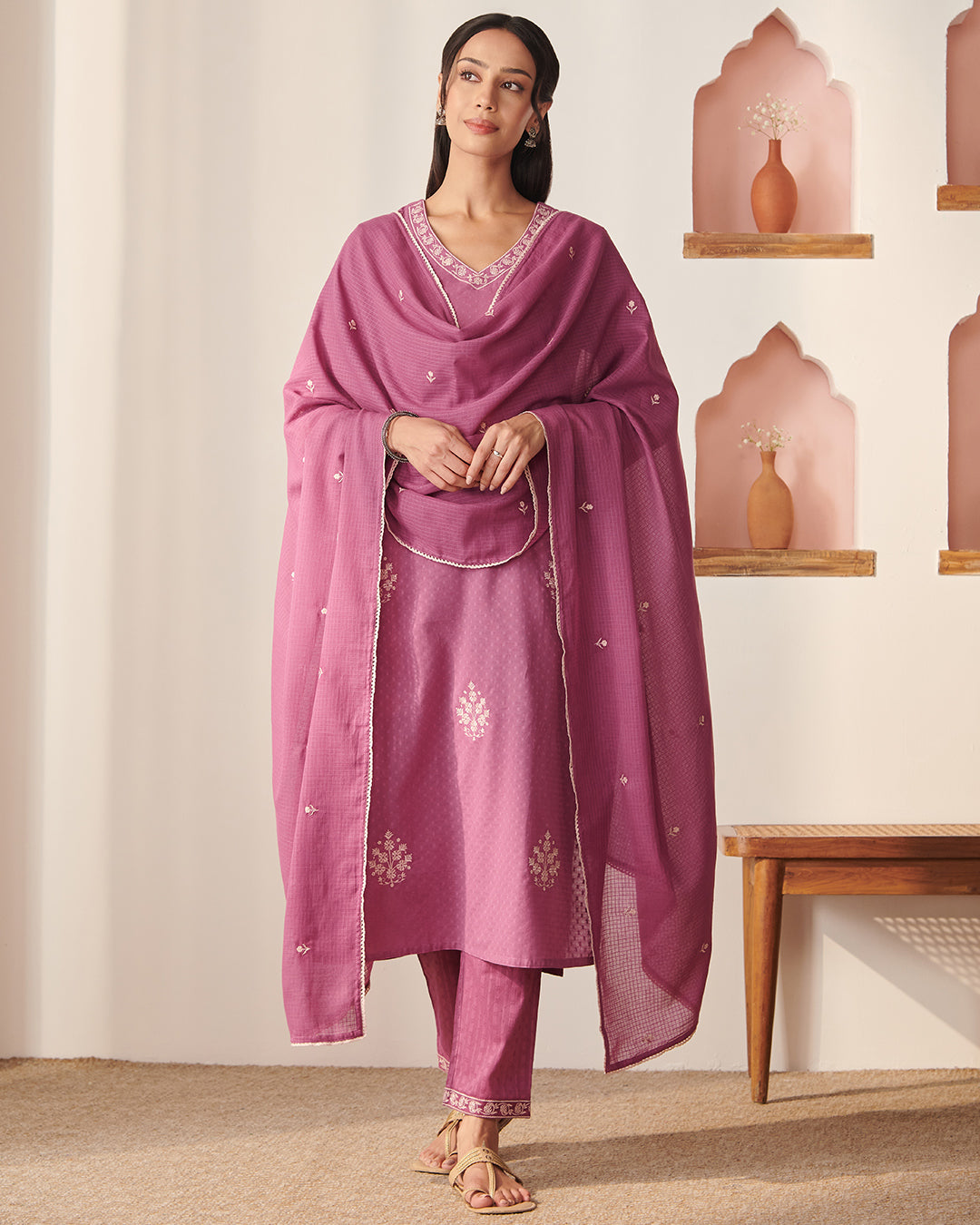
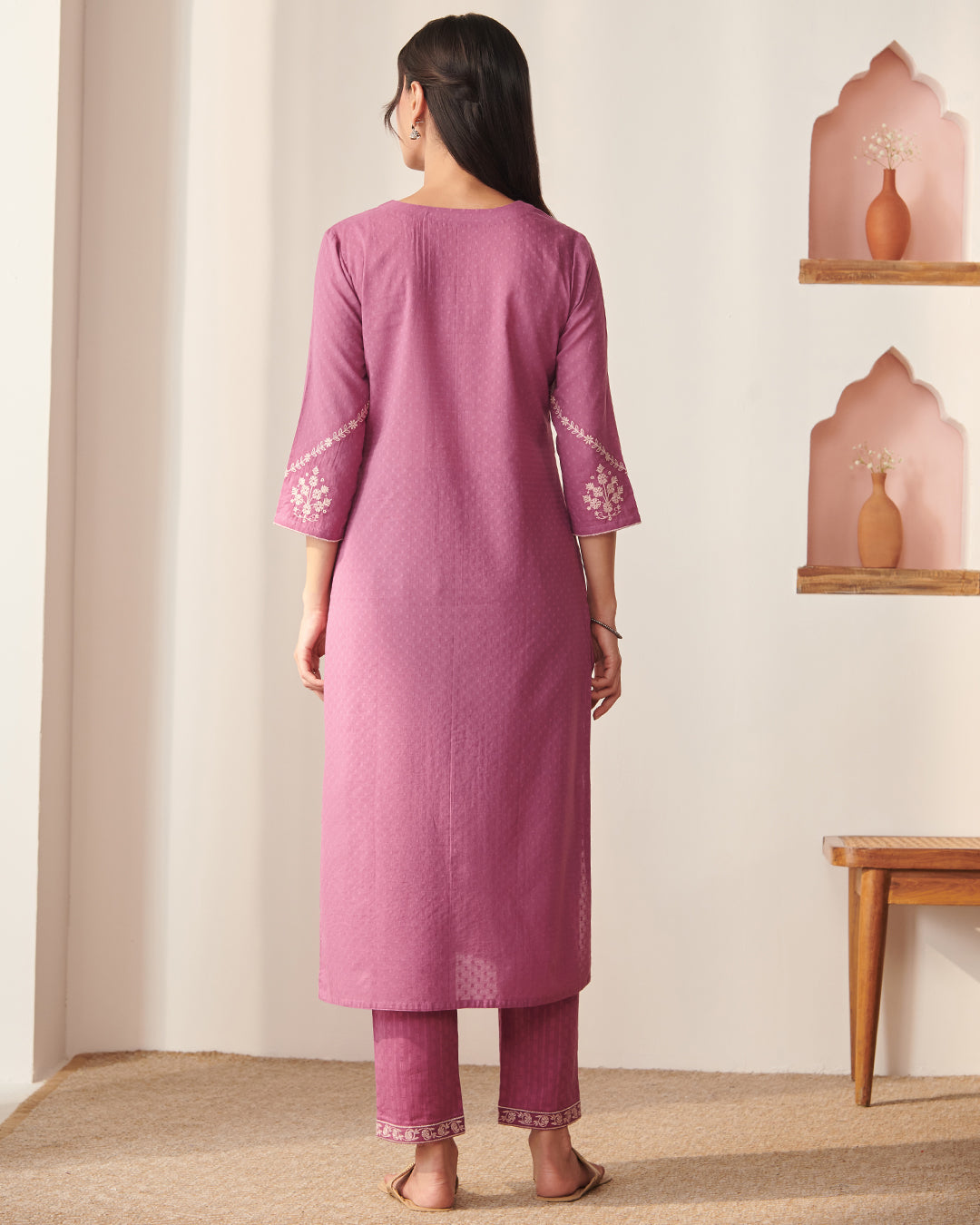
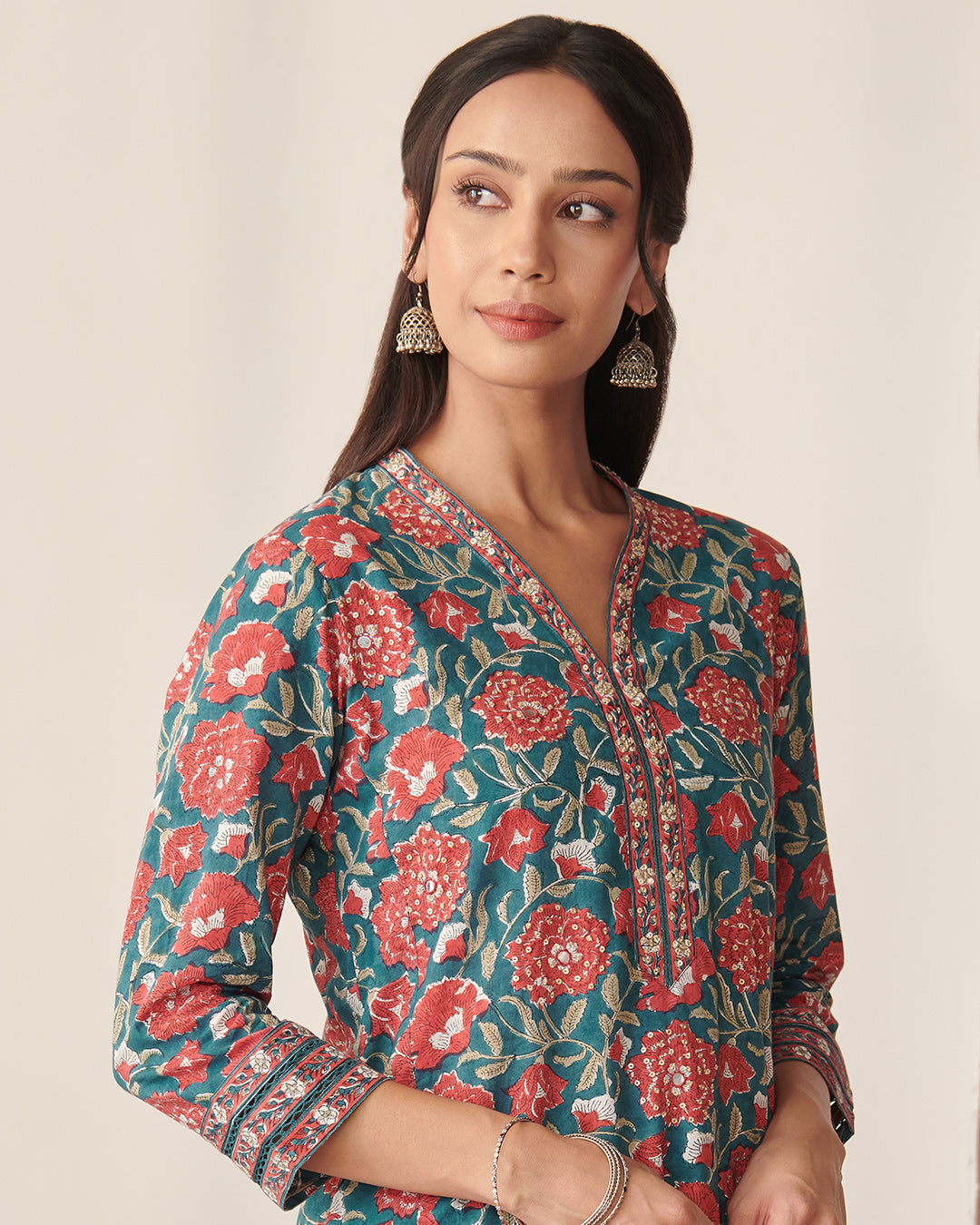
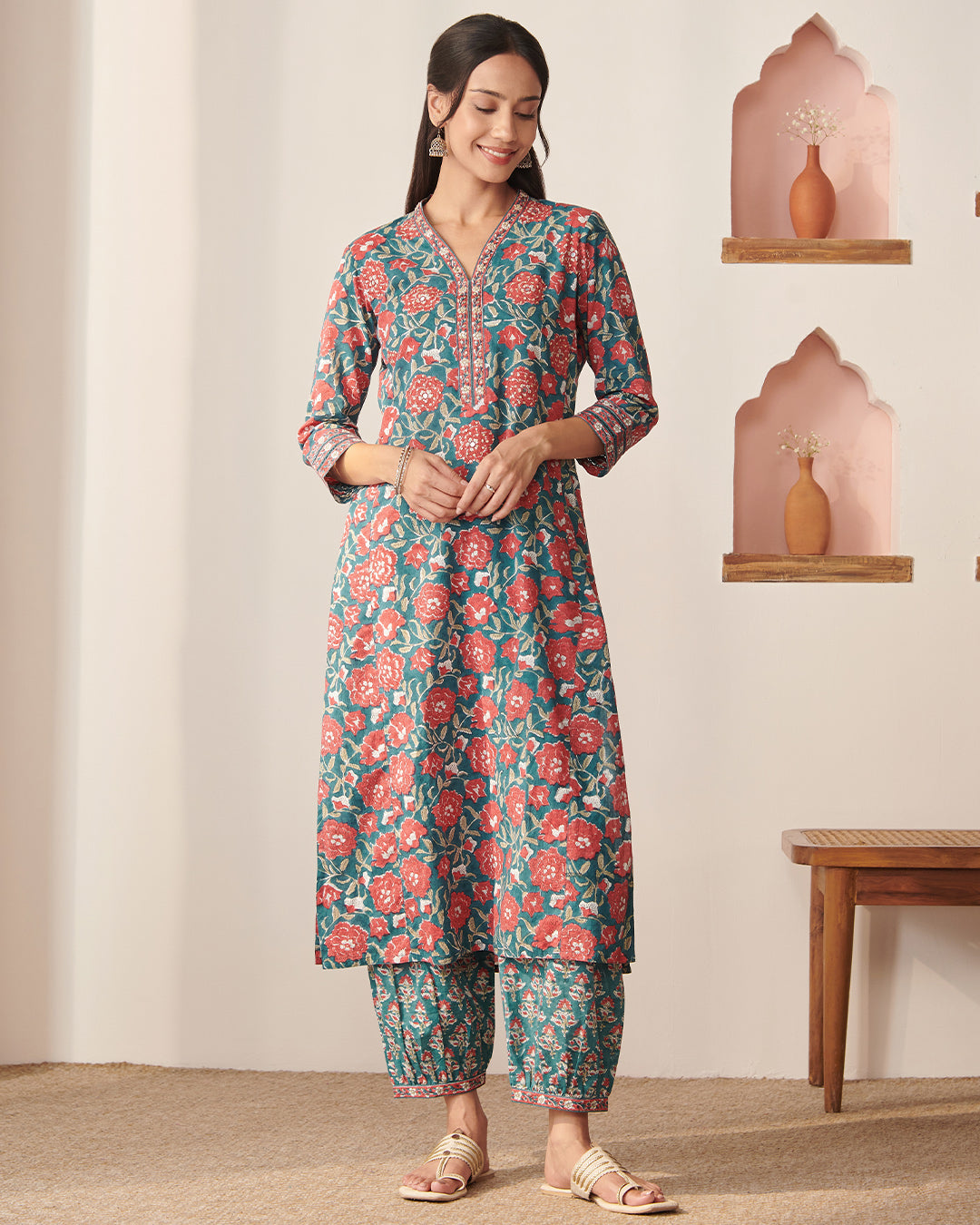
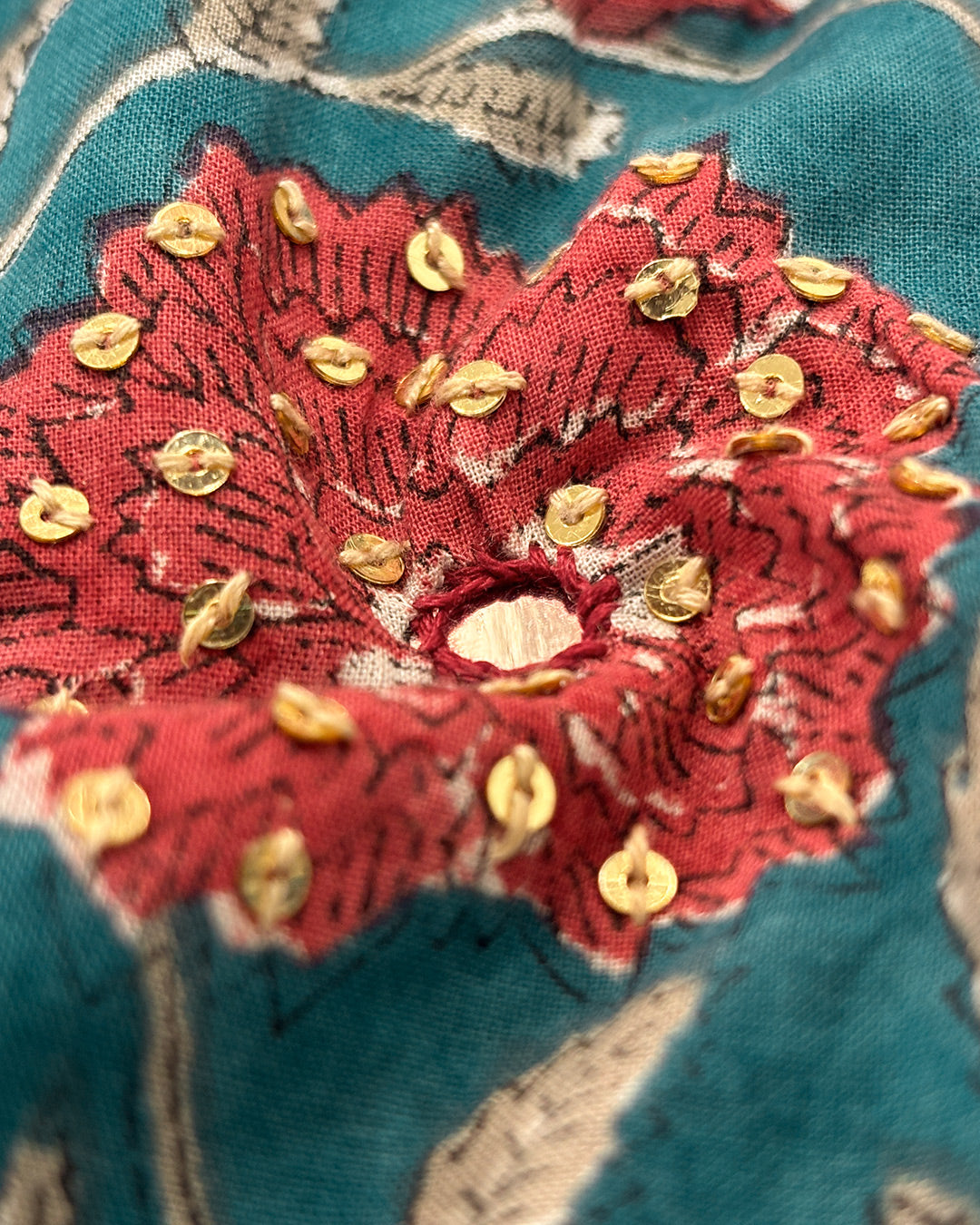
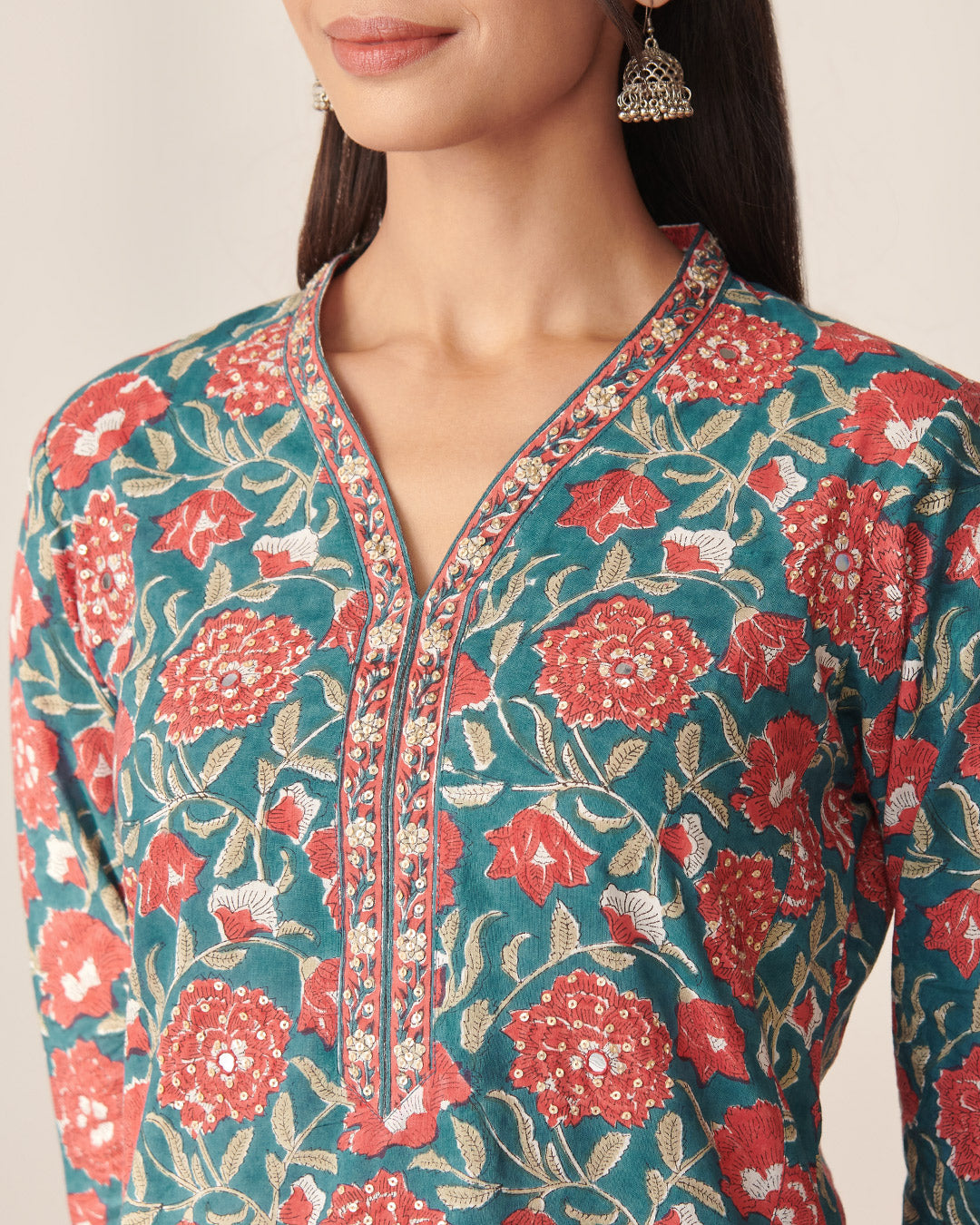
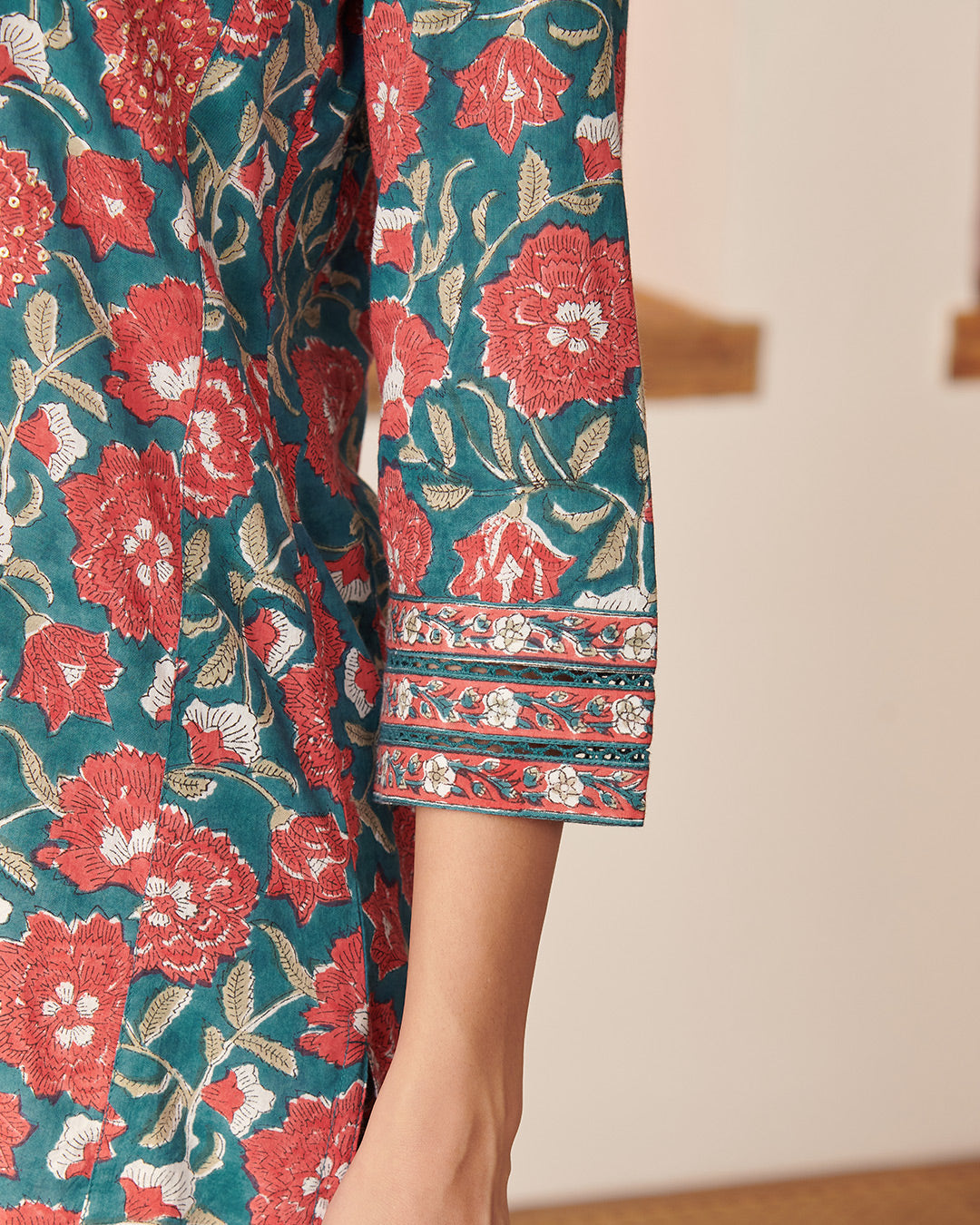
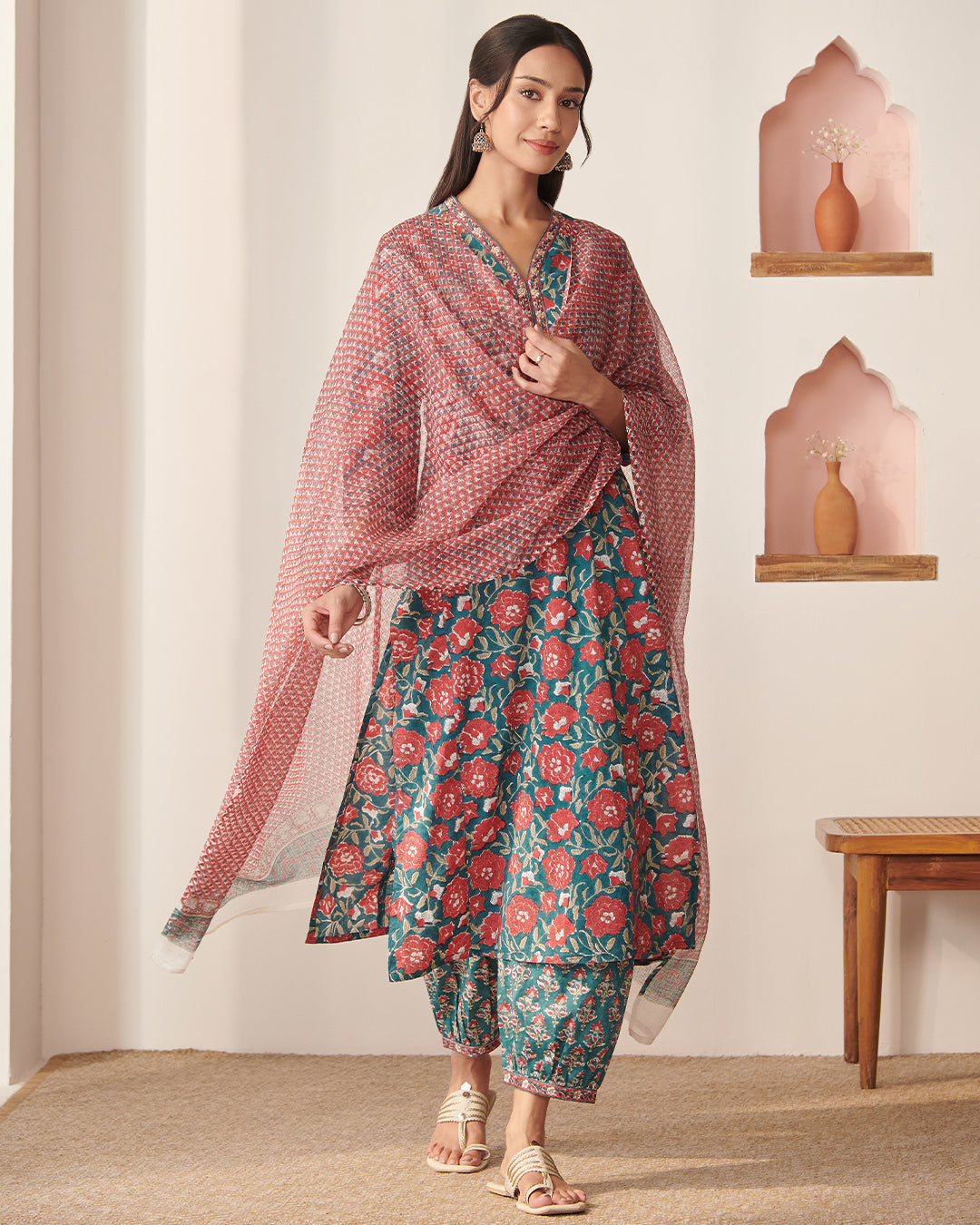
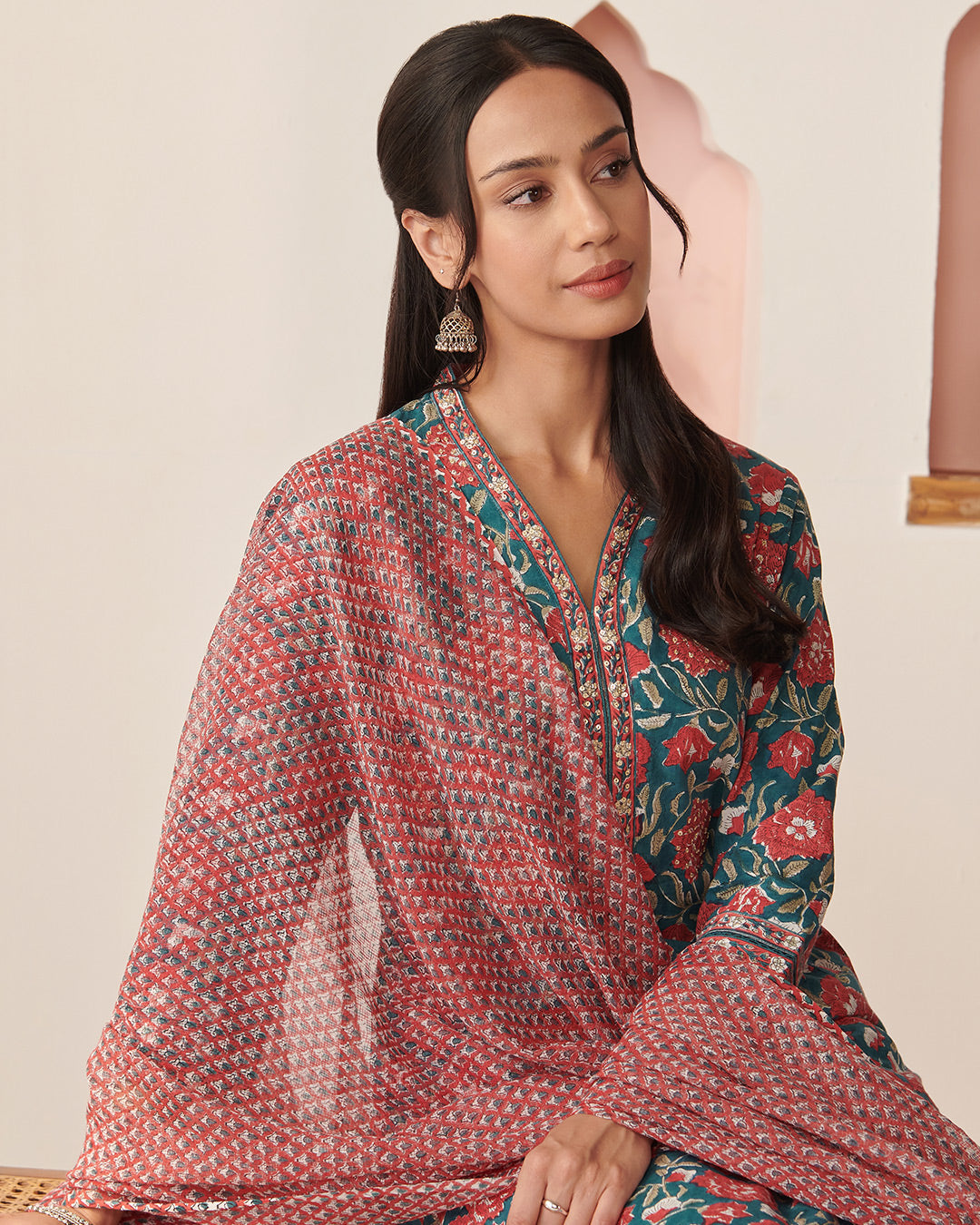
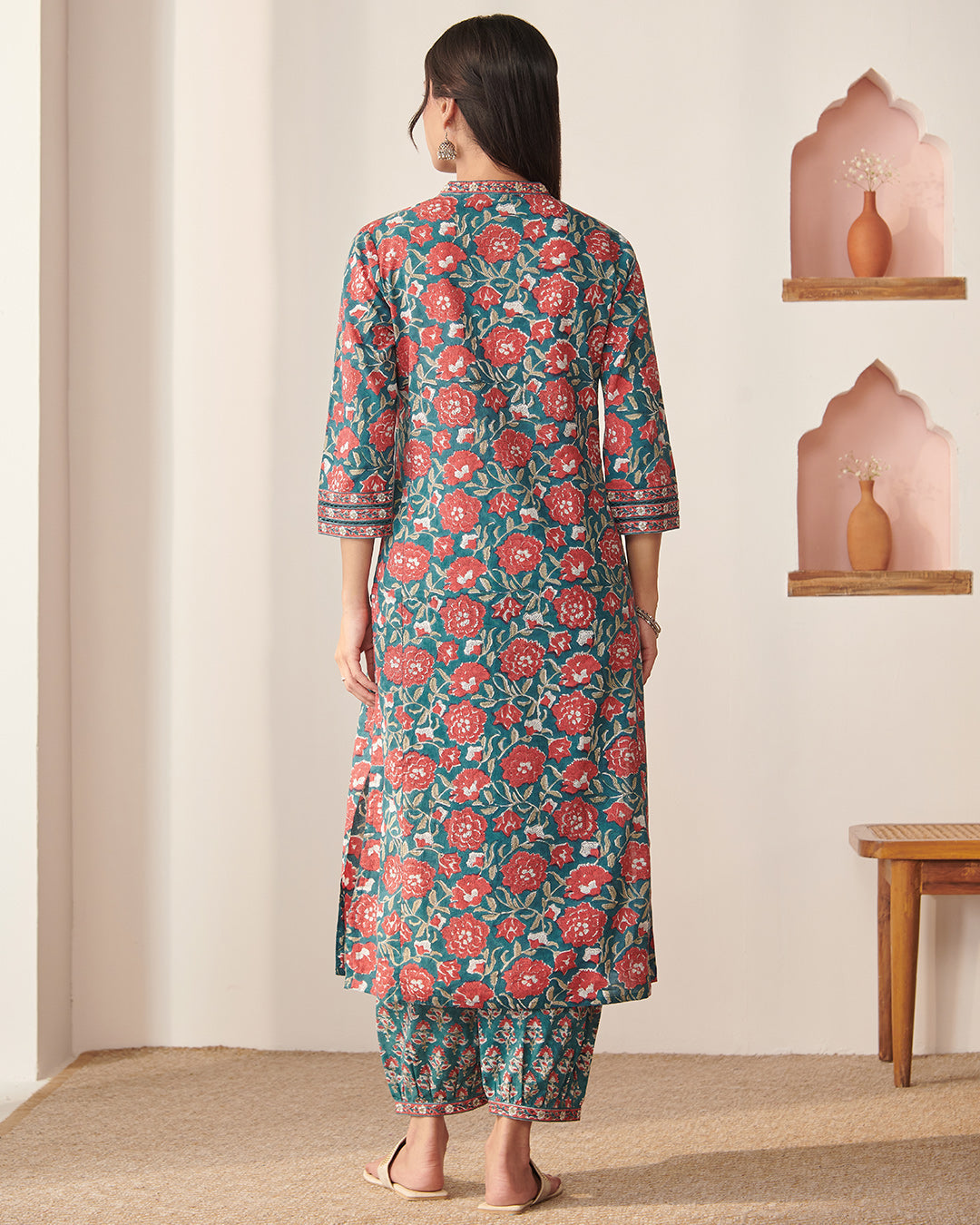

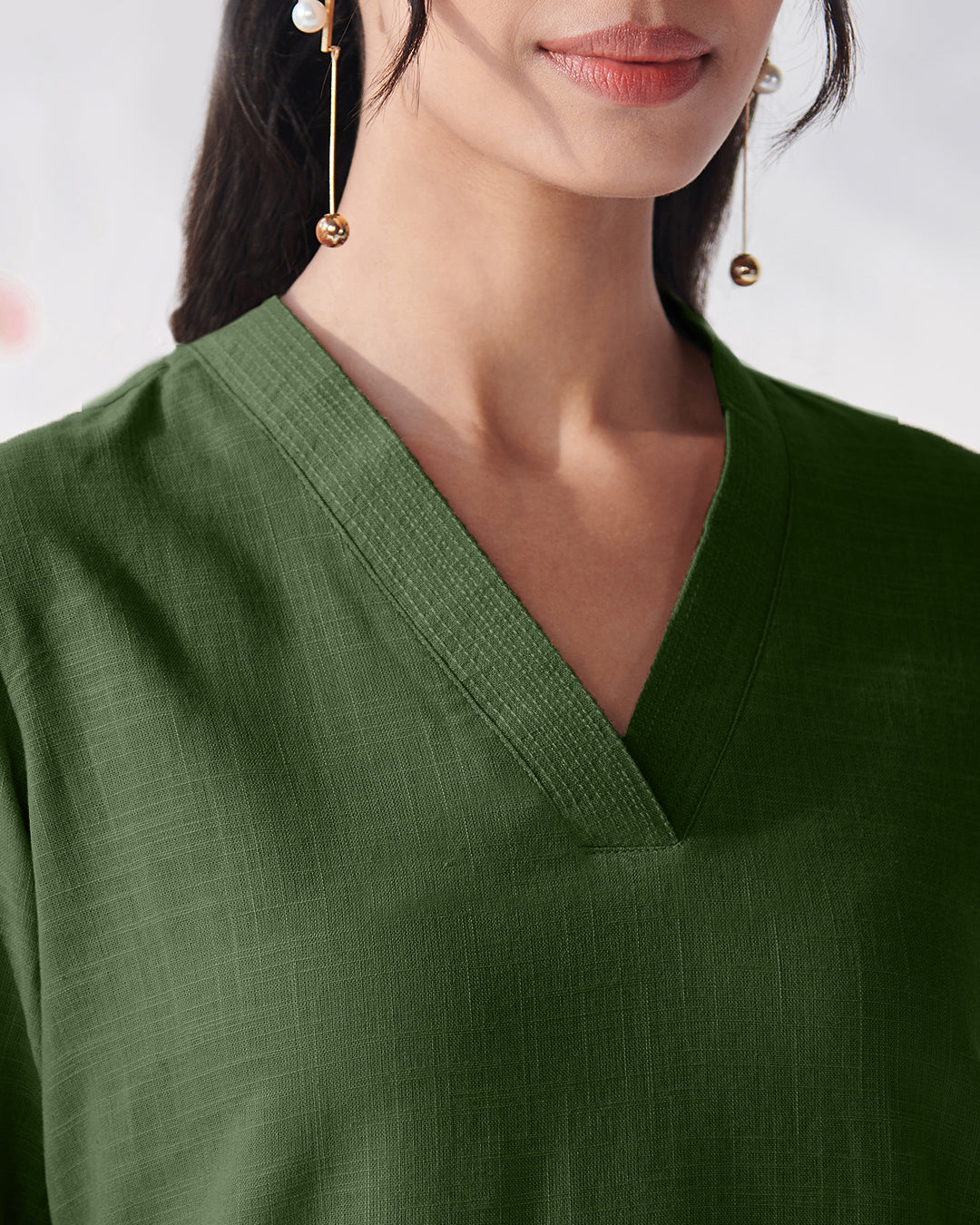
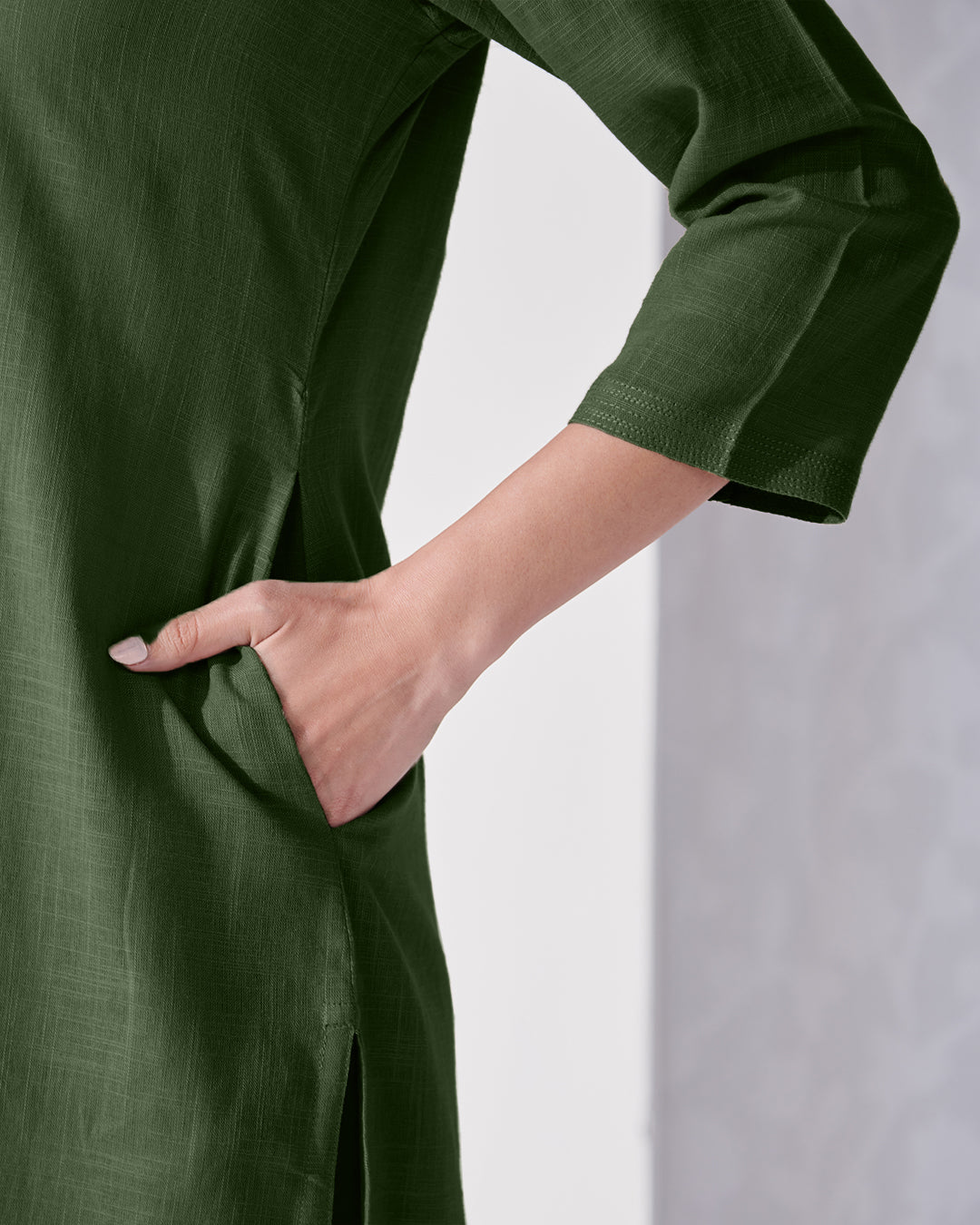
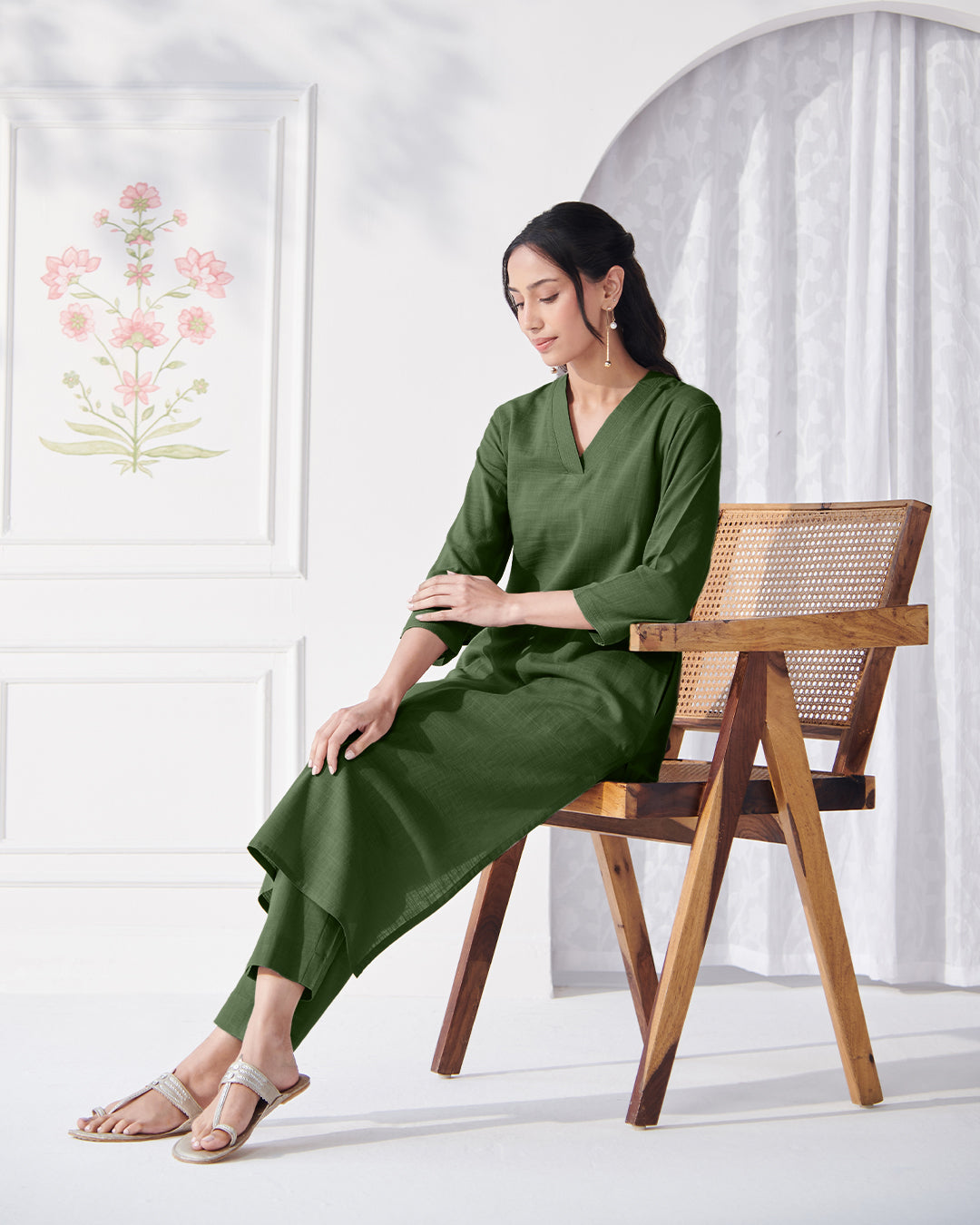
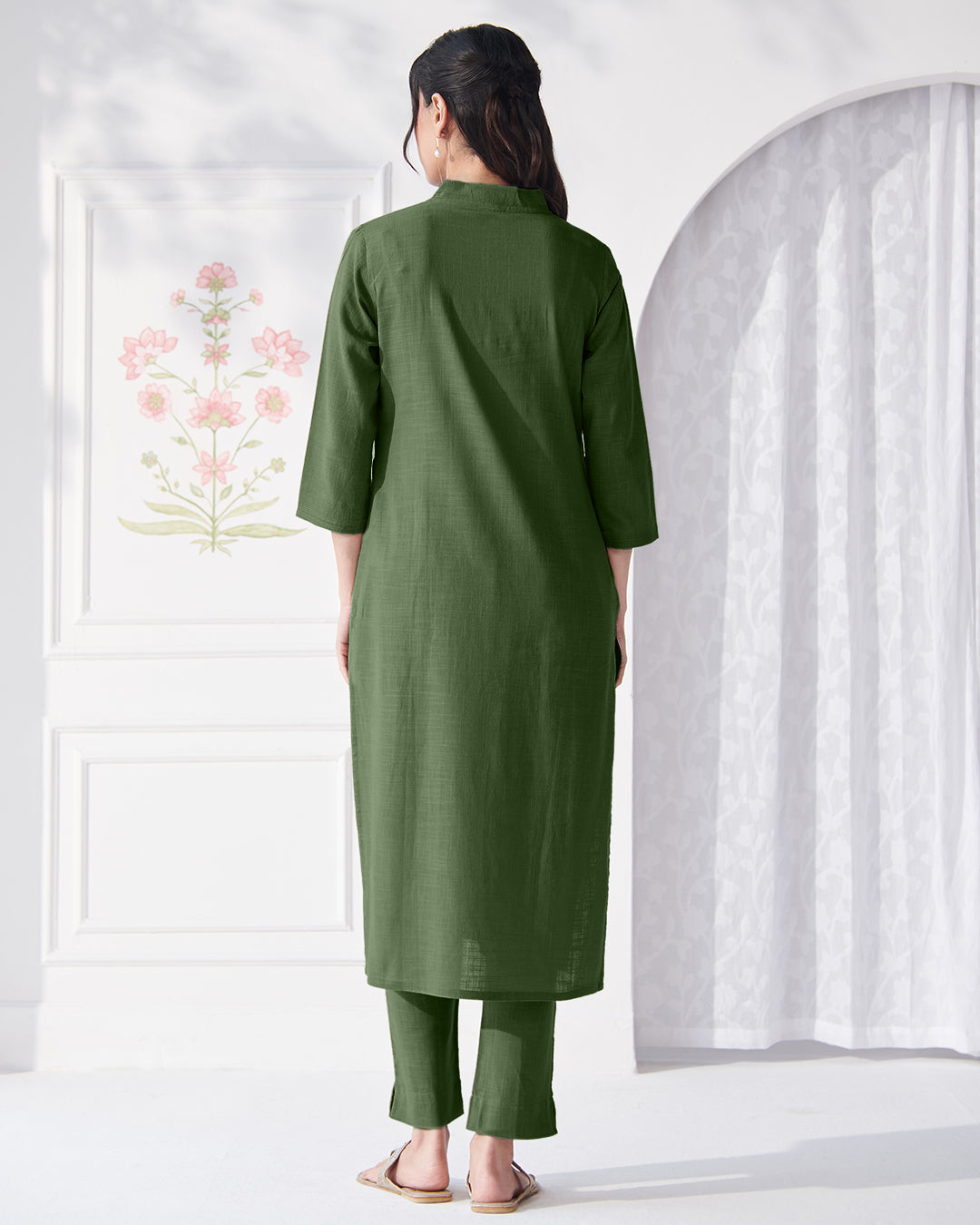
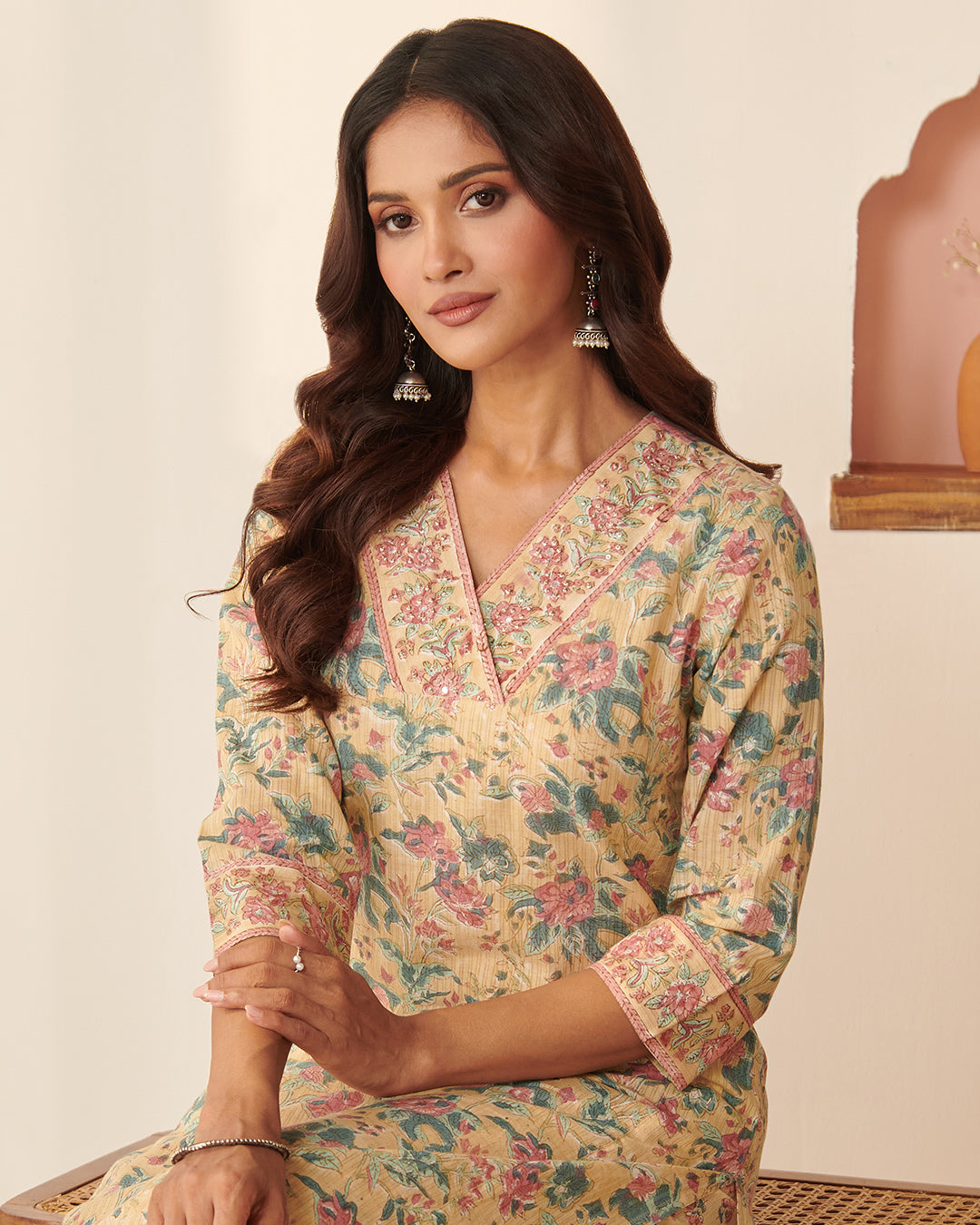
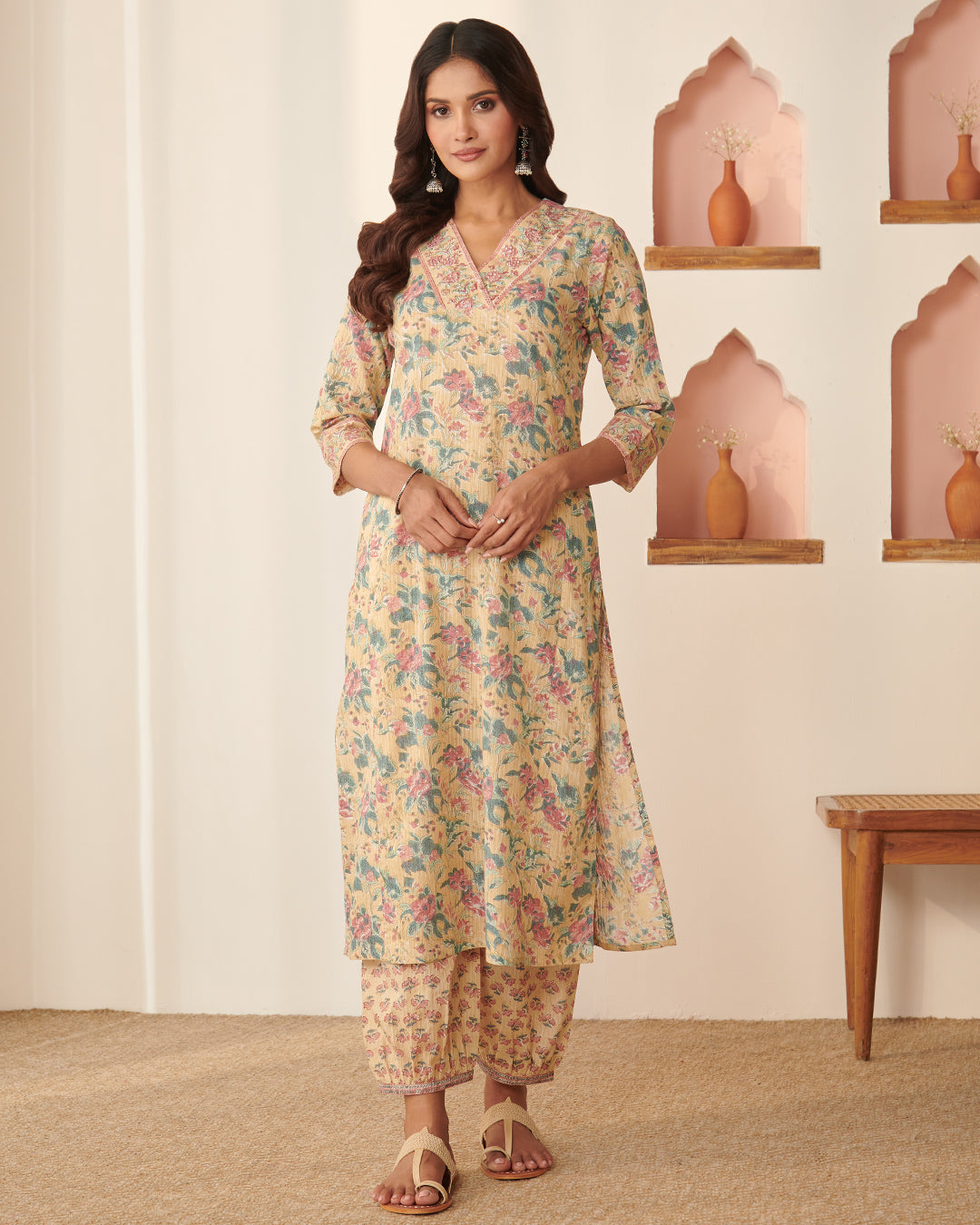
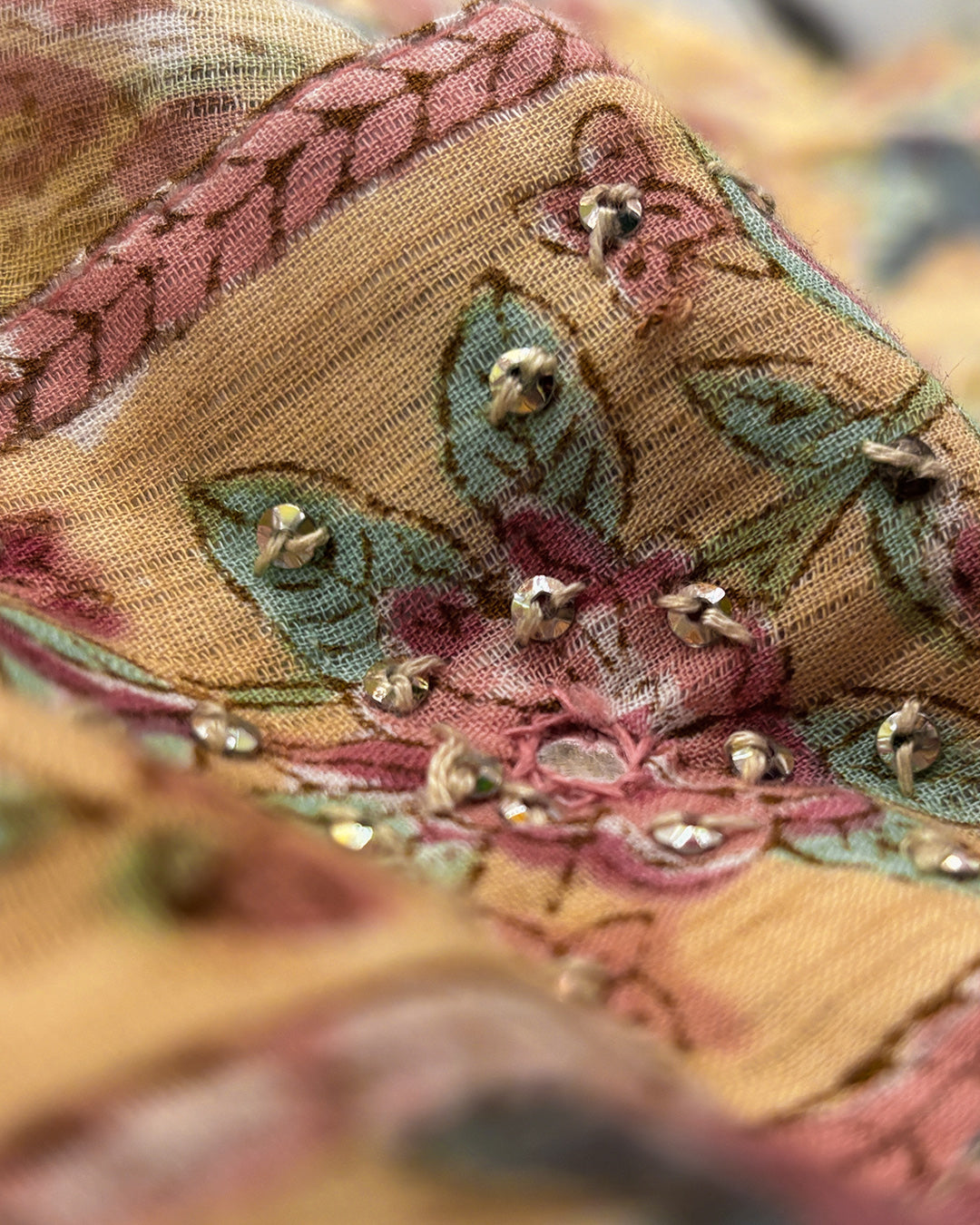
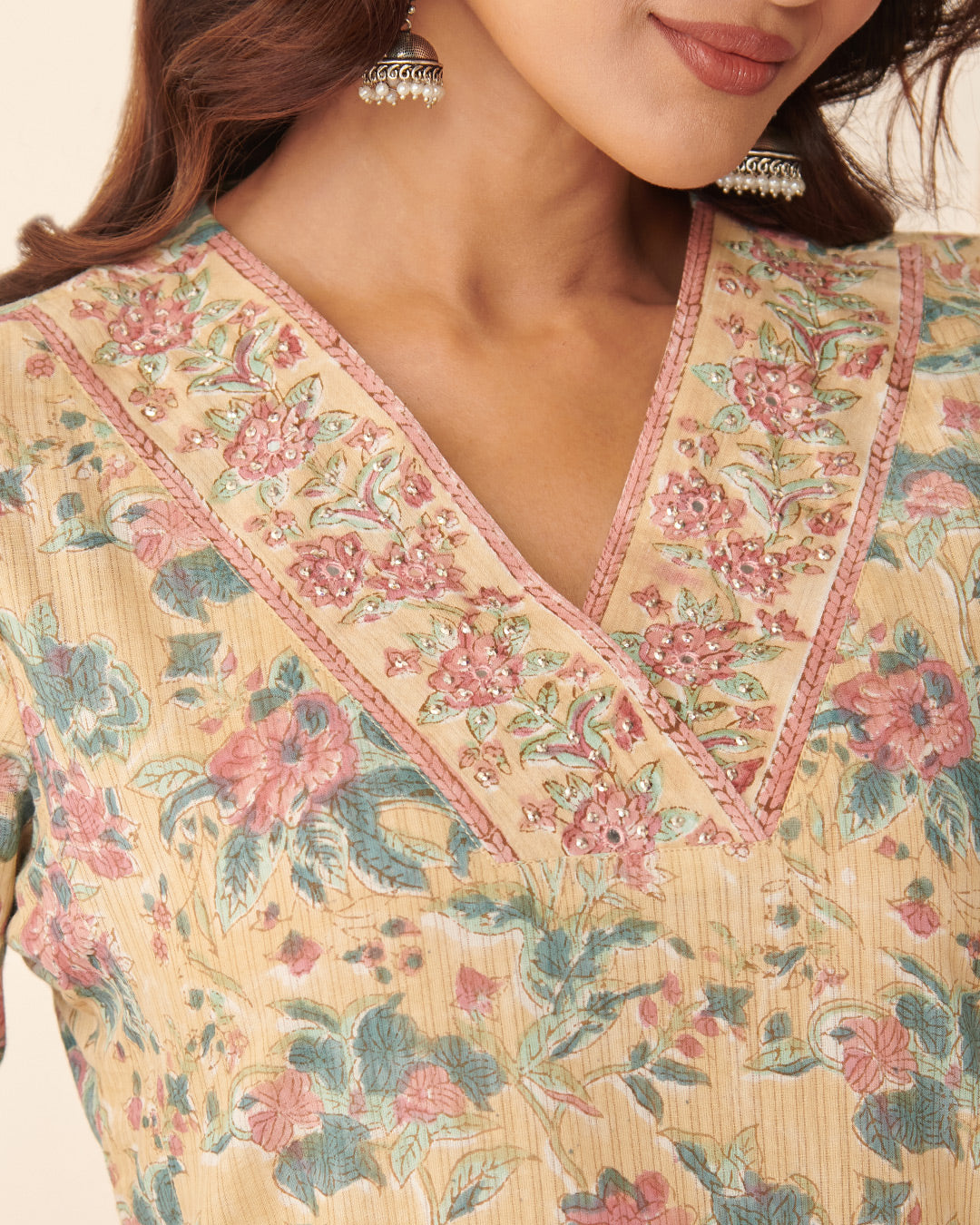
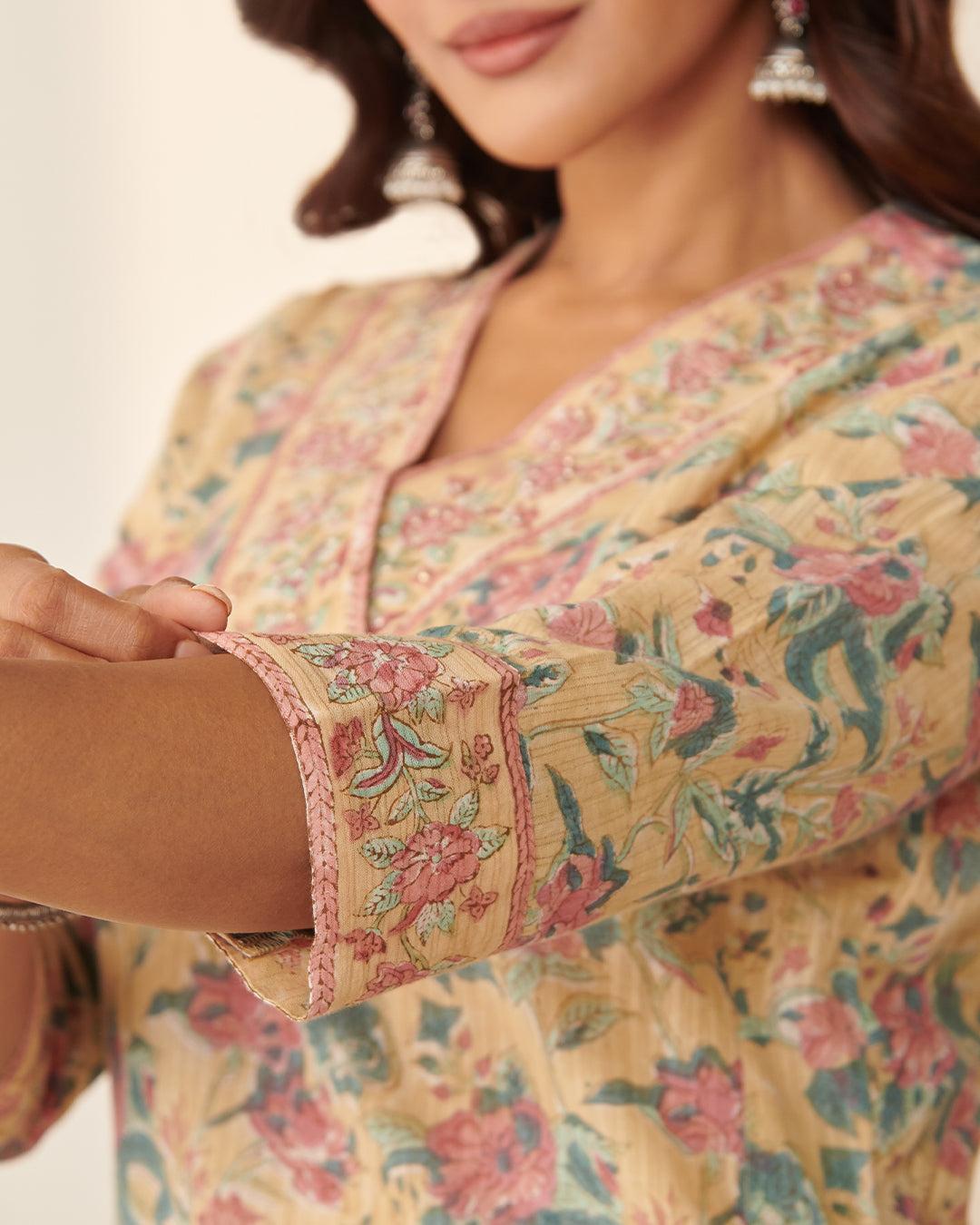
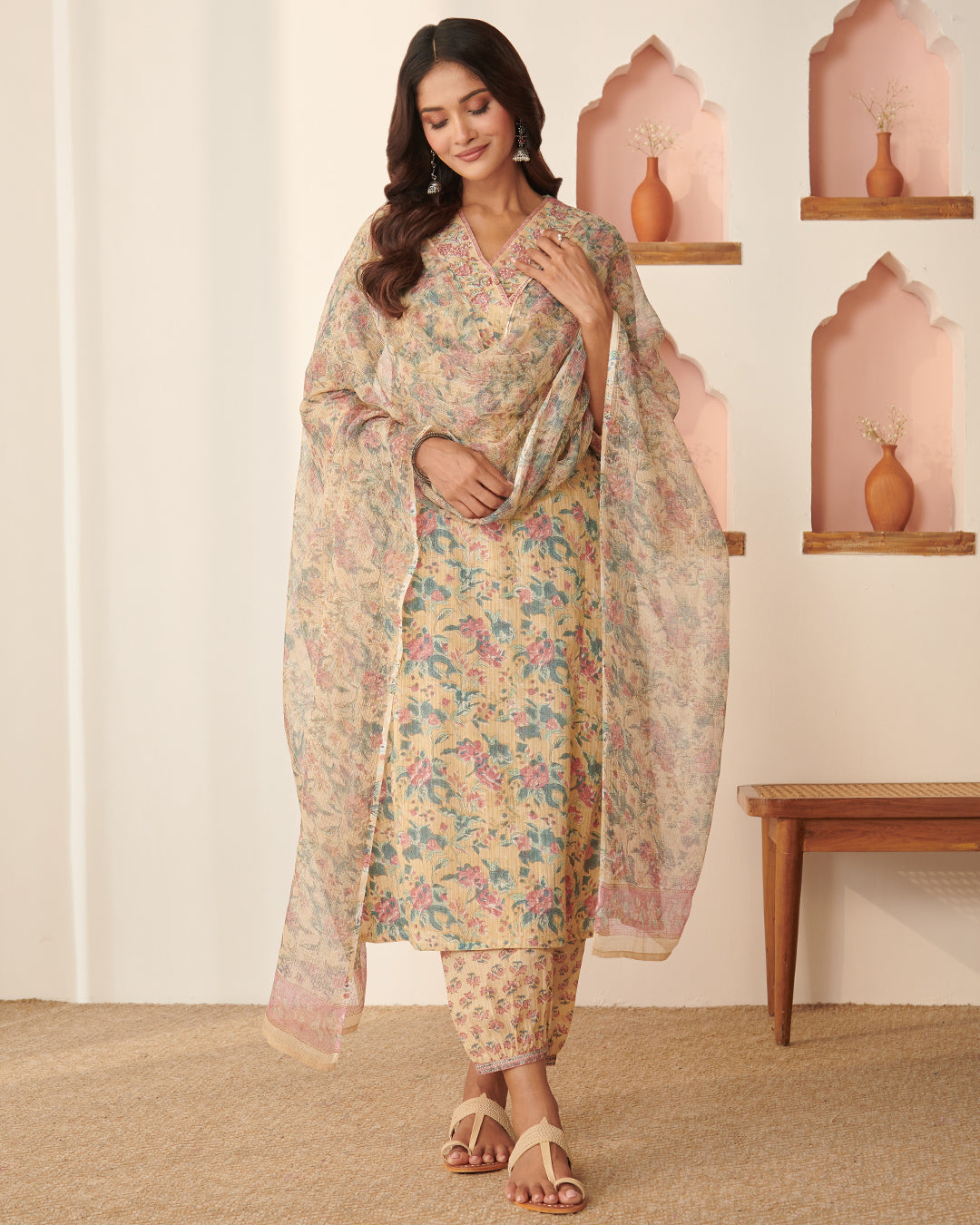
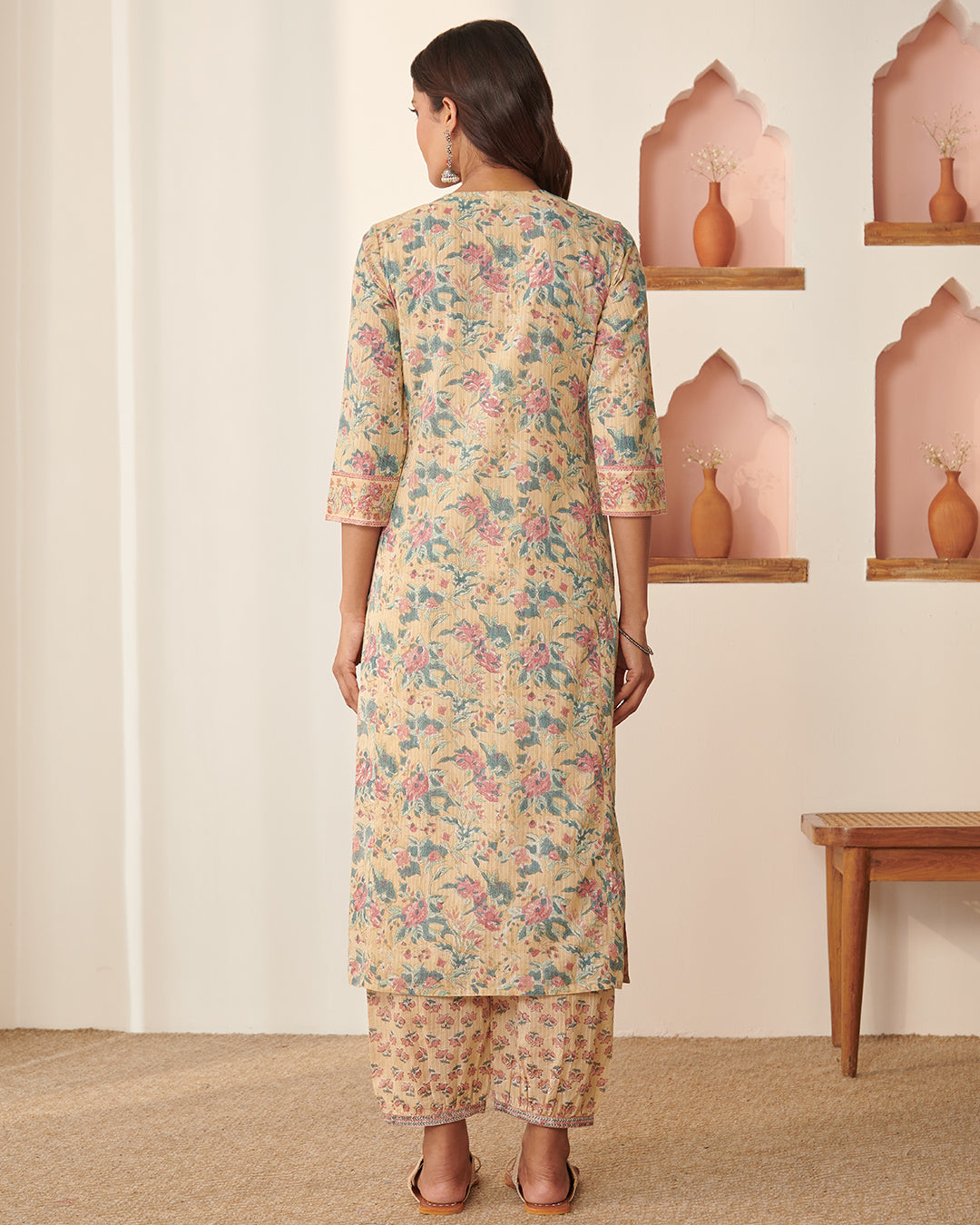
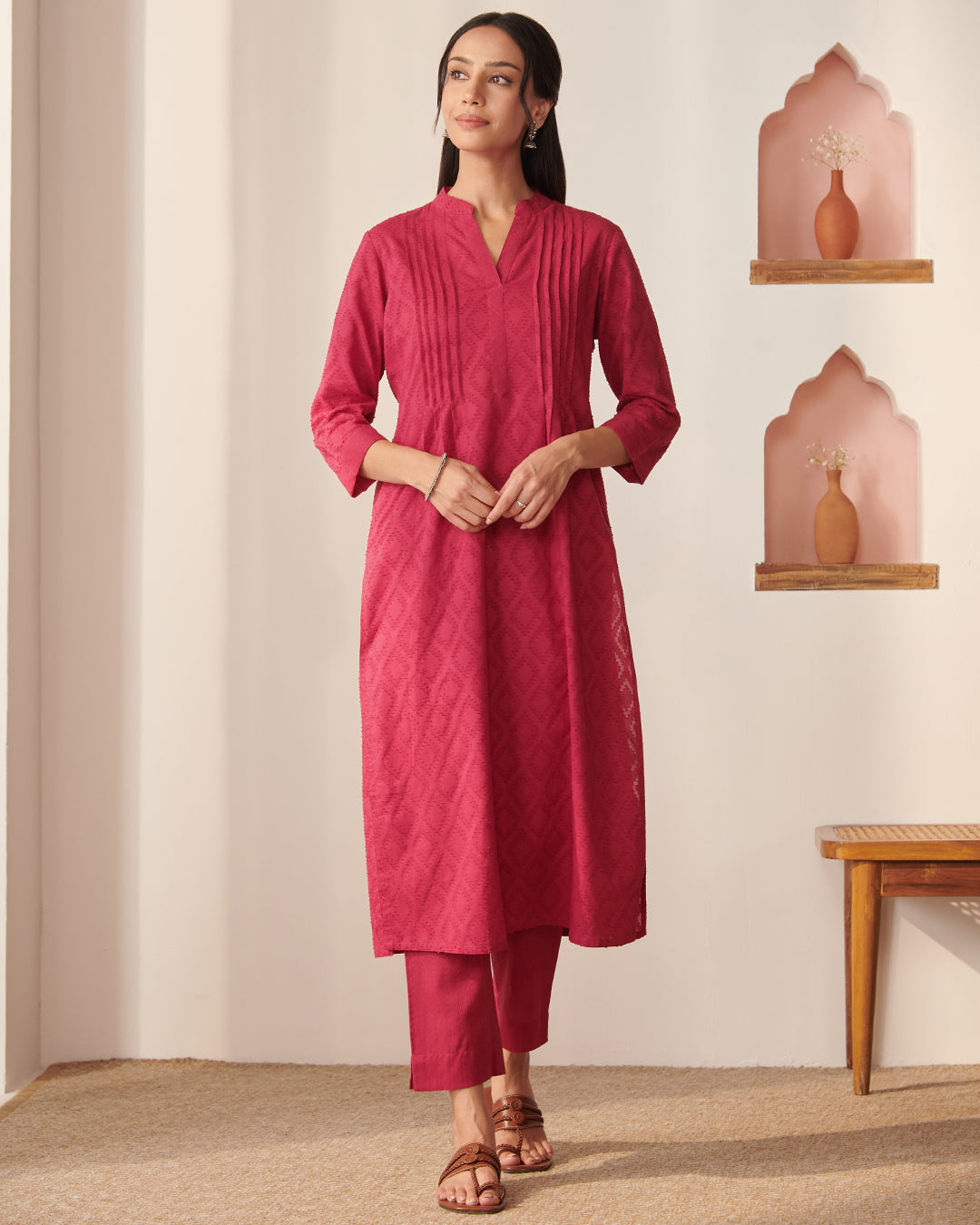



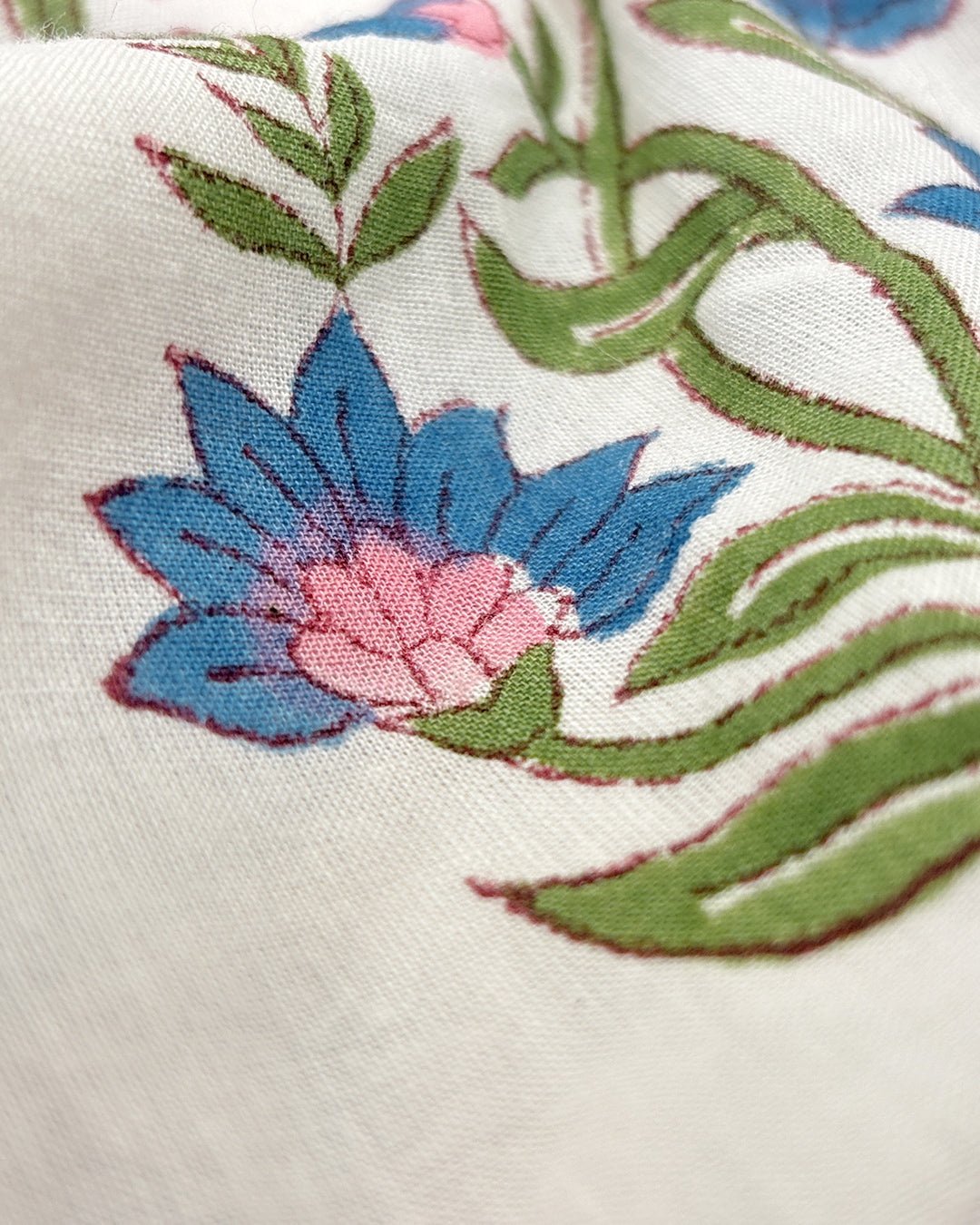
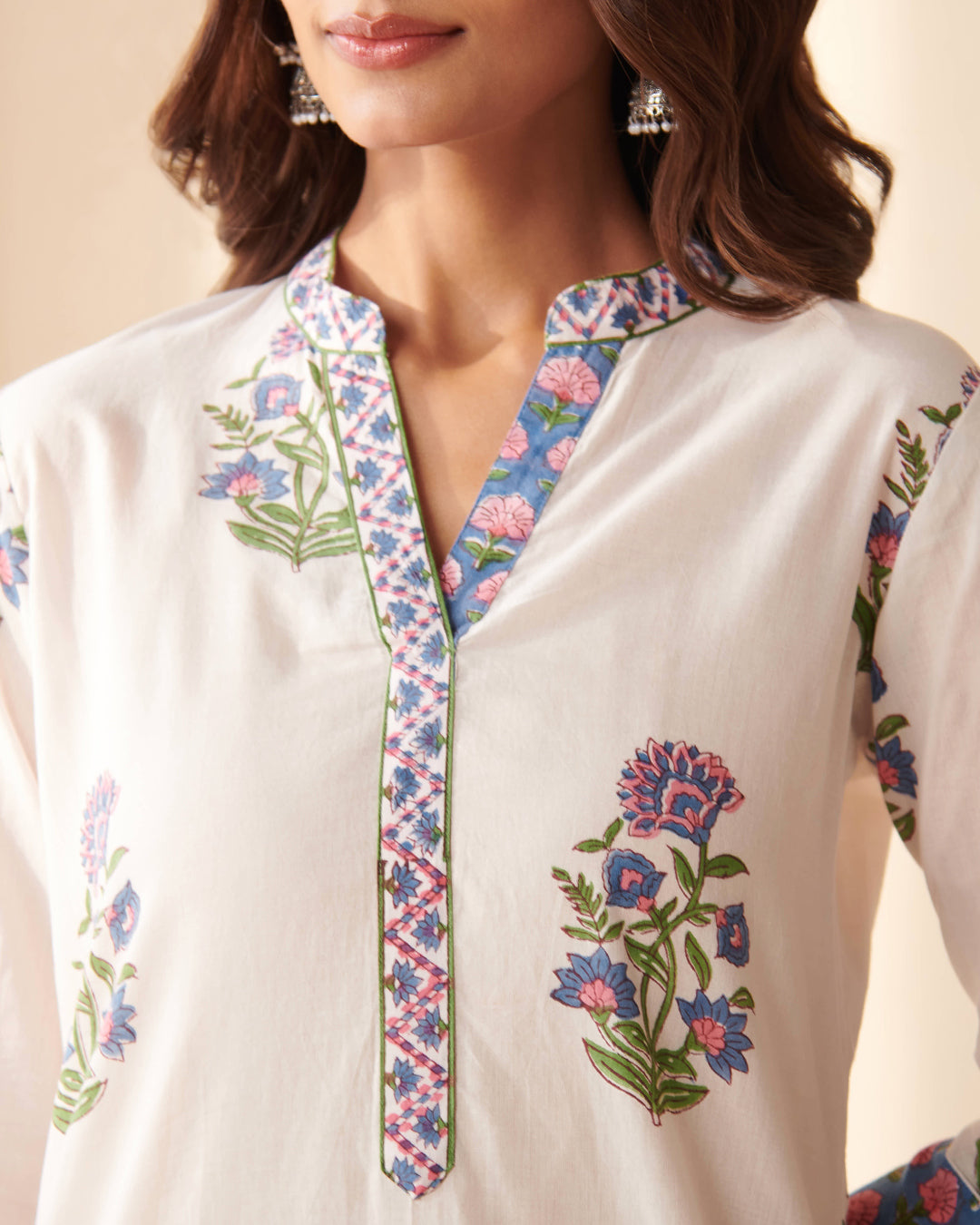
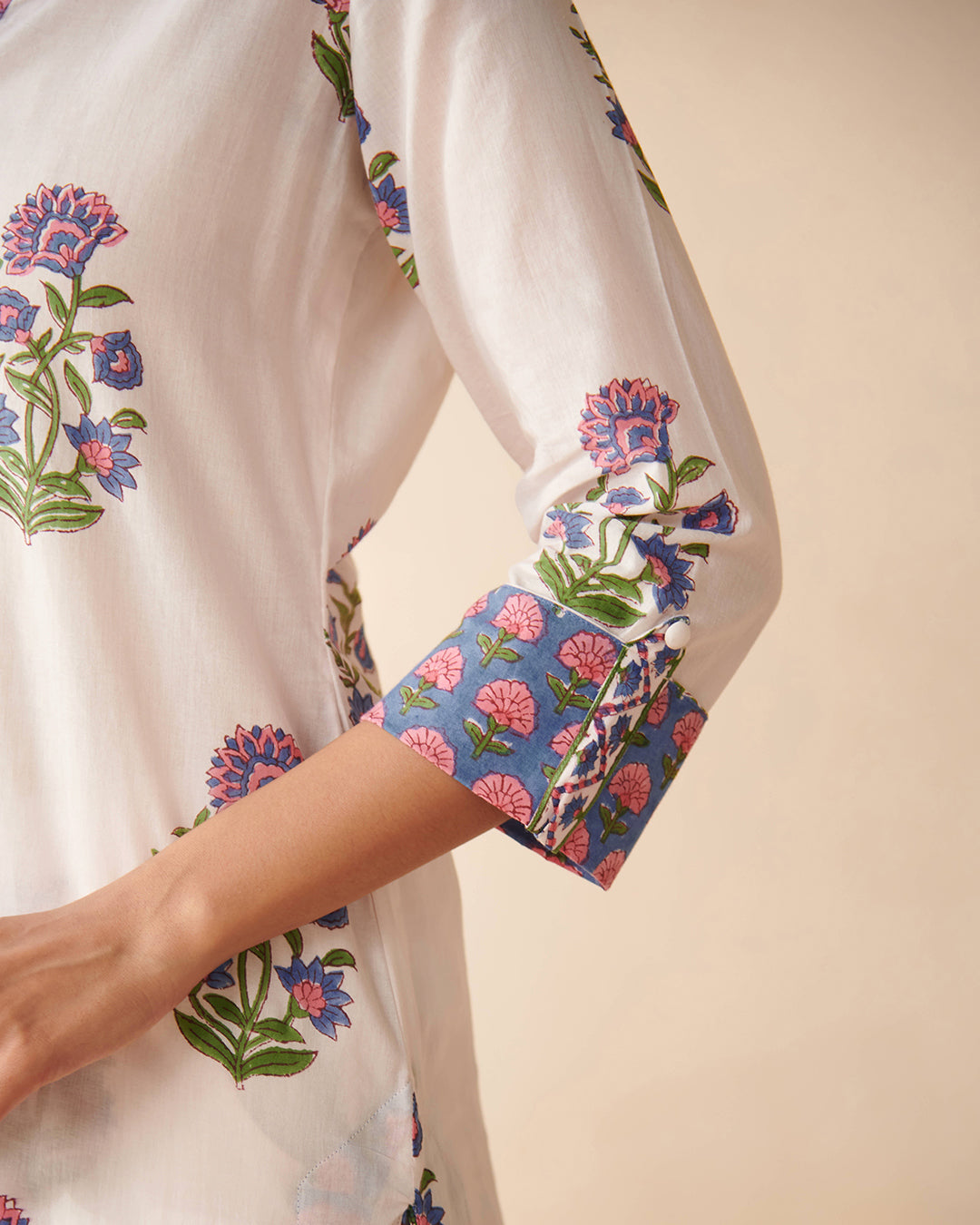
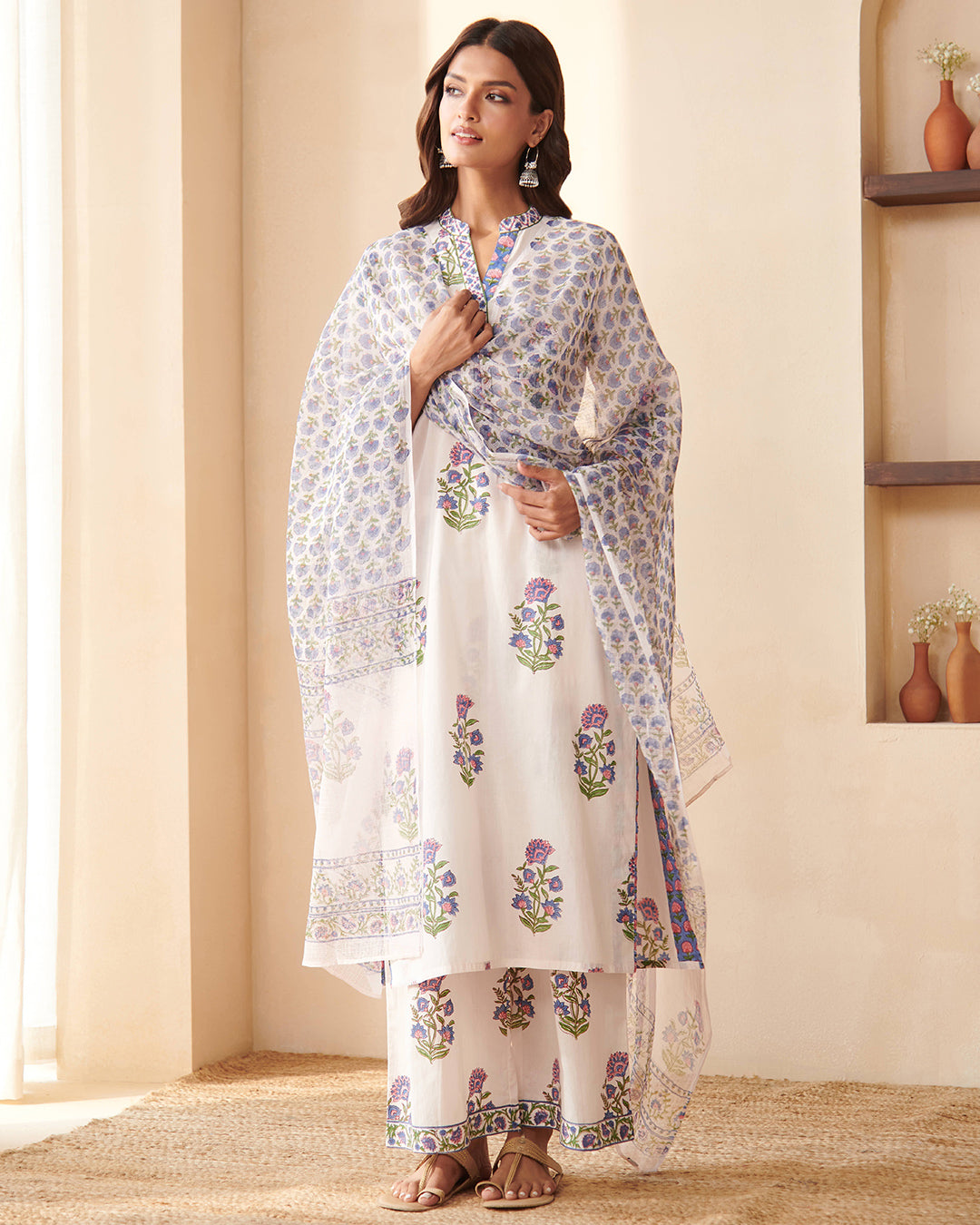
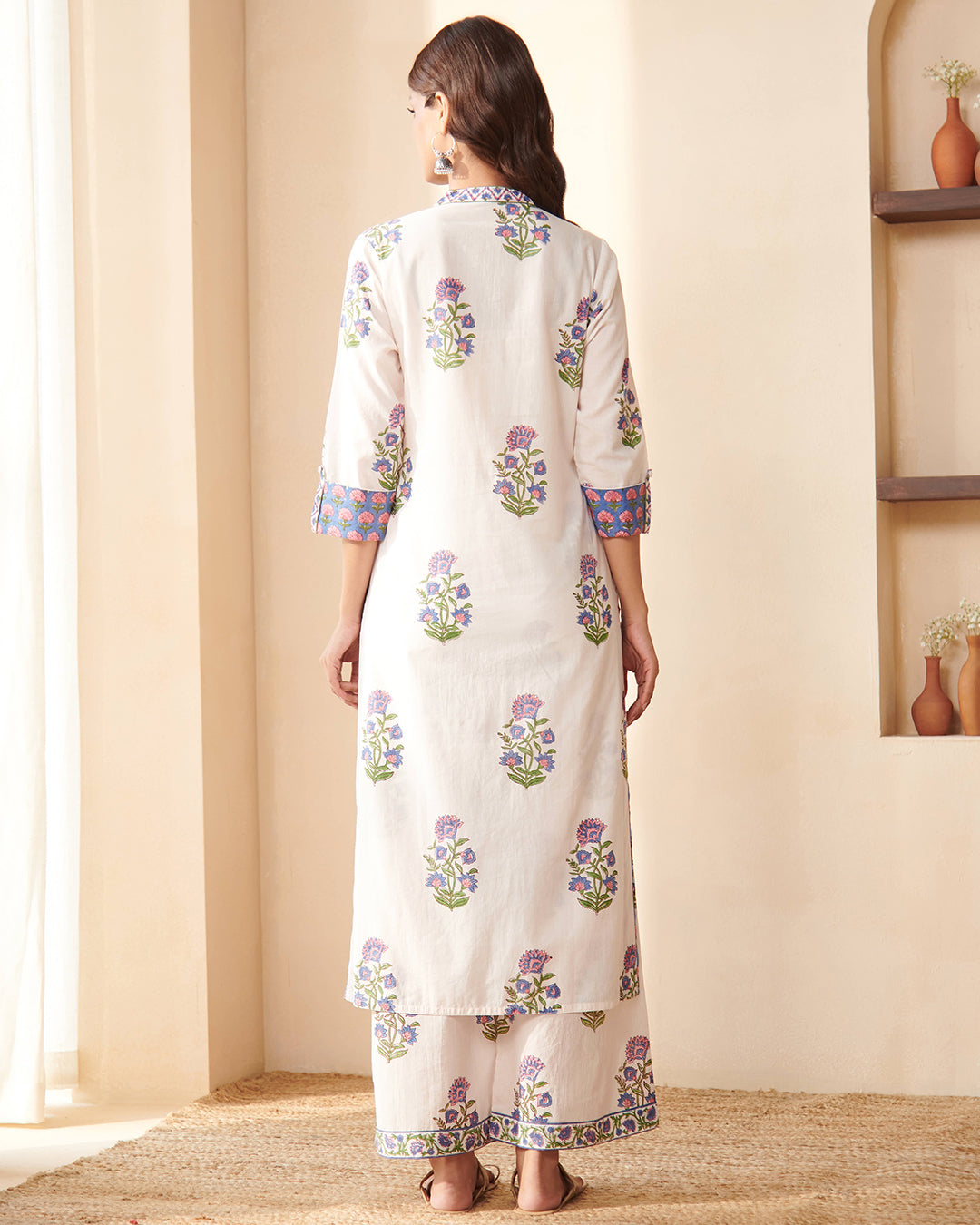


To wear block print is to wear a story- one stamped with history, colour, and the maker’s mark that never fades.
By: Kanchan Kumari
12/ 08/ 2025
In a world moving at digital speed, block printing remains rooted in patience and process. It is not just about craft but about preserving a rhythm of creation that connects today’s makers with generations of skilled hands before them.
What makes block printing so captivating is its balance of precision and unpredictability. No two impressions are ever identical; each carries the small variations that make handmade work so unique. This age-old technique has been practised for centuries across India, where artisans developed regionally distinct styles and methods, from the vibrant motifs of Rajasthan to the earthy tones of Gujarat and Madhya Pradesh.
This guide takes you through that journey- of tools, techniques, and the enduring artistry behind block-printed masterpieces.
What is block-printing?
Hand block printing is one of the oldest and most tactile methods for bringing art to life on fabric.
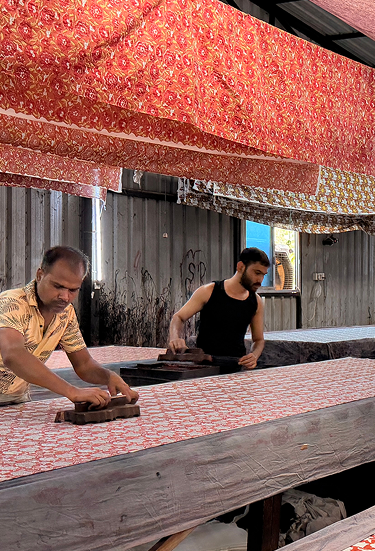
It begins with a simple idea, an artist’s sketch transformed into a carved block, usually made of wood. Every cut, every line etched into the block defines the design that will later be brought to life with ink or natural dye. Once the raised surface is coated, the block is pressed firmly onto fabric, leaving behind a crisp, handmade impression.
In India, this method remains a cornerstone of cottage industries, where artisans continue to use hand-carved blocks to apply colour to textiles. Simple in concept but rich in craftsmanship, block printing combines precision, skill, and creativity to produce fabrics that are distinctive and entirely handmade.
A Brief History of Block Printing in India
Block printing in India has a history that stretches back to the Indus Valley Civilisation at Mohenjo-Daro. The craft flourished under Mughal patronage between the 16th and 19th centuries, when artisans perfected intricate floral motifs and vibrant colour palettes. Rajasthan and Gujarat became key centres, with communities like the Chippas of Bagru developing distinct regional styles that combined traditional skill with local creativity.
Rajasthan, in particular, became a hub for this art. By the 12th century, the Chippa community of Bagru was carving motifs into wooden blocks and using natural vegetable dyes to print fabrics. Over generations, this knowledge was passed down, making Jaipur, Bagru, Sanganer, Barmer, and Sikar renowned for their own unique prints. Each region brought its own design language, from delicate florals to bold geometric patterns.
Today, Indian block printing continues to thrive as artisans and designers merge heritage techniques with contemporary fashion. The craft’s cultural and commercial importance is recognised through Geographical Indication (GI) tags, ensuring that these hand-block printed fabrics remain a celebrated symbol of India’s textile legacy.
Key Techniques in Block Printing
-
Direct Printing: The most traditional method, where carved wooden blocks are dipped in dye and pressed onto fabric, building patterns one motif at a time.
-
Resist (Dabu) Printing: A mud paste is applied to areas that resist dye, leaving lighter or white motifs once the paste is washed off.
-
Fading (Phad) Printing: Blocks are dipped in gradient dyes, creating a soft ombré effect with each impression.
-
Discharge Printing: The fabric is first dyed, and then blocks are used to remove colour in specific areas, revealing designs in contrast.
Tools and Materials Used in Block Printing
The craft of hand block printing relies on materials that are as vital as its technique, each rooted in nature and sustainability. Every tool and ingredient used carries a story of precision and respect for the environment.
-
Wooden Blocks: The core of the process, these blocks are hand-carved from durable hardwoods like Sheesham or Teak. Their ability to hold fine detail allows artisans to create complex motifs that define regional styles and identities.
-
Fabric: Cotton, linen, and silk are the preferred bases for block printing because of their absorbent texture and natural feel. The fabric is washed, treated, and sun-dried to ensure colour binds well and remains vibrant across garments like sarees, dupattas, and kurtas.
-
Natural Dyes: Derived from plants and minerals, these dyes bring nature’s palette to fabric. Indigo yields deep blues, madder root gives reds, turmeric adds yellow, while pomegranate rind and myrobalan produce warm browns. Each hue connects the art to the land from which it comes.
-
Mud, Wax, and Mordants: Mud is used in Dabu printing to resist dye, while wax forms detailed patterns in Batik. Mordants, such as alum, iron, and tannins, help fix and brighten natural colours, ensuring lasting vibrancy.
Step-by-Step Process of Block Printing
Indian block printing is a hands-on craft where skill, precision, and patience meet in every piece. Each step transforms raw materials into vibrant patterns that tell a story of heritage and craft.
-
Step 1: Carving the Blocks
The journey begins with wooden blocks, carved by artisans from Rajasthan’s Chhipa community. Using chisels, hammers, and drills, intricate motifs are etched into hardwoods like Sheesham. After carving, the blocks are soaked in mustard oil for several days to prevent cracking and drilled with tiny holes to allow the wood to breathe, ensuring the block lasts for decades.
-
Step 2: Preparing the Dye
Once ready, the blocks are coated with dye using a sieve or sponge, ensuring the raised design absorbs the pigment evenly. Each block holds a portion of the pattern that will later come alive on fabric.
-
Step 3: Treating the Fabric
Fabrics, typically cotton or silk, are washed to remove starch and old dyes, then sun-dried. They are stretched across a long printing table and pinned in place to create a flat, even surface for printing.
-
Step 4: Printing the Design
Printing requires focus and rhythm. The craftsman dips the block into the dye, aligns it precisely, and presses it onto the fabric. Patterns are repeated motif by motif, row by row, until the entire fabric is covered.
-
Step 5: Setting and Finishing
Freshly printed fabric is sprinkled with sawdust to prevent smudging and left to dry in sunlight. It is then steamed, washed, and ironed, locking in colours and patterns. Each finished piece carries the signature of hand, wood, and dye, making it unique and alive with tradition.

Popular Motifs and Symbolism in Block Prints
Block printing thrives on its visual storytelling — each motif, a symbol shaped by region, history, and nature. From blooming florals to bold geometrics, these designs connect centuries of craft to the fabrics of today.
-
Motifs from Nature
India’s love for flora and fauna finds vivid expression in block prints.
• Flowers and vines: Lotuses, roses, and sunflowers bloom across Sanganeri prints, celebrating growth and renewal. Mughal influences bring in stylised creepers that add grace to every fold.
• Paisleys (Ambi/Buta): The teardrop motif merges floral curves with geometry, a design born in Persia and perfected in Kashmir.
• Animals and birds: Elephants for strength, peacocks for grace, camels and horses for endurance. Each motif captures the rhythm of India’s living landscape.
-
Geometric and Architectural Motifs
Geometry in block printing mirrors architecture and cosmic order.
• Jaali patterns: Inspired by Mughal latticework, these repeating grids create a play of light and texture on fabric.
• Ajrakh motifs: Originating from the Indus Valley, Ajrakh’s precise geometry and indigo layers celebrate symmetry and balance.
• Circles, triangles, and squares: Simple forms that symbolise unity, movement, and strength — seen across regions in modern reinterpretations.
-
Regional Signatures
Each region tells its own visual story.
• Bagru: Earthy hues and bold motifs printed with natural dyes.
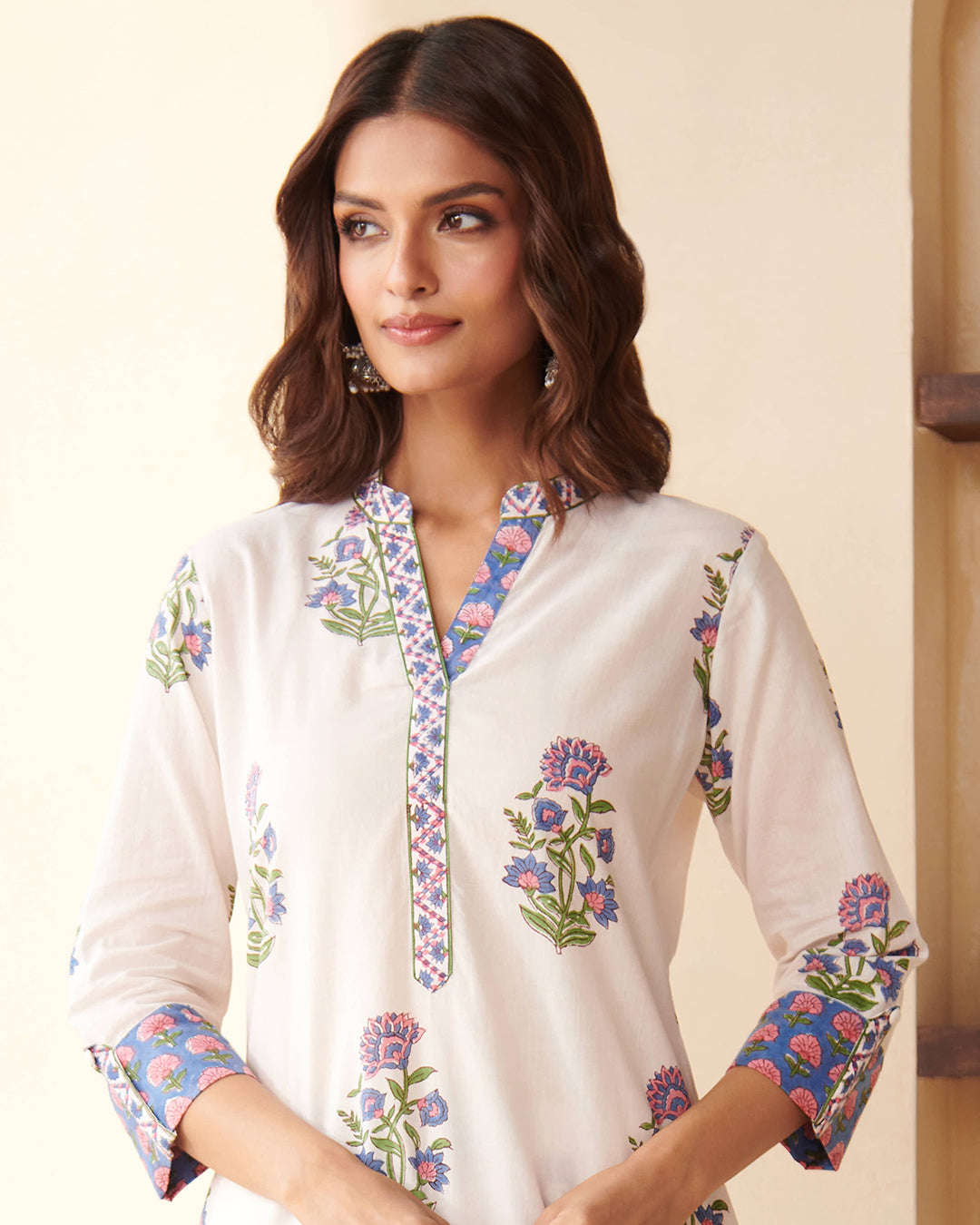
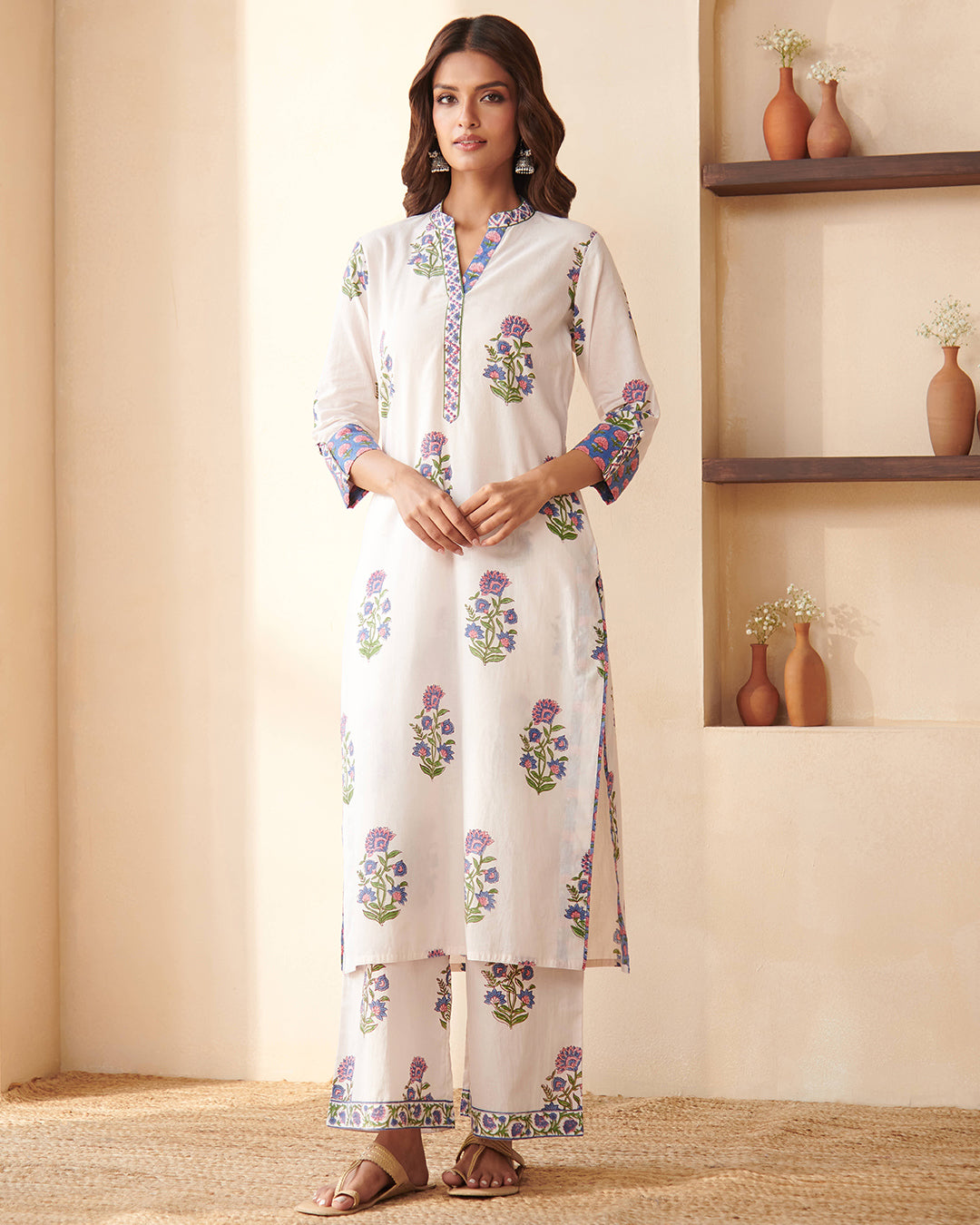
• Sanganeri: Fine florals on crisp whites.
• Bagh: Red and black geometric tales from Madhya Pradesh.
• Barmer: Folk stories in prints of chillies, trees, and nature’s everyday poetry.
Every motif in block printing carries the mark of its maker, a living pattern shaped by culture, craft, and the land it comes from.

Conclusion
Block printing stands as one of India’s most enduring design traditions- expressive and ever-evolving. Each motif, carved and pressed by hand, bridges centuries of craft with today’s world of fashion. What began in artisan clusters of Rajasthan and Gujarat now finds its place on global runways and wardrobes alike. It’s proof that heritage can stay relevant, not by imitation, but by reinvention.

