

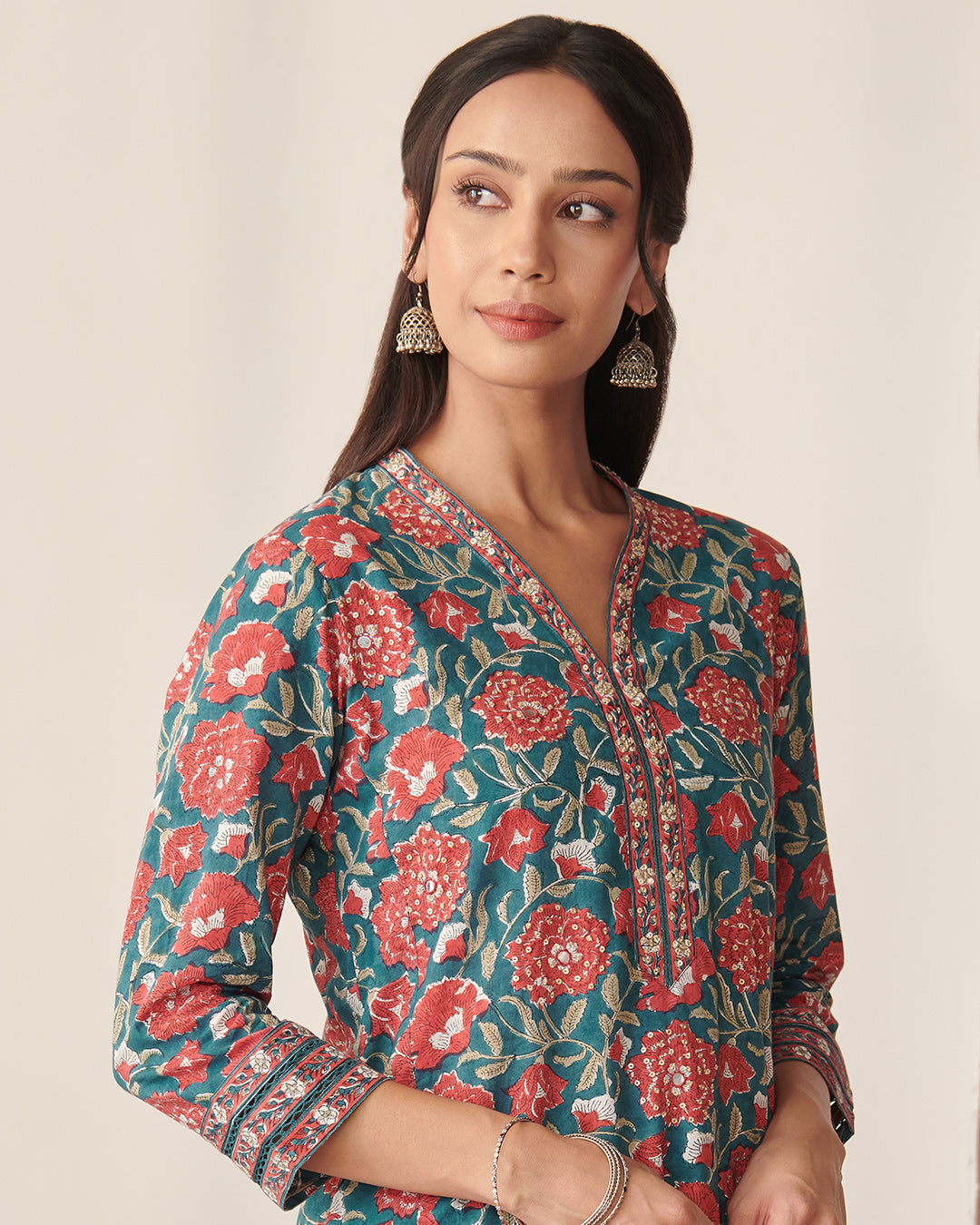
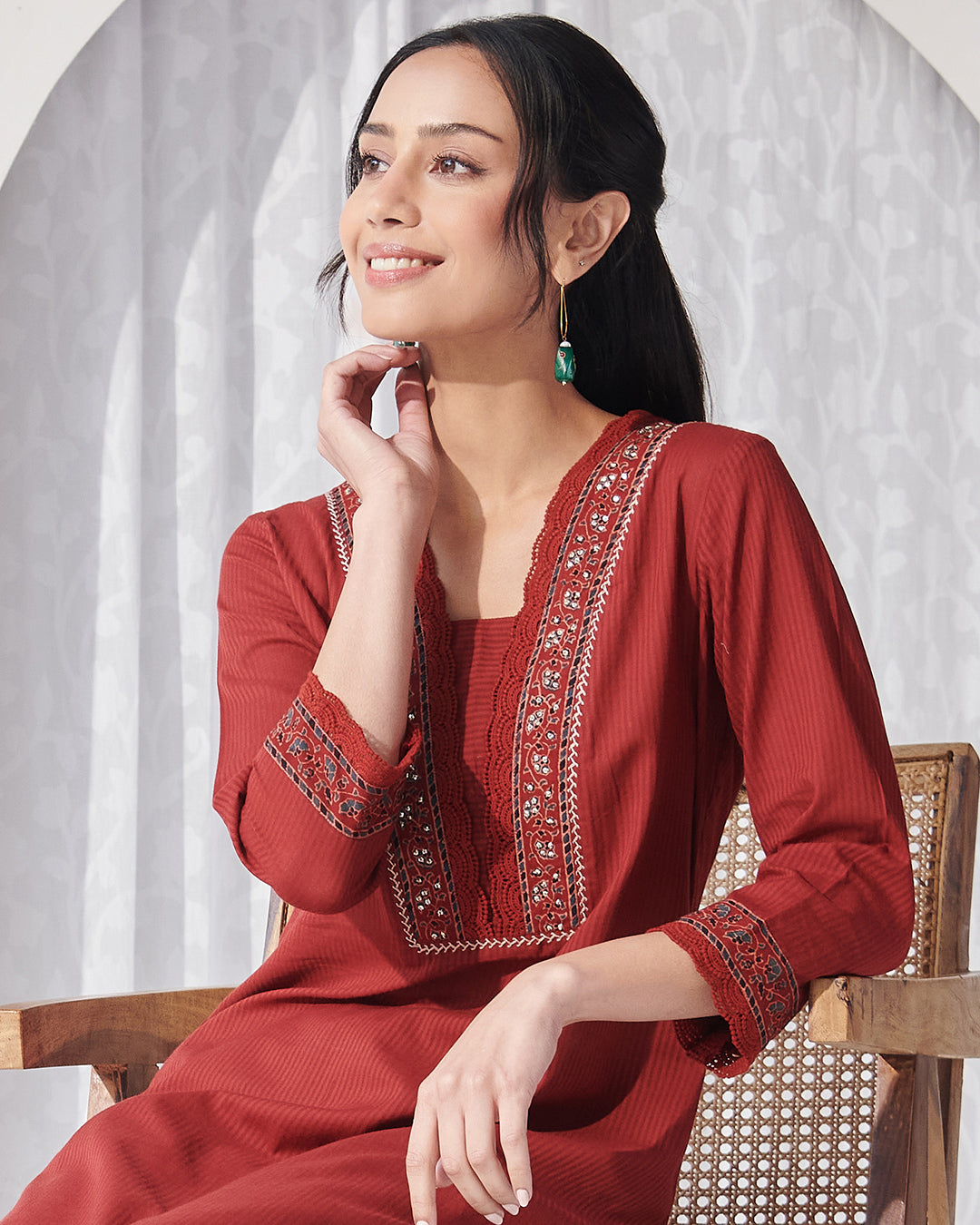
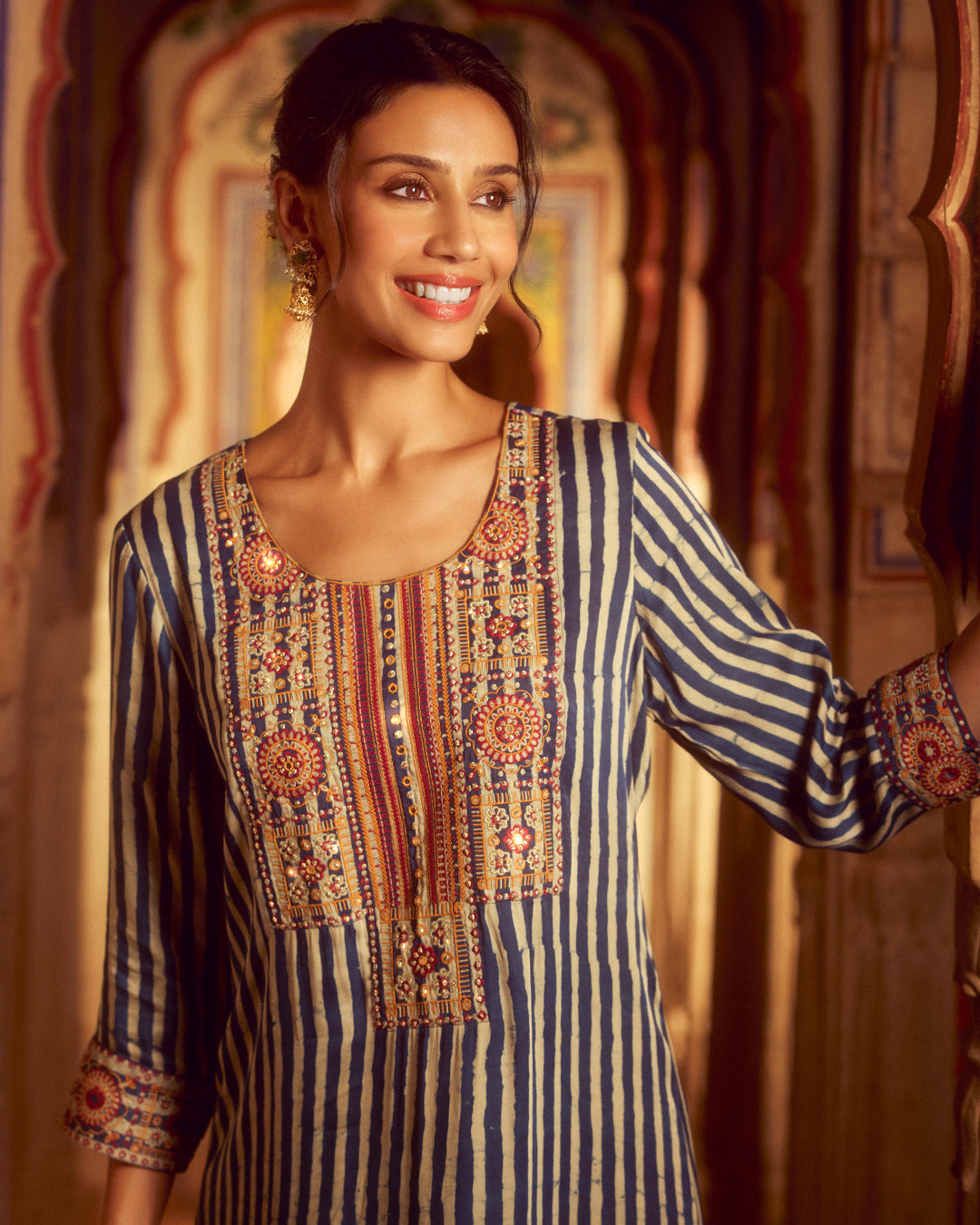
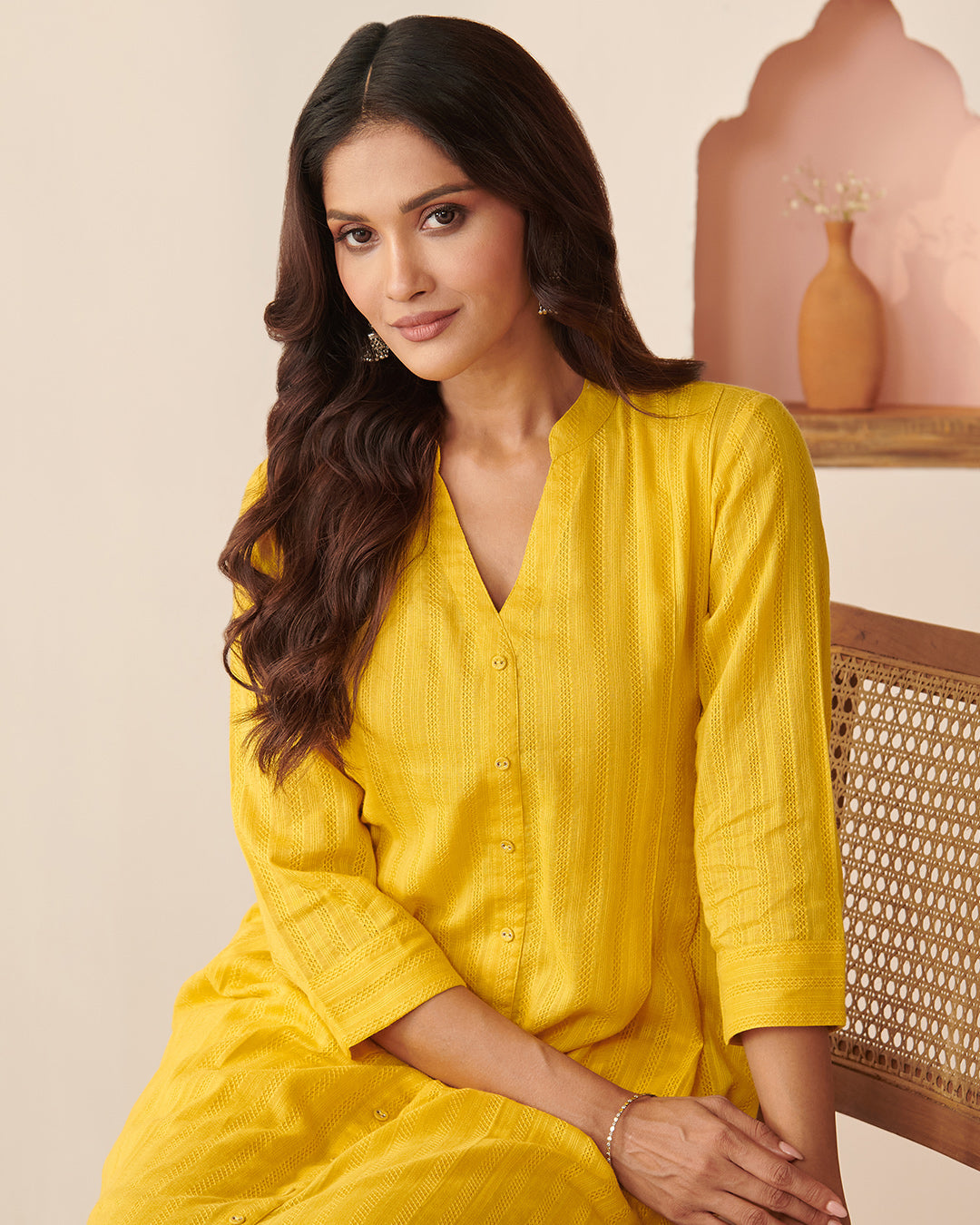



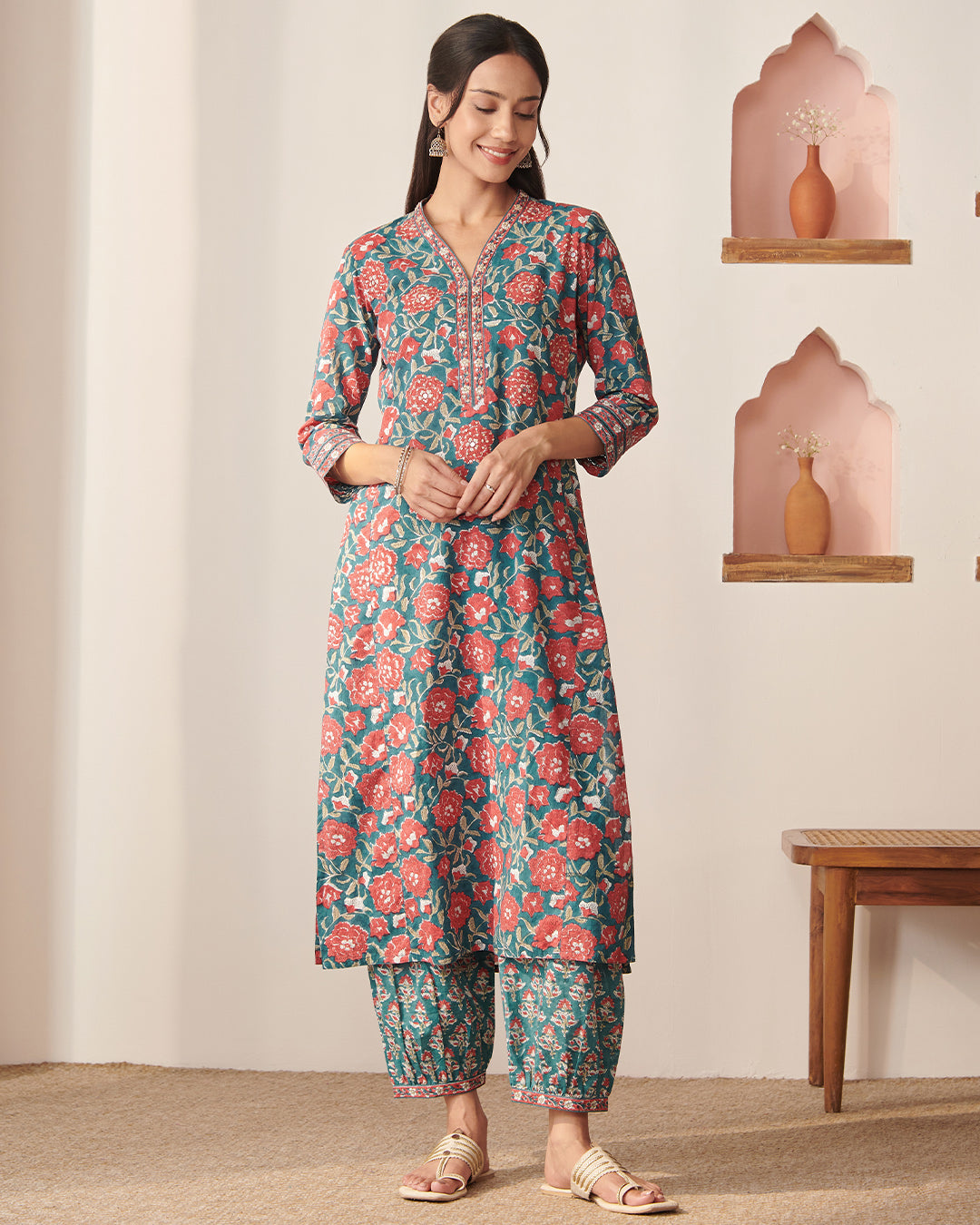
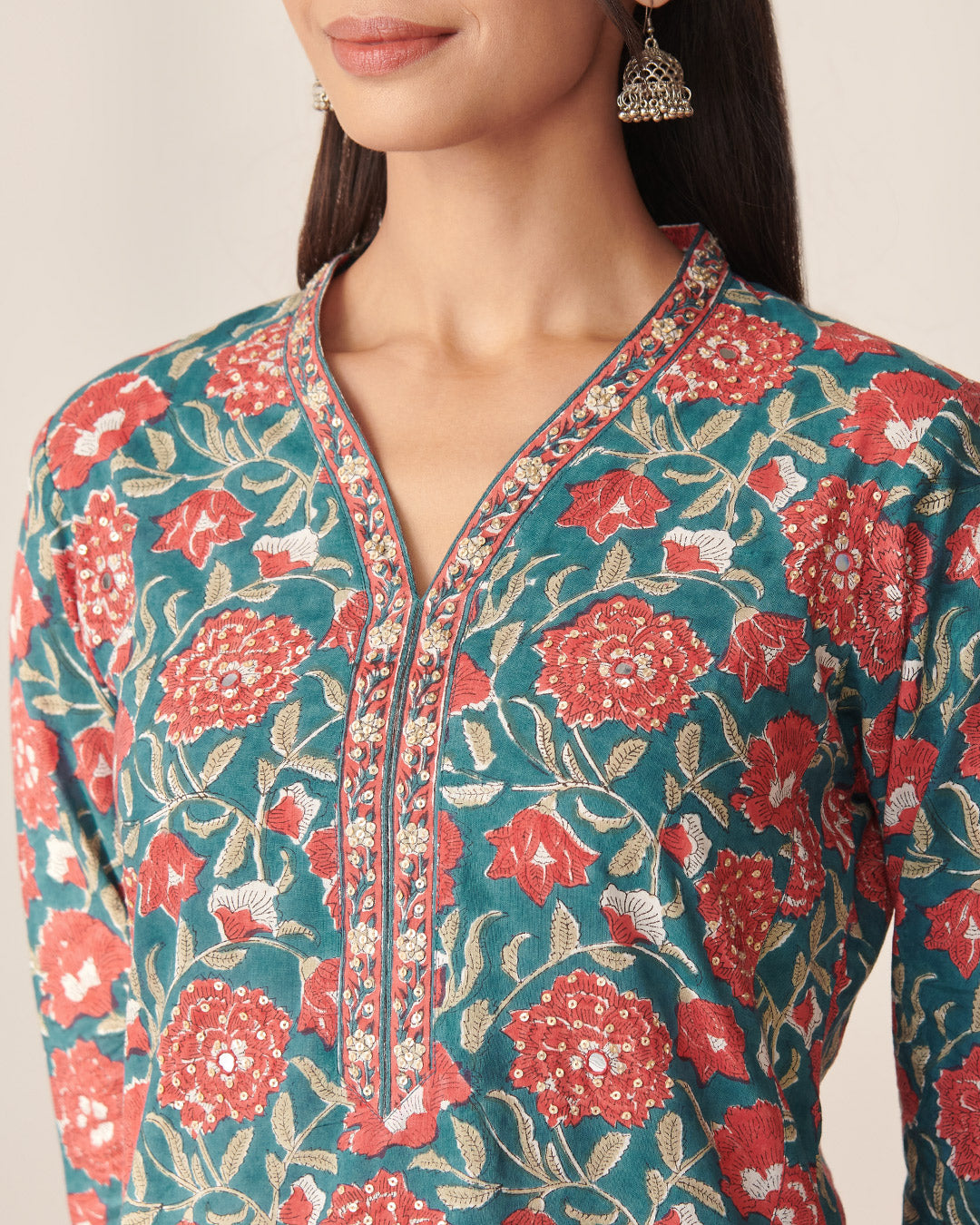
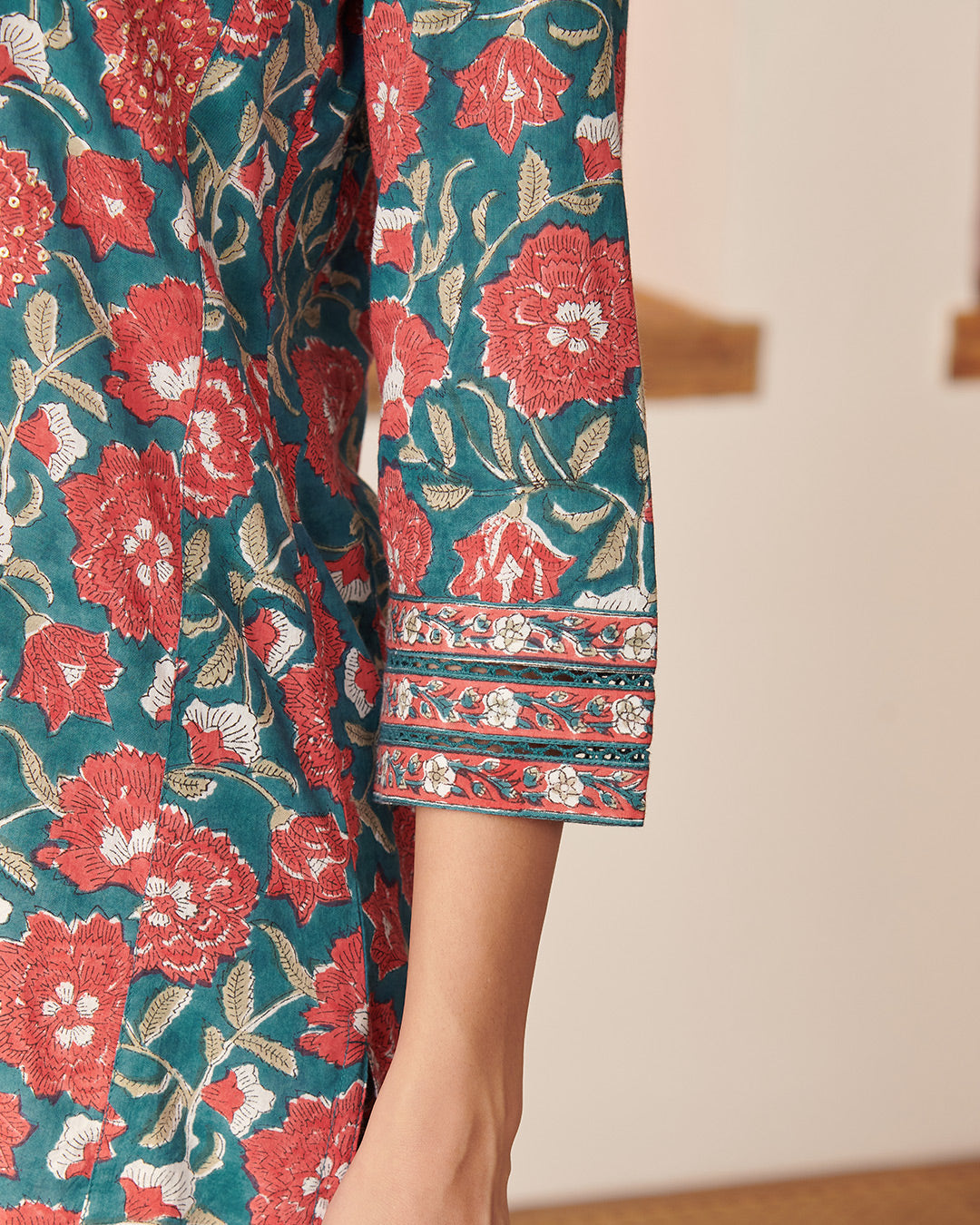
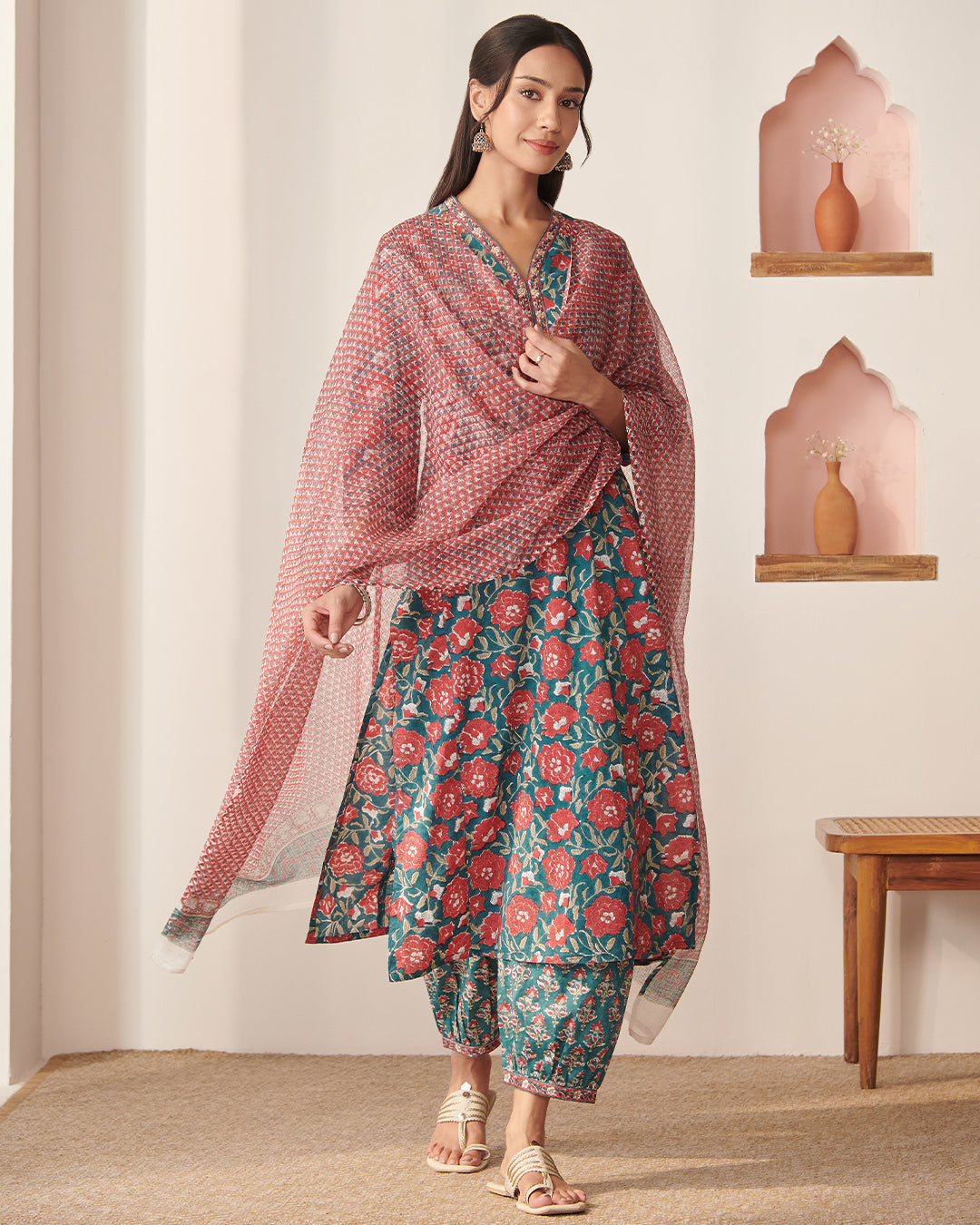
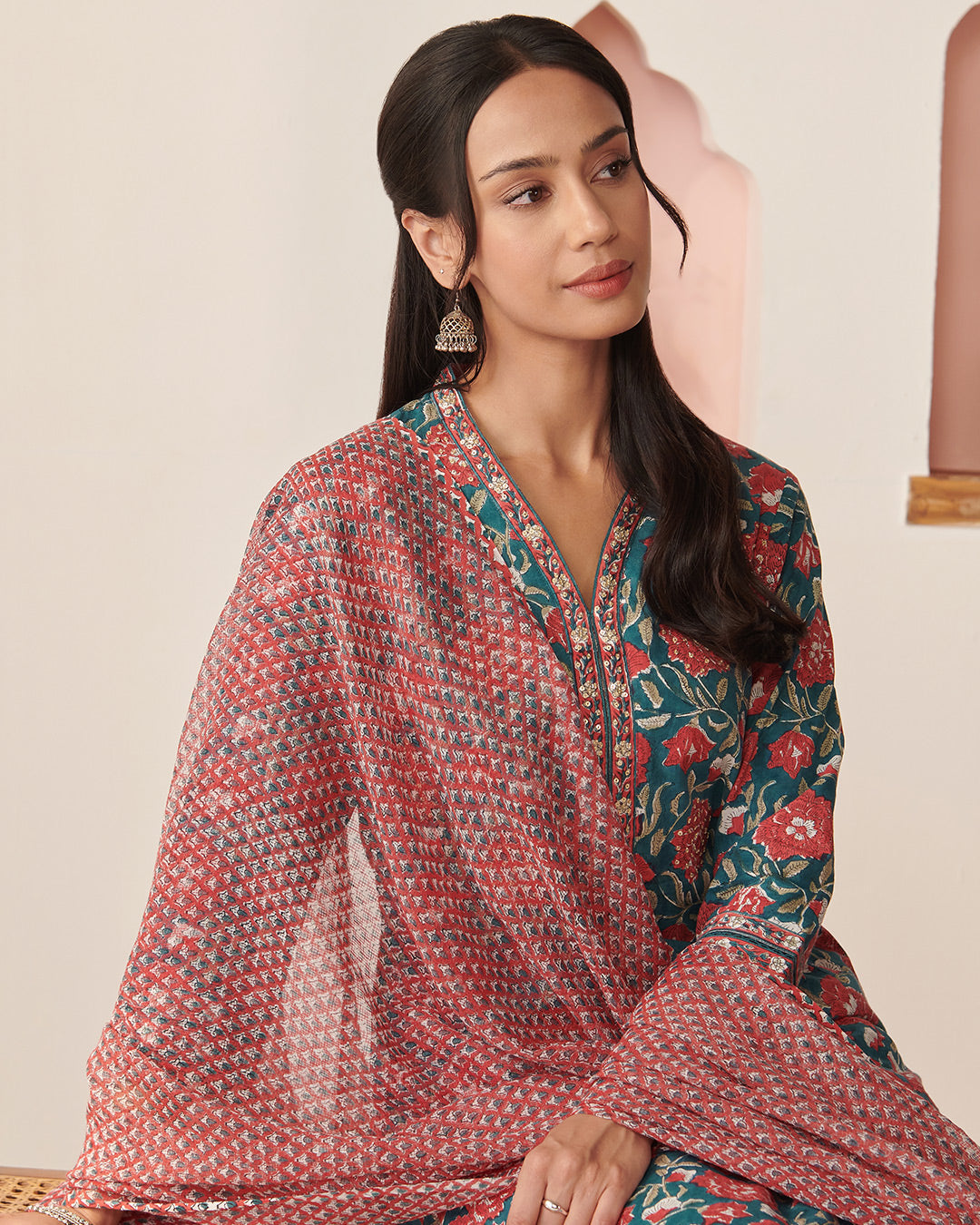
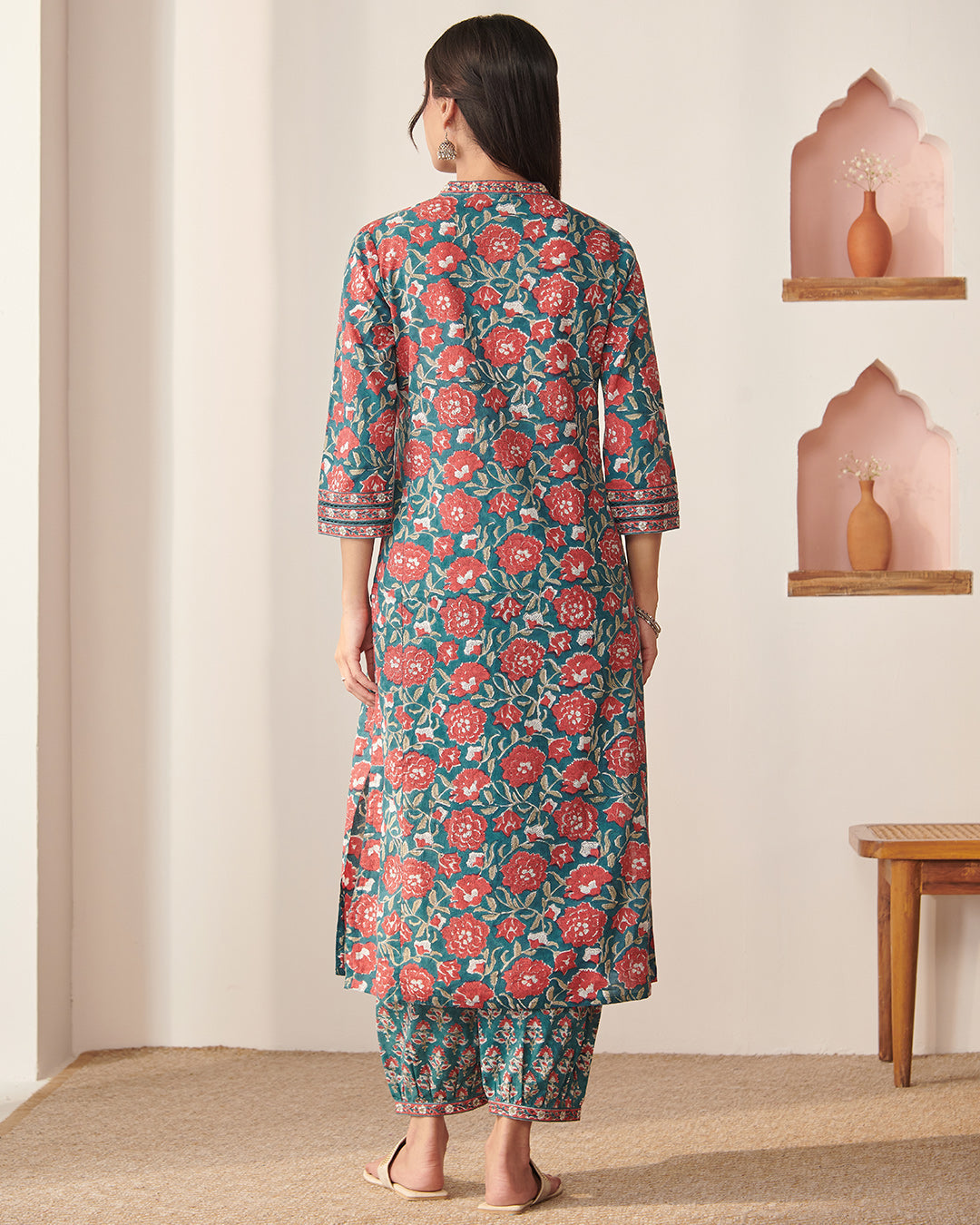
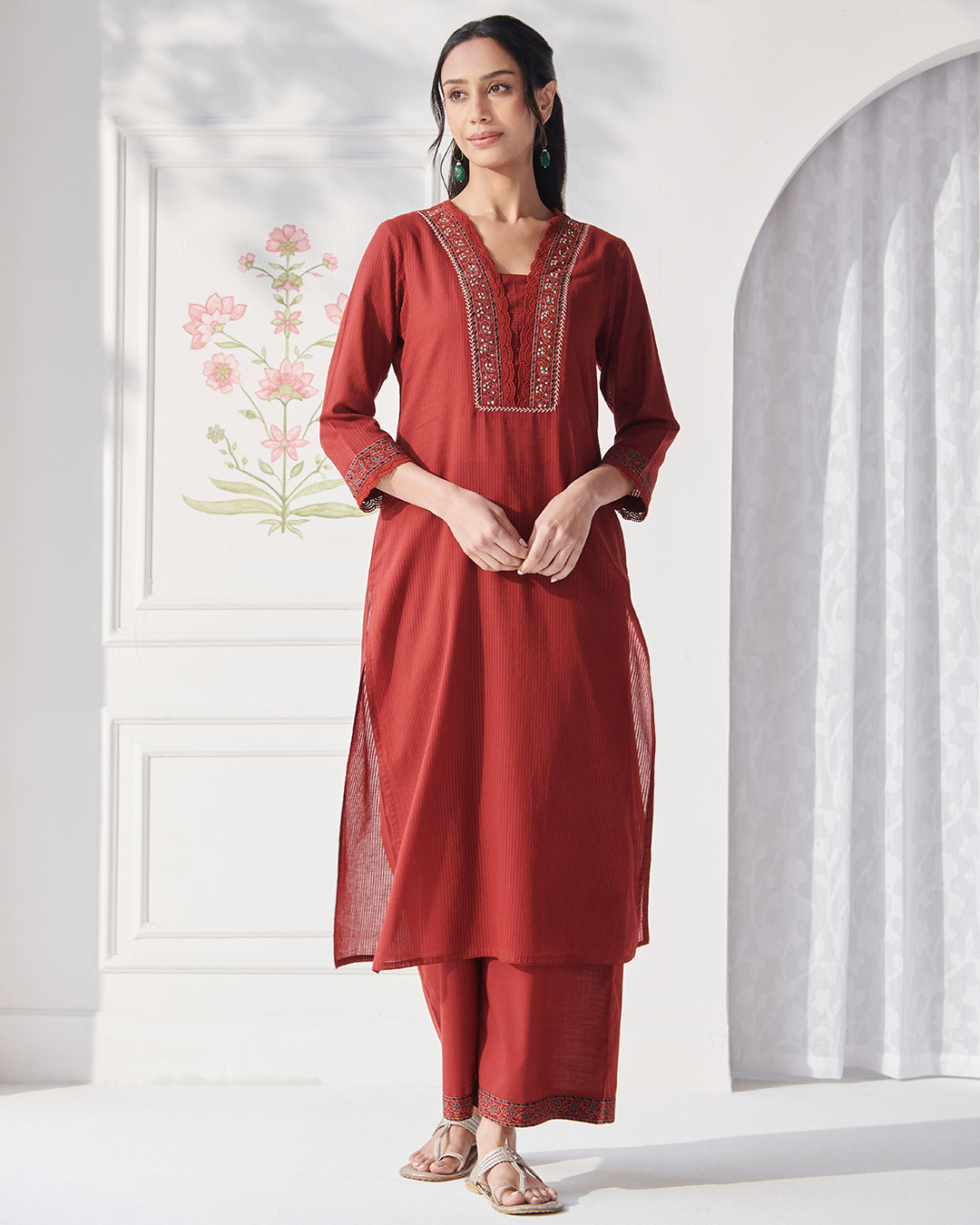
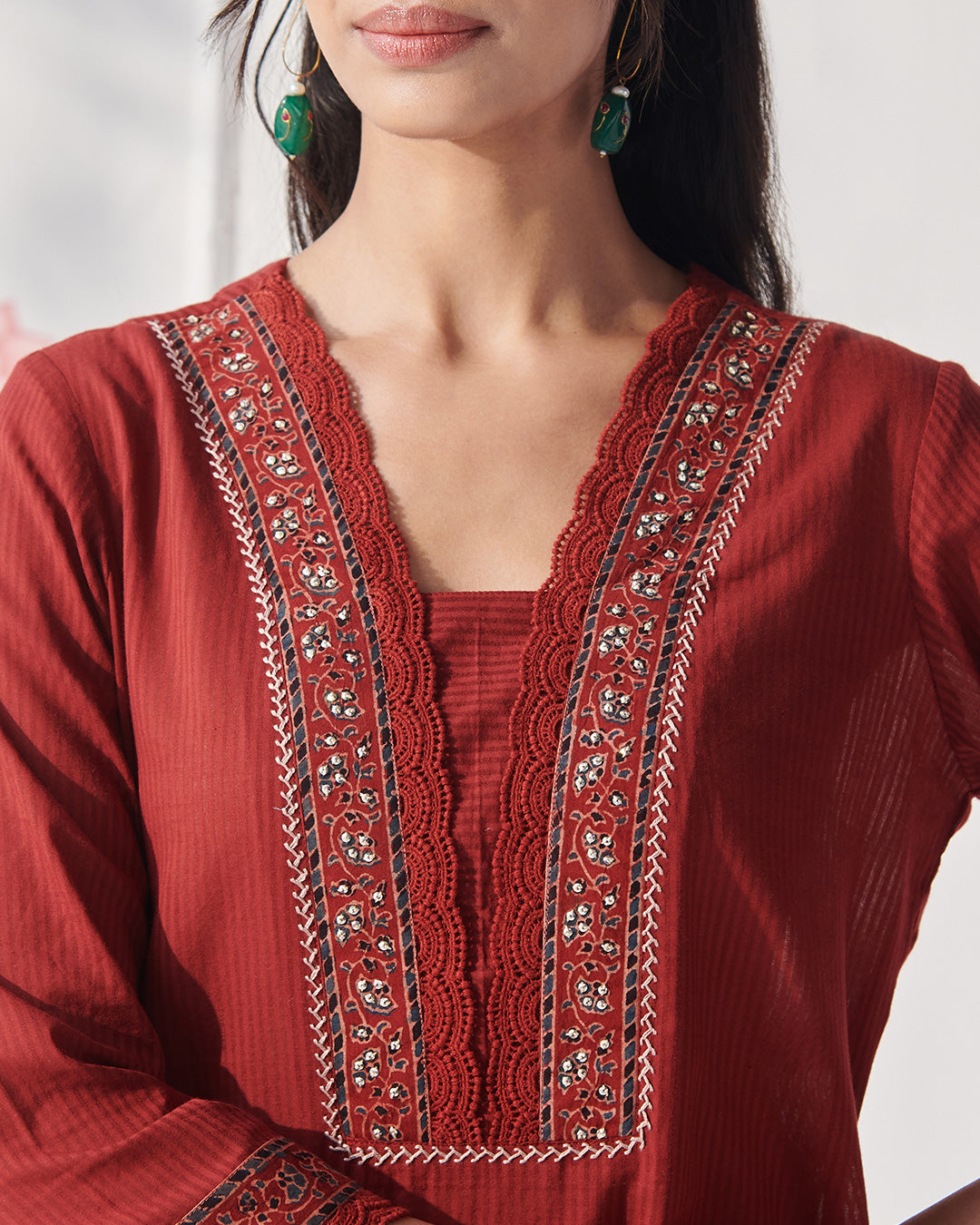
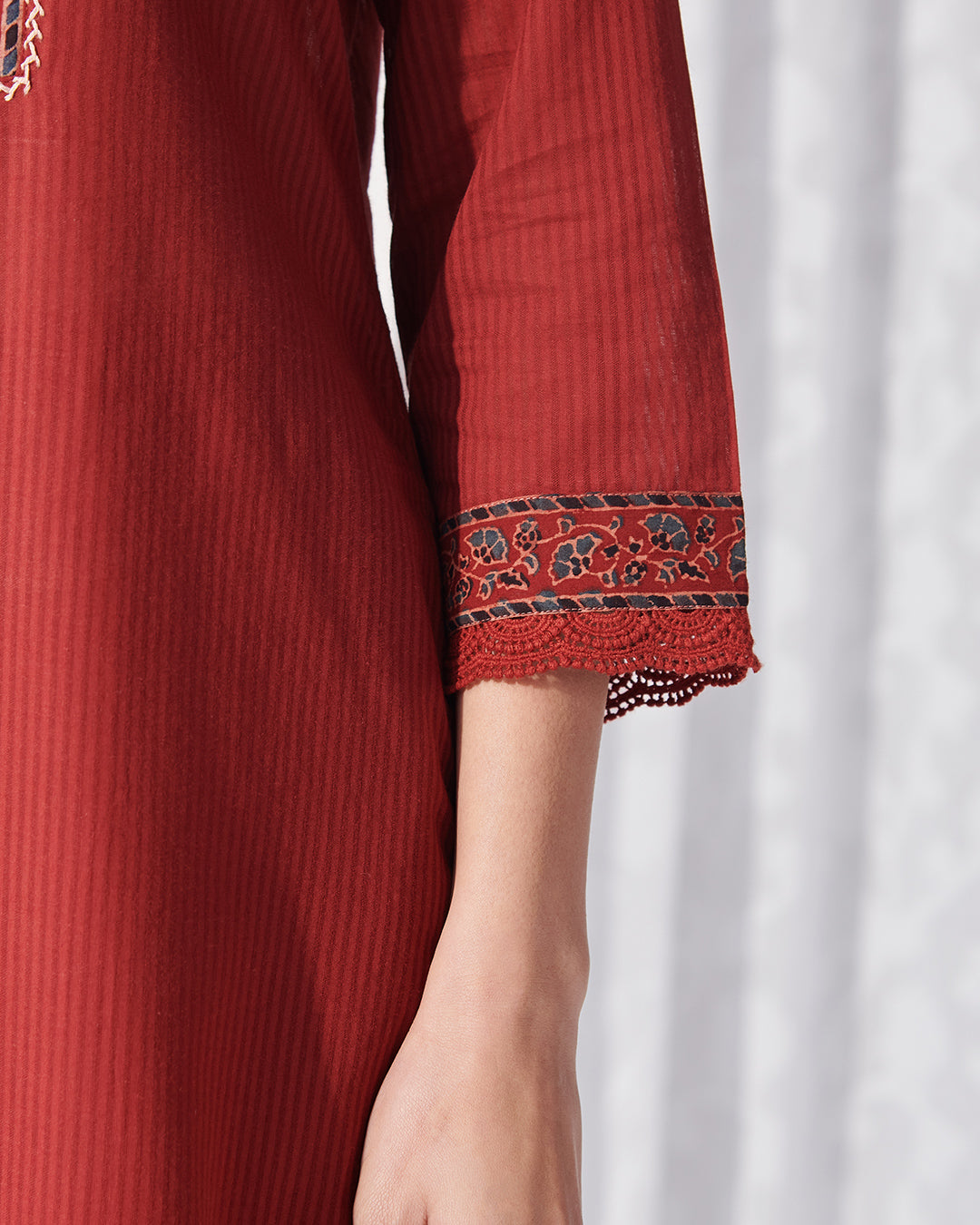
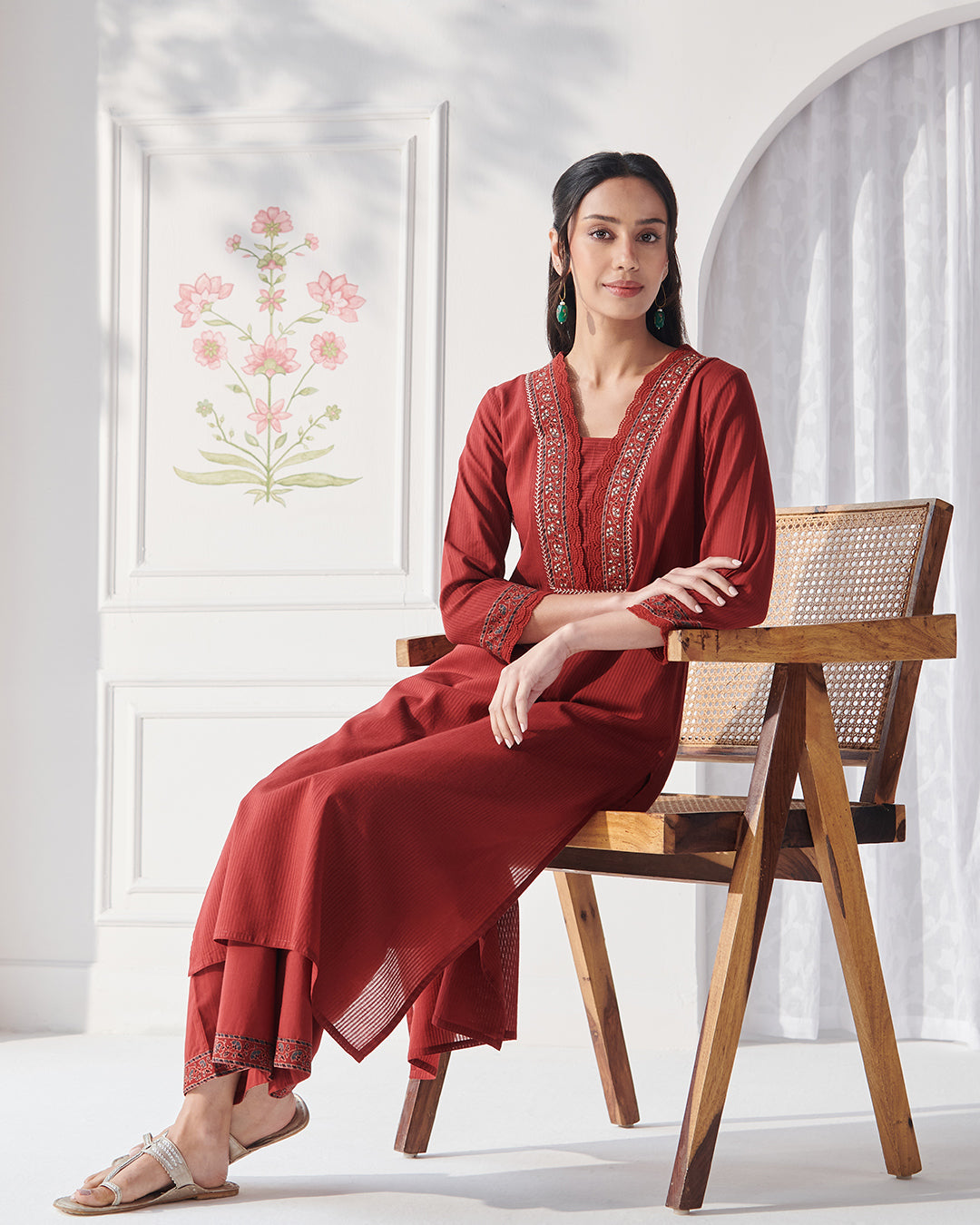
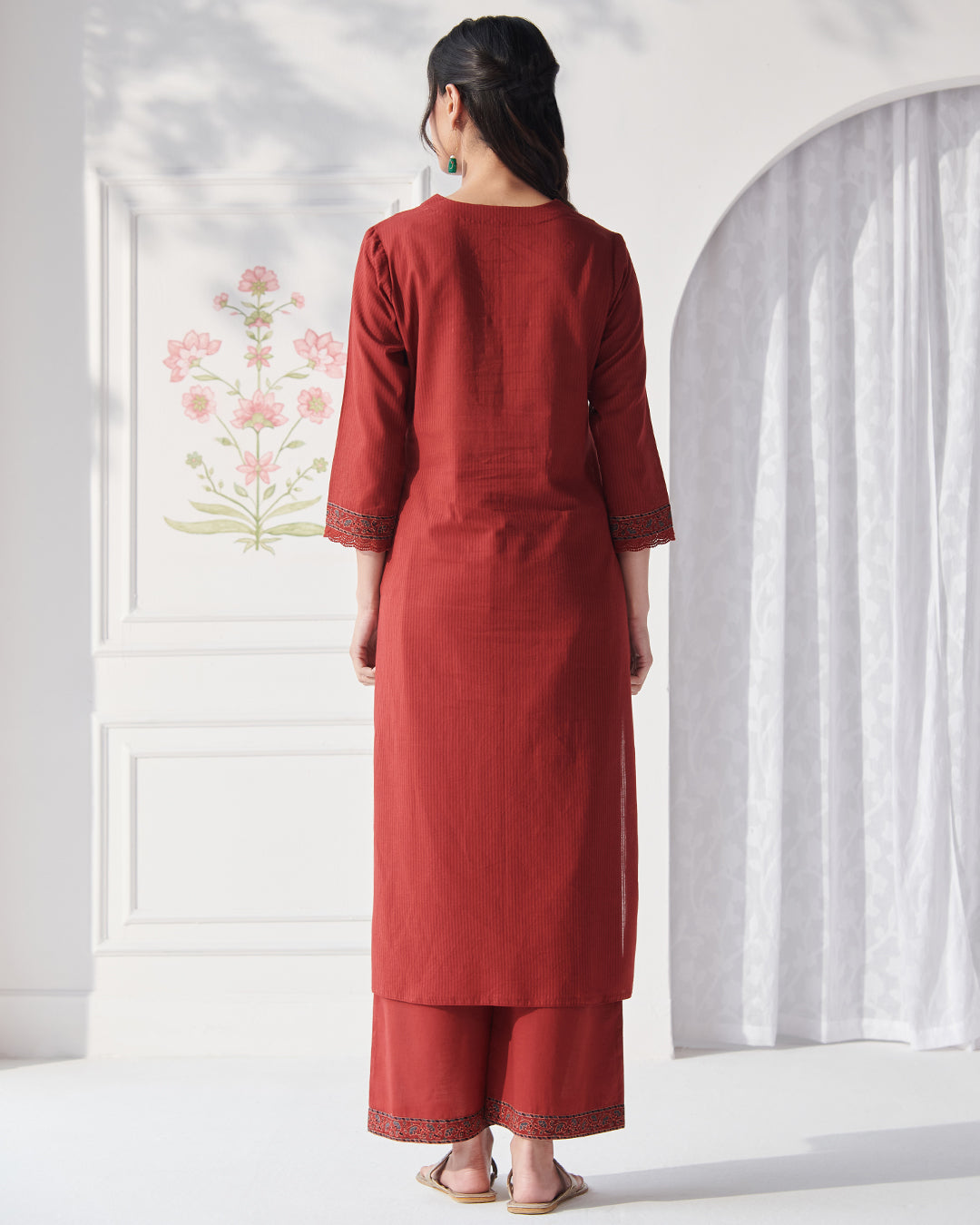
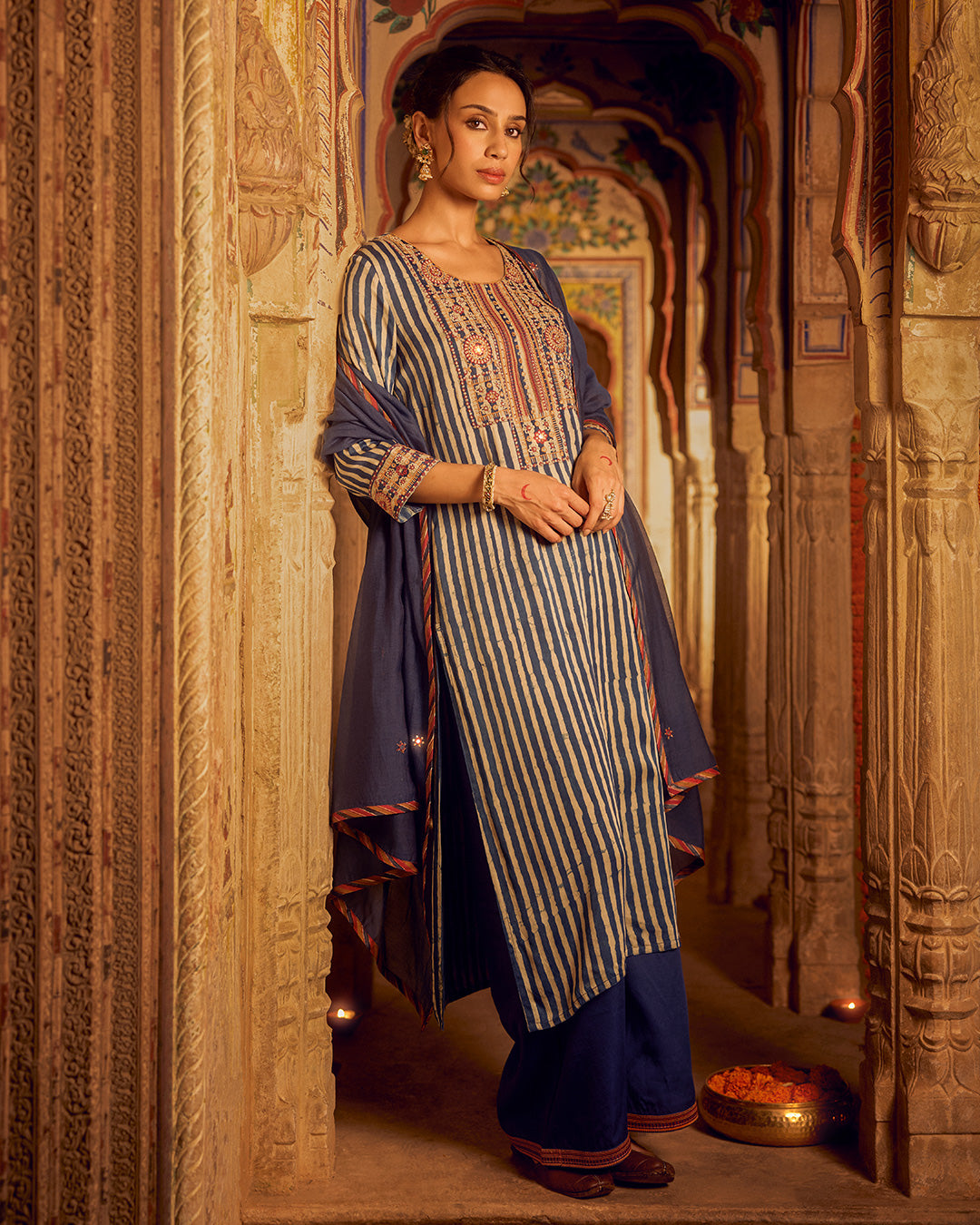
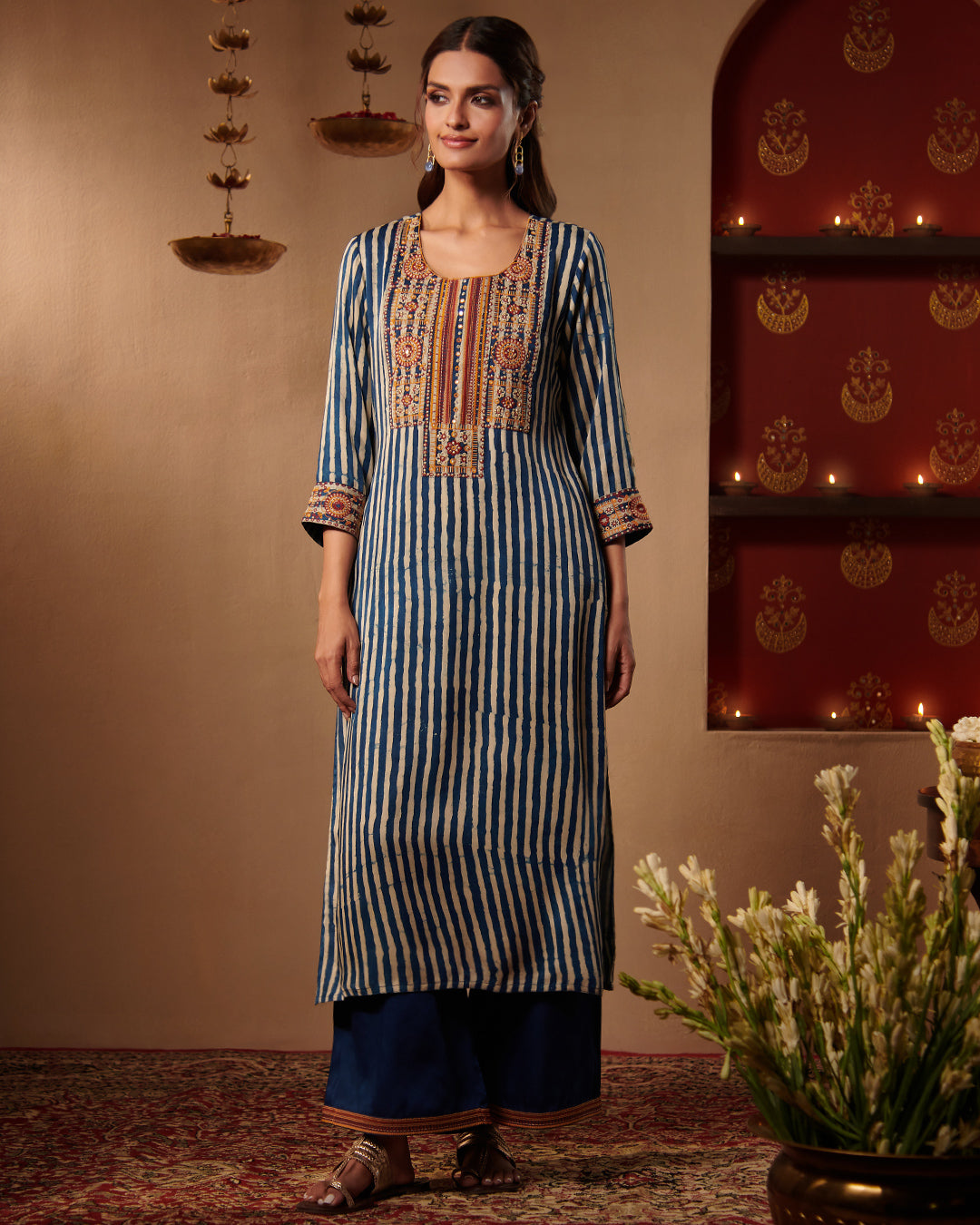
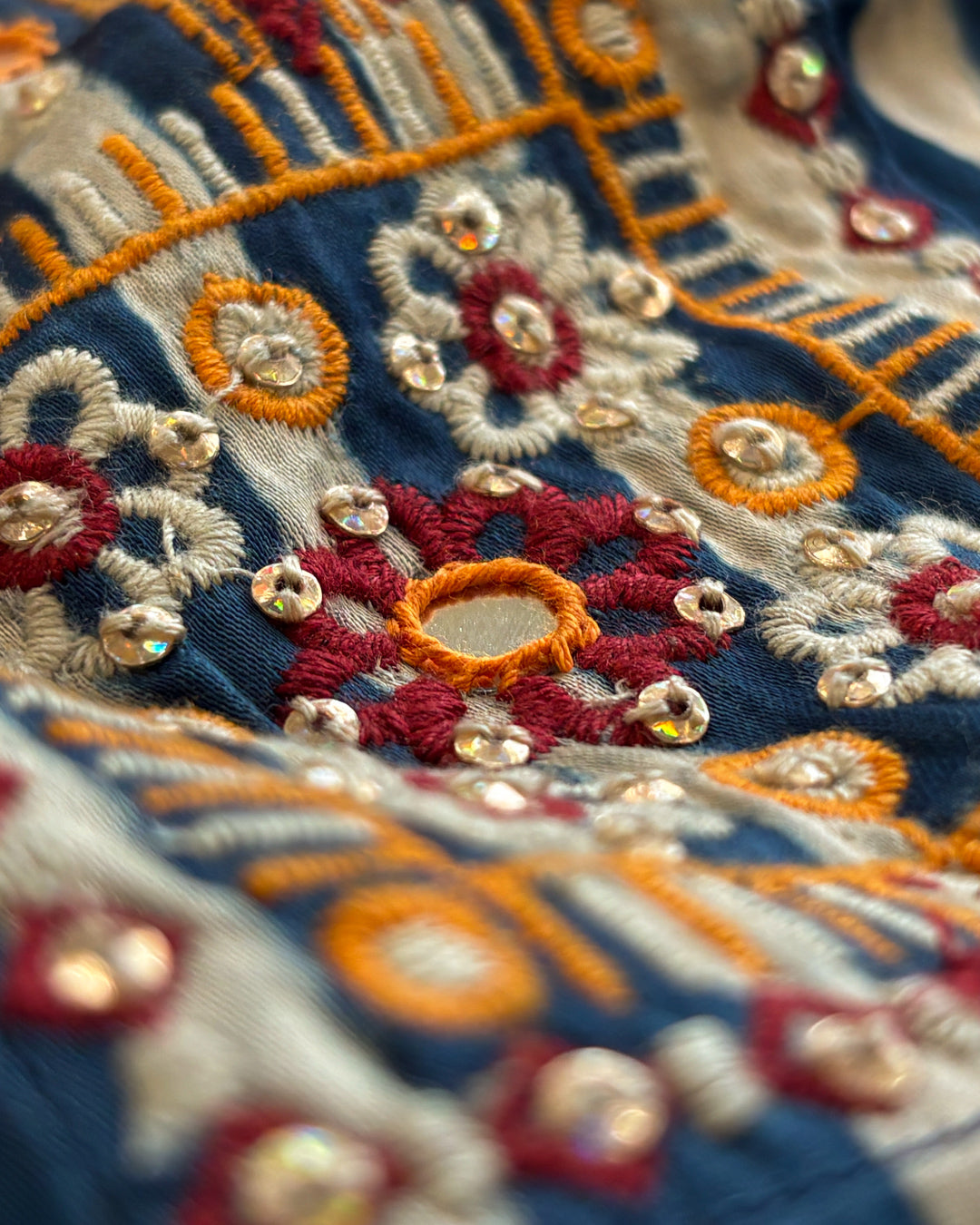
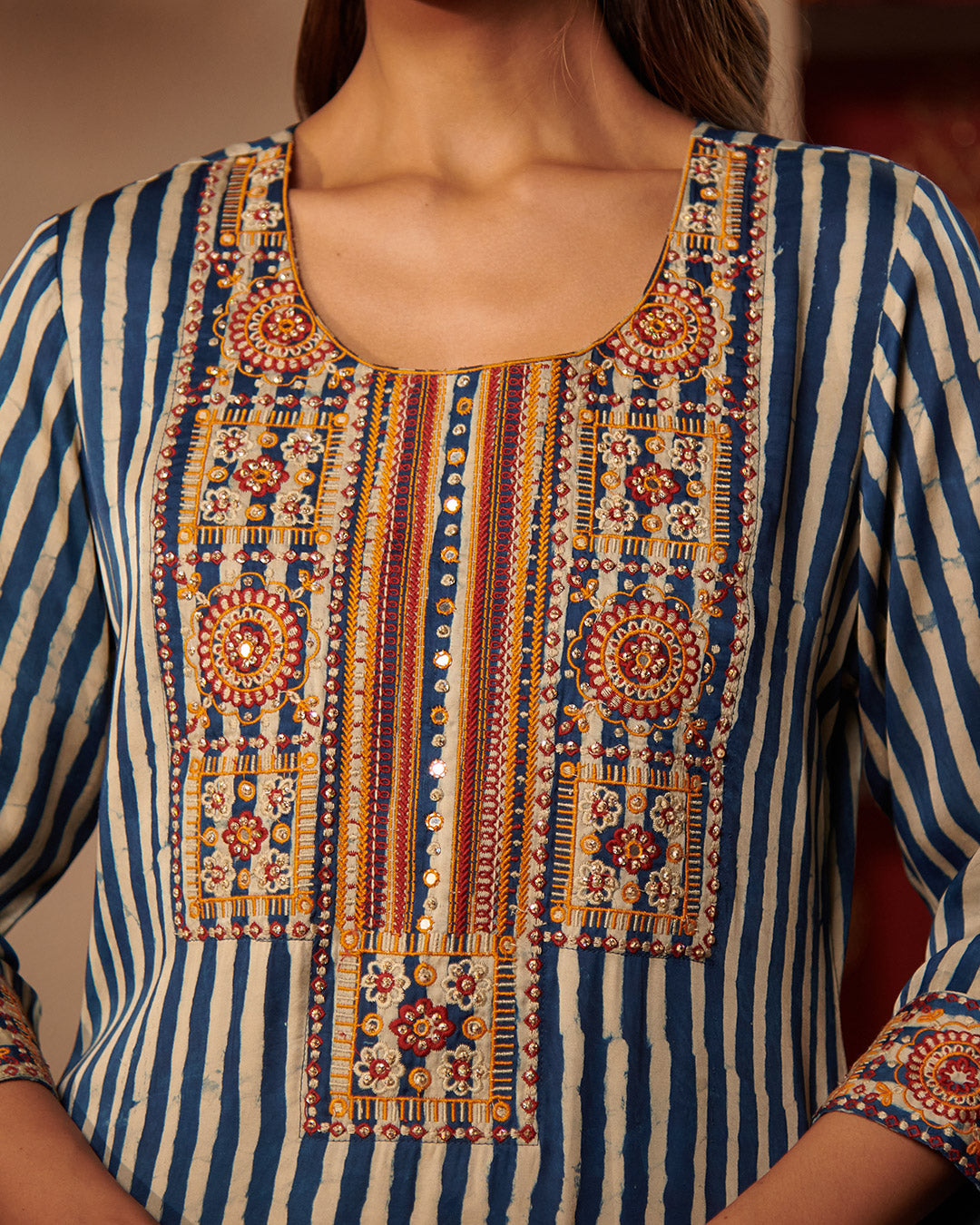
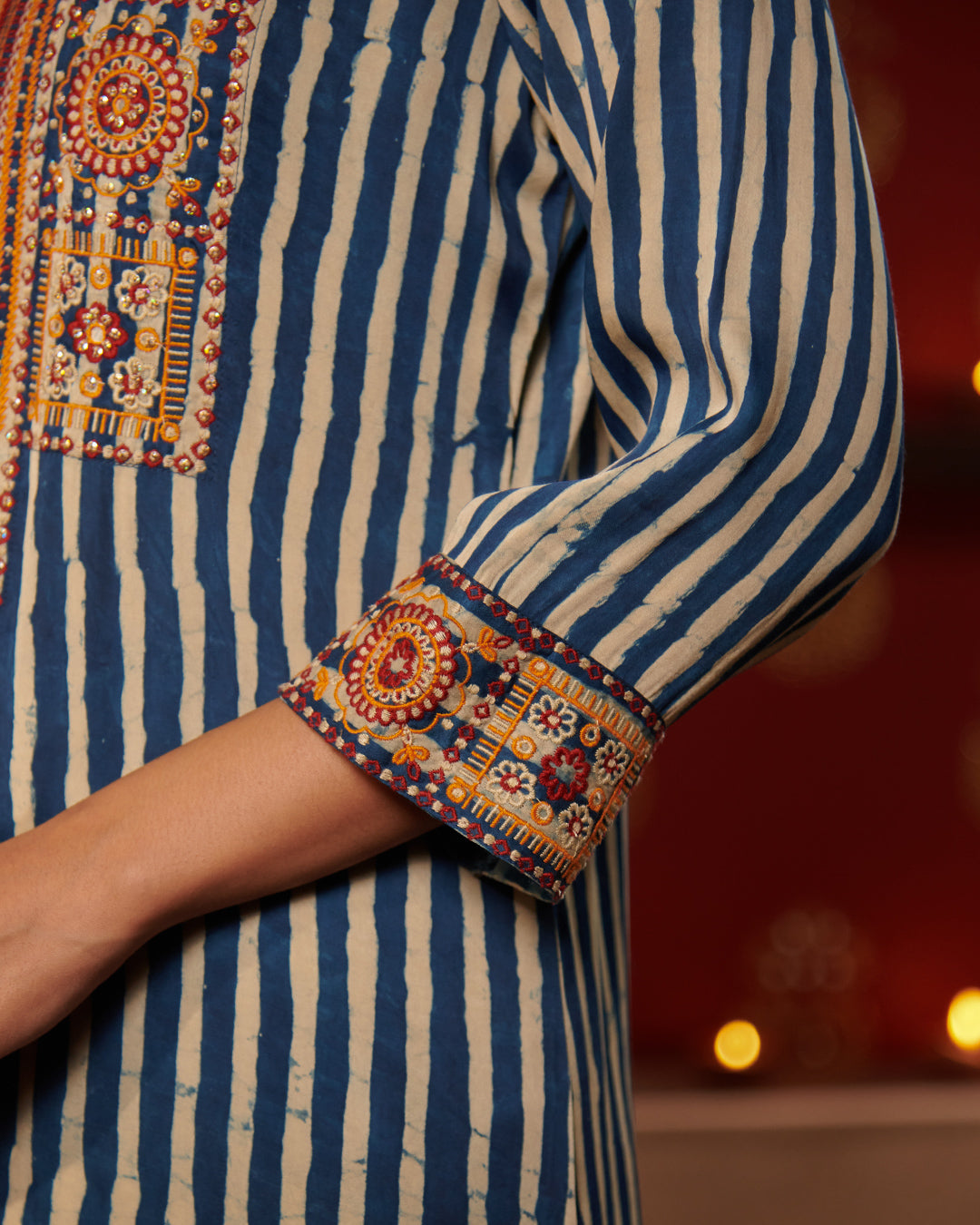
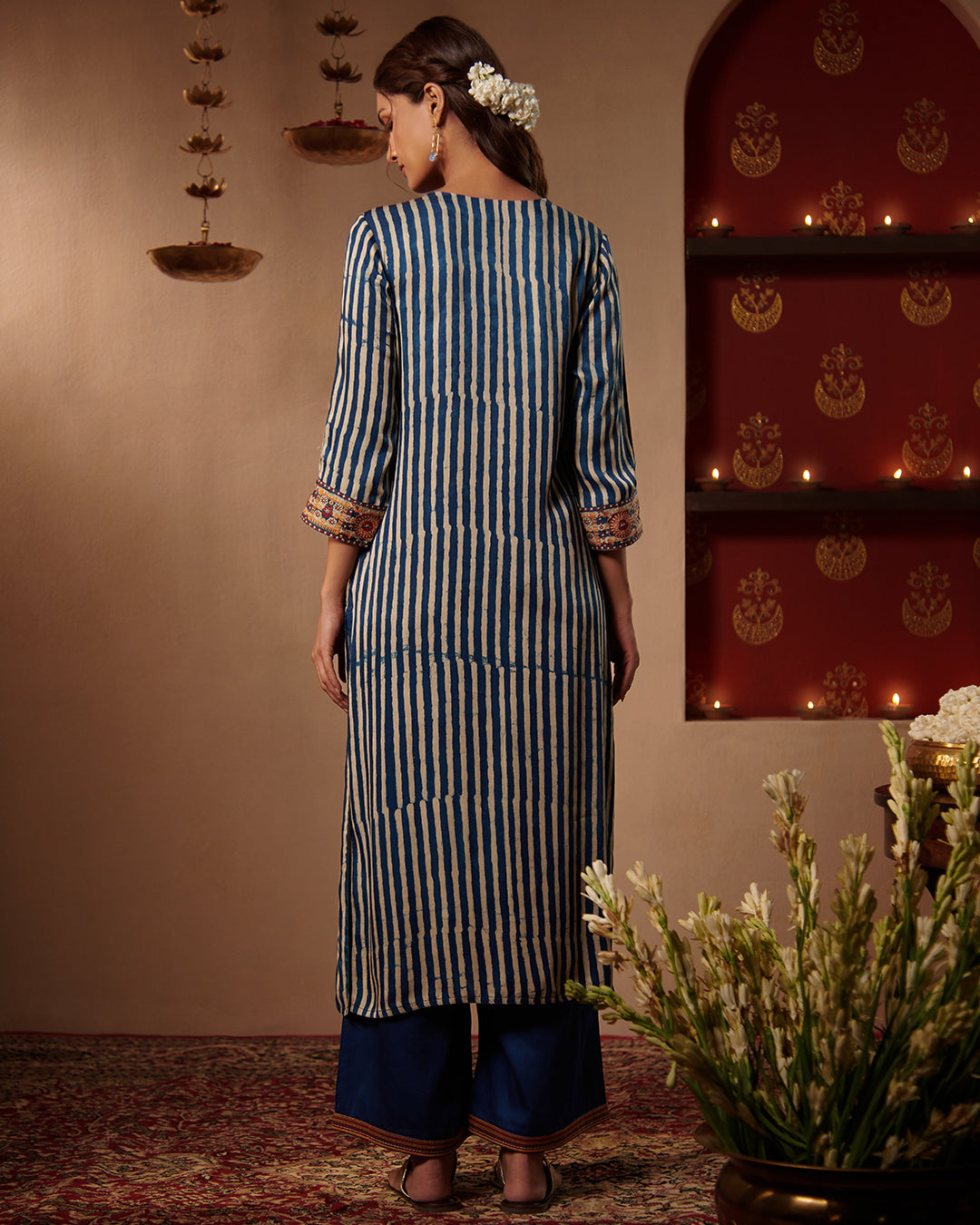
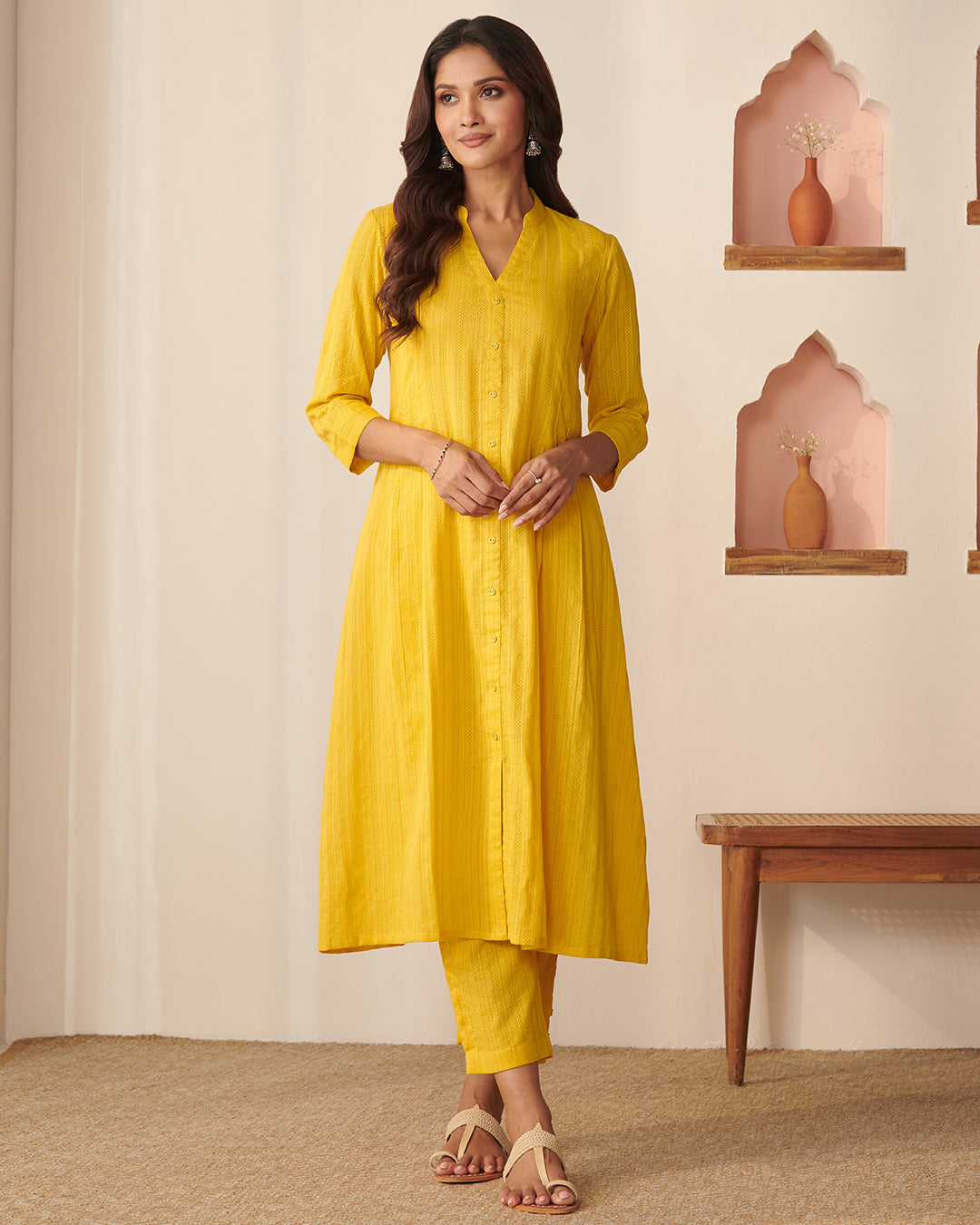
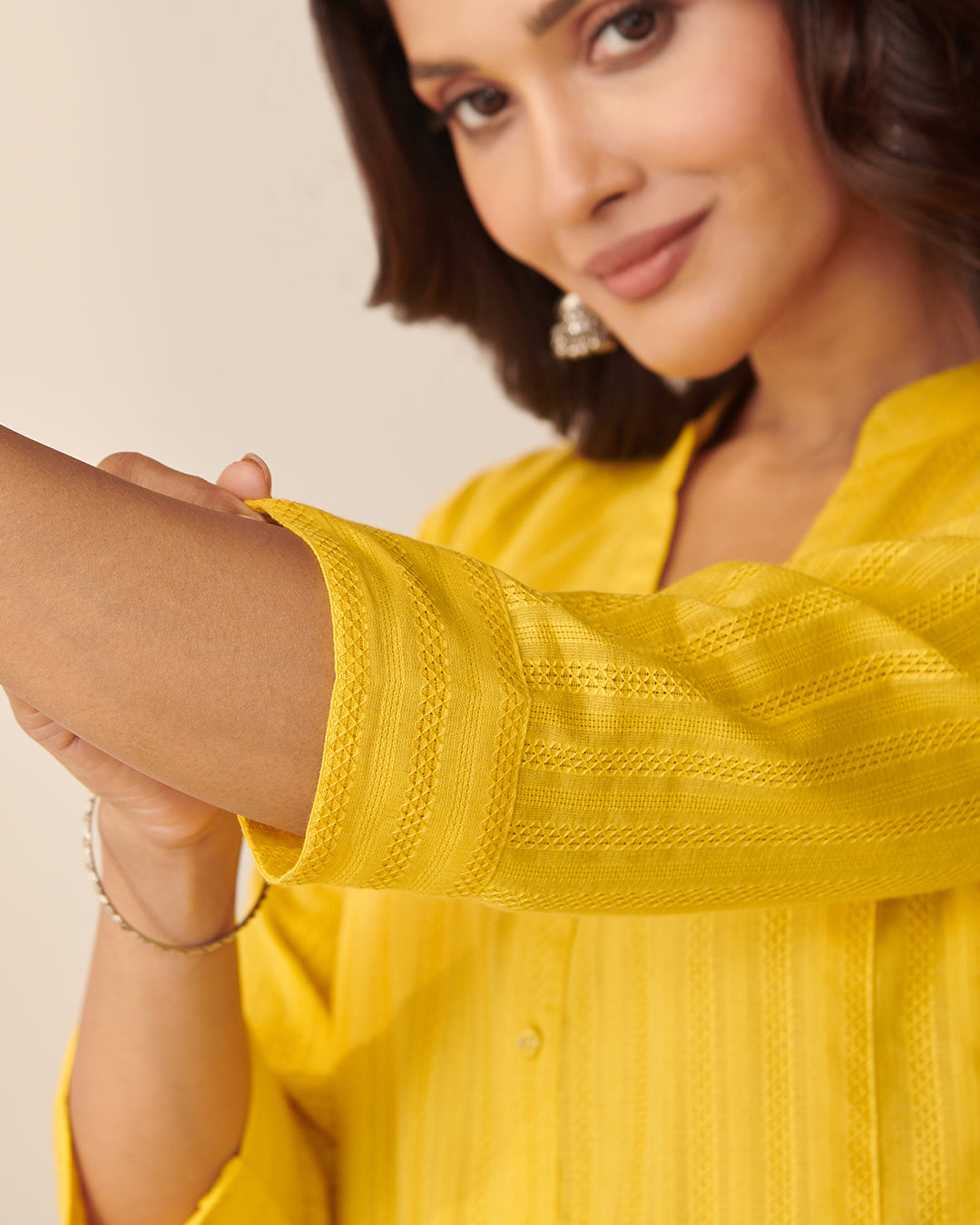
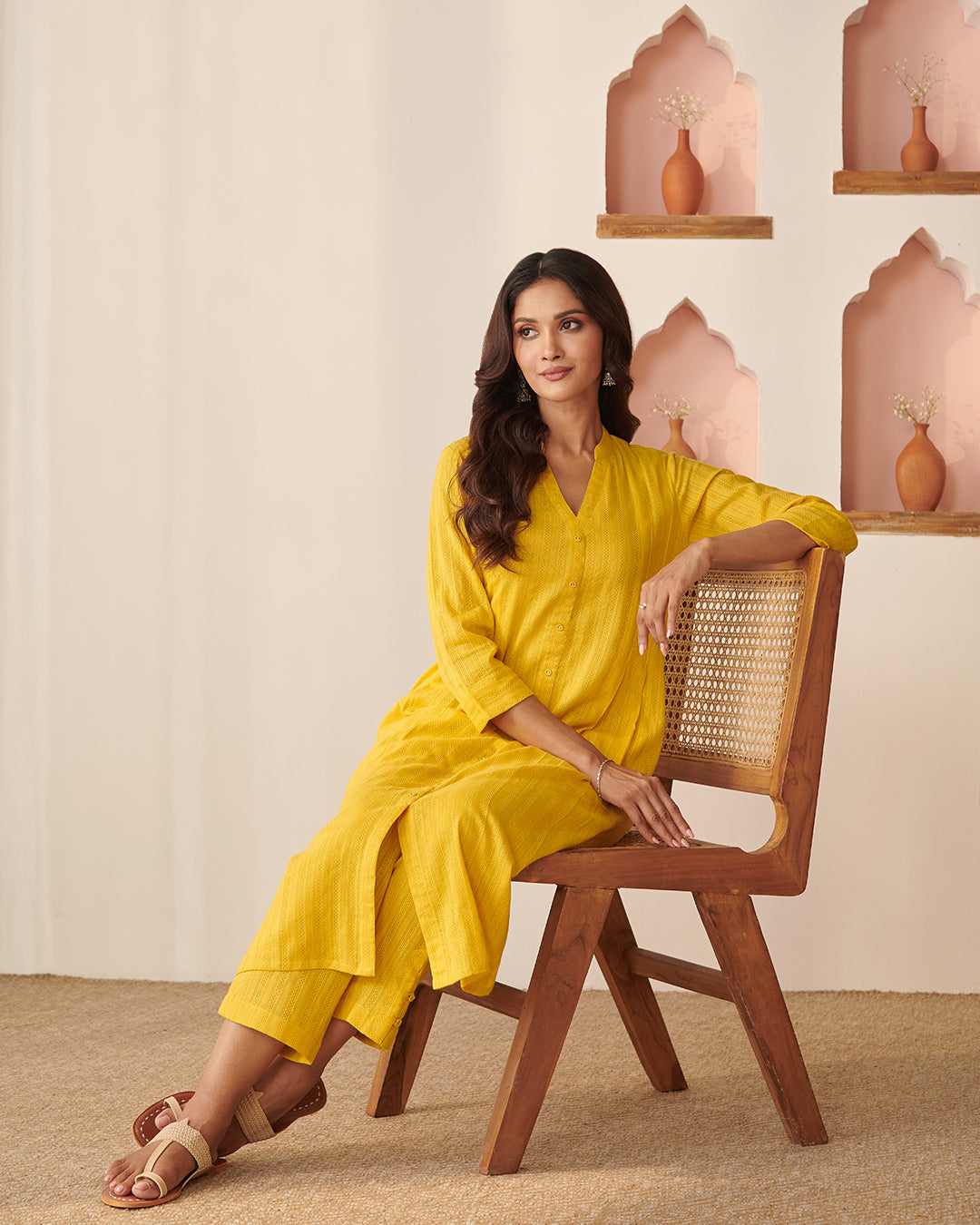
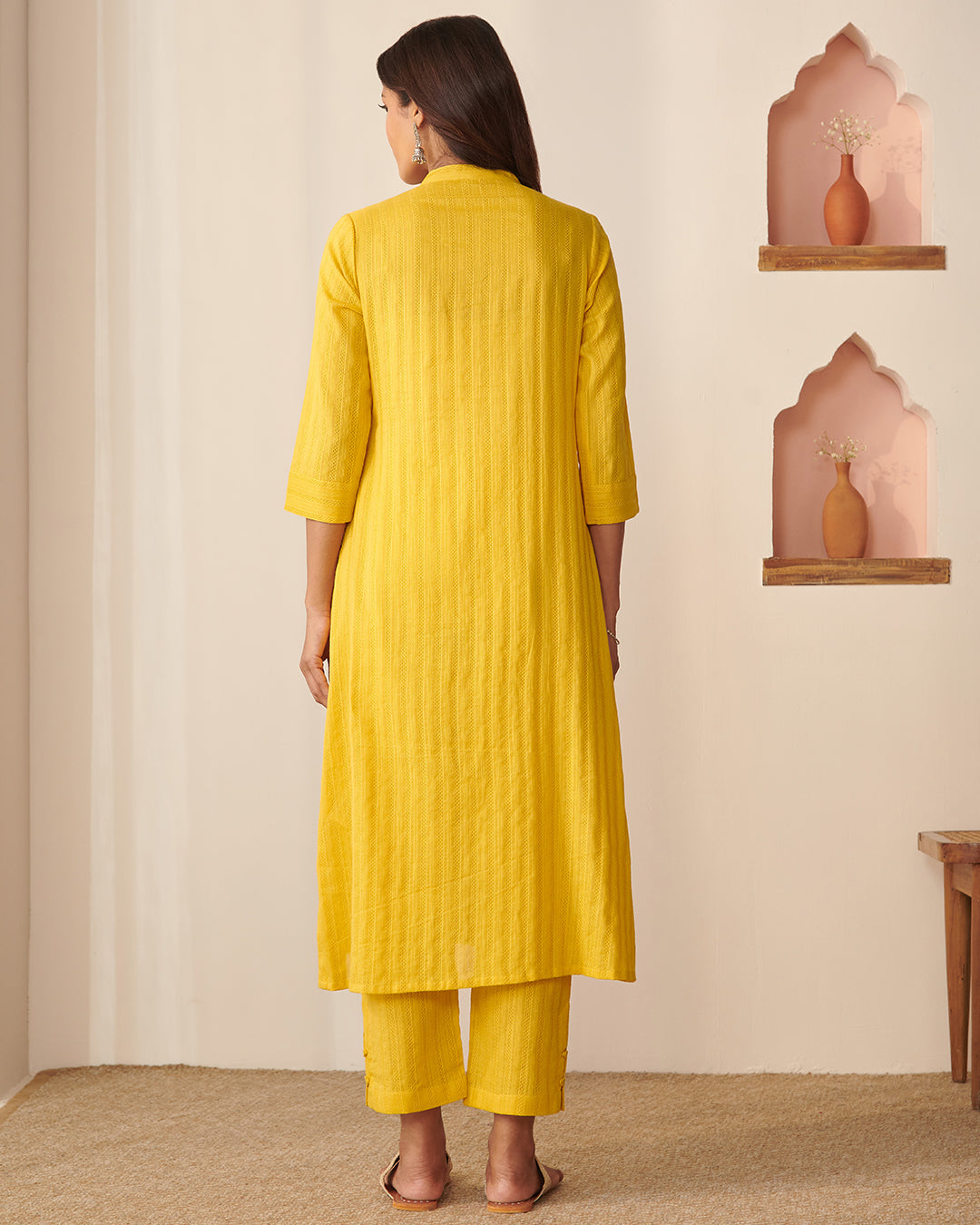
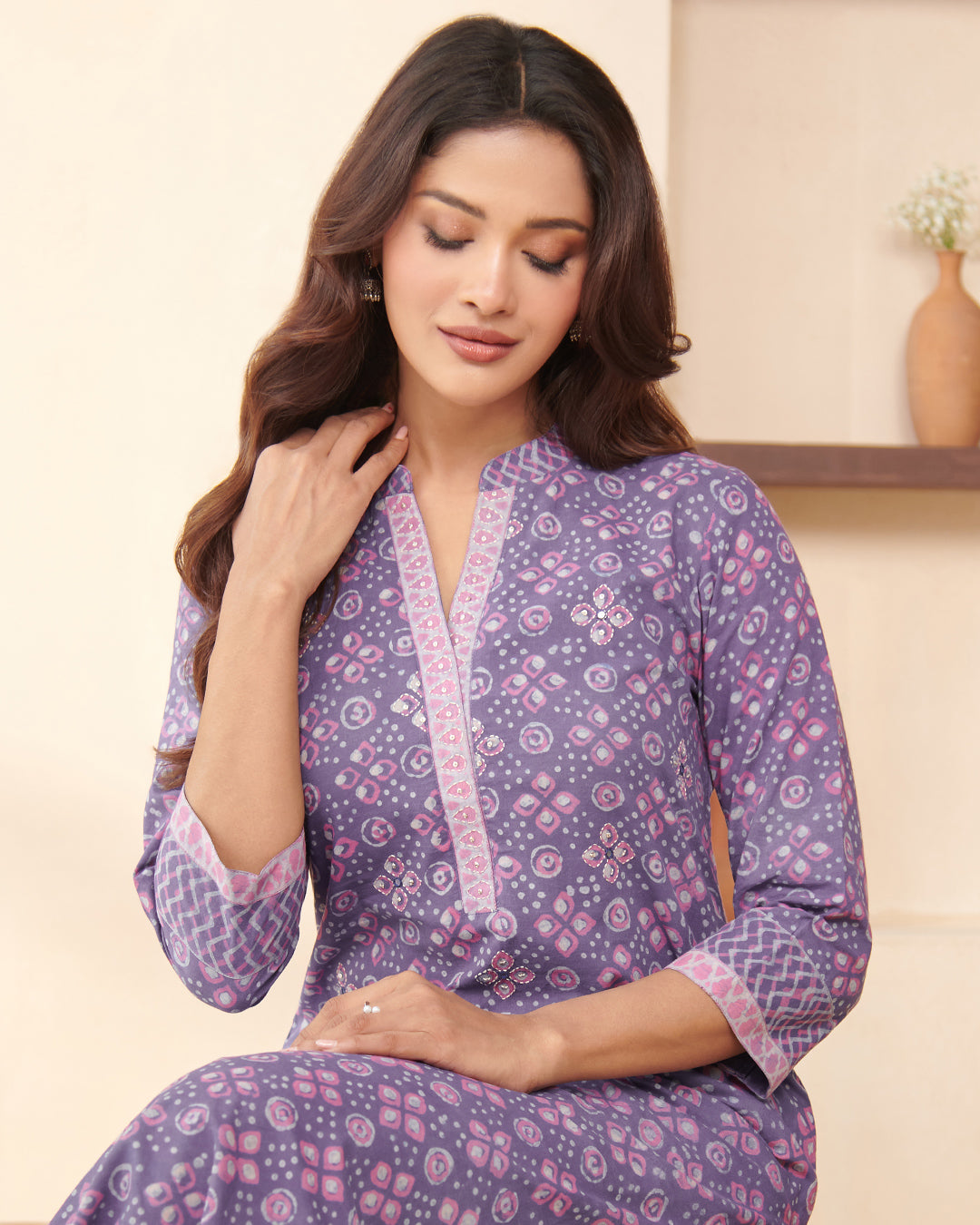
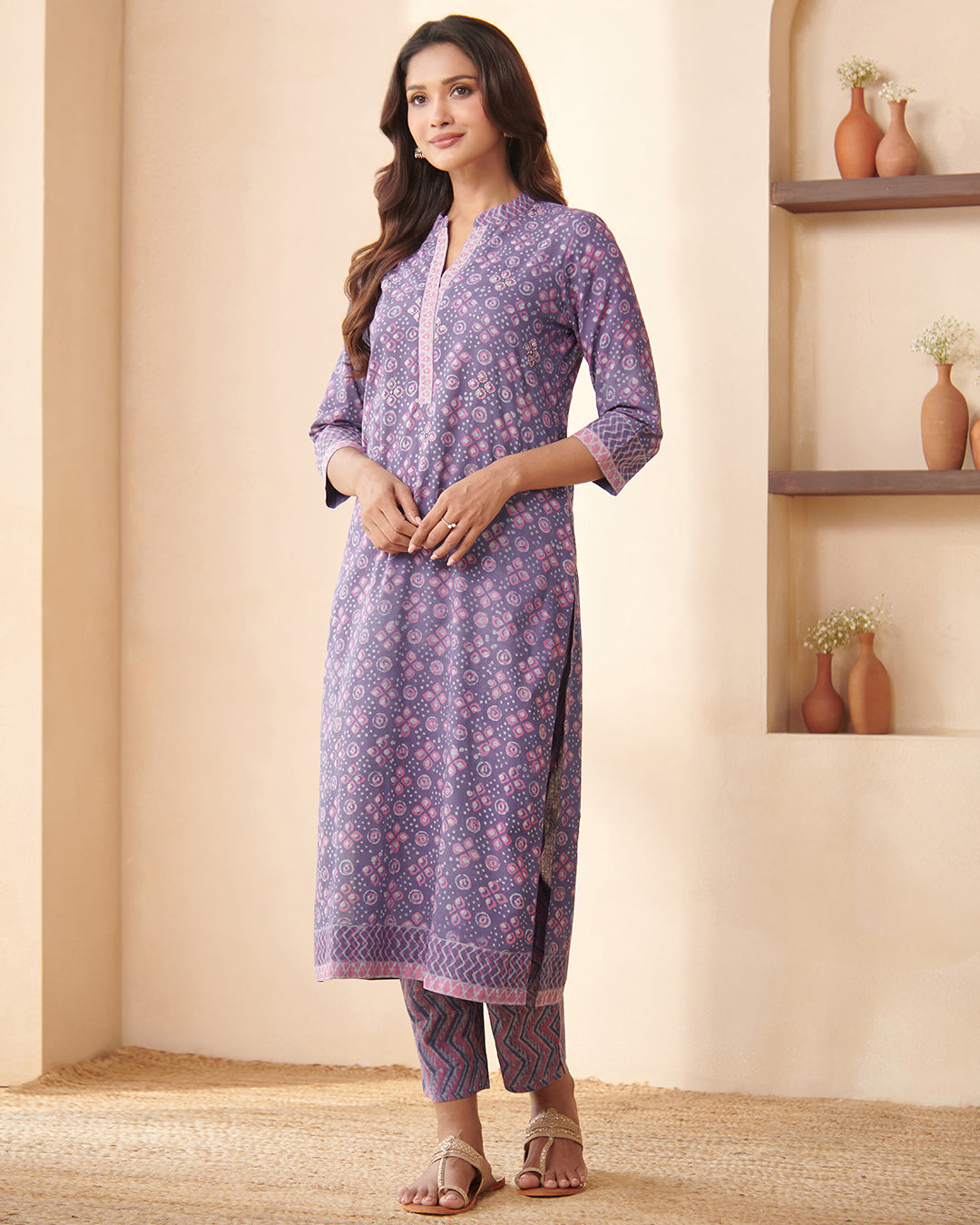
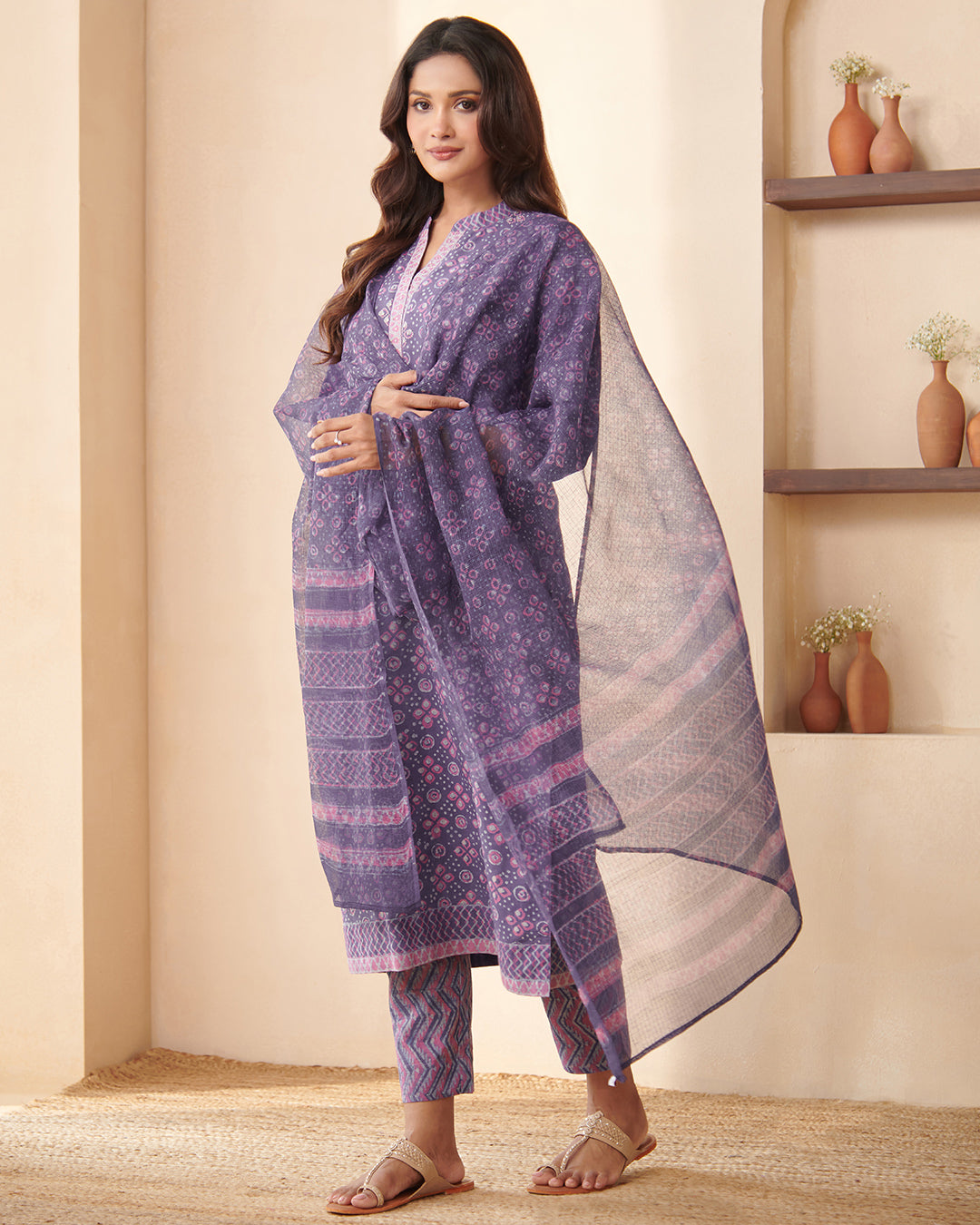
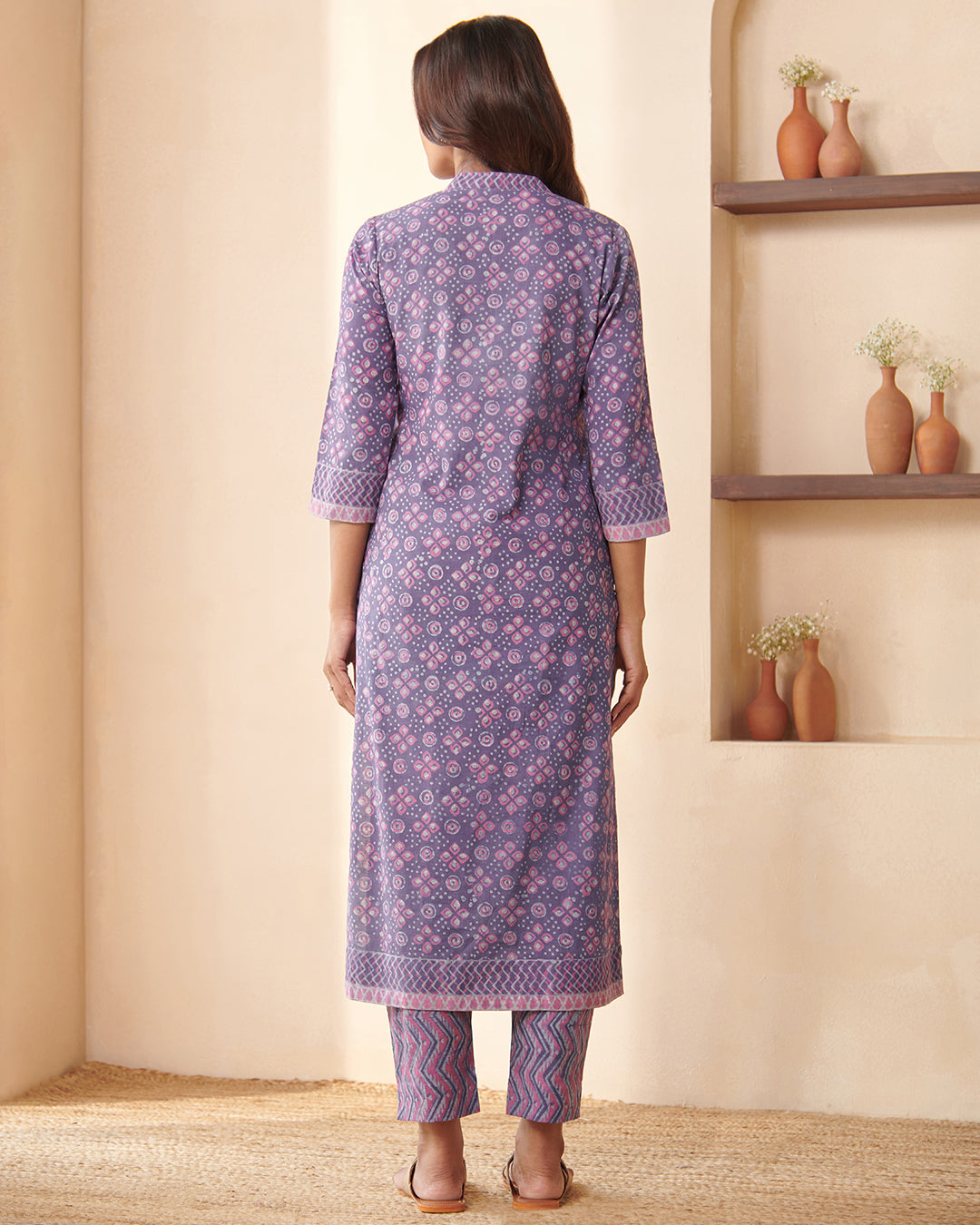
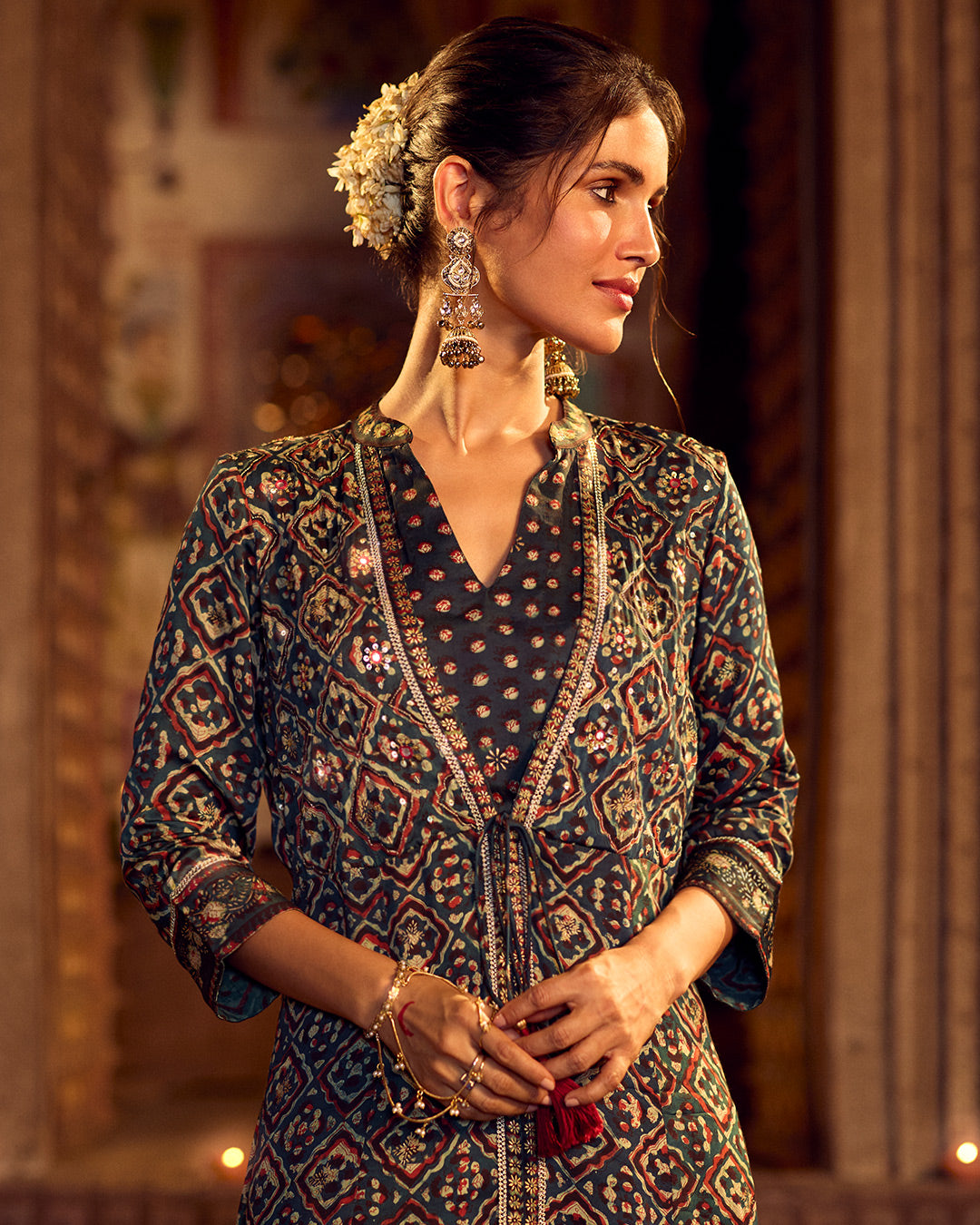
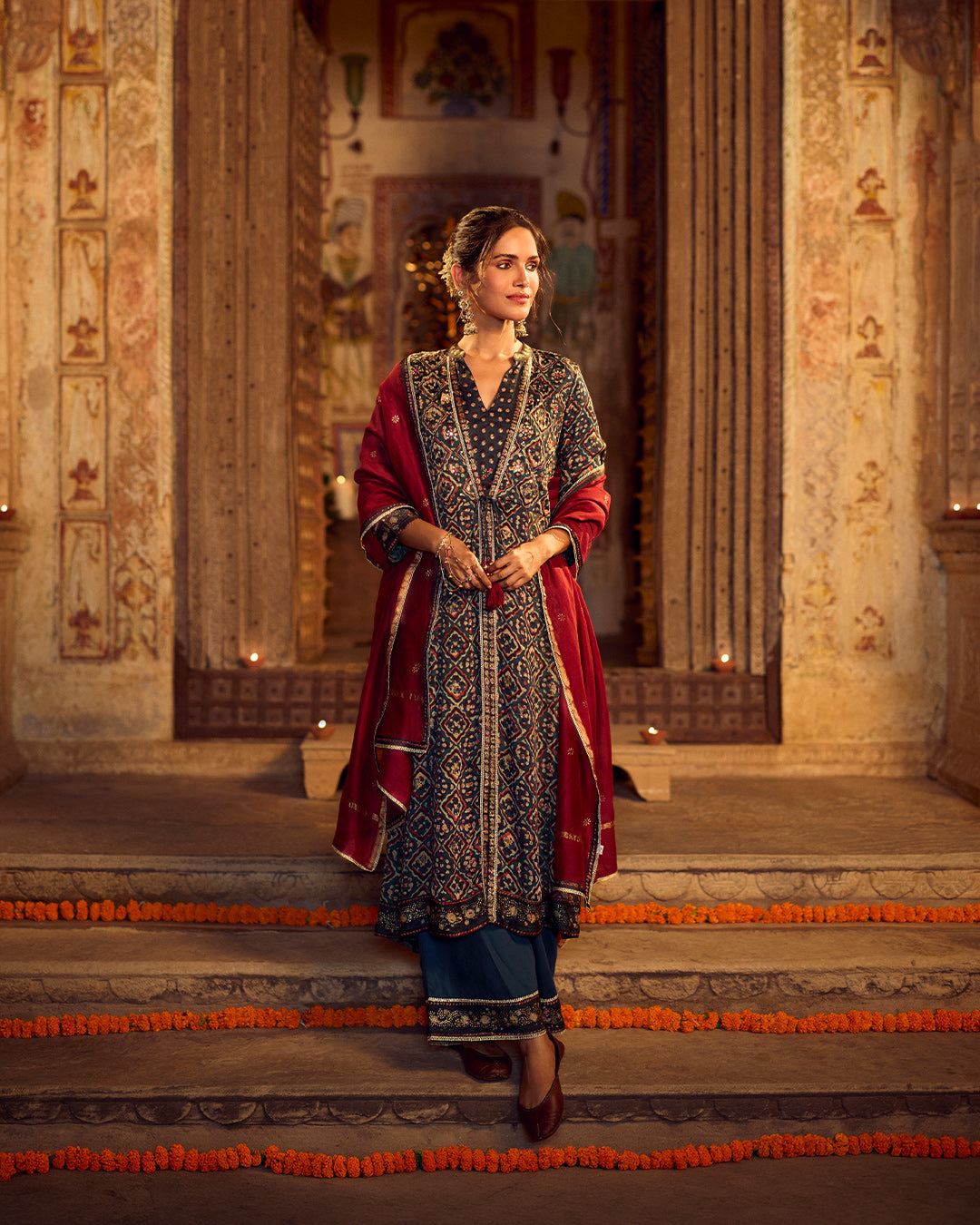
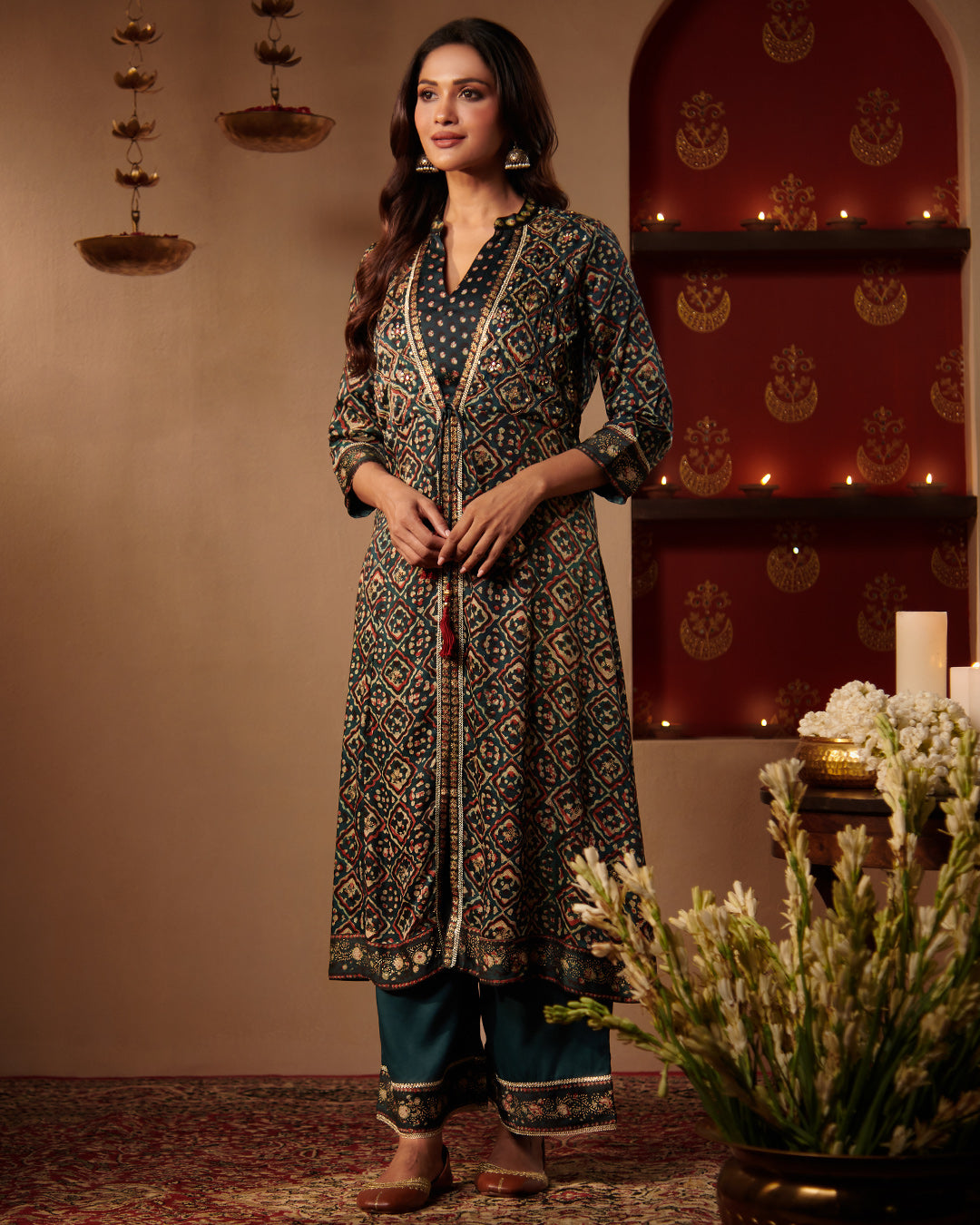
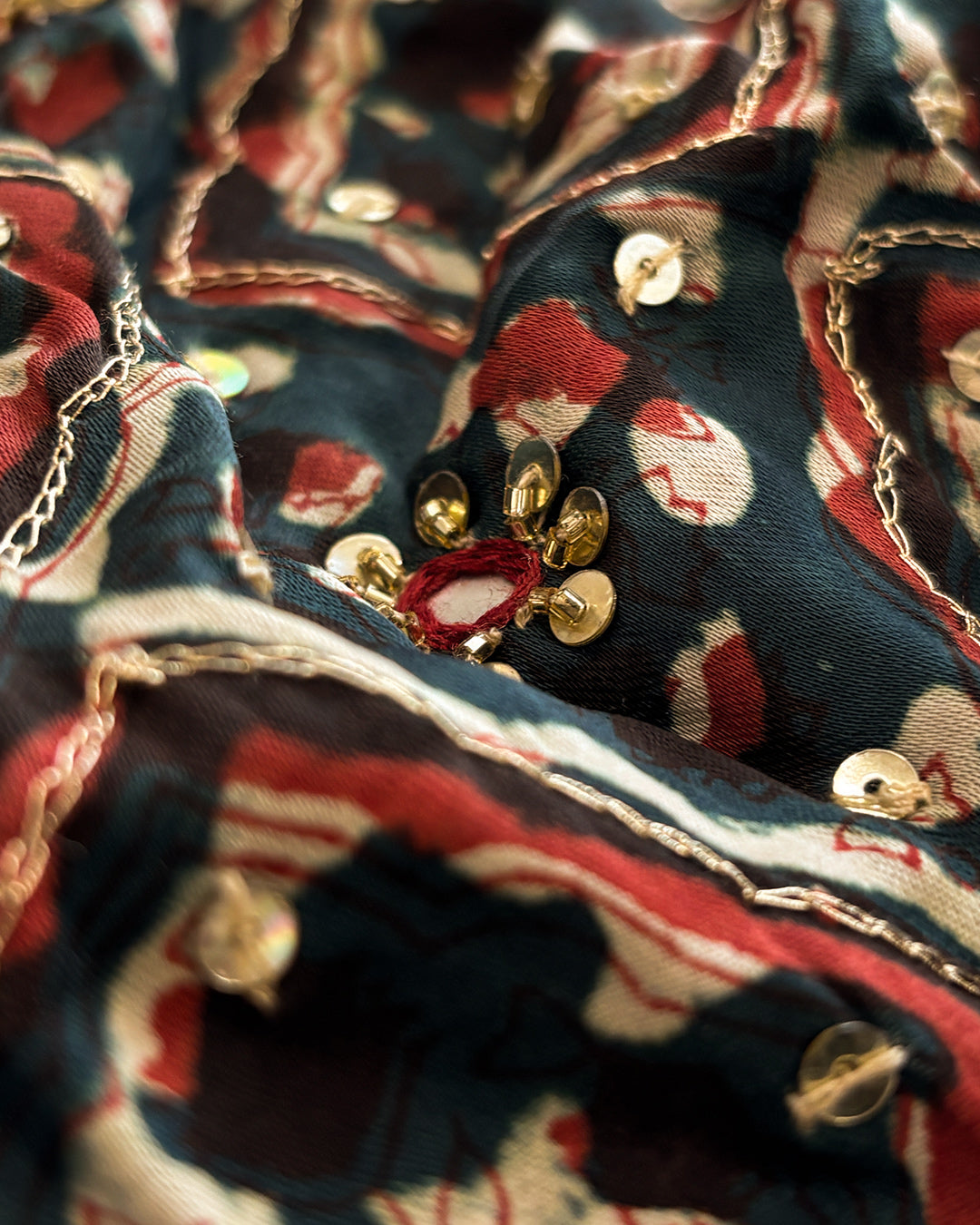
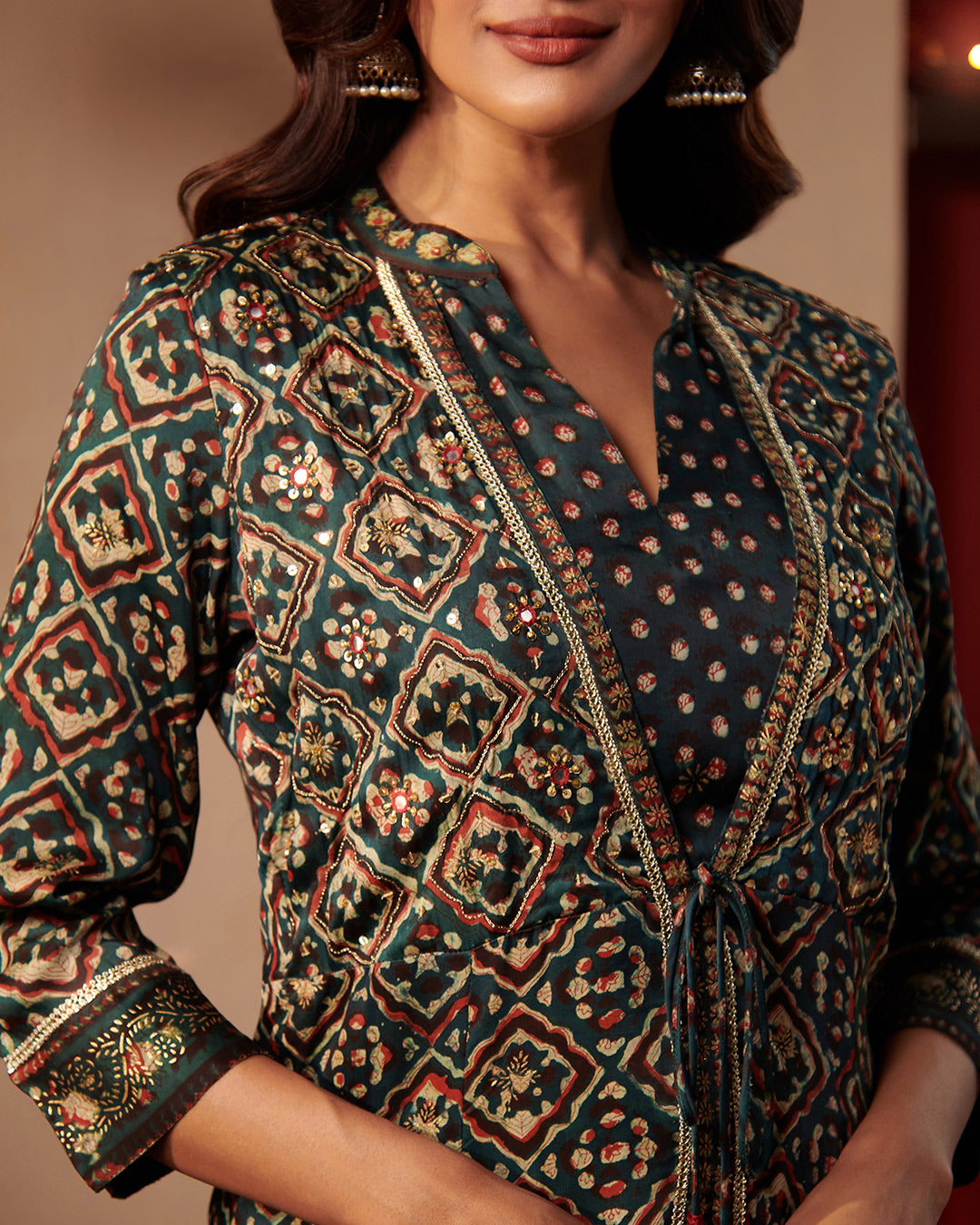
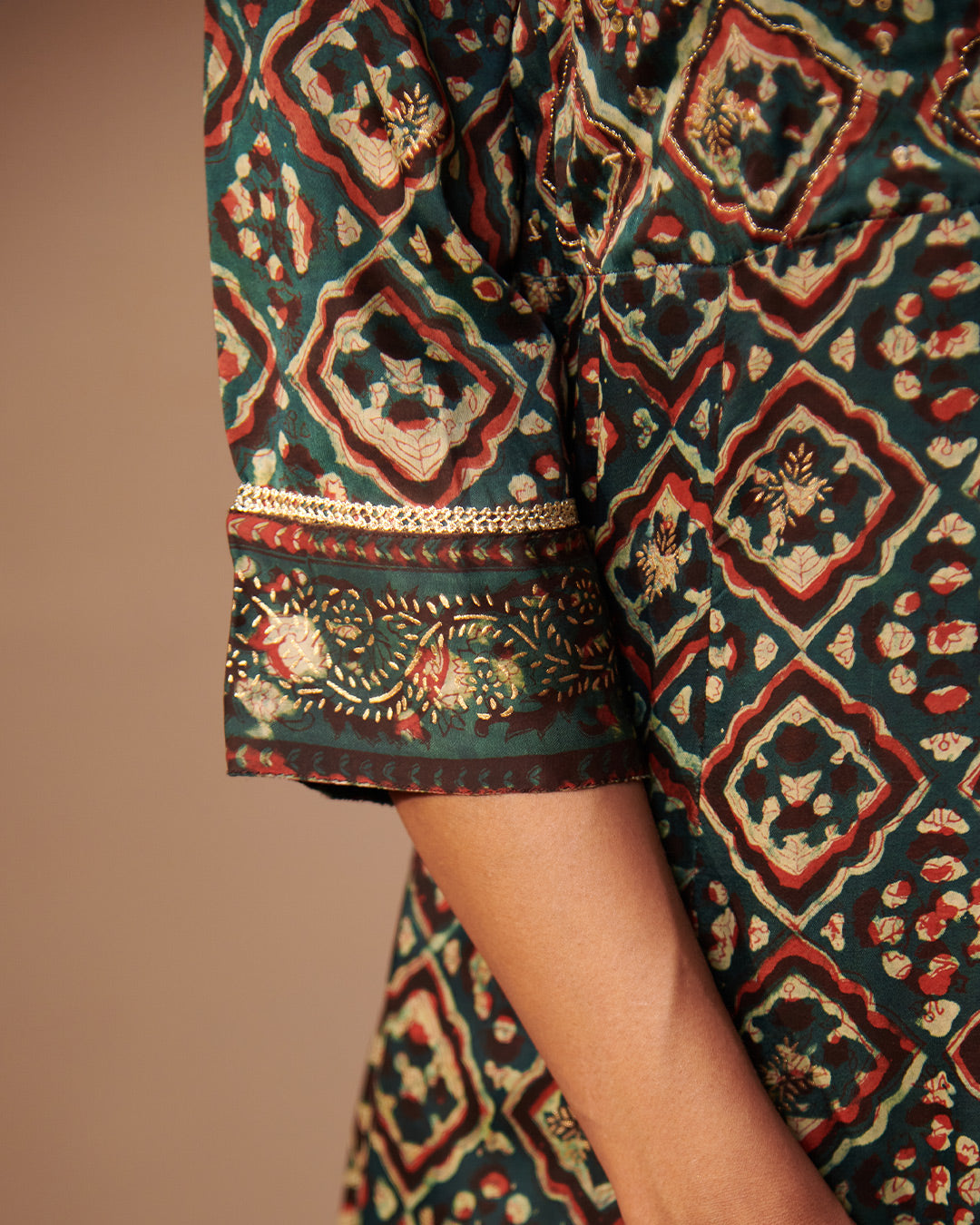
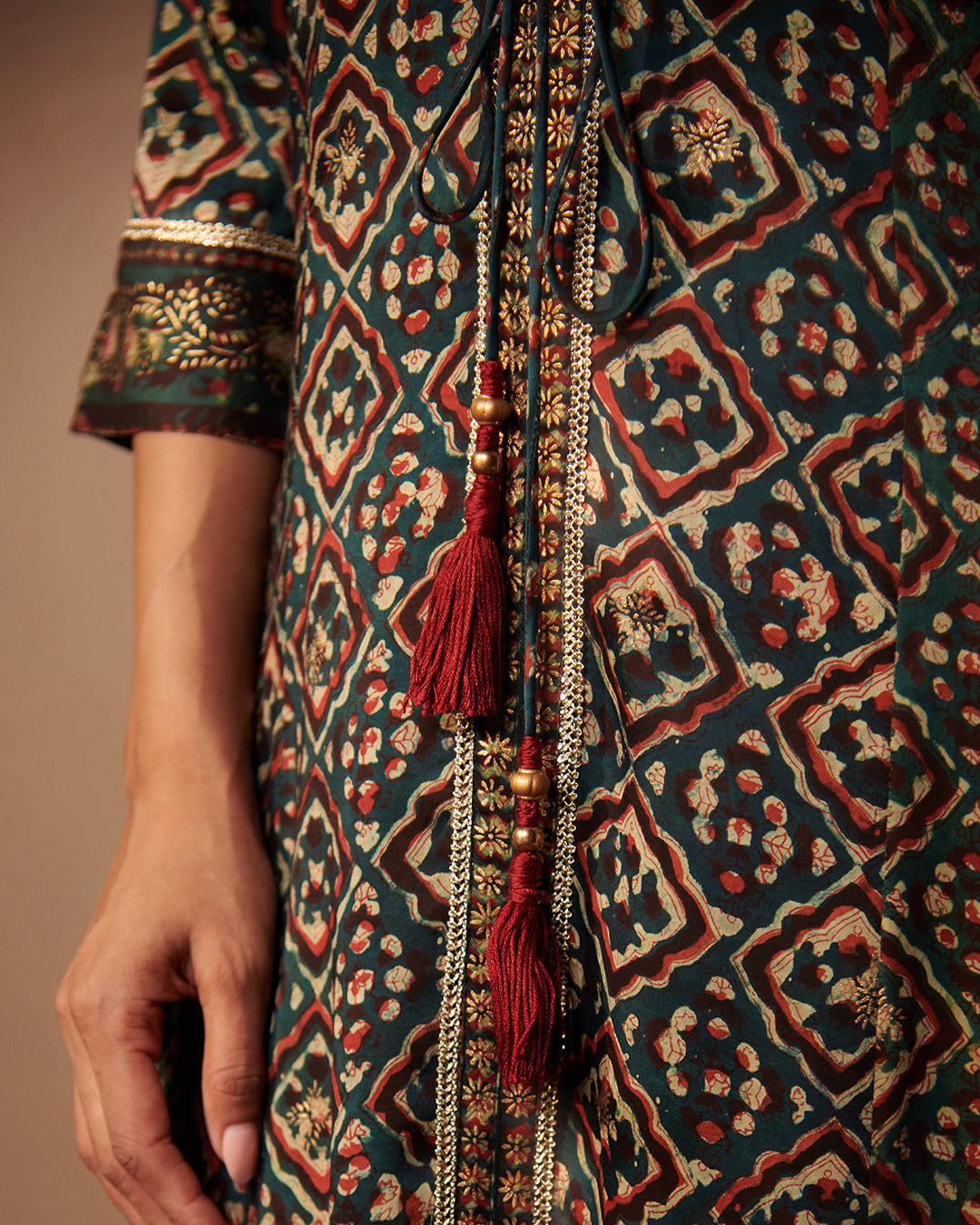
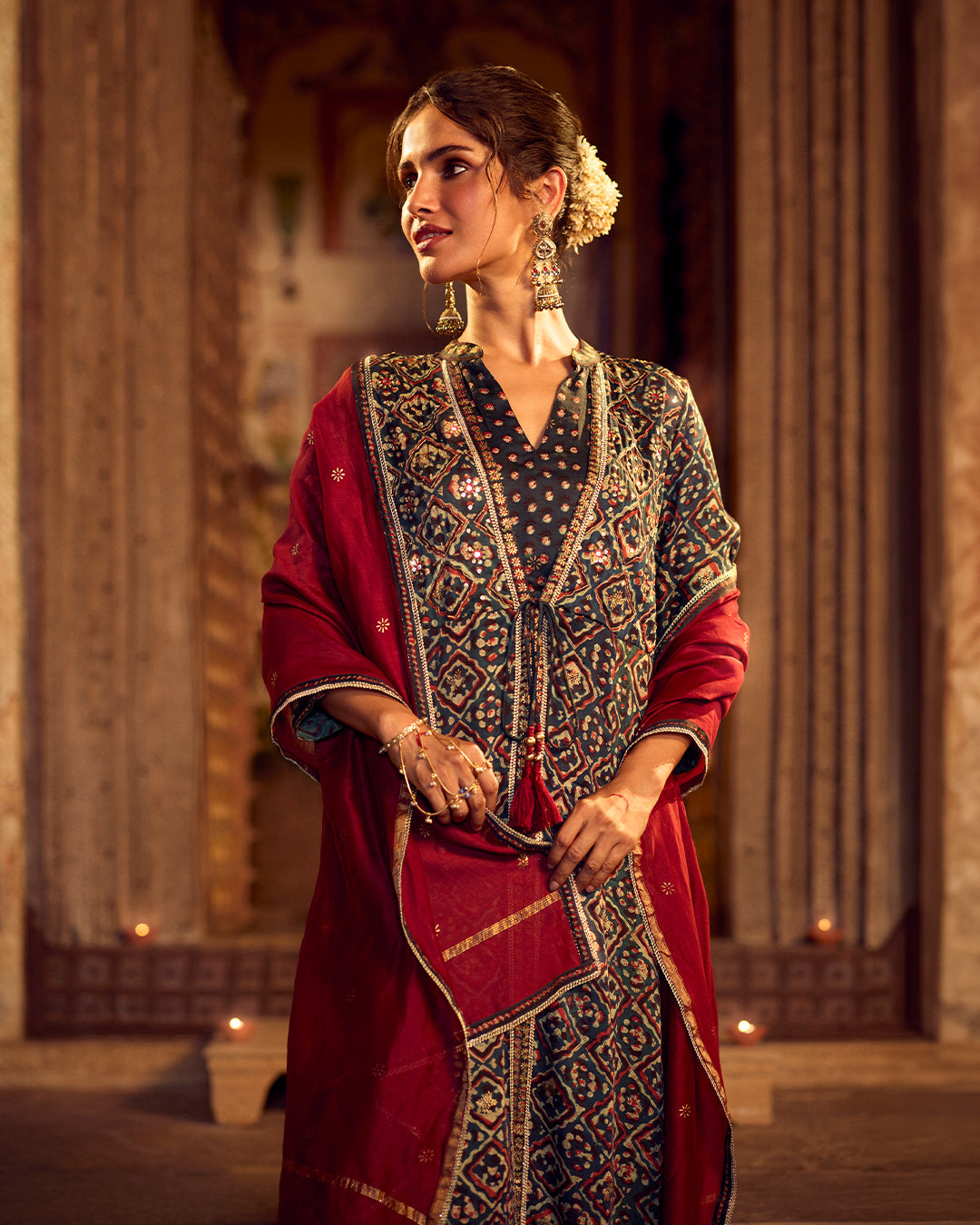
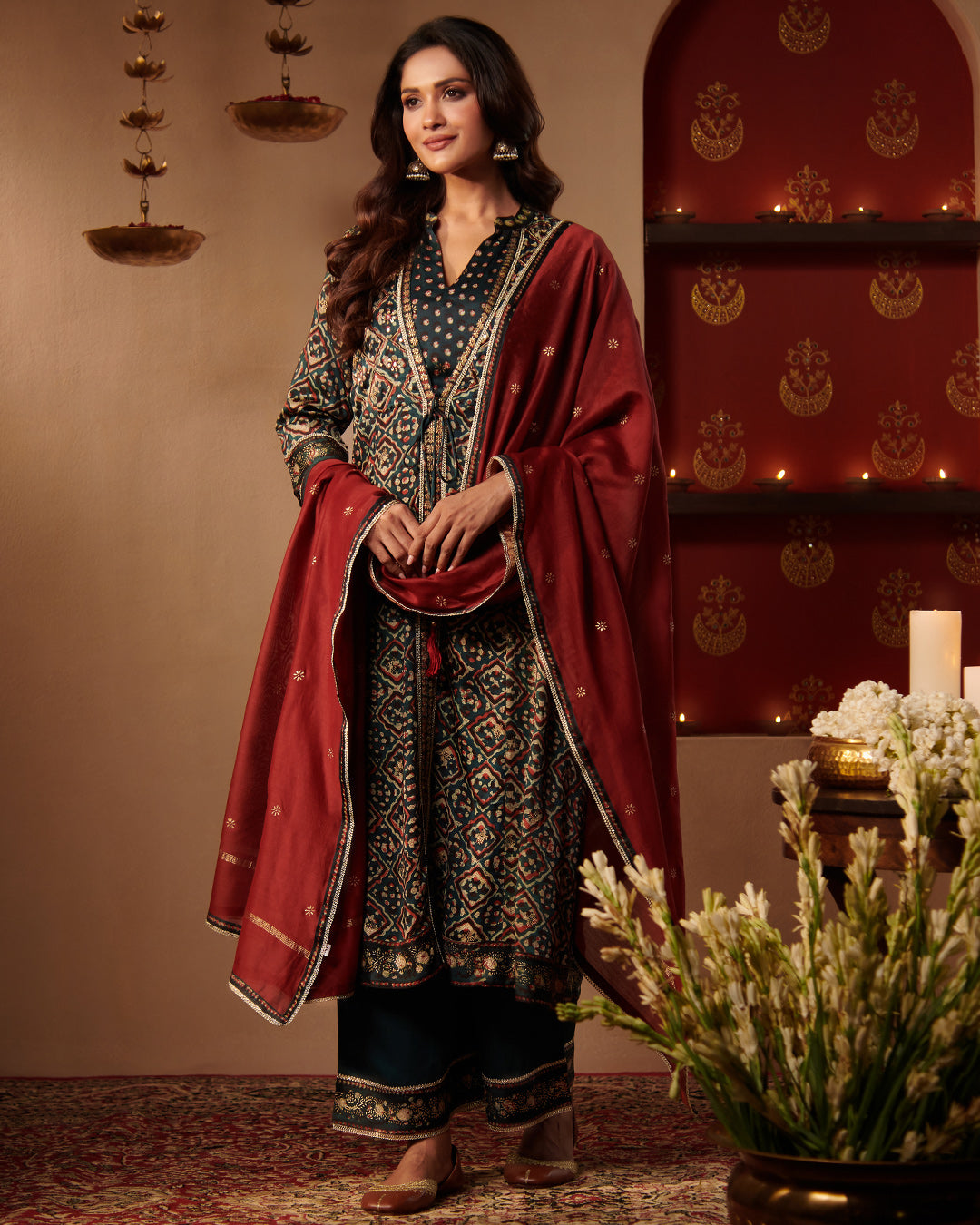
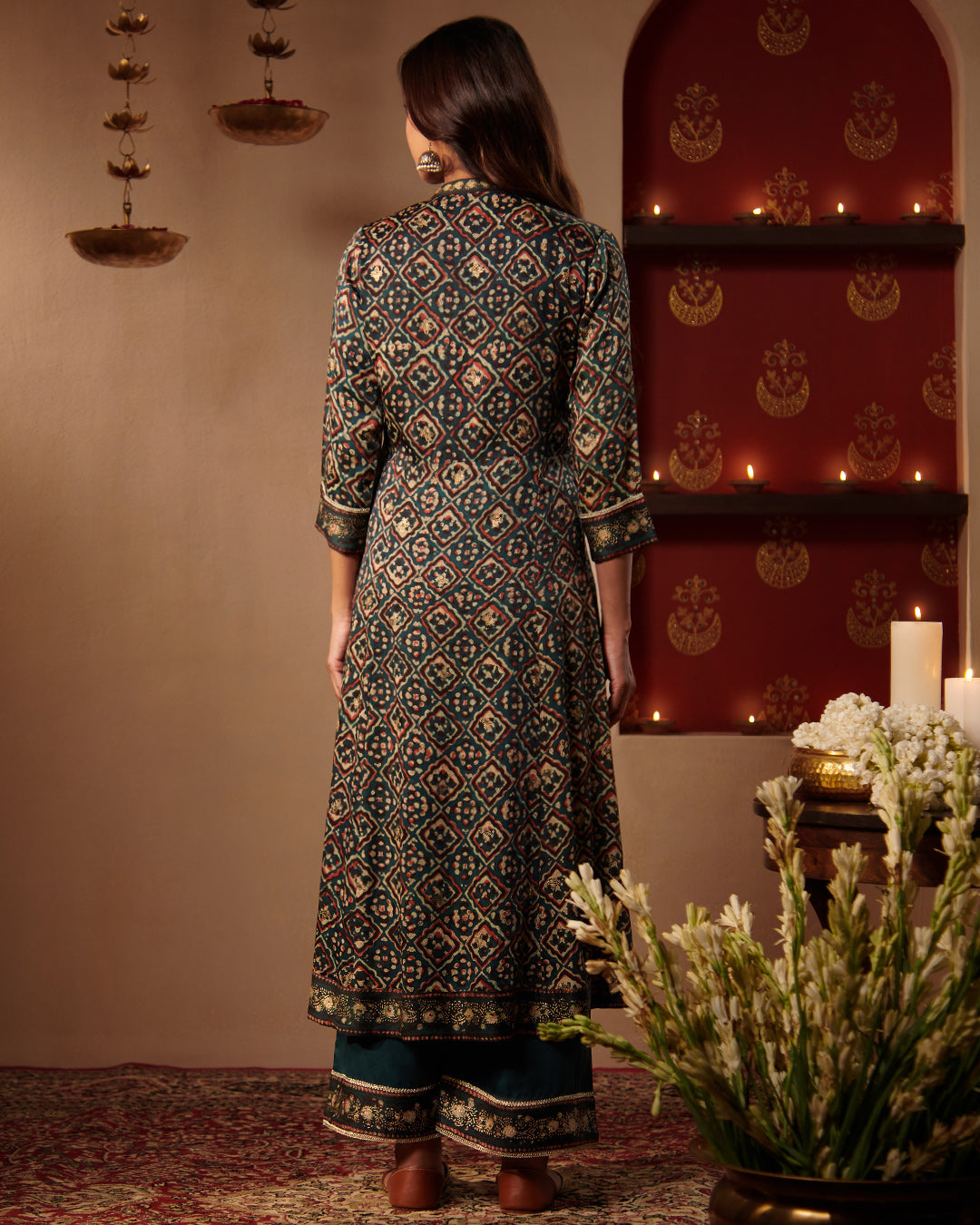
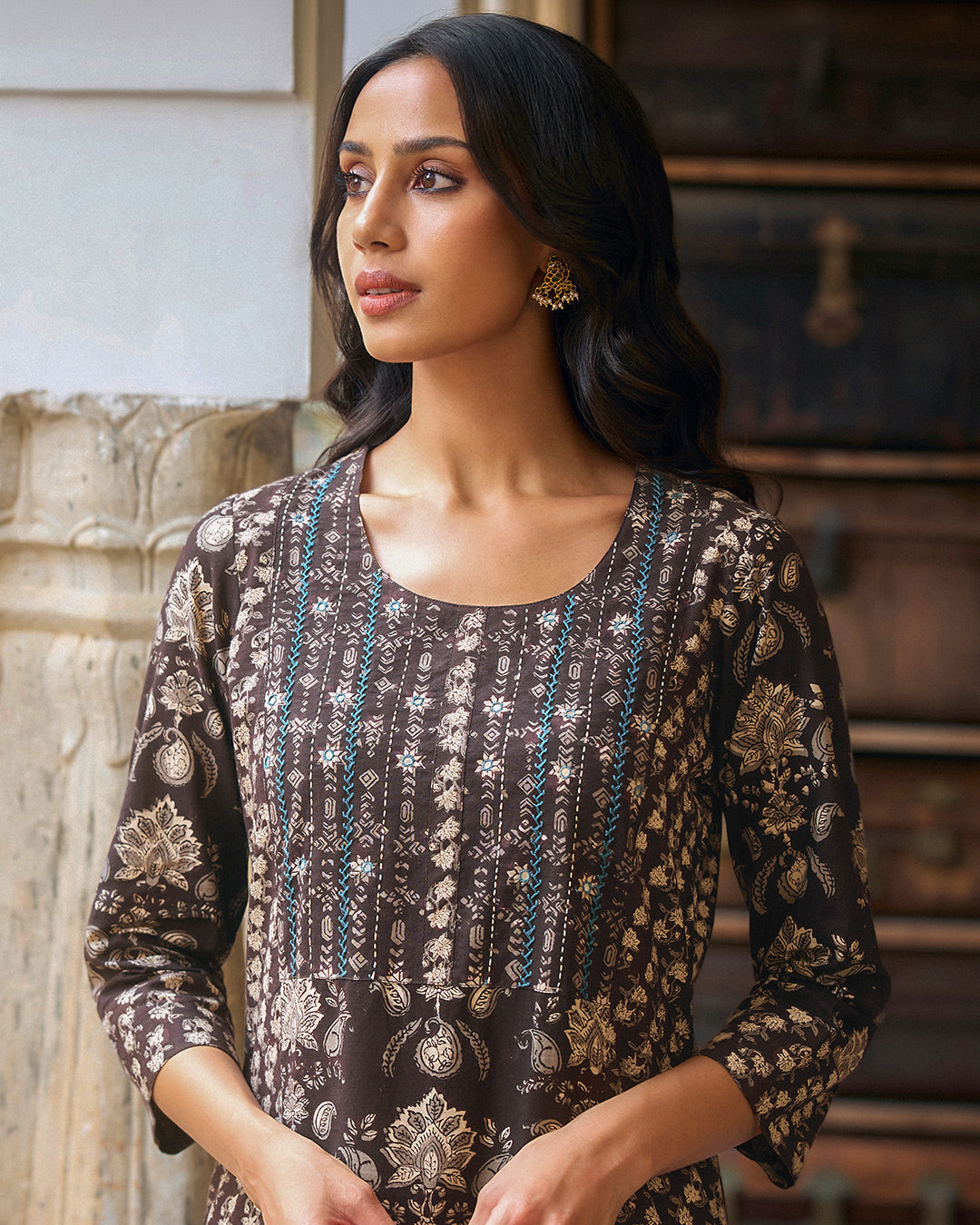
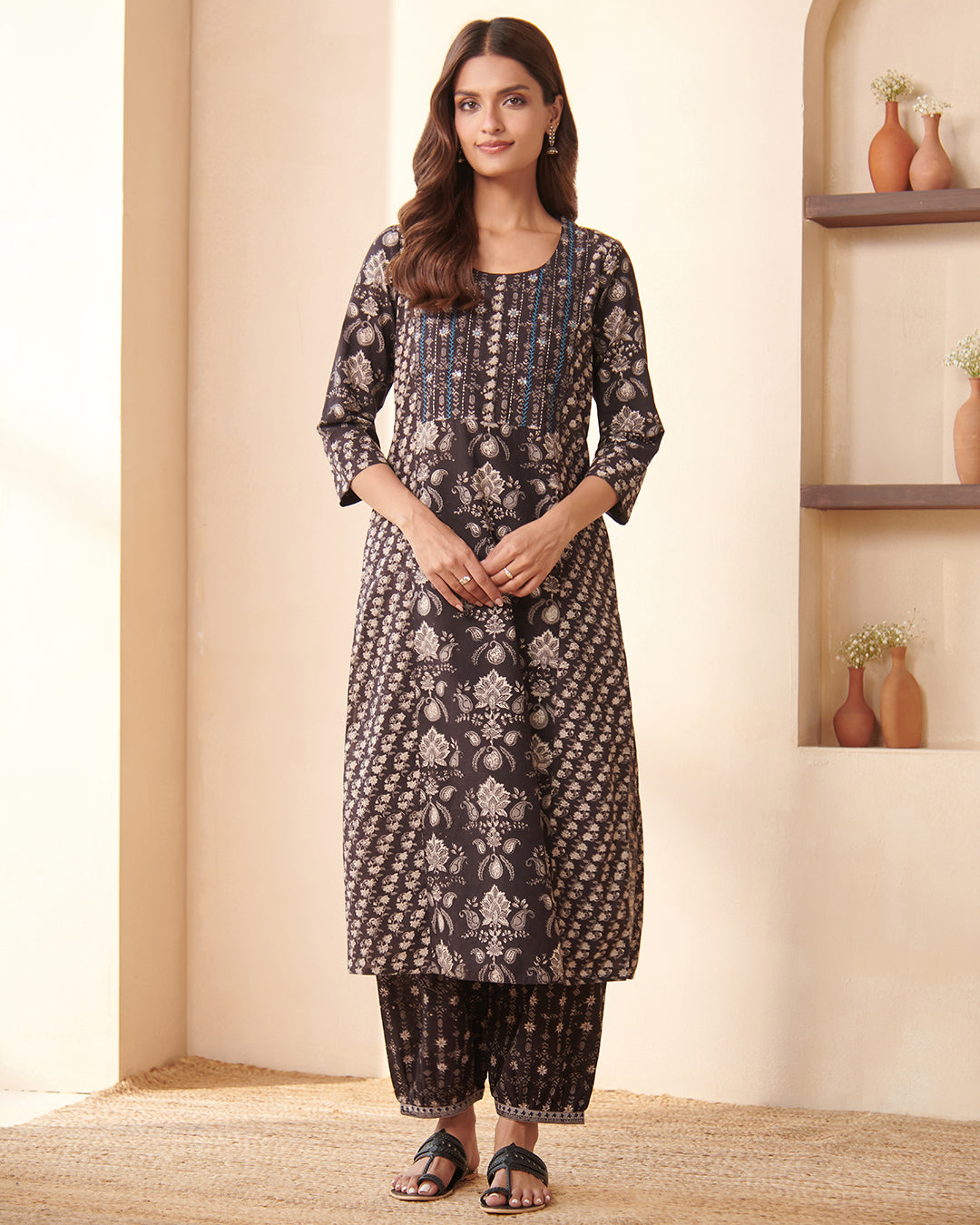
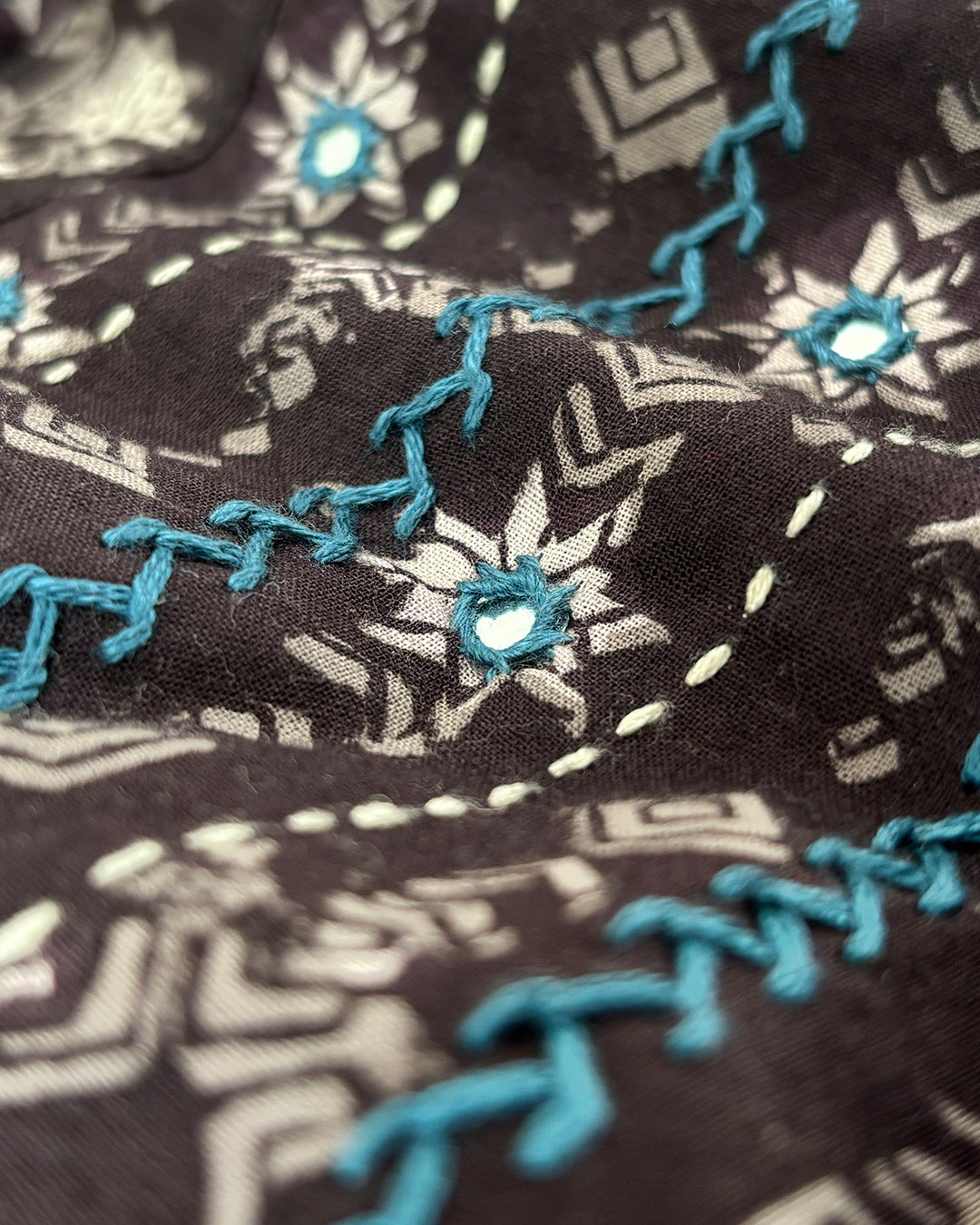
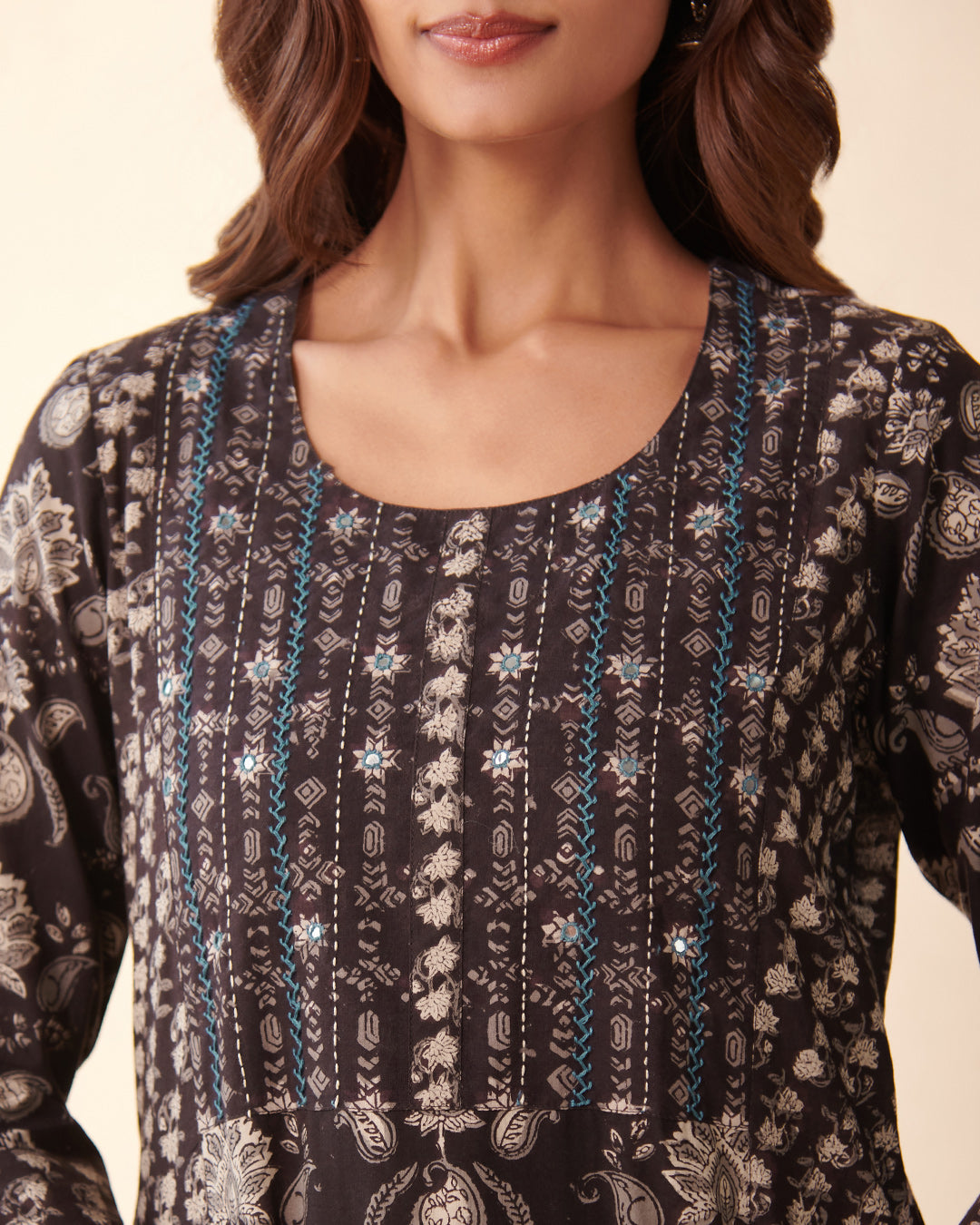
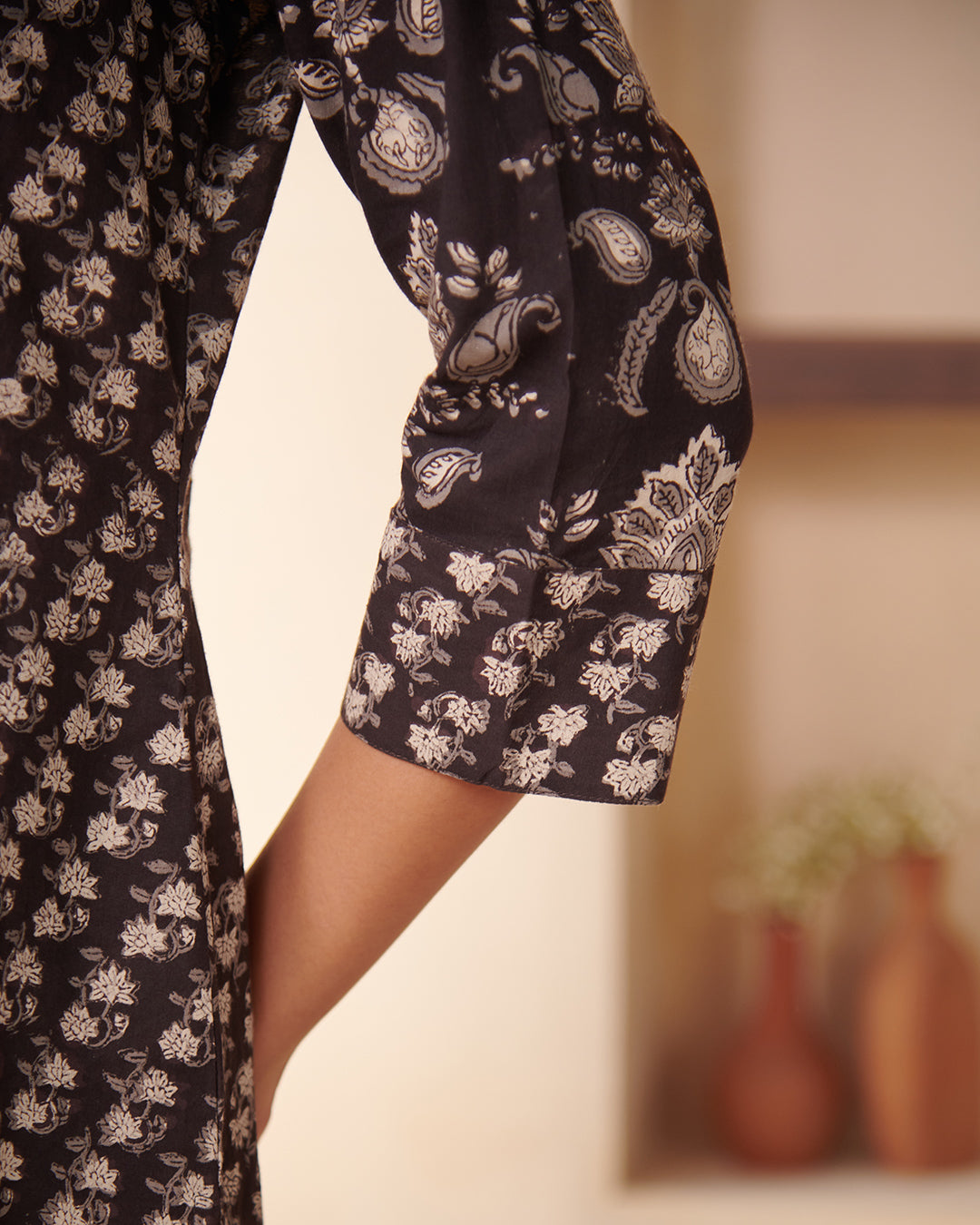
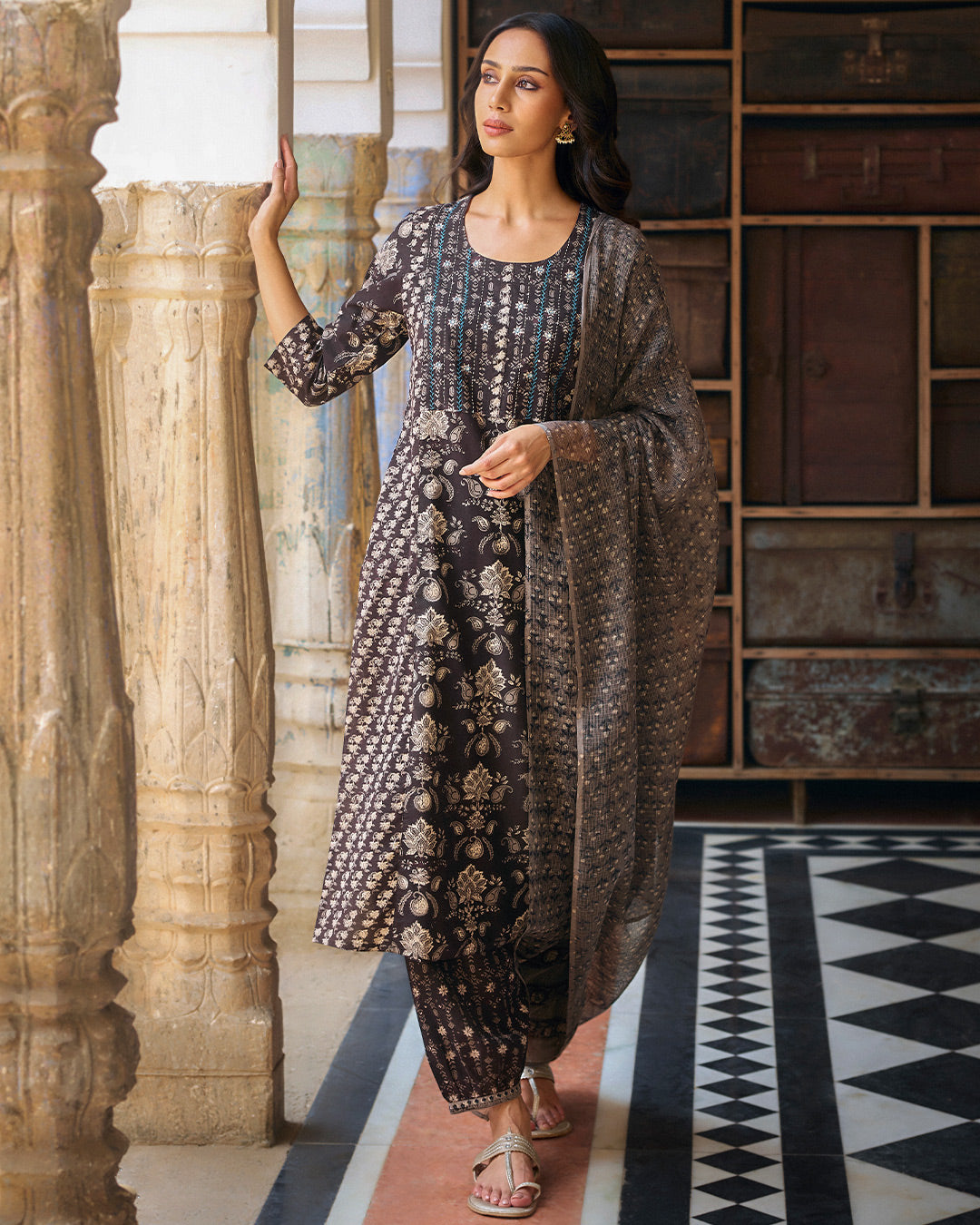
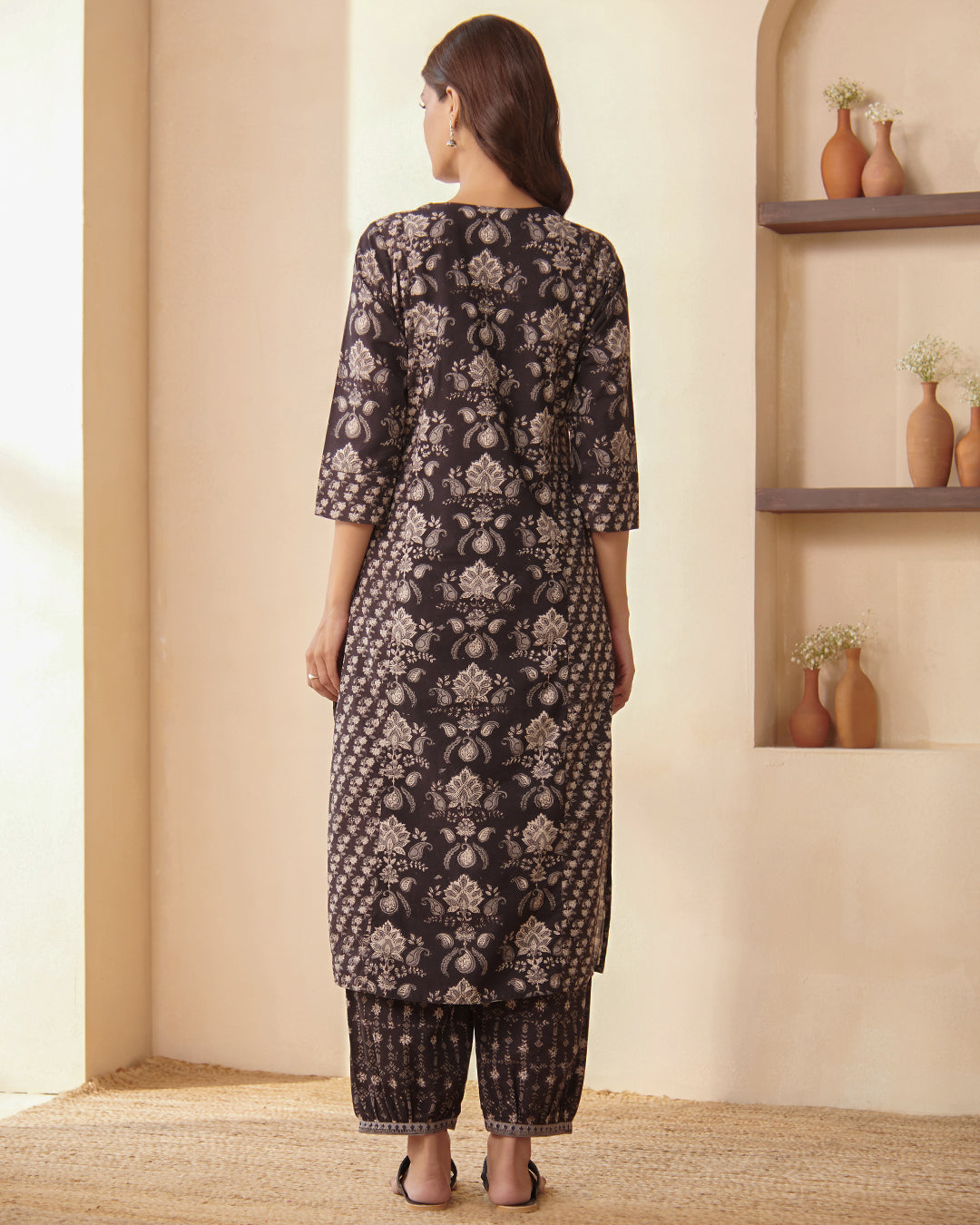

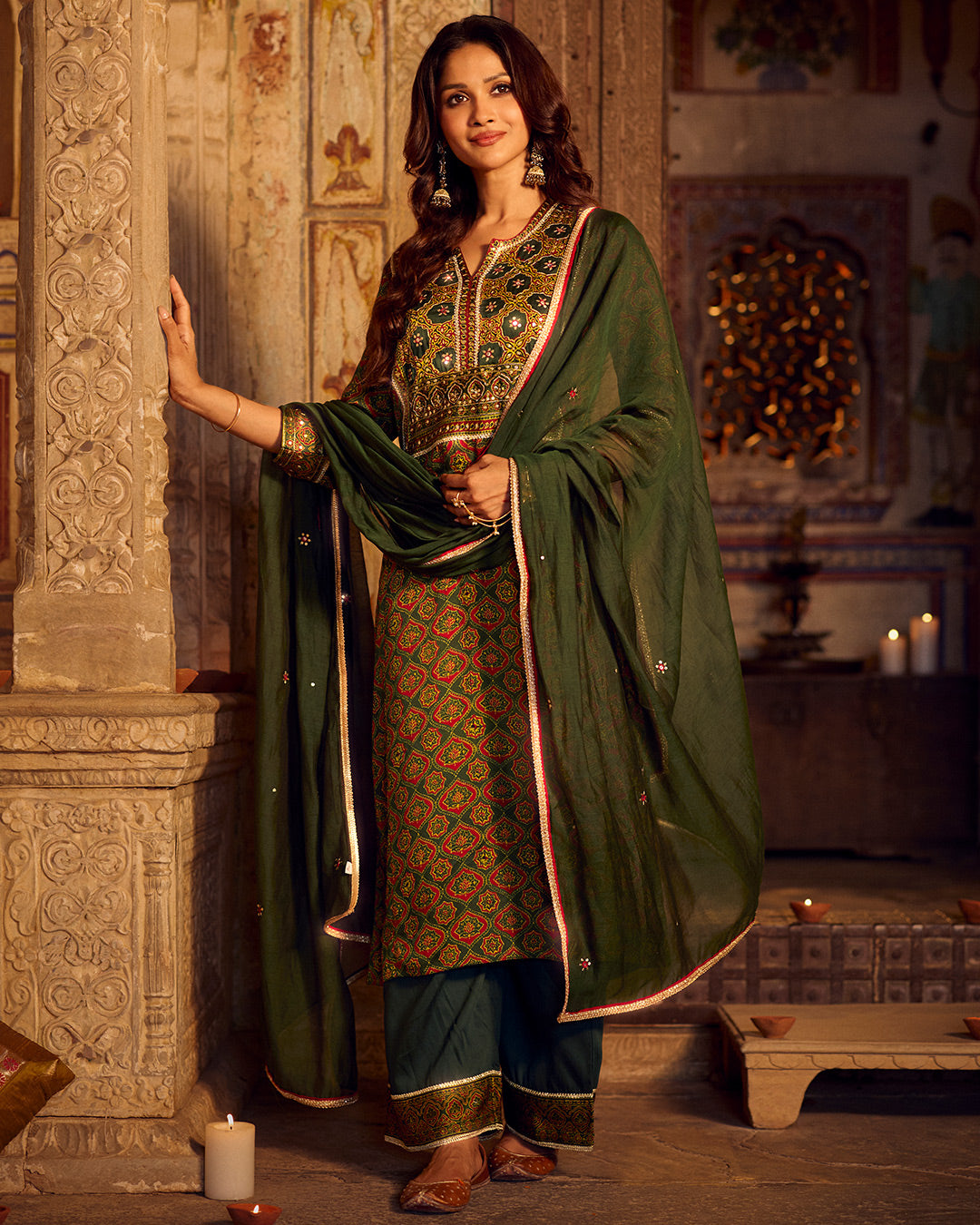
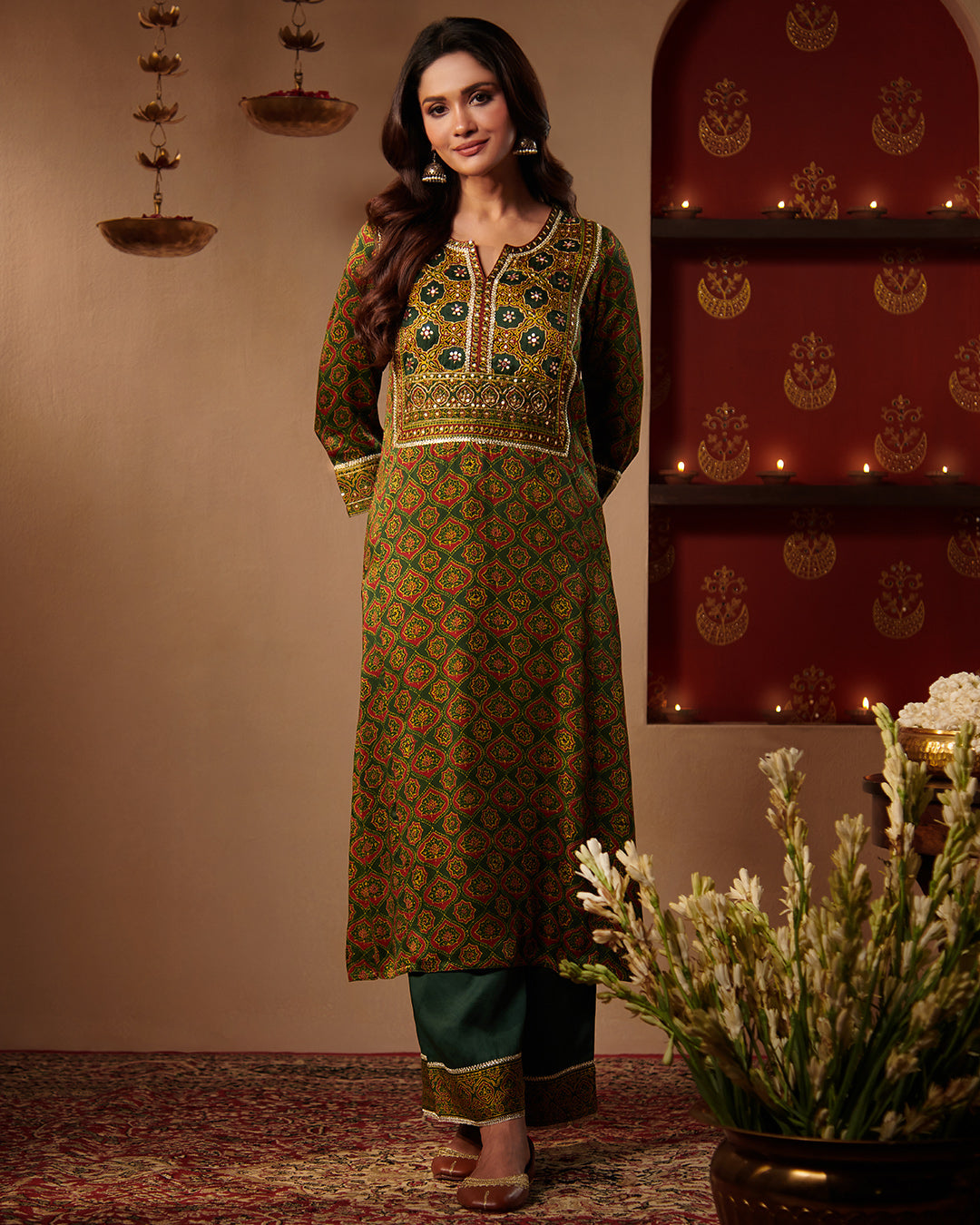
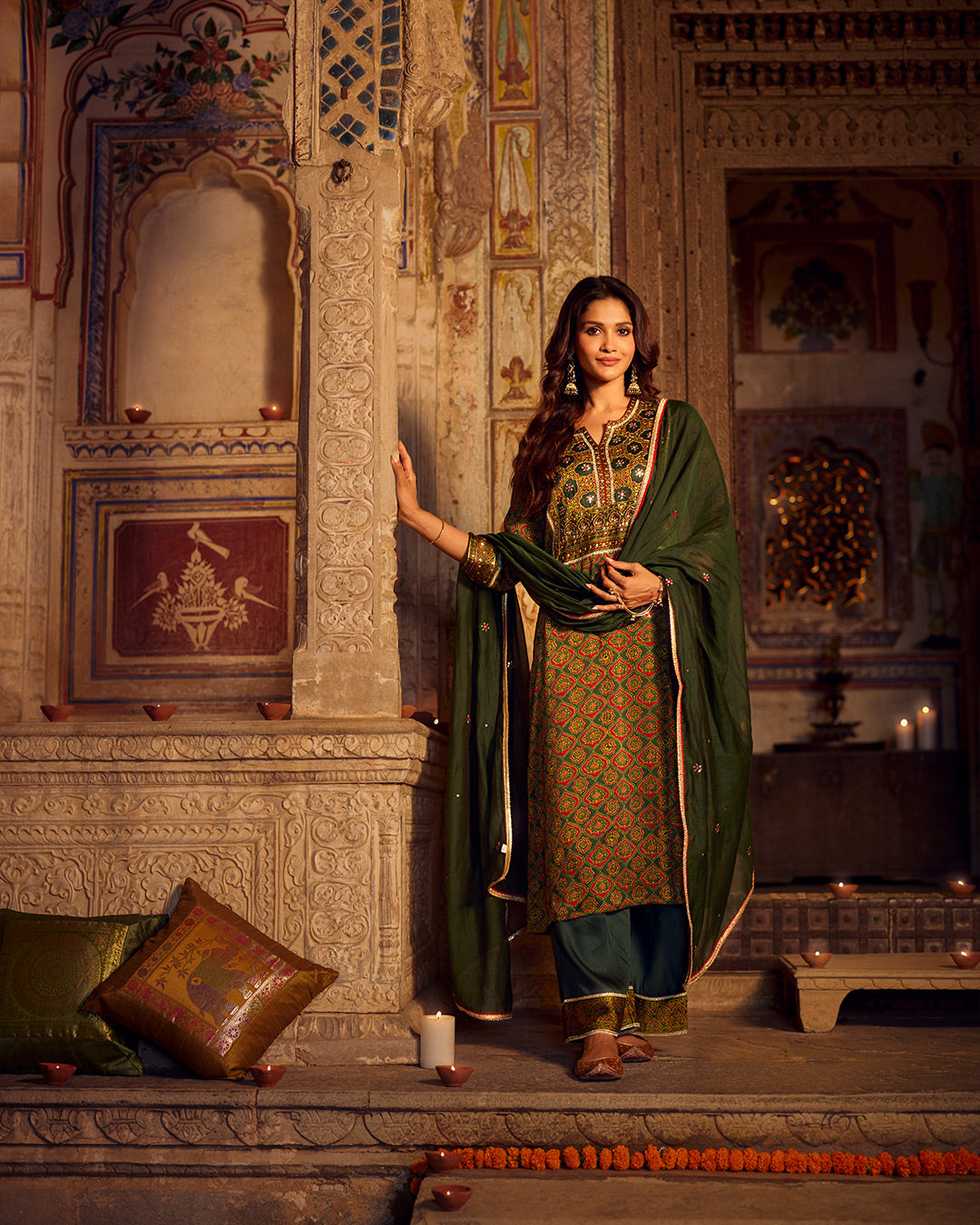
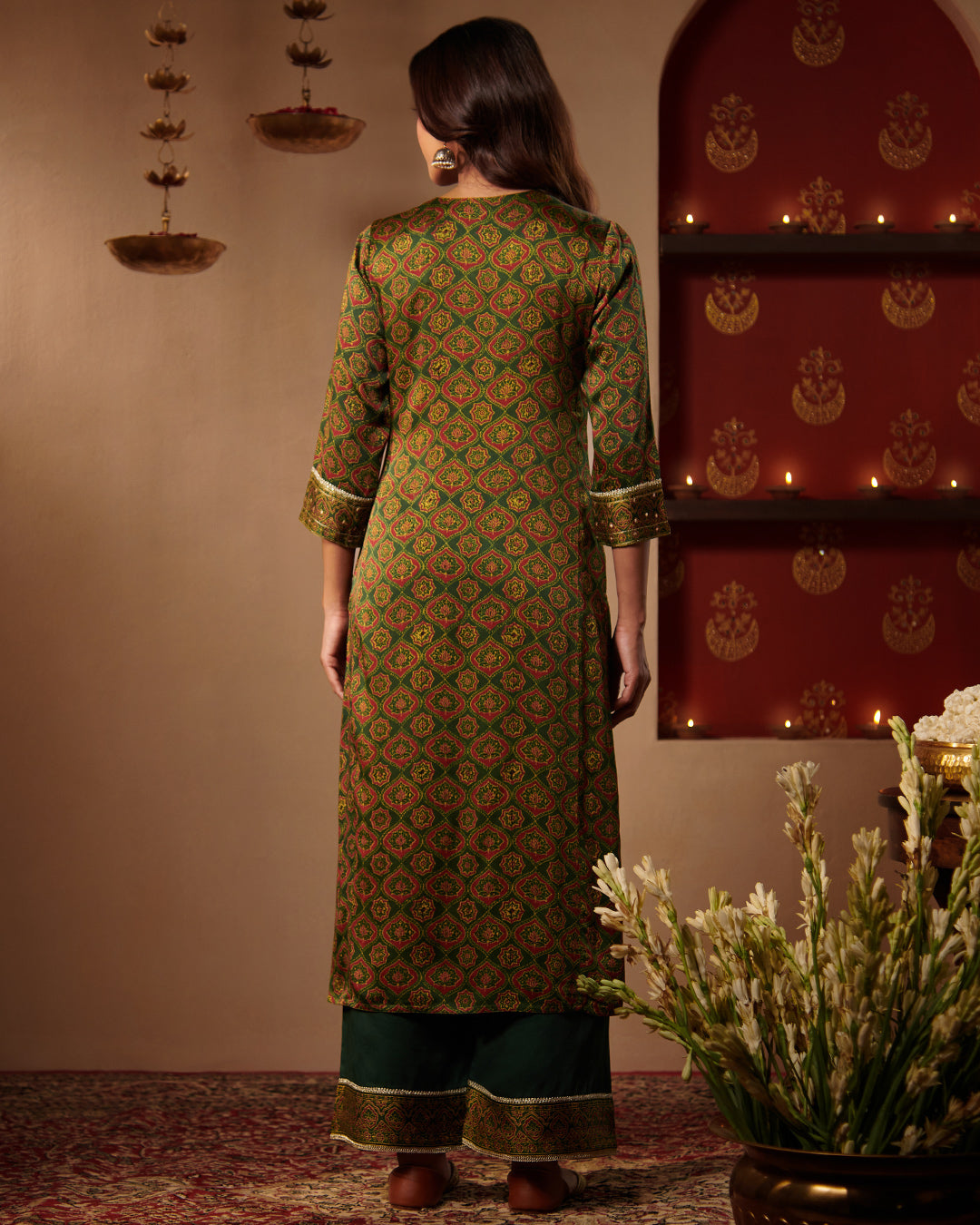
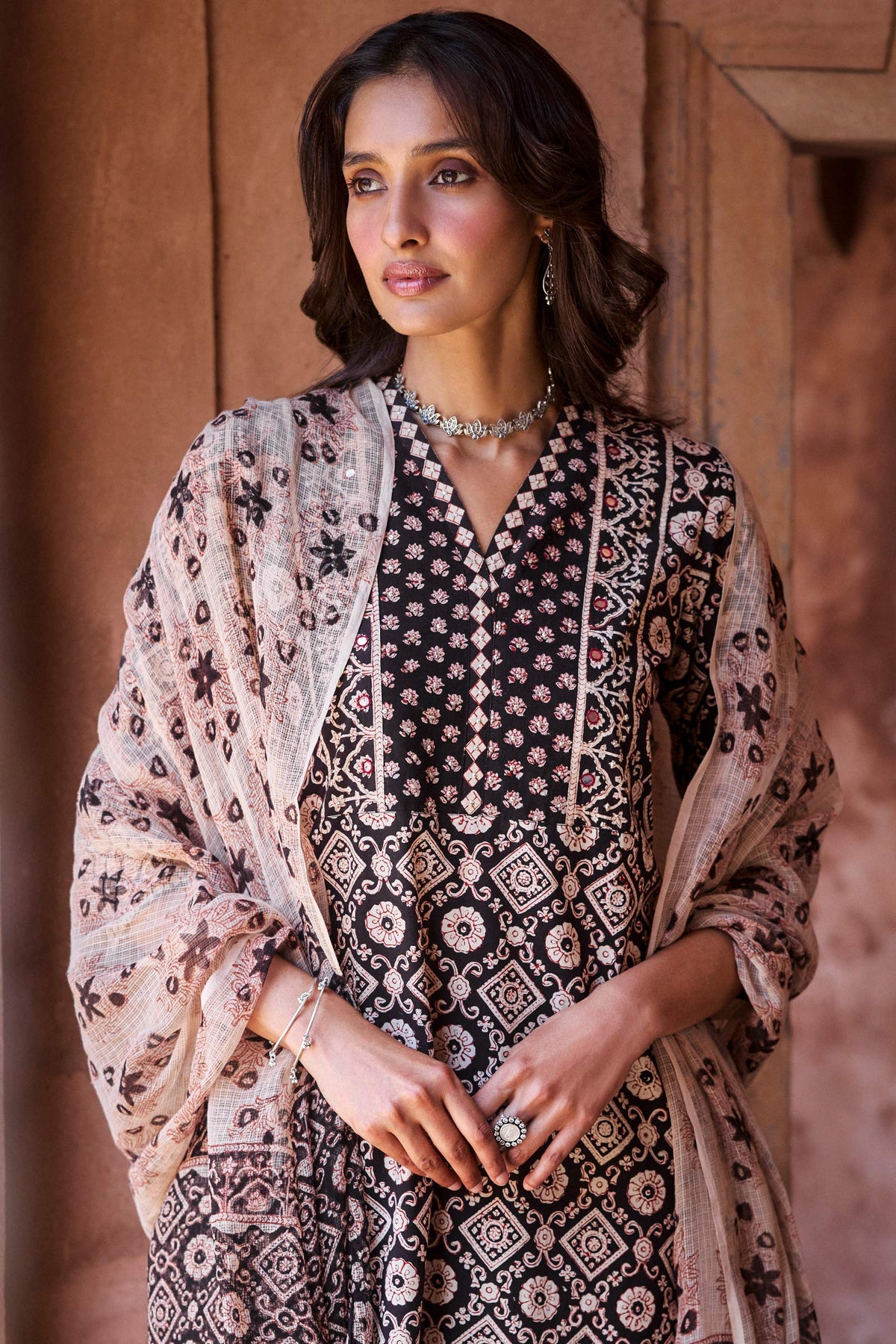
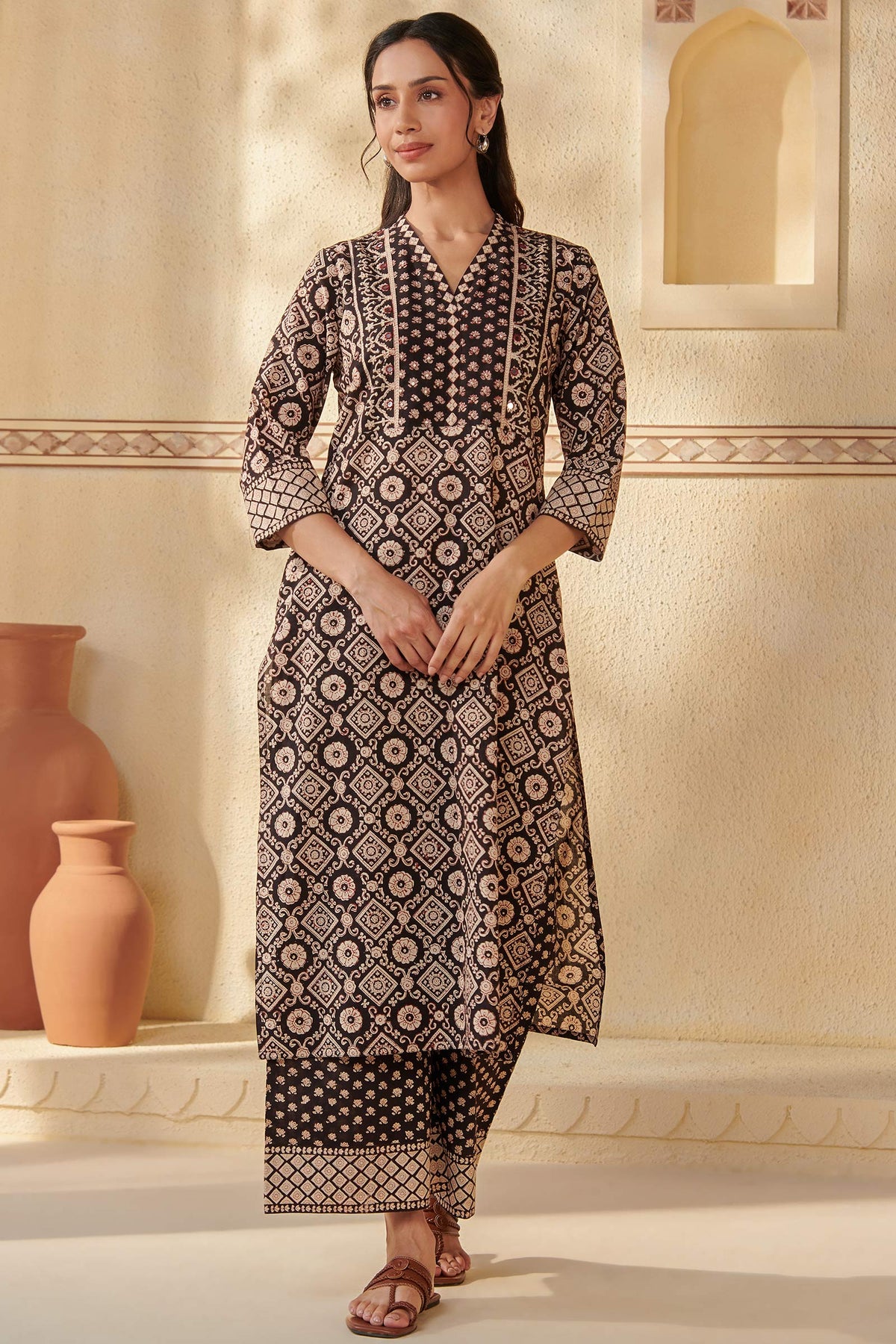
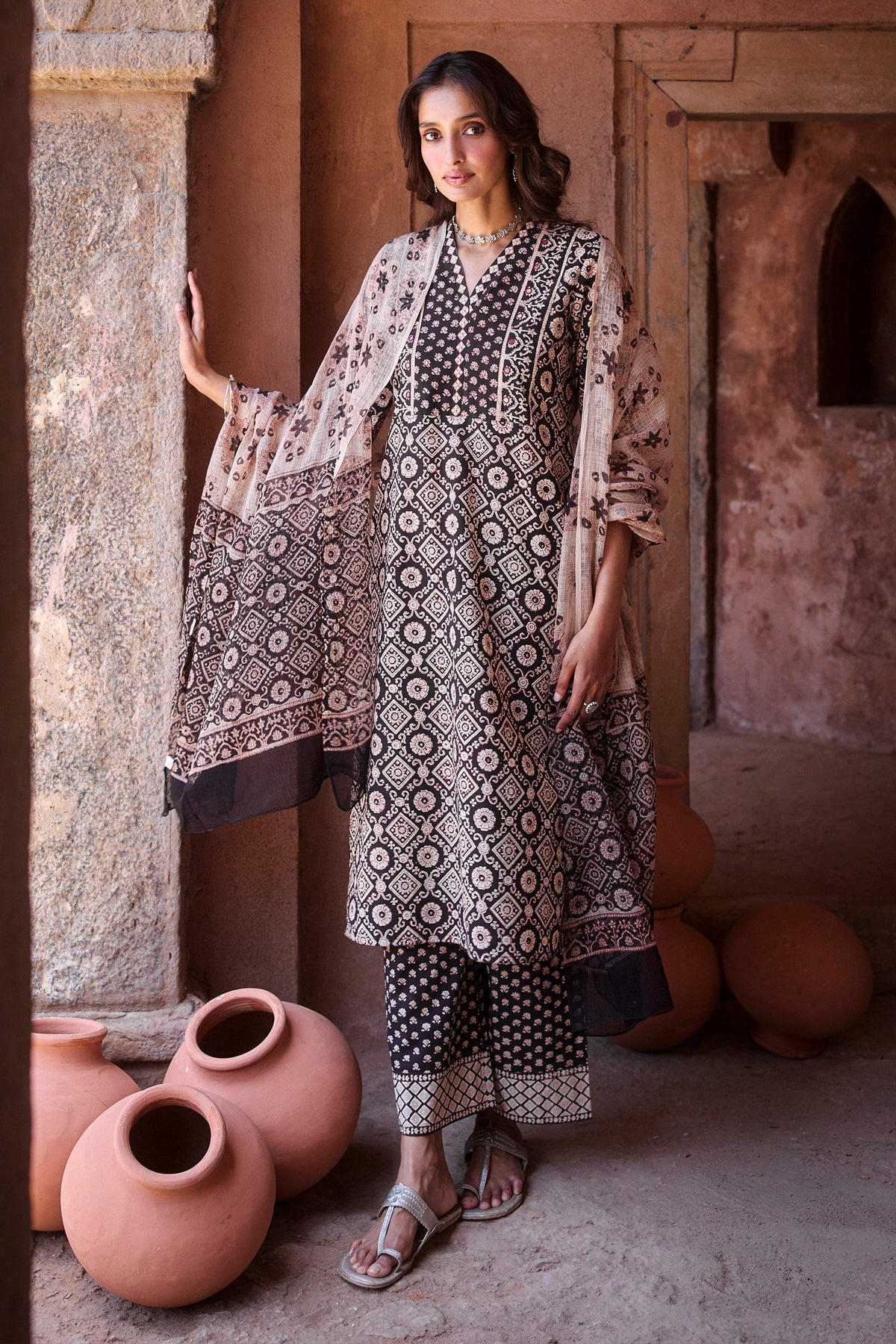
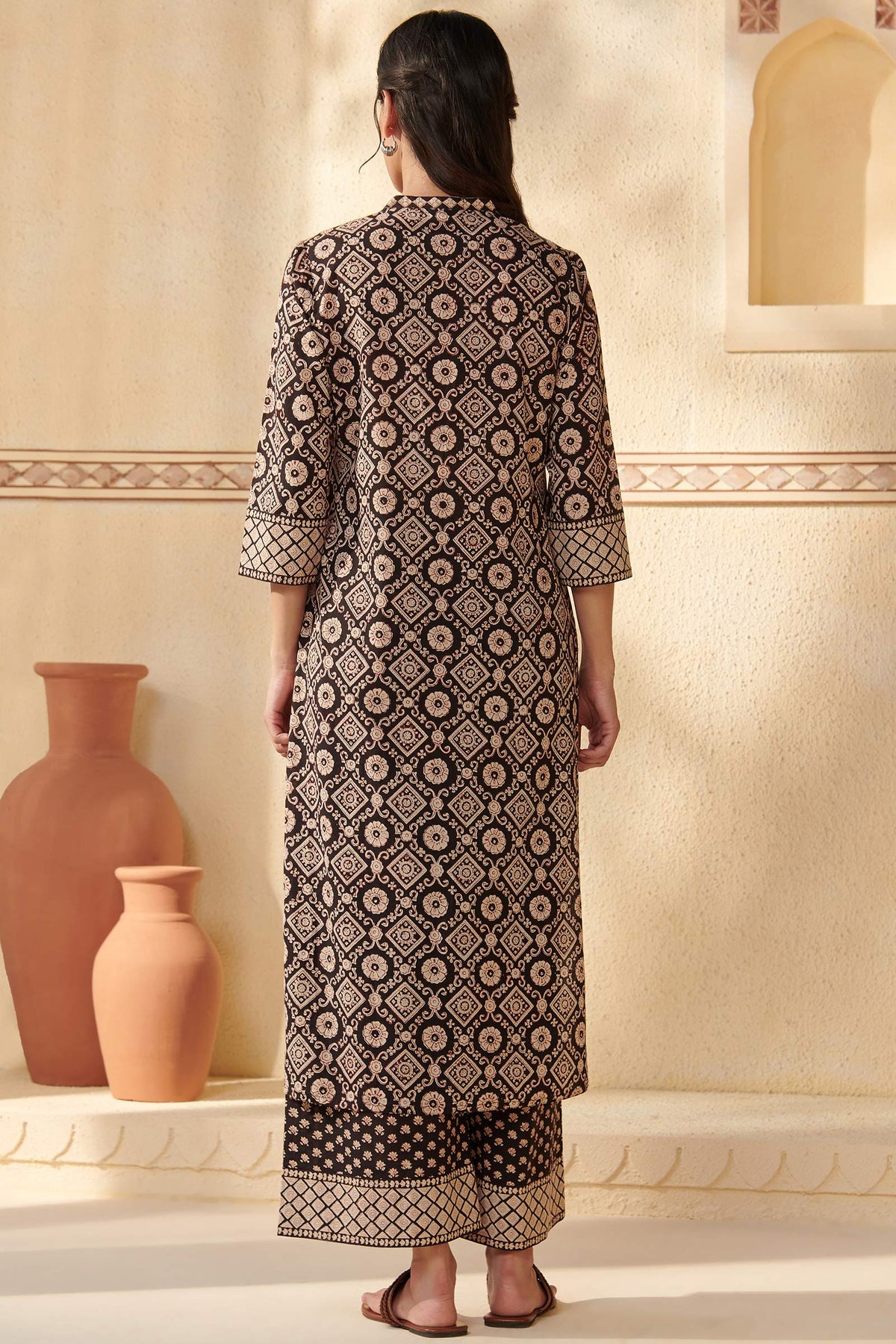
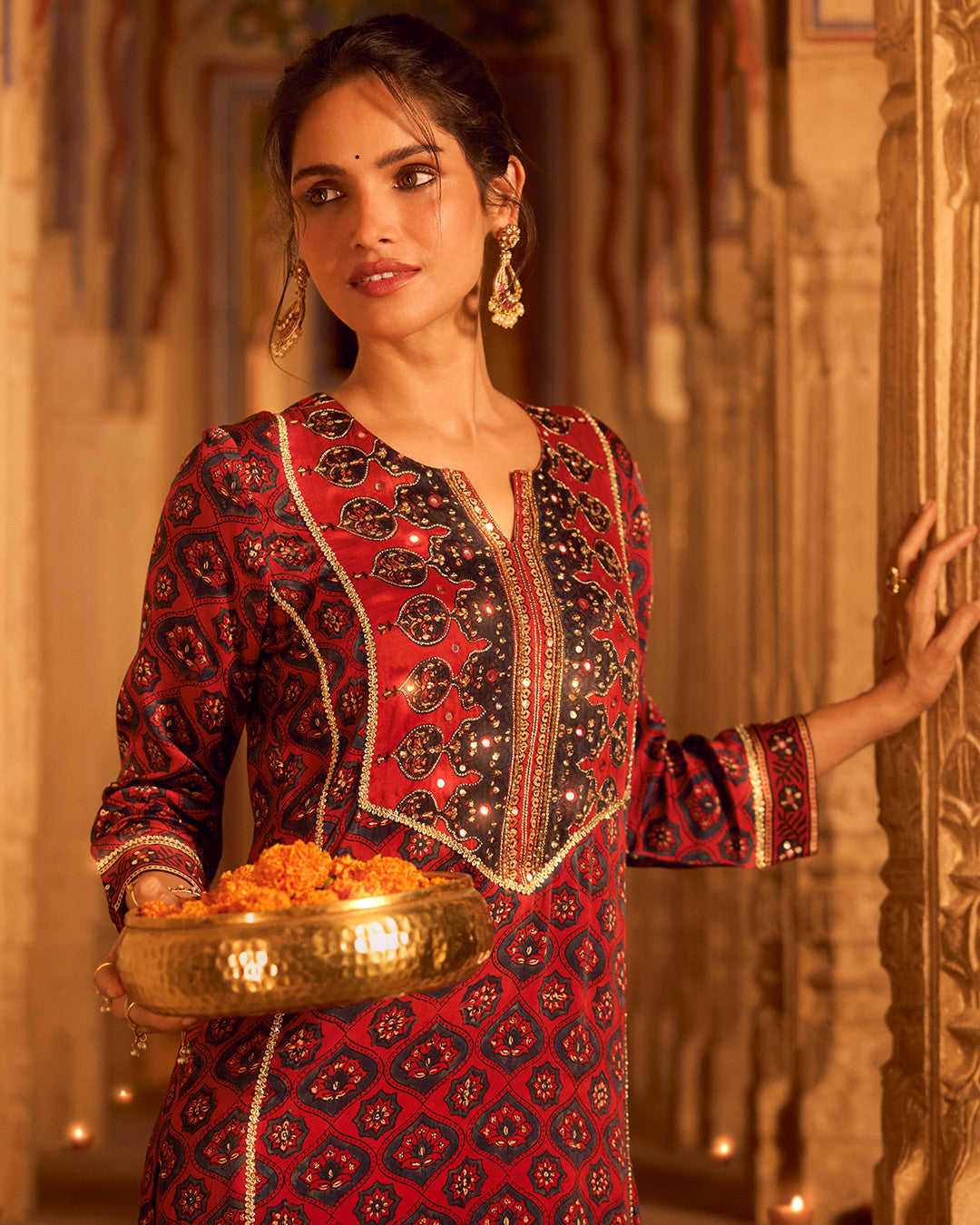
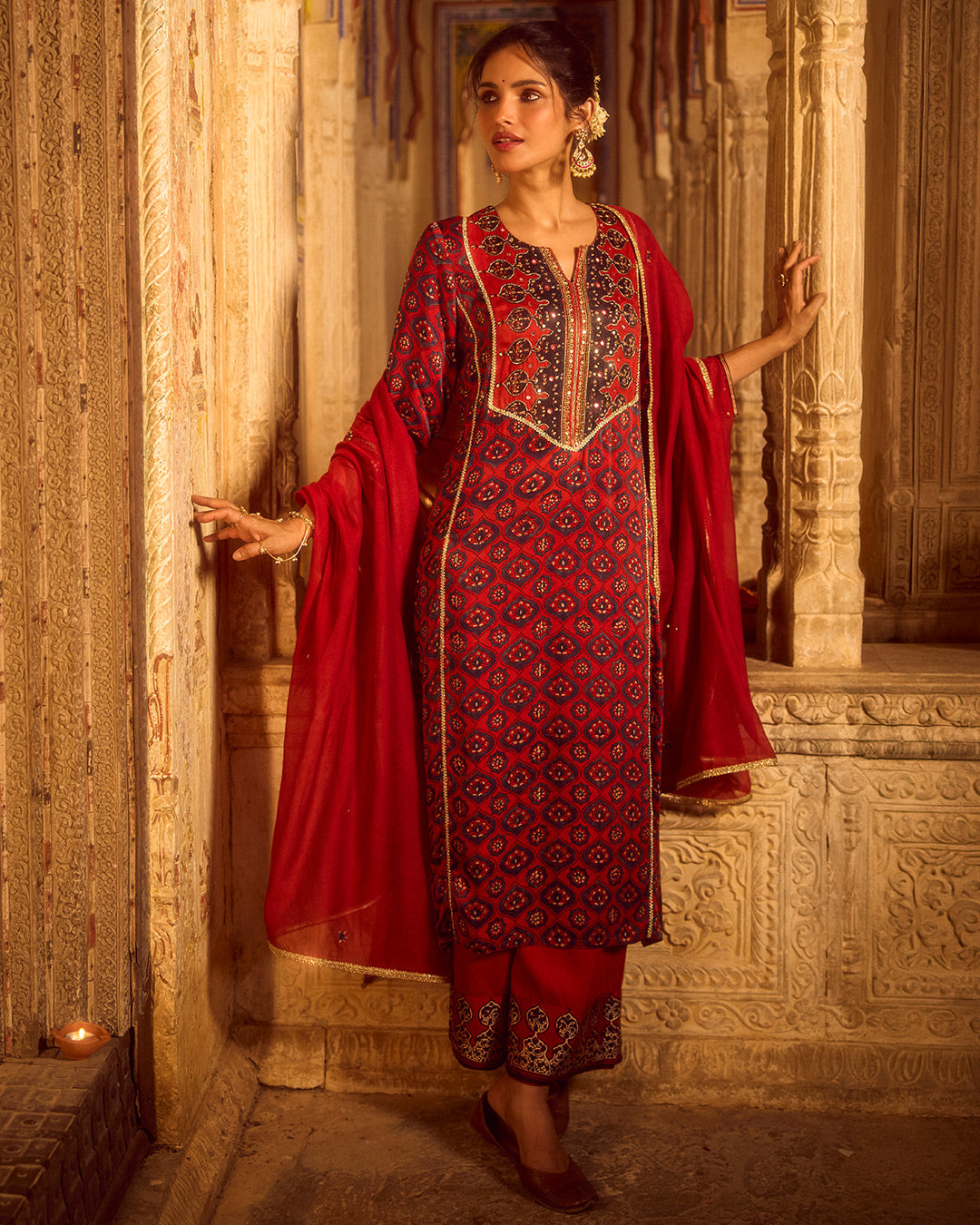
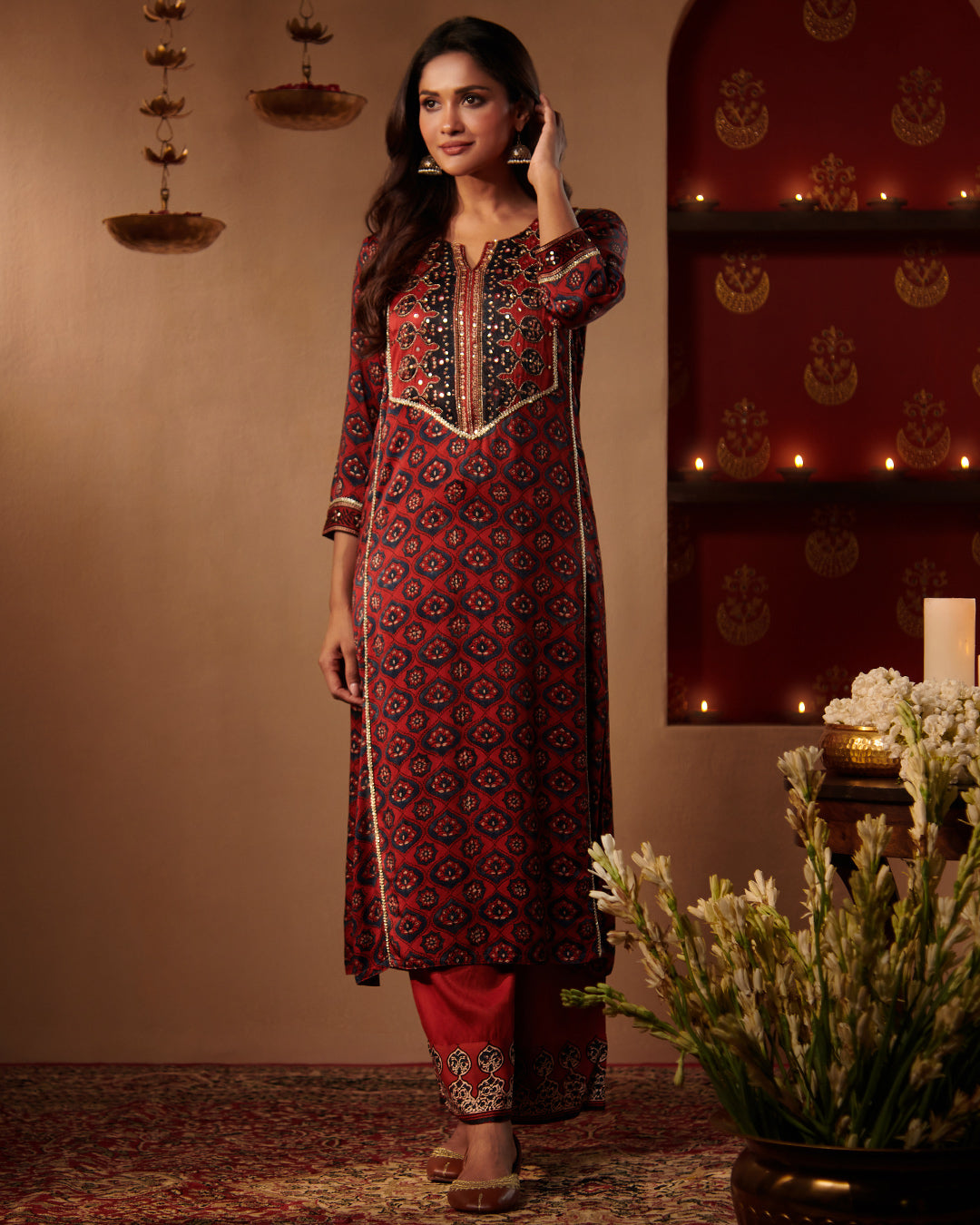
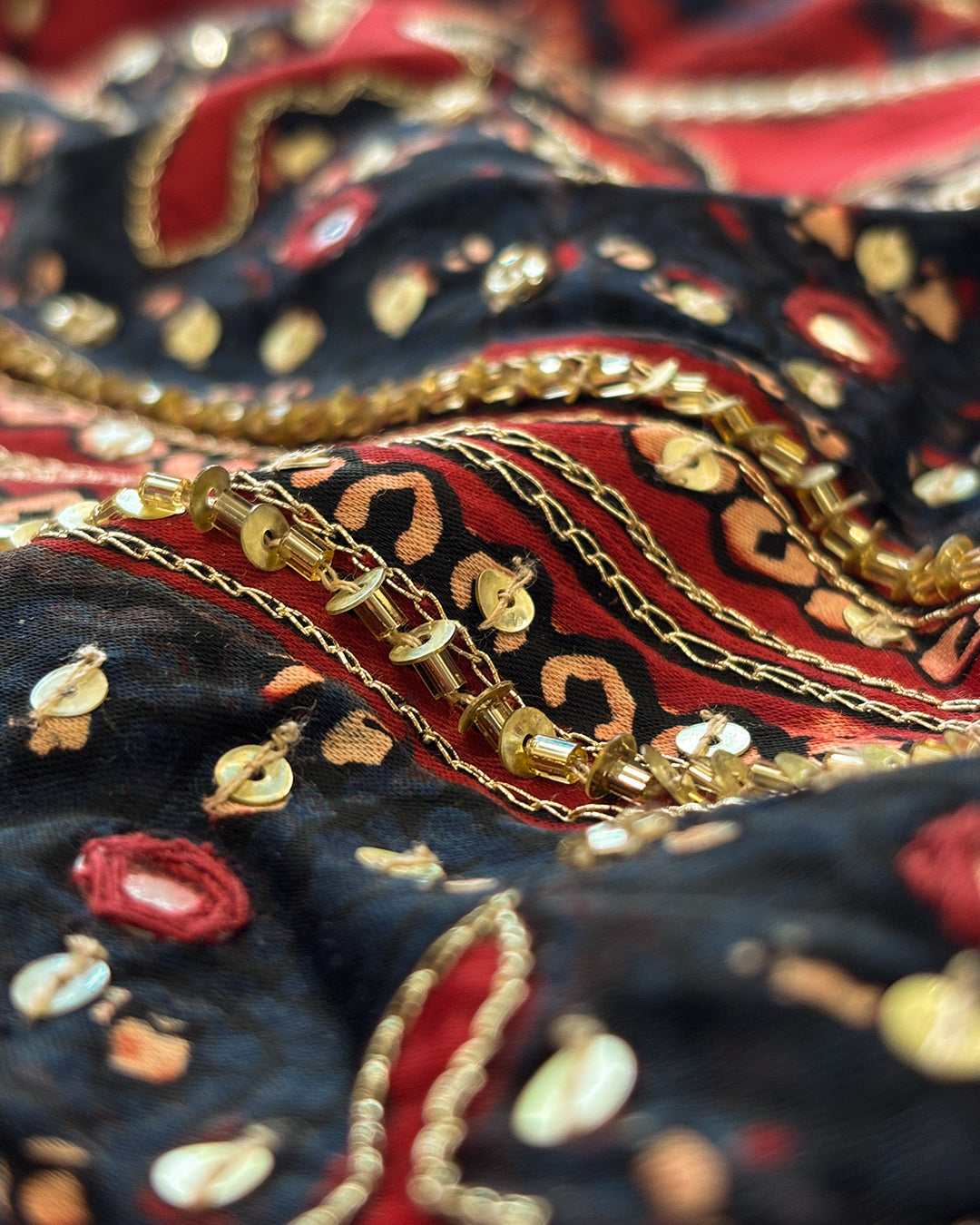
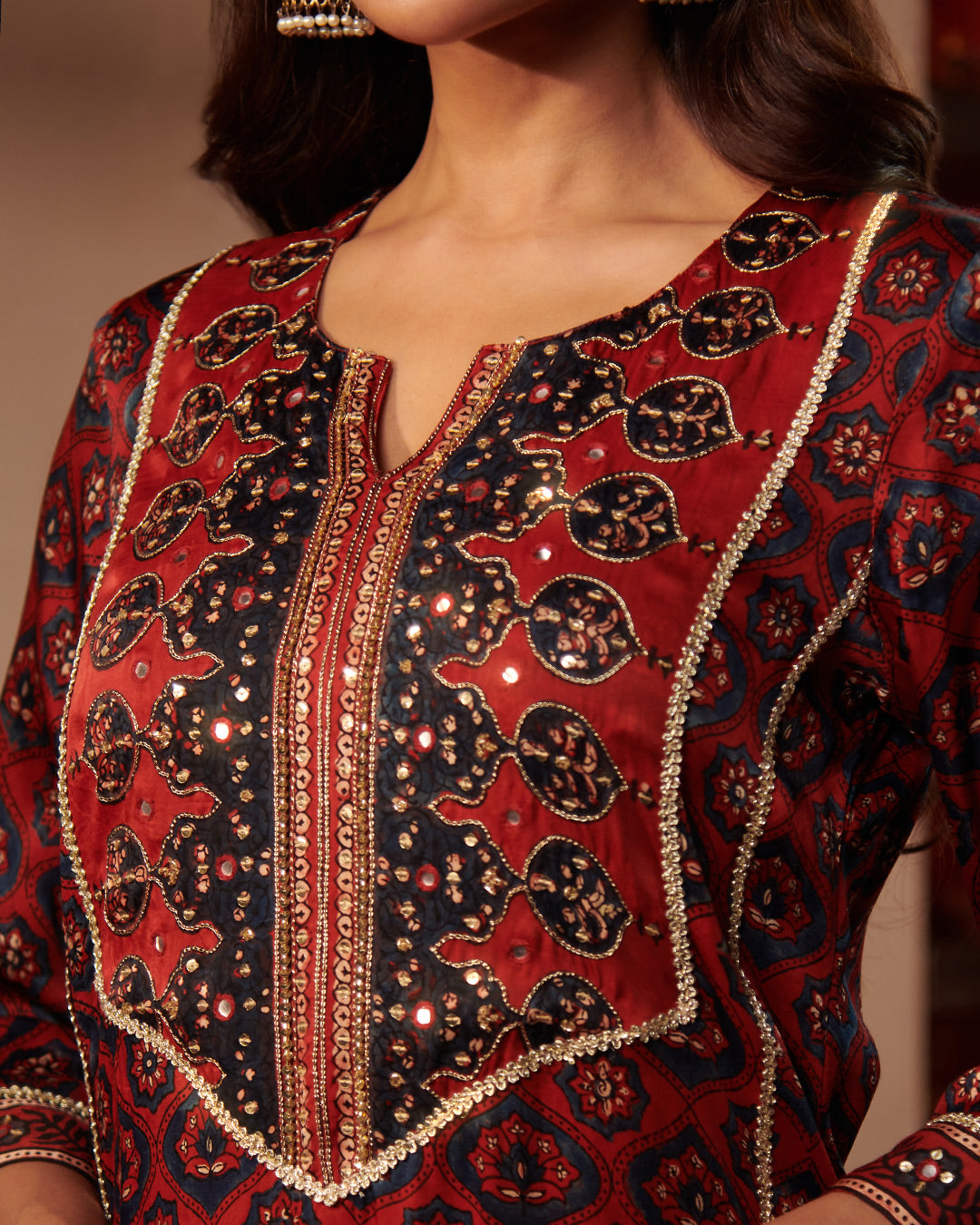
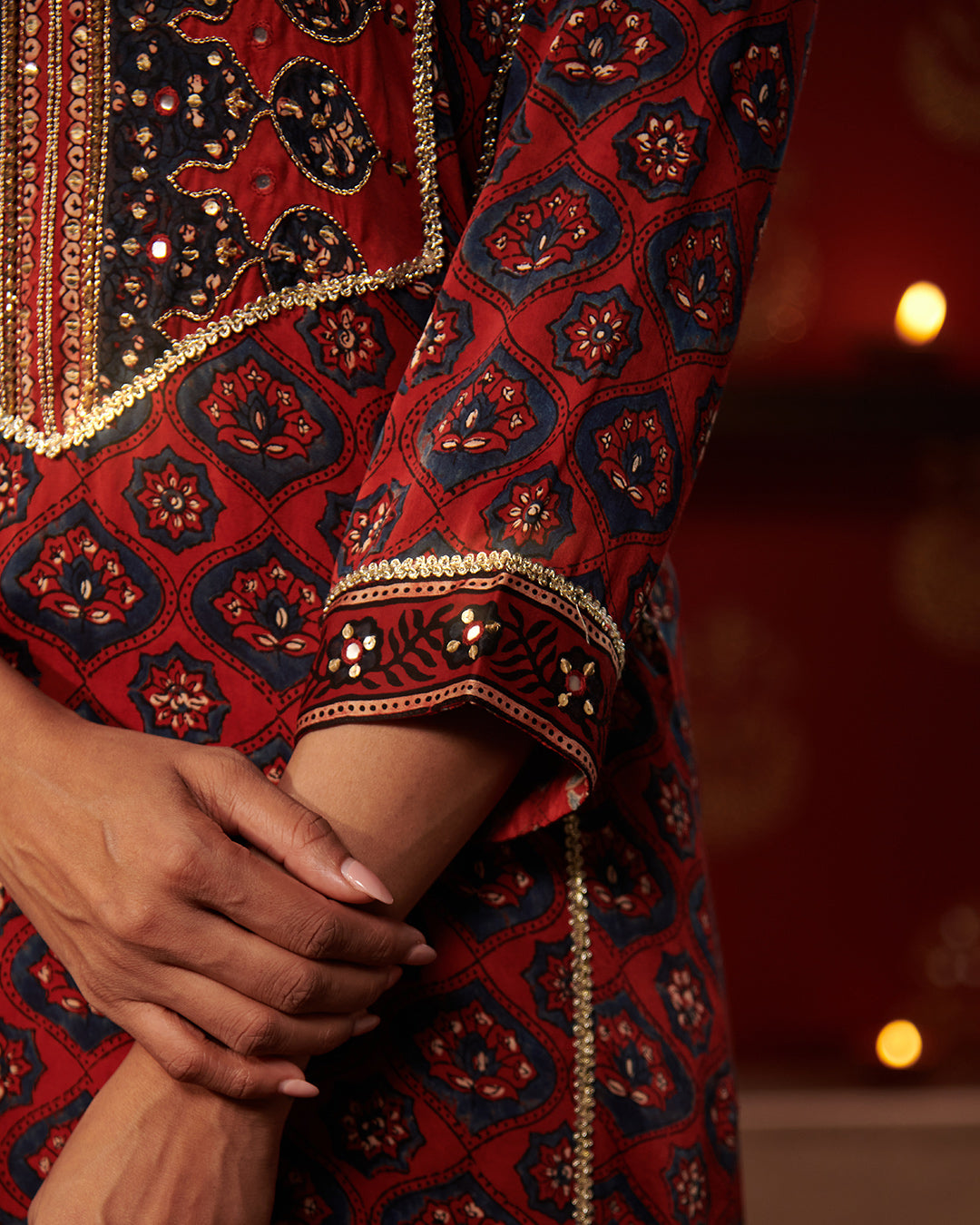
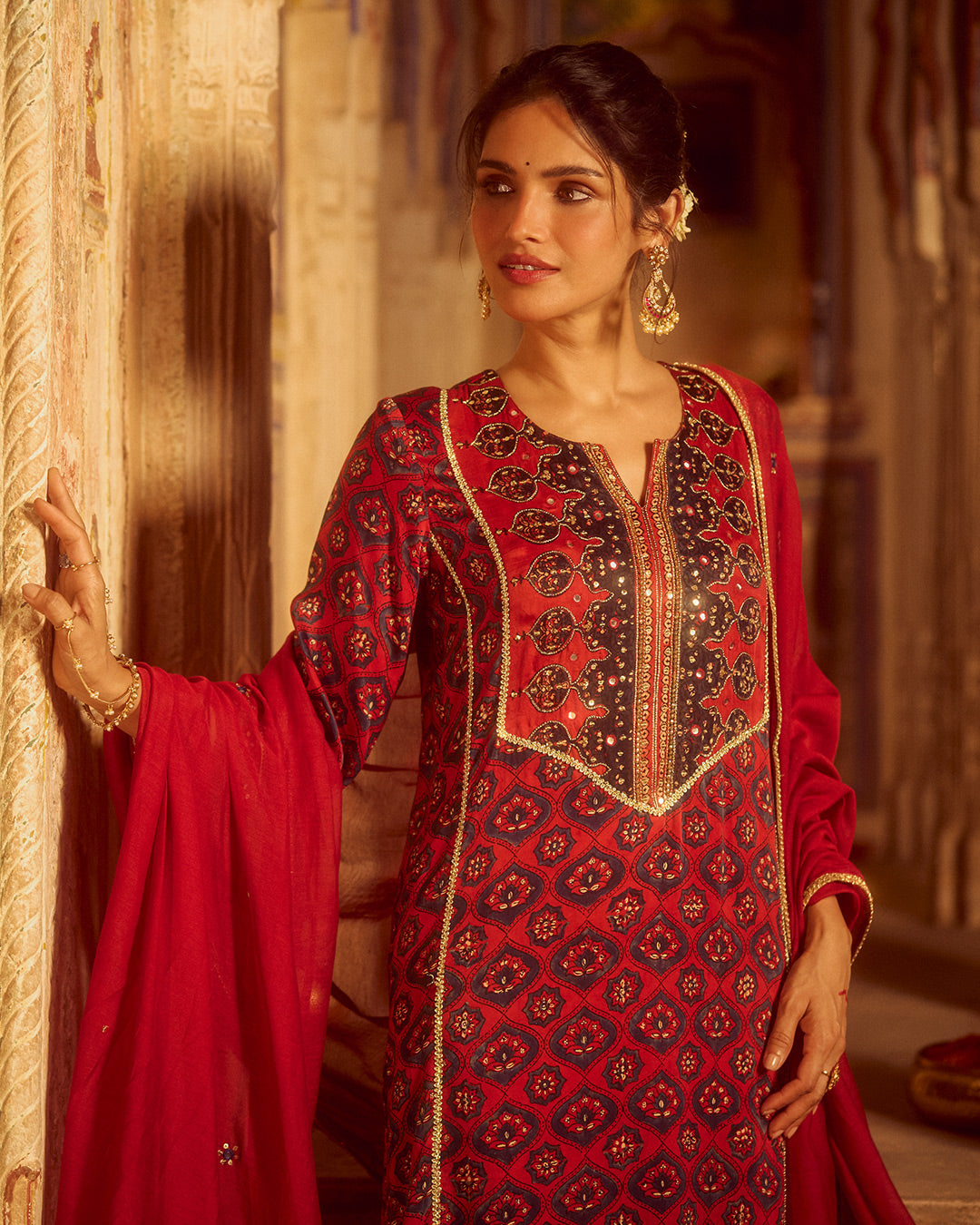
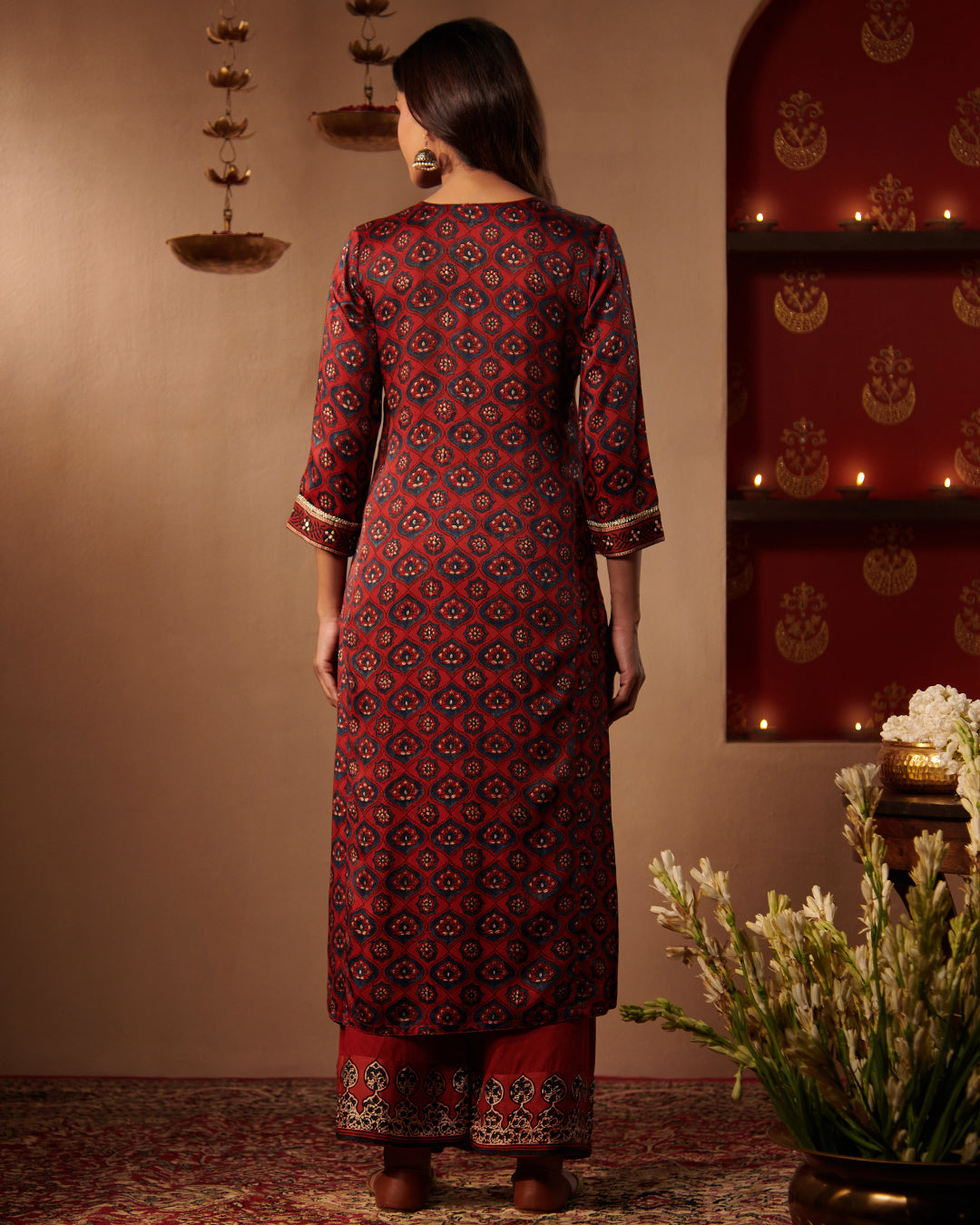
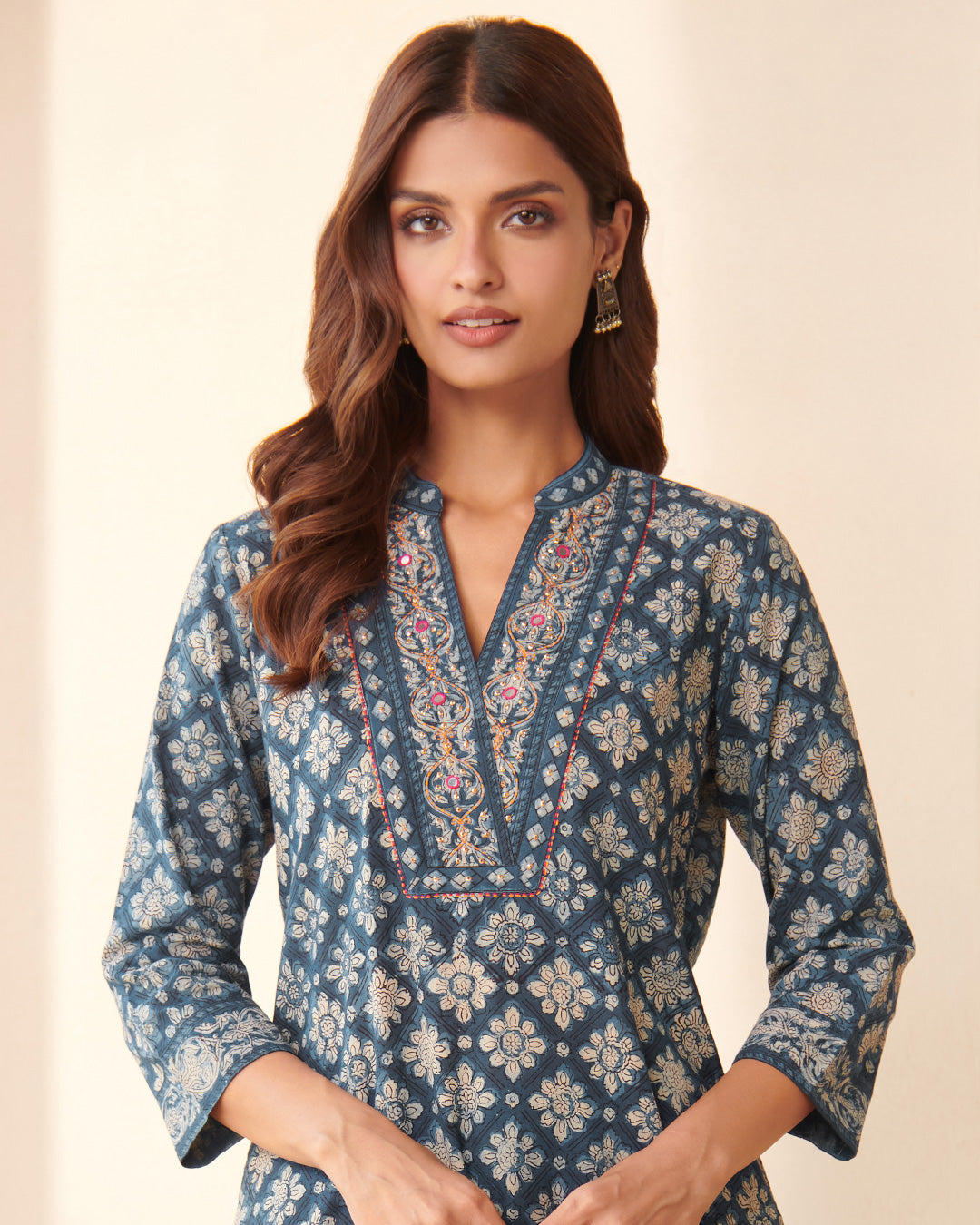
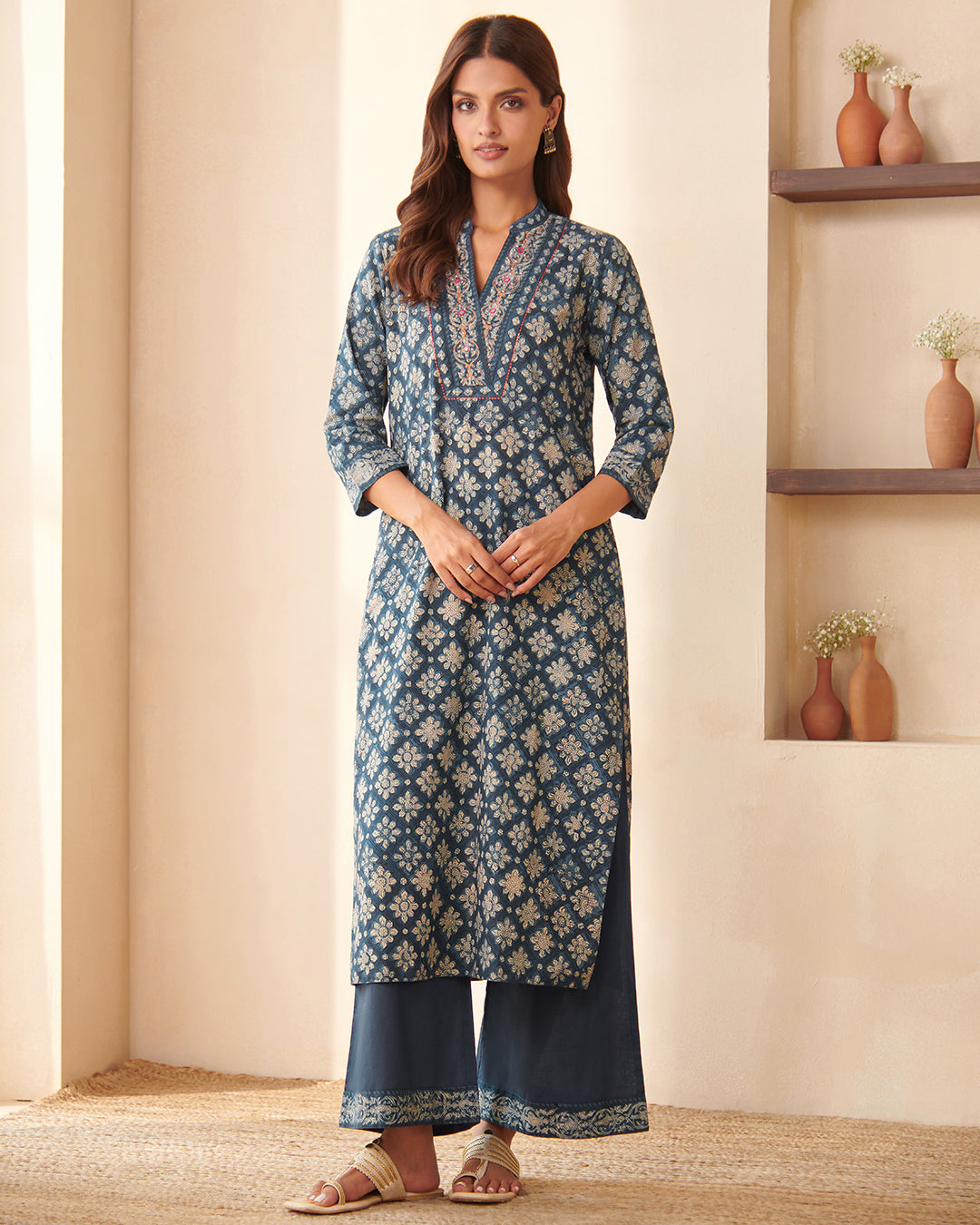

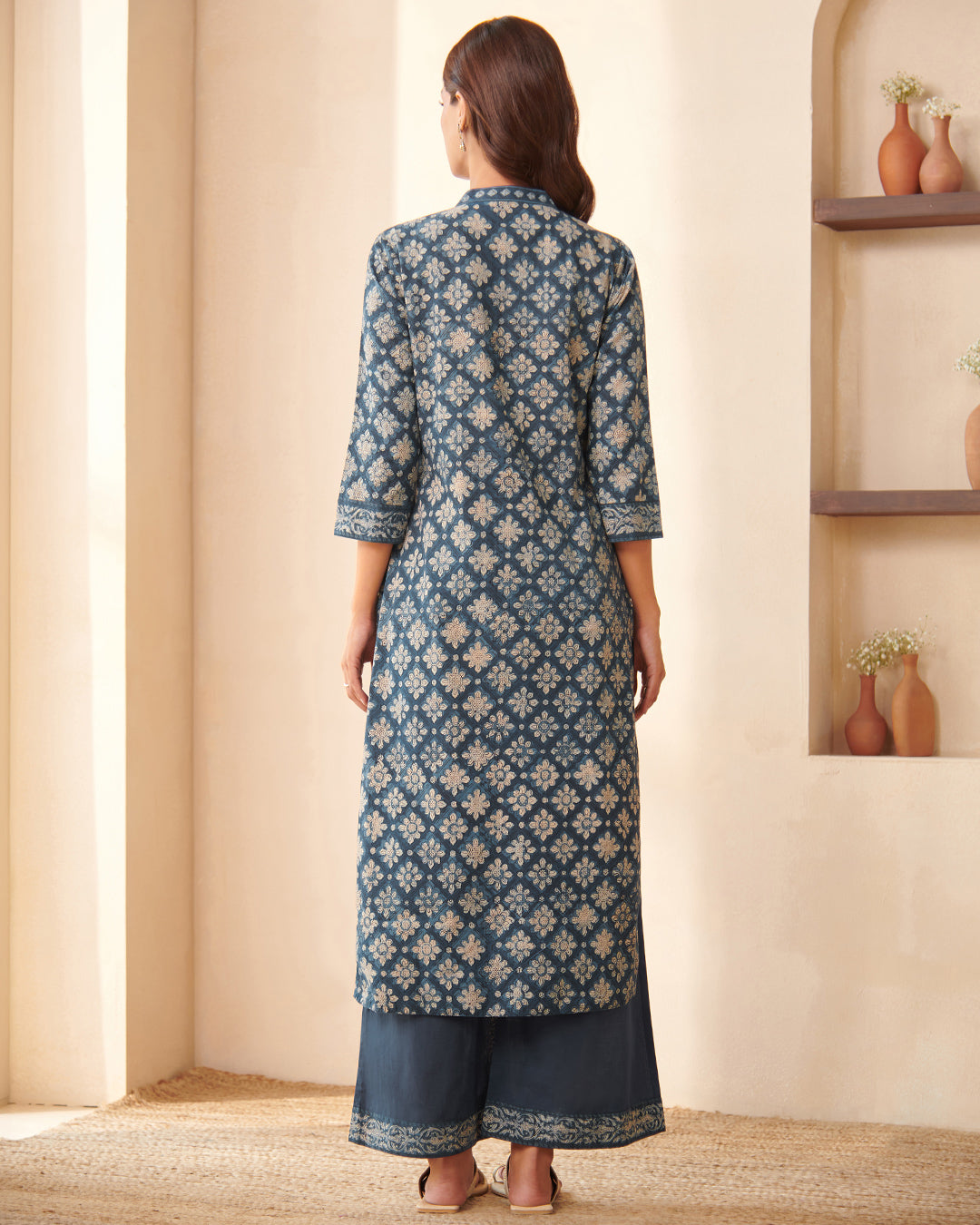


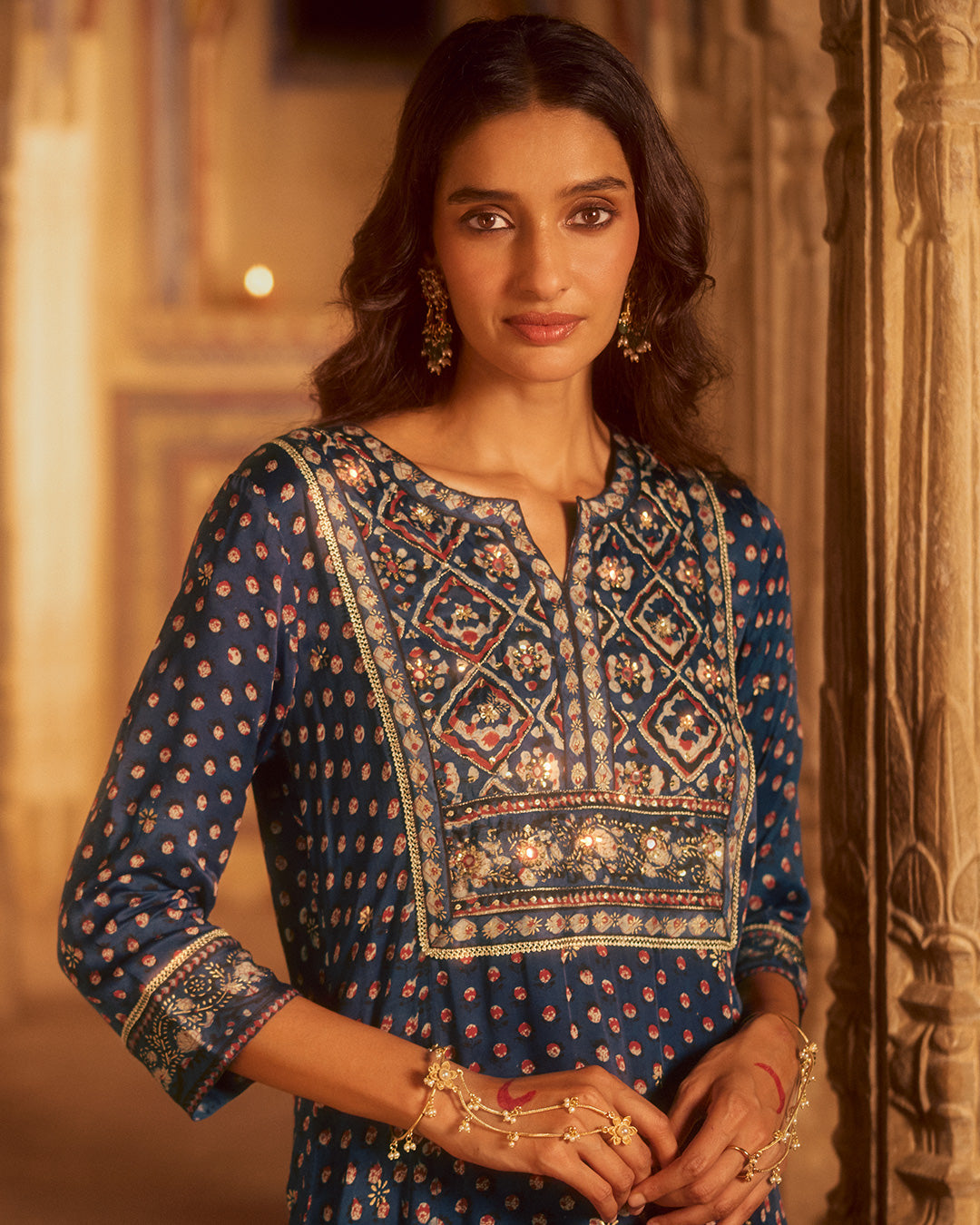
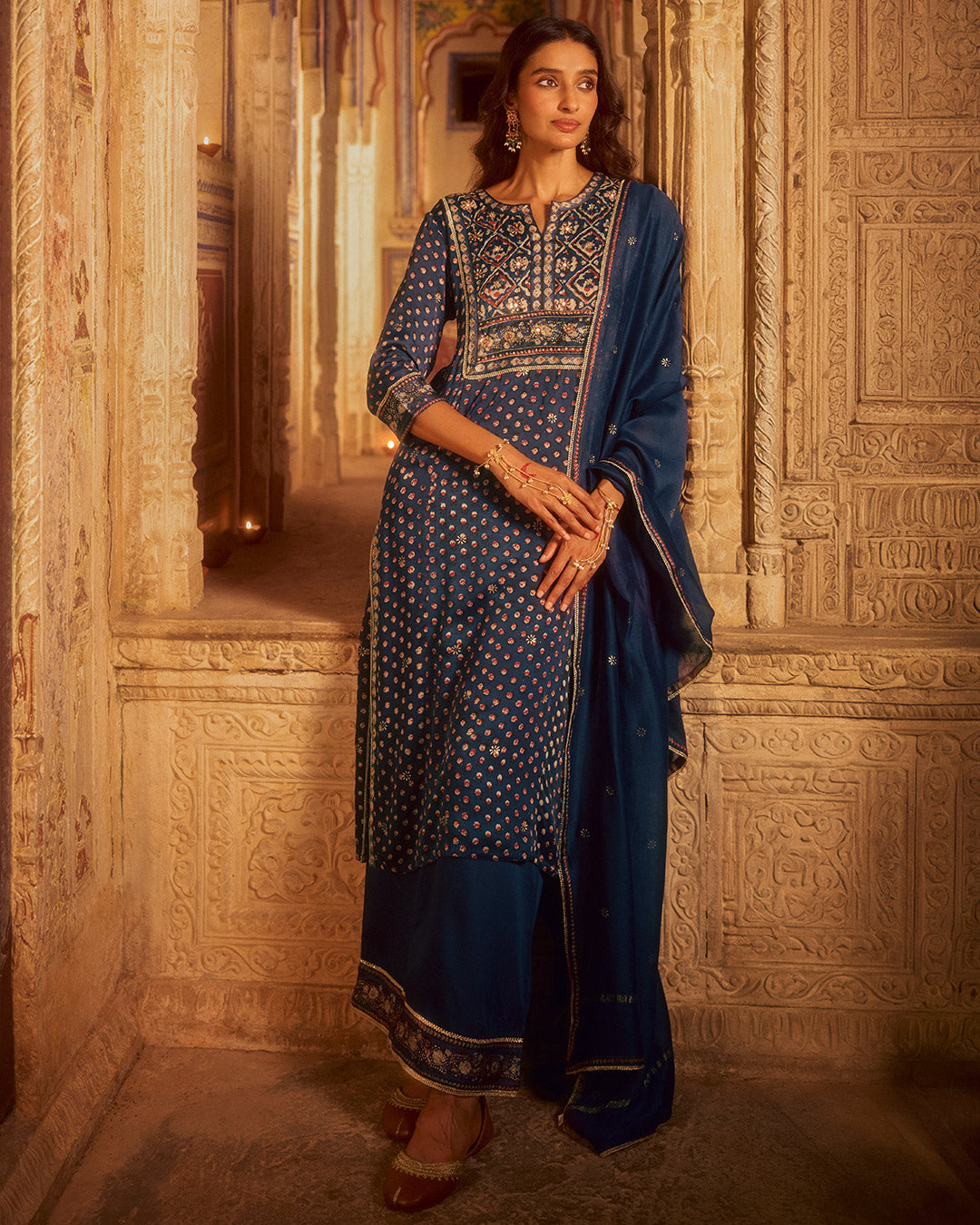
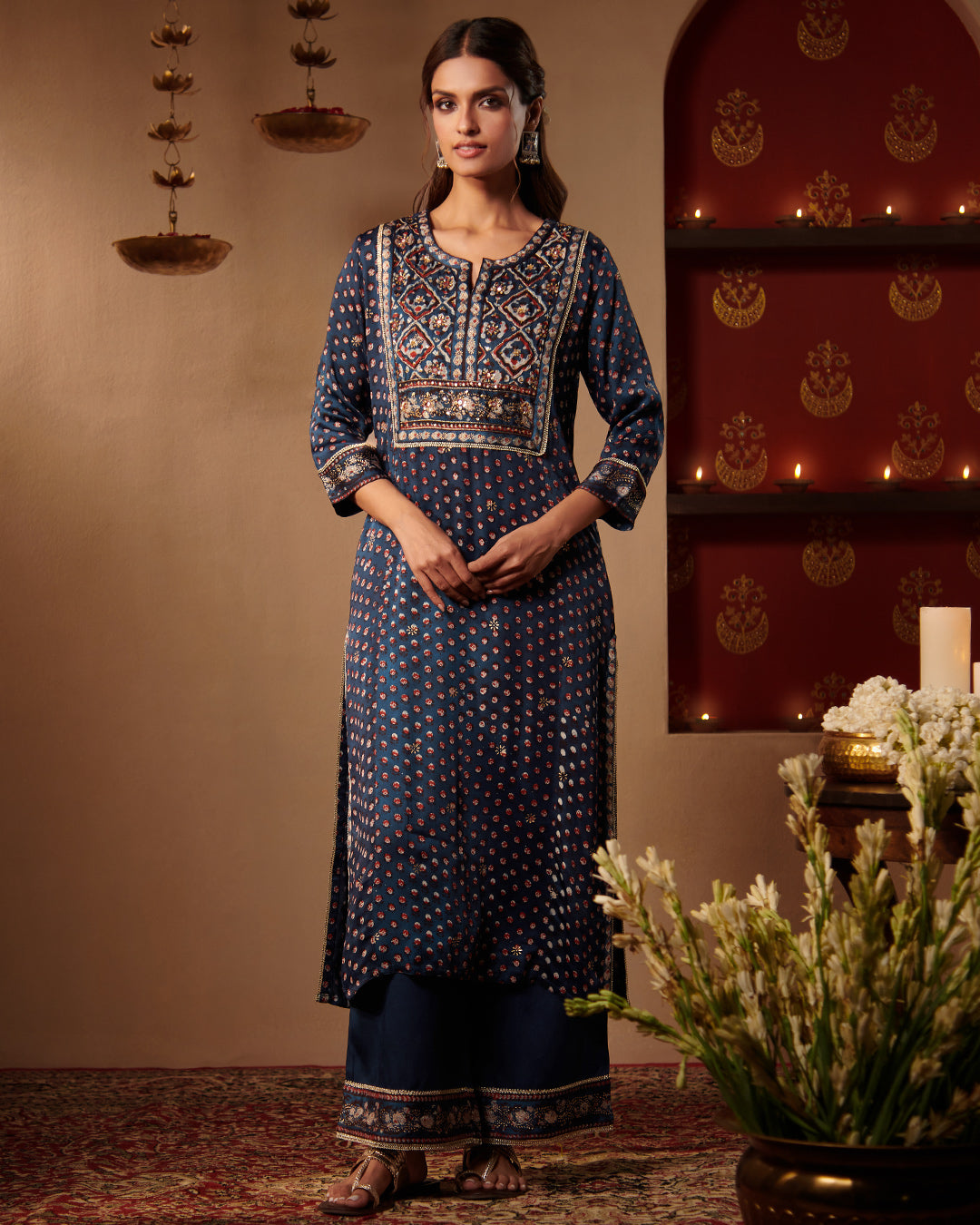
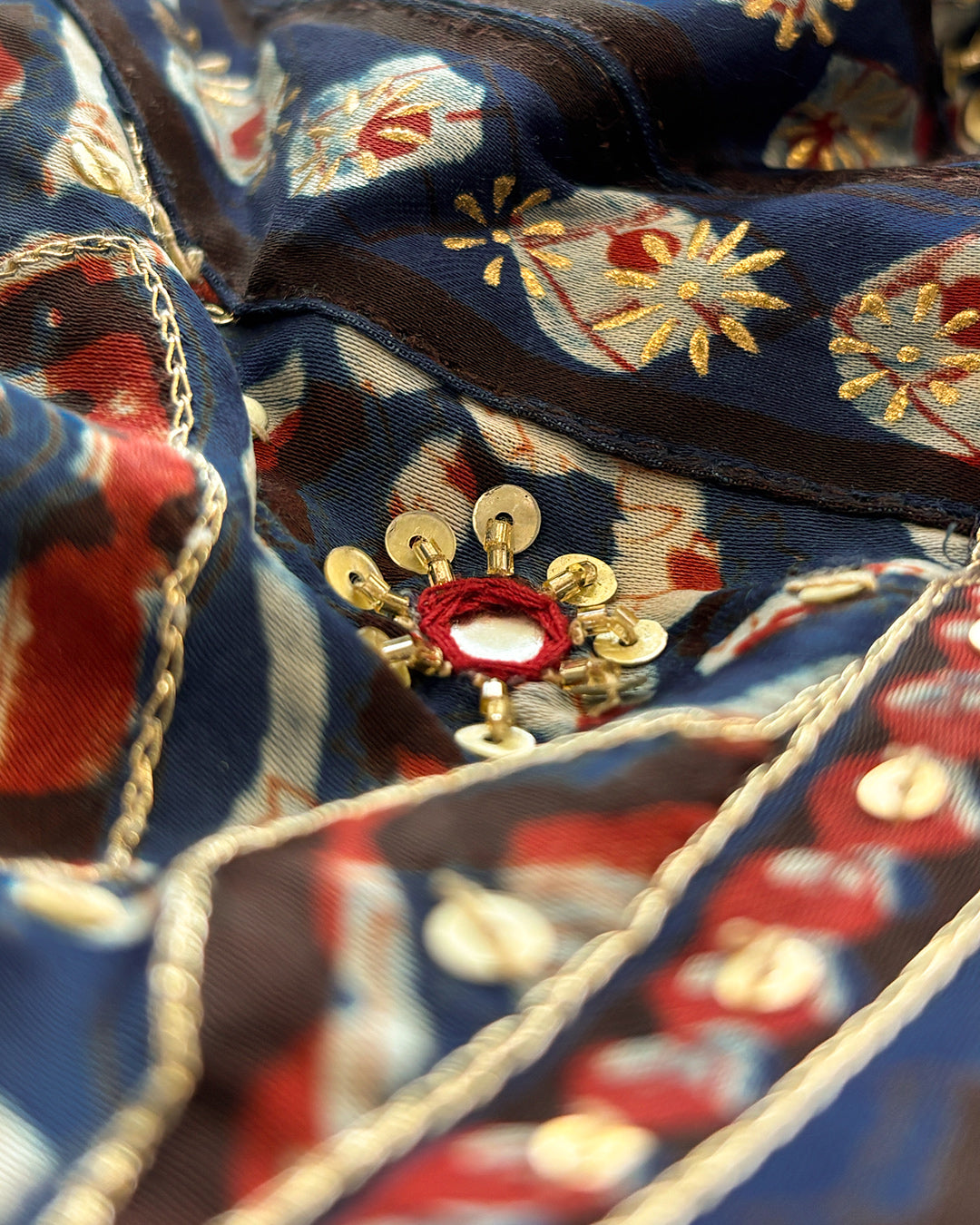
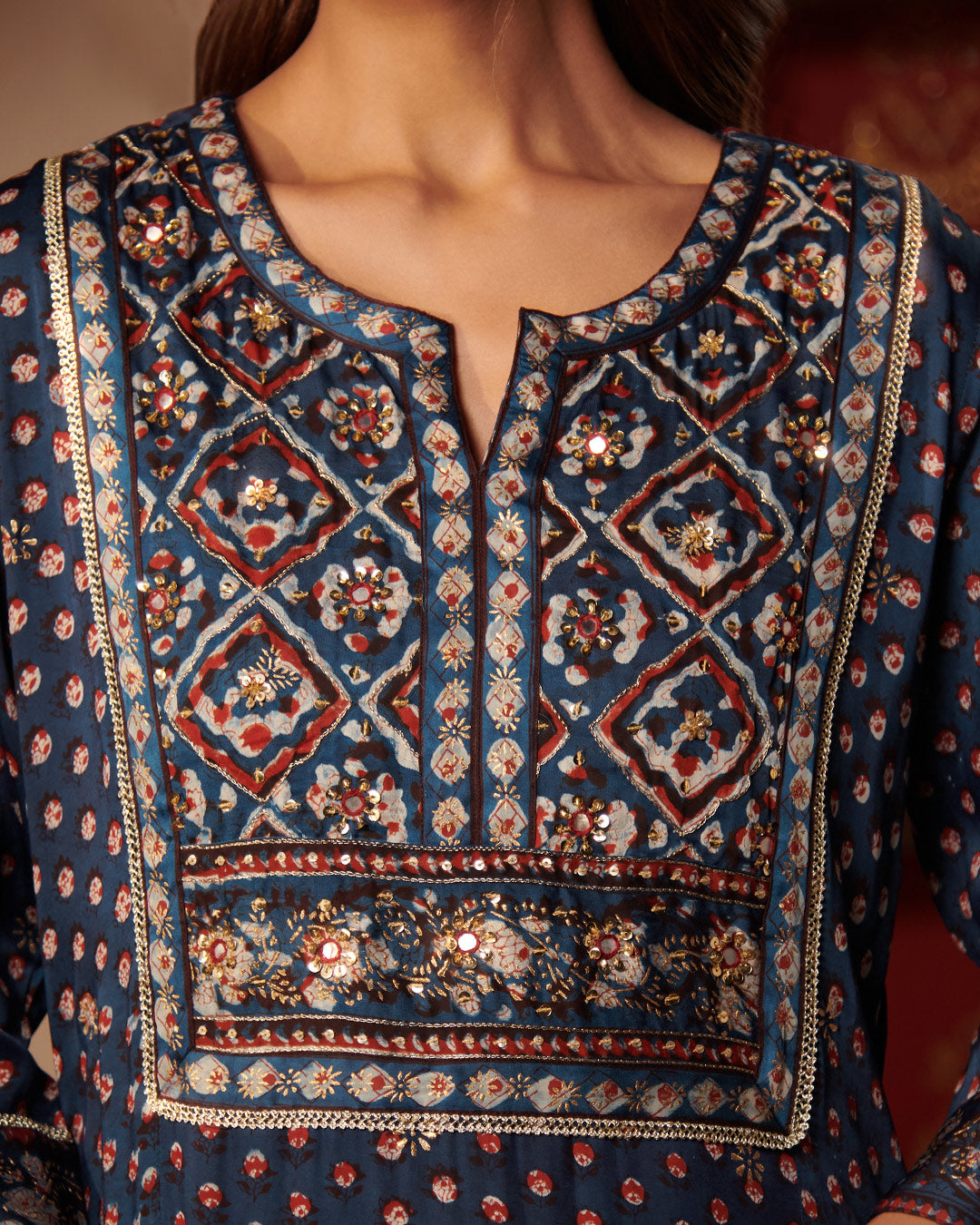
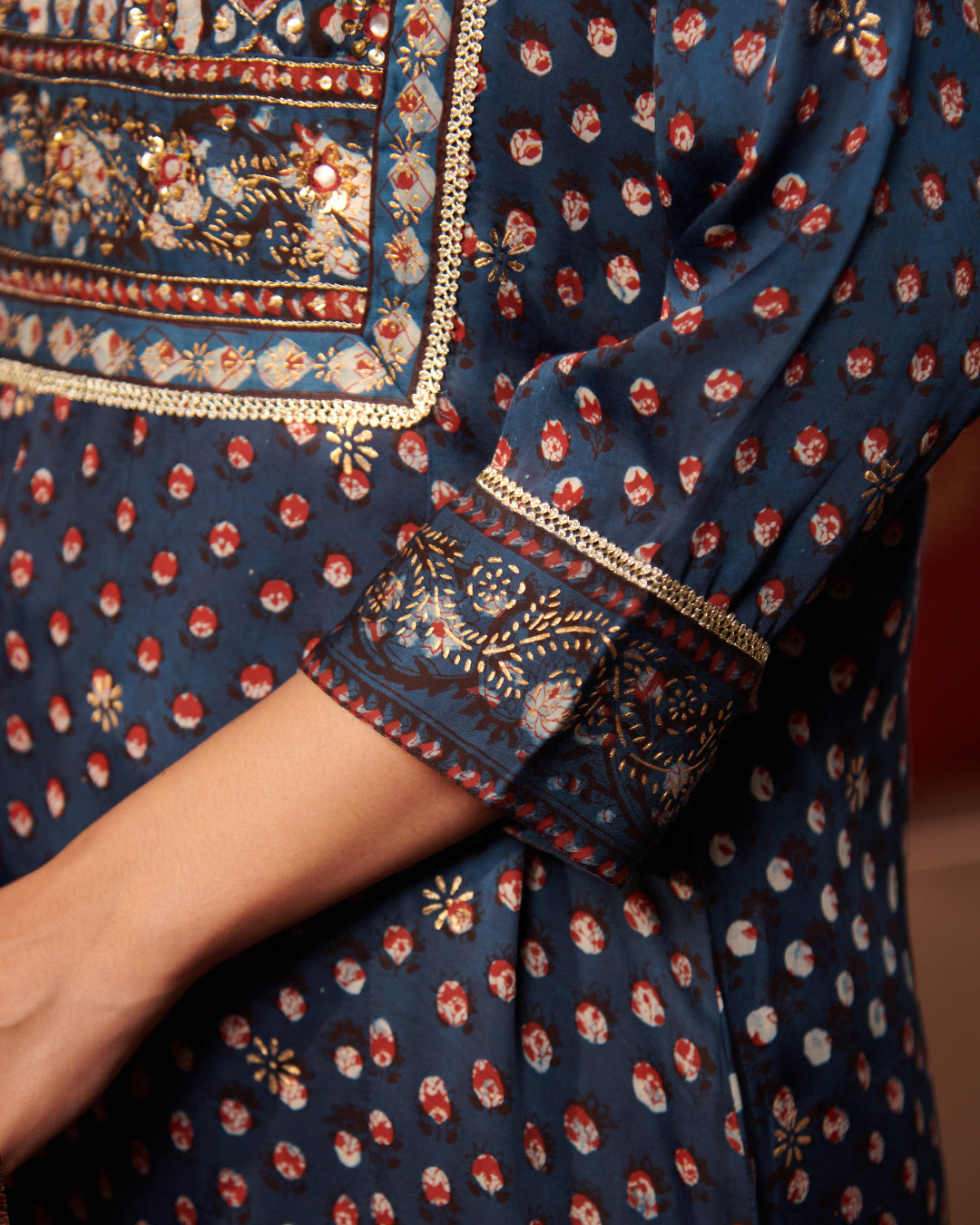
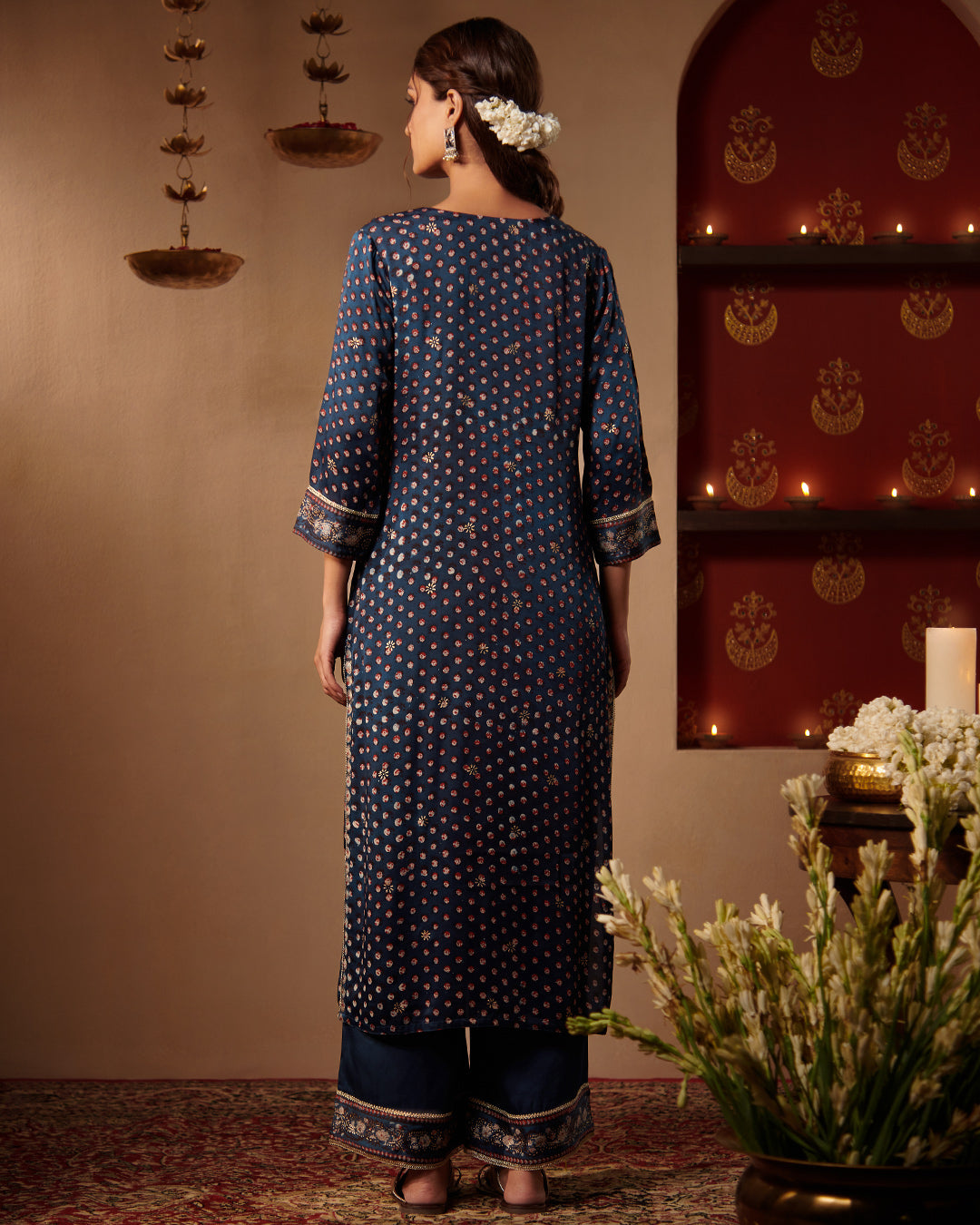
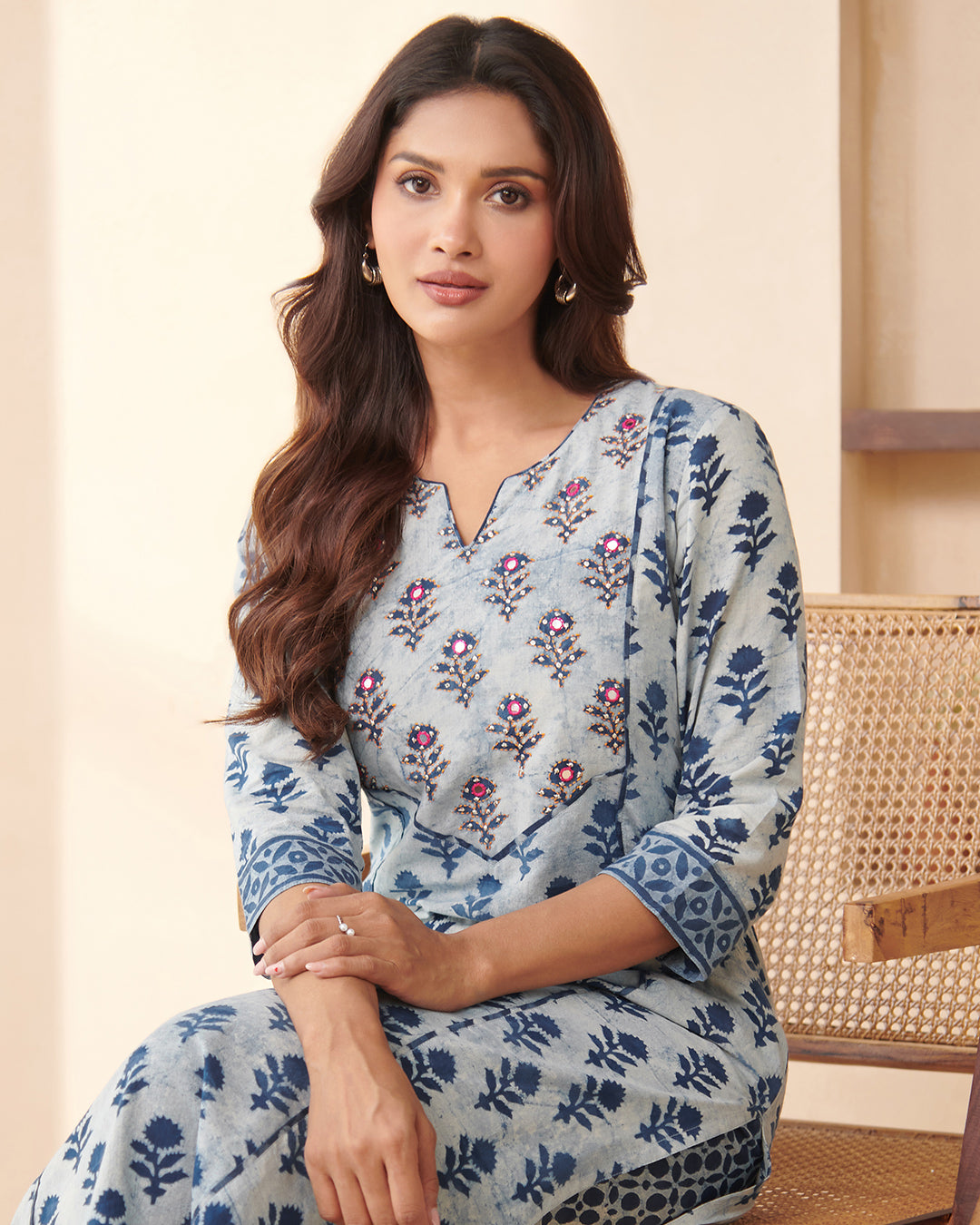
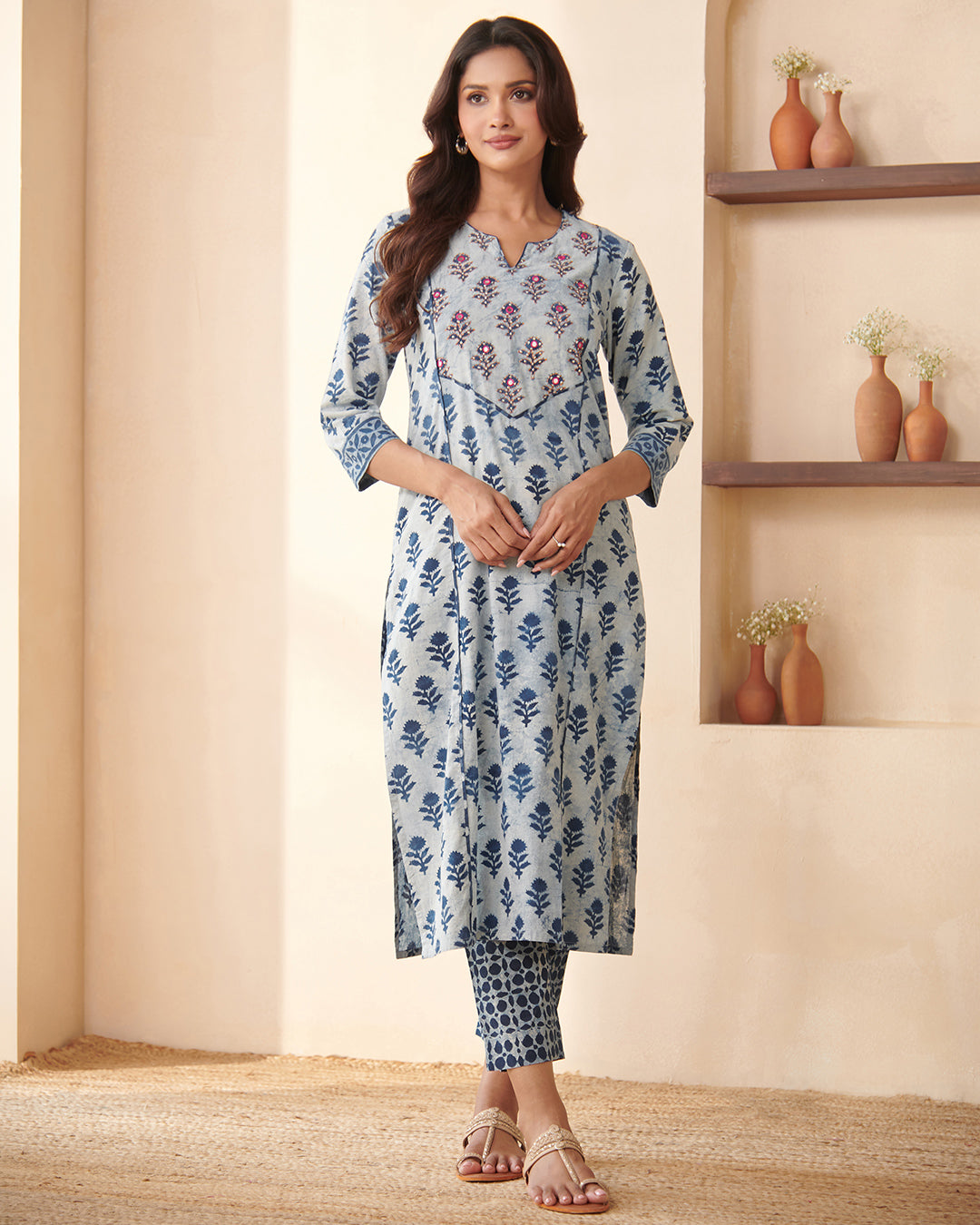
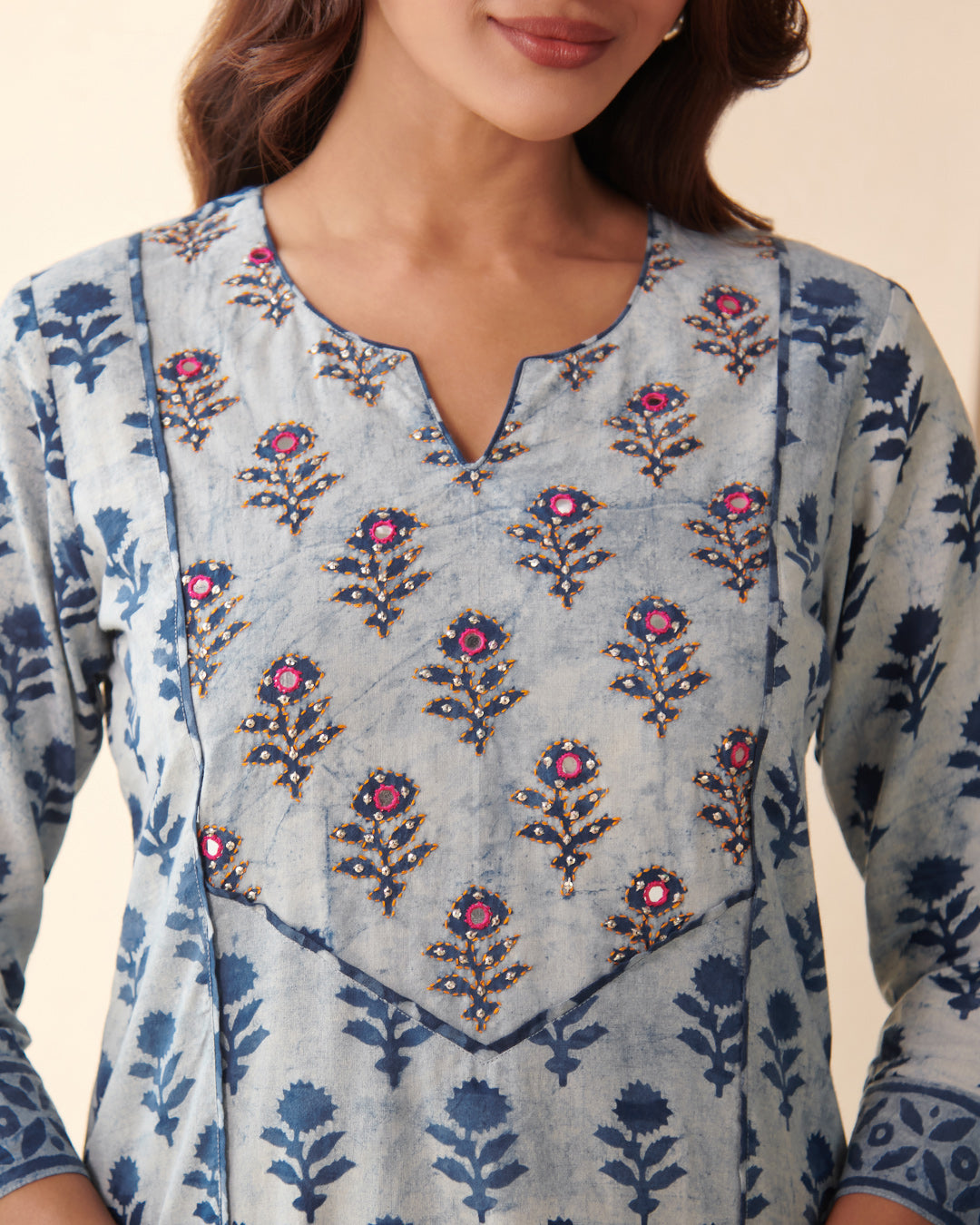
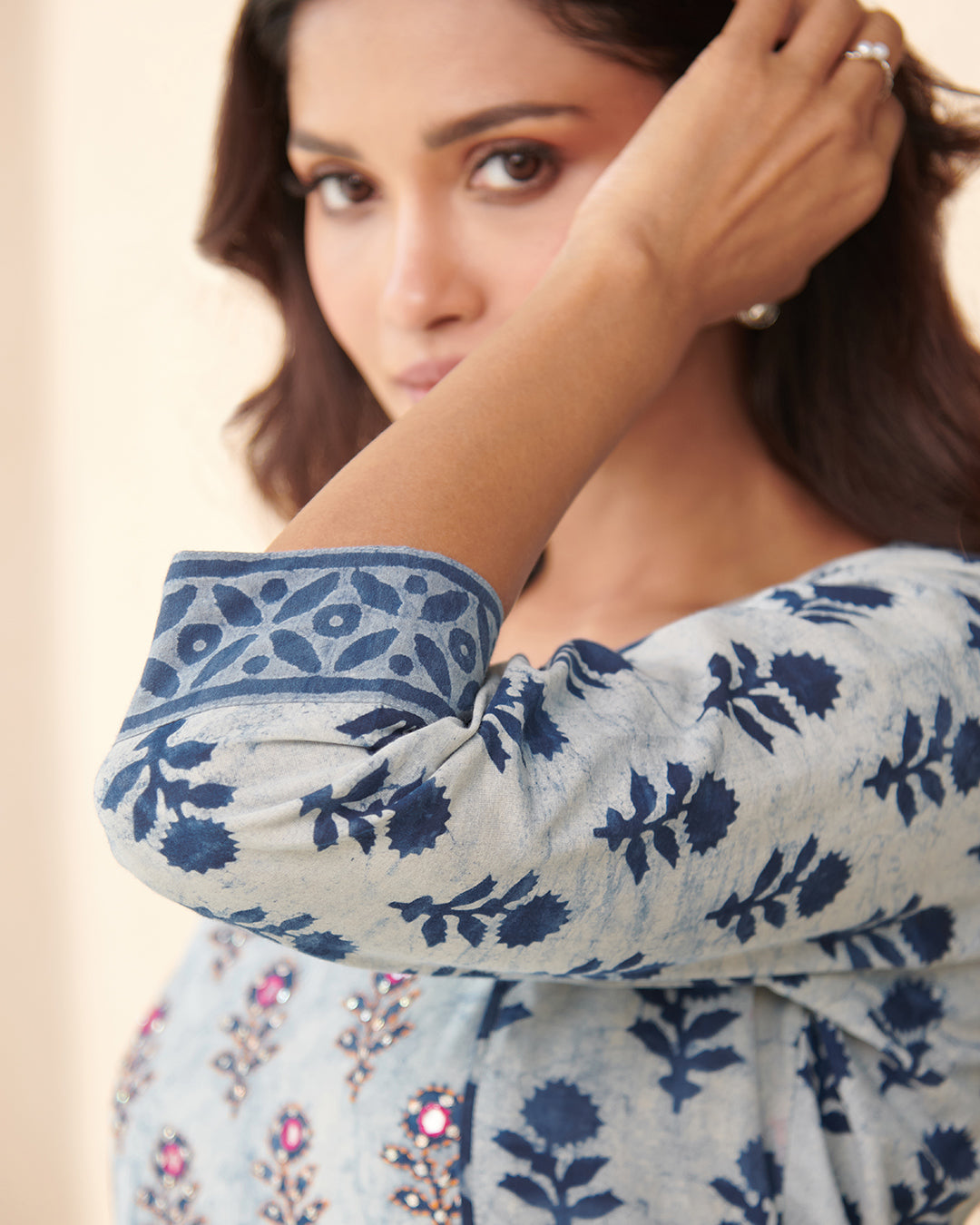
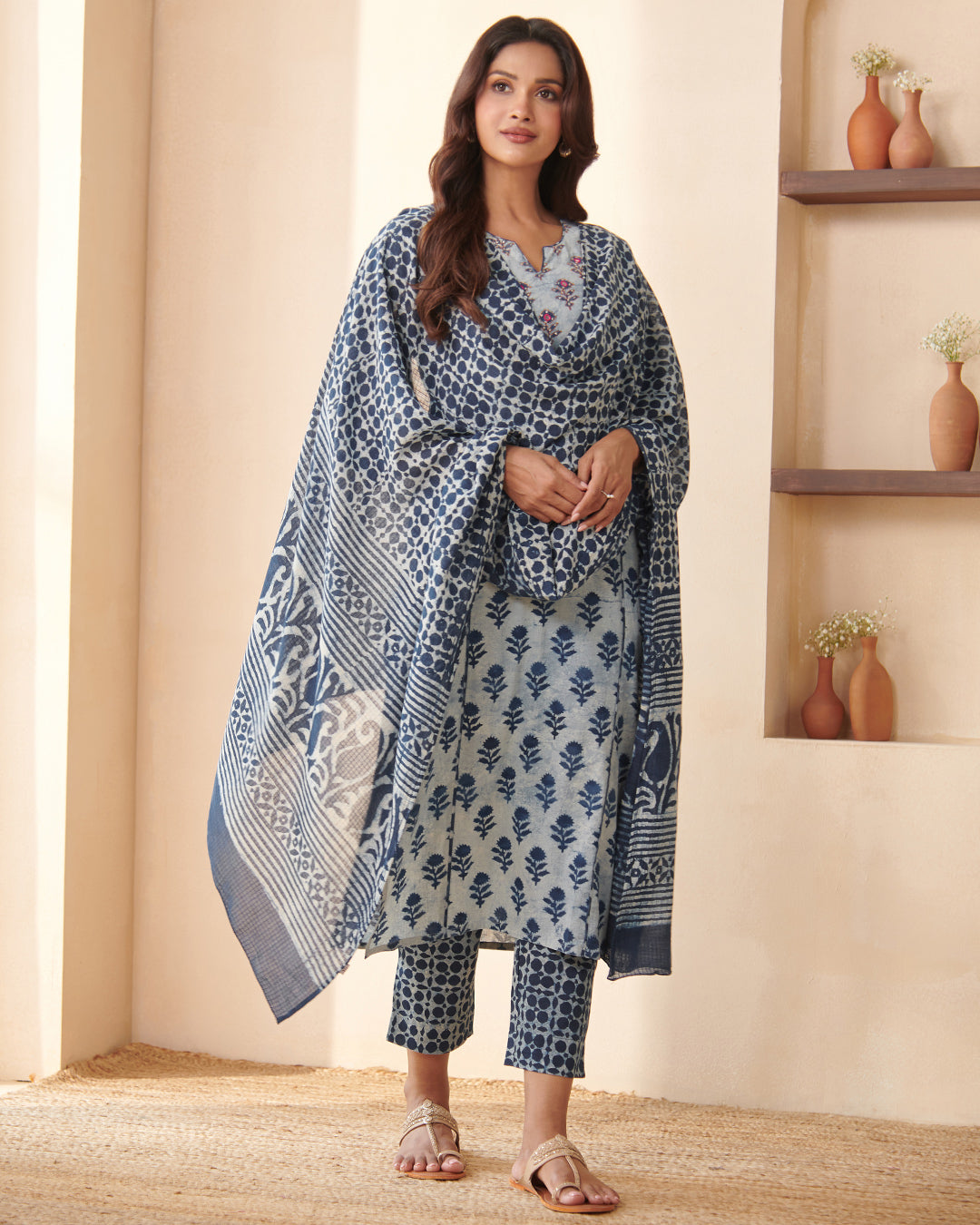
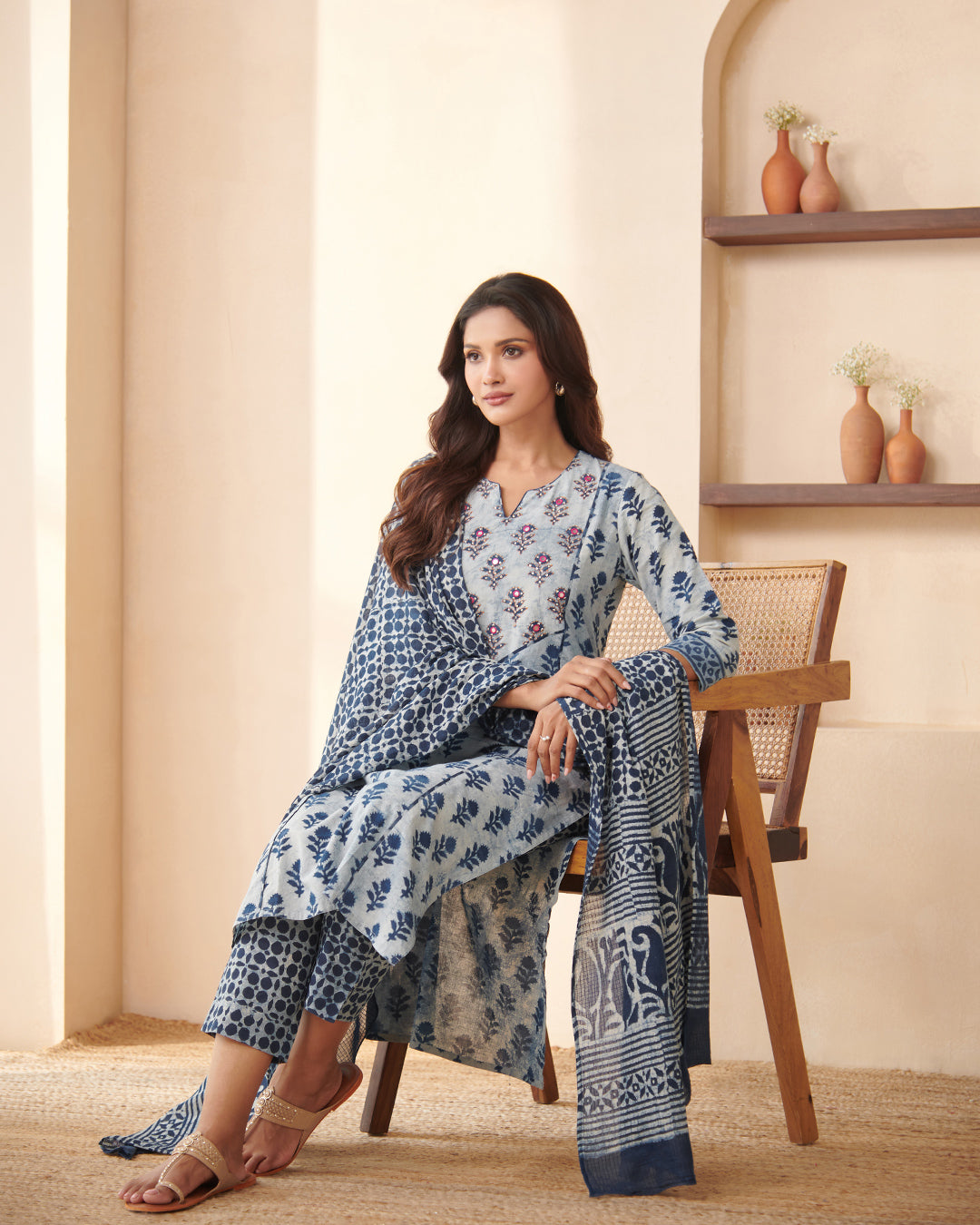
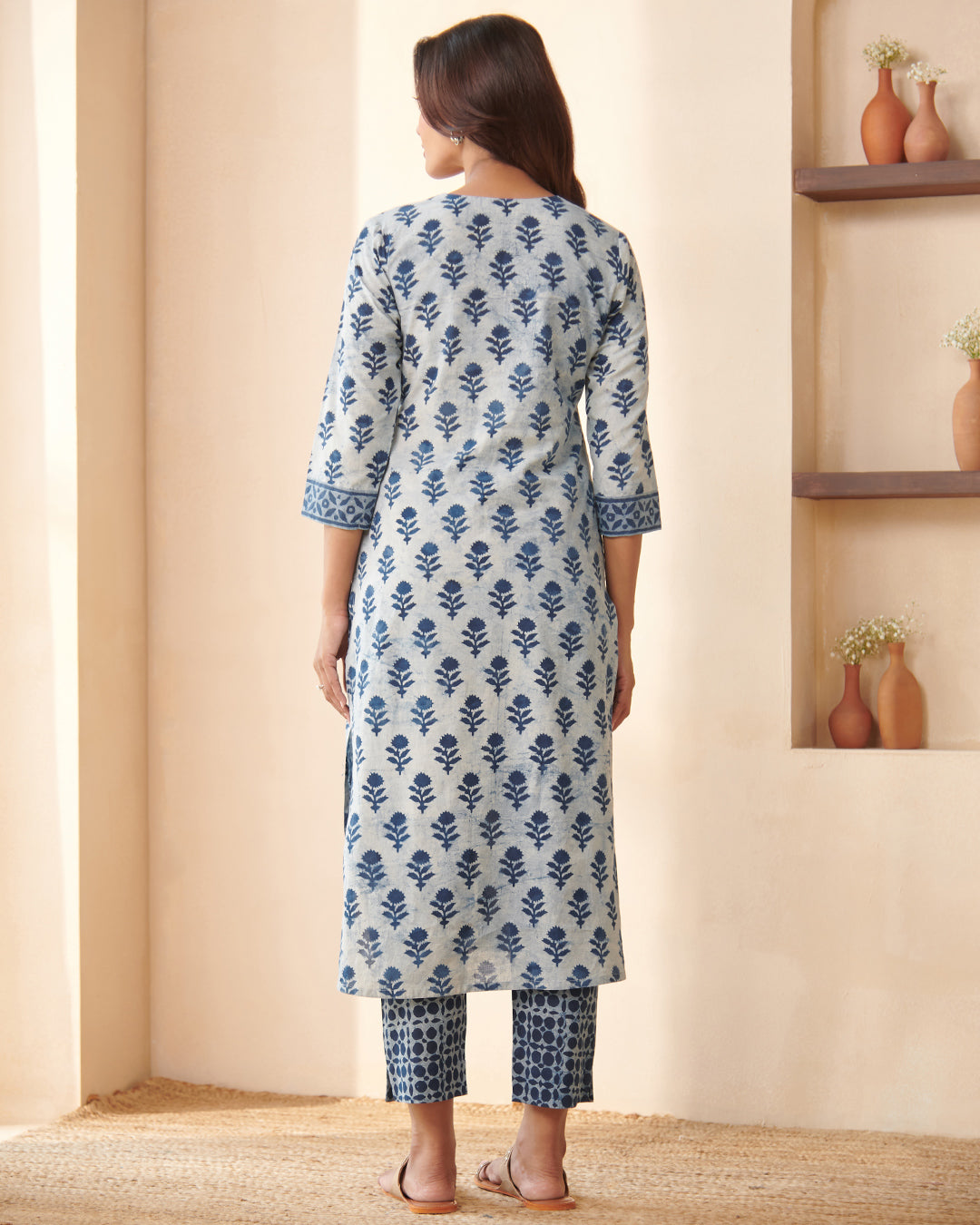
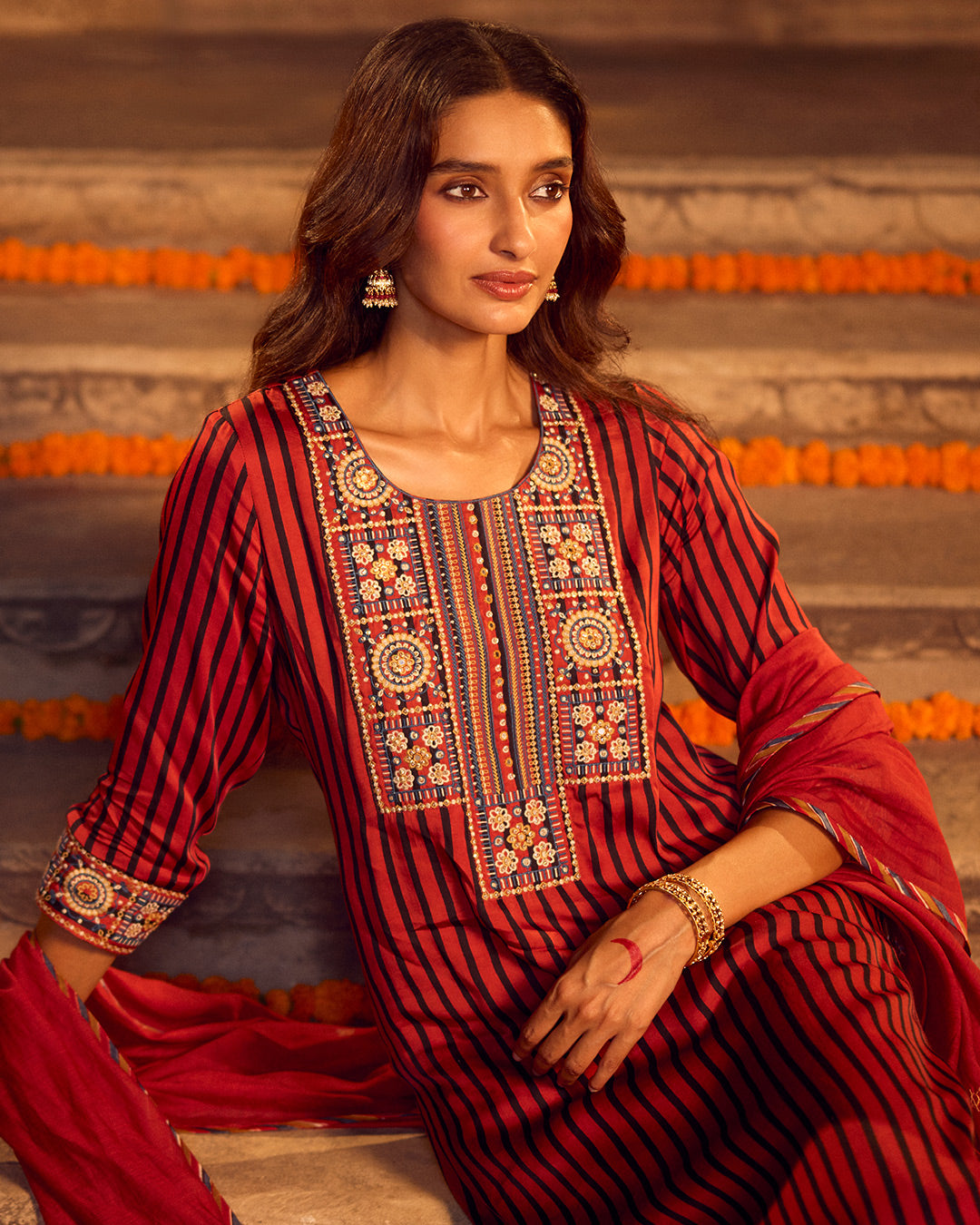
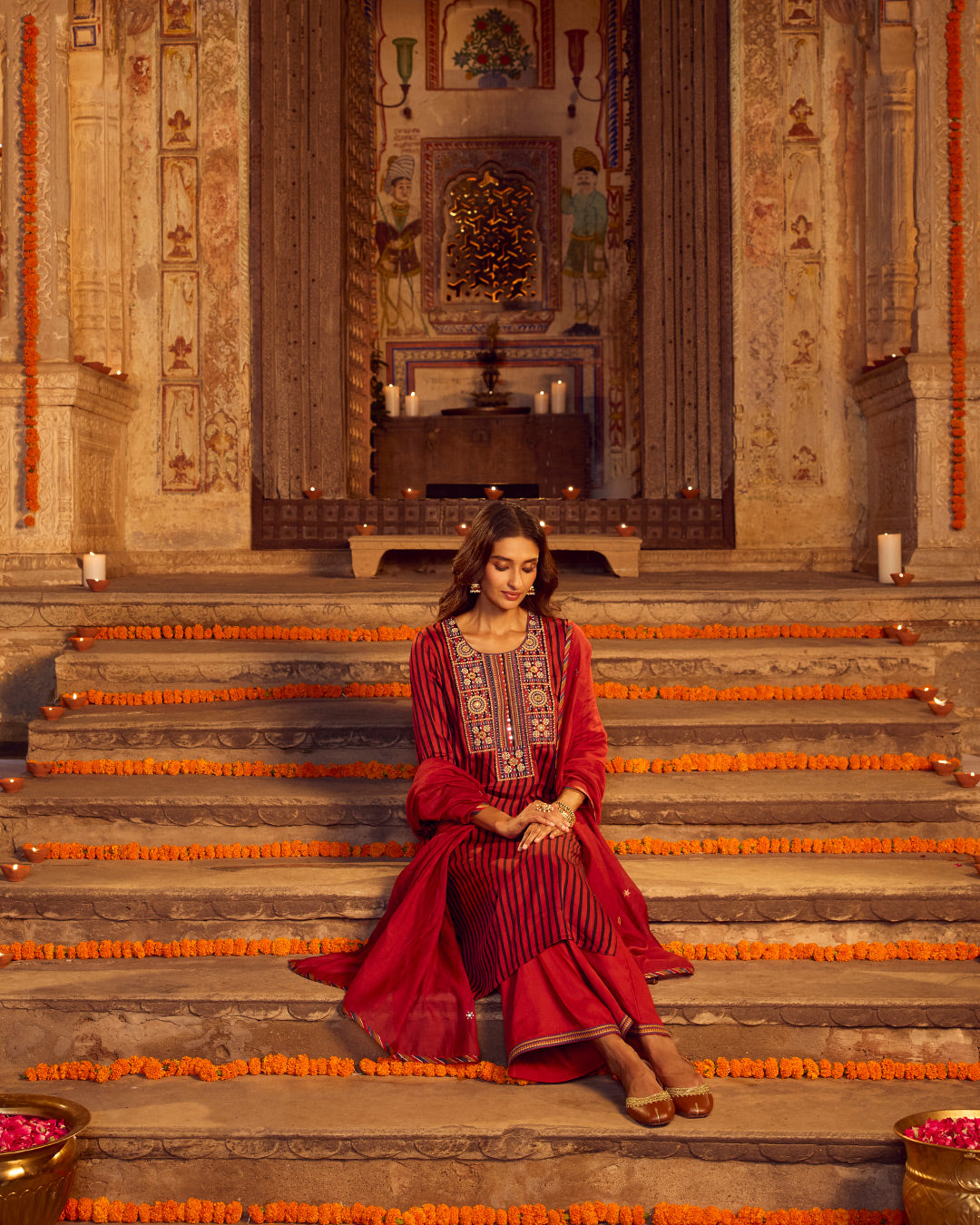
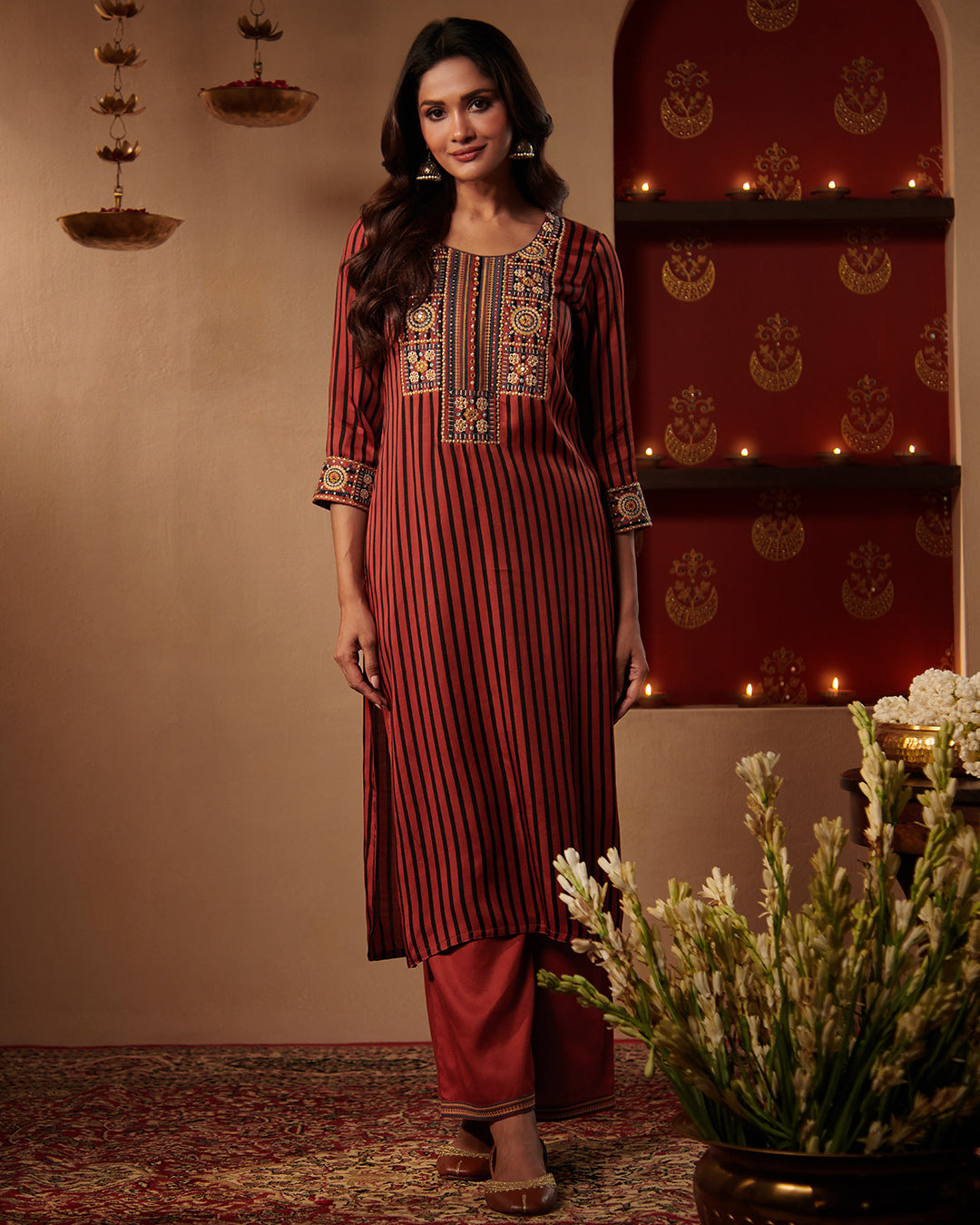
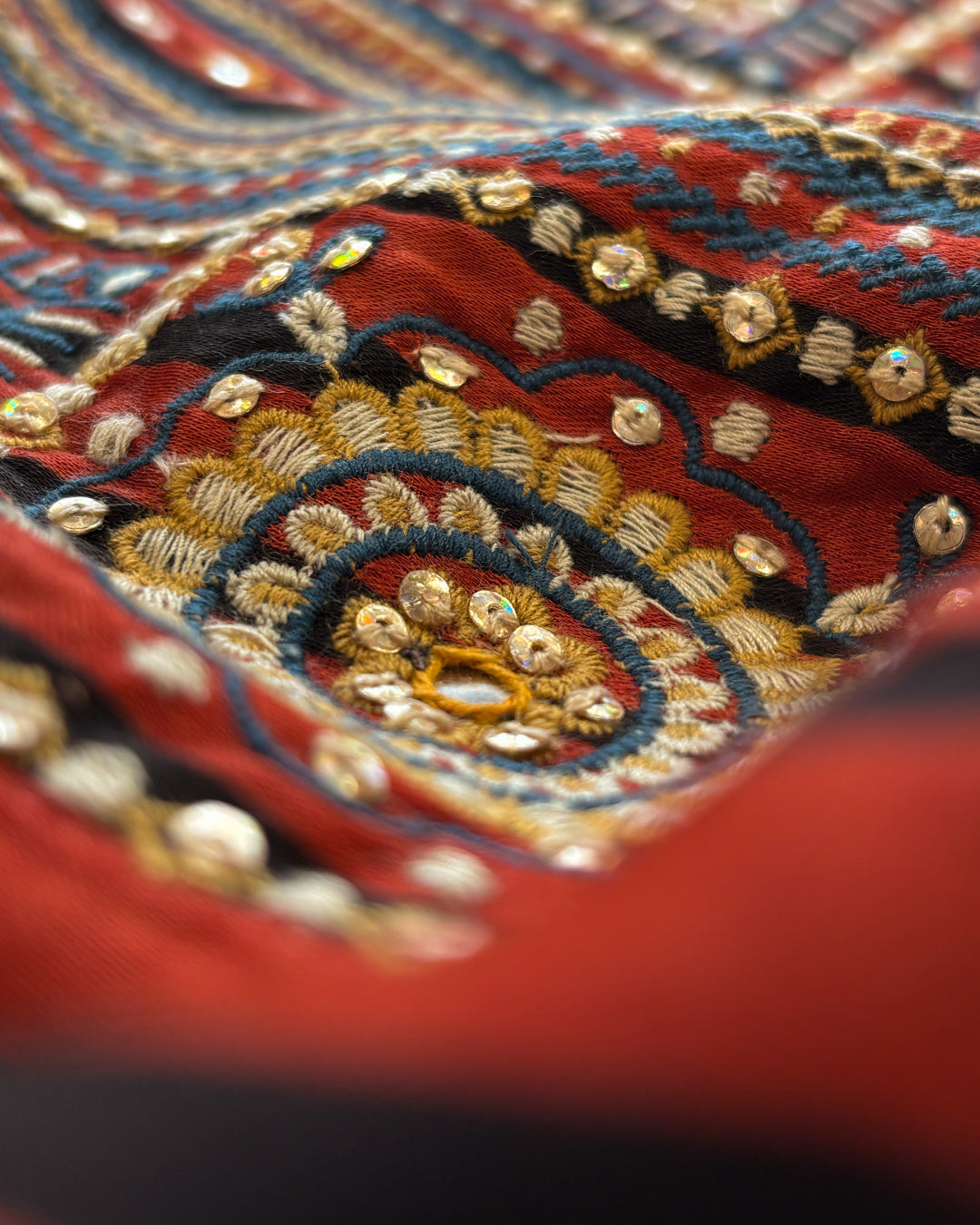
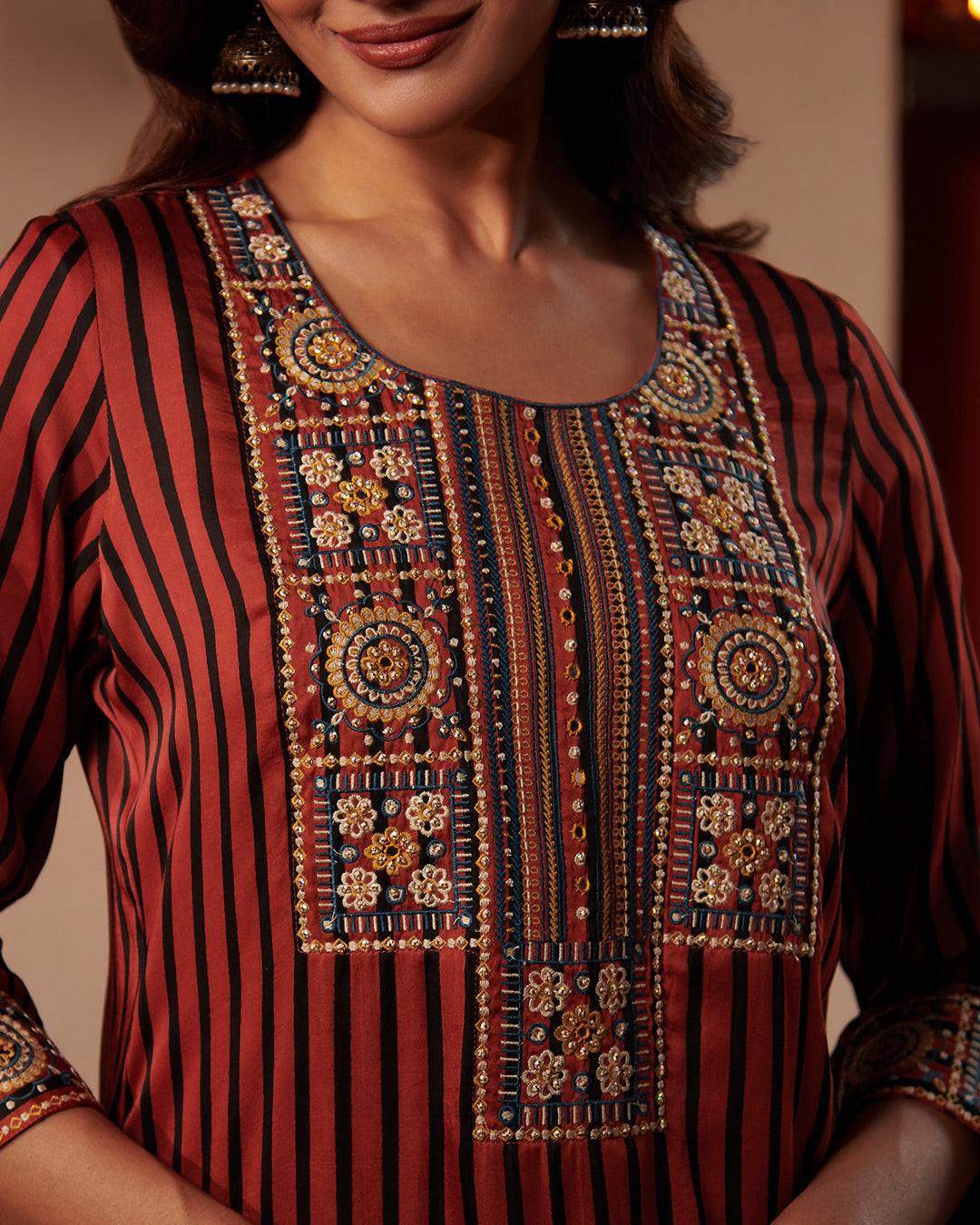
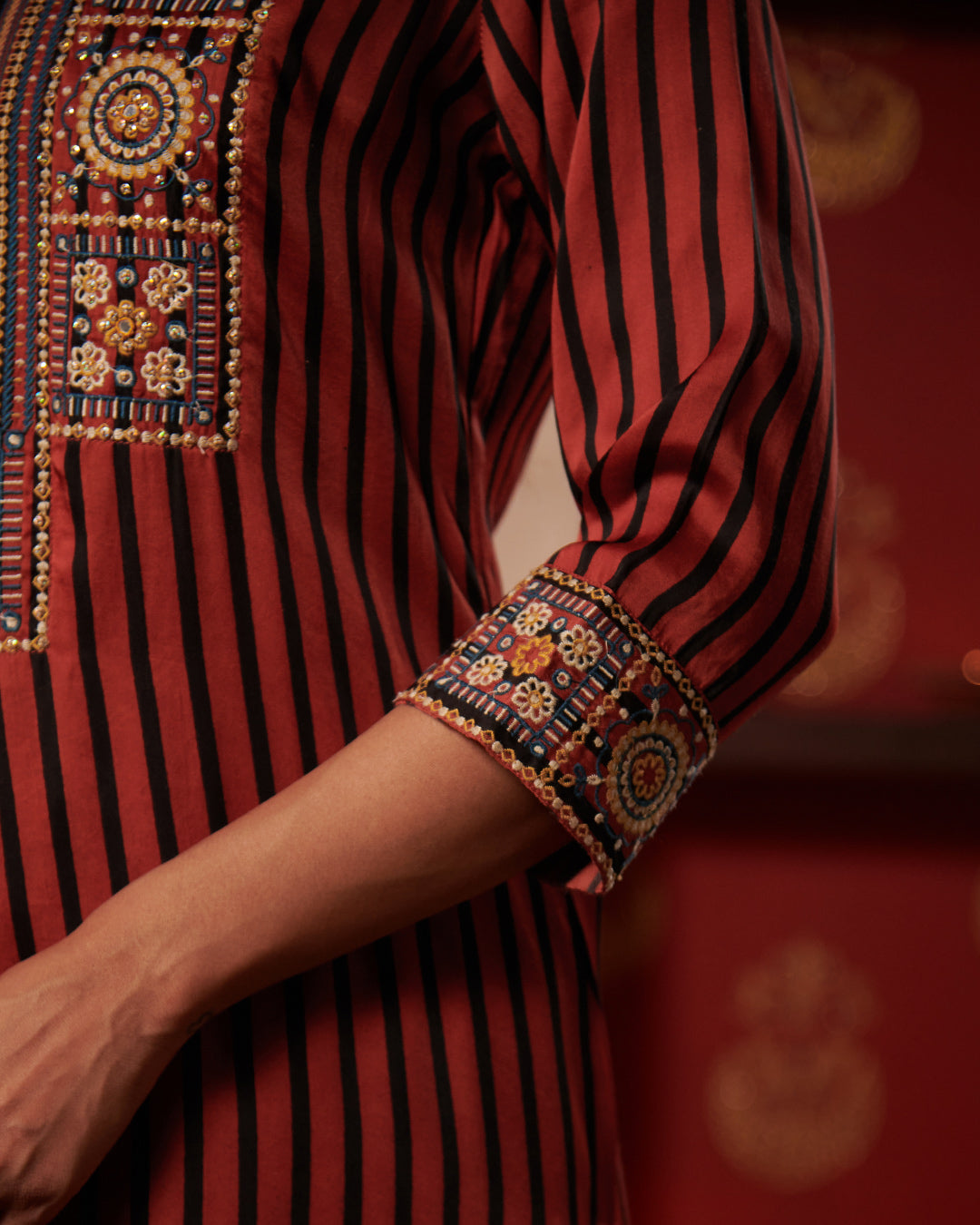
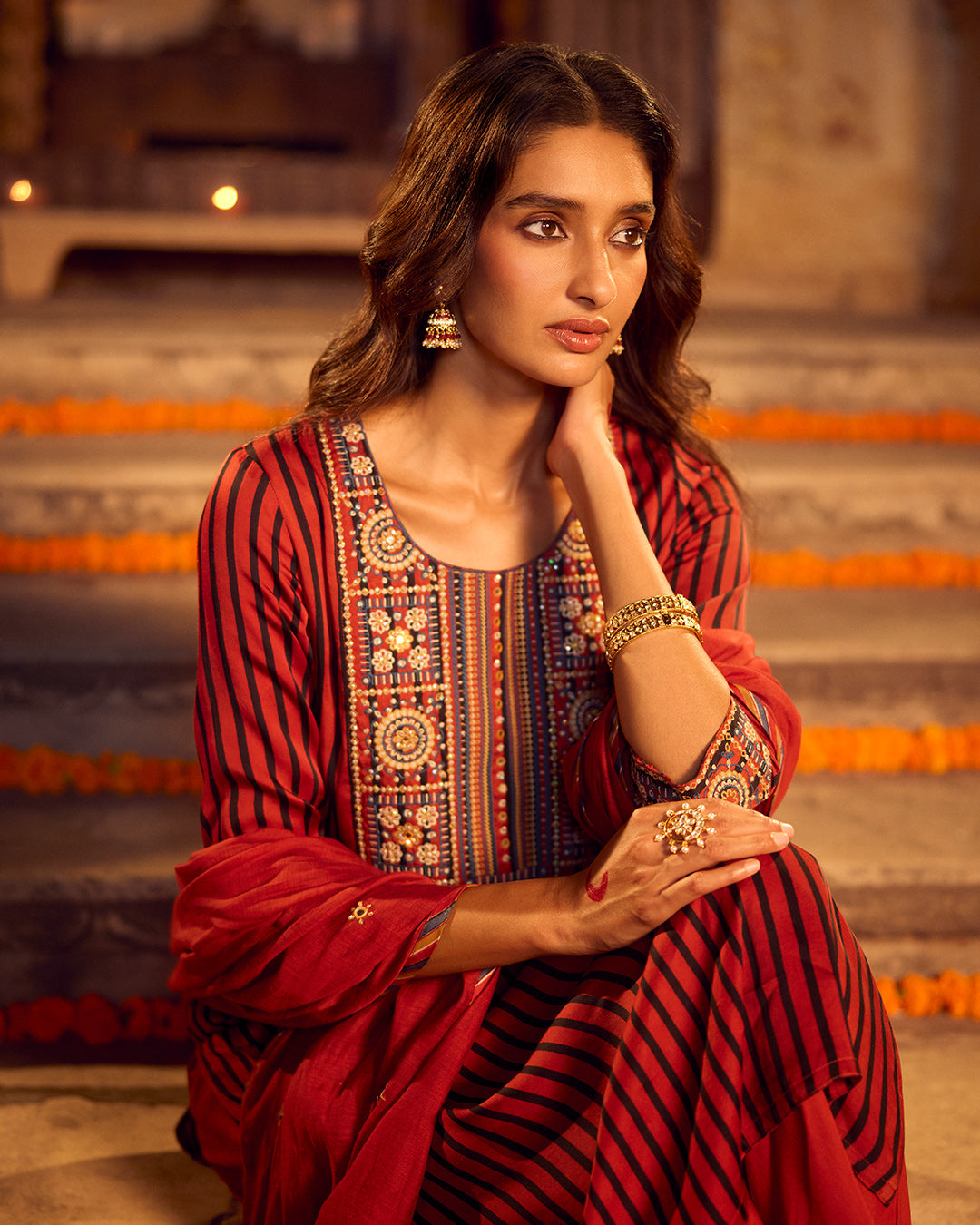
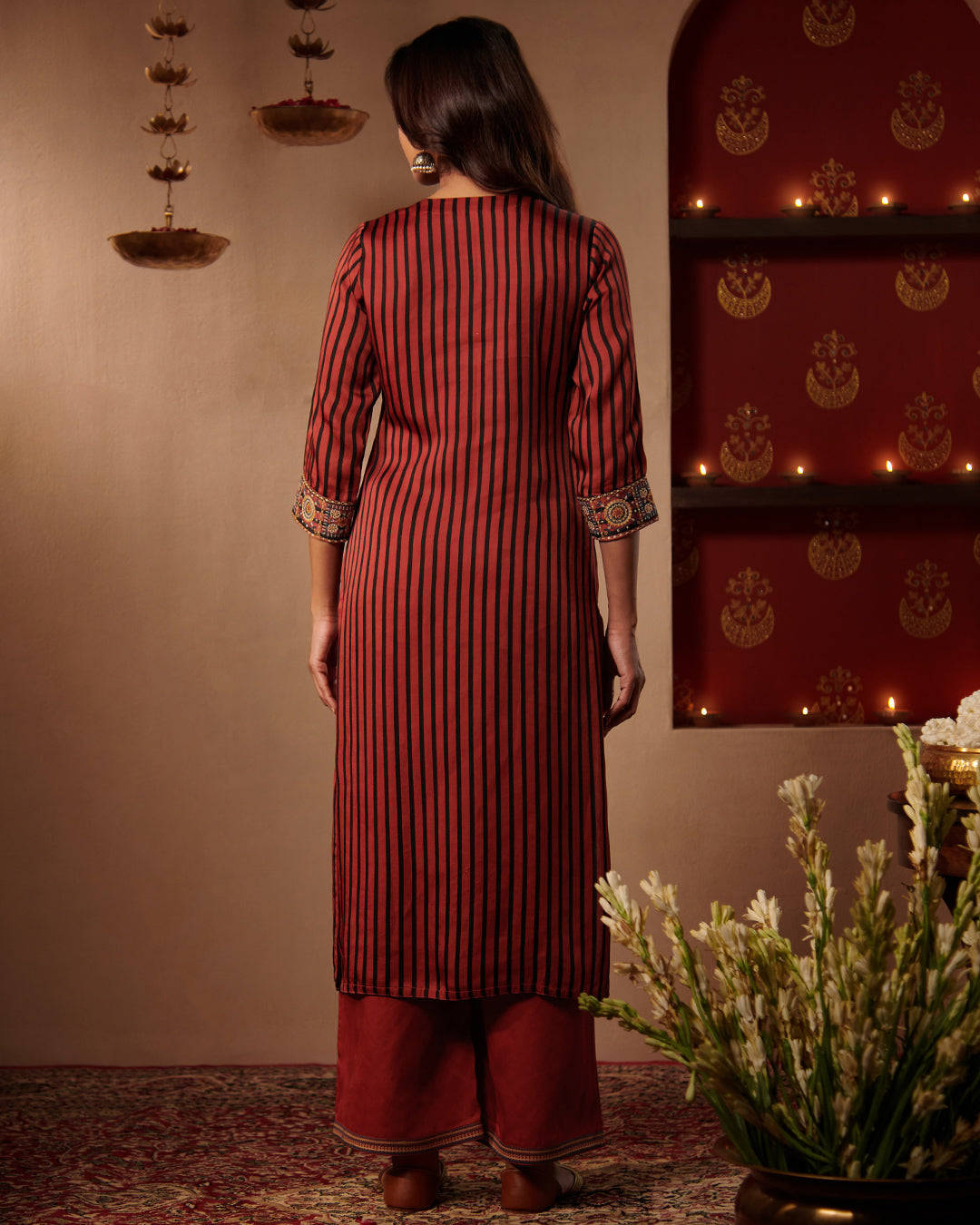
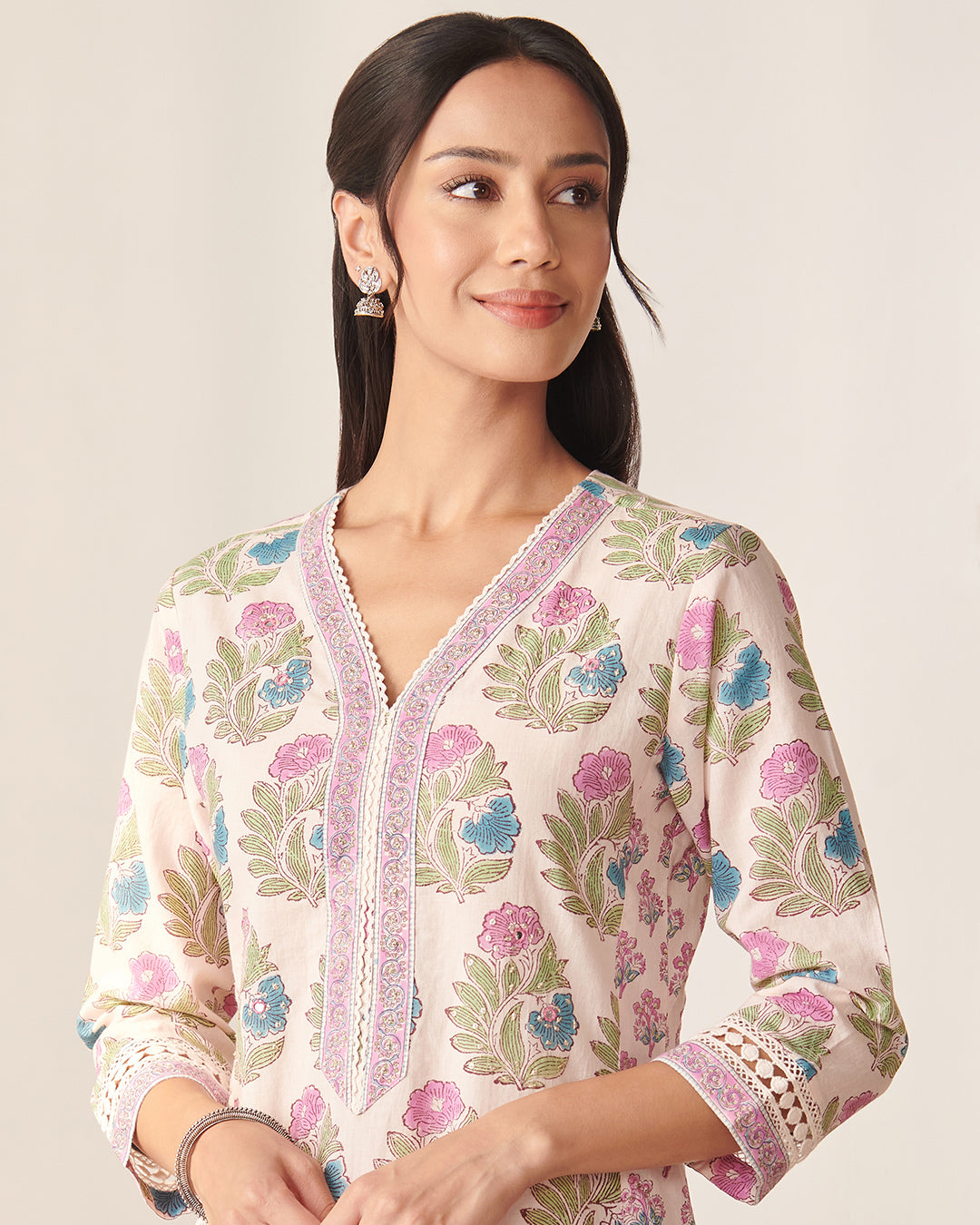
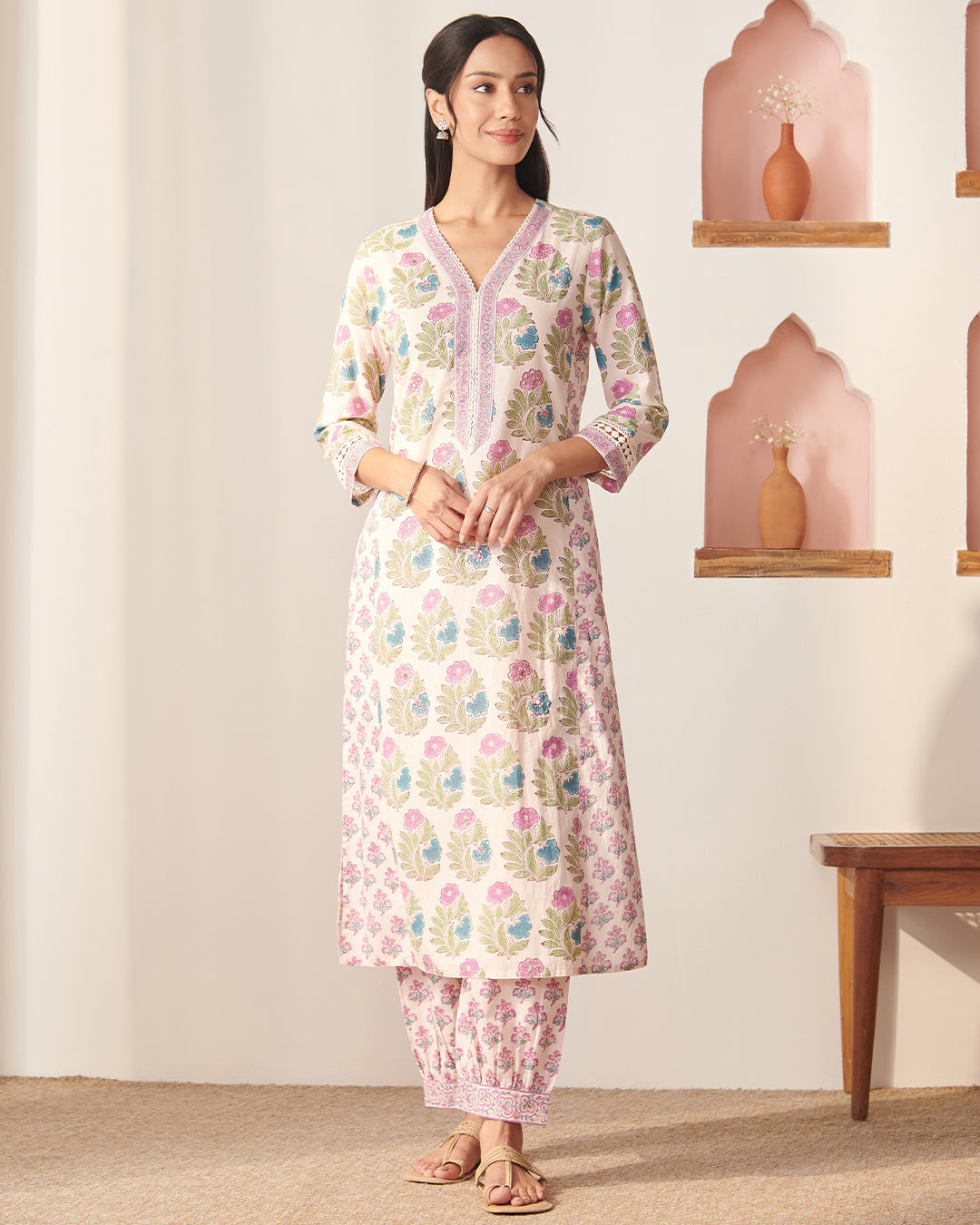
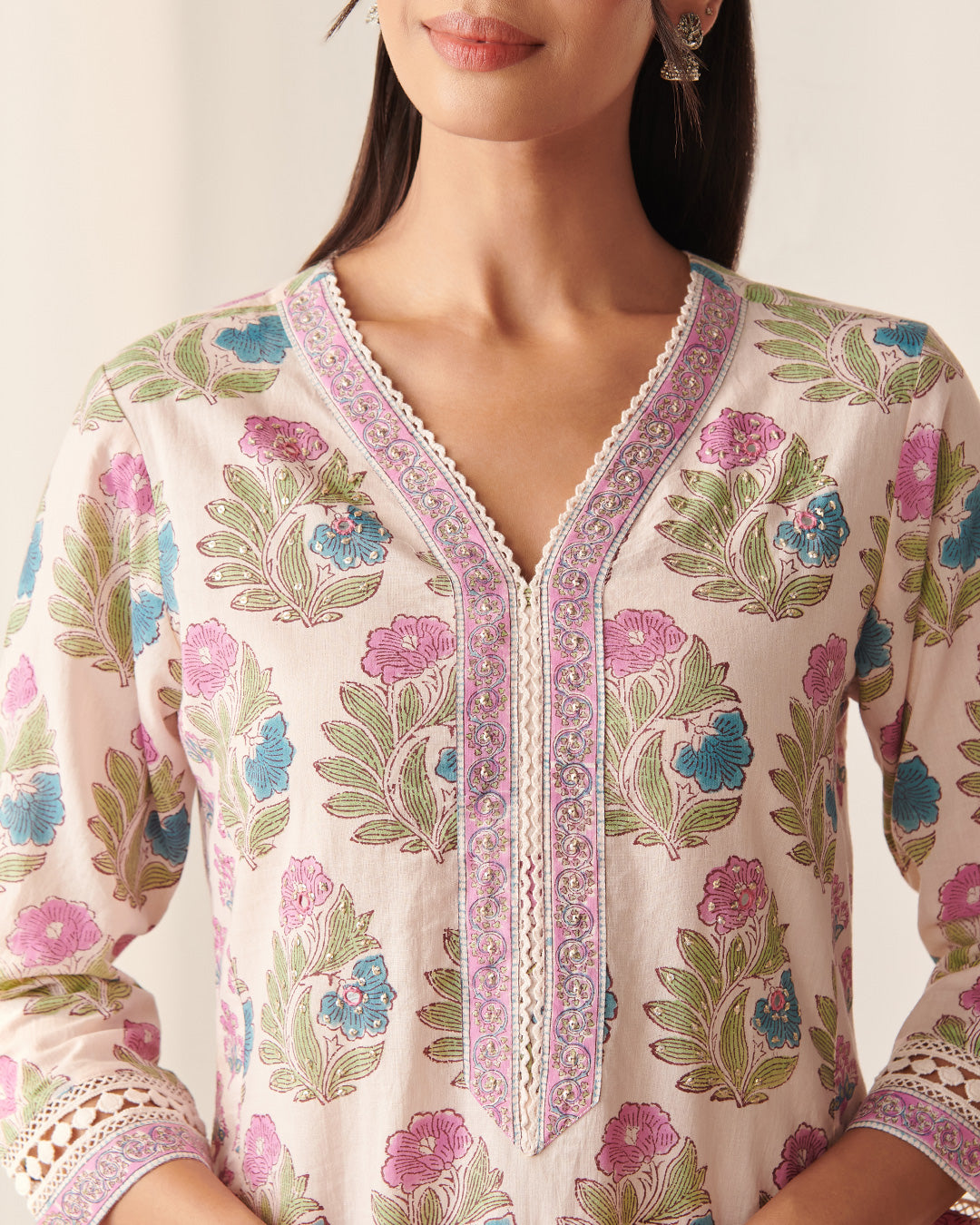
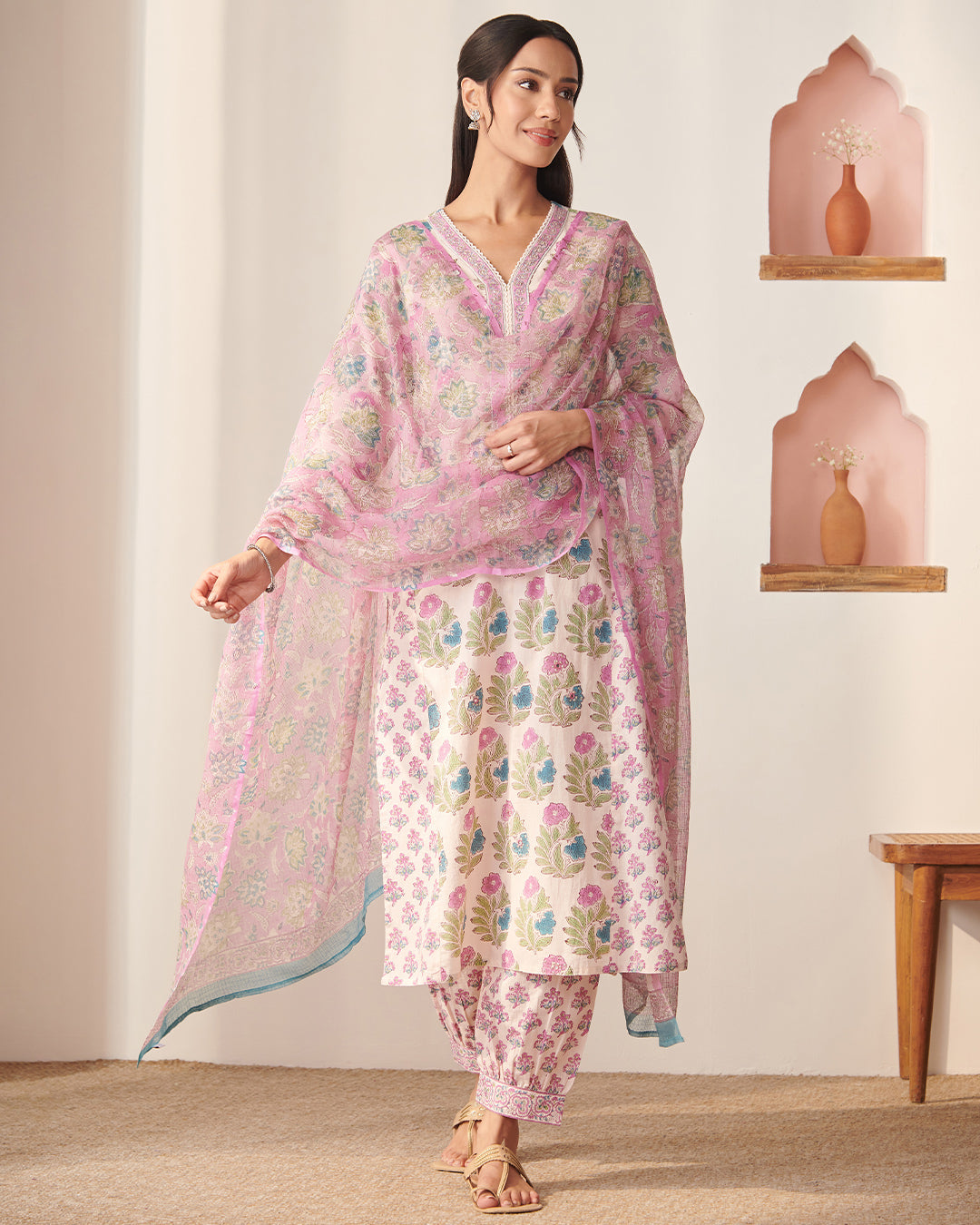
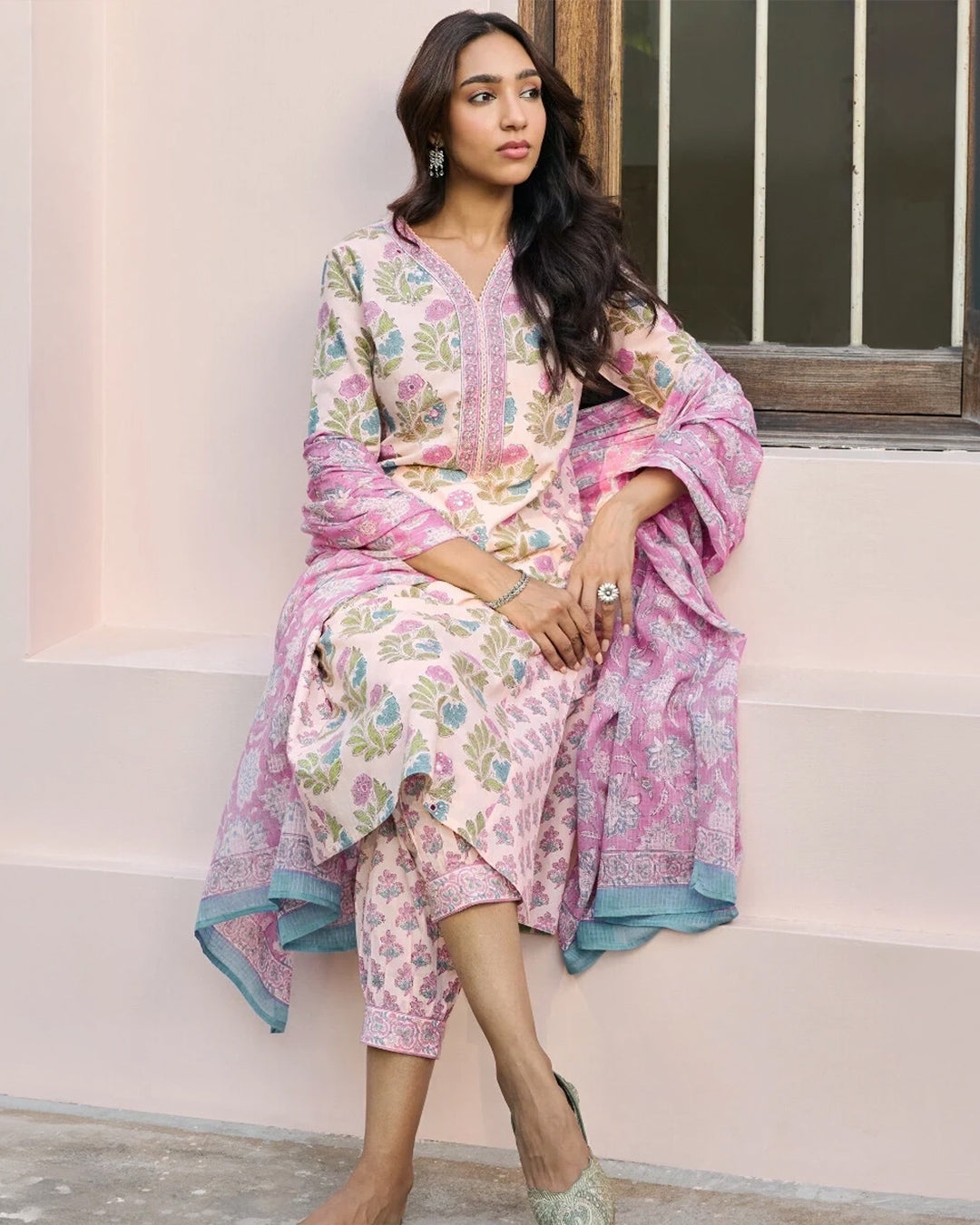
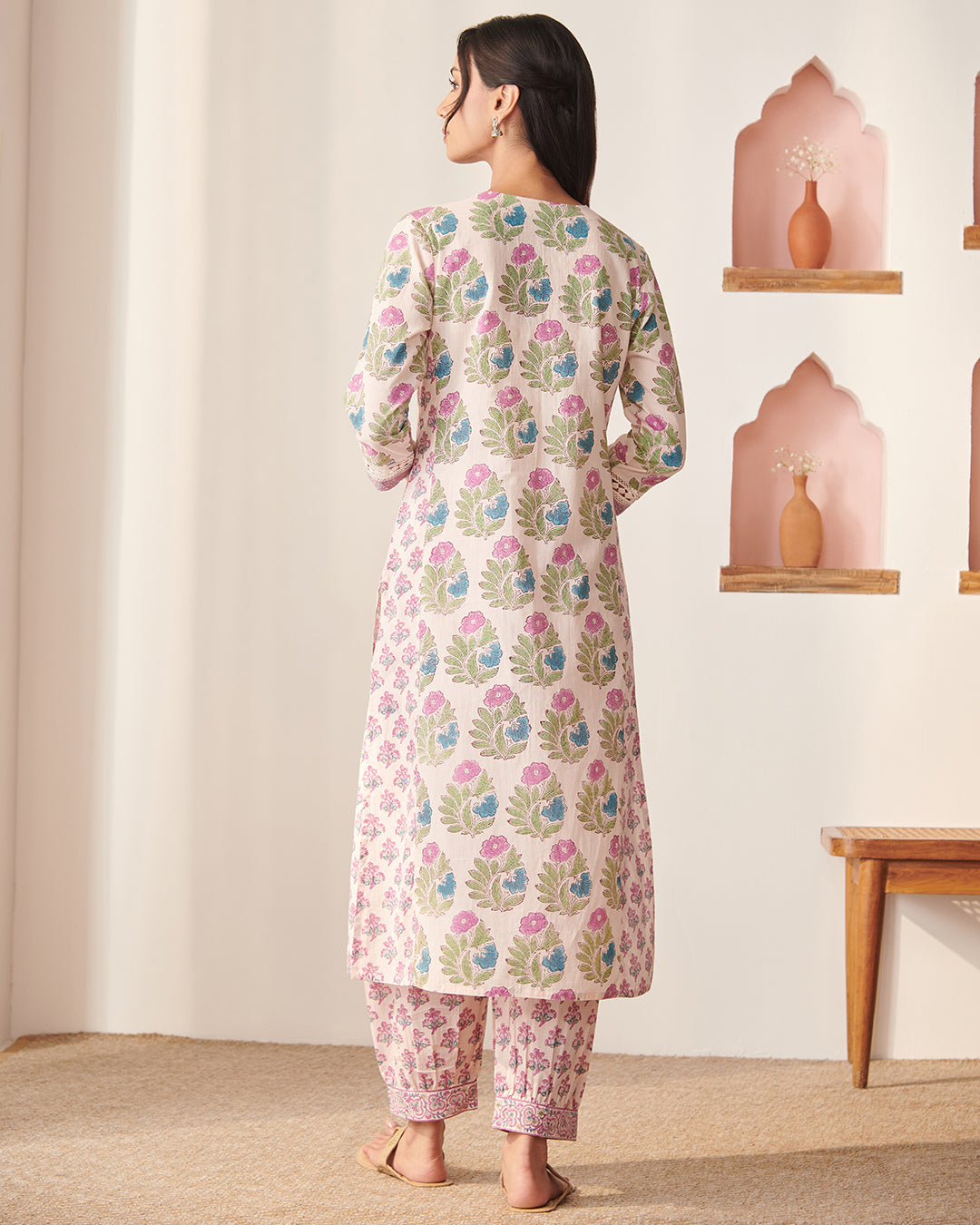
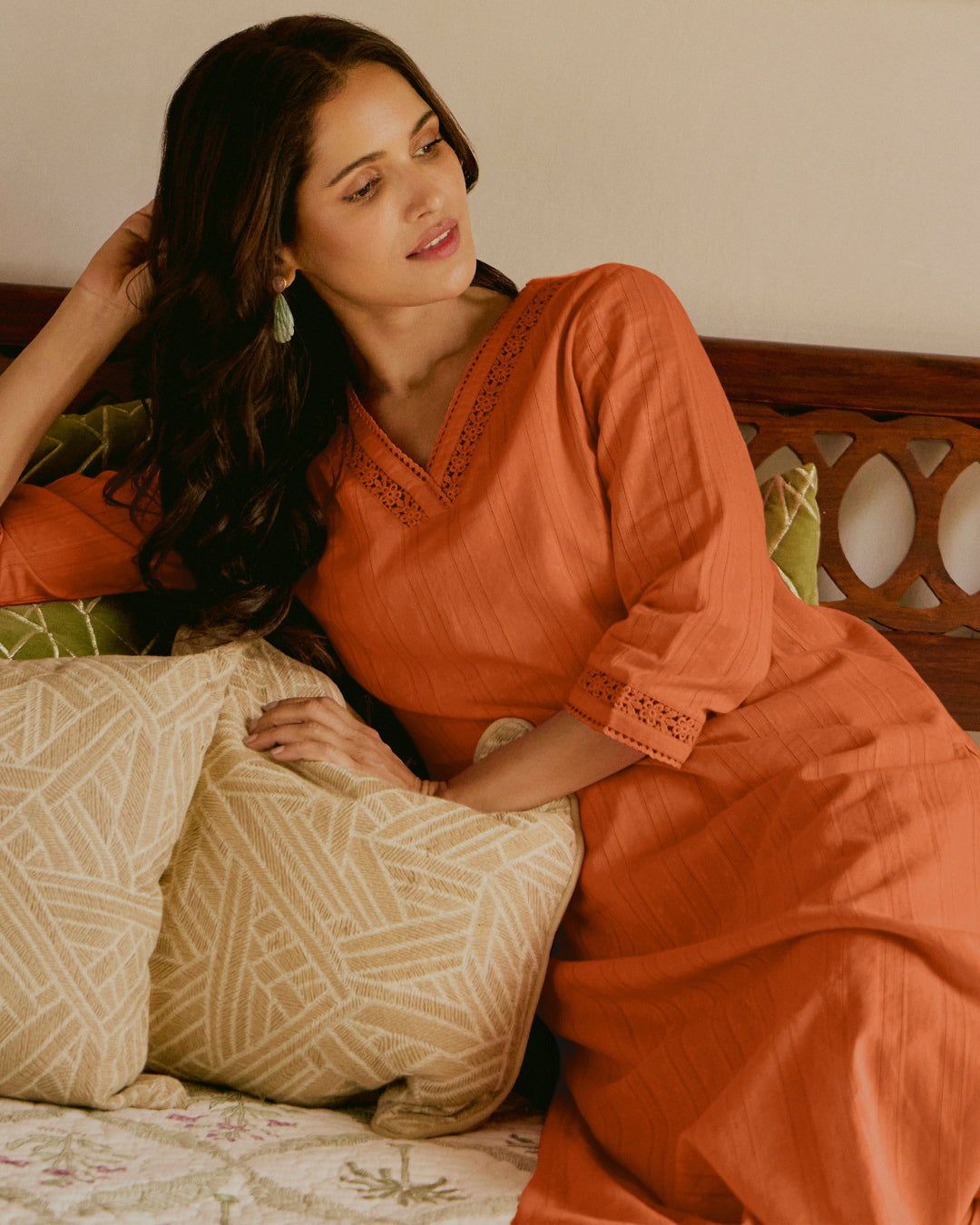
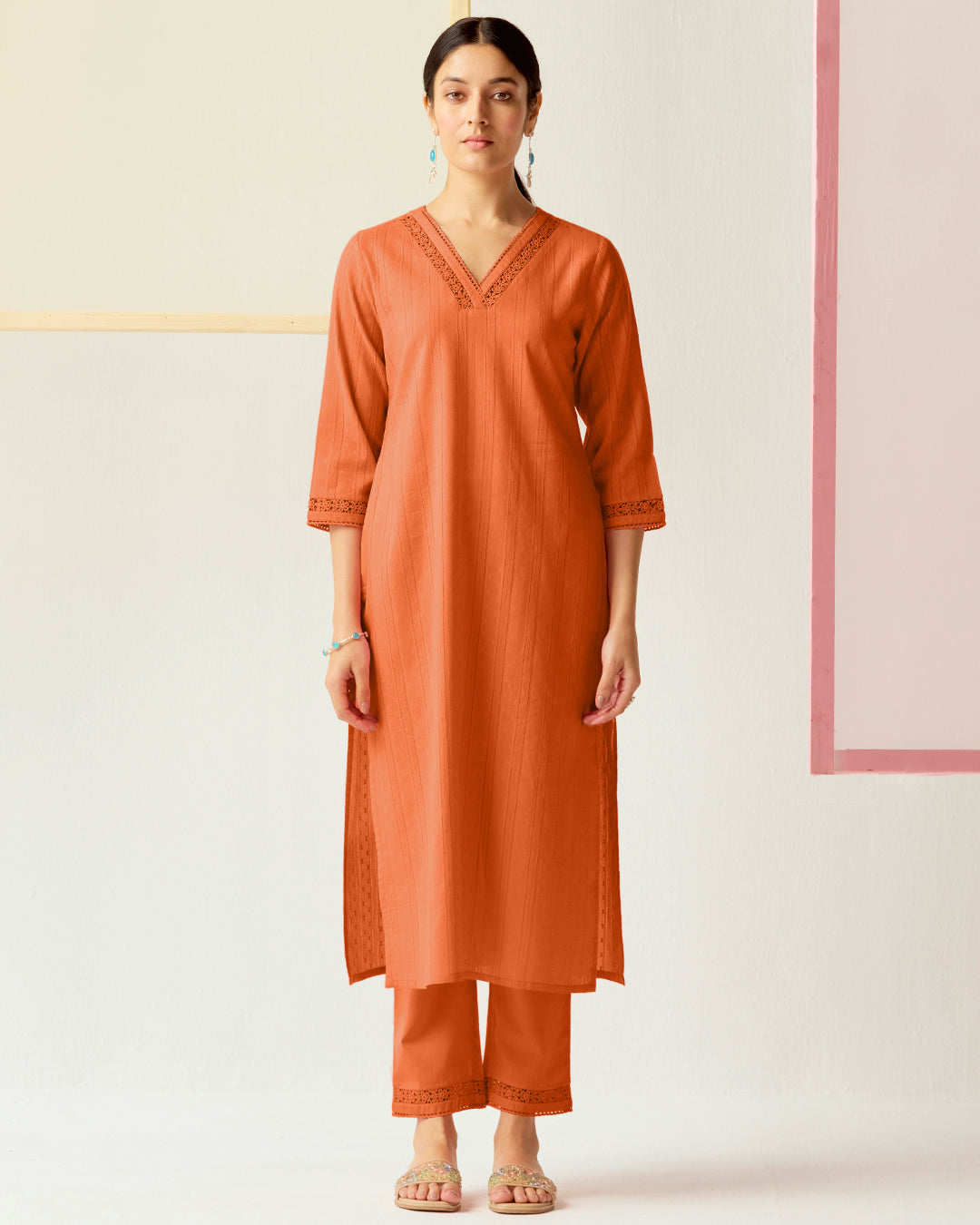
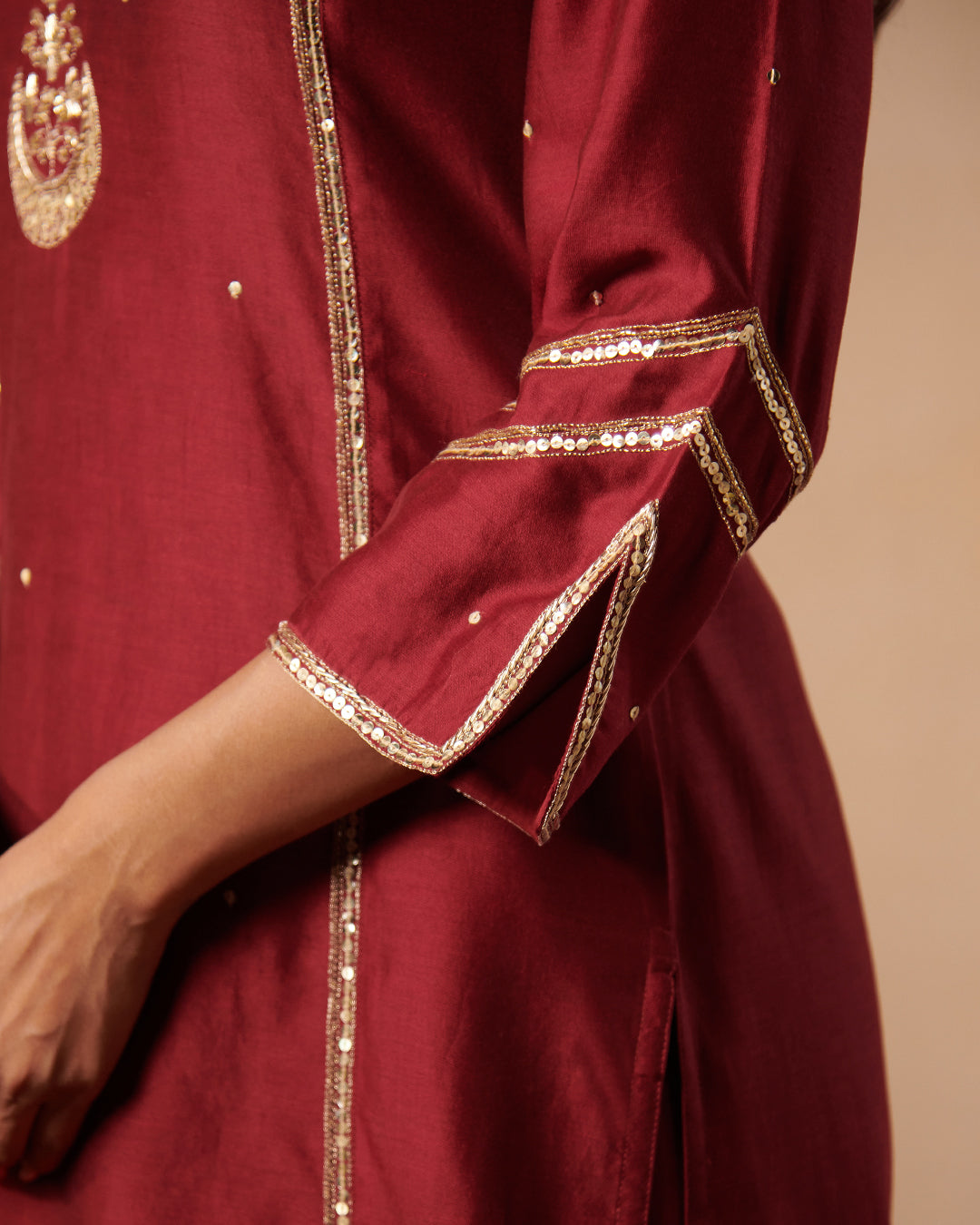
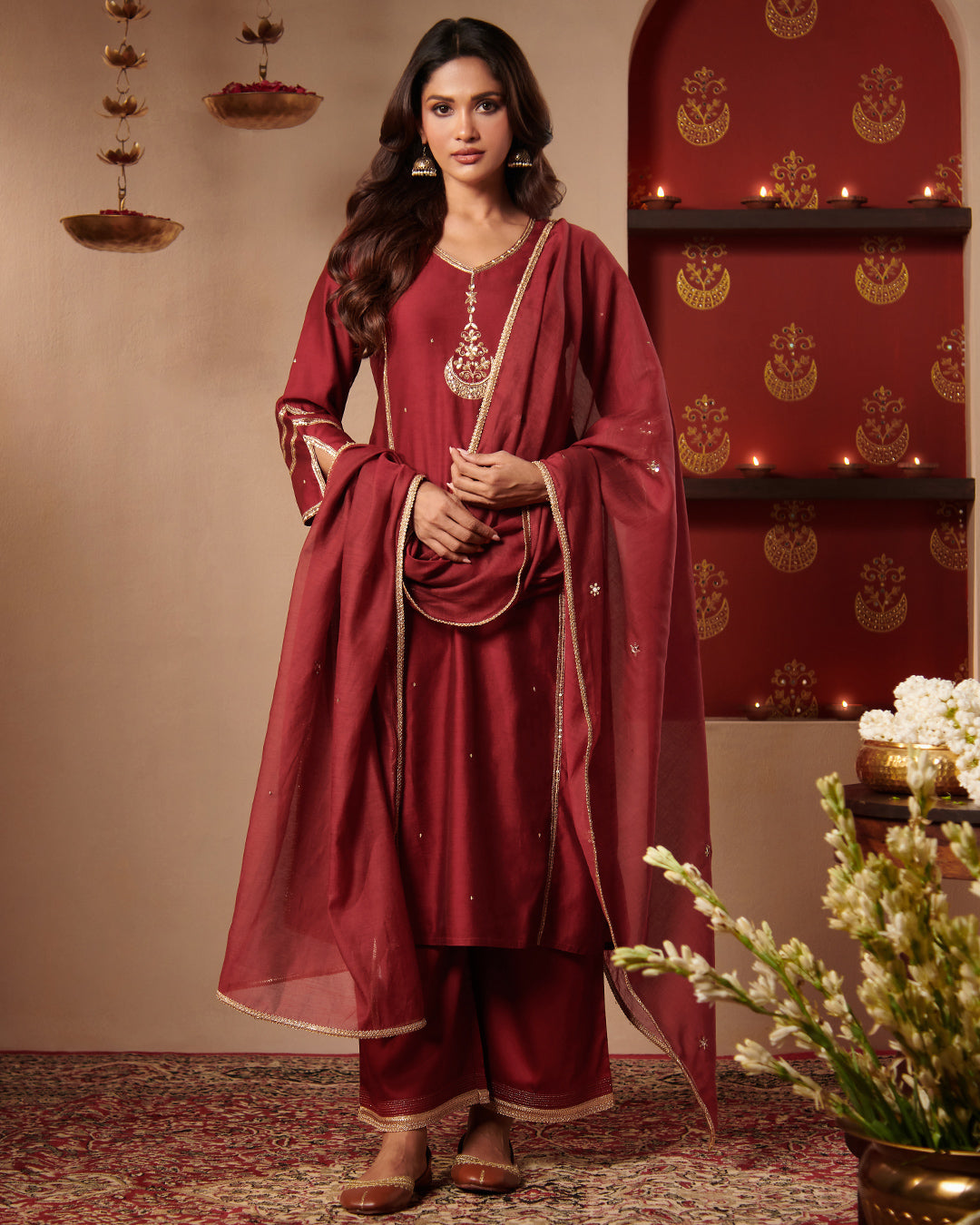
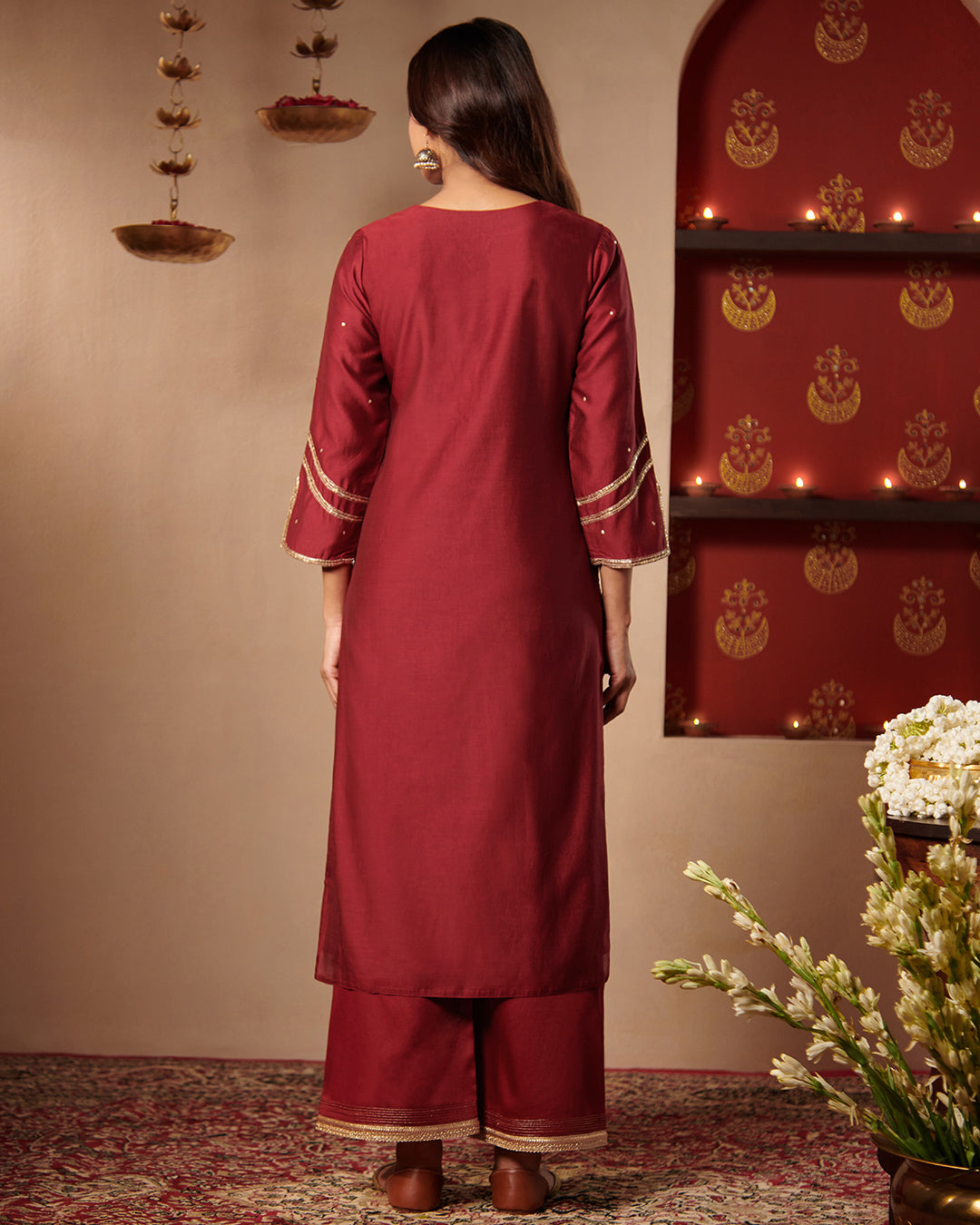
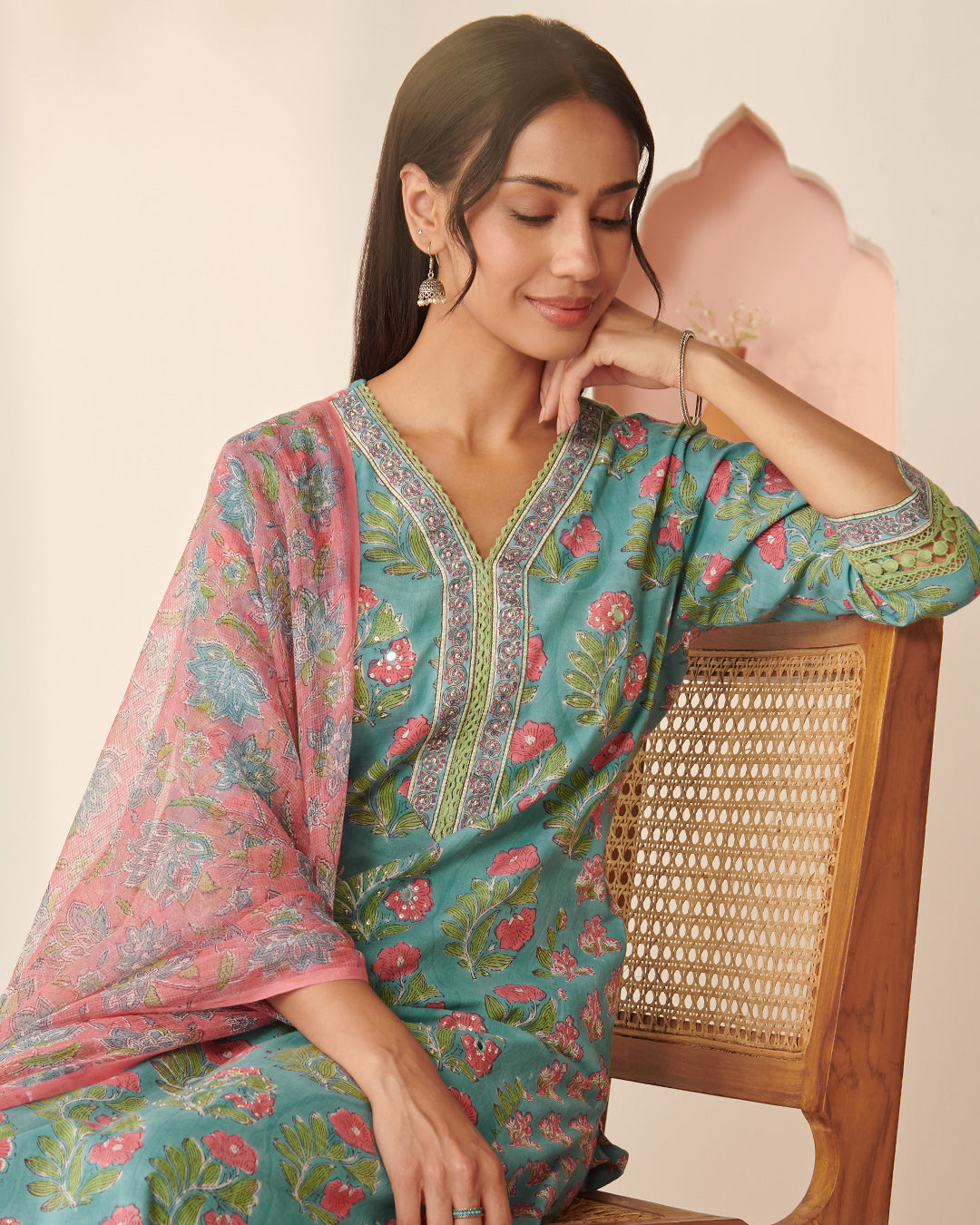
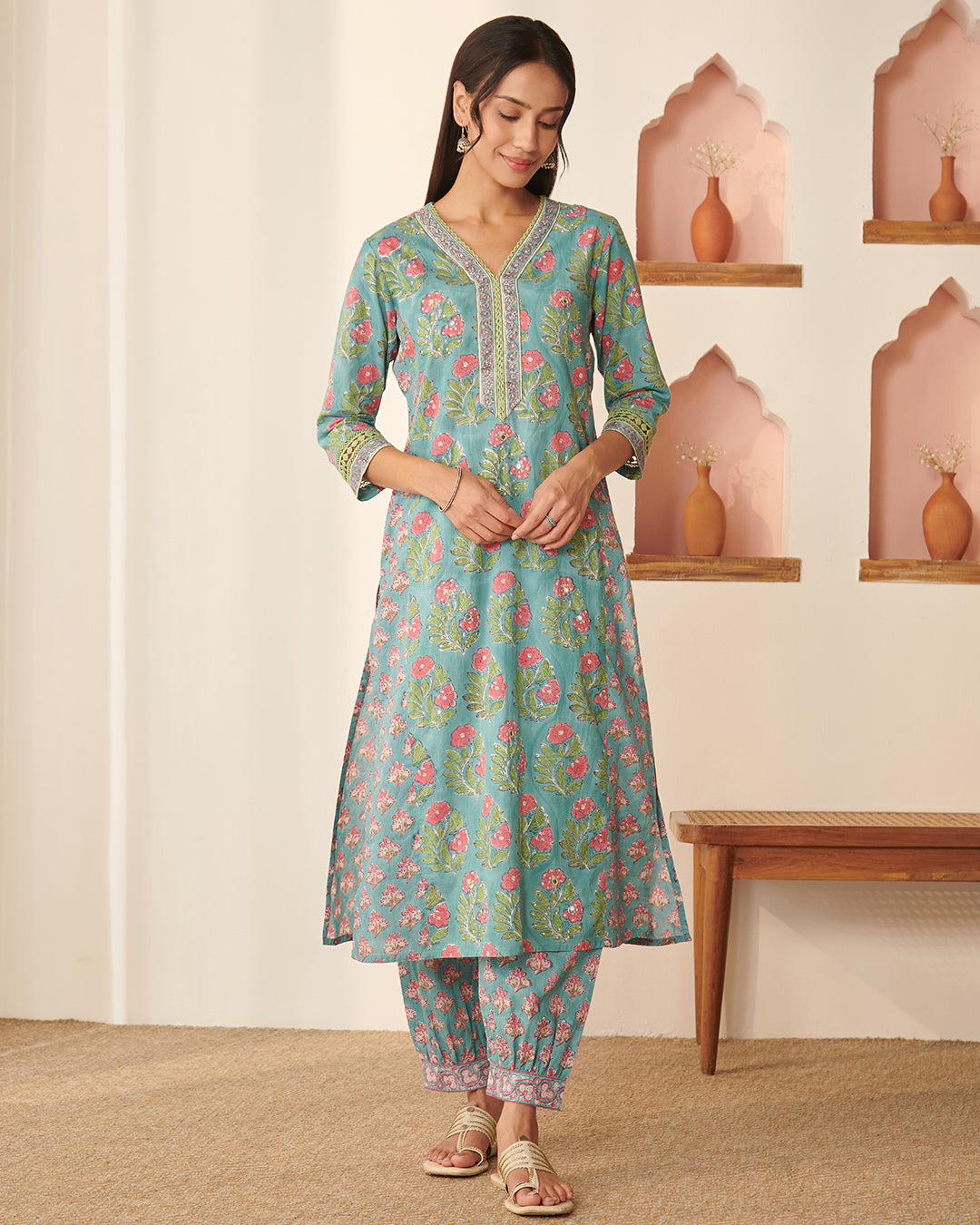
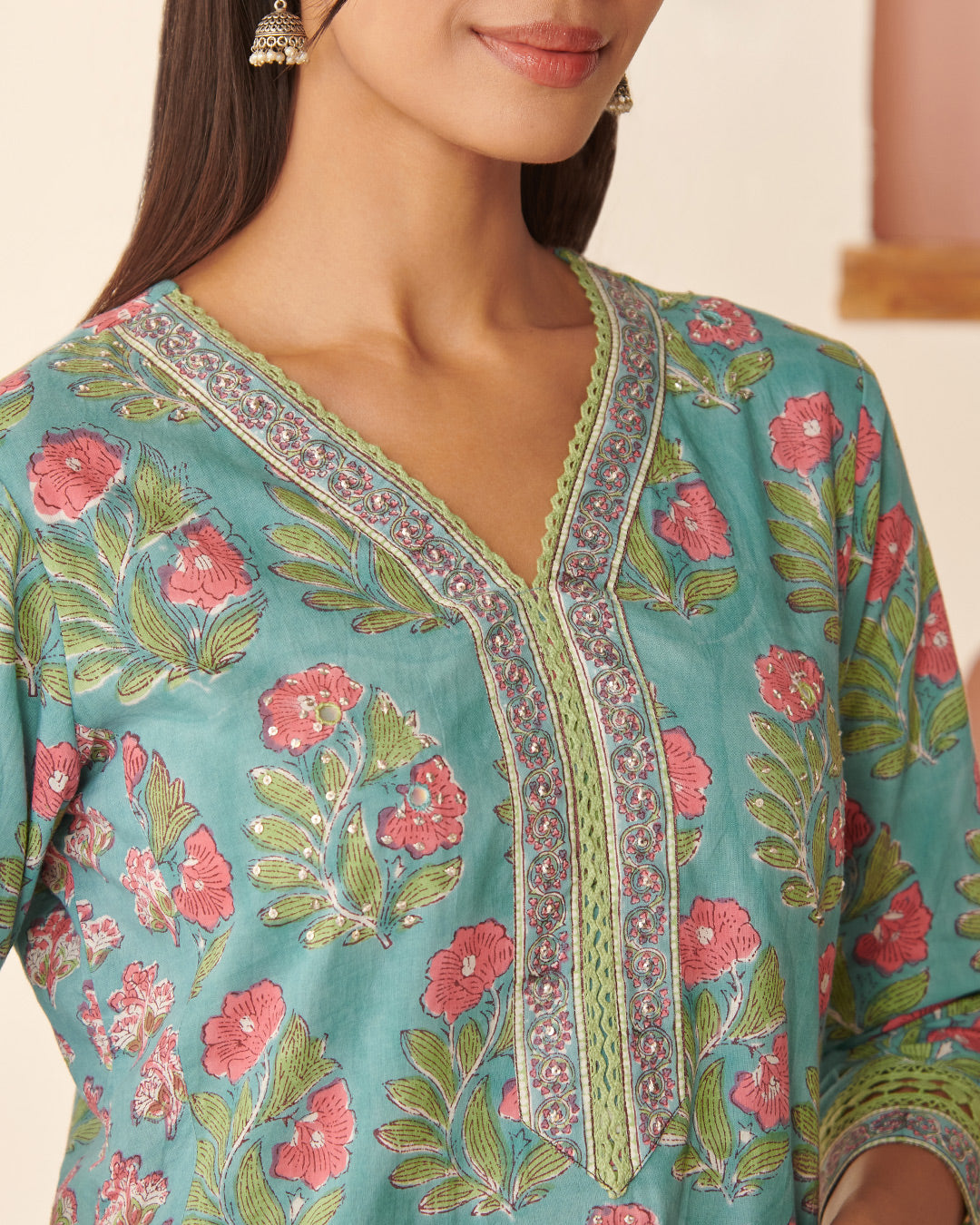
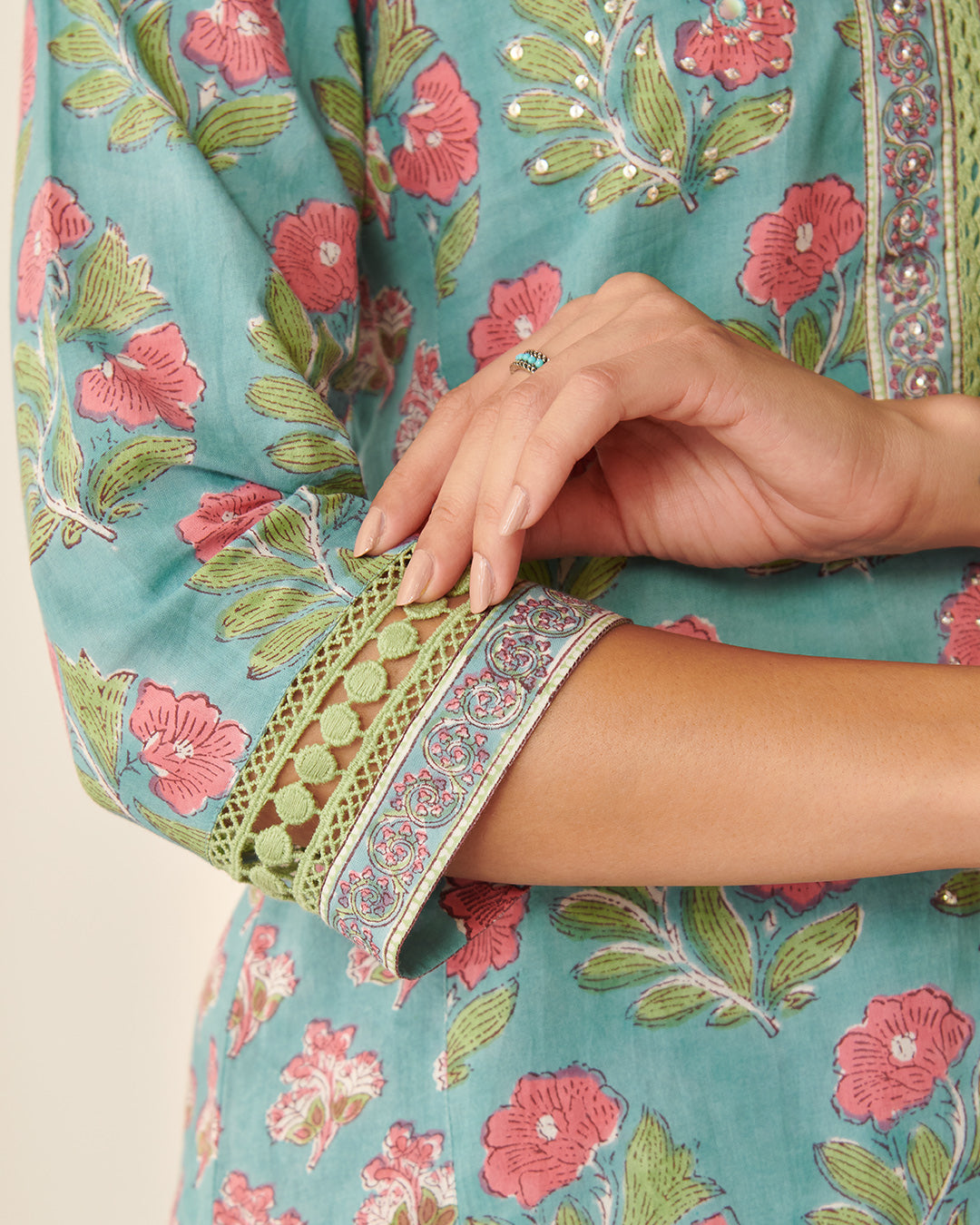
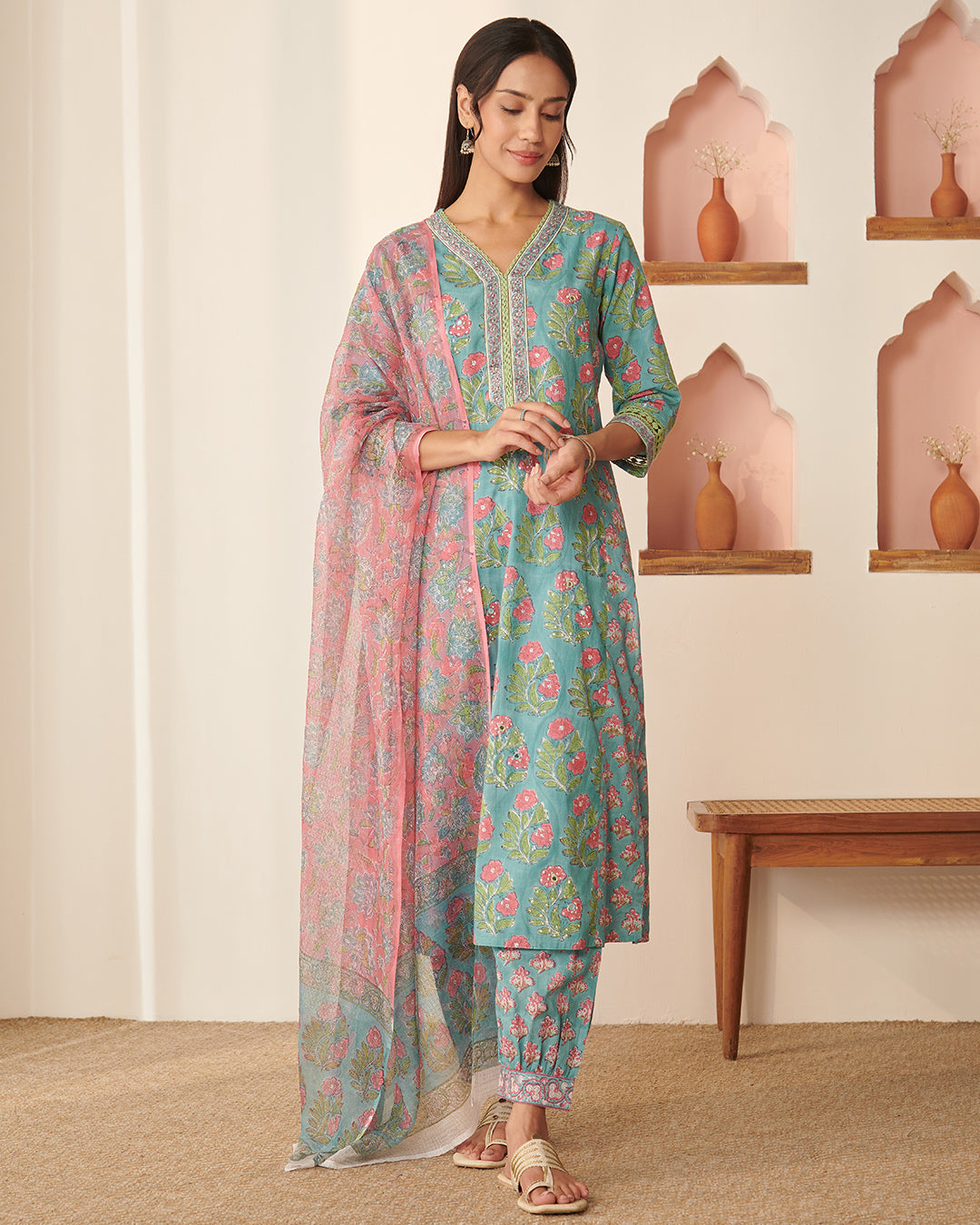
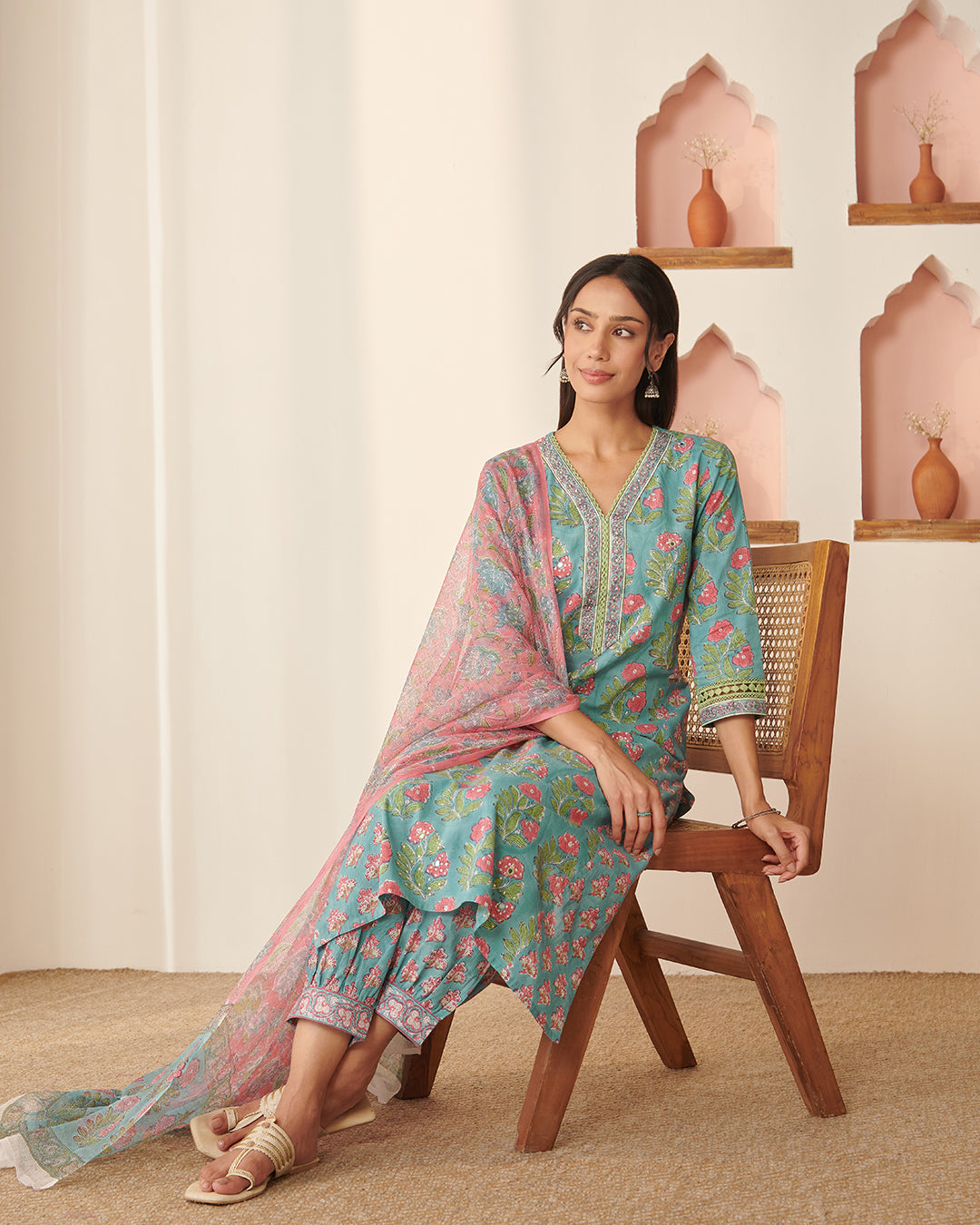
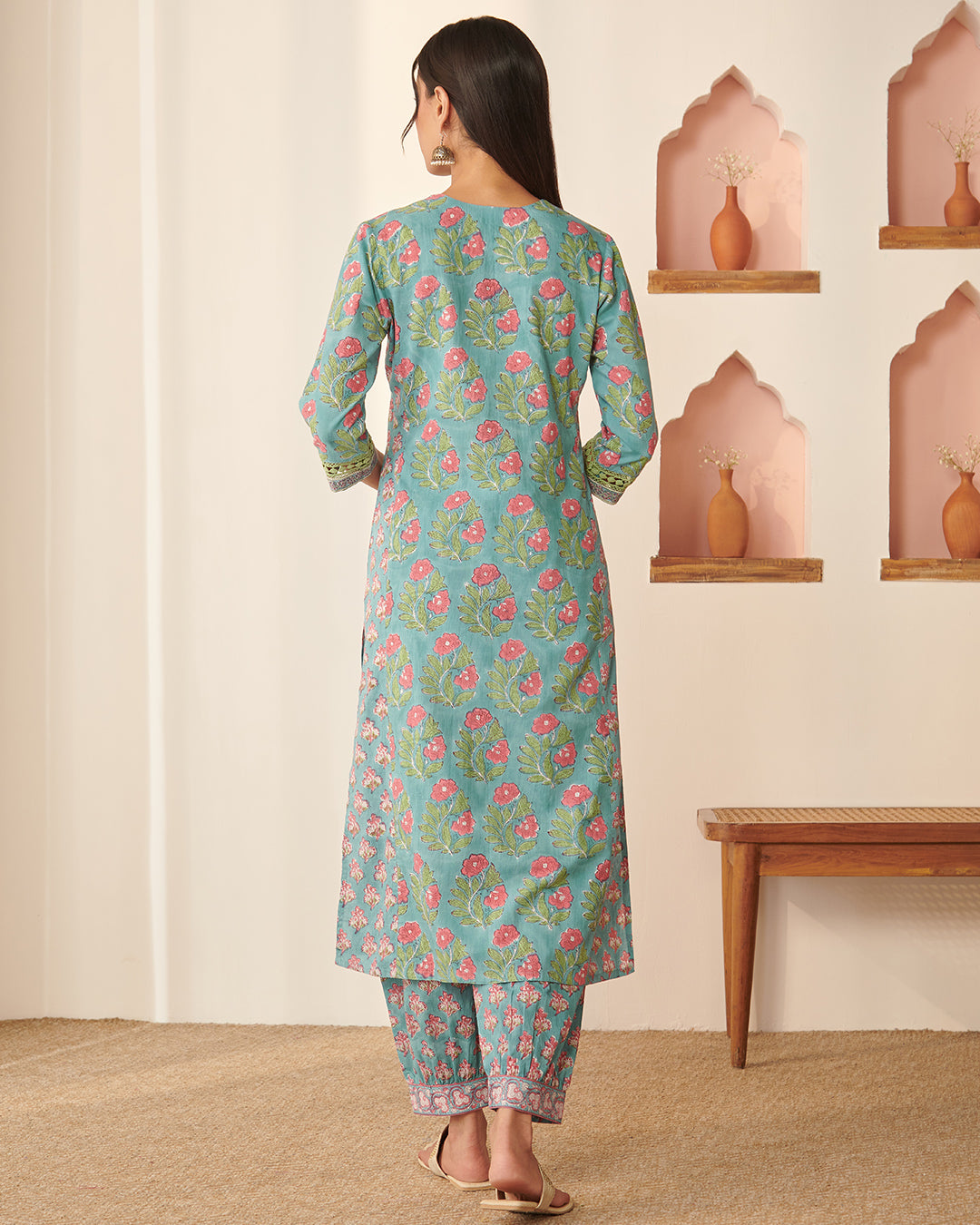
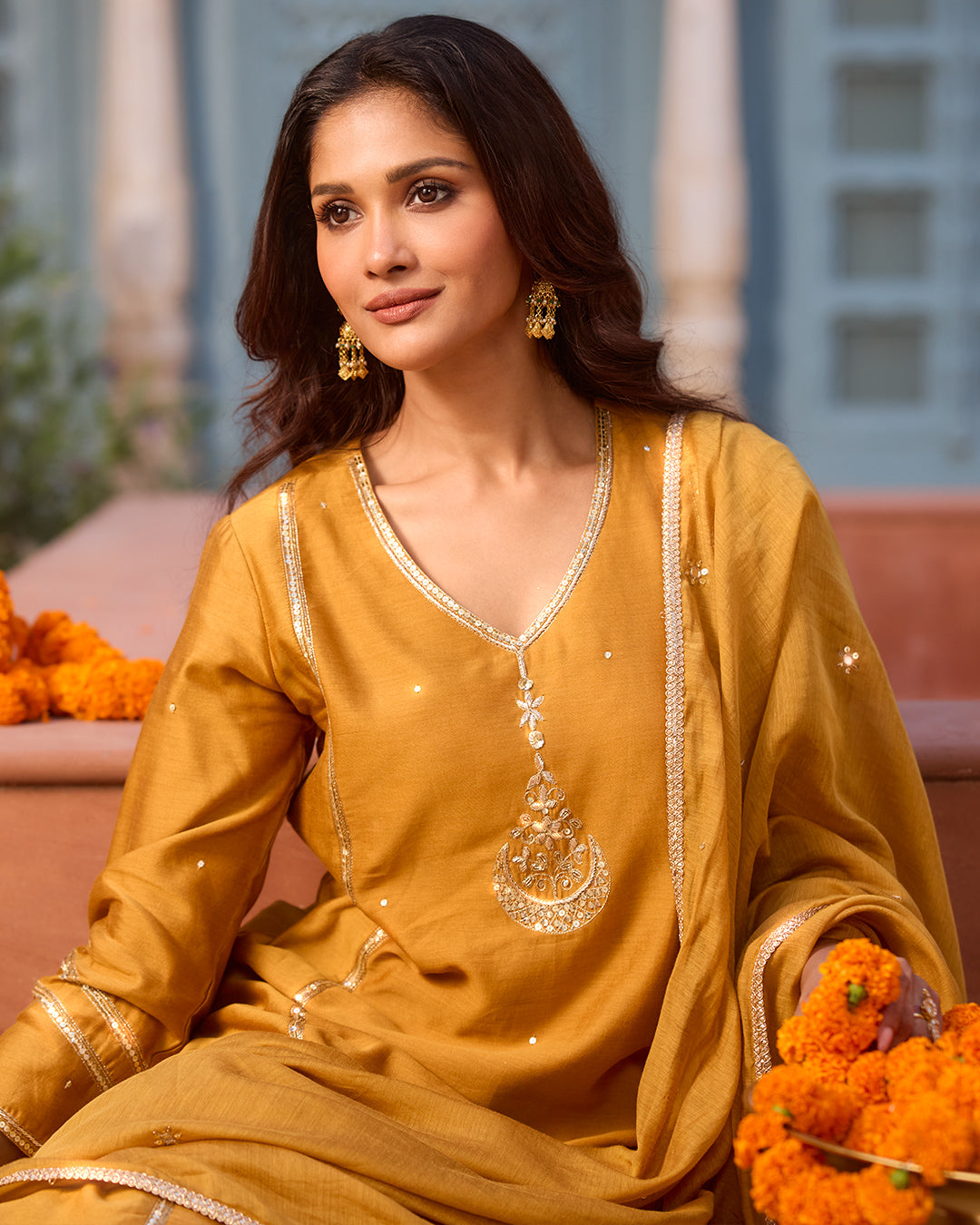
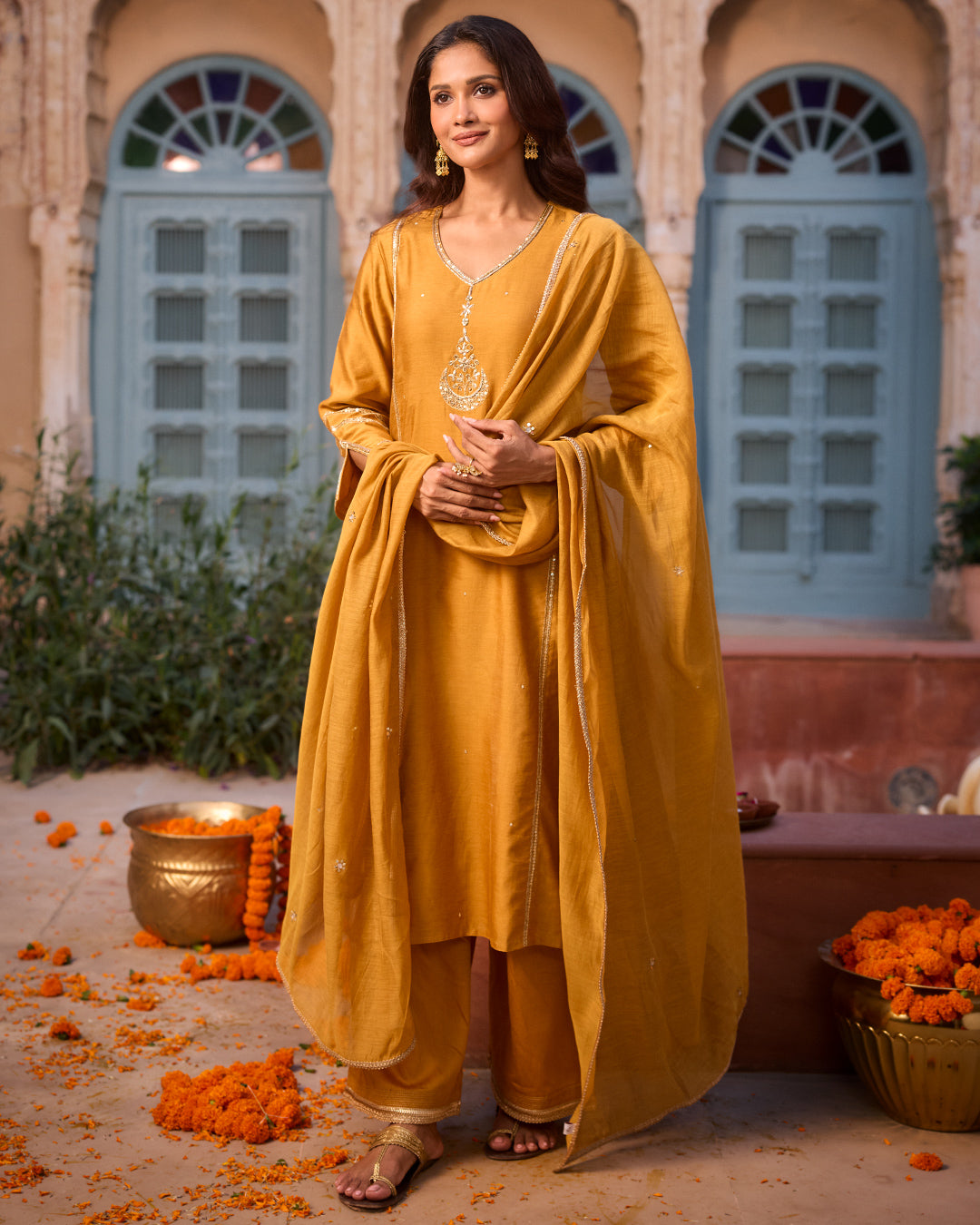
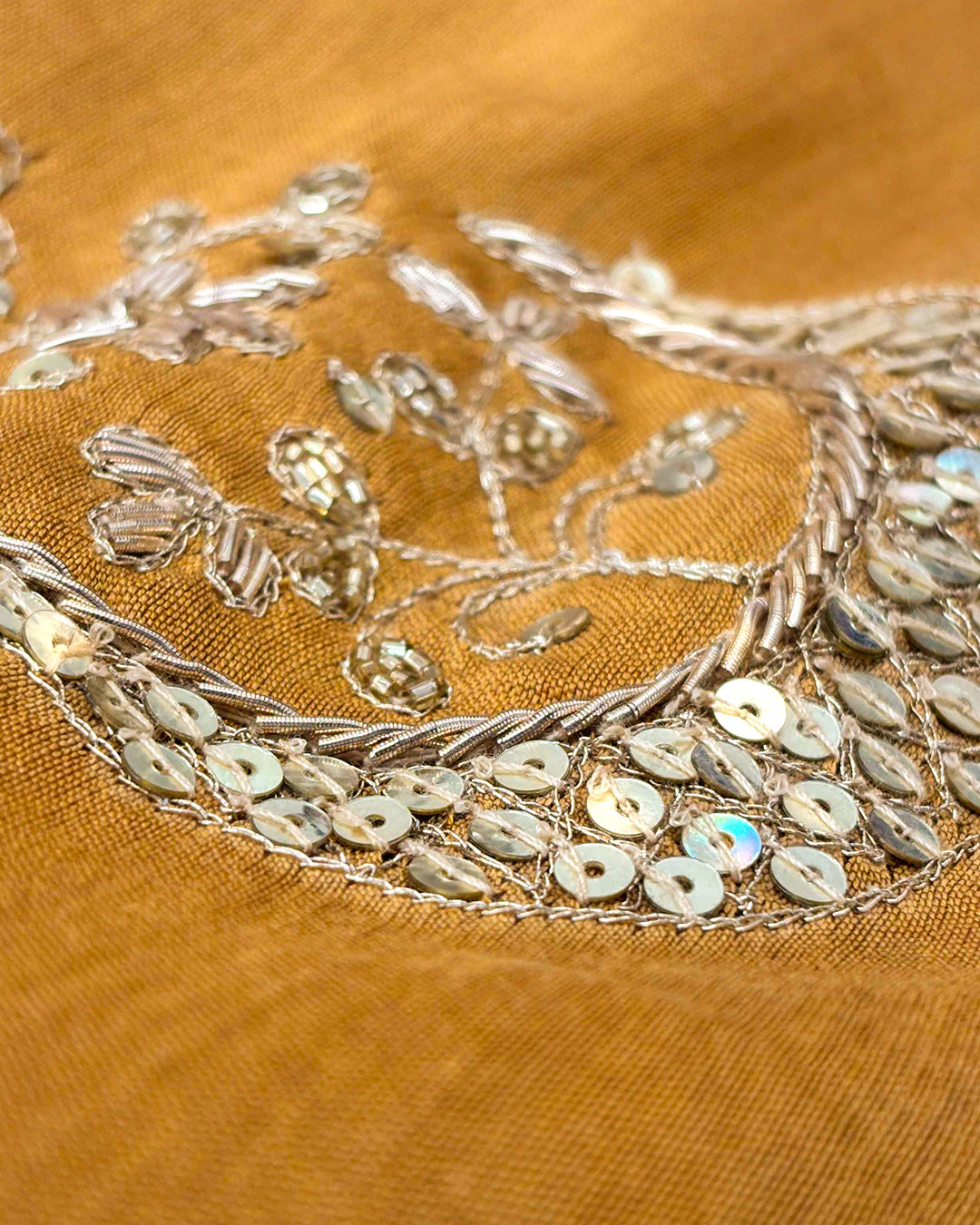
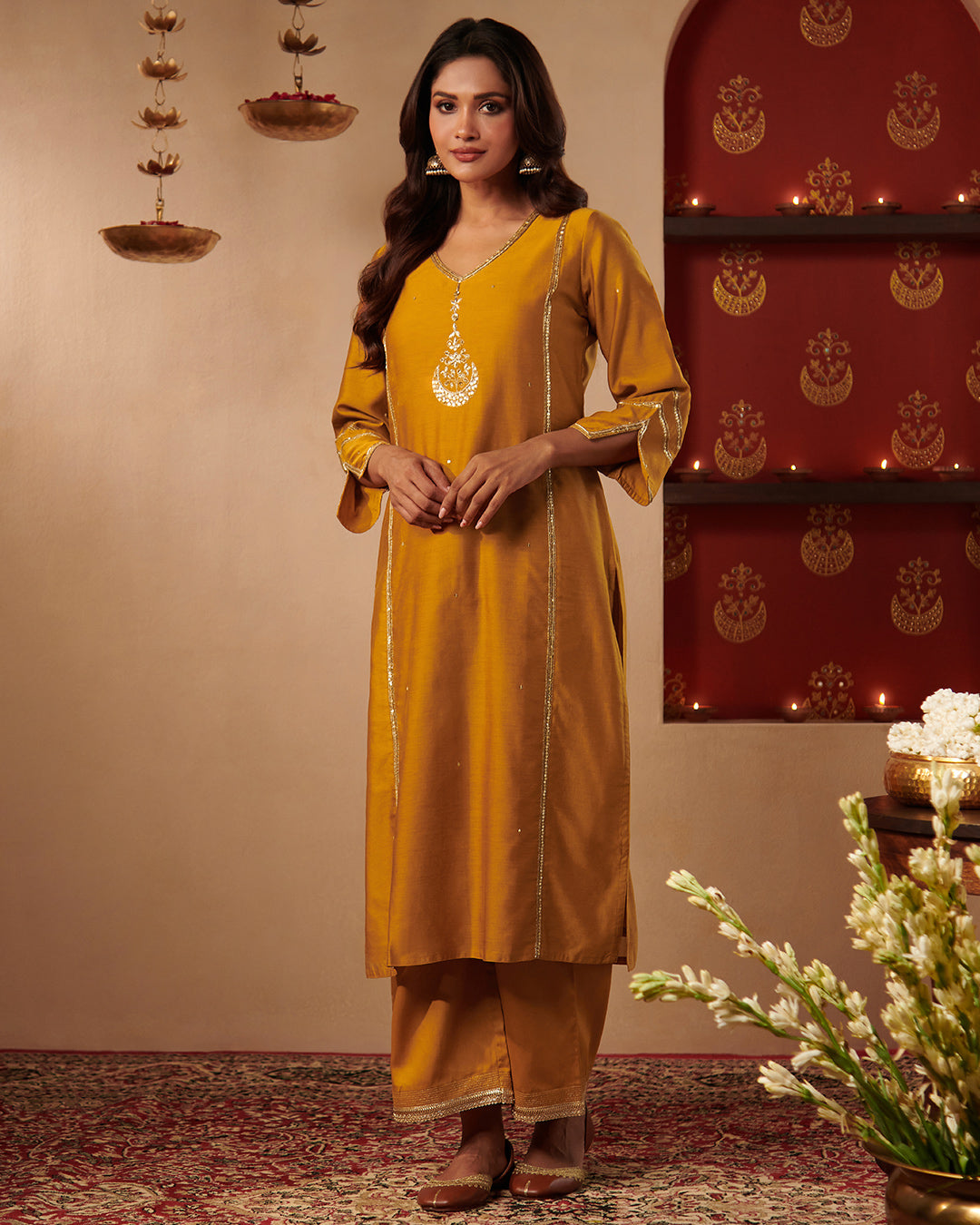
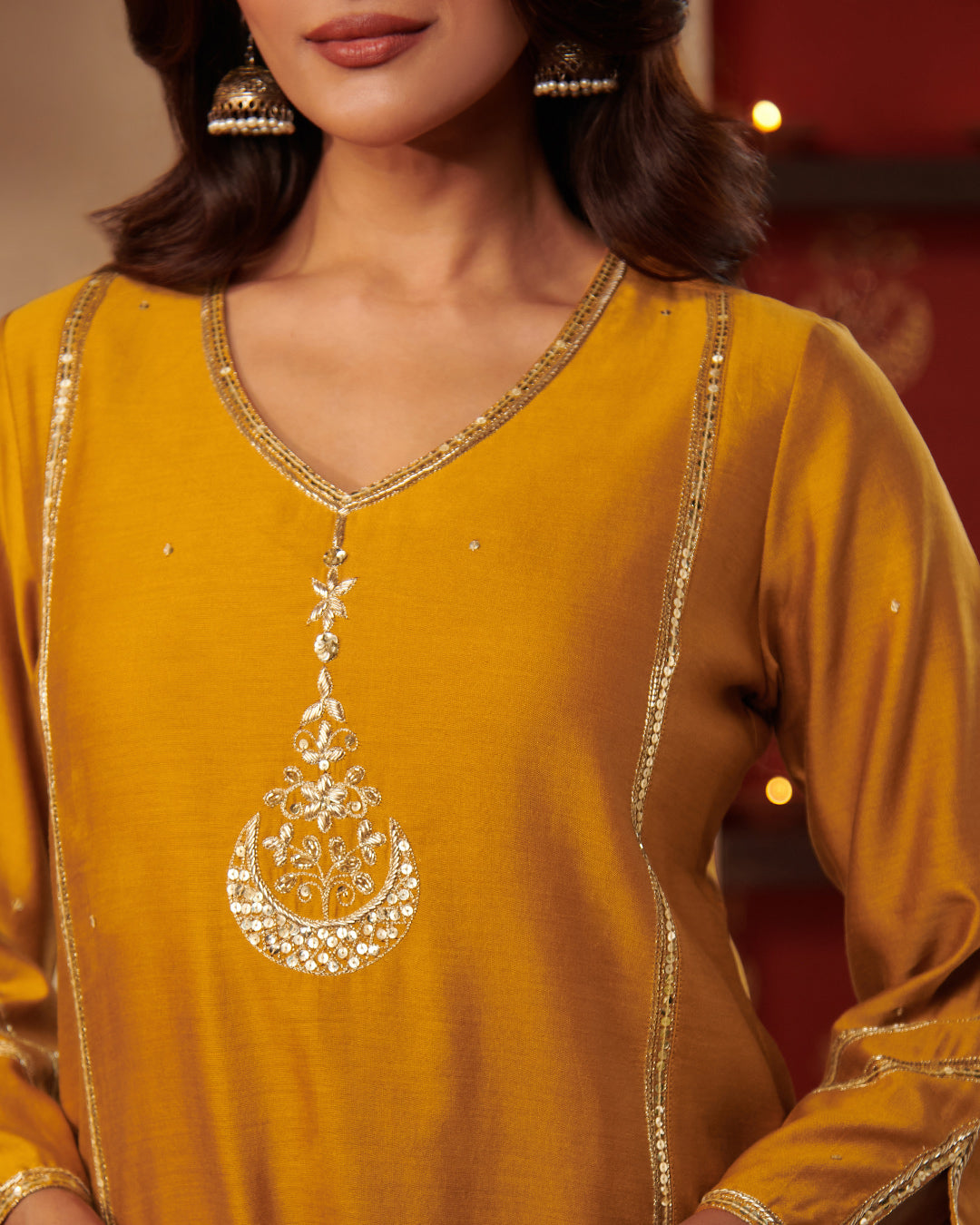
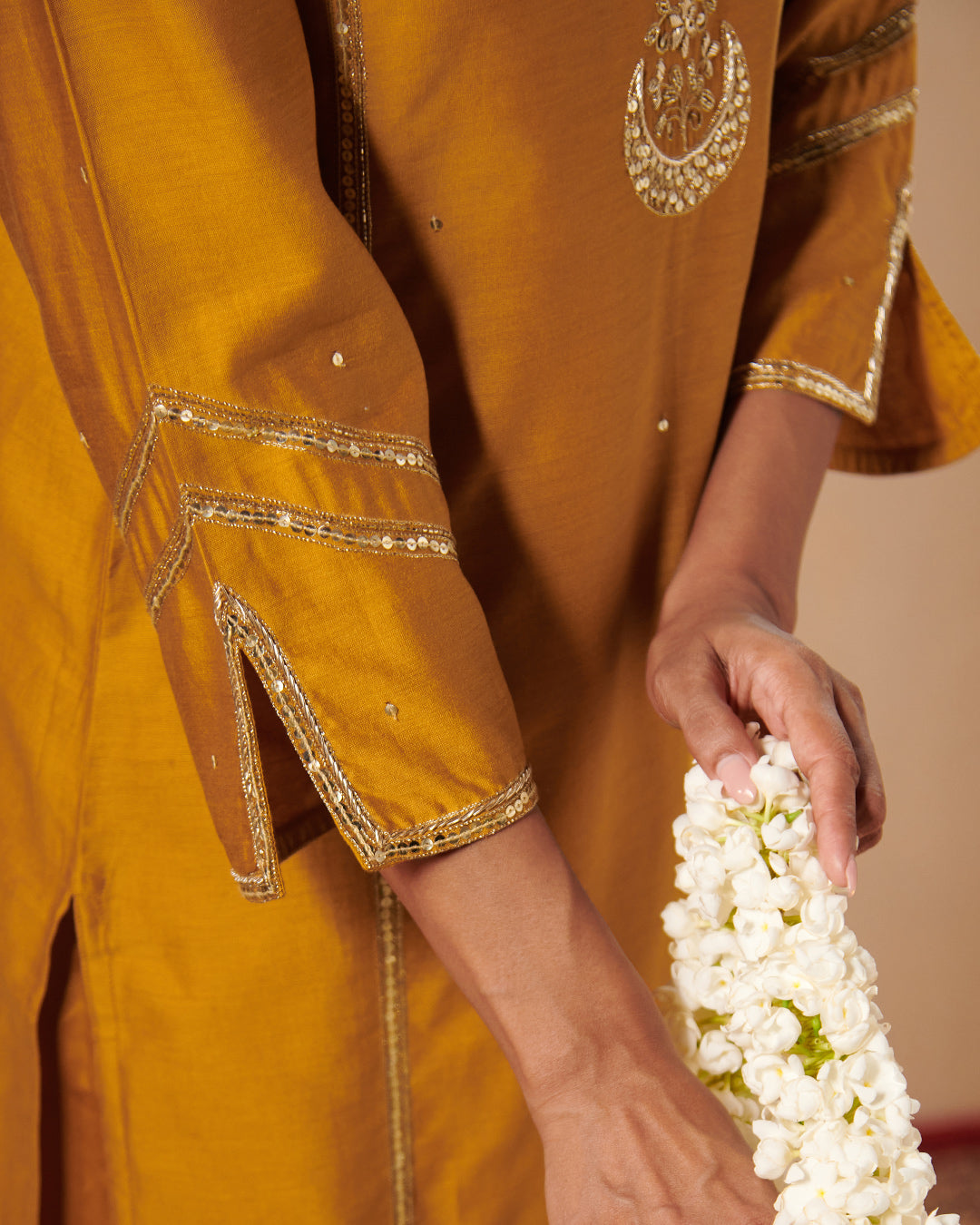
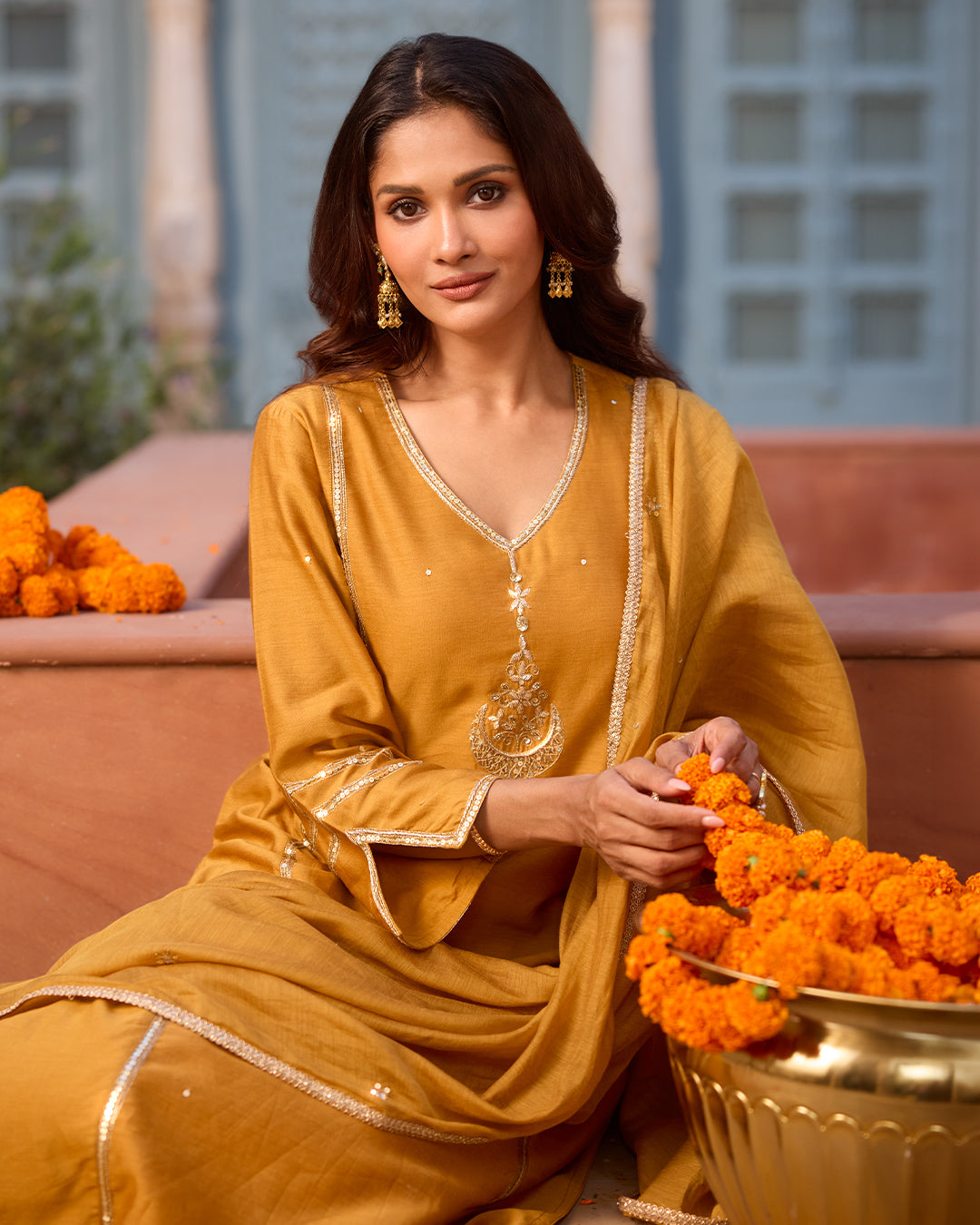
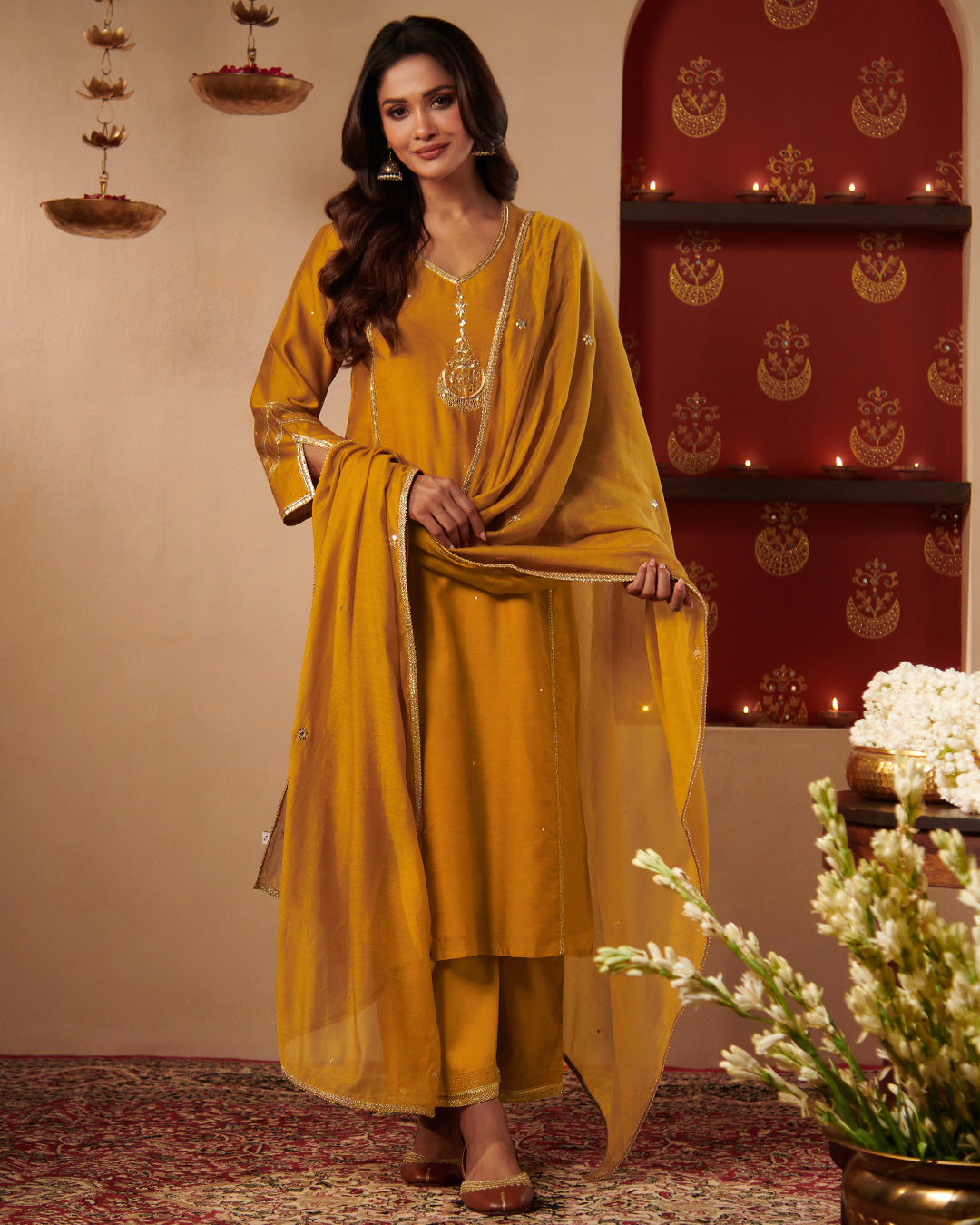
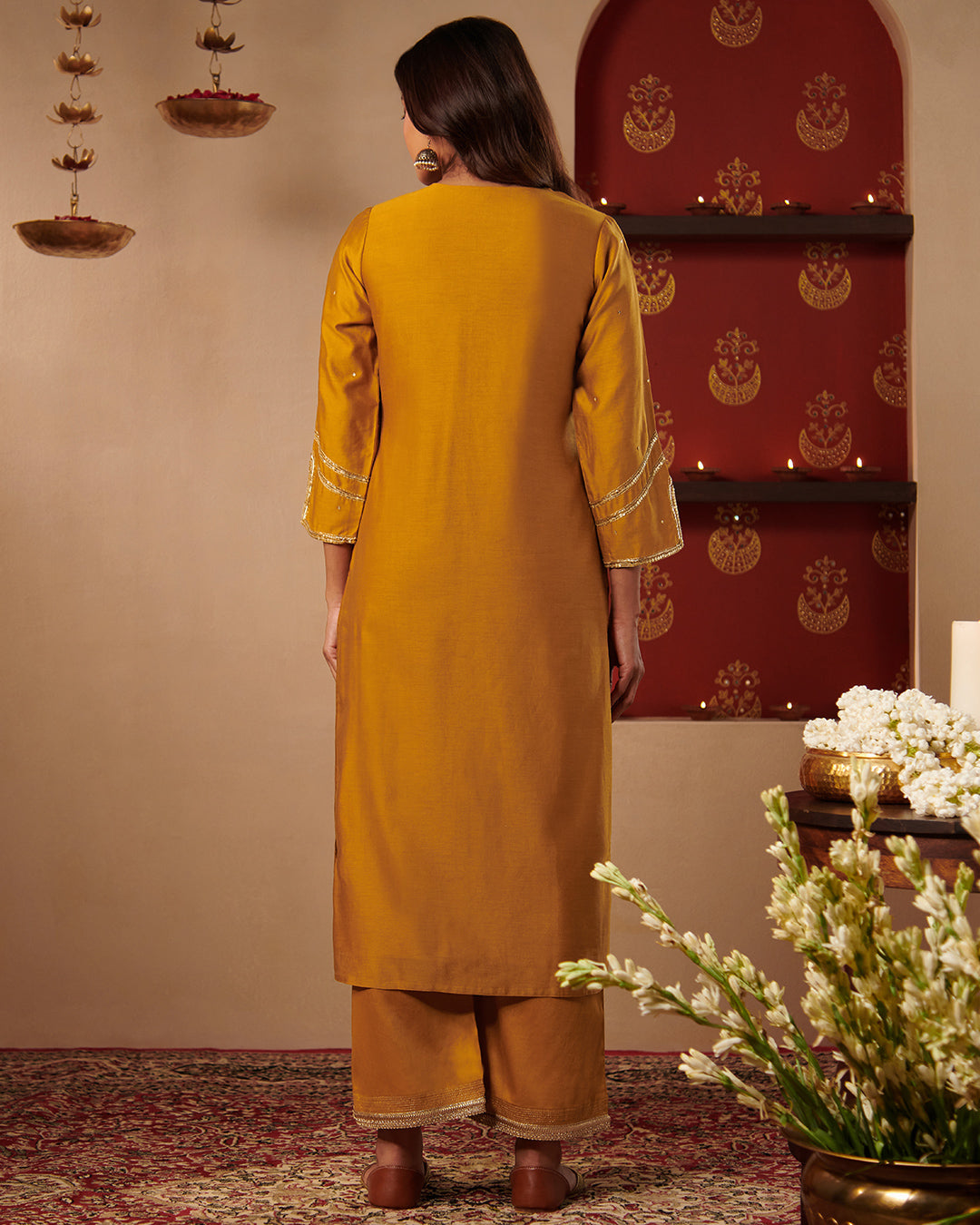
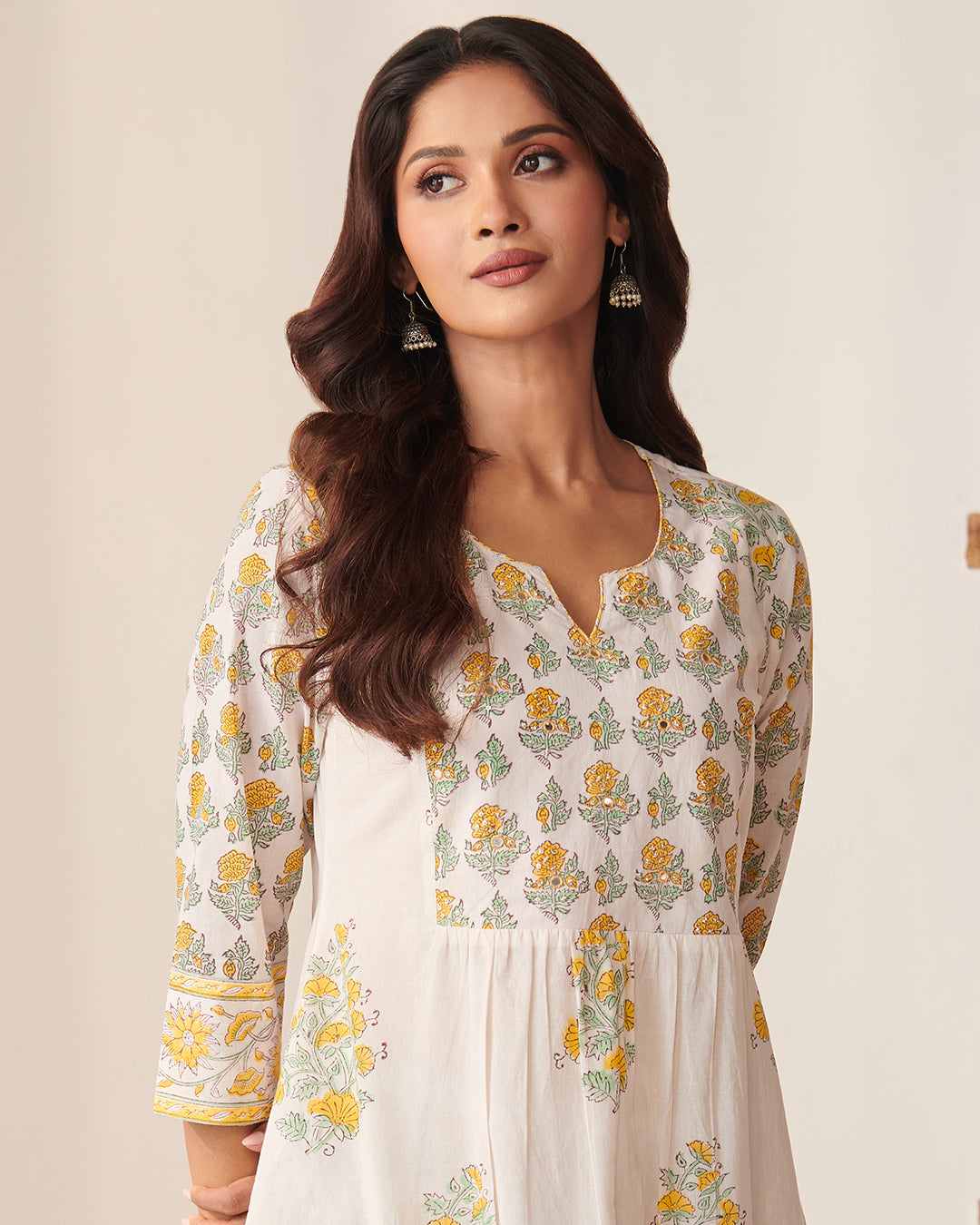
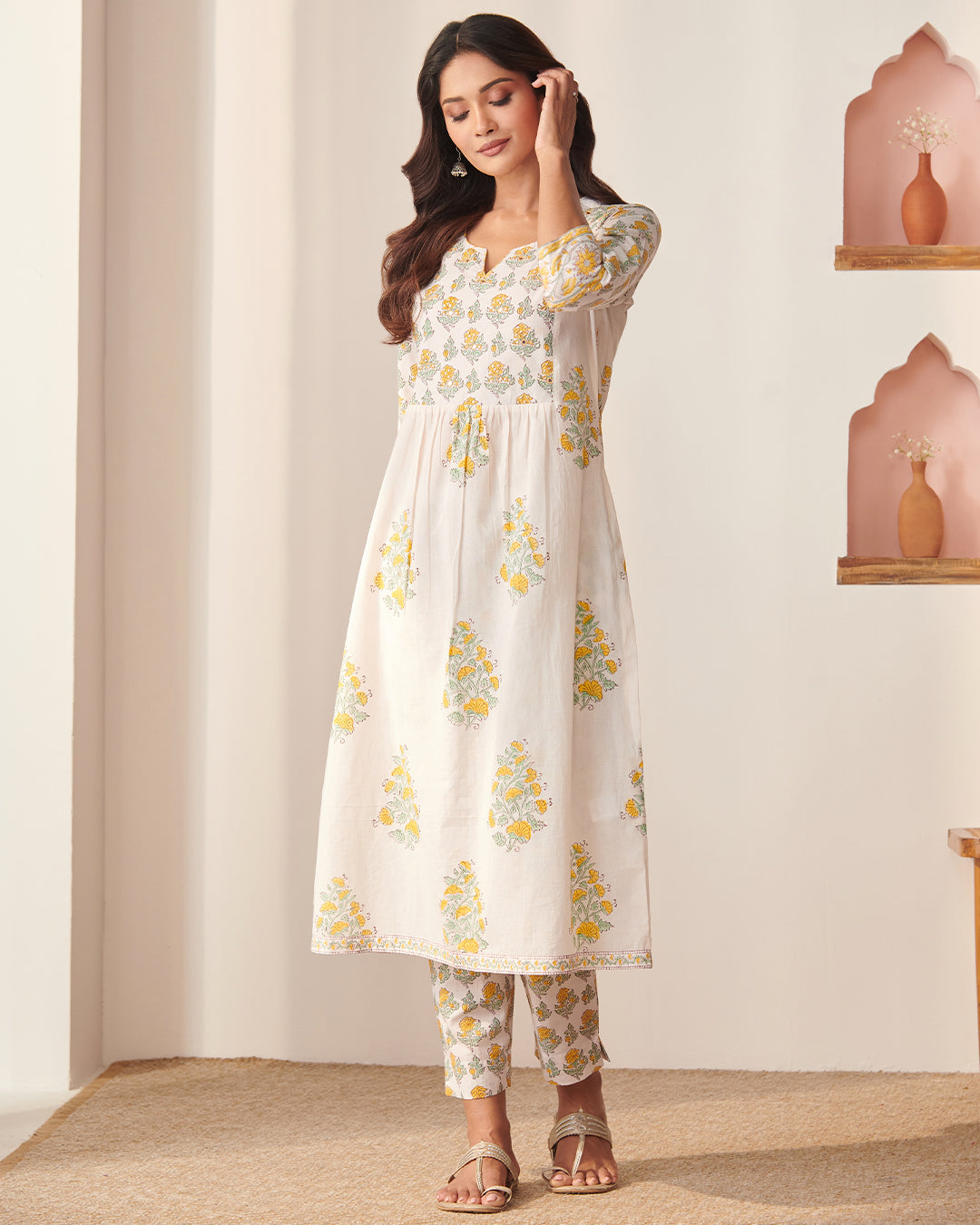
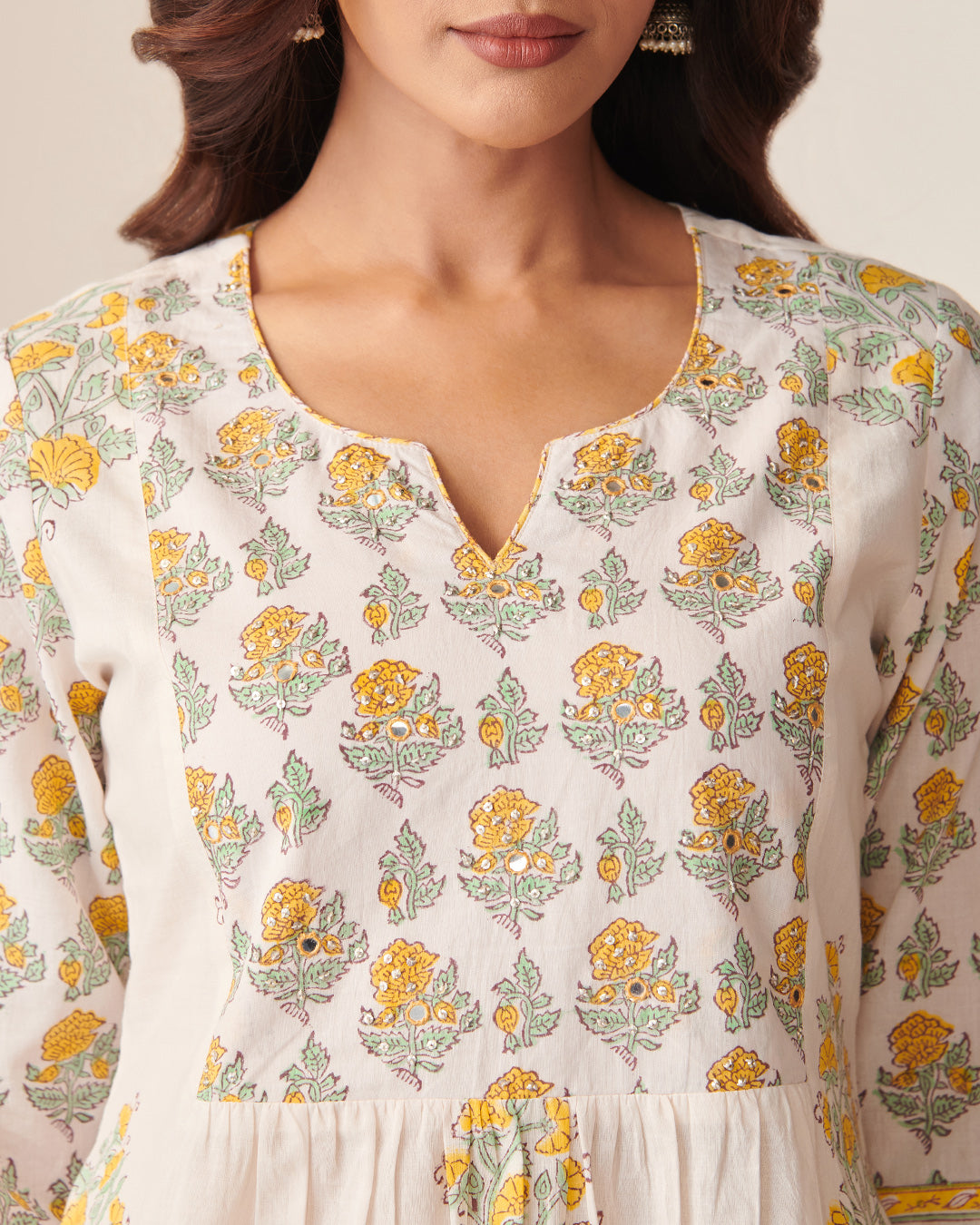
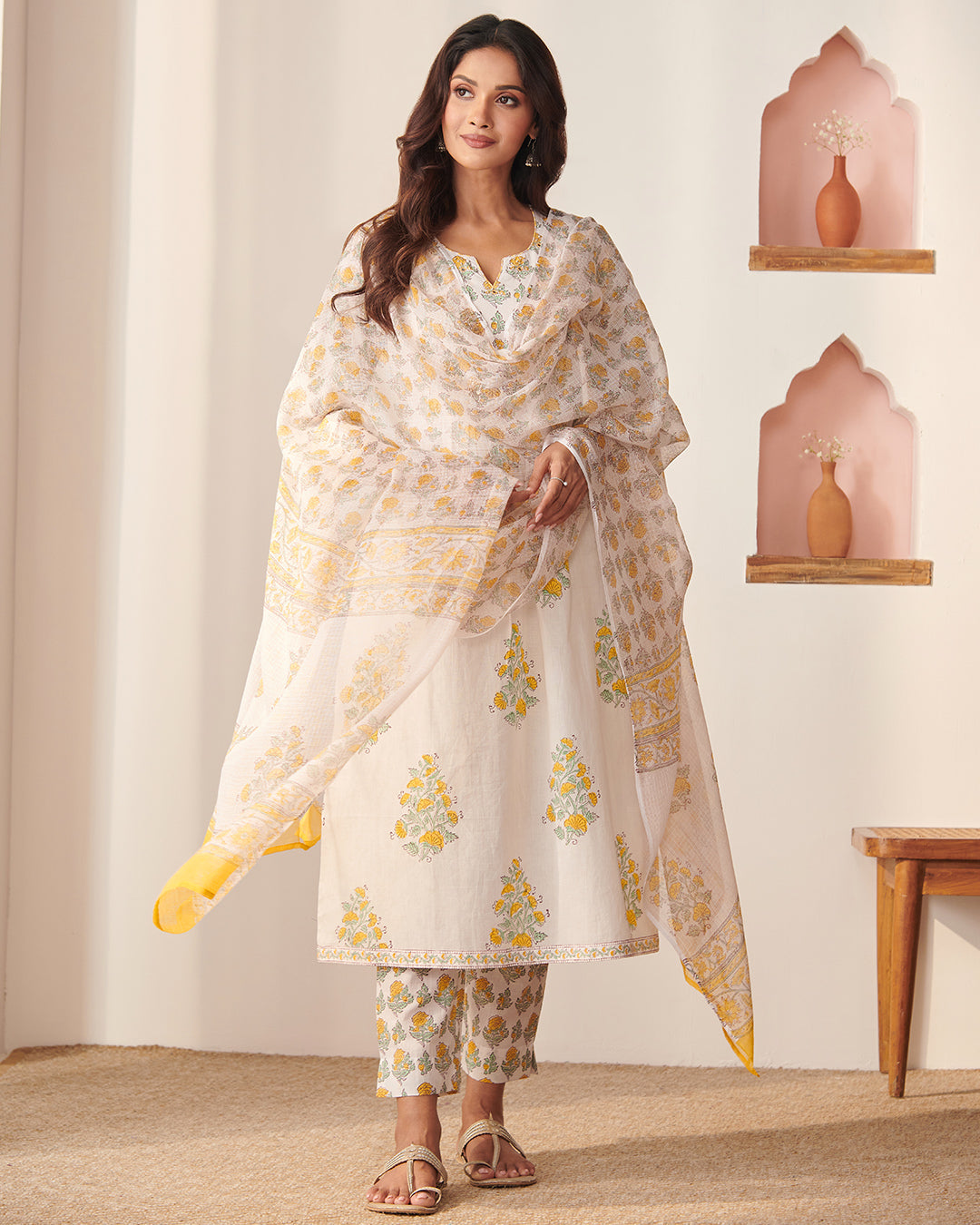
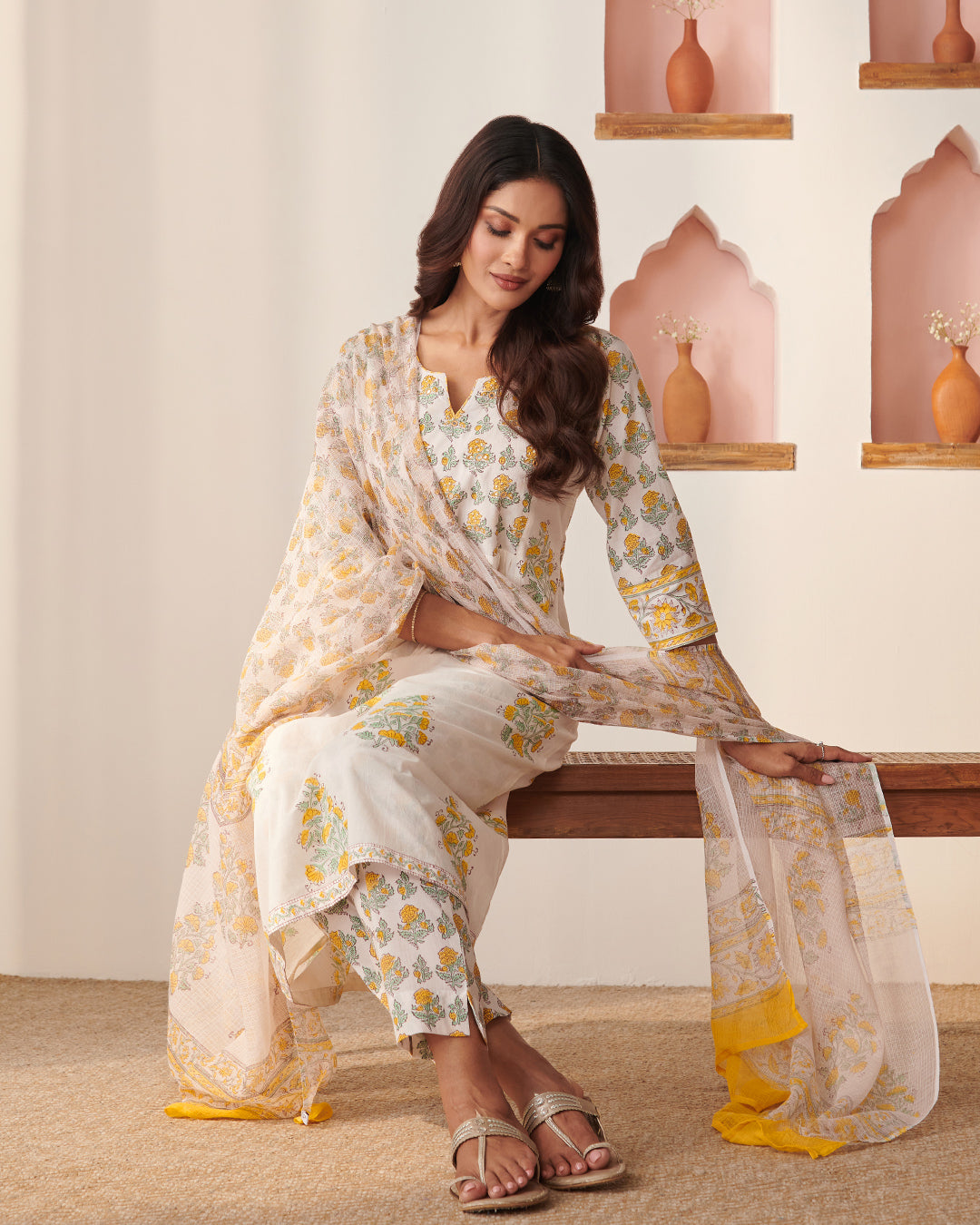
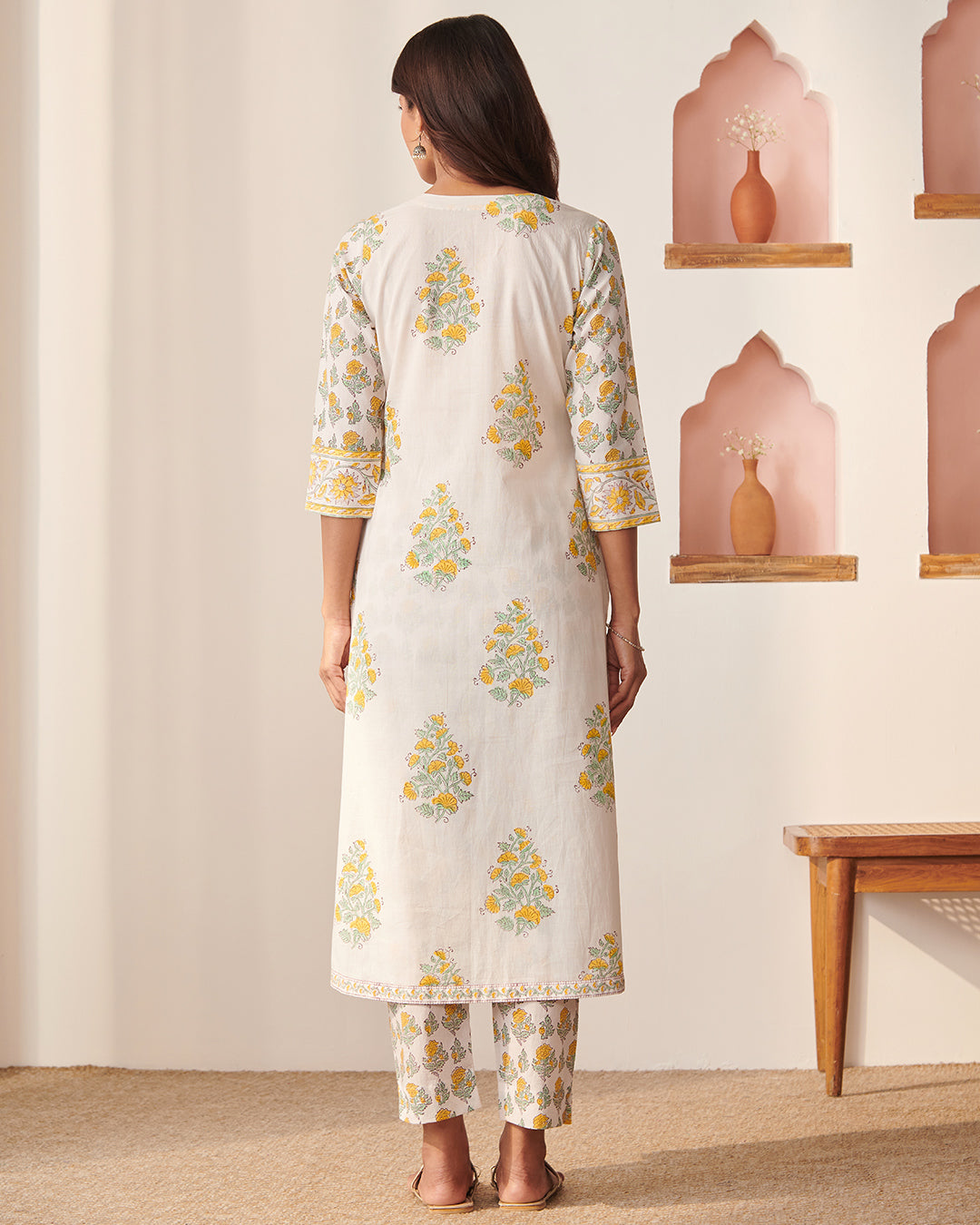


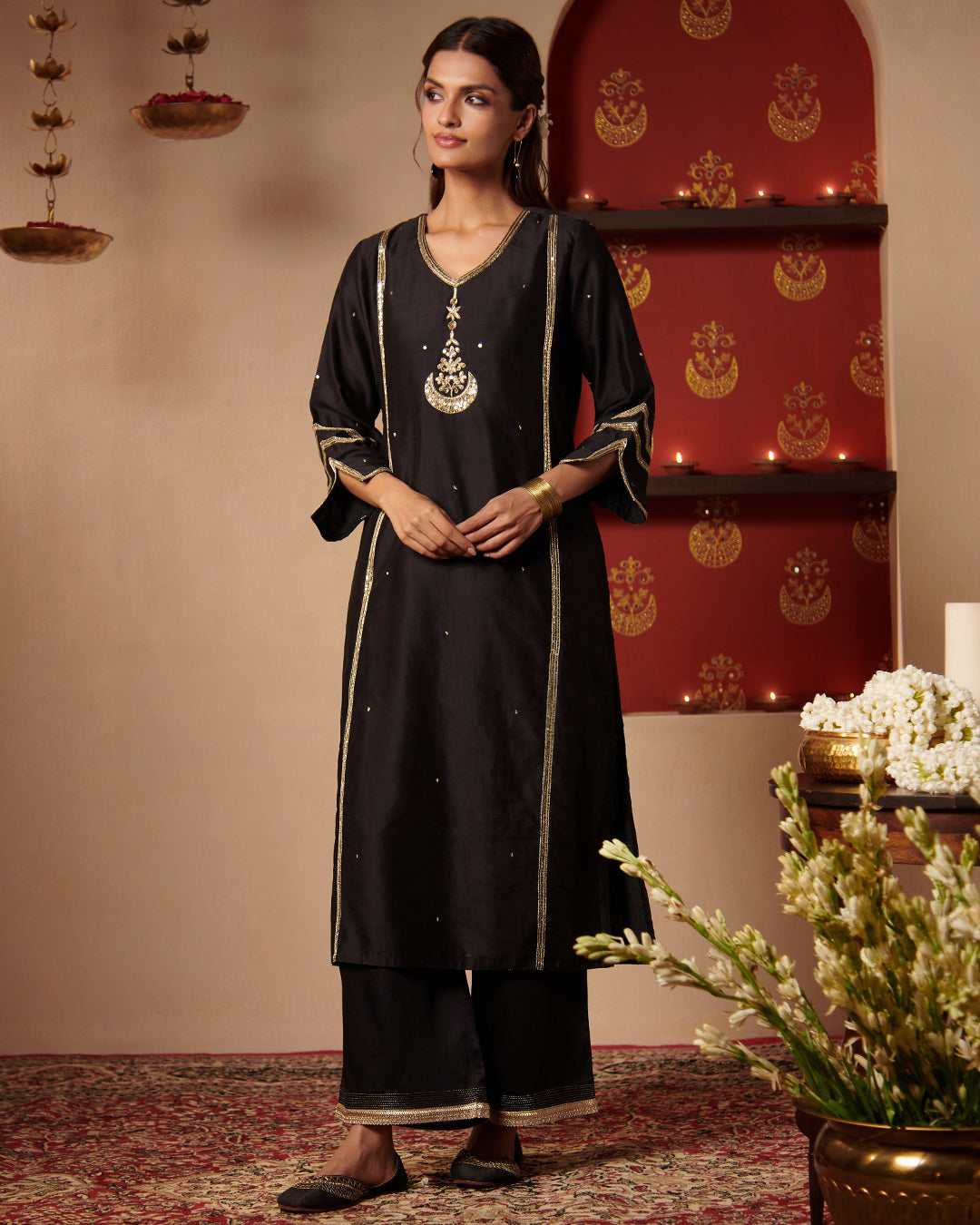
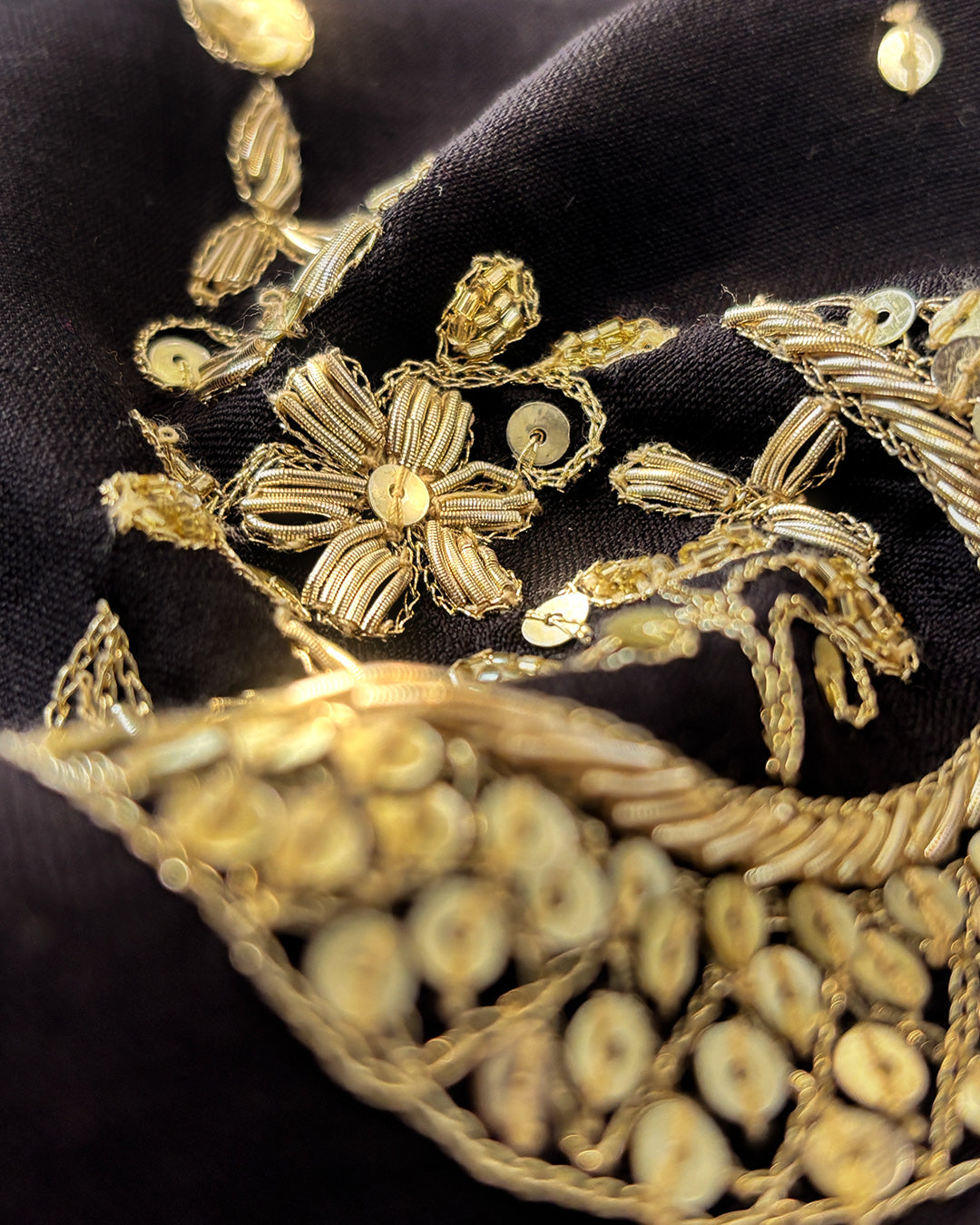
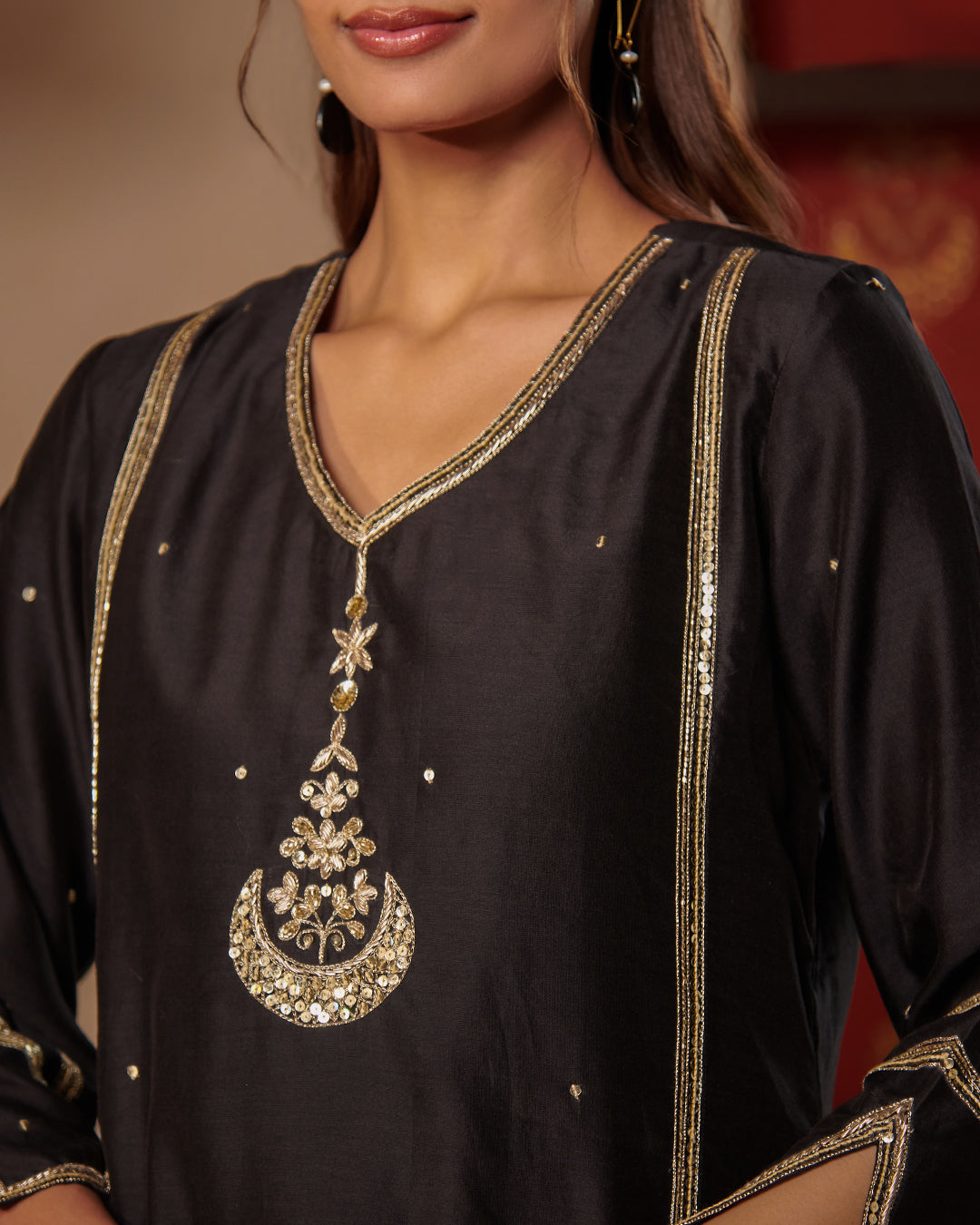
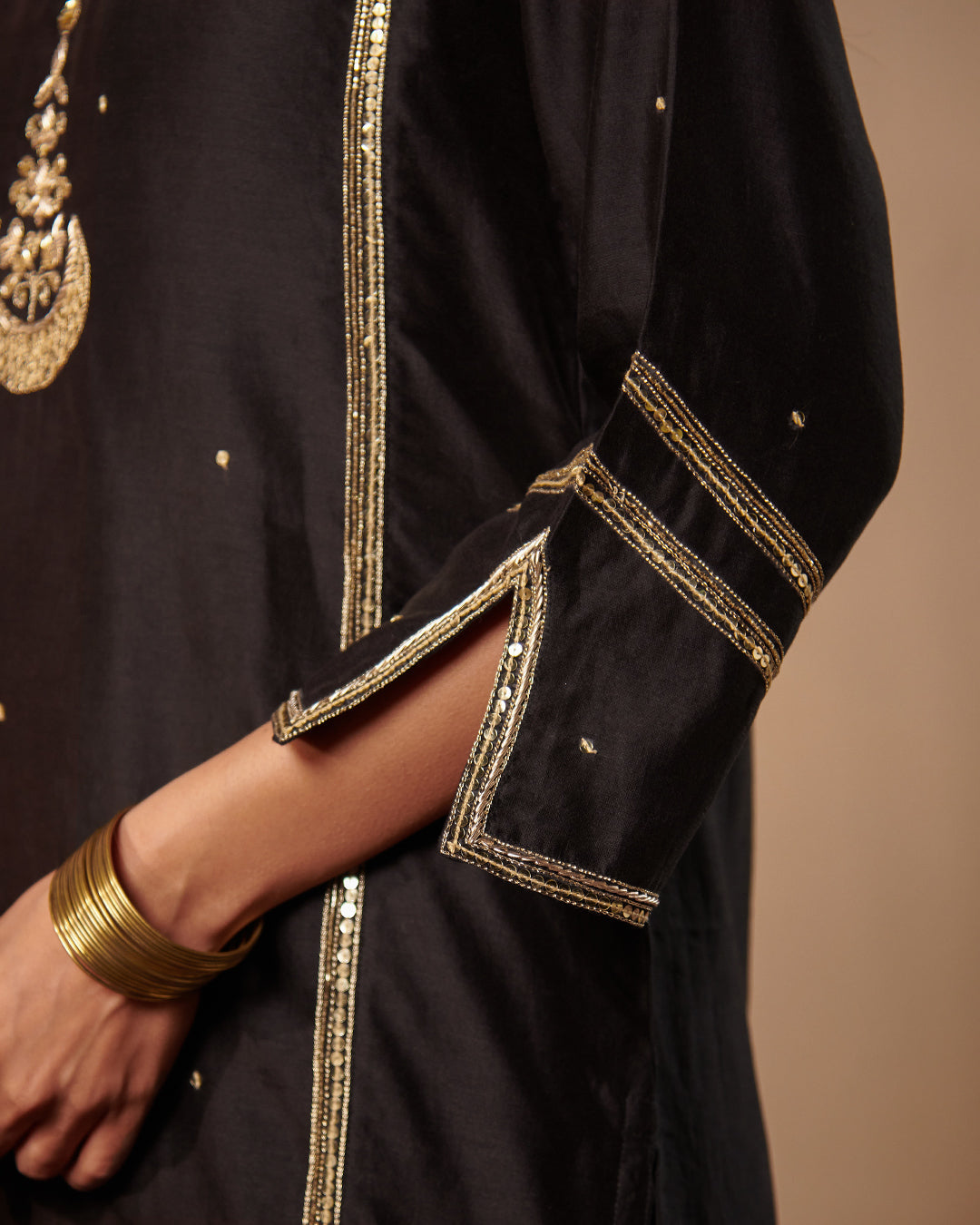
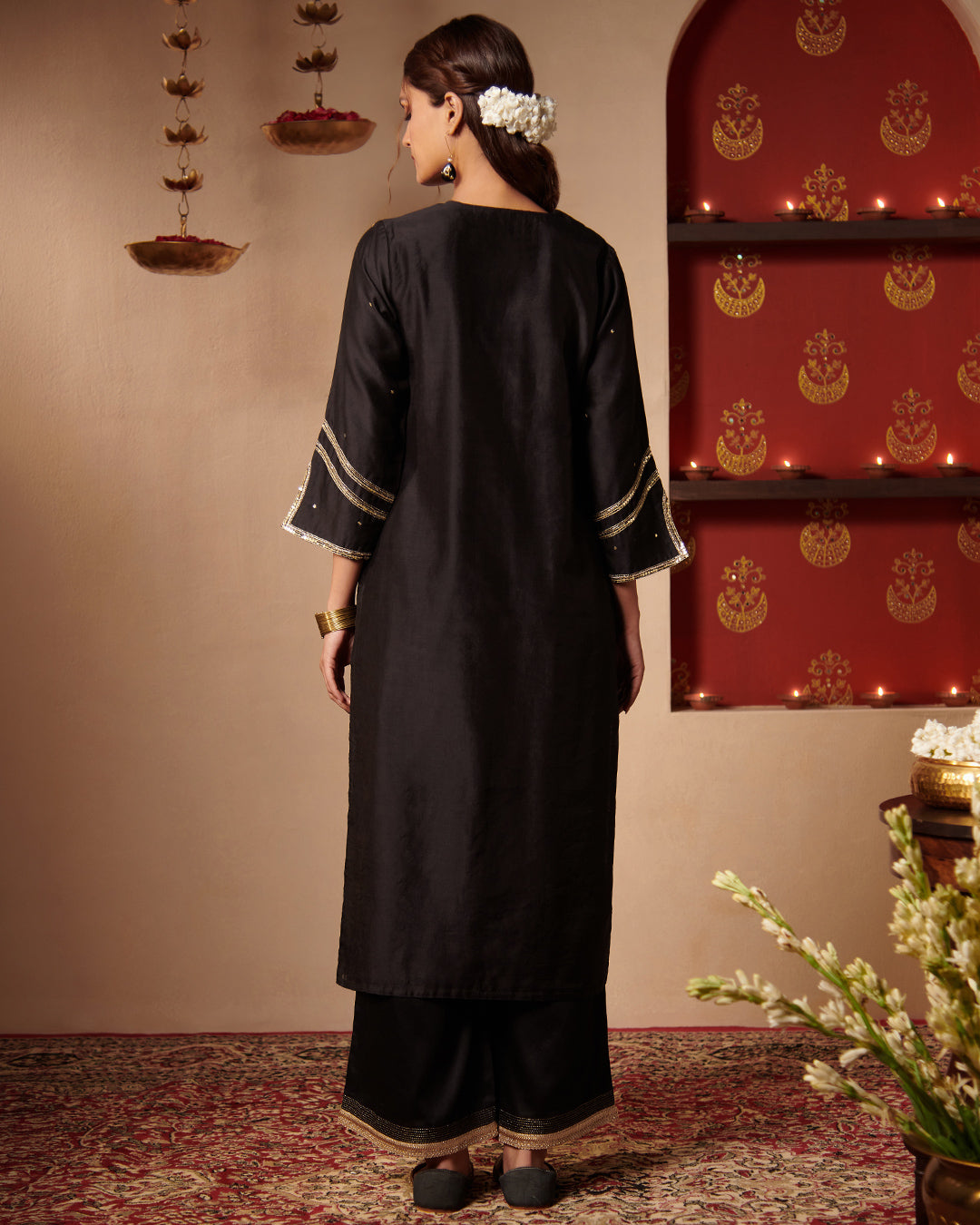
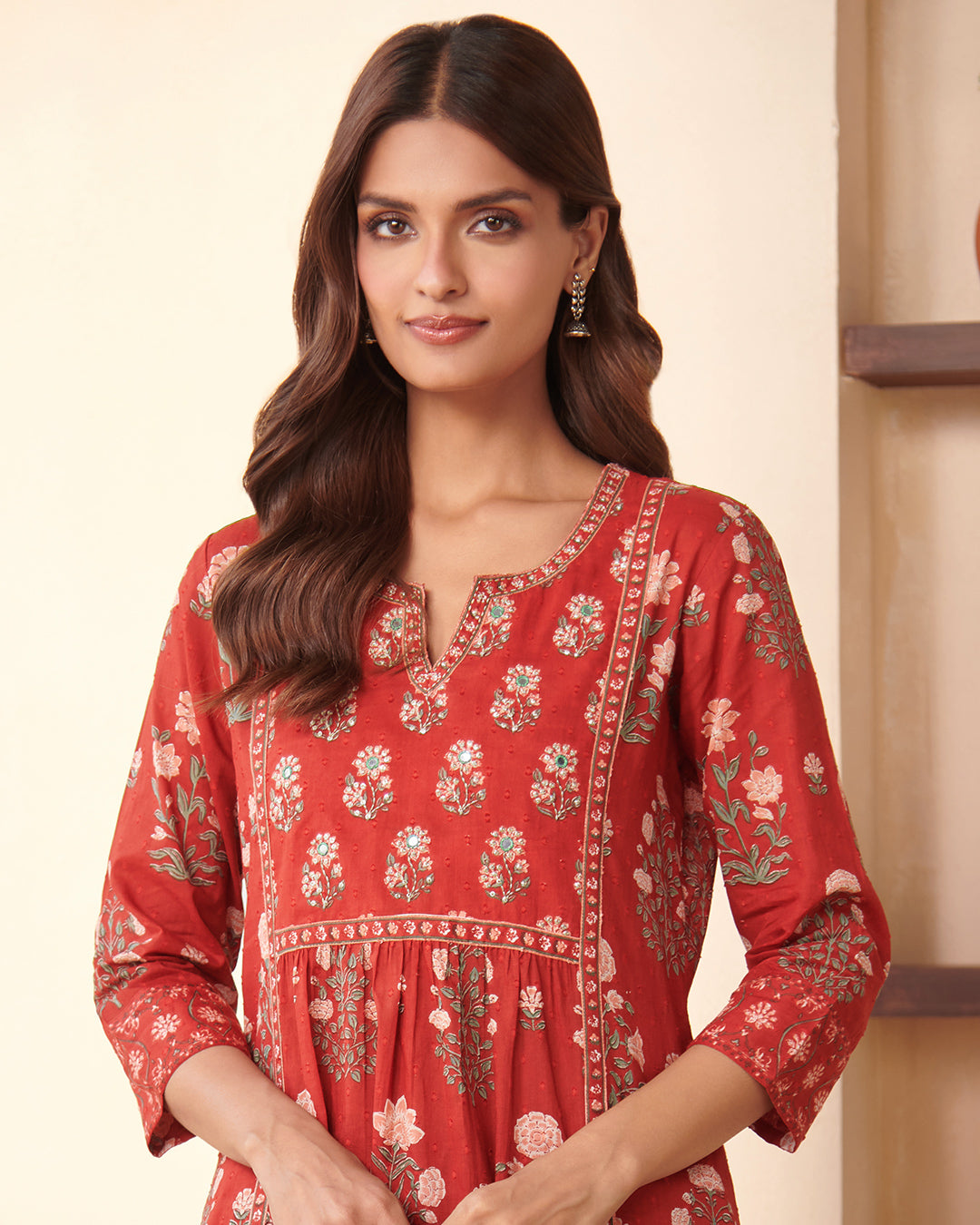
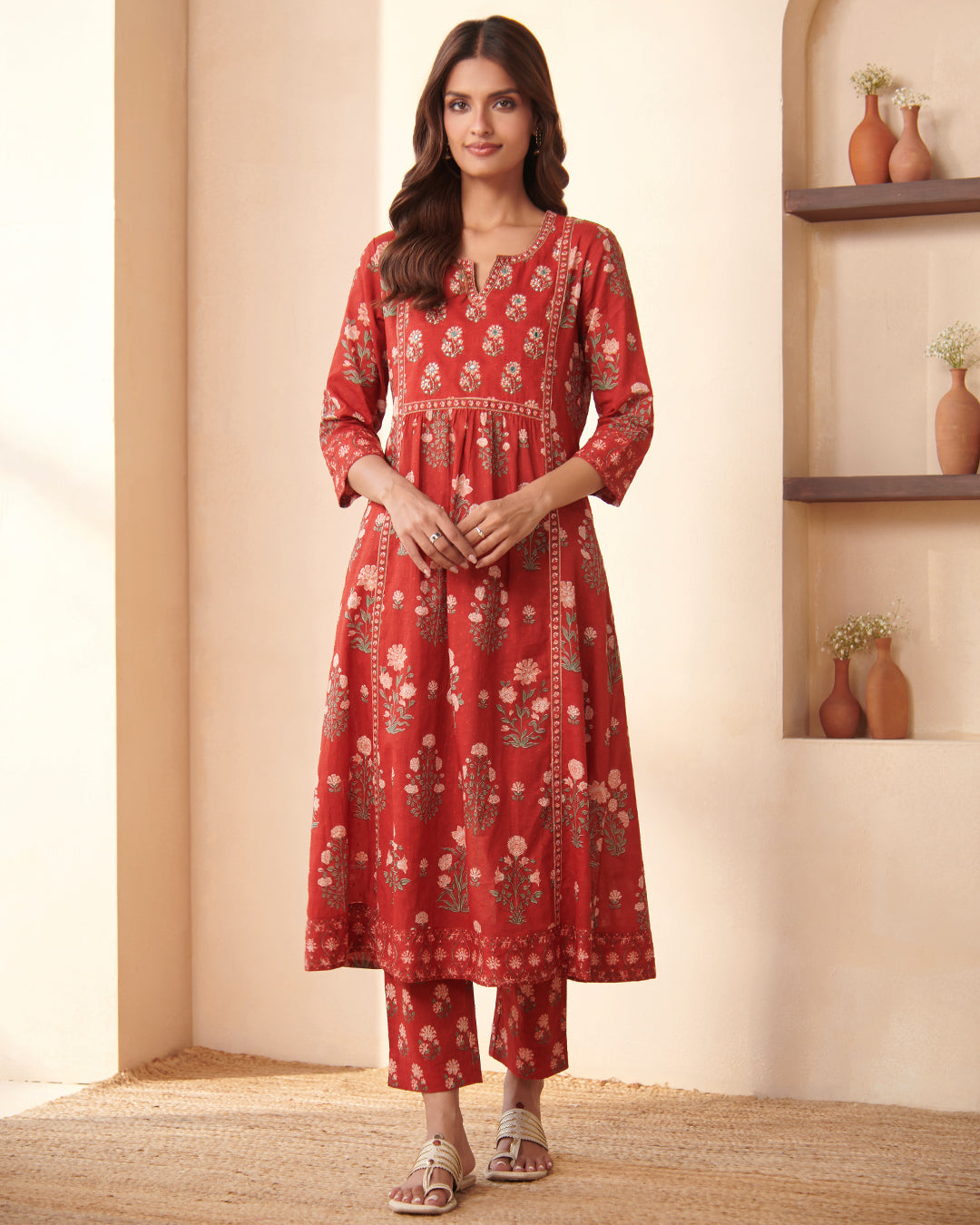
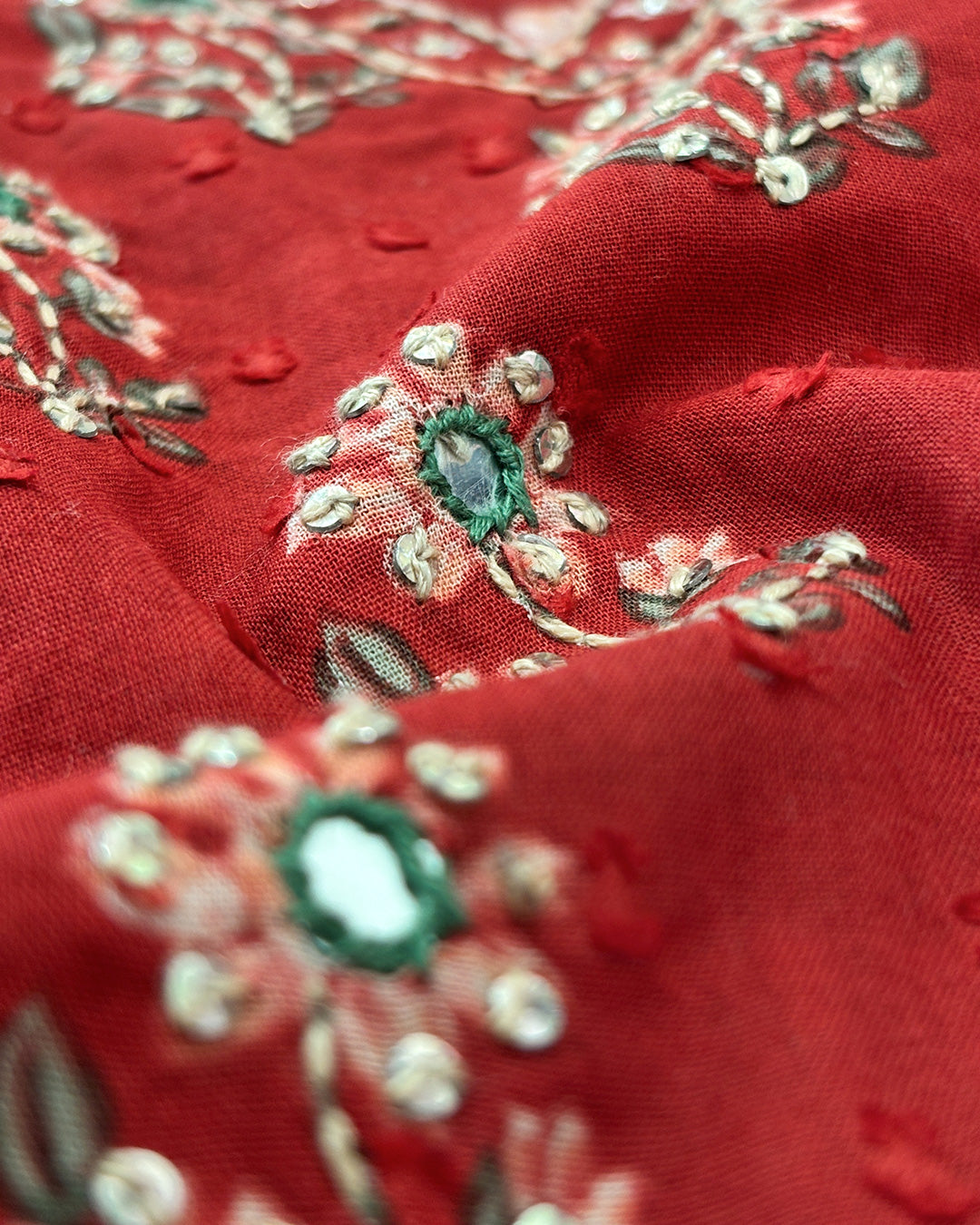
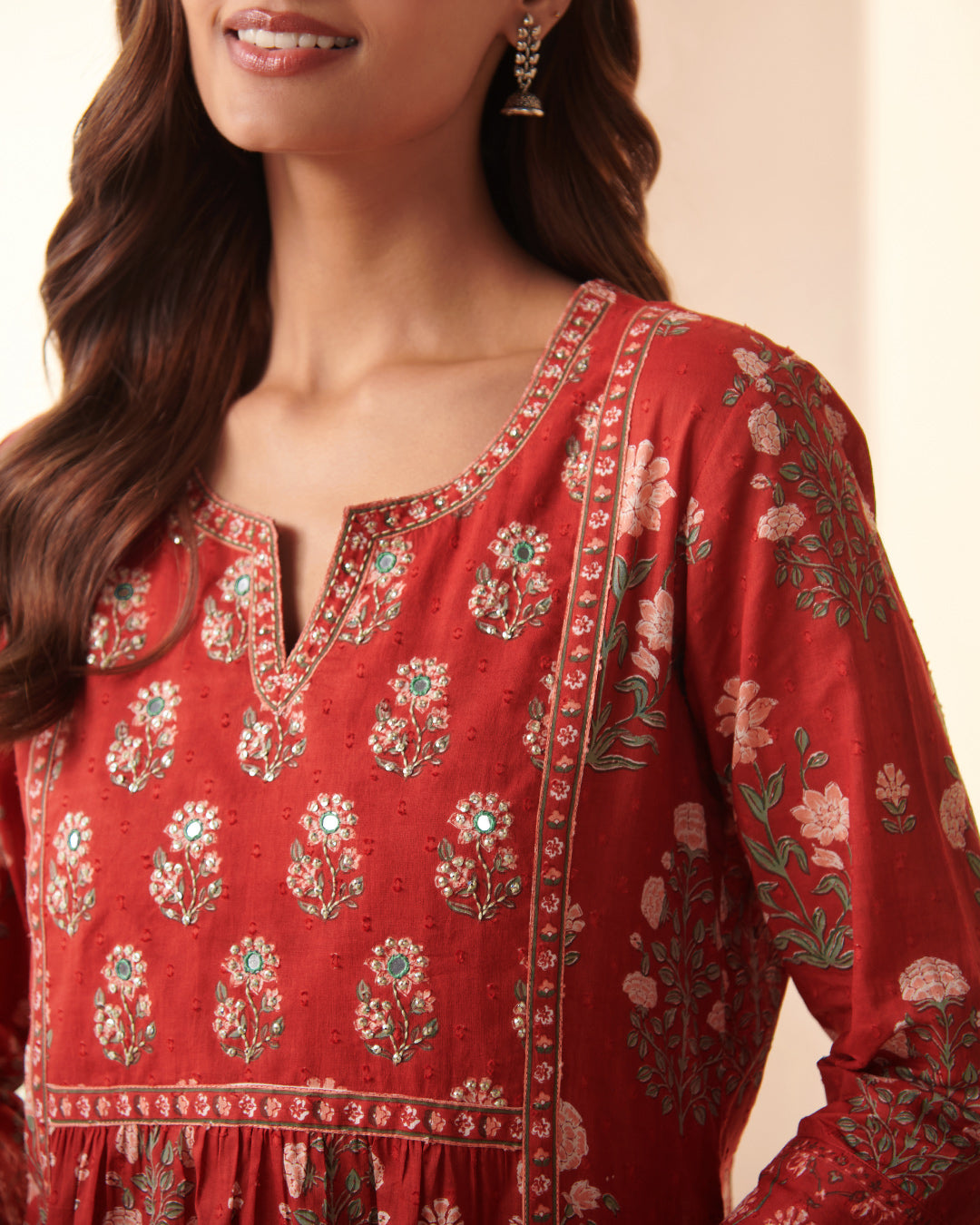
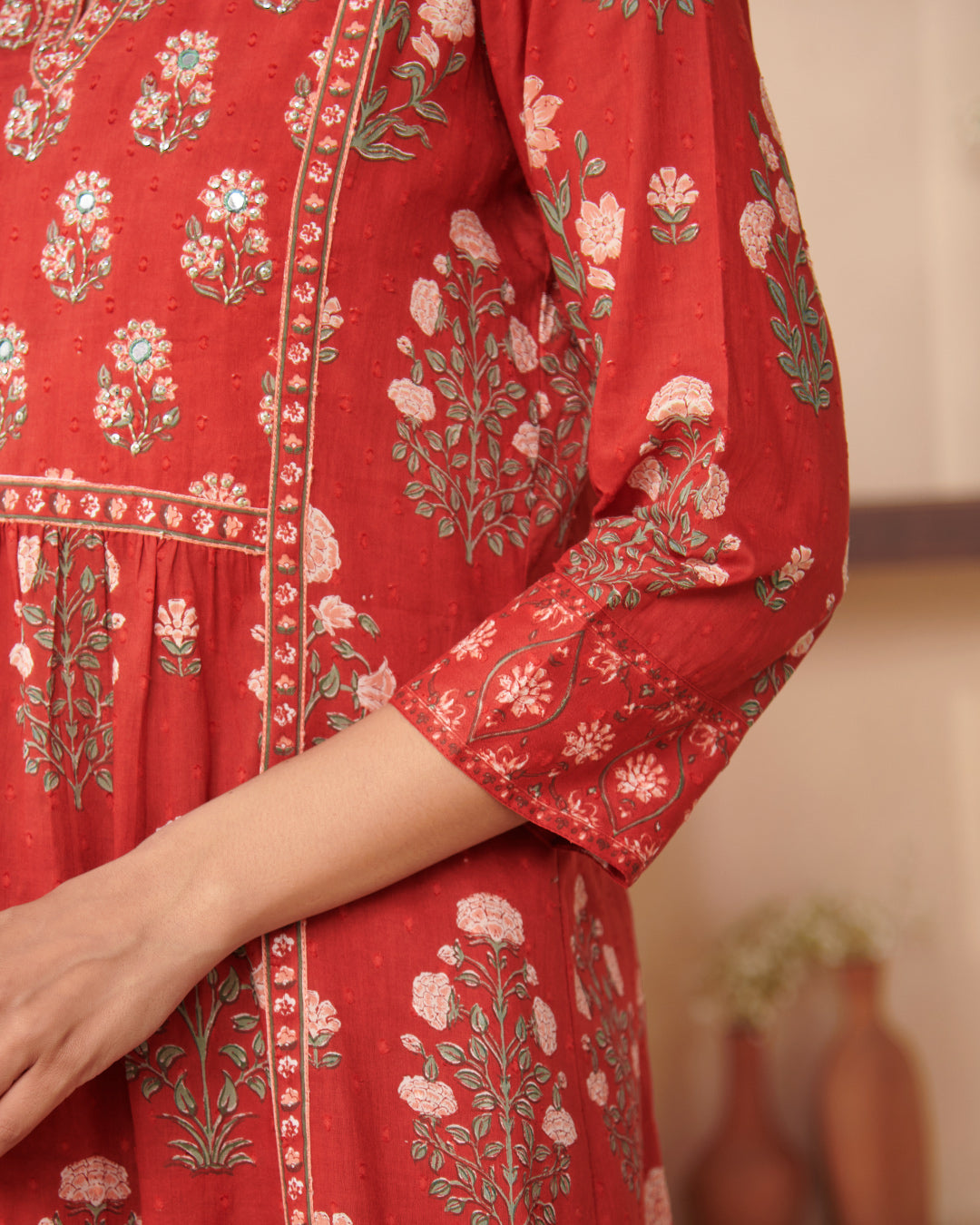
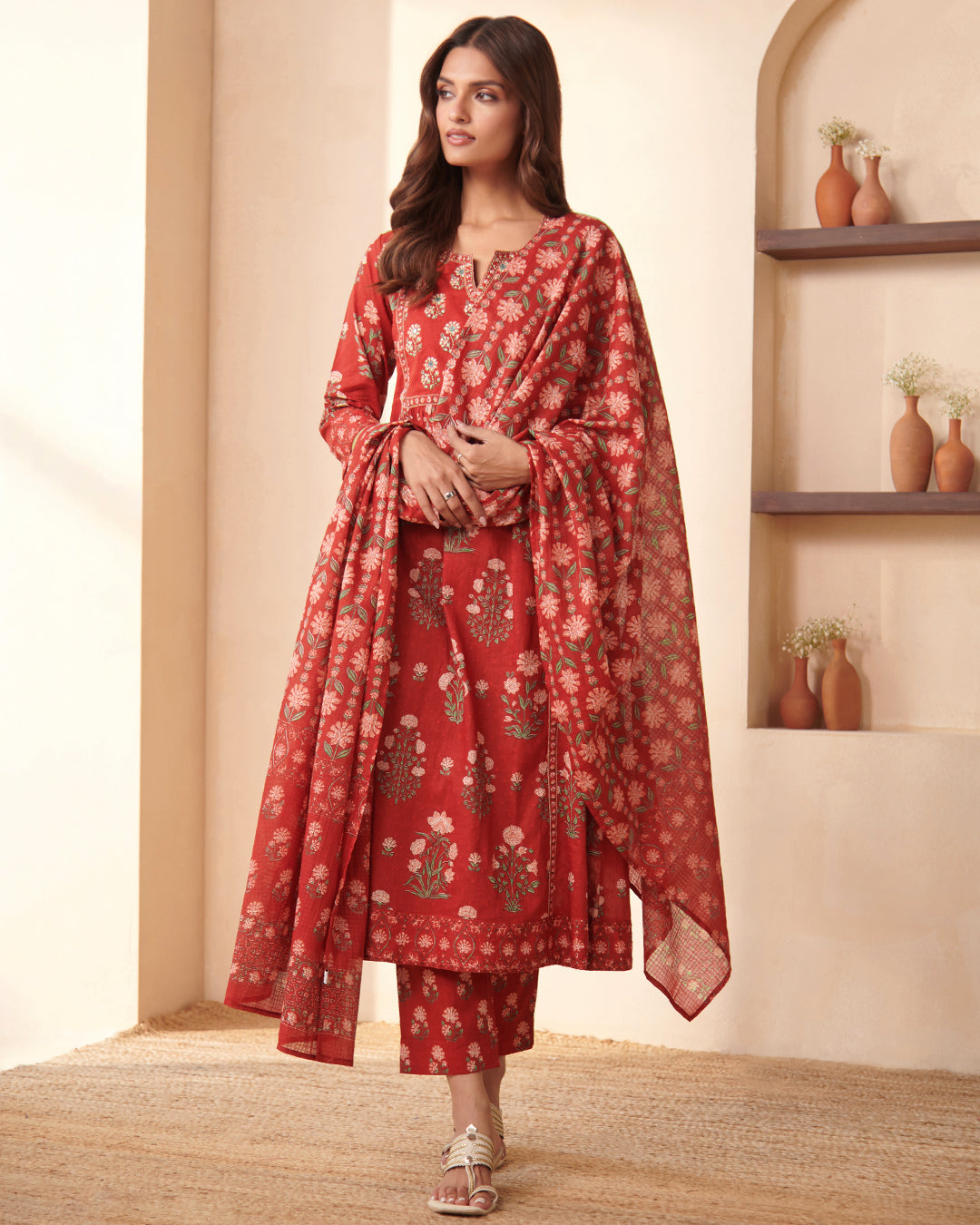
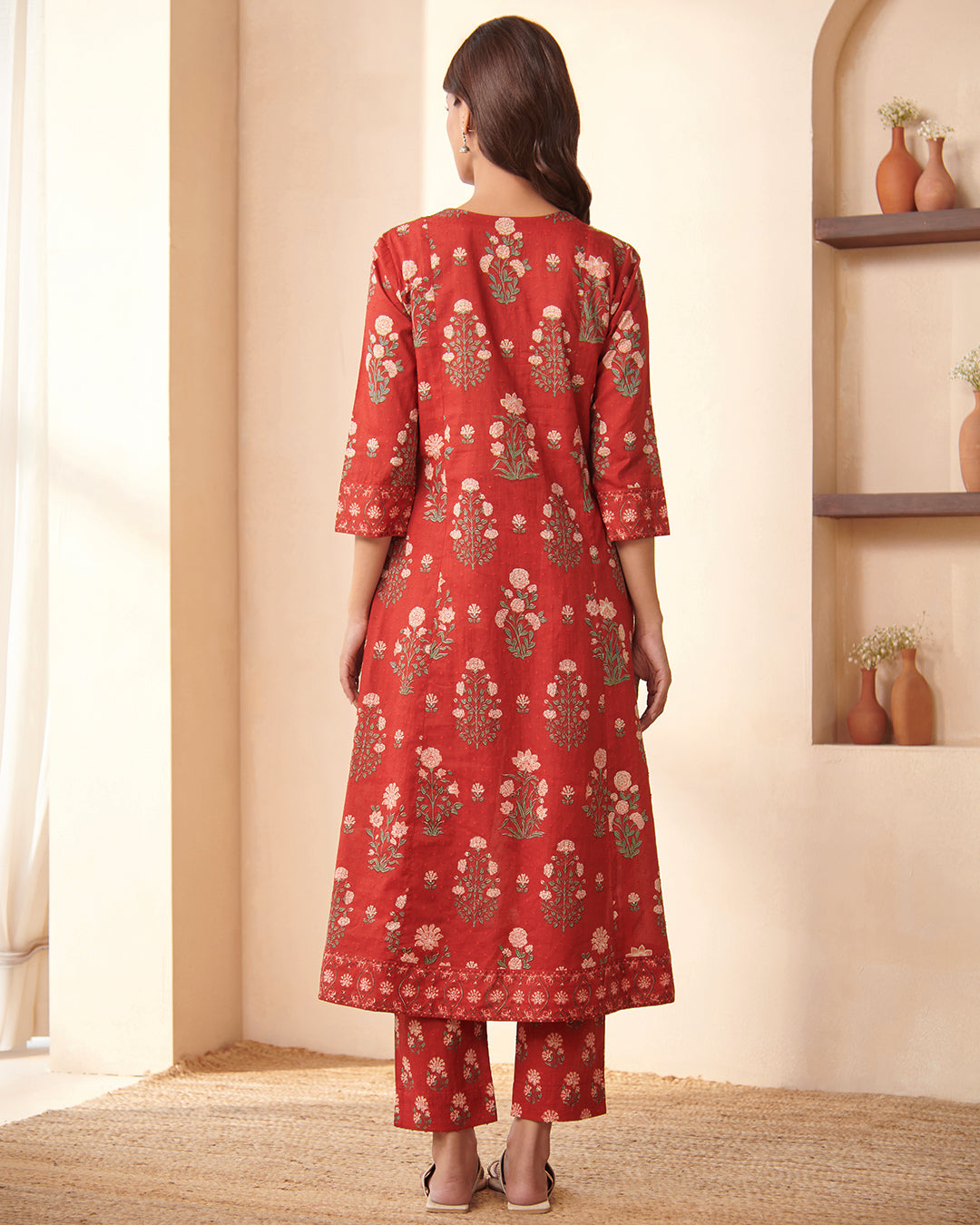
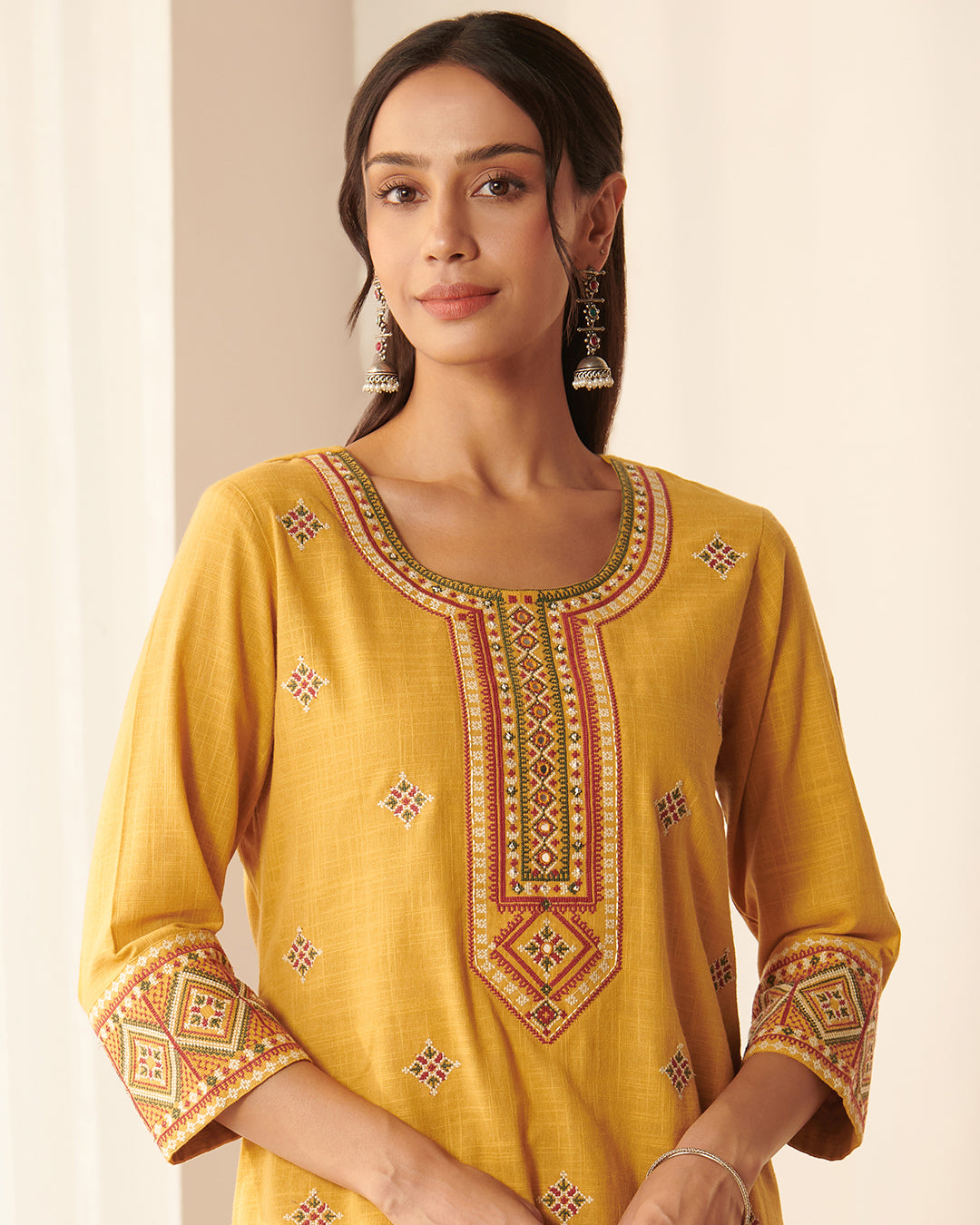
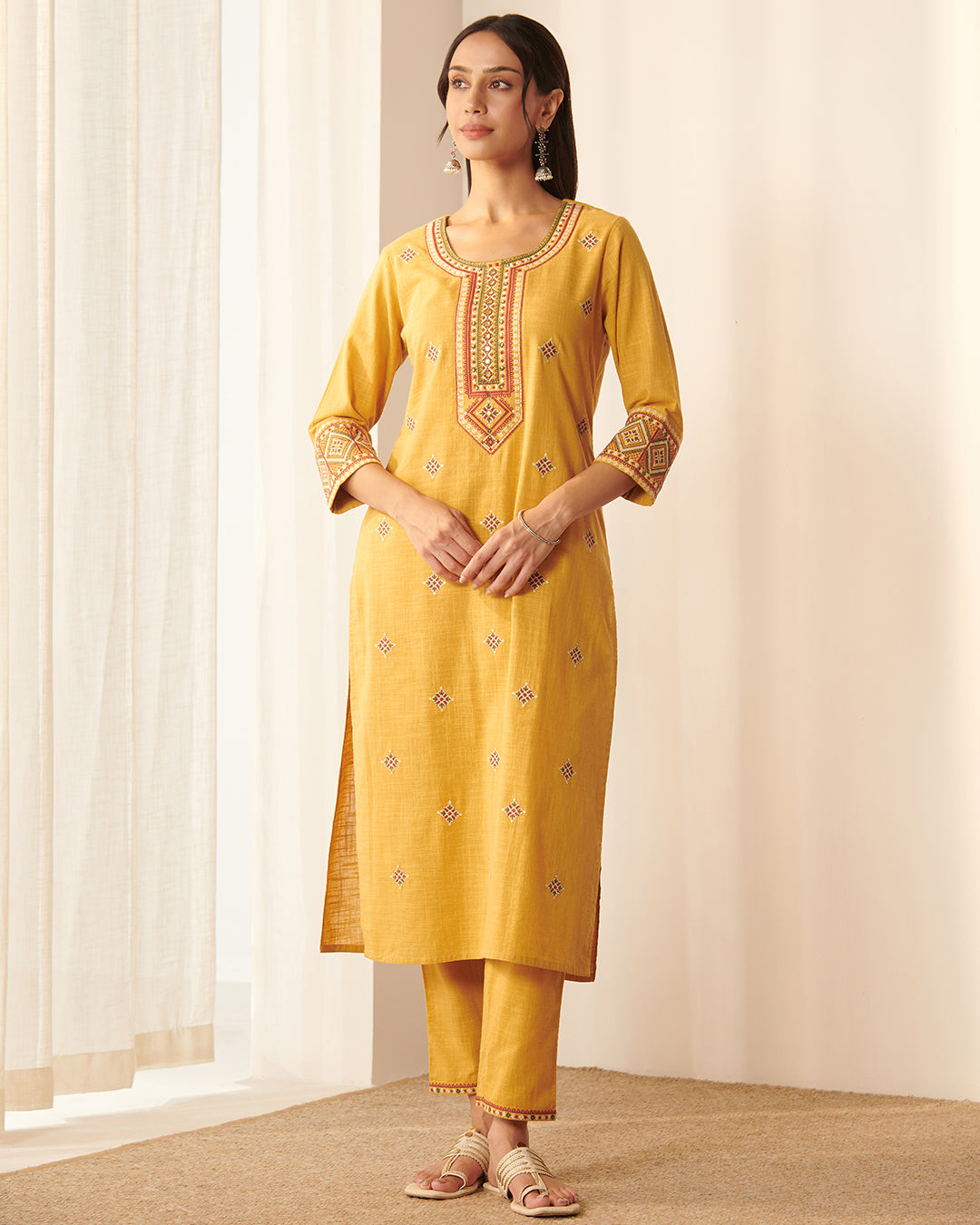
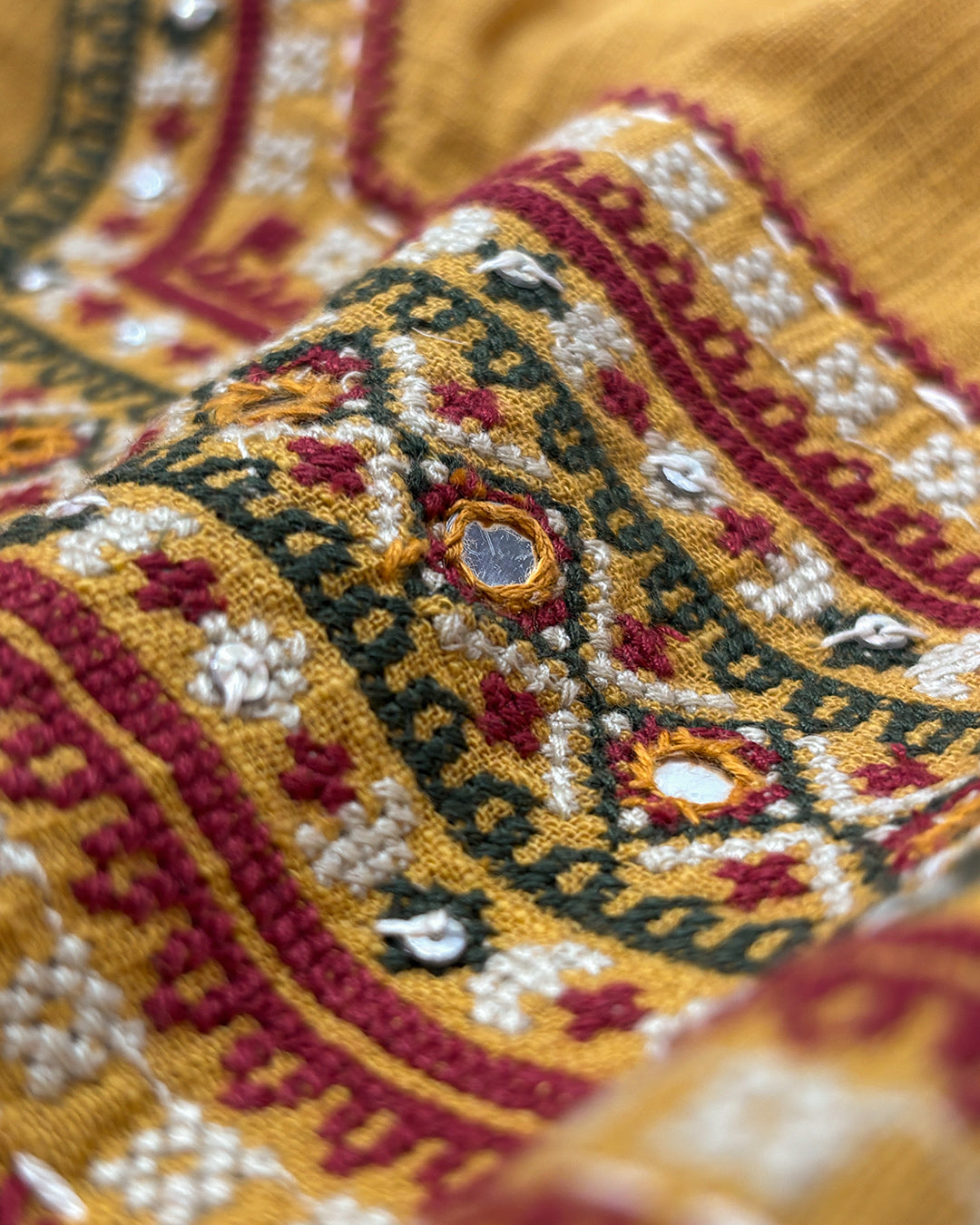
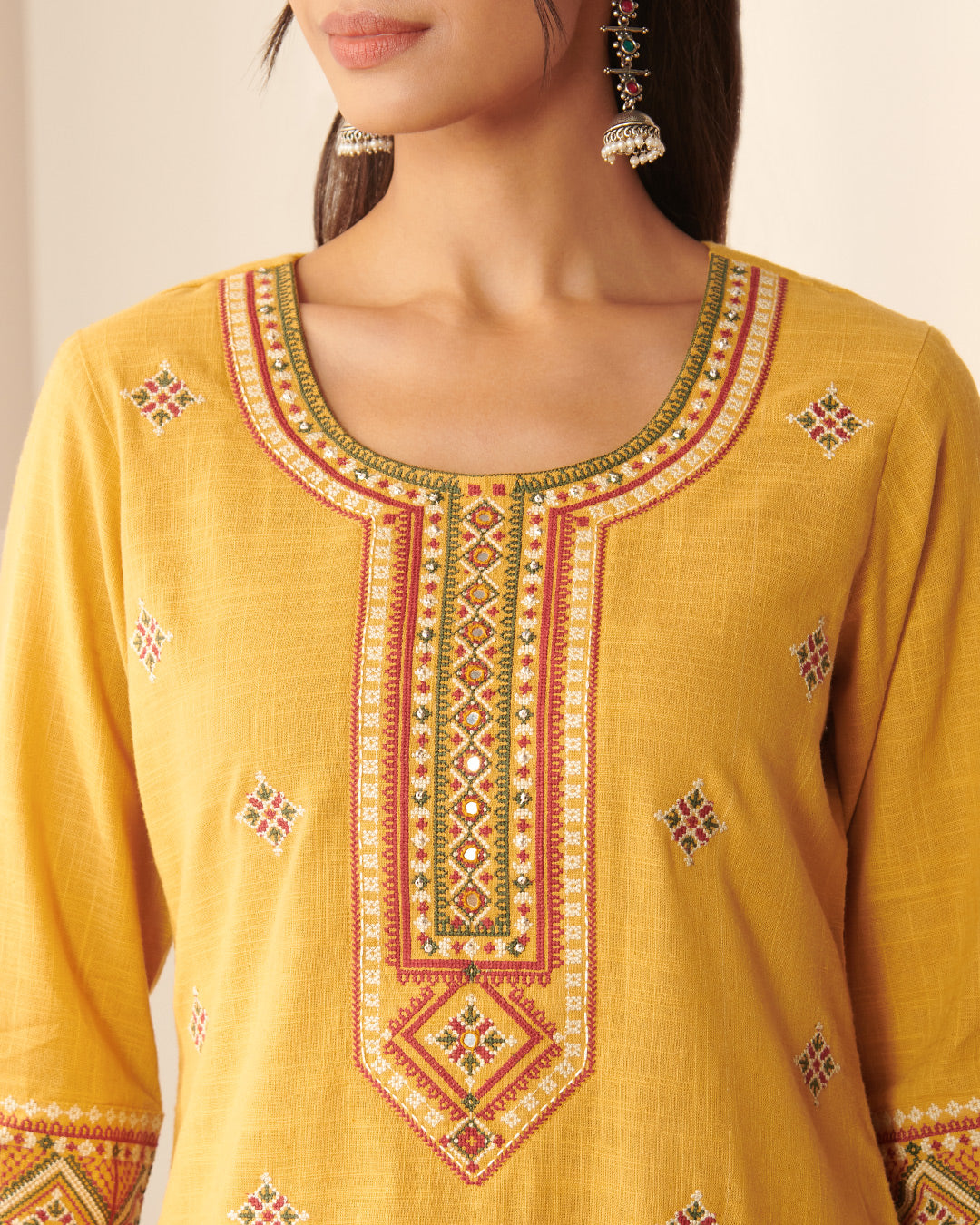
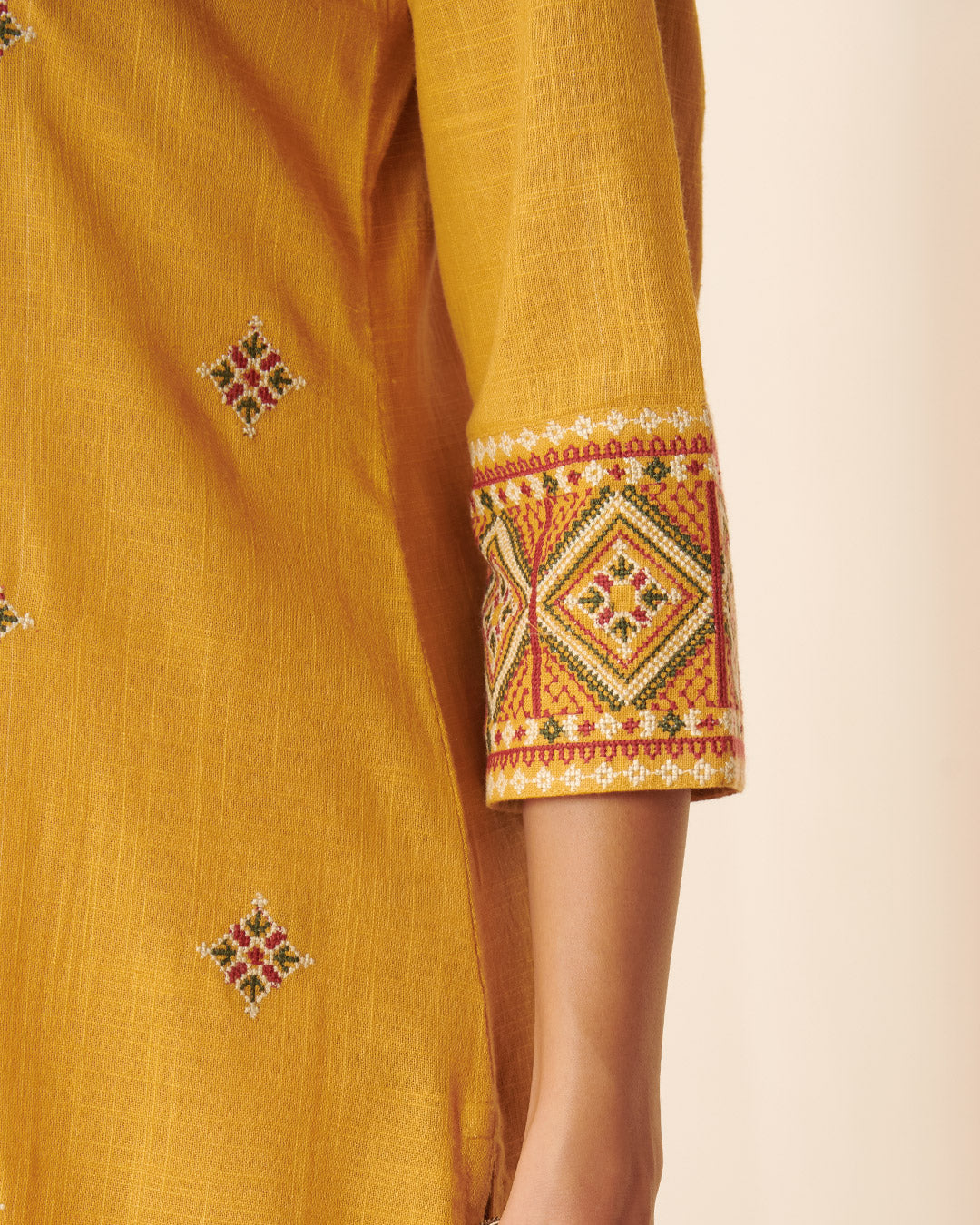
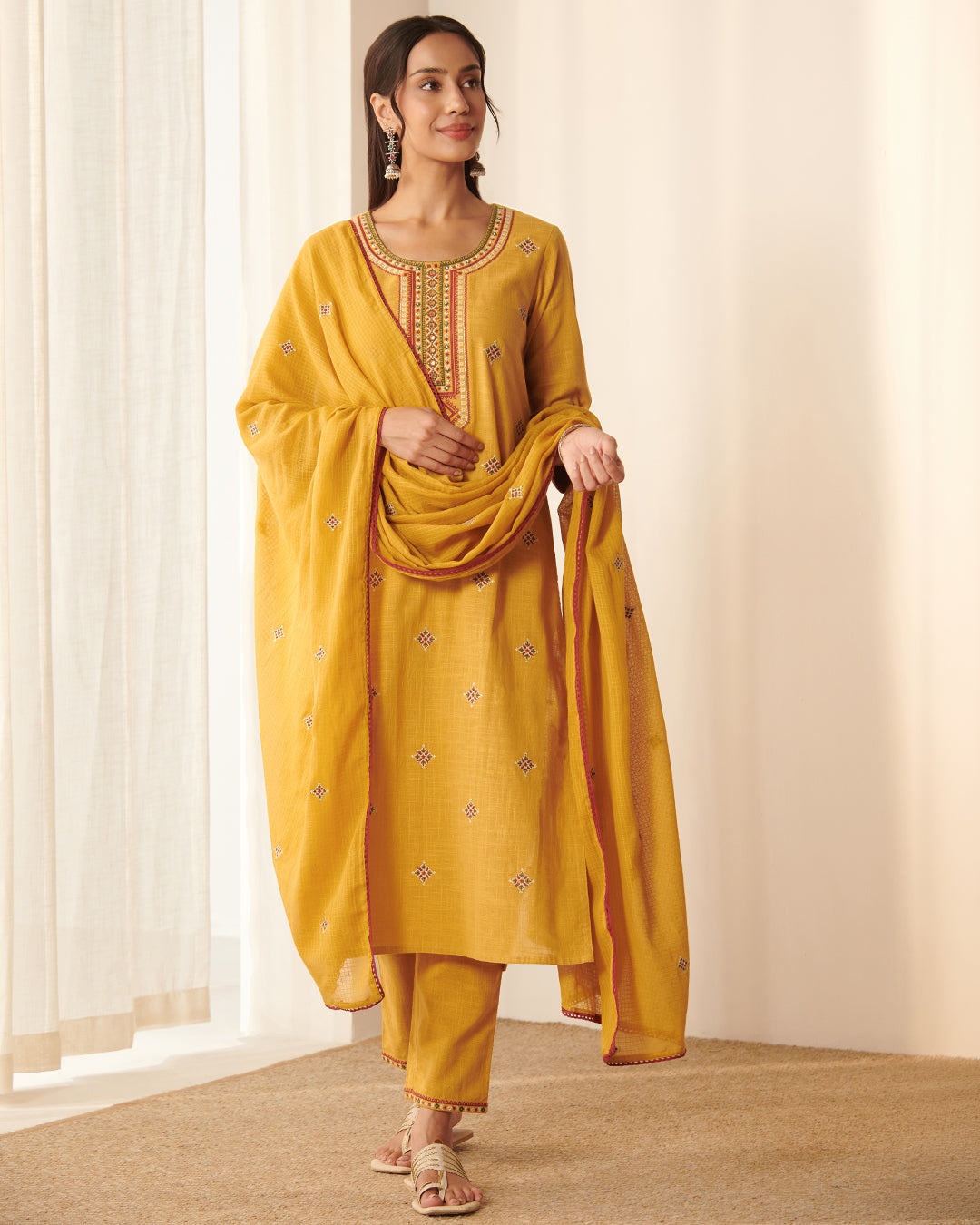
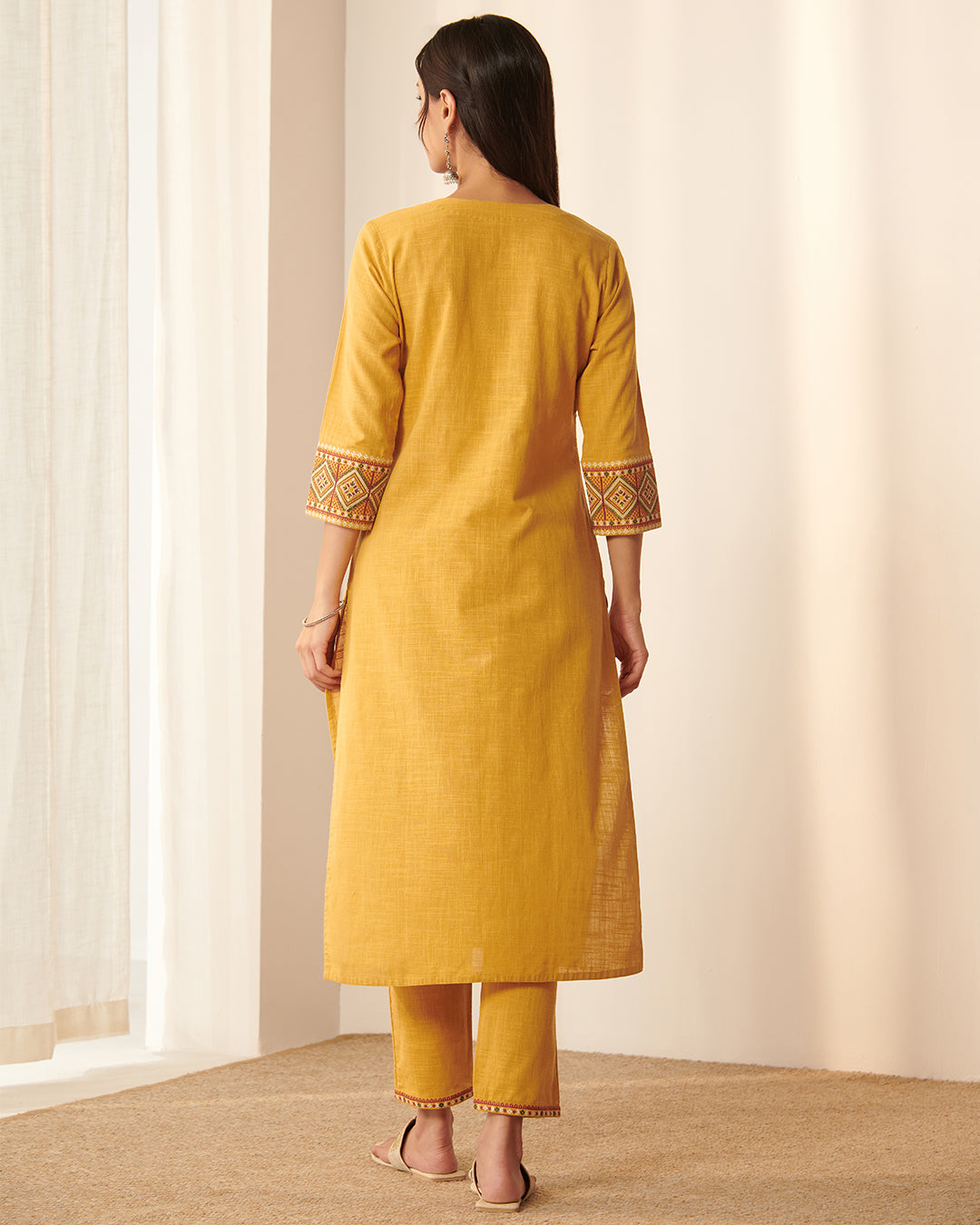
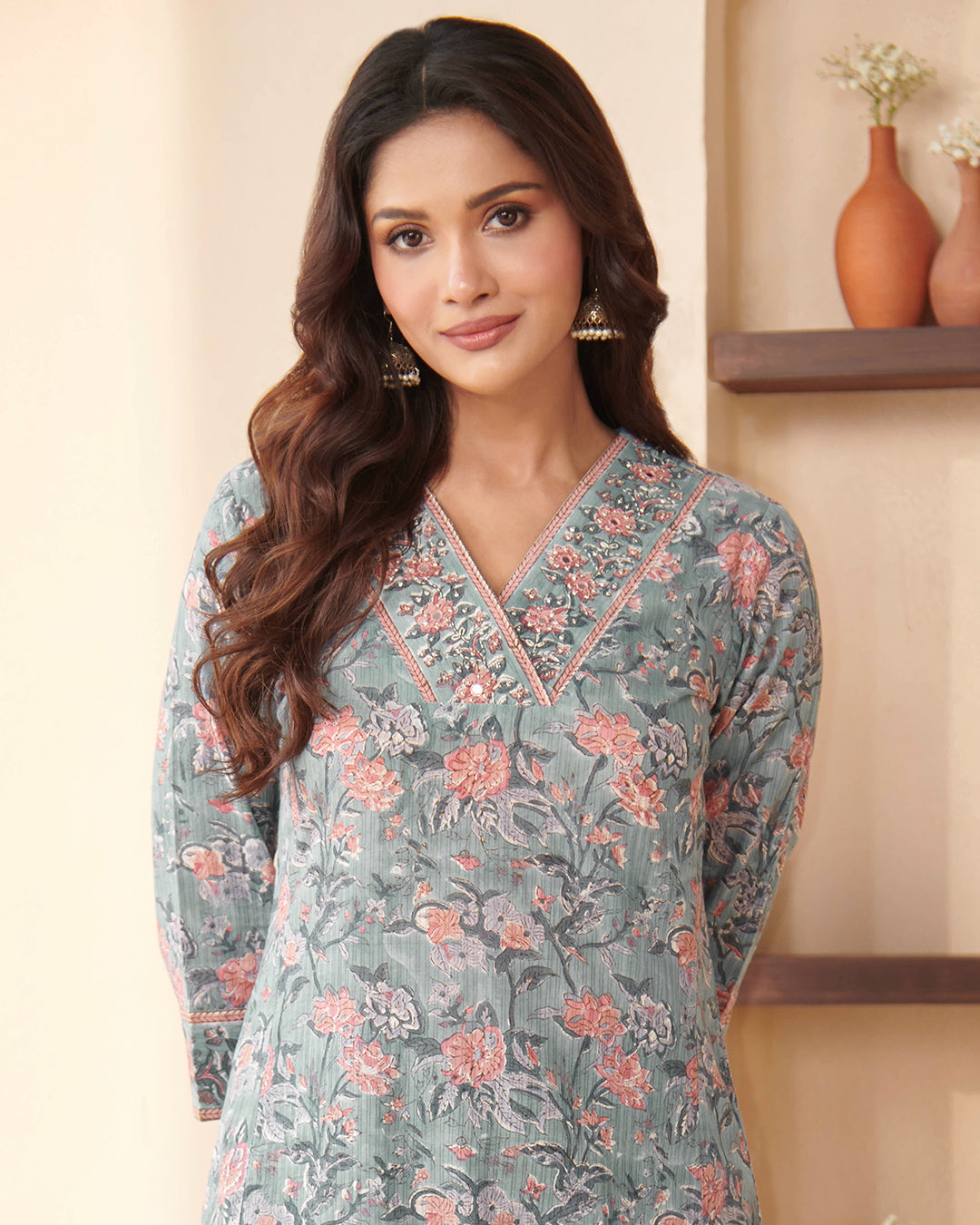
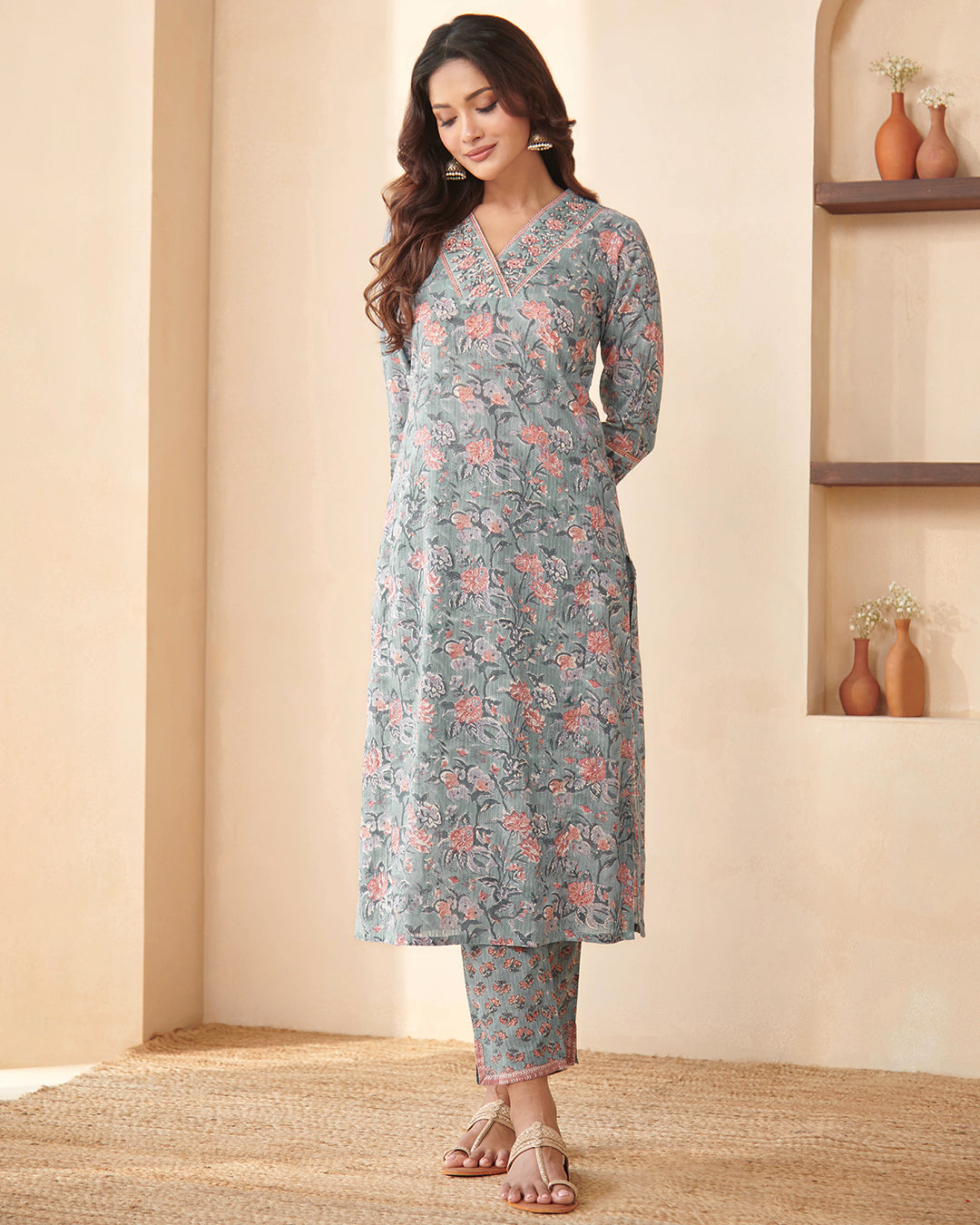
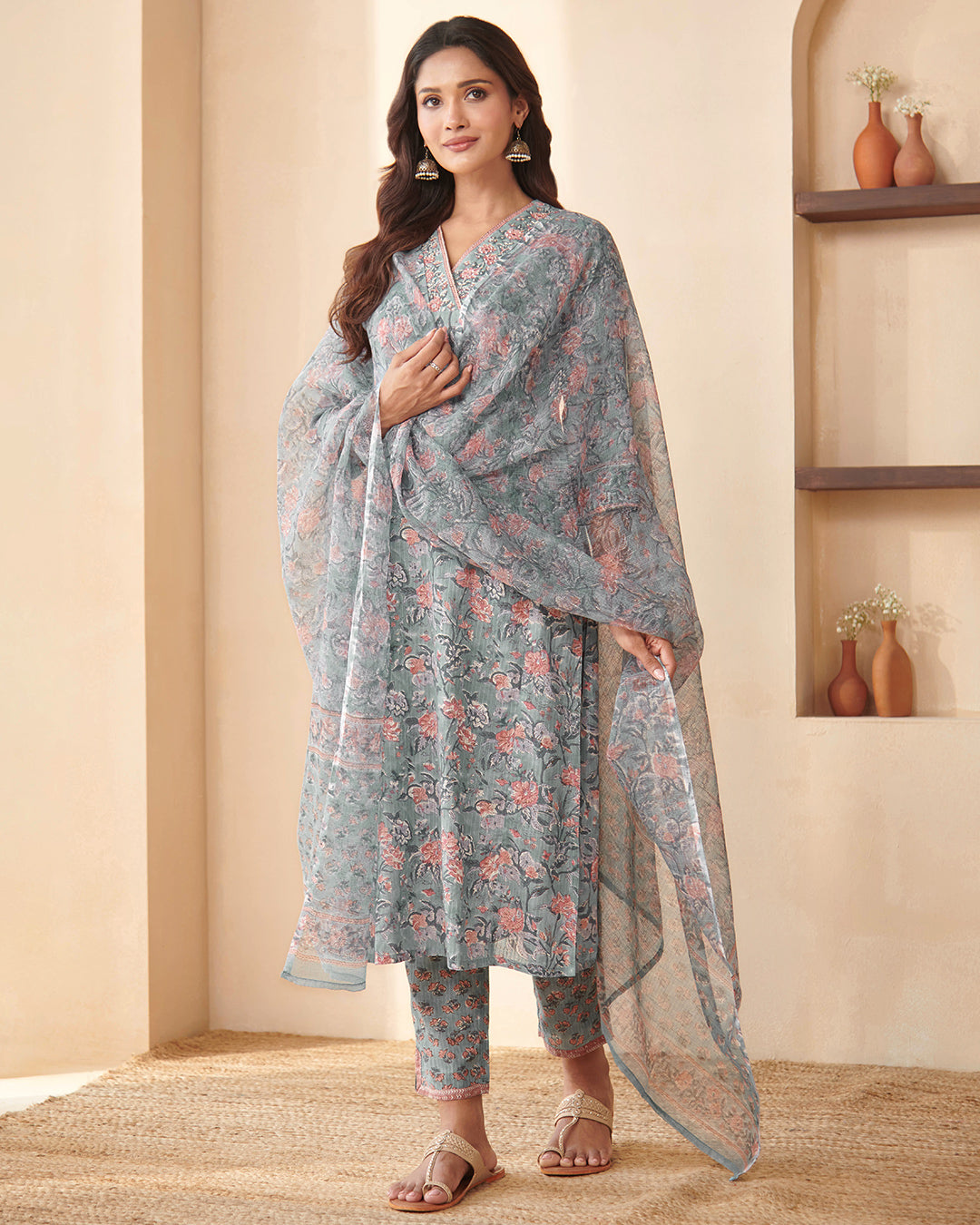
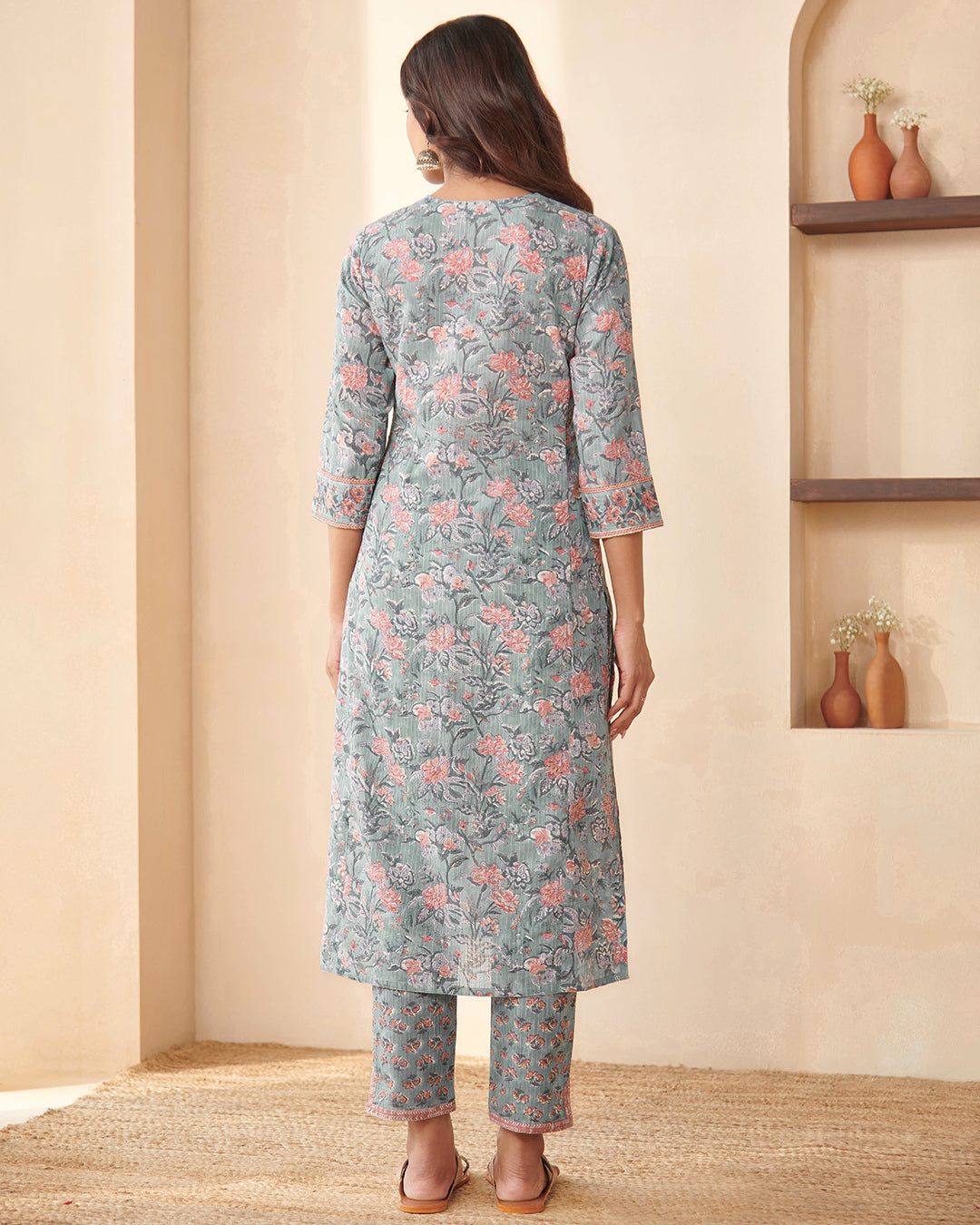


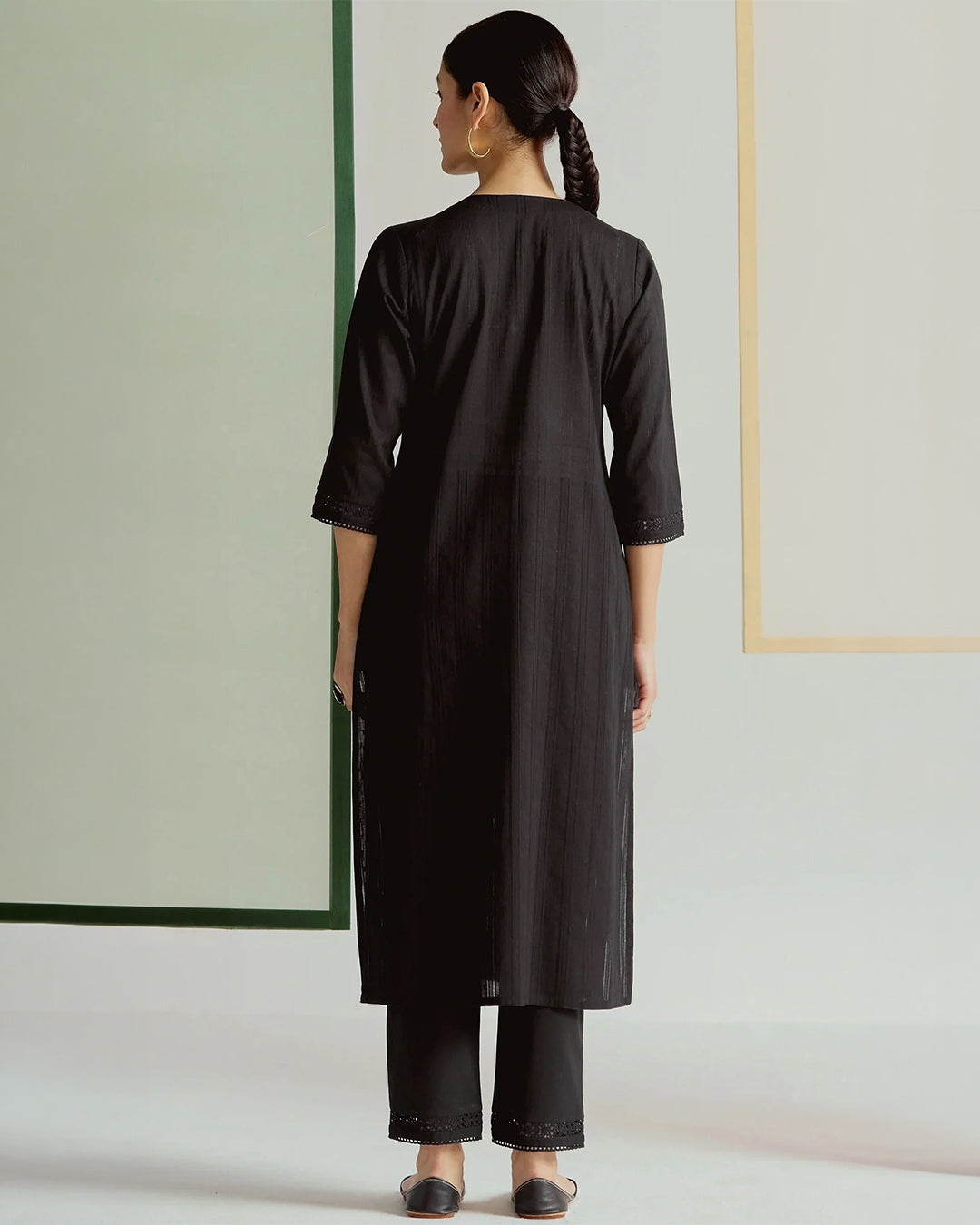
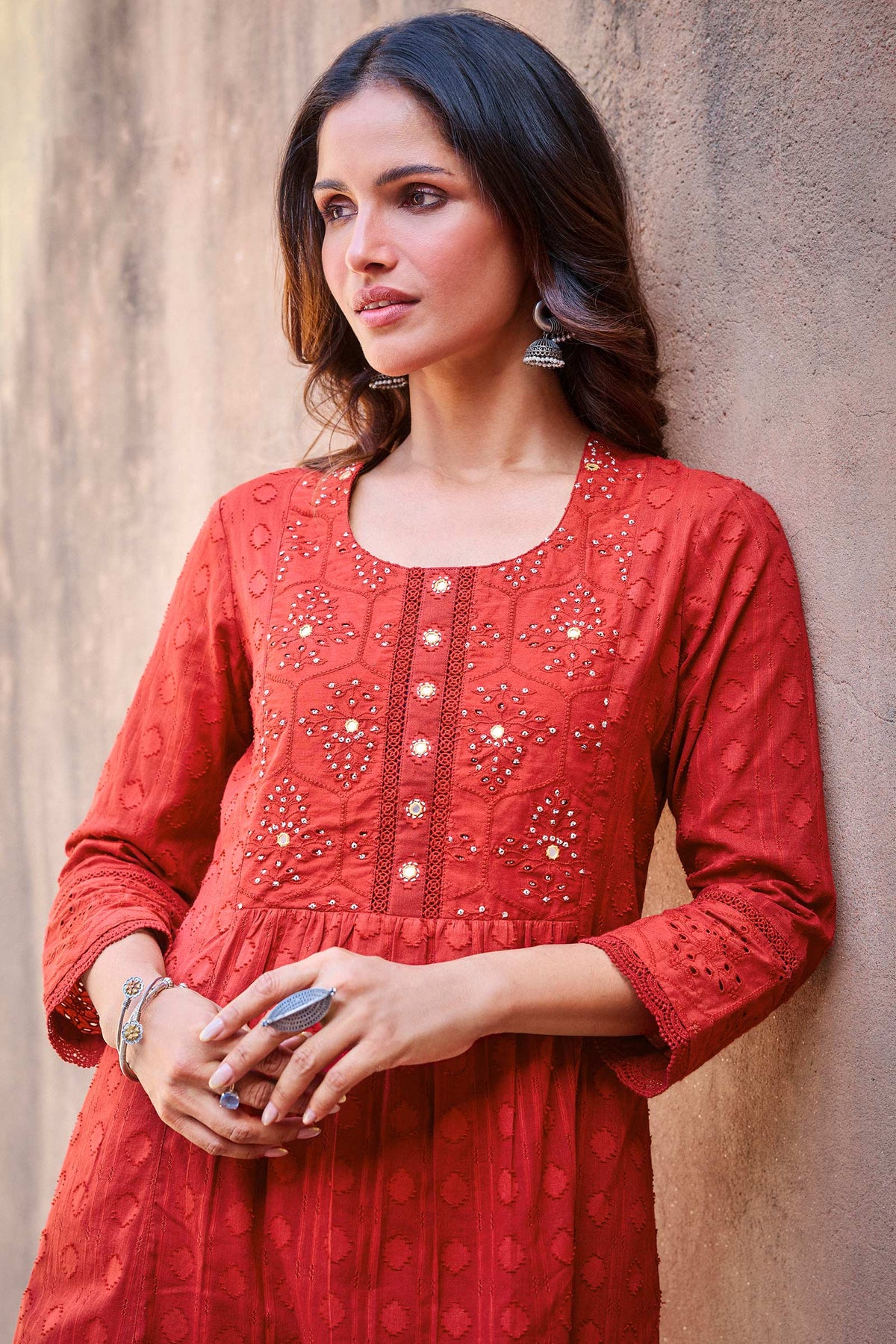
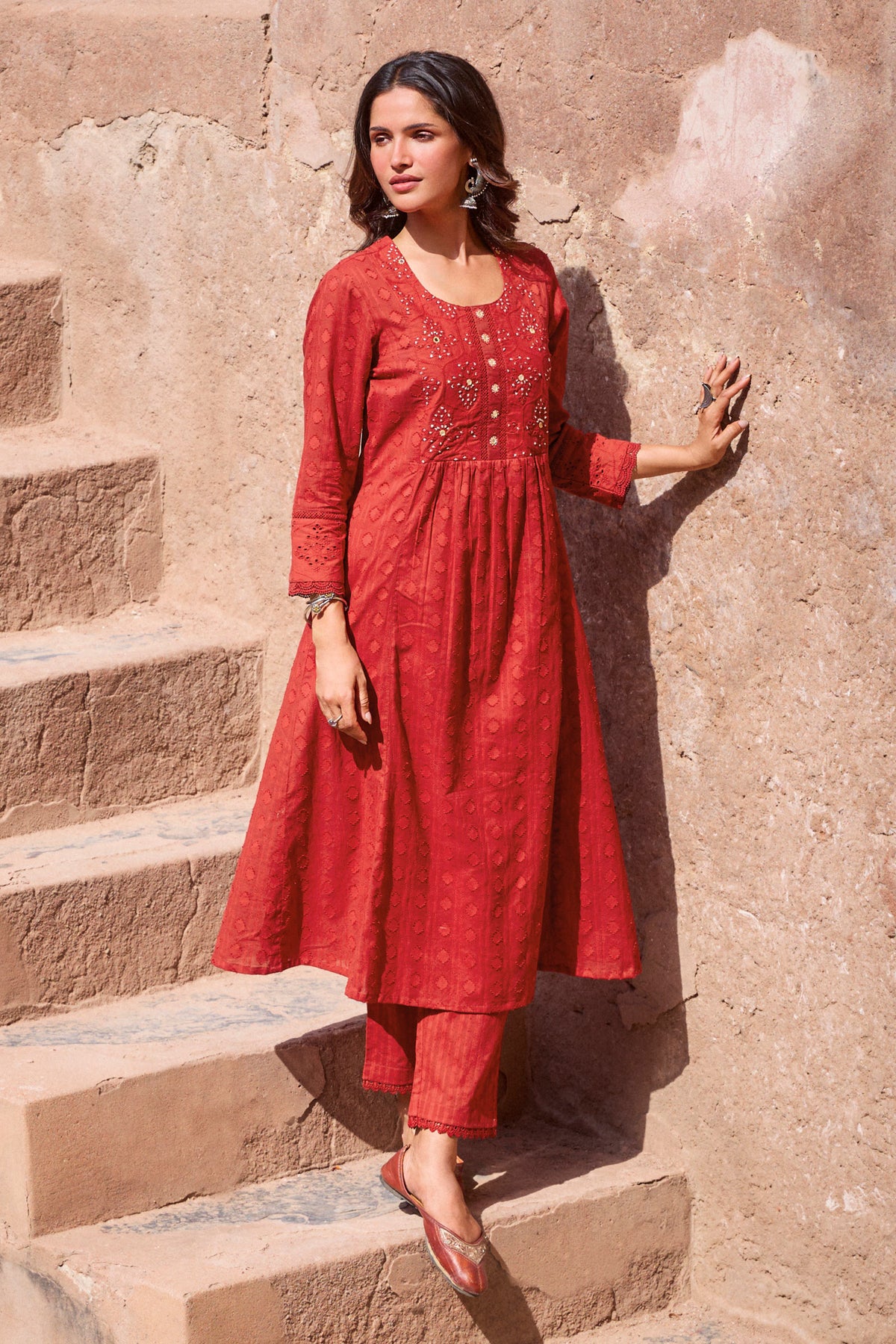
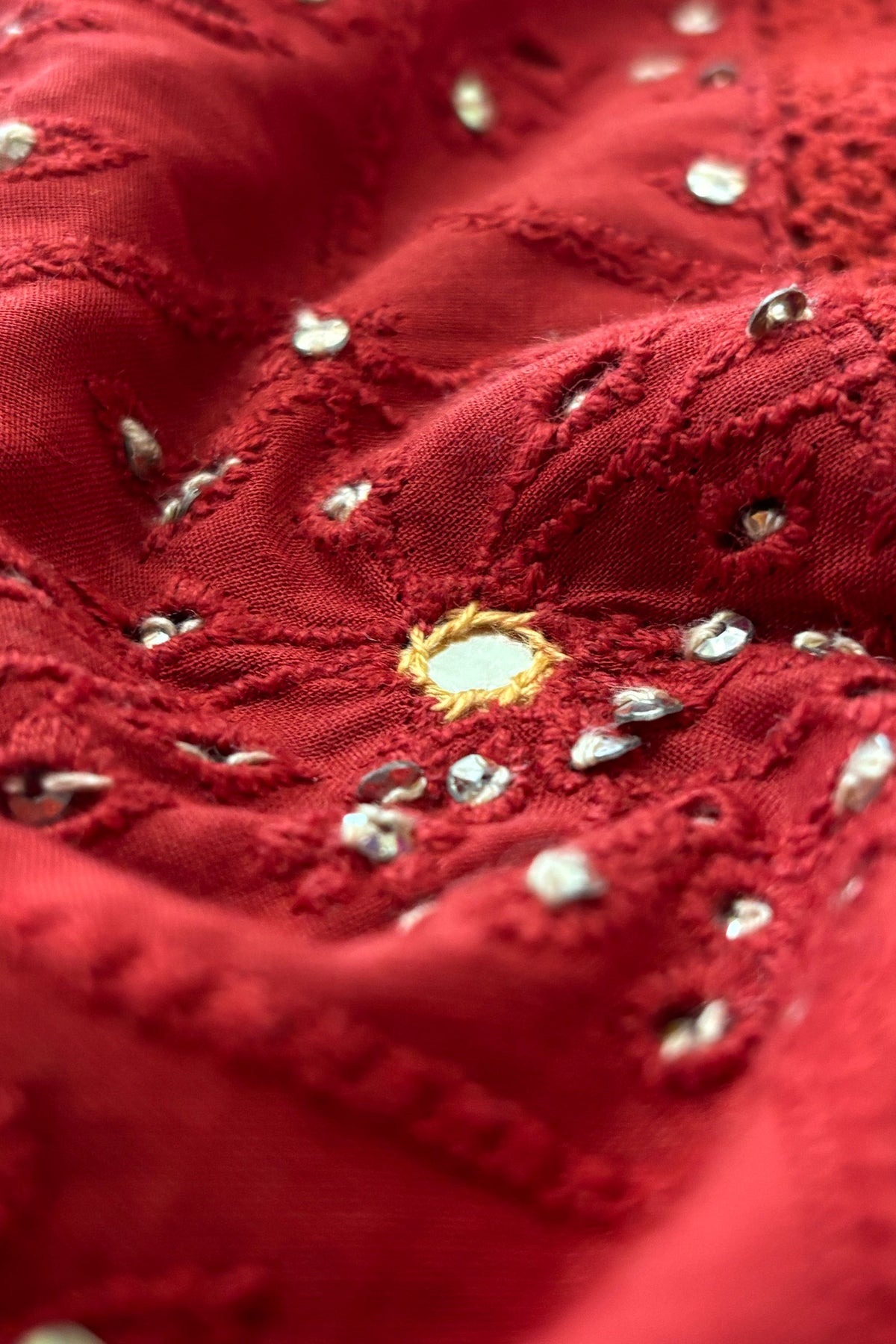
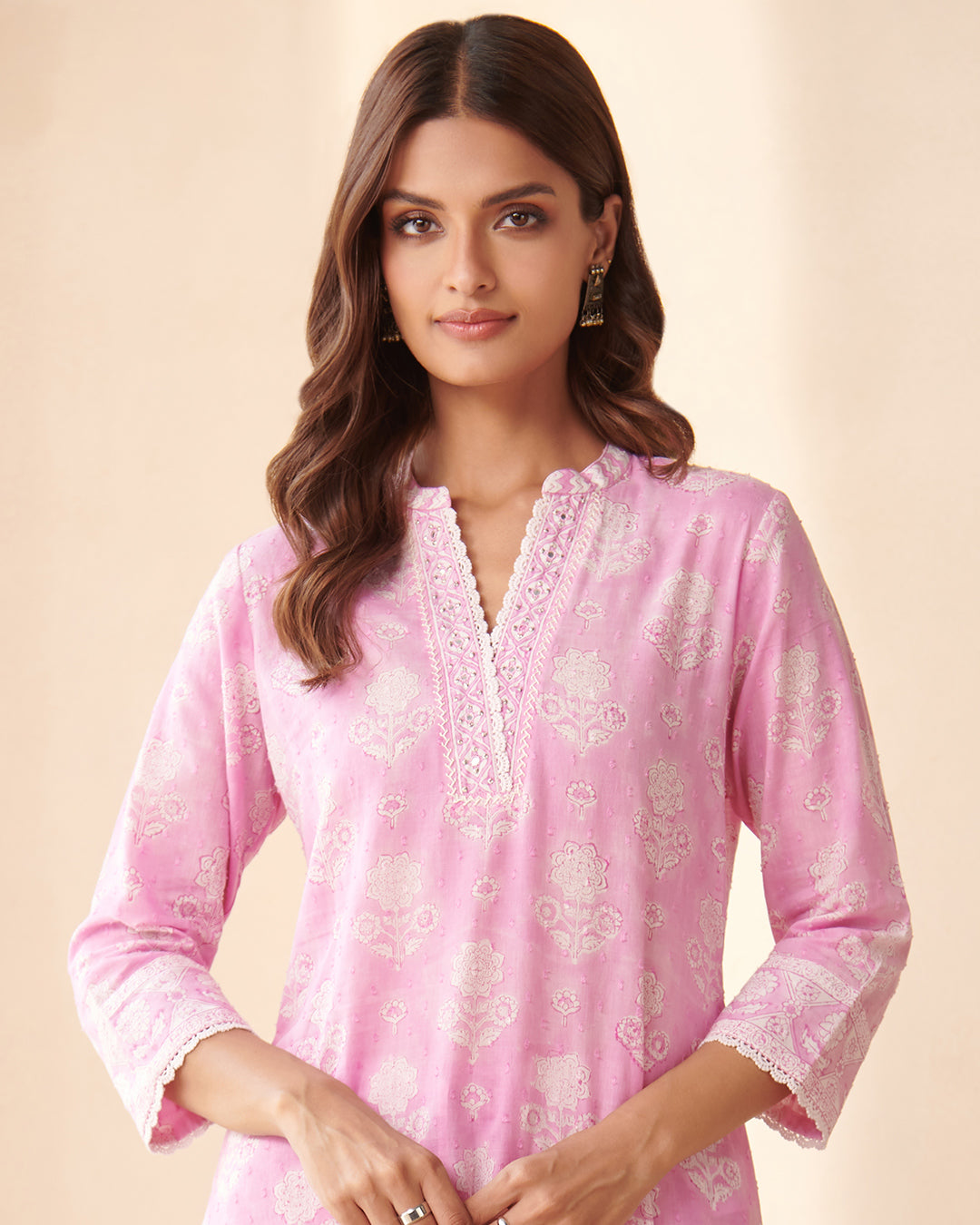
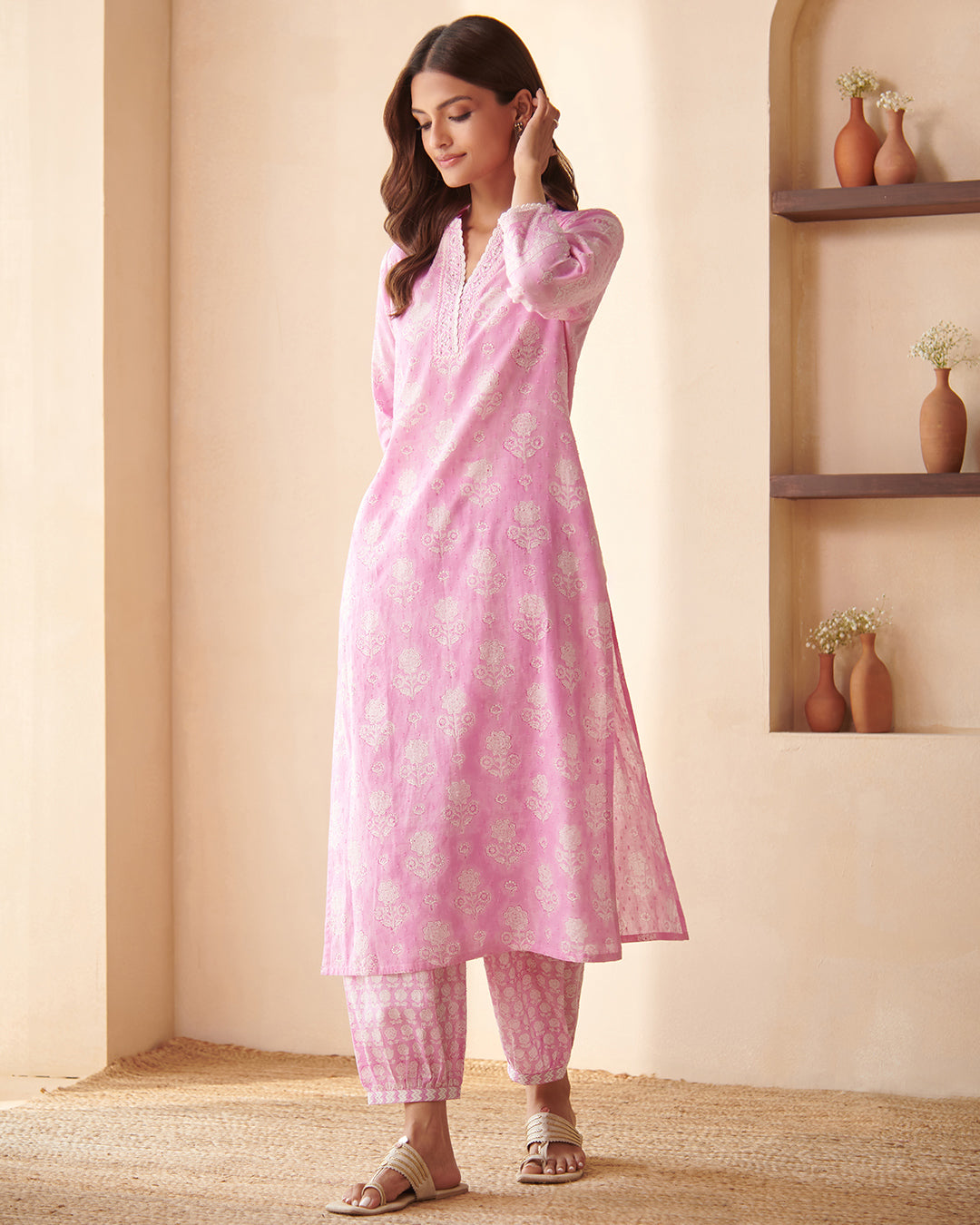
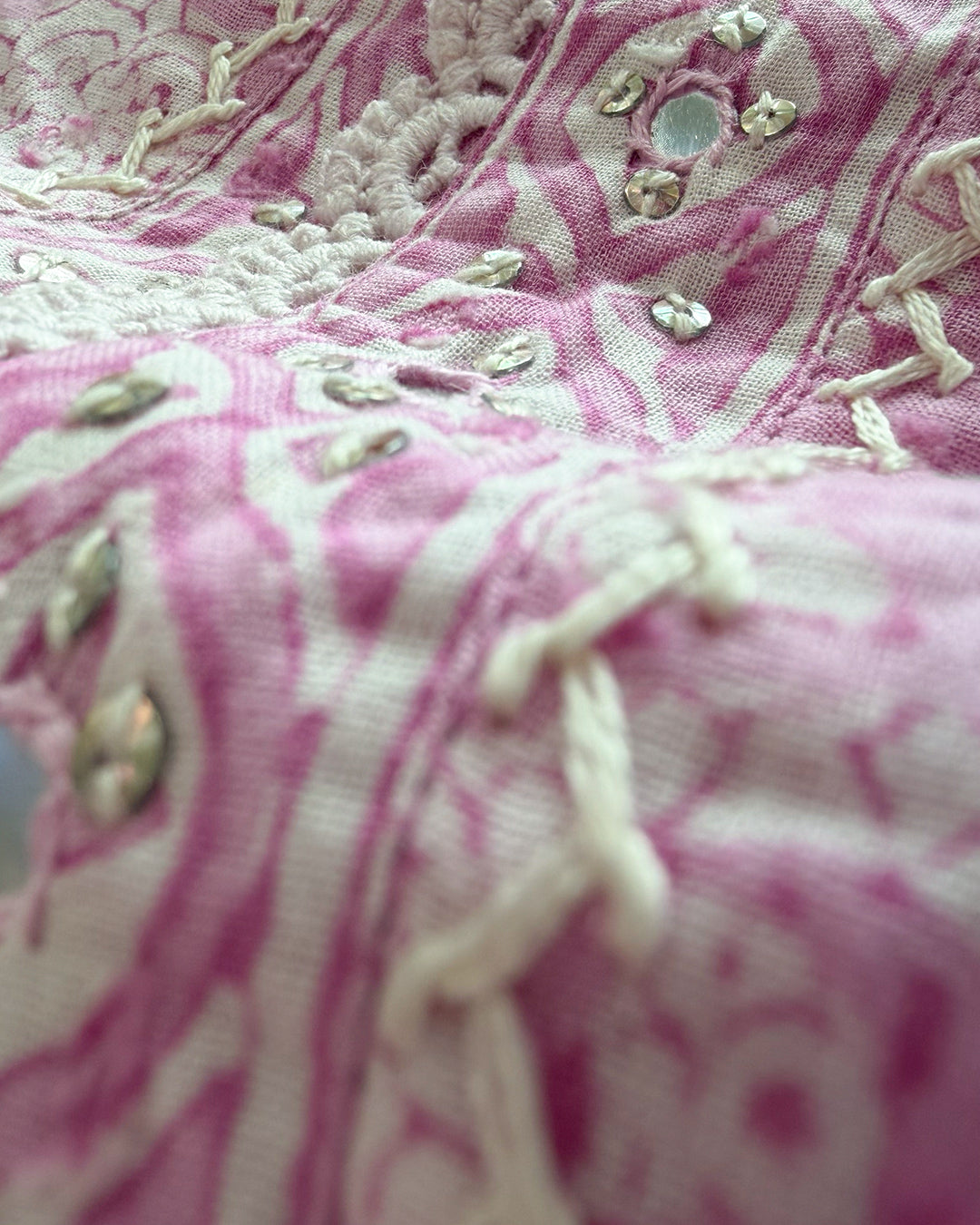
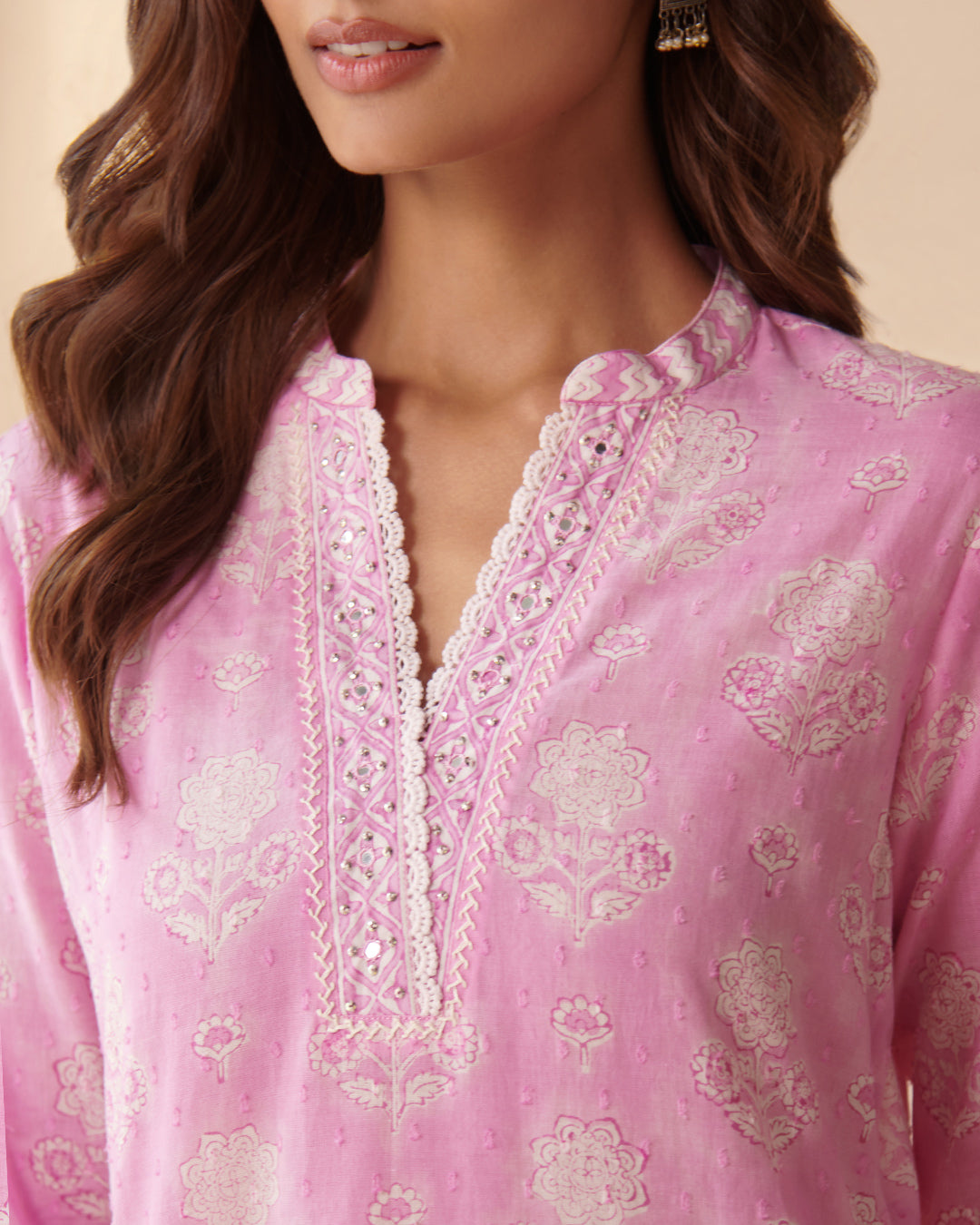
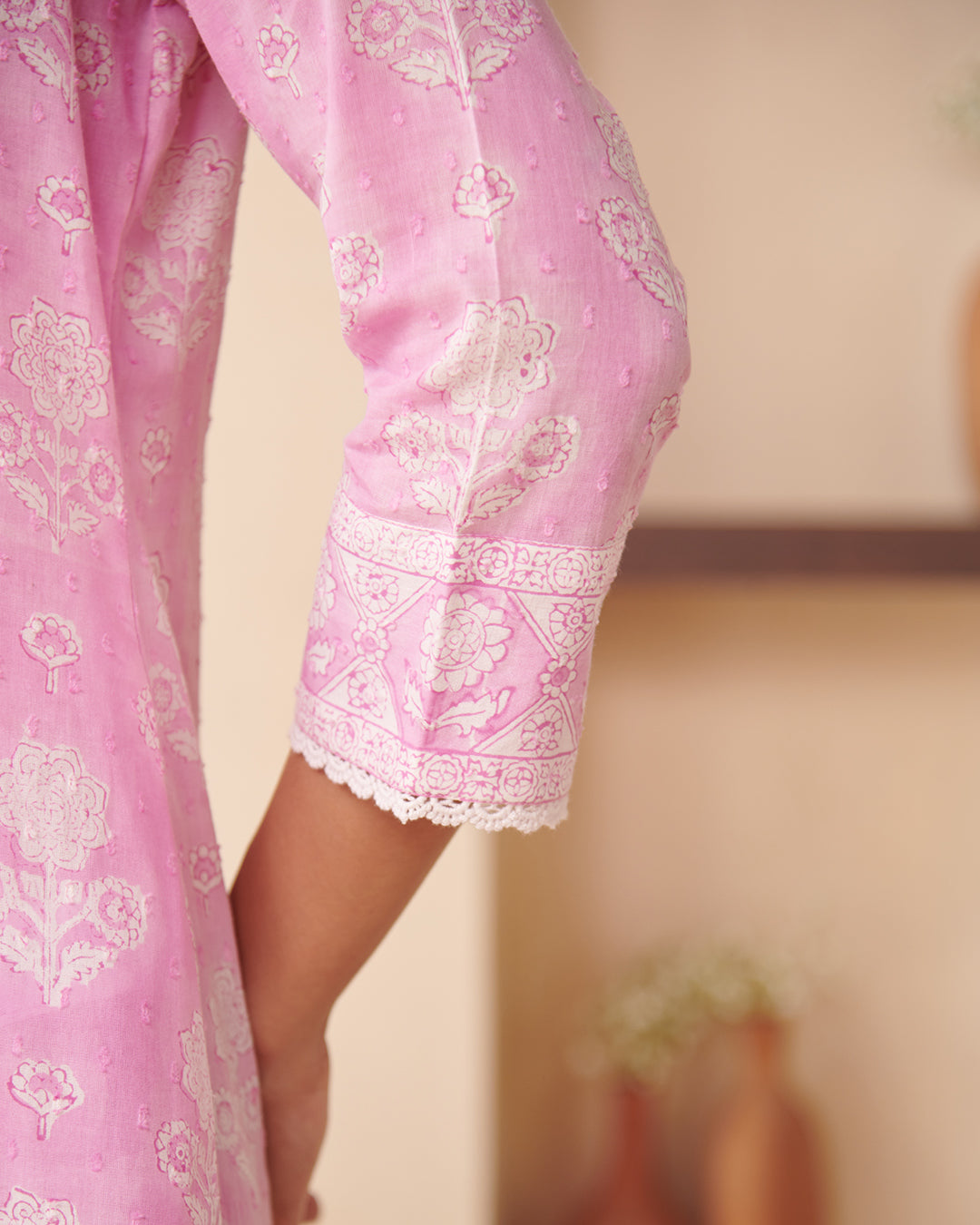
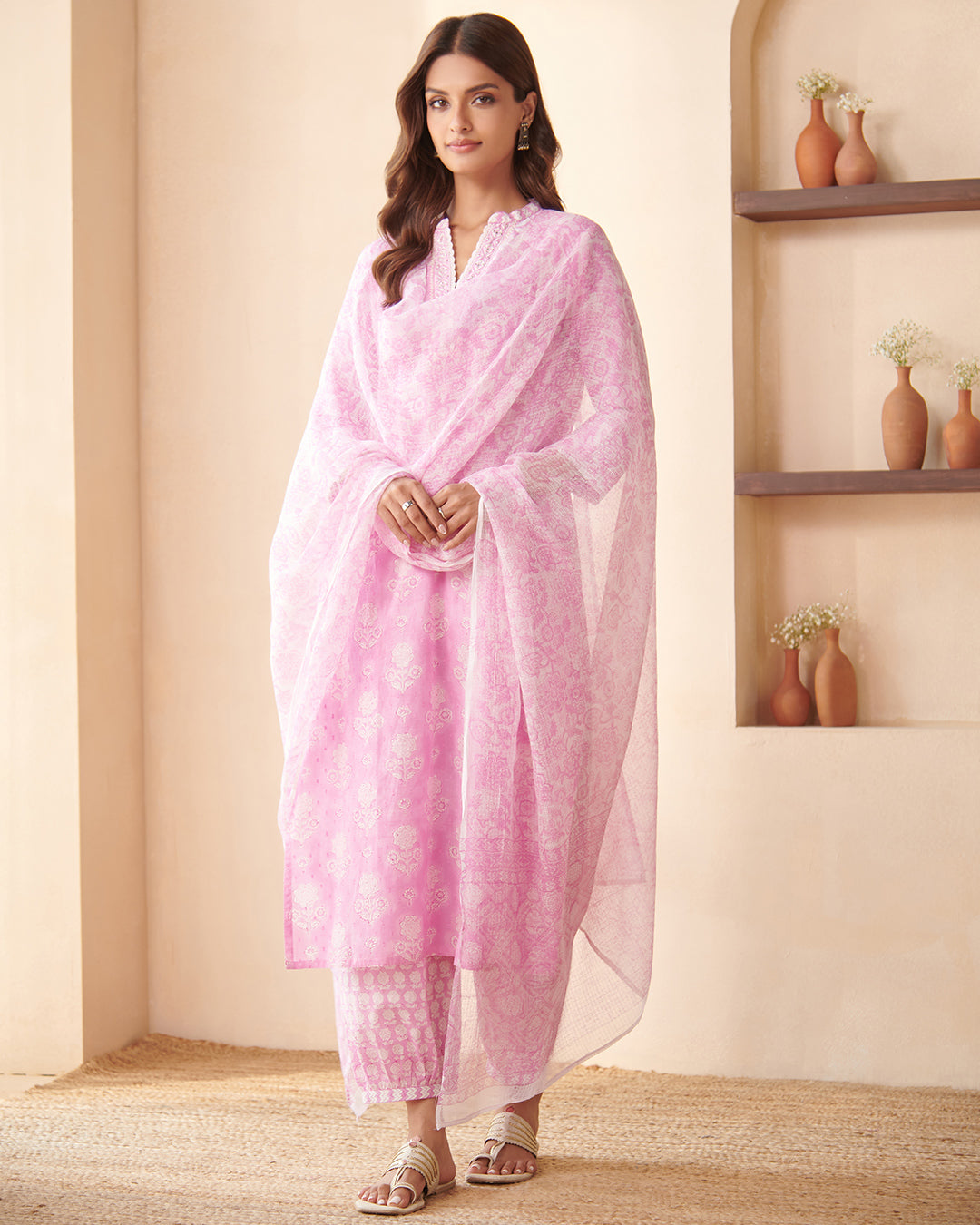
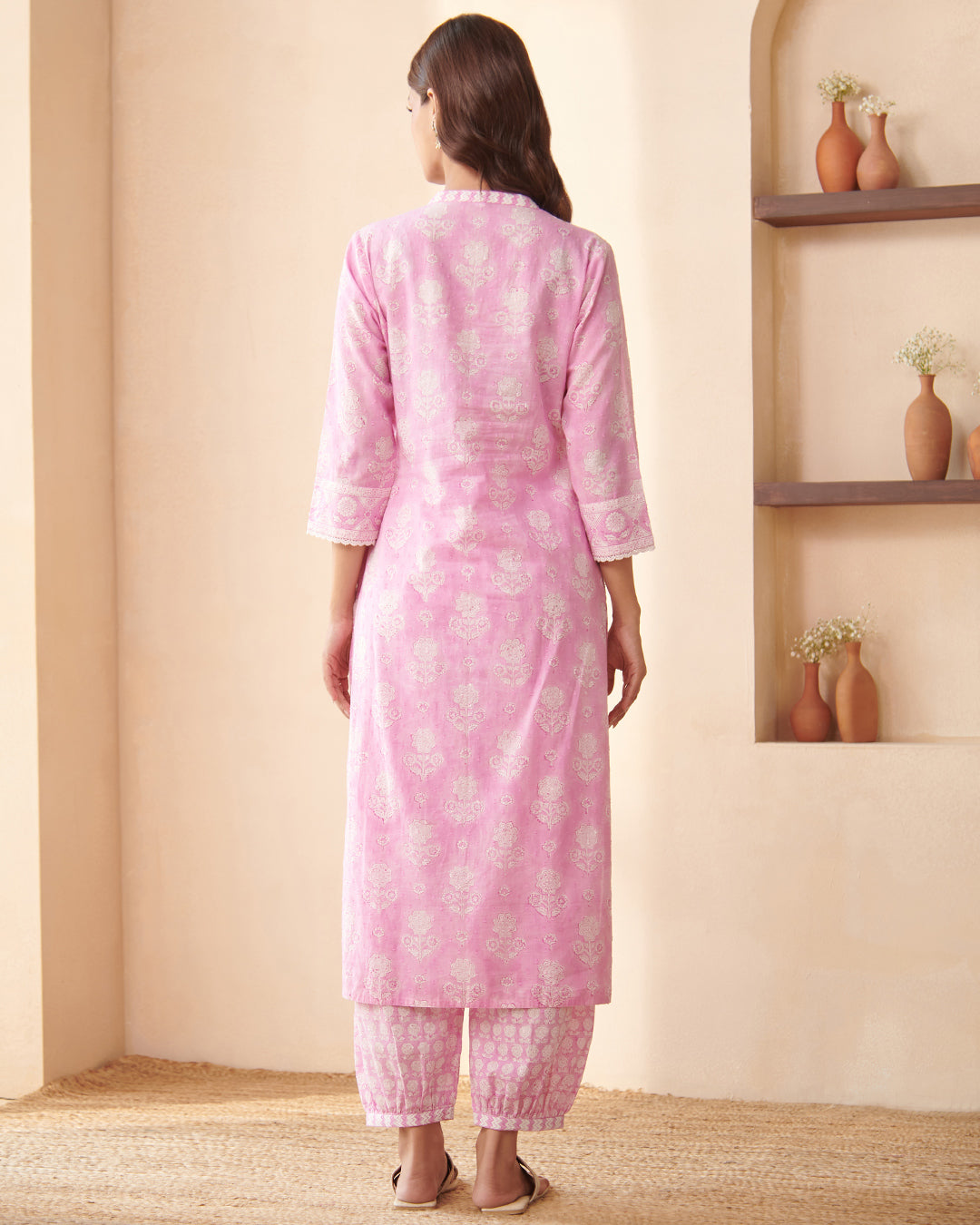
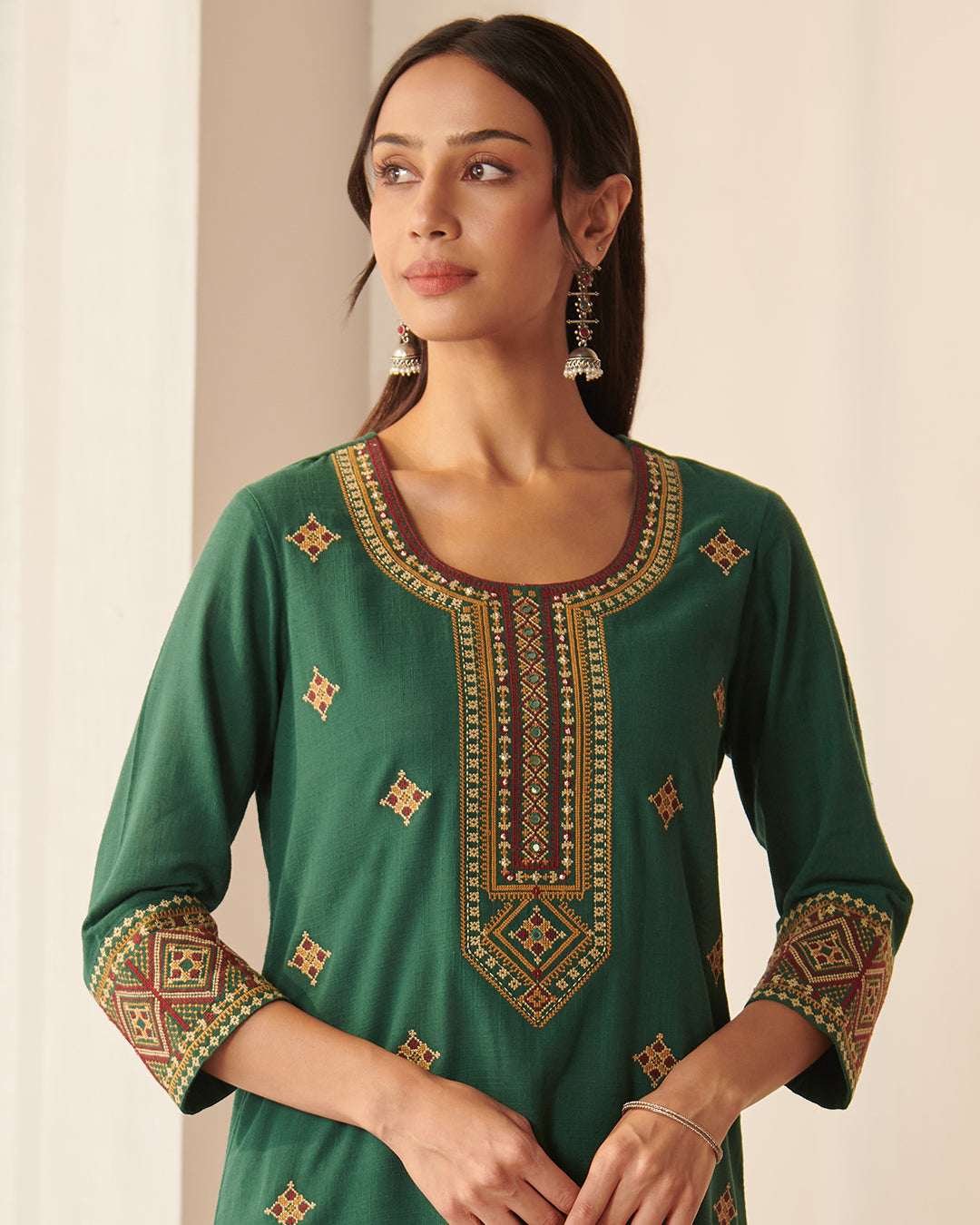
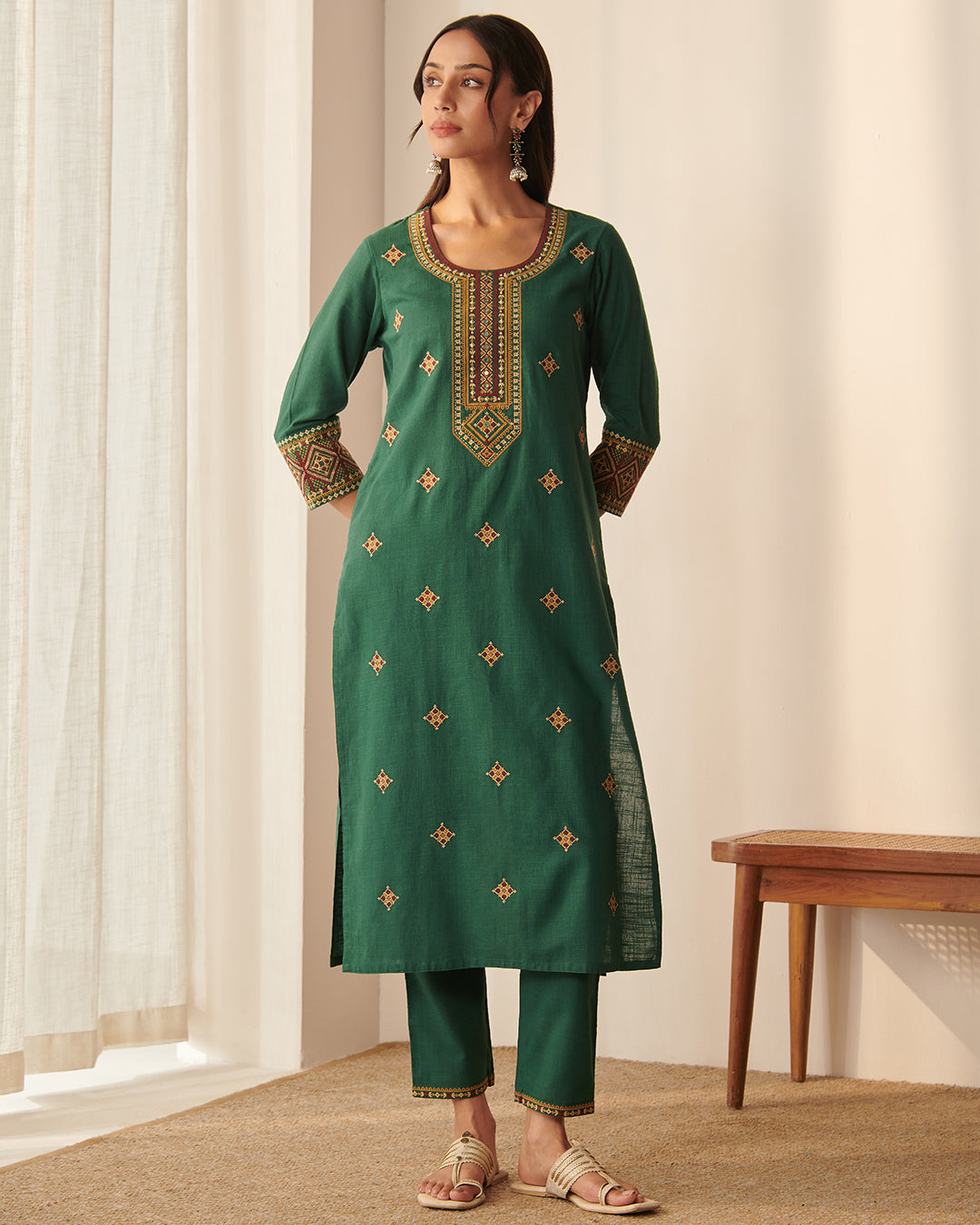
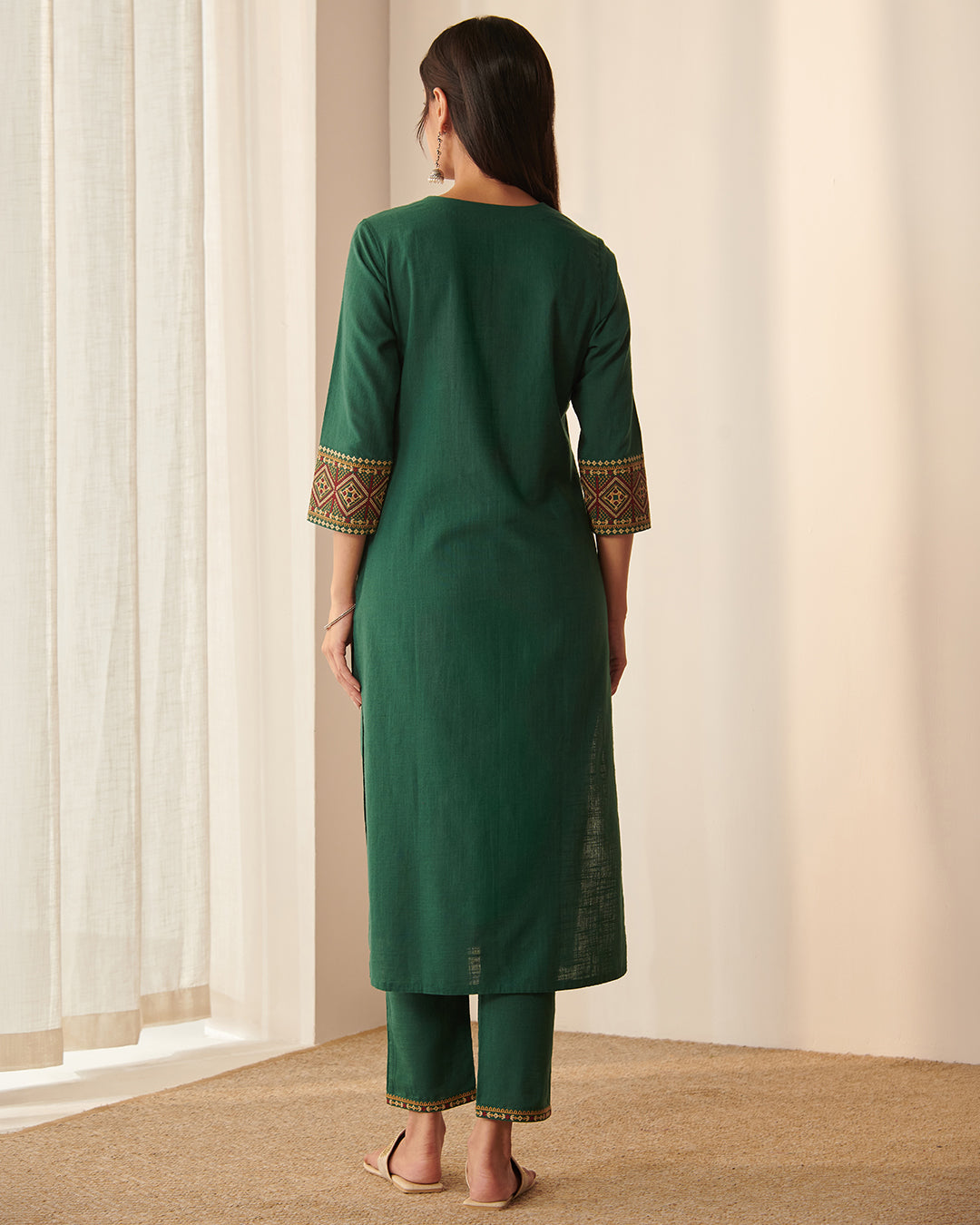
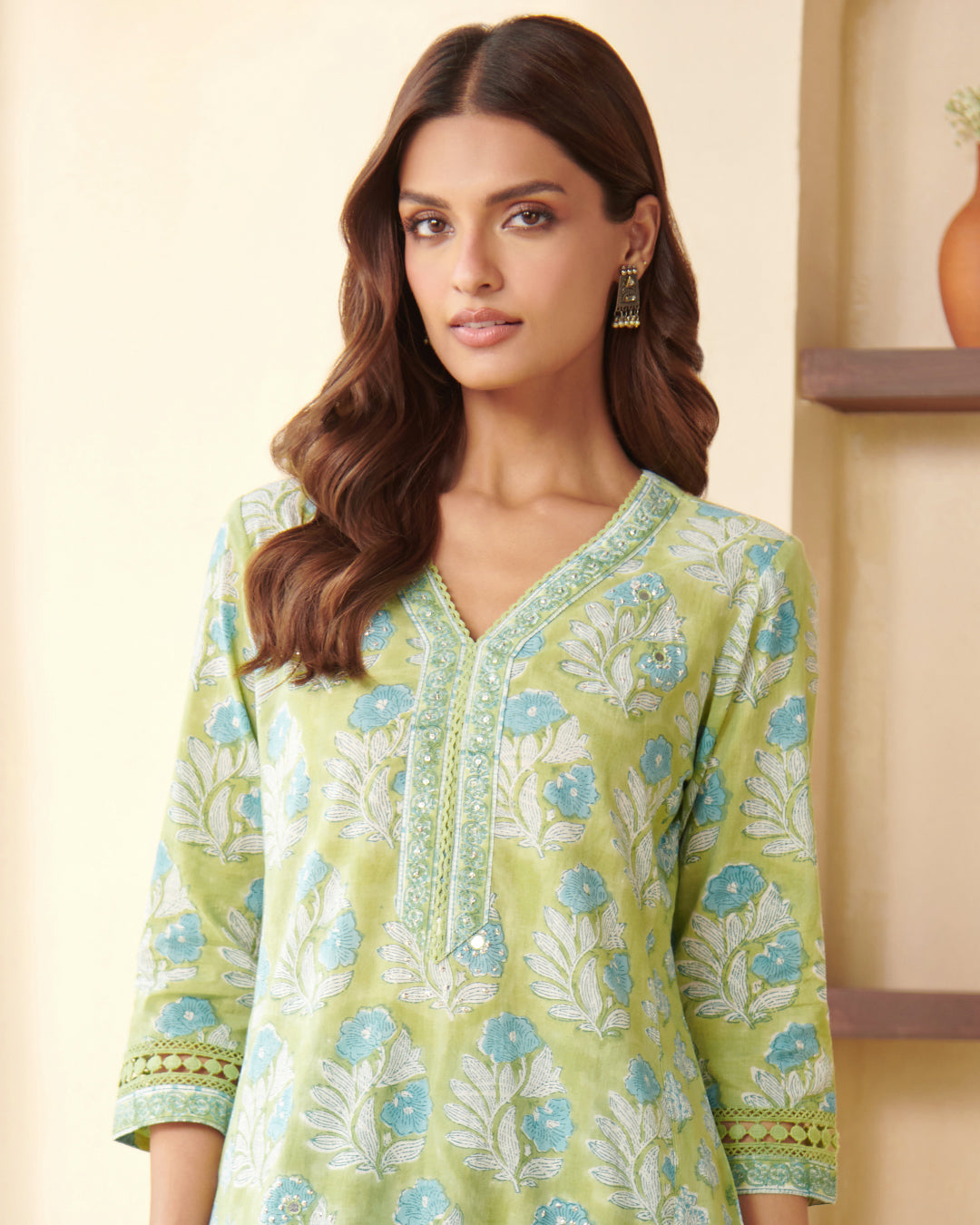
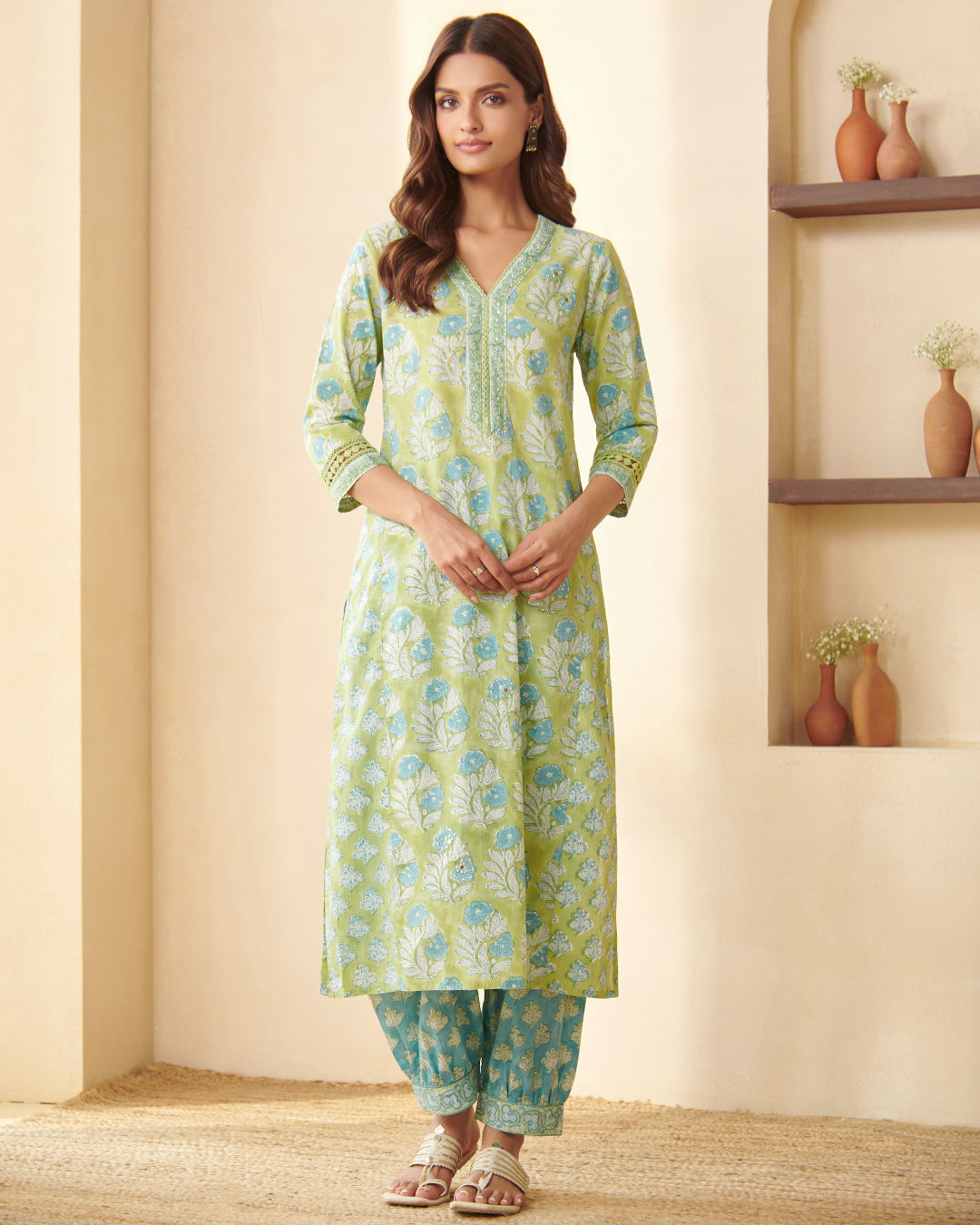
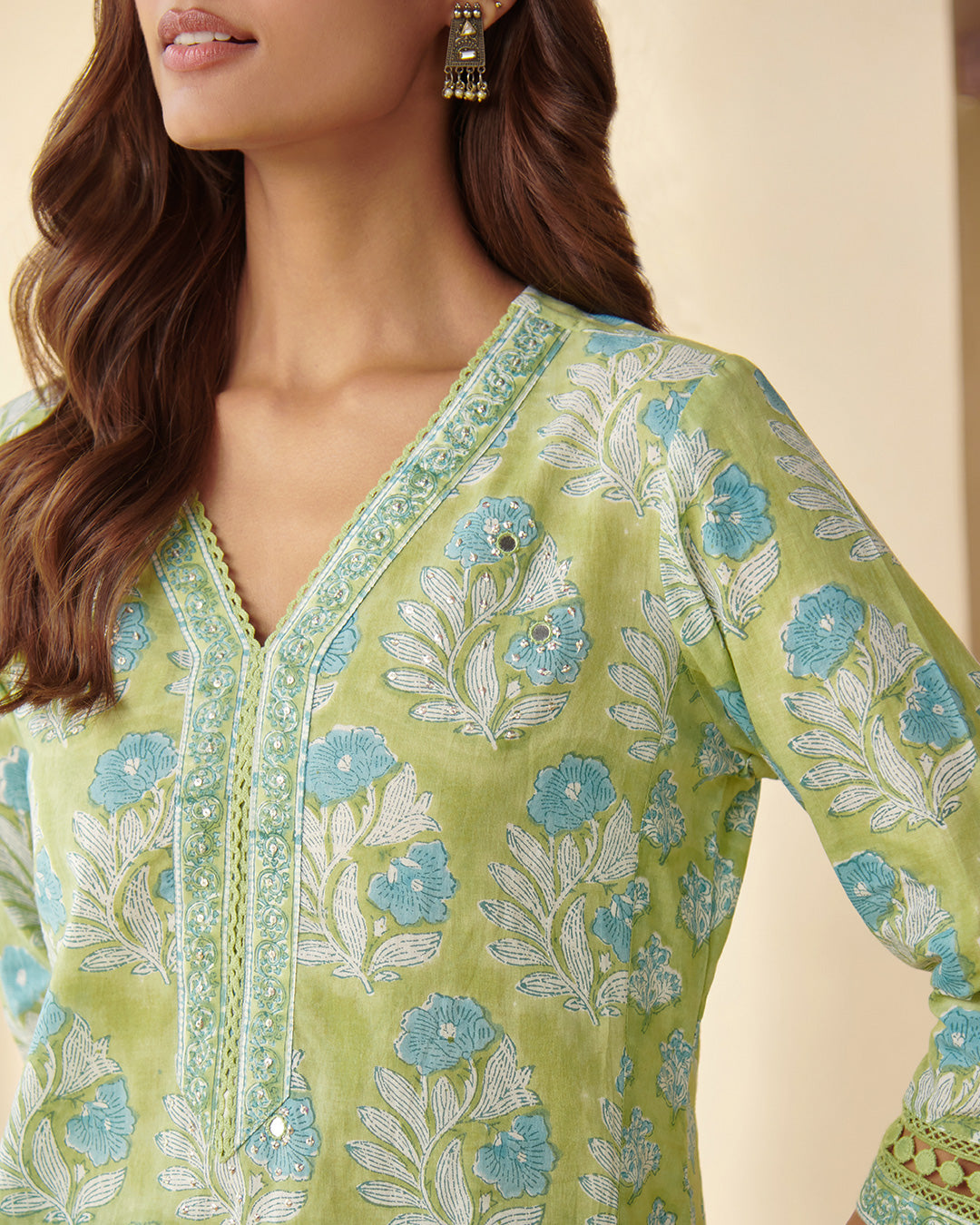
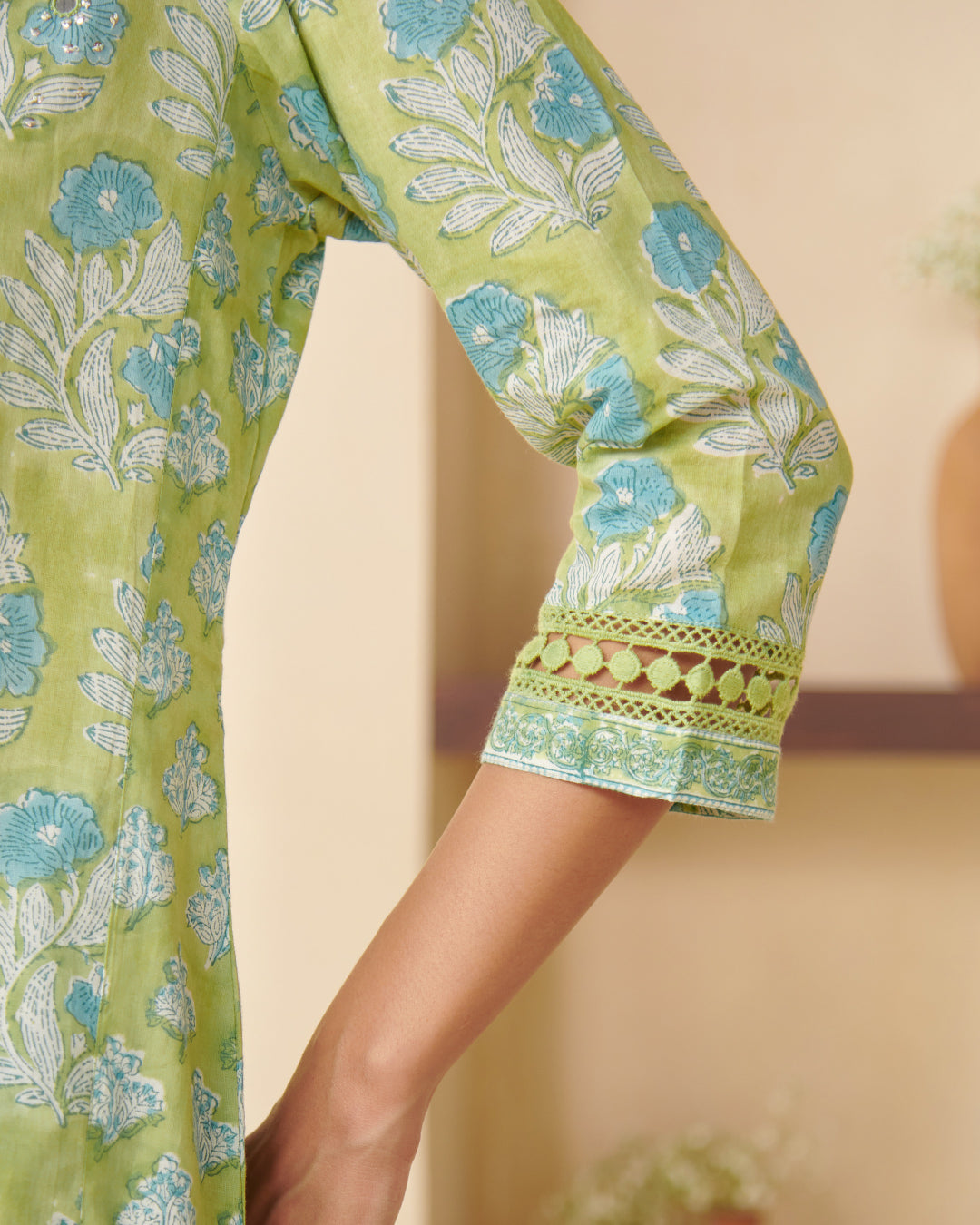
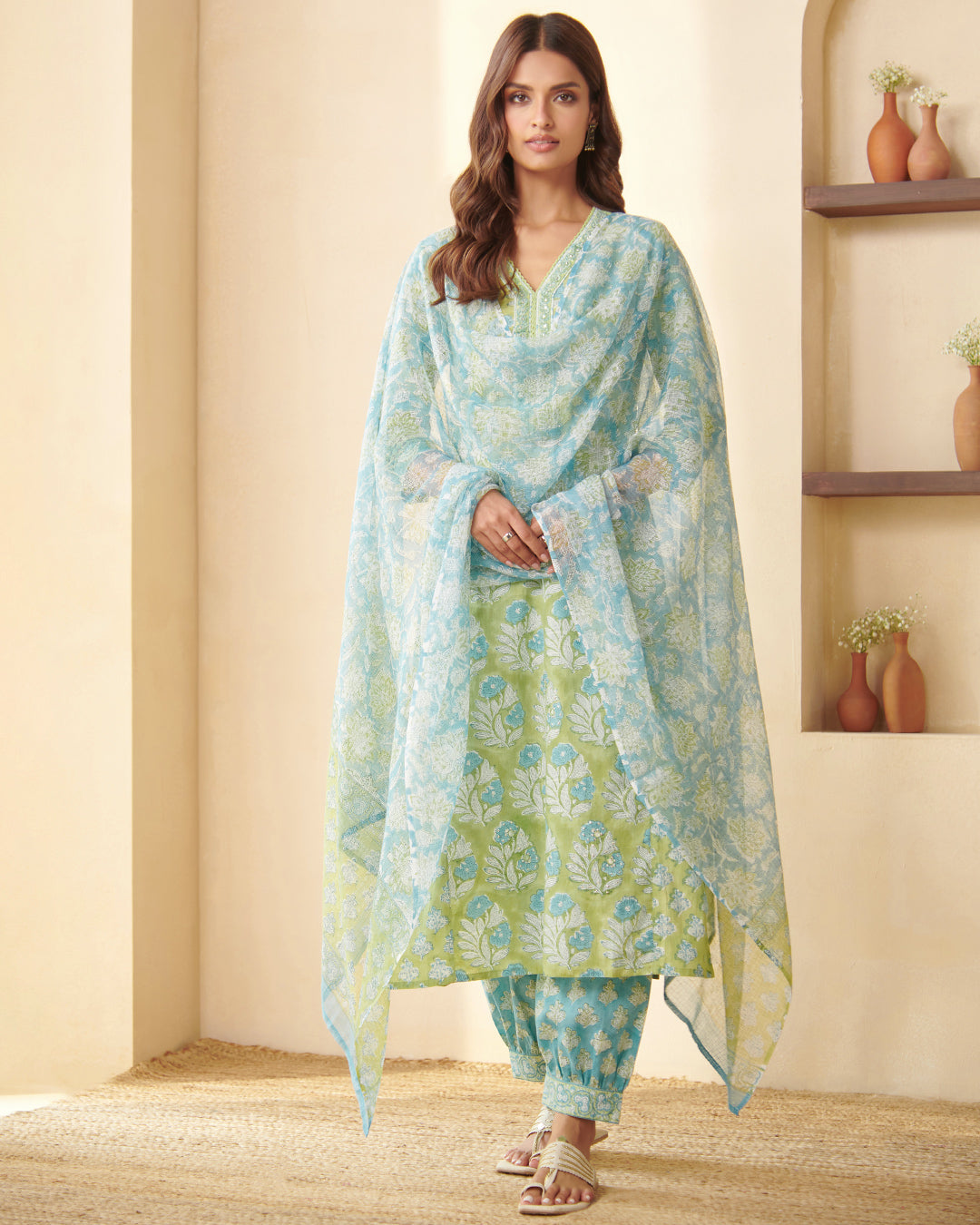
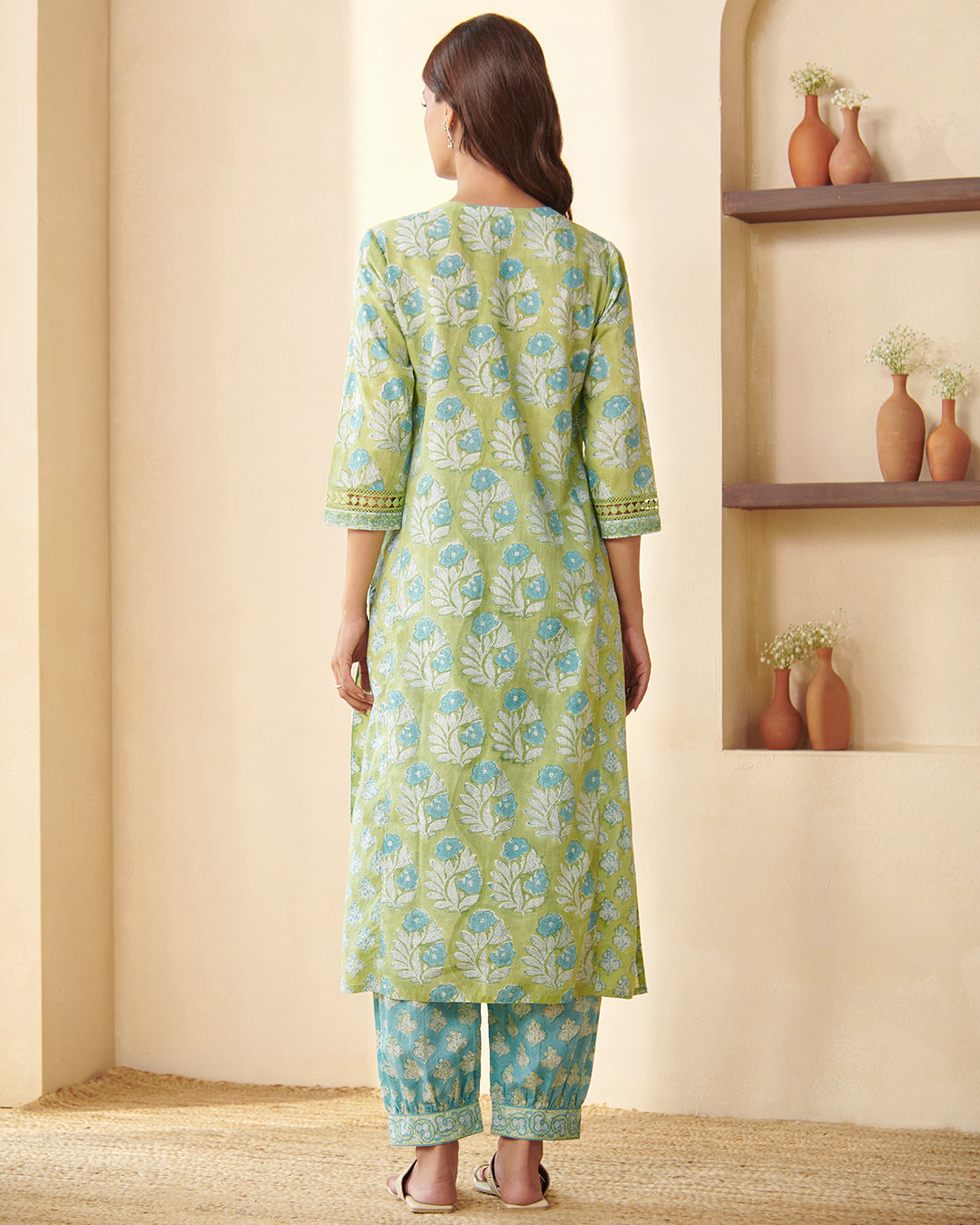
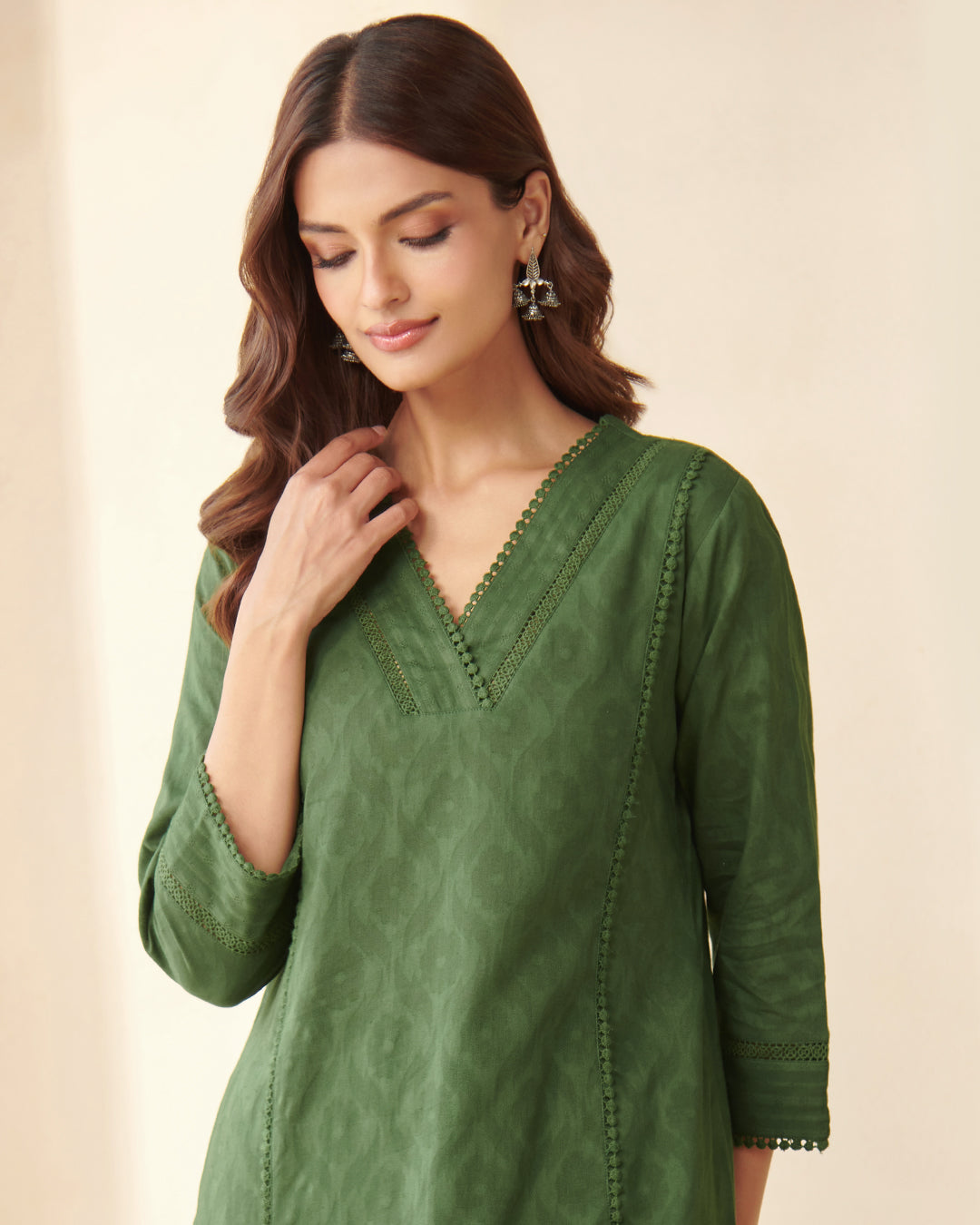
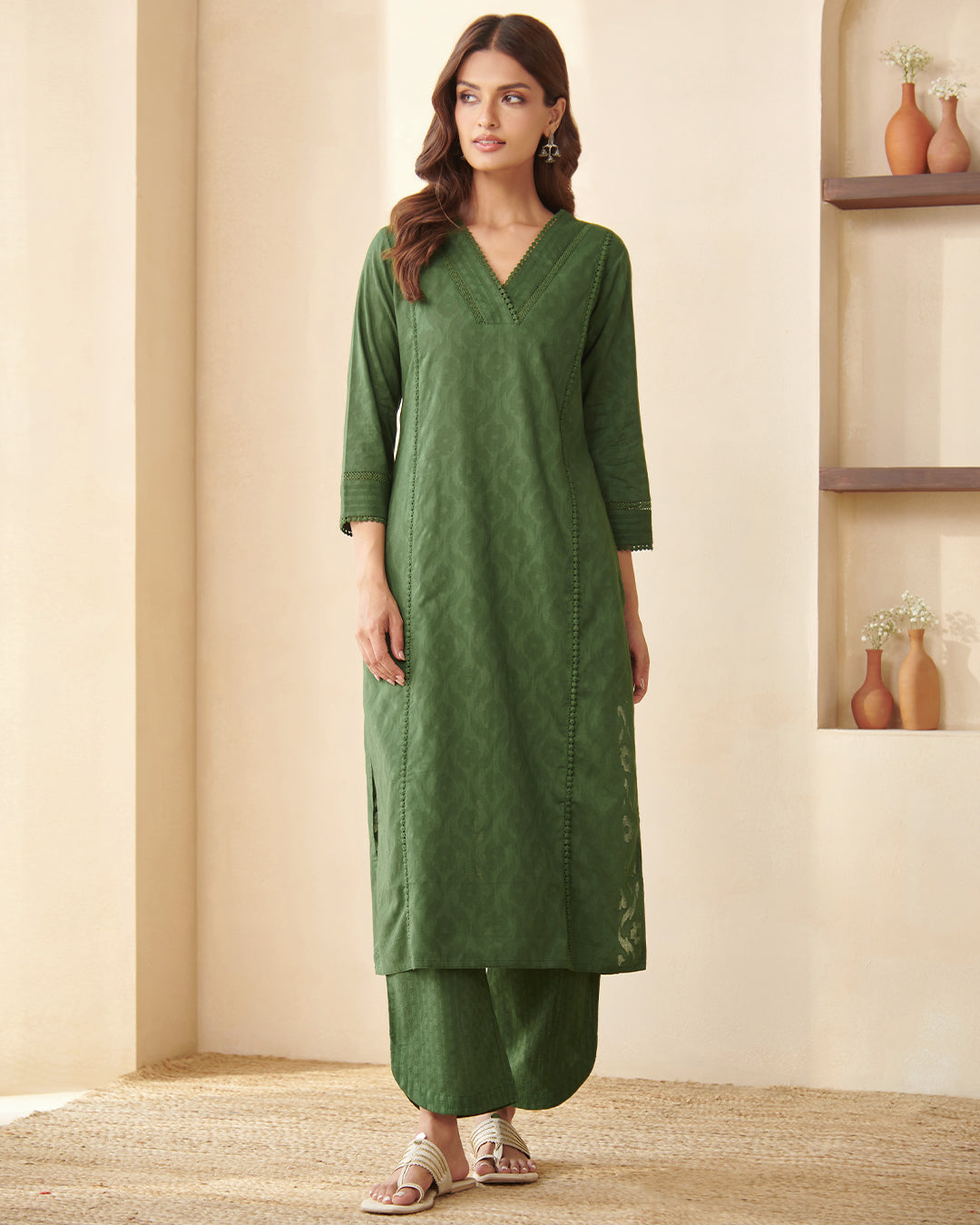
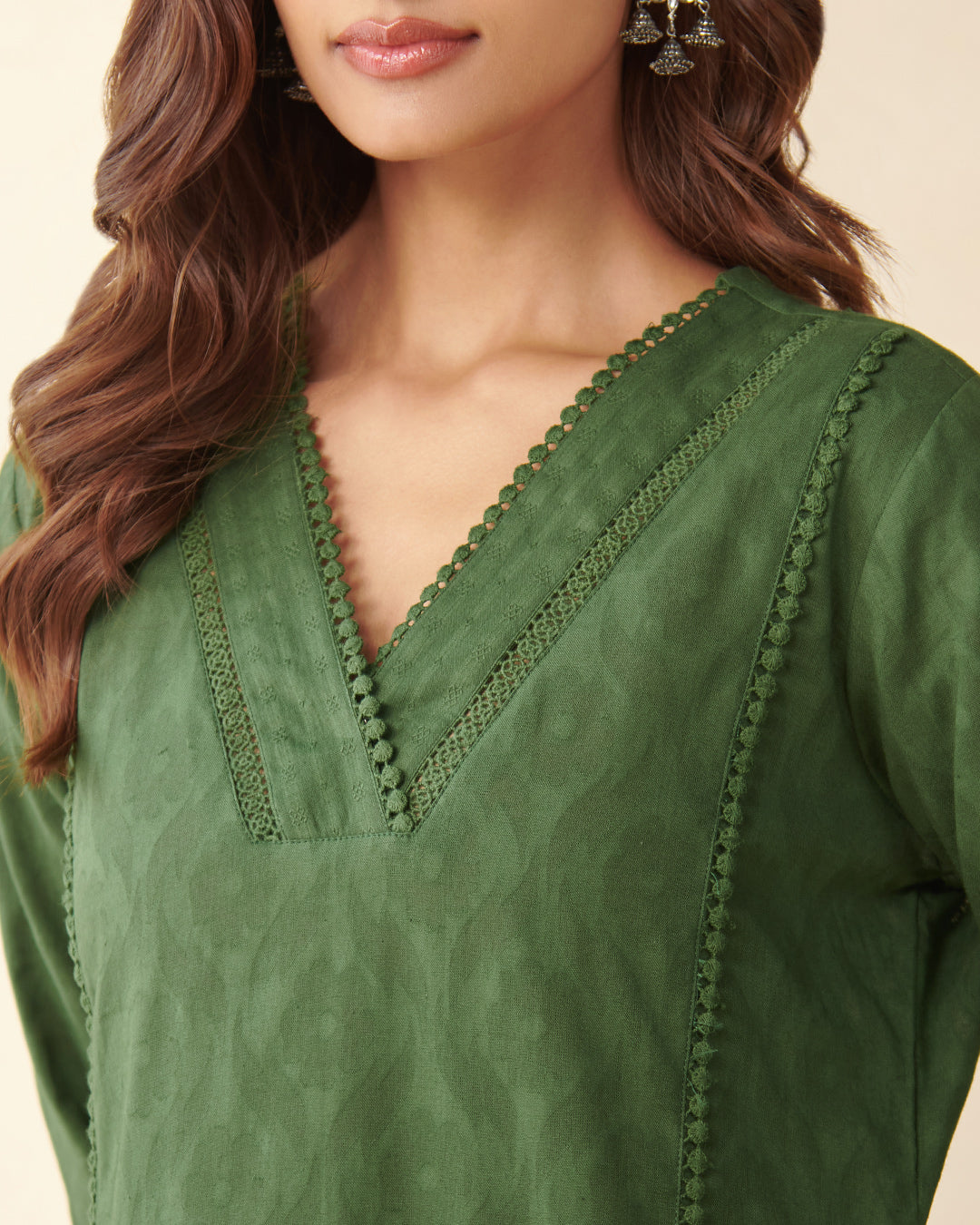
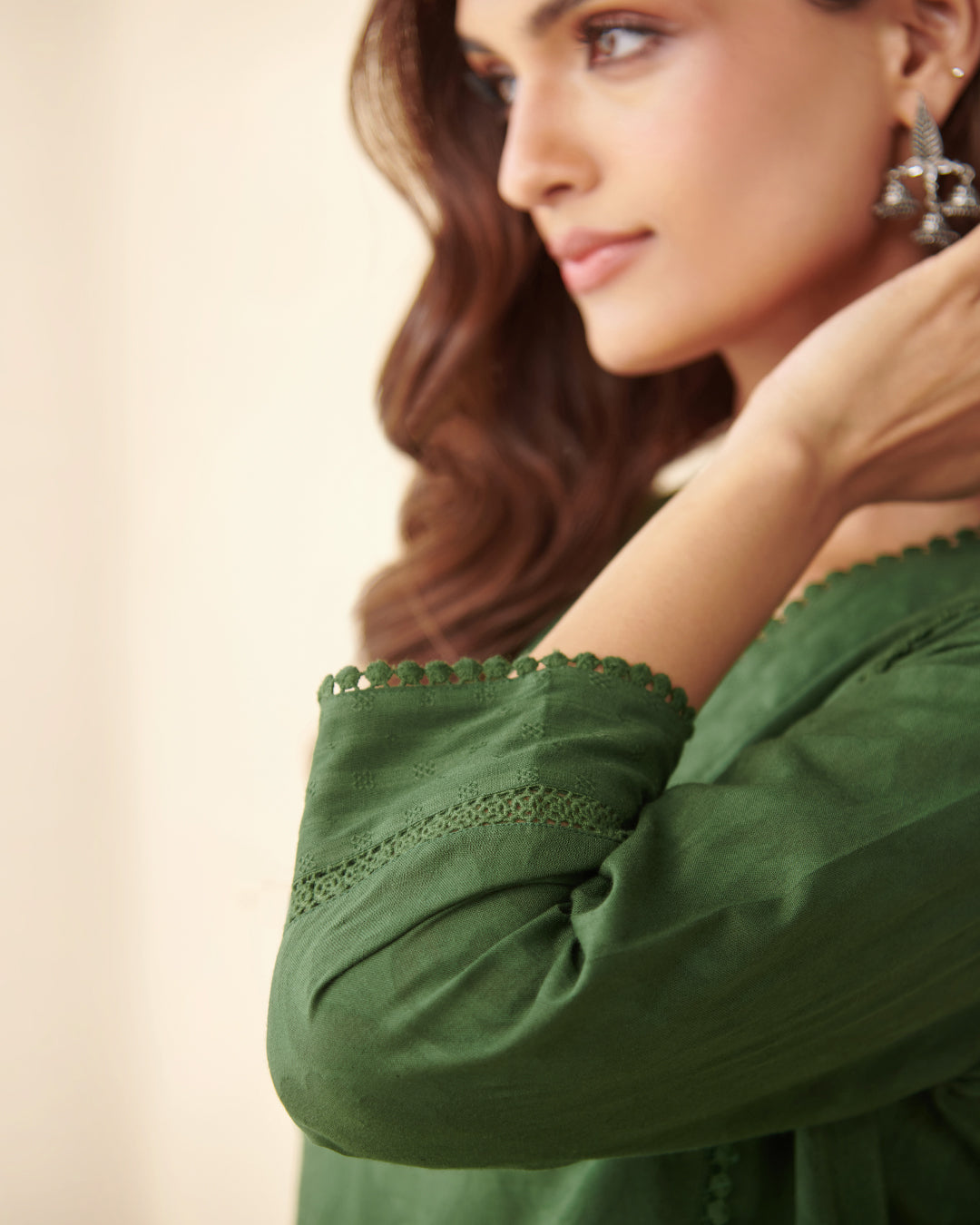
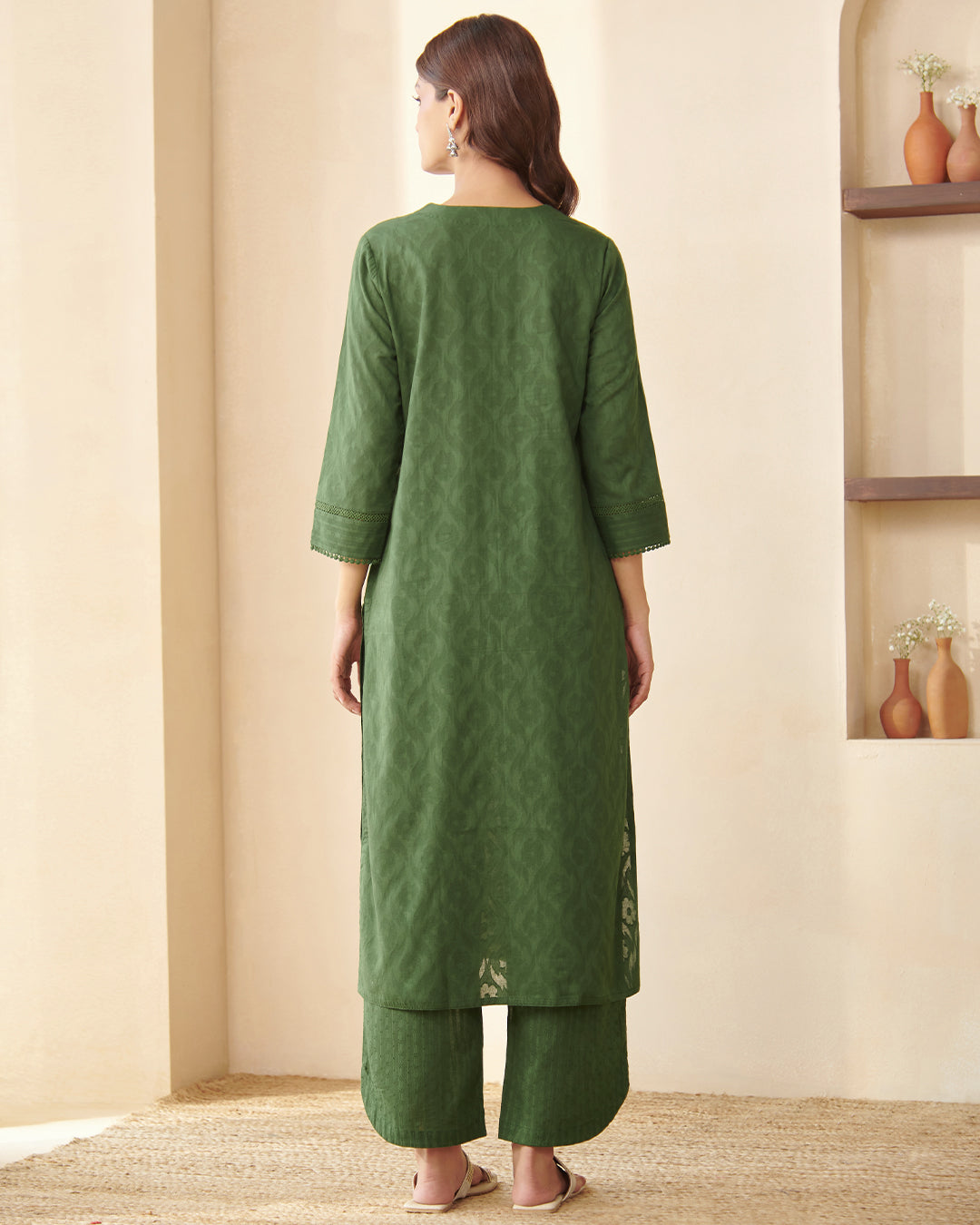
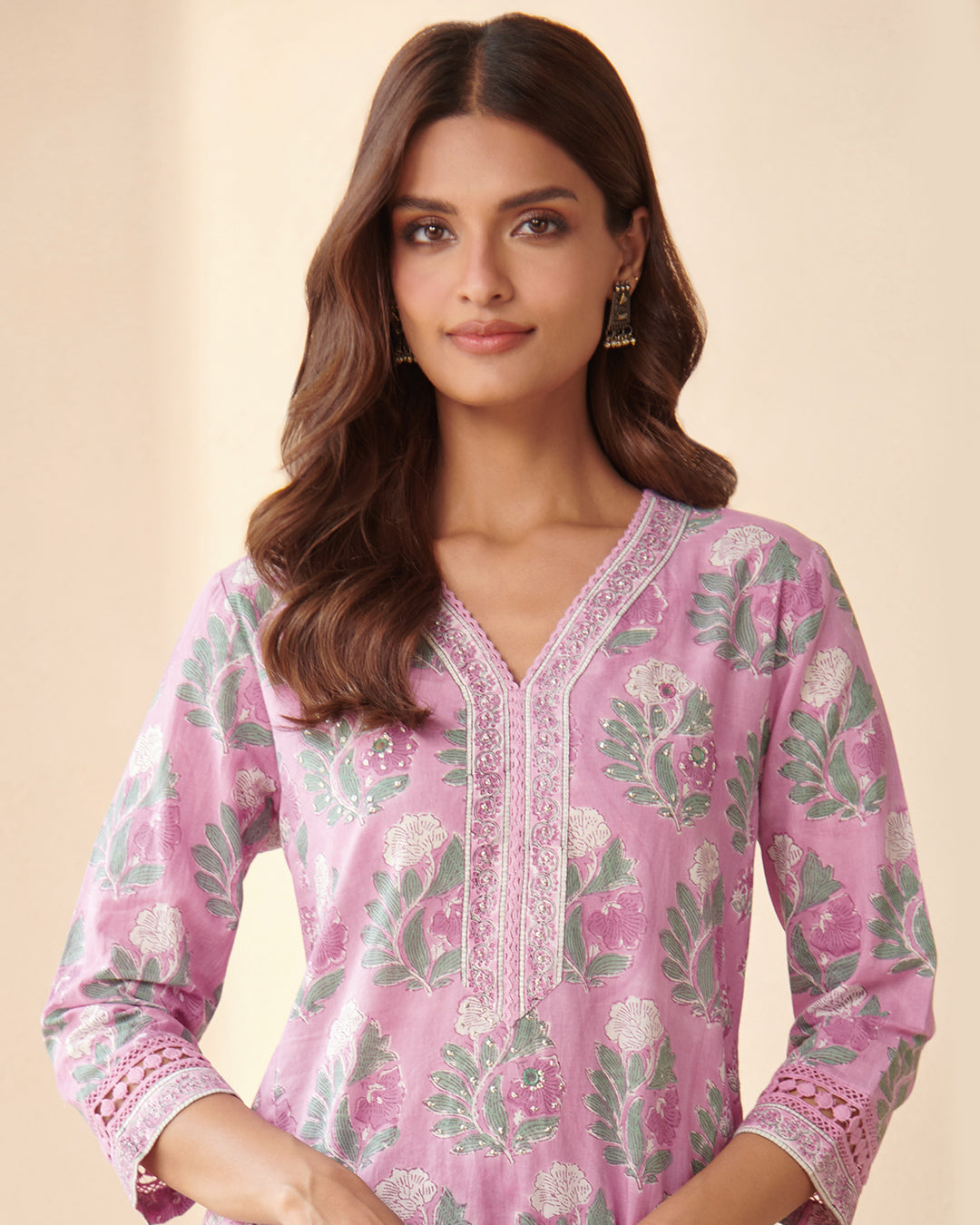
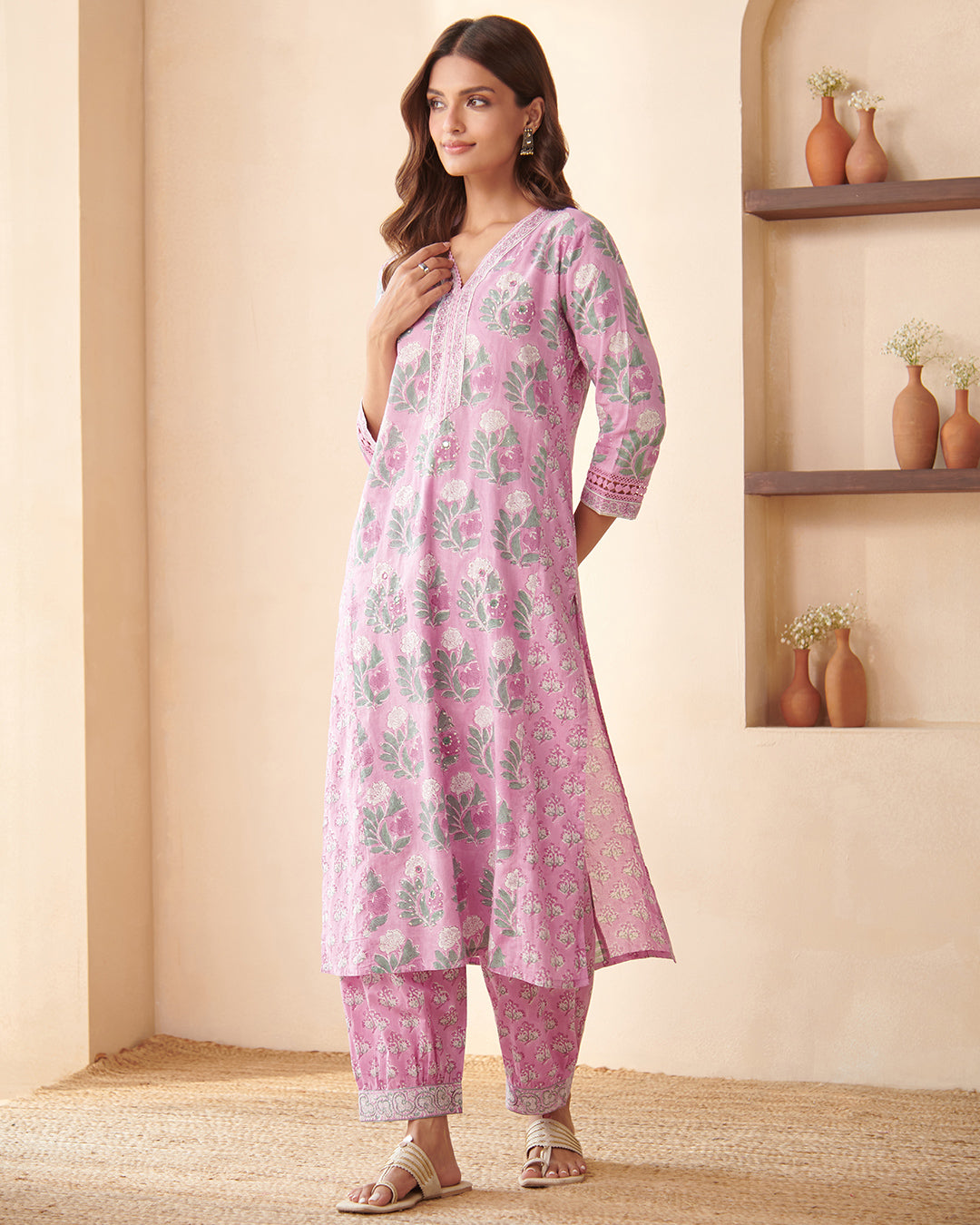
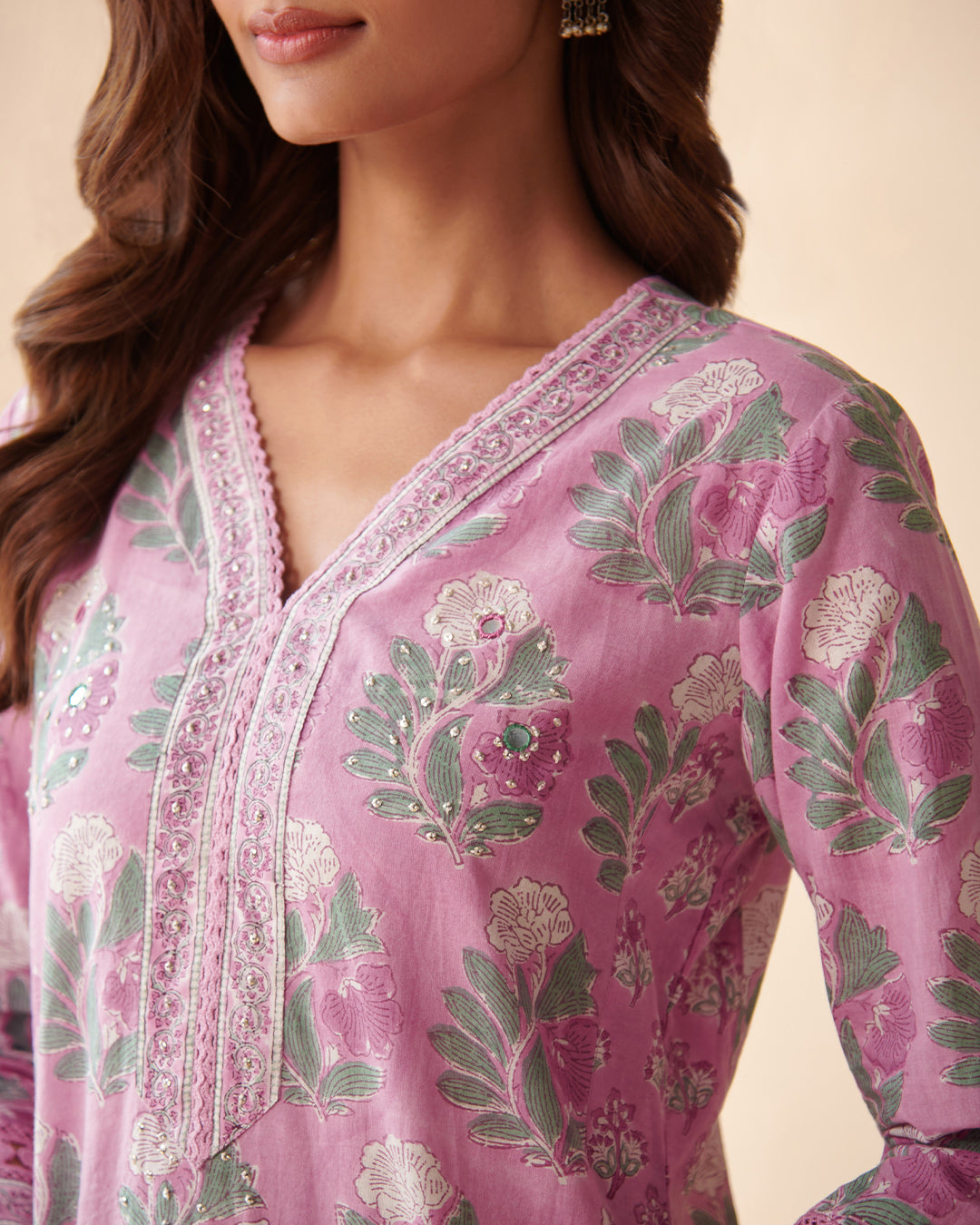
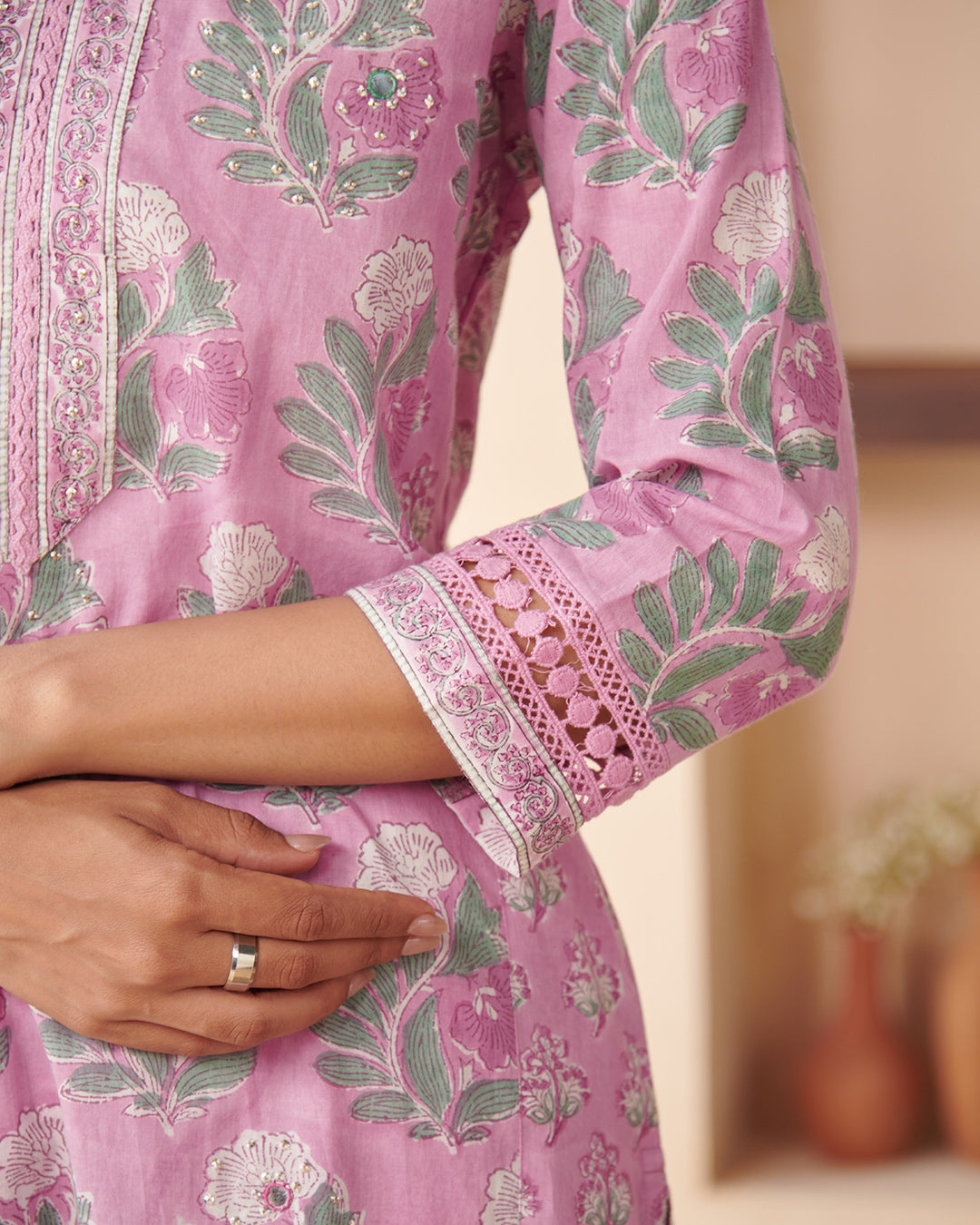
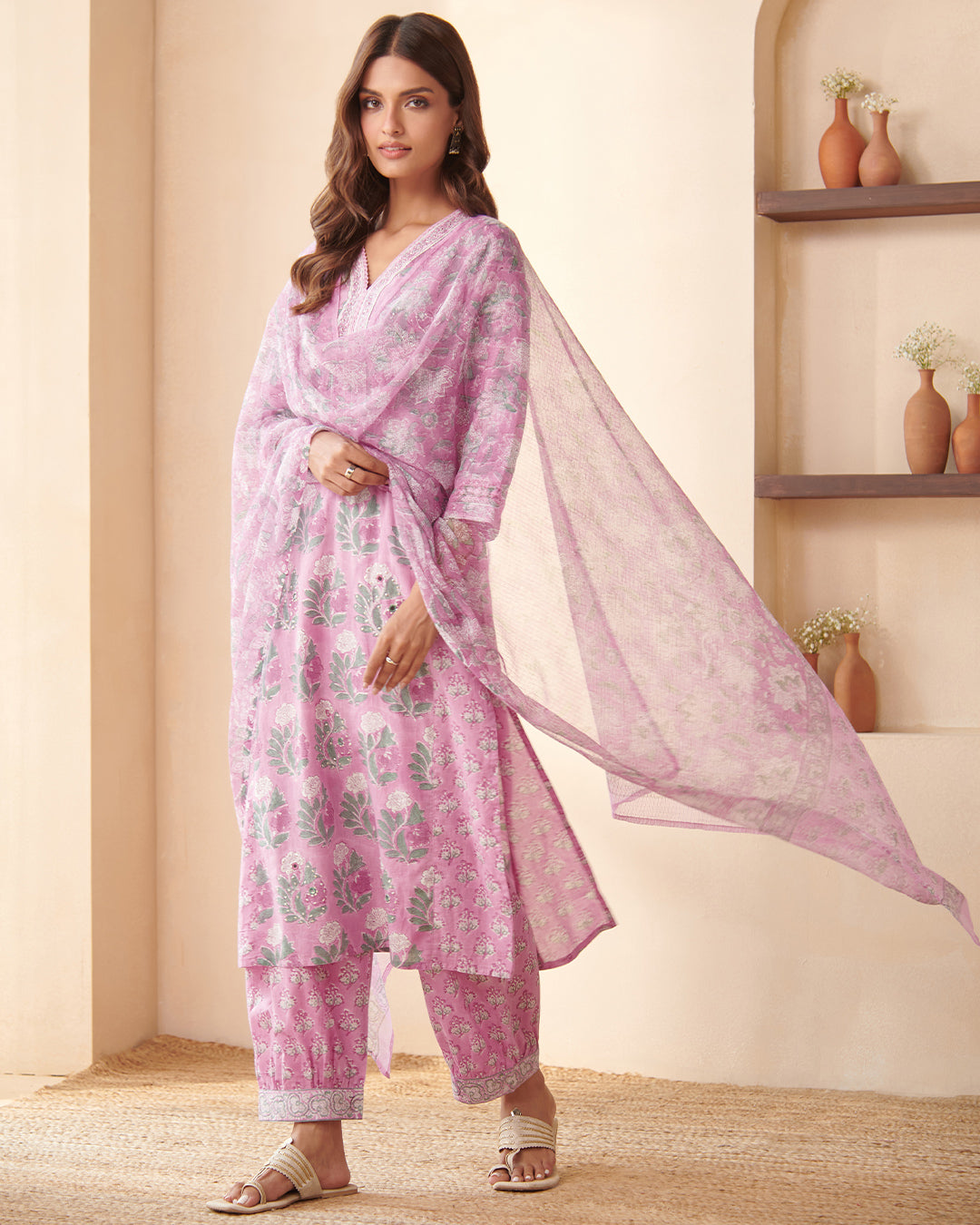
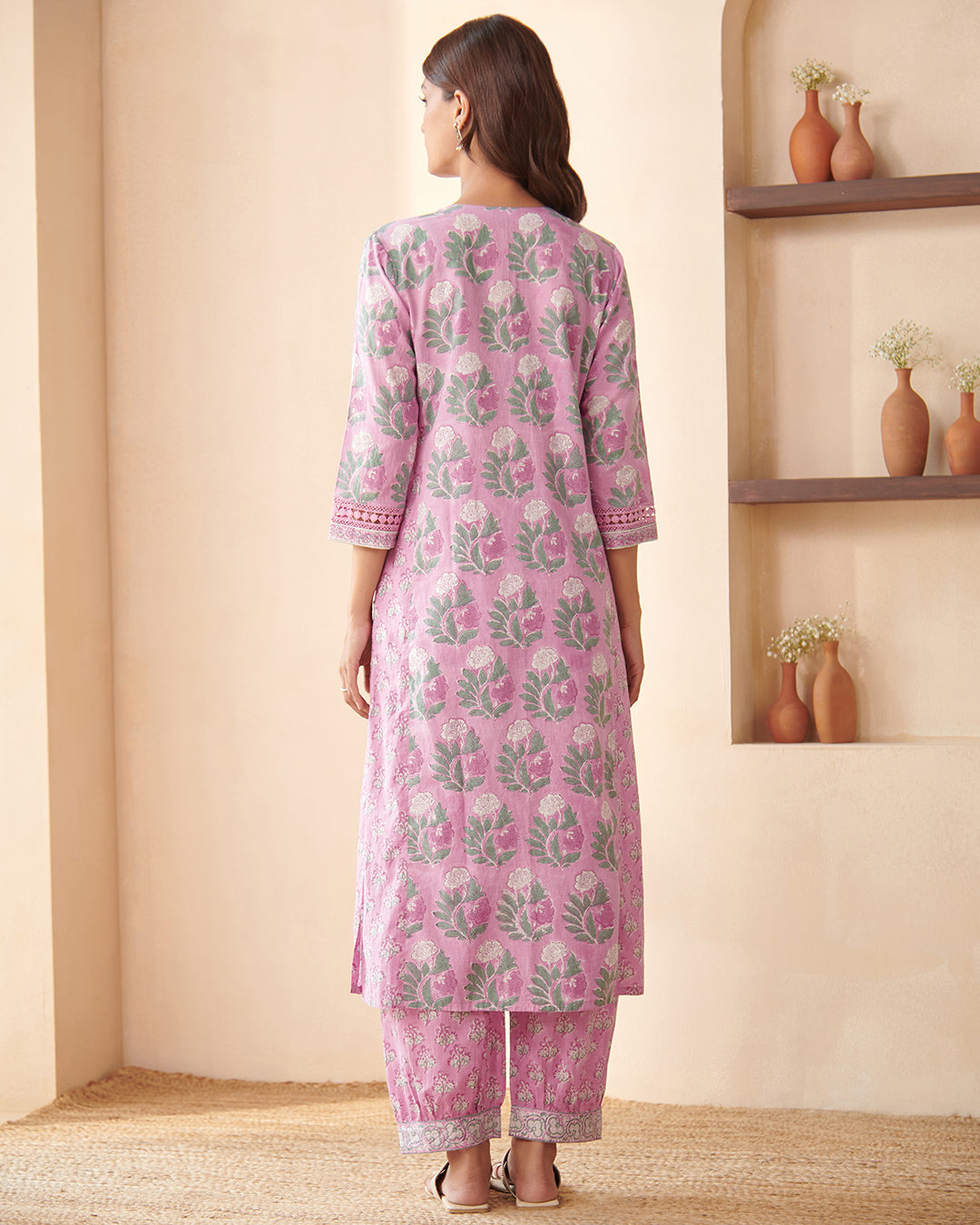
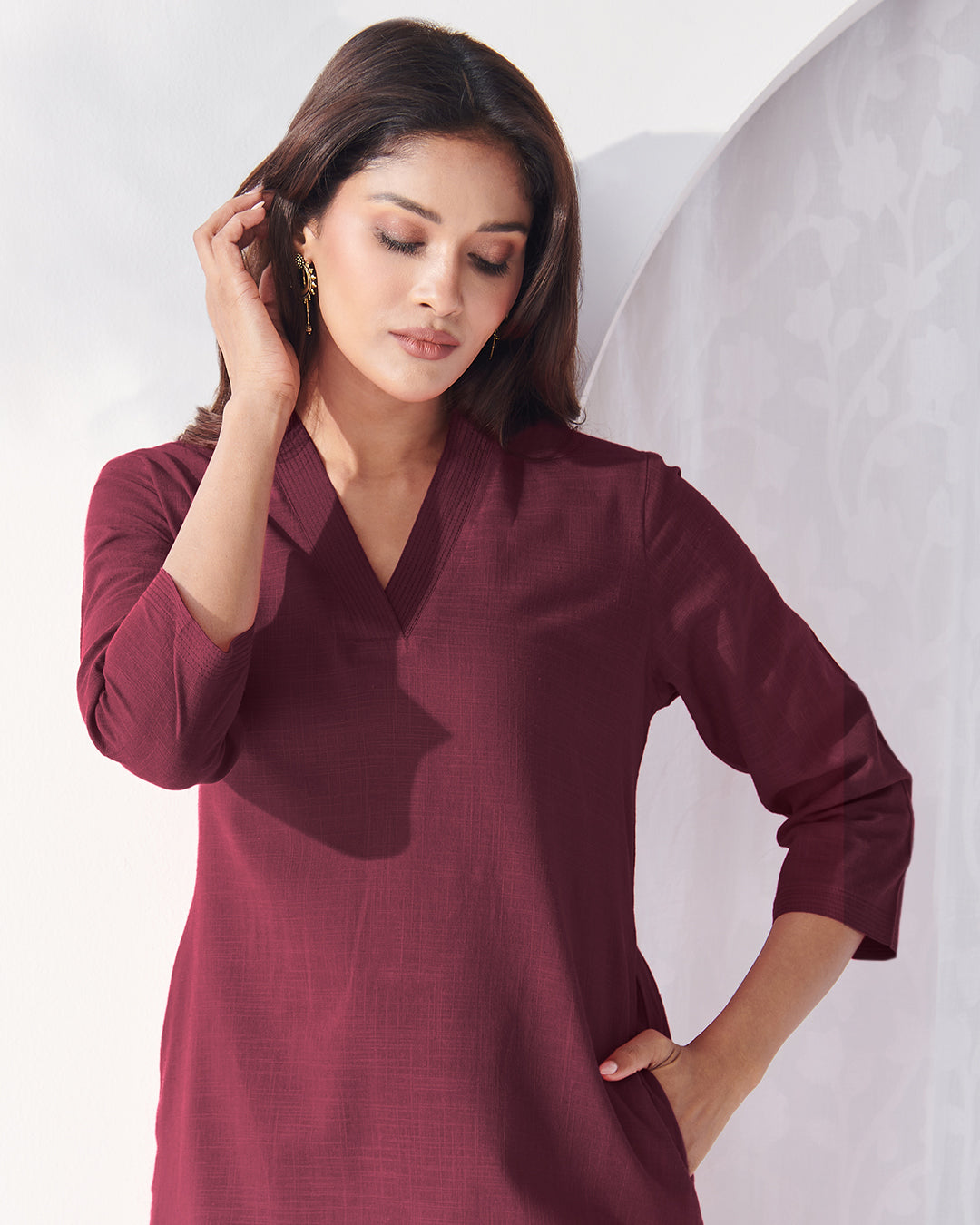
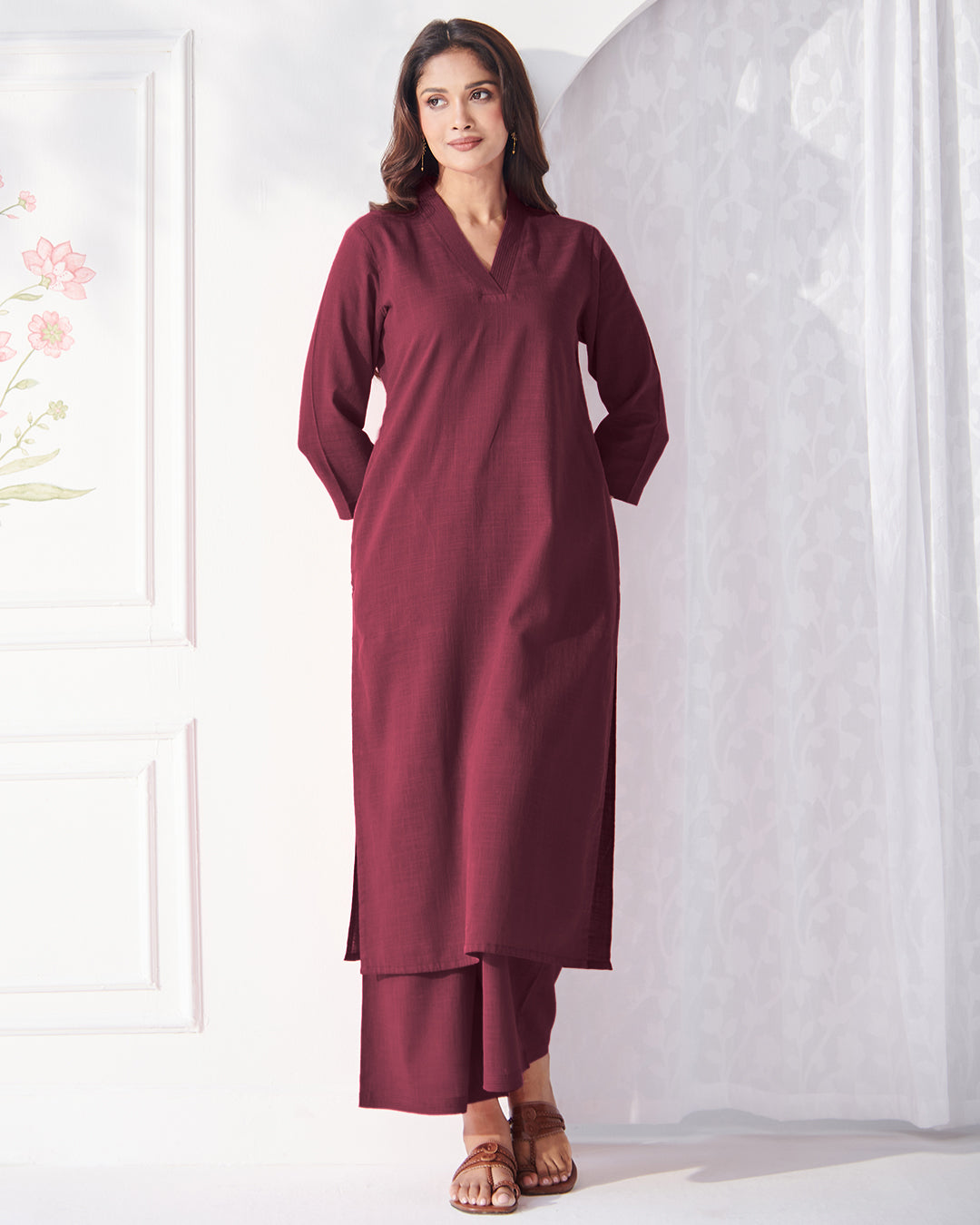

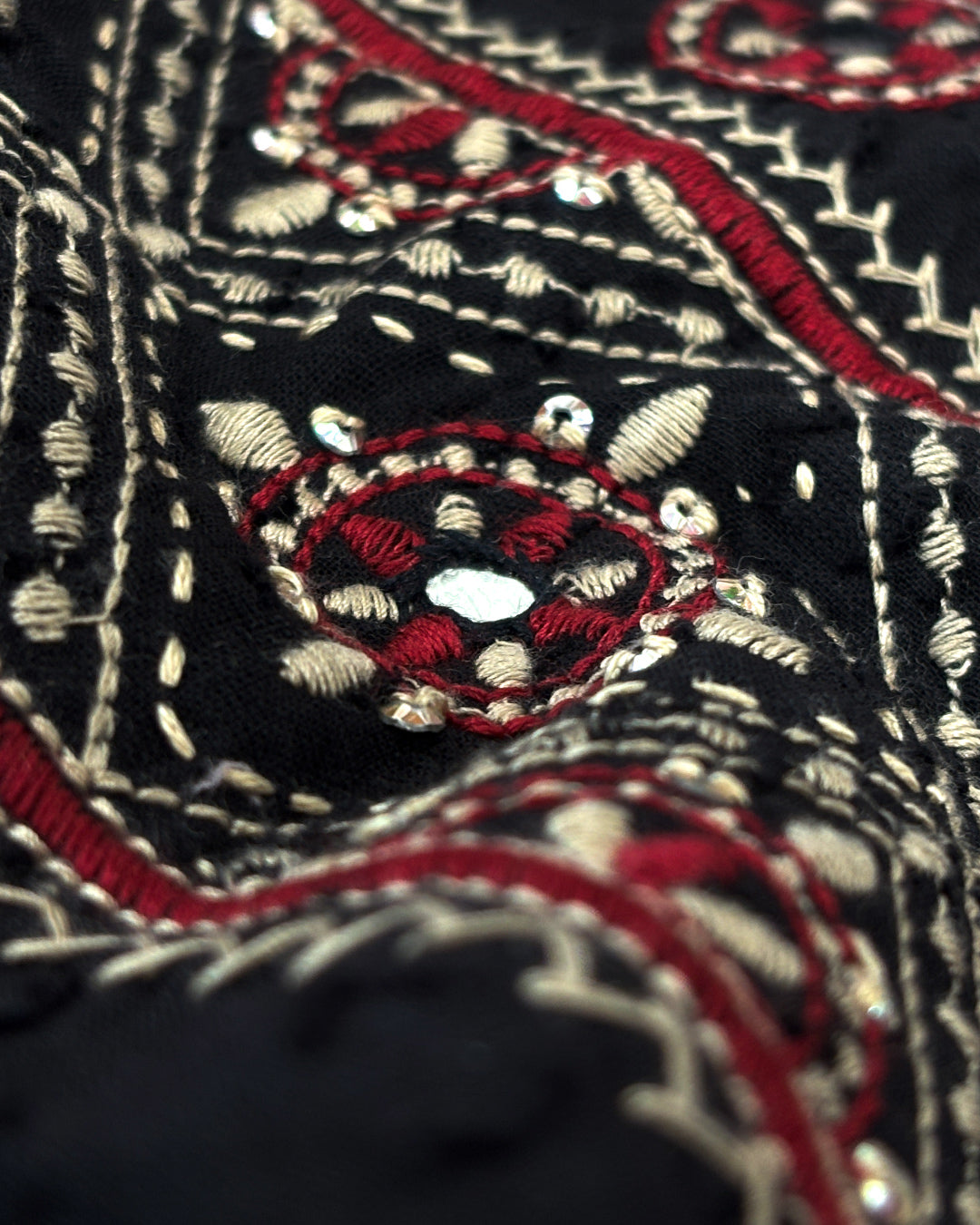
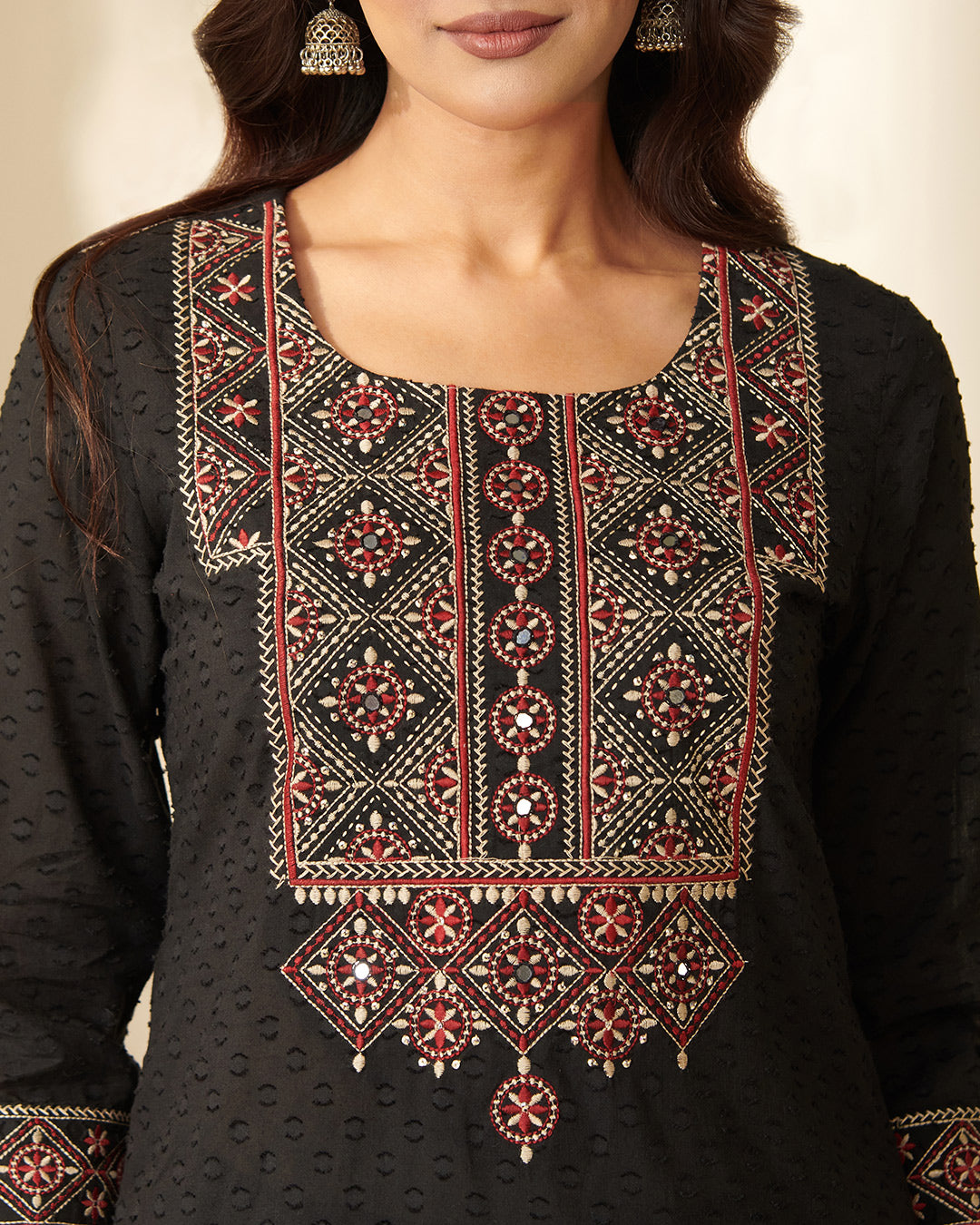
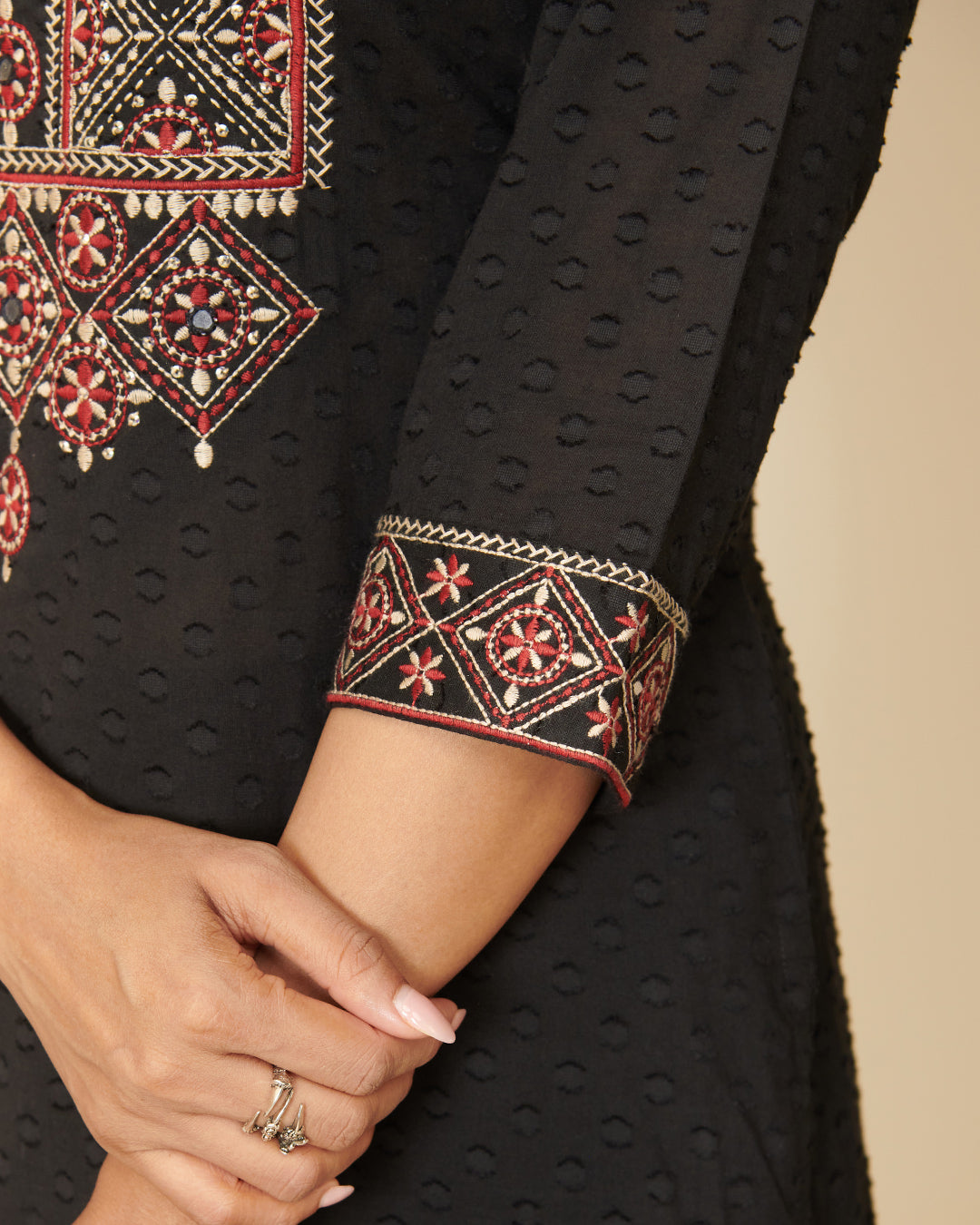
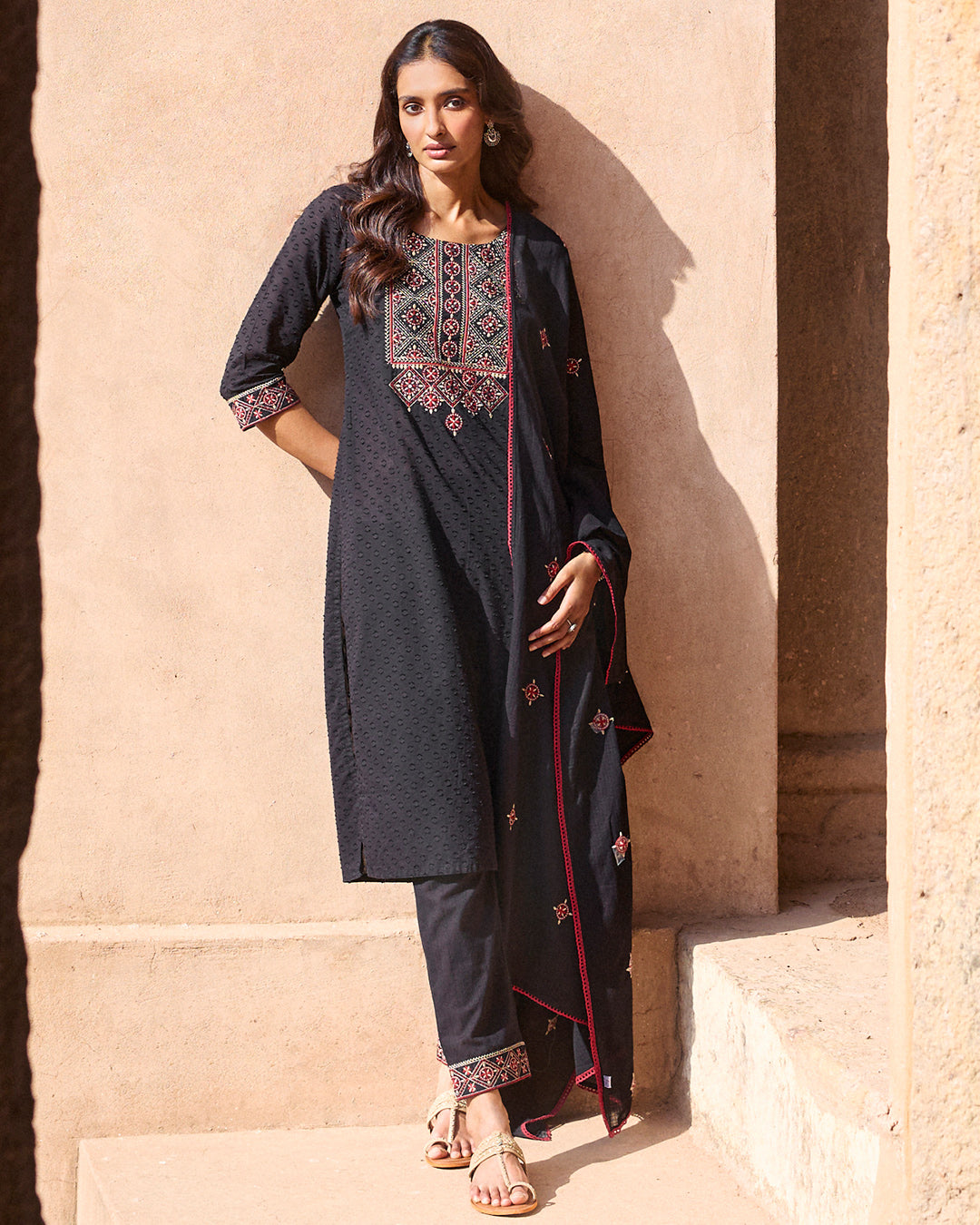
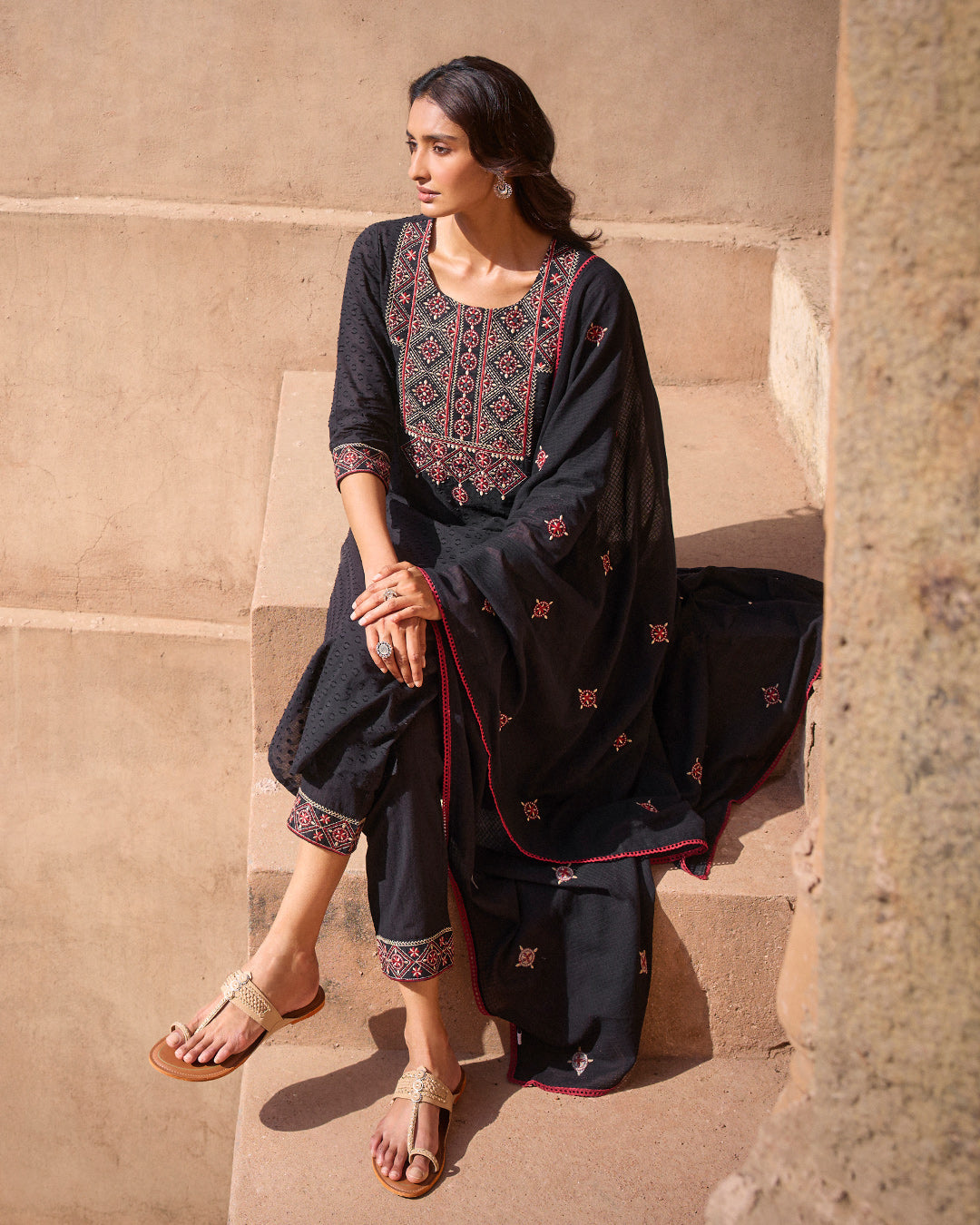
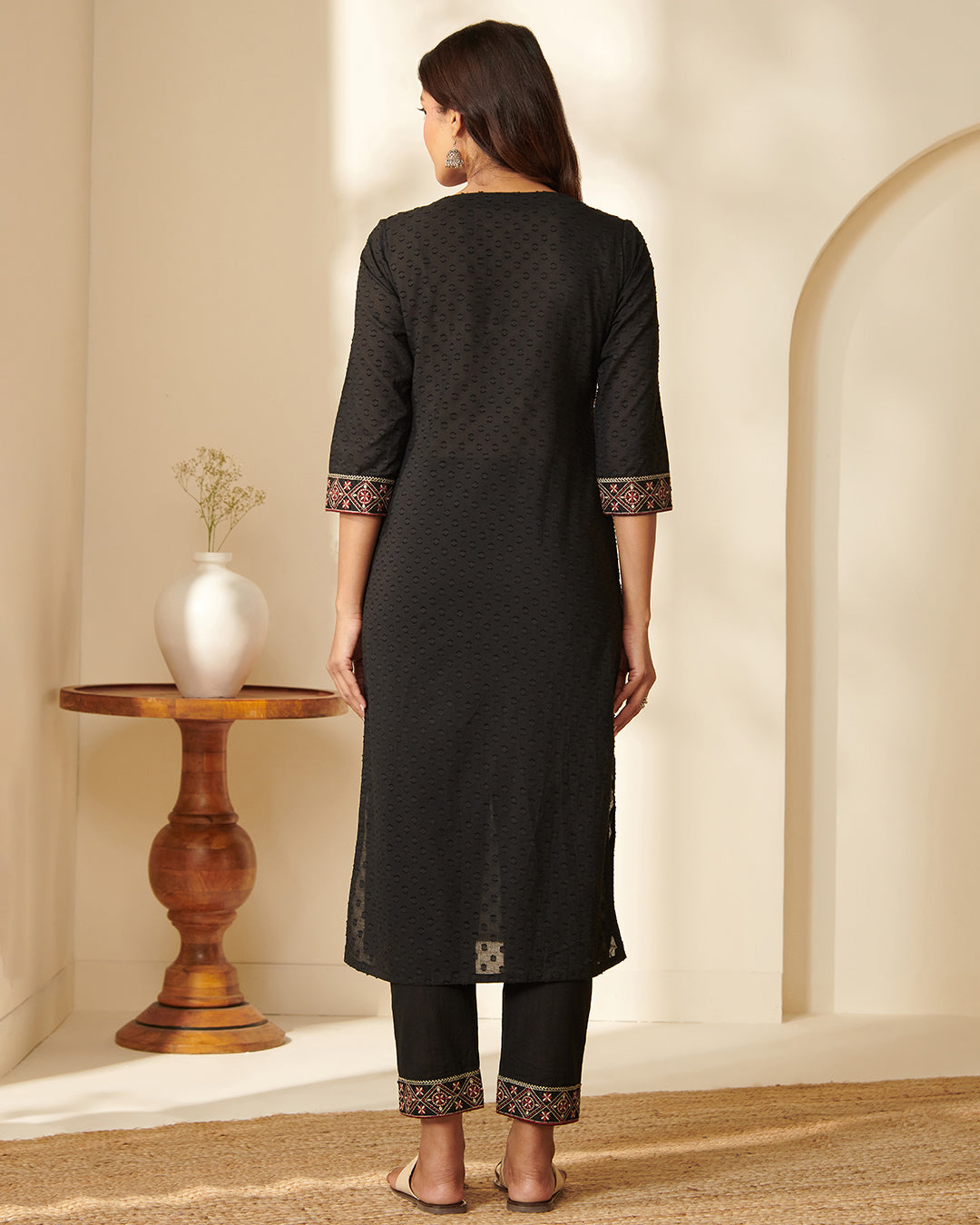
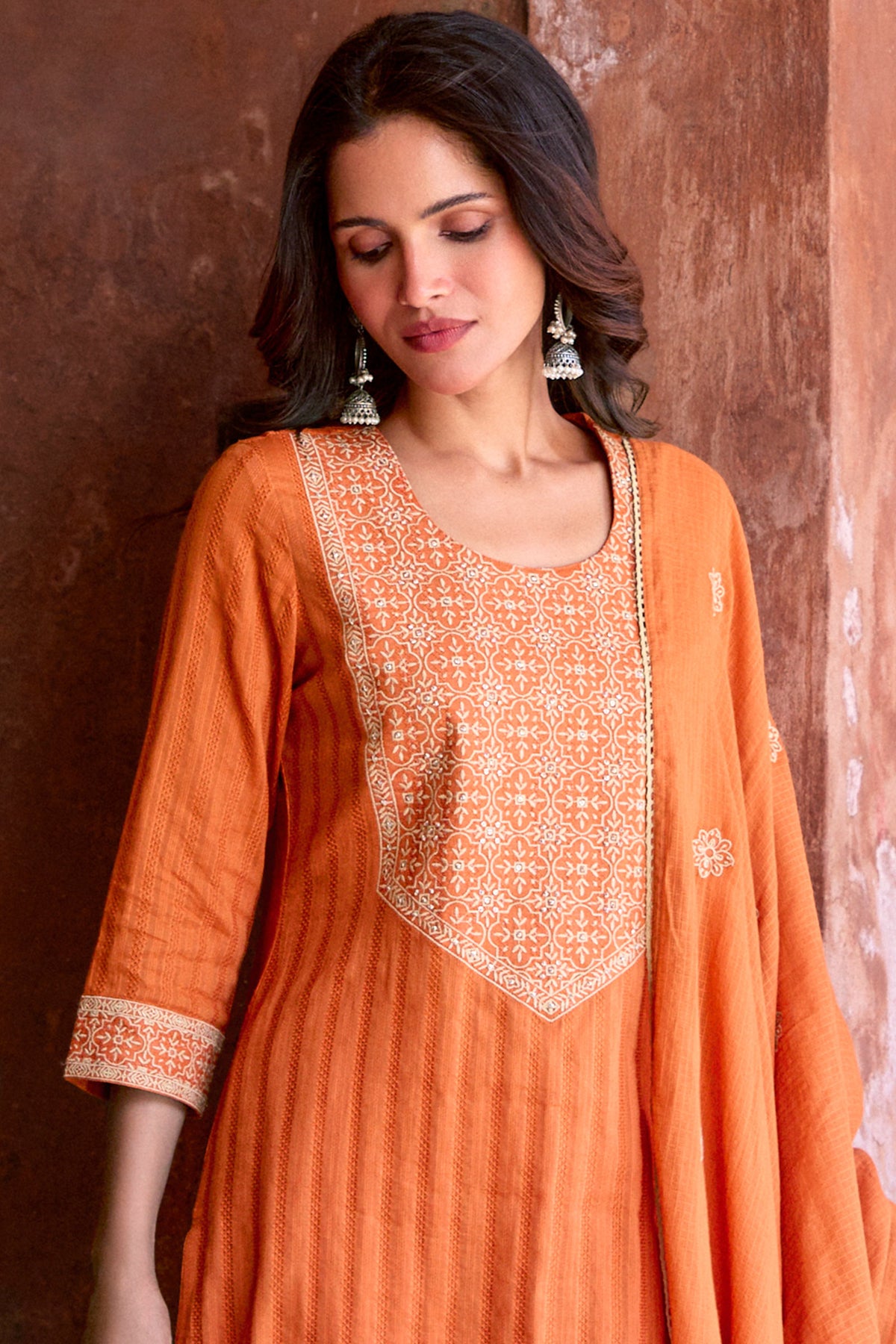
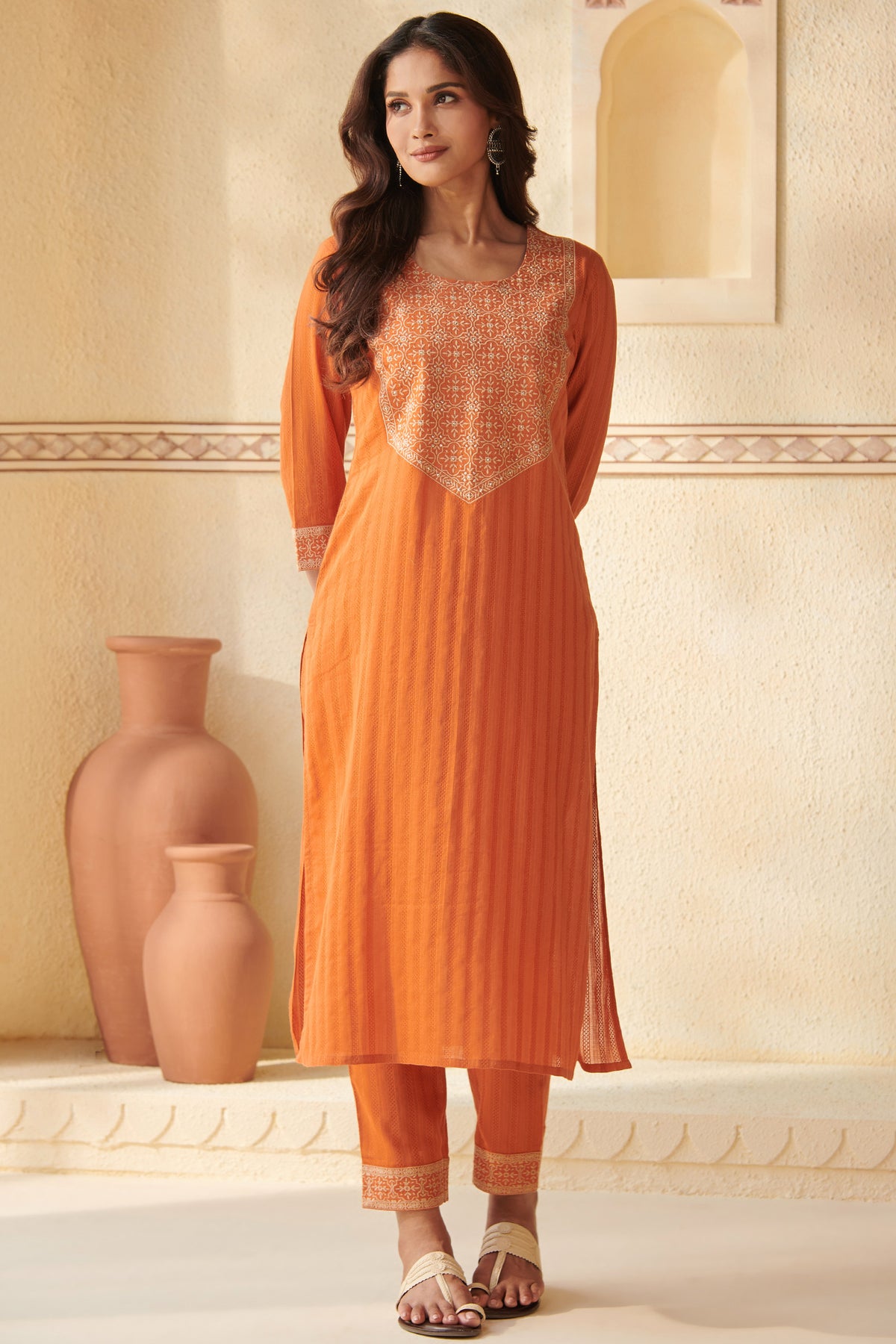
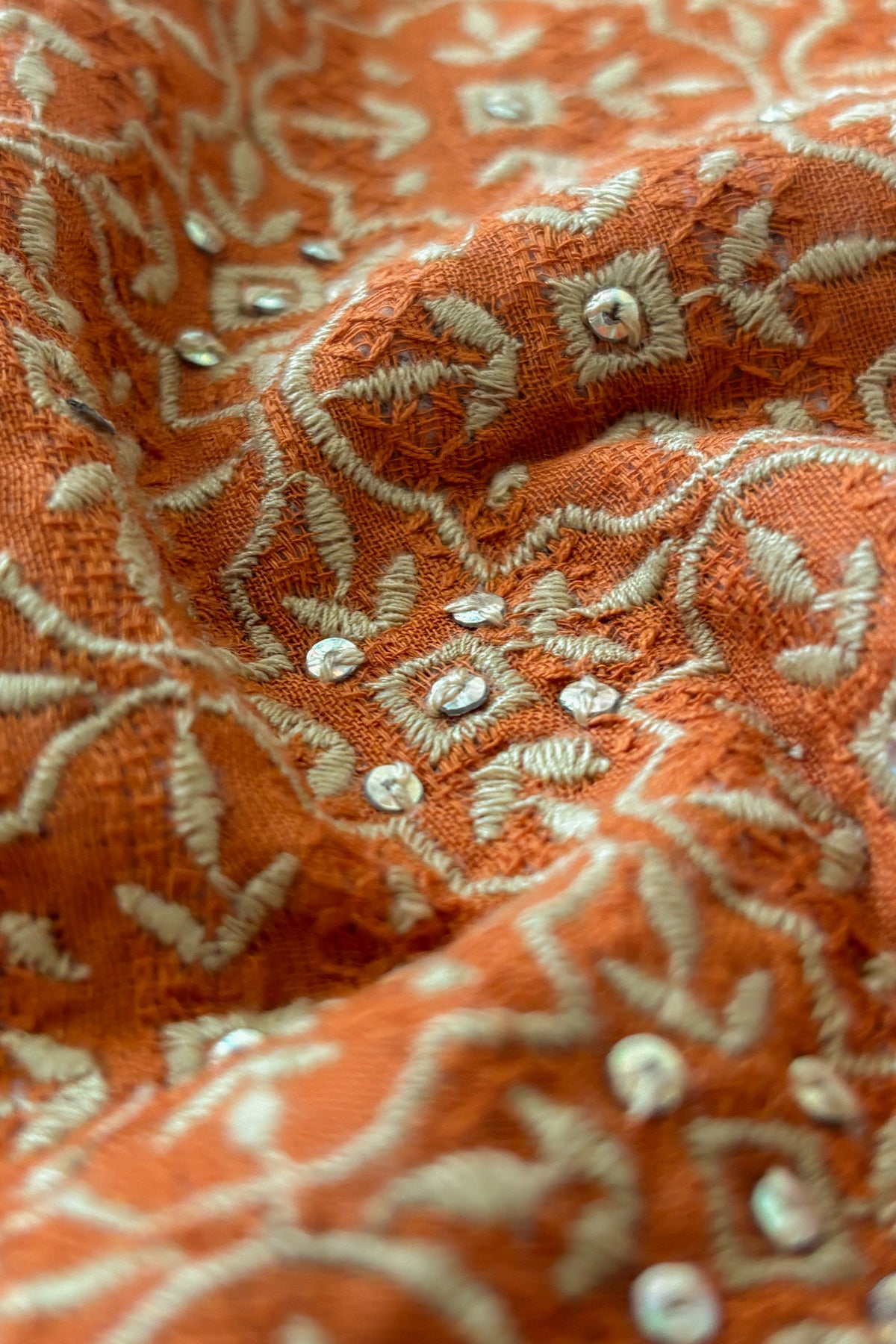
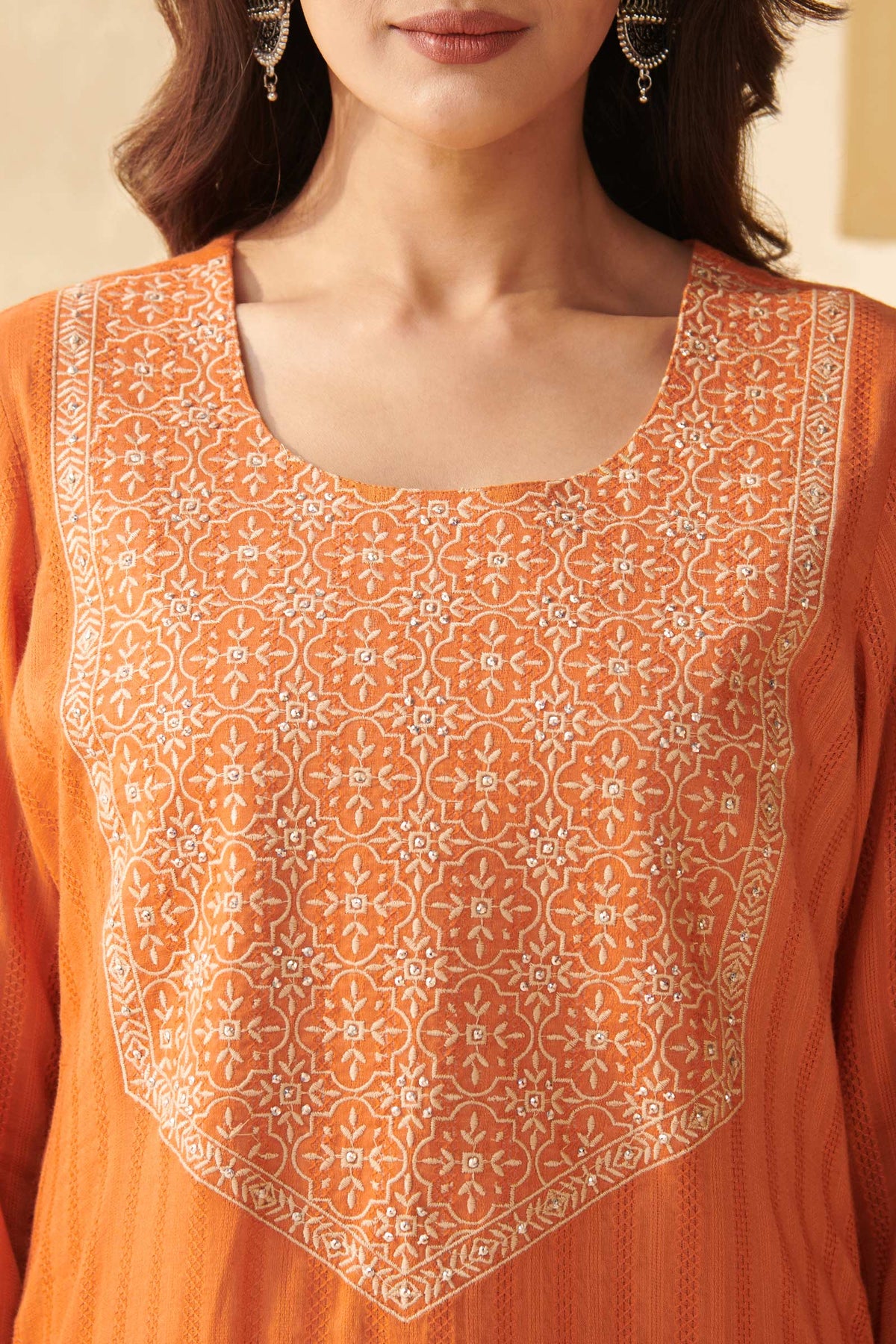
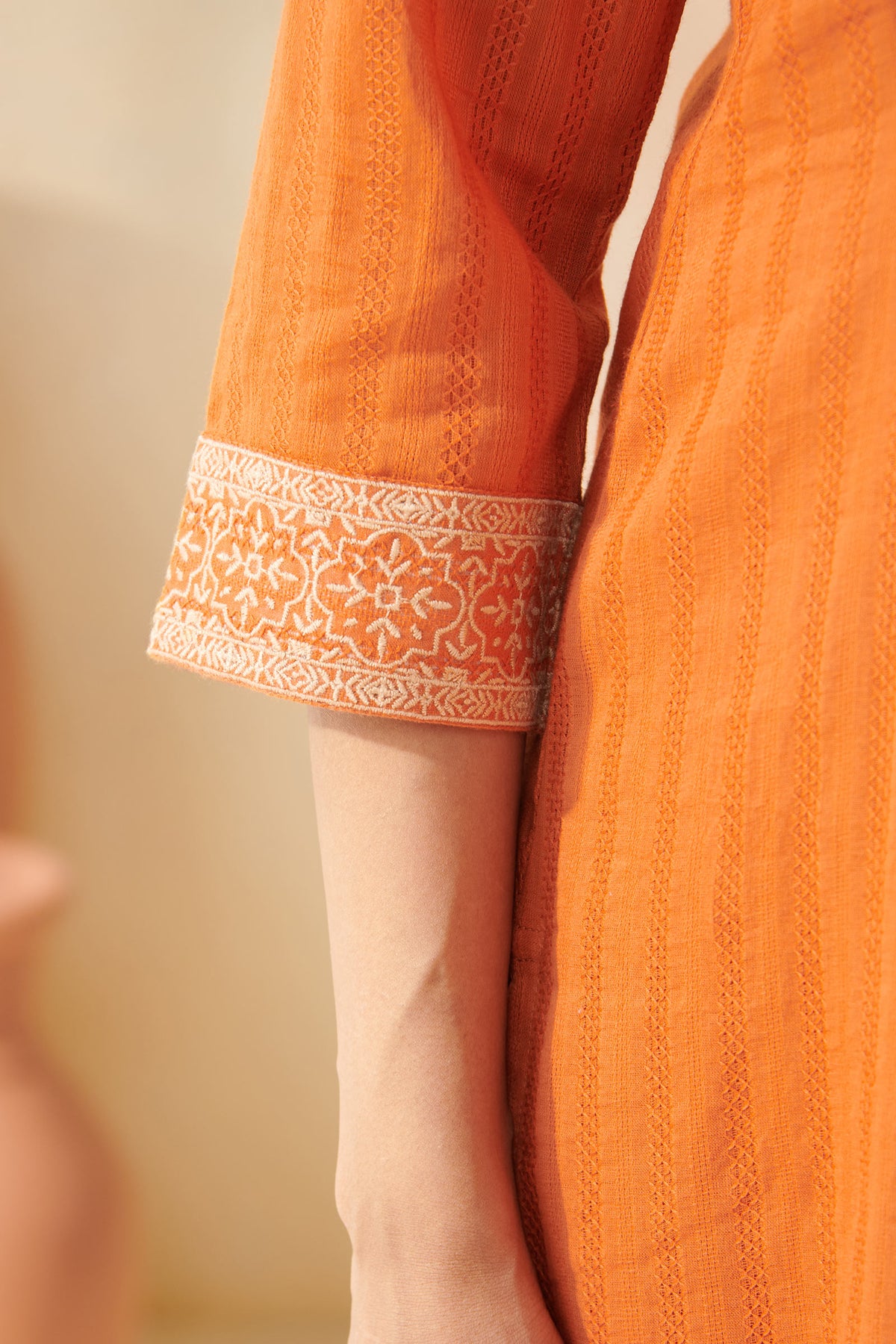
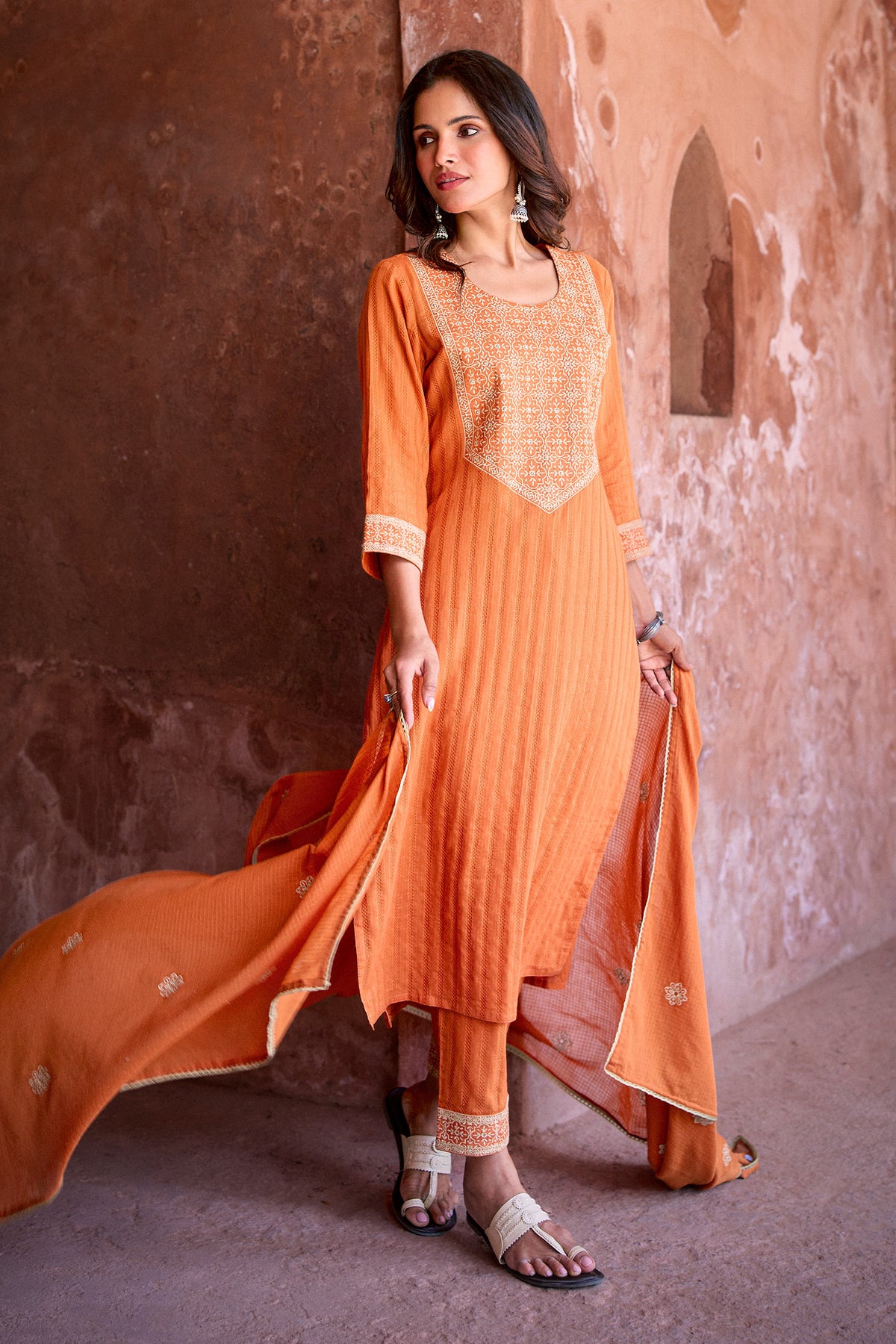
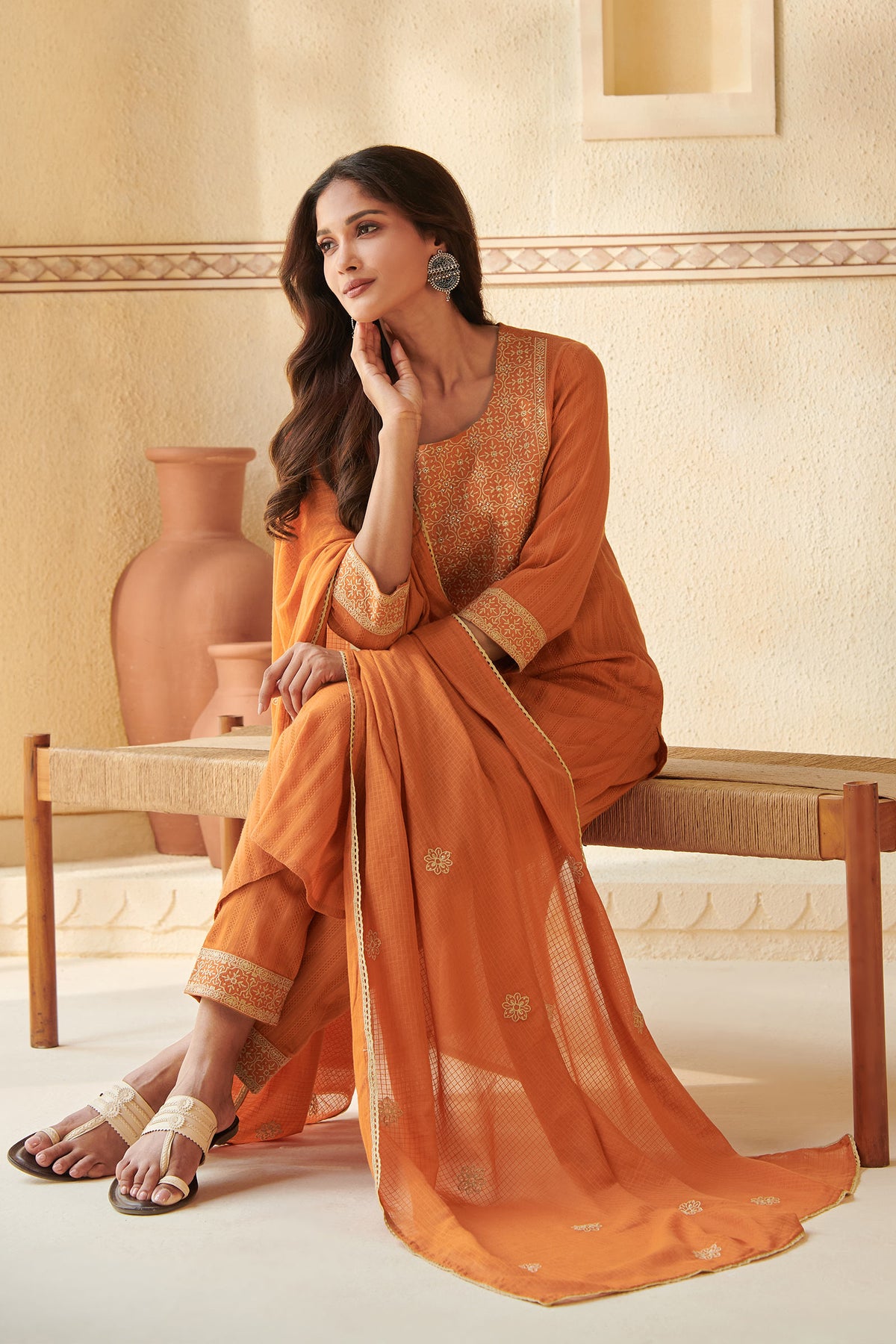
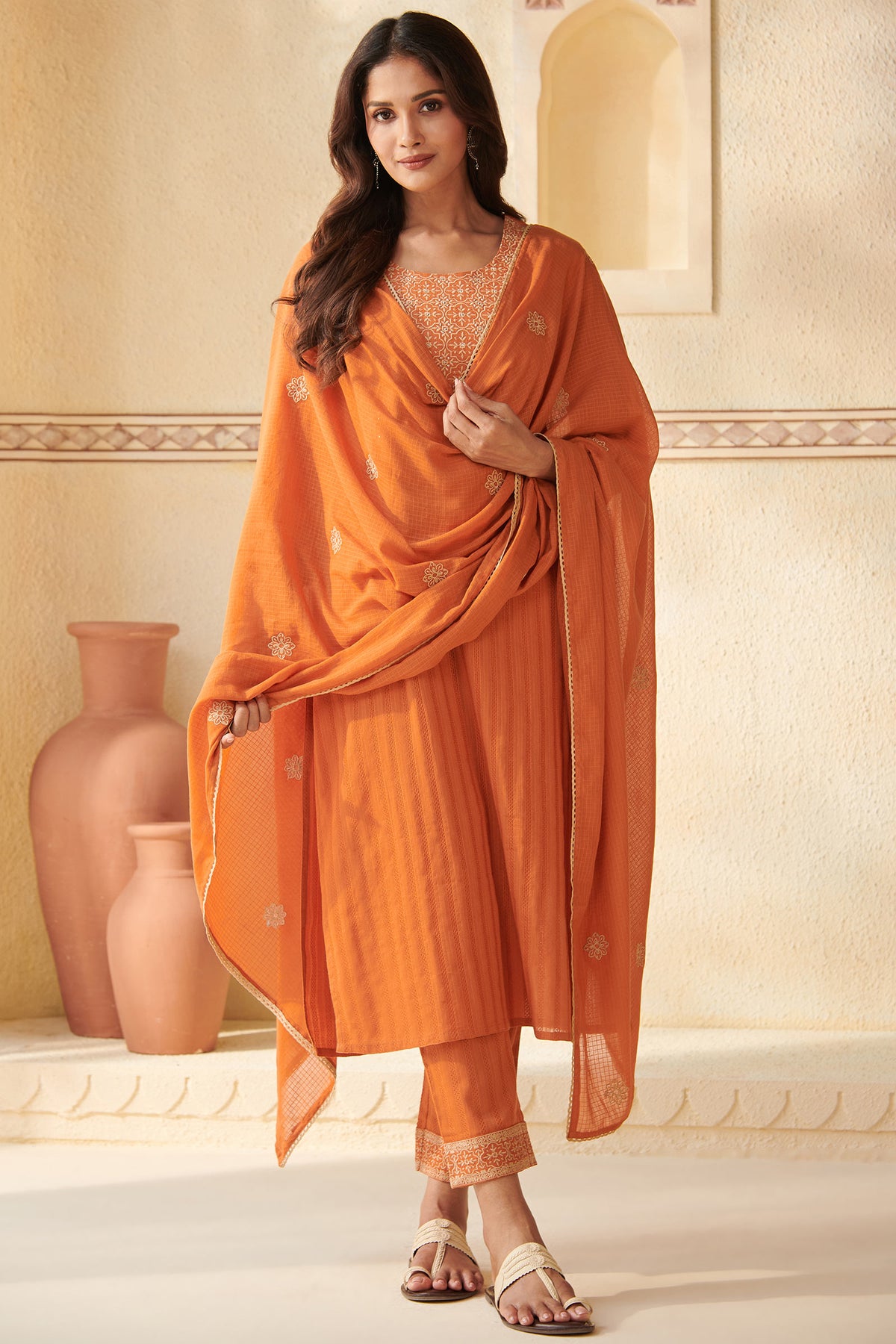
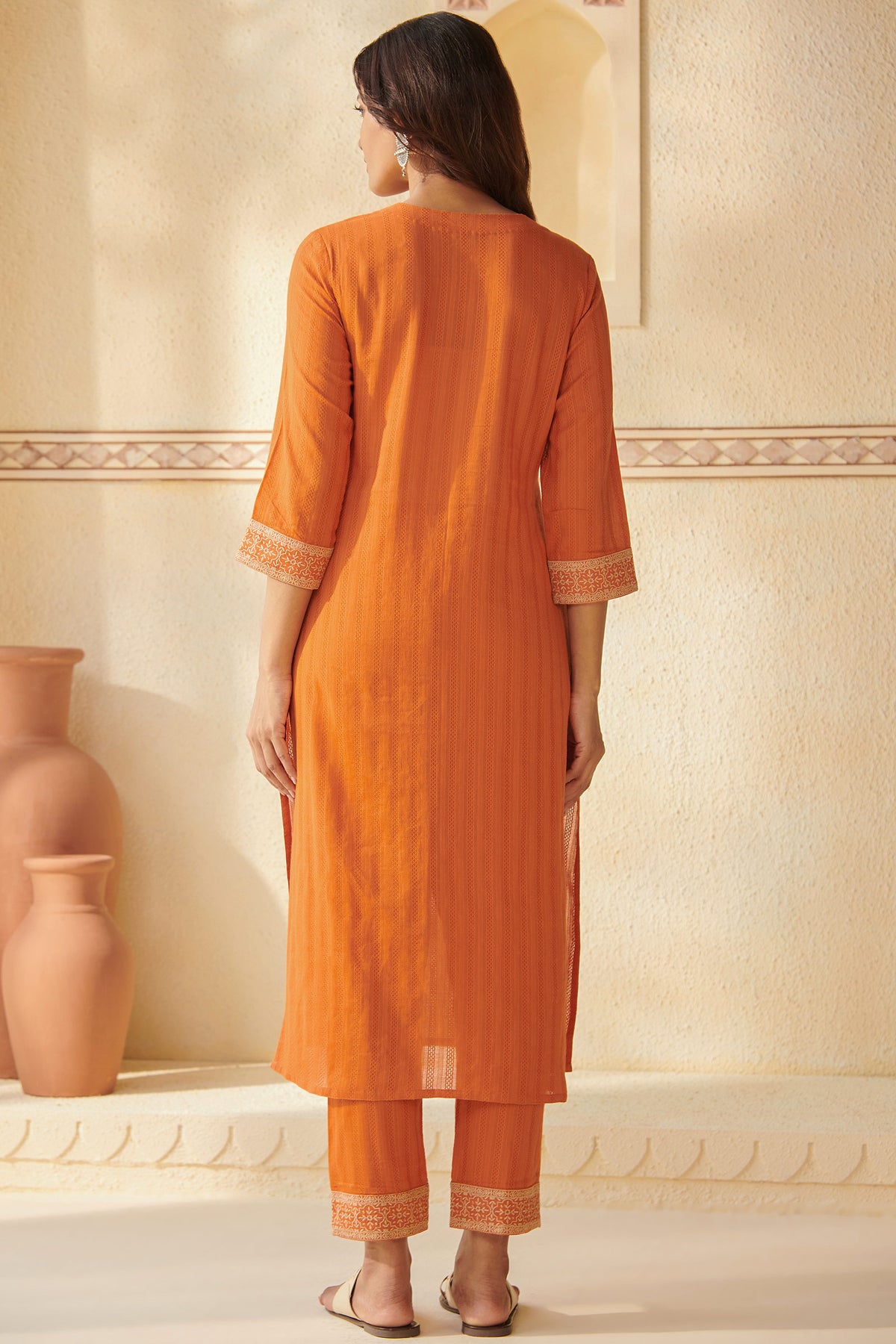

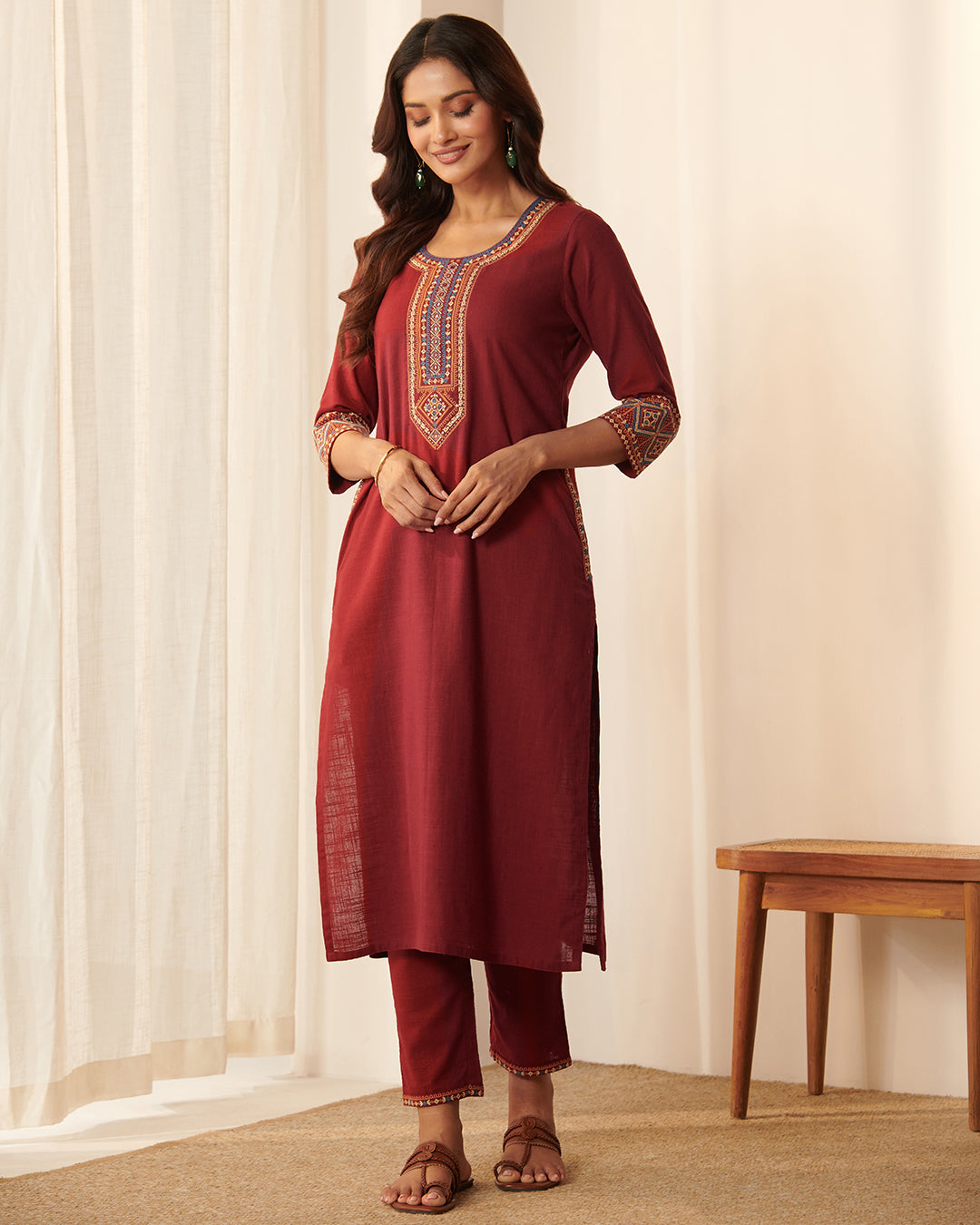


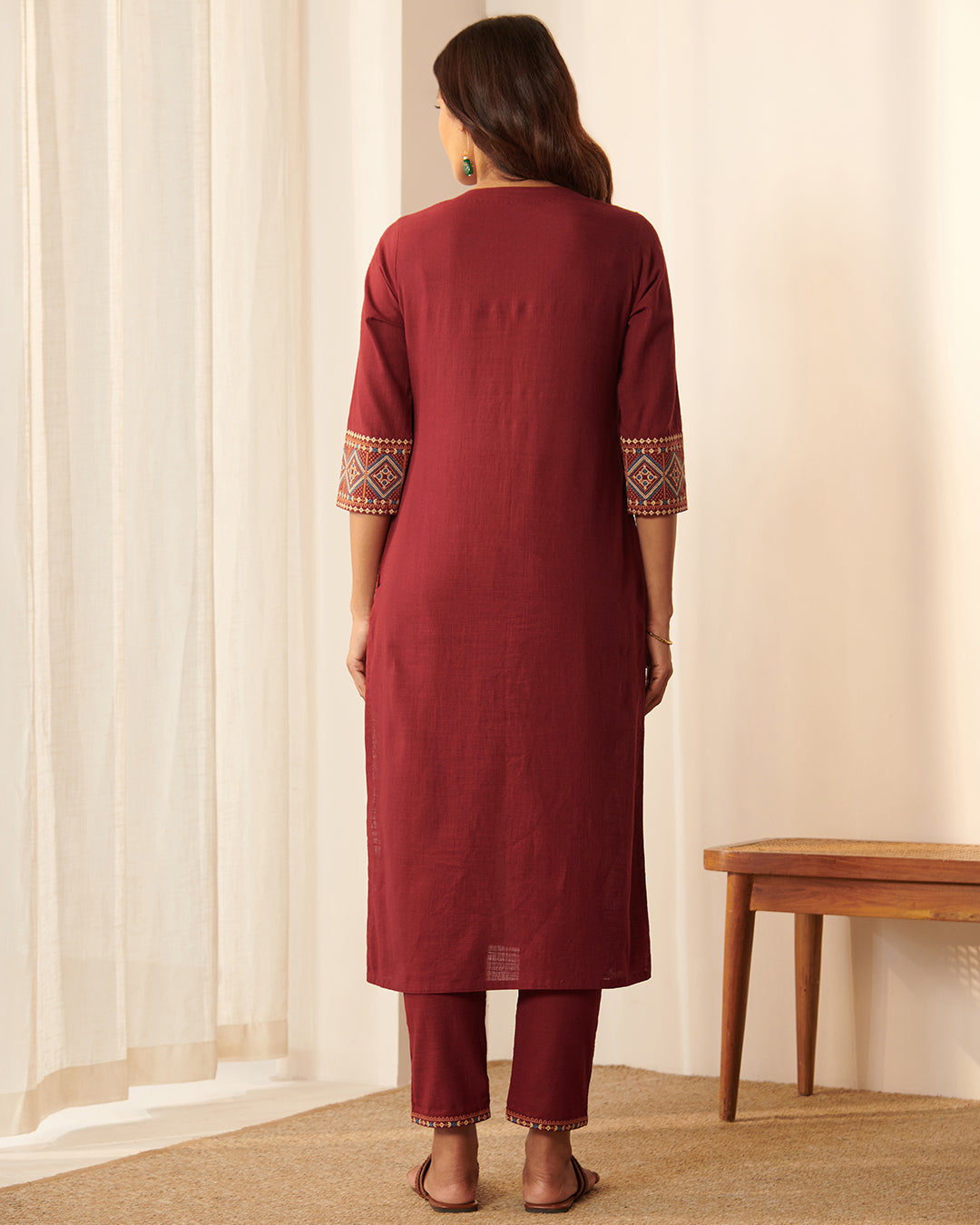
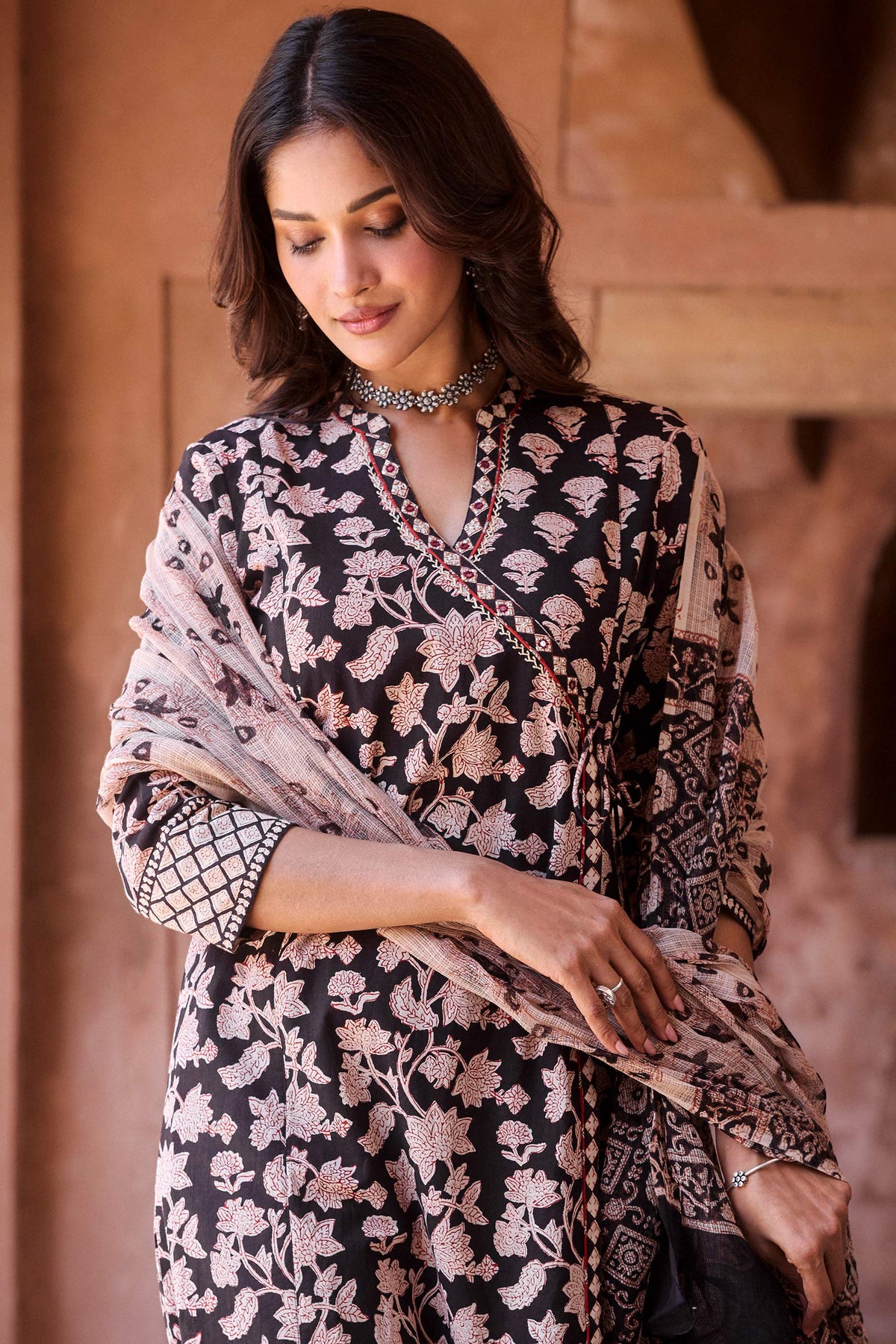
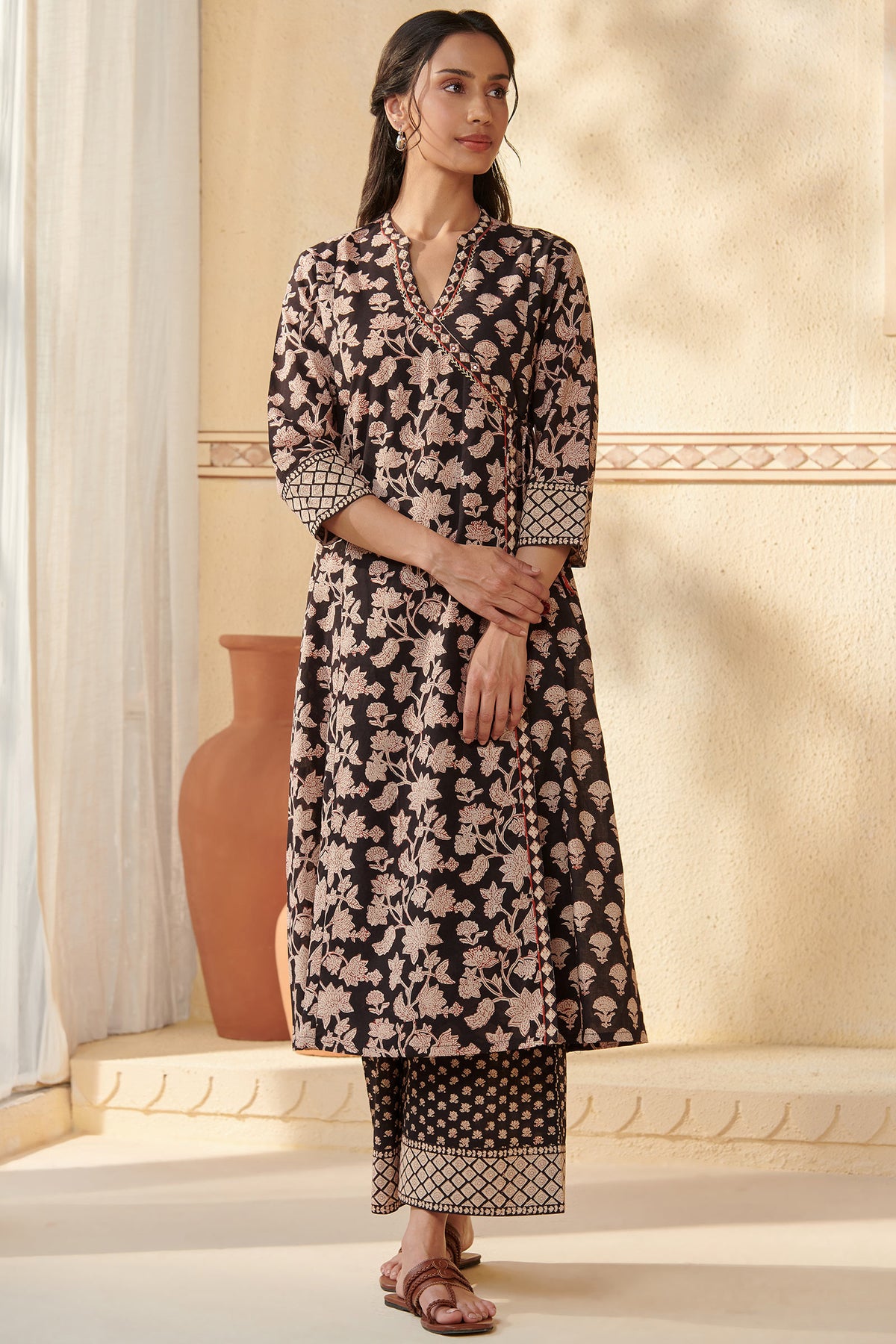
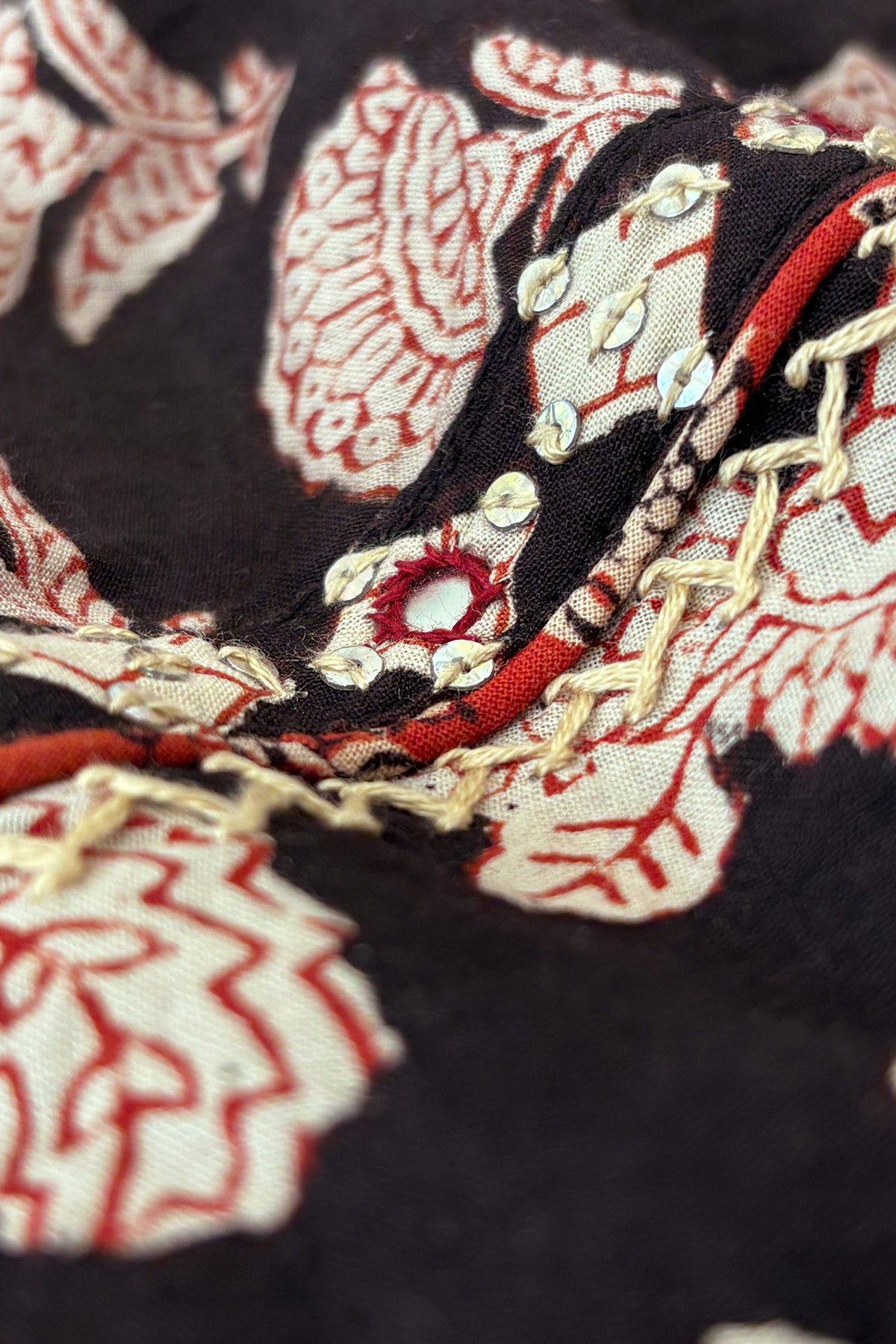
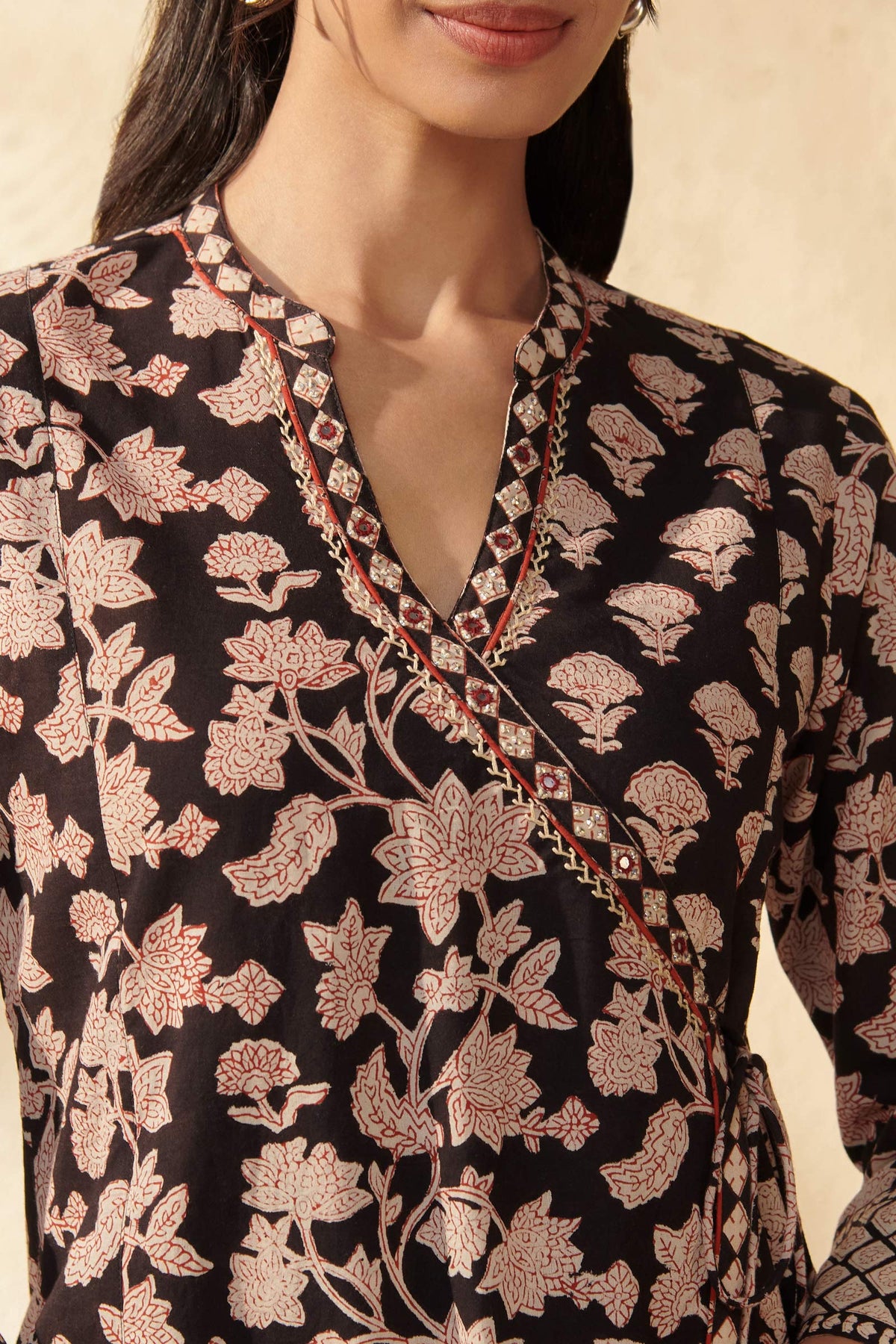
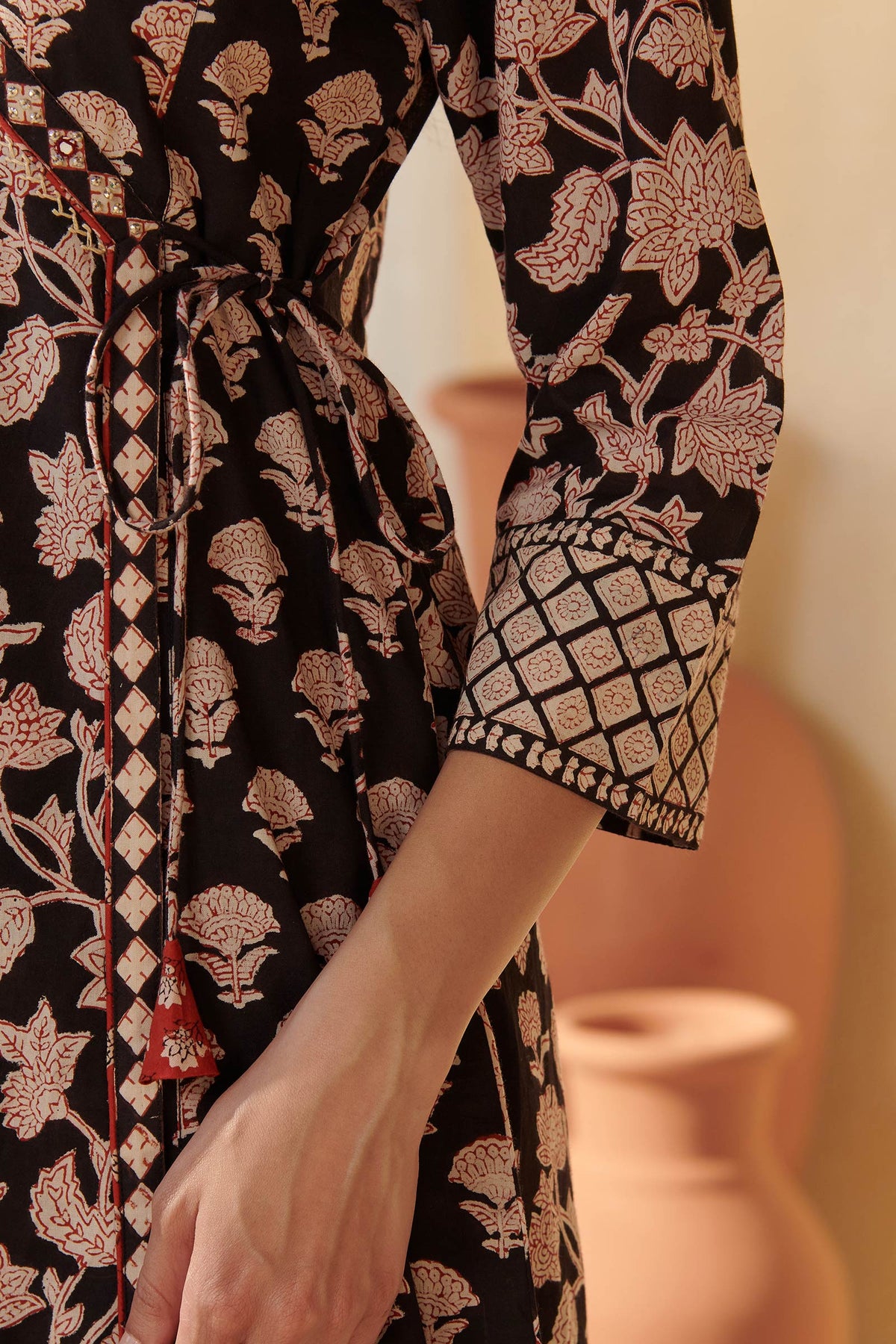
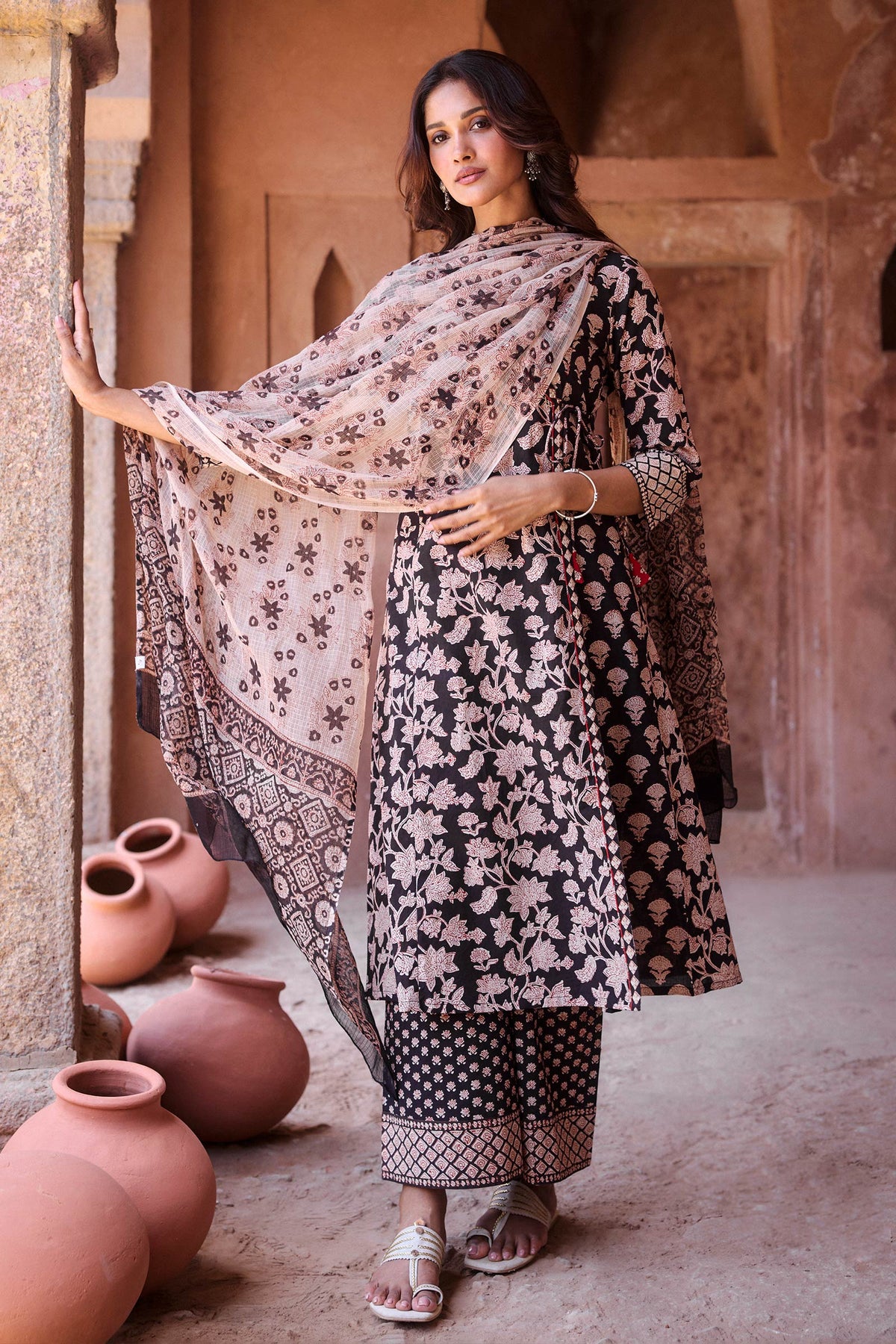
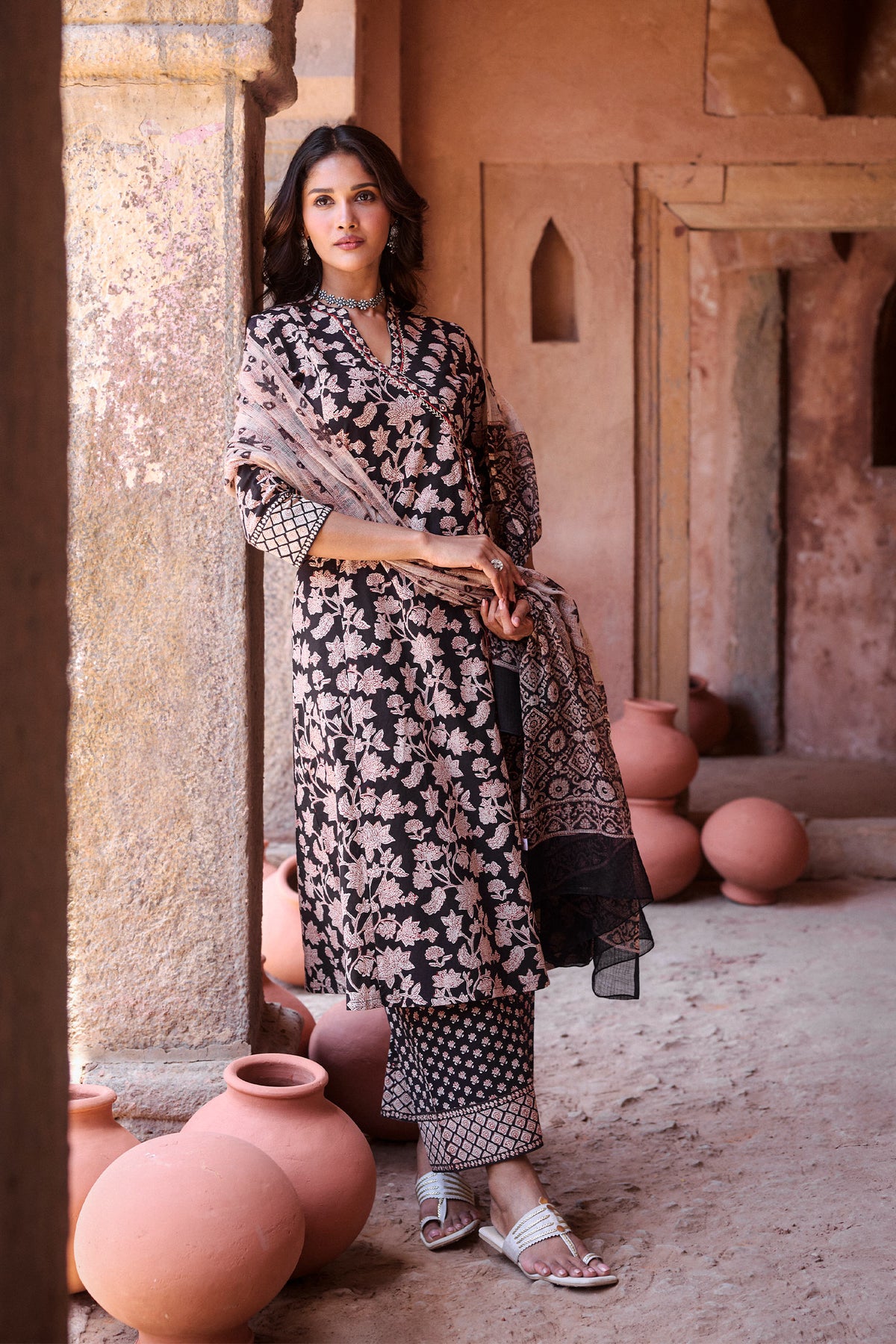
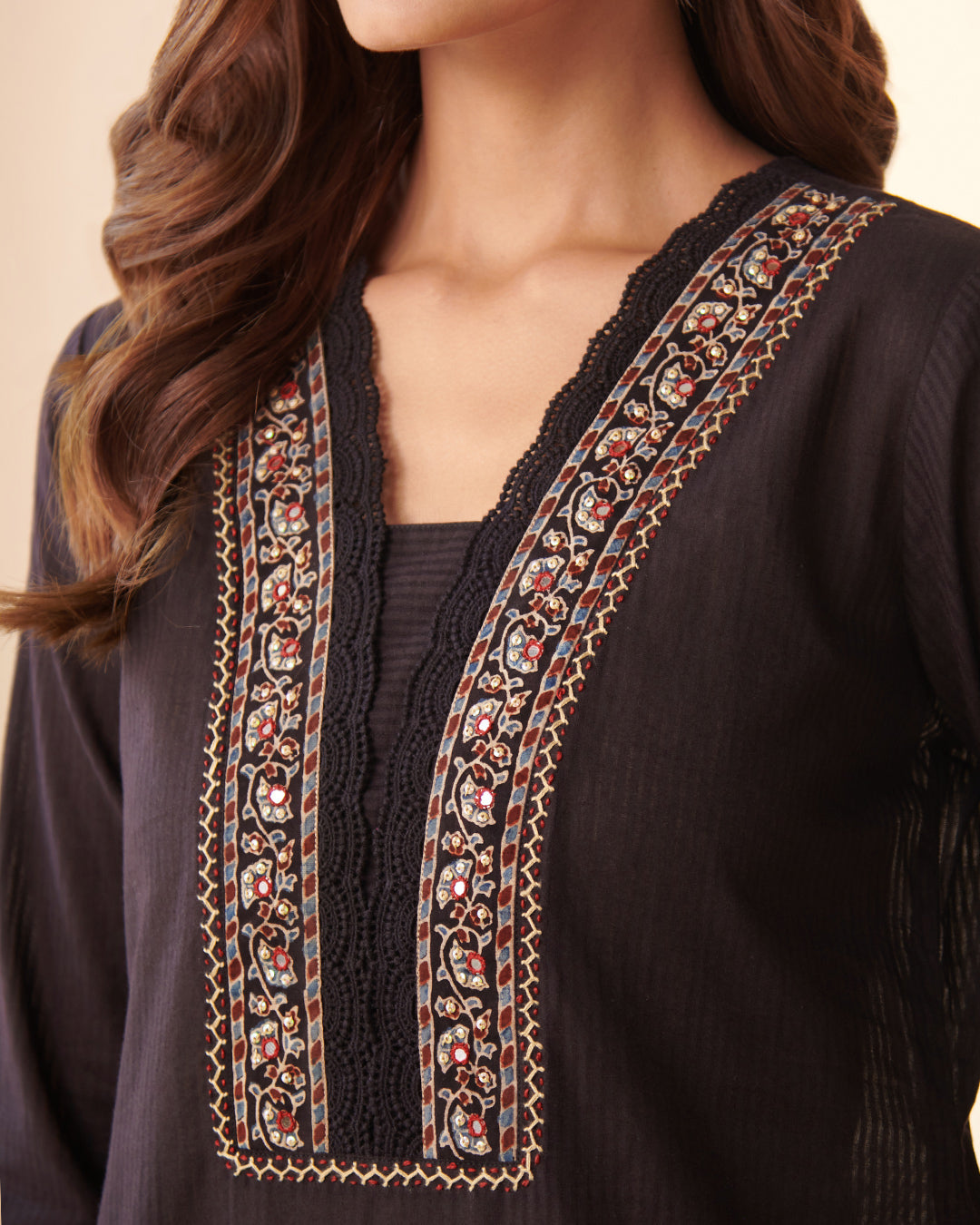
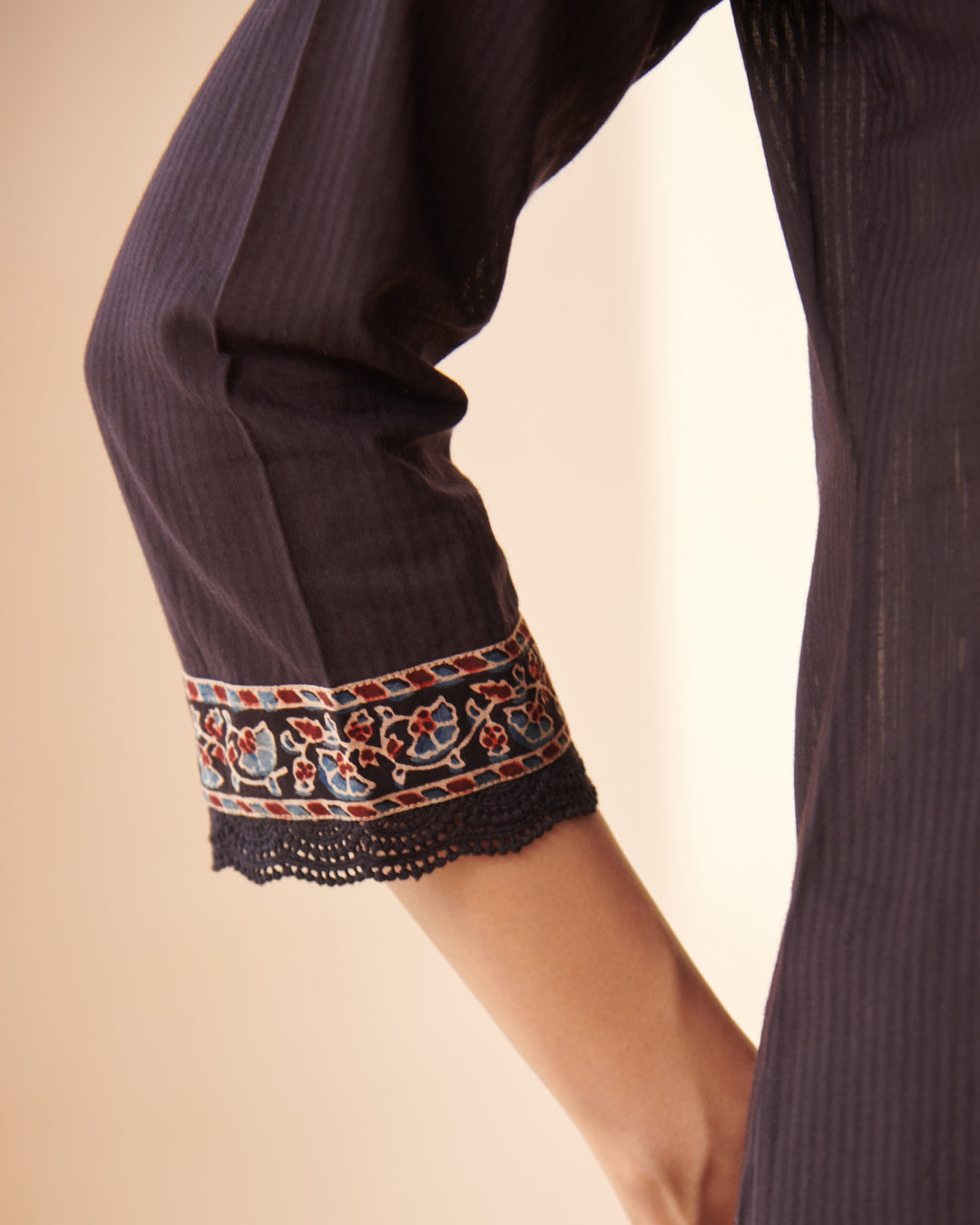

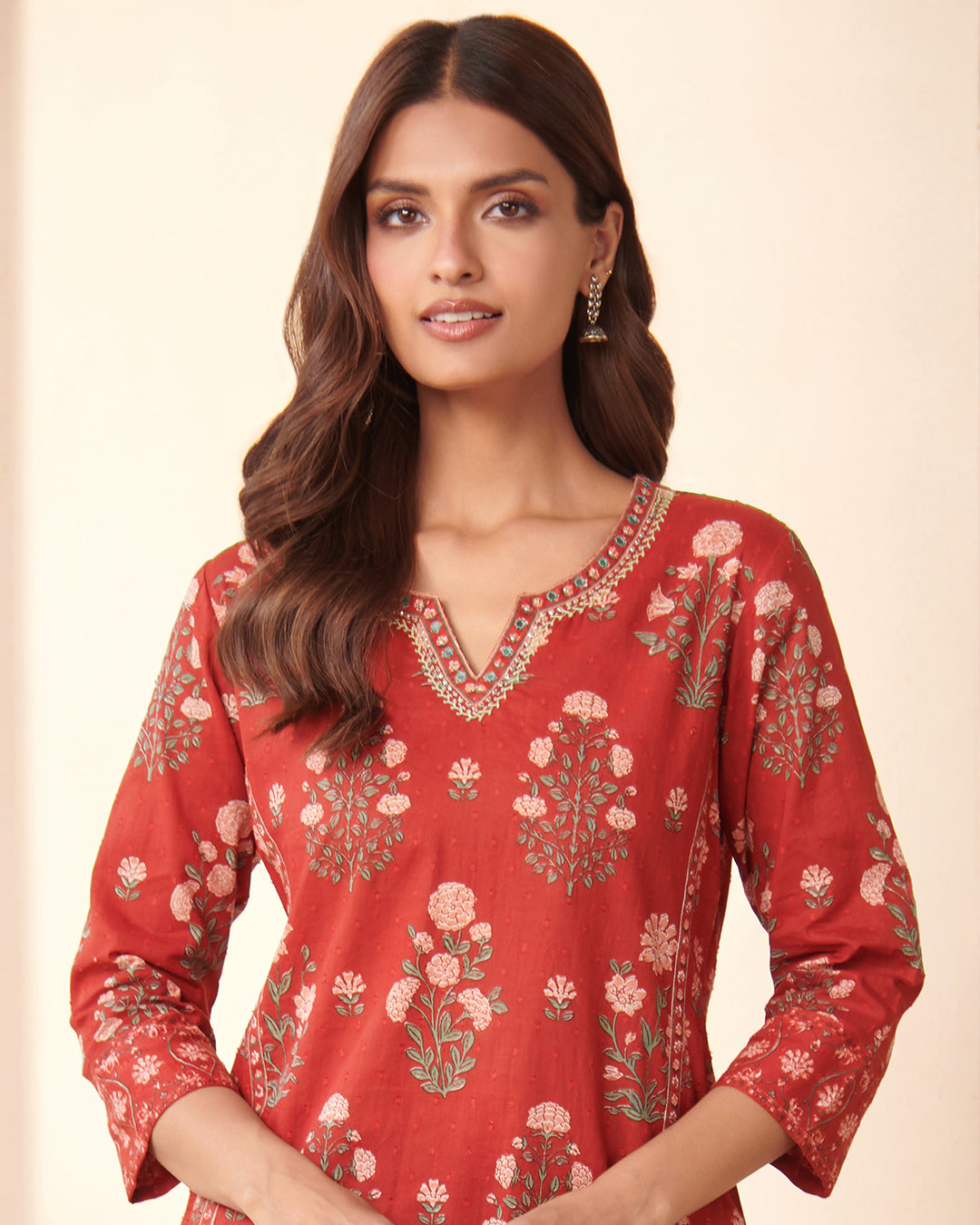
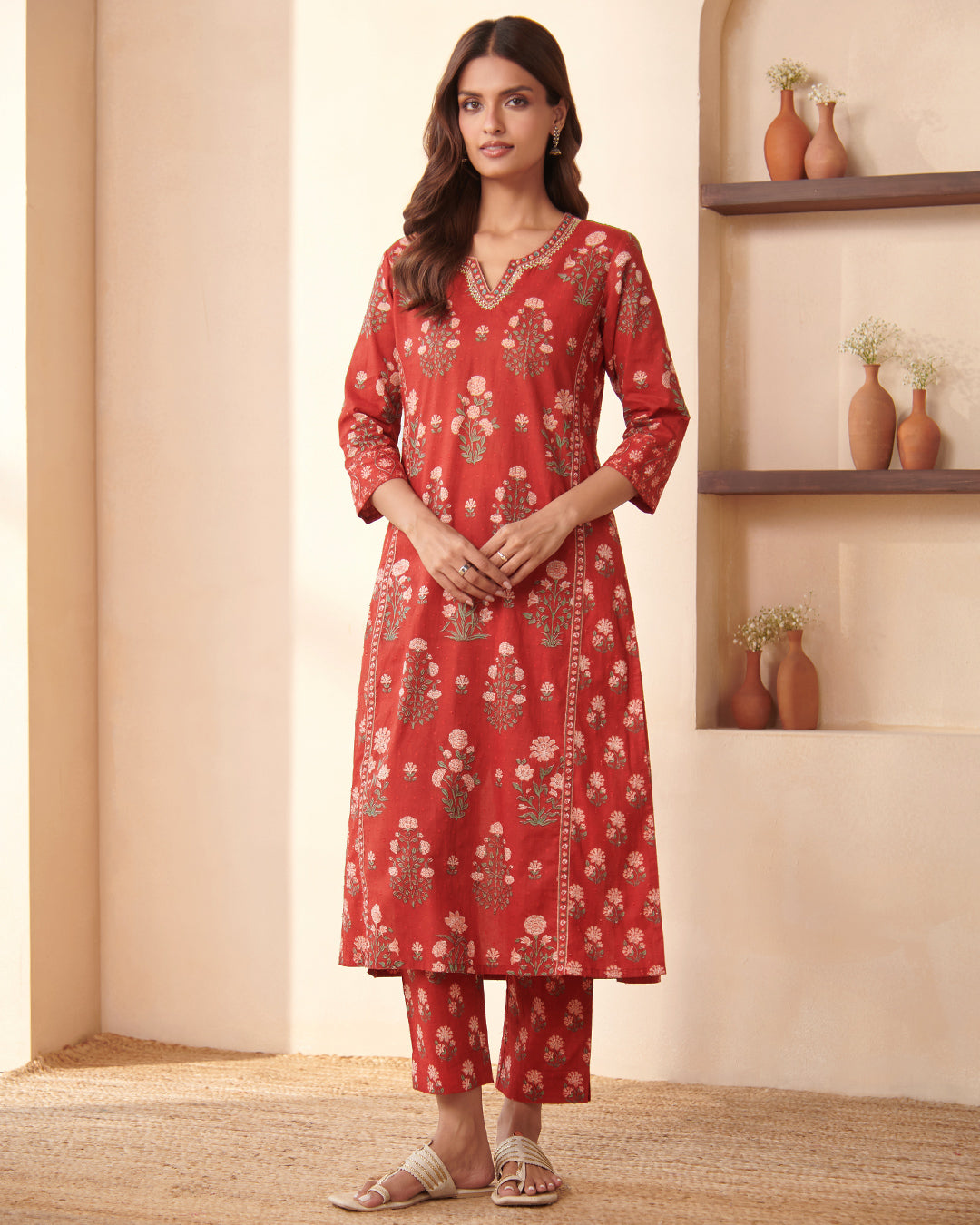
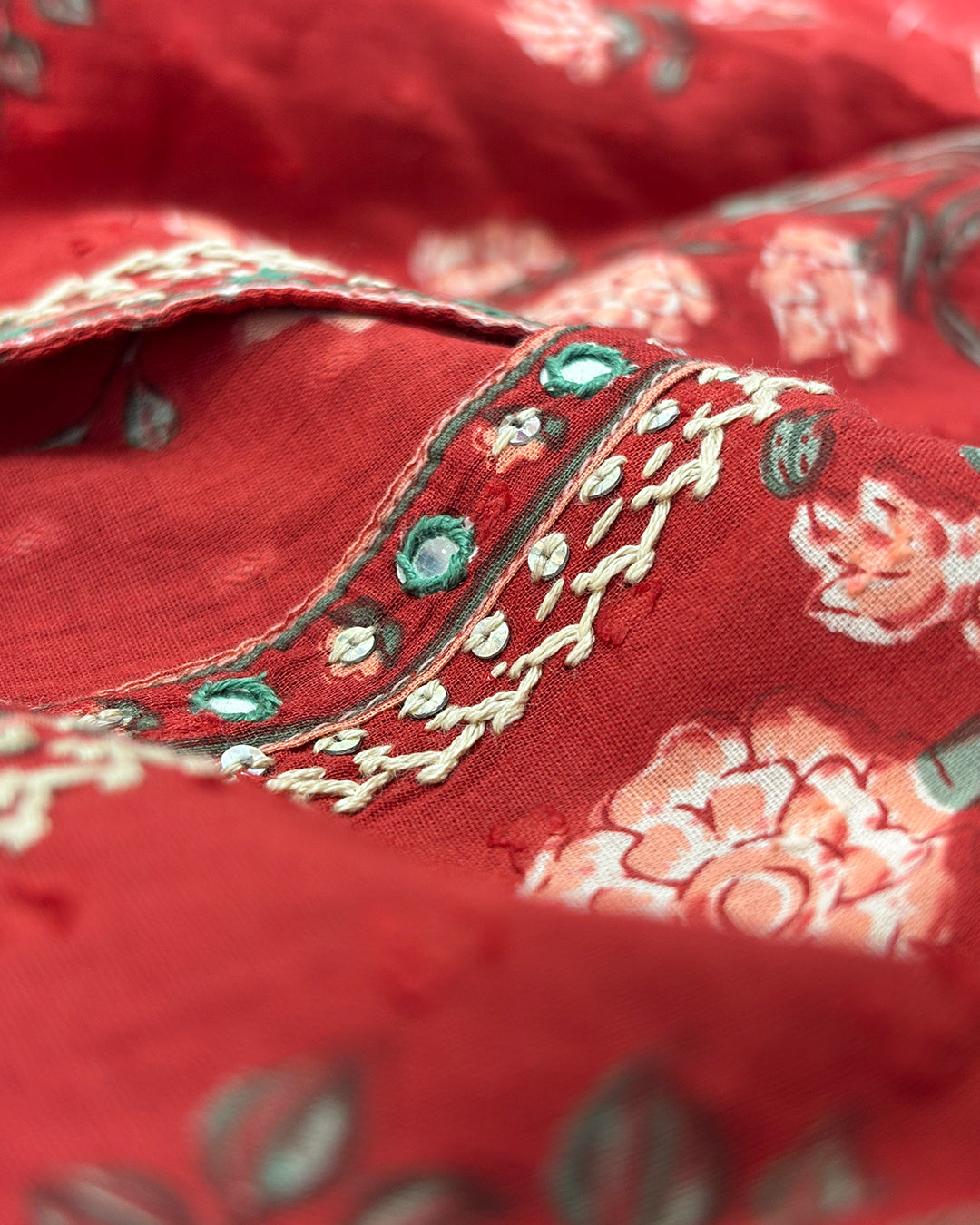
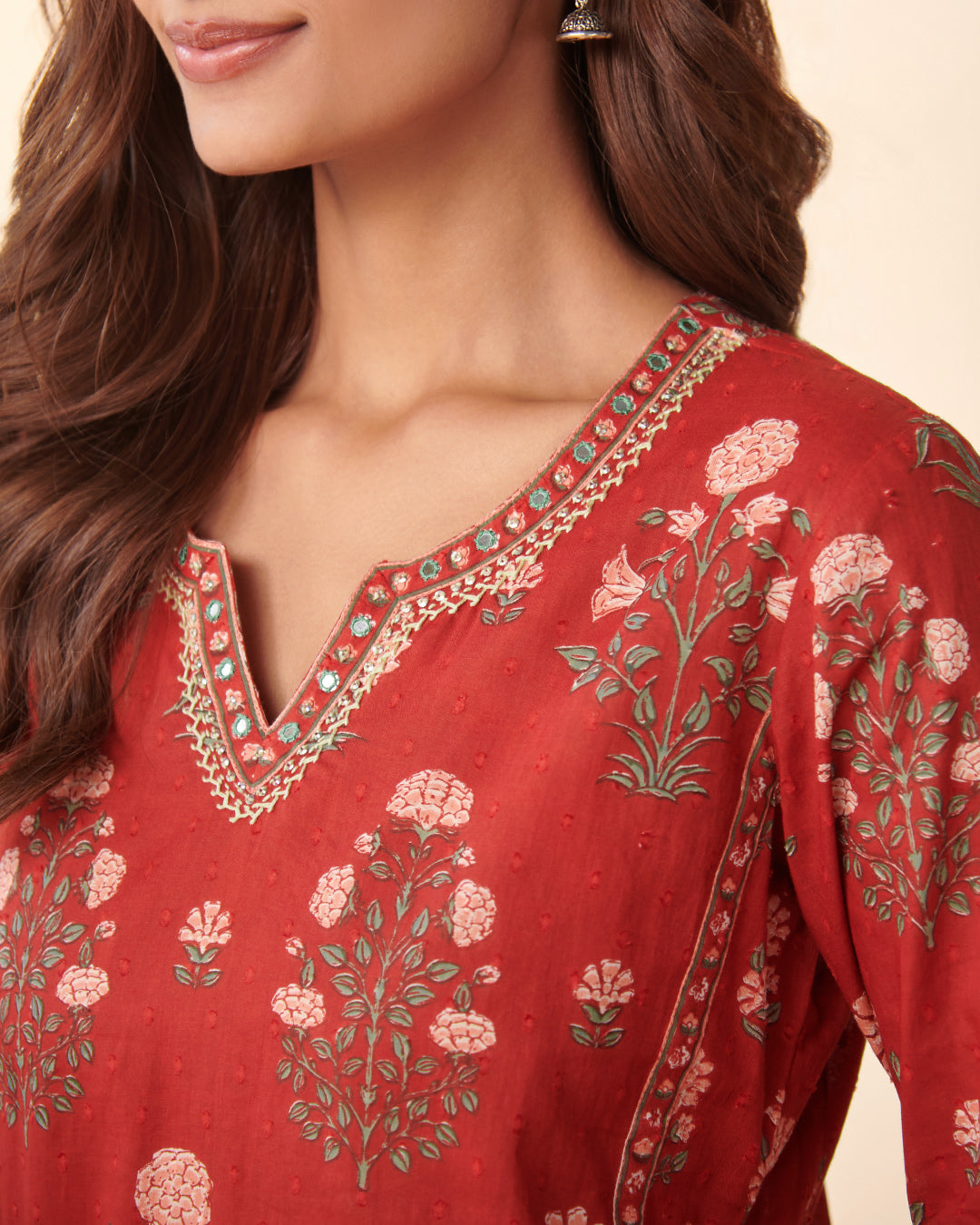
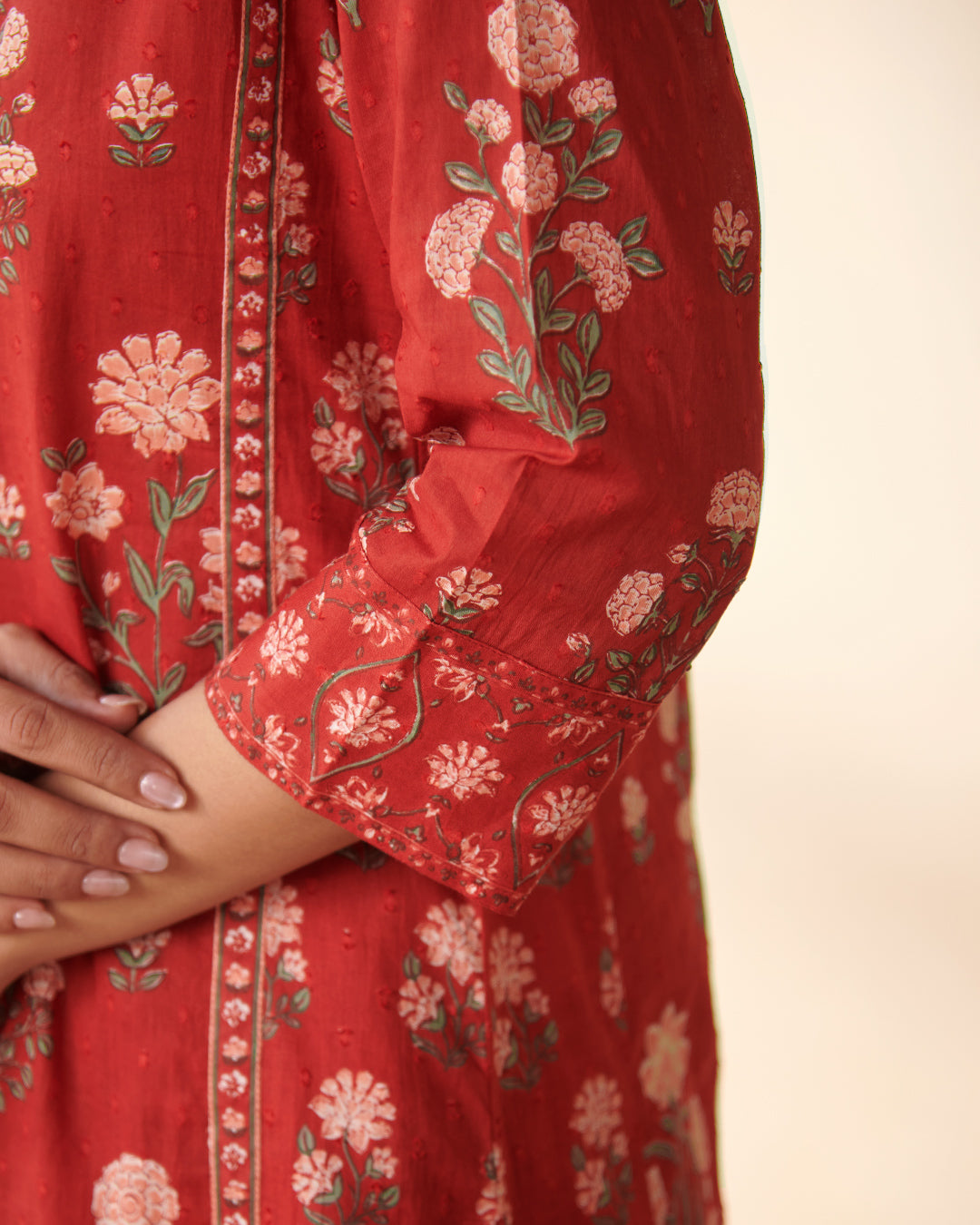
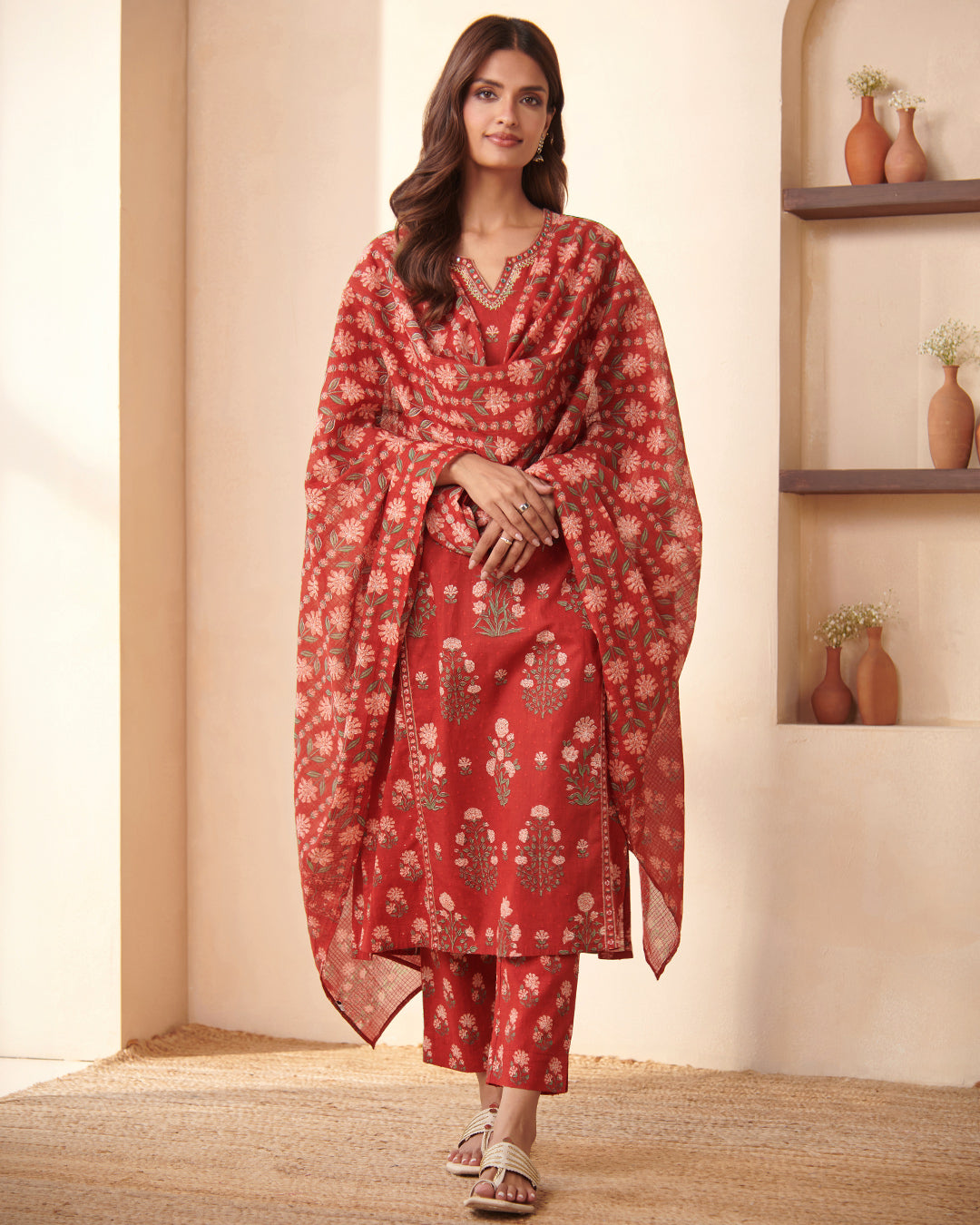
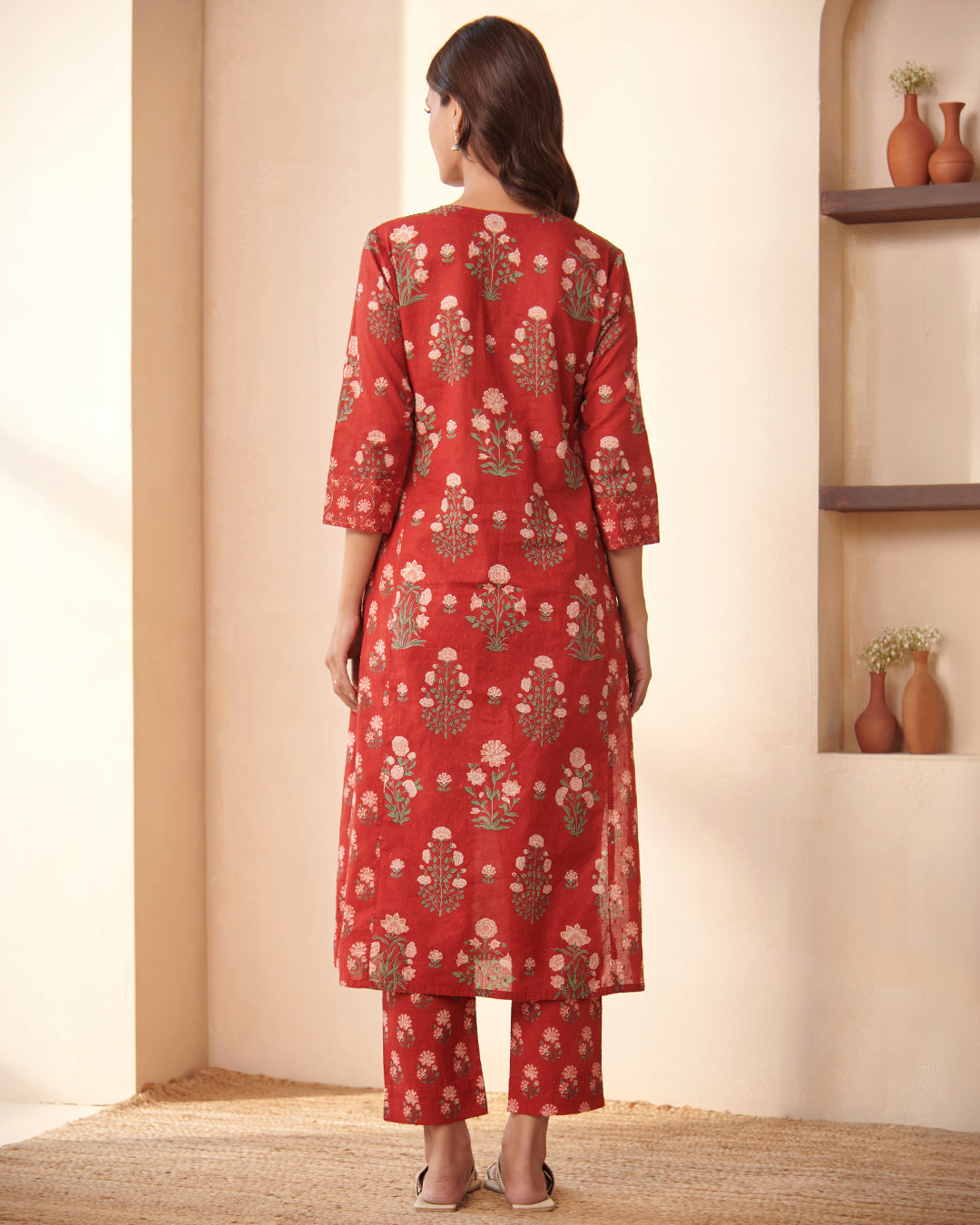
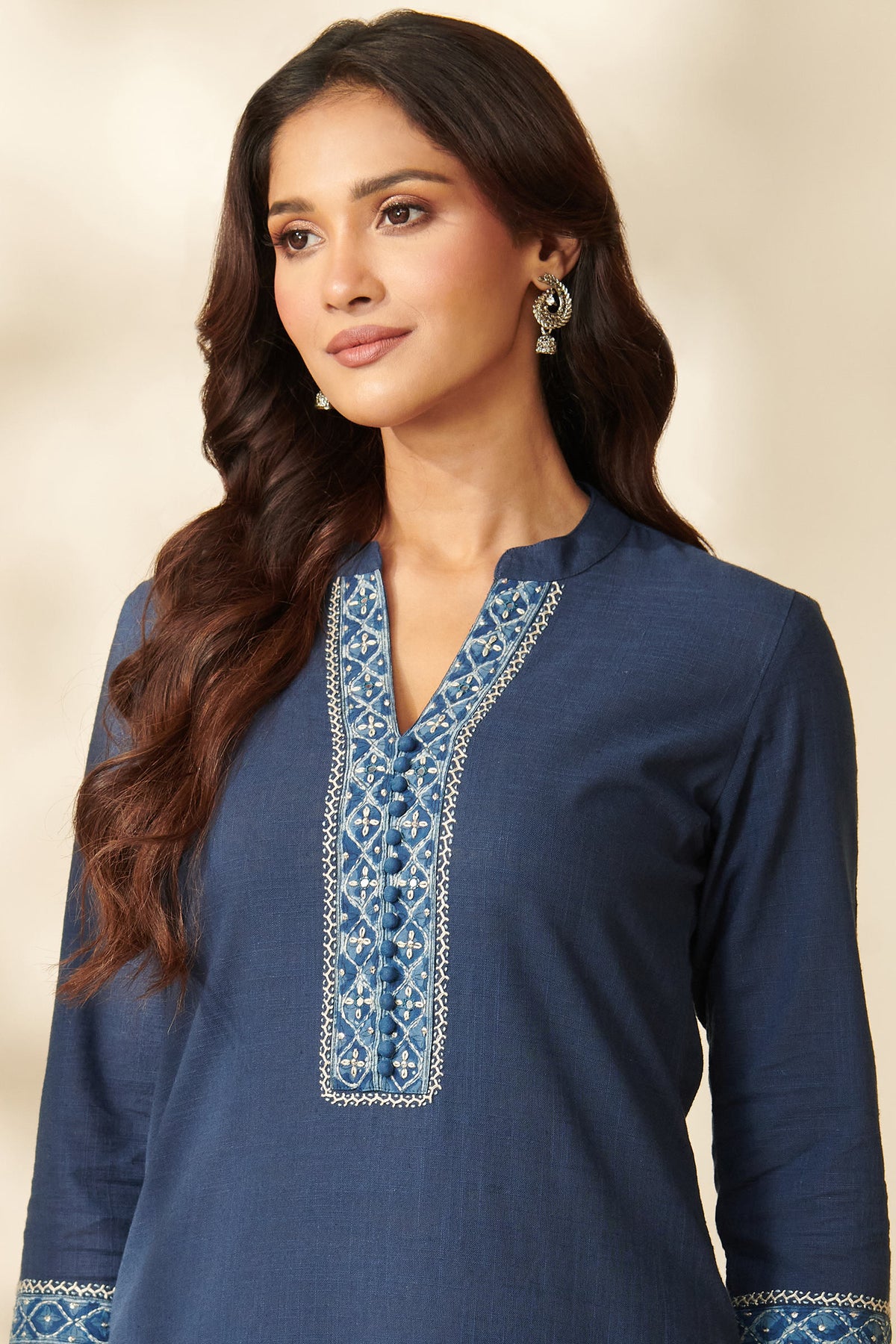
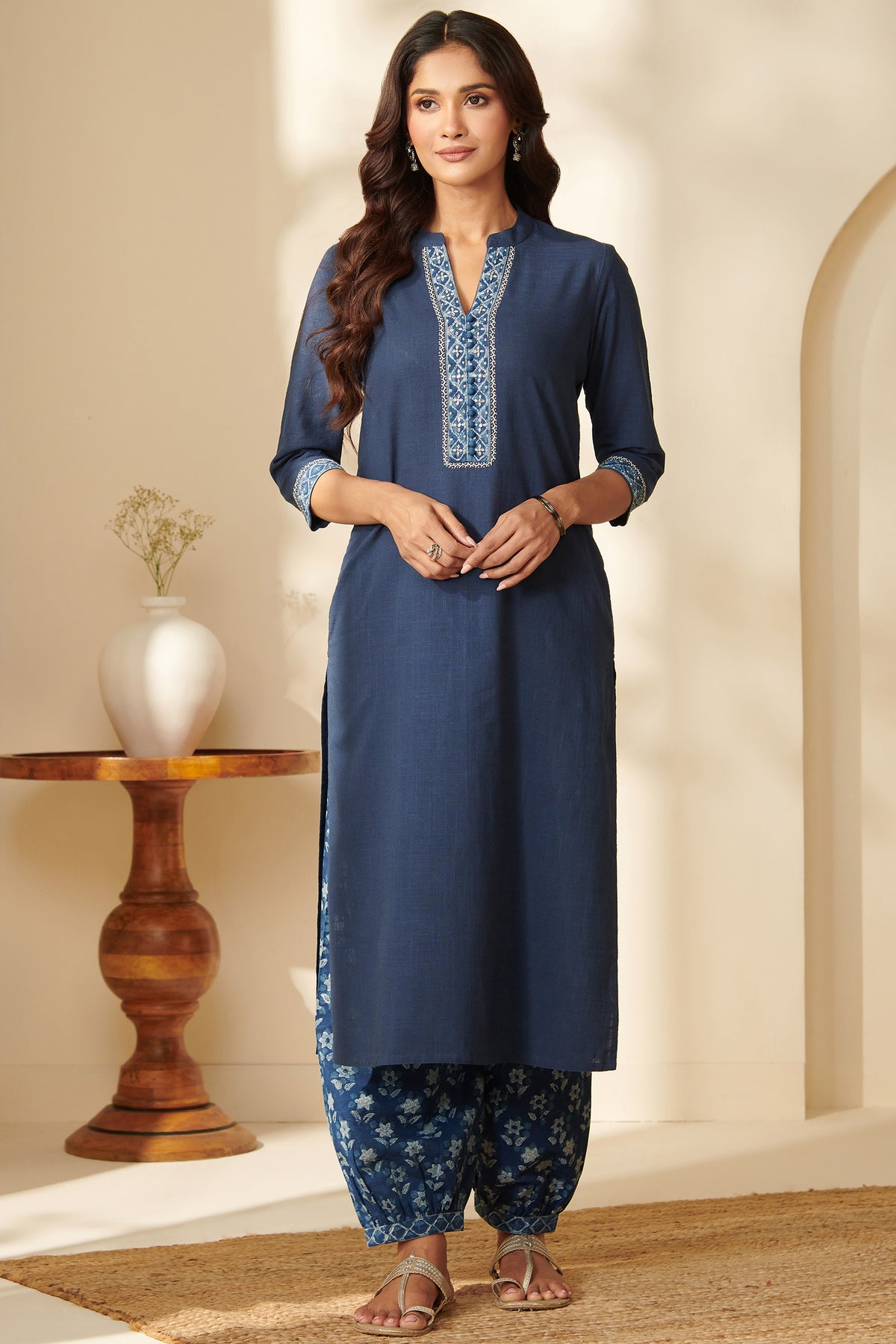
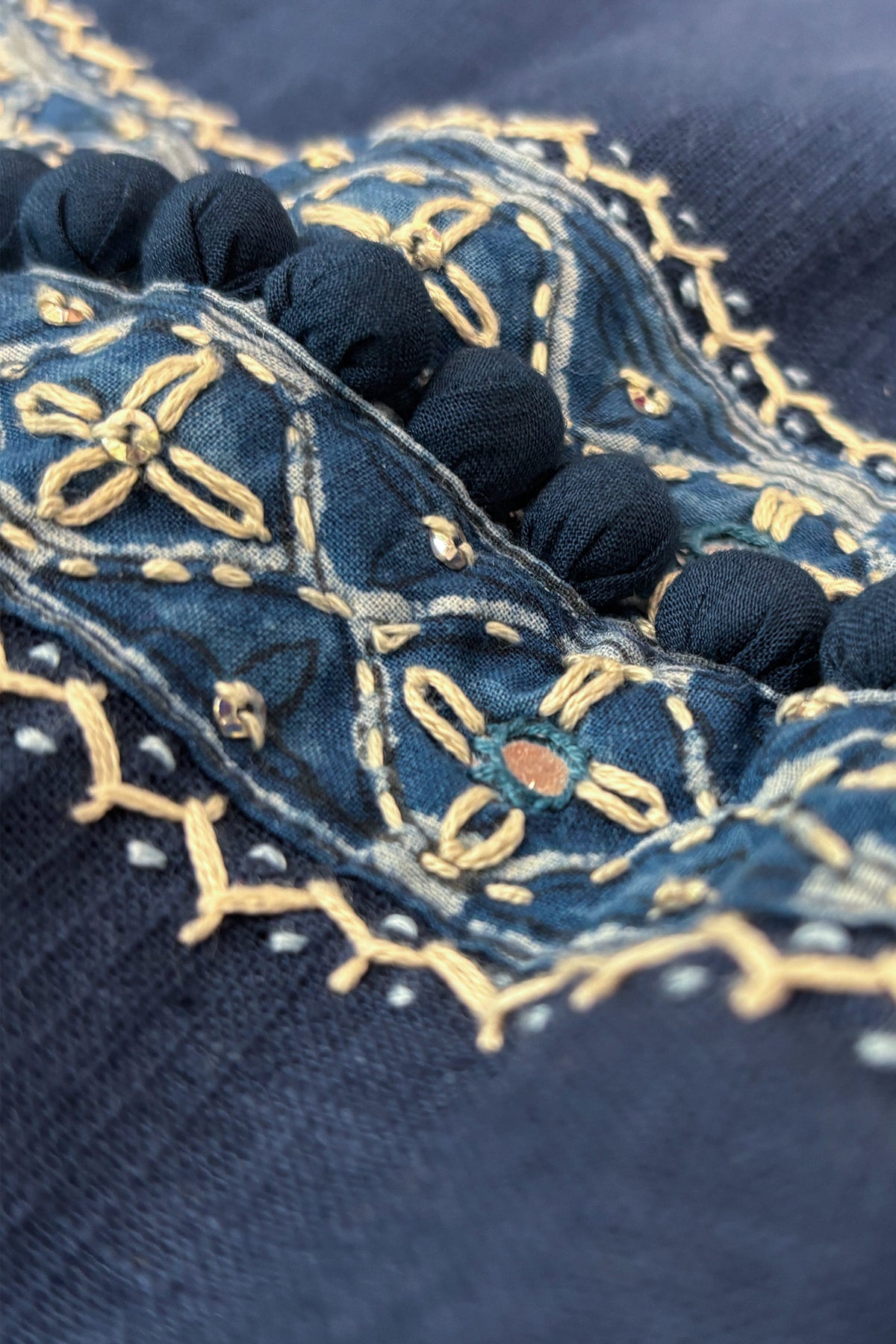
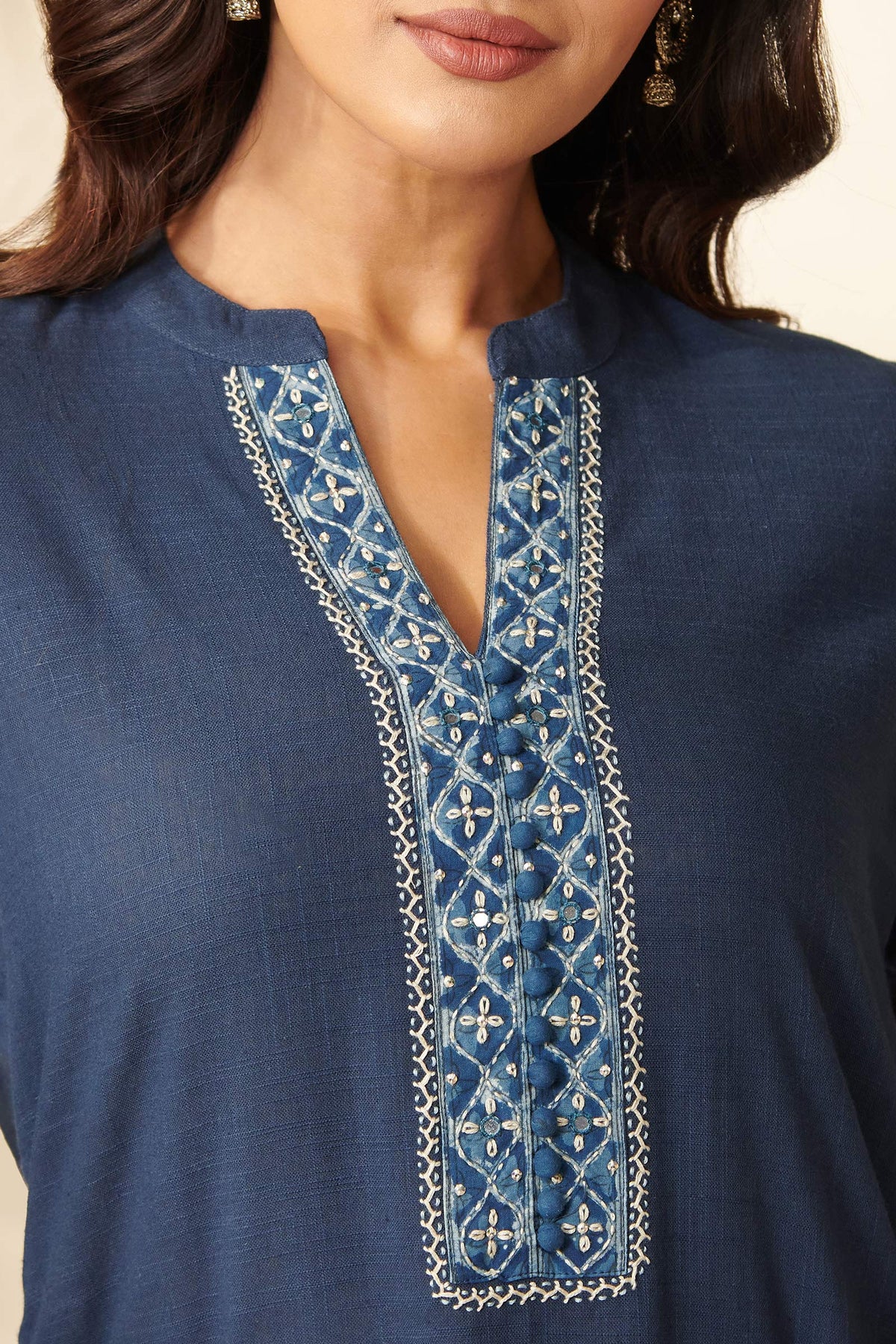
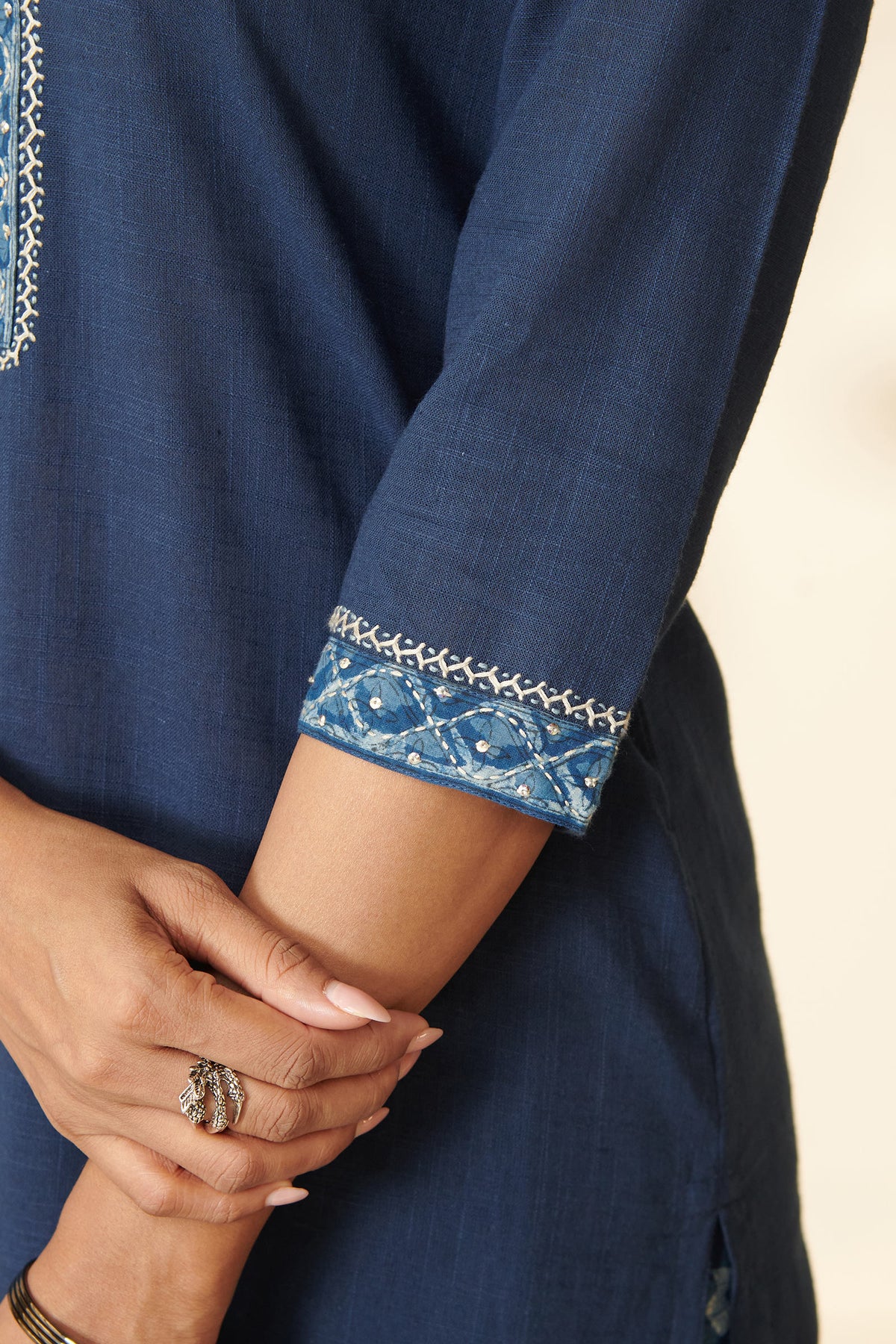
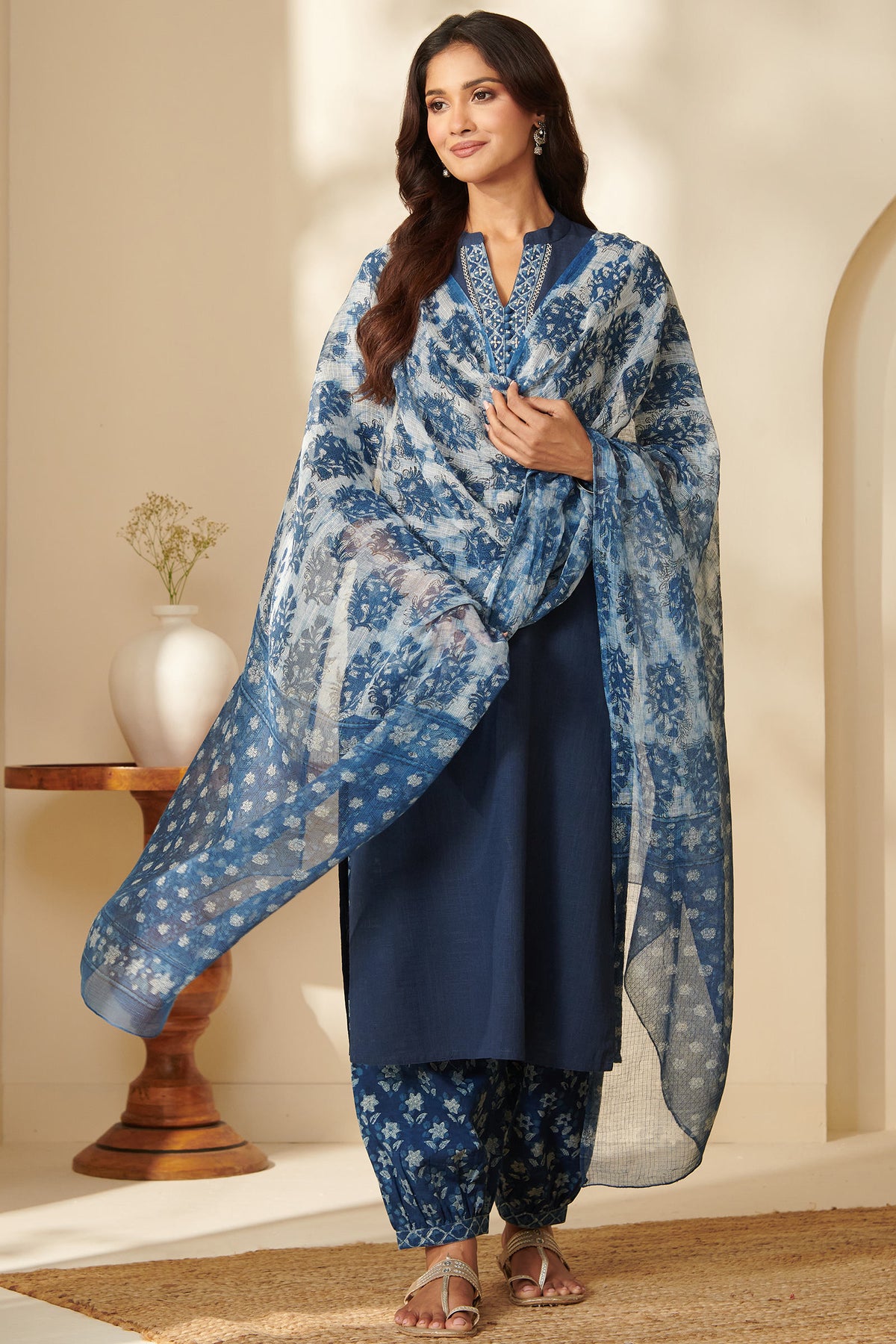
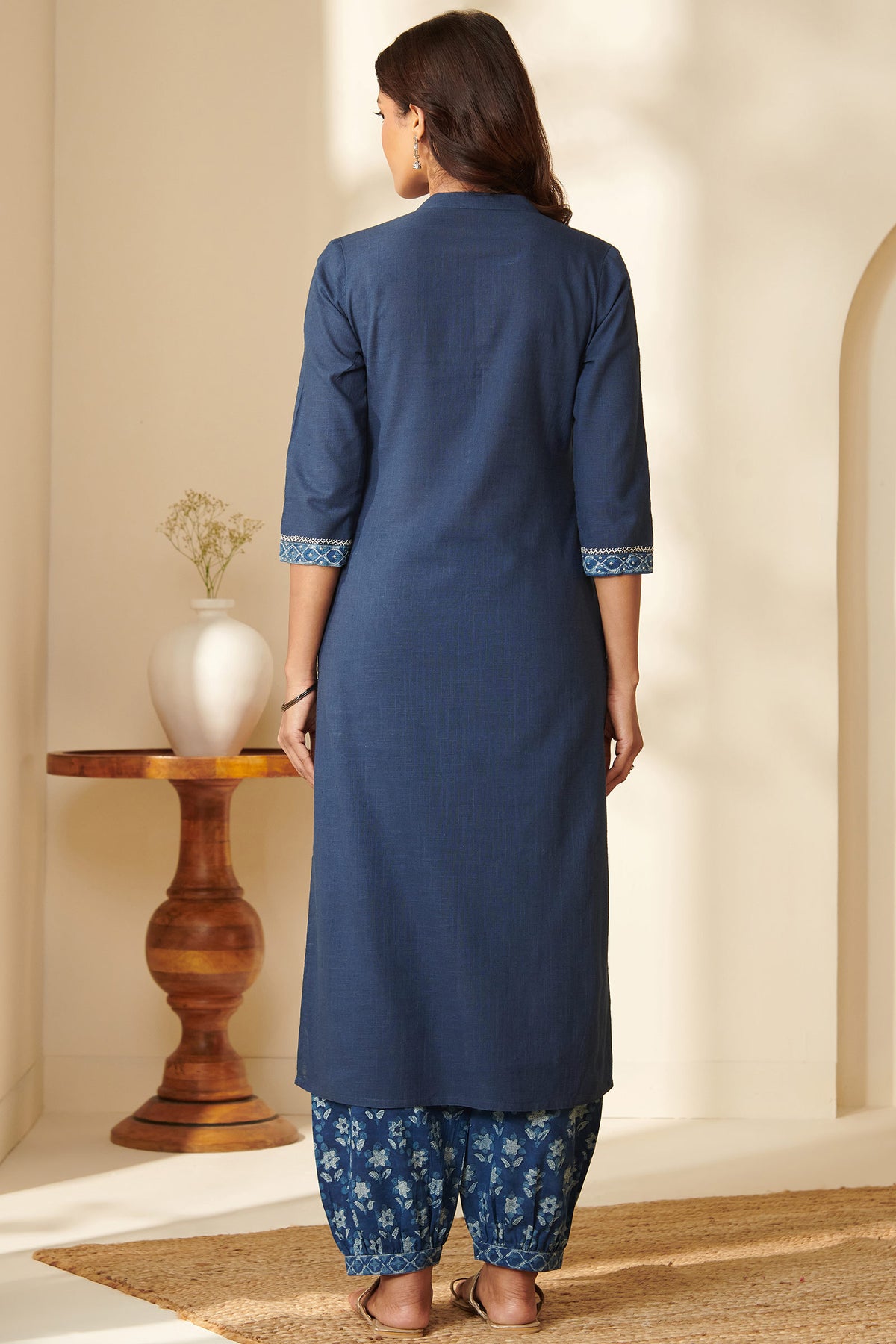
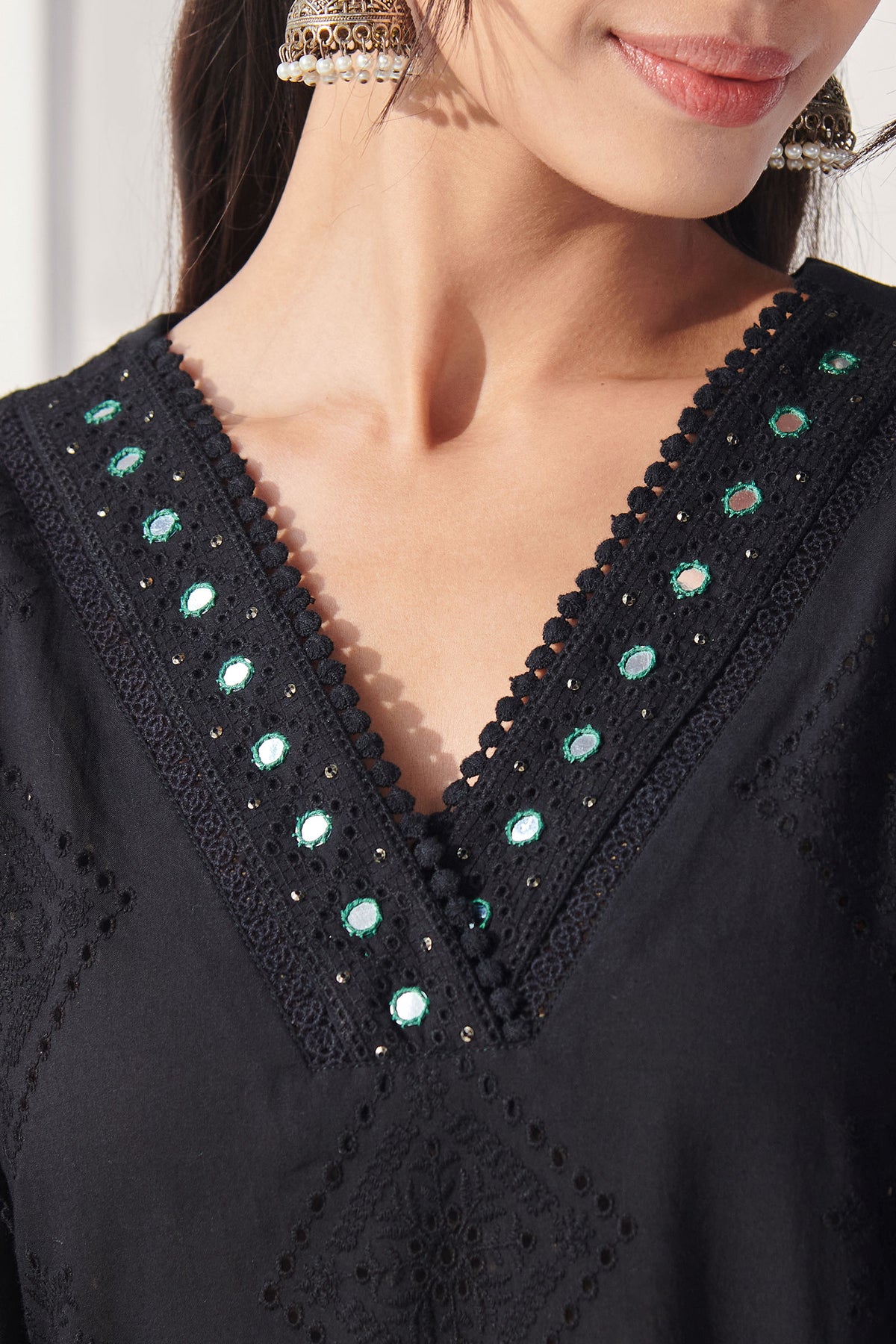
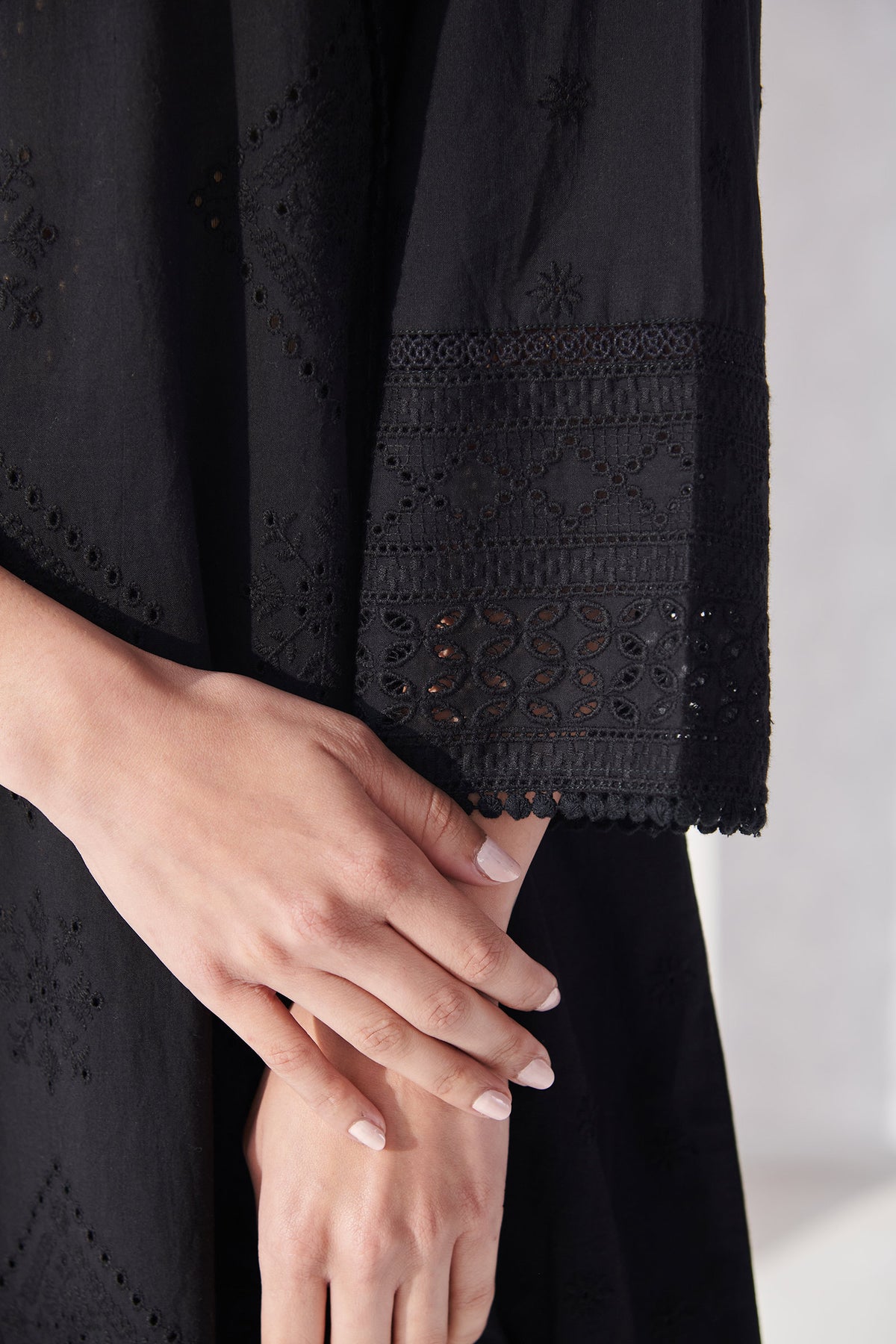
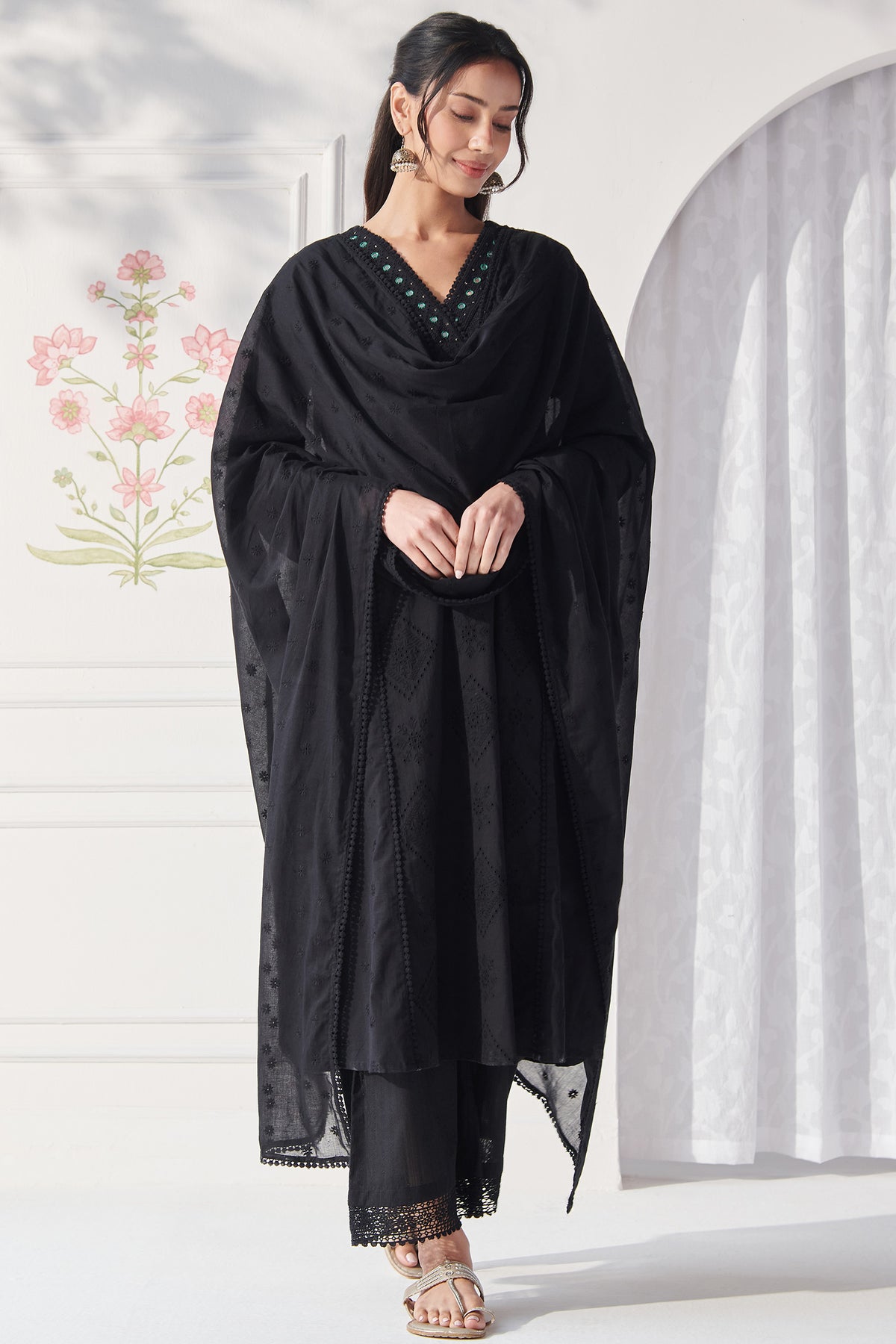
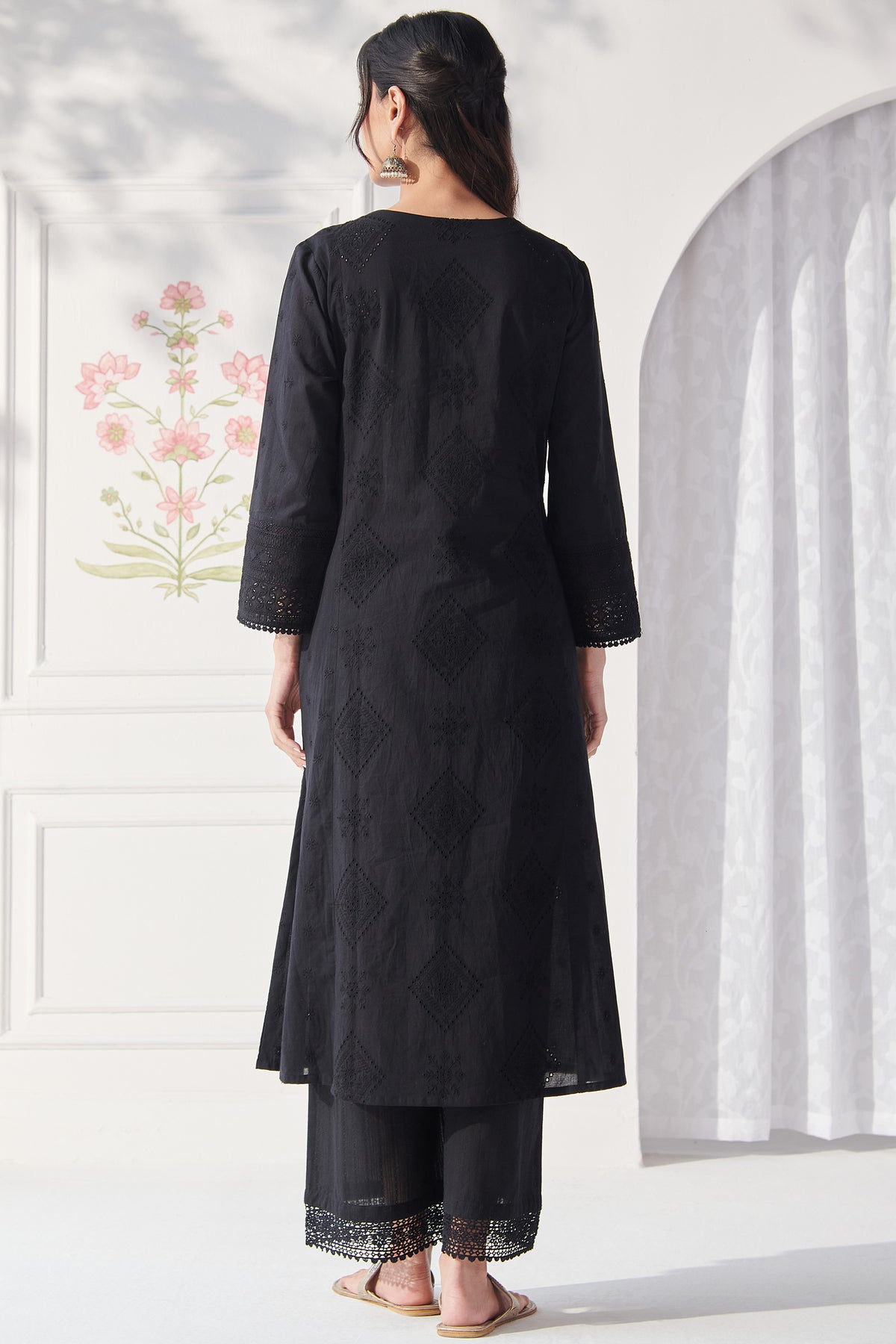


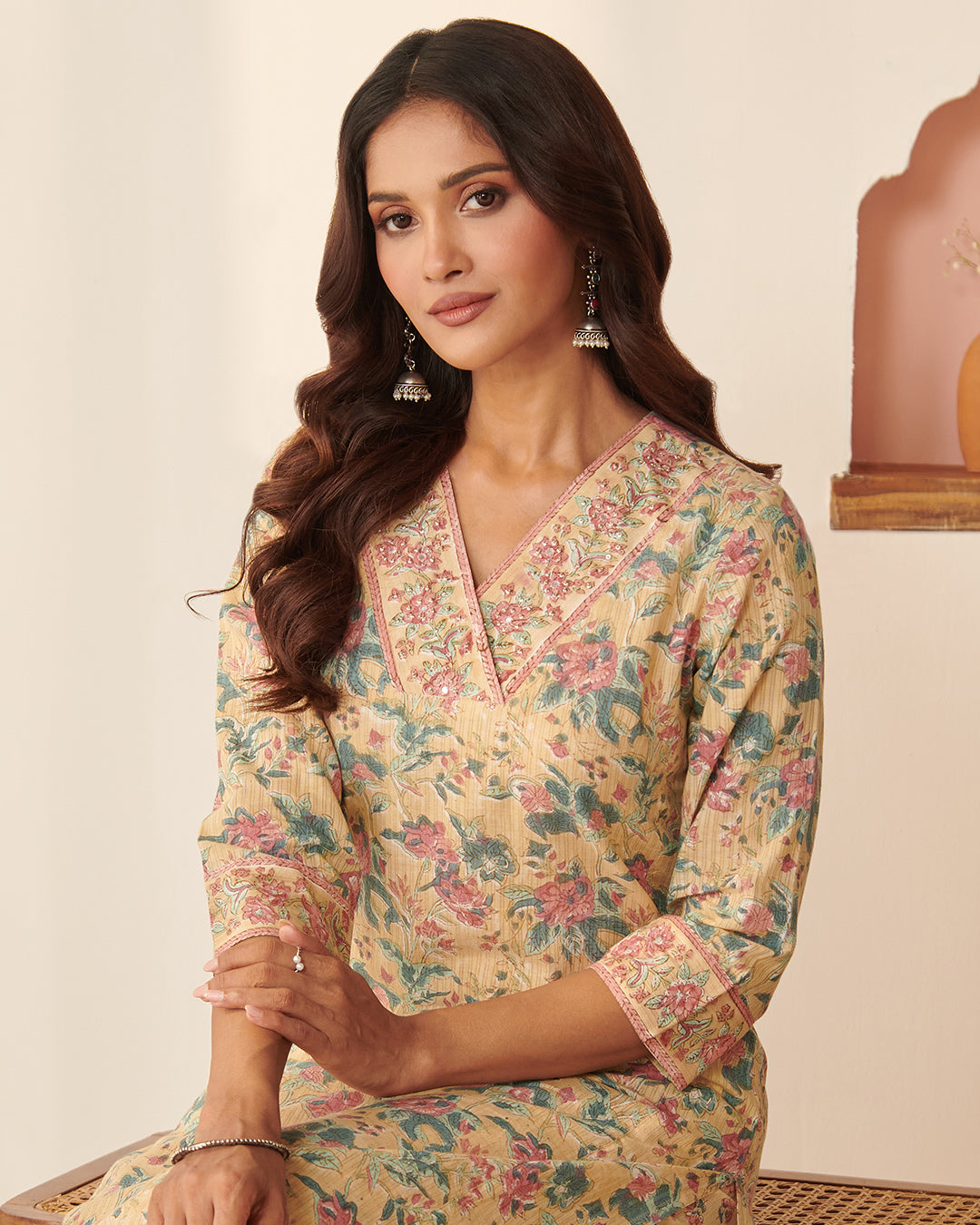
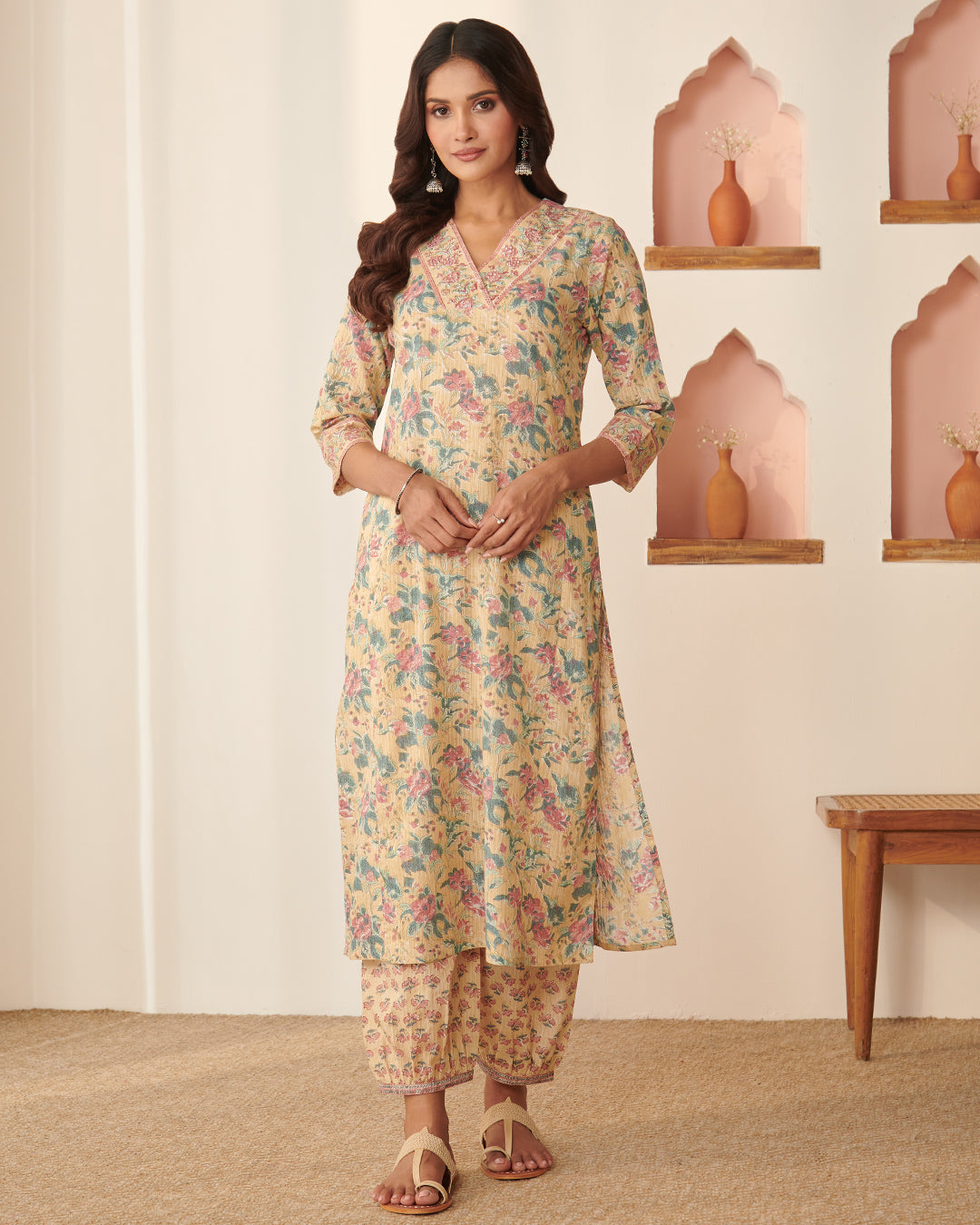
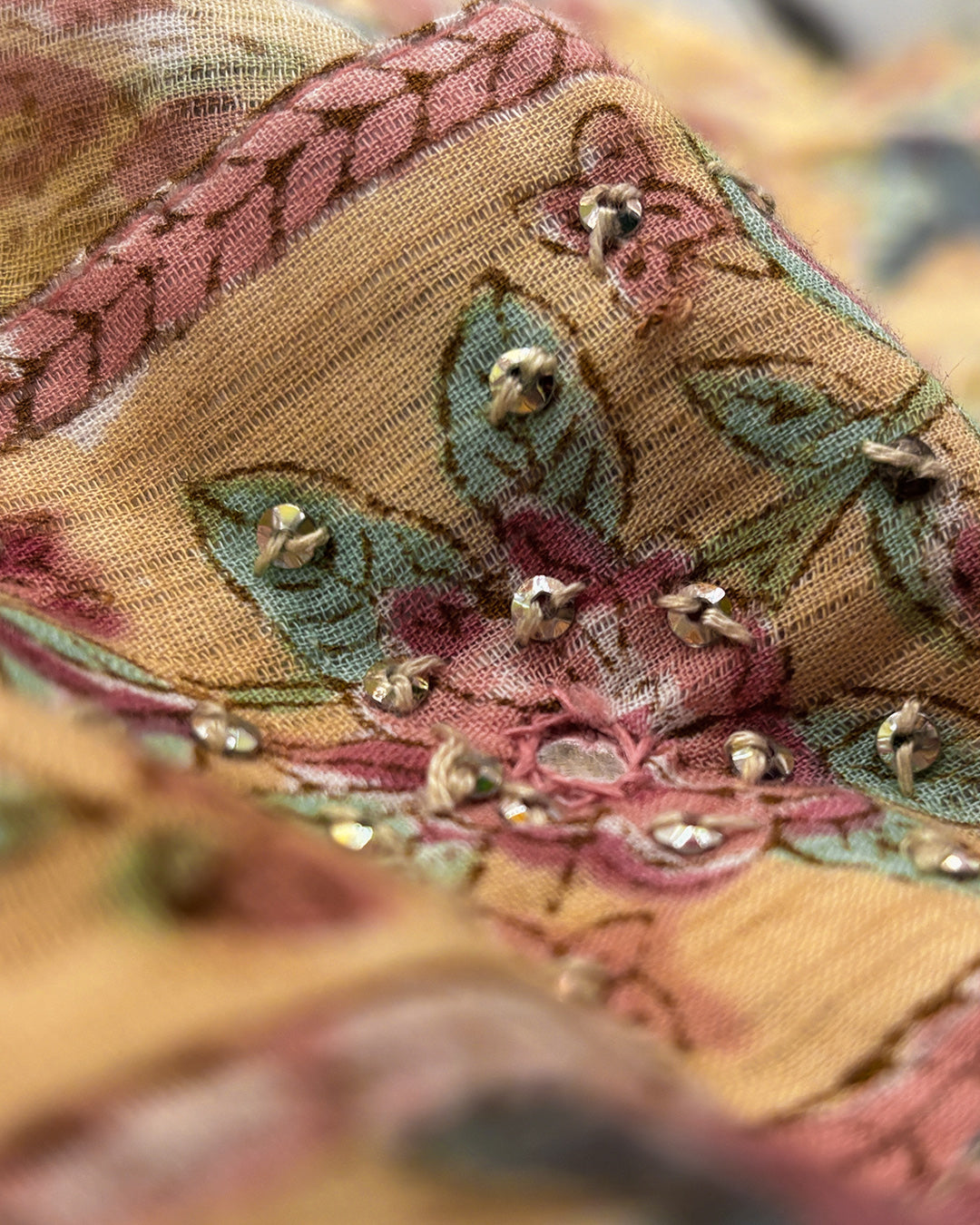
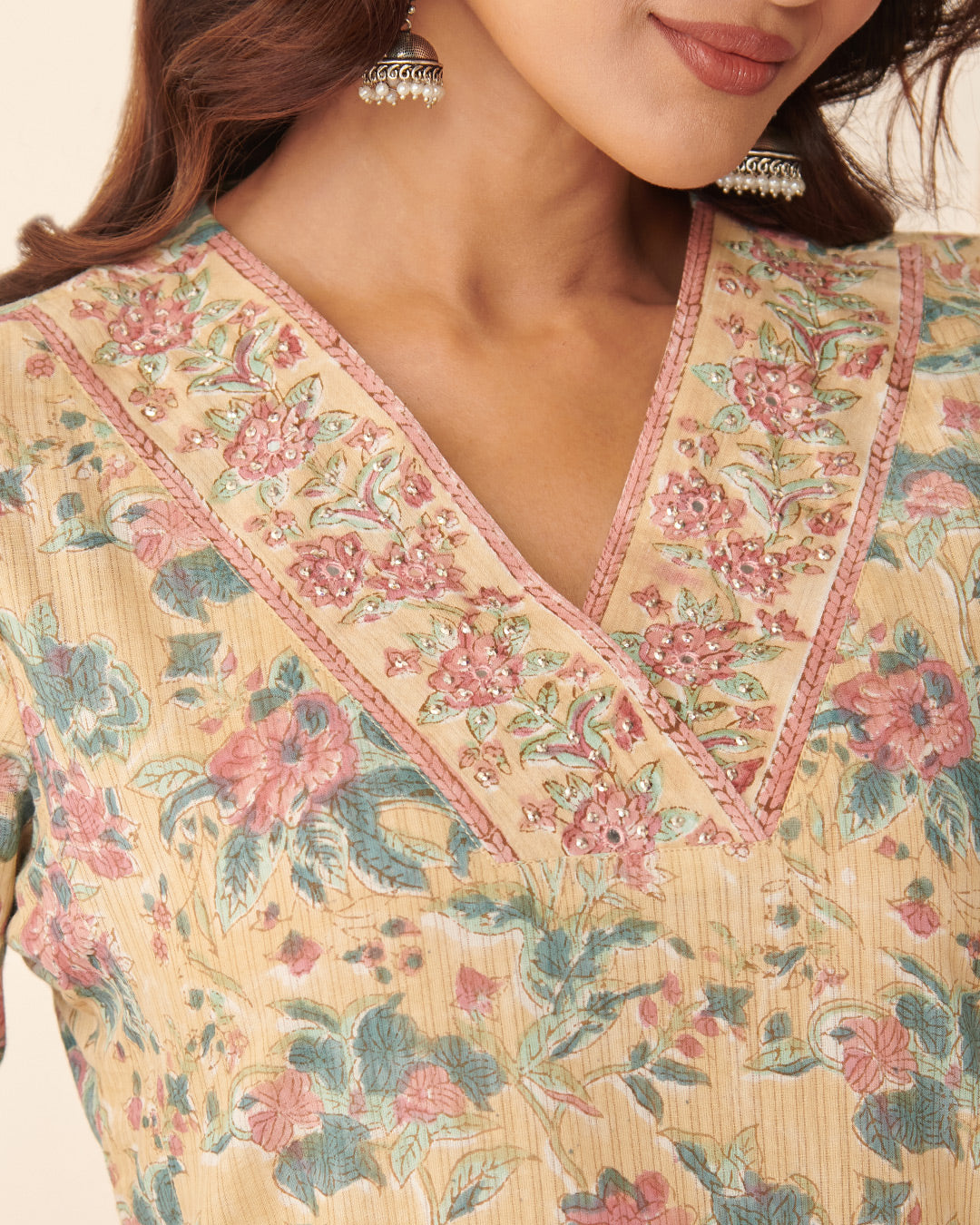
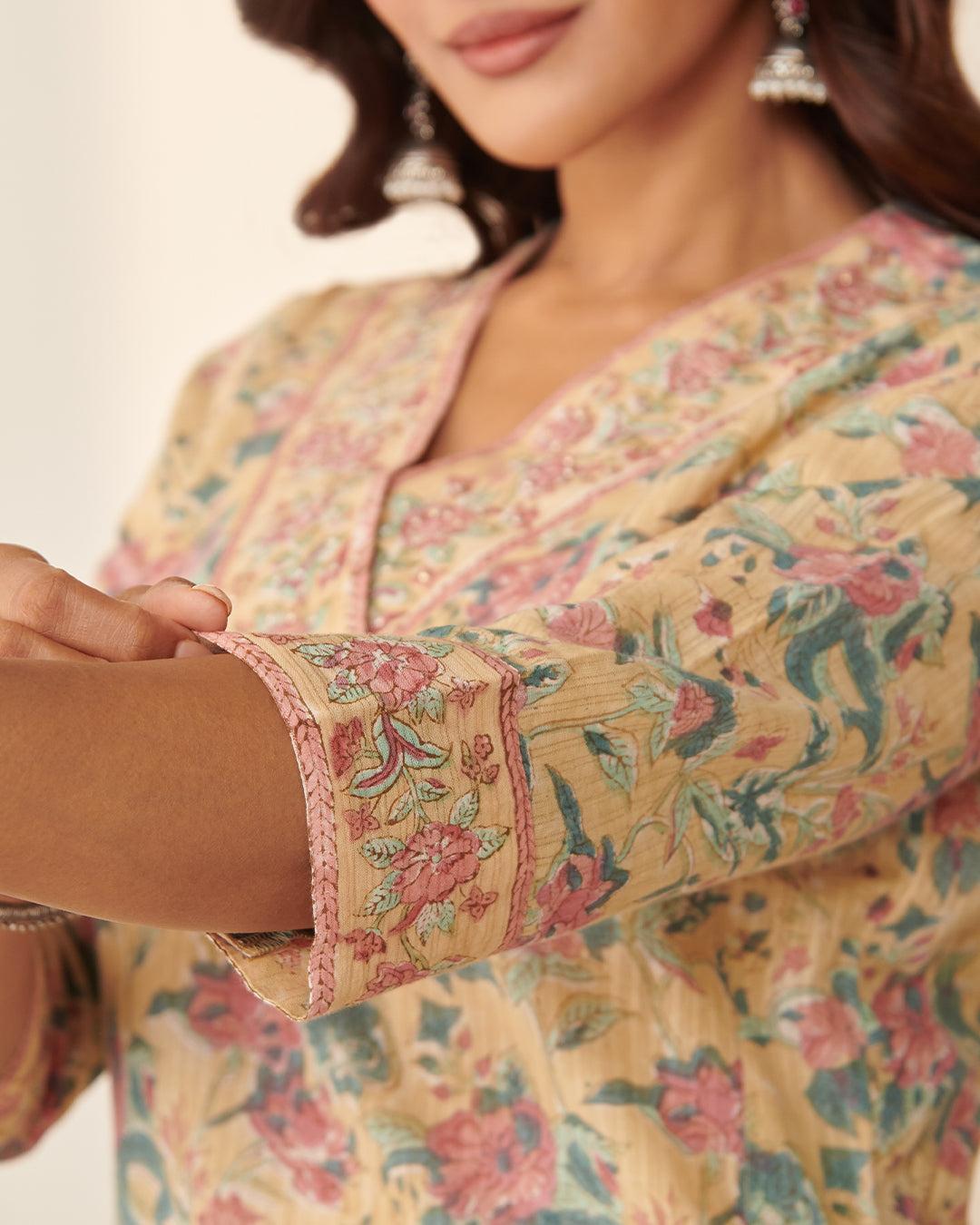
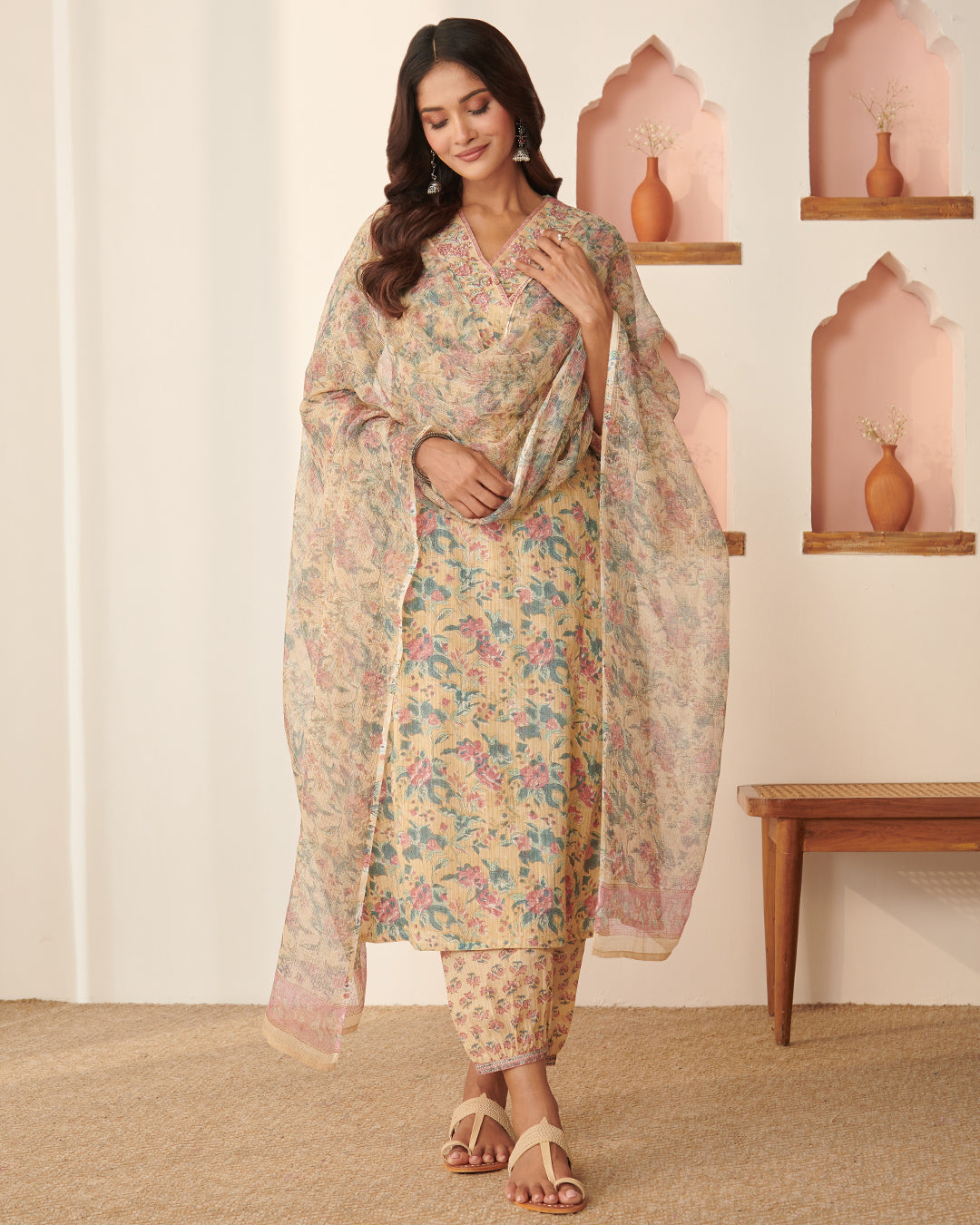
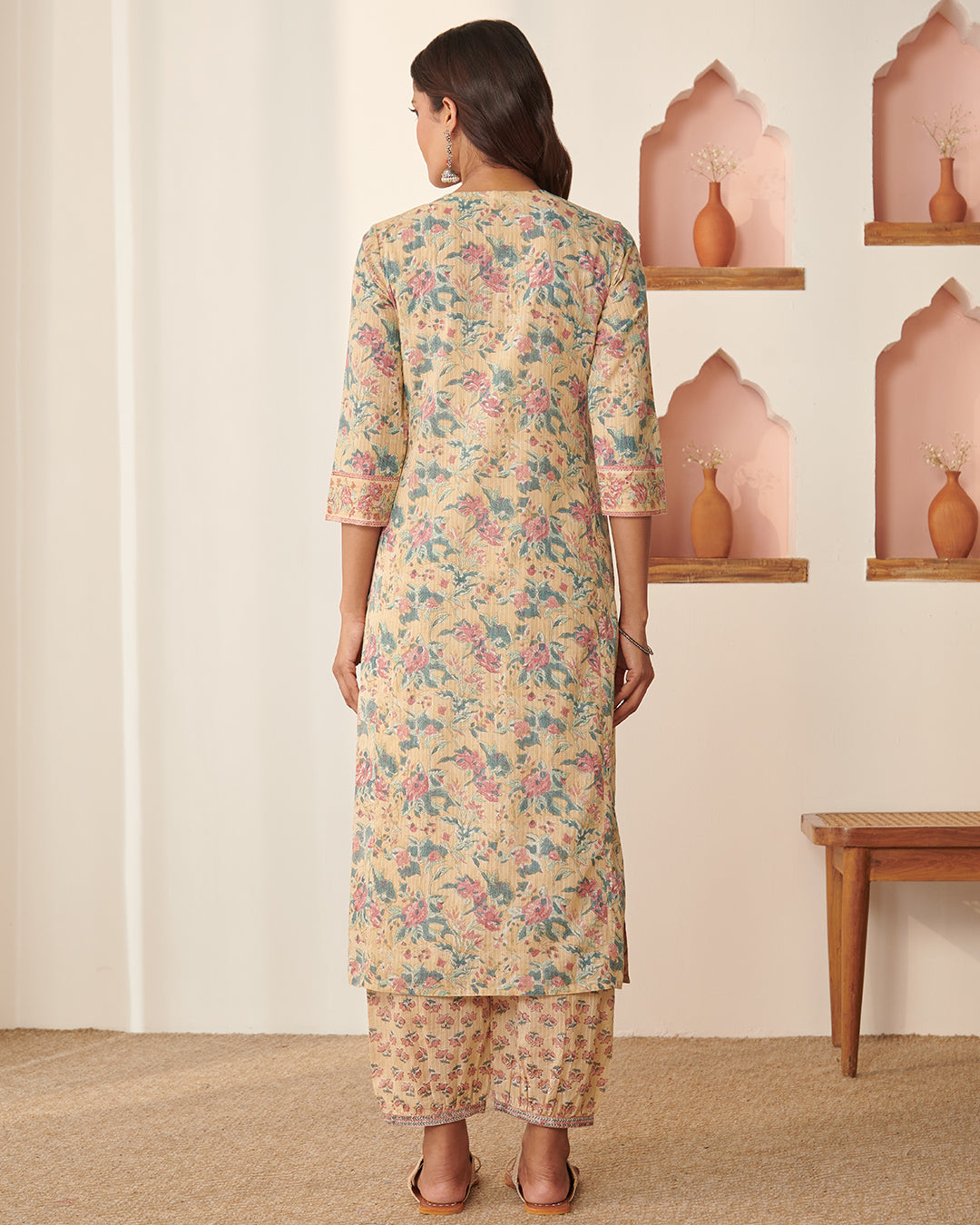
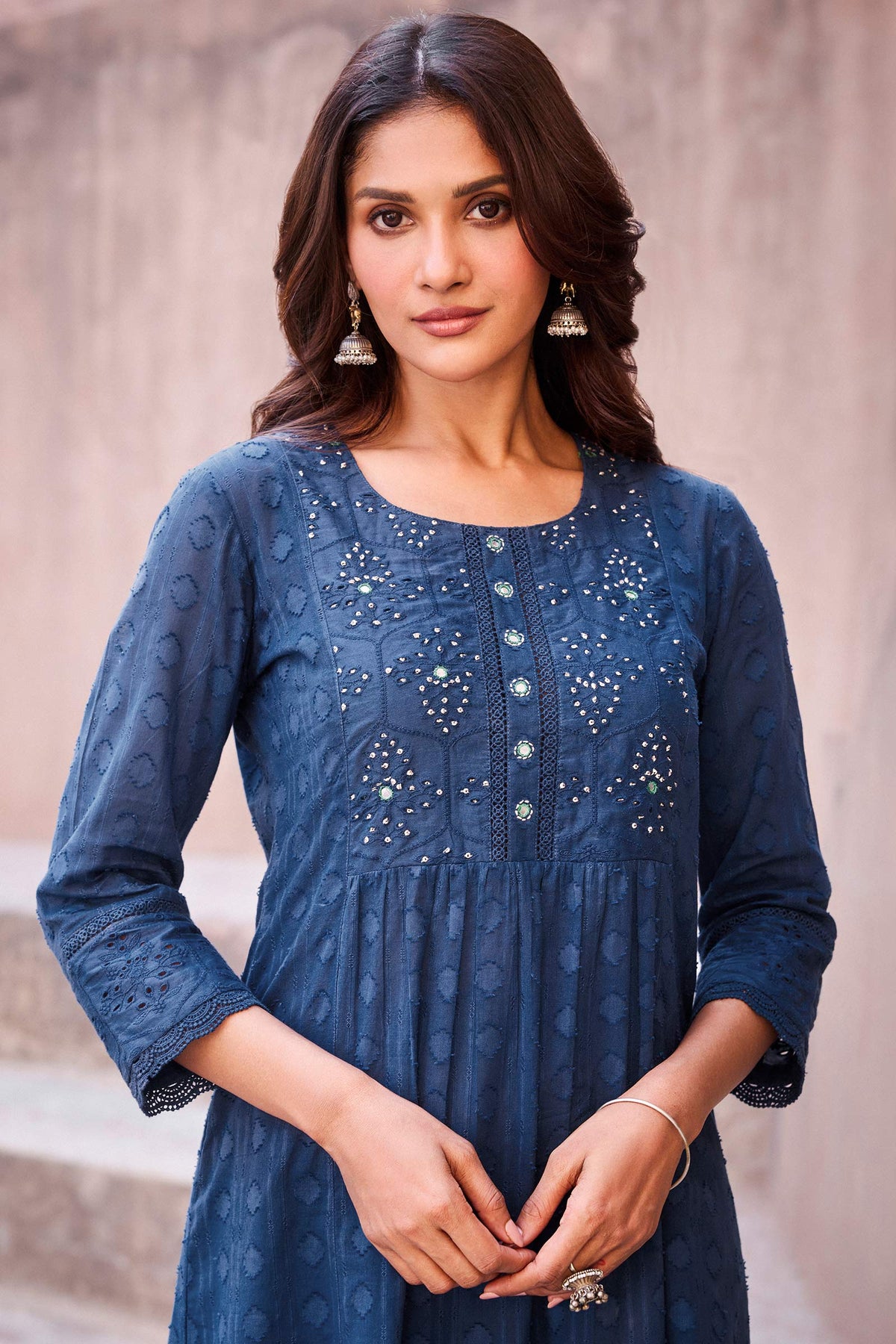
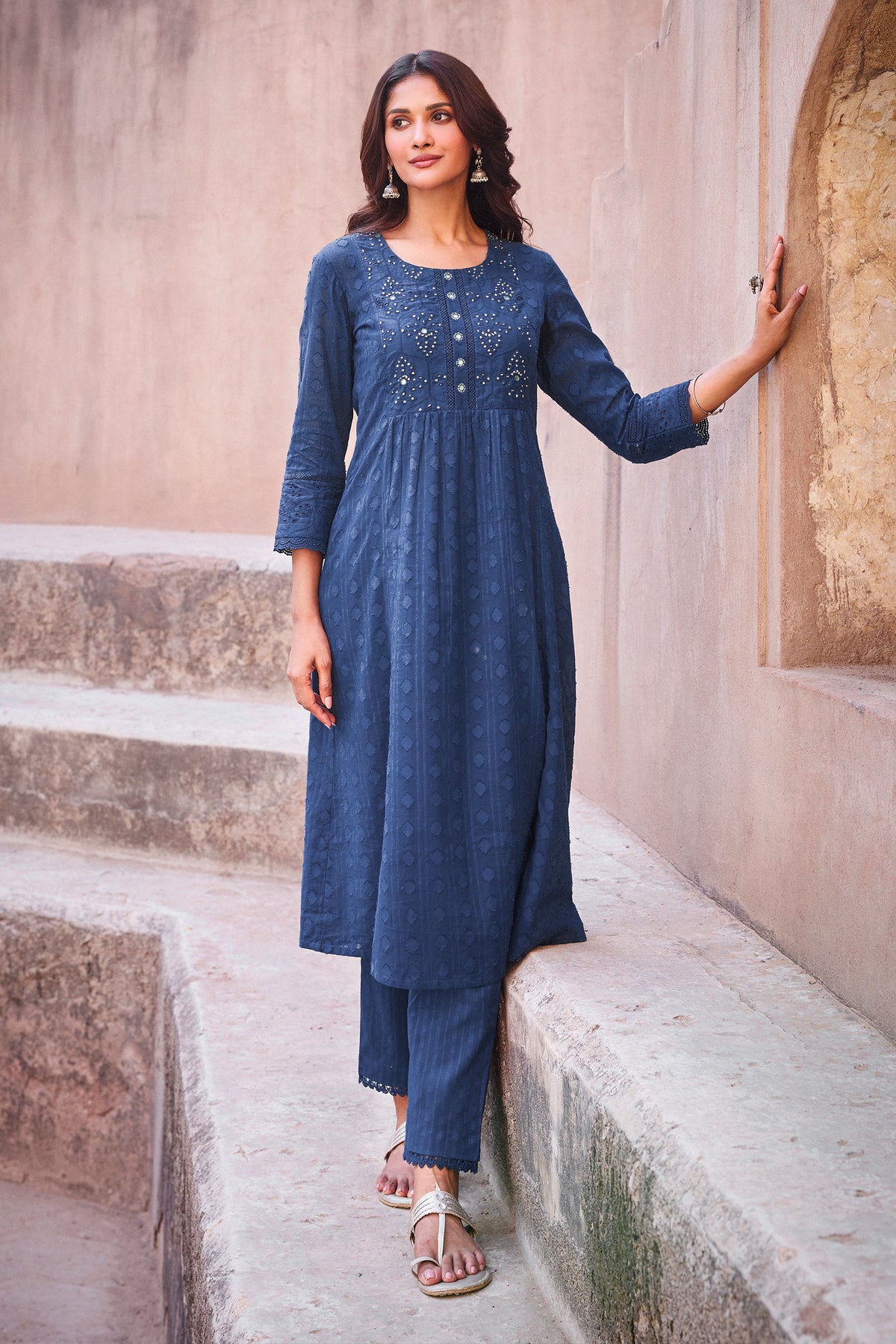
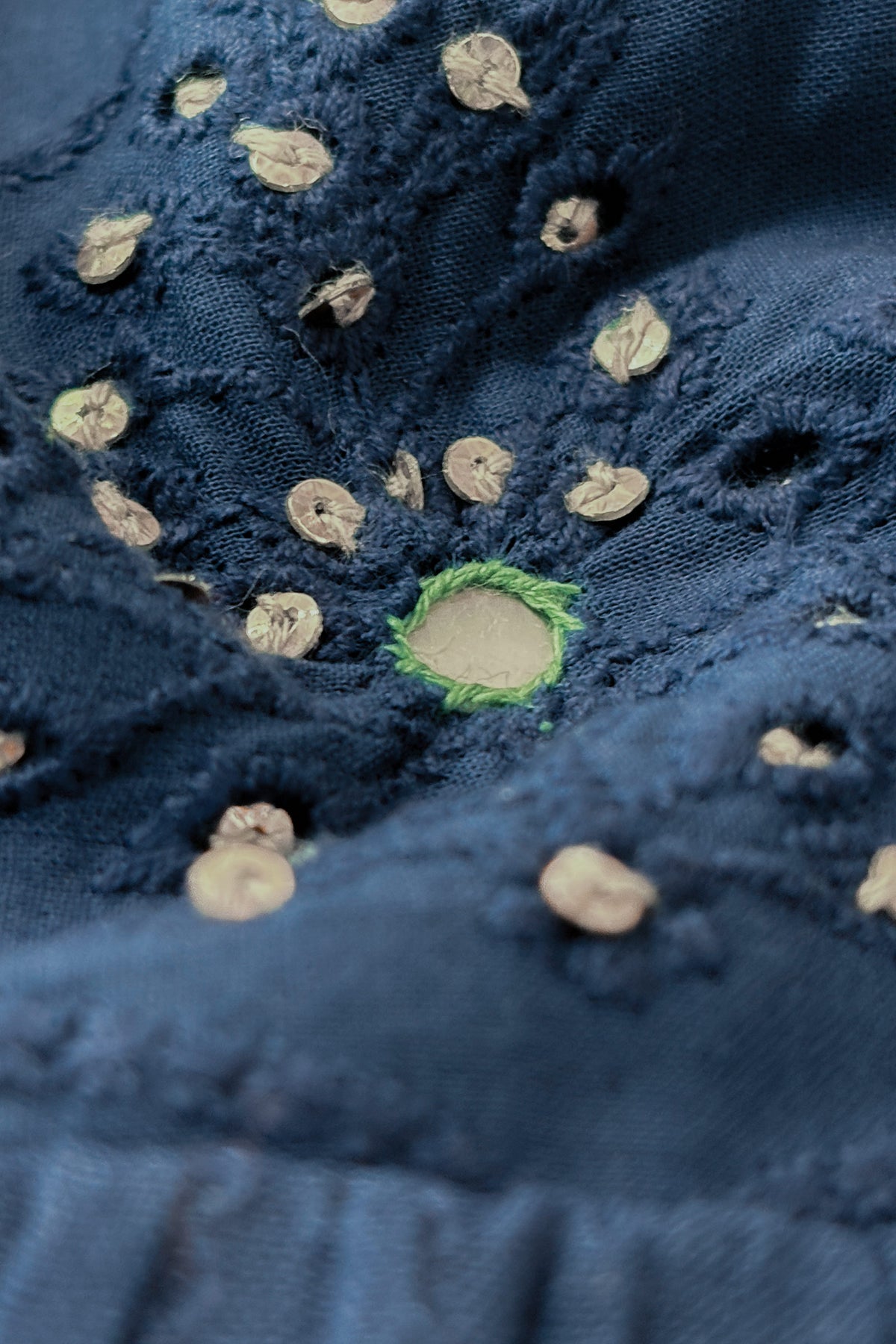
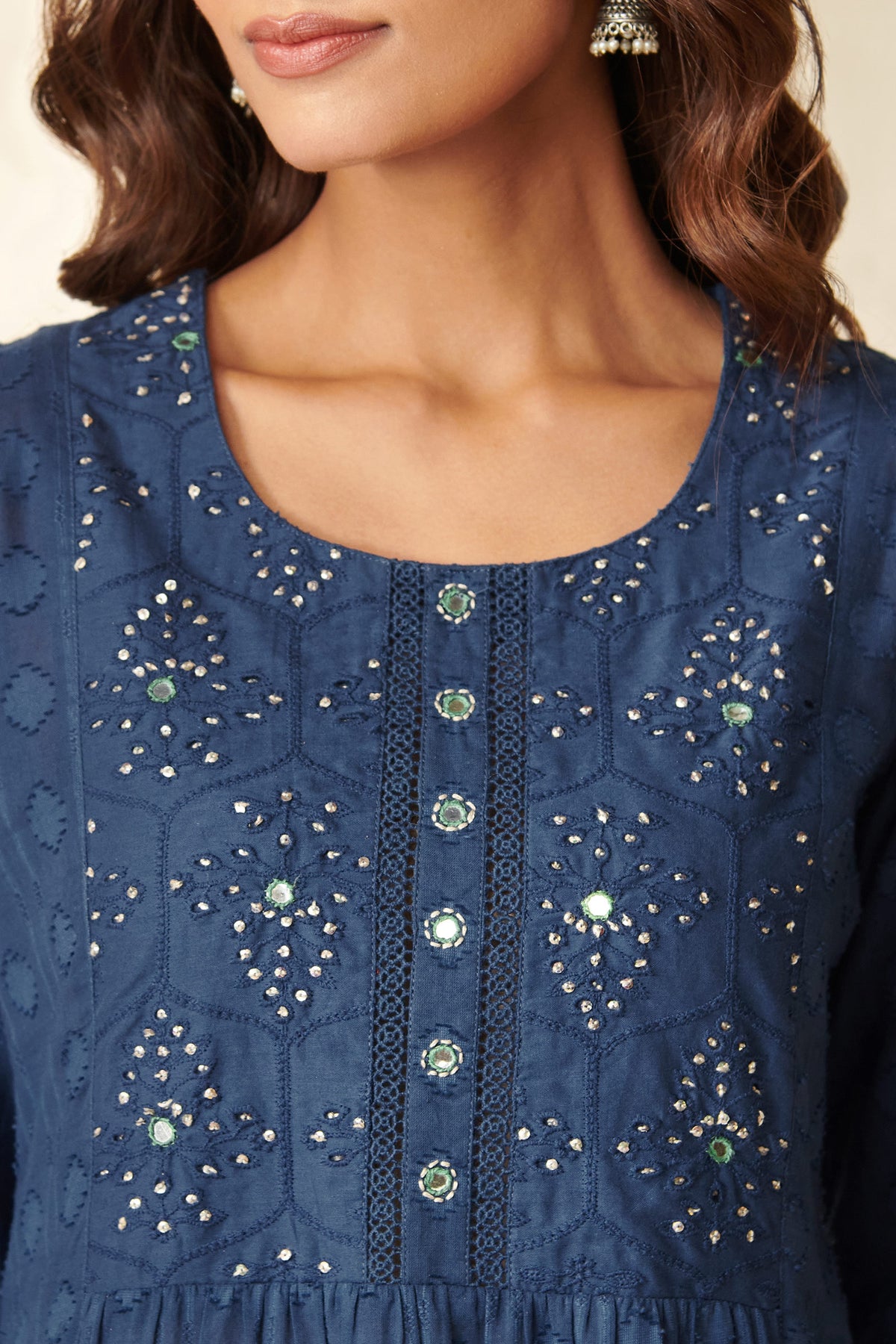
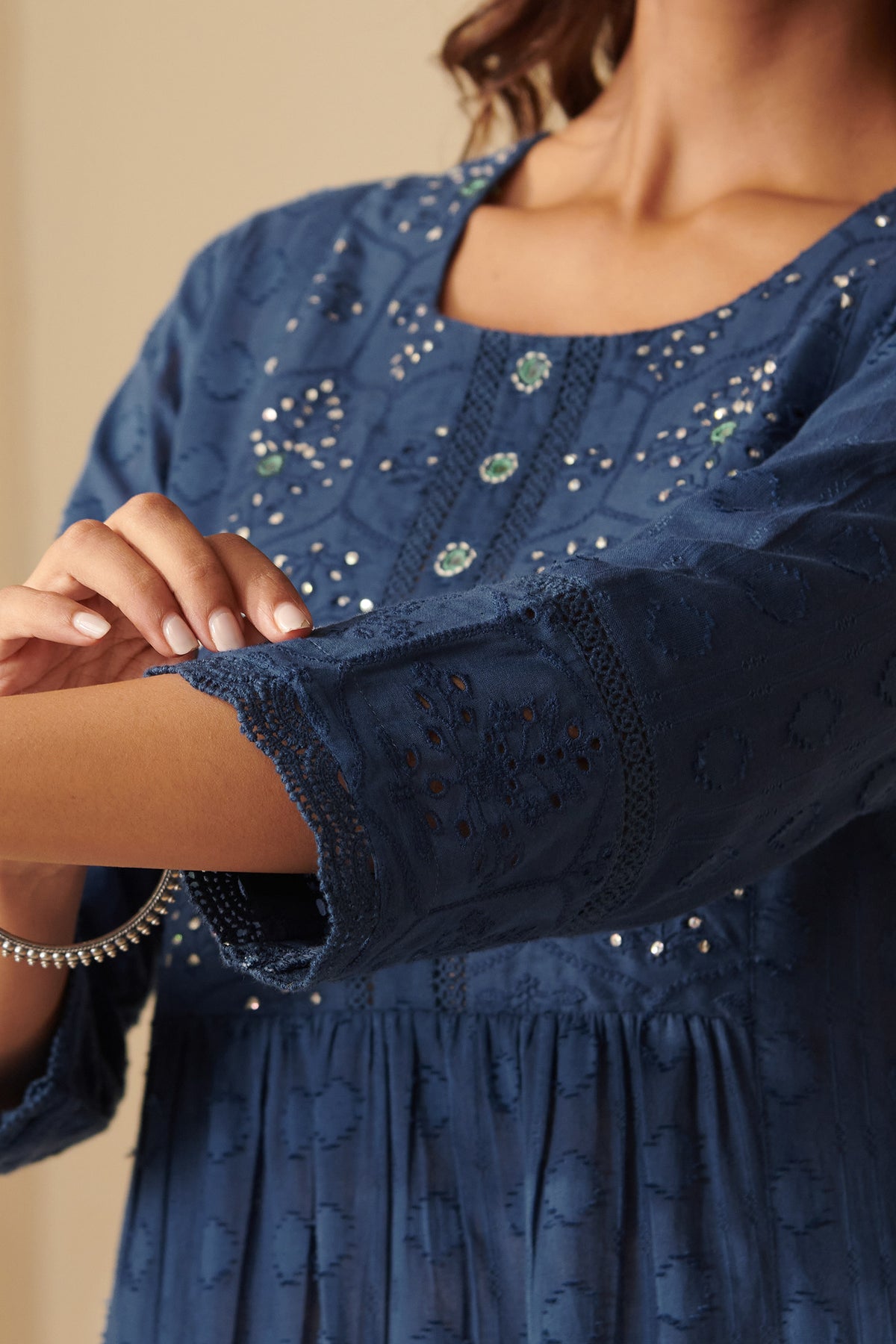
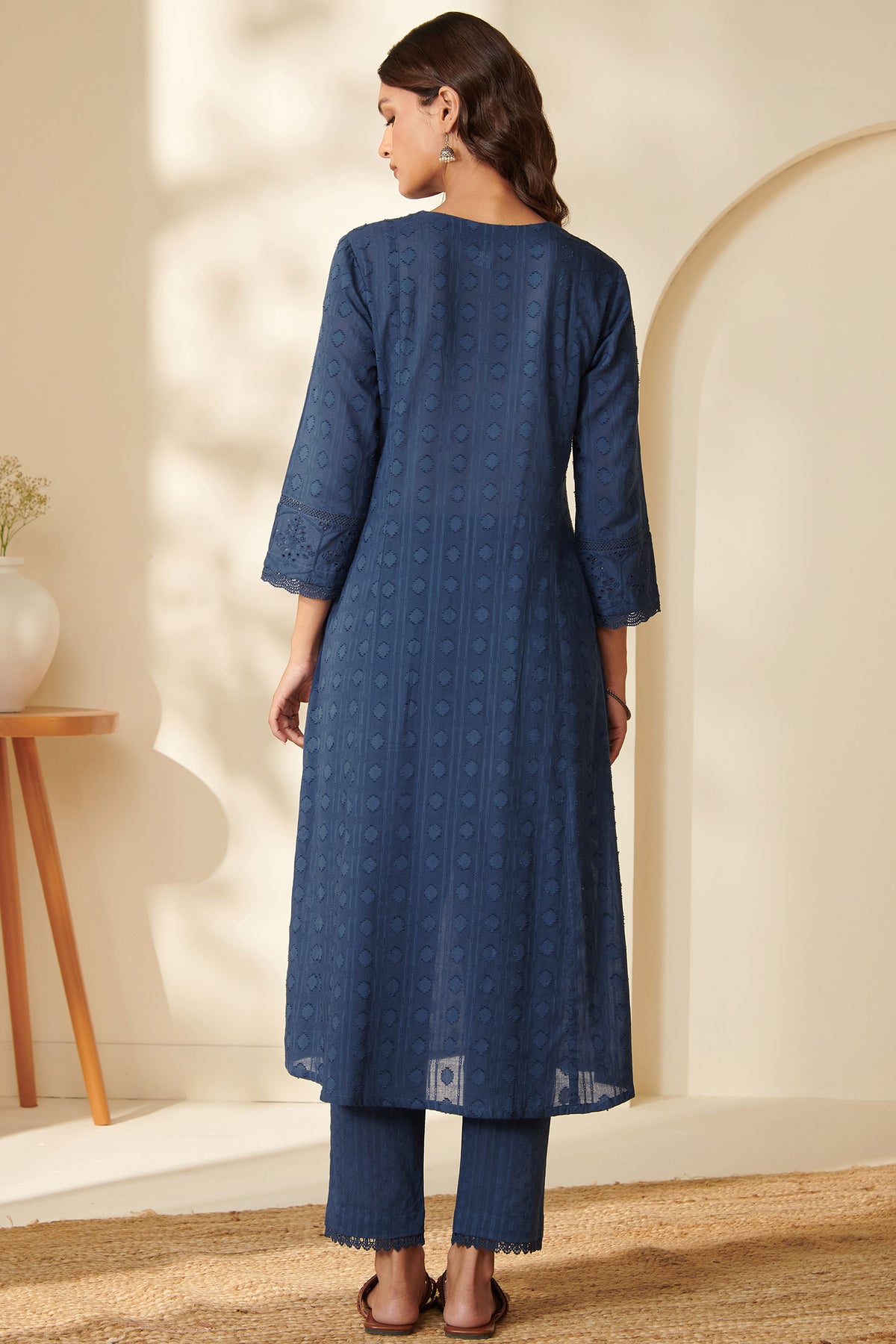
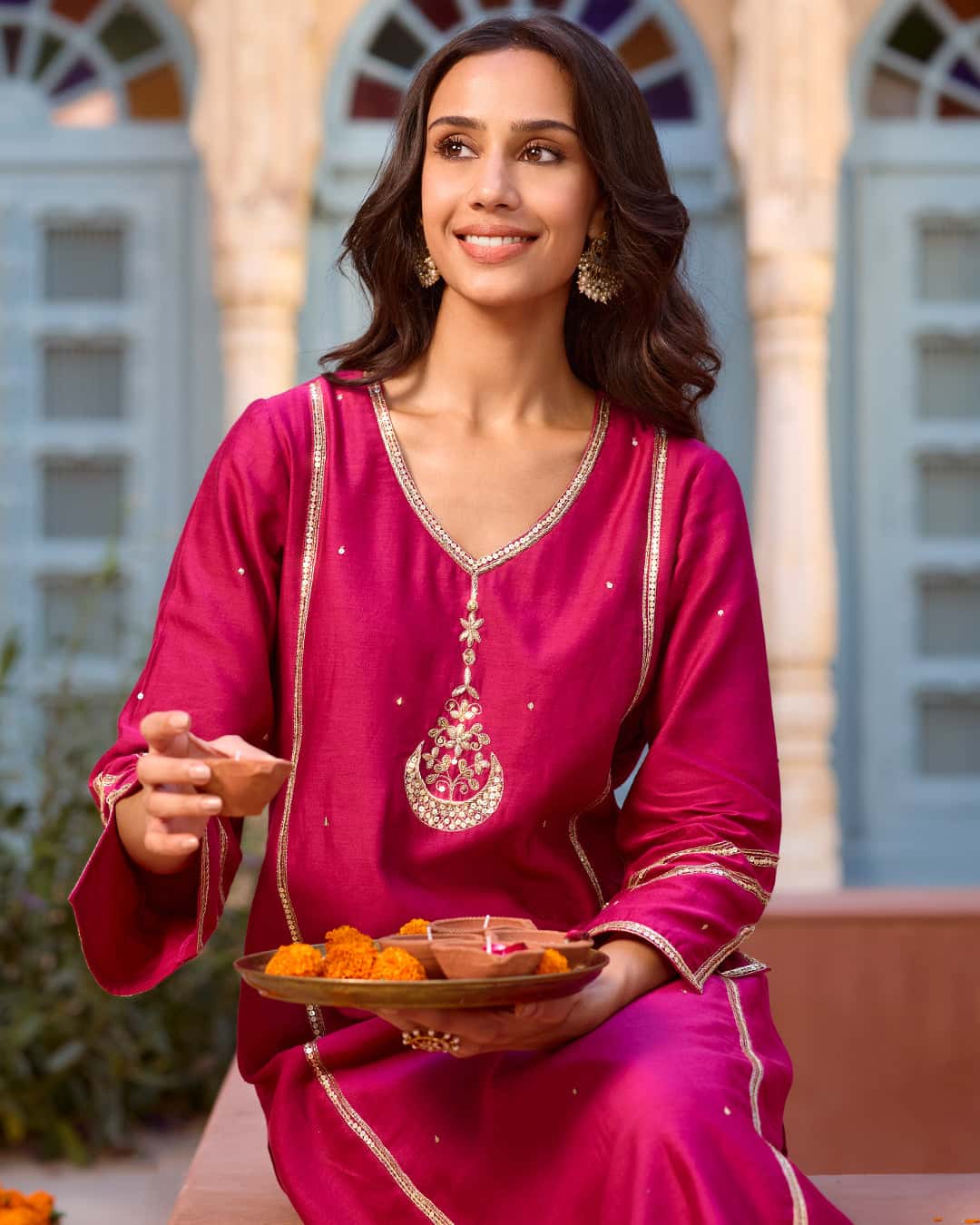
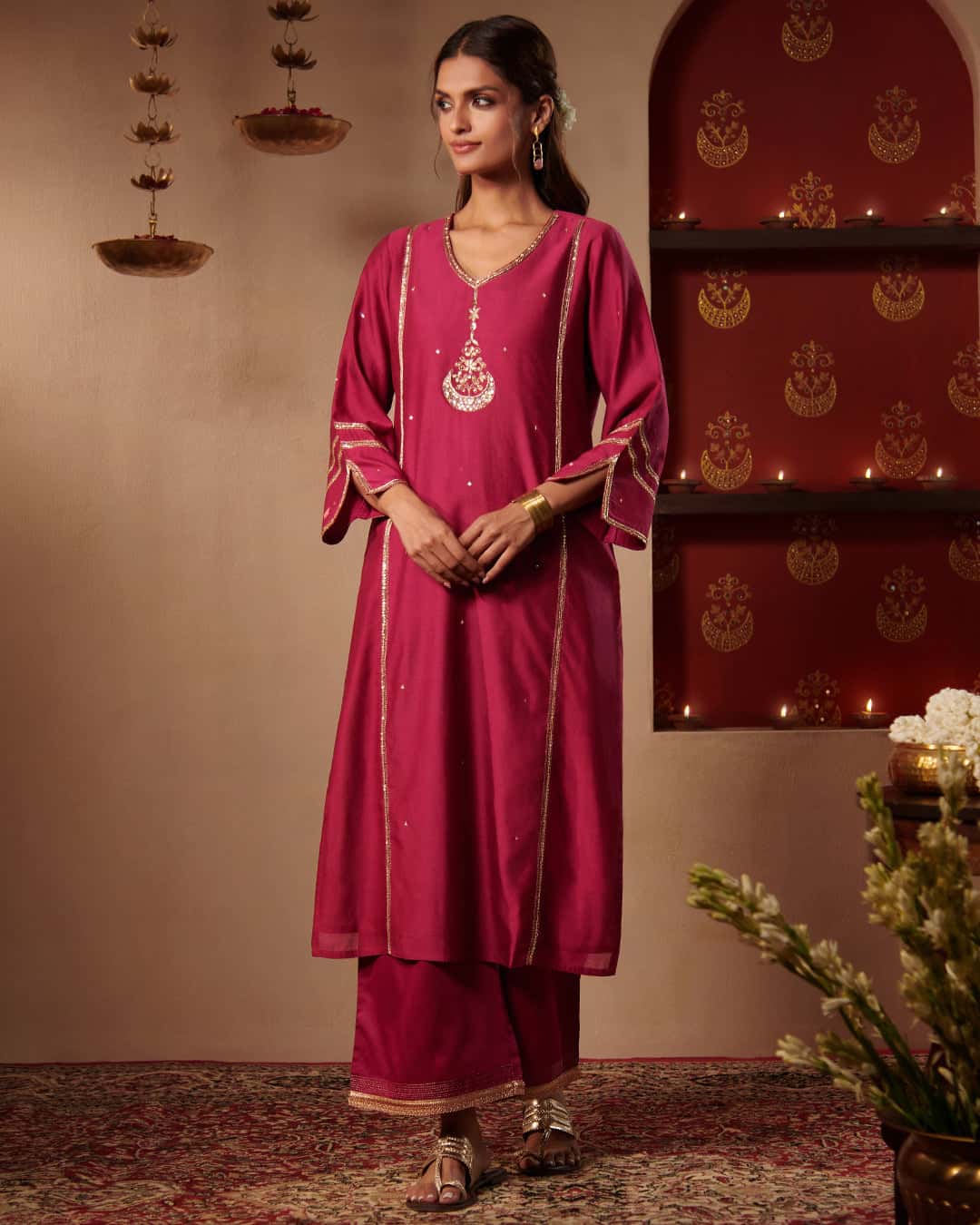
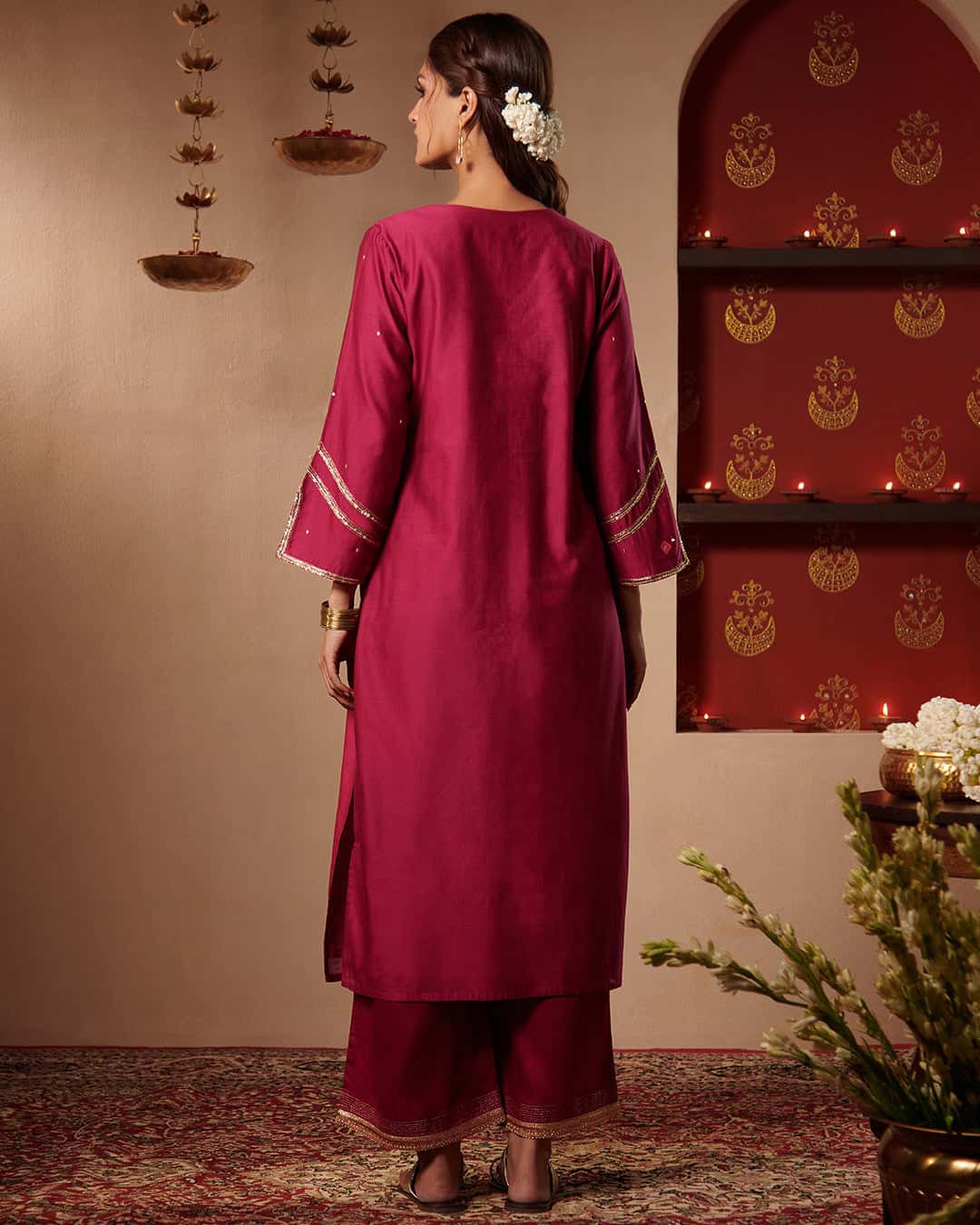
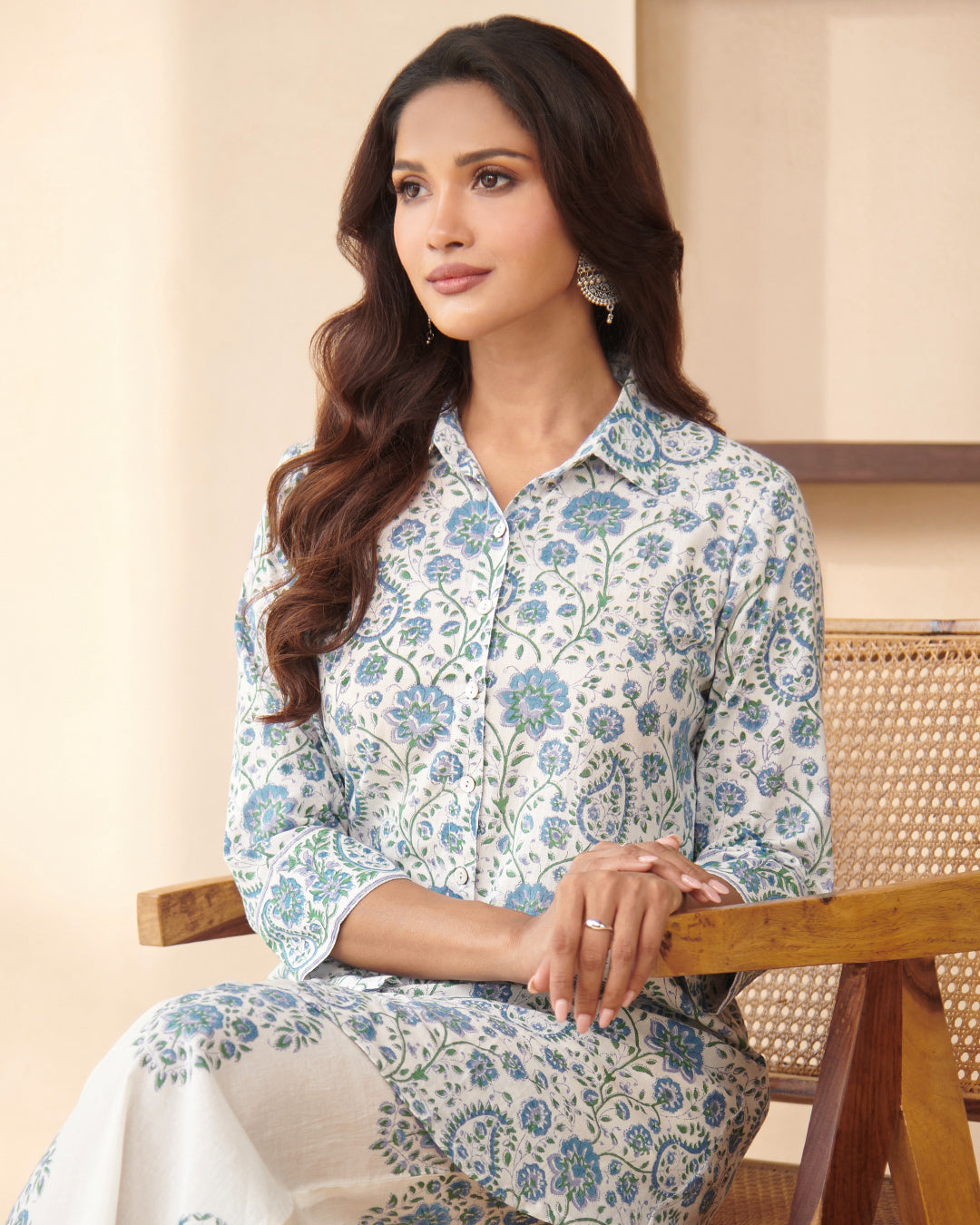
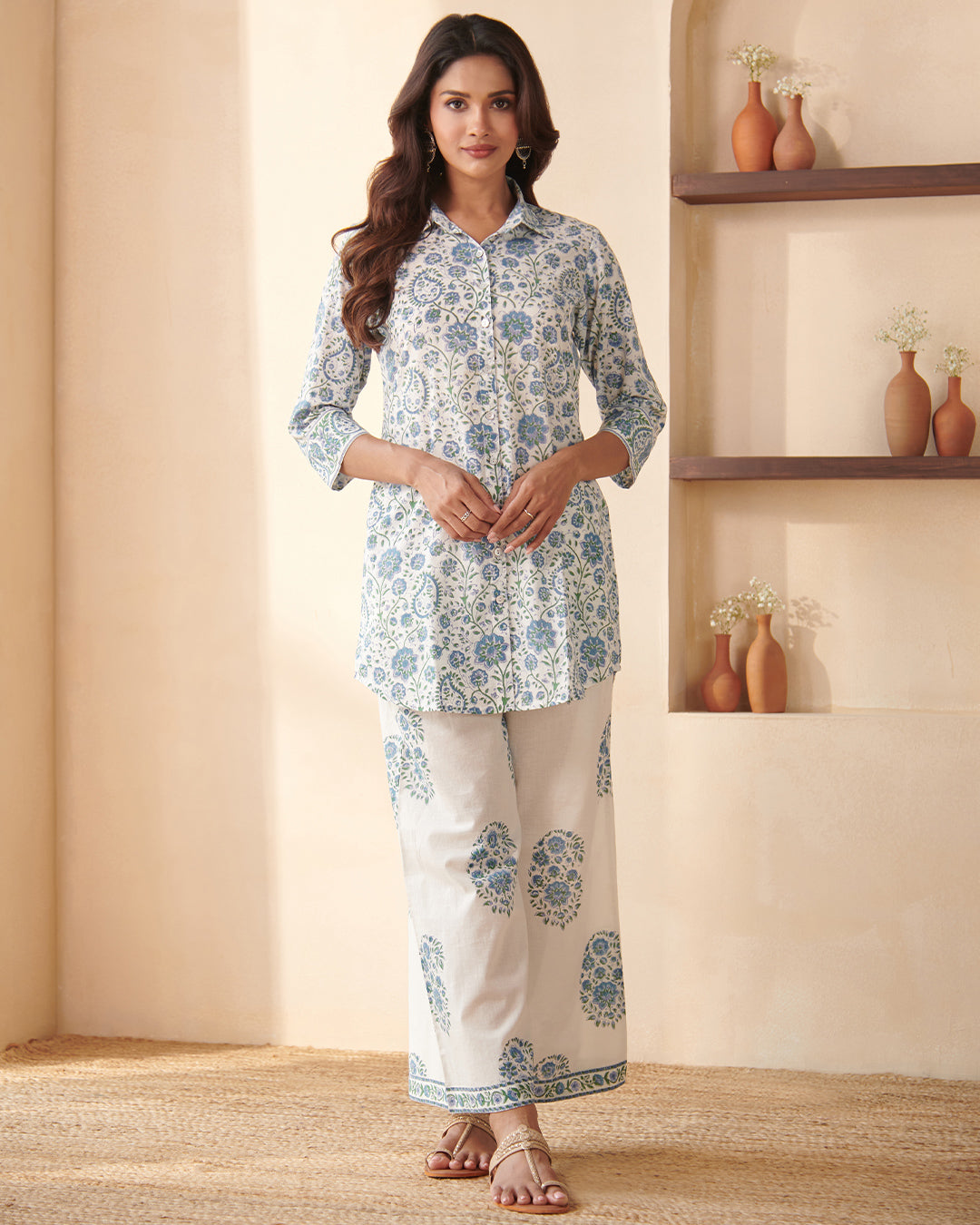
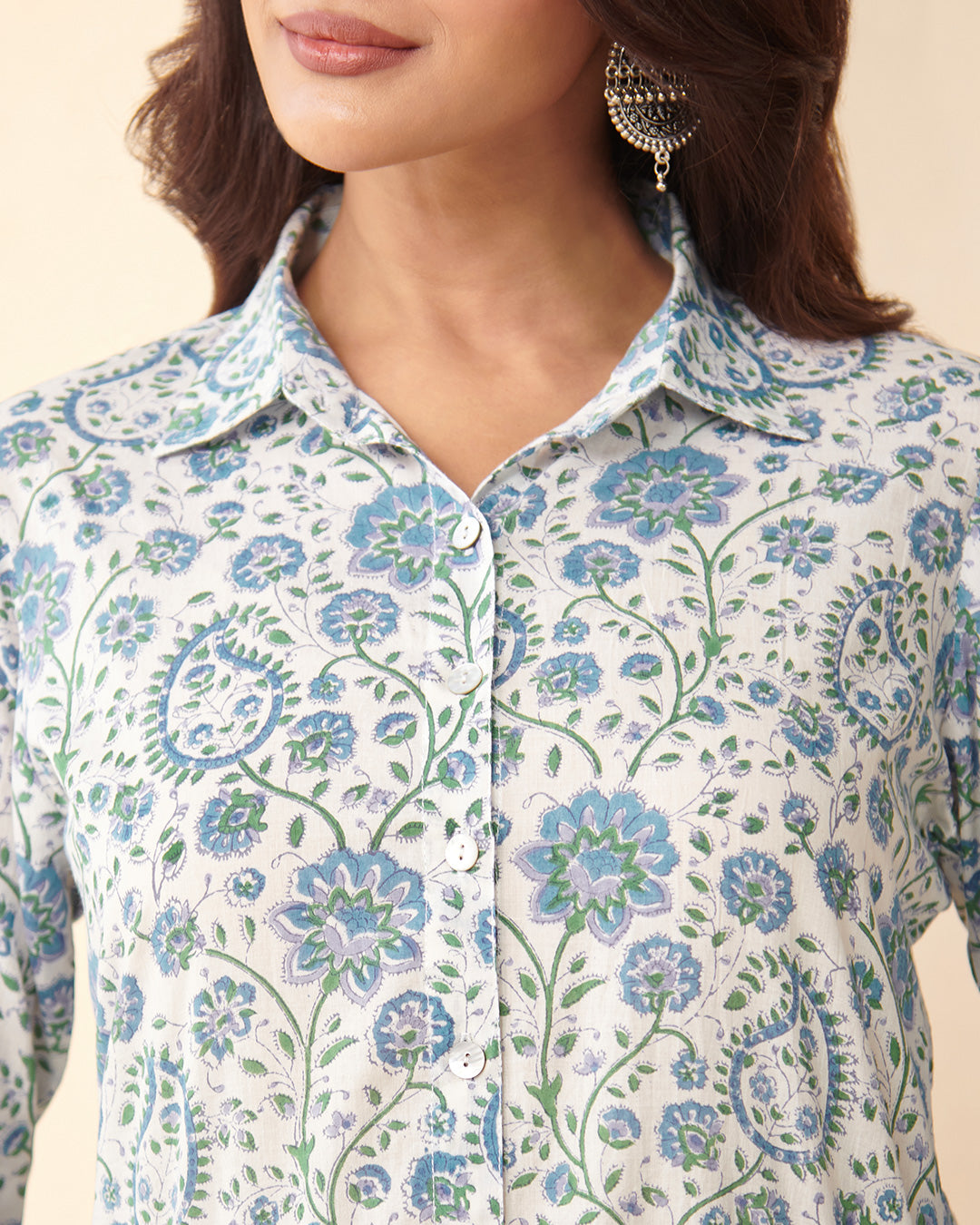
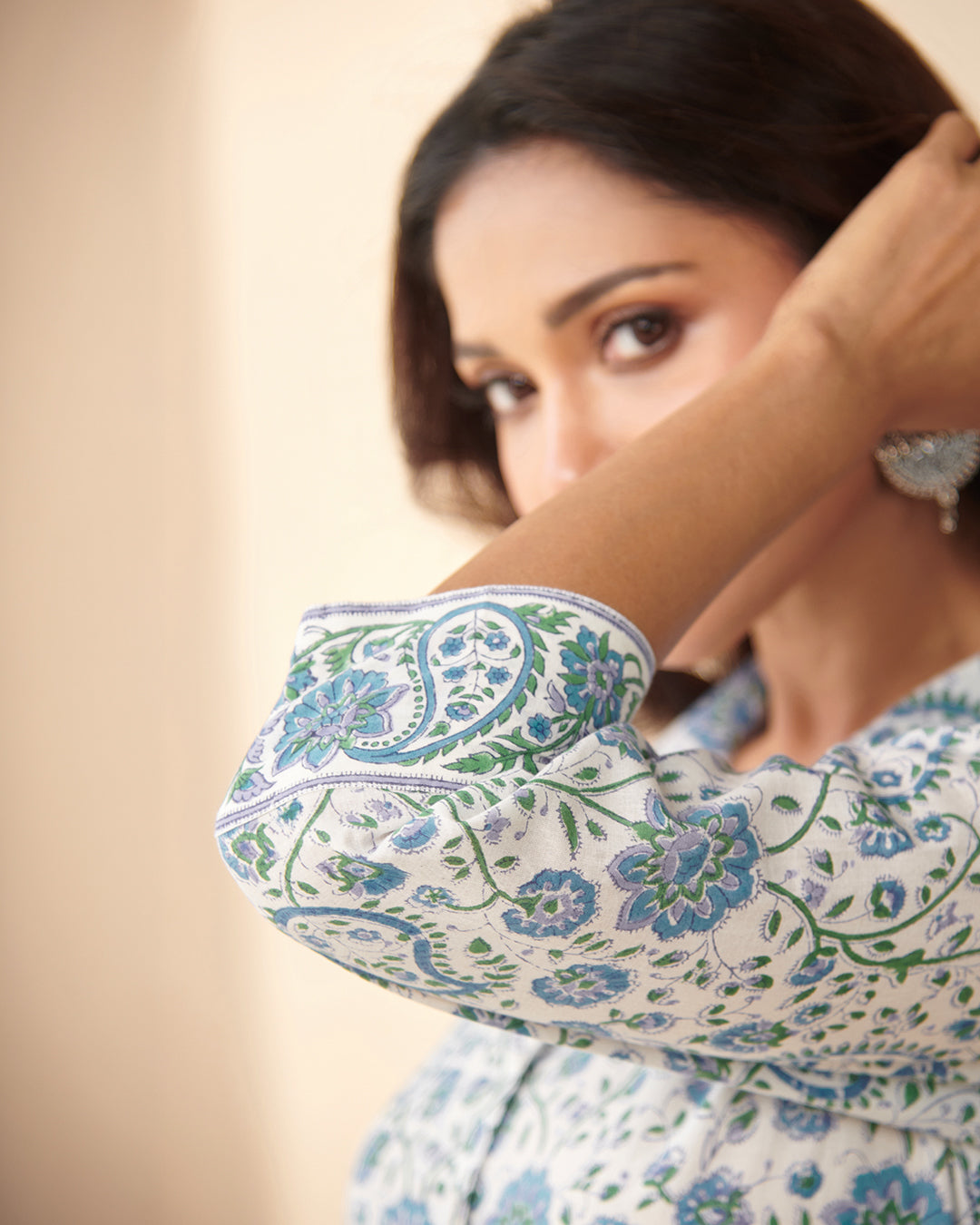
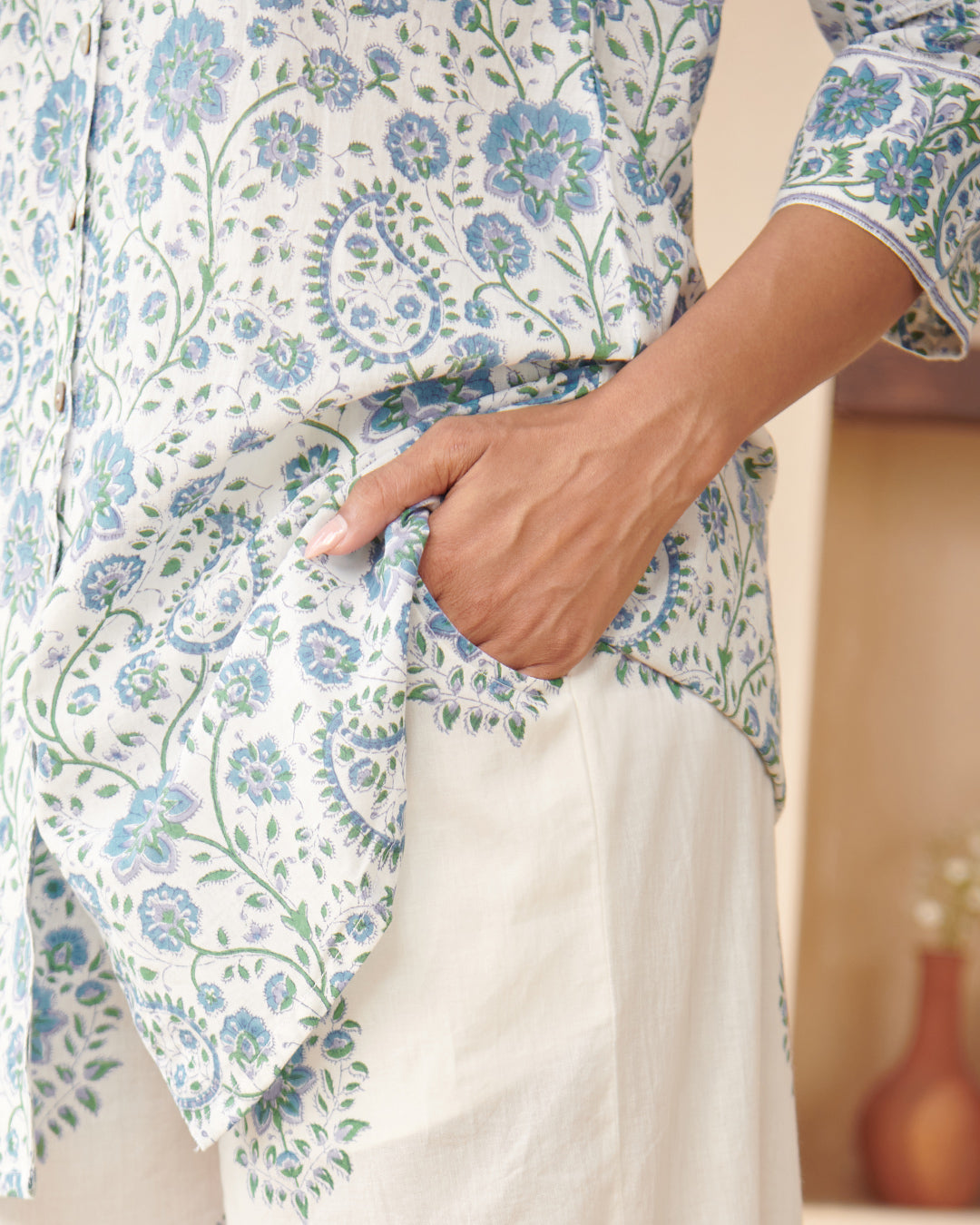
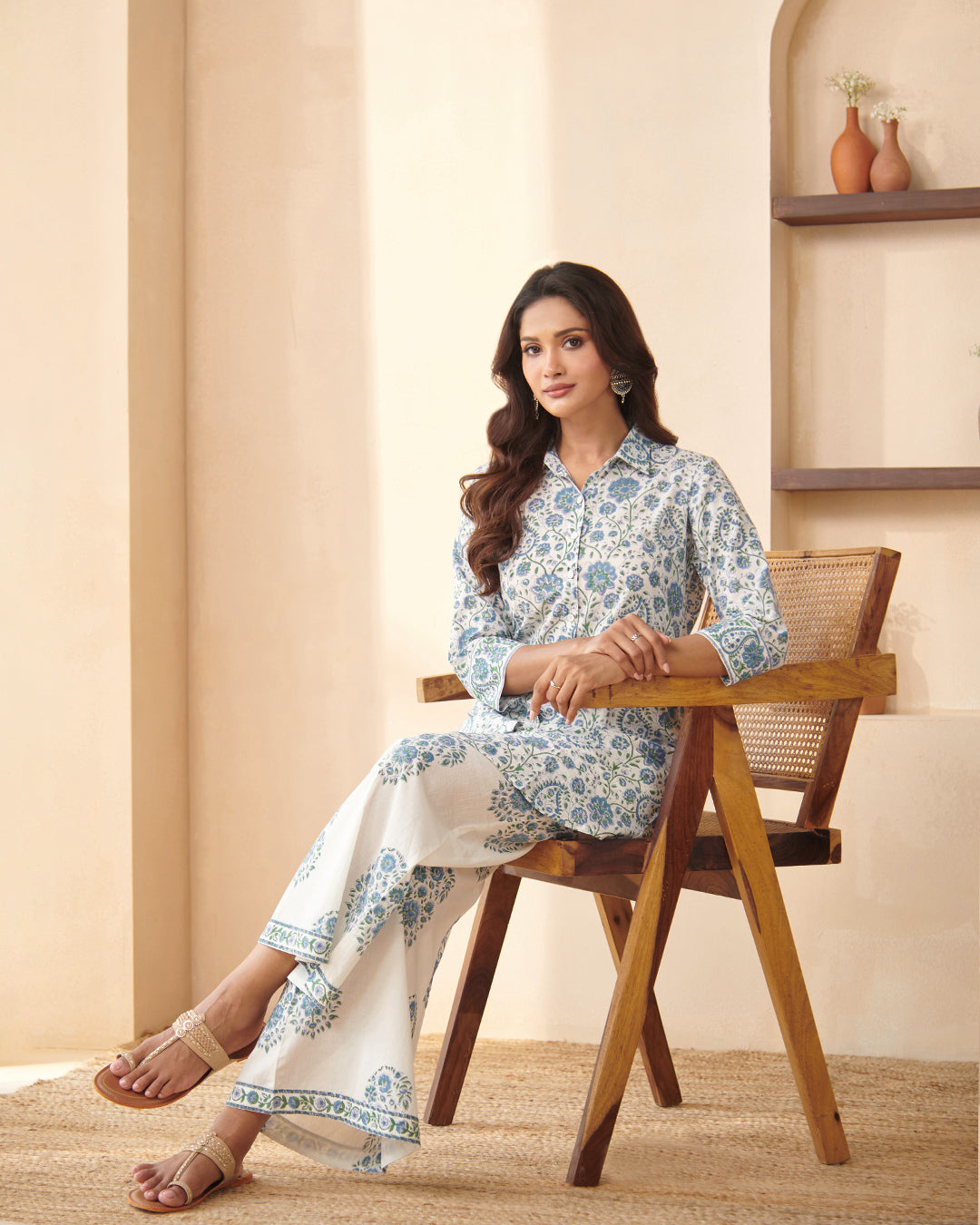
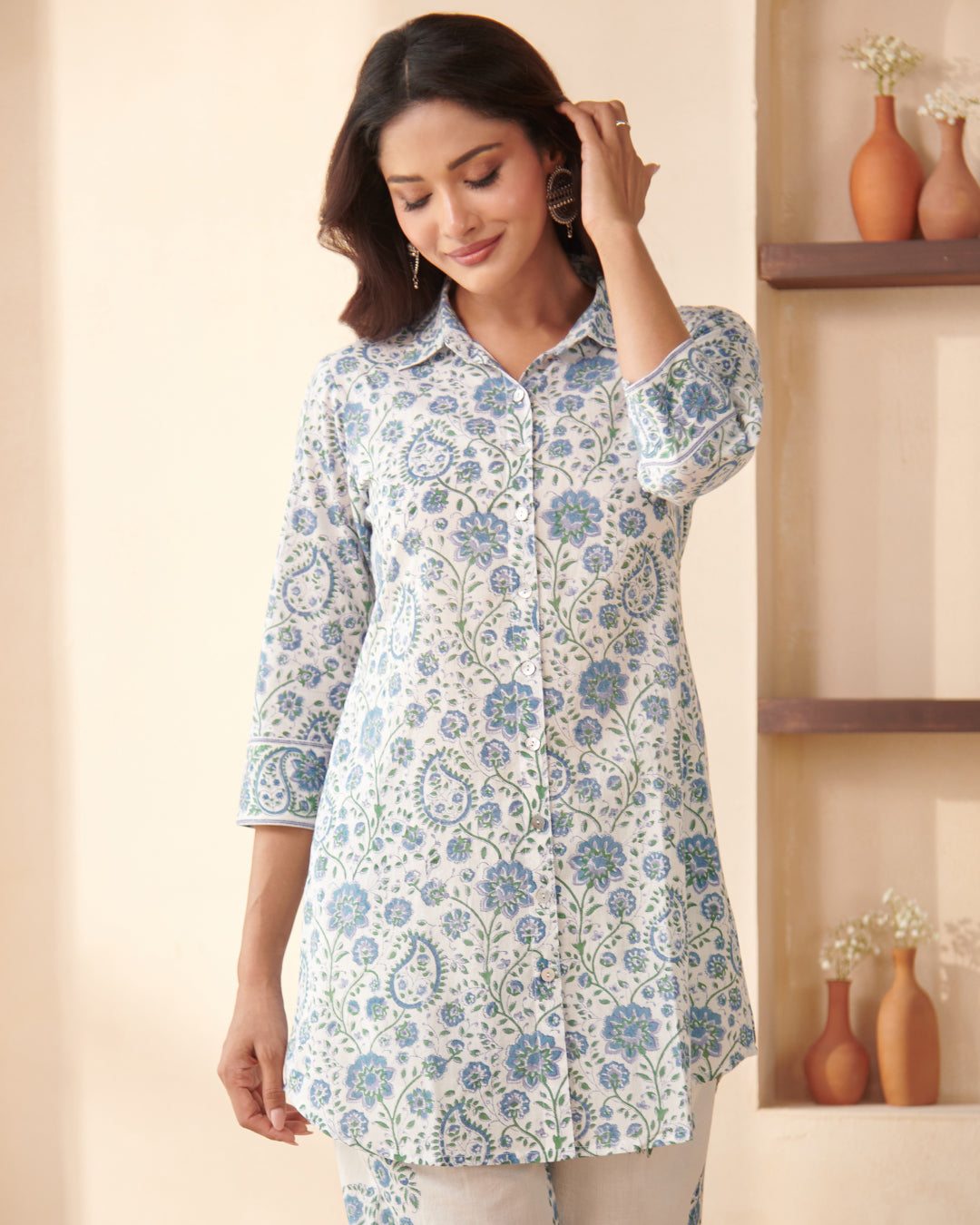
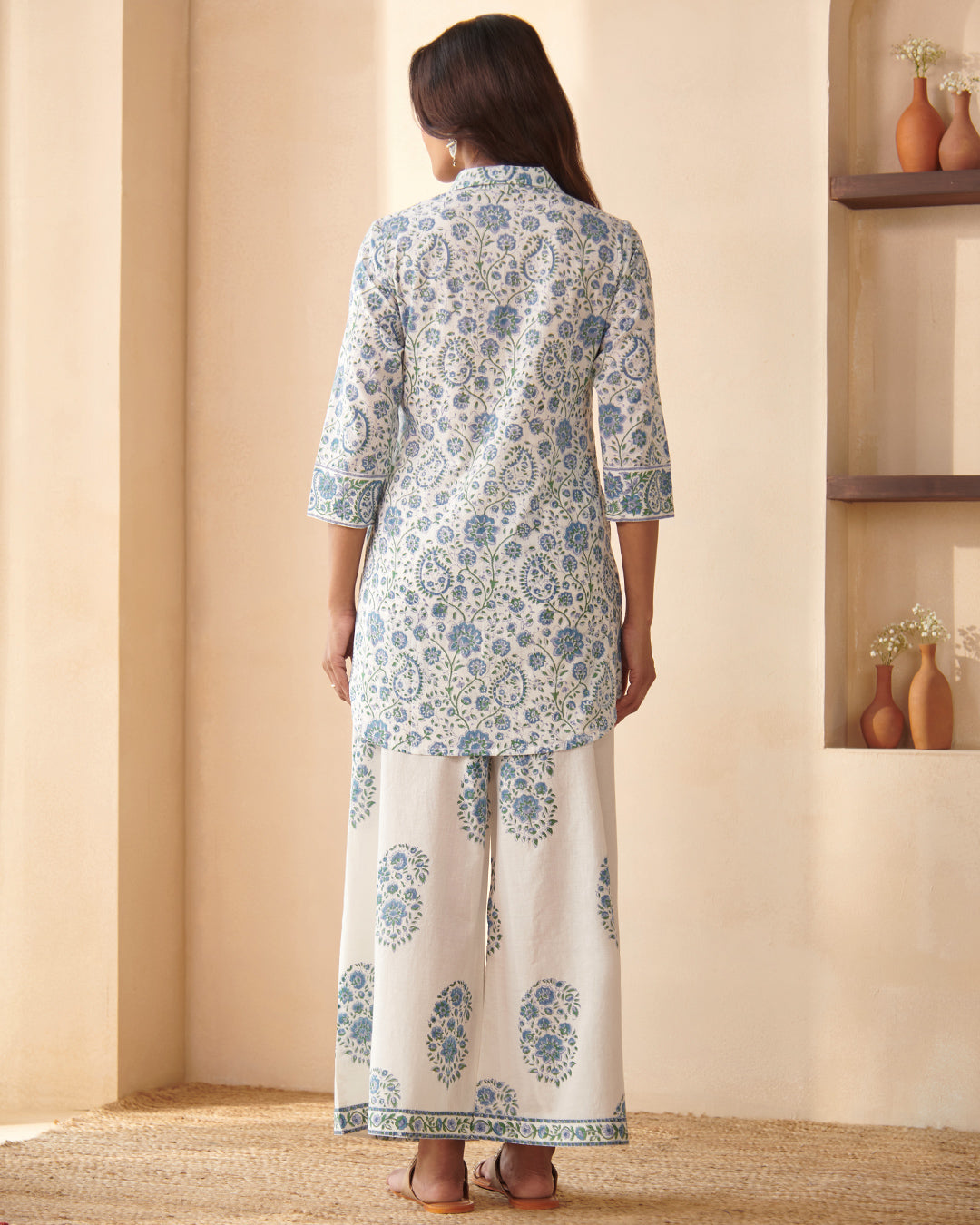
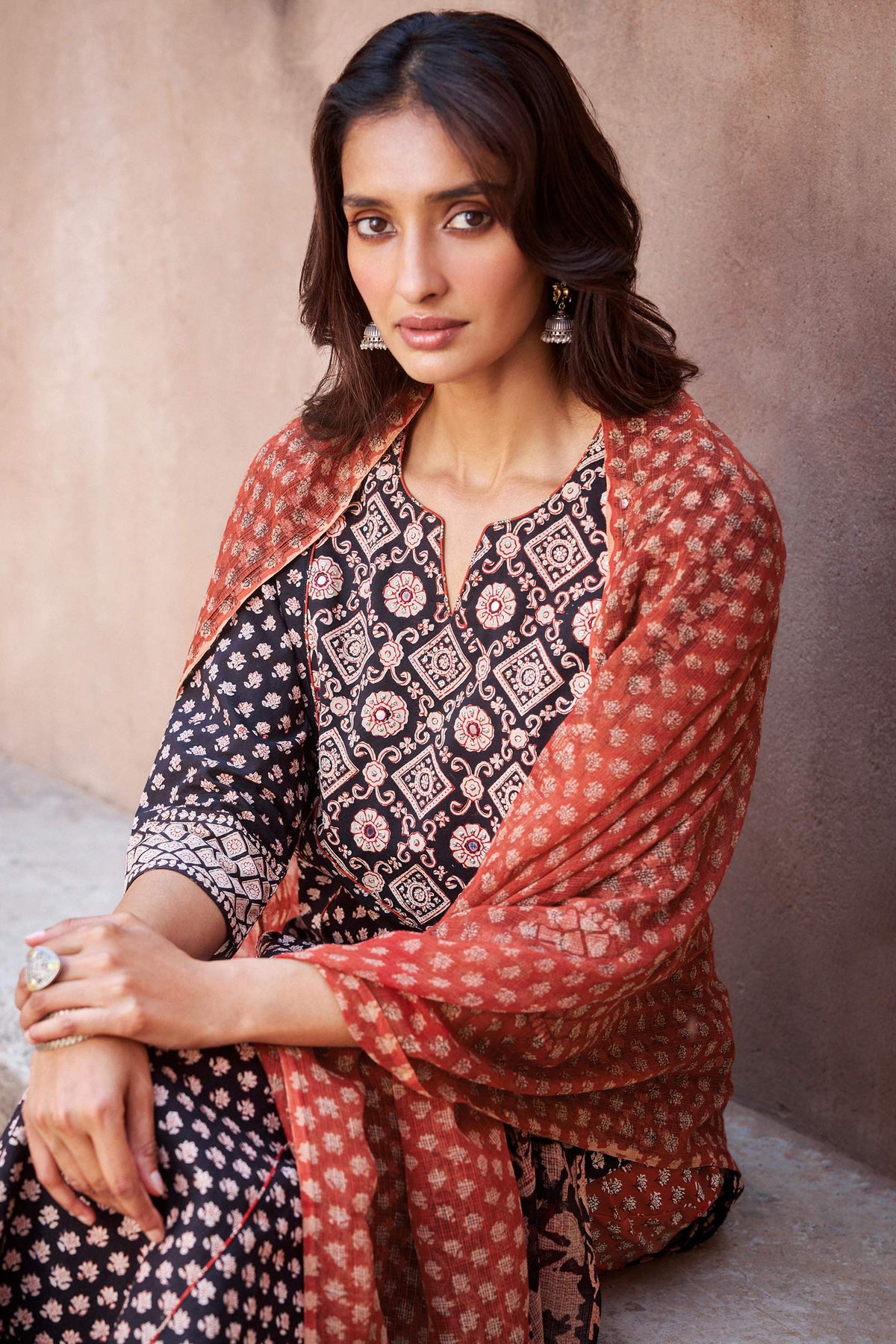
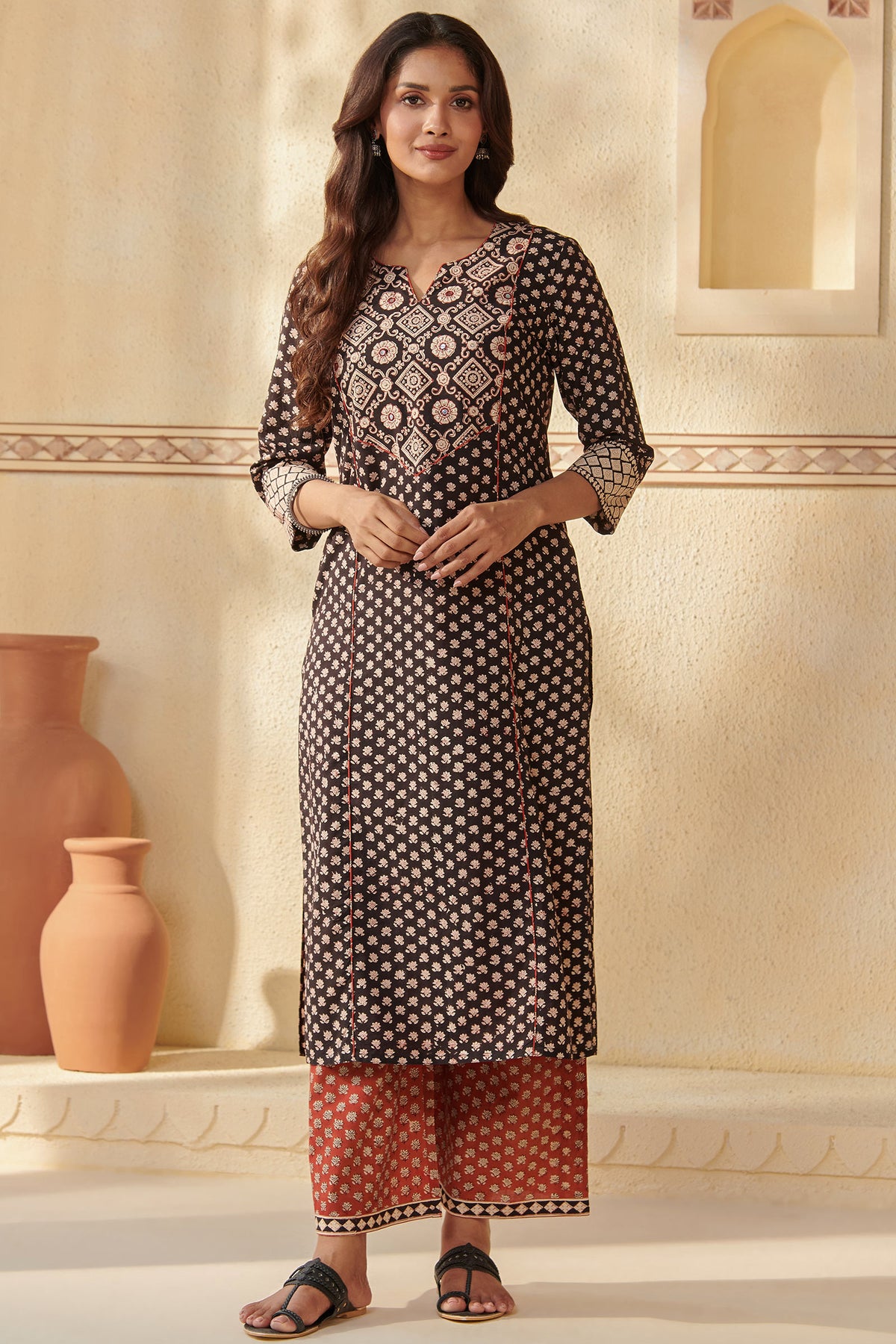
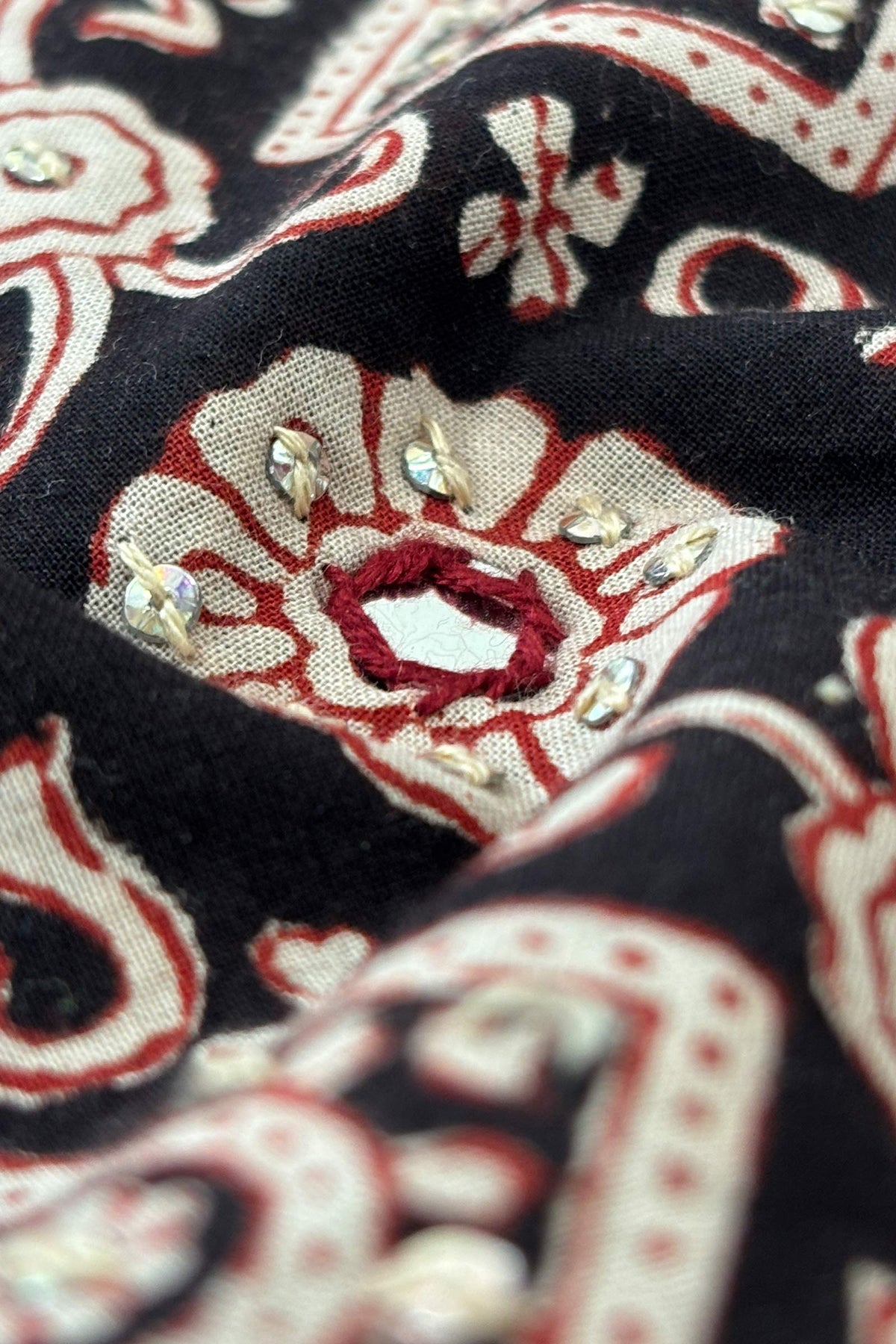
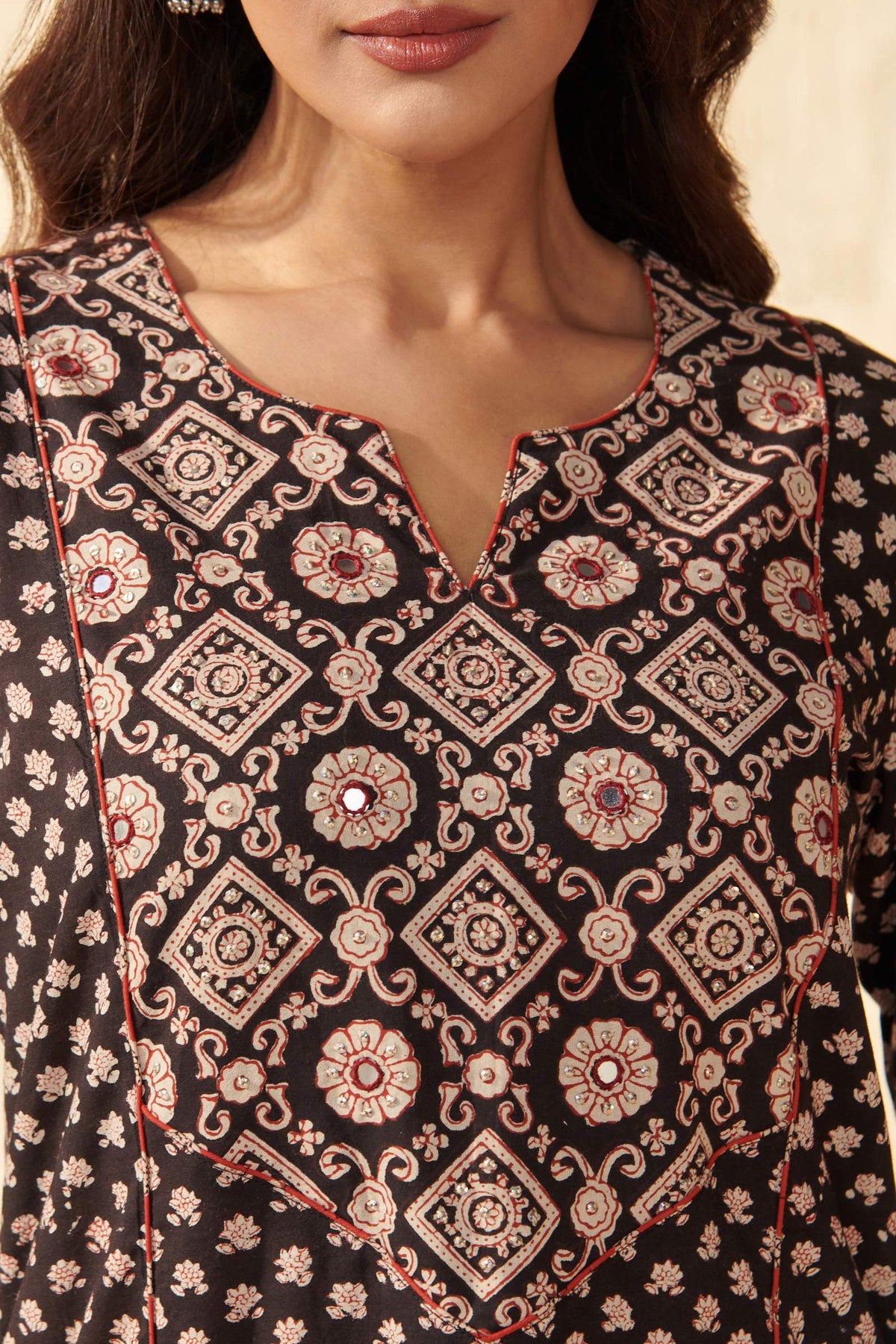
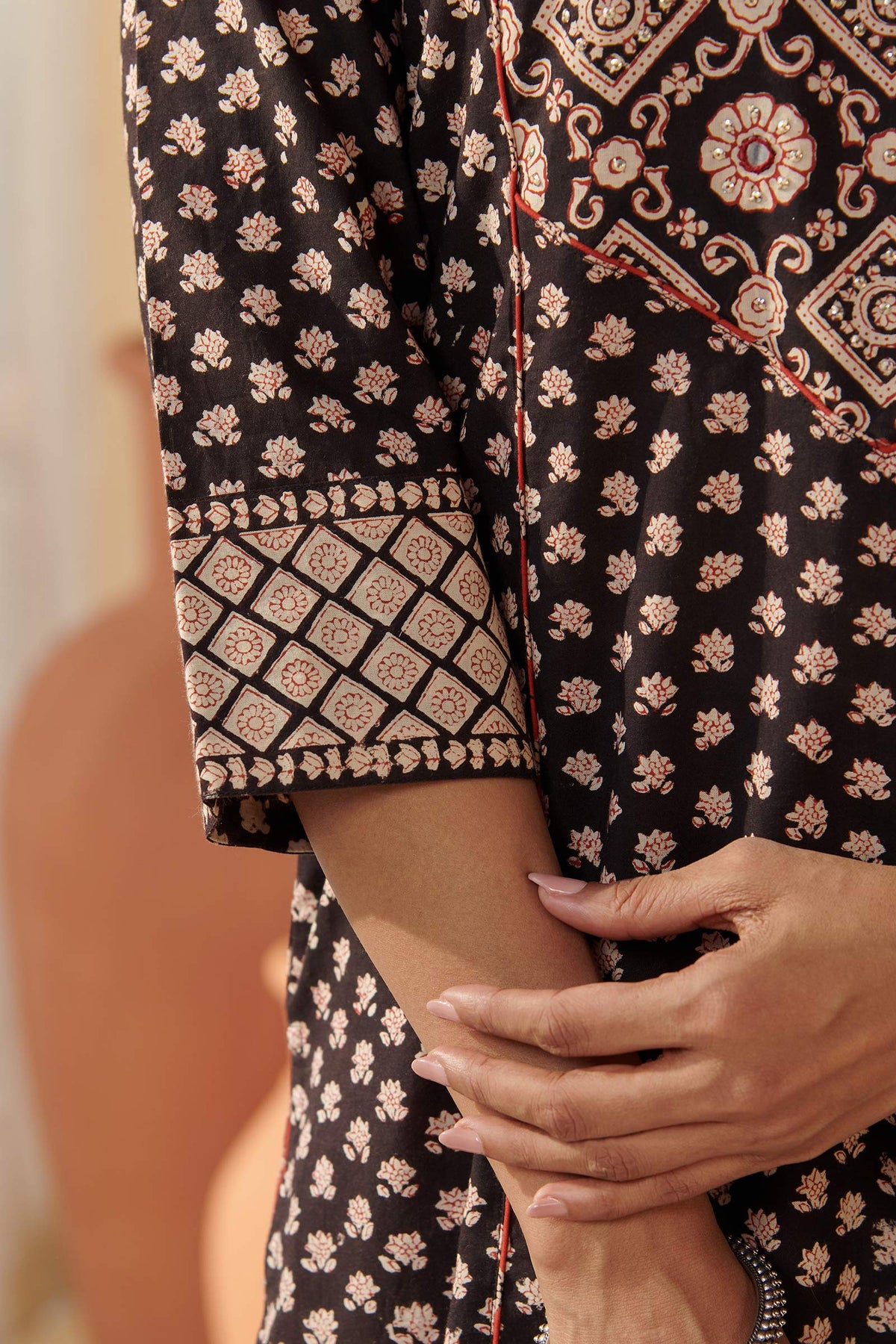
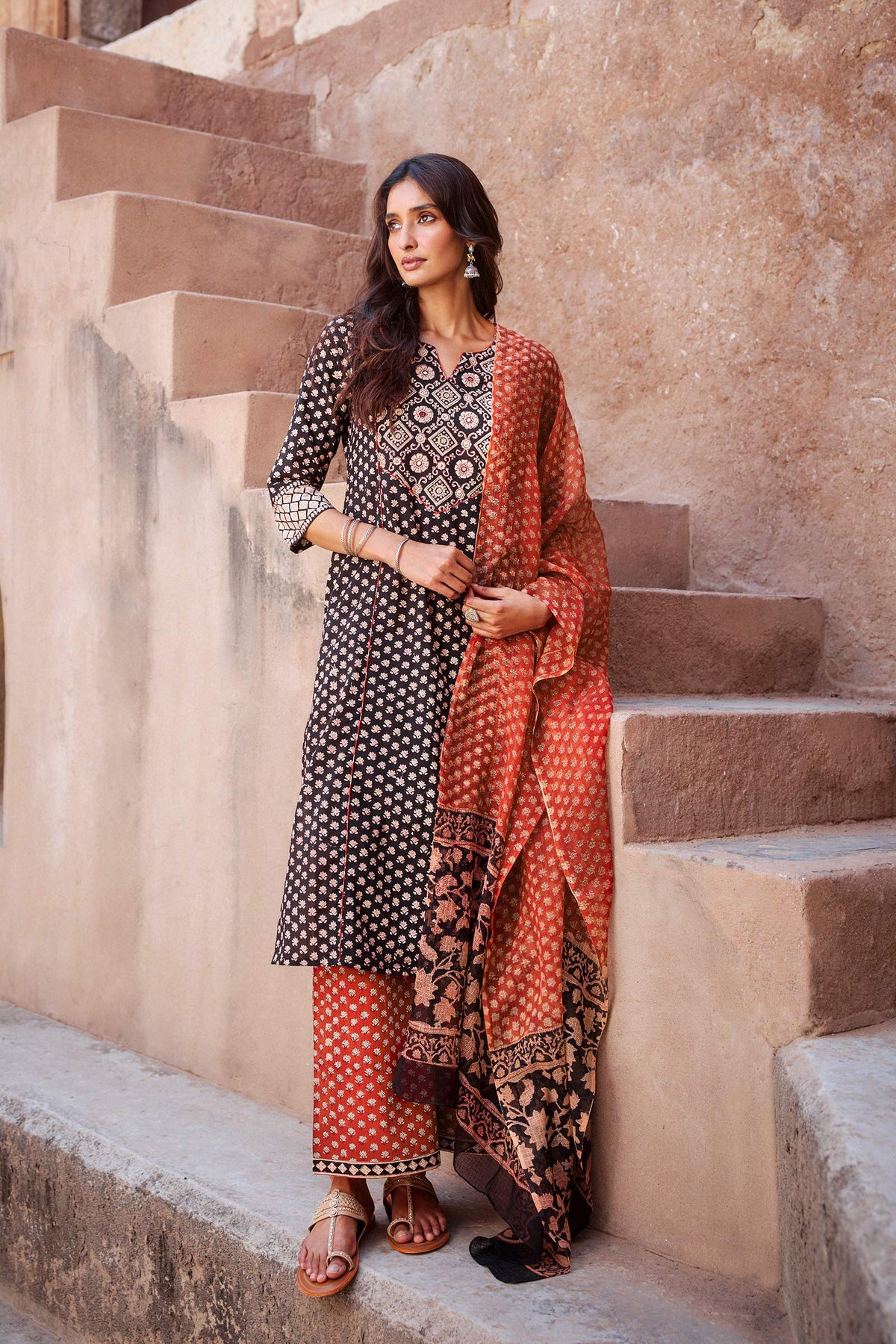

Open almost any wardrobe in India and there's a printed kurta somewhere in there. Maybe an old cotton one for casual days, or a nicer piece saved for festivals and family functions. Either way, it's there. Printed kurtas have been part of Indian dressing for as long as most of us can remember, yet very few people stop to think about where they actually come from.
There's a whole story behind them. The patterns, the way colors feel different from anything machine-made, the small imperfections that somehow make each piece more beautiful, none of that is accidental. It comes from craft traditions going back hundreds of years, kept alive by artisans who learned the work from their parents and grandparents, in small workshops, often in towns most people have never visited.
This blog is about that story, and why it still matters every time someone buys a printed kurta today.
The Story Behind Printed Kurtas in India

Indian printed textiles have had admirers for a very long time. Centuries before anyone was talking about fashion, traders from Persia, Europe, and Southeast Asia were actively seeking out Indian printed fabrics because nothing else came close. The techniques for fixing color into cloth, keeping it bright wash after wash, creating precise repeating patterns entirely by hand, were genuinely ahead of anything available elsewhere.
Different parts of the country eventually found their own way of doing things. Rajasthan went toward bold block prints with deep indigo and earthy tones. Gujarat developed intricate resist-printing methods that built up layered geometric patterns. In Andhra Pradesh, artisans were drawing directly onto fabric with pens, creating detailed figurative work that looked closer to painting than textile design. Every region had its own approach, shaped by local materials, climate, cultural influences, and knowledge accumulated over generations.
The kurta carried all of this into daily life. Simple enough in shape for the fabric to do the talking, printed kurtas became the everyday way regional craft traditions stayed visible outside of museums and craft fairs. That connection between the garment and the craft is still there, even when nobody's thinking about it while shopping.
How Printed Kurtas Keep Traditional Indian Crafts Alive

The Heritage of Hand Block Printing
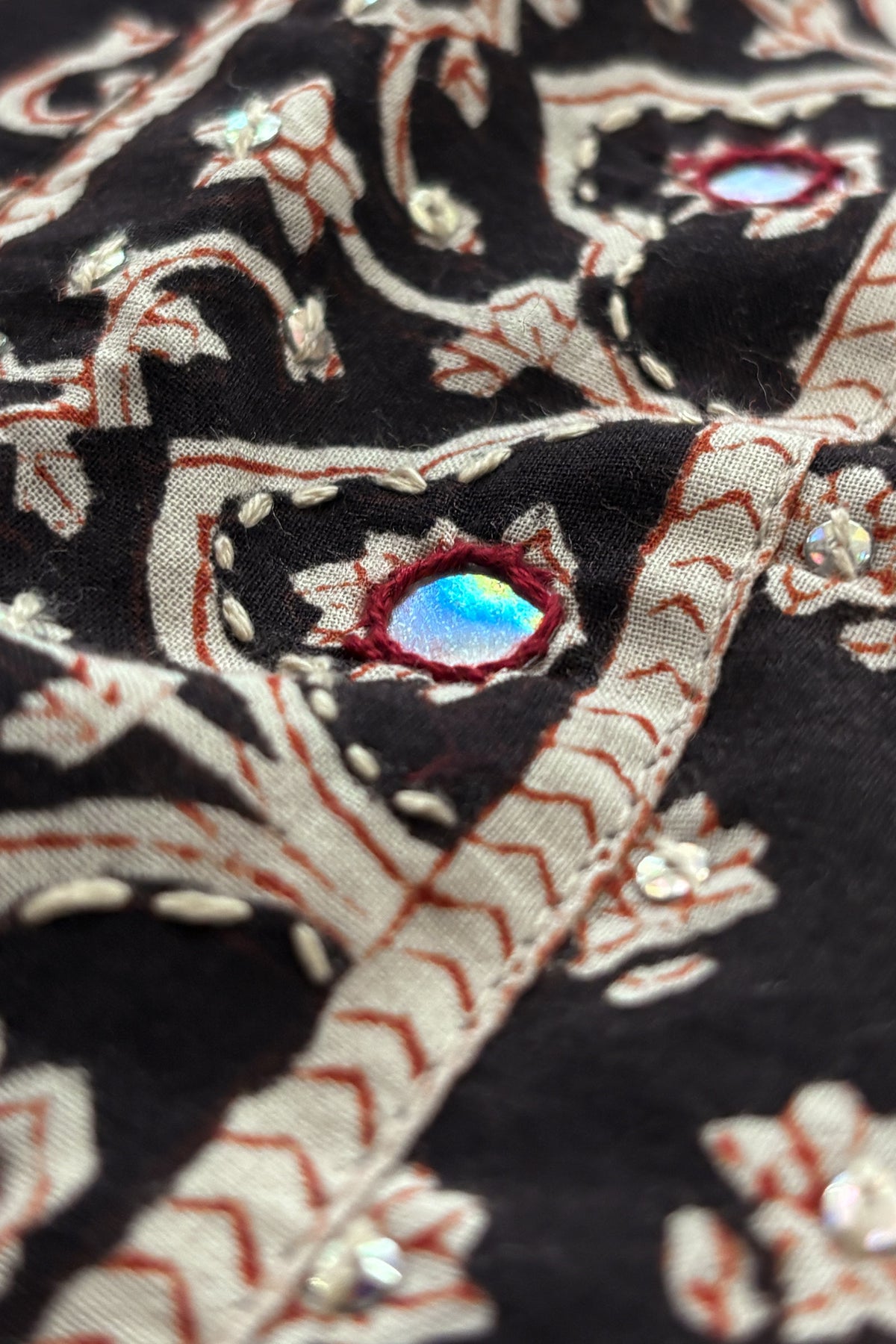
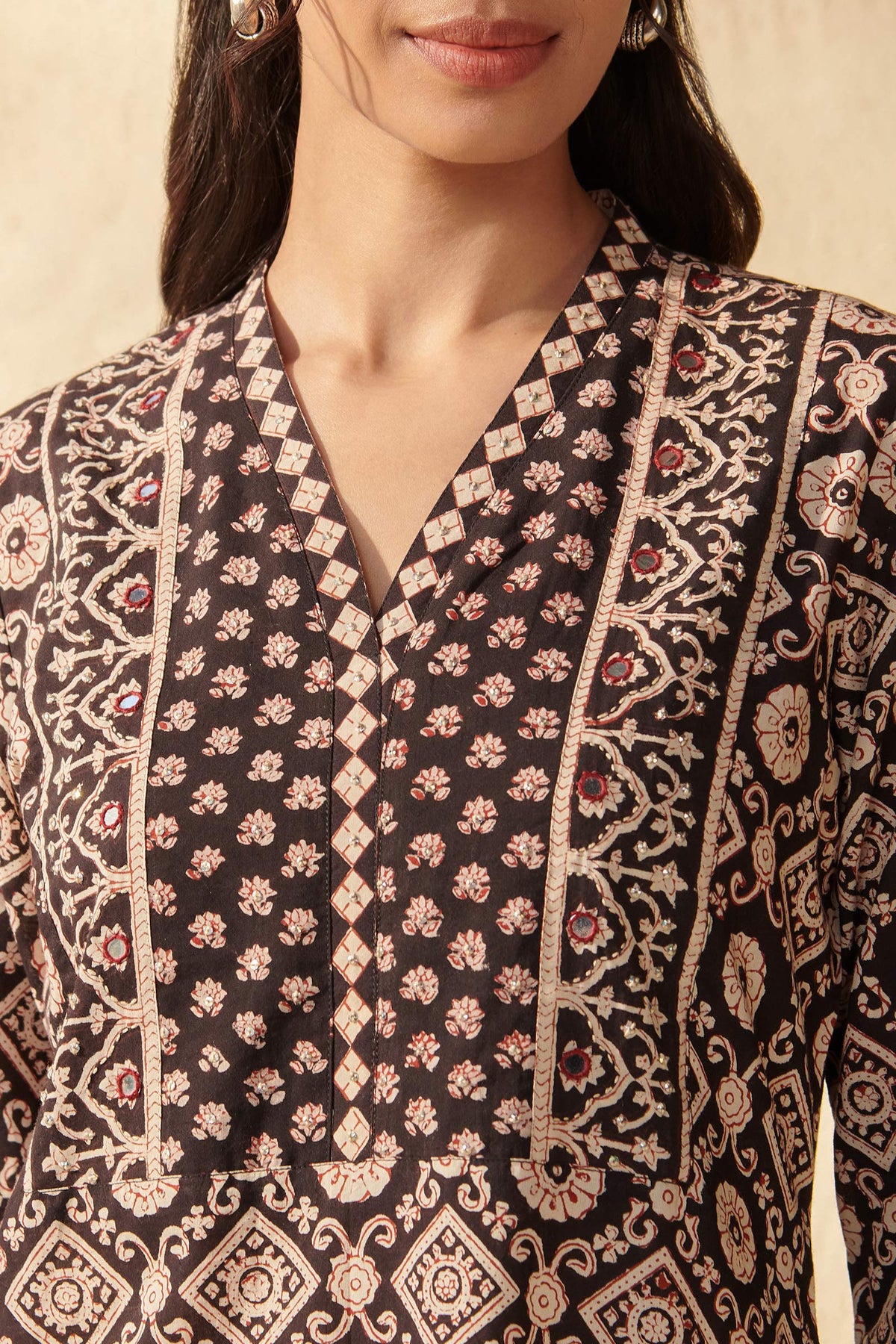
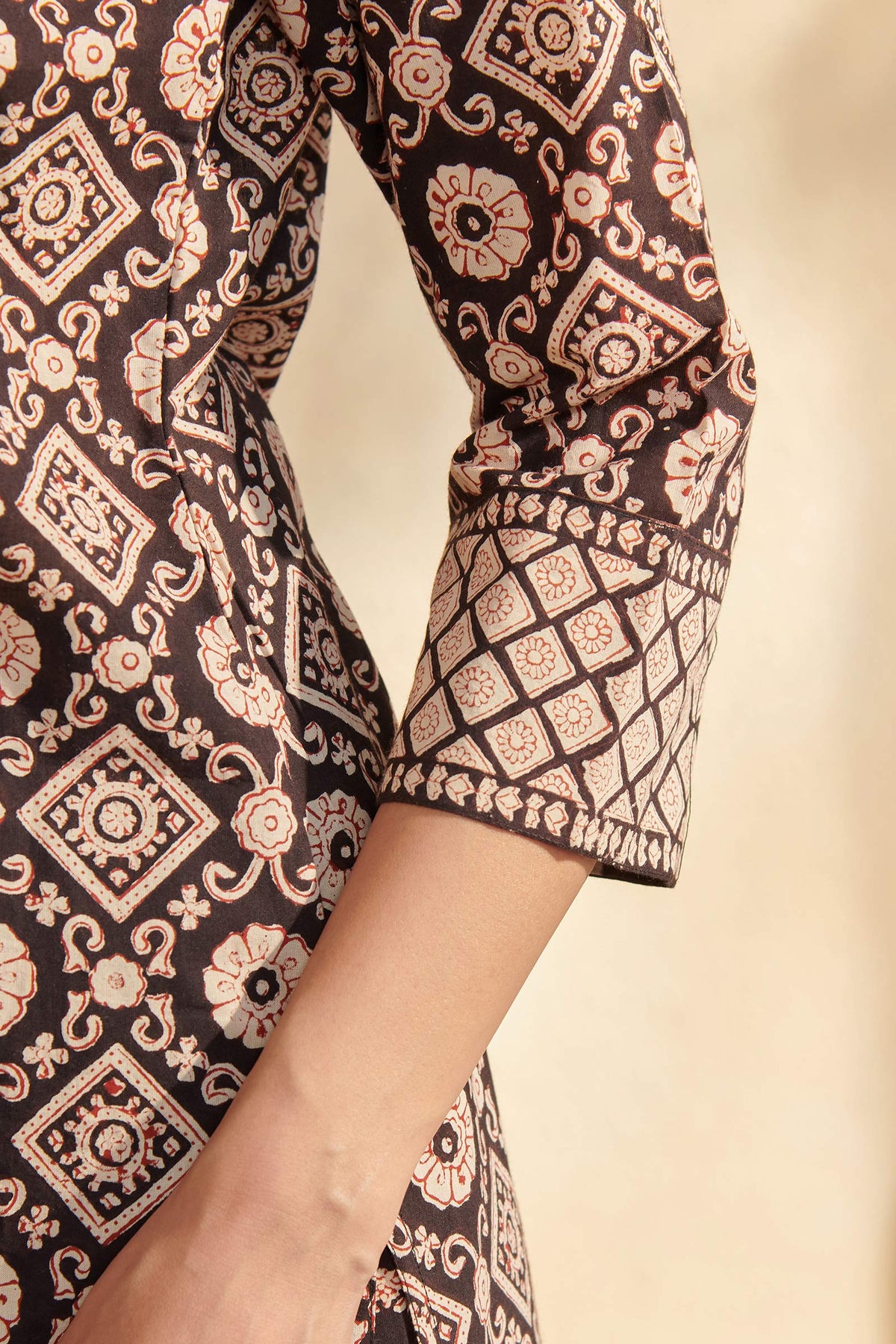
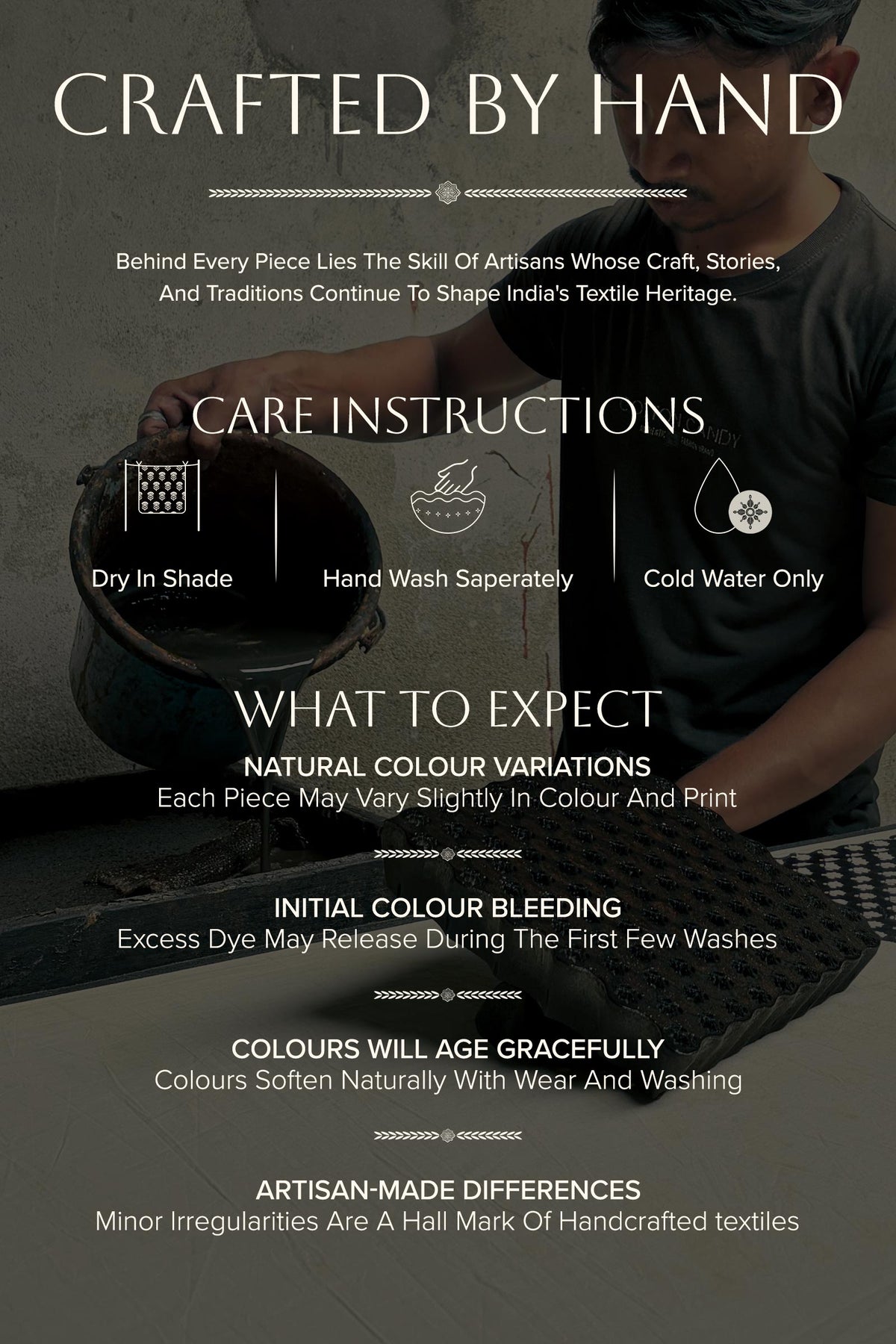
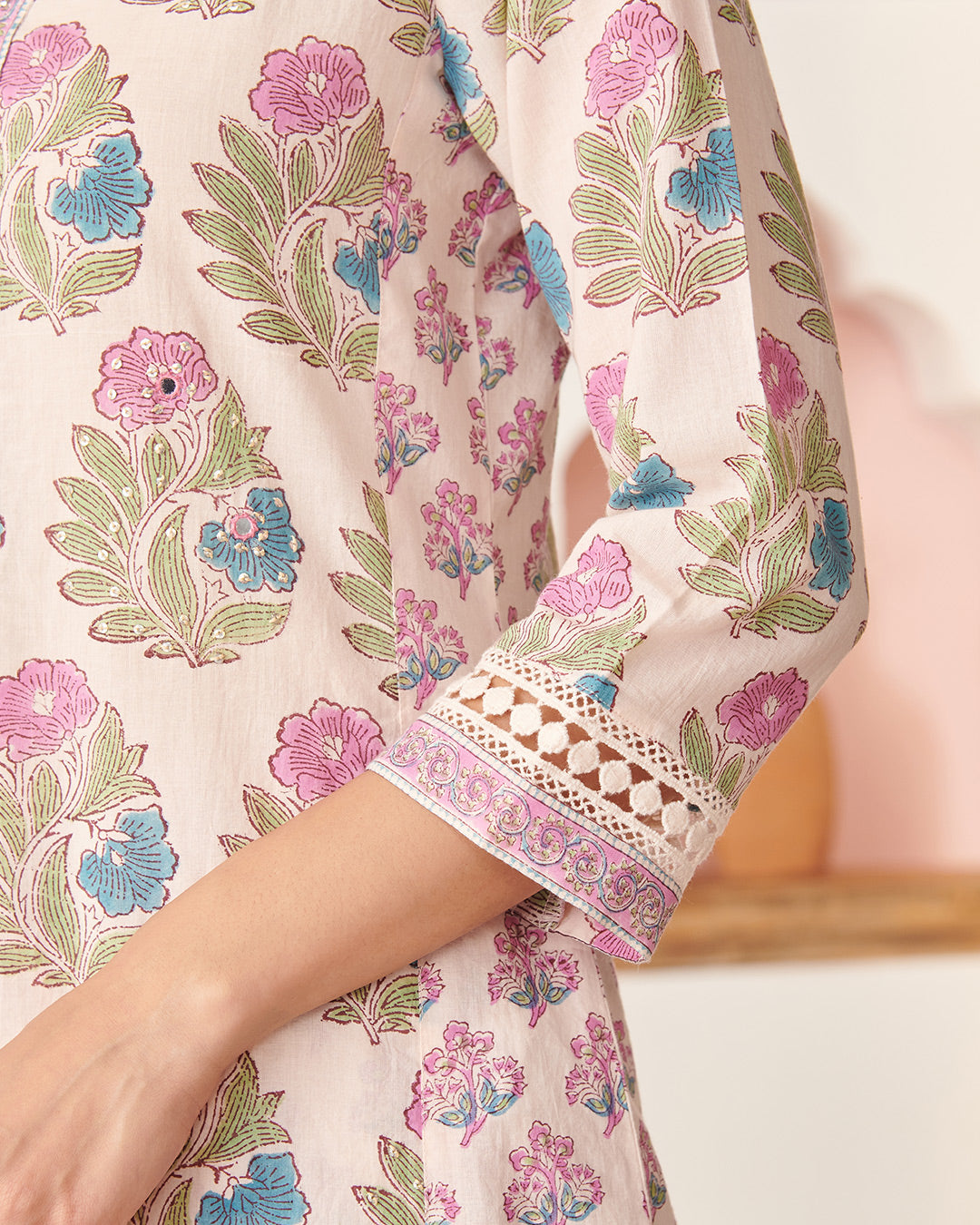
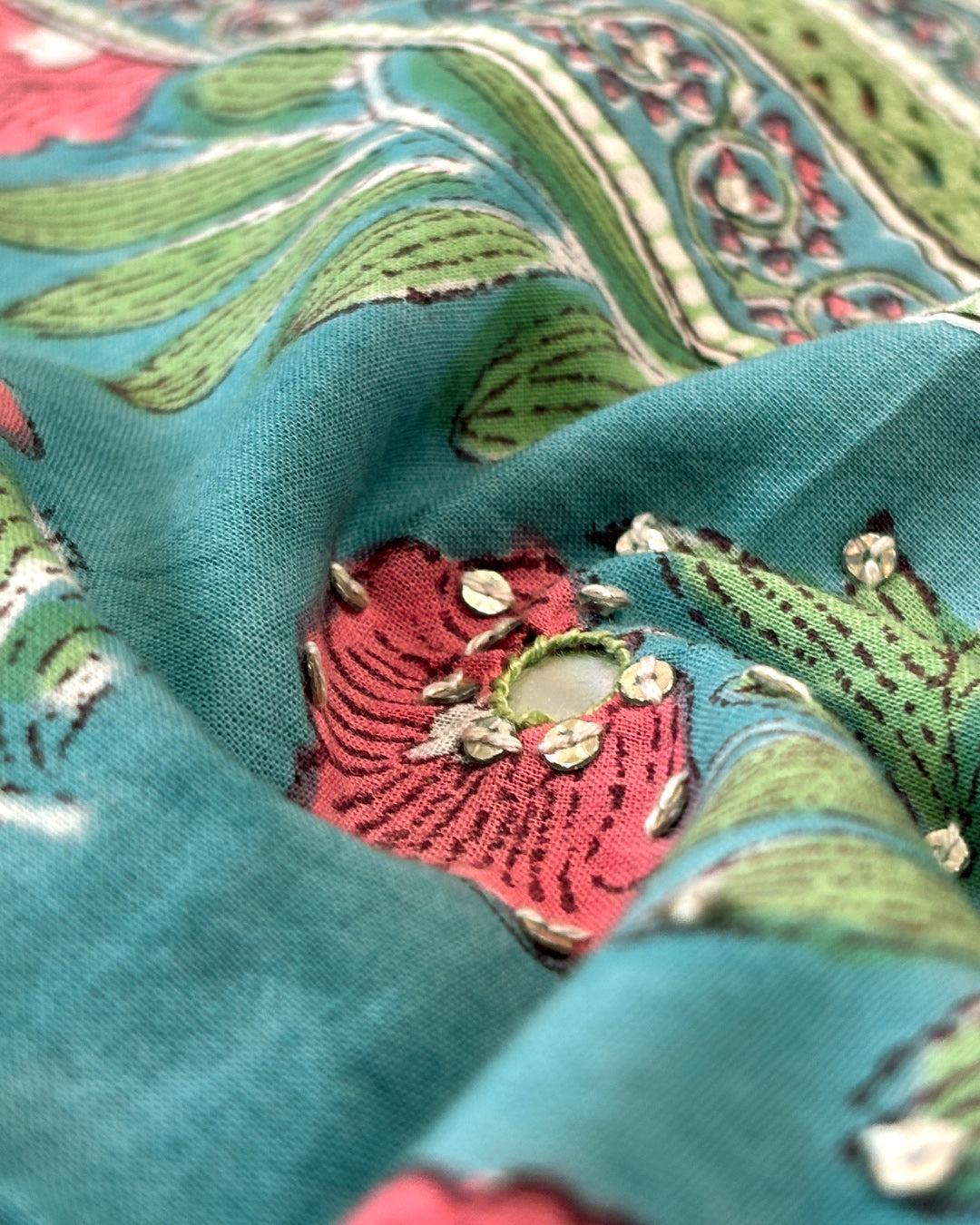
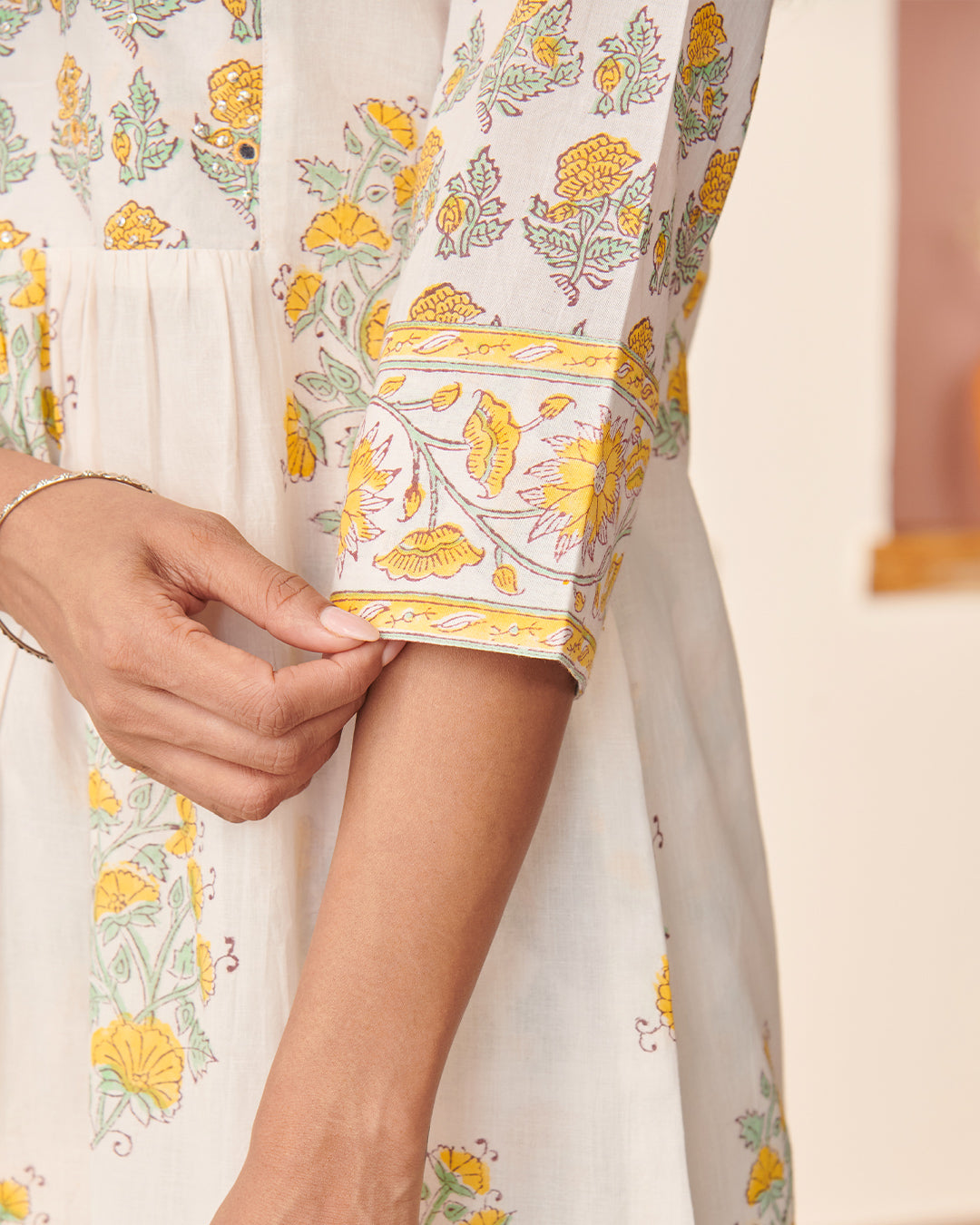
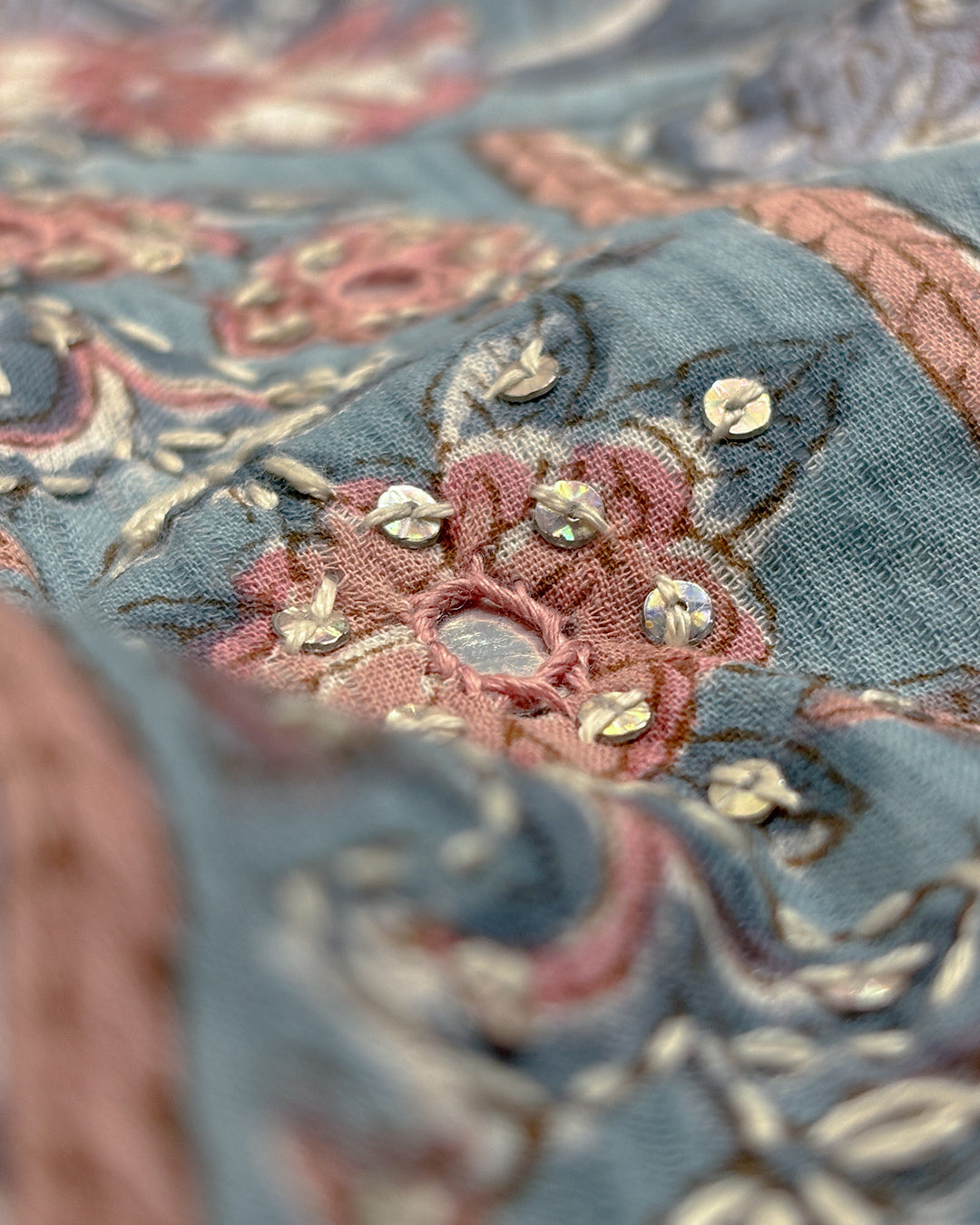
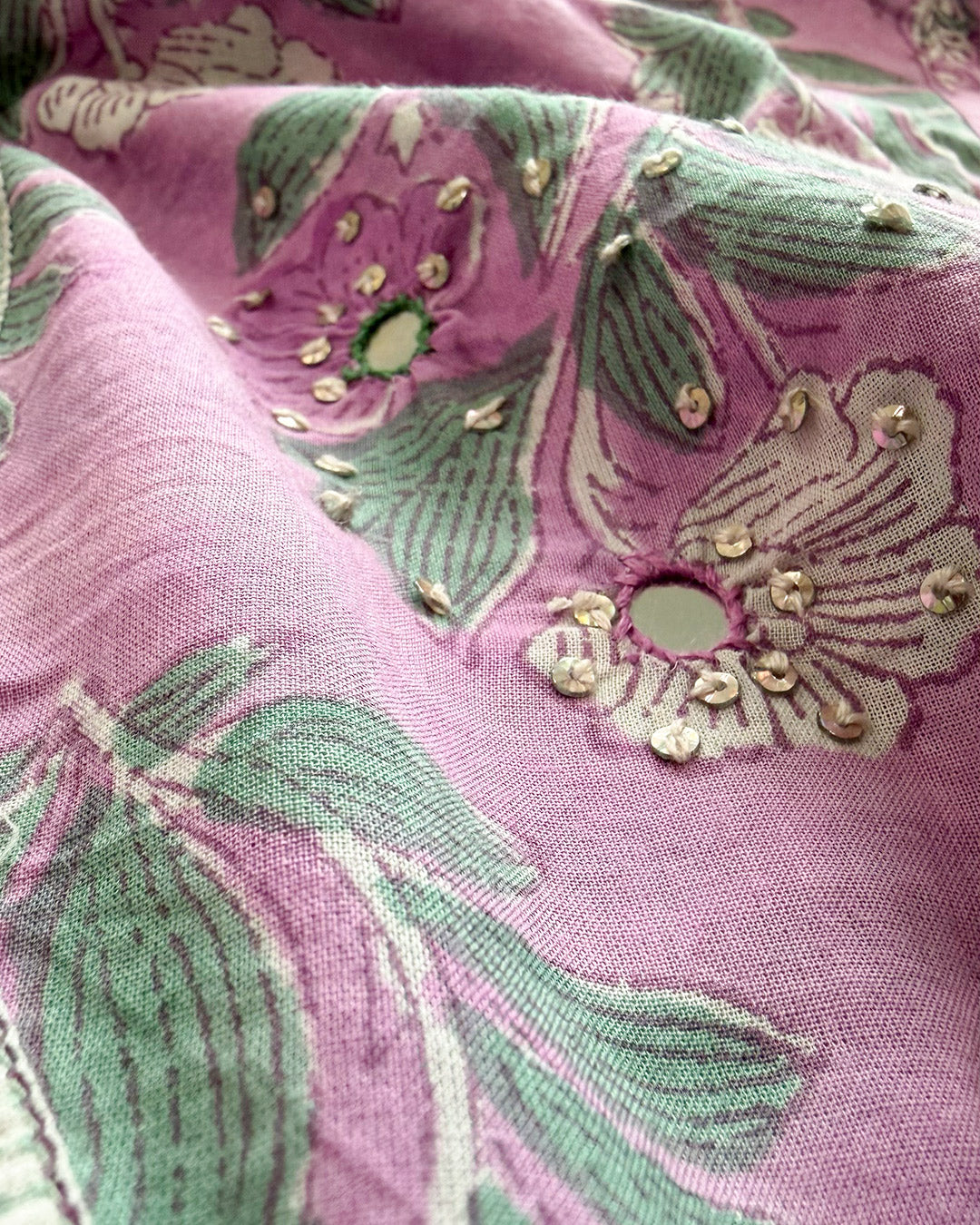
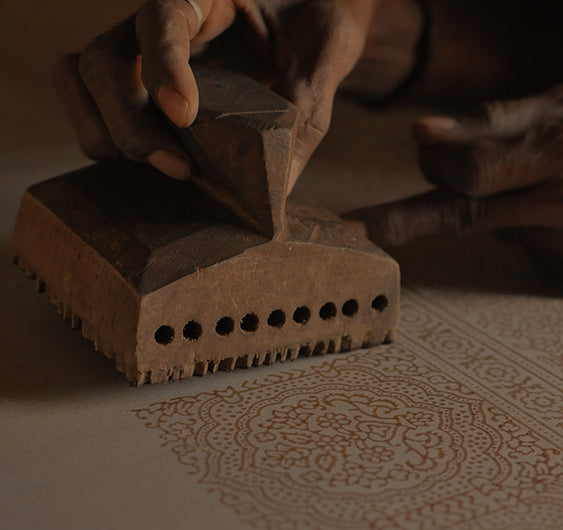
Hand block printing has been around for centuries, and India has been one of its most important homes. The process involves carving a design into a wooden block, coating it in dye, and pressing it onto fabric by hand across the full length of cloth. Each color needs its own block and its own separate pass, so even a moderately detailed kurta can involve dozens of individual steps.
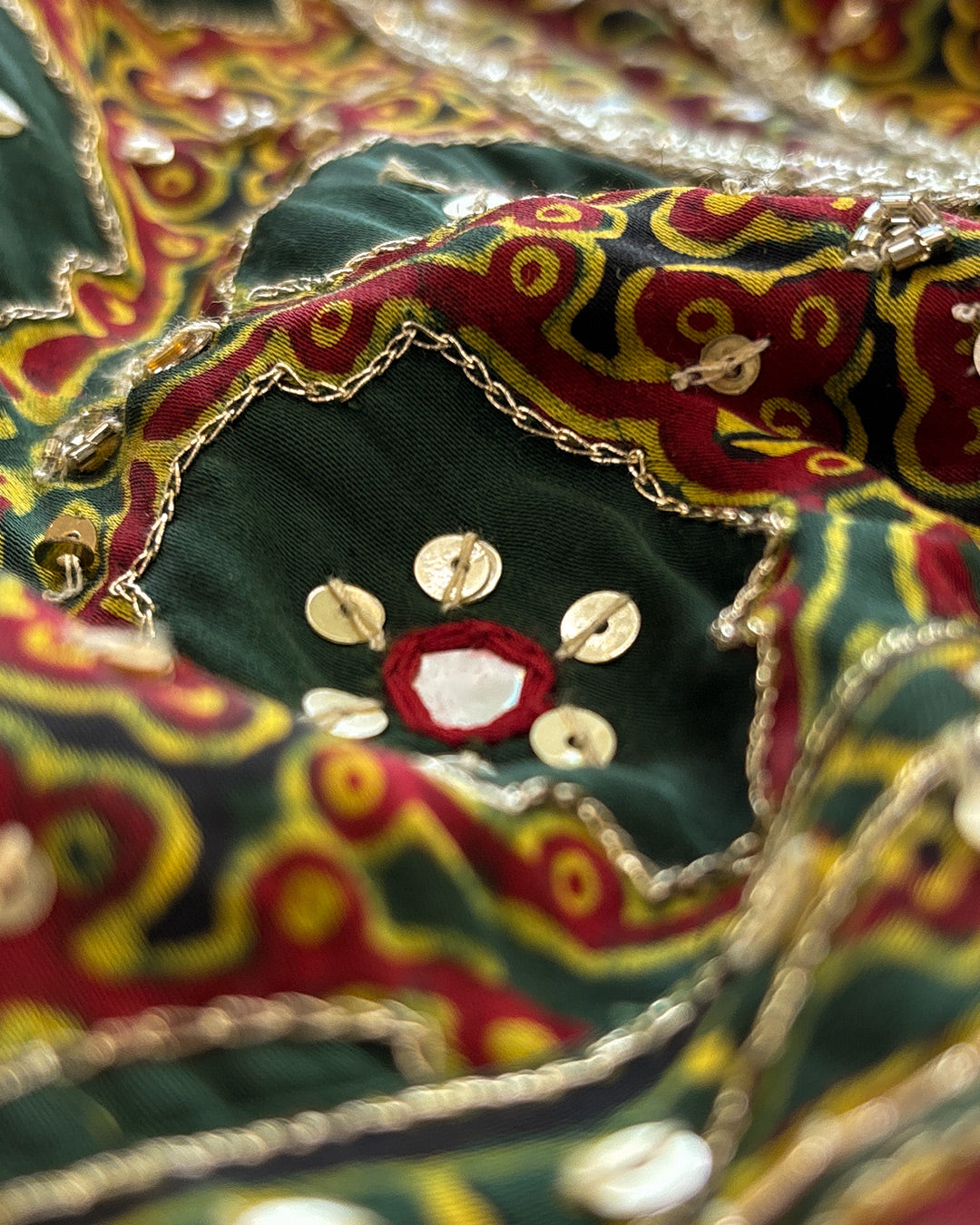
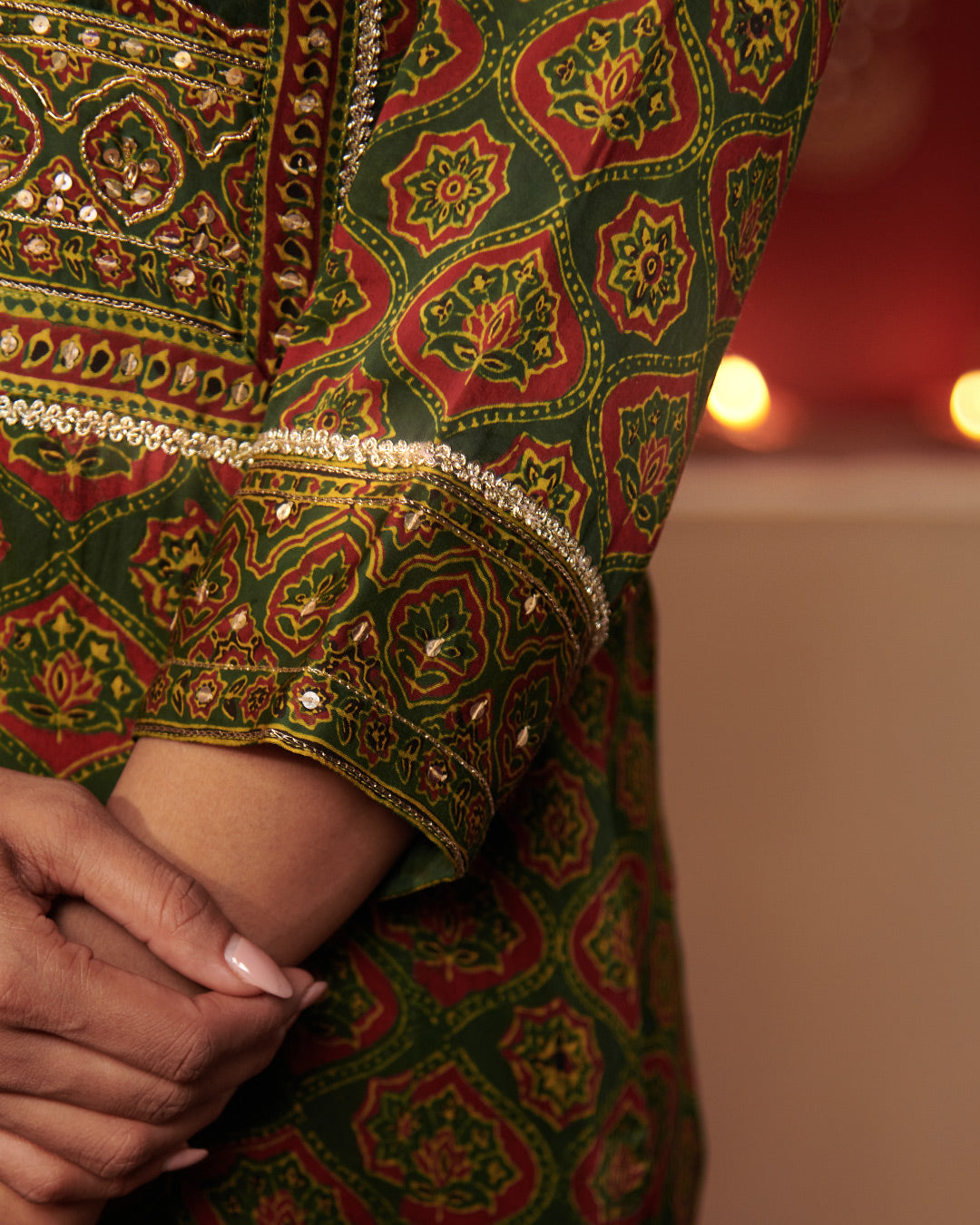
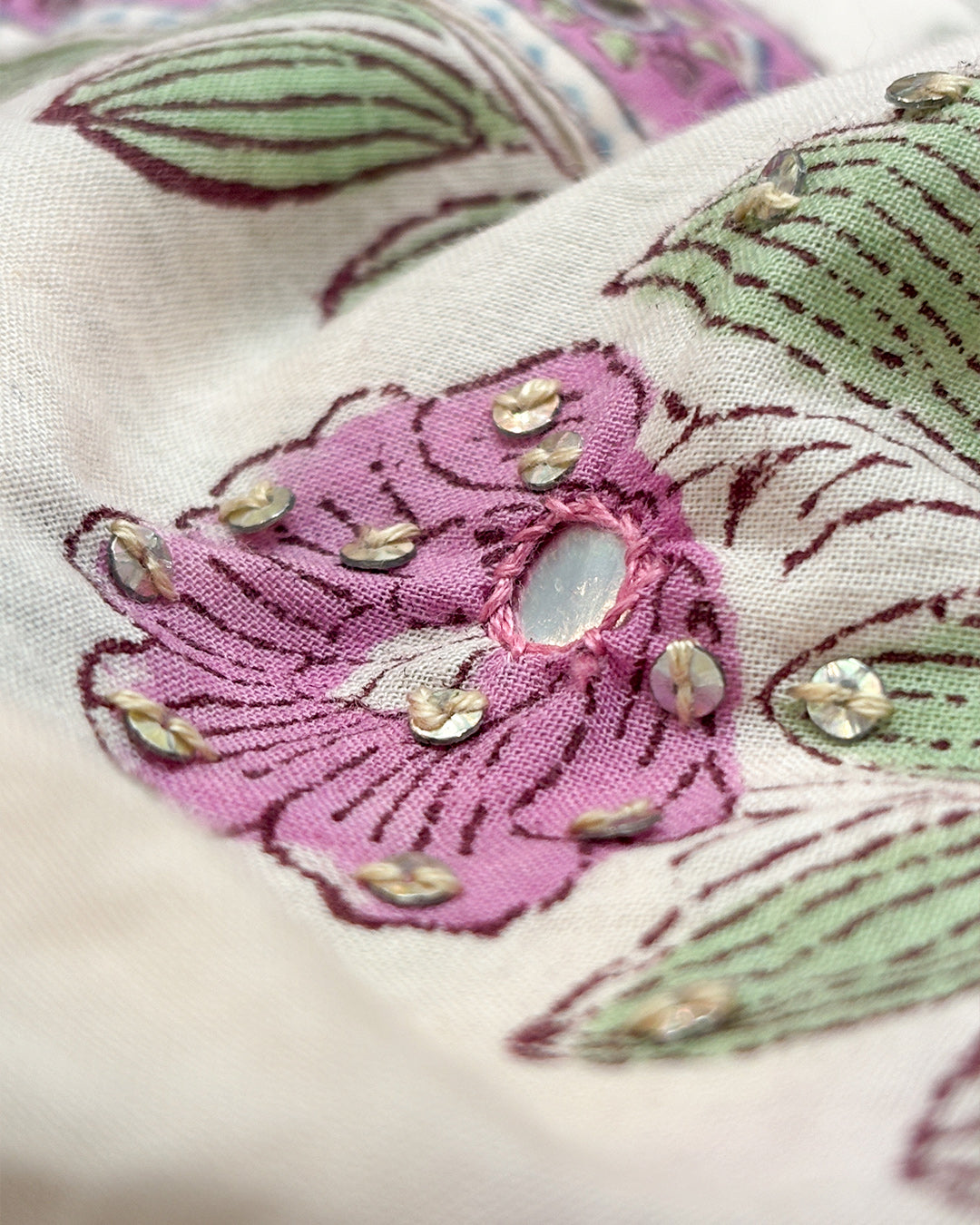
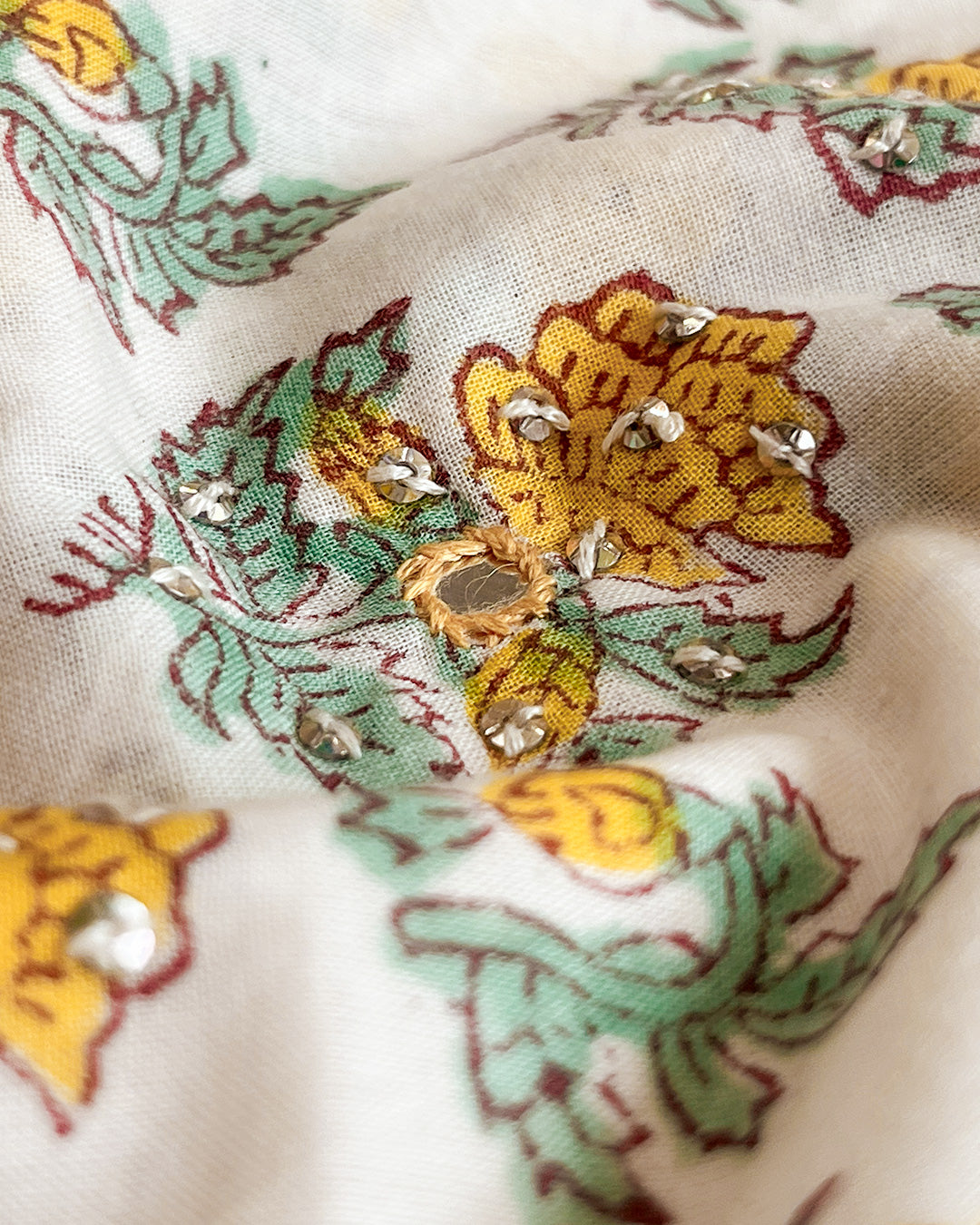
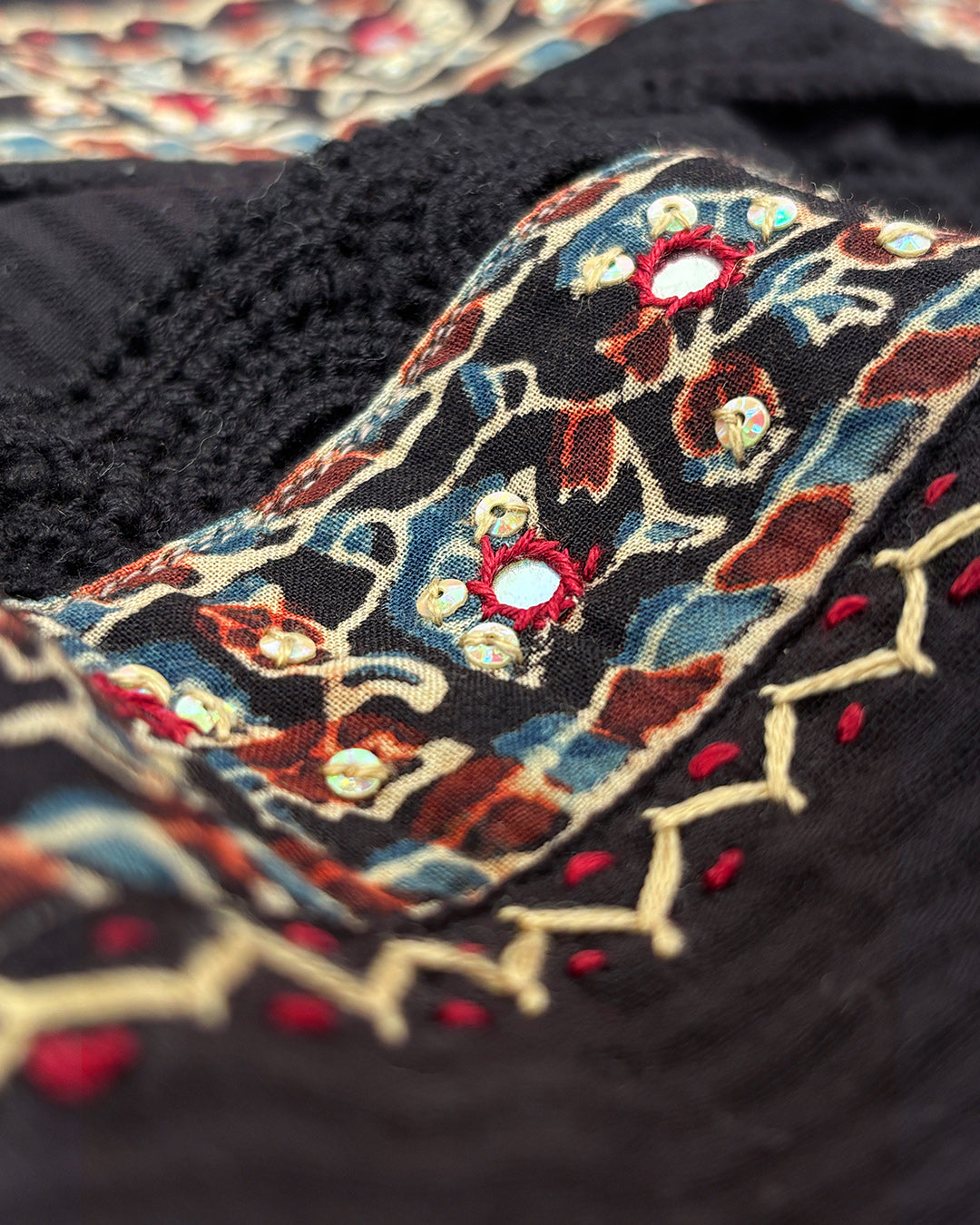
What makes it genuinely different from machine printing is the variation. No two pieces come out exactly the same. The way dye absorbs into fabric changes with humidity, block saturation, and hand pressure. The slight misalignment between impressions becomes part of the pattern. These aren't flaws. They're what makes each piece its own, and no machine can reproduce that.
Regional Print Traditions Across India
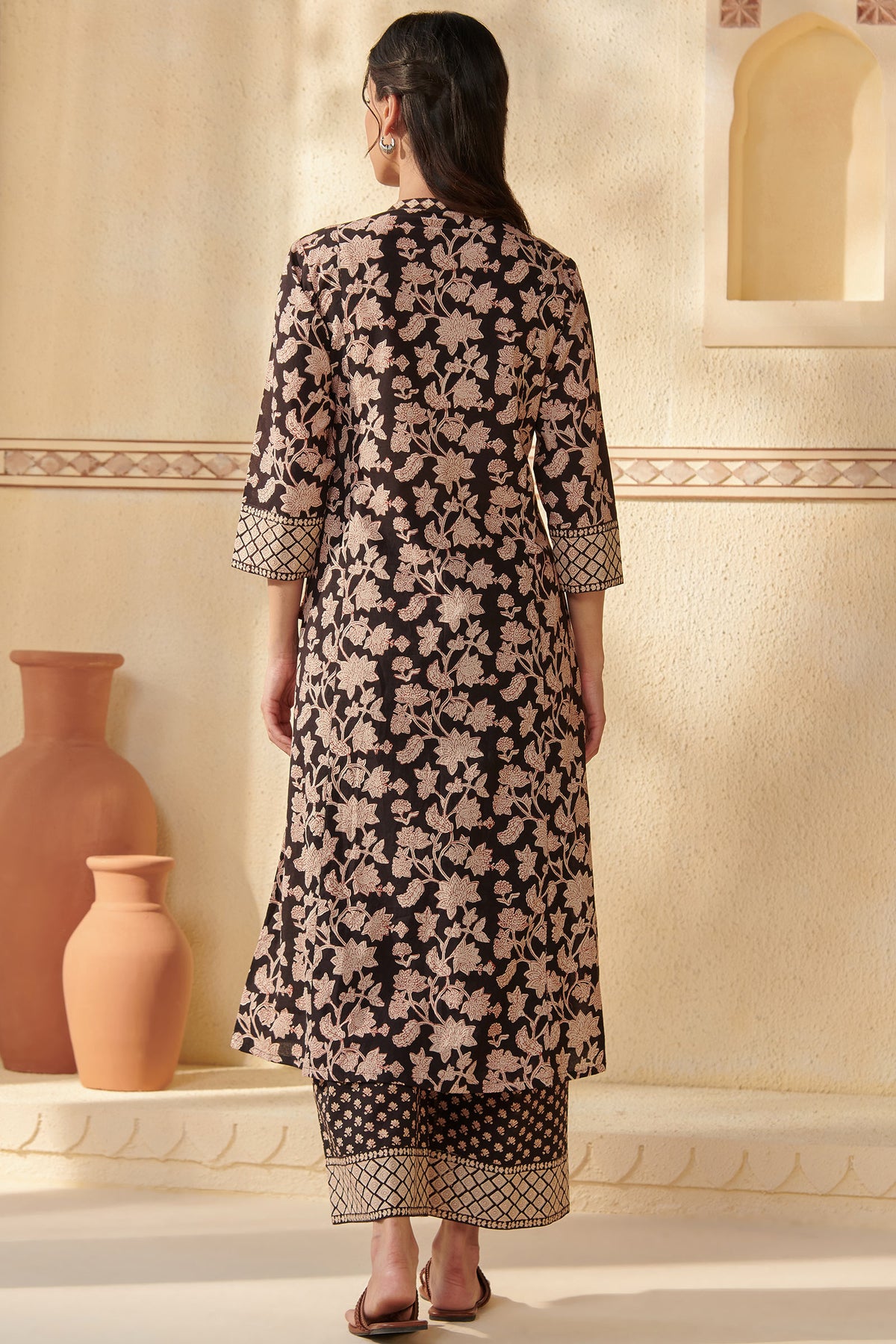
Indian printing traditions are specifically regional in a way that actually shows up in the finished fabric. Rajasthan's block prints are bold and geometric, heavy on indigo, rust, and earthy tones. Andhra Pradesh's Kalamkari work is finer and more detailed, hand-drawn figures of gods, birds, and flowers that feel more like illustration than textile design. Gujarat's Ajrakh printing builds up deeply symmetrical geometric patterns through multiple rounds of resist and dyeing. Madhya Pradesh's Bagh prints carry an earthiness that comes directly from the local clay and river water, something a factory simply cannot replicate.
Each is a living tradition with its own community of practitioners. When someone wears a kurta drawing from any of them, there's real history in the cloth.
The Role of Artisans in Every Printed Kurta
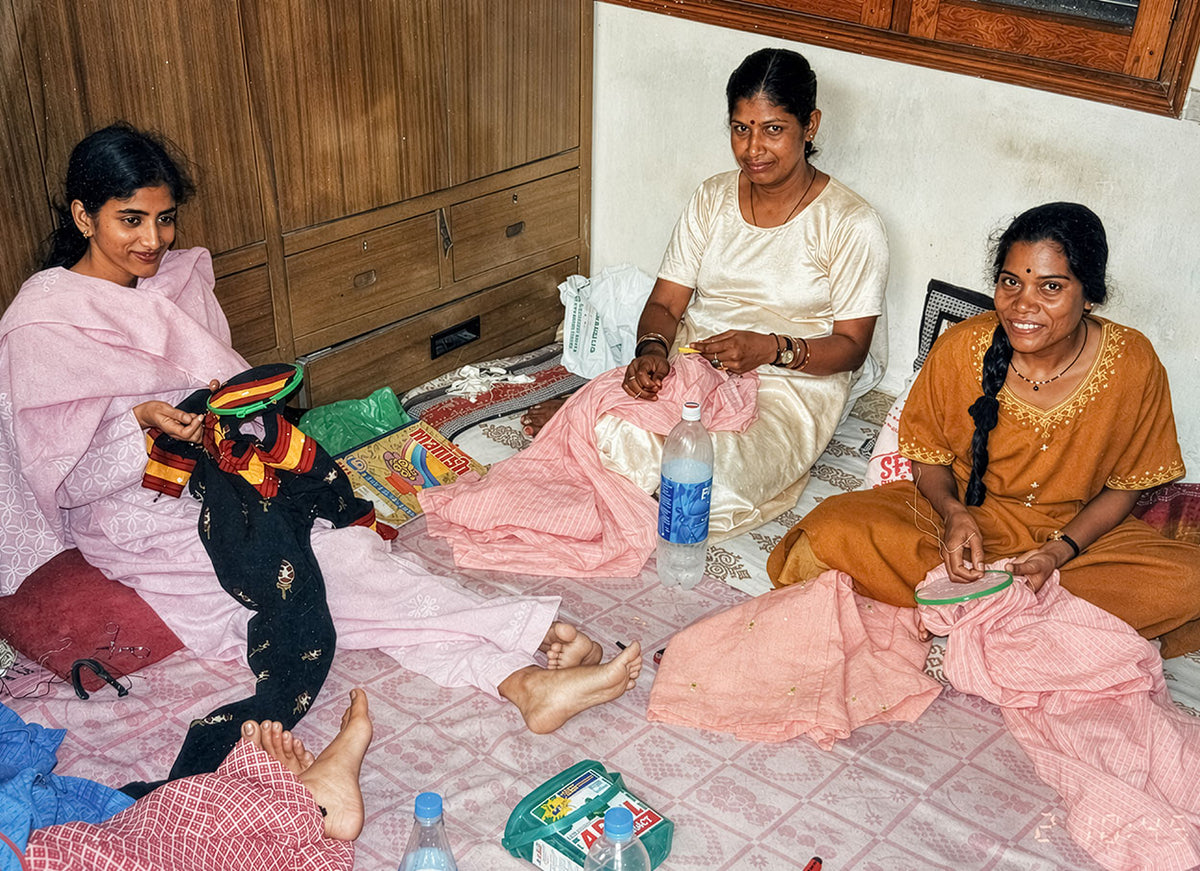
A printed kurta doesn't come from one person. Someone carved the block. Someone prepared the dye. Someone stretched and treated the fabric. The printer then worked across the full length of cloth, pressing the block hundreds of times and making small adjustments throughout.
For a detailed design, a single length of fabric can take a full day. For something like Ajrakh, with multiple resist and dye stages and drying time between each, the same piece might take weeks. Most of the people doing this work learned it as children, watching before they ever worked independently. By the time they're doing it alone, the technique has become something close to instinct. That effort sits in the fabric of every handmade printed kurta, even when there's no label explaining it.
Indian Printing Techniques Used in Printed Kurtas

Block Printing
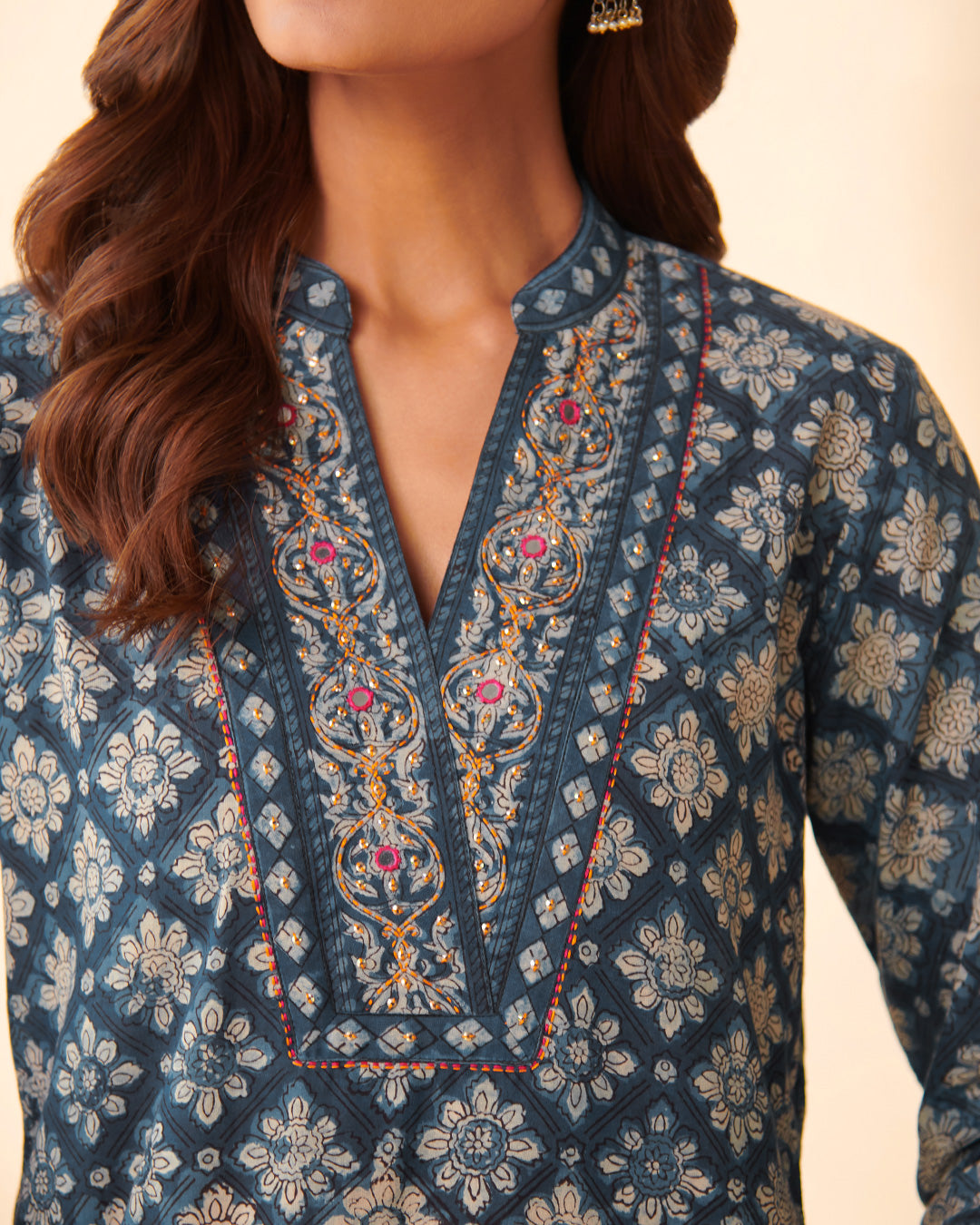
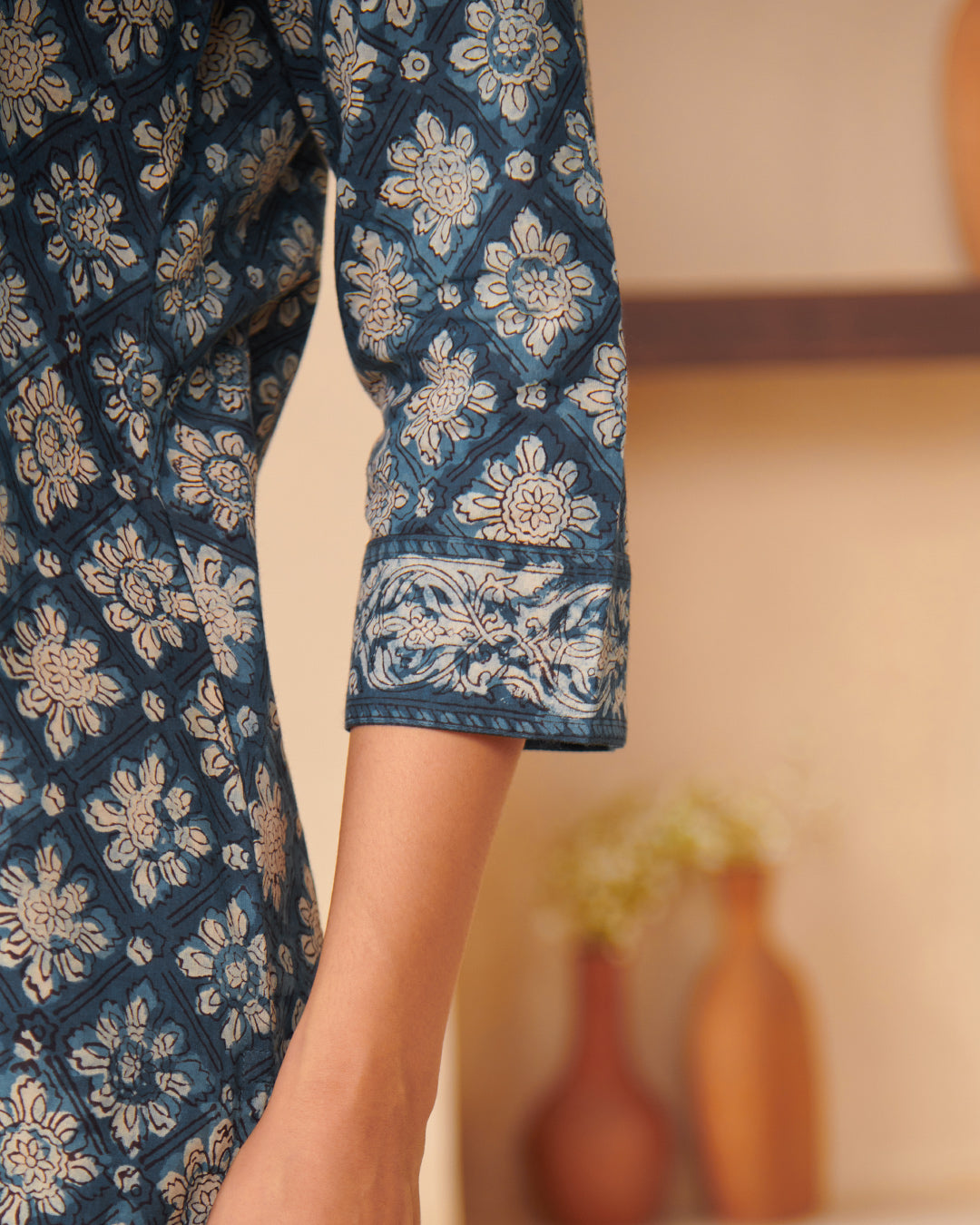
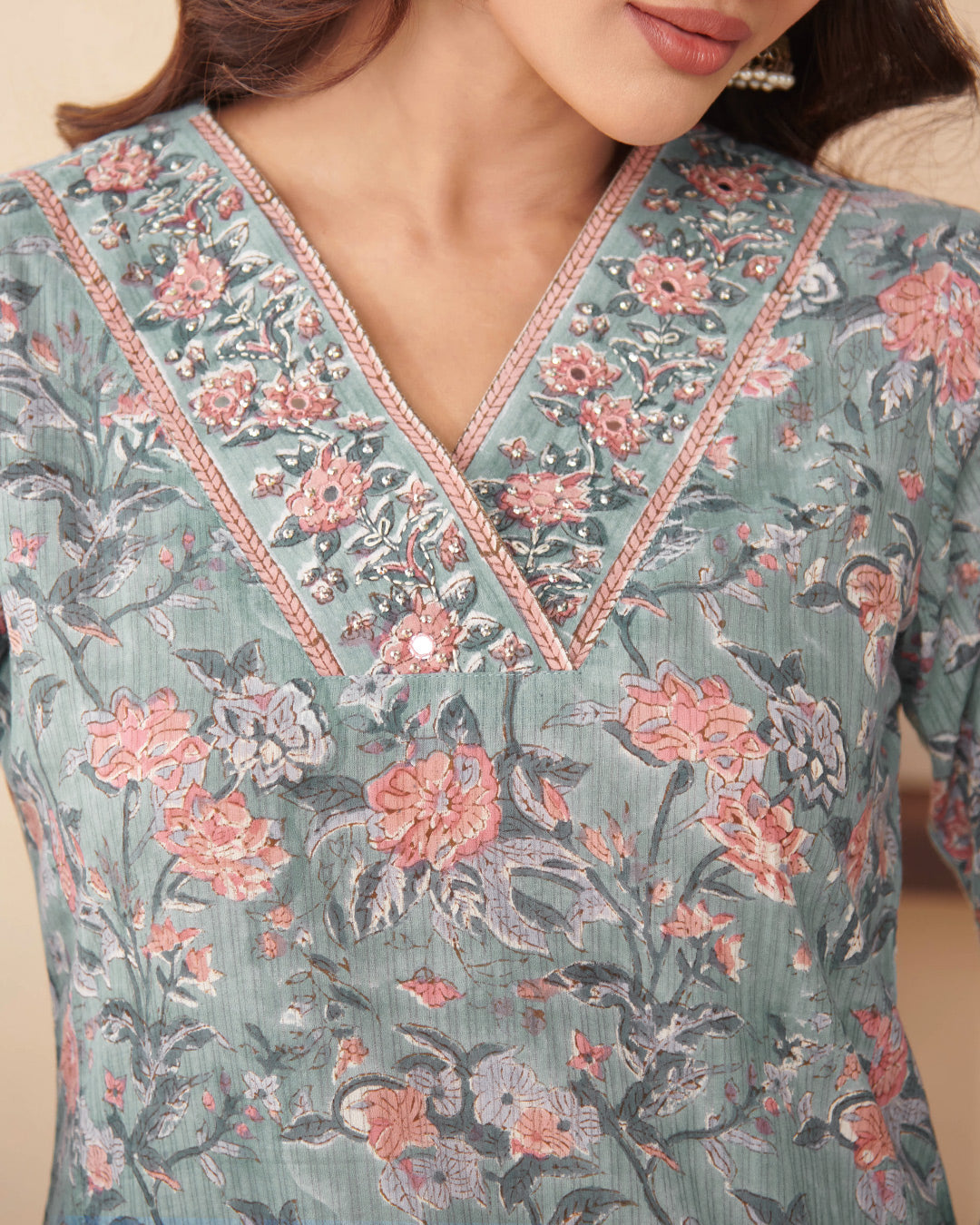
Block printing is practiced across multiple regions, each with its own distinct style. Sanganer in Rajasthan is known for finer floral patterns in lighter tones. Bagru has a heavier, earthier feel. Bagh in Madhya Pradesh has its own color palette shaped by the local river used in dyeing. The blocks themselves range from simple geometric stamps to intricately carved pieces that take considerable skill and time to make.
Ajrakh Prints
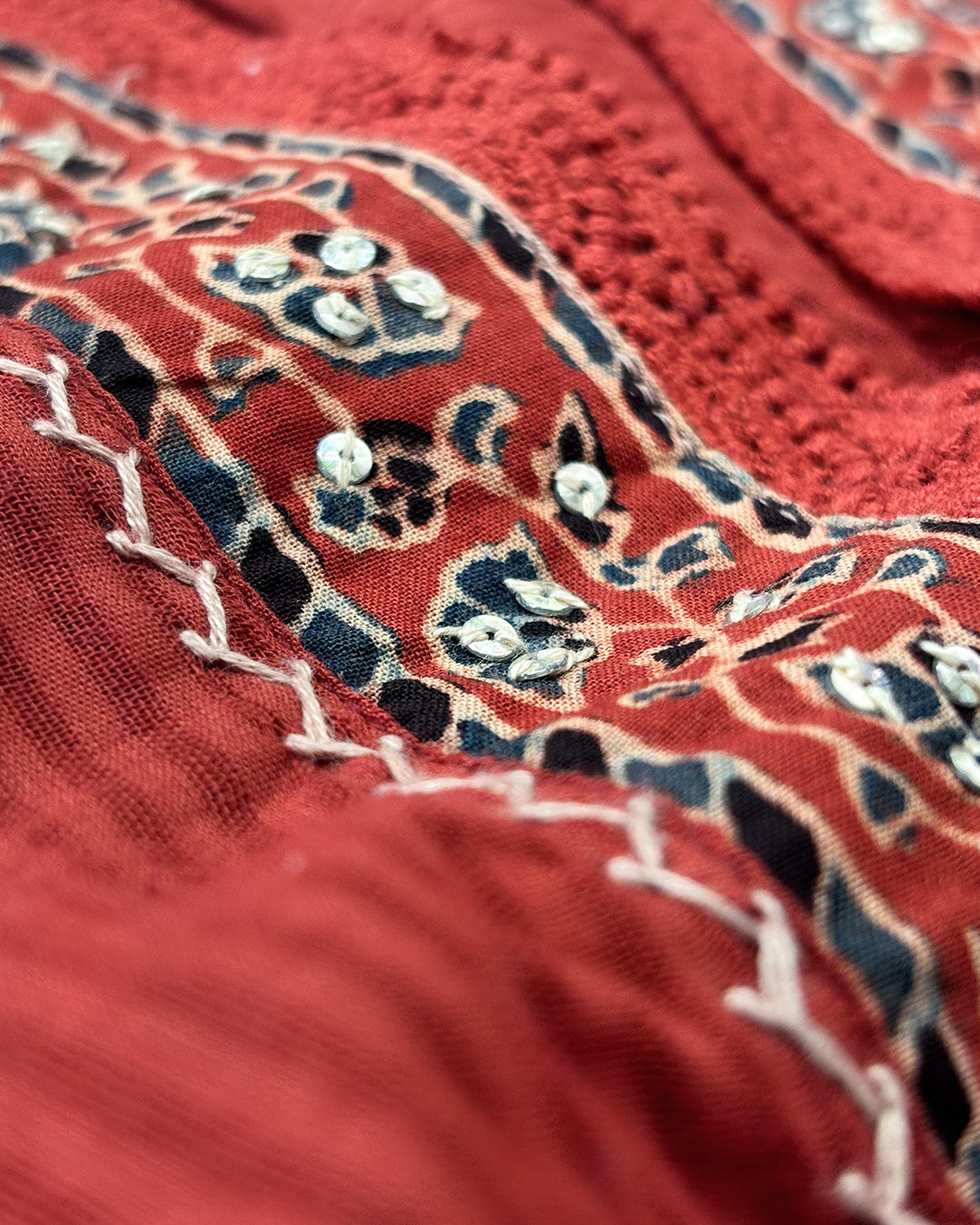
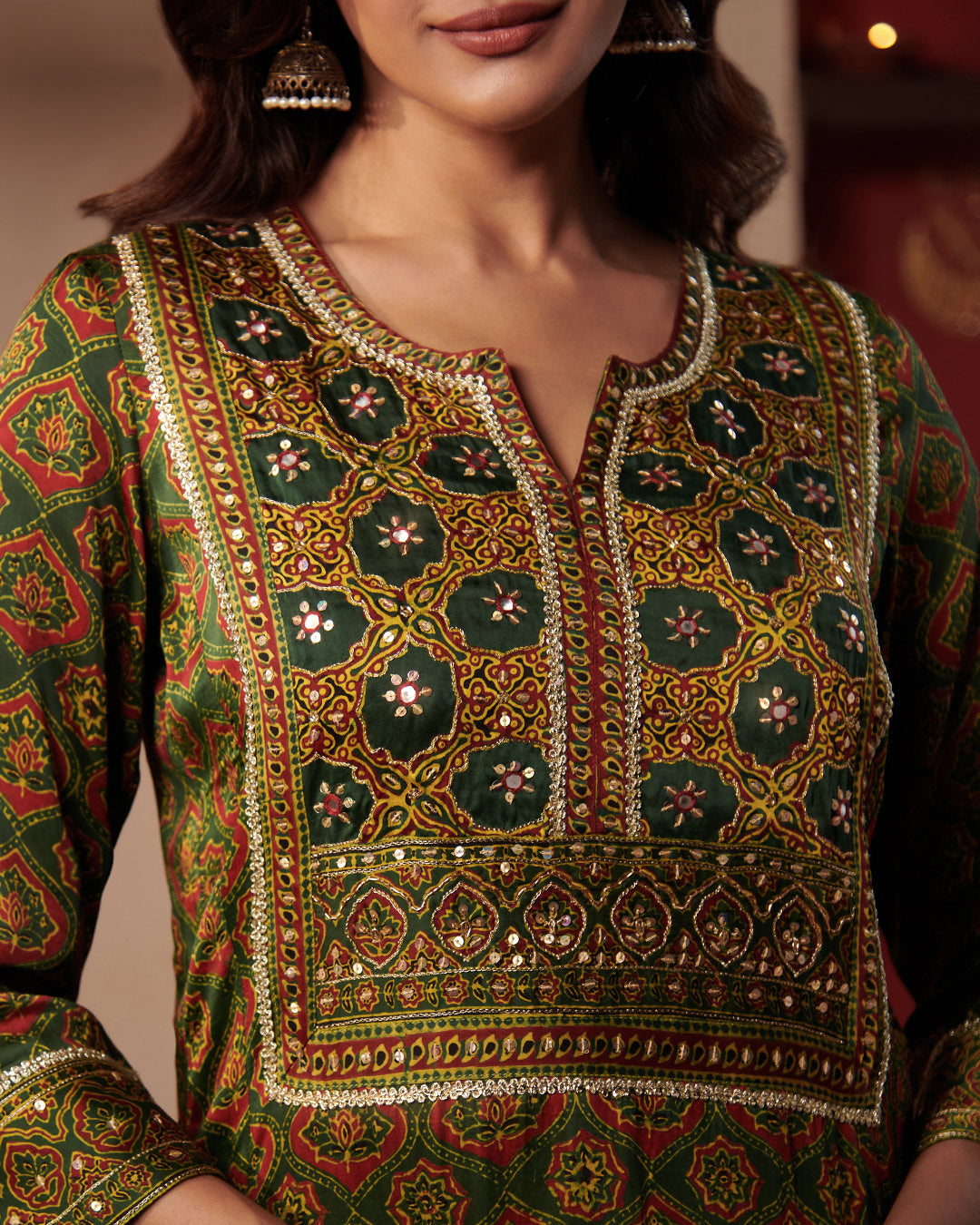
Ajrakh comes from the Kutch region of Gujarat and is one of the most labor-intensive printing traditions in India. Fabric goes through multiple rounds of resist application and natural dyeing, drying completely between each stage. The designs are geometric and deeply symmetrical, traditionally using indigo and madder. A genuine Ajrakh piece involves well over a dozen process steps and can take weeks from start to finish. The depth and richness of the result is immediately noticeable compared to anything machine-printed.
Bagru Prints
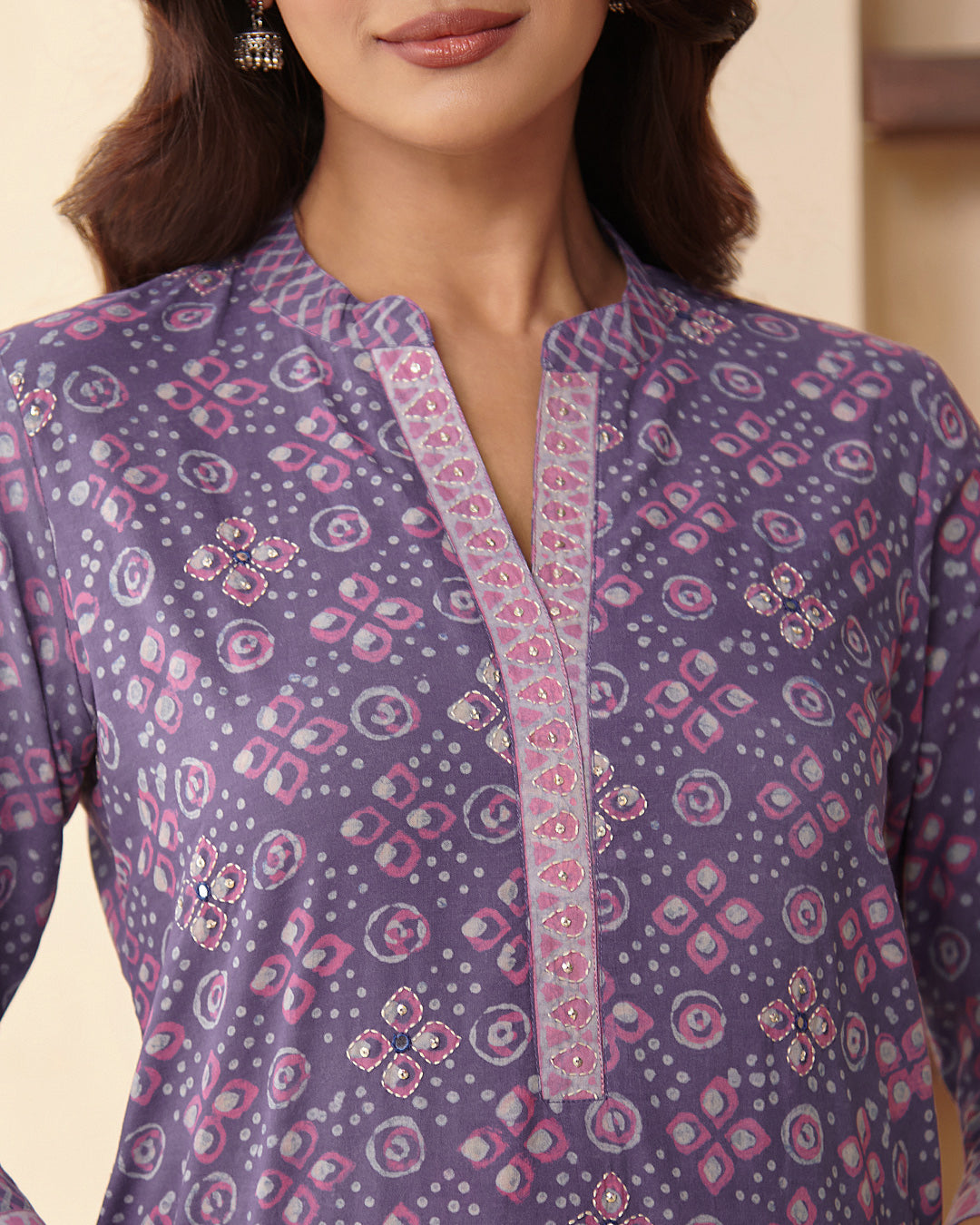
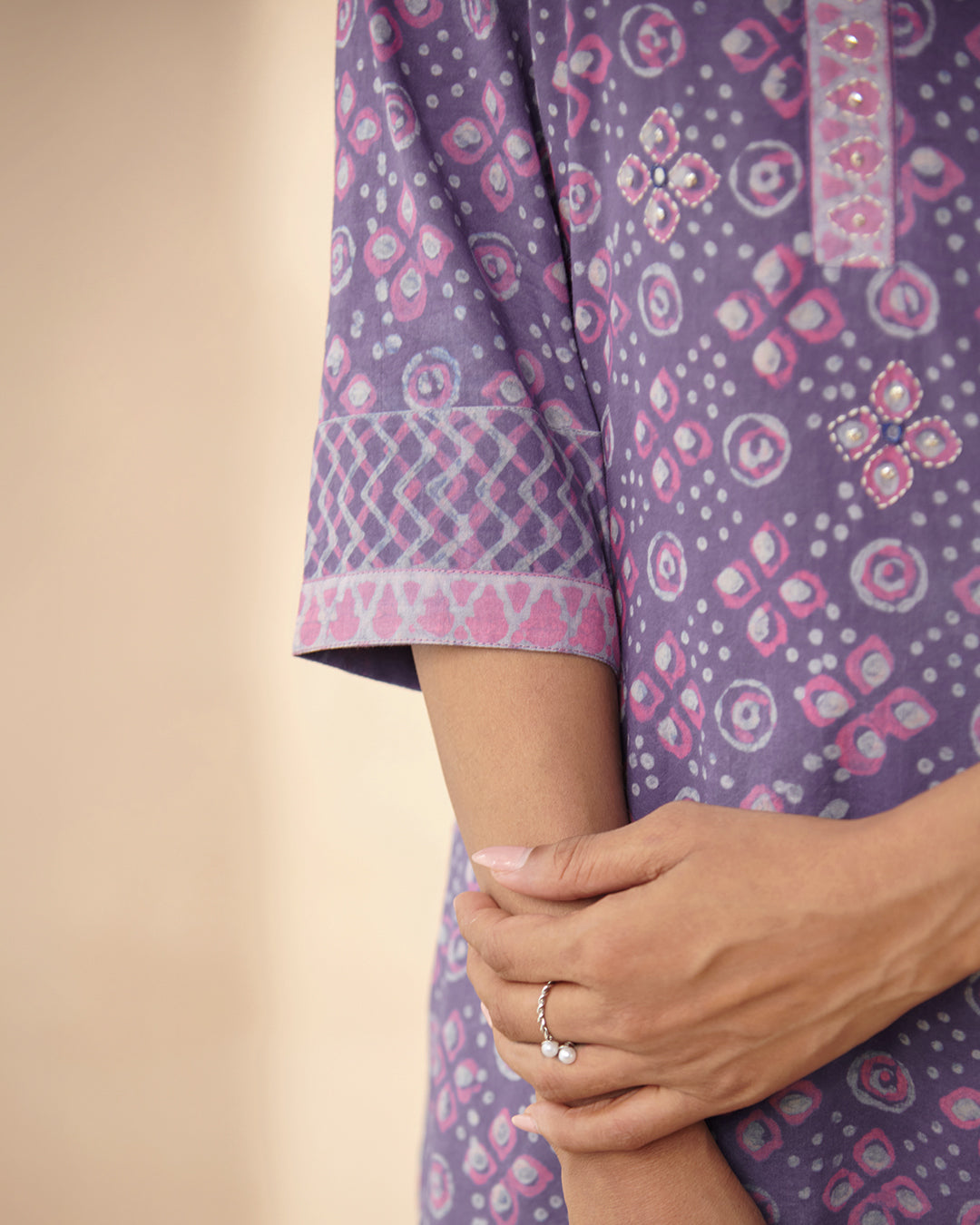
Bagru is a small town outside Jaipur with its own specific approach to block printing. The defining technique is dabu resist printing, where a paste of clay, lime, and gum is applied to parts of the fabric before dyeing. Those areas resist the dye and stay lighter, creating the pattern. The result is muted and earthy with an organic texture very different from sharper machine prints. Local water and soil affect the final color, which is why Bagru prints made elsewhere never quite look the same.
Kalamkari Art
Kalamkari translates loosely as pen work, which is exactly what it is. Artisans use a bamboo or palm pen to draw directly onto fabric, building detailed designs by hand. The Srikalahasti style from Andhra Pradesh is entirely freehand, with intricate figures from mythology filling every part of the cloth. The Machilipatnam style uses blocks but follows the same natural dye tradition and figurative imagery. Kalamkari has a storytelling quality that's unlike anything else in Indian textile craft.
Digital and Contemporary Prints Inspired by Tradition
Many printed kurtas today use digital printing rather than hand techniques, and that's not automatically a bad thing. Digital printing has made traditional aesthetics more accessible and affordable. The honest difference is that a digitally printed kurta referencing Ajrakh or Kalamkari motifs borrows the visual language of those traditions without carrying the craft, time, or human skill behind them. Both have a place, but they're not the same thing, and it's worth knowing which one you're actually buying.
How Buying Printed Kurtas Supports Indian Artisans
Most people don't think about this when they're shopping. They find something they like, check the price, and decide. But with handmade printed kurtas, that decision goes further than just the transaction.
Preserving Generational Craftsmanship
These printing traditions don't live in textbooks or factory manuals. They live in people. A block printer in Bagru learned by watching his father, who learned the same way from his father before him. That chain of knowledge is fragile. When fewer people buy handmade, younger family members look for steadier work elsewhere and the craft loses another generation. Every handmade printed kurta that sells gives one more family a reason to keep going.
Supporting Rural Artisan Communities
The workshops where this work happens aren't in cities. They're in smaller towns and villages where craft income doesn't just support one person but sustains a whole cluster of livelihoods. The block carver, the dye mixer, the fabric preparer, the printer, all part of the same chain. When you choose something handmade, that money moves through that chain.
Encouraging Slow and Sustainable Fashion
Handmade printed kurtas take real time to make. Small batches, natural dyes, no production lines. There's also something straightforward about buying a kurta you'll wear for years rather than a couple of seasons. That alone makes it a more considered choice than most of what fast fashion offers.
Keeping Handmade Textiles Relevant in Modern Fashion
Craft traditions don't survive because they're old. They survive because people keep finding them worth wearing. When handmade printed kurtas show up in real wardrobes and get bought by people who genuinely appreciate them, the craft stays alive in a way that matters. Not preserved behind glass, but actually worn. That's what gives artisans a reason to keep going rather than maintaining what already exists.
The Difference Between Handmade Prints and Machine Prints
This is worth understanding before spending money, because the difference is real and shows up in ways you can see and feel.
Uniqueness in Handmade Craftsmanship
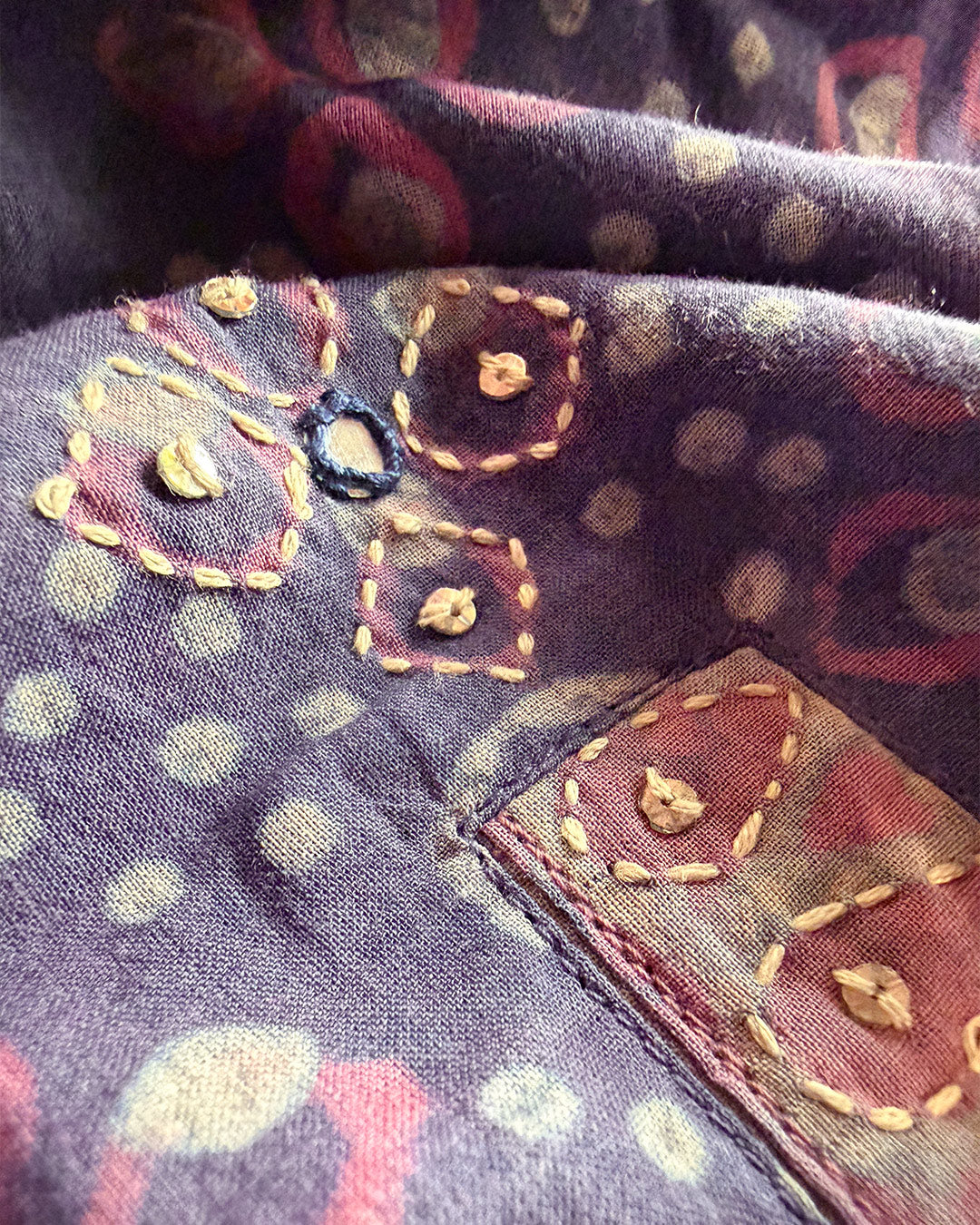
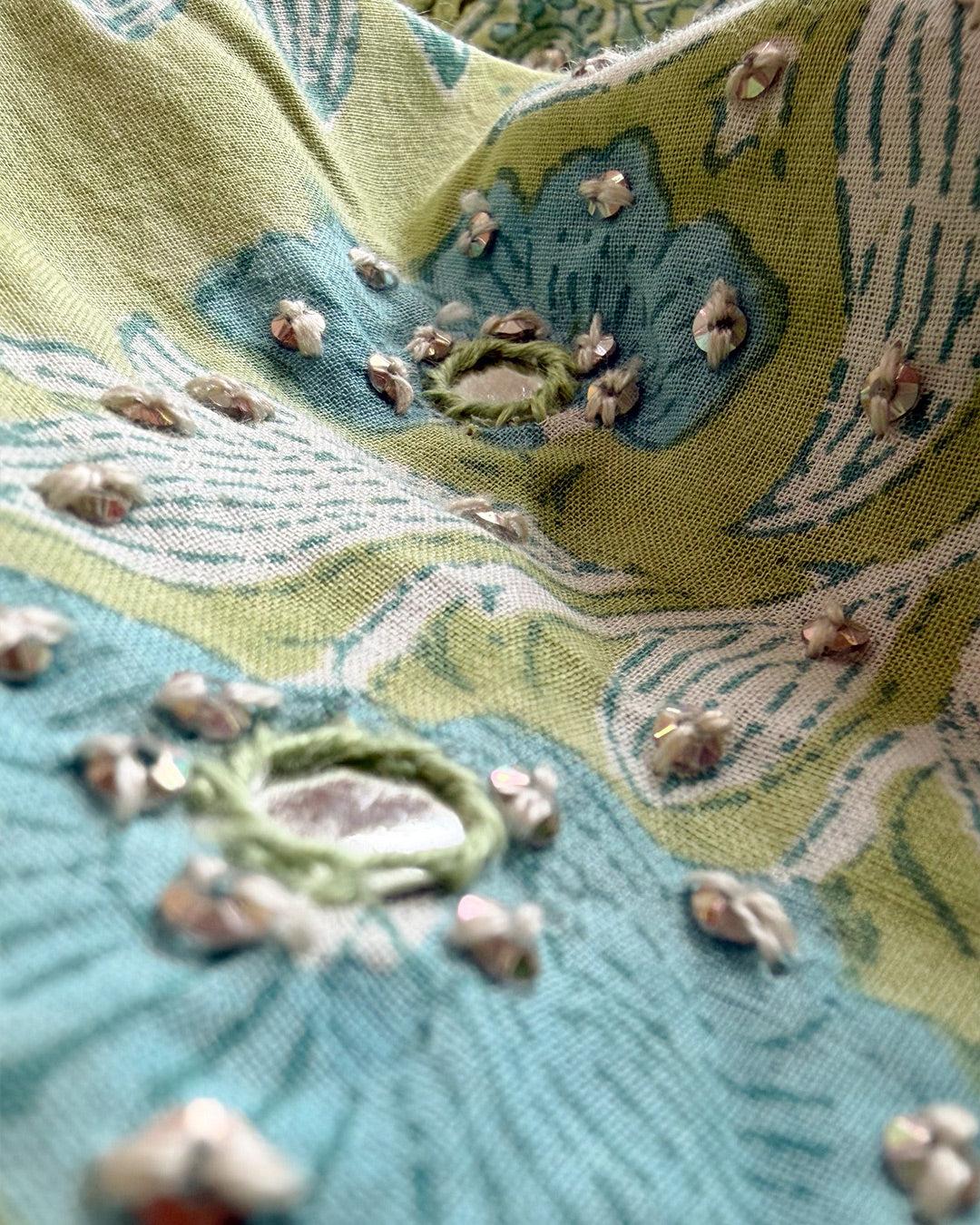
Machine printing is built around consistency. Every repeat lands in exactly the same place, every color at the same depth. Handmade printing works differently. The block shifts slightly between impressions. Dye bleeds a little at the edges. Color depth changes depending on how saturated the block was at that moment. None of this is a mistake. It's what makes a handmade piece genuinely one of a kind. You could buy the same design from the same workshop and still end up with something nobody else has.
Time, Skill and Effort Behind Each Piece
There's no fast version of hand block printing. A machine covers meters of fabric in minutes. A skilled artisan working through a detailed pattern might spend a full day on the same length. Years of practice go into knowing how hard to press, how to keep the repeat consistent, how to read the fabric. When you hold a well-made handmade kurta, something about it feels different, even before you know why.
Why Handcrafted Prints Feel More Authentic
With a machine-printed kurta, a design gets fed into a system and reproduced identically thousands of times. With a handmade one, a person made choices at every step. How the dye was mixed, how the block was positioned, how much pressure felt right on that fabric. Those choices are built into the final piece in a way that can't be replicated at scale. That's what authenticity actually means here, not just a word on a label.
What to Look for When Buying Artisan-Made Printed Kurtas
Once you know what to look for, it becomes easier to tell what's worth buying and what's just borrowing the language of craft without the substance.
Fabric Quality and Comfort
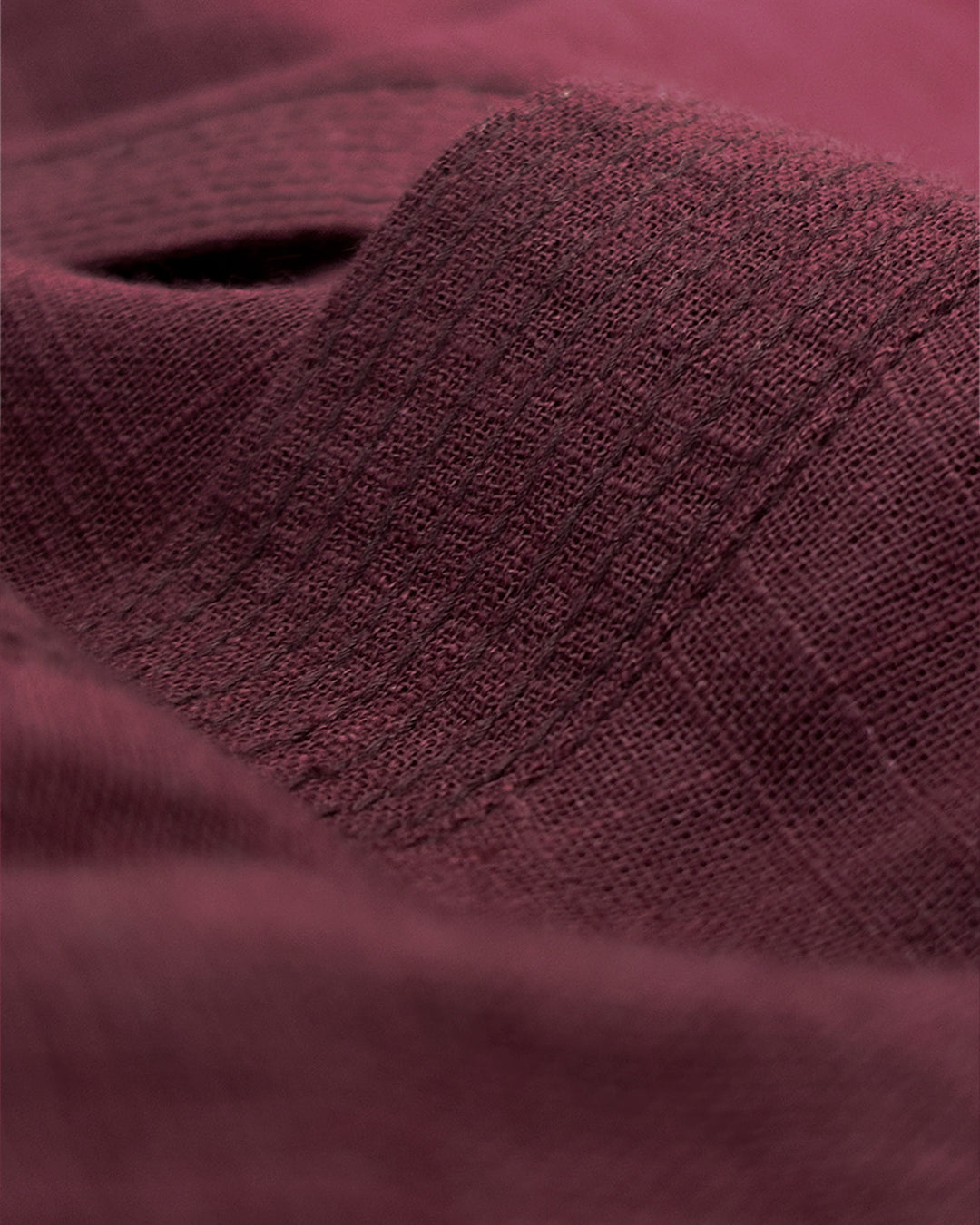
Pure cotton, linen, and cotton-silk blends work best with hand printing. They absorb dye well, wear comfortably, and hold up over time. If the fabric feels plasticky or unusually smooth, it's likely a synthetic blend. Synthetic fabrics don't carry hand prints the same way and tend to feel less comfortable the longer you wear them.
Authentic Printing Techniques
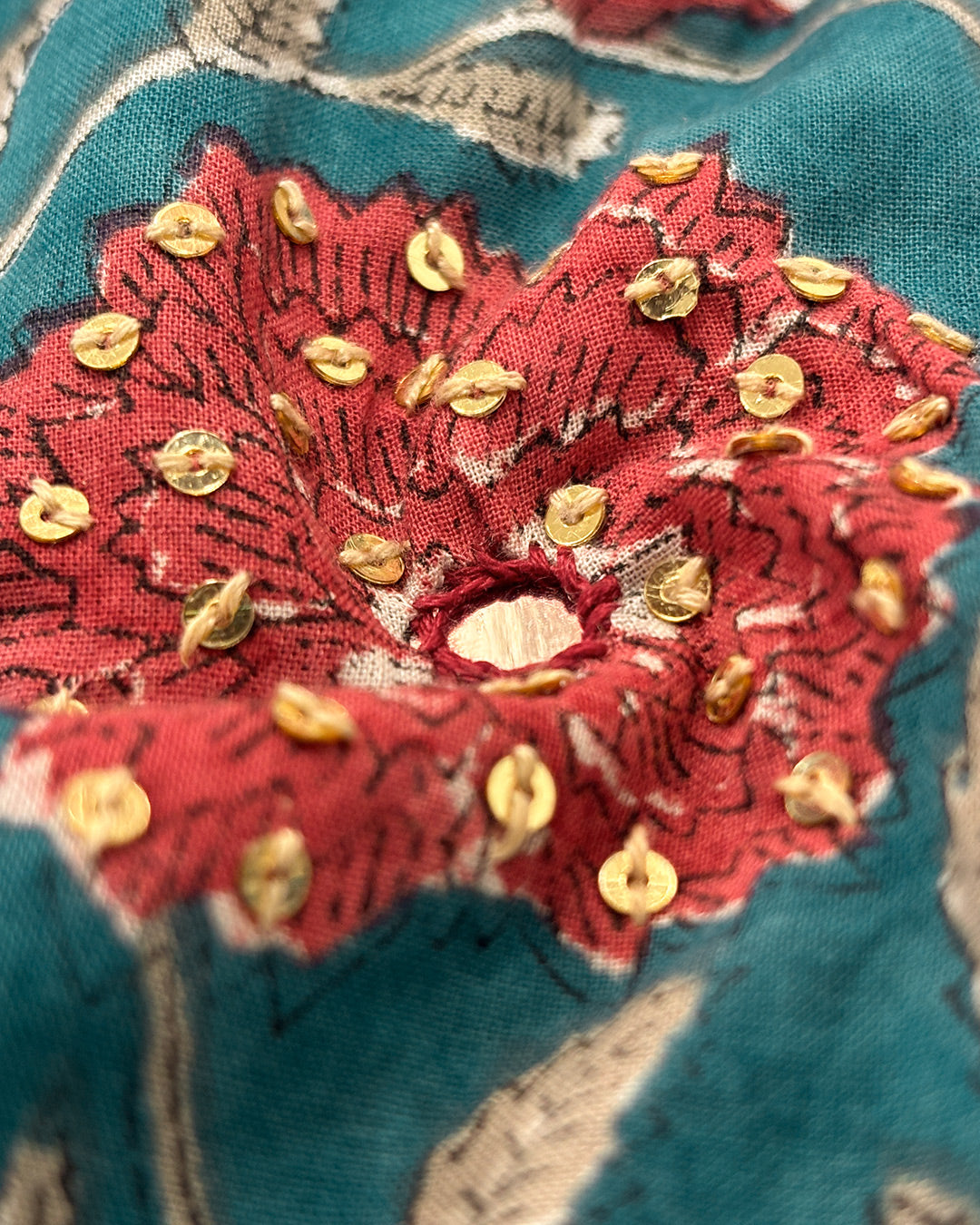
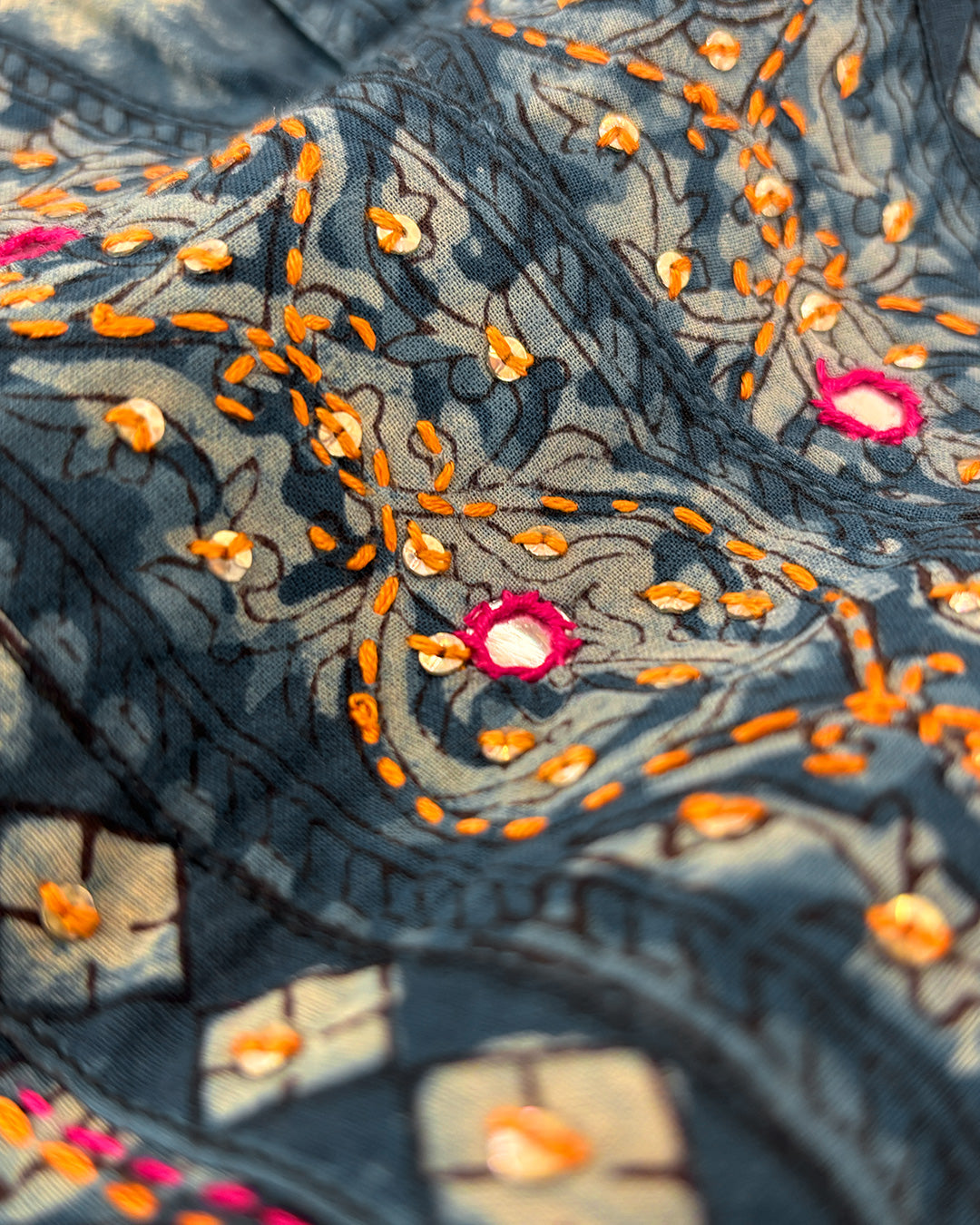
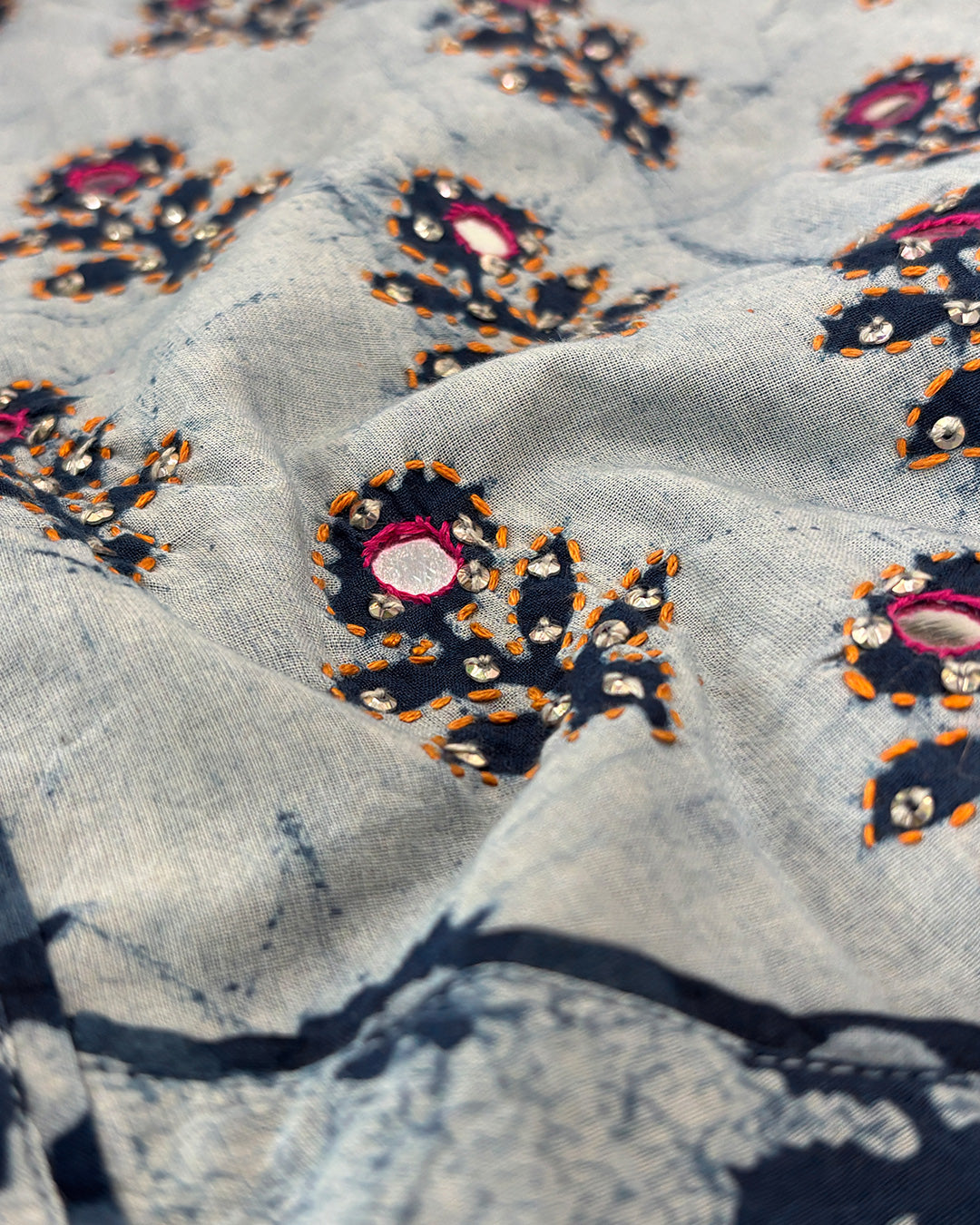
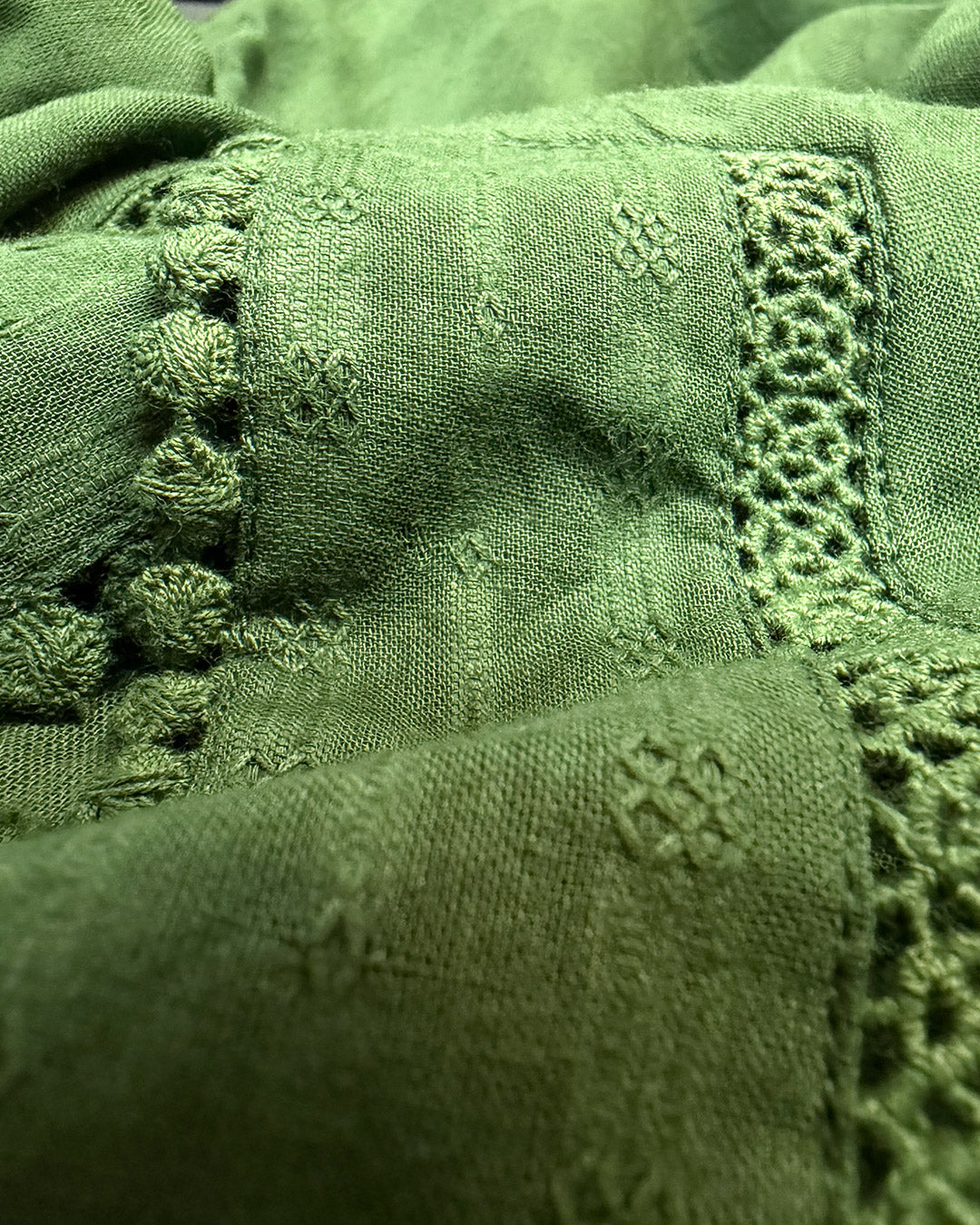
Brands working with real craft techniques say so specifically. Look for names like block printing, Ajrakh, Bagru, or Kalamkari in the product description, not just "handcrafted" without any further detail. On the fabric itself, small irregularities in the print, slight color variation, and visible texture in the pattern are all signs that an actual person did this work.
Natural Dyes and Sustainable Materials
Natural dyes have a warmth that synthetic dyes don't quite replicate. They also age well, developing character over time rather than just fading. A kurta dyed with indigo or madder that's been worn and washed many times looks better for it. That's something a brand new synthetic-dyed piece simply can't offer.
Ethical and Handmade Fashion Labels
How a brand talks about its products tells you a lot. Labels that mention specific artisan communities, name the printing technique, or describe the production process in real detail are worth paying attention to. Vague language like "artisan-inspired" or "traditional style" without anything backing it up usually means the craft connection is more aesthetic than genuine.
The Growing Demand for Handmade Indian Prints in Modern Fashion
The novelty of cheap, trend-driven fashion has worn thin for a lot of buyers. There's a genuine and growing appetite for things made with actual skill and thought, and handmade Indian prints sit right in the middle of that shift. They offer individuality and craft that mass production simply cannot provide, regardless of how well it mimics the surface look.
Independent Indian labels built around handmade textiles have grown noticeably over the past decade. Younger buyers are coming back to ethnic wear with more curiosity and appreciation for what makes it genuinely different. The momentum is real, and it matters for the communities doing this work.
Why Supporting Indian Artisans Matters Today
India's traditional textile crafts are shrinking in many places. Fewer practitioners, older average ages, younger generations moving toward other work. The skills take years to develop and can't simply be picked up again after a gap. When they leave a community, getting them back is genuinely difficult.
Buying artisan-made printed kurtas is one of the most direct things someone can do to push against that. Not because one purchase saves a craft, but because sustained demand creates sustainable livelihoods, and sustainable livelihoods give people a reason to keep the work going. It's not about charity. It's about recognizing that something worth having needs support to survive.
Experience Authentic Indian Prints Through Farida Gupta Collections
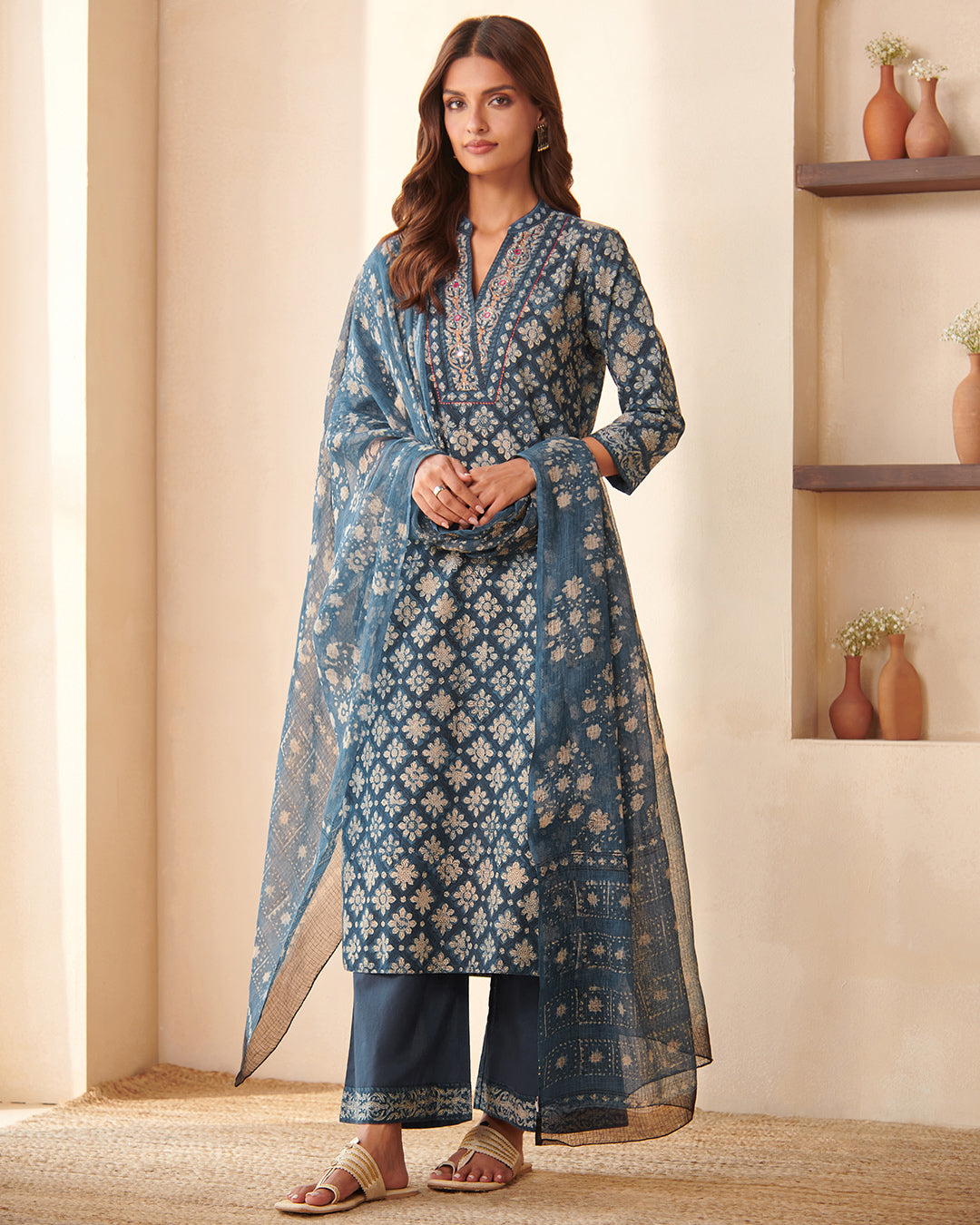
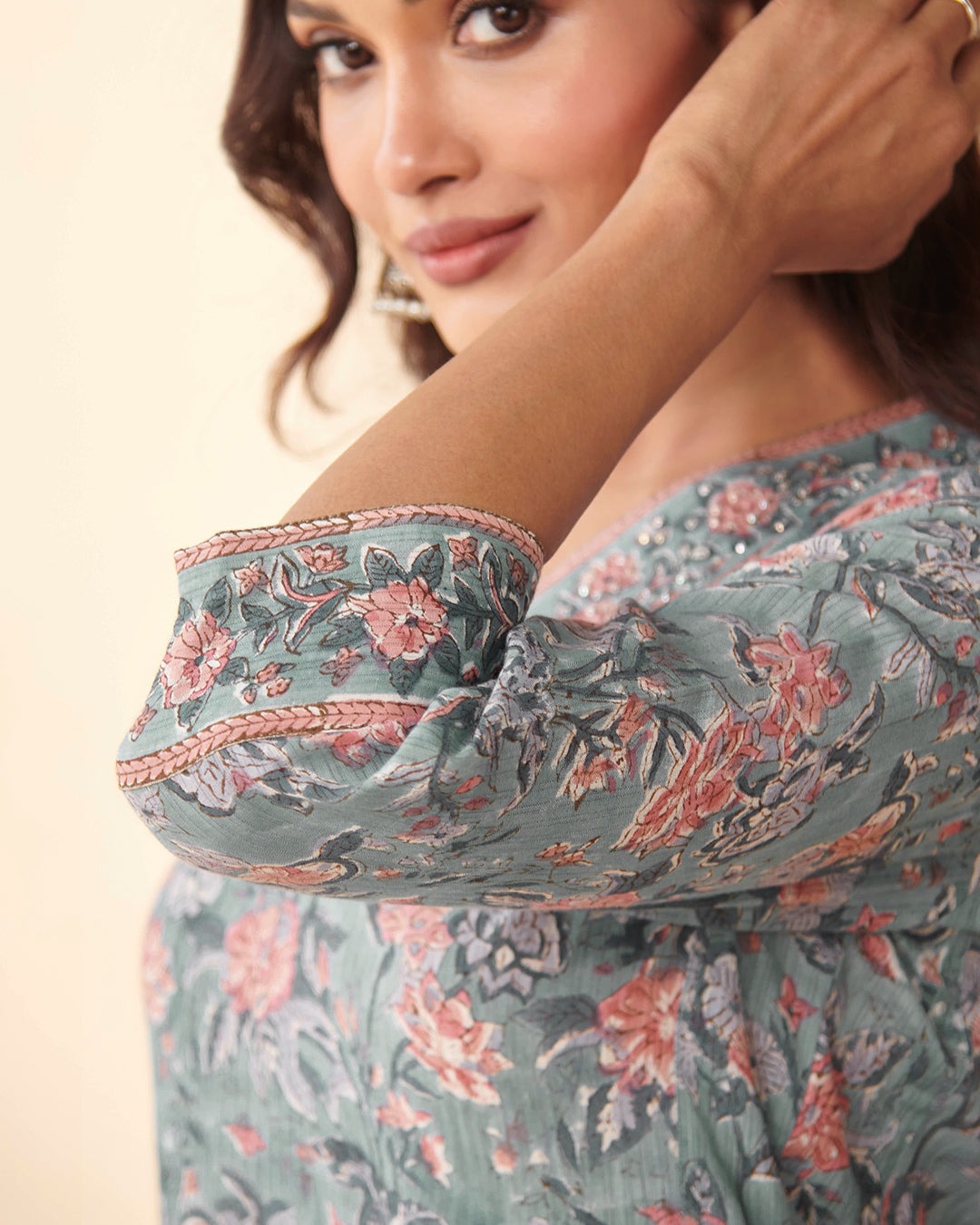
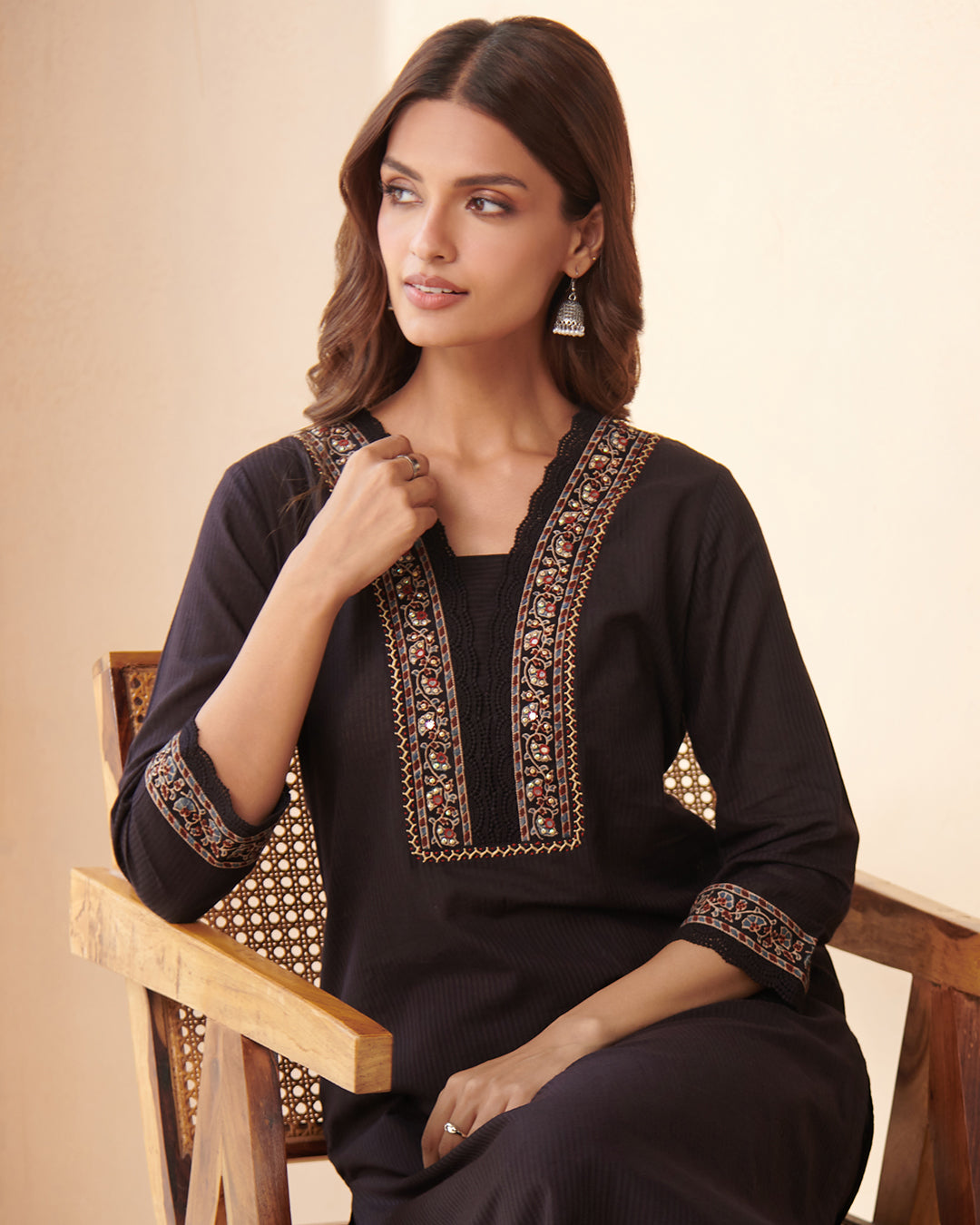
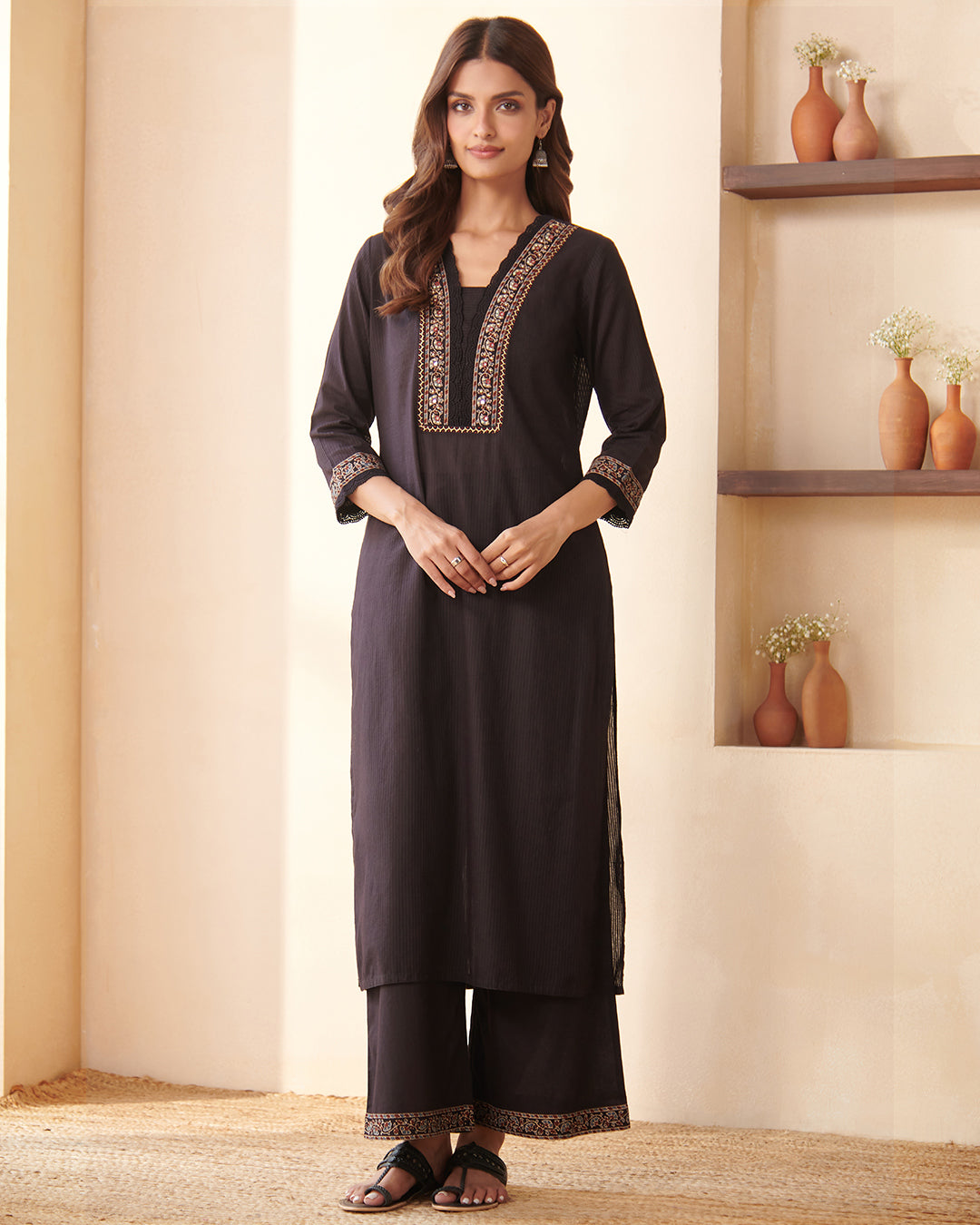
Farida Gupta's printed kurtas are rooted in real Indian printing traditions, working with fabrics and techniques that carry craft heritage. The prints are specific and considered, the fabrics chosen for how they wear and hold a hand print, and the finished pieces feel like they actually came from somewhere. That's the whole point.
Final Thoughts
Printed kurtas are so familiar they stop being noticed. They've always been there, in every wardrobe, across every generation. But the best of them carry something worth paying attention to: craft traditions that are genuinely old, genuinely skilled, and quietly at risk of disappearing if the people wearing these things stop caring about where they come from.
Choosing a handmade printed kurta over a machine-made one isn't a grand gesture. It's just a more considered decision. But those decisions, made by enough people consistently, are what keep craft communities working and what stop these traditions from fading away.

