

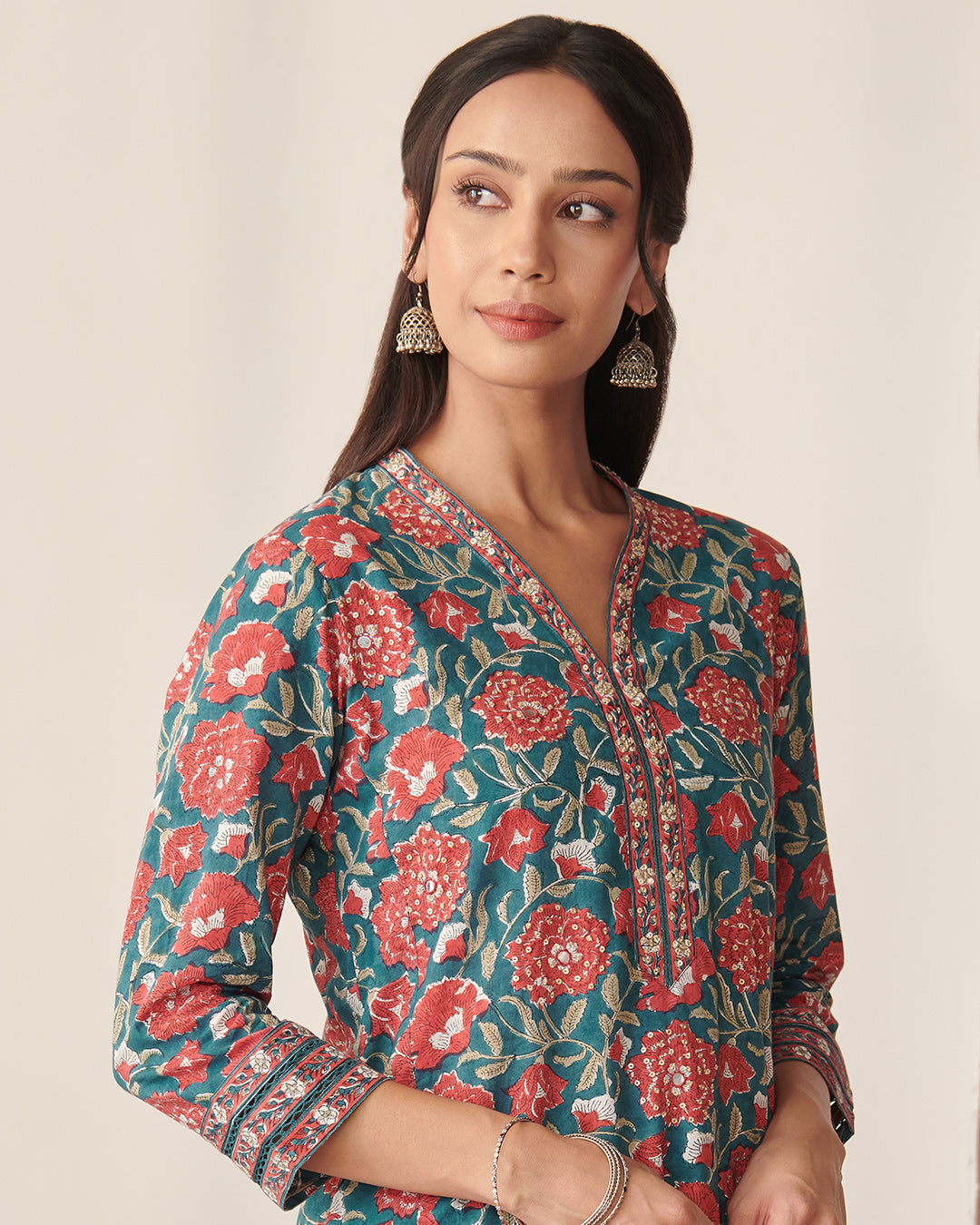
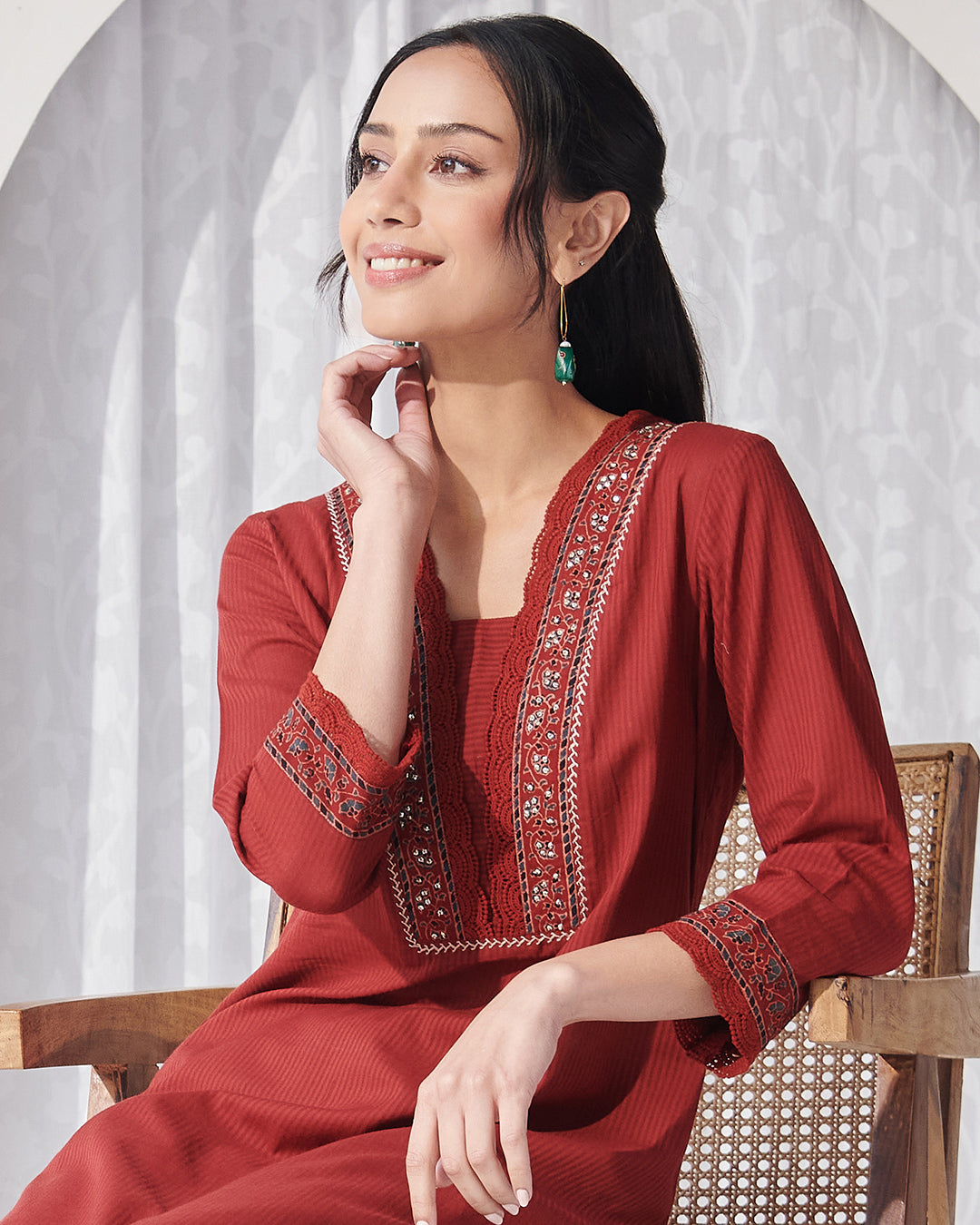
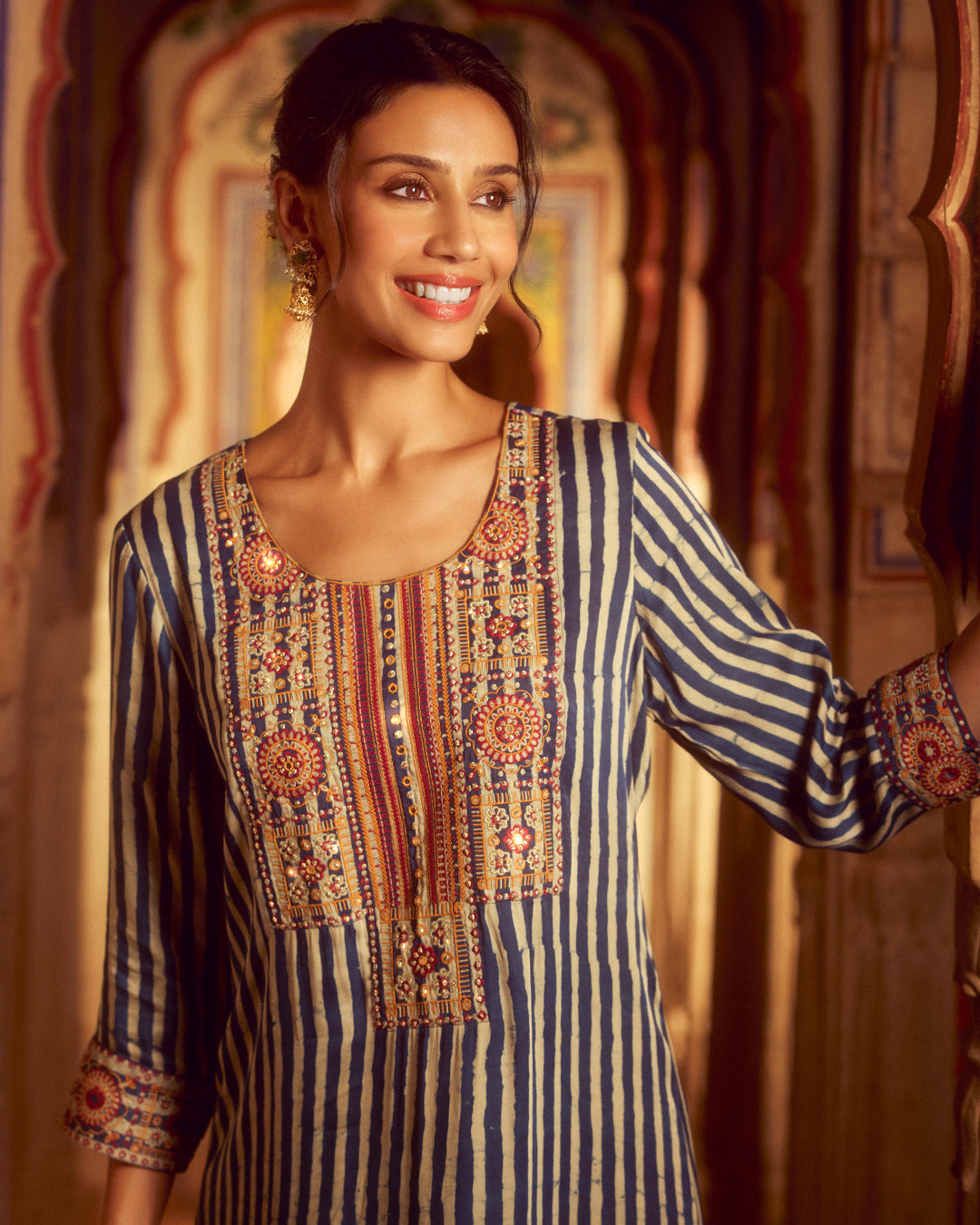
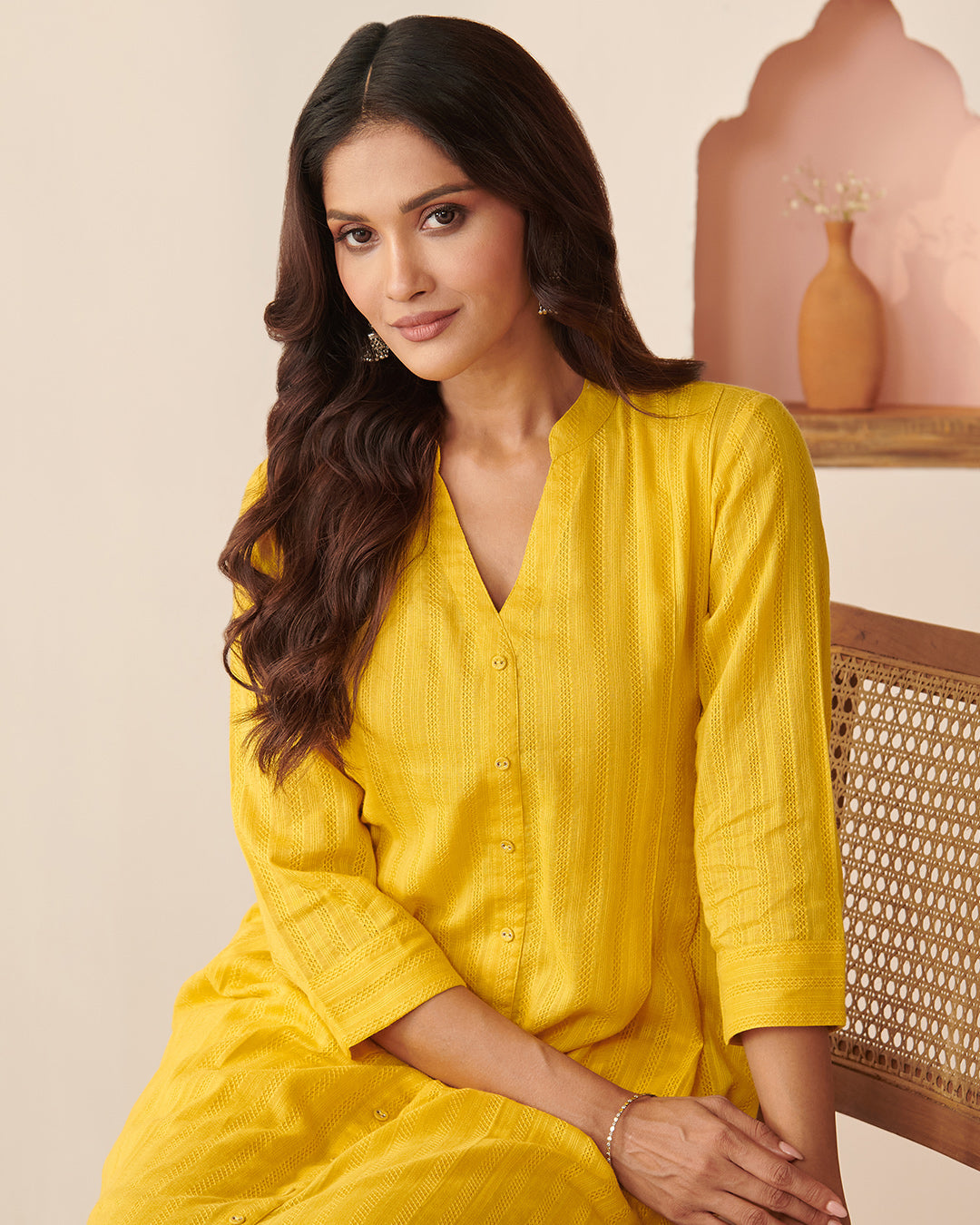



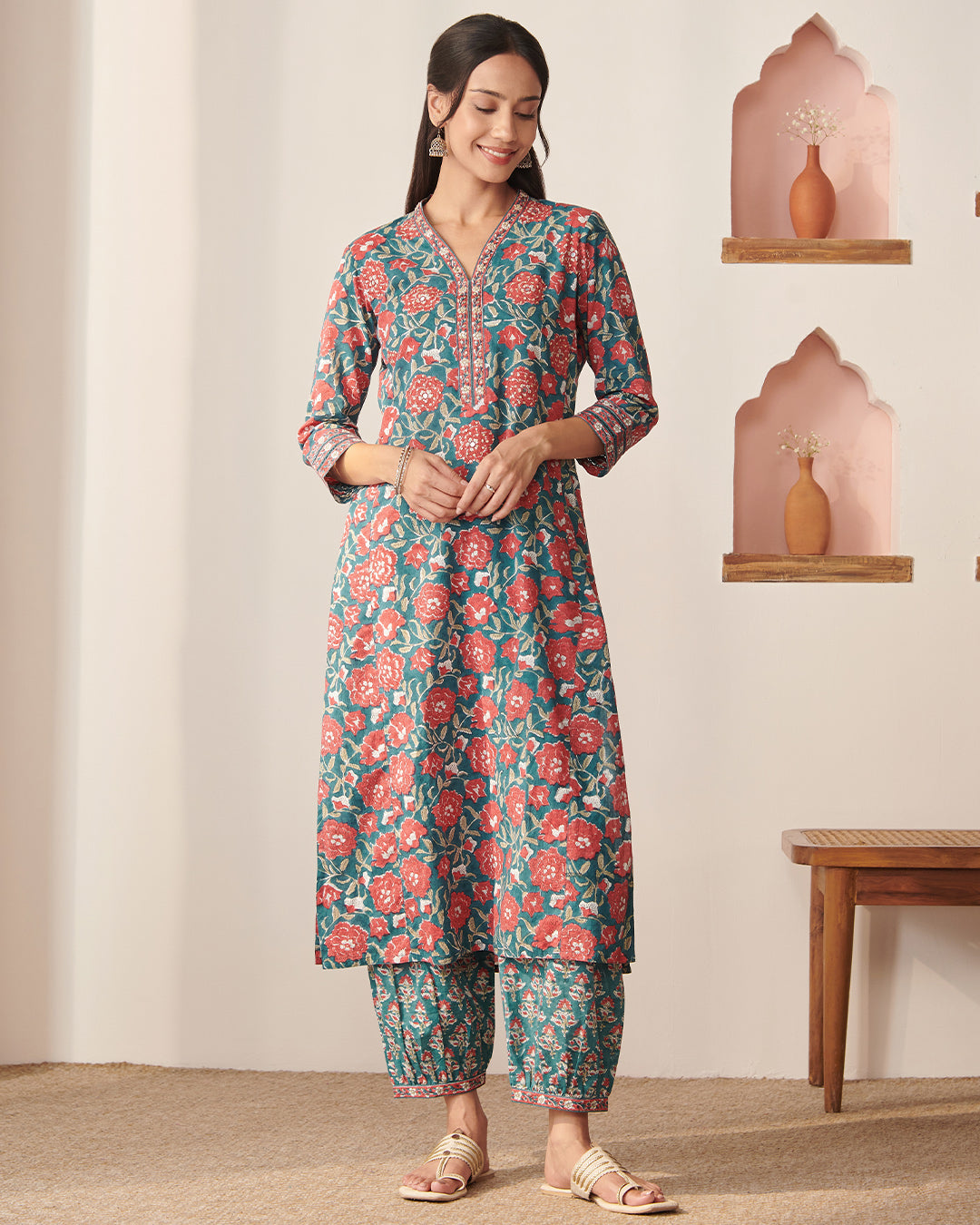
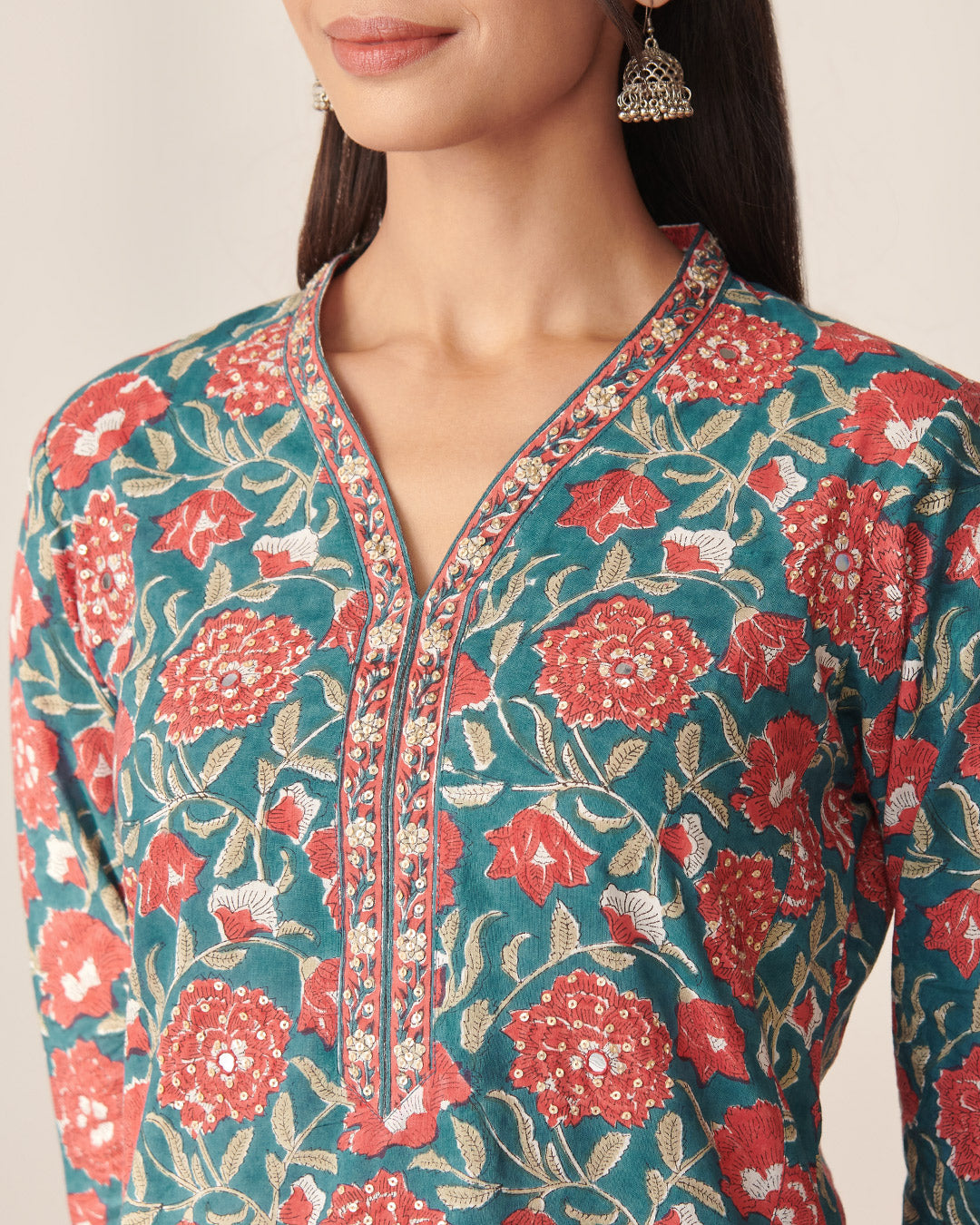
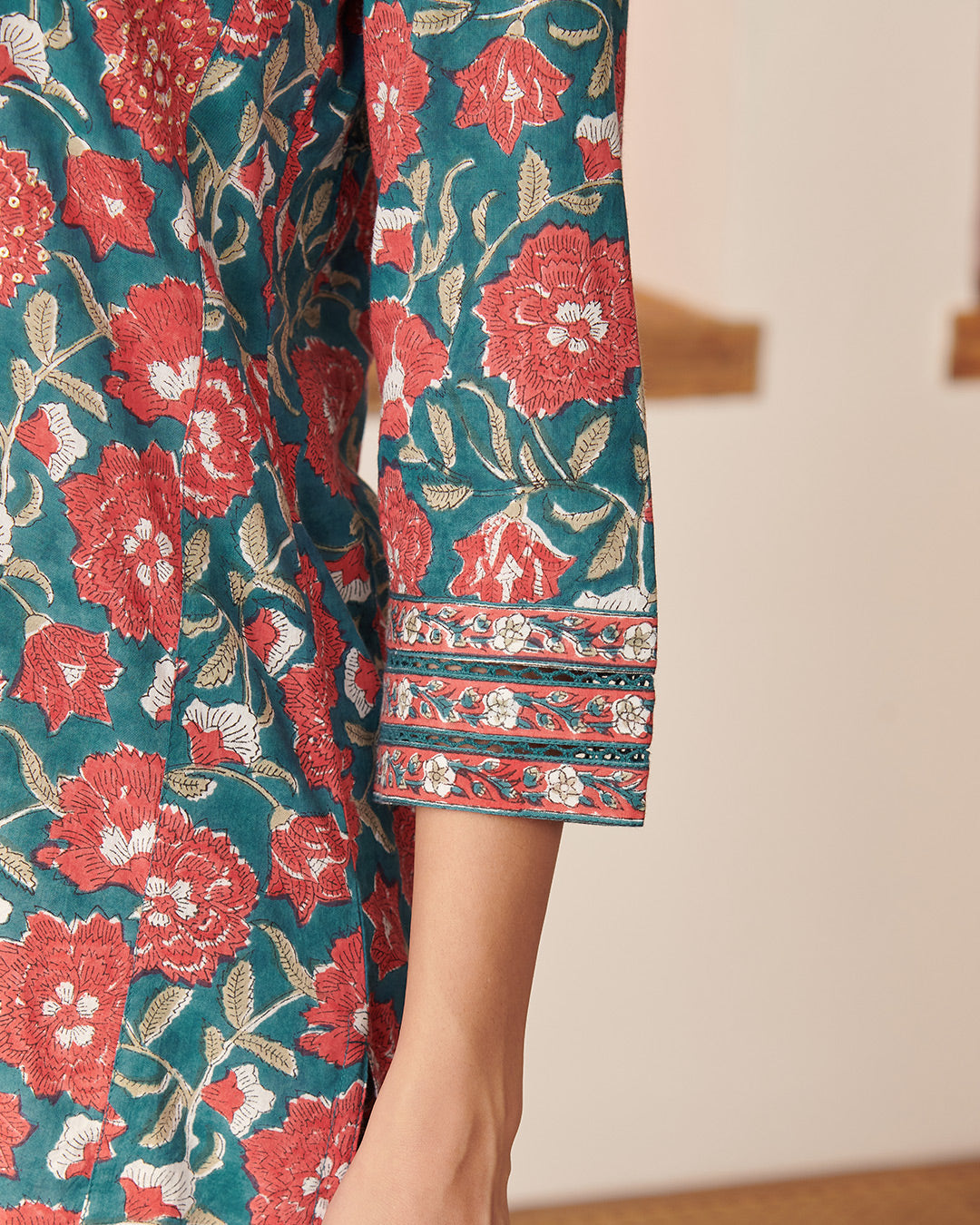
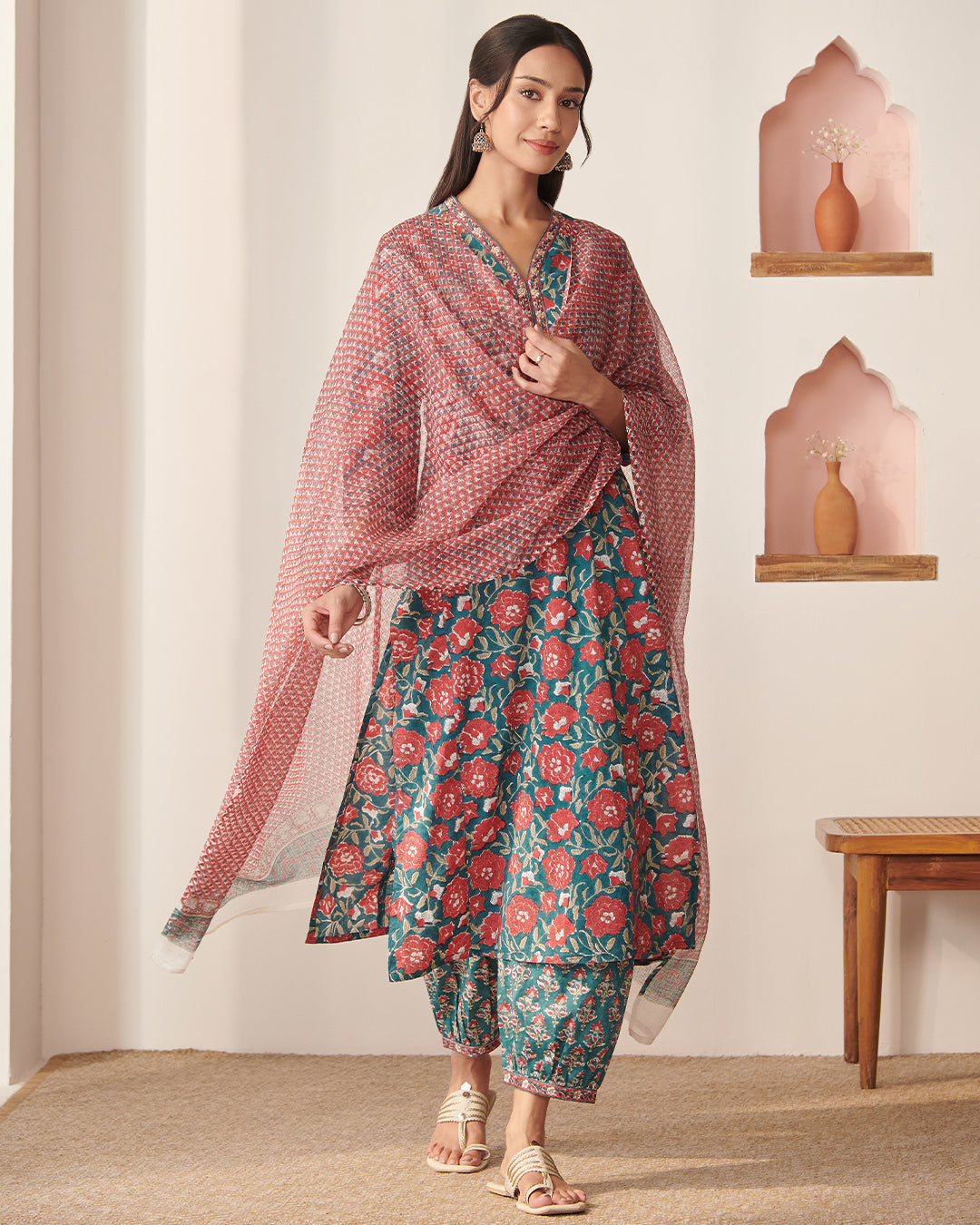
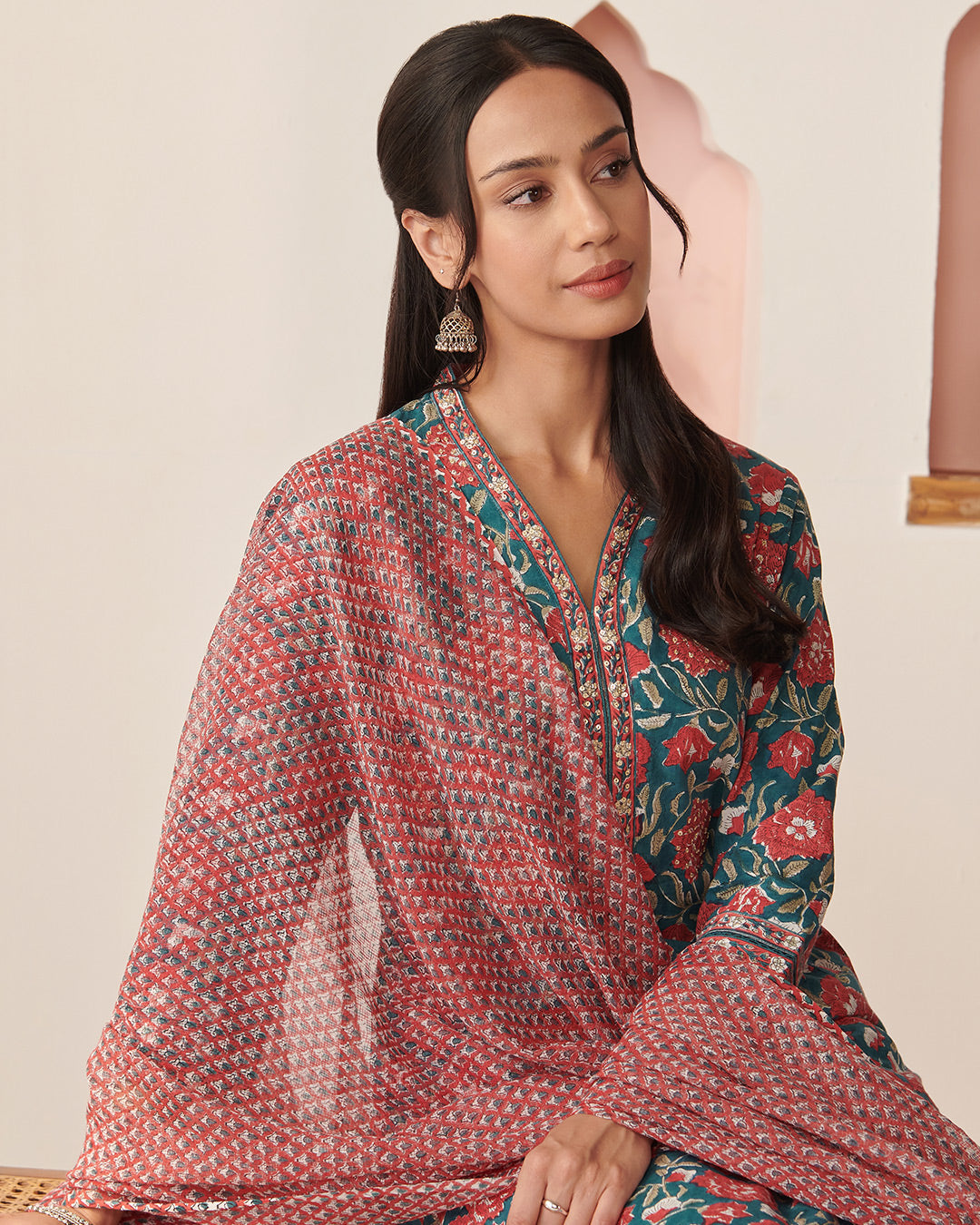
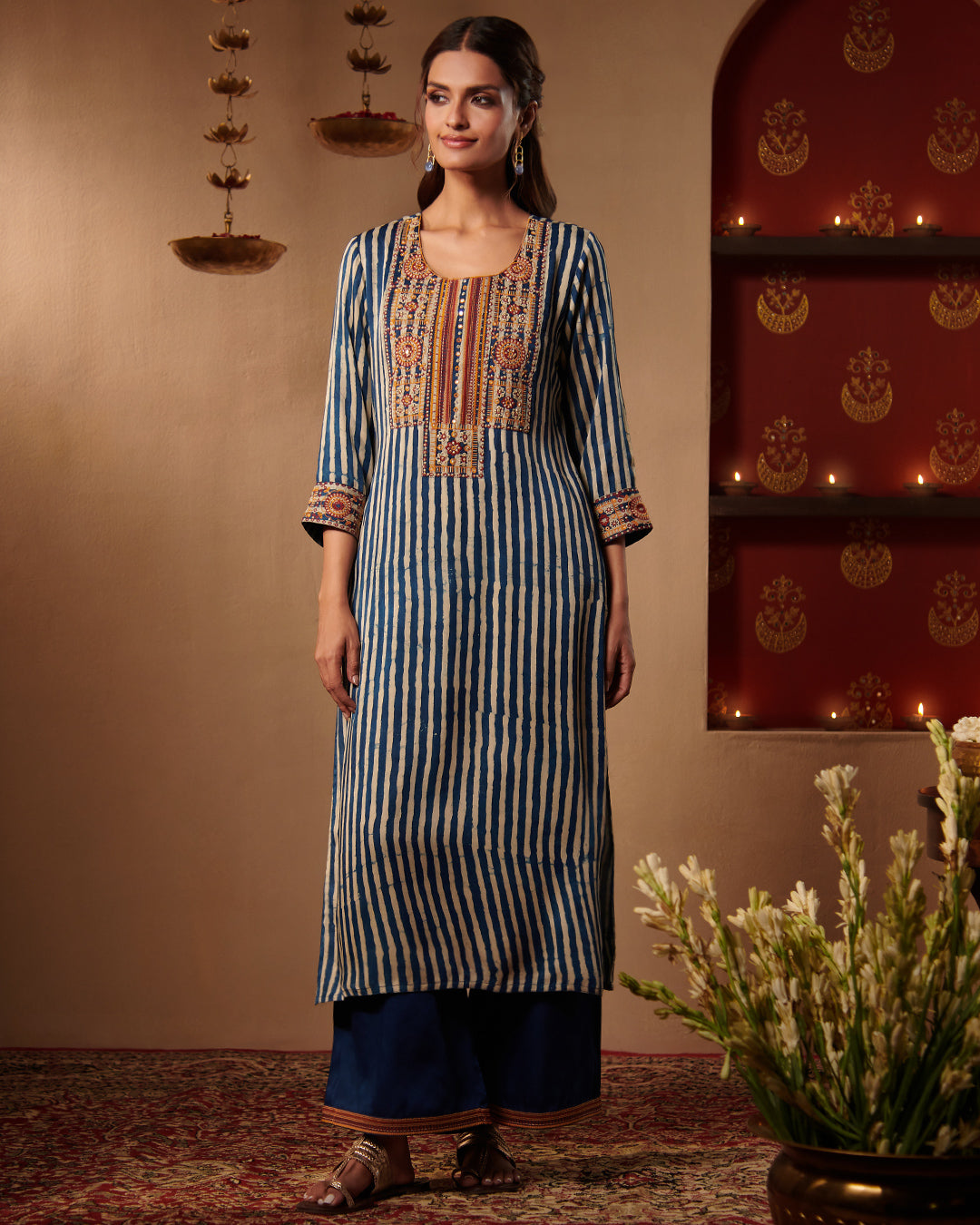
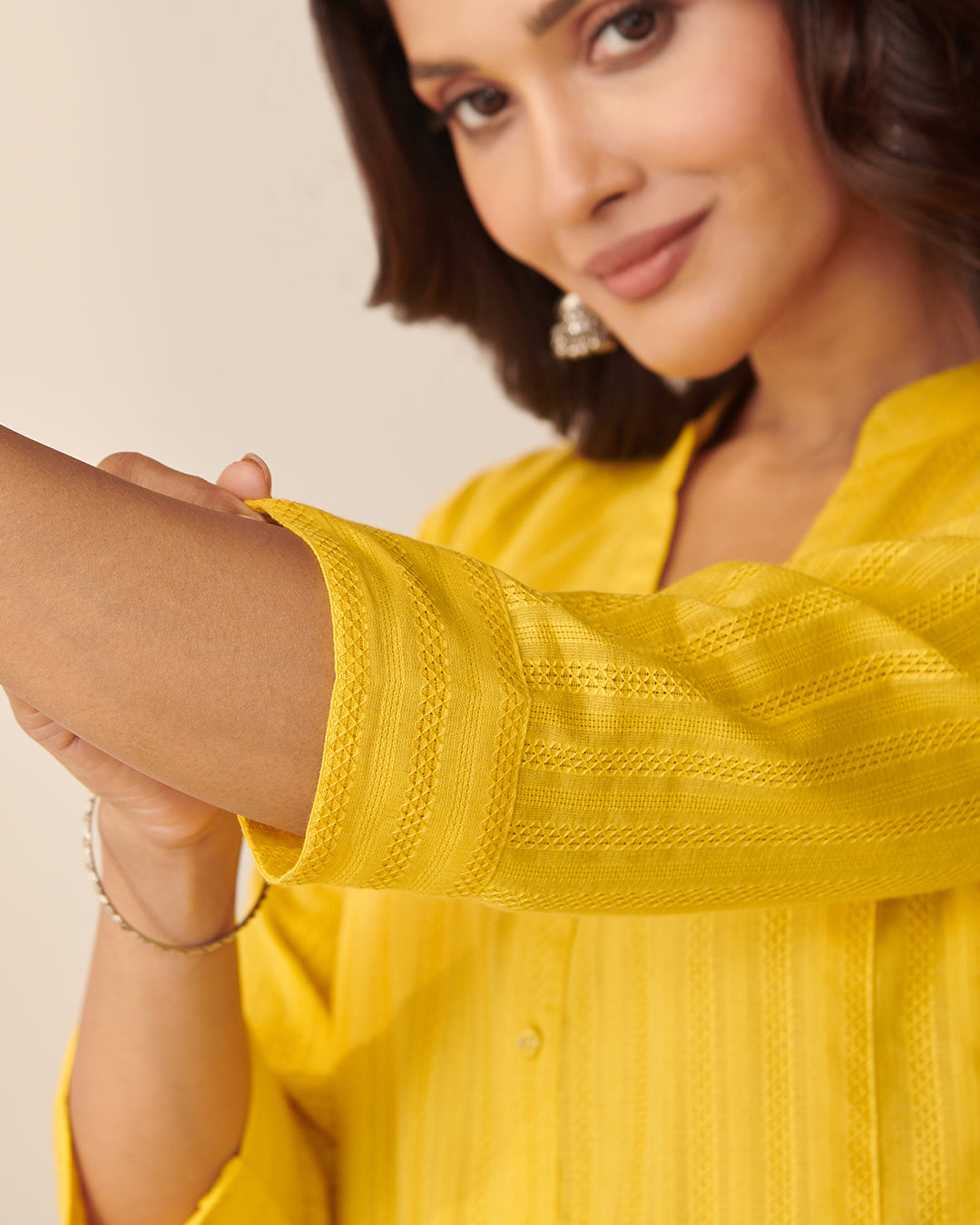
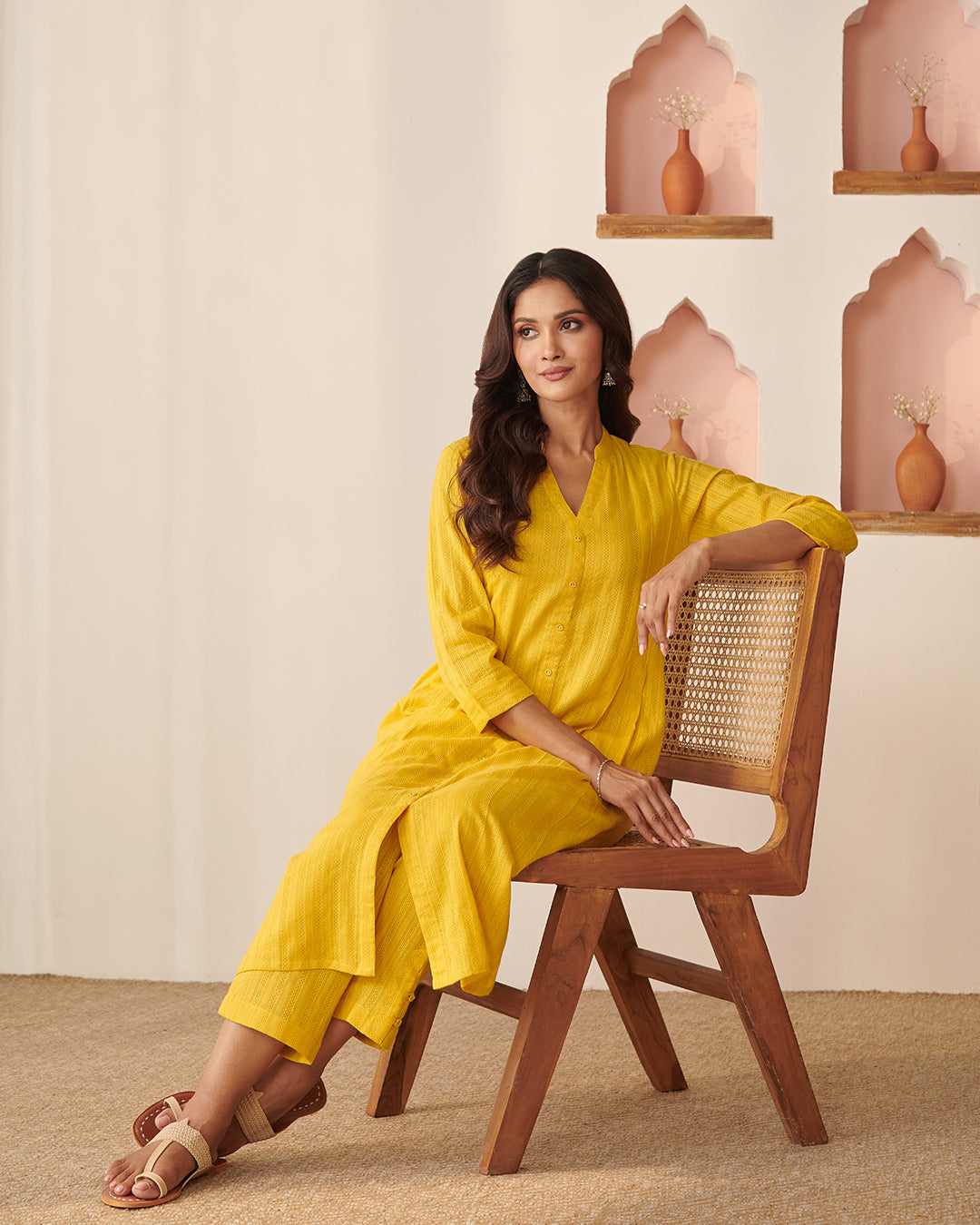
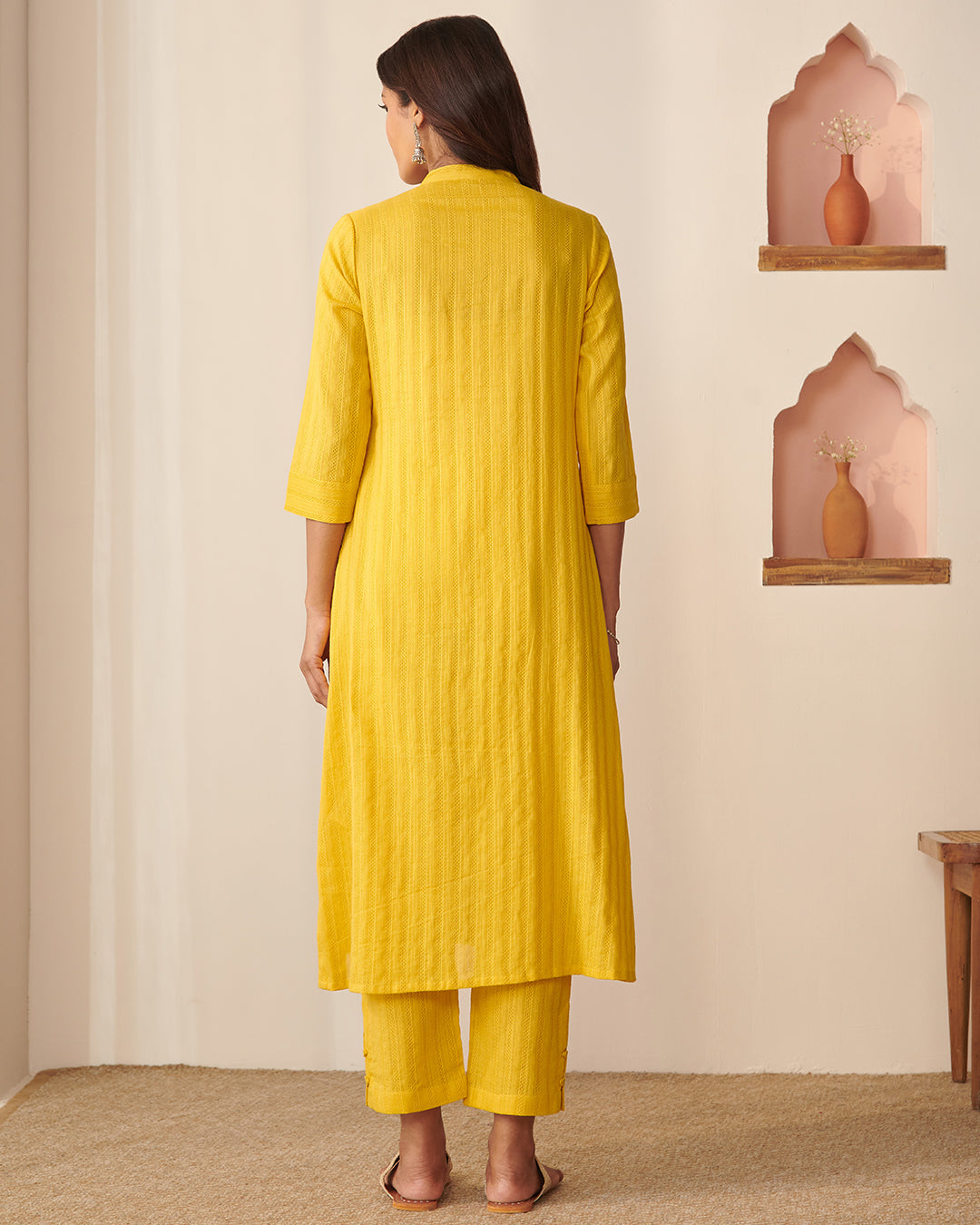
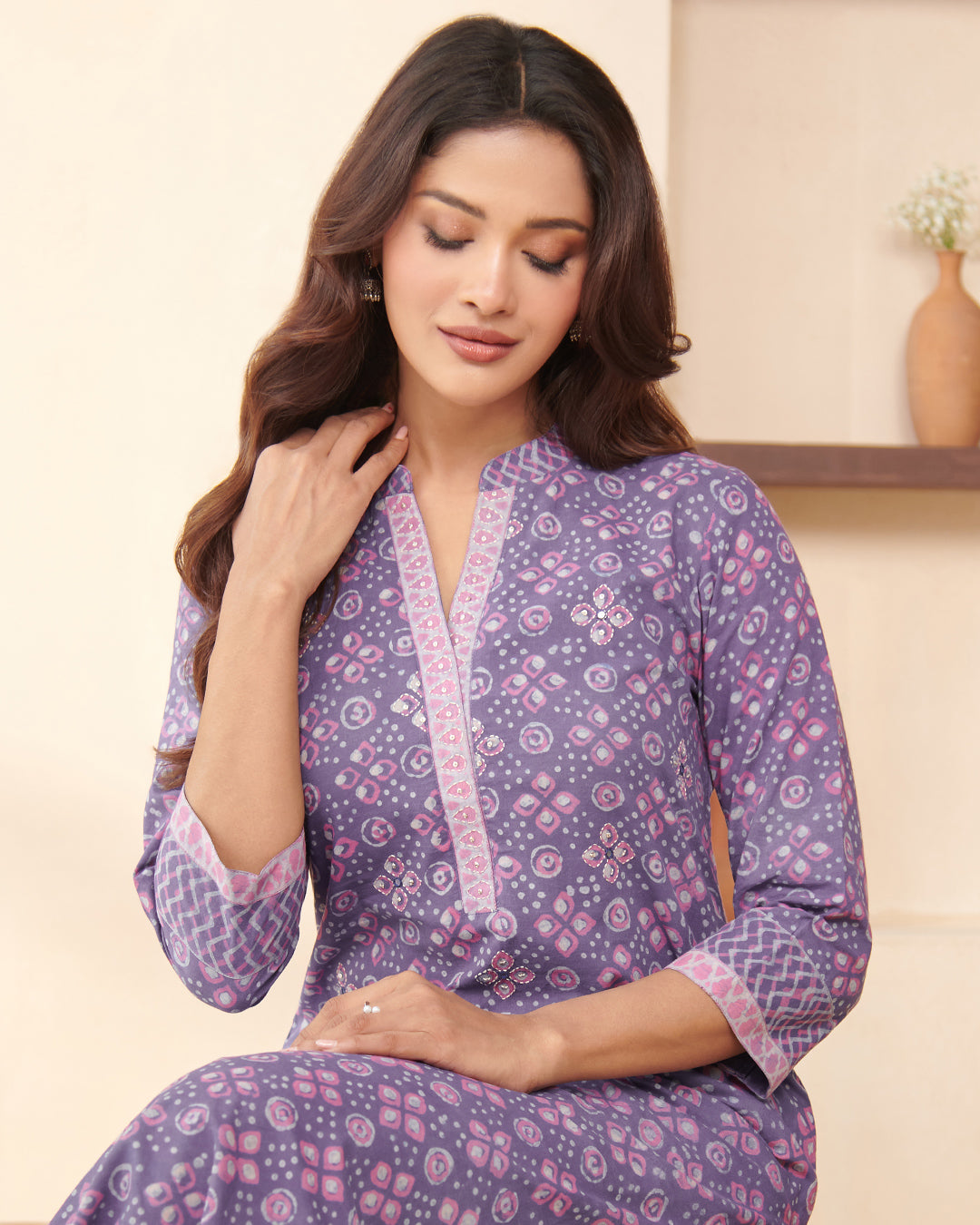
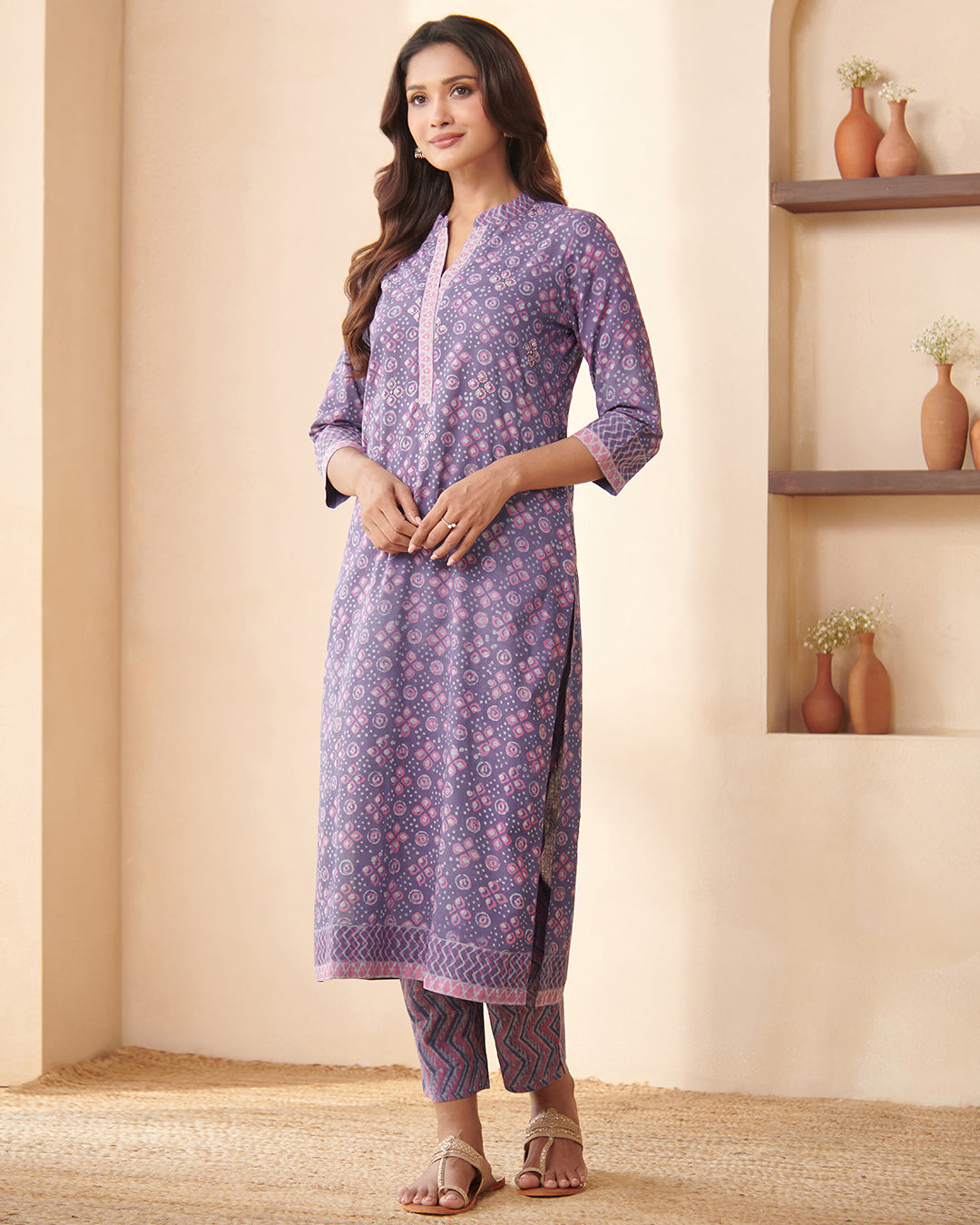
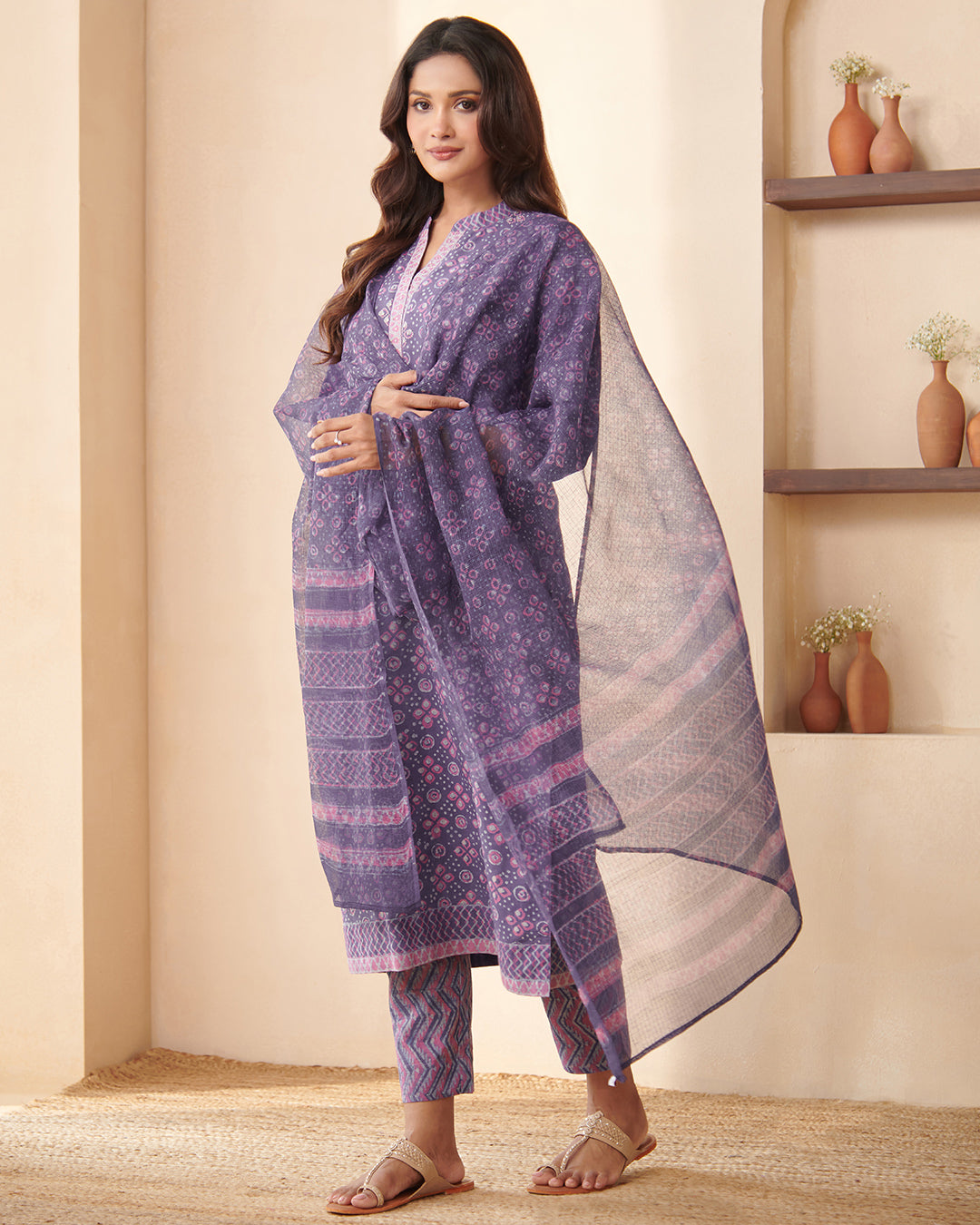
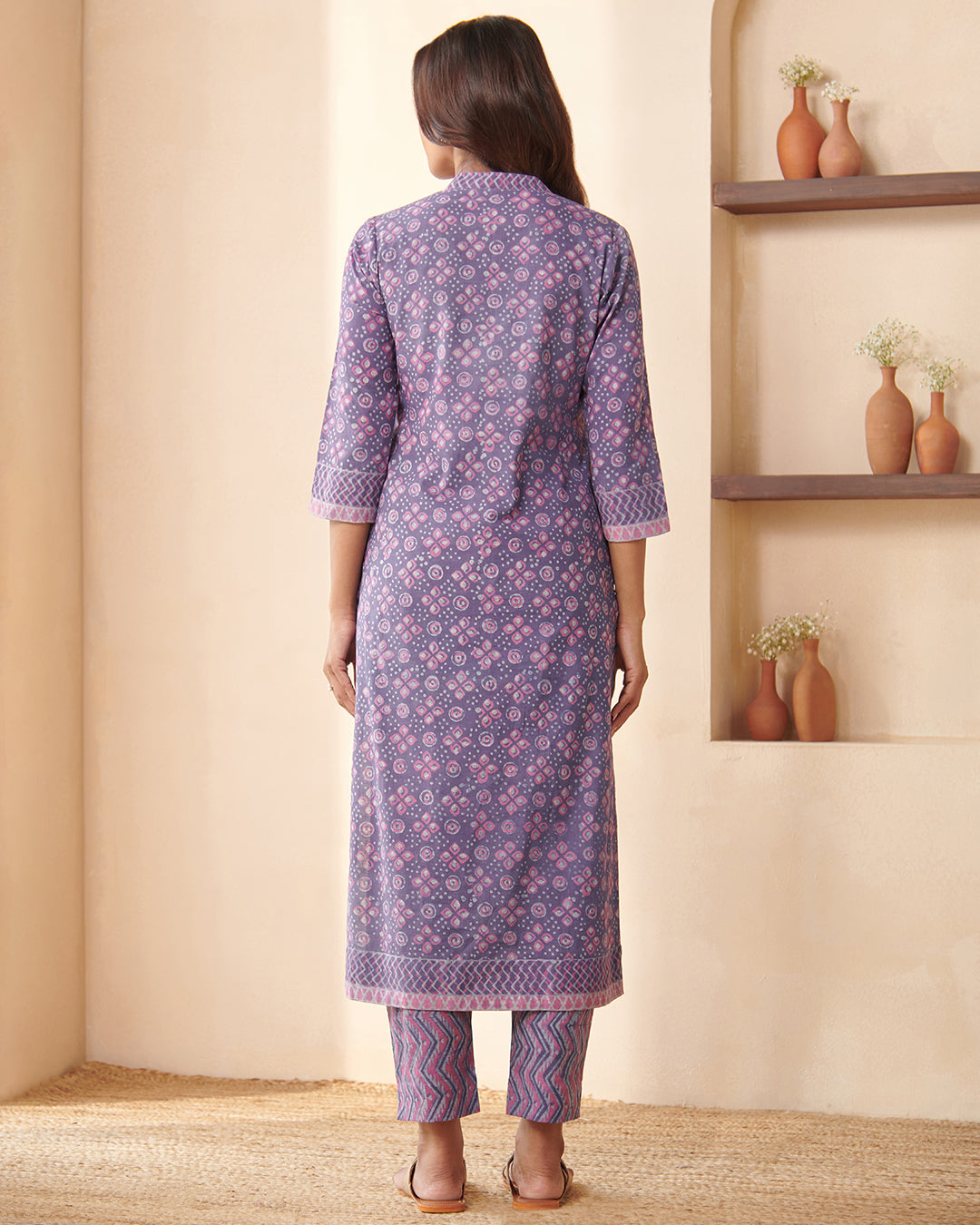
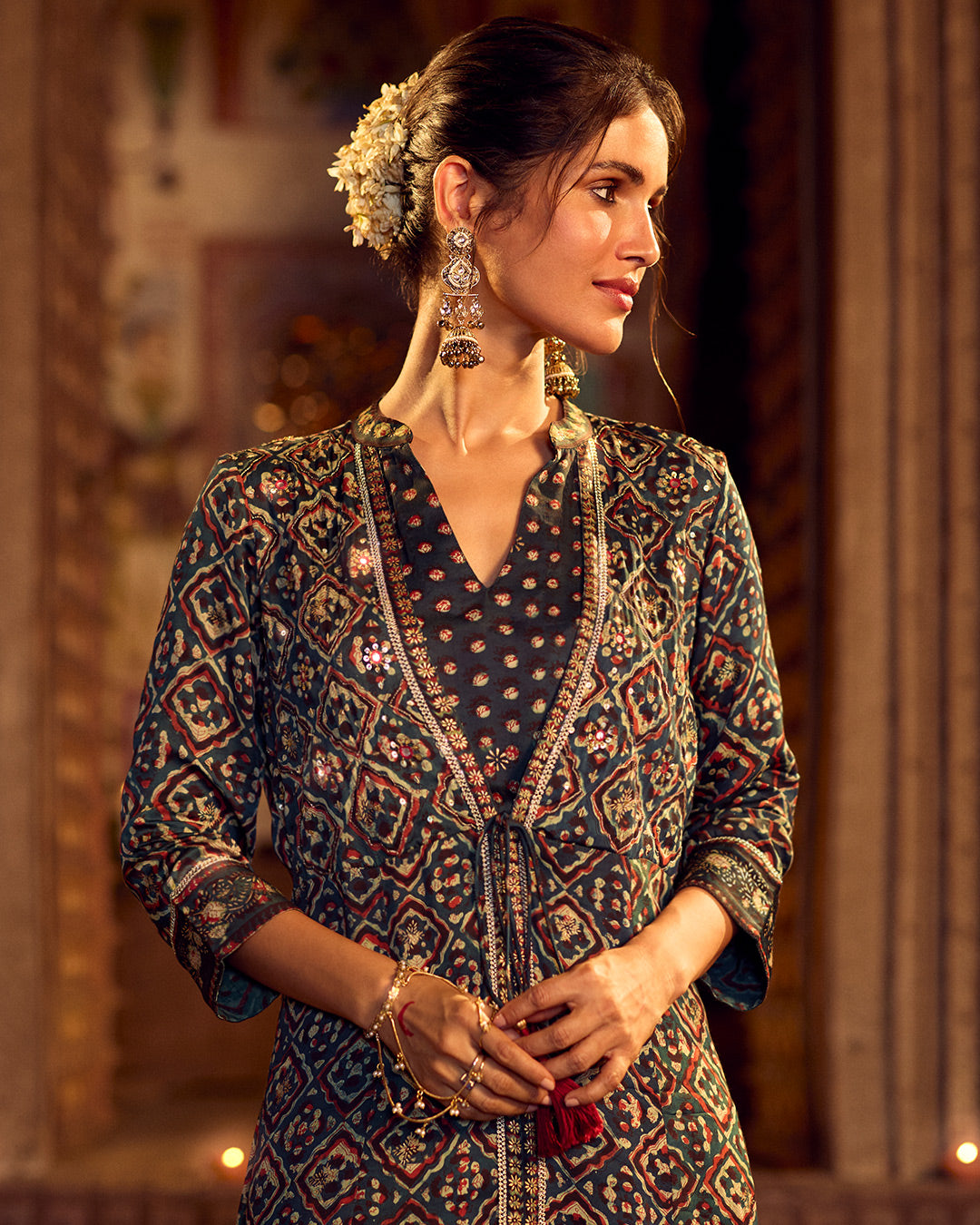
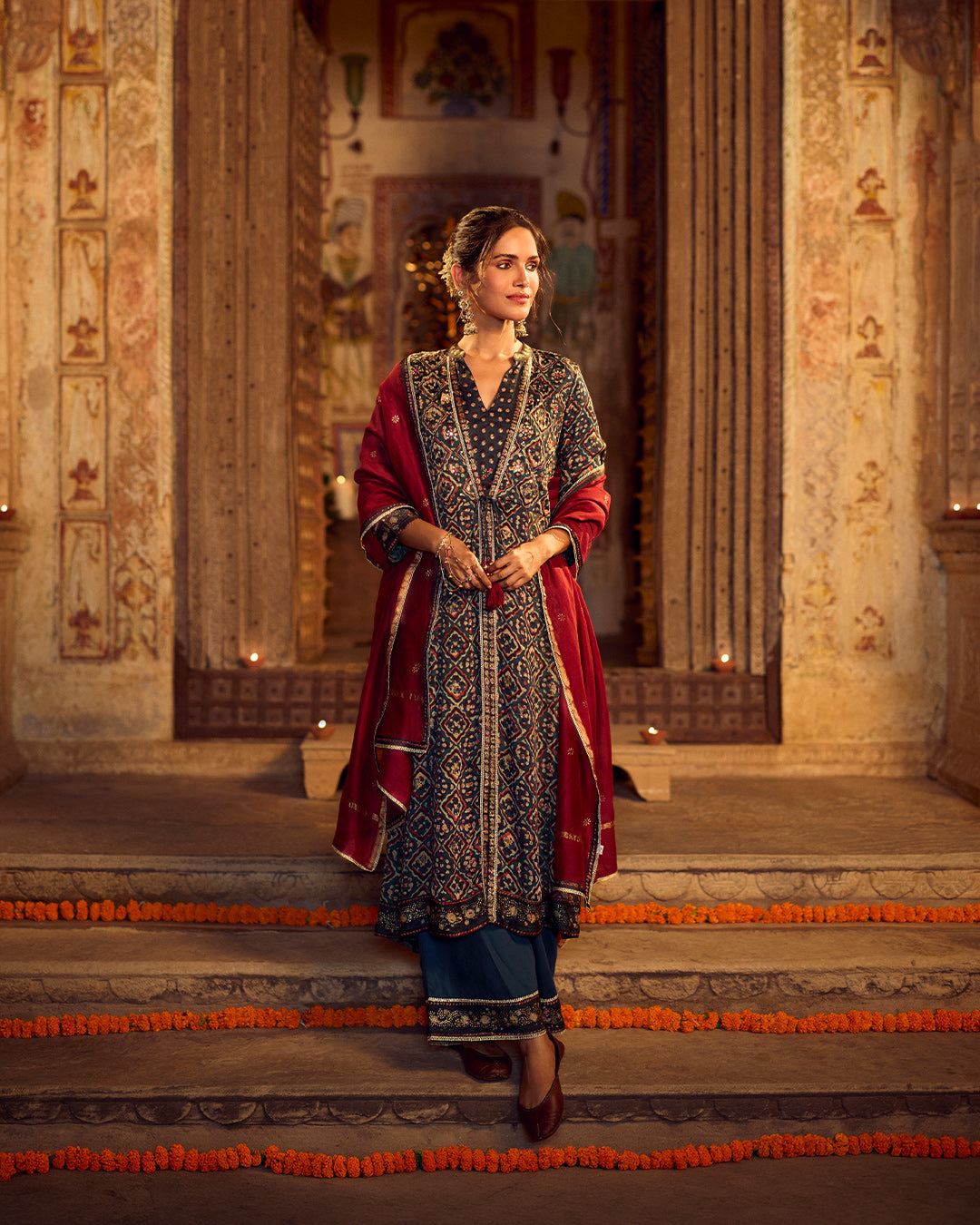
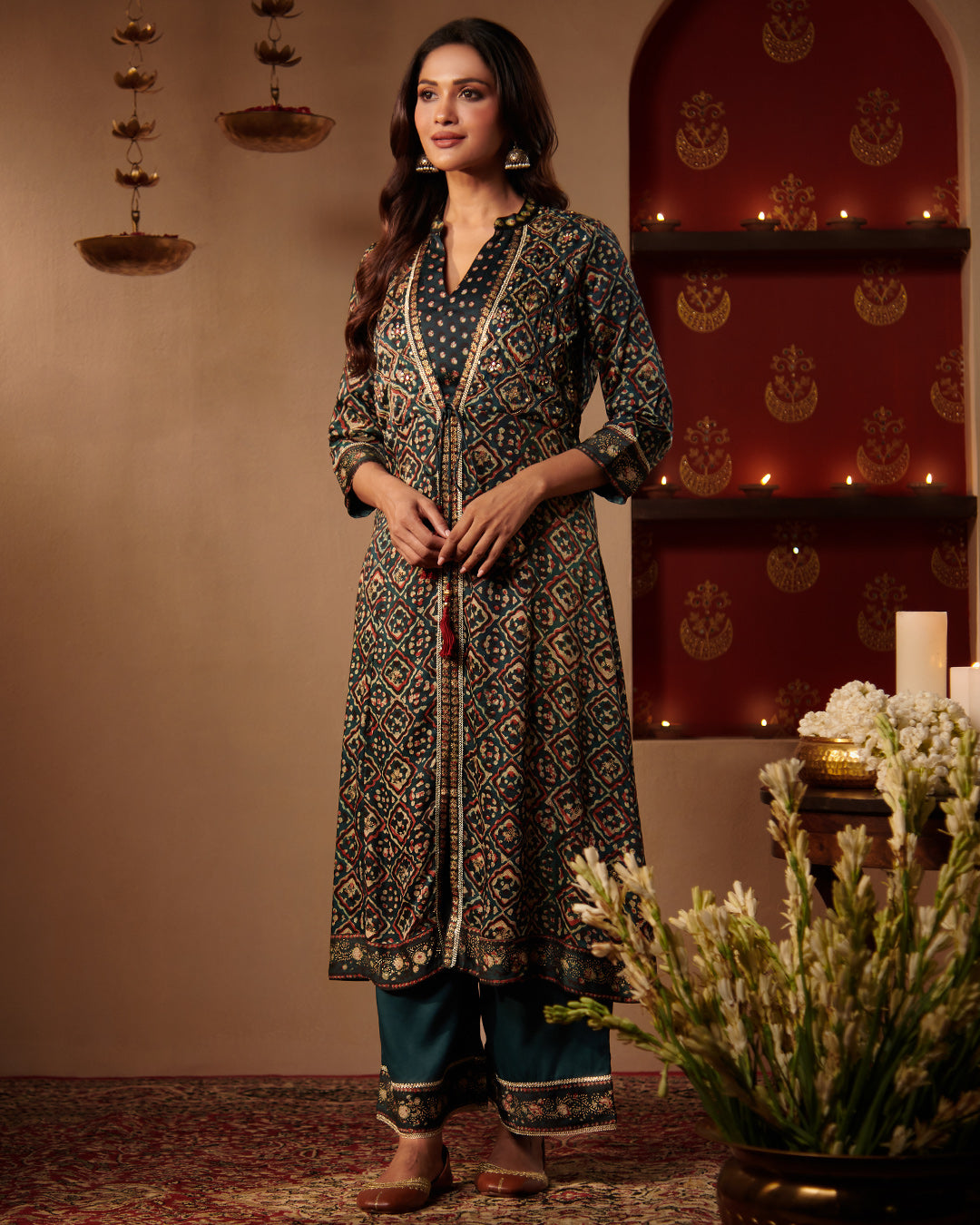
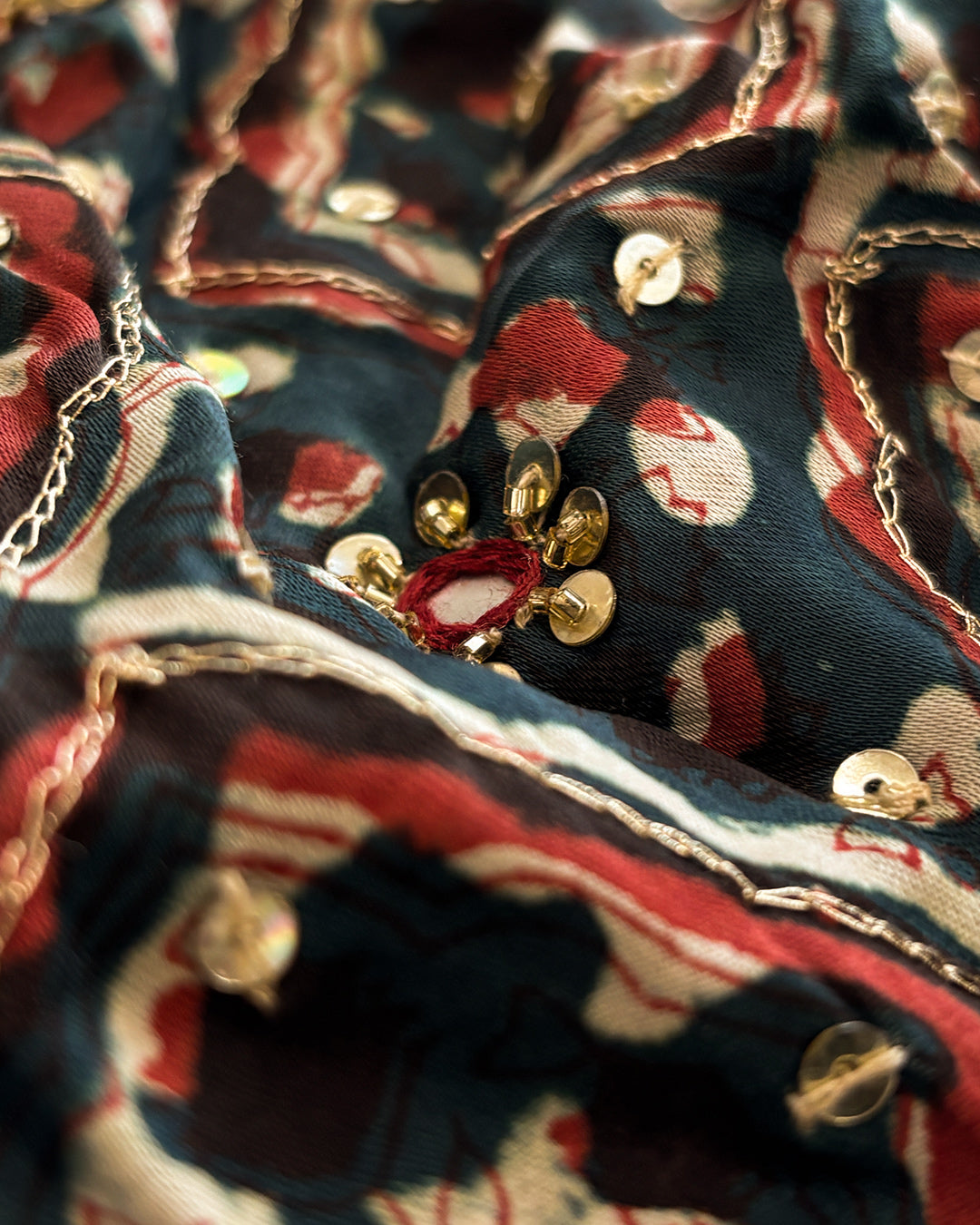
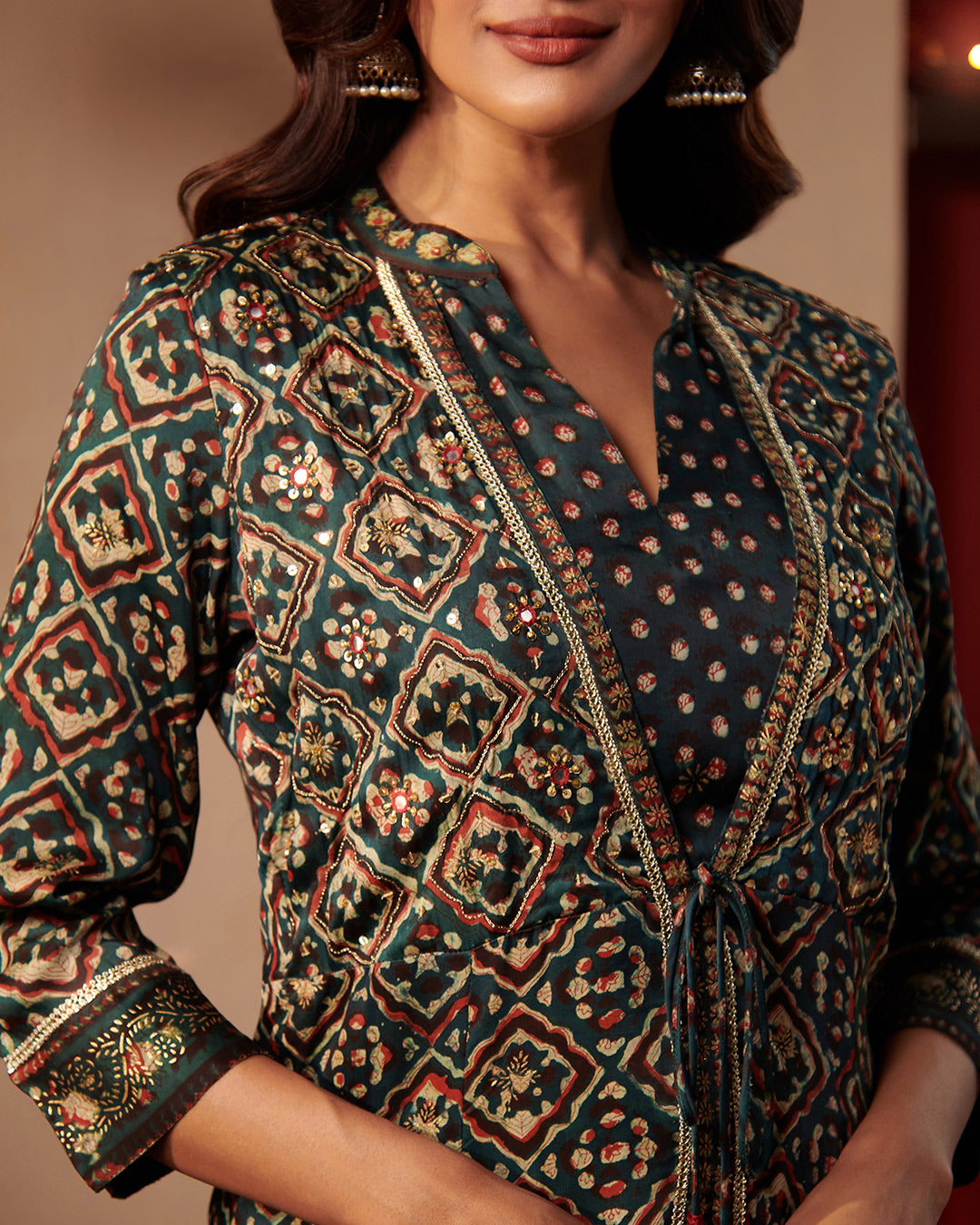
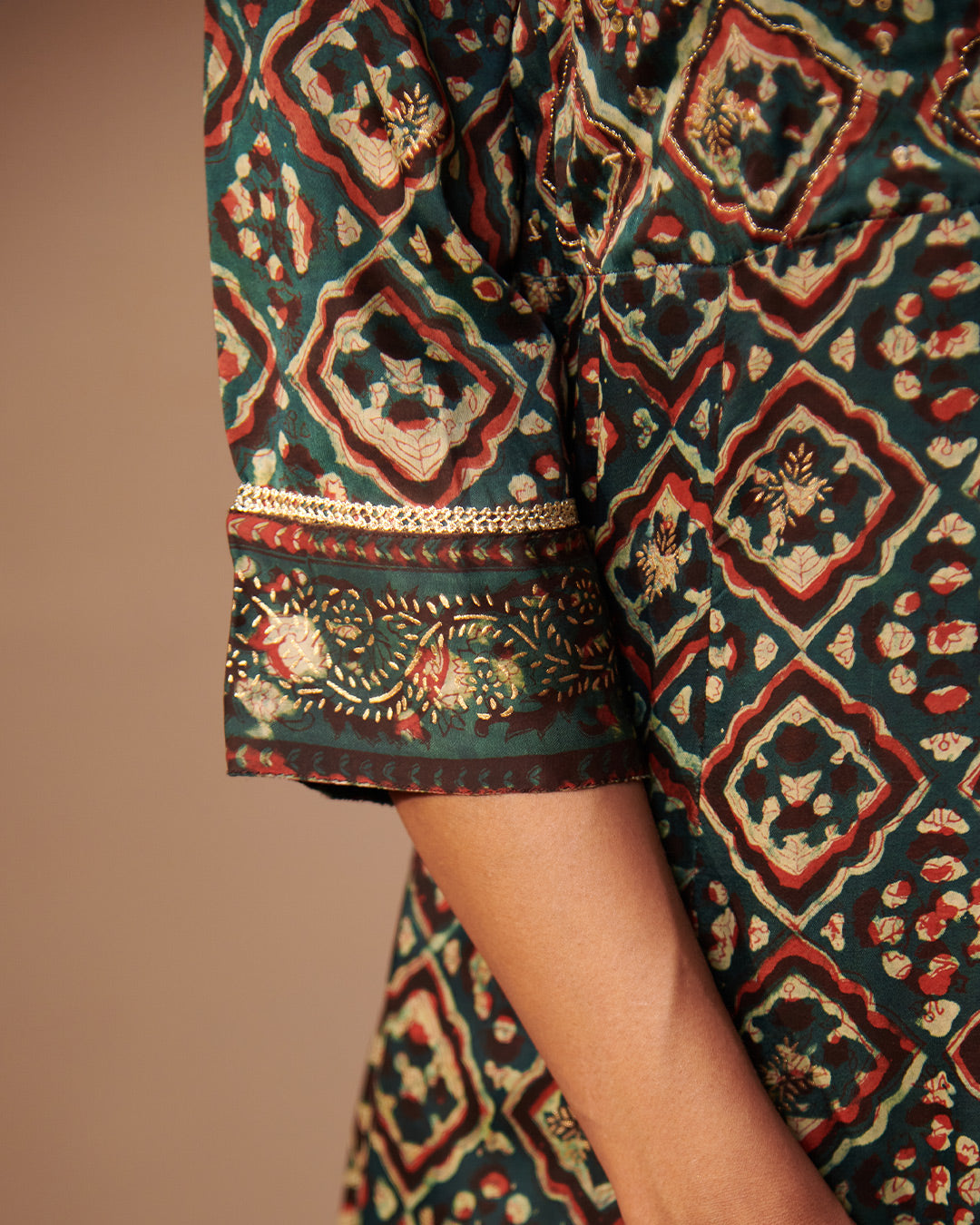
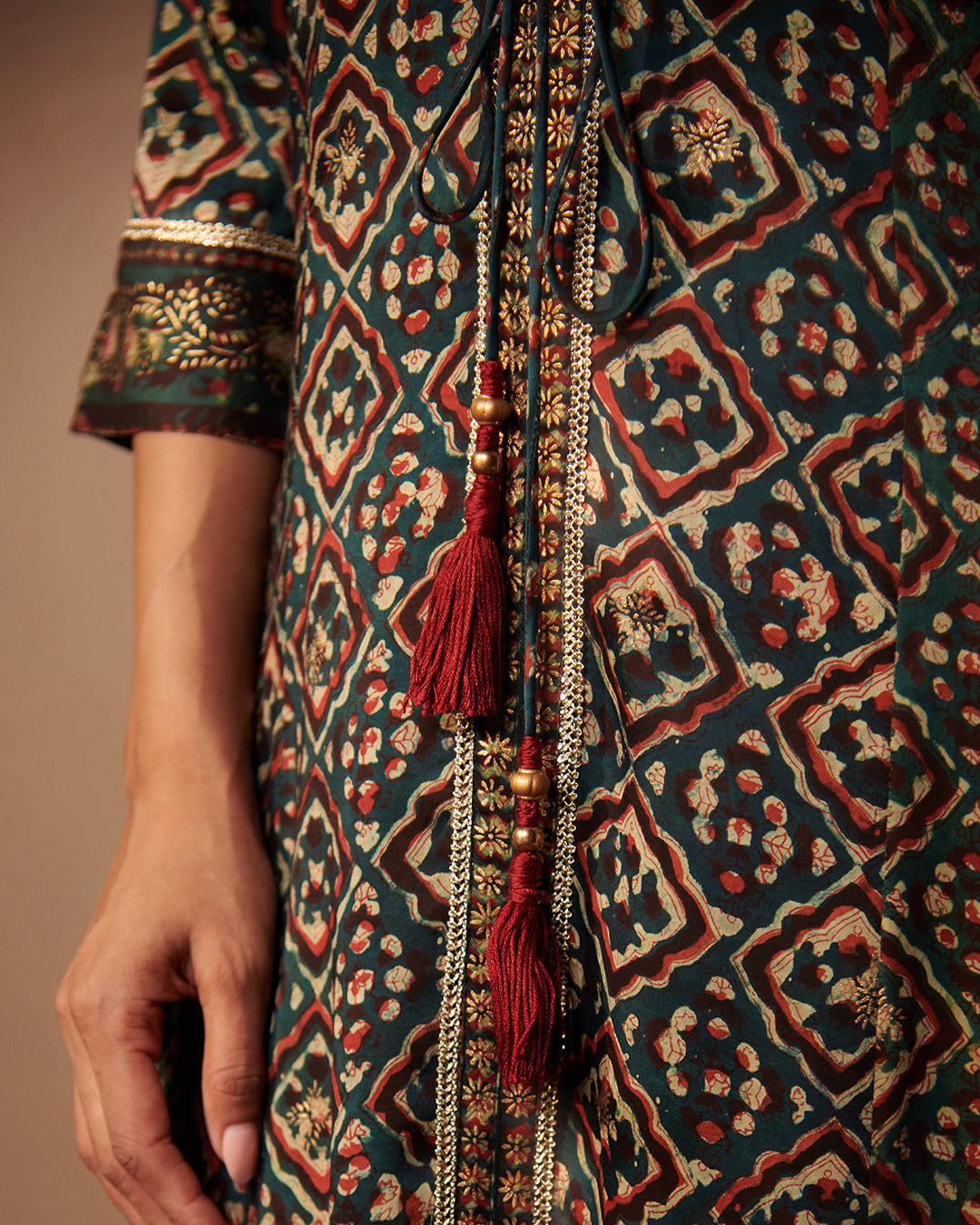
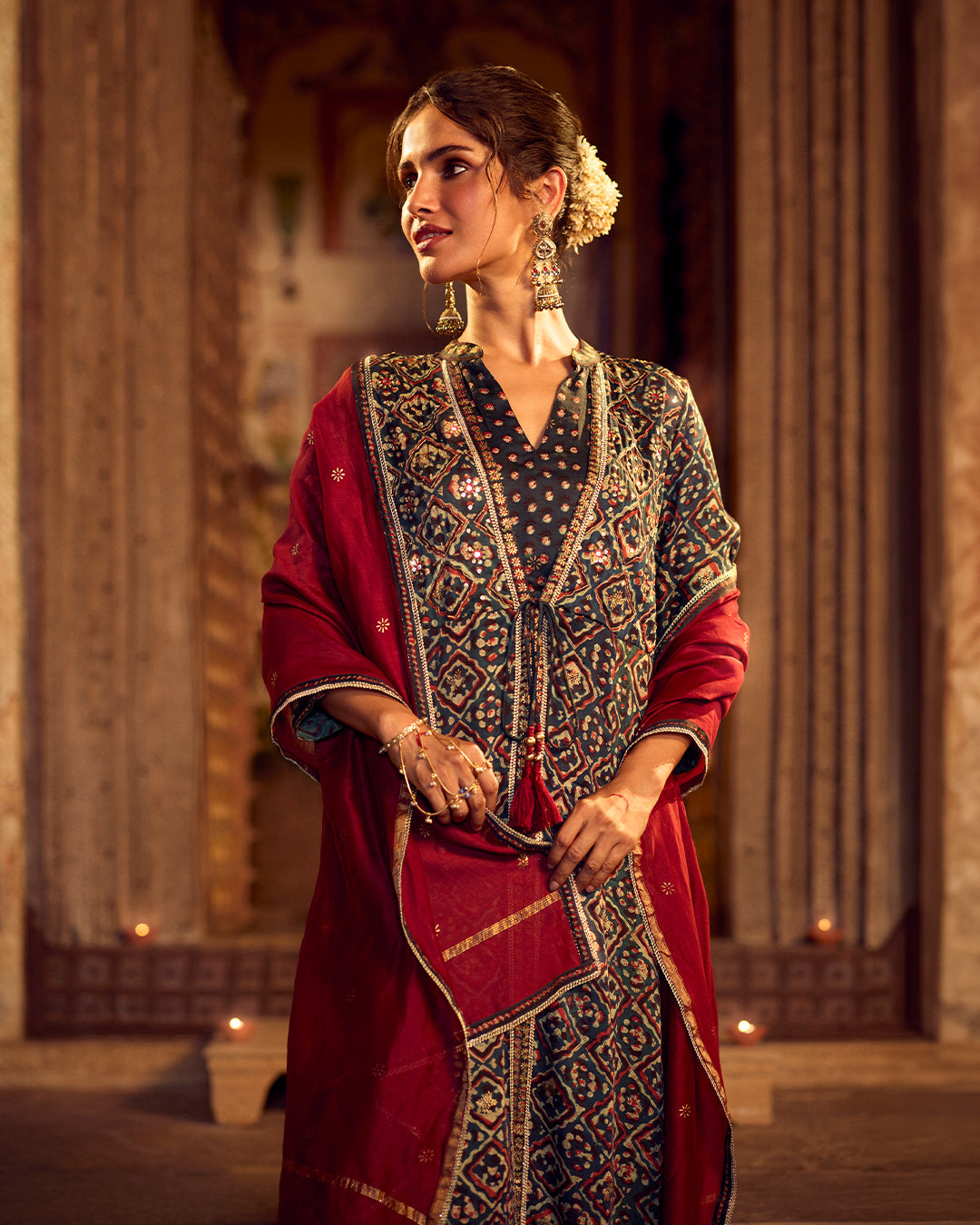
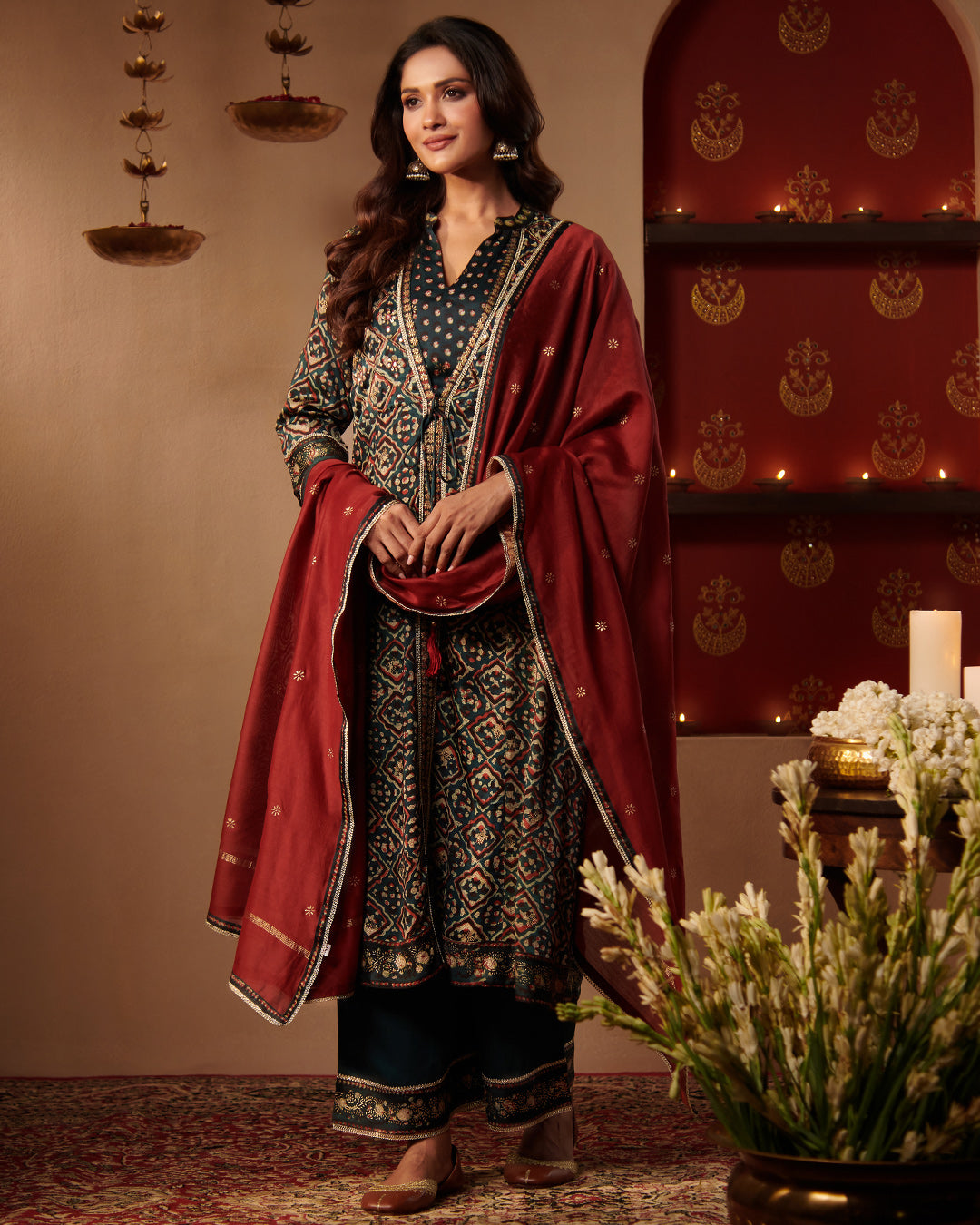
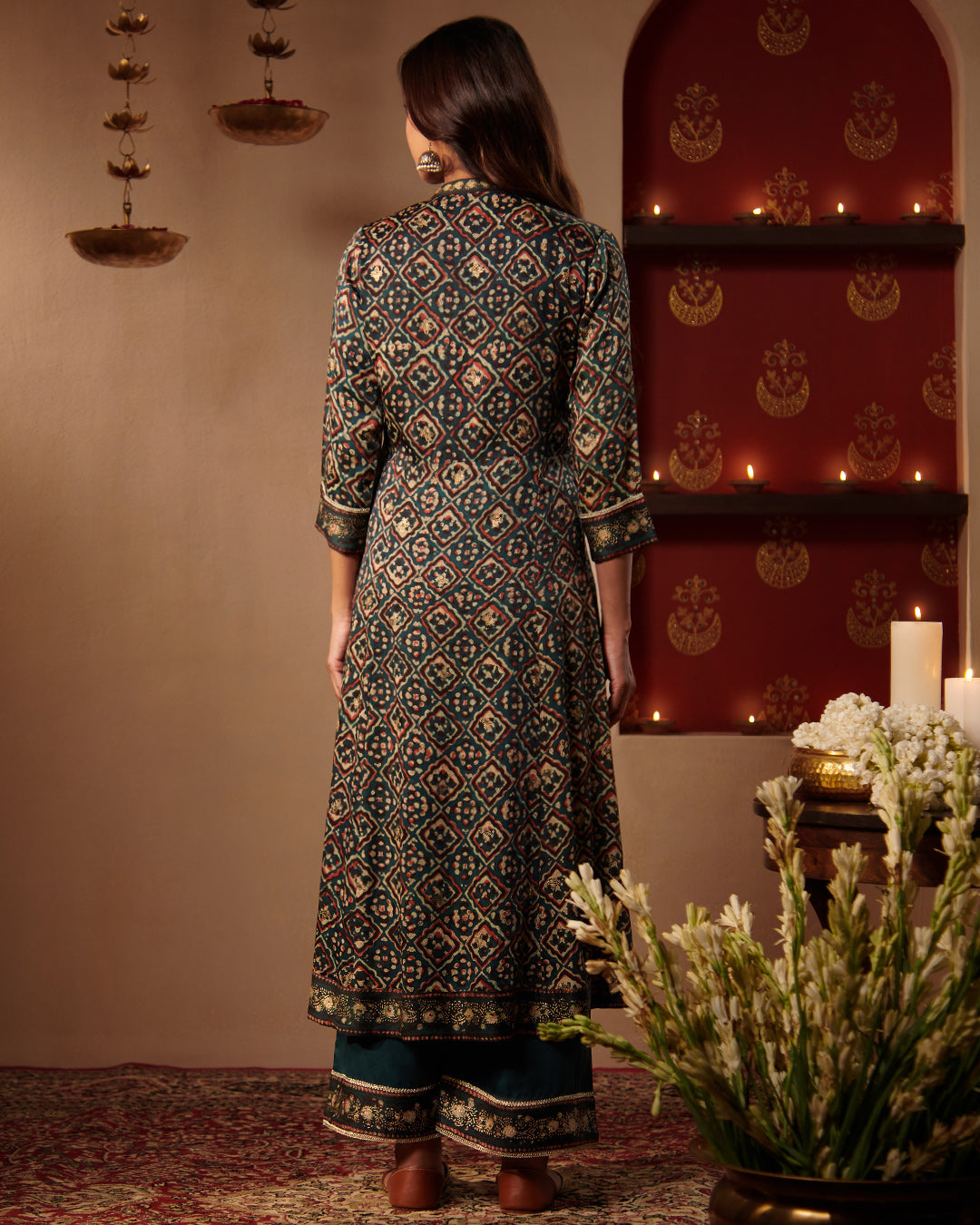
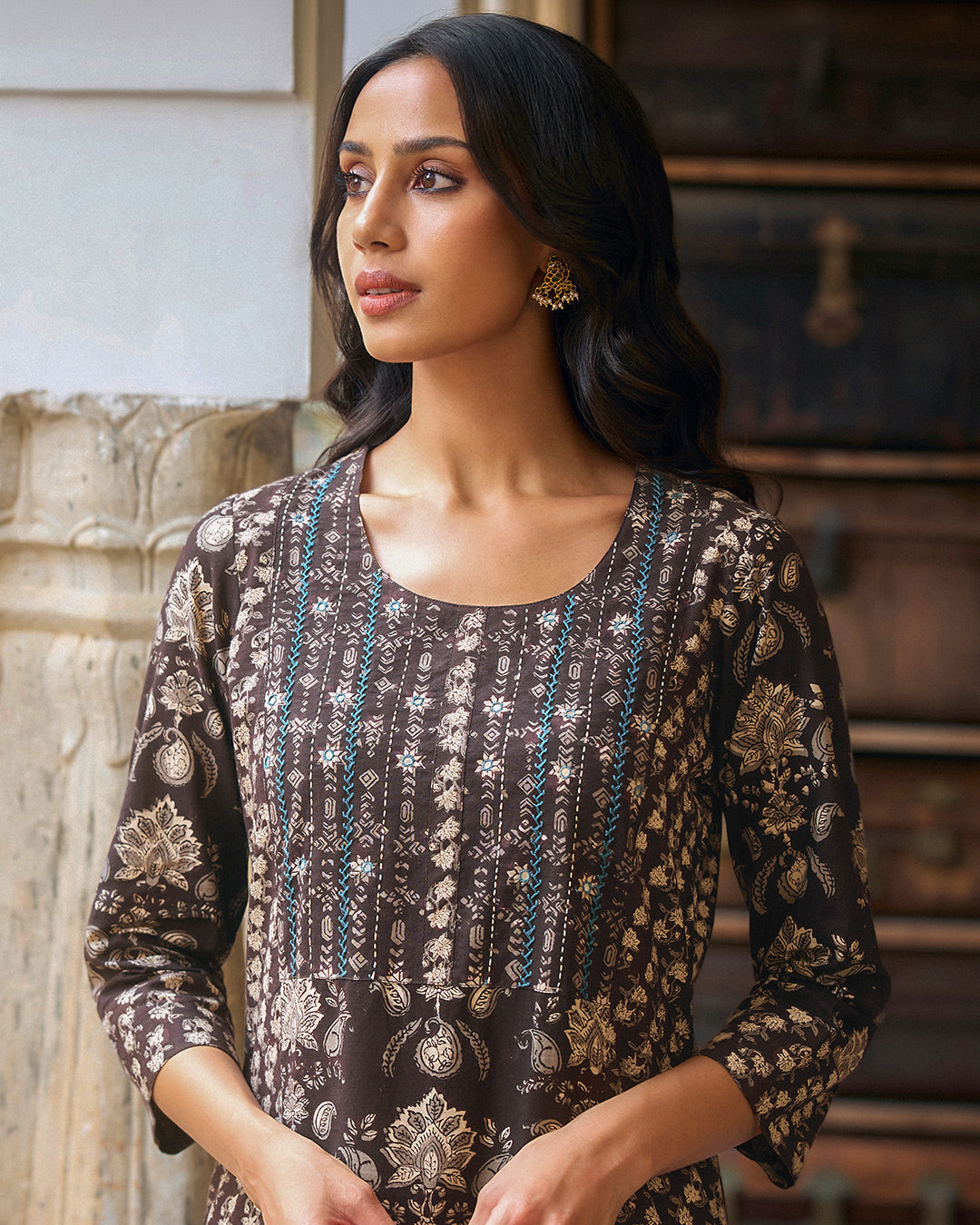
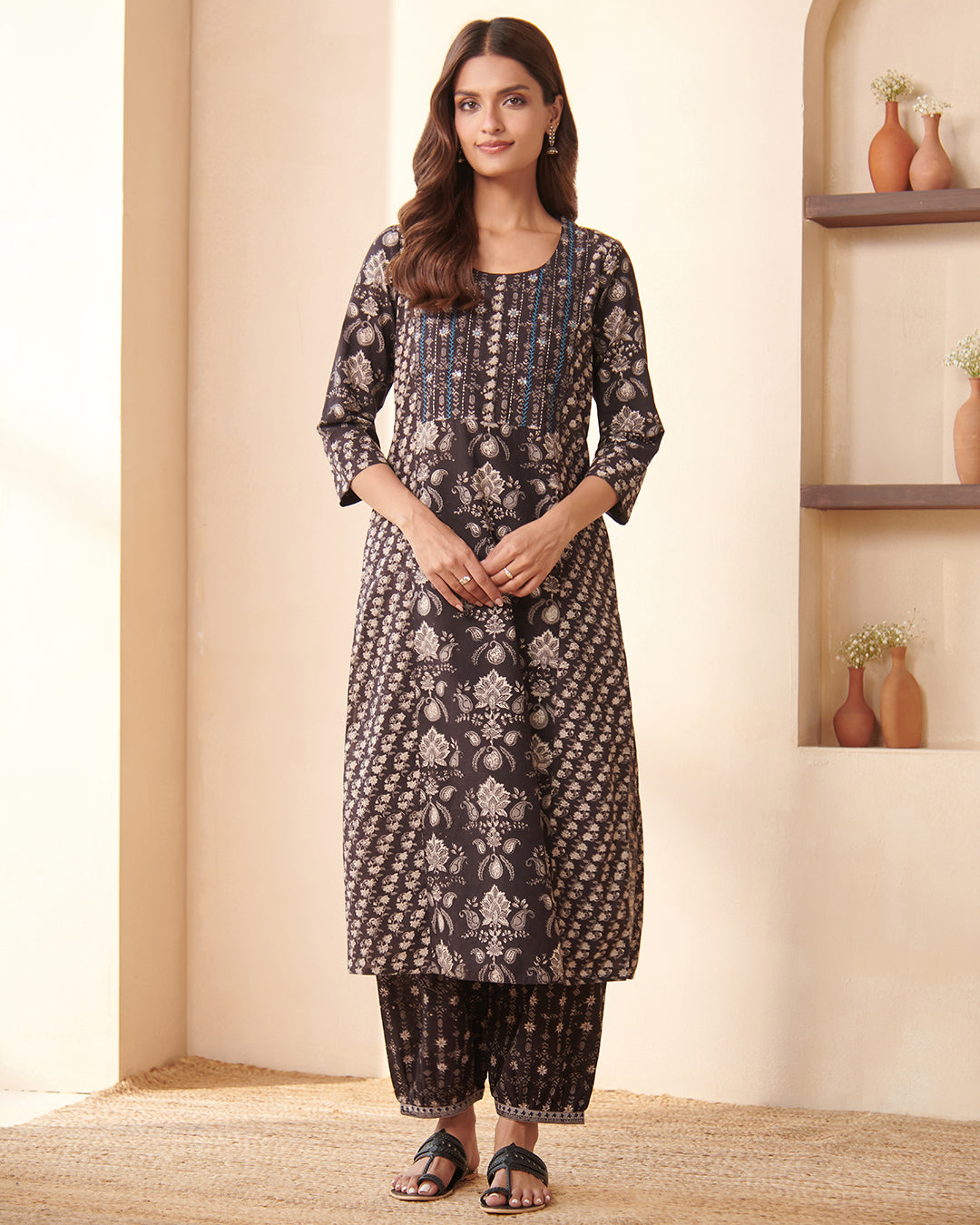
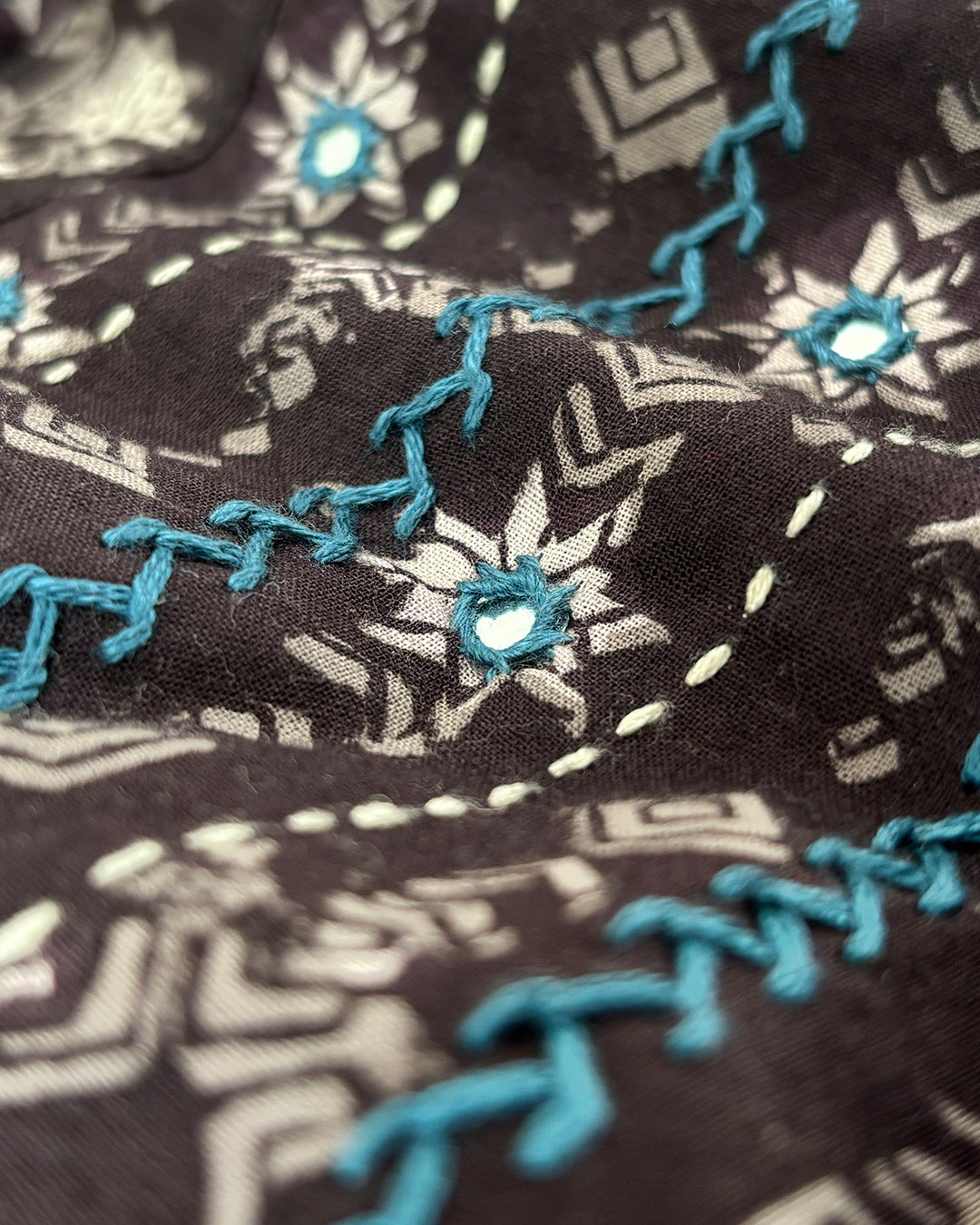
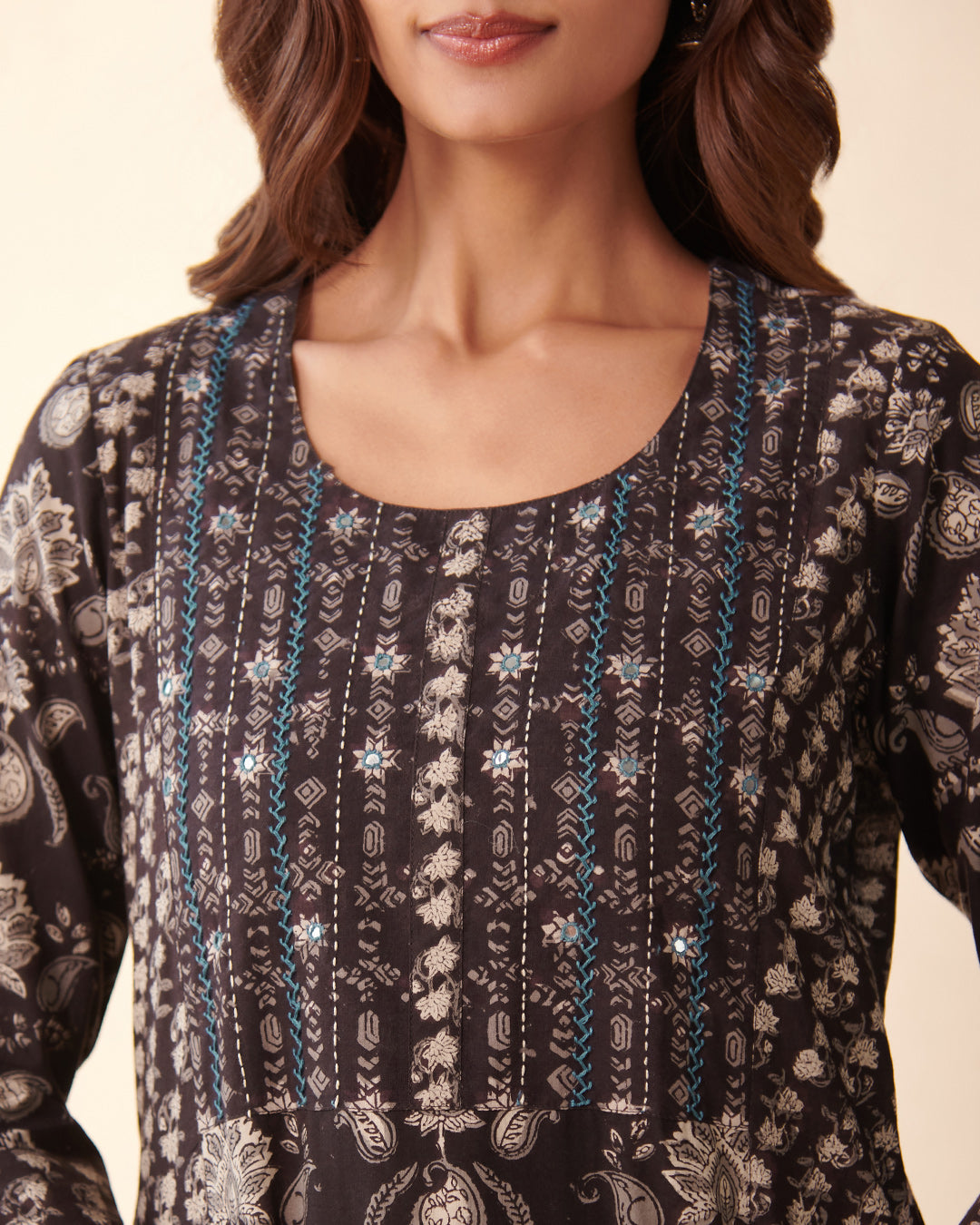

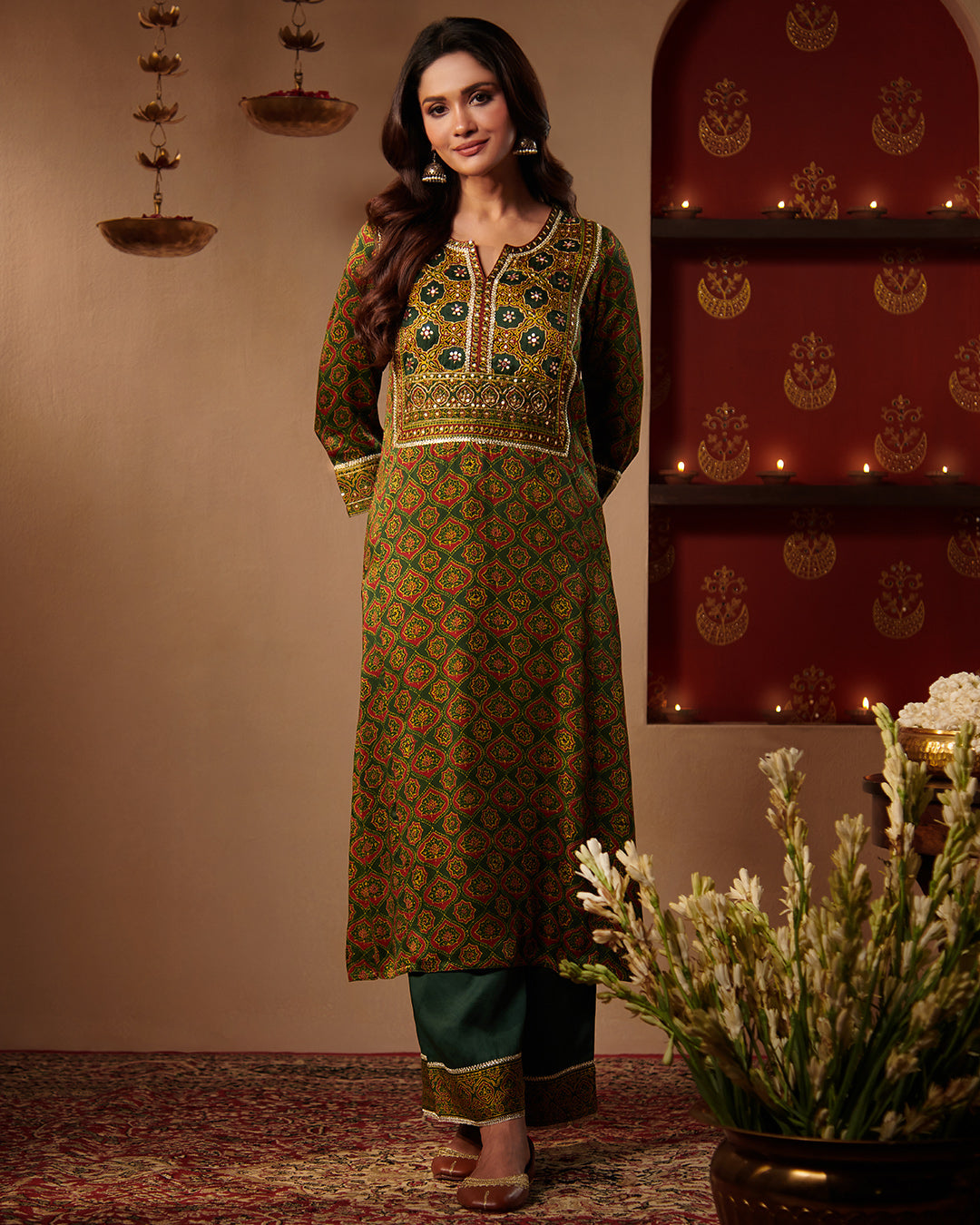
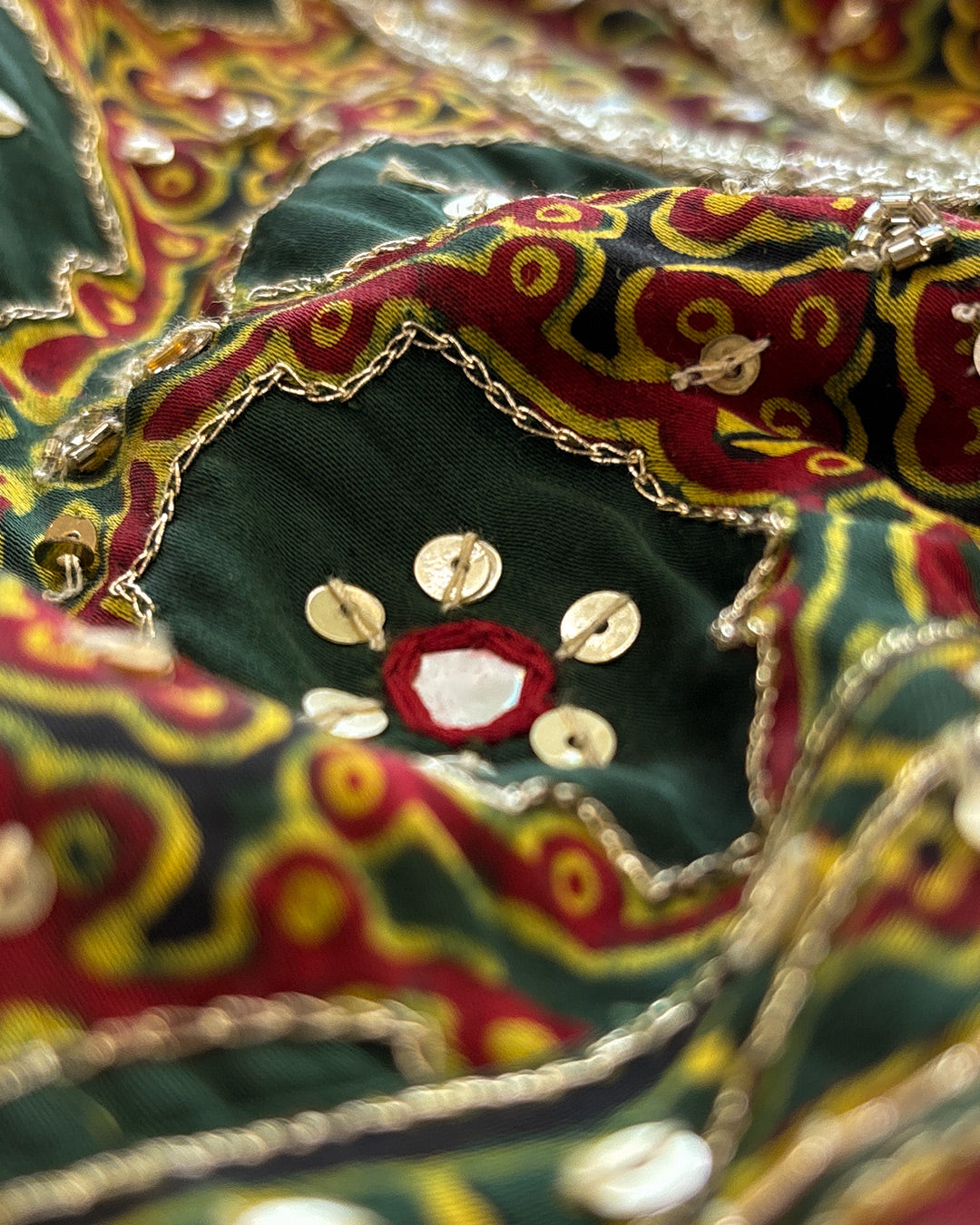
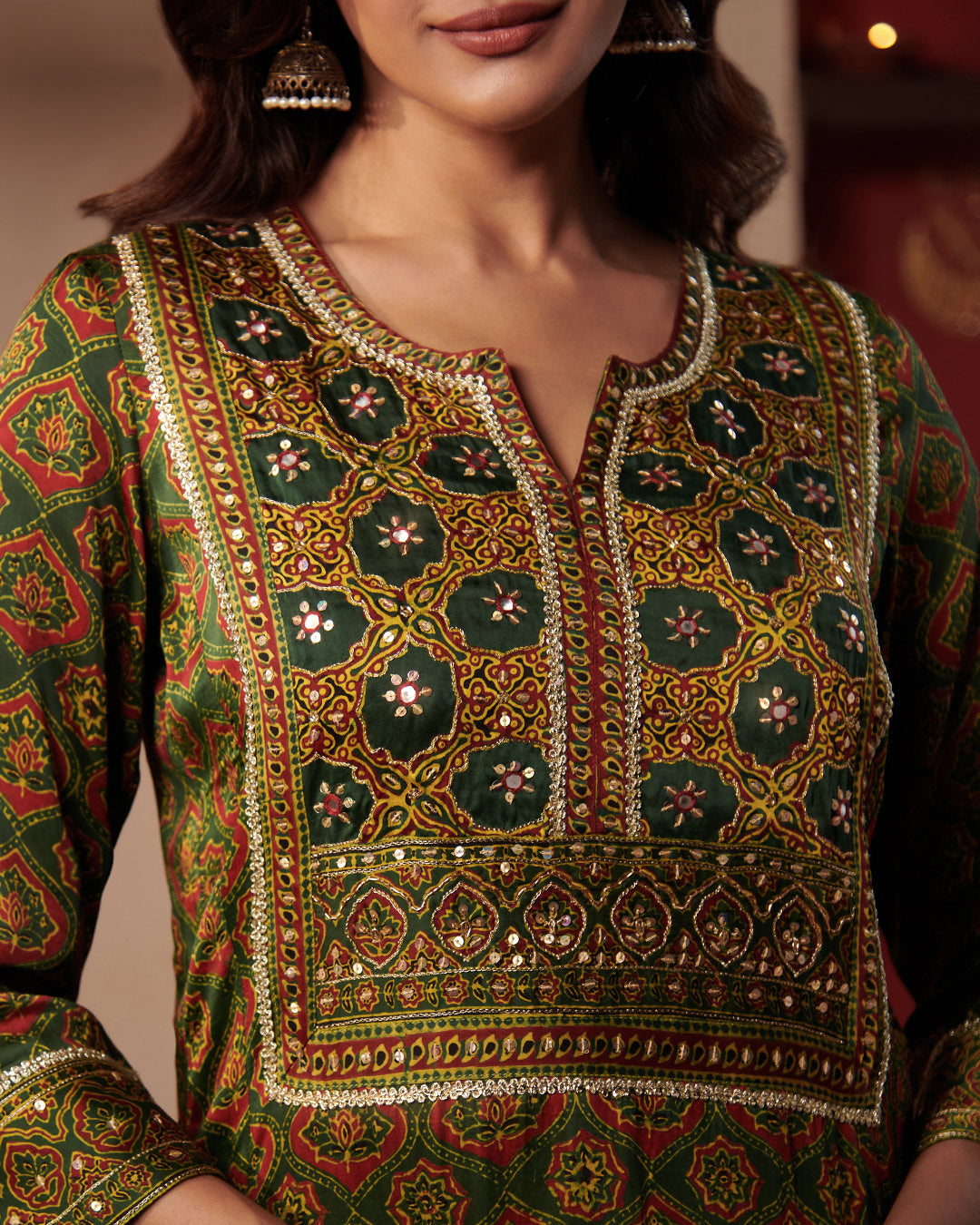
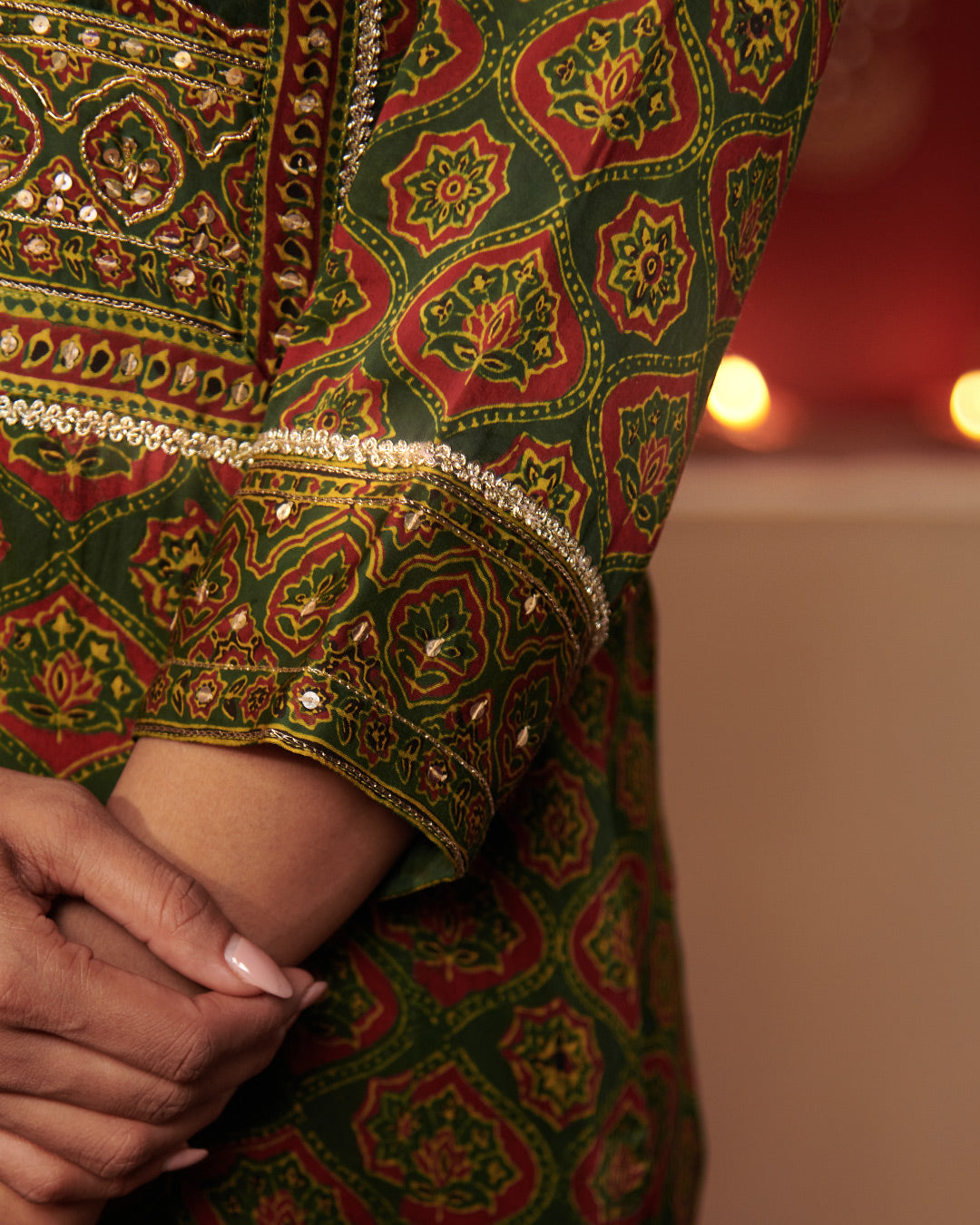
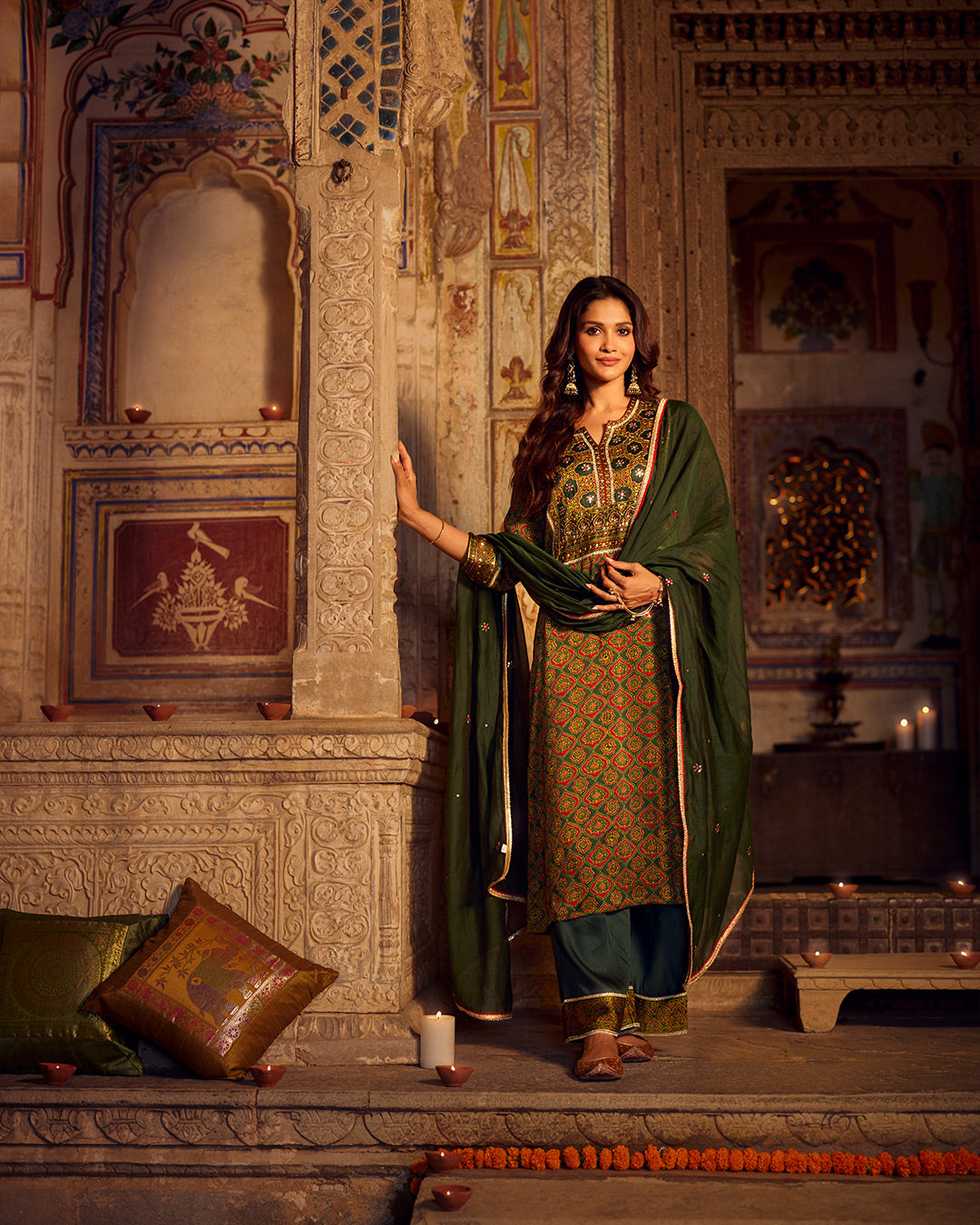
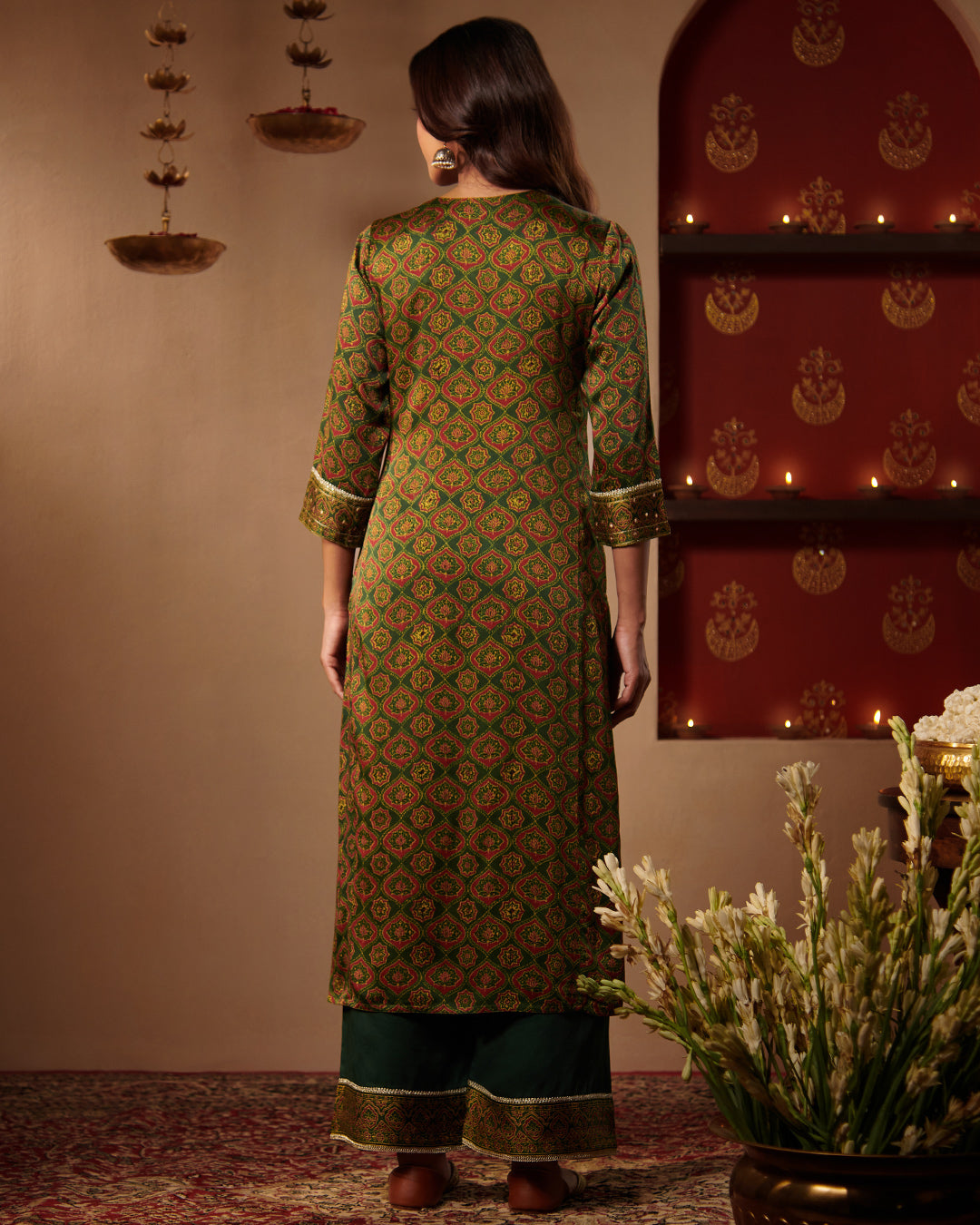
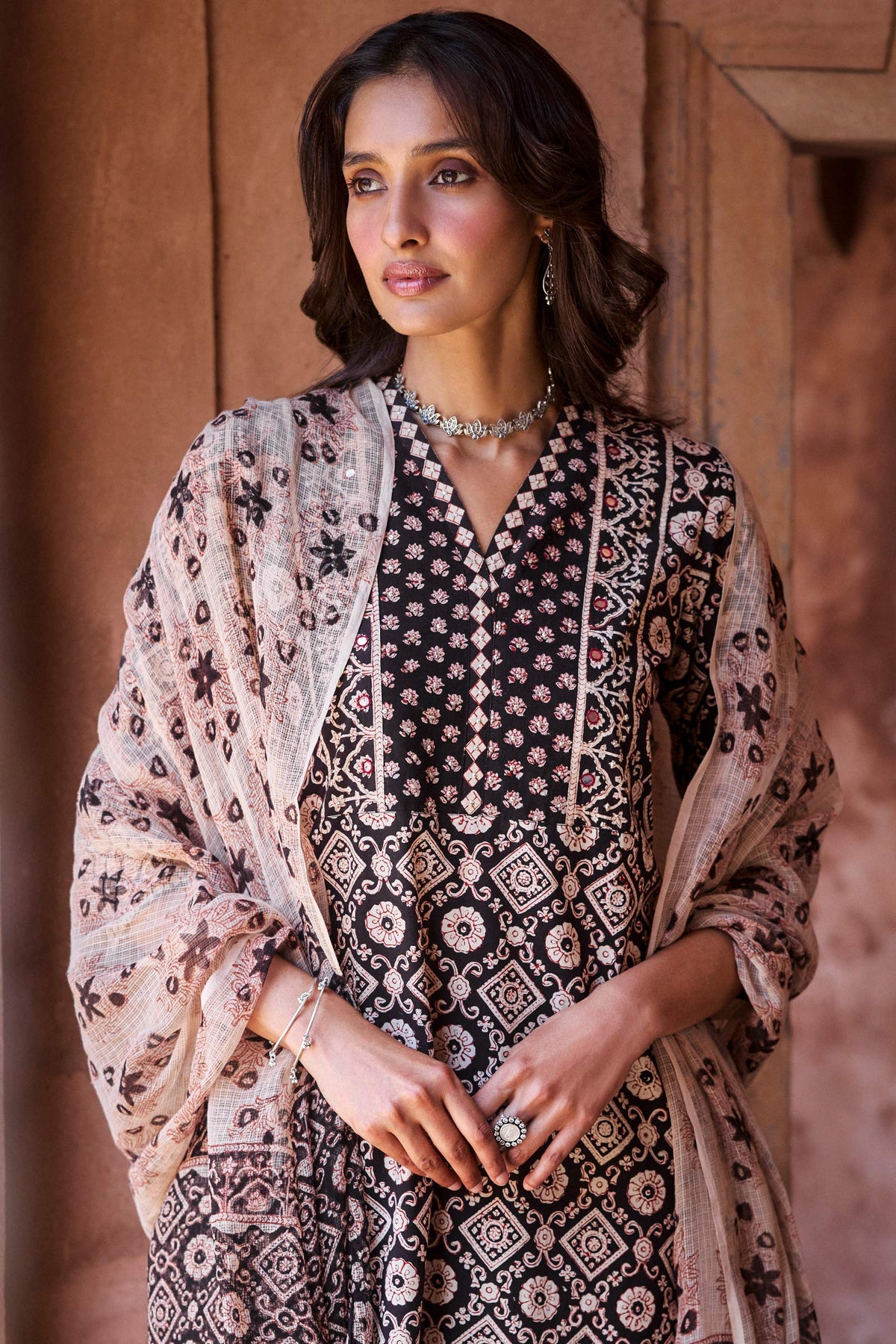
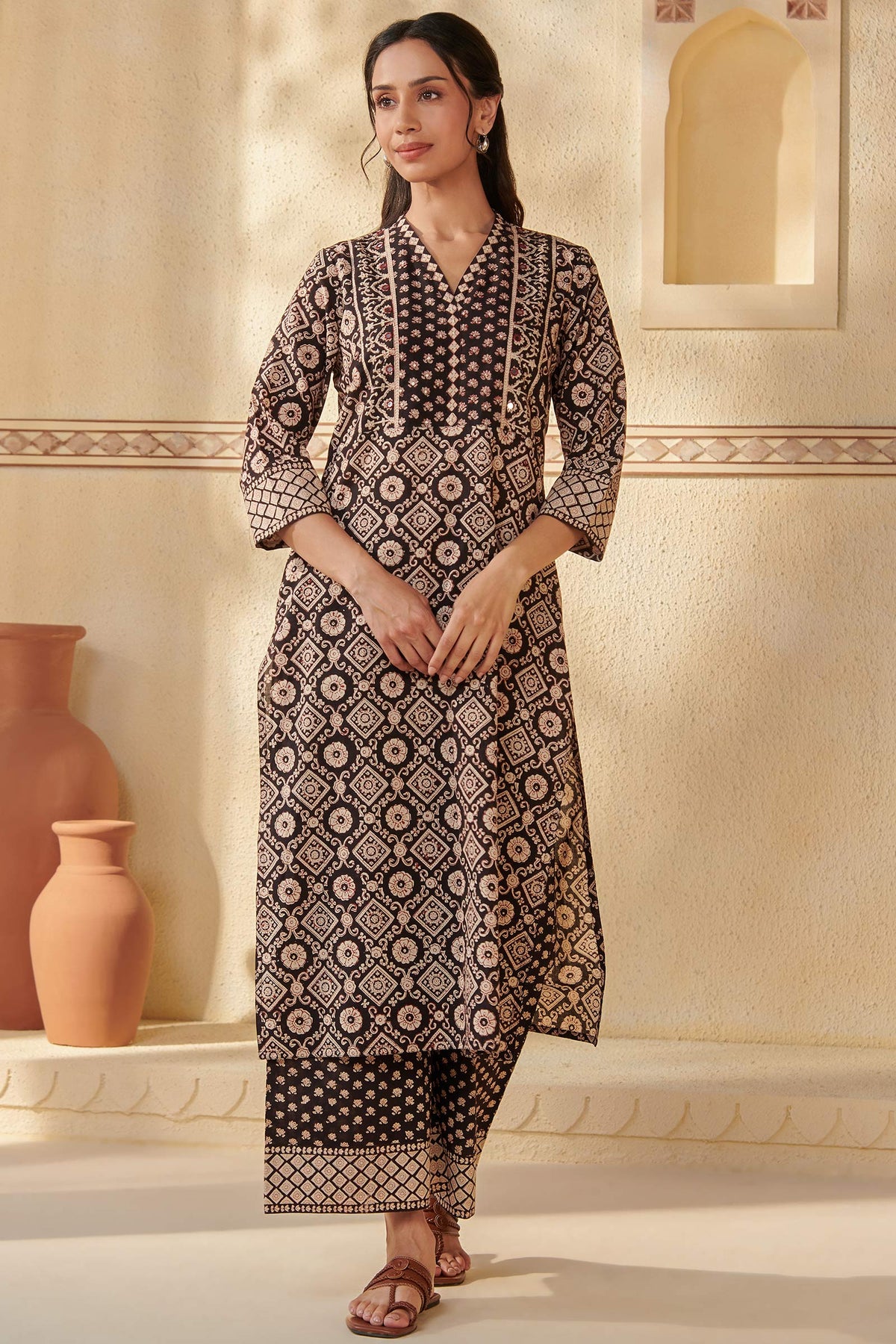
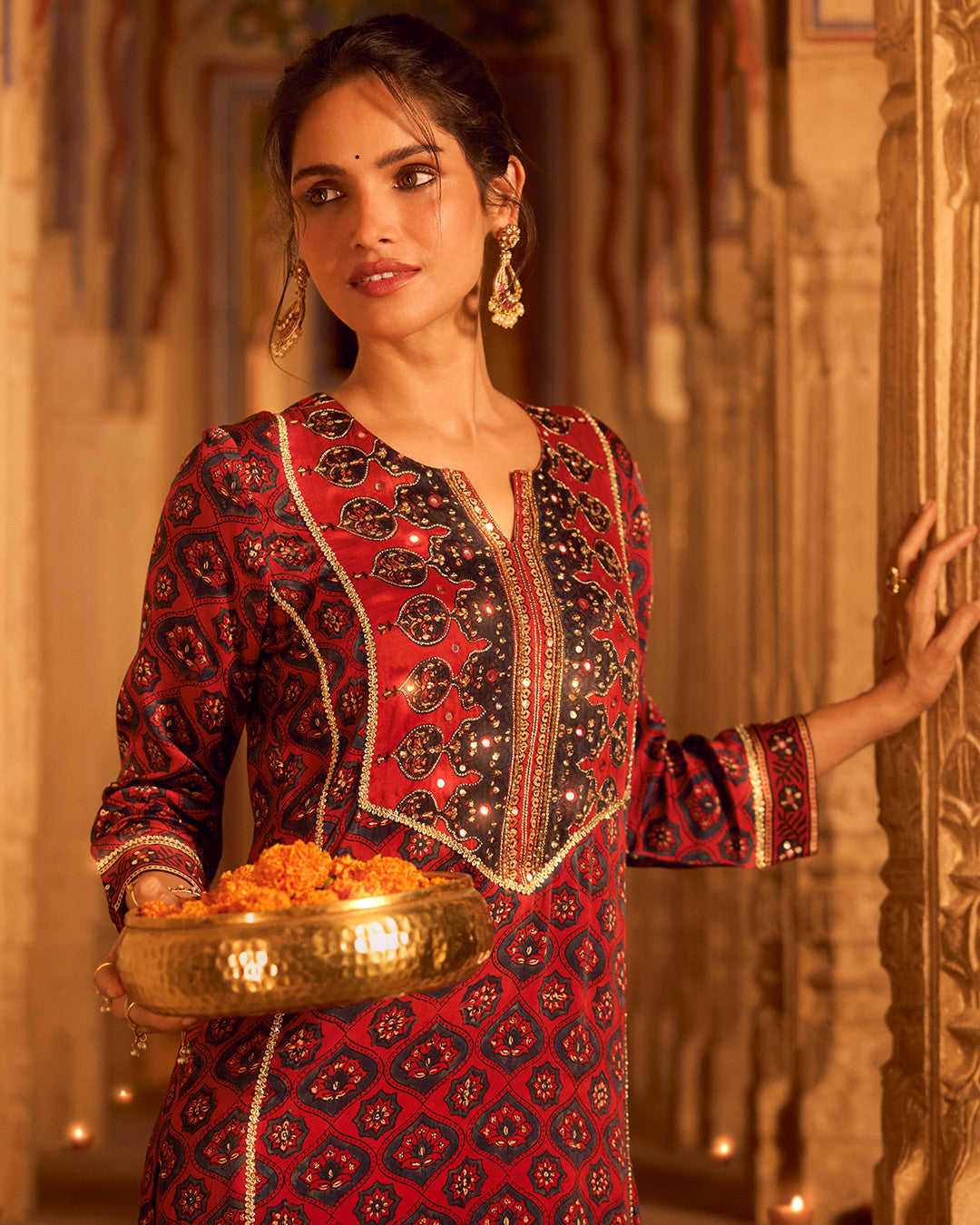
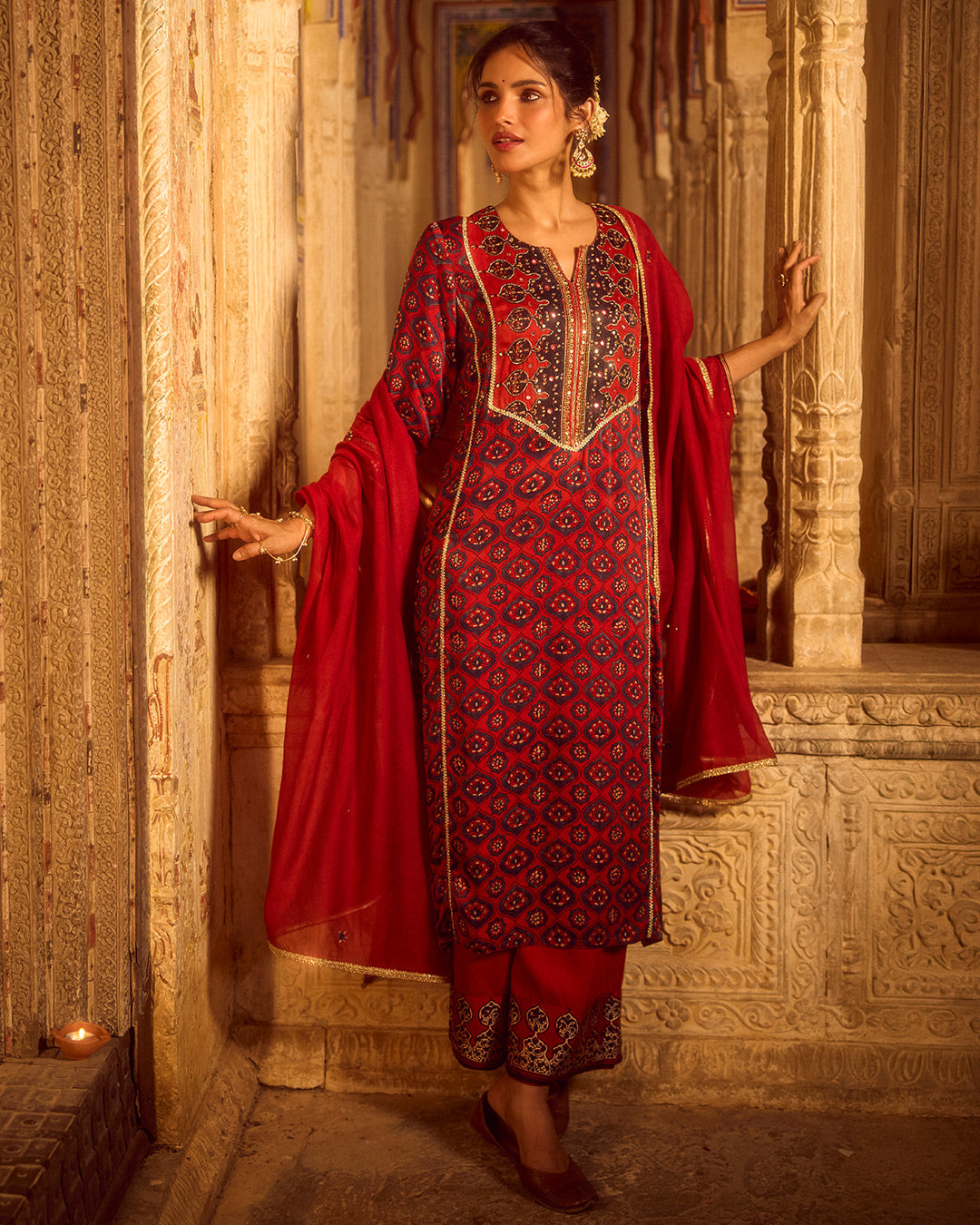
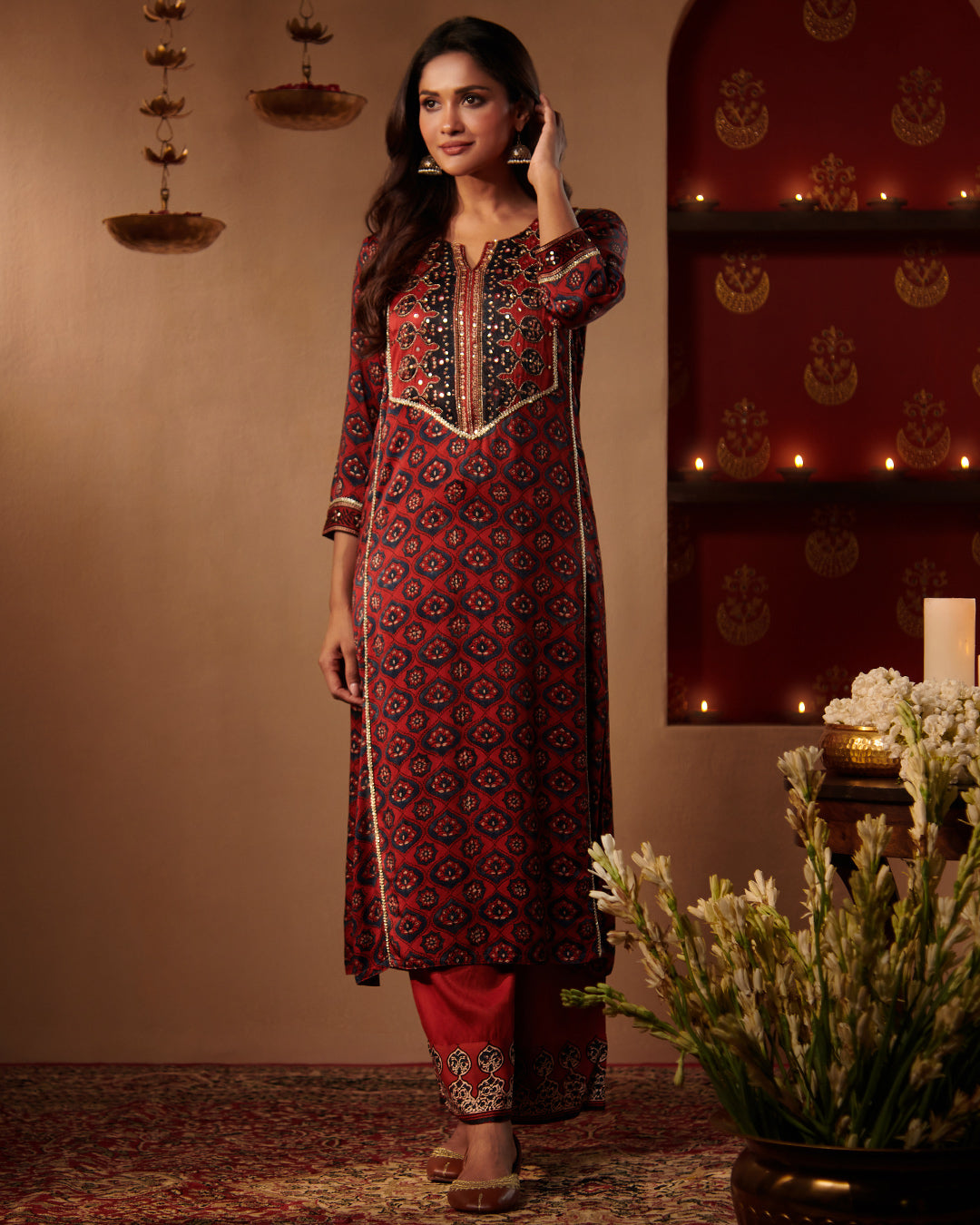
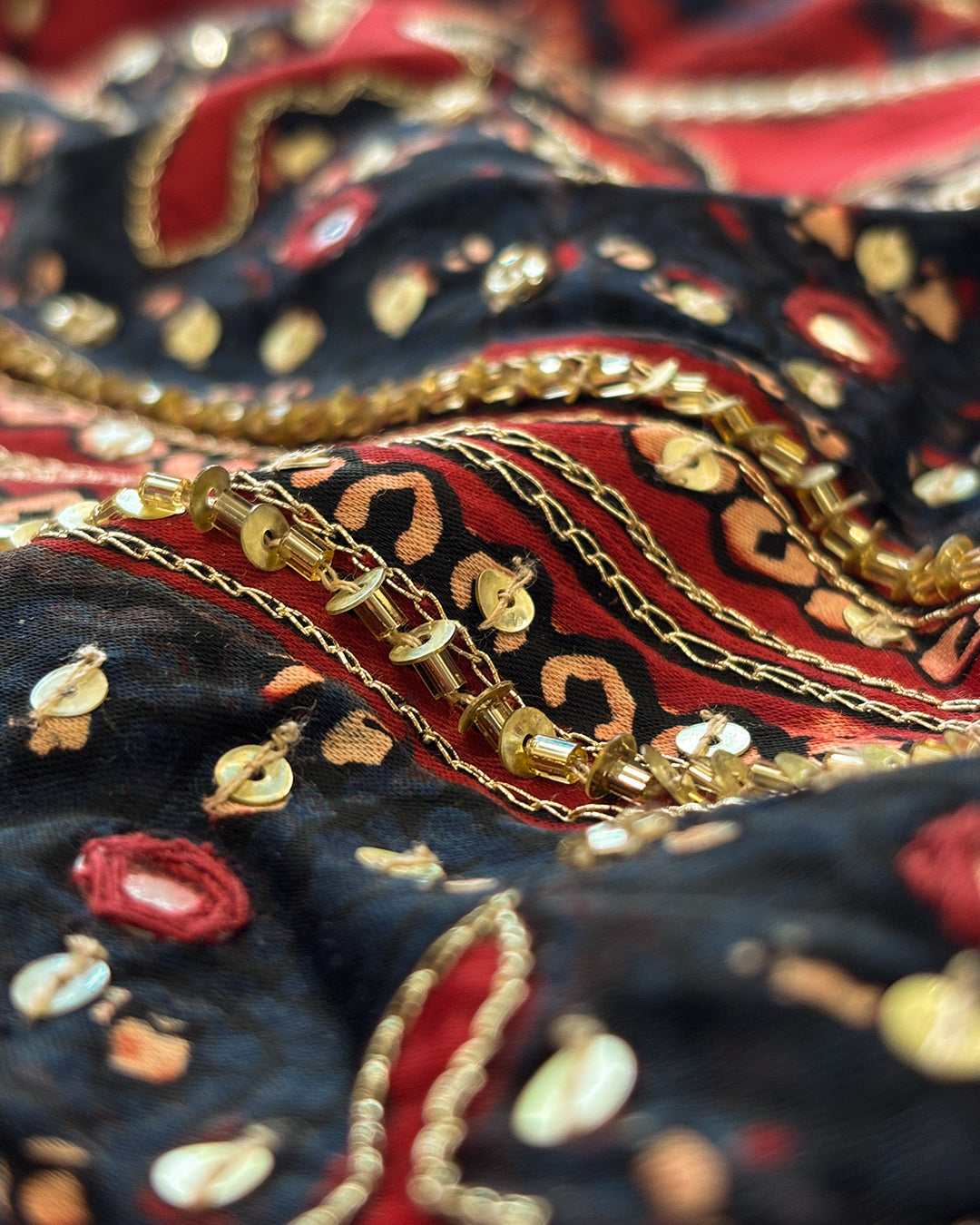
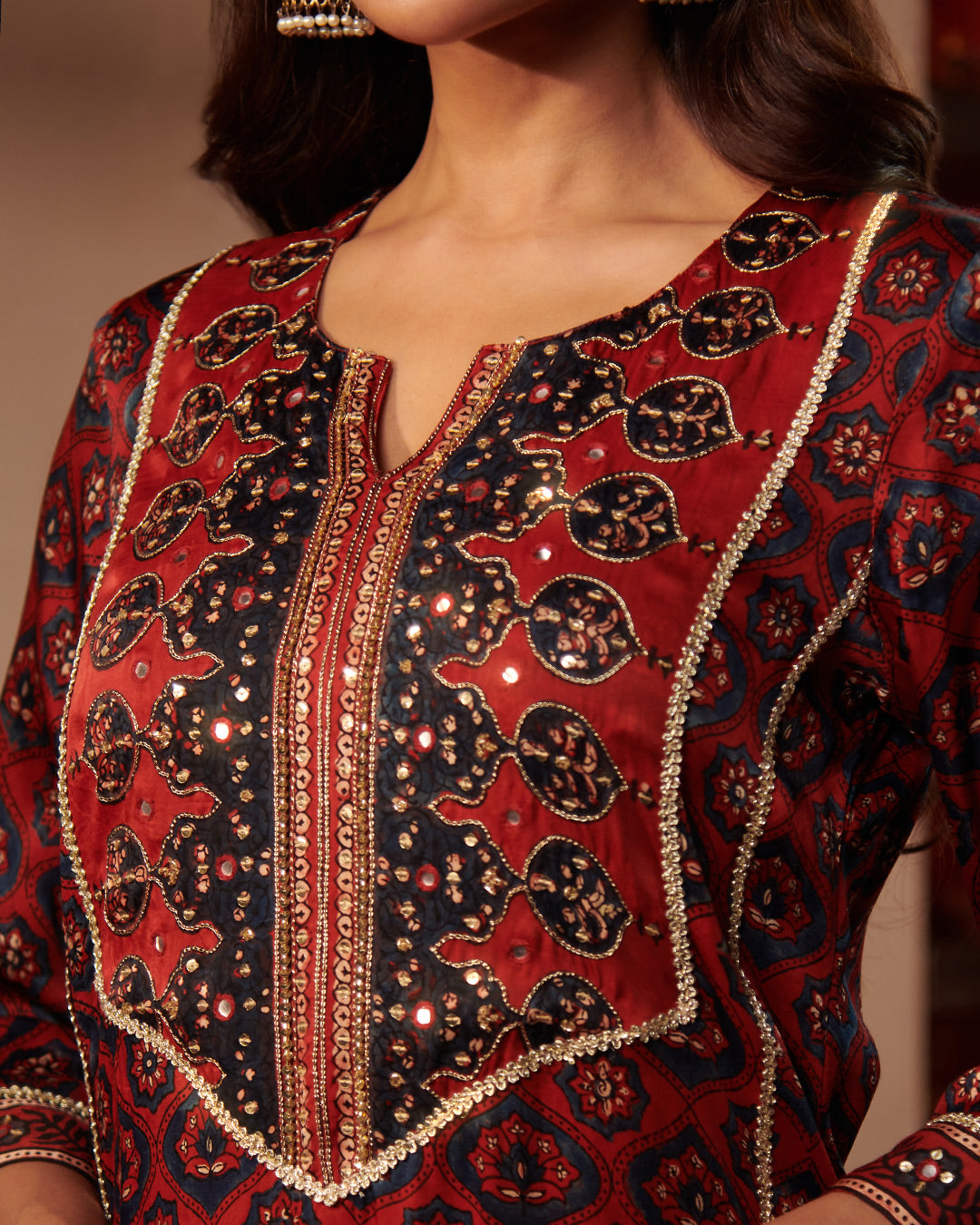
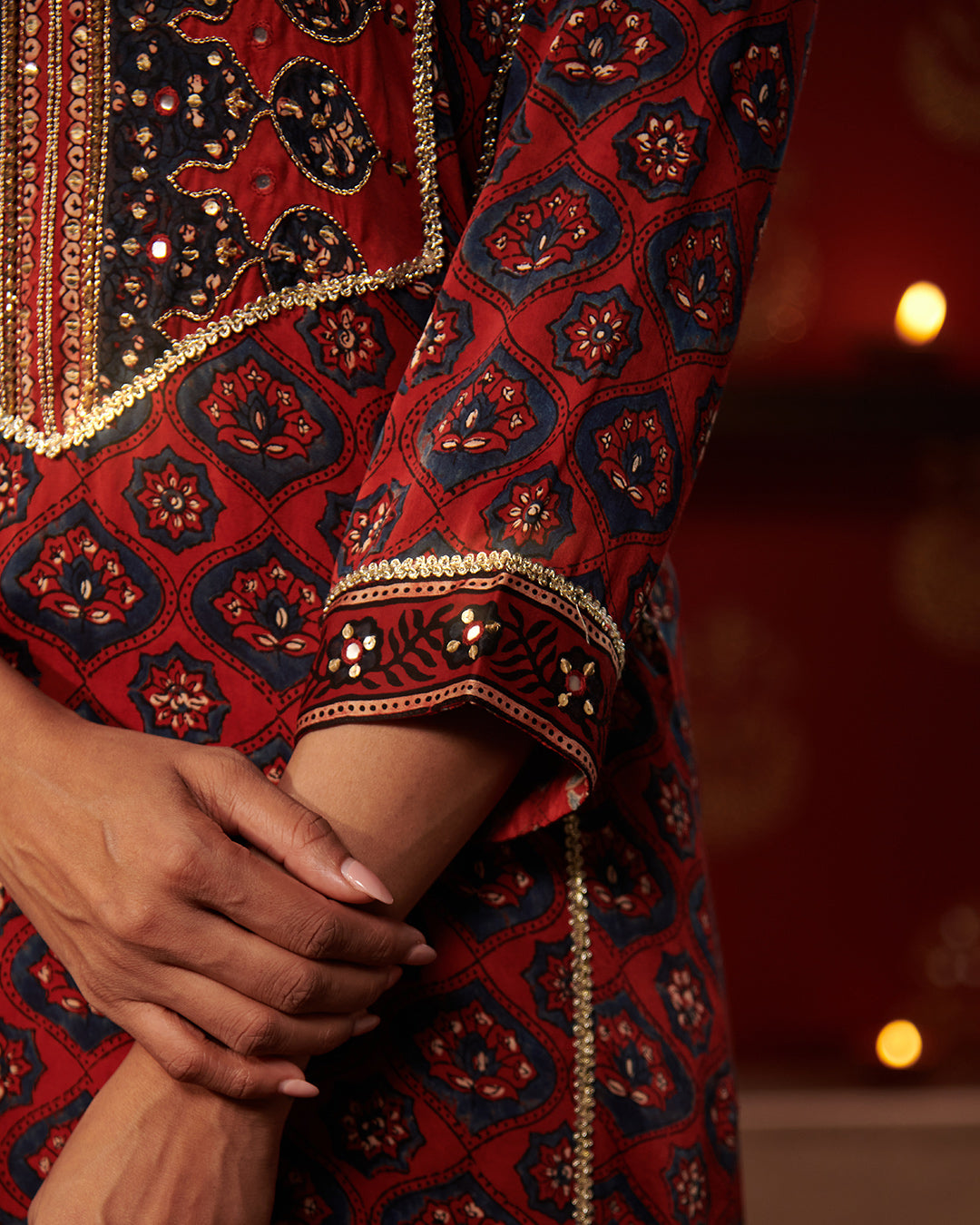



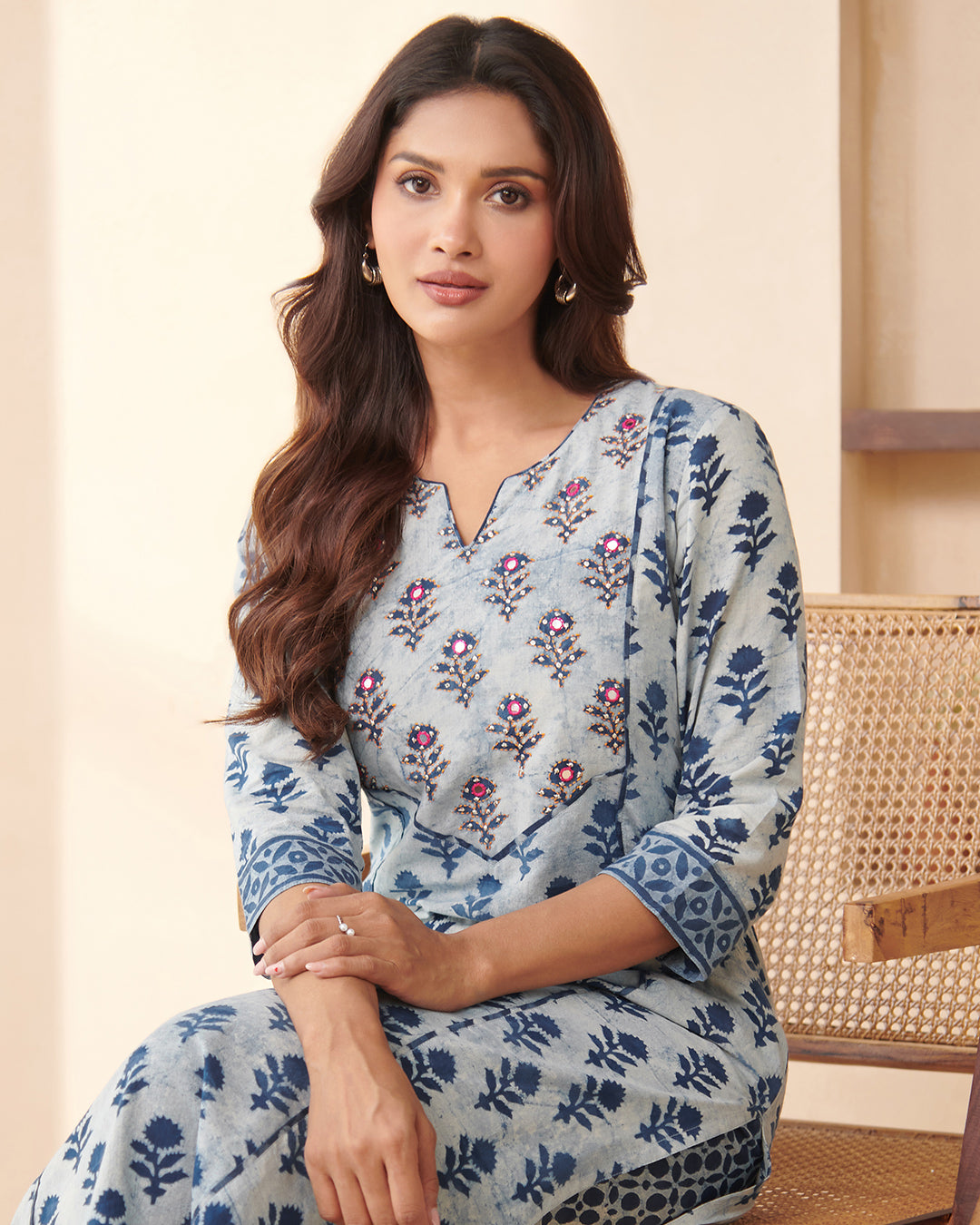
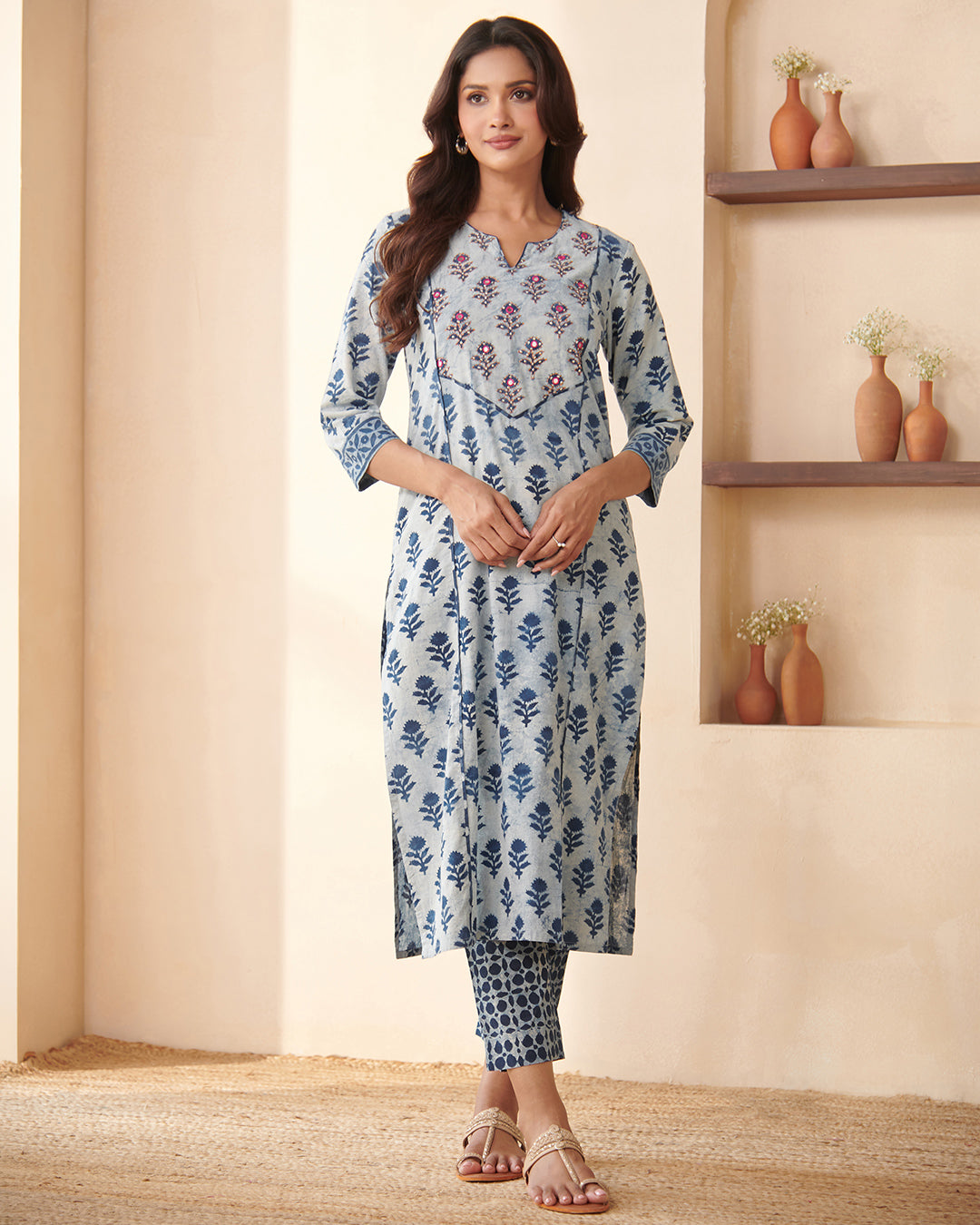
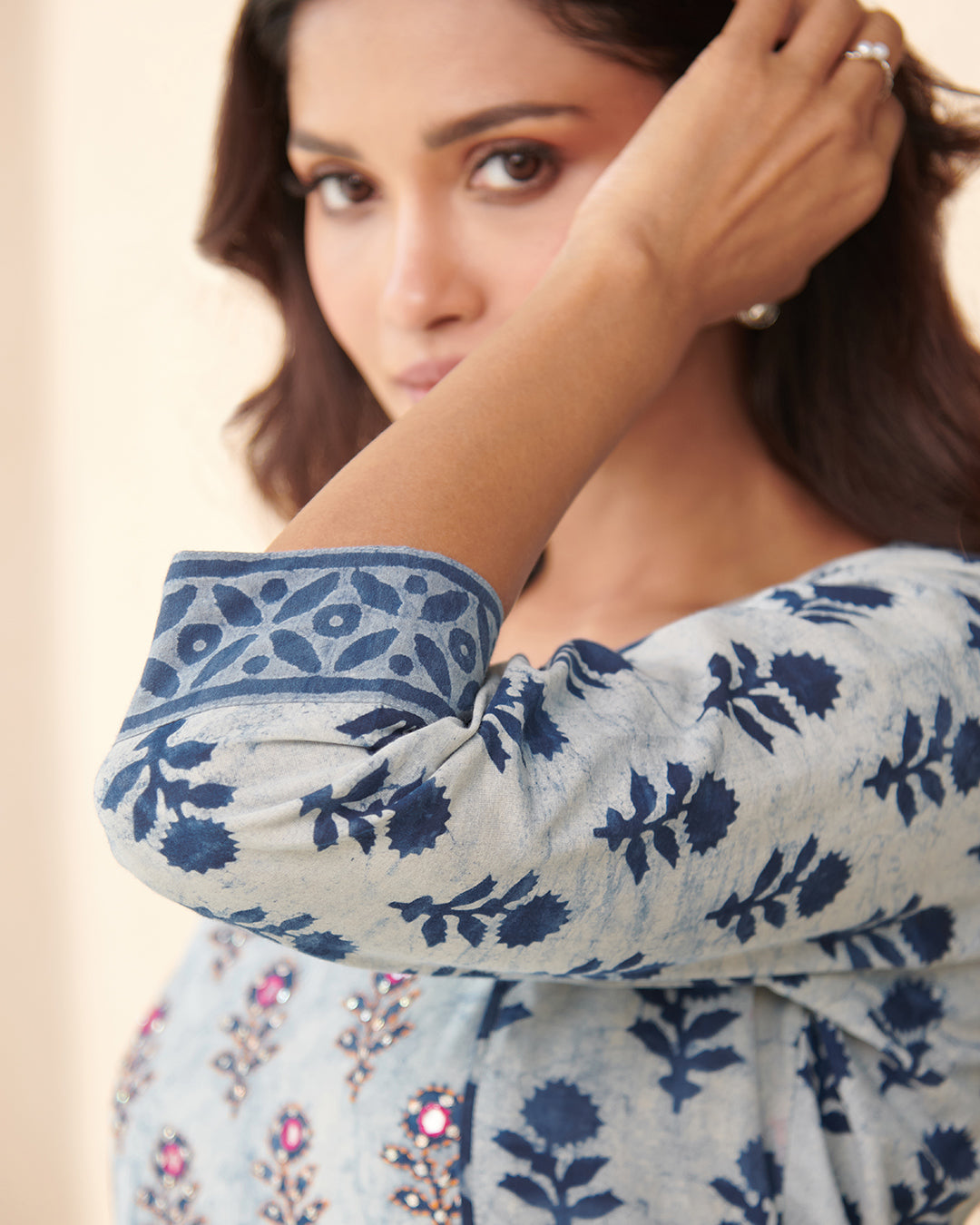
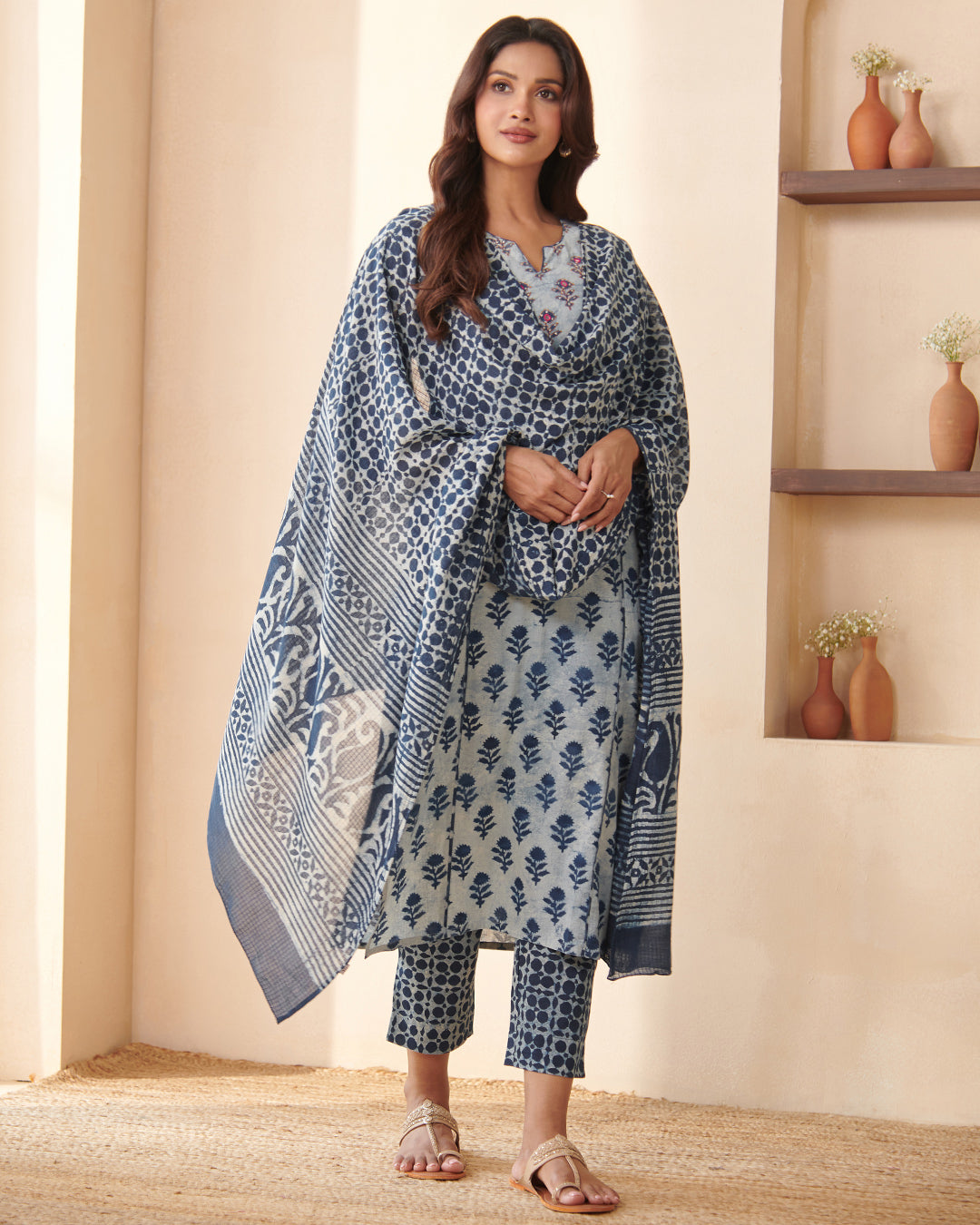
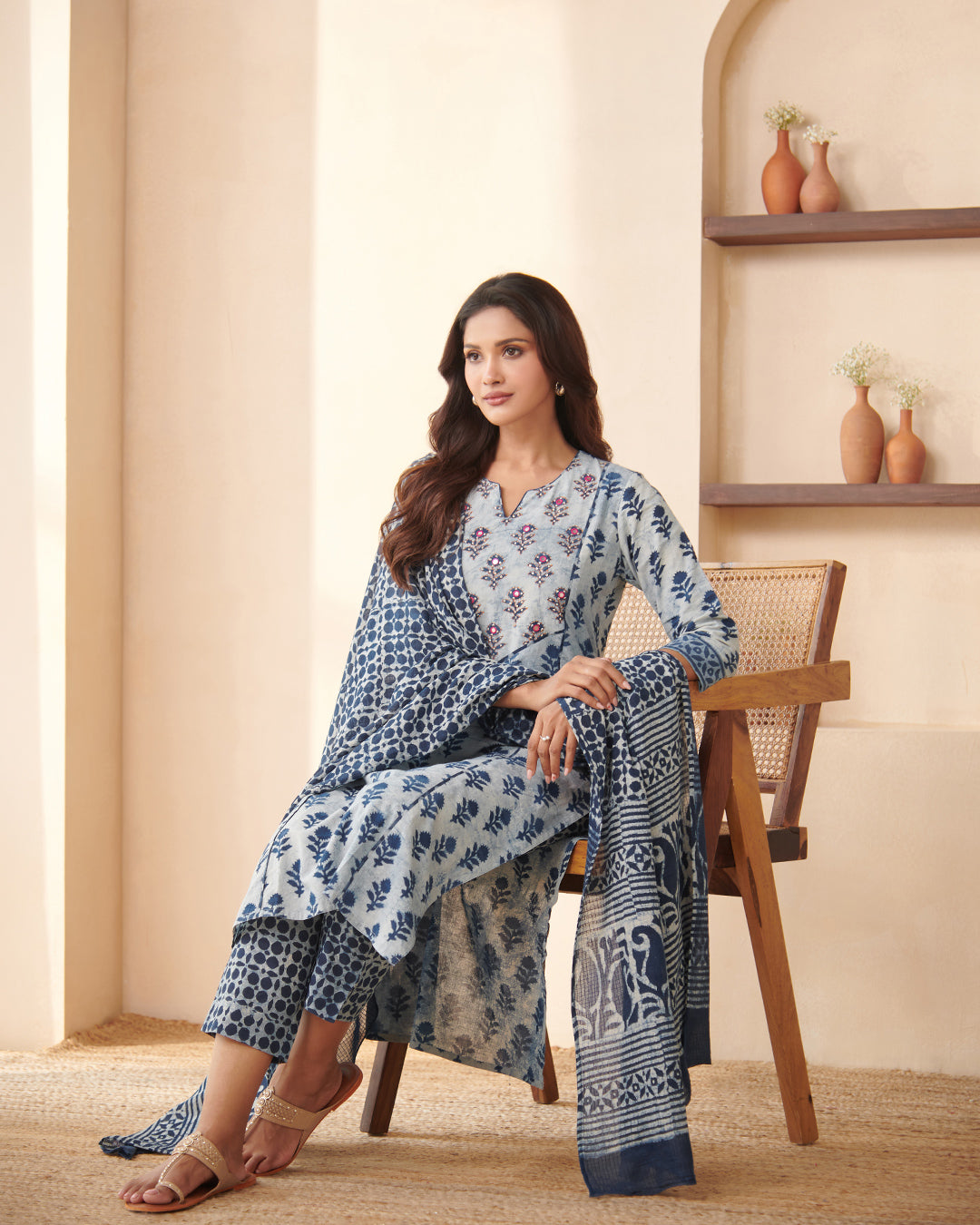
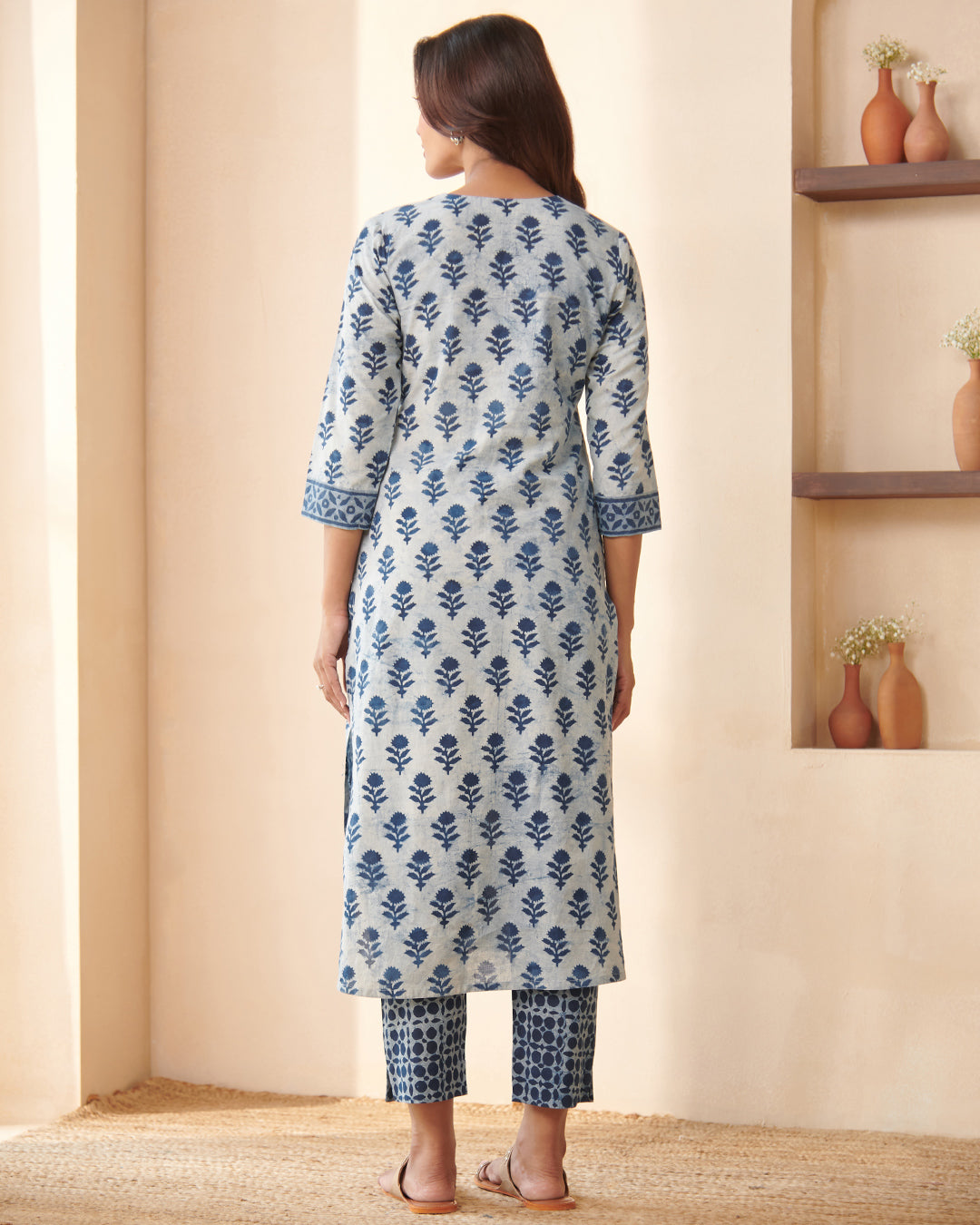
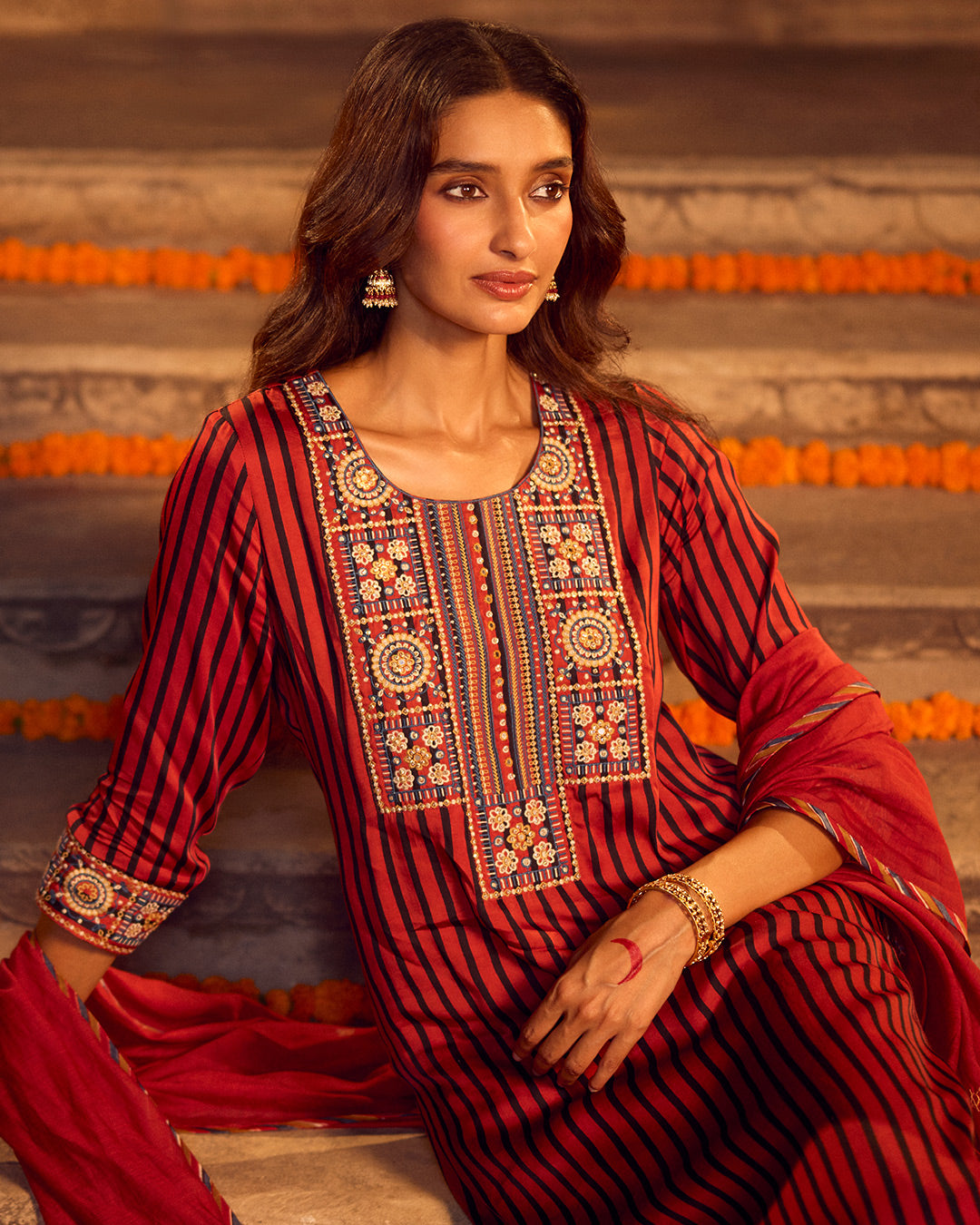
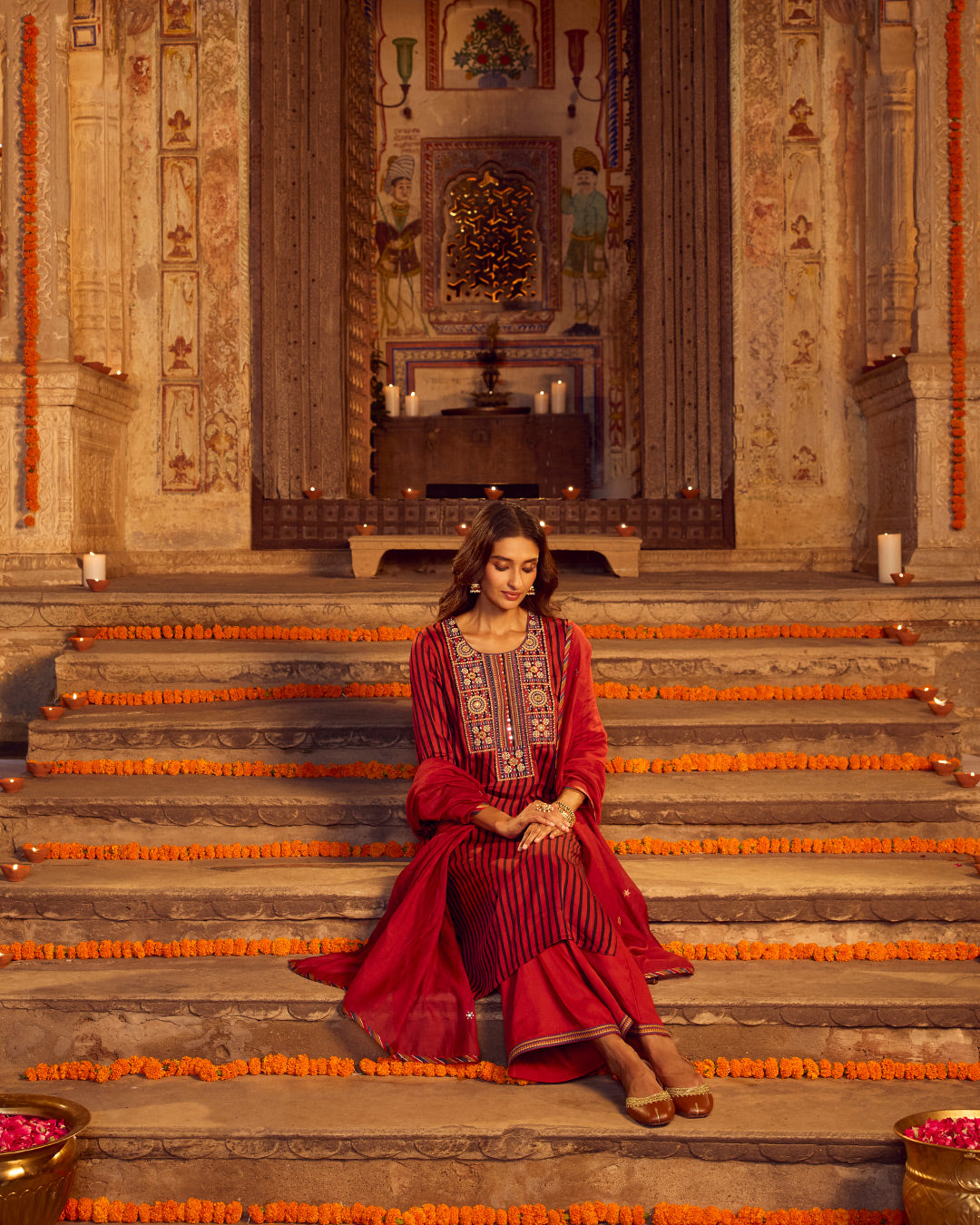
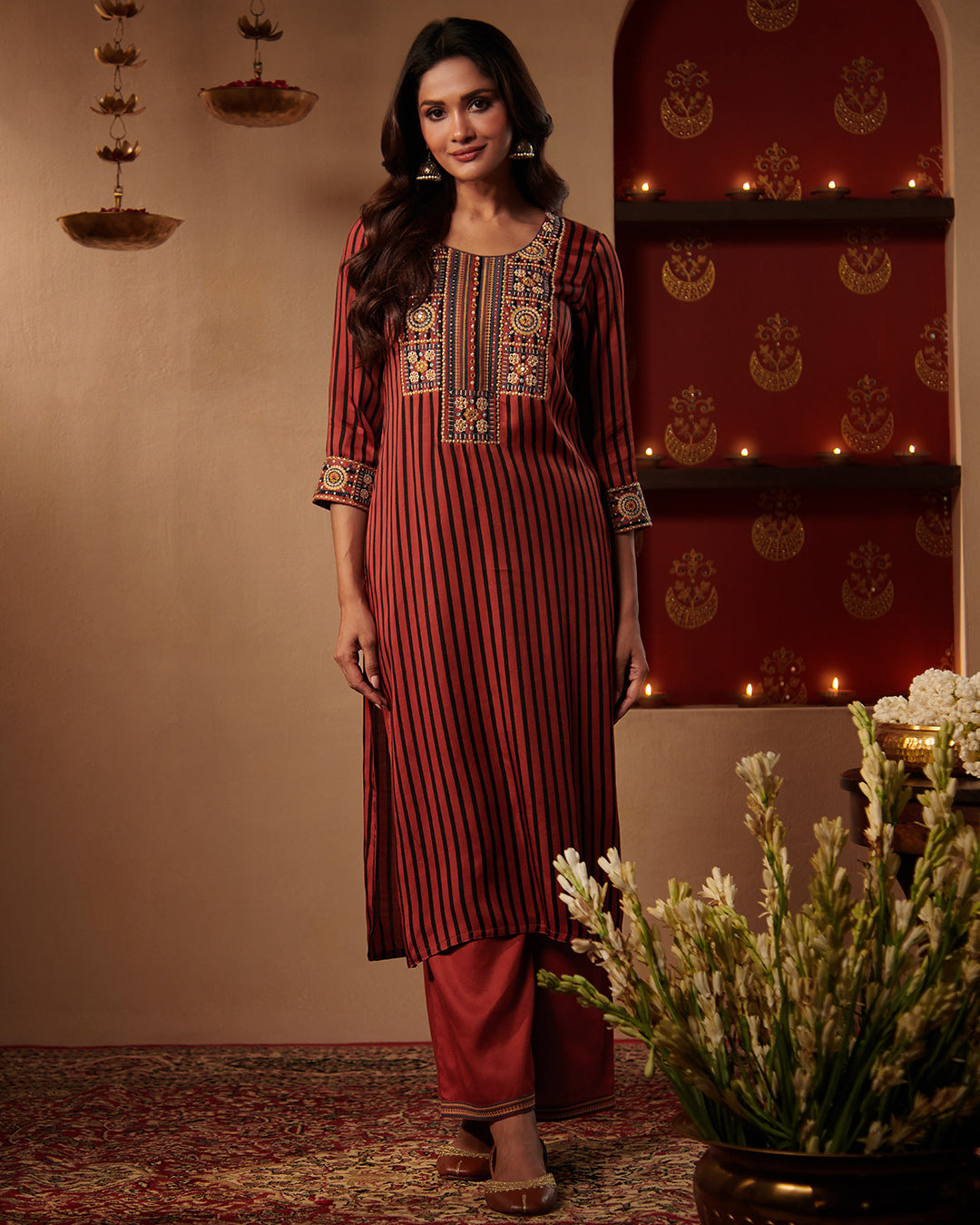
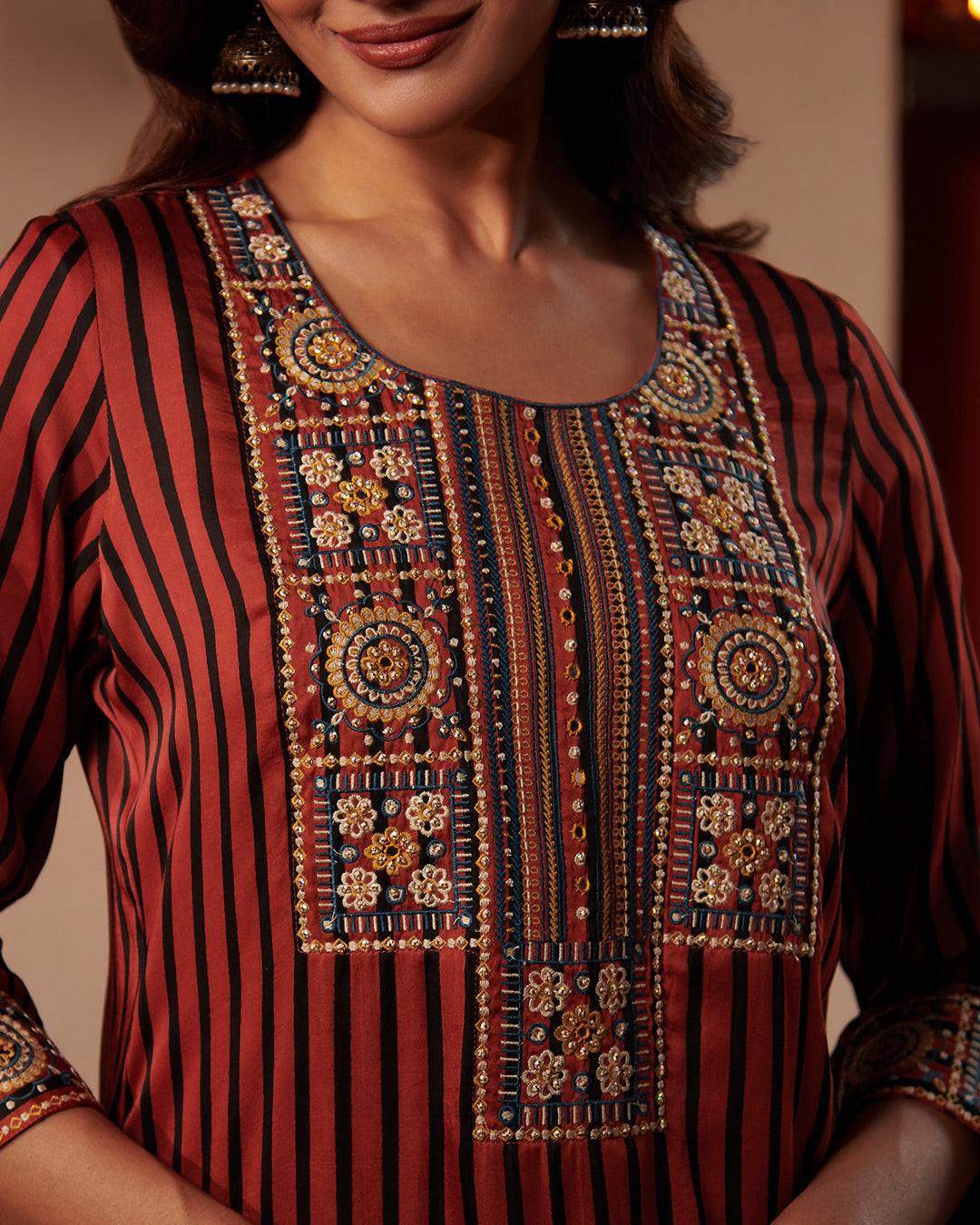
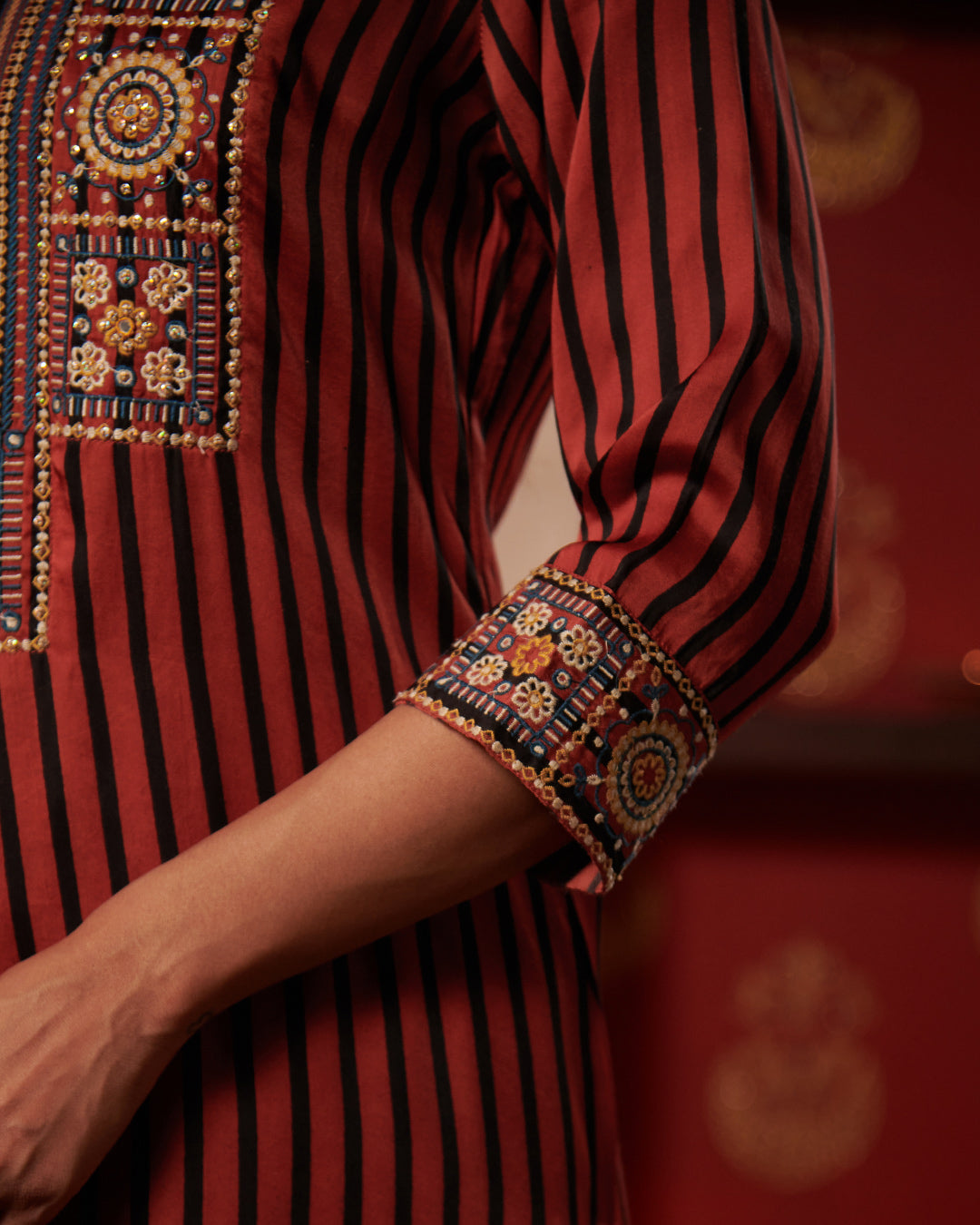
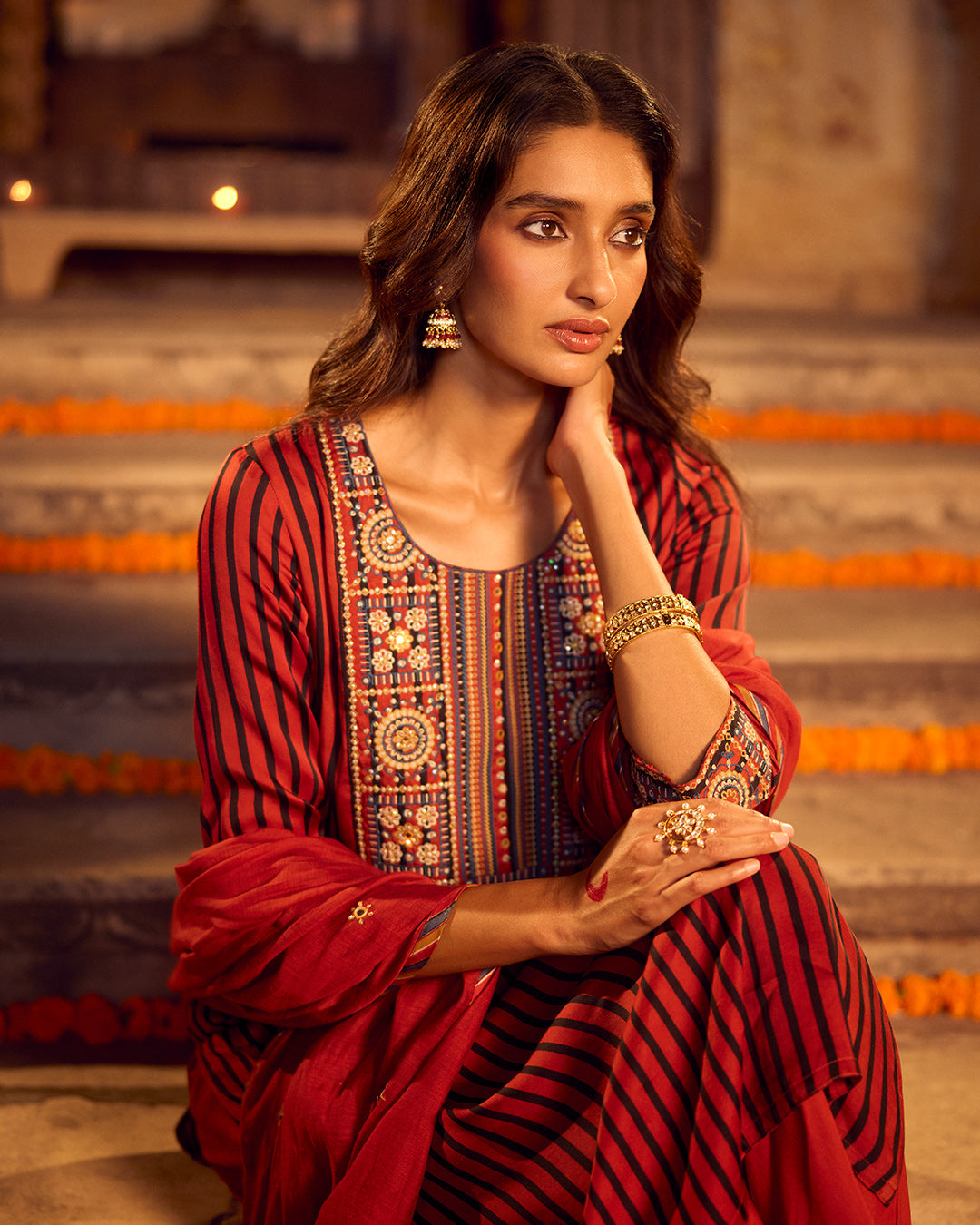
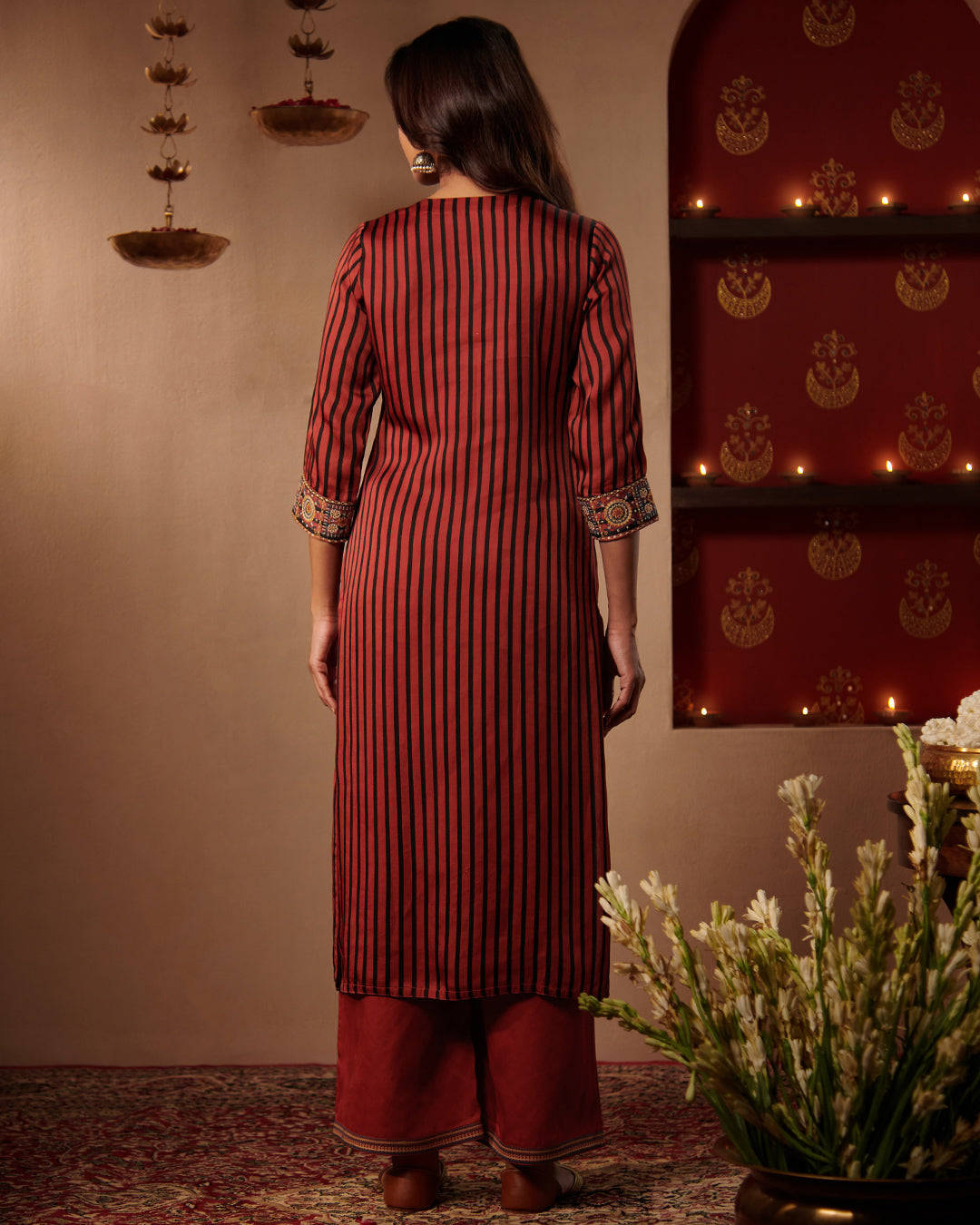
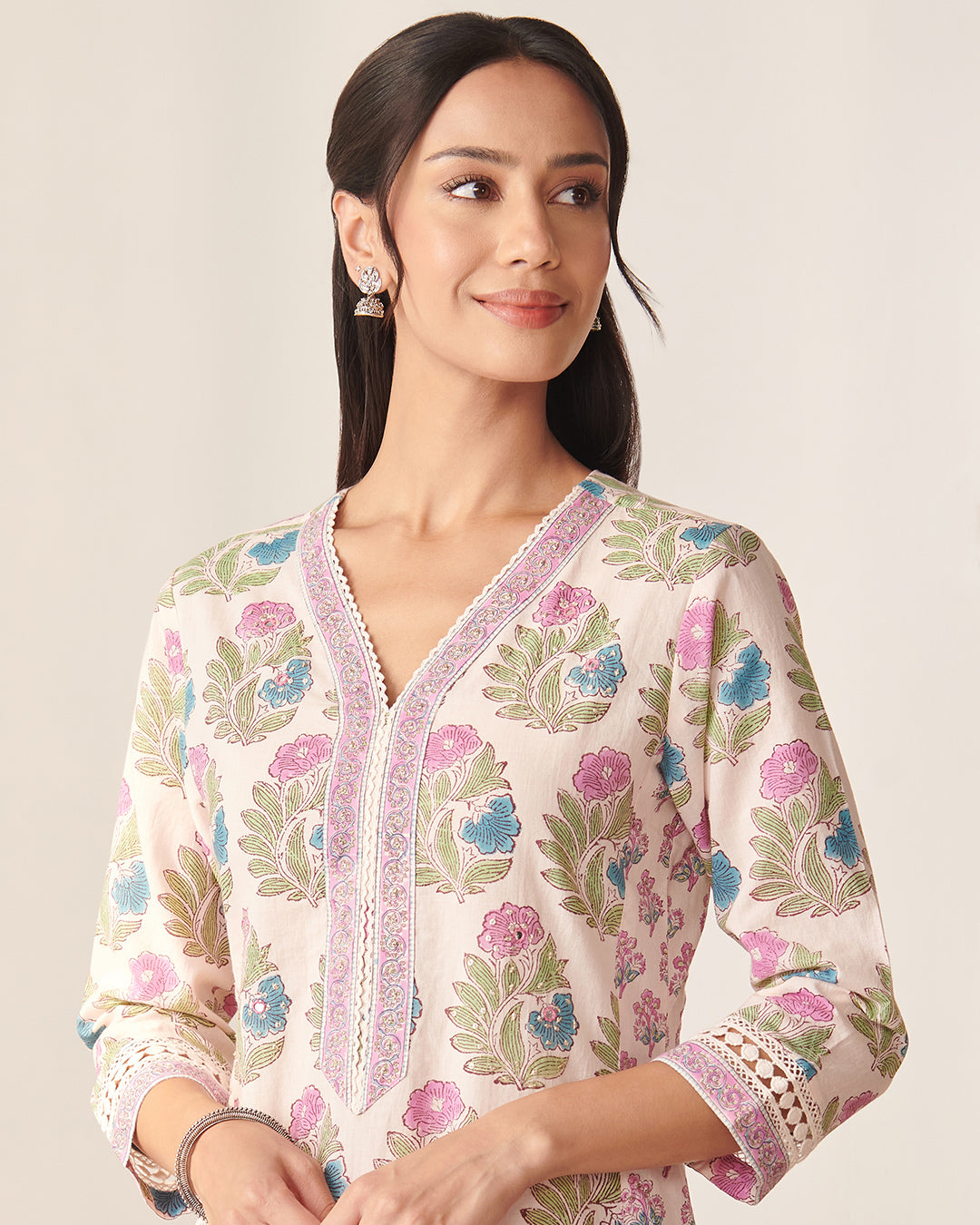
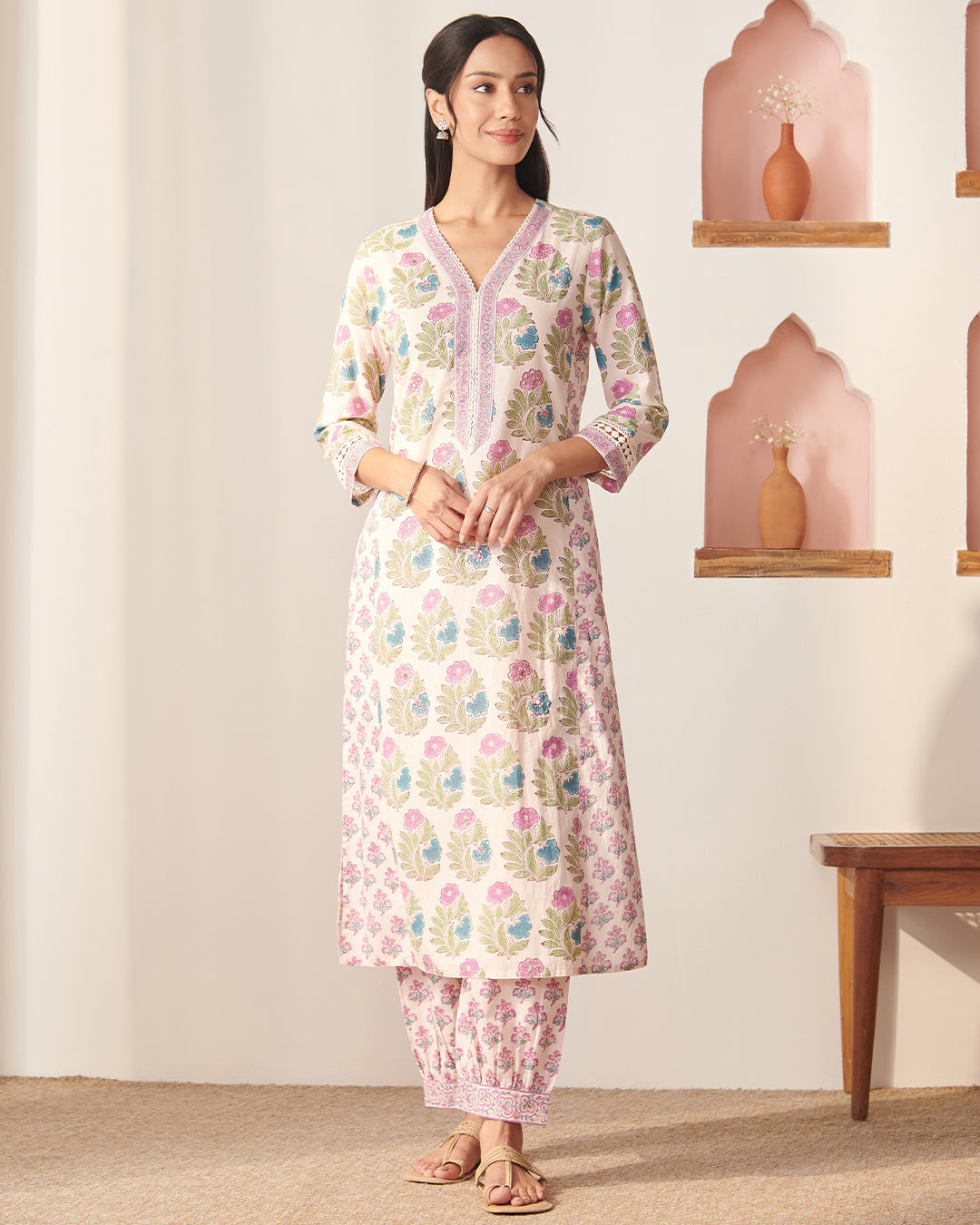
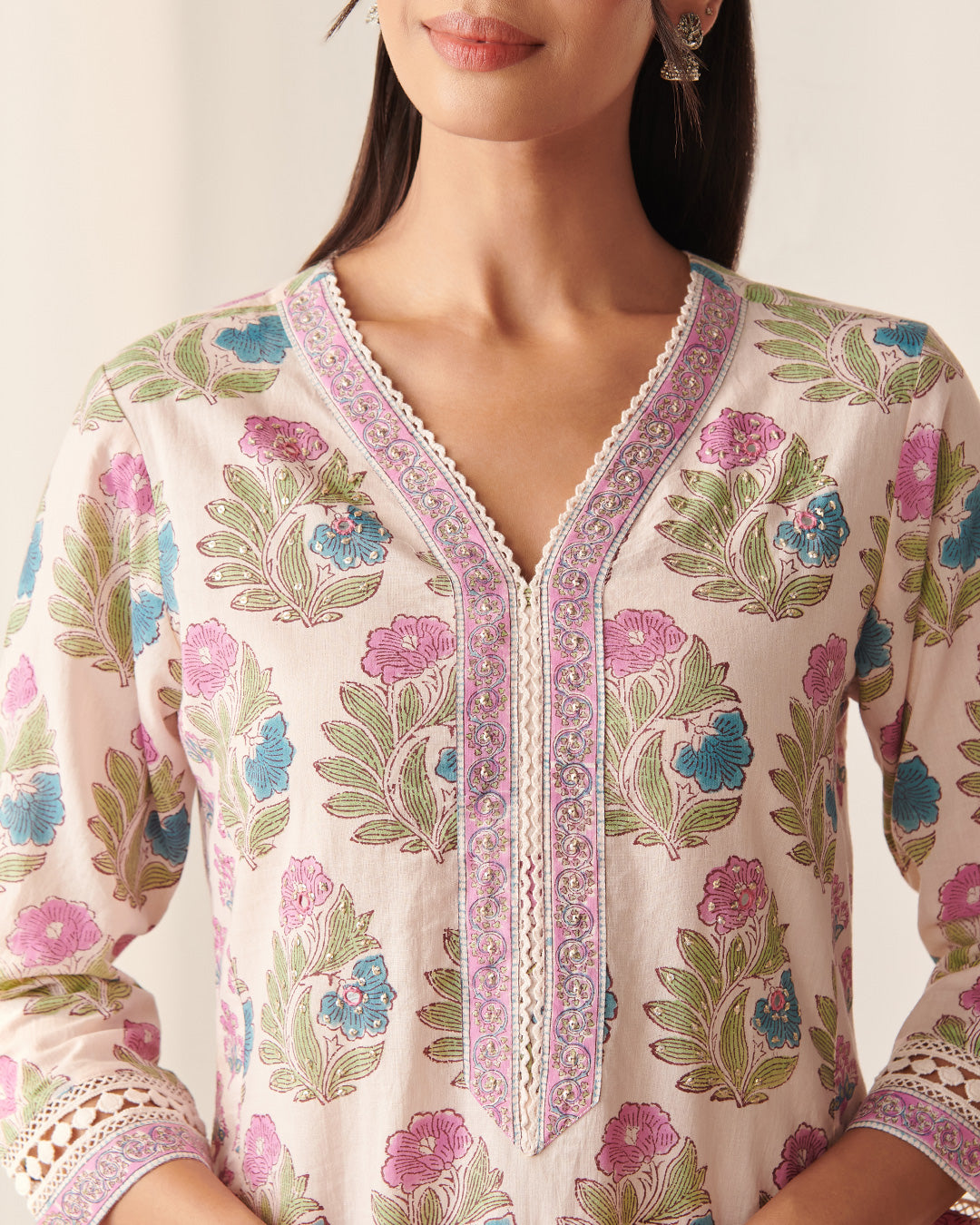
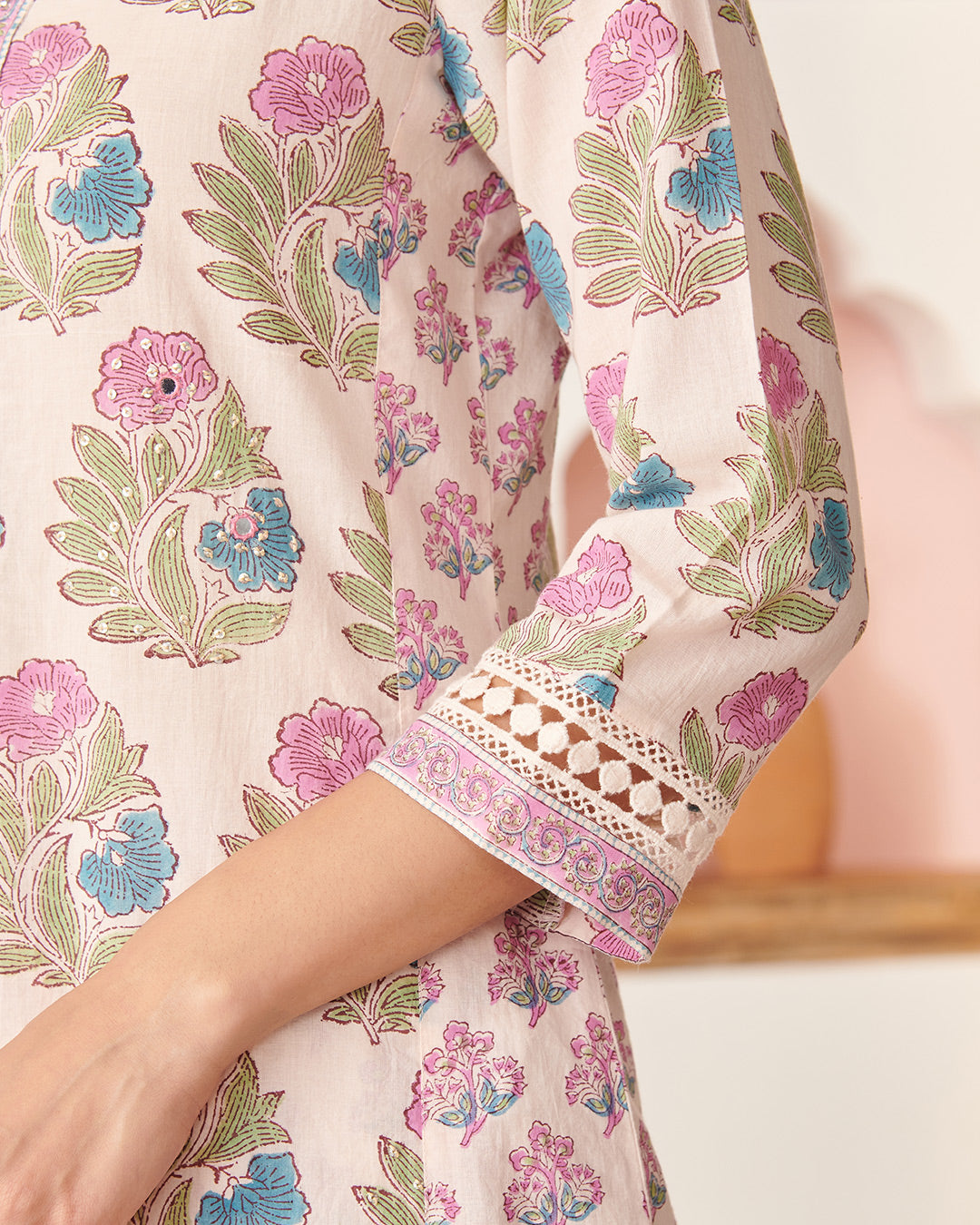
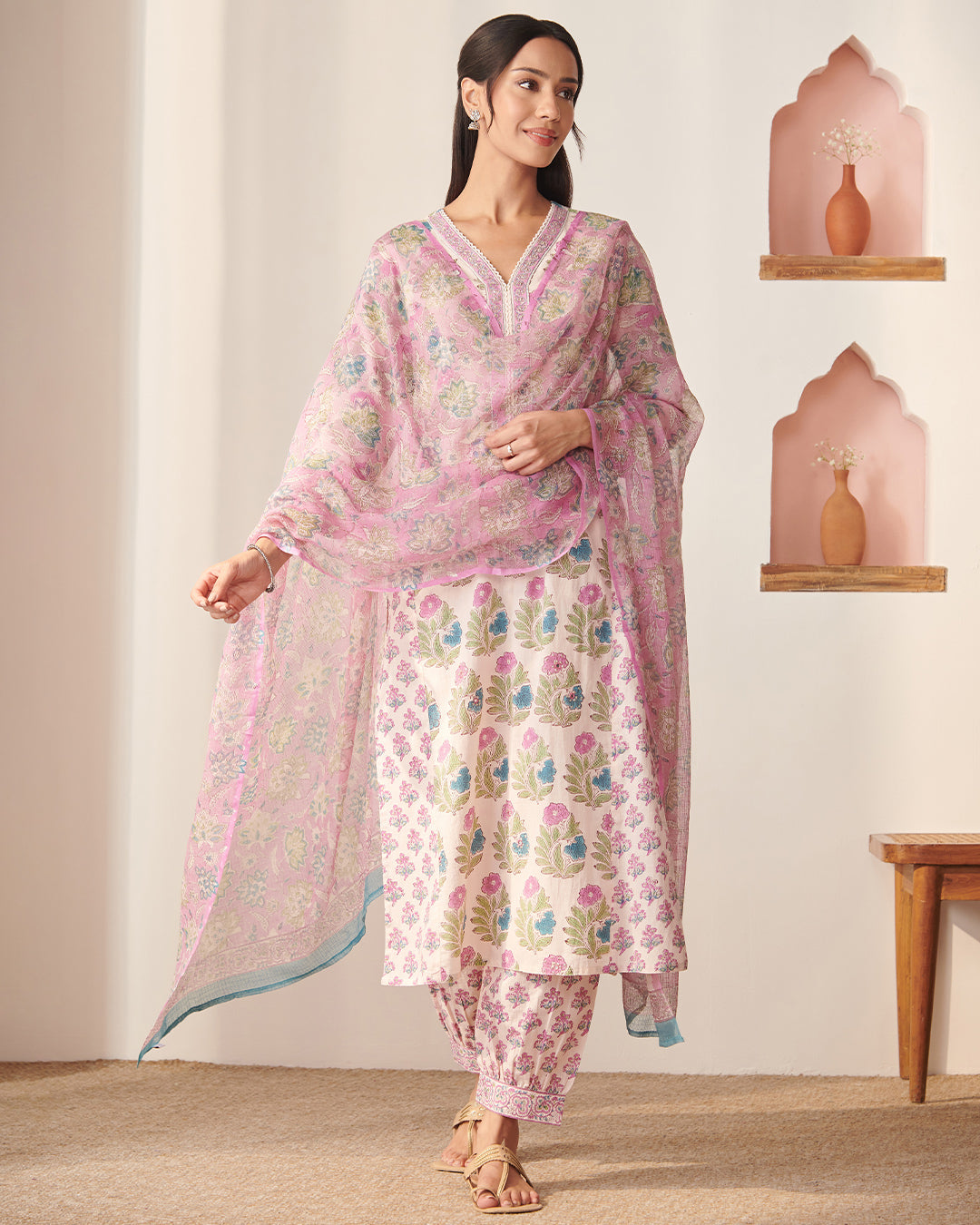
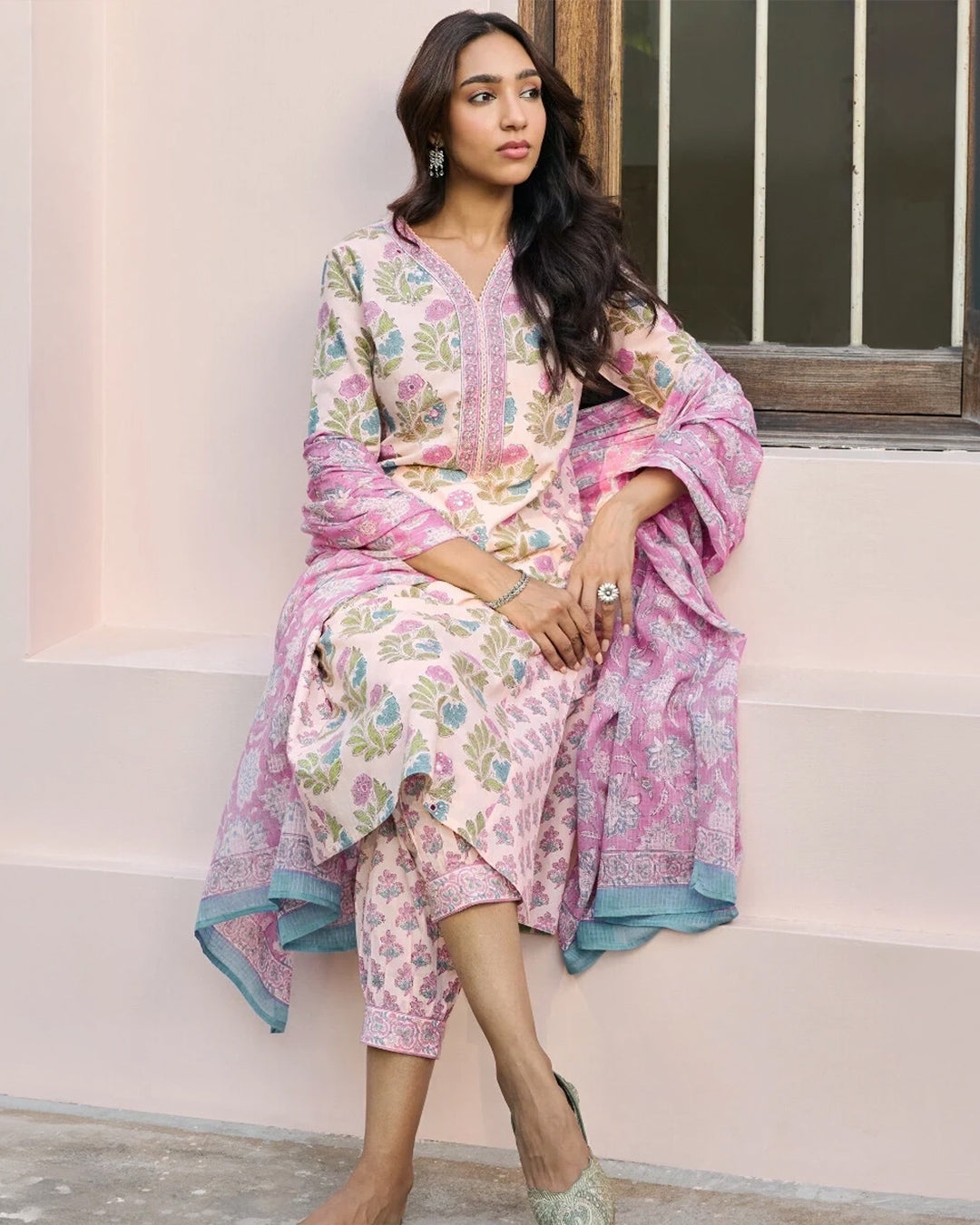
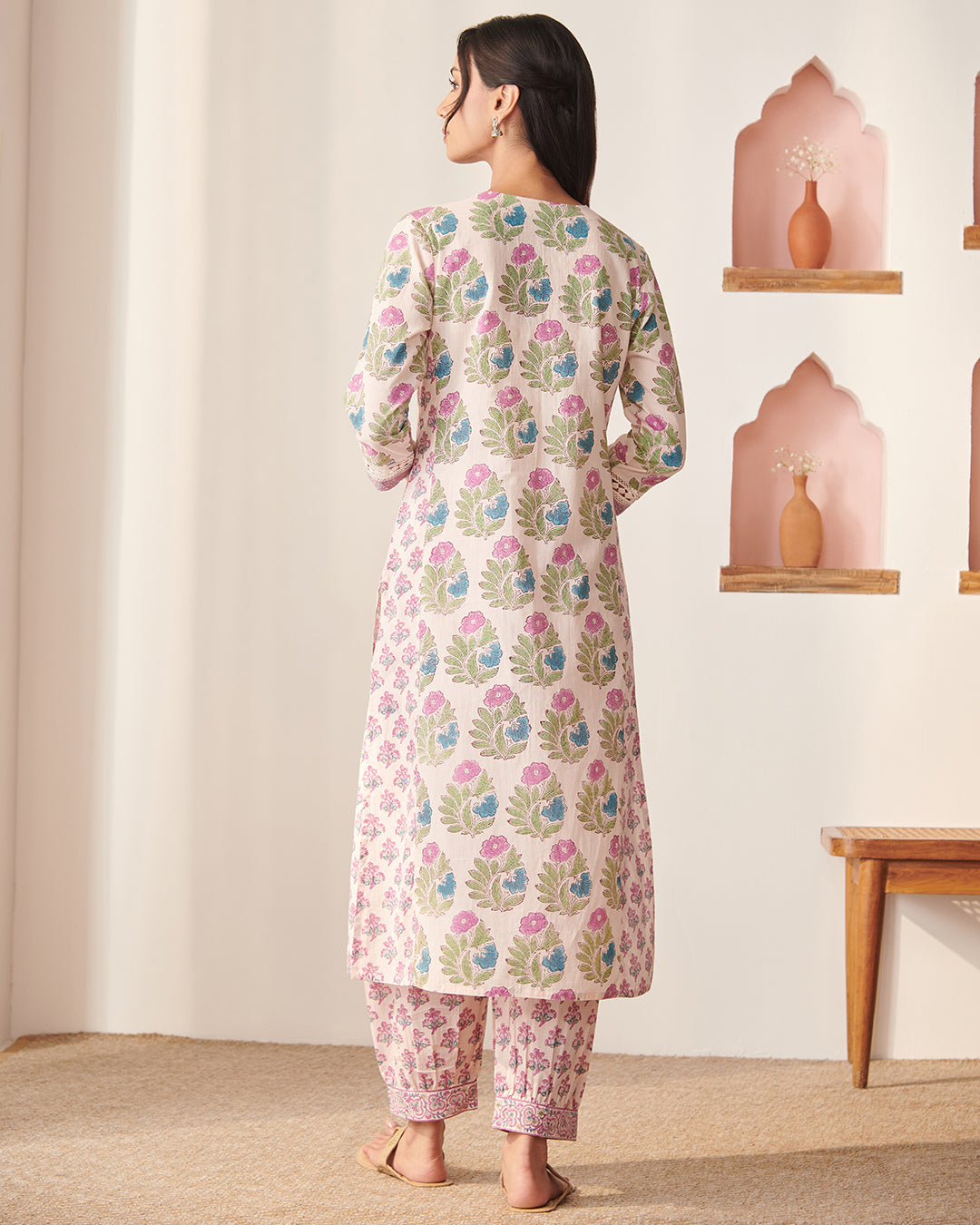
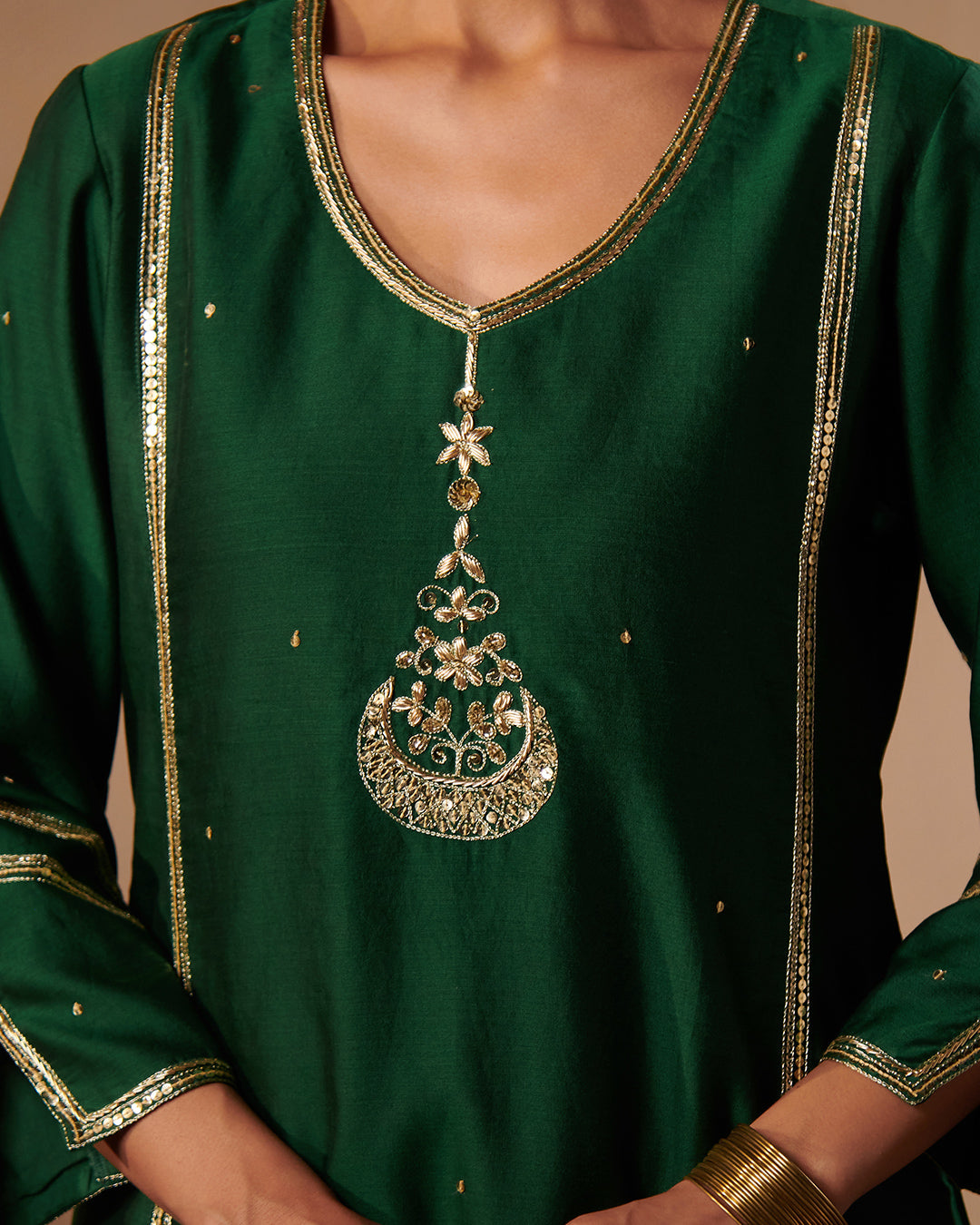
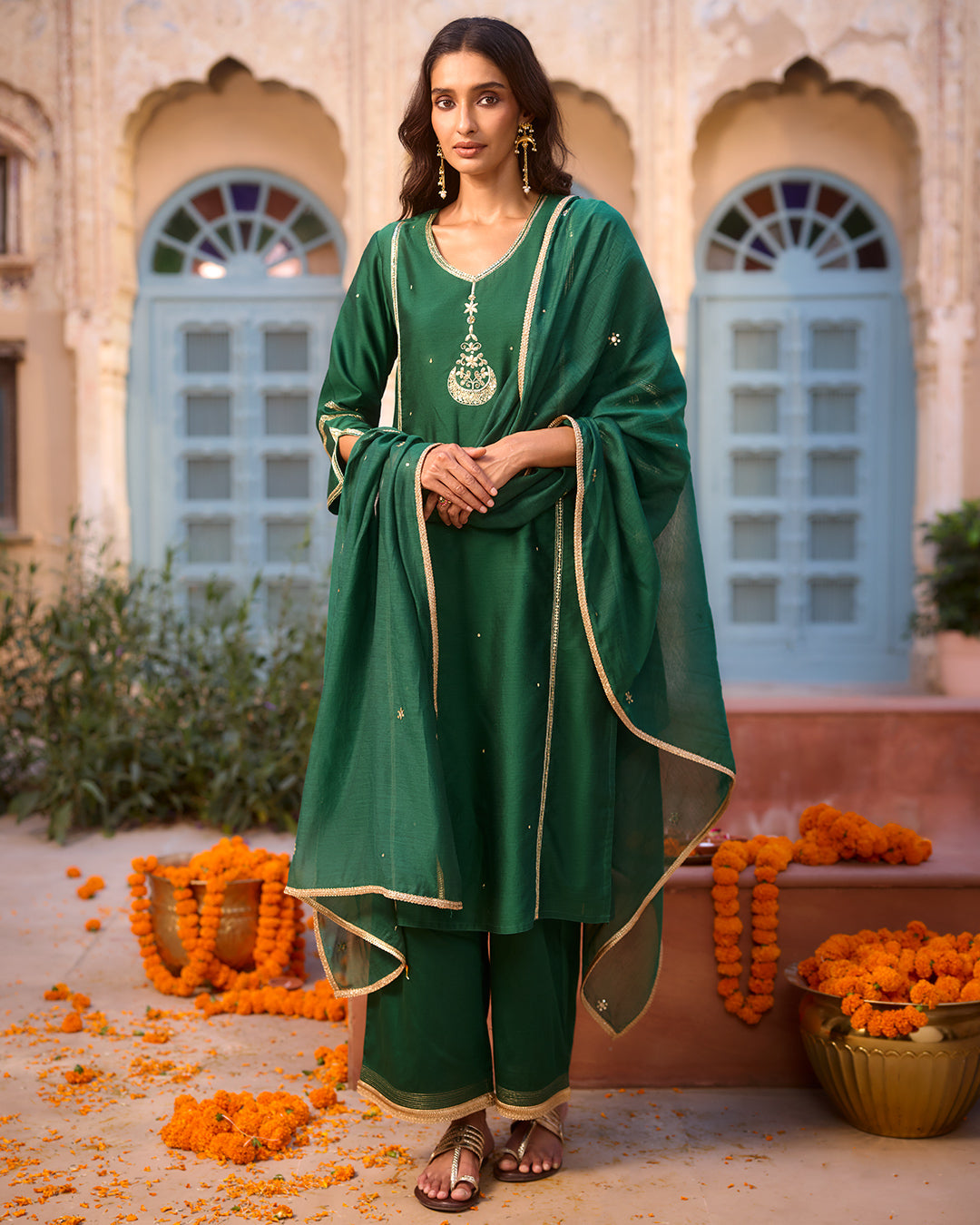
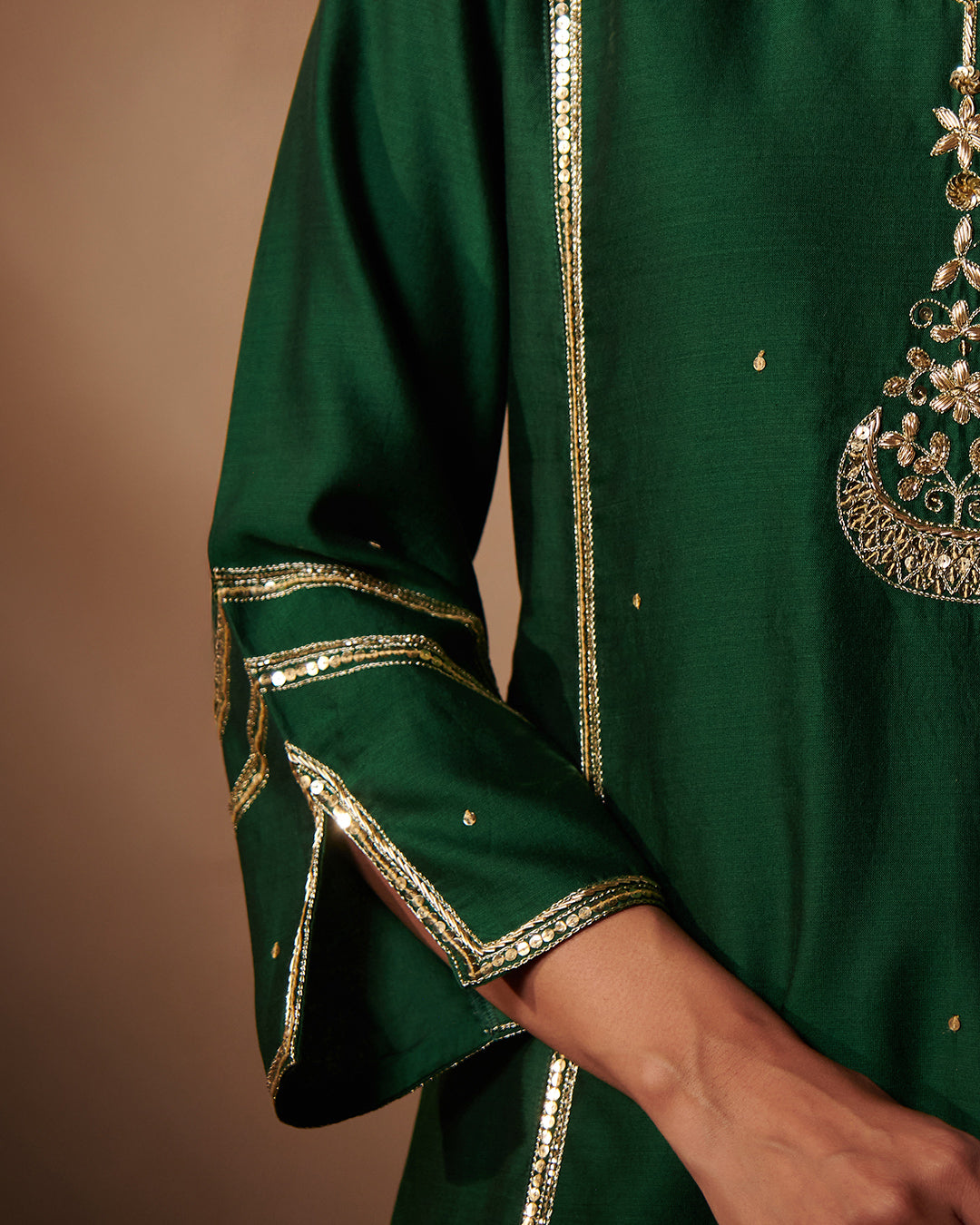
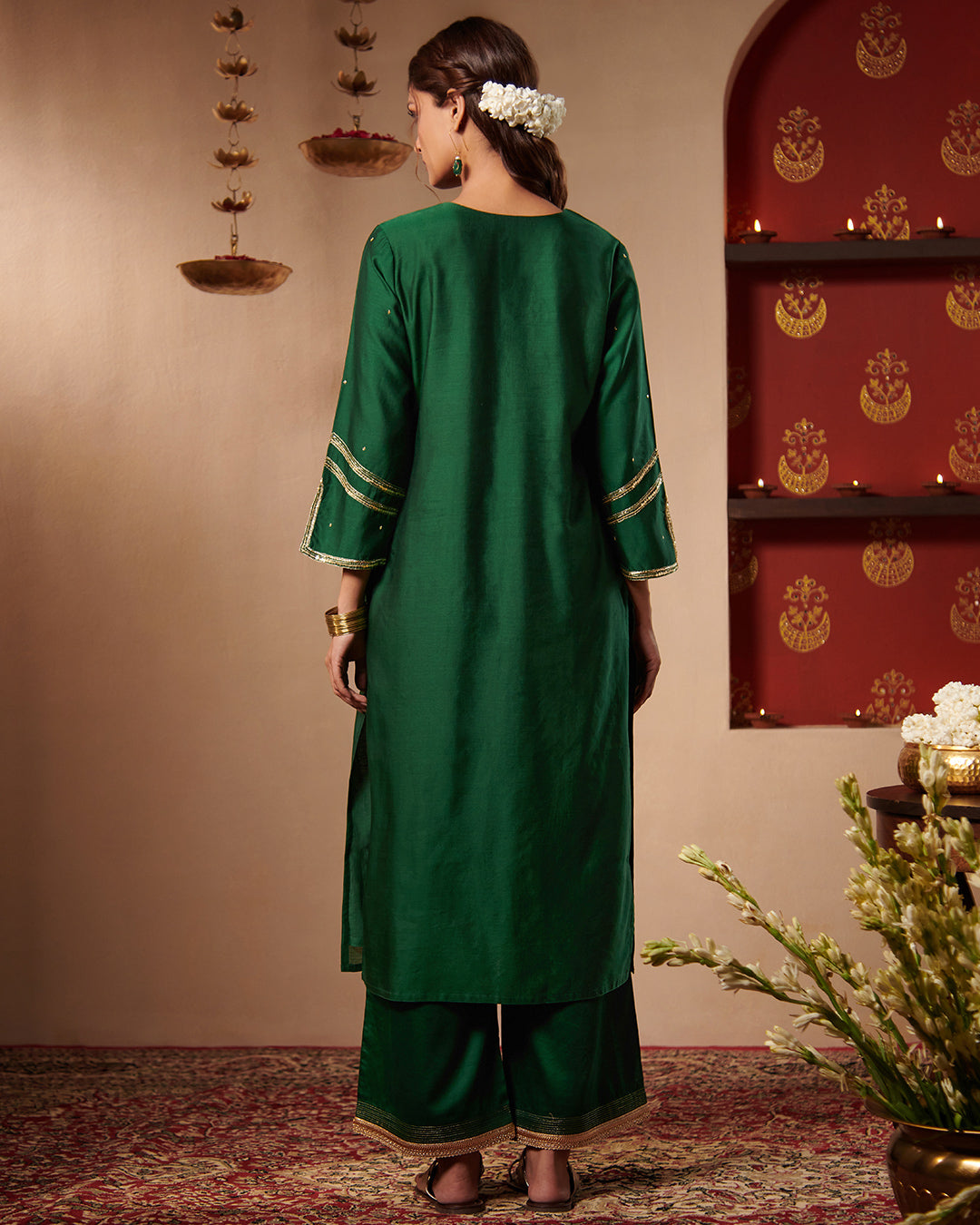
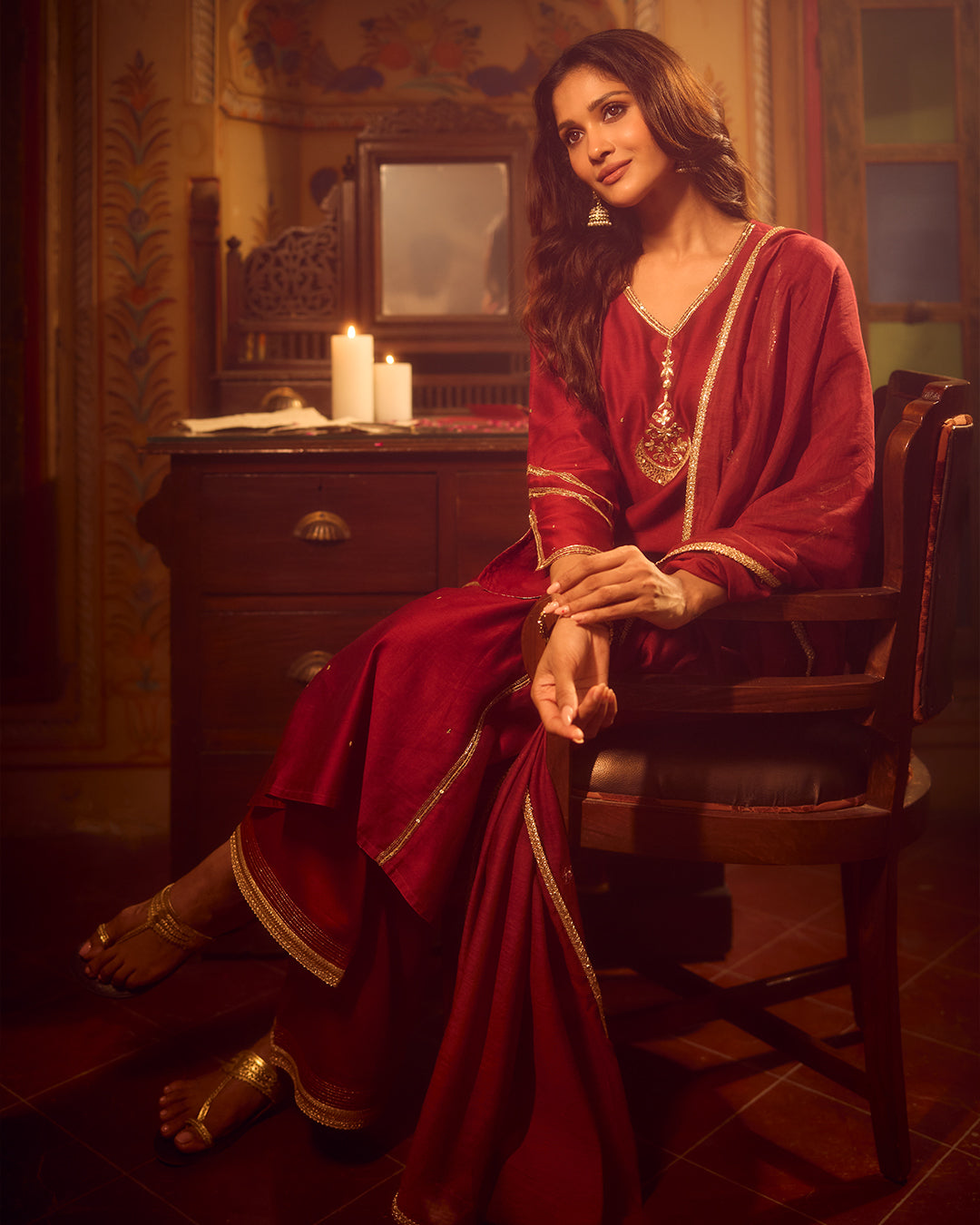
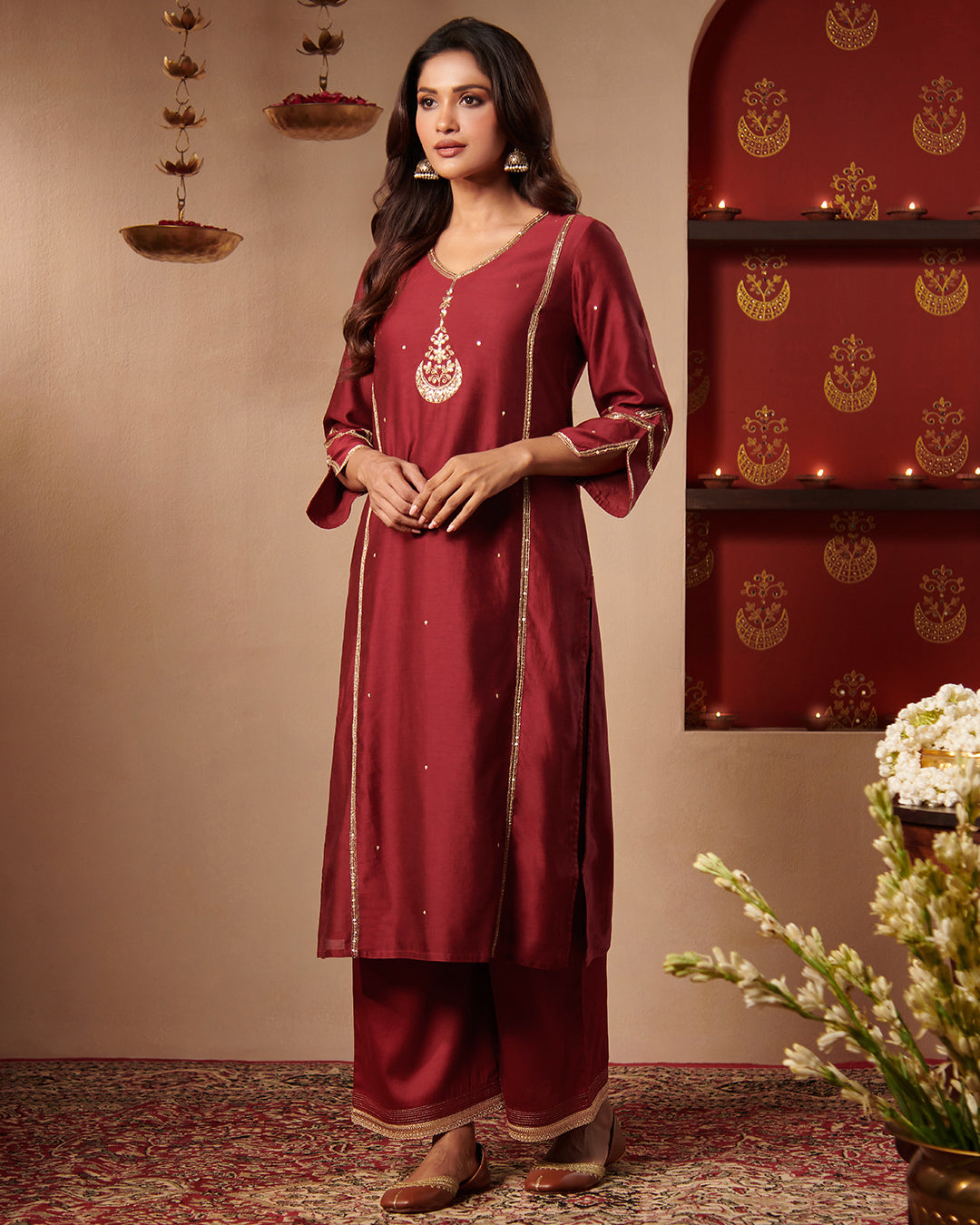
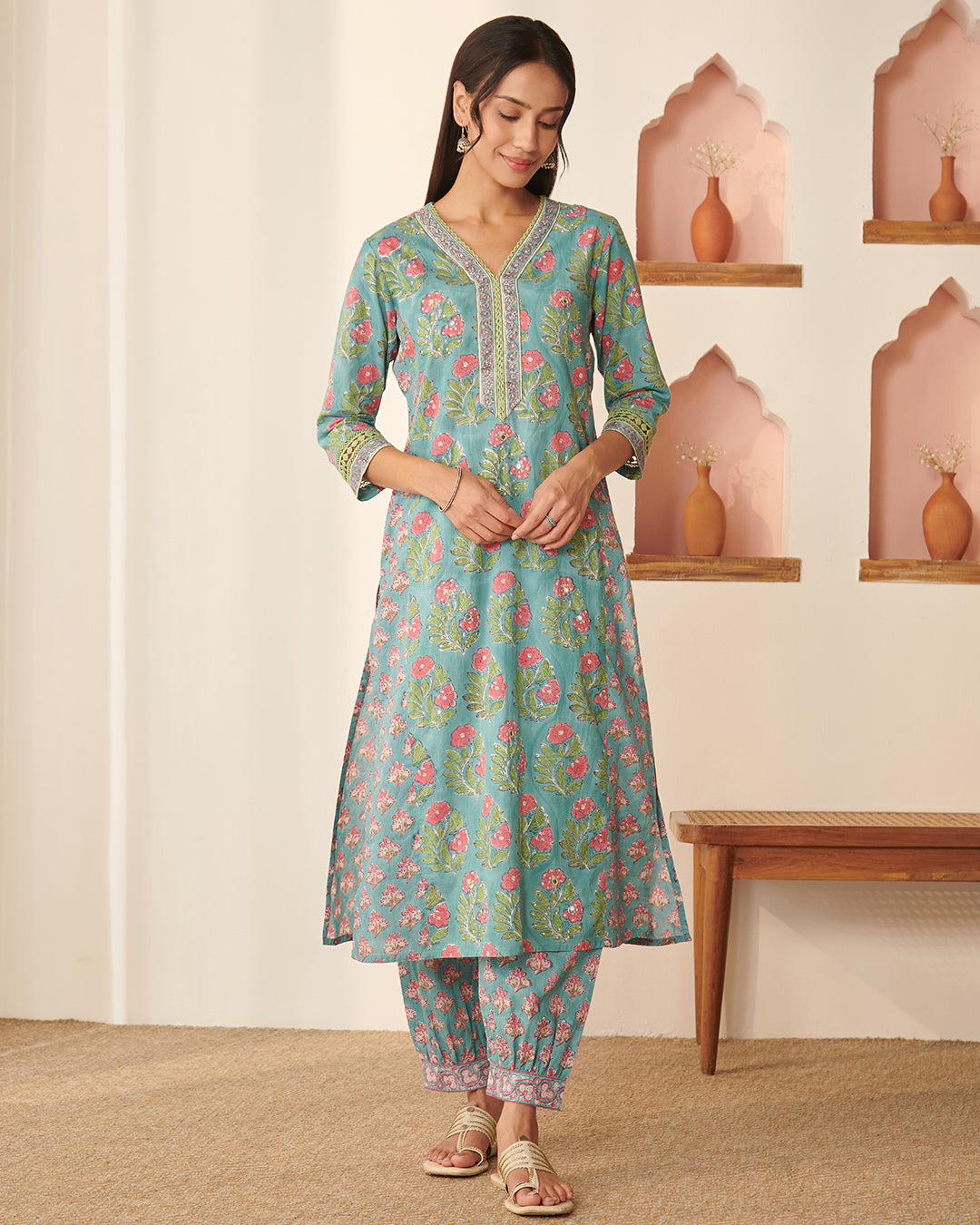
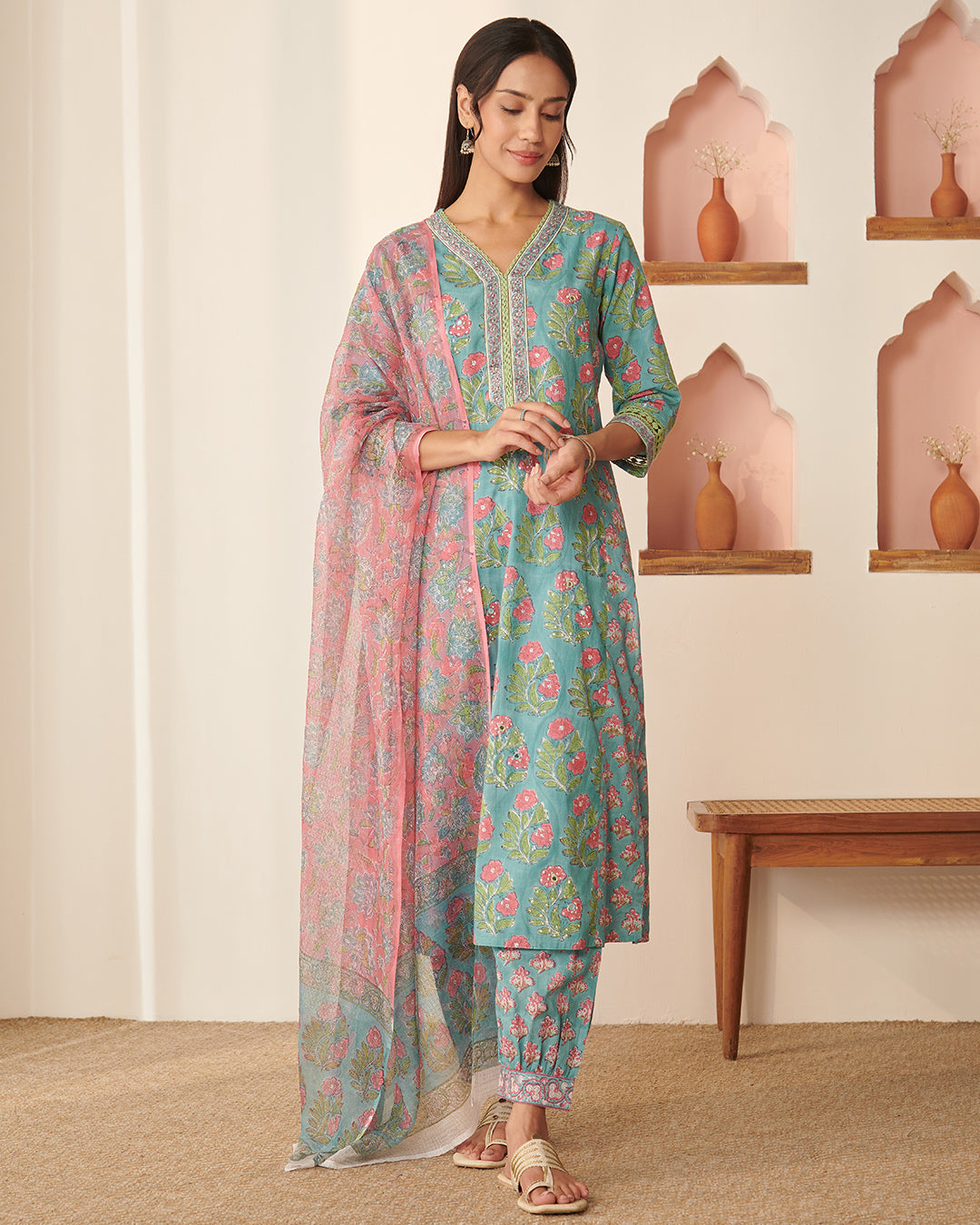
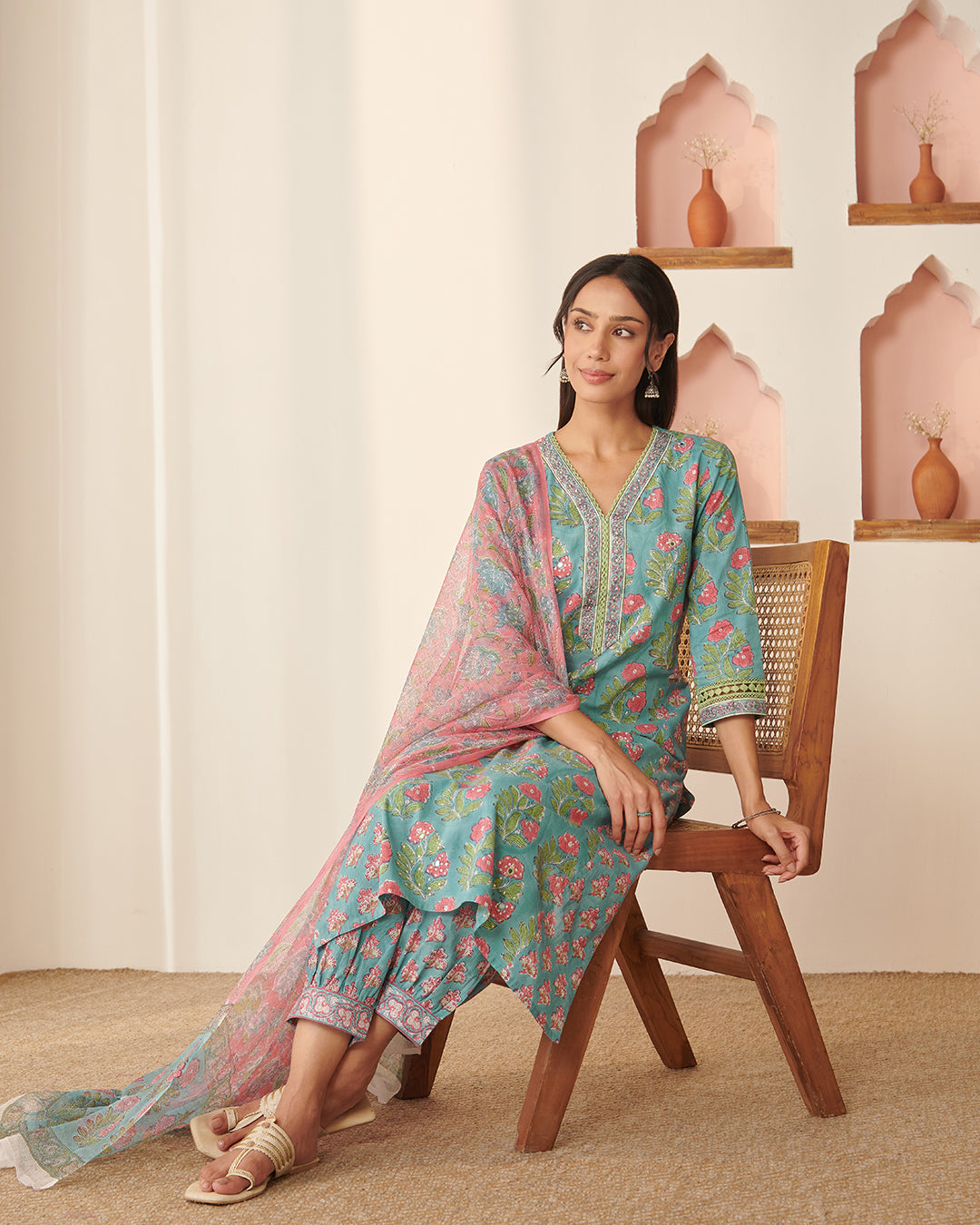
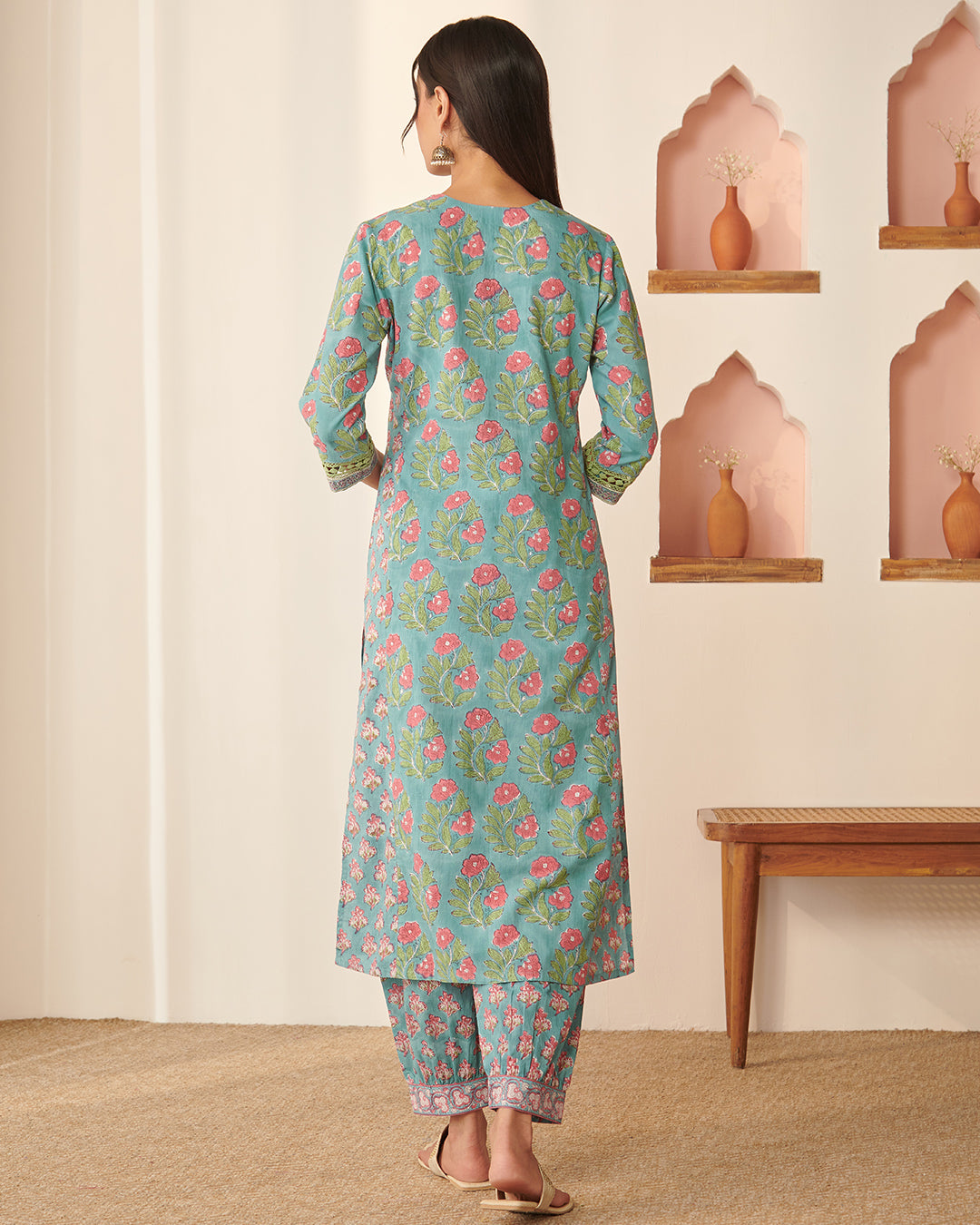
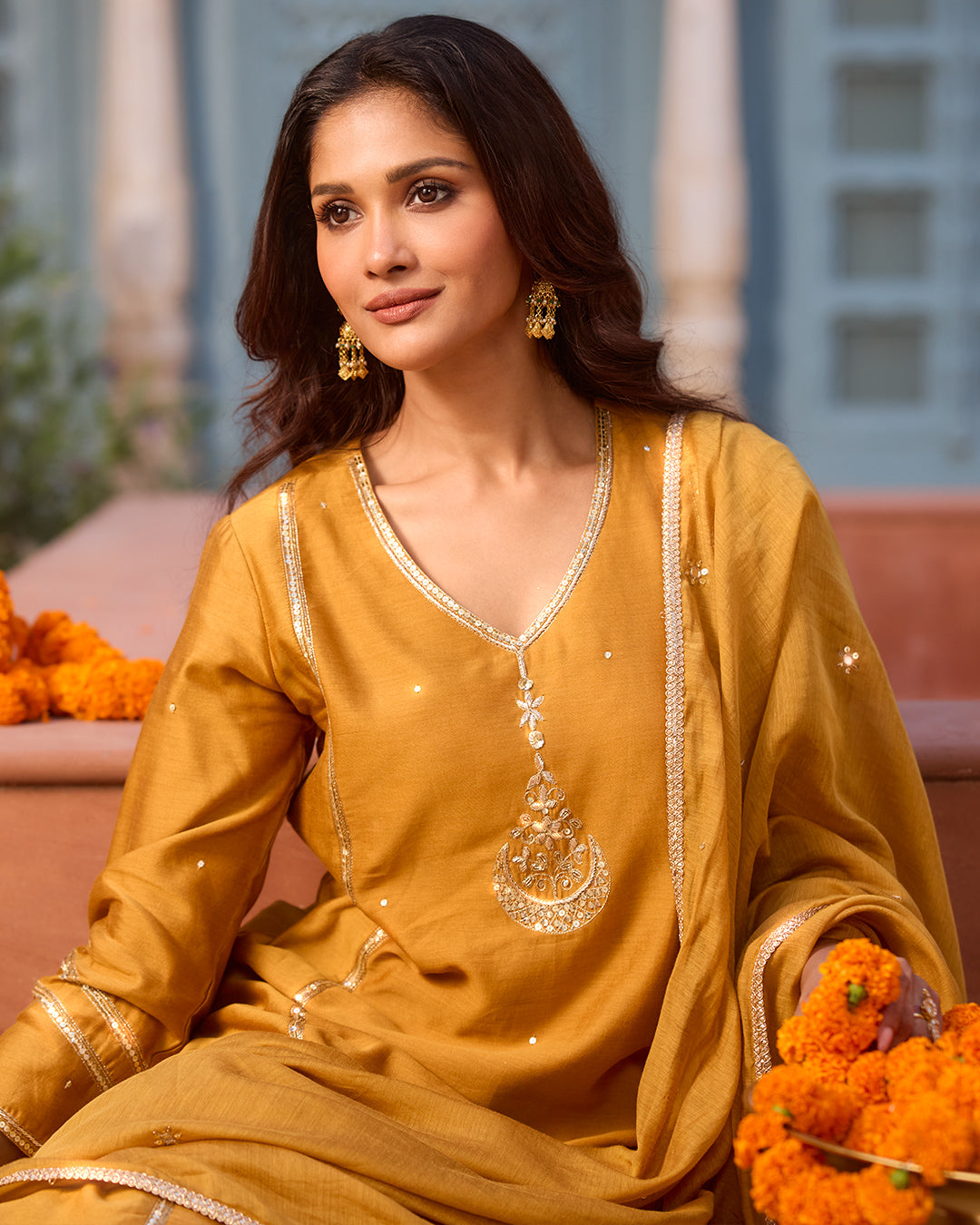
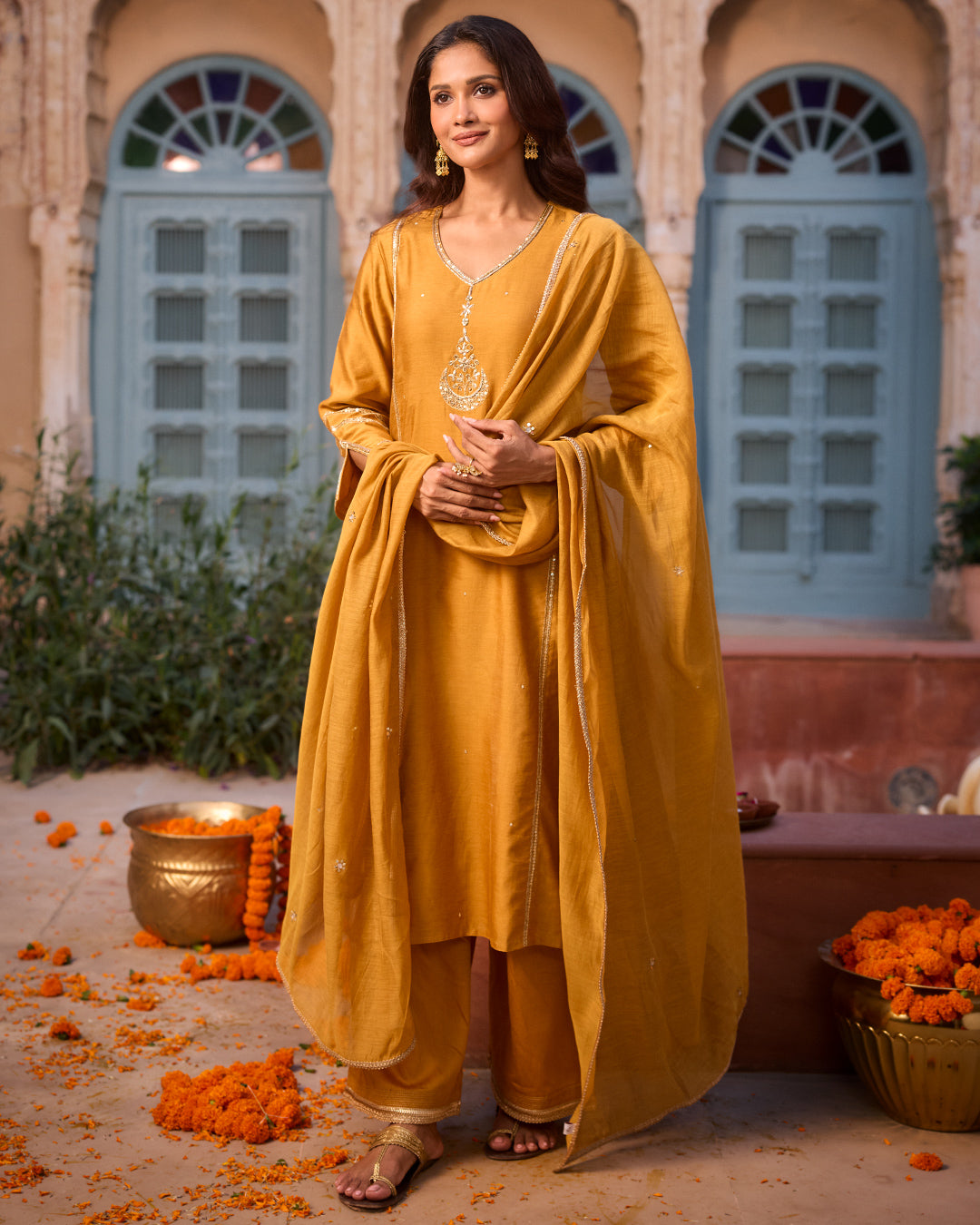
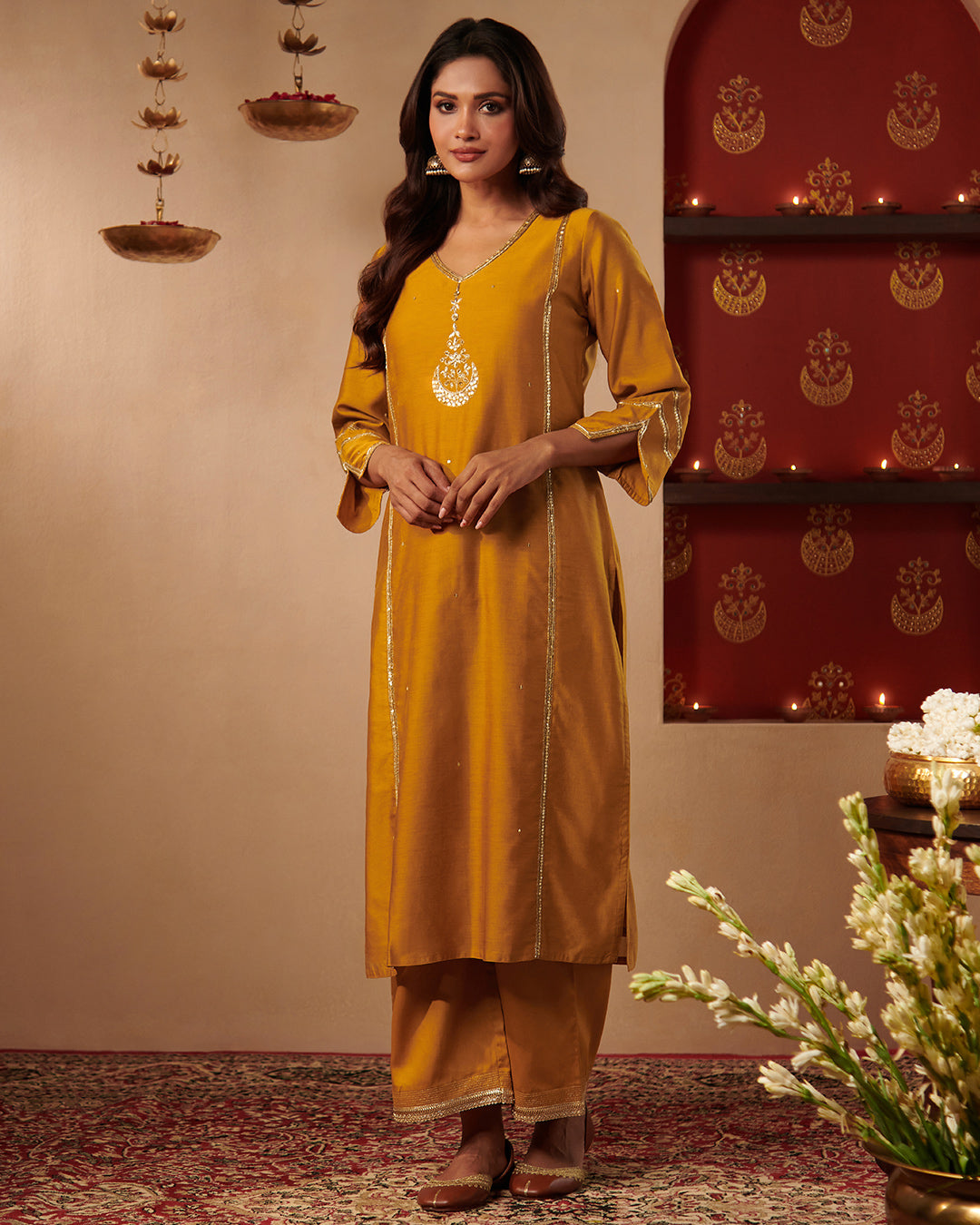
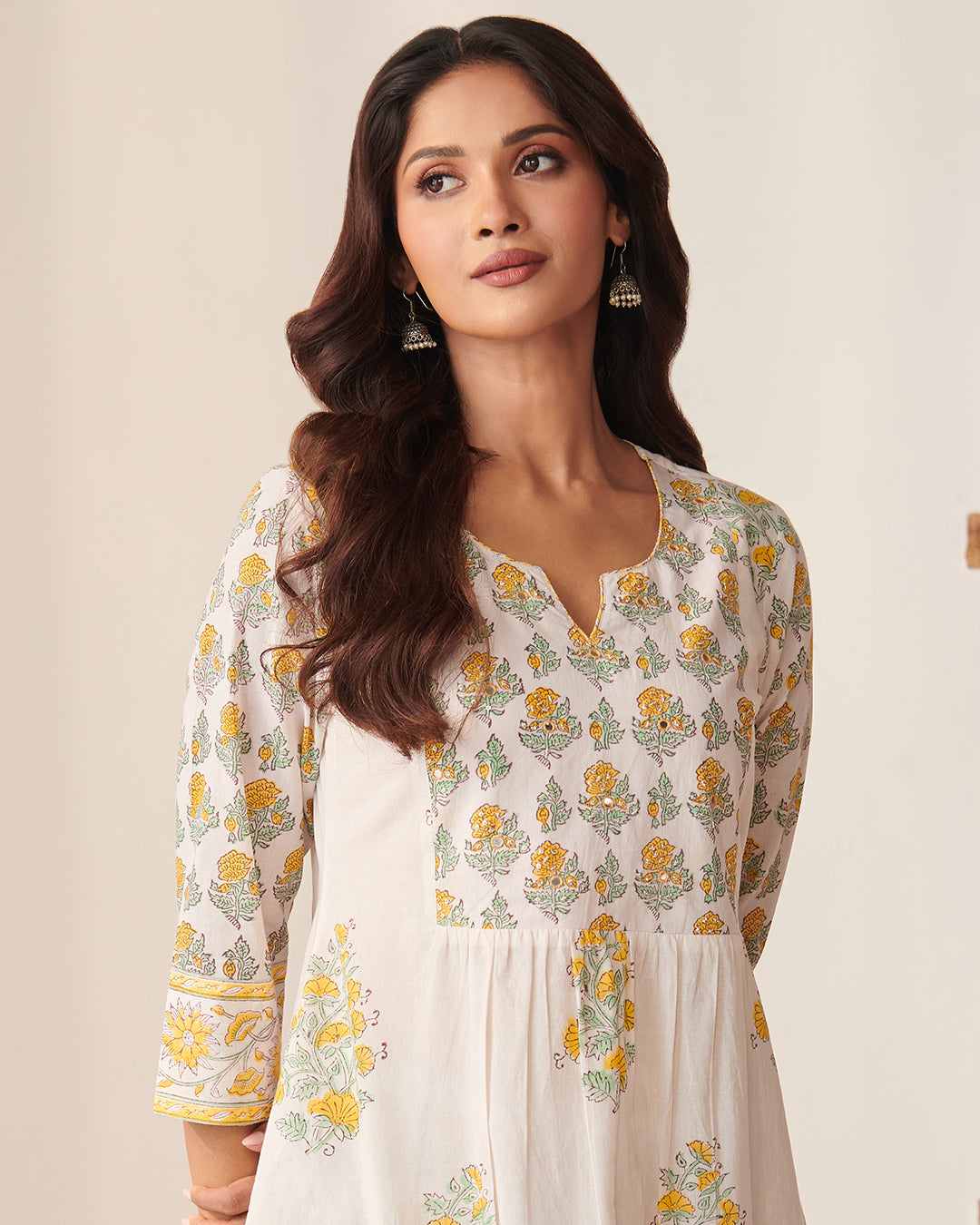
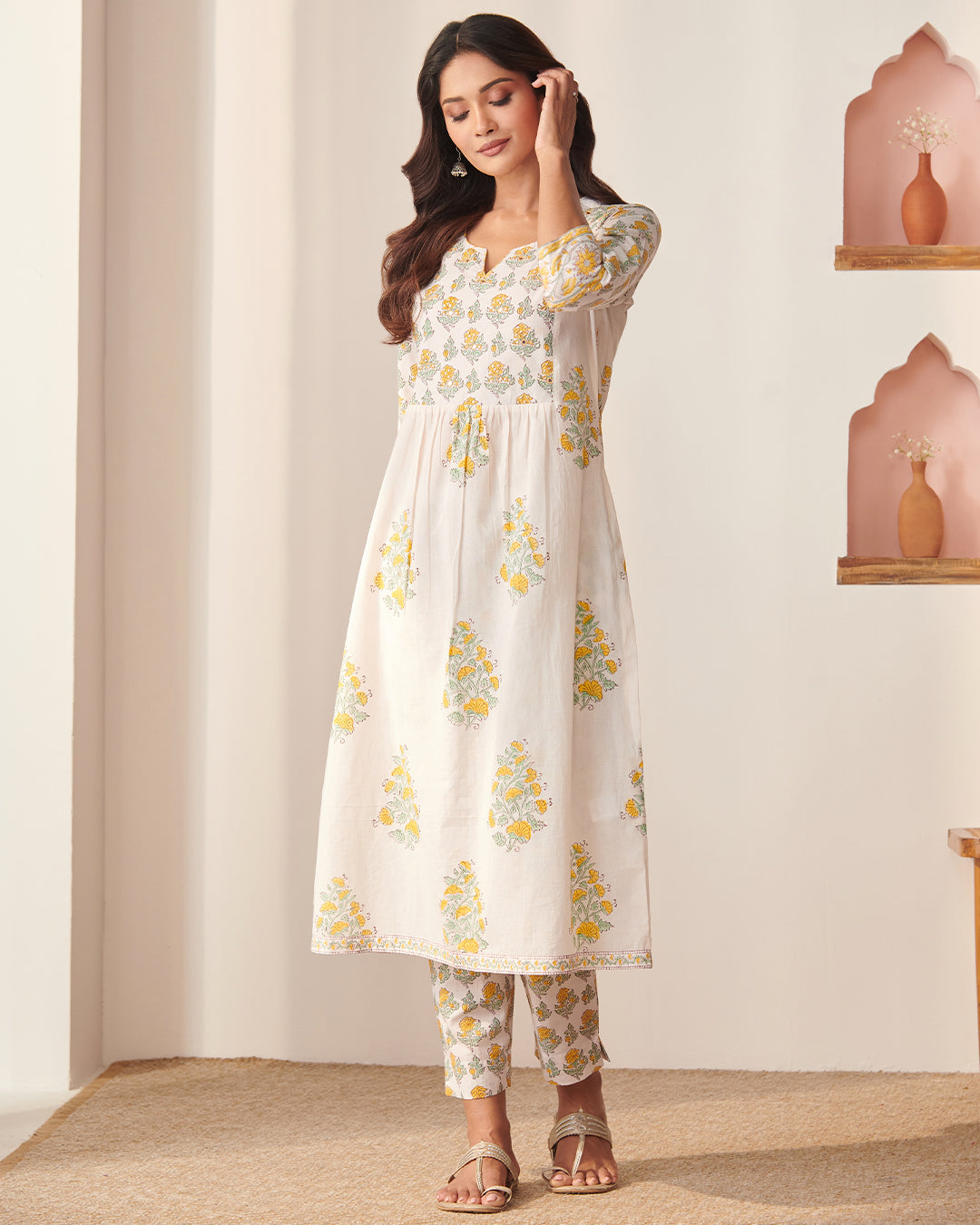


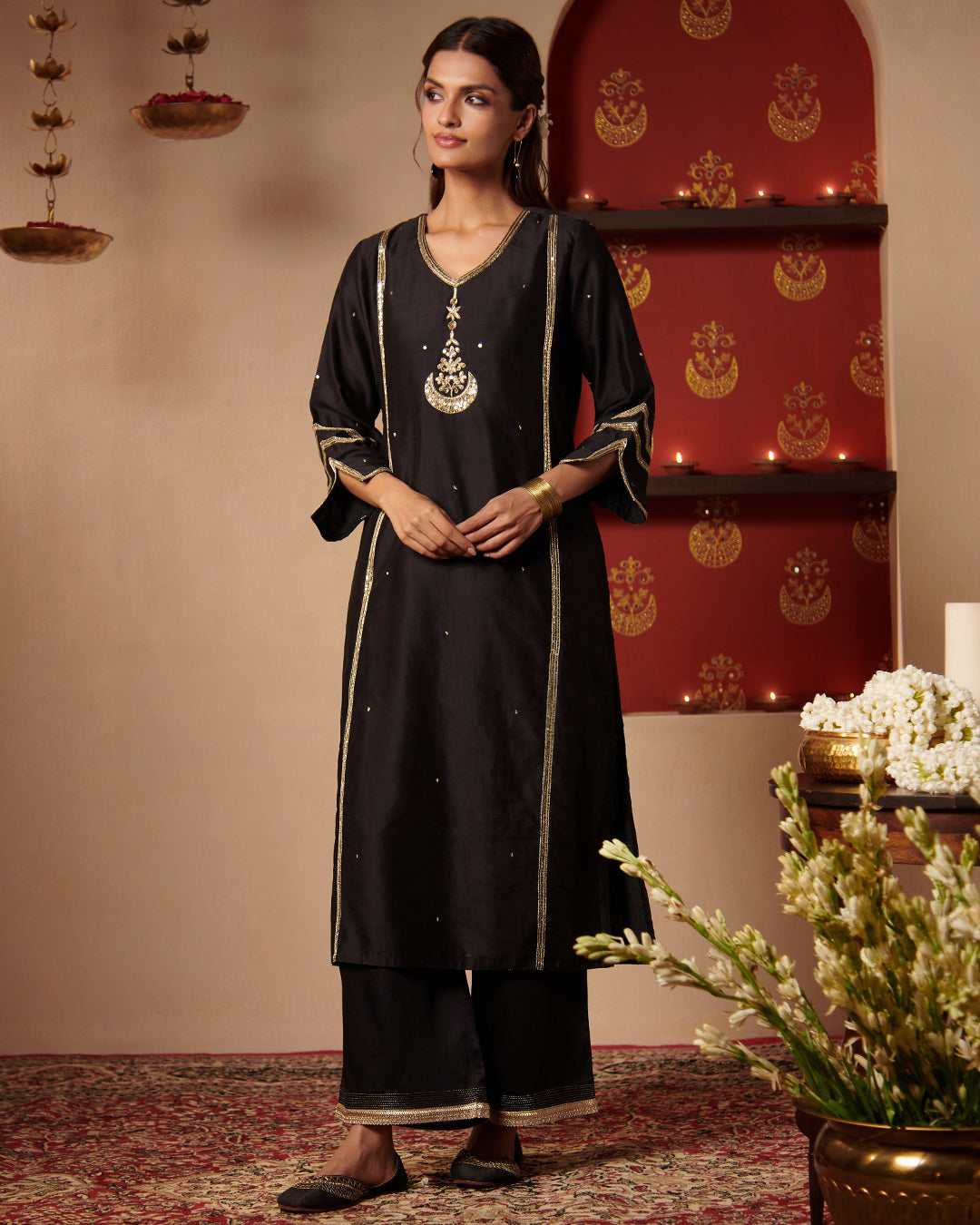
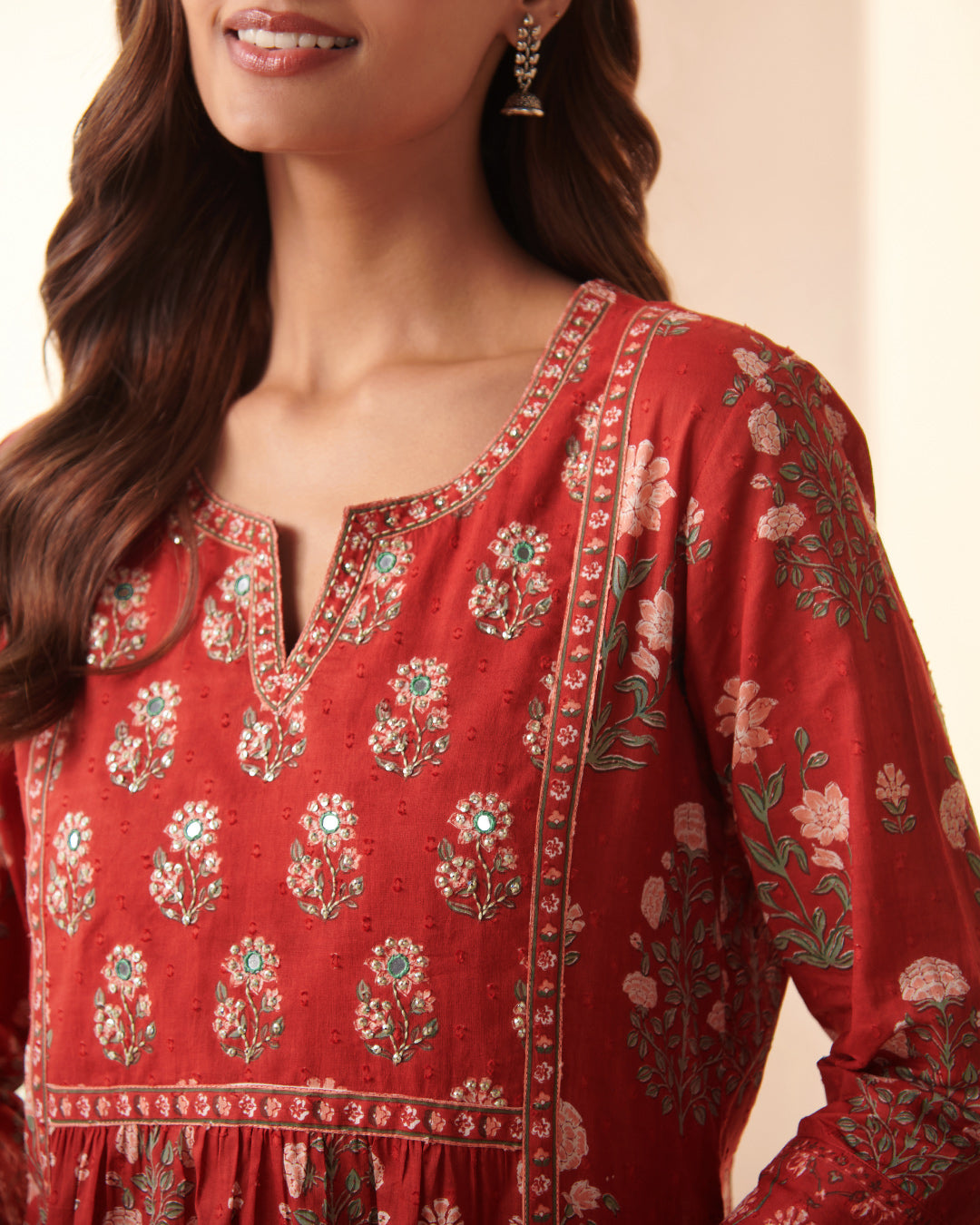
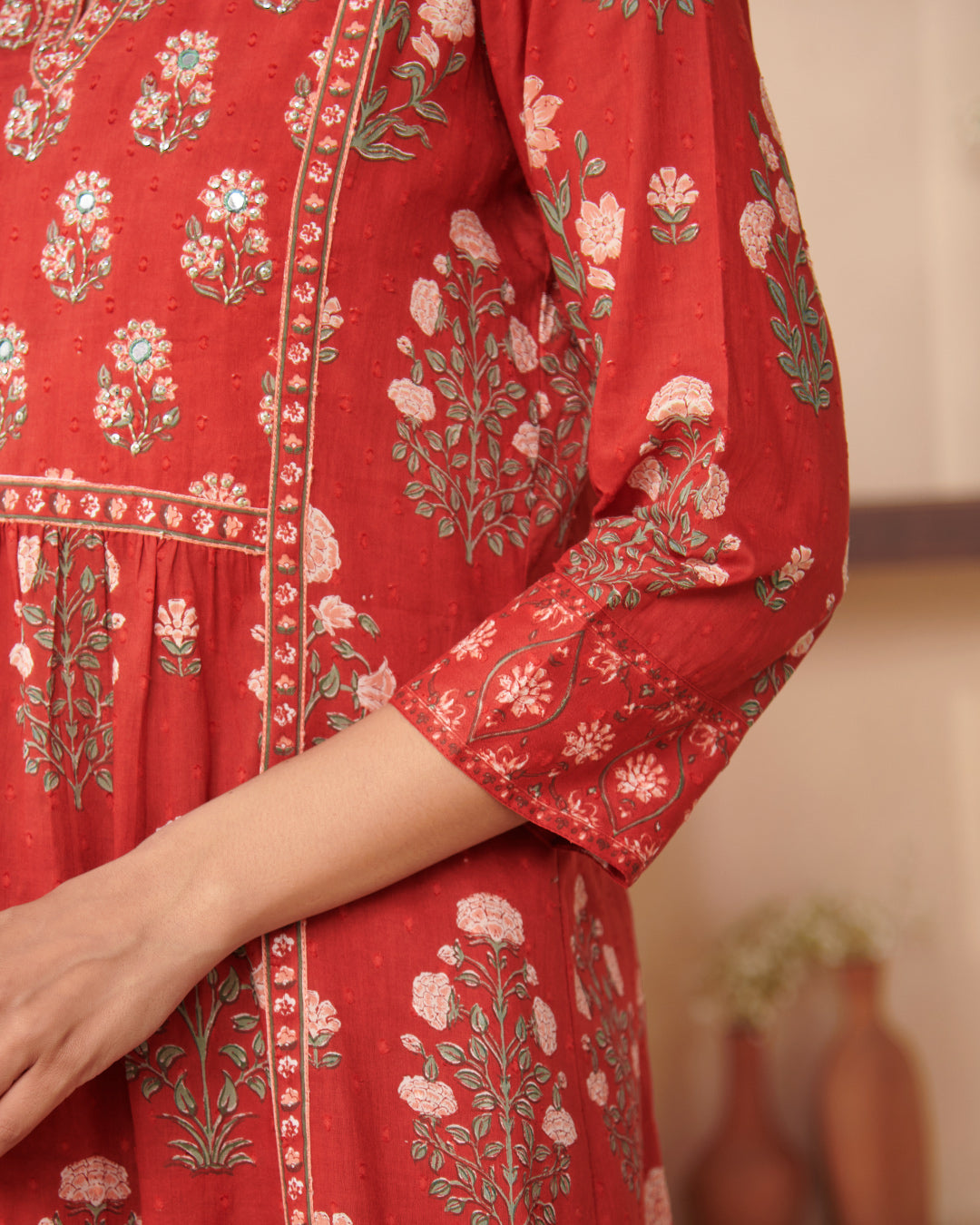
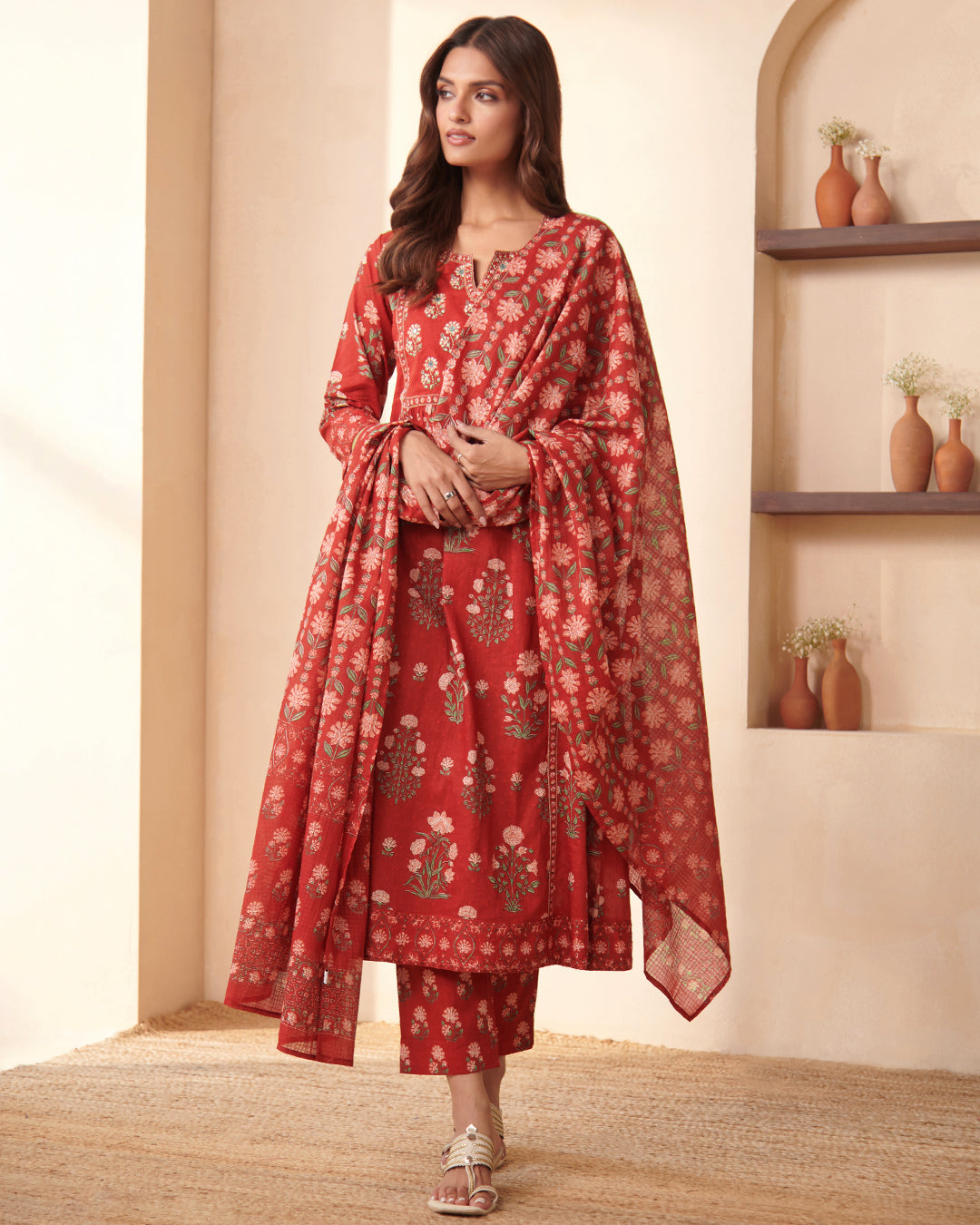
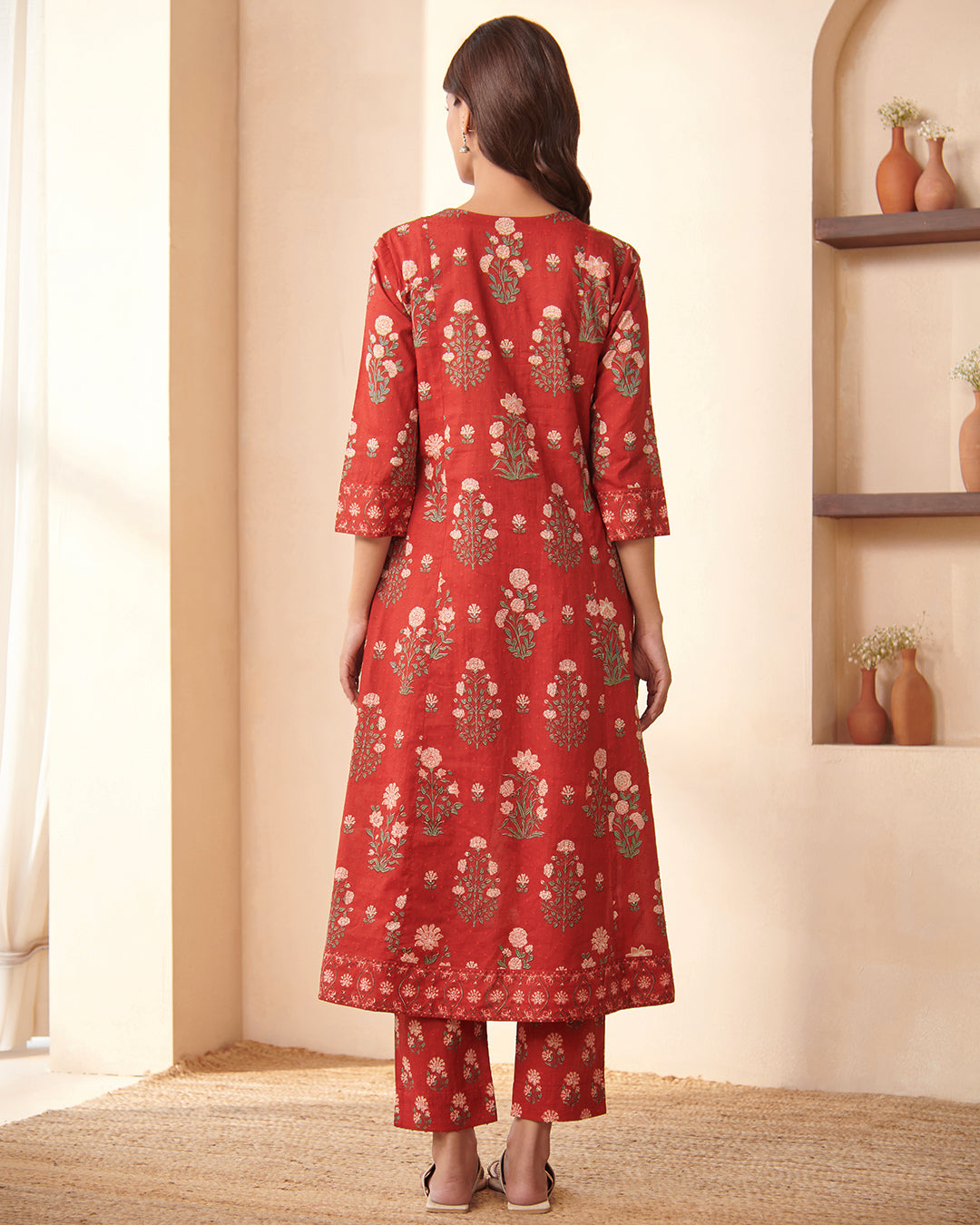
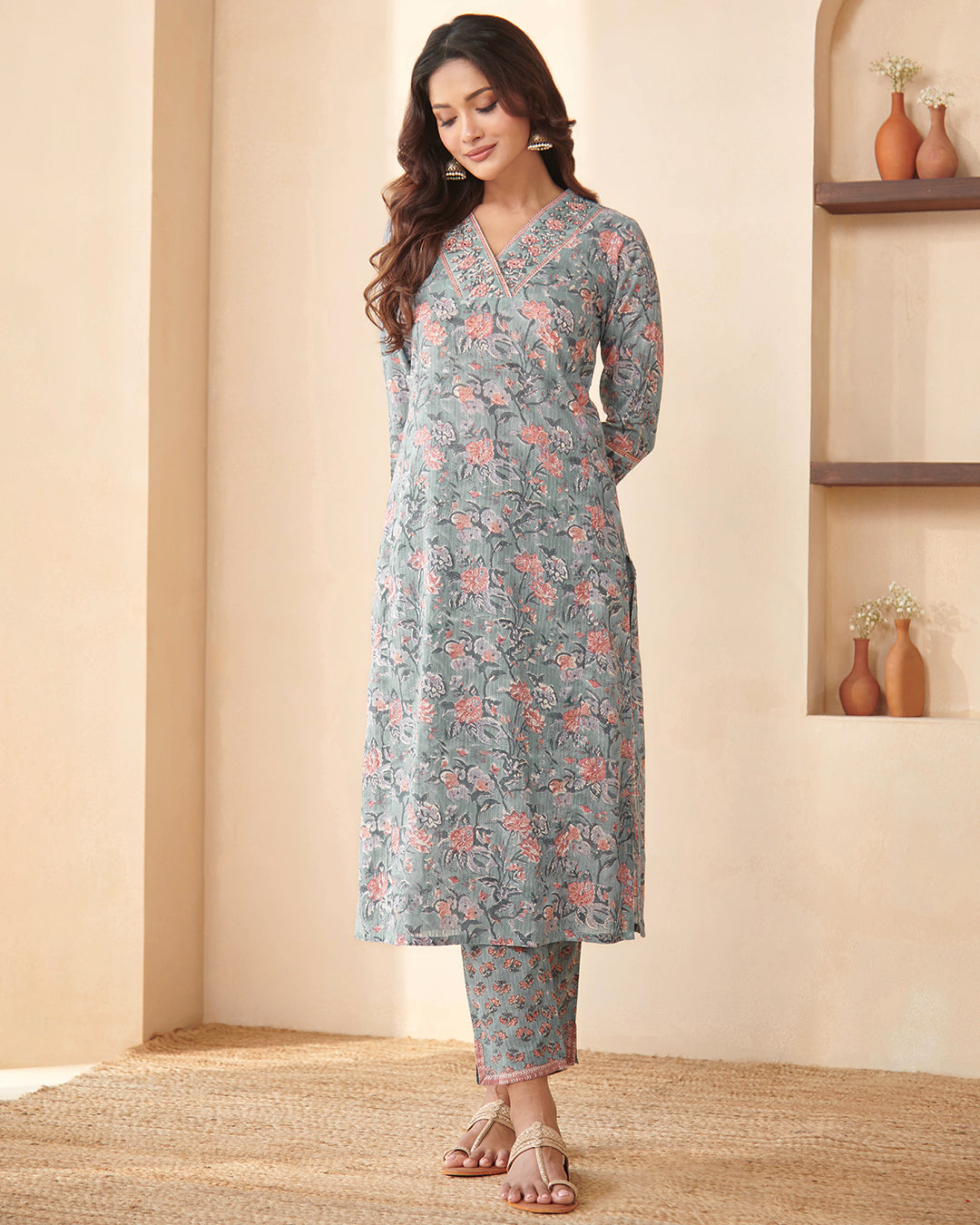
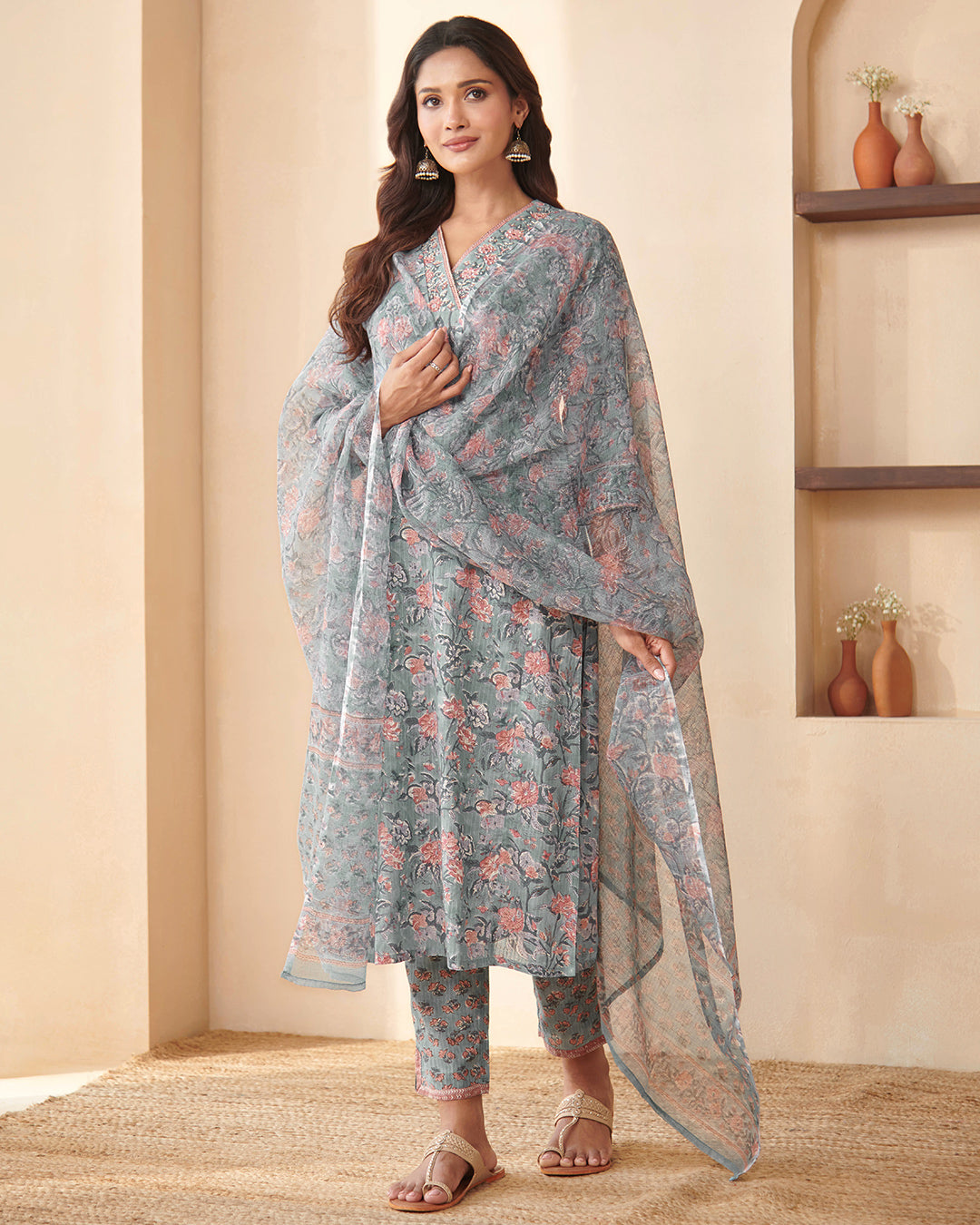
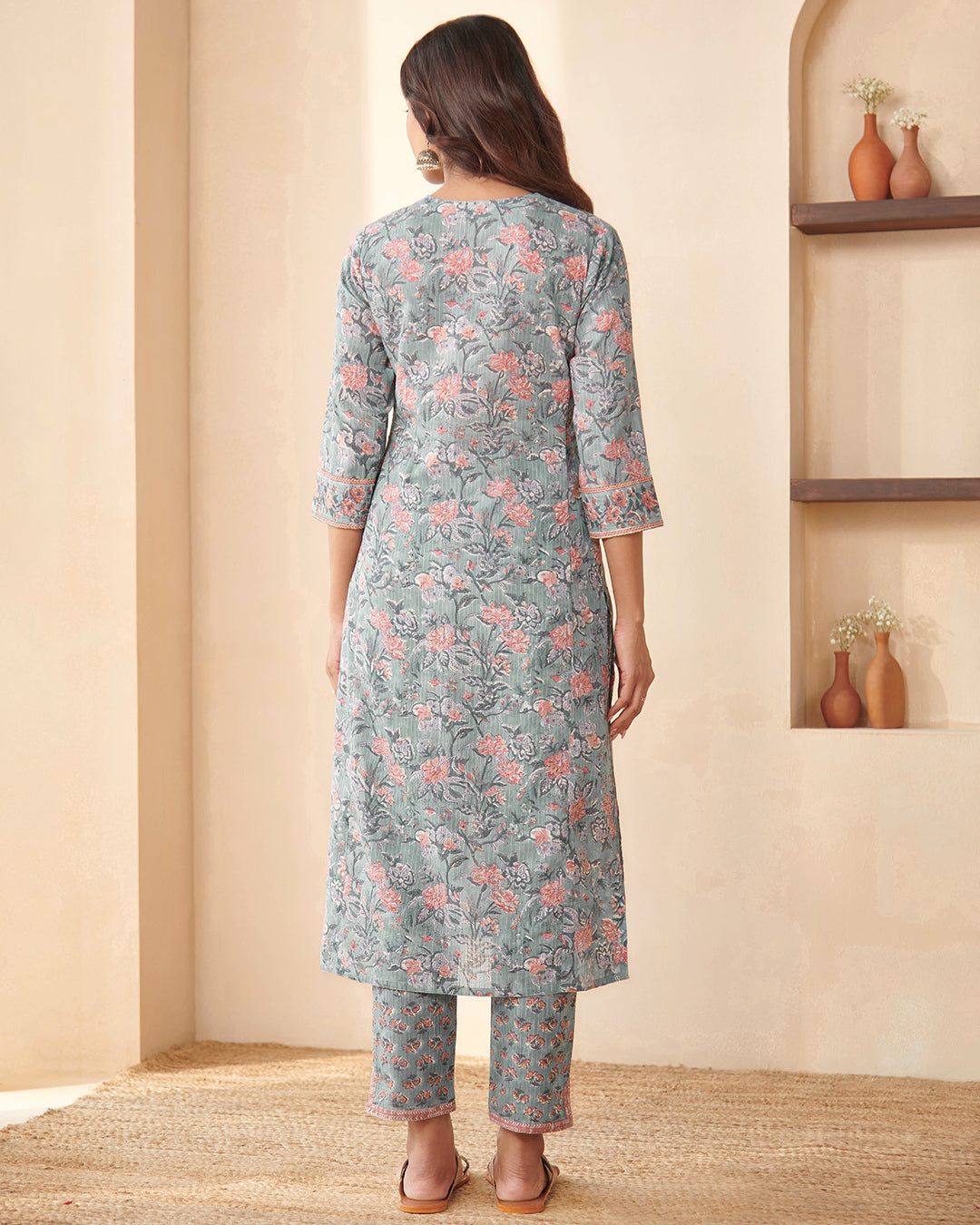
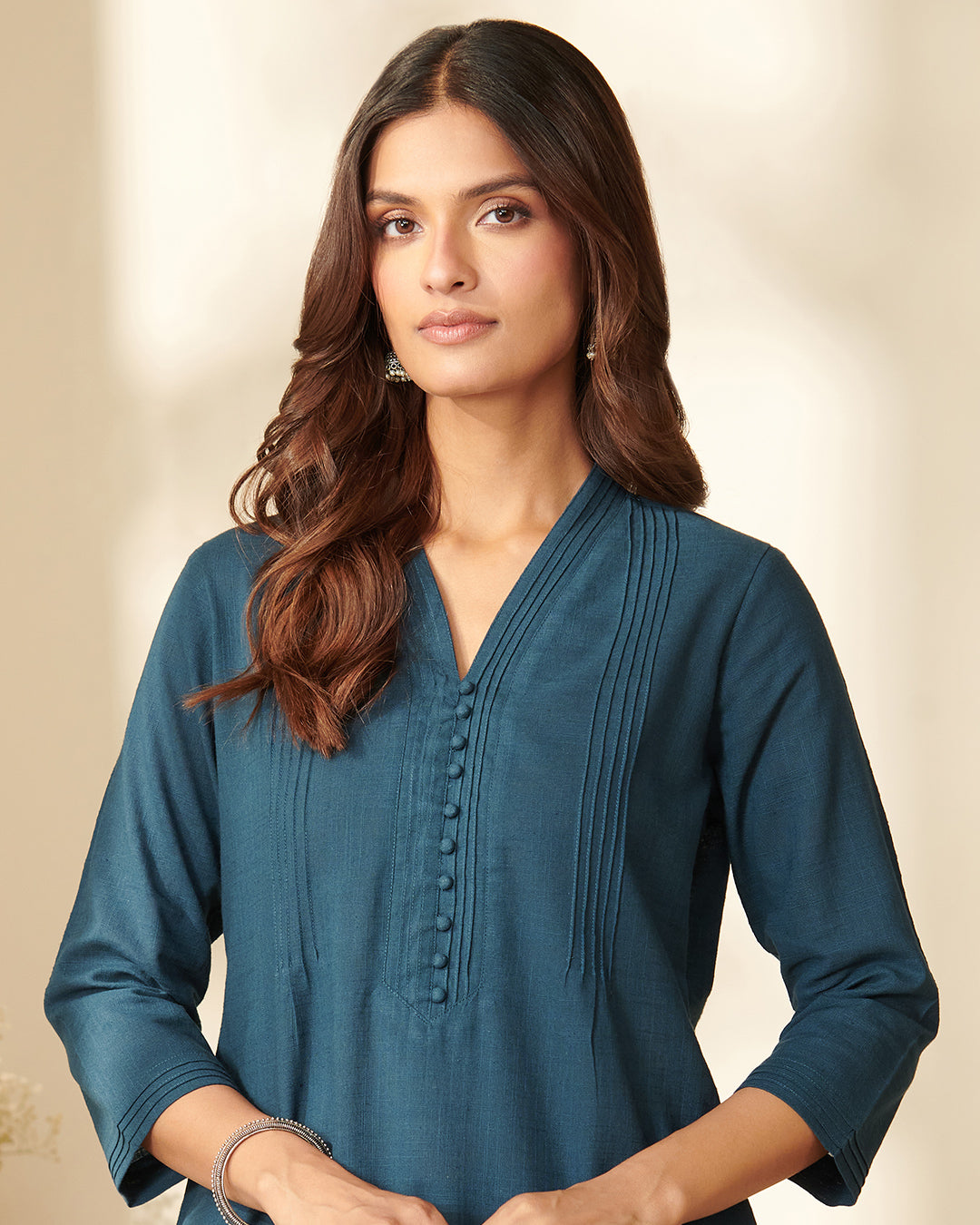
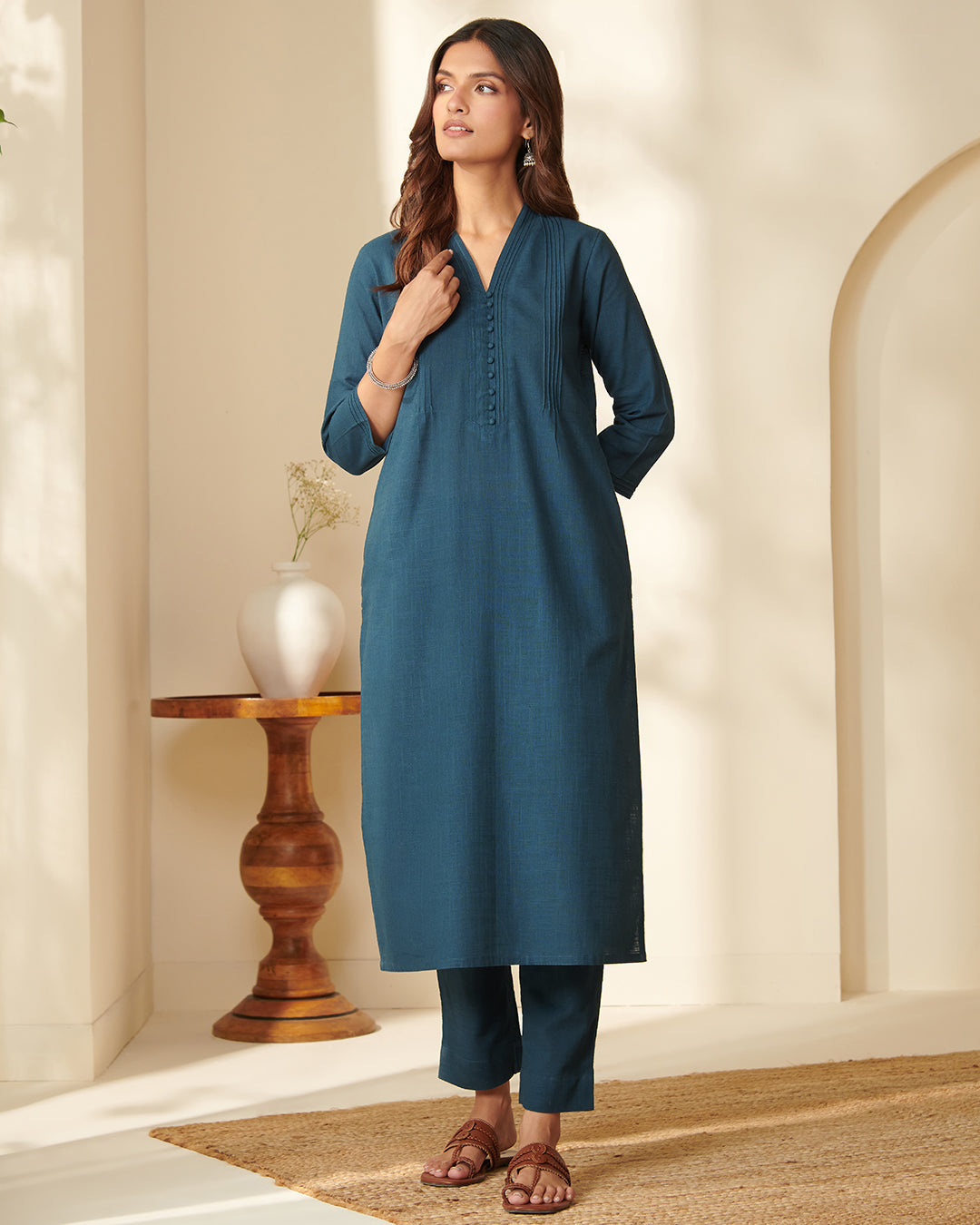
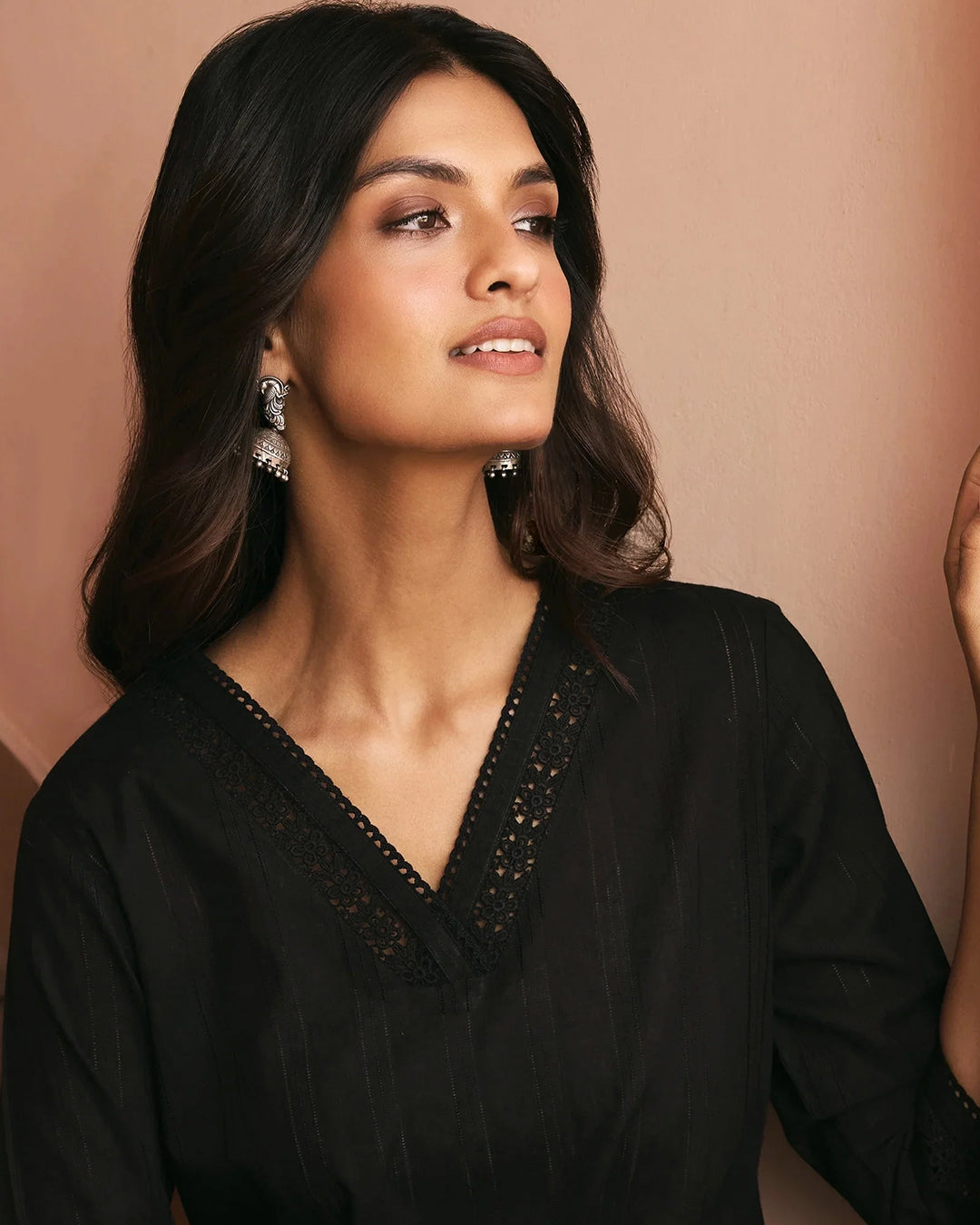
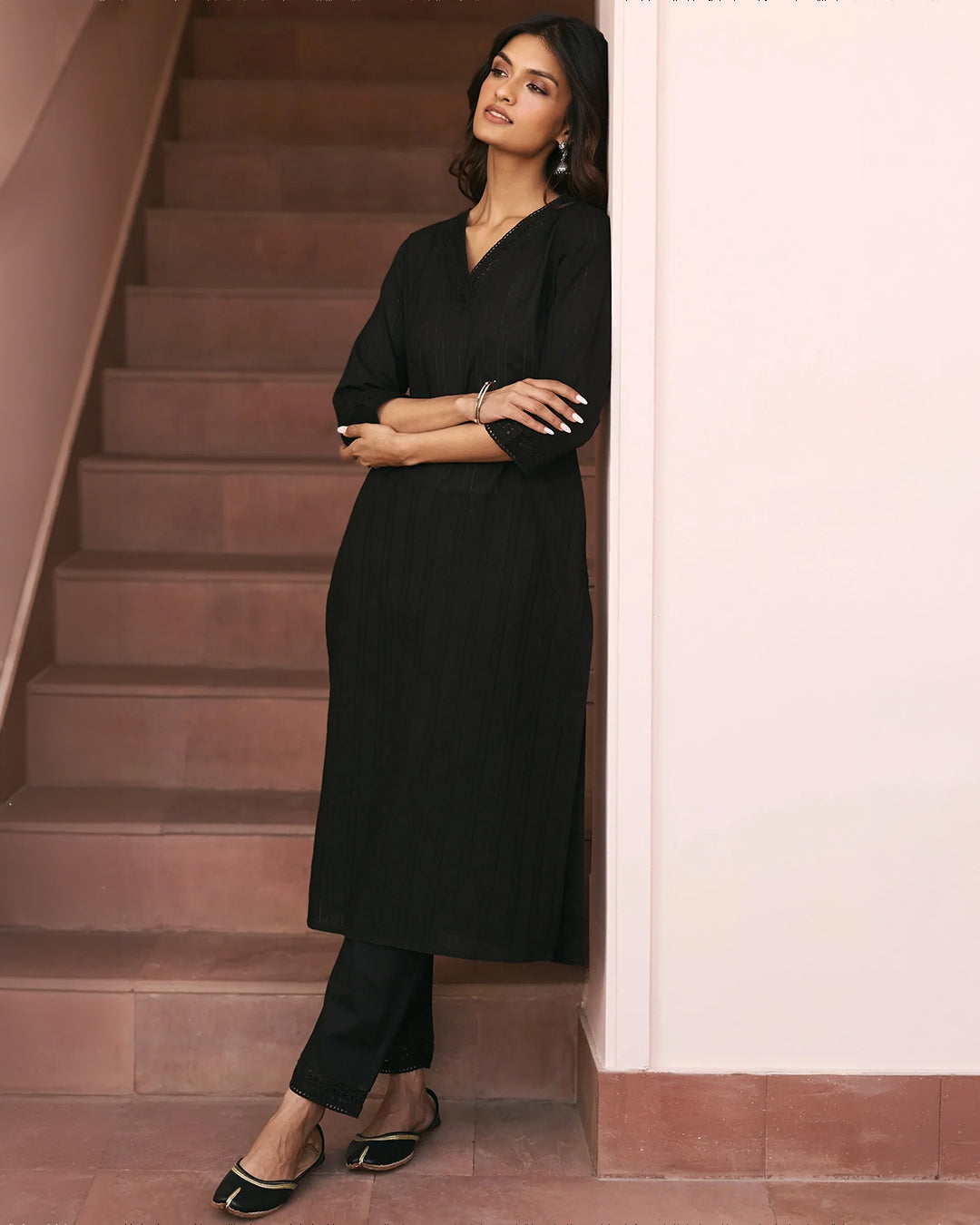
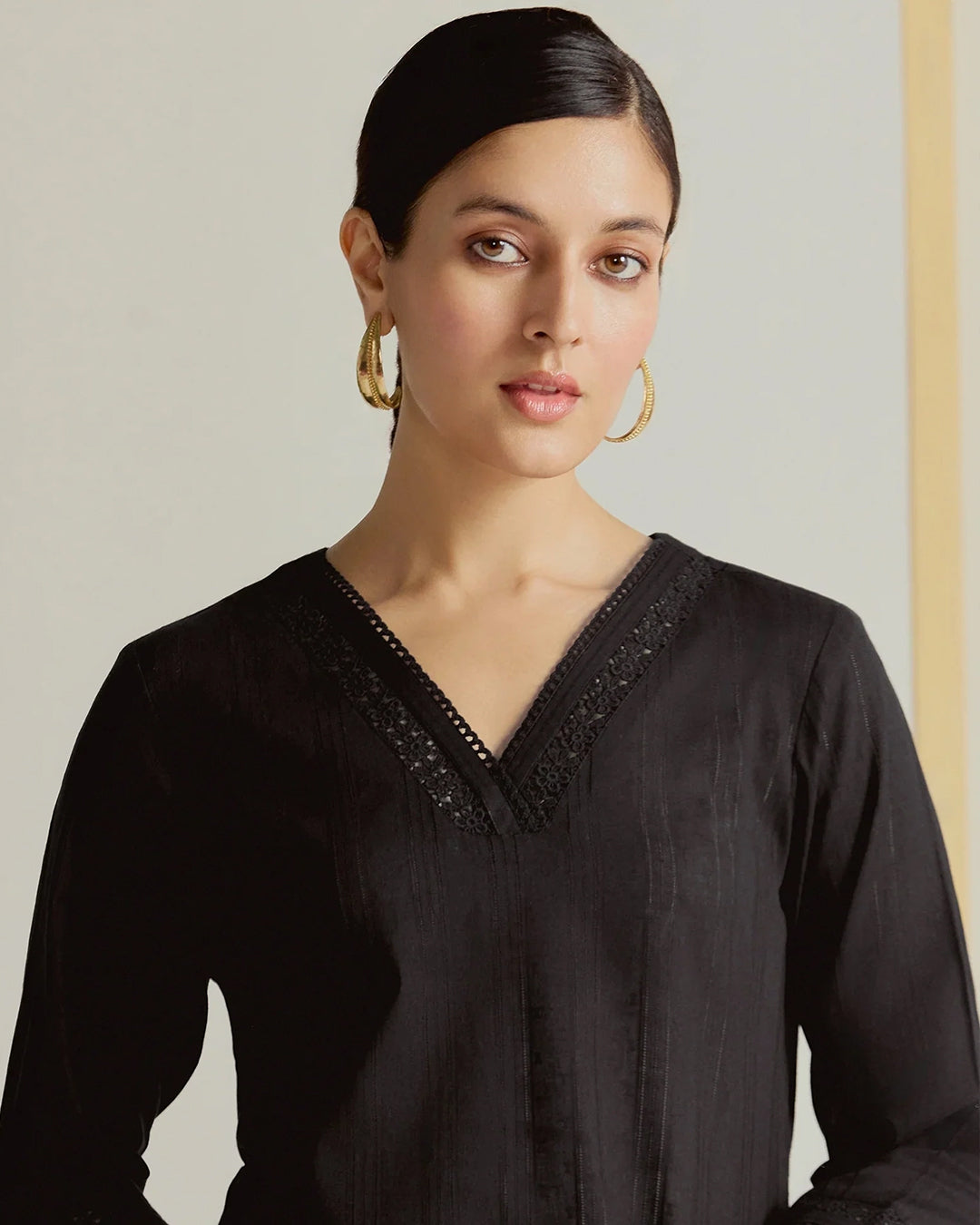
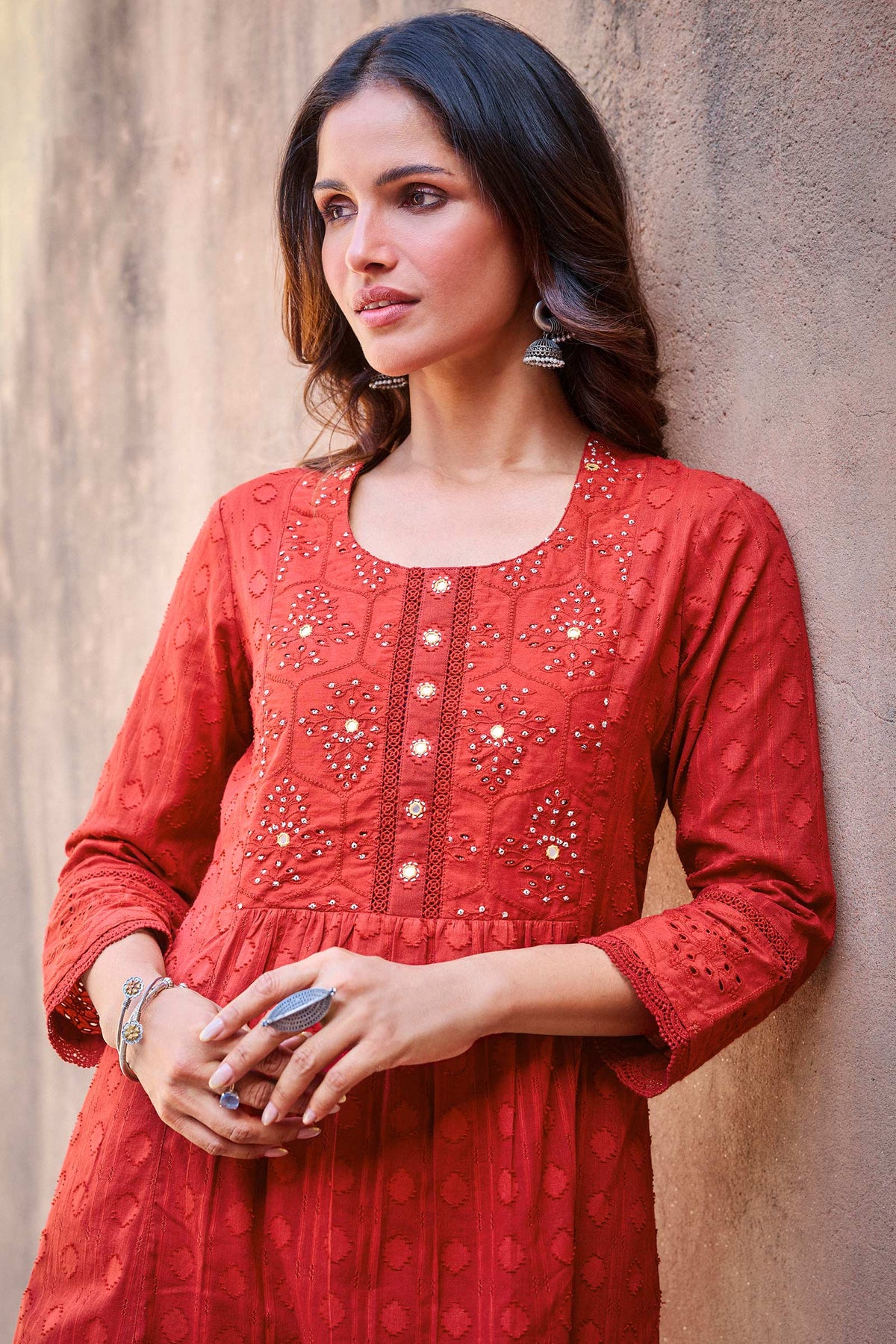
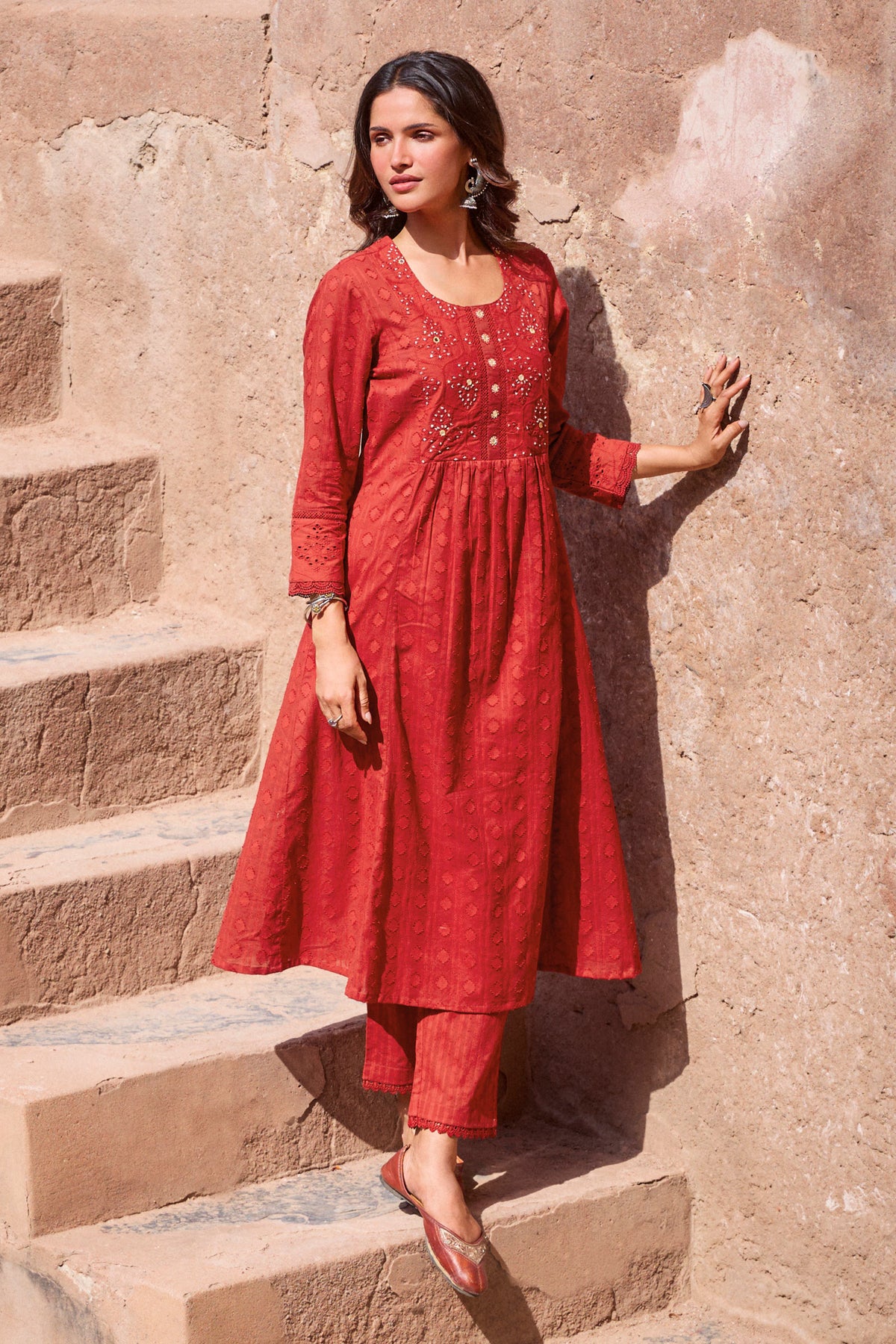
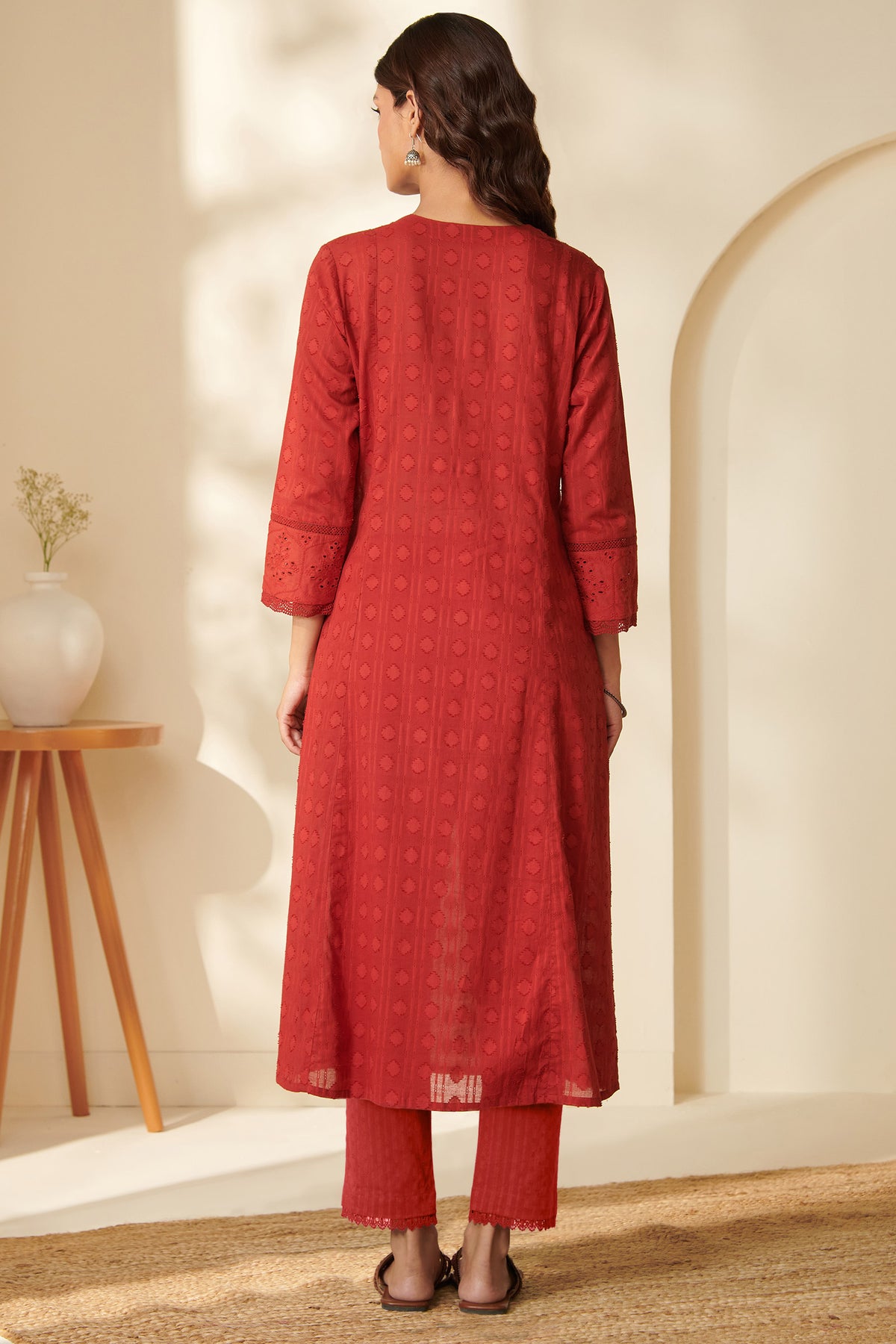
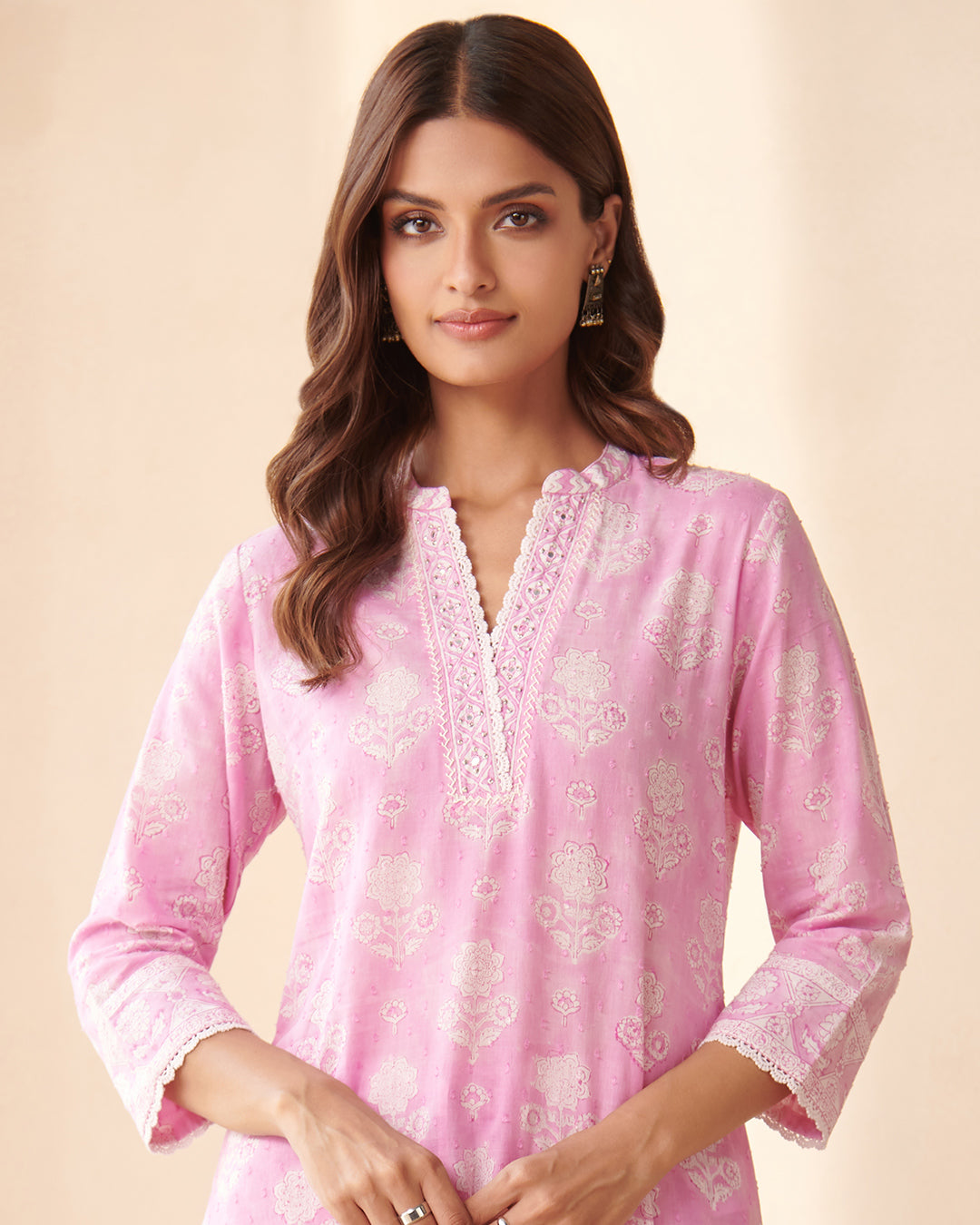
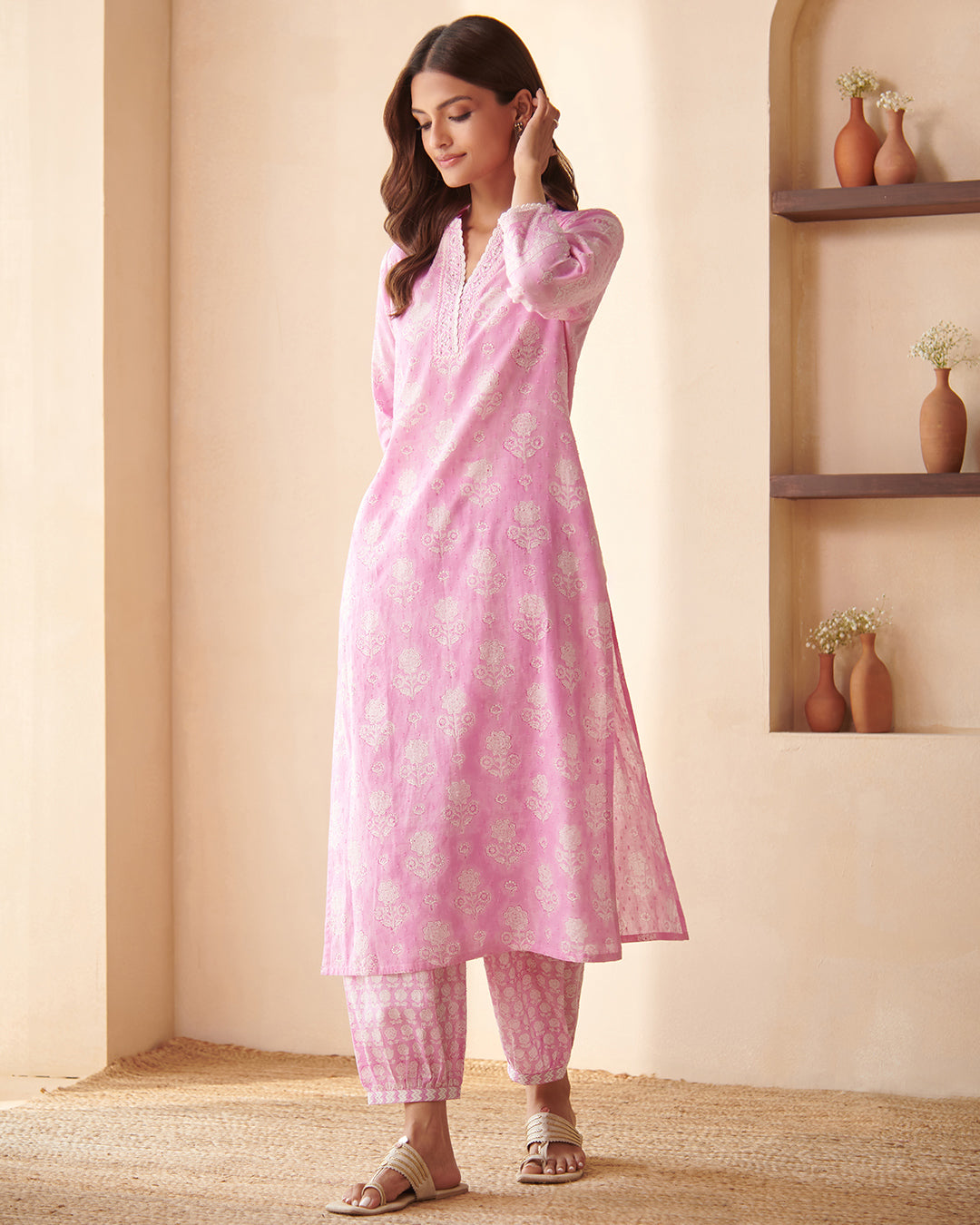
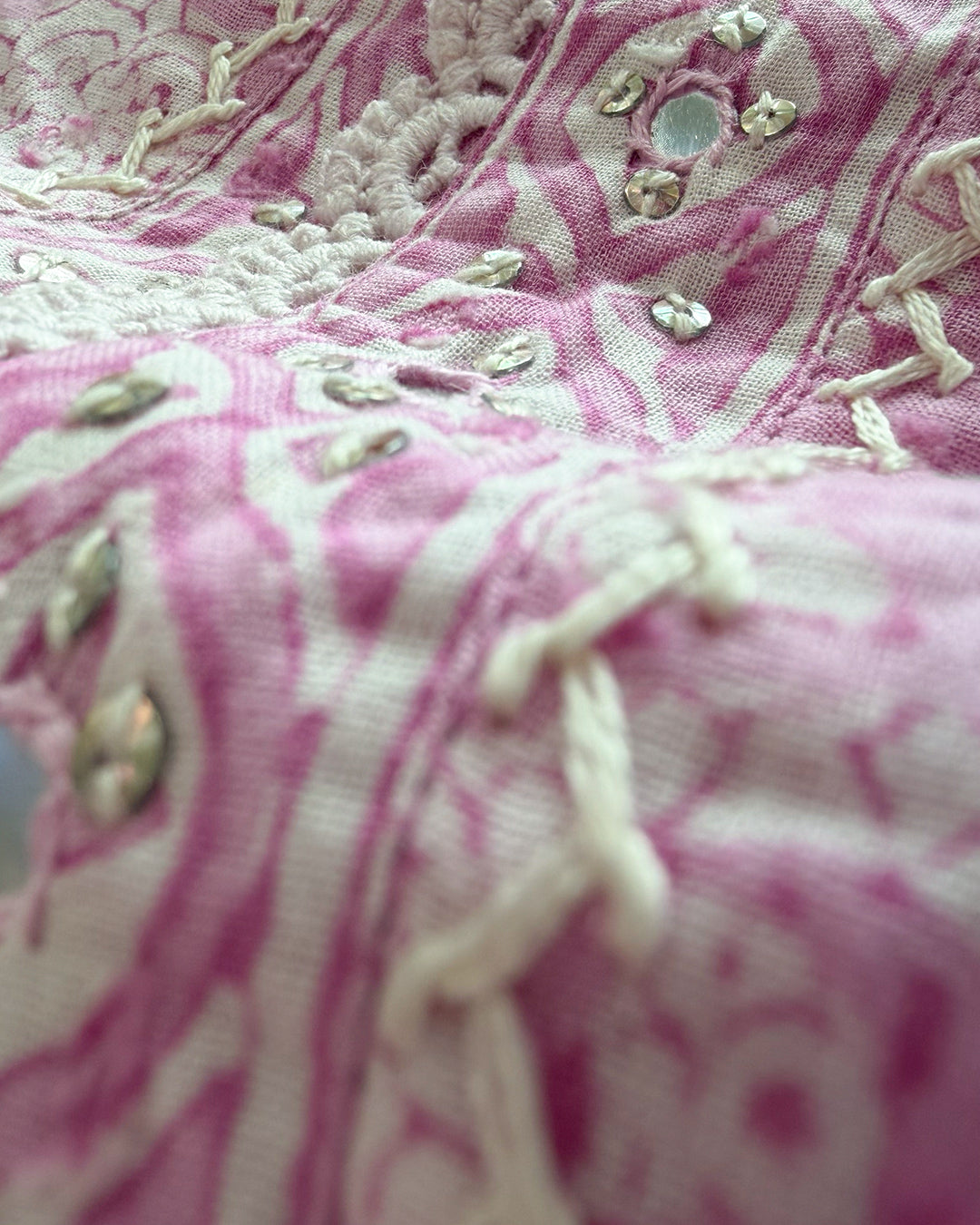
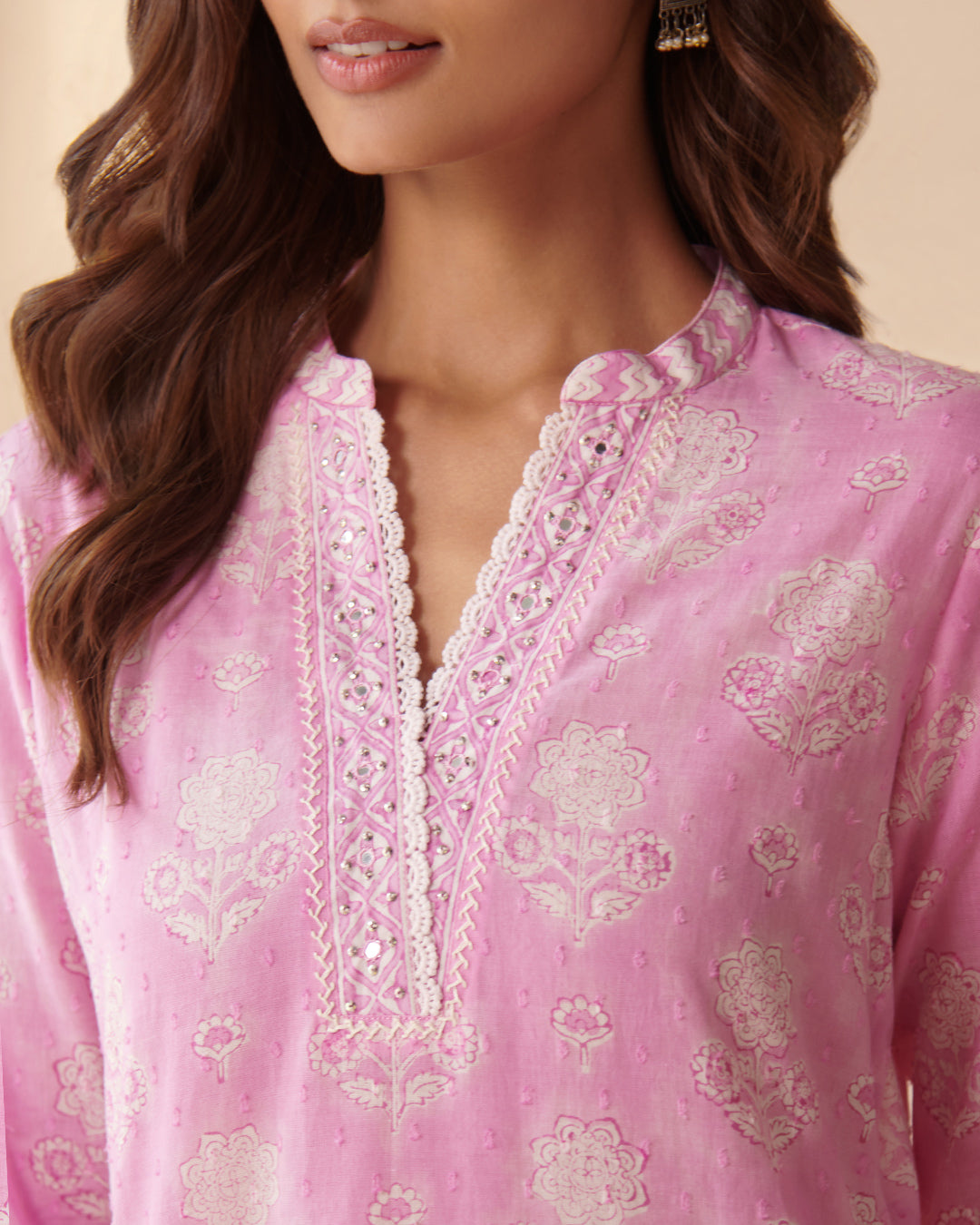
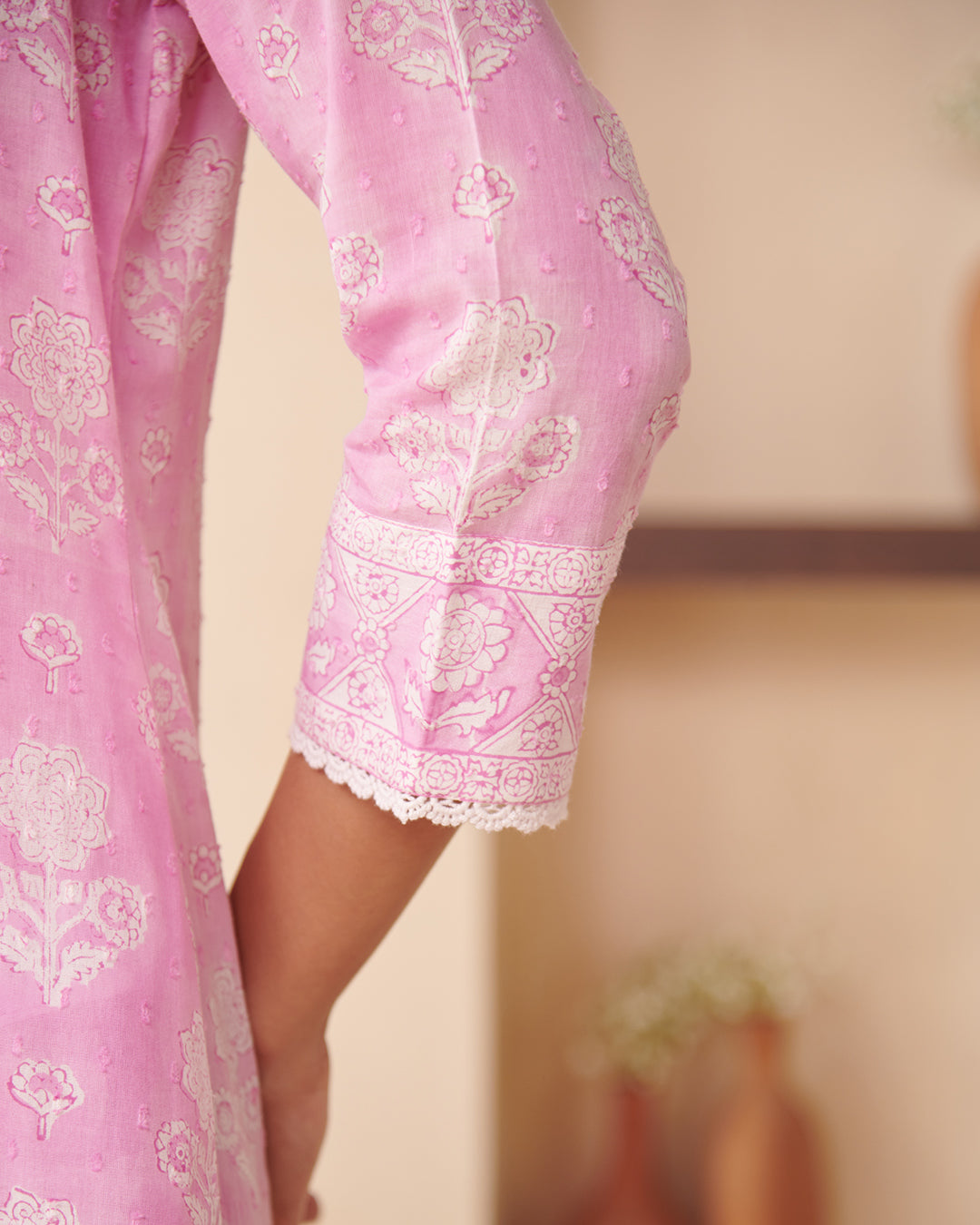
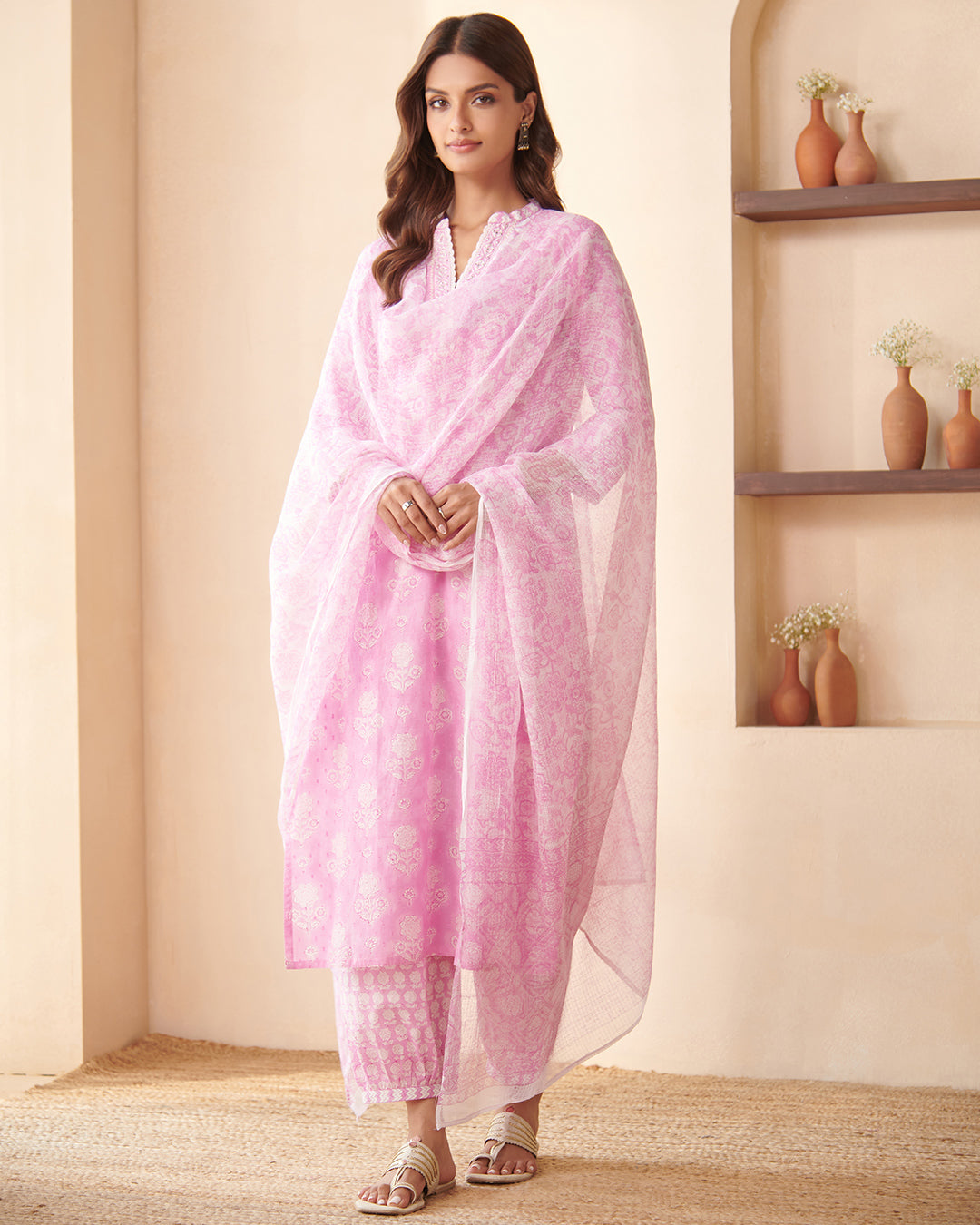
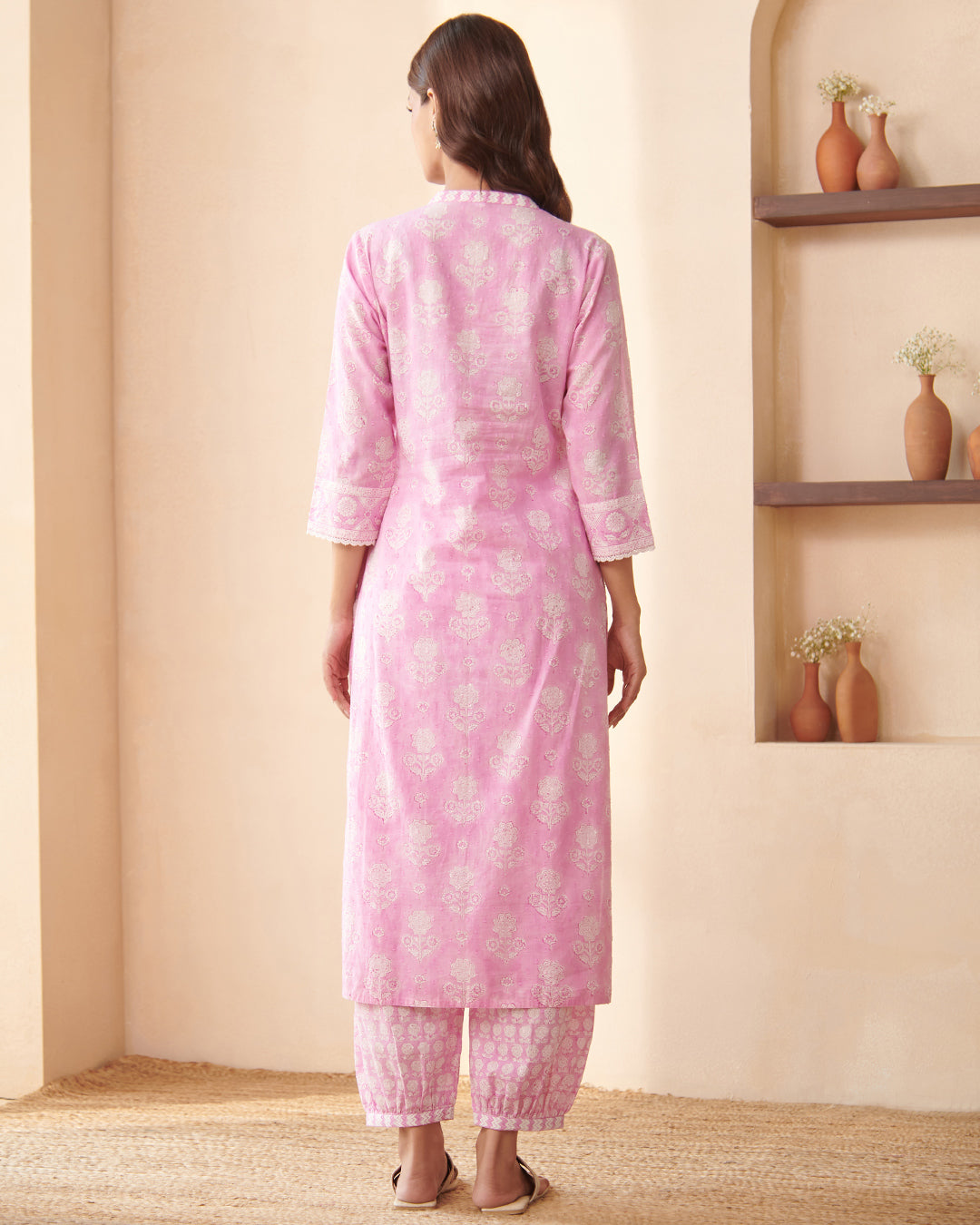
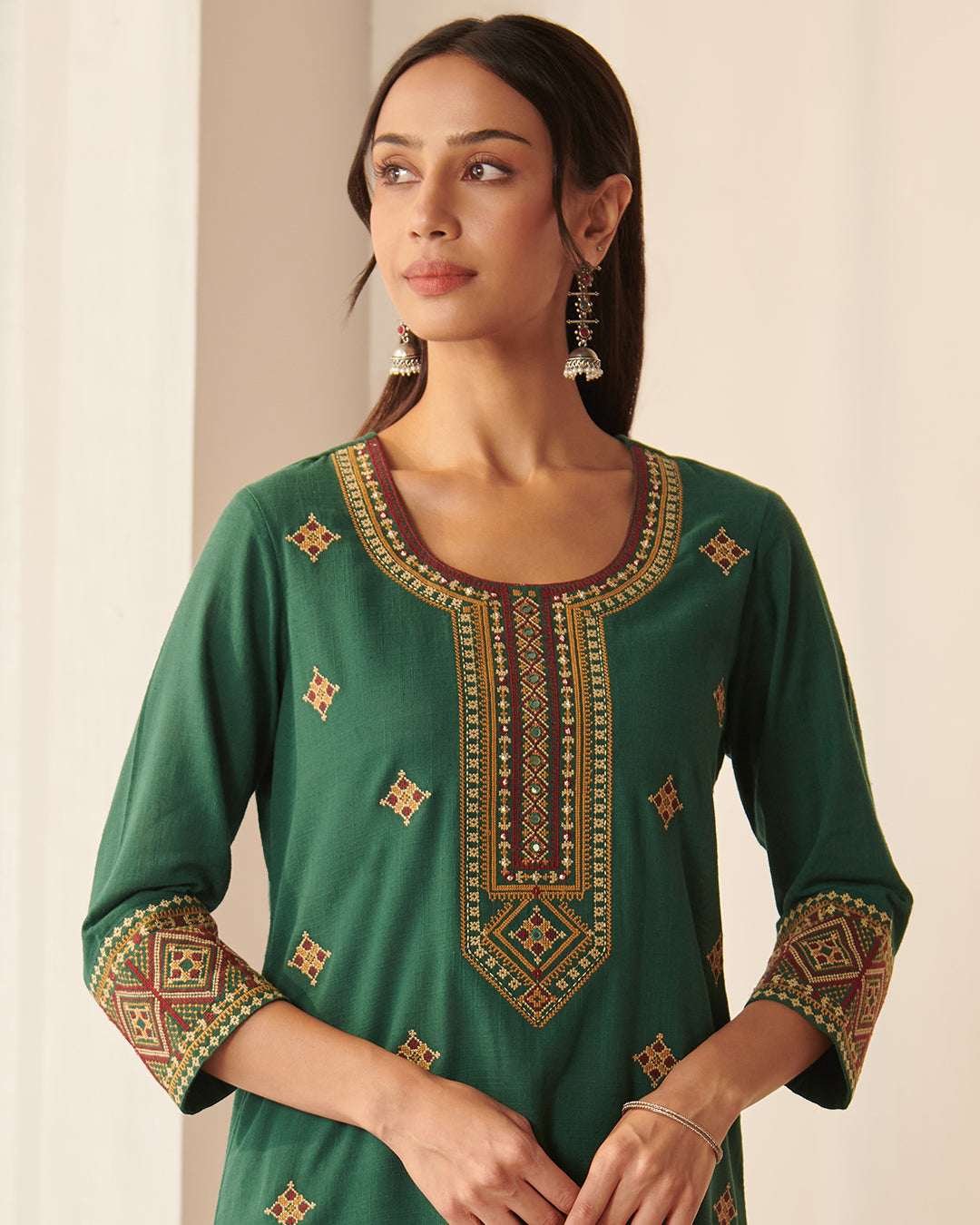
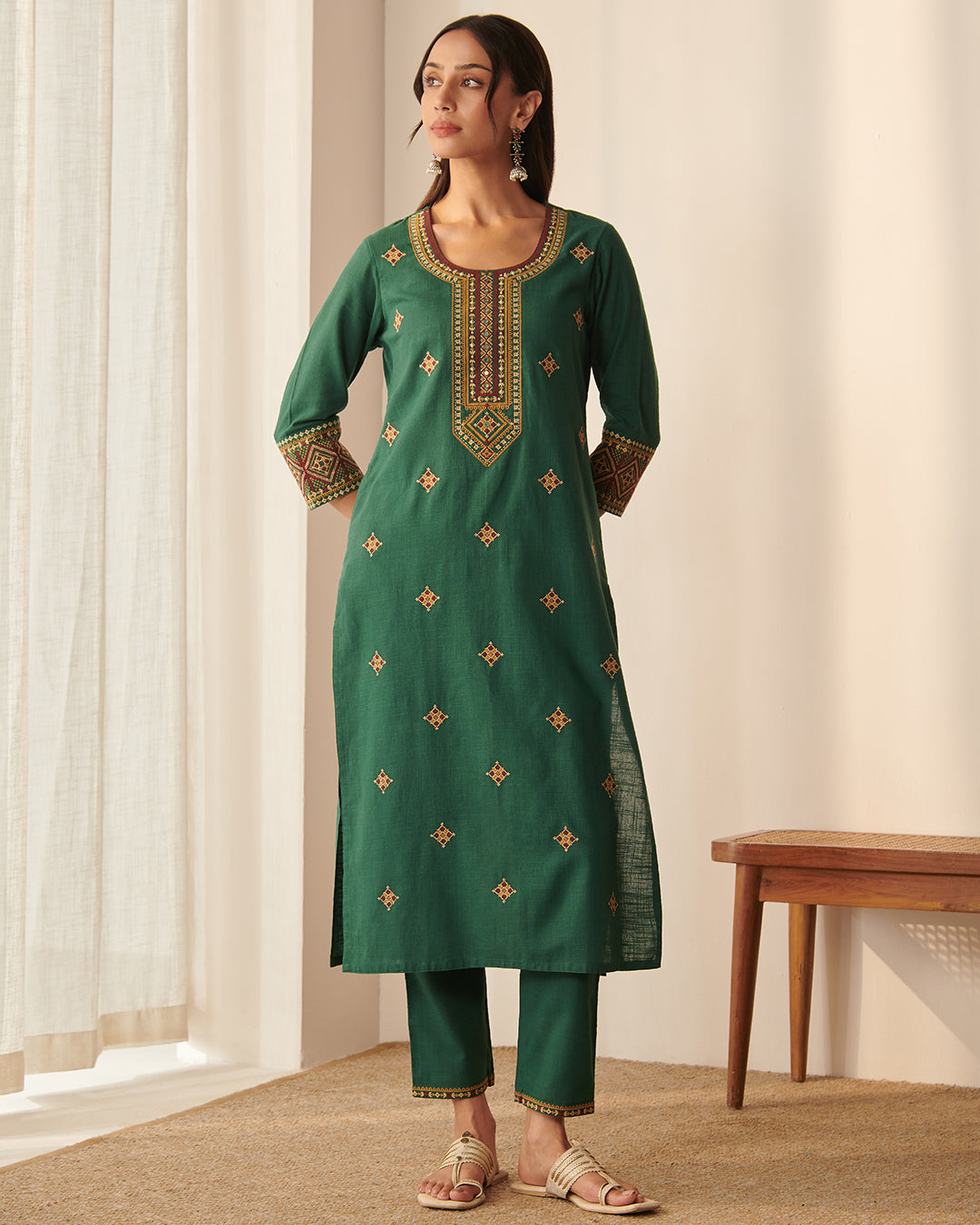
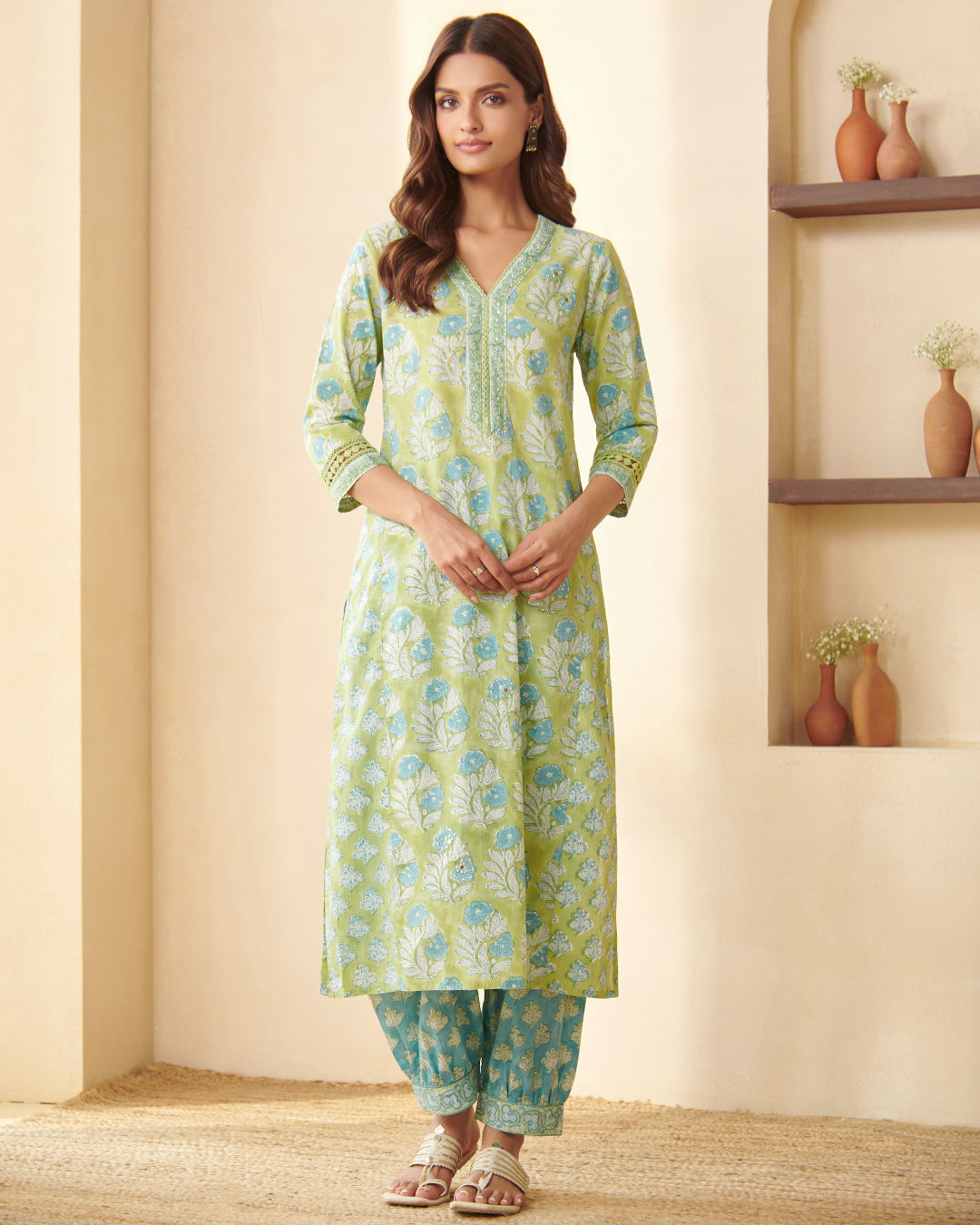
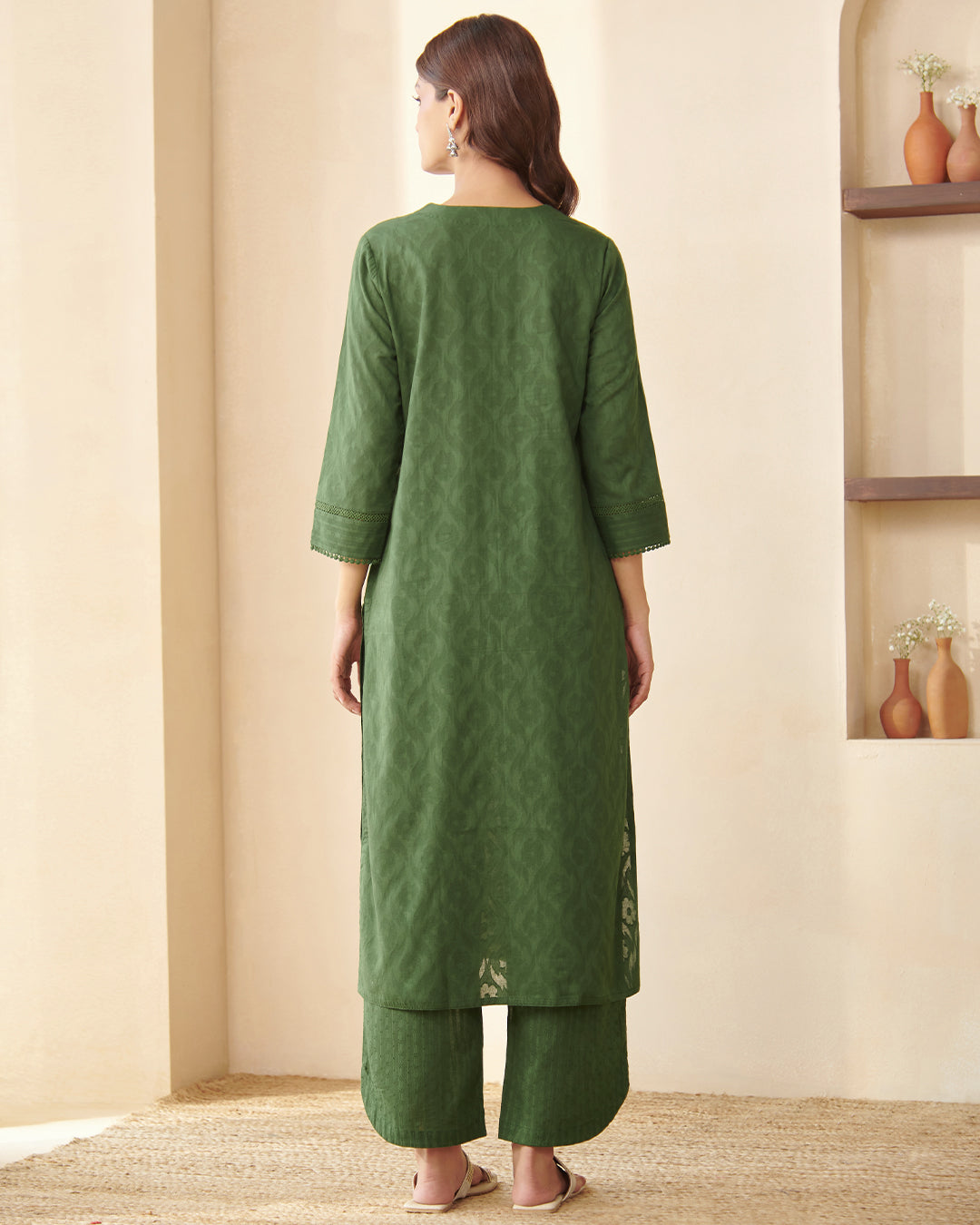
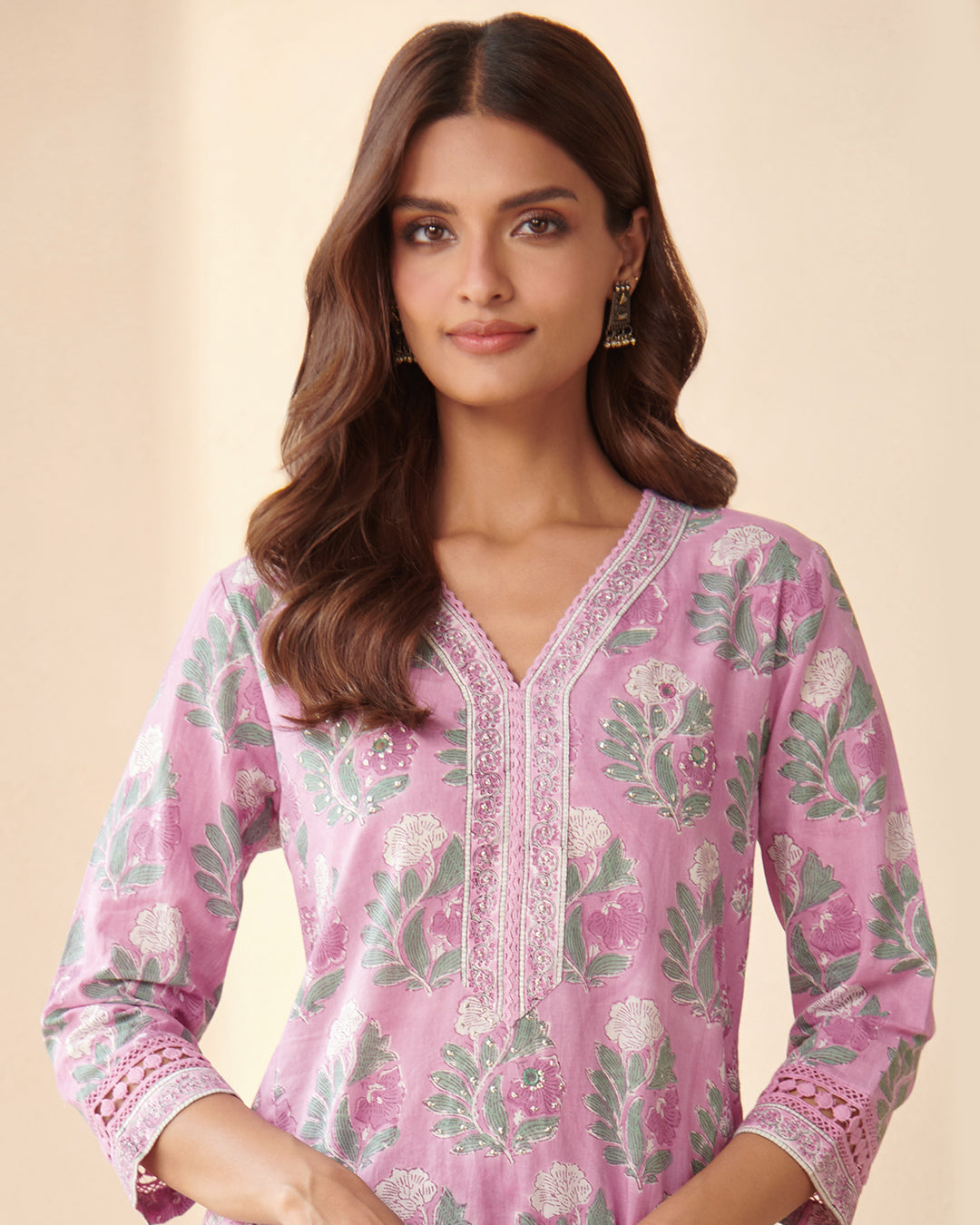
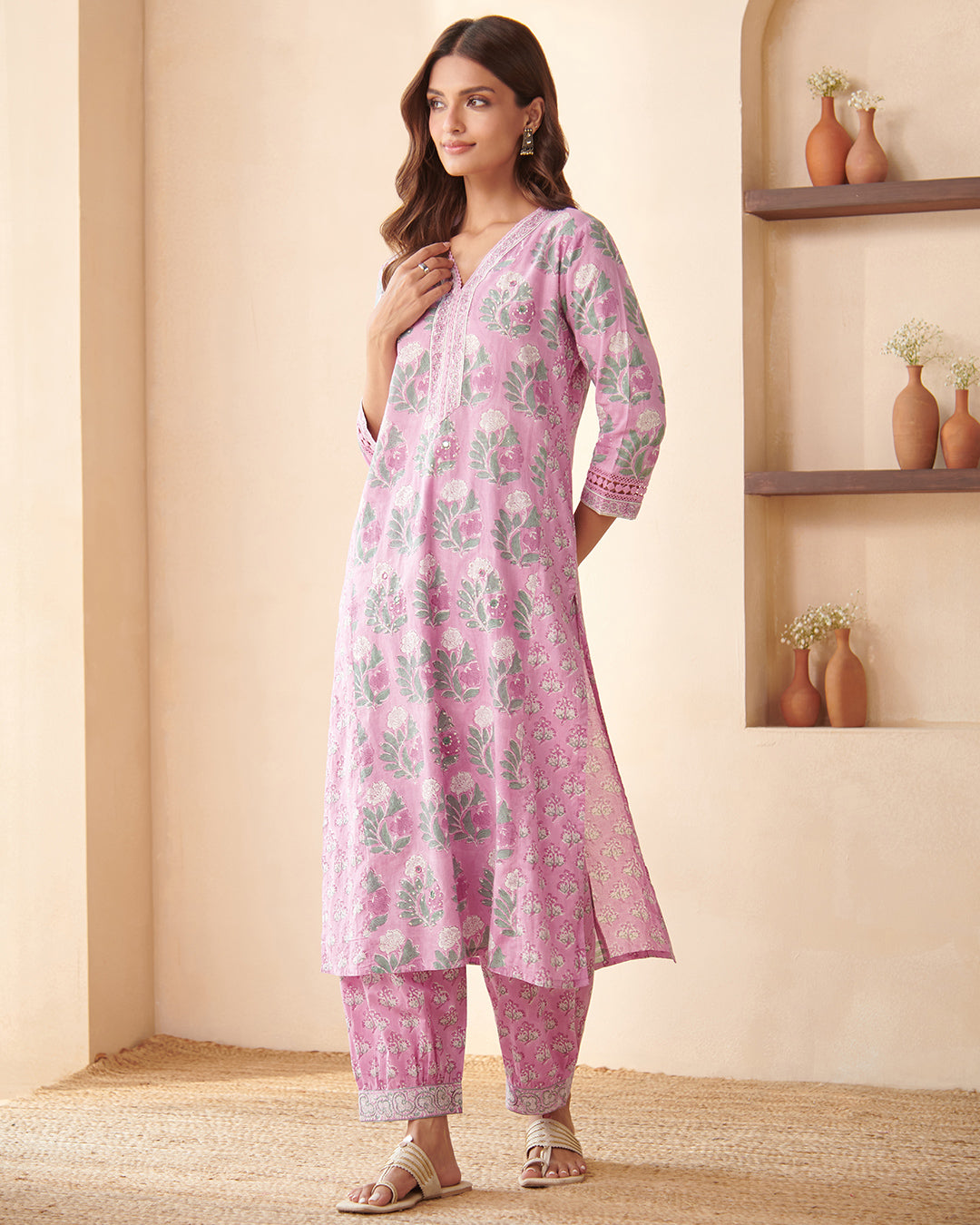
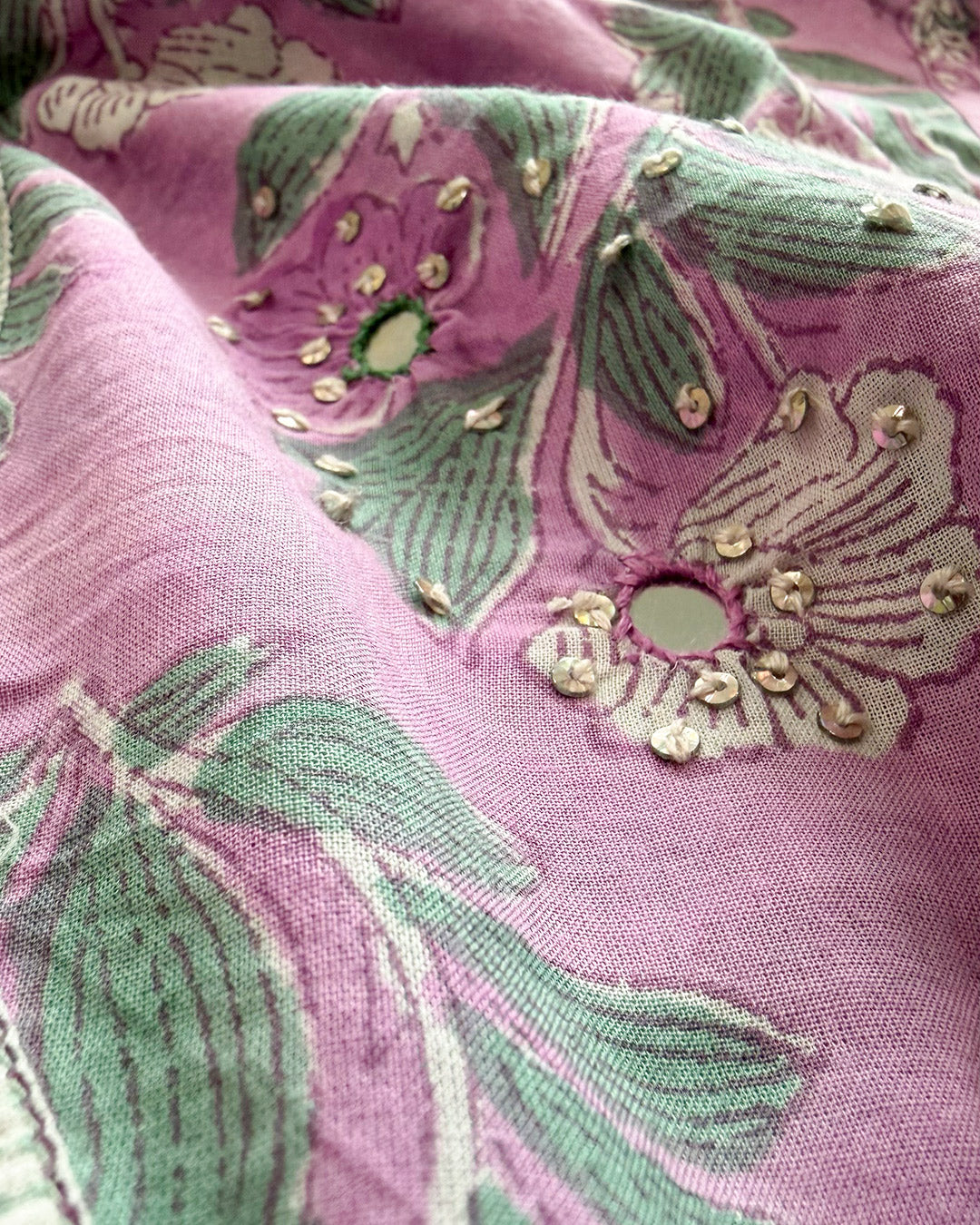
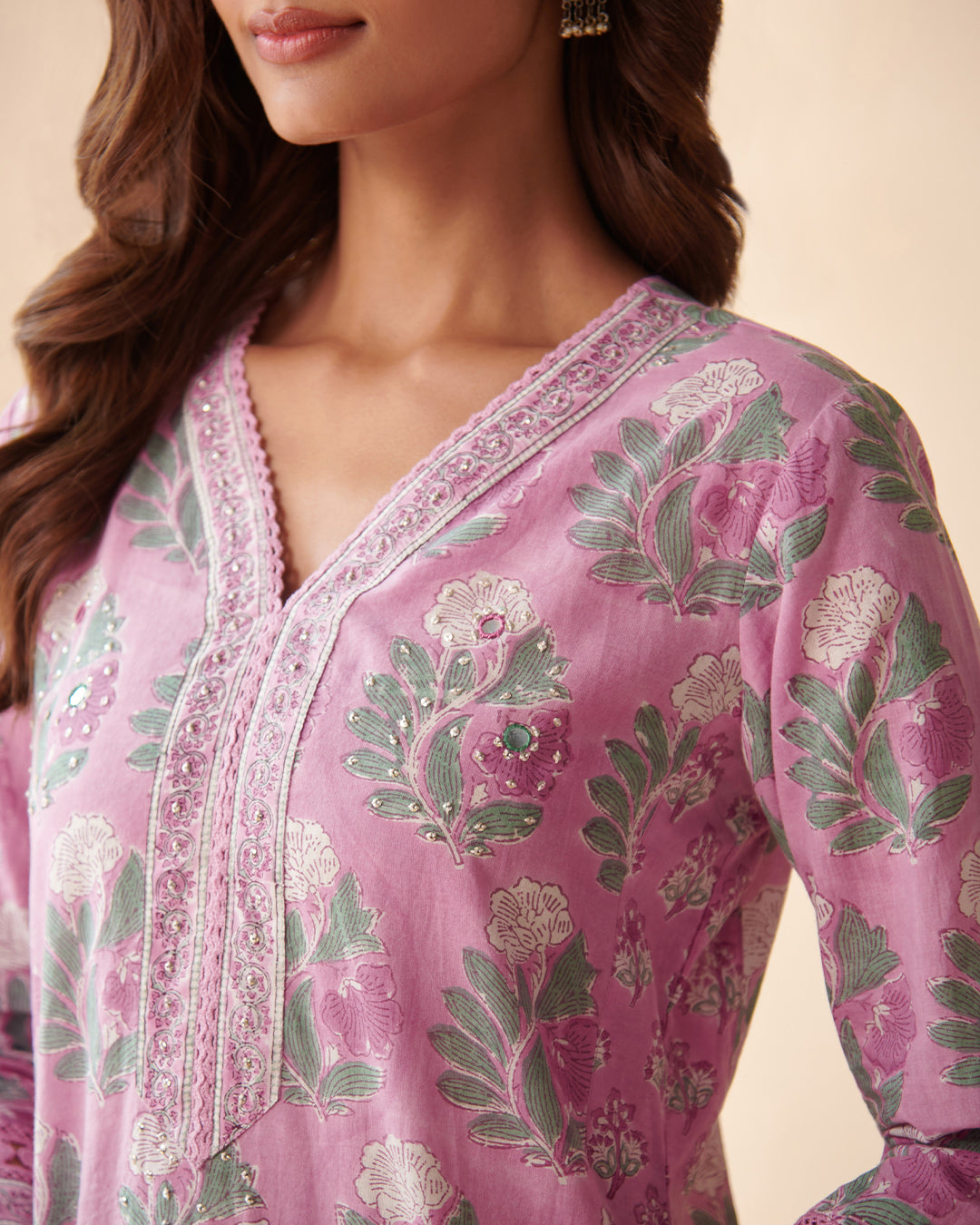
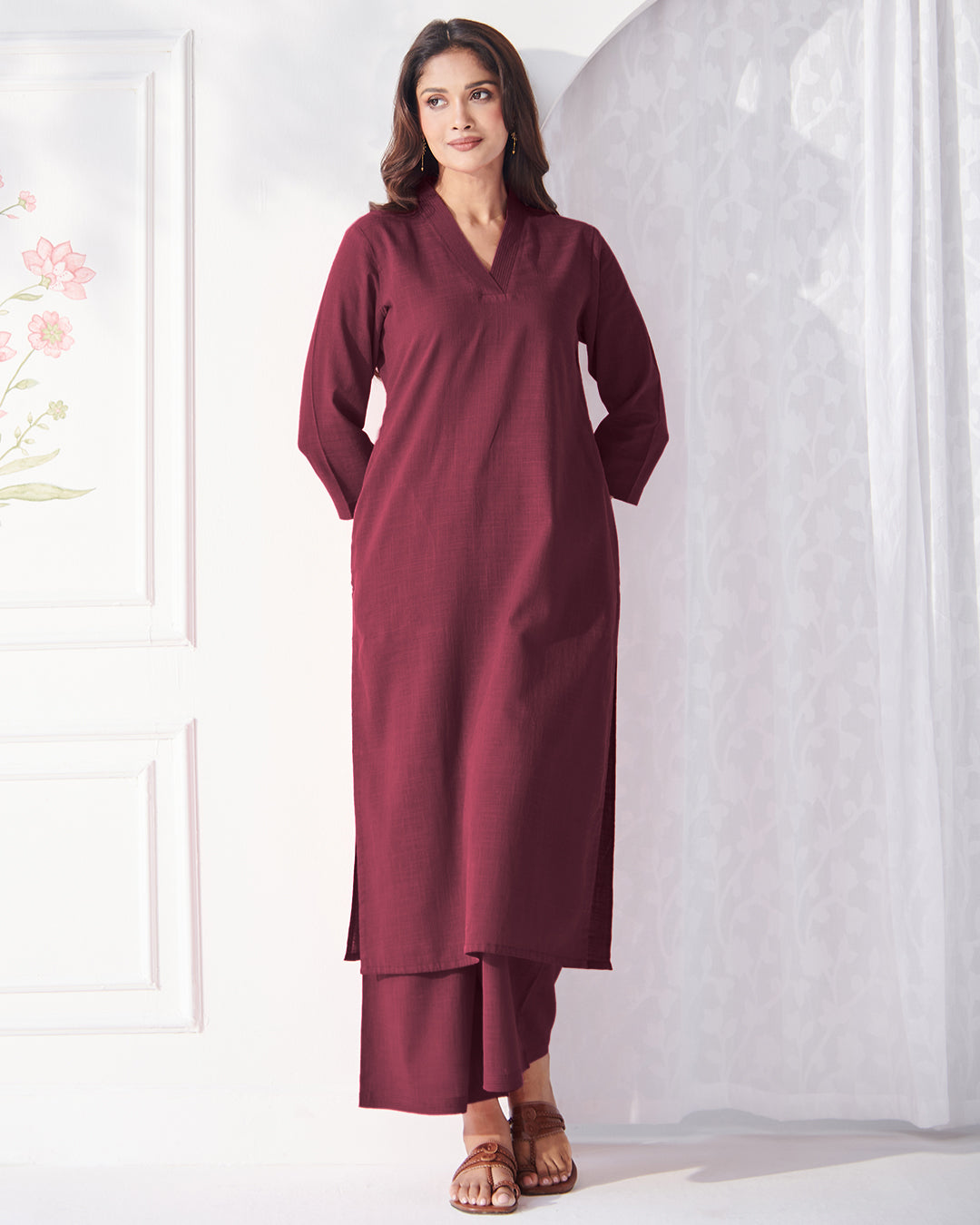
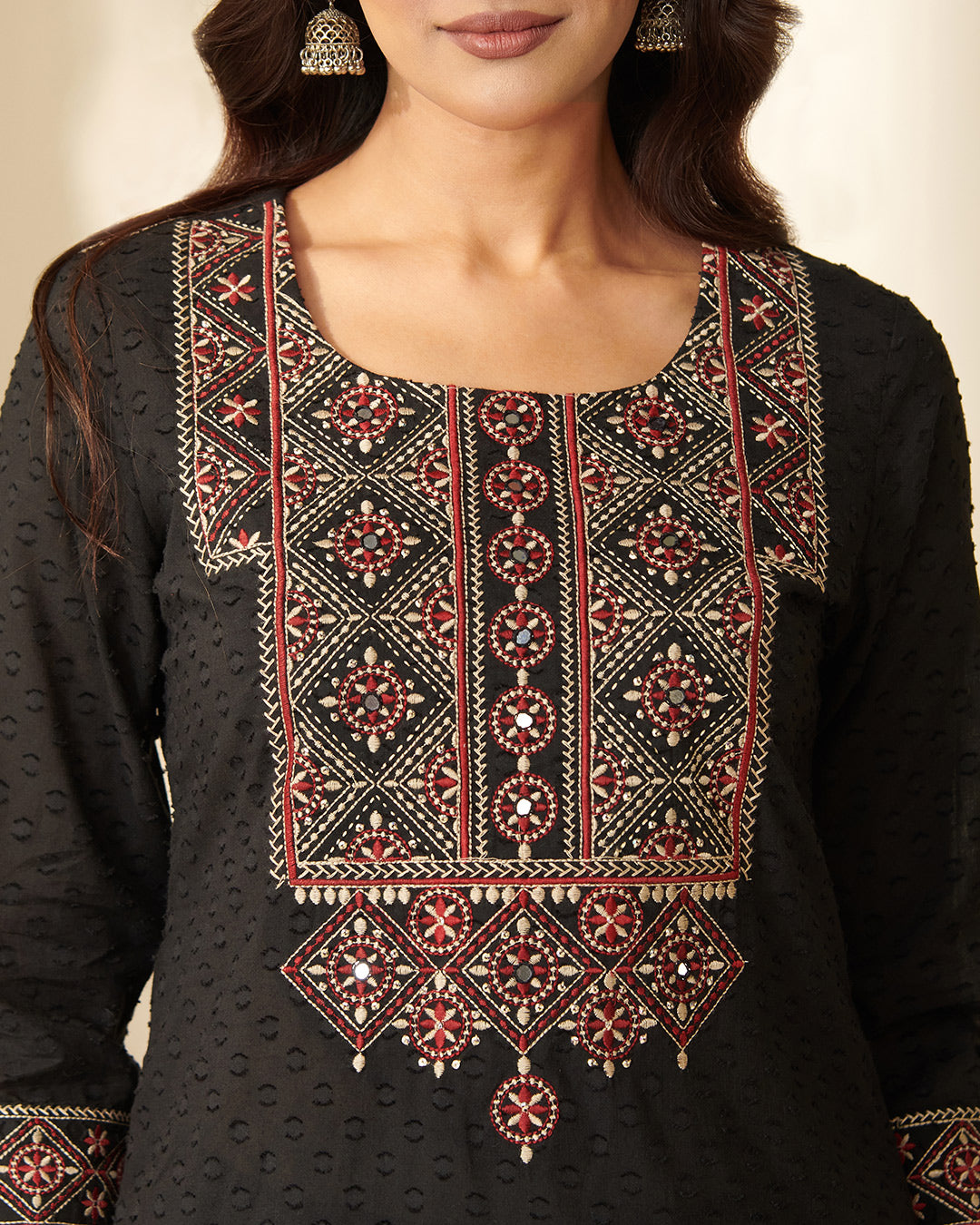
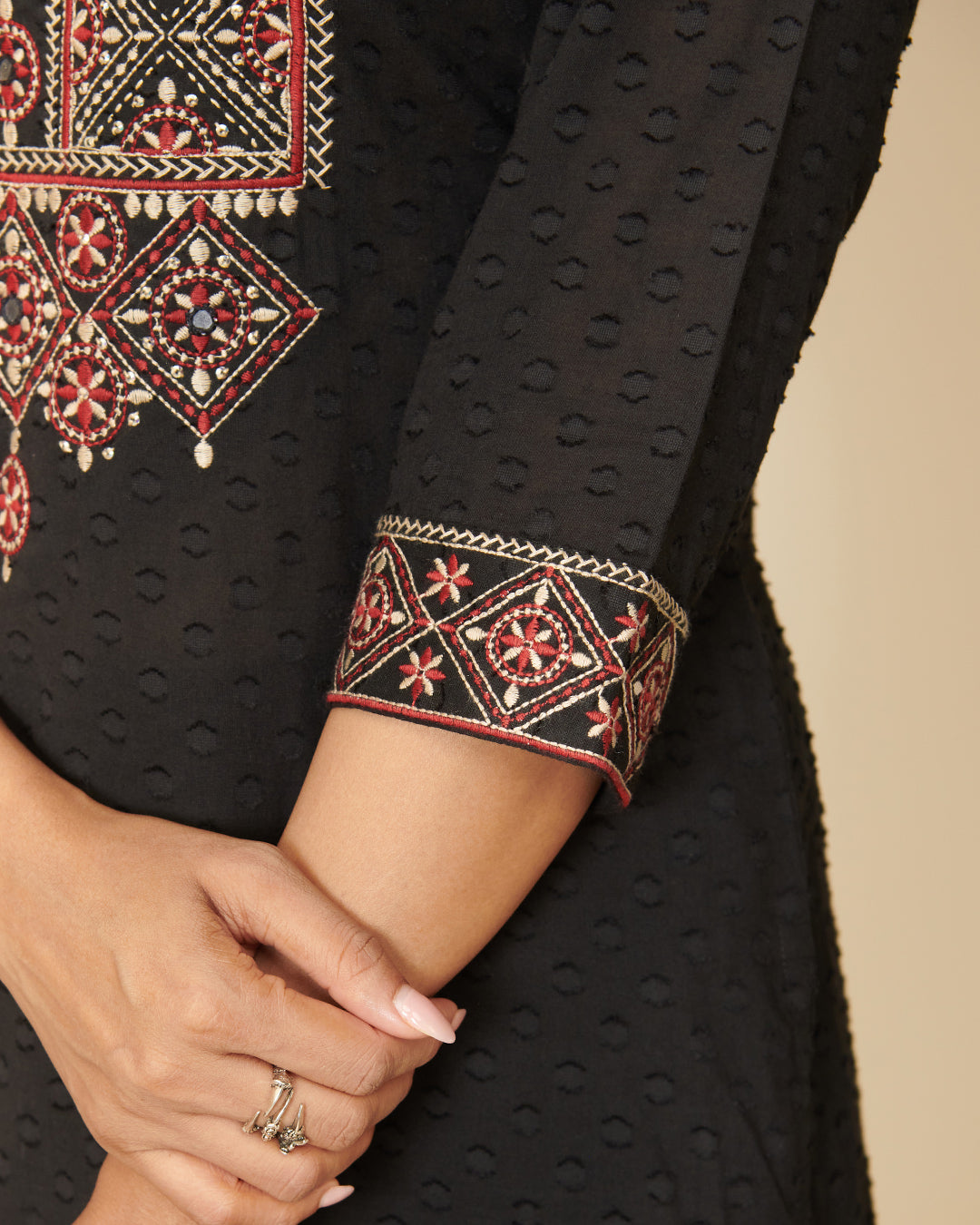
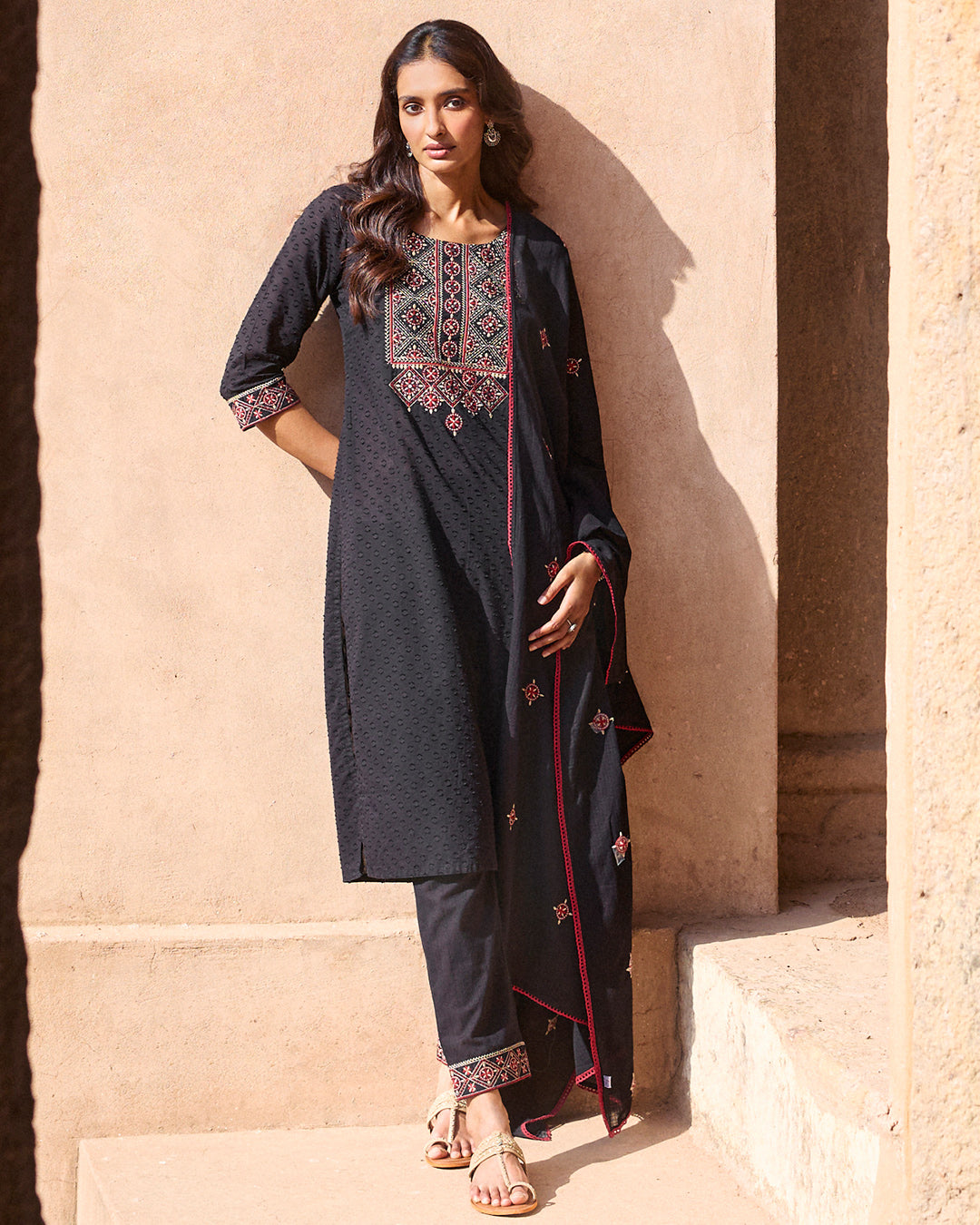
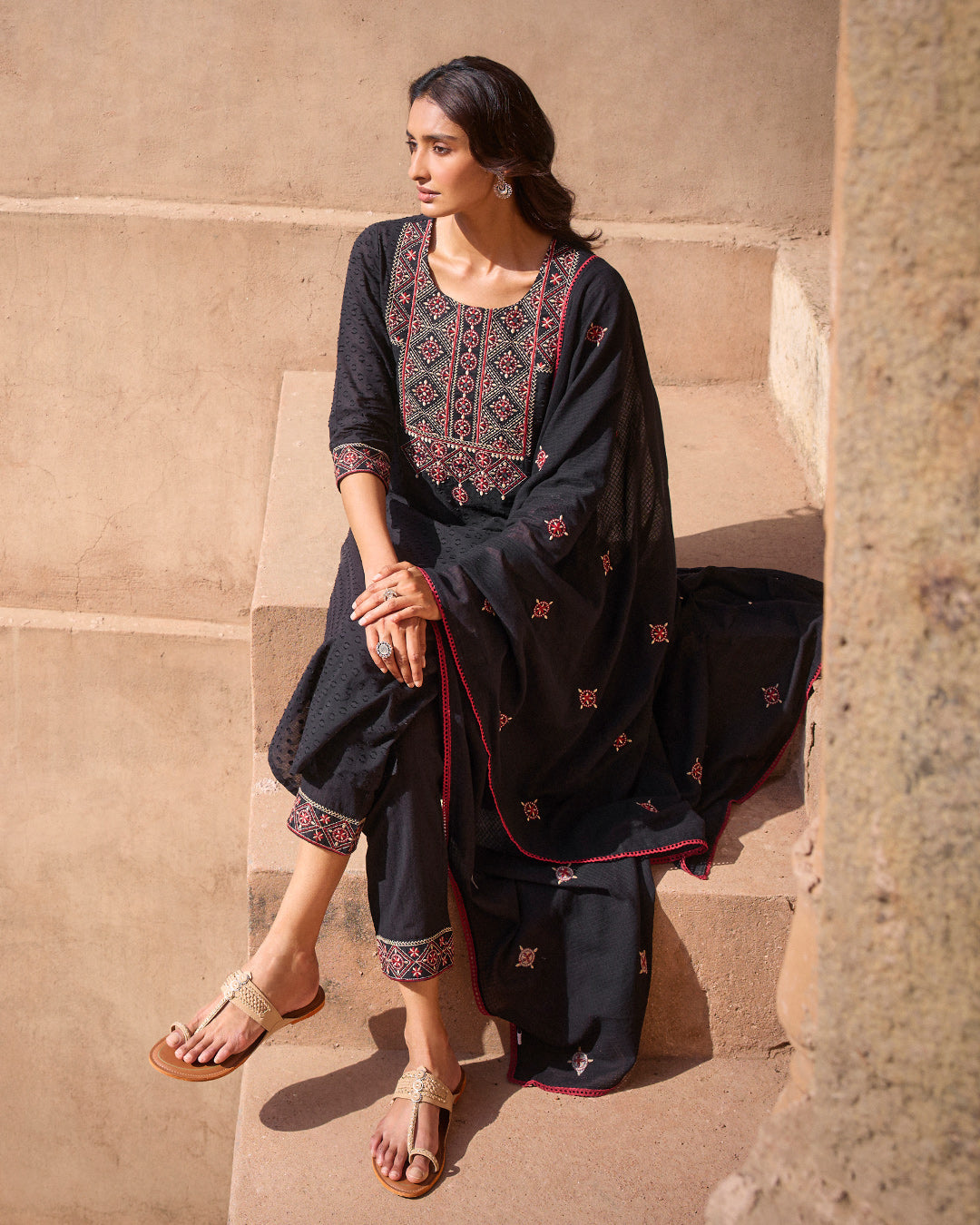
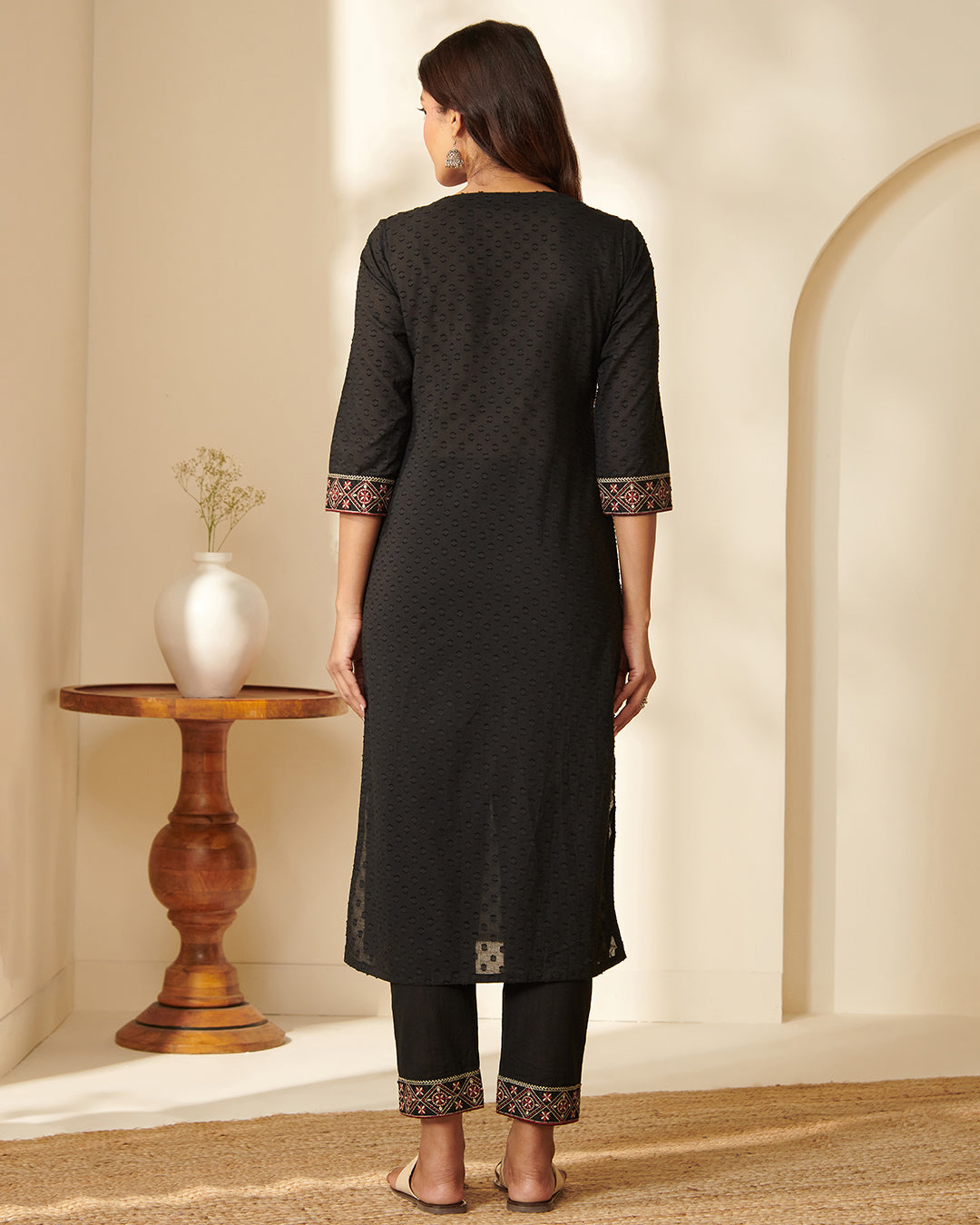
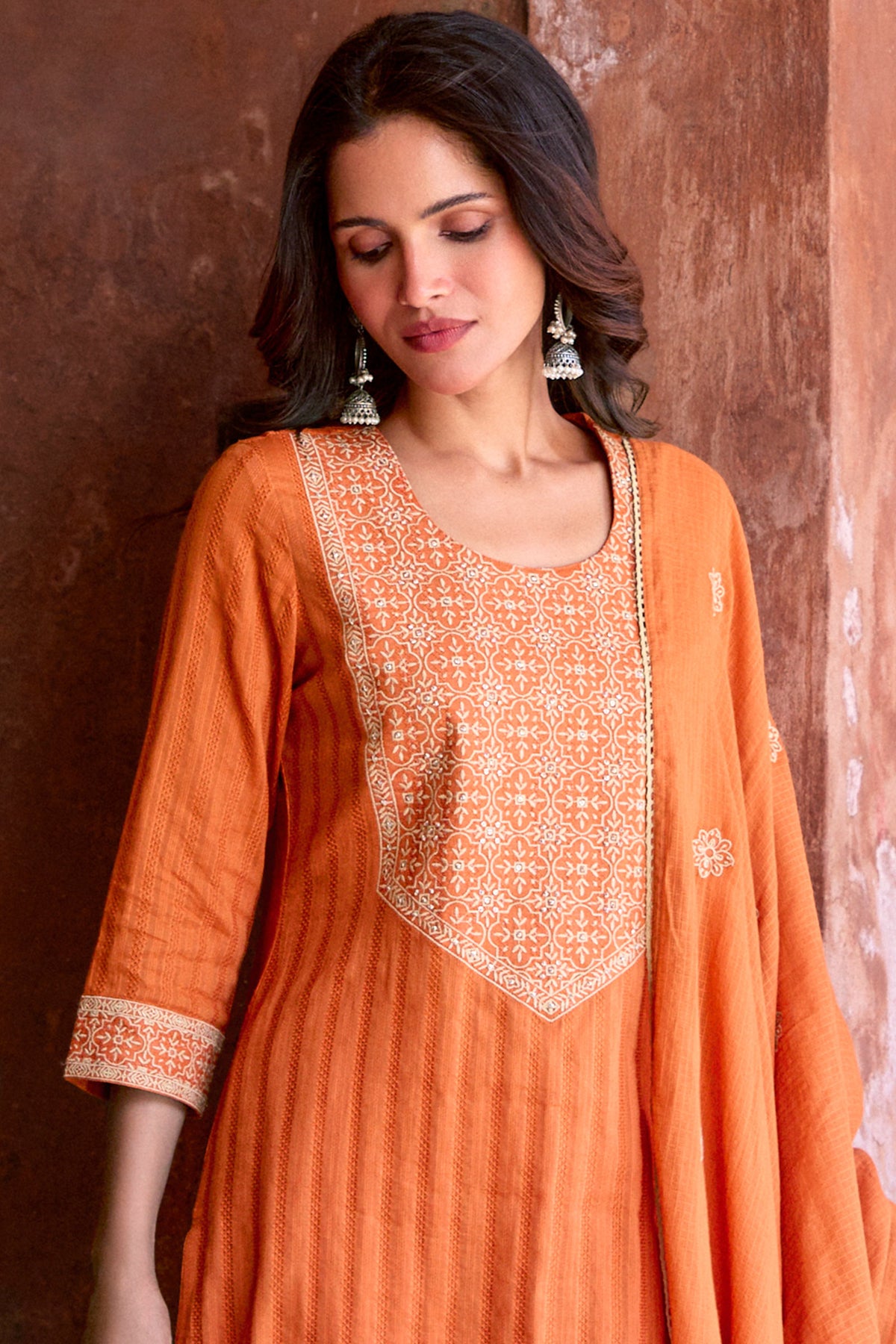
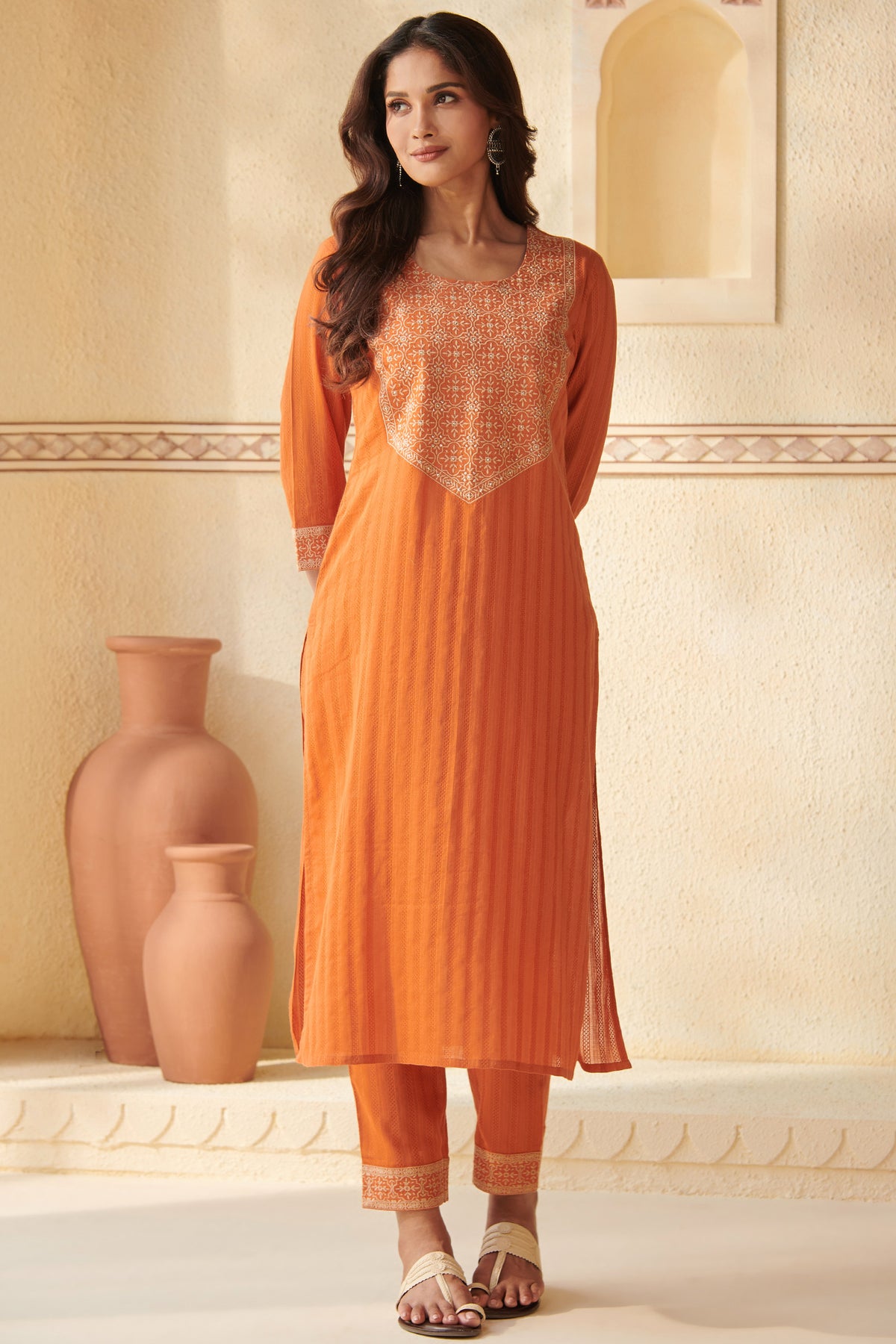
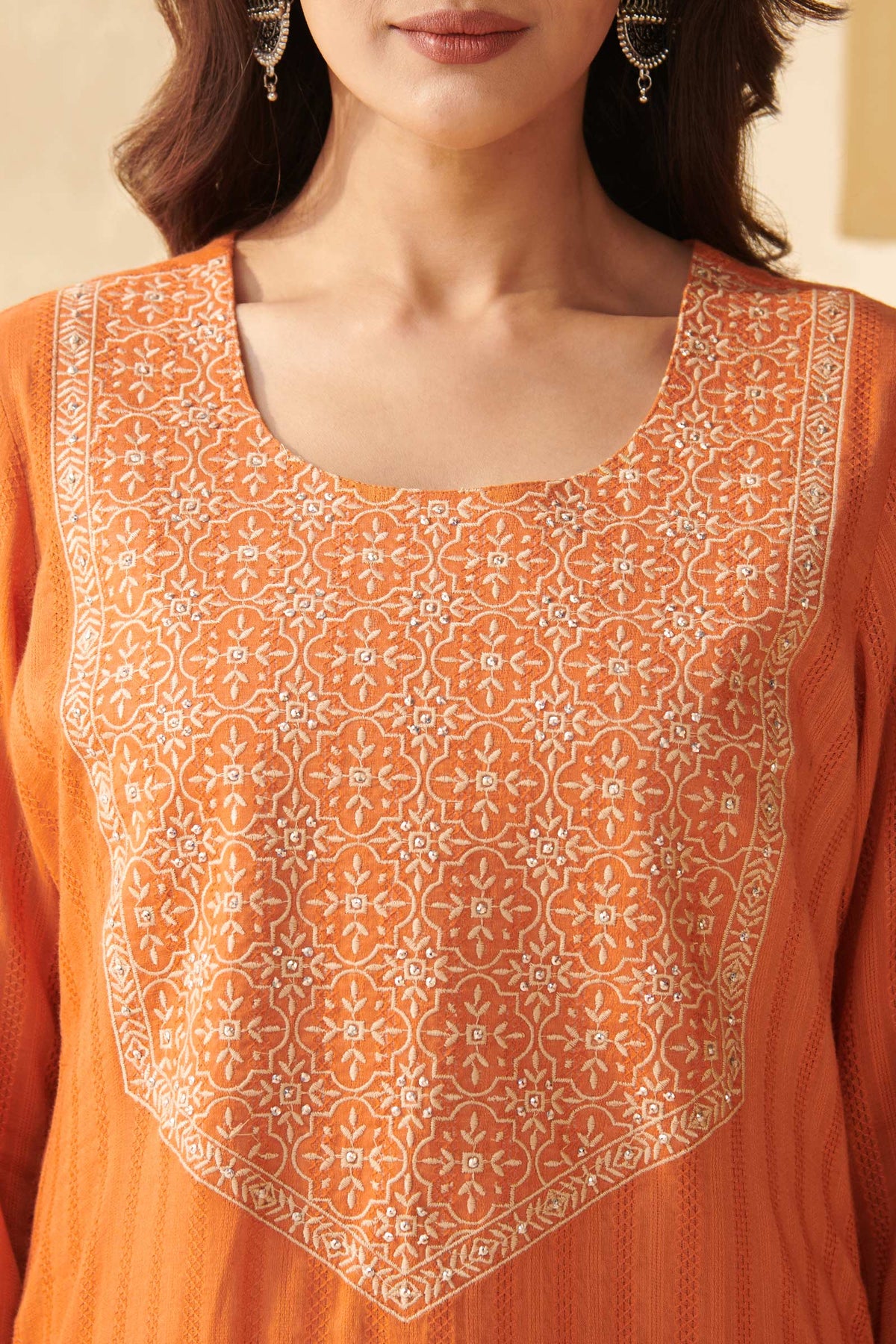
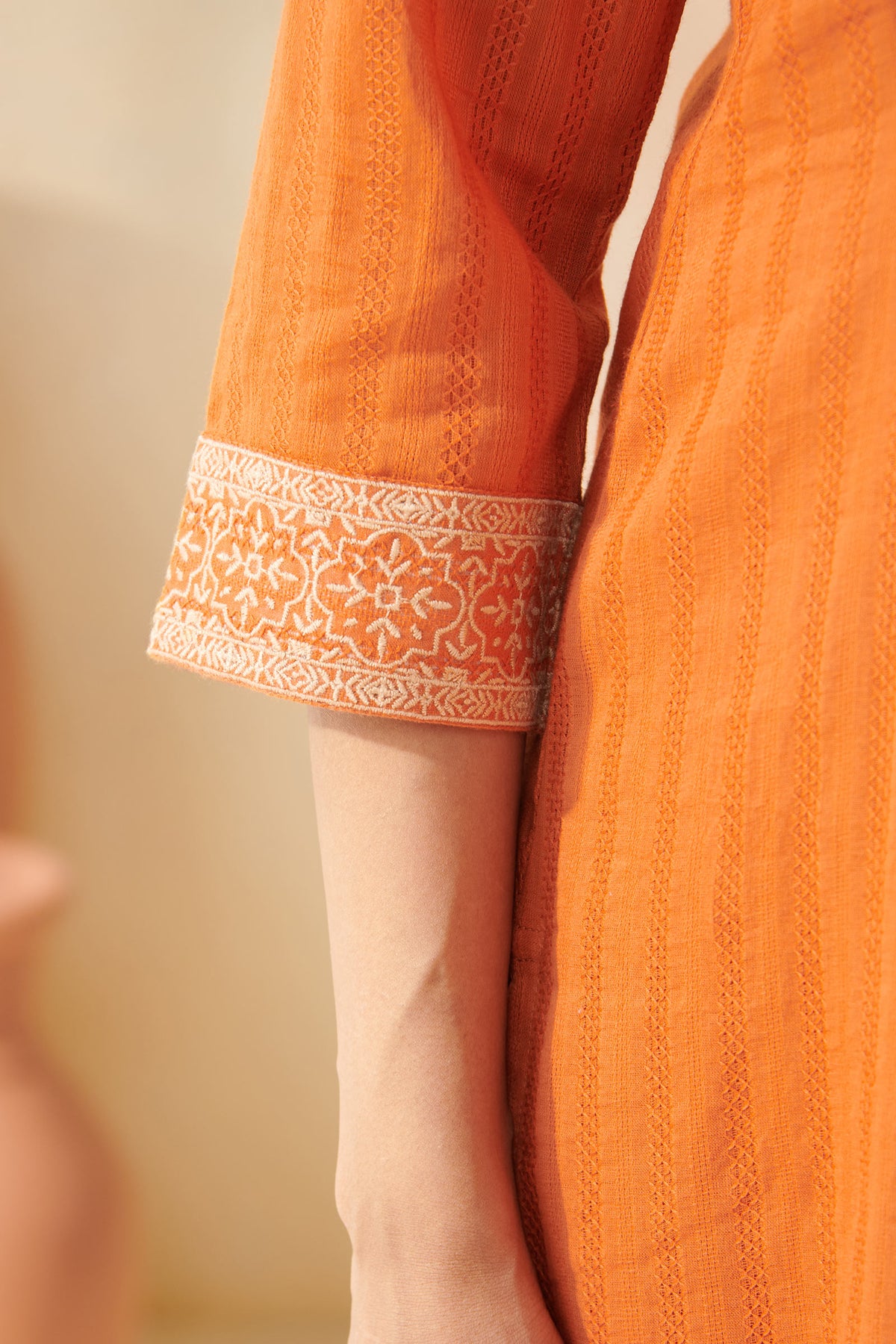
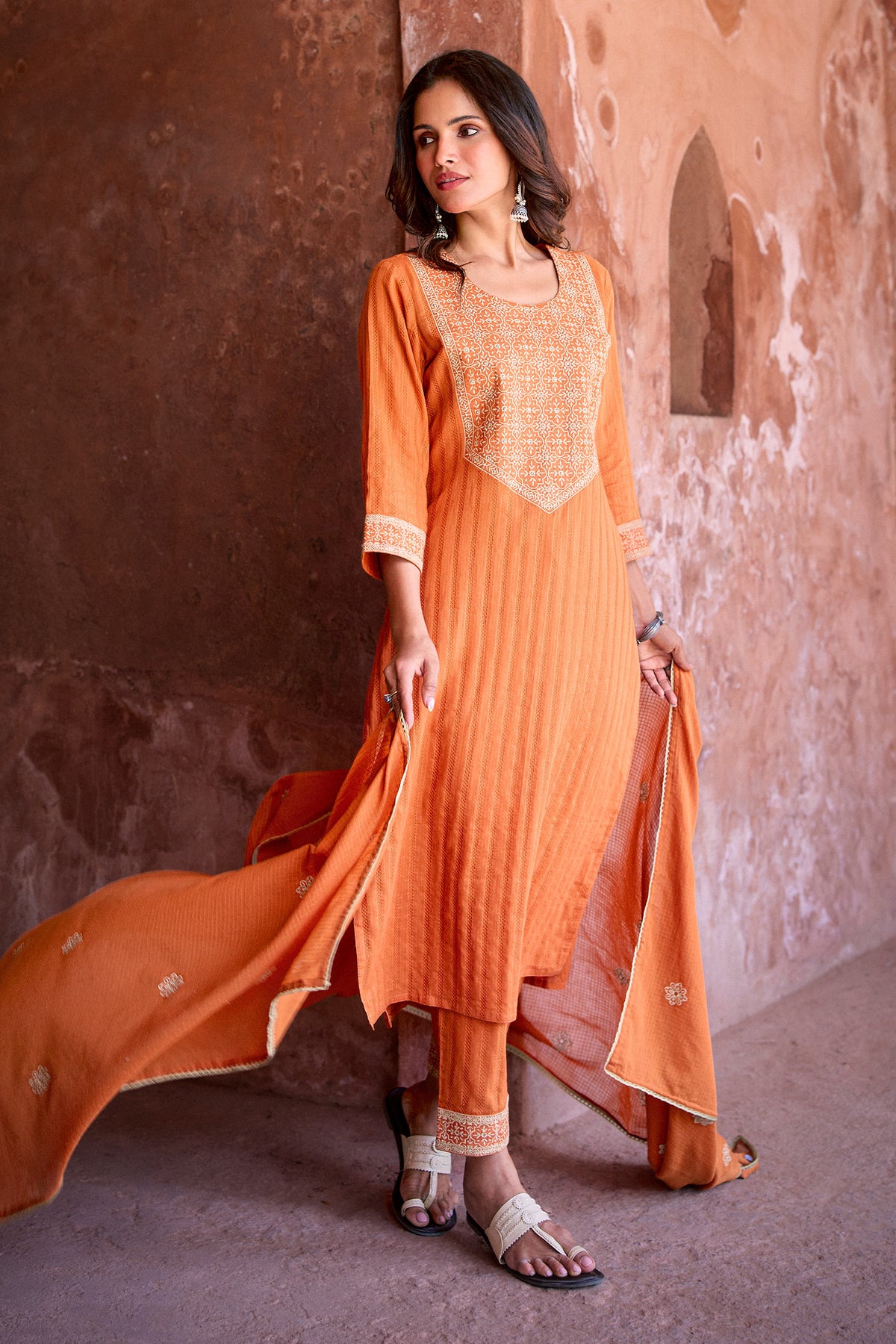
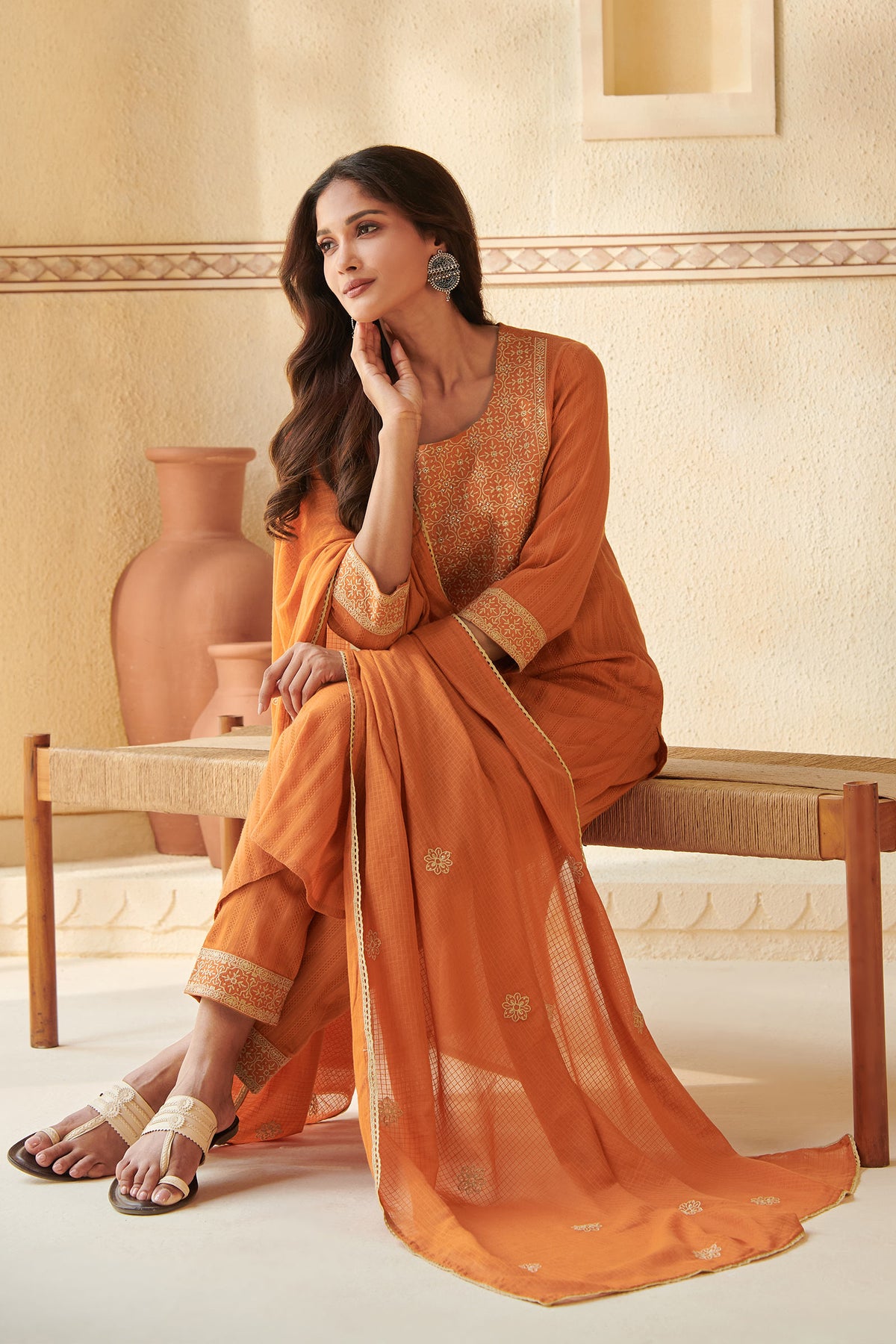
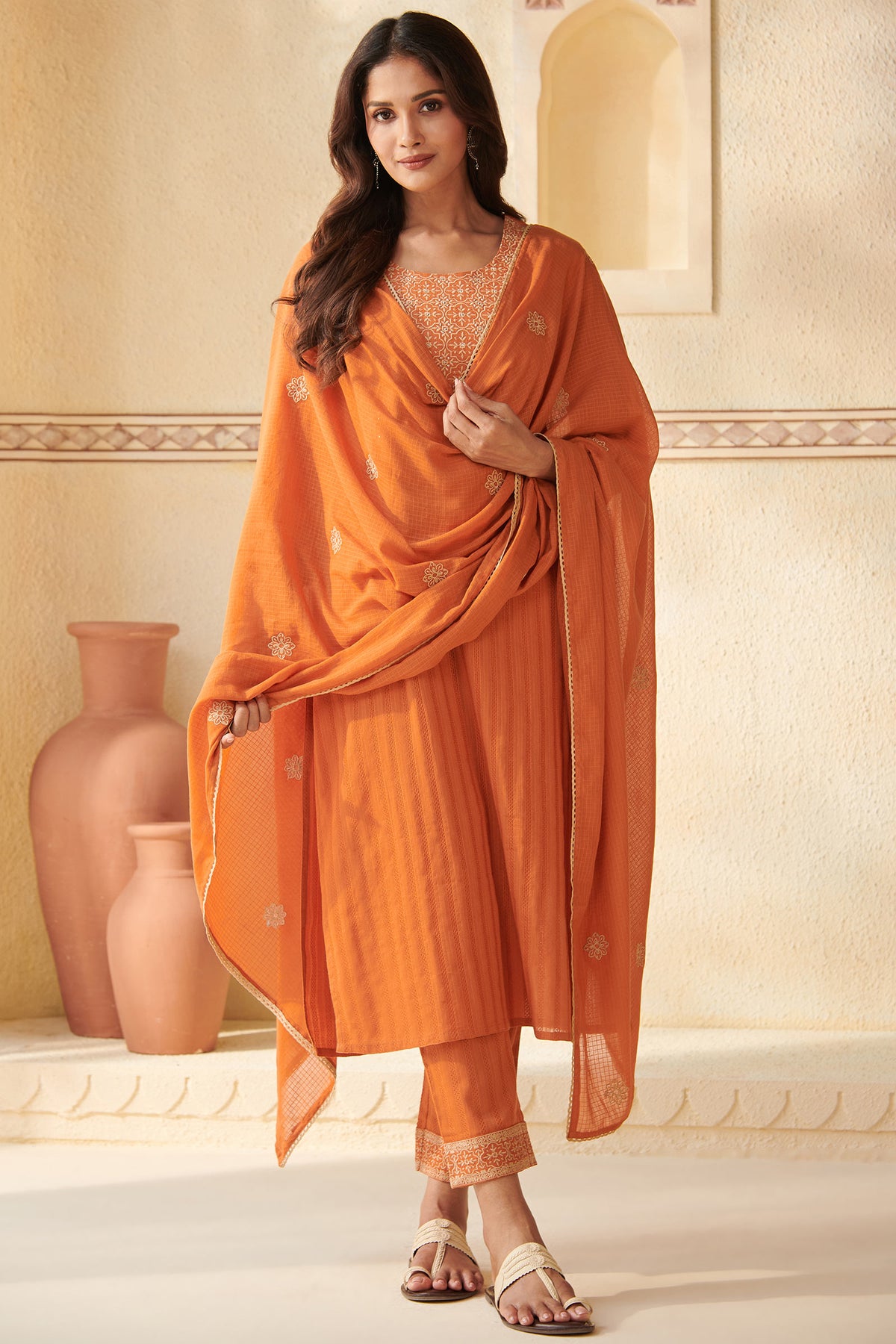
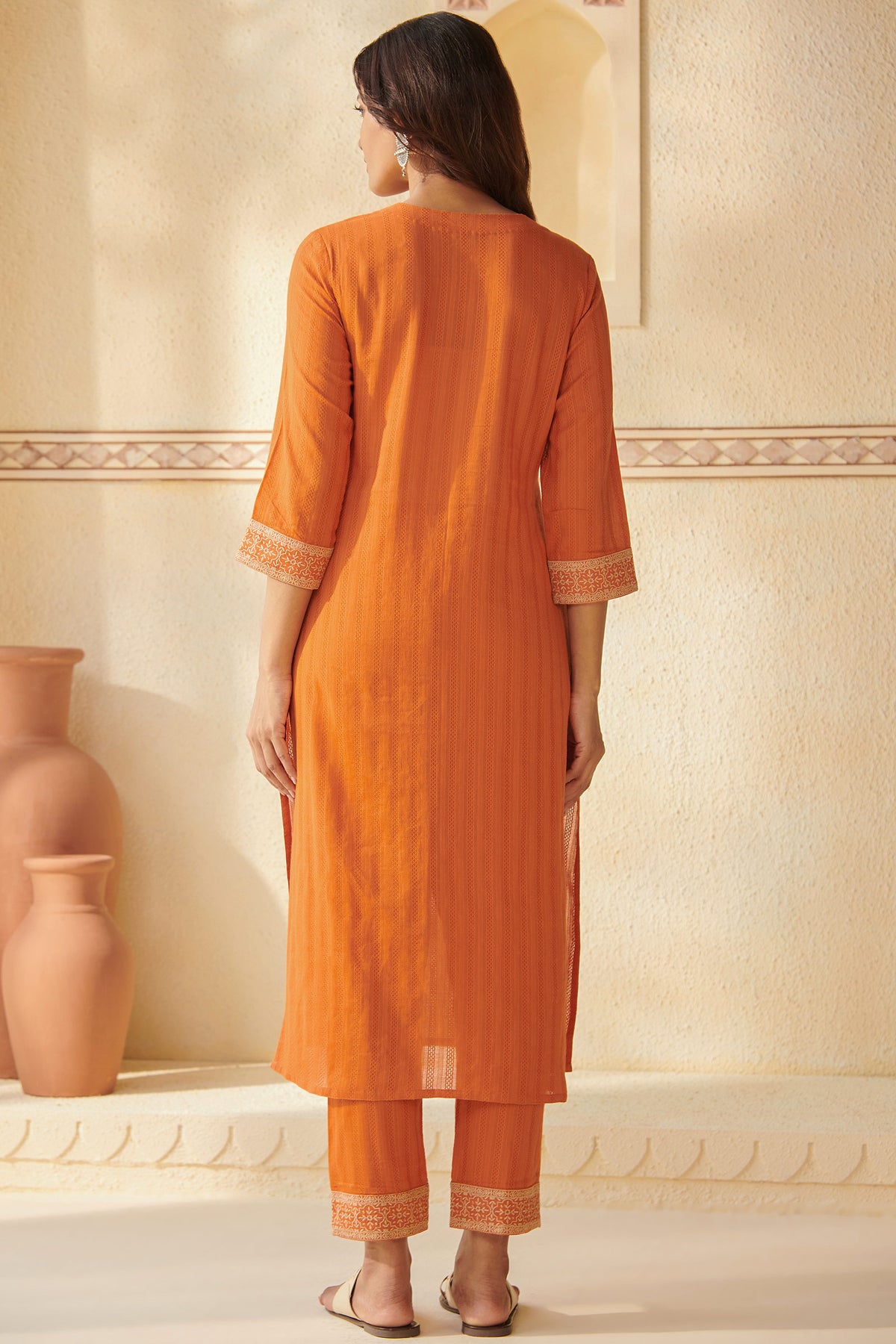

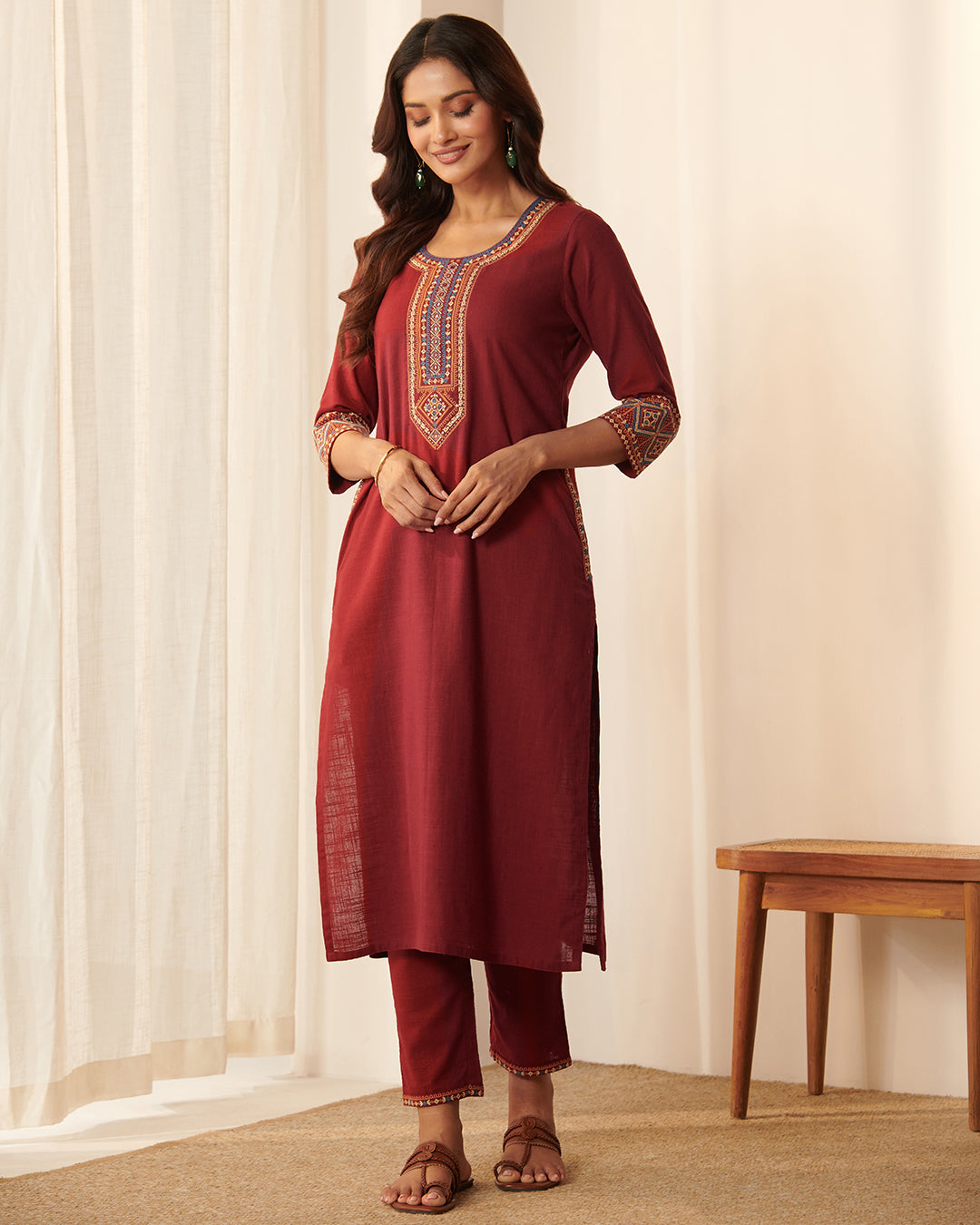


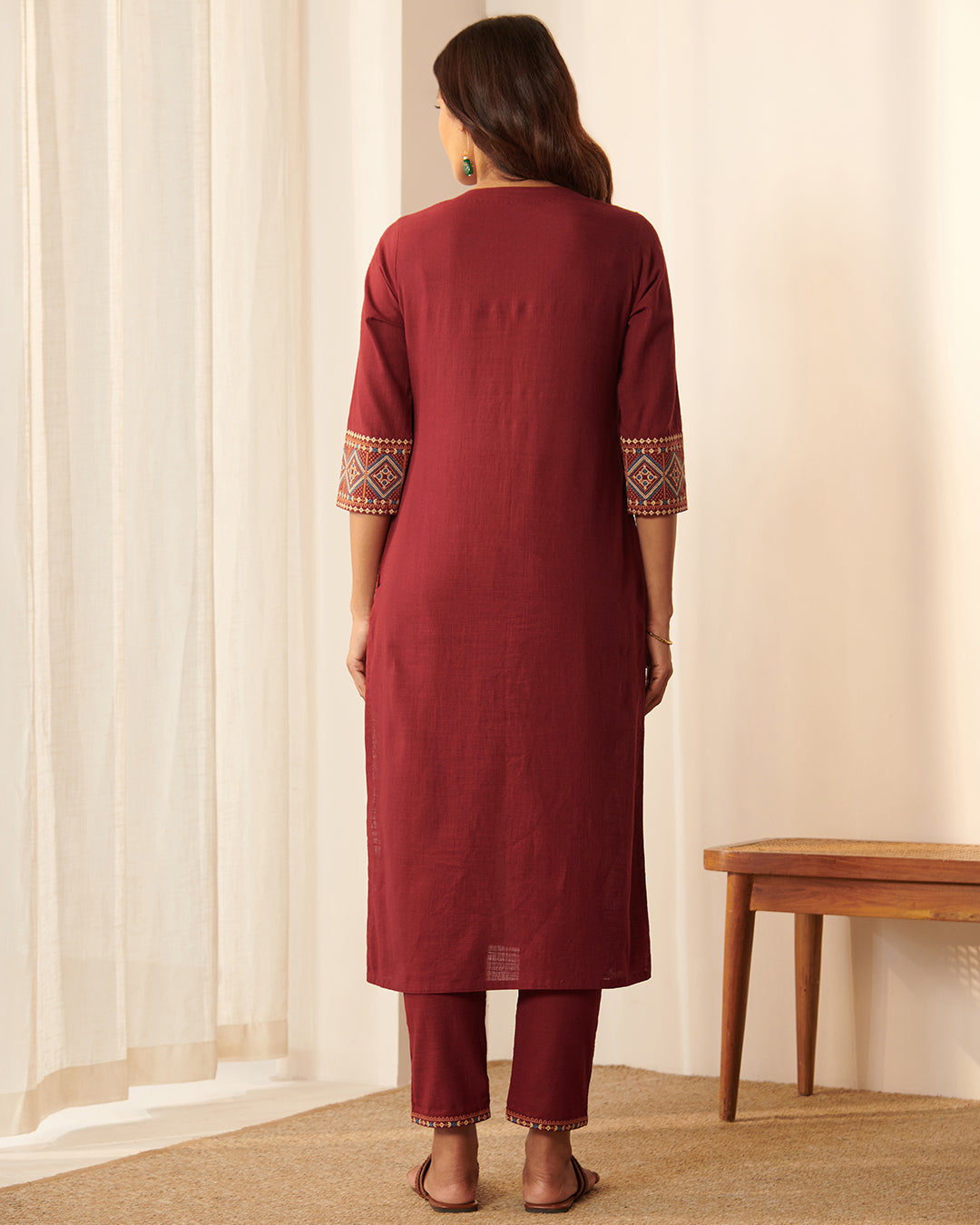
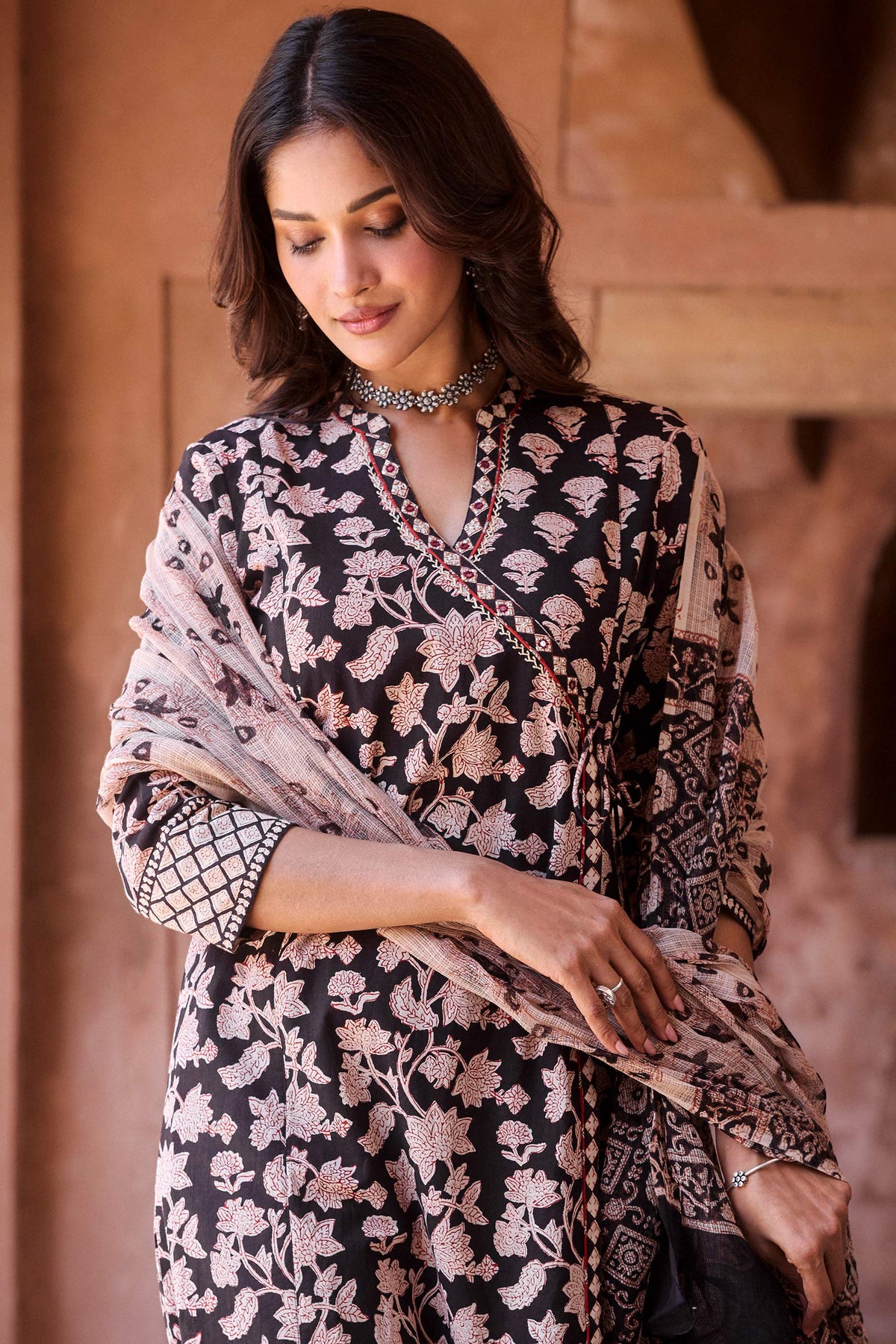
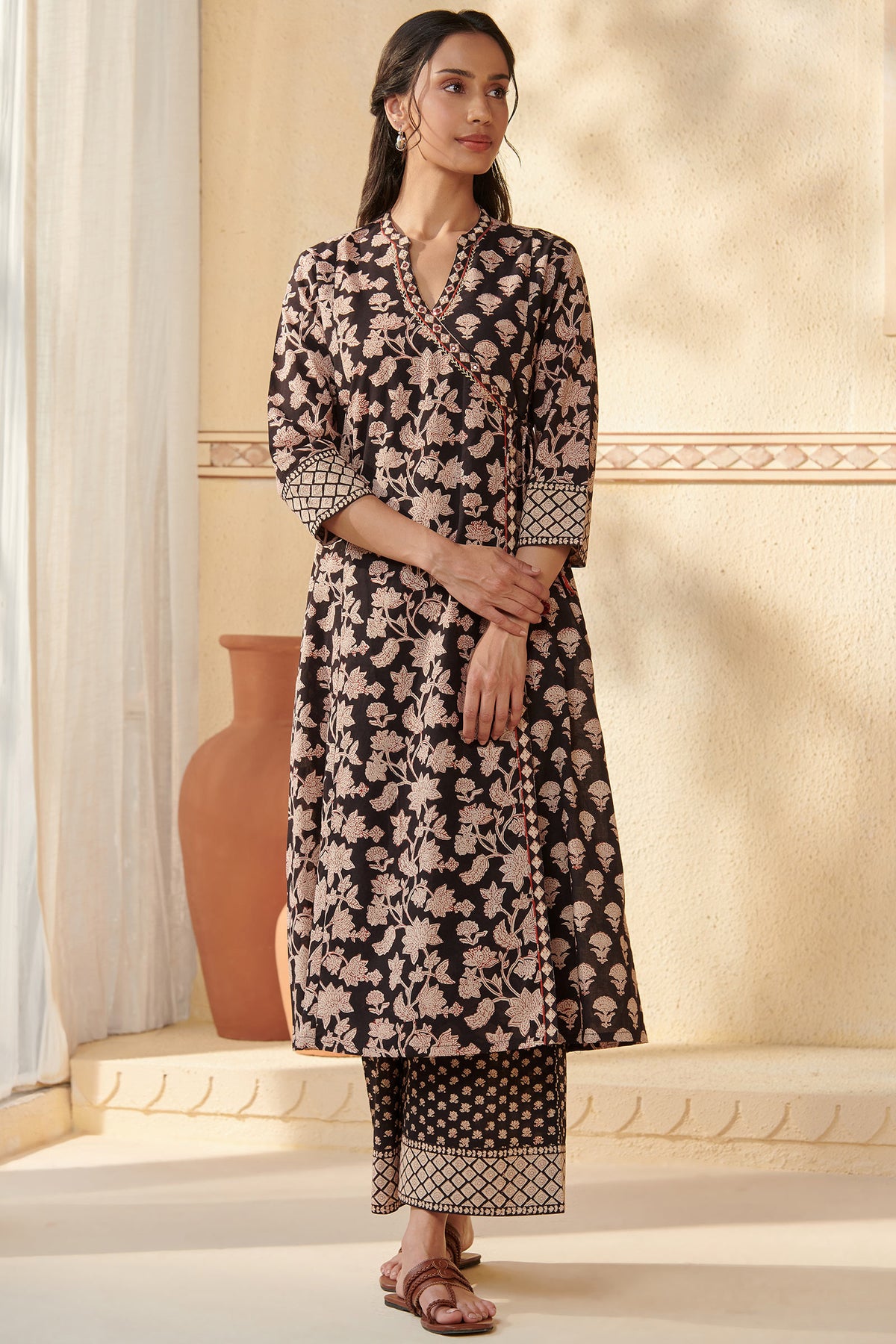
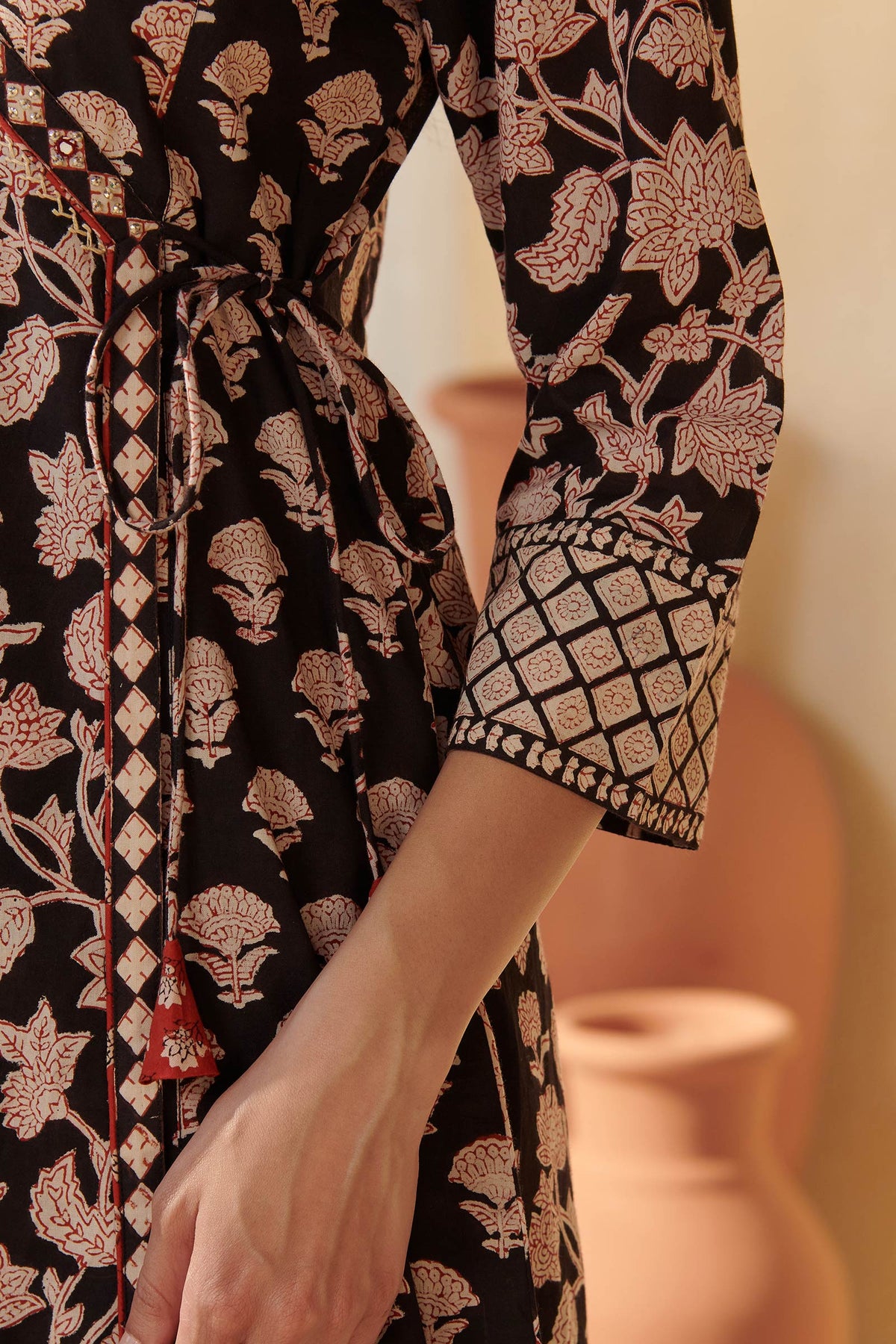
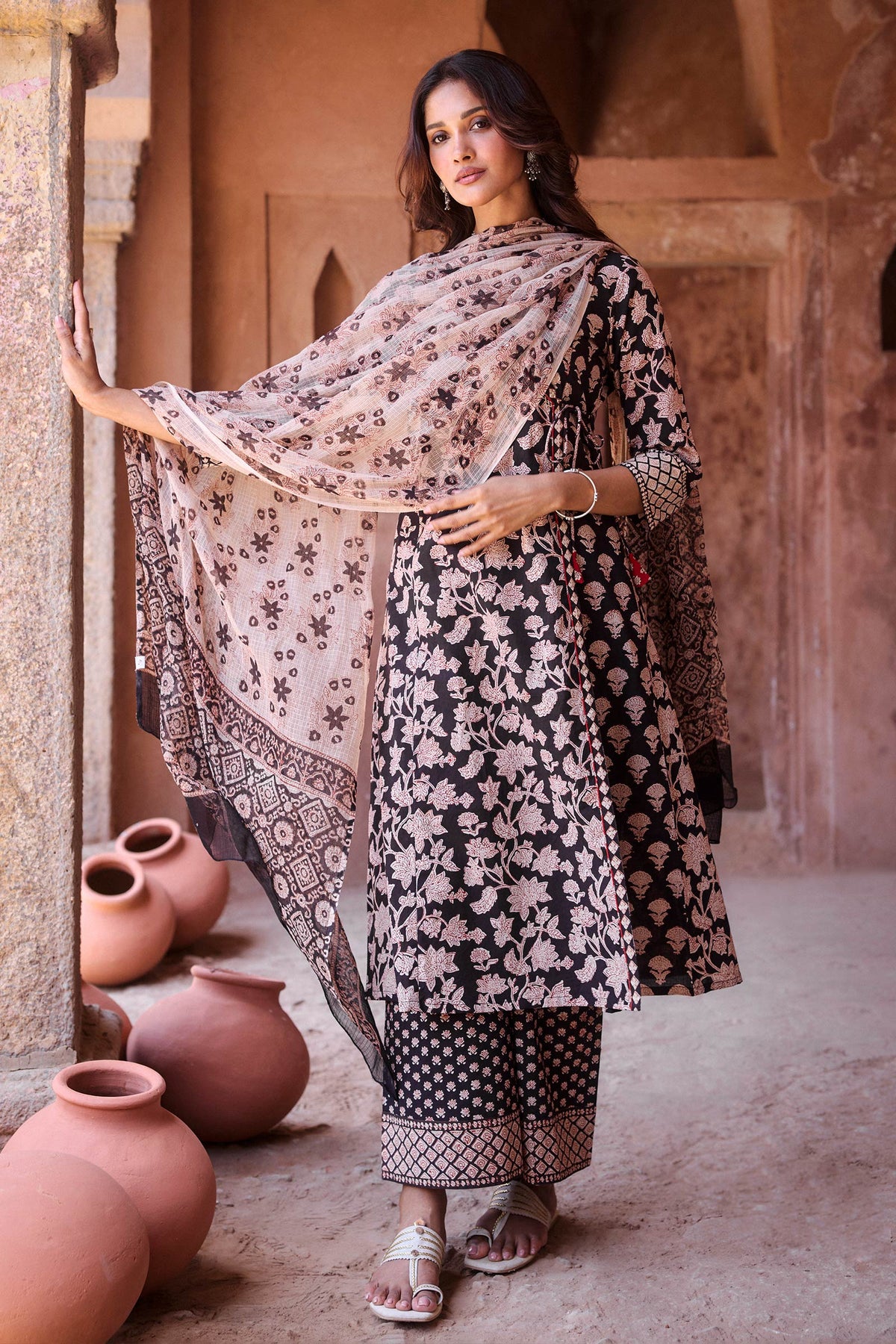
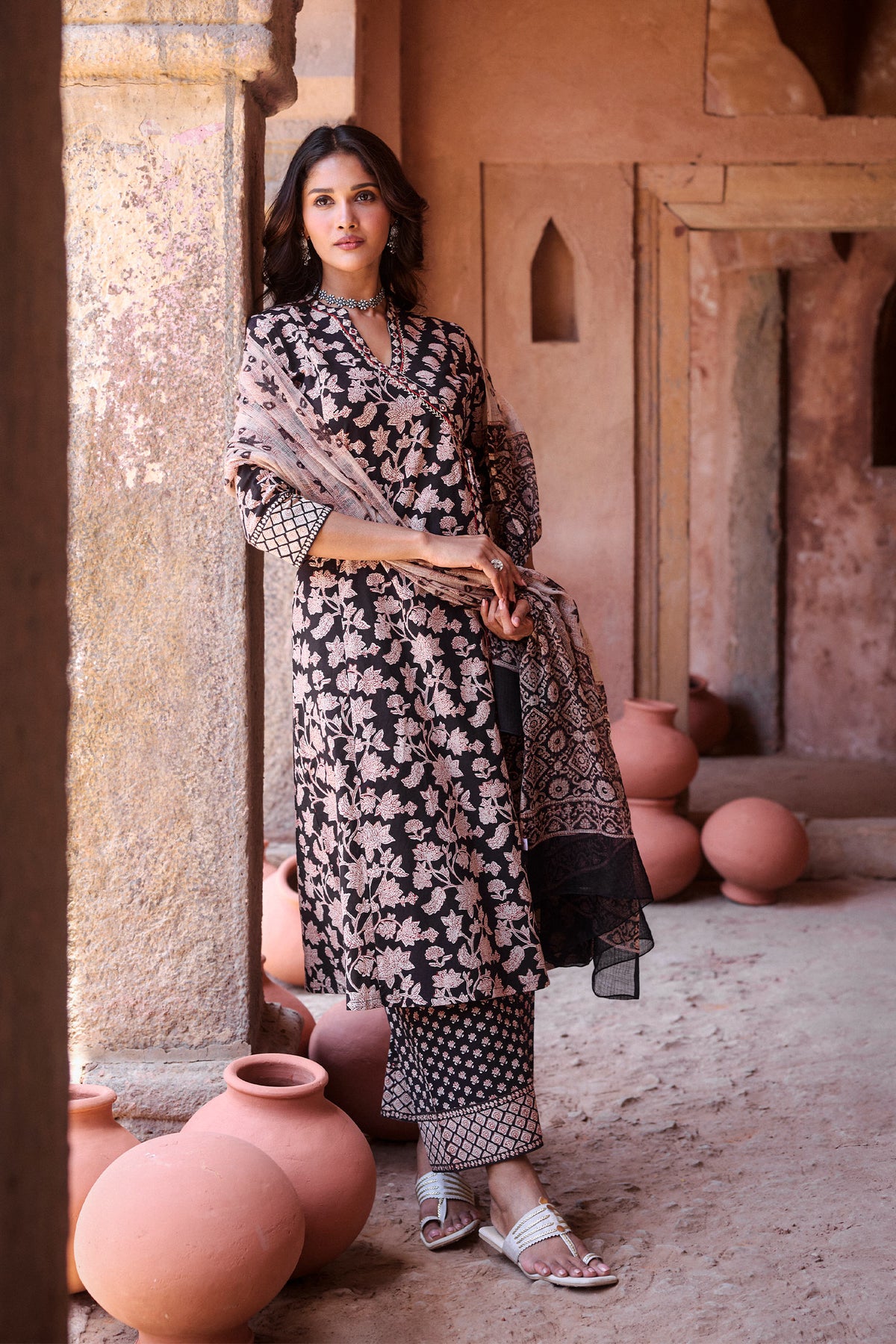
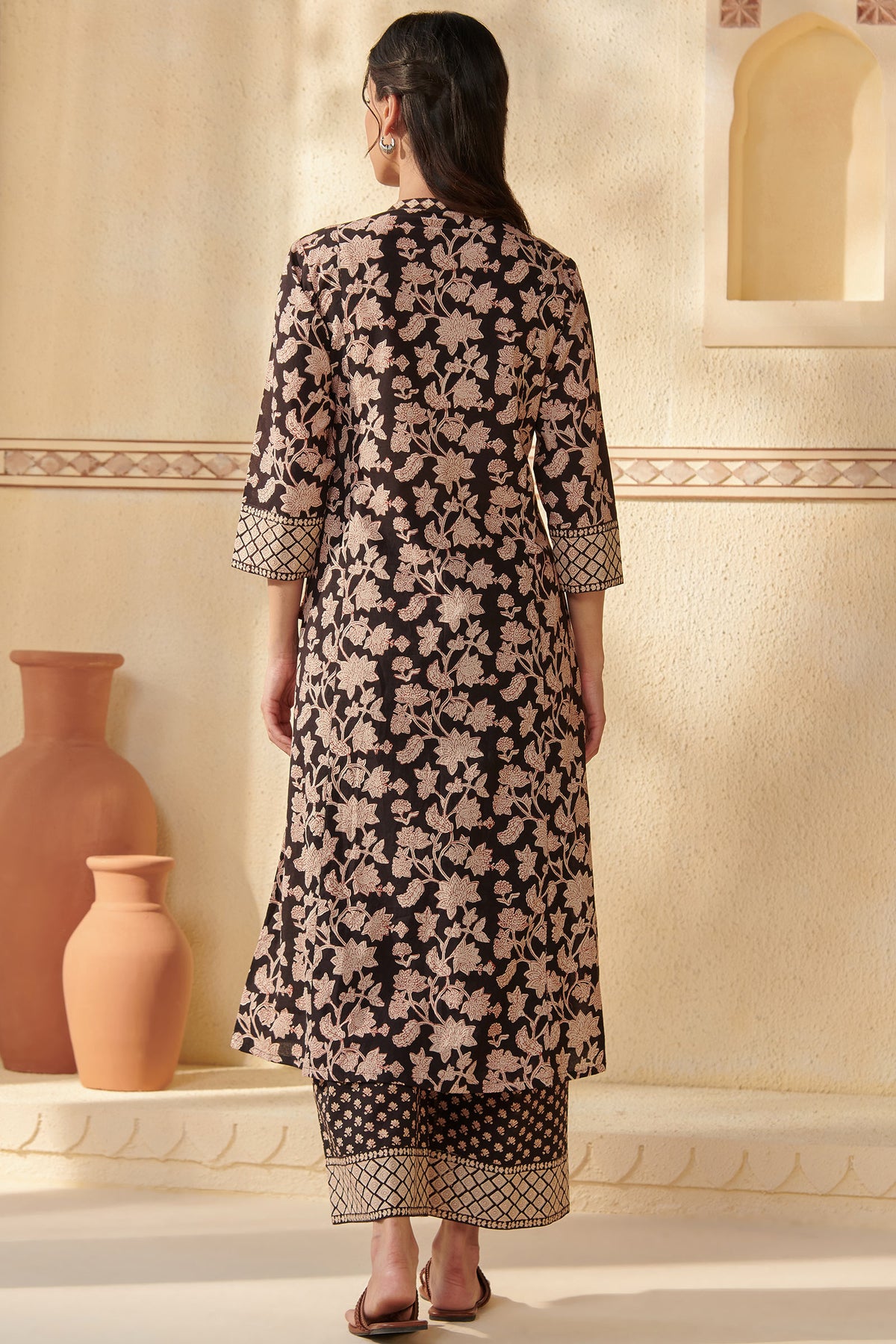
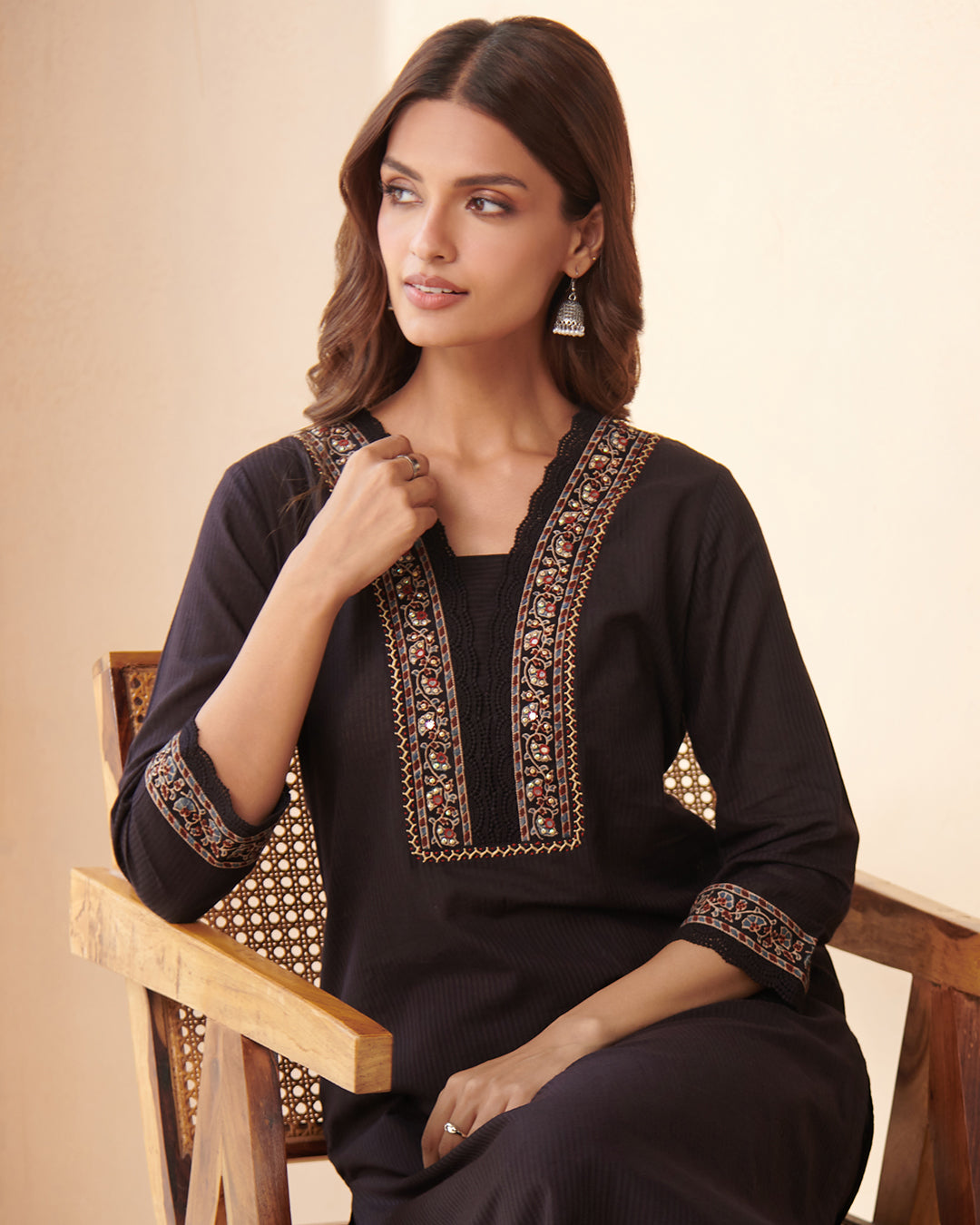
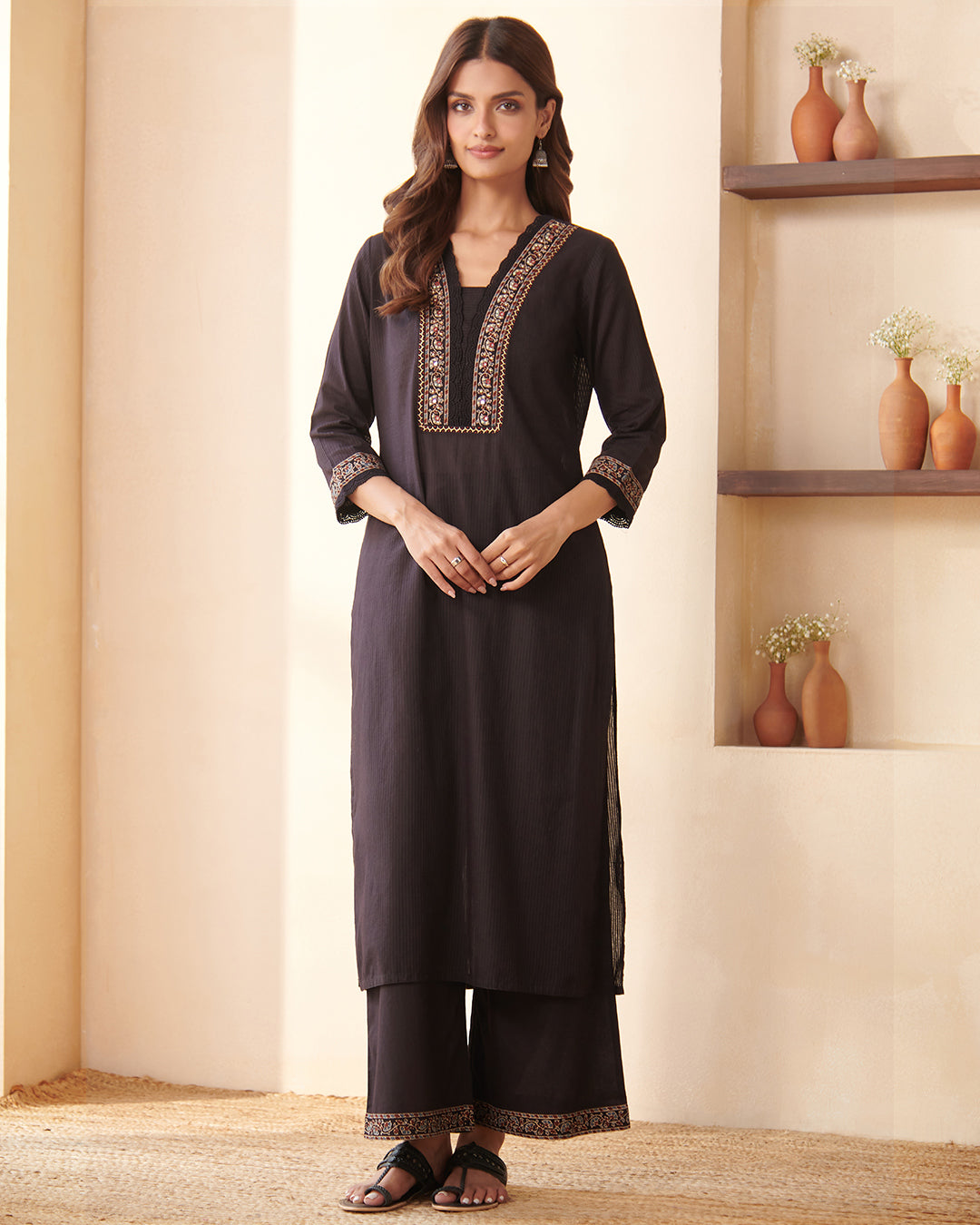
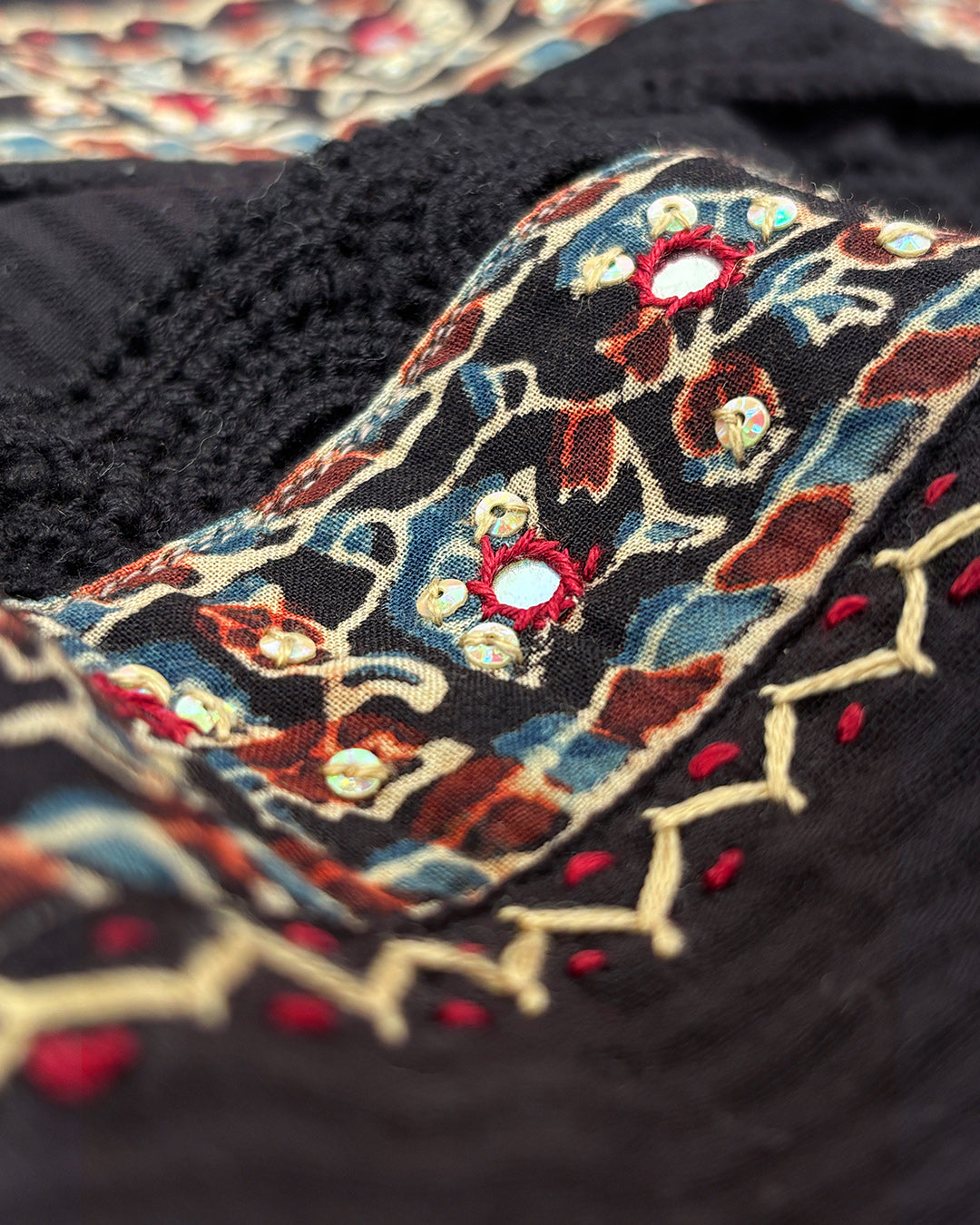
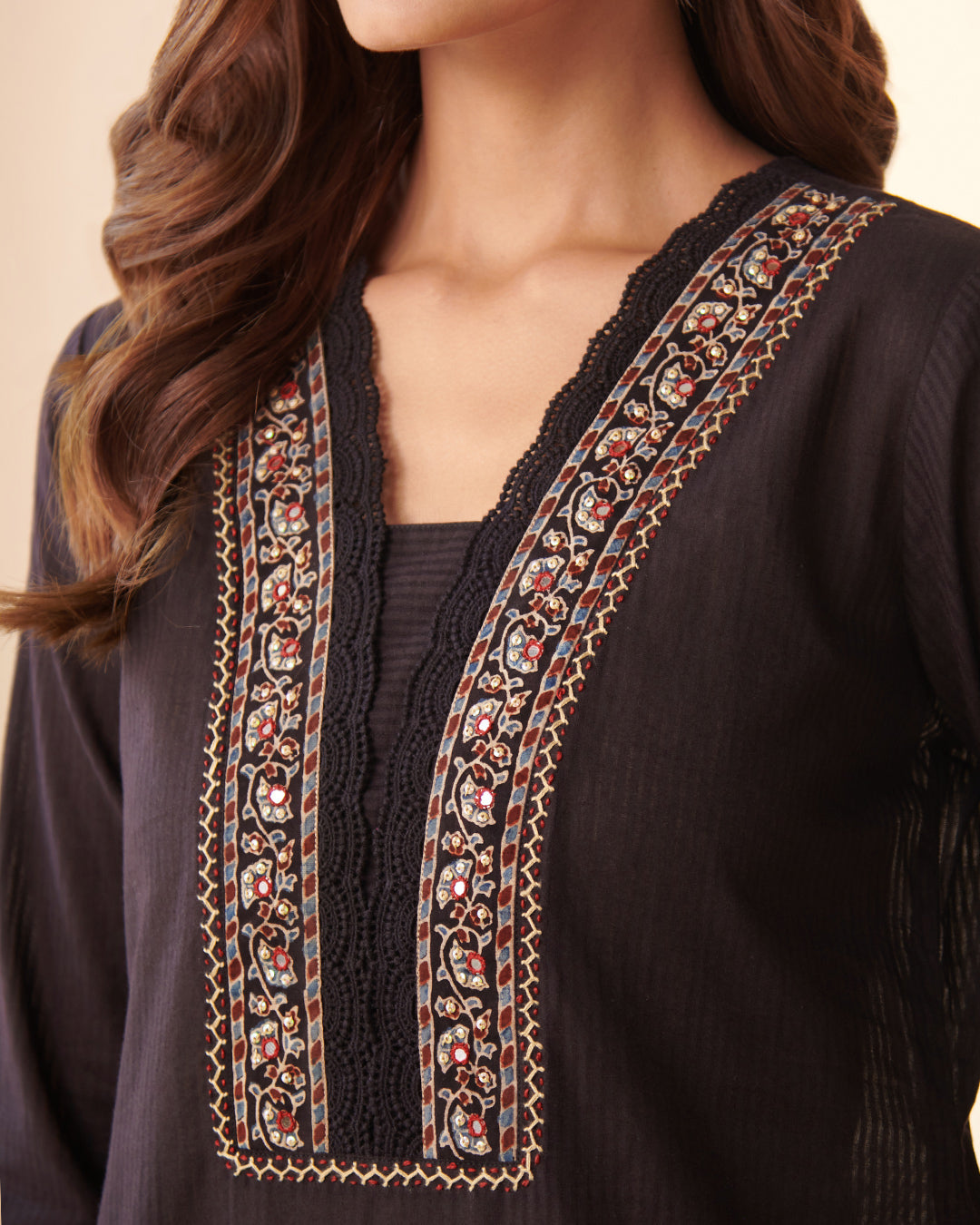

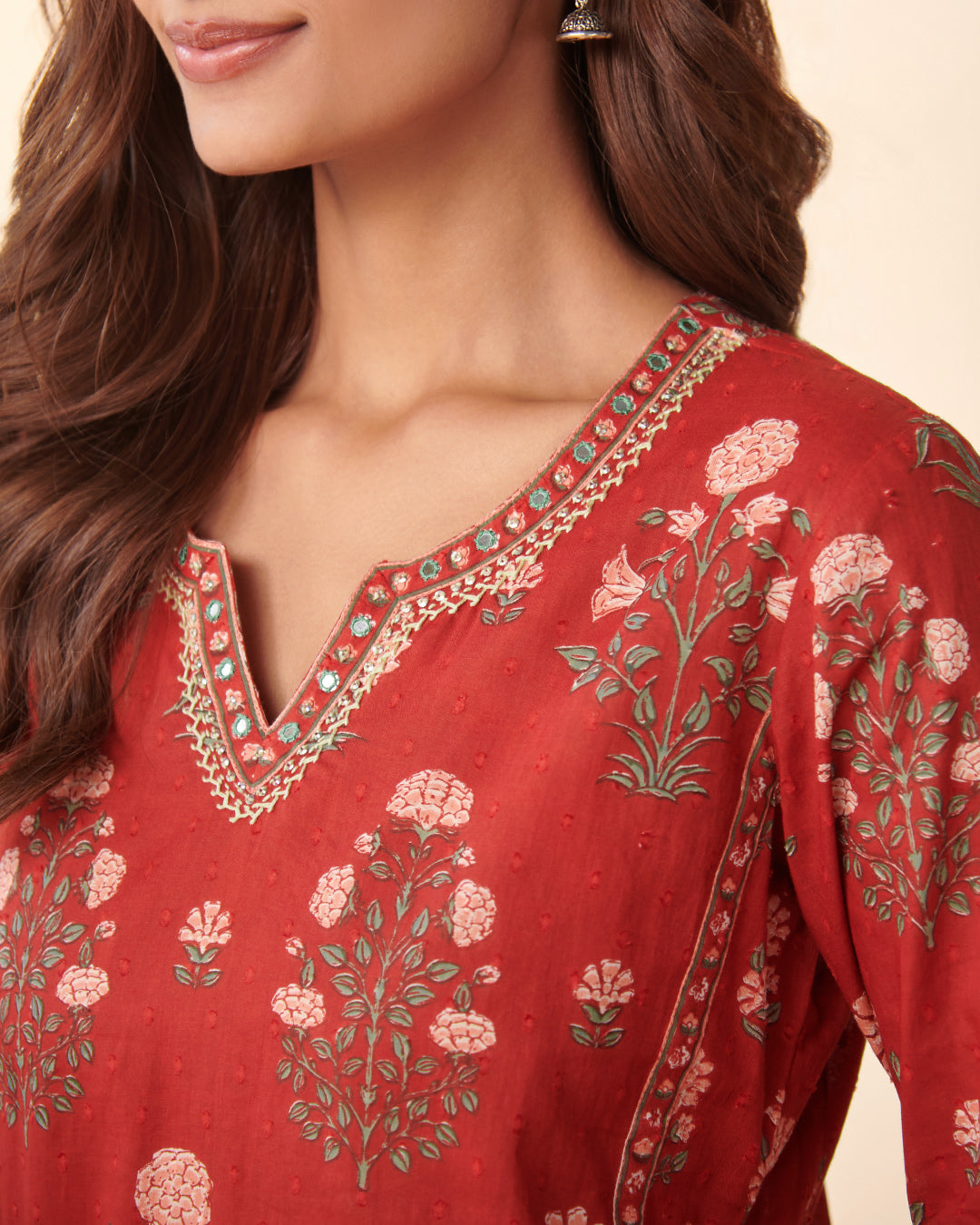
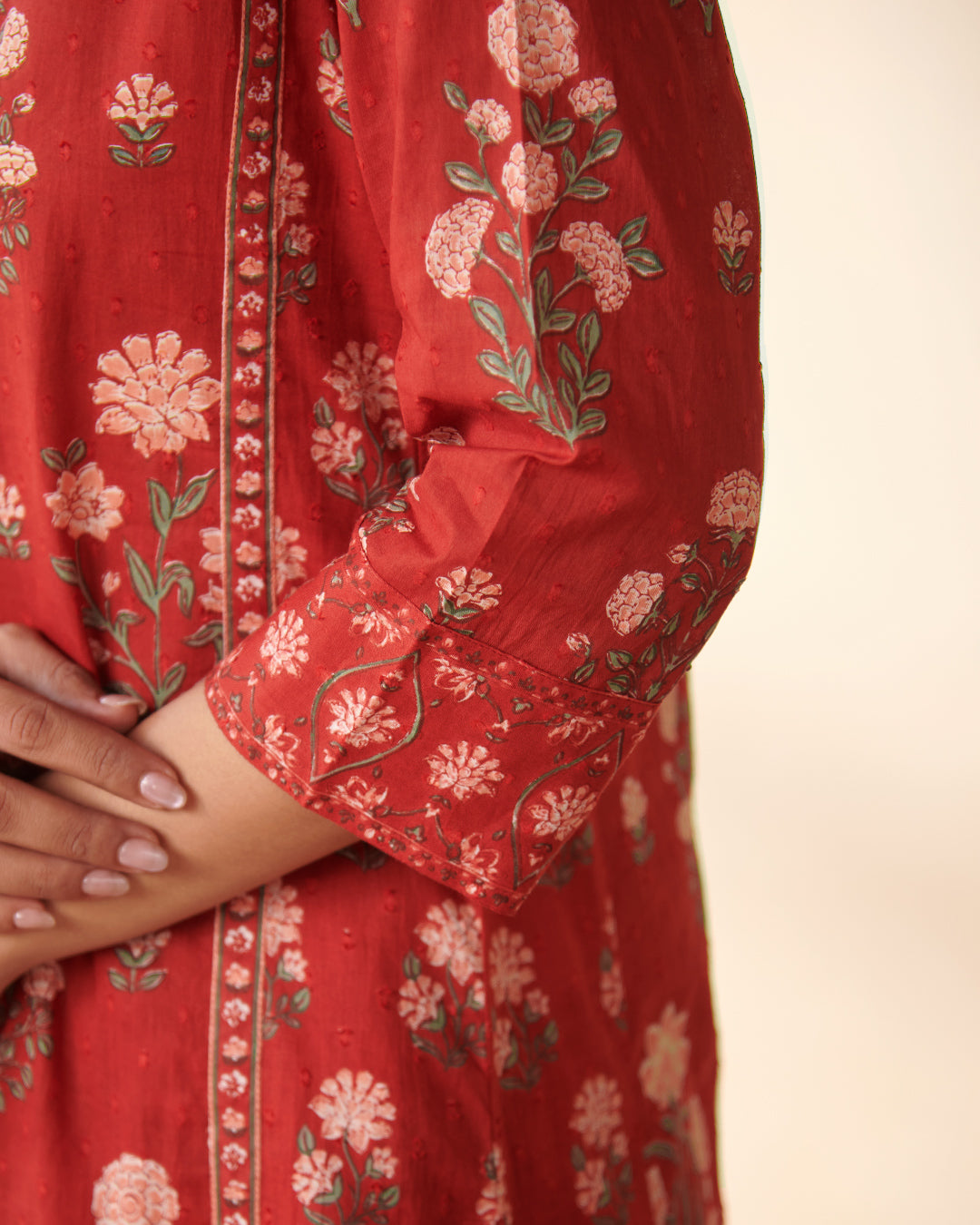
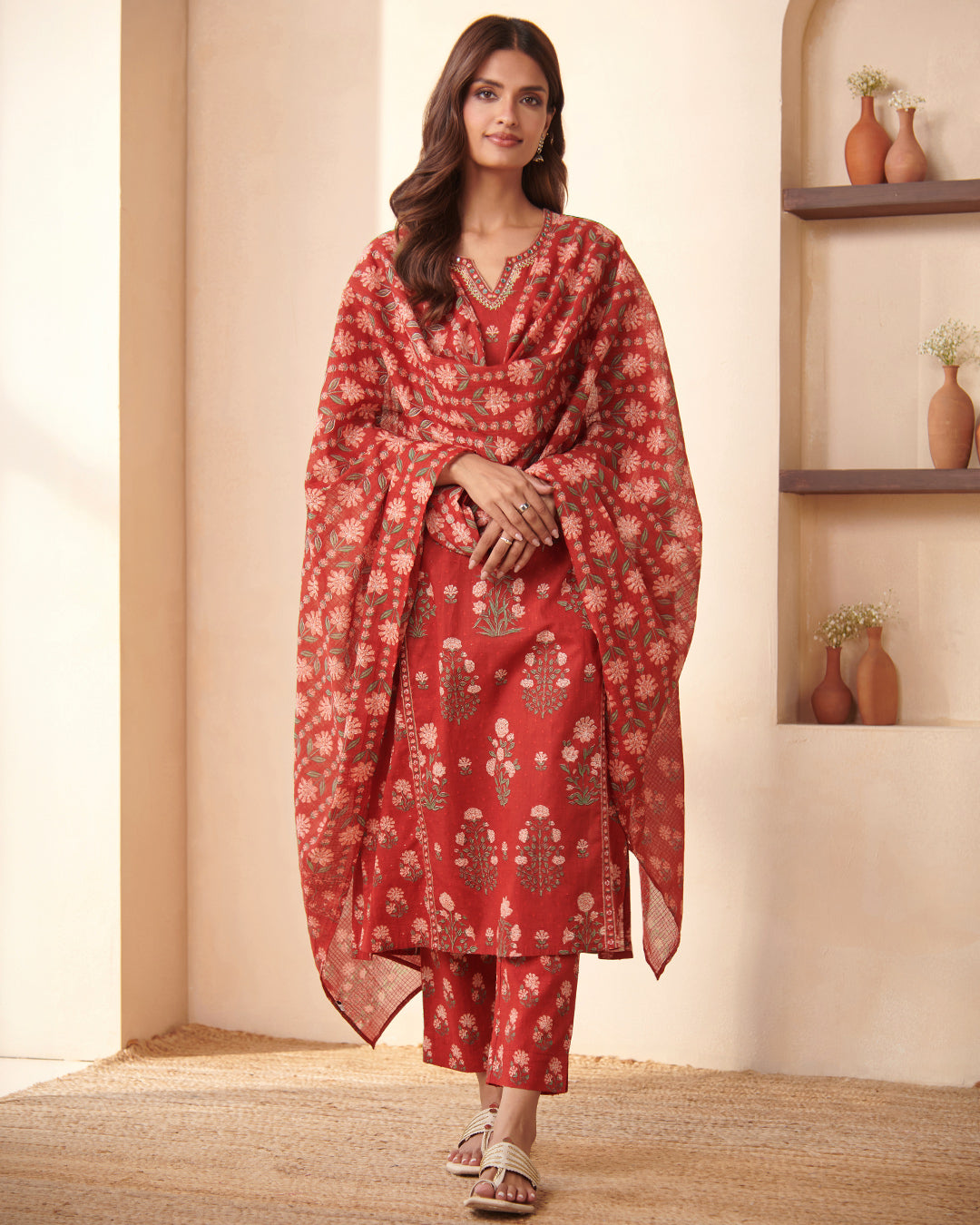
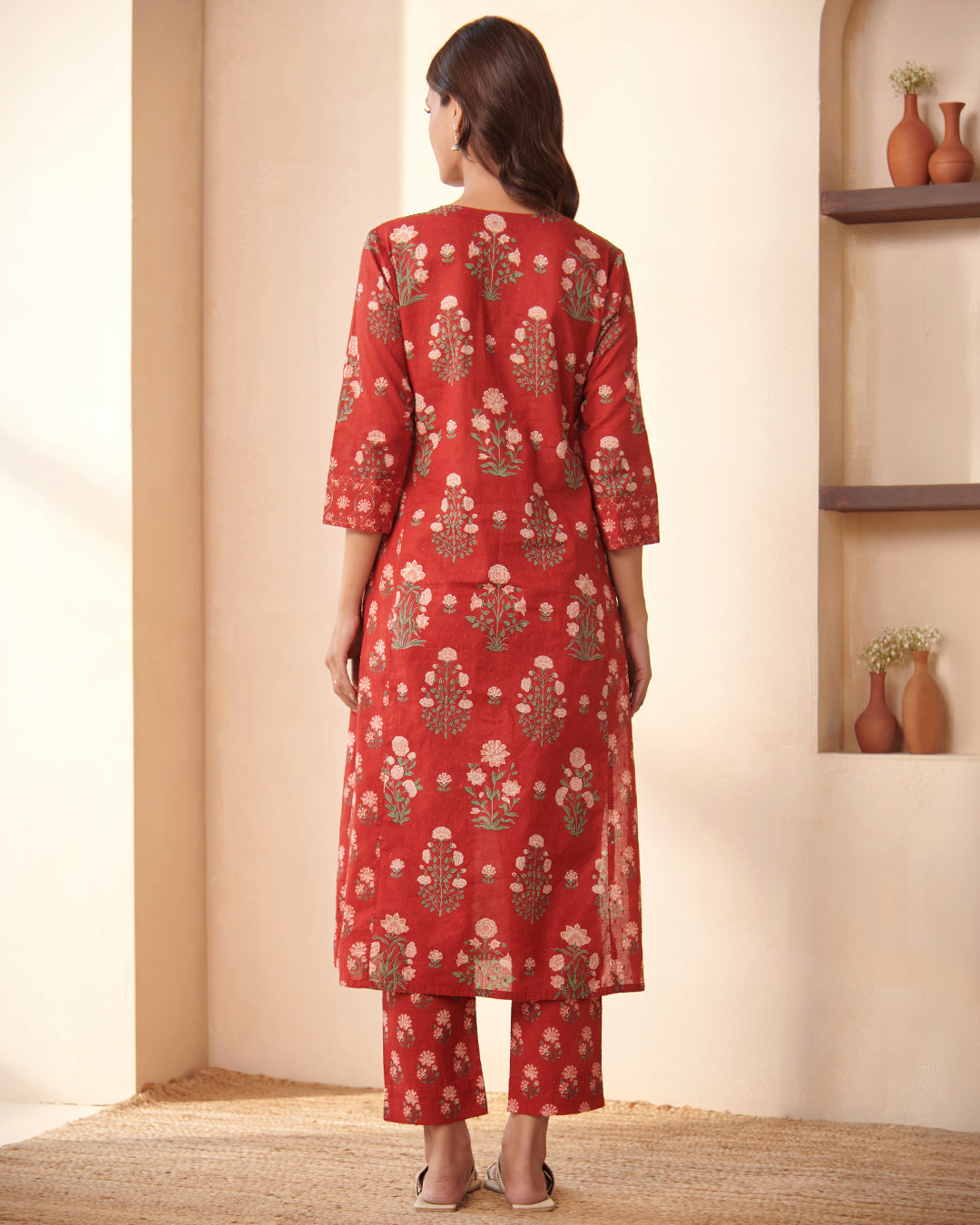
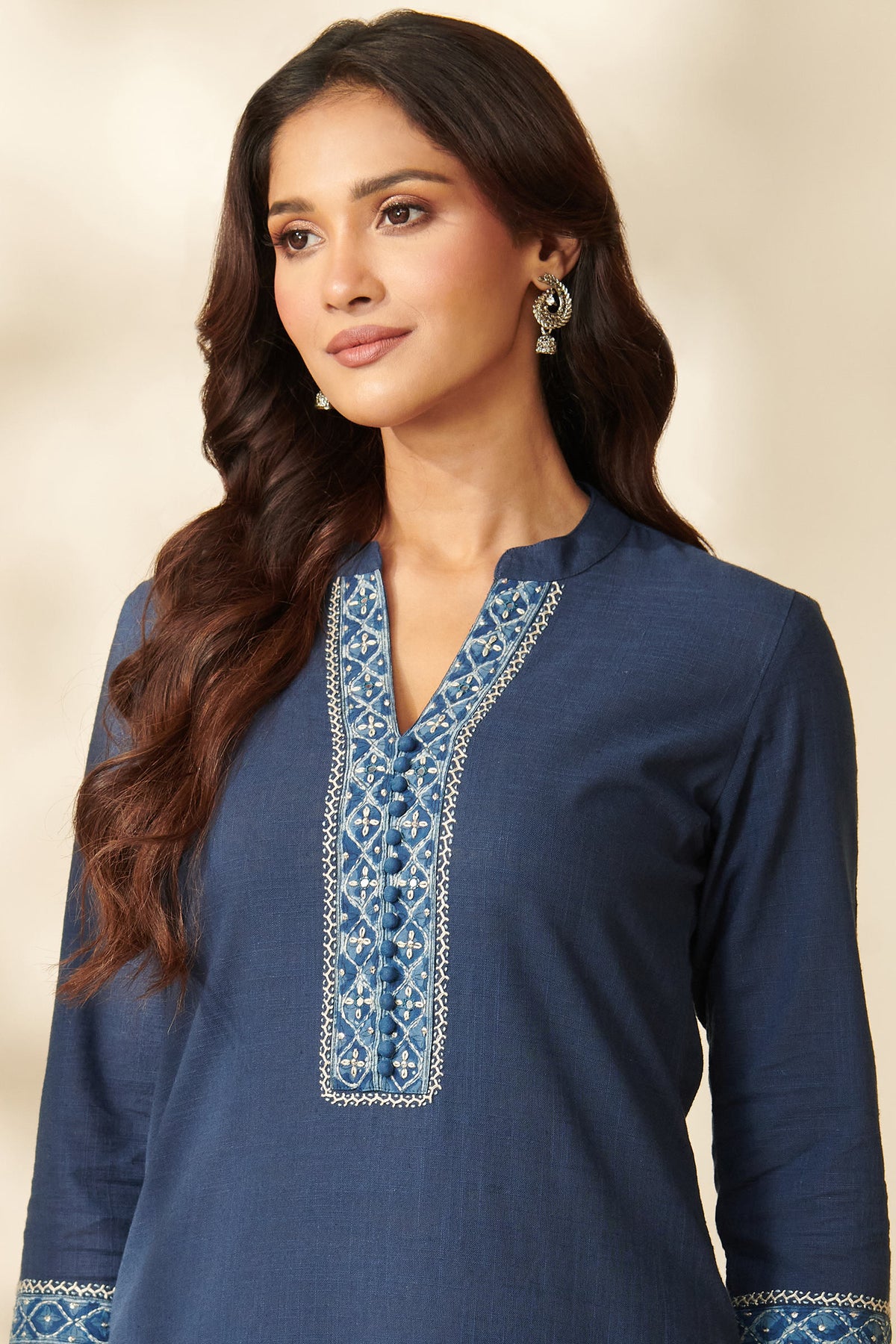
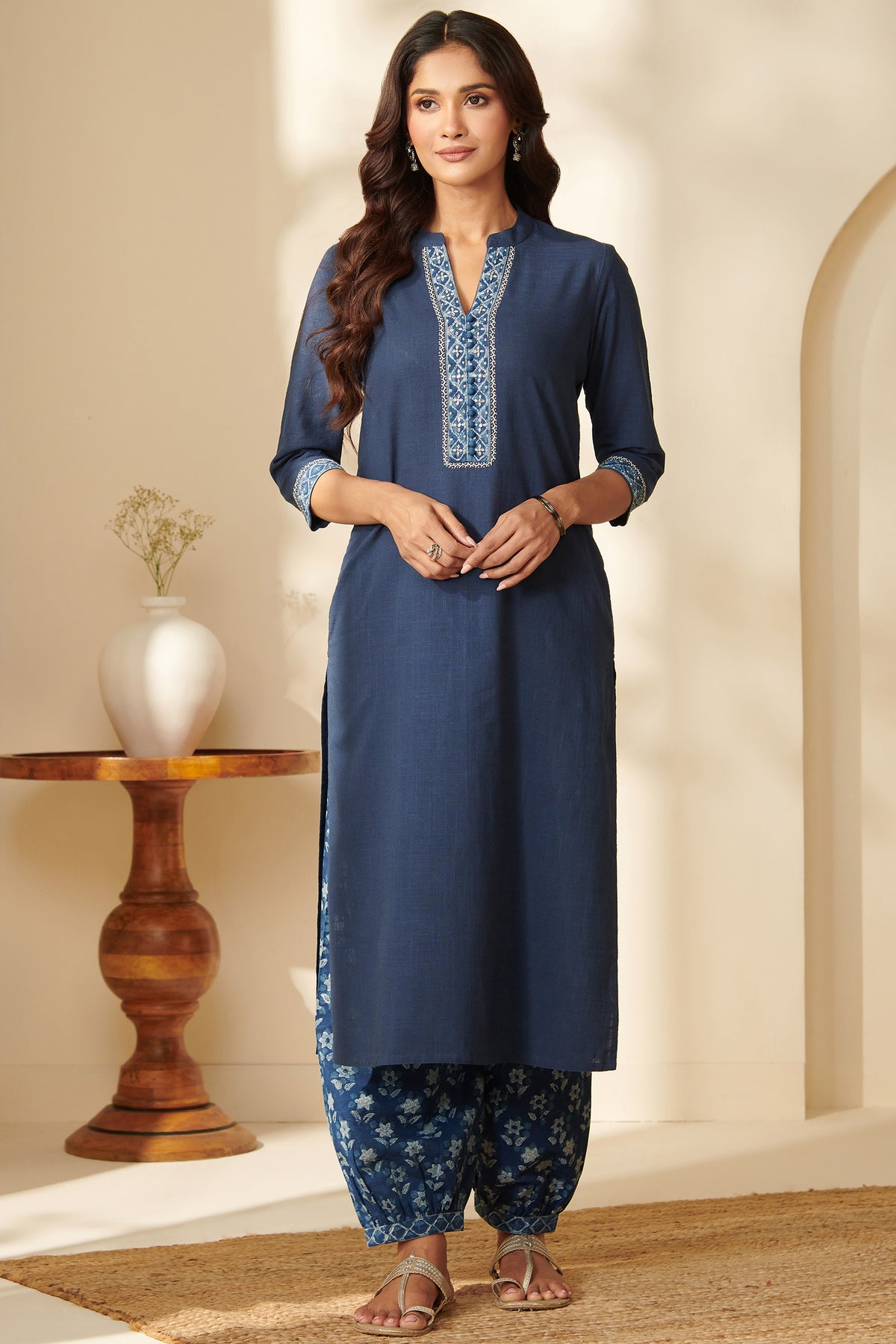
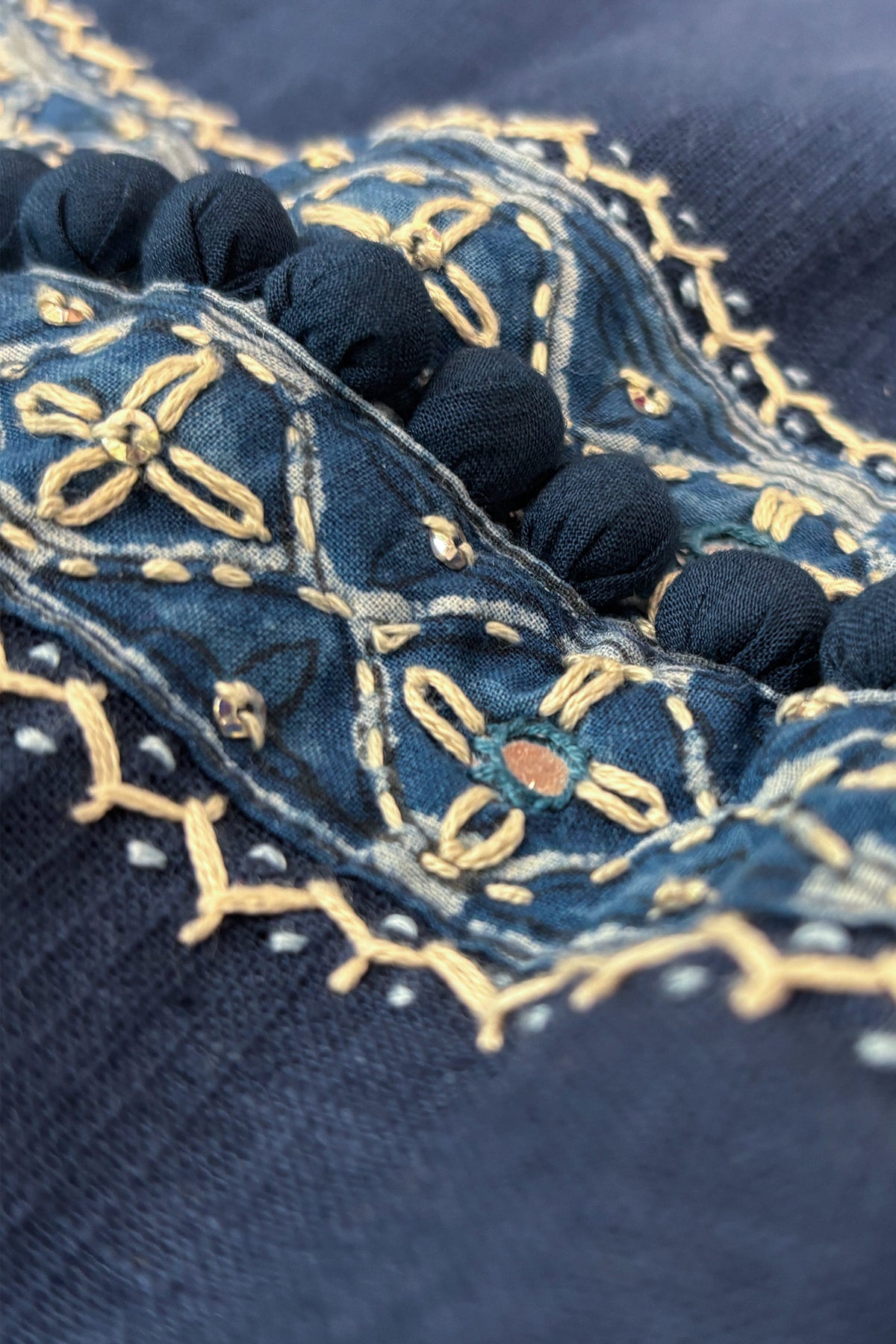
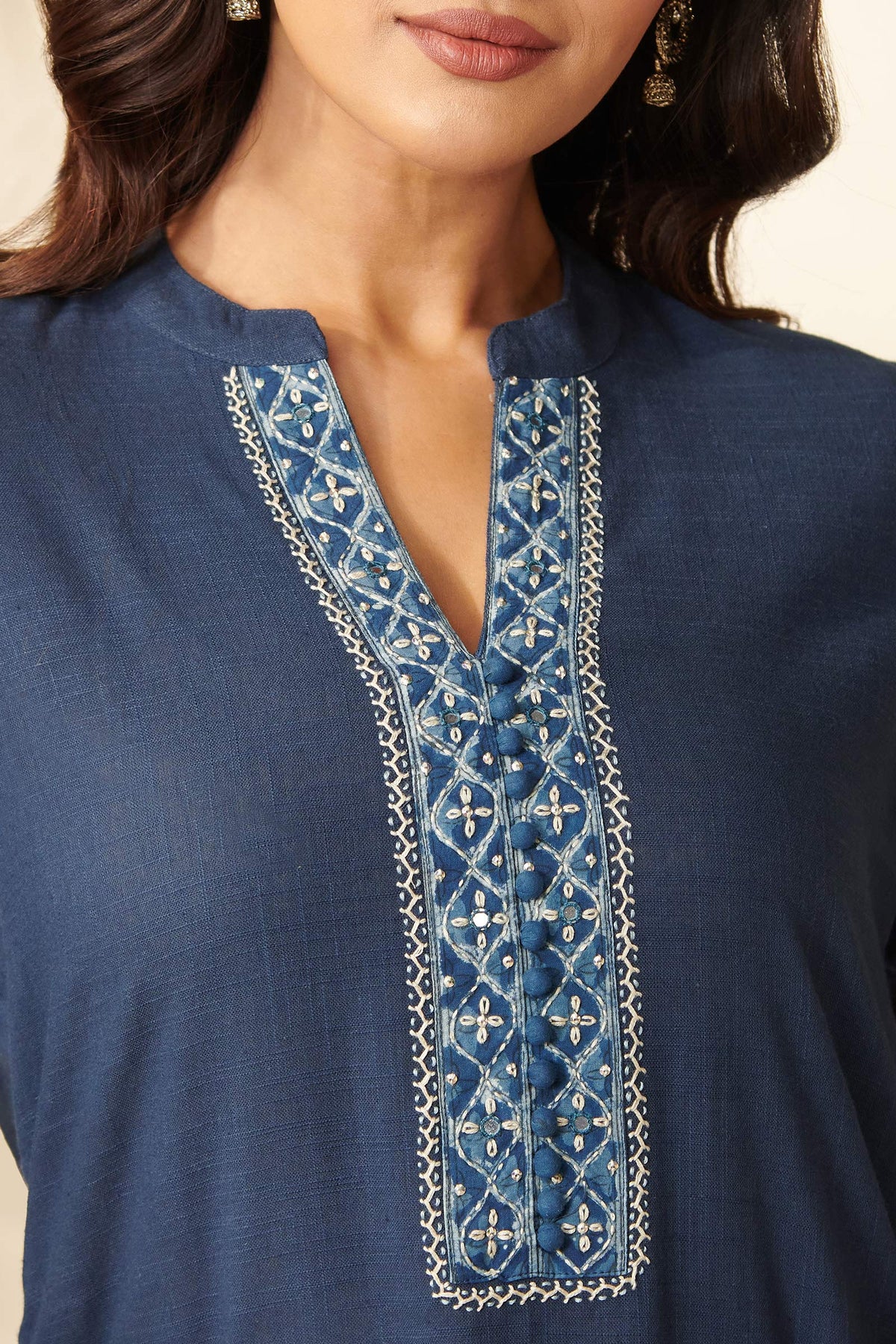
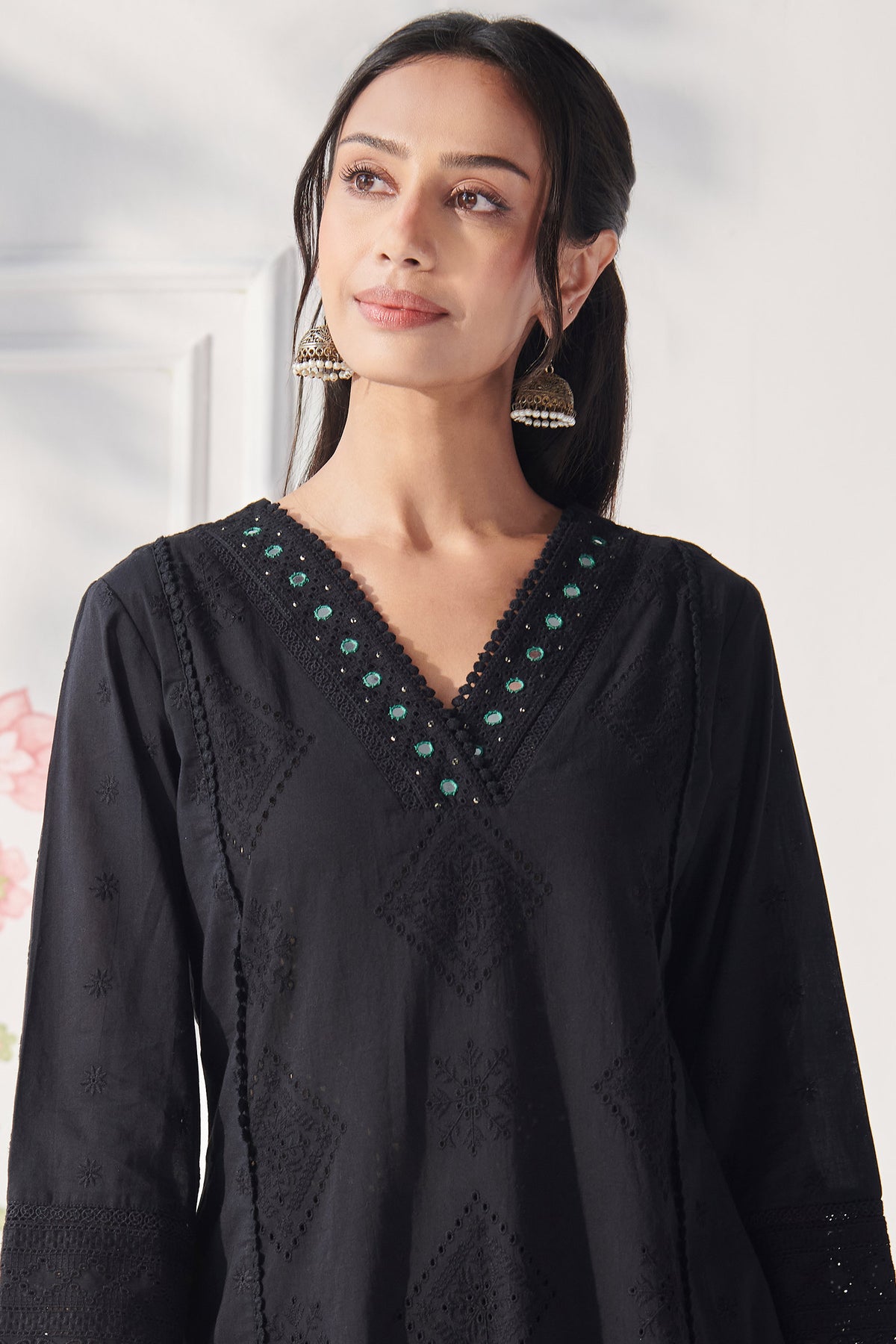
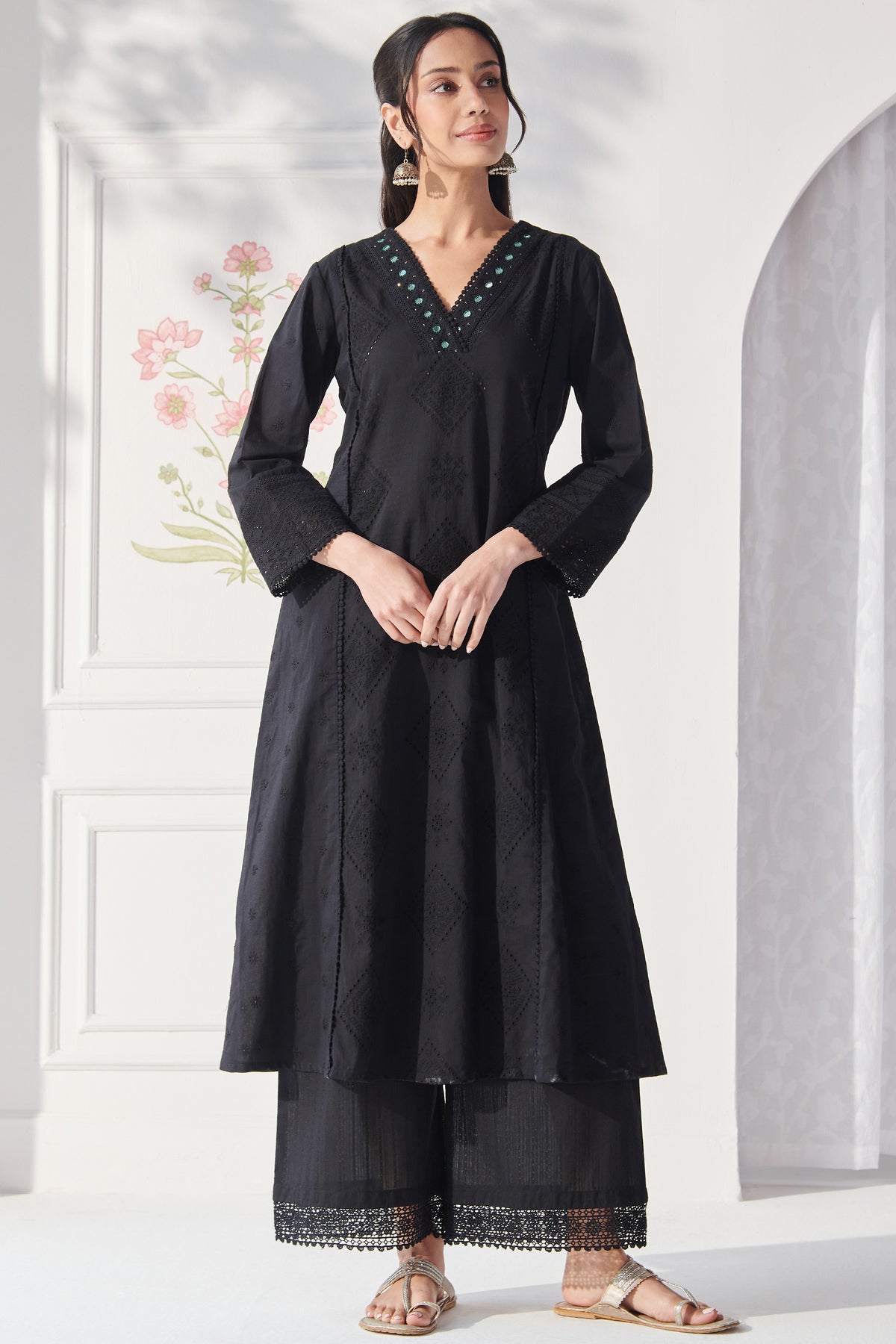


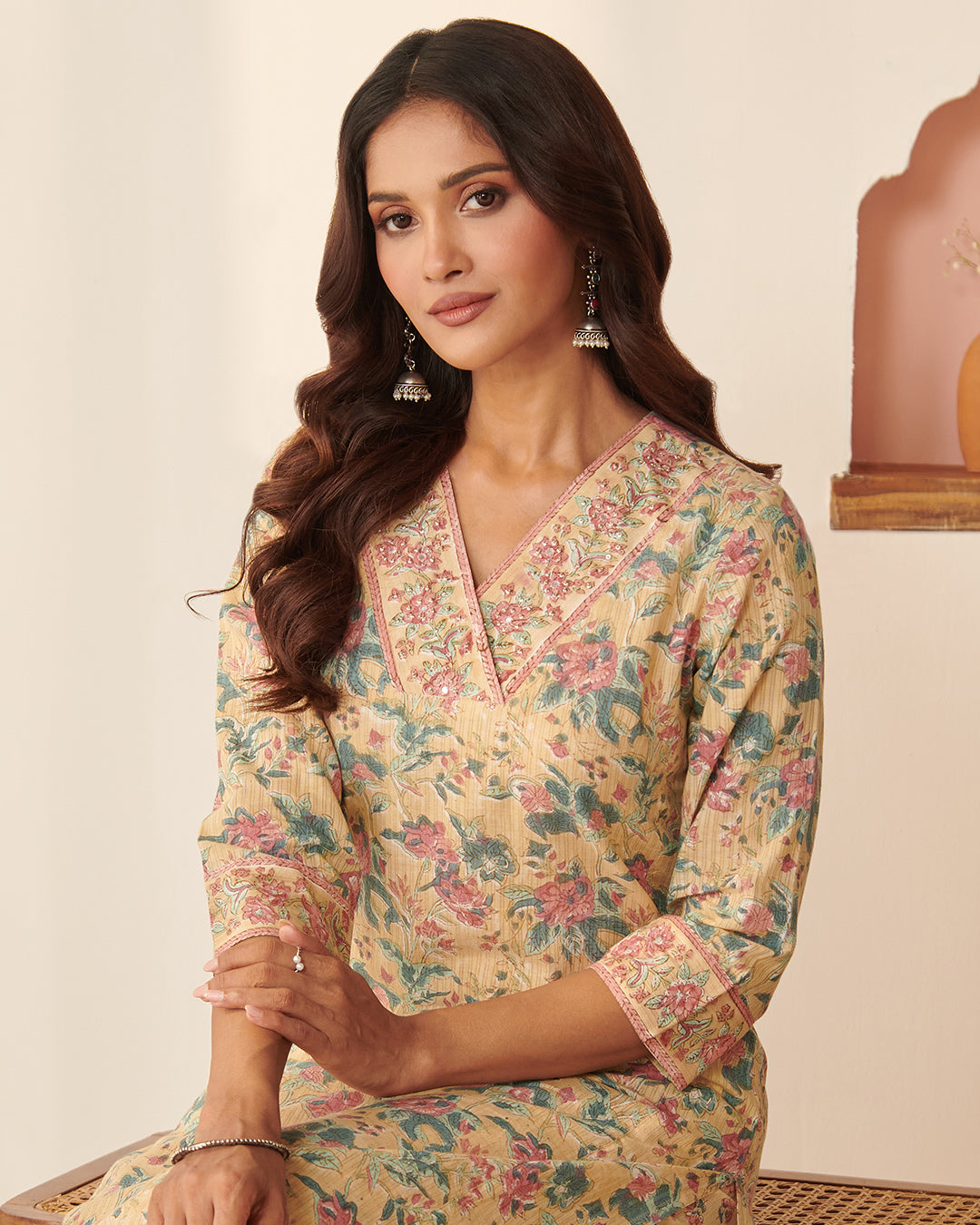
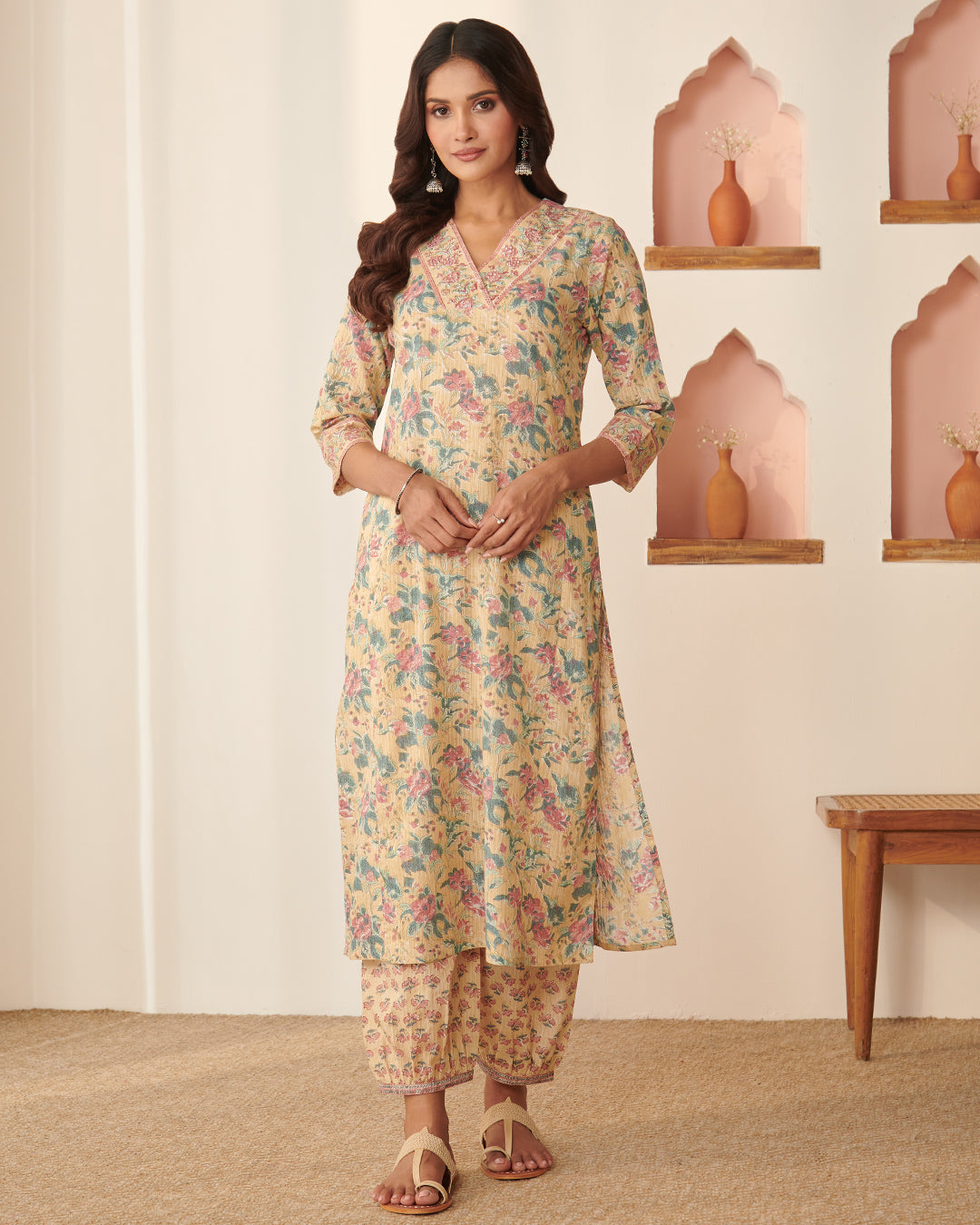
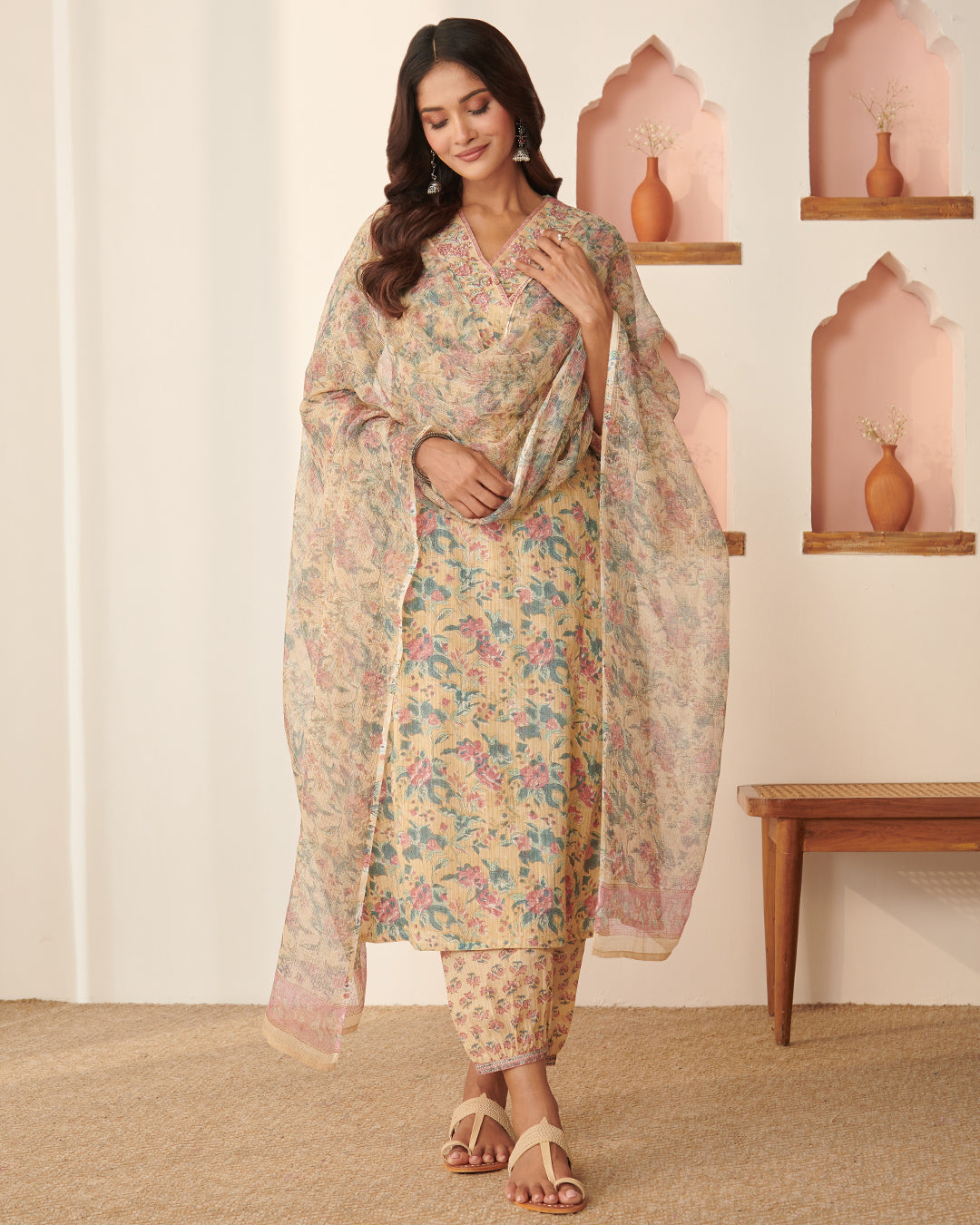
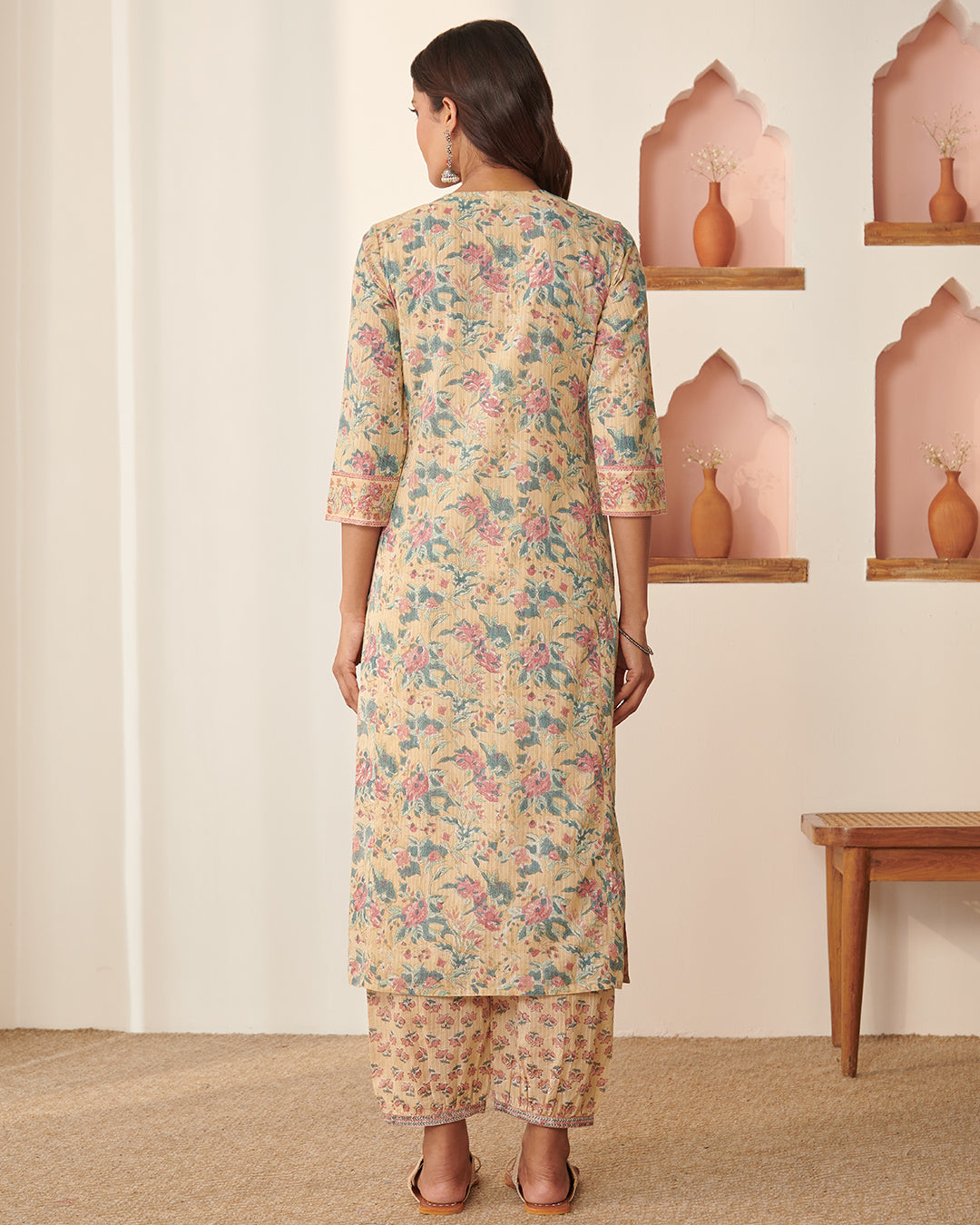
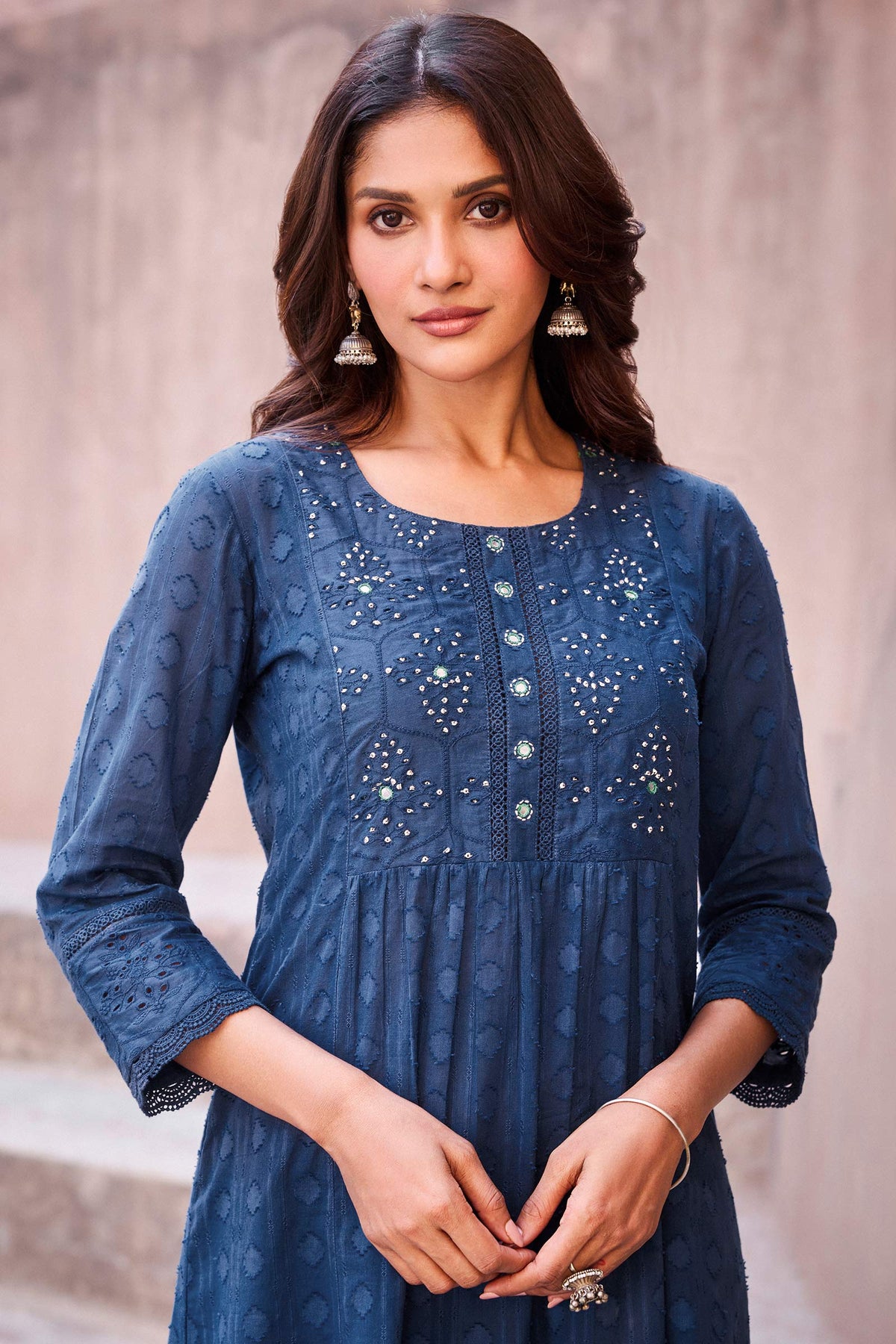
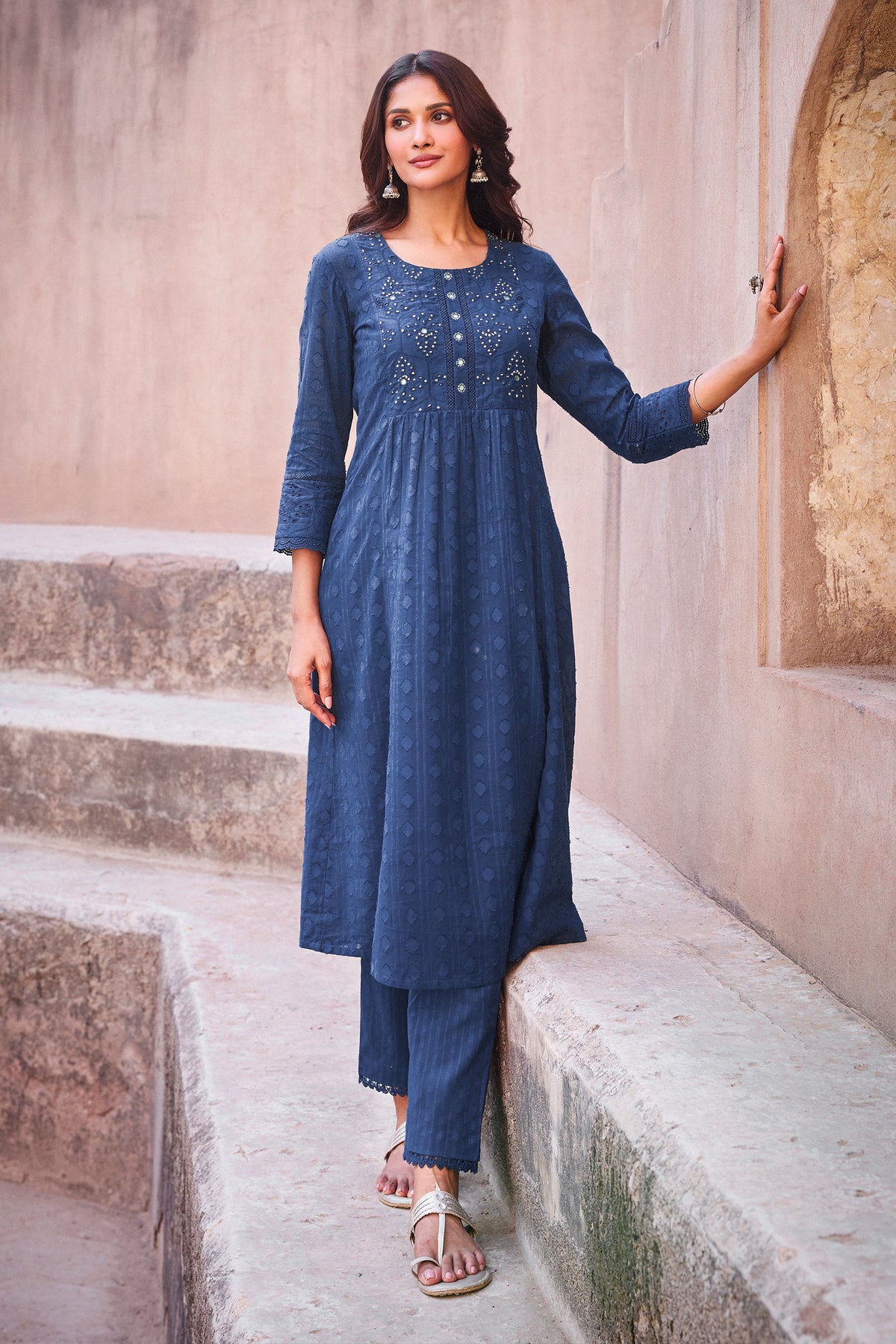
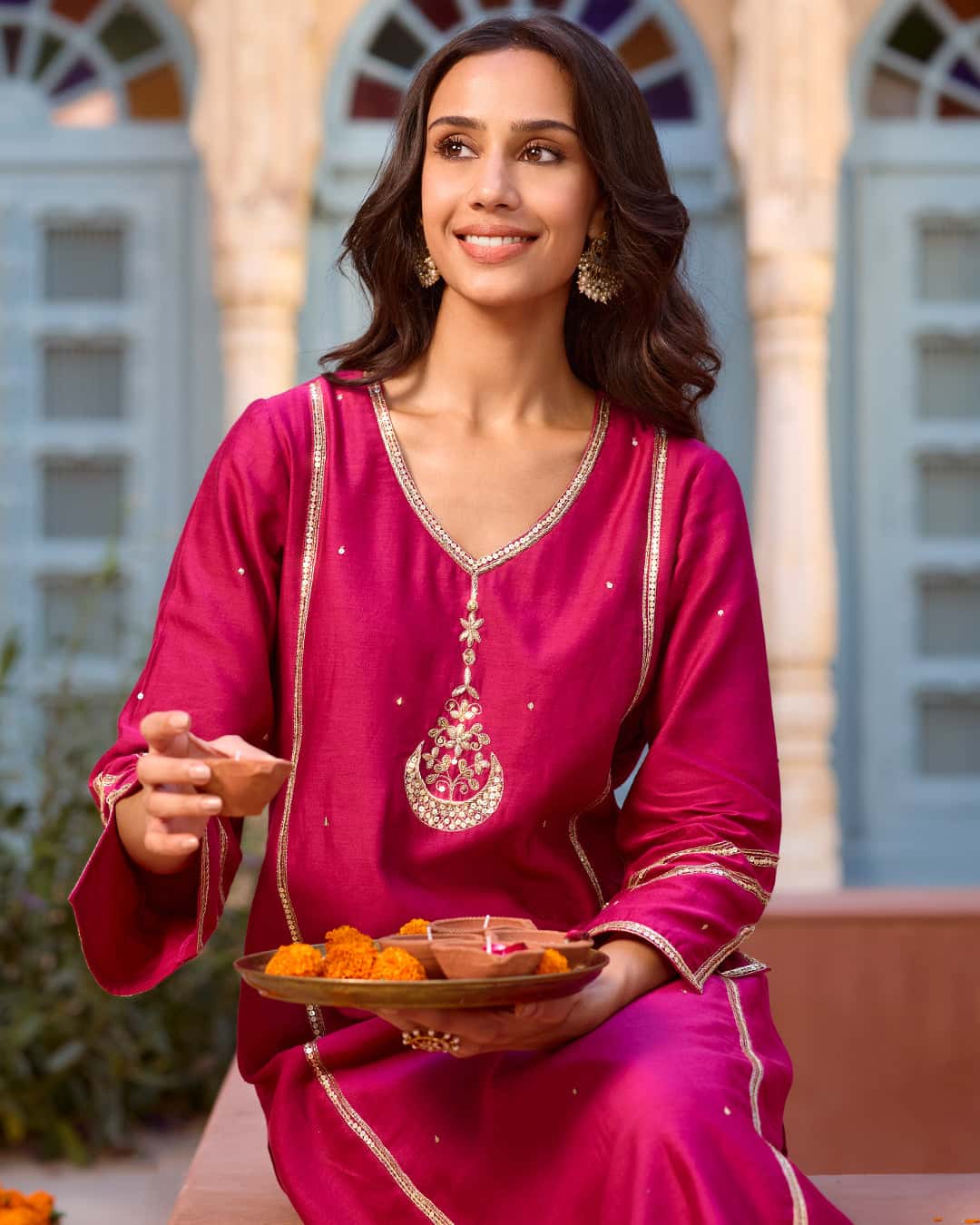
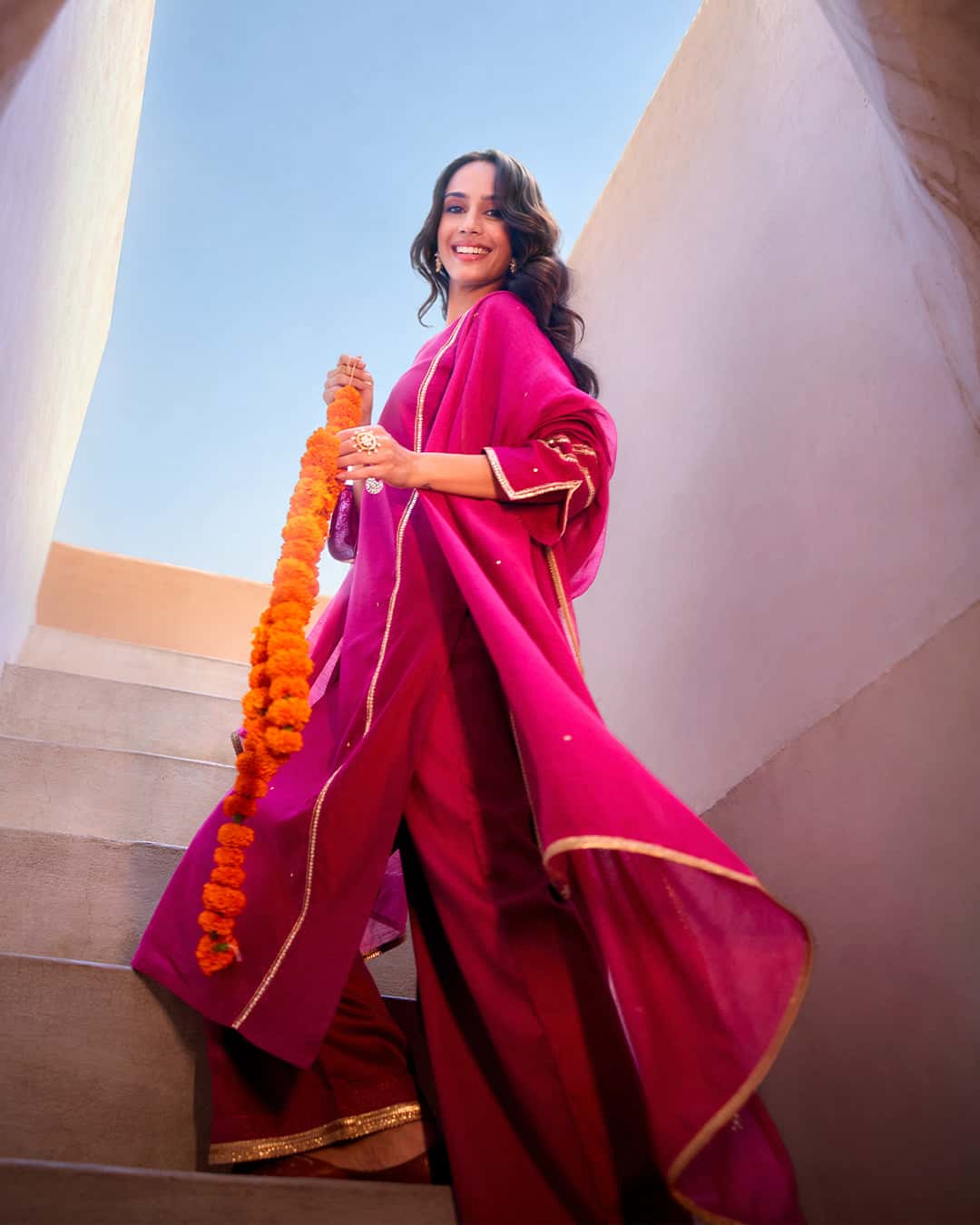
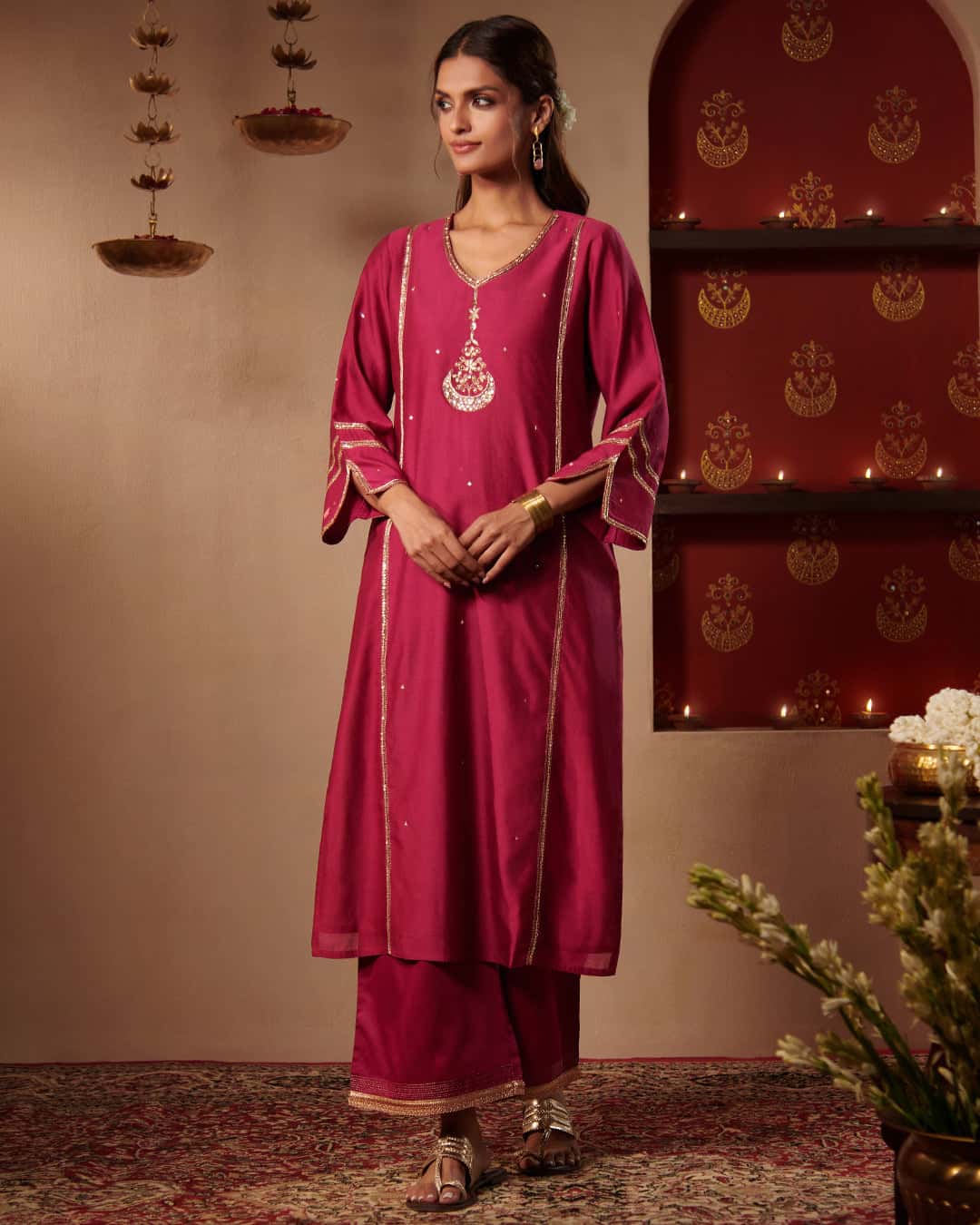
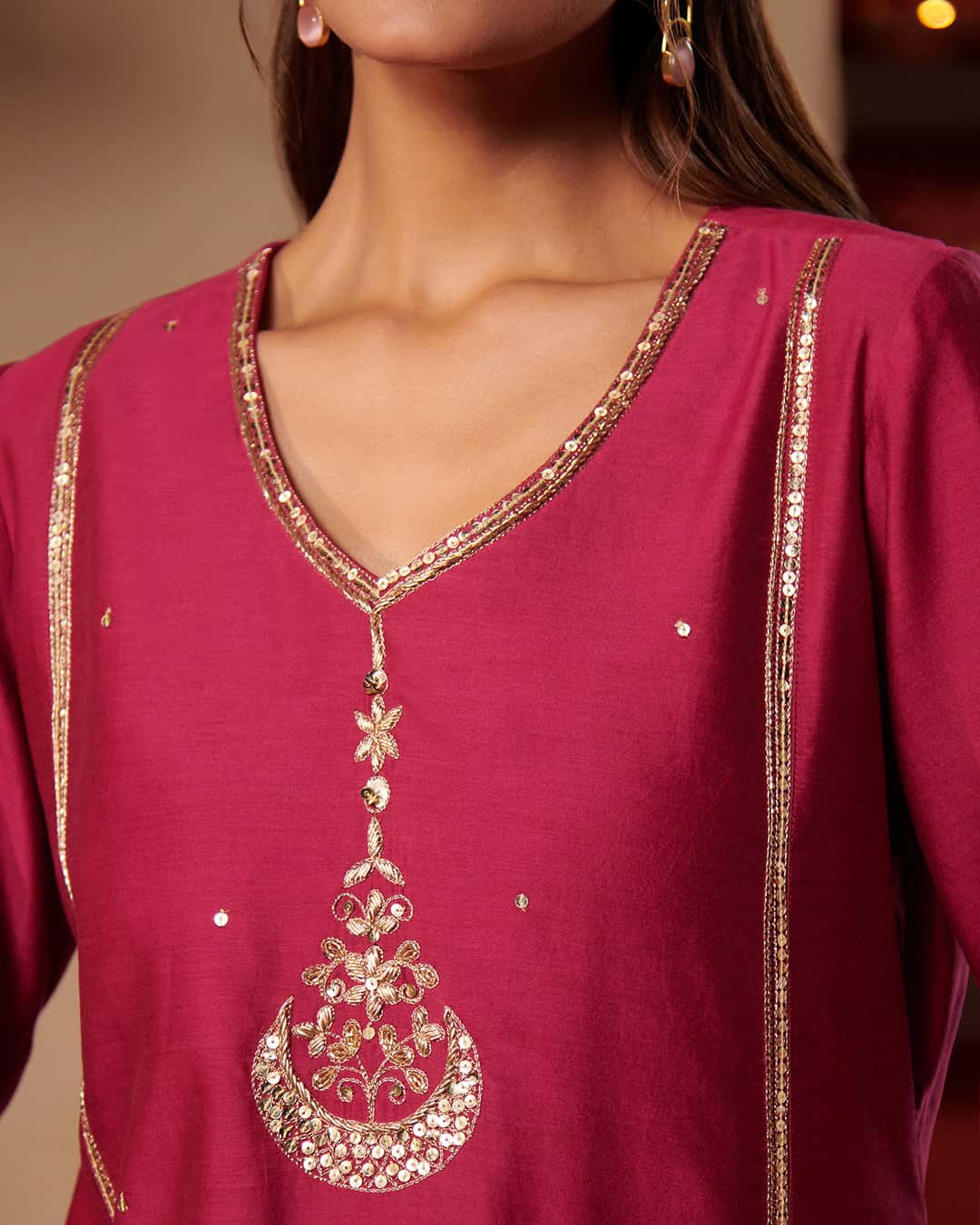
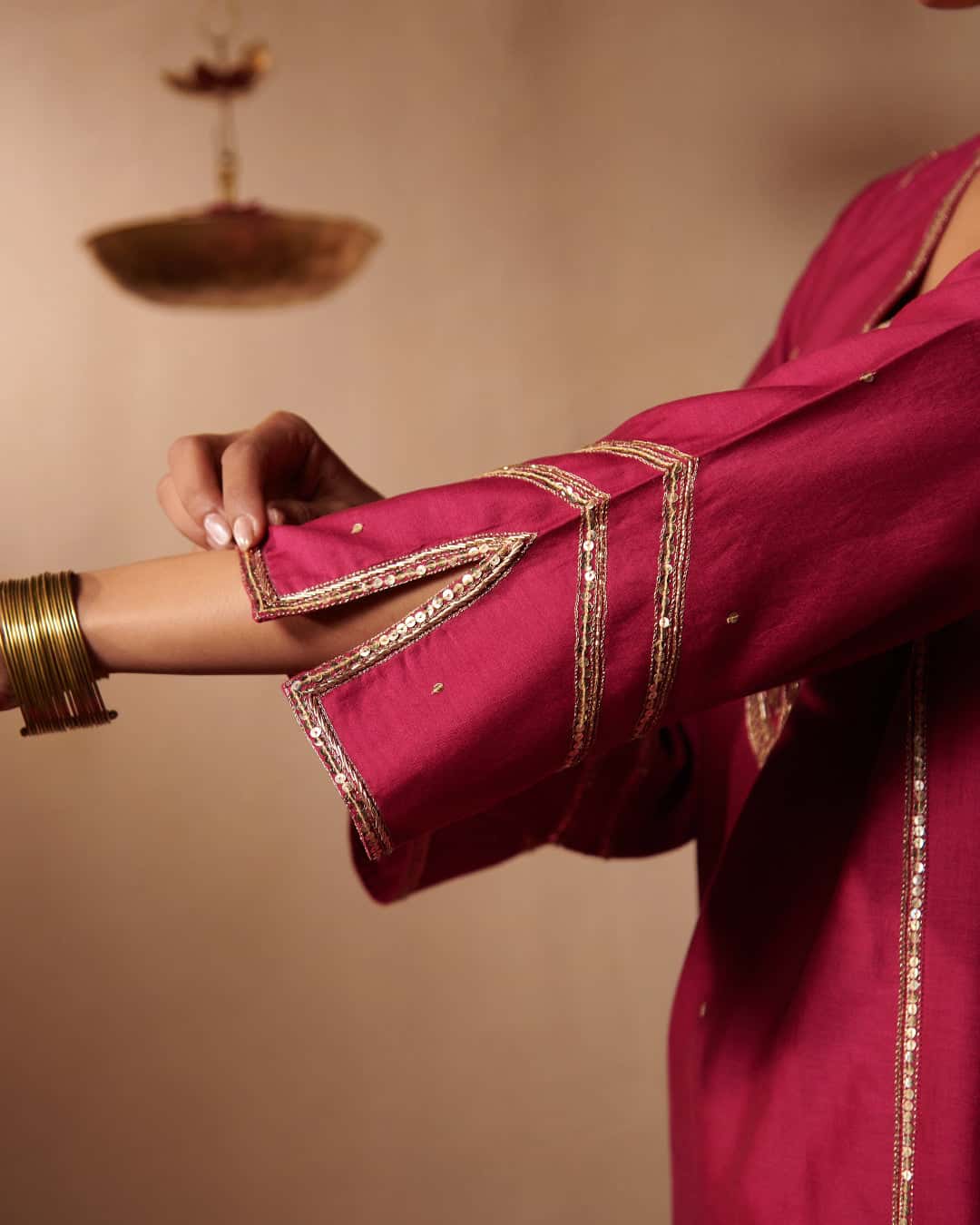
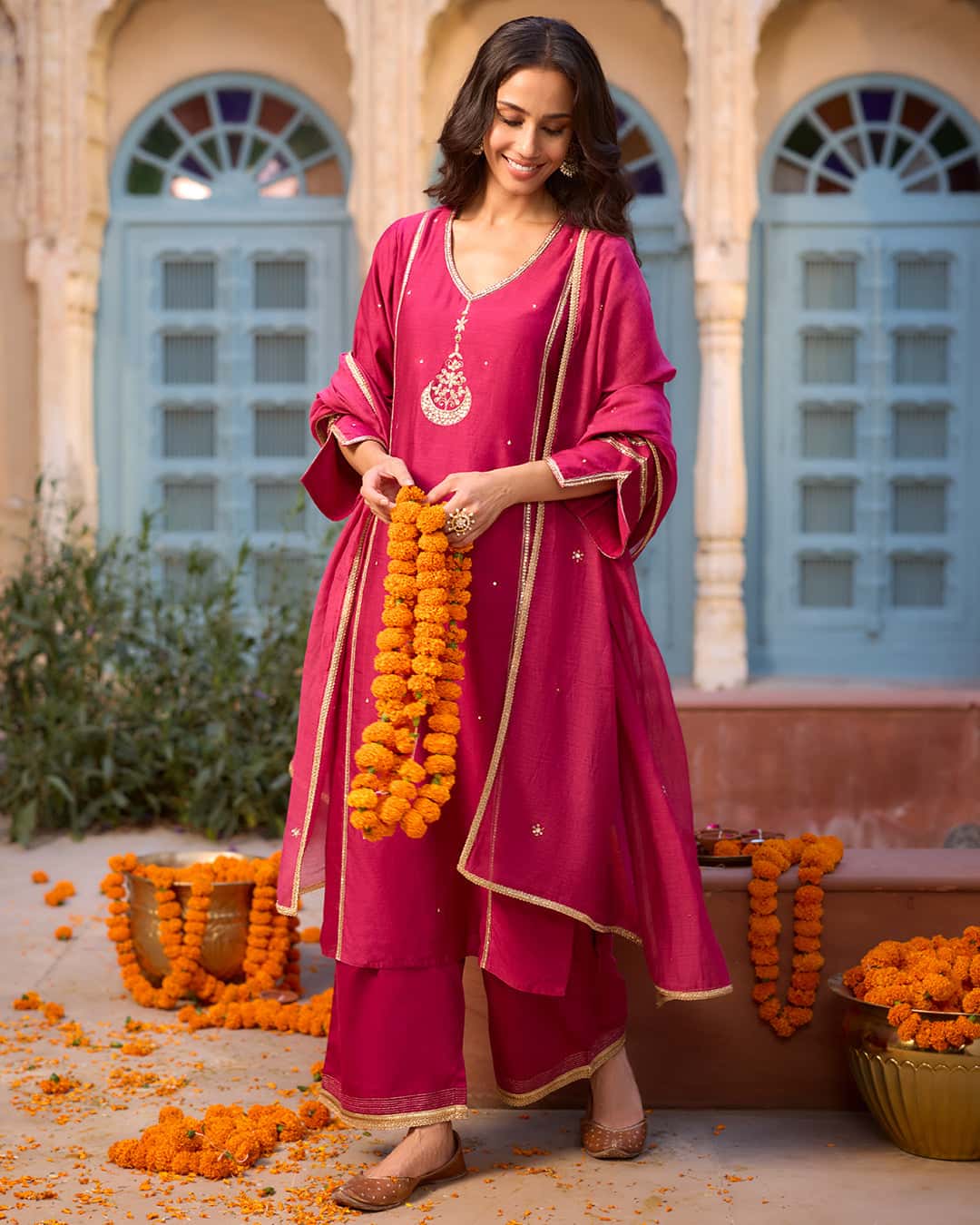
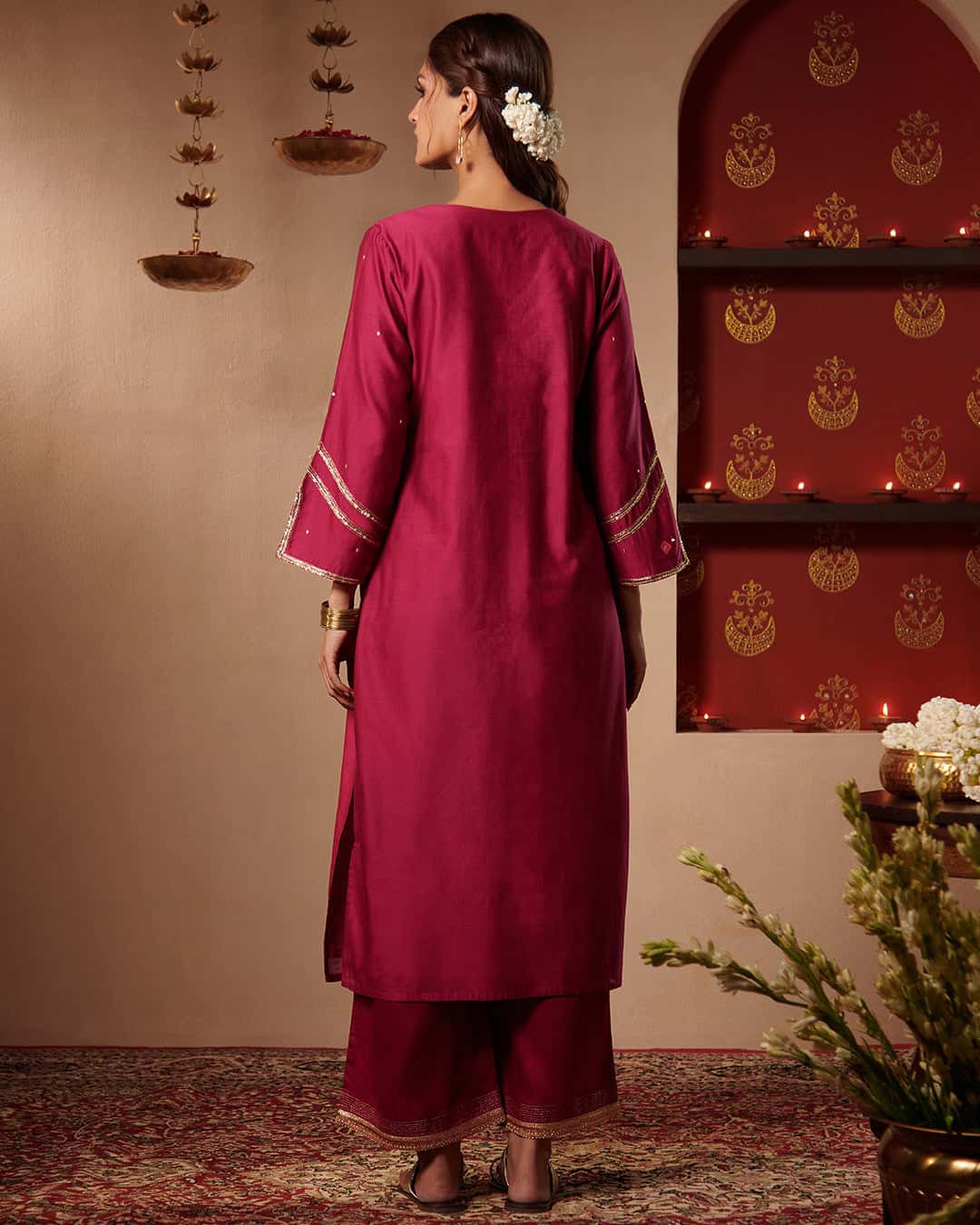
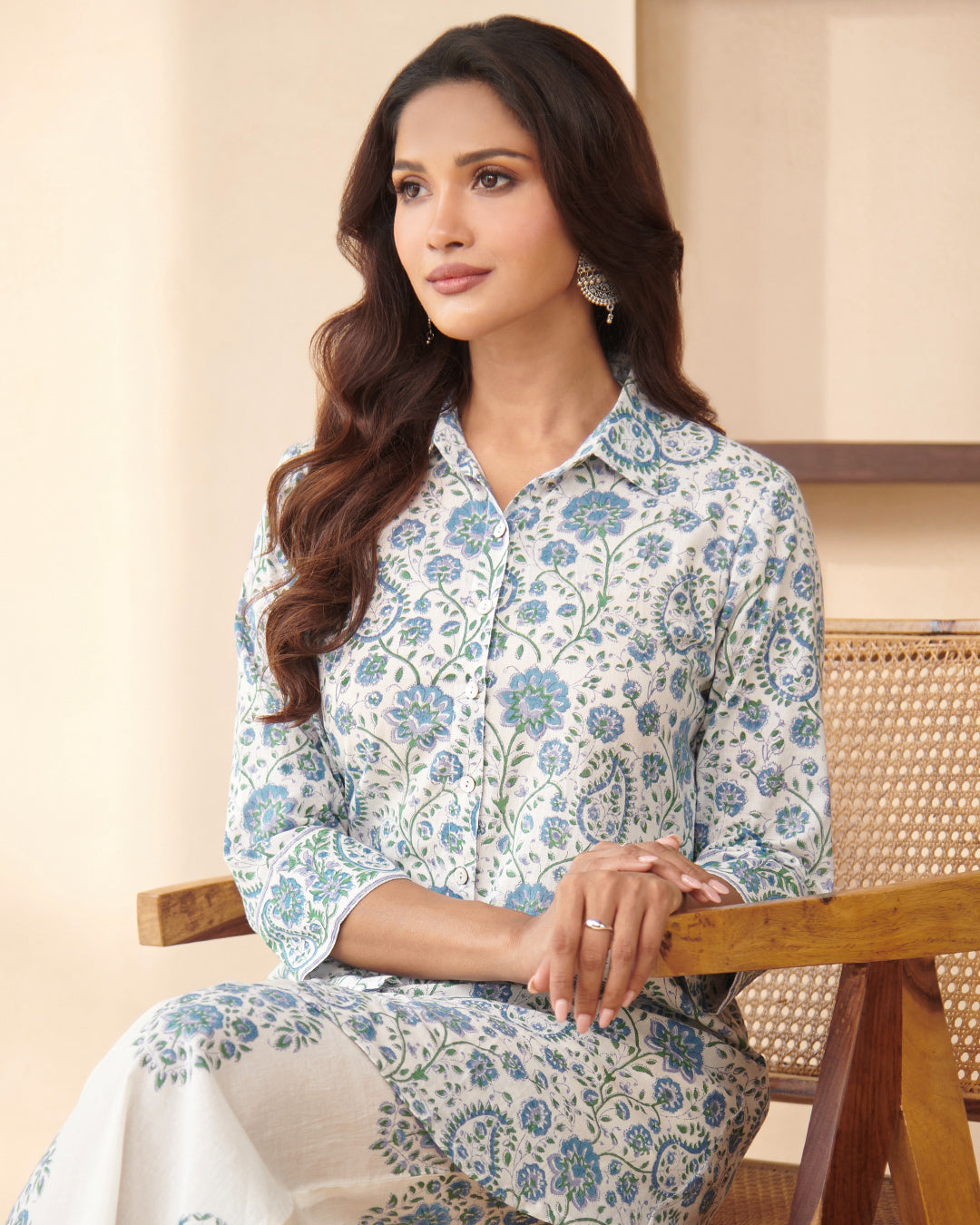
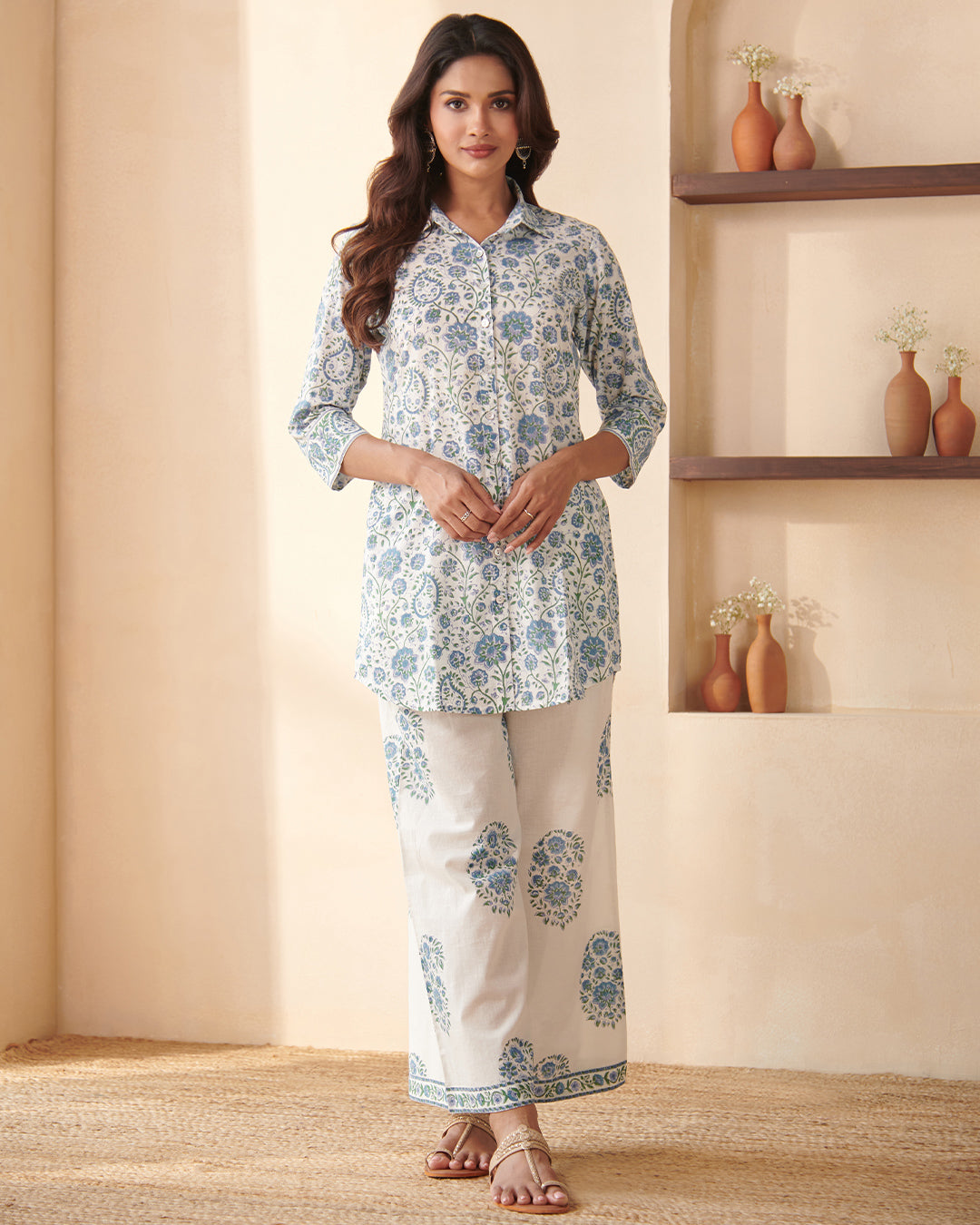
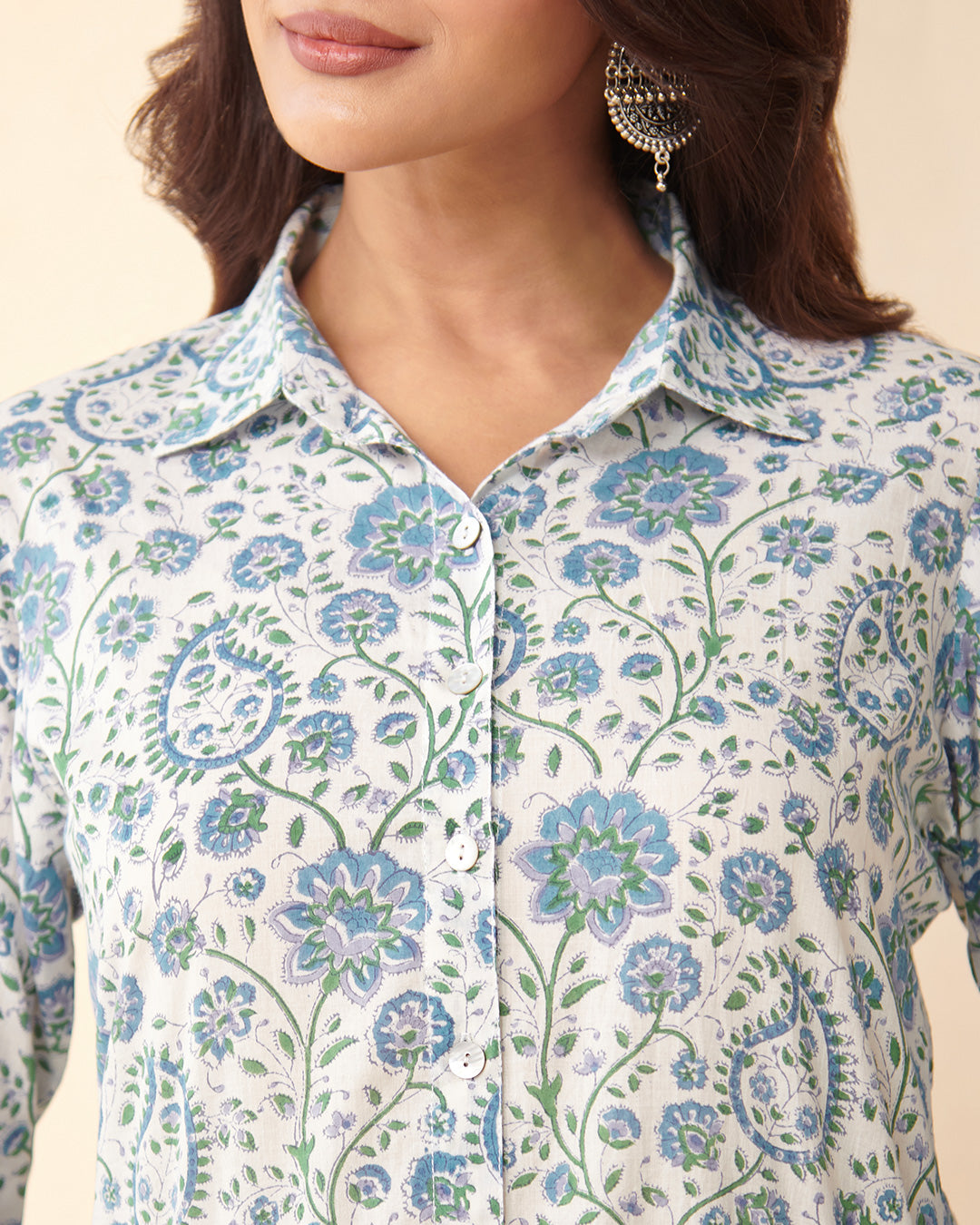
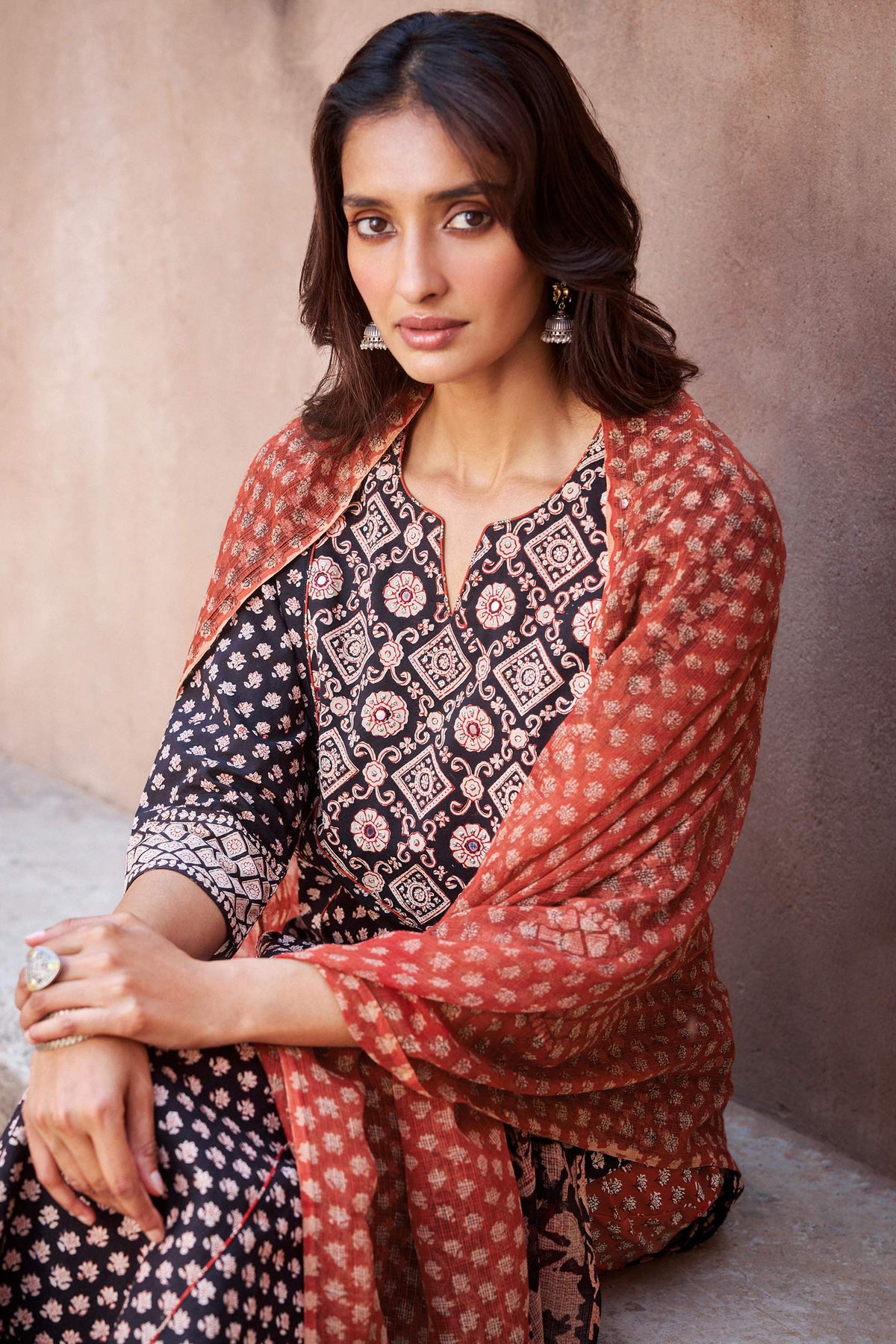
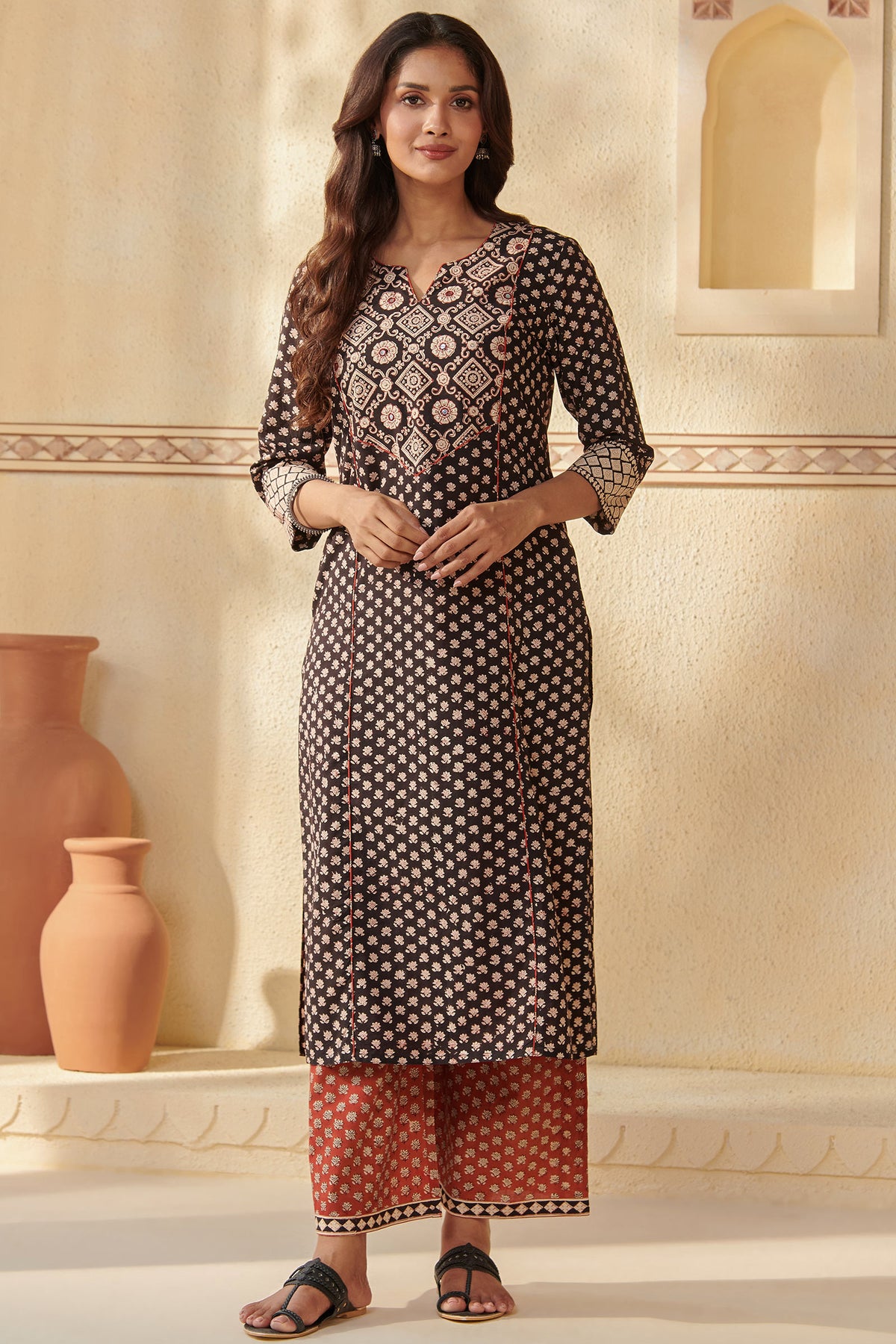
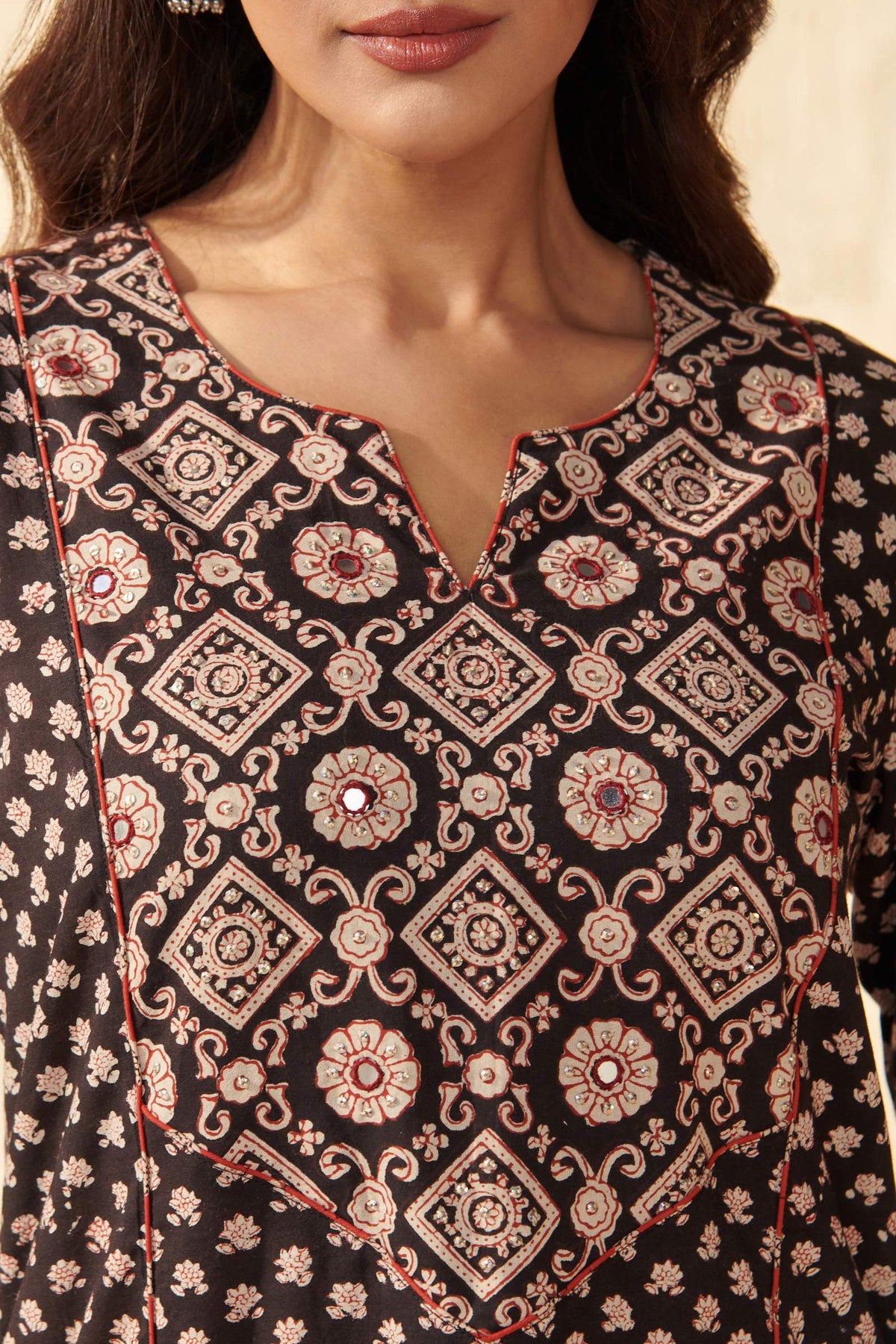
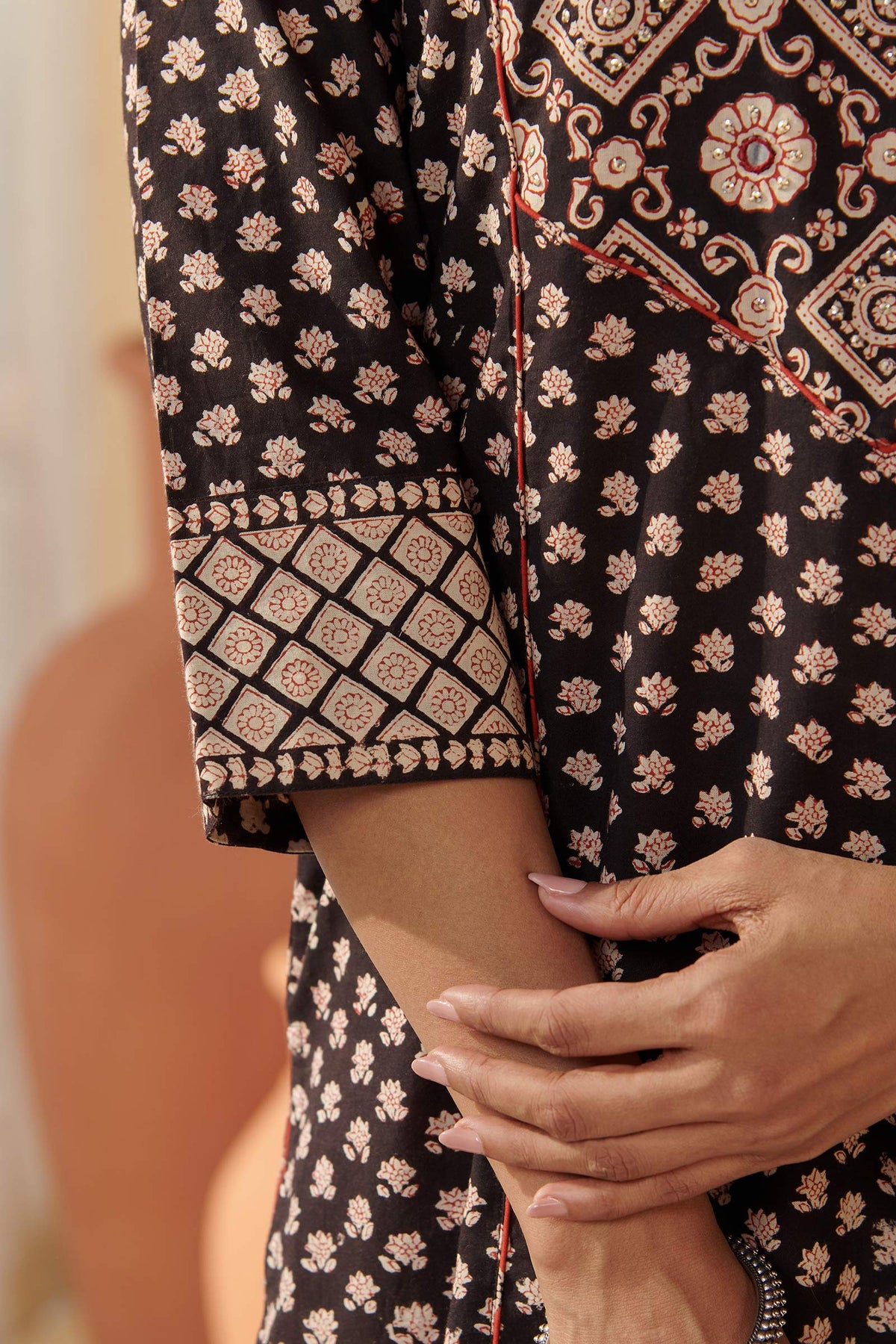
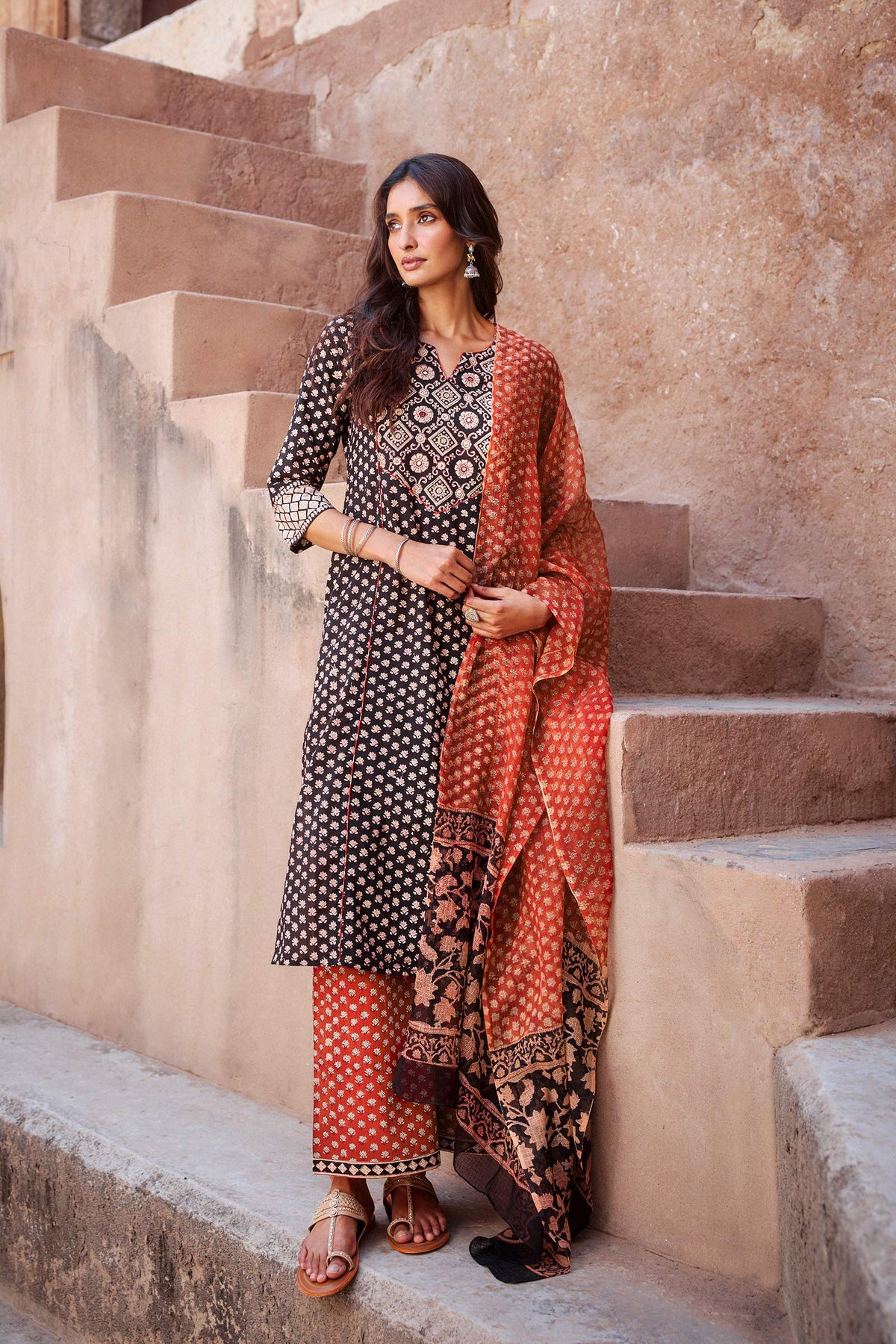

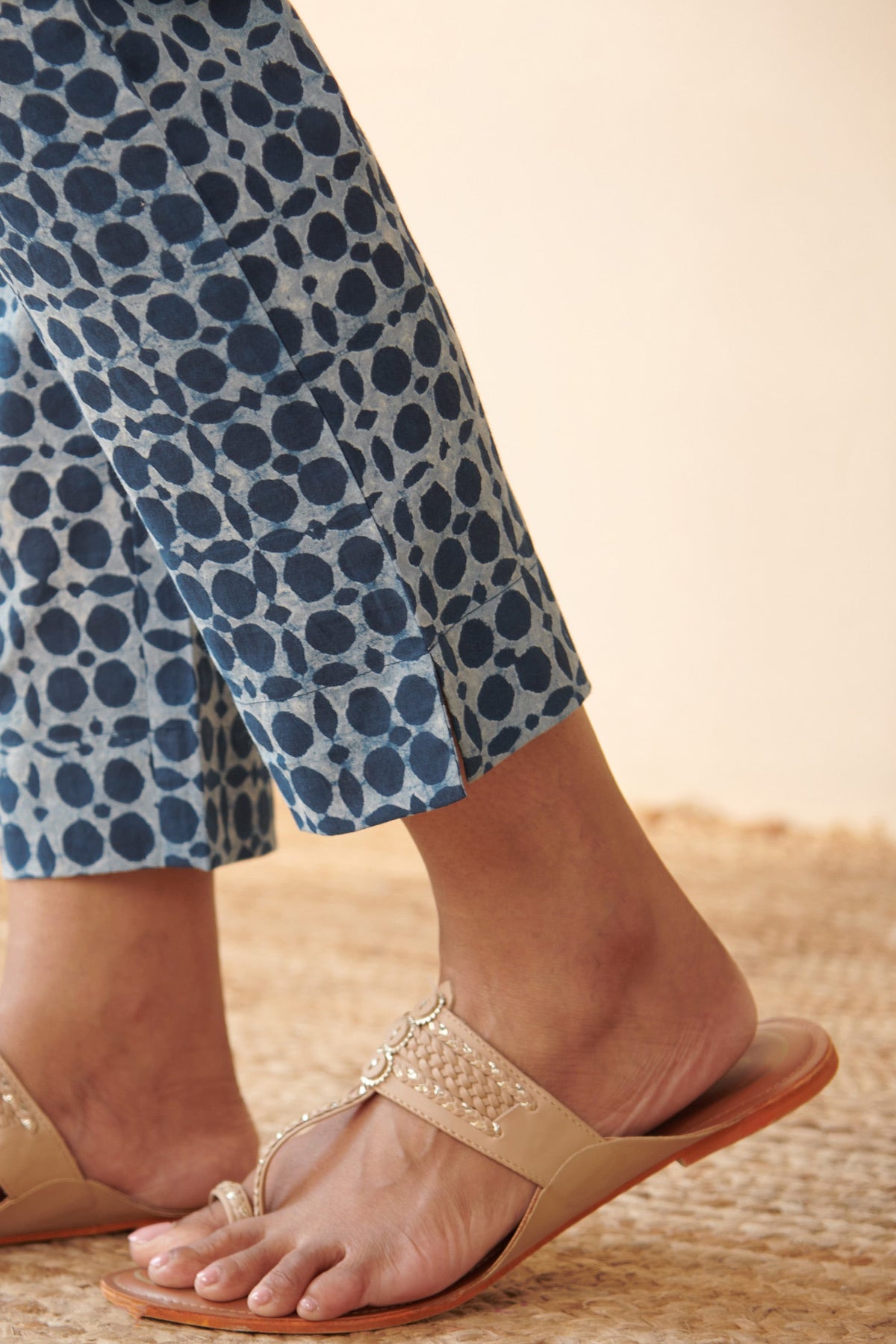
A kurta without the right bottoms is like a story missing its ending.
By: Kanchan Kumari
29/ 07/ 2025
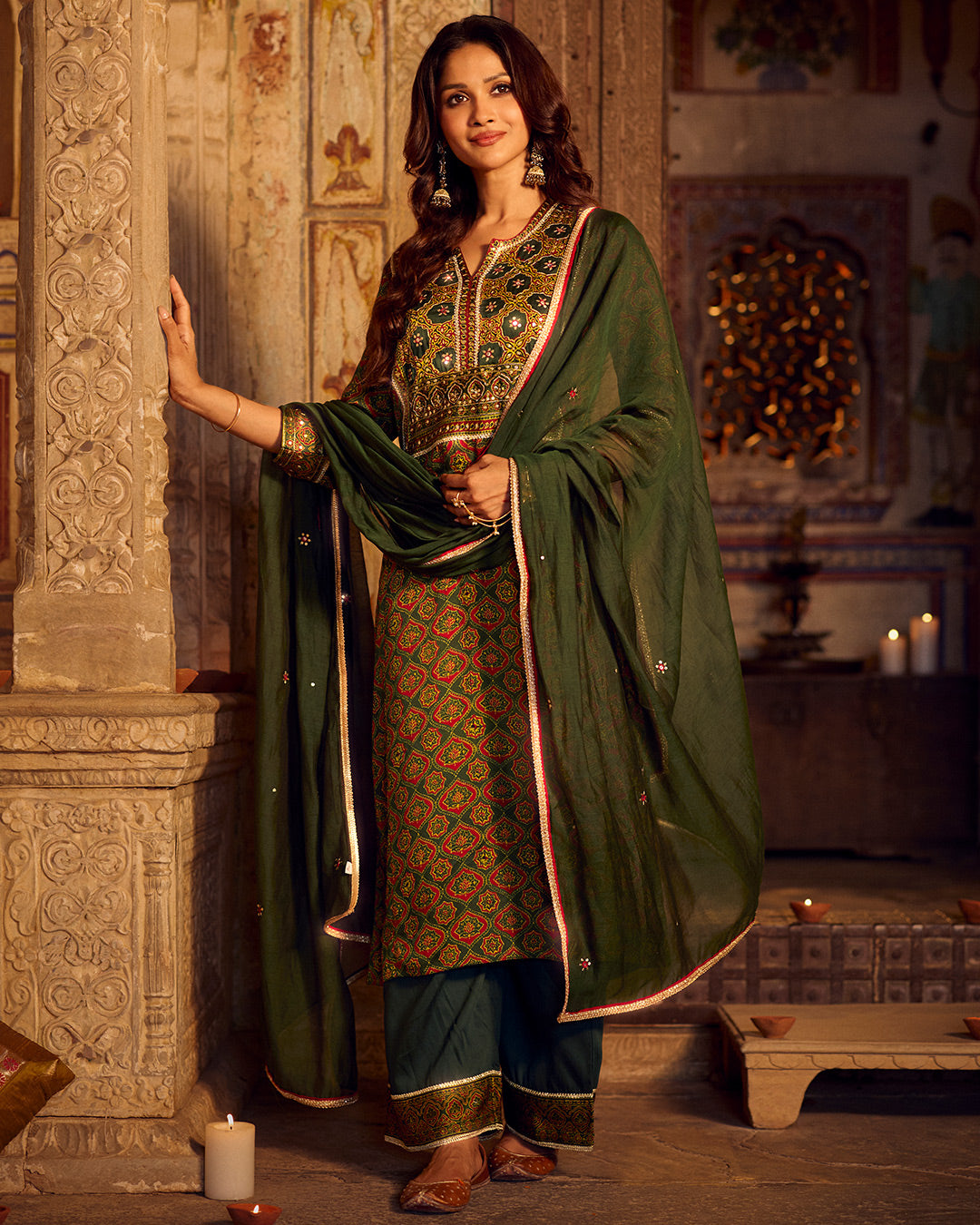
Bottom wear defines the silhouette, balances the look, and makes dressing effortless. From classic salwars and farsi pants to modern palazzos and narrow pants, each style brings a unique rhythm to ethnic wear. Whether you’re dressing for work, celebrations, or simply a casual day out, there’s a perfect match waiting for every kurta in your wardrobe. This guide explores the diverse world of women’s bottom wear, traditional roots, modern updates, and everything in between so you can dress with confidence, comfort, and style.
Types of Bottom Wear for Women – A Walk Through Different Forms
1. Farsi Pants
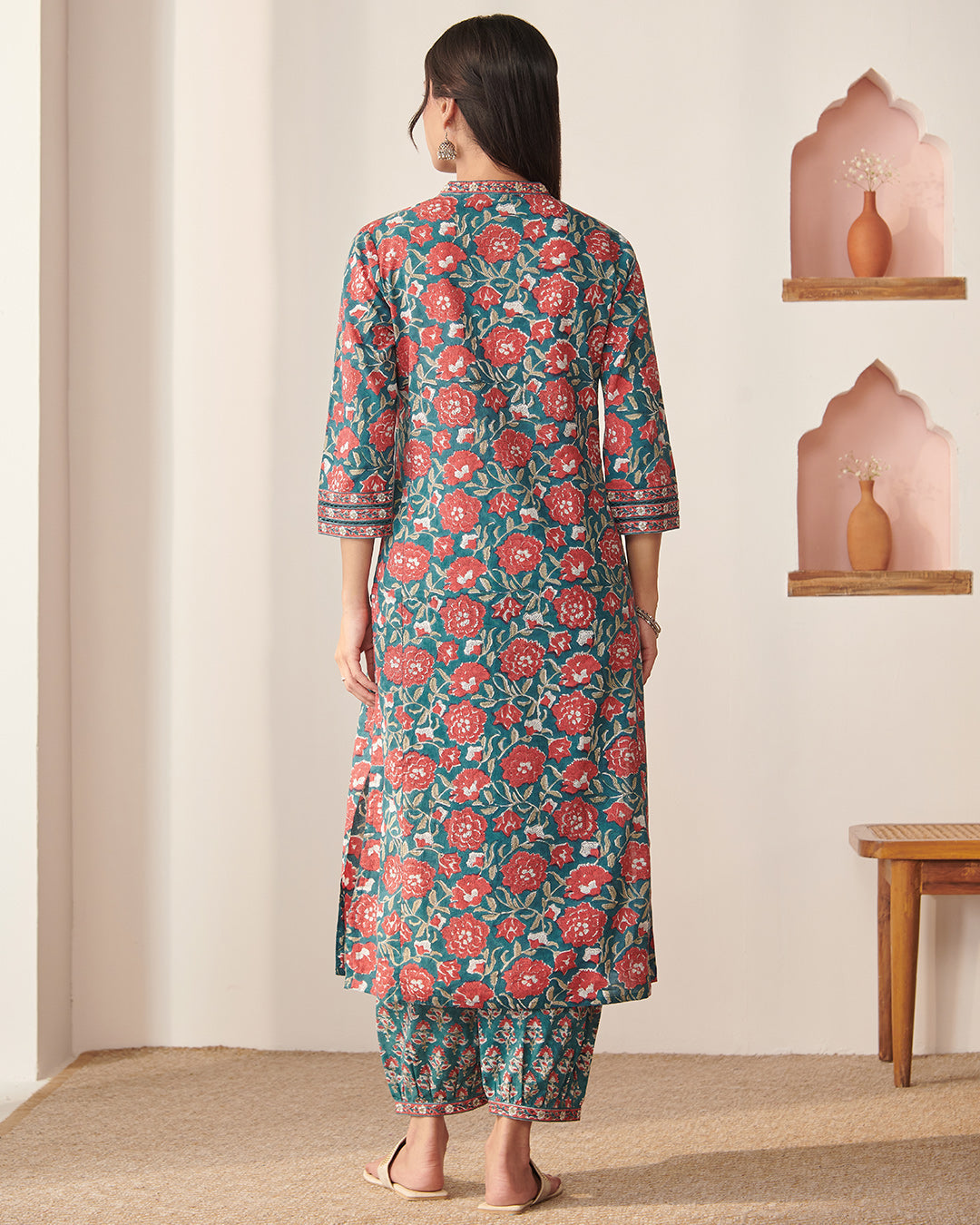
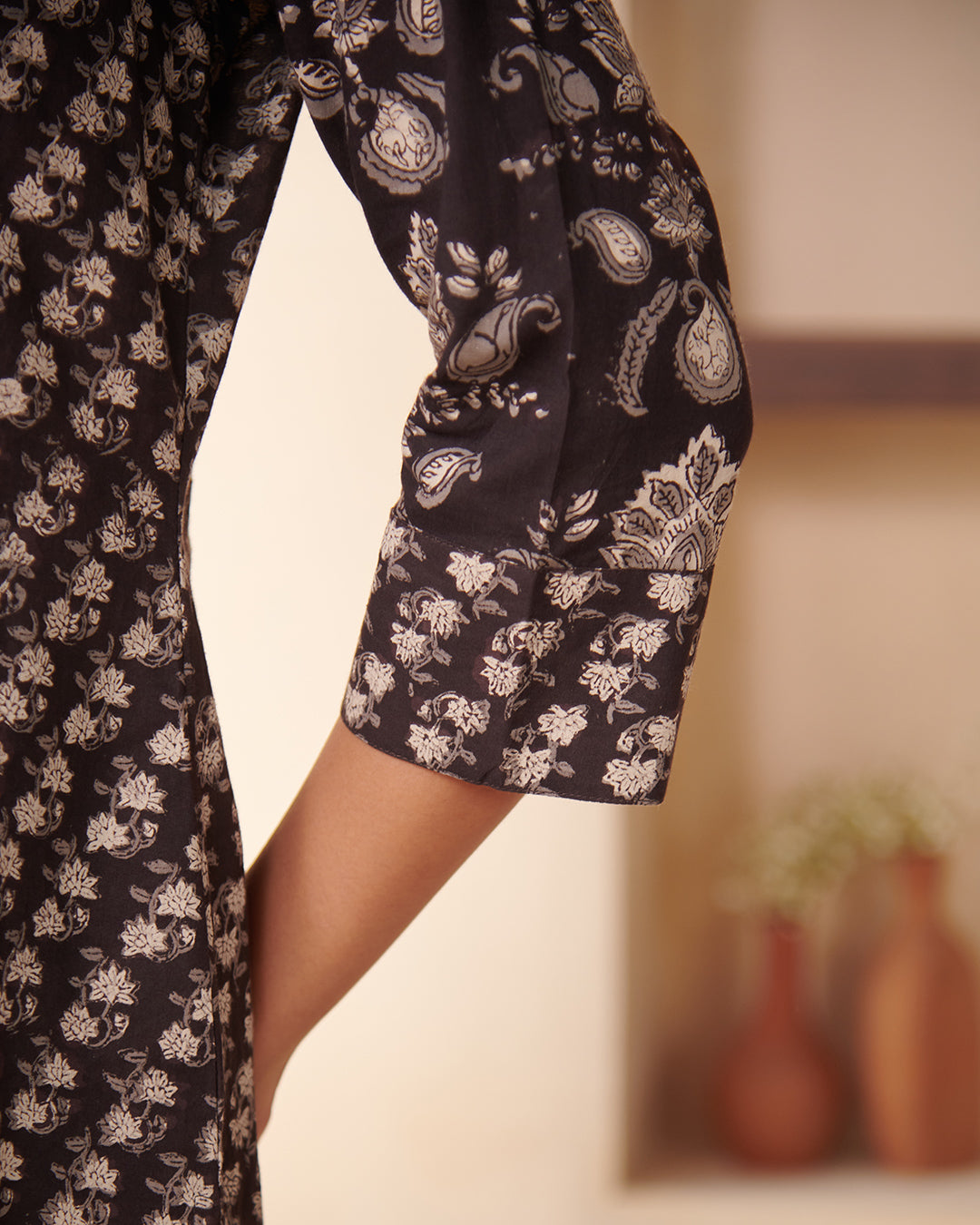
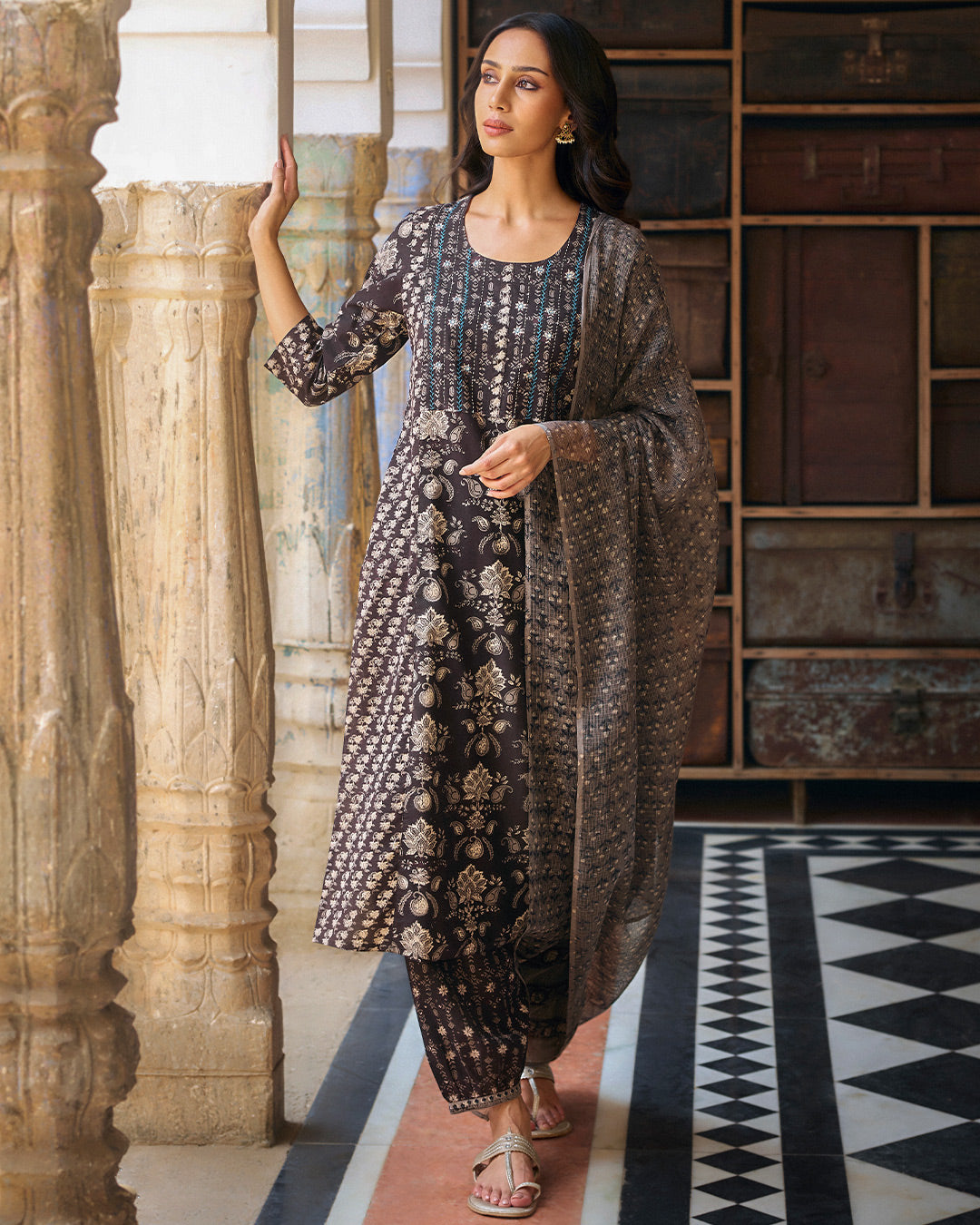
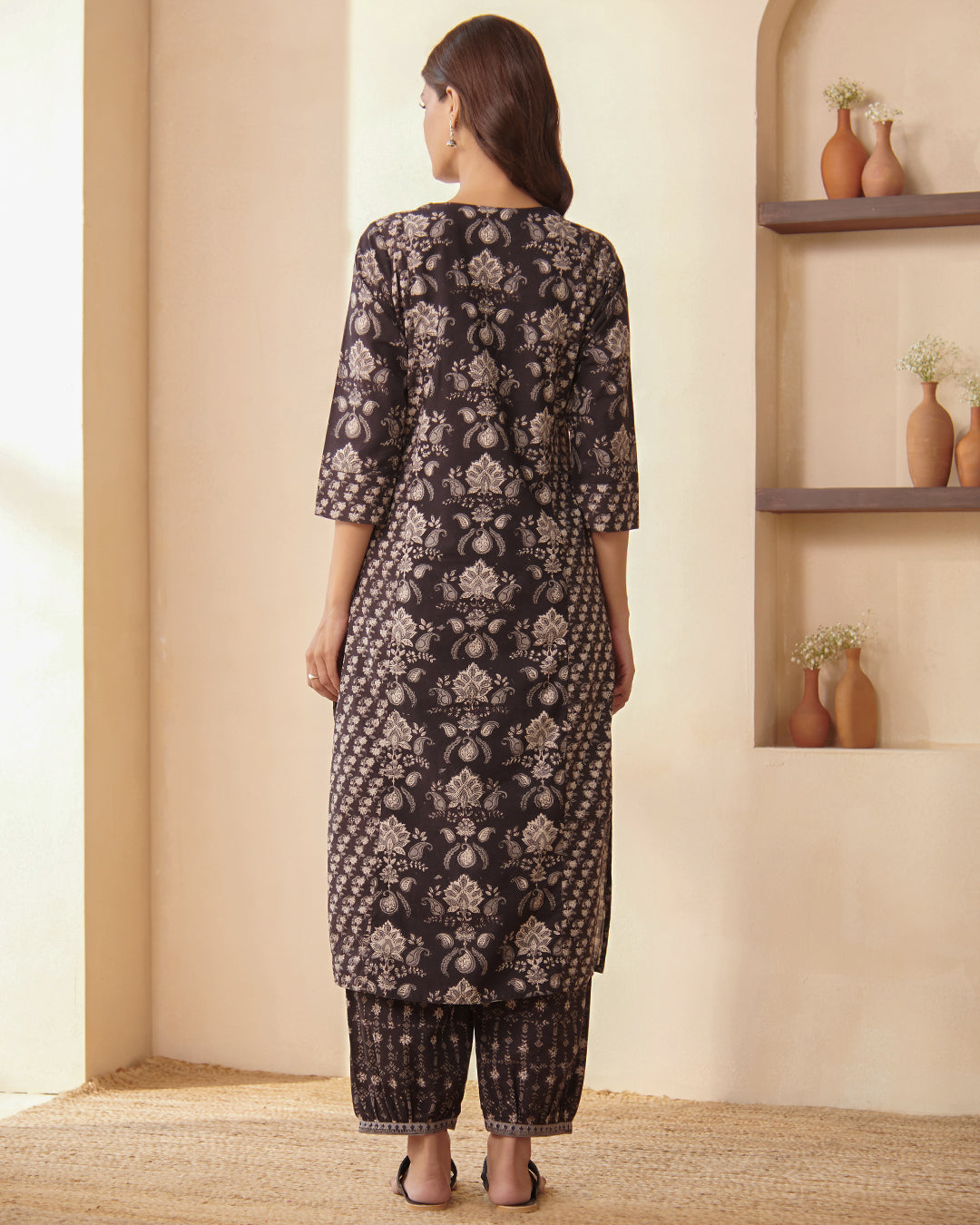
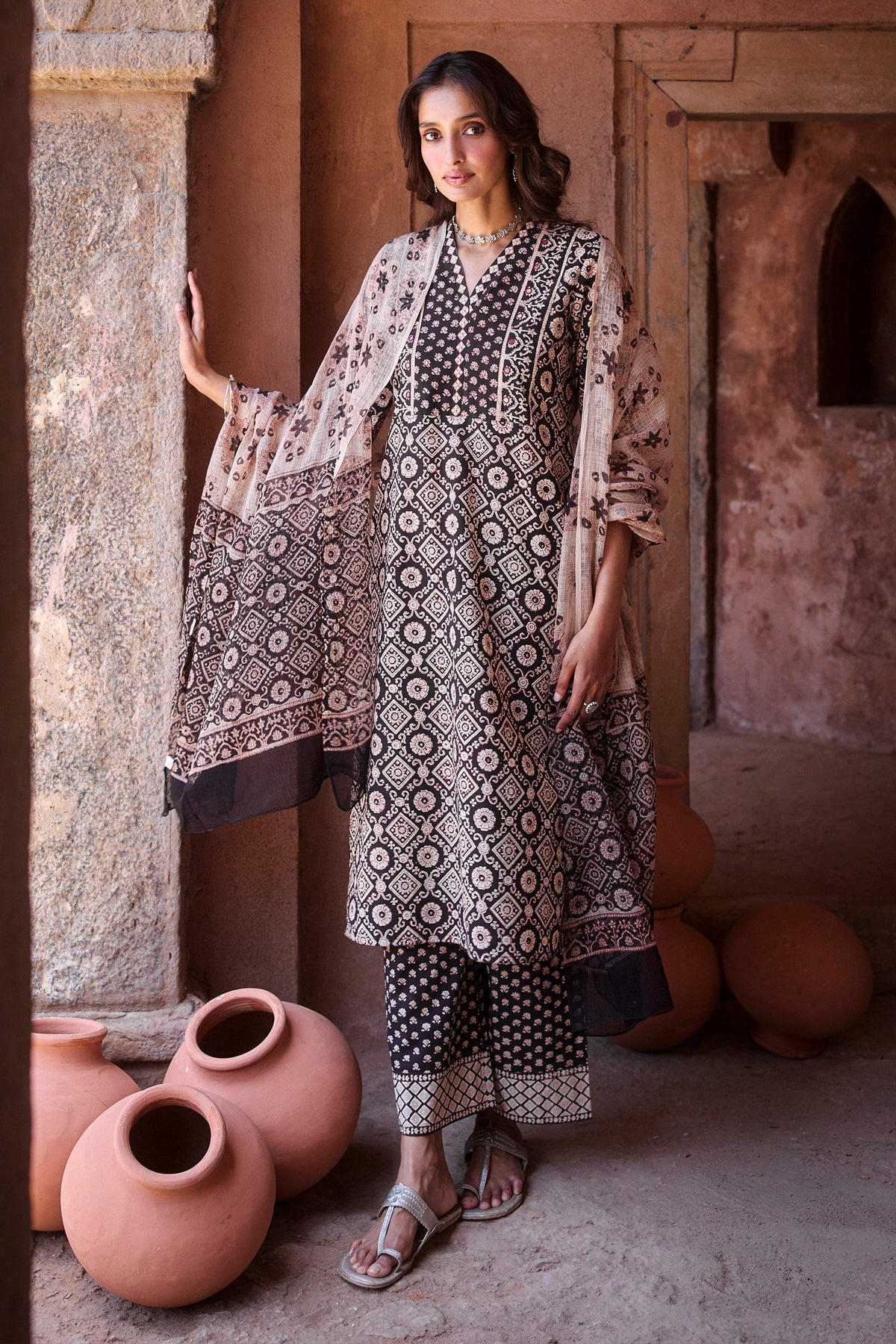
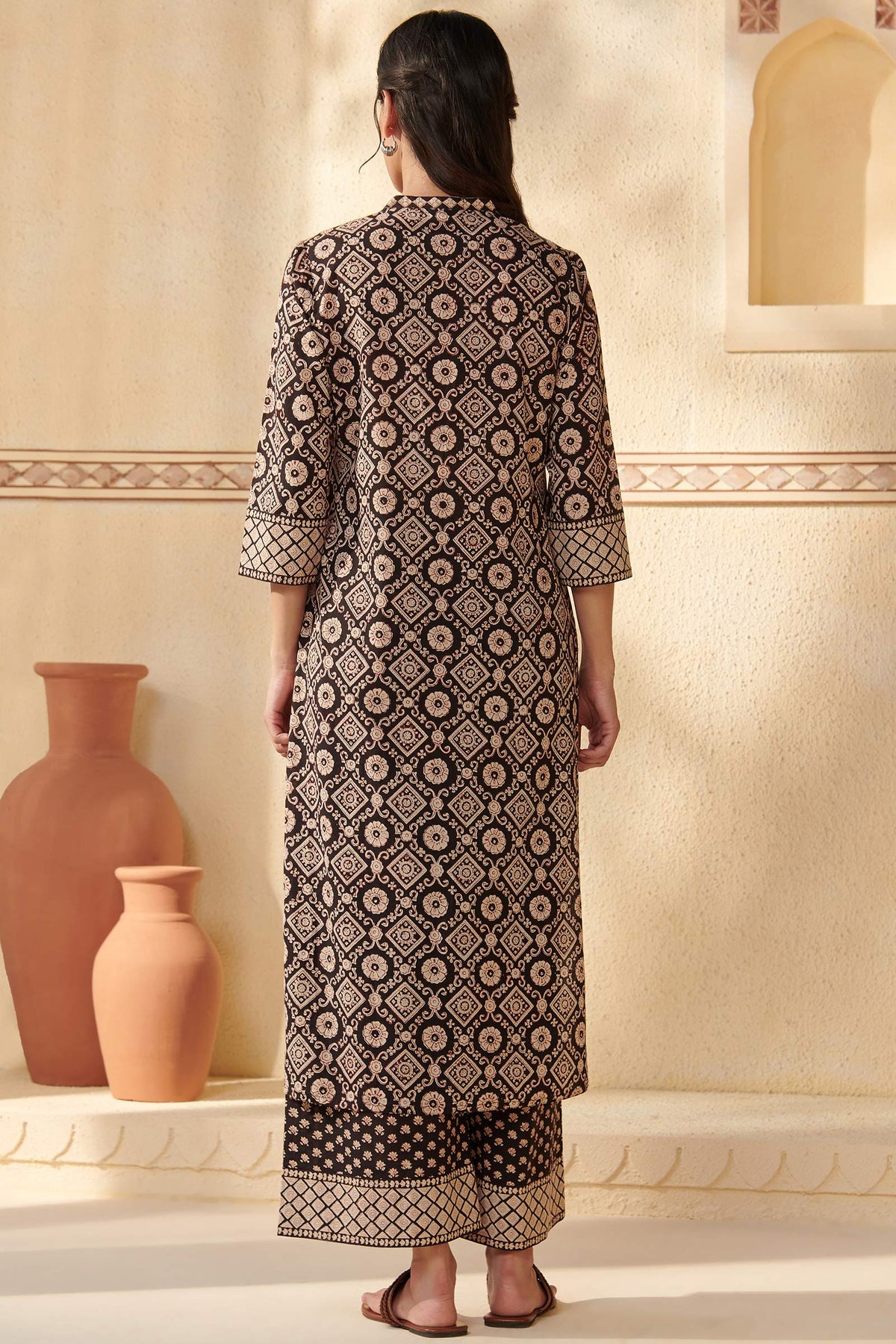
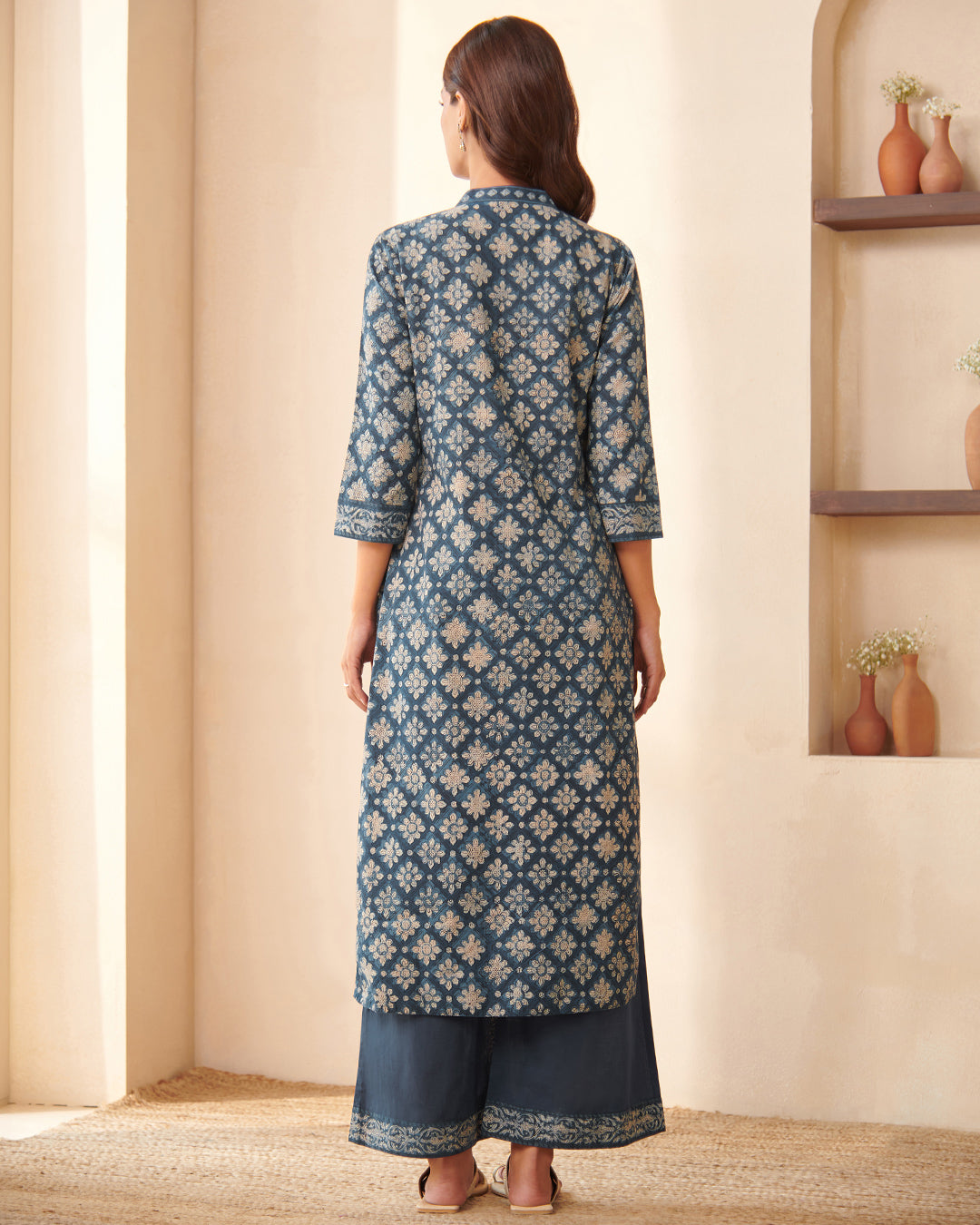
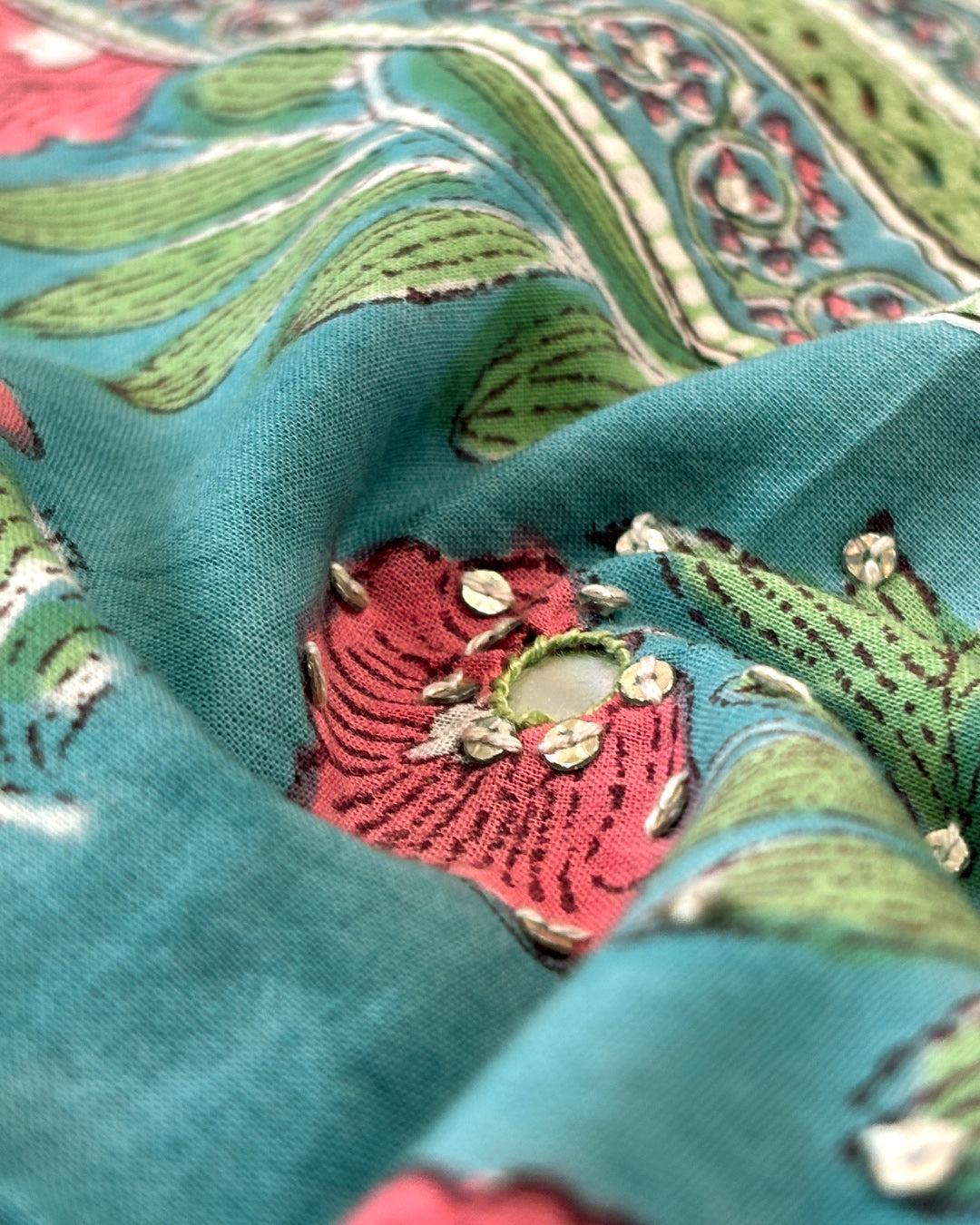
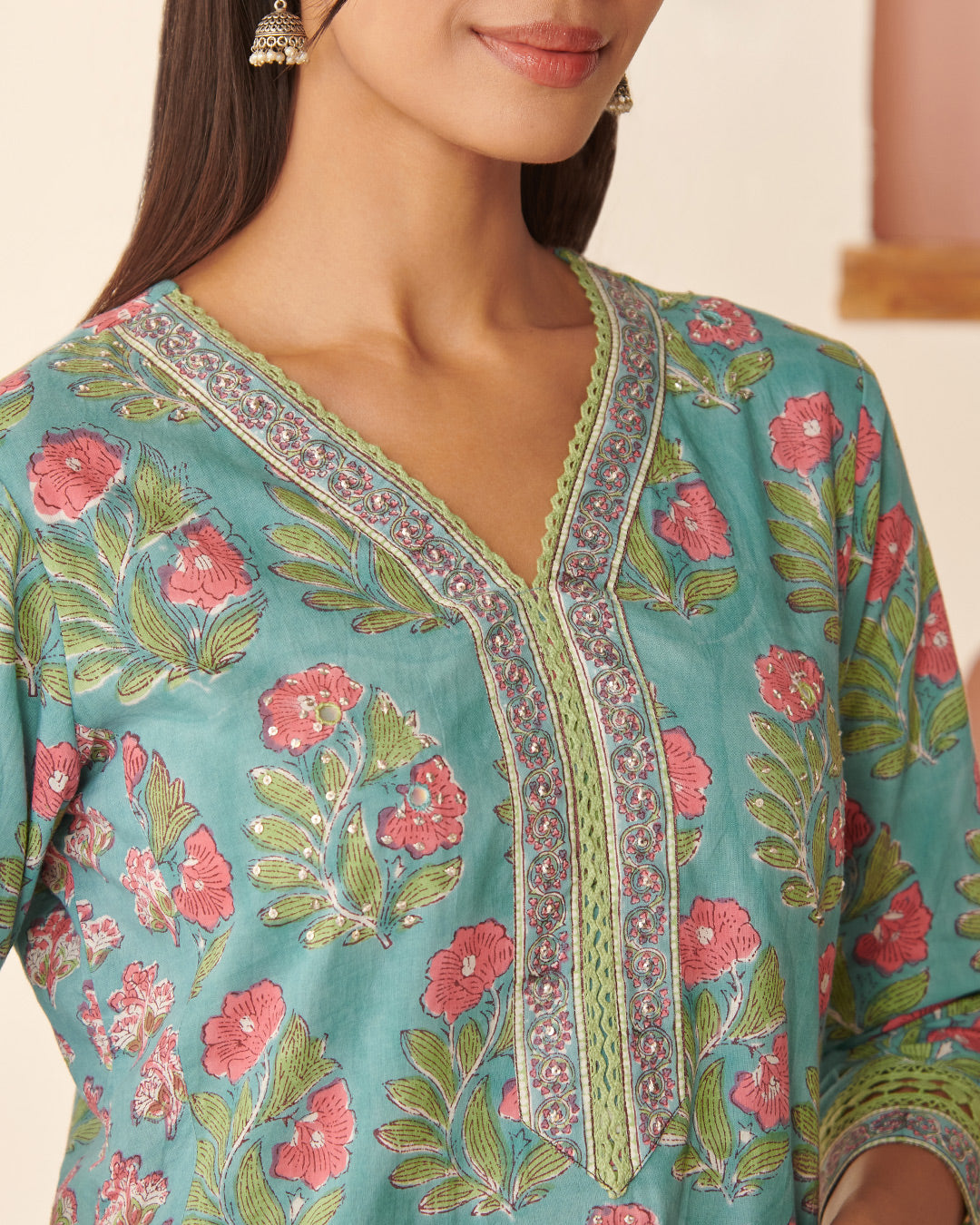
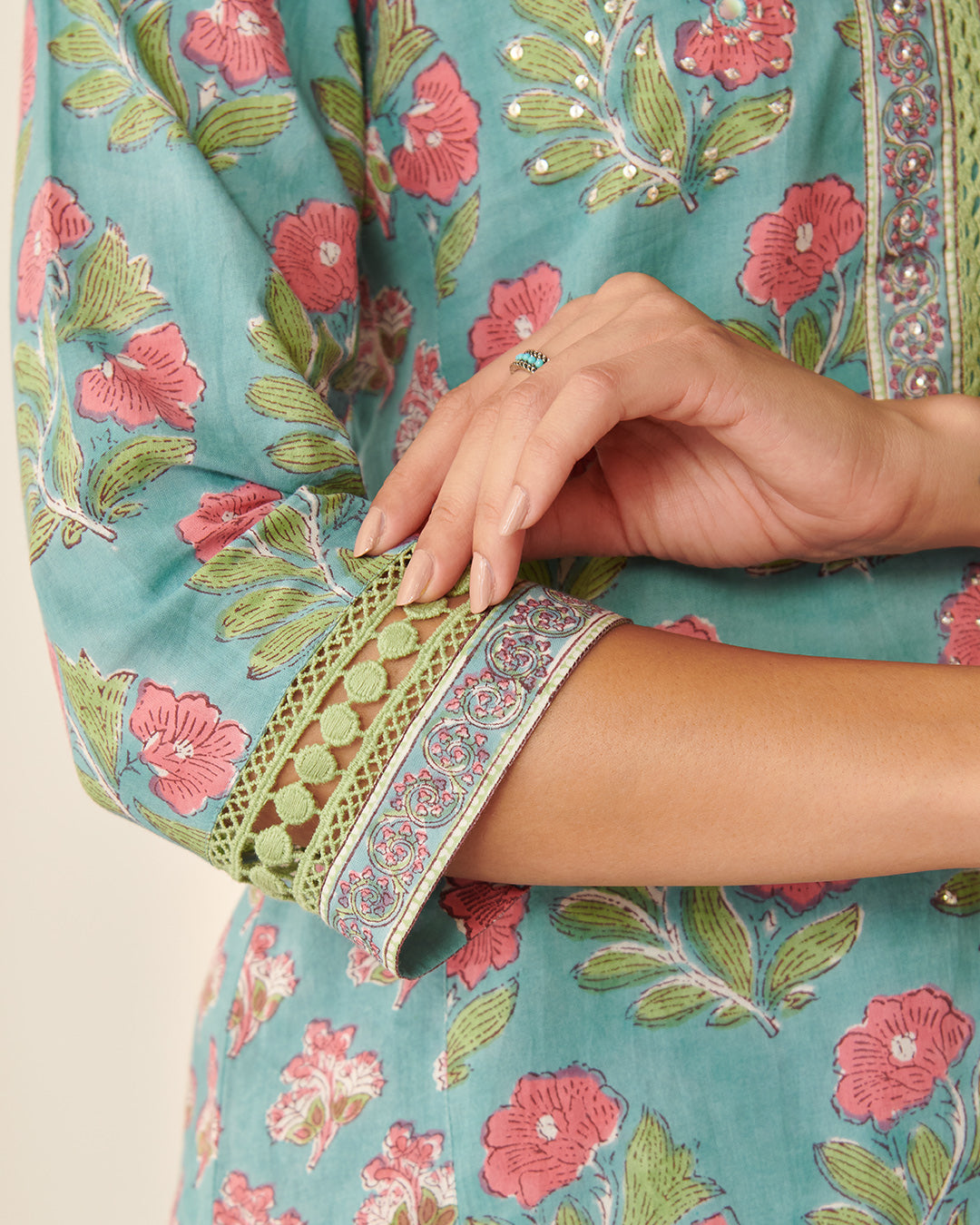
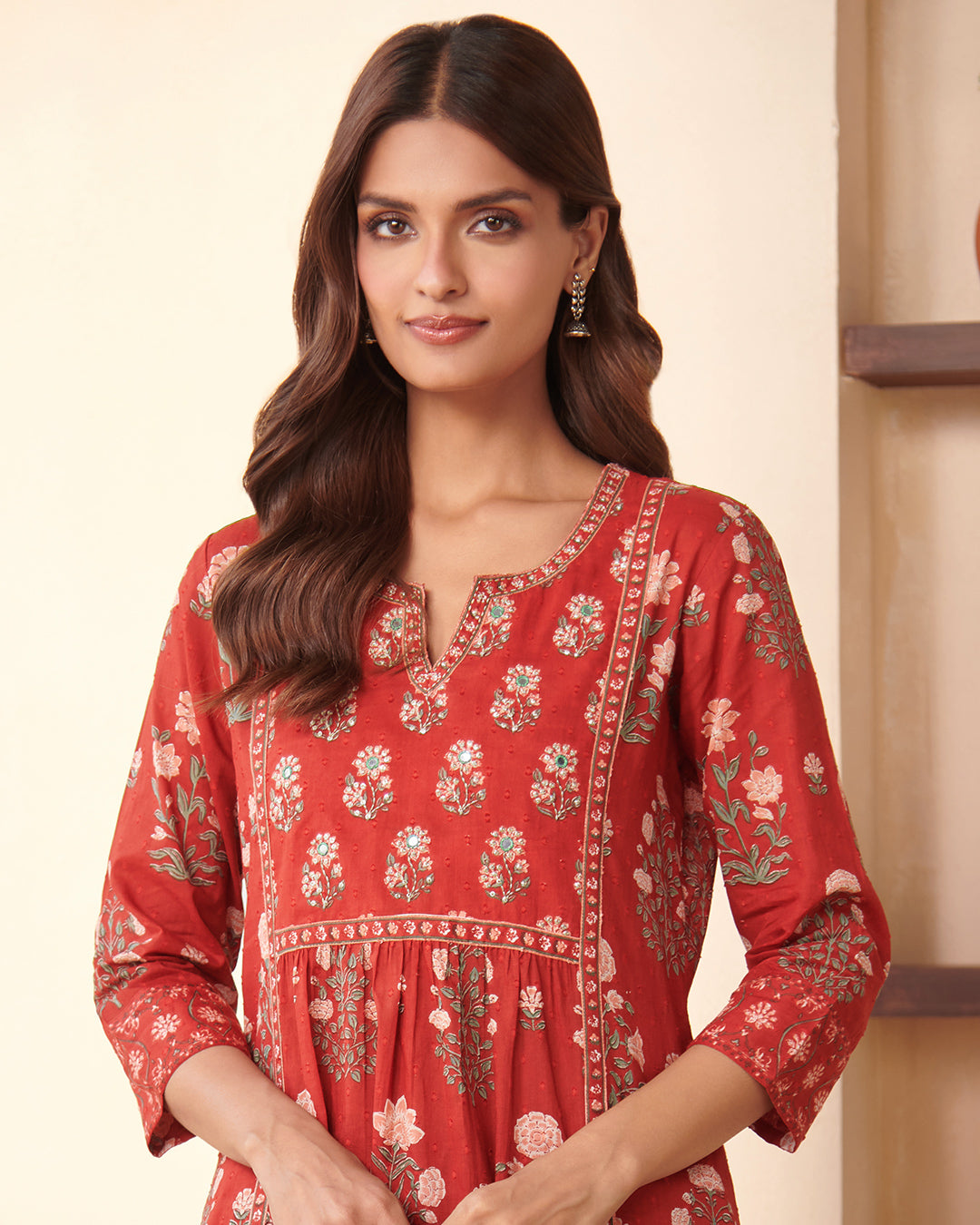
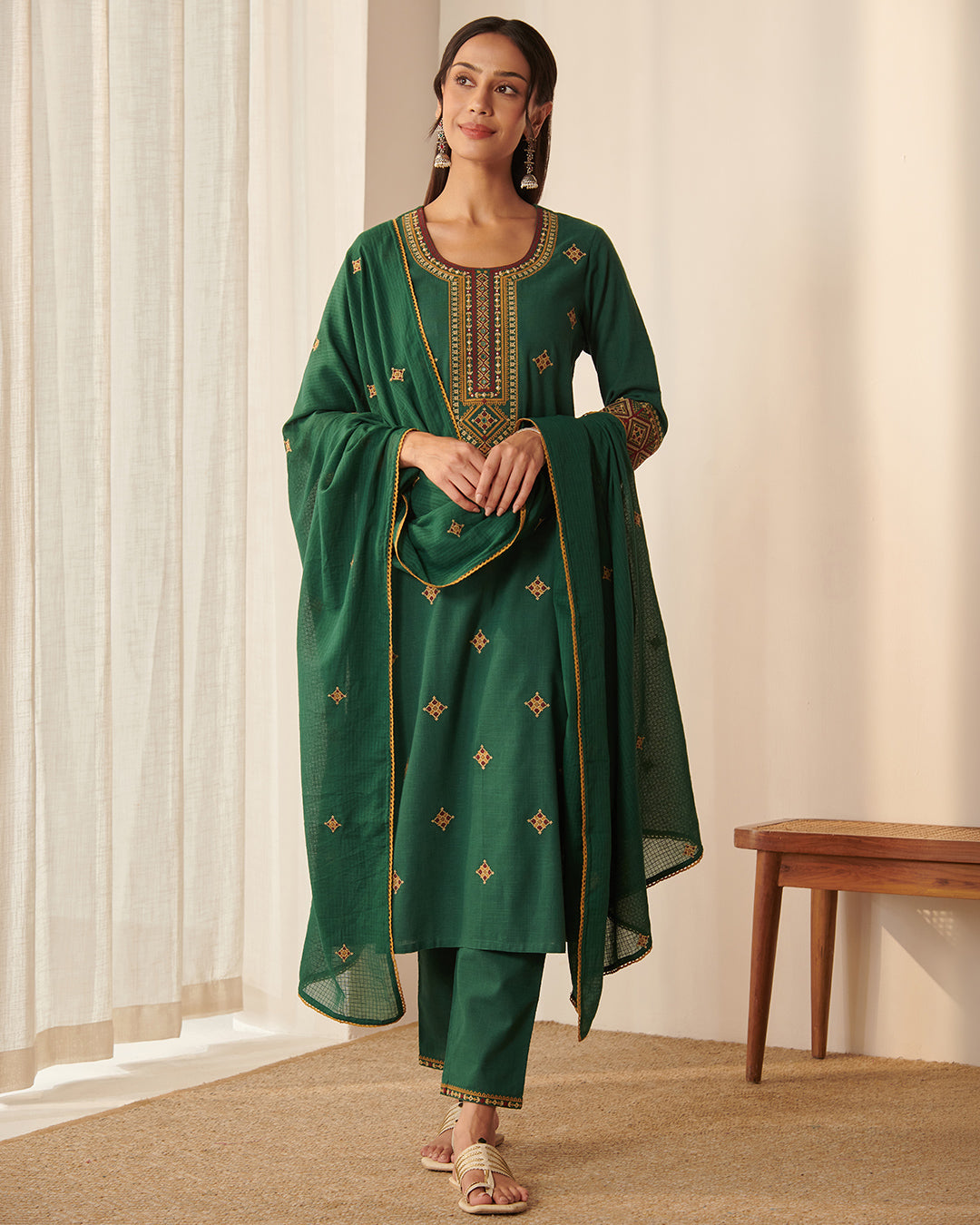
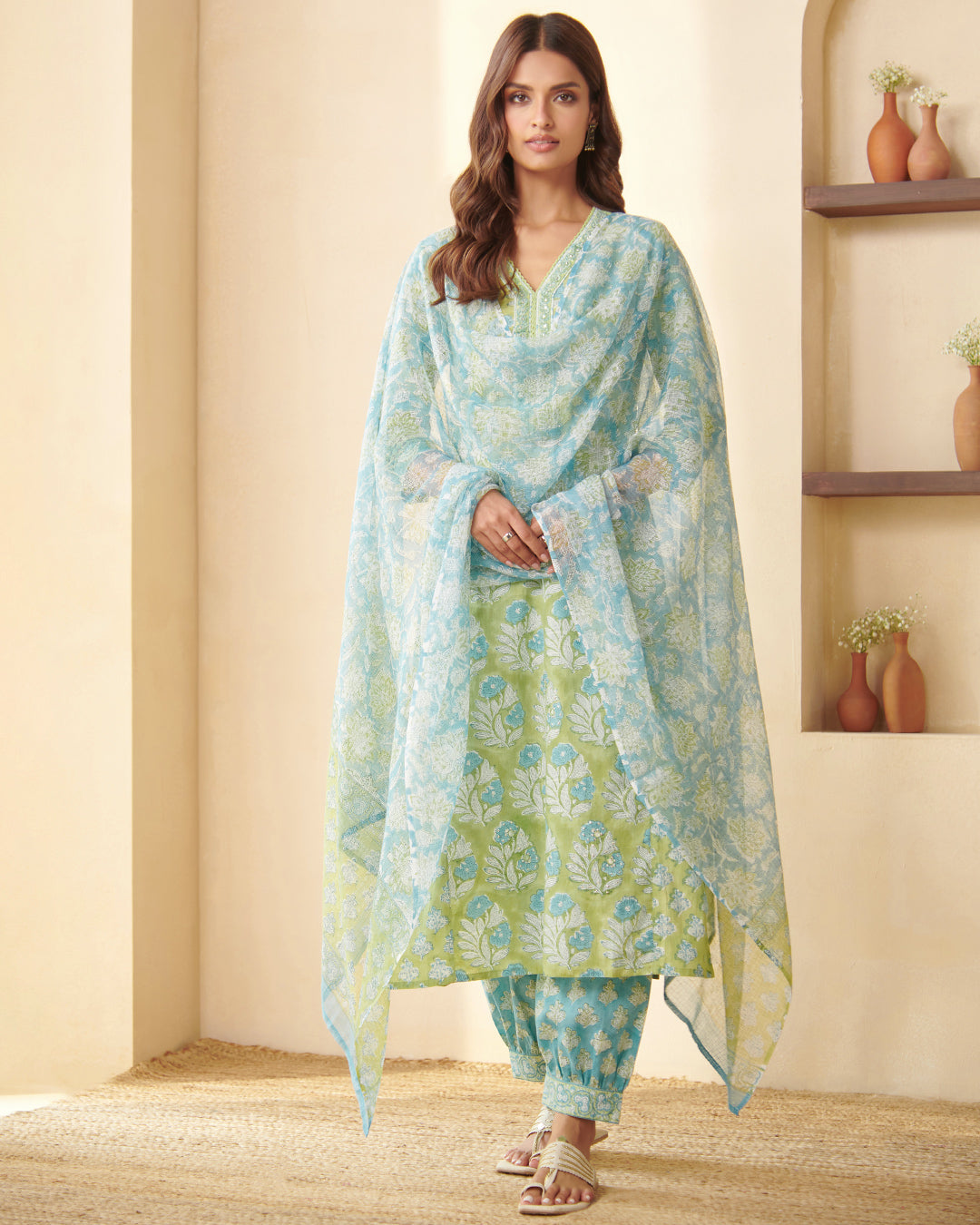
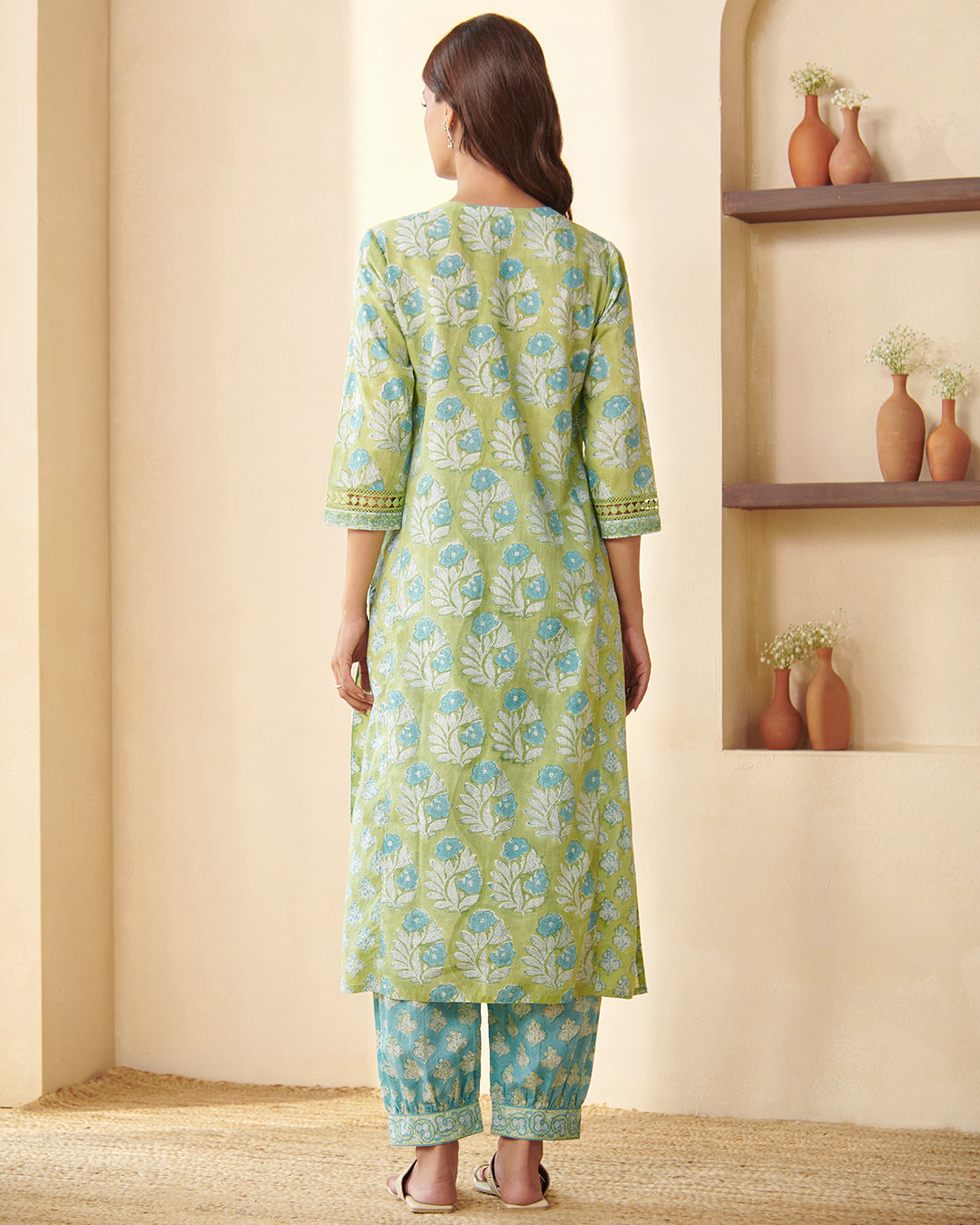
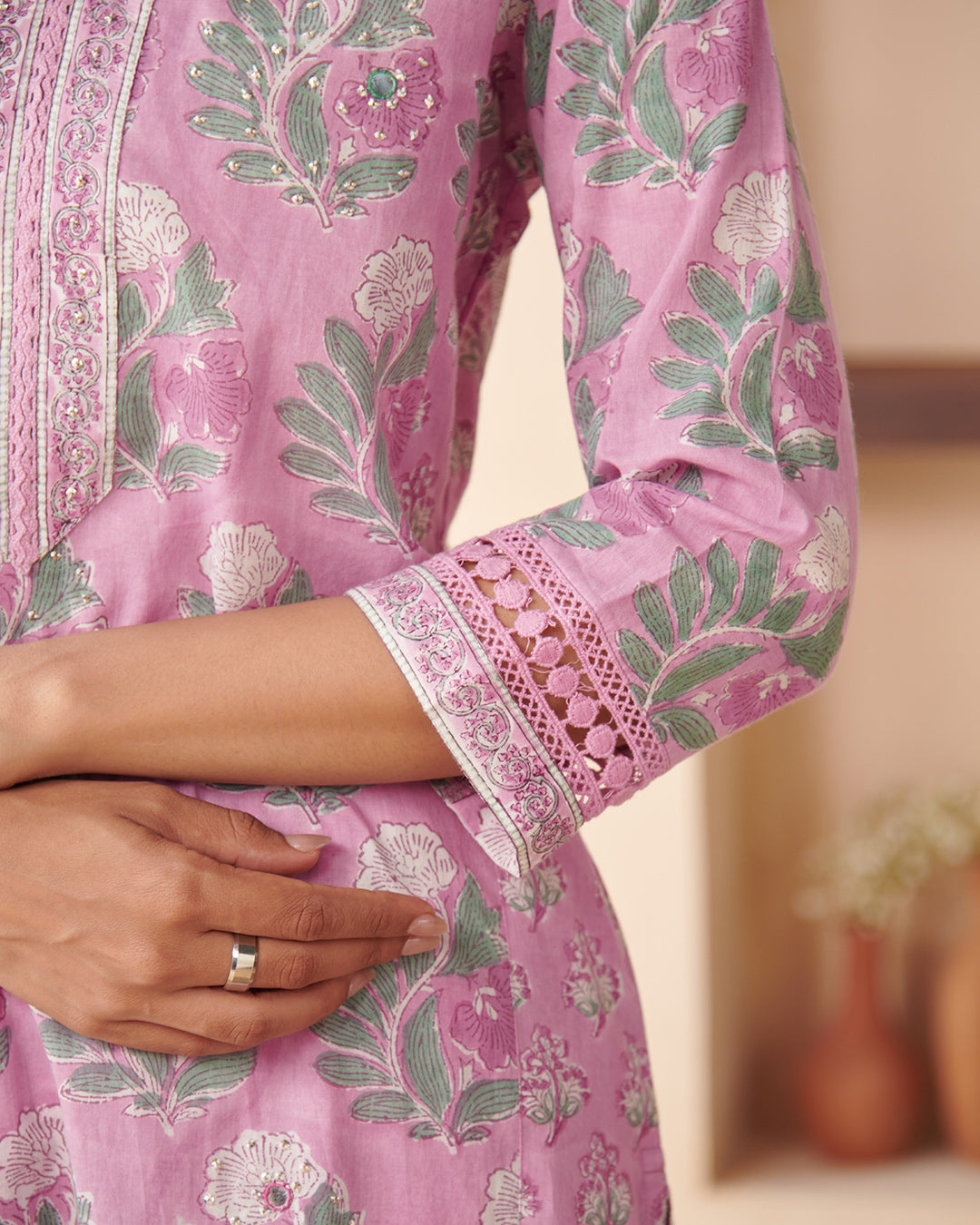
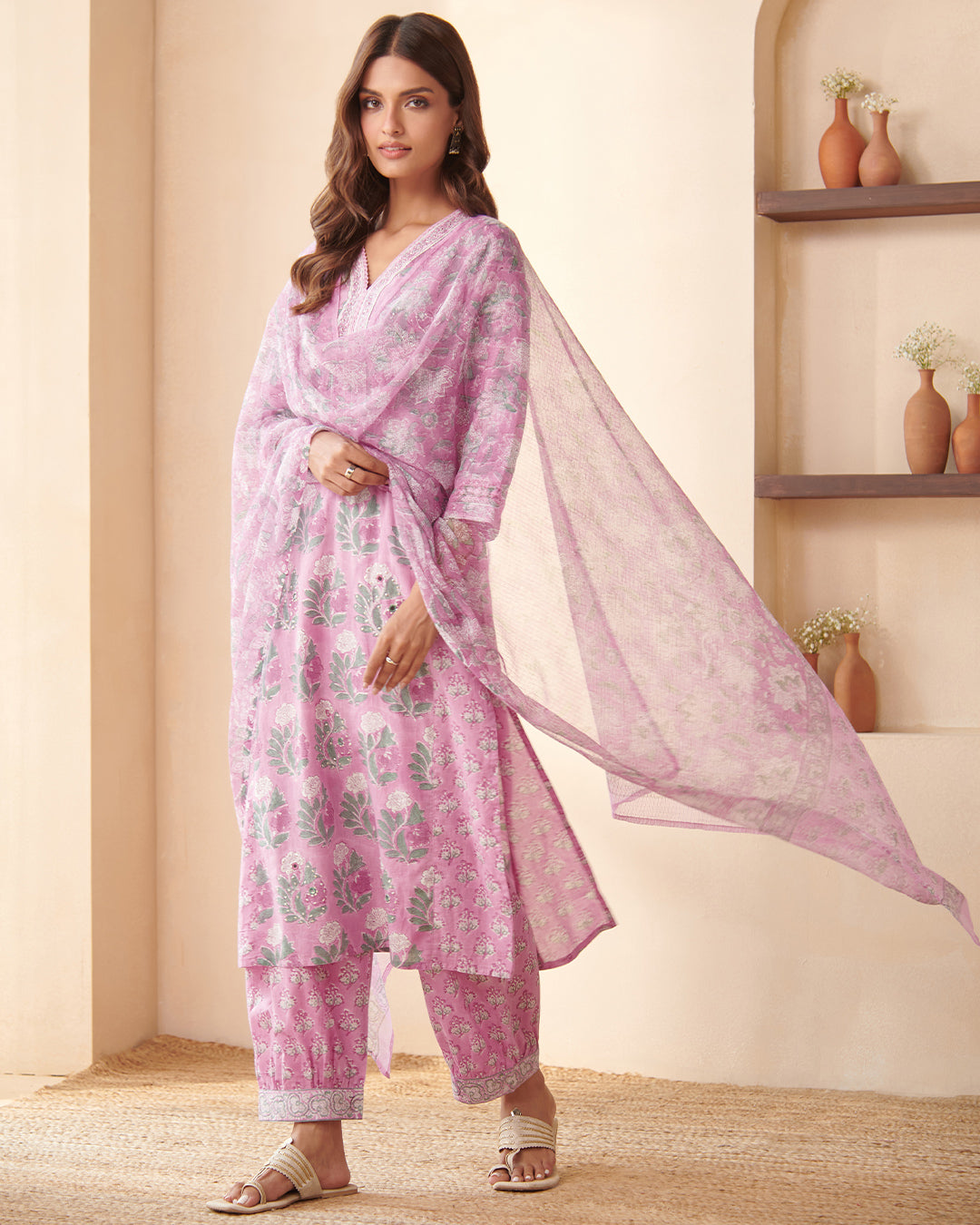
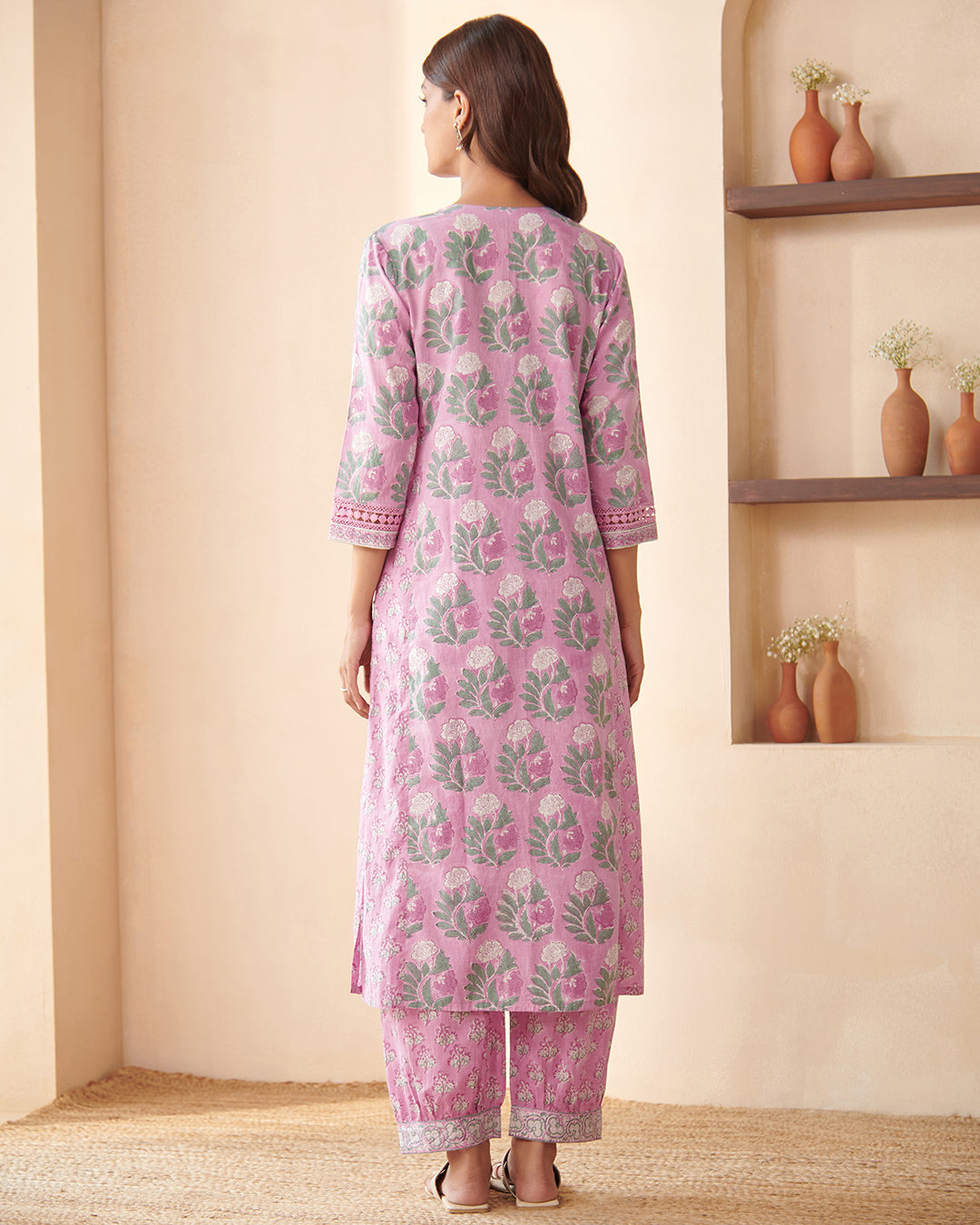
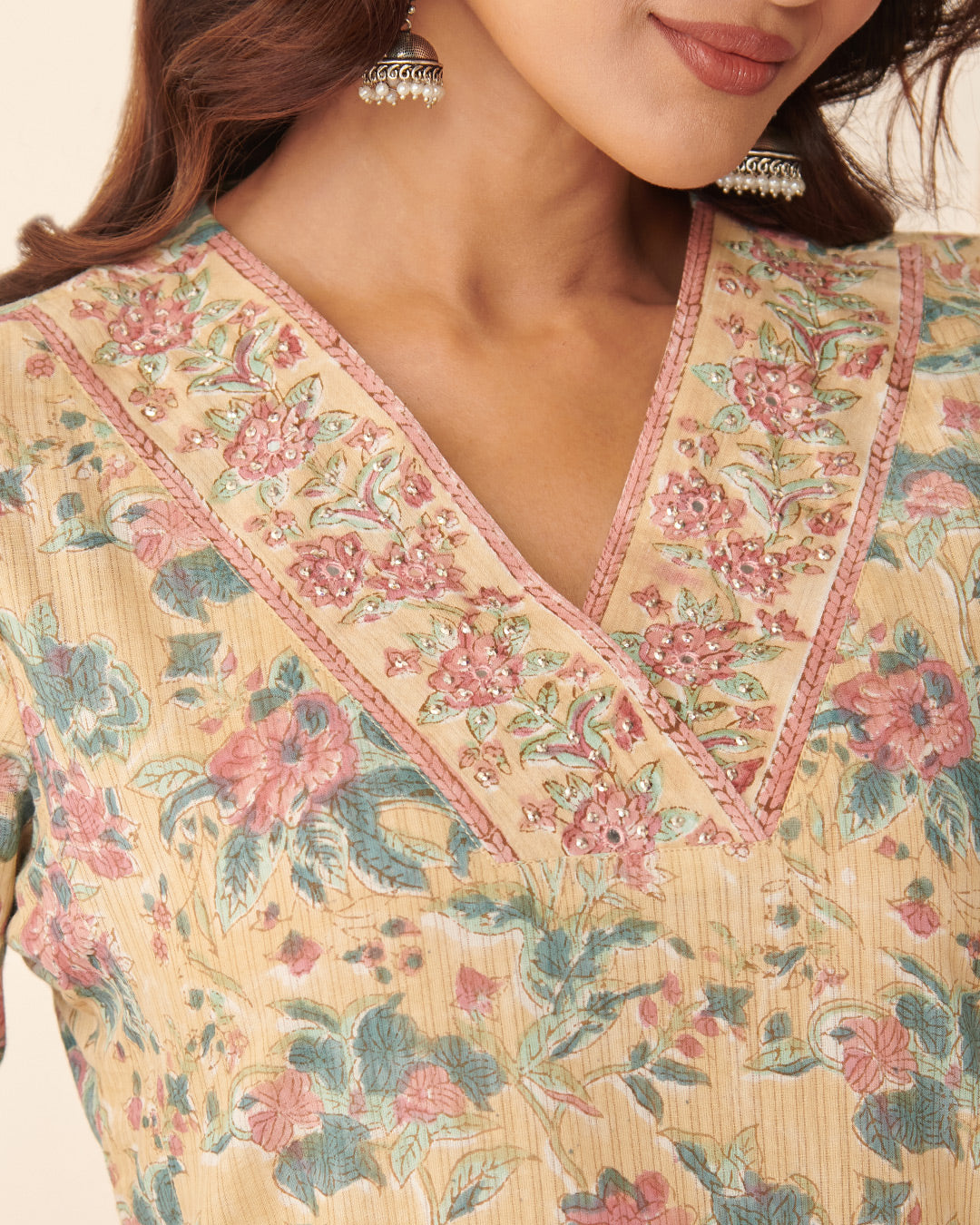
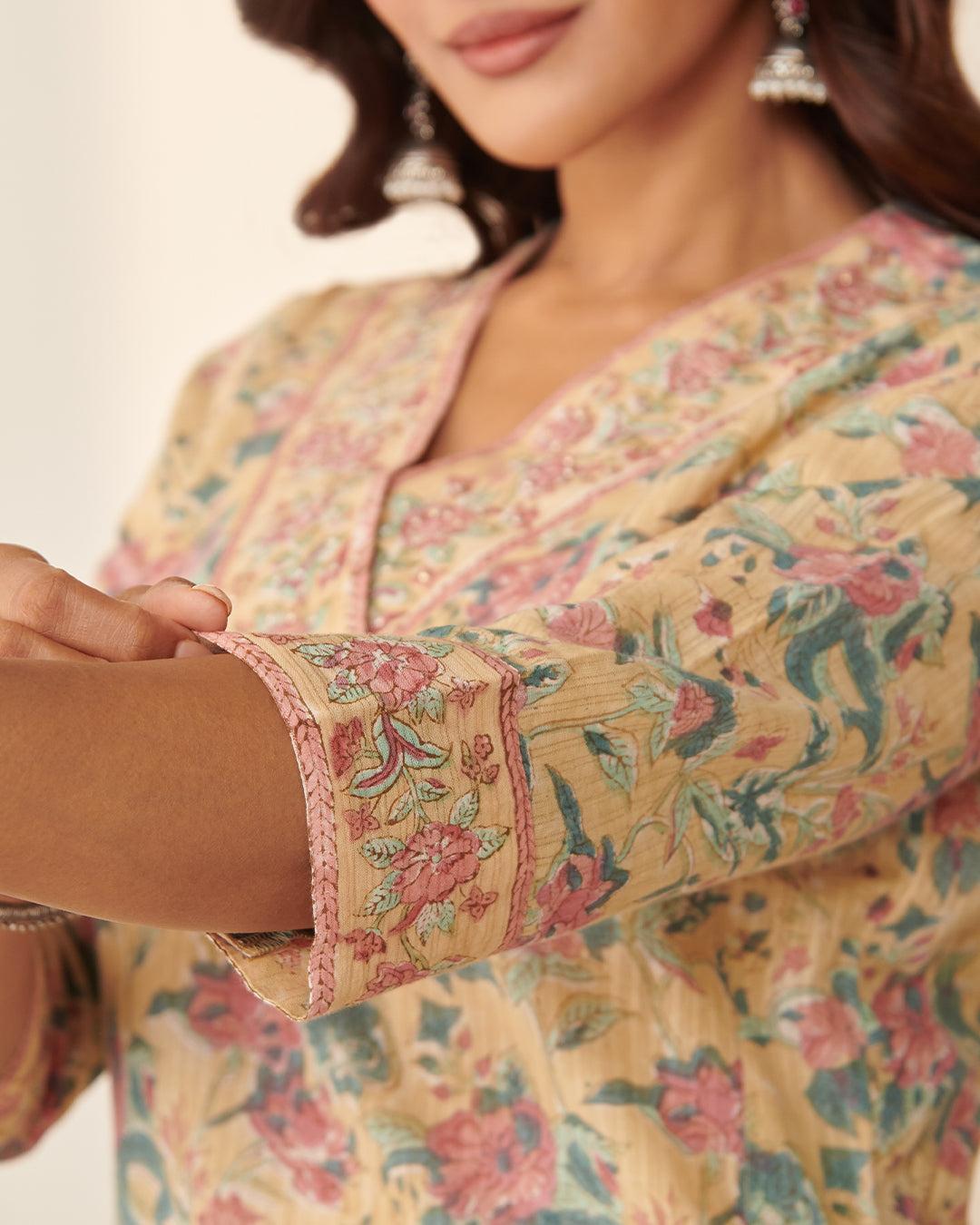
Among the many bottoms that pair beautifully with kurtas, farsi pants stand out for their ease and adaptability. Handcrafted in fabrics like breathable cotton, fluid viscose, or festive dola silk, they come in a wide variety of styles- plain, printed, embellished, or adorned with hand-printed and hand-block printed motifs.
-
What makes them special is their balance of comfort and structure. The elasticised waist, drawstring tie, and deep pockets add a layer of functionality that makes them practical for everyday wear.
-
At the same time, their flow and shape create a relaxed yet refined look that works across occasions. Whether it is a formal event where you want to carry a polished appearance or a casual gathering that calls for effortless style, farsi pants adjust with ease.
-
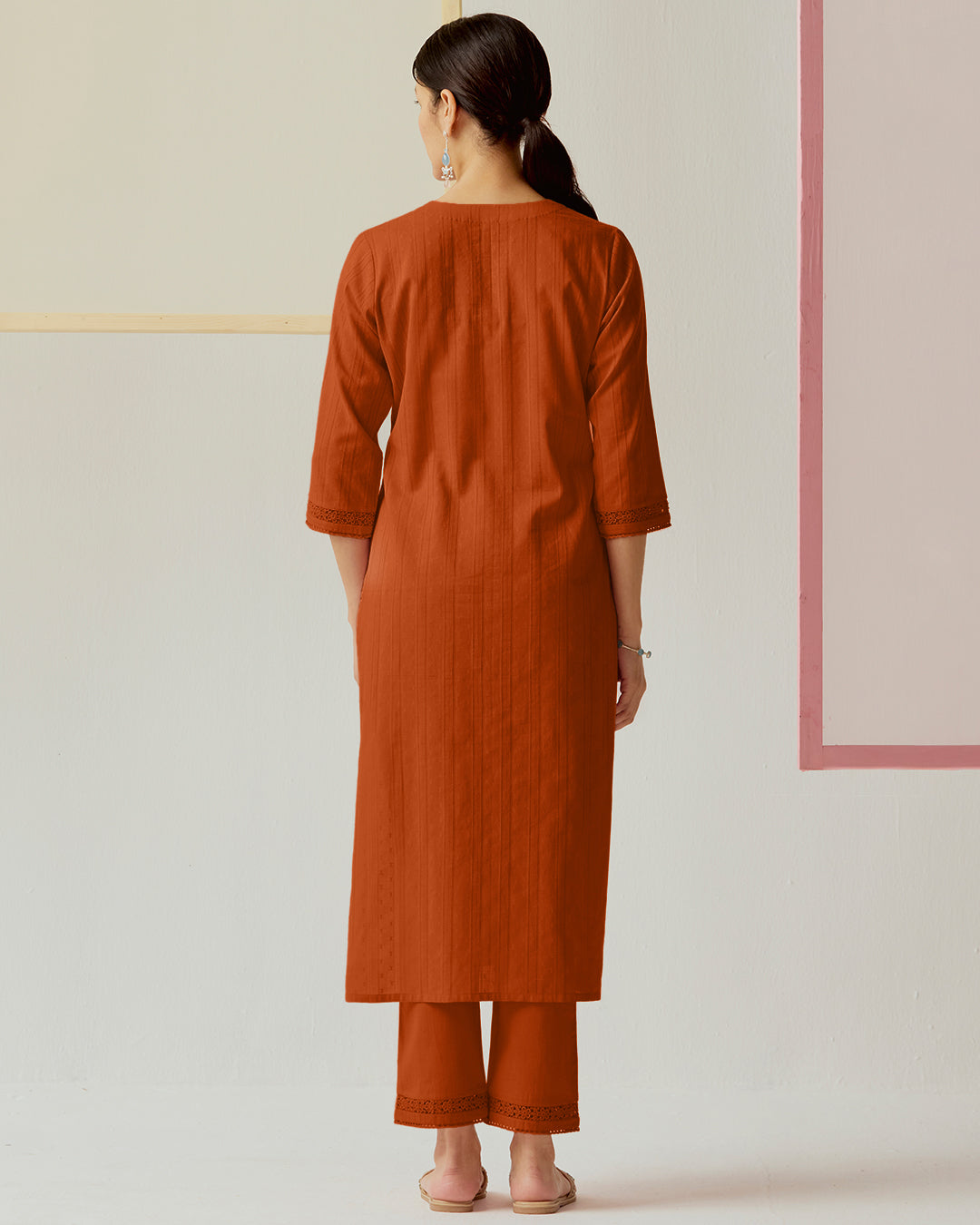
They pair well with straight kurtas, A-line designs, short kurtas, or even longline tops, giving women the freedom to mix and match.
-
Contemporary in appeal yet rooted in traditional design, farsi pants have become a wardrobe essential that bridges versatility, style, and comfort.

2. Palazzos
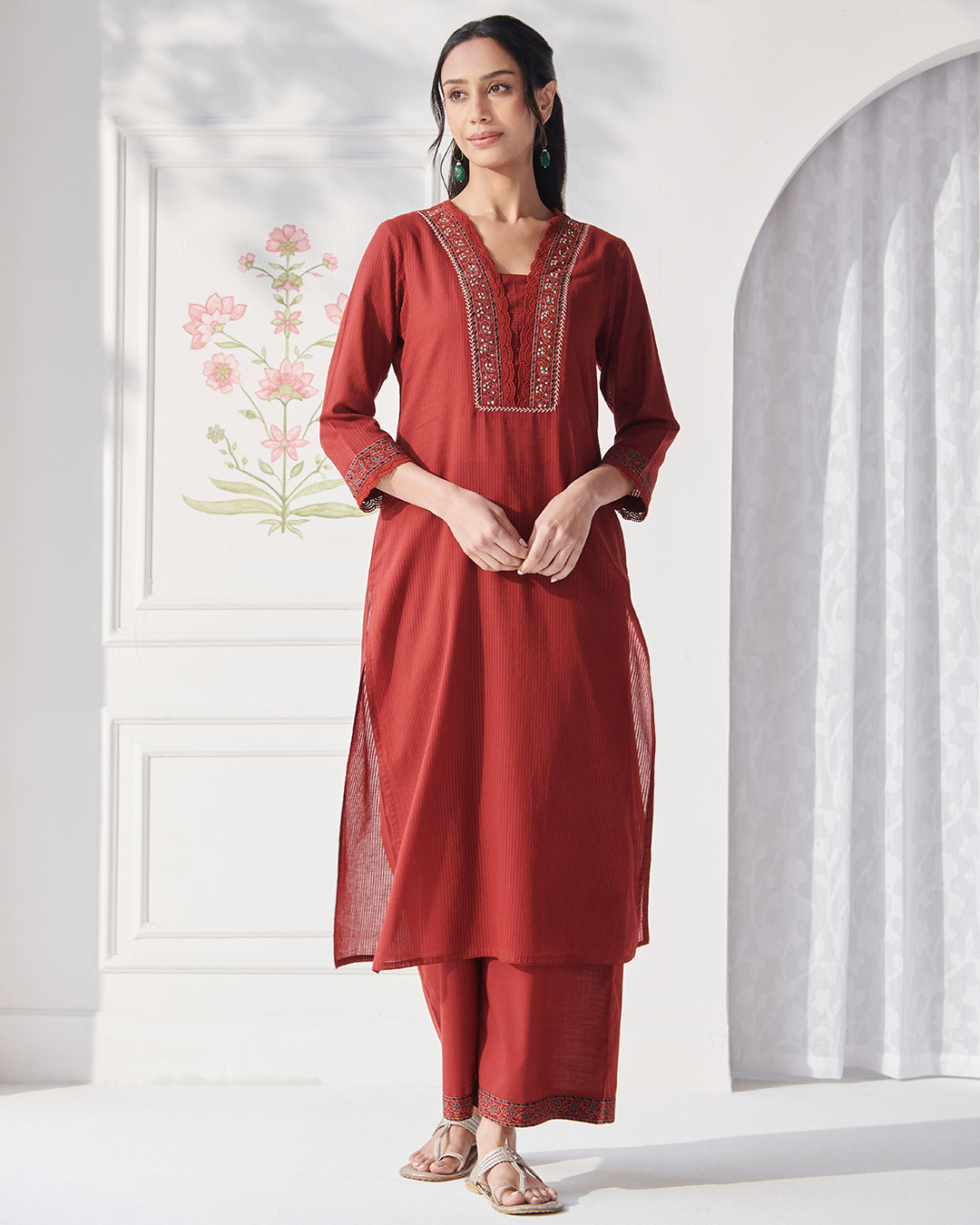
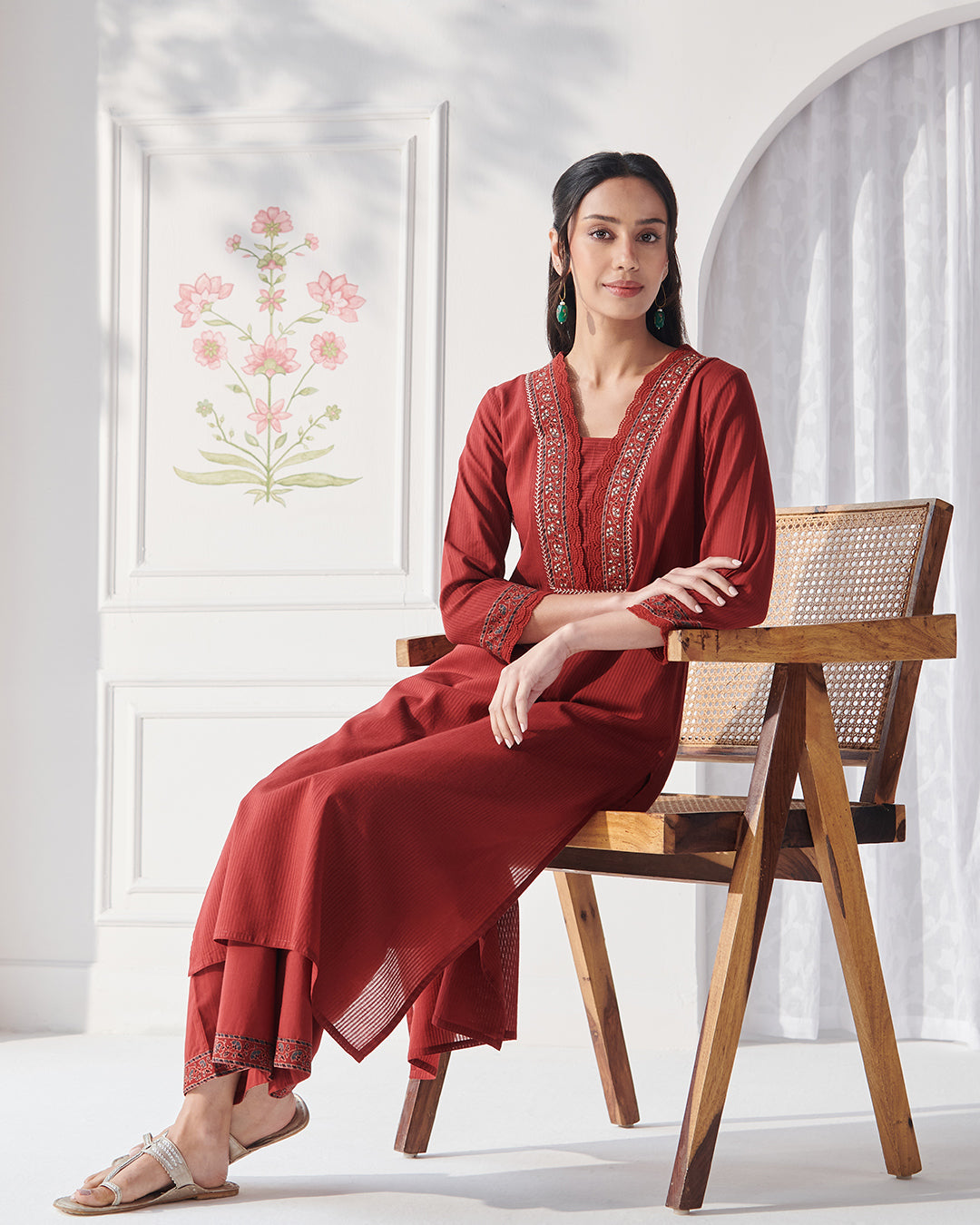
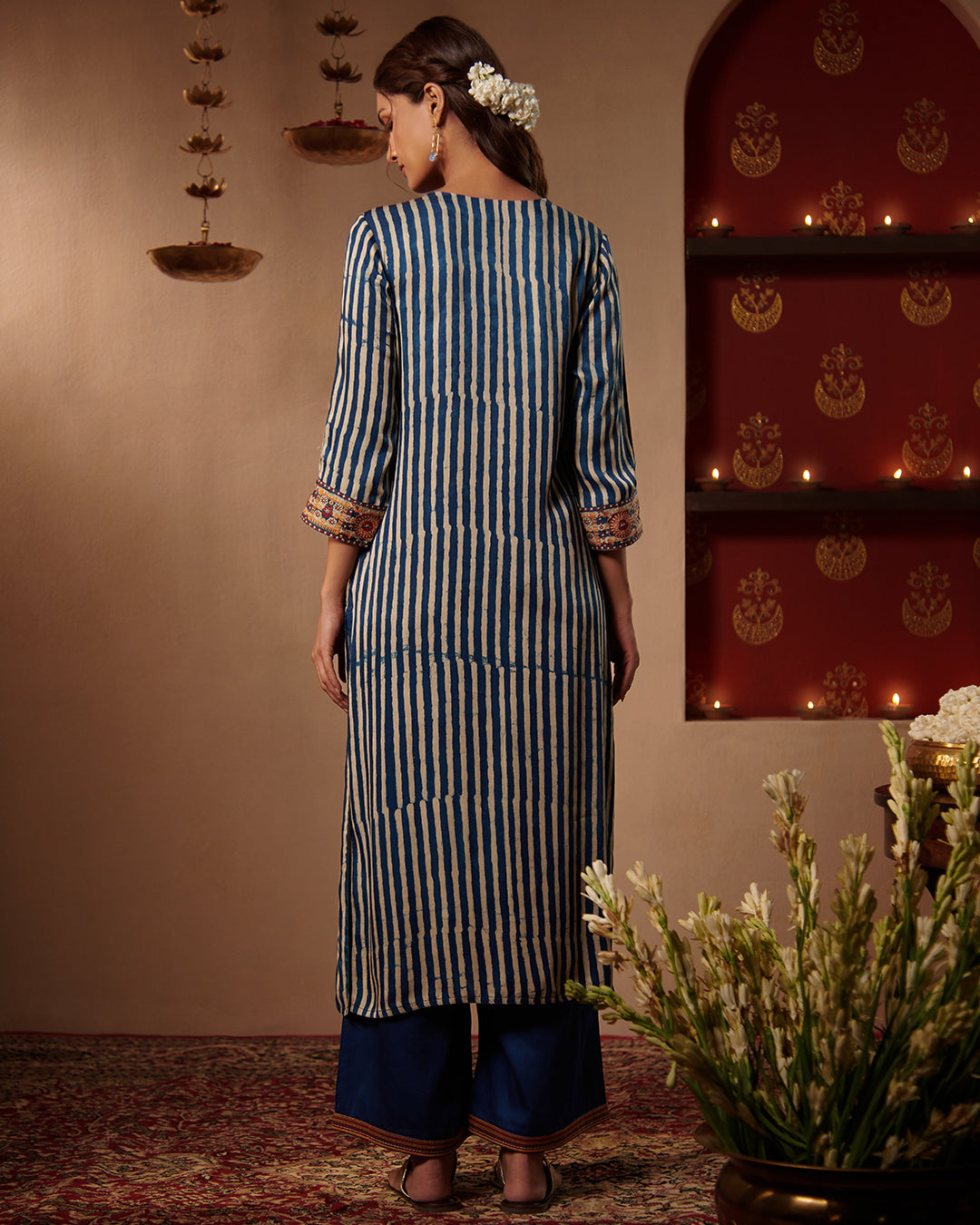
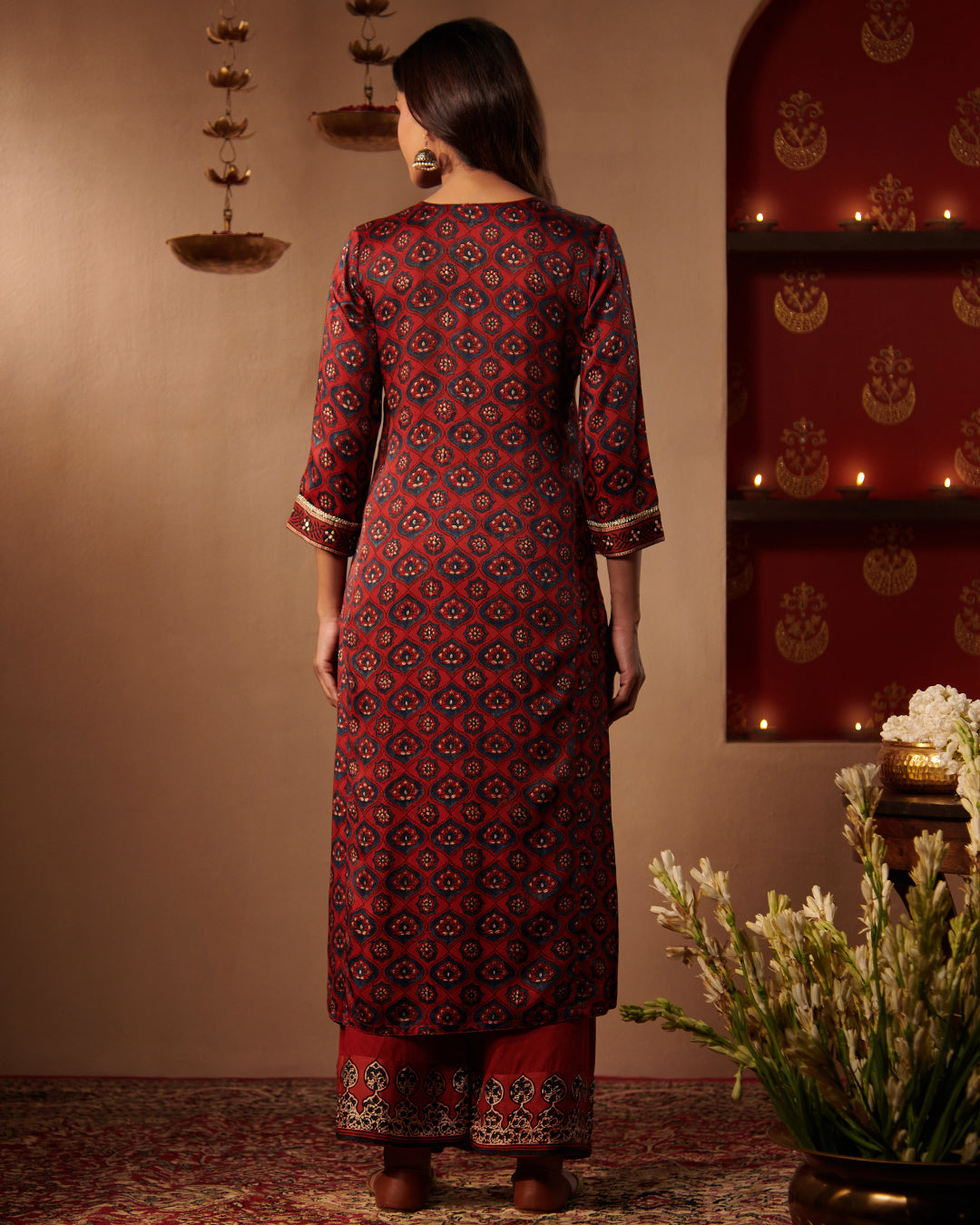
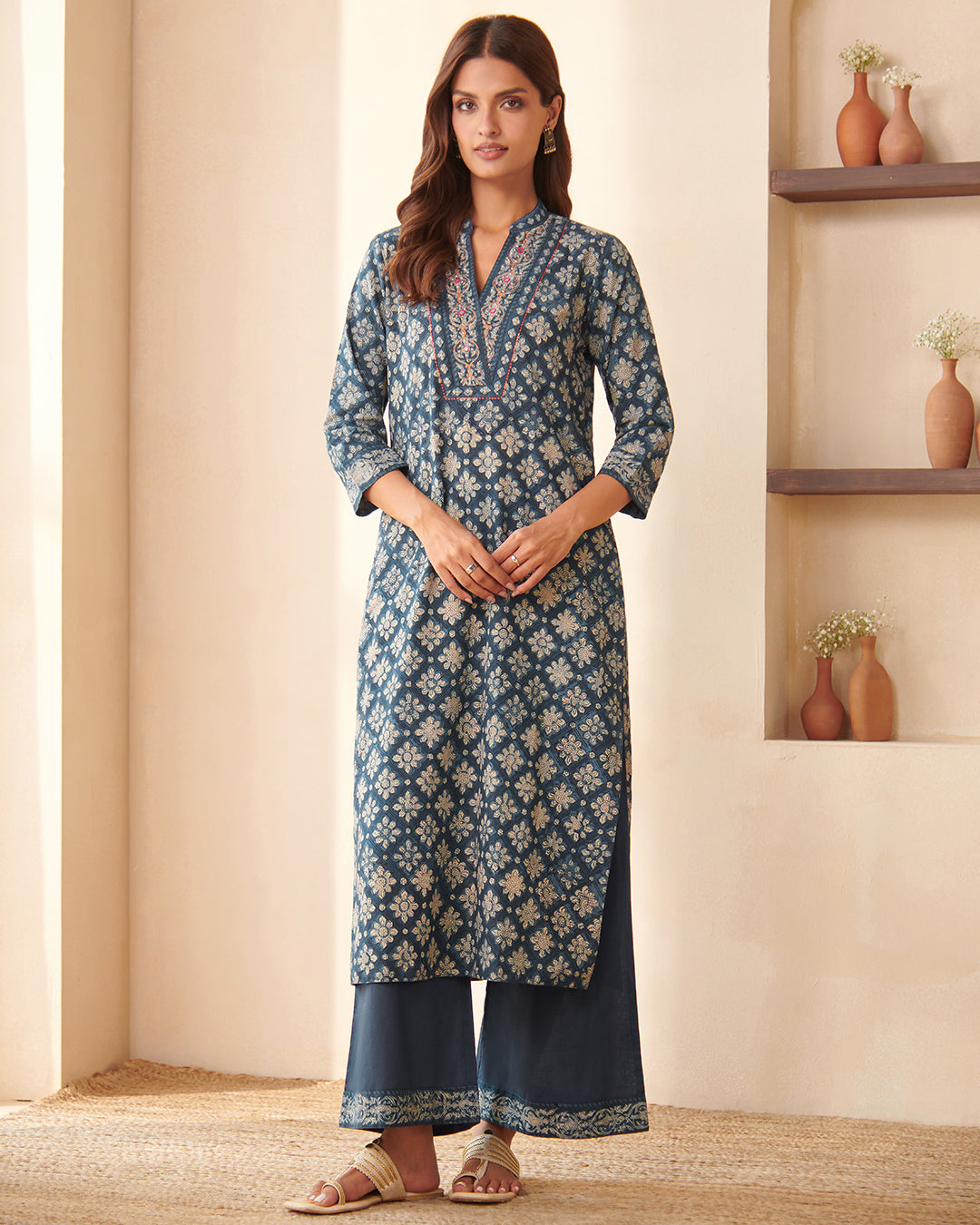
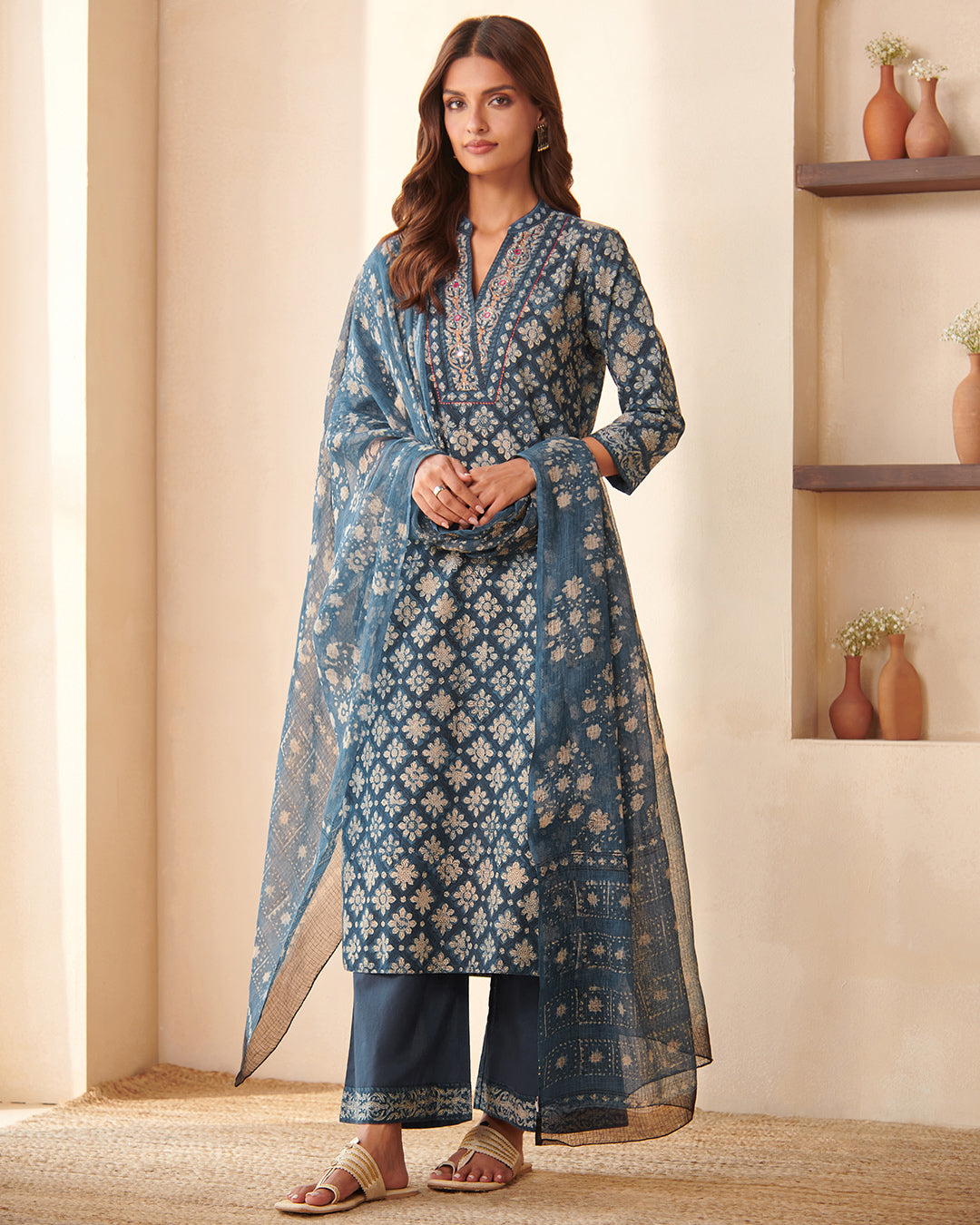
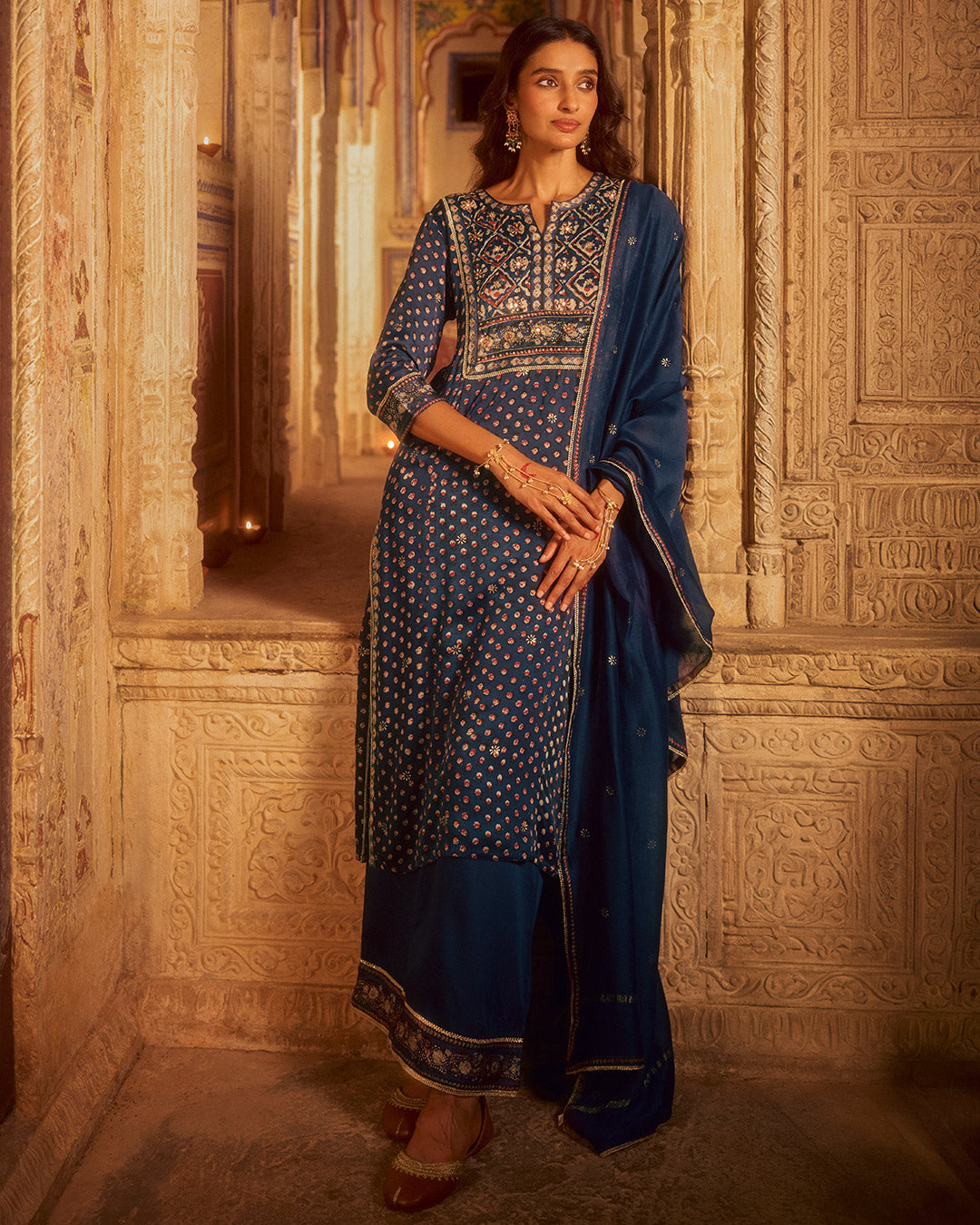
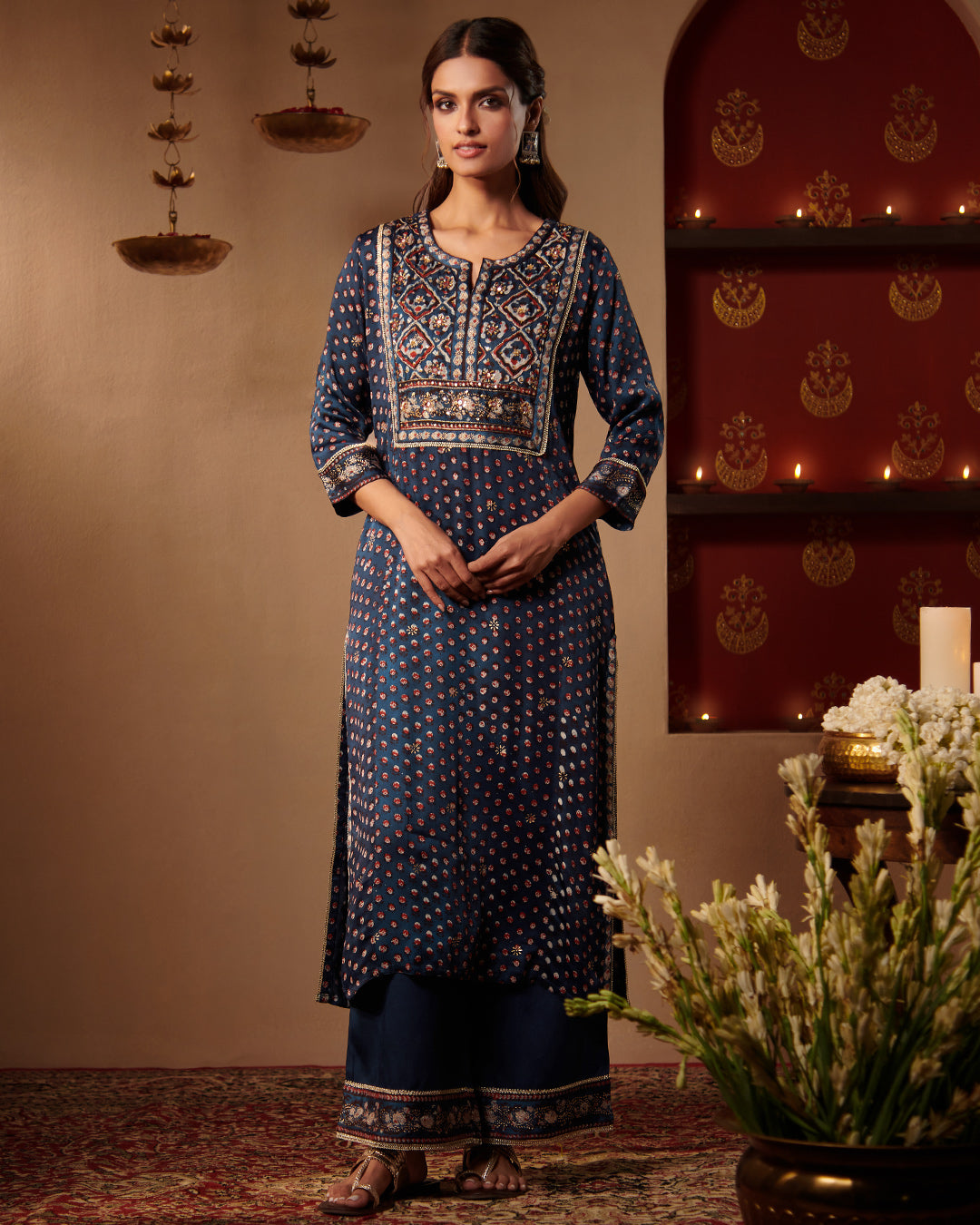
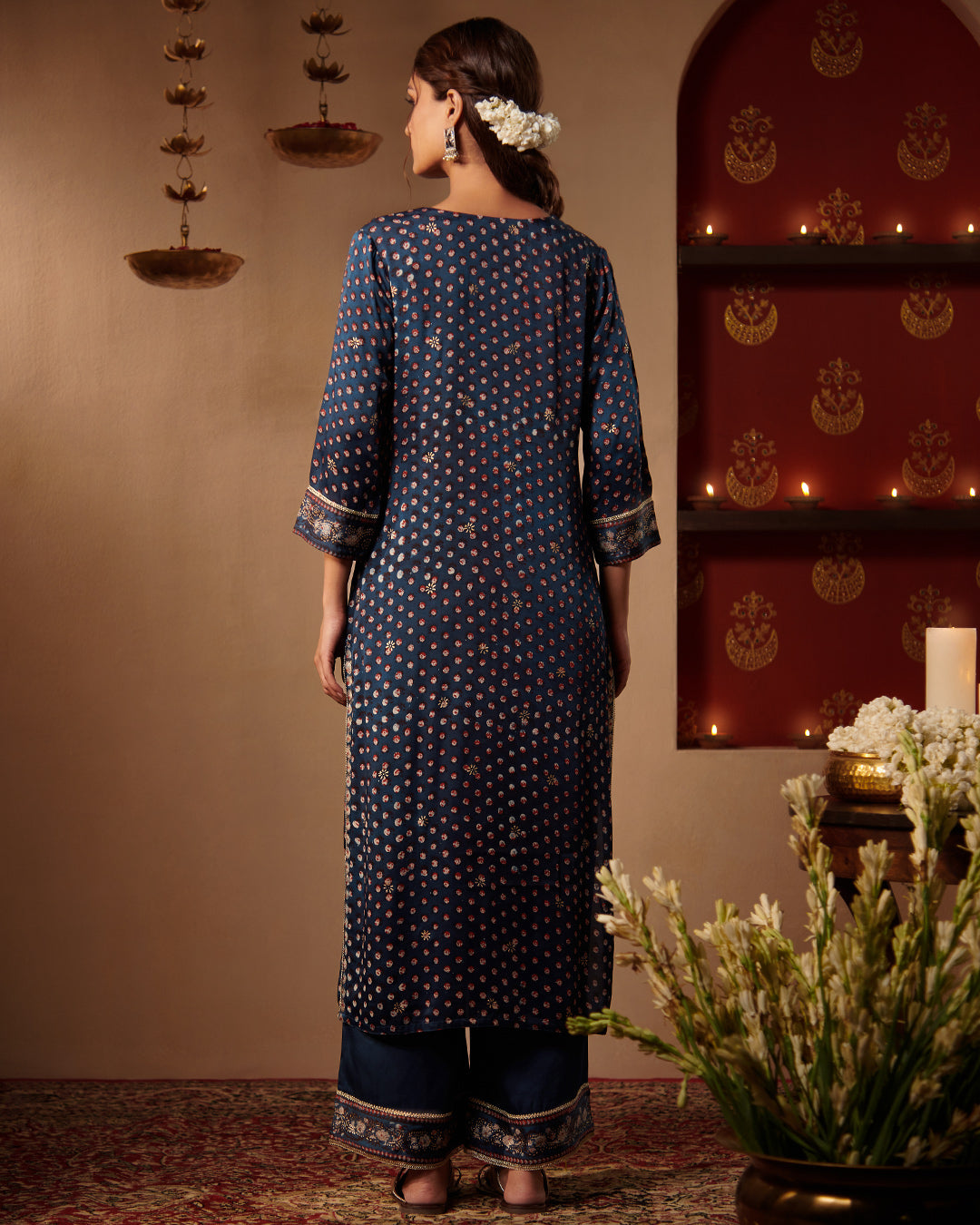
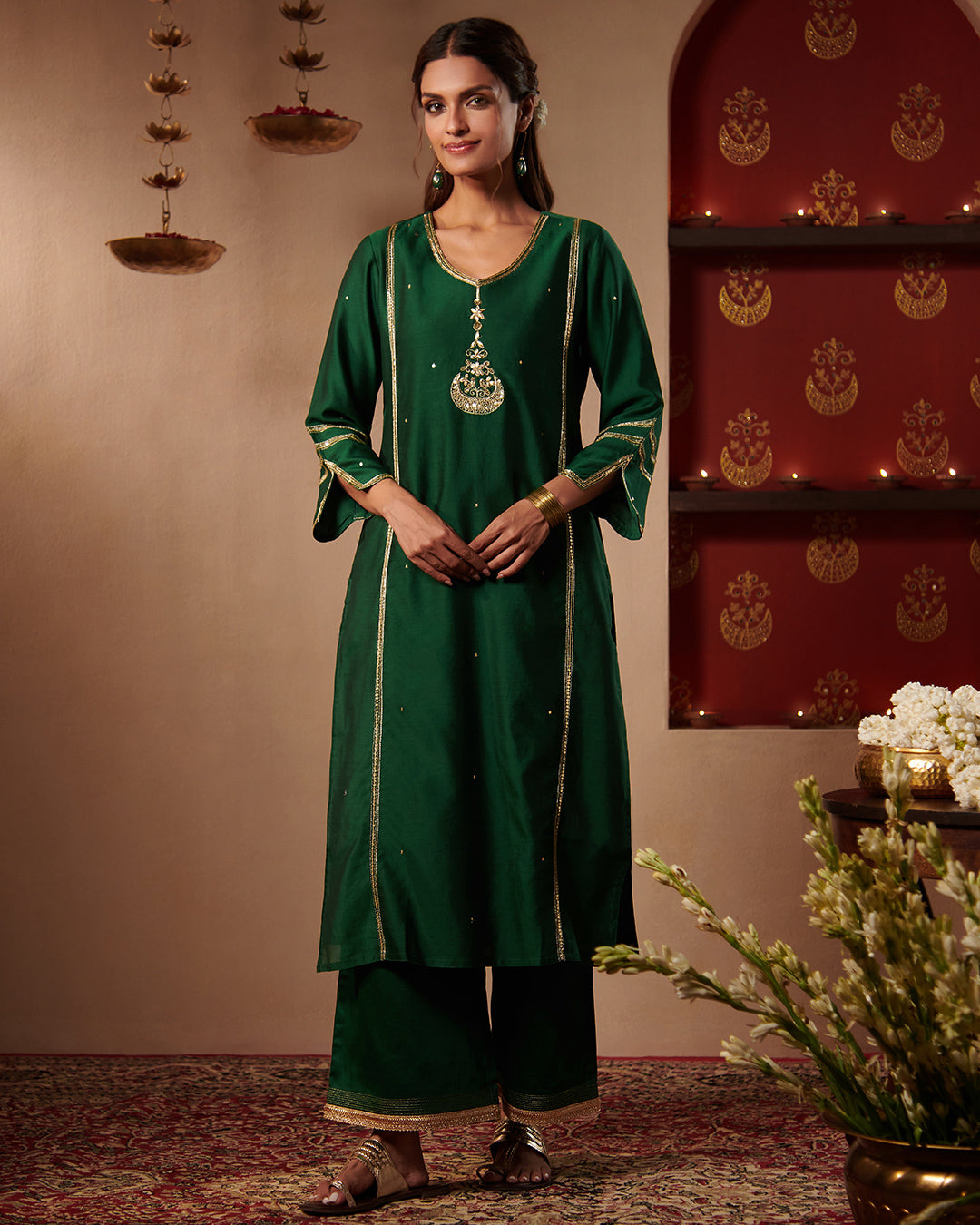
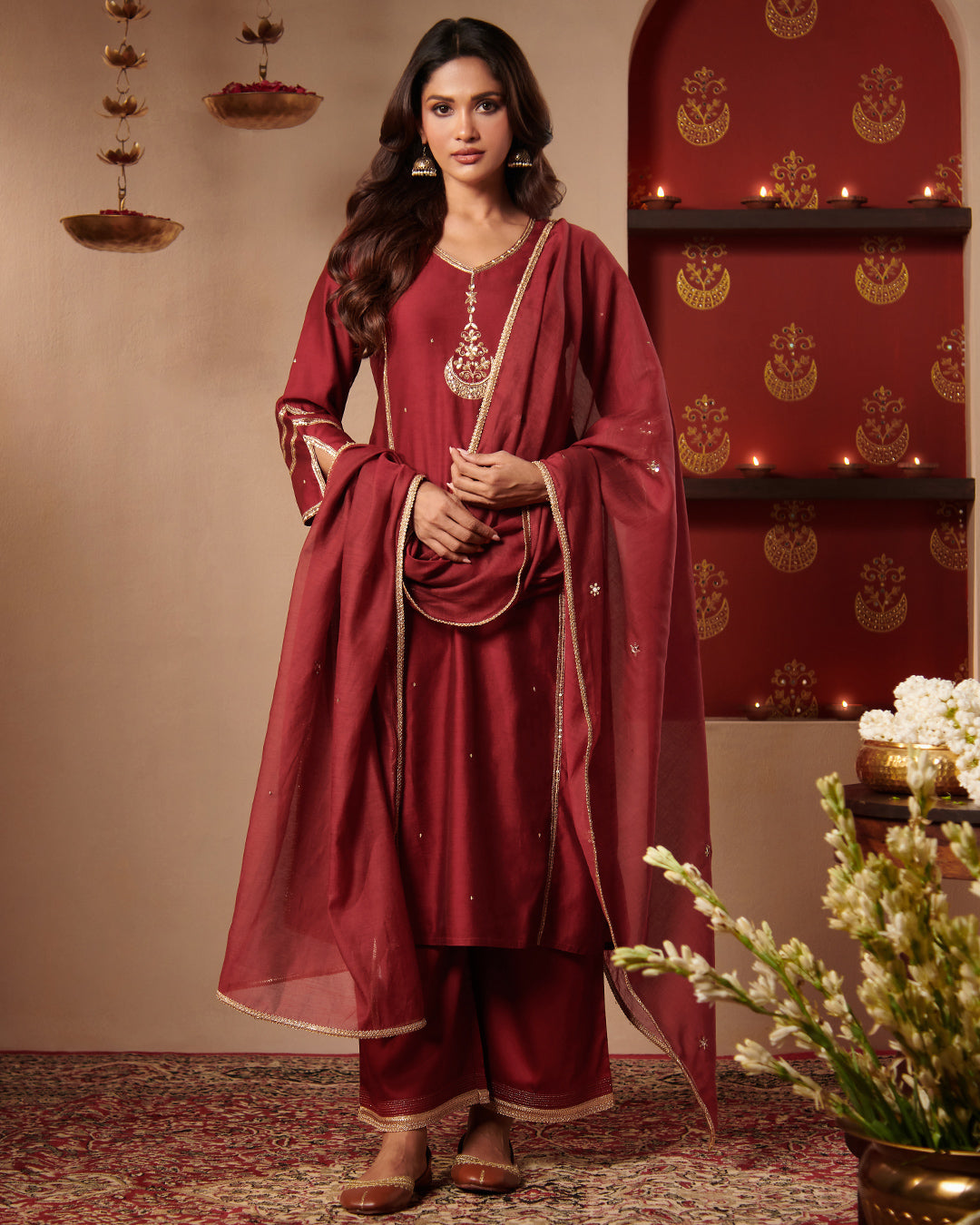
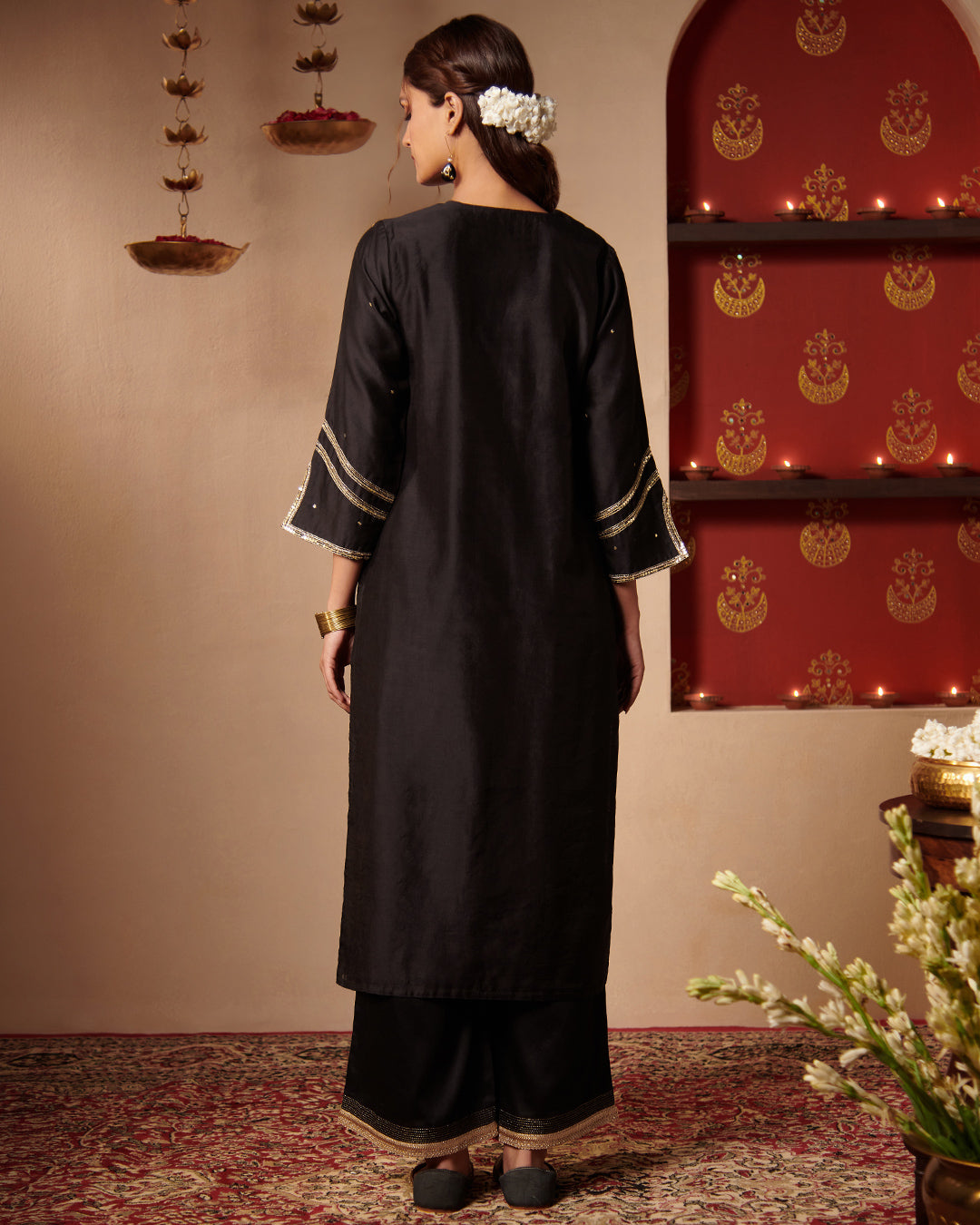
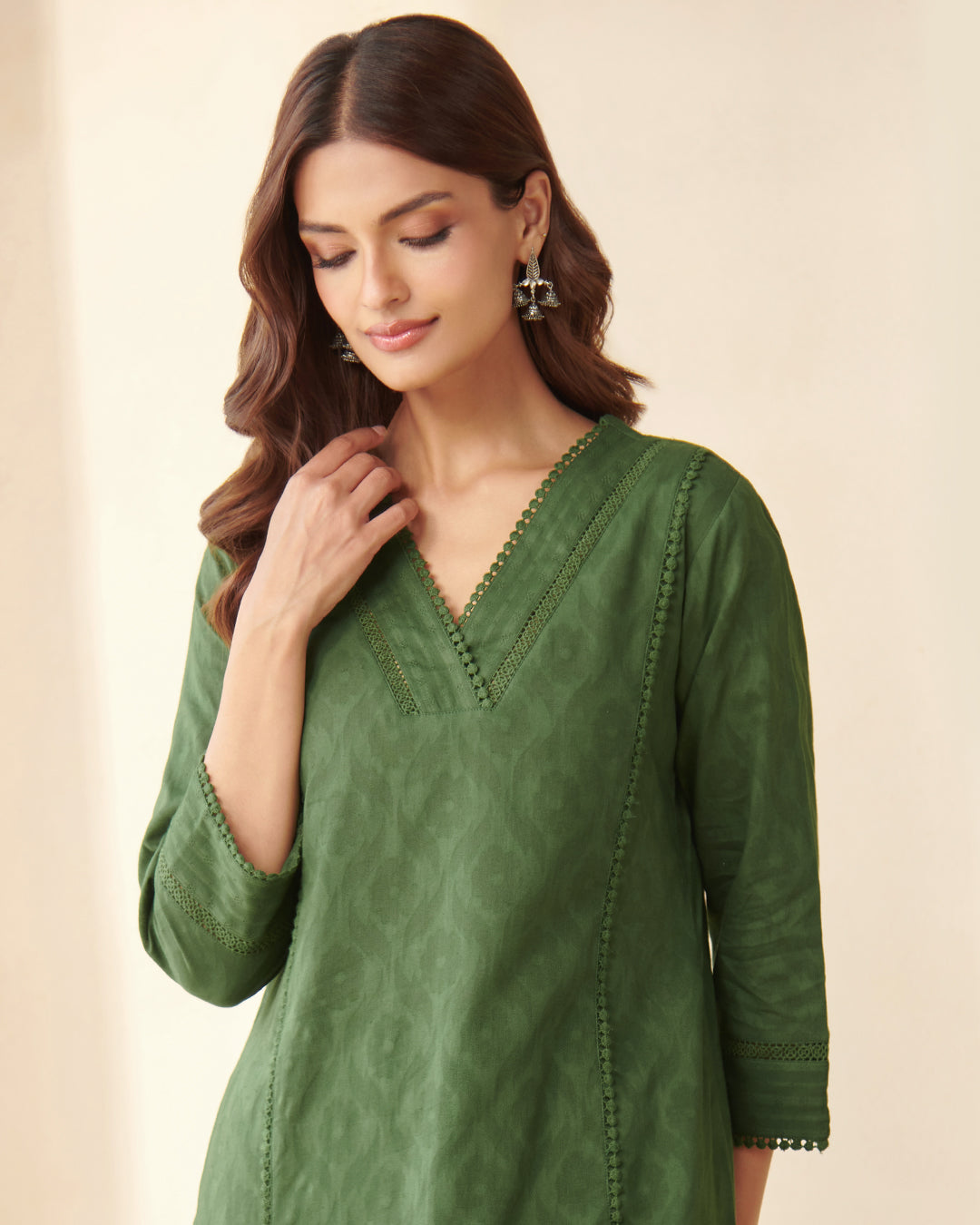
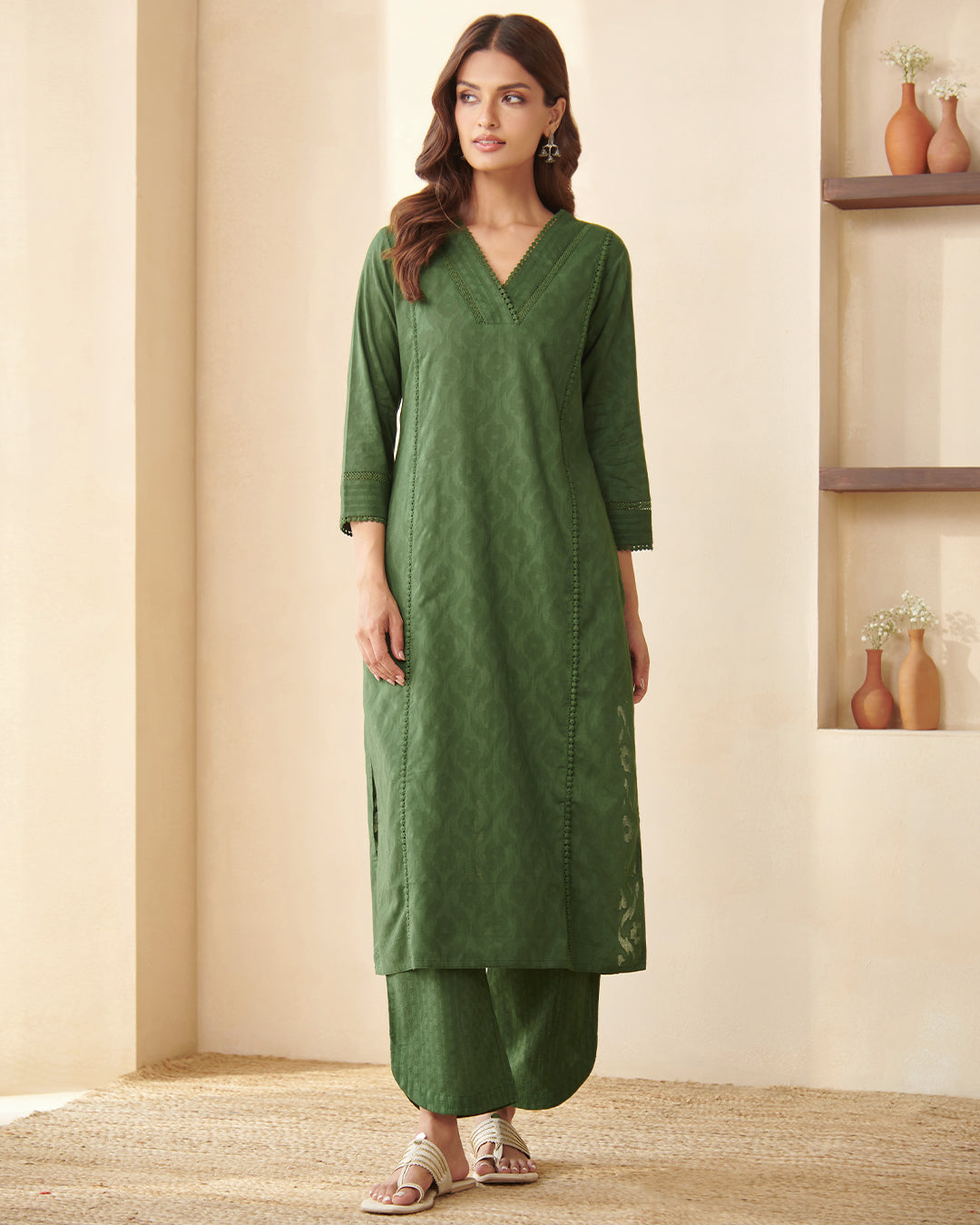
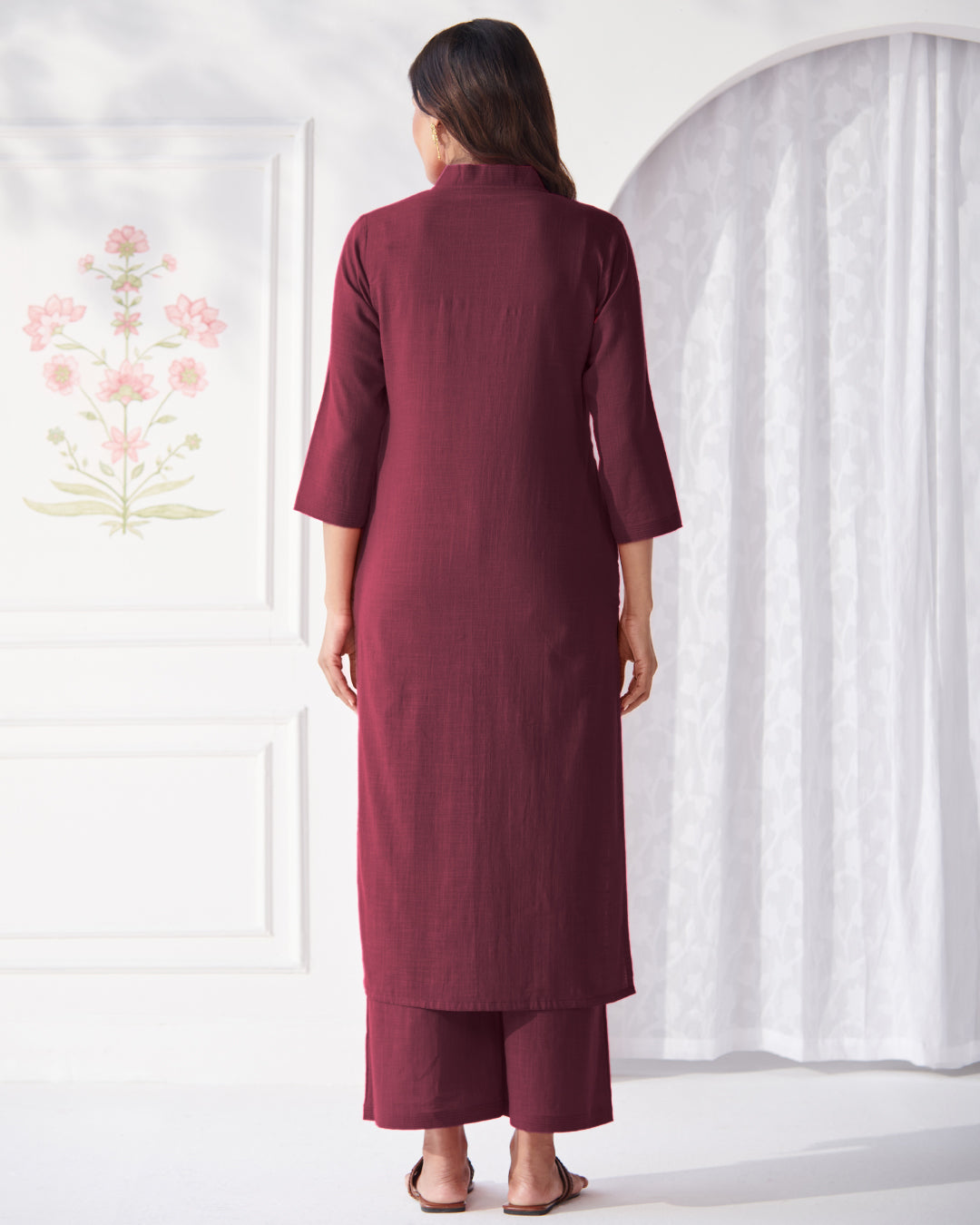
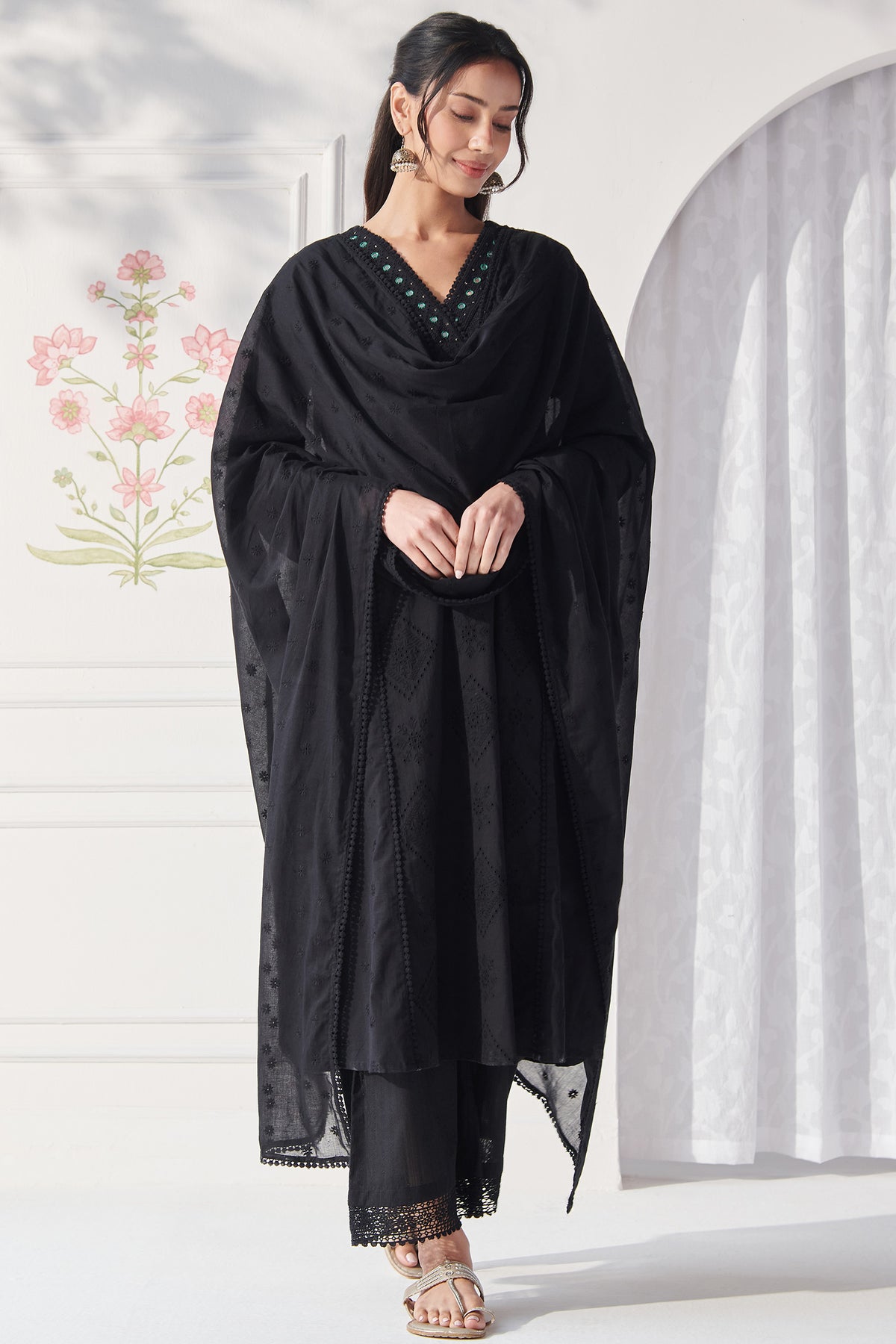
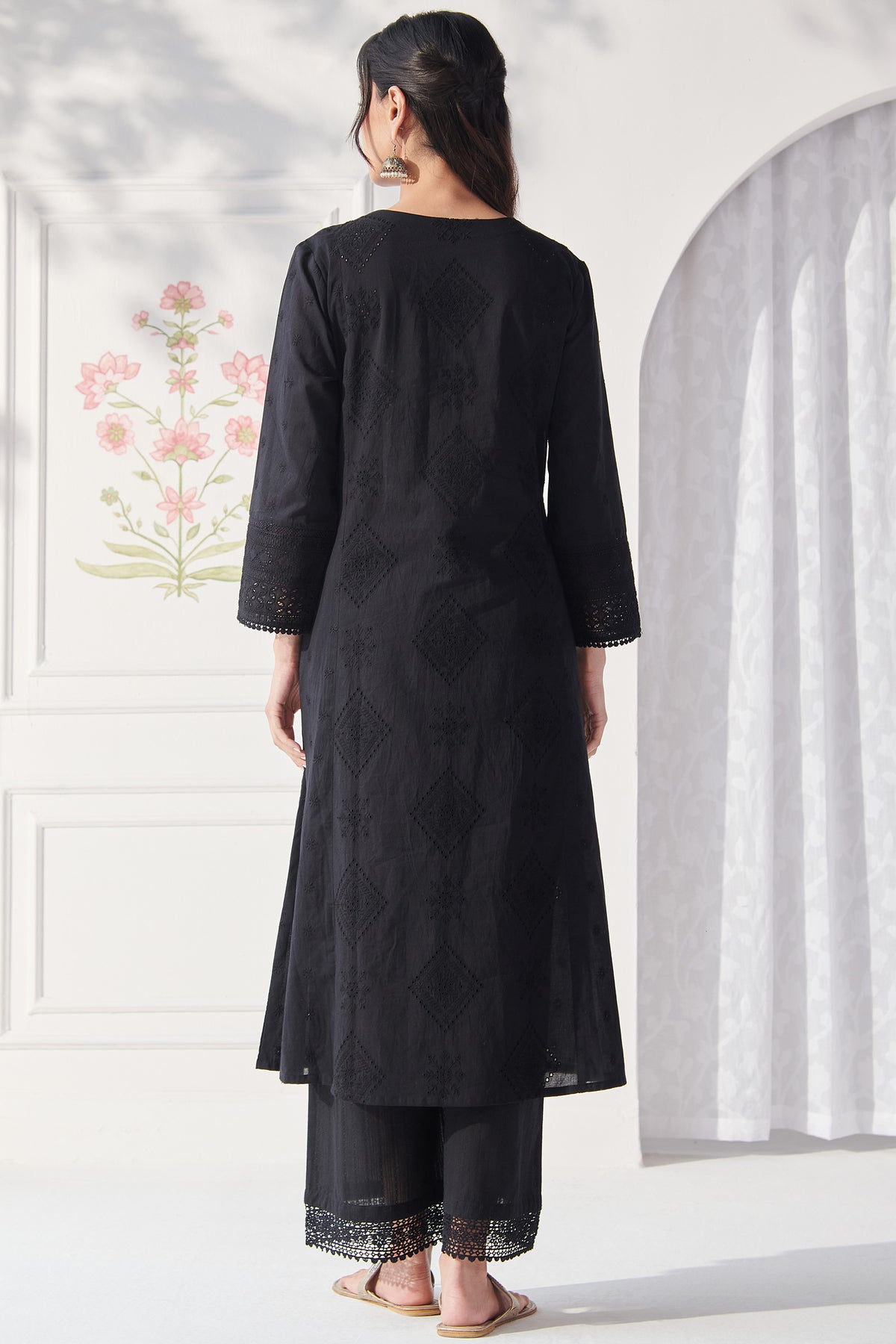
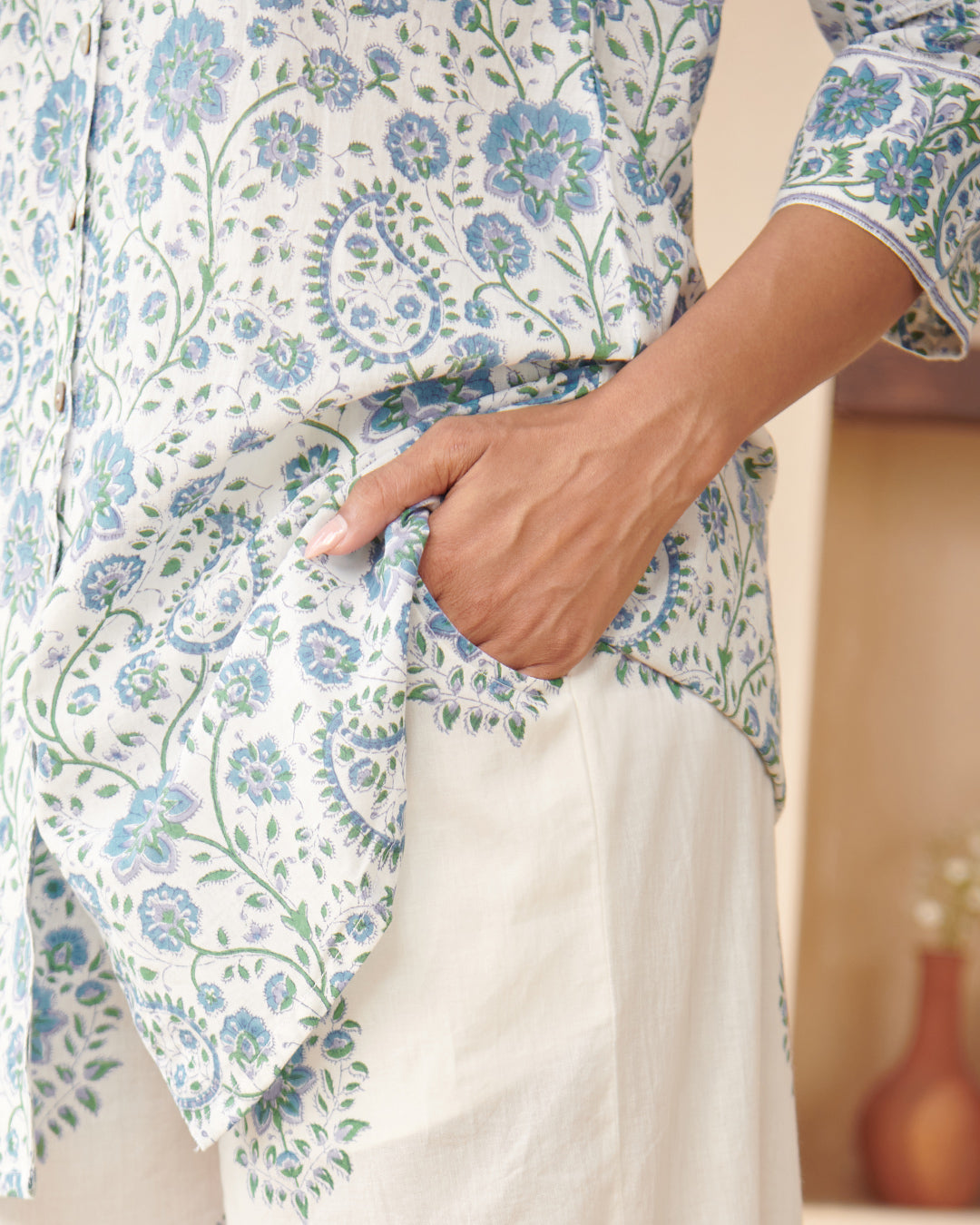
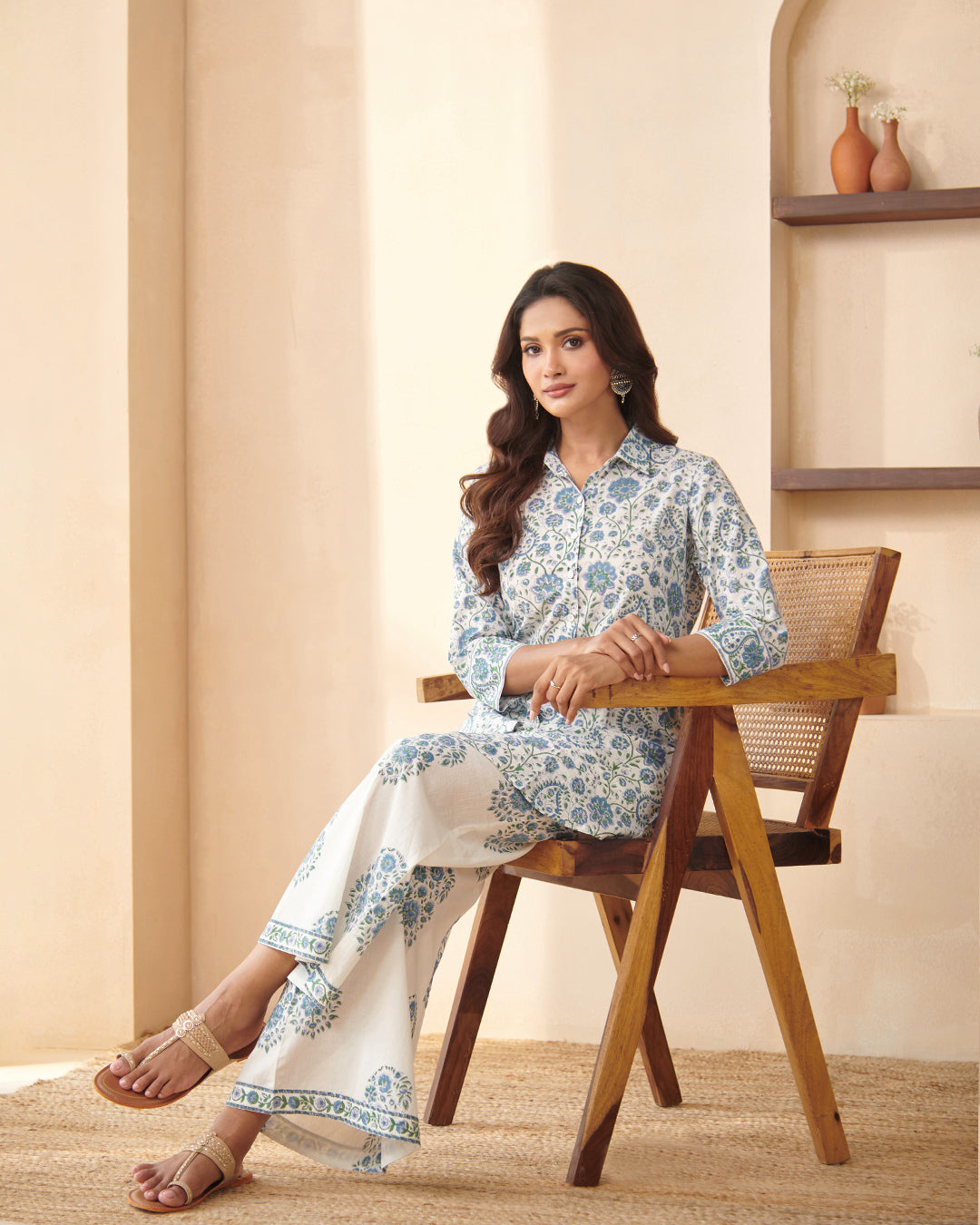
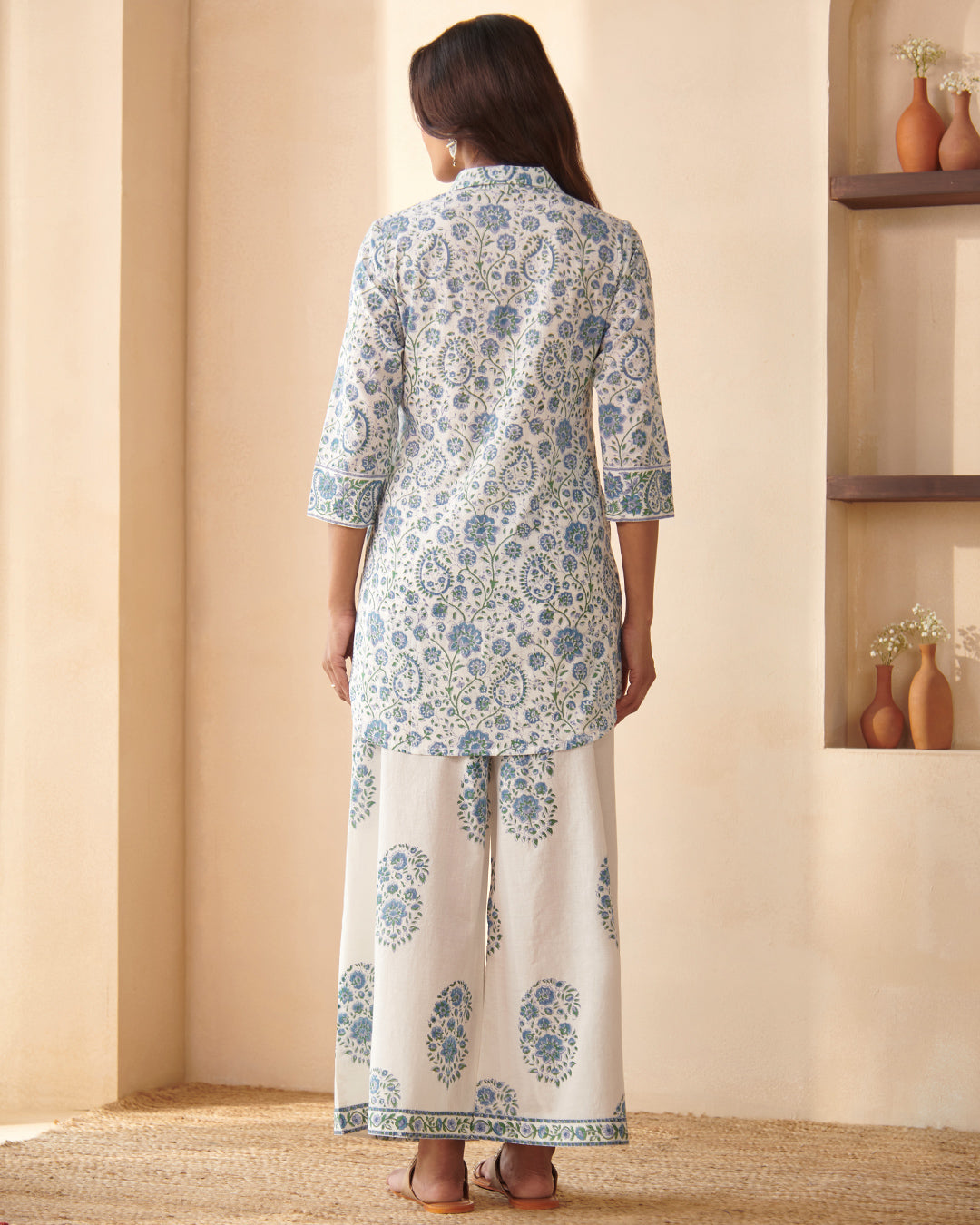
Palazzo pants offer a unique combination of comfort, style, and versatility, making them a popular choice for women pairing bottoms with kurtas. Crafted from fabrics such as cotton, silk, or cotton blends, they are breathable and lightweight, ideal for casual outings or relaxed gatherings. The wide-legged silhouette allows for ease of movement while creating a graceful flow that complements a variety of tops and kurtas.
-
Historically, palazzo pants also played an unexpected role in women’s fashion; during the 1960s, some restaurants banned women from wearing pants, considering them inappropriate, and palazzos became a subtle workaround for evening wear.
-
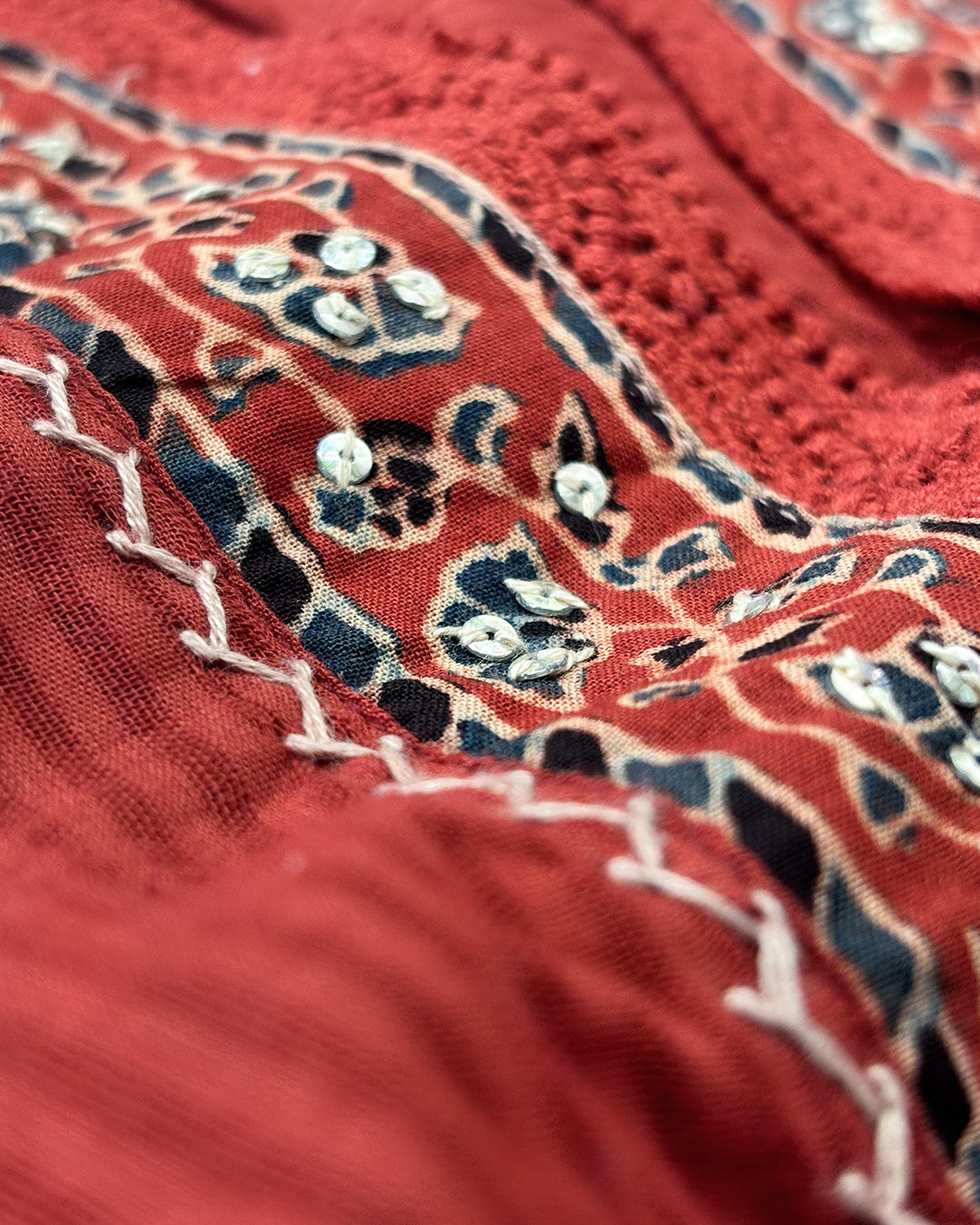
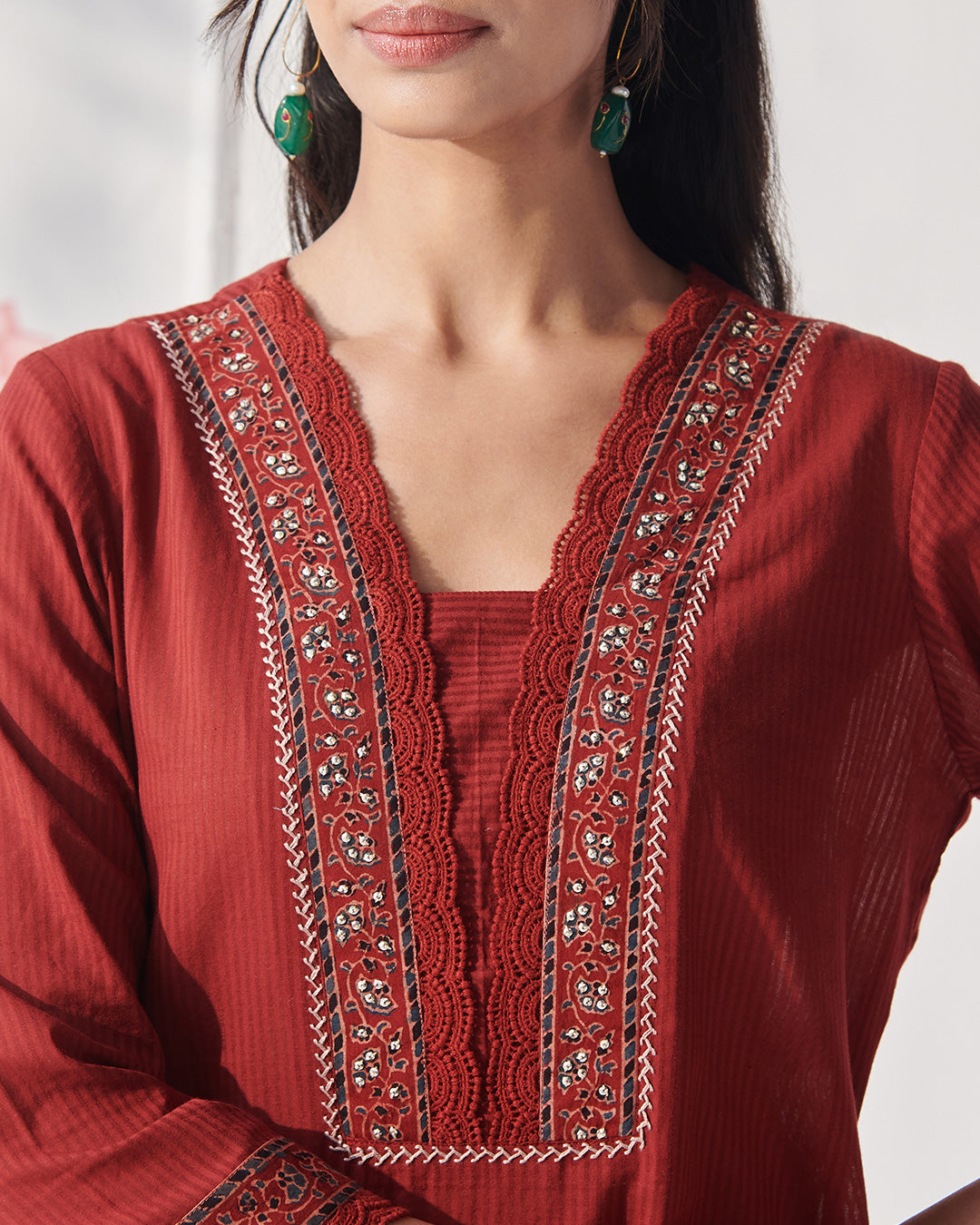
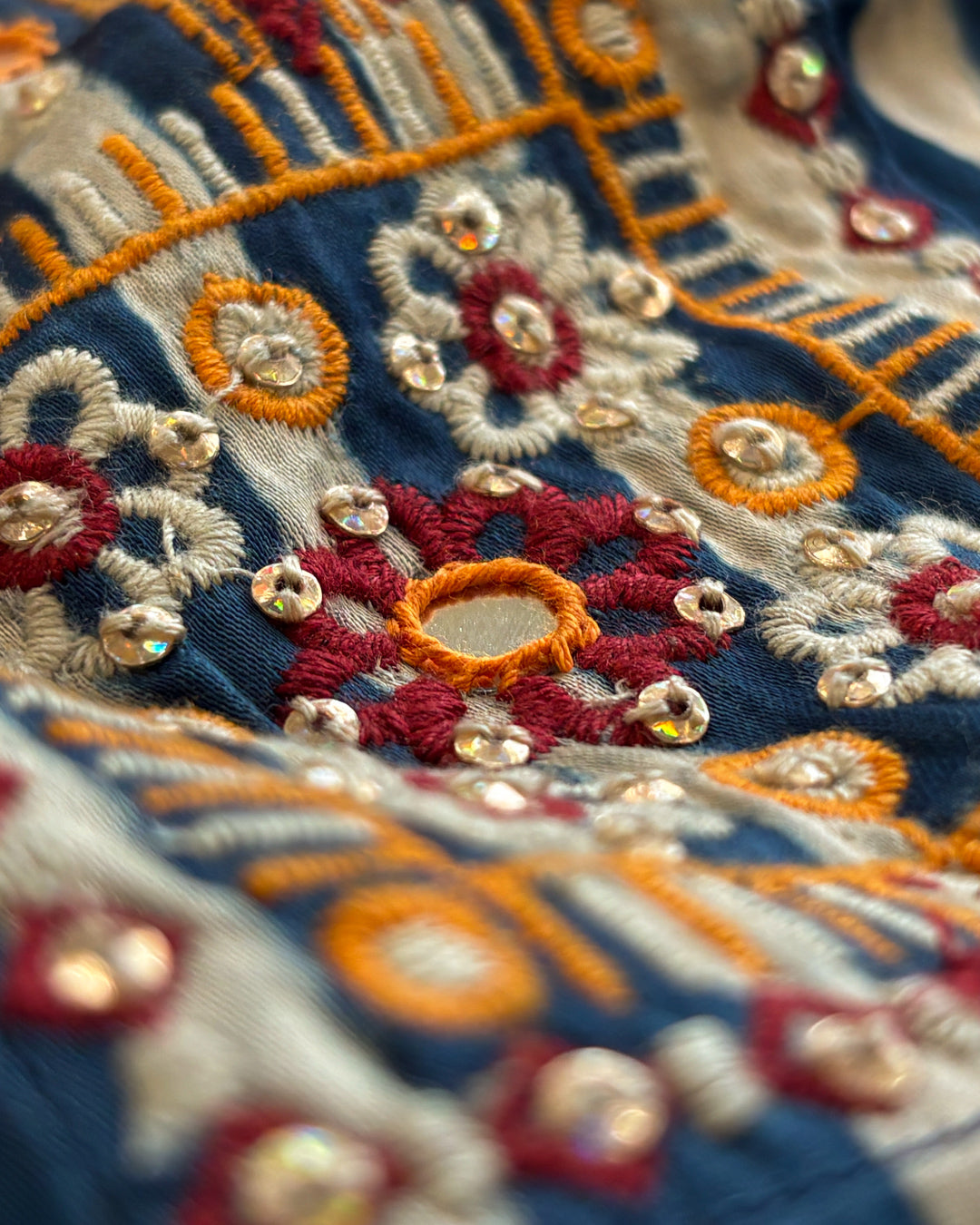
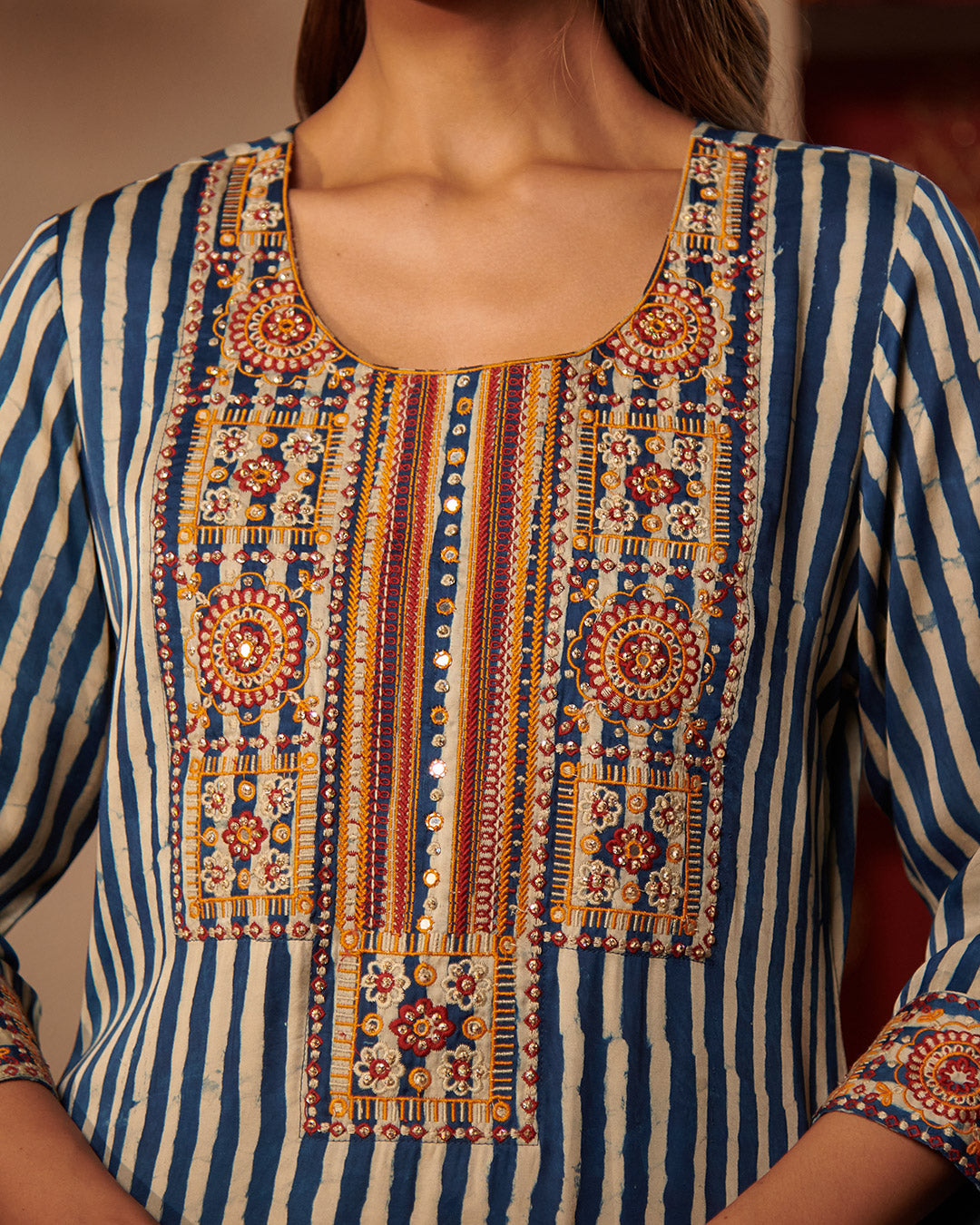
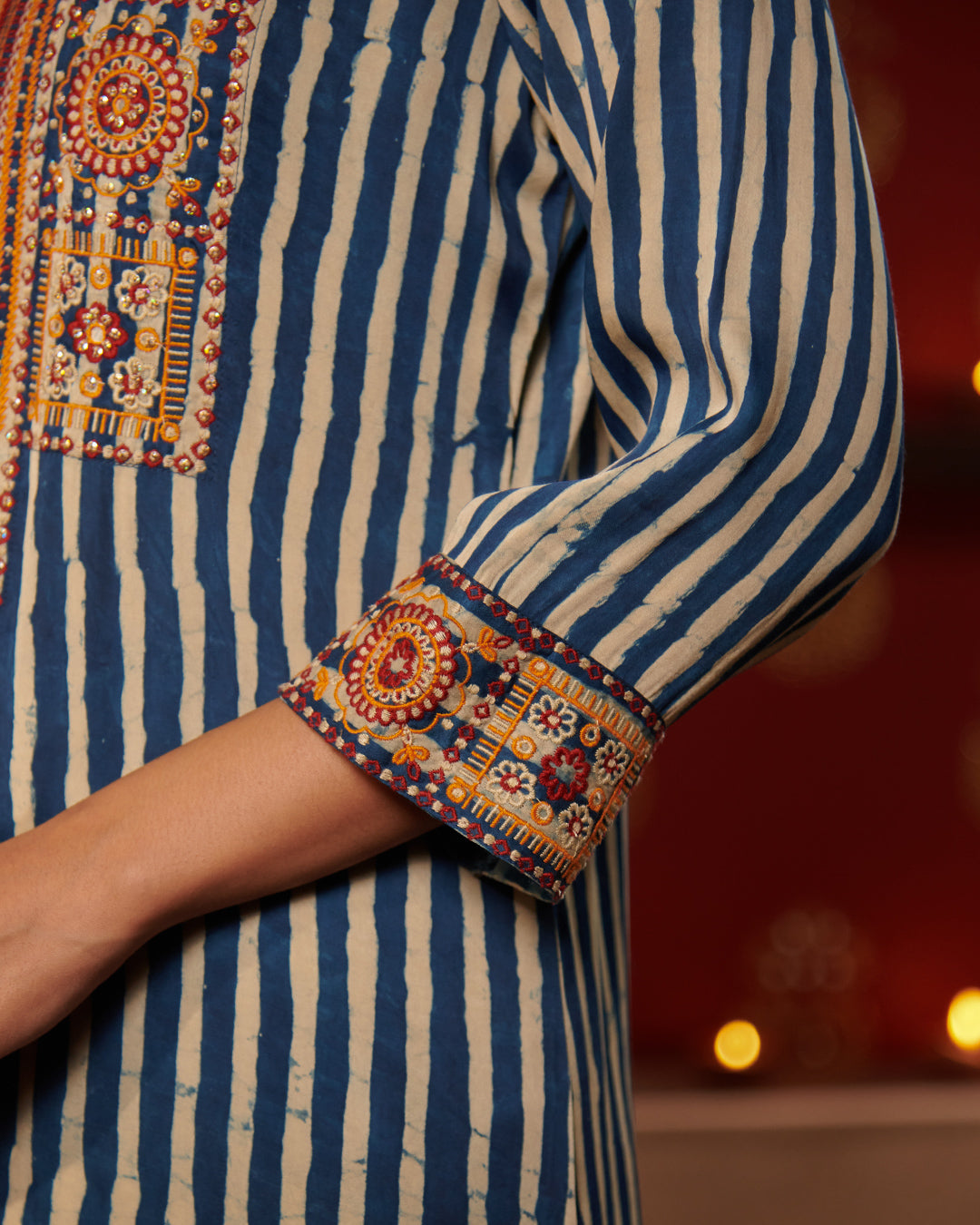
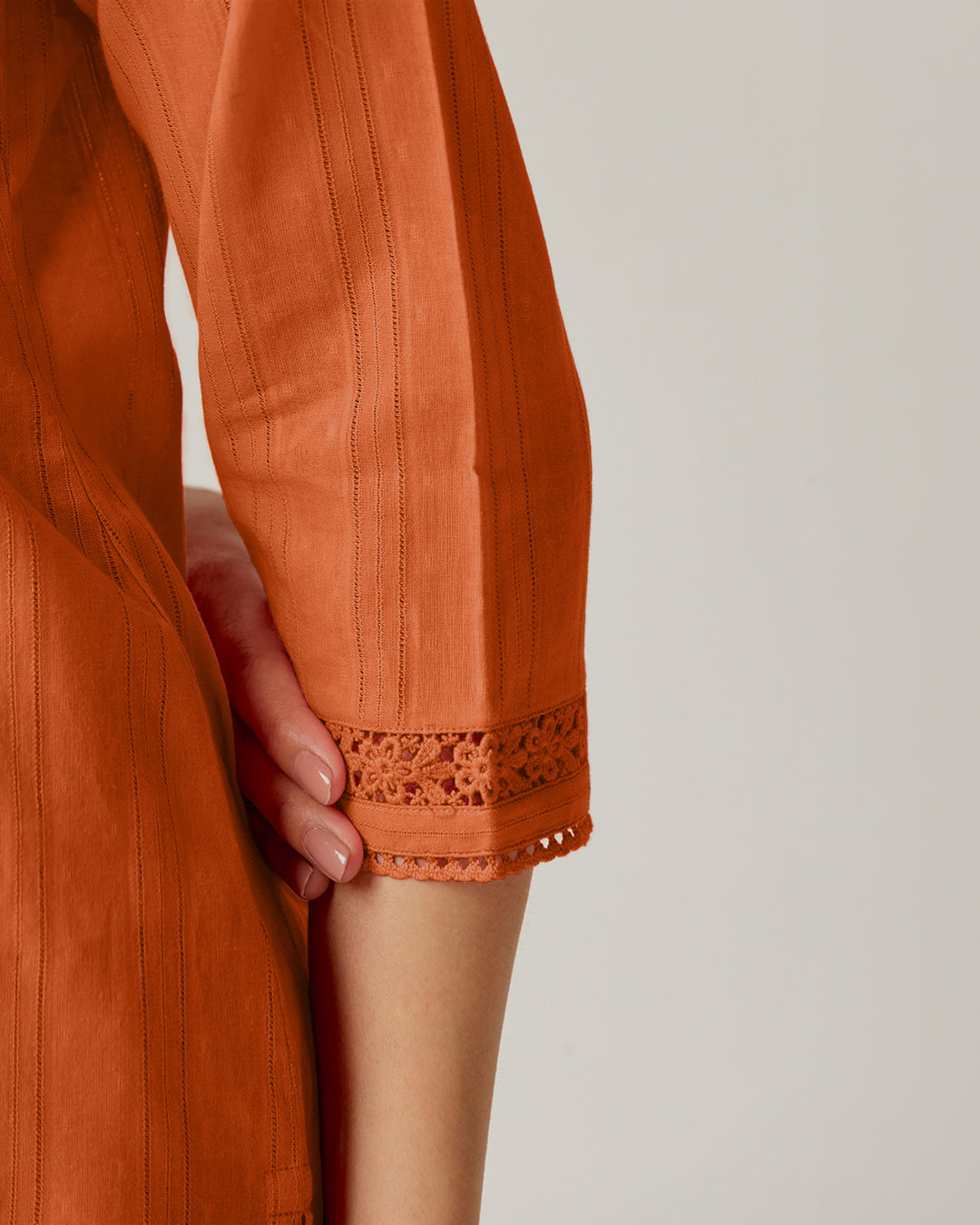
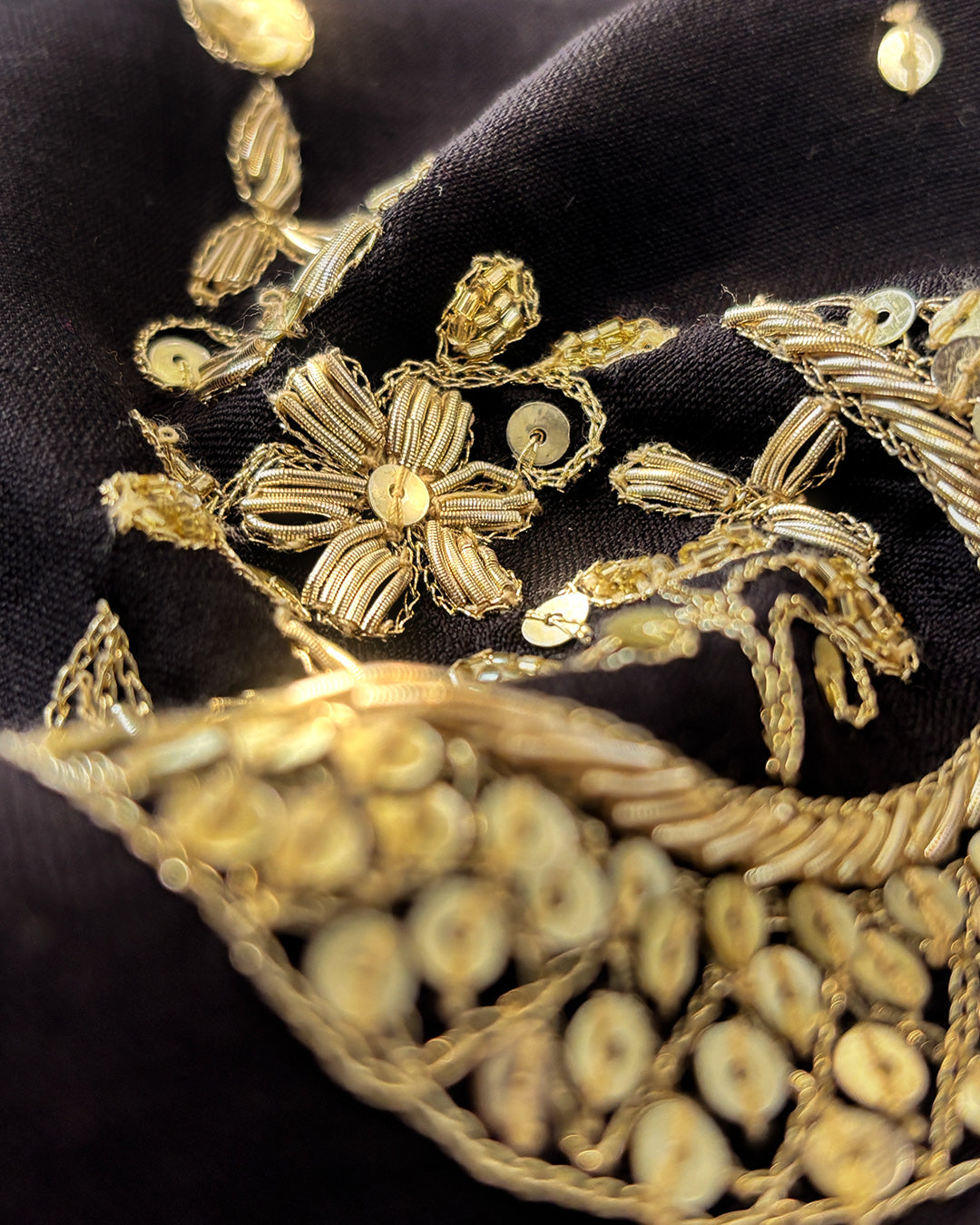
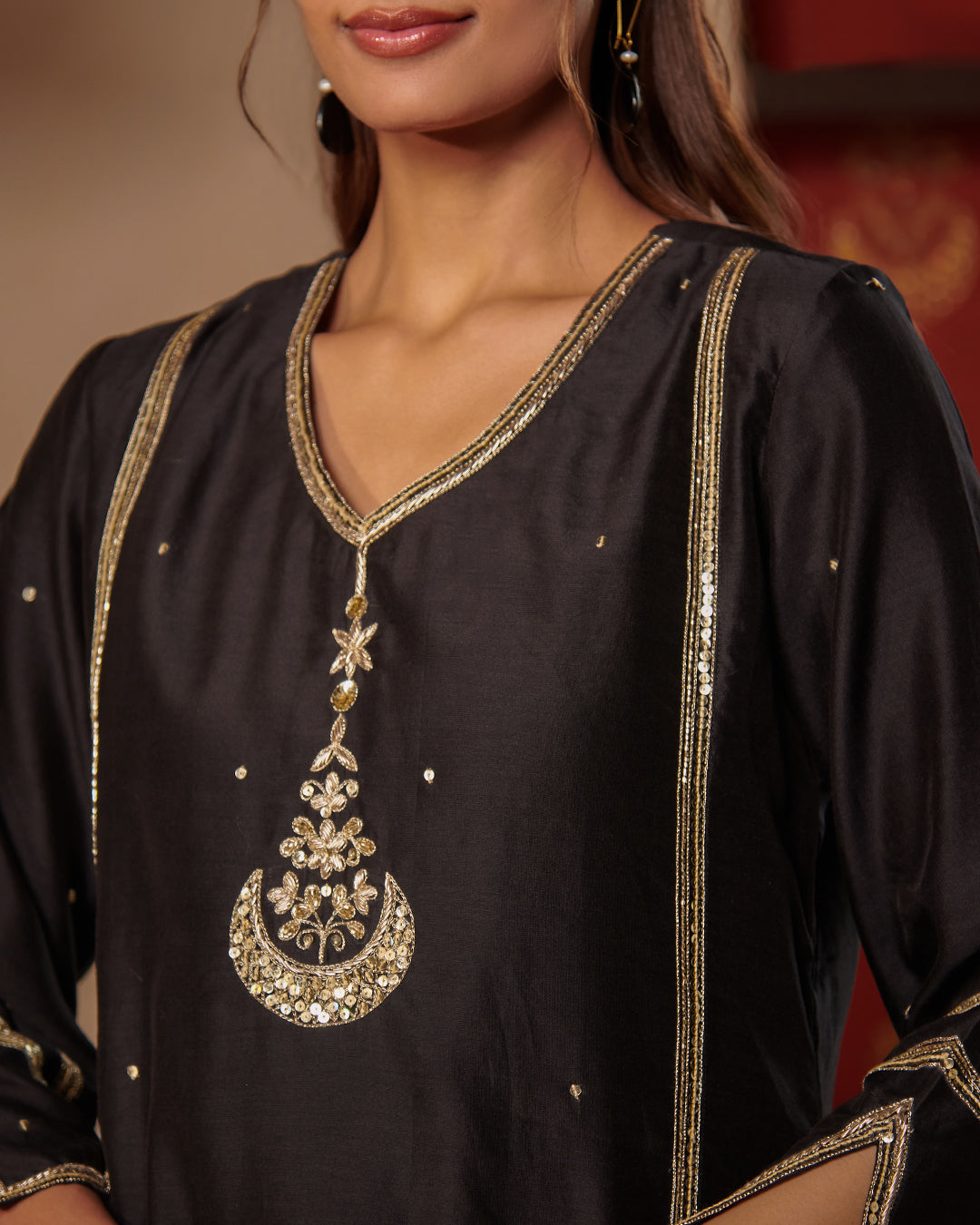
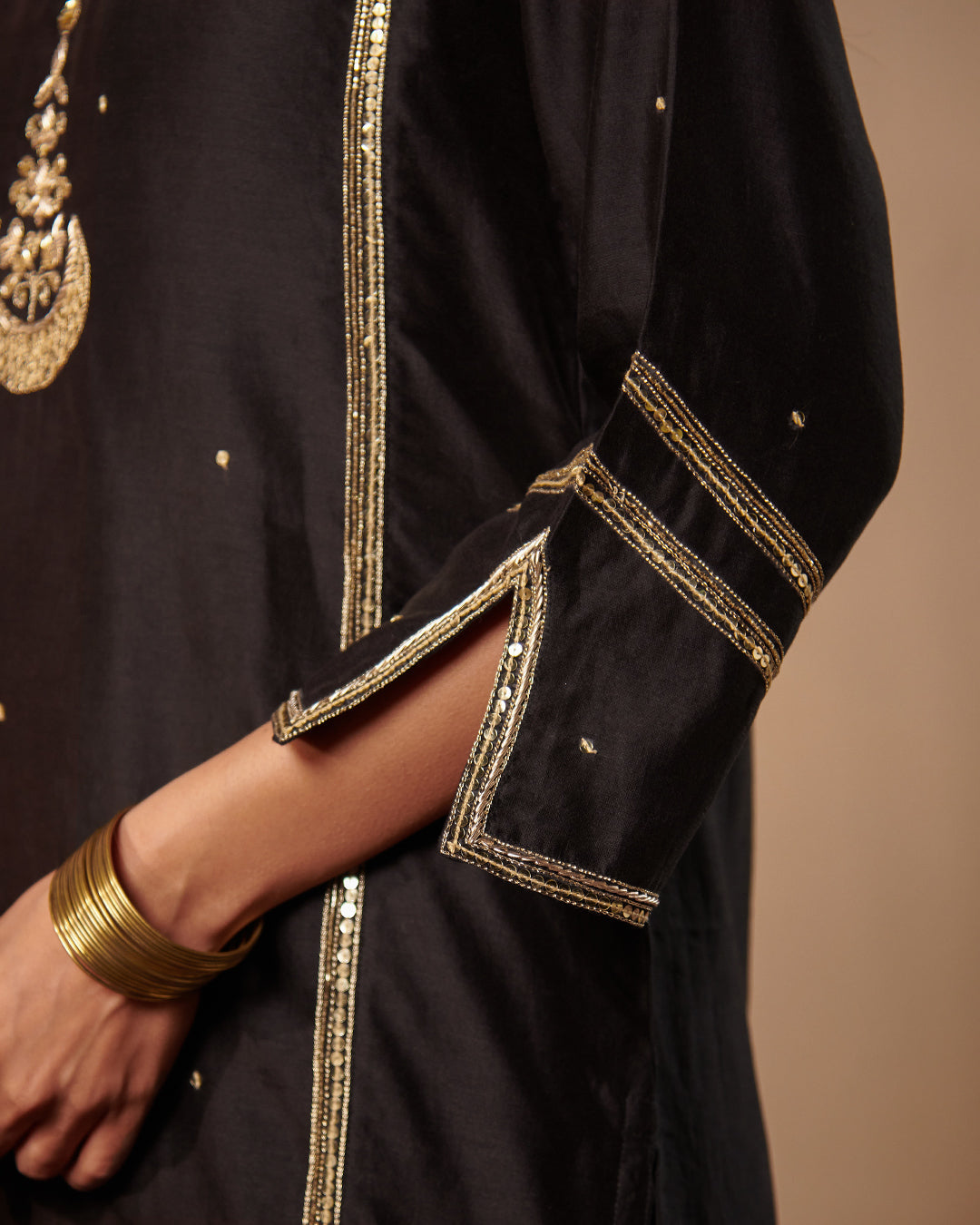
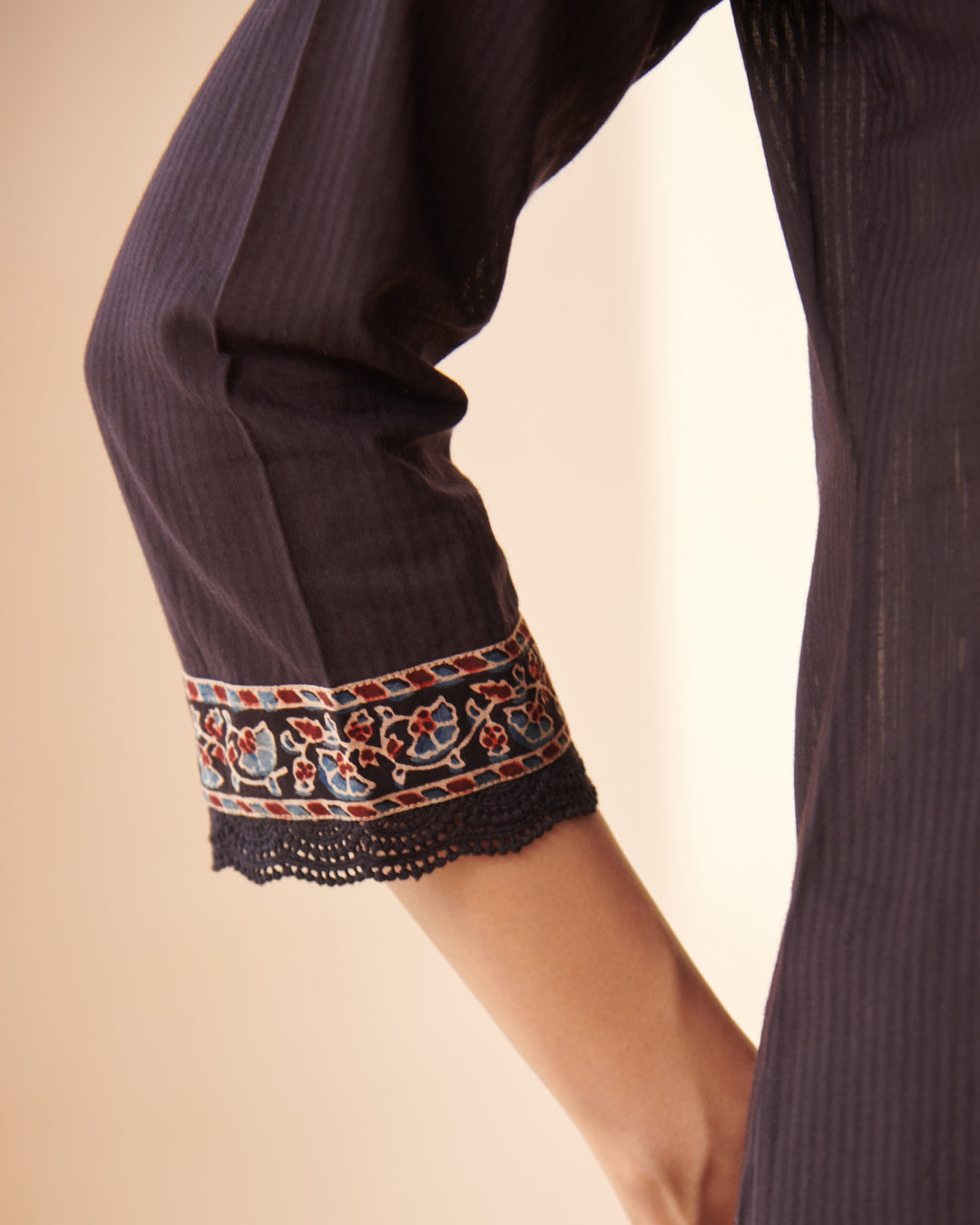
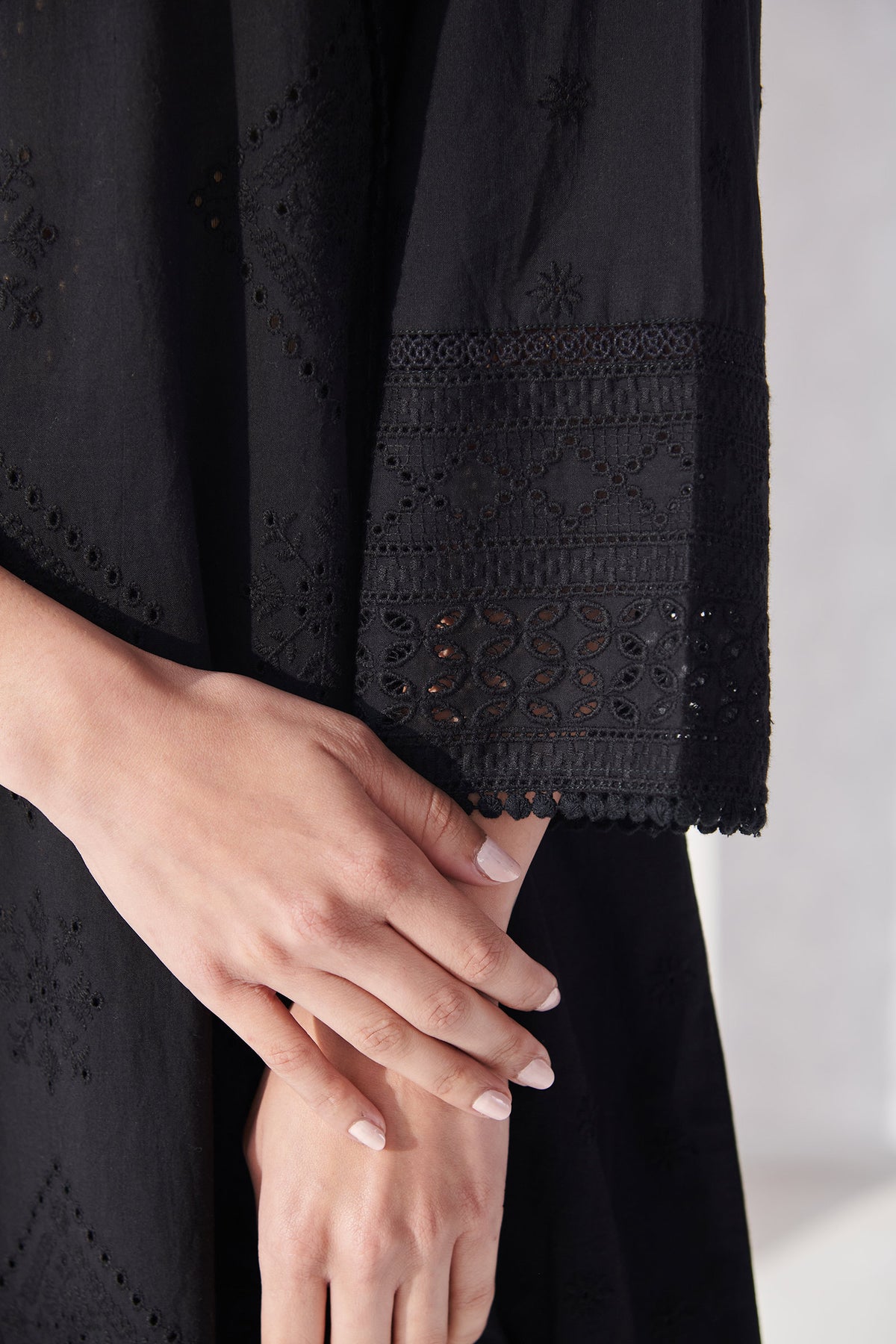
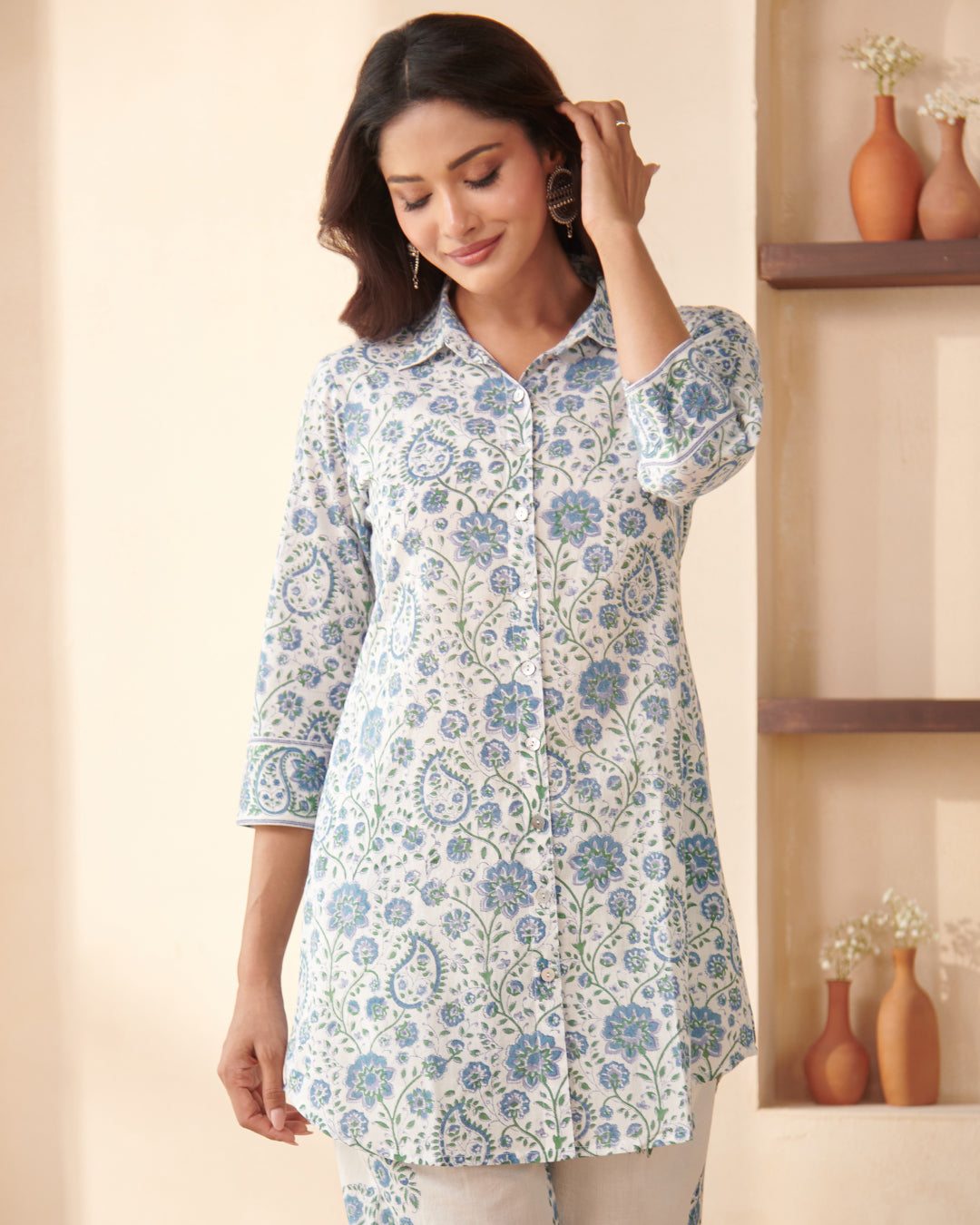
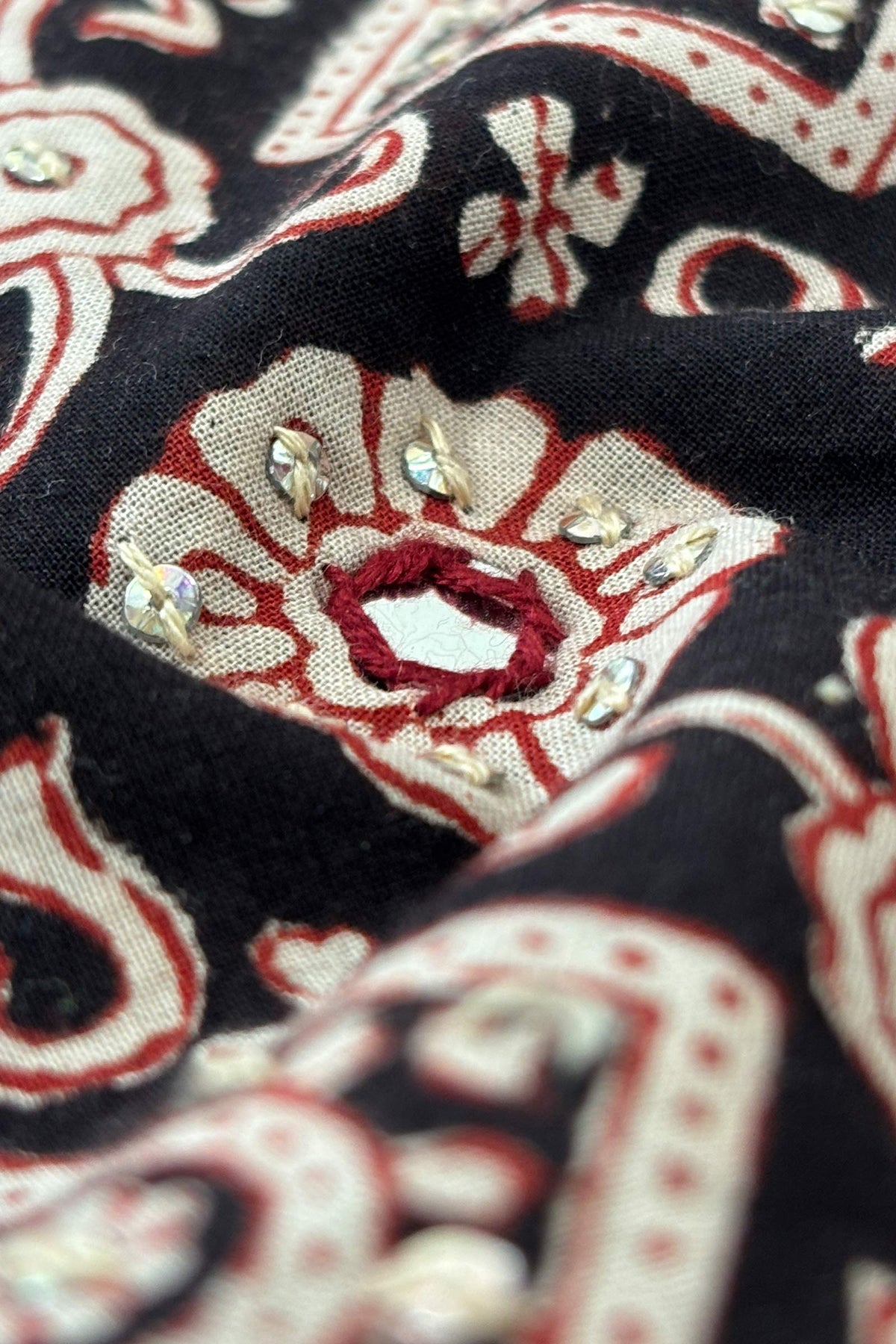
These pants often feature hand-printed, hand-block printed, or embroidered patterns, with some designs incorporating lace or other handcrafted details, showcasing the skill of traditional Indian textile artistry. This makes each pair visually striking while remaining practical for everyday wear.
-
Their versatility allows women to dress them up or down. Pairing palazzos with a simple top creates a contemporary look, while a complementary kurta adds a classic ethnic touch.
-
Today, they continue to balance style and comfort effortlessly, offering a wardrobe option that is both functional and visually appealing, making them a go-to choice for women navigating modern and traditional aesthetics alike.
3. Salwar
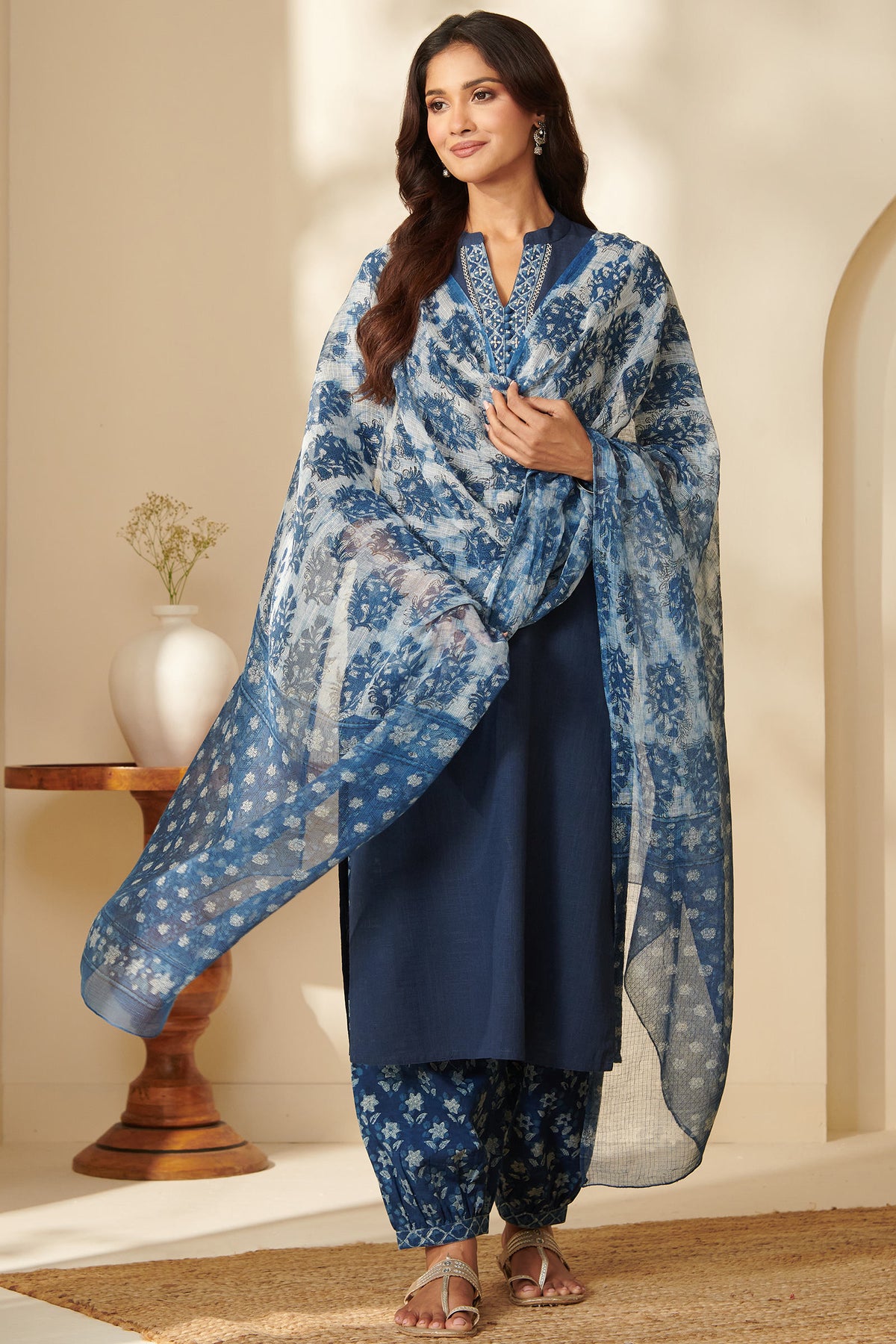
The salwar has its roots in Central Asia and came to India during the Mughal era, where it quickly became part of everyday dressing for women across regions. Originally loose-fitting trousers tied with a drawstring, salwars have evolved into a variety of styles that continue to be relevant today.
-
Known for their comfort, they are designed with a relaxed fit around the hips and thighs, tapering gently at the ankles. Most feature an elasticised waist and drawstring, making them easy to wear through long hours.
-
Salwars are crafted in fabrics like breathable cotton for daily wear, fluid viscose for a softer fall, or festive dola silk for special occasions.
-
They are available in endless variations, some plain and understated, others printed, and many finished with lace, gota, or delicate hand embroidery. This variety allows women to style them across settings, from workdays to weddings.
-
A plain cotton salwar pairs seamlessly with straight kurtas for a minimal look, while an embellished version elevates an A-line or short kurta for celebrations.
-
Balancing practicality with style, the salwar remains one of the most versatile bottoms in Indian wardrobes, continuing to adapt to the needs of modern life while holding onto its roots.

4. Narrow Pants
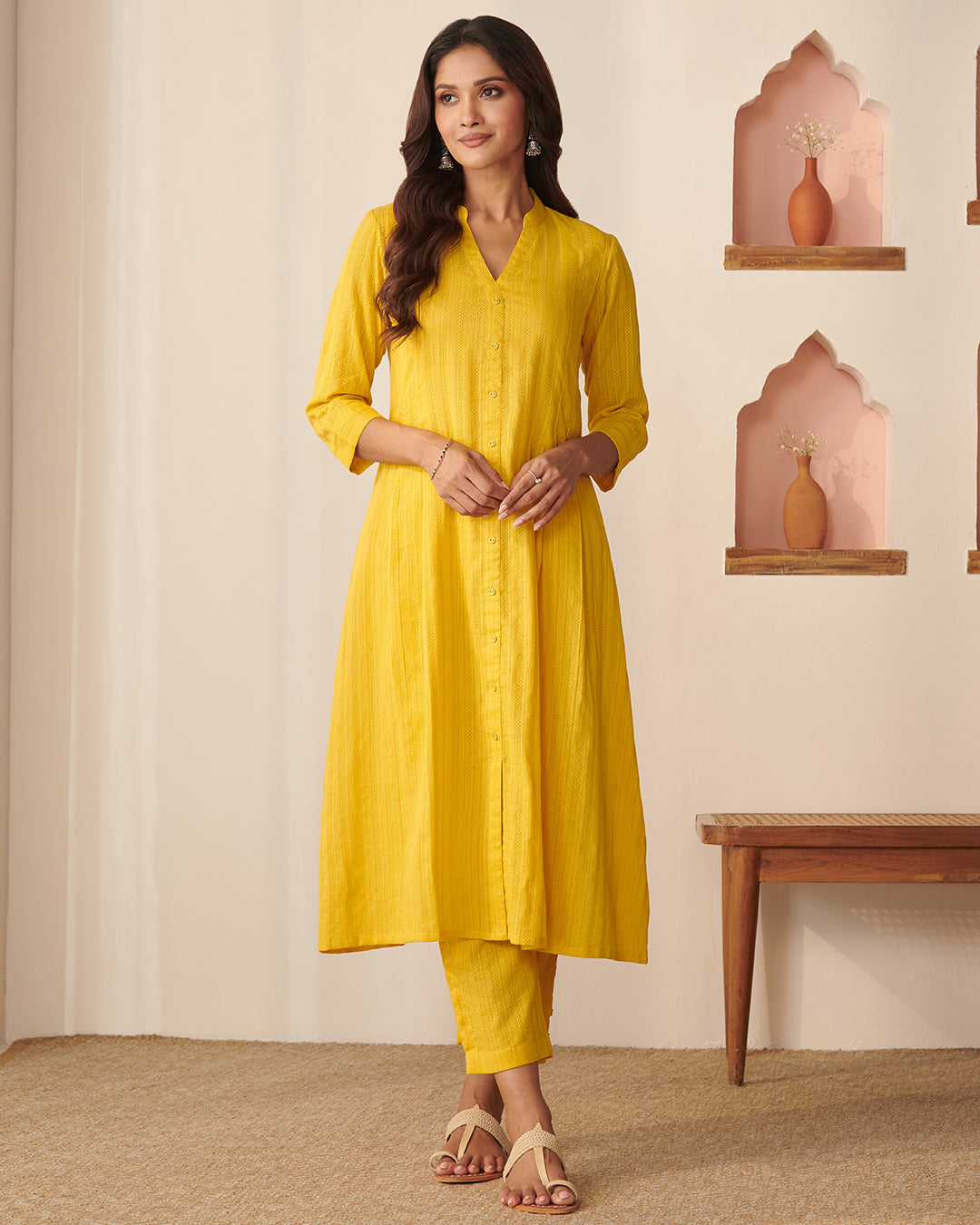
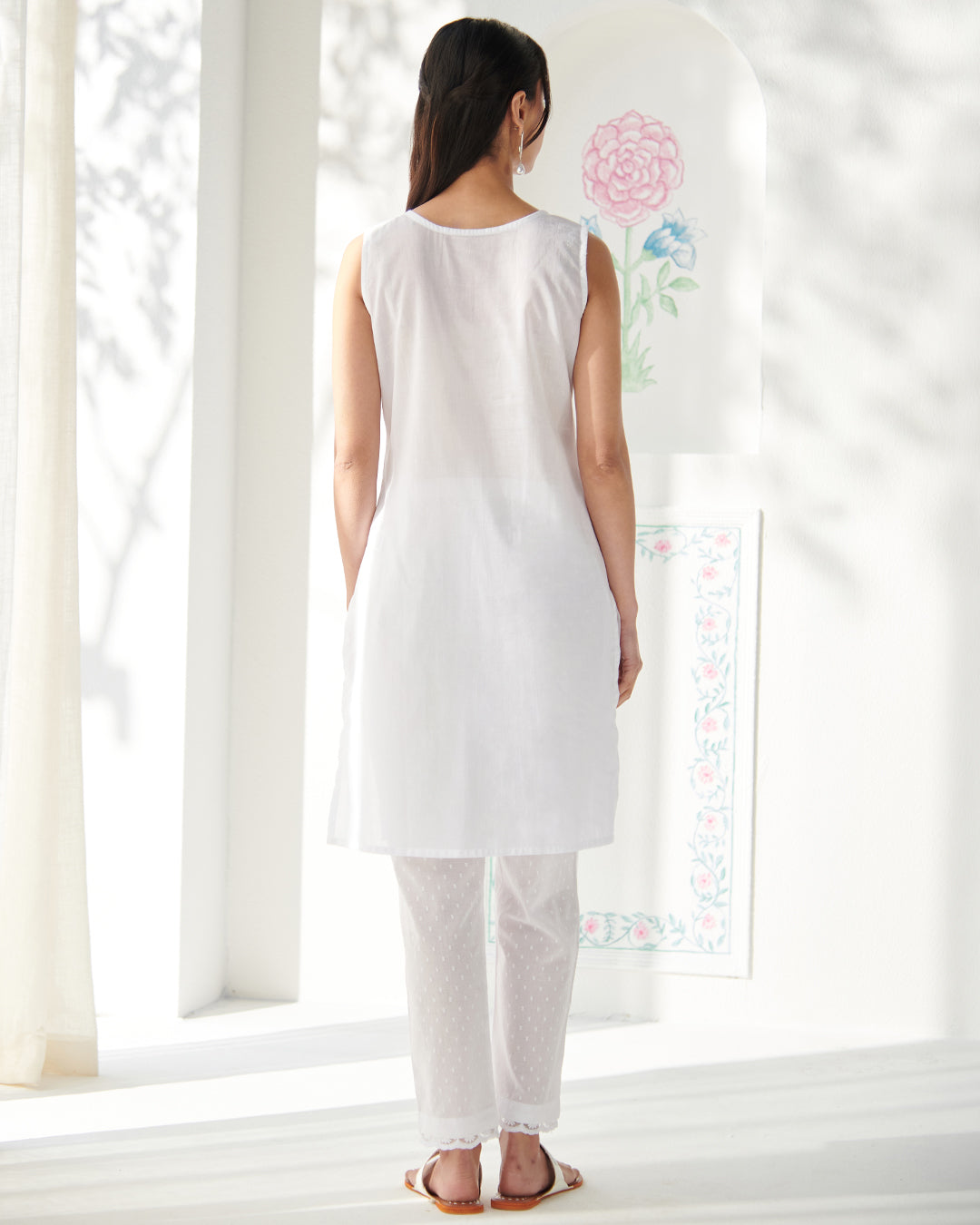
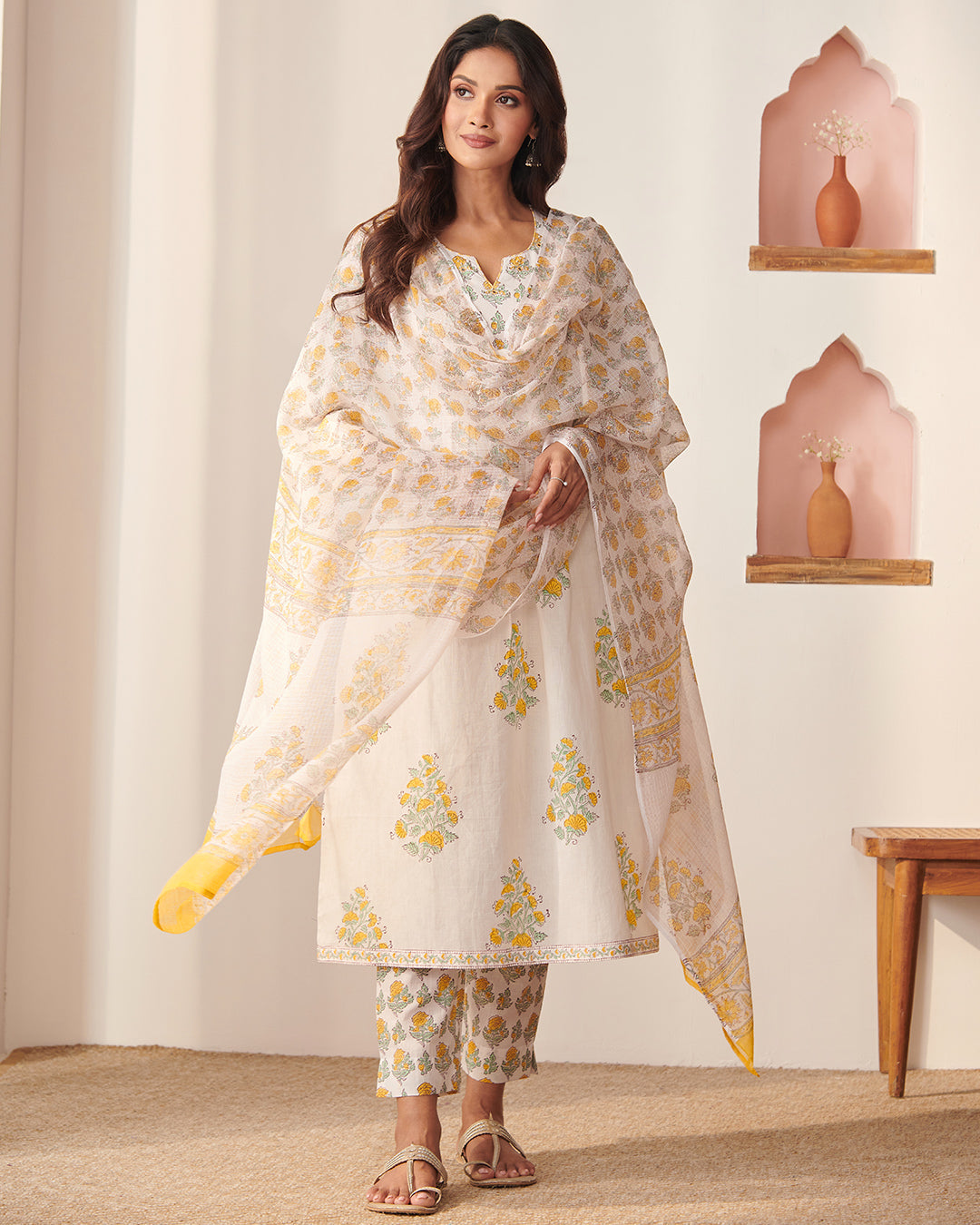
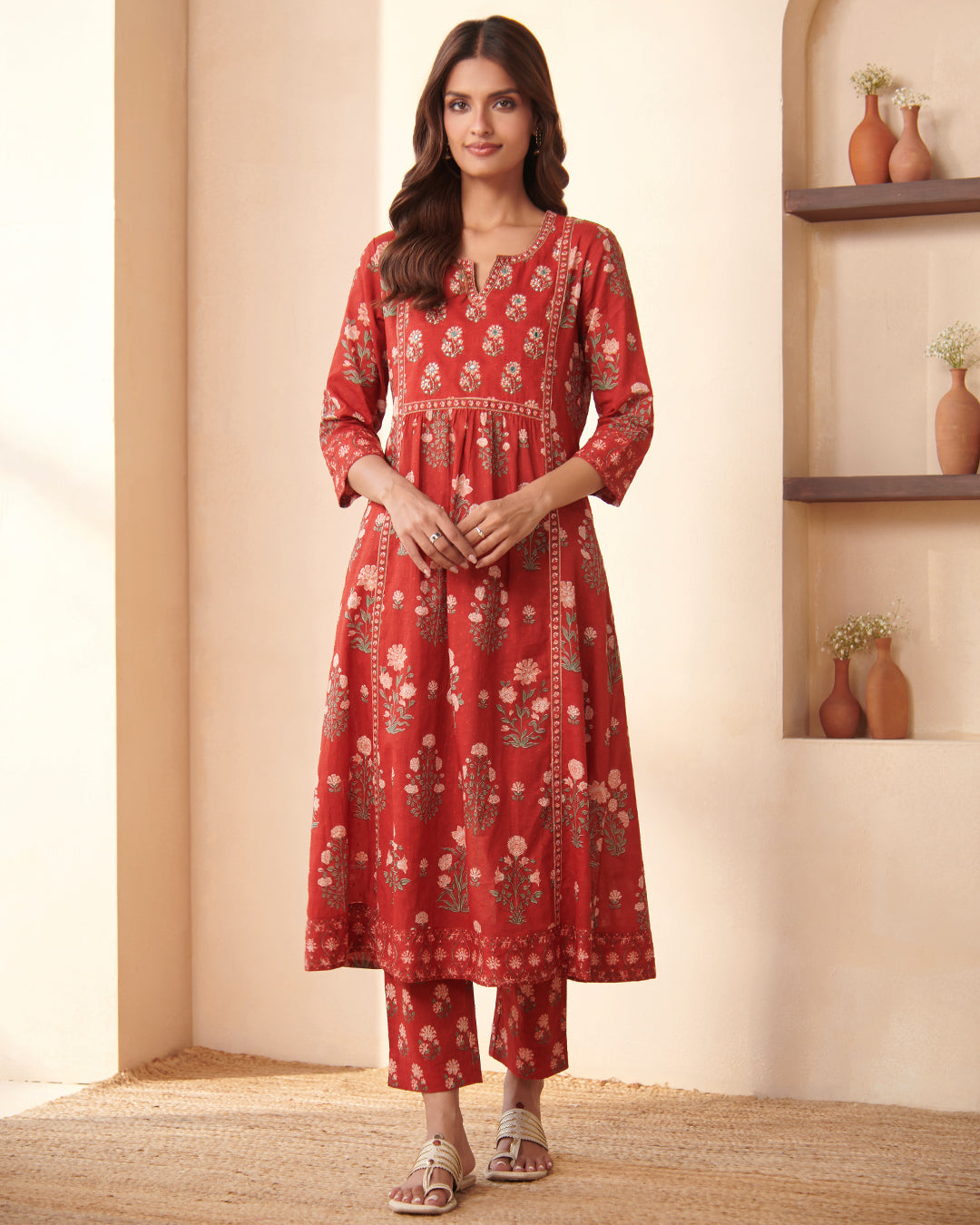
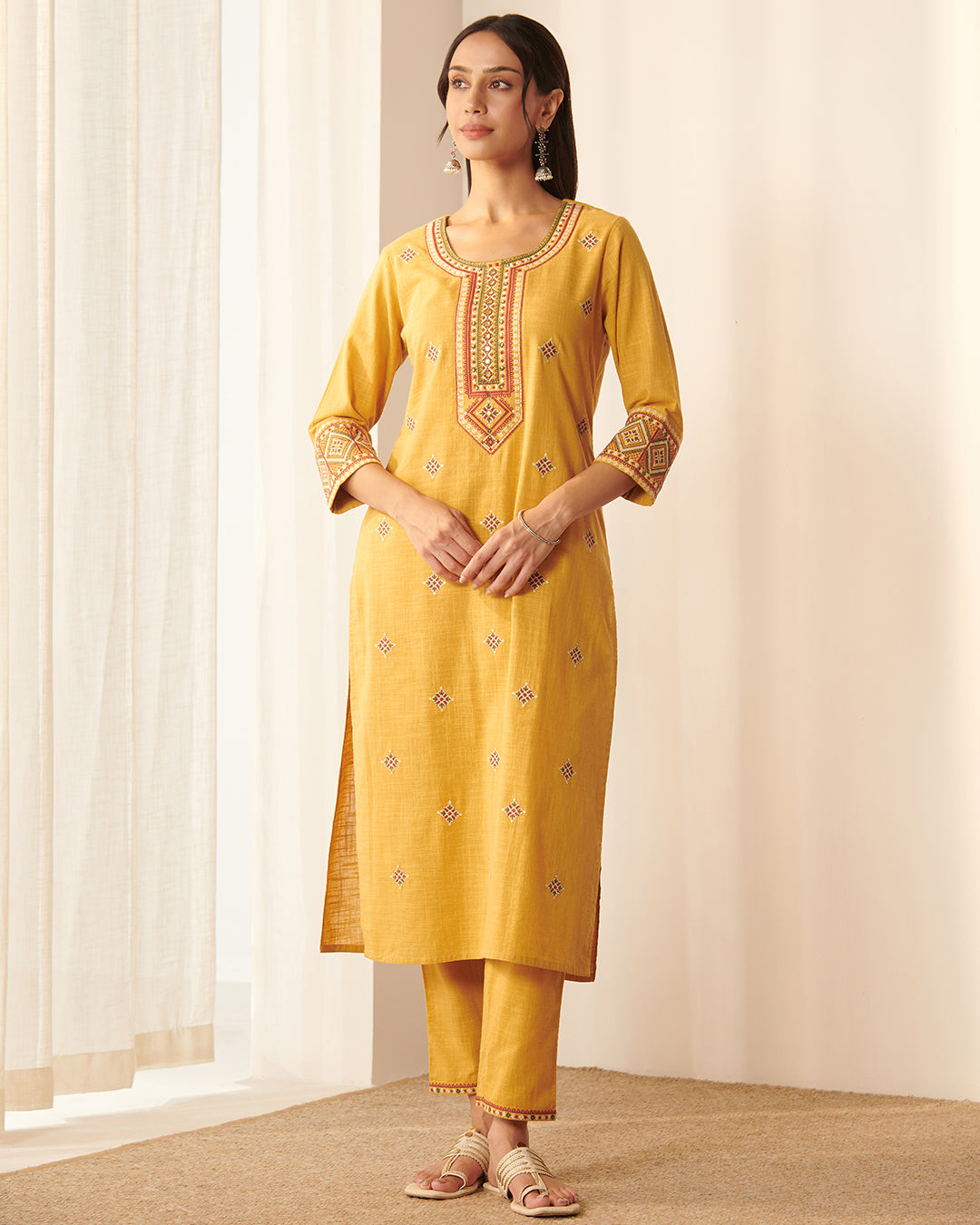
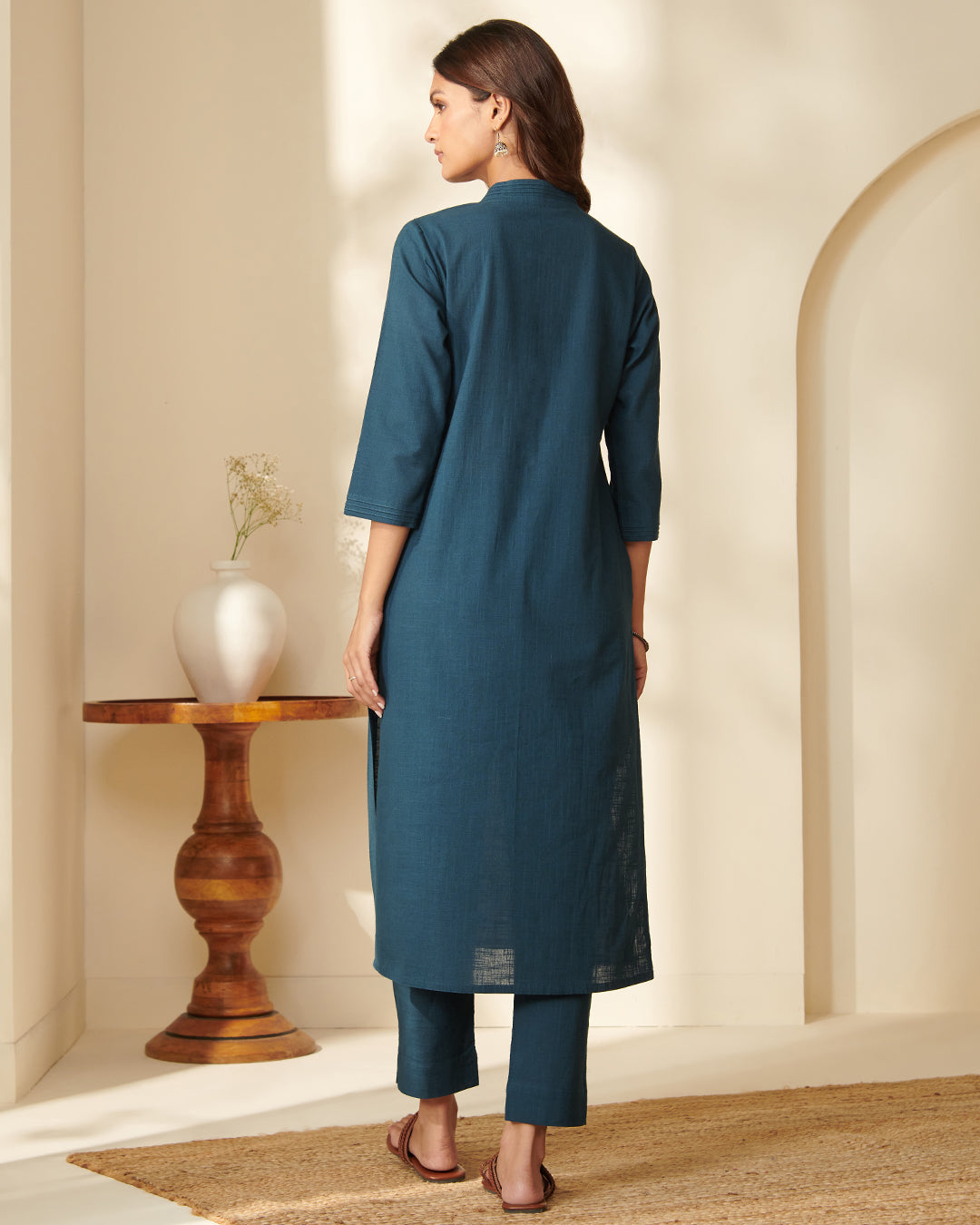
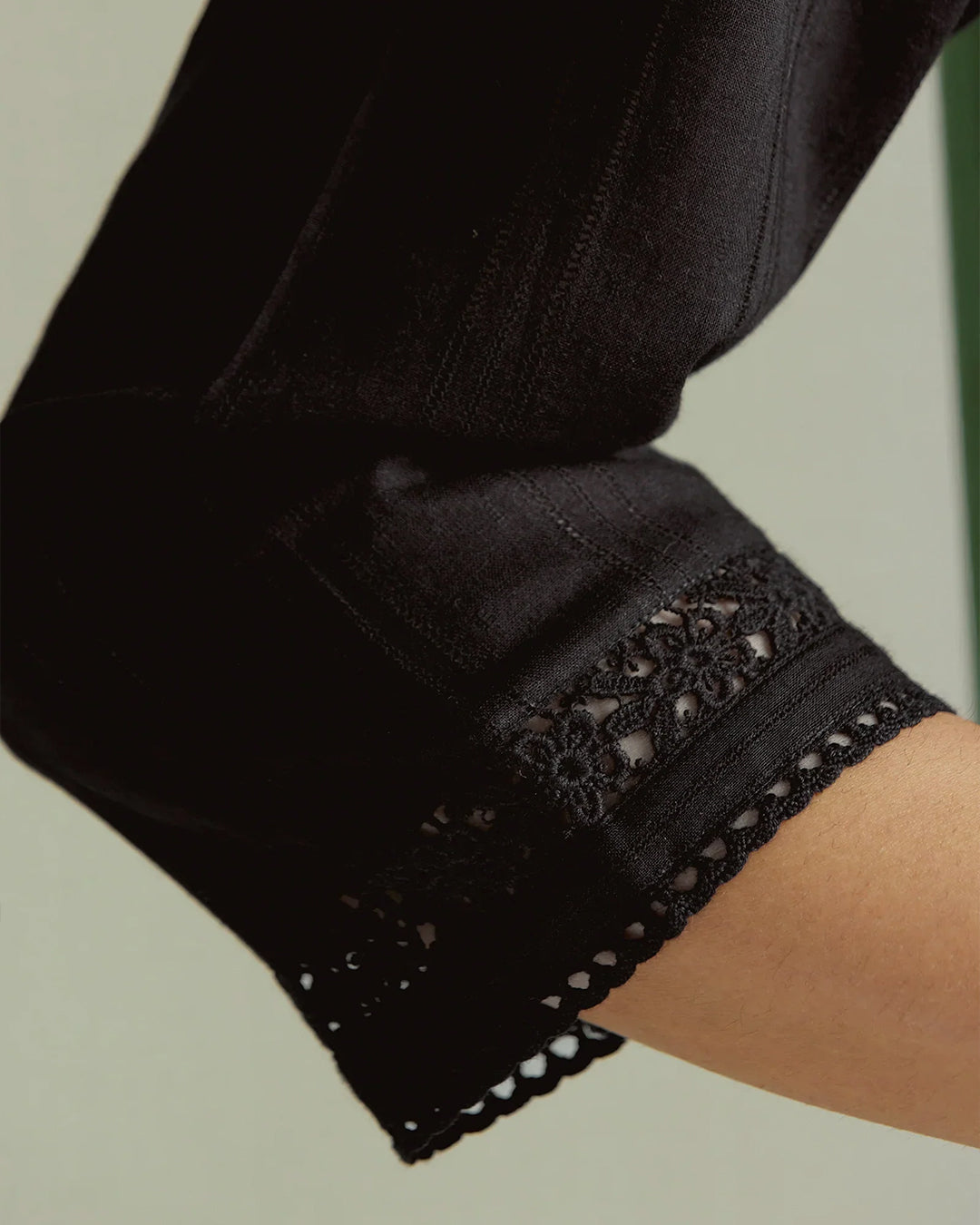
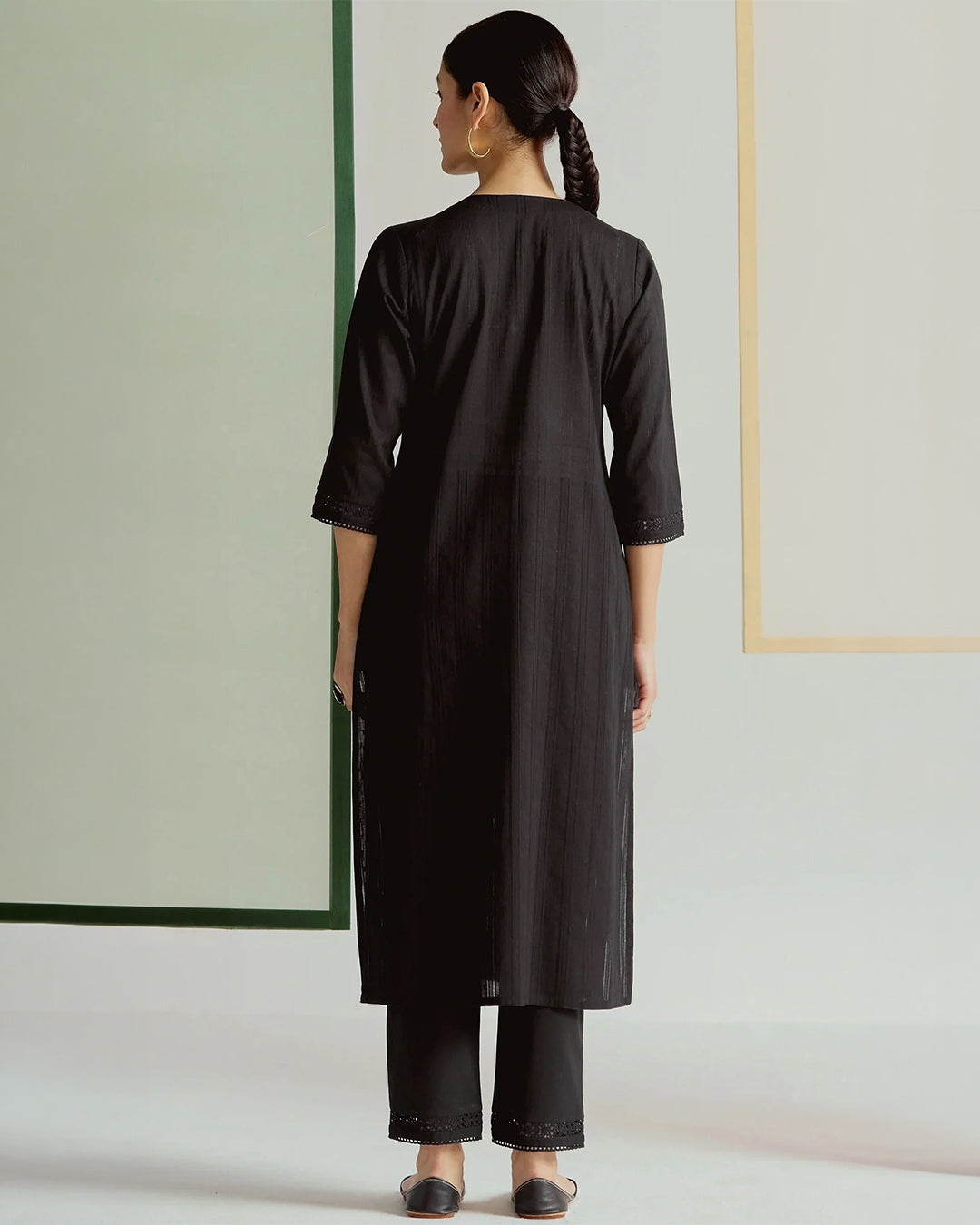
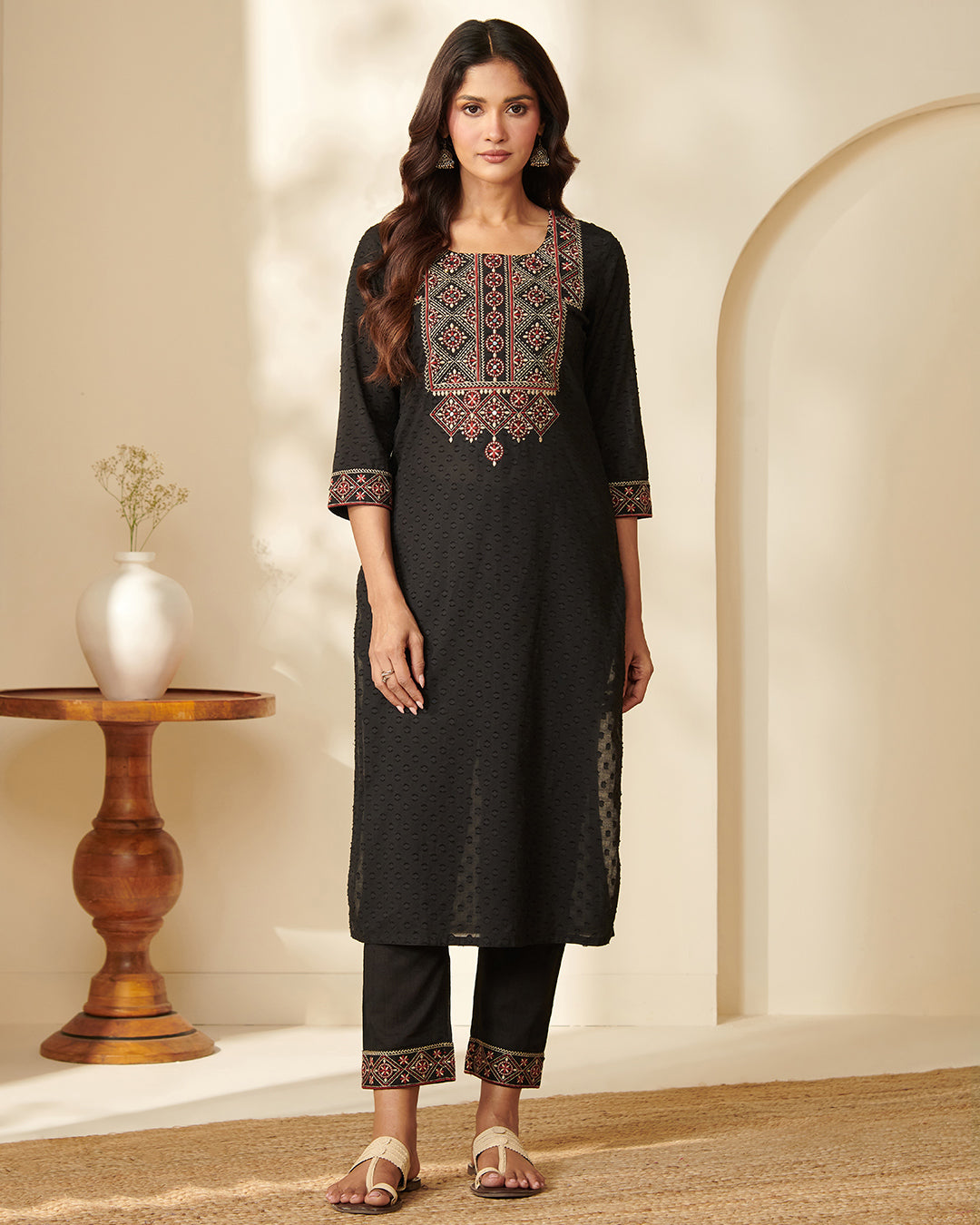
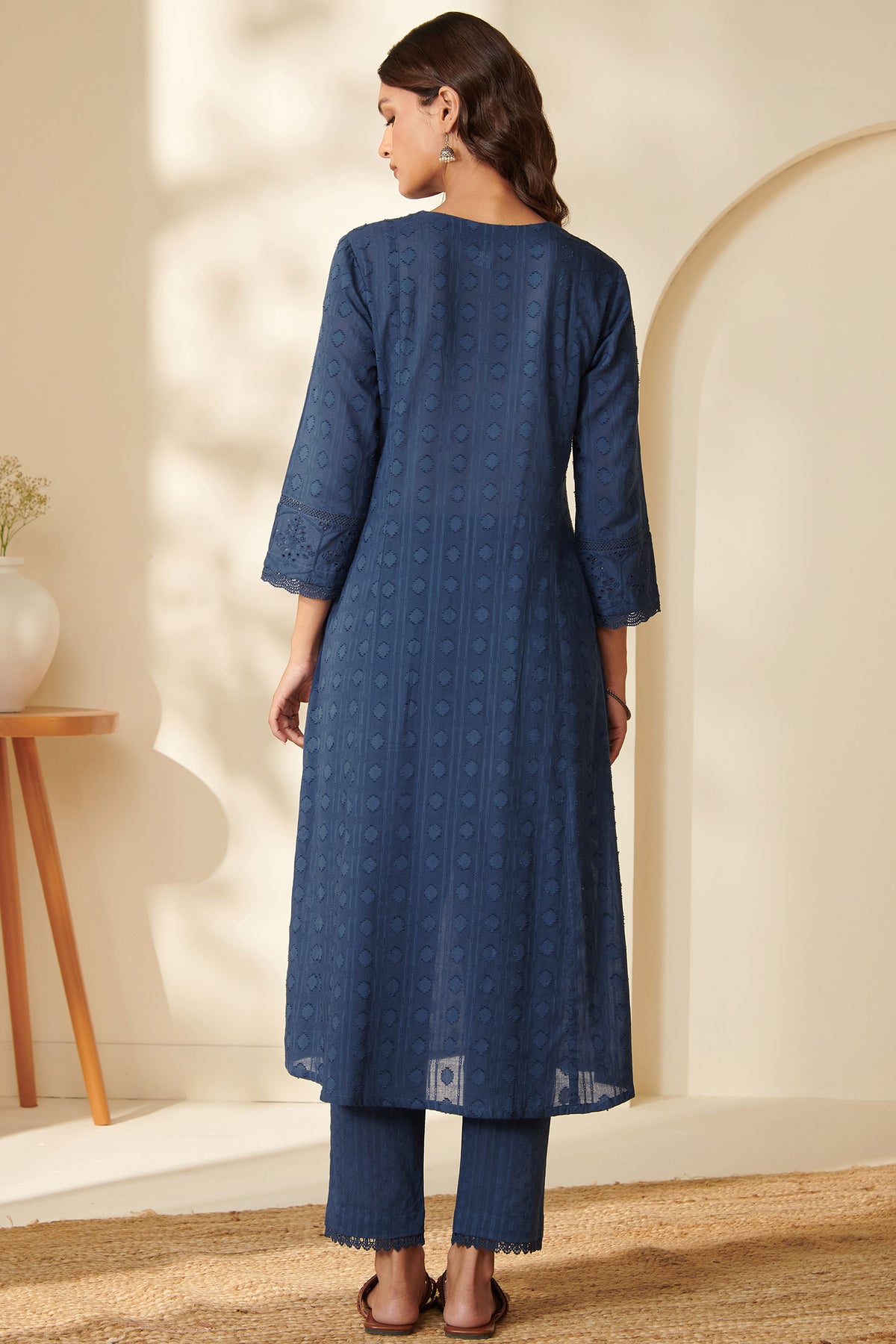
Narrow pants are a modern evolution of the churidar, created as a practical yet stylish bottom for women’s kurtas. They rose in popularity during the late 19th and early 20th centuries as fashion began blending traditional wear with more contemporary silhouettes. Unlike the churidar, which gathers at the ankles, narrow pants offer a straight, slim fit that feels structured and easy to wear, making them a staple in many wardrobes today.
-
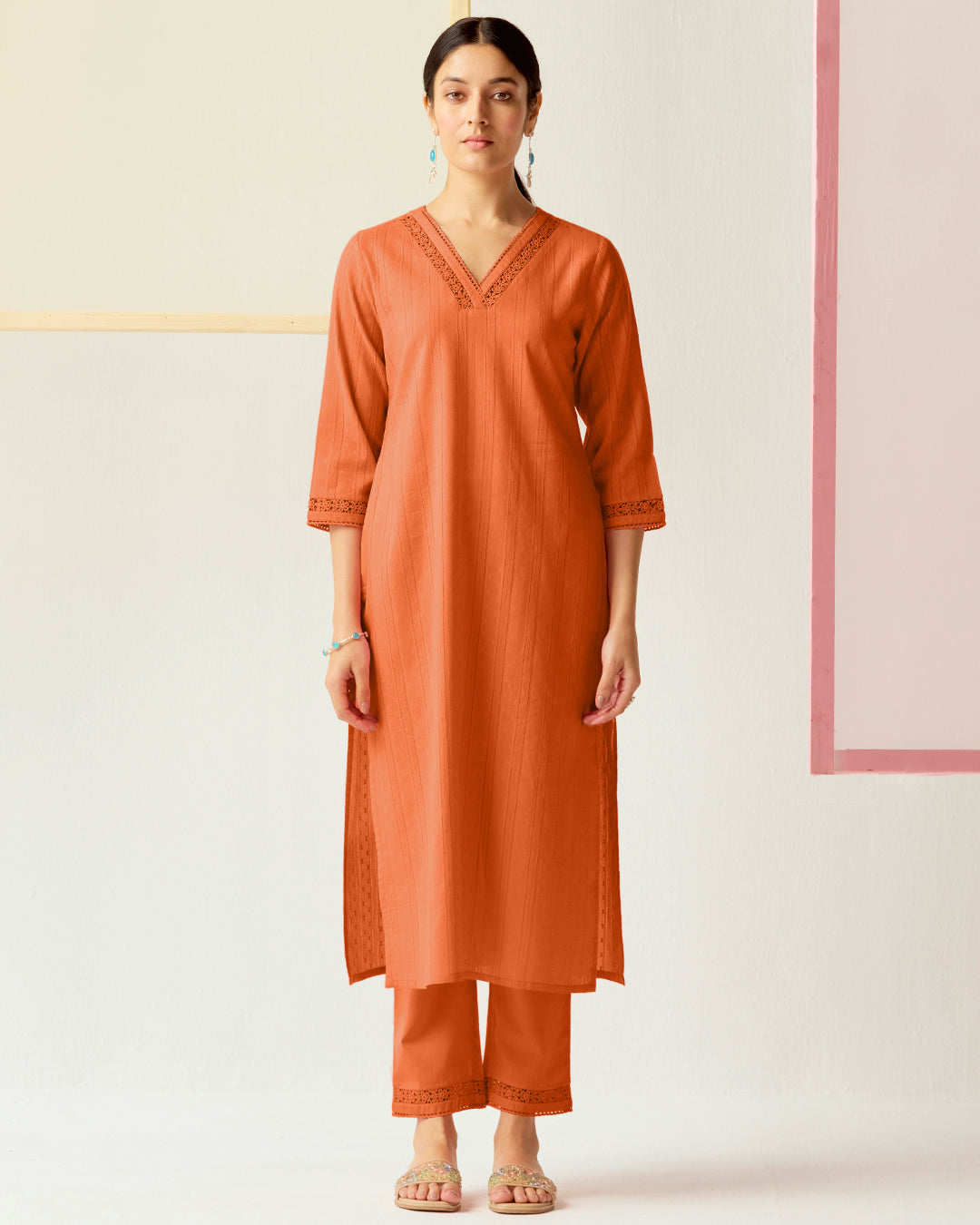
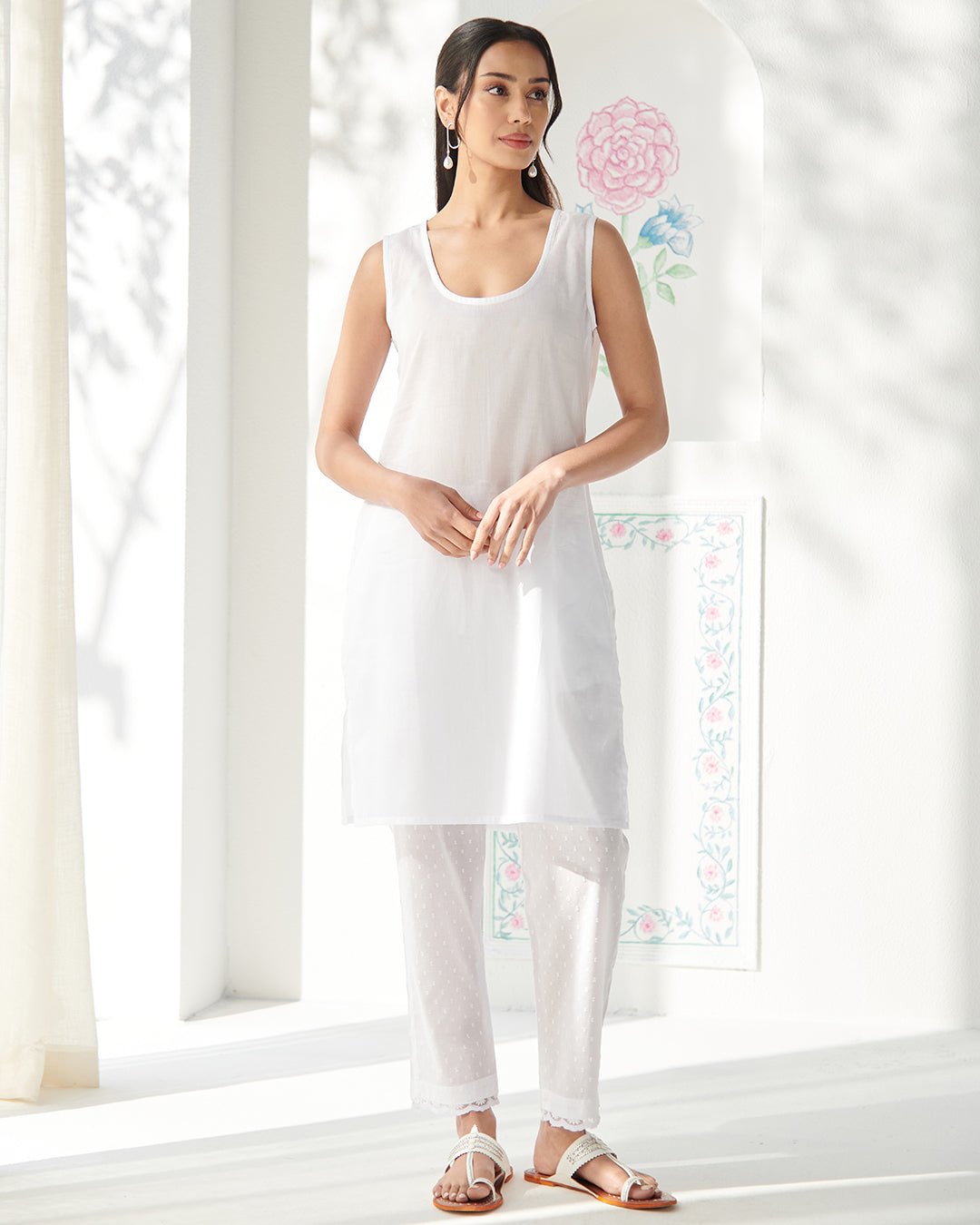
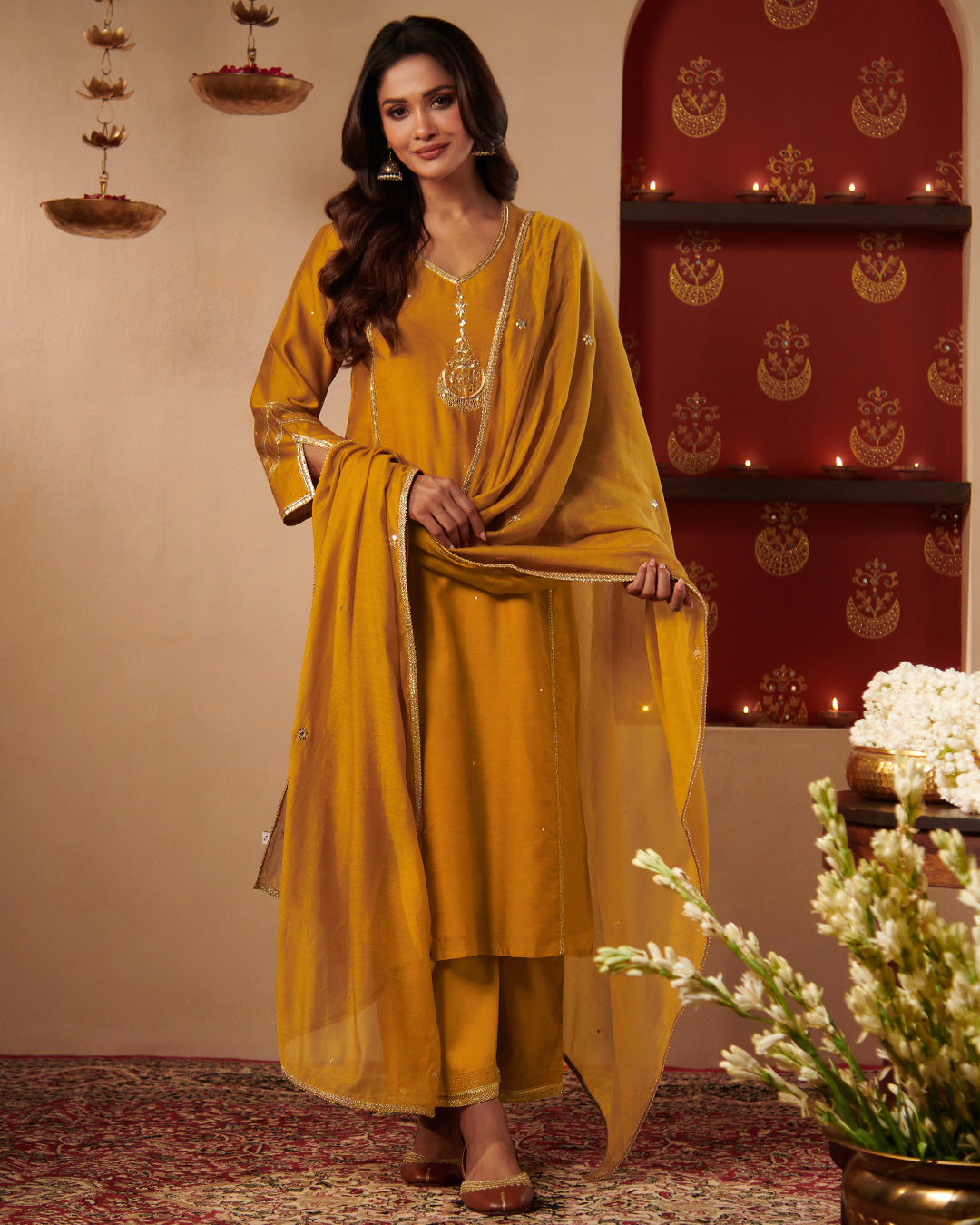
Their tailored look makes them a versatile choice, perfect for pairing with both casual kurtas and more festive pieces.
-
Available in a wide range of fabrics, from breathable cotton for everyday wear to viscose or silk blends for festive occasions, narrow pants cater to different needs and settings.
-
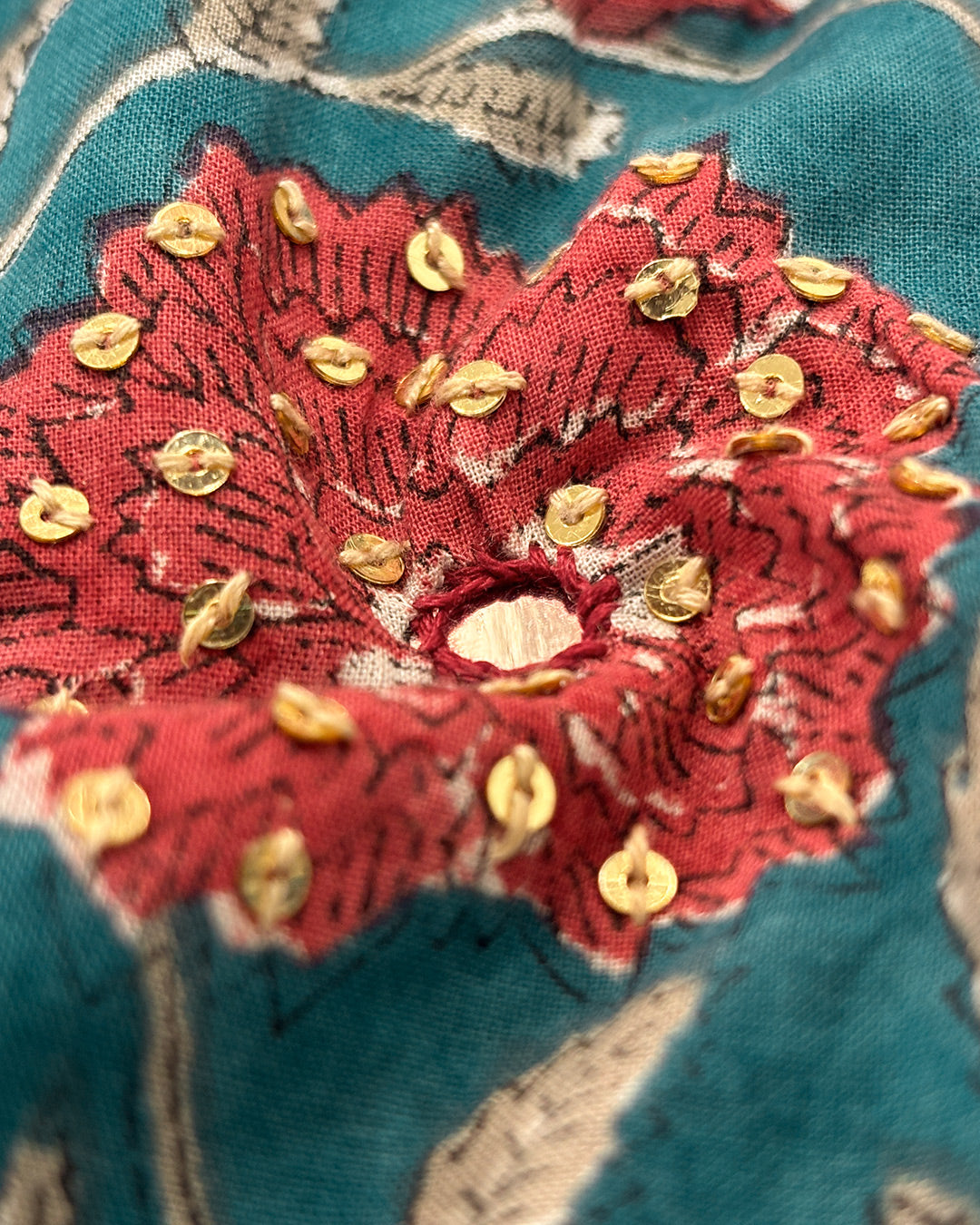
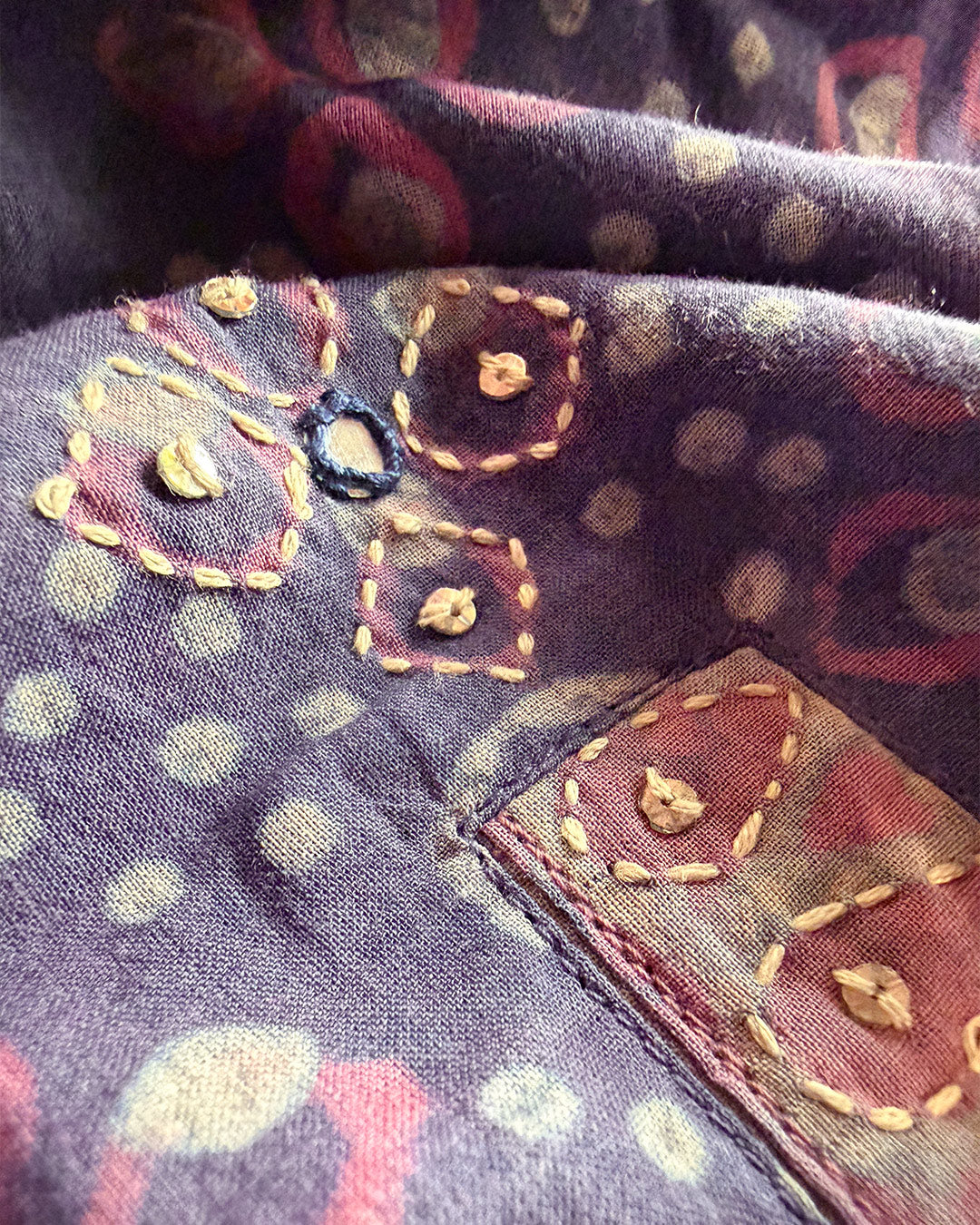
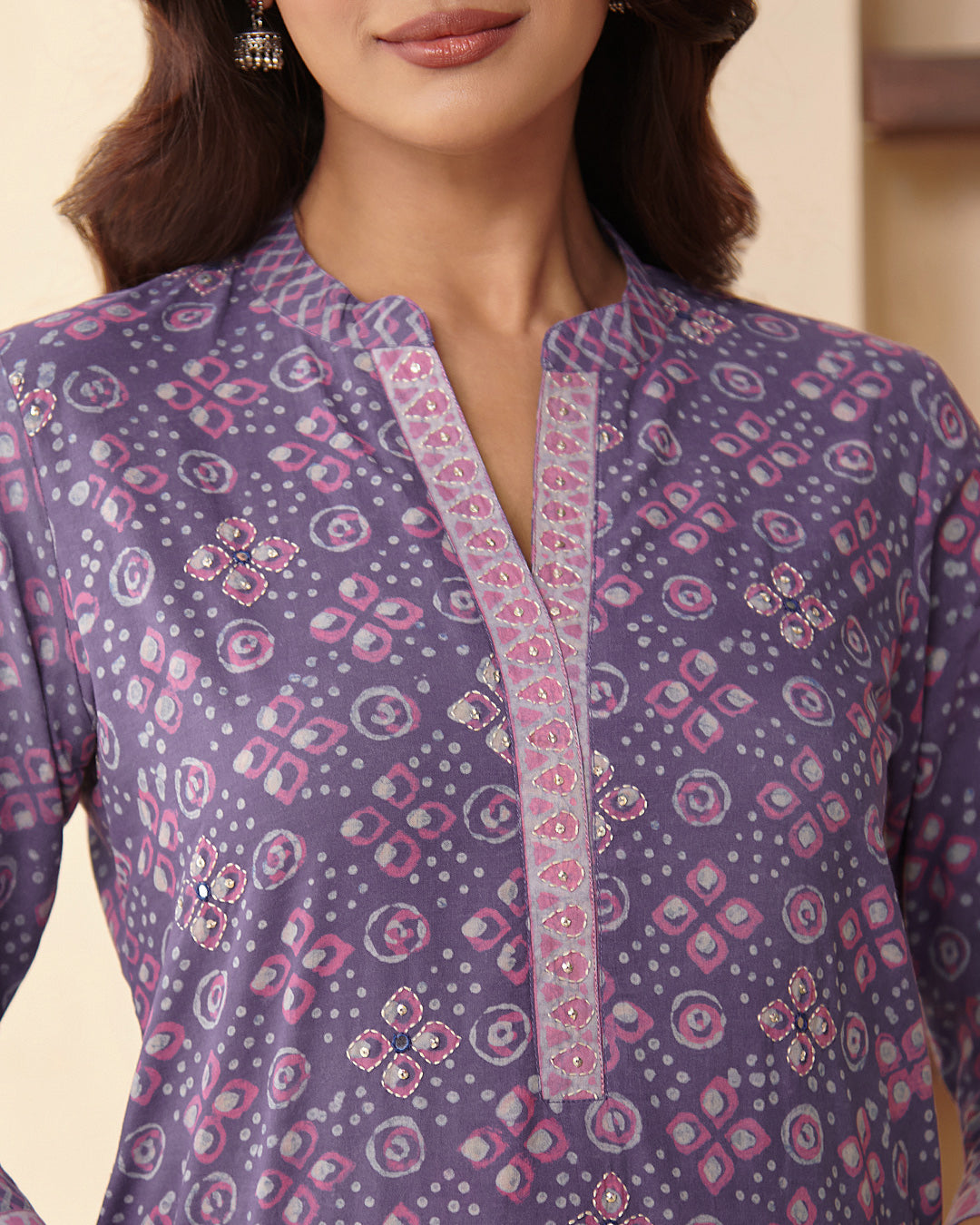
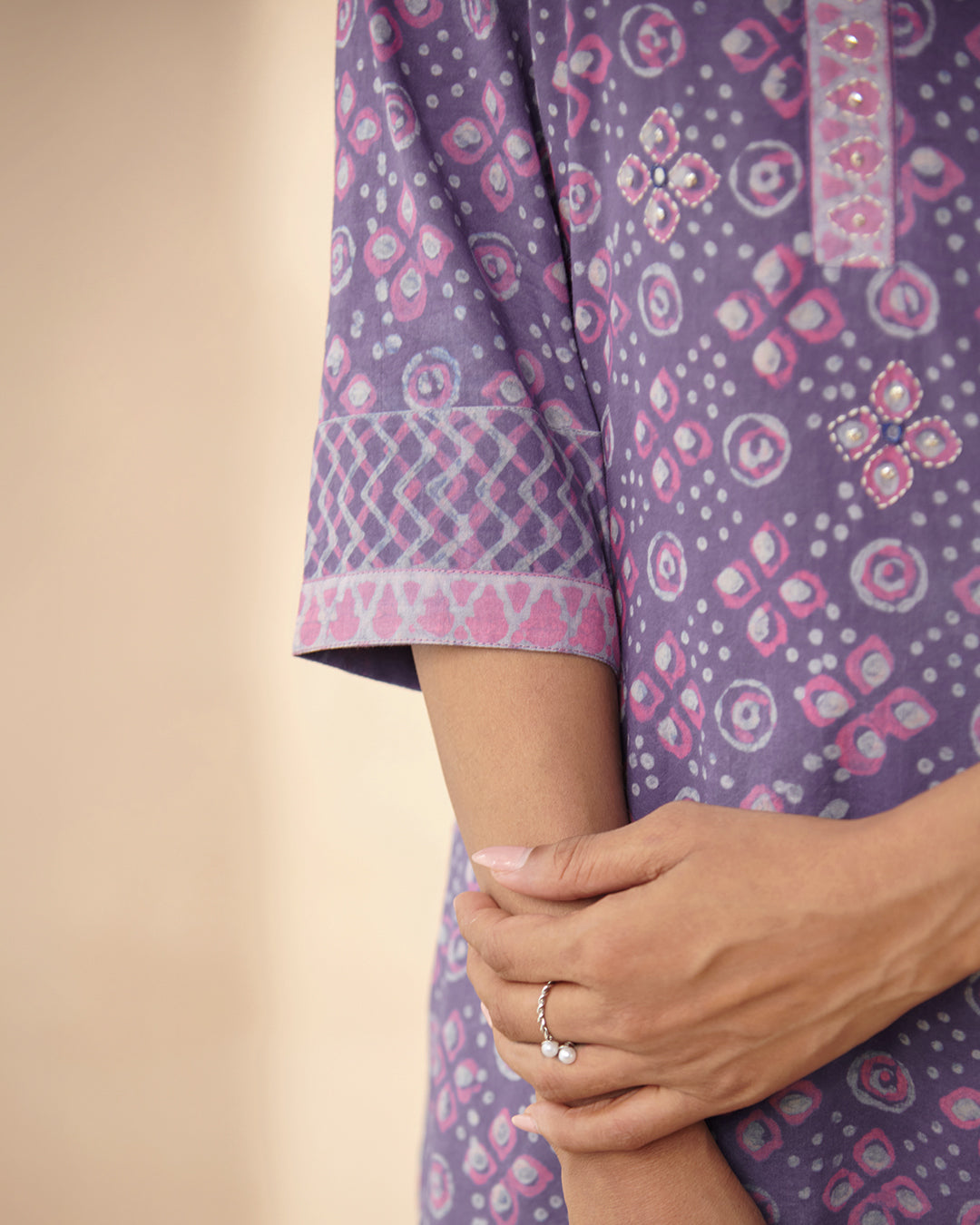
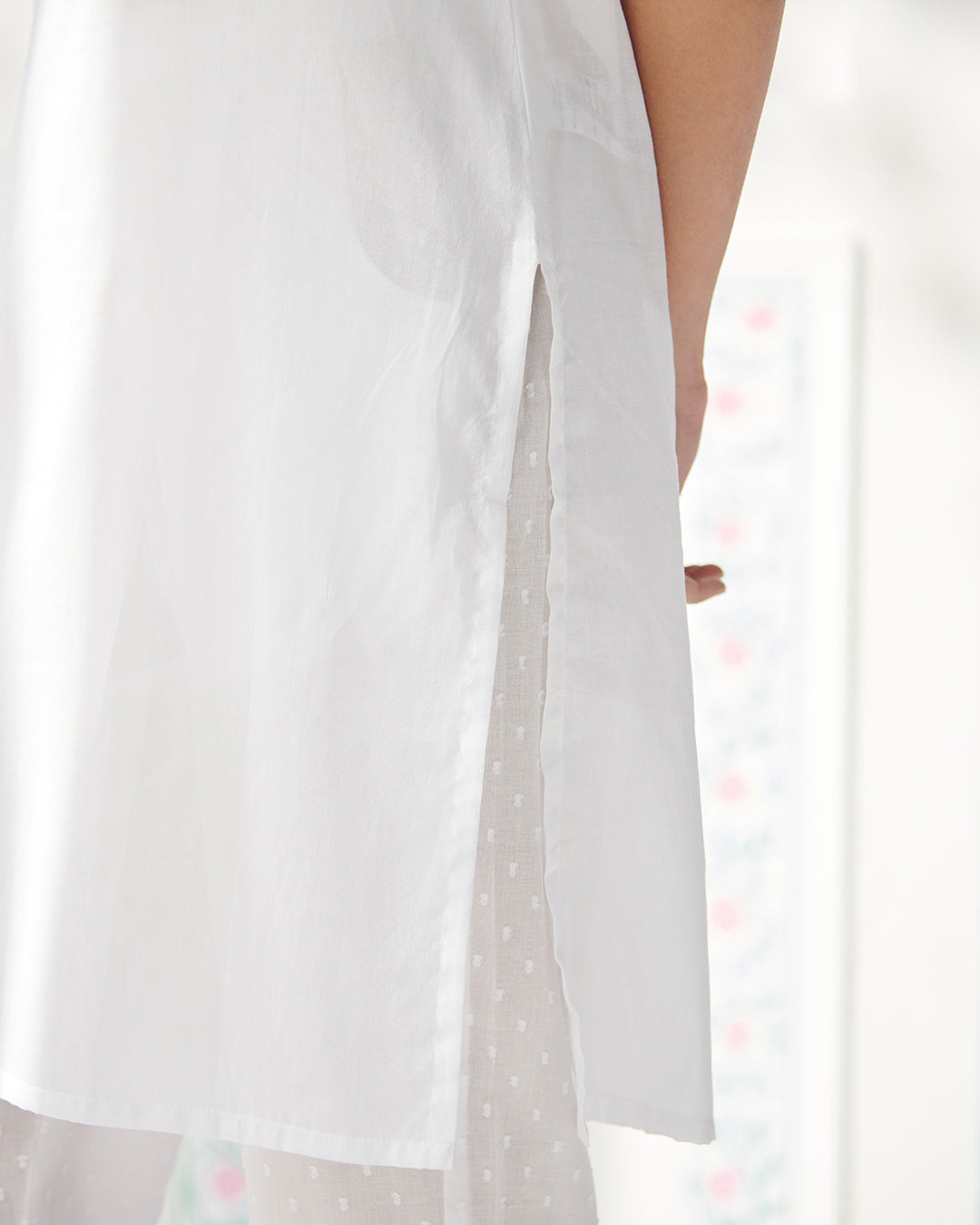
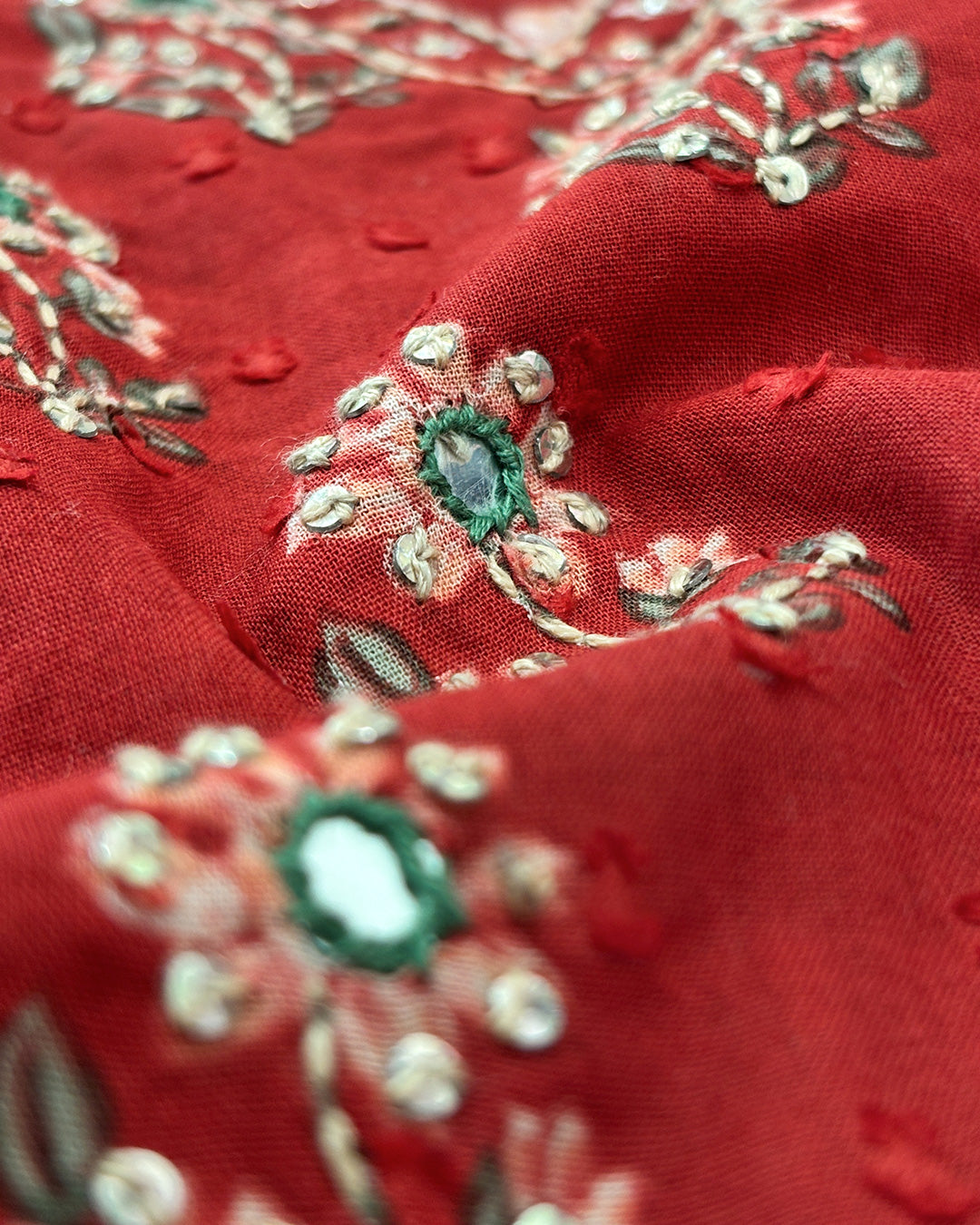
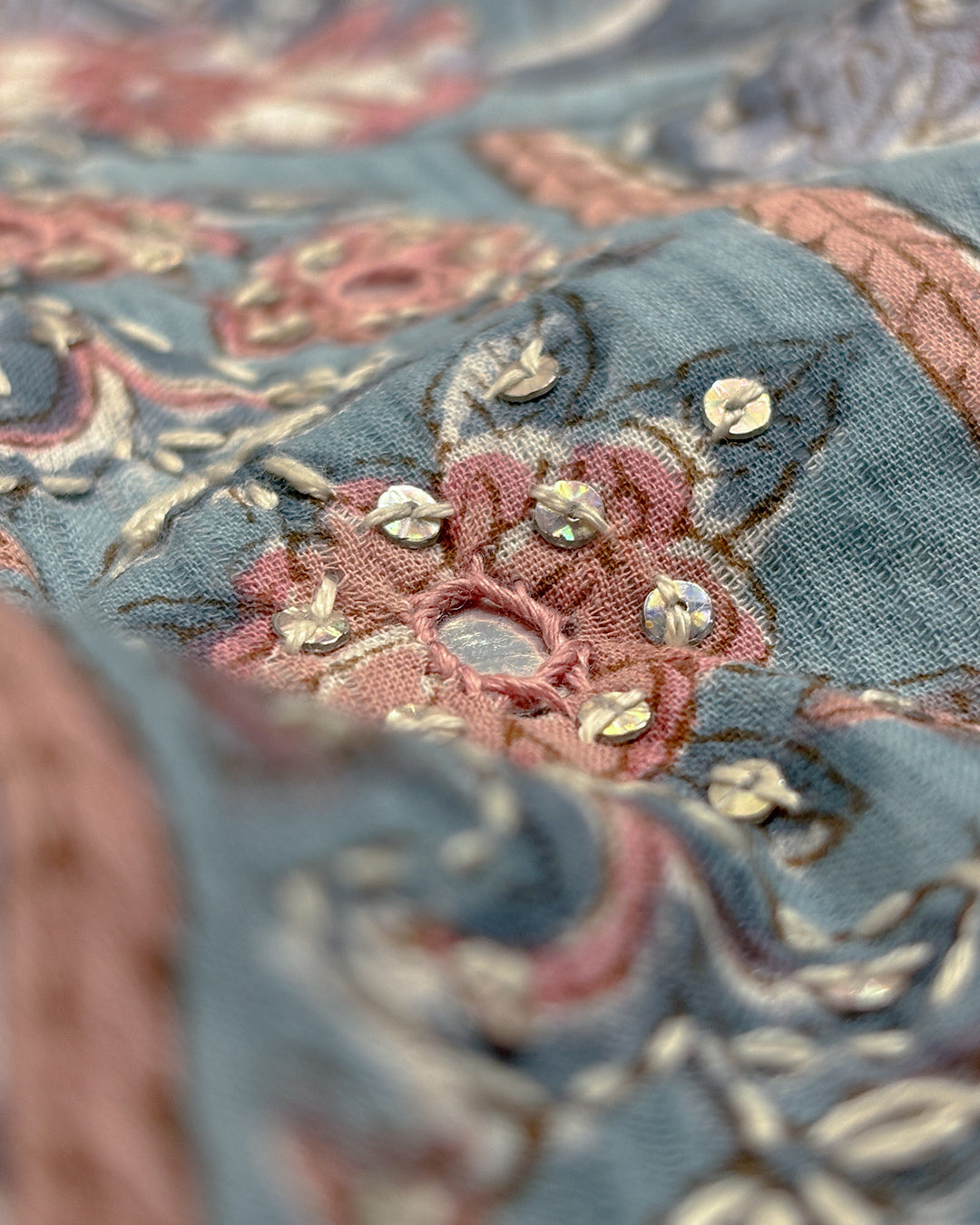
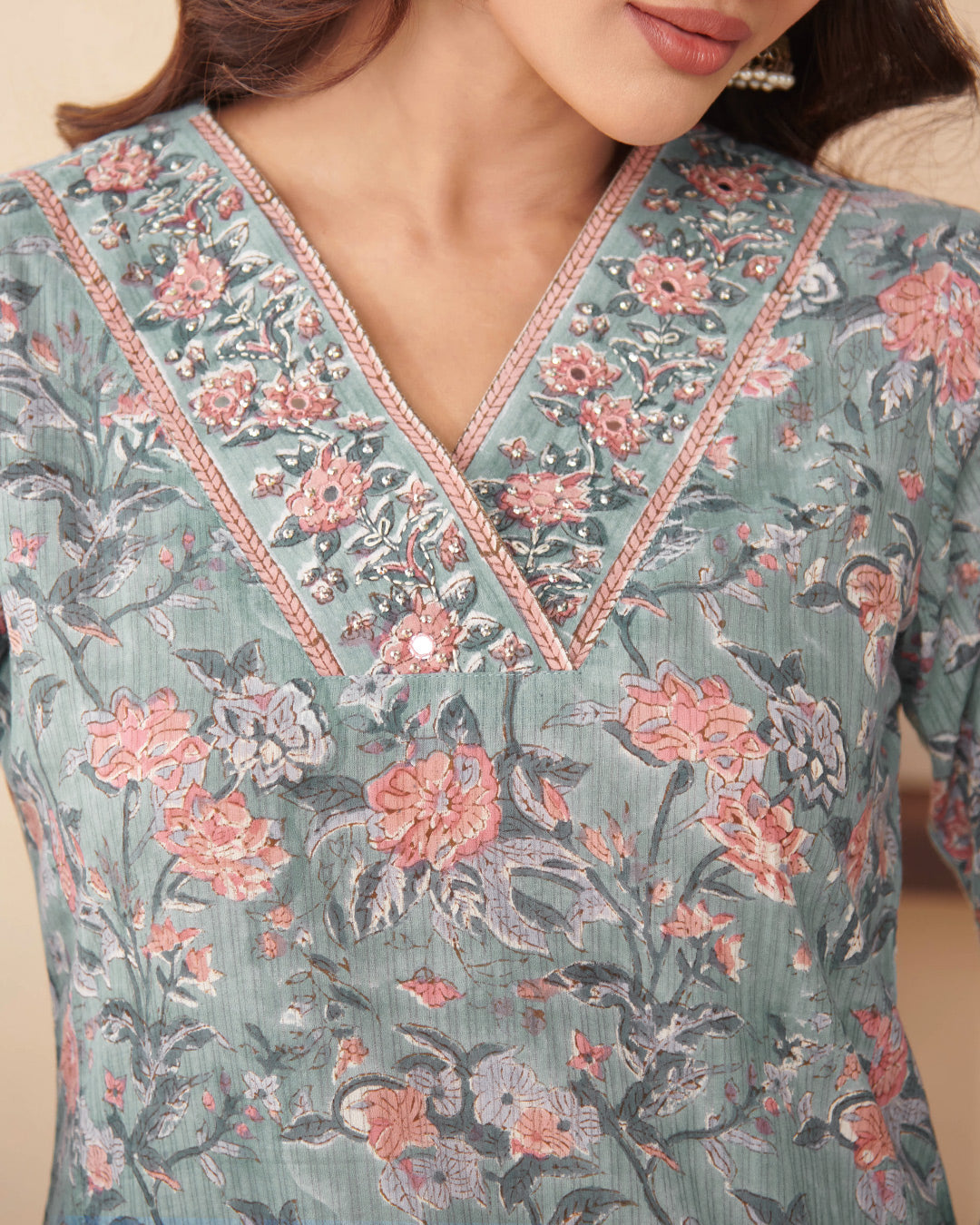
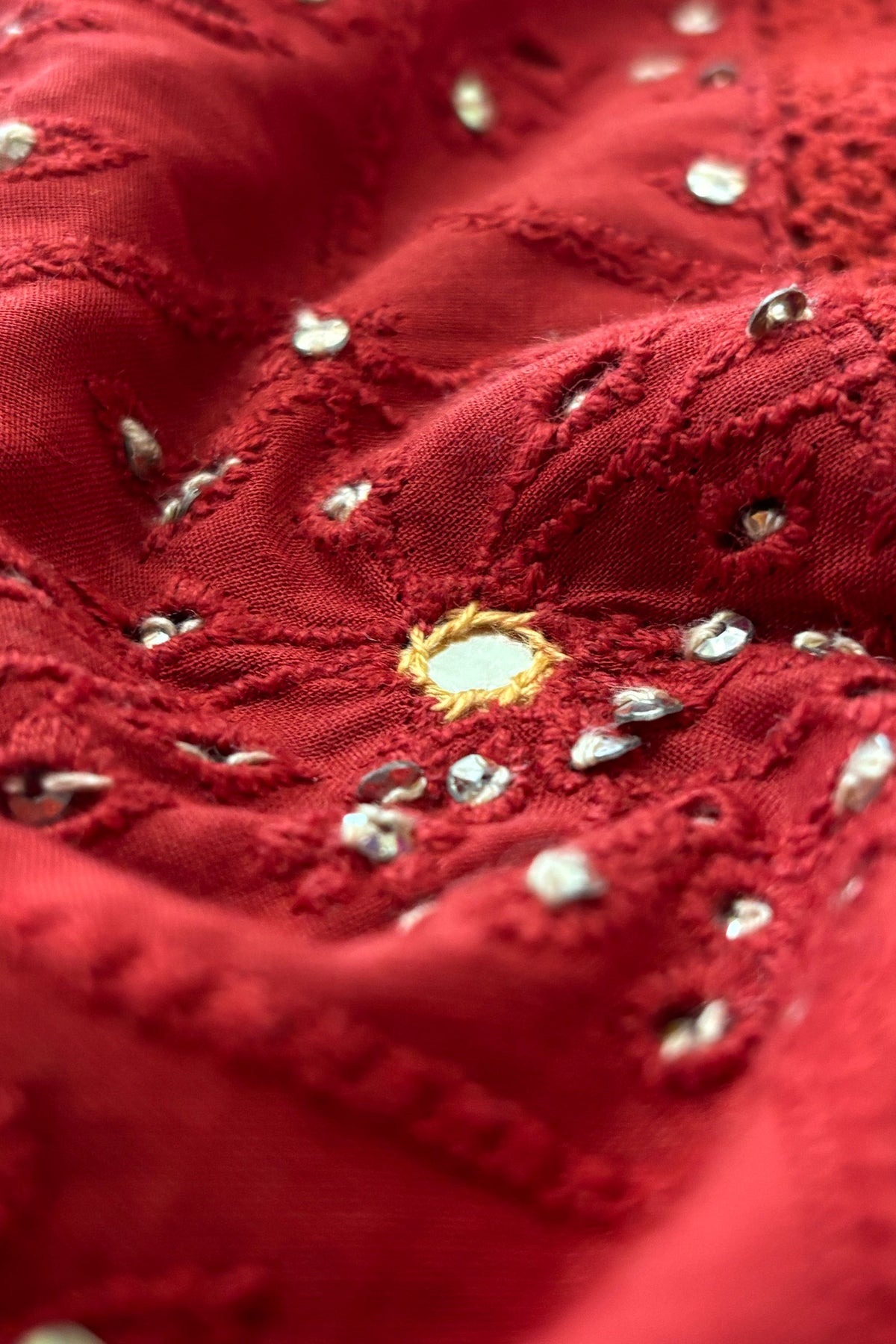
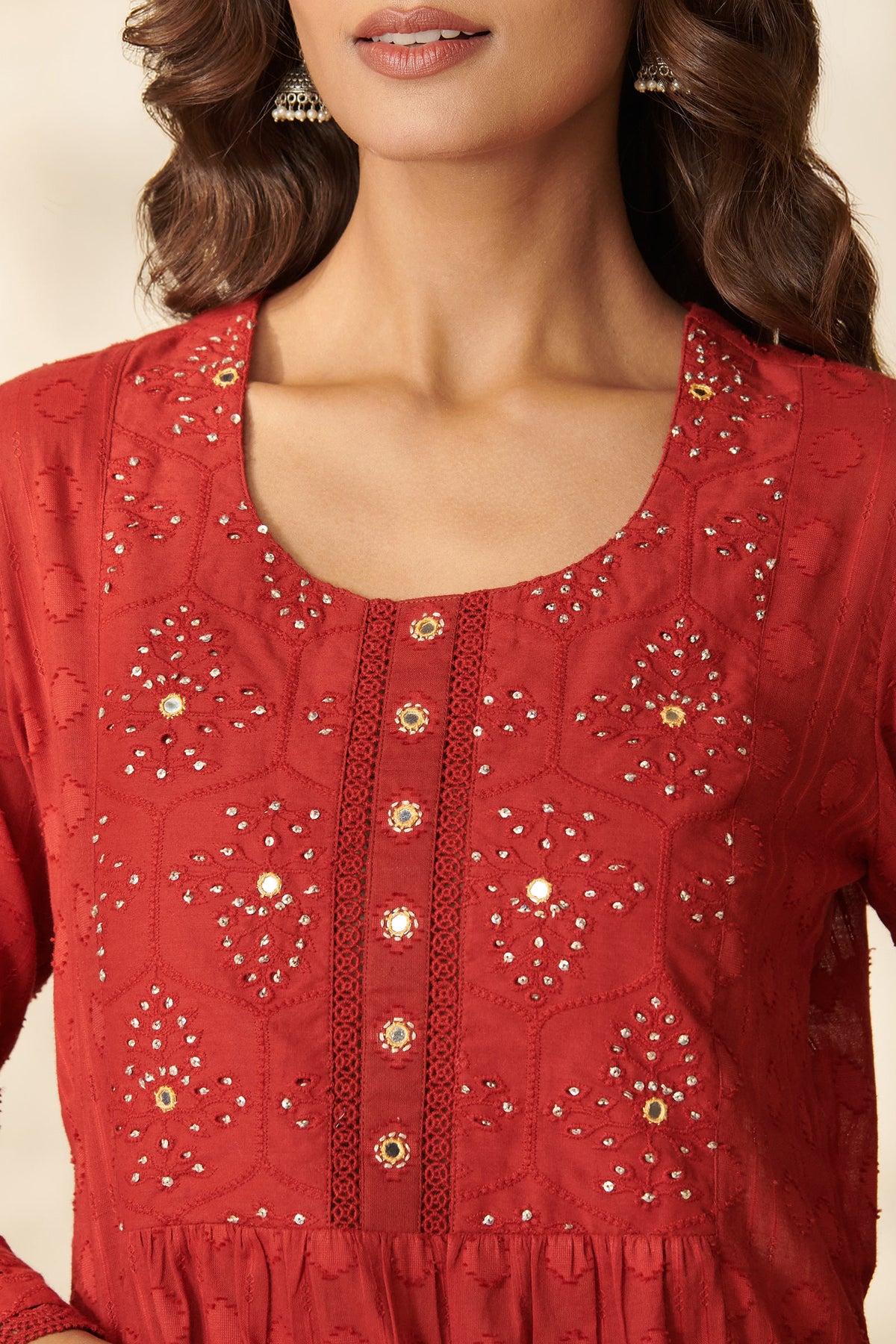
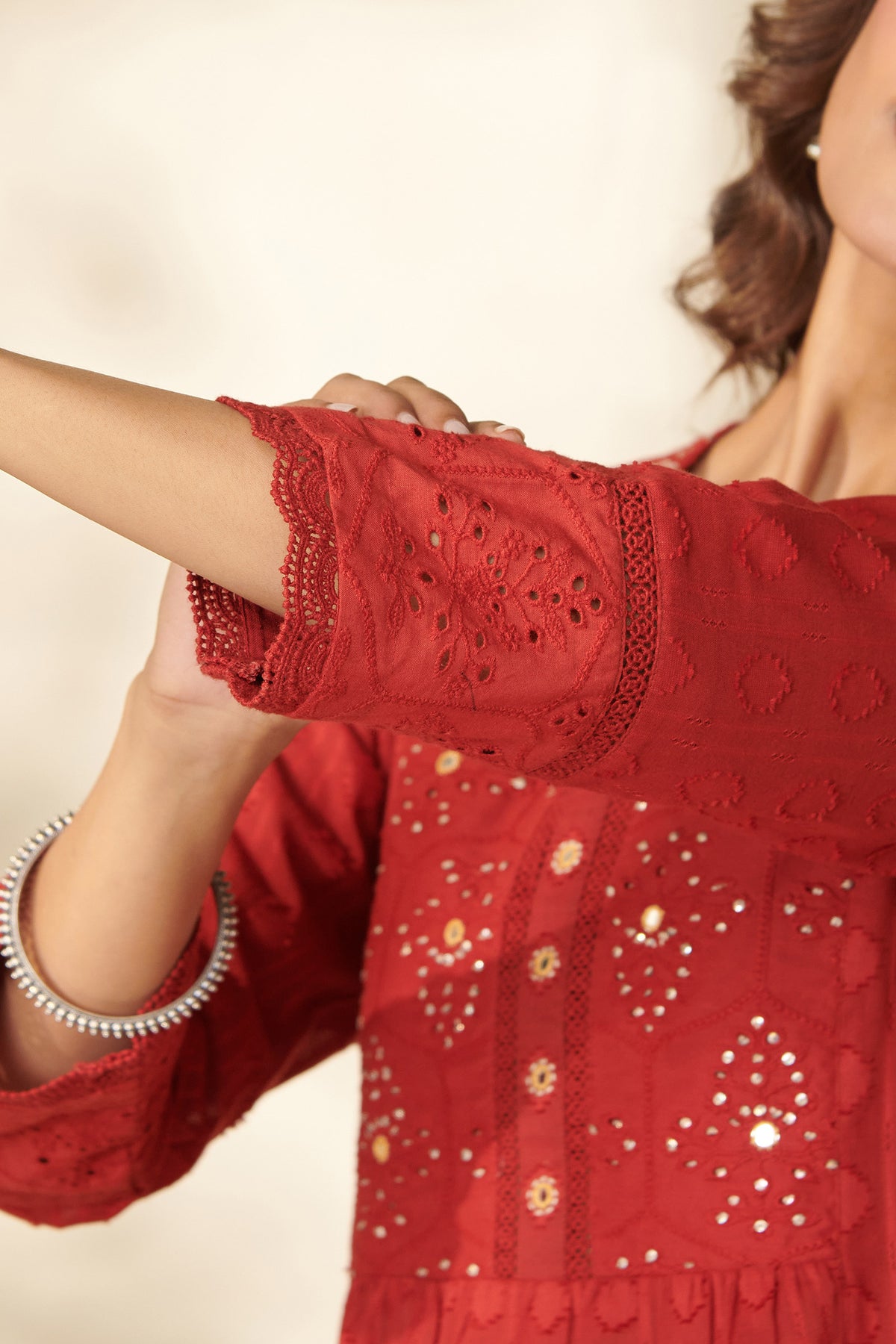
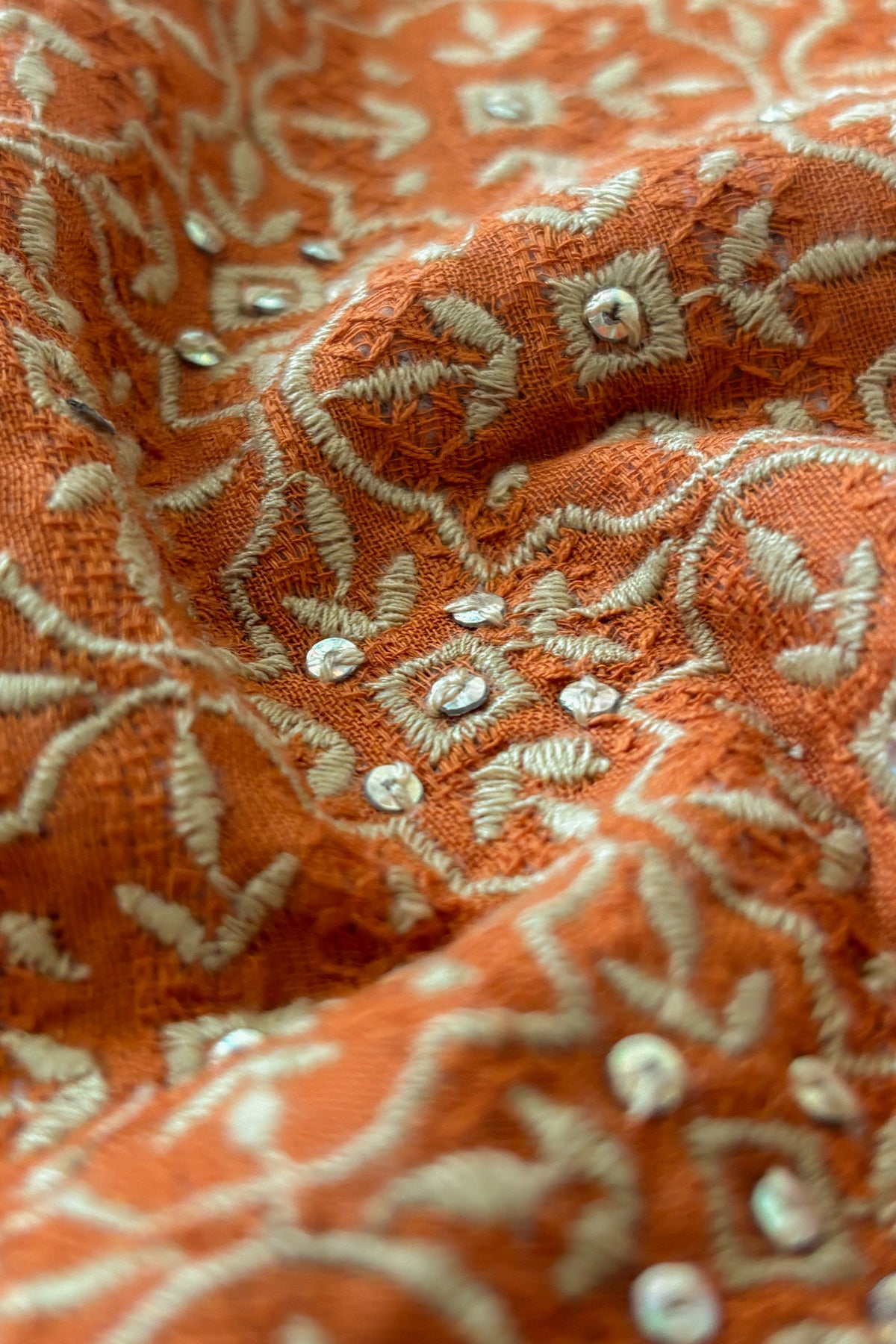
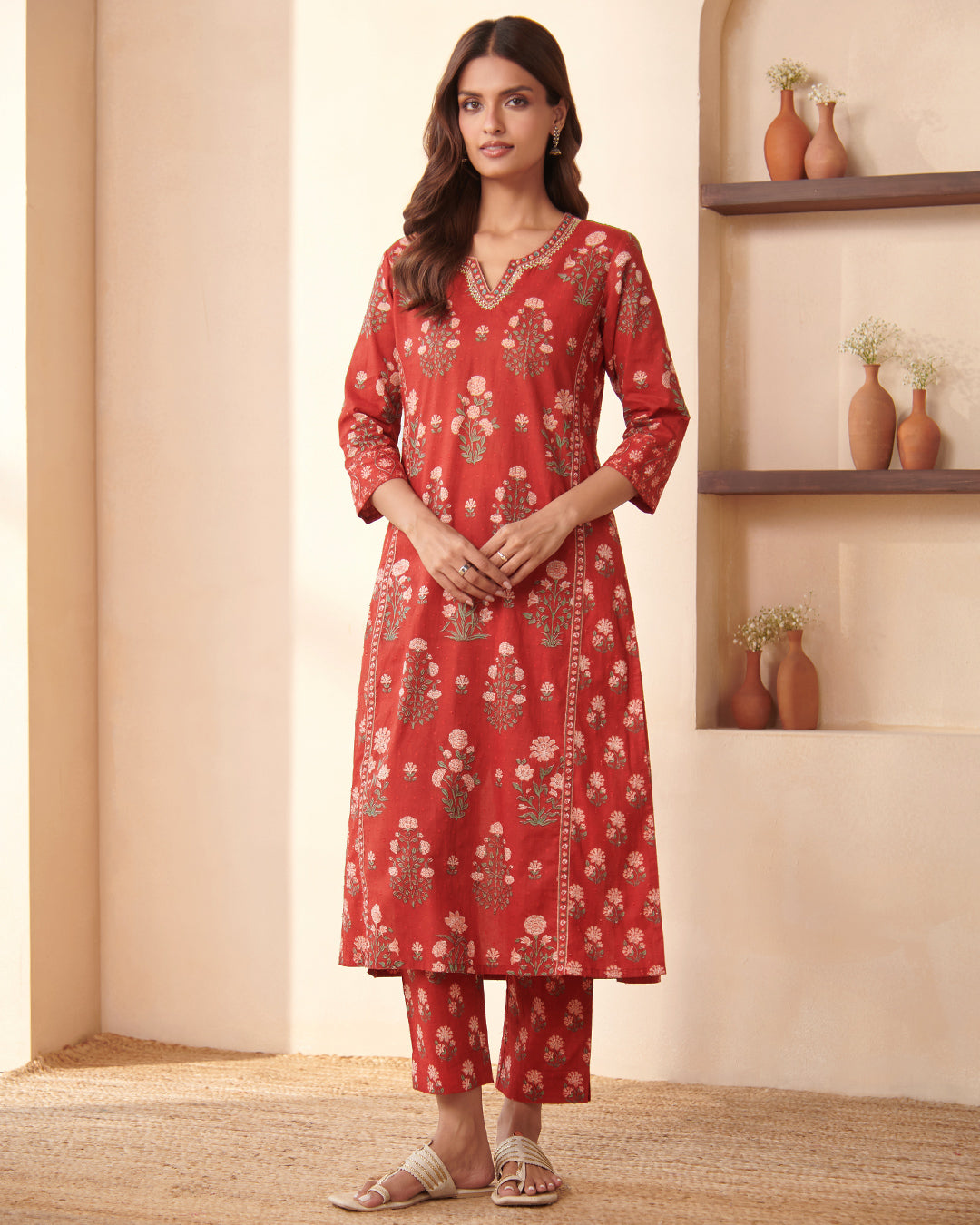
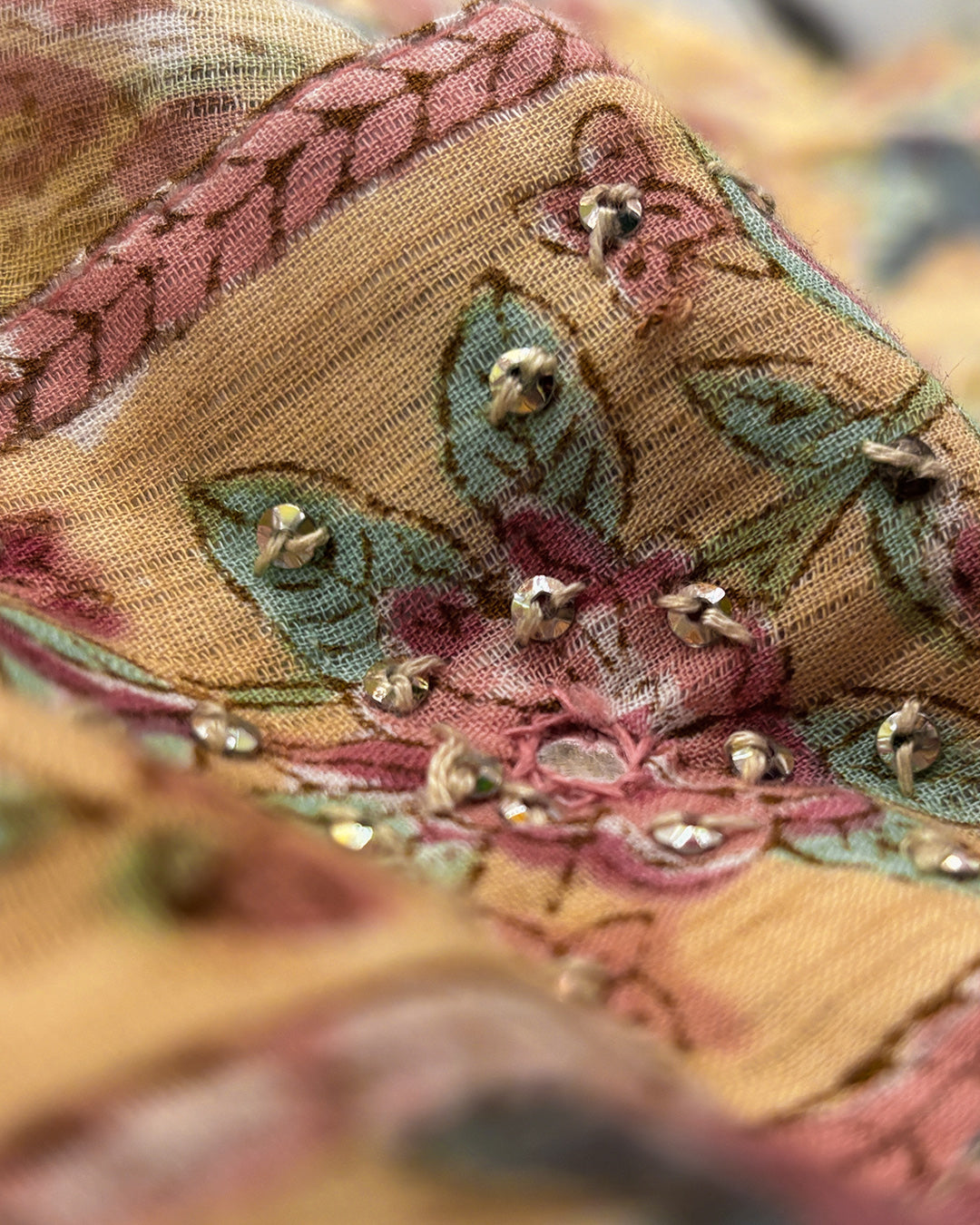
They are crafted in varied styles, some plain and minimal, others hand-printed or hand-block printed, and many finished with embroidery, sequins, or delicate lace.
-
These designs feature an elasticised waist with a drawstring and practical side pockets, combining ease with functionality. Narrow pants bring together comfort, versatility, and a polished appearance, making them one of the most adaptable bottoms to style with kurtas, whether for workdays, gatherings, or celebrations.

5. Izhaar Pants
Izhaar pants are a distinctive style that represents the gradual evolution of Indian bottom wear, combining elements of the dhoti and salwar with the structured appeal of trousers. Traditionally worn in India, izhaar pants were once considered a symbol of comfort and ease, and today they continue to adapt to modern wardrobes with the same spirit.
-
Designed in fabrics like soft cotton for everyday wear, viscose for a smoother fall, or silk blends for festive occasions, they bring versatility across settings. Their silhouettes are relaxed yet defined, with a hemline that offers room to move freely while maintaining shape.
-
Izhaar pants often carry intricate hand-printed or hand-block printed motifs, though plain handcrafted versions are equally popular, offering a balance of subtlety and detail.
-
An elasticised drawstring waist ensures comfort, while the overall design creates a pairing that works beautifully with both short kurtas and longer silhouettes.
-
Whether styled for a casual outing, a cultural gathering, or a festive celebration, izhaar pants bring together ease, tradition, and artistry, making them a refreshing alternative to more common styles like straight pants or palazzos.

6. Sharara
The sharara traces its roots back to the Mughal era, where it was a symbol of grandeur worn by queens, princesses, and aristocrats. Its very name, derived from Persian meaning “to flow,” captures the essence of its wide-legged, flared silhouette that resembles a skirt in motion.
-
Traditionally made from rich silks and heavily embroidered, shararas were reserved for weddings, festivities, and royal gatherings, showcasing both textile artistry and social status. Over time, this iconic style has transitioned from palatial courts to contemporary wardrobes while retaining its distinctive appeal.
-
Today, shararas come in a spectrum of styles from opulent, embellished versions designed for weddings and festivals to more minimal, breathable renditions in georgette, chiffon, or cotton blends for semi-formal and casual occasions.
-
They are usually paired with short kurtas or mid-length tops, often accompanied by a dupatta to complete the look.
-
Their flowing form creates an ensemble that feels festive yet practical, offering comfort along with a striking presence. Whether worn at a traditional celebration or a modern event, shararas continue to be a favourite for women seeking an outfit that connects history with contemporary fashion.
7. Garara
The gharara is one of the most distinctive styles of traditional bottom wear, with roots in the Awadh region of Uttar Pradesh during the era of the Nawabs. Deeply tied to Lucknow’s heritage, ghararas symbolised refinement and cultural pride, often worn by women of aristocratic households.
-
Characterised by wide-legged pants that are fitted at the waist and thighs but gathered dramatically at the knee, they create a flare that resembles a flowing skirt. The knee joint, known as the kunda or gota, is usually highlighted with elaborate embroidery in zari, zardozi, or gota work.
-
Traditionally, each gharara was crafted using over 12 metres of rich fabrics like silk brocade, making it a masterpiece of both tailoring and artistry.
-
While their popularity waned with the rise of more practical bottoms like salwars and narrow pants, ghararas continue to hold a celebrated place in festive wardrobes today.
-
Modern interpretations are crafted in soft fabrics such as modal or cotton blends, often finished with embroidery or lace detailing for ease of wear. Paired with short kurtas or mid-length tops, they bring back a piece of Awadhi culture in a form that balances heritage with contemporary fashion needs.
Why Bottom Wear Matters in Ethnic Dressing
In the world of ethnic wear, bottom wear often plays a role that is easy to overlook yet impossible to replace. While the kurta or dupatta usually draws the first glance, it is the lower garment that completes the picture. The way a fabric skims the ankle, the narrowing line of a straight pant, or the flowing ease of a palazzo determines not just how the outfit looks, but also how it moves with you.
-
For centuries, Indian ethnic bottom wear has carried meanings beyond utility. A salwar could signal regional heritage, a farsi pant could adapt to the needs of weather and comfort, while palazzos reflect a shift toward modern versatility.
-
These pieces do more than dress the body; they shape the rhythm of everyday life. Today, bottom wear choices blend tradition with personal expression.
-
Straight pants for a structured office look, Farsi pants for relaxed gatherings, and palazzos for festive evenings - each choice mirrors mood, purpose, and individuality.
-
Even fabrics matter, from breathable cottons for daily wear to silks and handcrafted blends that make special occasions feel more rooted and memorable.

