

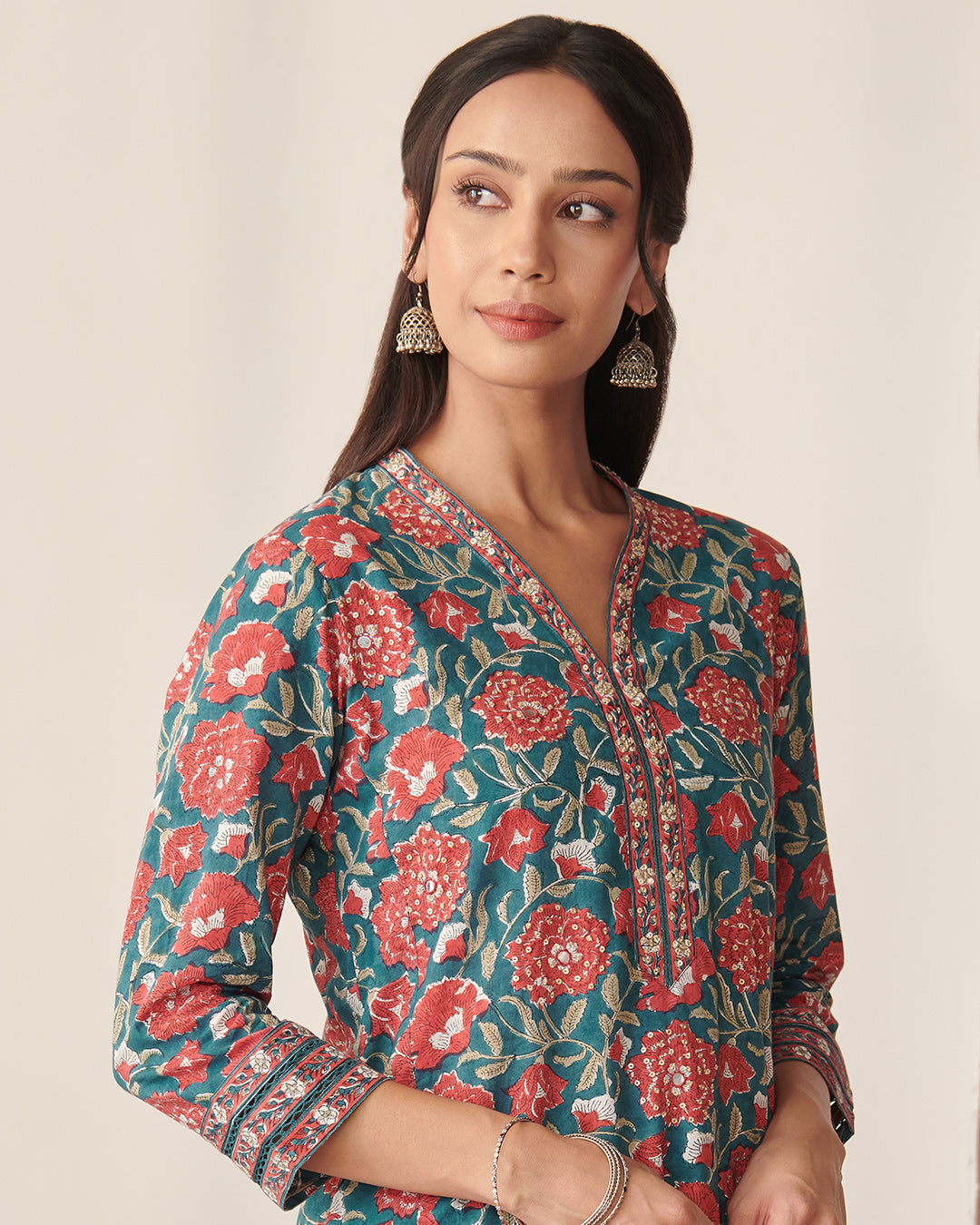
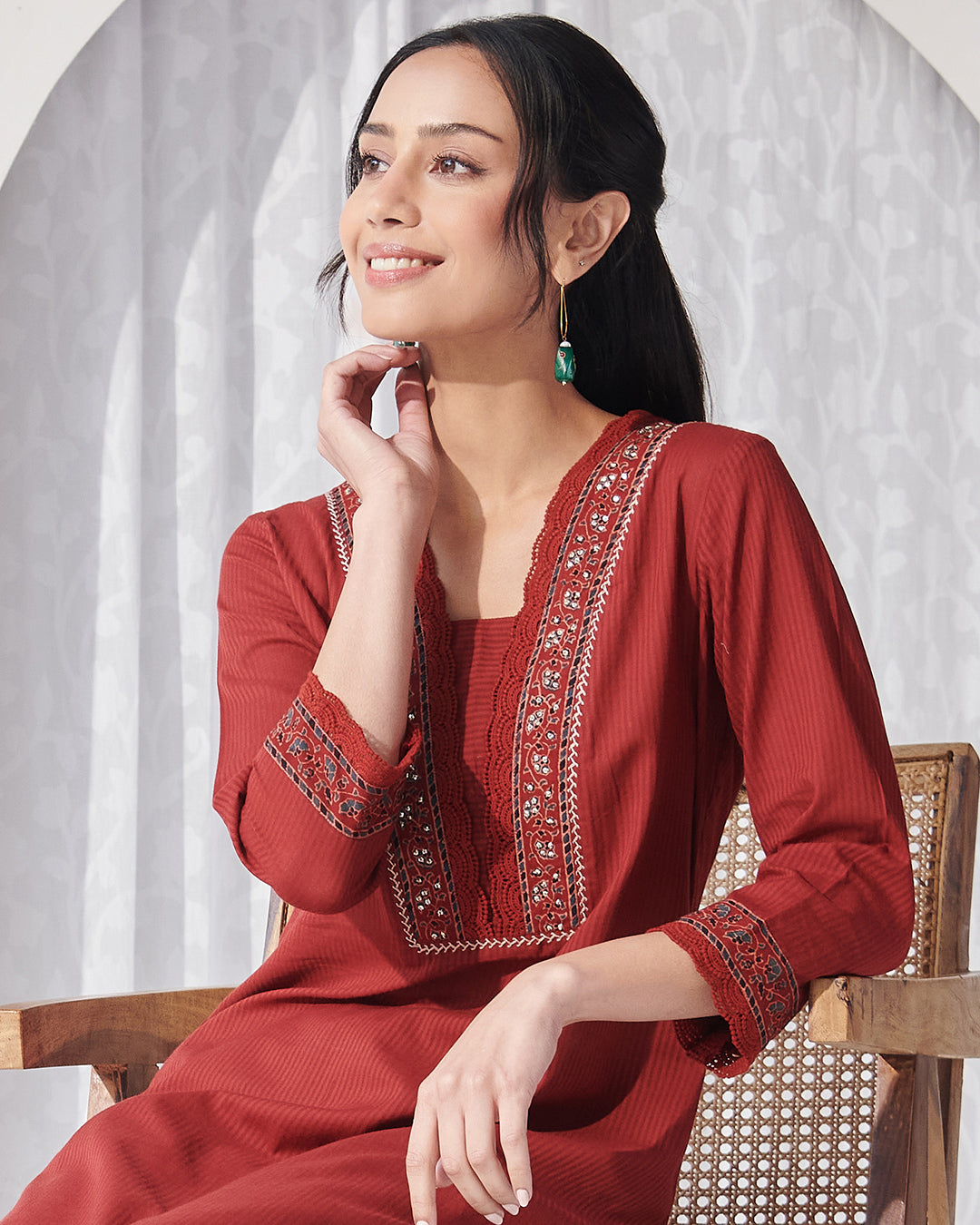
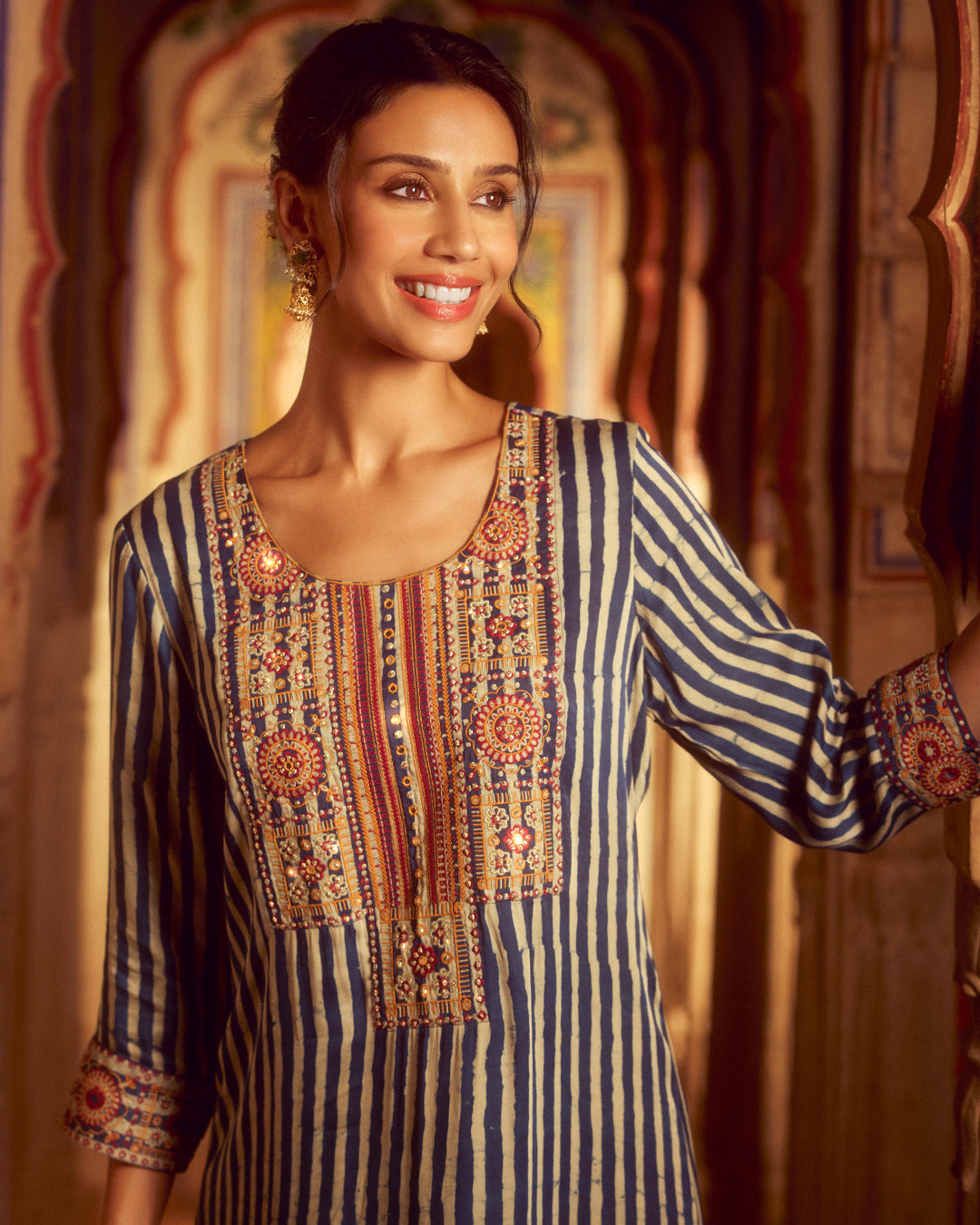



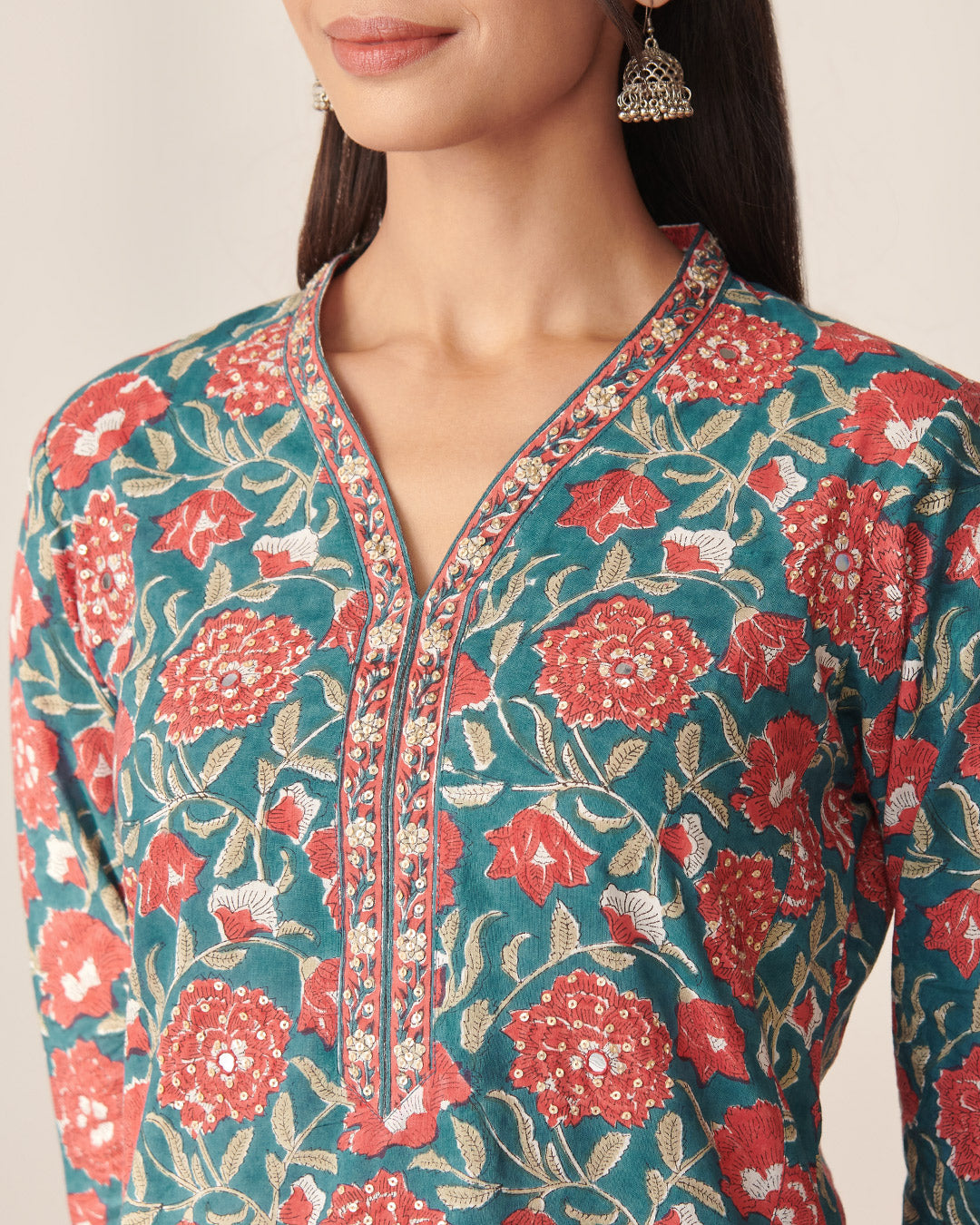
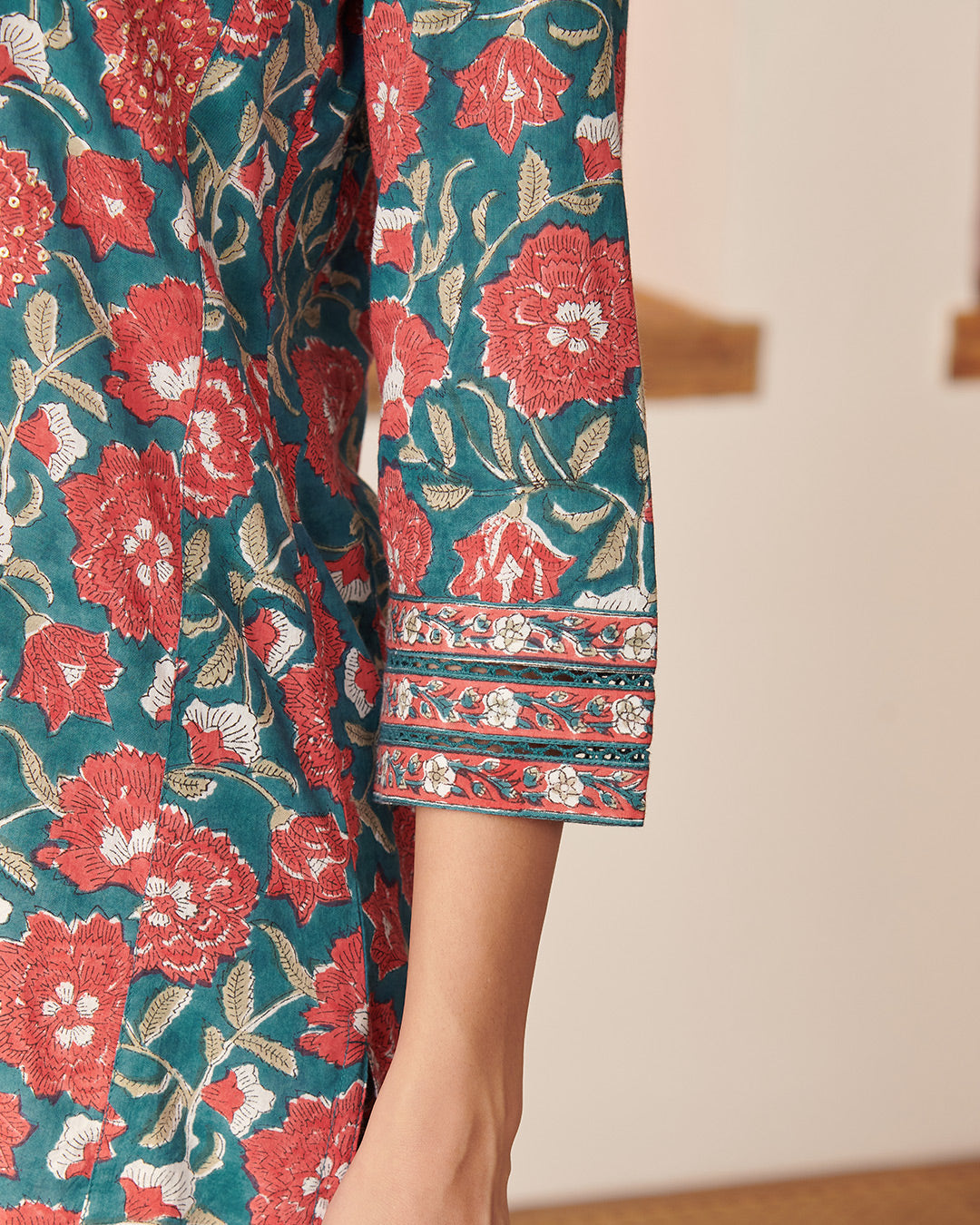
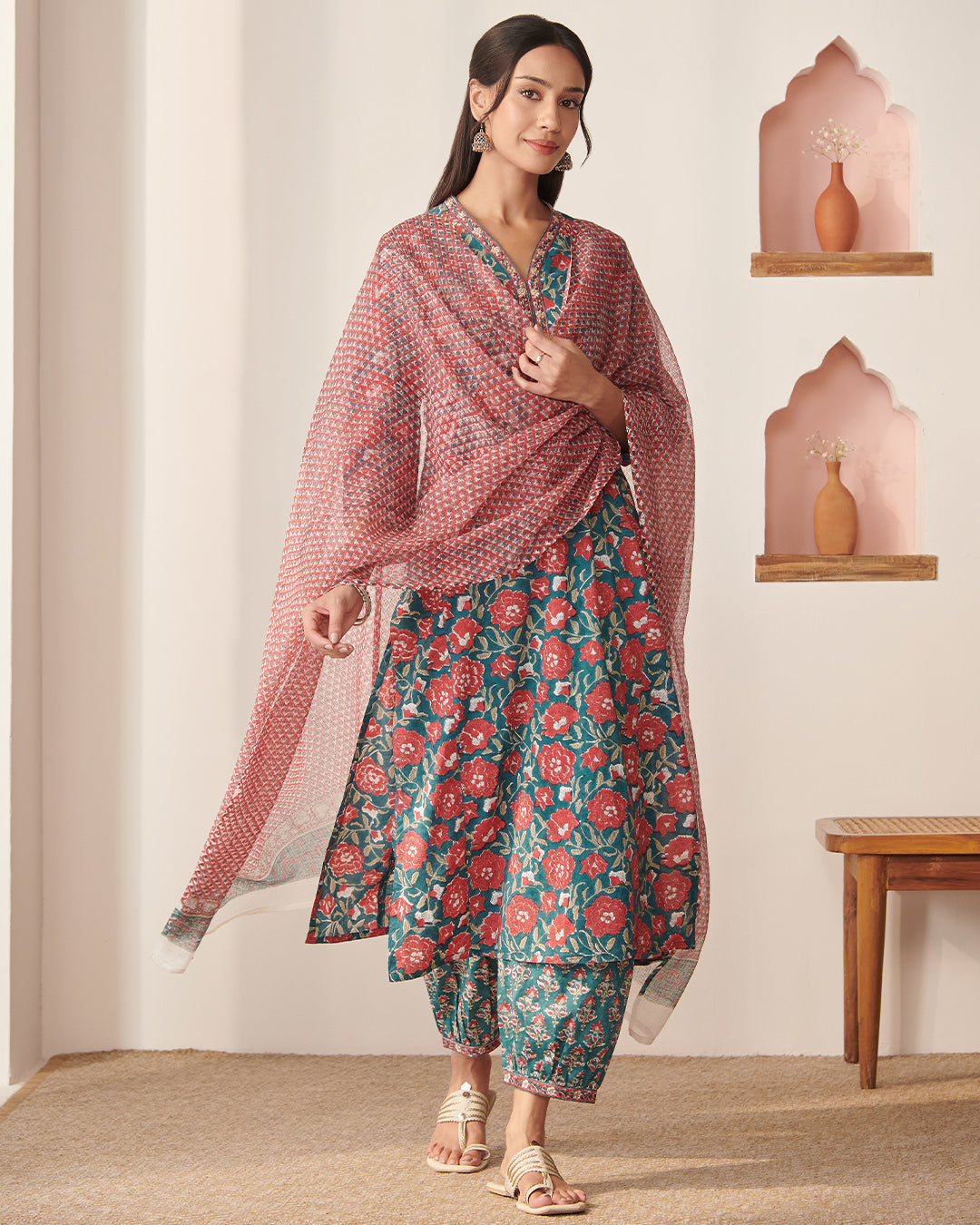
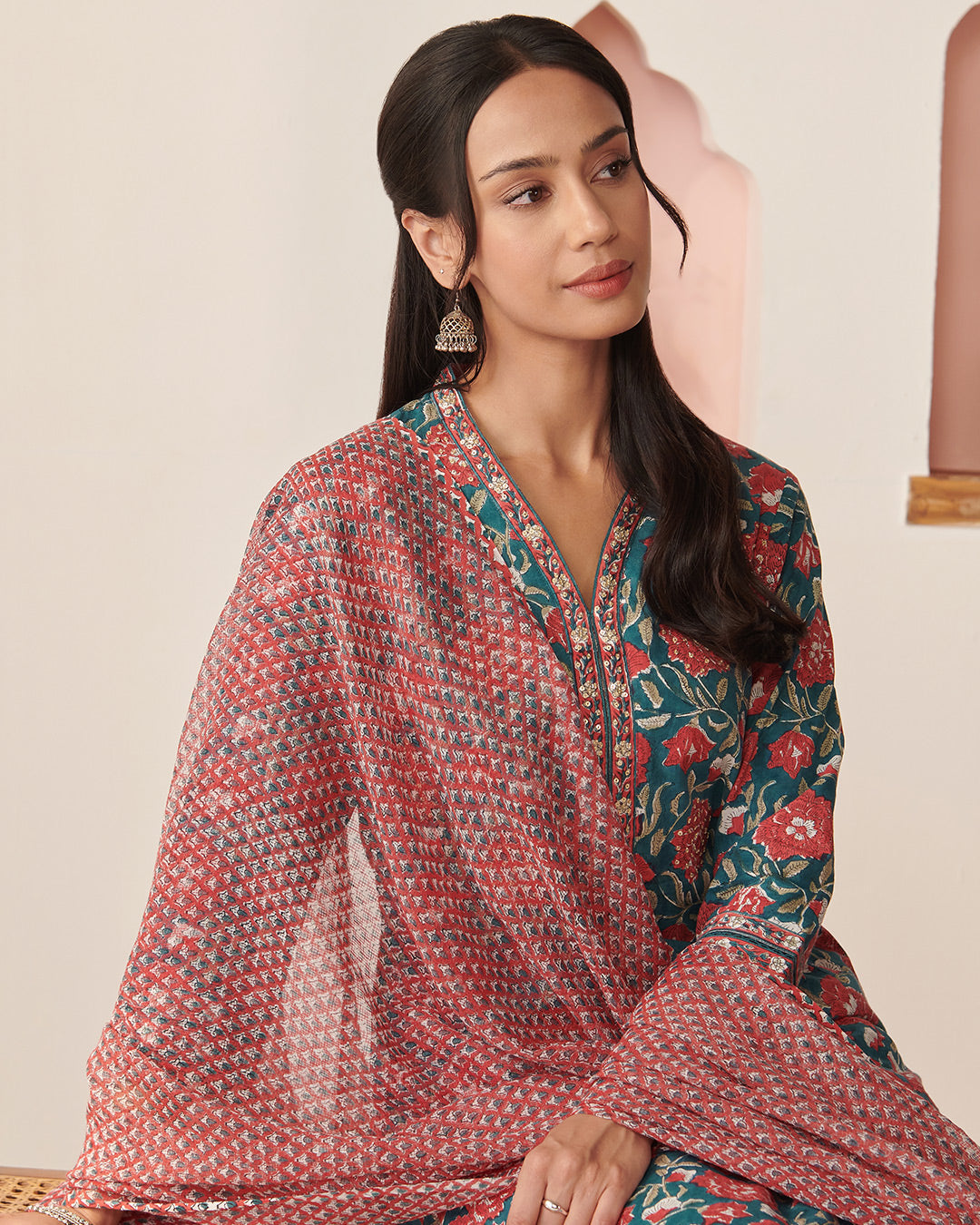
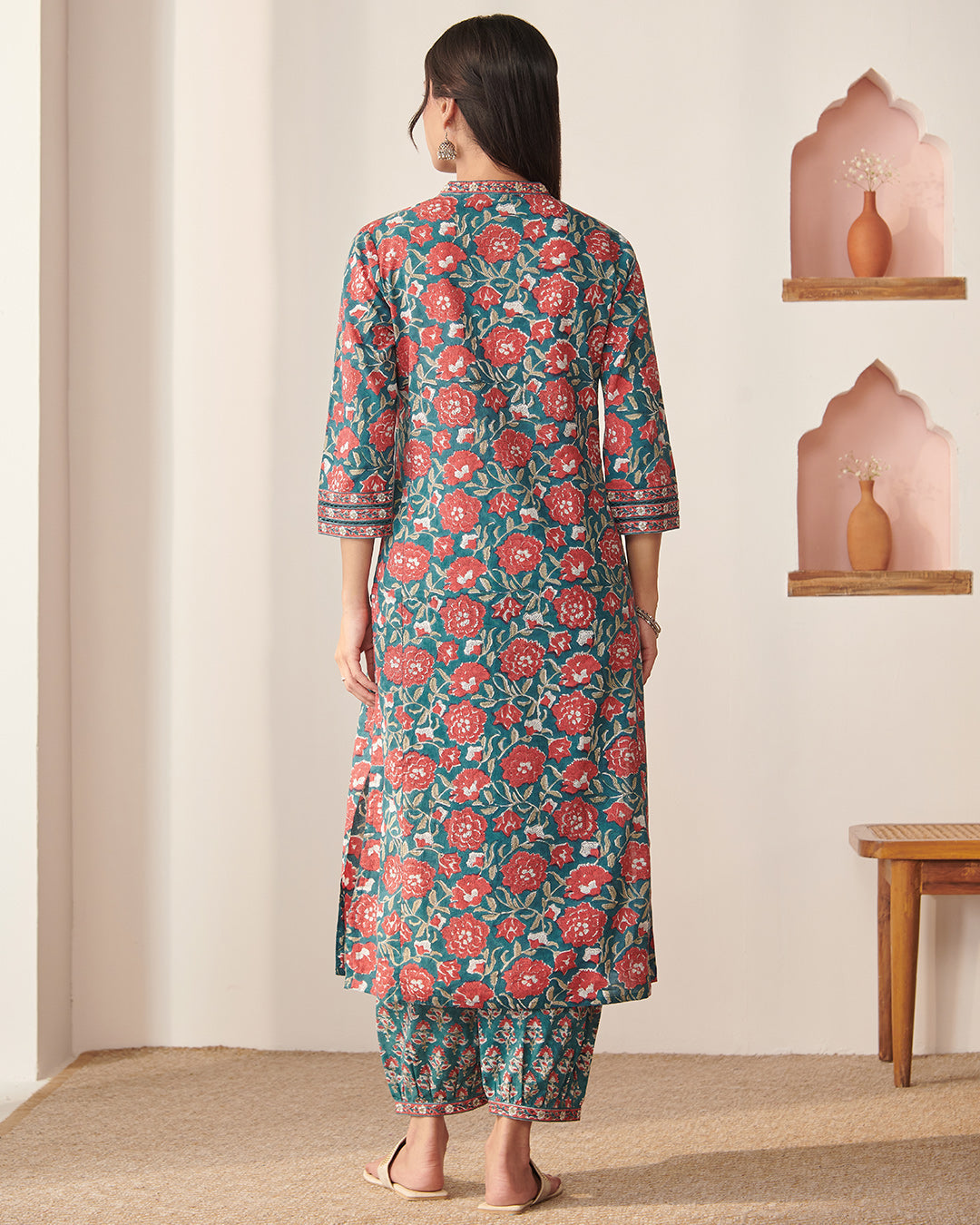
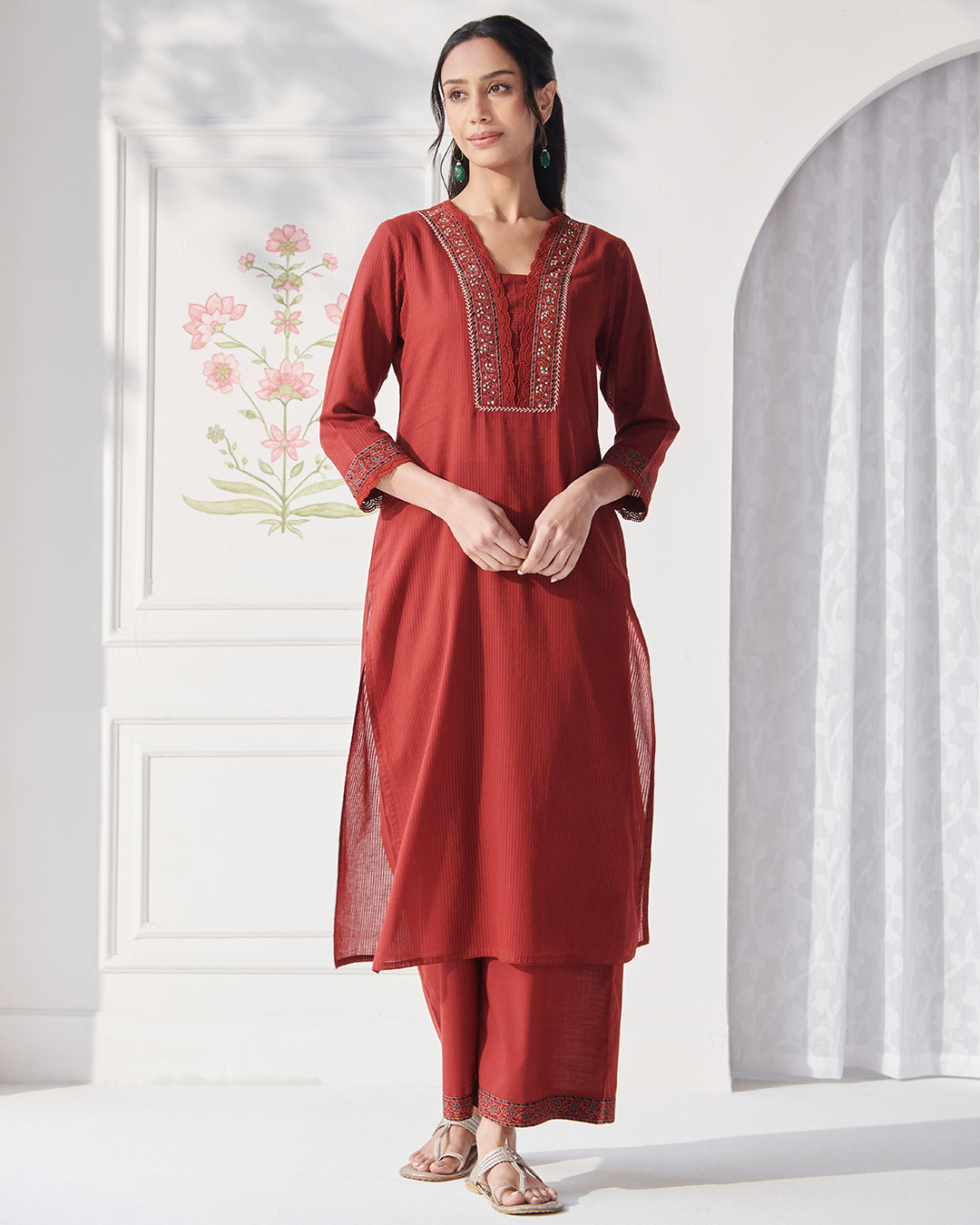
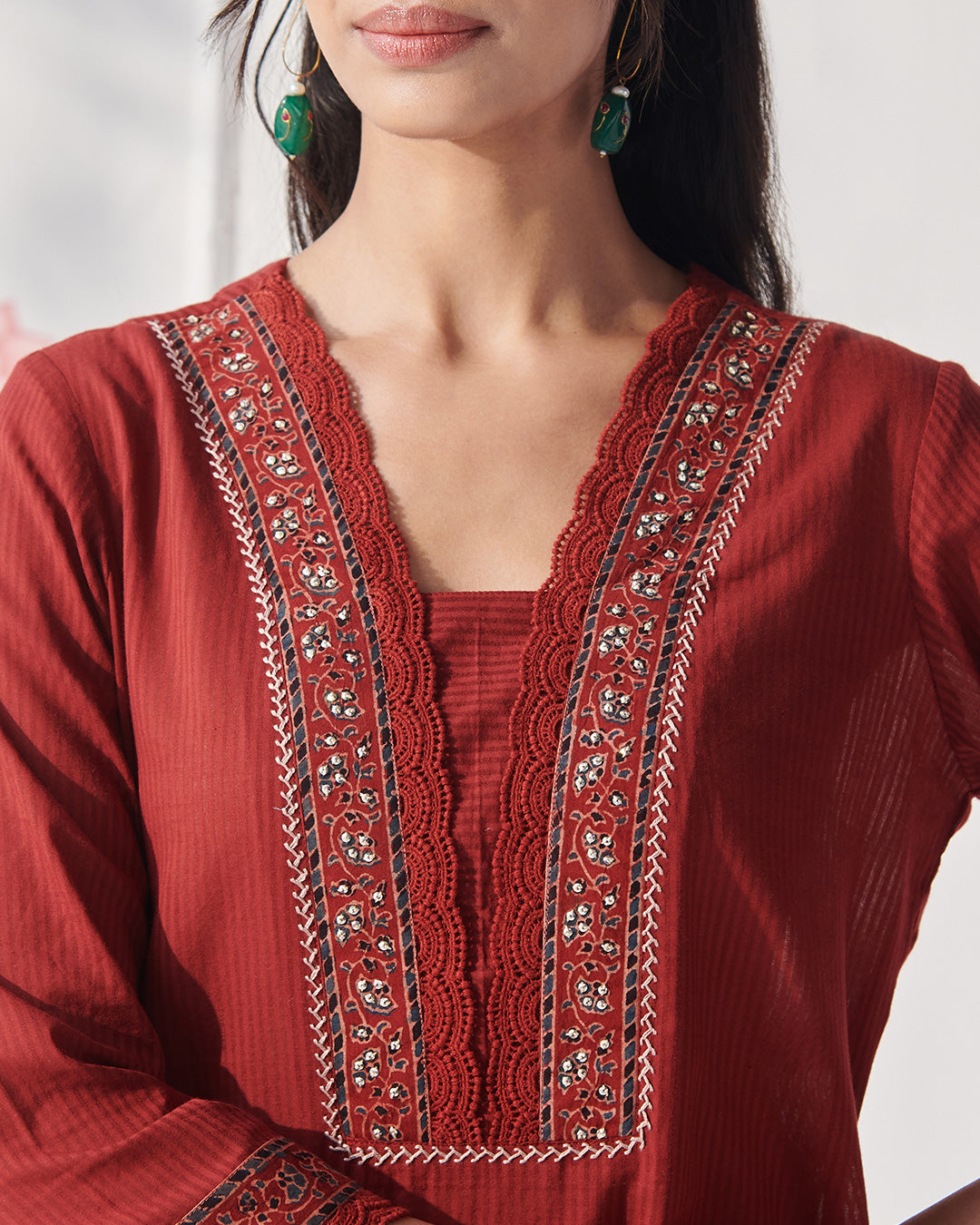
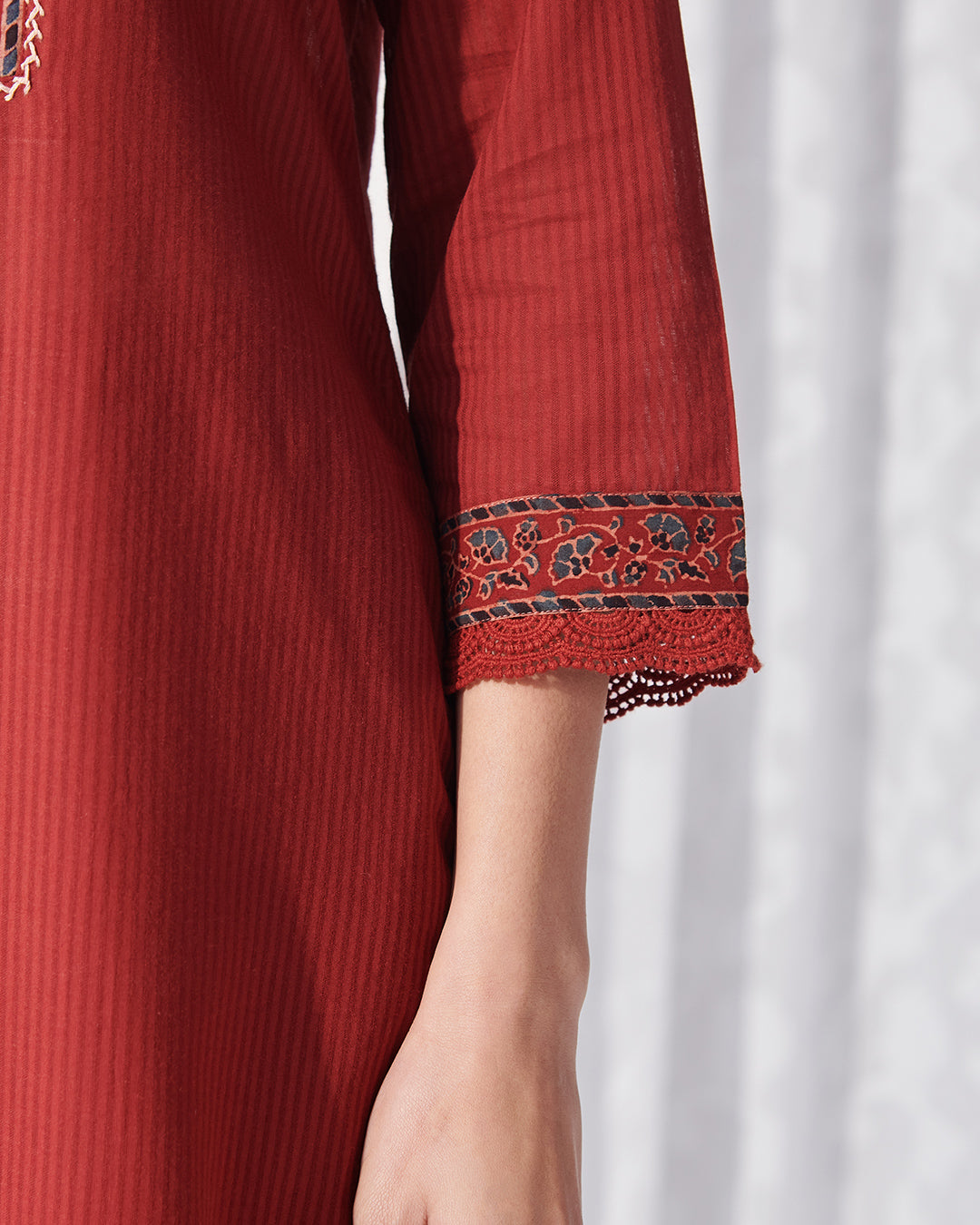
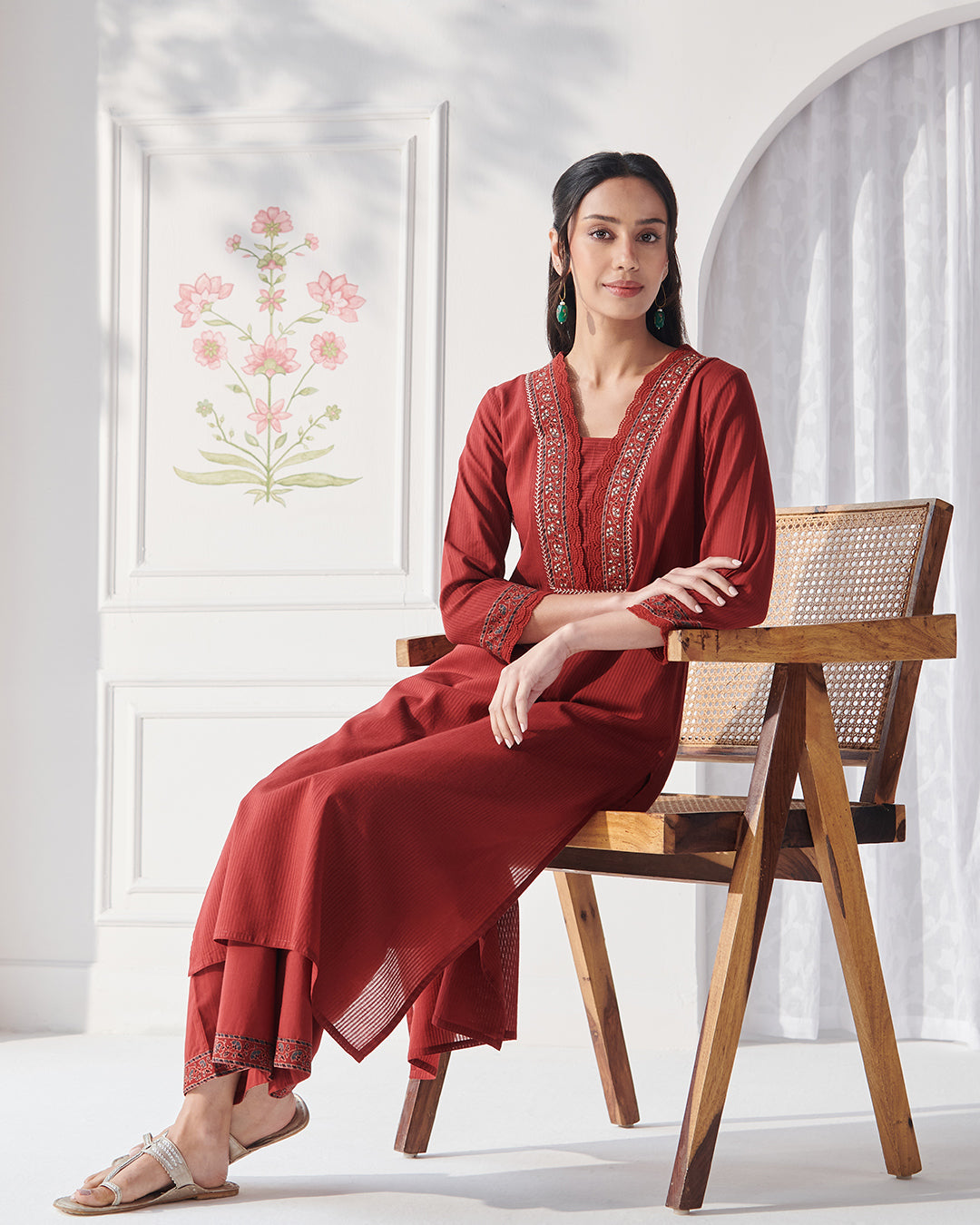
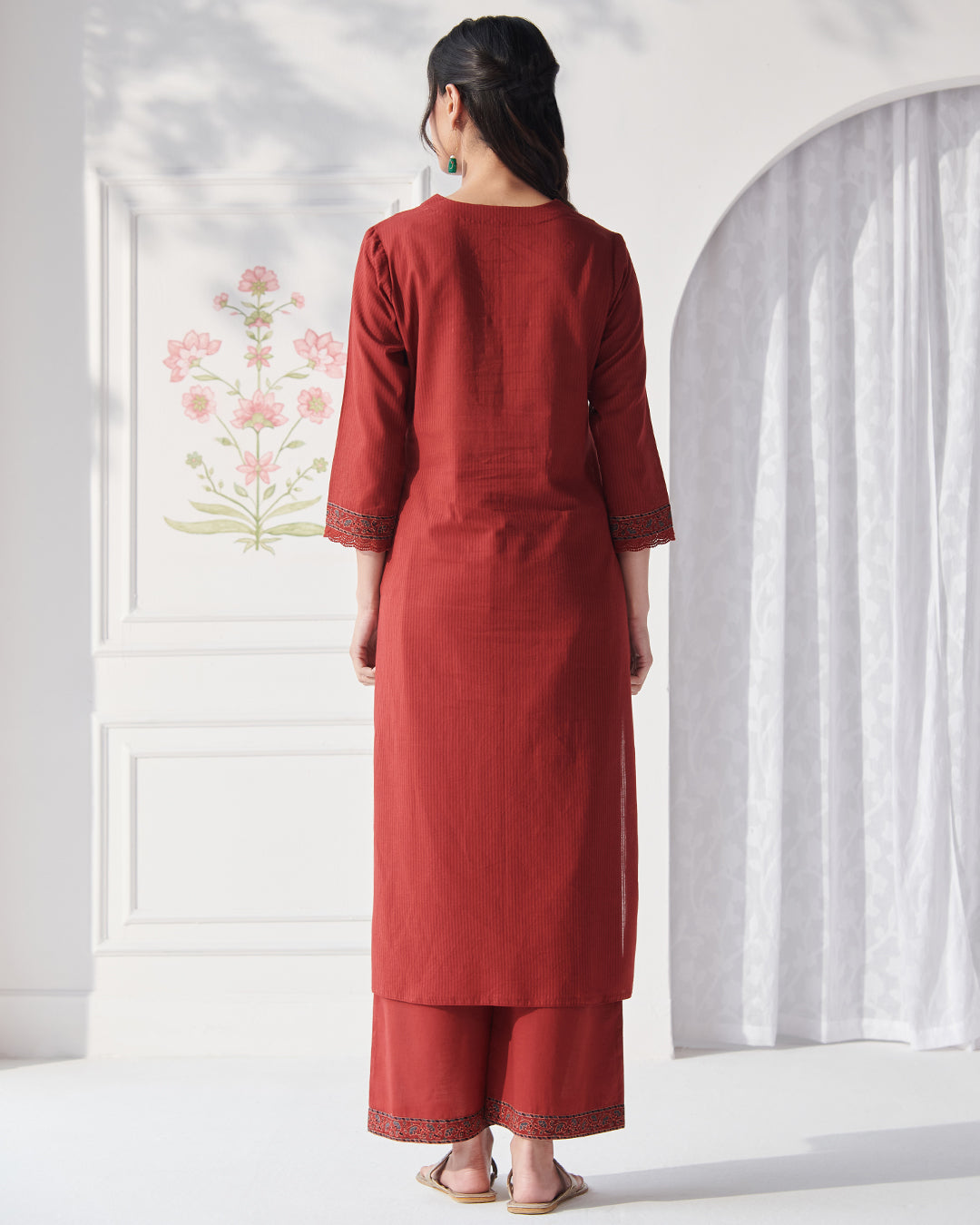
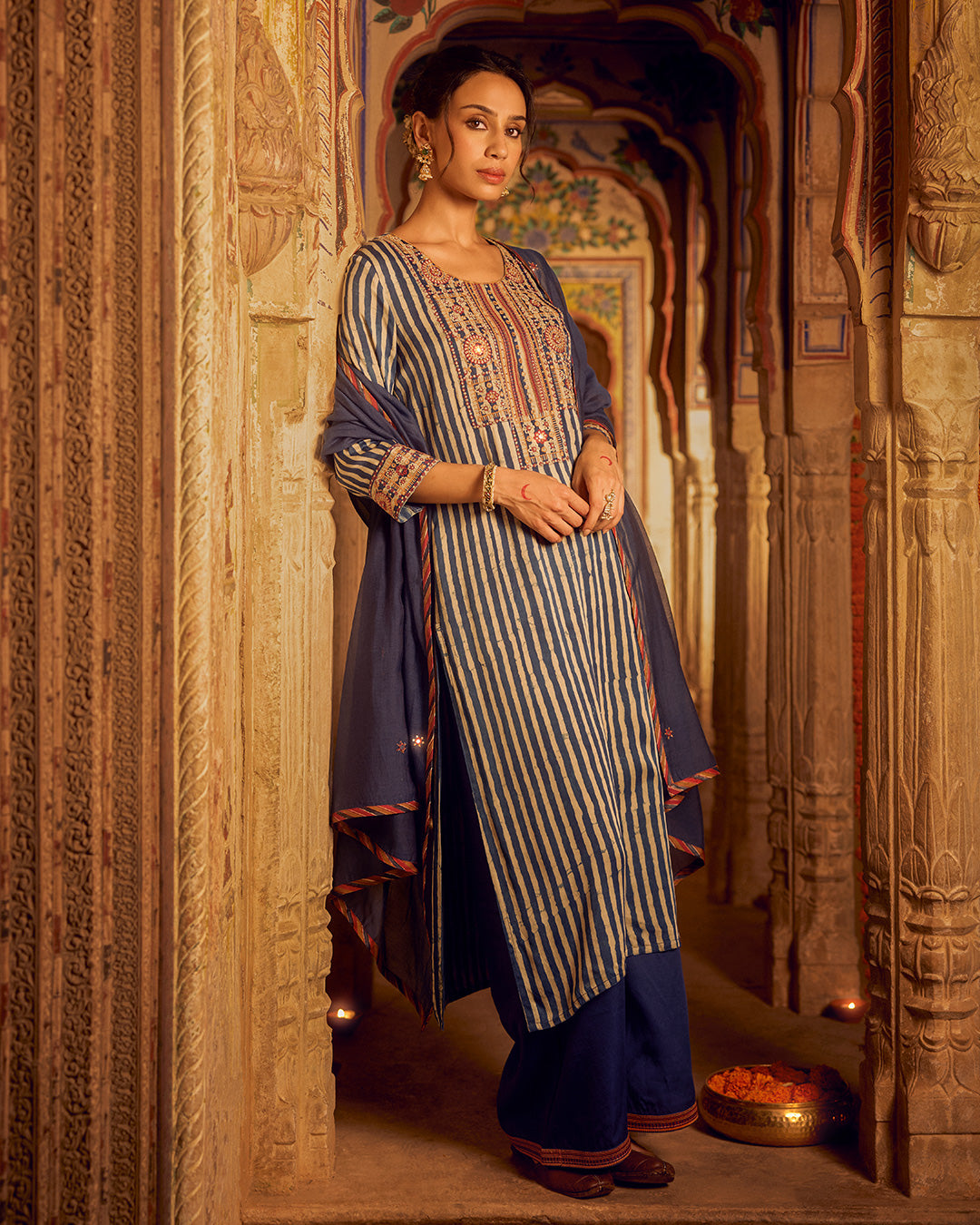

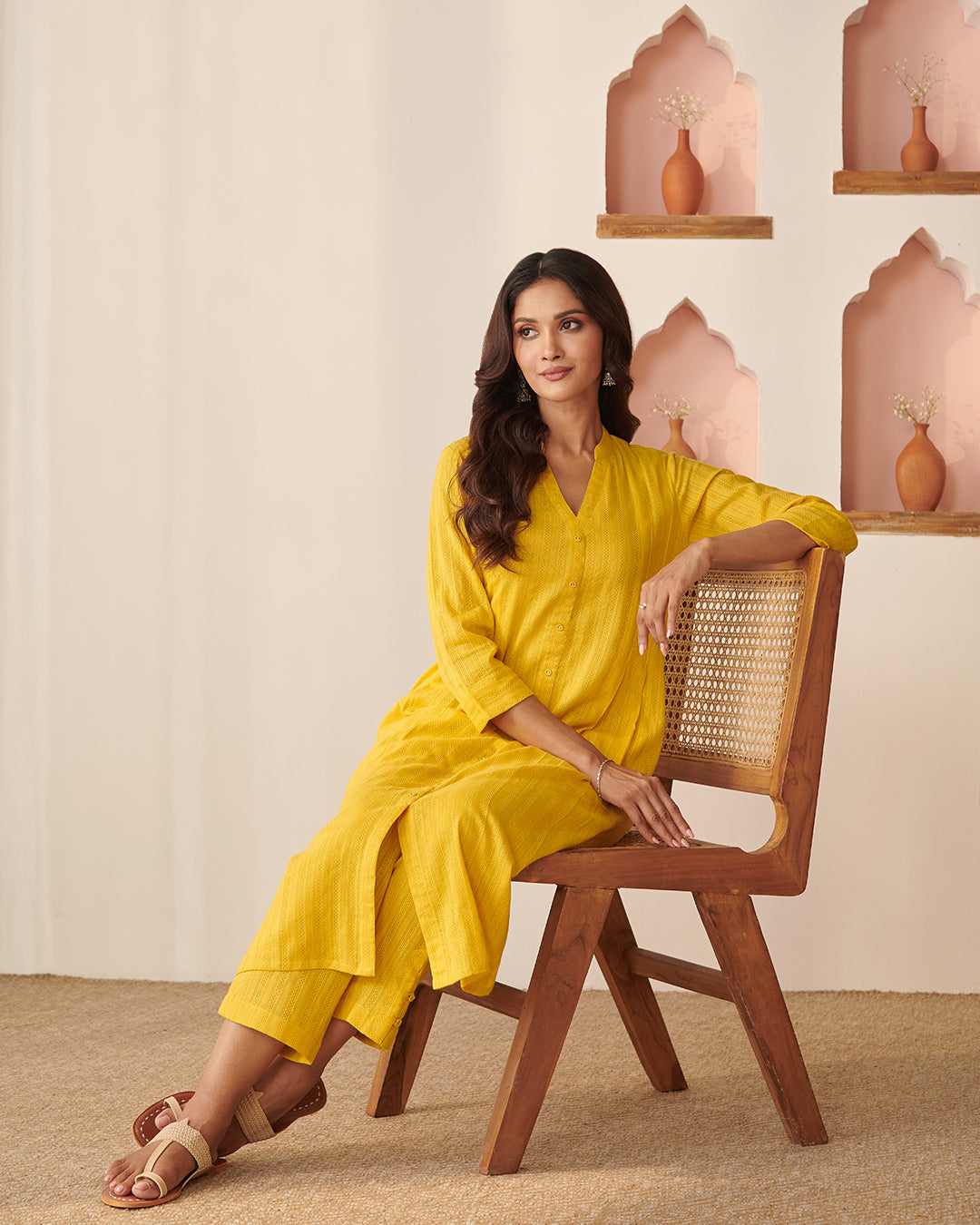
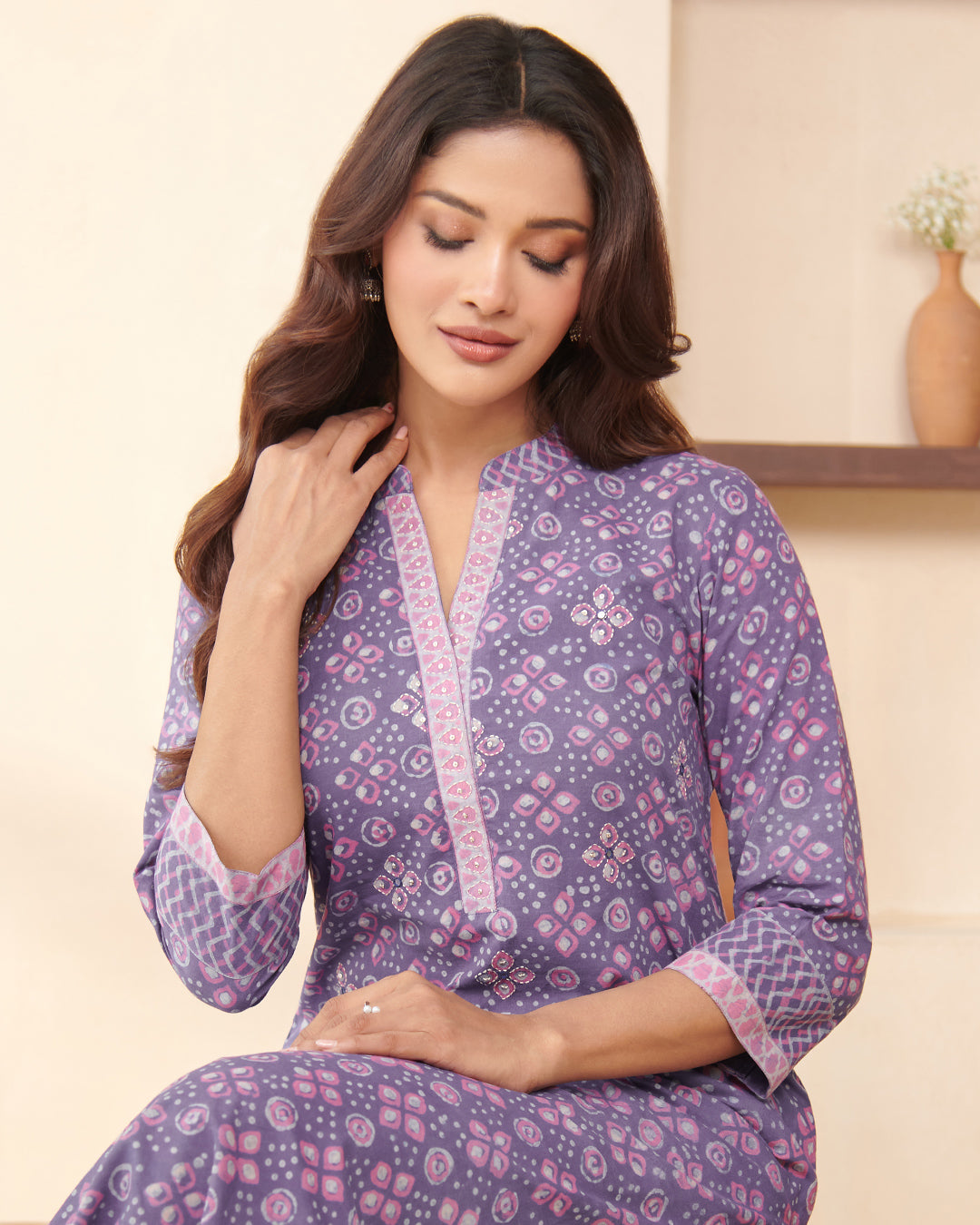
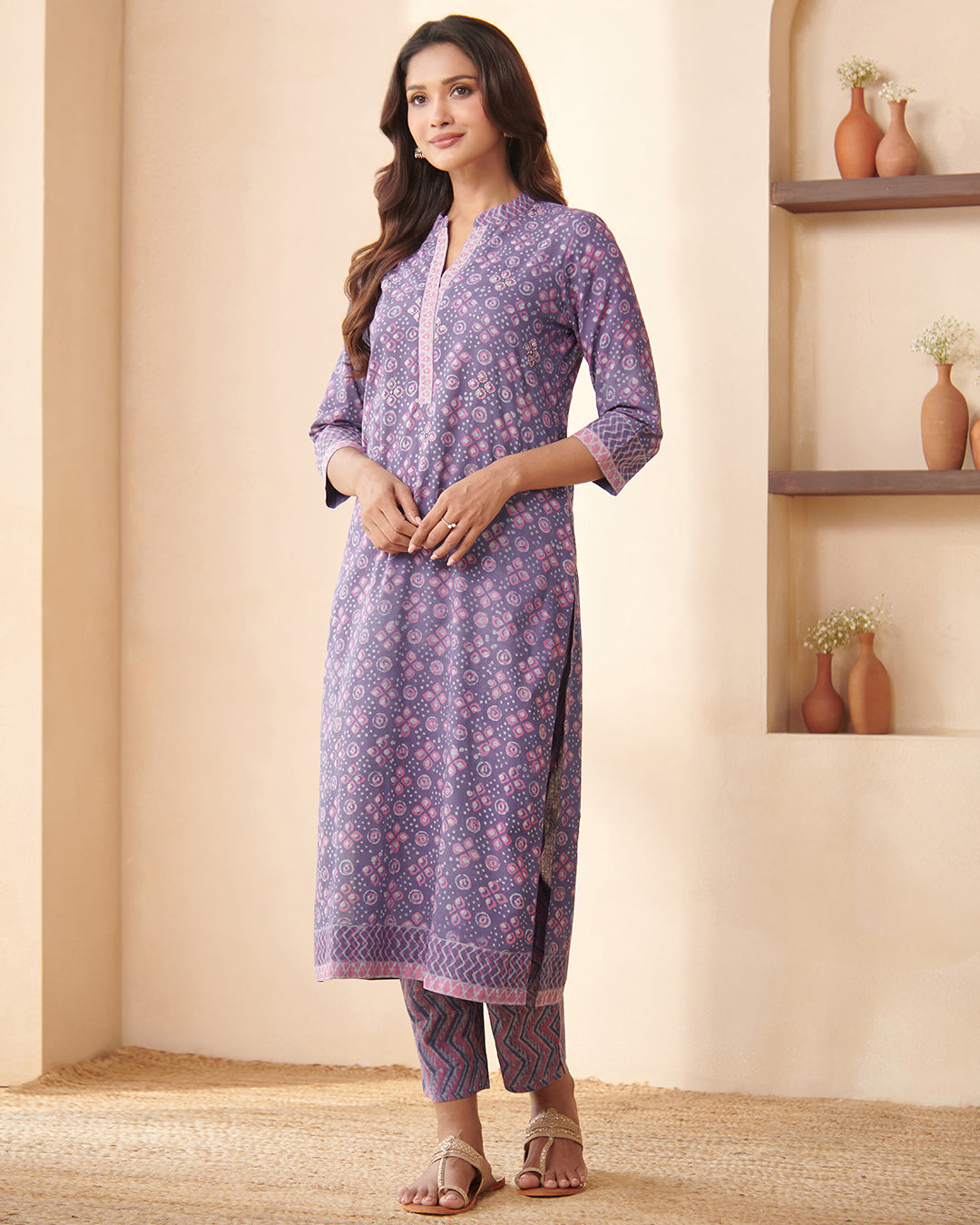
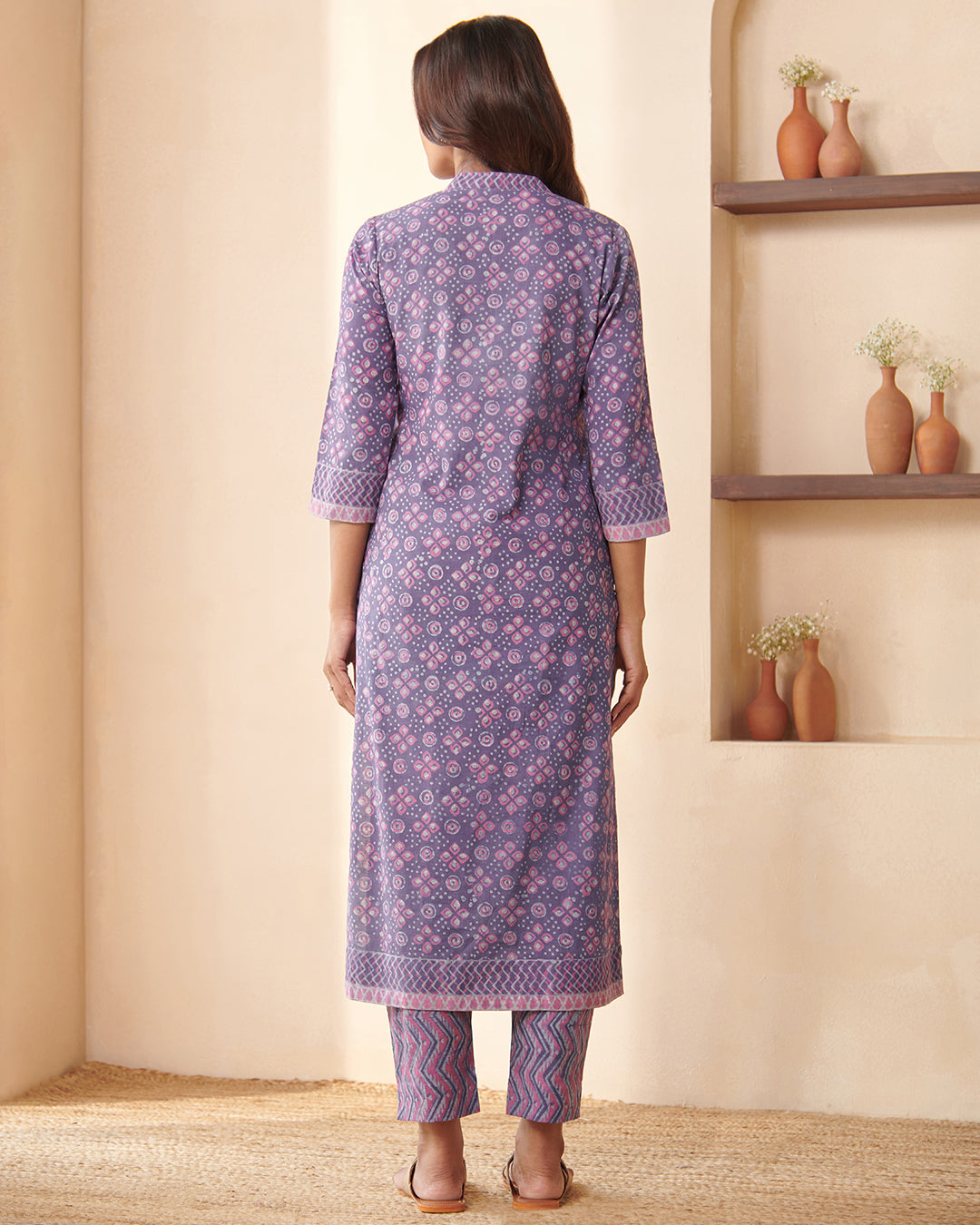
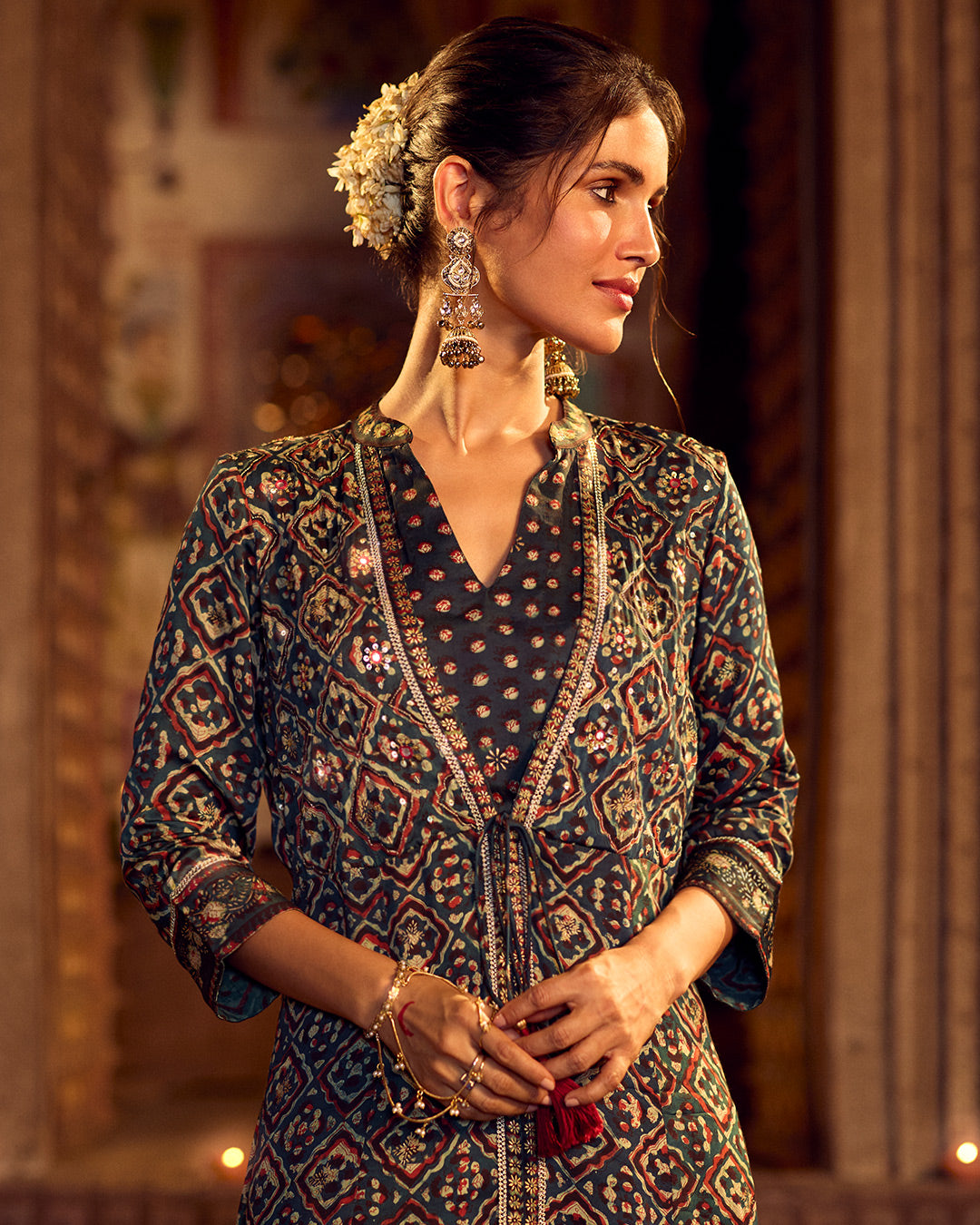
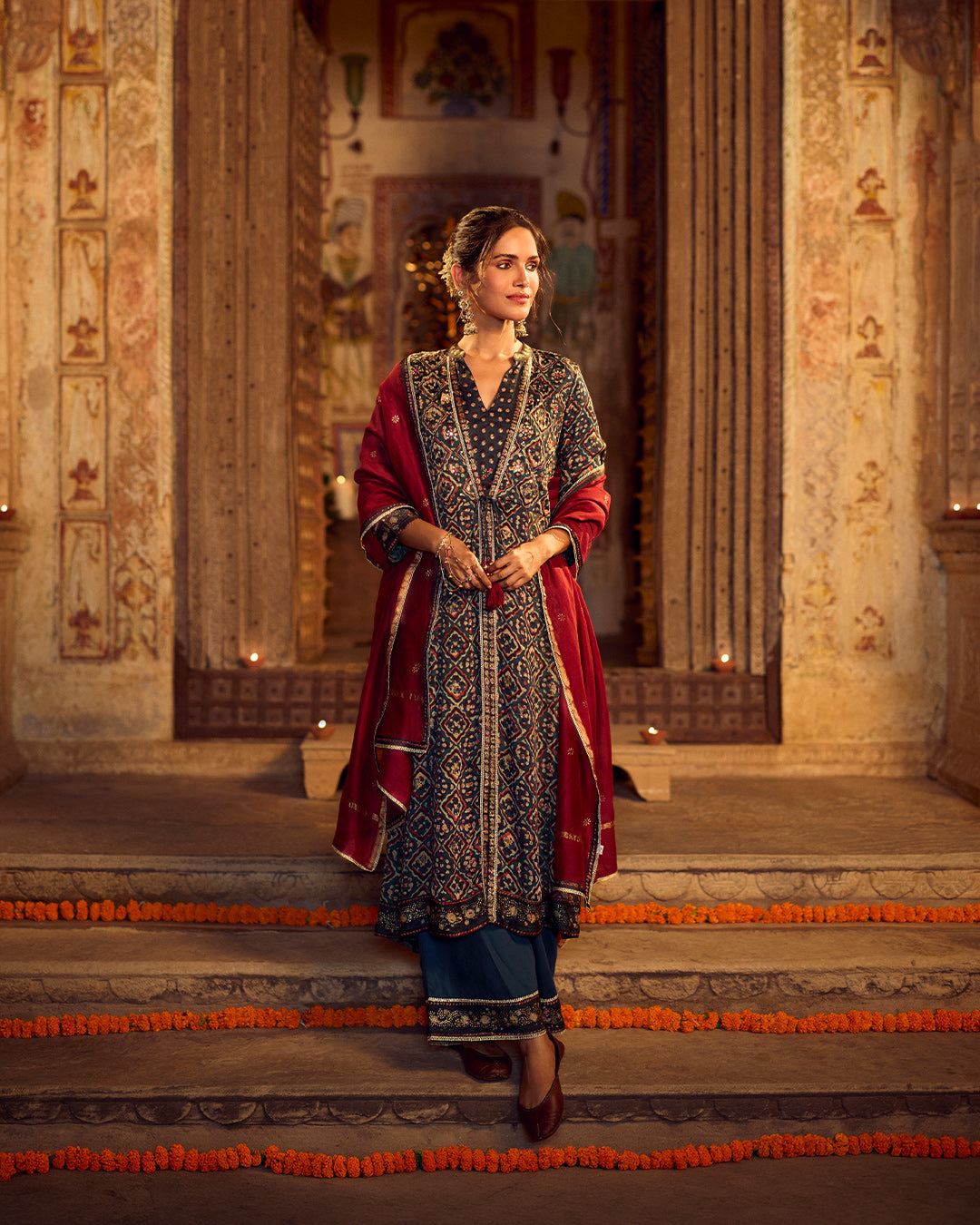
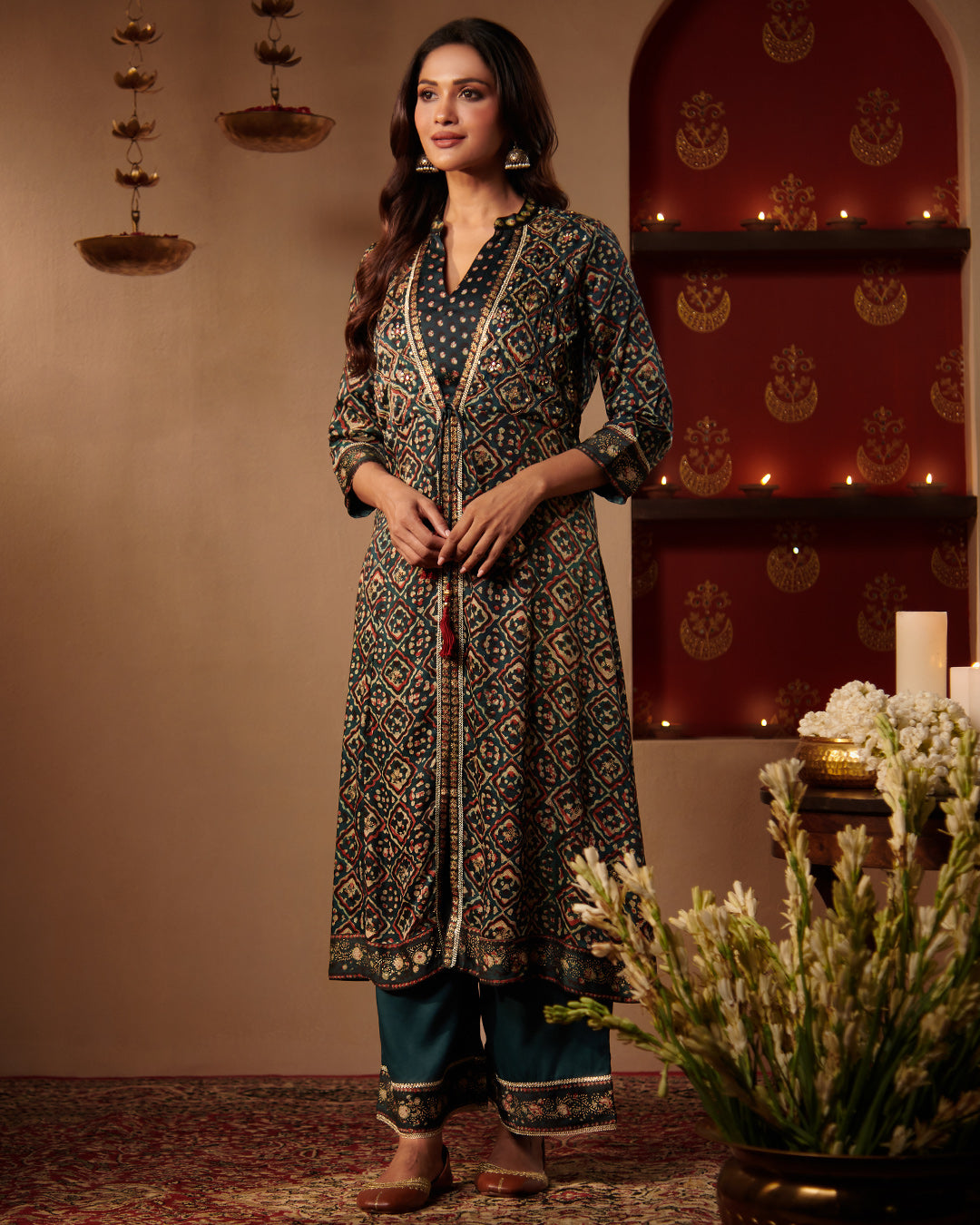
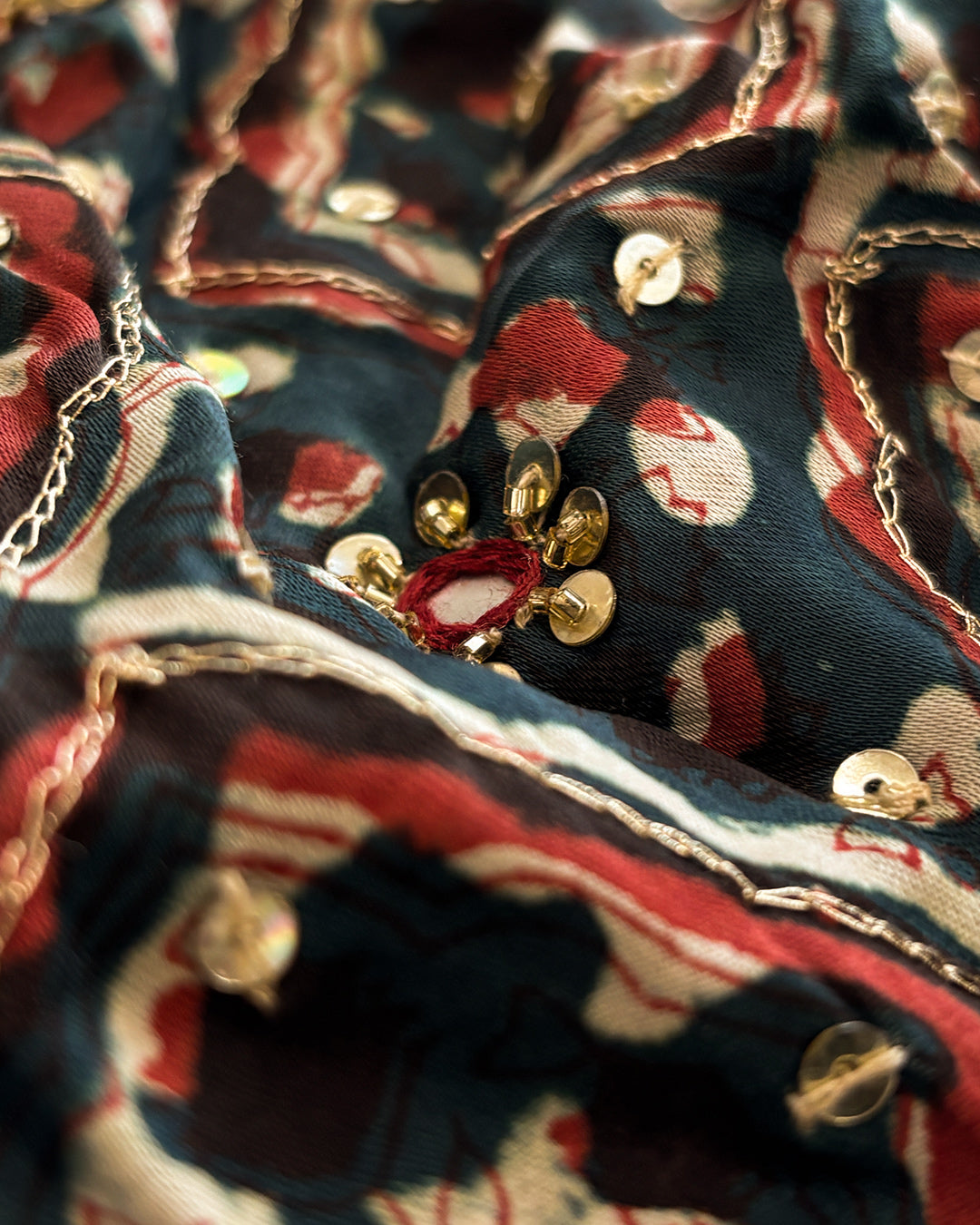
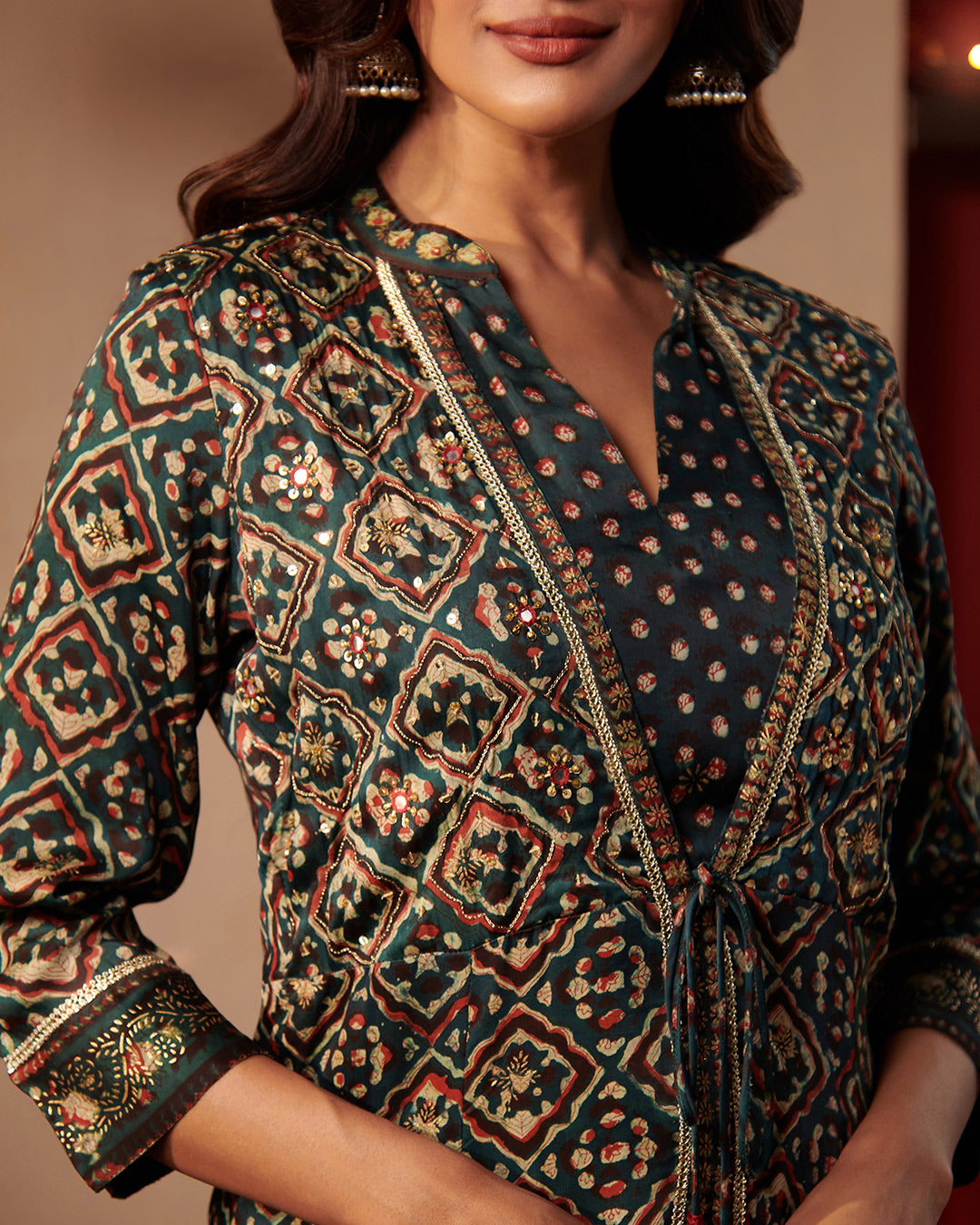
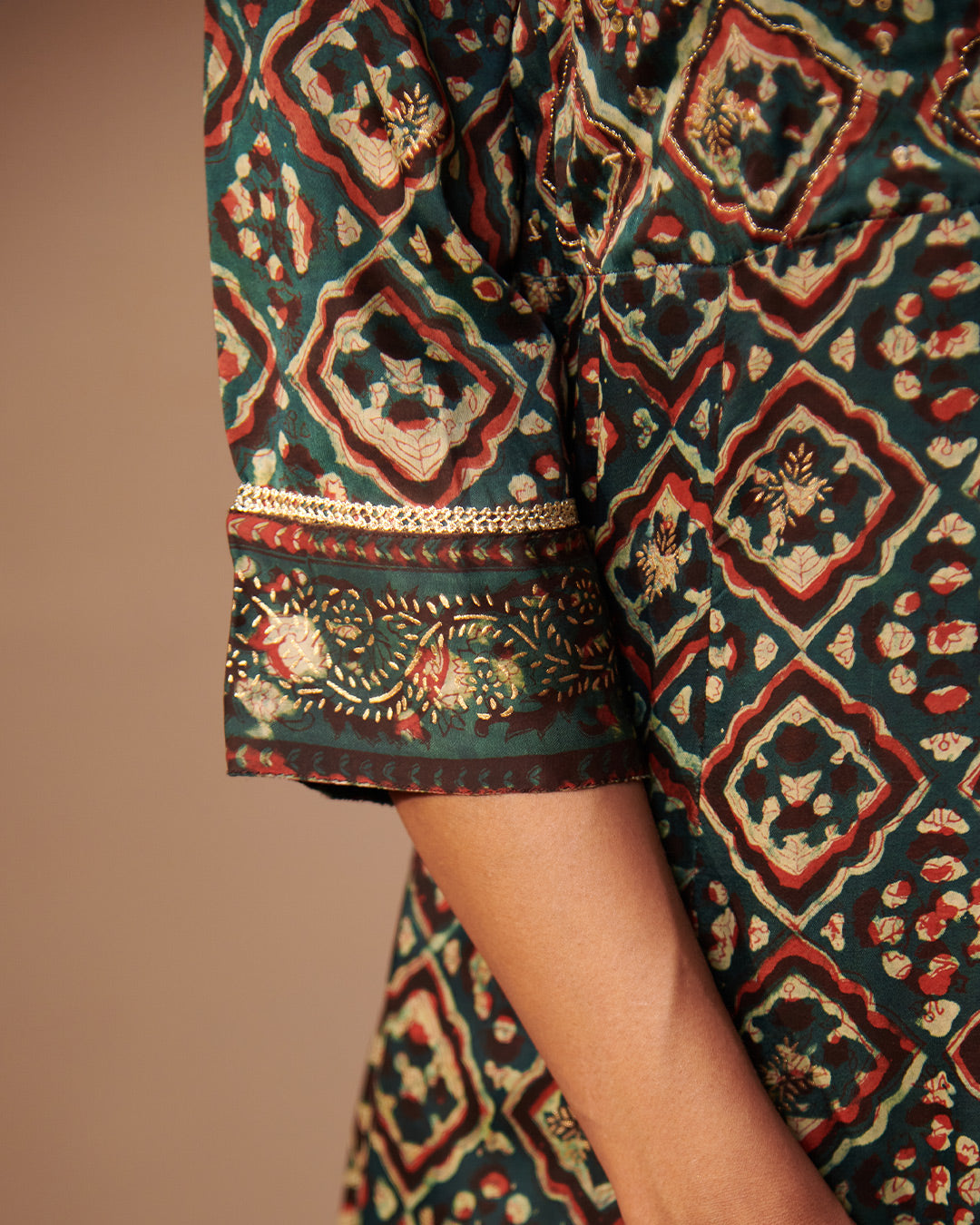
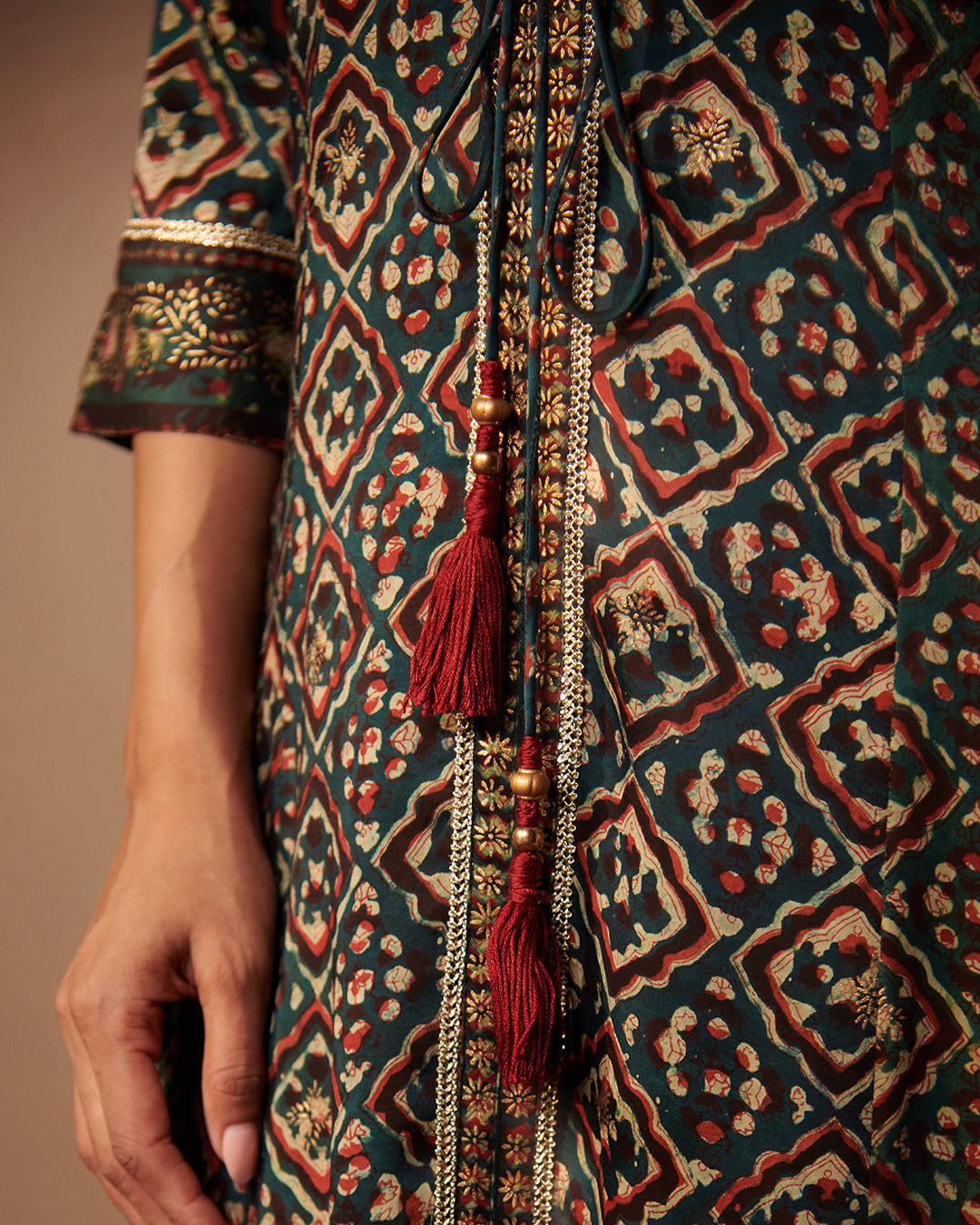
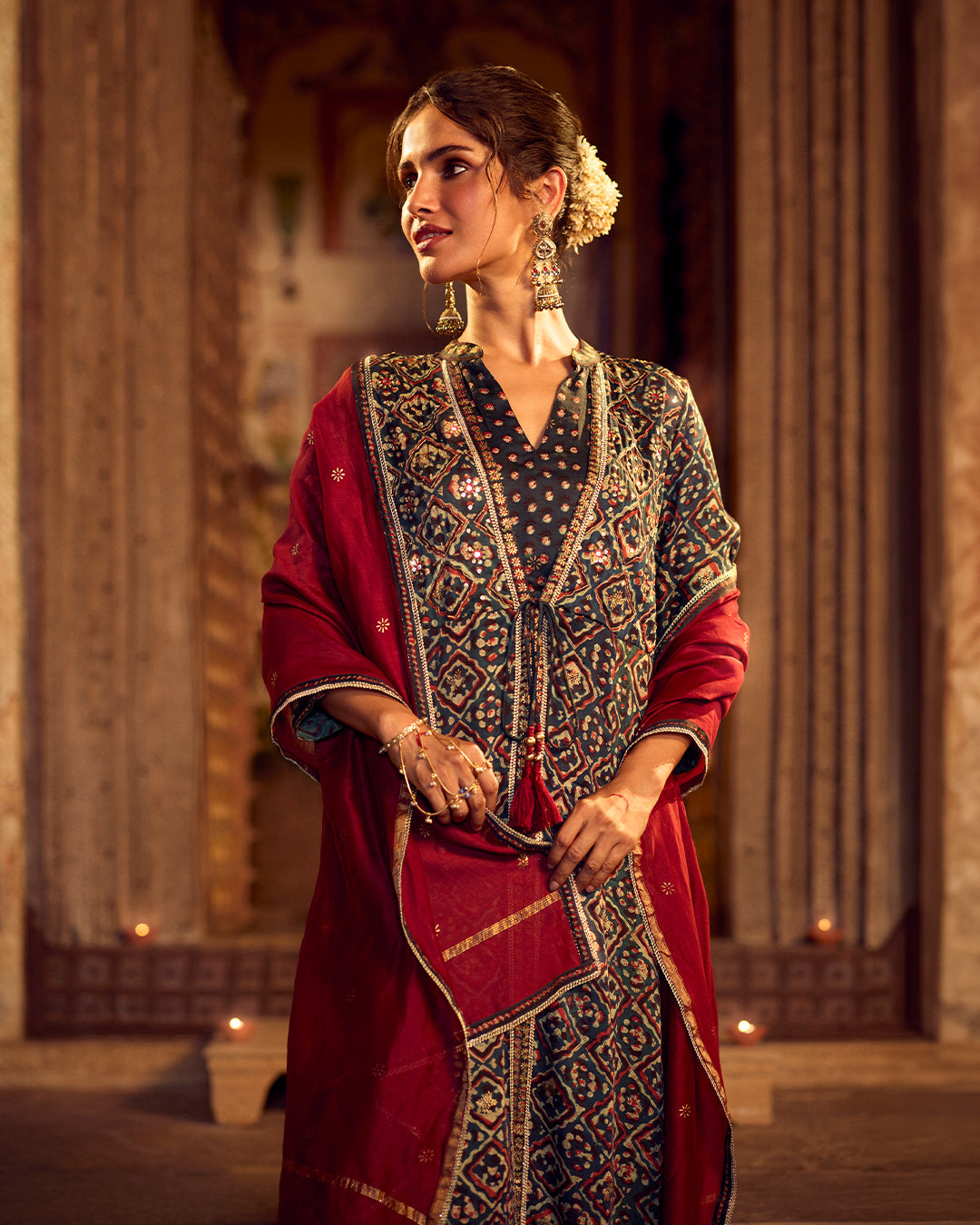
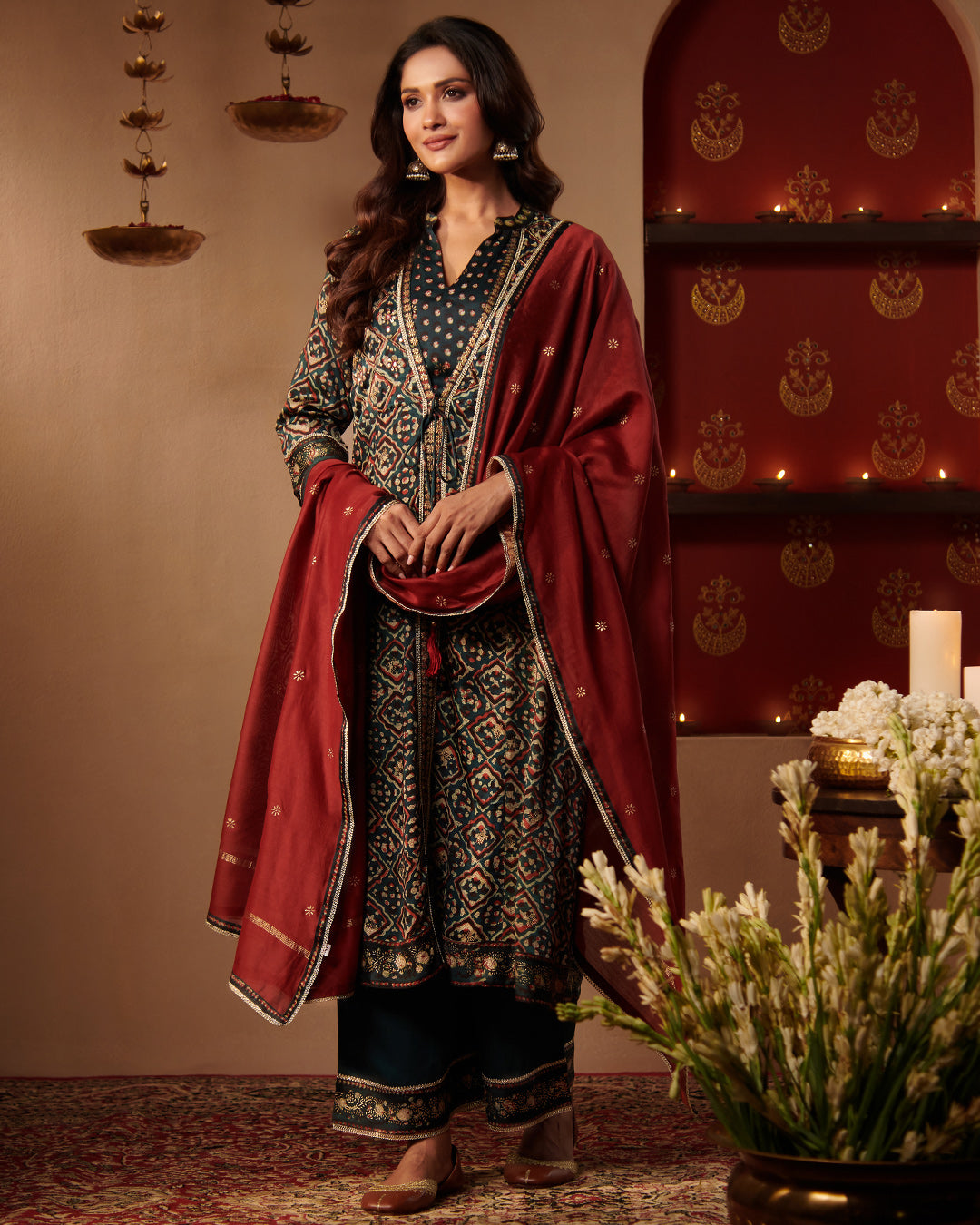
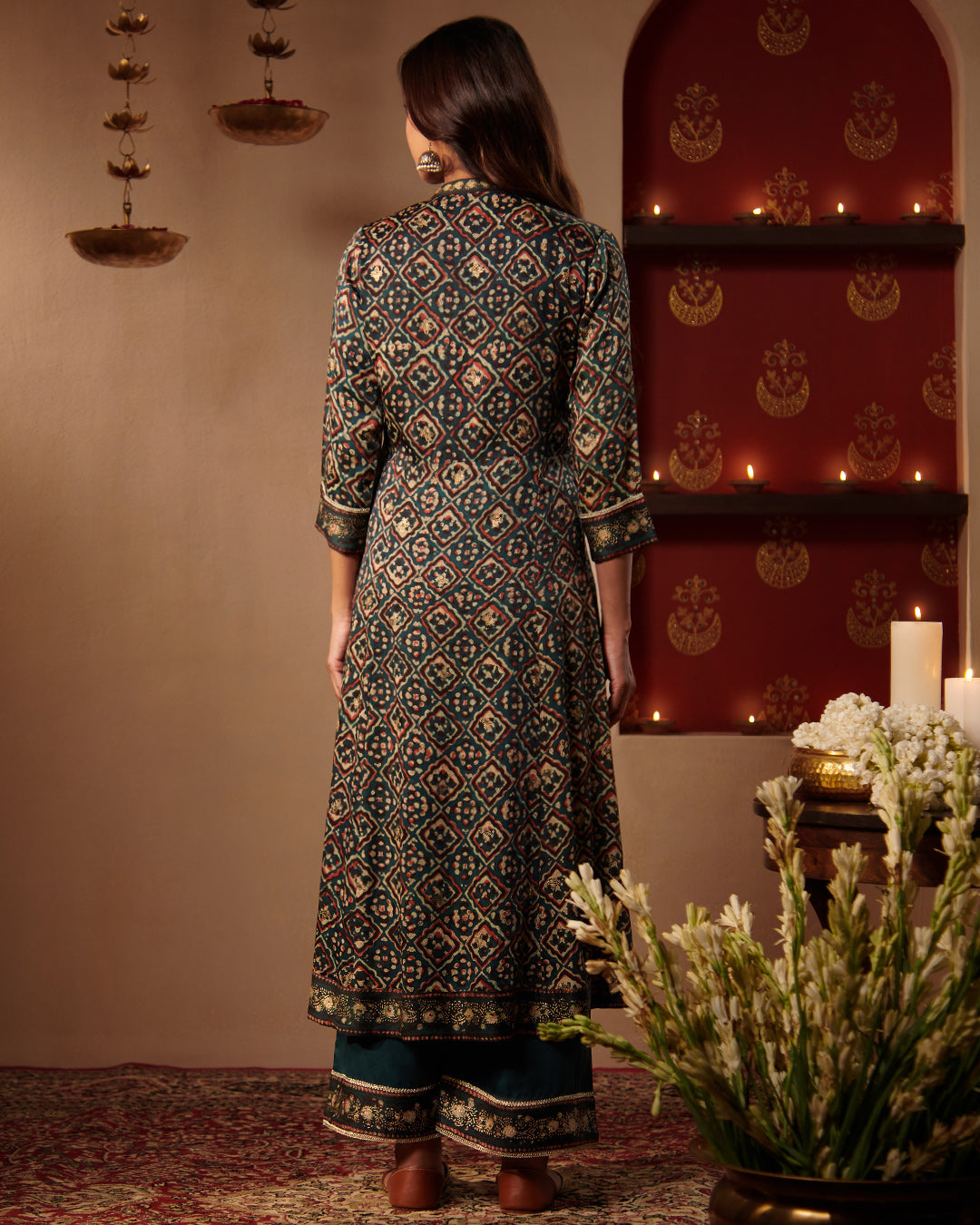
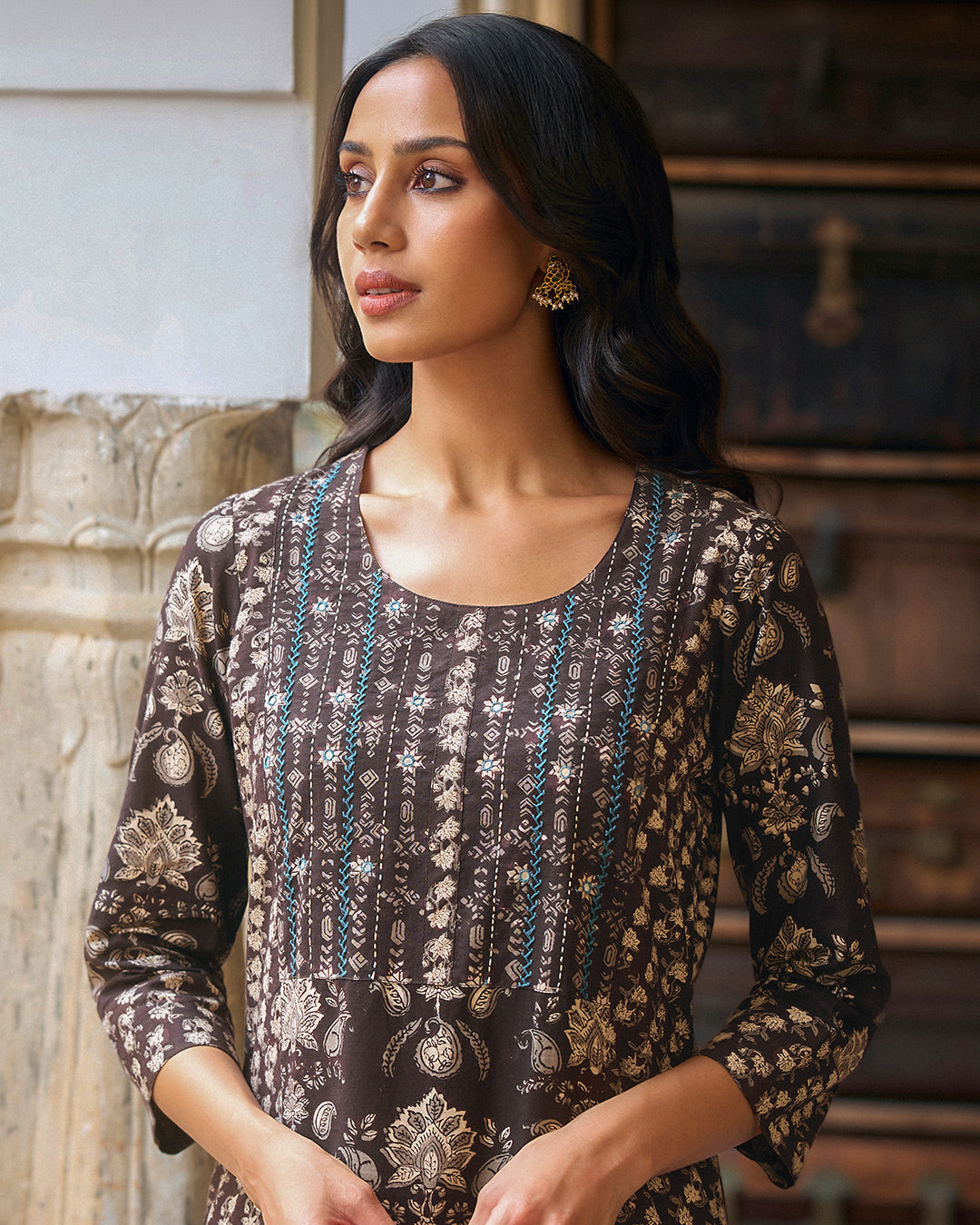
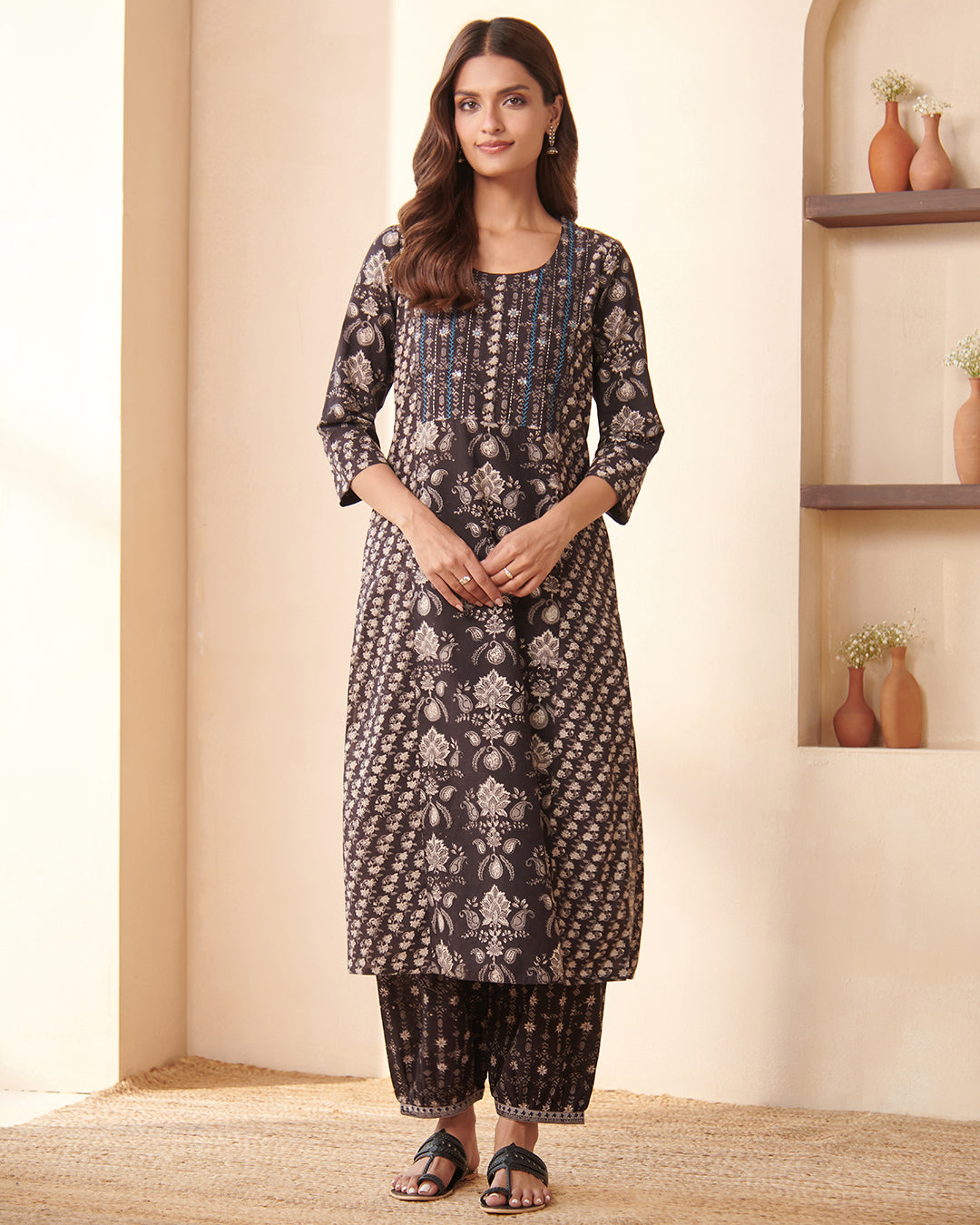
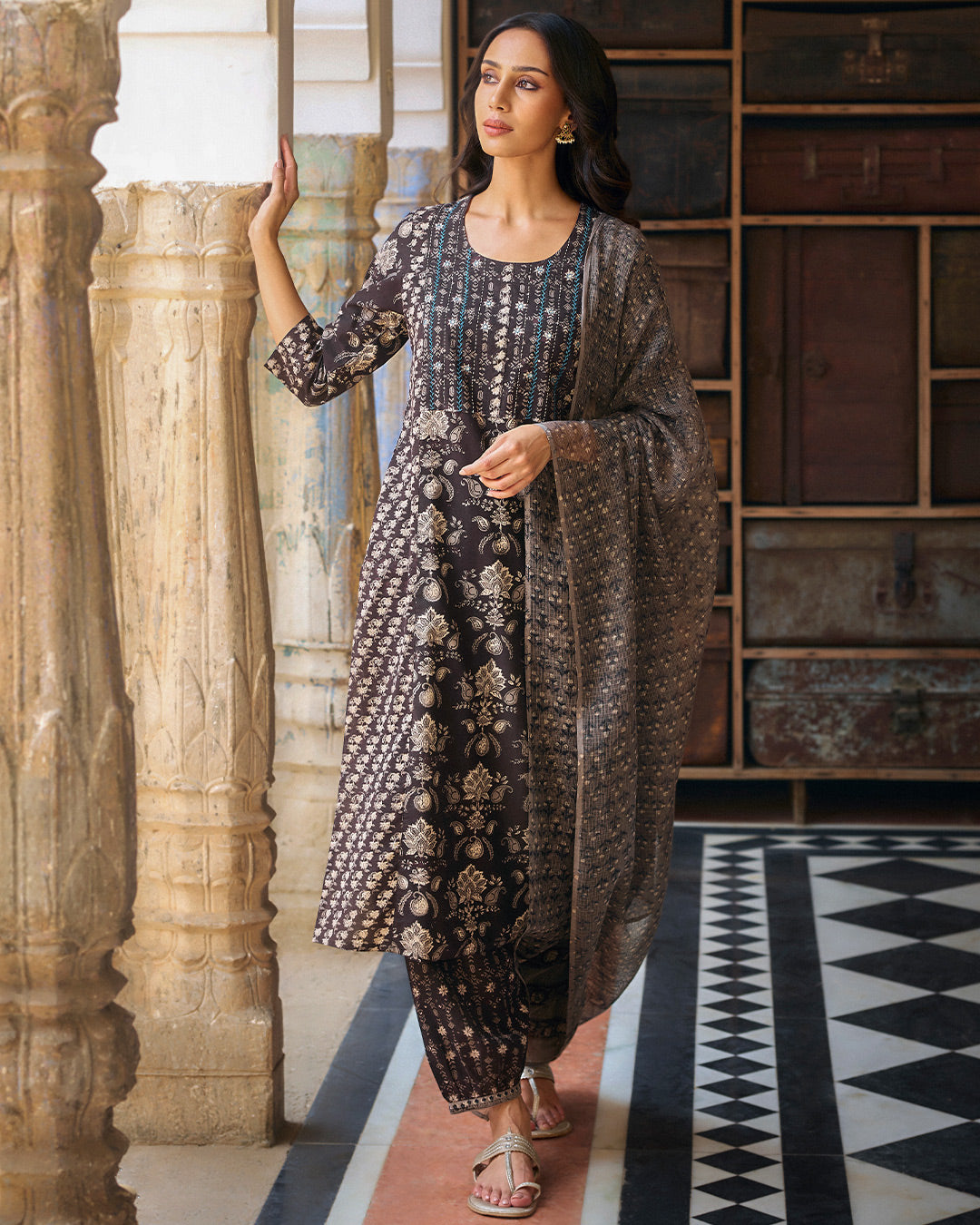
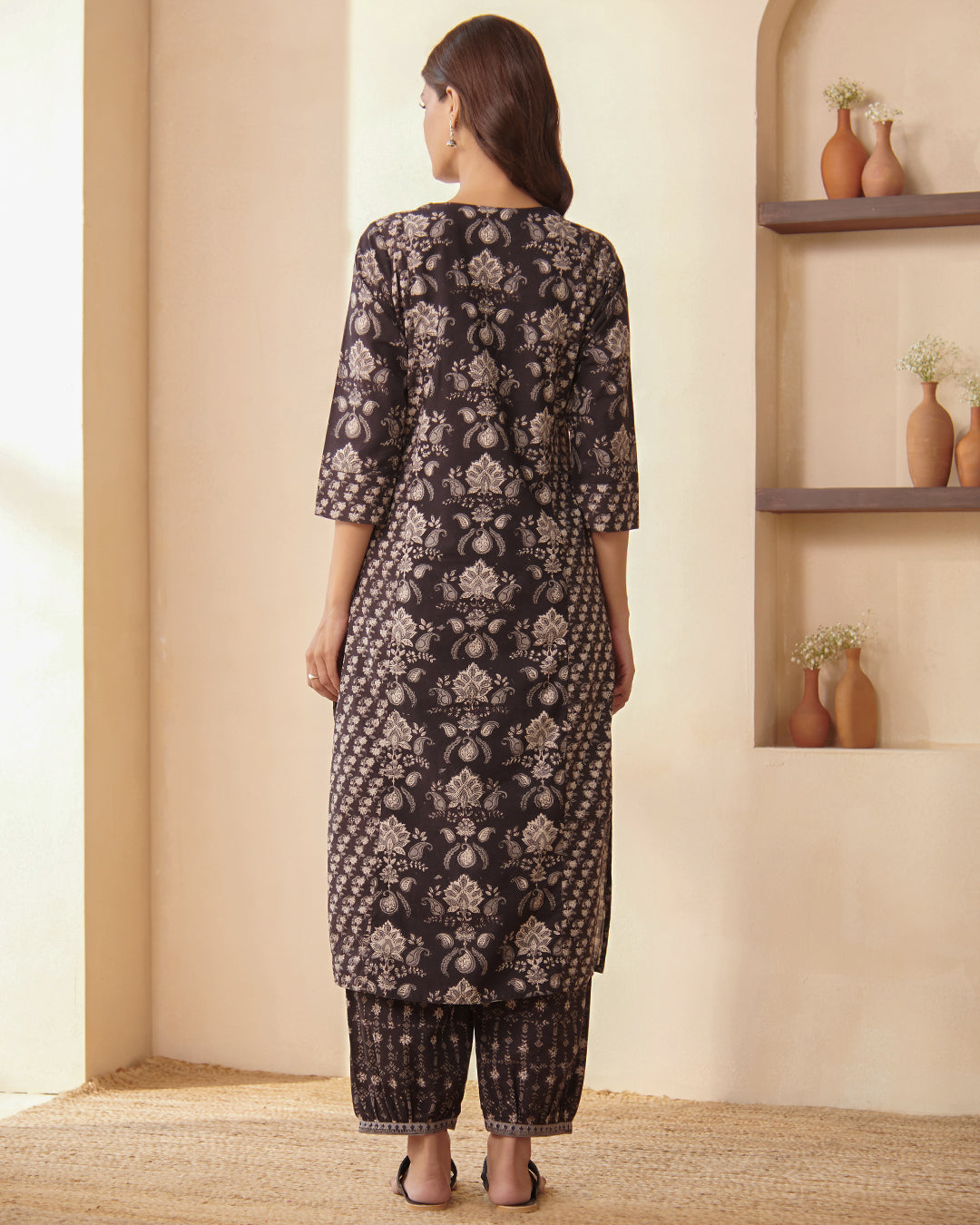

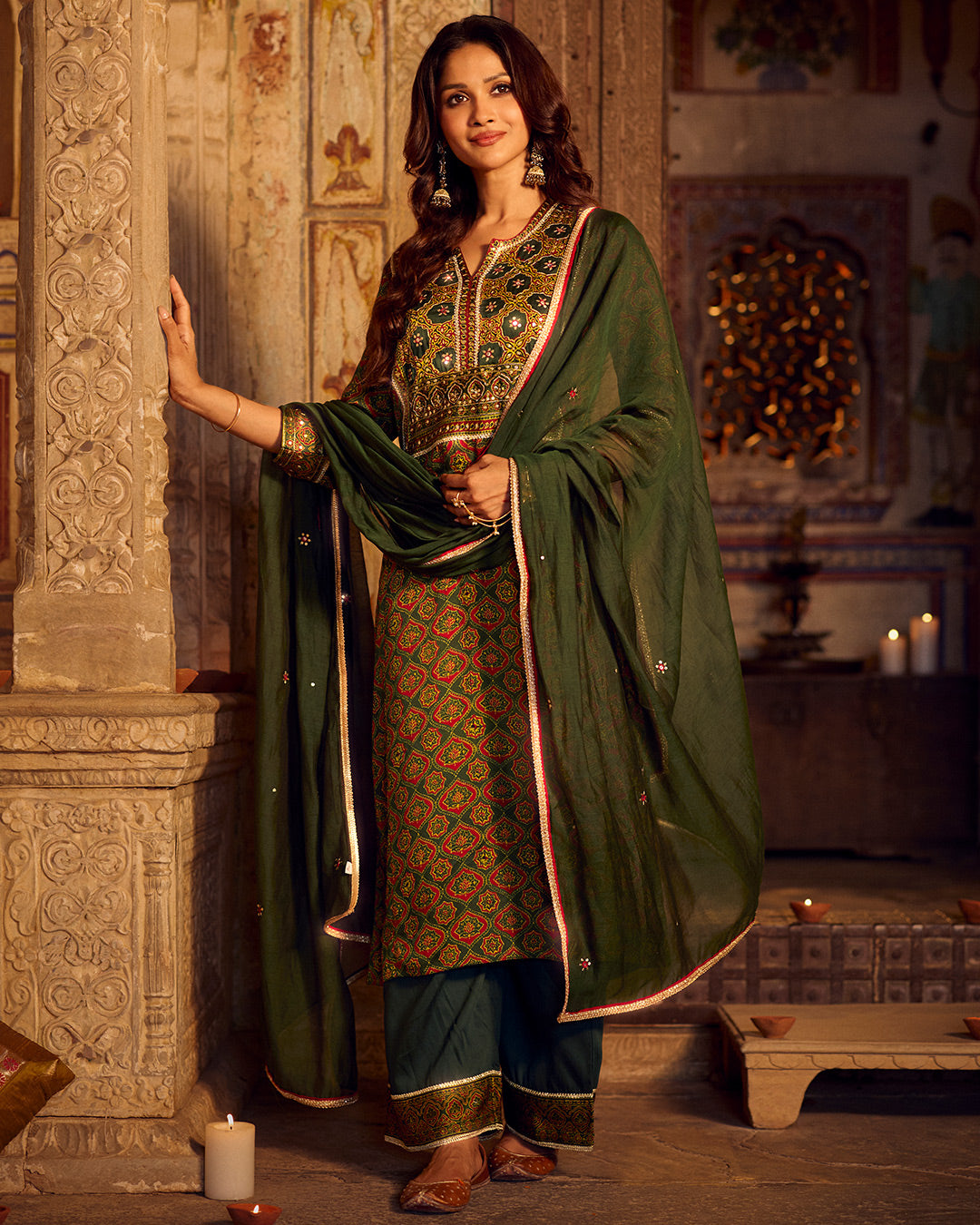
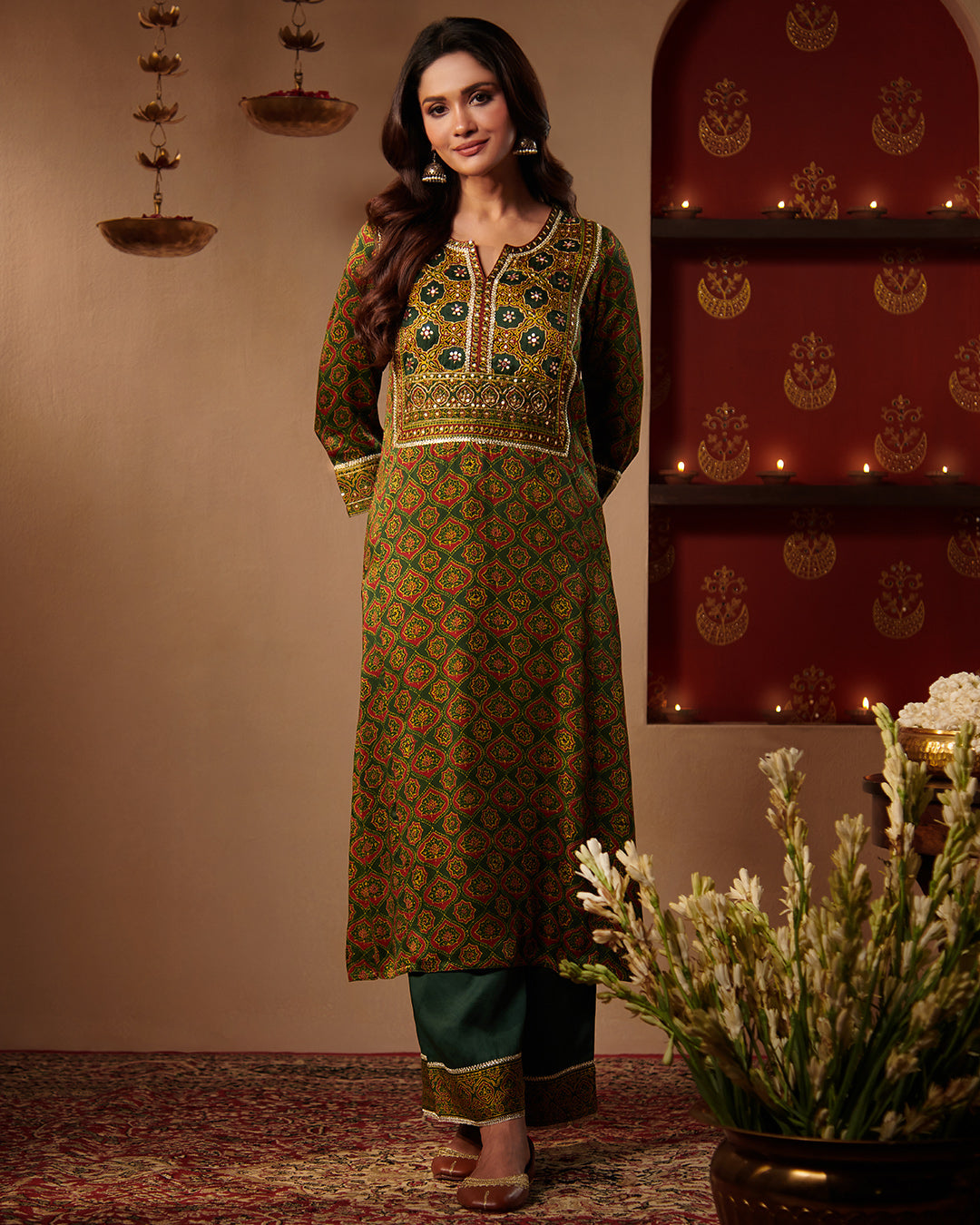
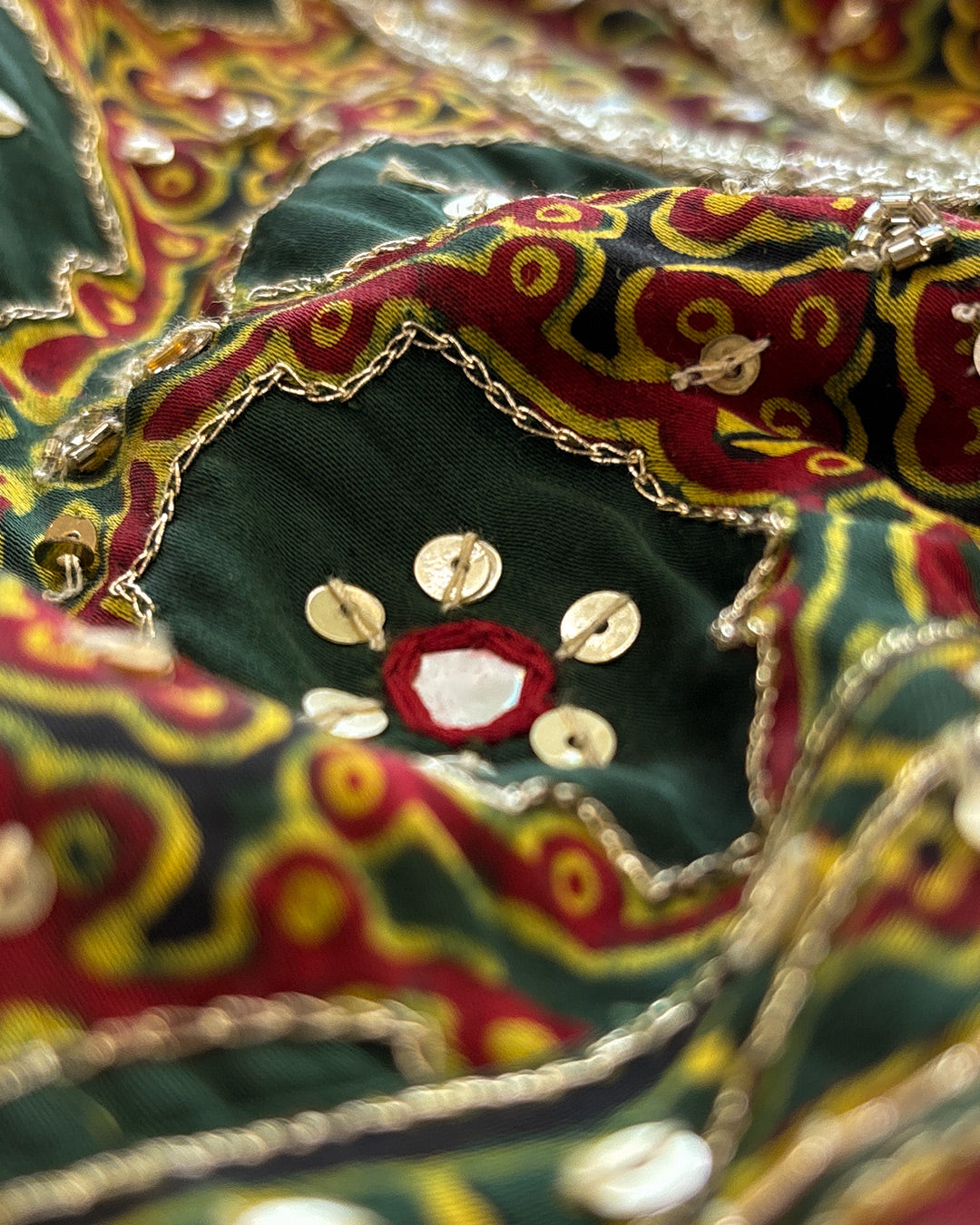
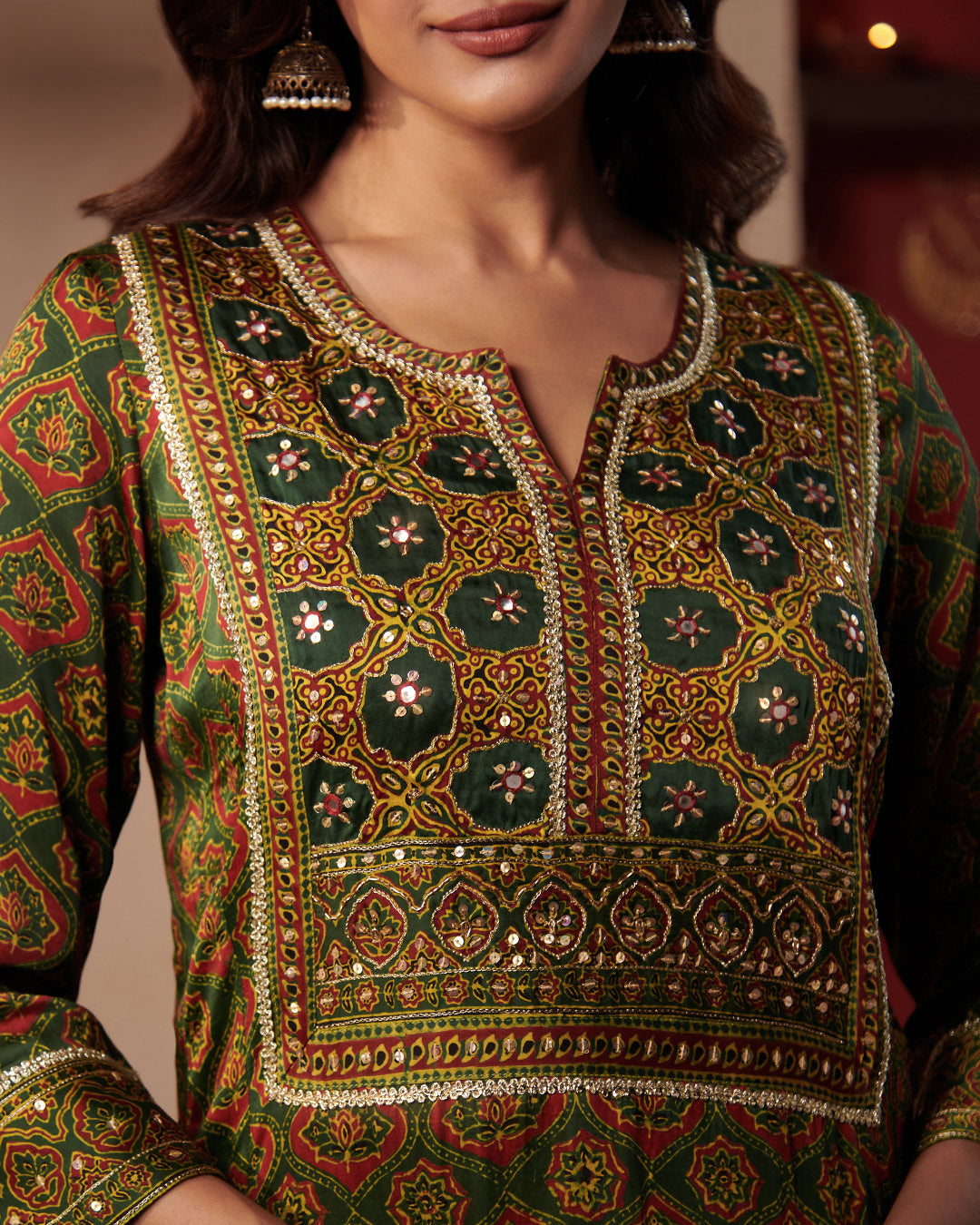
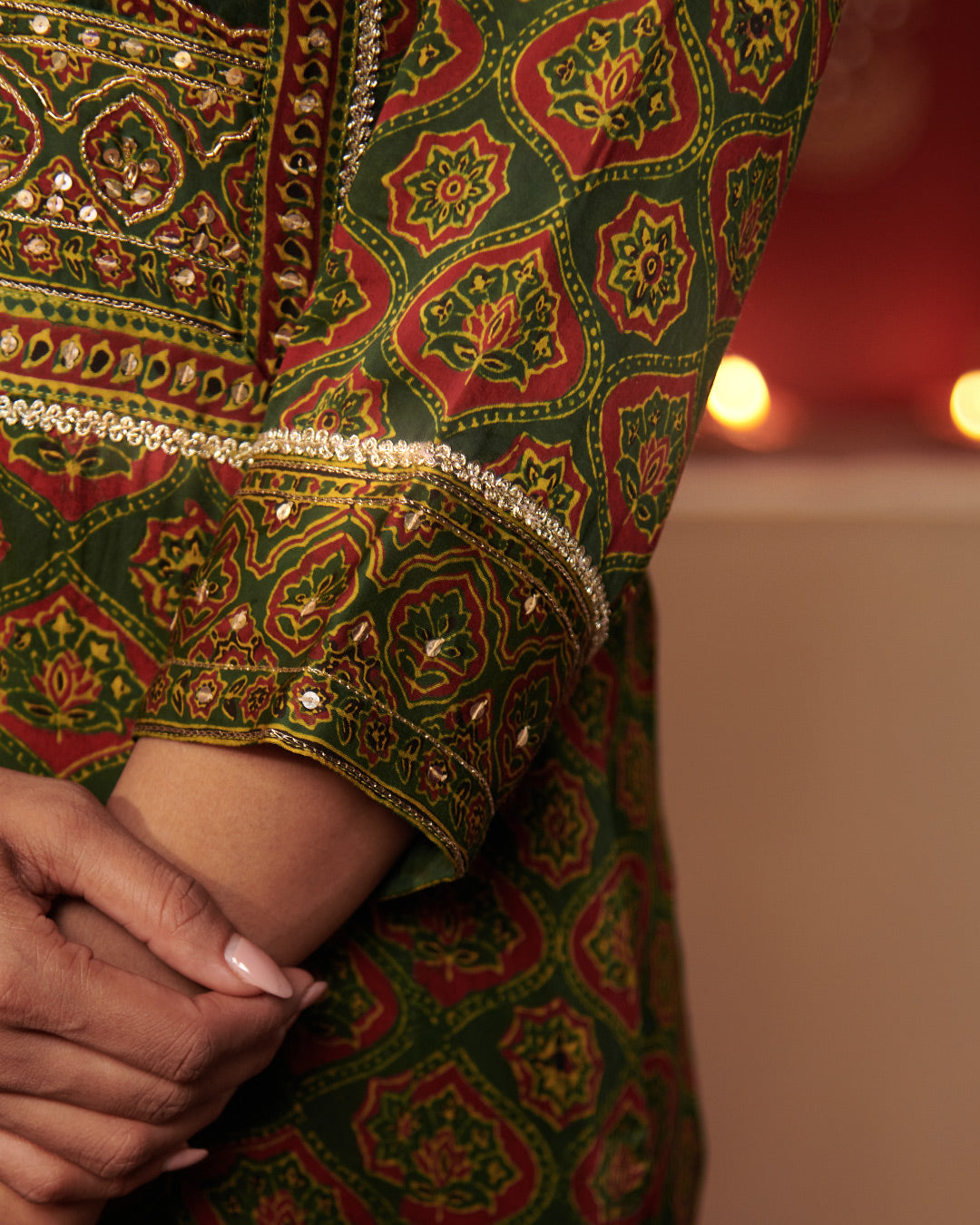
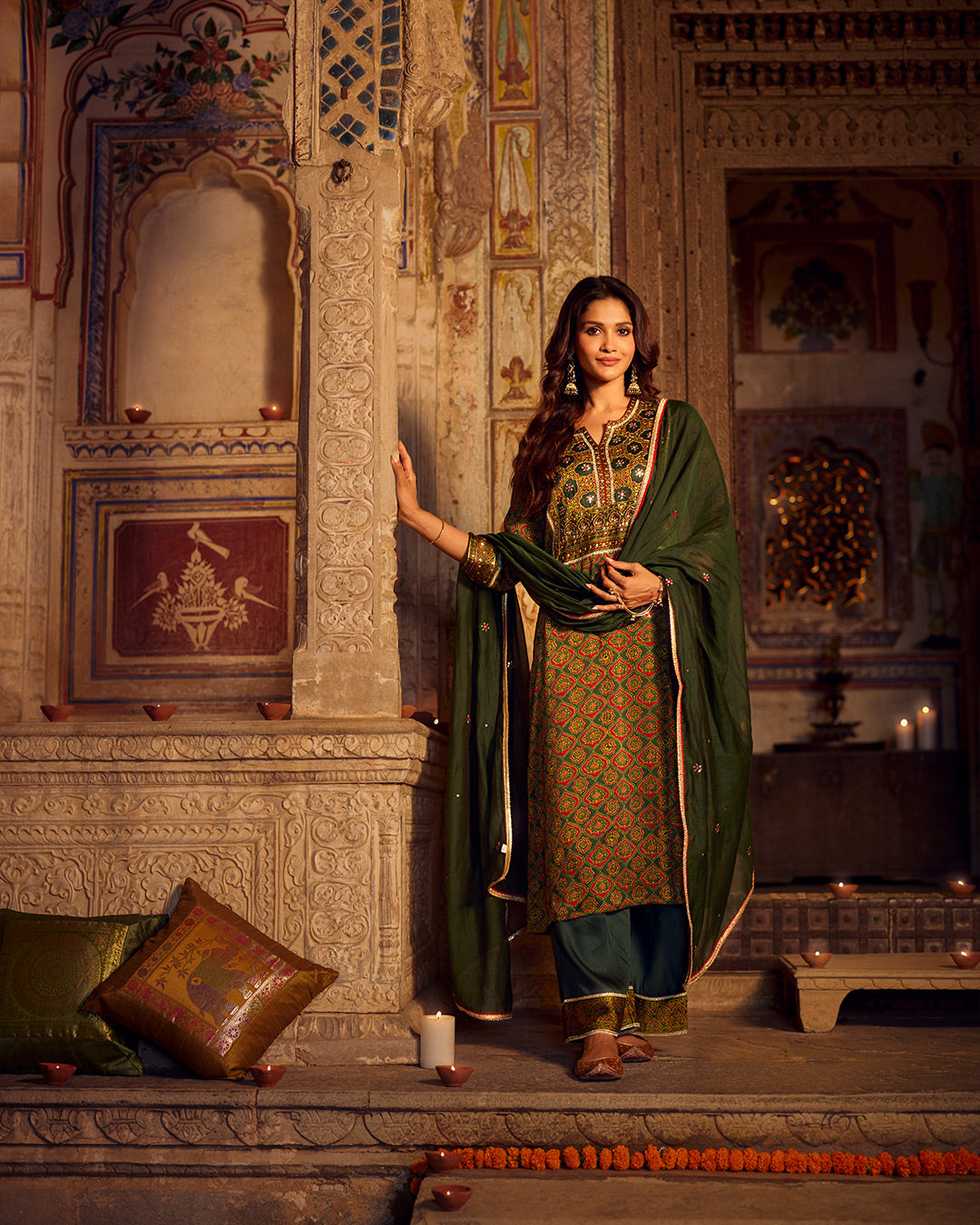
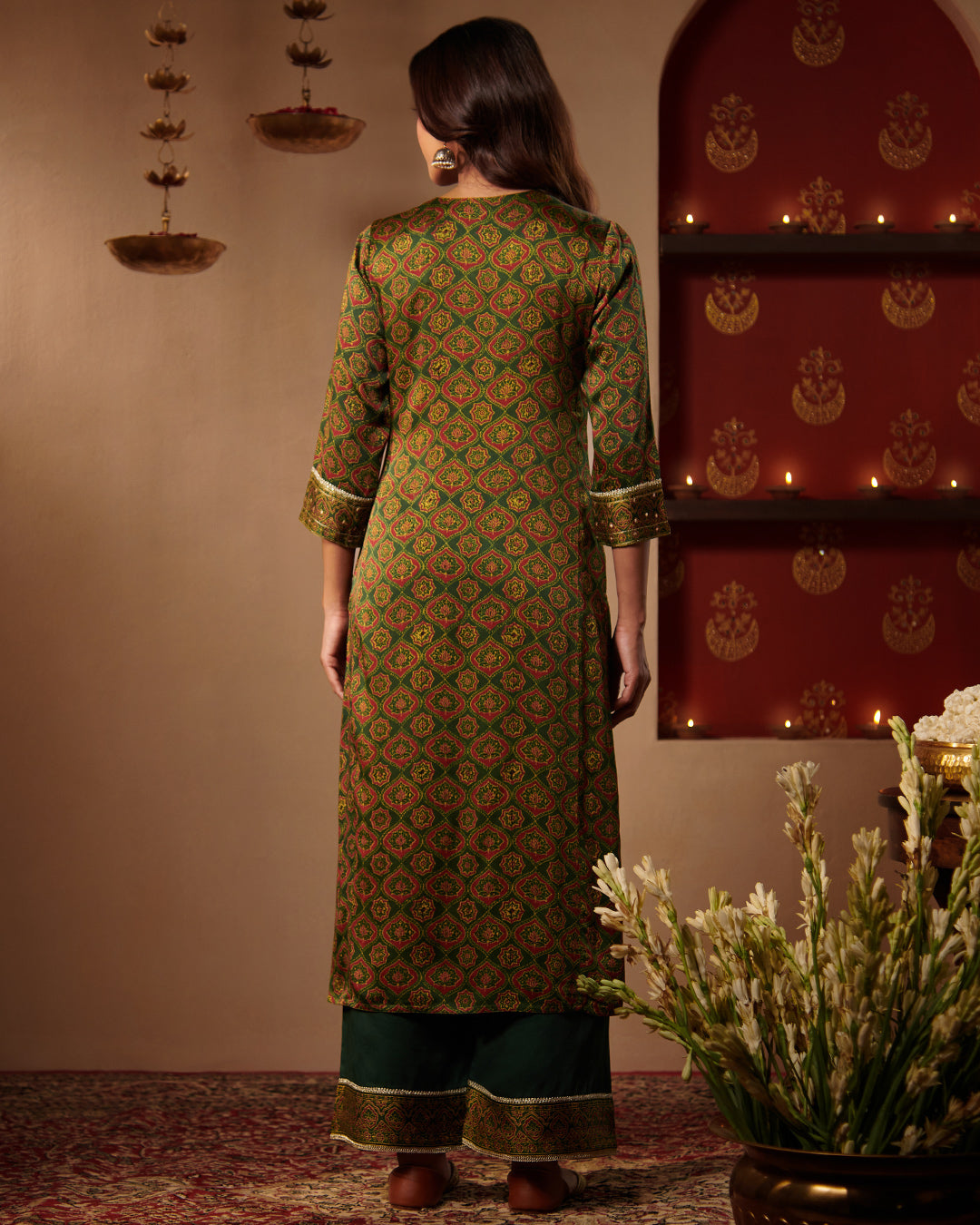
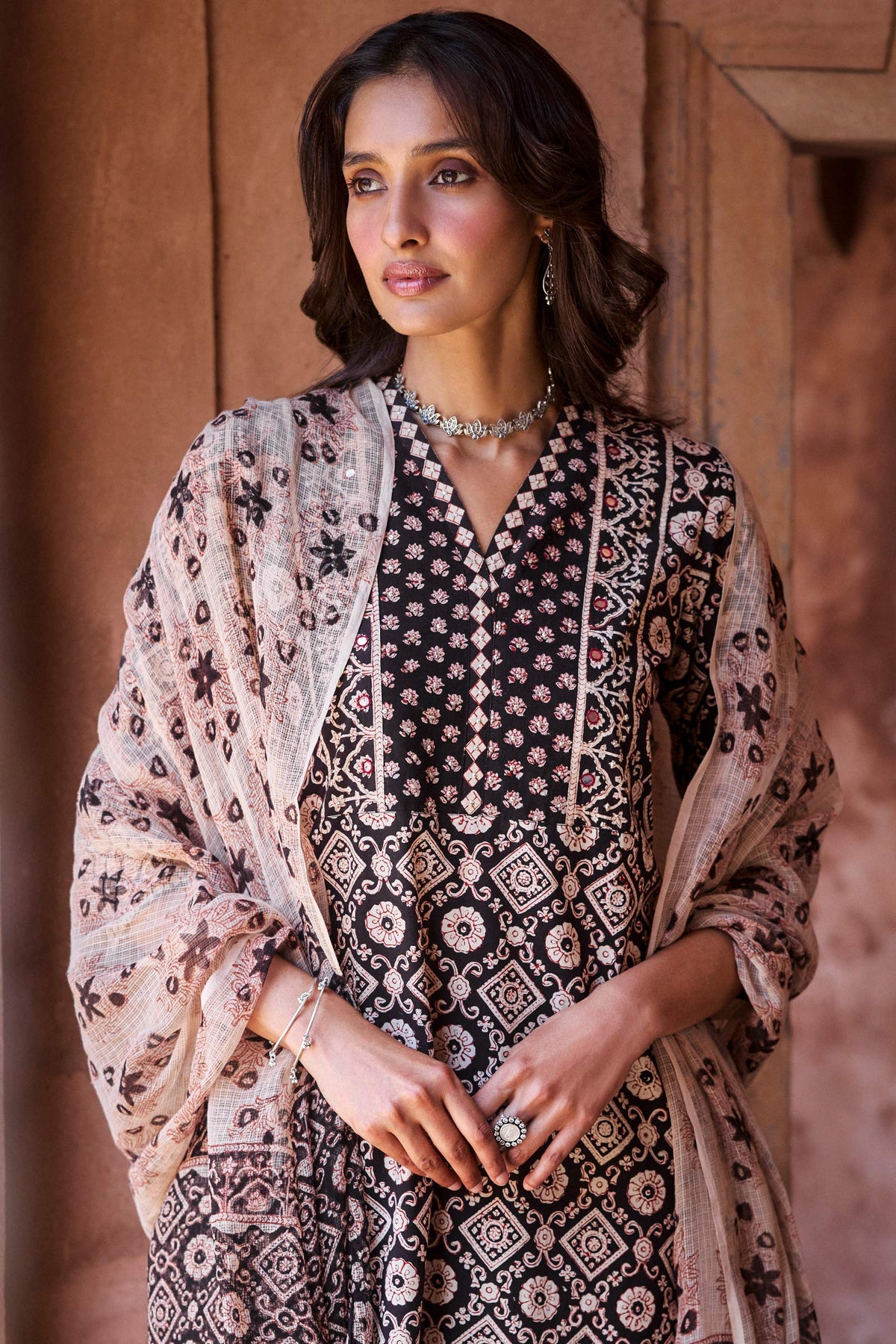
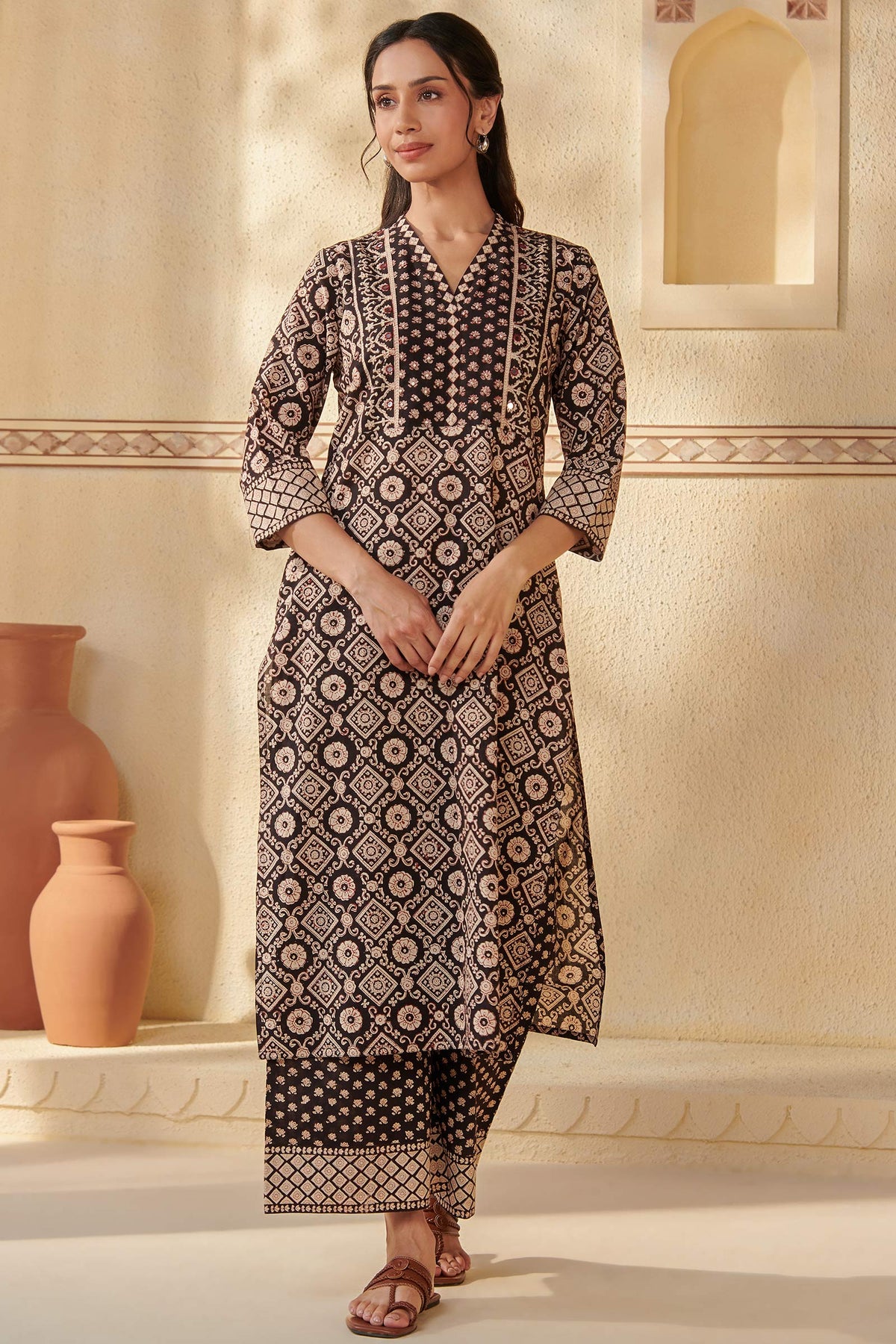
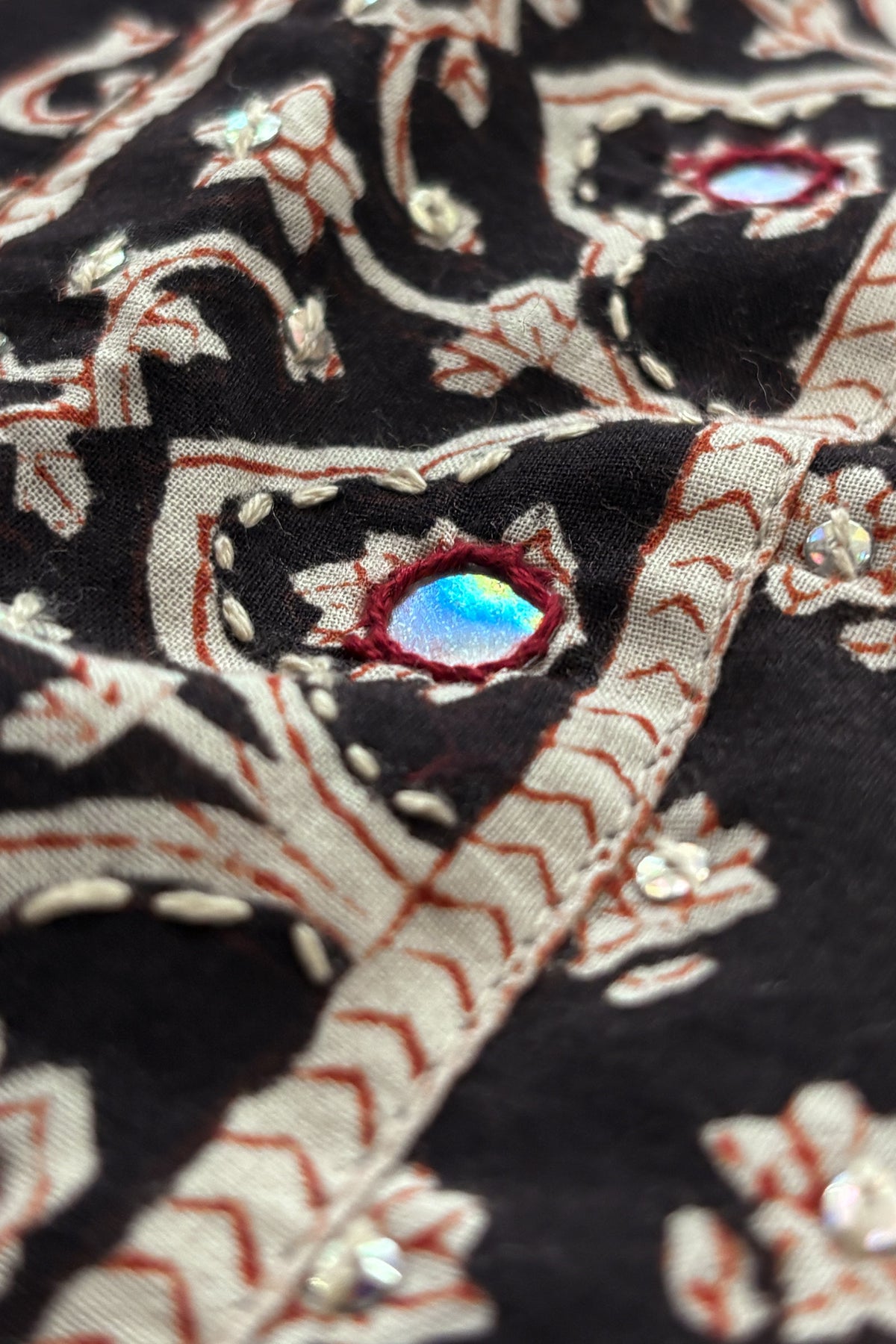
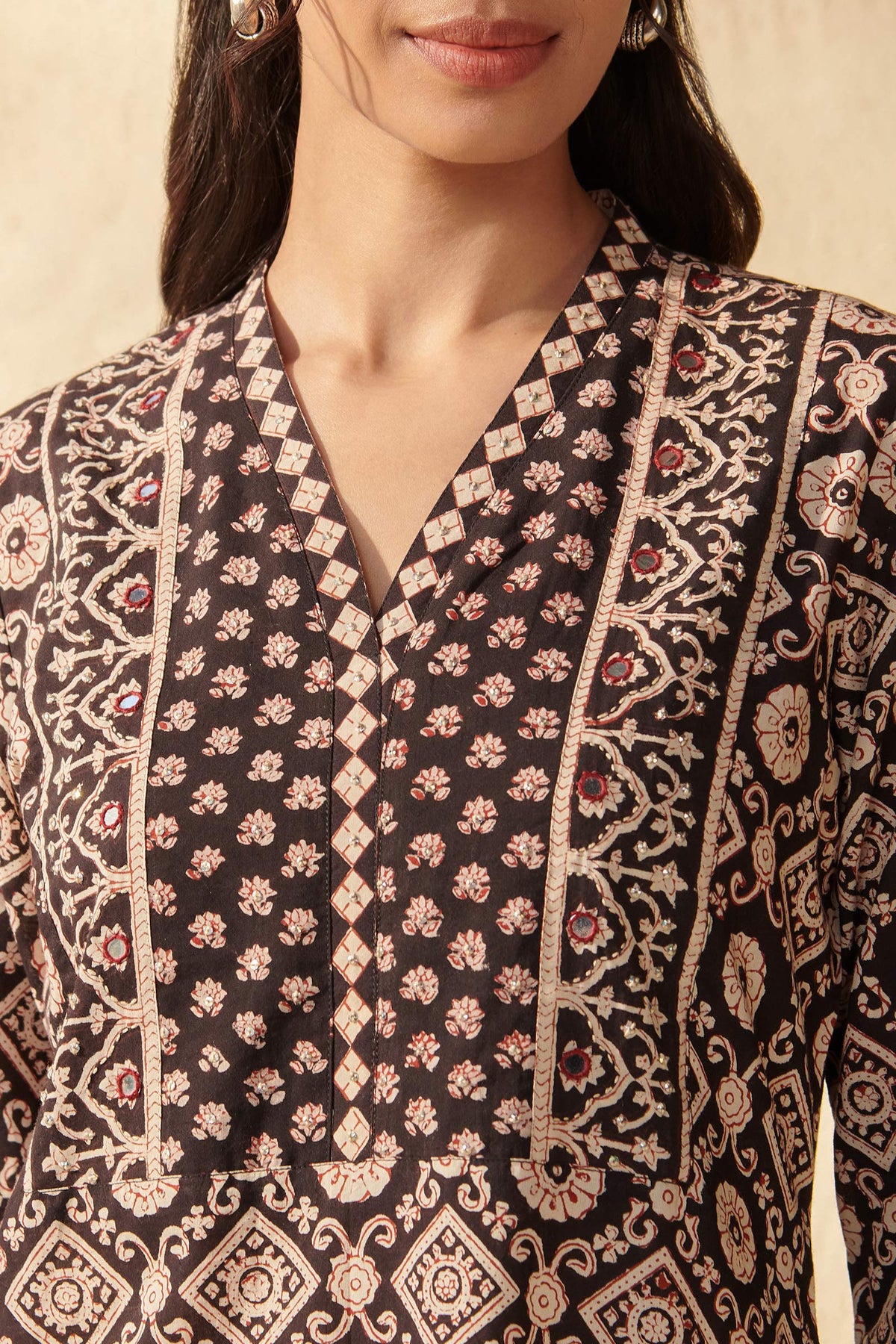
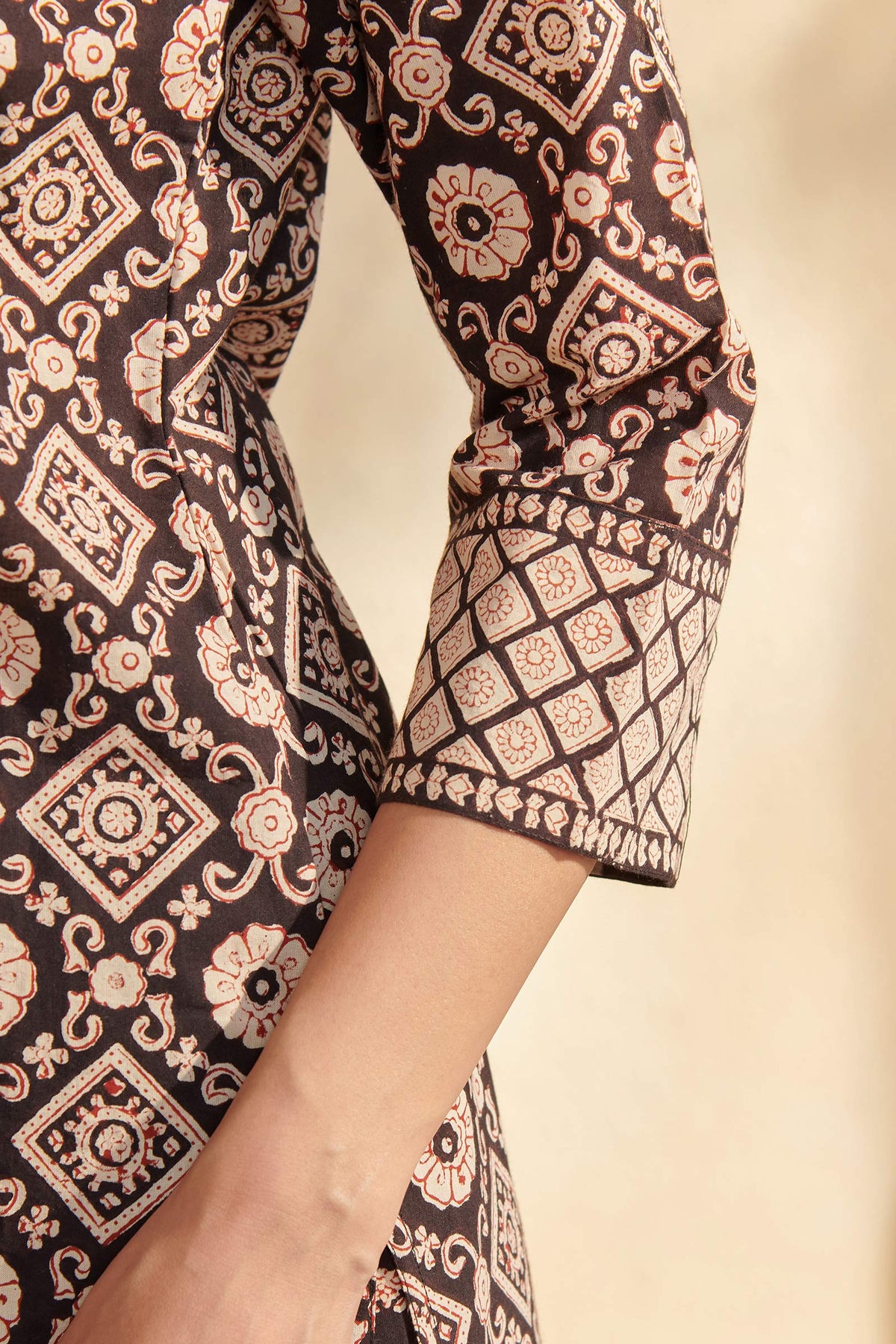
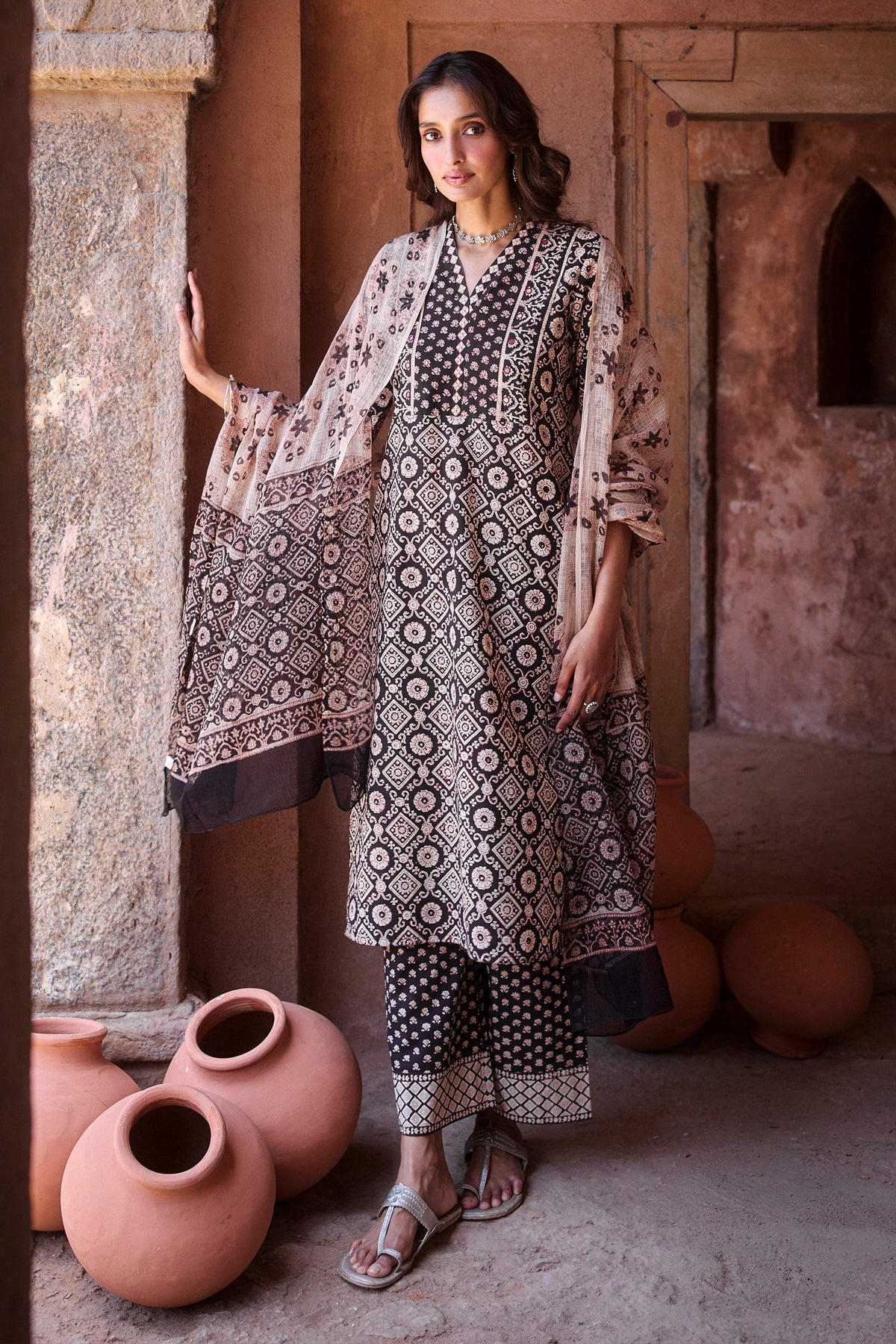
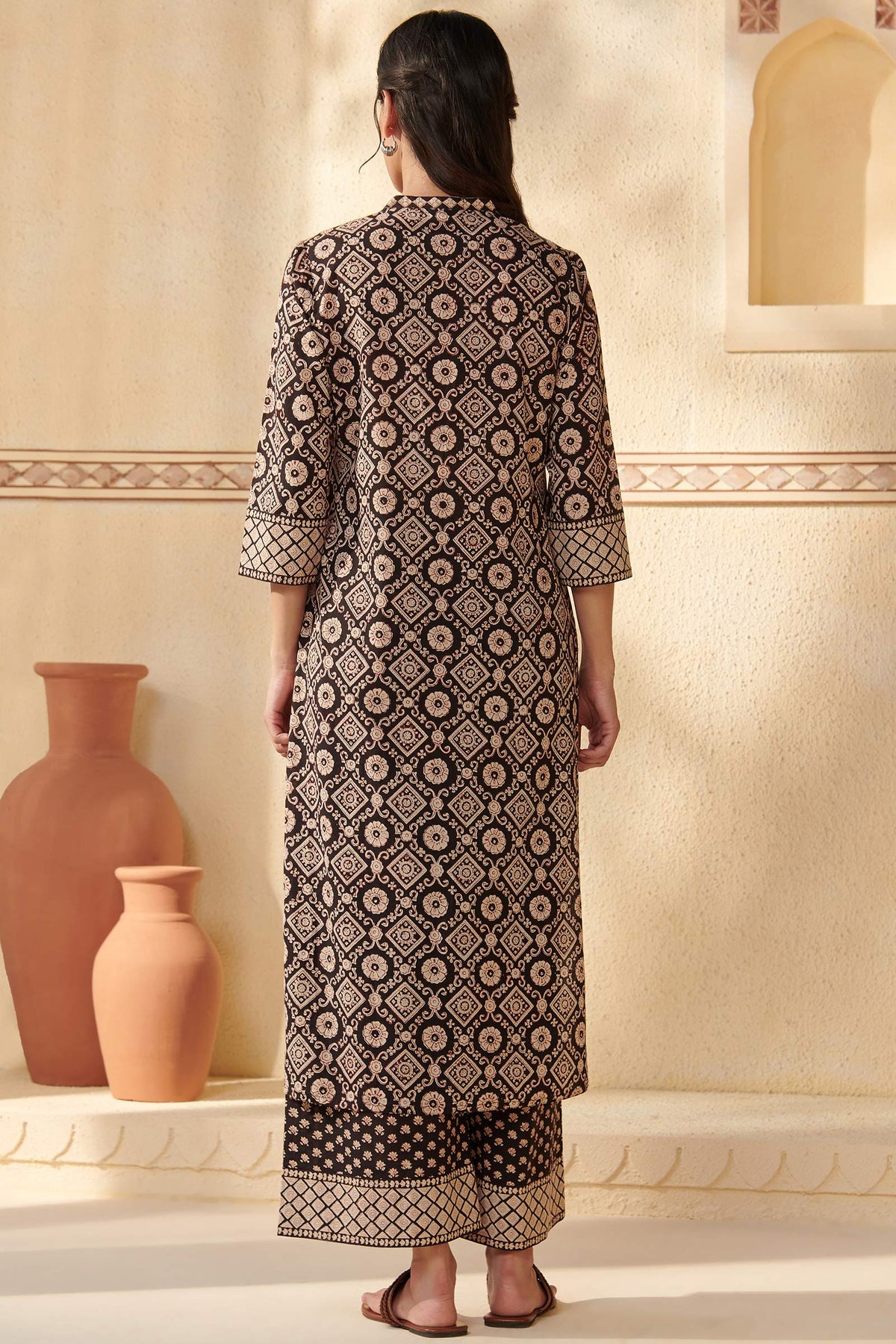
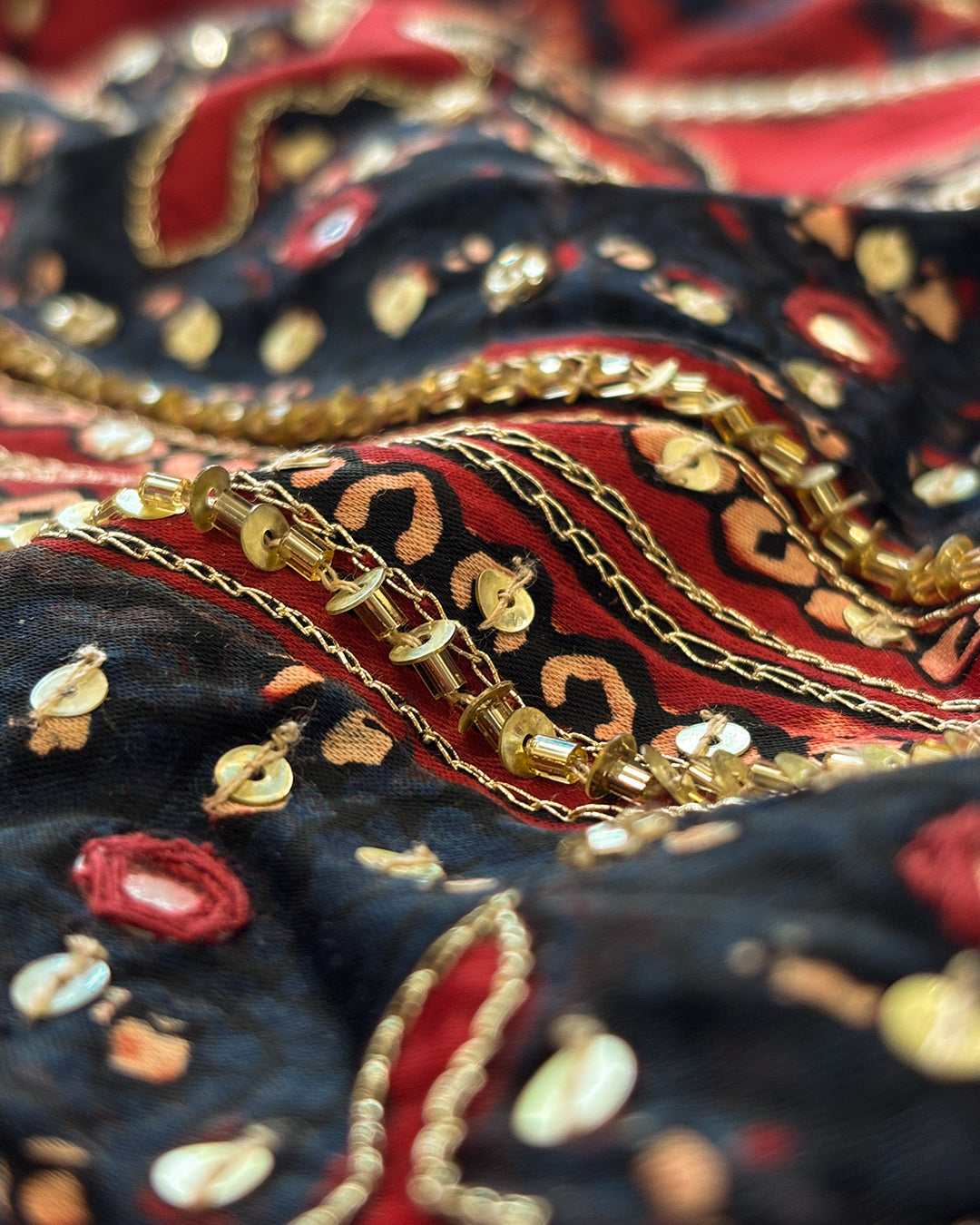
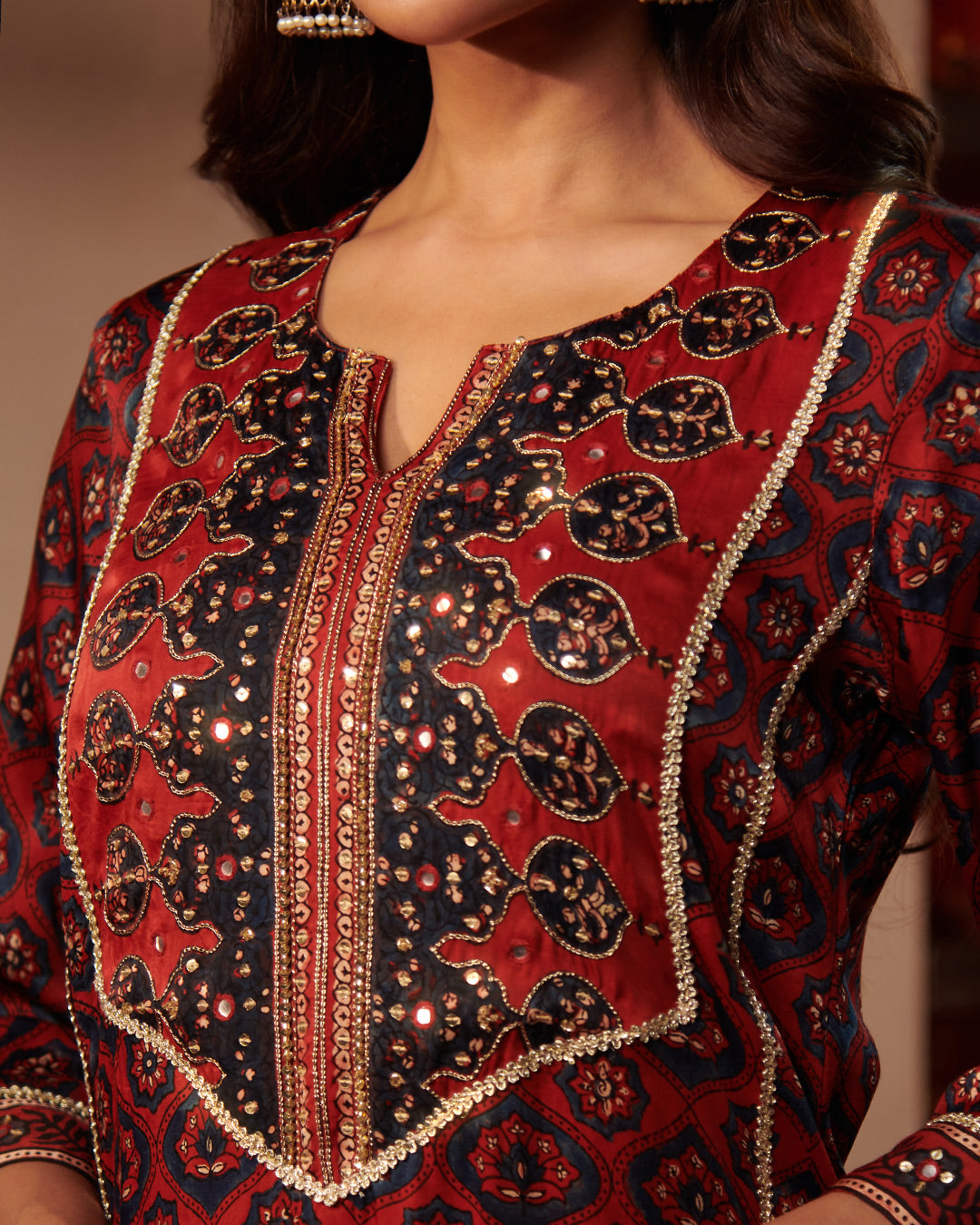
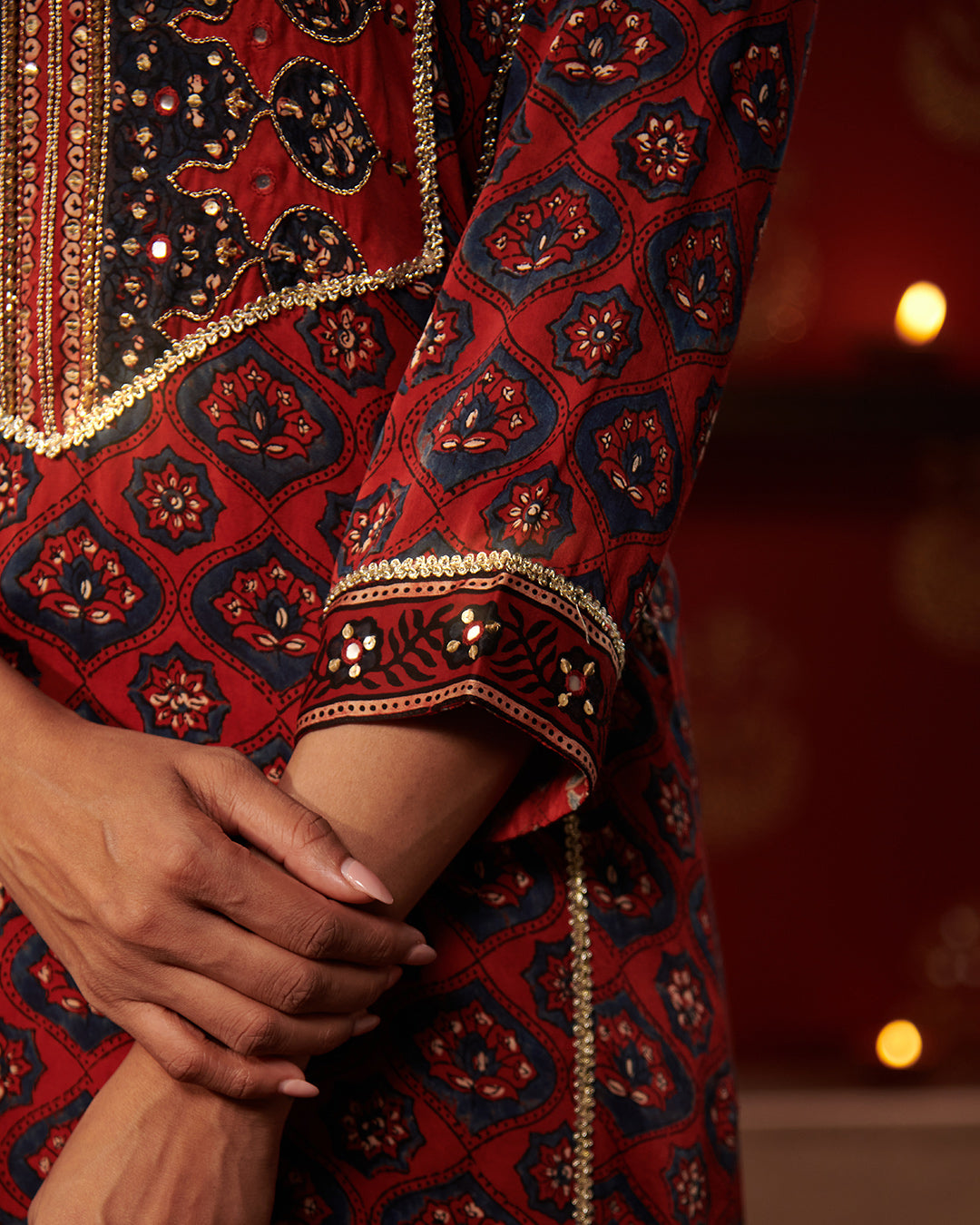
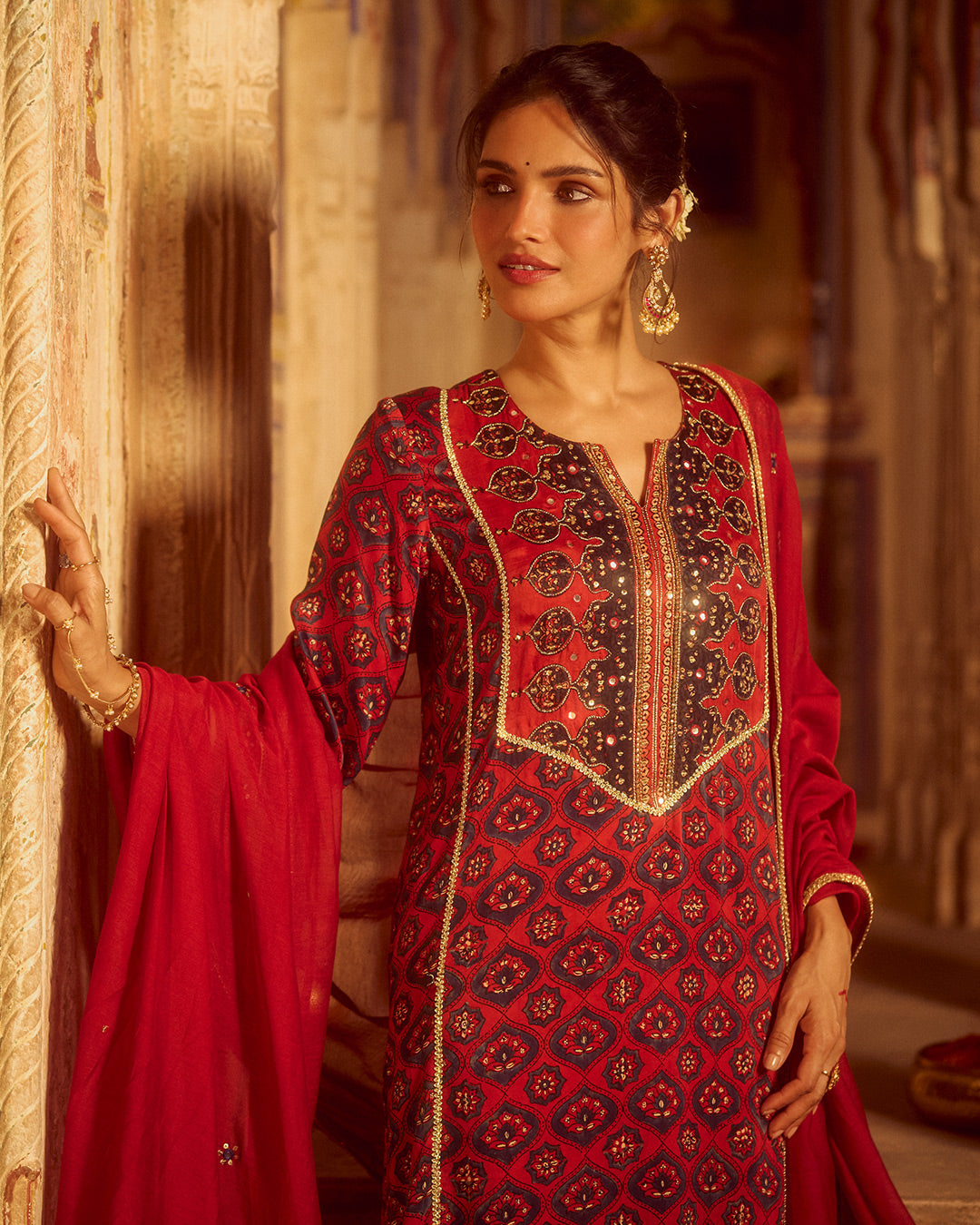
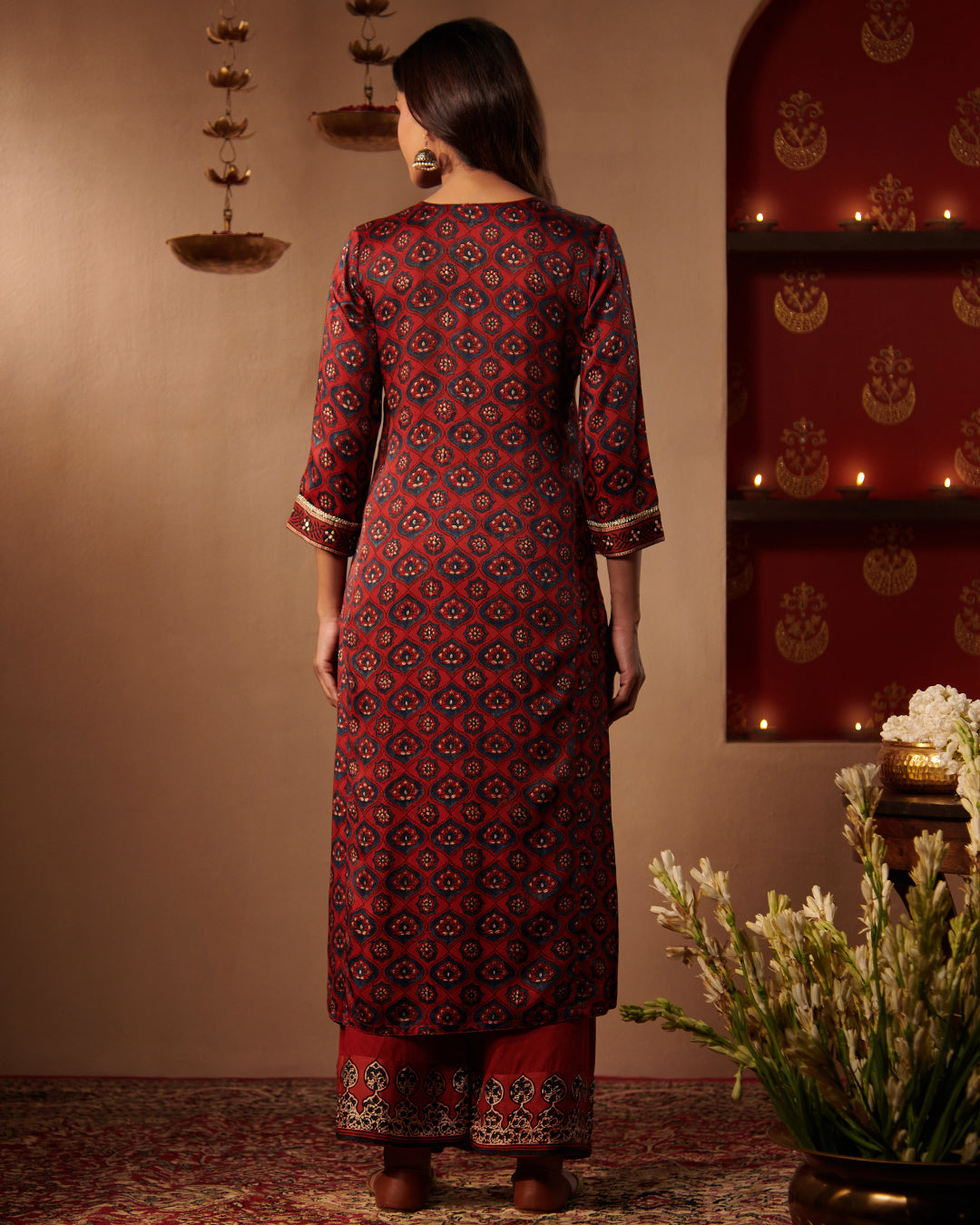
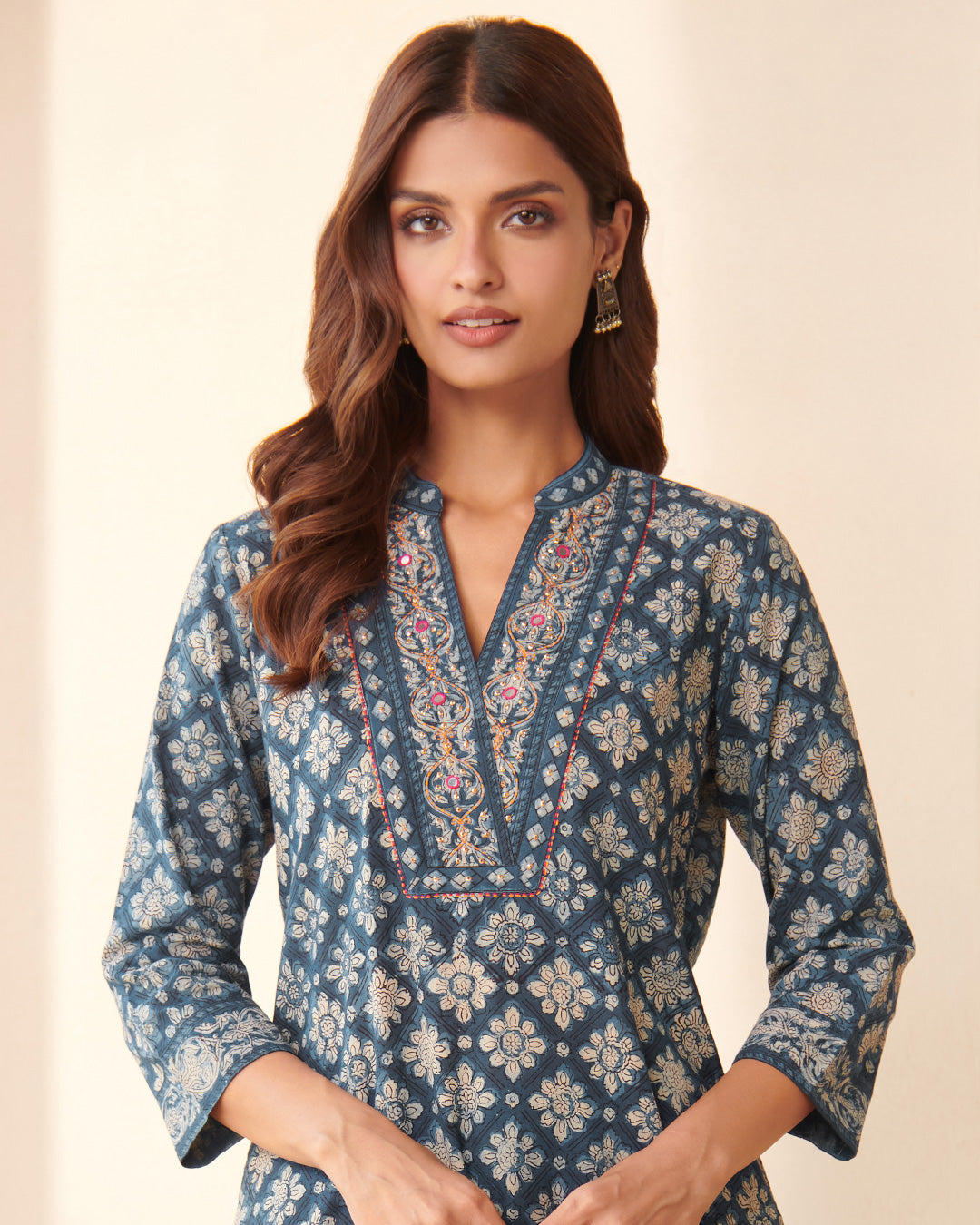
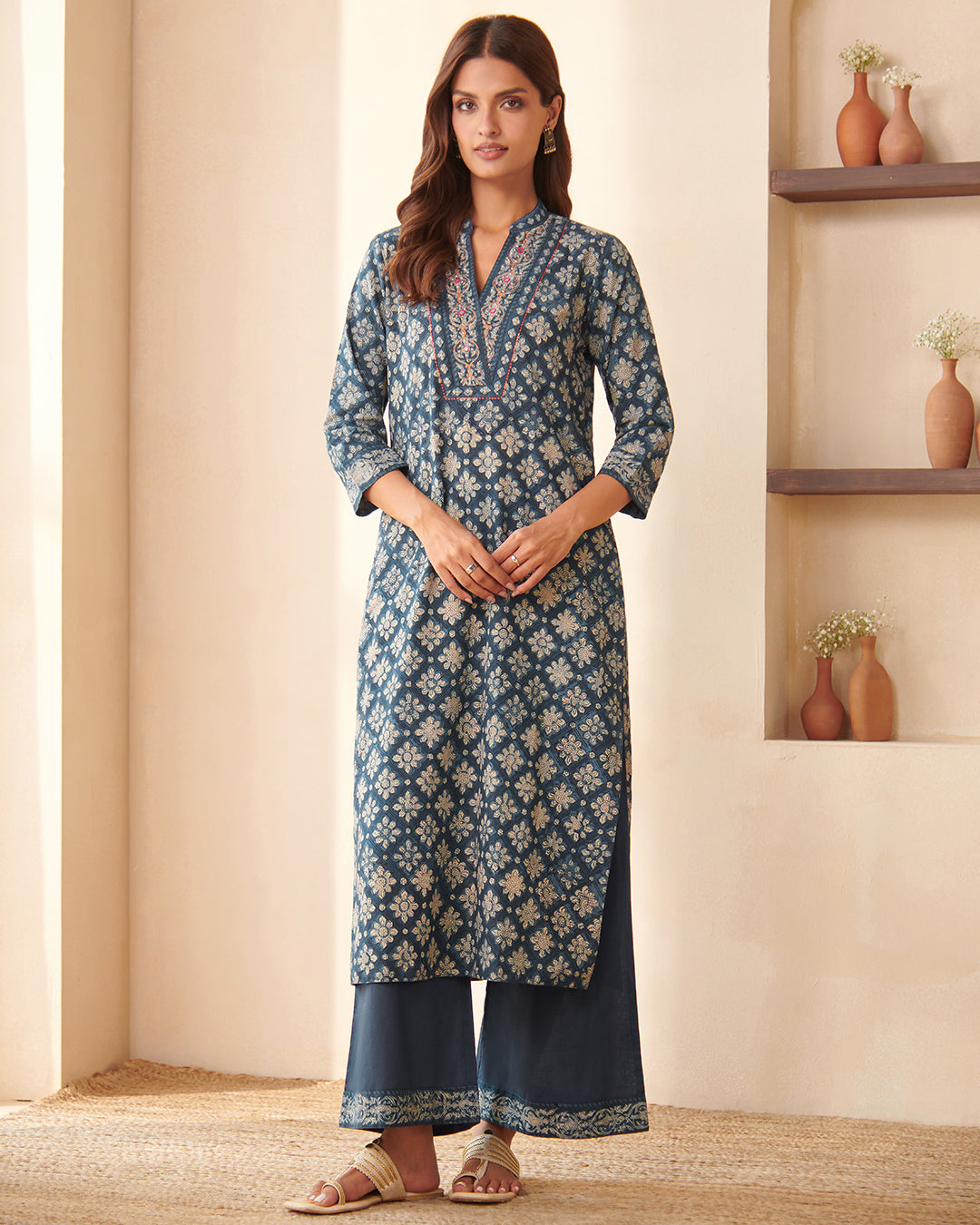
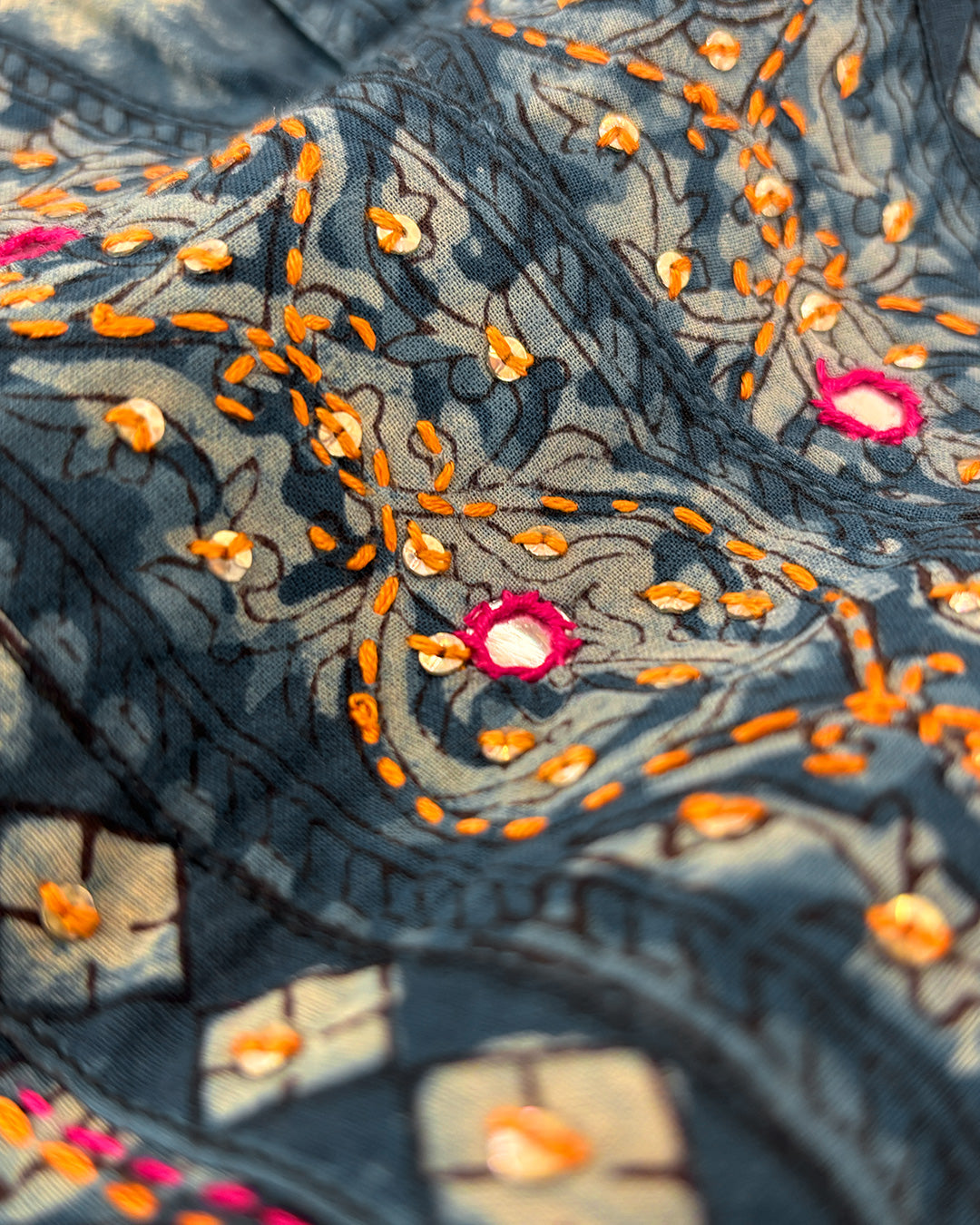
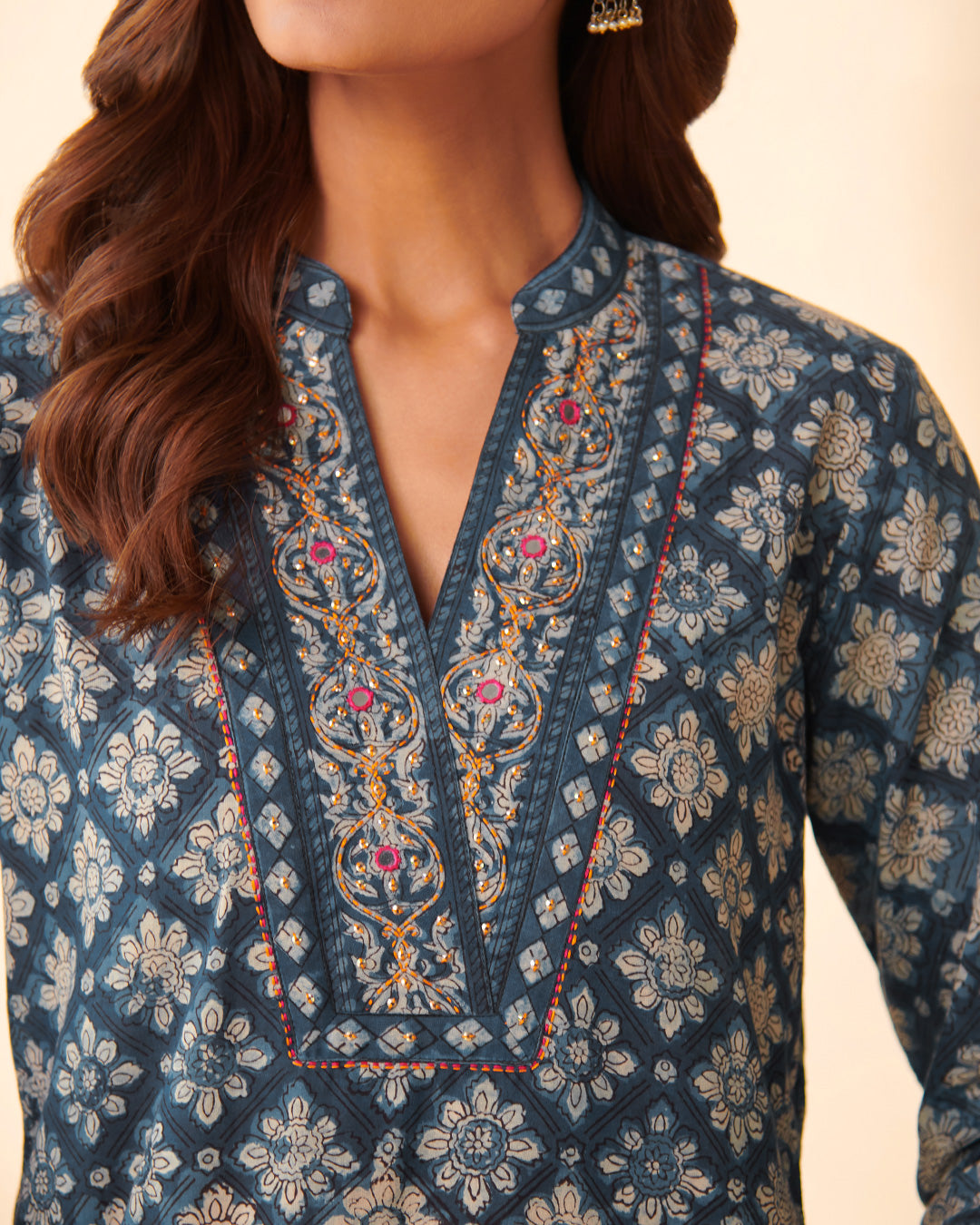
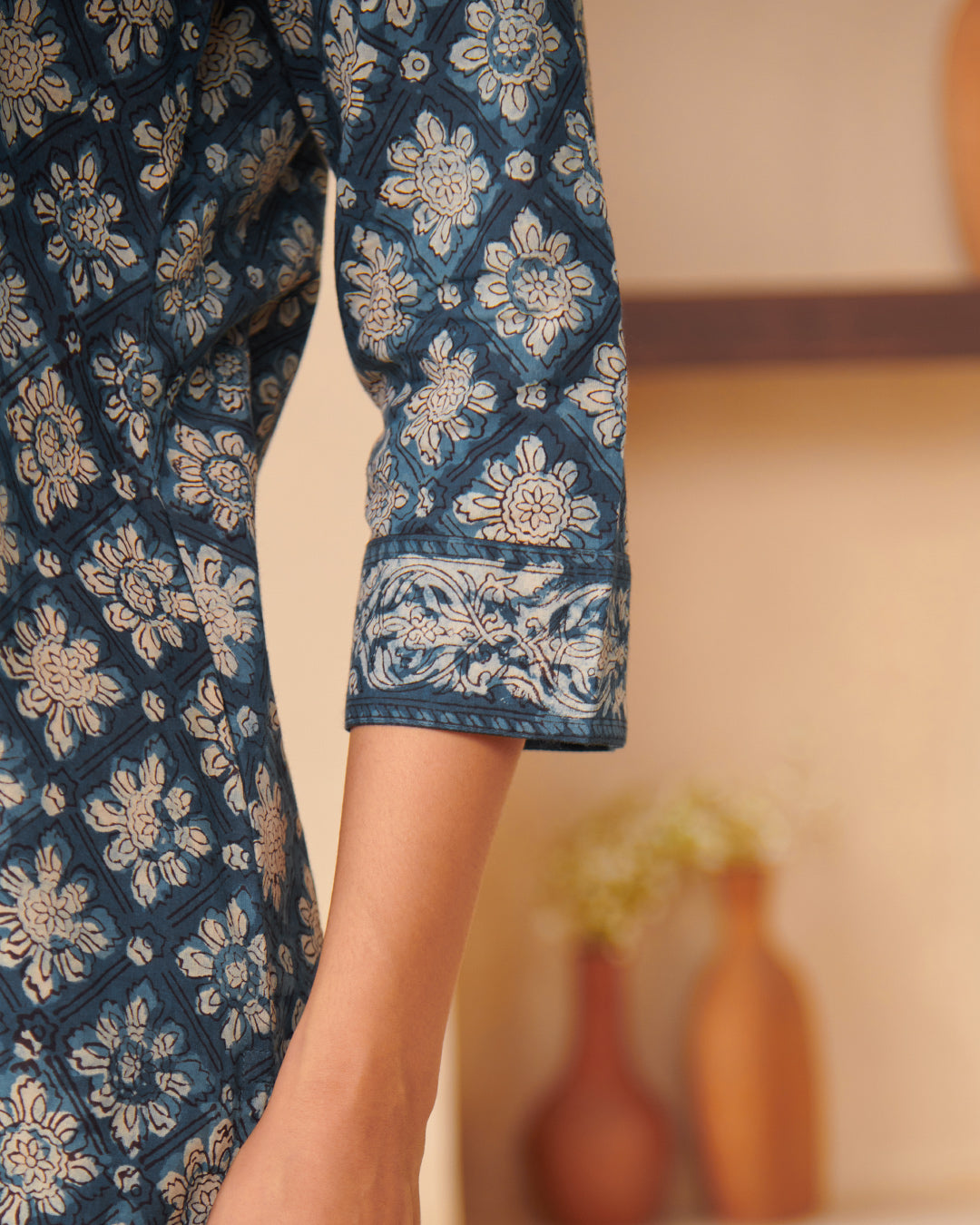

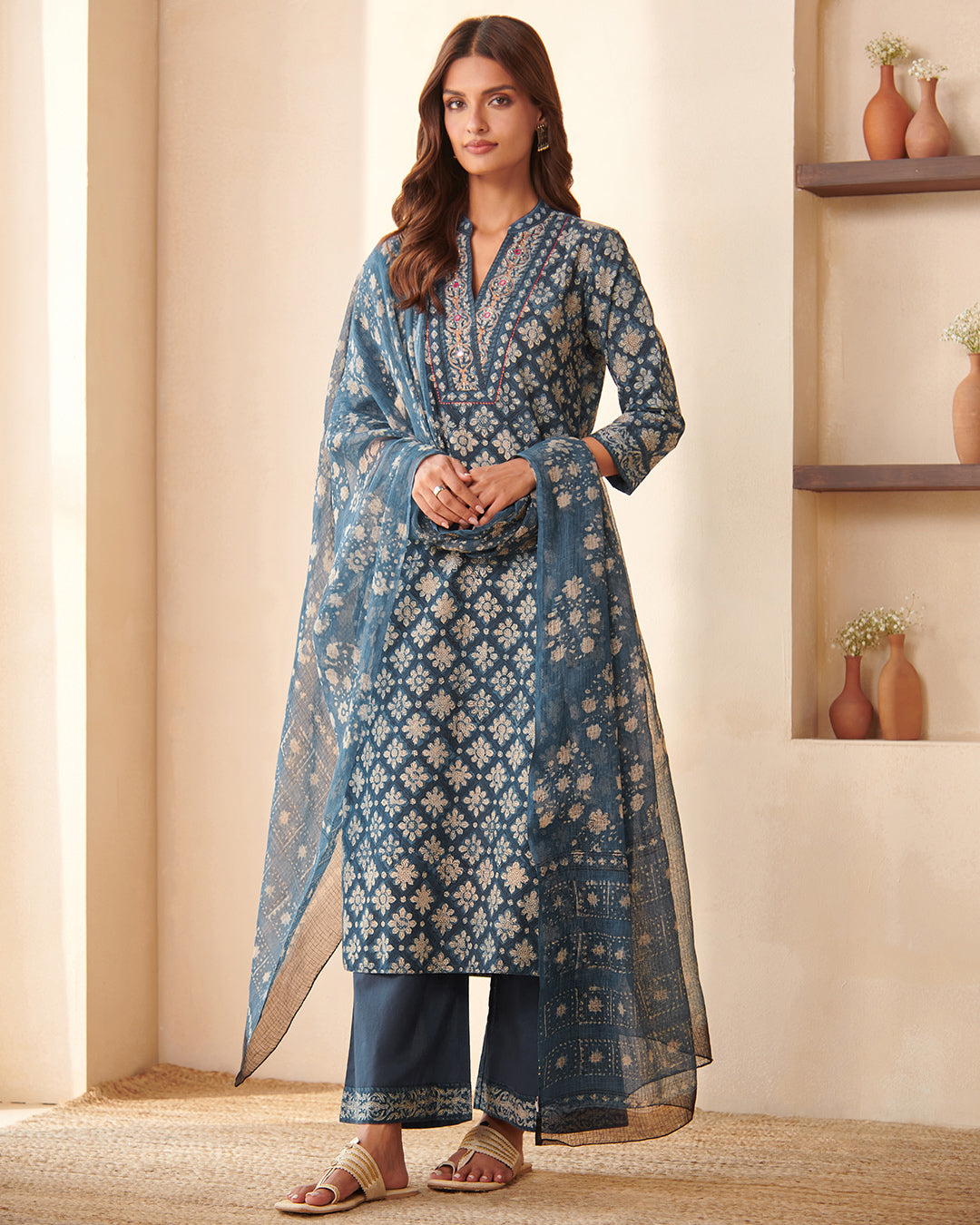
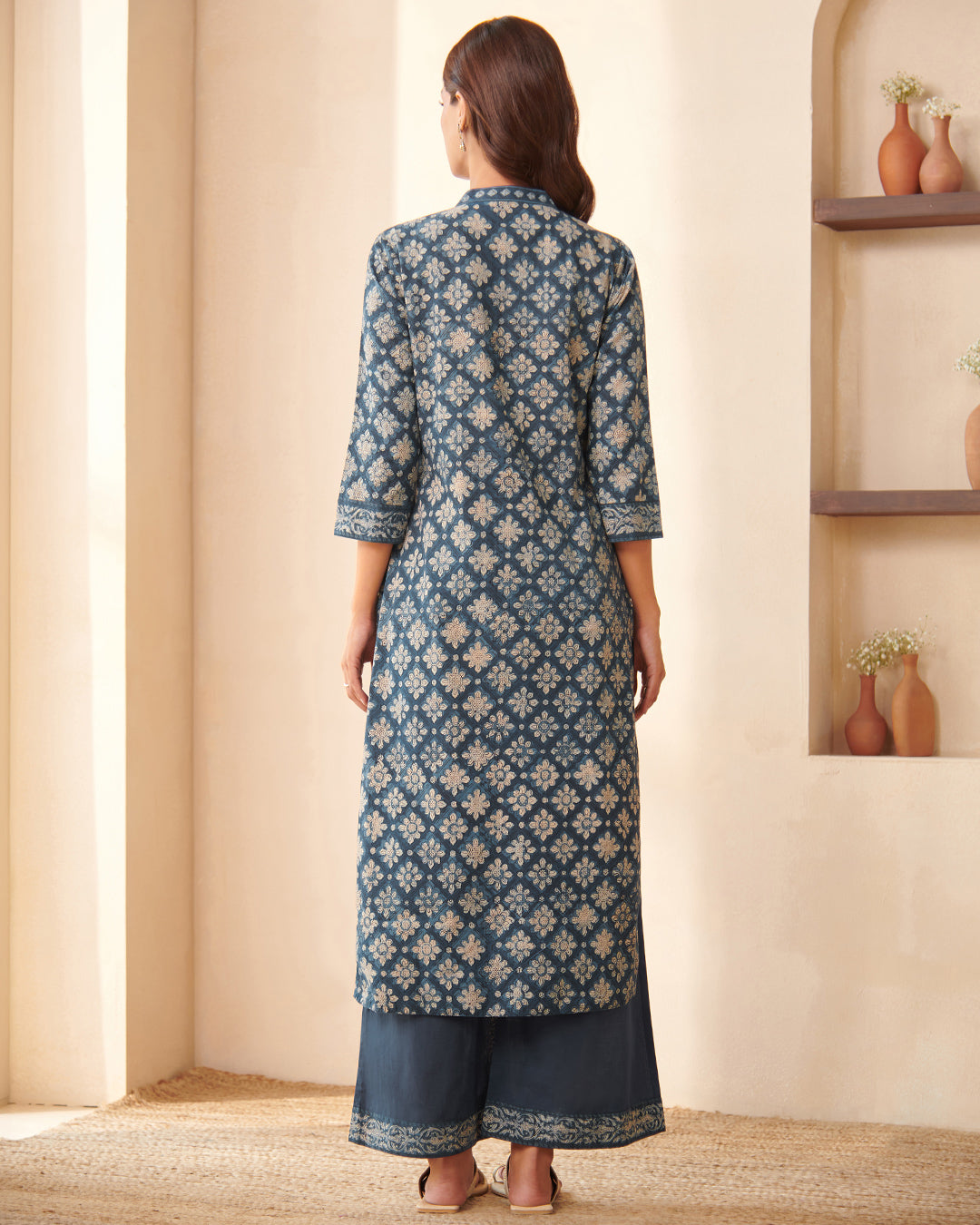


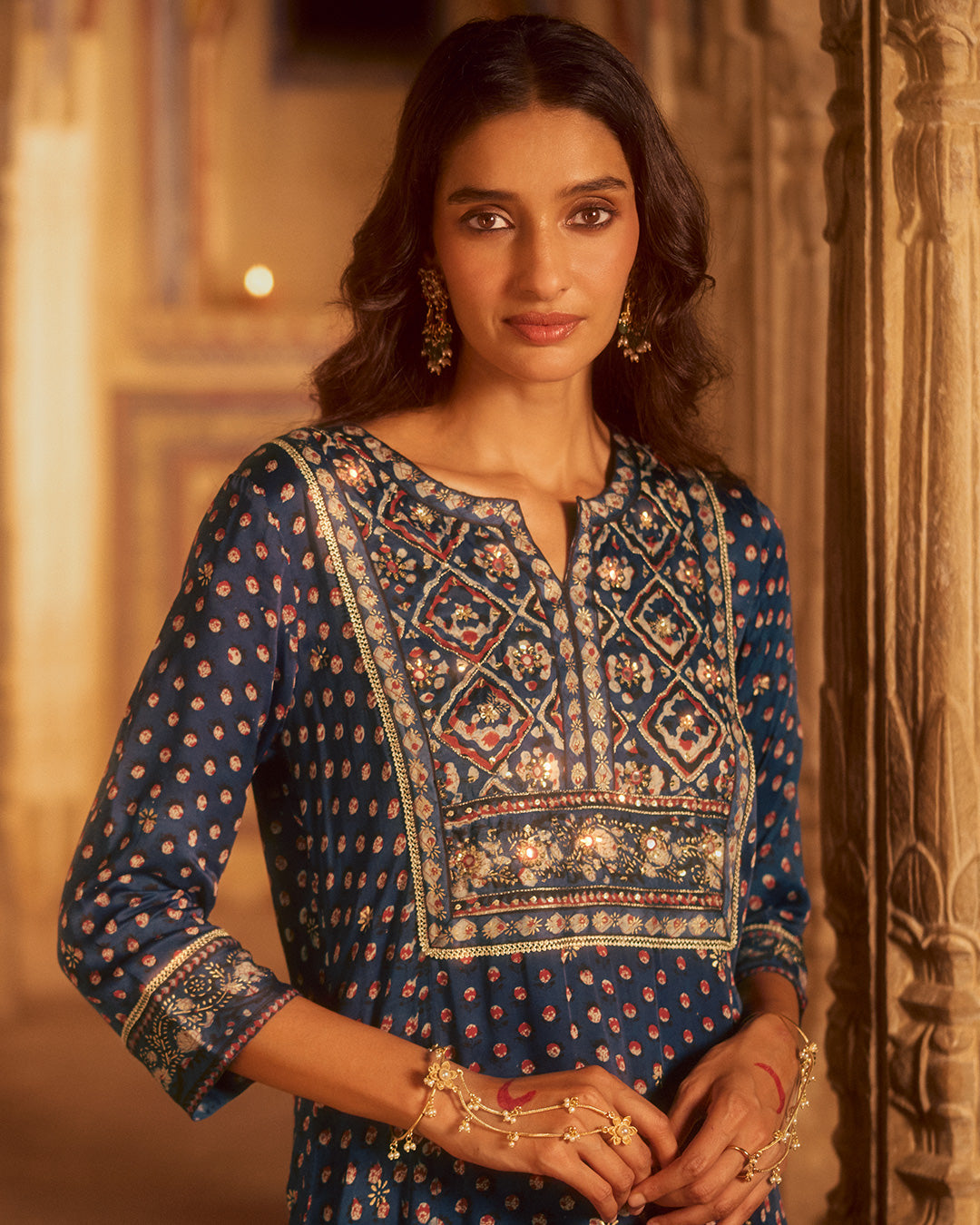
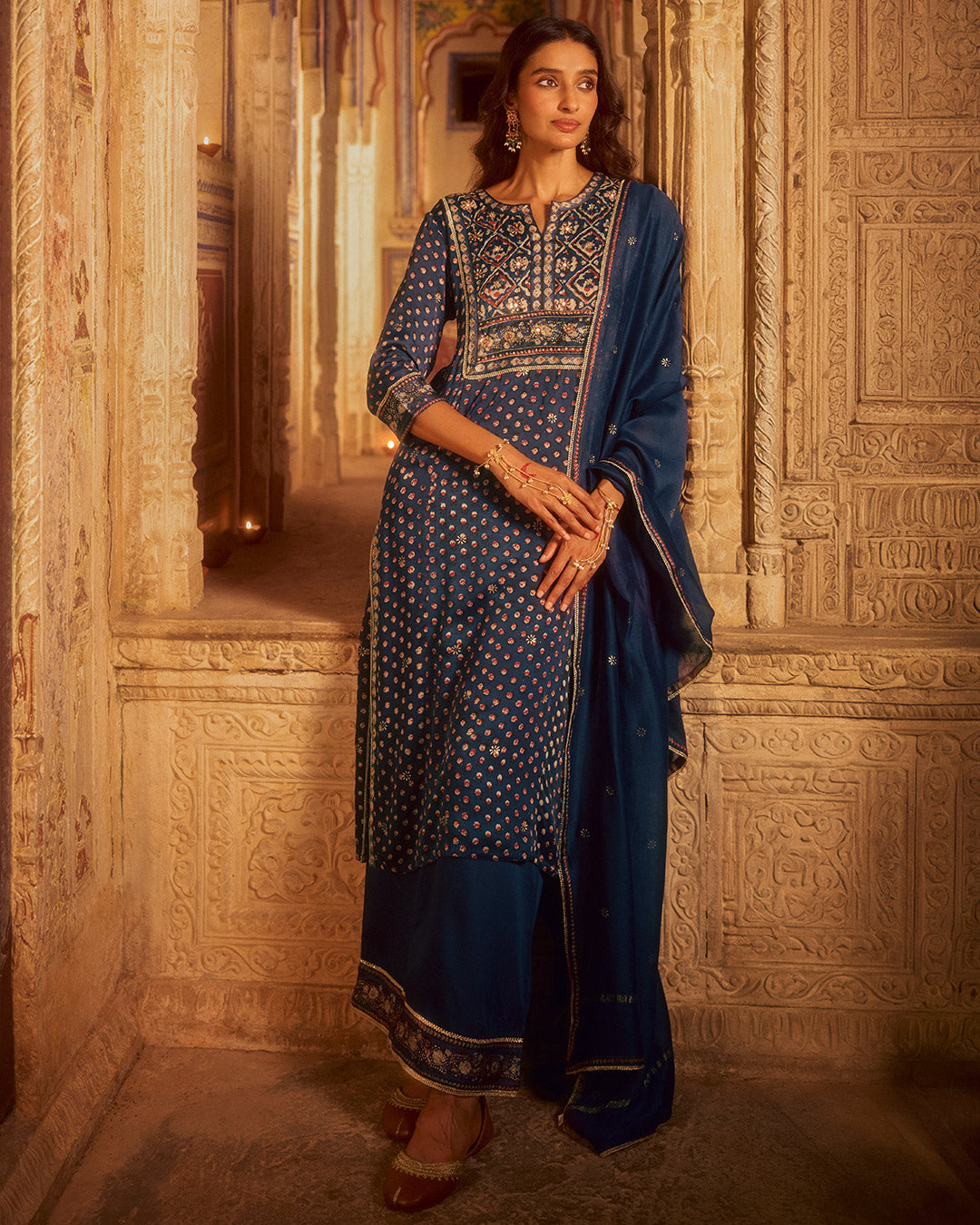
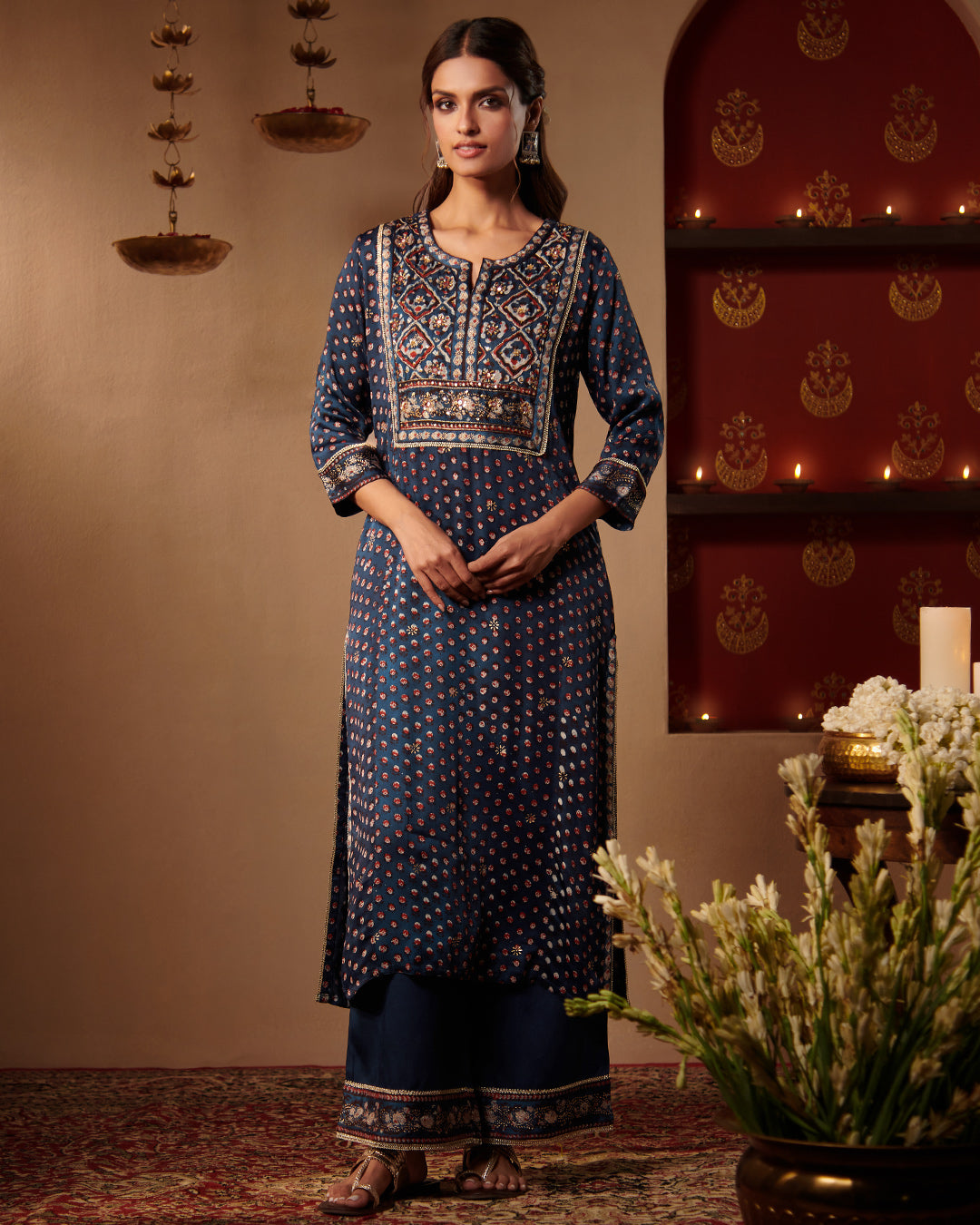
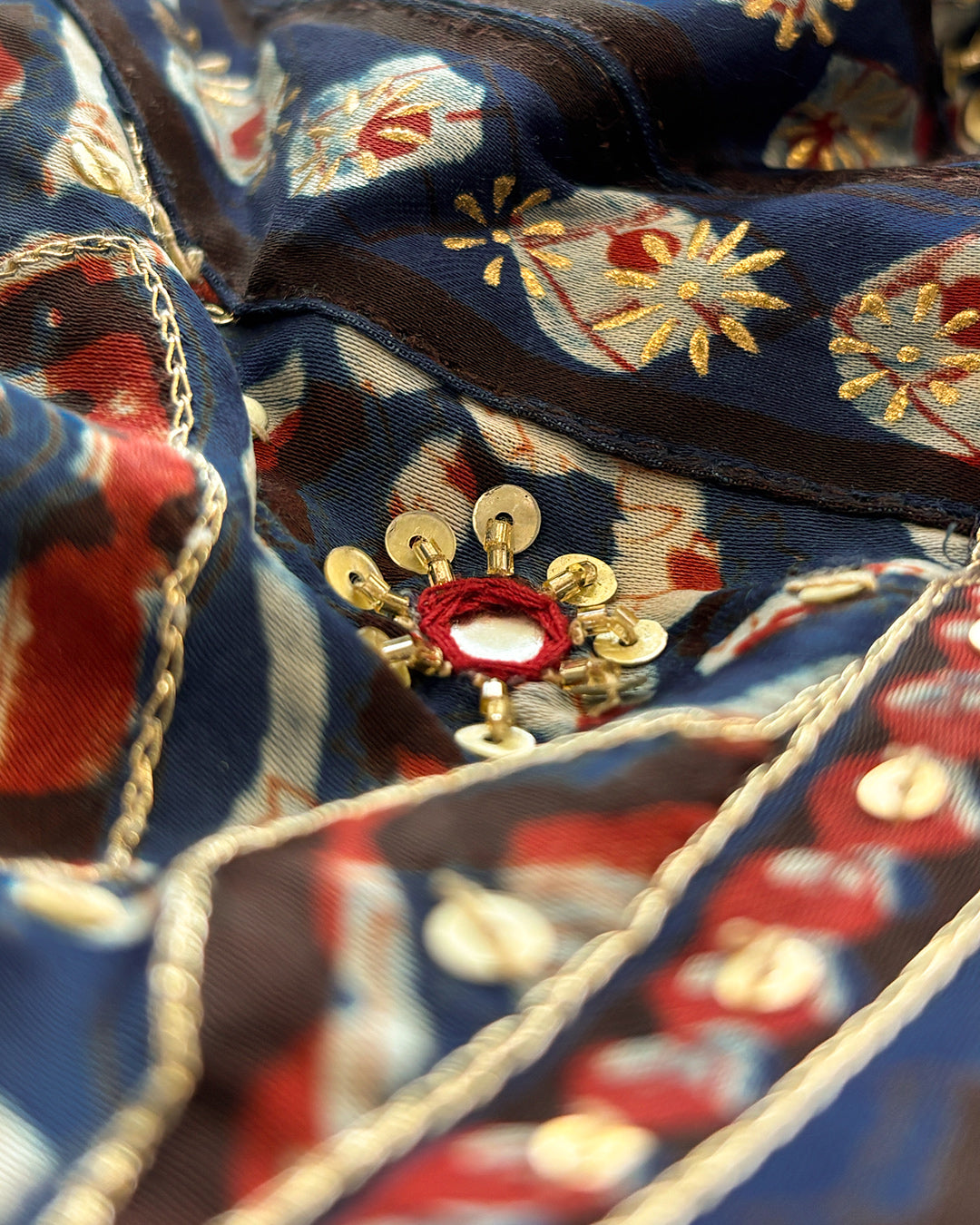
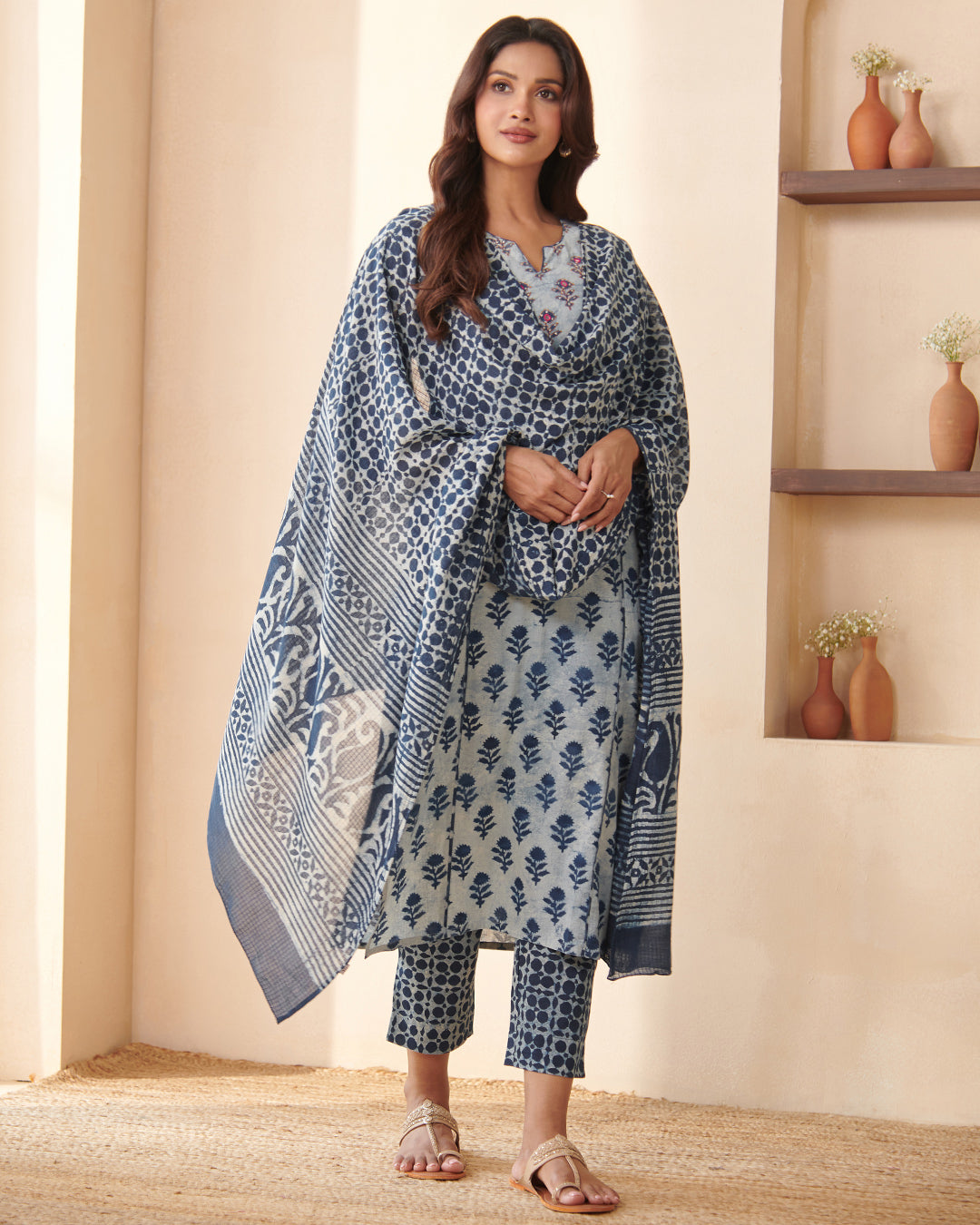
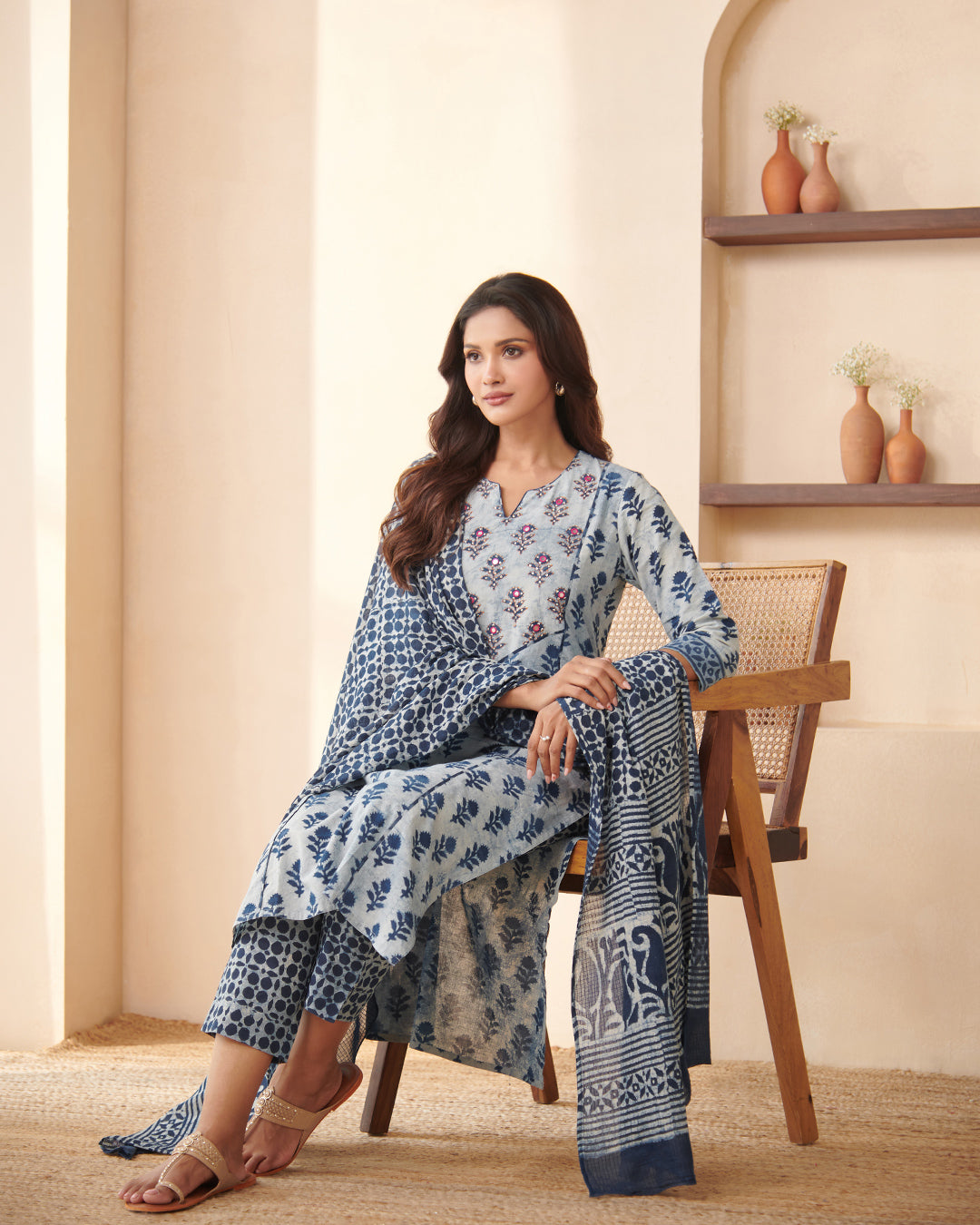
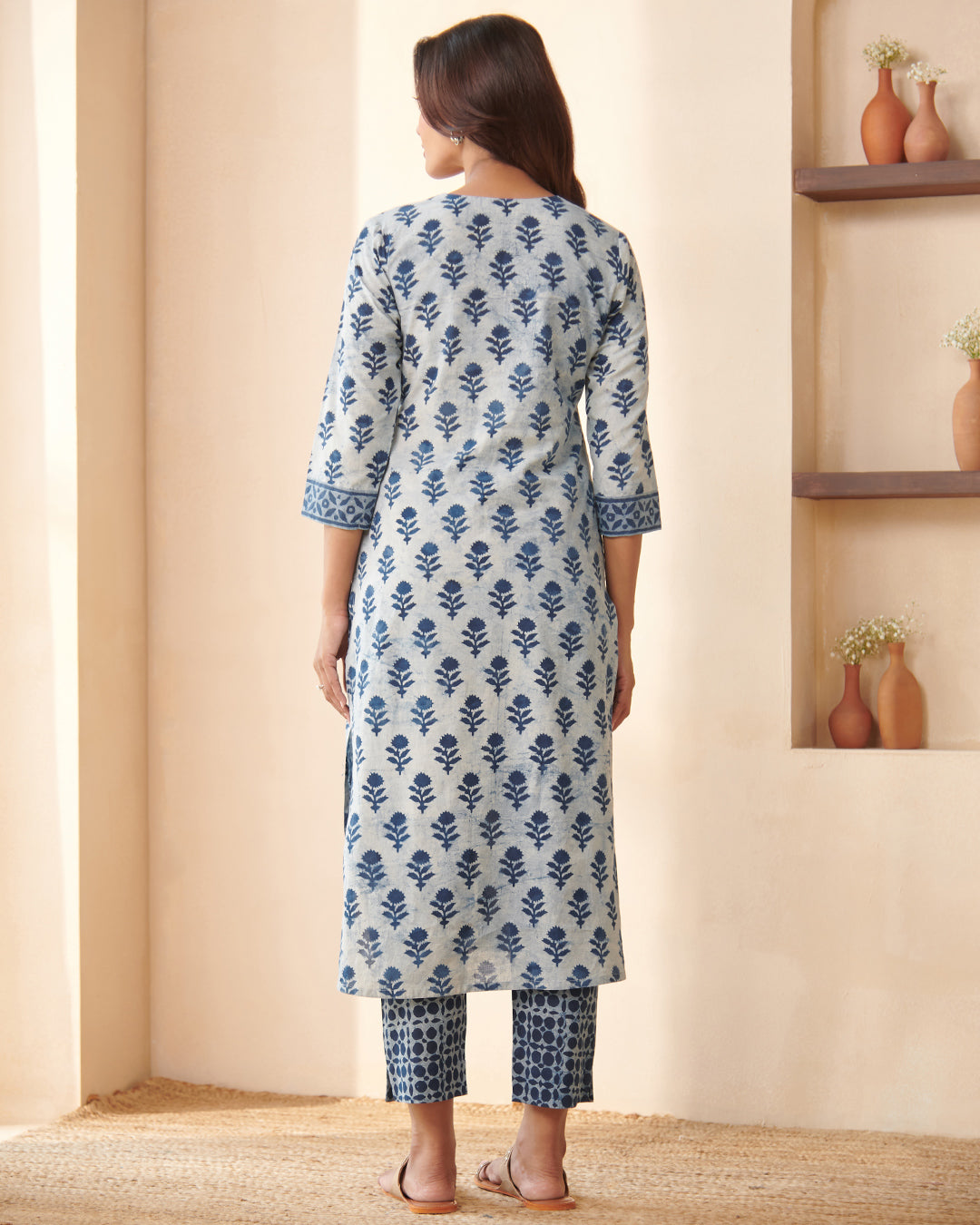
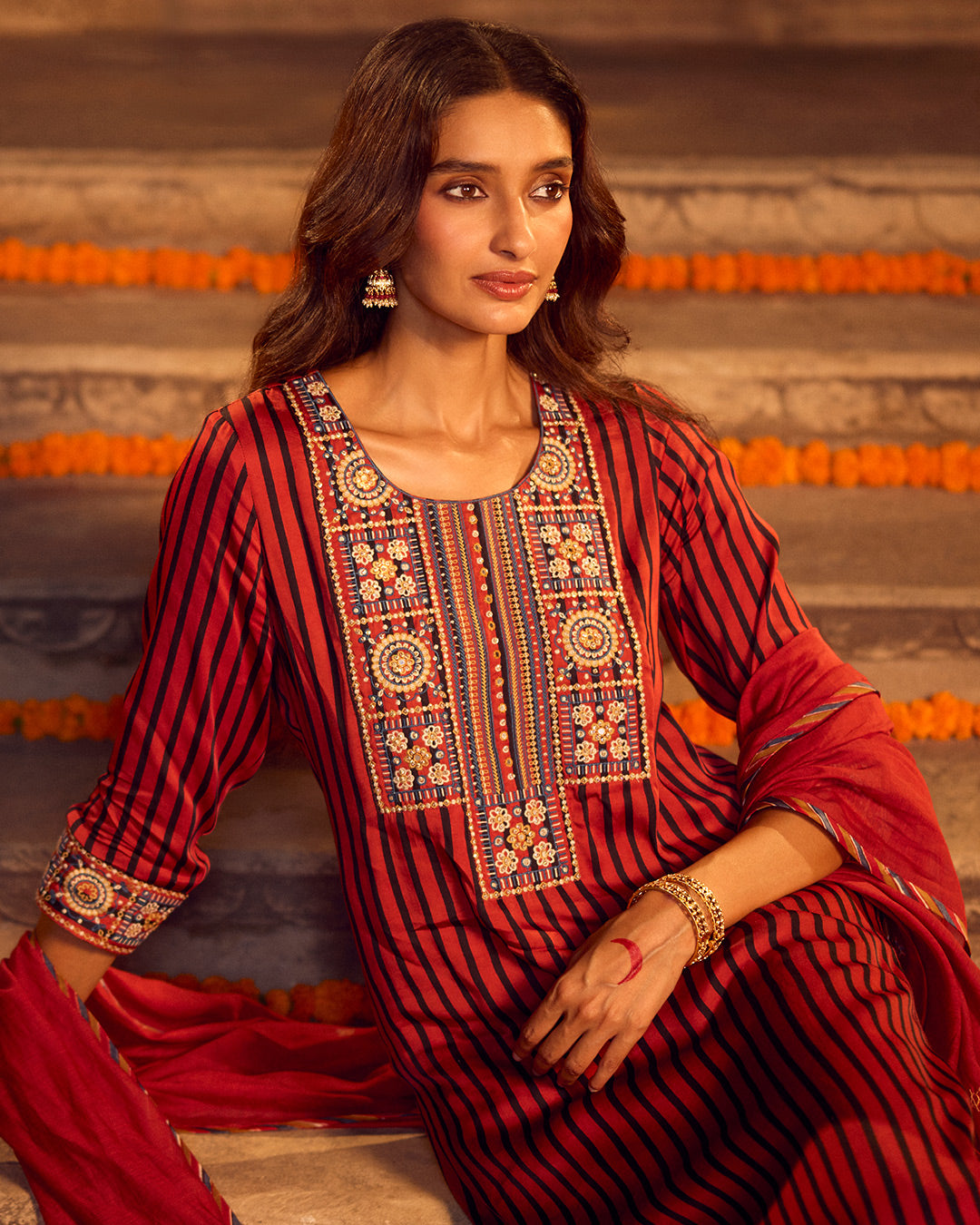
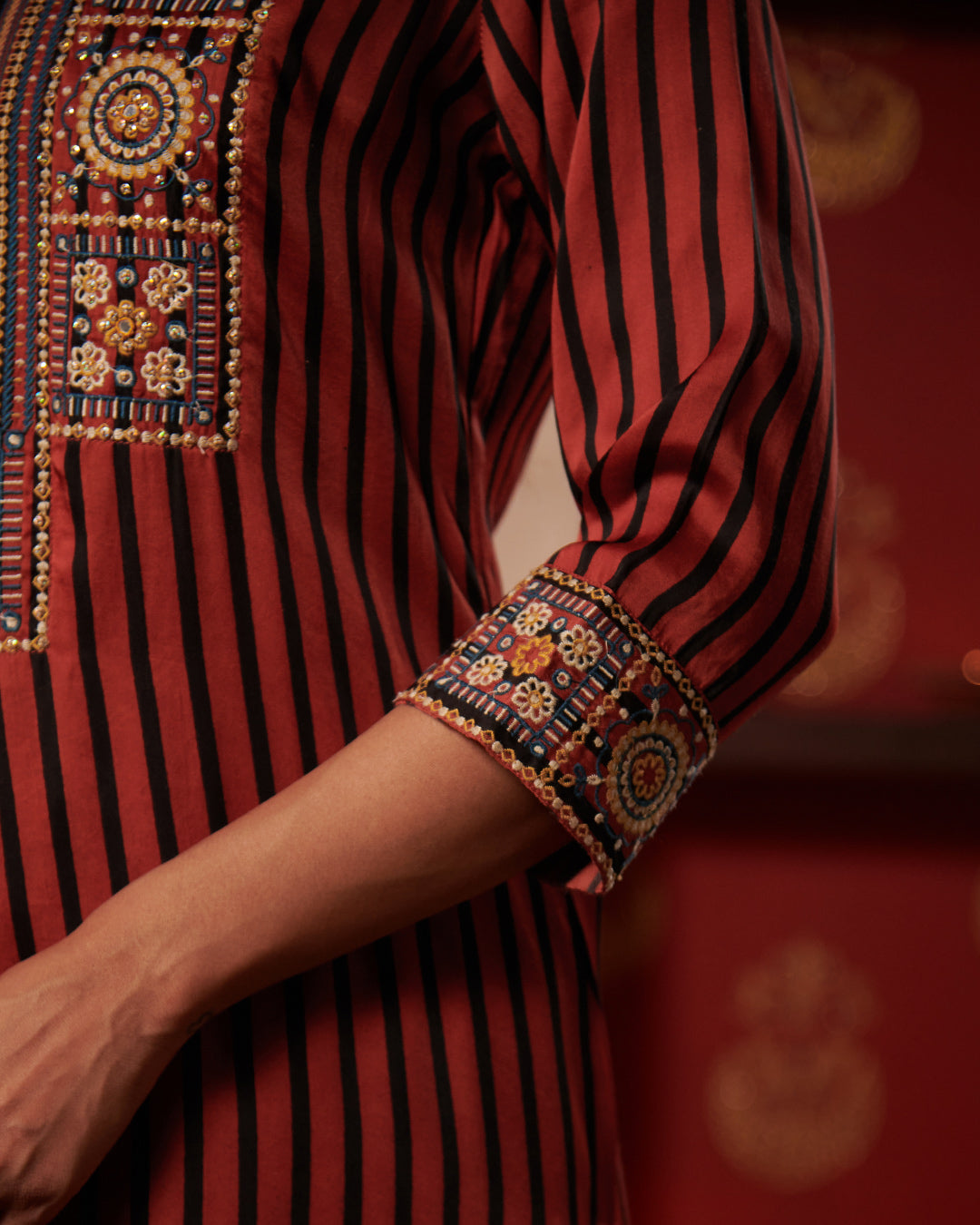
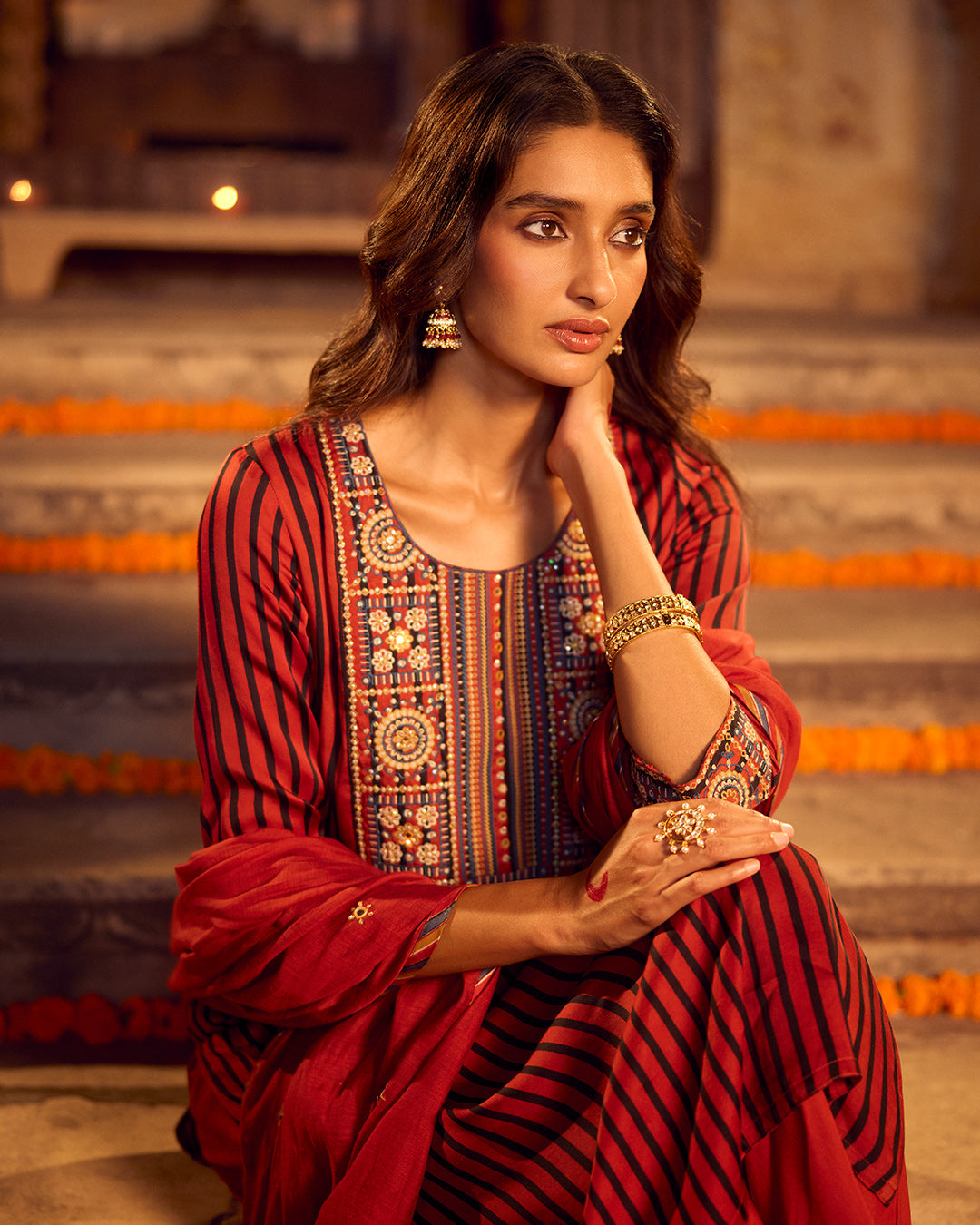
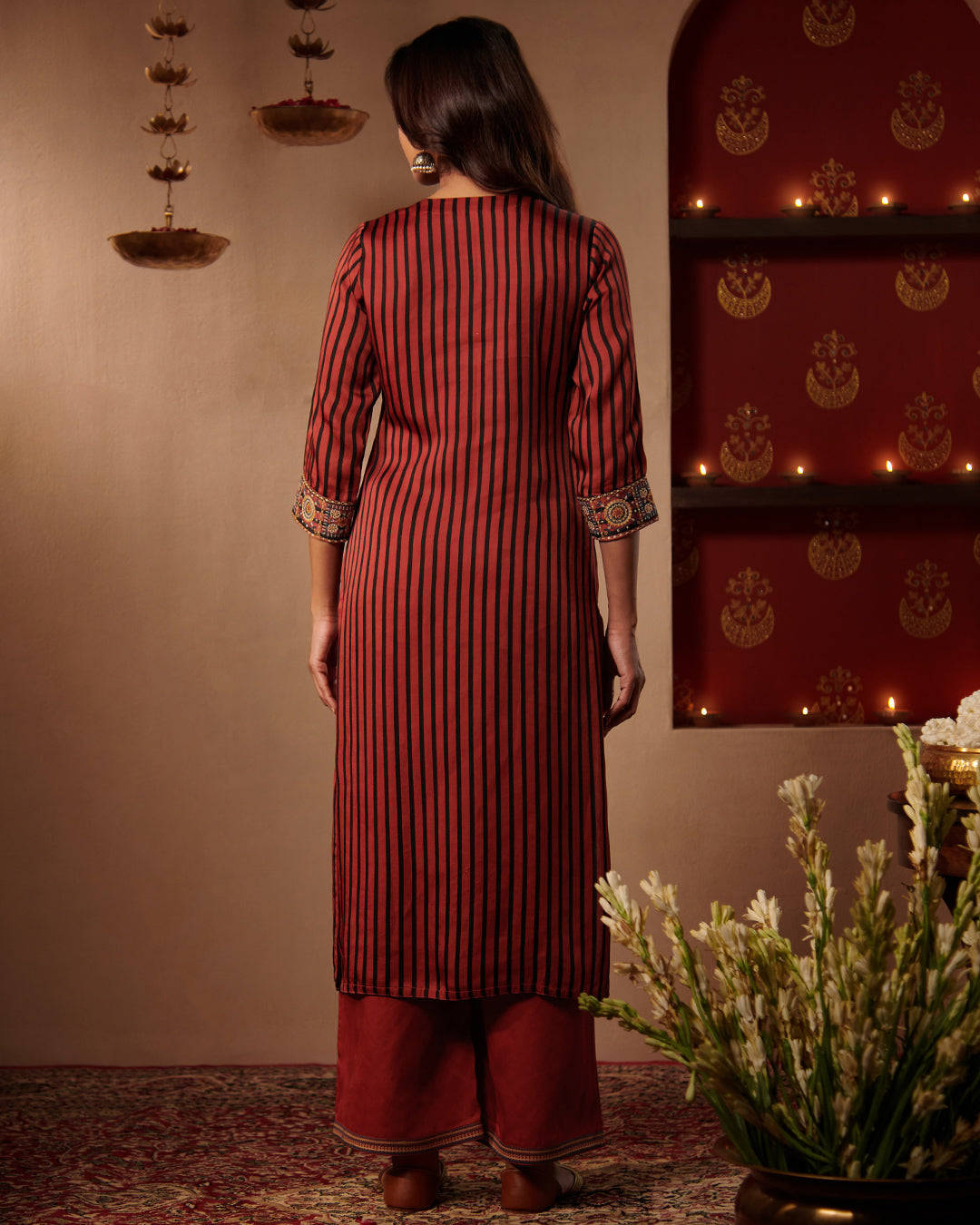
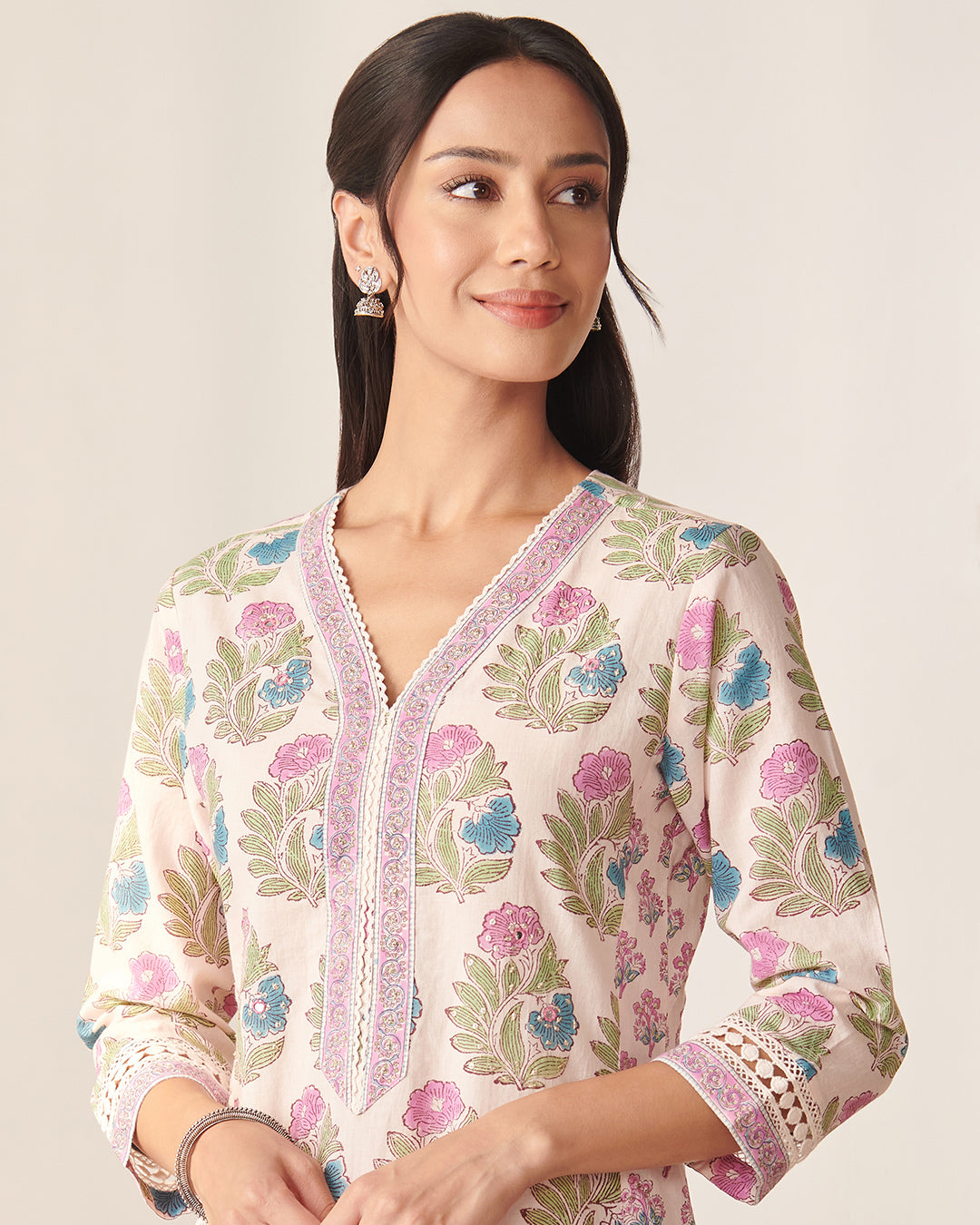
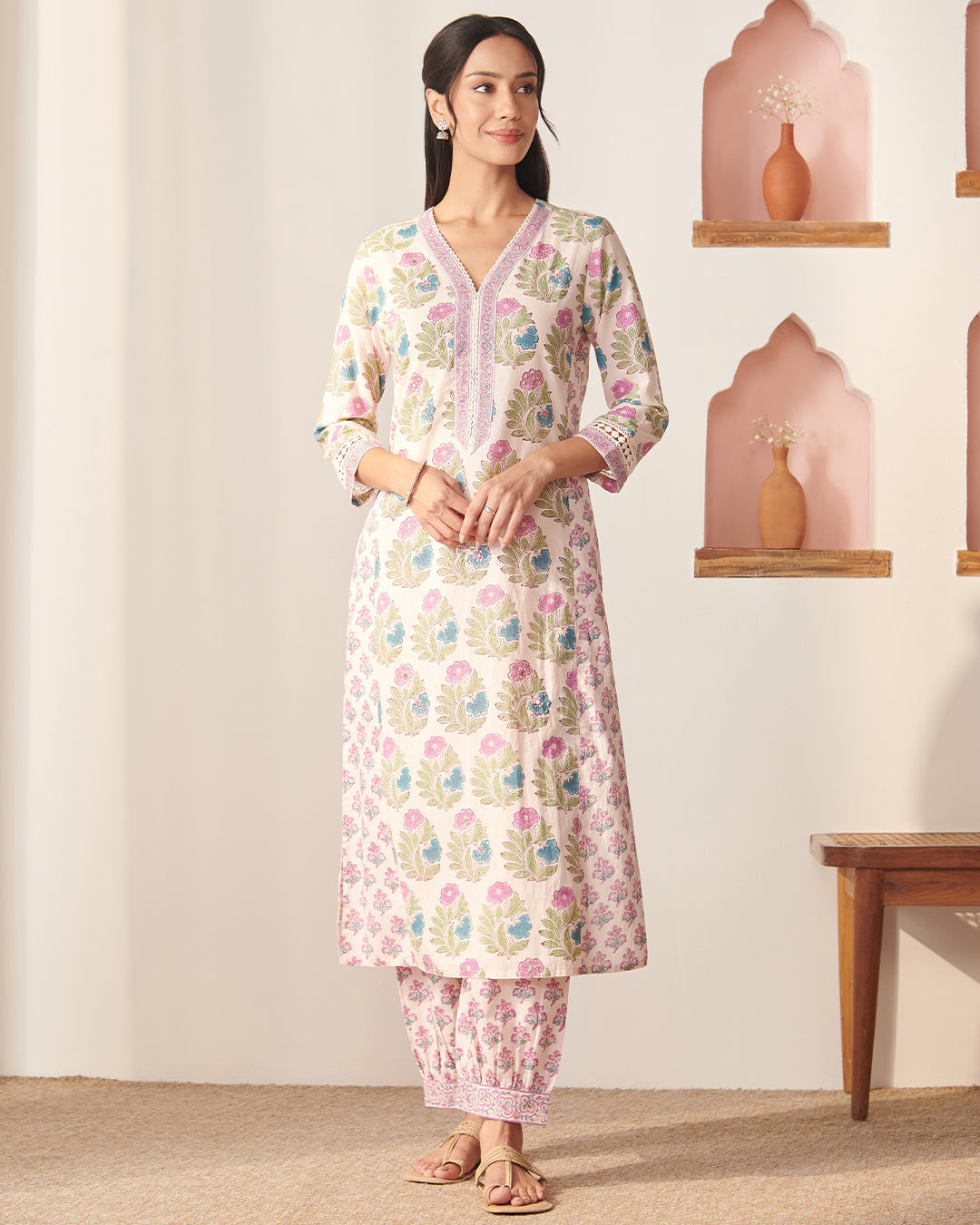
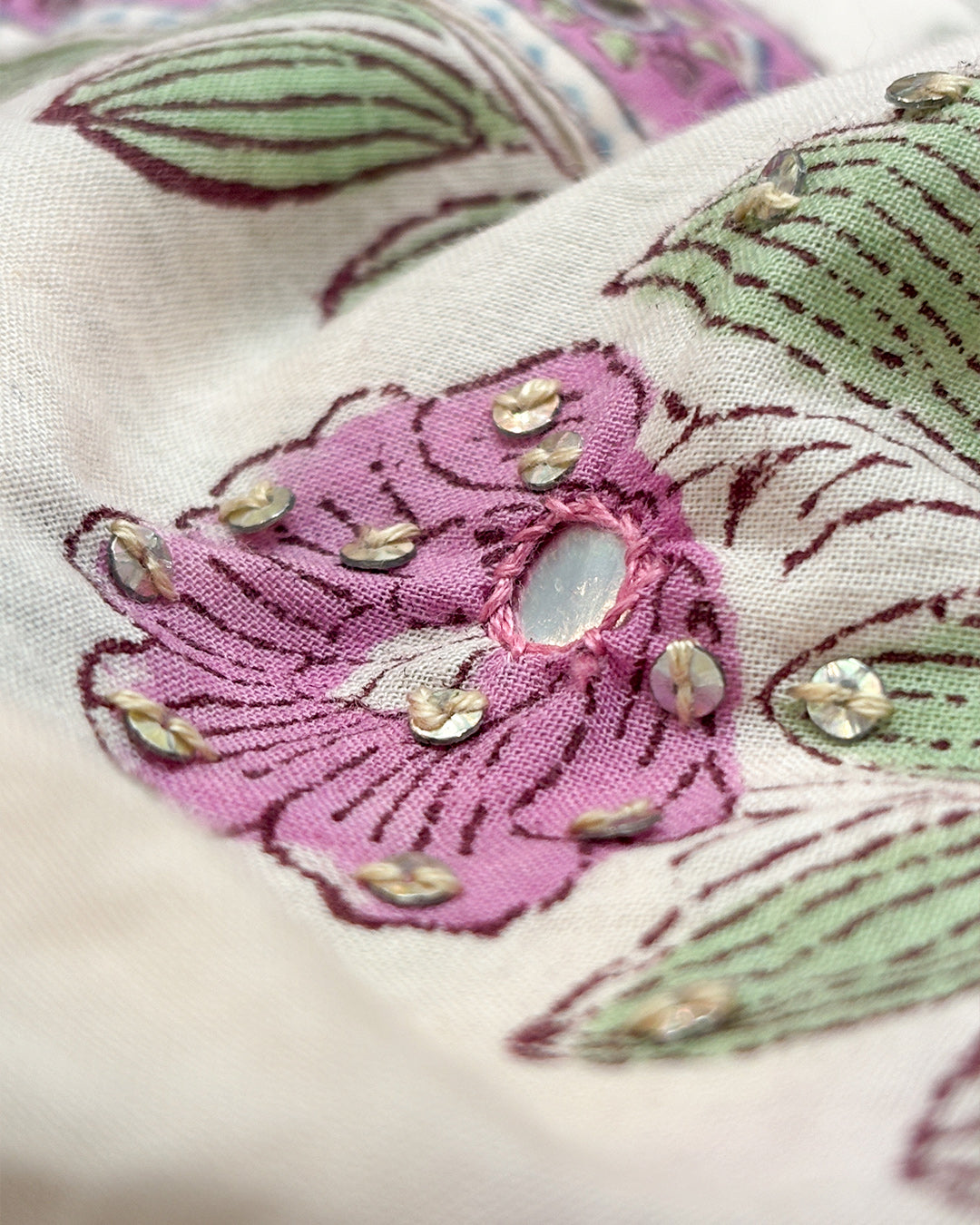
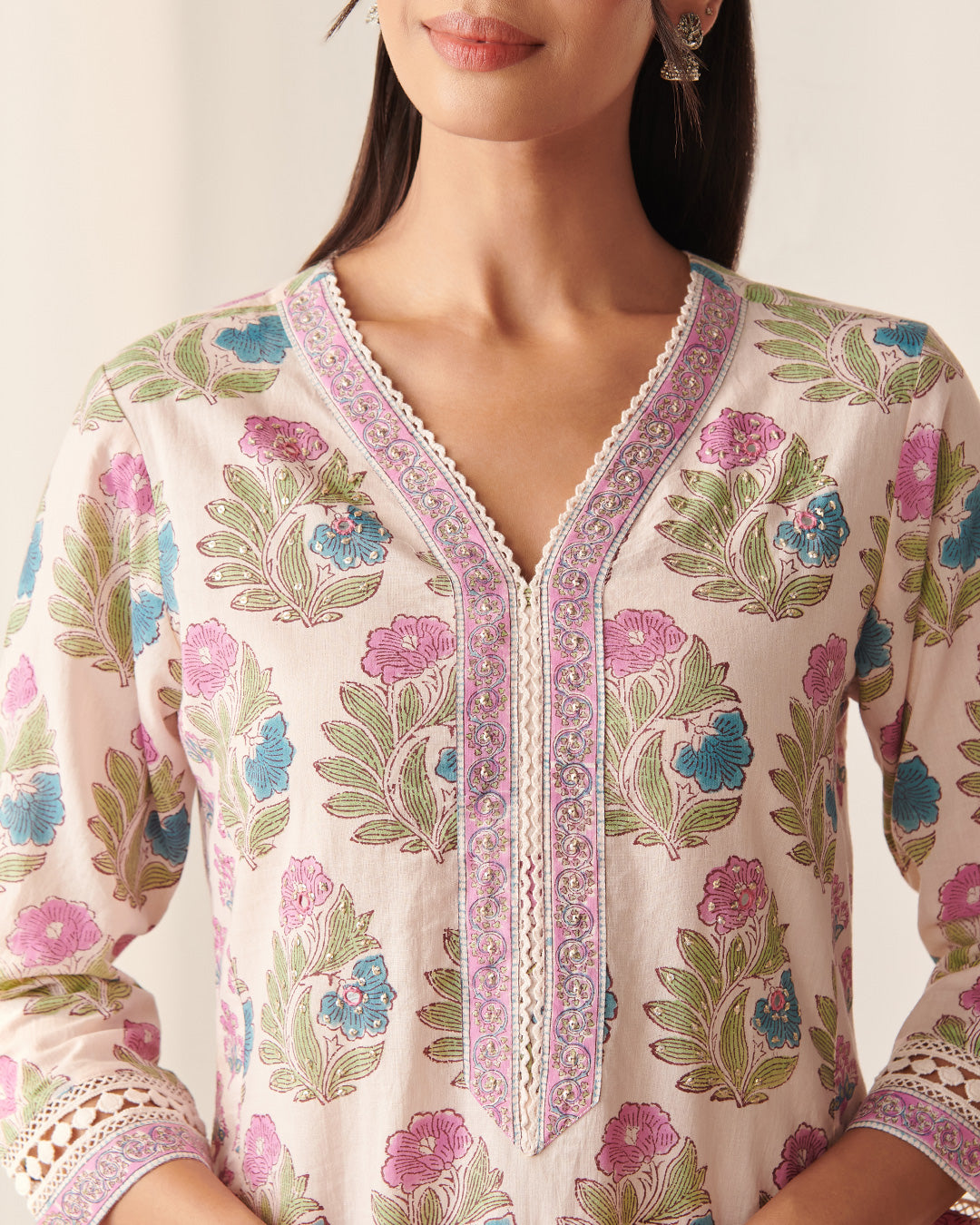
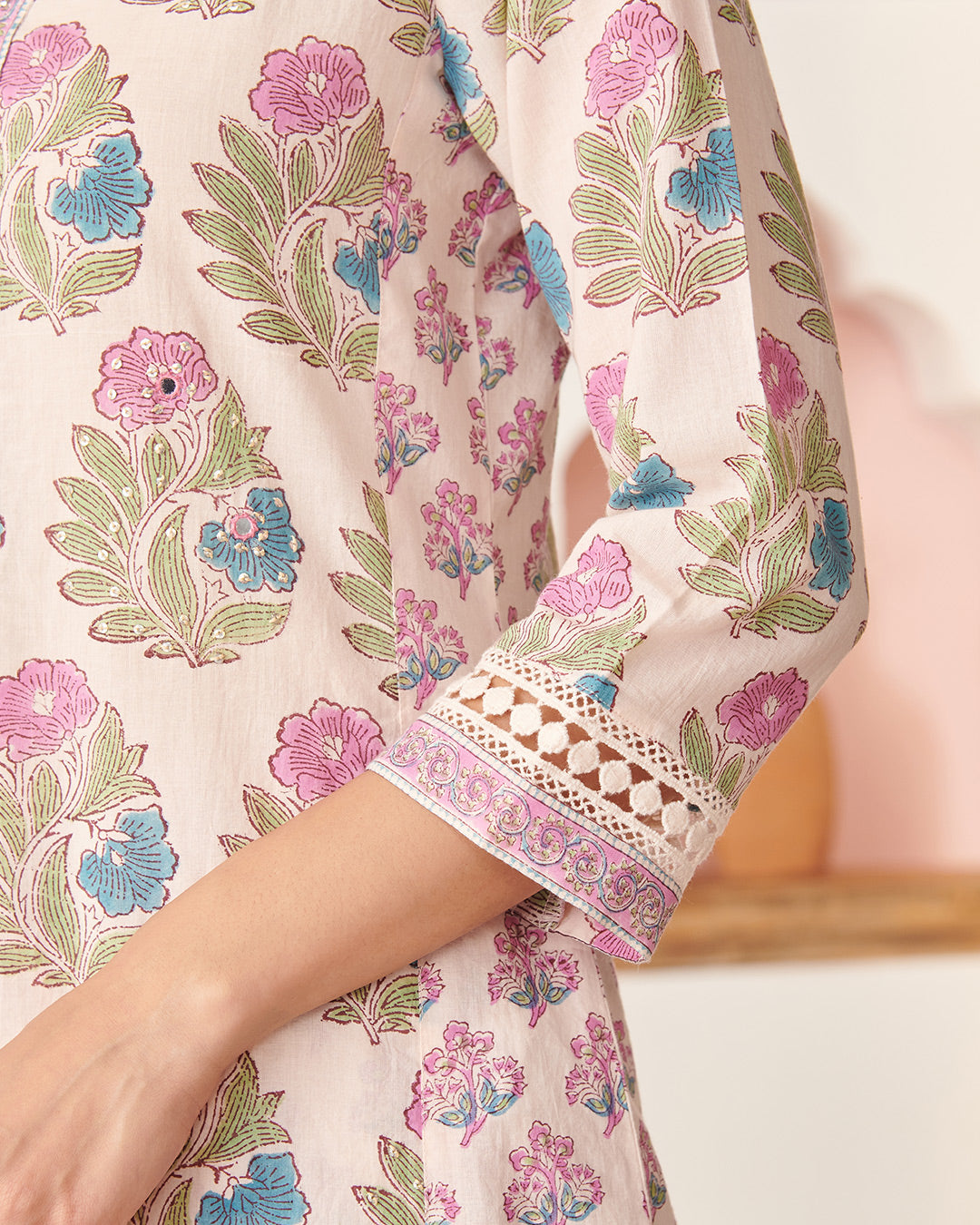
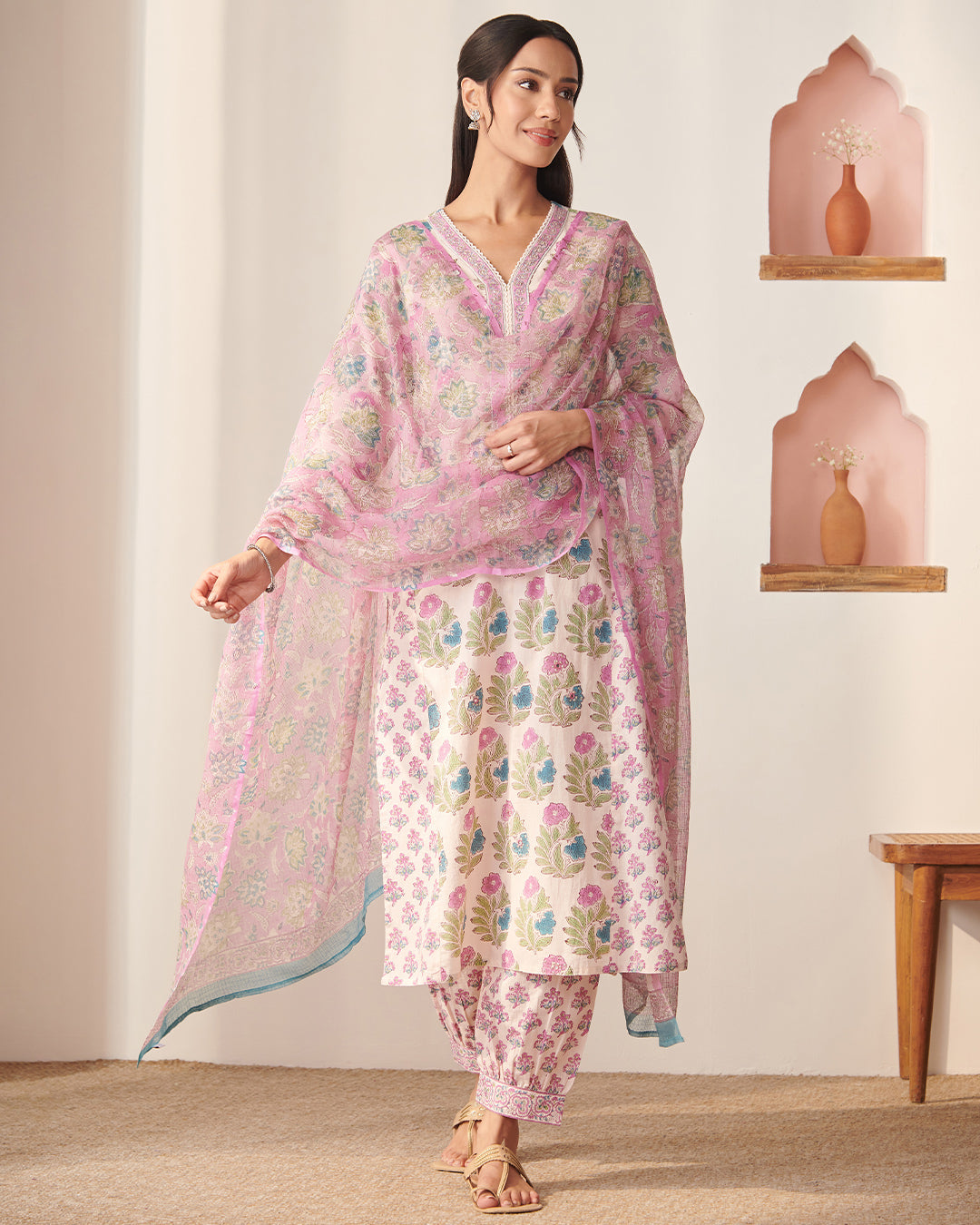
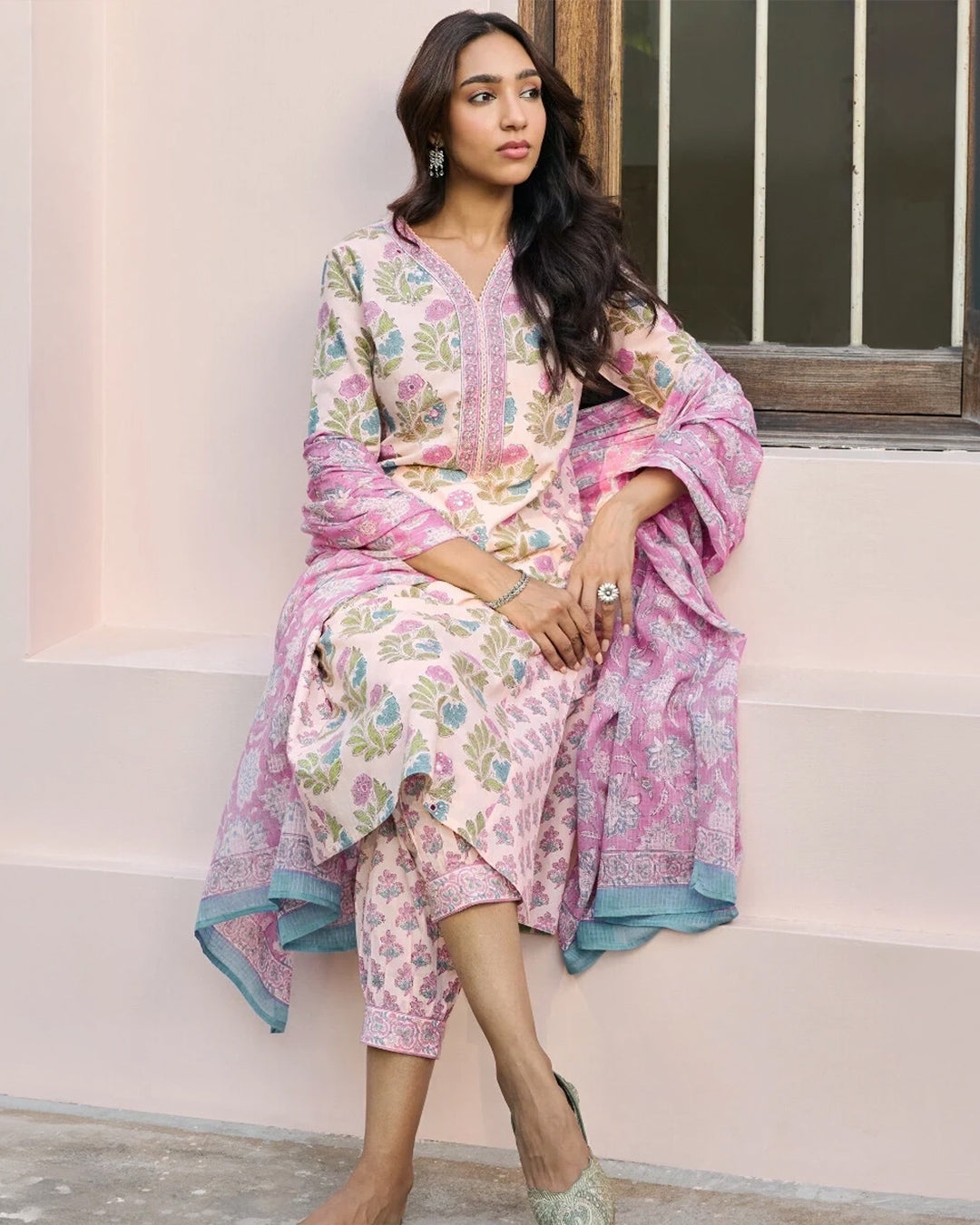
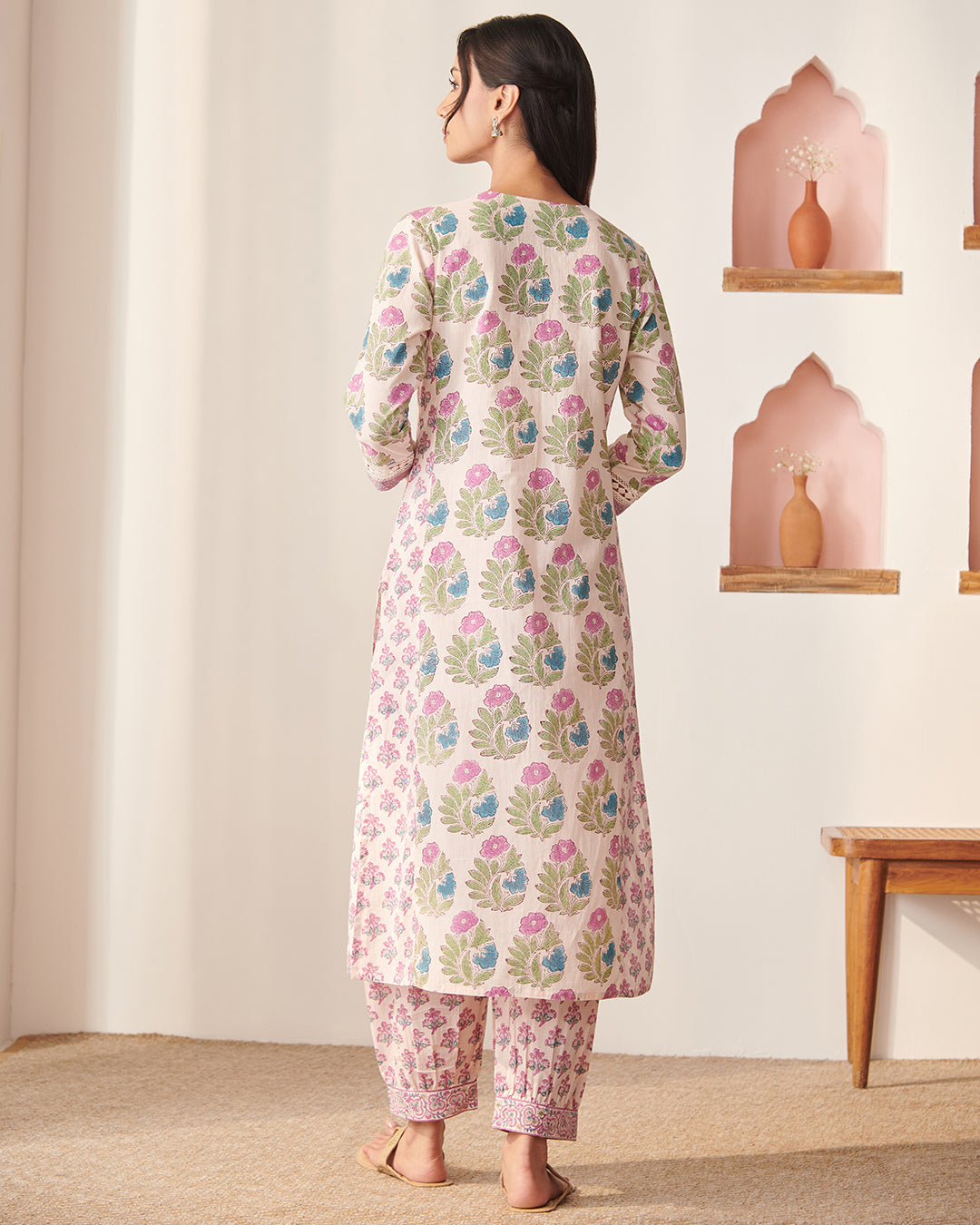
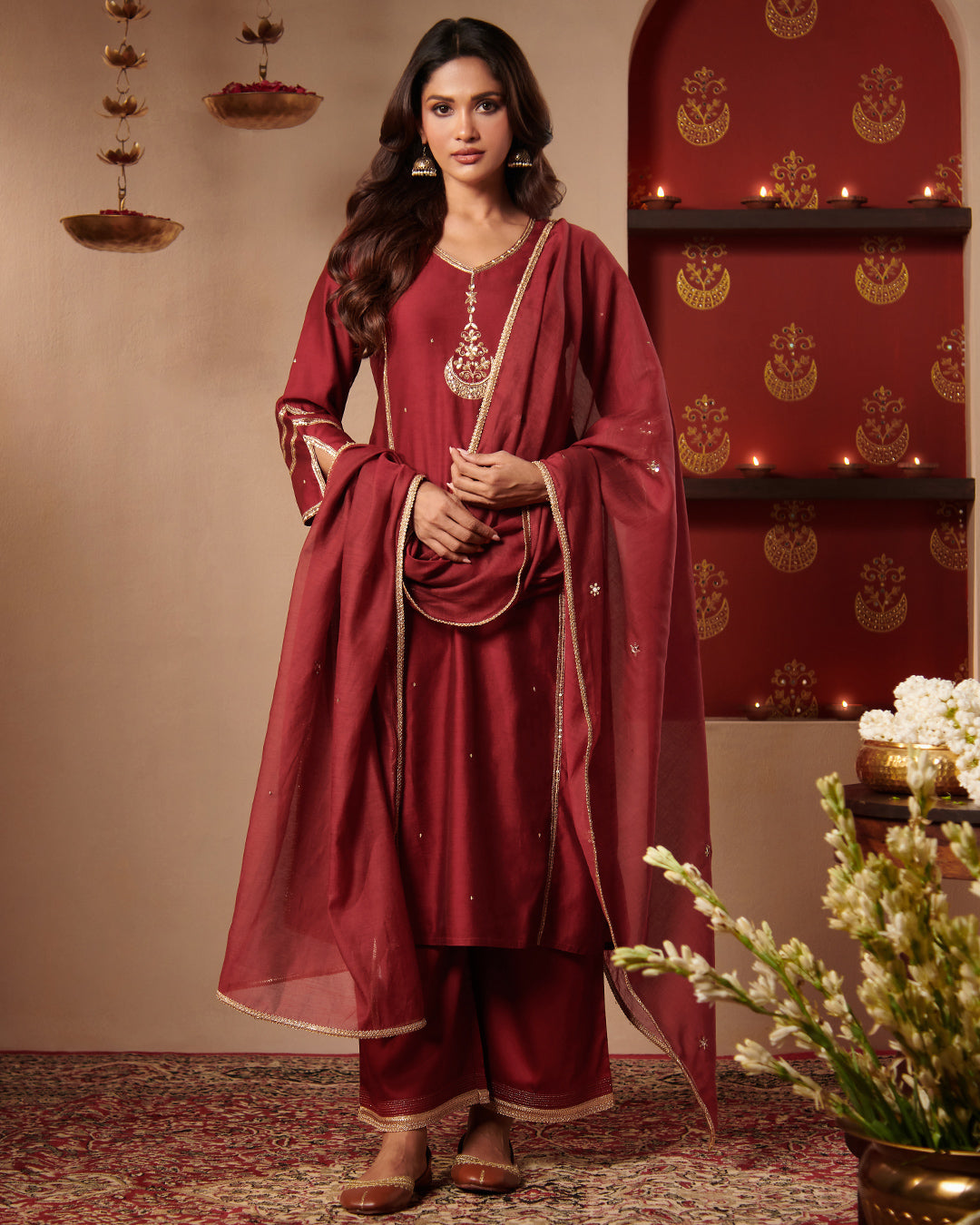
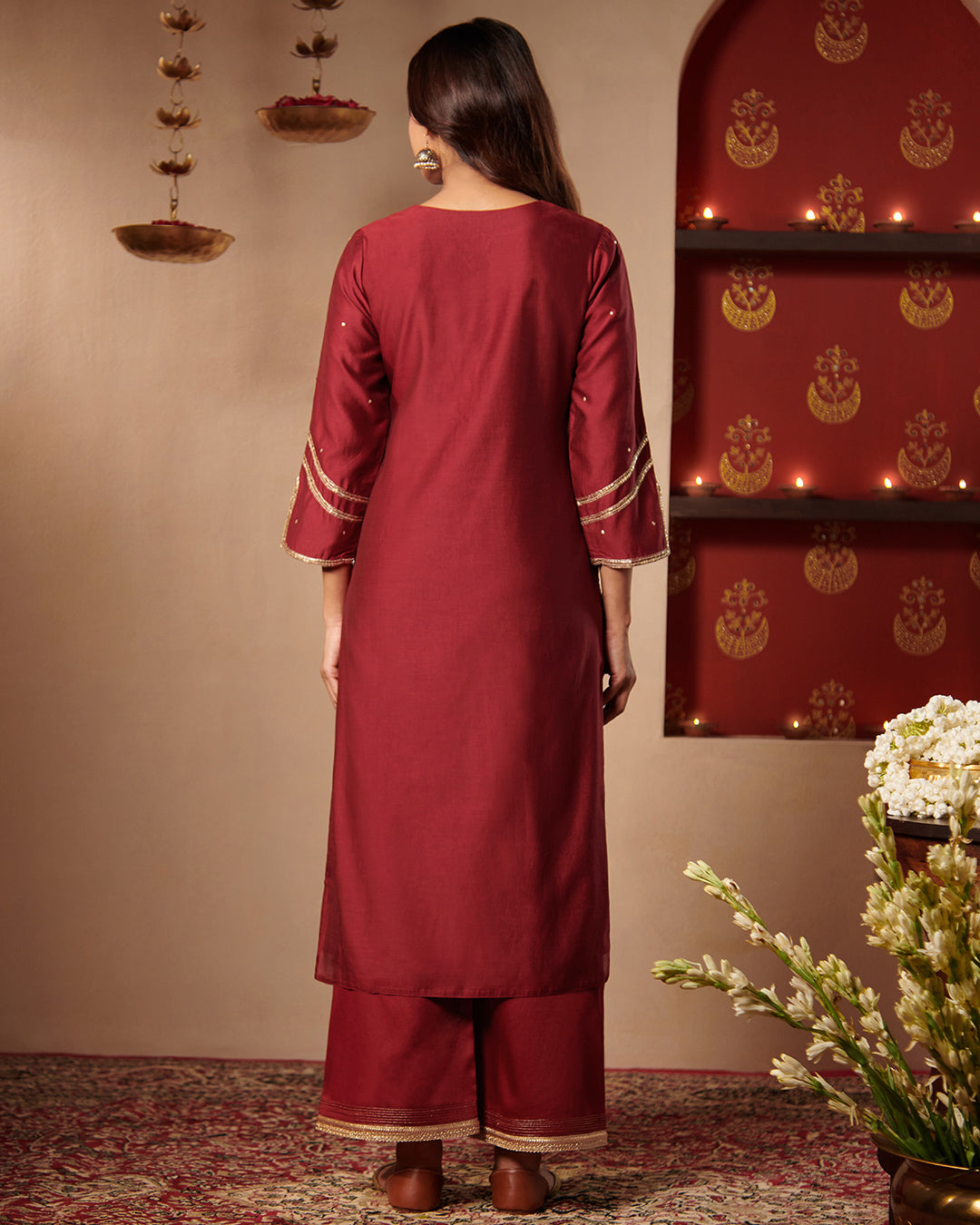
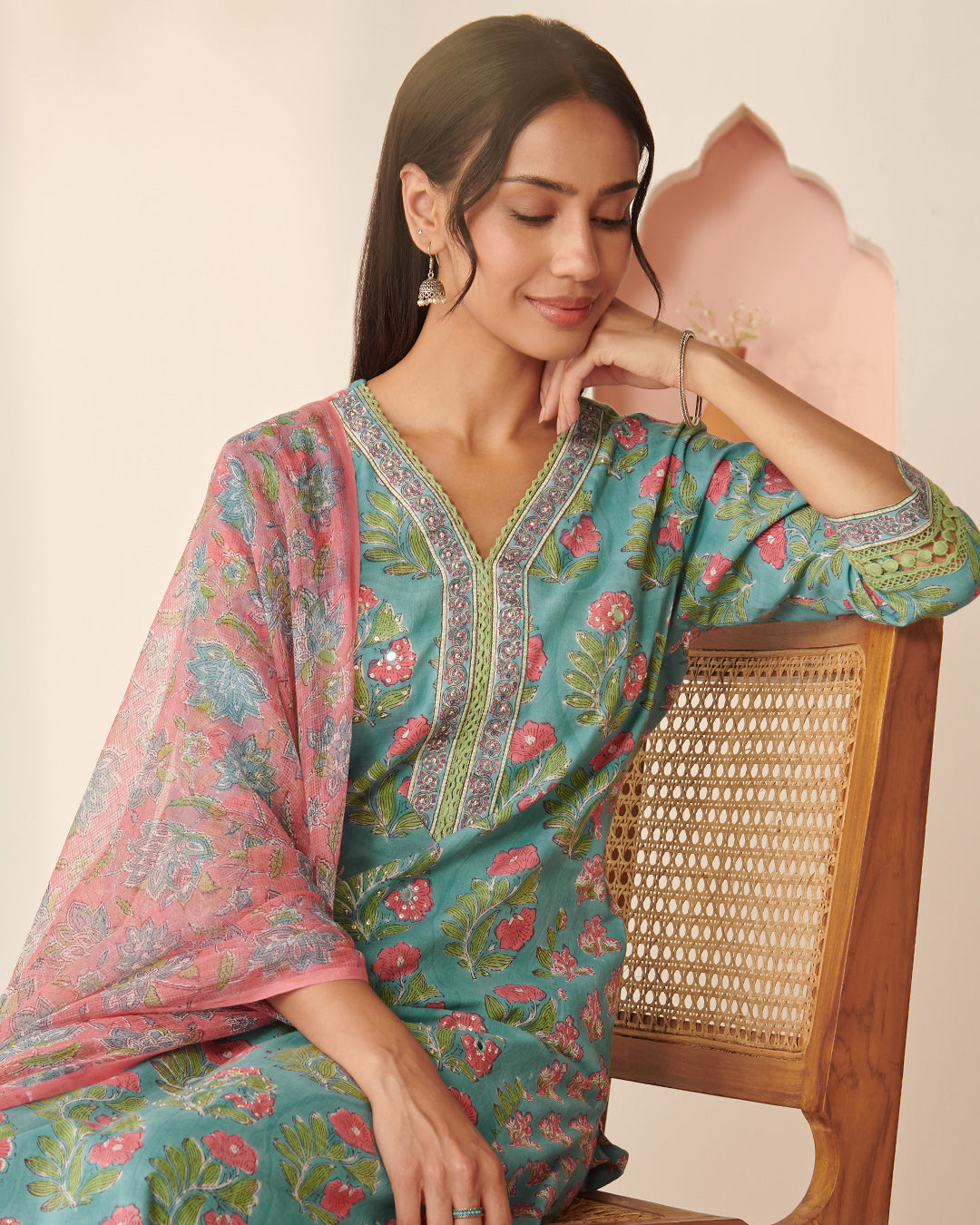
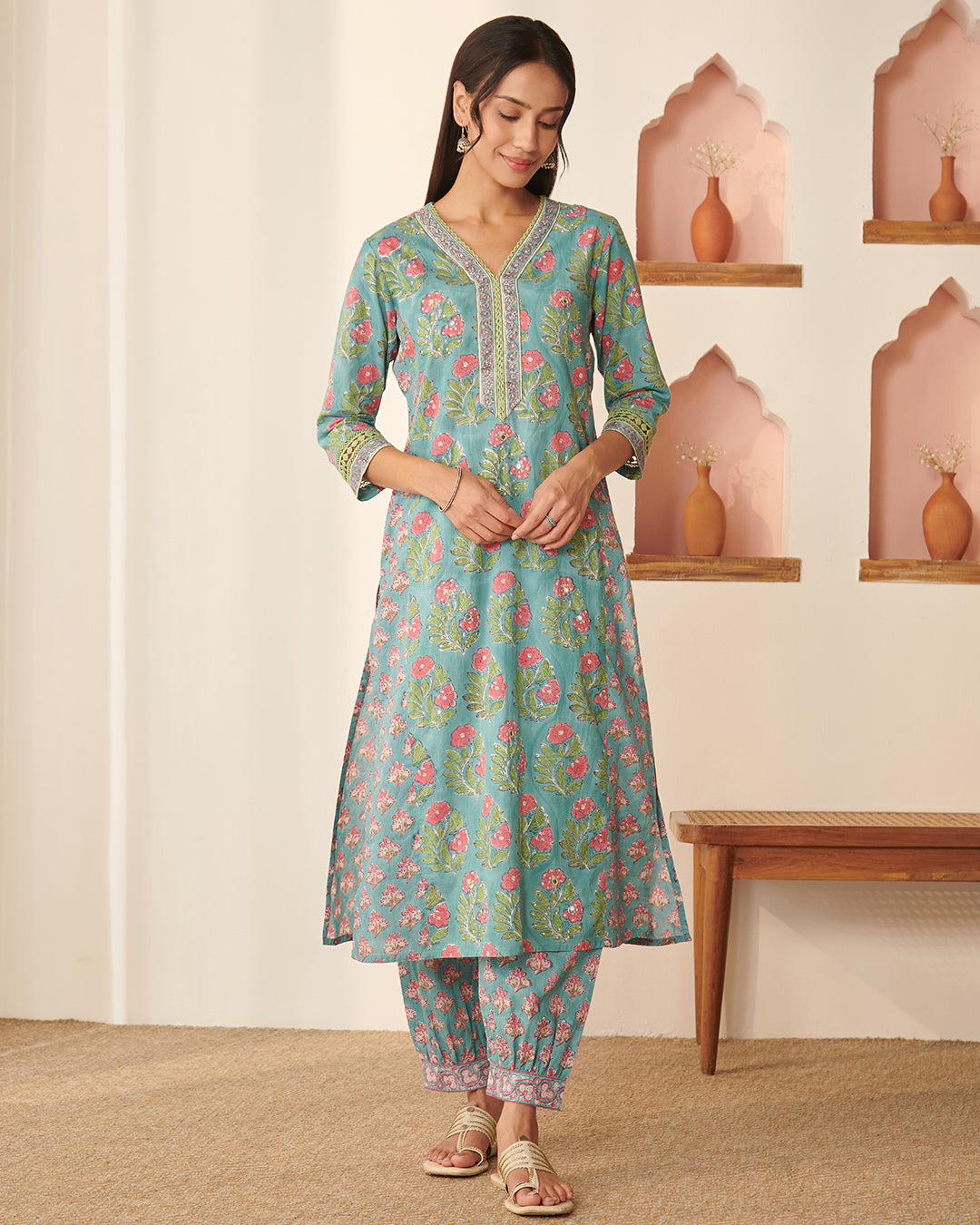
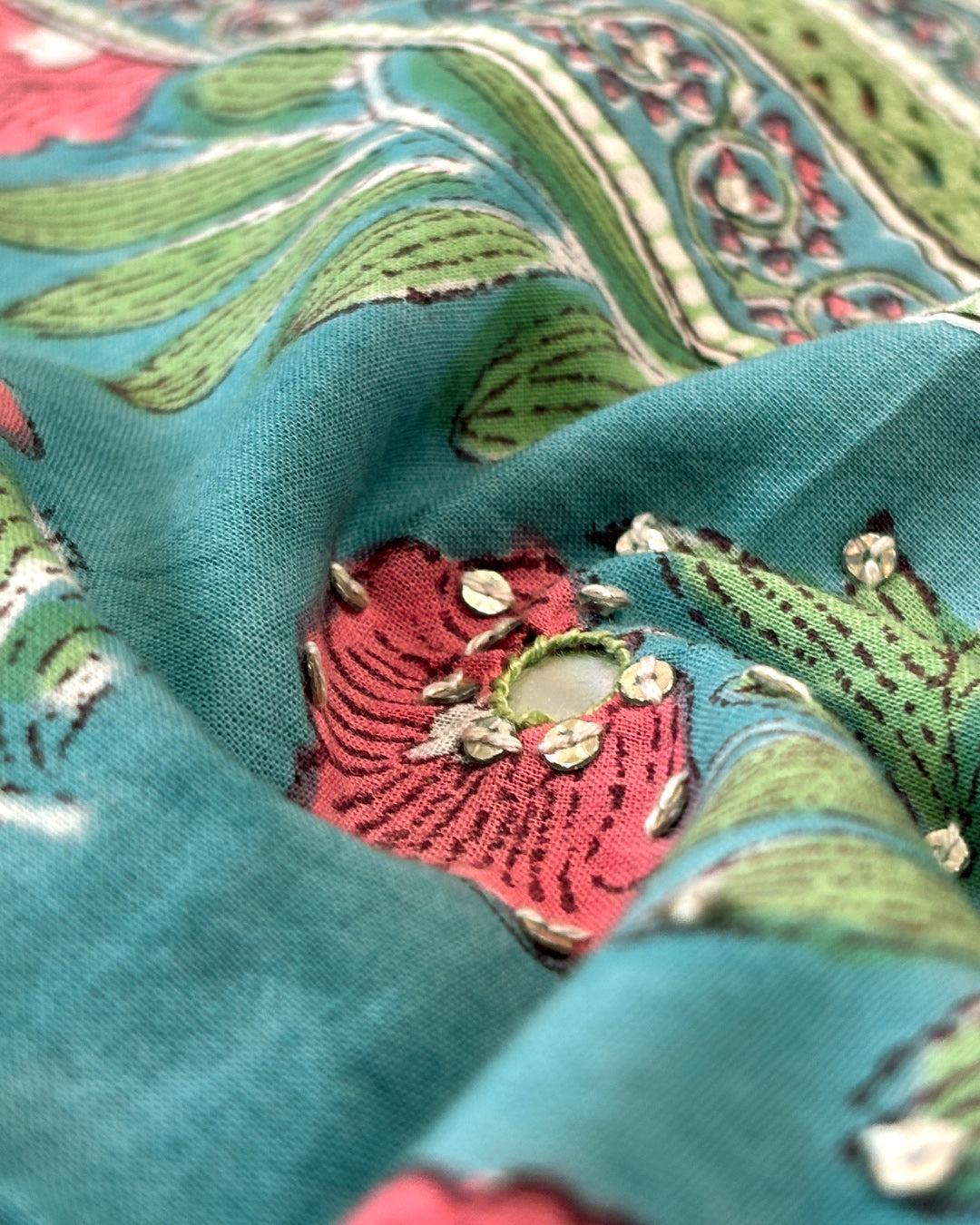
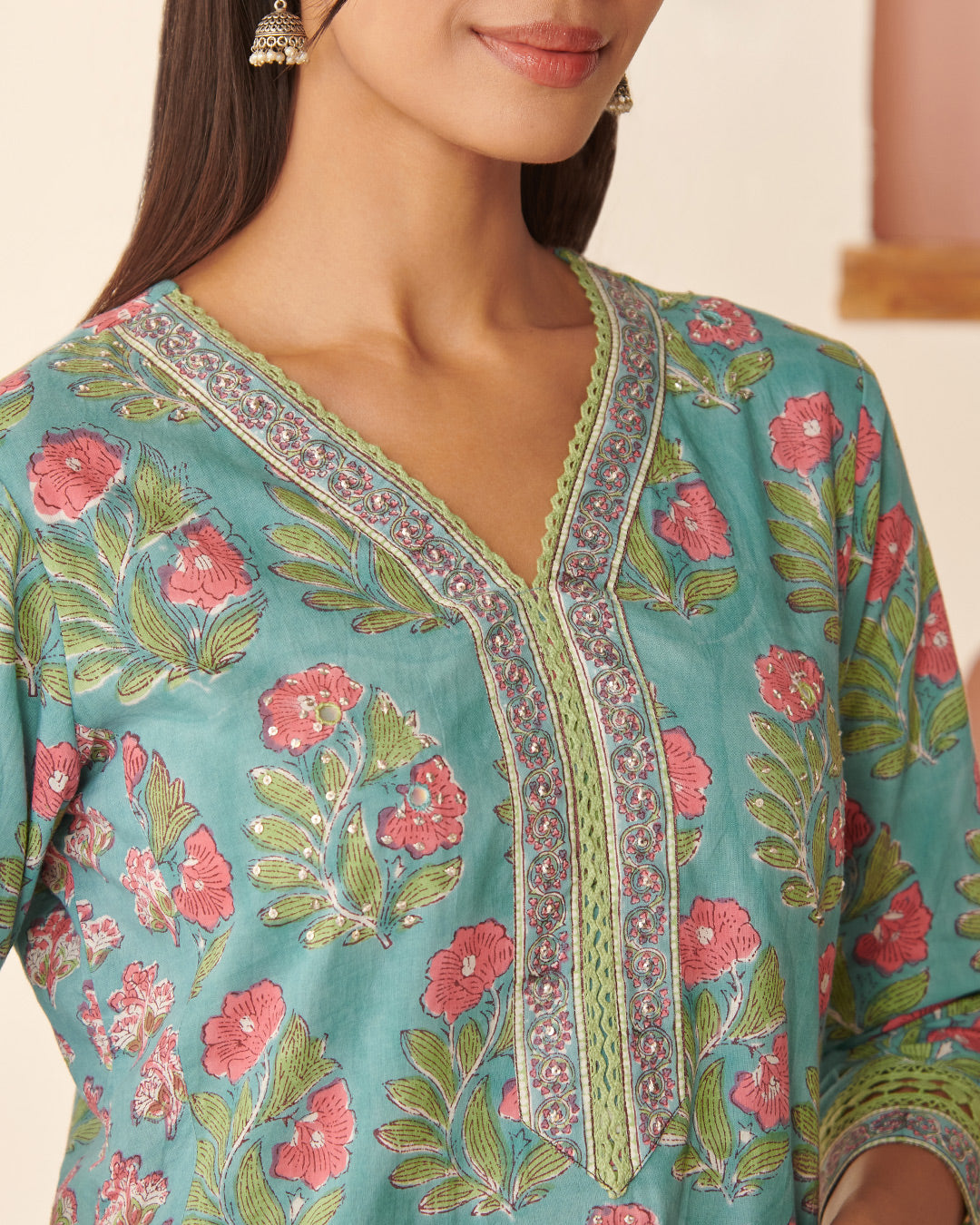
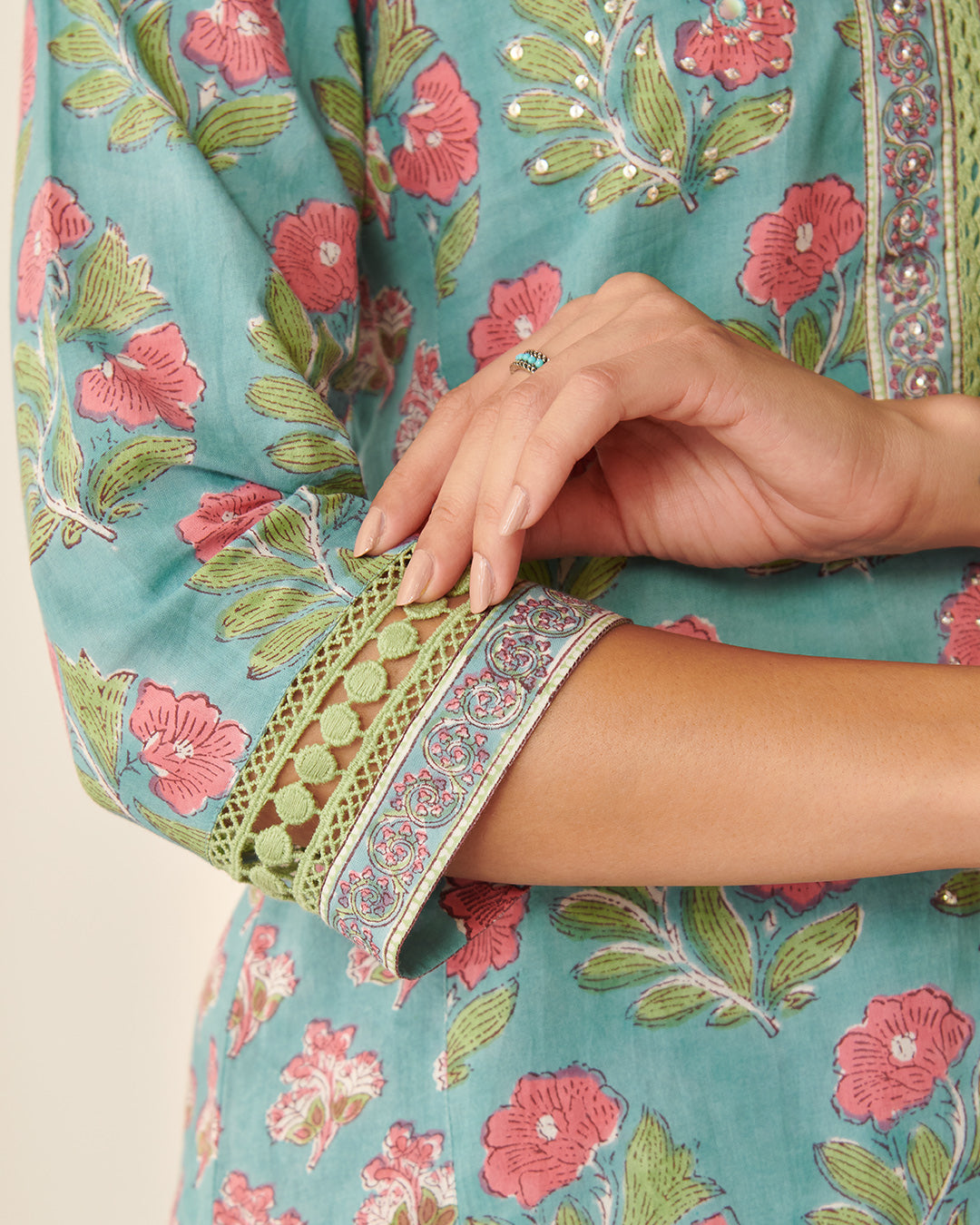
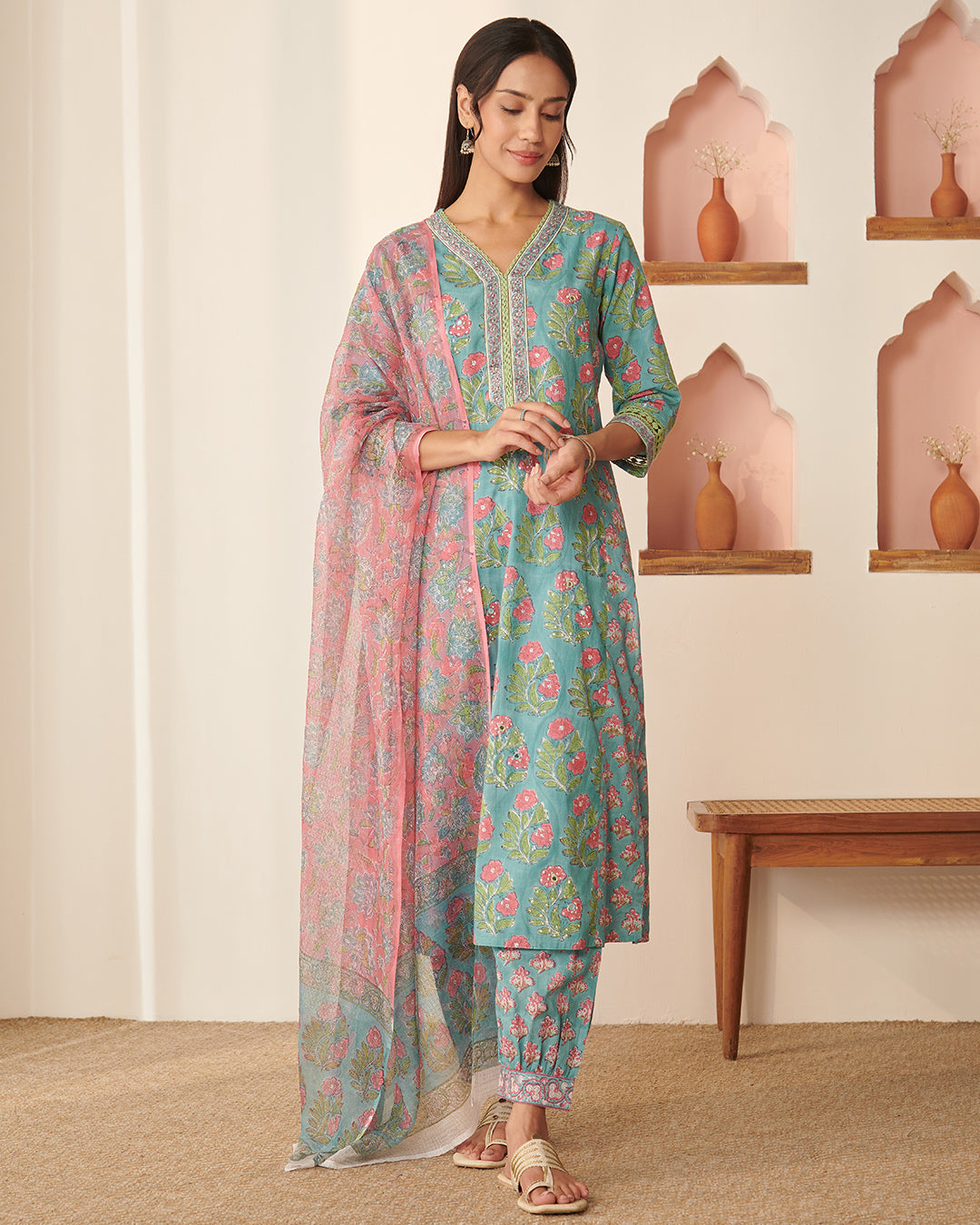
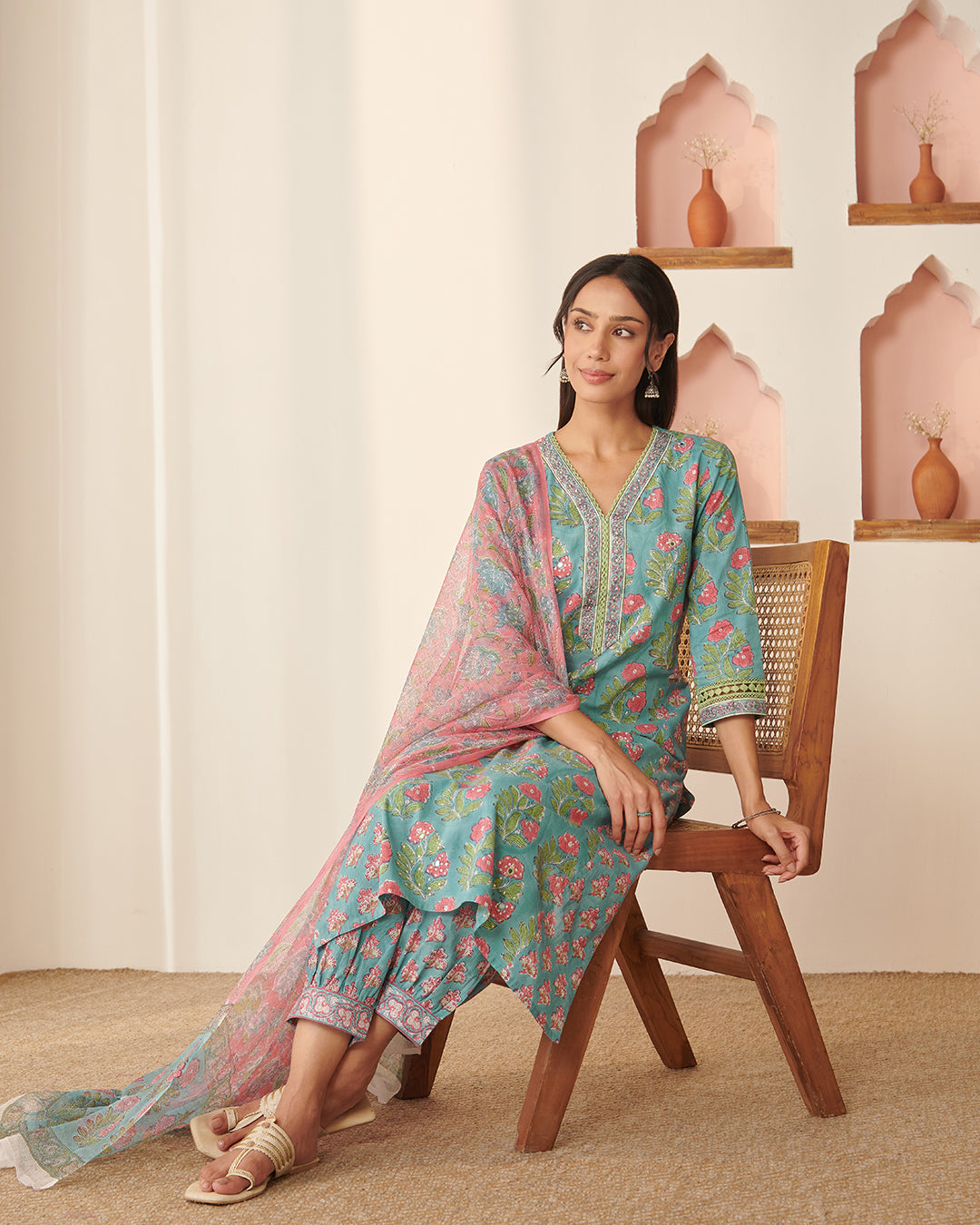
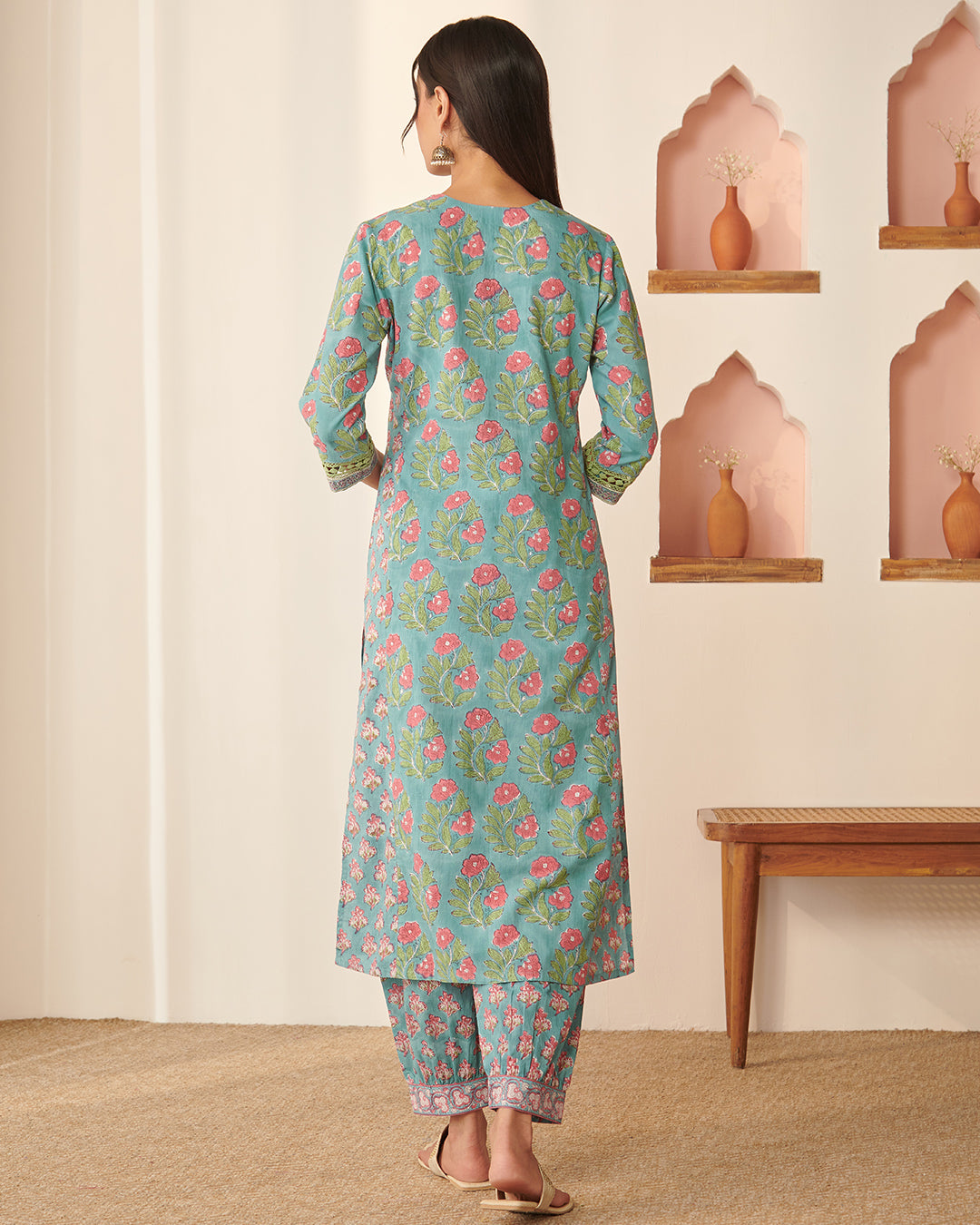
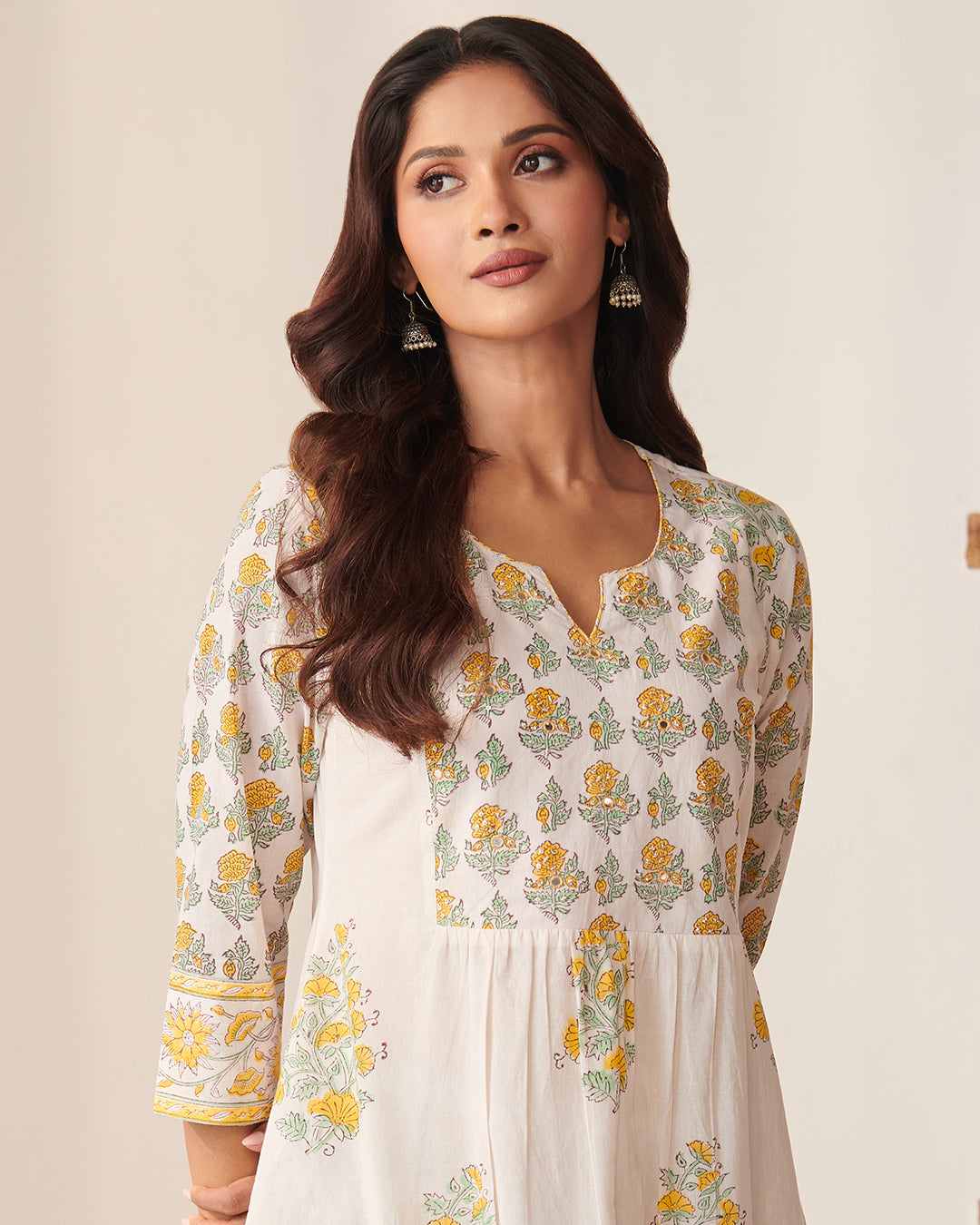
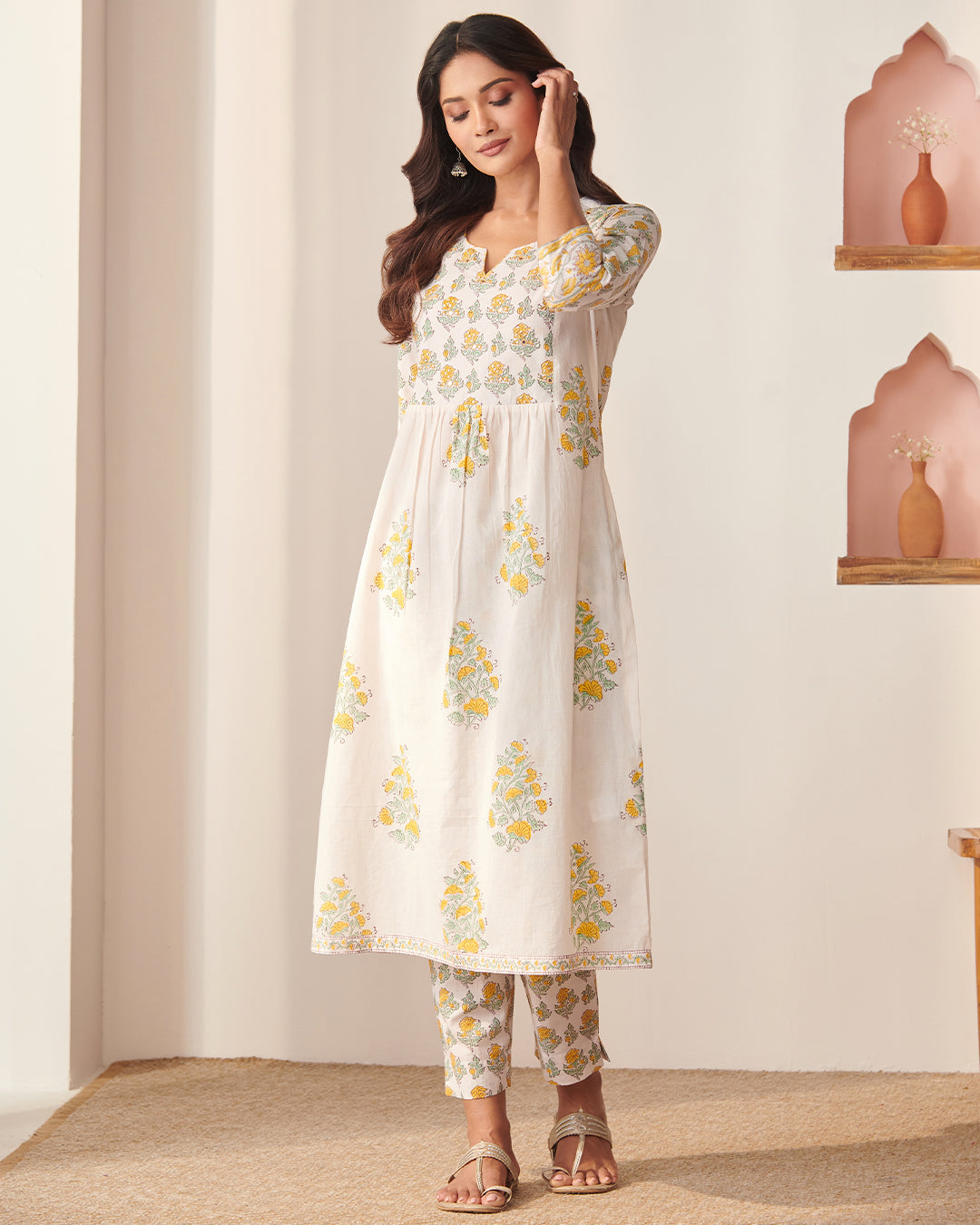
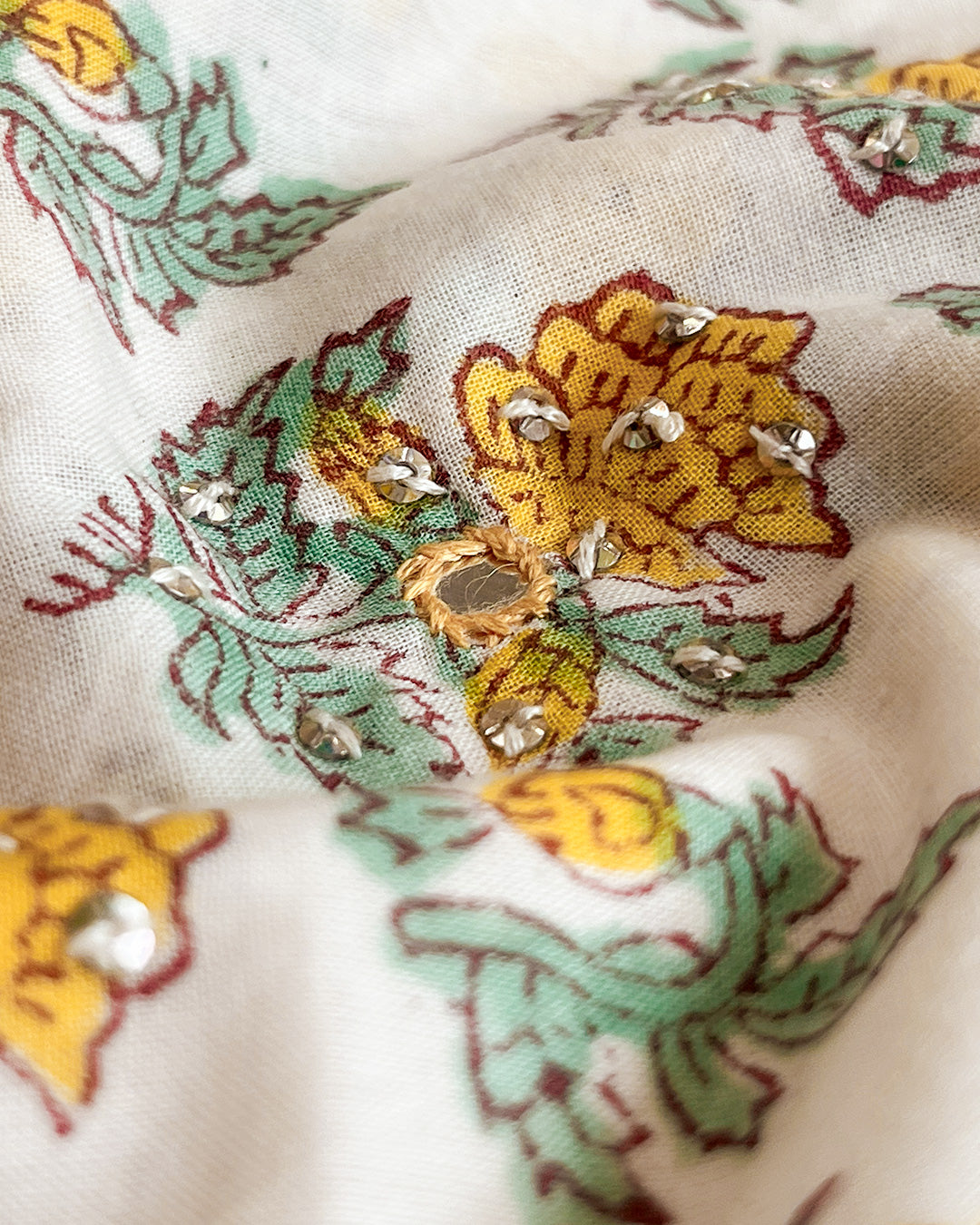
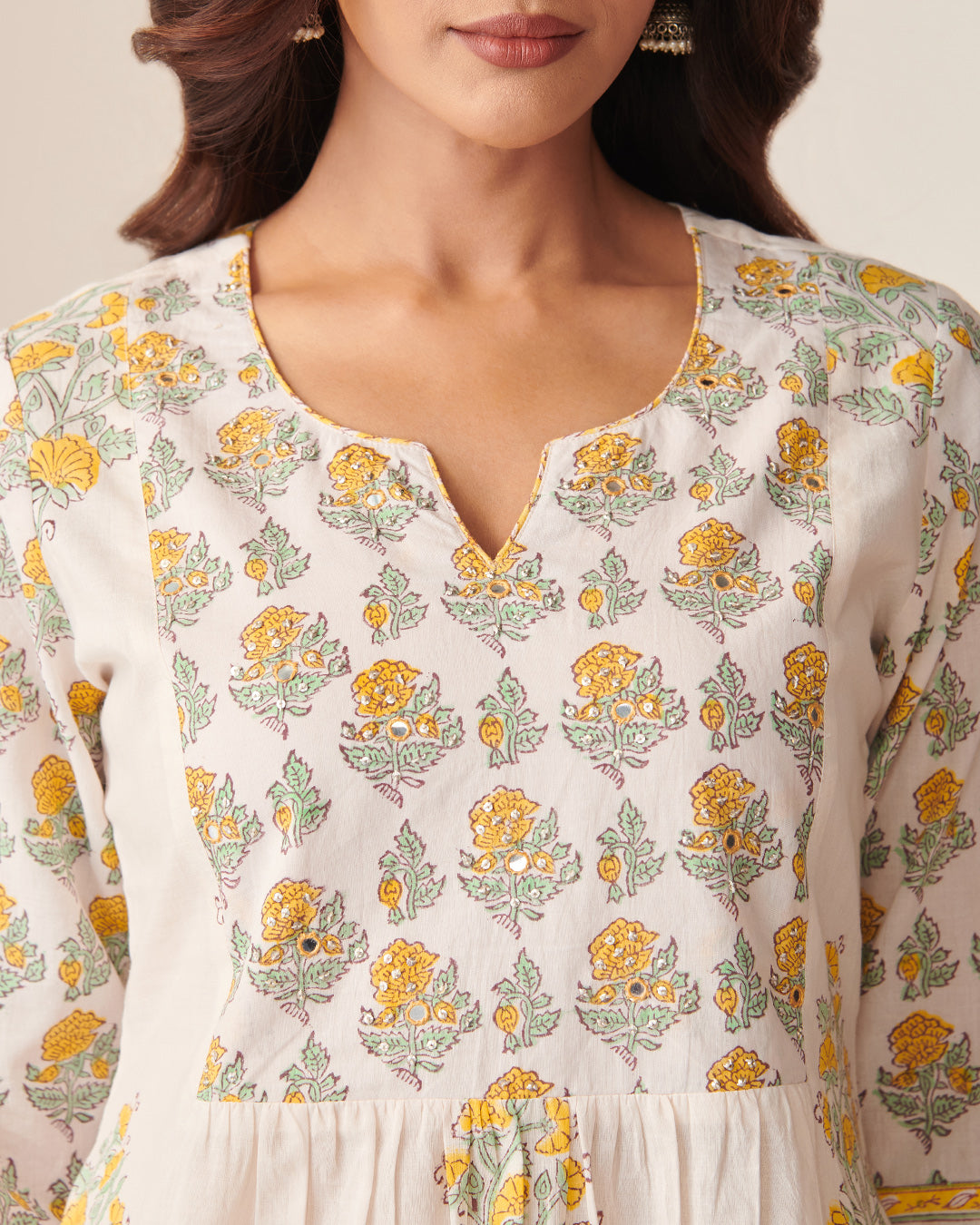
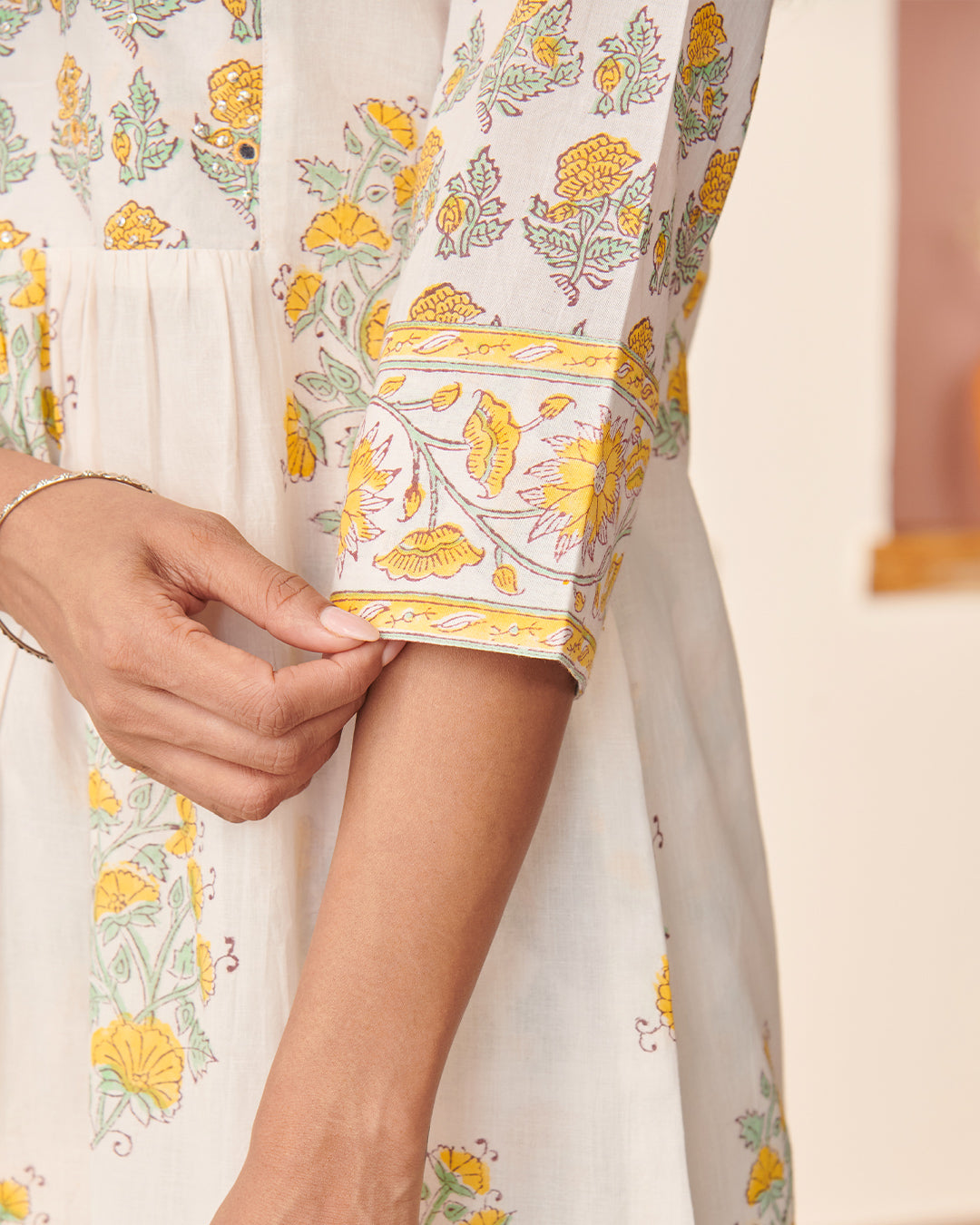
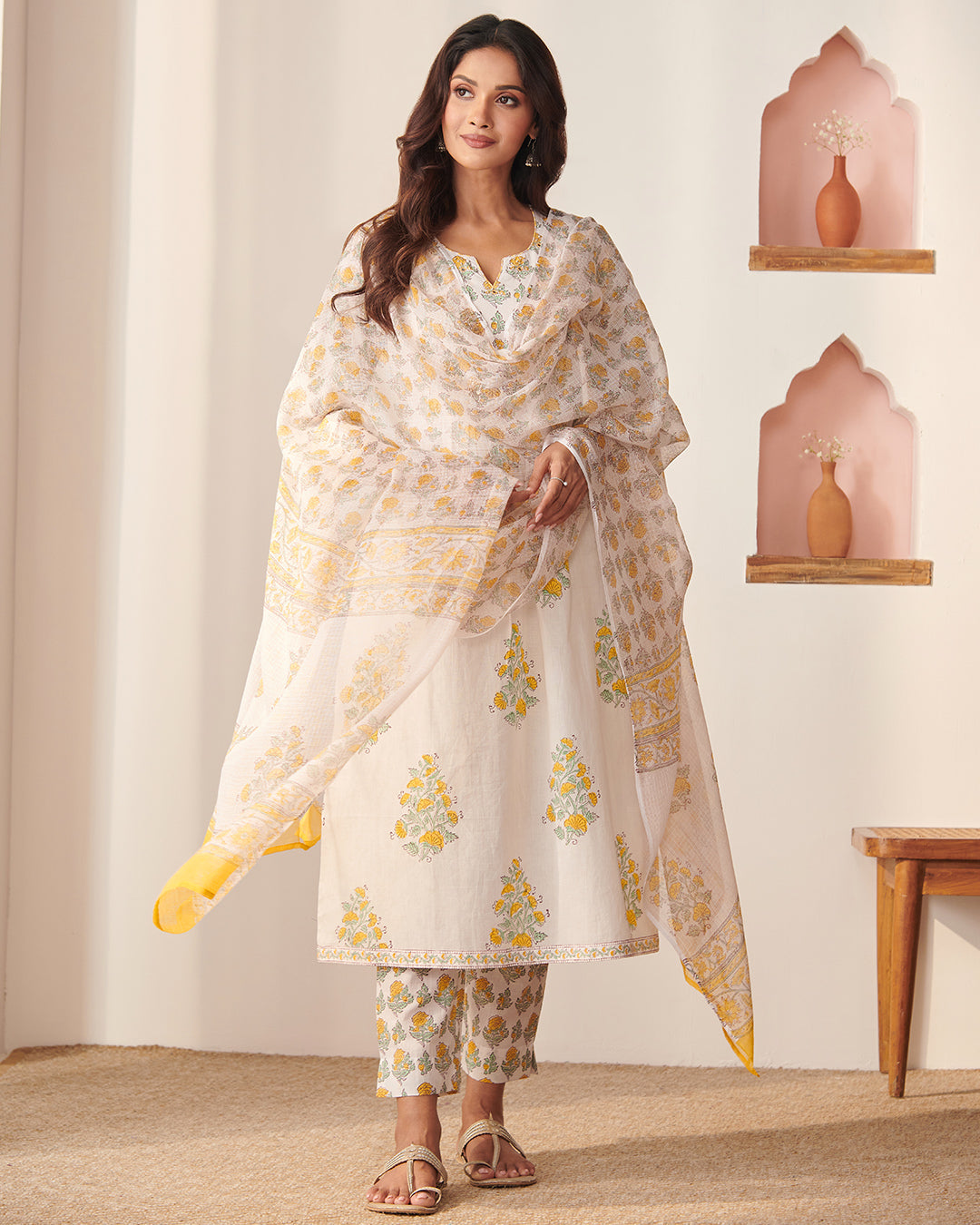
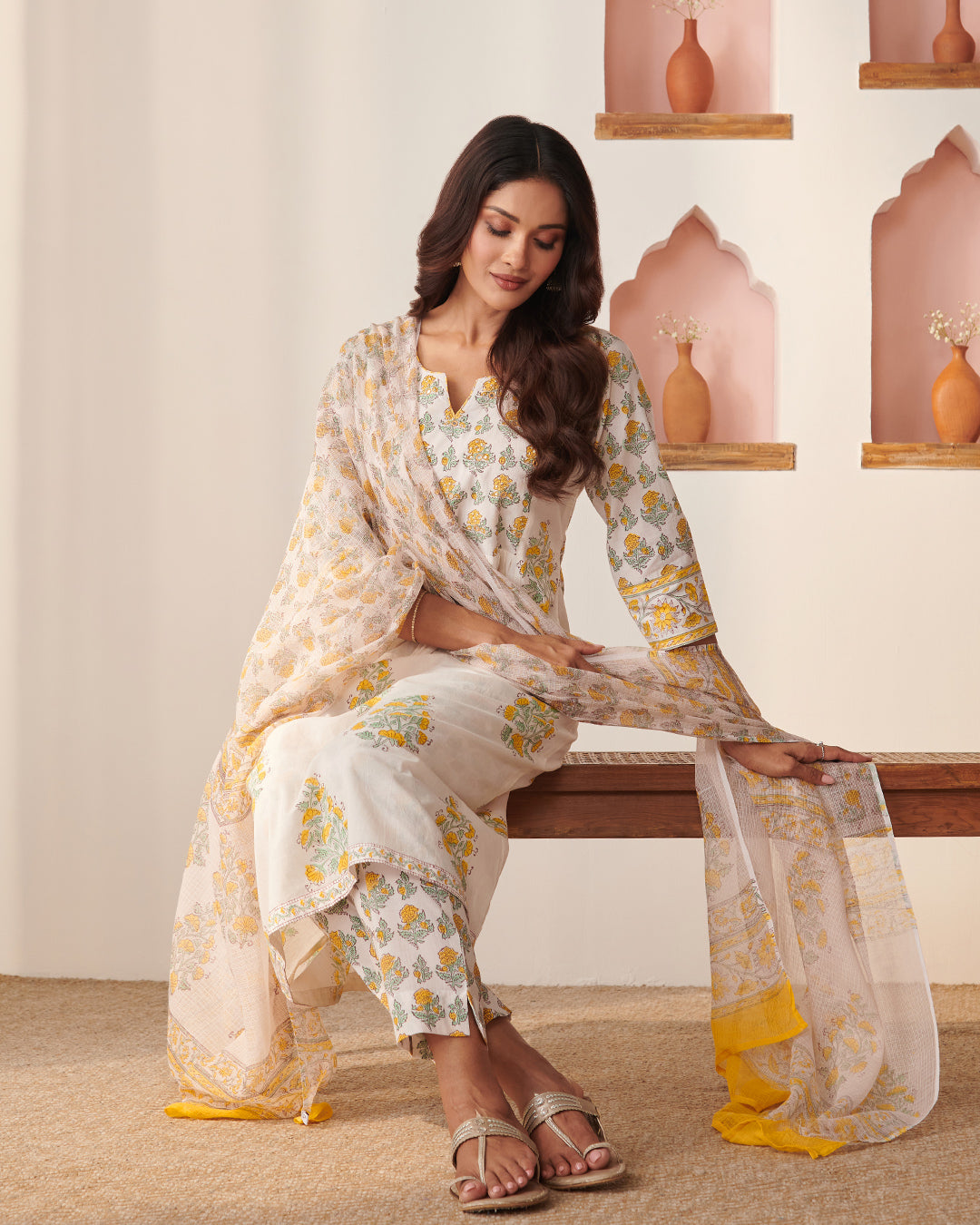
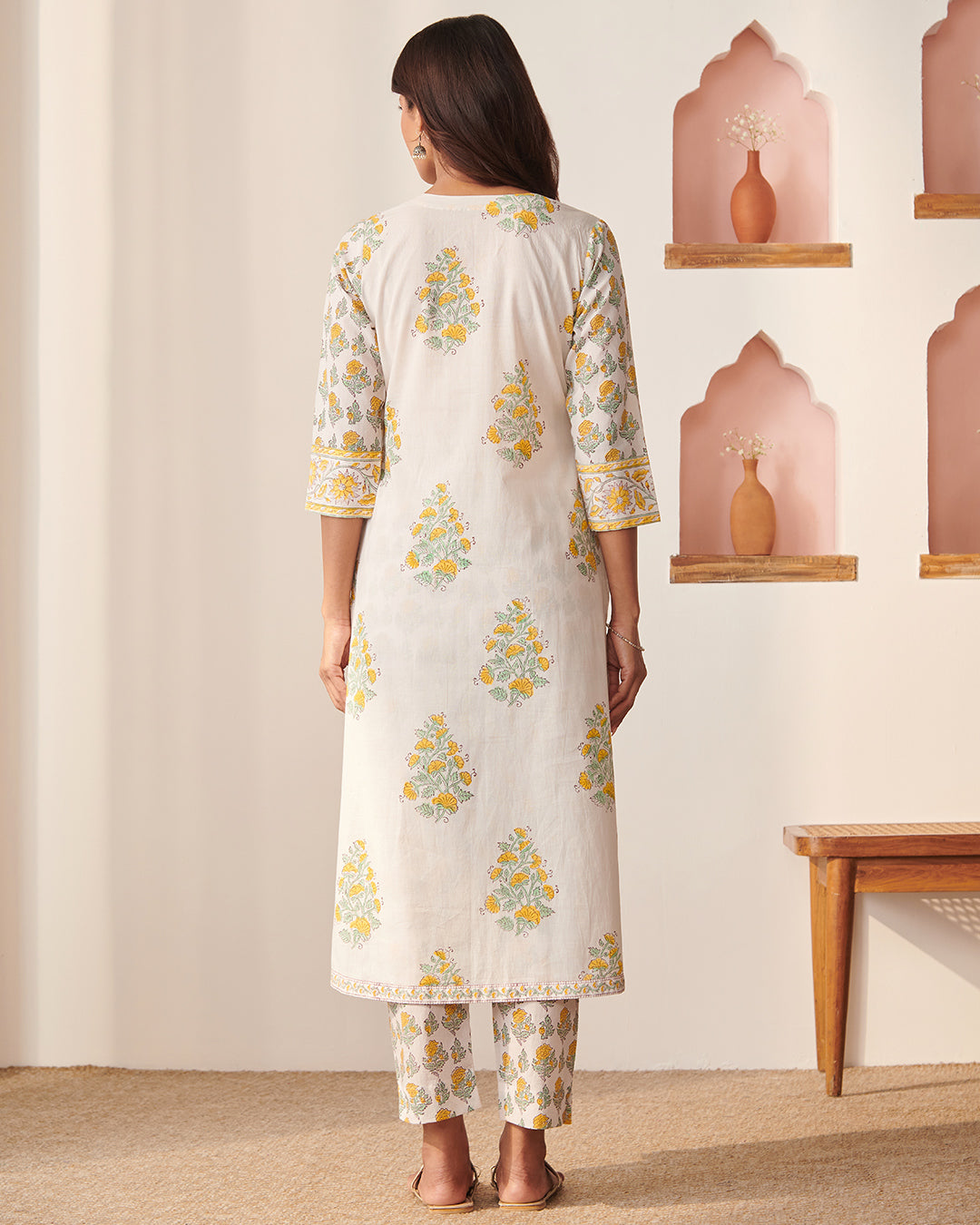


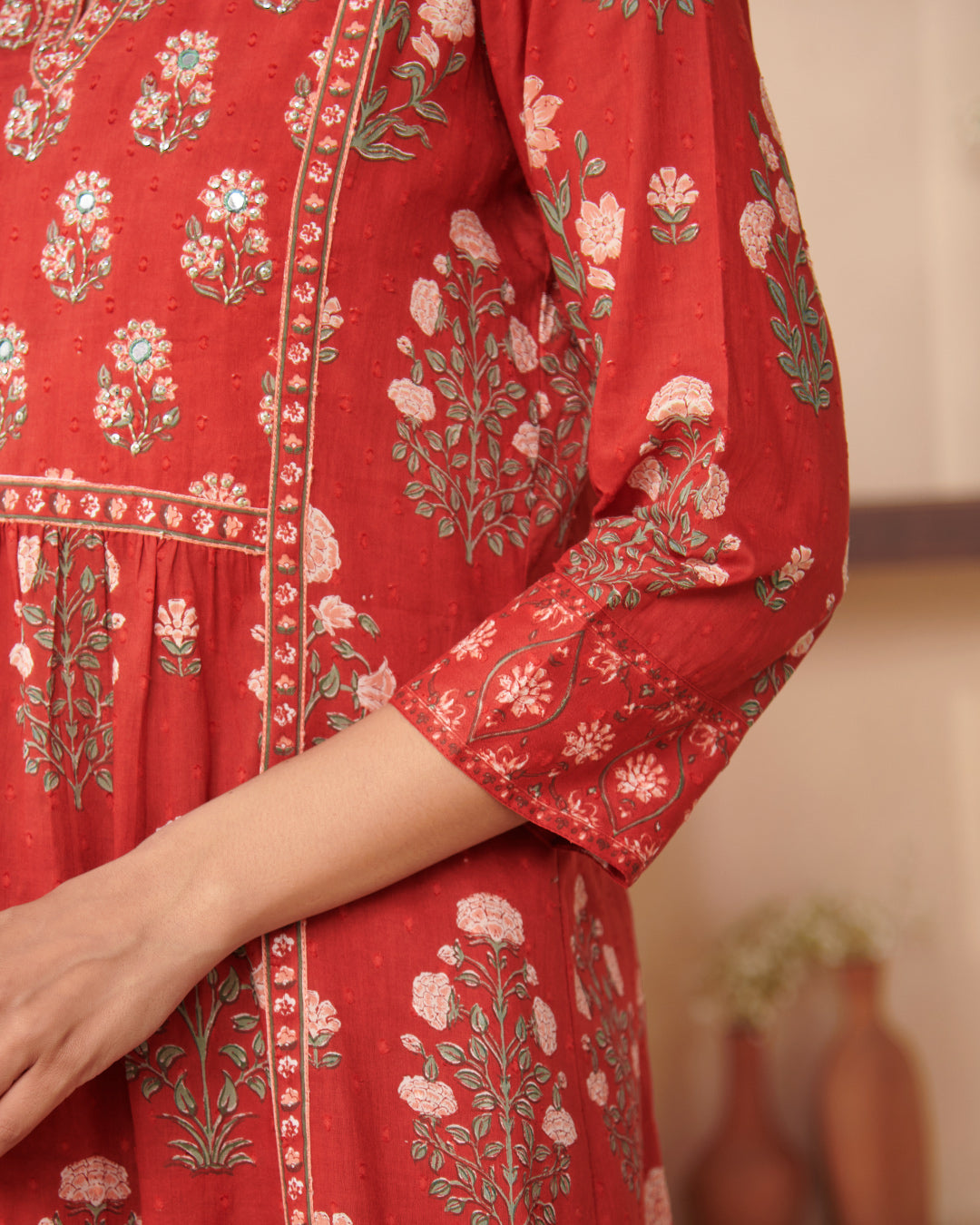
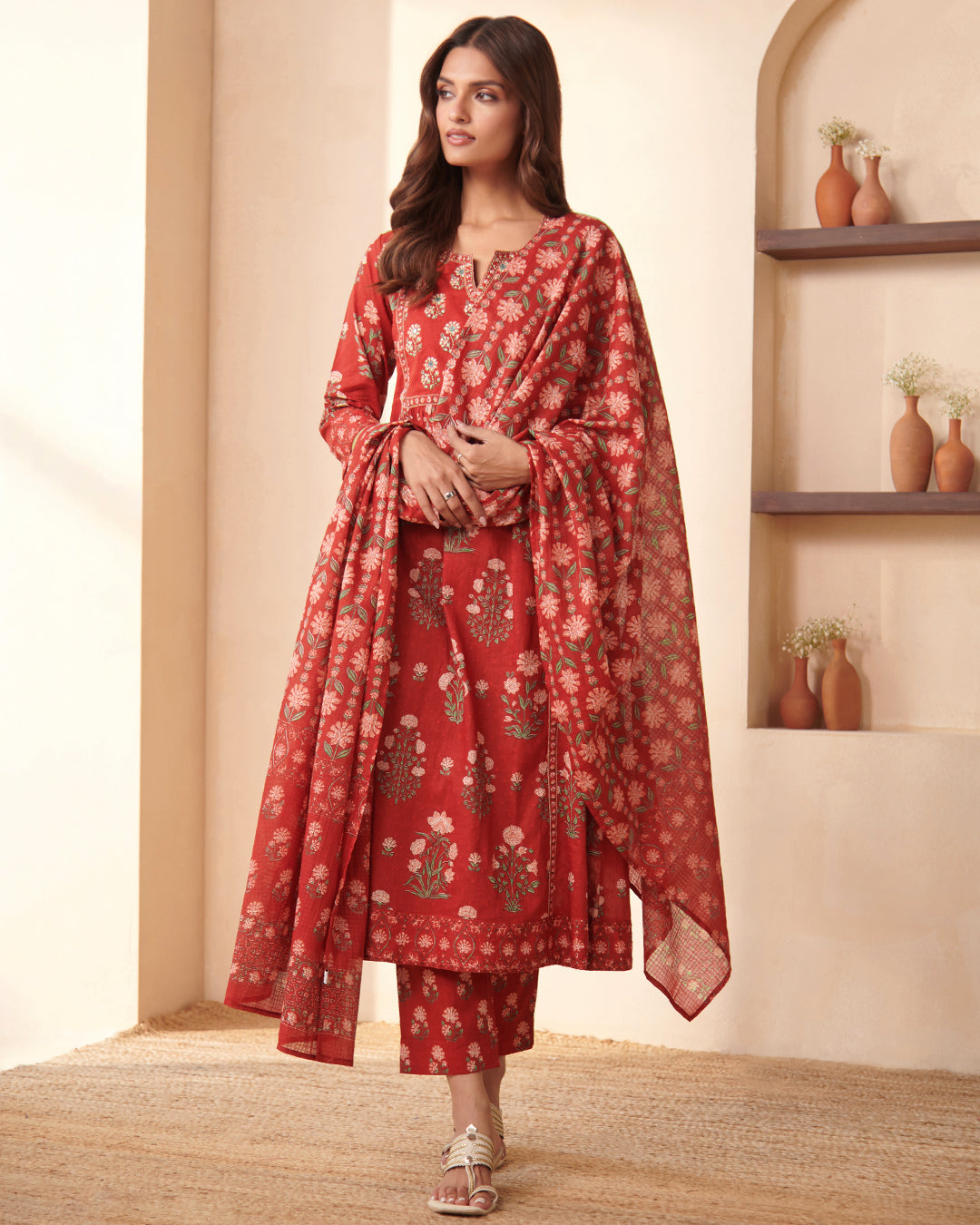
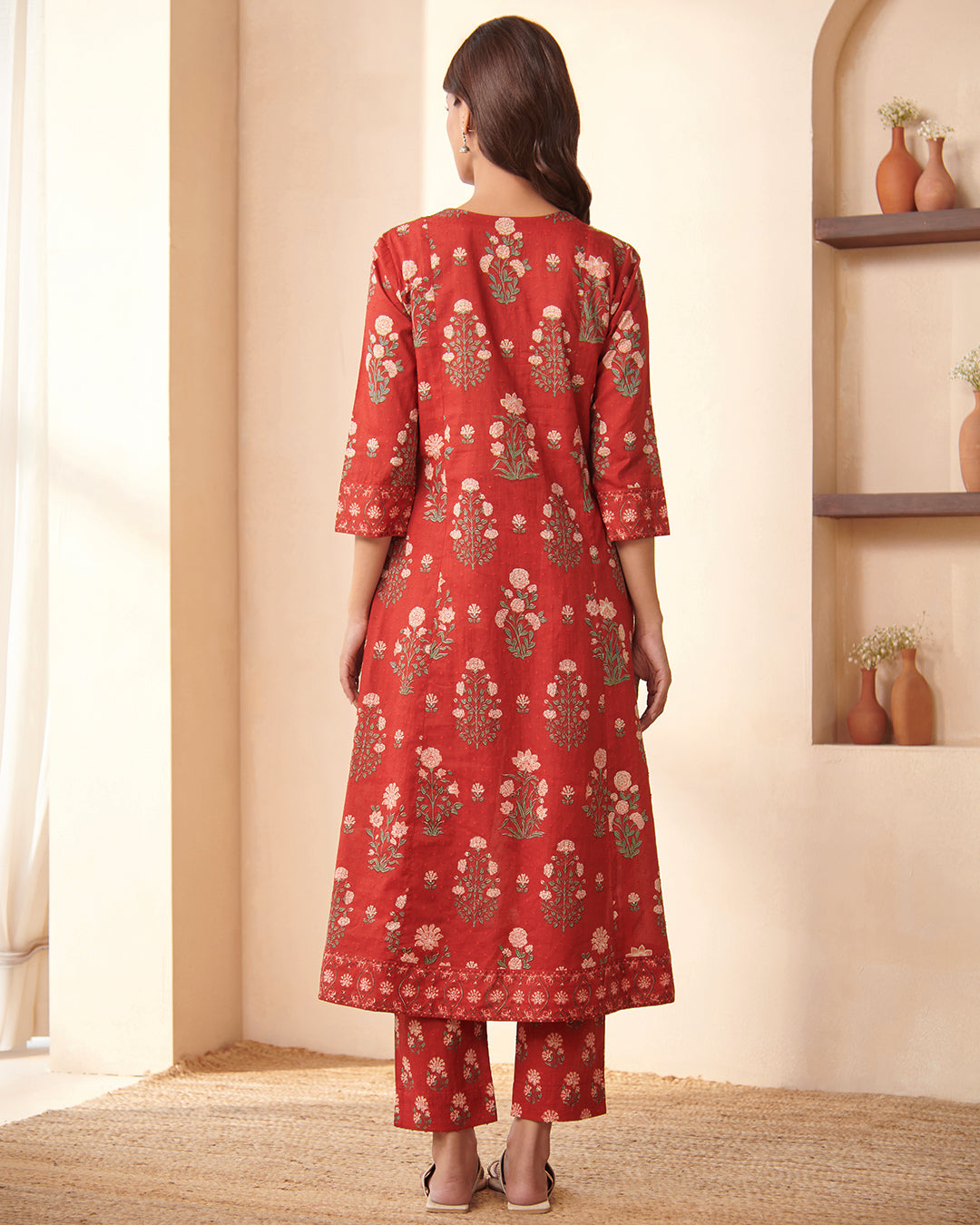
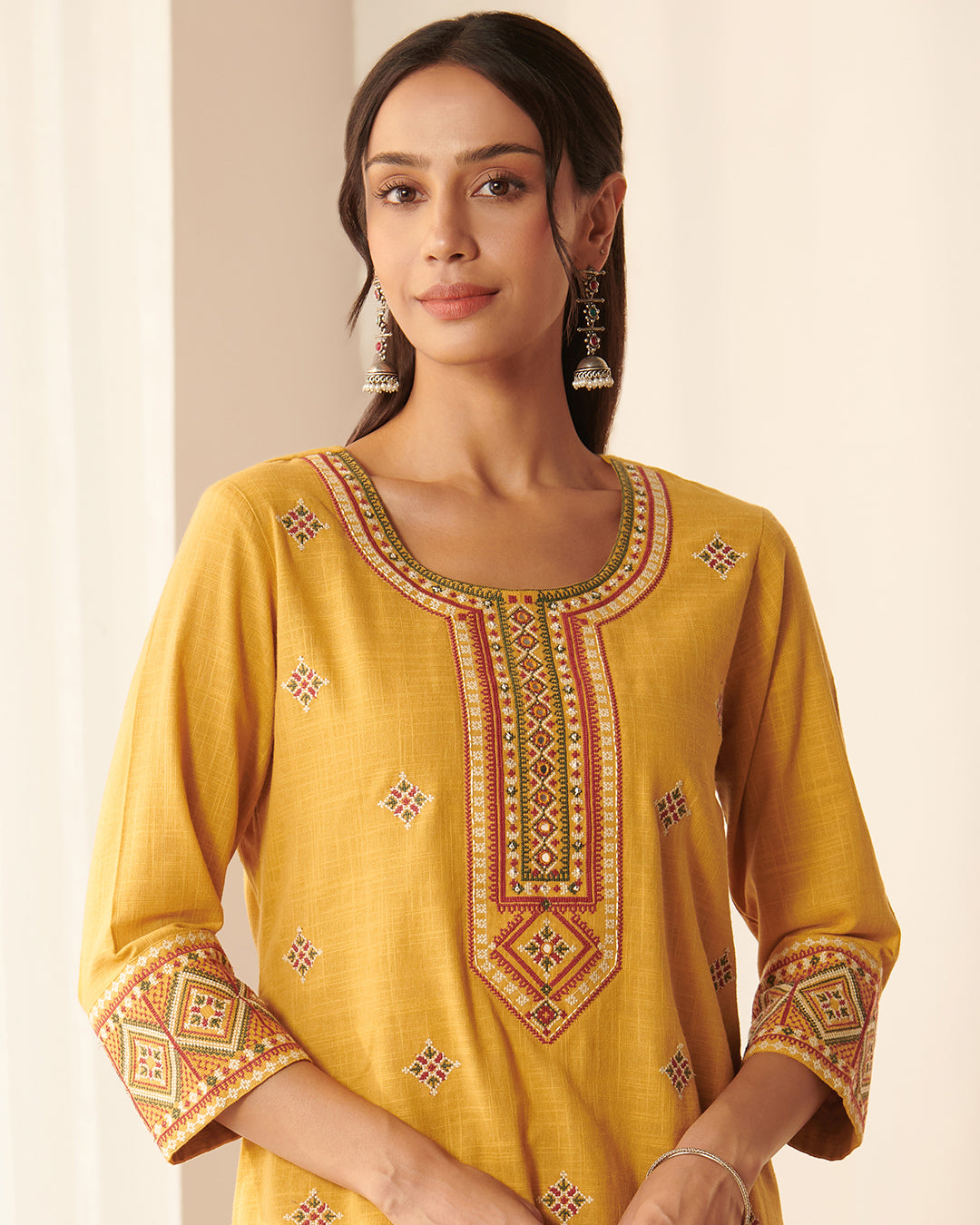
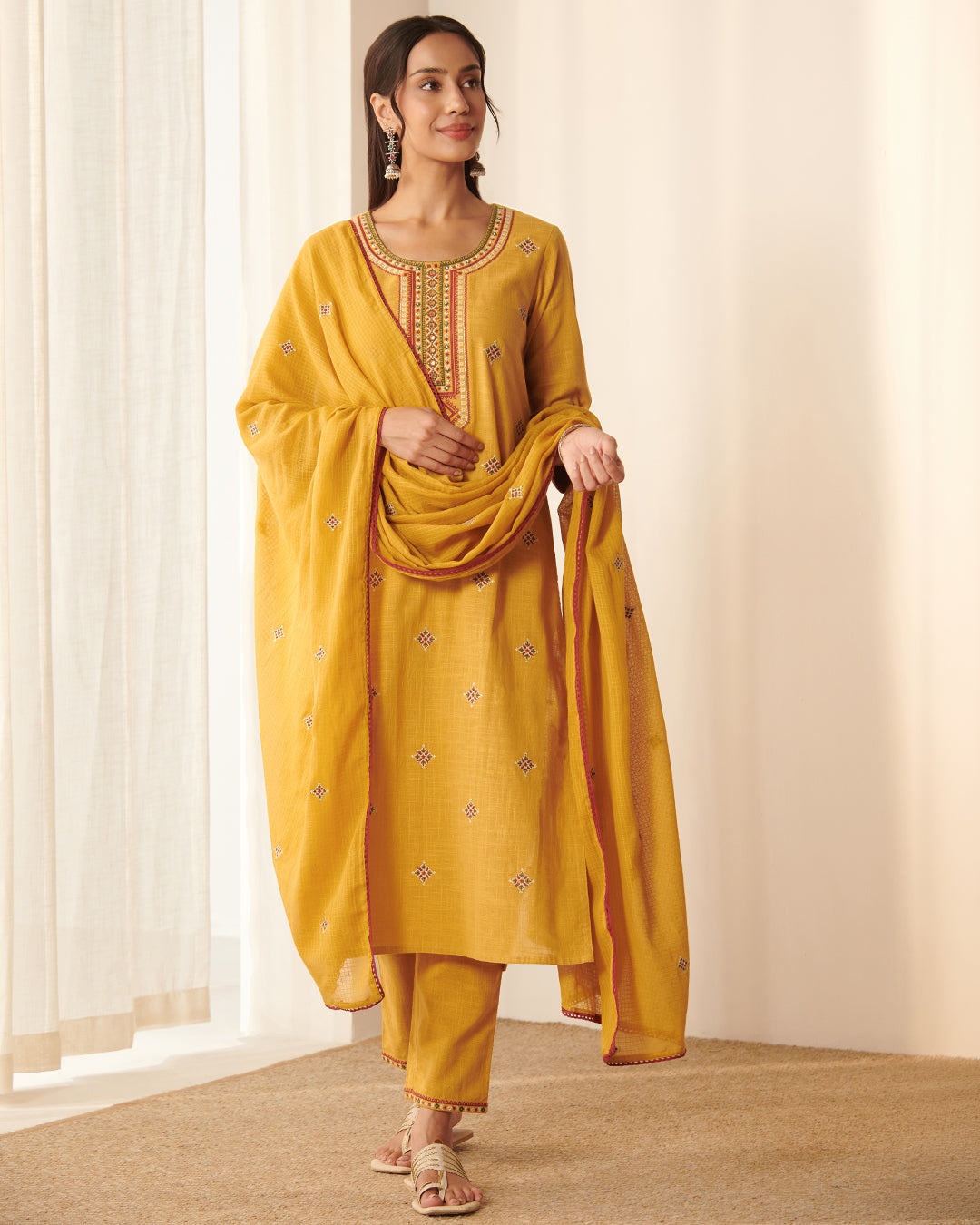
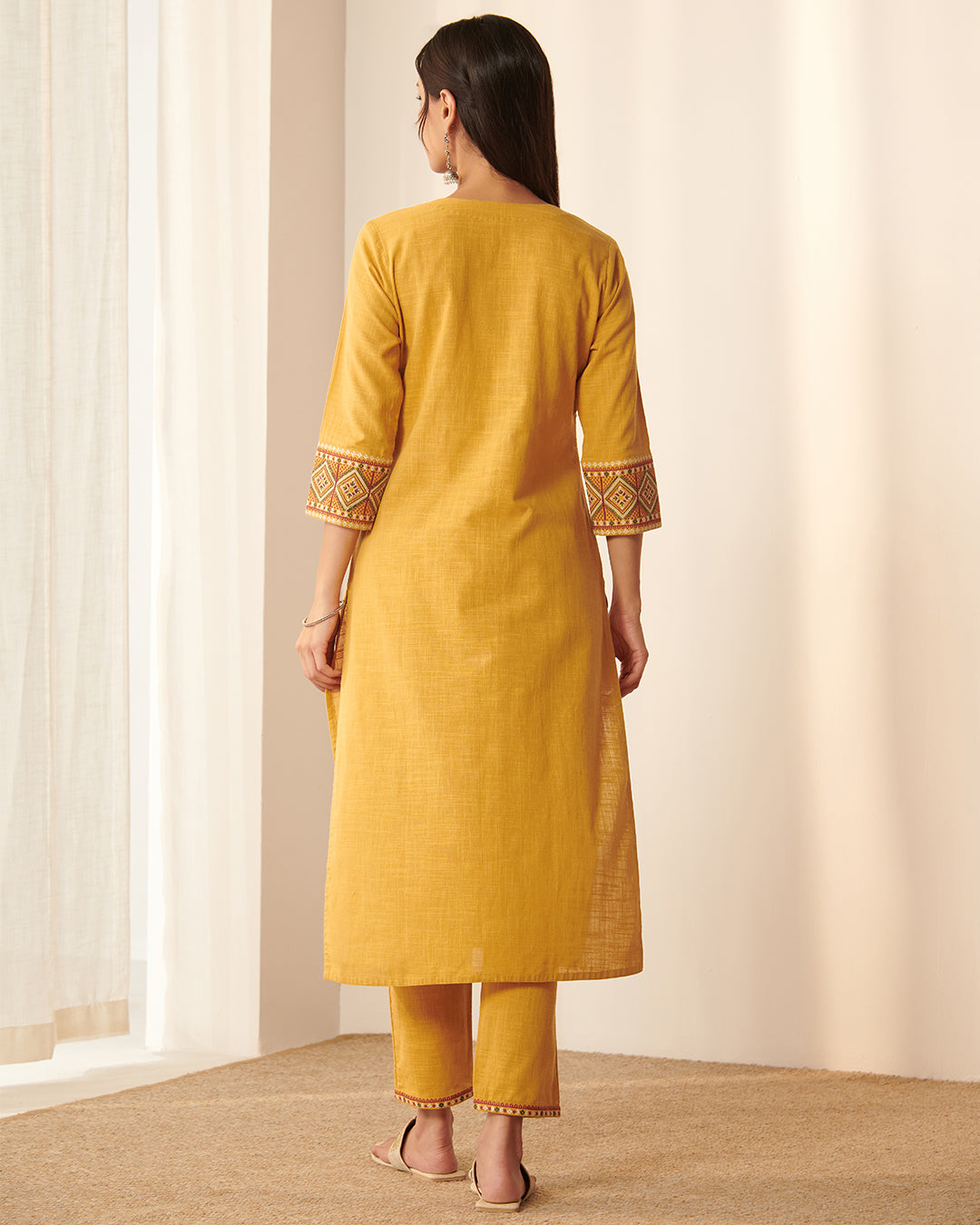
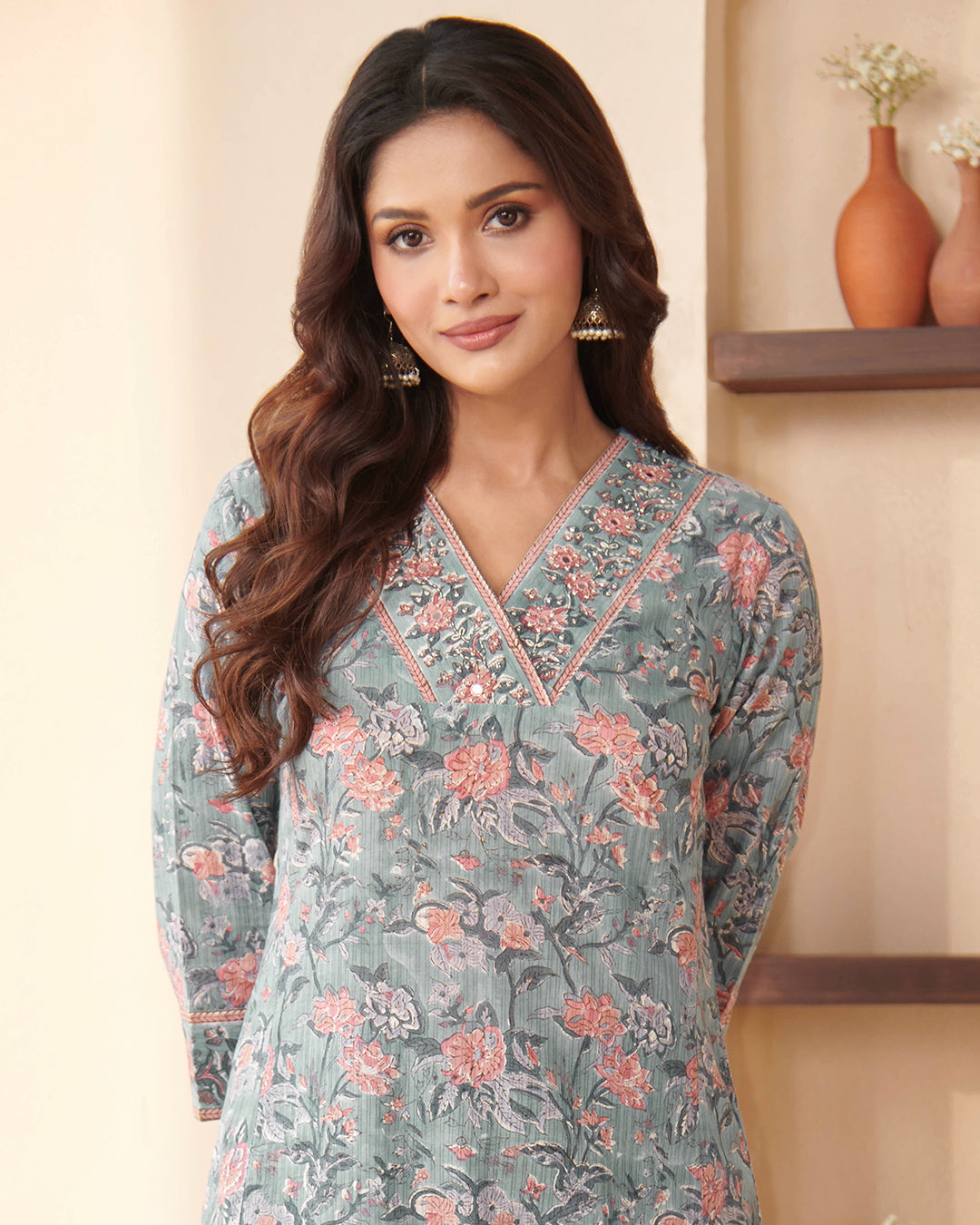
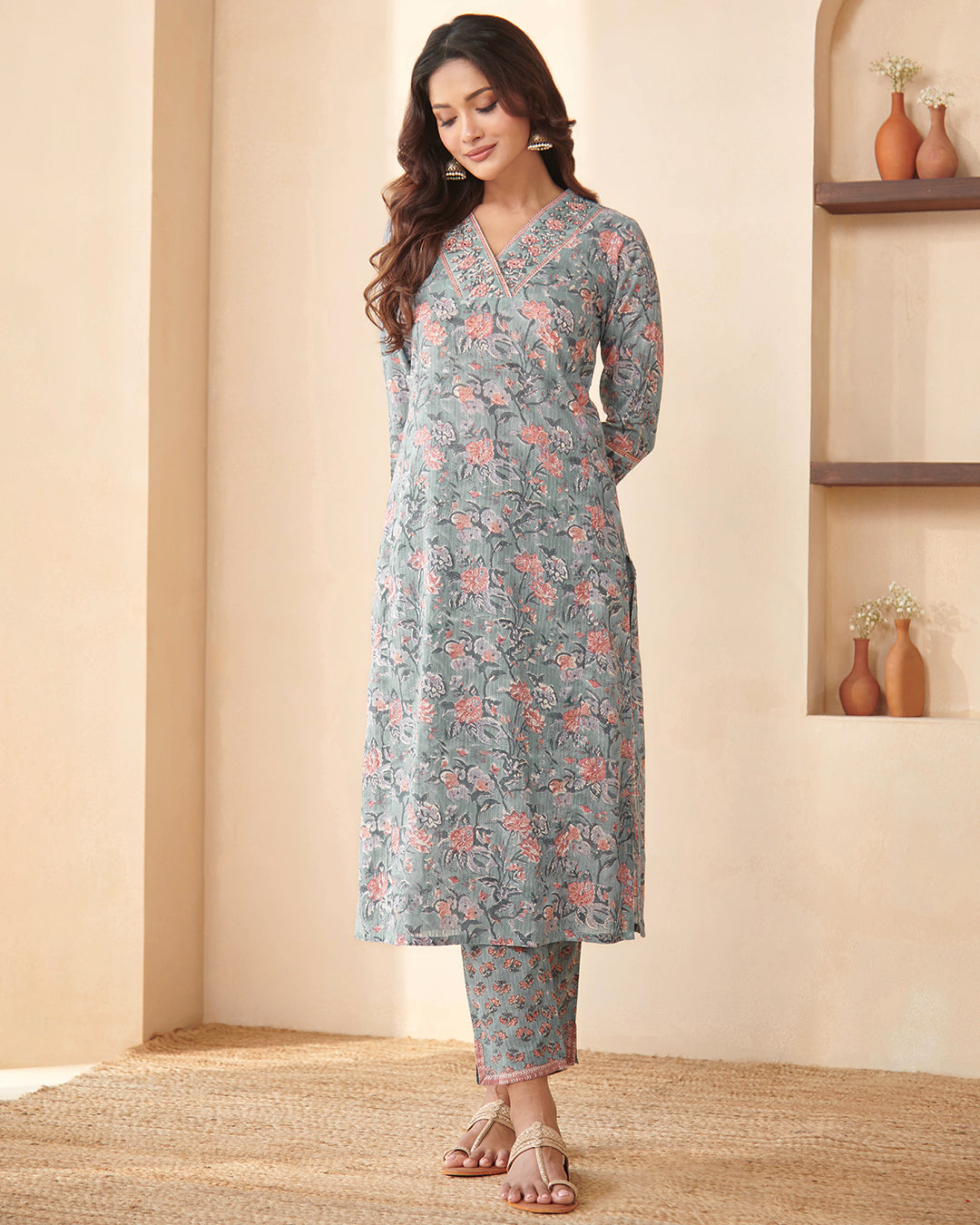
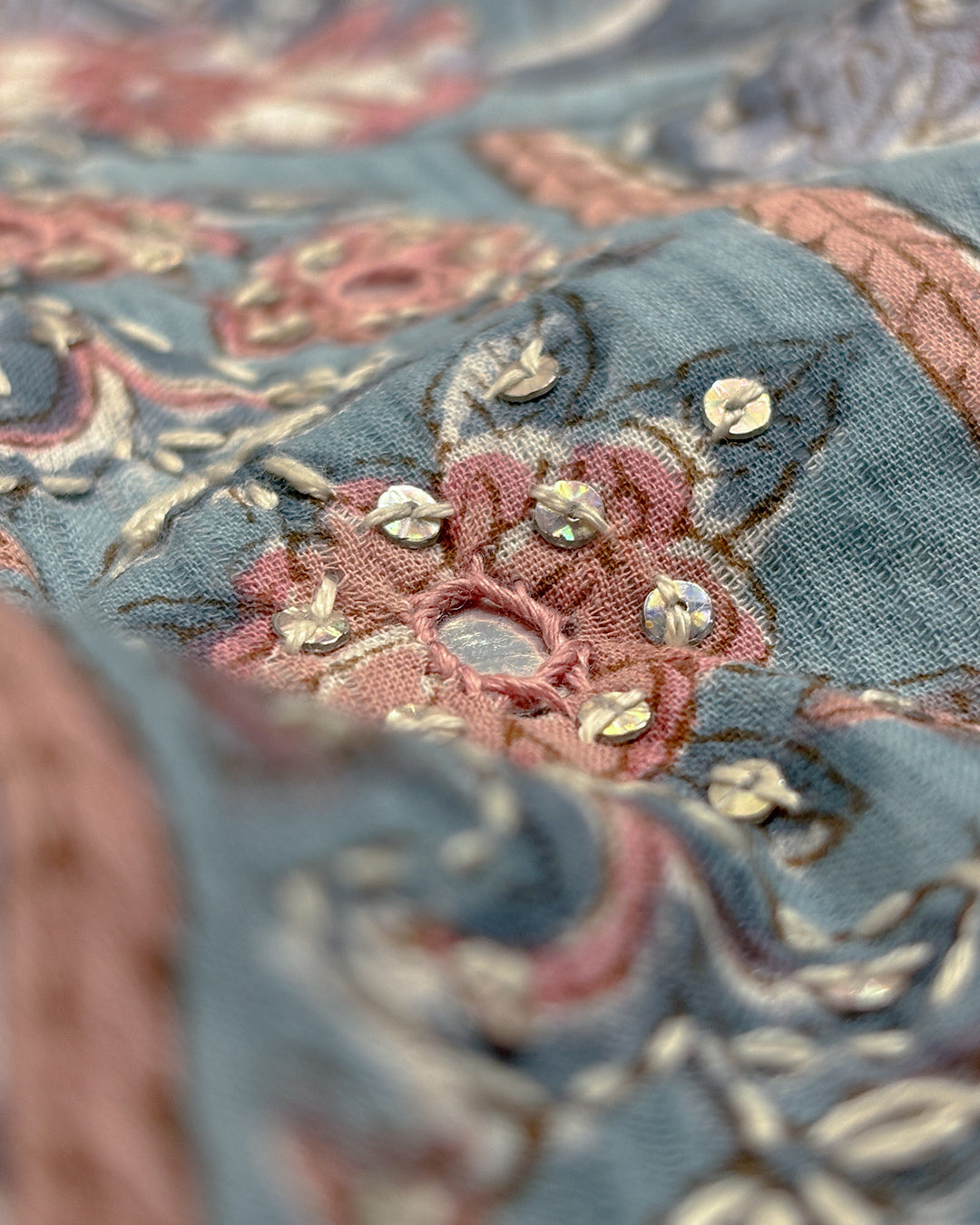
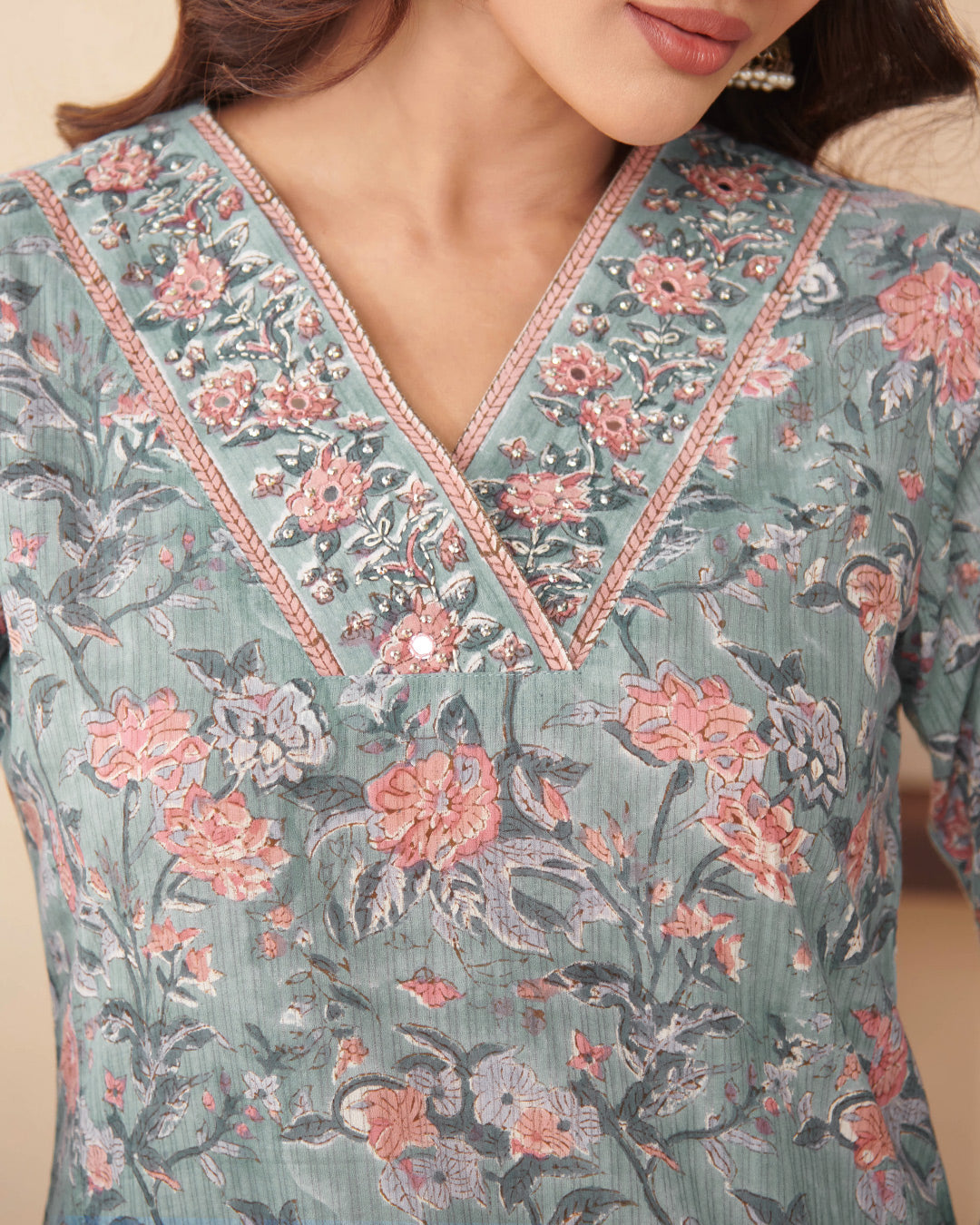
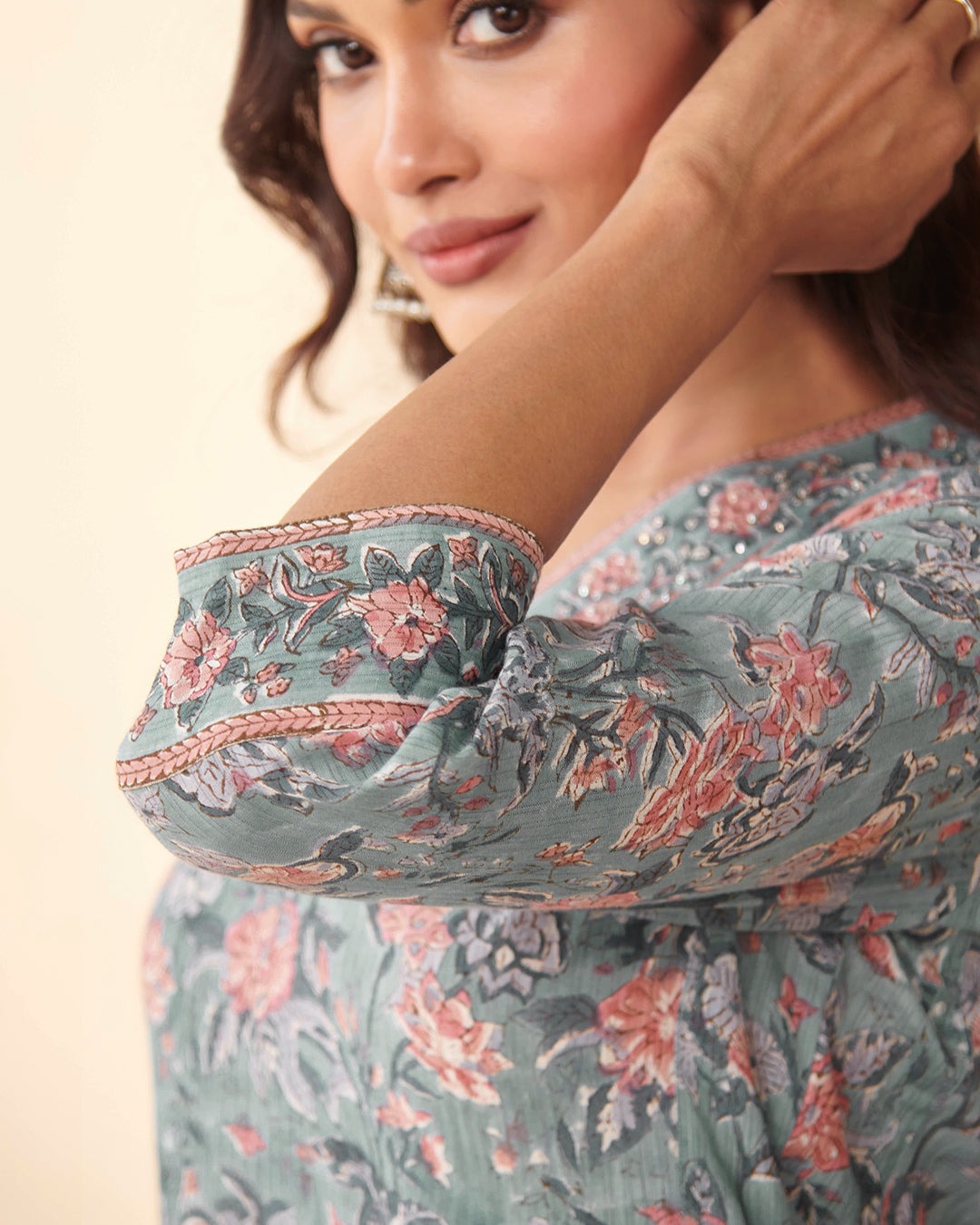
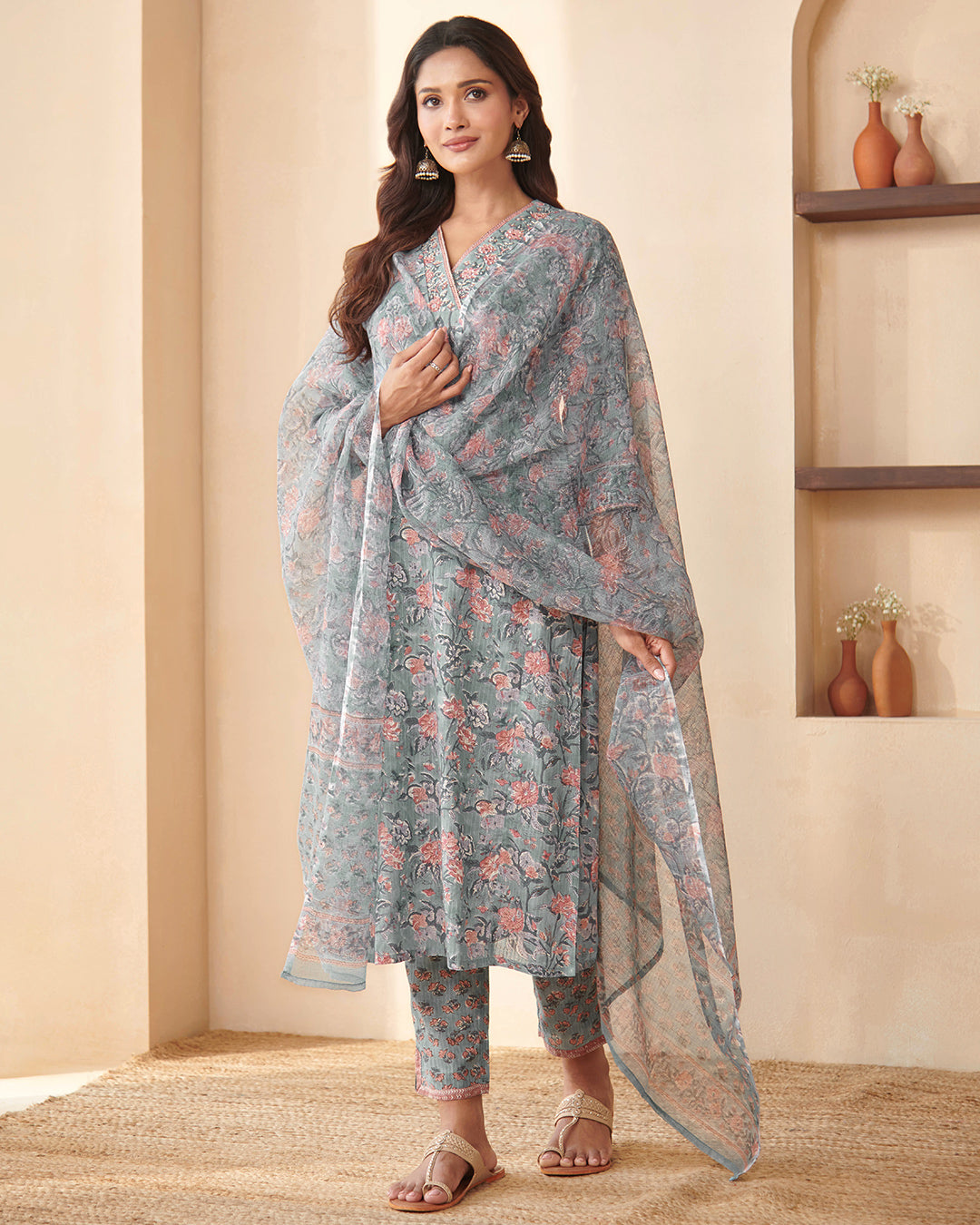
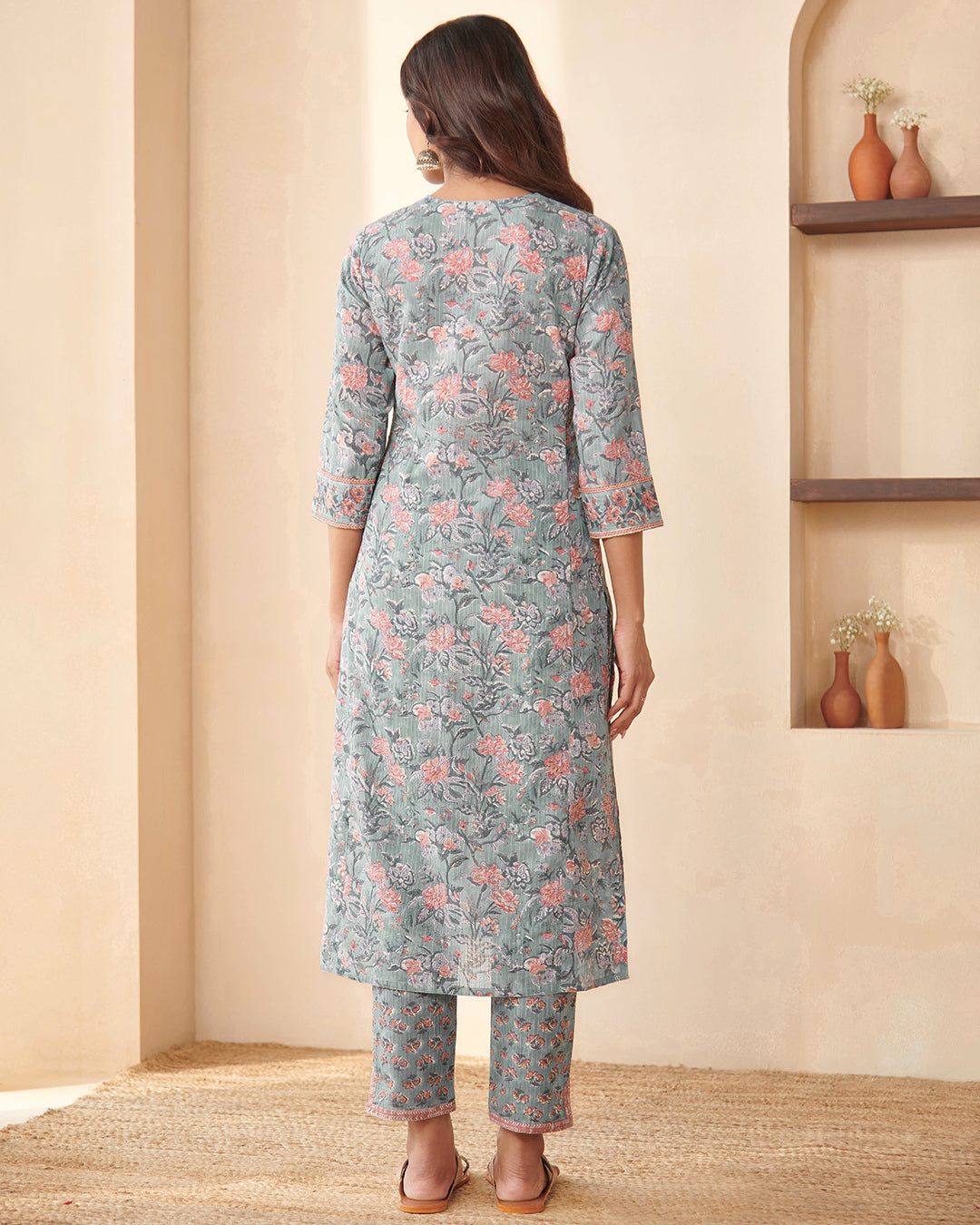
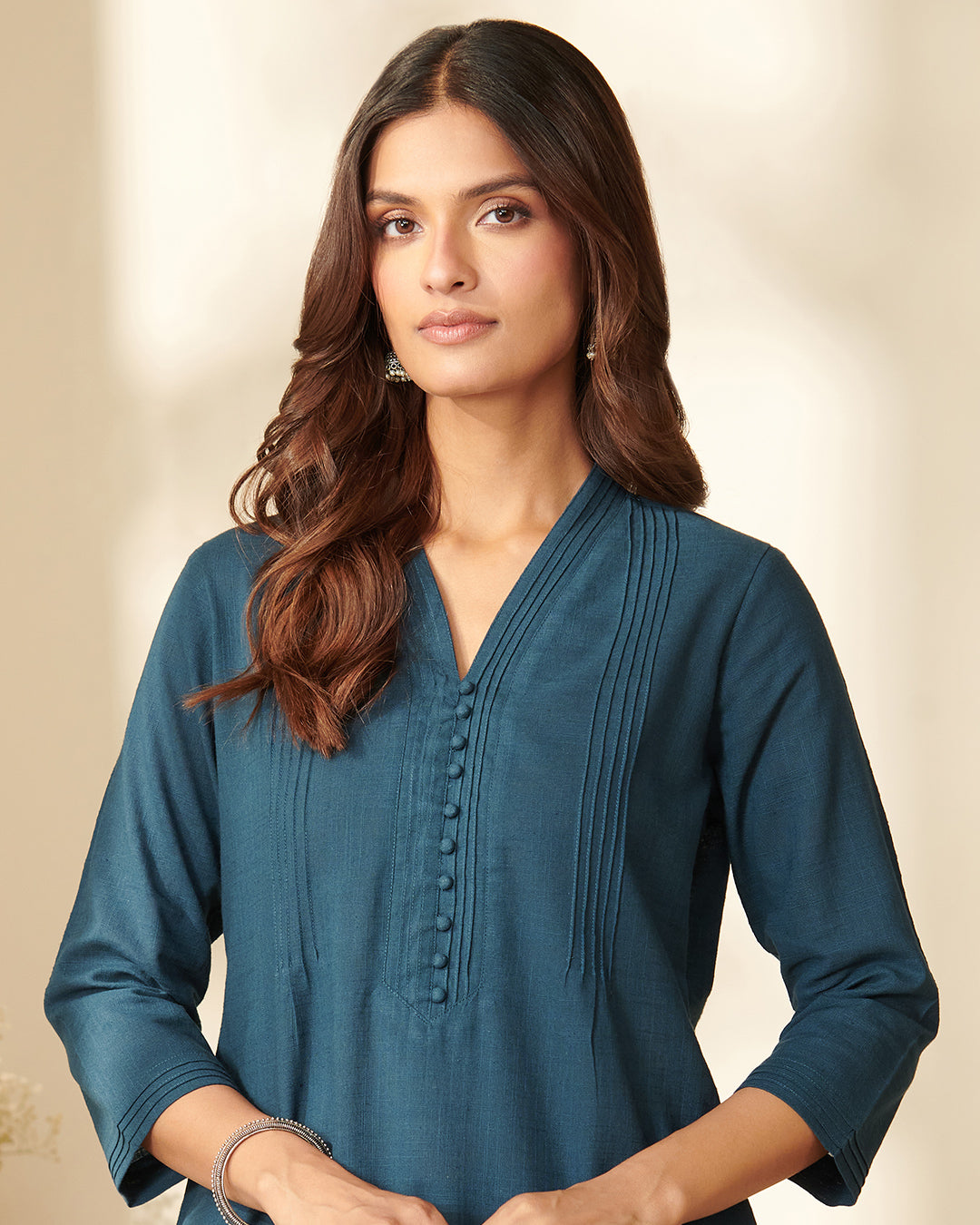
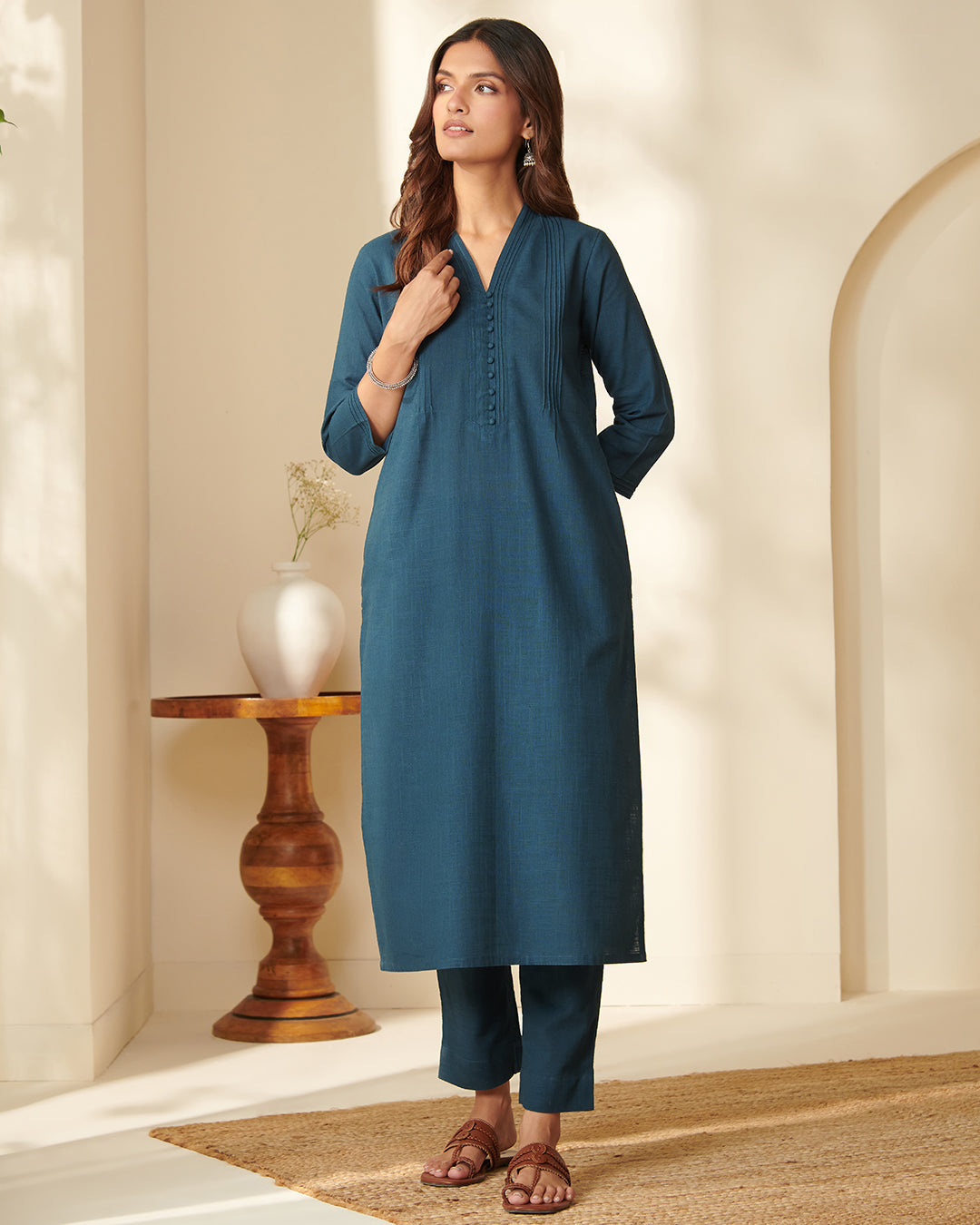
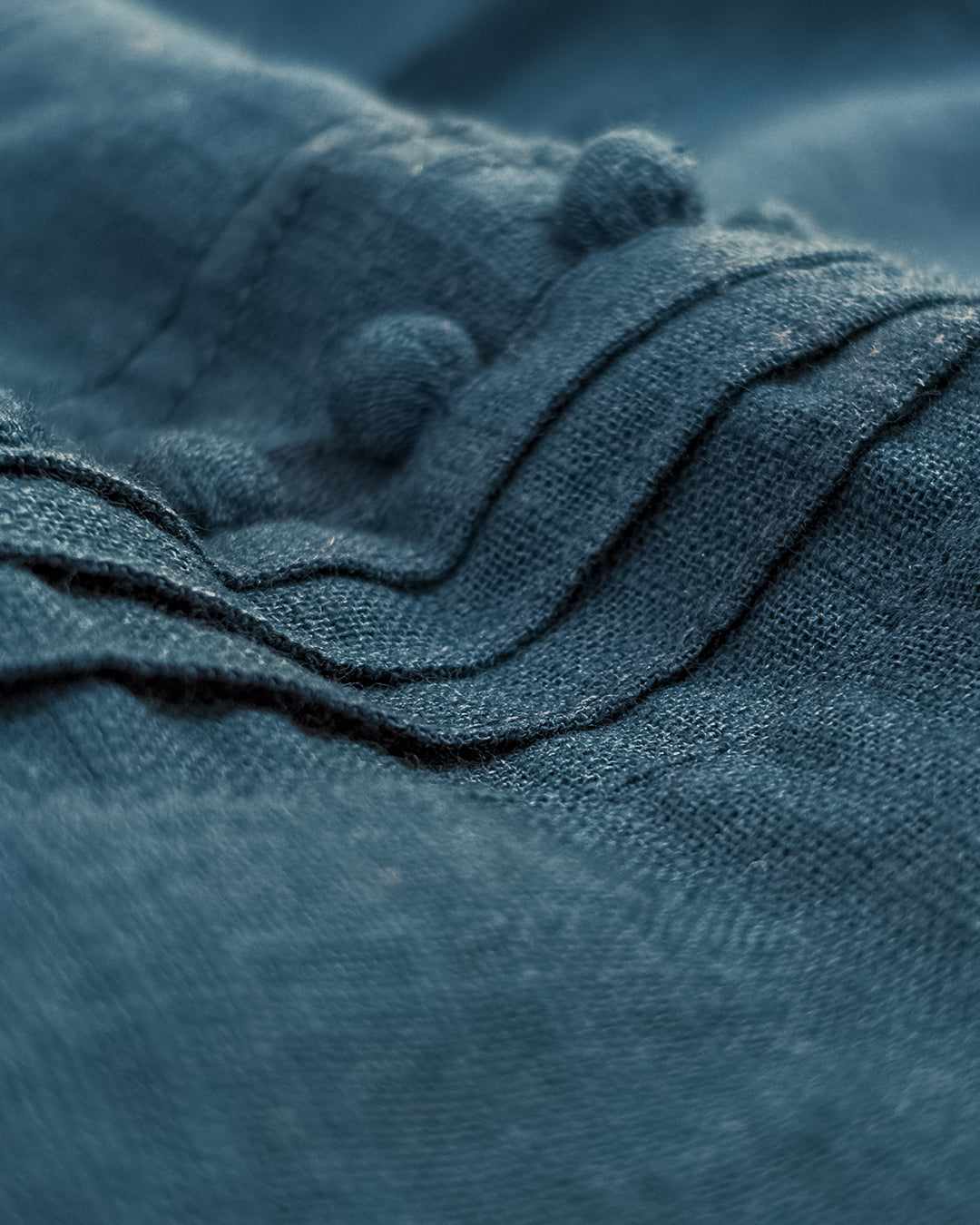



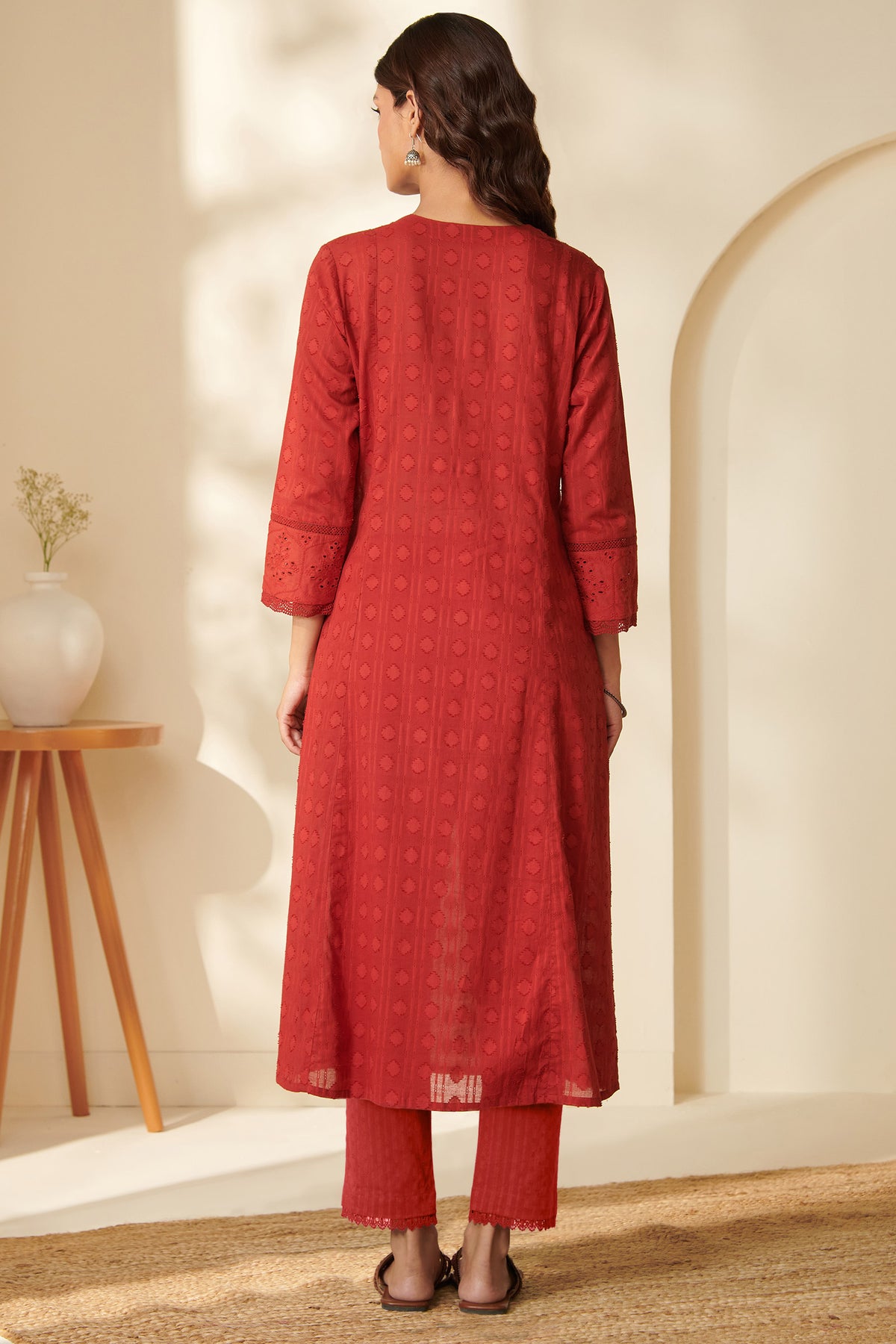
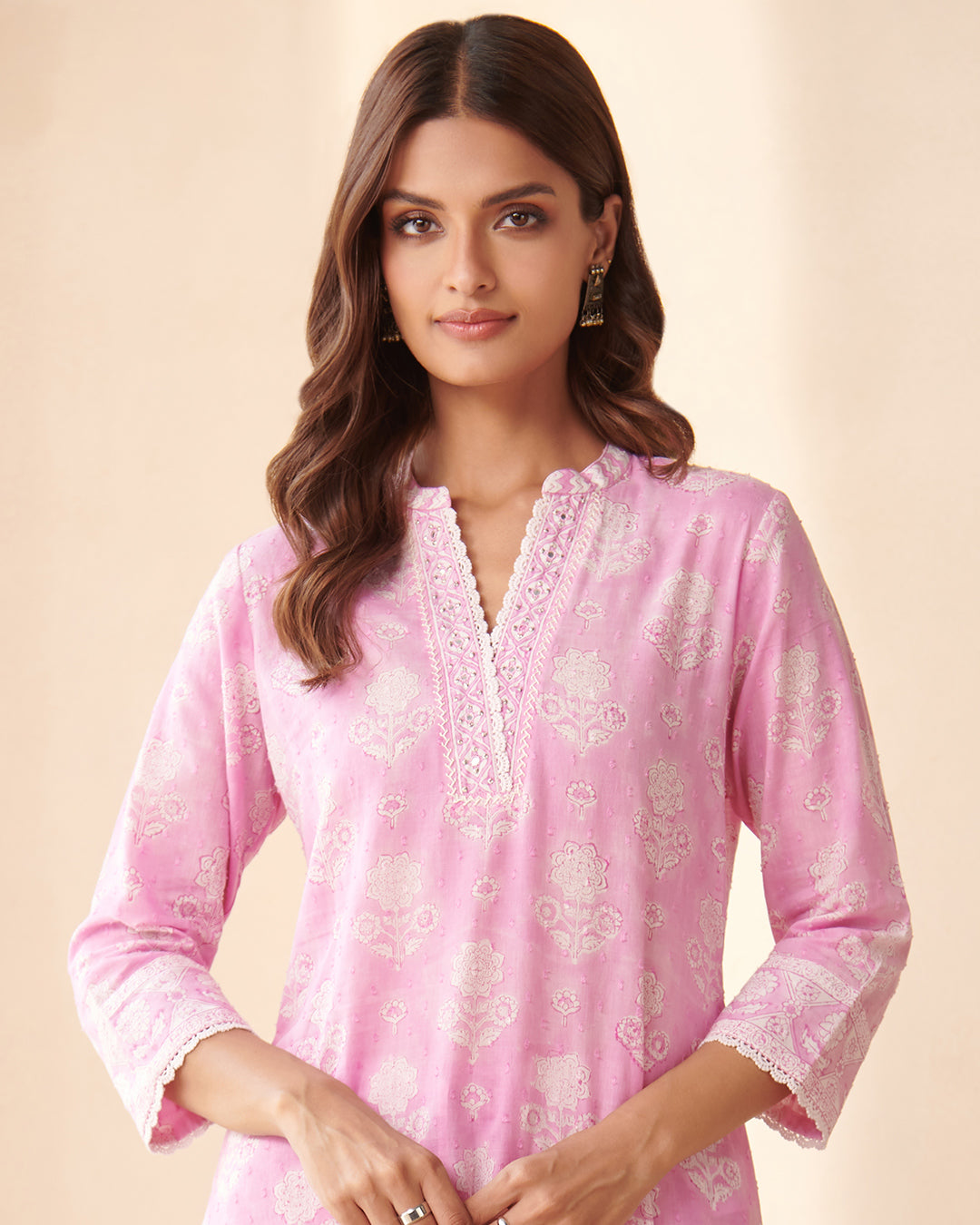
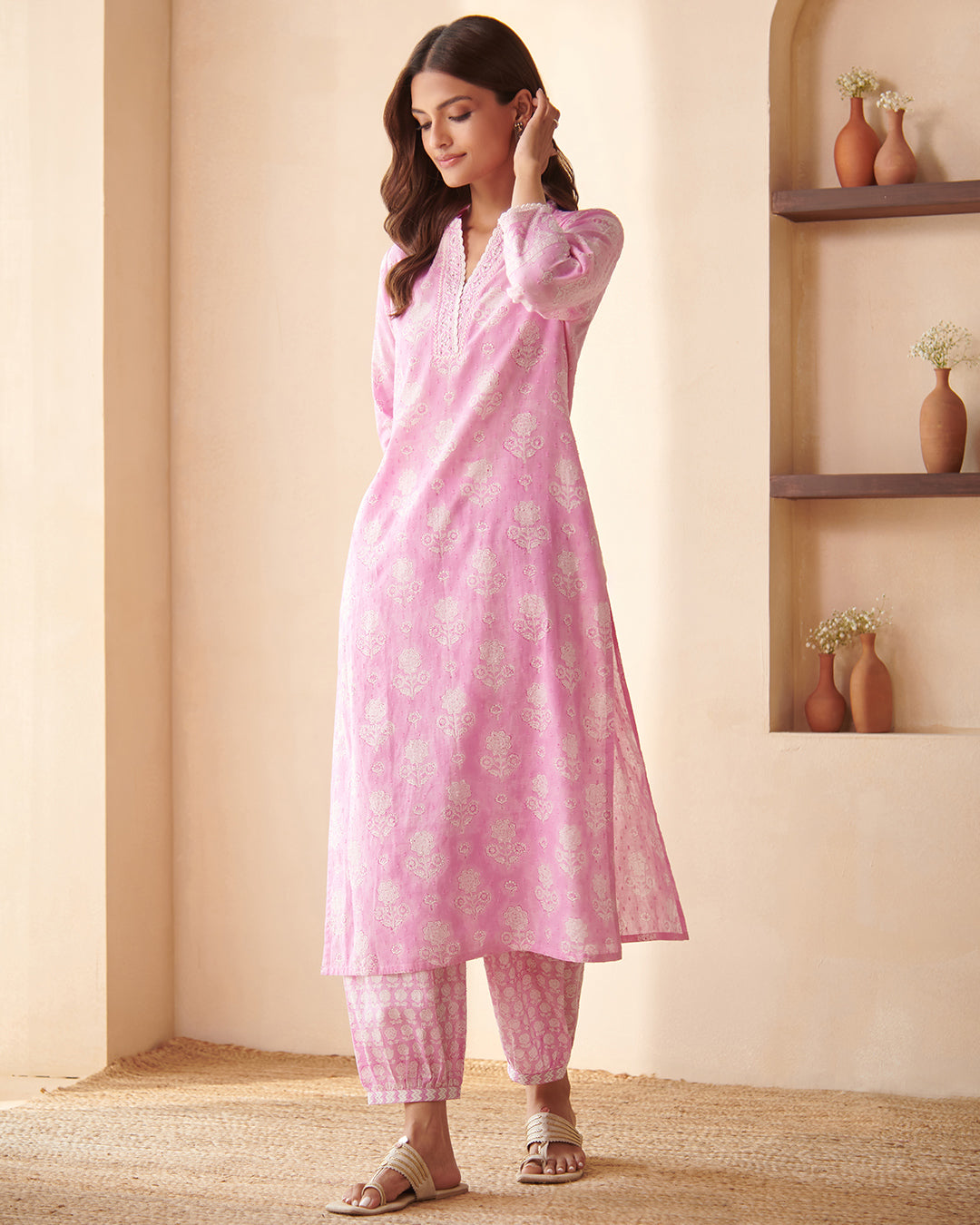
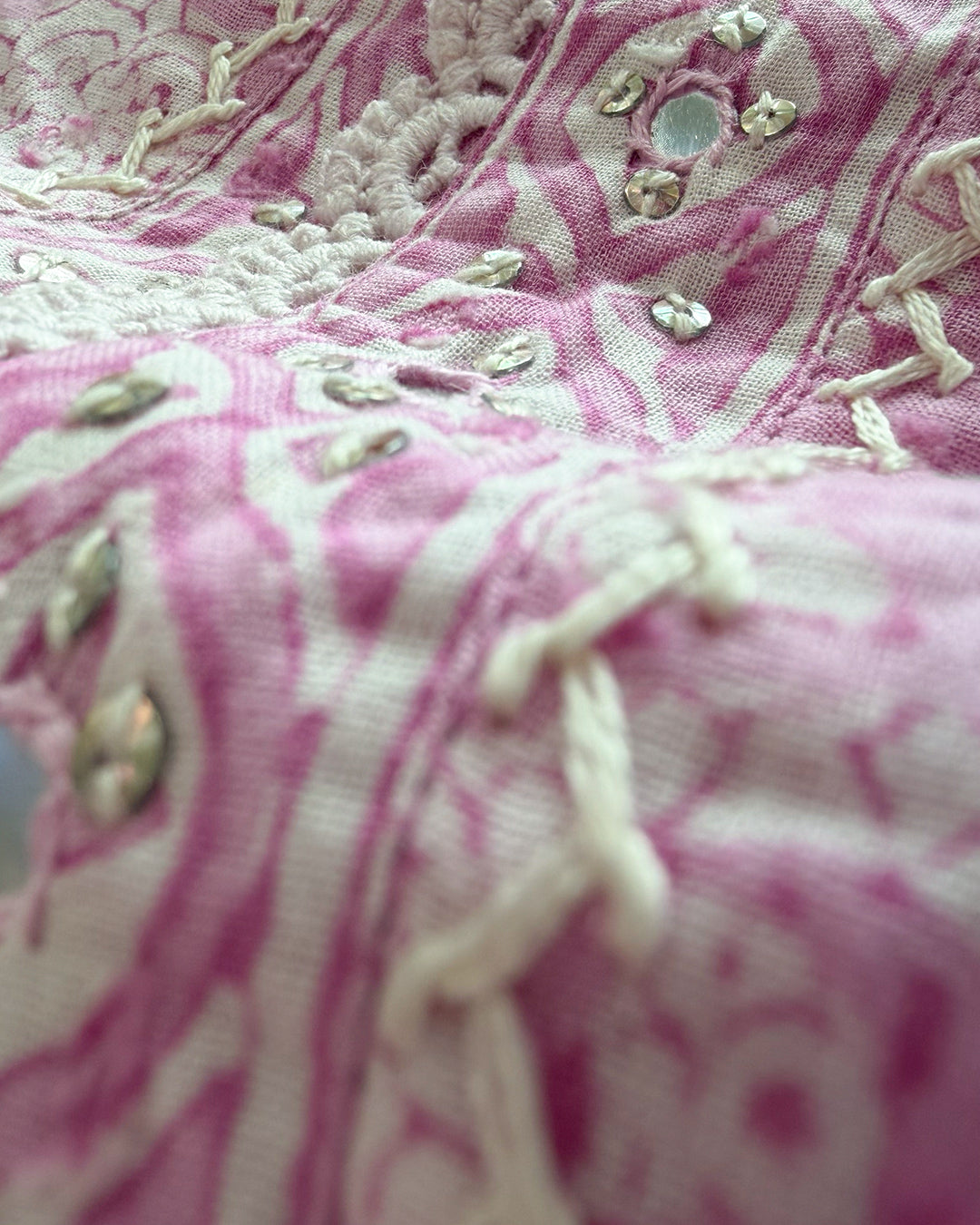
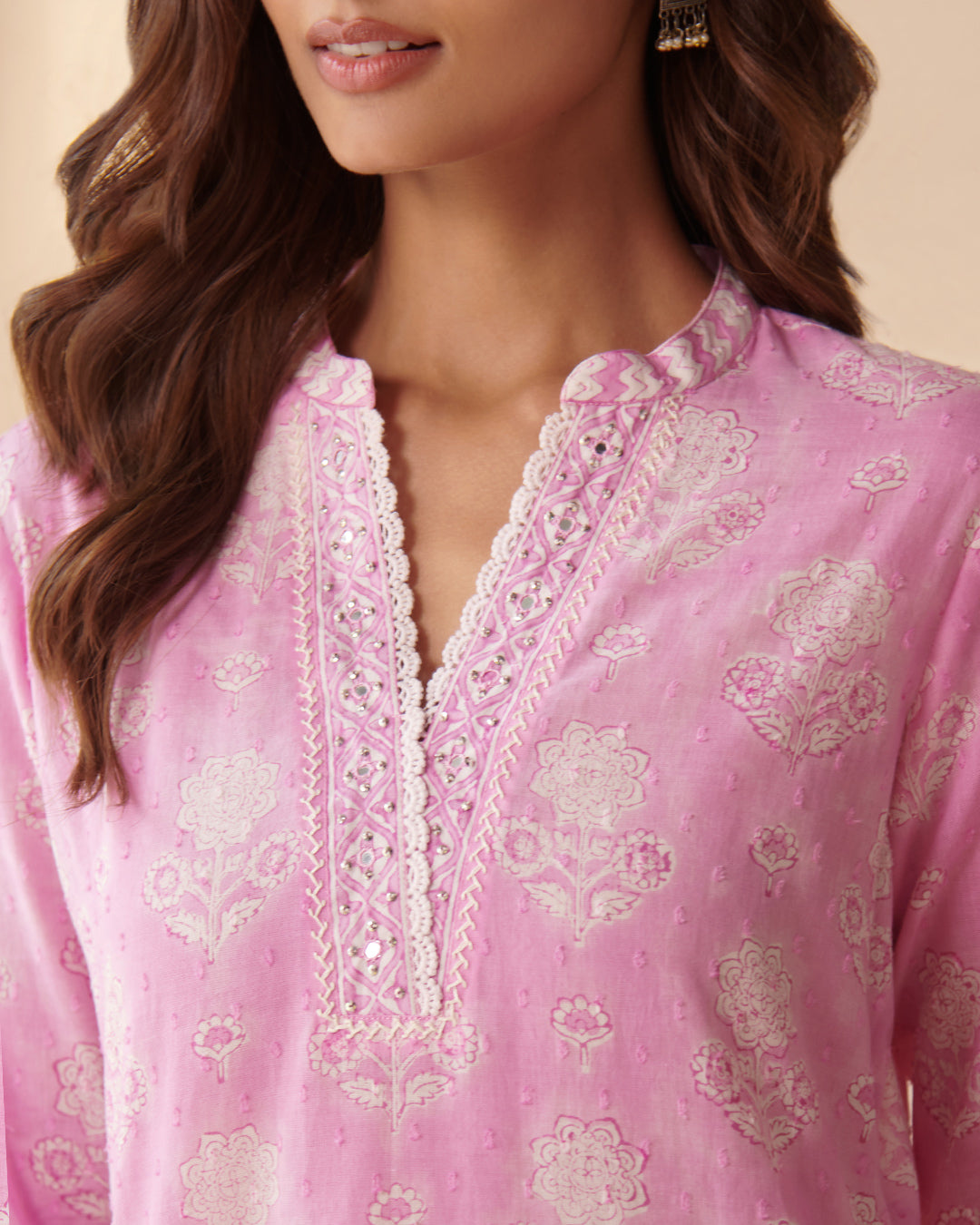
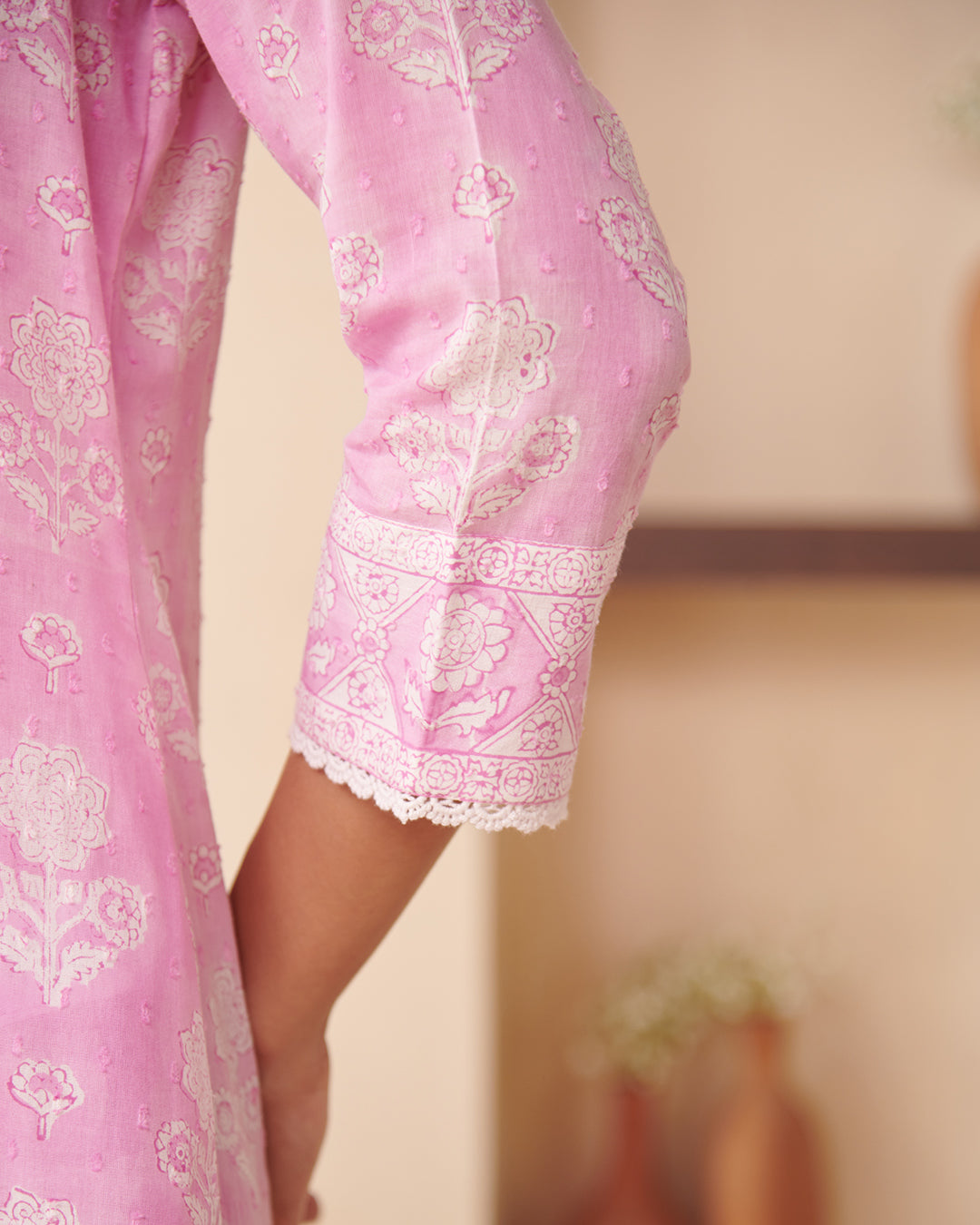
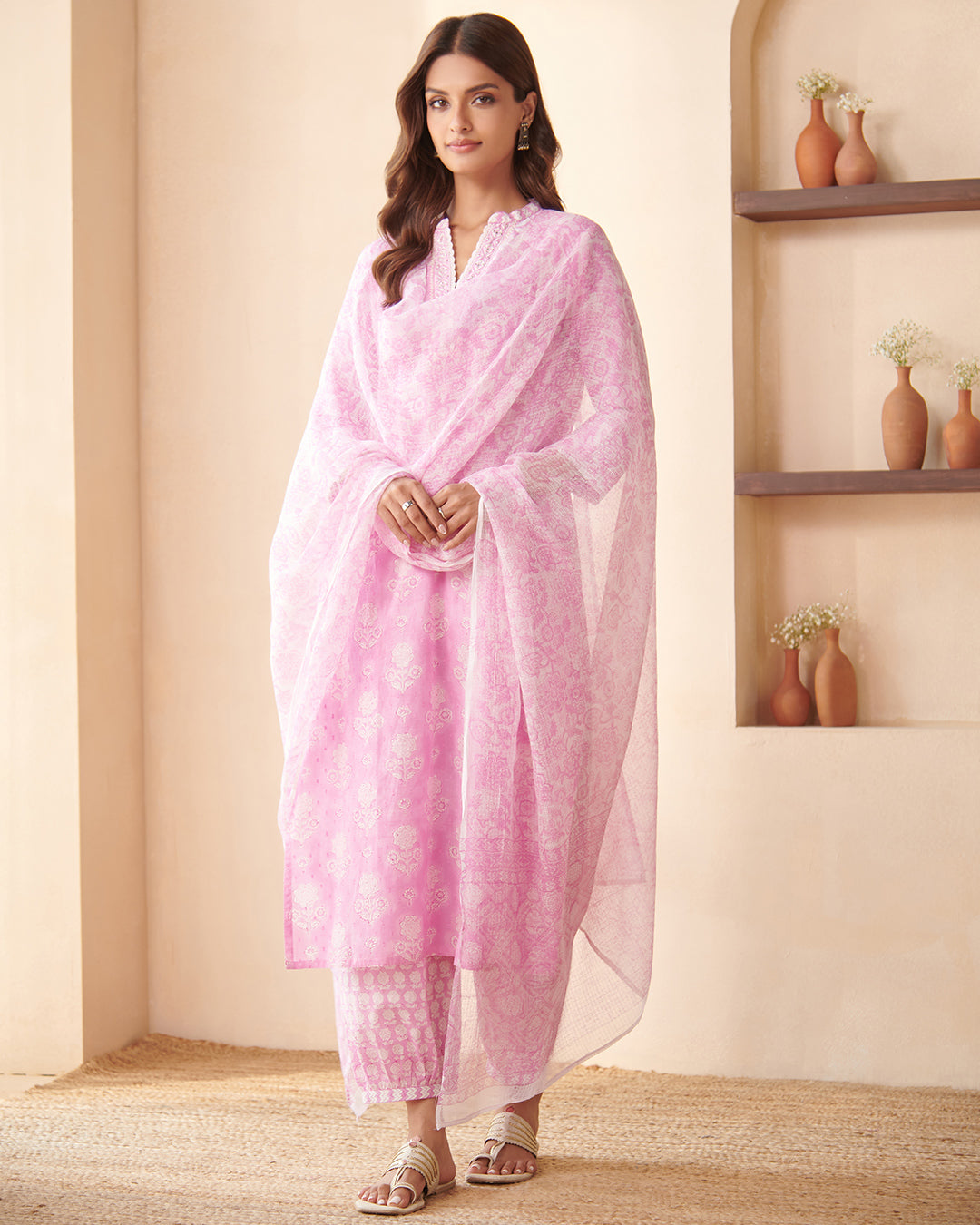
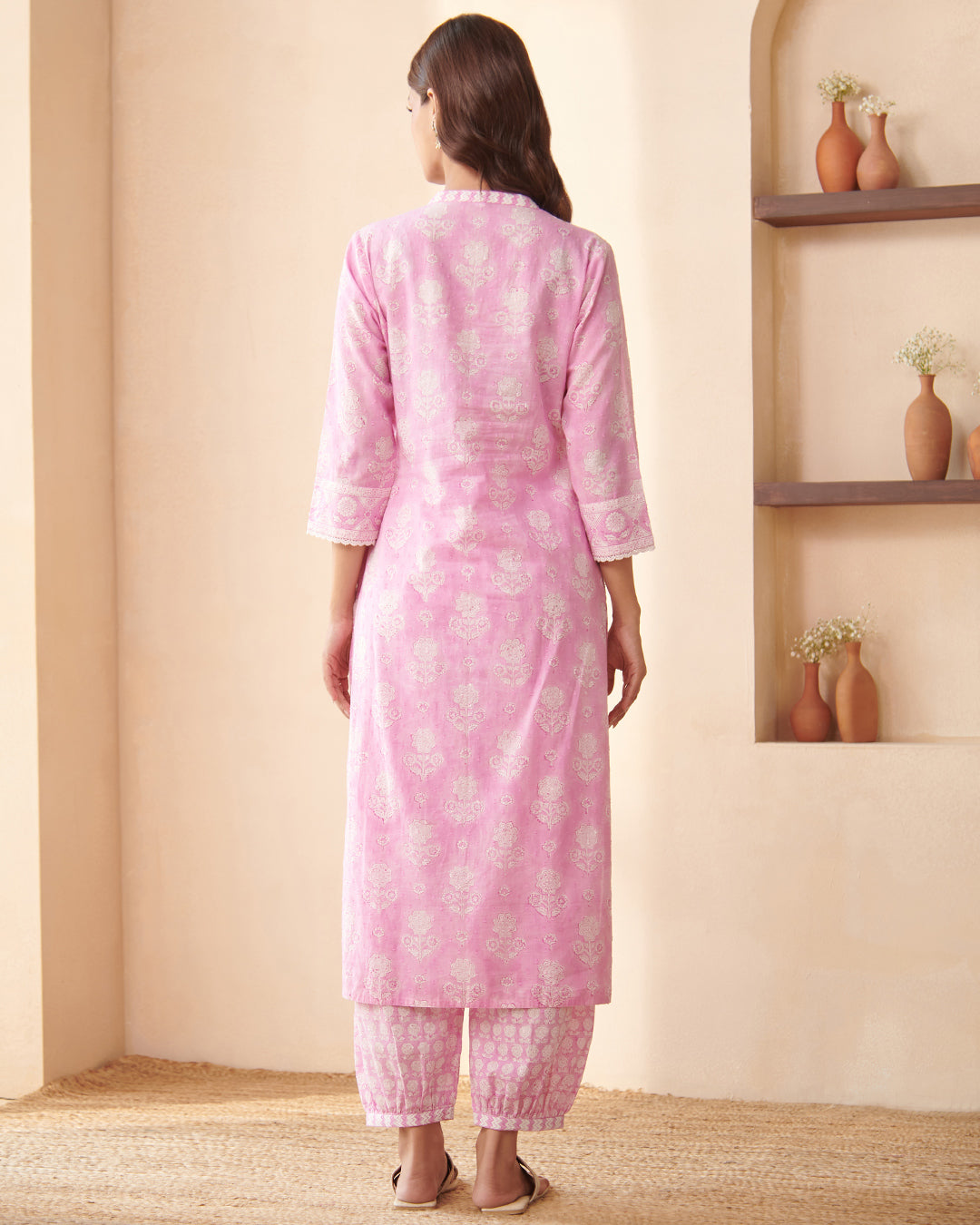
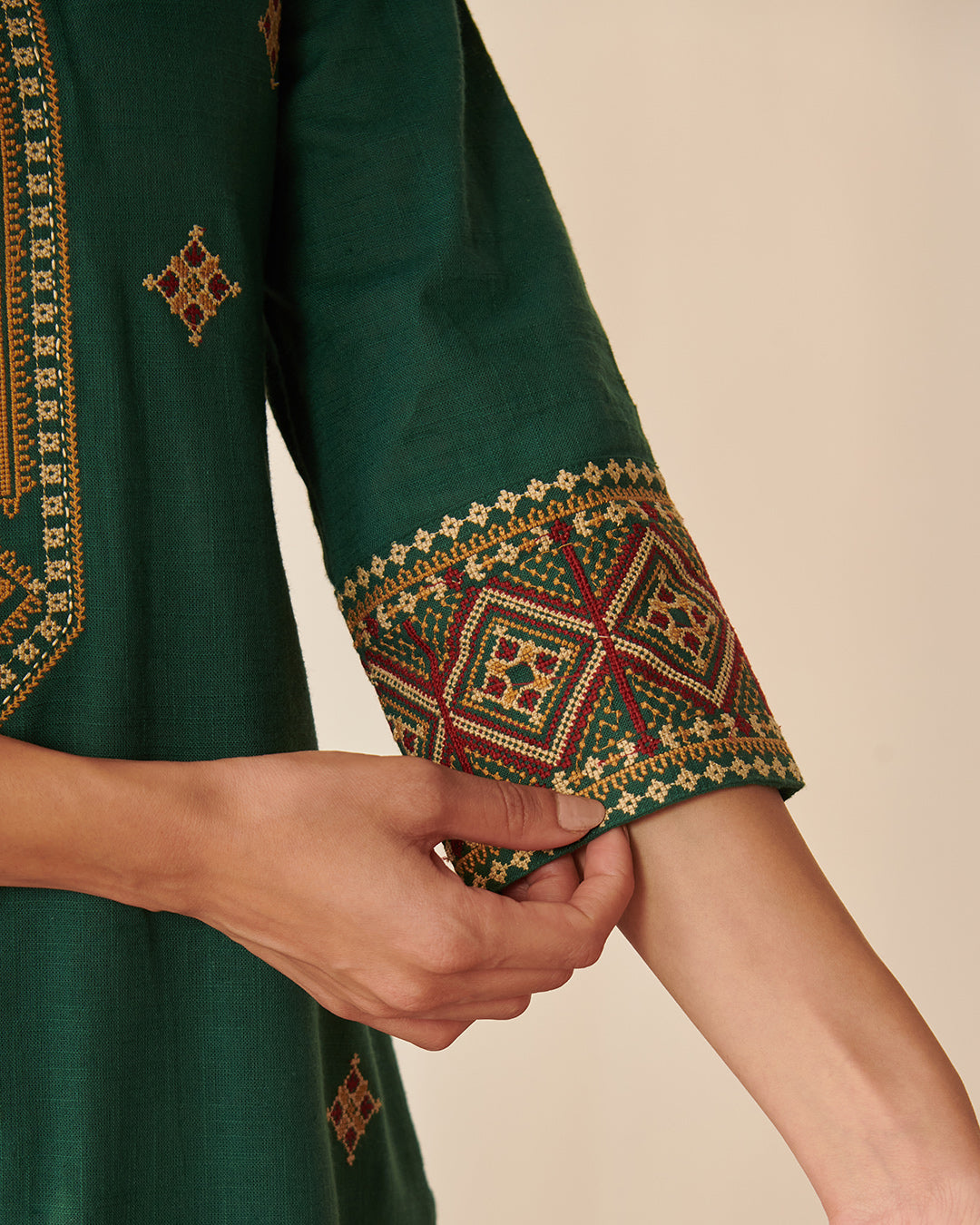
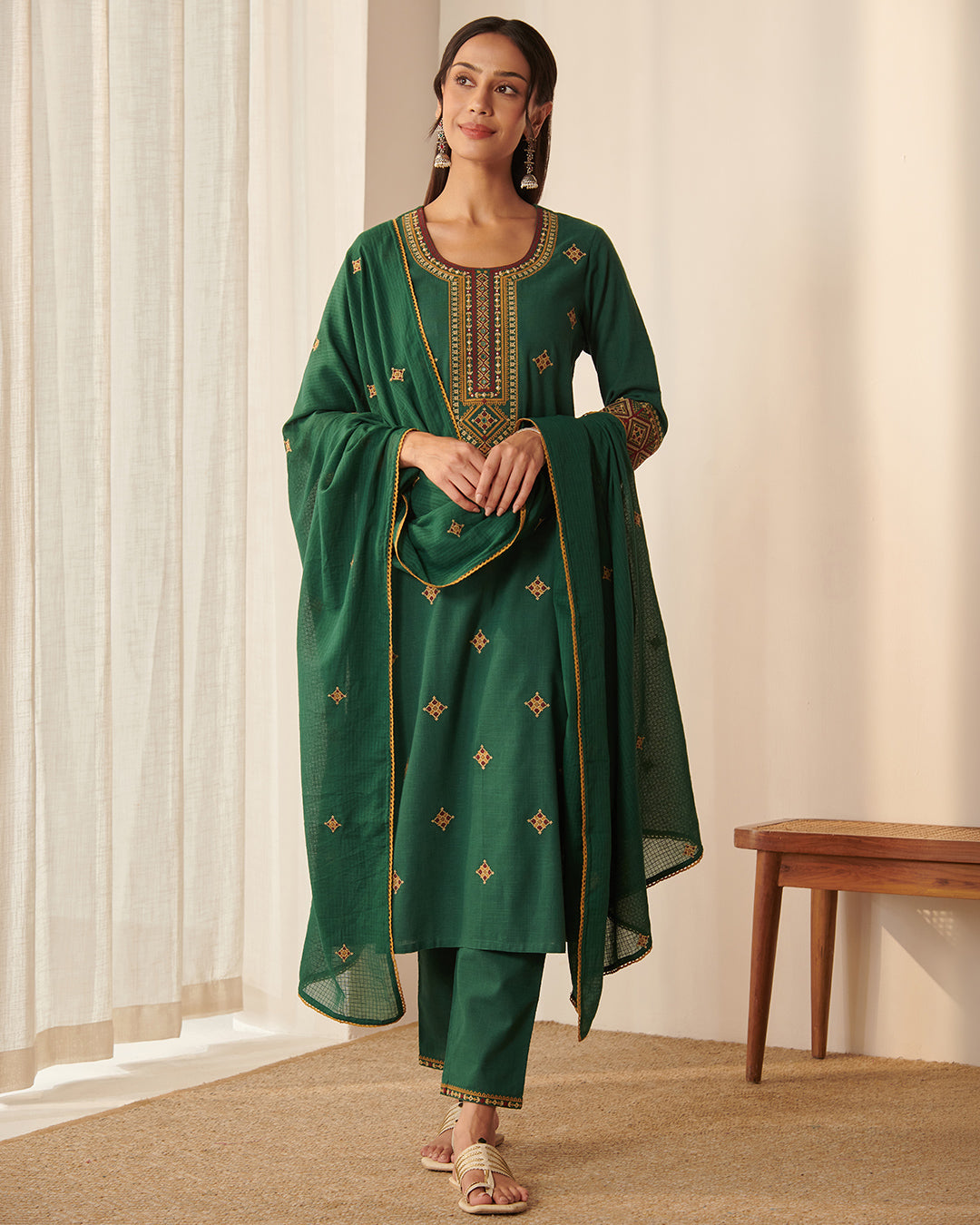
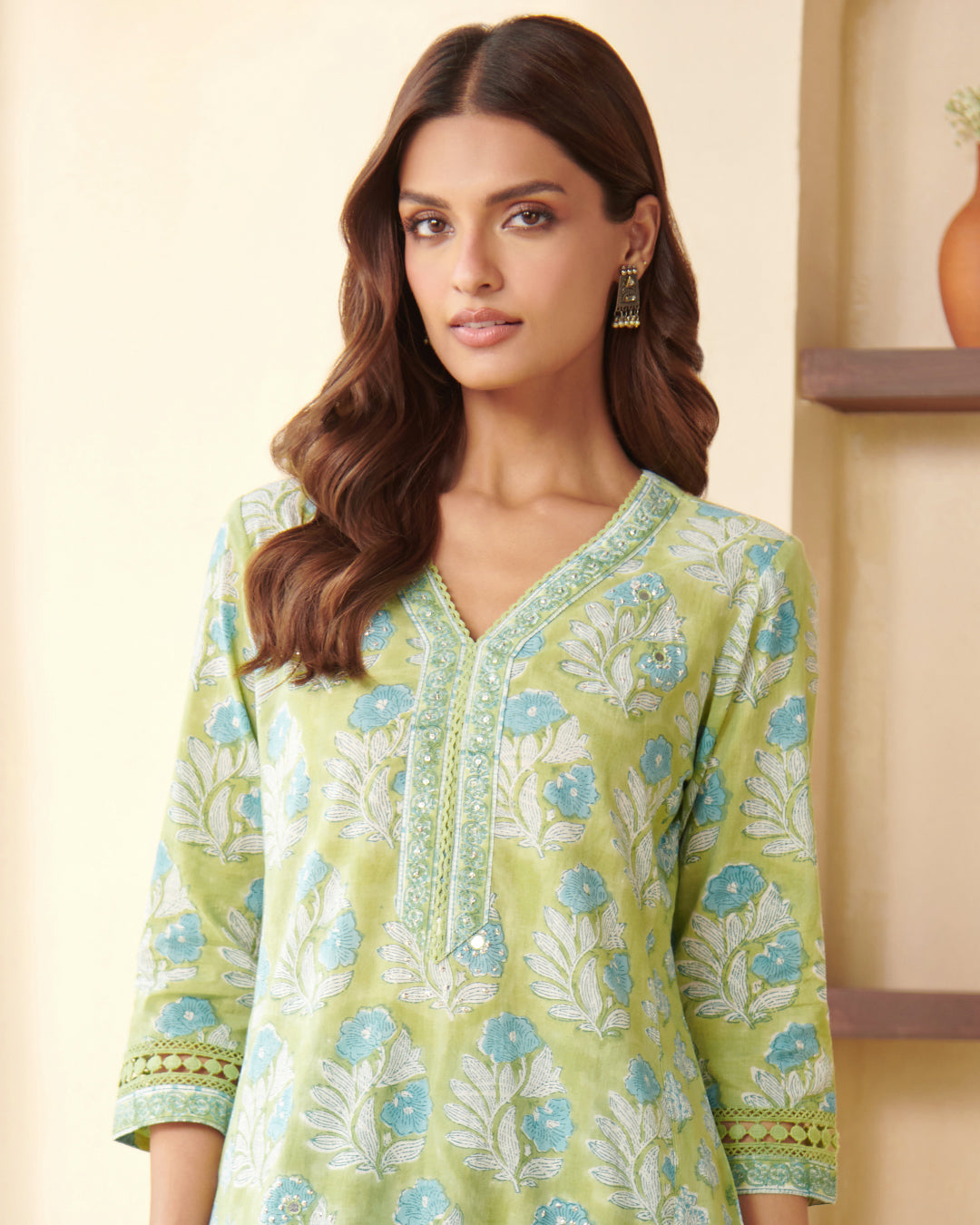
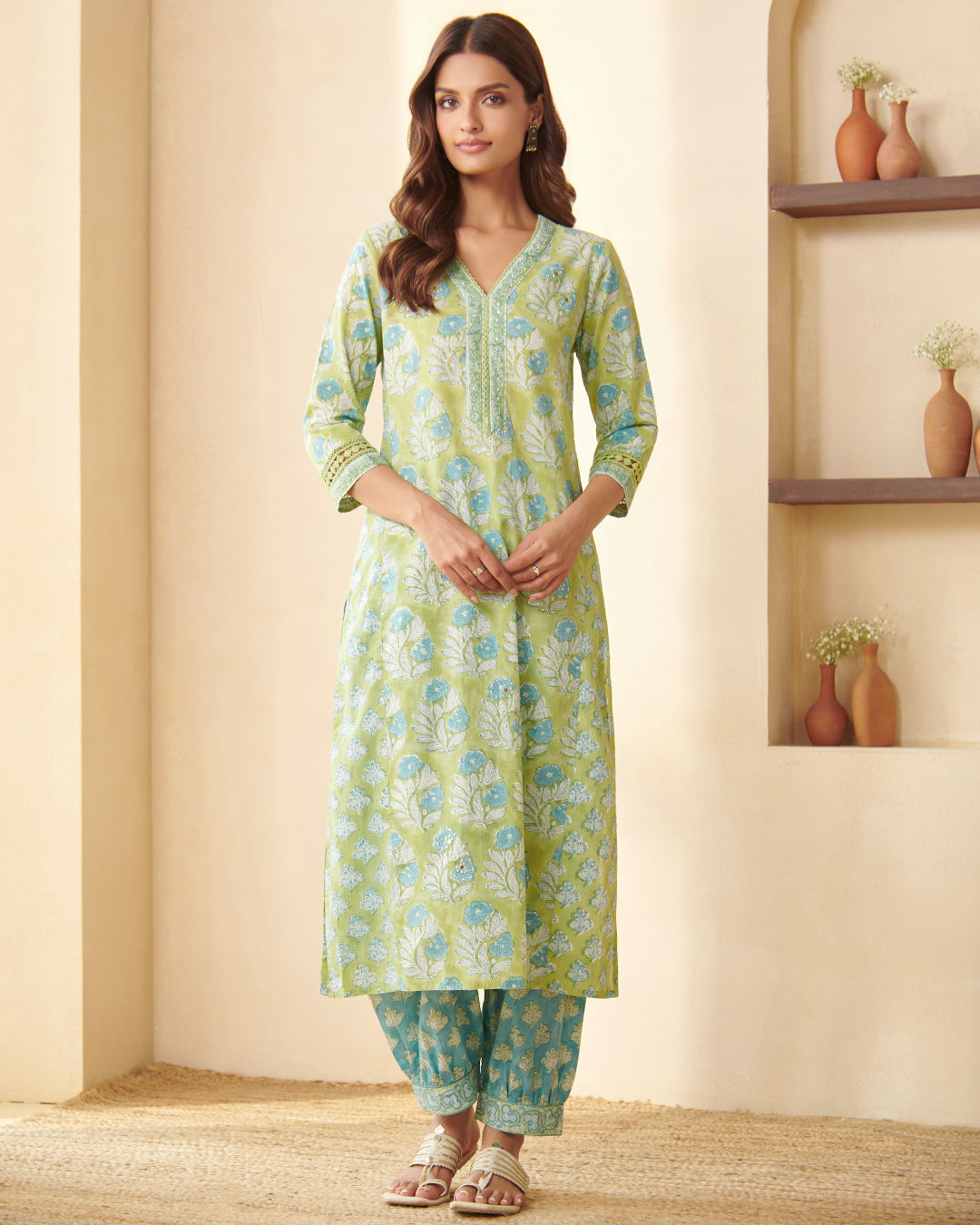
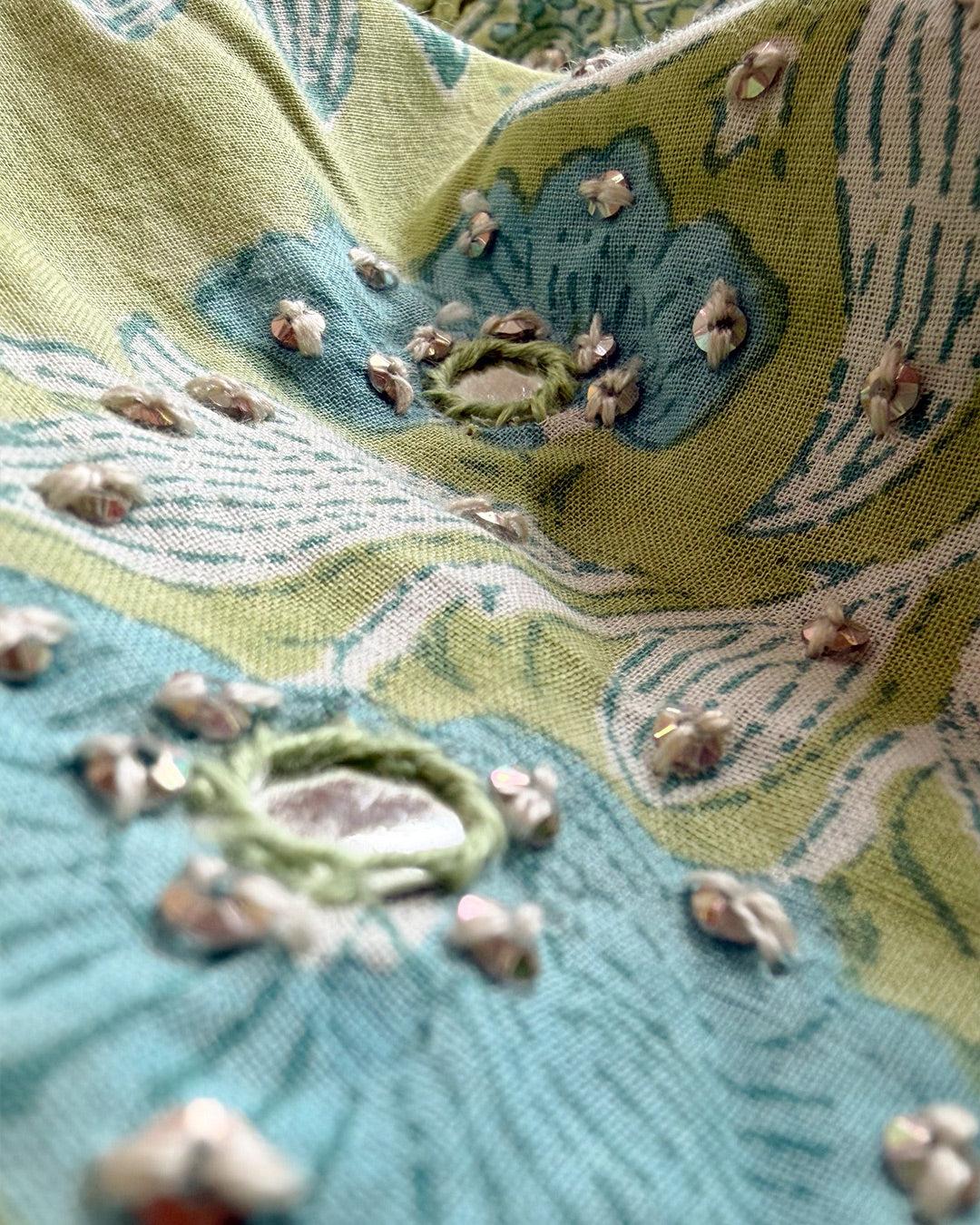
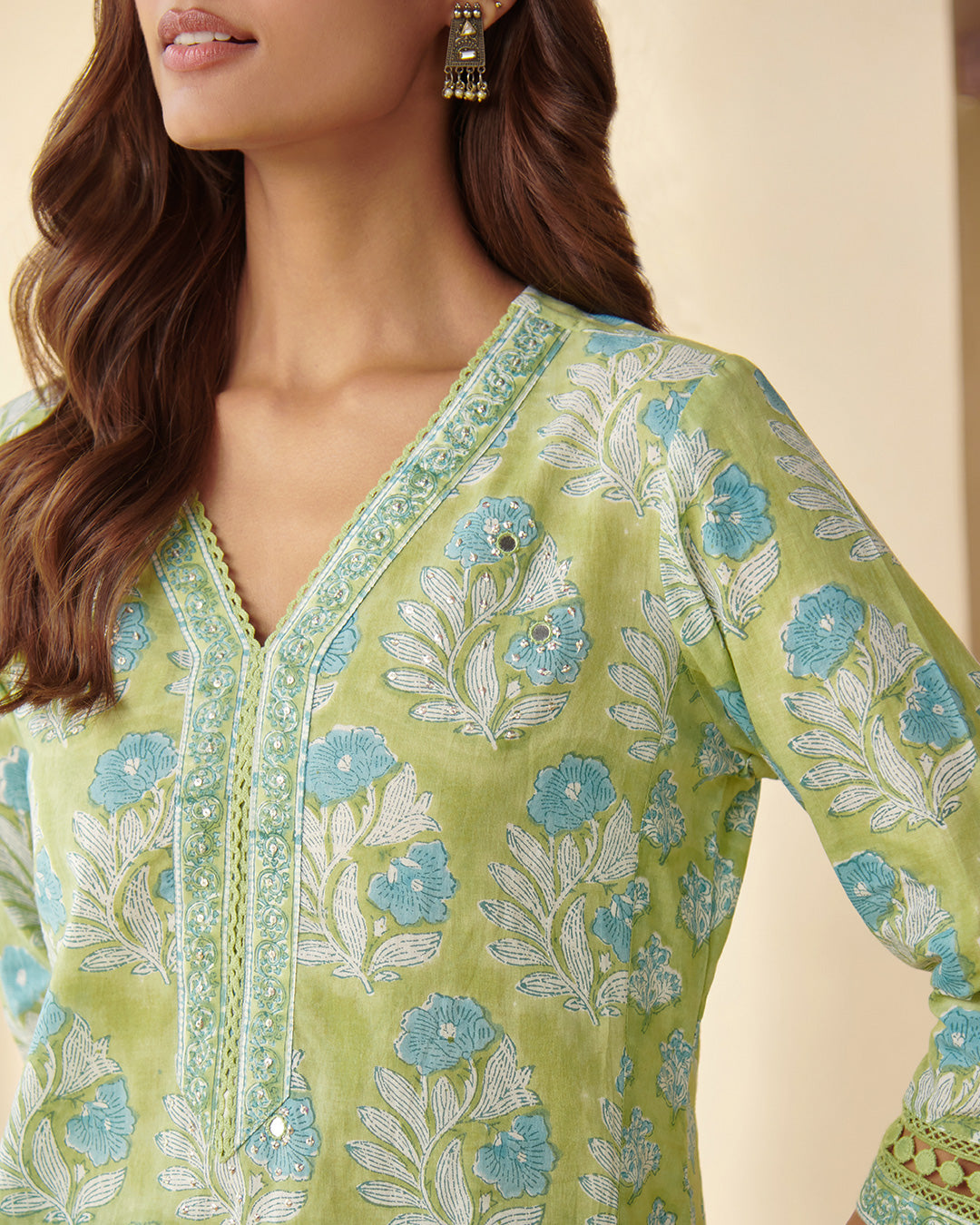
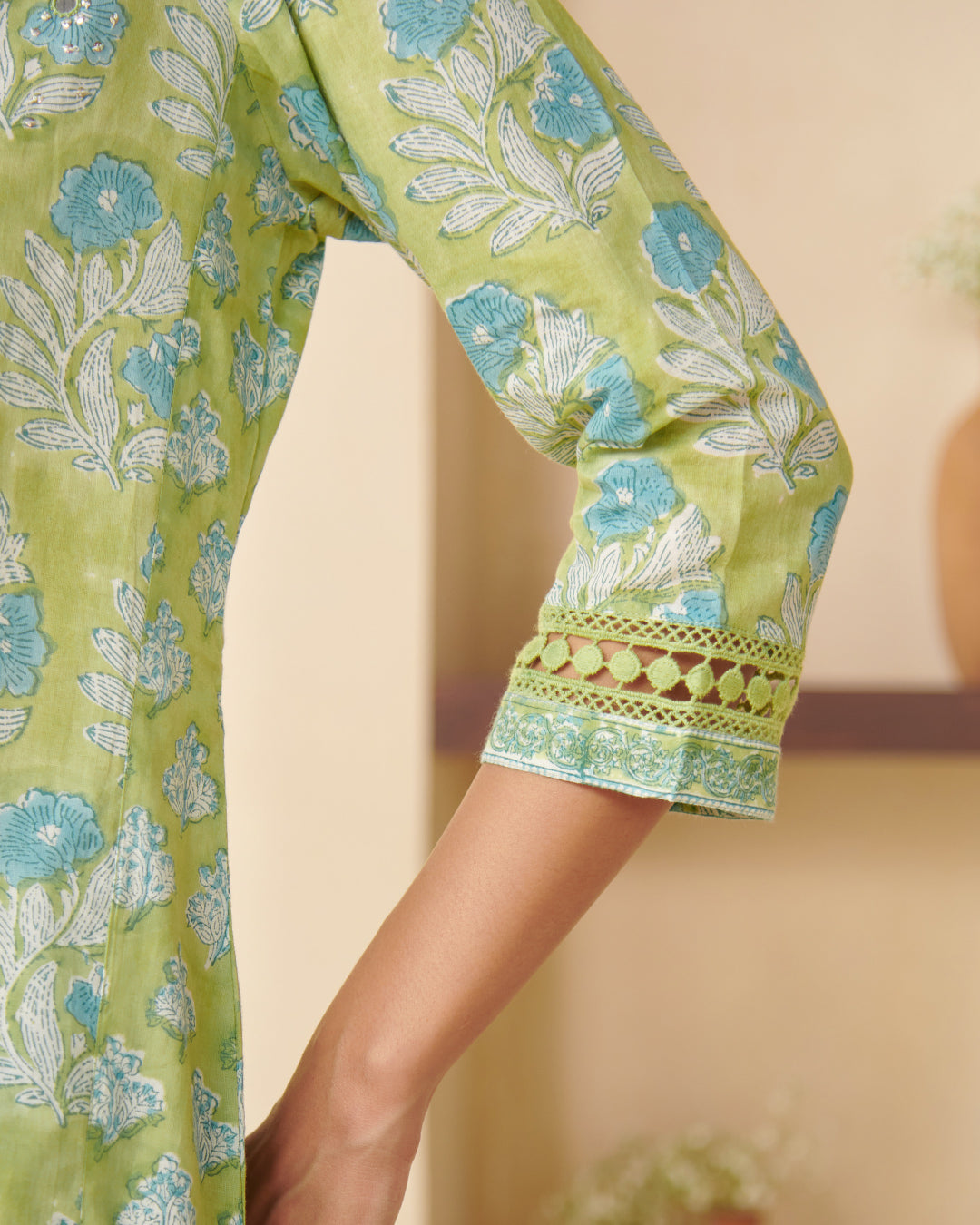
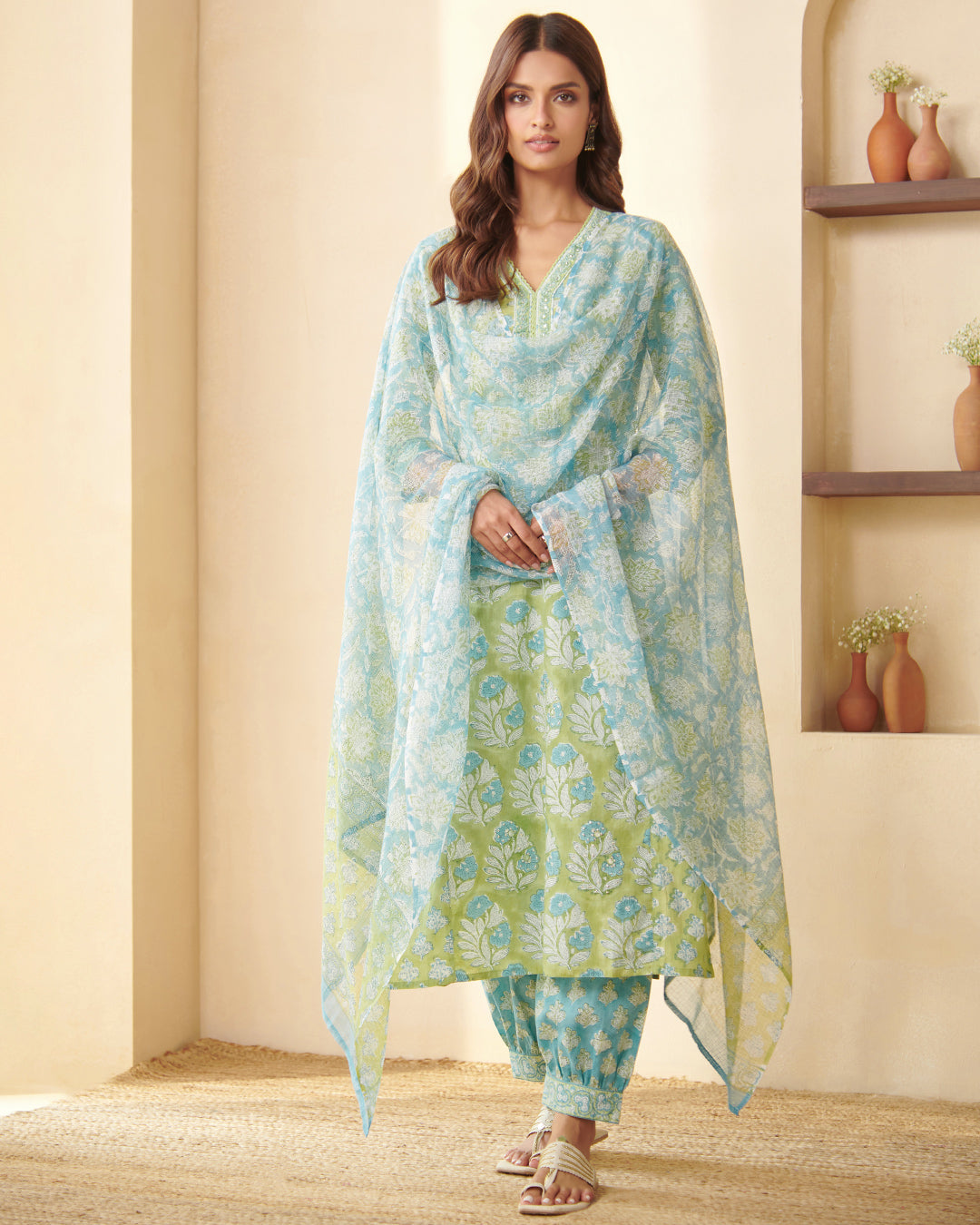
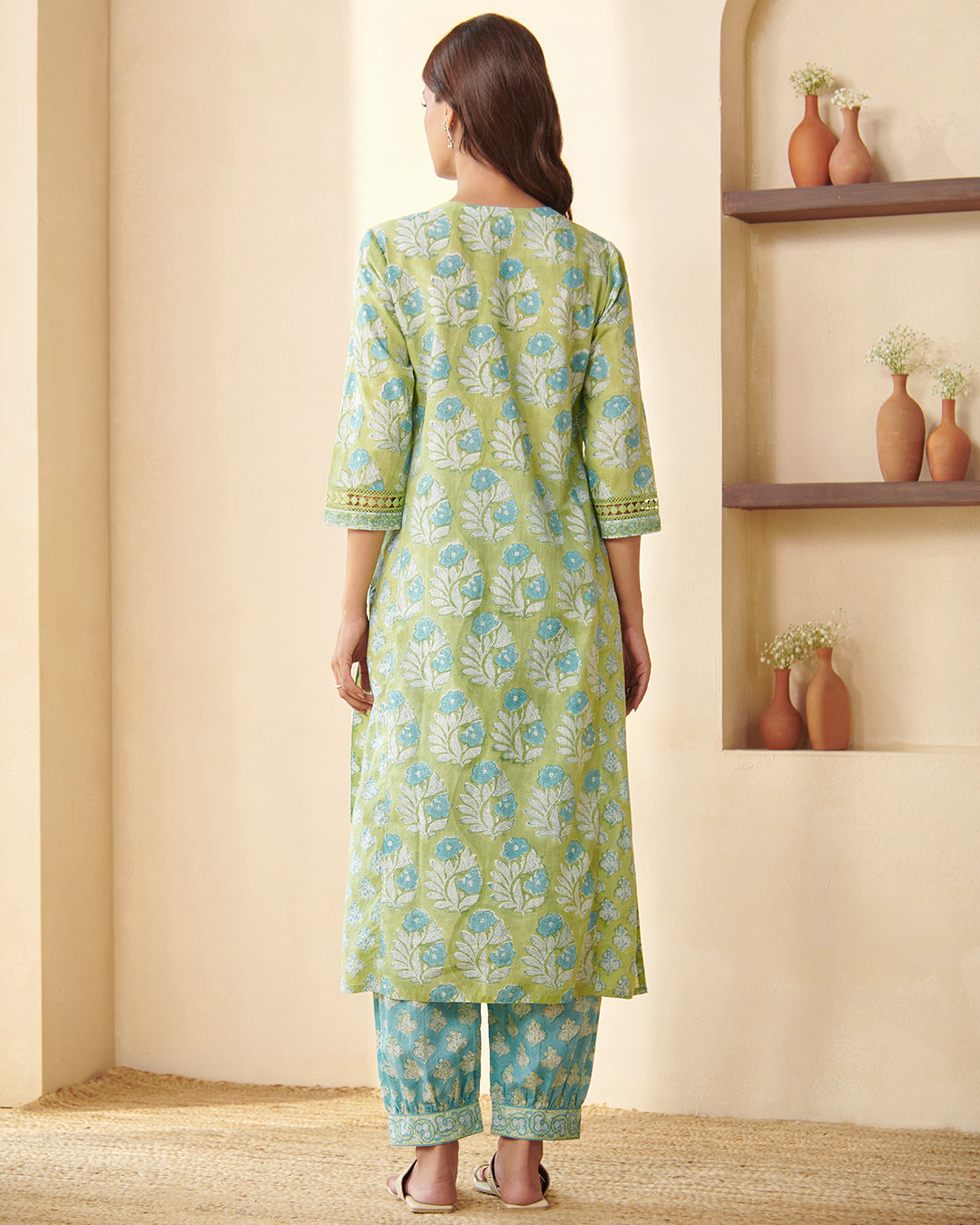
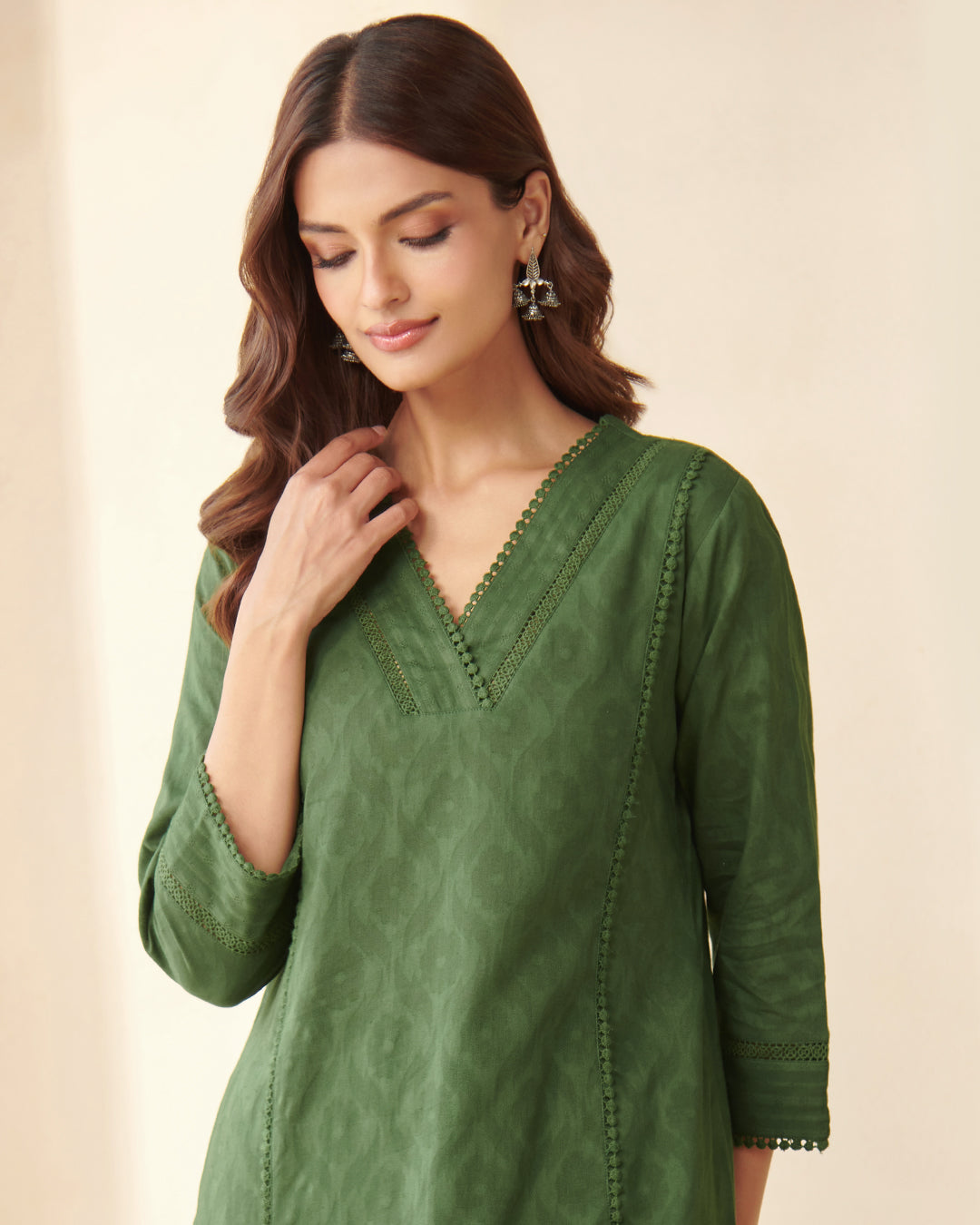
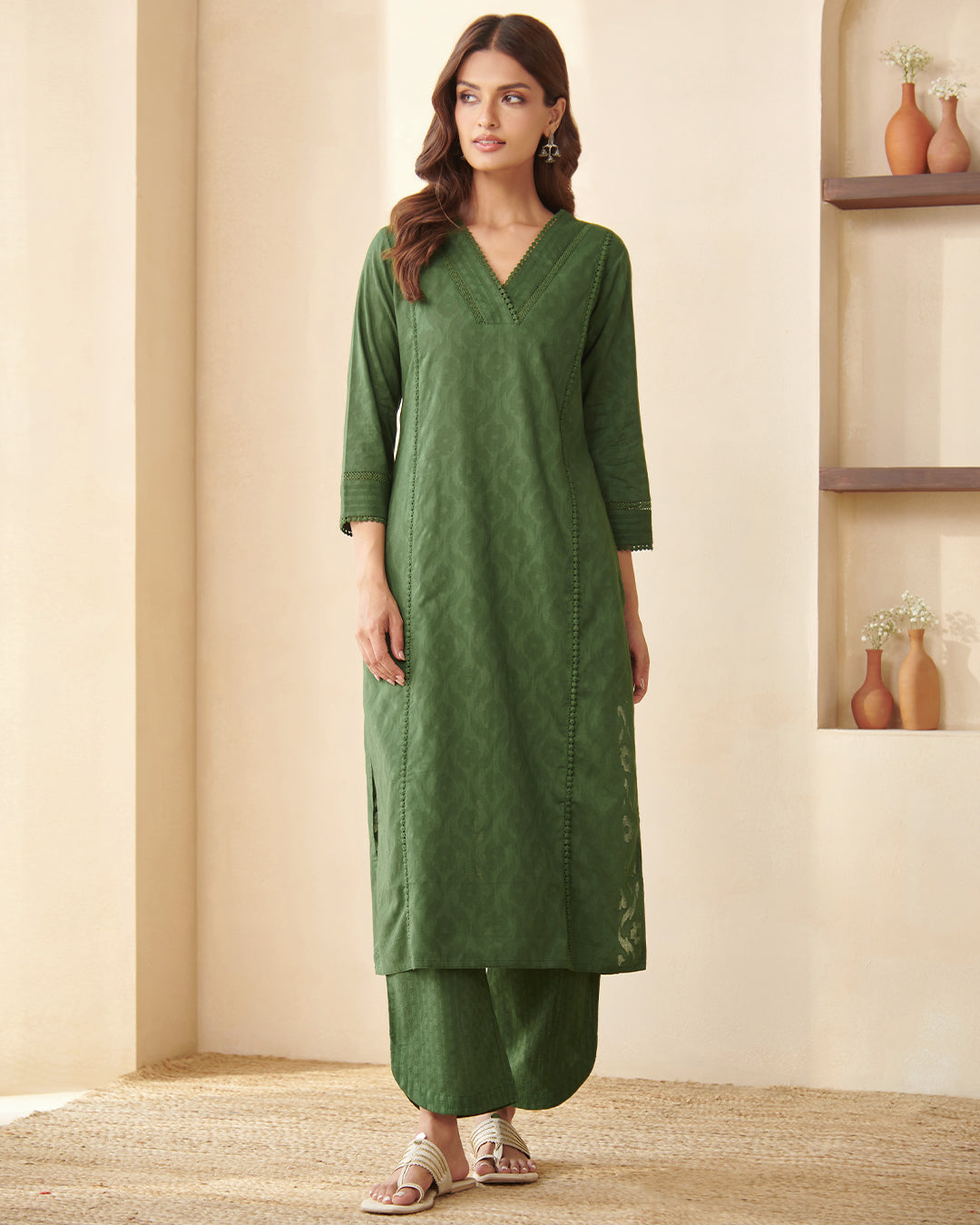
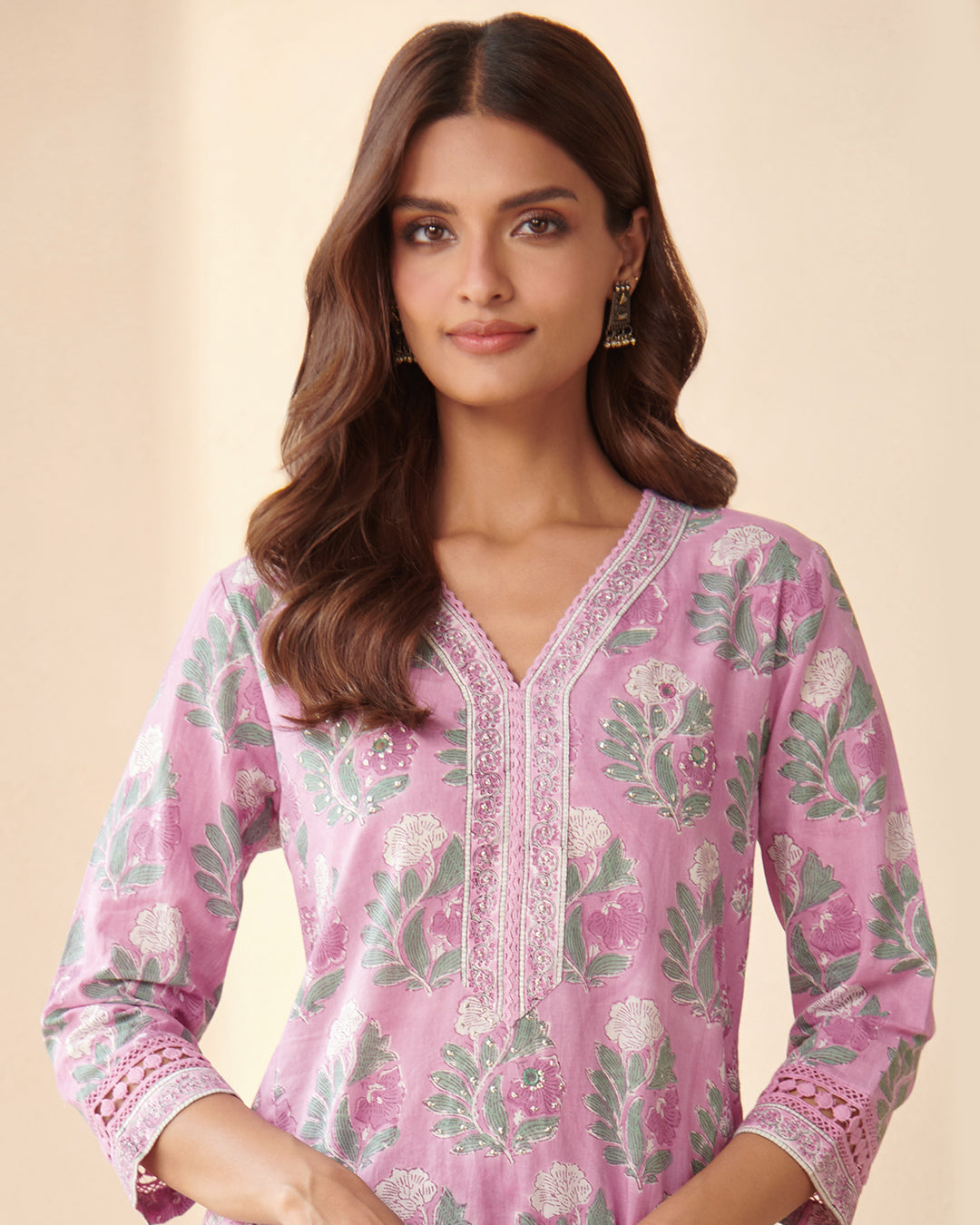
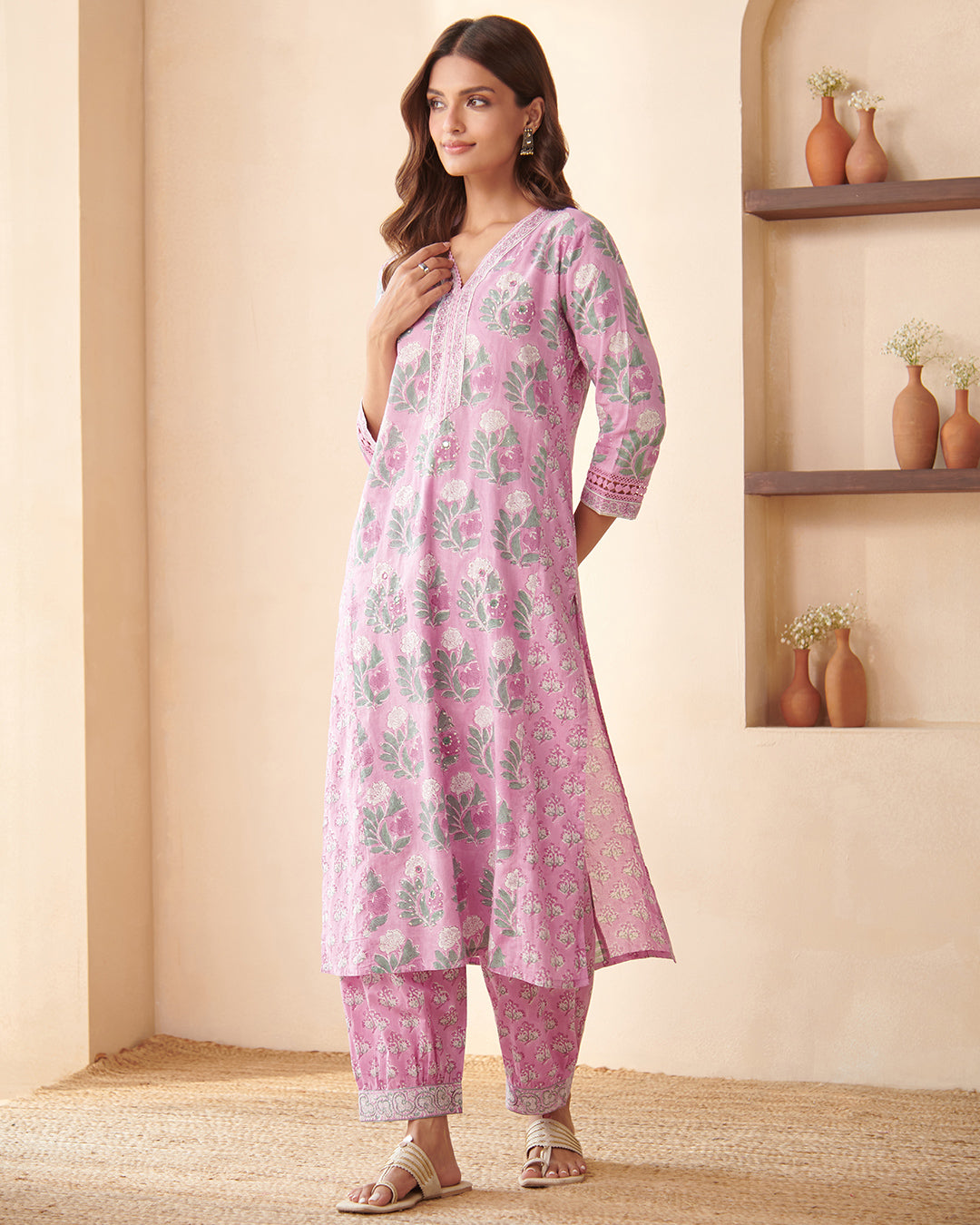
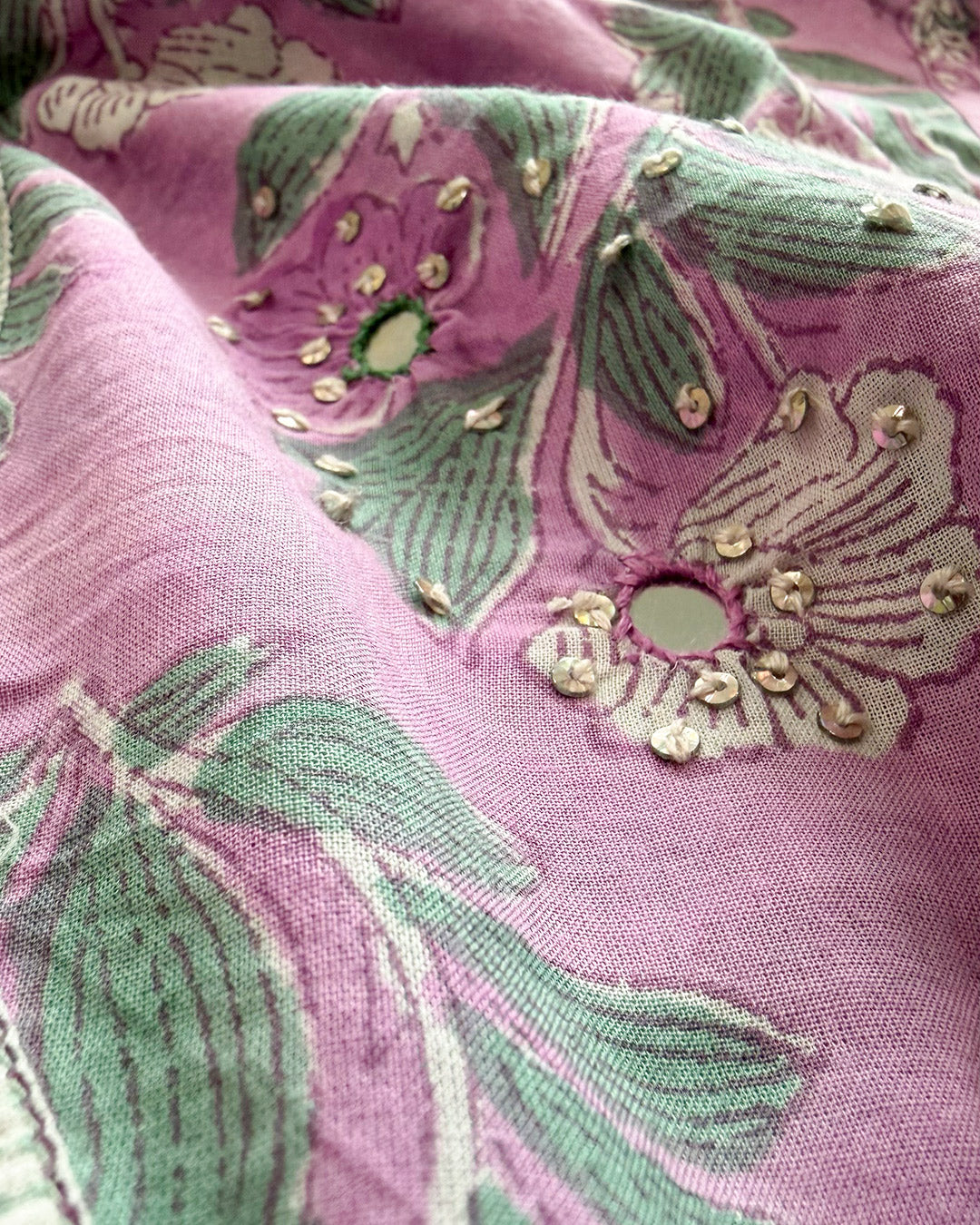
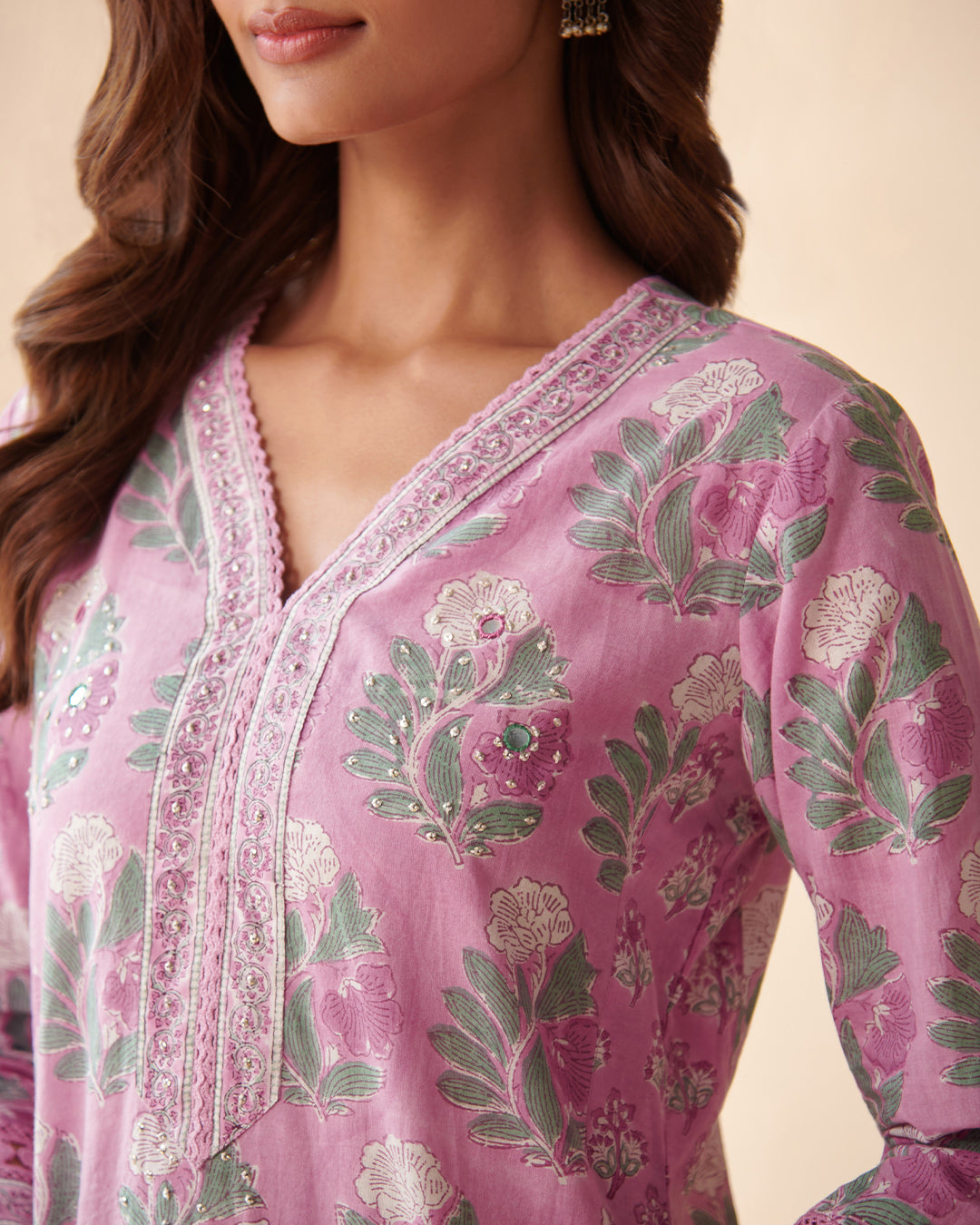
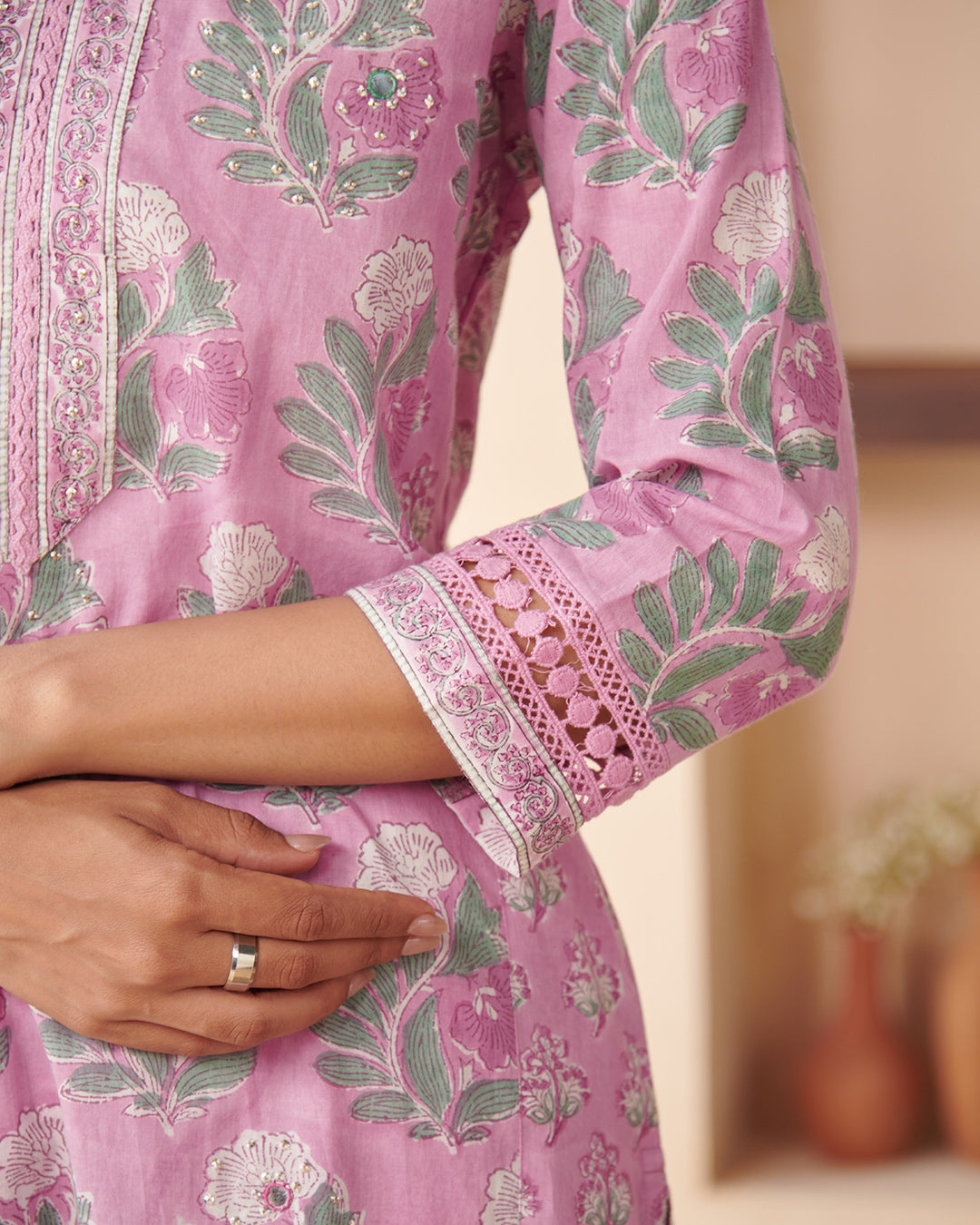
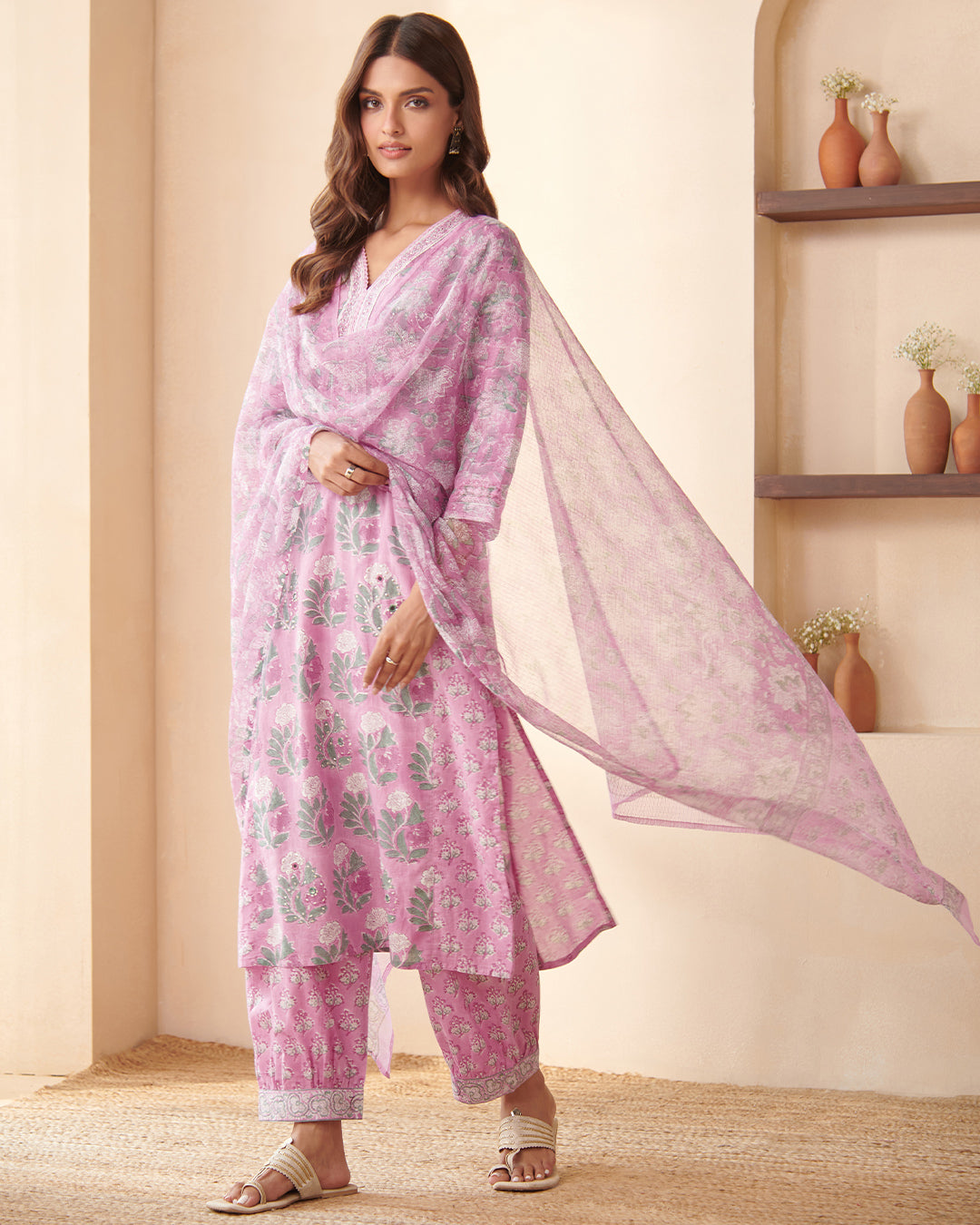
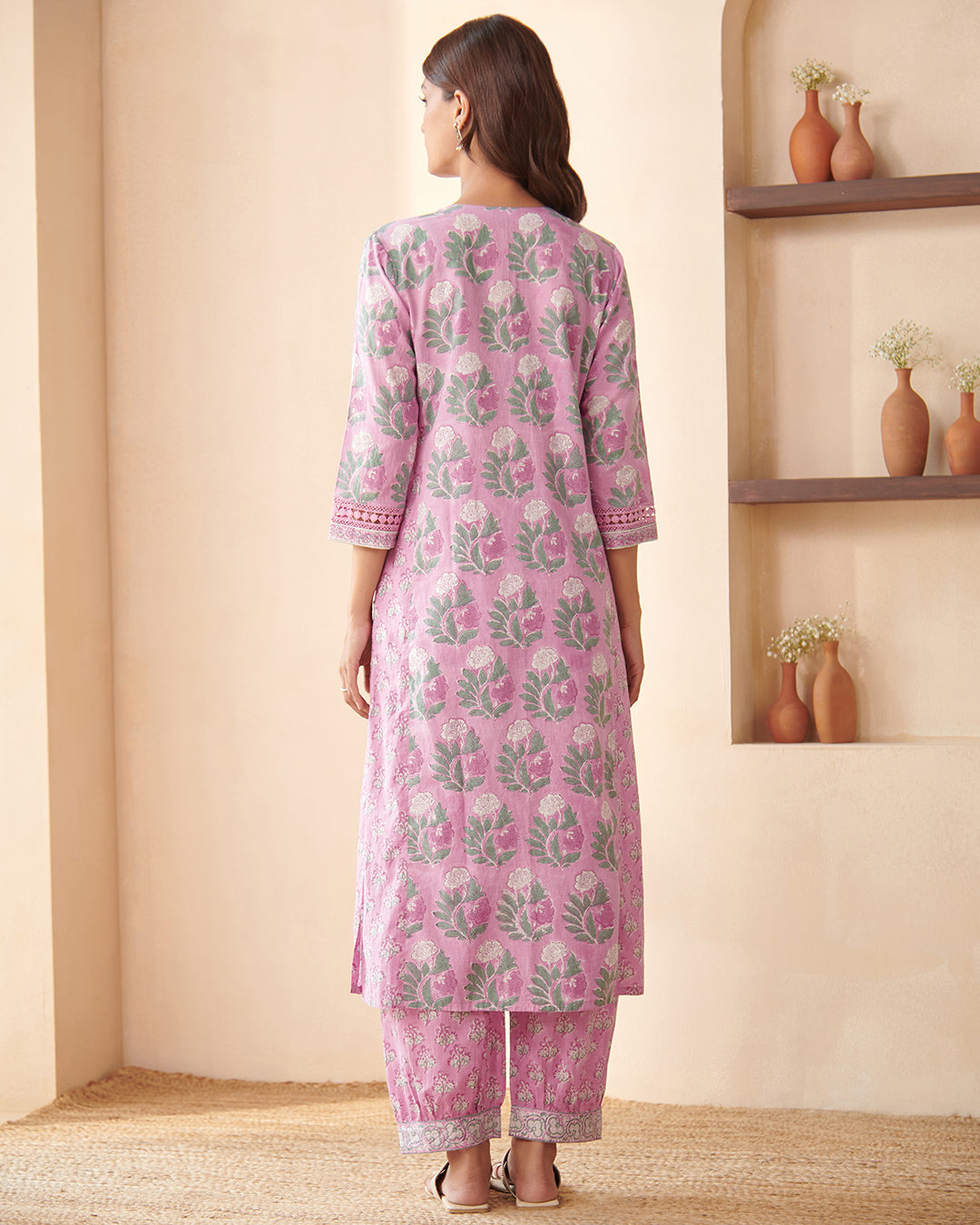

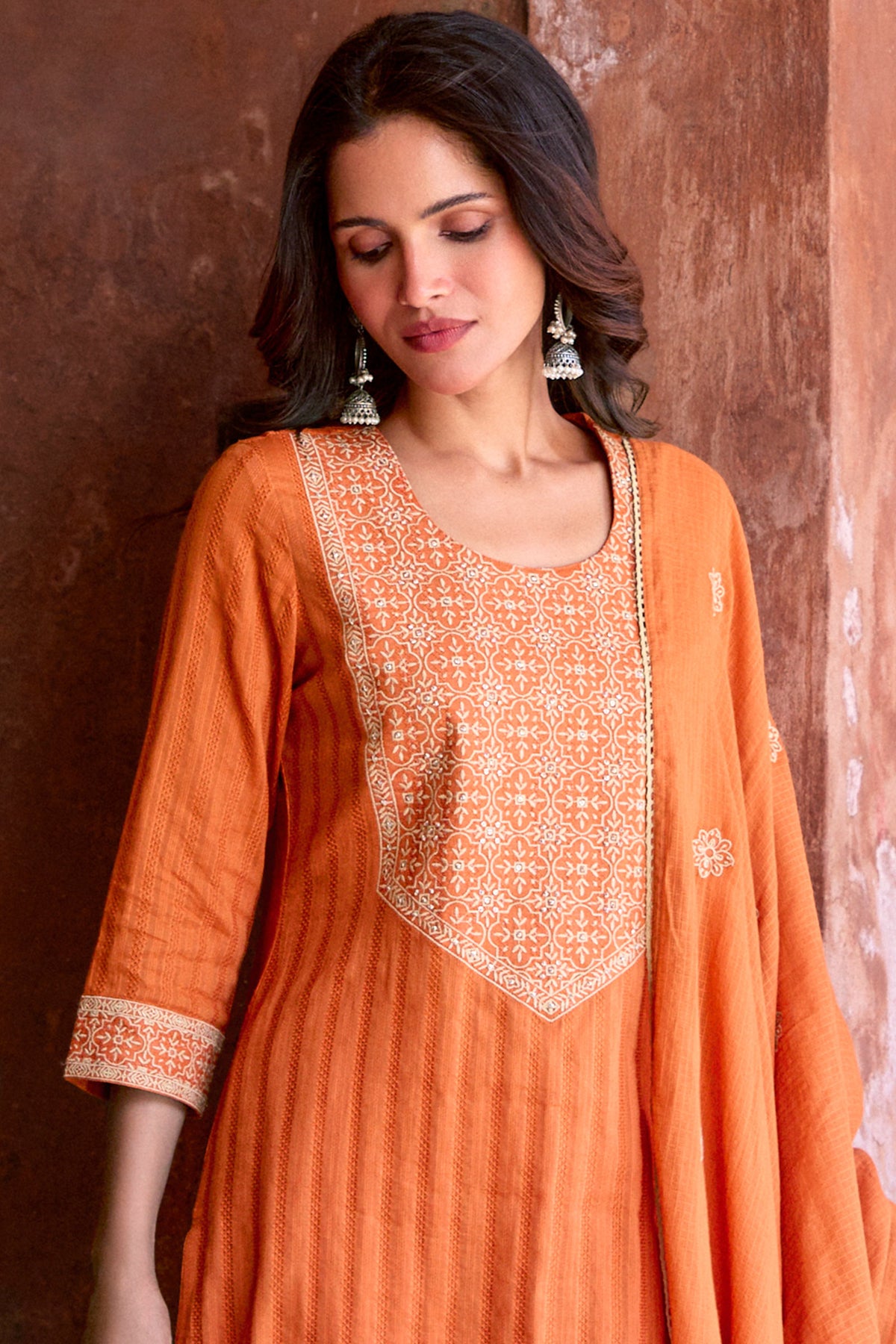
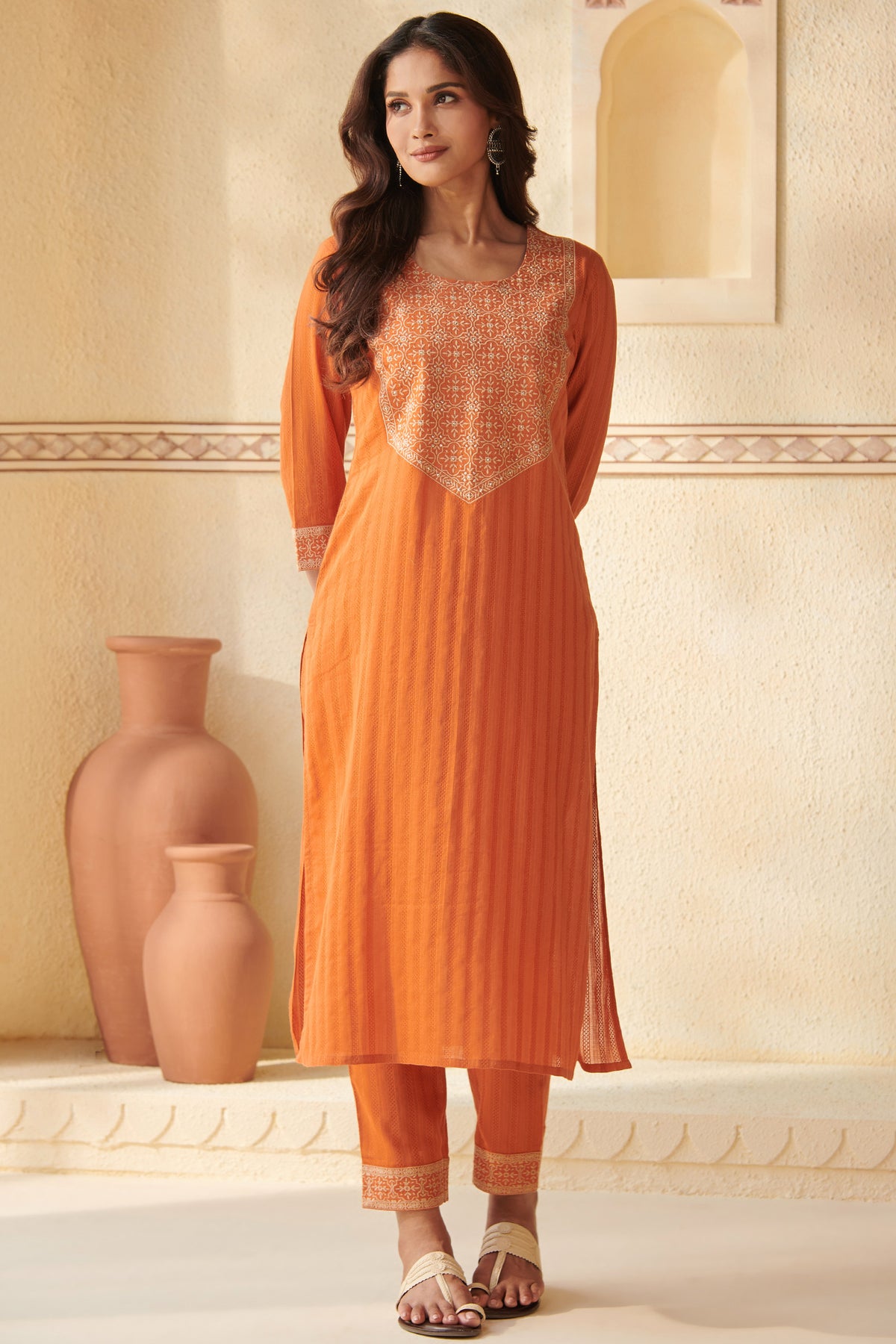
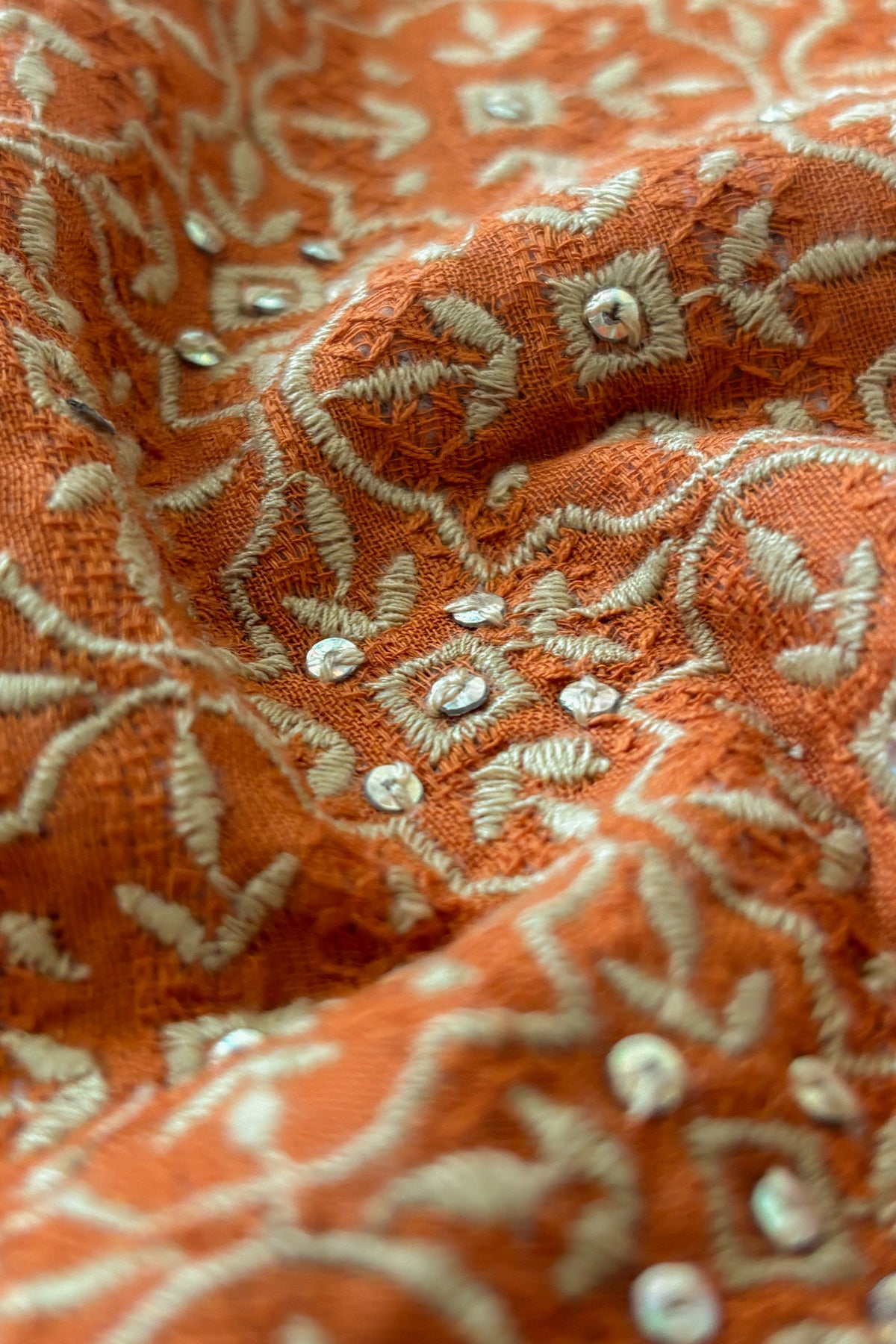
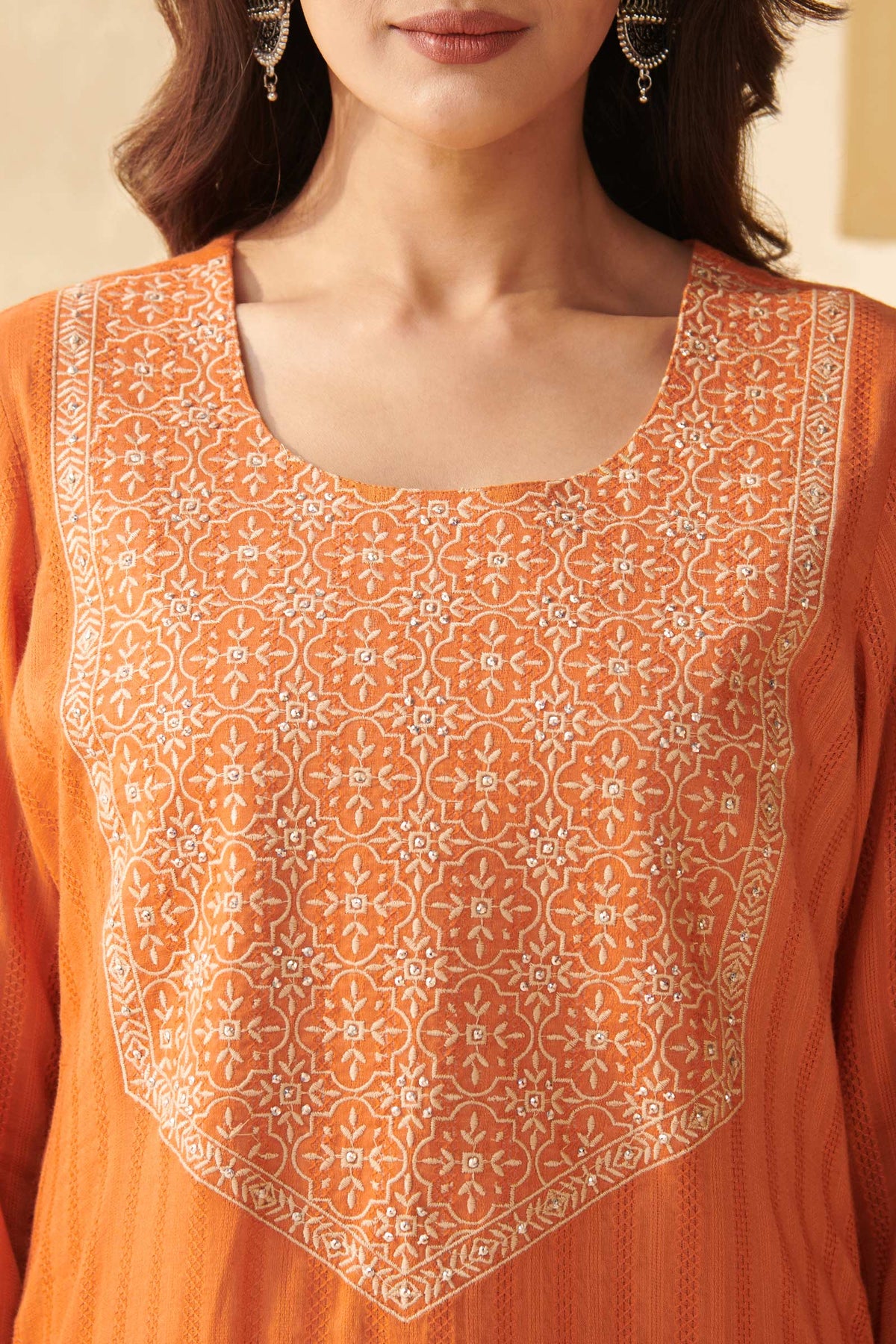
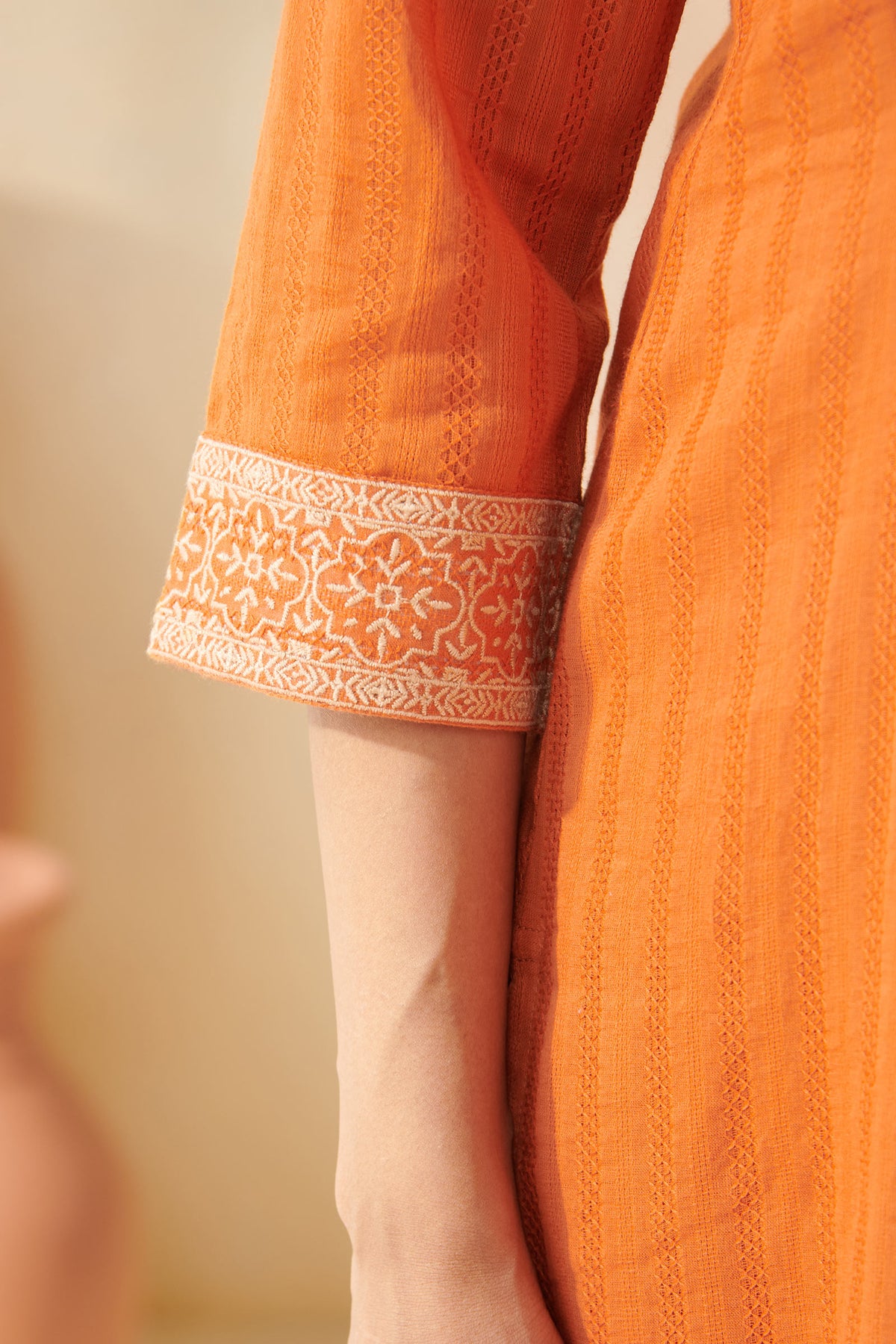
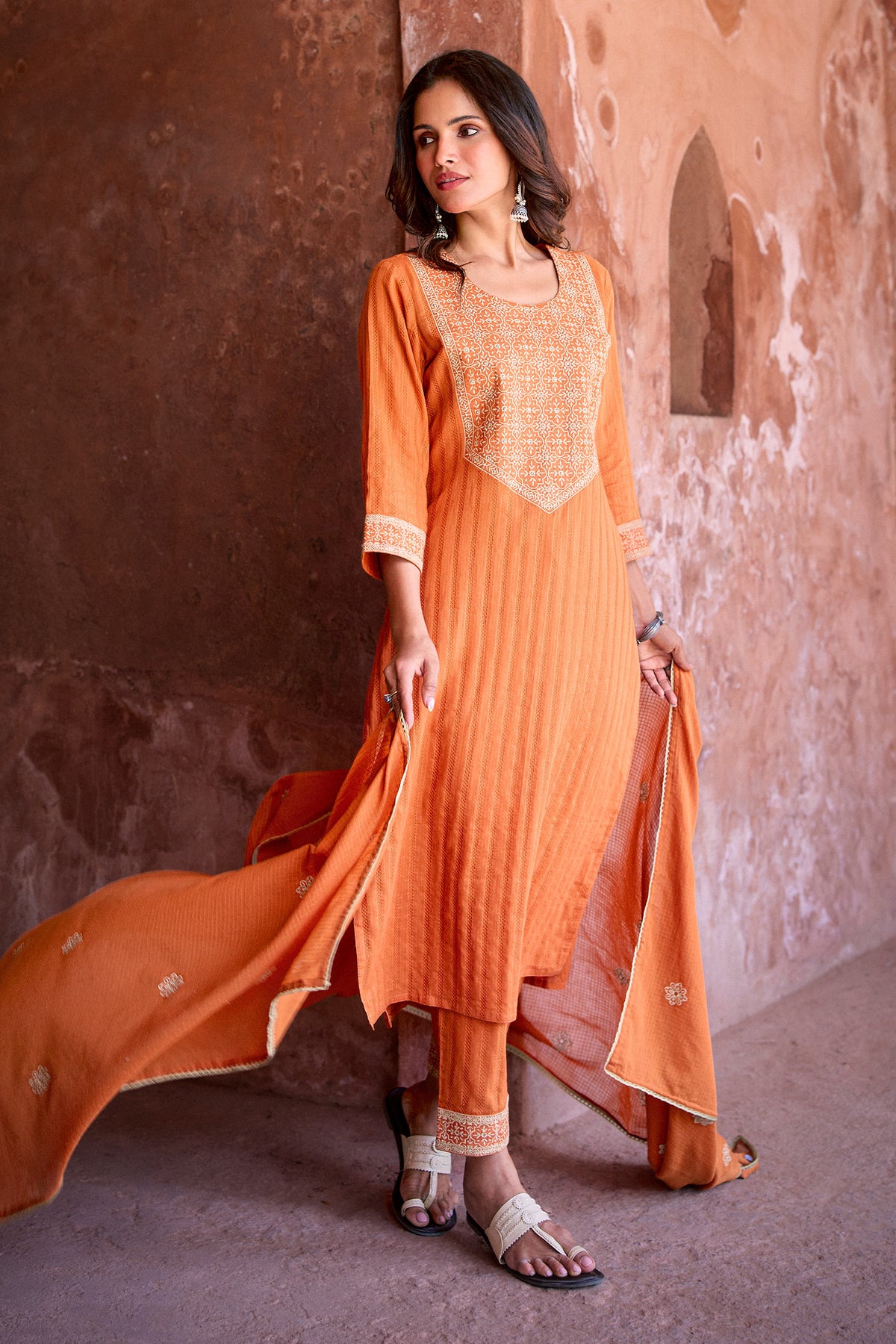
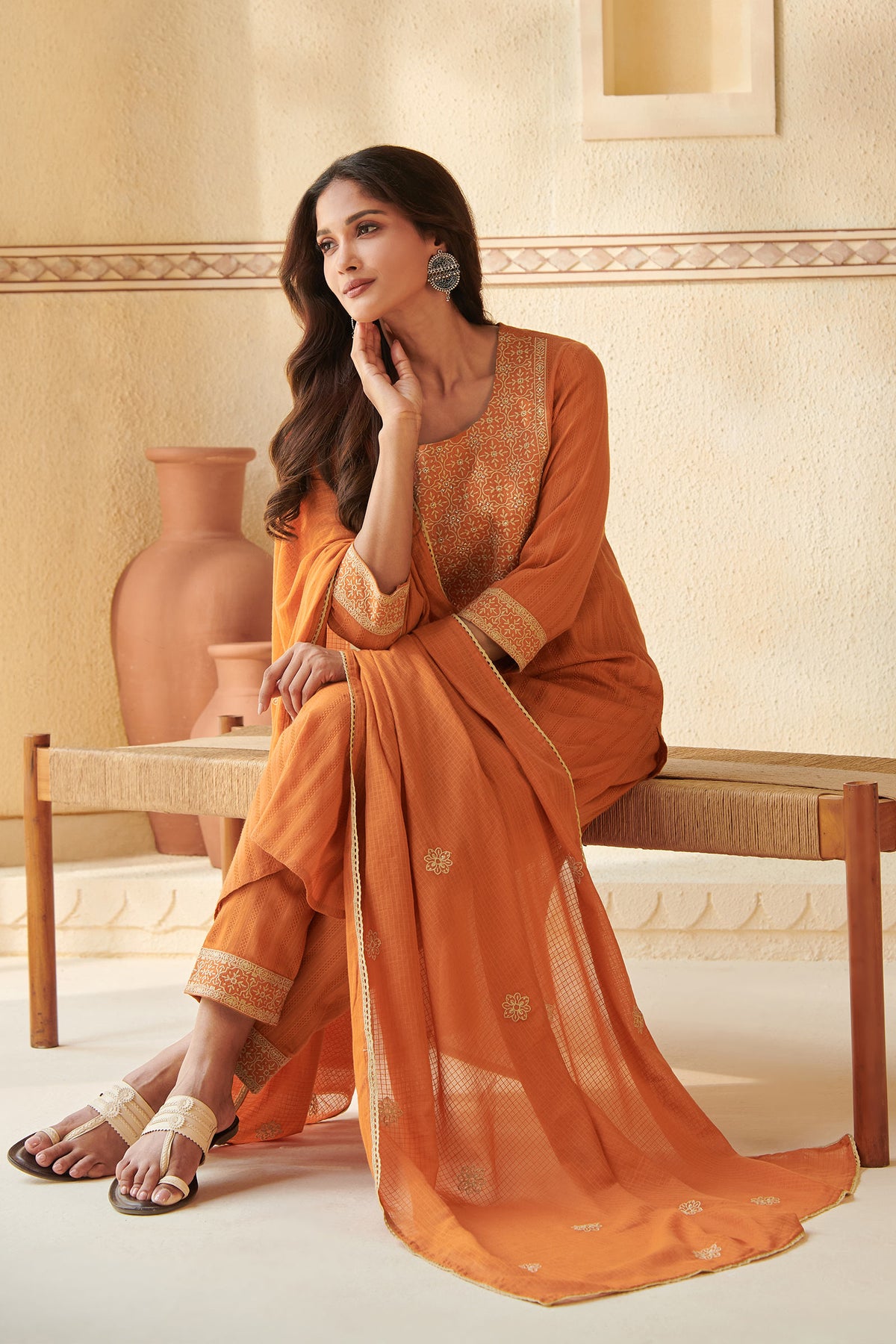
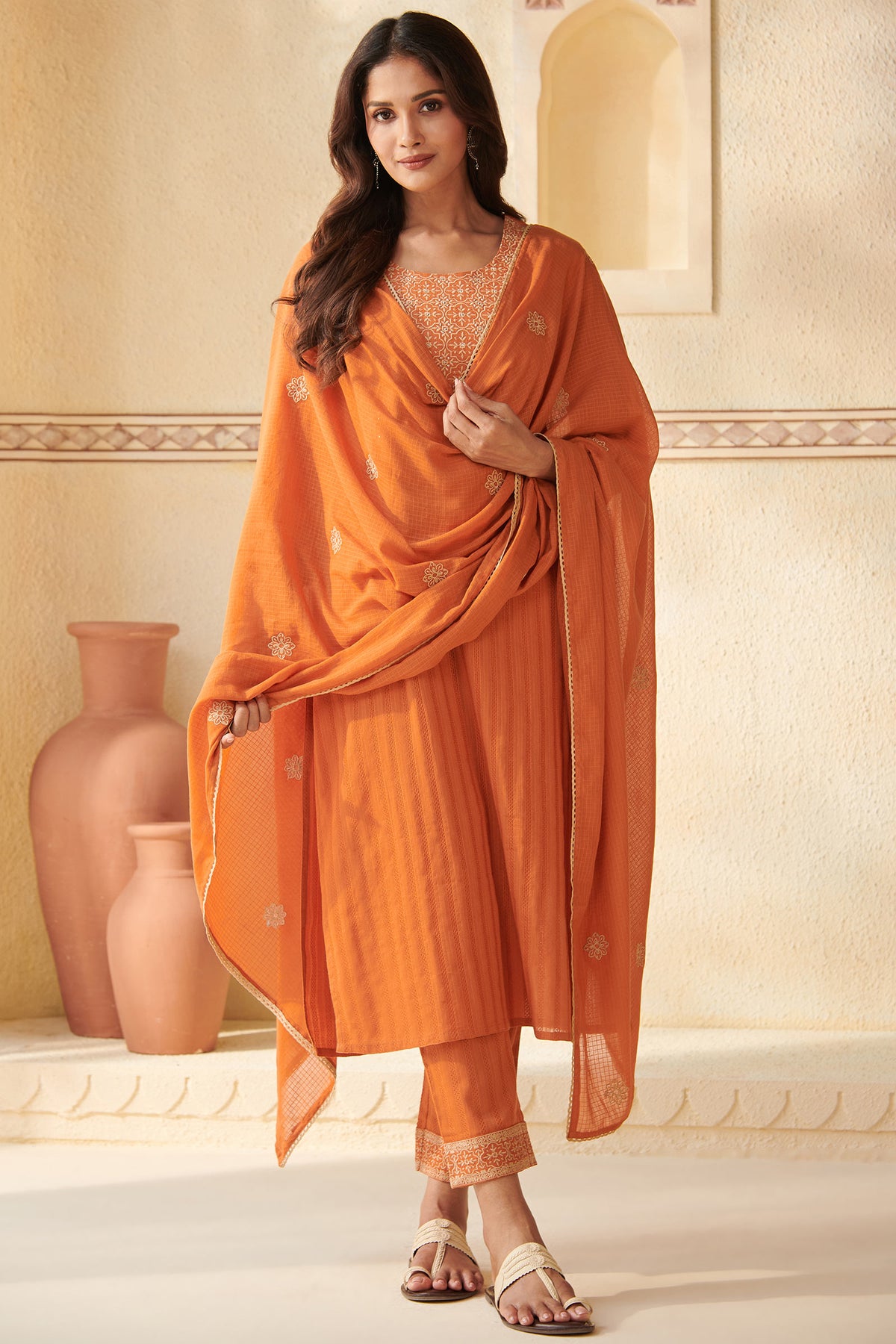
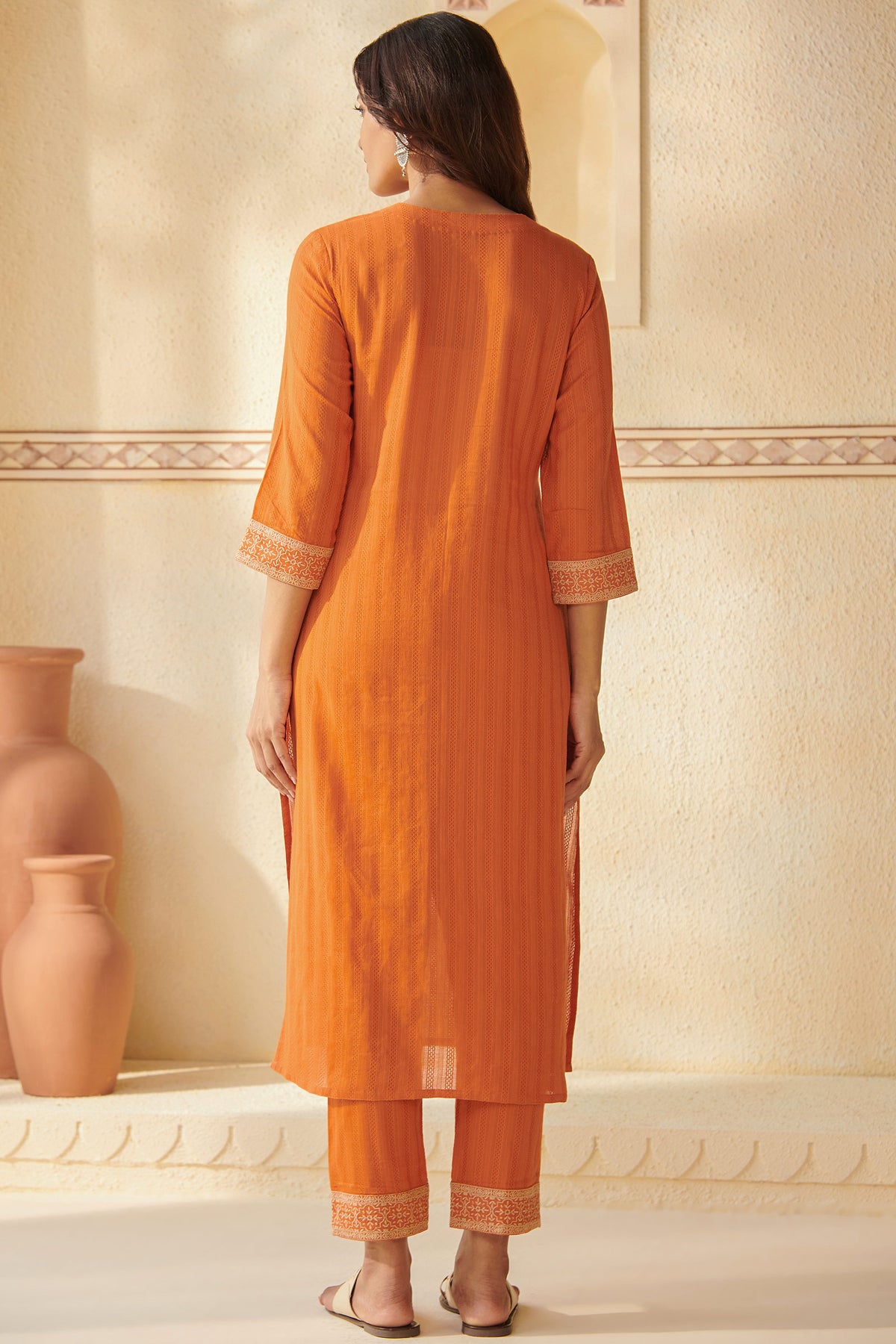

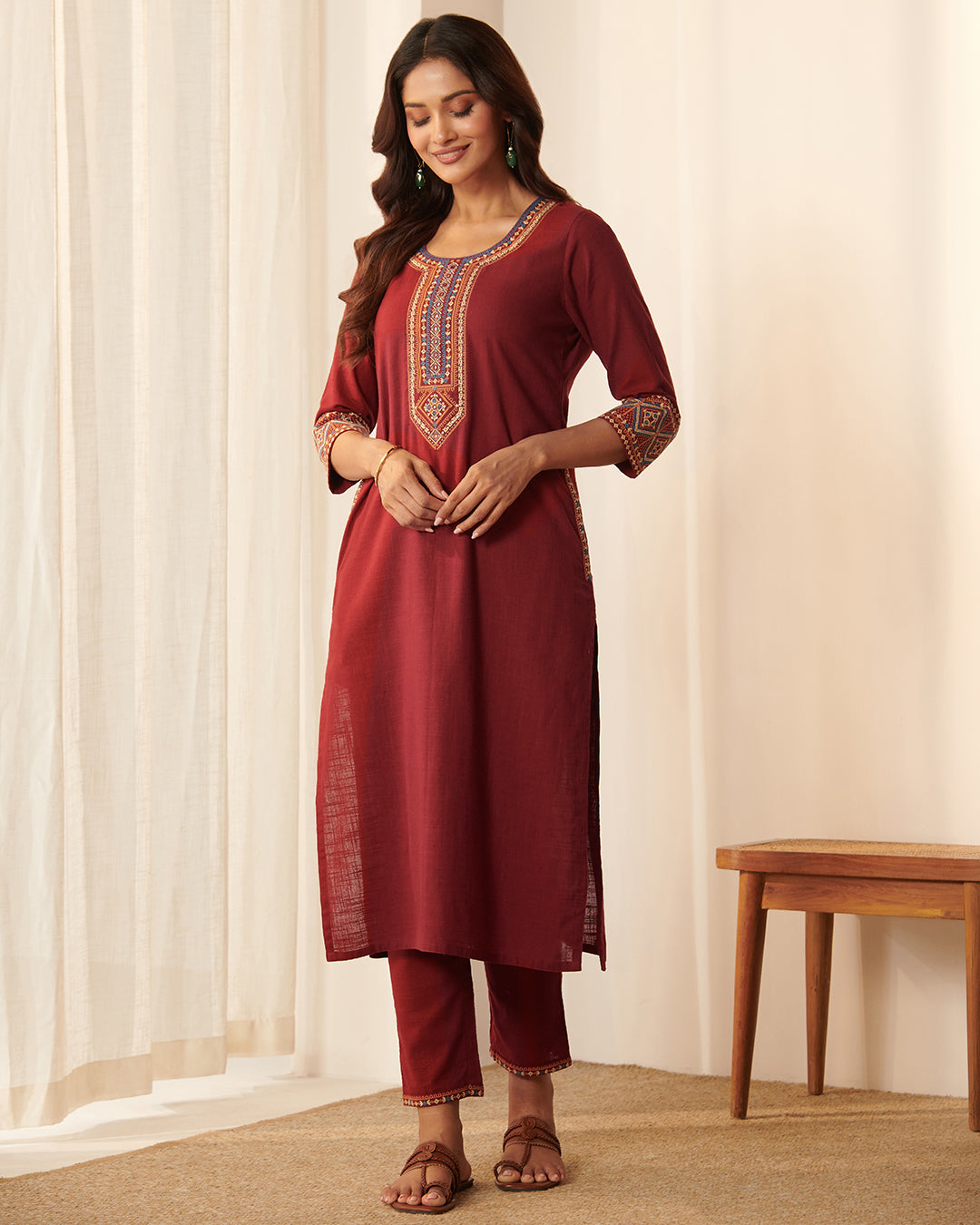


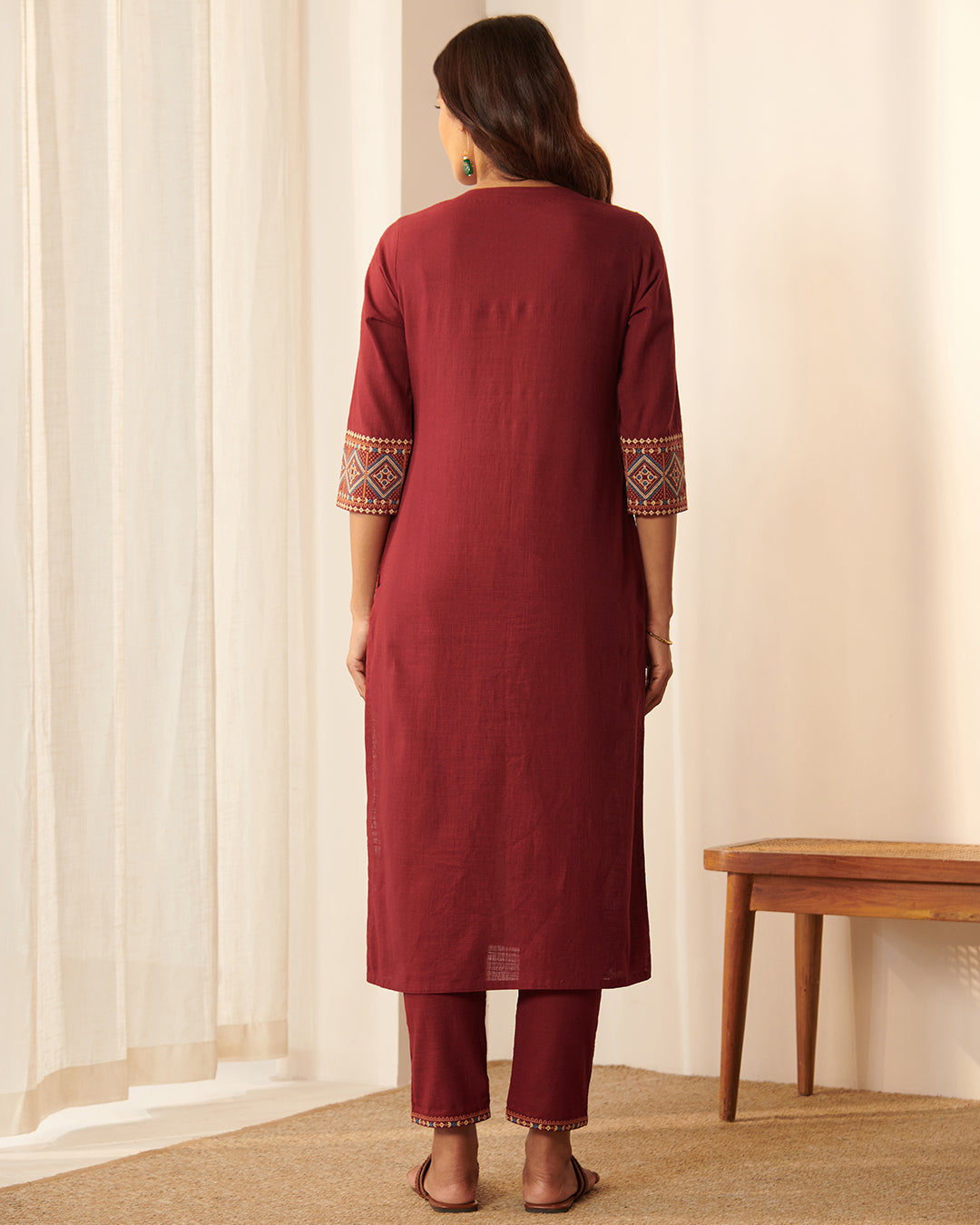
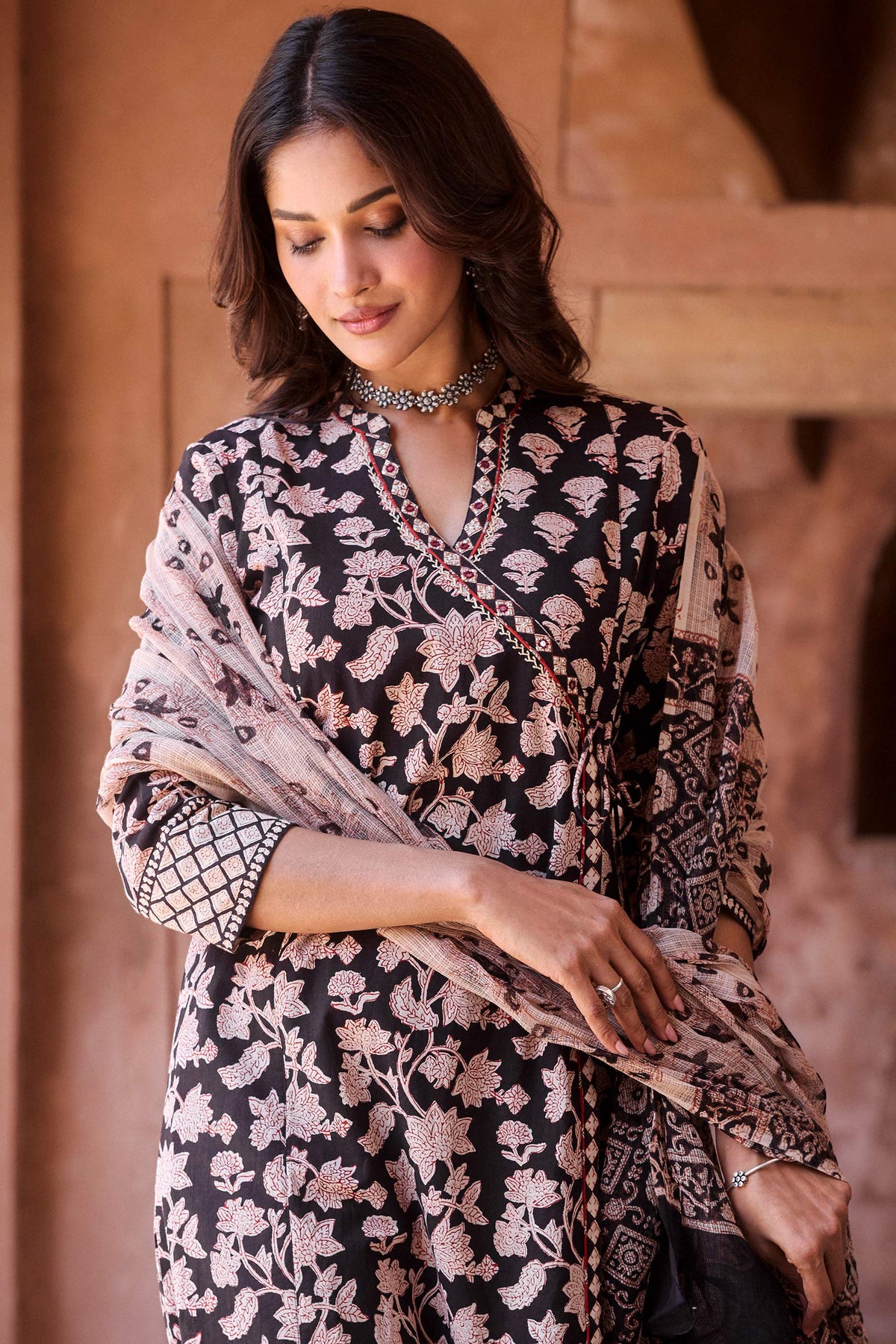
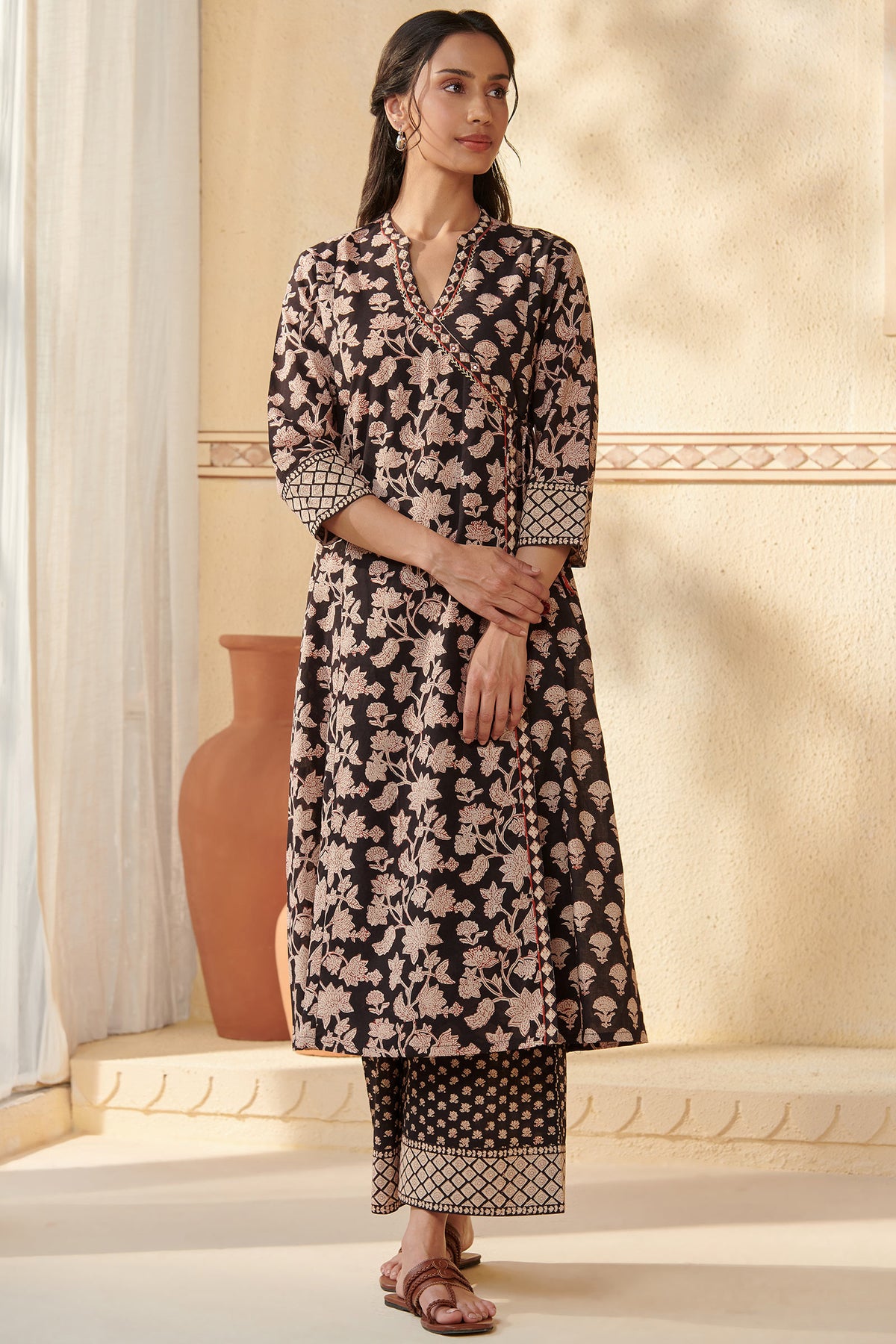
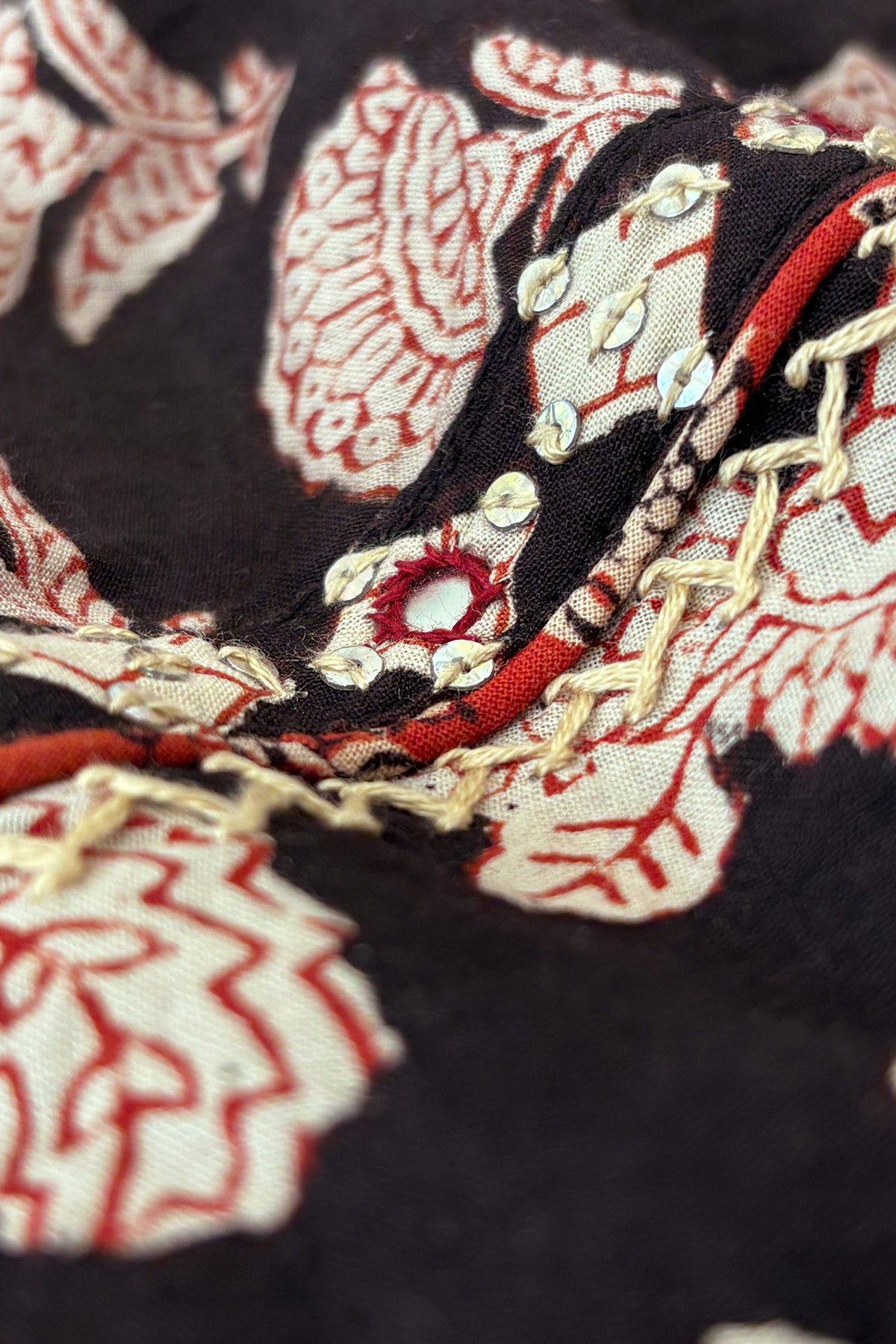
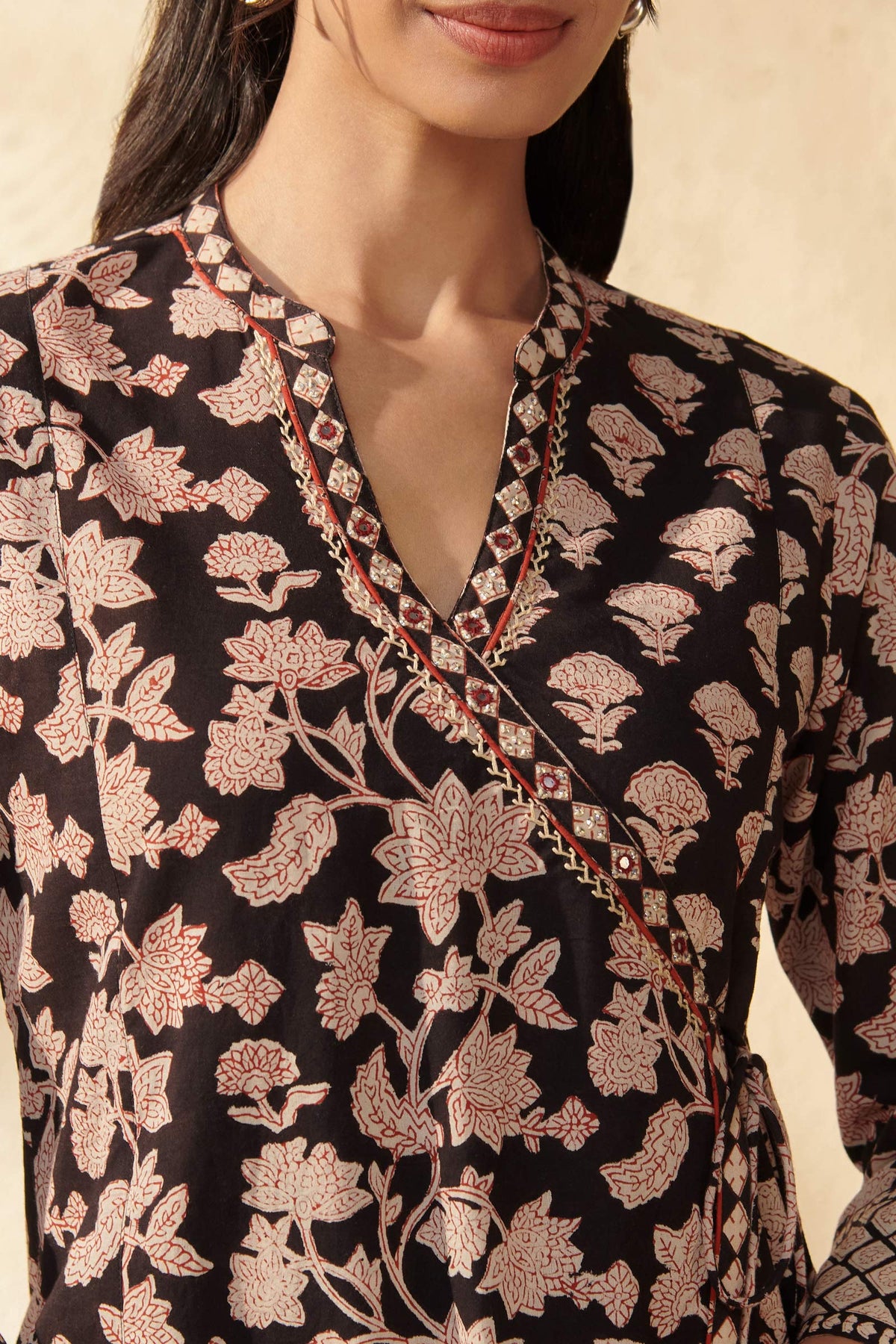
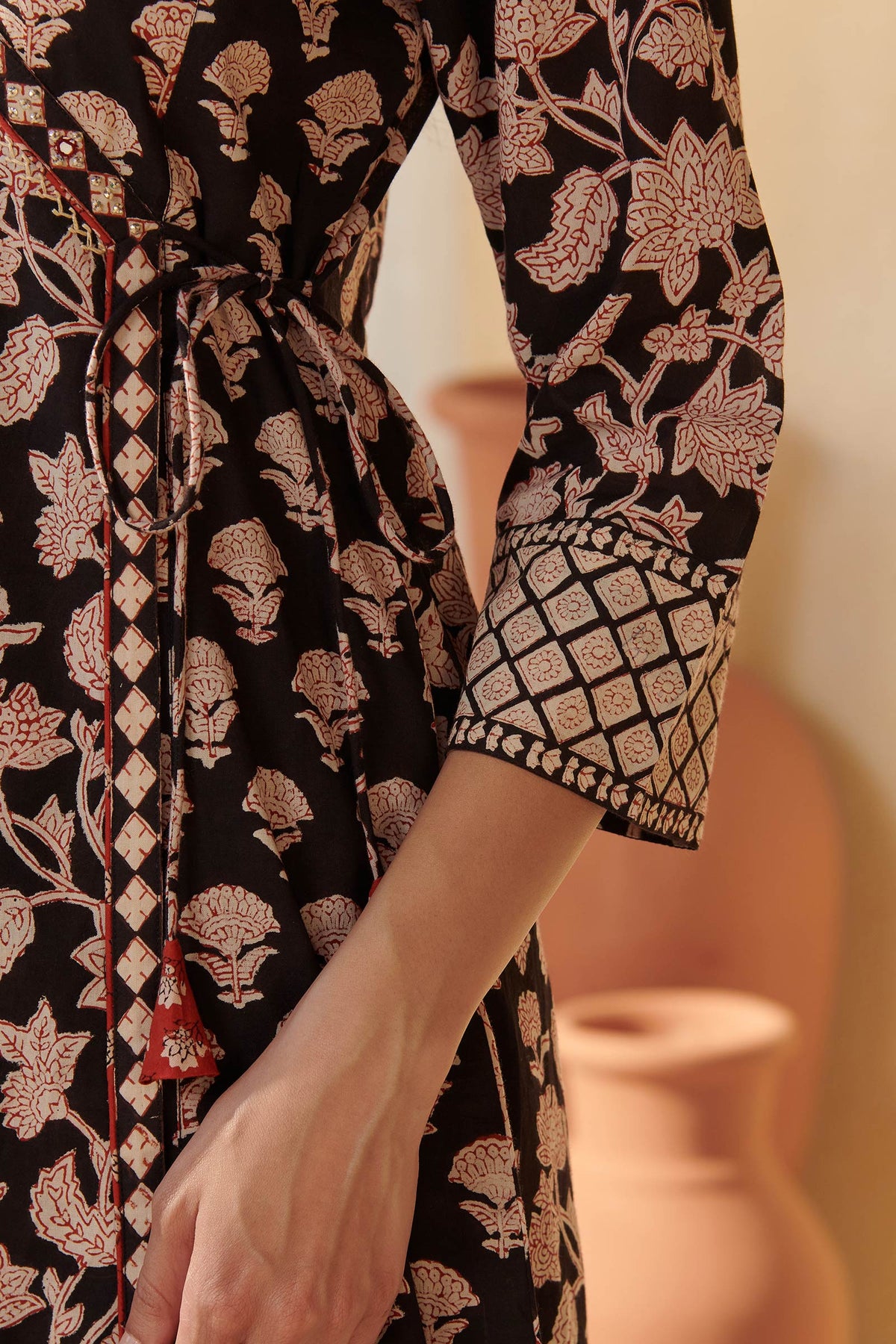
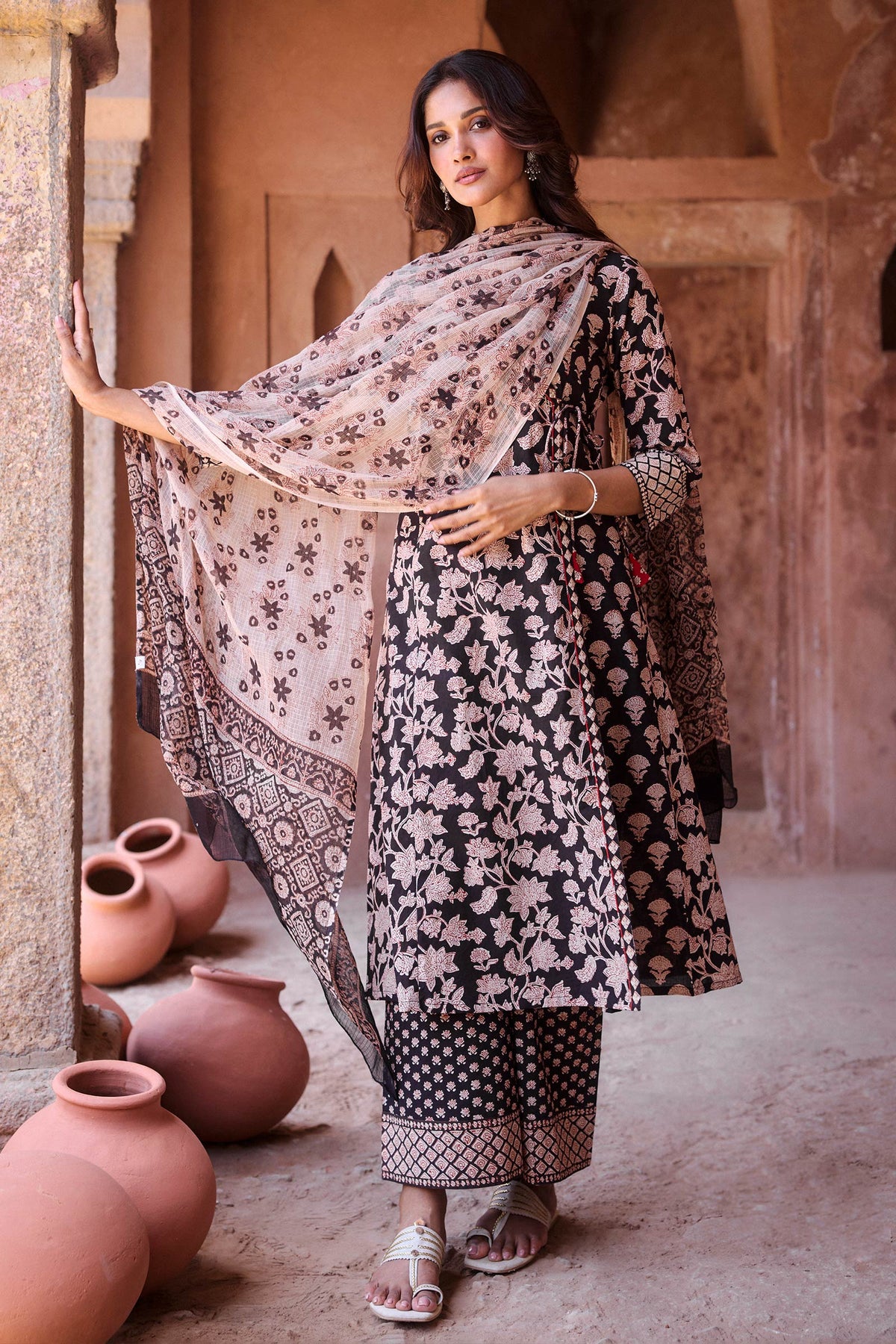
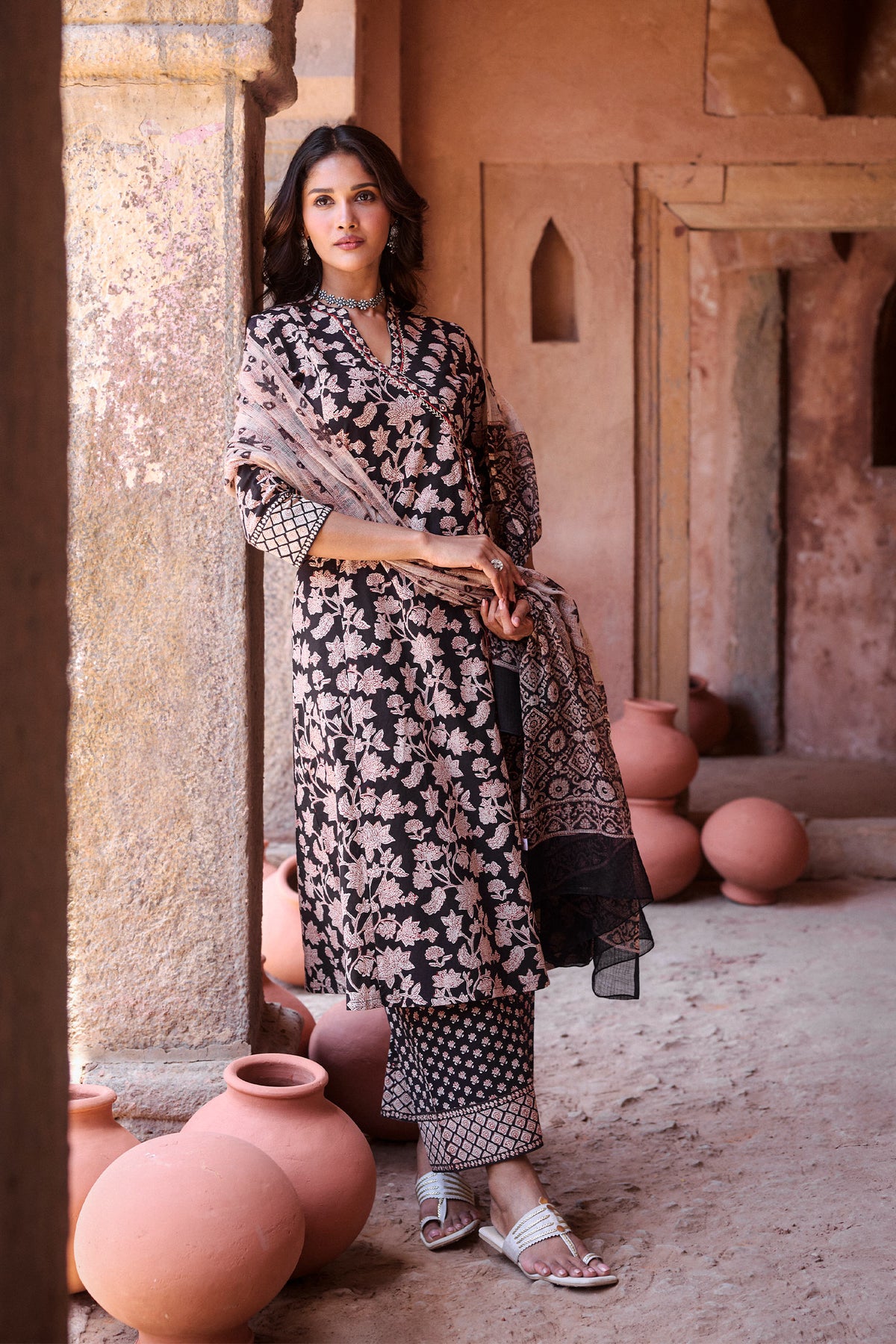
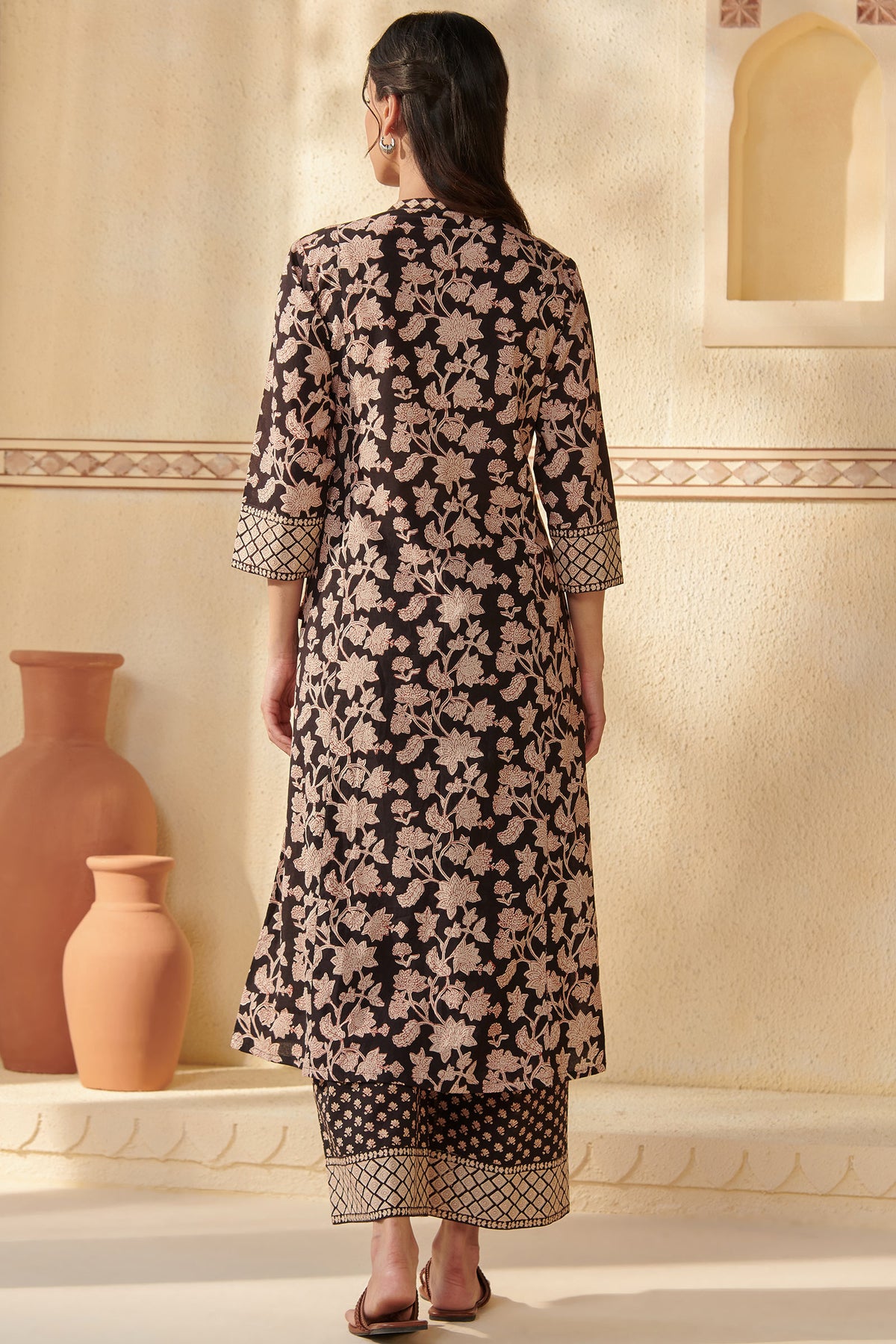
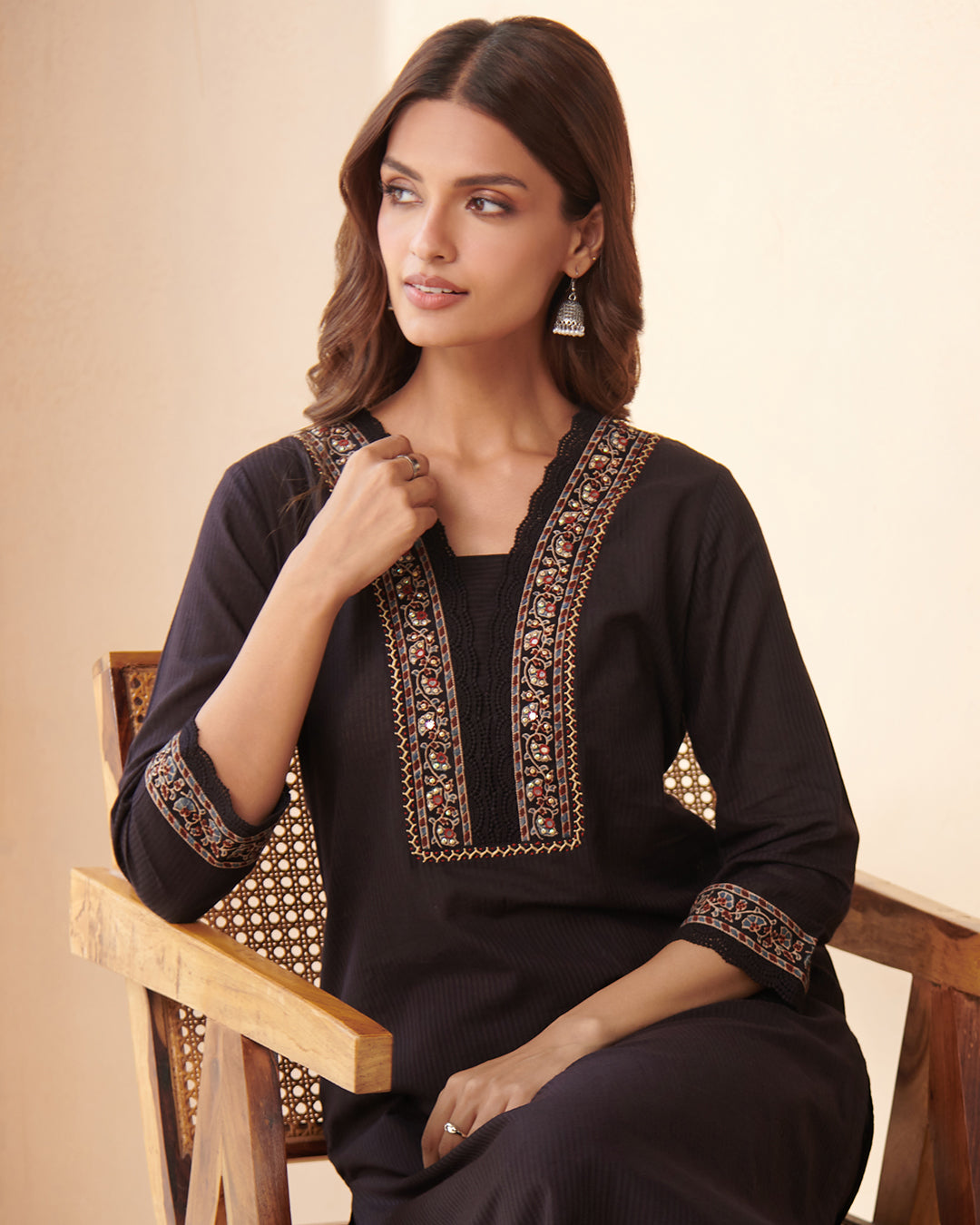
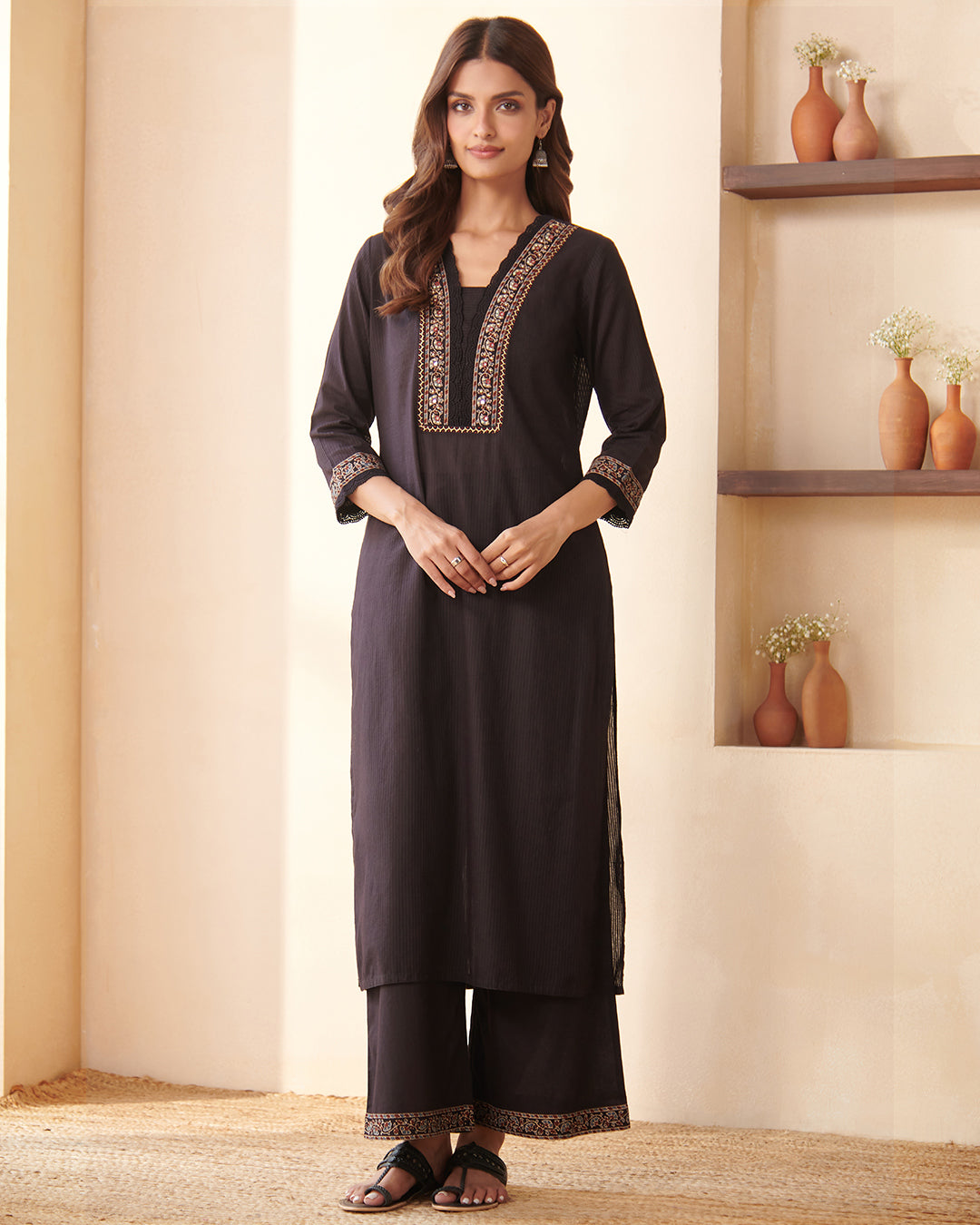
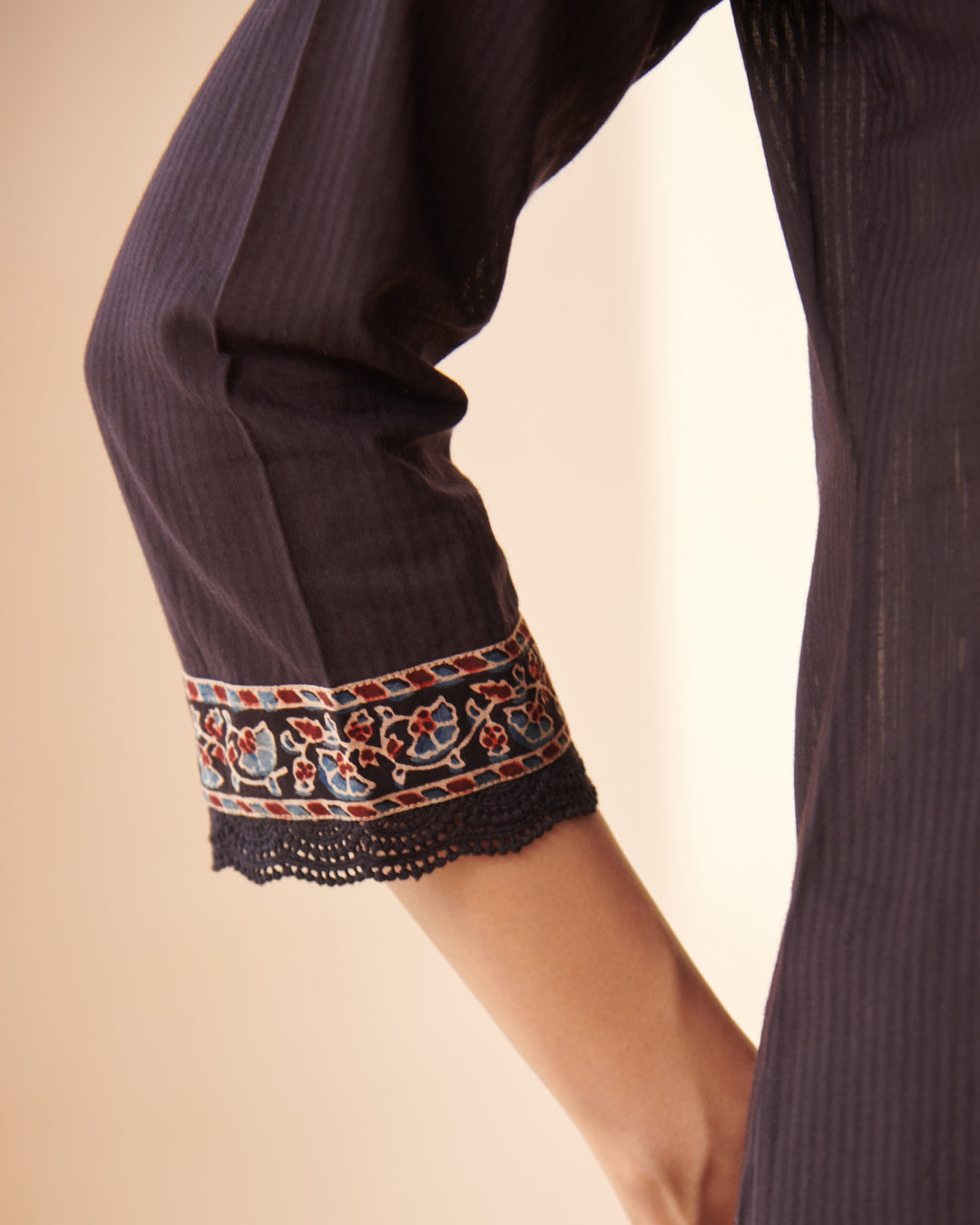

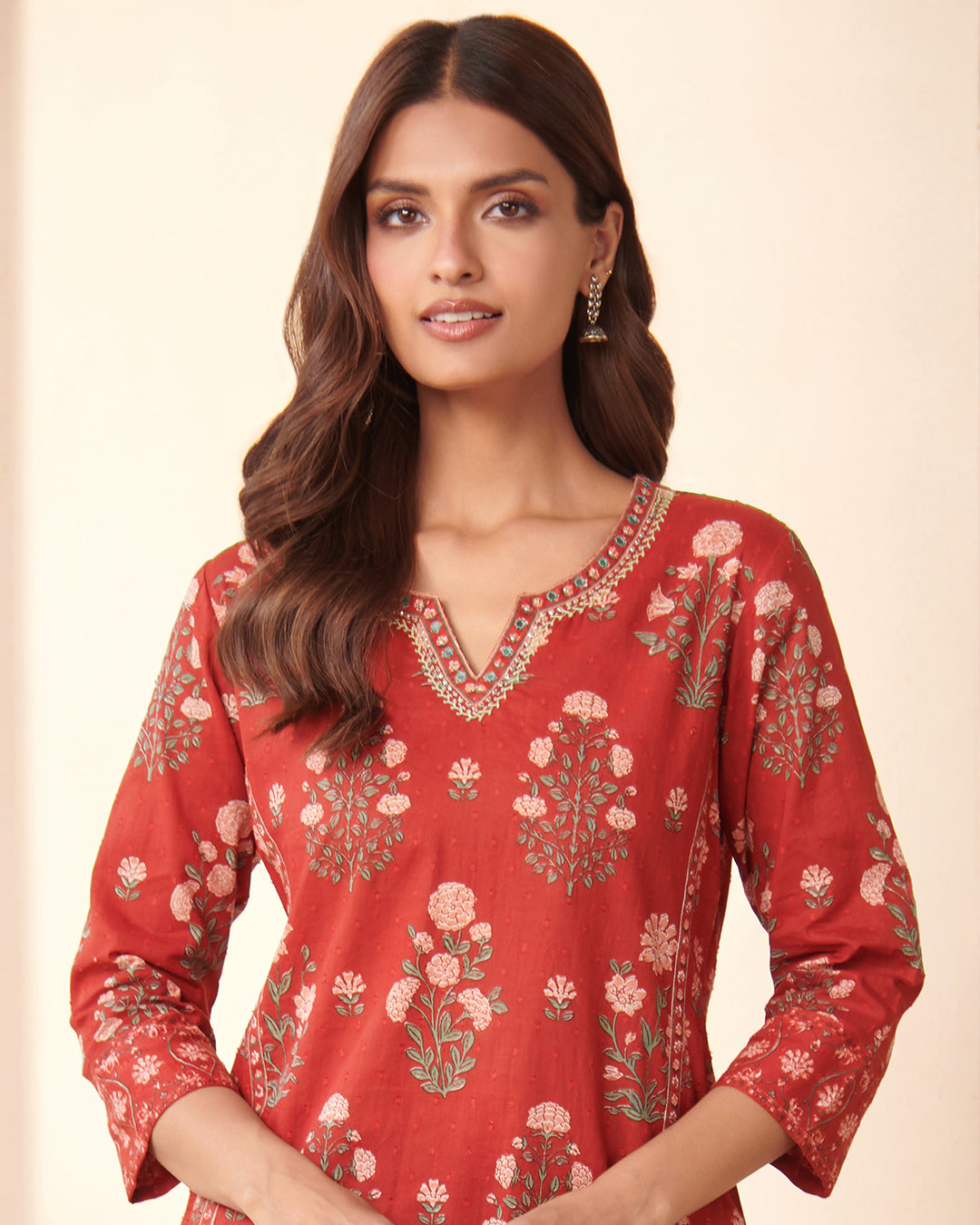
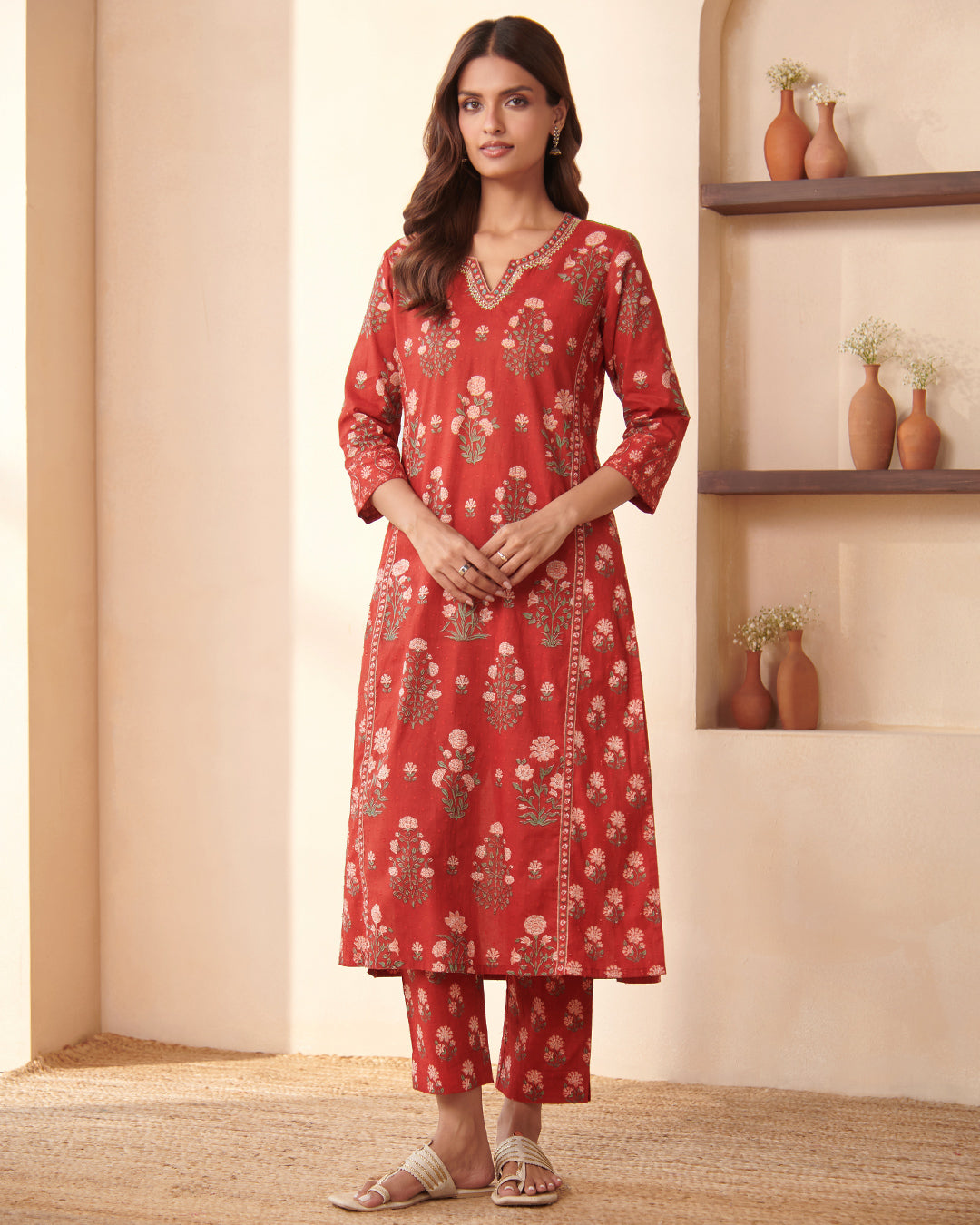
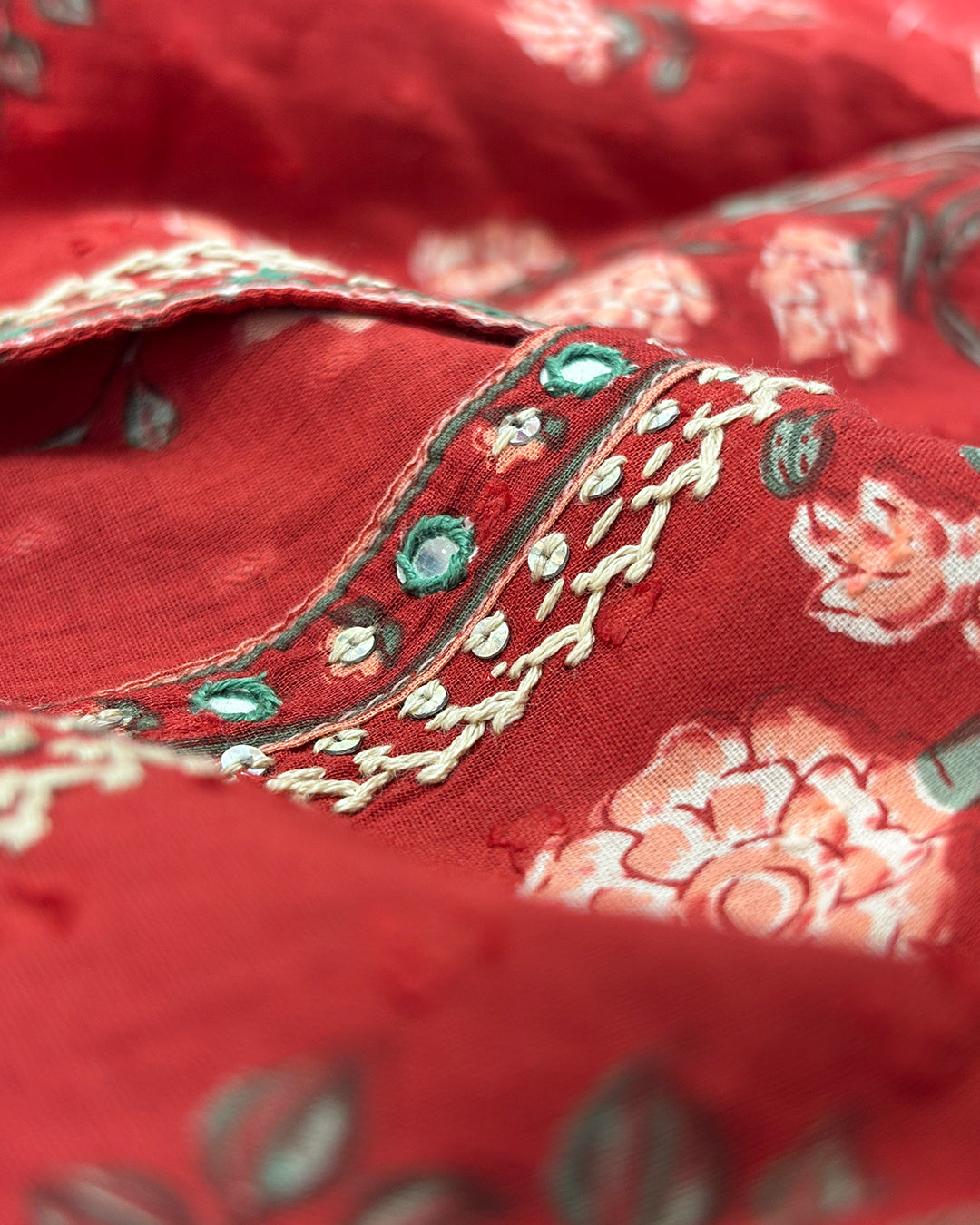
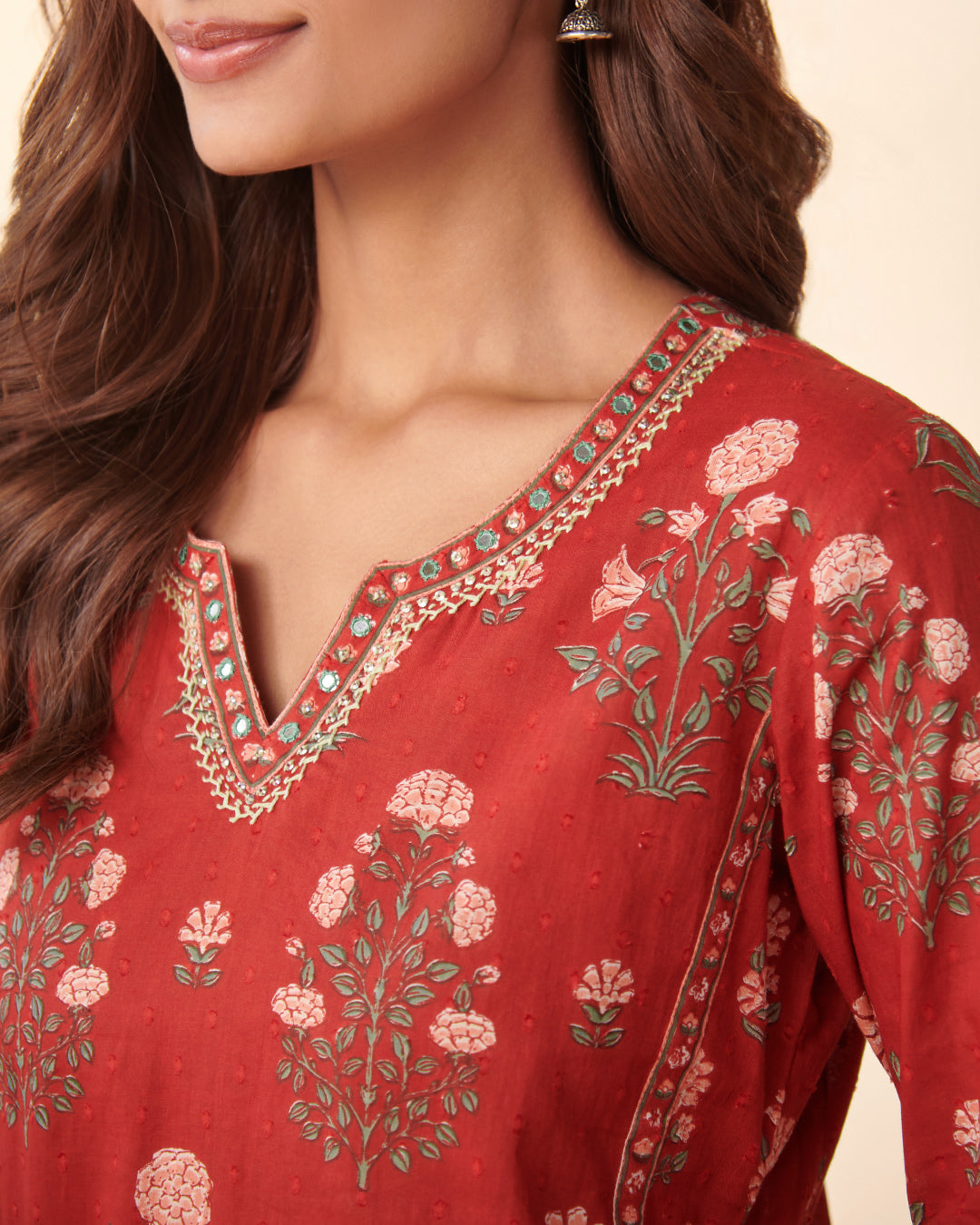
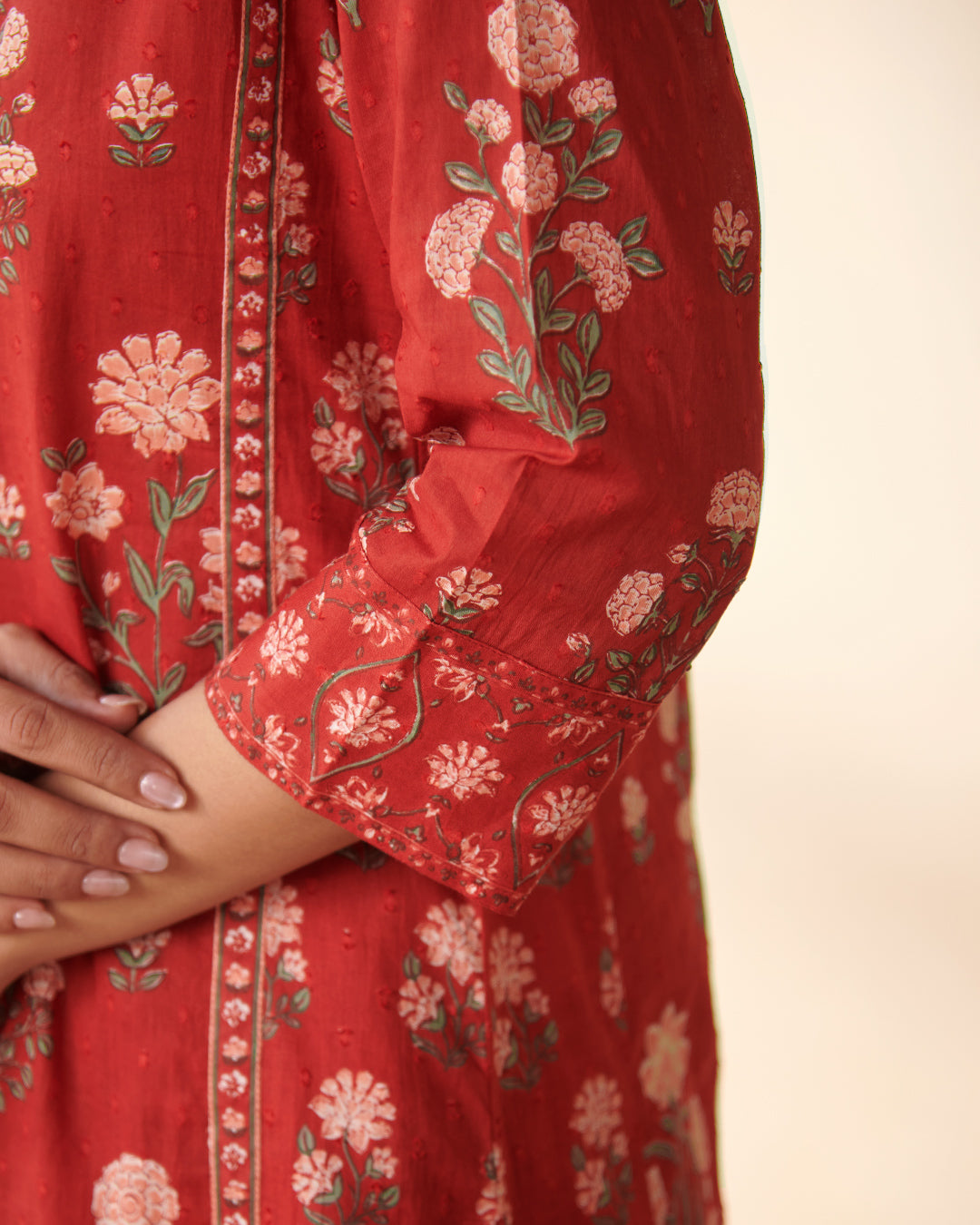
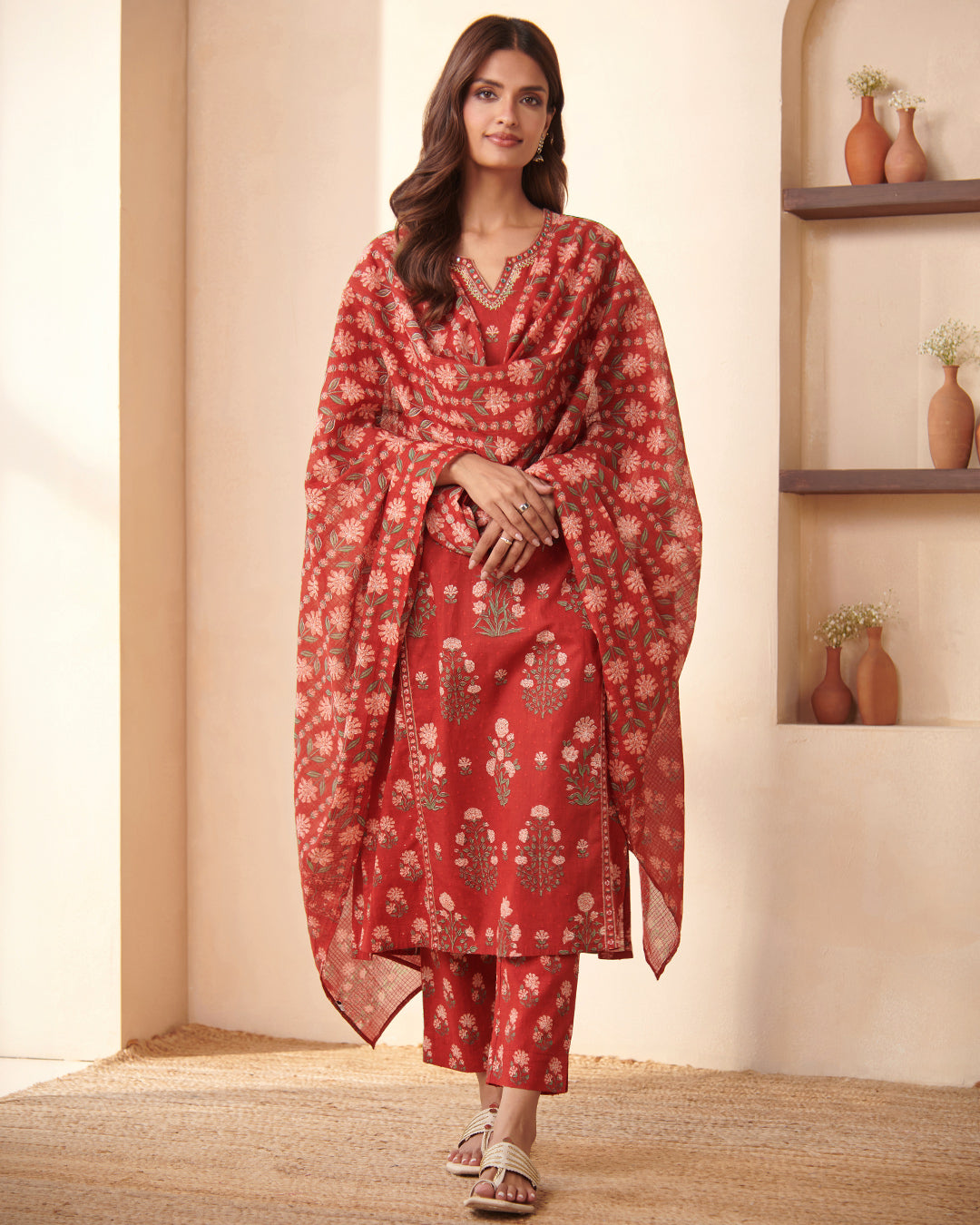
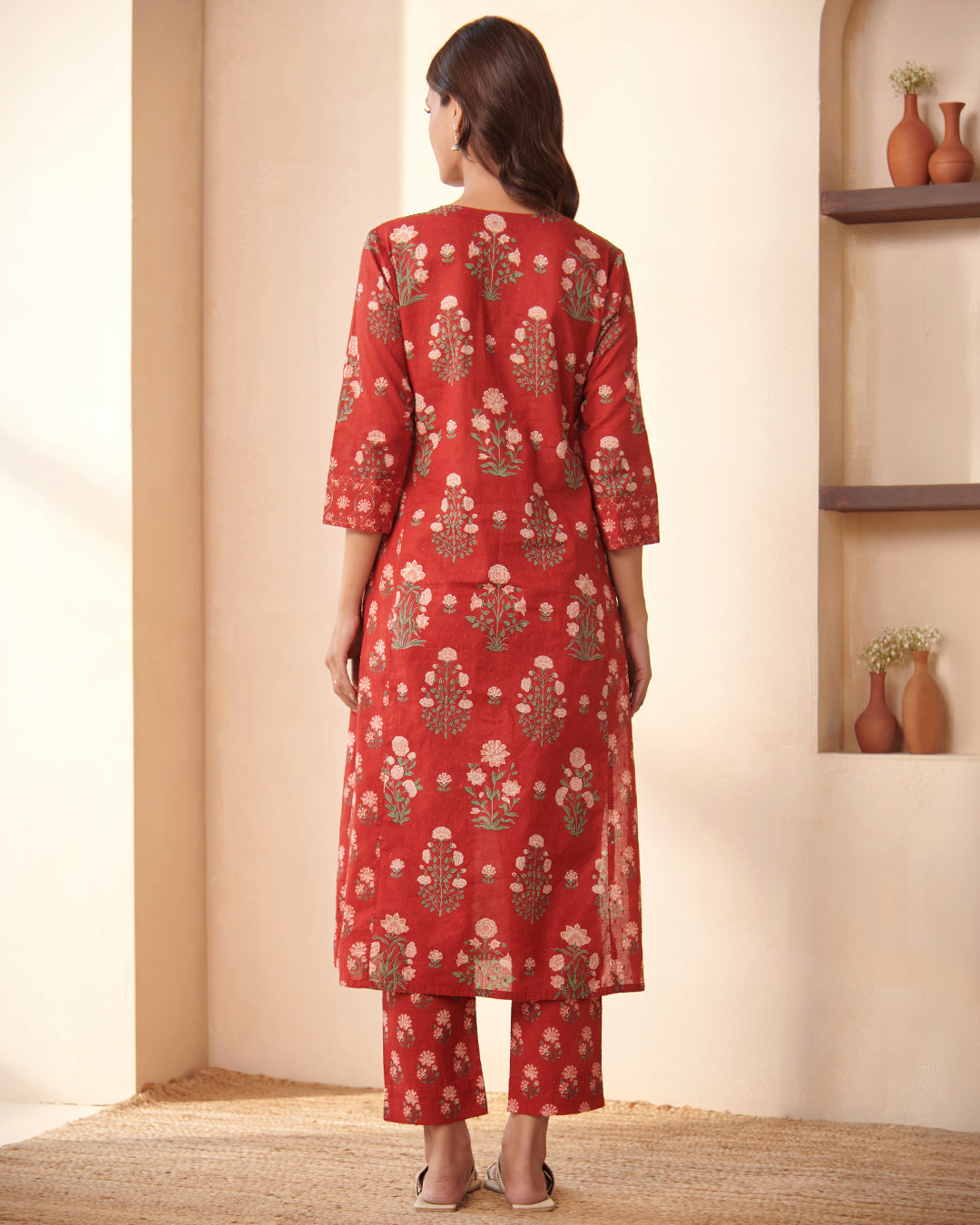
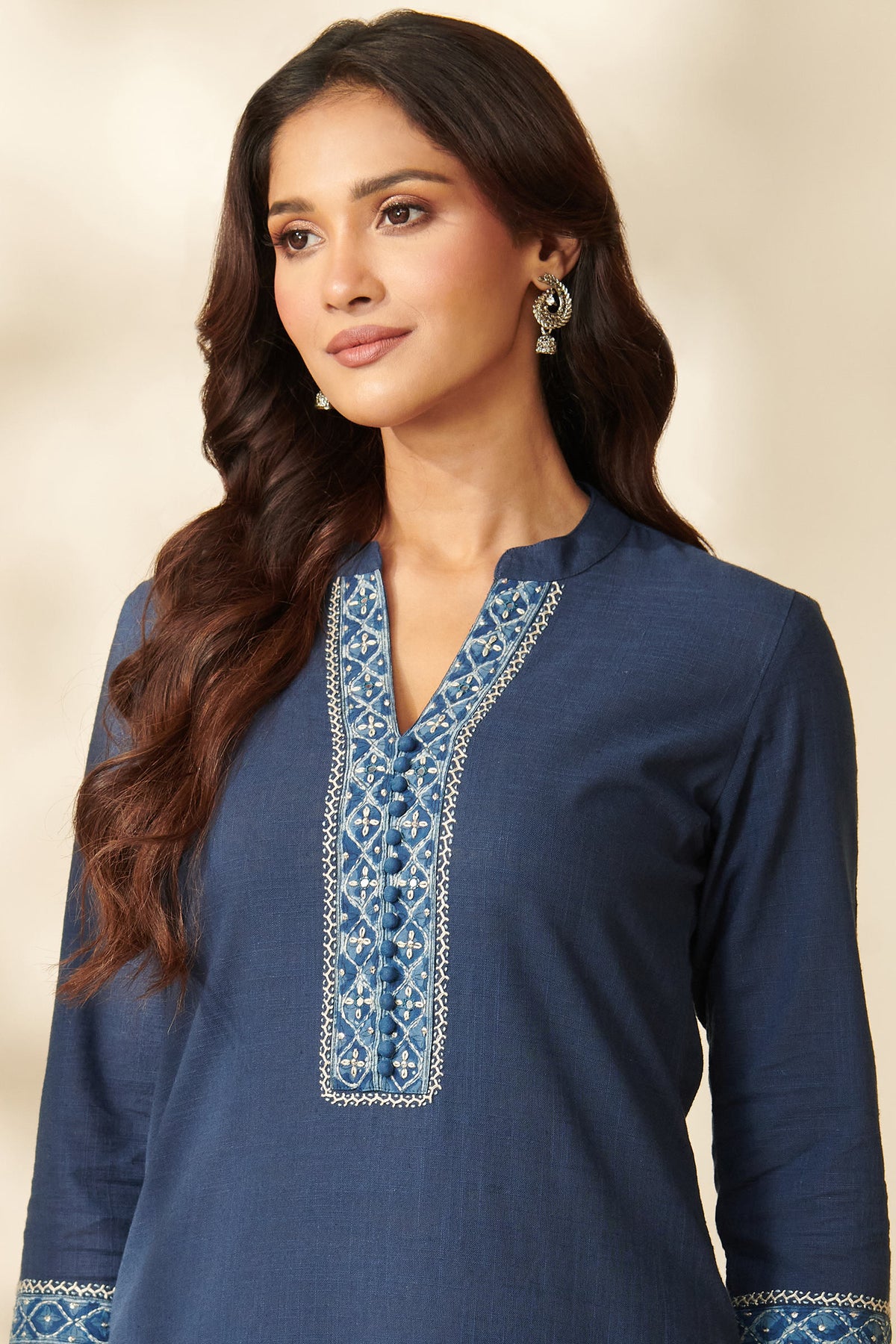
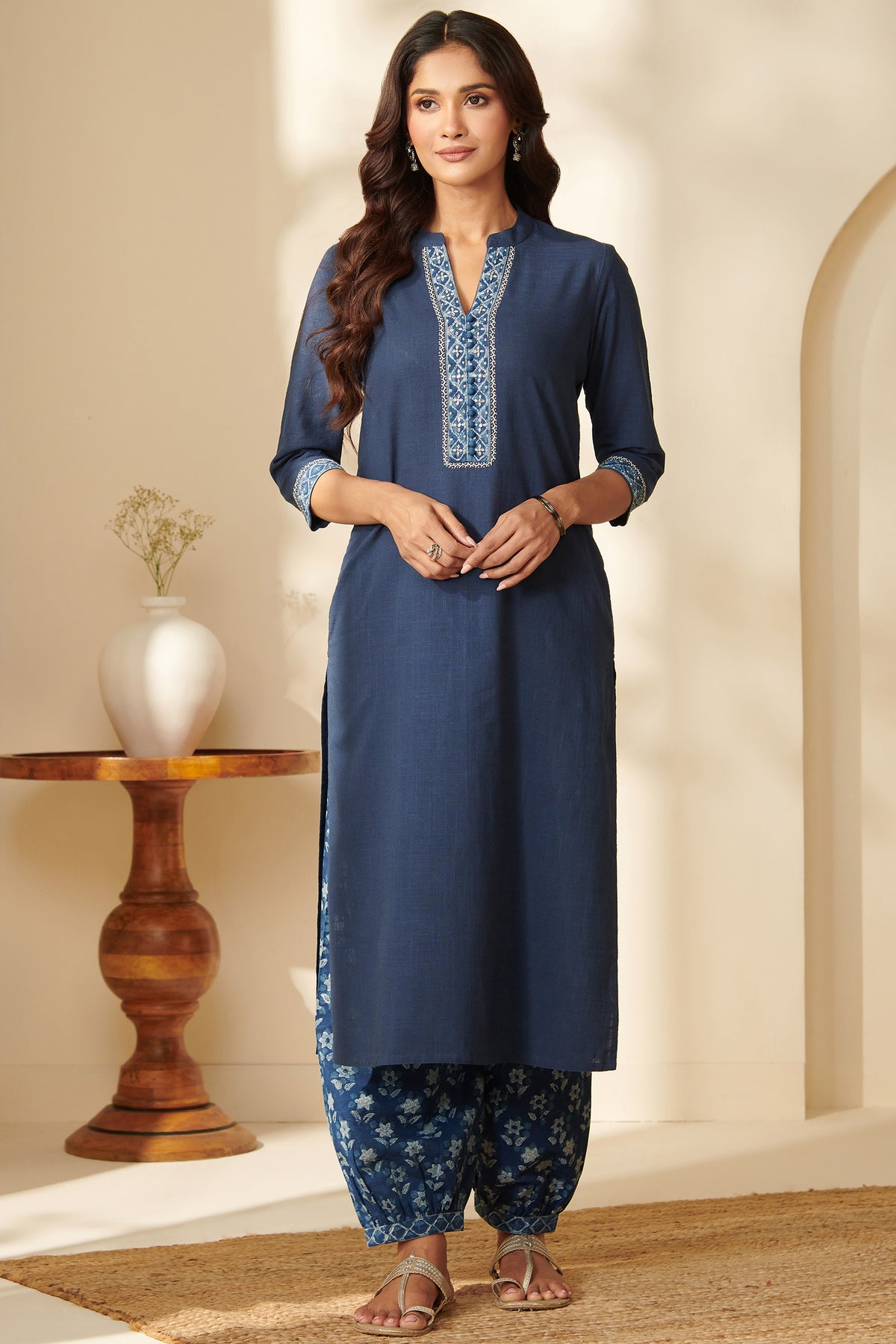
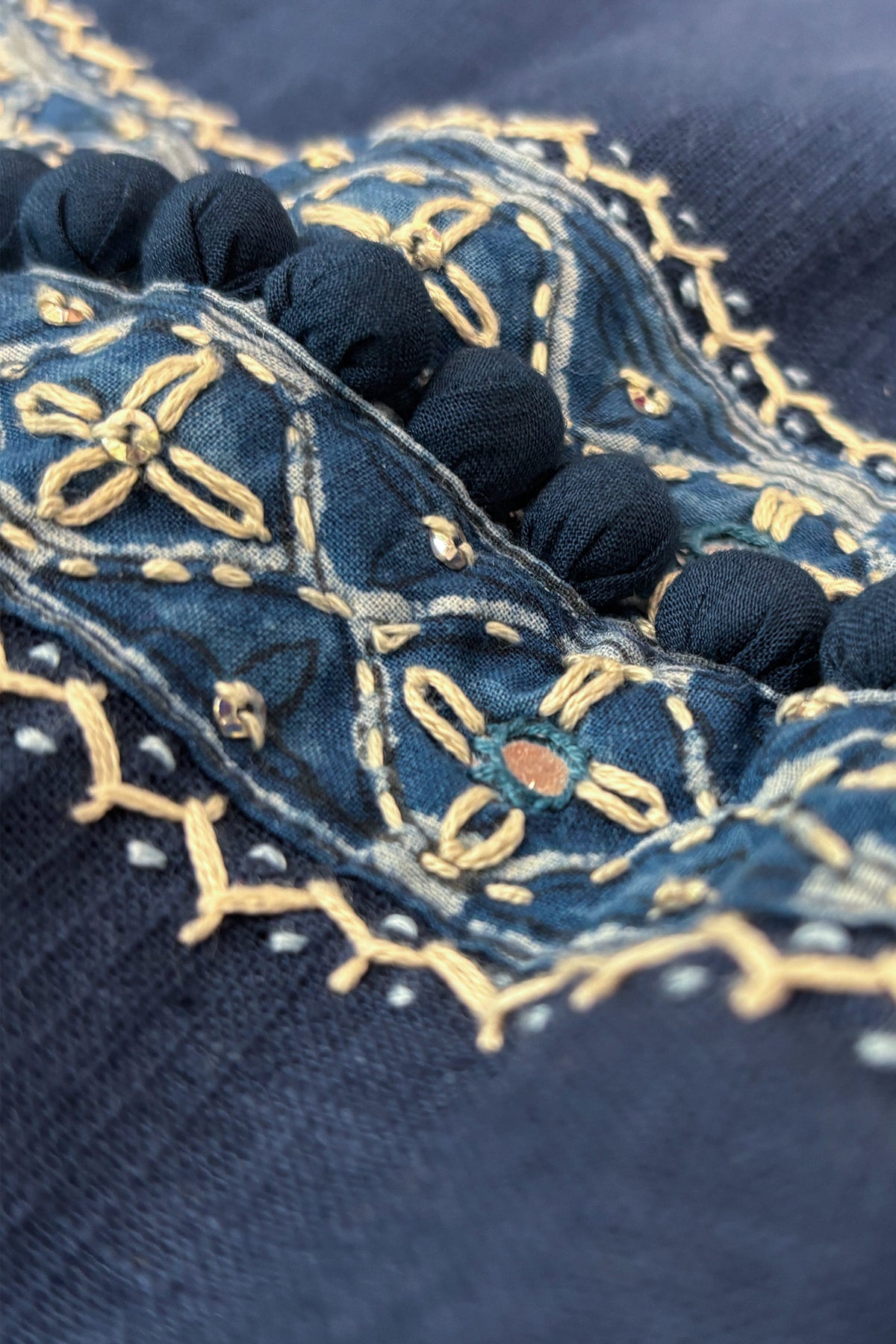
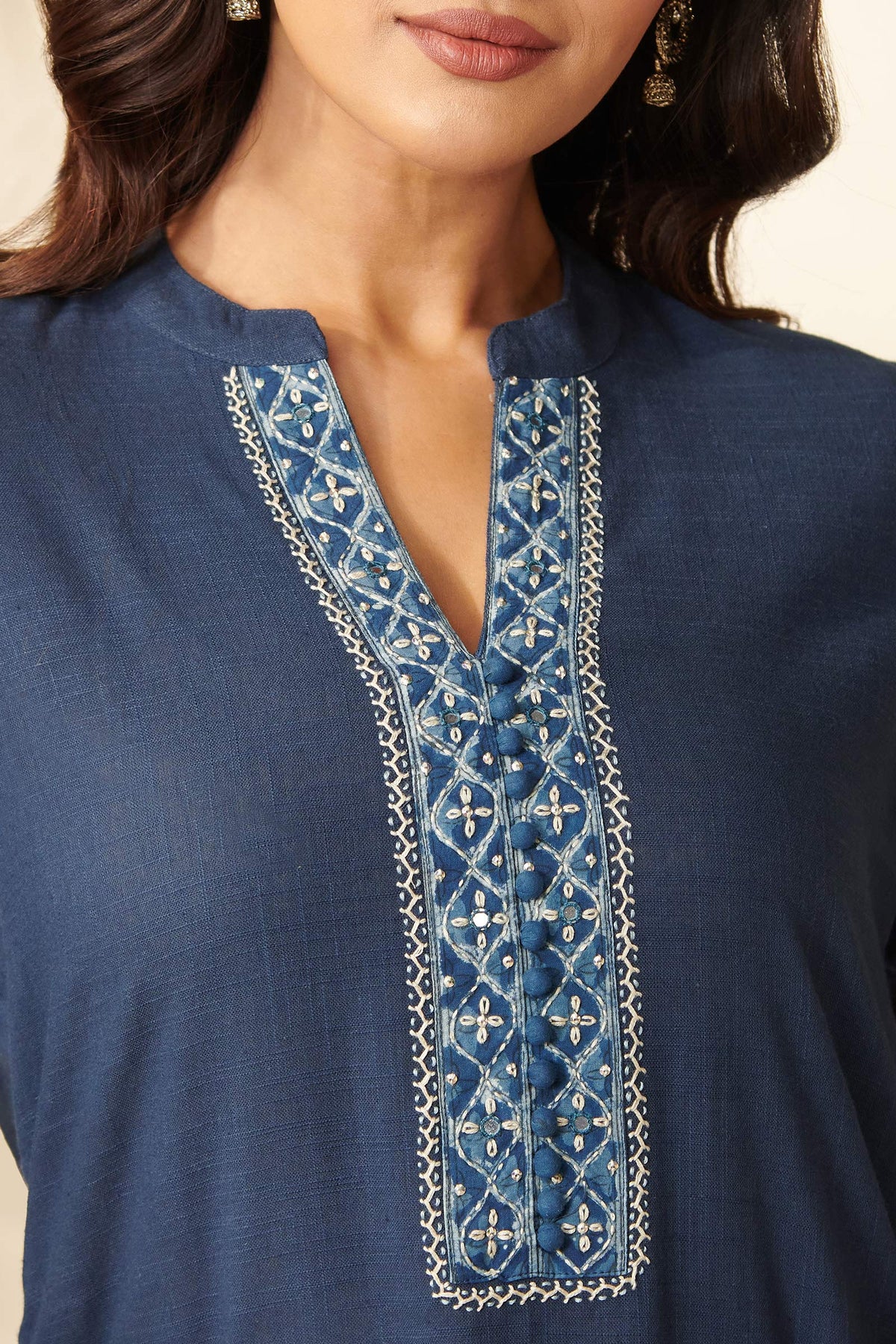
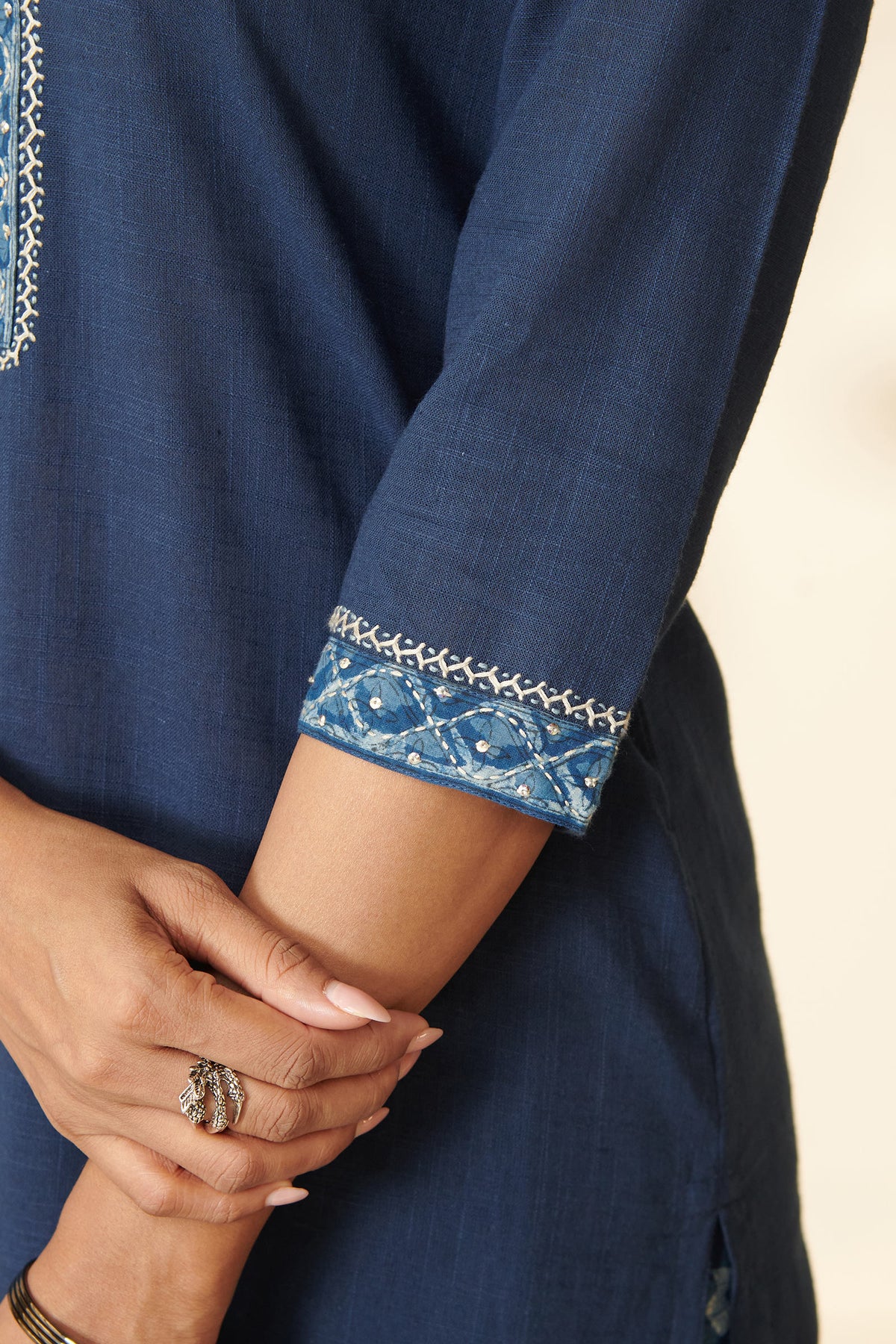
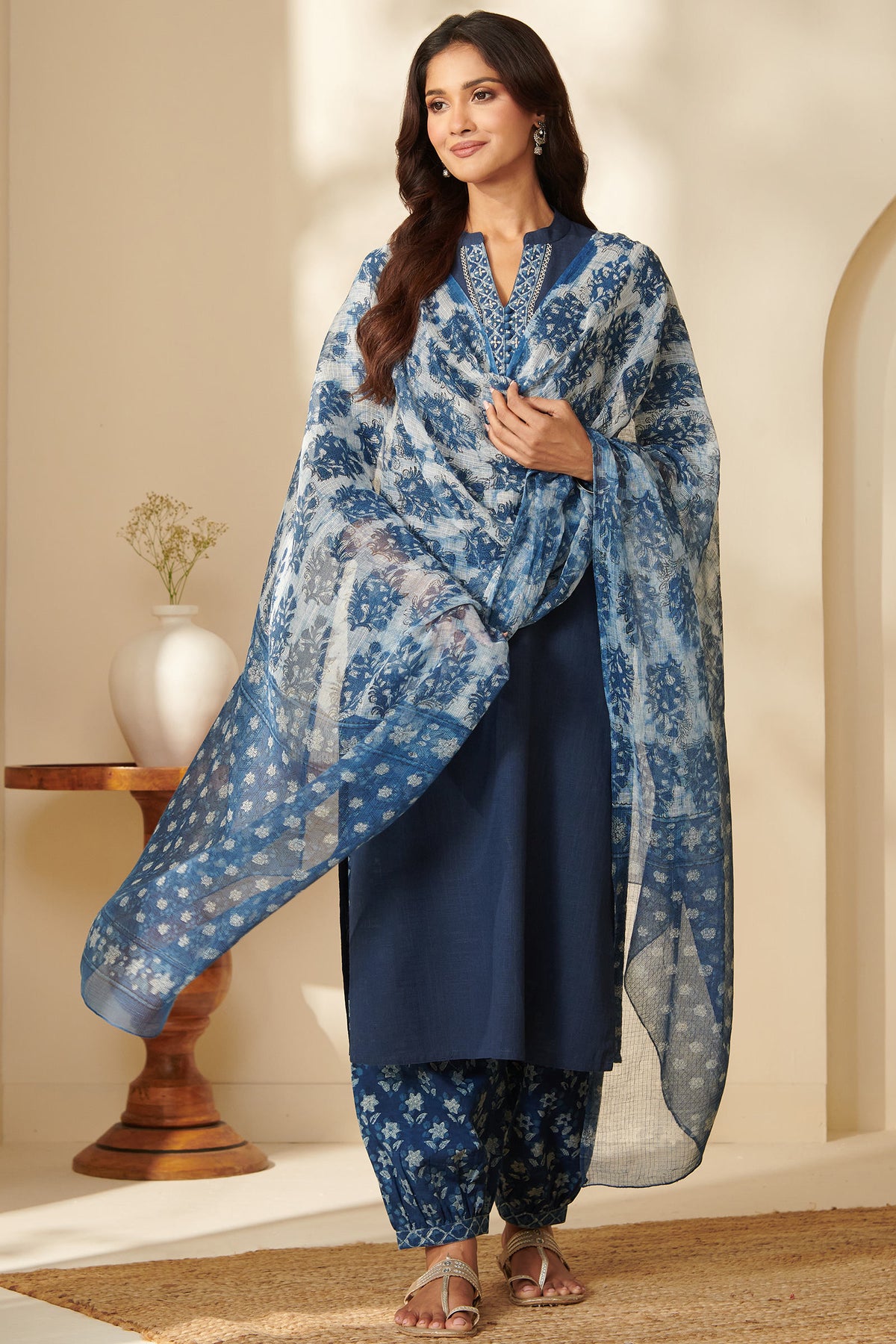
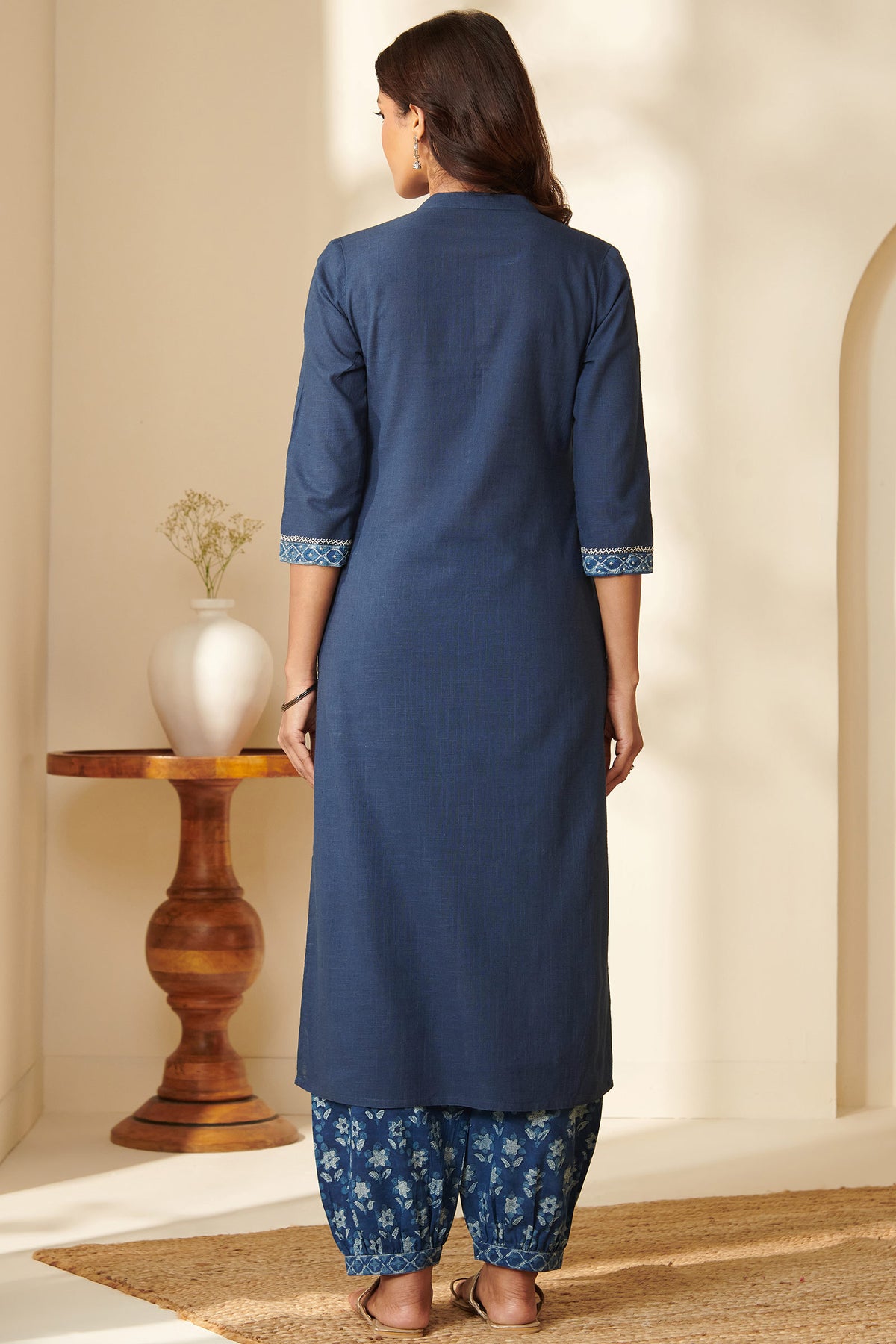
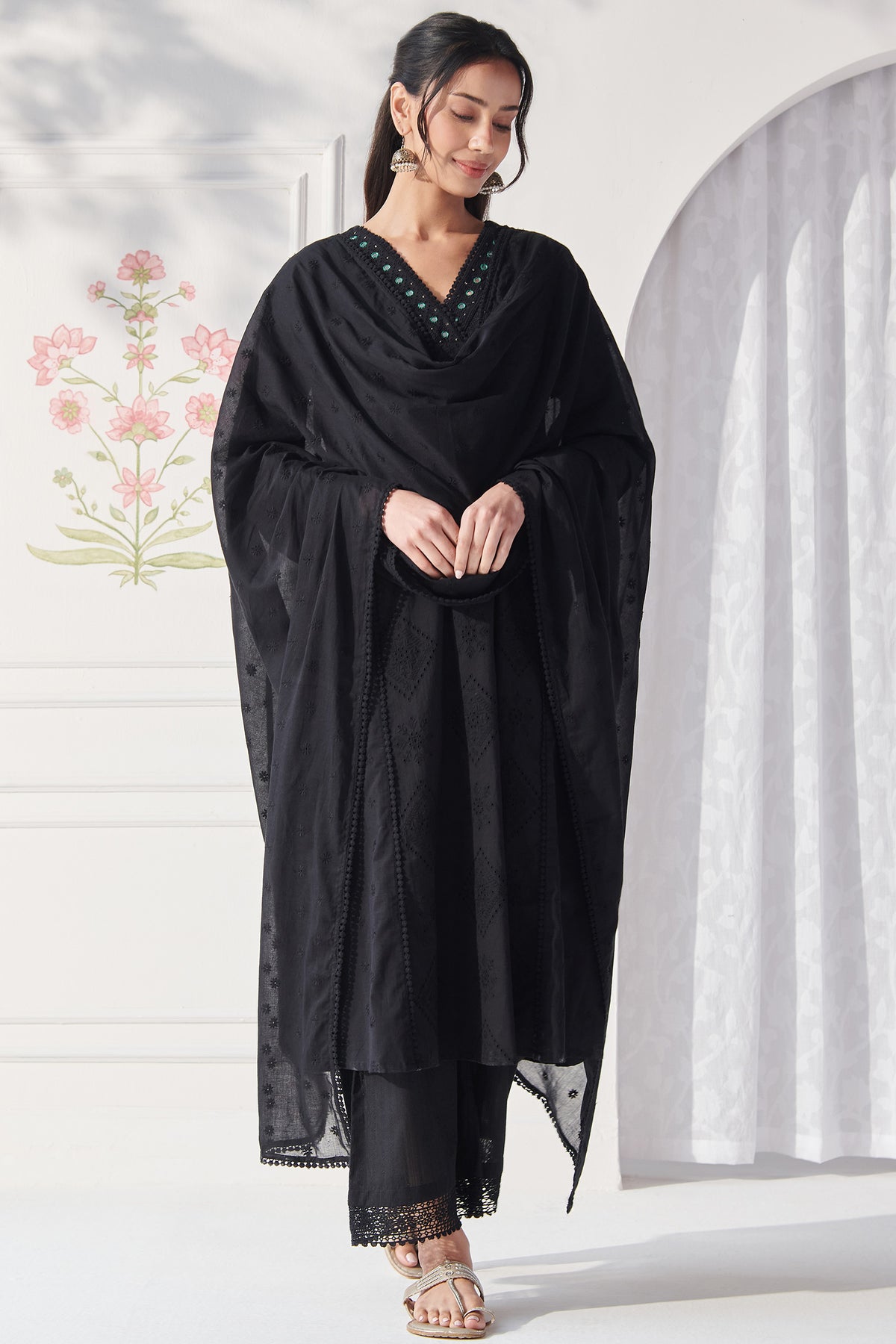


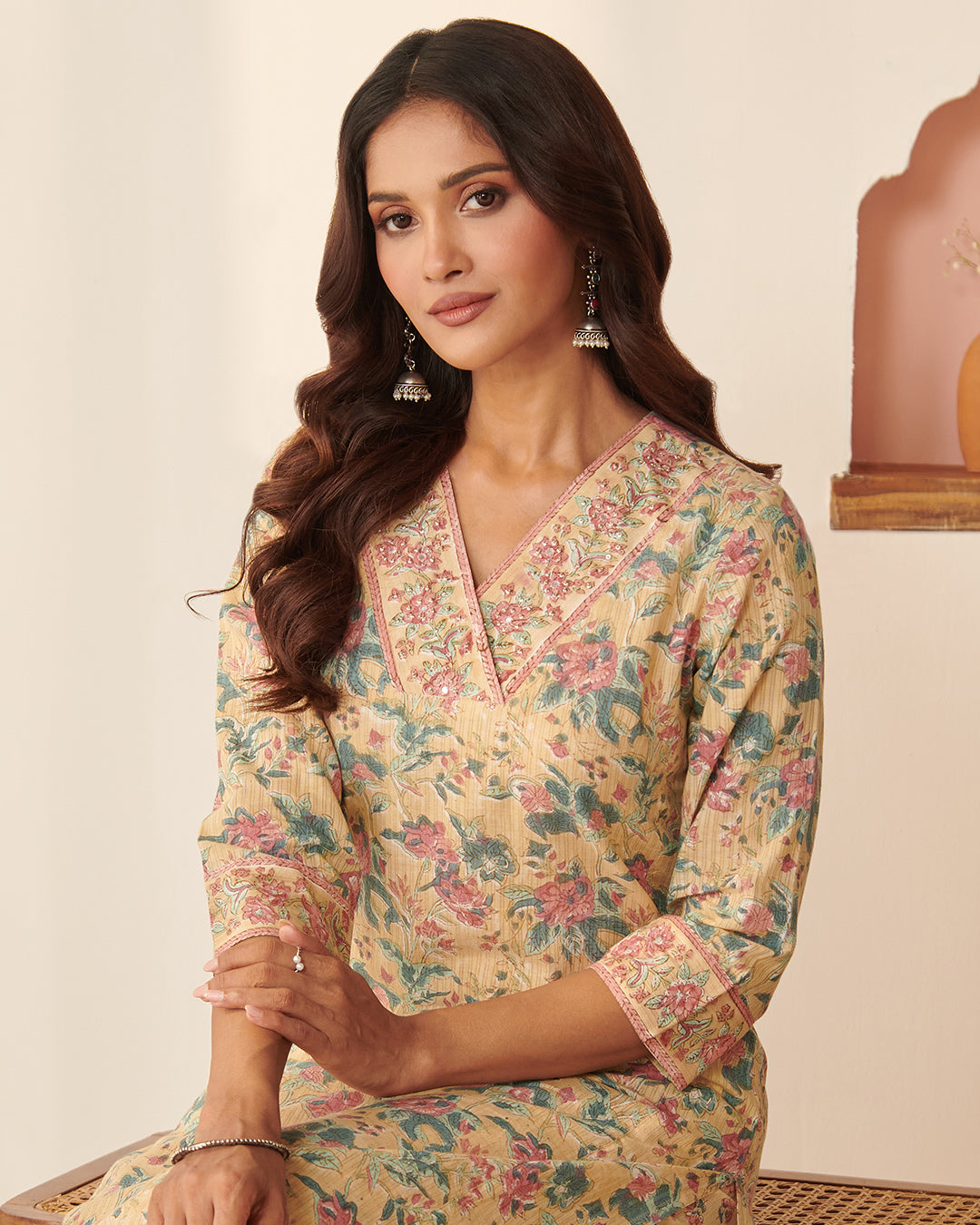
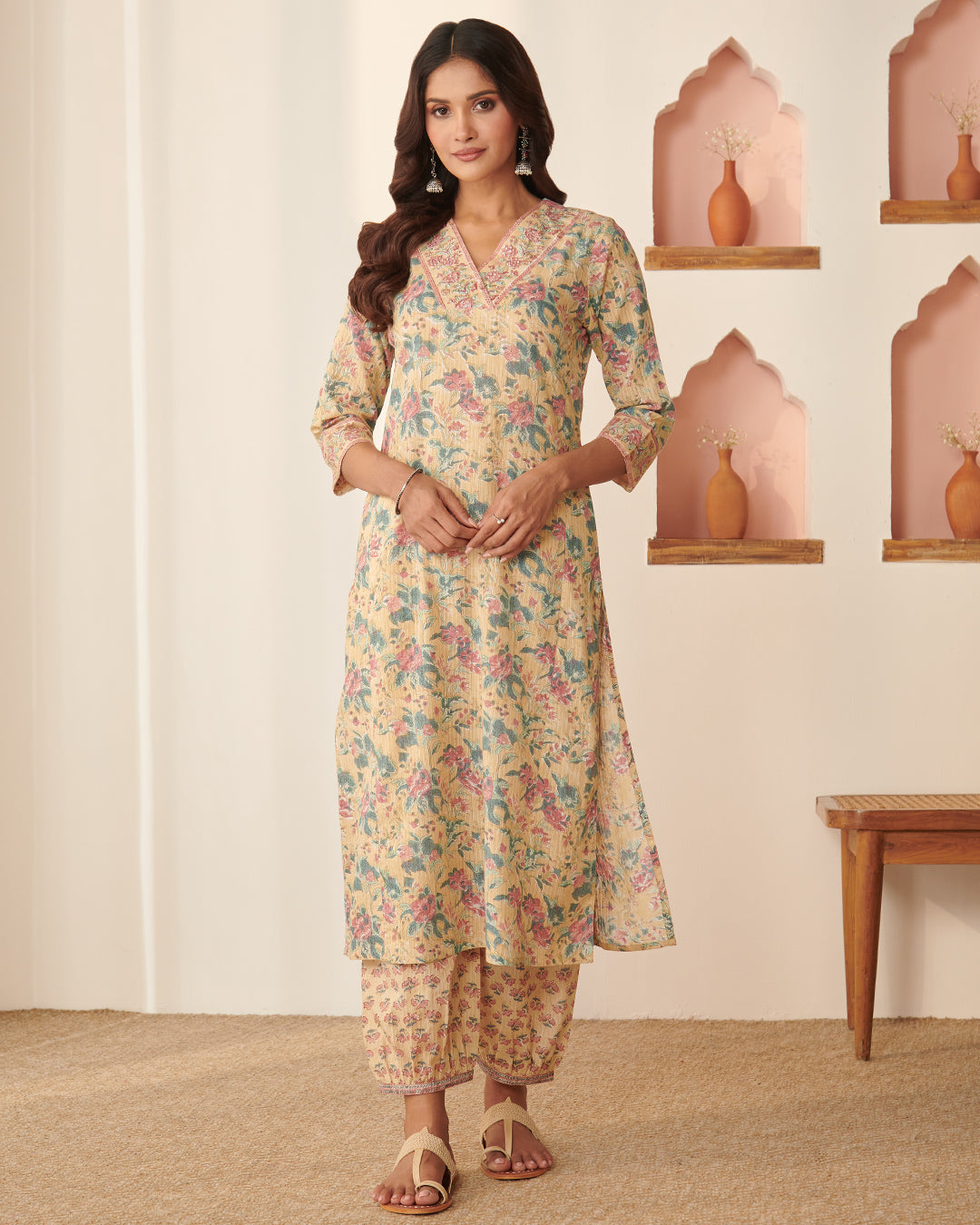
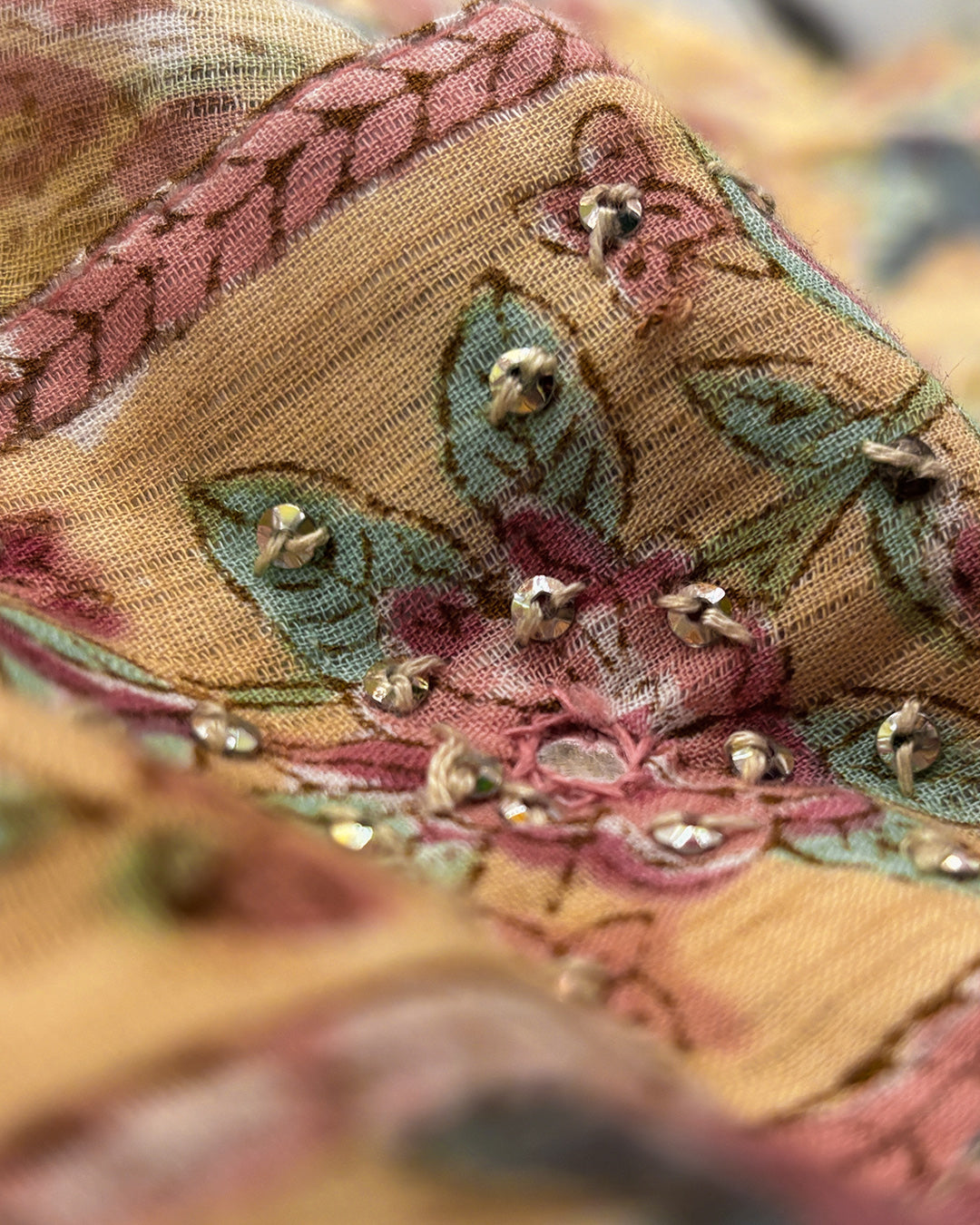
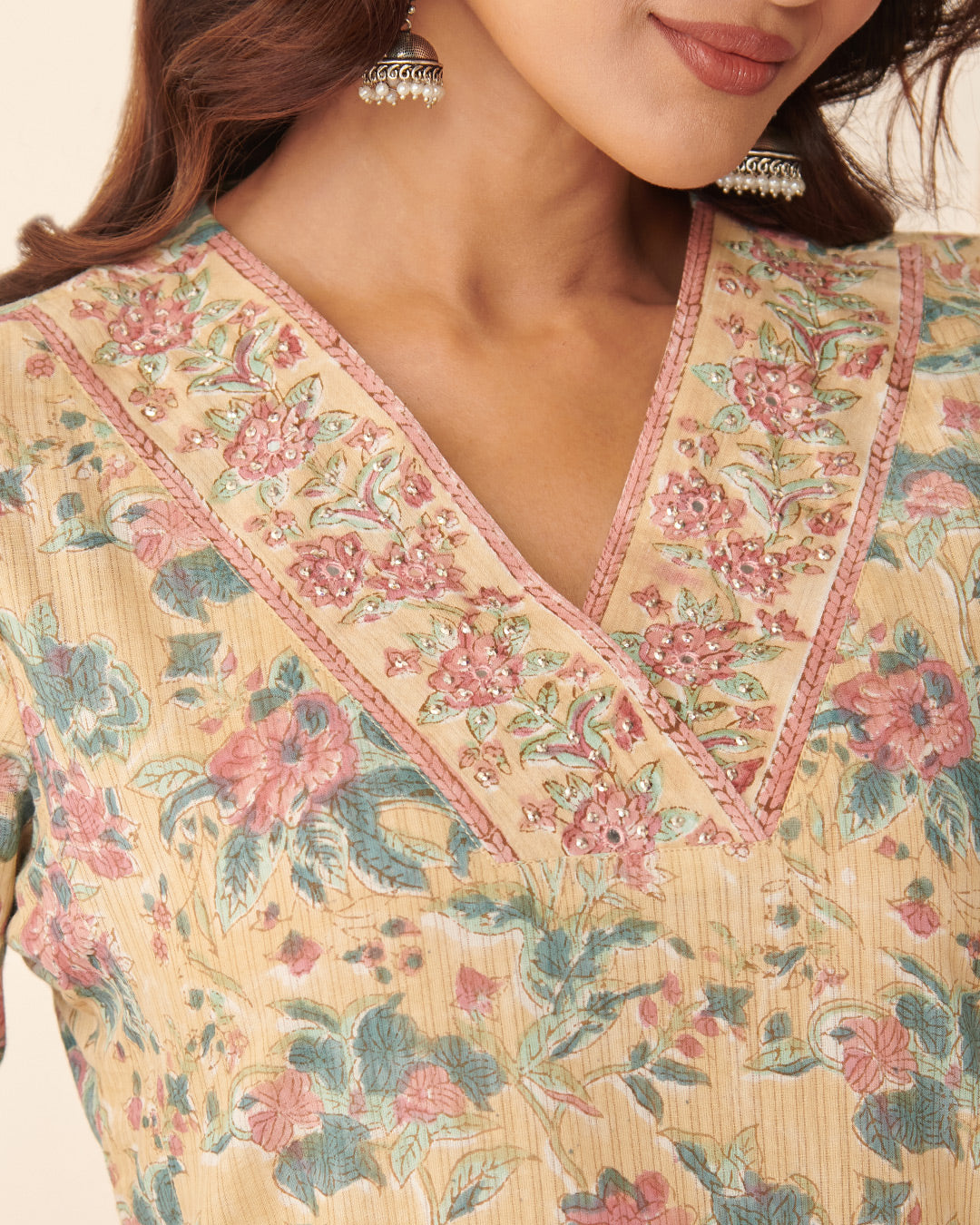
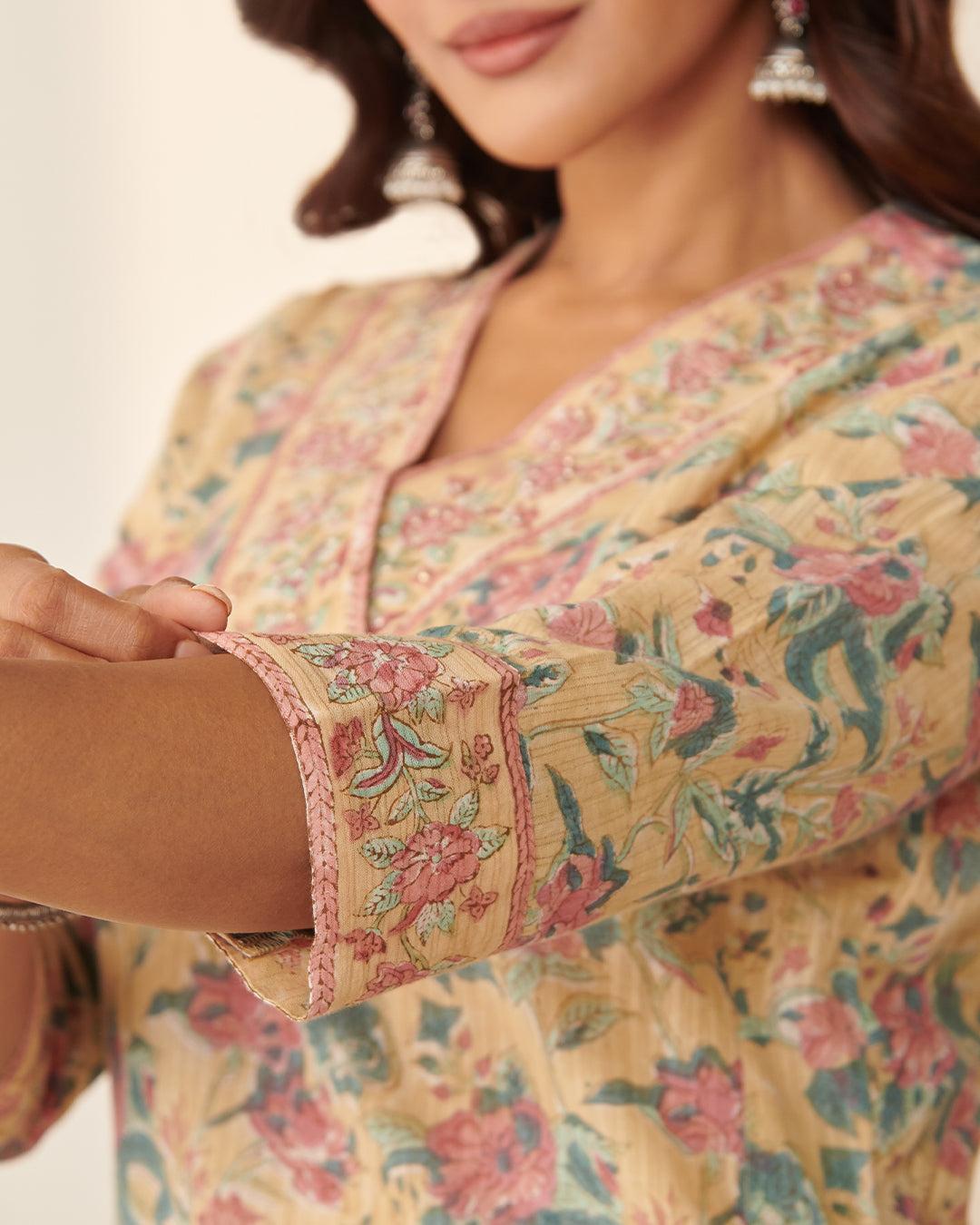
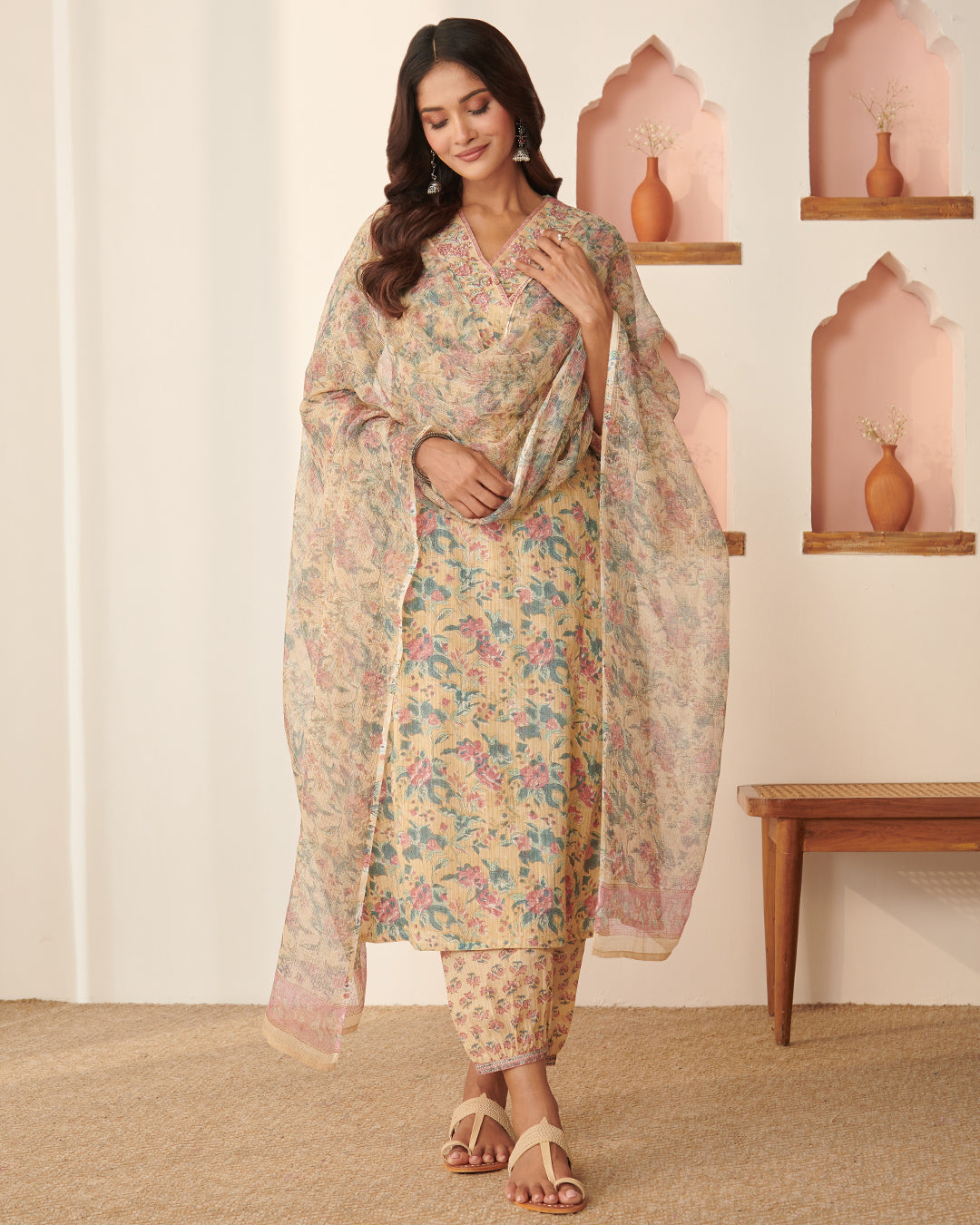
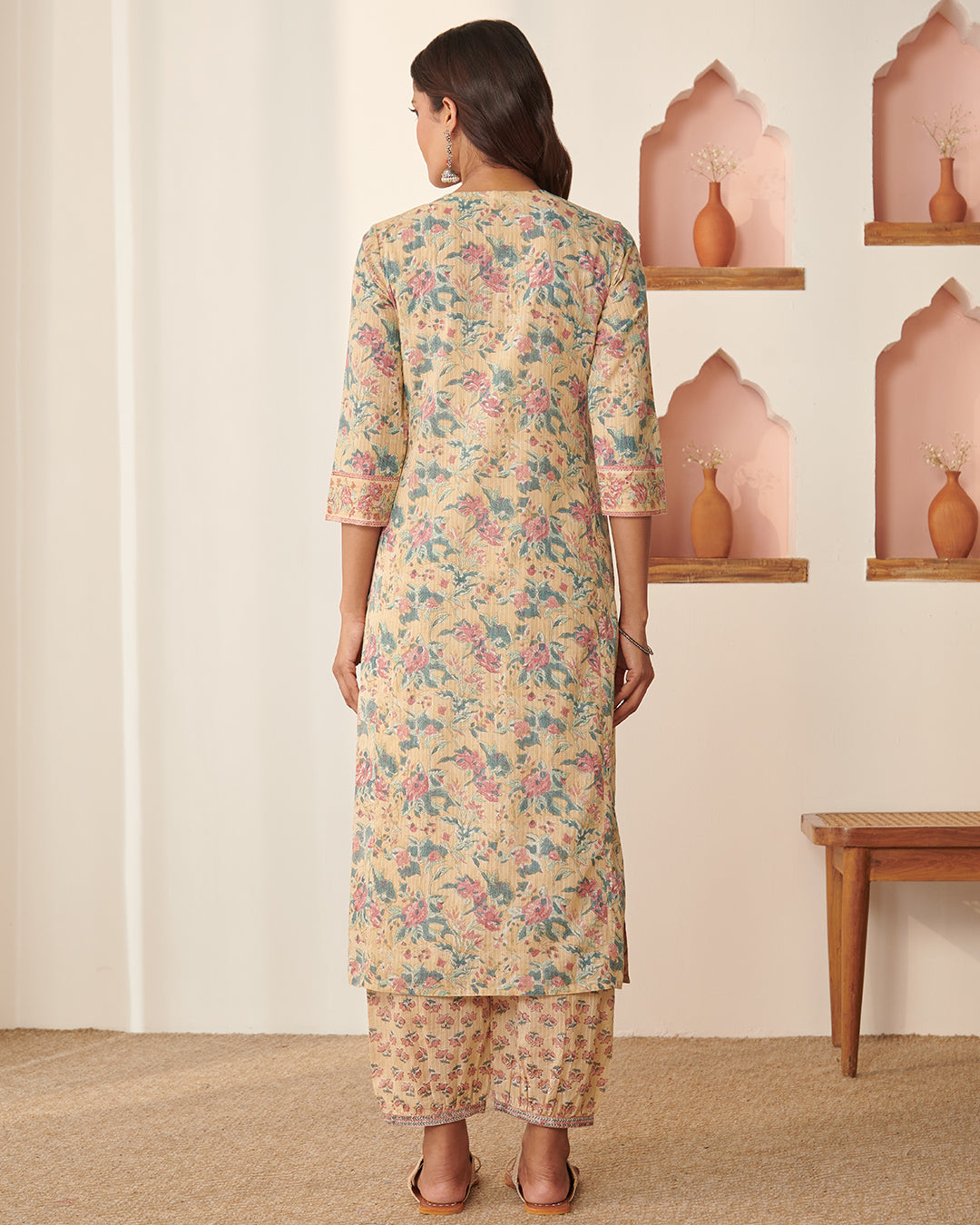

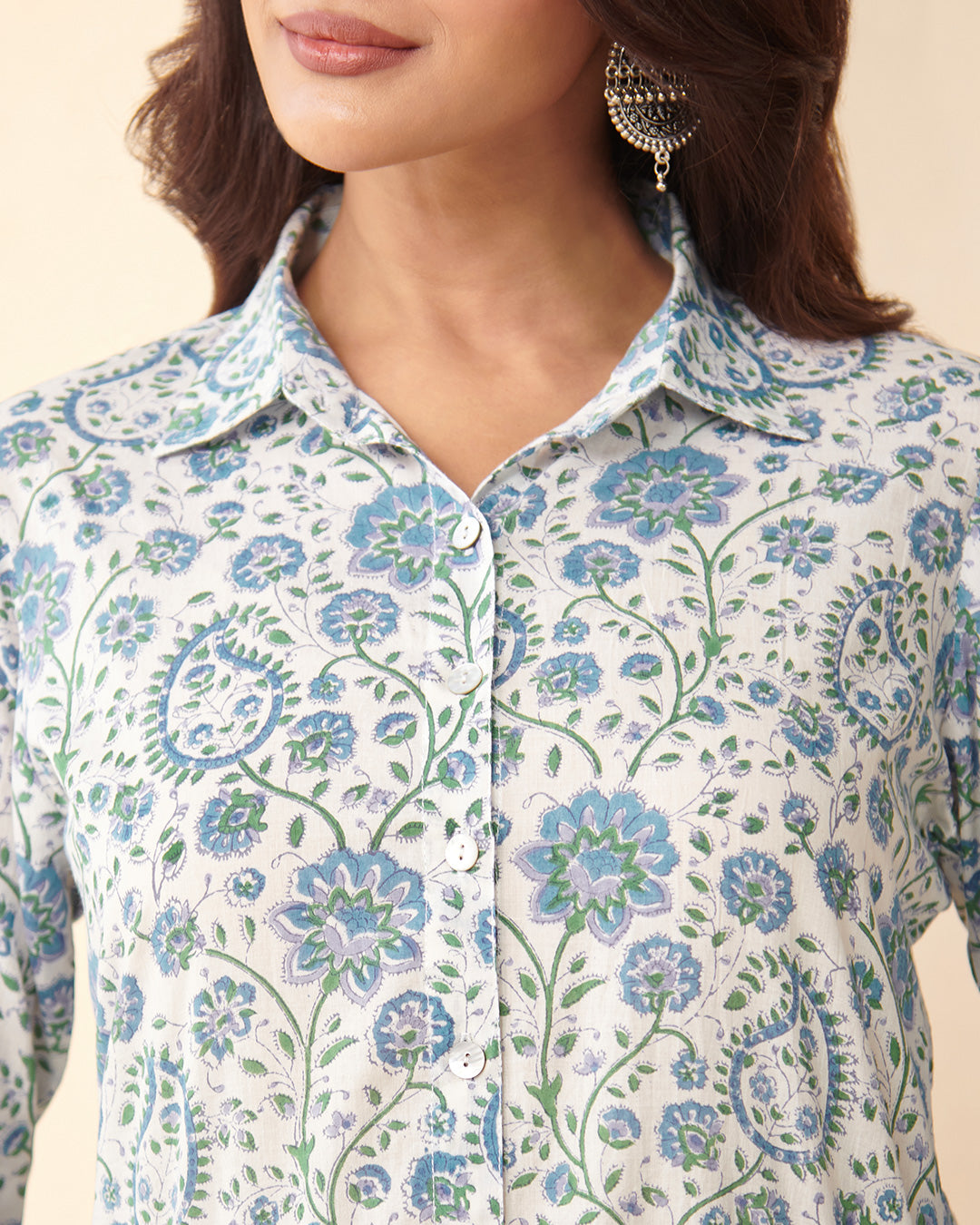
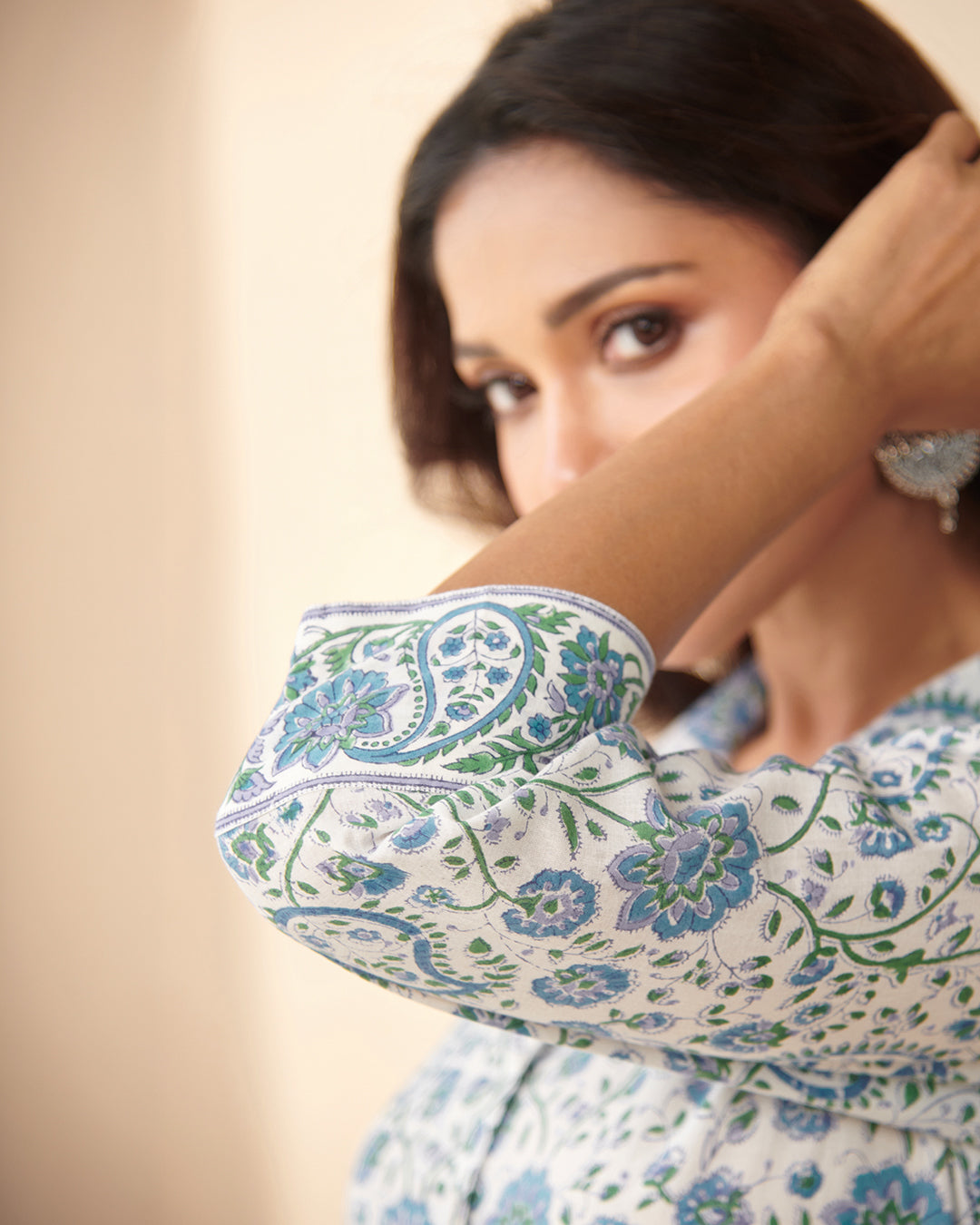
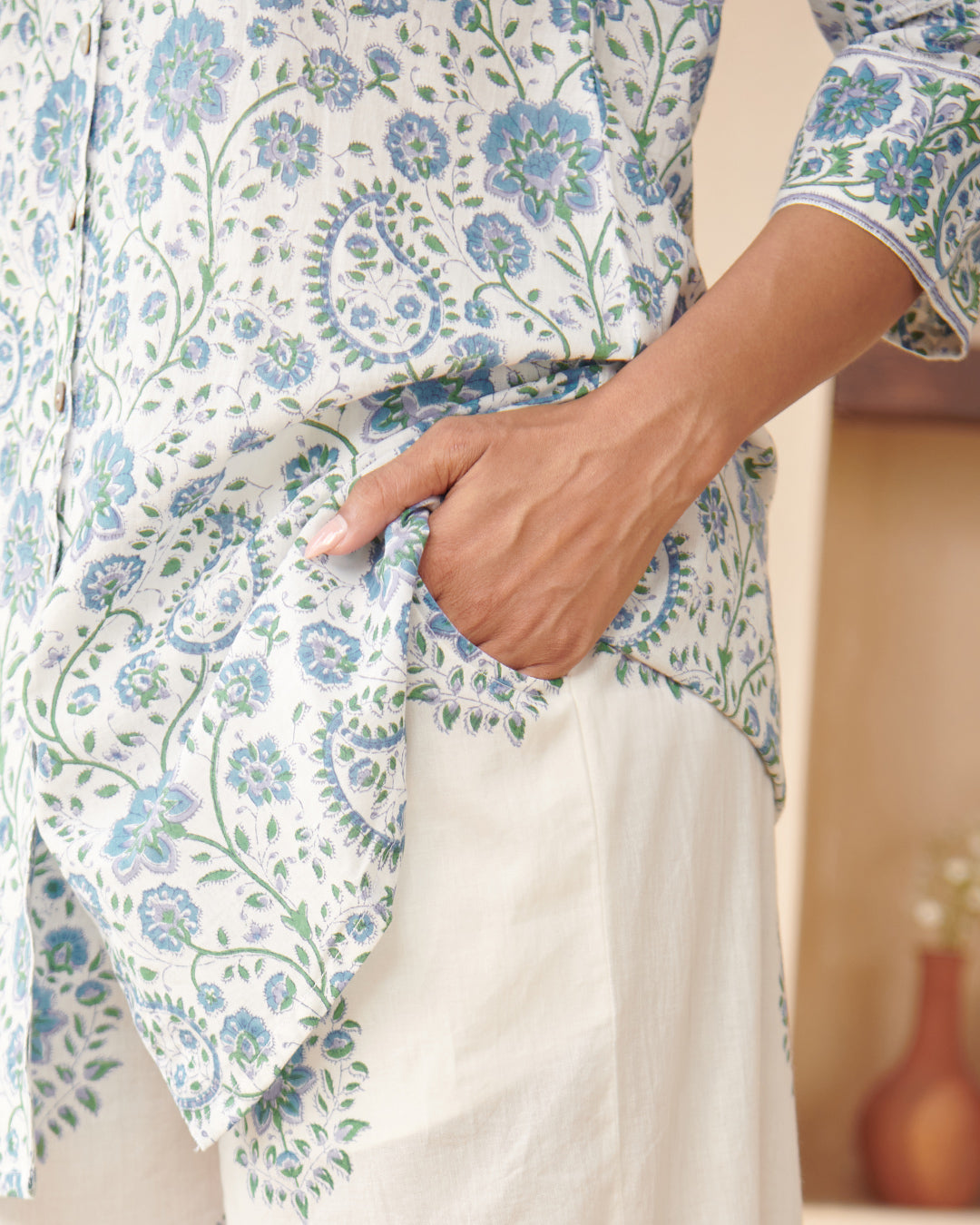
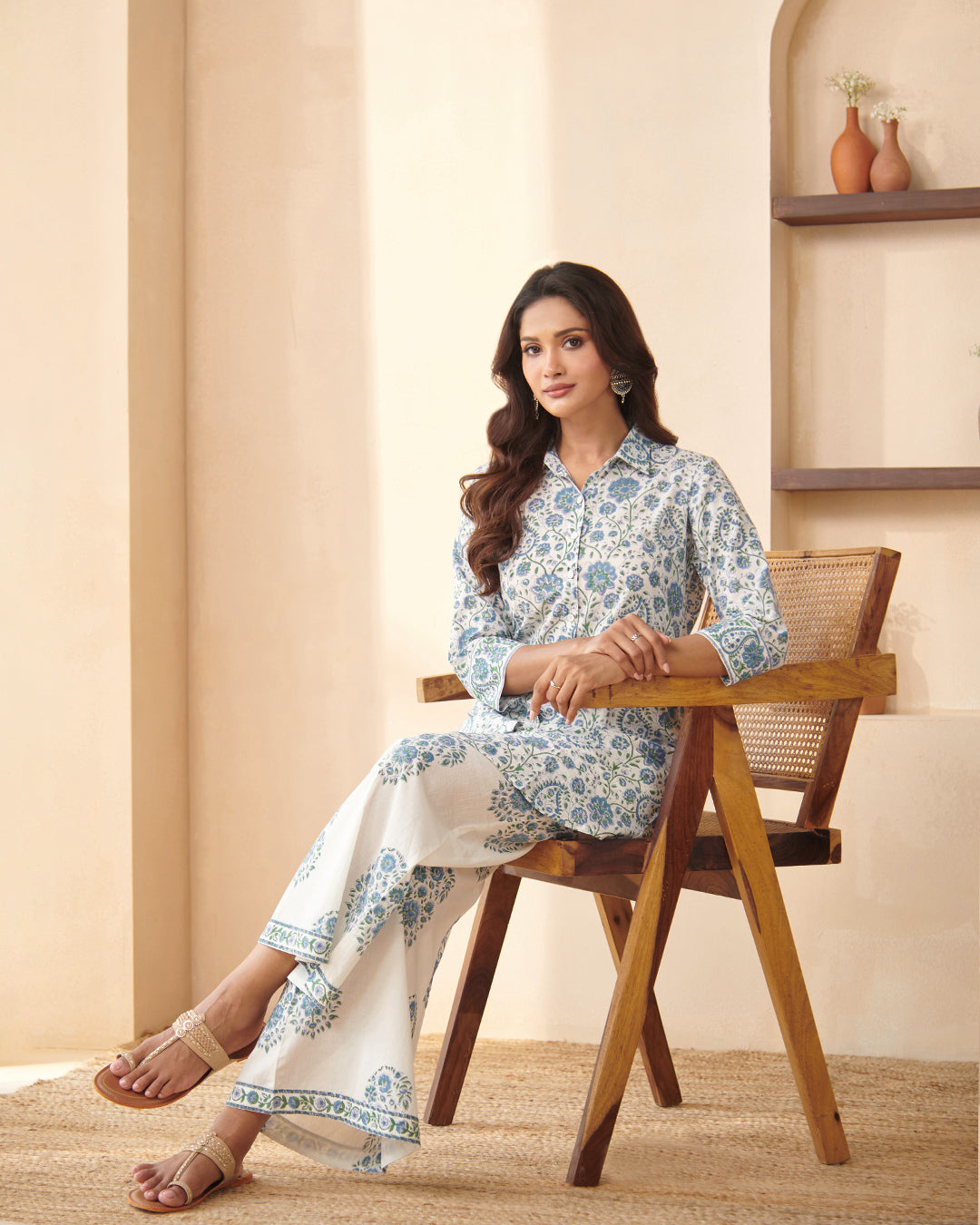
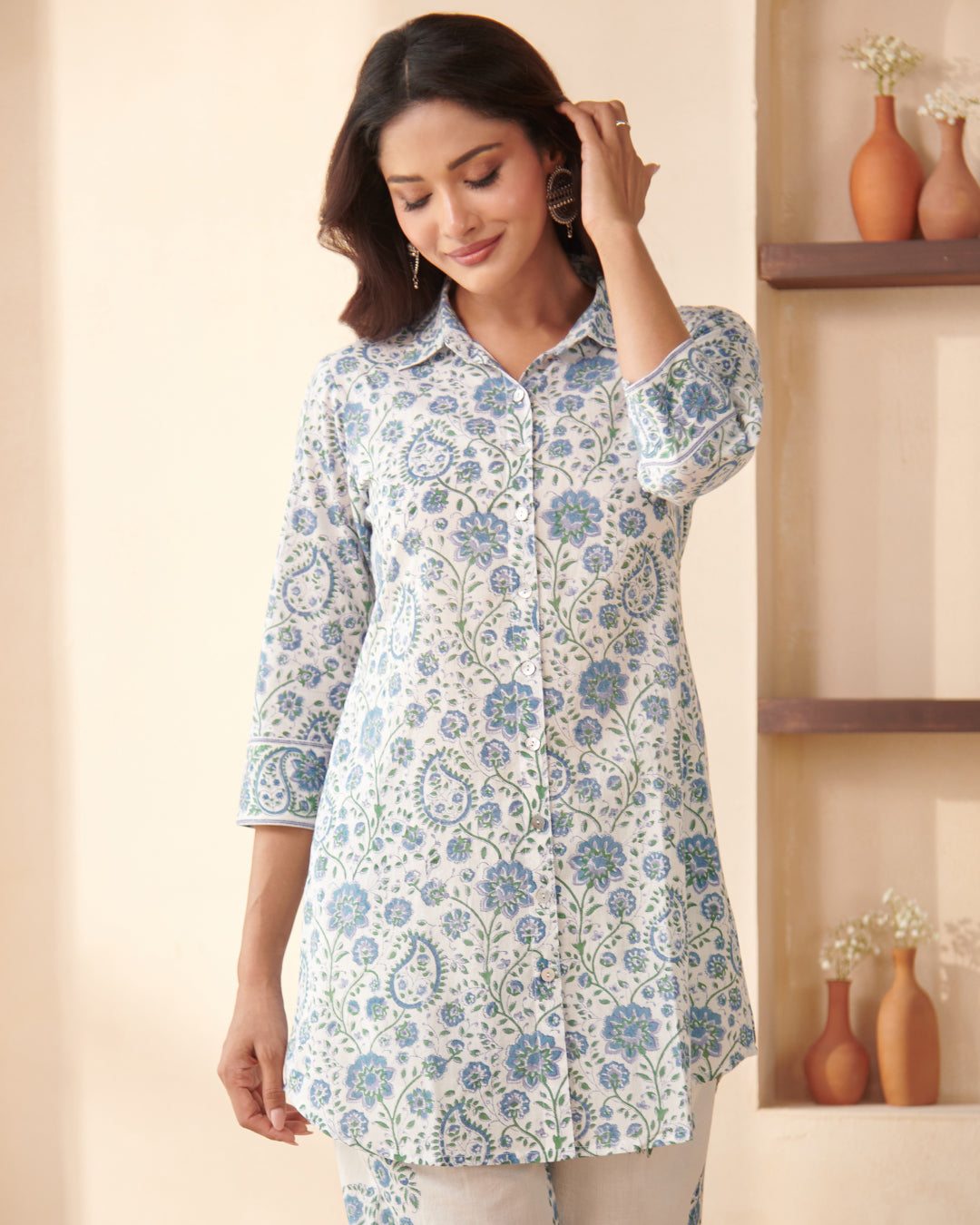
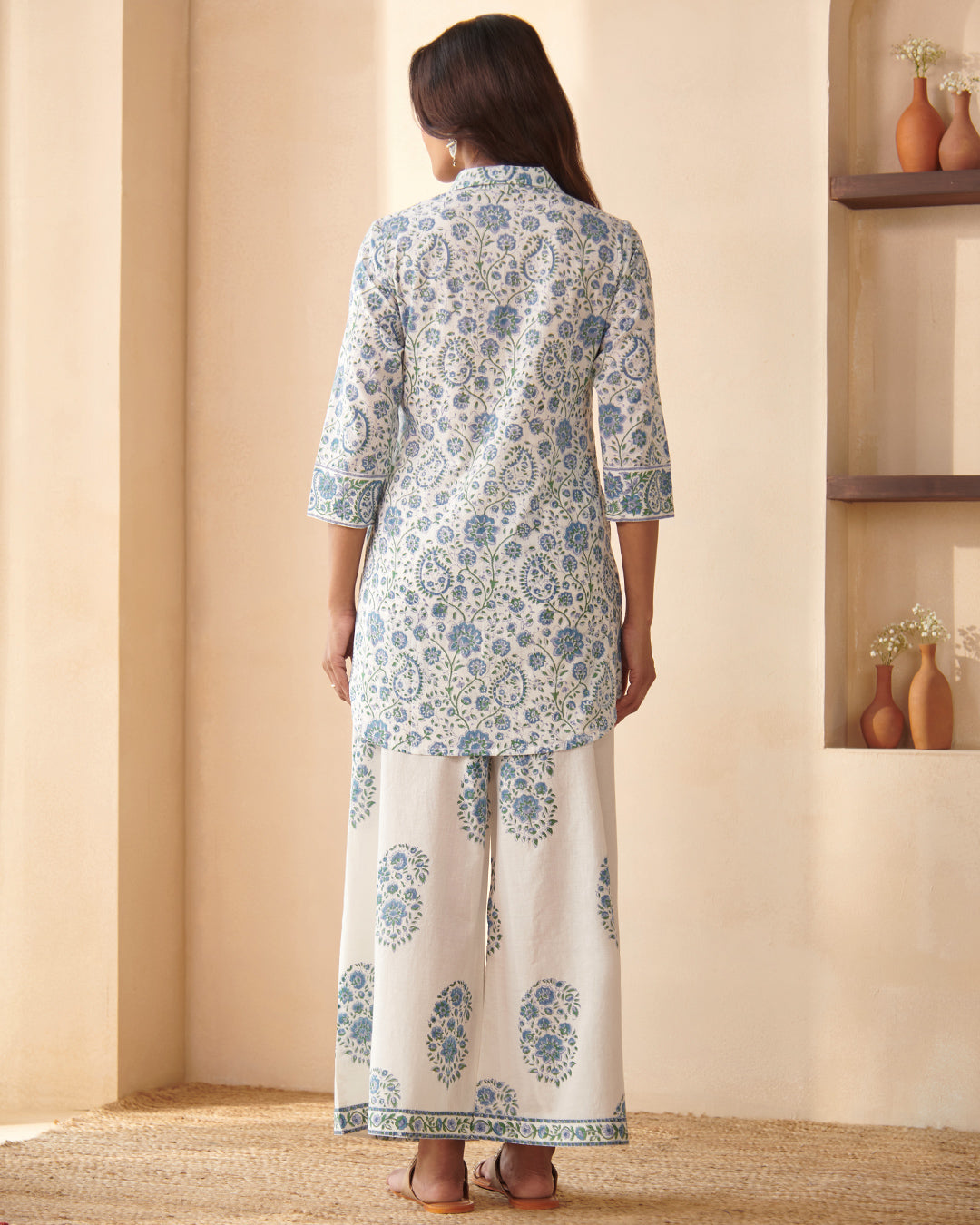
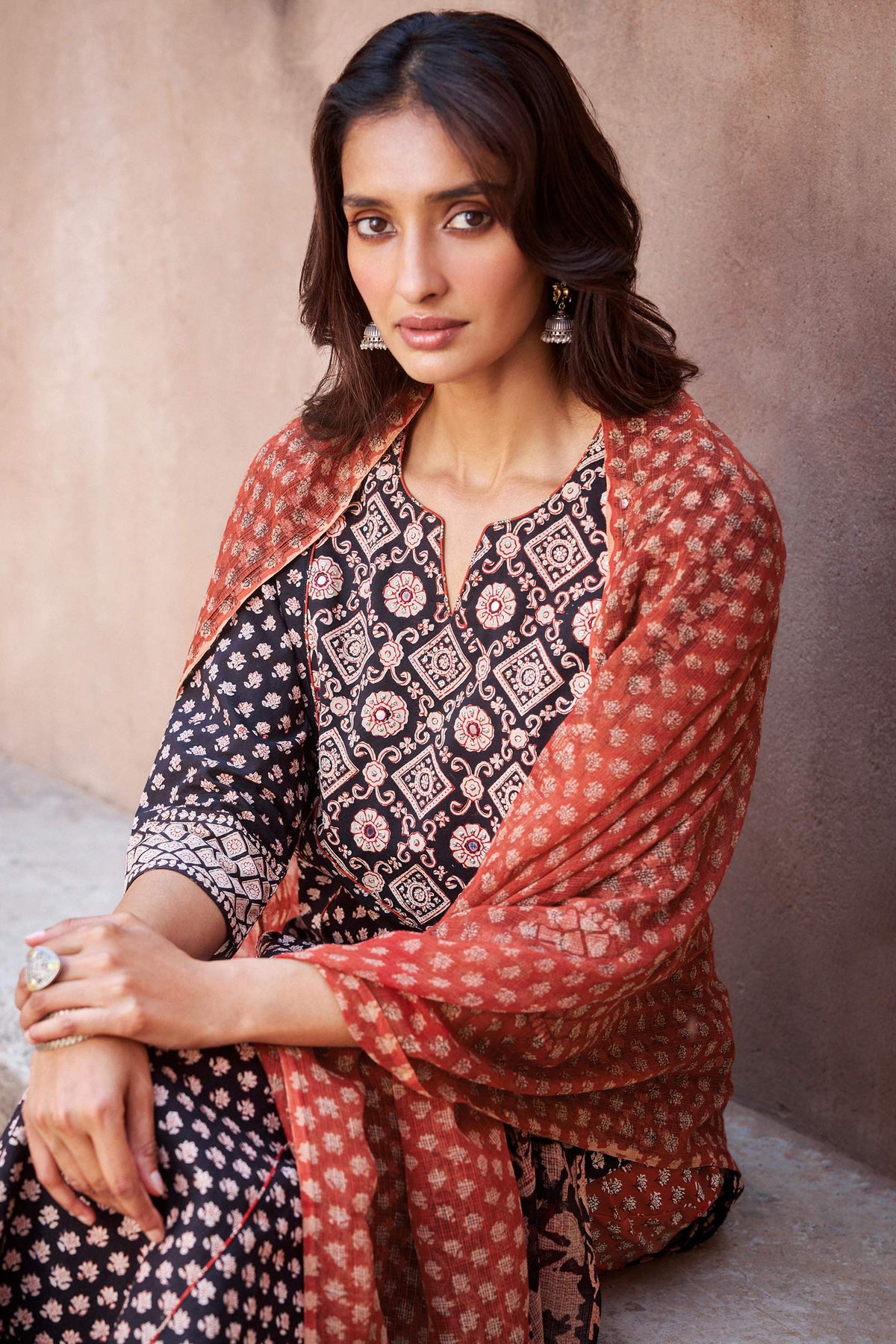
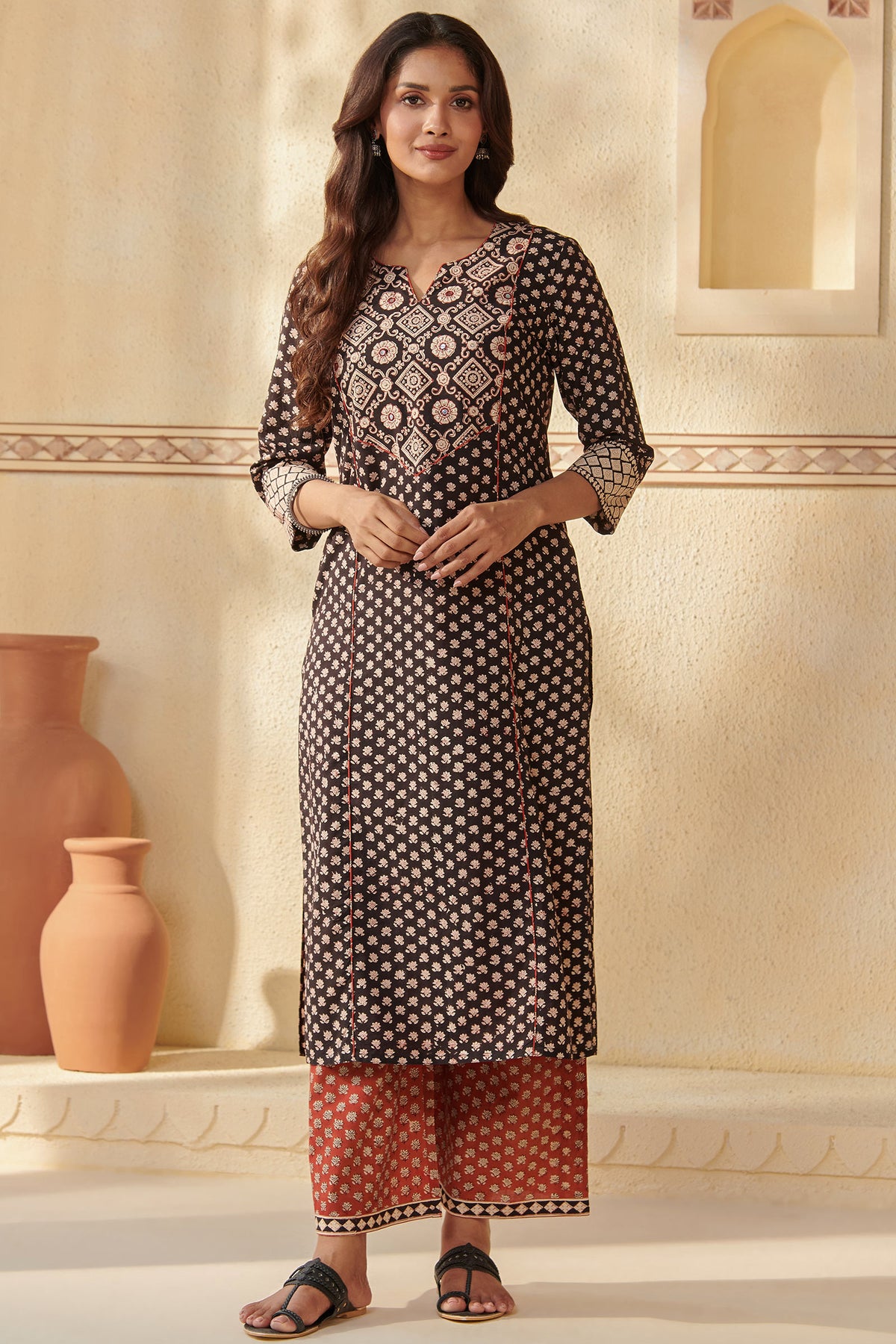
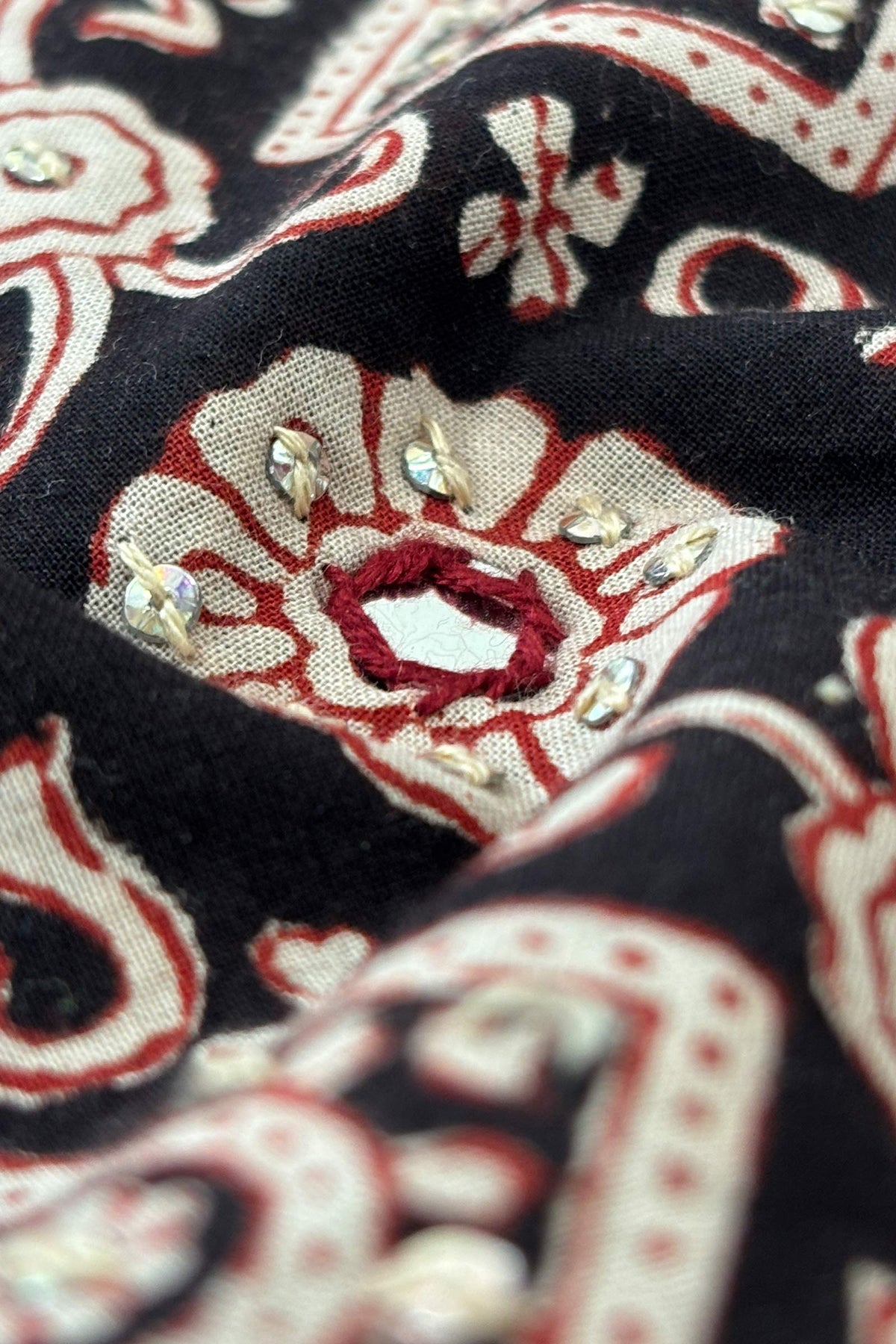
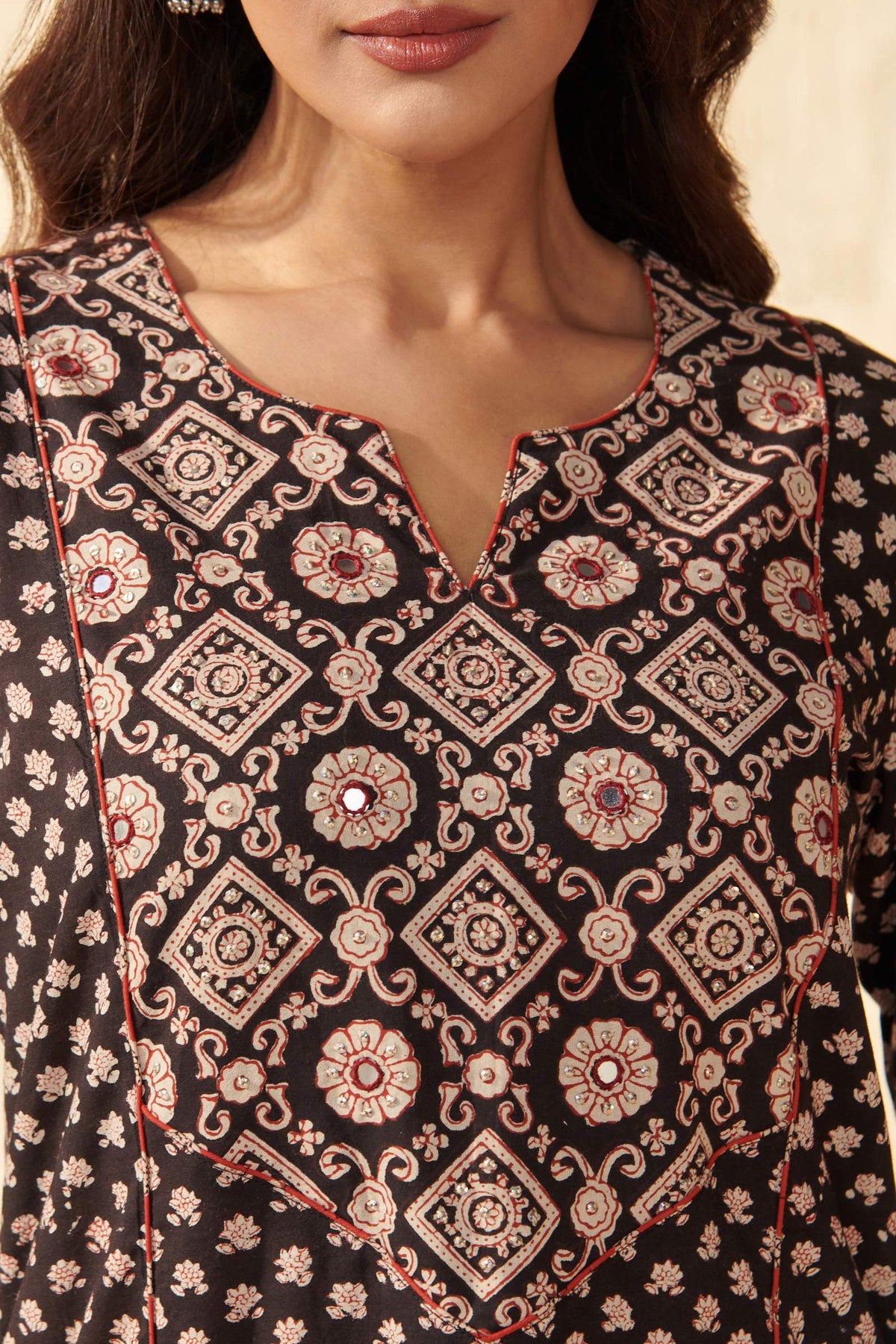
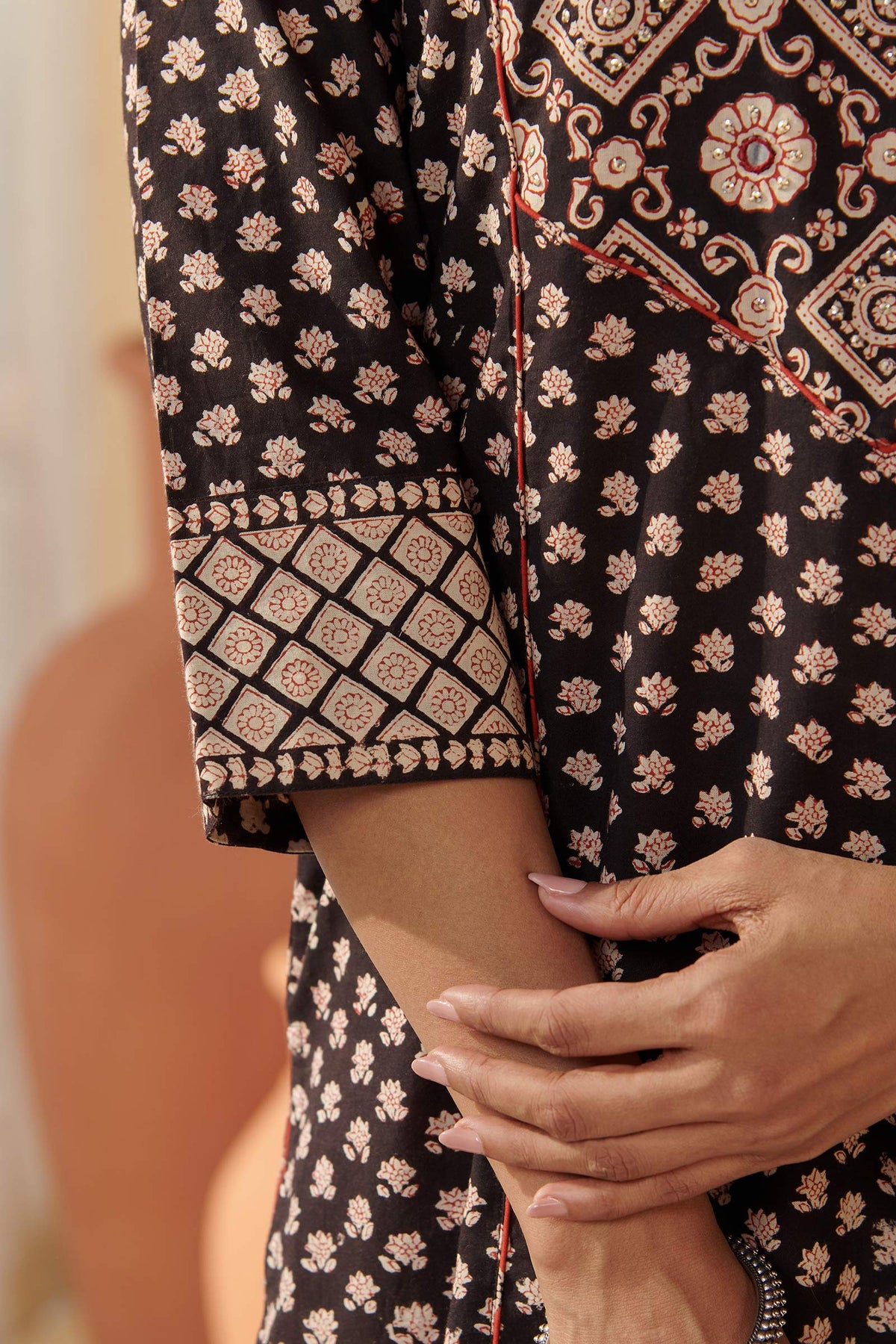
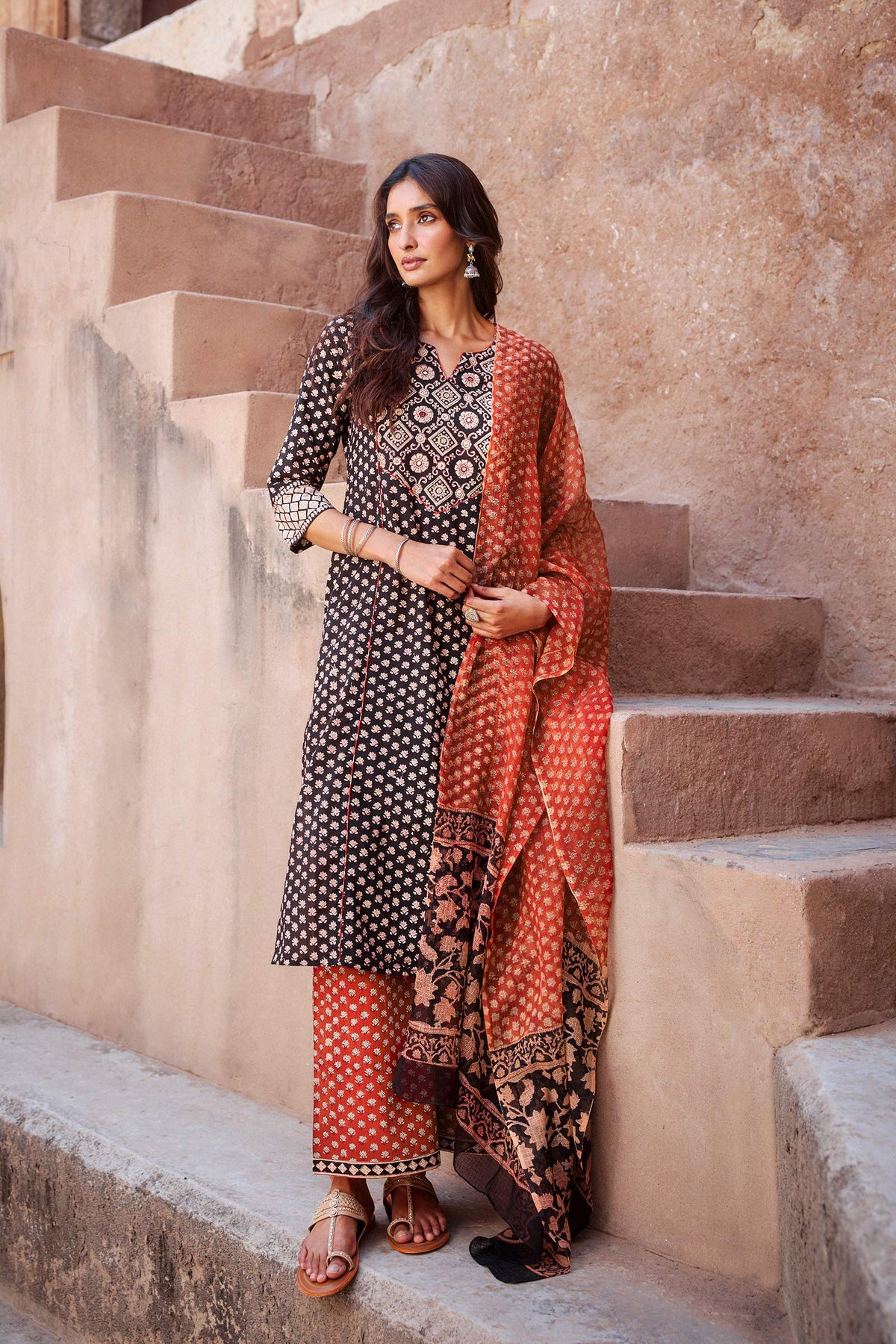

There is something deeply familiar about a block print. The moment you see it, perhaps on a soft cotton kurta or a summer dupatta, it feels connected to a long visual memory. Small repeating flowers, delicate vines, geometric borders. Patterns that have quietly travelled through generations.
Across Rajasthan and parts of Gujarat, artisans have spent centuries perfecting this language of print. Wooden blocks are carved by hand, dyes are prepared carefully, and fabric becomes a canvas for rhythm and repetition. Each impression carries a slight variation, a reminder that the process is guided by human hands, not machines.
Within this wider world of block printing, several techniques have emerged over time. Some rely on direct printing with natural or pigment dyes. Others involve resist methods that create layered, textured patterns. Dabu print is one such tradition, deeply rooted in Rajasthan’s craft heritage.
To understand how dabu print stands apart, it helps to first understand the foundation it comes from, the art of block printing itself.
Understanding the Art of Block Printing

What Is Block Printing?
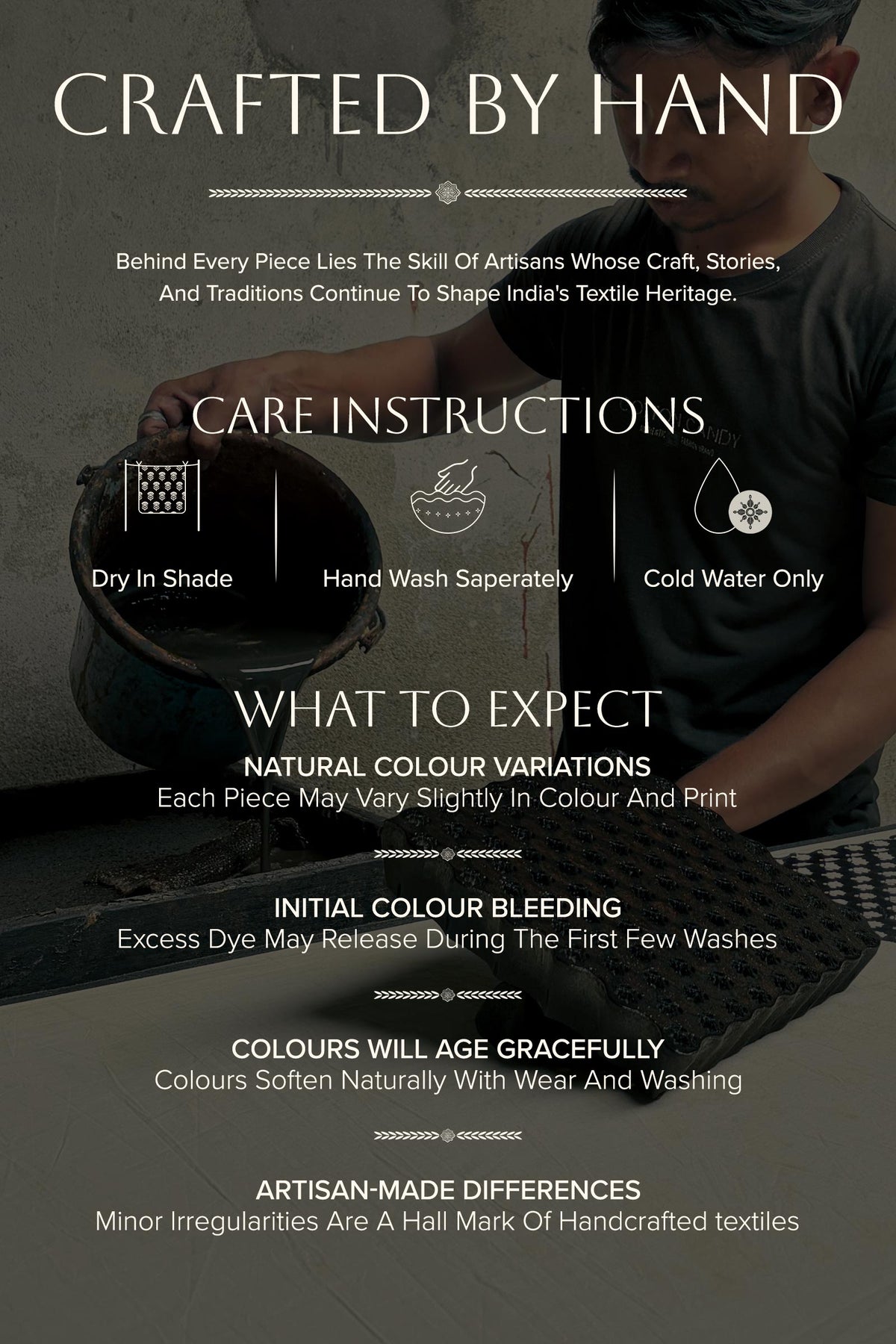
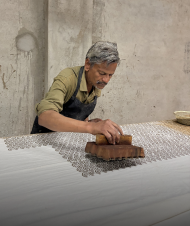
At its heart, block print is a simple idea shaped by remarkable skill. A design is carved into a wooden block, usually by master craftsmen who specialise in this work alone. The block is dipped into dye and pressed firmly onto fabric, leaving behind a clear impression of the motif.
This process repeats across the cloth, one careful stamp at a time. The artisan aligns each block by eye, building the pattern slowly across the fabric. For multicoloured designs, different blocks are used for each colour layer.
The beauty of block printing lies in its rhythm. The slight shifts in pressure, the gentle overlaps, the occasional irregularity. These details give a block print kurta its character. No two pieces ever look completely identical, and that quiet individuality is part of the charm.
Types of Block Print Designs
Traditional block prints carry a visual vocabulary that has evolved over centuries. Many designs draw inspiration from nature, architecture, and everyday life in the regions where they are created.
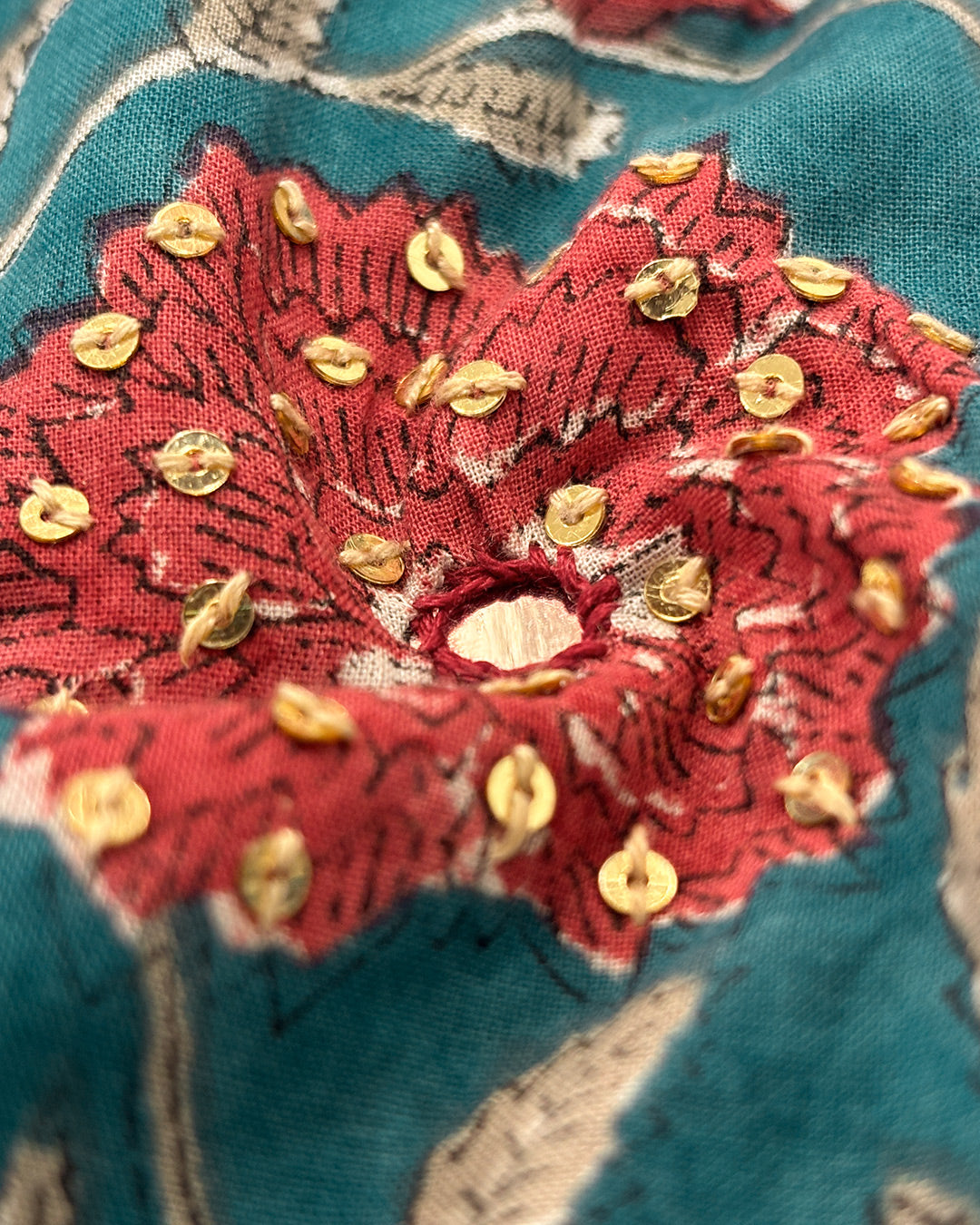
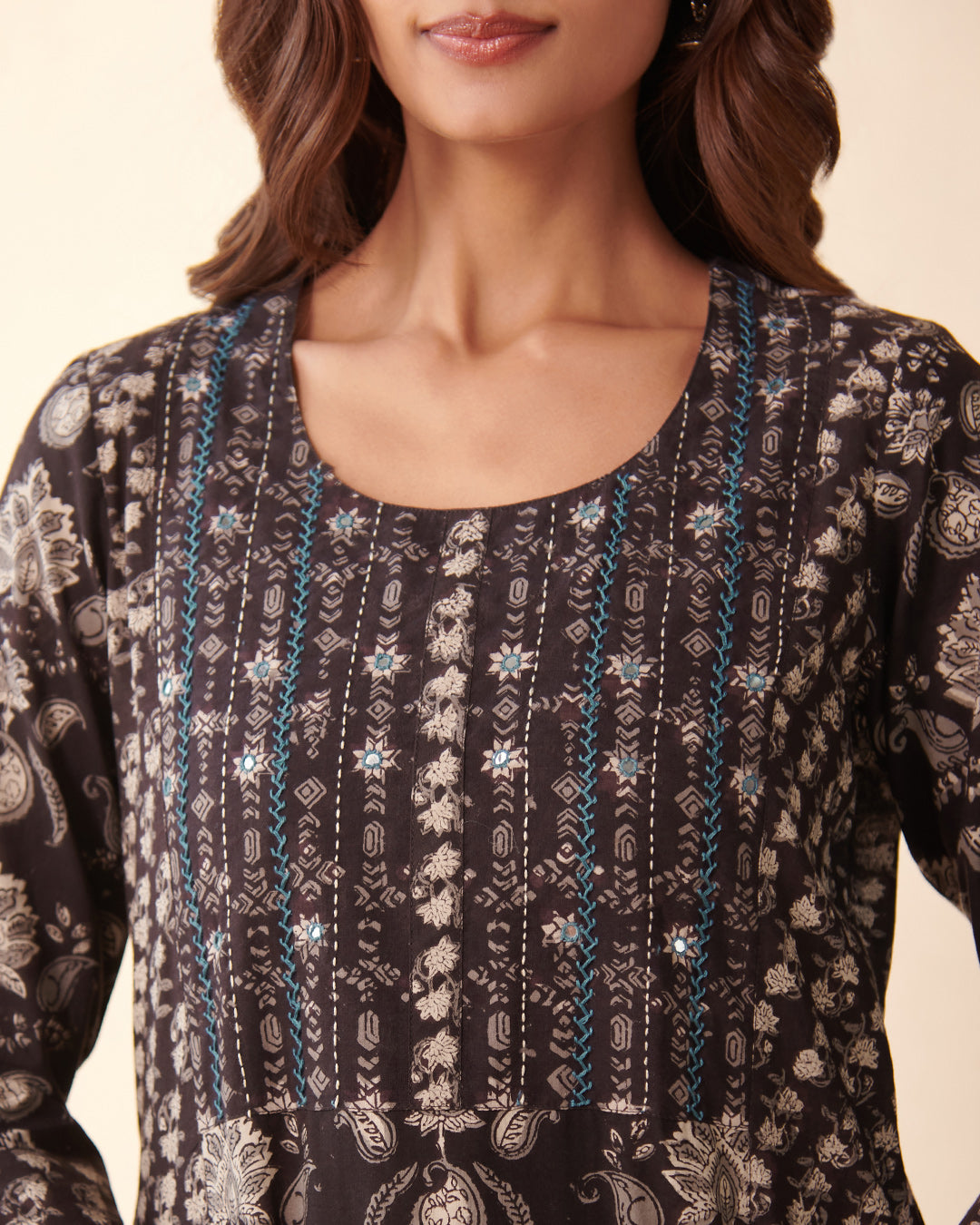
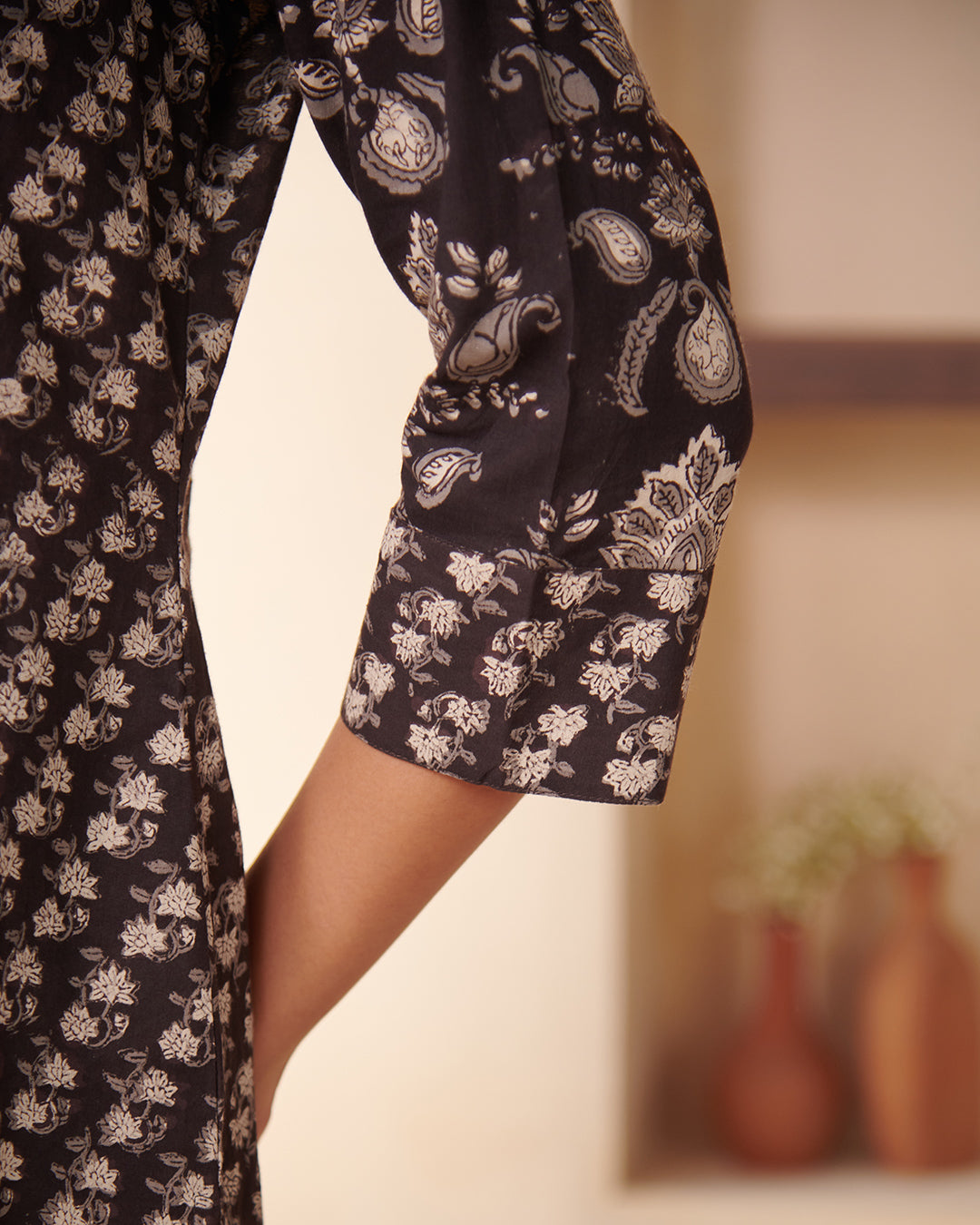
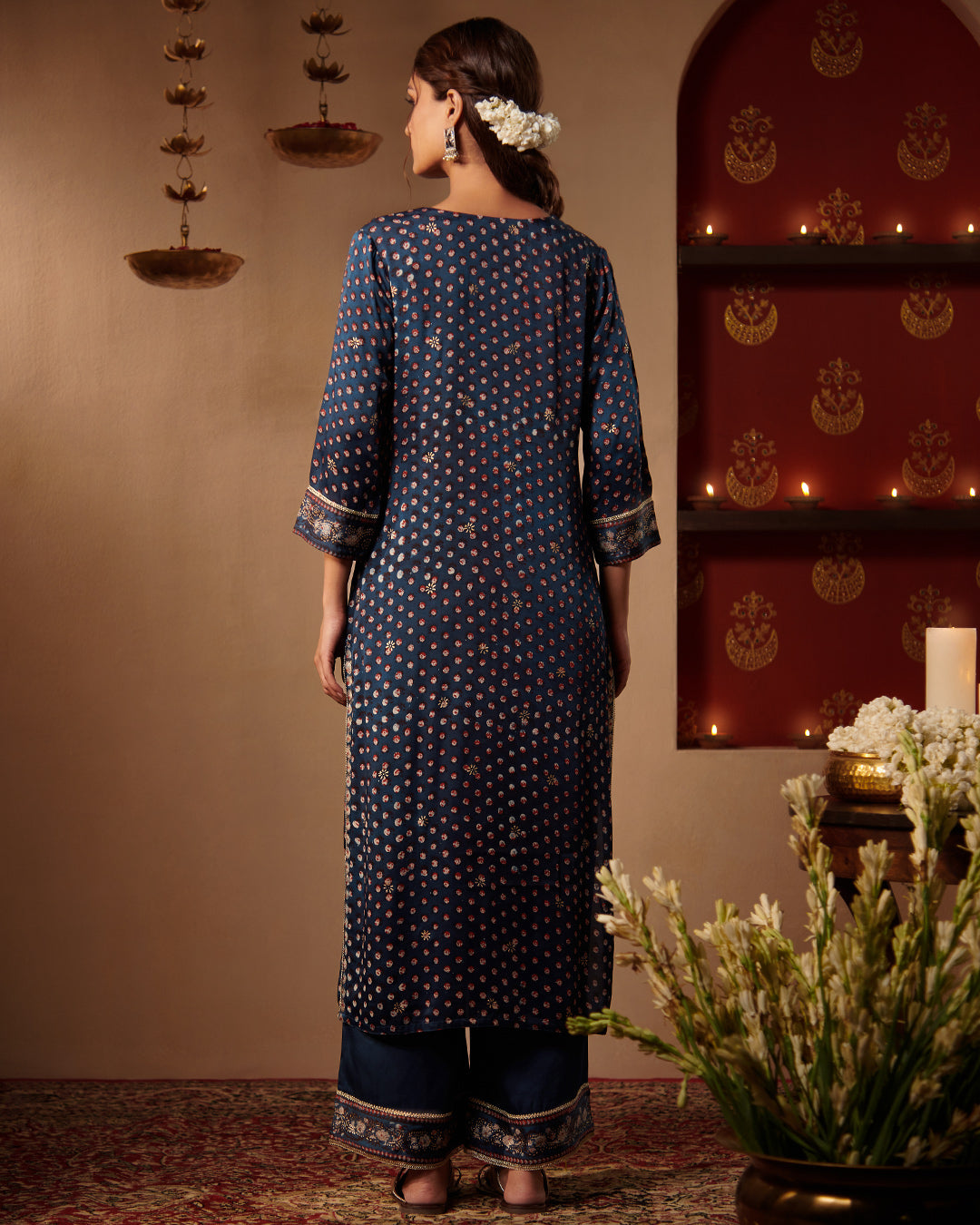
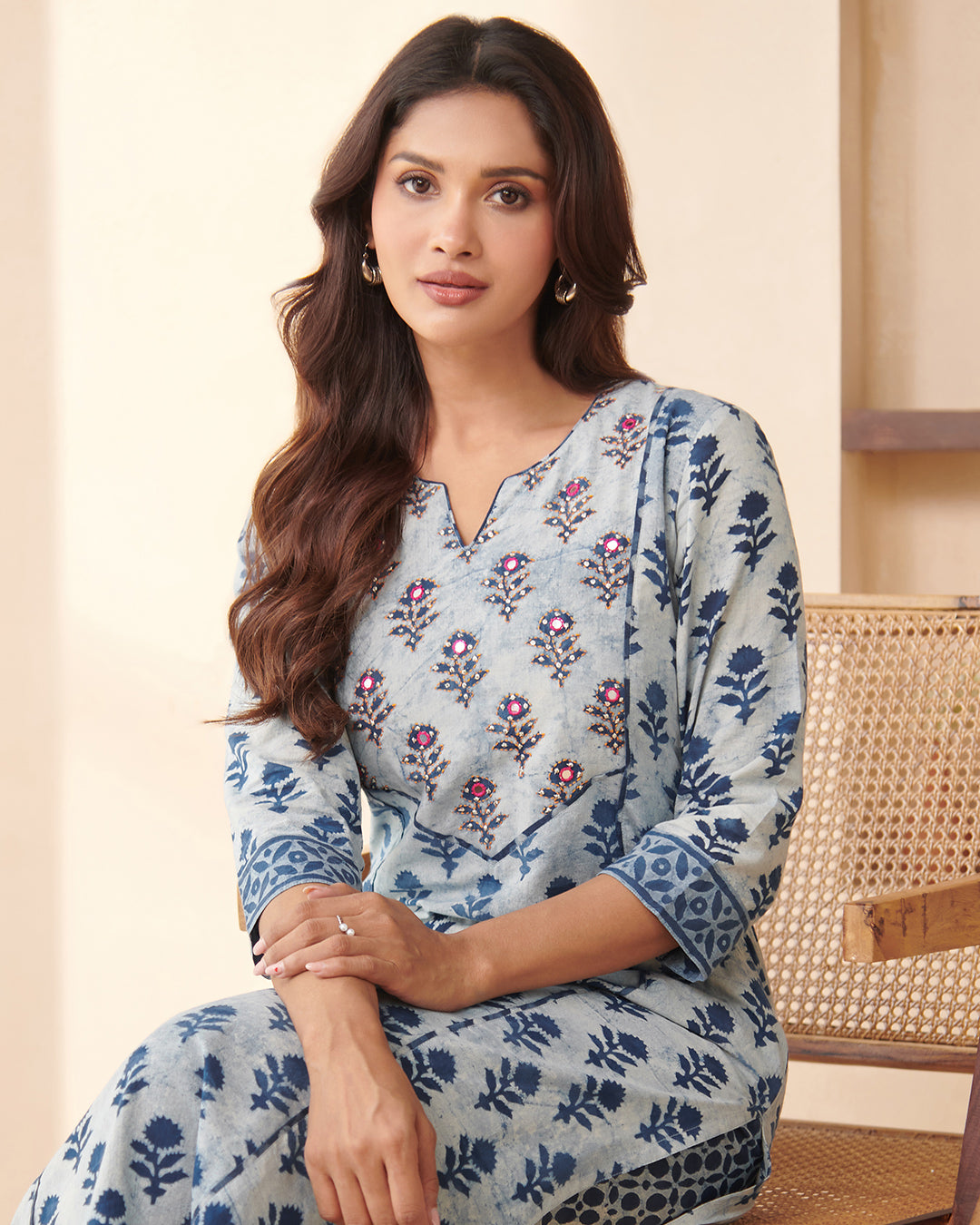
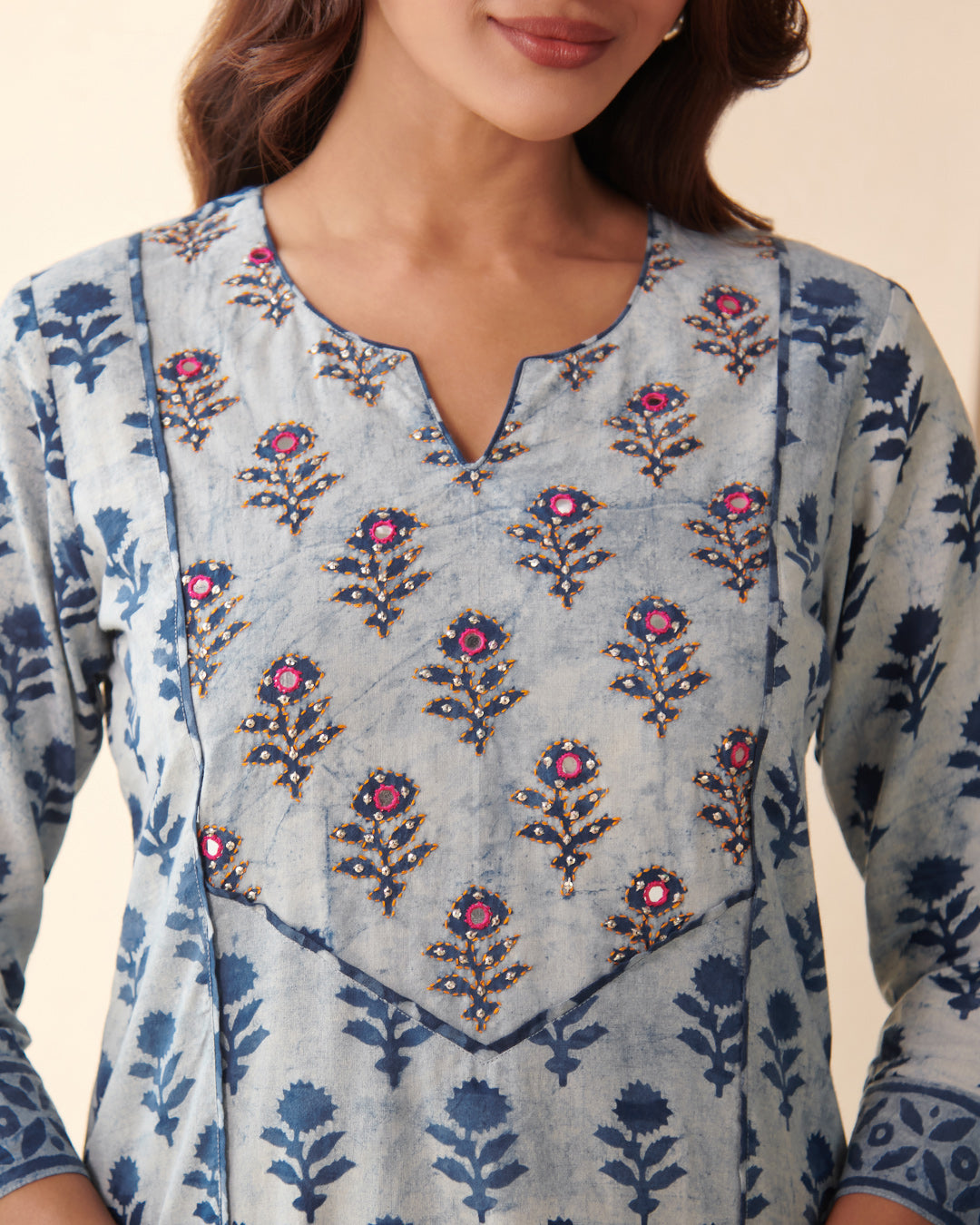
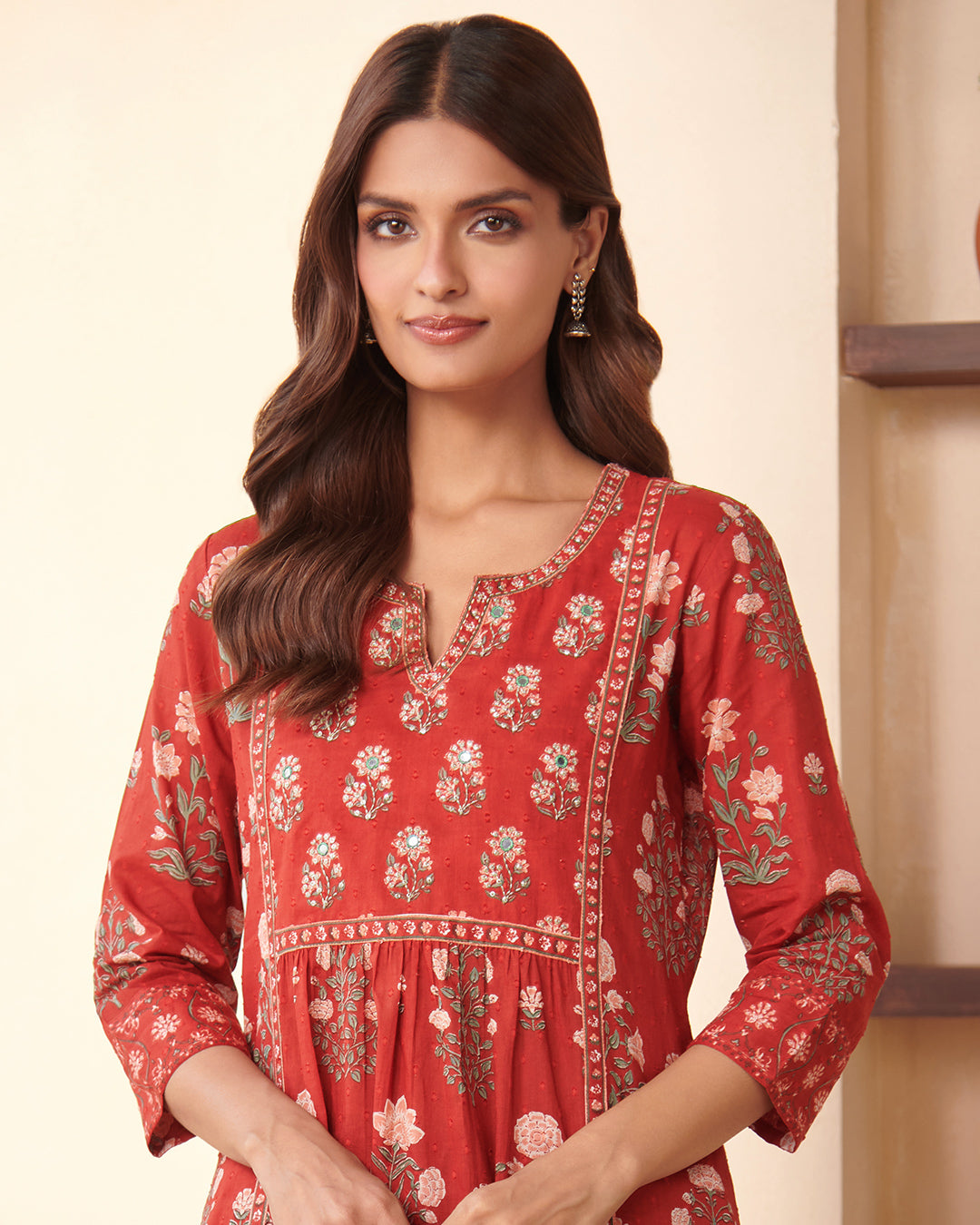
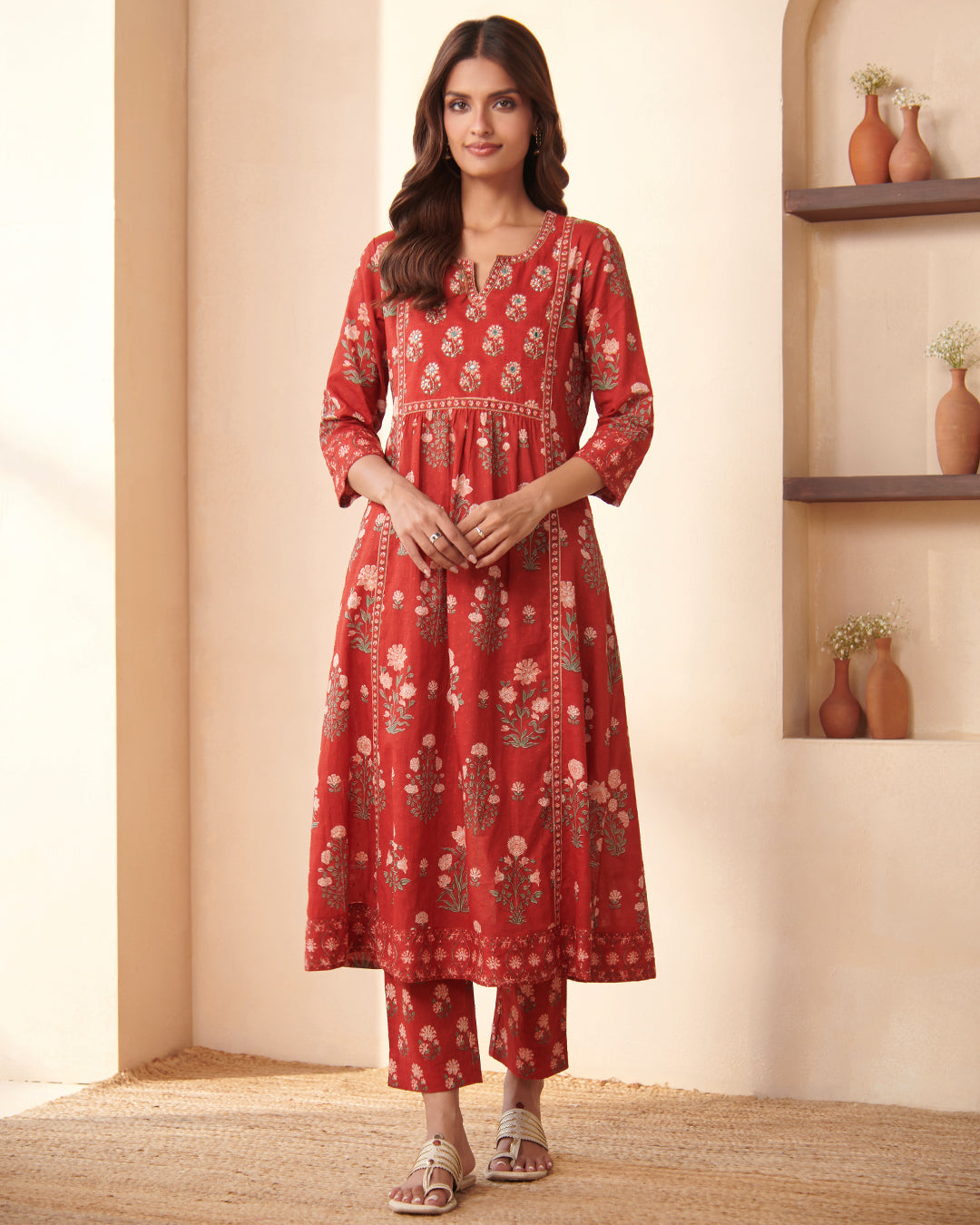
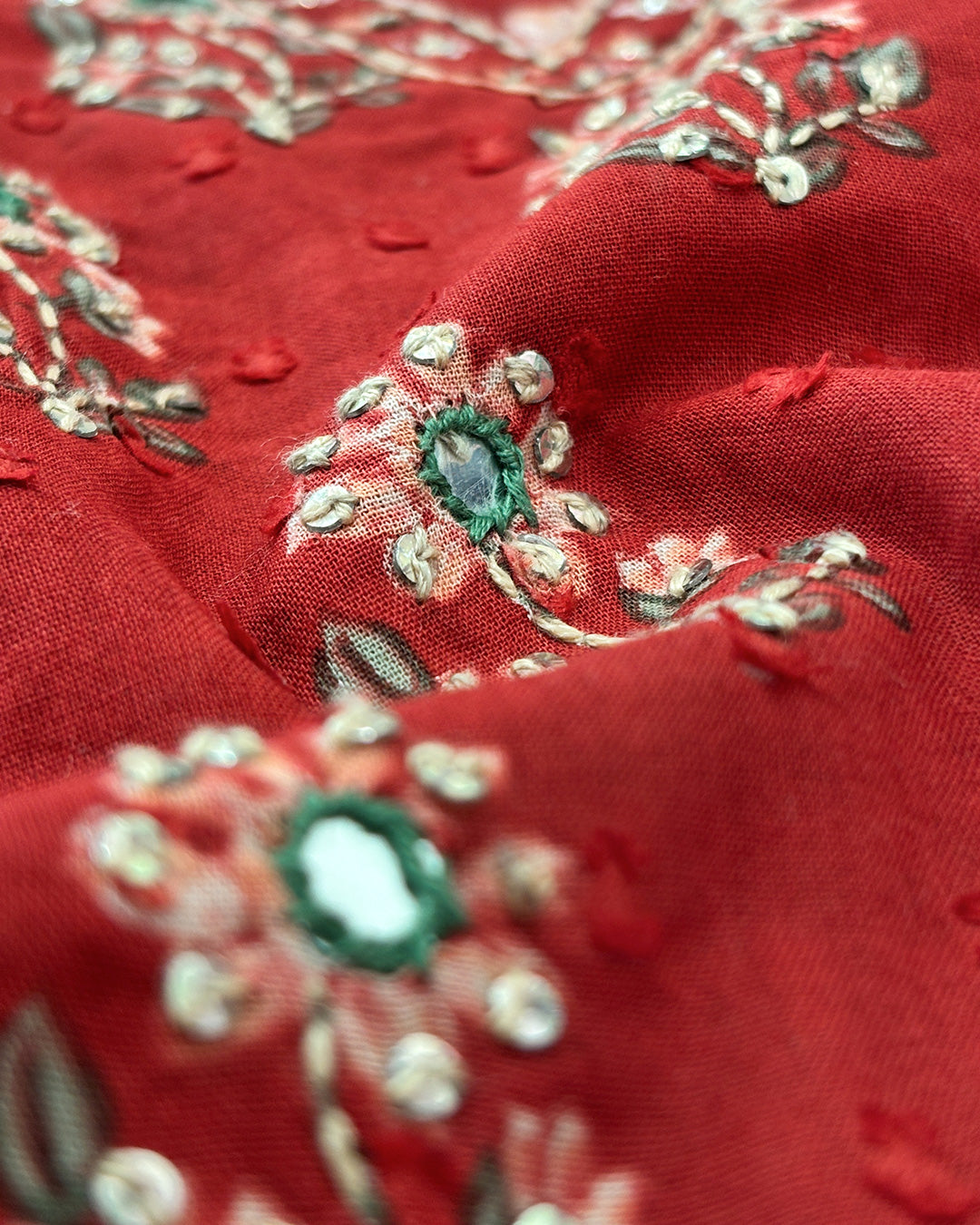
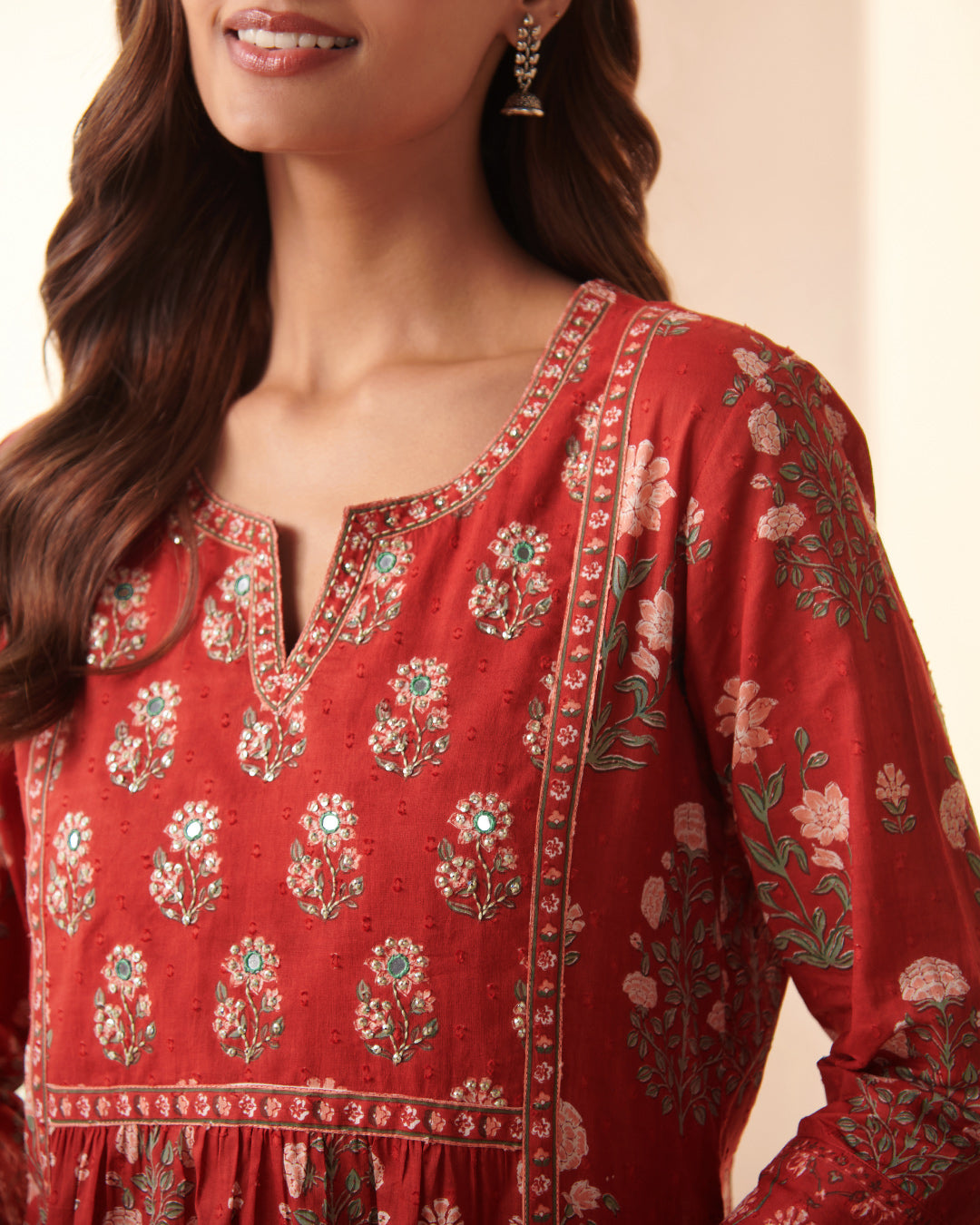
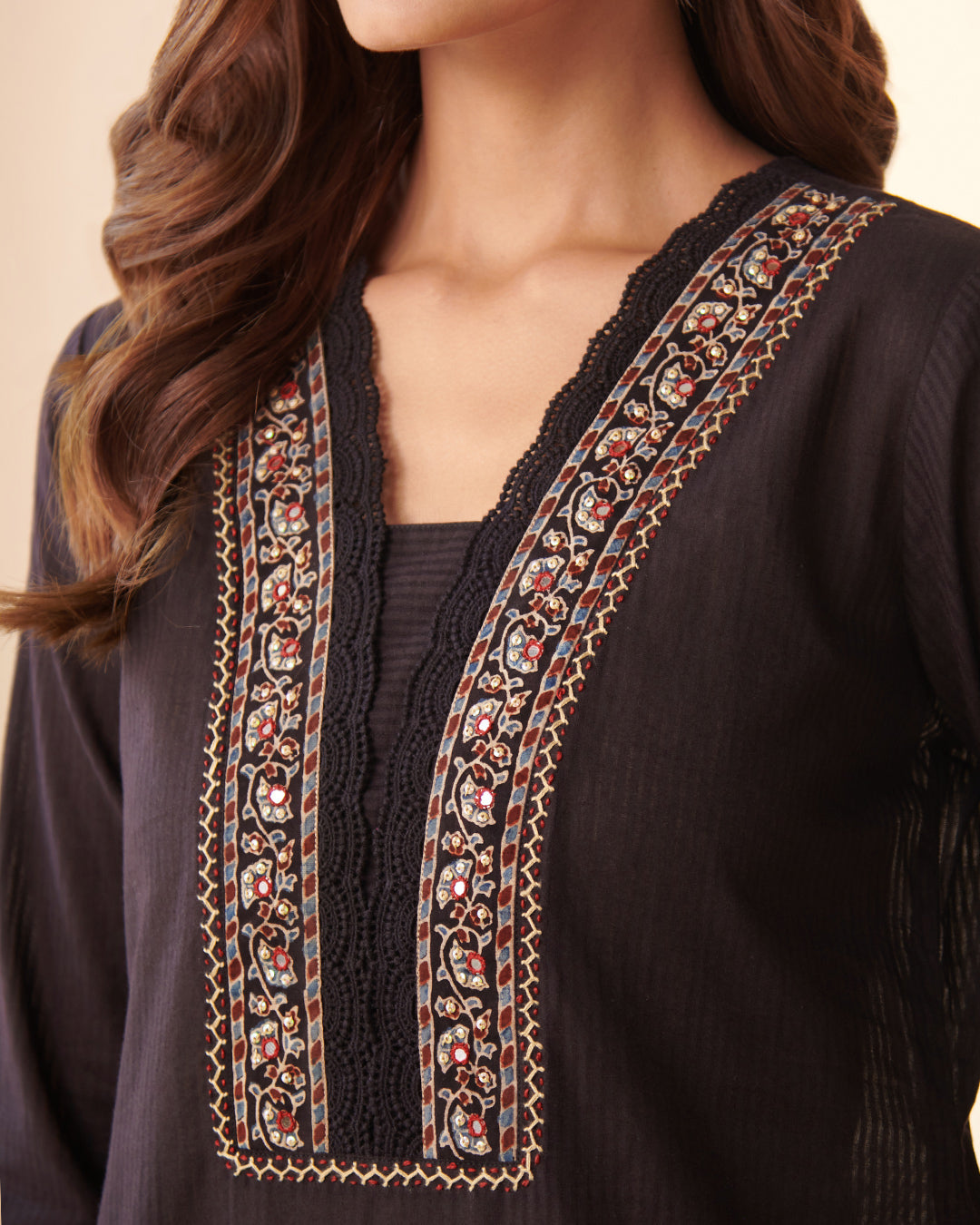
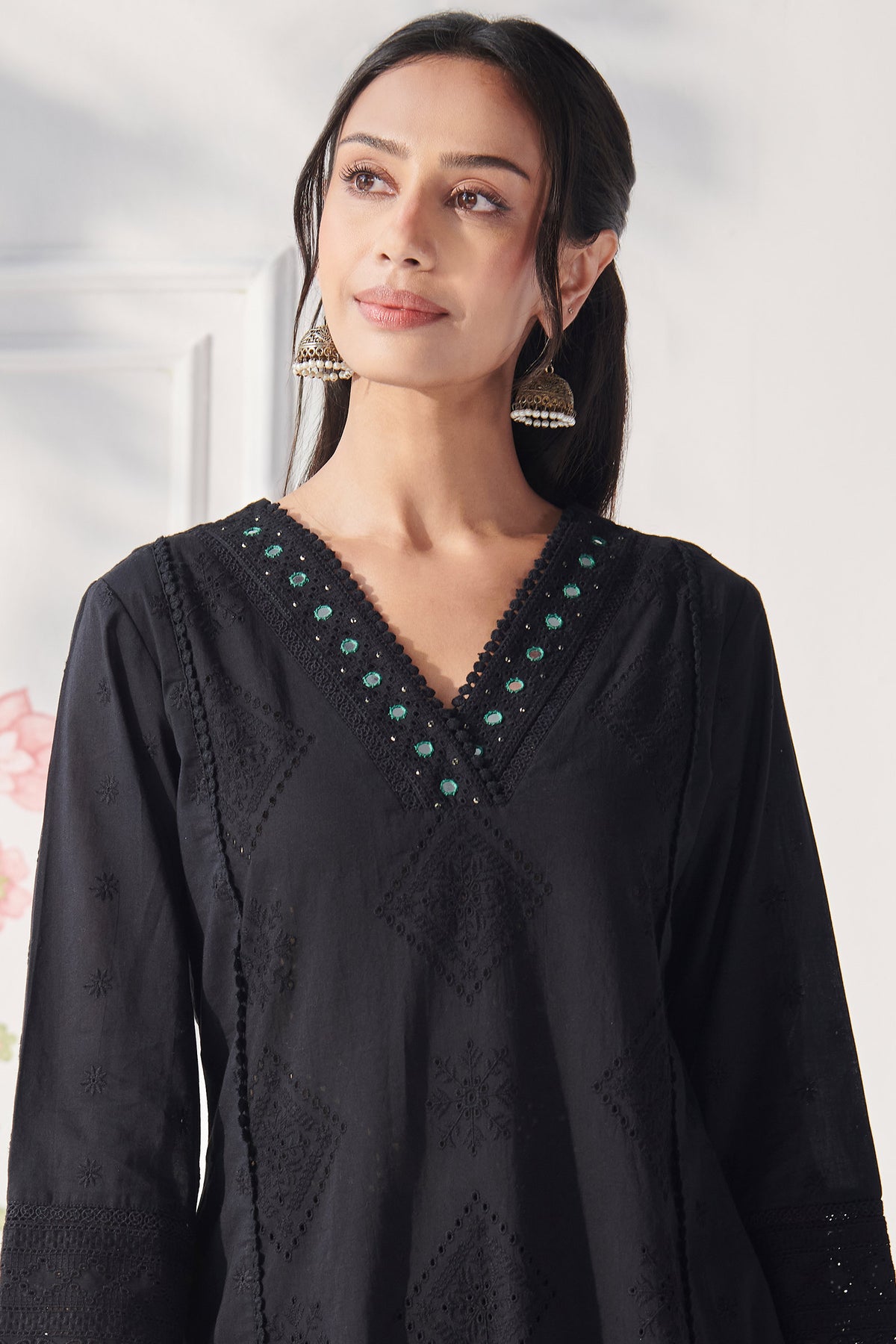
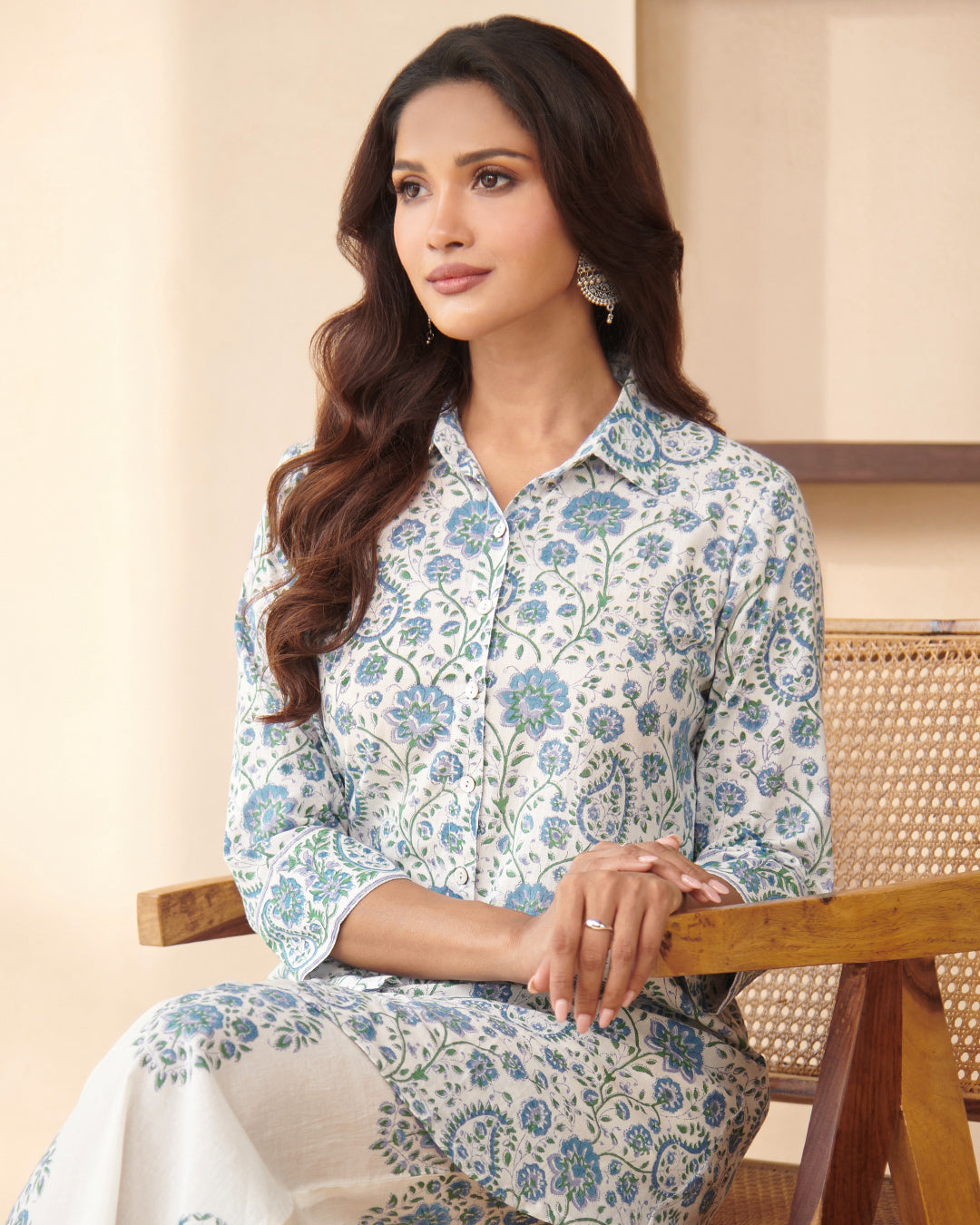
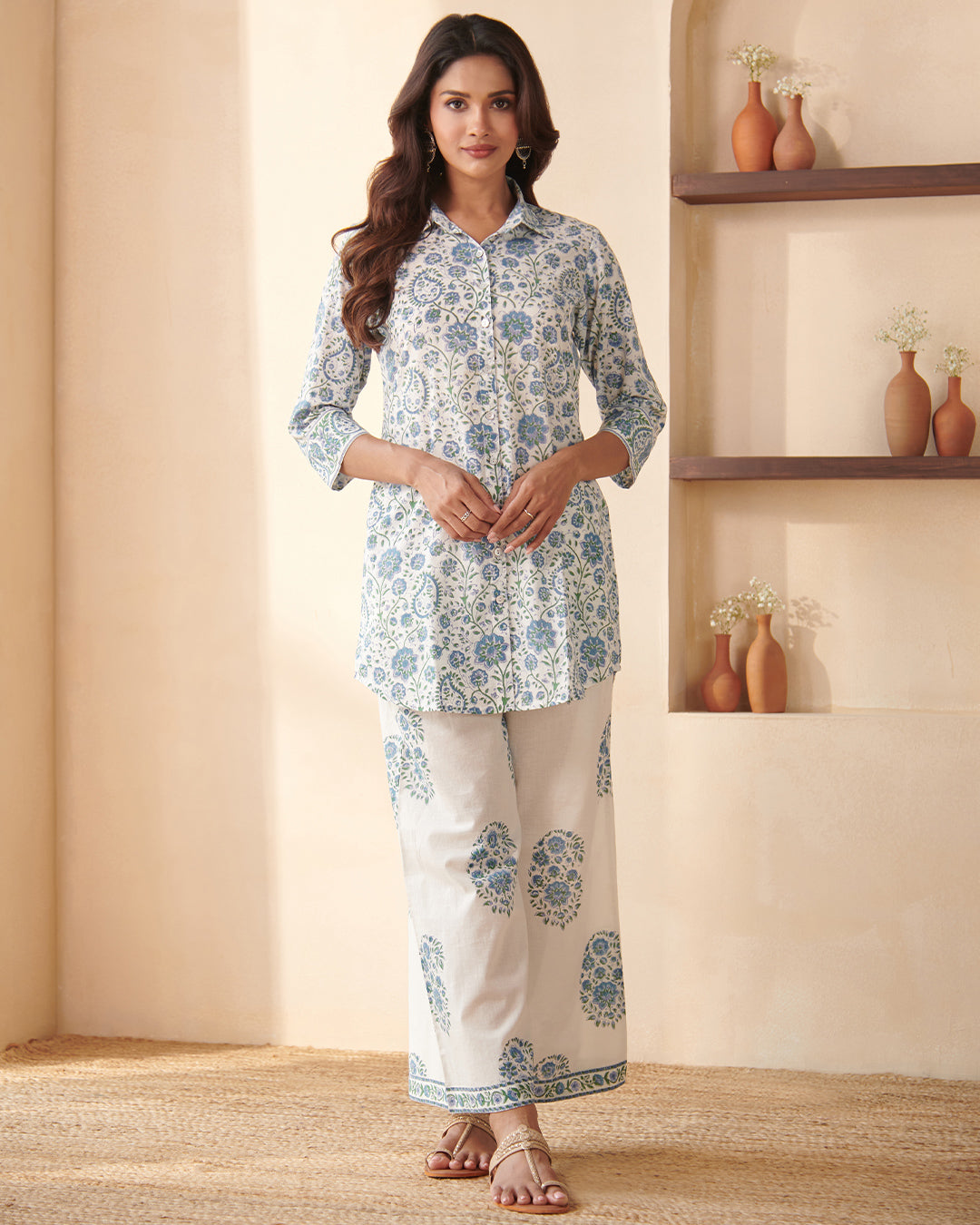
Floral motifs remain the most recognisable. Small butis scattered across the fabric, trailing vines, stylised lotus flowers, and delicate leaf patterns appear often in block print kurtas. These designs feel light and balanced, especially on breathable cotton.
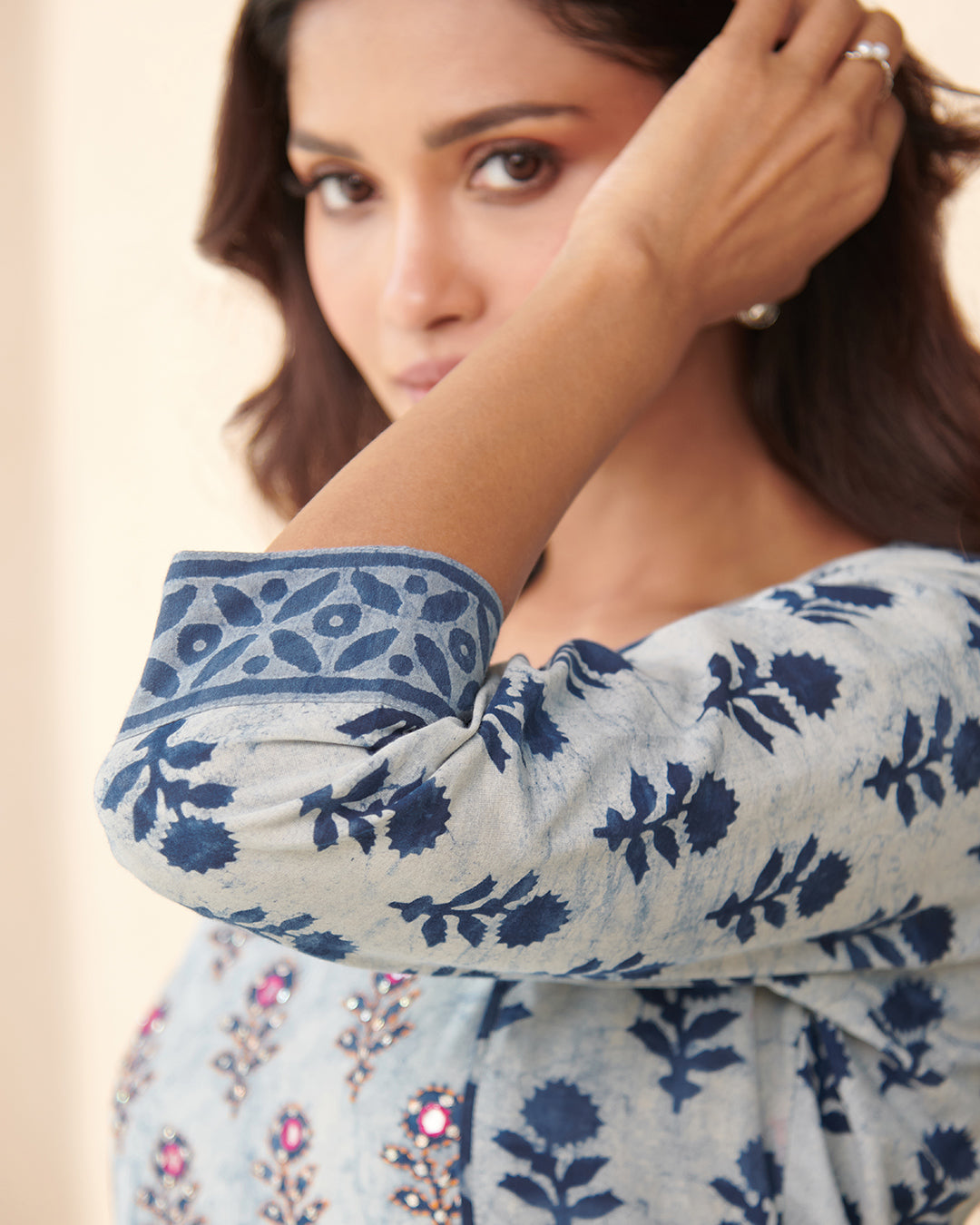
Geometric patterns are equally common. Repeating diamonds, lattice grids, and symmetrical borders create structure and rhythm across the fabric. These patterns often reflect influences from Mughal design and regional architecture.
Then there are narrative elements. Paisleys, birds, and traditional motifs that carry symbolic meaning. Over time, artisans refine these patterns so they work beautifully with the stamping technique, allowing them to repeat effortlessly across yards of cloth.
Fabrics Commonly Used in Block Prints
The choice of fabric plays a quiet but important role in how a block print appears. Natural fibres tend to absorb dyes more evenly, allowing the patterns to settle into the cloth rather than sit on the surface.
Cotton is the most widely used fabric for block printing. Its soft texture and breathability make it ideal for everyday garments like a block print kurta. The fibres hold colour well while keeping the garment light and comfortable, particularly in warm weather.
Modal satin and chanderi are also used for more refined pieces. These fabrics add a gentle sheen while still allowing the printed patterns to remain visible and crisp. The result feels slightly more festive, yet still rooted in traditional craft.
Linen and cotton blends have also become popular in recent years. They bring a subtle texture that complements the hand printed aesthetic beautifully.
In every case, the fabric is chosen with care. Because in block printing, the cloth is not just a base. It becomes part of the story the print is trying to tell.
What Is Dabu Print?

Among the many printing traditions of Rajasthan, dabu print holds a quiet, earthy beauty. It is less about sharp perfection and more about texture, depth, and the story of the hands that create it. Each piece carries small variations, gentle irregularities that remind us it was shaped slowly, not rushed through machines.
Dabu printing is a form of resist printing. Instead of printing colour directly onto the fabric, artisans first protect certain areas with a special mud paste. The cloth is then dyed, and the protected portions reveal the design once the paste is washed away. The result feels organic, almost as if the pattern has emerged from the fabric itself.
The Meaning and Origin of Dabu Printing
The word dabu comes from the Hindi word dabana, which means “to press.” It refers to the act of pressing the mud resist onto the fabric to protect sections from dye.
This technique has deep roots in Rajasthan, especially in villages around Bagru and Akola. For generations, artisans have prepared the mud mixture using natural ingredients like clay, gum, lime, and sometimes wheat chaff. These materials create the resist that forms the foundation of a dabu print.
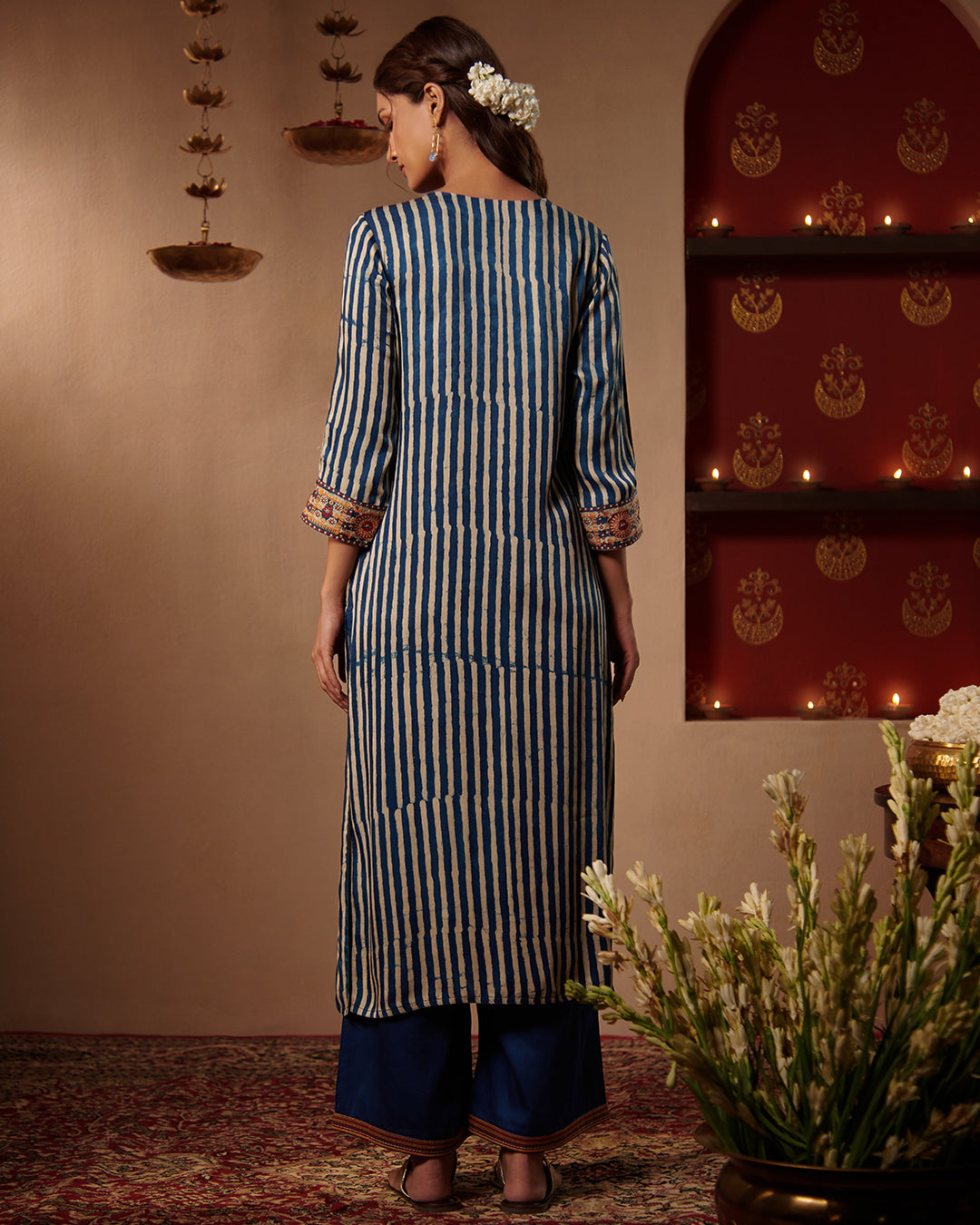
Traditionally, indigo was the most common dye used after the resist was applied. Over time, other natural dyes were added, but the soul of the craft remained unchanged. When you see a dabu print kurta today, you are looking at a technique that has travelled through centuries of practice.
The Unique Dabu Printing Process
The process of creating a dabu print is patient and layered. It begins with clean cotton fabric stretched across long printing tables. Artisans then press carved wooden blocks dipped in the mud resist mixture onto the cloth, carefully building the pattern section by section.
Once printed, the fabric is dusted with fine sawdust or natural powder. This helps the resist hold its shape and prevents smudging. The cloth is then left to dry in the open air before being immersed in naural dyes, often indigo.
Wherever the mud resist sits, the dye cannot penetrate. After dyeing, the fabric is washed thoroughly, removing the dried mud and revealing the design underneath. Sometimes this process is repeated several times to create layered colours and depth.
The entire journey takes time. Sunlight, air, and water all play a role, making each piece slightly different from the next.
Characteristics of Dabu Print Designs
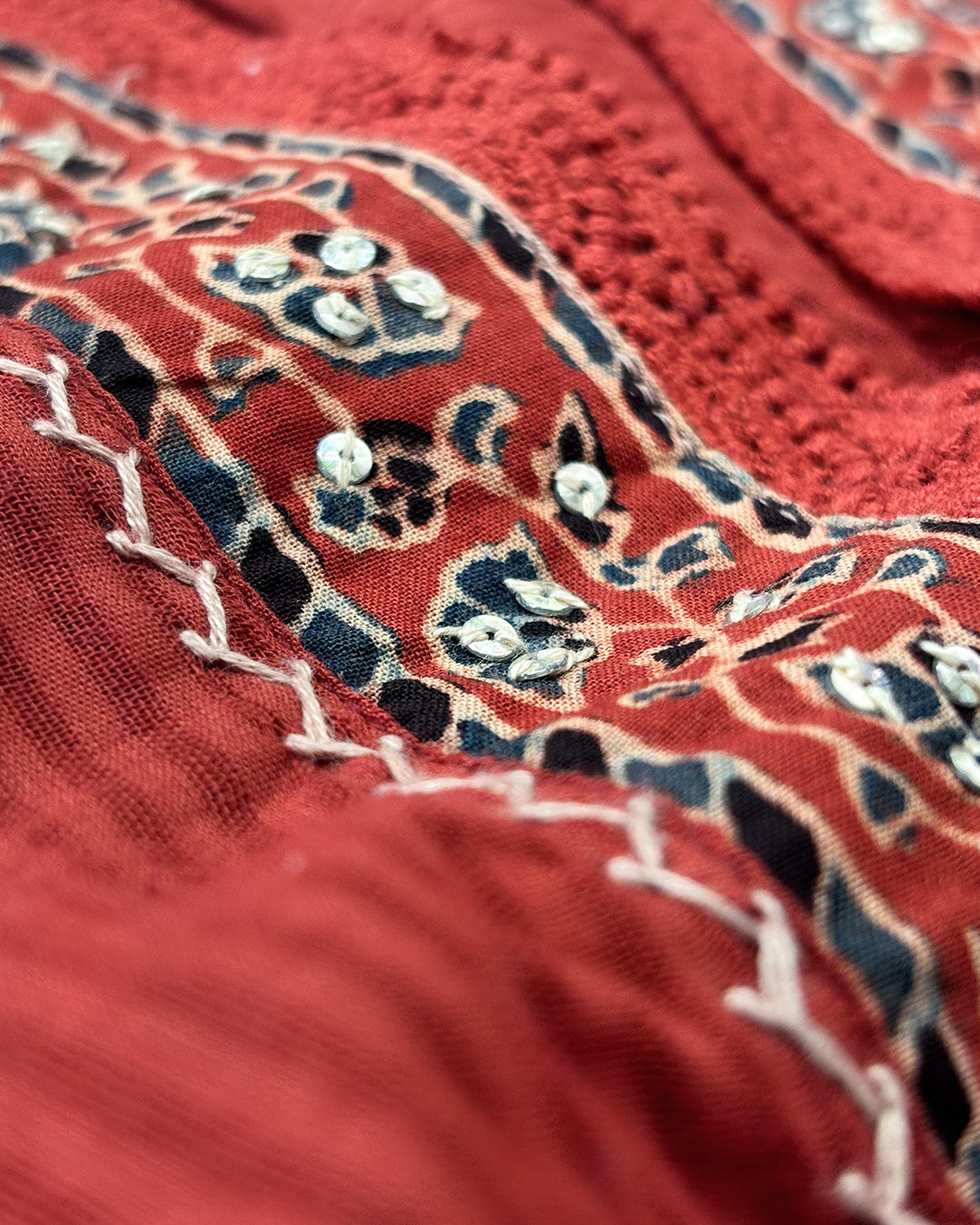
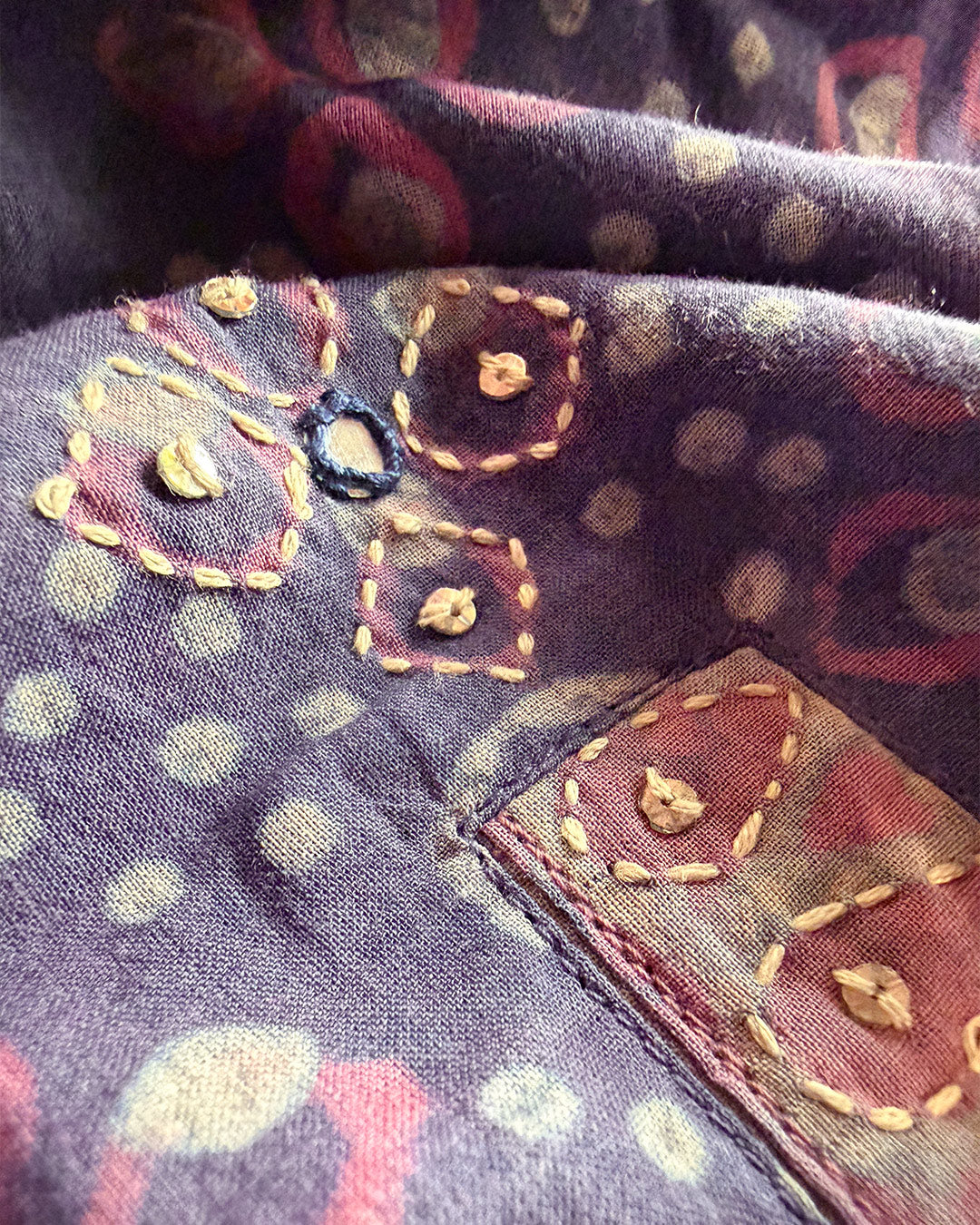
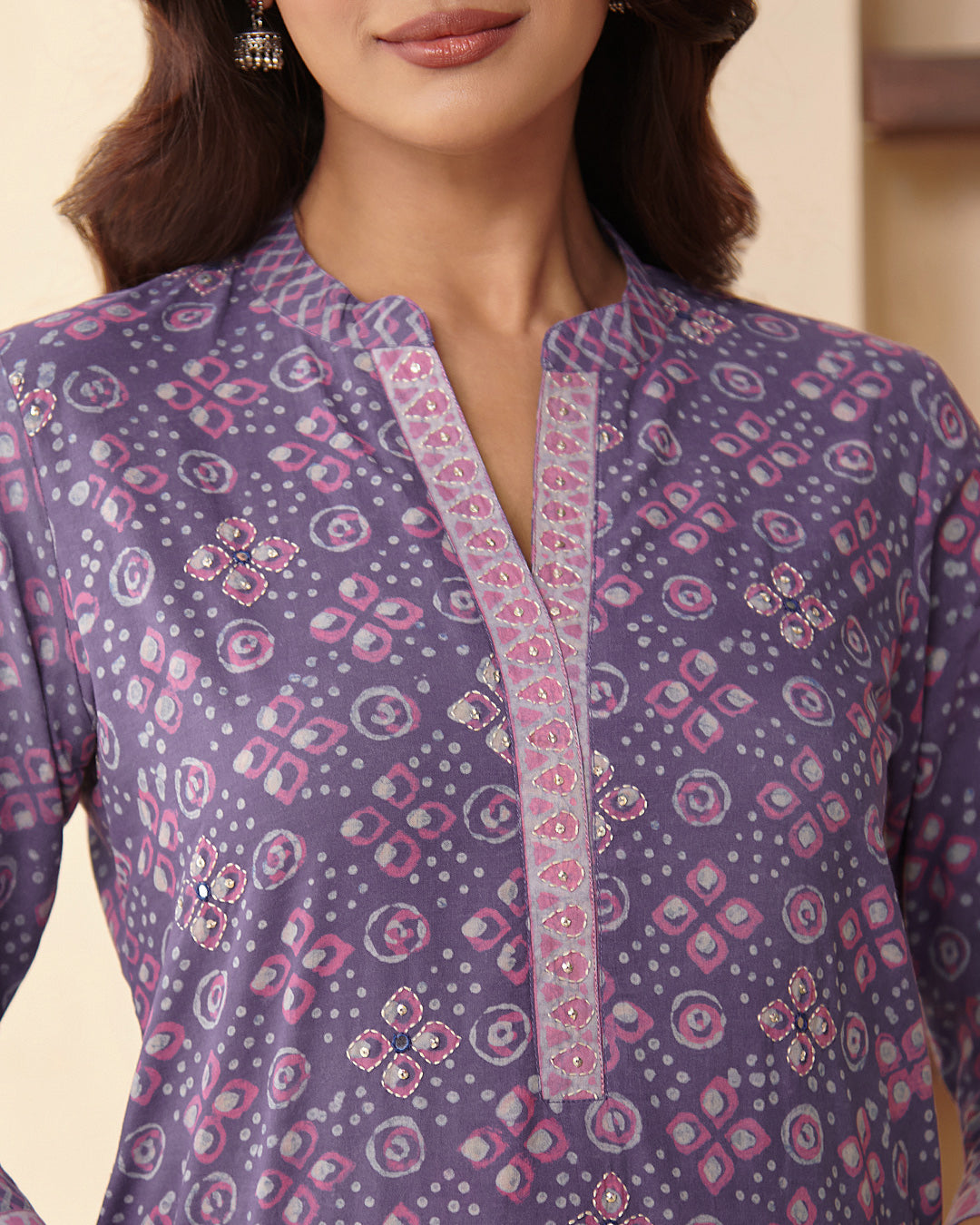
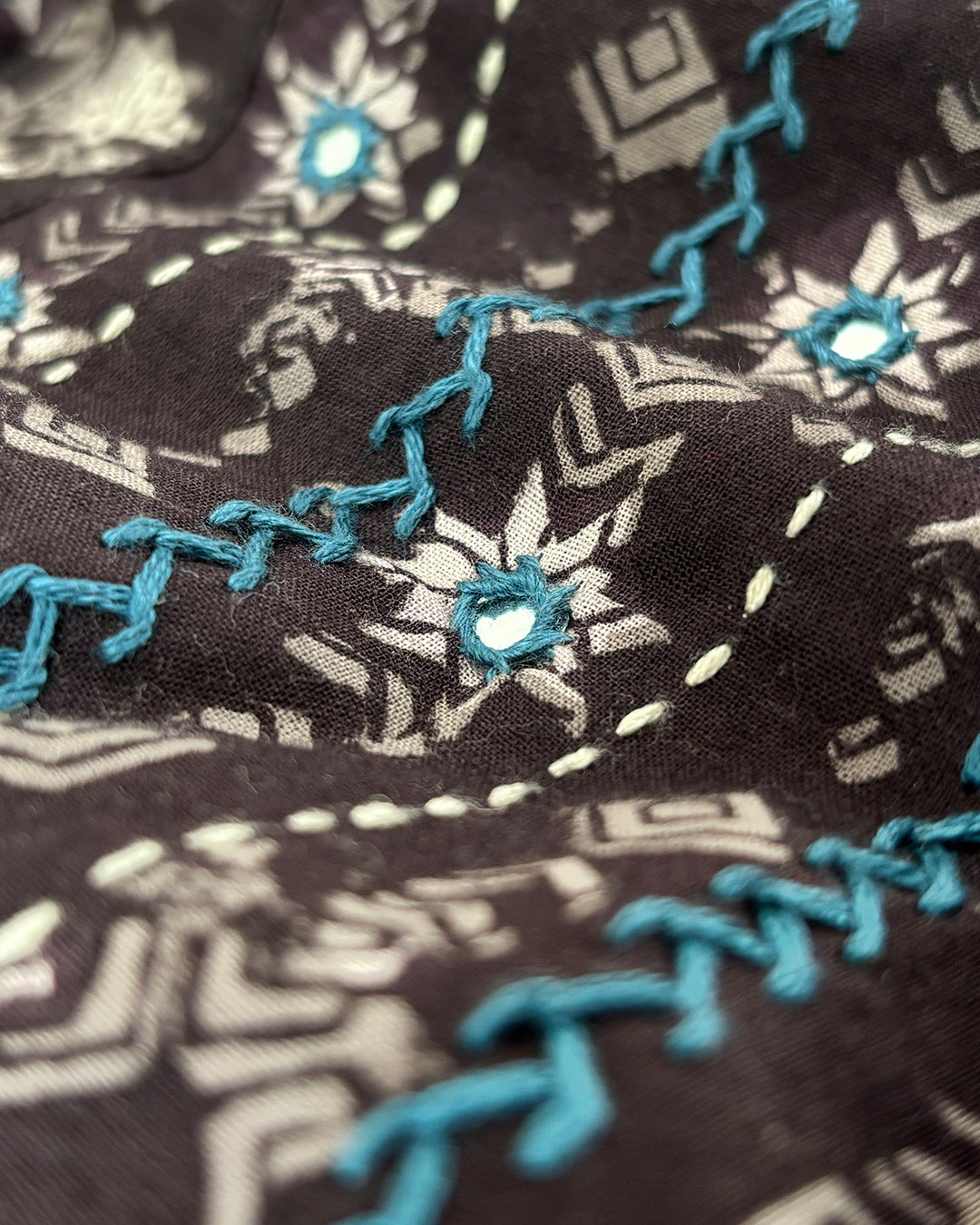
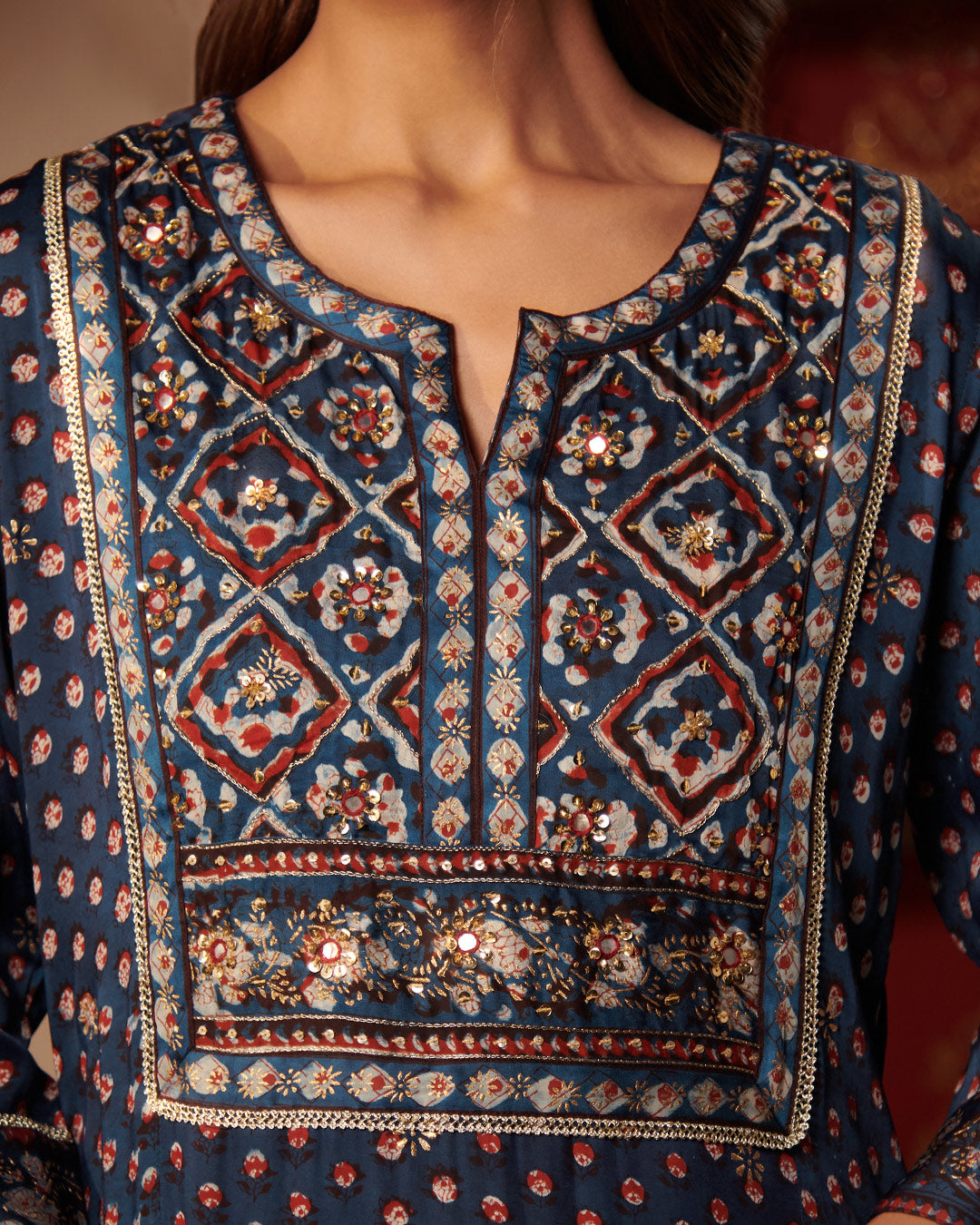
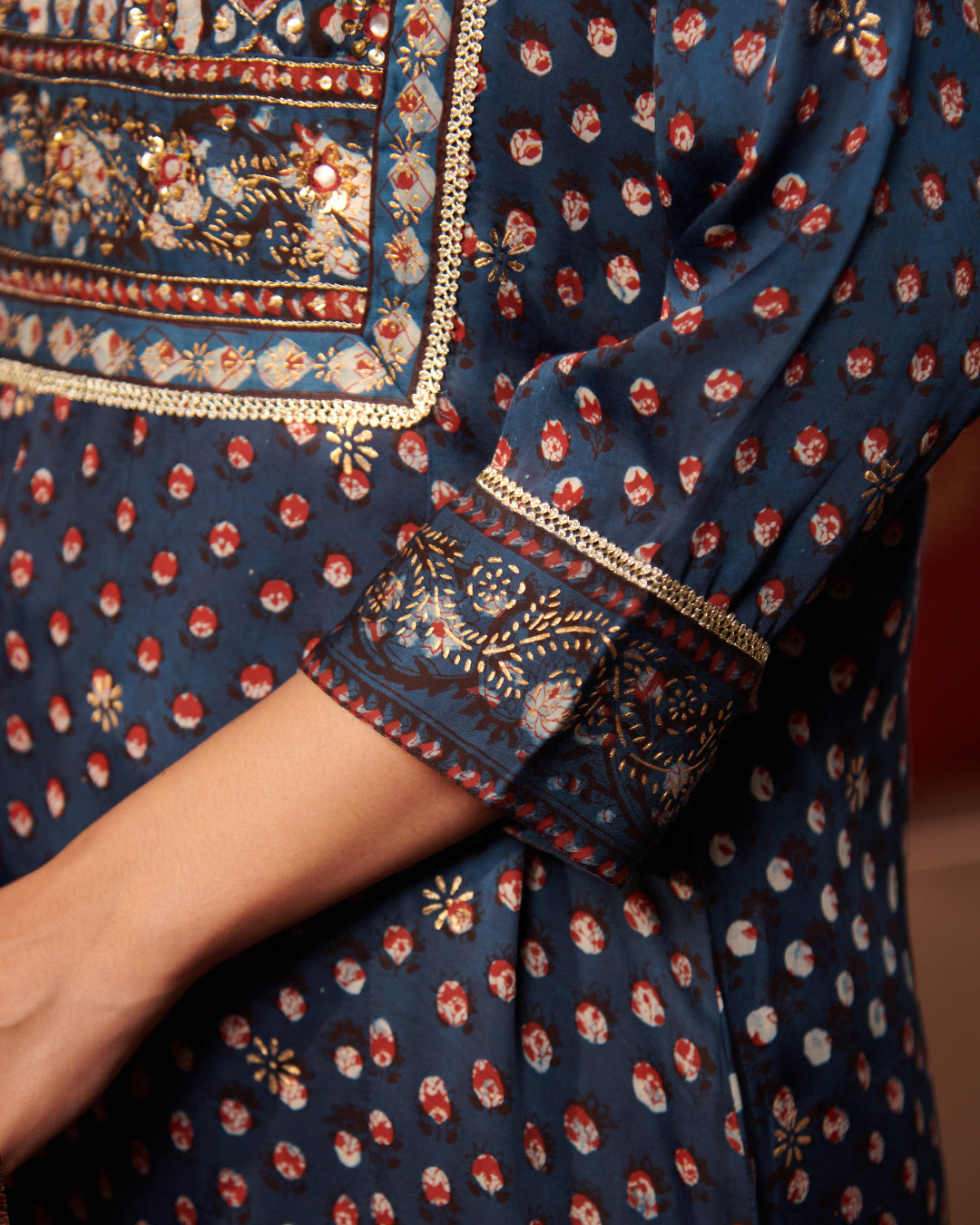
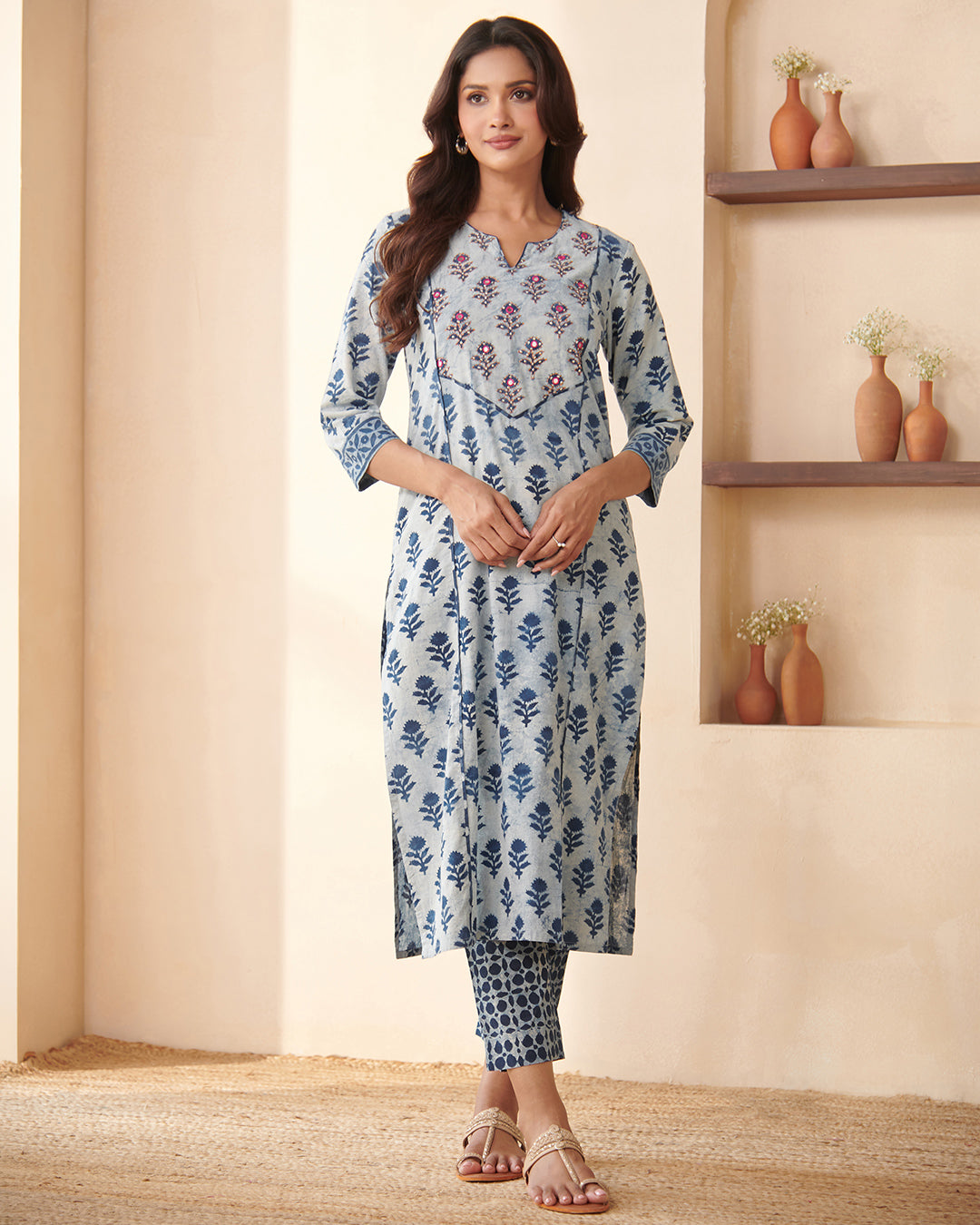
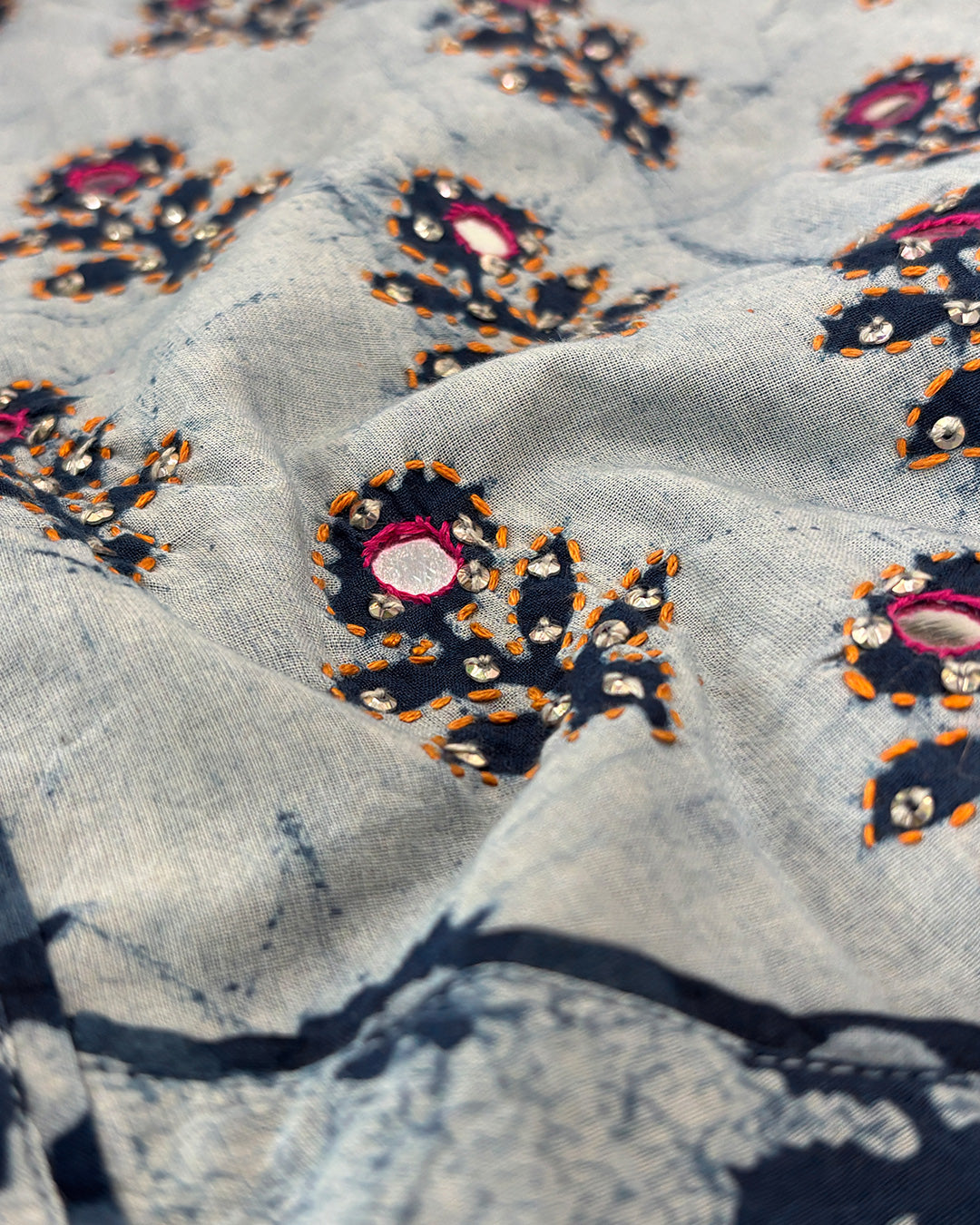
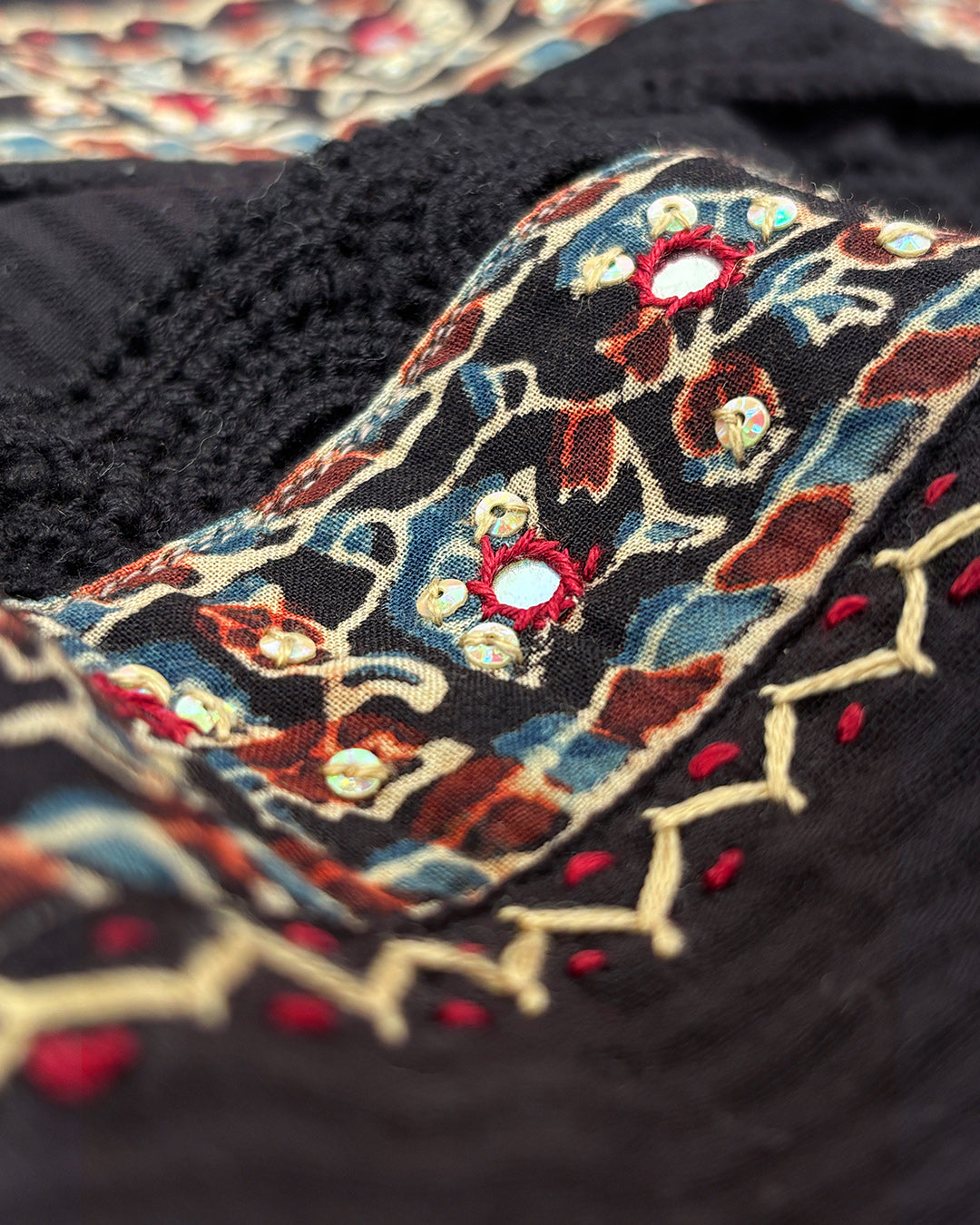
Dabu prints have a softness that sets them apart from many other textile patterns. The edges of the motifs are rarely perfectly sharp. Instead, they carry a slightly blurred quality, which adds warmth and character.
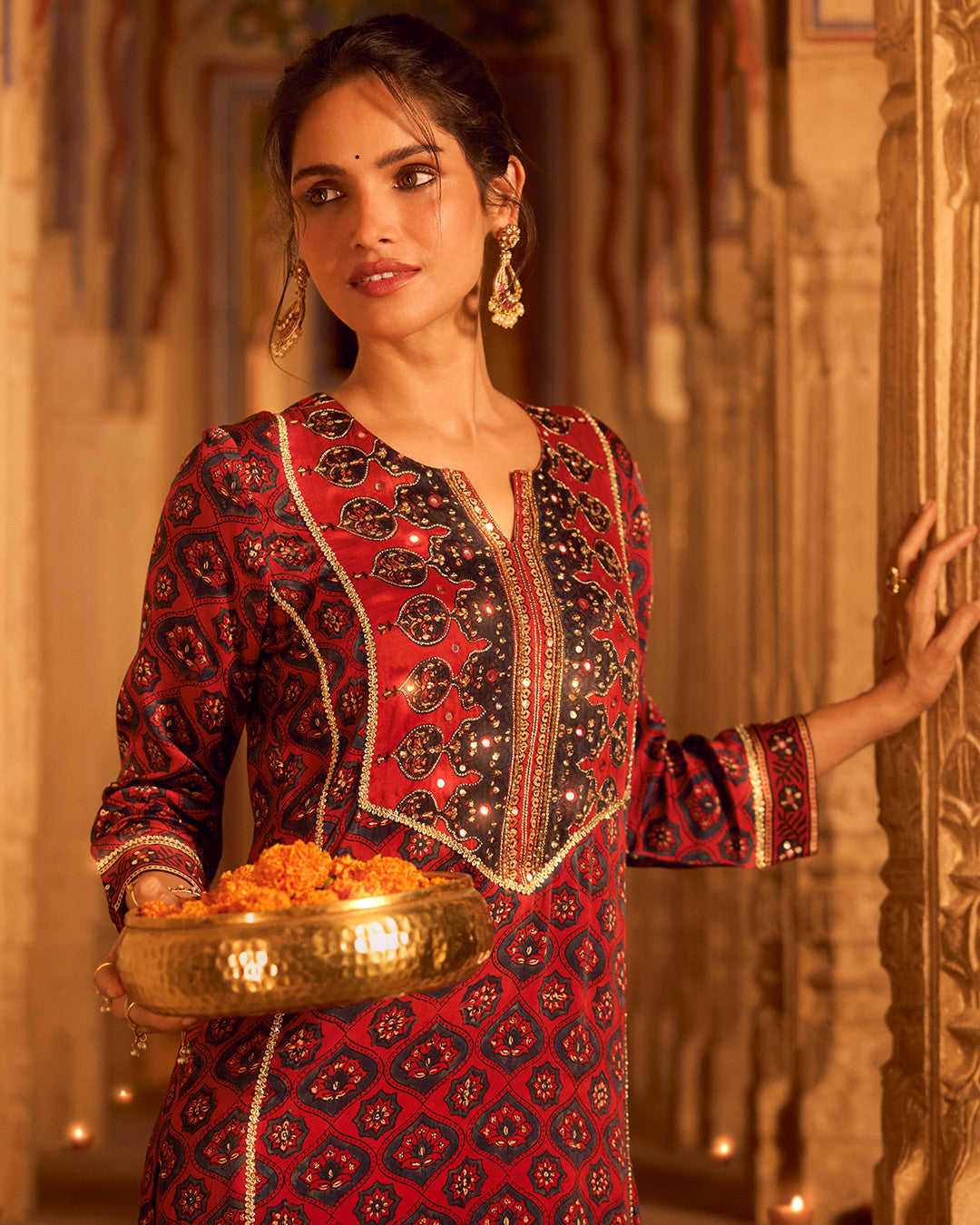
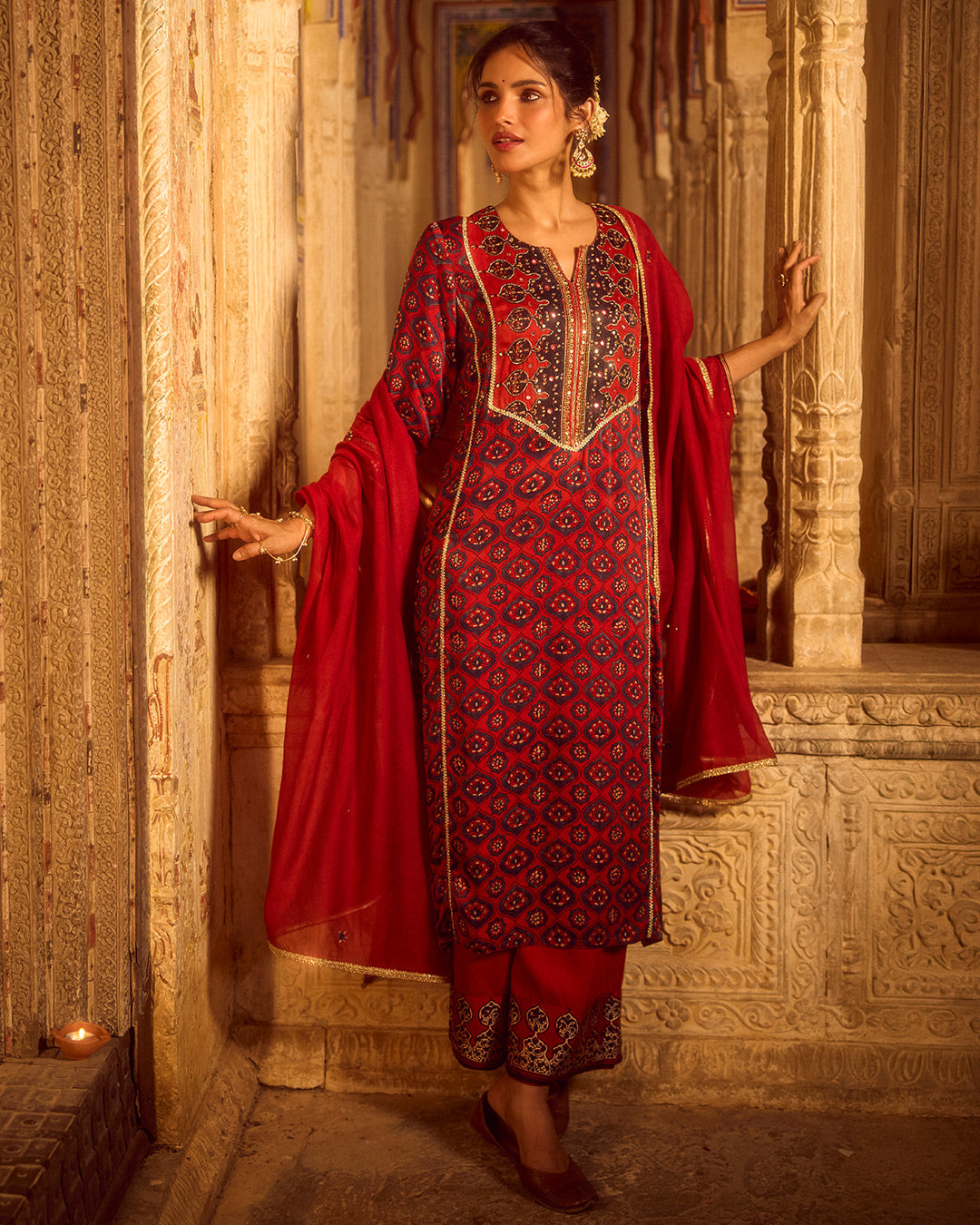
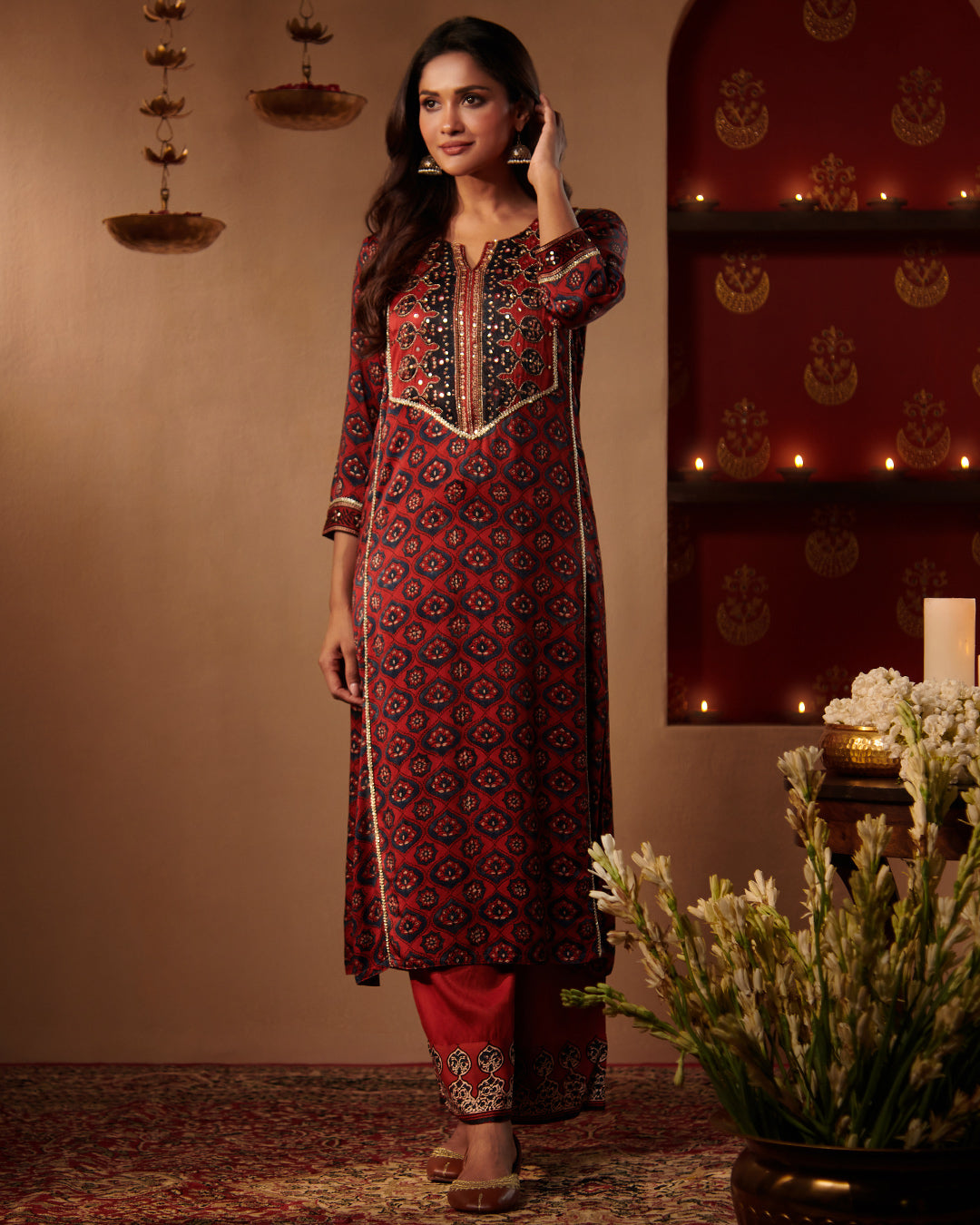
The colour palette often leans towards natural tones. Indigo blues, muted blacks, earthy reds, and off whites are common. These shades feel grounded and timeless, which is why a dabu print kurta often looks just as relevant years later.
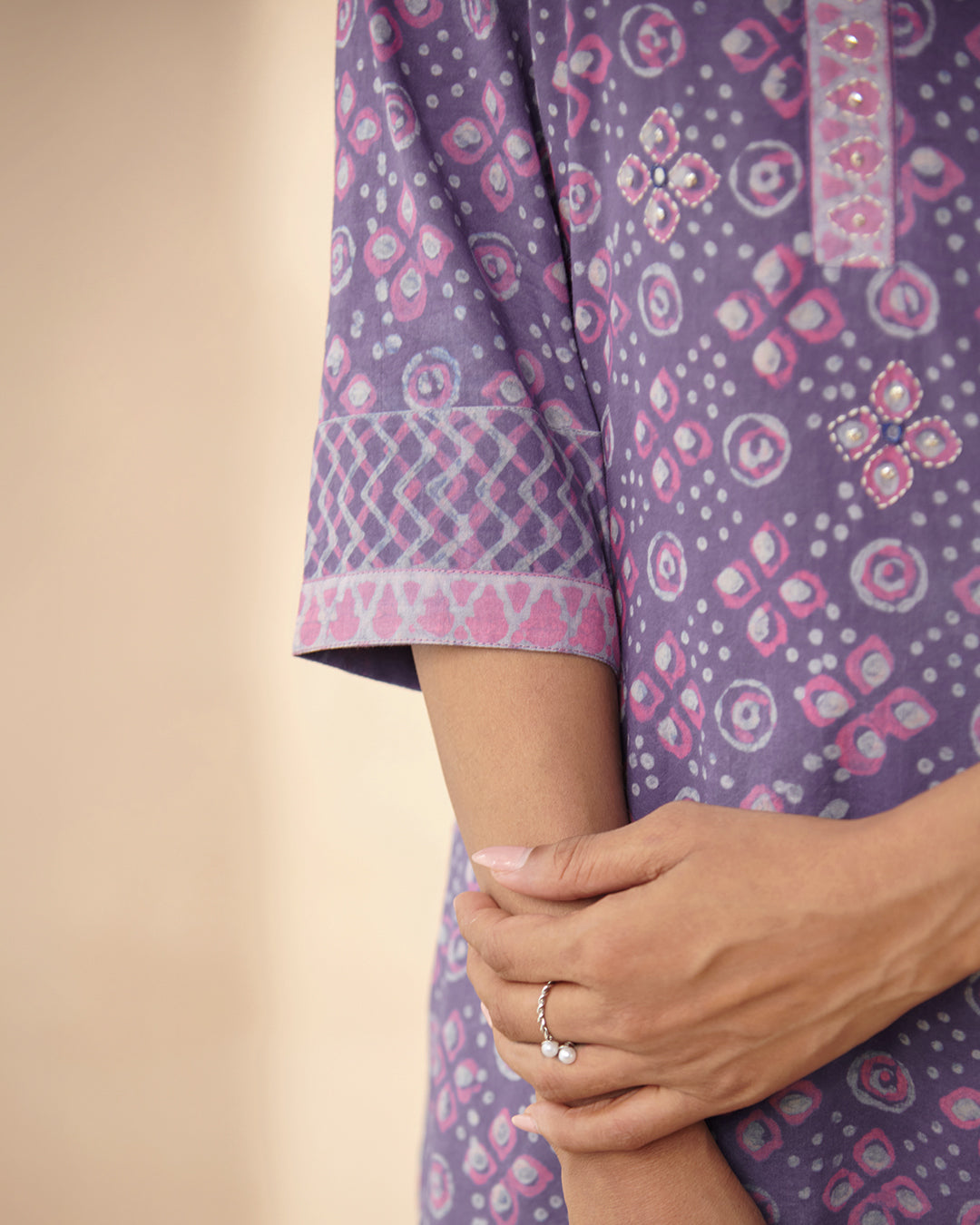
Motifs are usually inspired by nature and traditional geometry. Small floral forms, circular patterns, and rhythmic repeats are frequently seen. The designs are balanced but never rigid.
This is what makes dabu print special. It feels lived in from the very beginning, like a fabric that already carries memory within its threads.
Key Differences Between Block Prints and Dabu Prints

At first glance, both block prints and dabu prints may seem similar. They share the same heritage and often come from the same regions of Rajasthan. Yet the way they are created, and the feeling they carry on fabric, is quite different.
One celebrates direct printing with carved wooden blocks. The other relies on a slower resist dyeing method that reveals the design only after several stages of work. Understanding these differences allows us to appreciate the craft more deeply.
Printing Technique
In traditional block print, artisans carve intricate patterns onto wooden blocks. These blocks are dipped into natural or pigment dyes and pressed directly onto the fabric by hand. Each motif is stamped one by one, carefully aligned so the pattern flows seamlessly across the cloth.
Dabu print follows a different approach. Instead of applying colour with a block, artisans use a mud resist paste made from natural ingredients such as clay, lime, and gum. Wooden blocks are often used to apply this paste onto the fabric. Once the paste dries, the fabric is dyed. The areas covered by the mud resist remain untouched by the dye, slowly revealing the pattern.
Dyeing Process
The dyeing stage is where the two crafts truly diverge.
With block print, the colour you see is applied directly through the printing process. Each block carries the dye and leaves its impression on the fabric. Multiple colours may require separate blocks and careful layering.
In dabu print, the colour emerges through immersion. After the mud resist is applied, the fabric is dipped into natural dye baths, often indigo. When the cloth is washed and the dried mud is removed, the protected areas reveal the original base colour beneath the dyed background.
This process can repeat several times, depending on how many layers of design and colour the artisan wishes to achieve.
Visual Appearance
The visual character of the two prints is noticeably distinct.
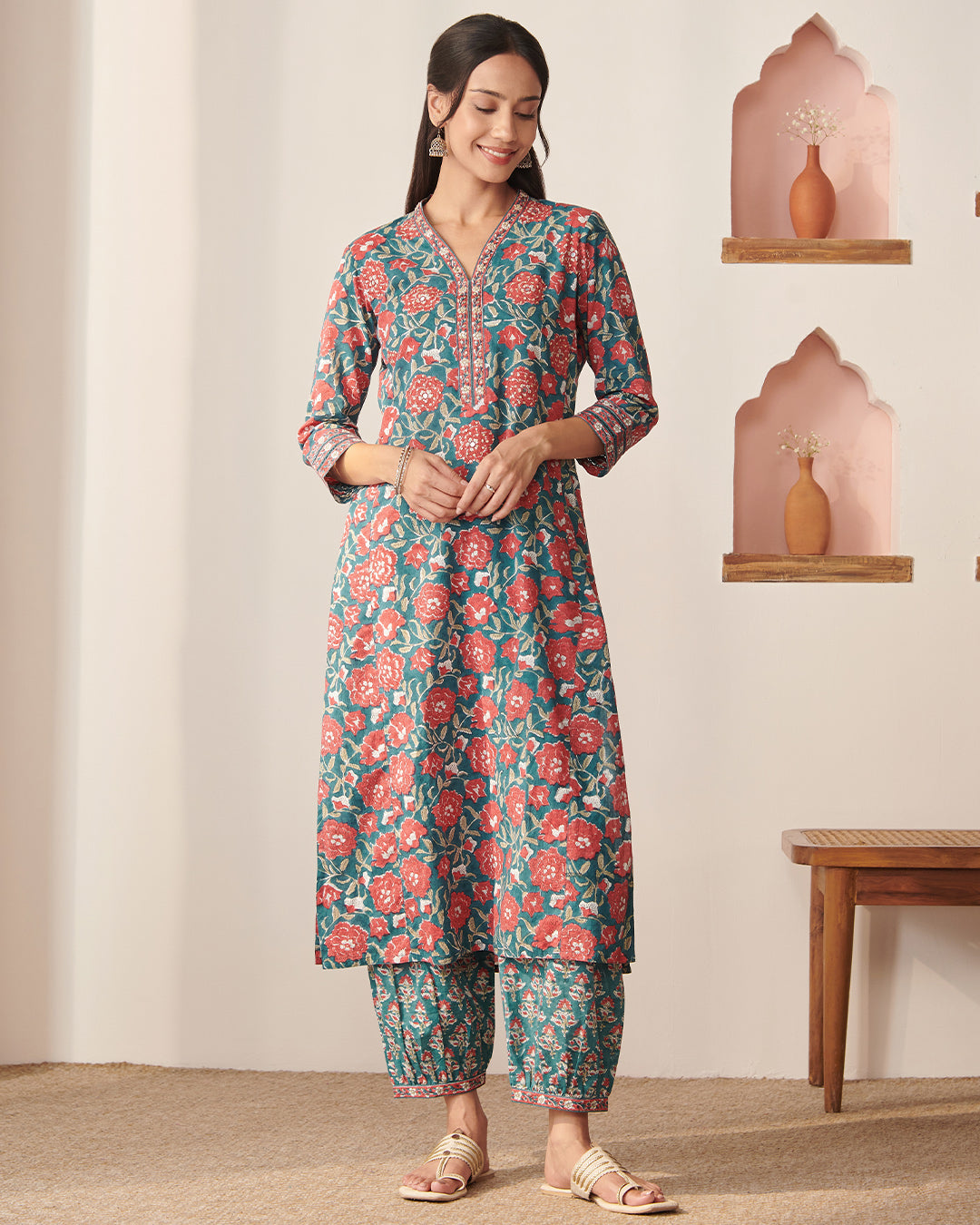
A block print kurta often displays sharper motifs and clearly defined outlines. Florals, paisleys, and geometric borders appear crisp, giving the fabric a balanced and rhythmic look.
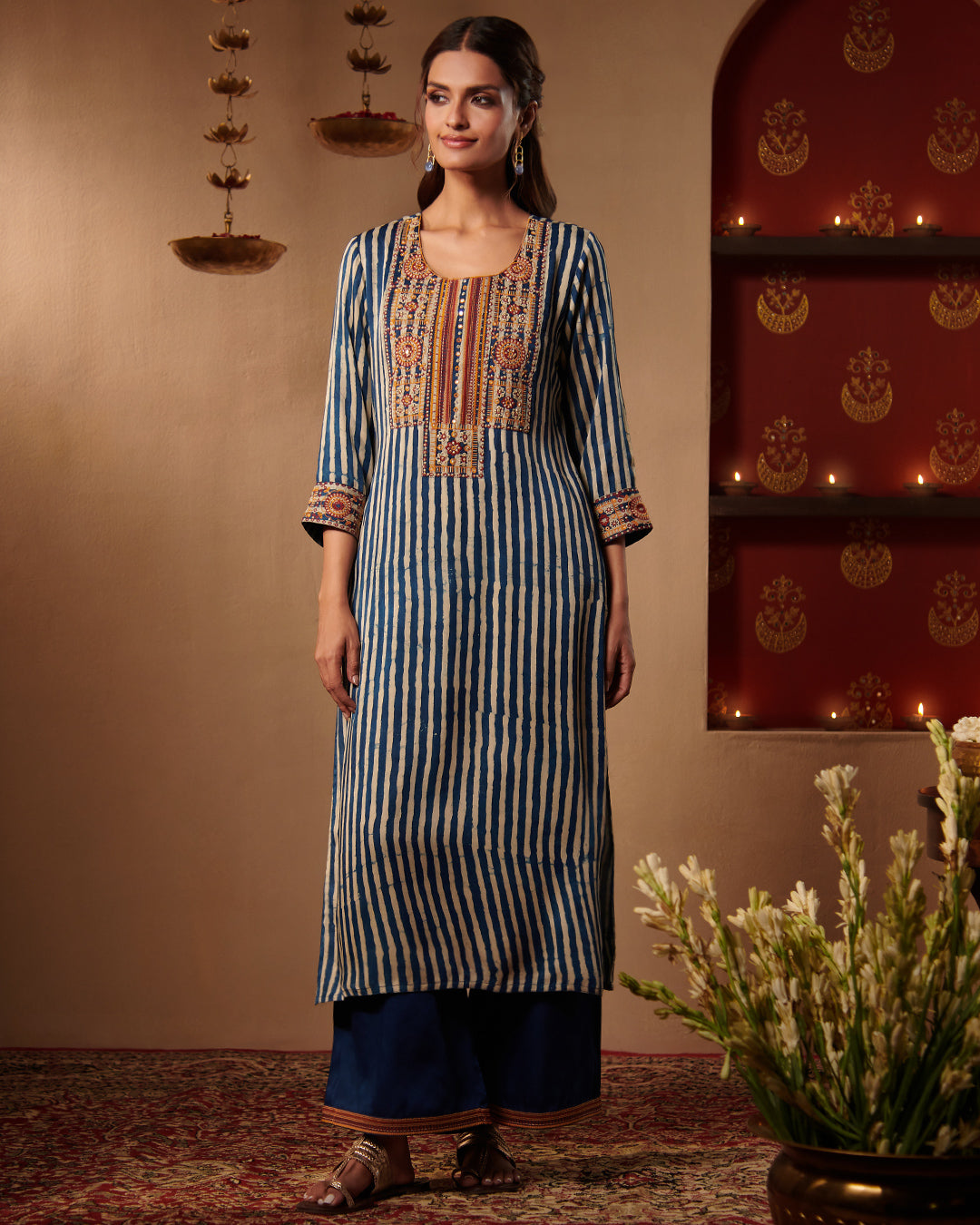
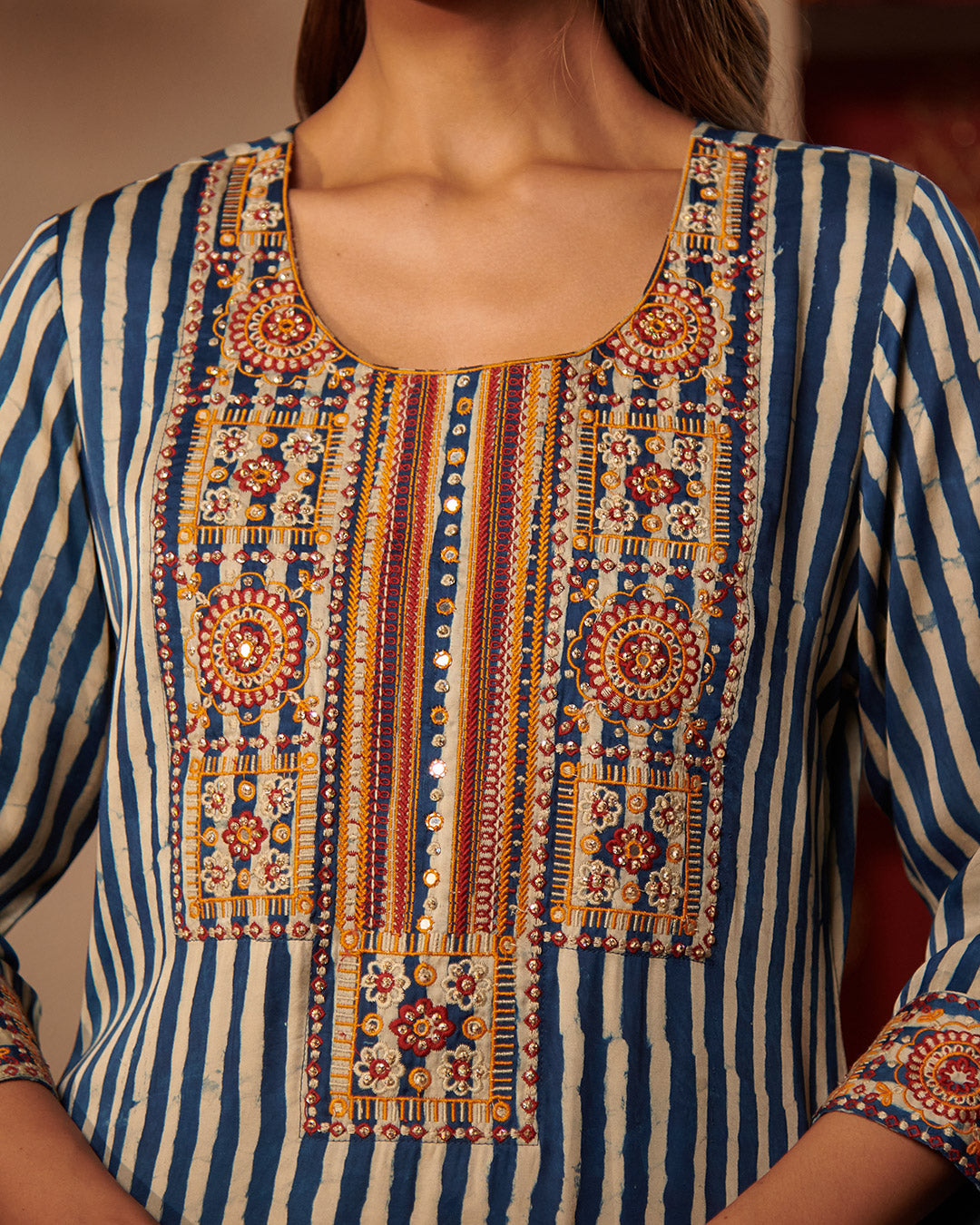
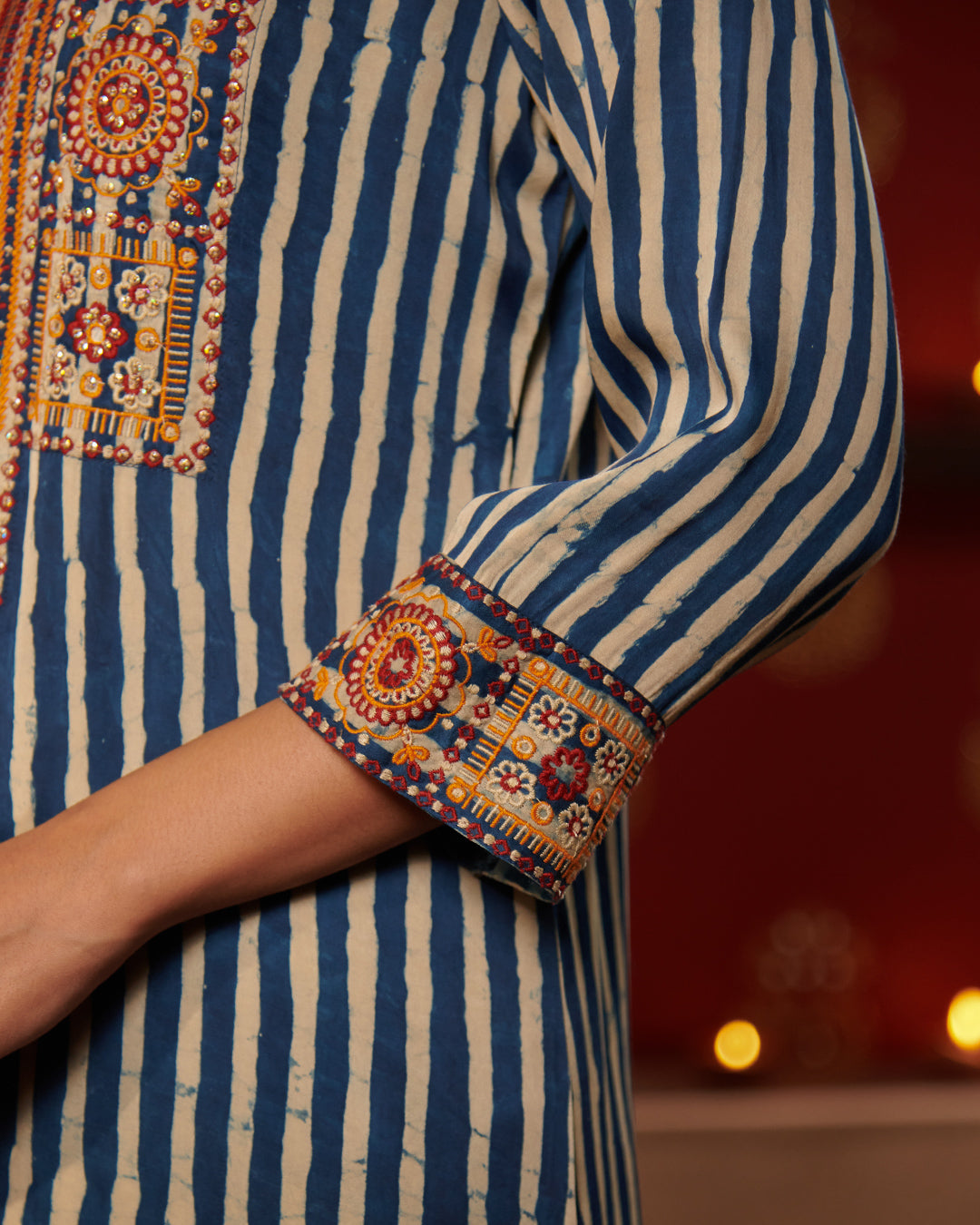
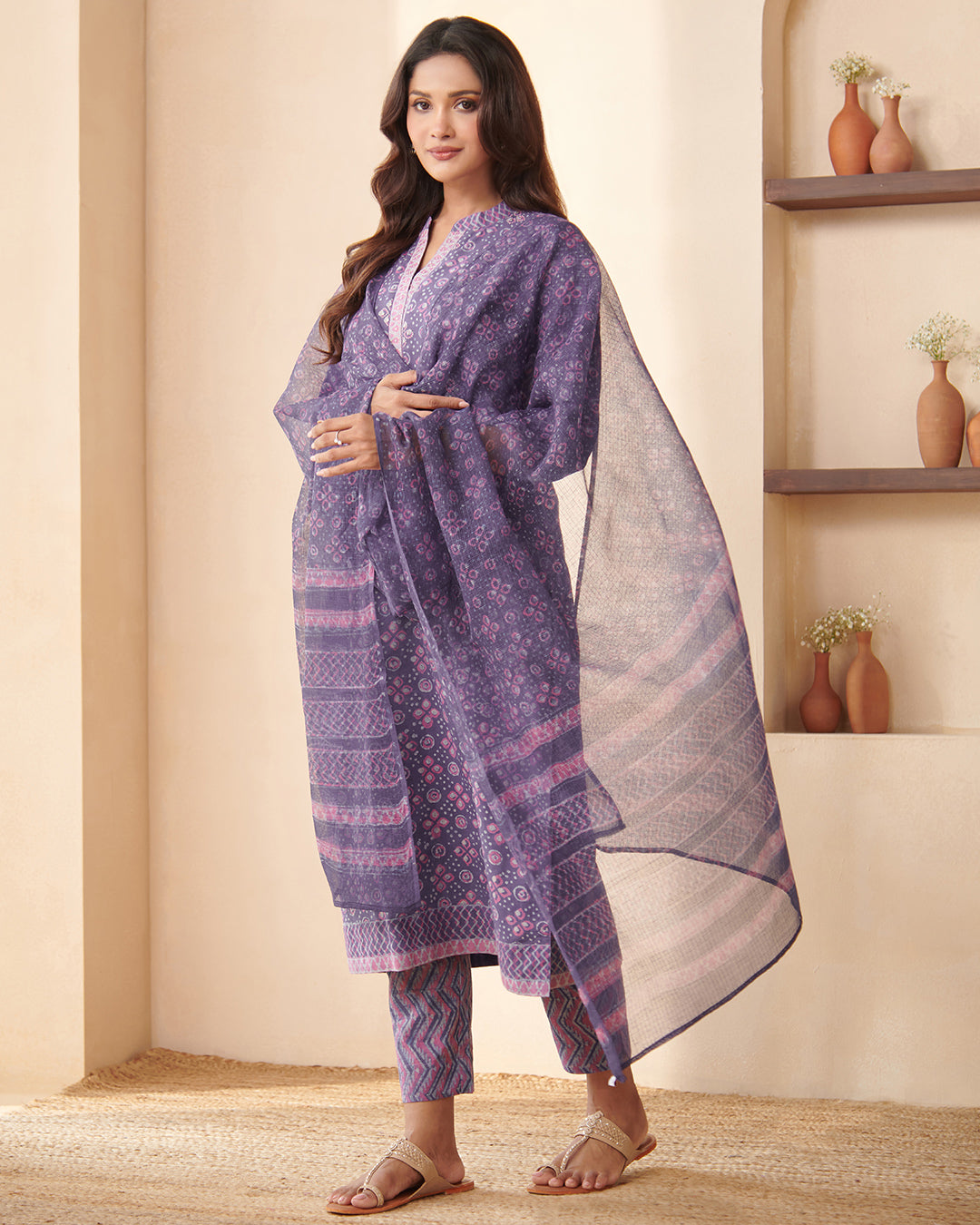
A dabu print kurta, on the other hand, carries a softer, slightly textured finish. Because the mud resist interacts naturally with the dye, the patterns sometimes appear gently uneven or faded at the edges. This subtle irregularity is not a flaw. It is the signature of a handmade resist technique.
Craftsmanship and Production Time
Both techniques require skill and patience, but the time involved can vary.
Block printing demands precision and steady rhythm. Artisans must align each block perfectly, especially when working with repeating patterns or multiple colours.
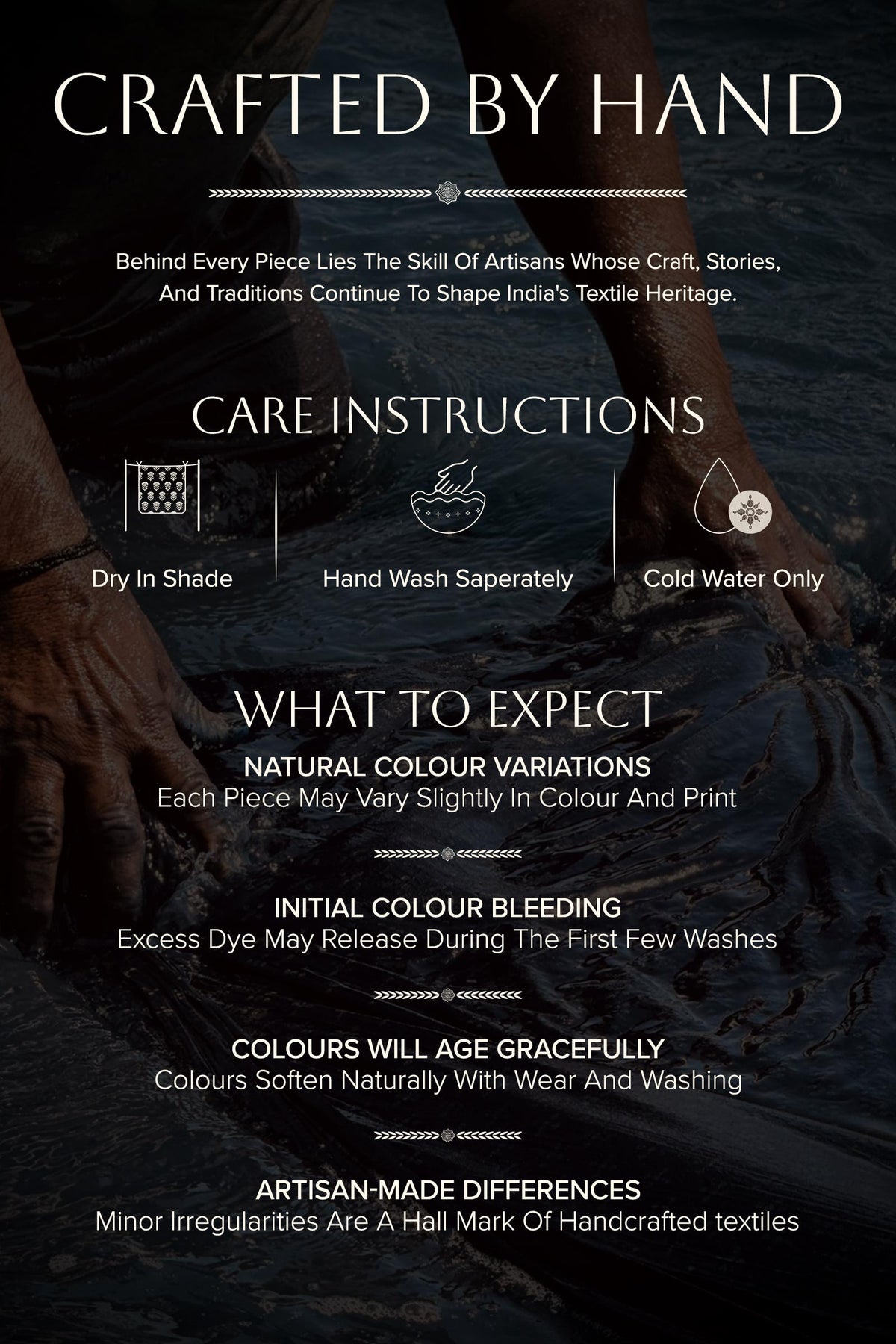
Dabu printing often takes longer. The resist paste must dry properly before dyeing. Fabrics may go through several cycles of printing, drying, dyeing, and washing. Weather also plays a role, since sunlight helps the resist set correctly.
Because of this layered process, every piece of dabu print fabric carries the quiet evidence of time and handwork.
Final Thoughts
Both block print and dabu print belong to a long tradition of Indian textile artistry. One works through the rhythm of wooden blocks and pigment. The other reveals its patterns slowly through mud, dye, and patience.
Whether it is a finely detailed block print kurta or a deeply textured dabu print kurta, the beauty lies in the human hand behind the cloth. Small variations, softened edges, and the gentle depth of colour remind us that these textiles are not manufactured. They are crafted.
And perhaps that is what makes them endure. Patterns may change with time, but the story of the craft remains woven into every piece.

