



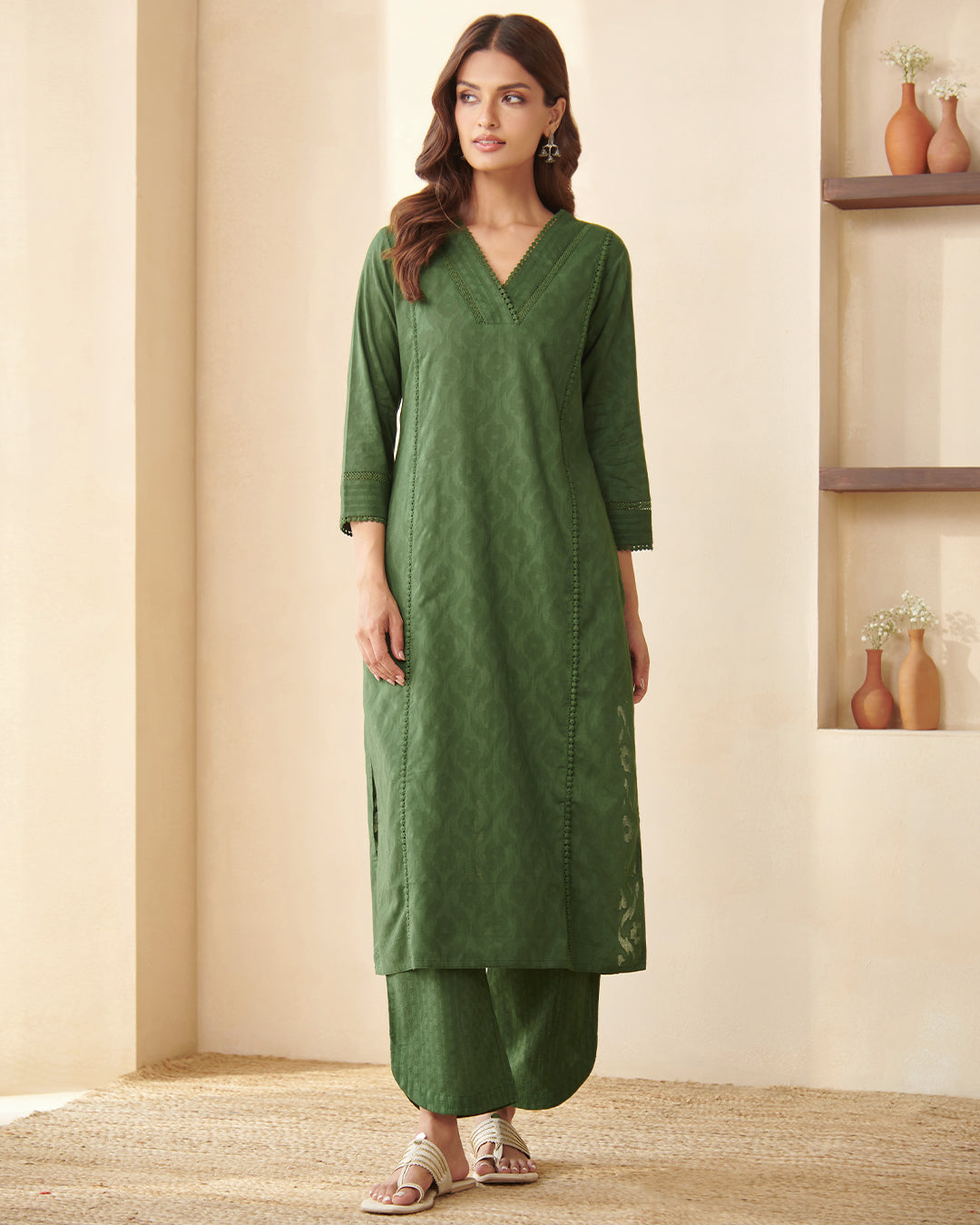
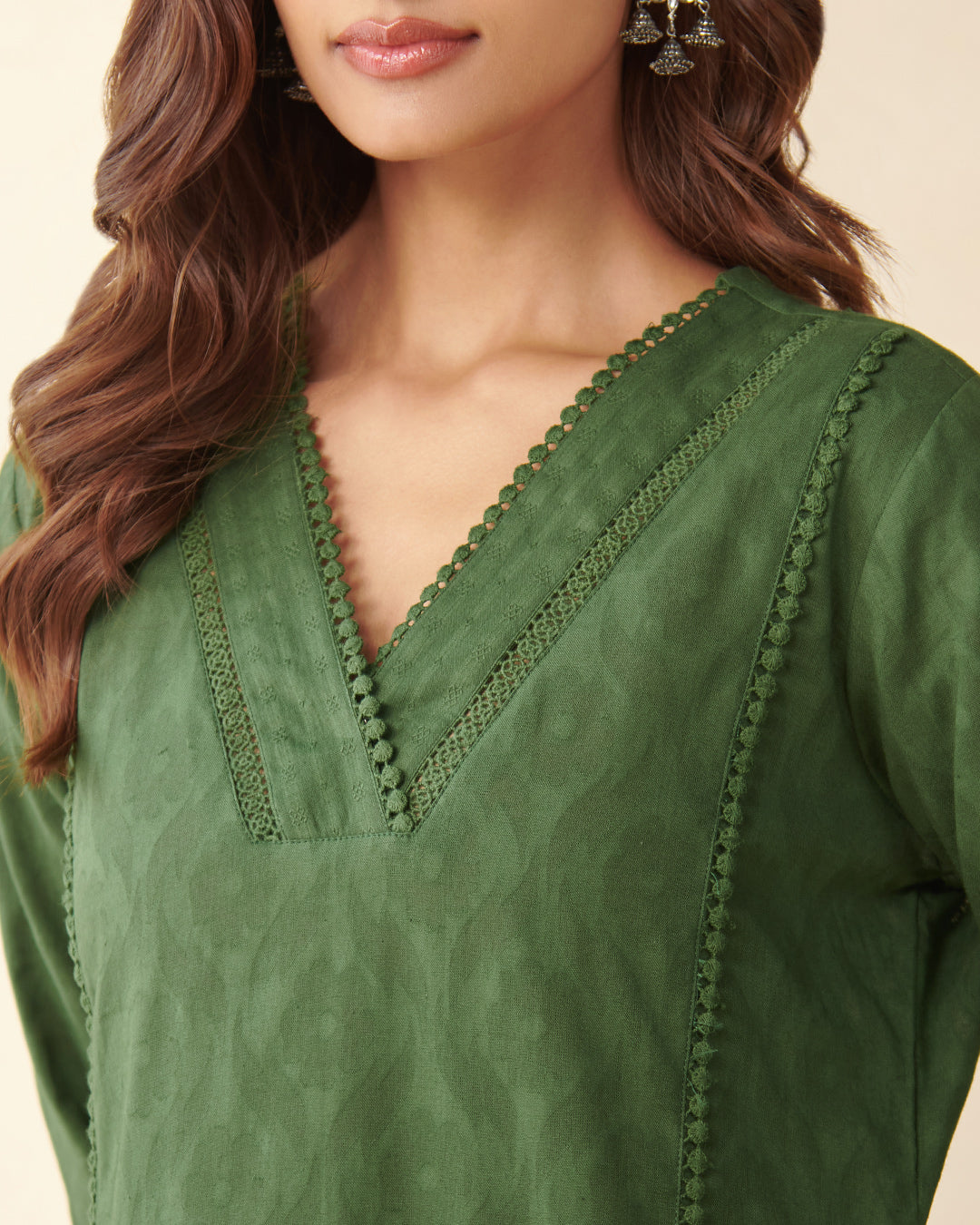
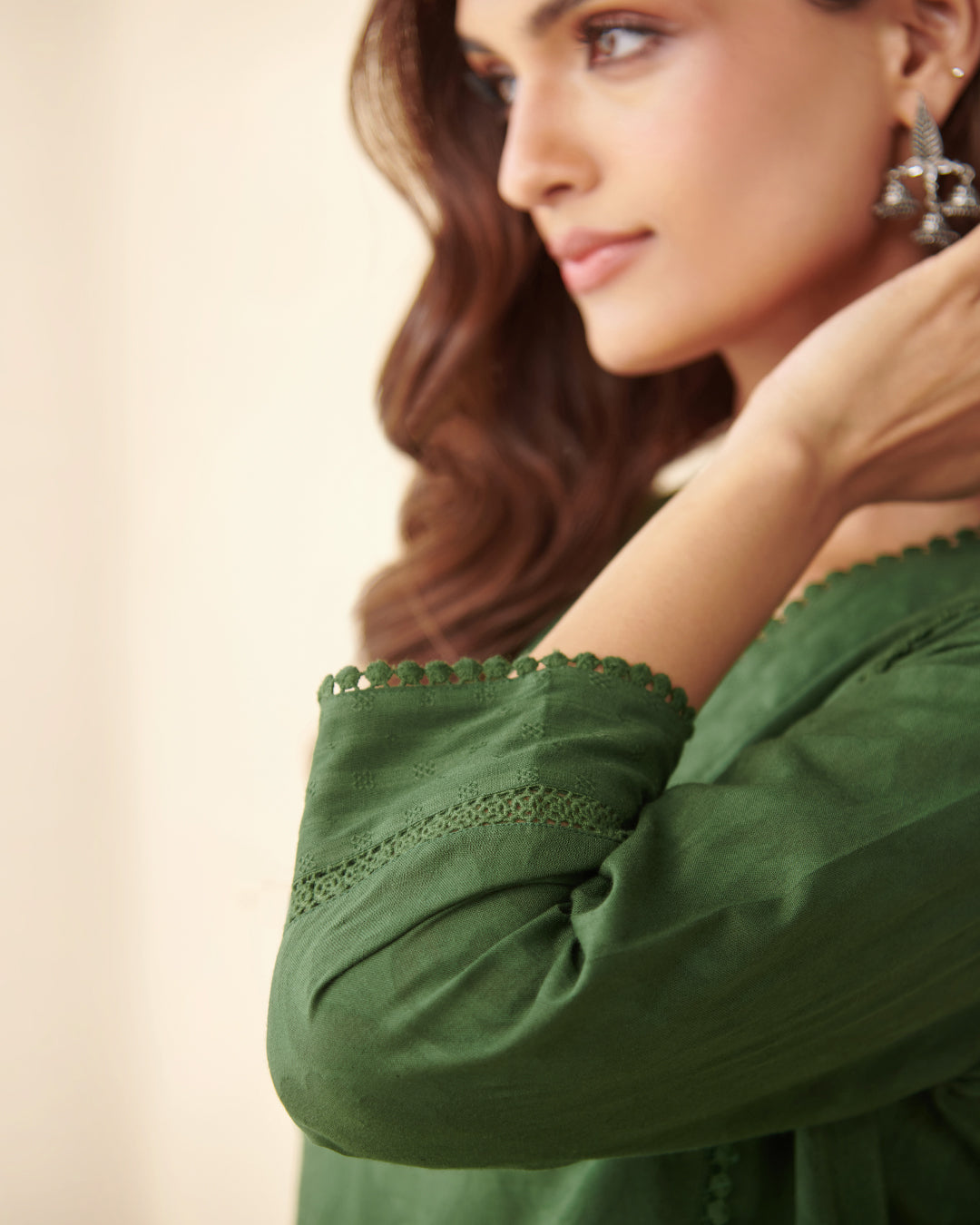
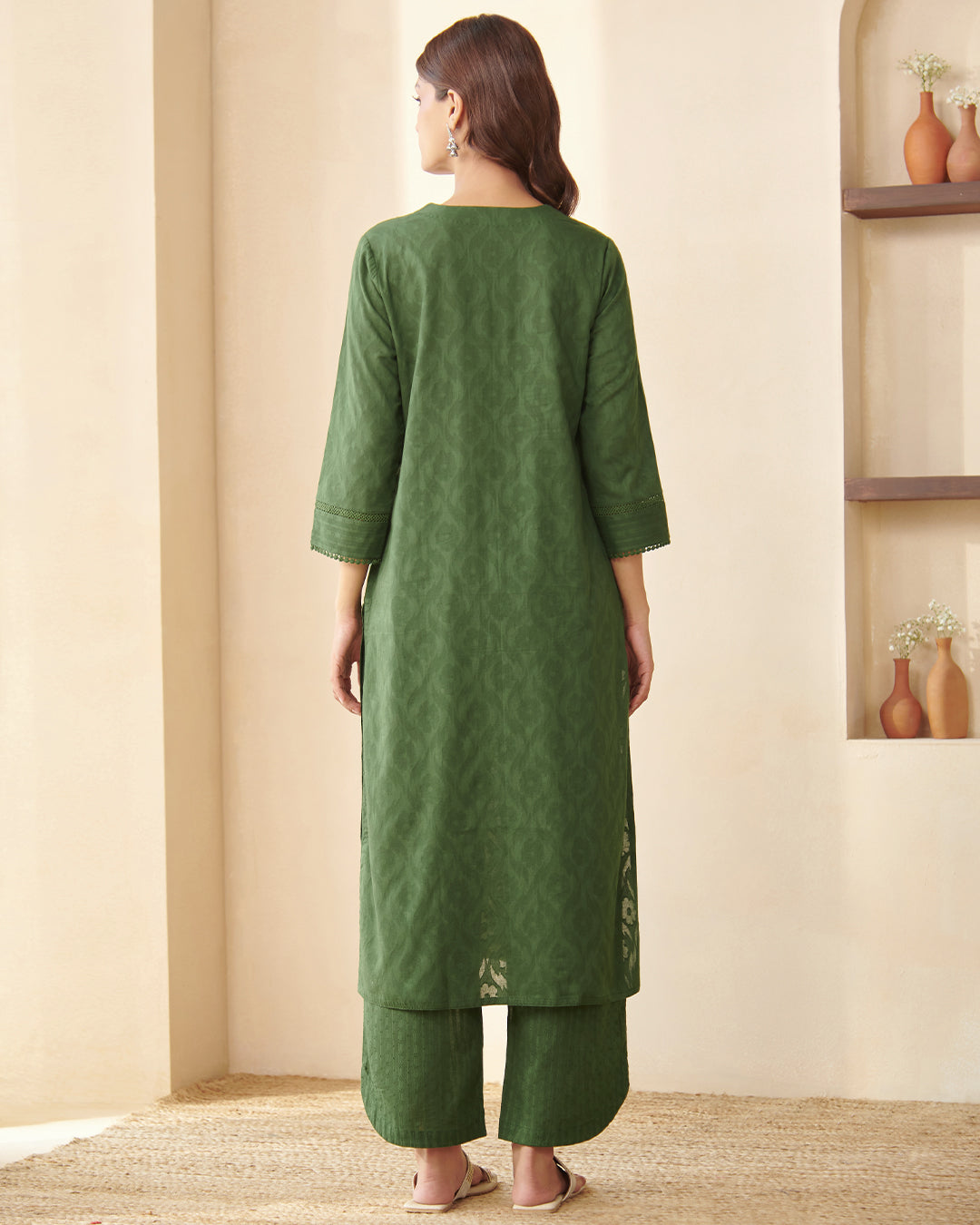
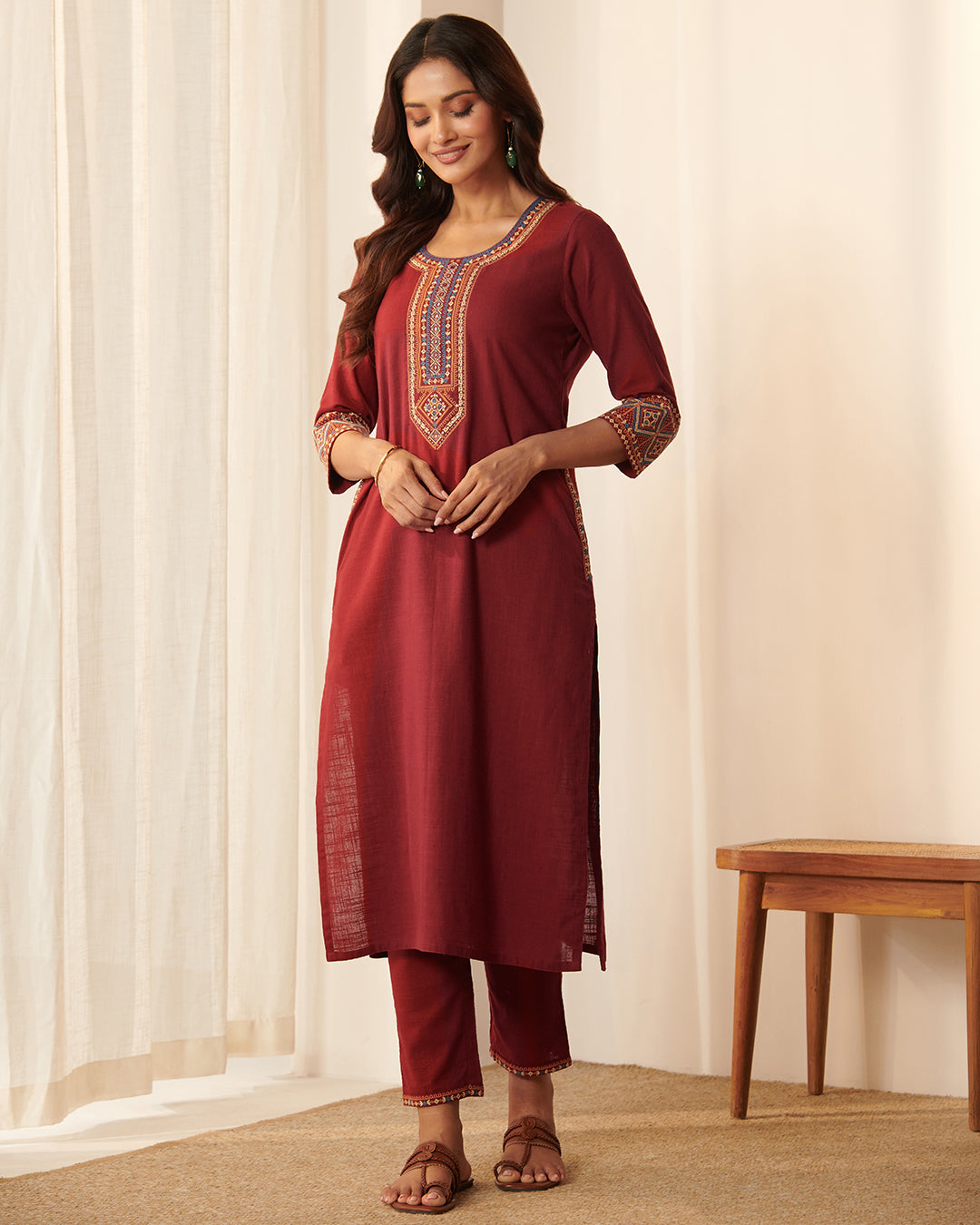


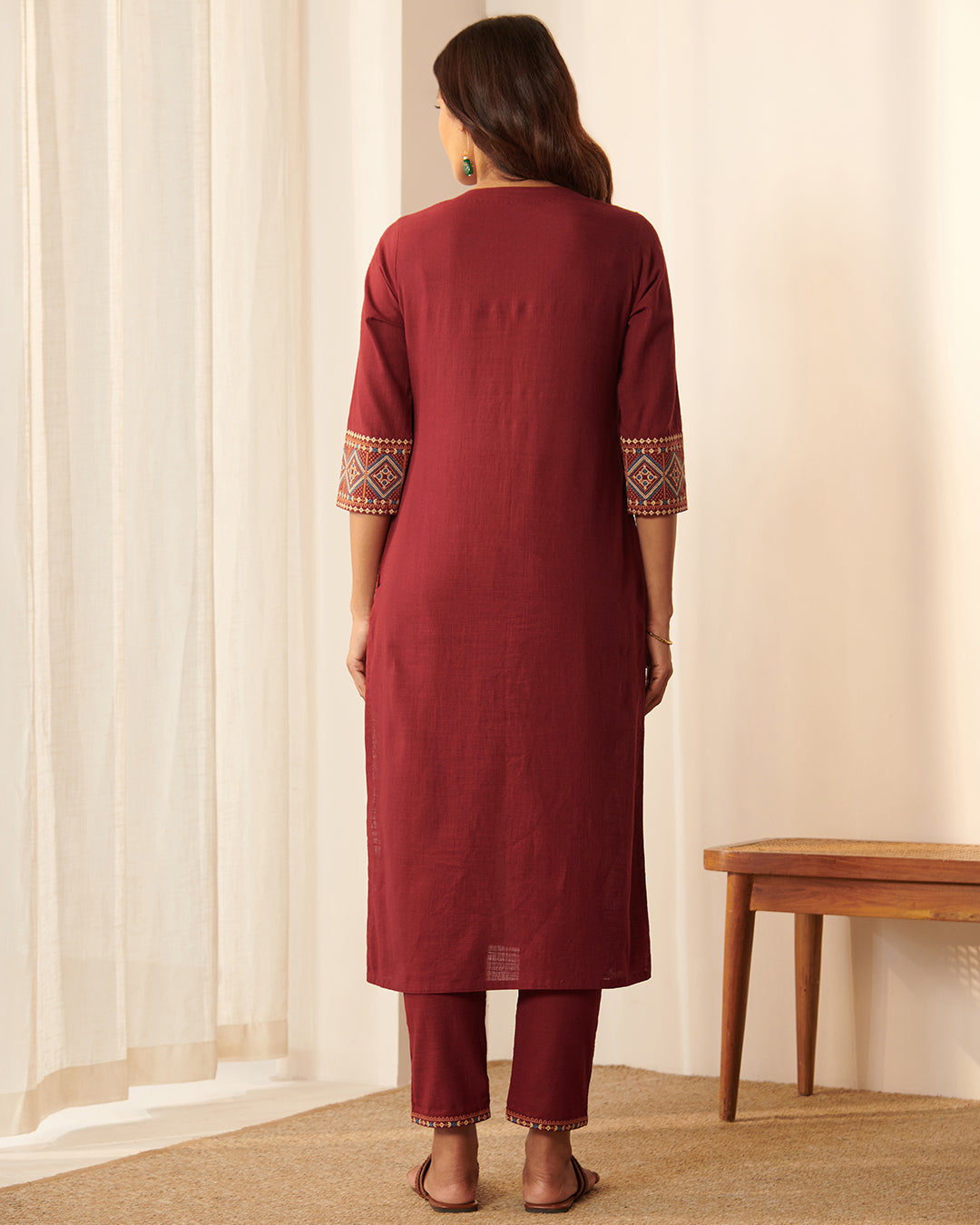
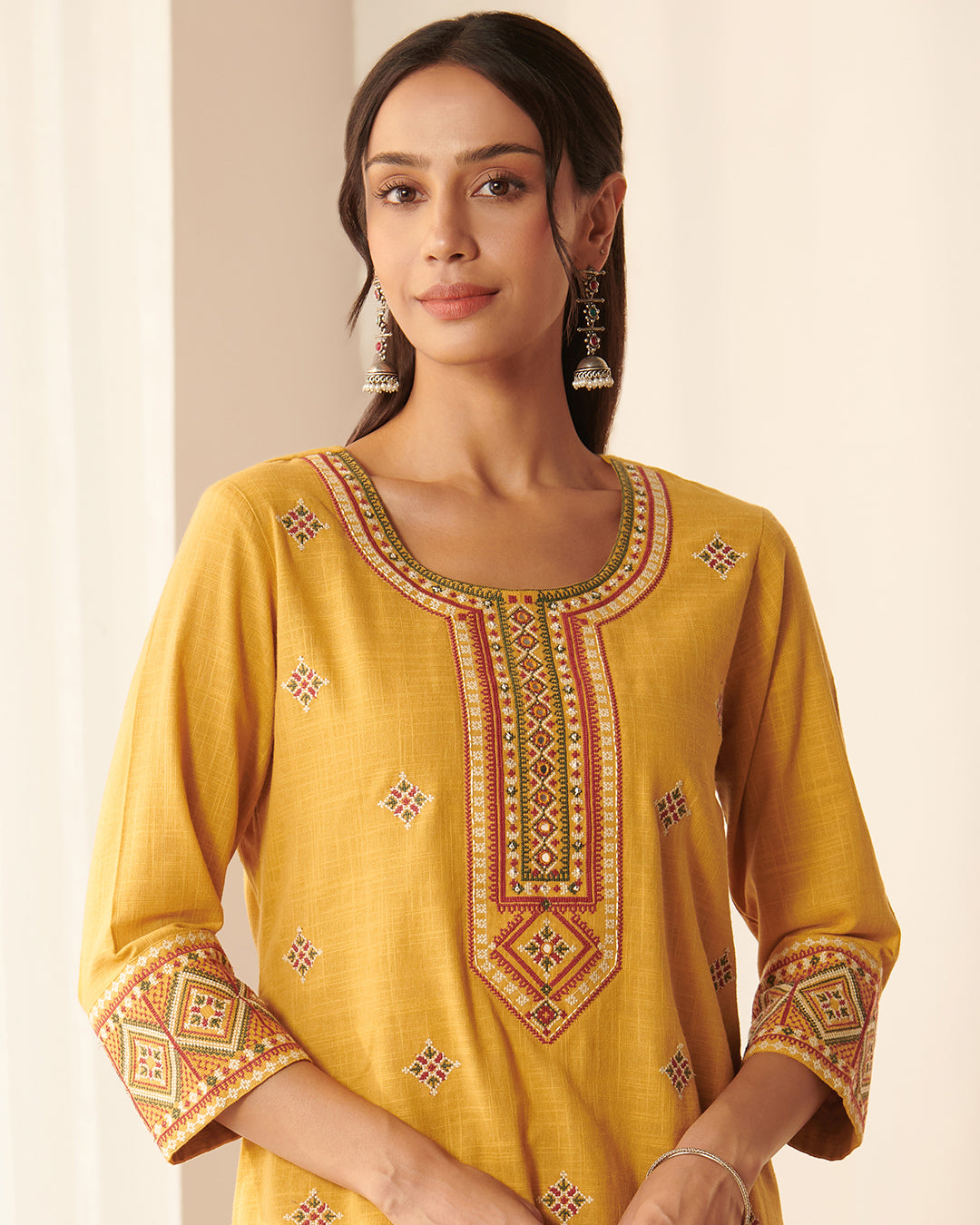
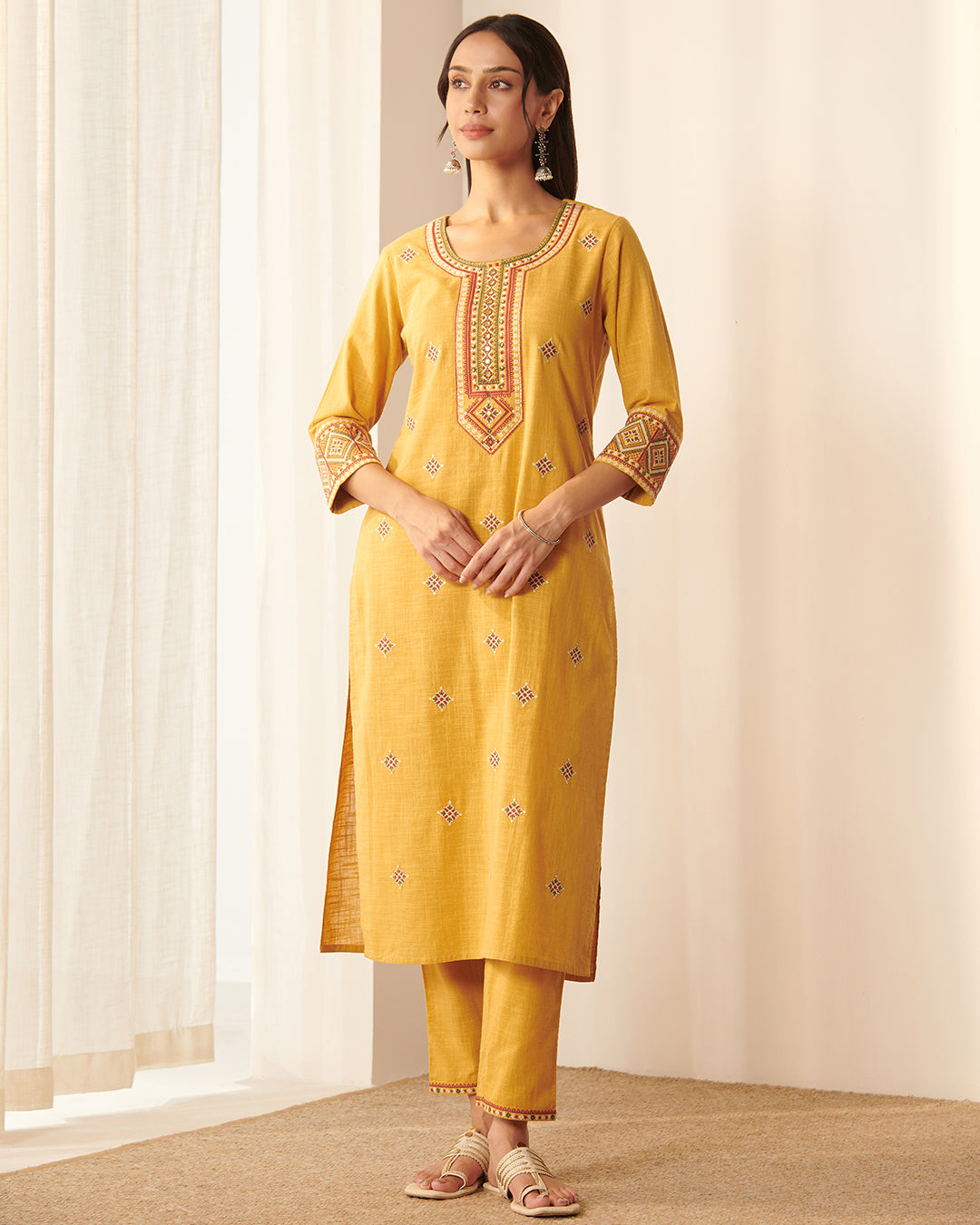
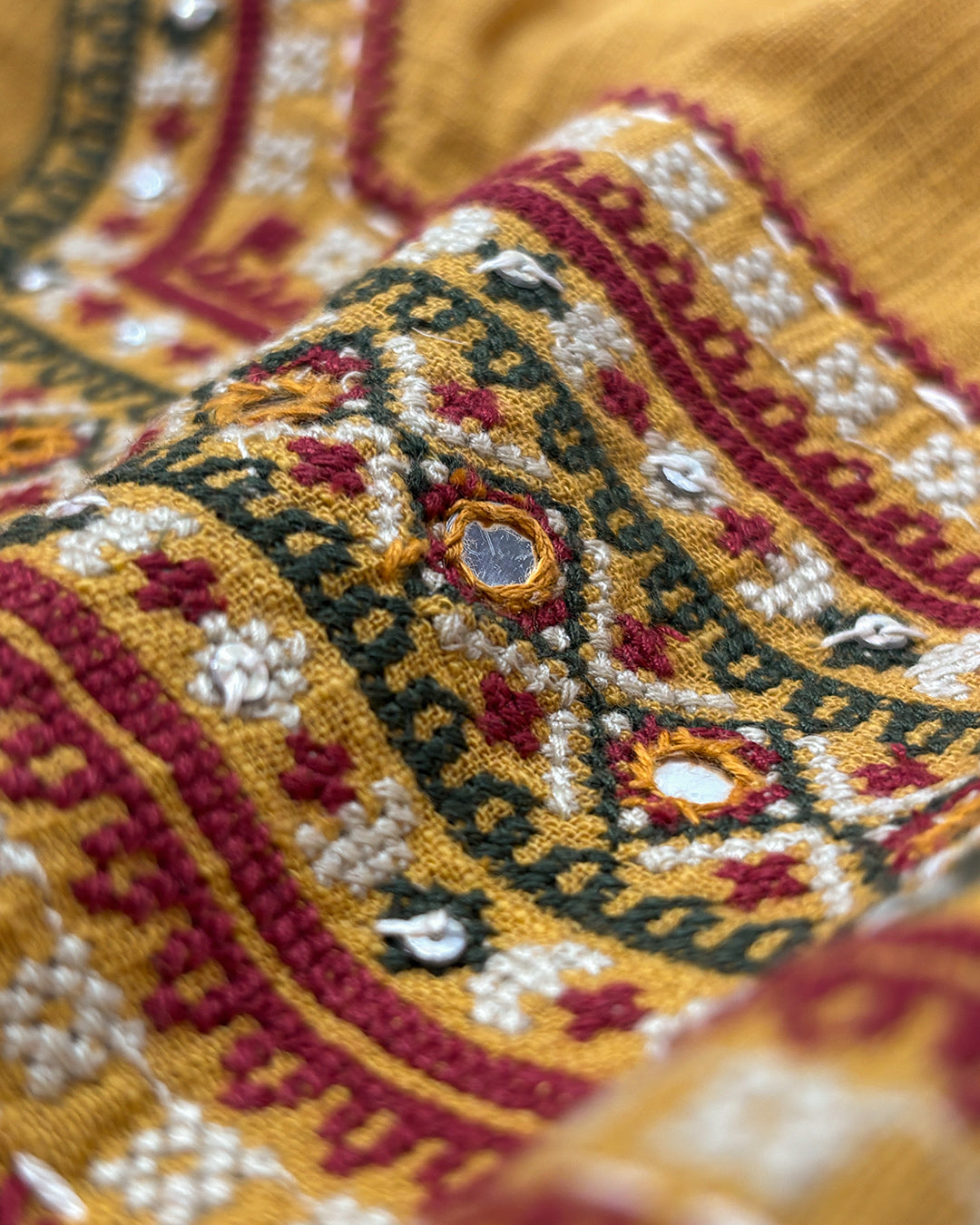
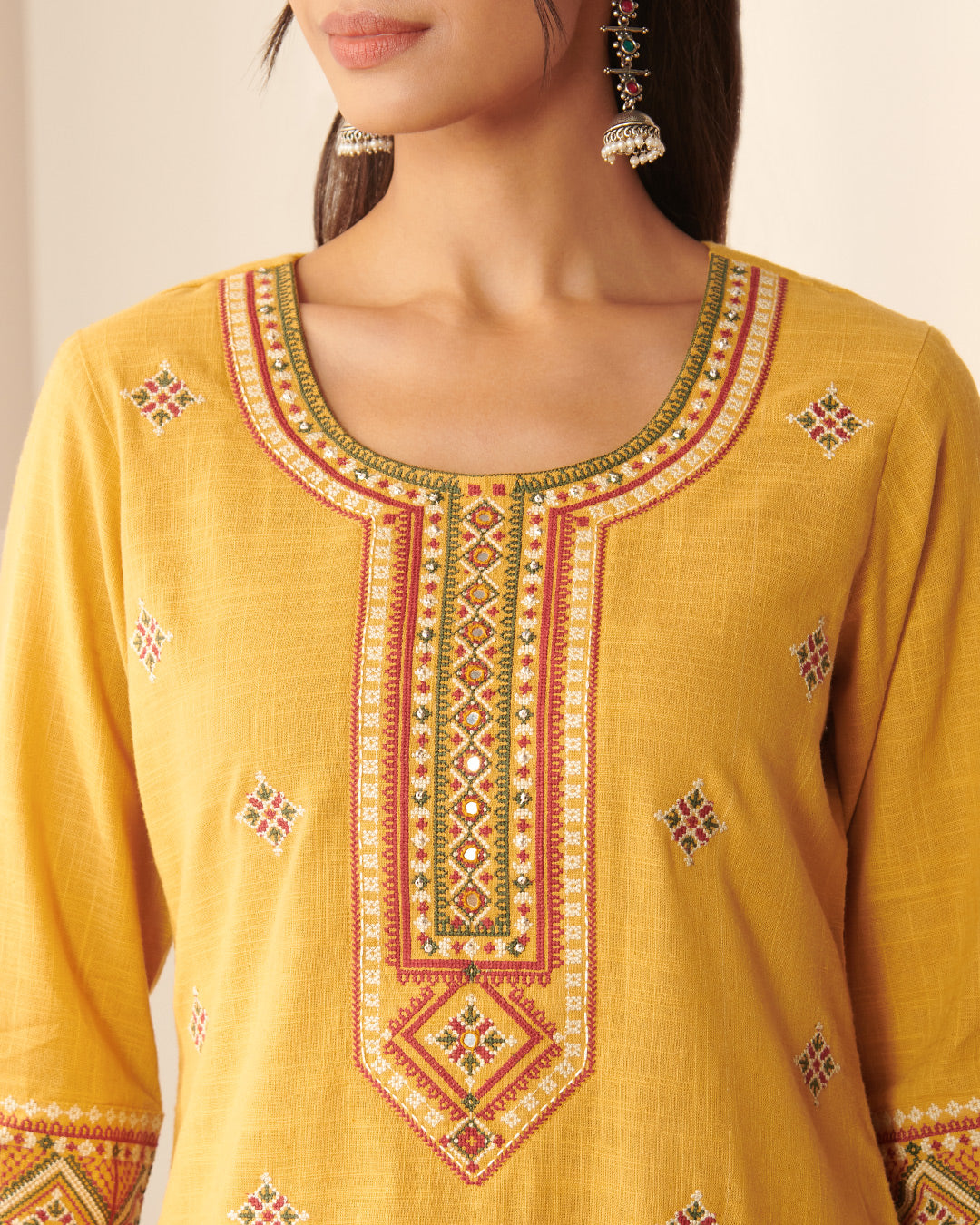
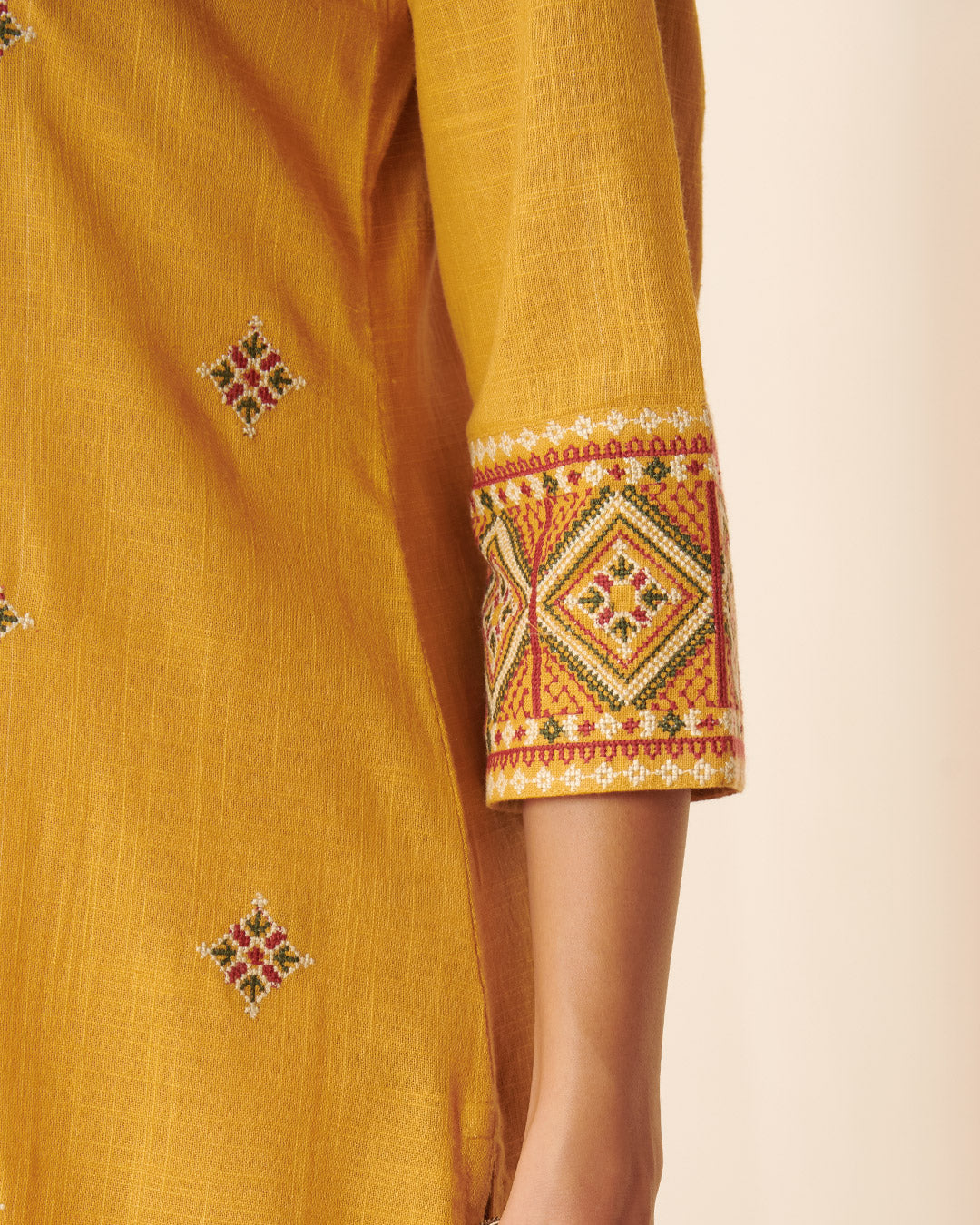
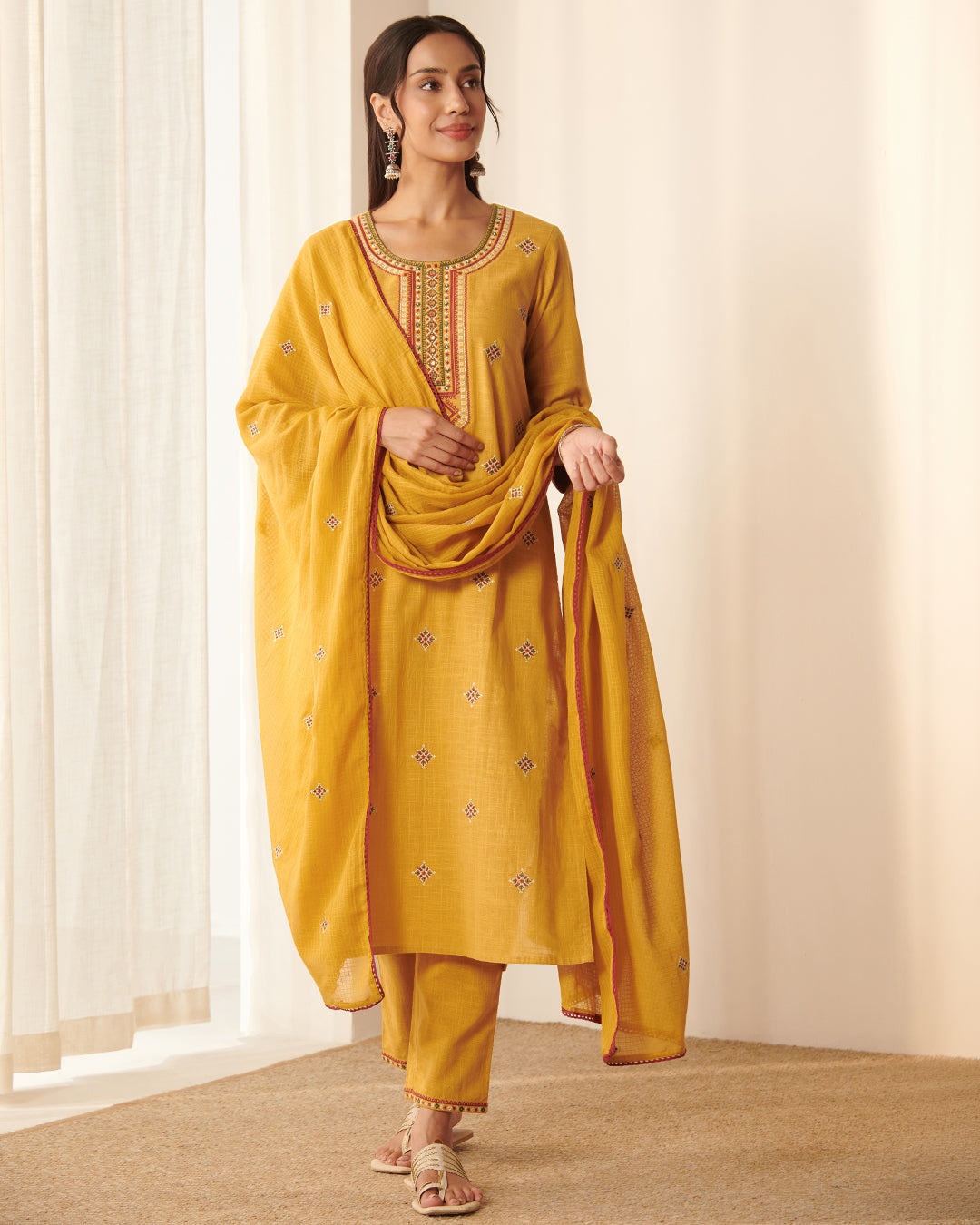
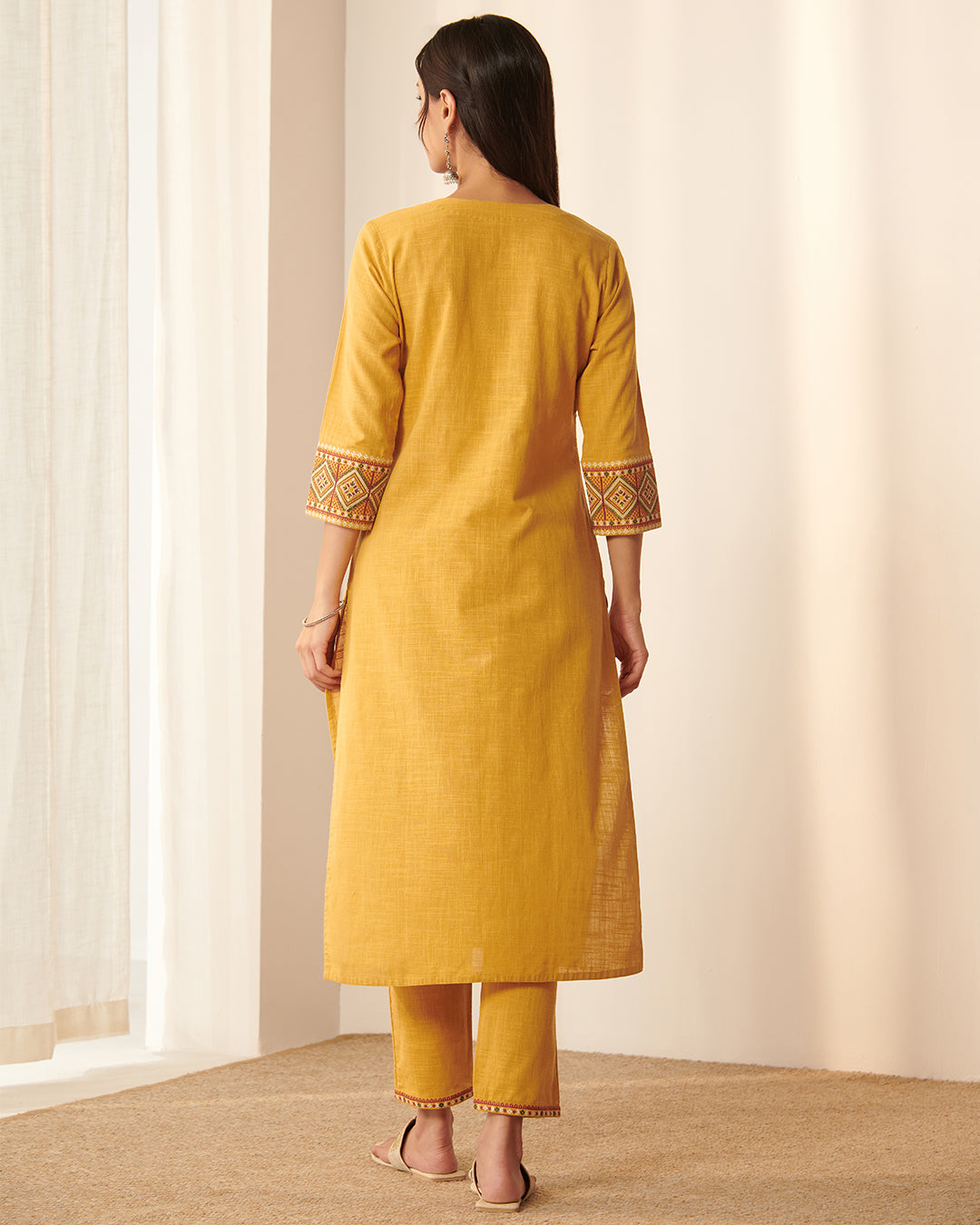
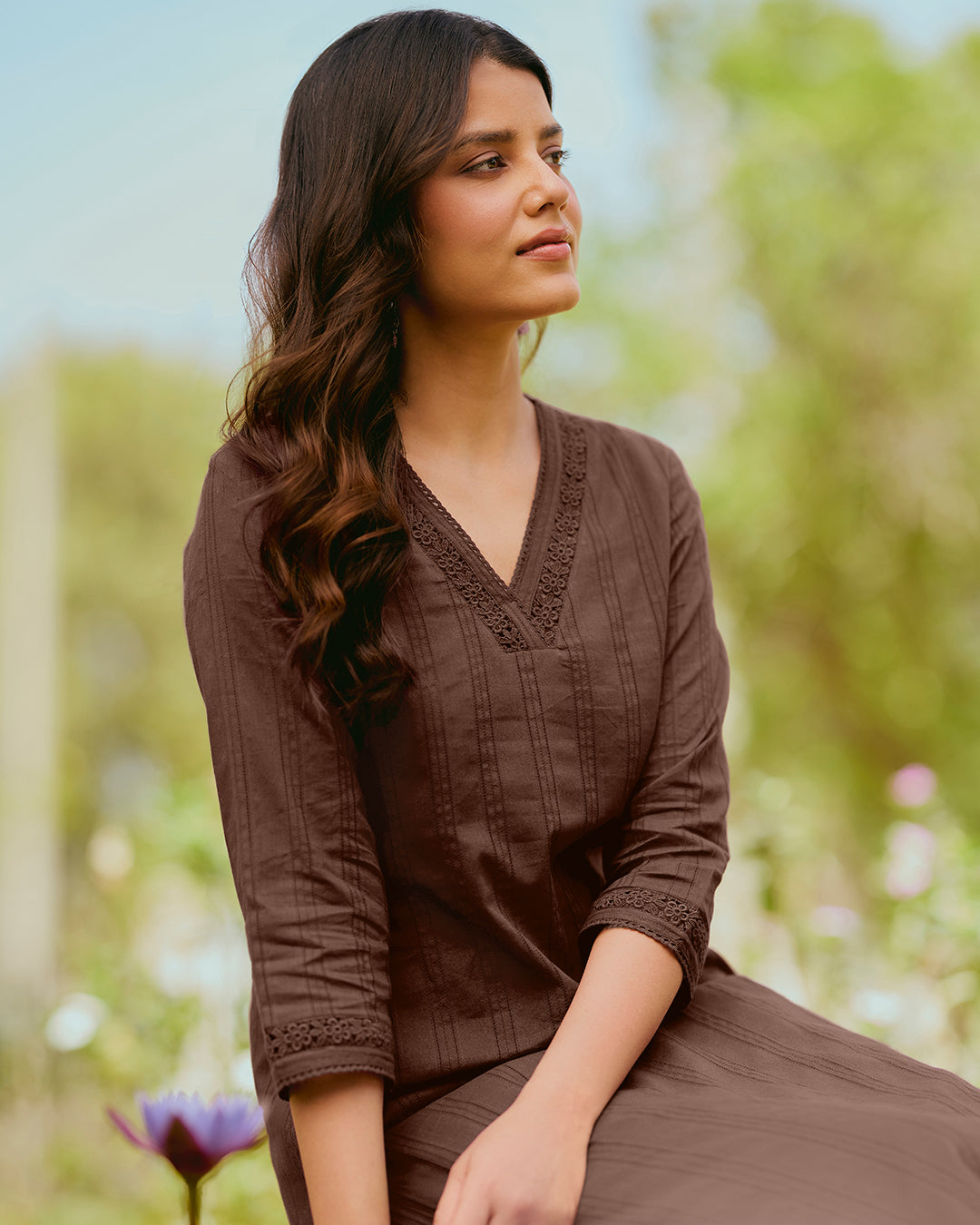
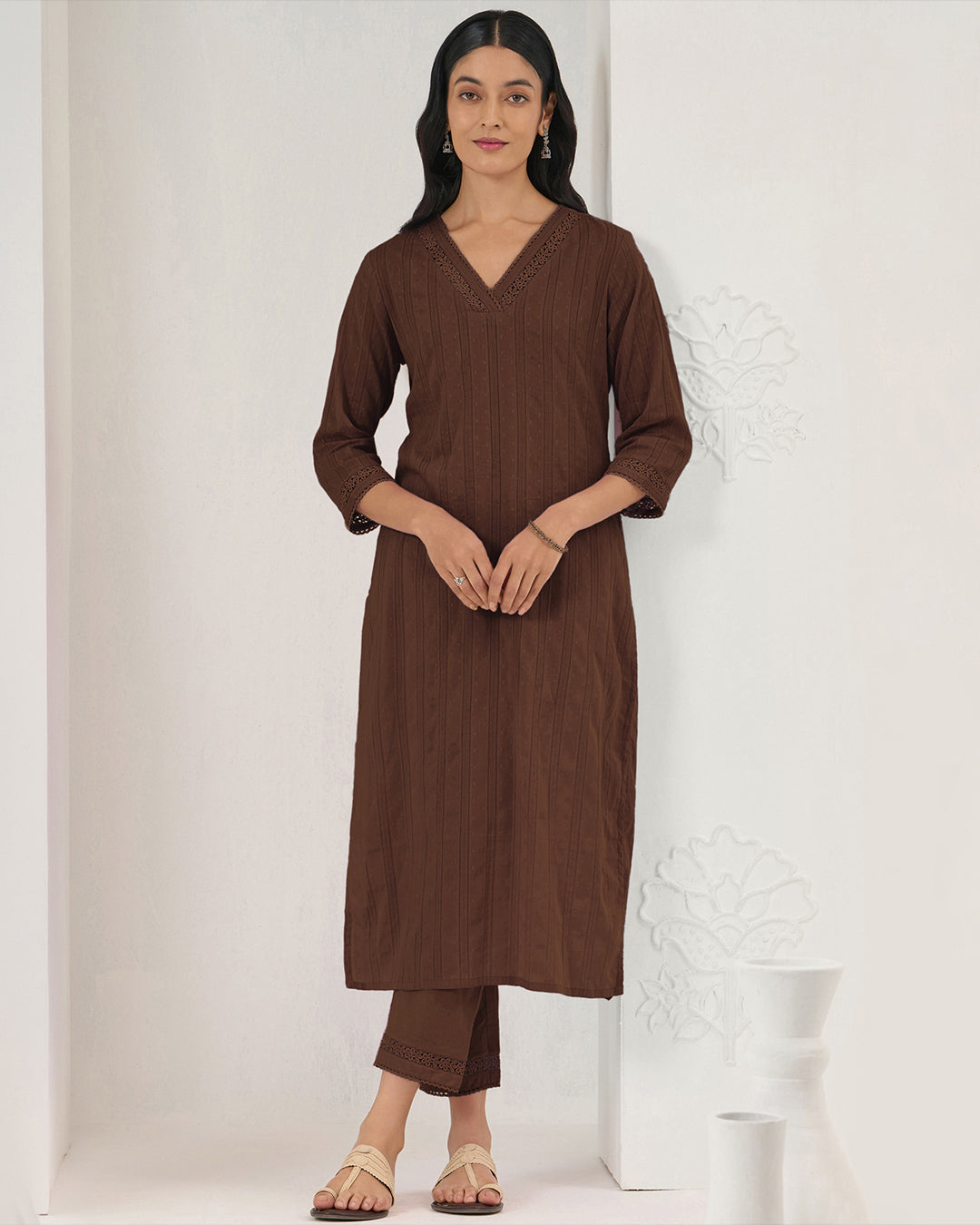
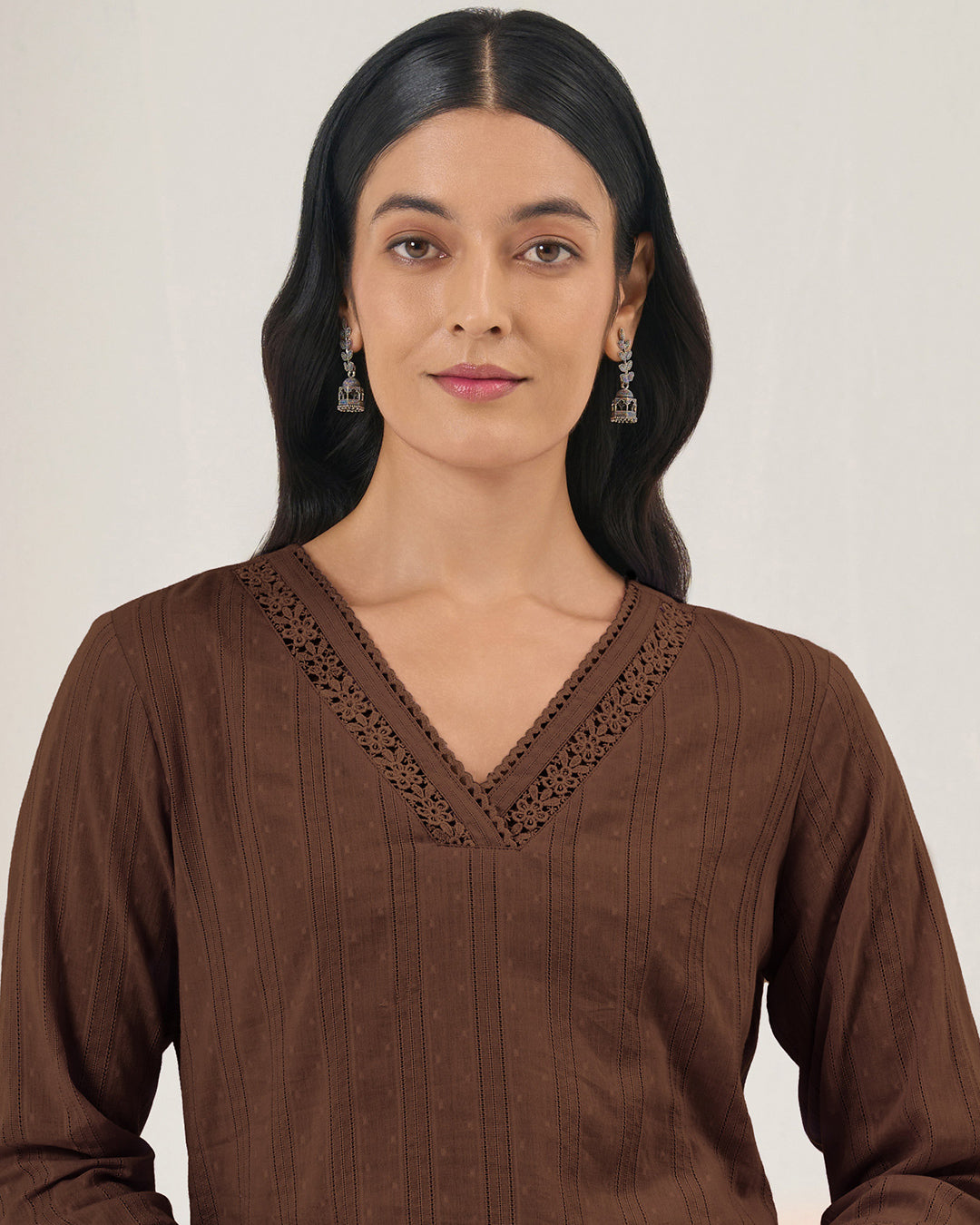
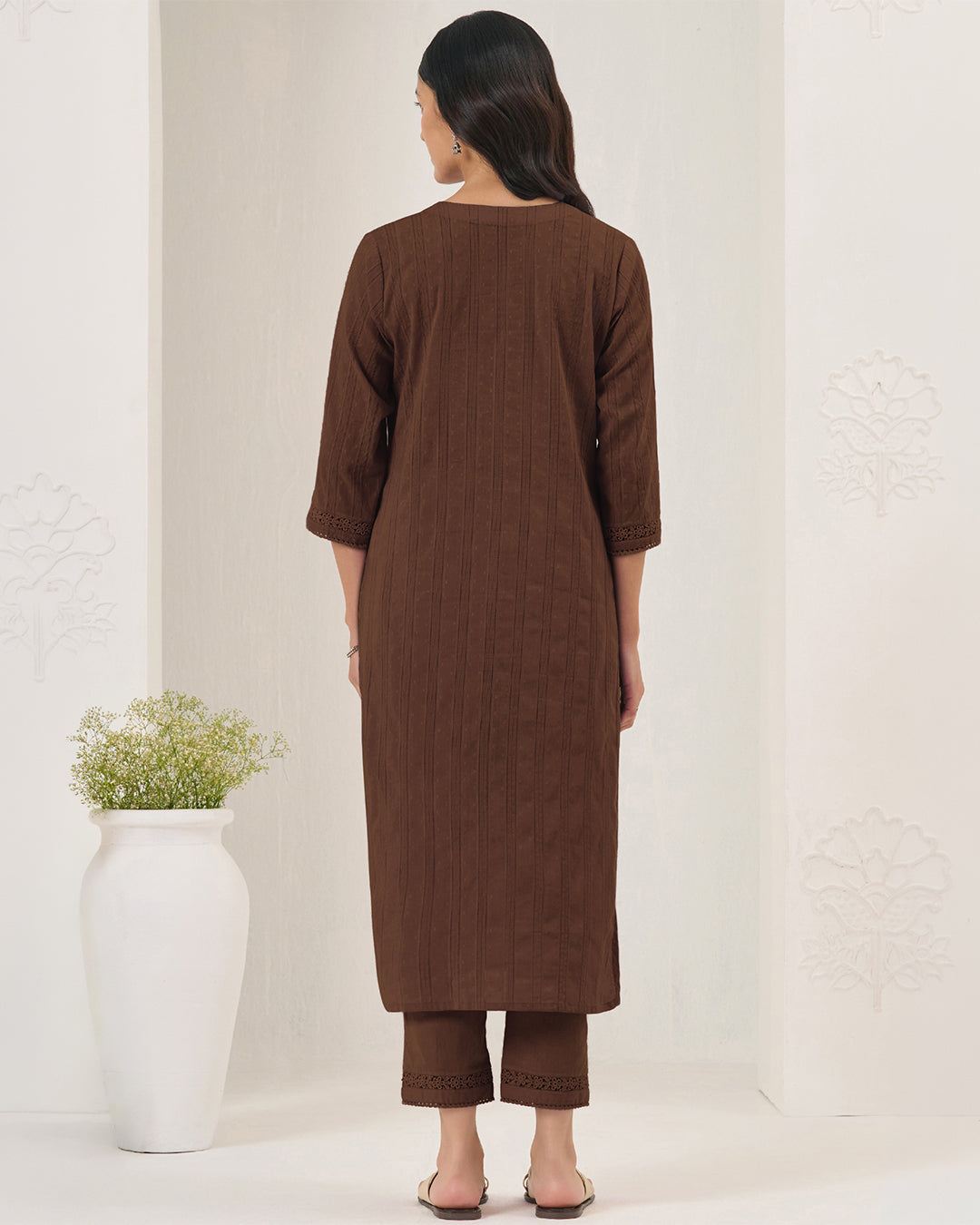
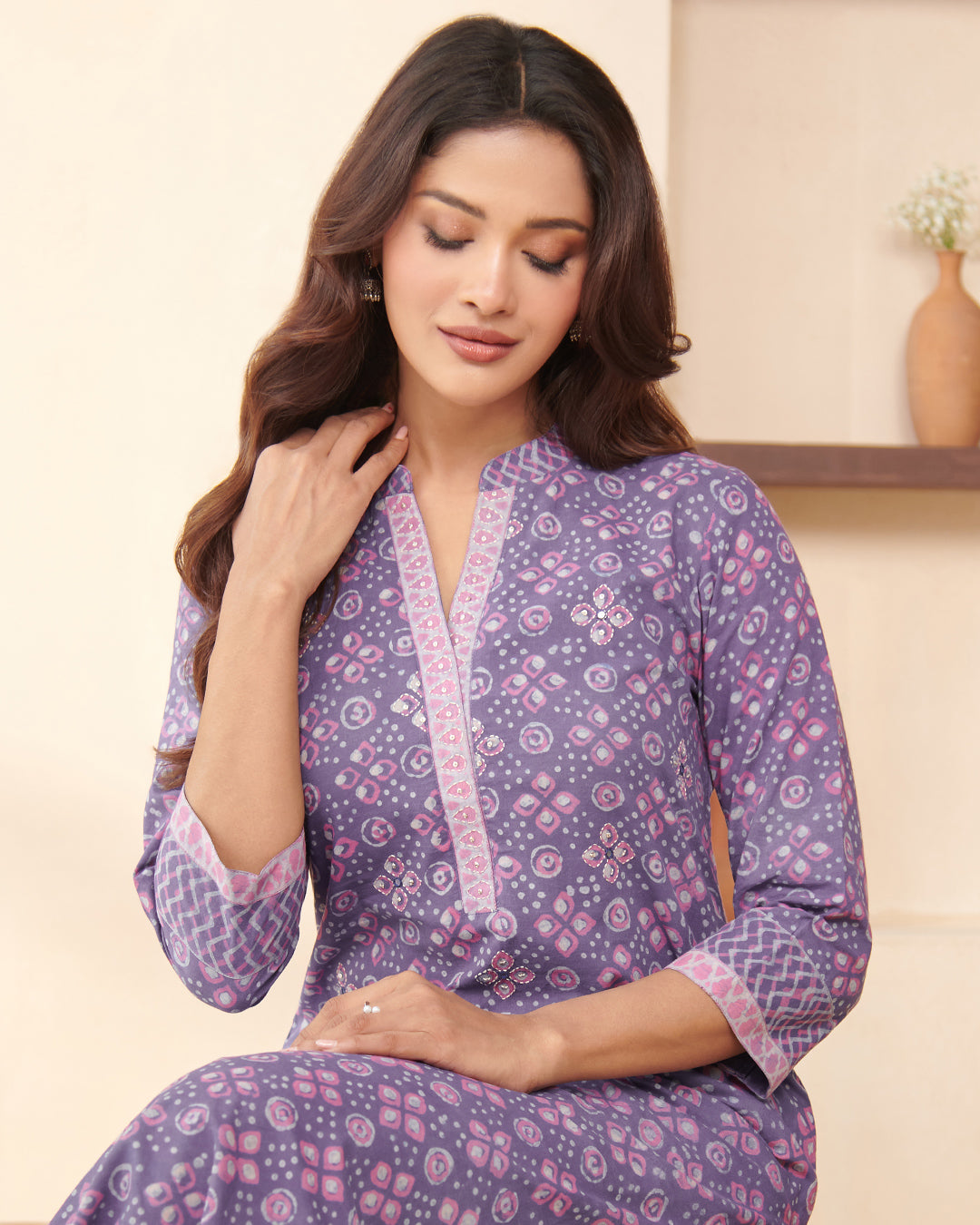
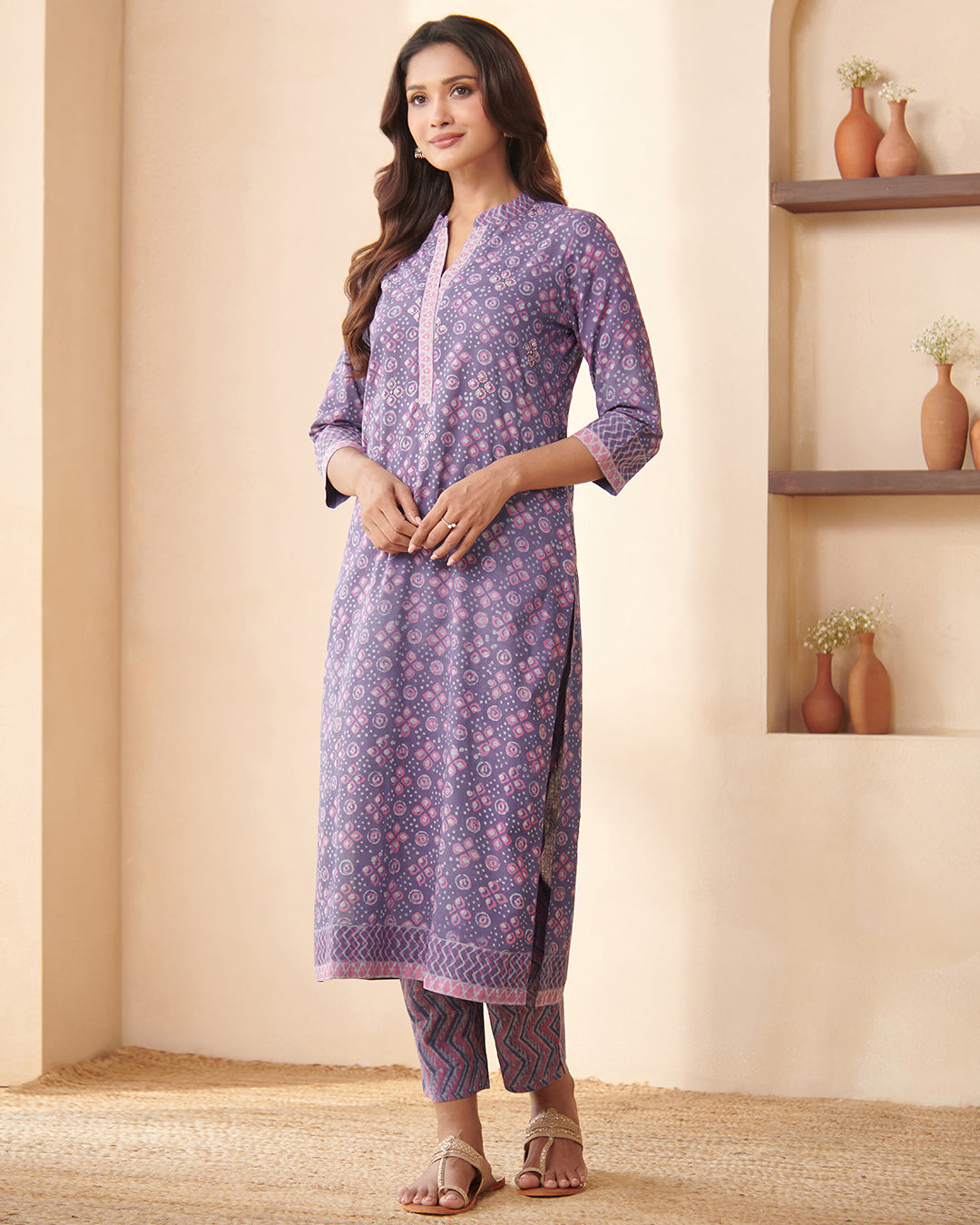
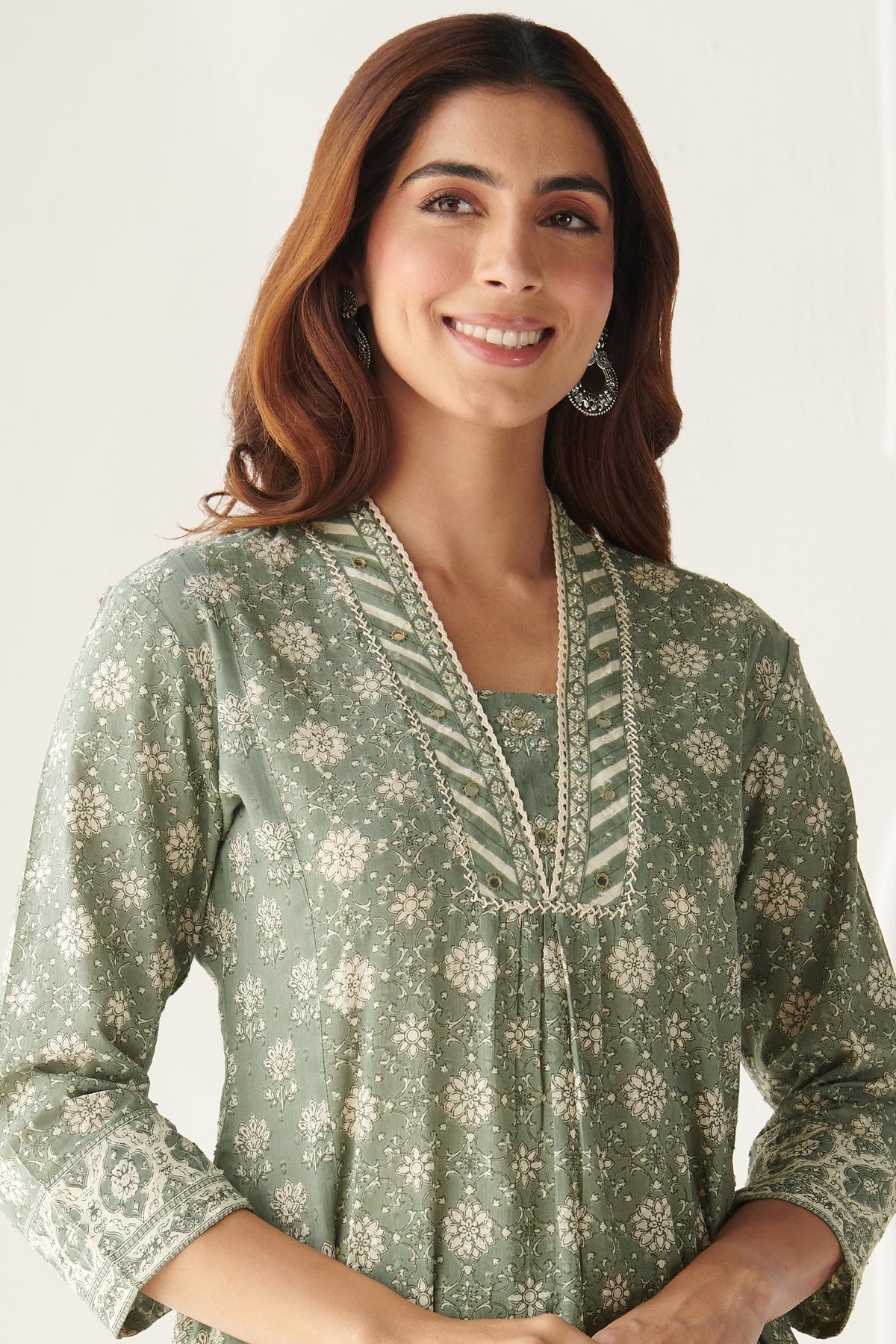
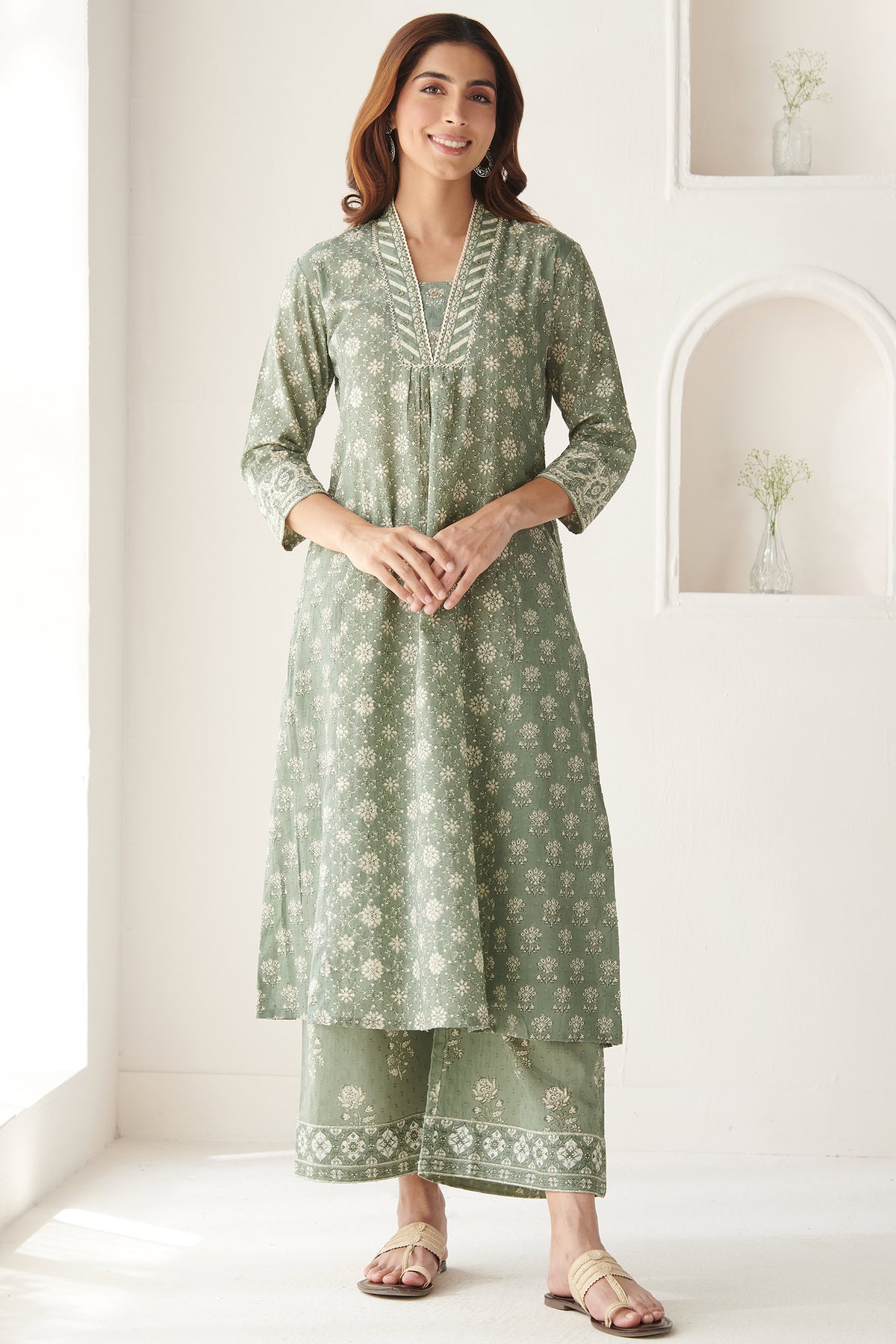

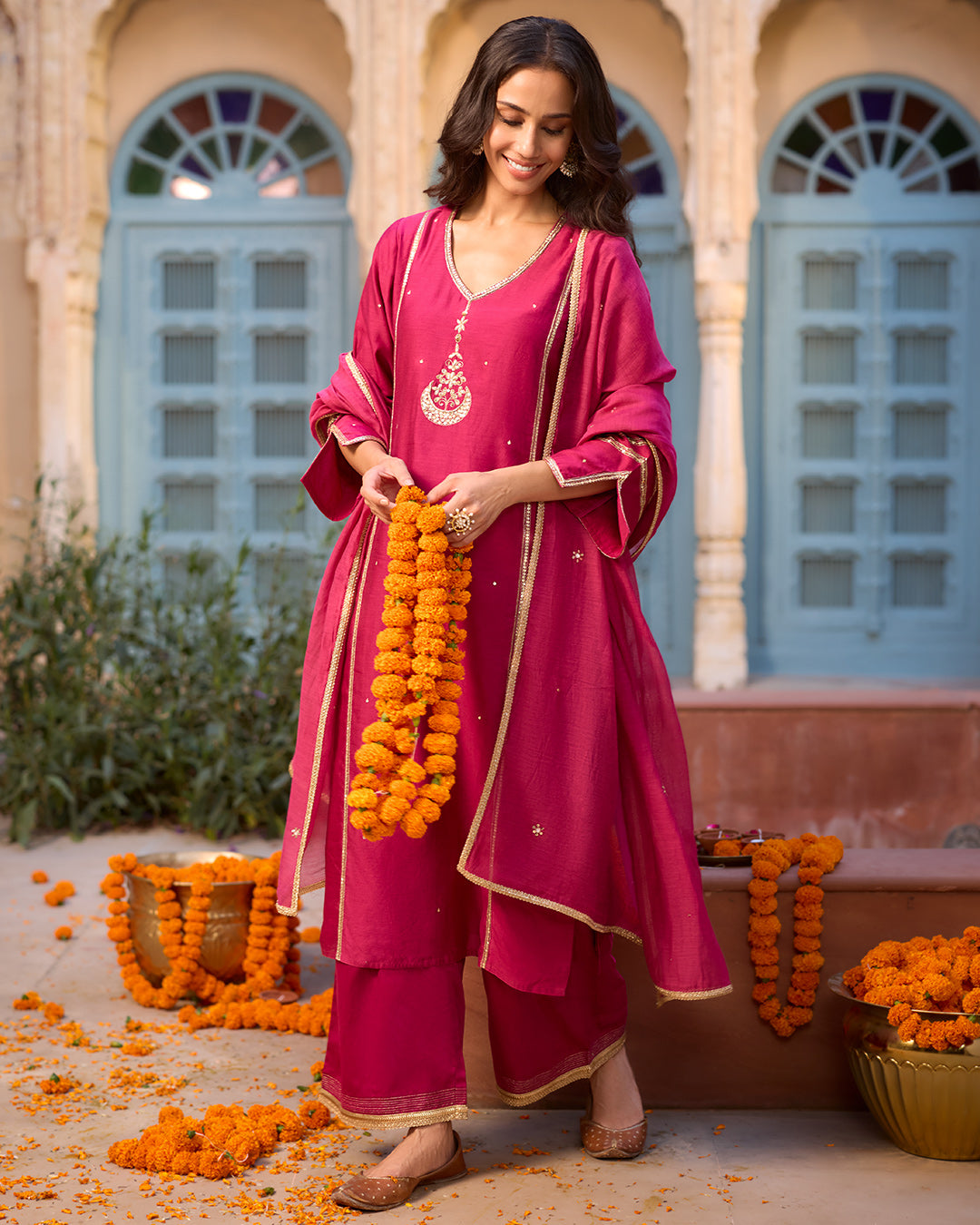
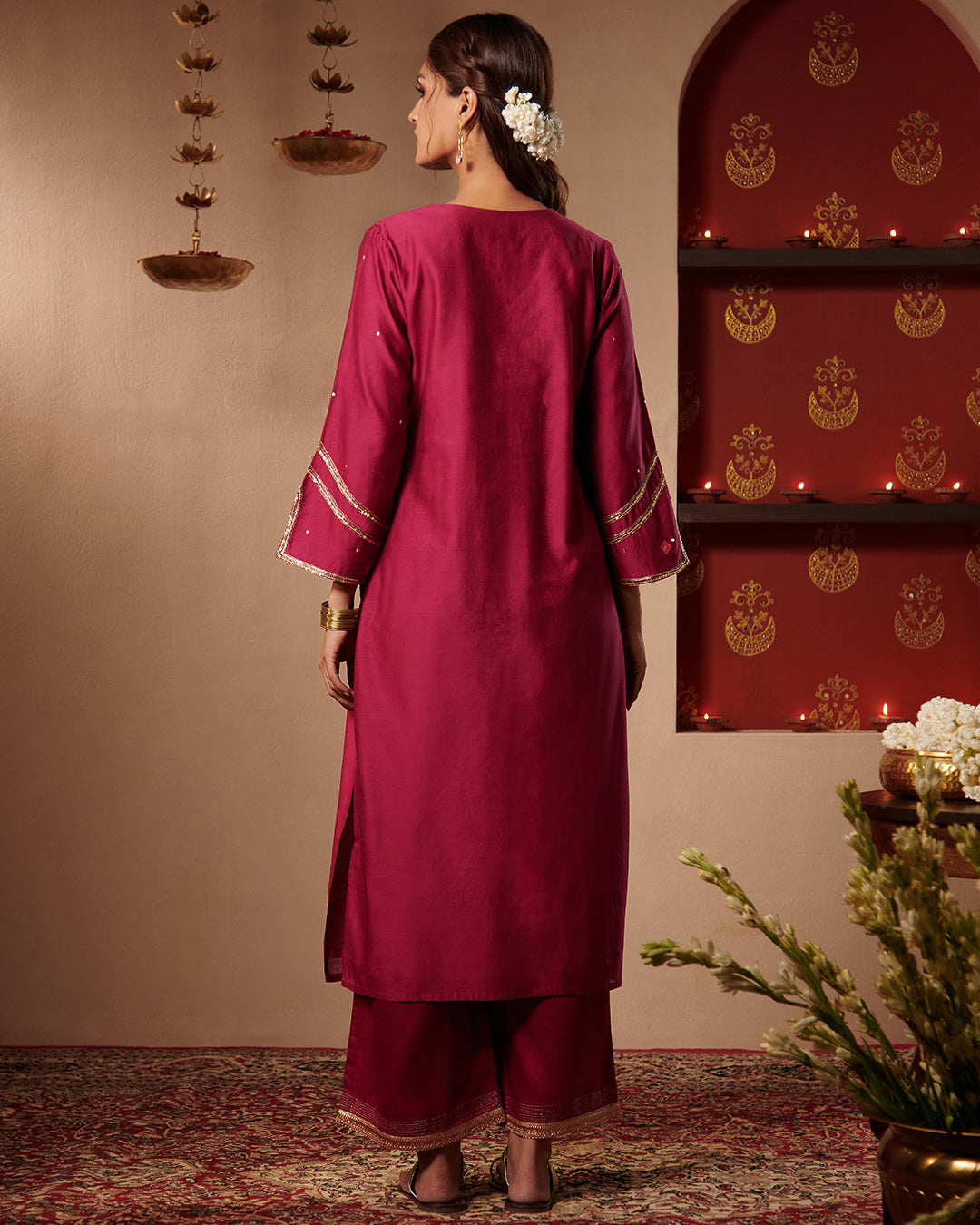



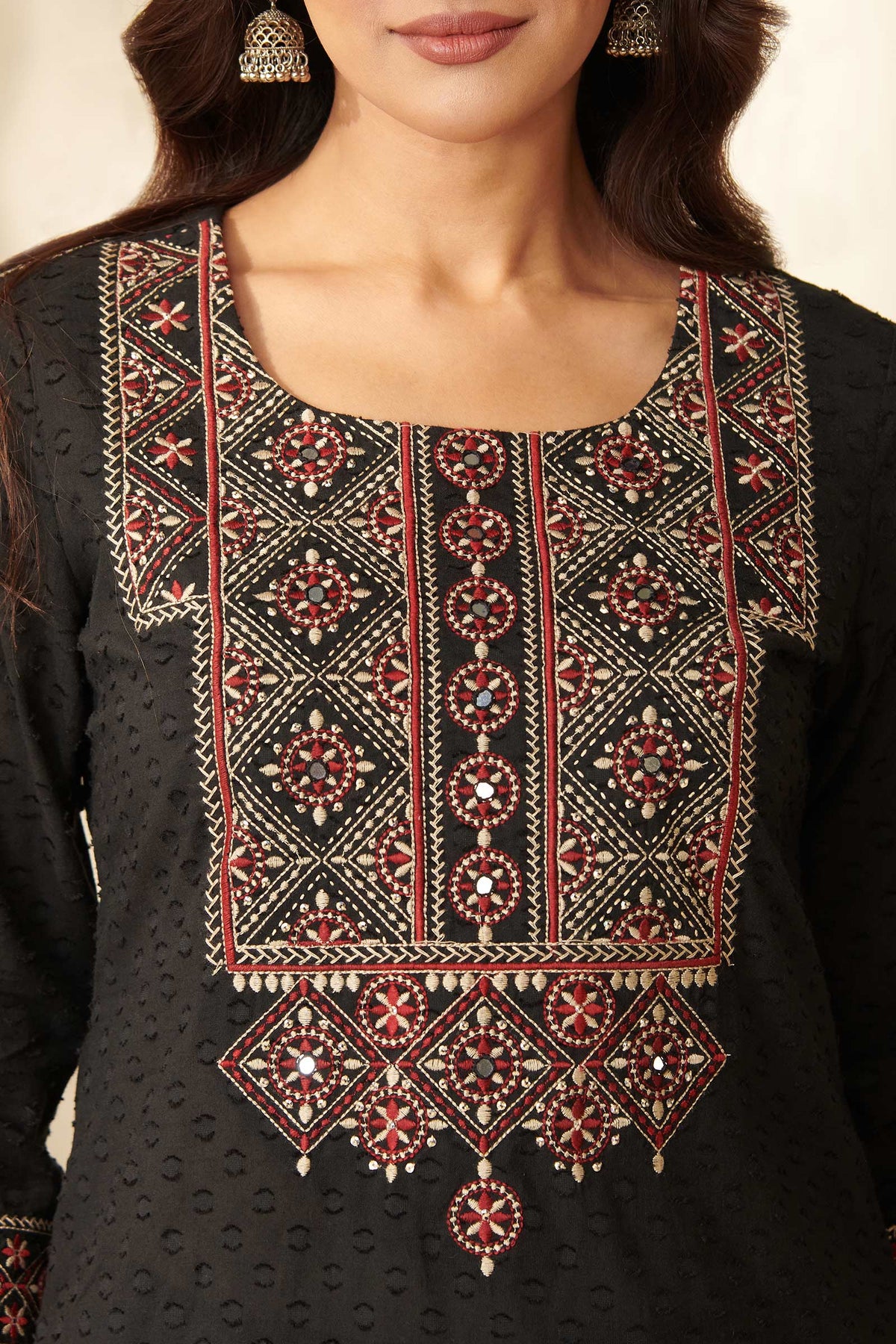
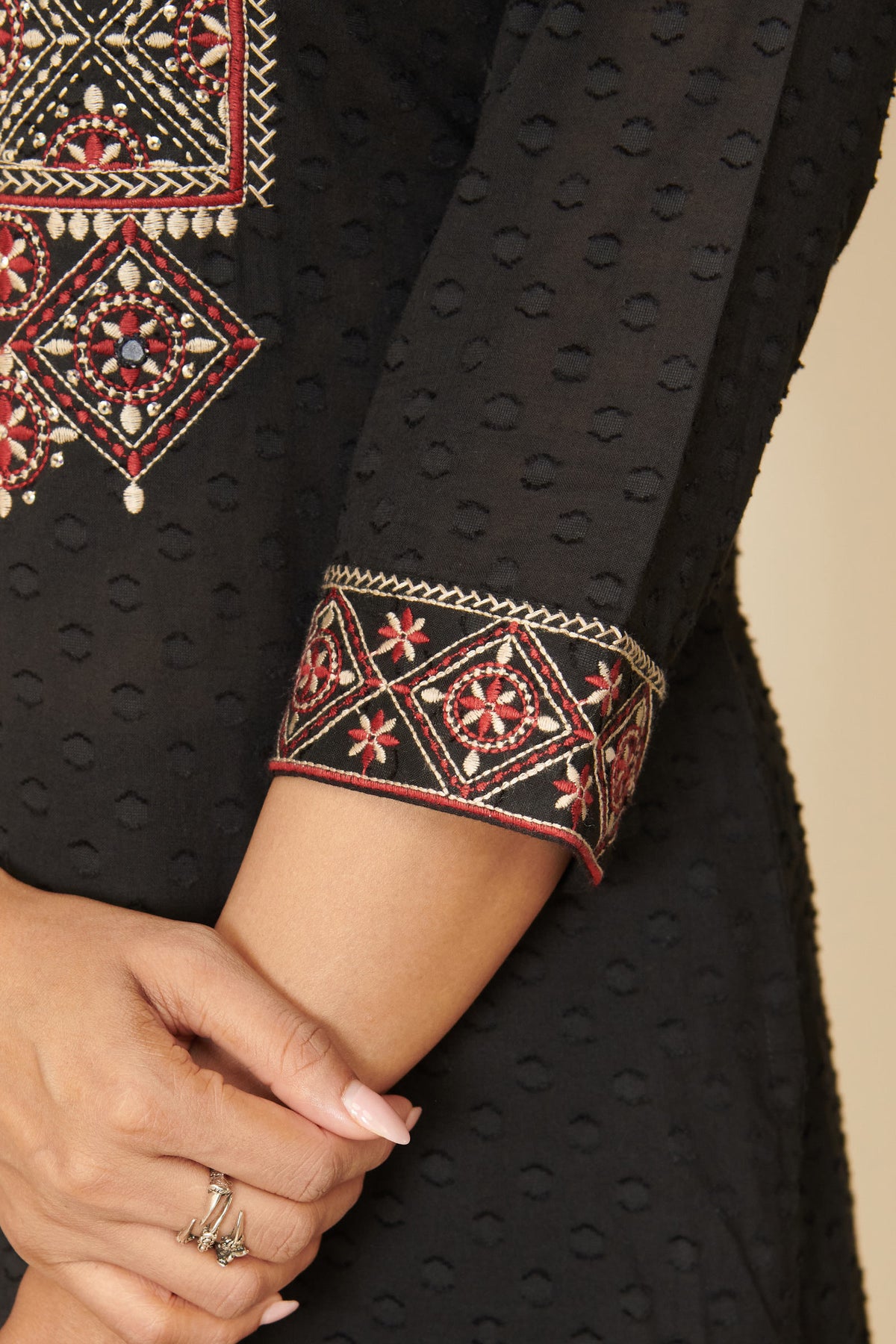
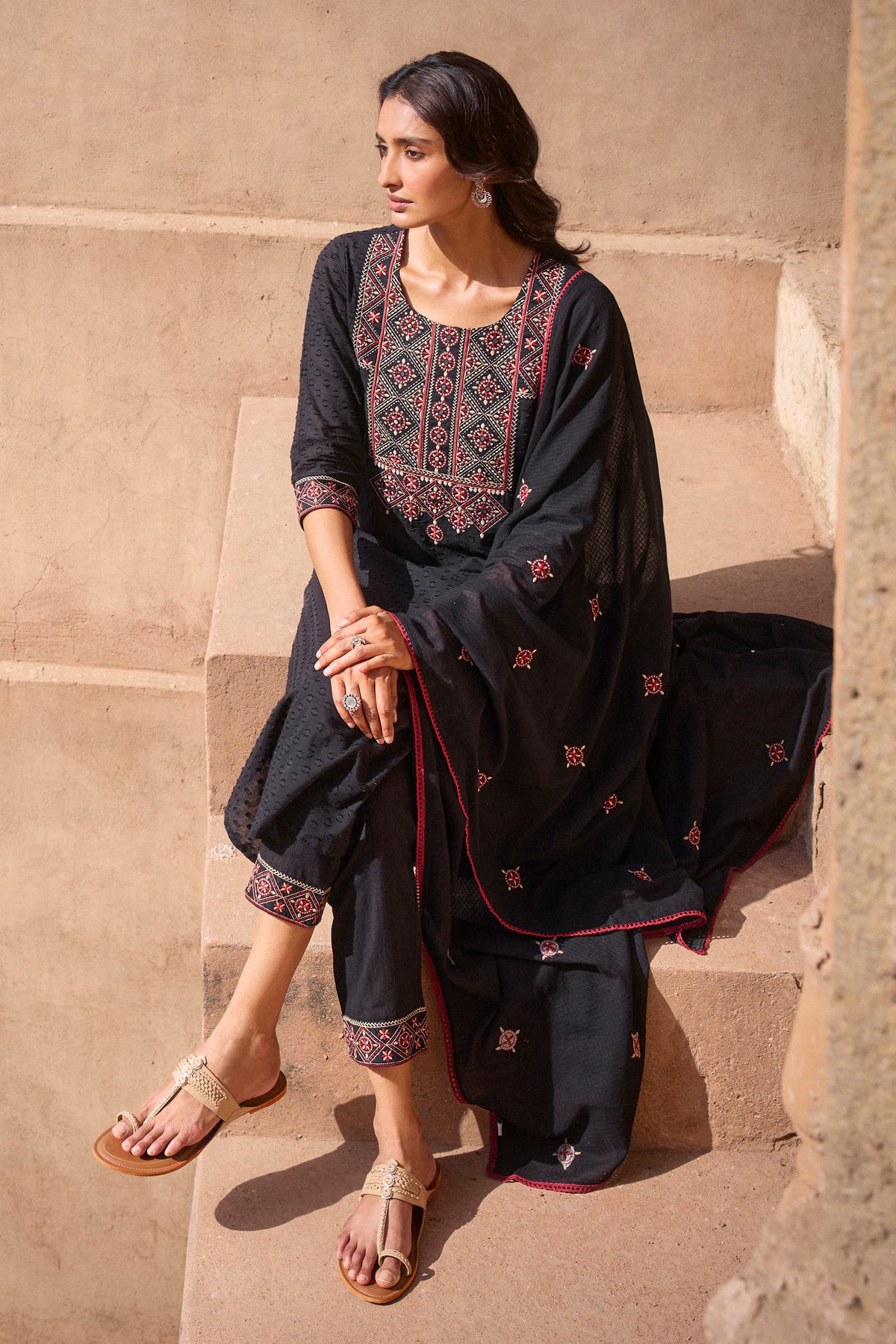
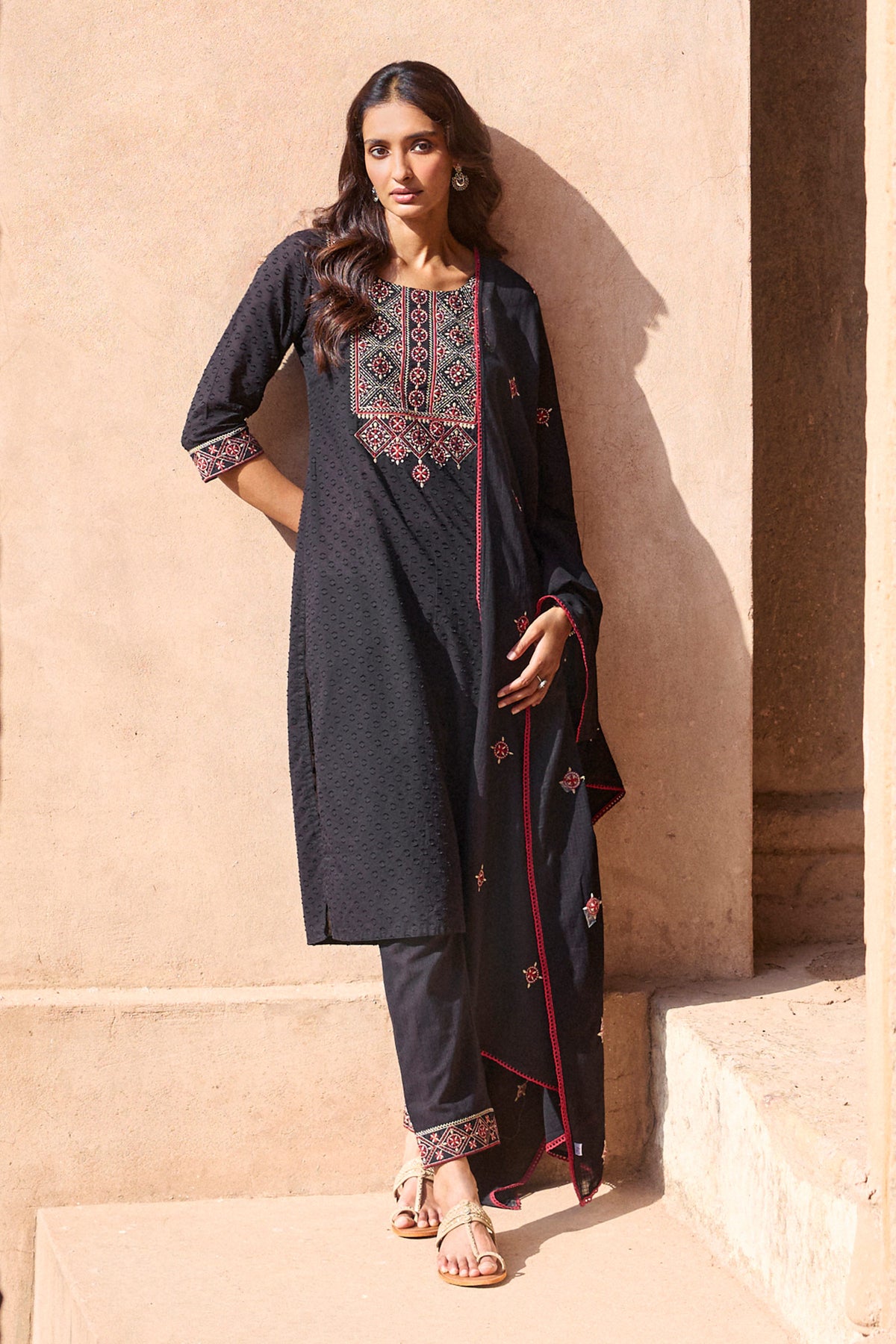
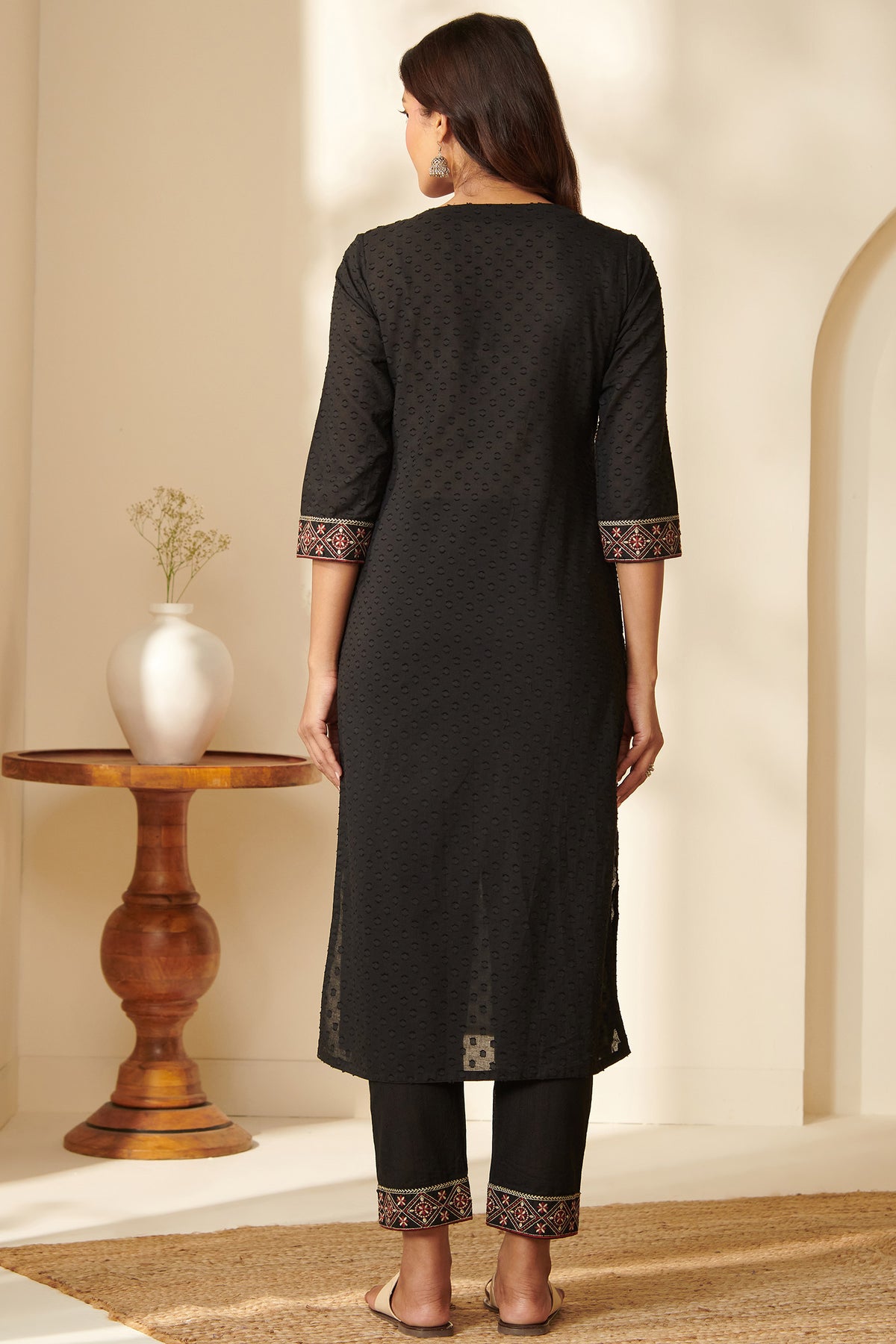


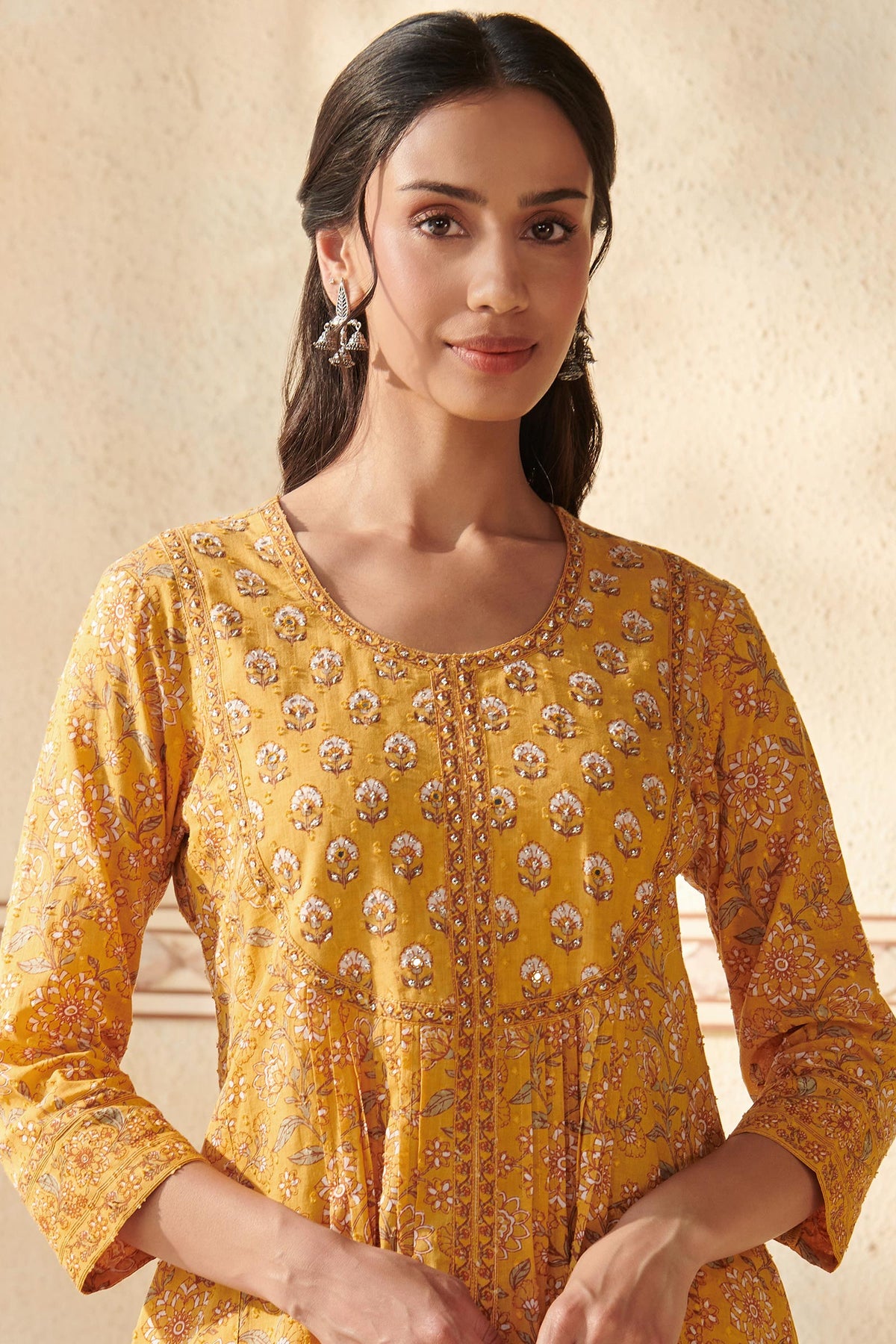
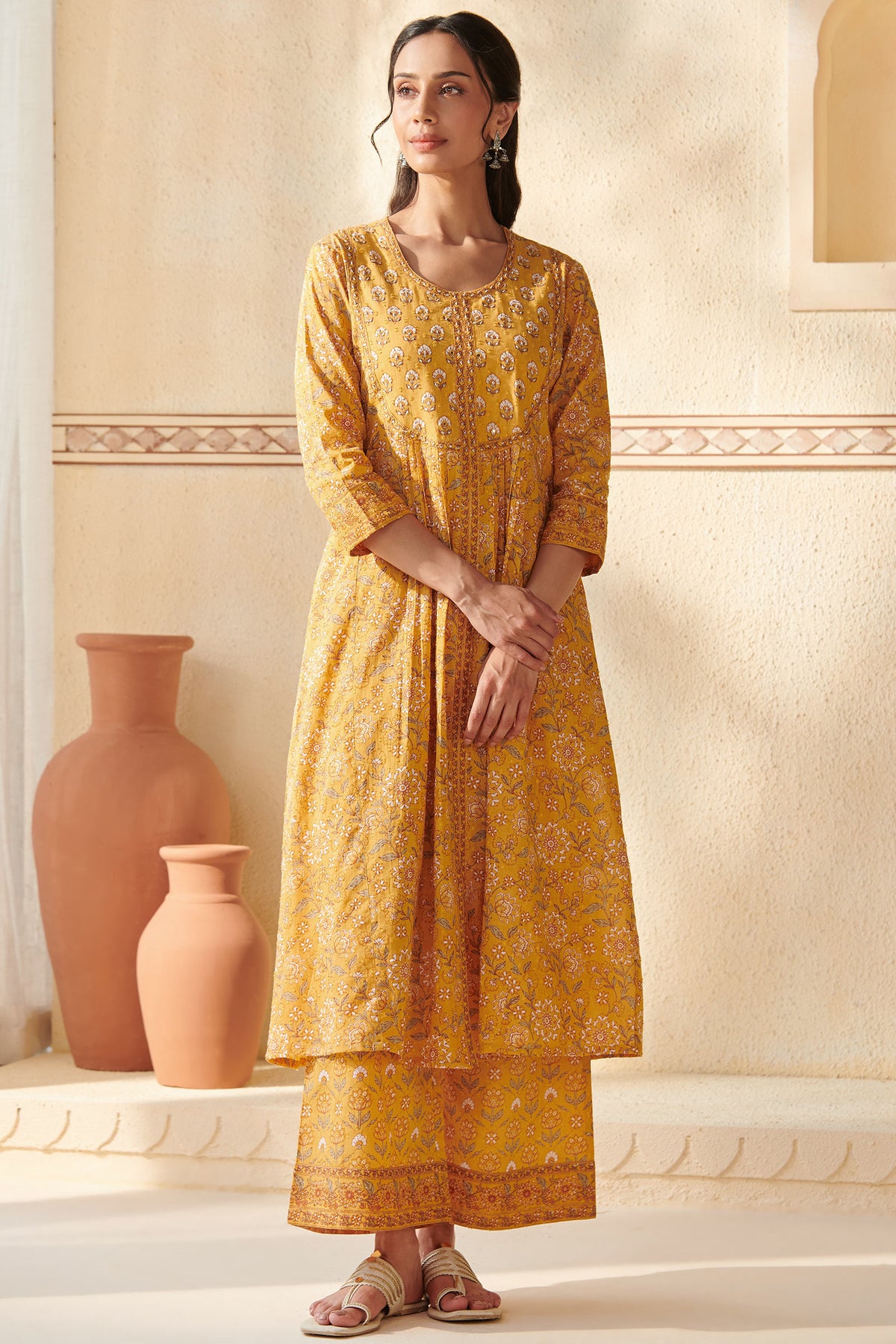
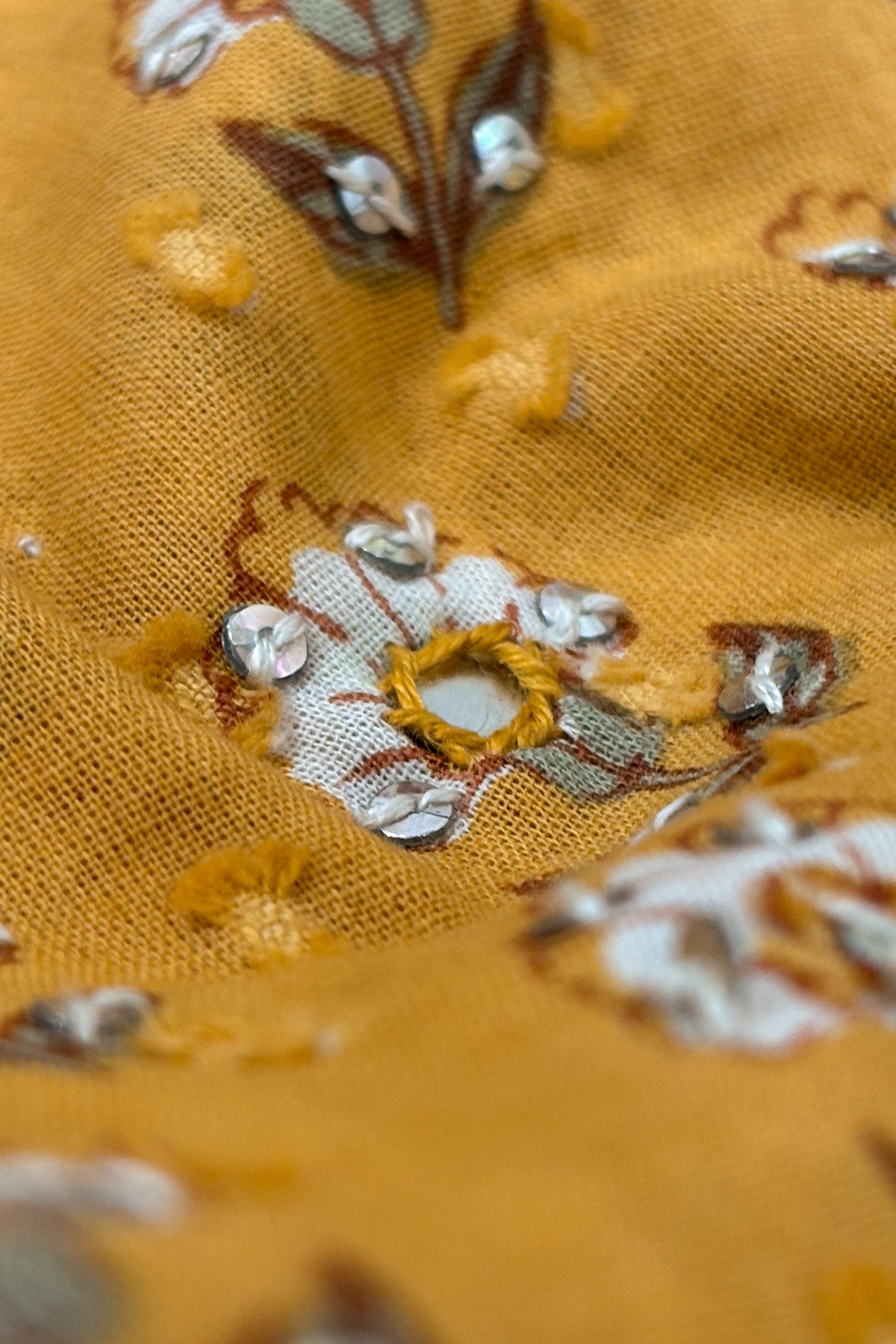
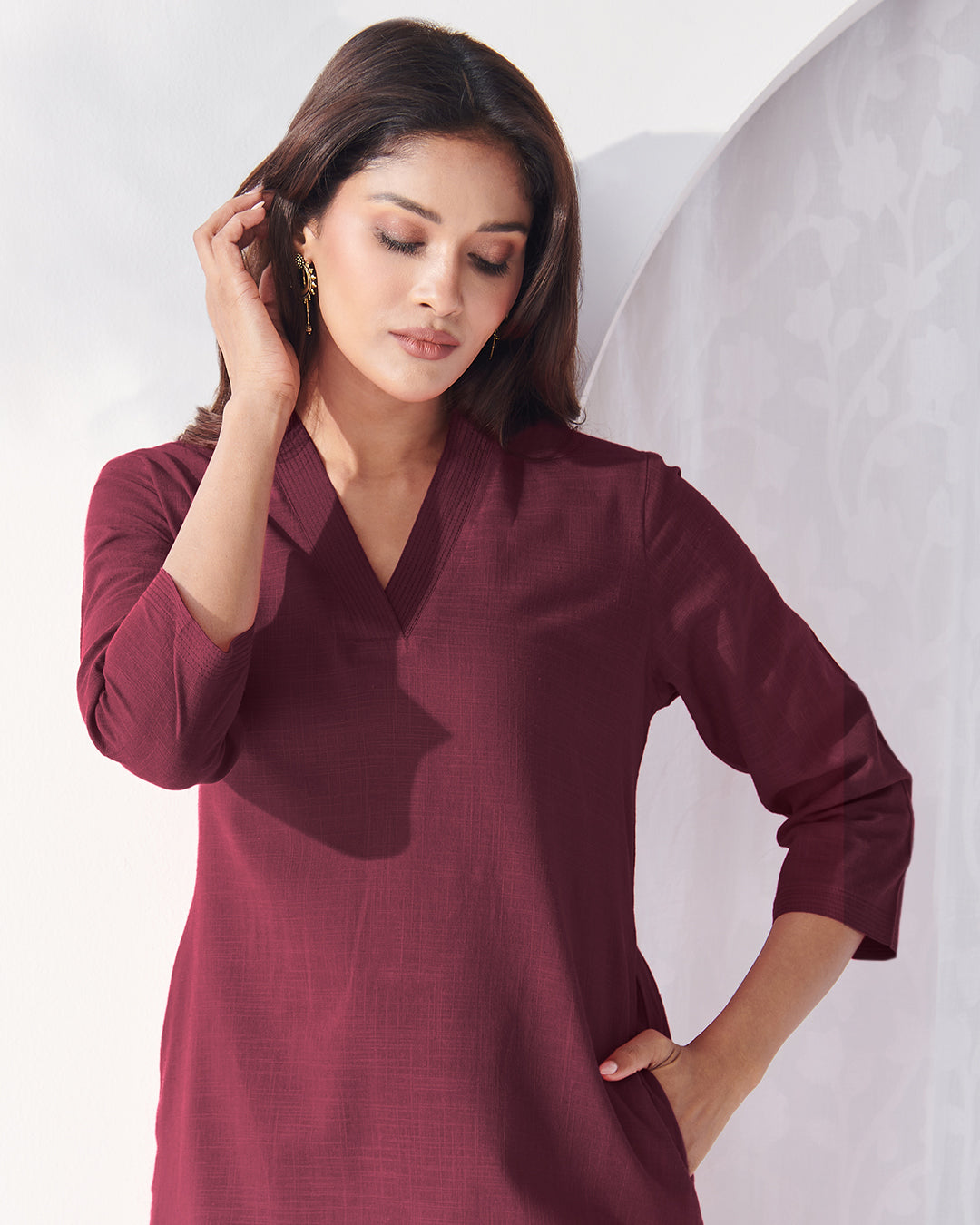
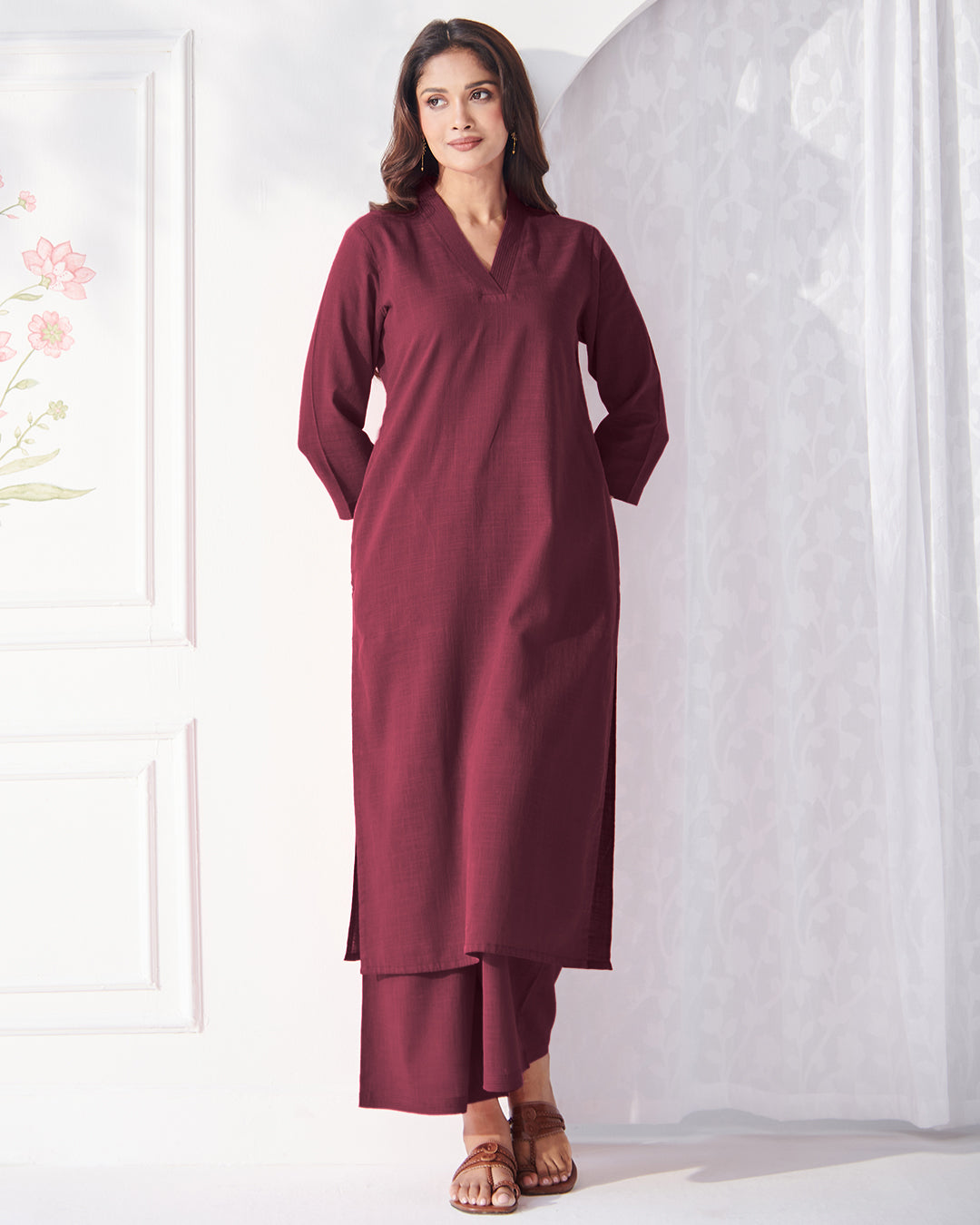
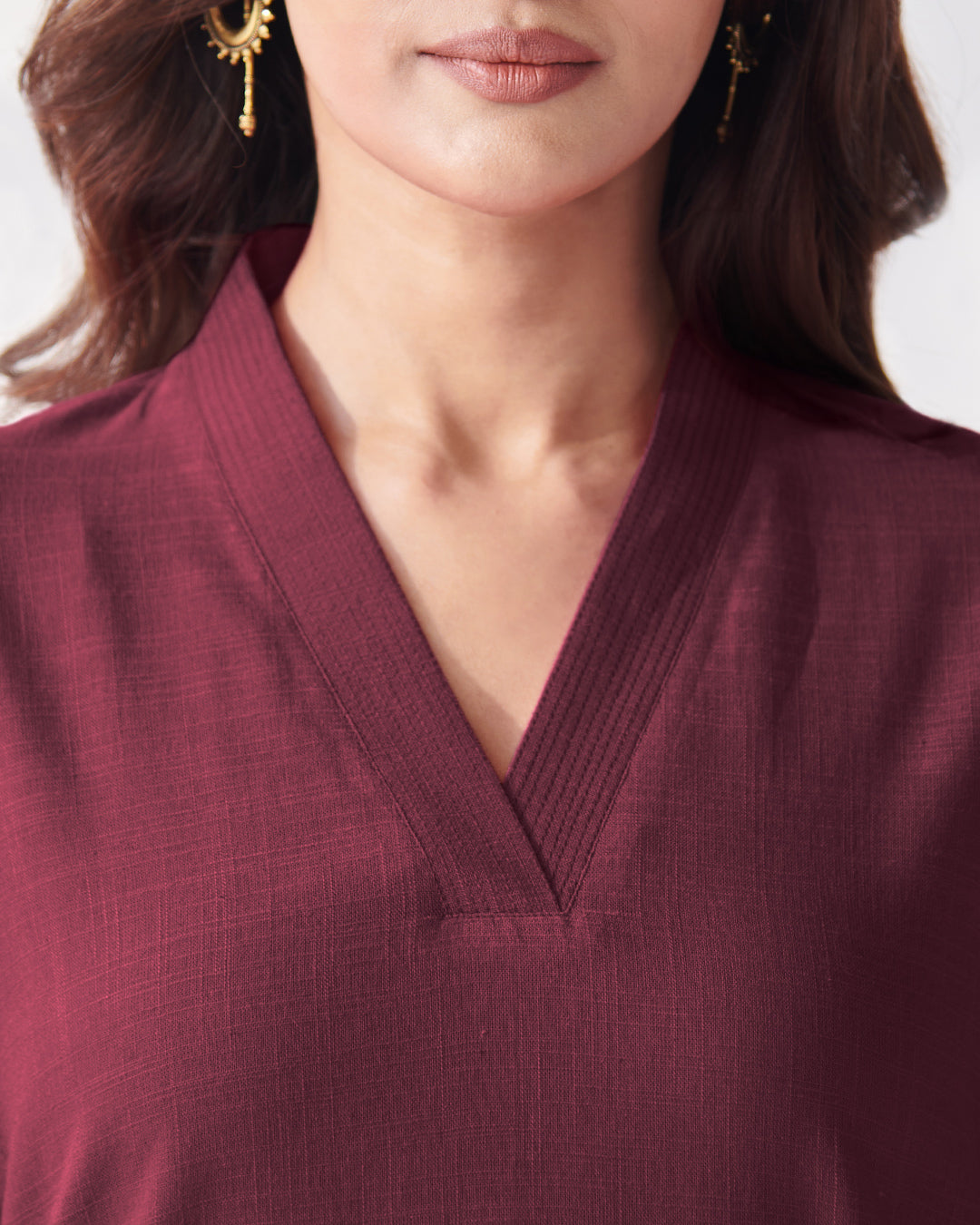
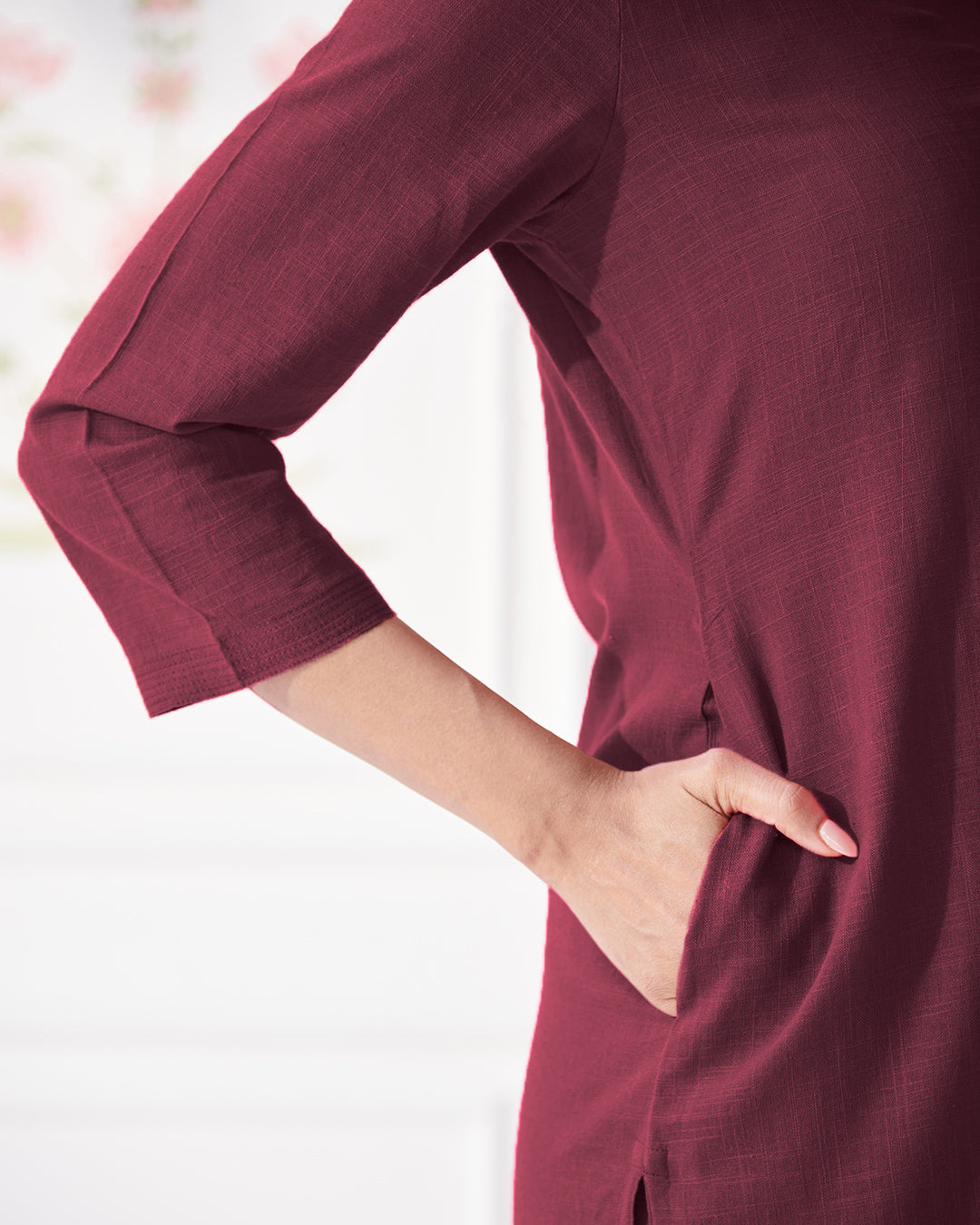
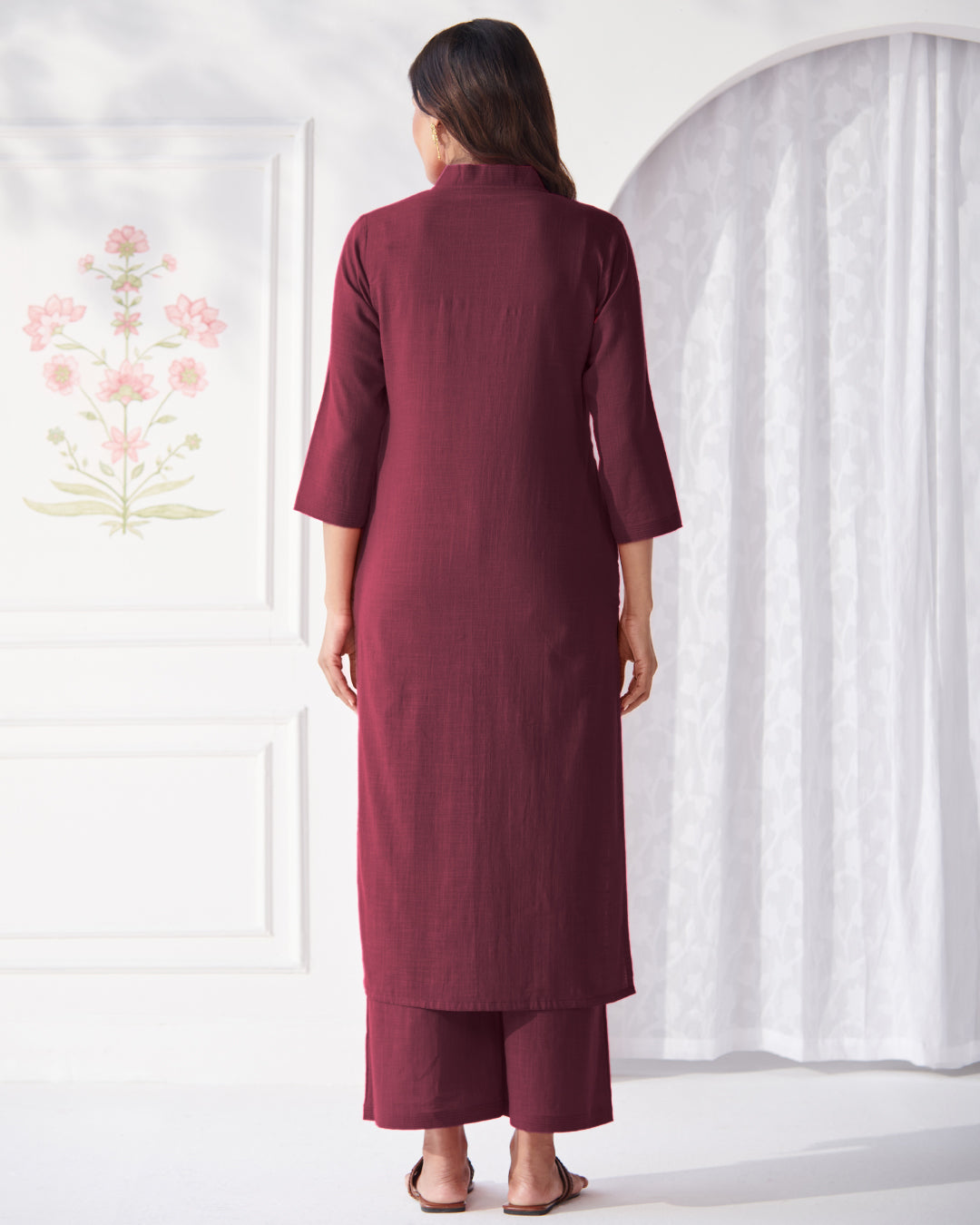
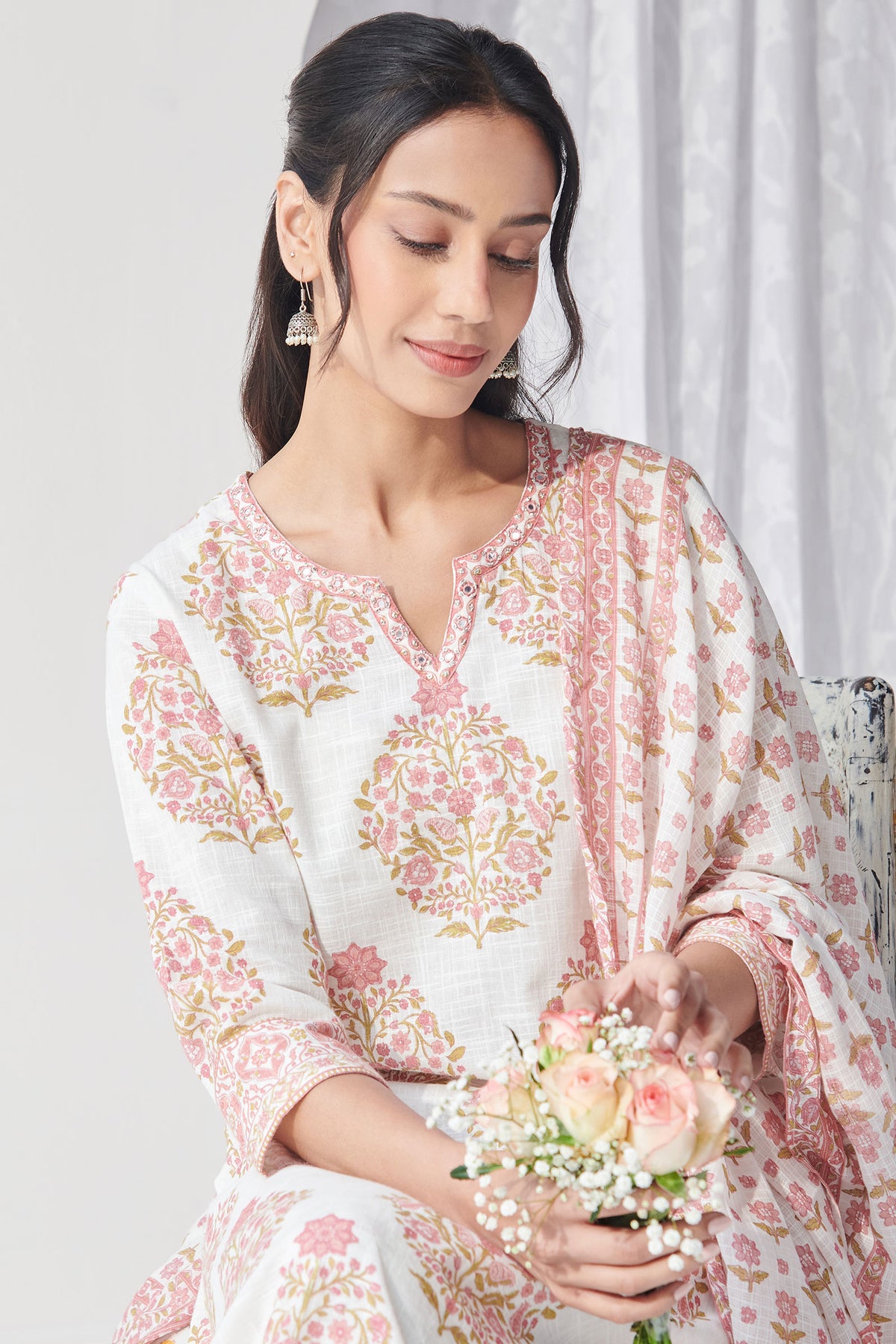
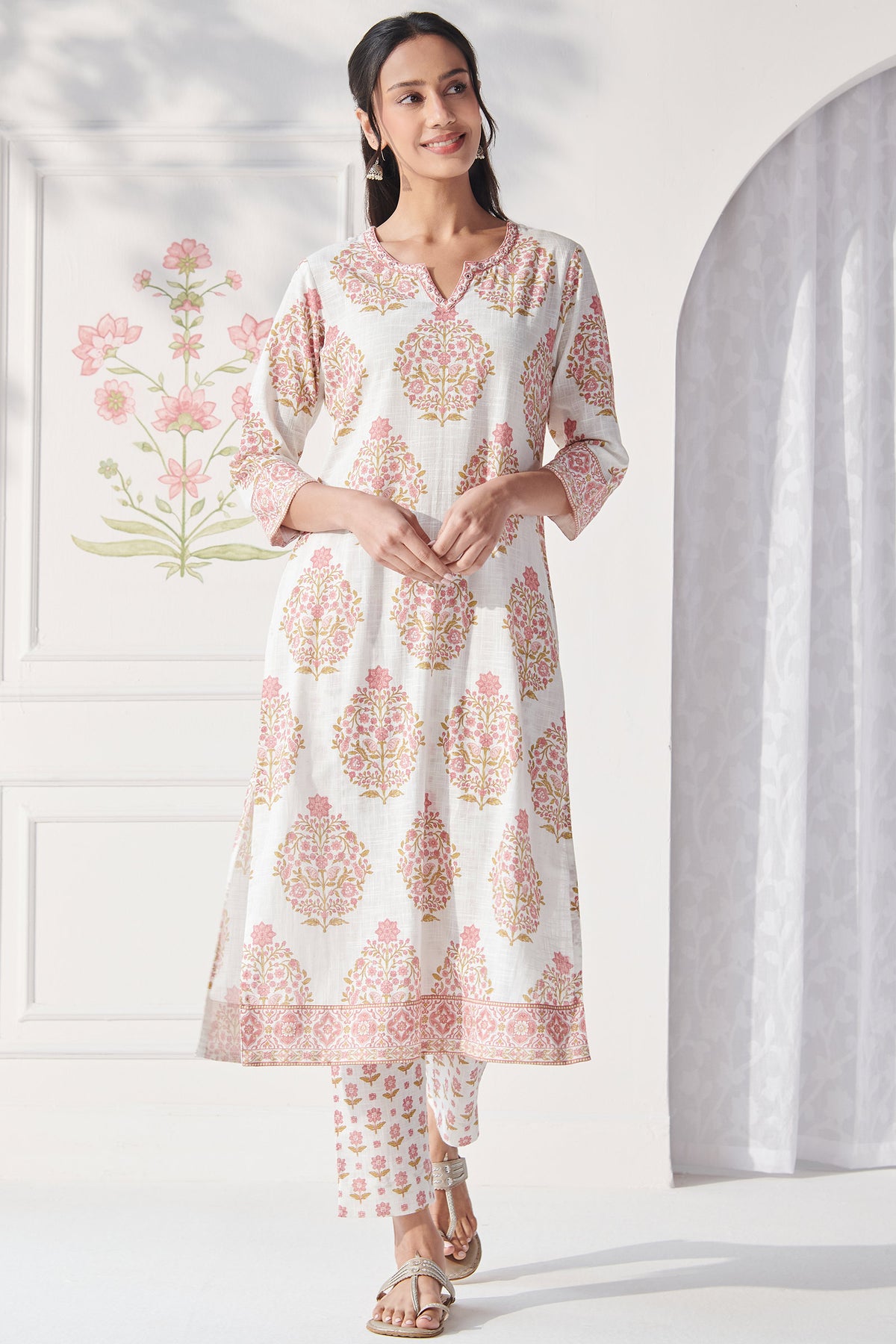
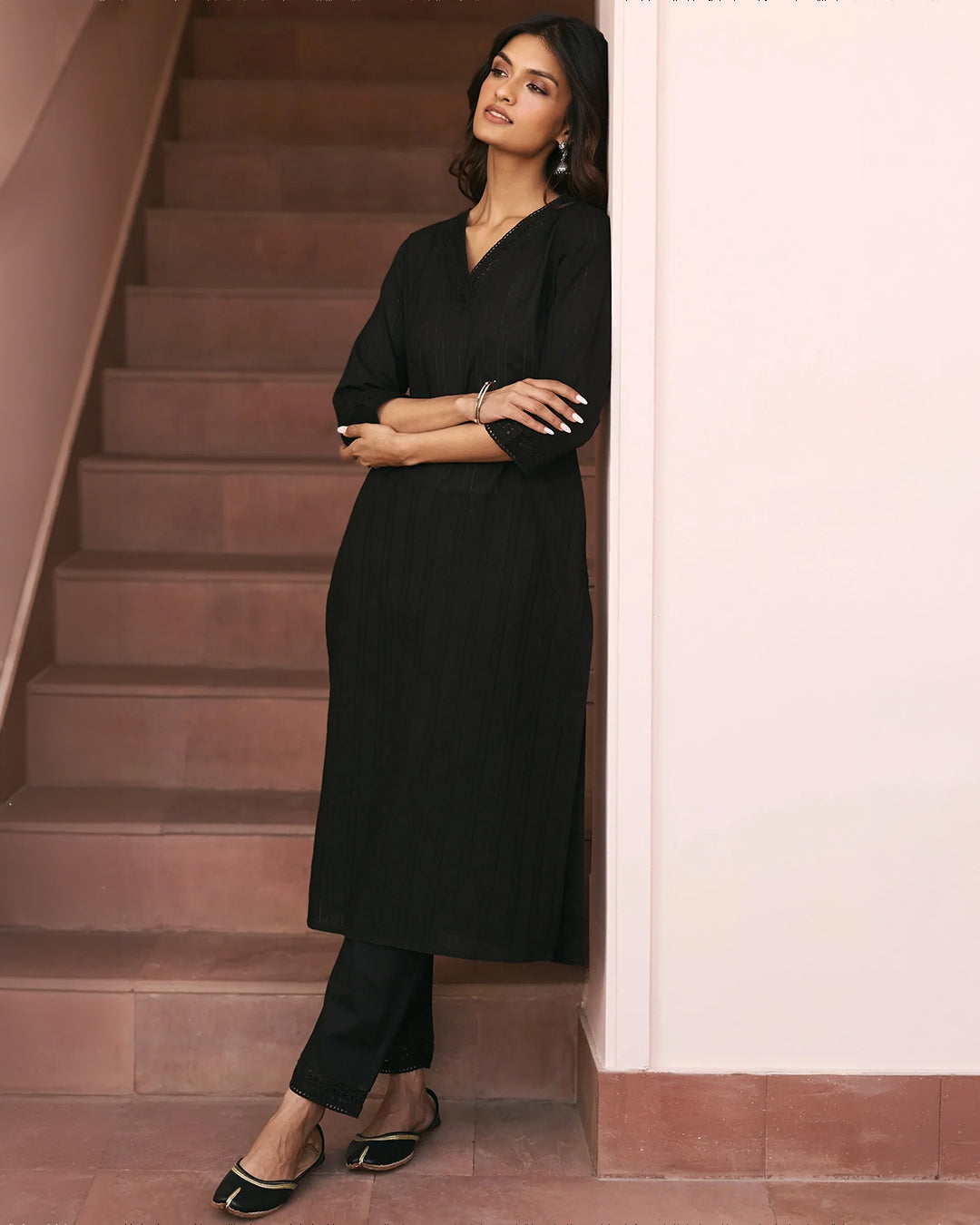
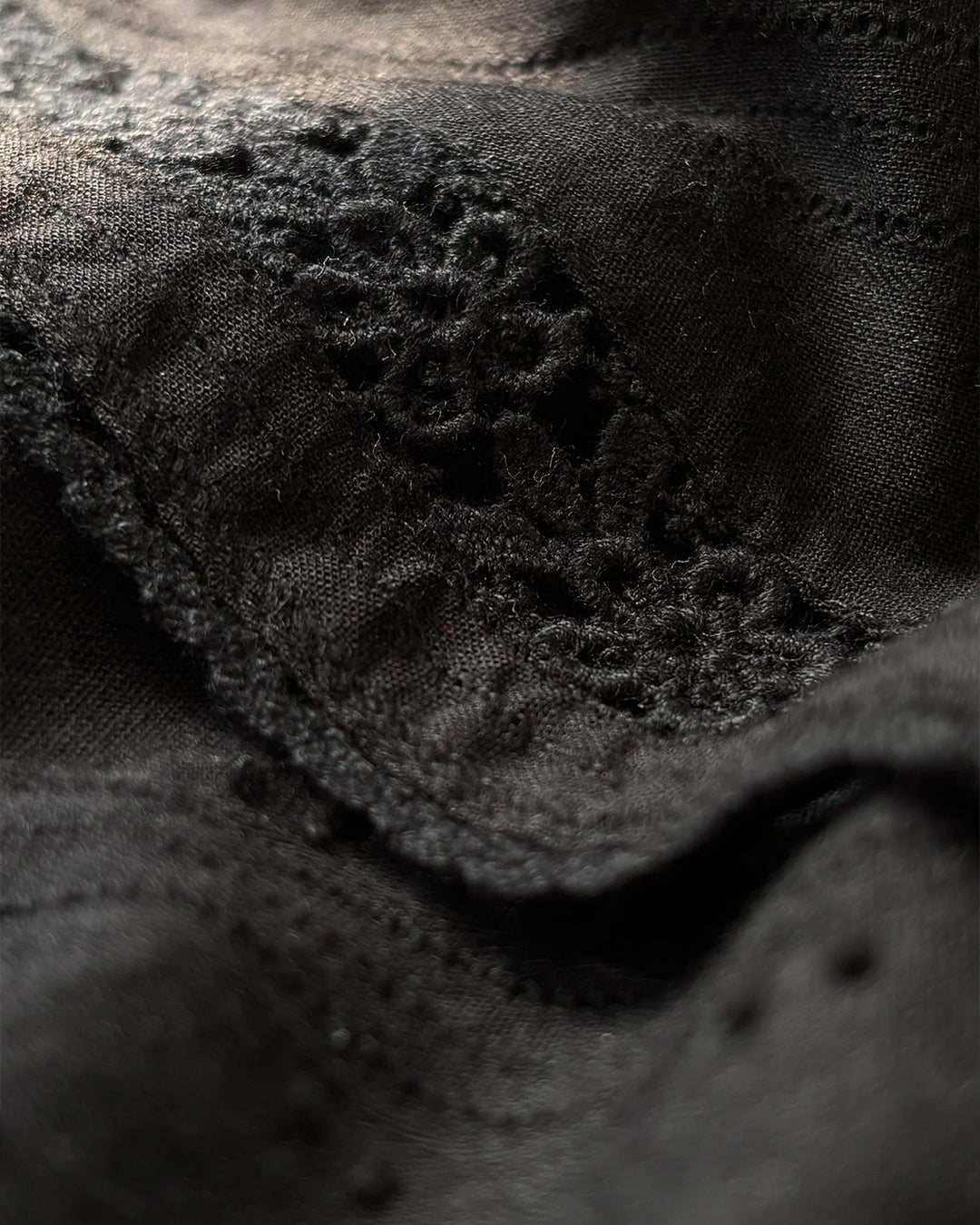
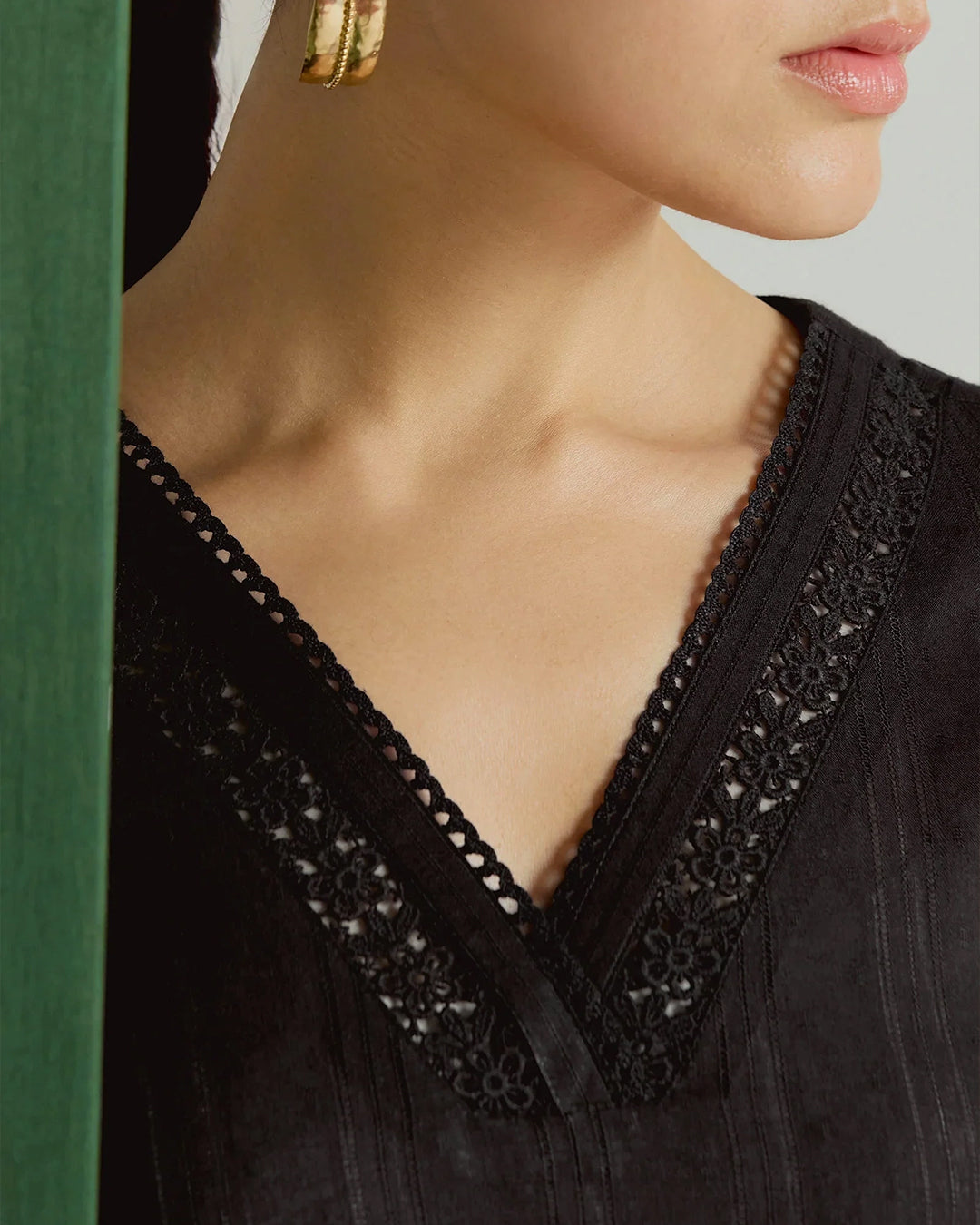
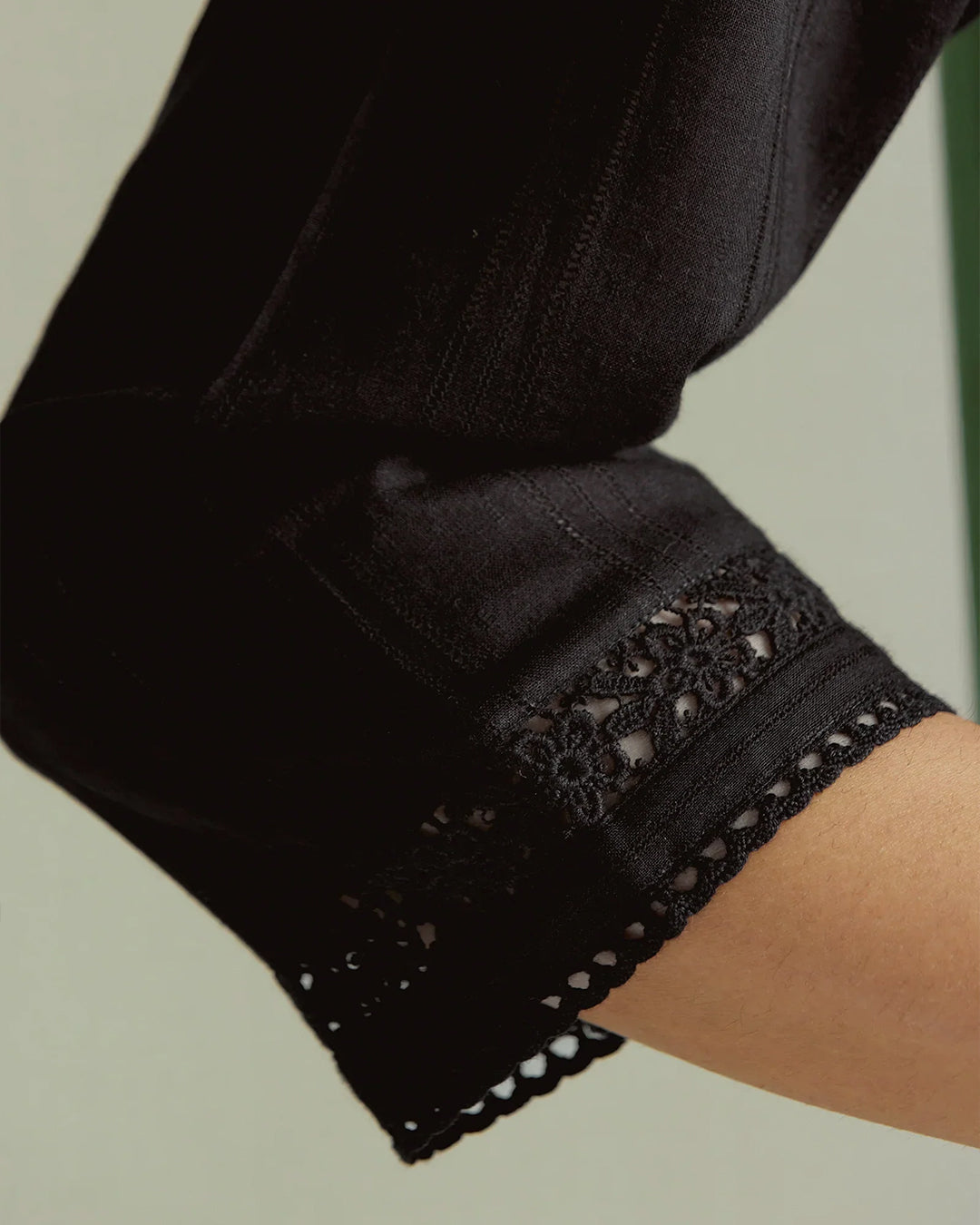
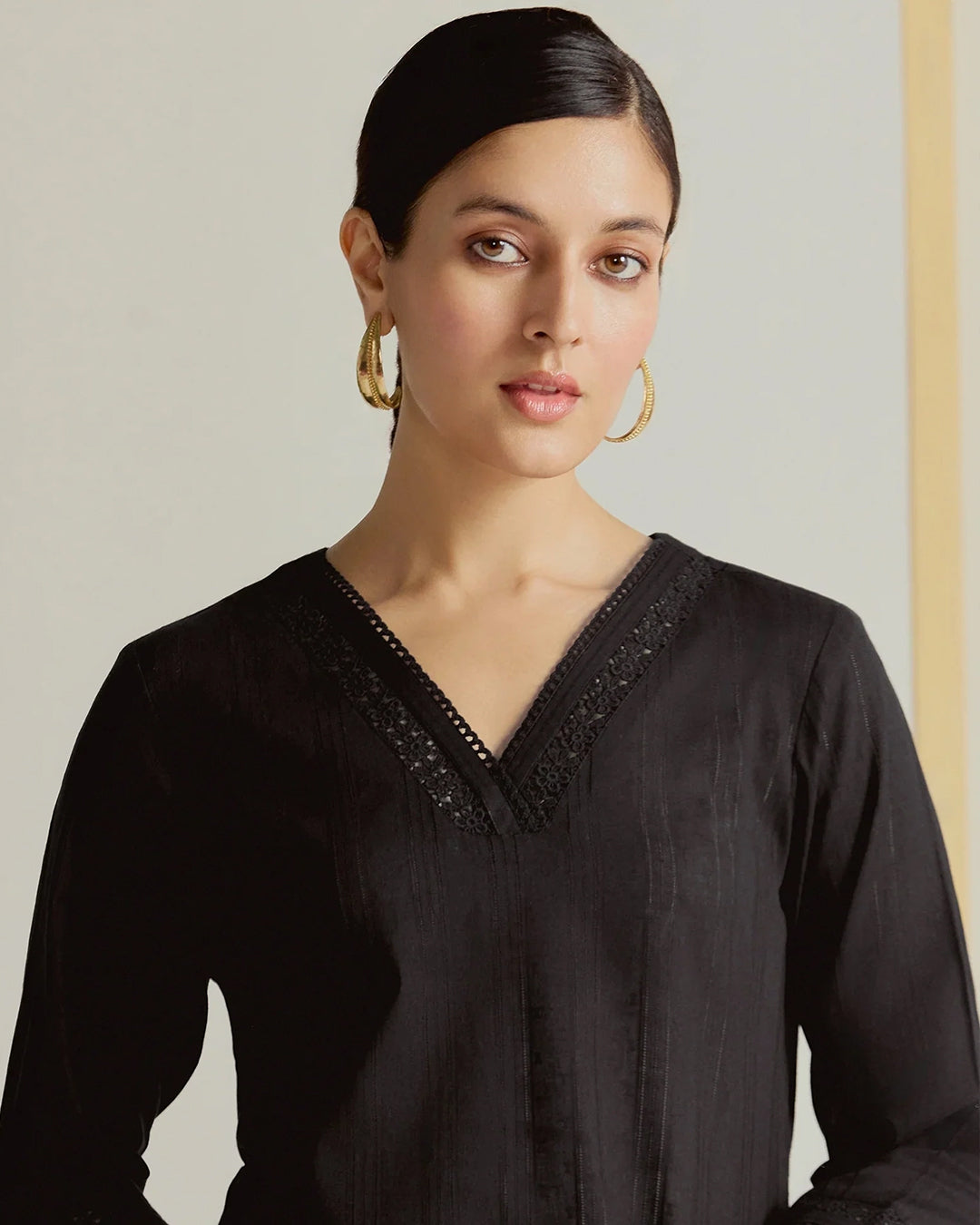
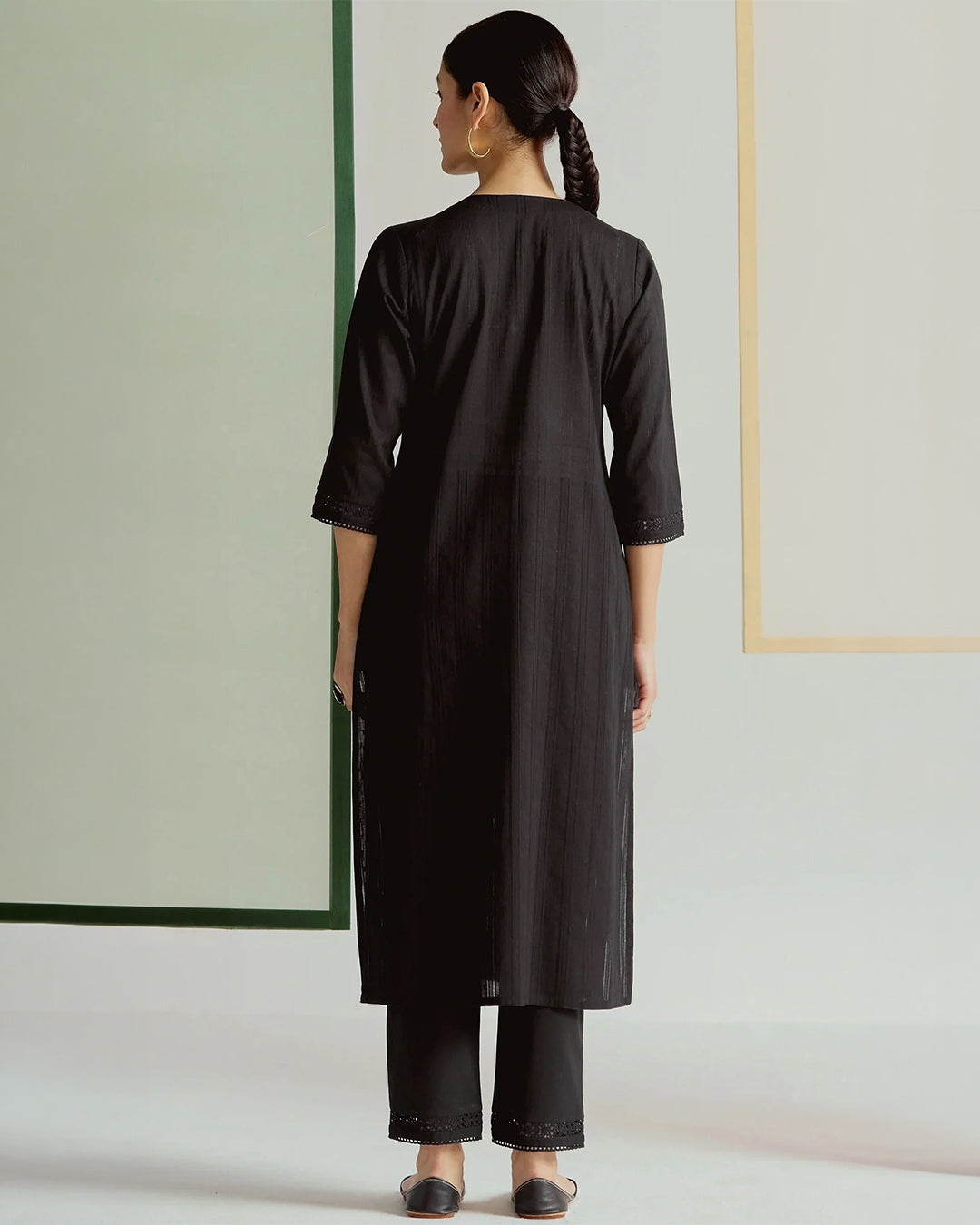
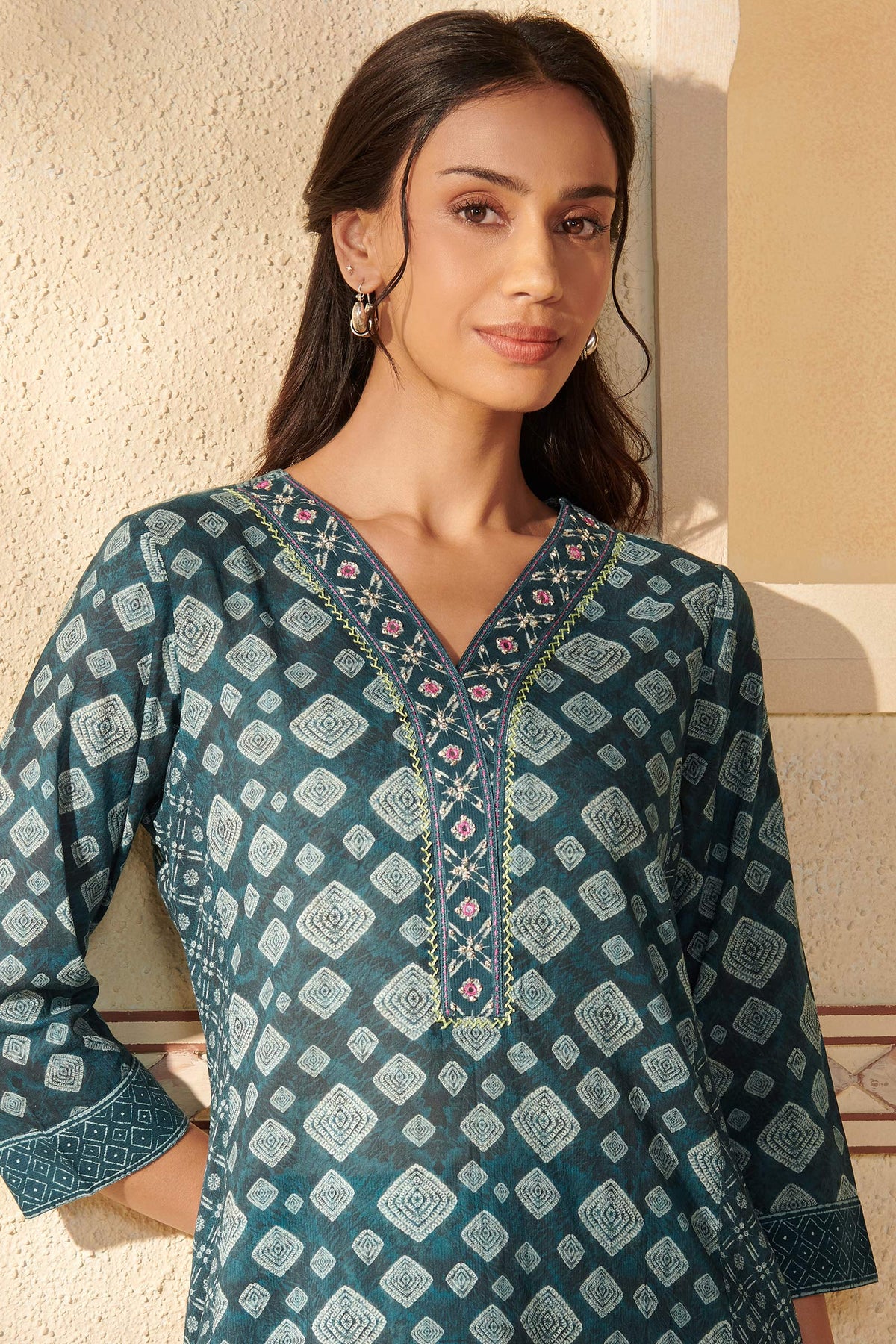
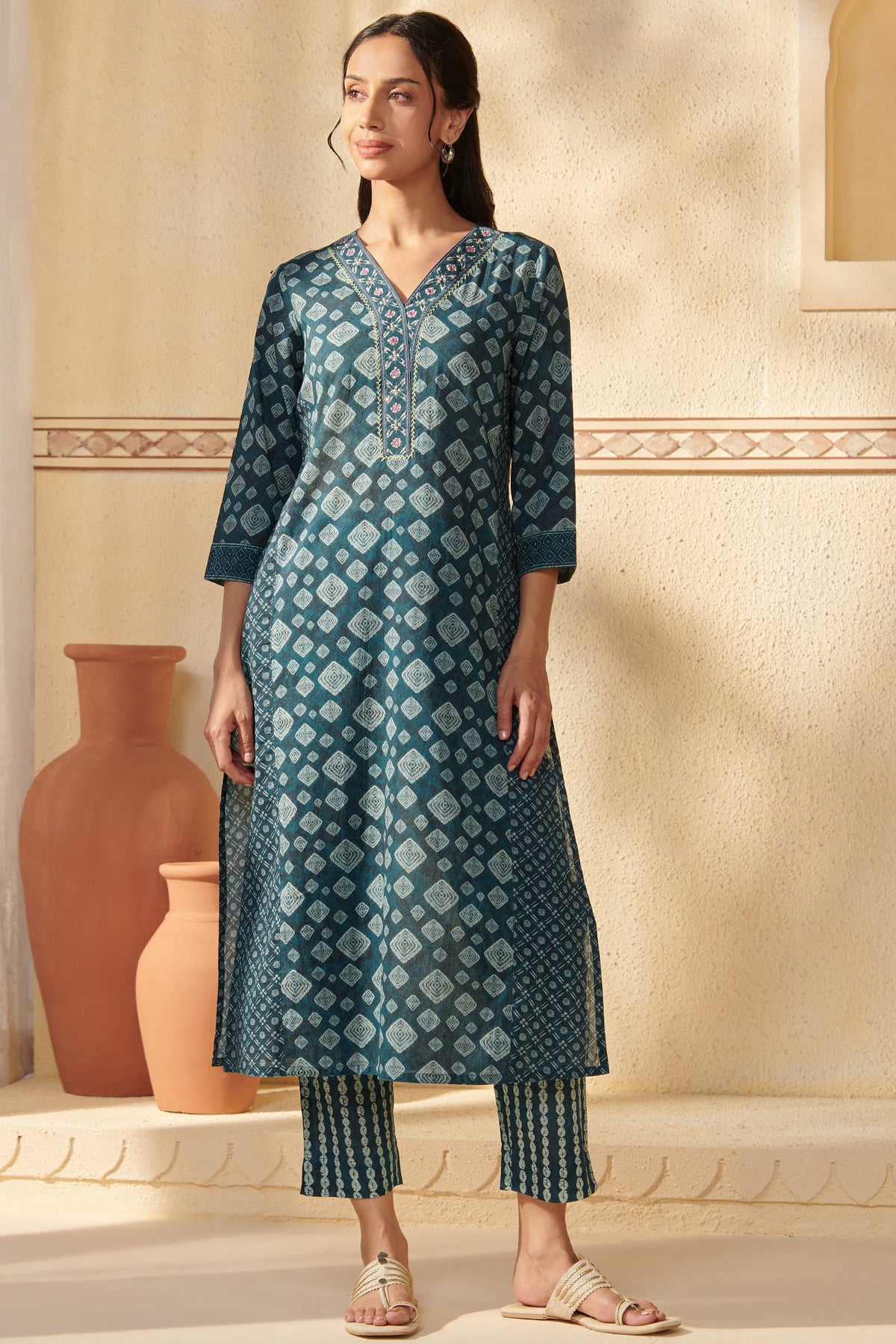
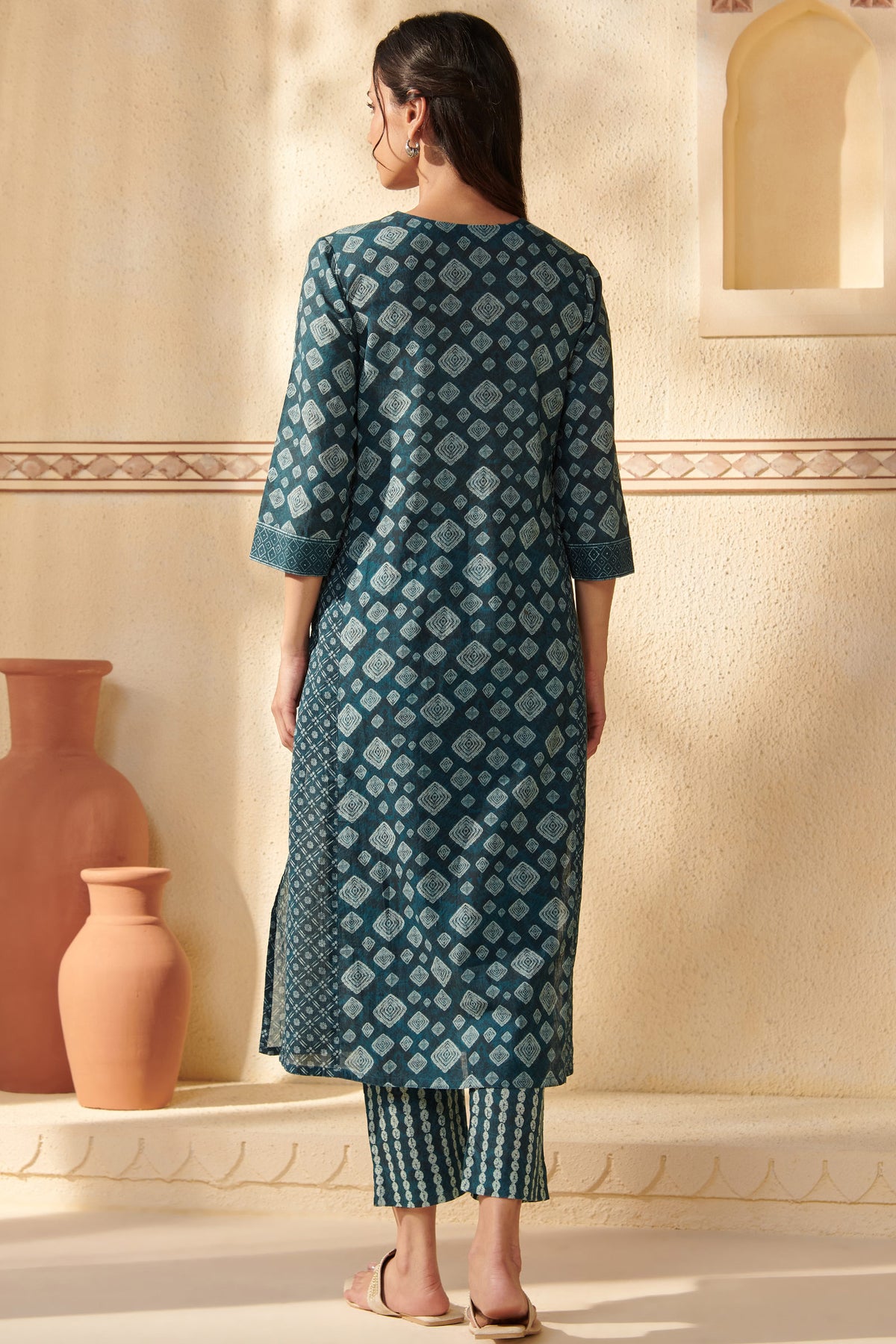
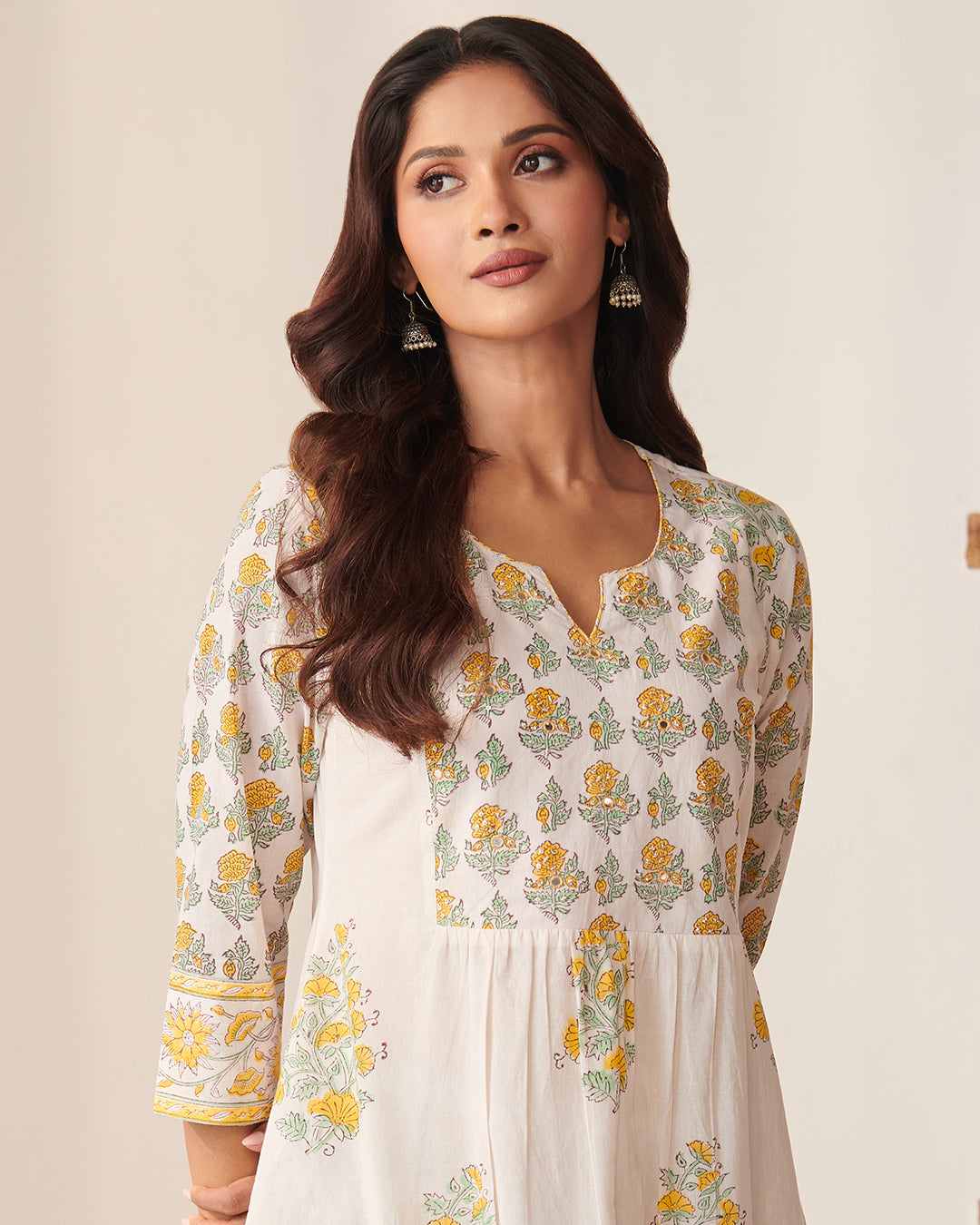
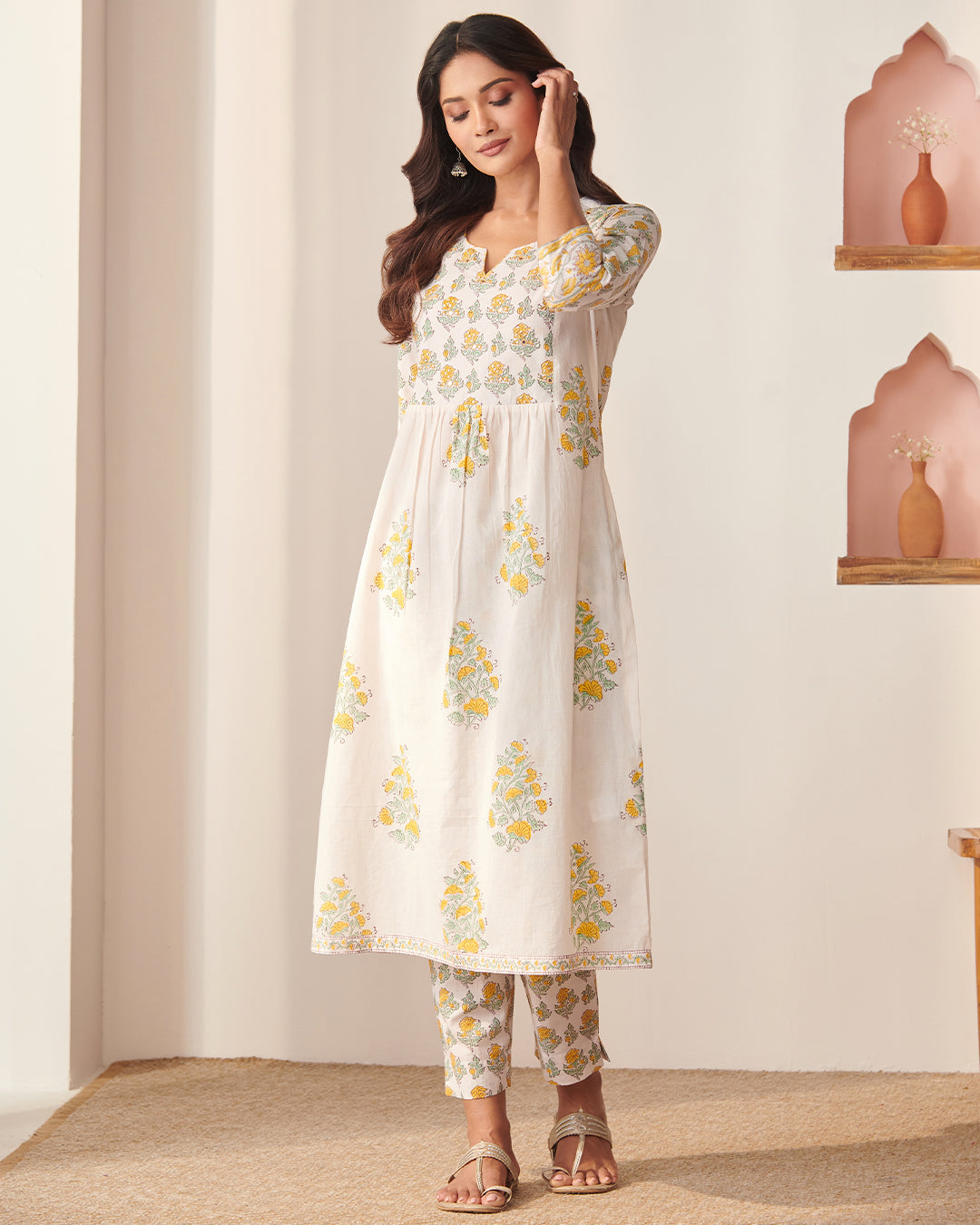
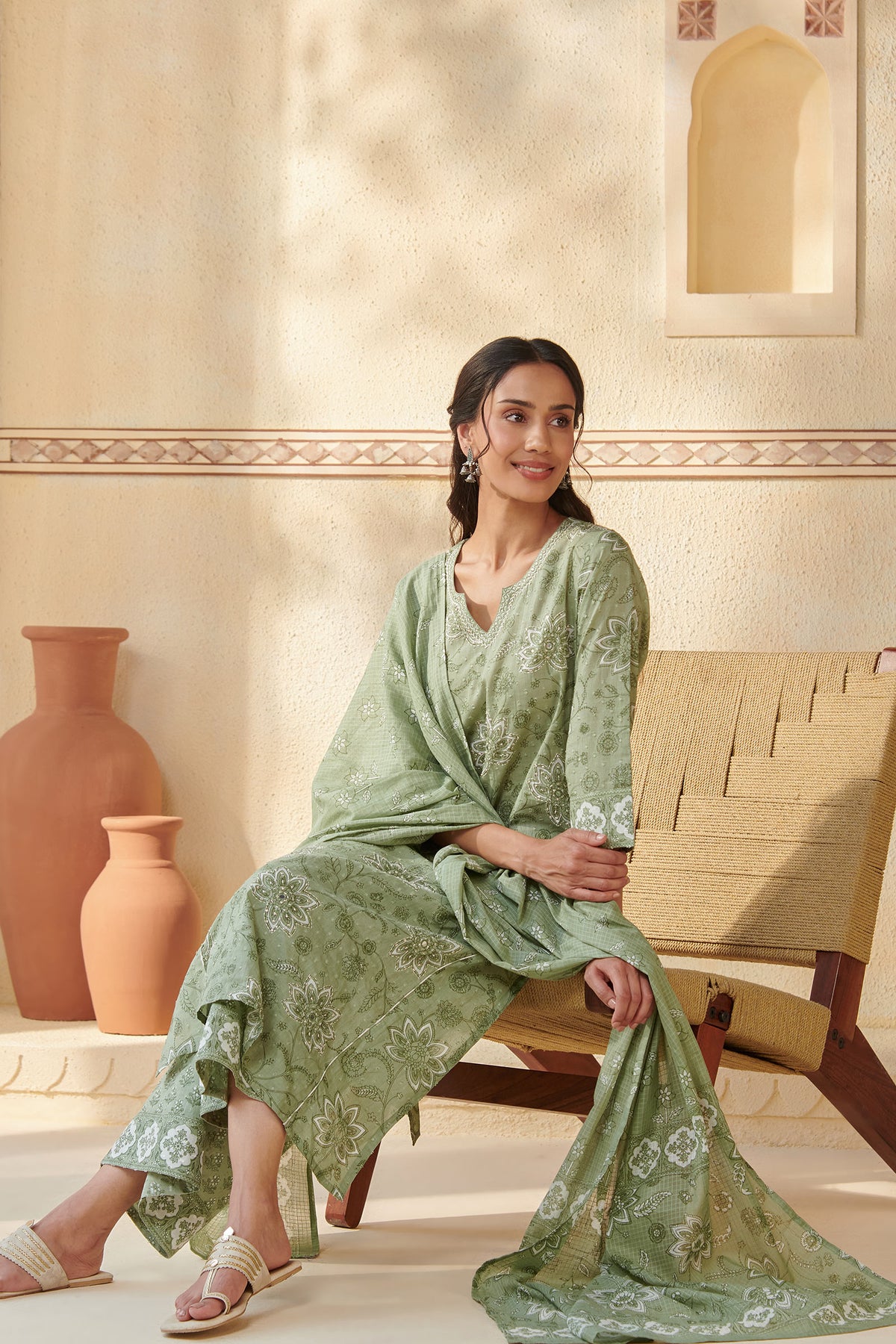
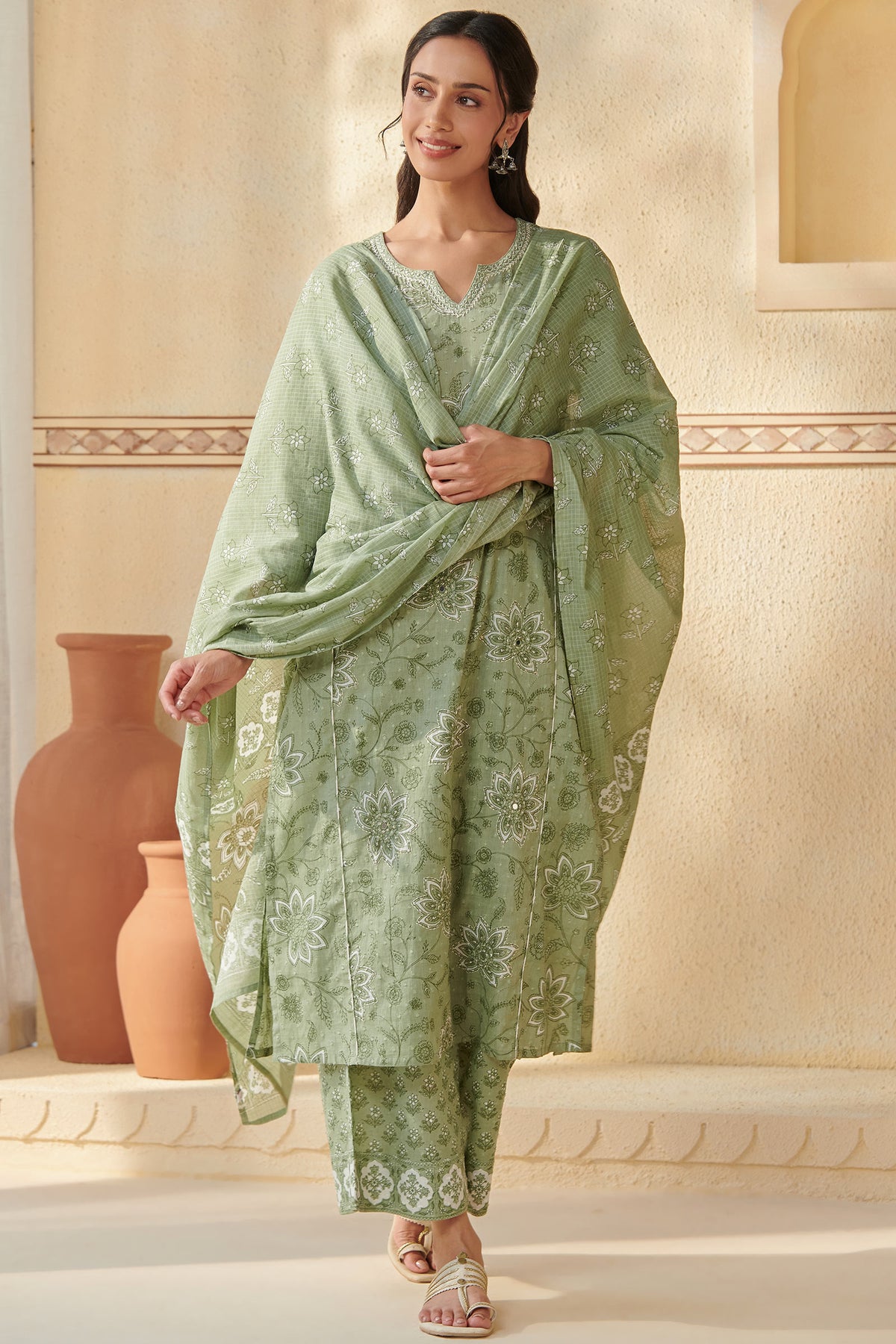
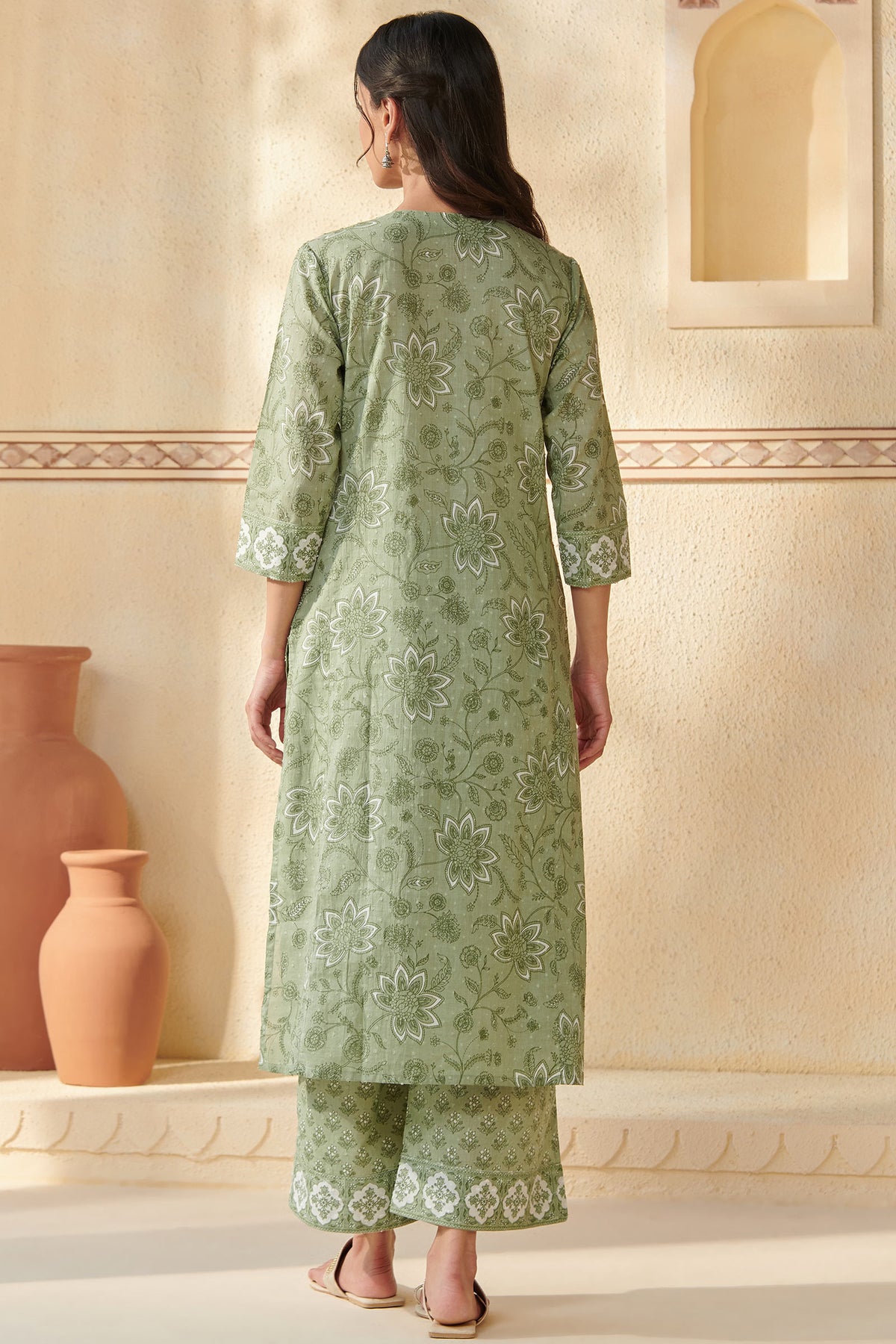
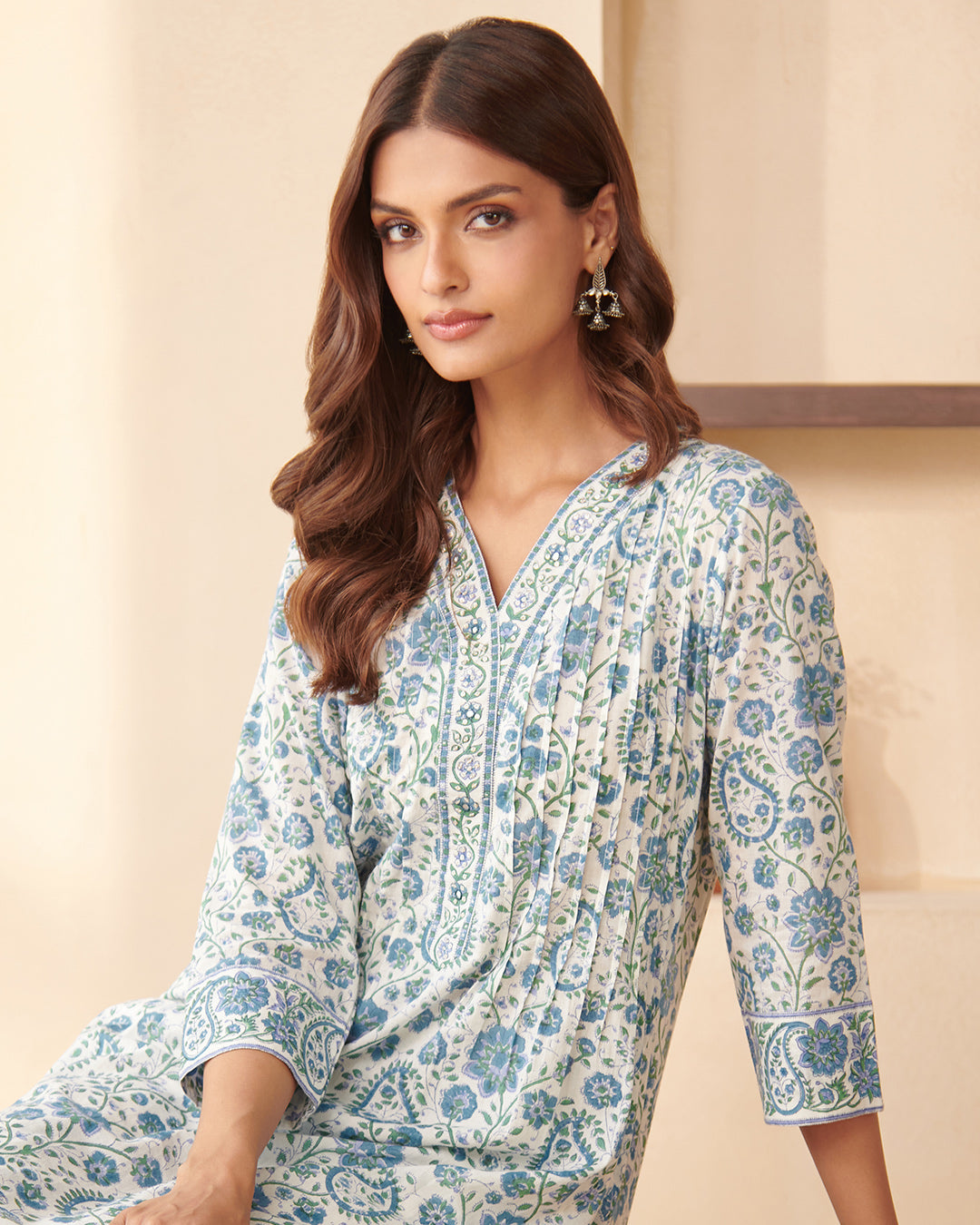
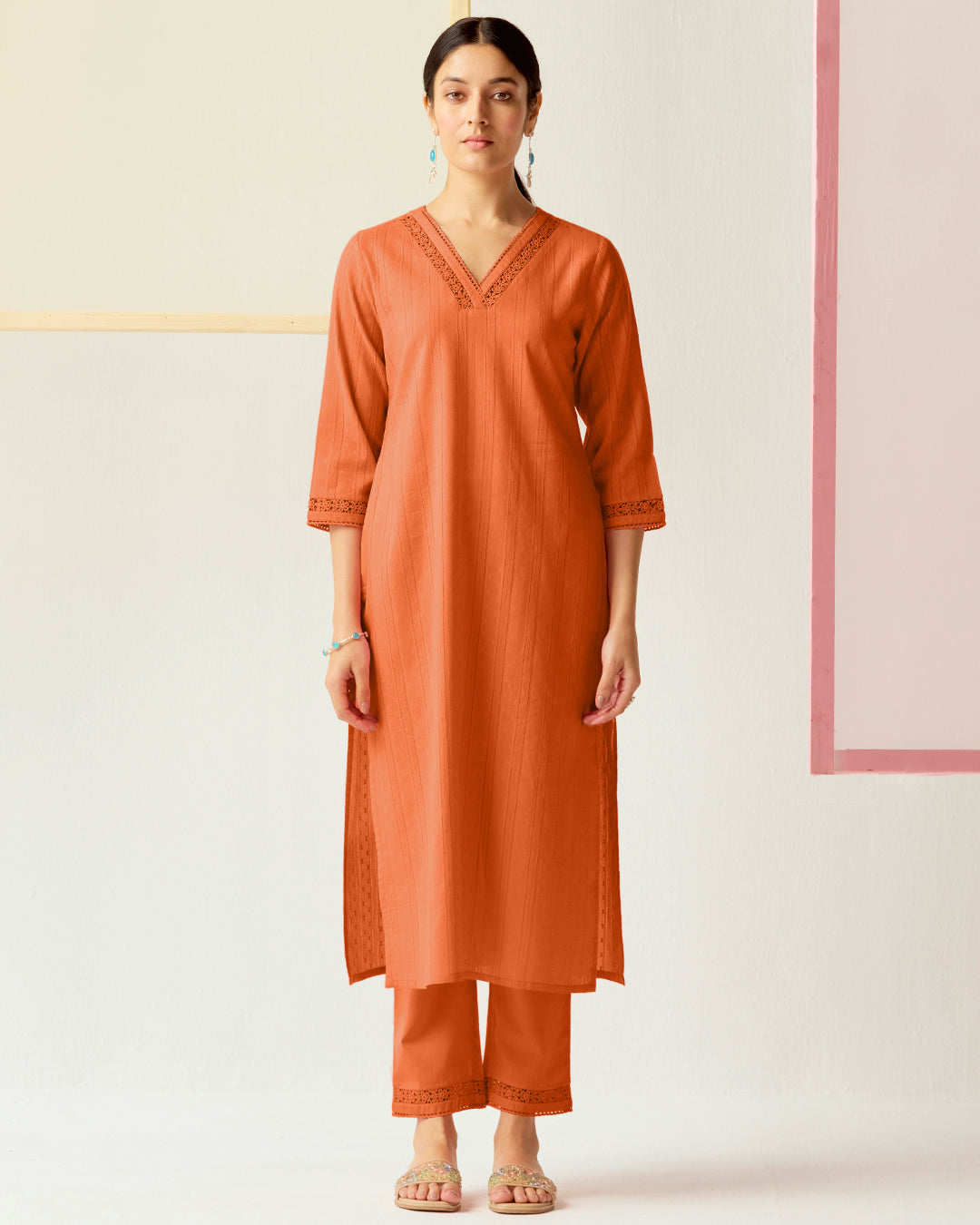
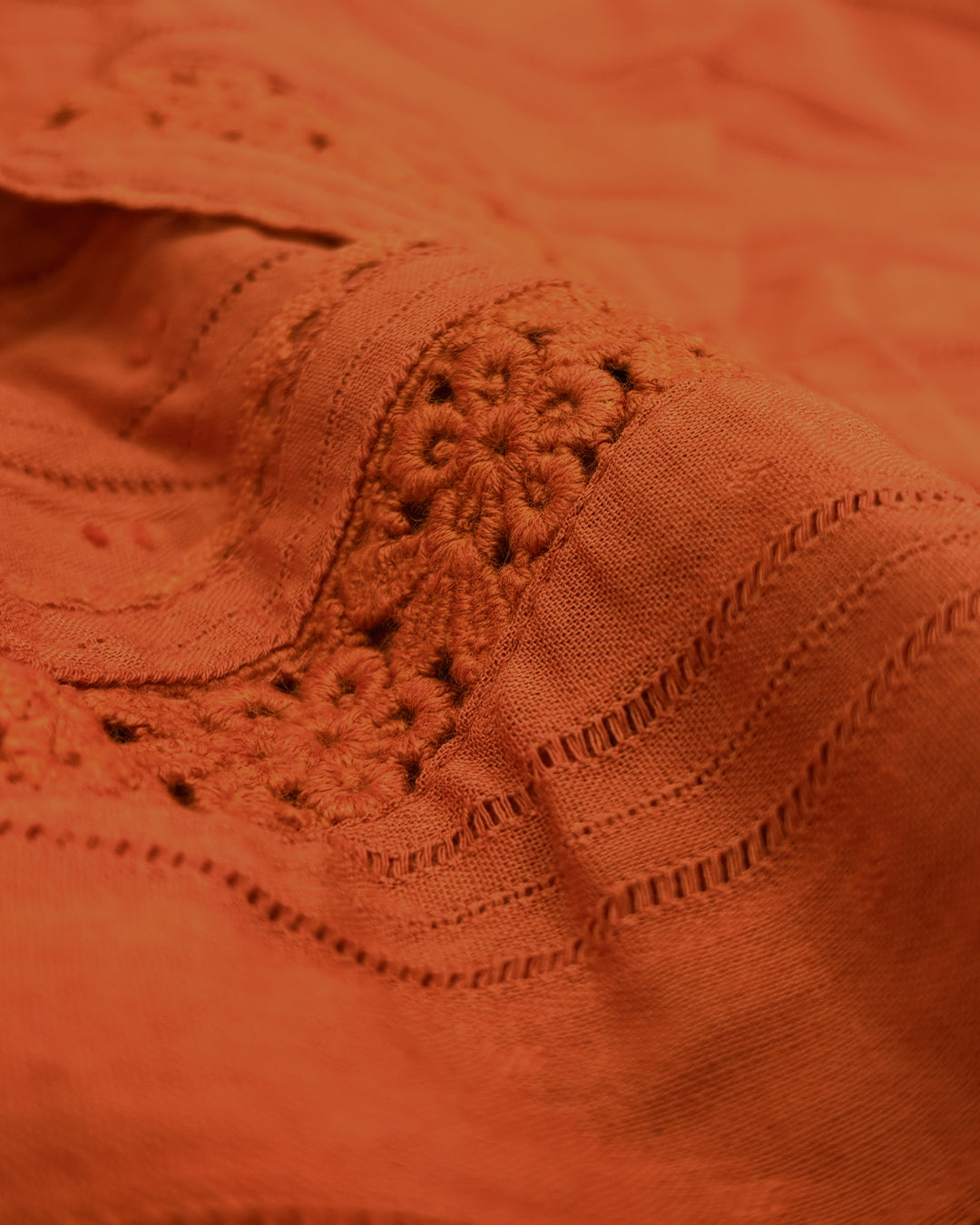
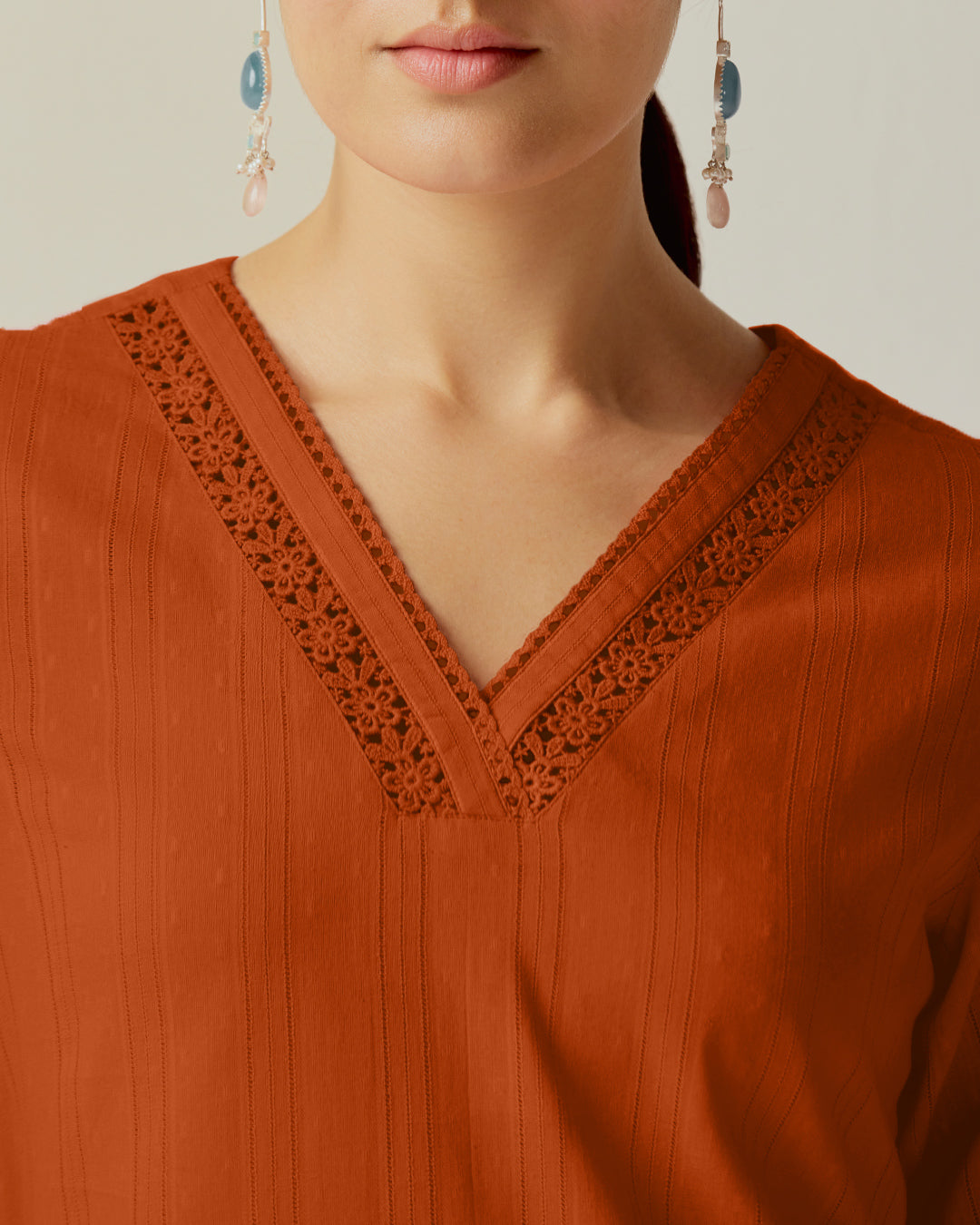
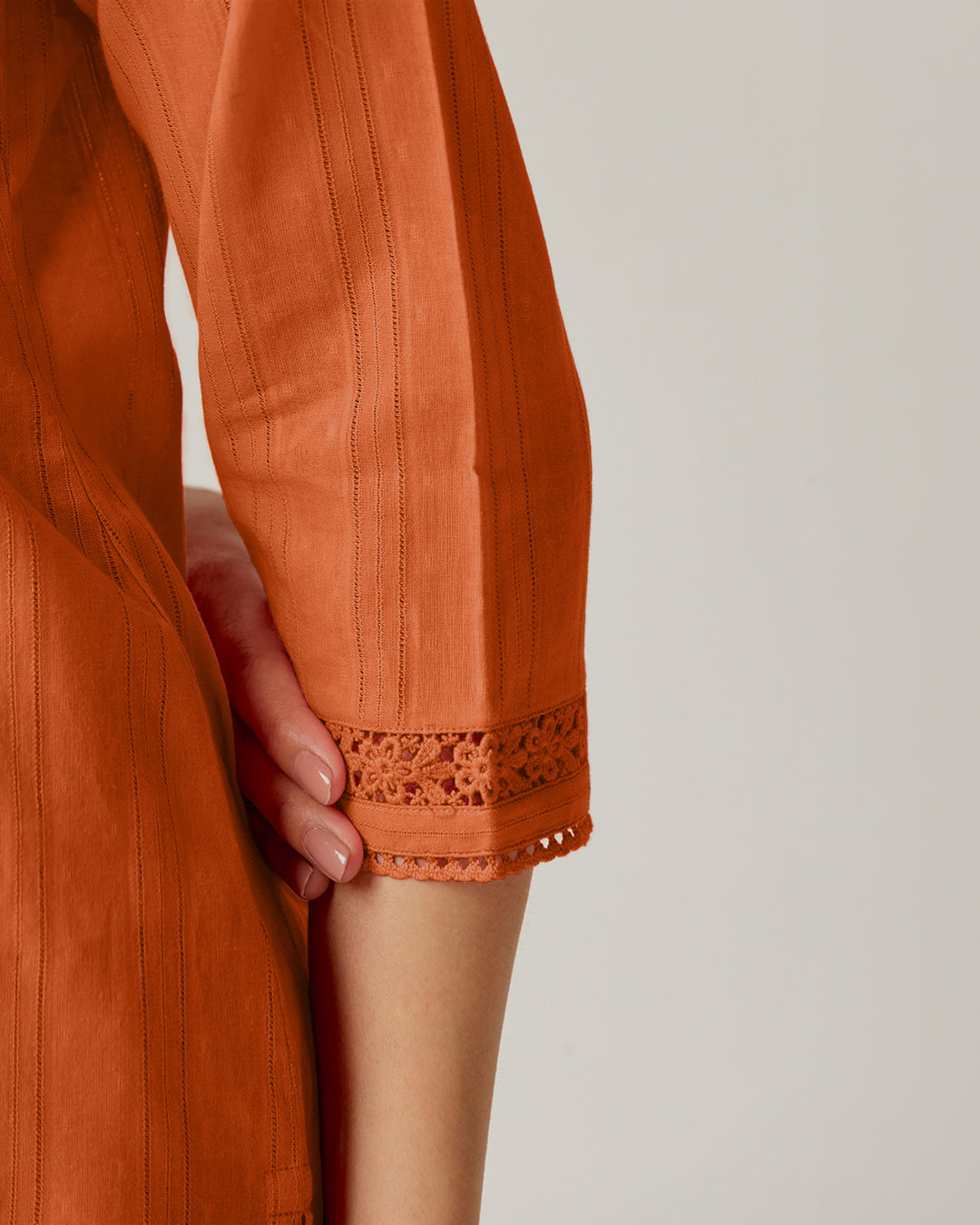
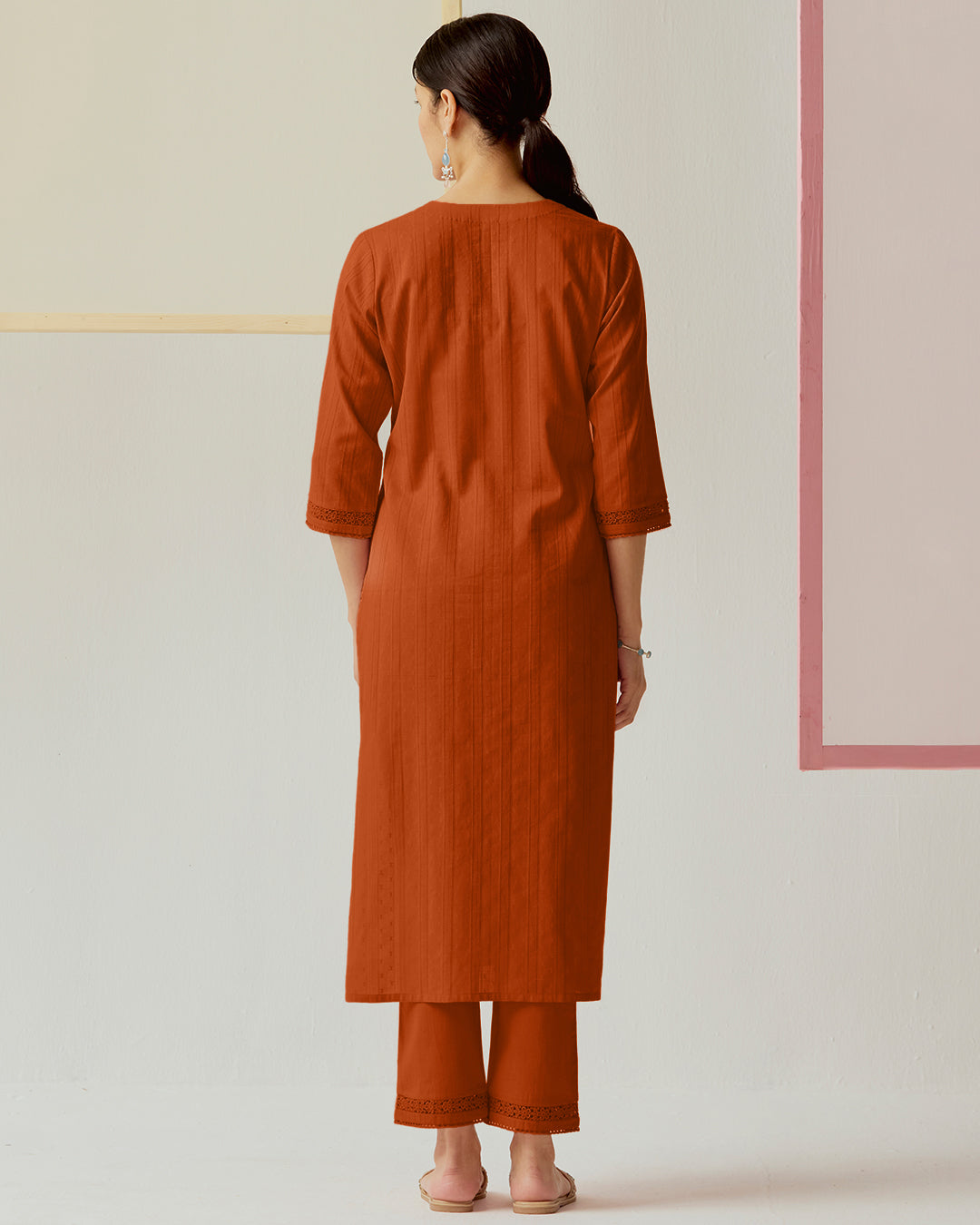
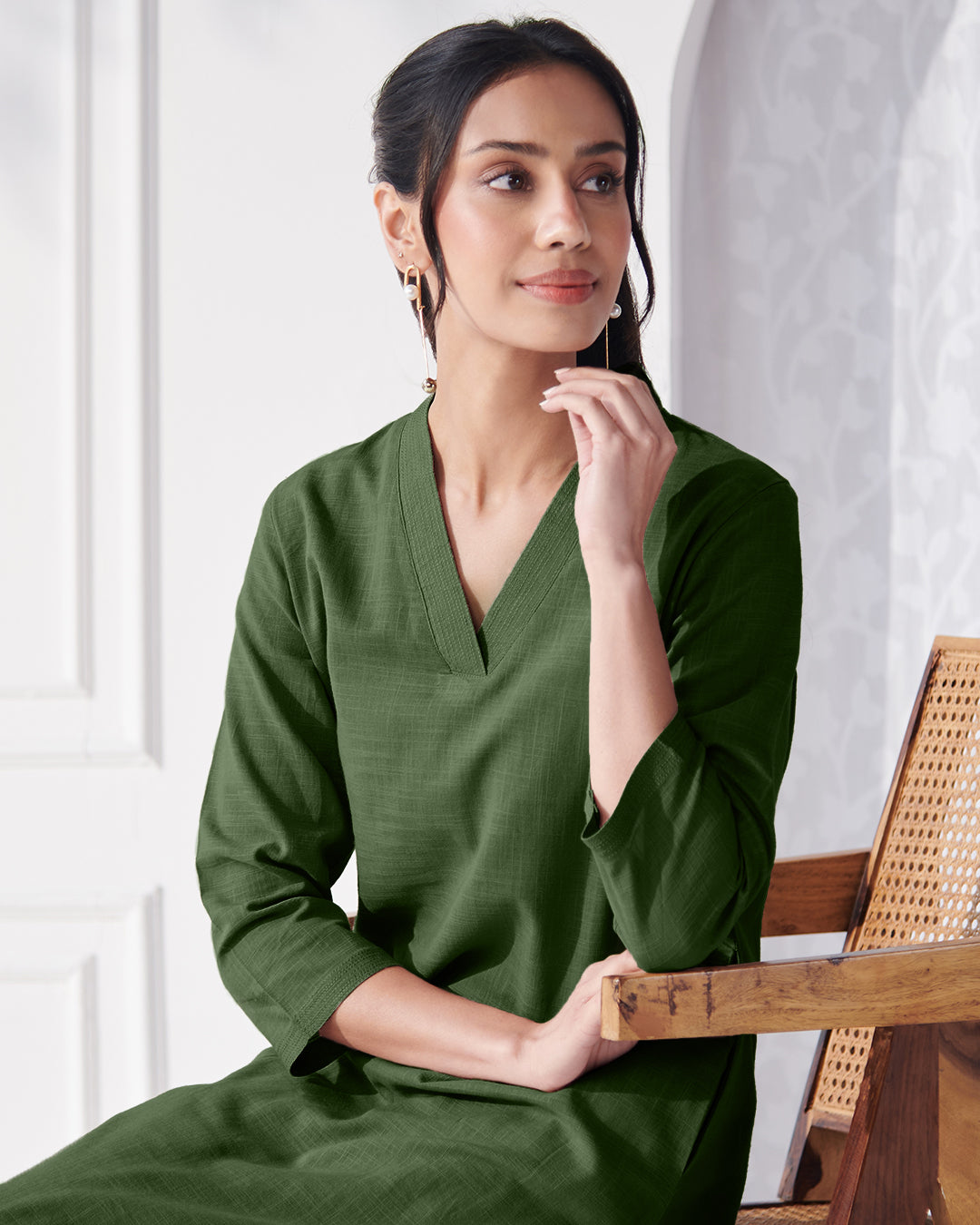
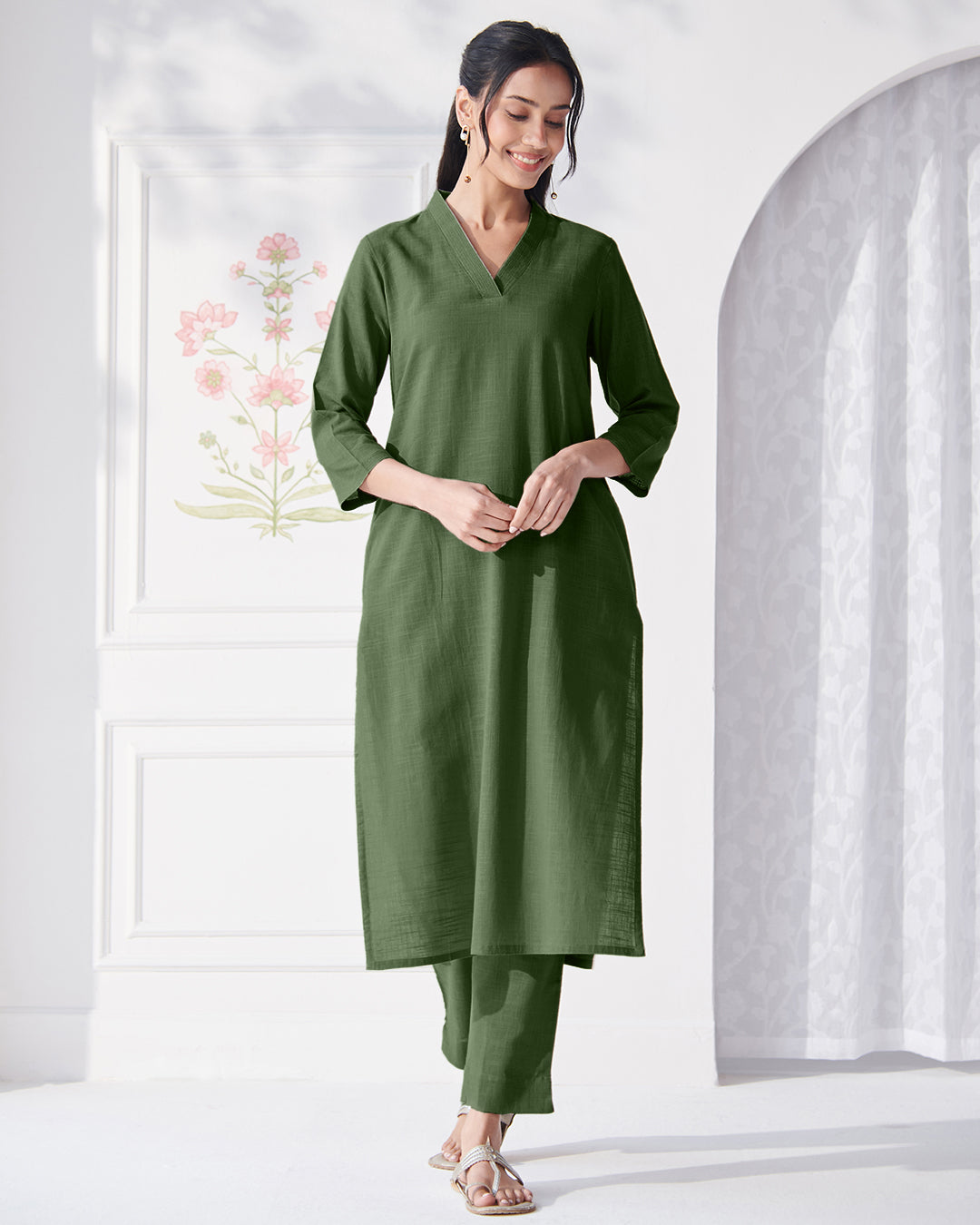
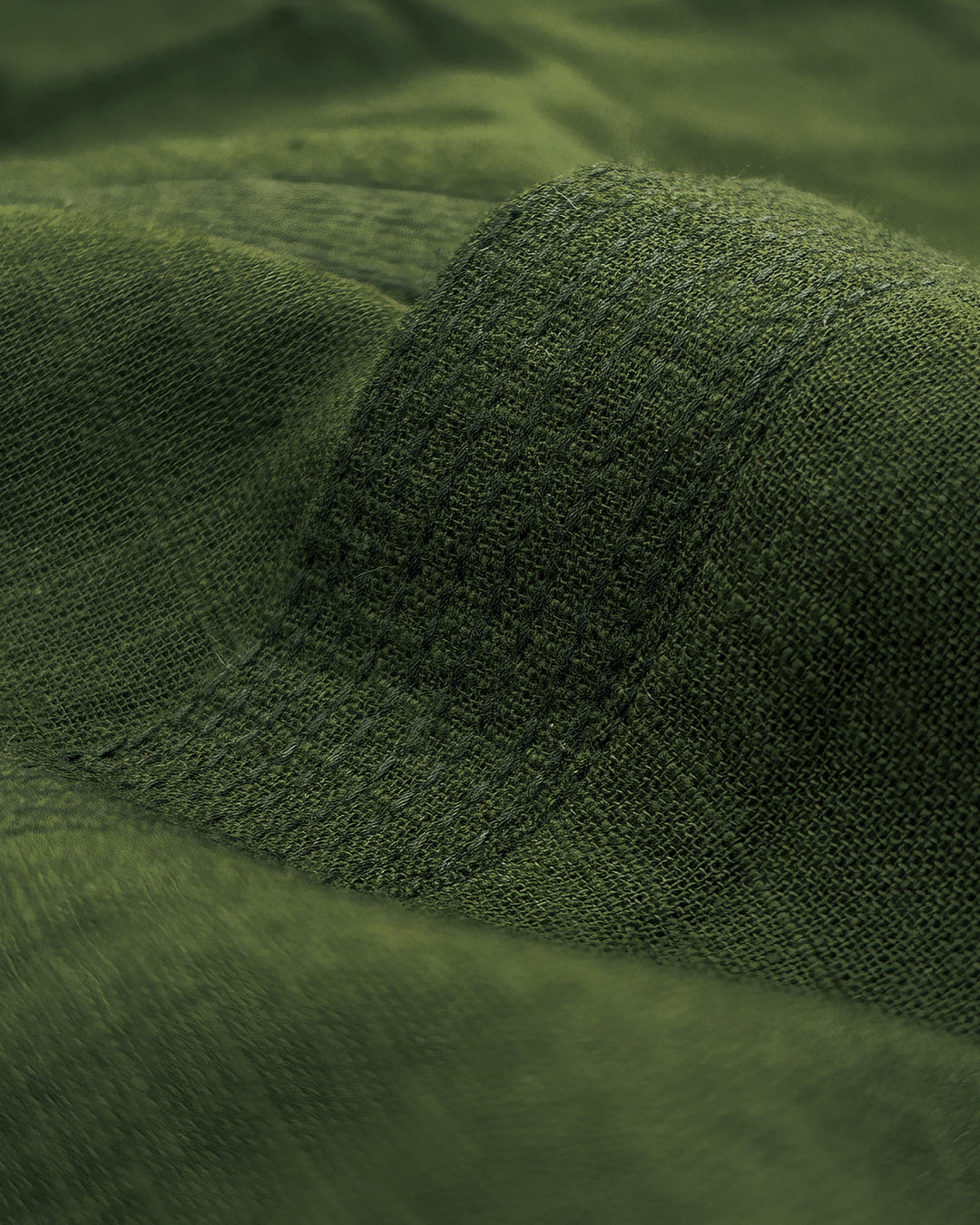
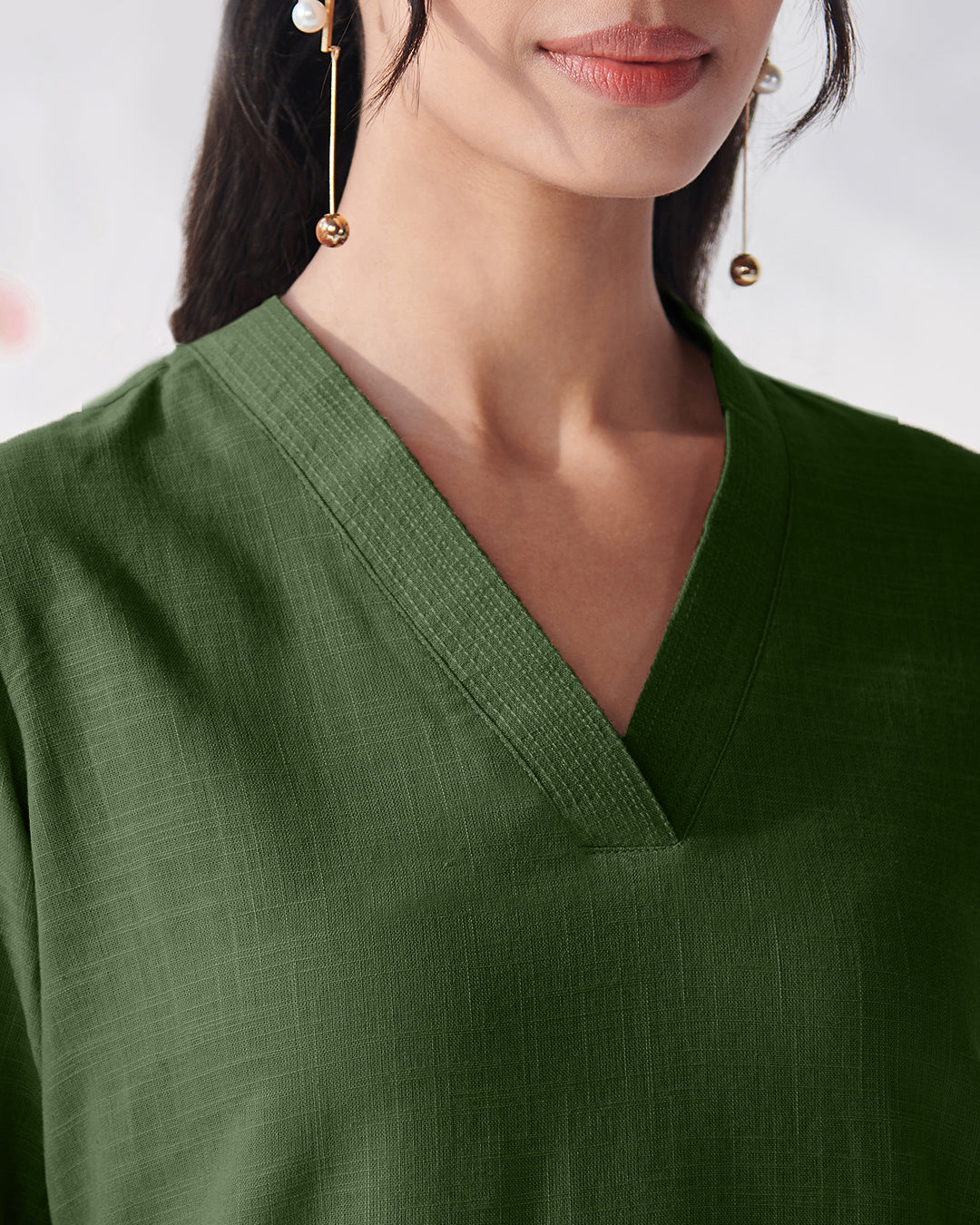
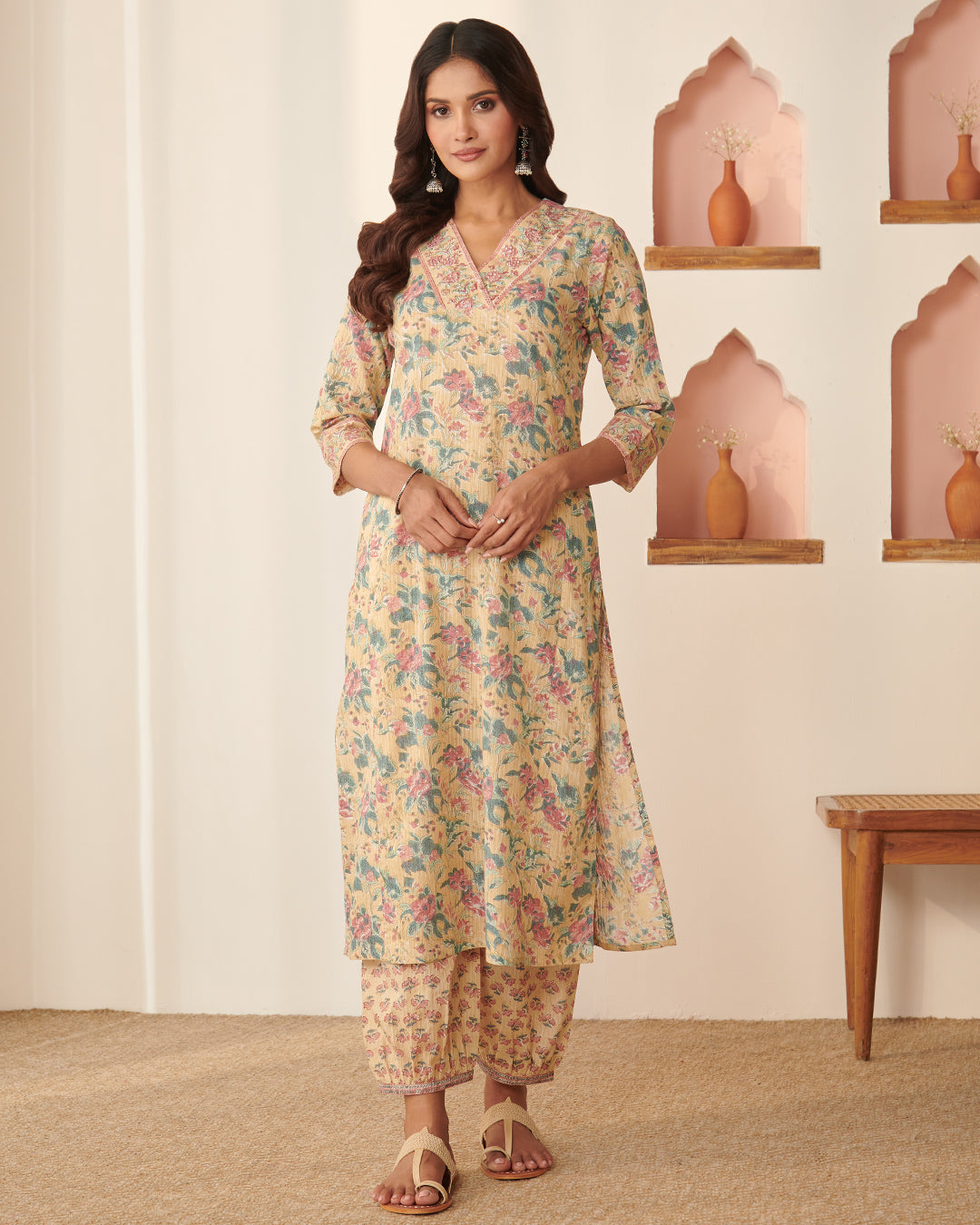
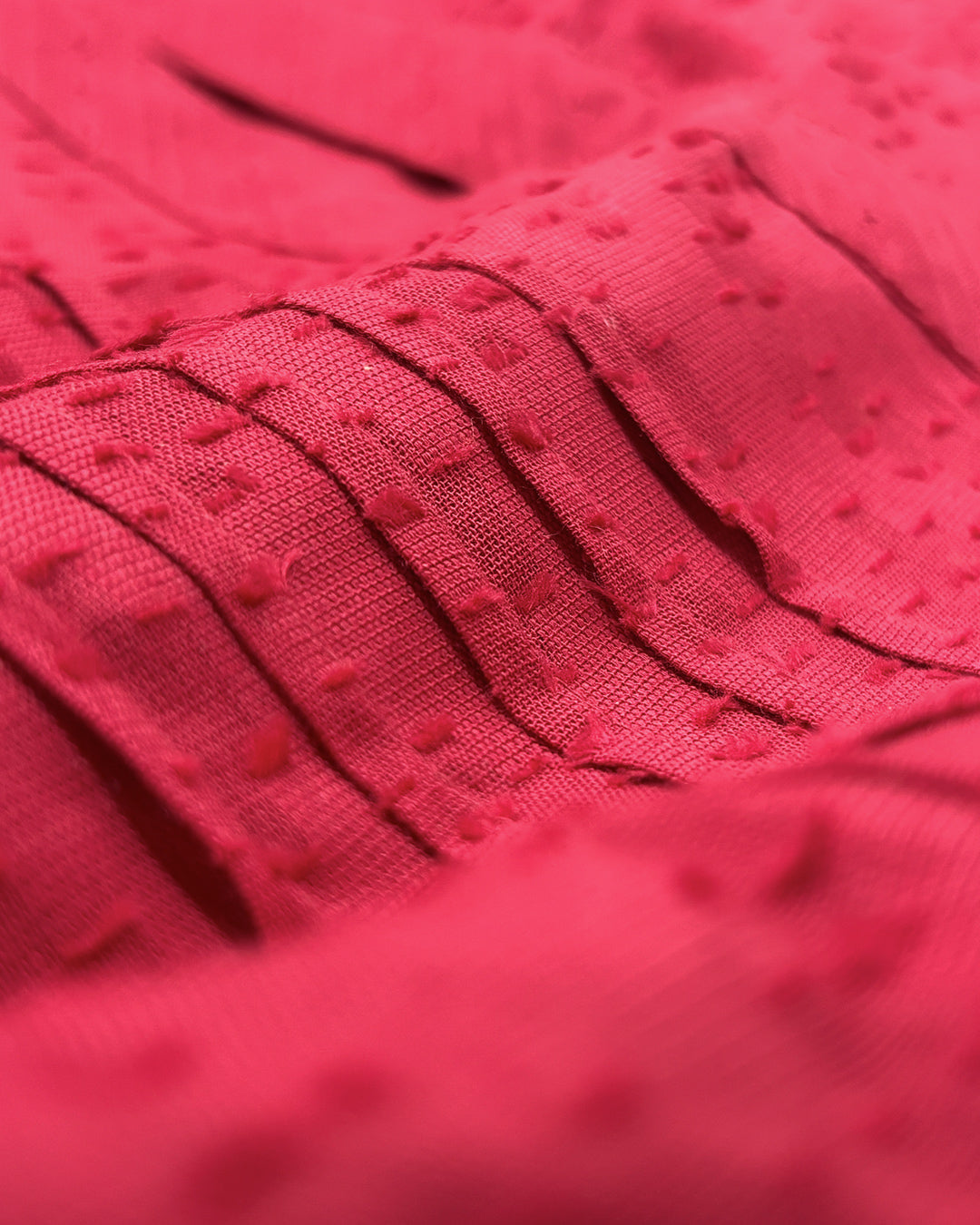
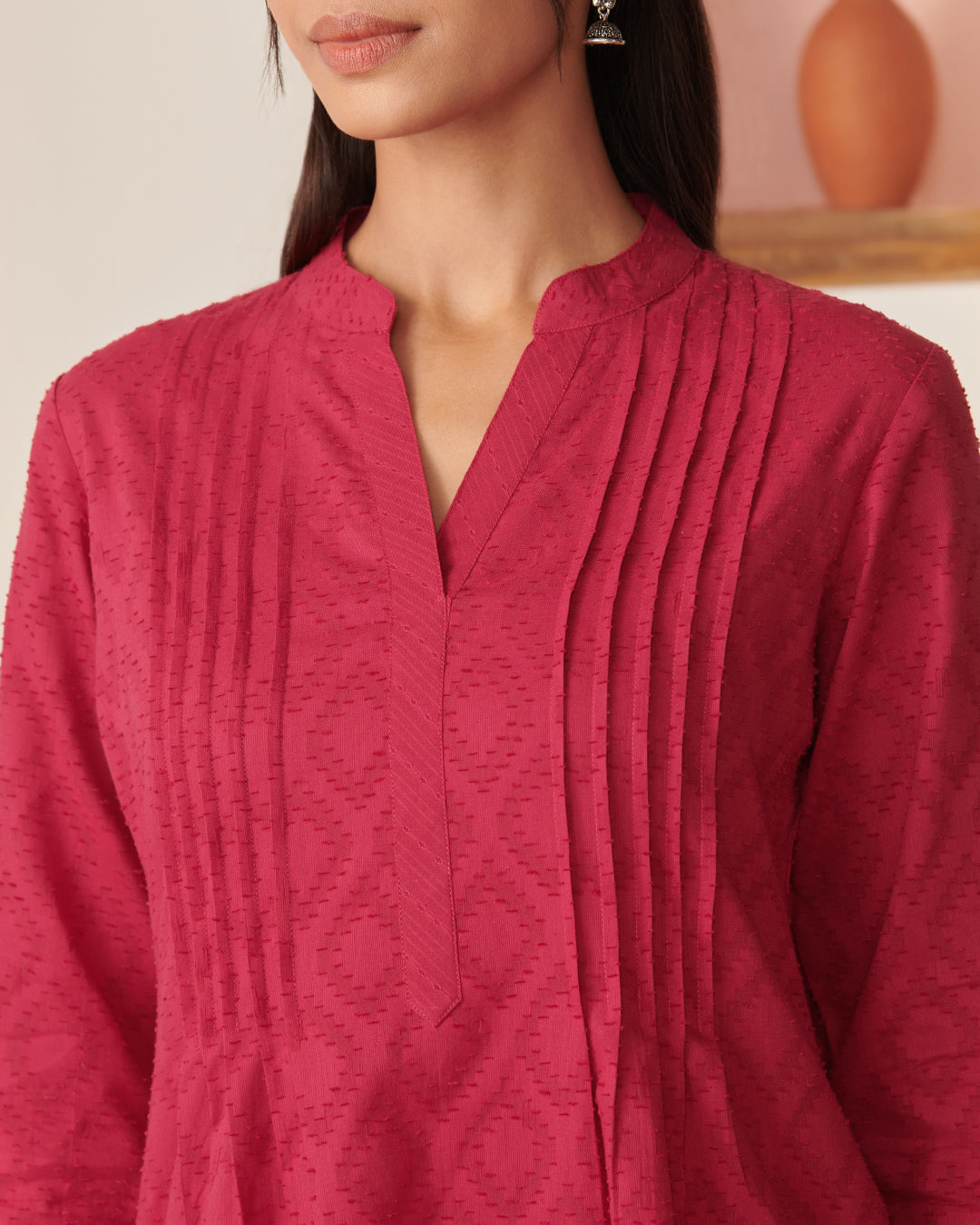
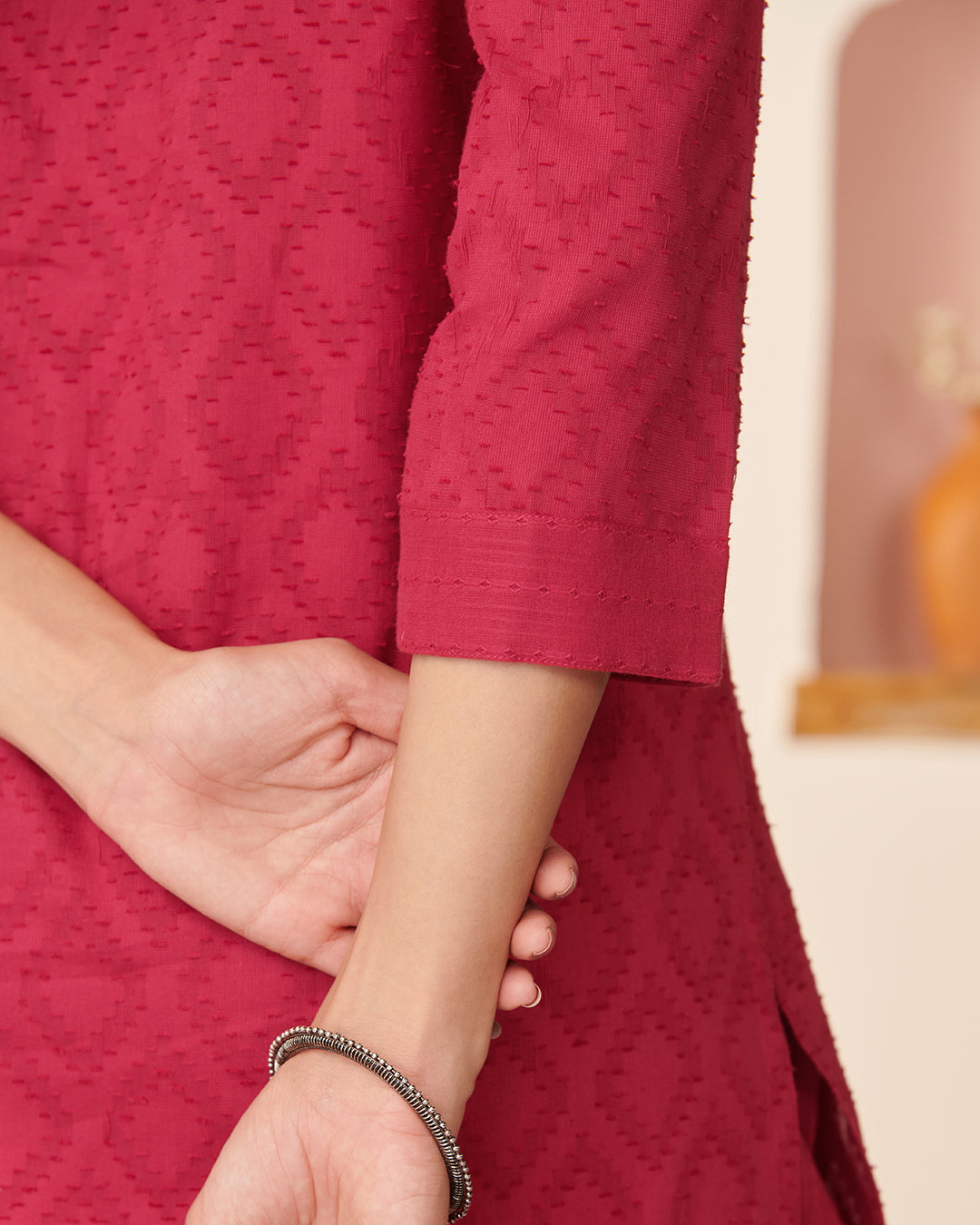
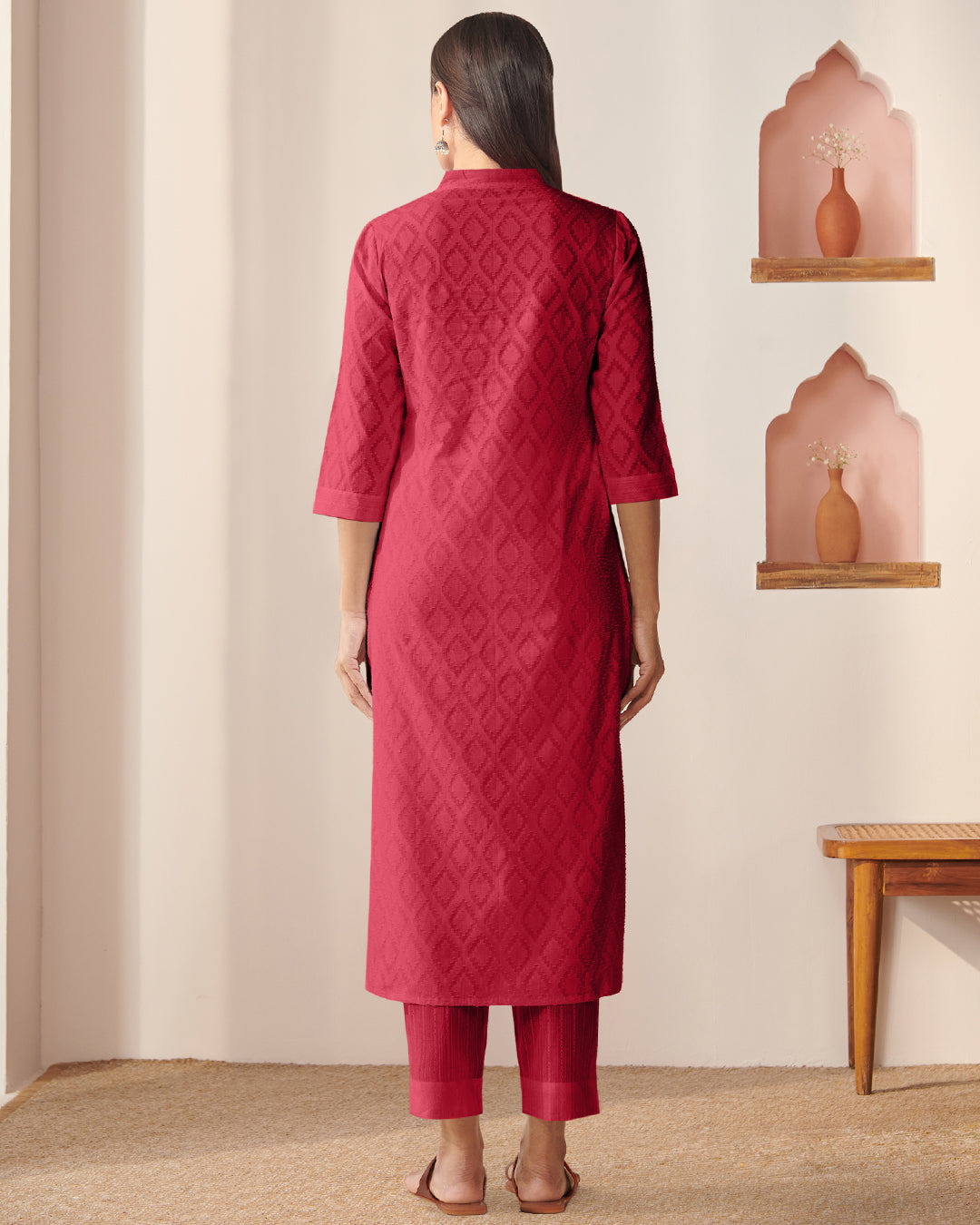
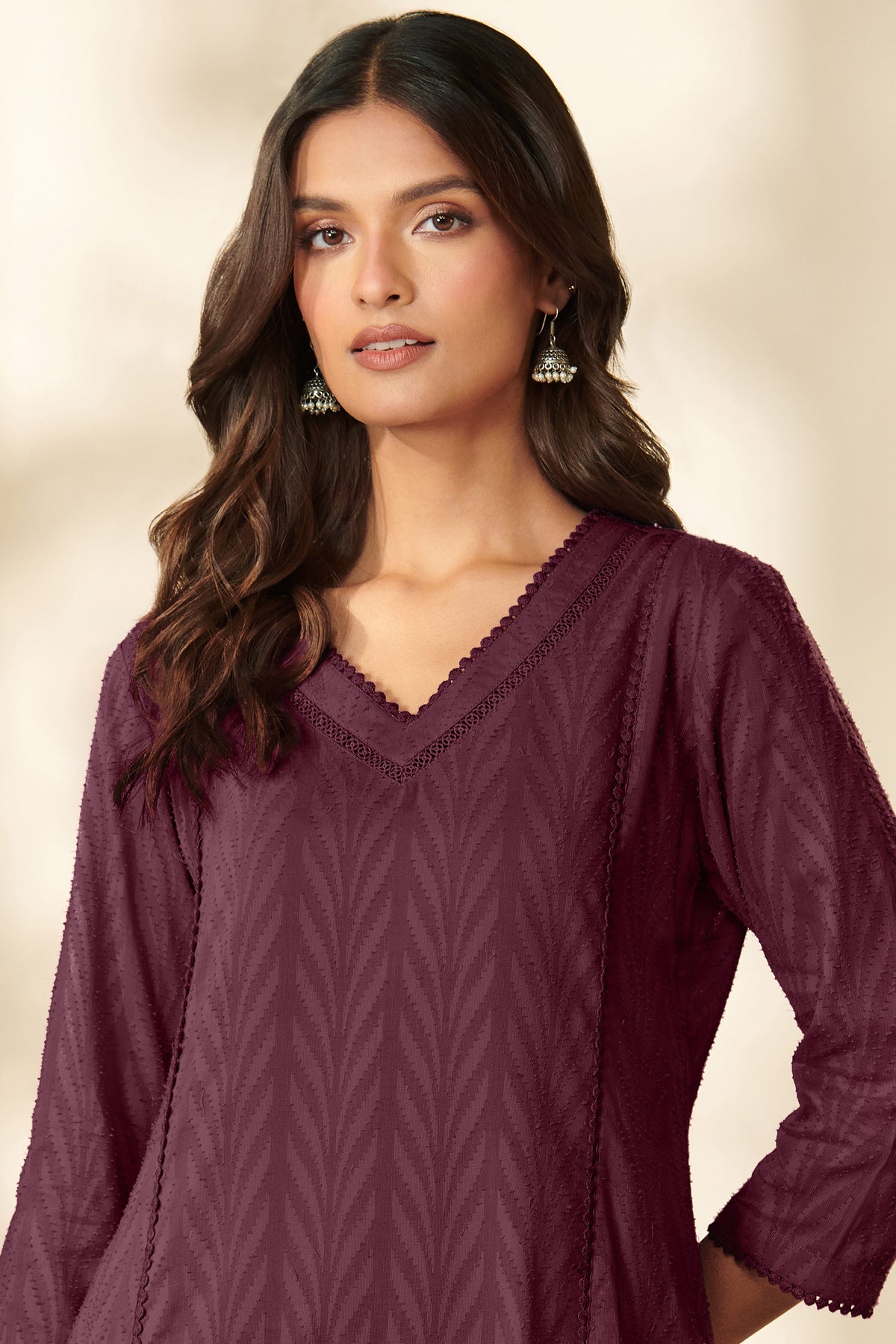
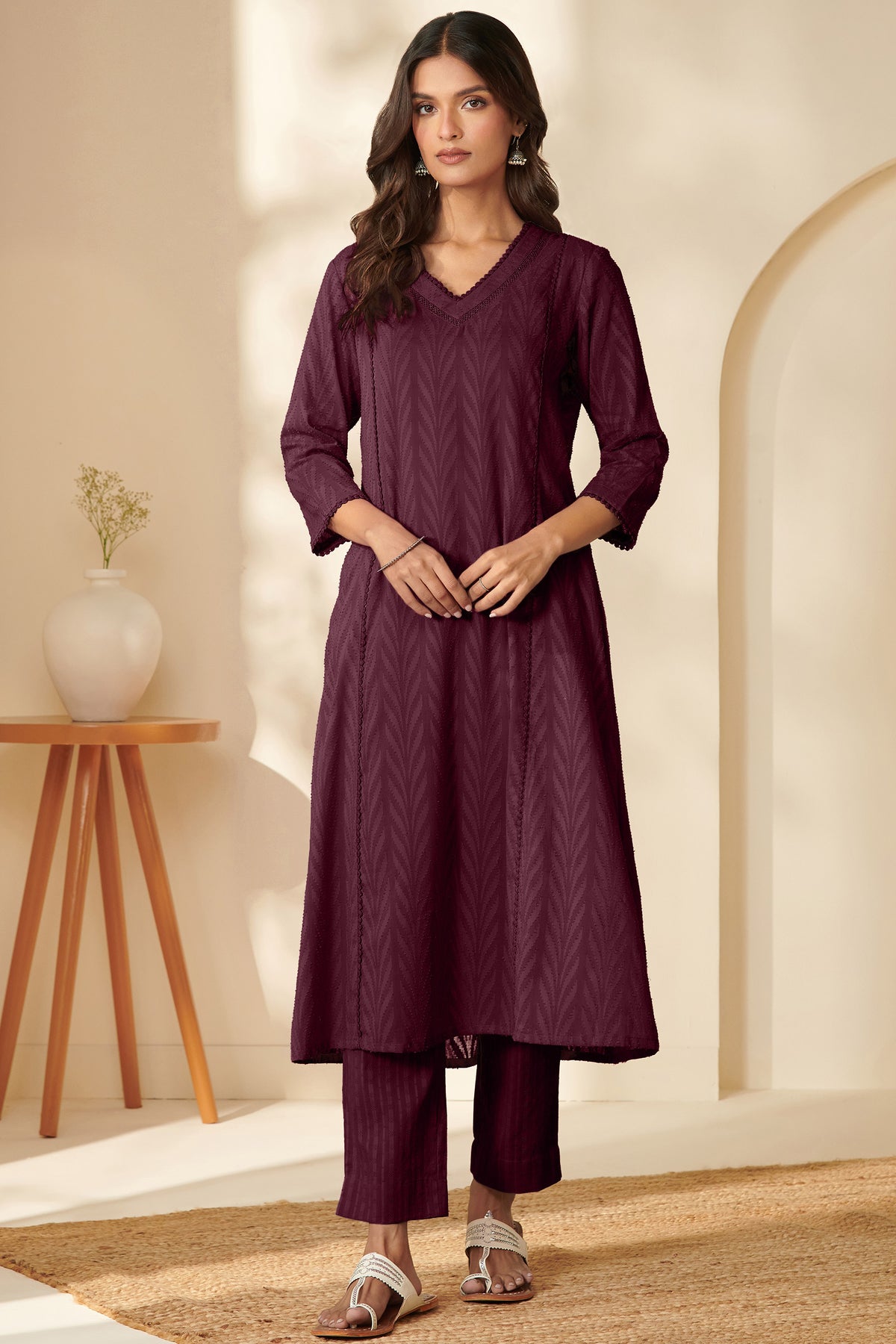
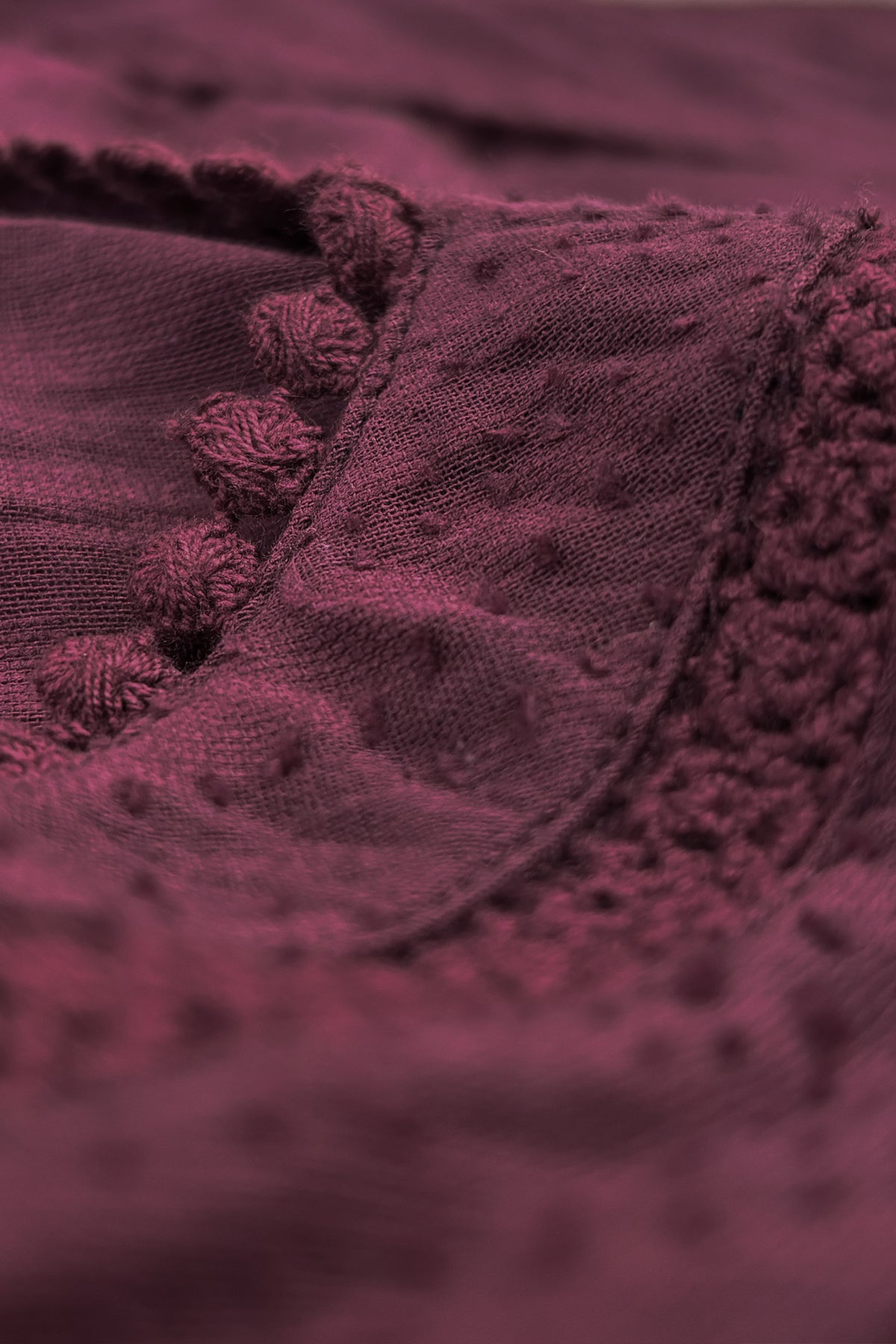
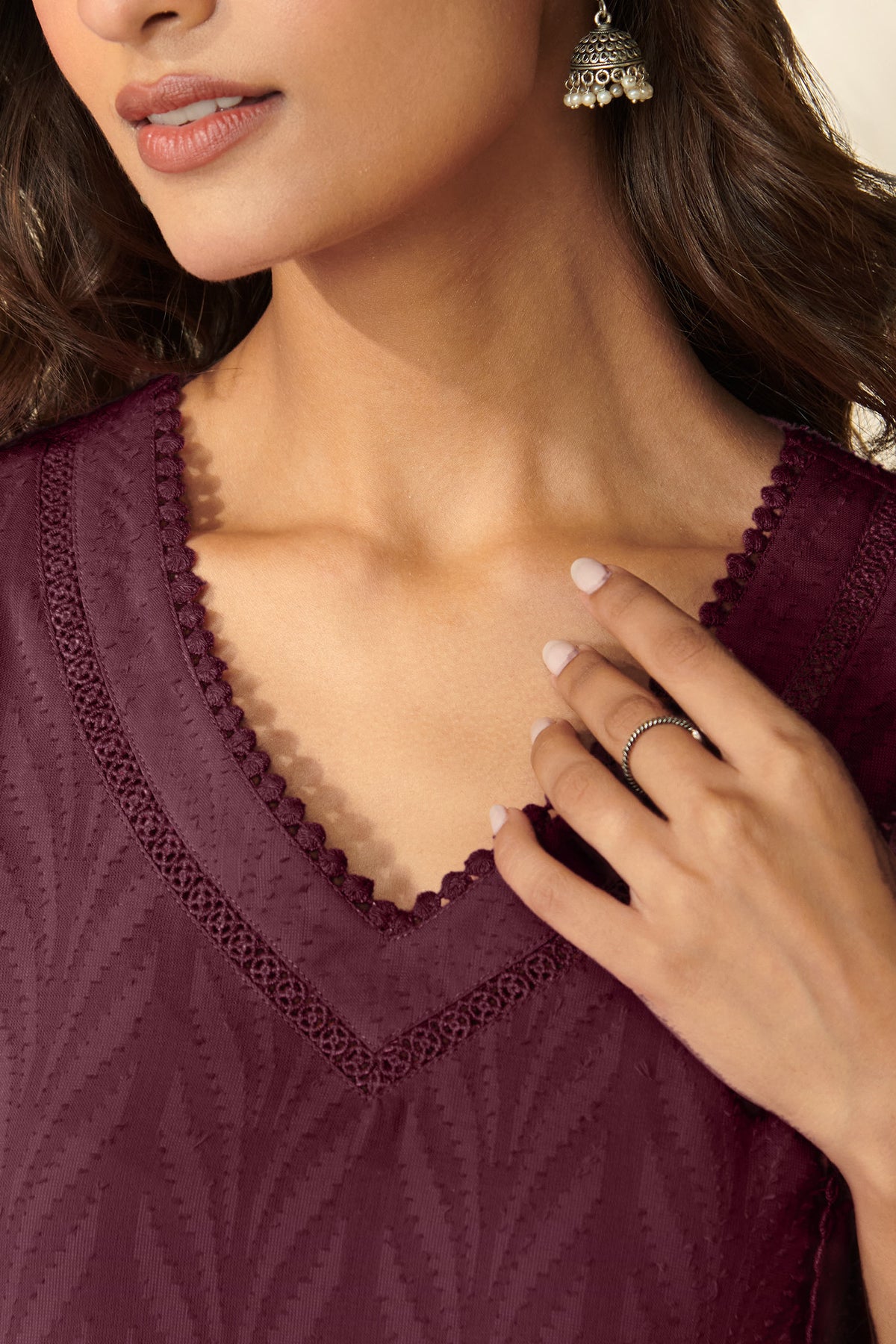
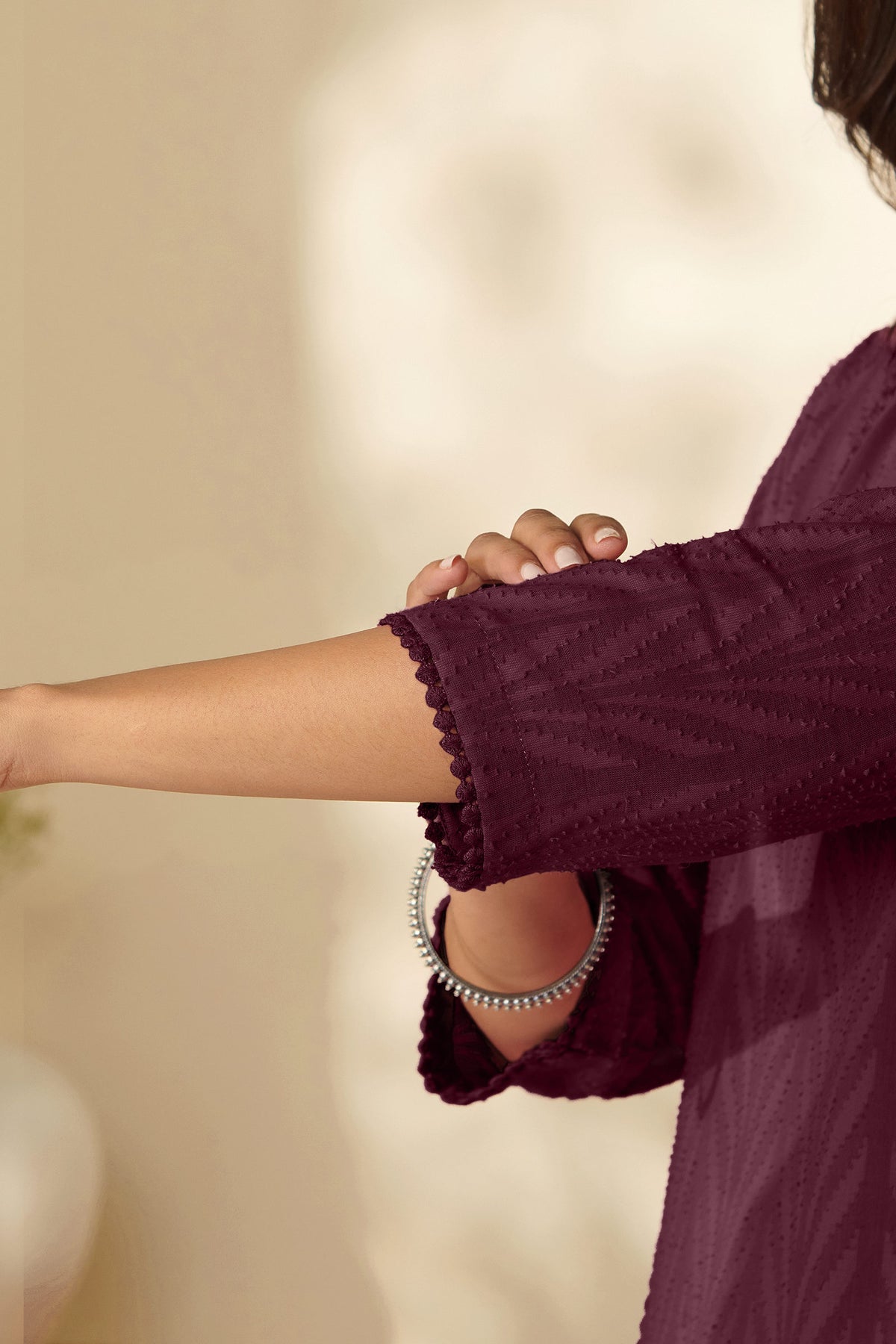
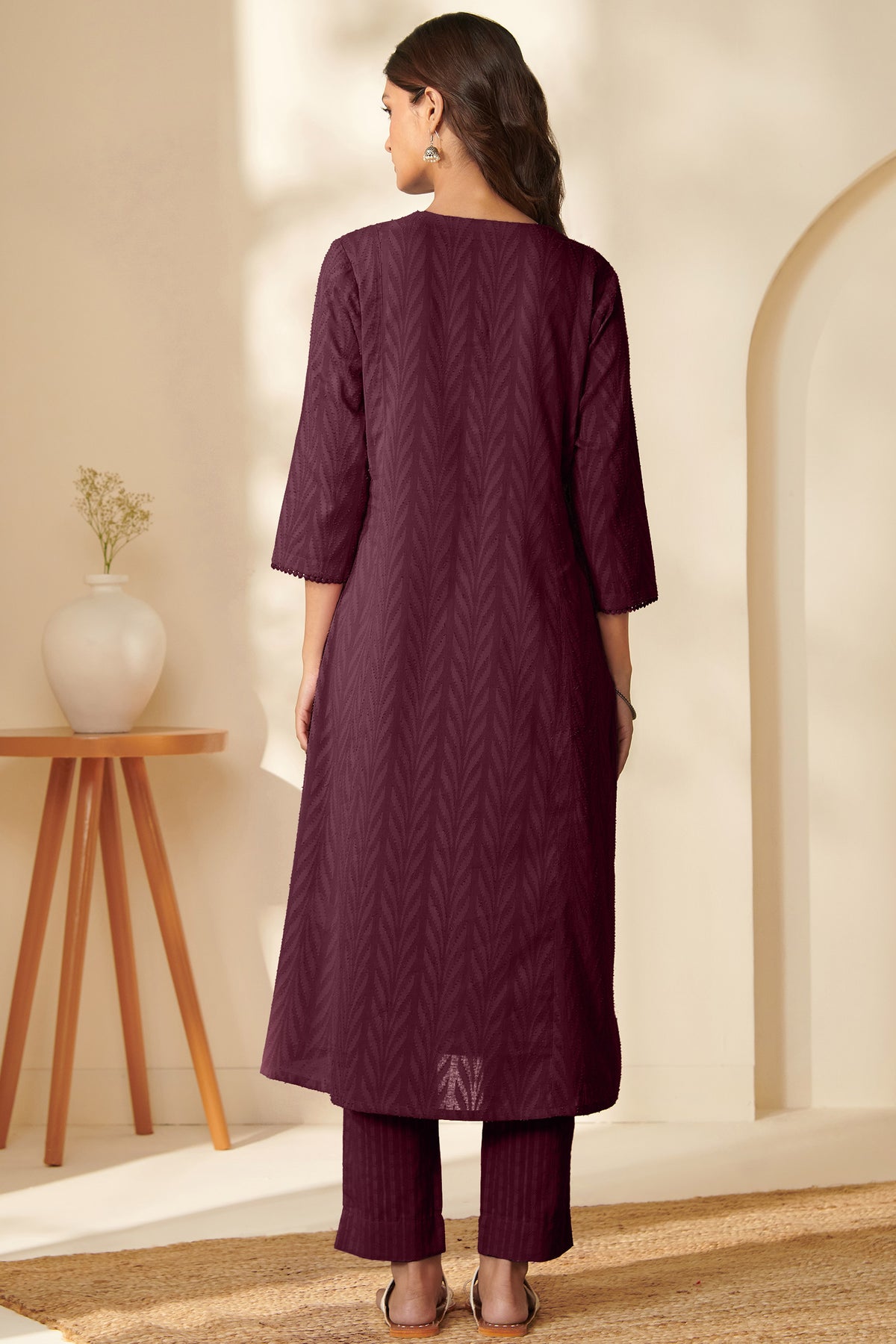
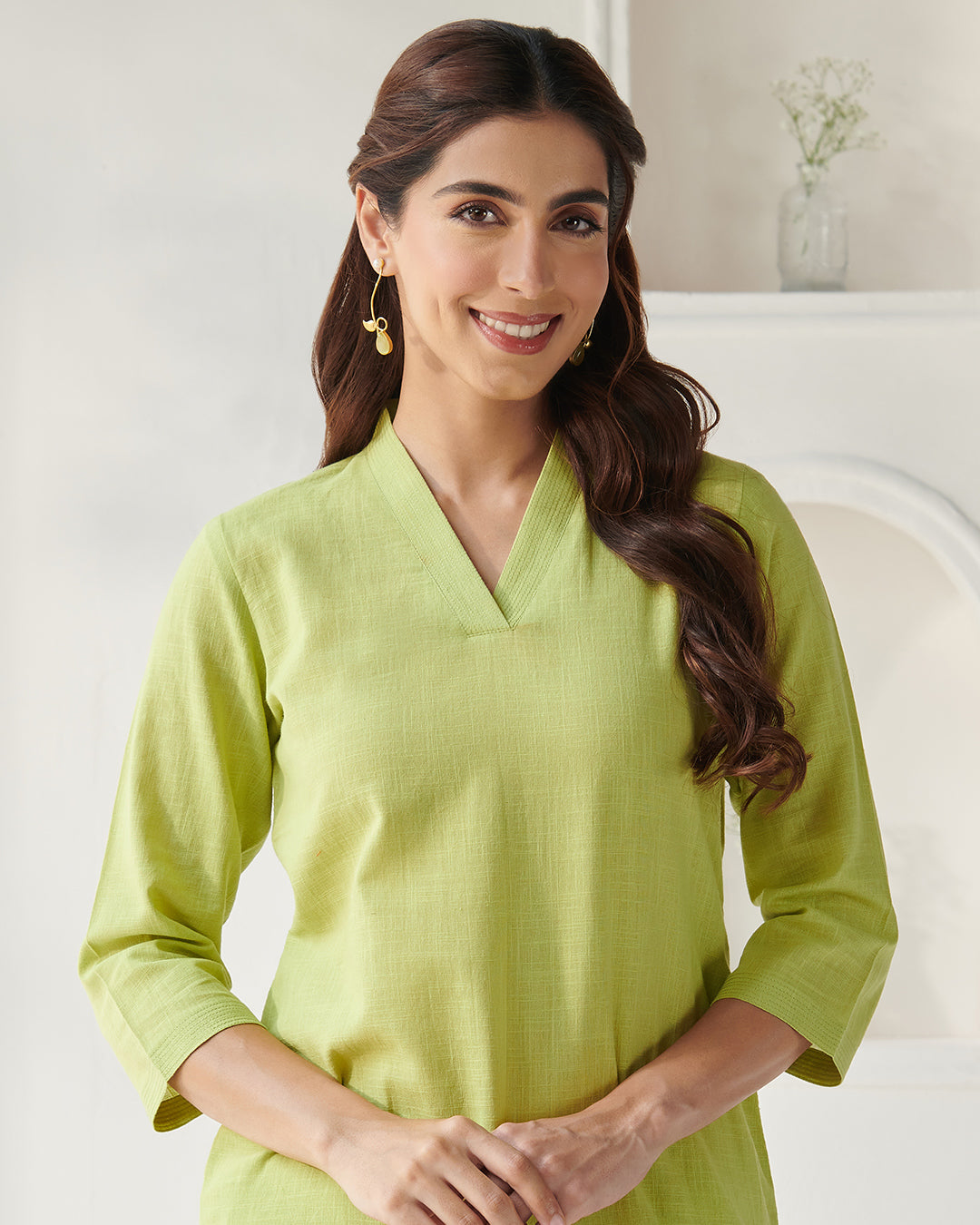
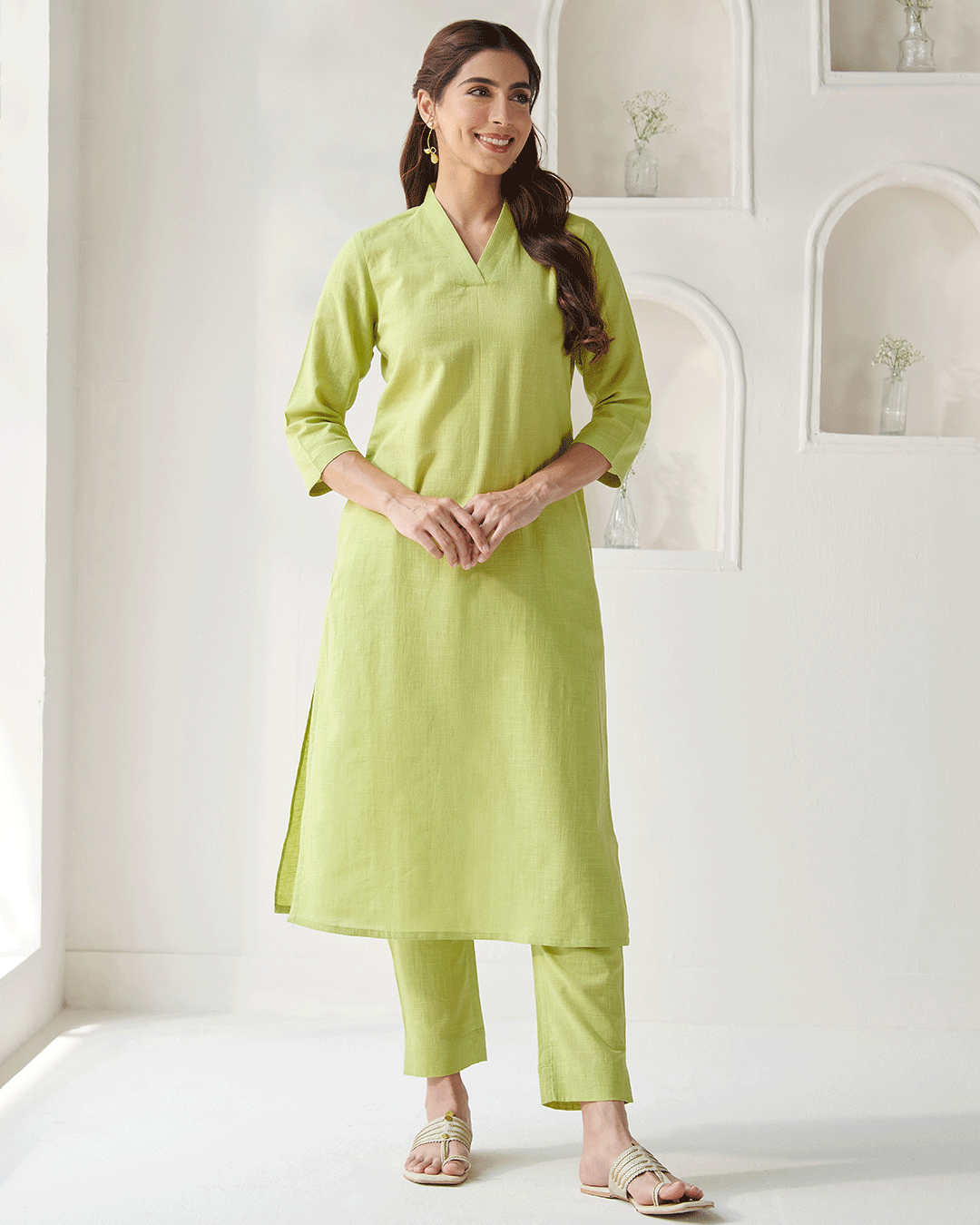


Choosing a kurta for Indian weather often begins with the fabric rather than the colour or print. Our climate can shift from dry heat to heavy humidity, sudden monsoons, and cooler winter mornings. A fabric that feels comfortable in one season may feel too heavy in another.
For everyday Indian dressing, breathable natural fabrics tend to work especially well. Cotton remains a dependable choice, while linen and cotton-linen blends offer their own advantages. The right fabric should feel light on the skin, allow air to move, and remain comfortable through the hours you actually spend wearing it.
What Makes a Kurta Fabric Suitable for Indian Weather?

A good kurta fabric does more than look beautiful. It should respond to the climate and to the way we move through the day.
Breathability and Airflow
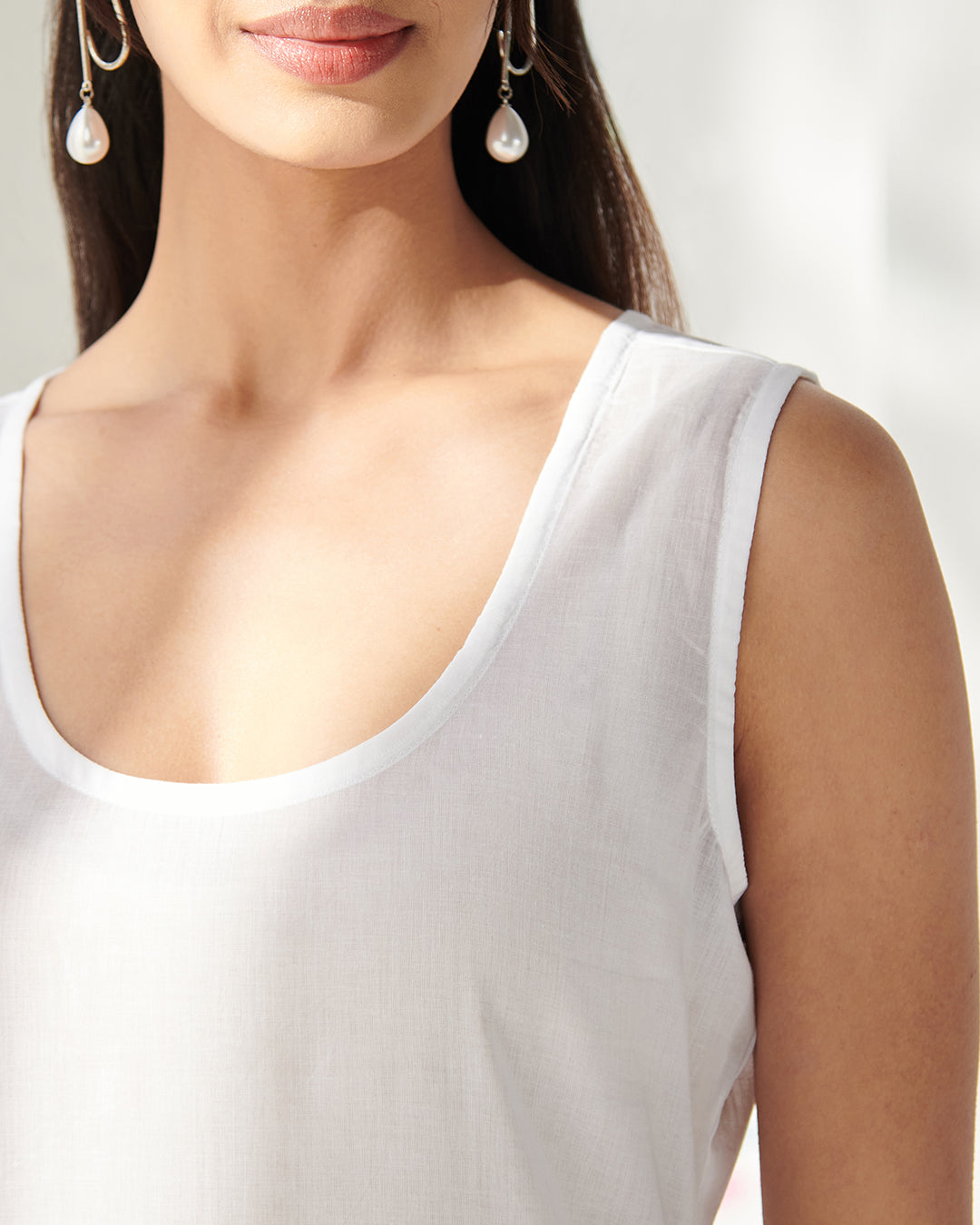
Breathable fabrics allow air to circulate between the skin and the garment. This matters most during hot weather, when a close or heavy fabric can quickly become uncomfortable. Cotton and linen are valued for this very reason. They feel airy without compromising the ease and structure of a kurta.
Moisture Absorption and Sweat Management
In warm and humid weather, fabric comes into direct contact with perspiration. Cotton absorbs moisture well and feels comfortable against the skin, while linen allows heat and moisture to escape easily. This makes both fabrics practical choices for long summer days.
Weight and Ease of Movement
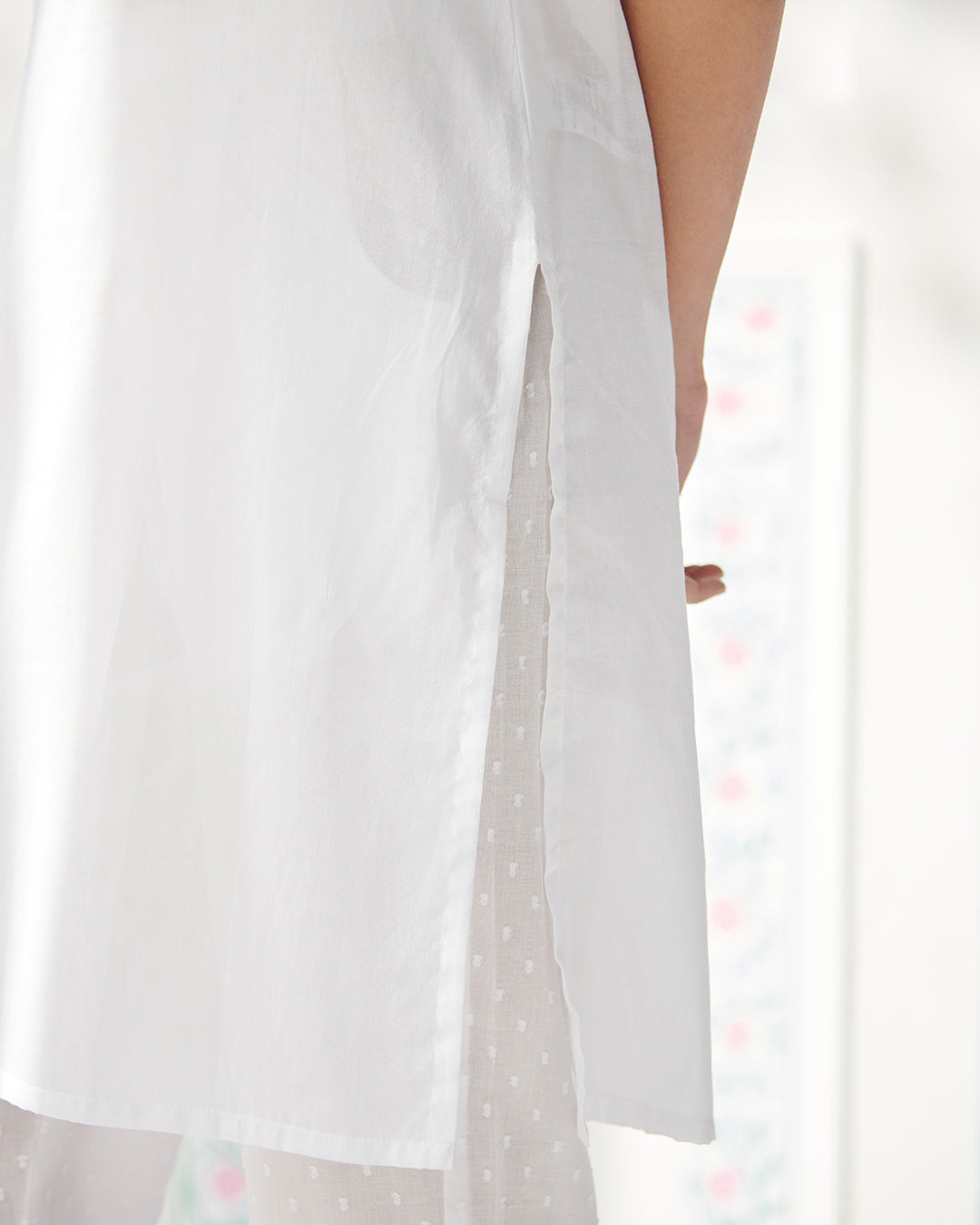
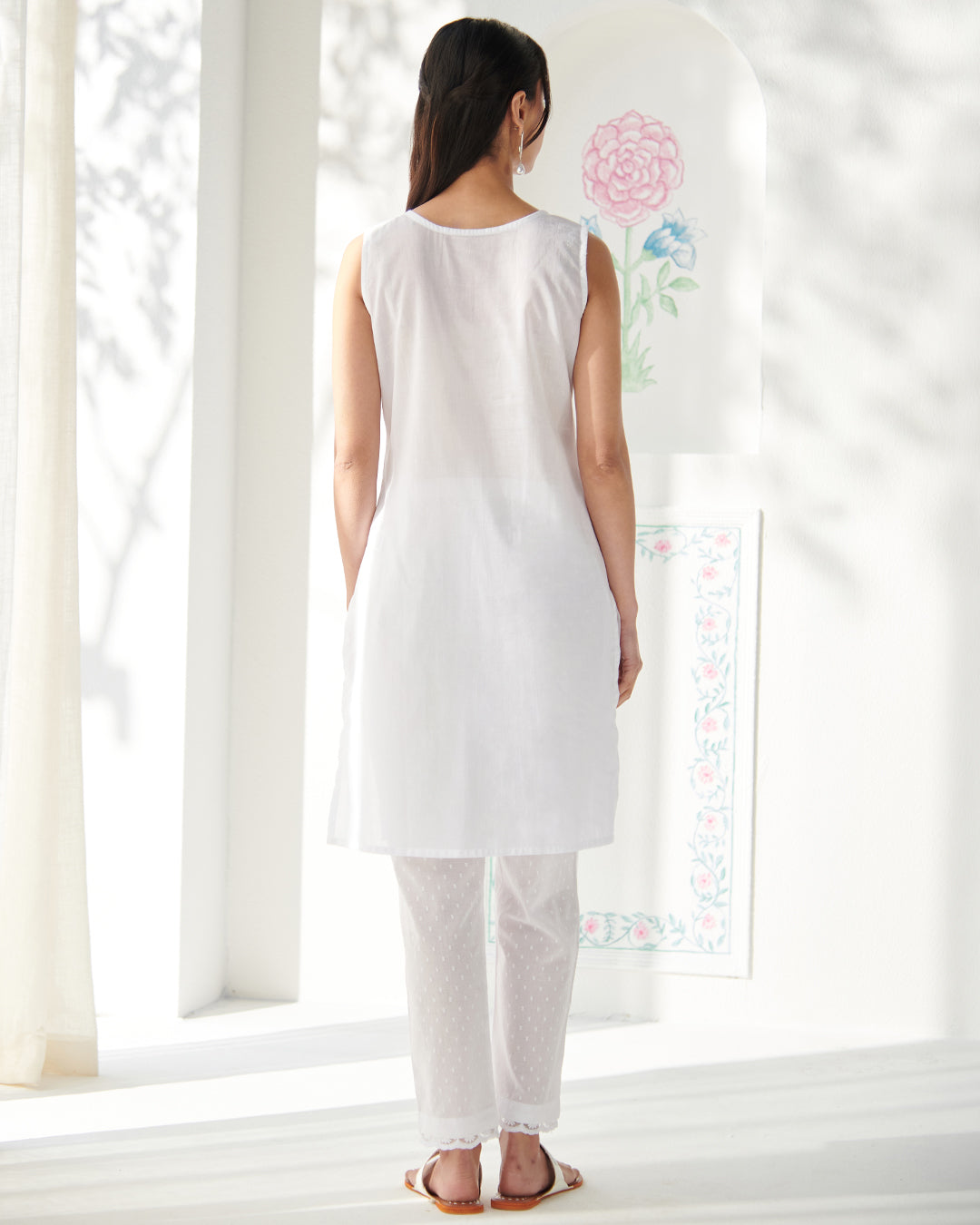
A kurta should not feel like something we have to adjust throughout the day. Lightweight fabrics move naturally with the body and are especially useful for commuting, travelling, or spending long hours outdoors. The fall should feel easy rather than stiff or restrictive.
Comfort Across Long Hours
The best fabric is often the one we stop noticing after putting it on. For daily wear, softness, breathability, and ease matter as much as appearance. A well-chosen fabric should remain comfortable from the first morning cup of tea to the end of a long day.
Cotton Kurtas, The Best All-Rounder for Indian Summers
Cotton has earned its place in Indian wardrobes through generations of practical dressing. It is breathable, absorbent, relatively easy to care for, and comfortable in warm weather.
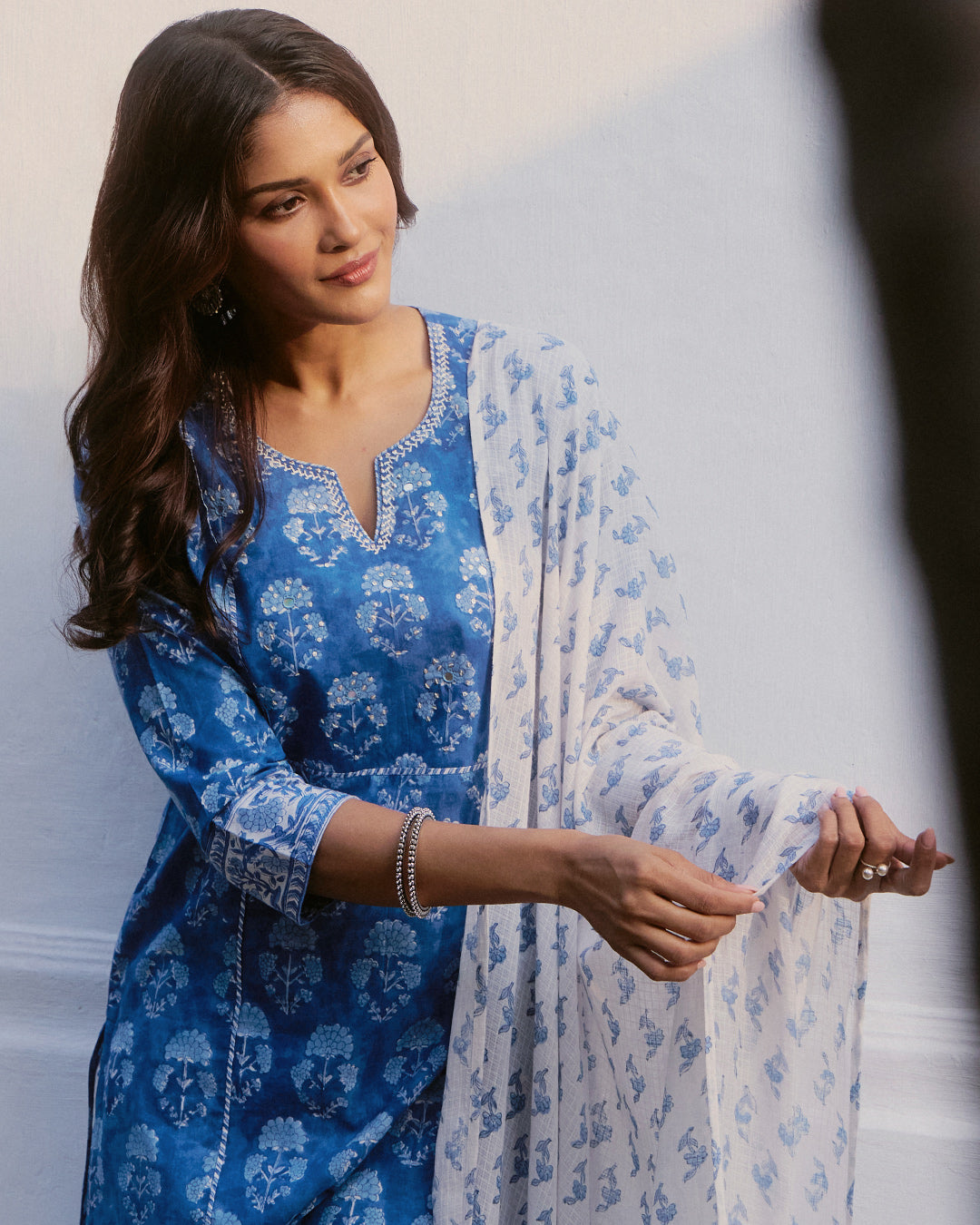
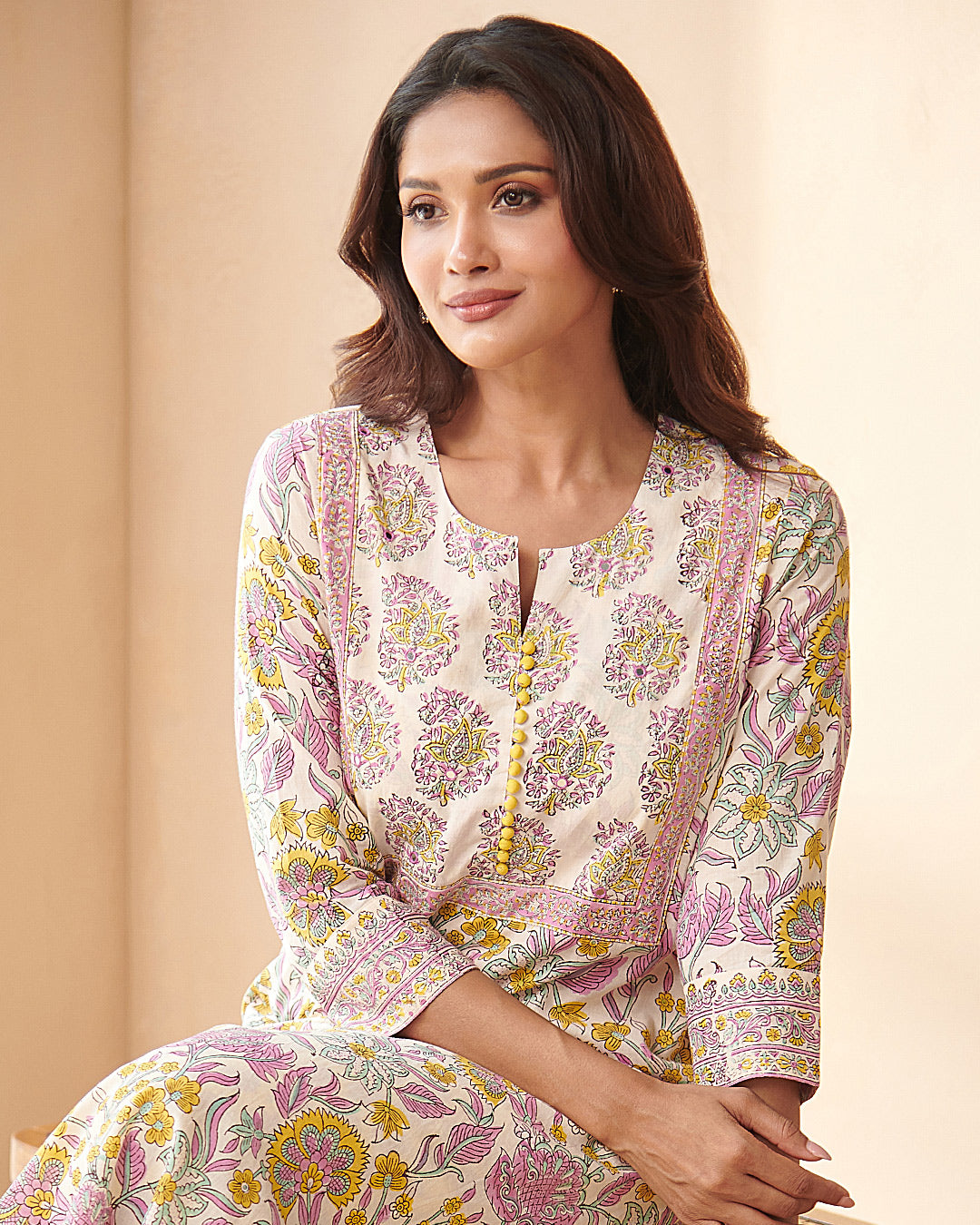
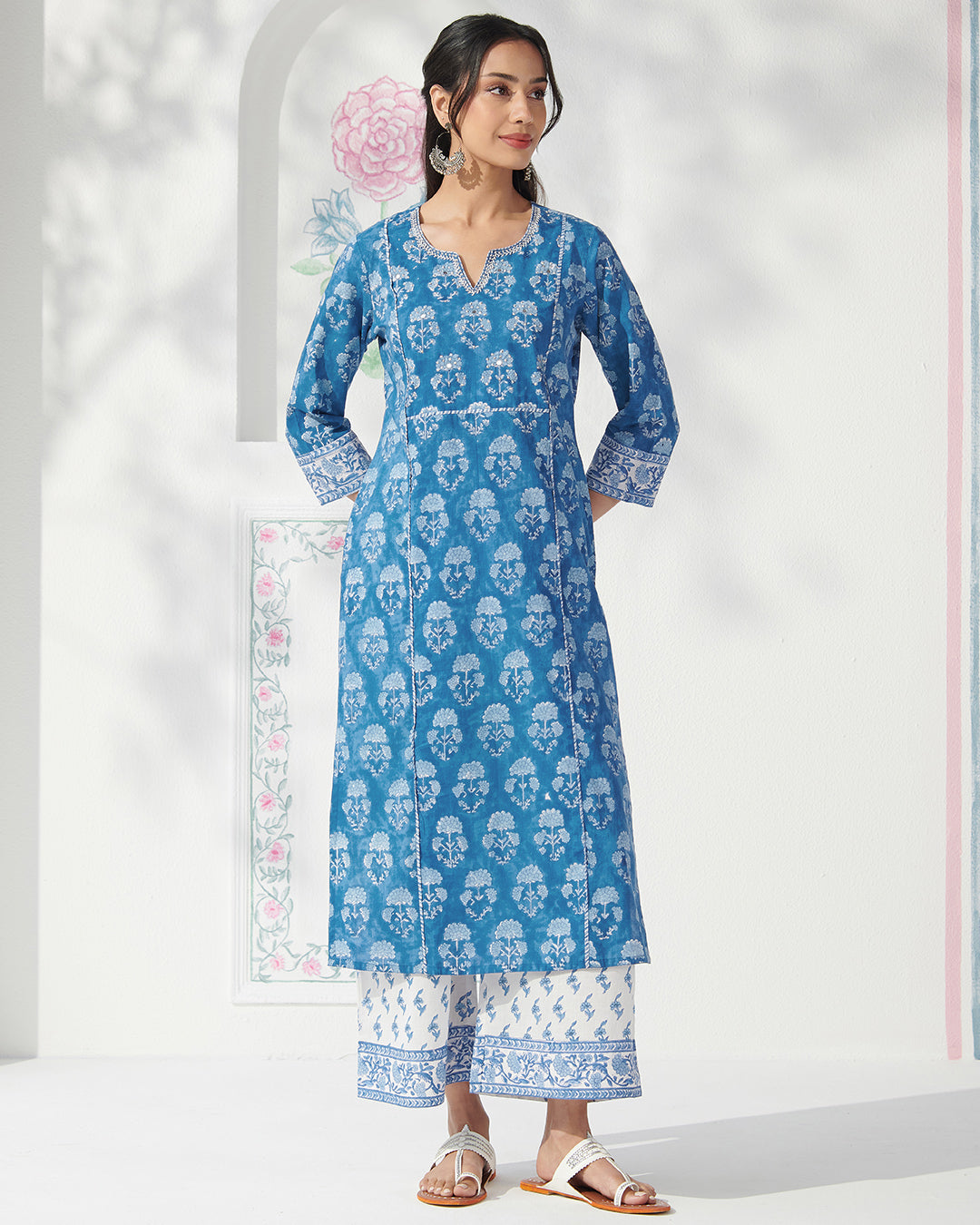
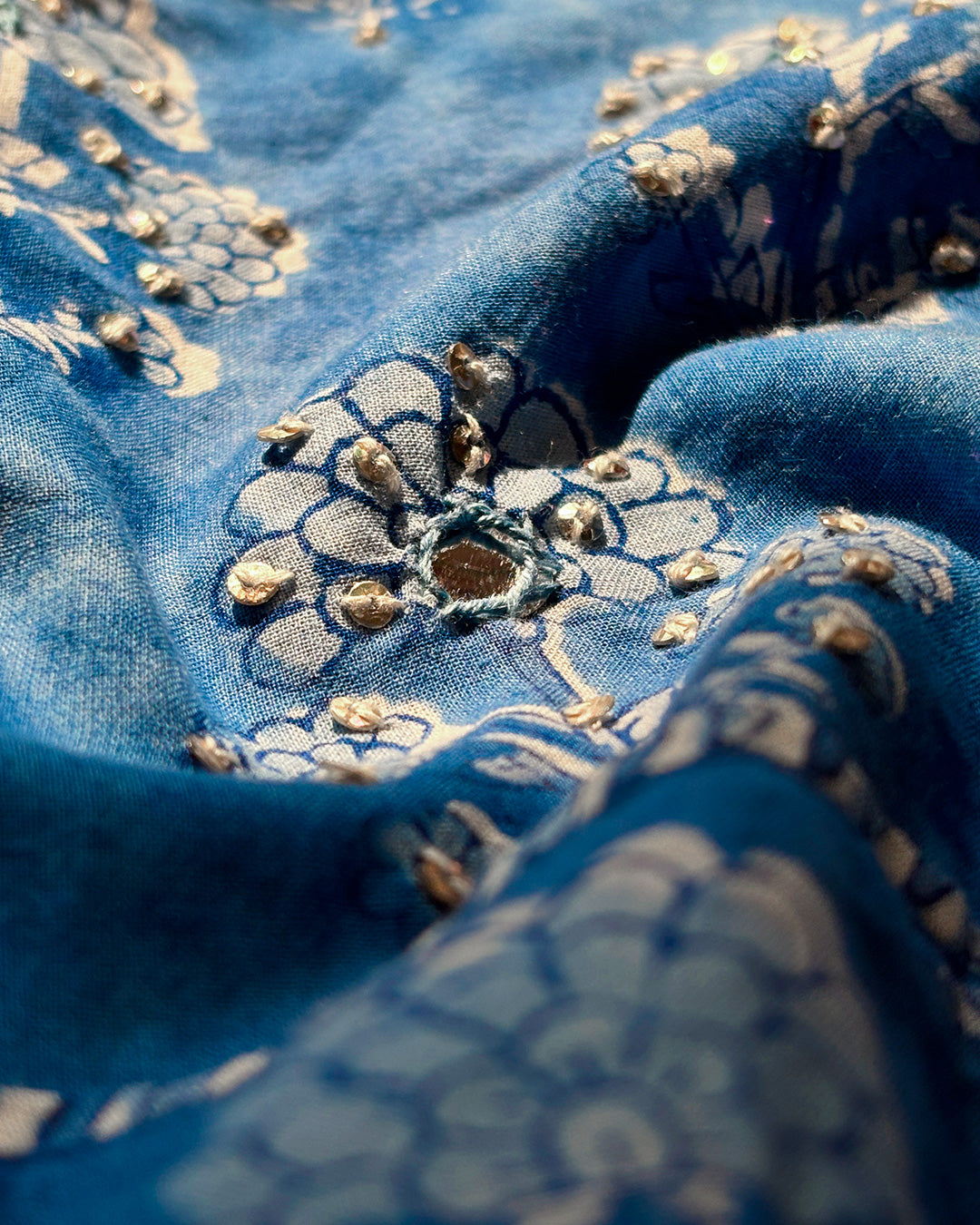
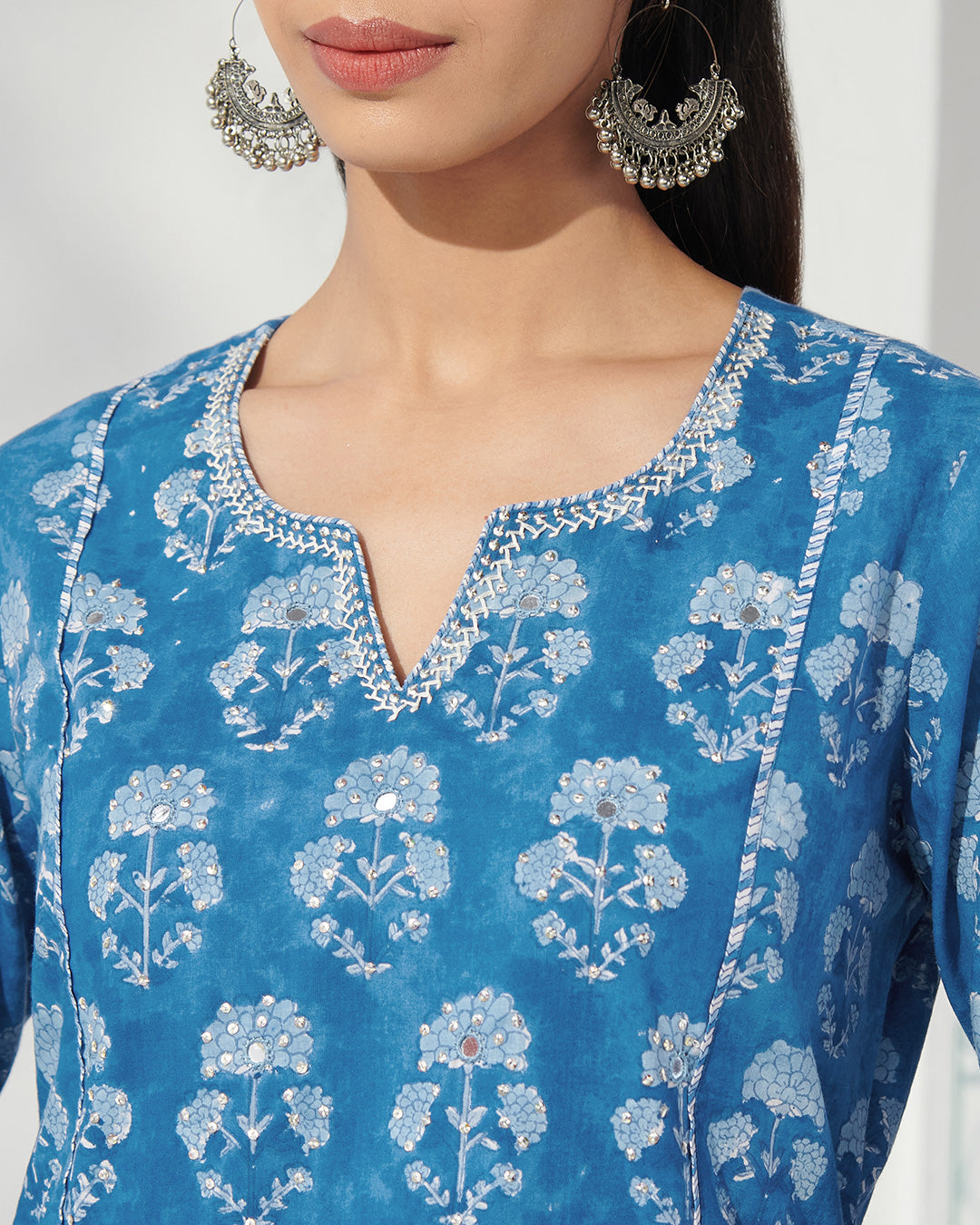
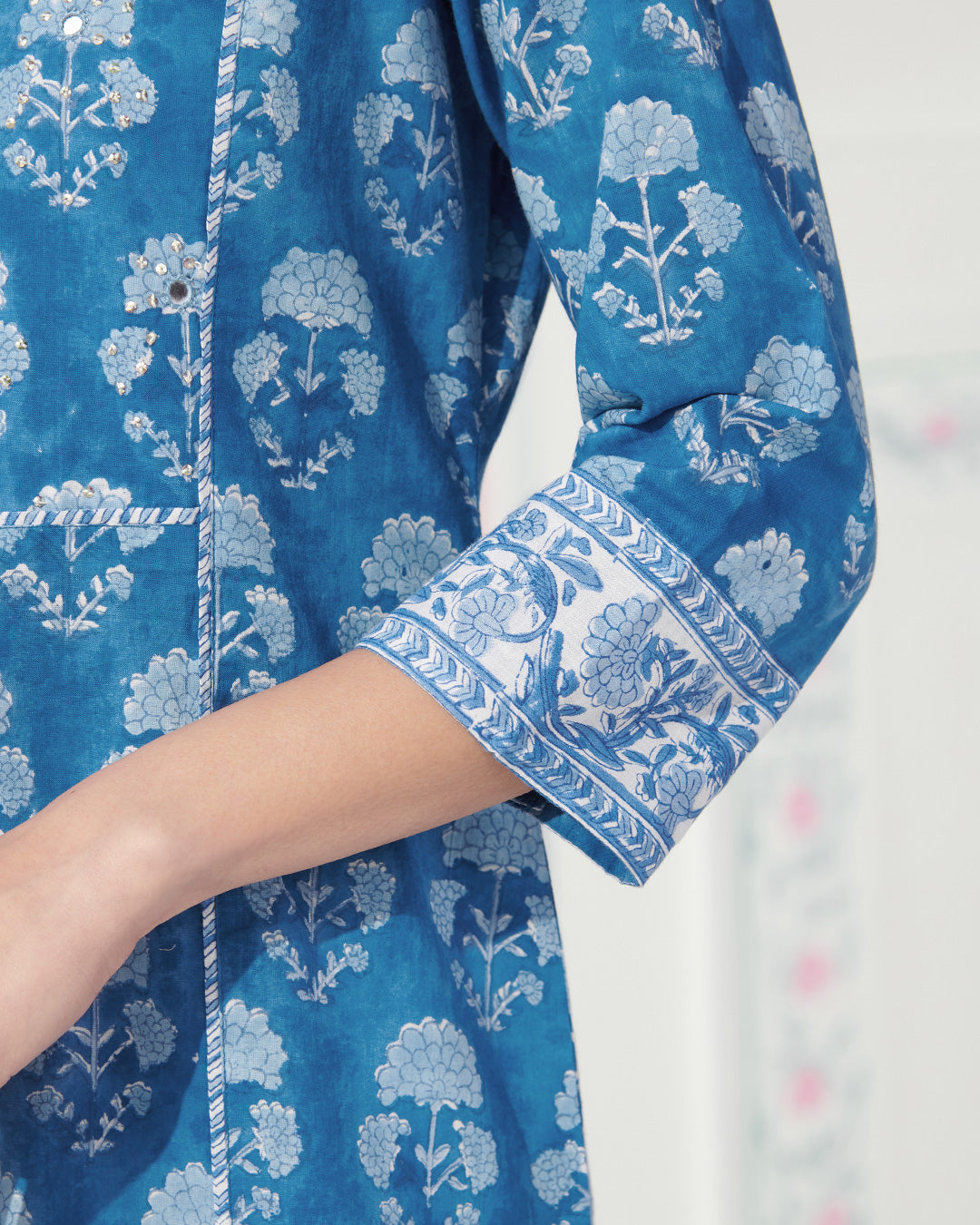
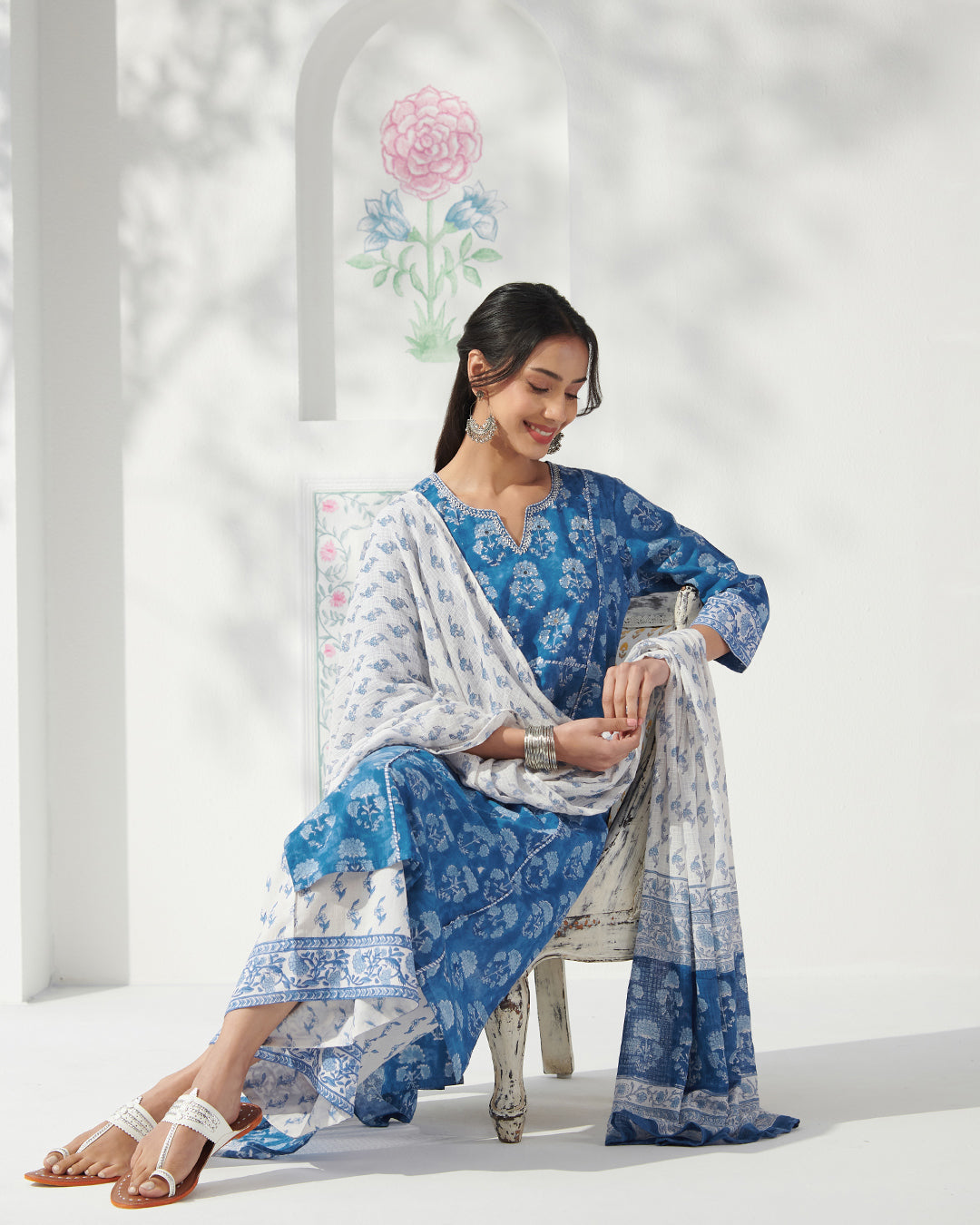
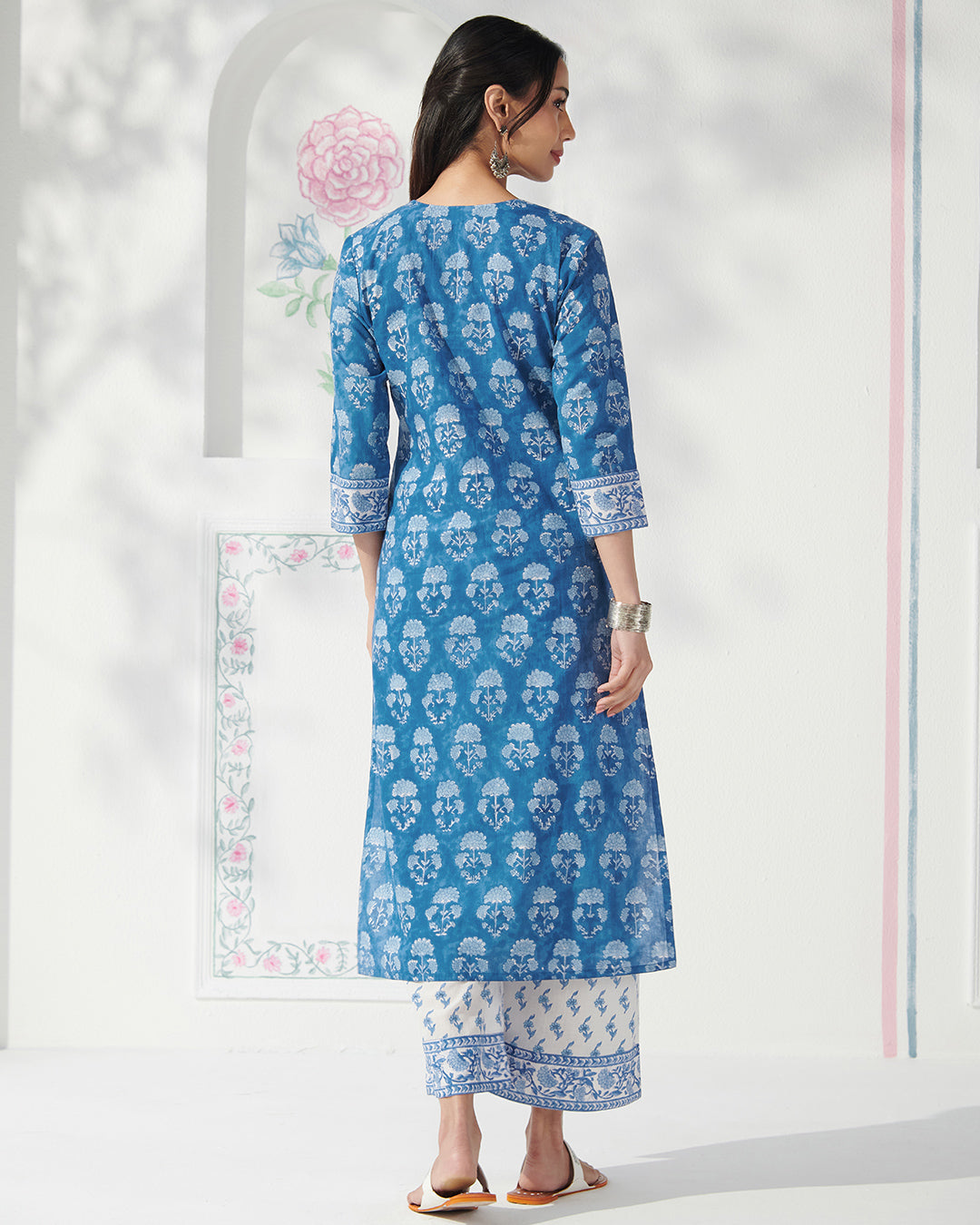
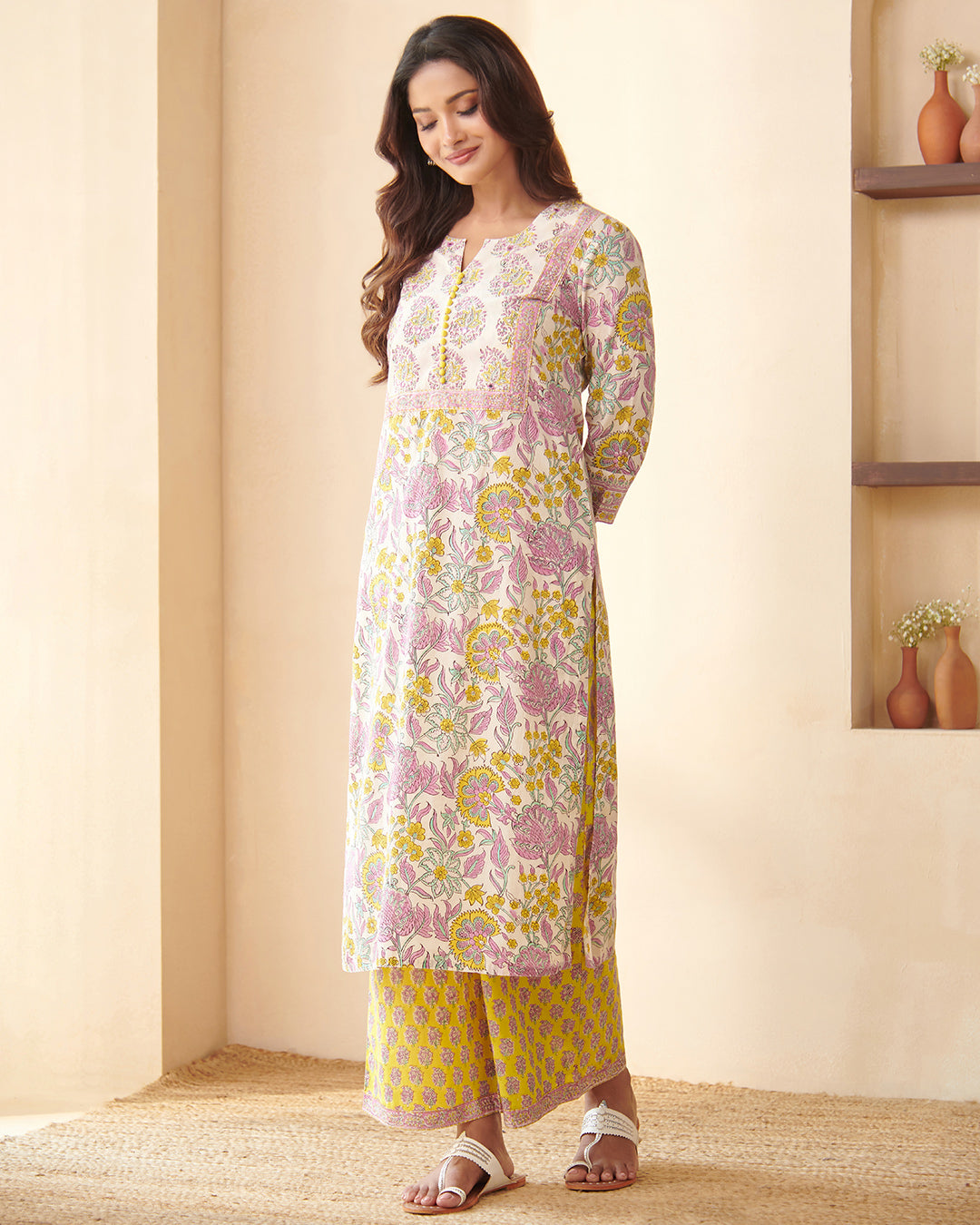
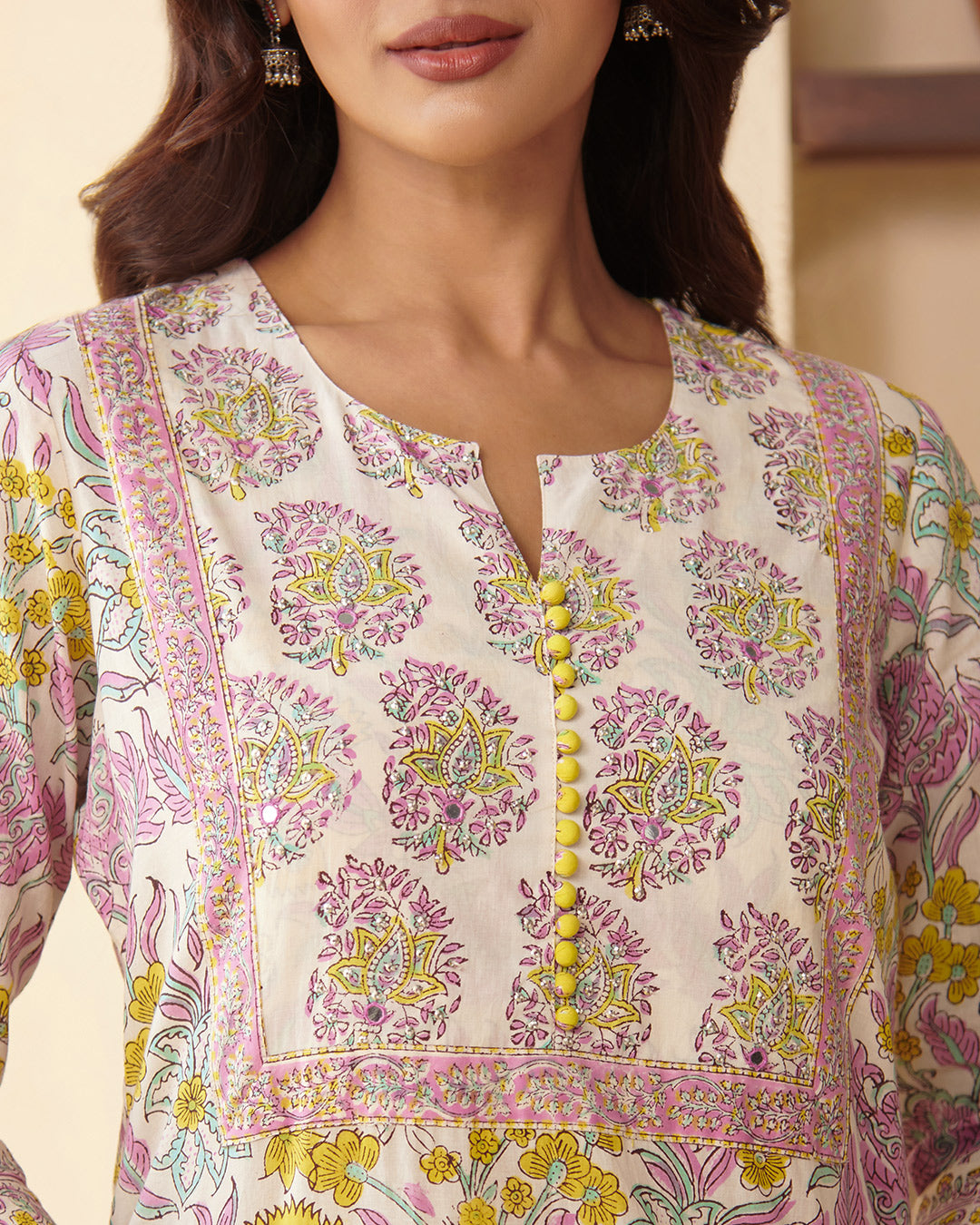
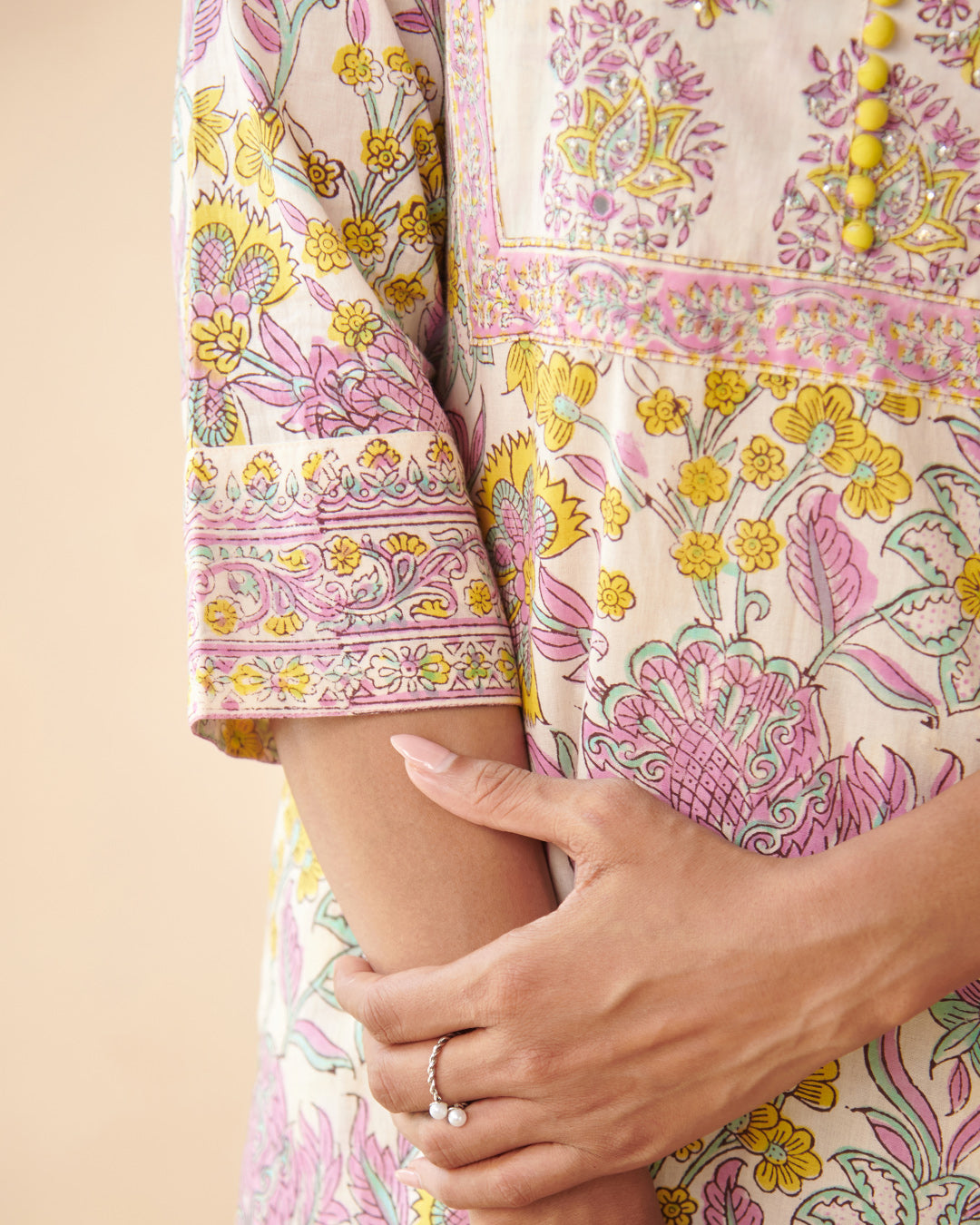
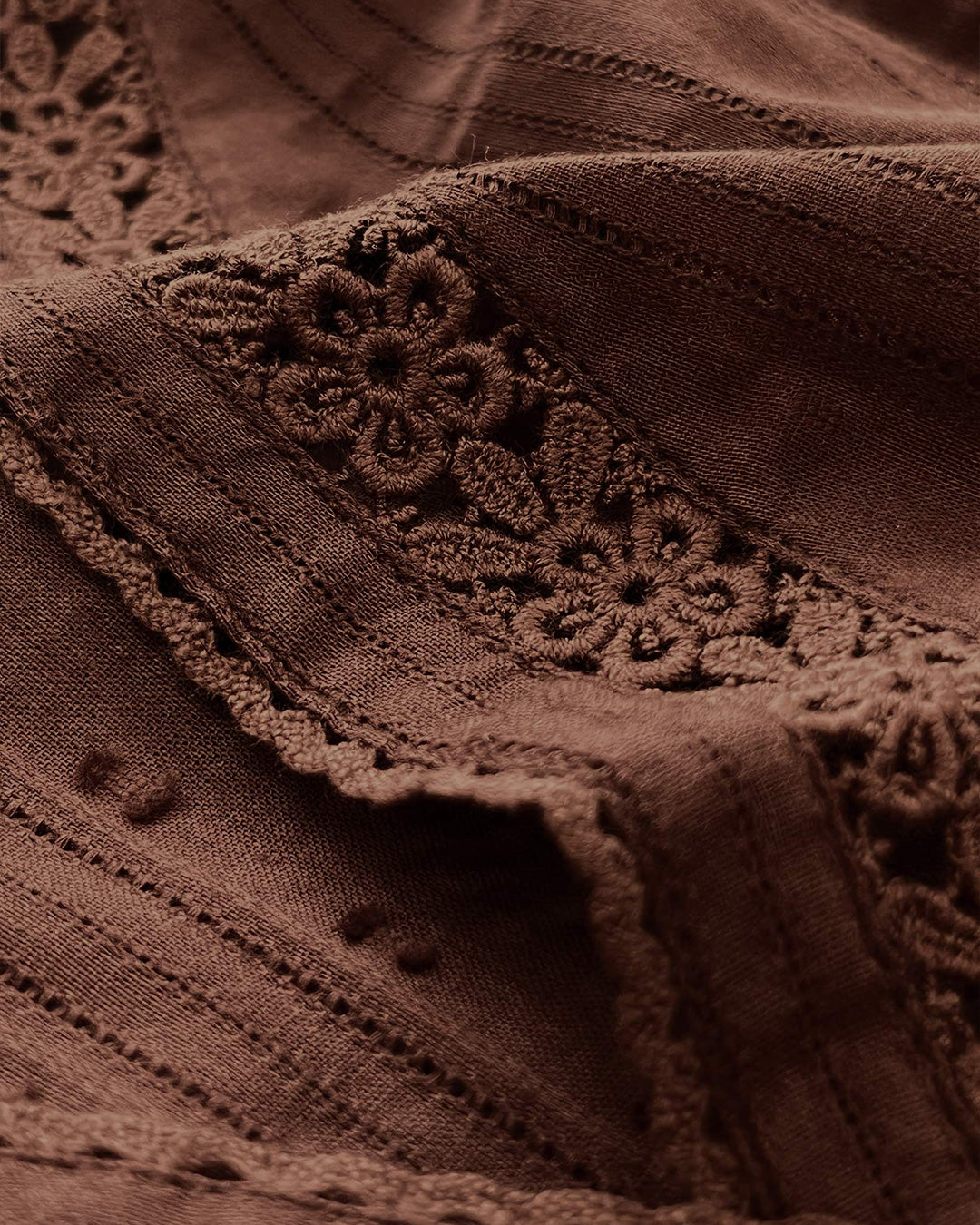
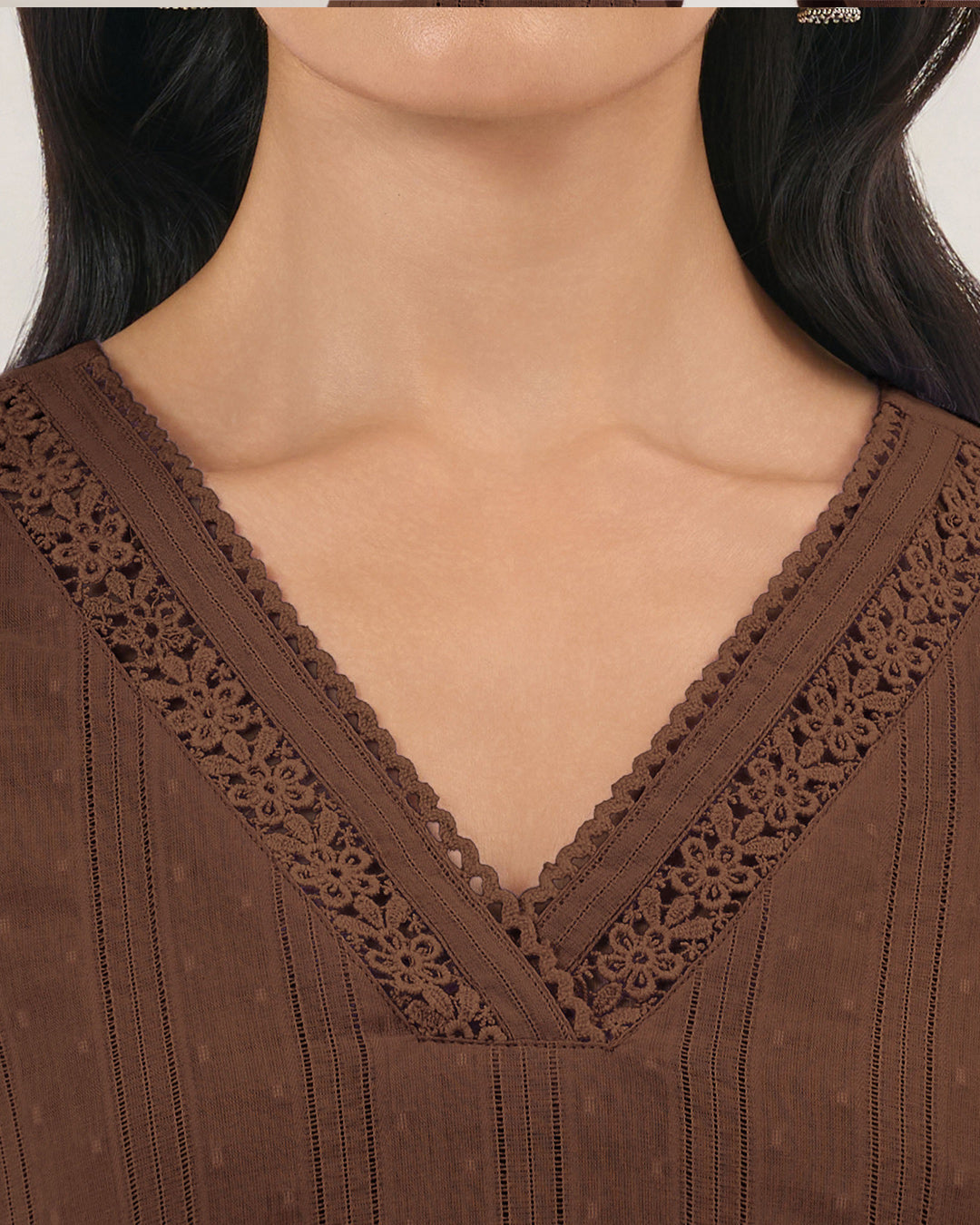
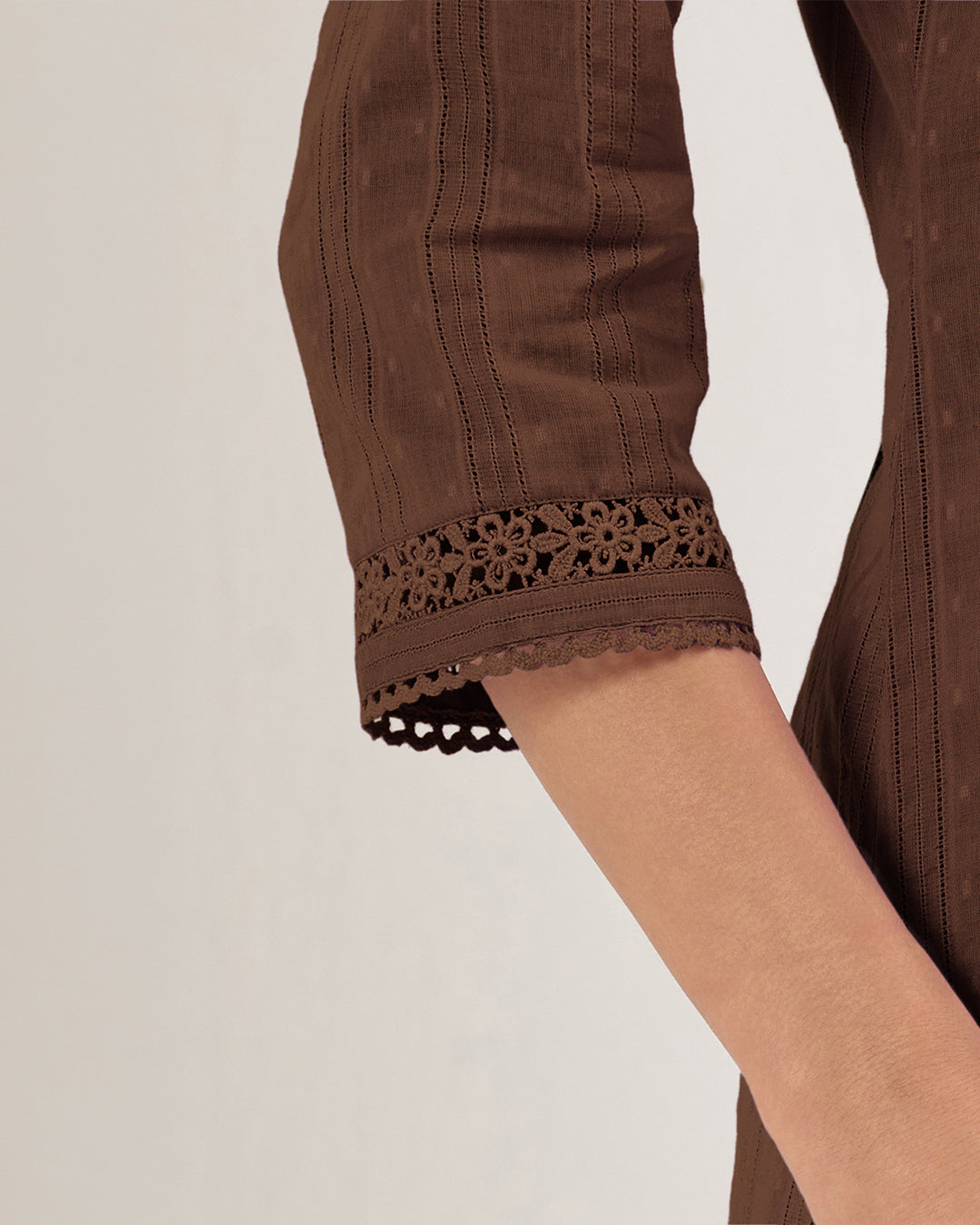
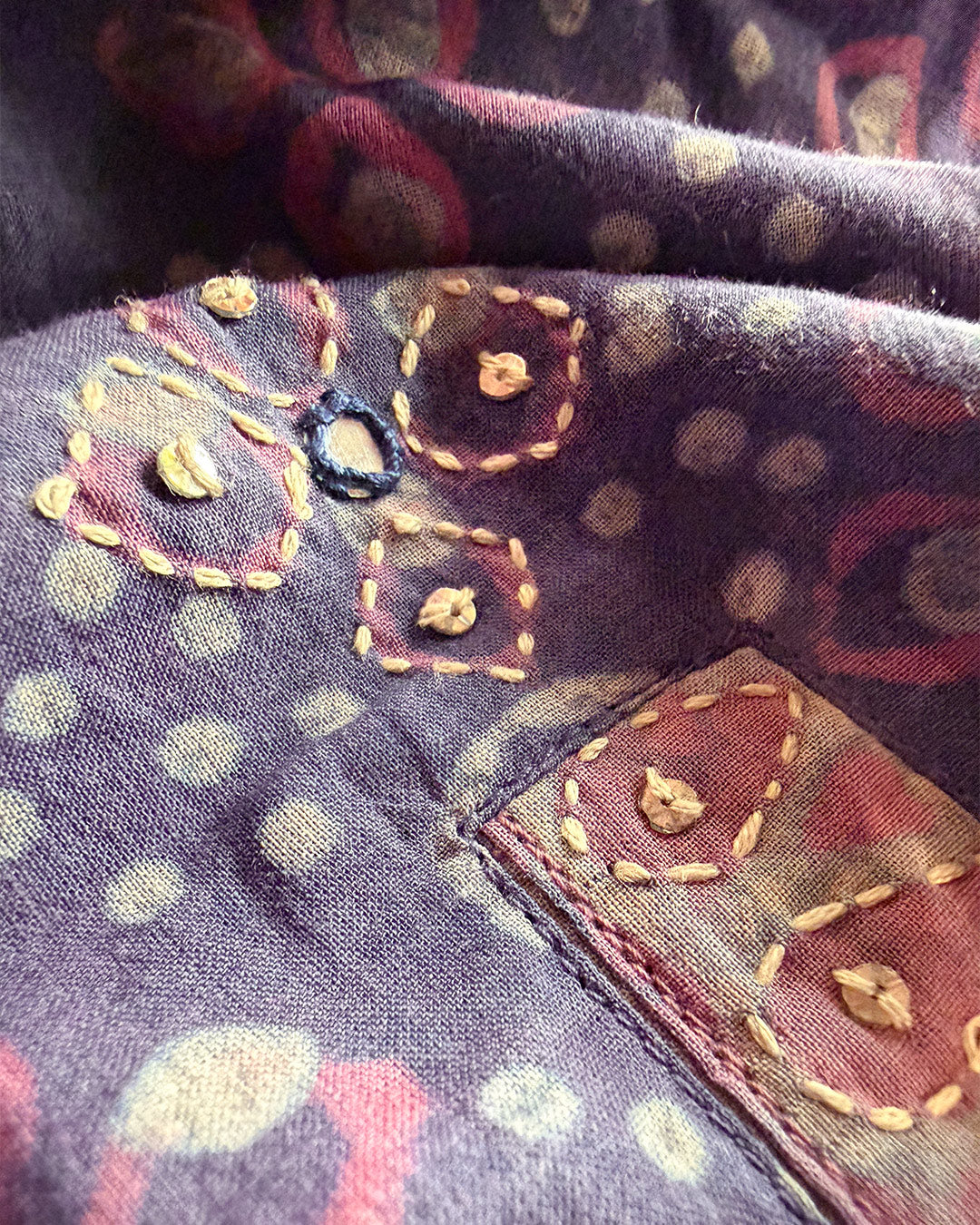
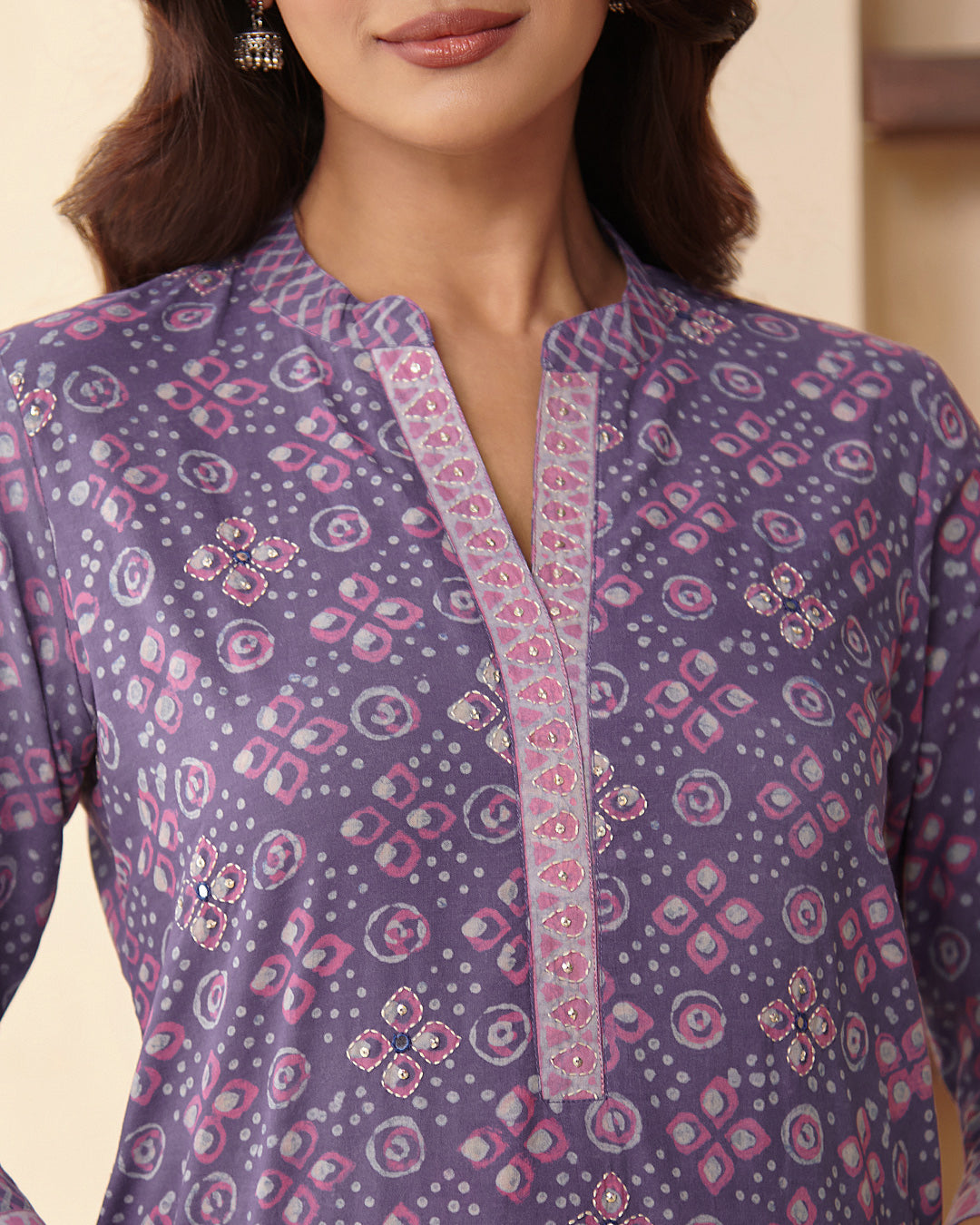
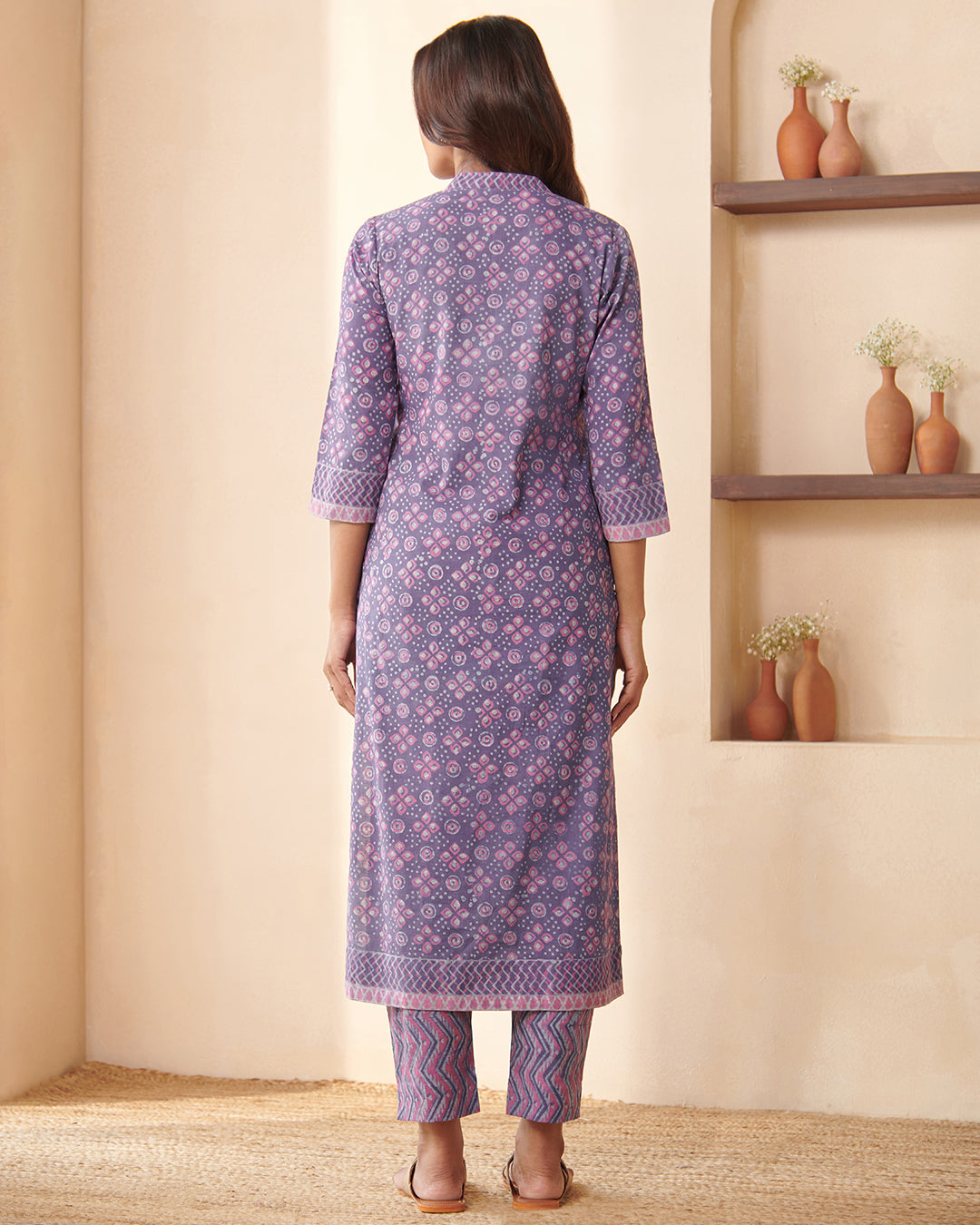
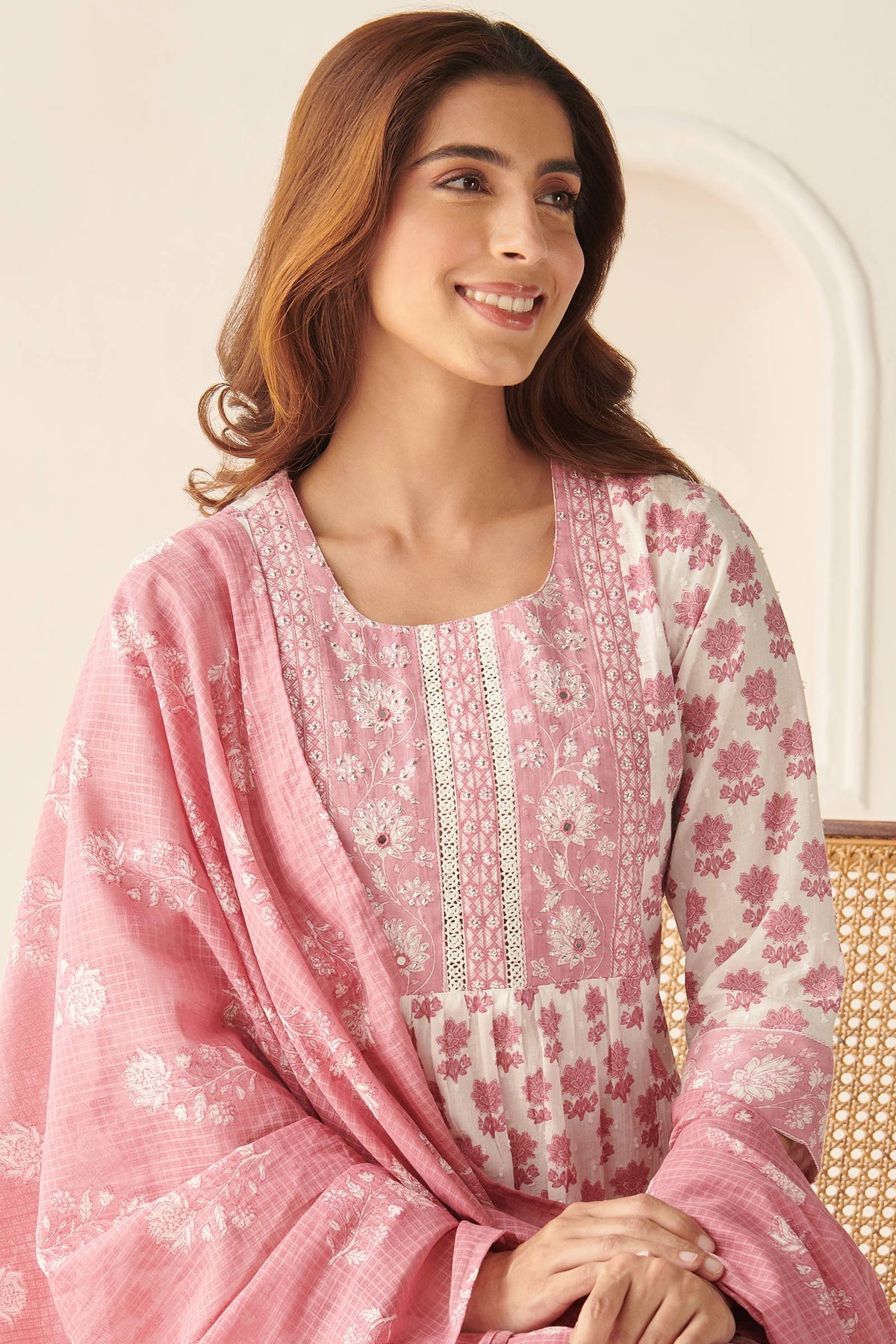
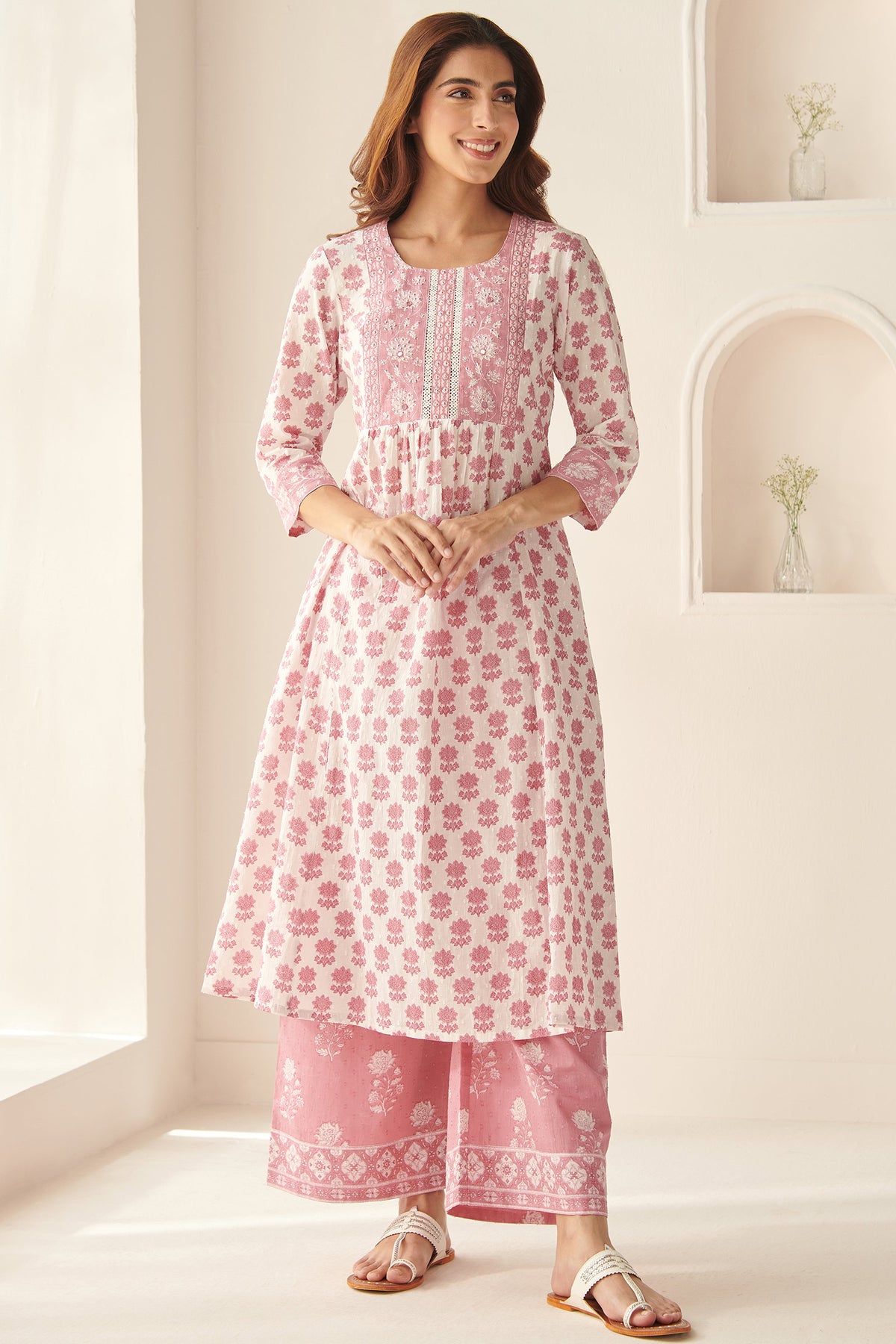
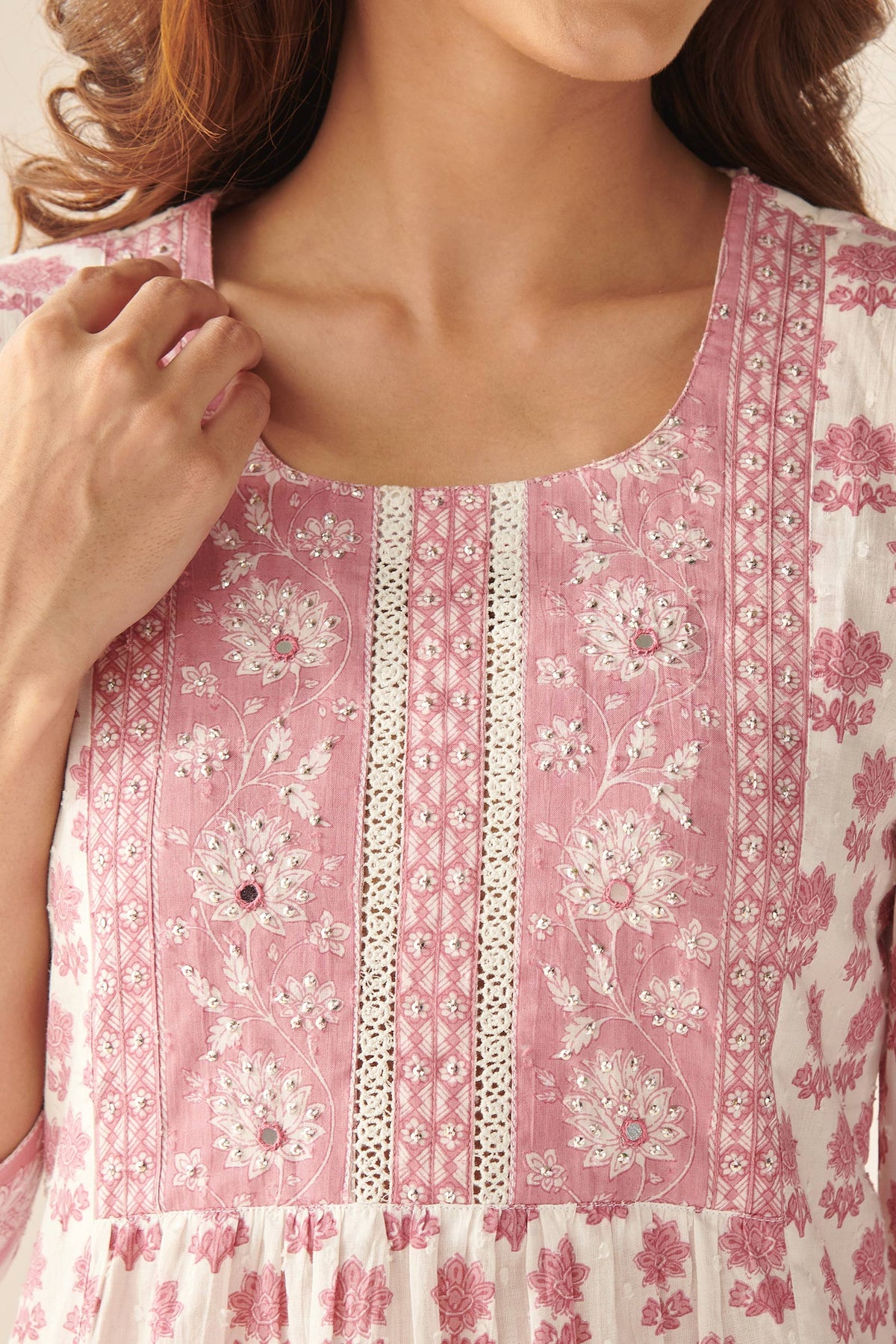
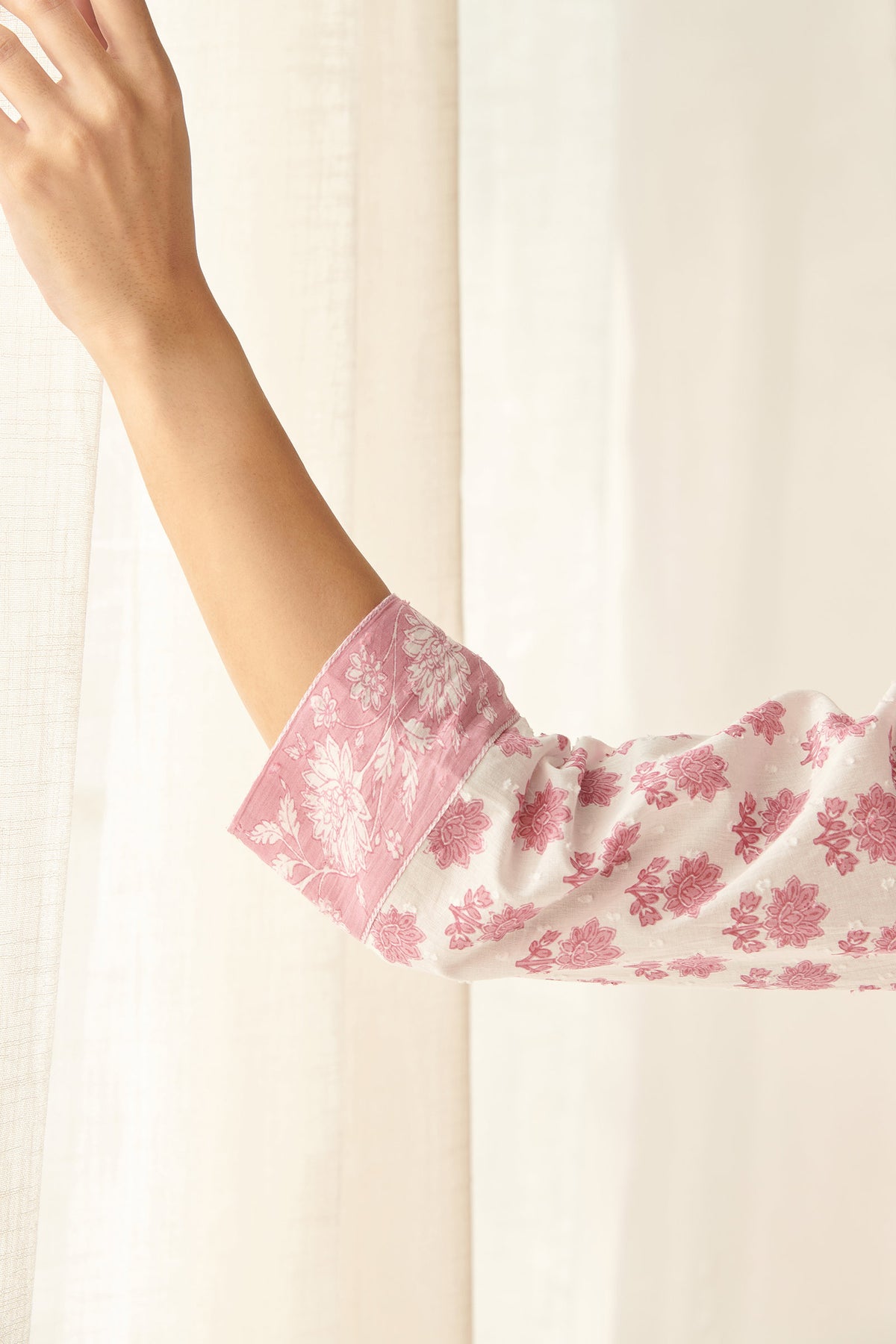
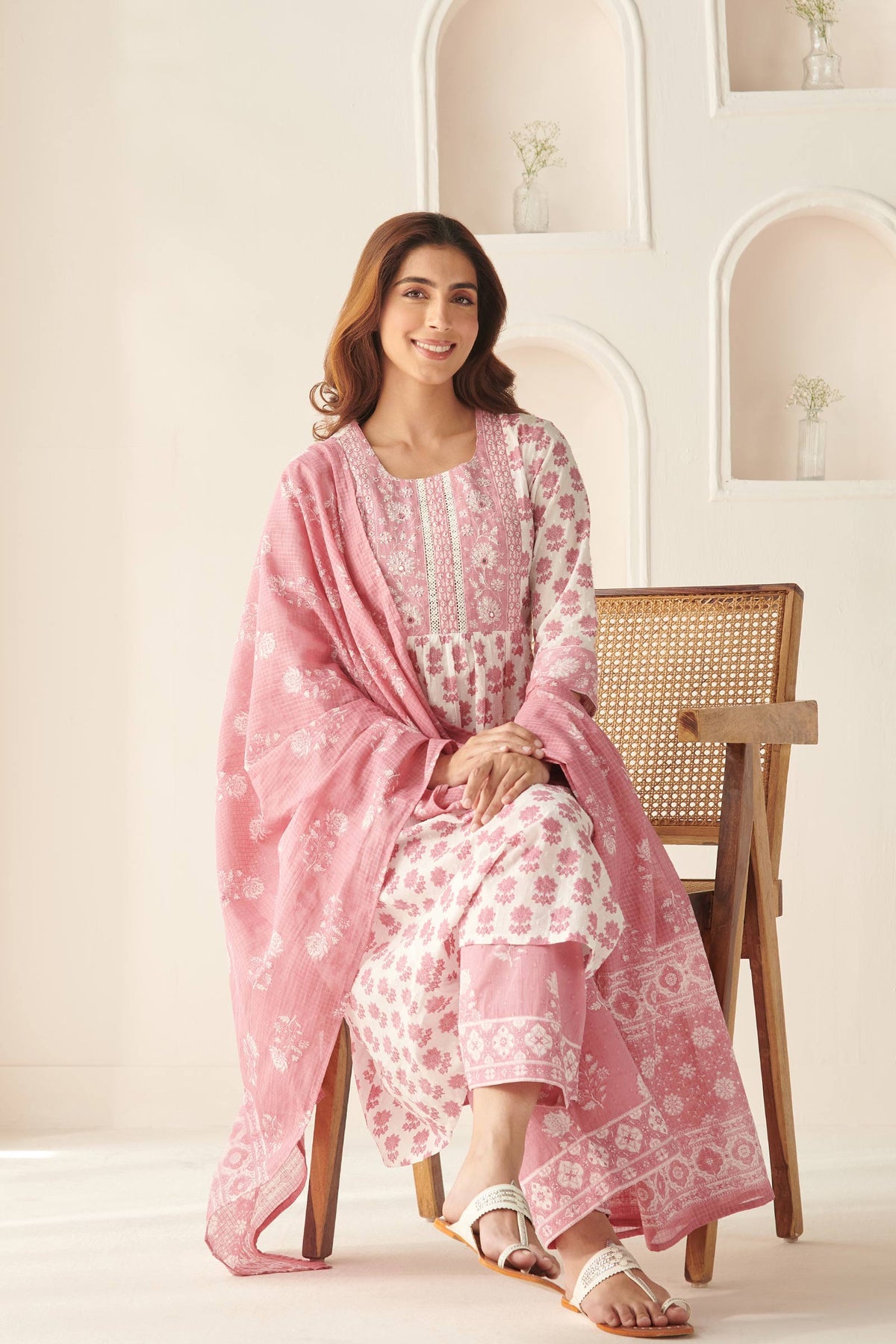
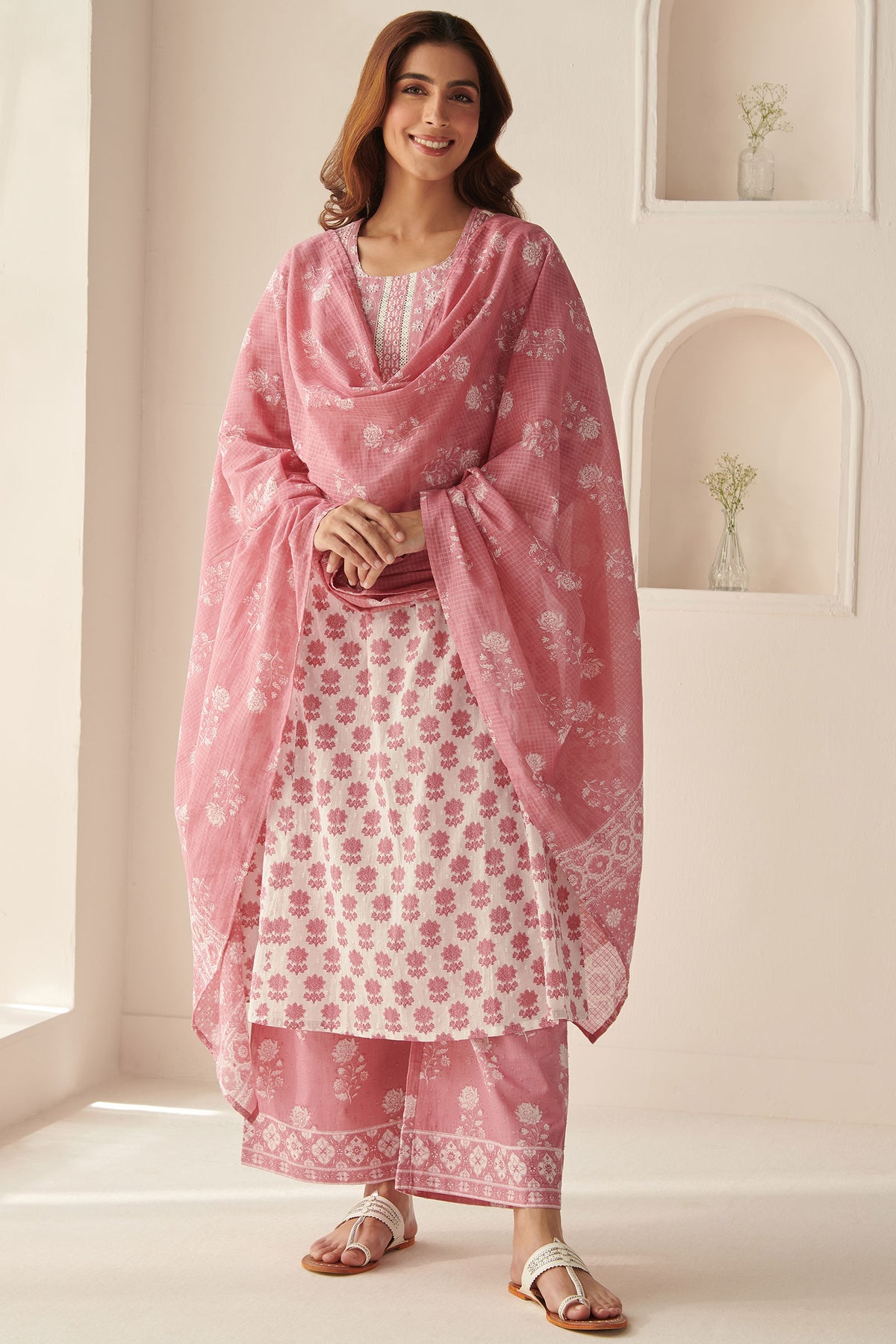
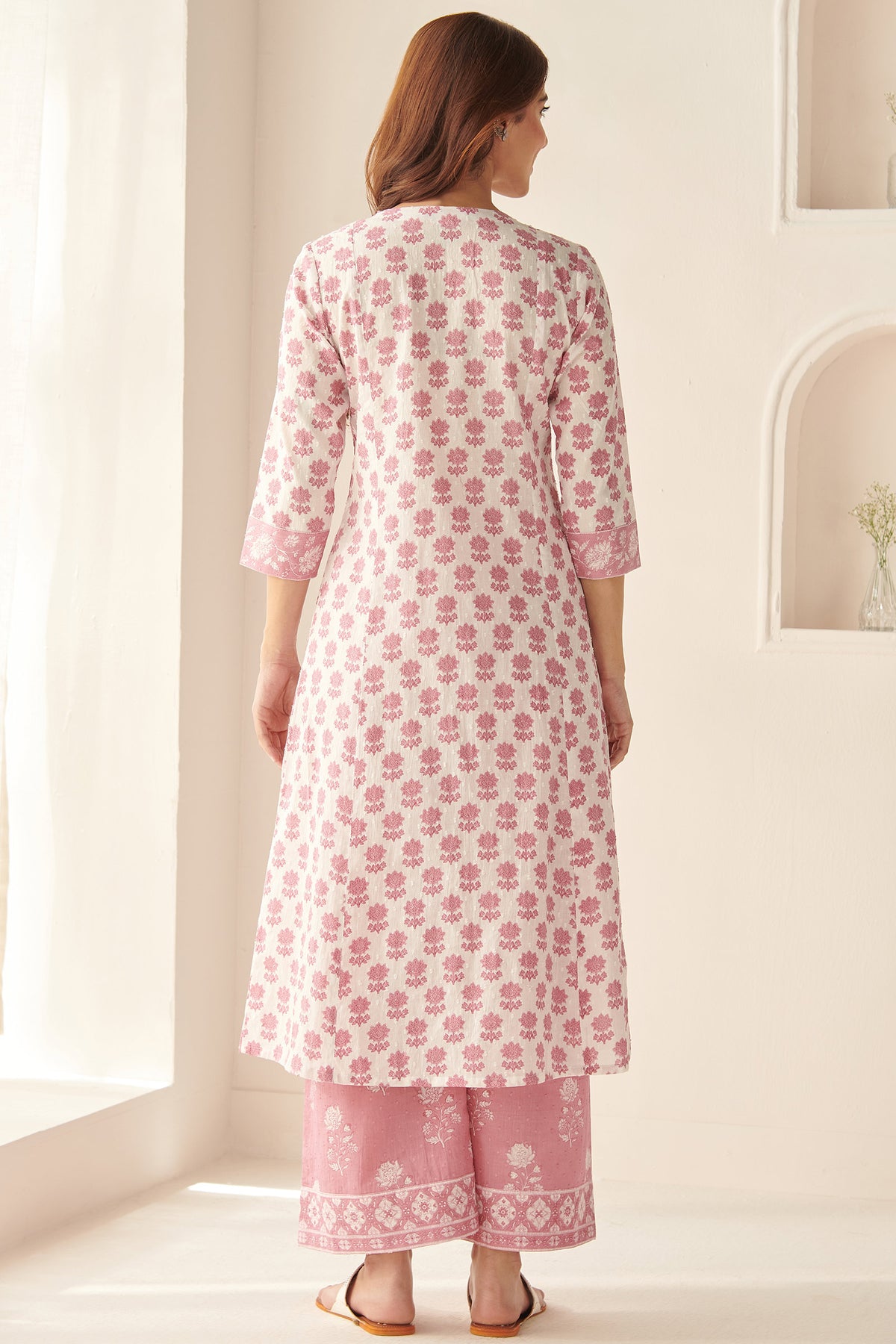
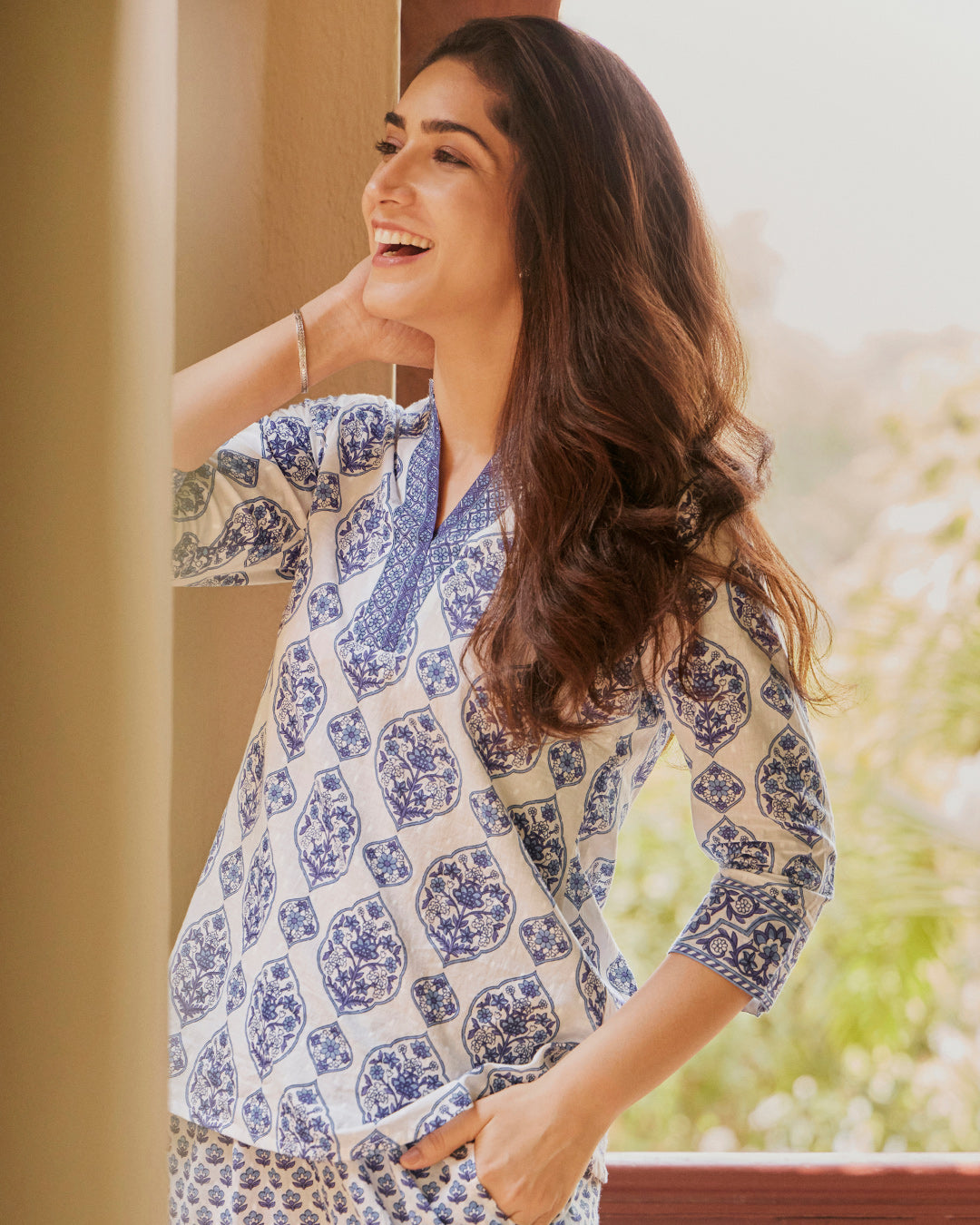
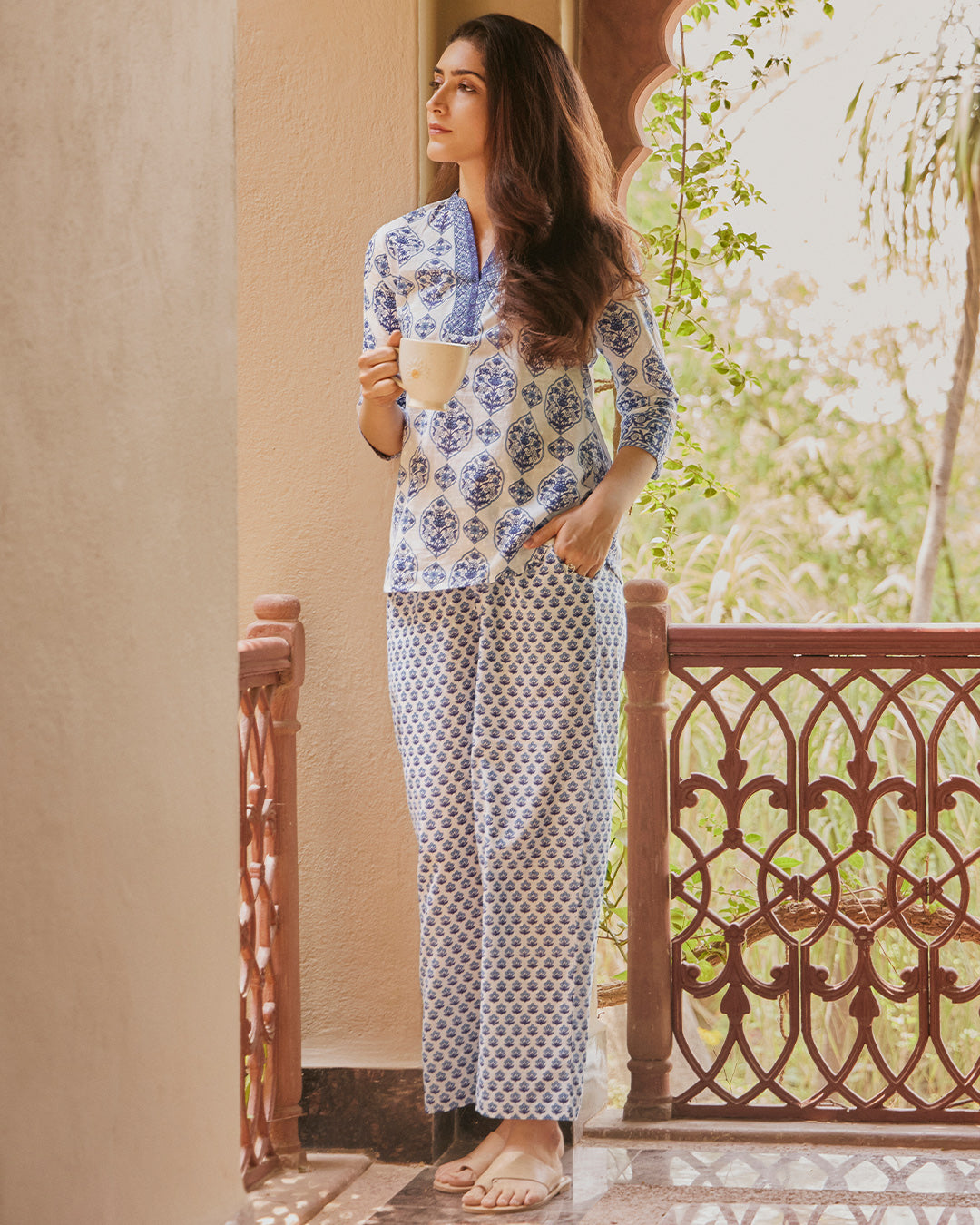
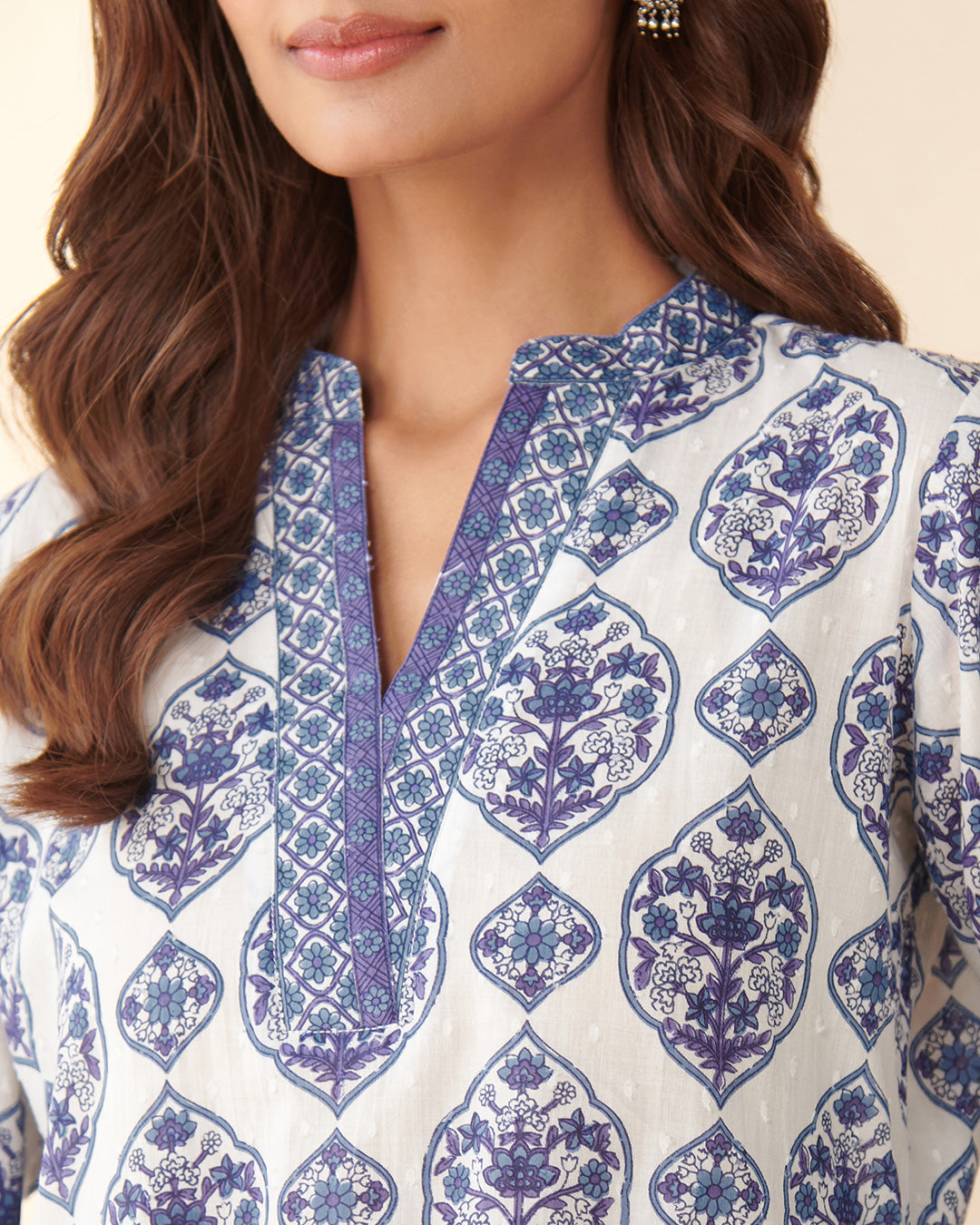
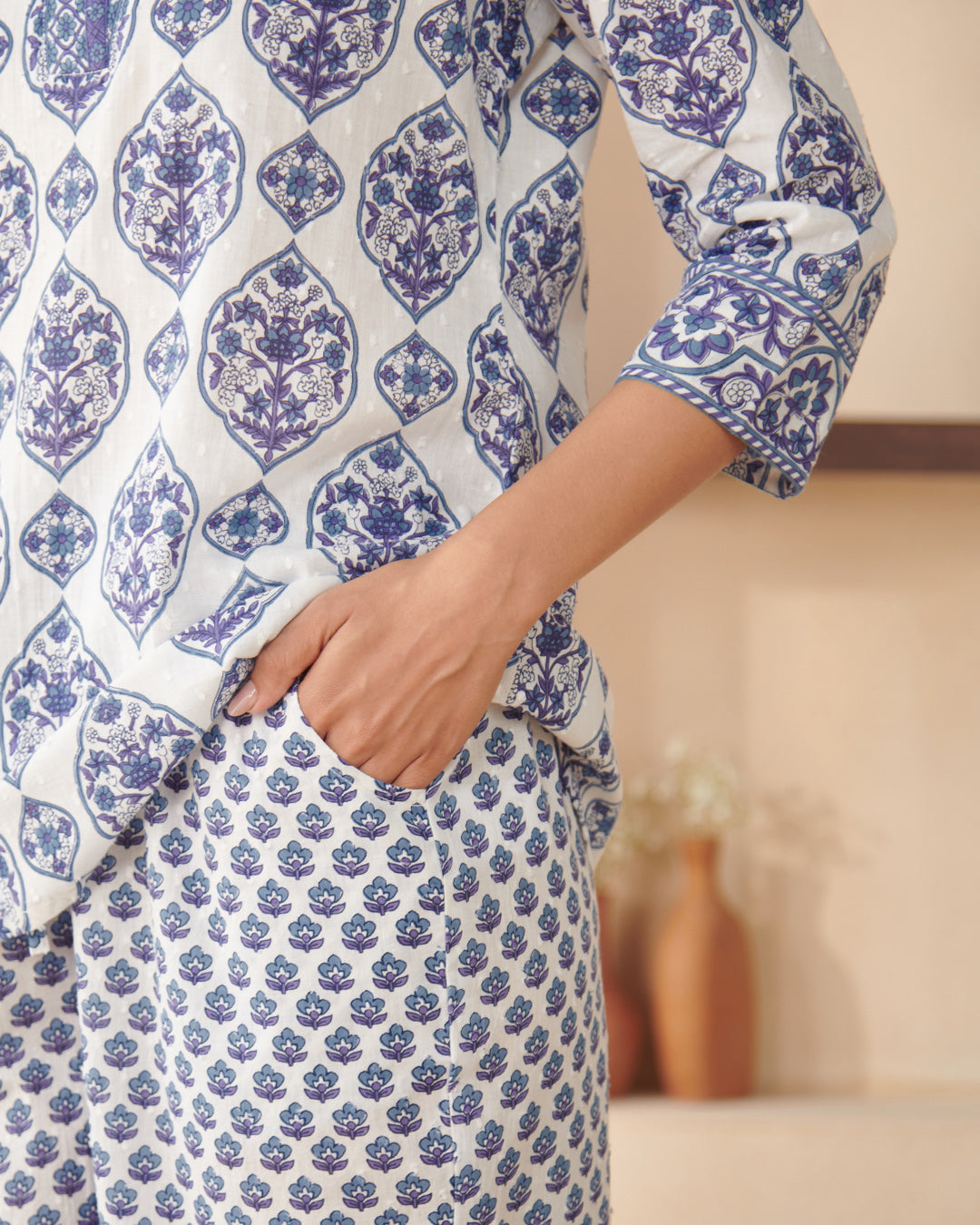
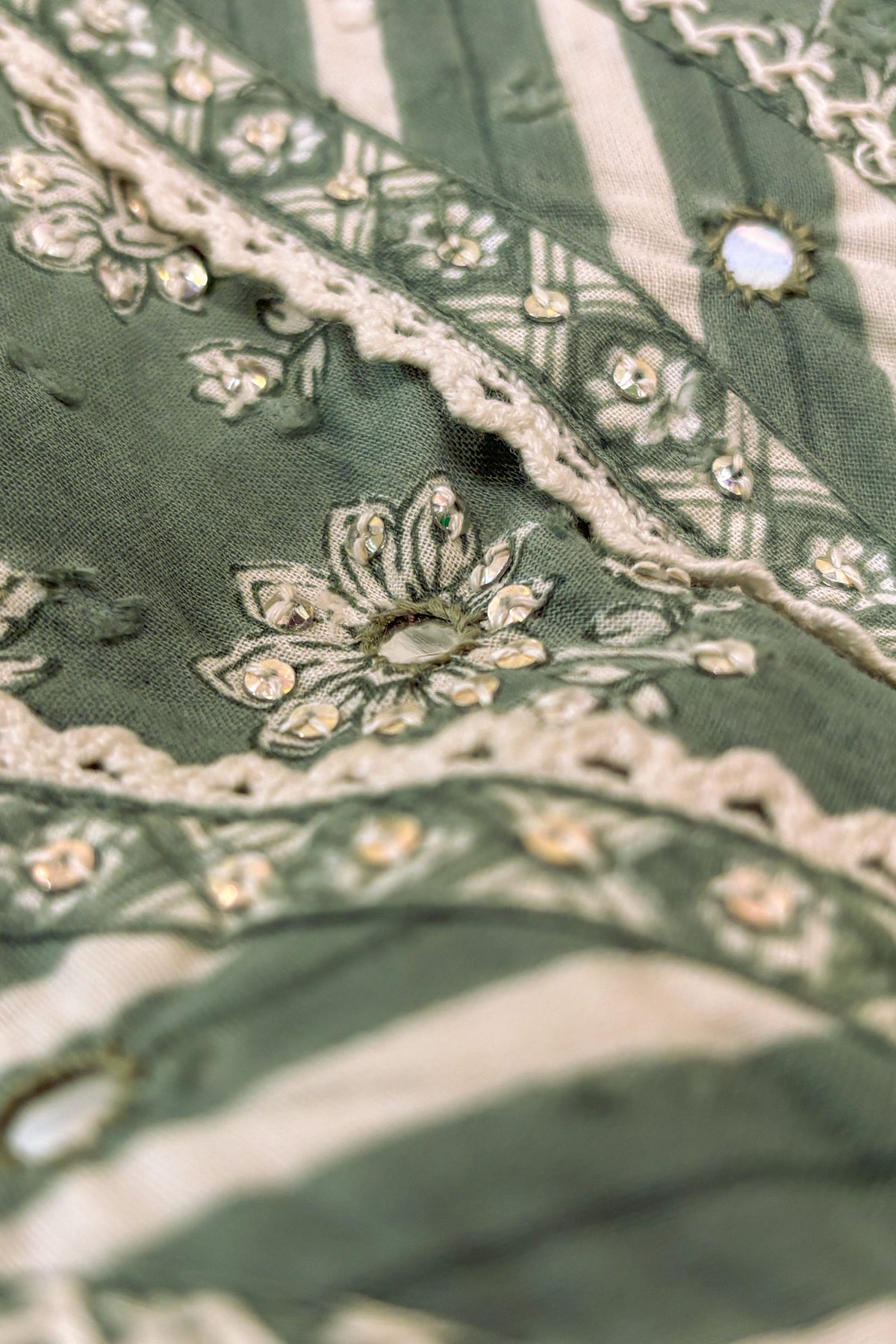
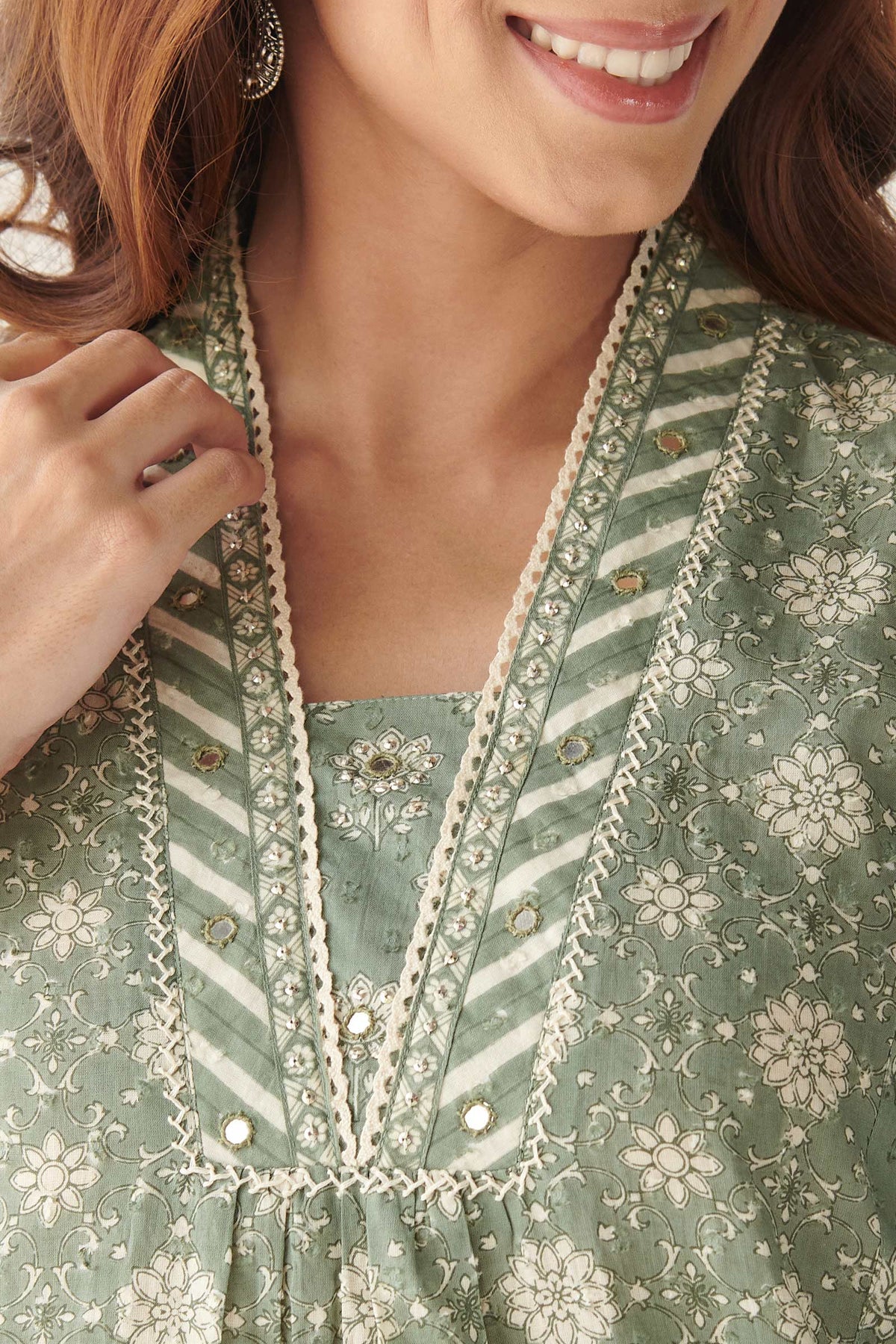
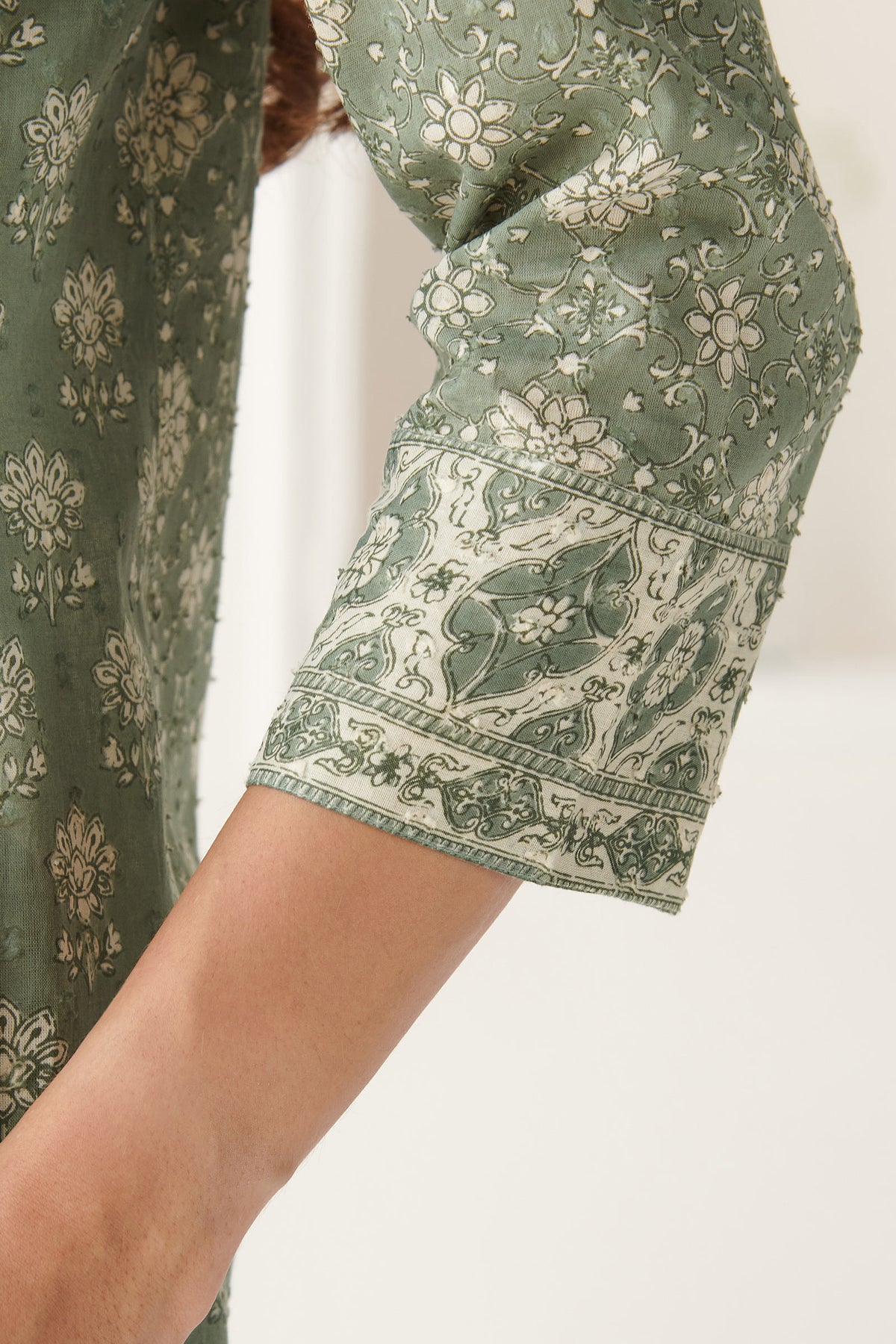
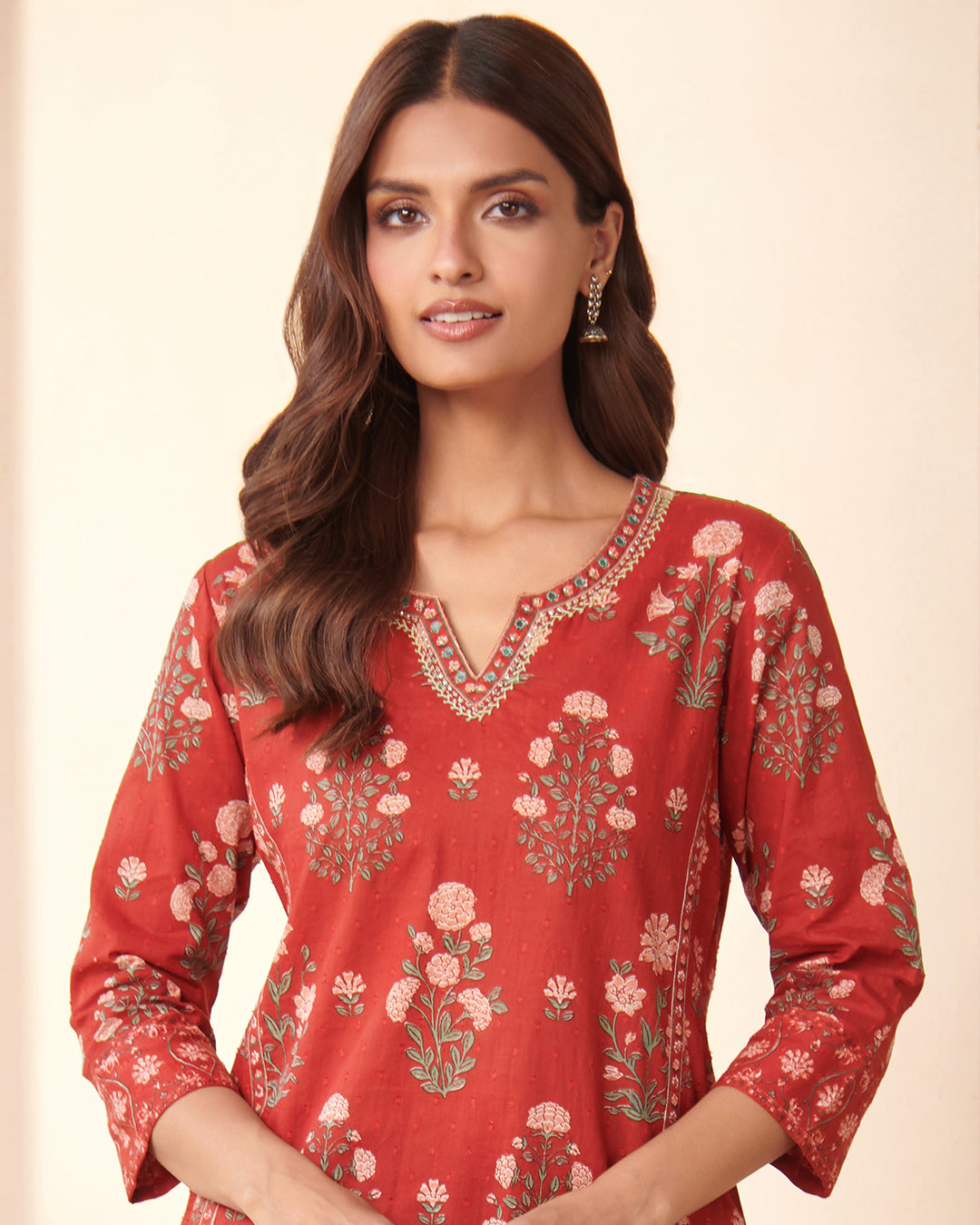
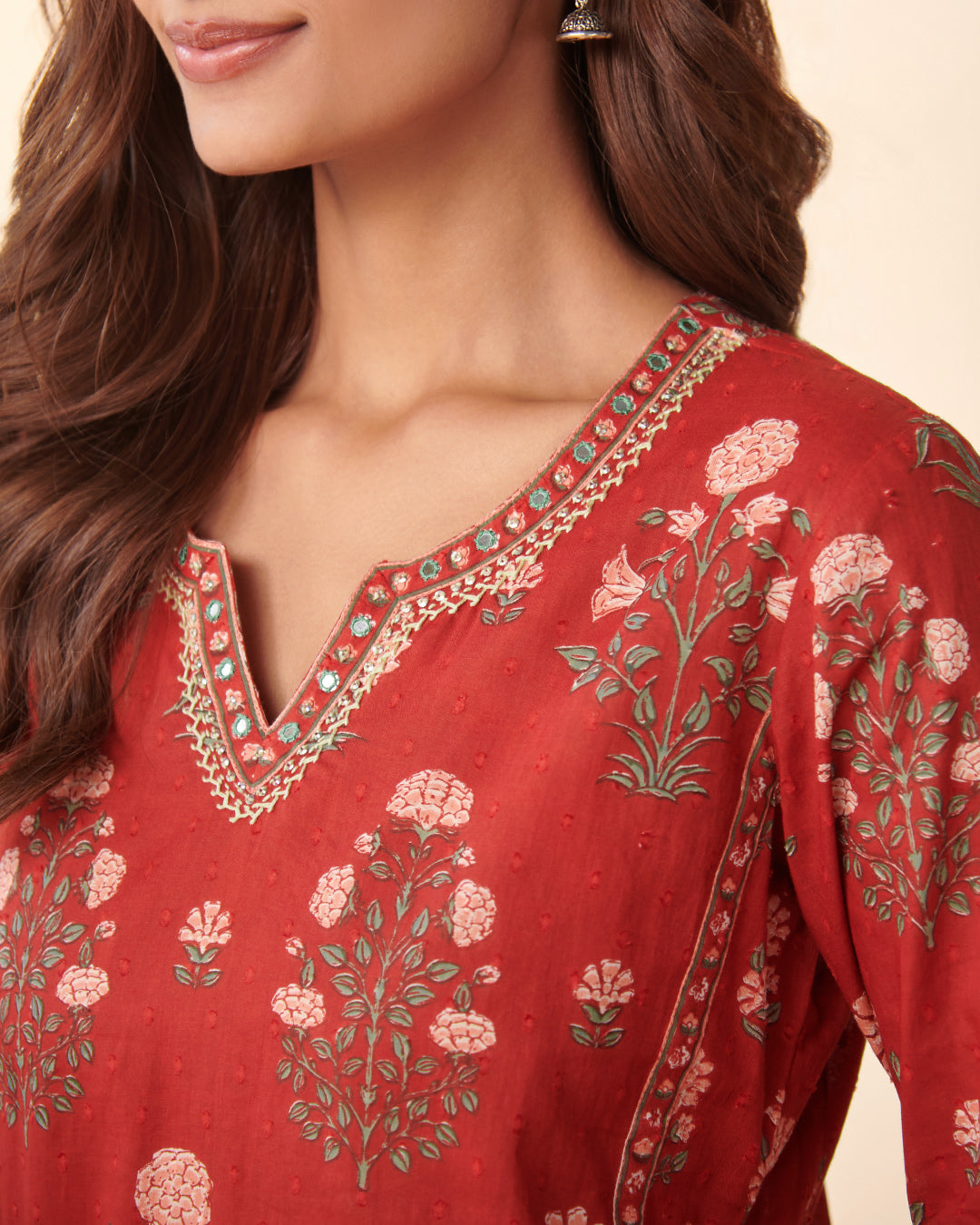
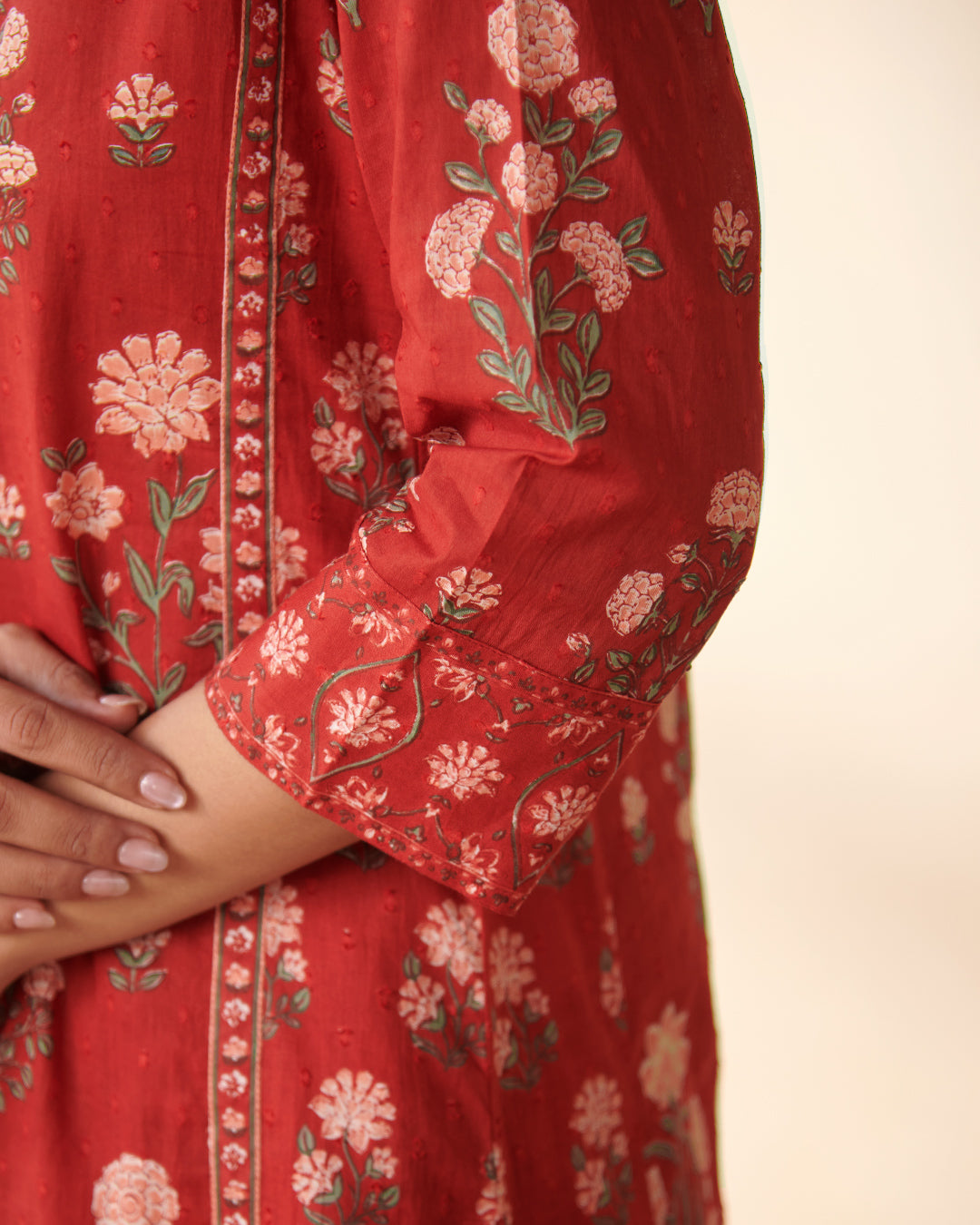
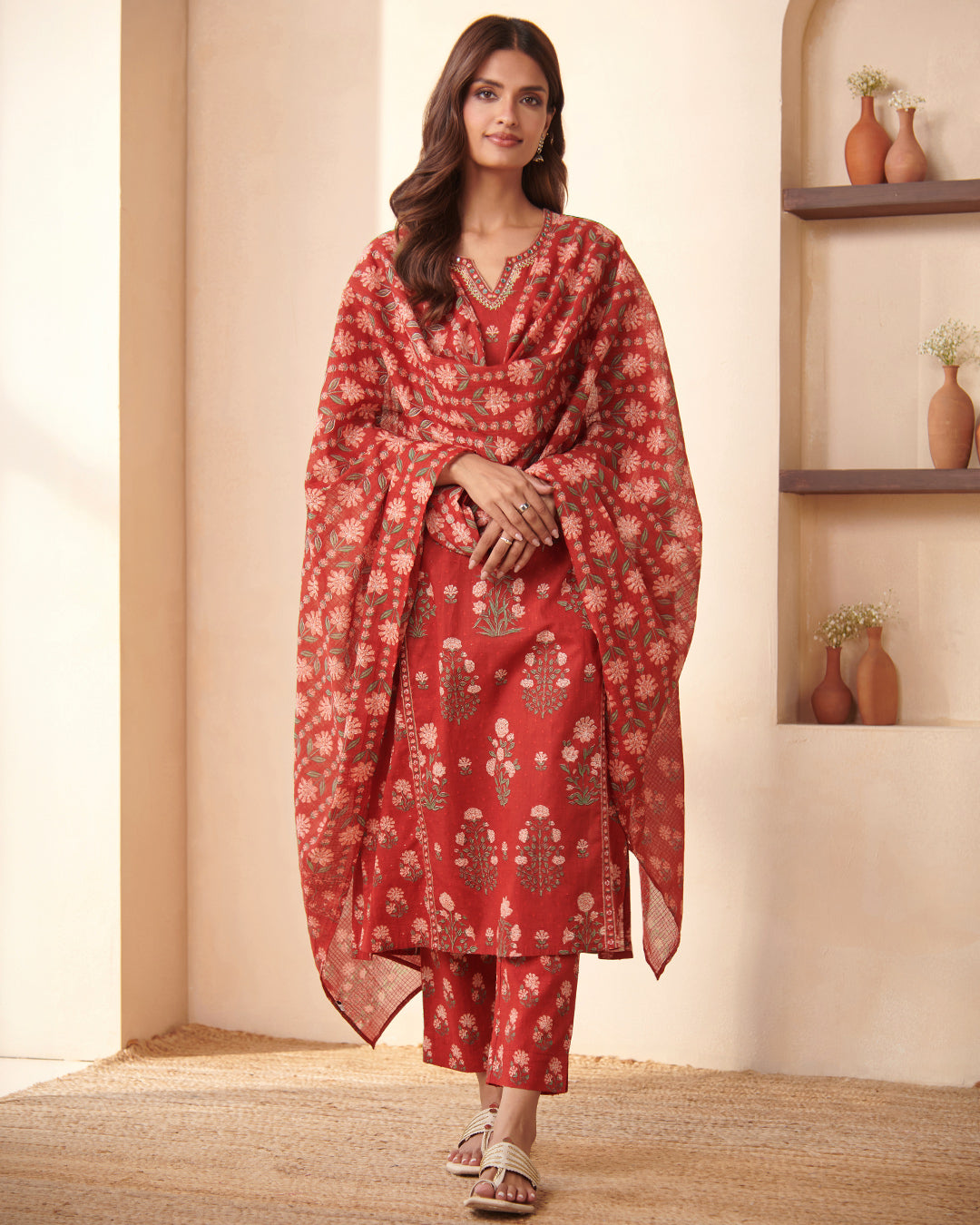
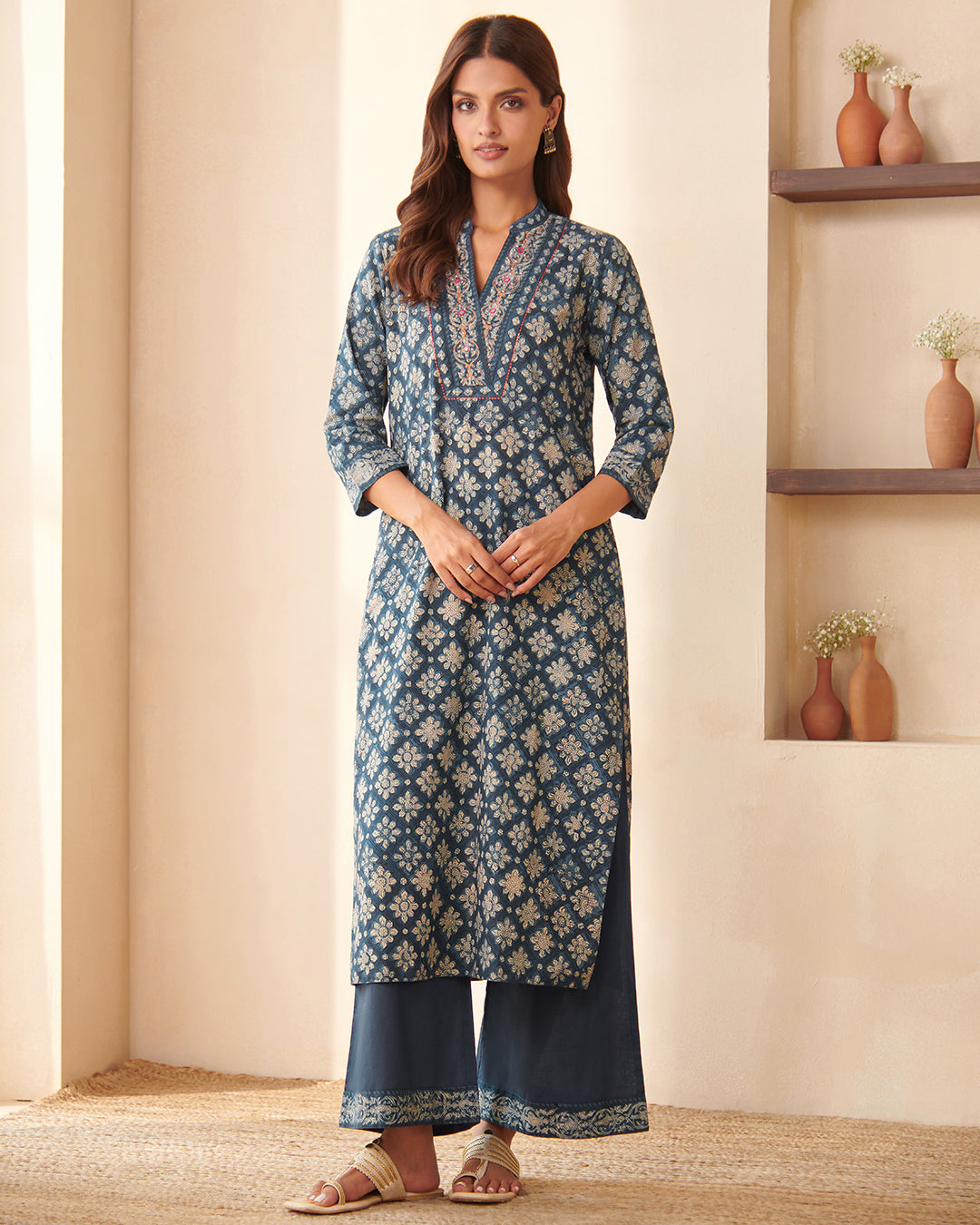
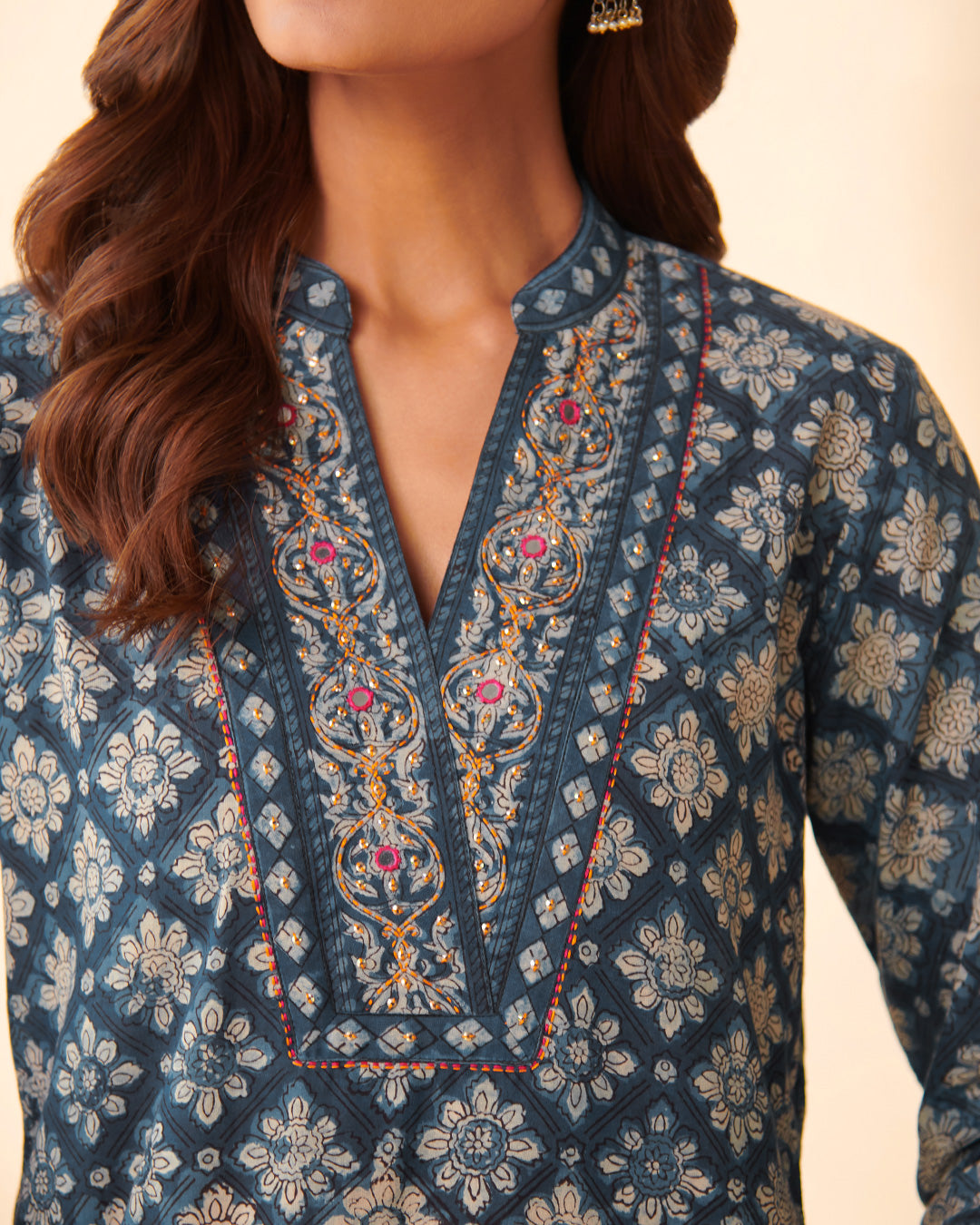
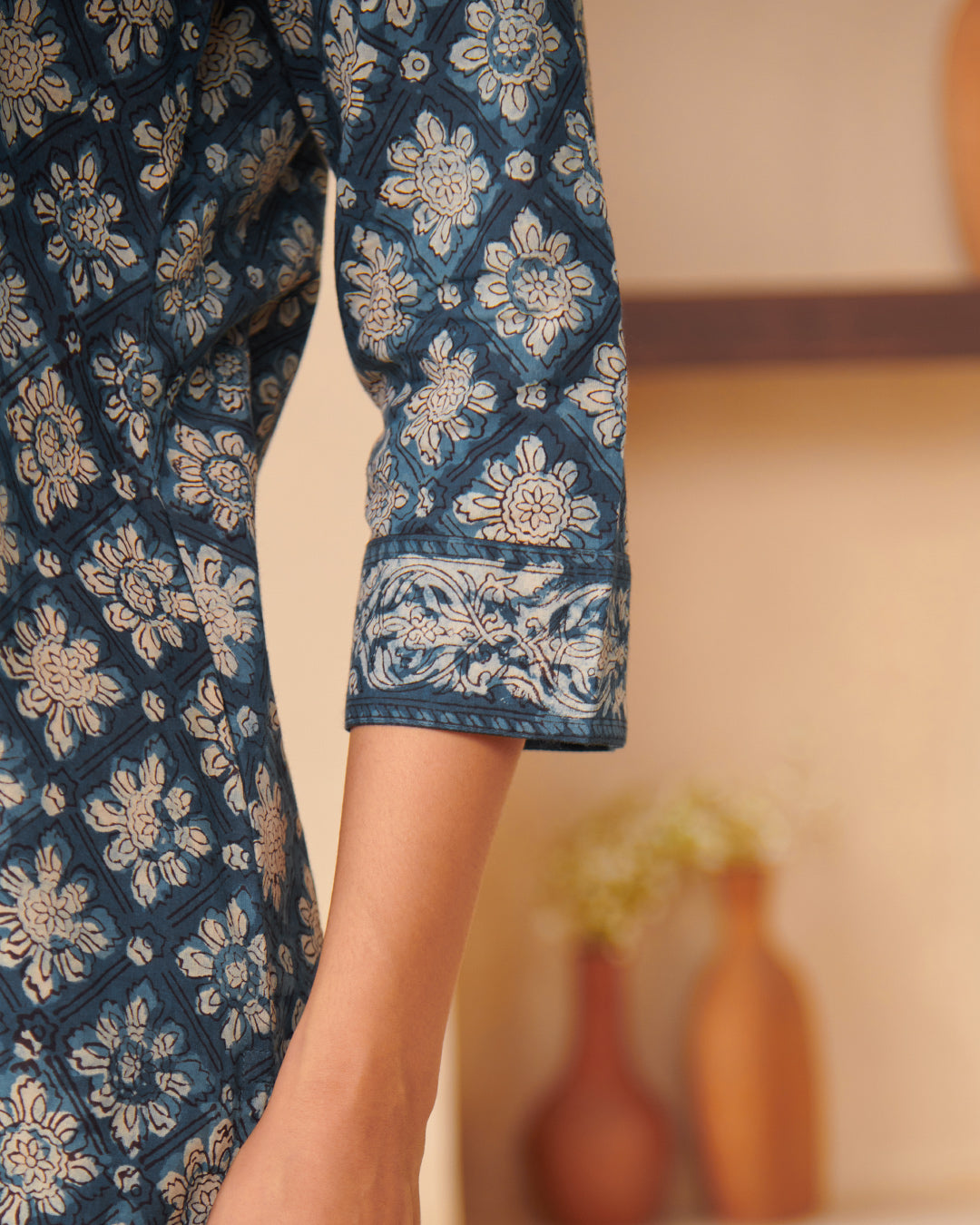
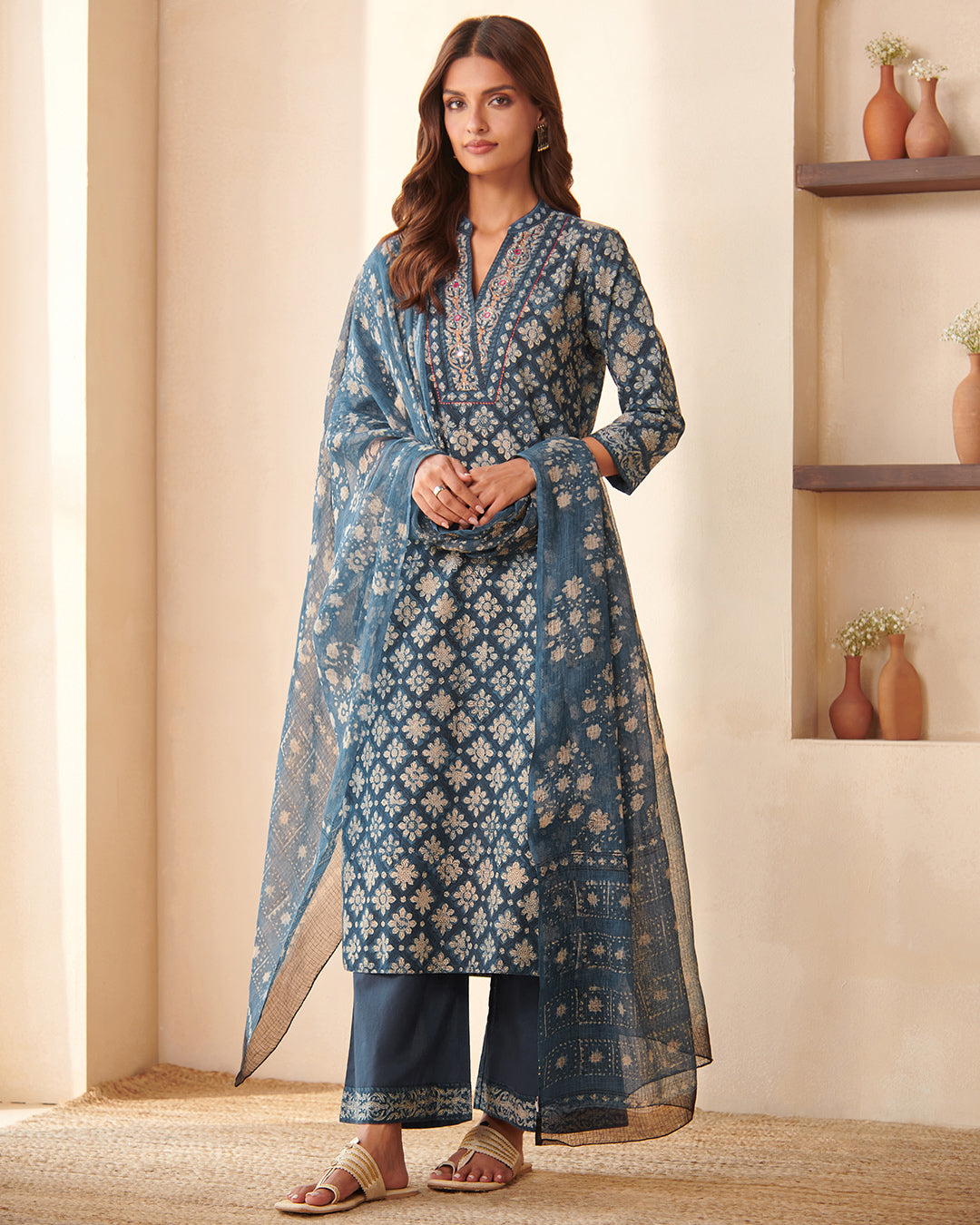
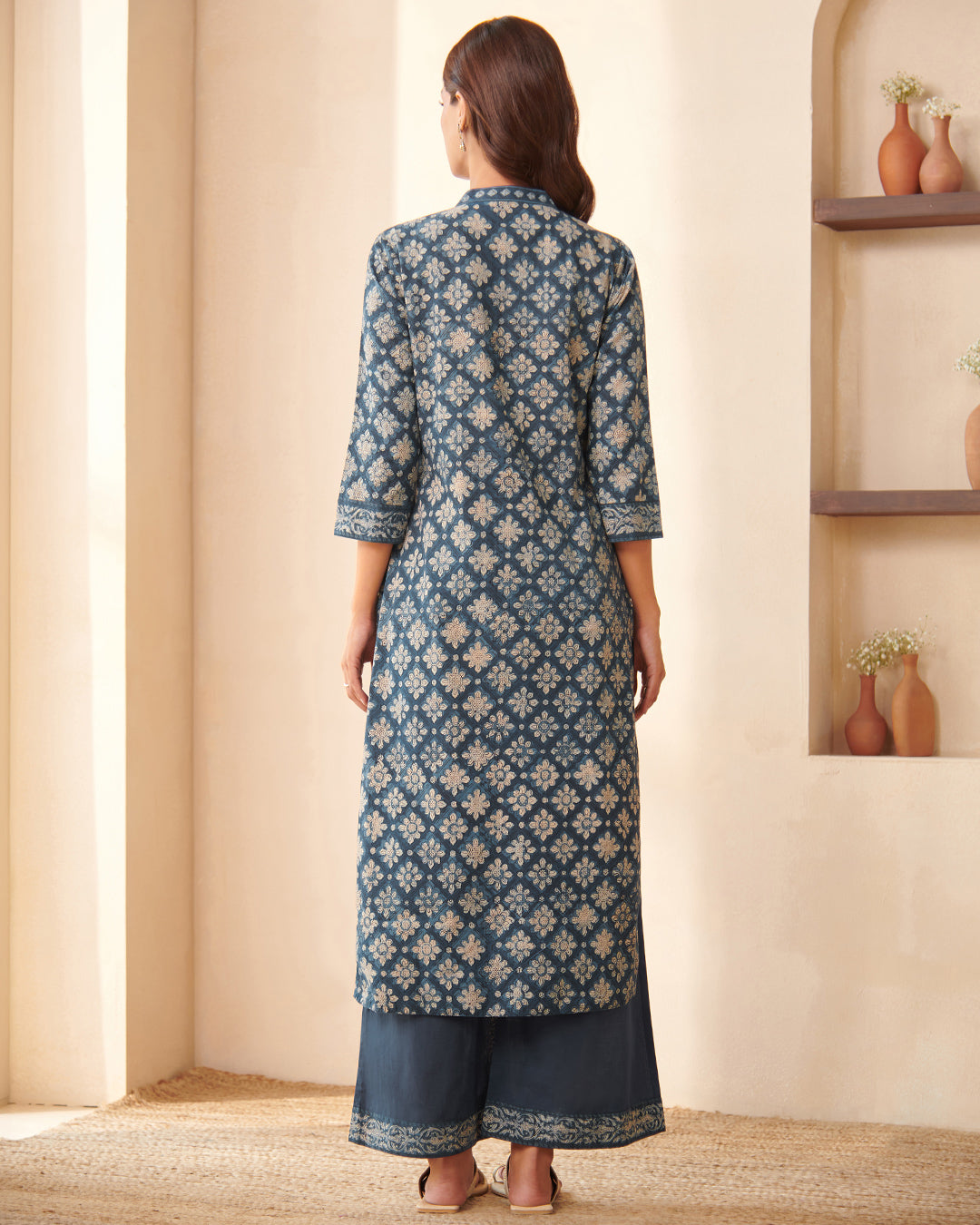
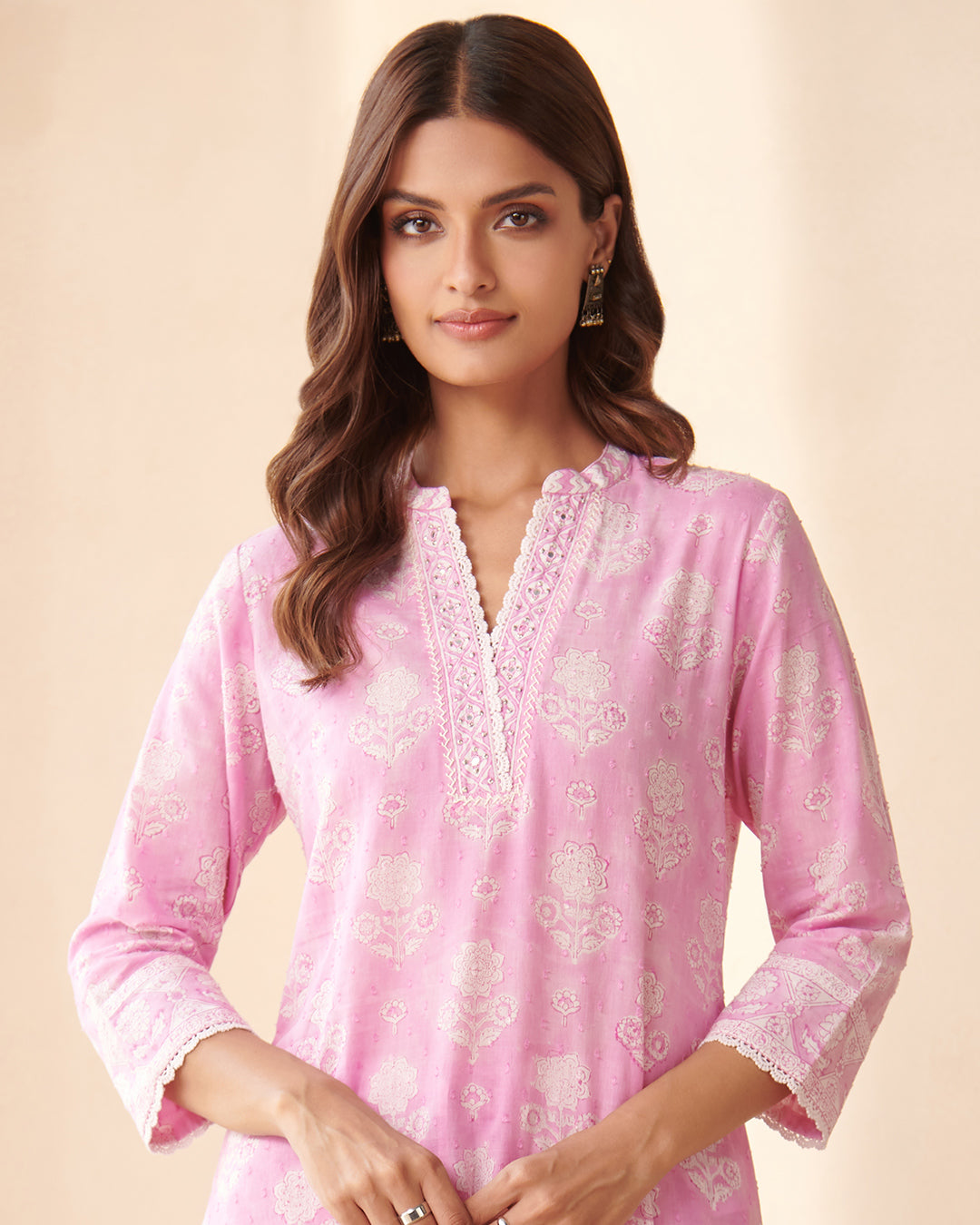
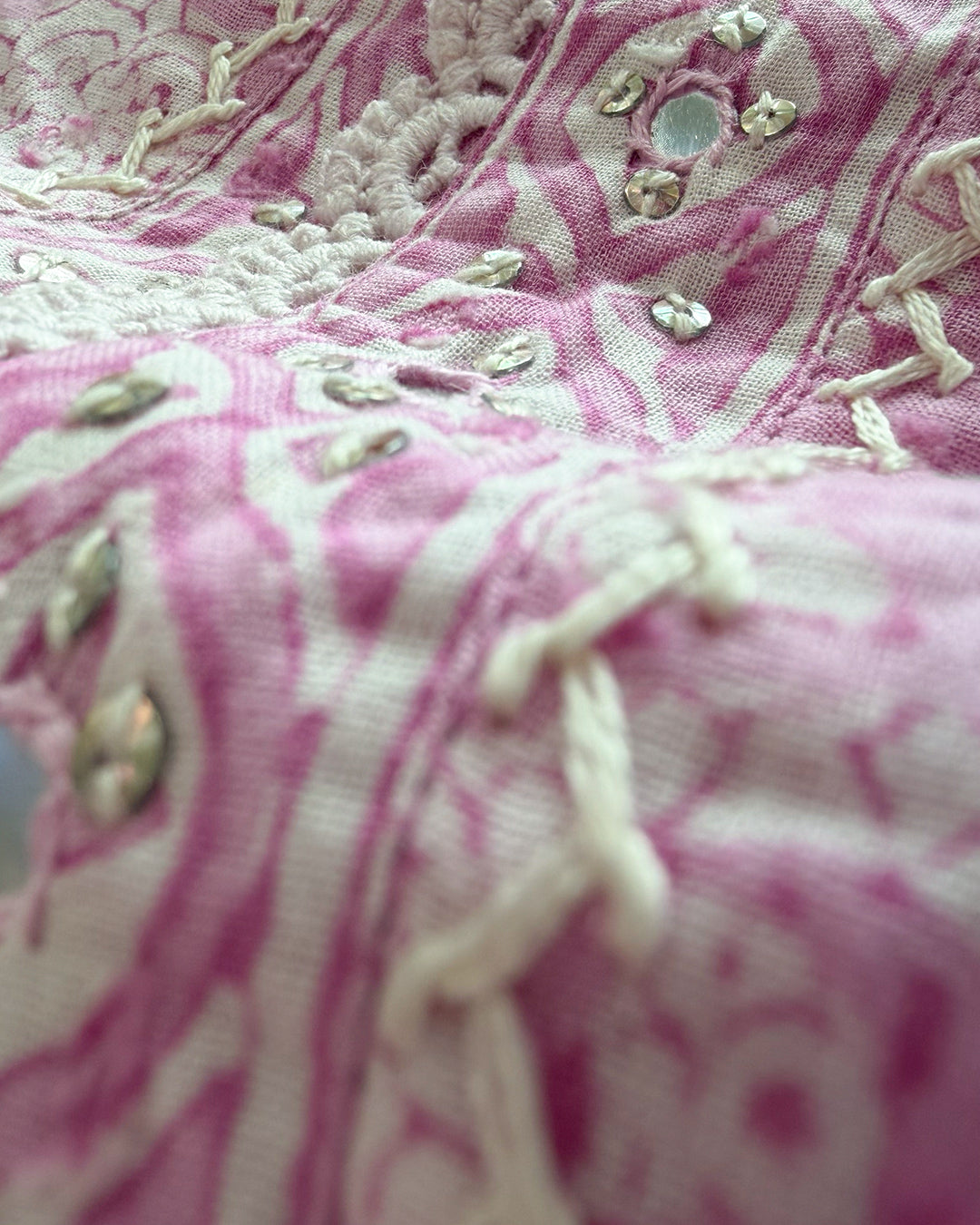
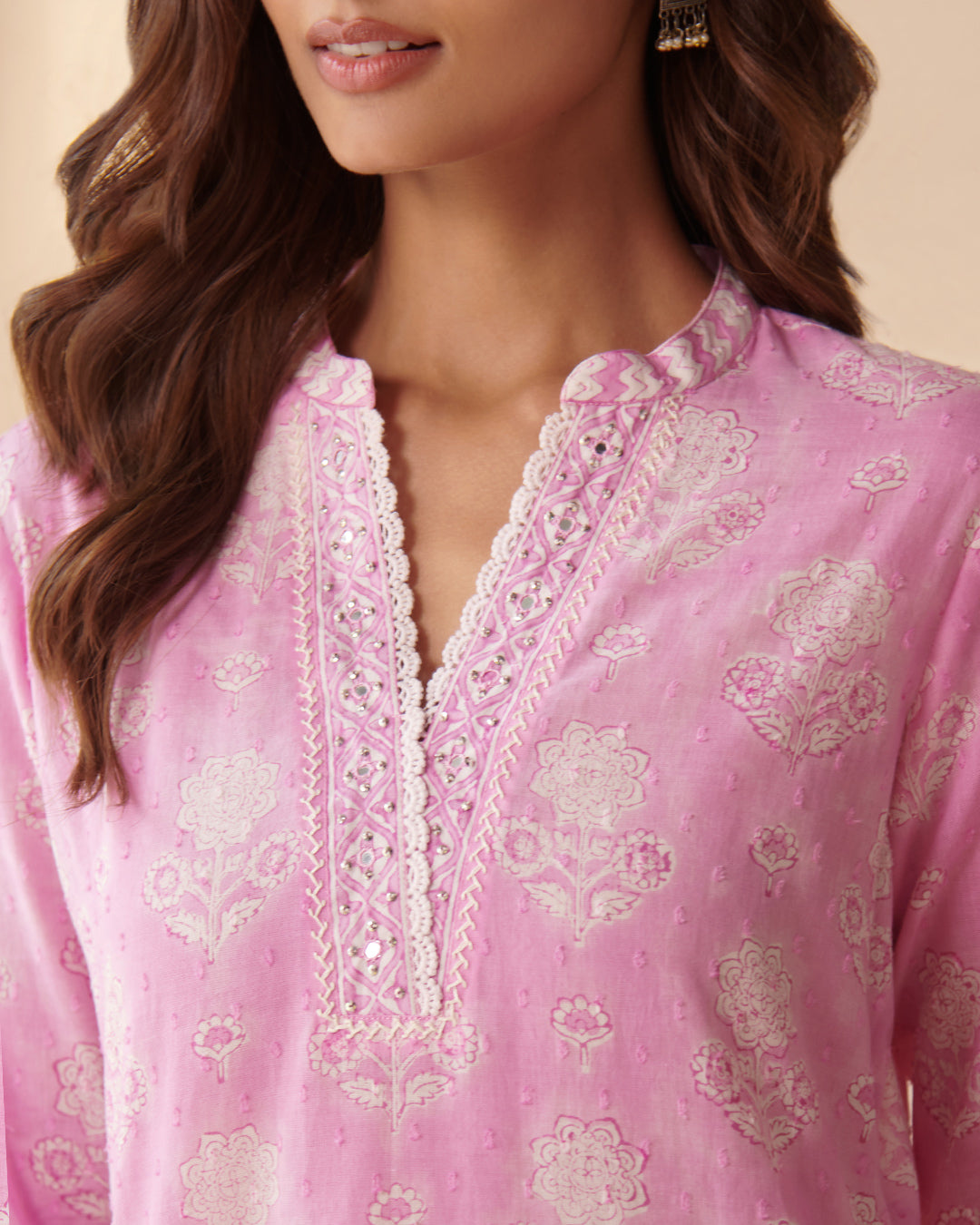
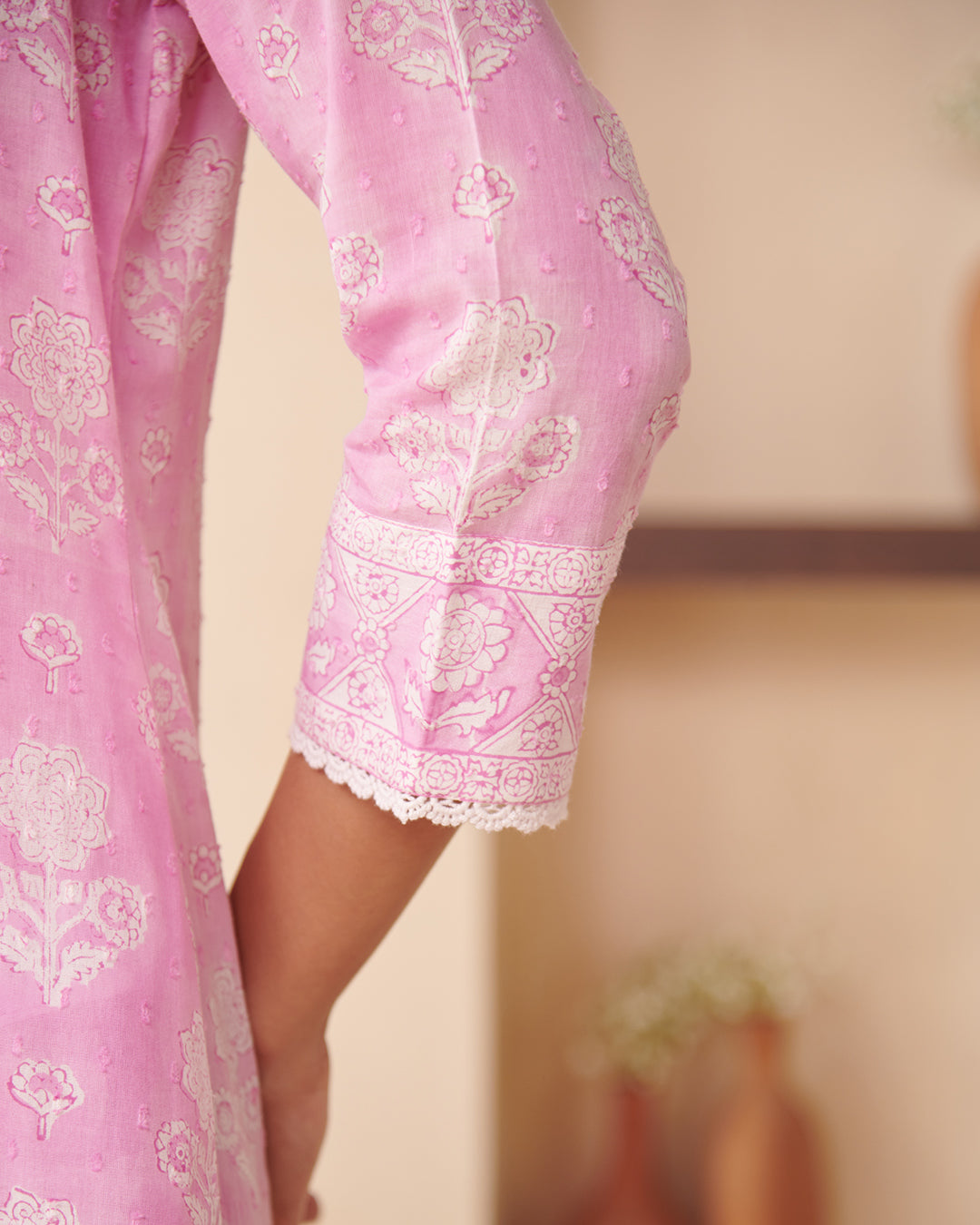
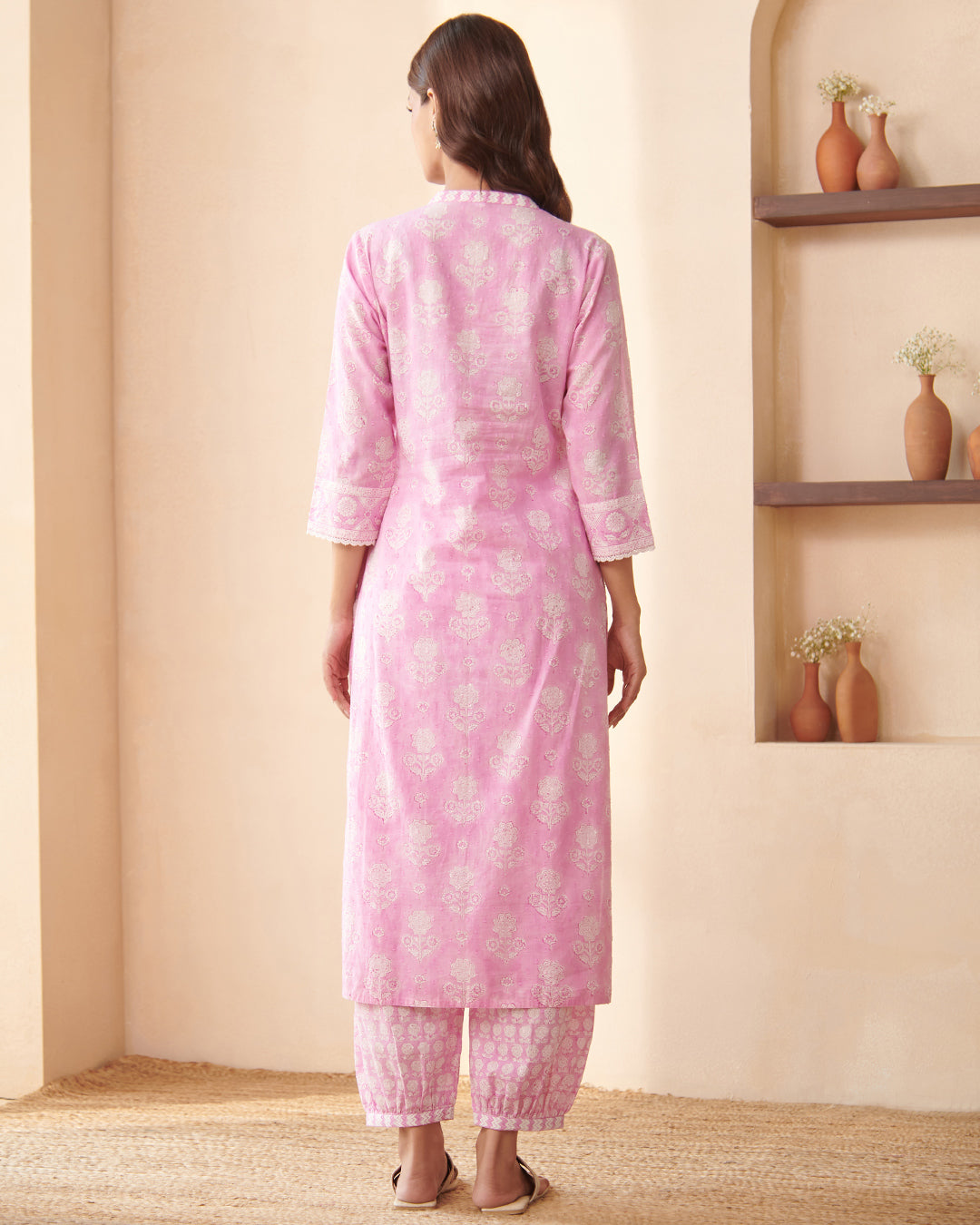
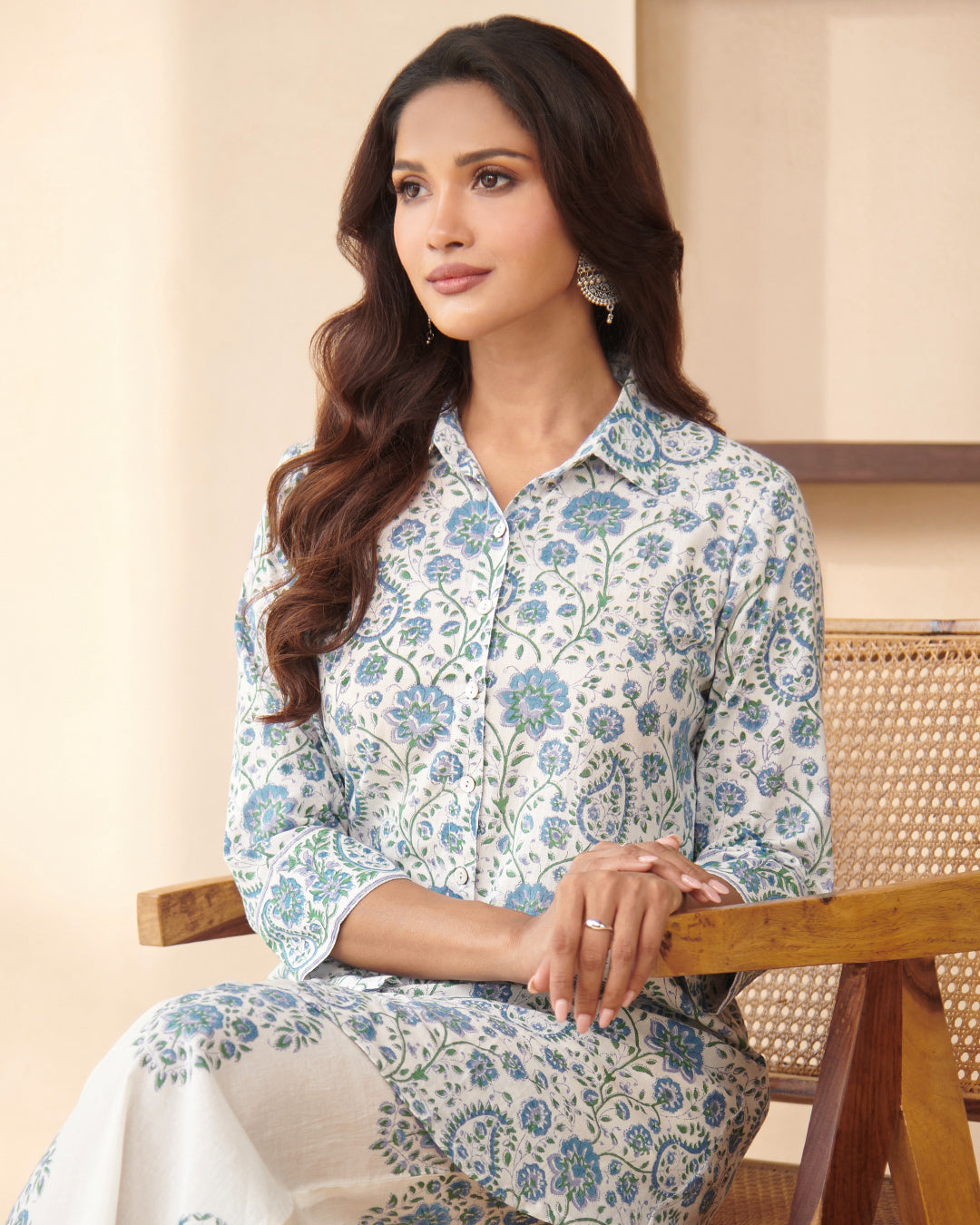
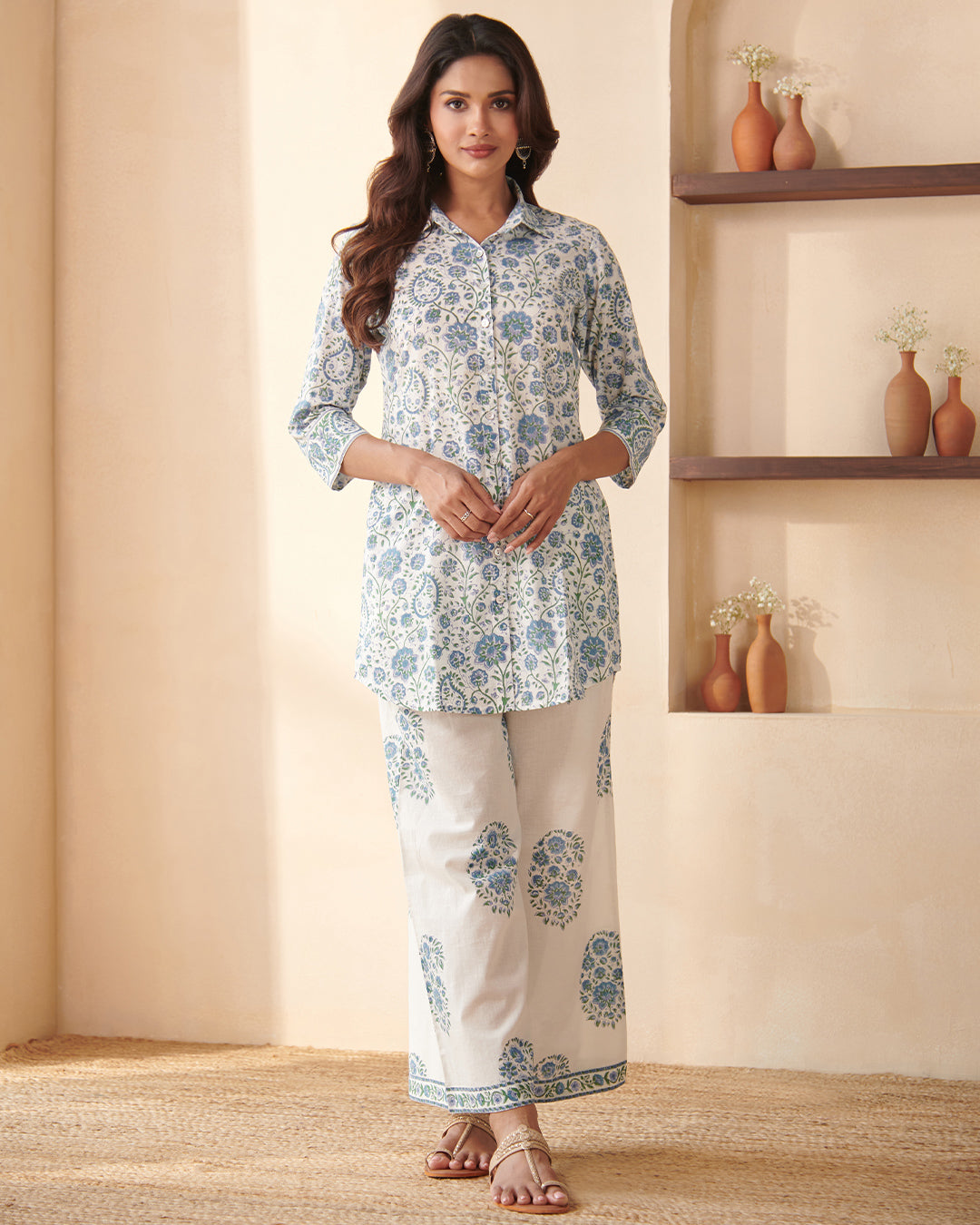
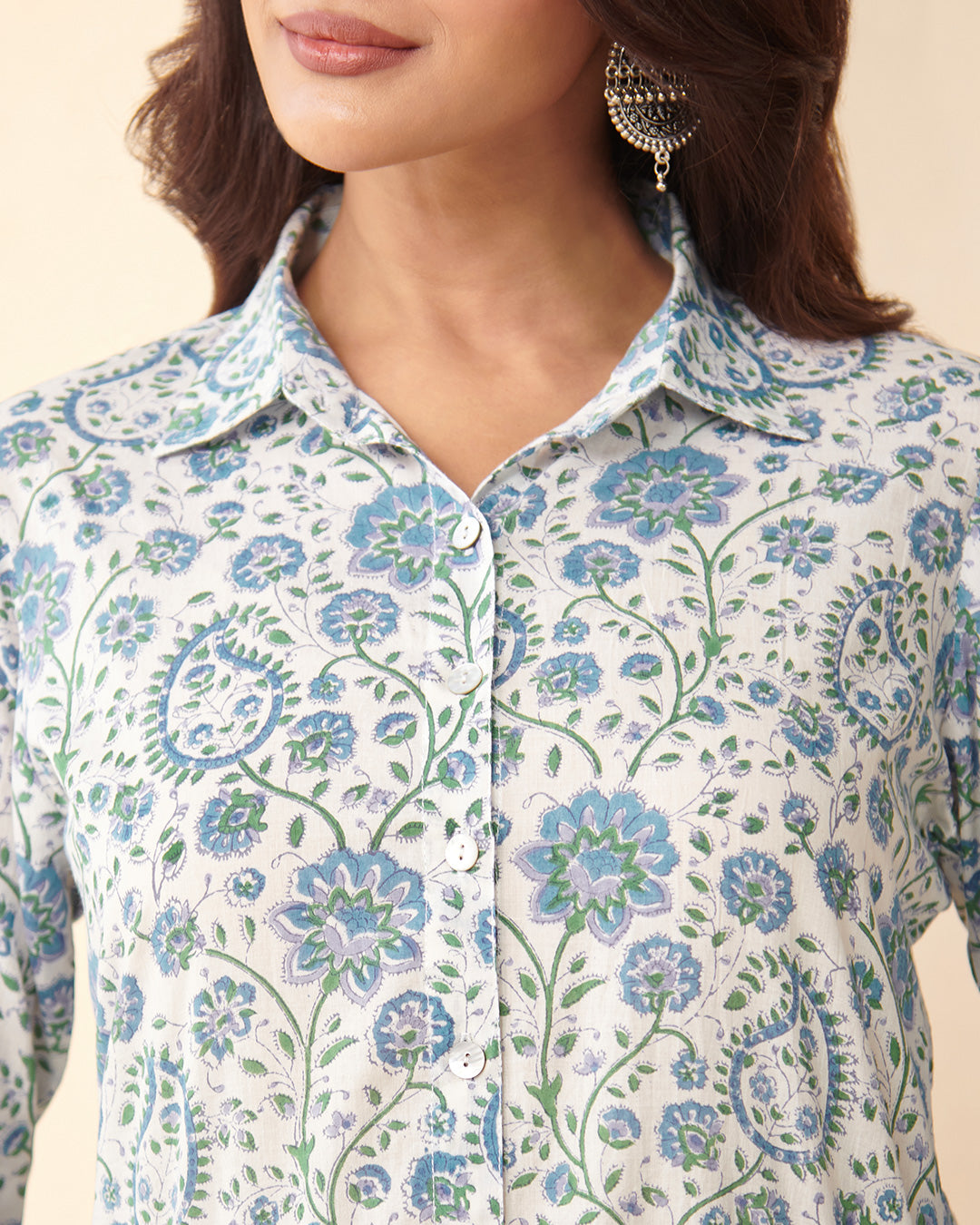
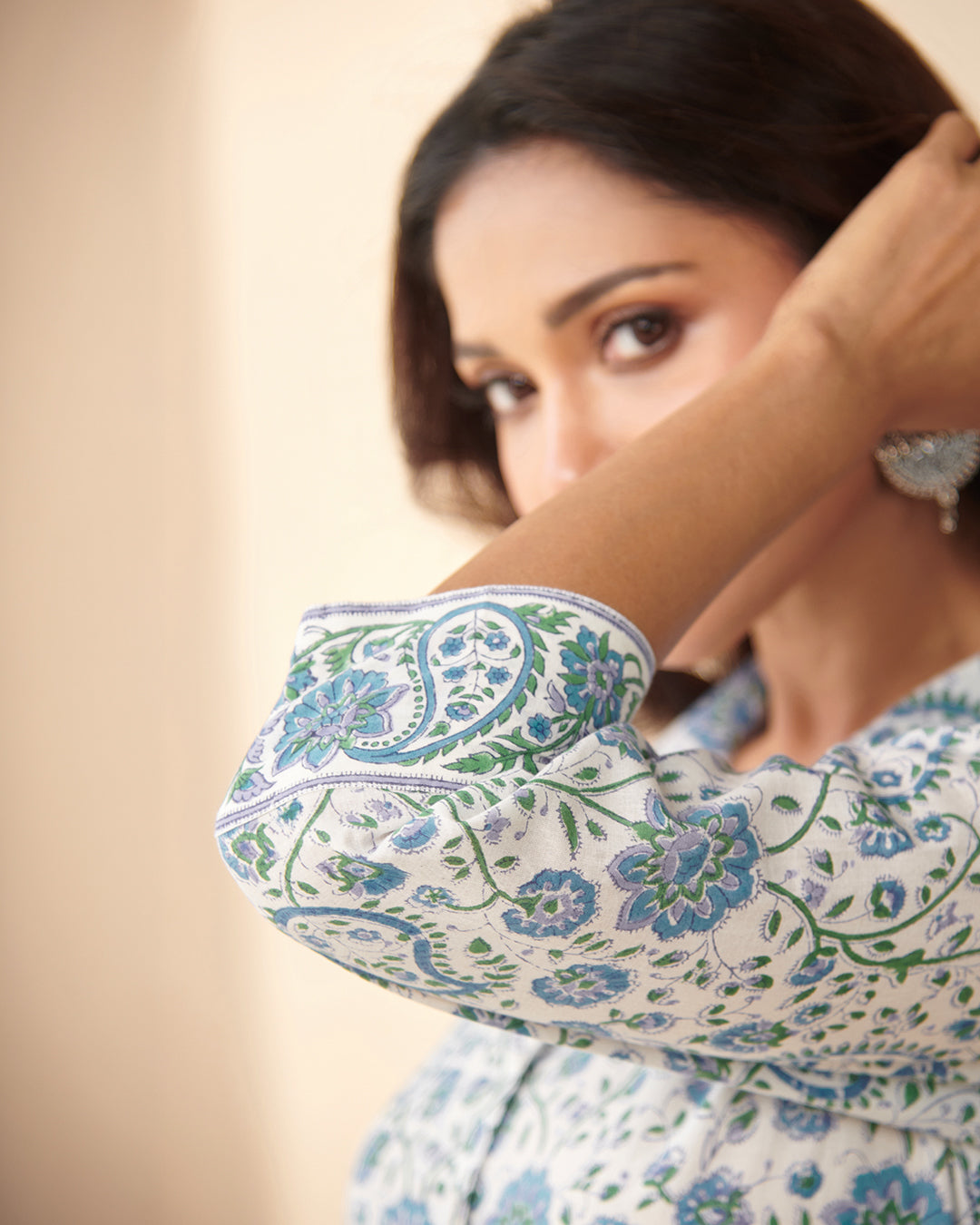
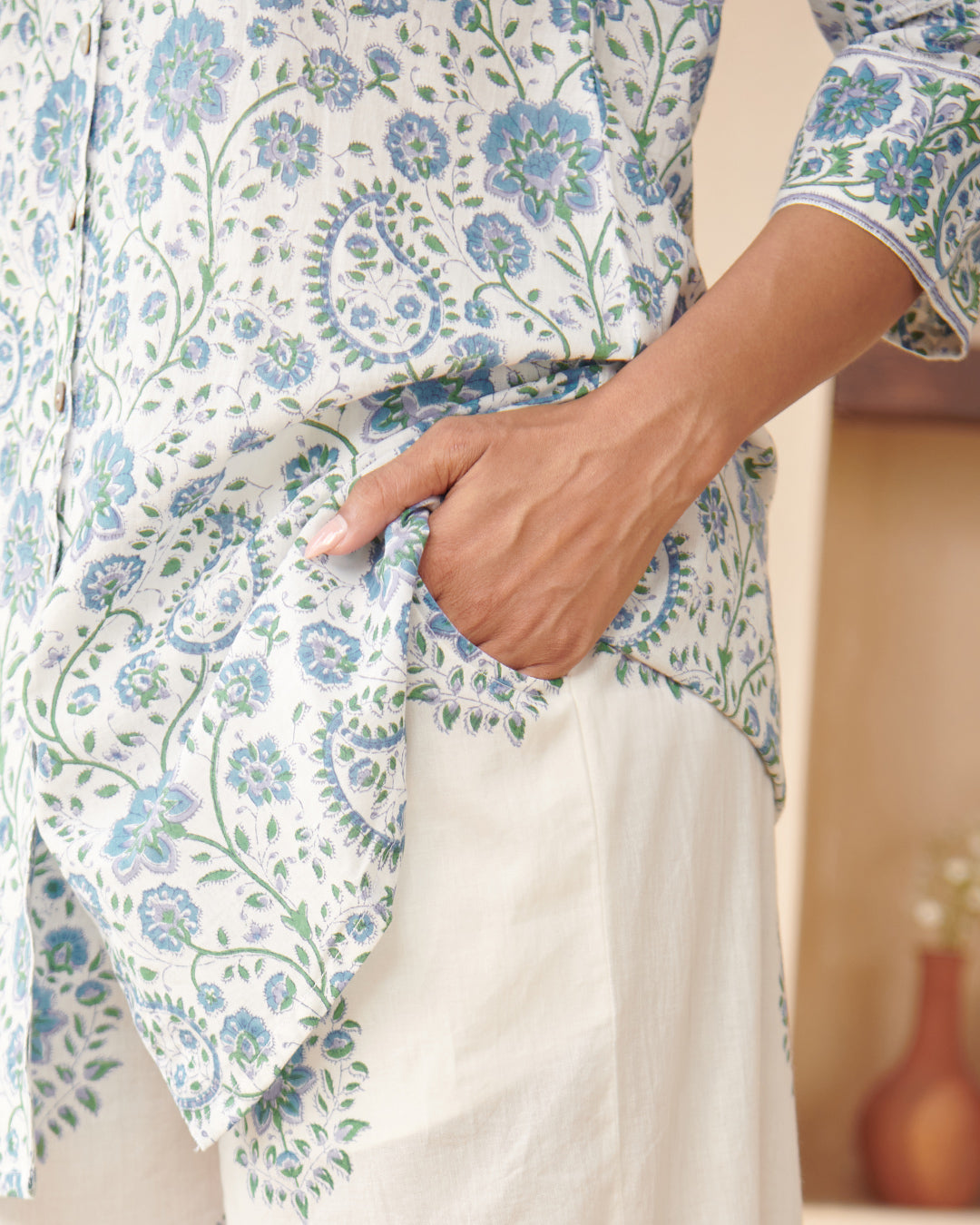
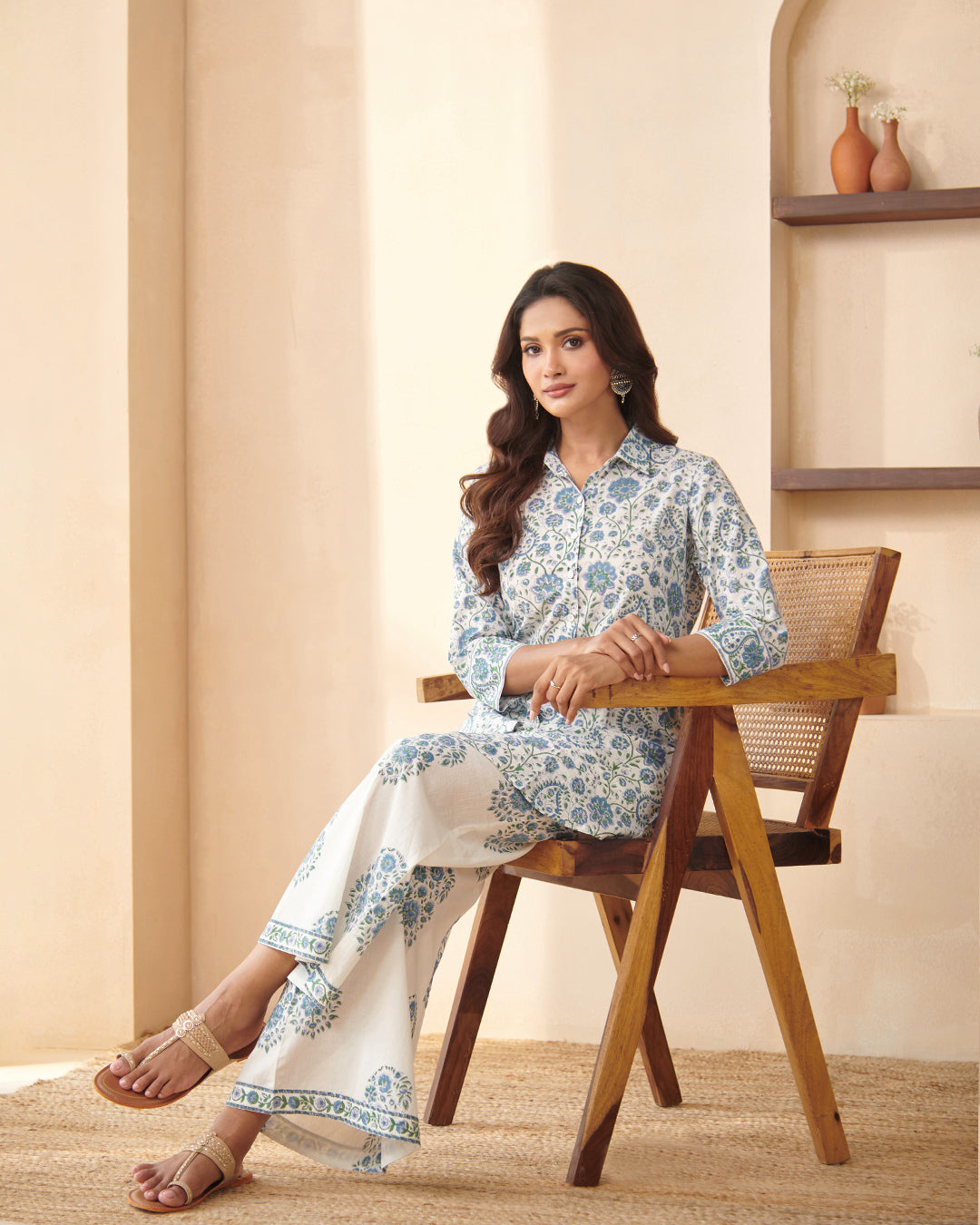
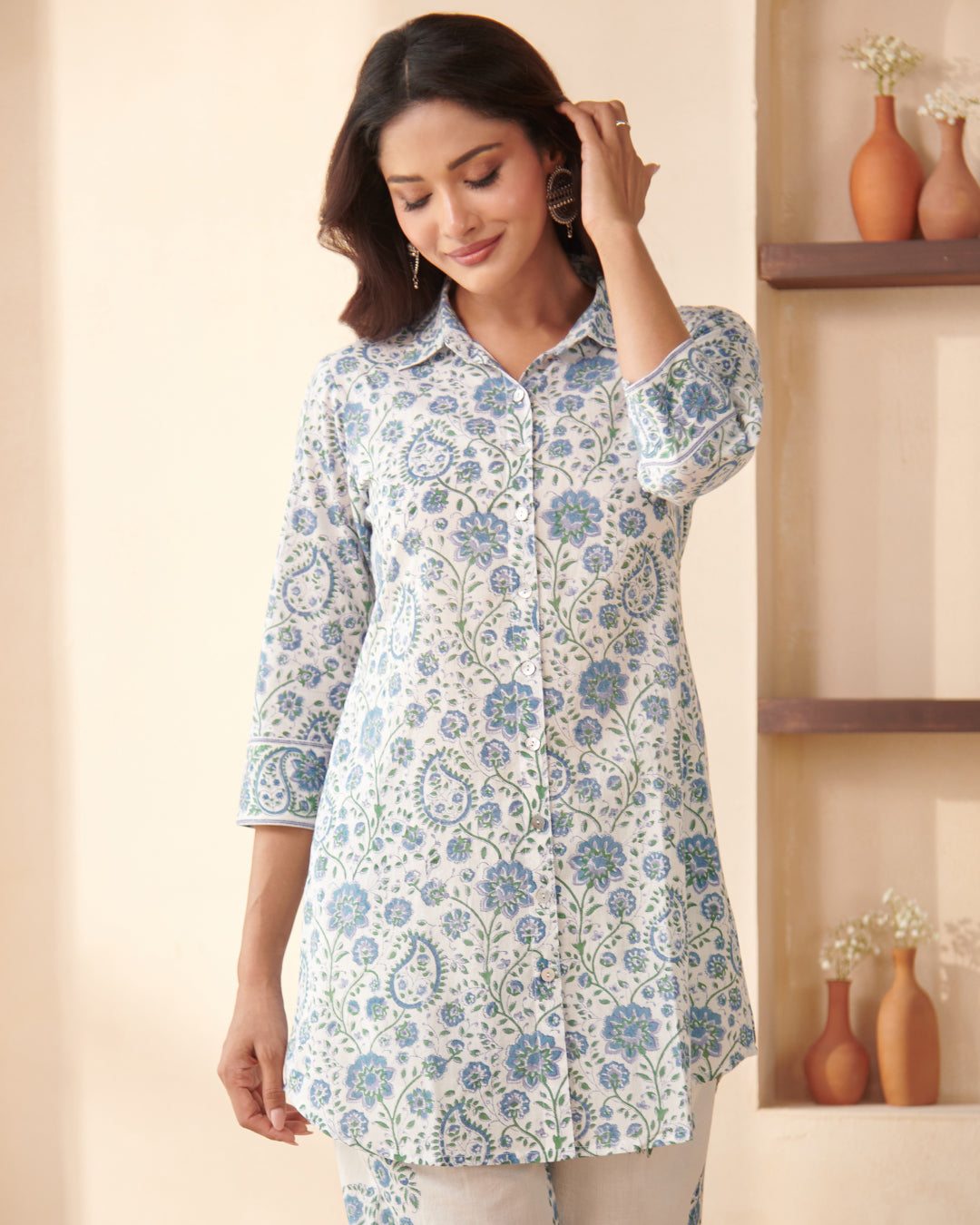
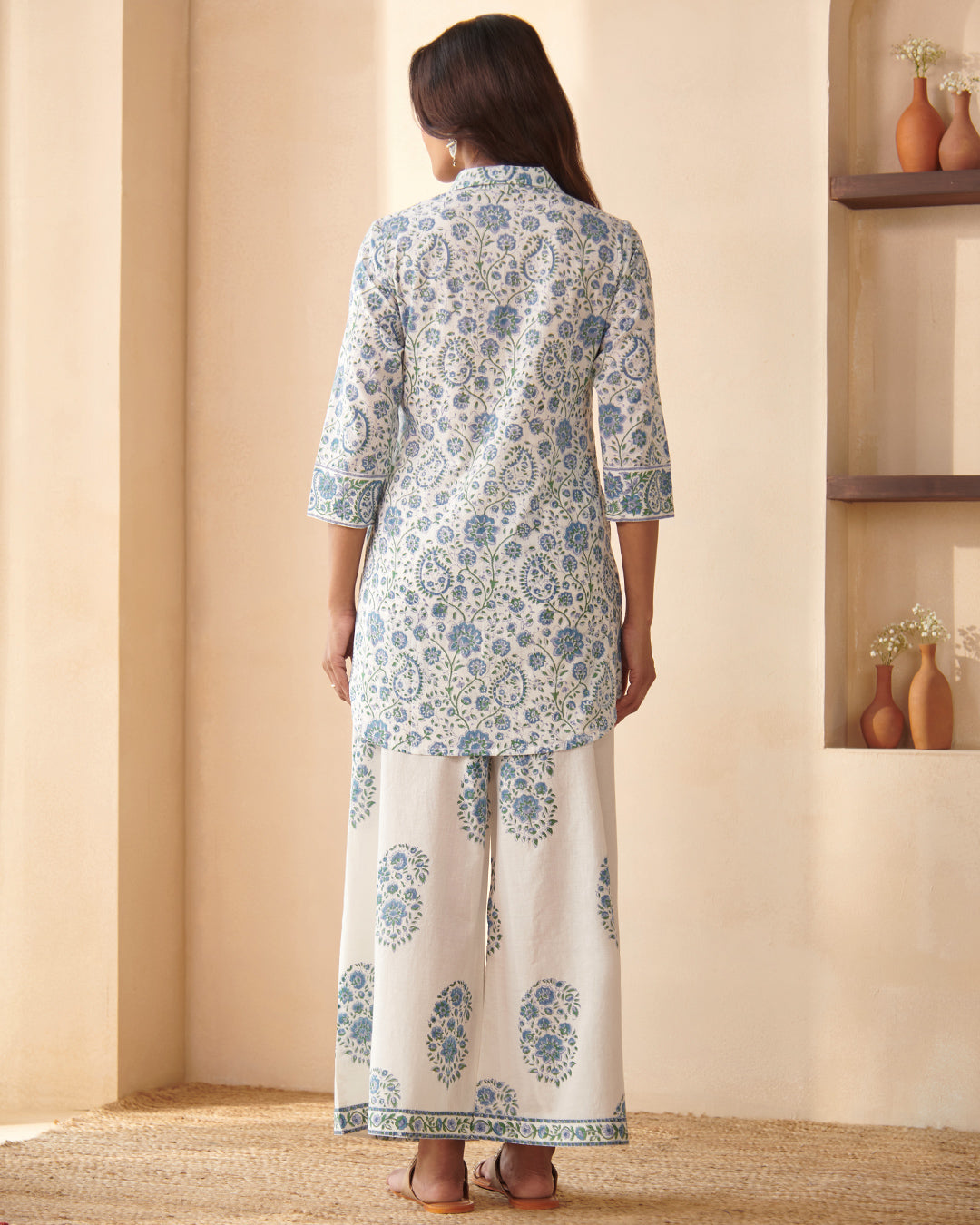
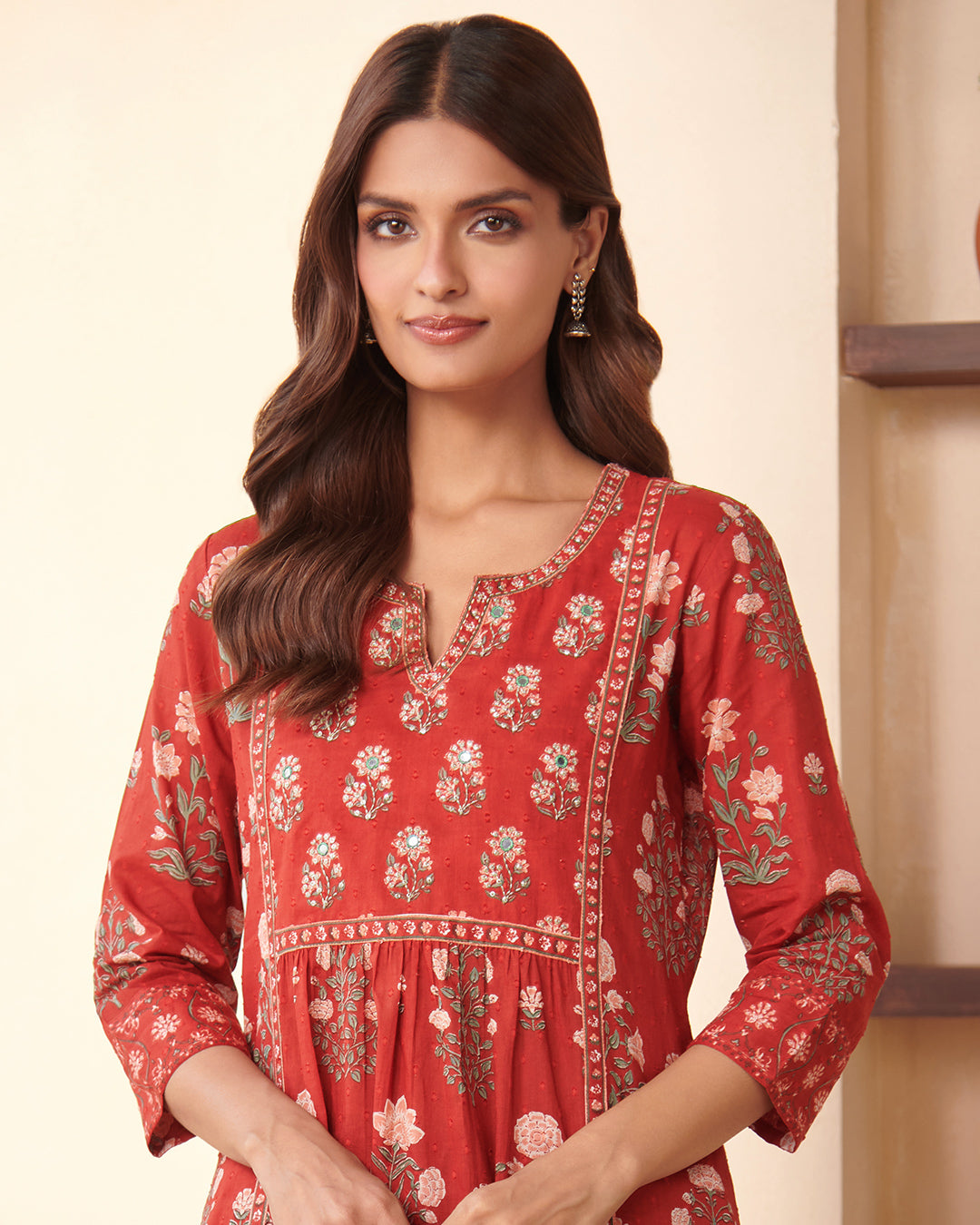
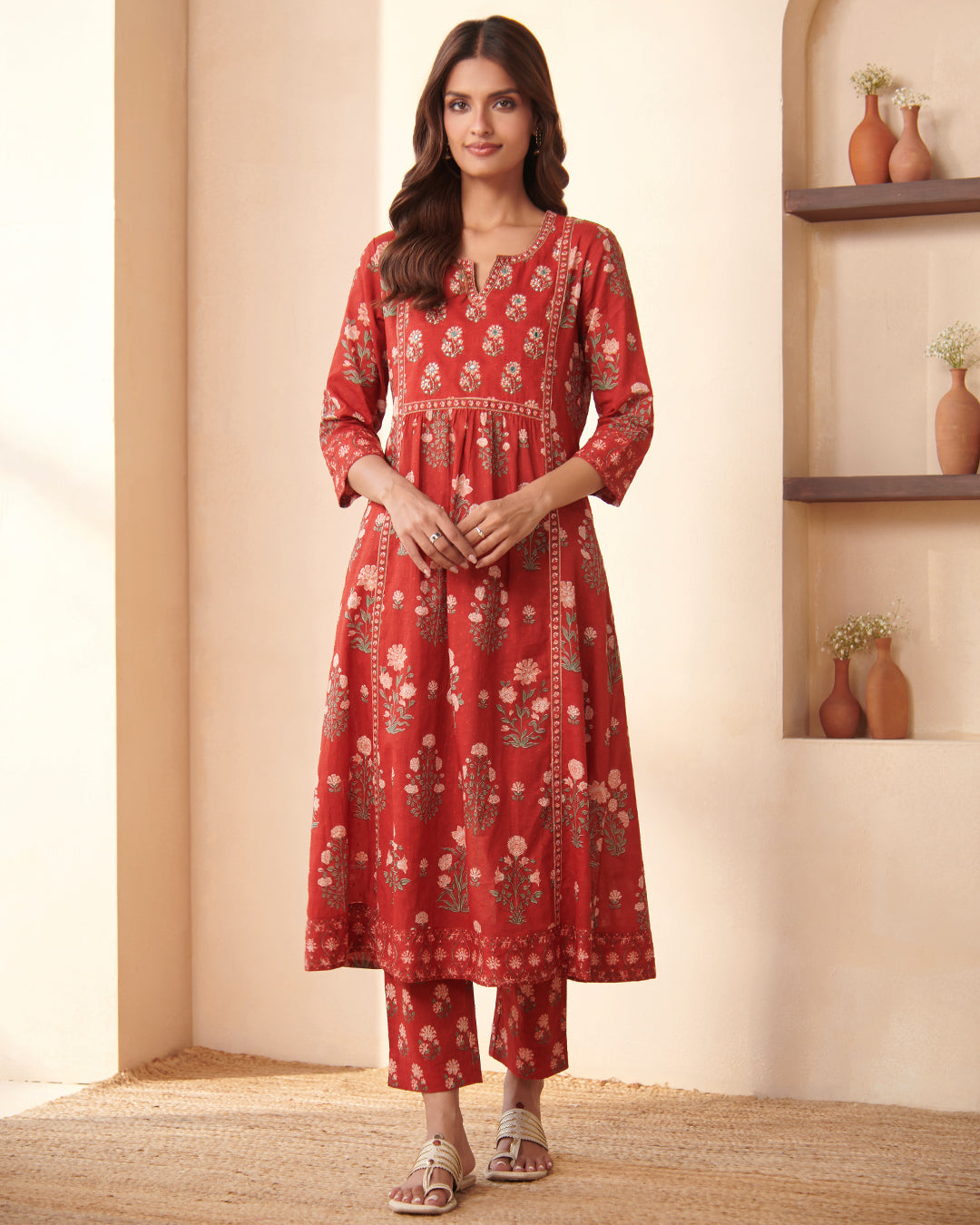
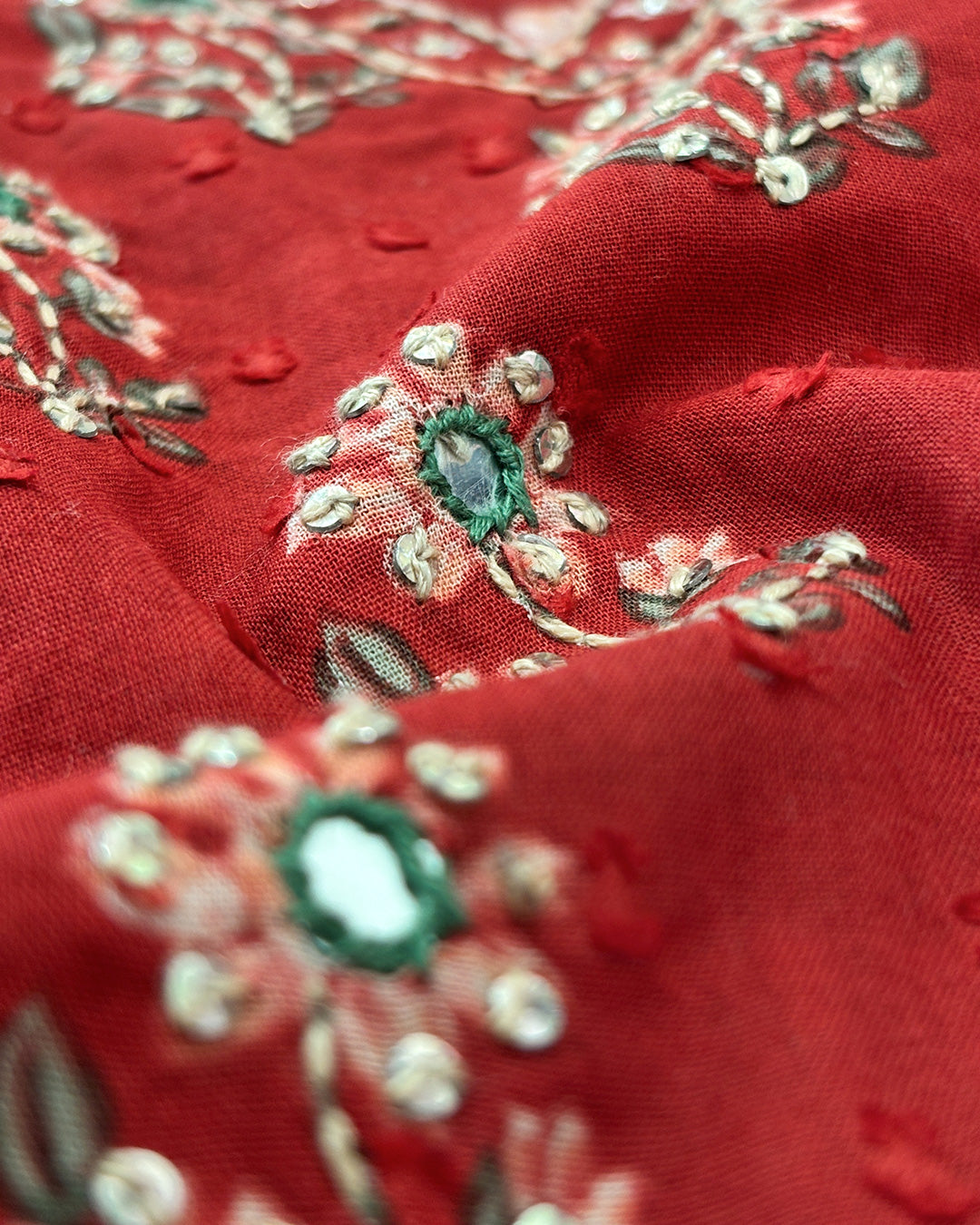
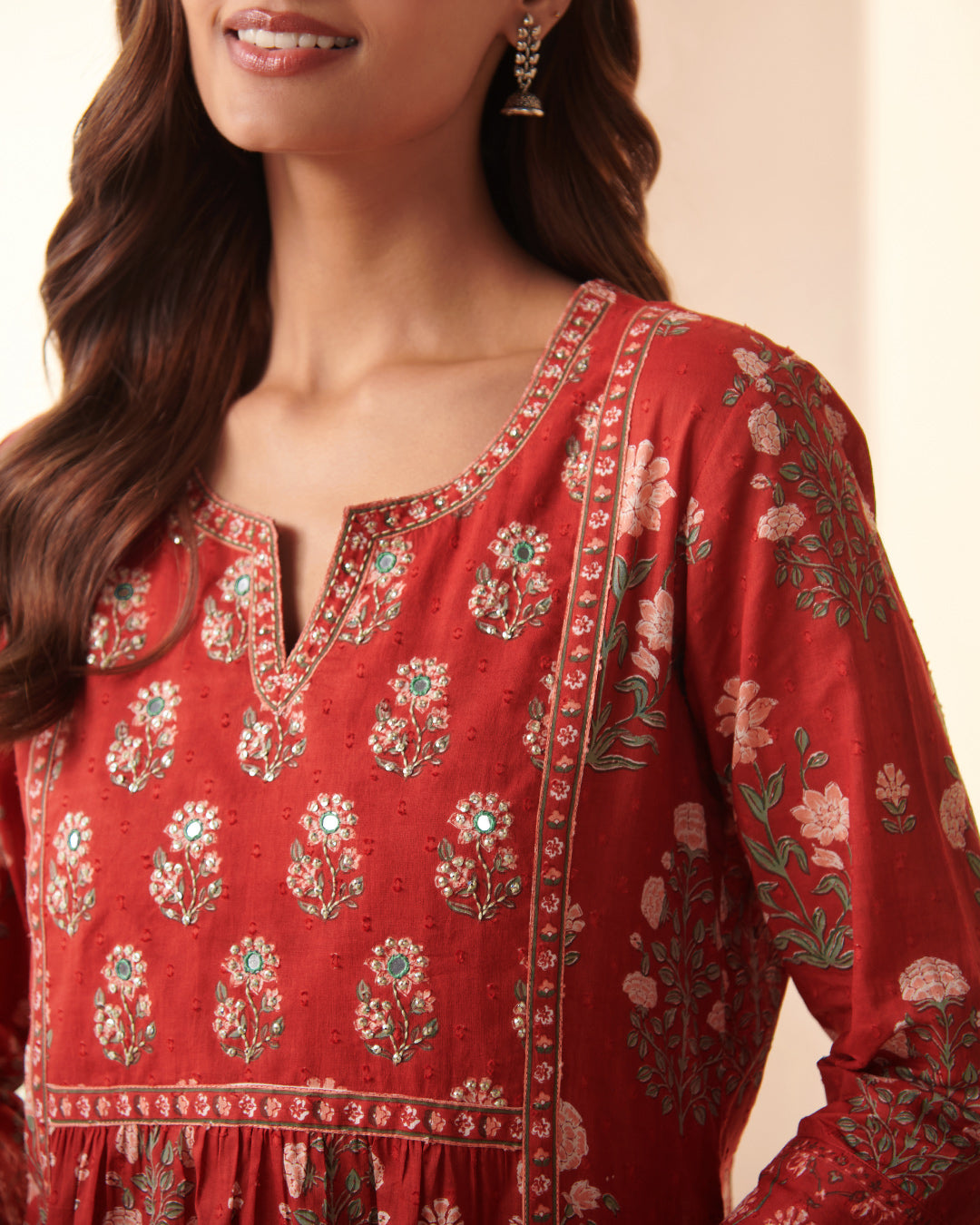
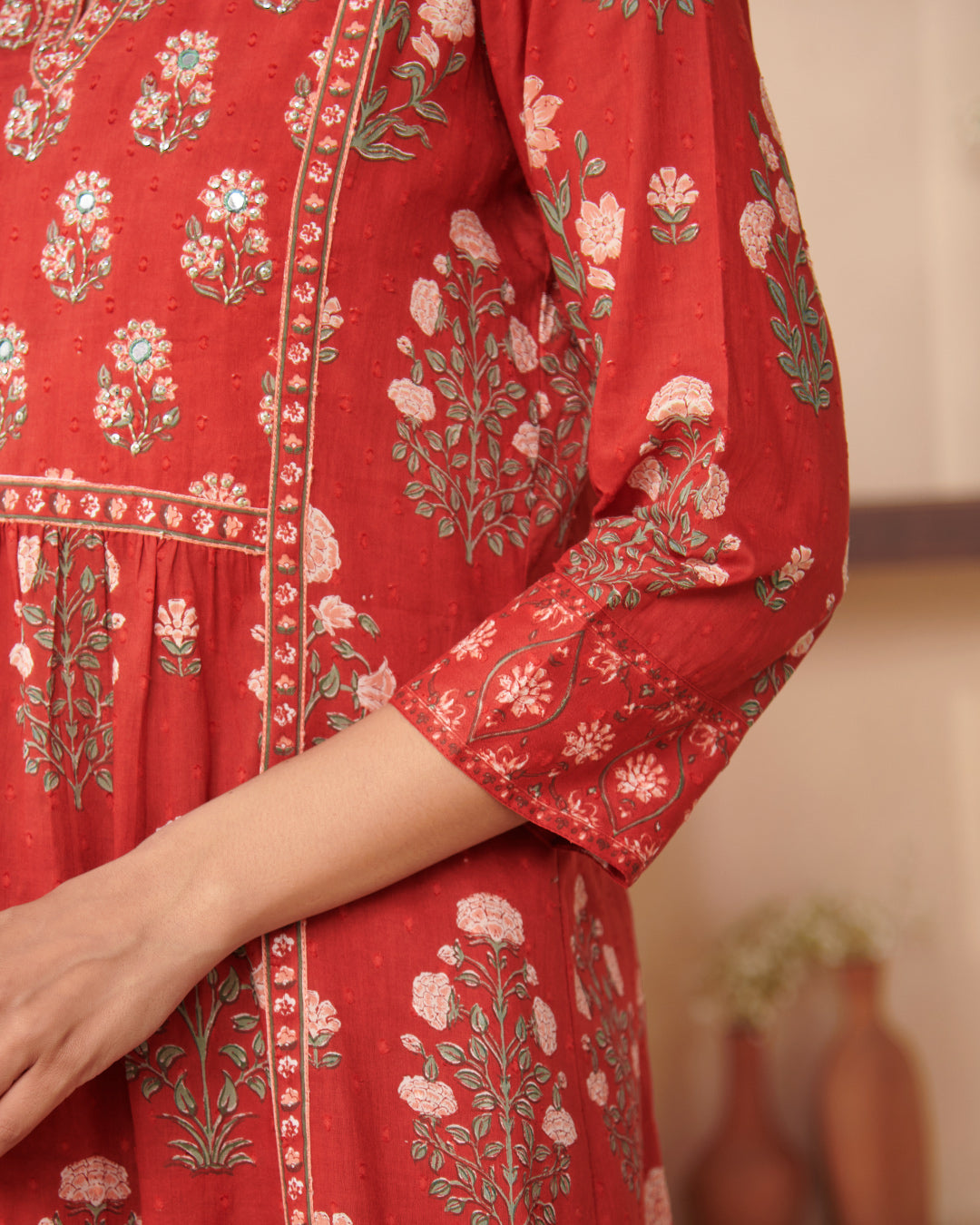
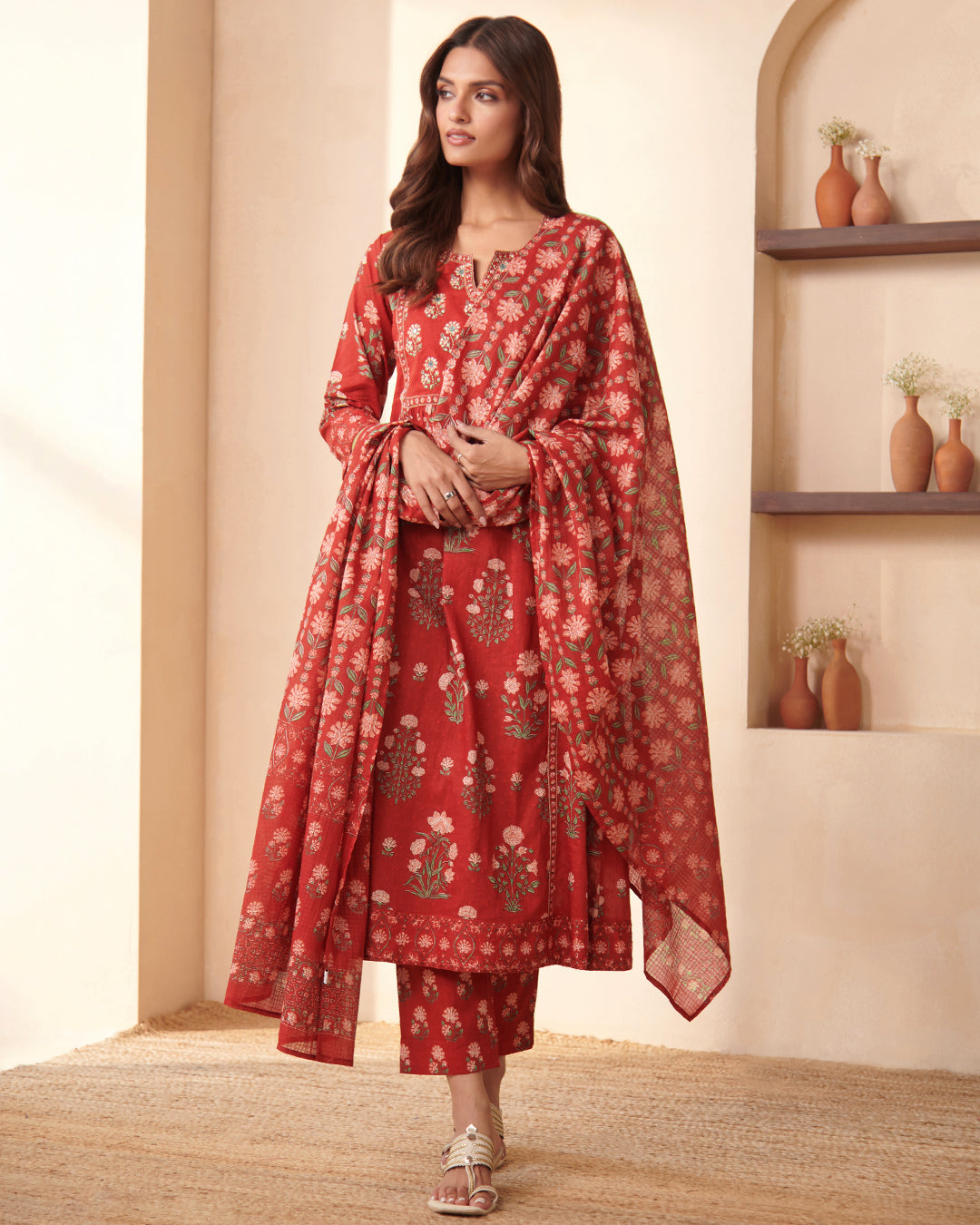
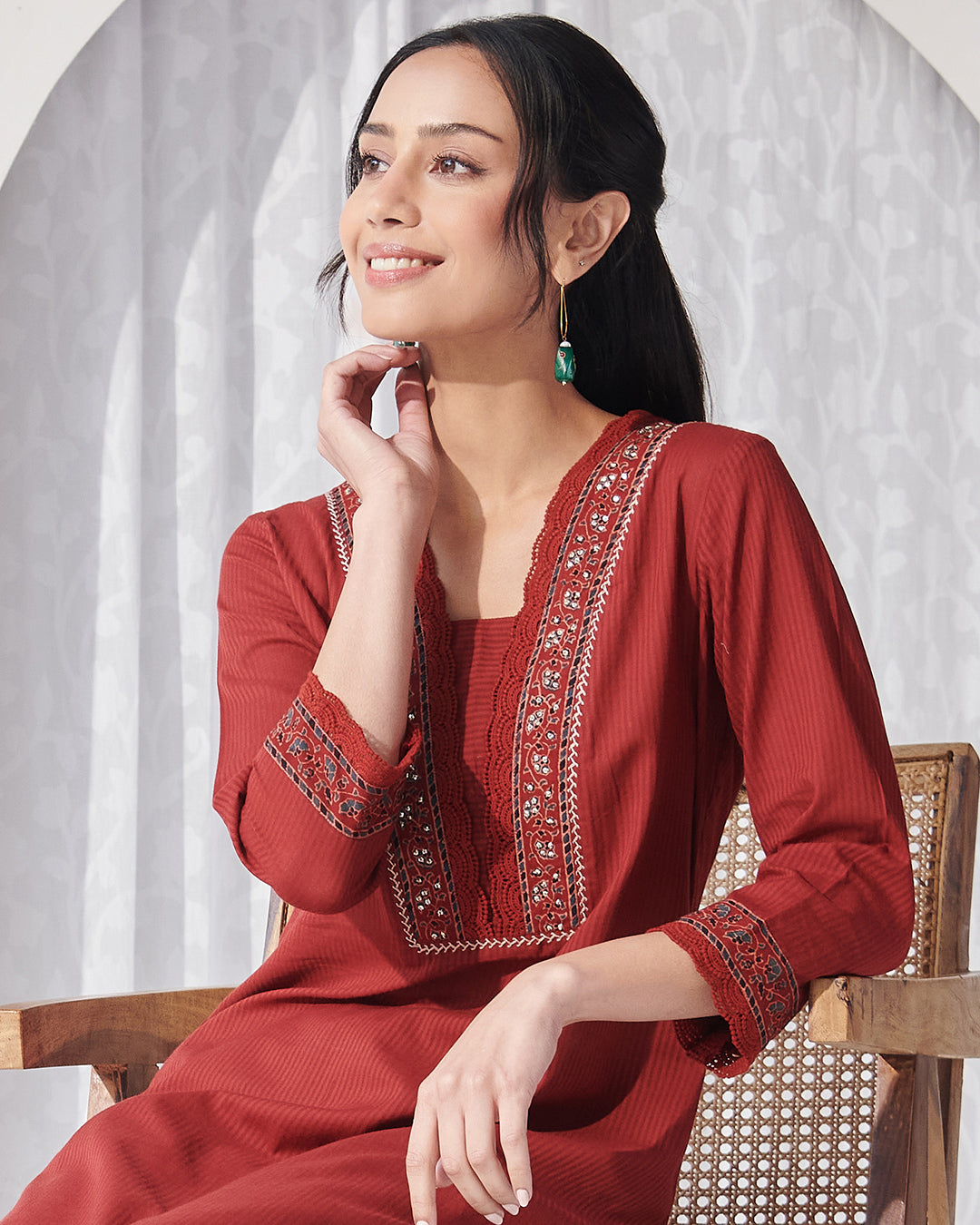
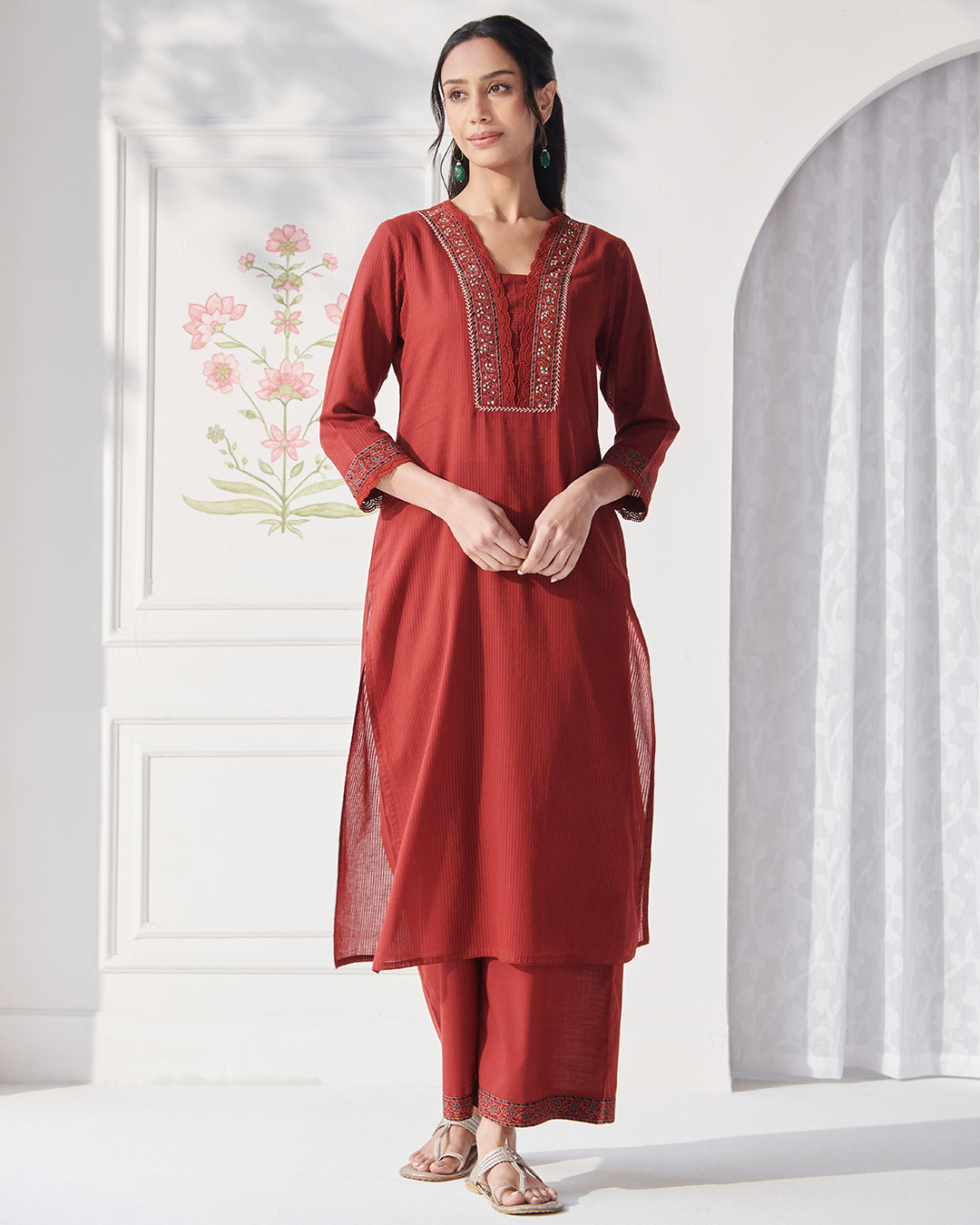
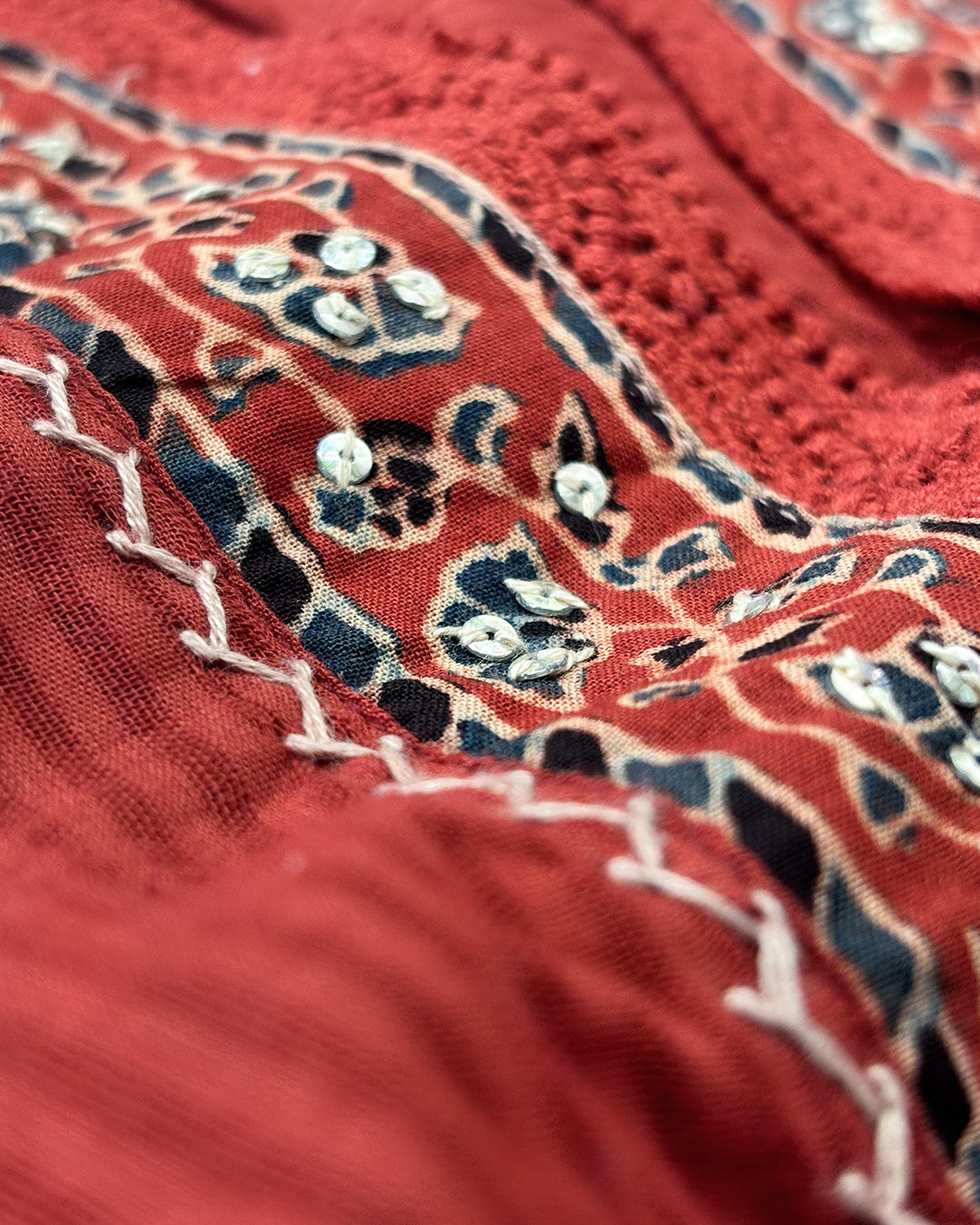
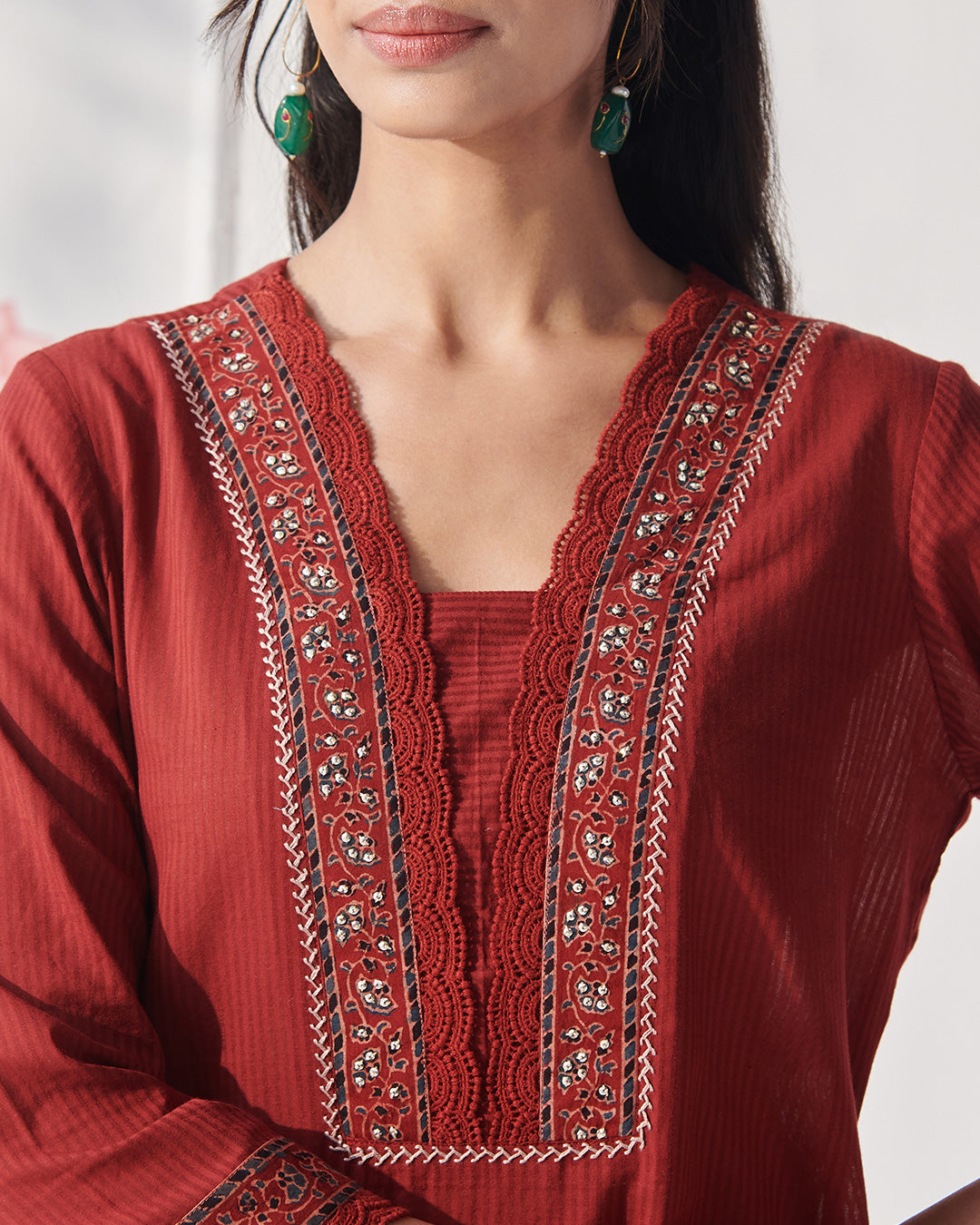
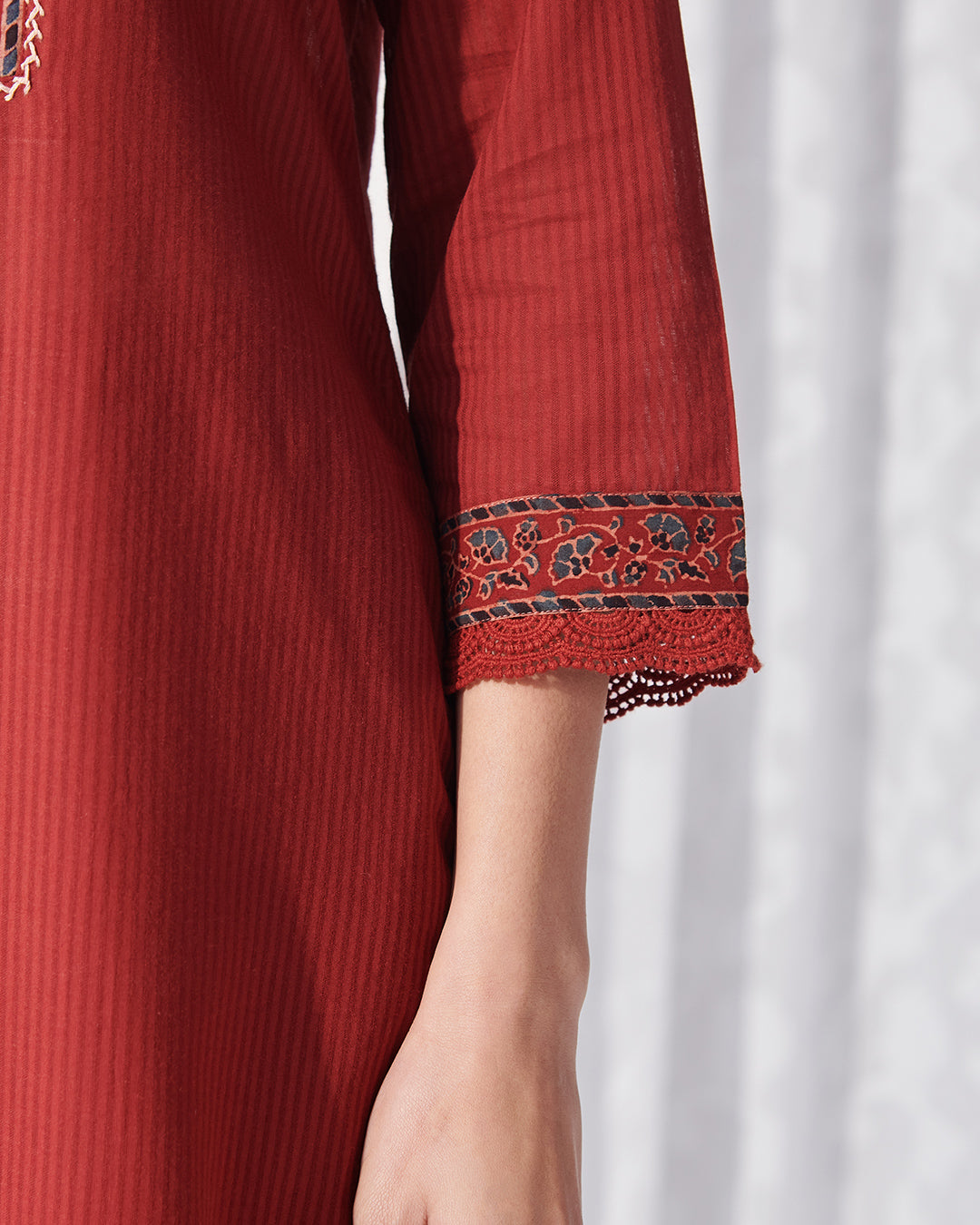
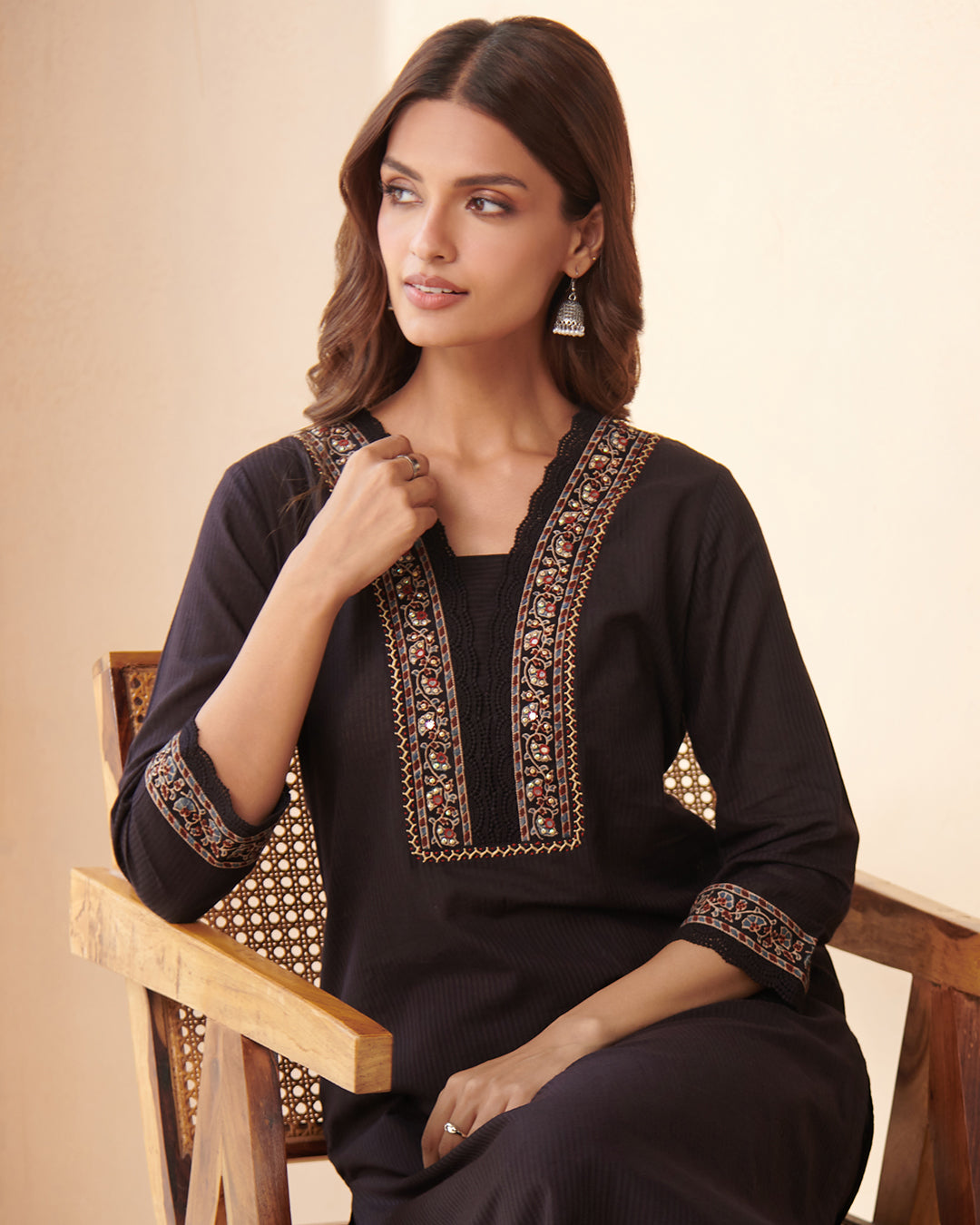
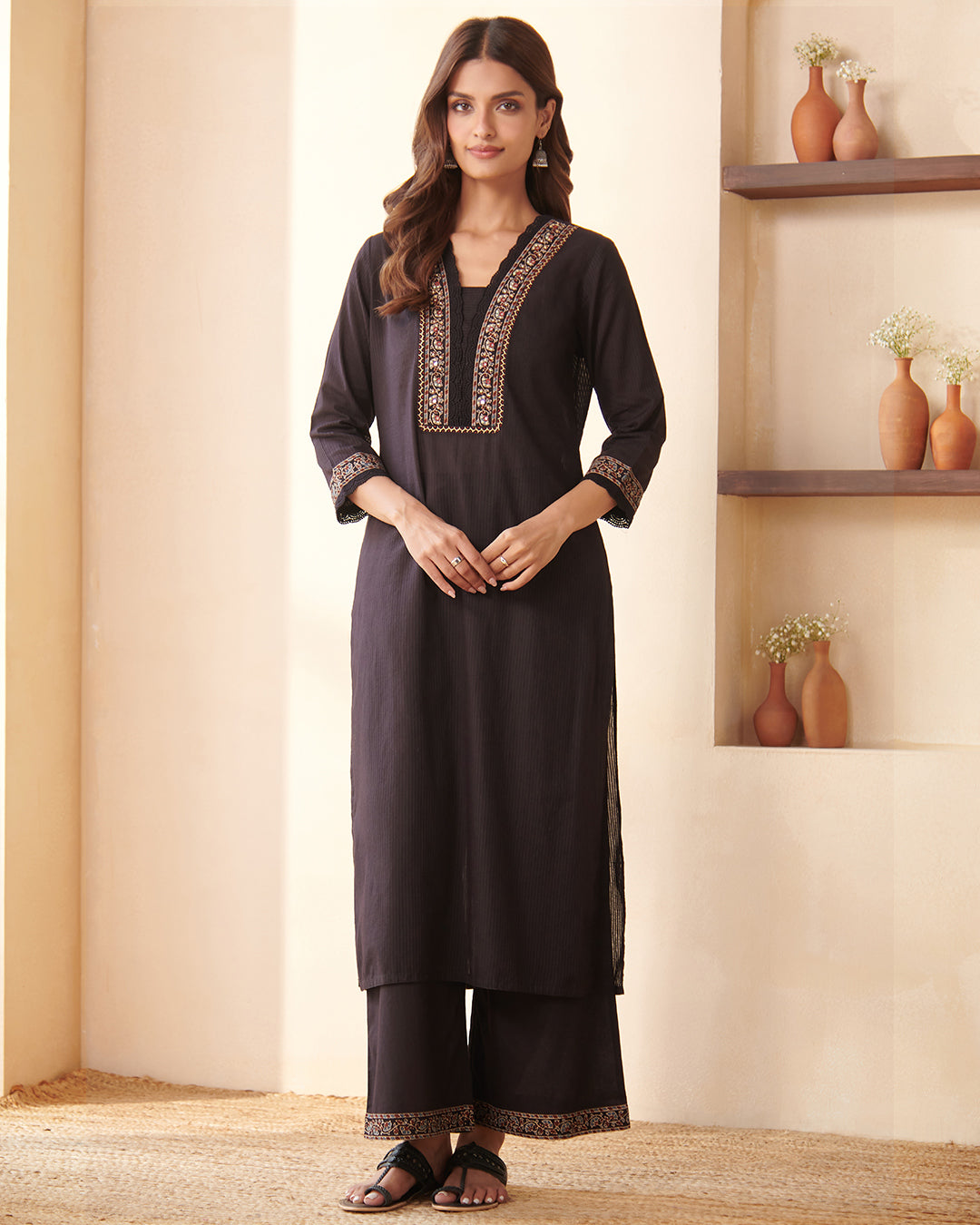
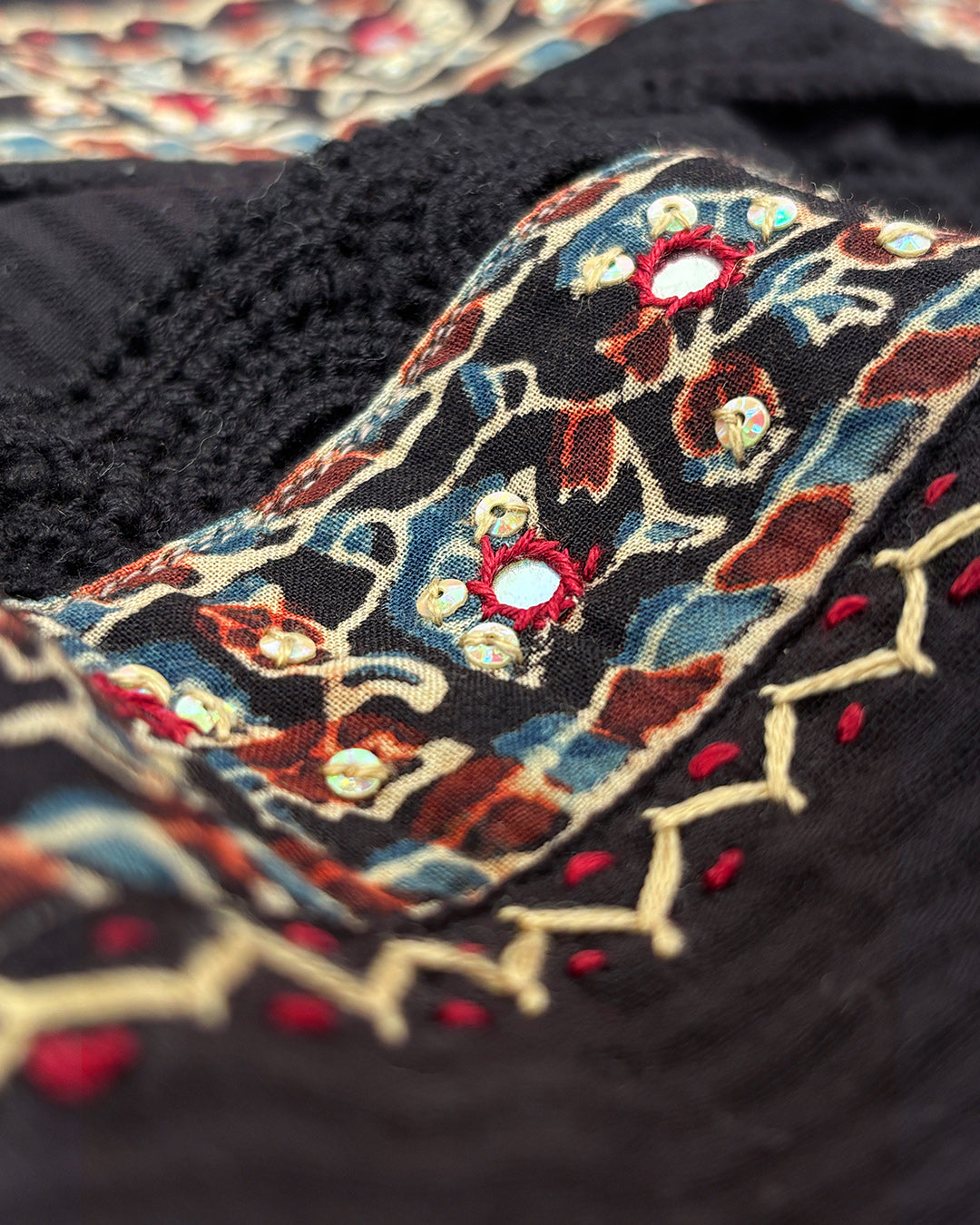
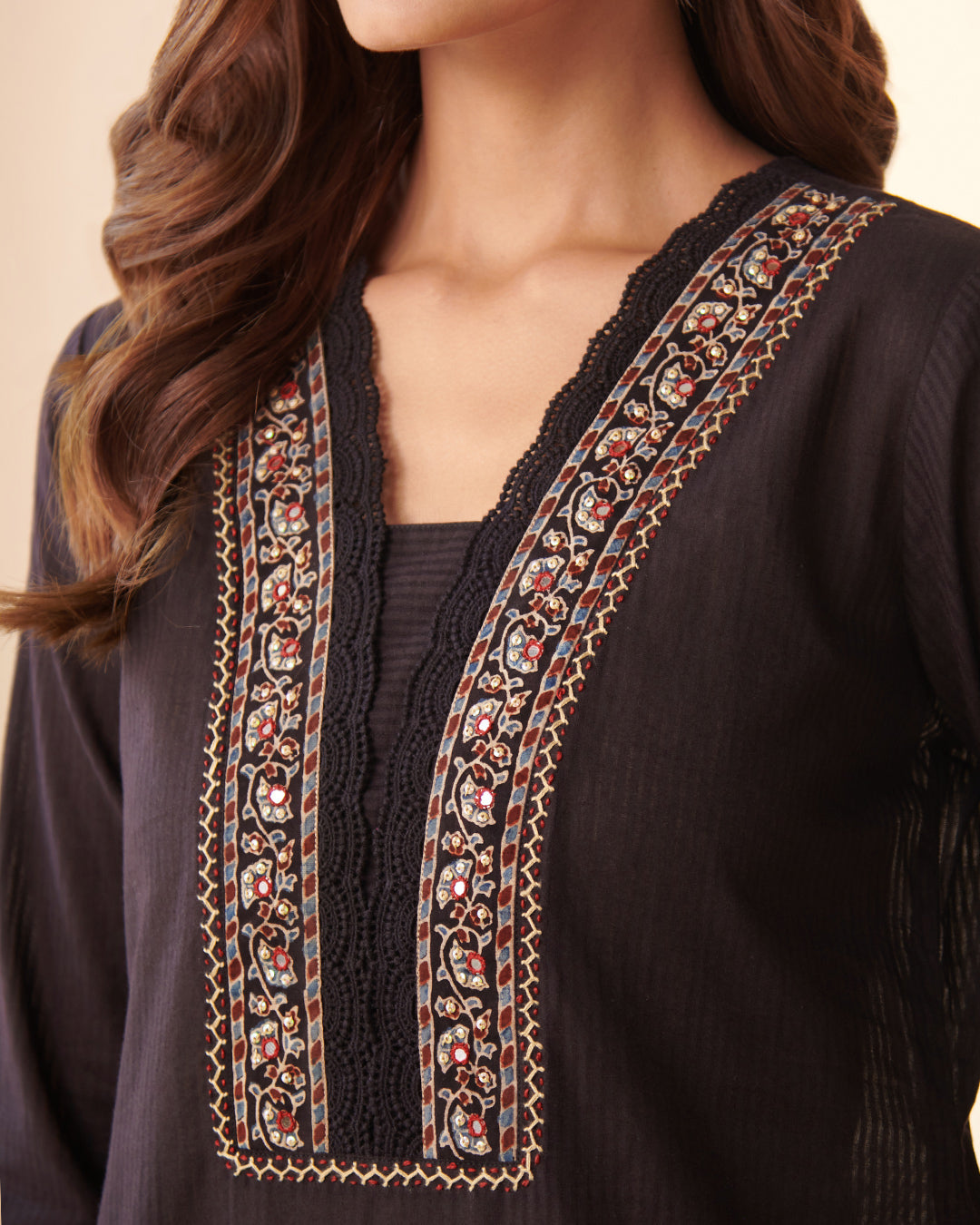
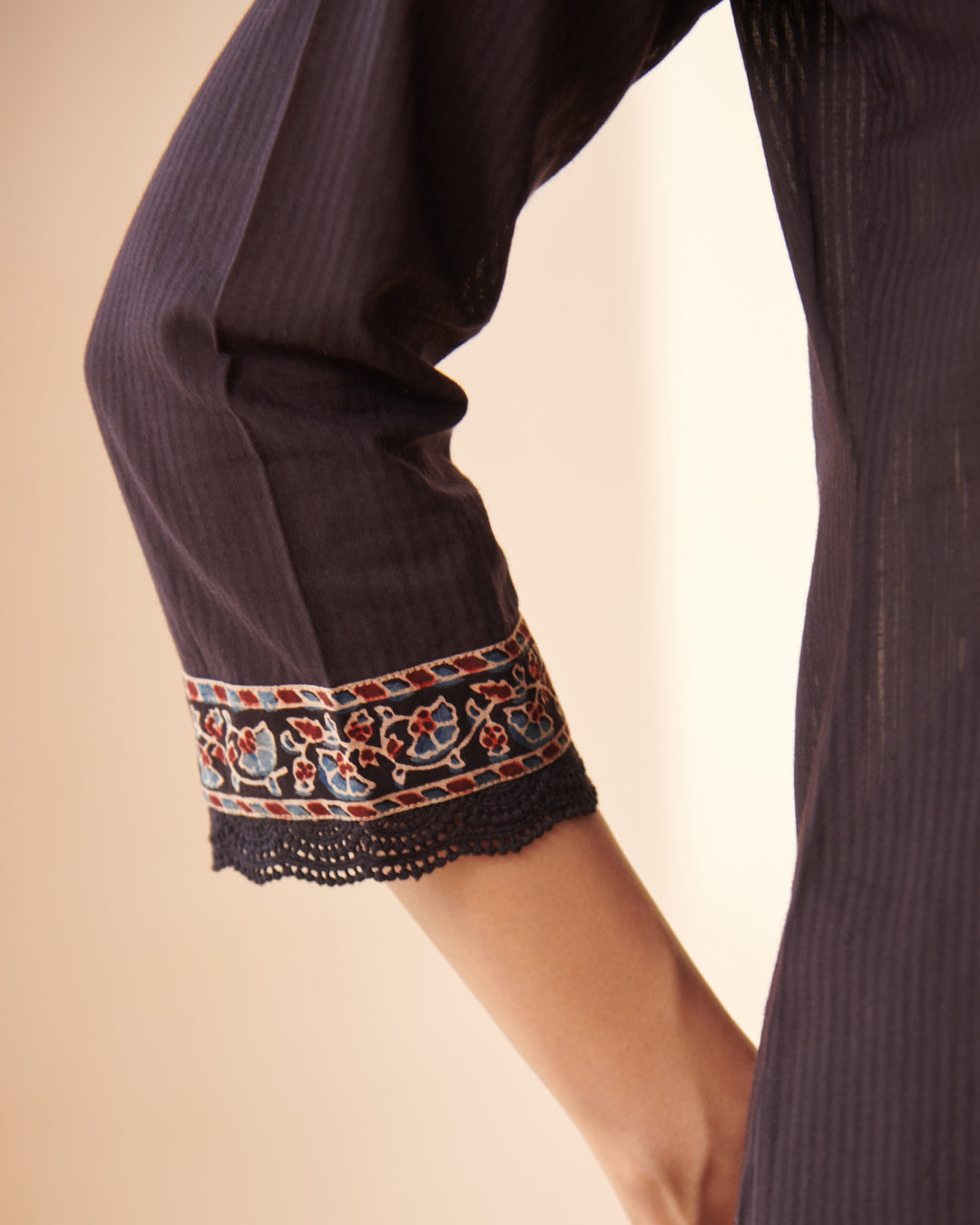
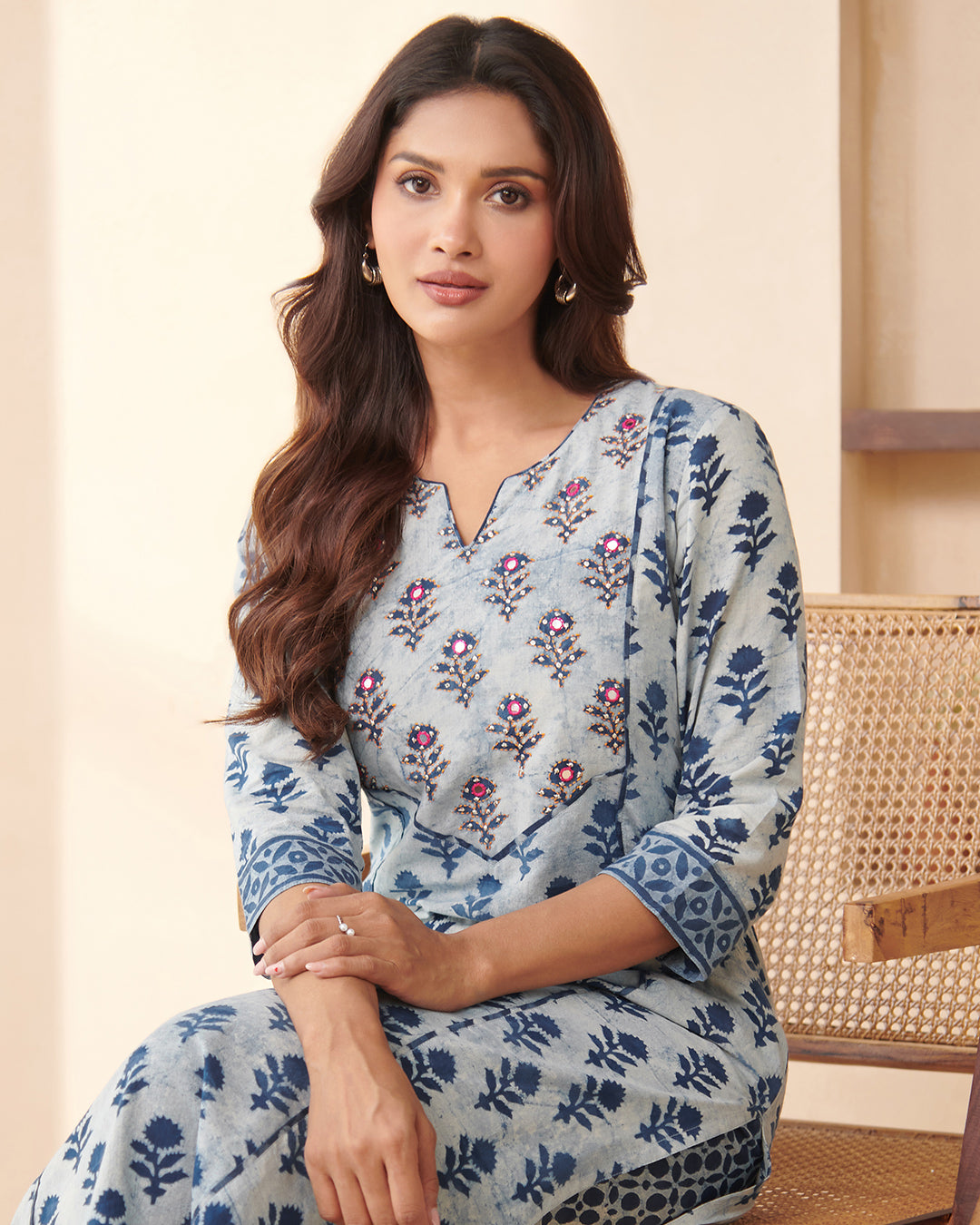
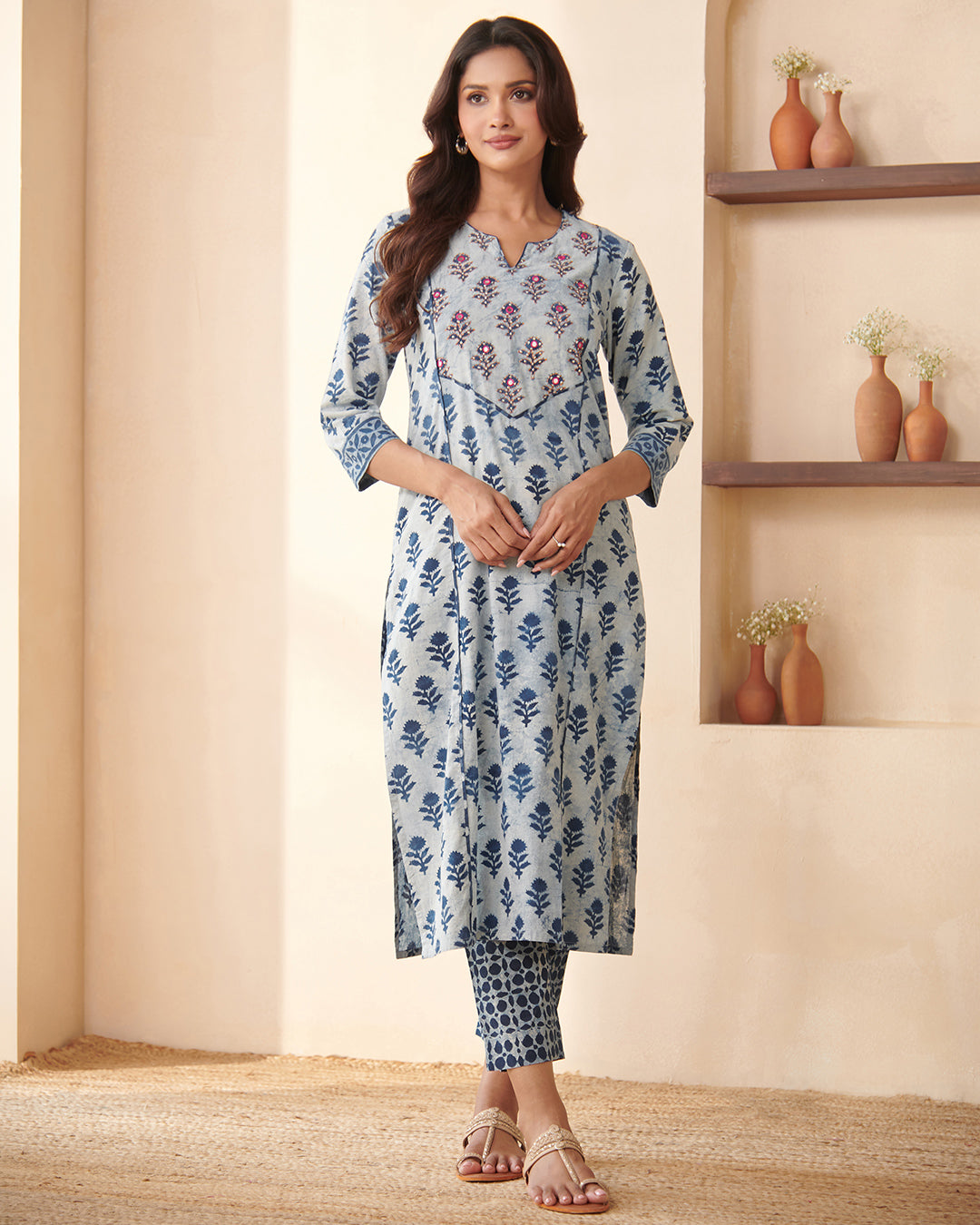
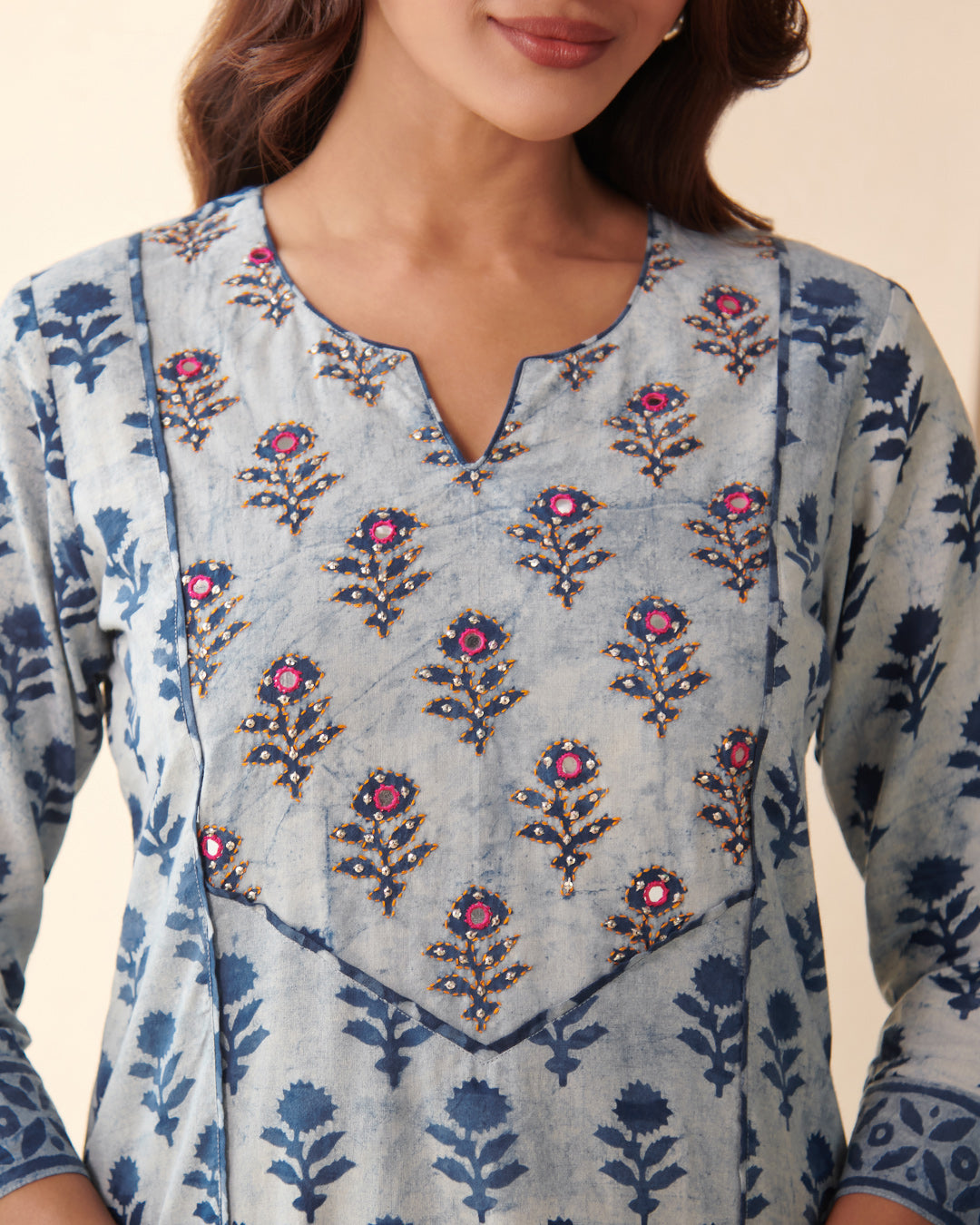
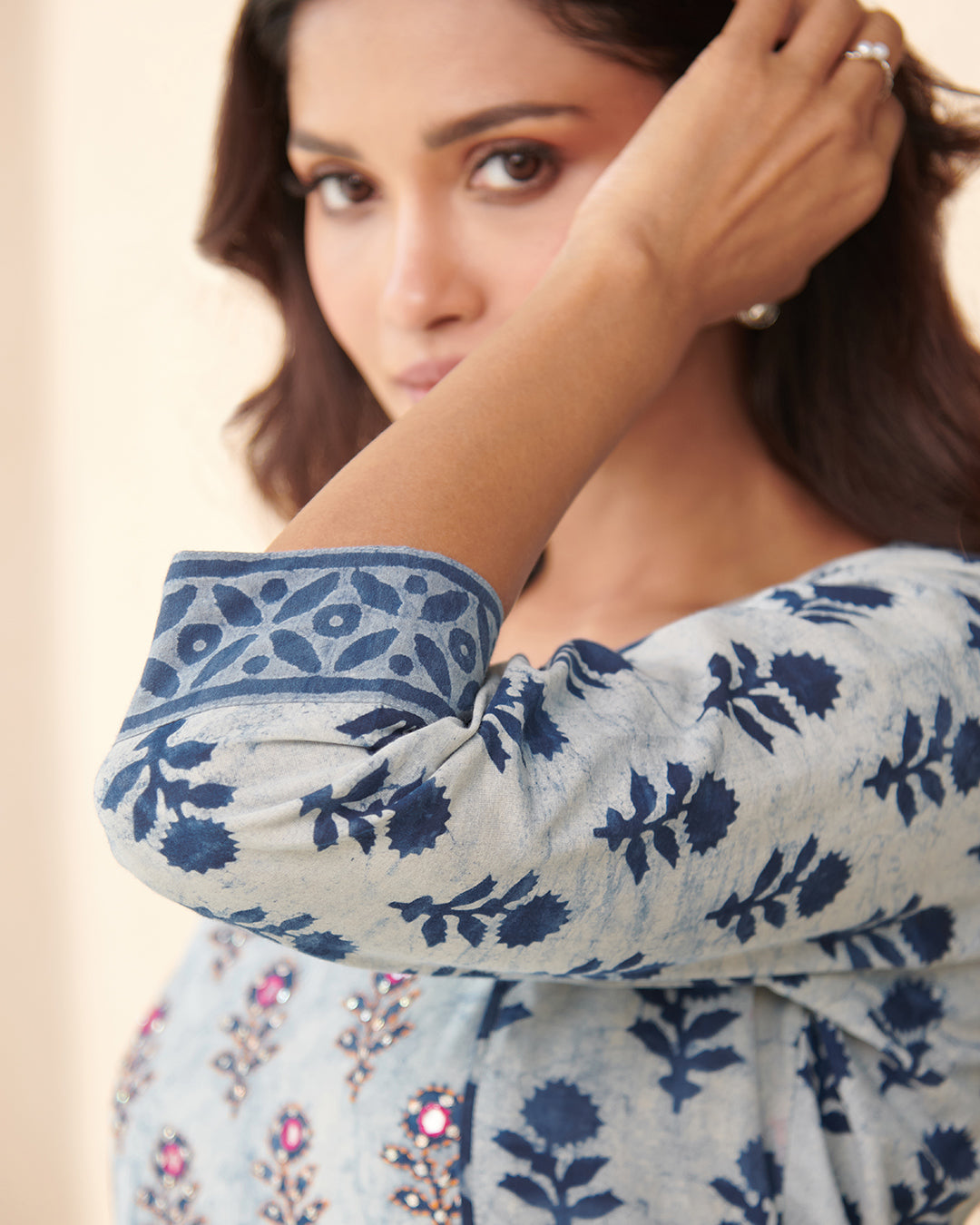
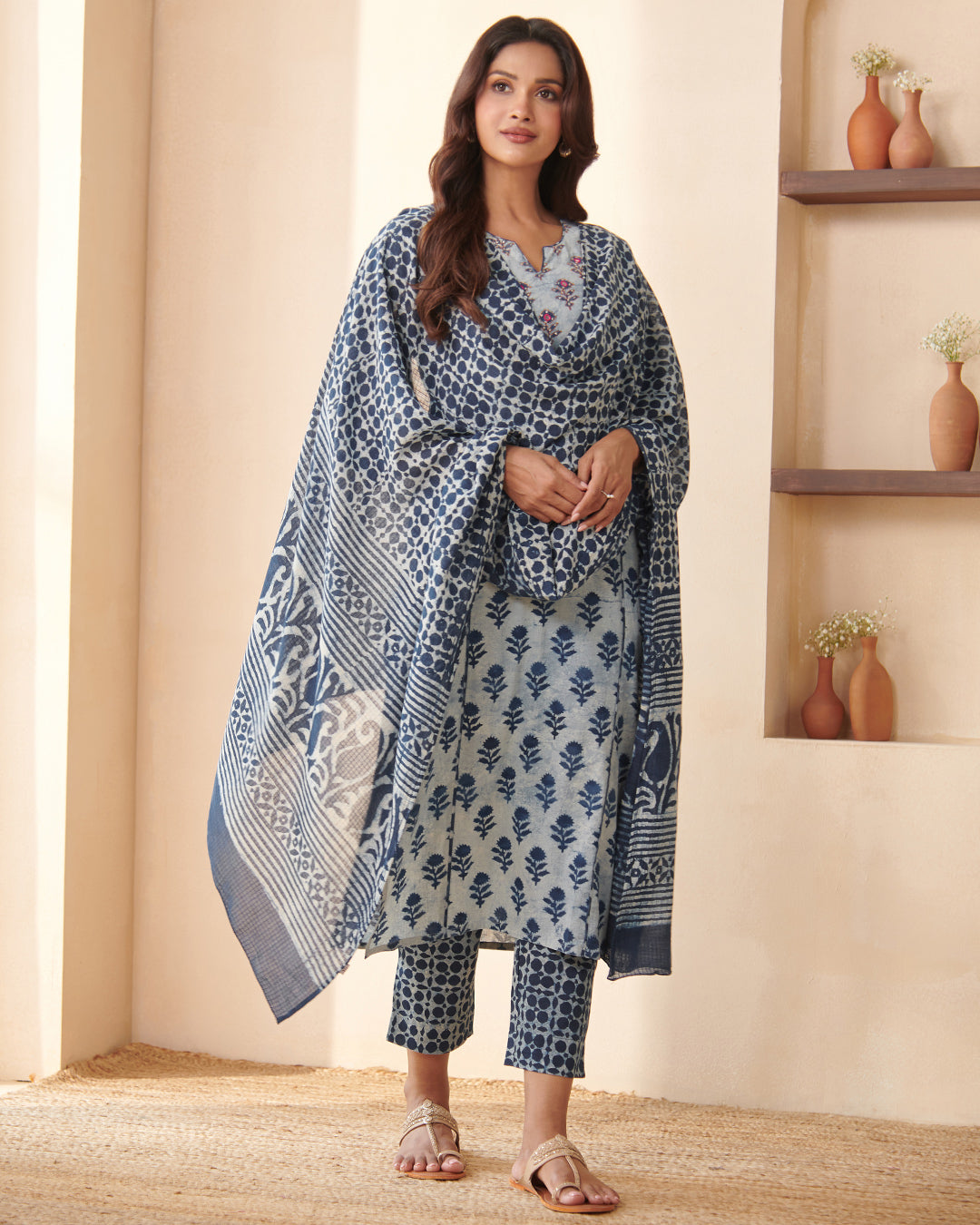
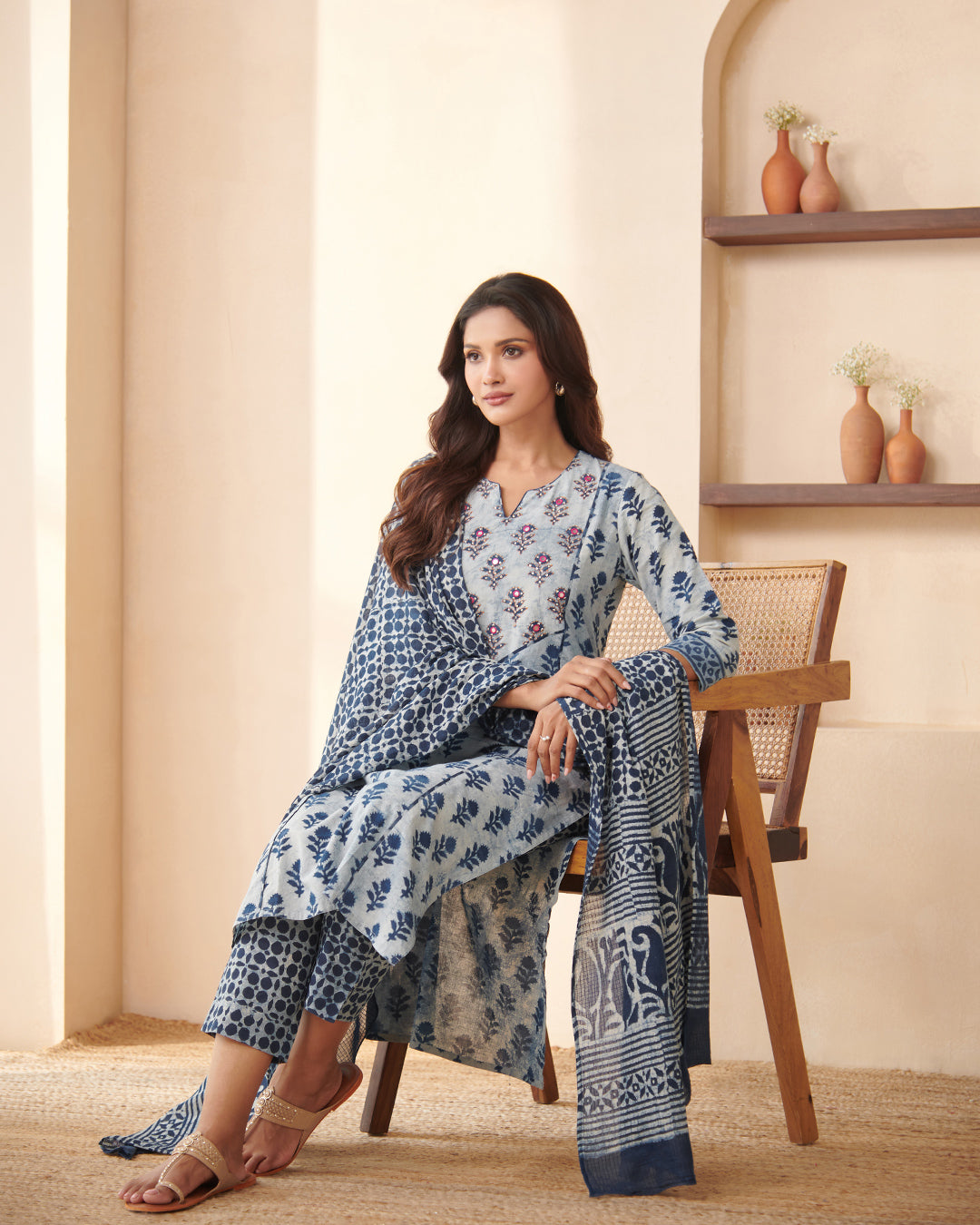
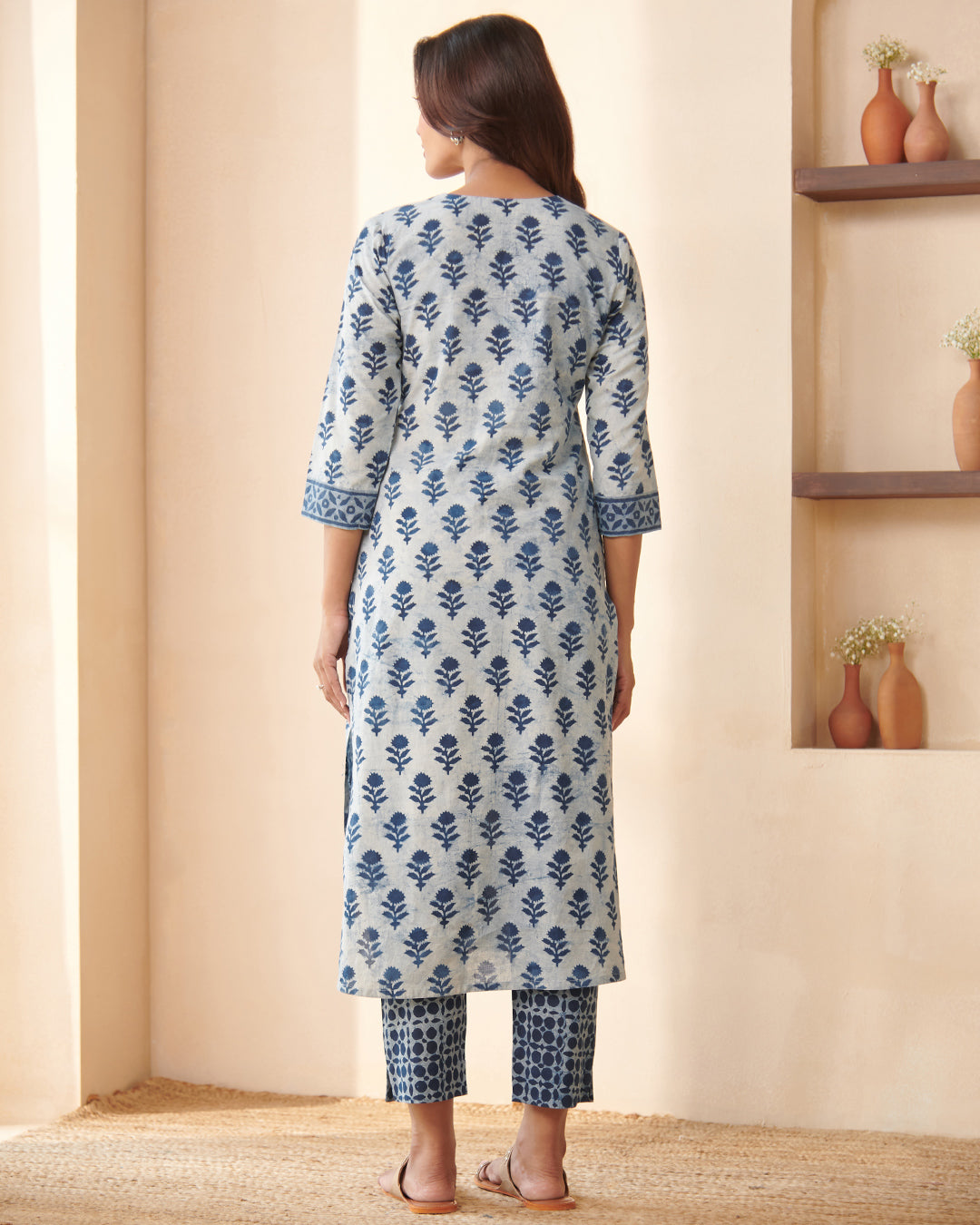
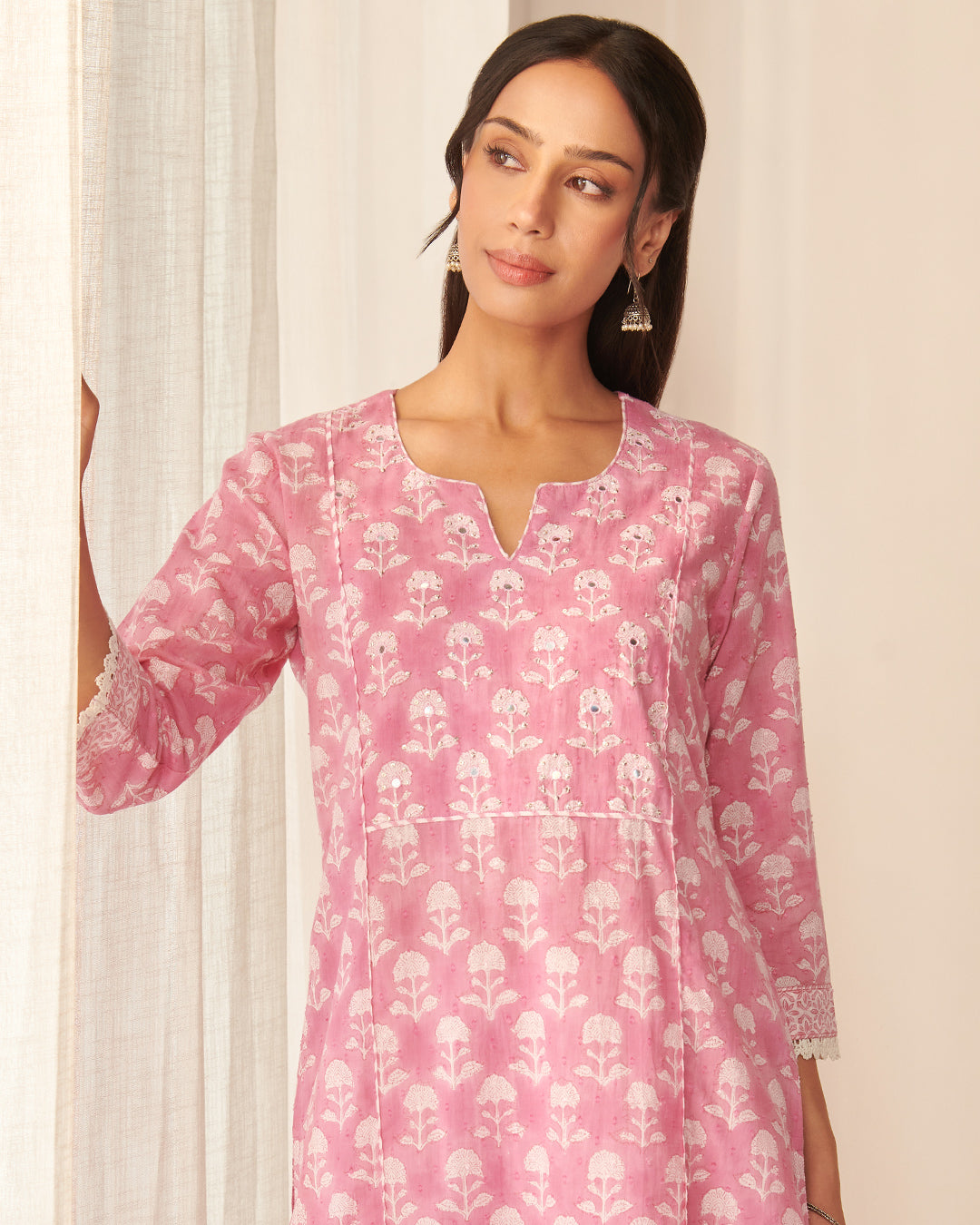
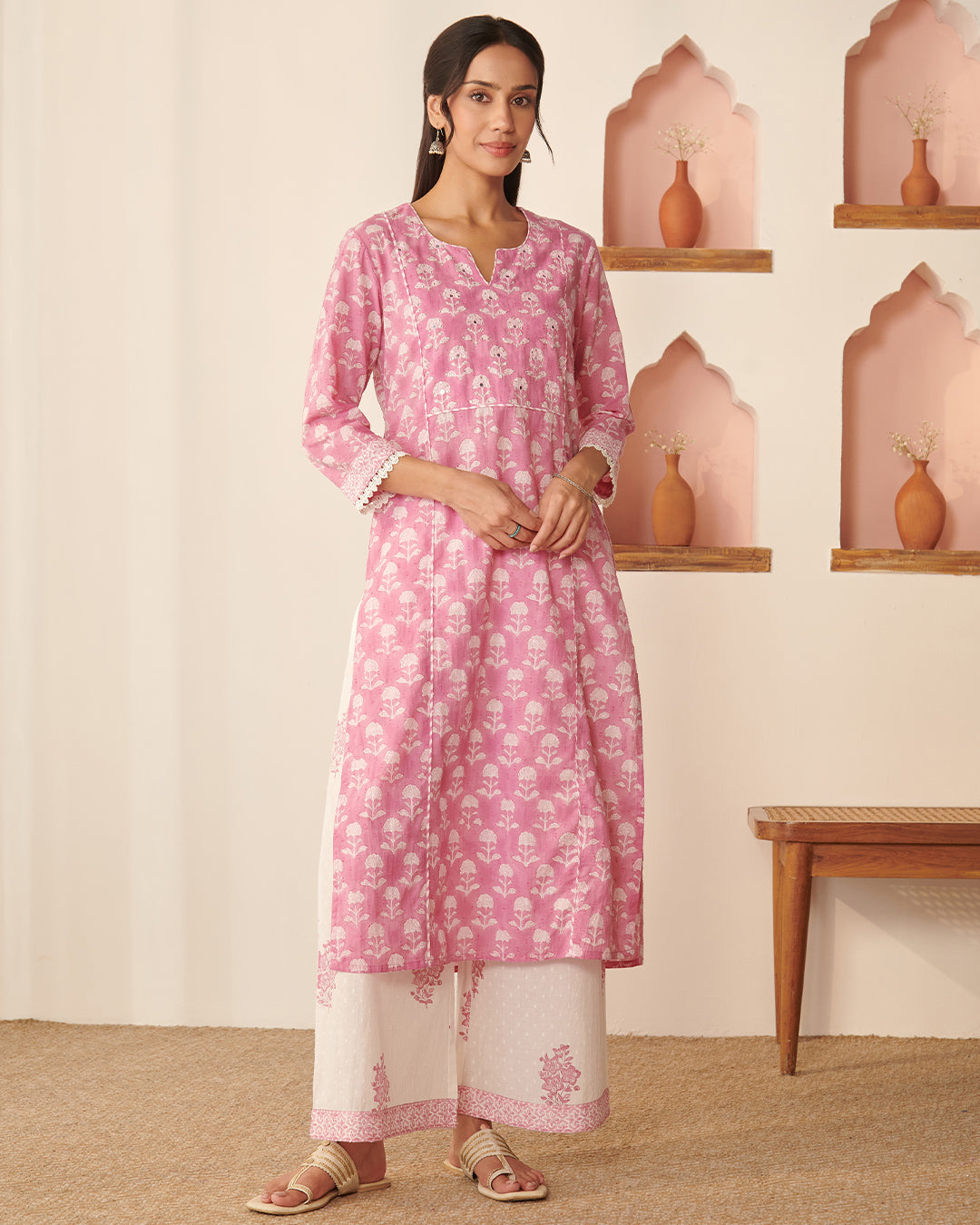
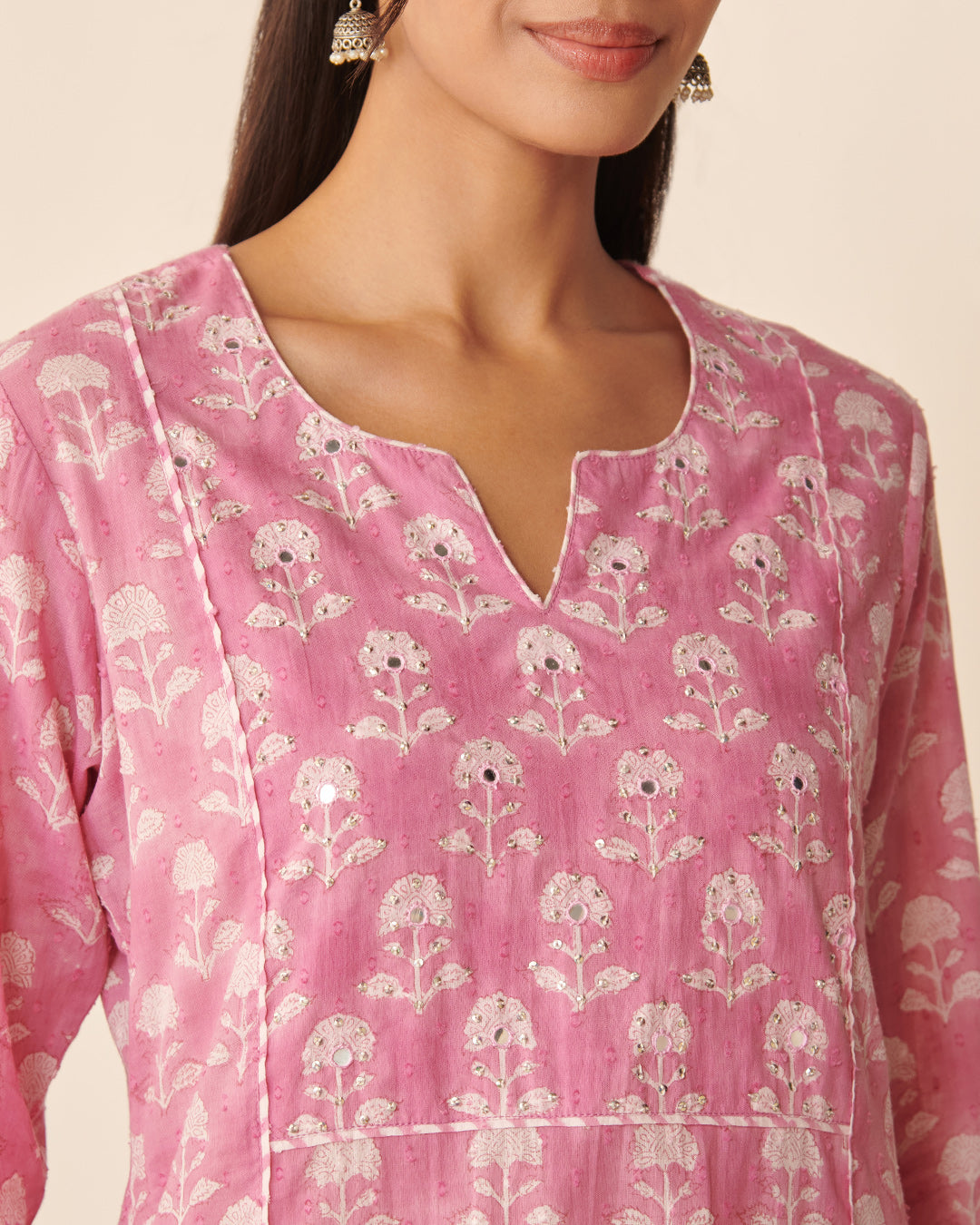
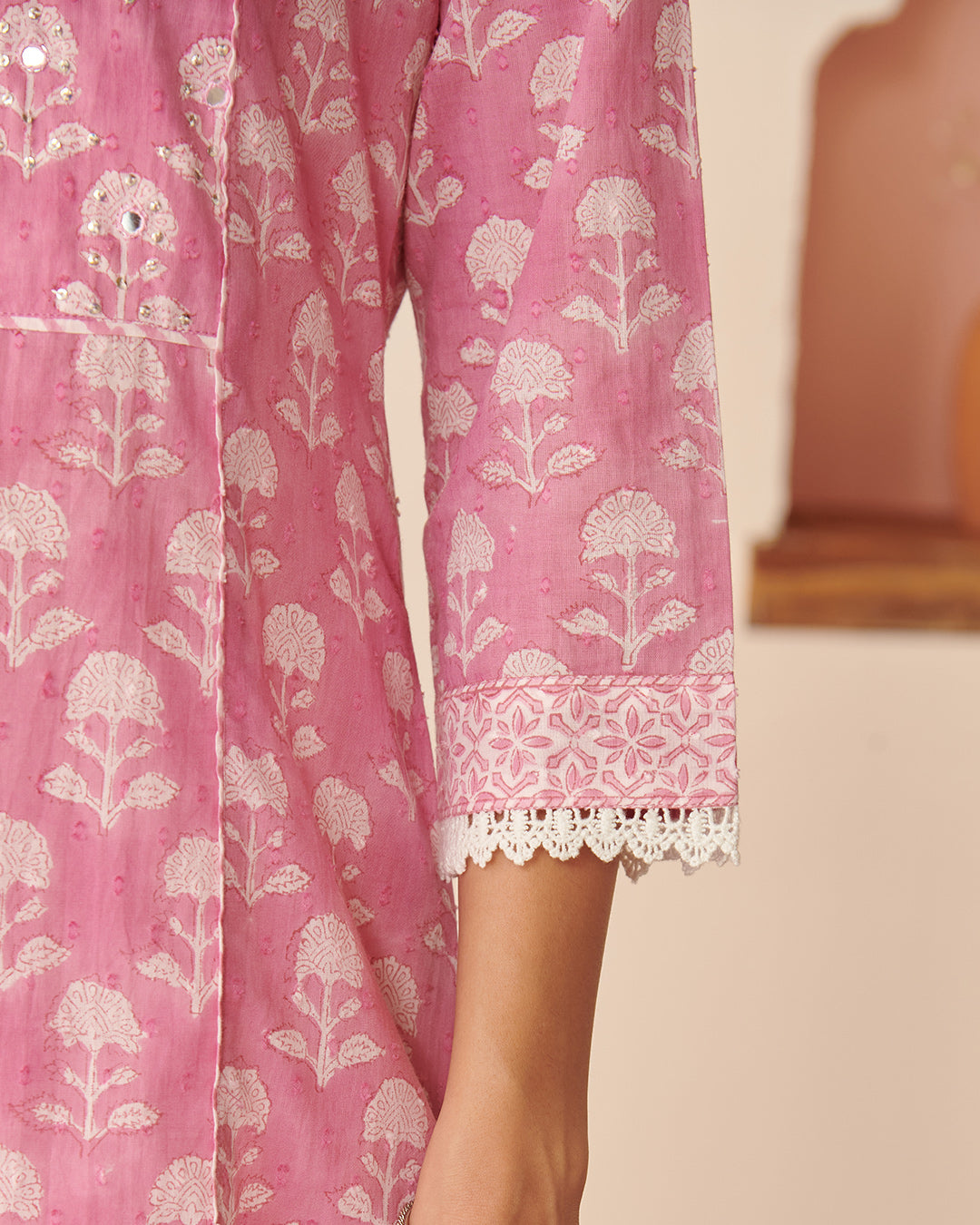
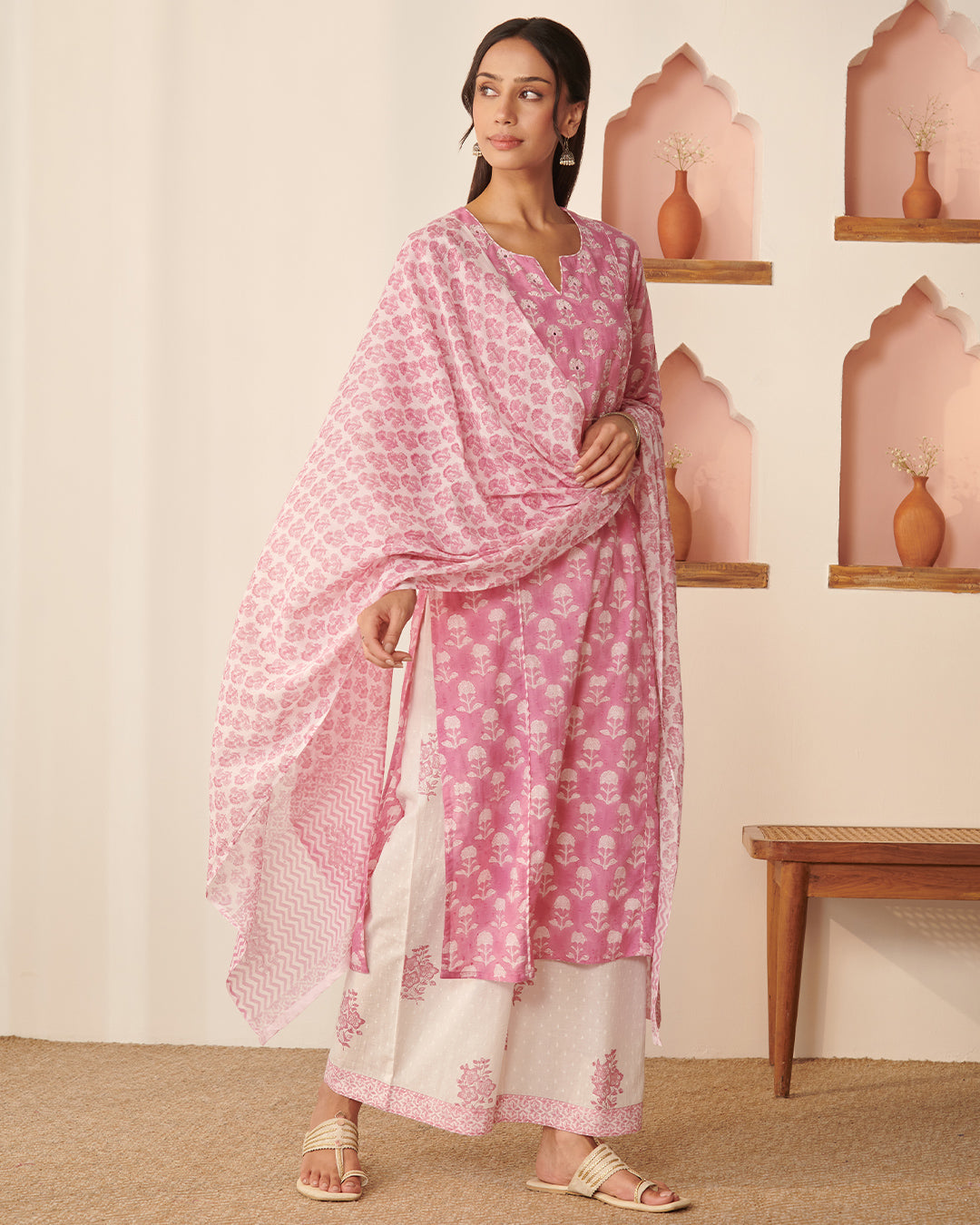
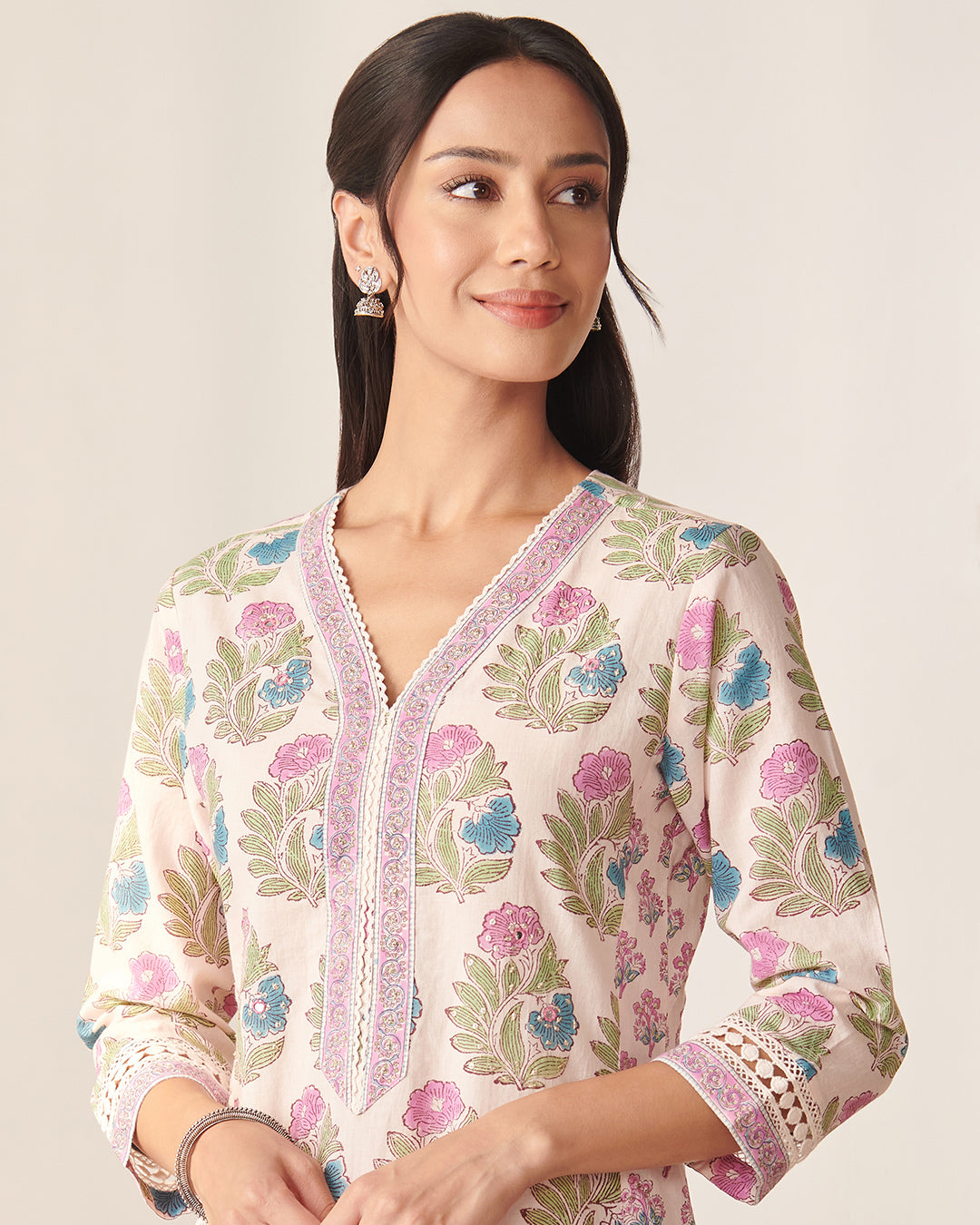
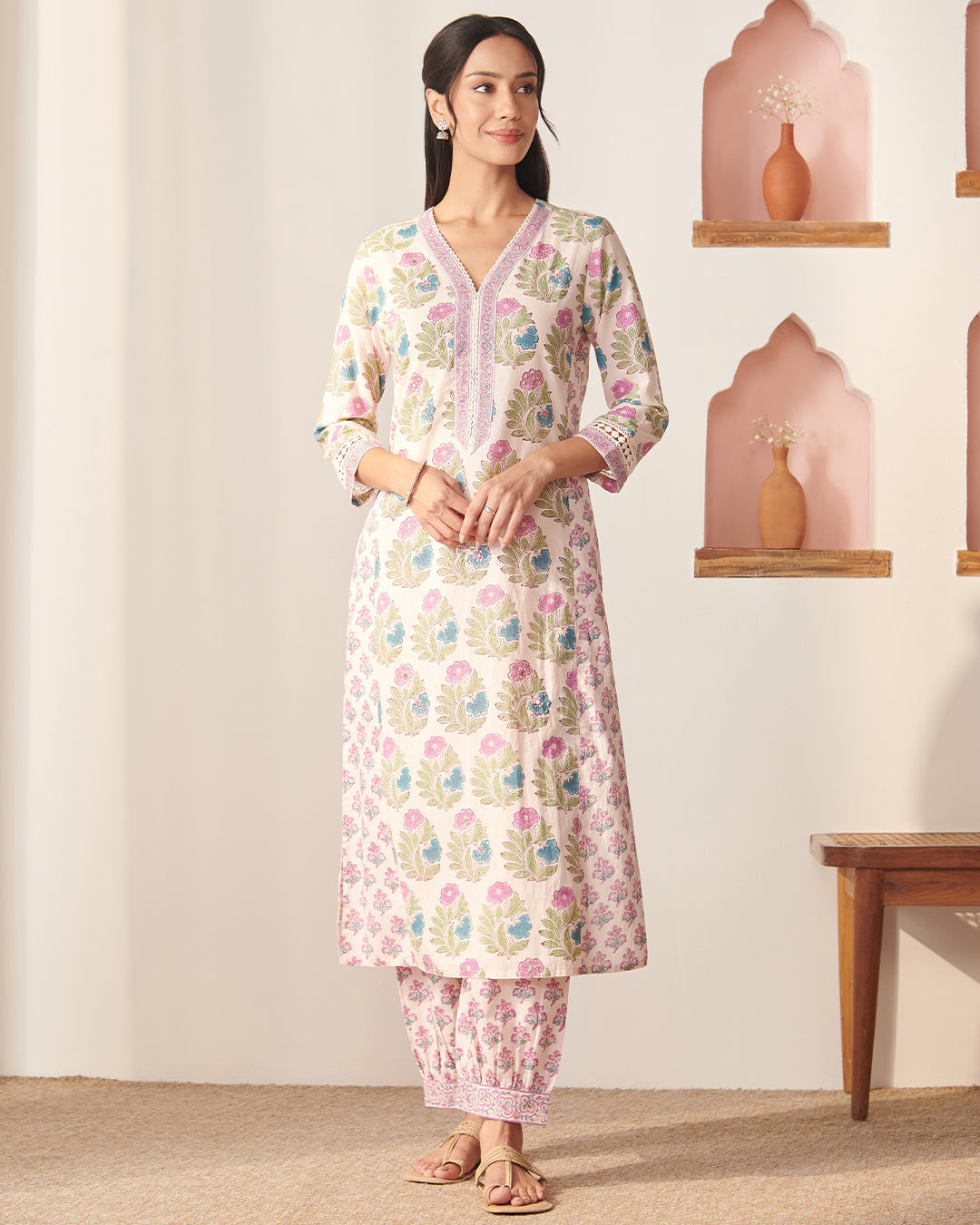
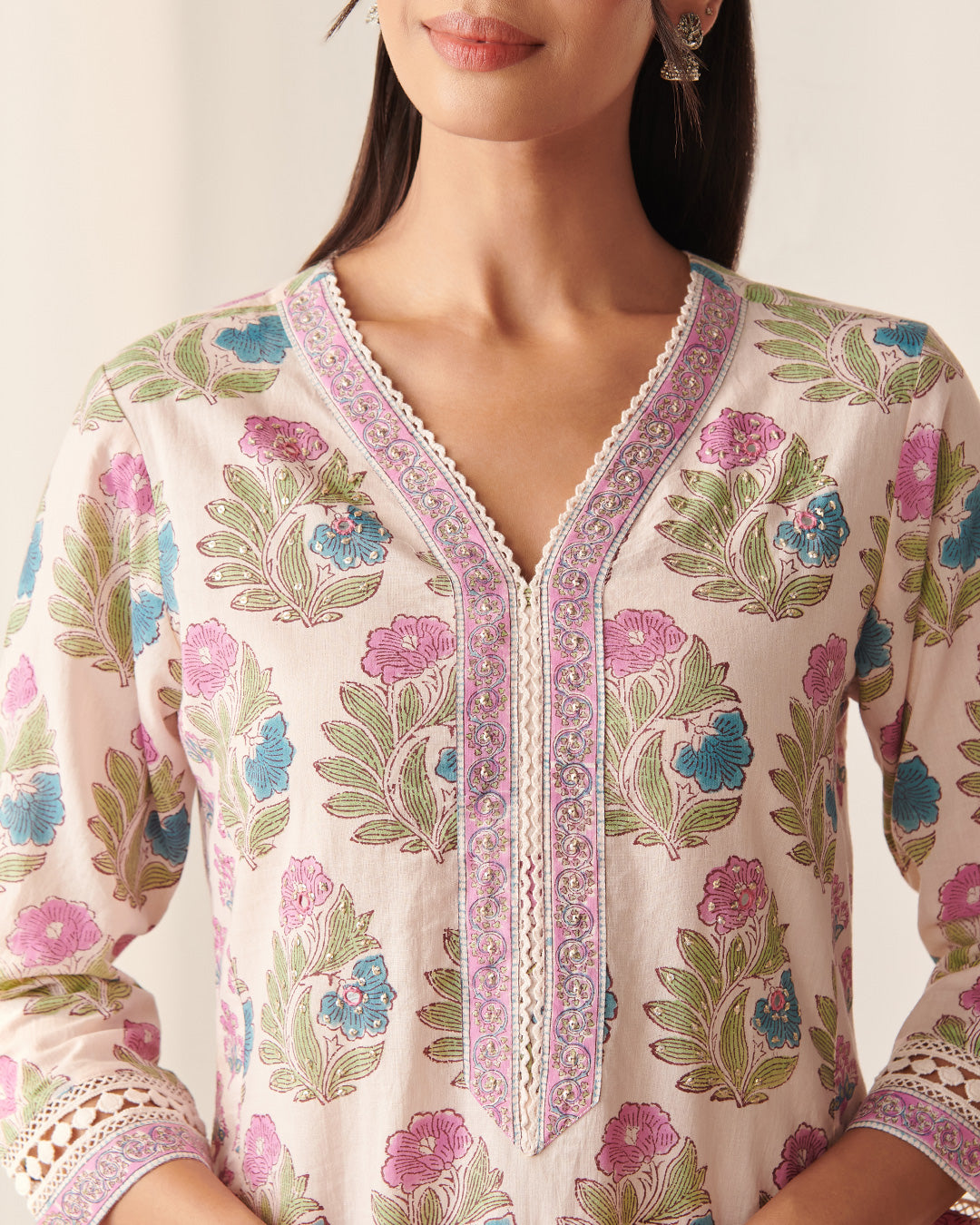
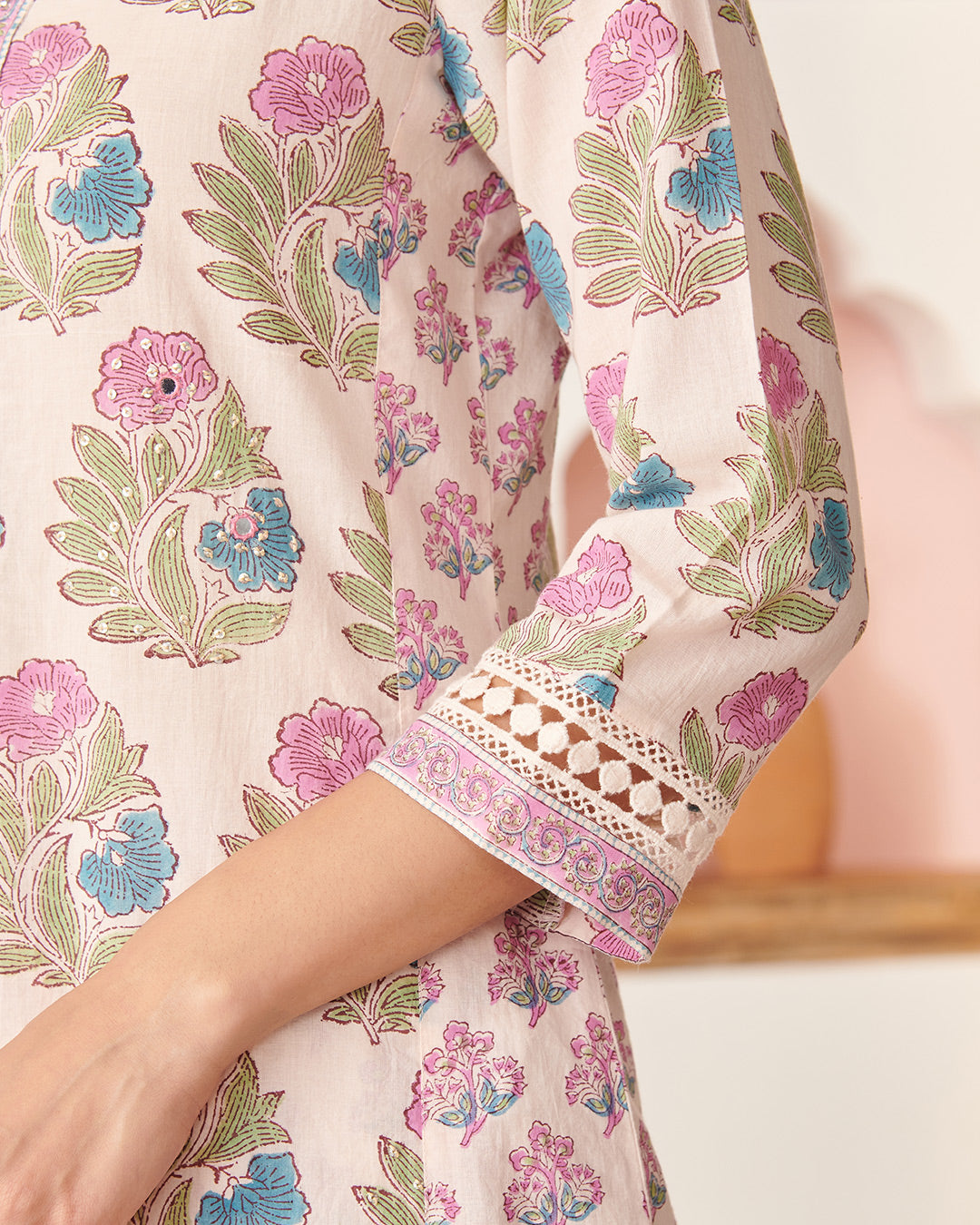
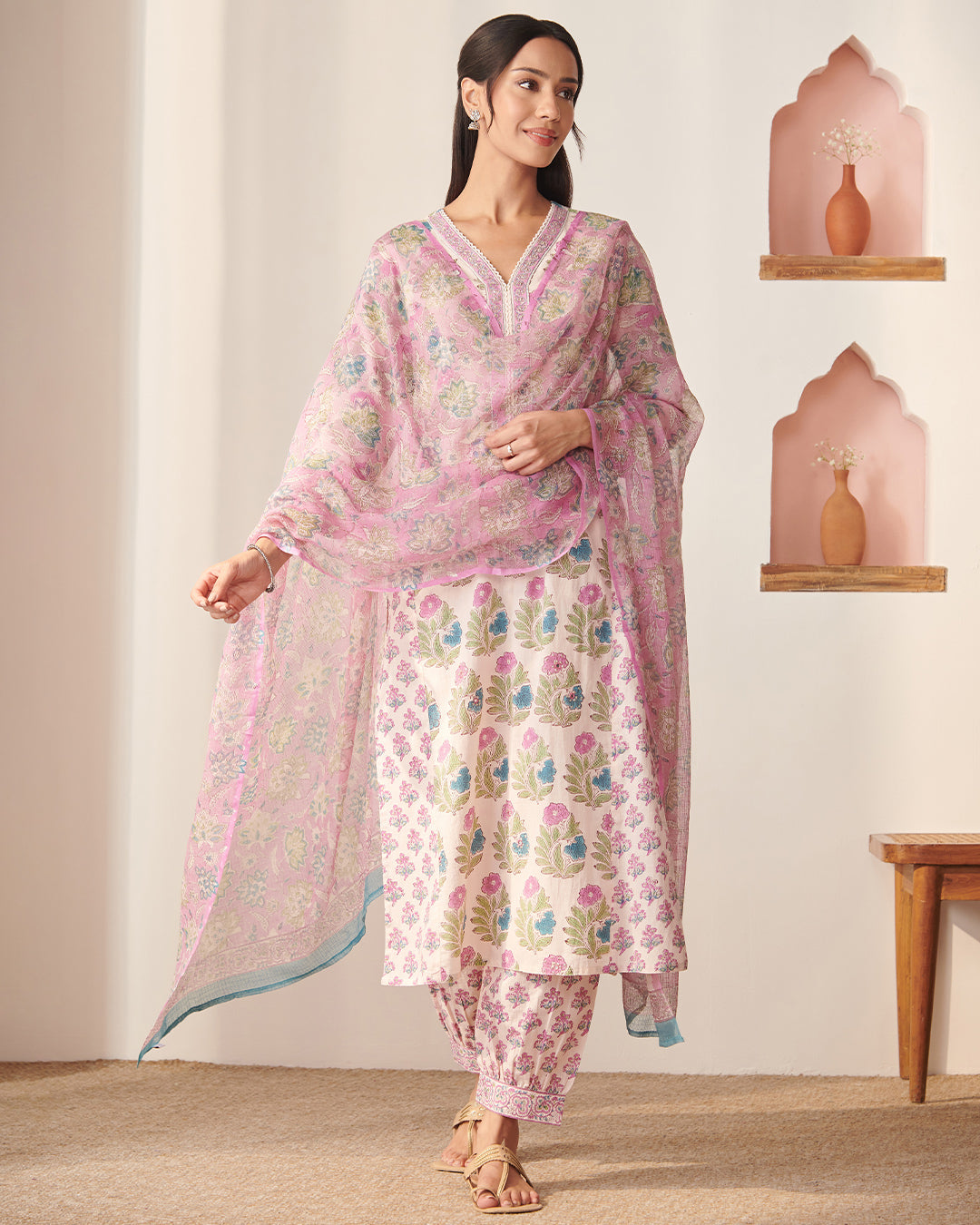
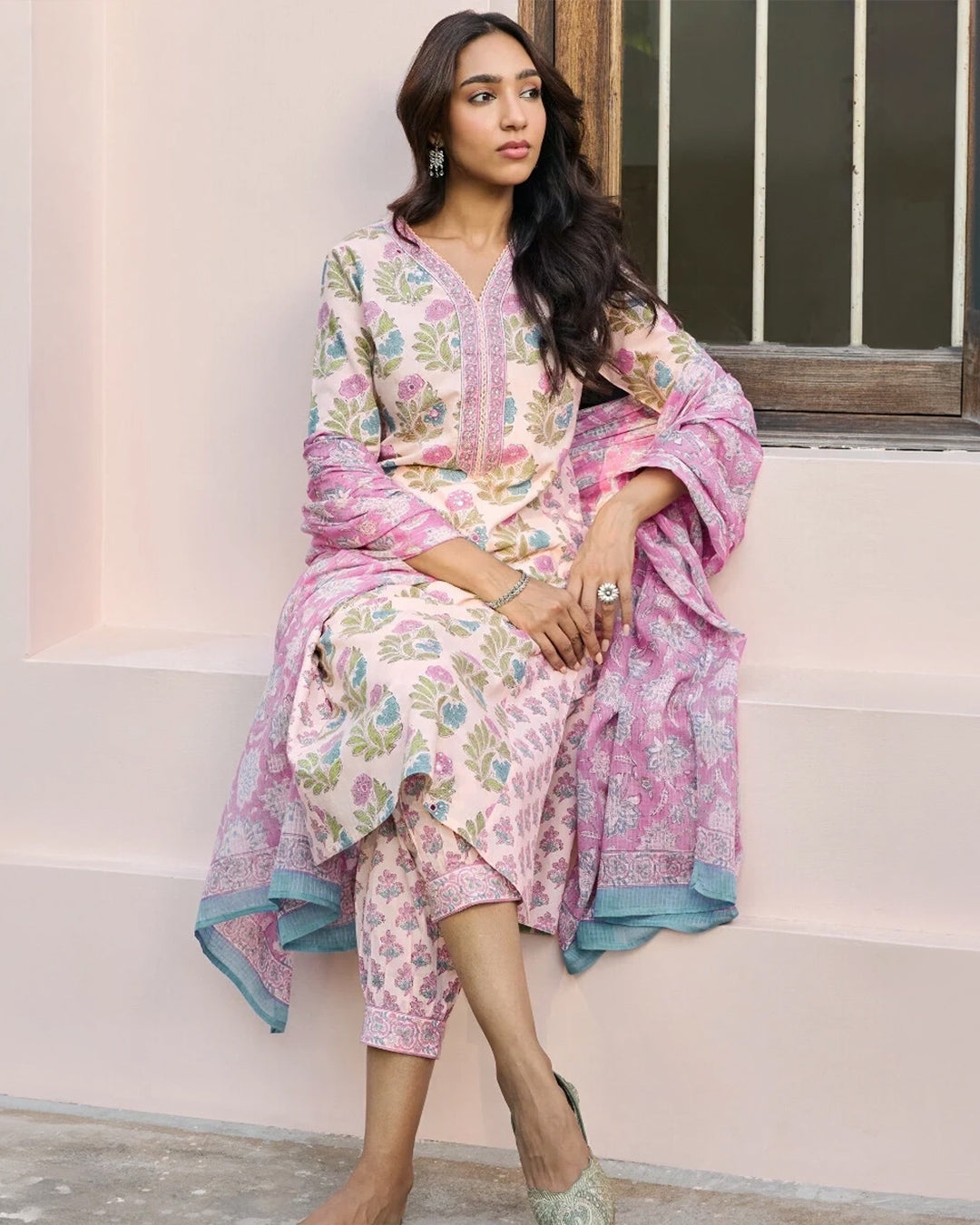
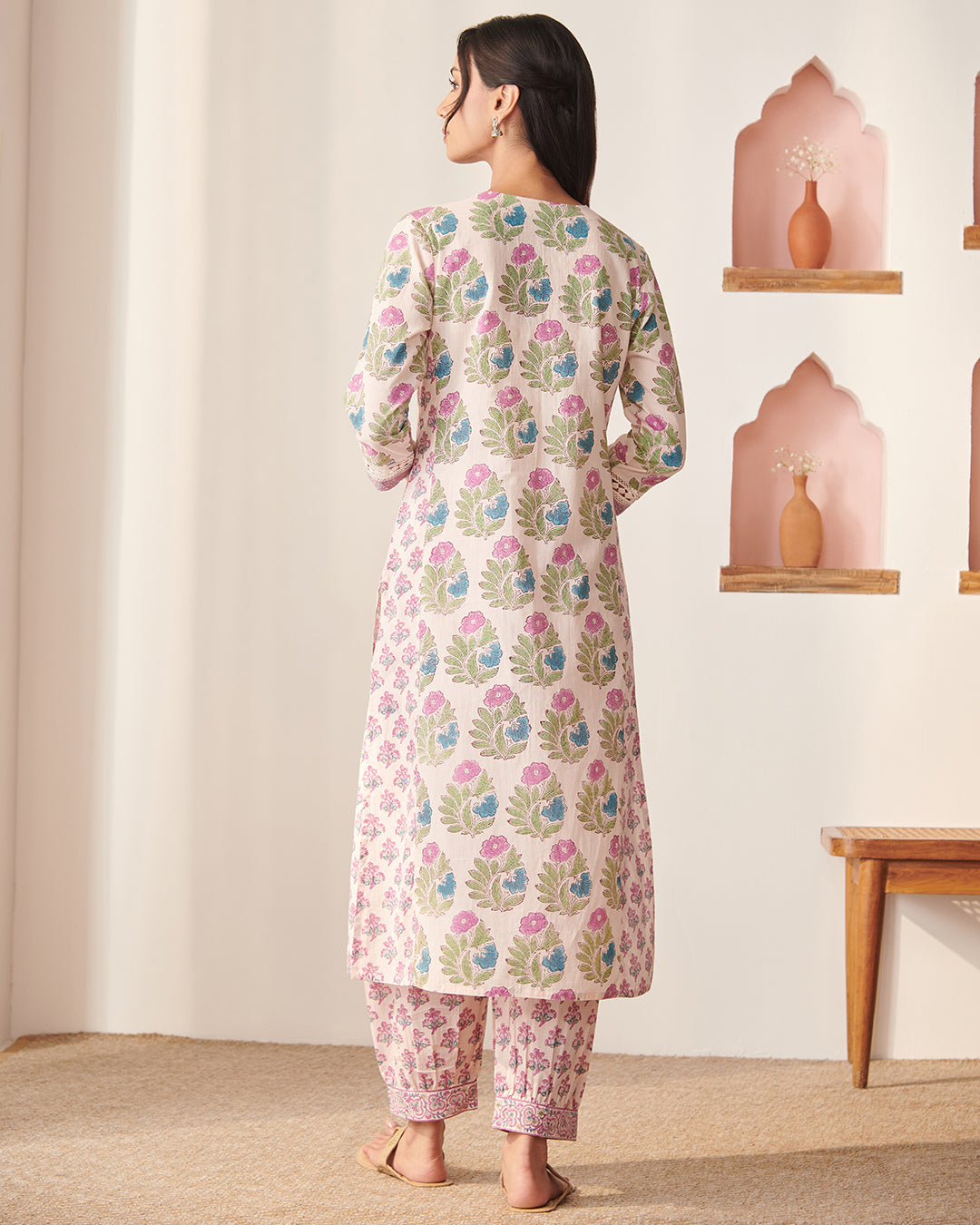
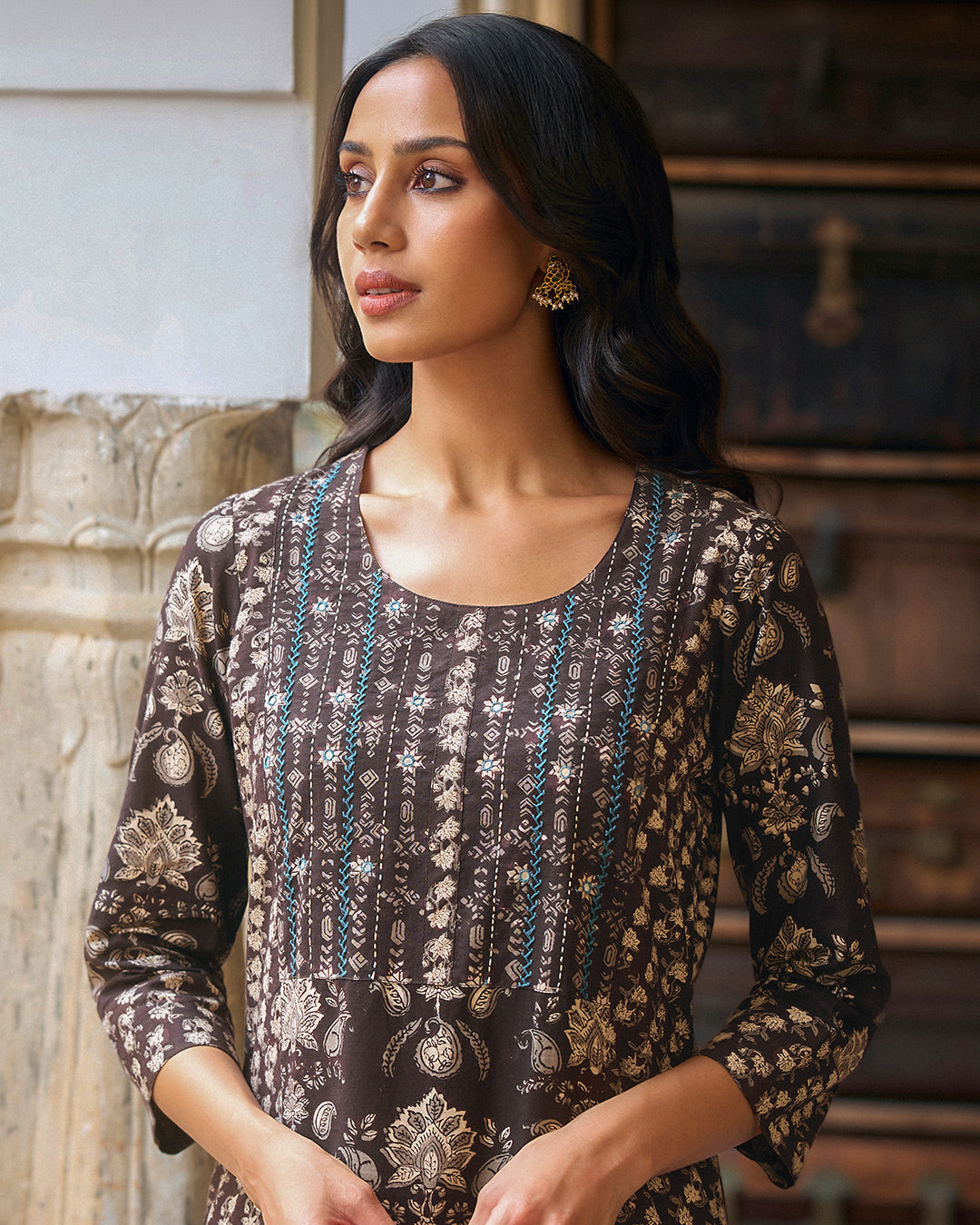
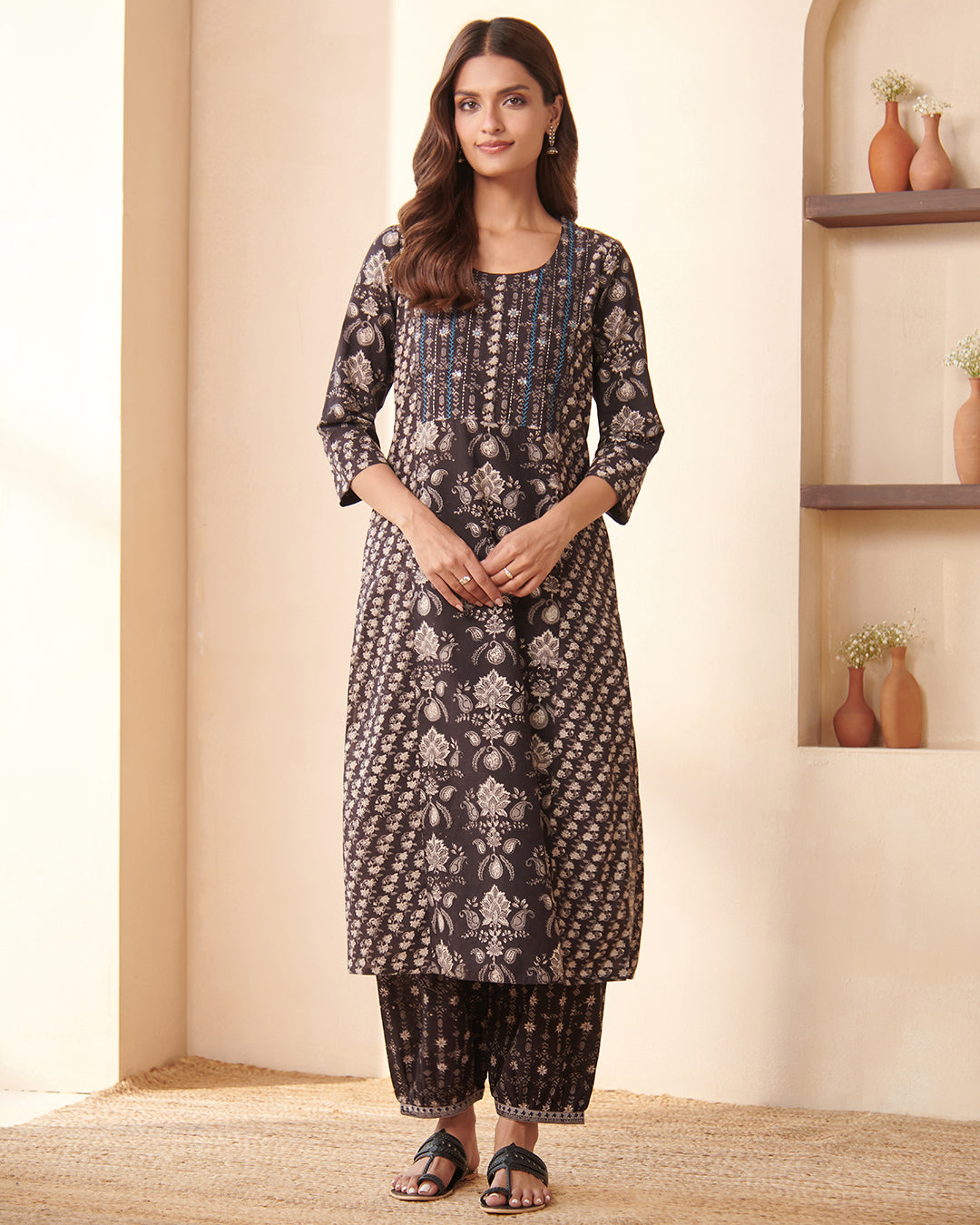
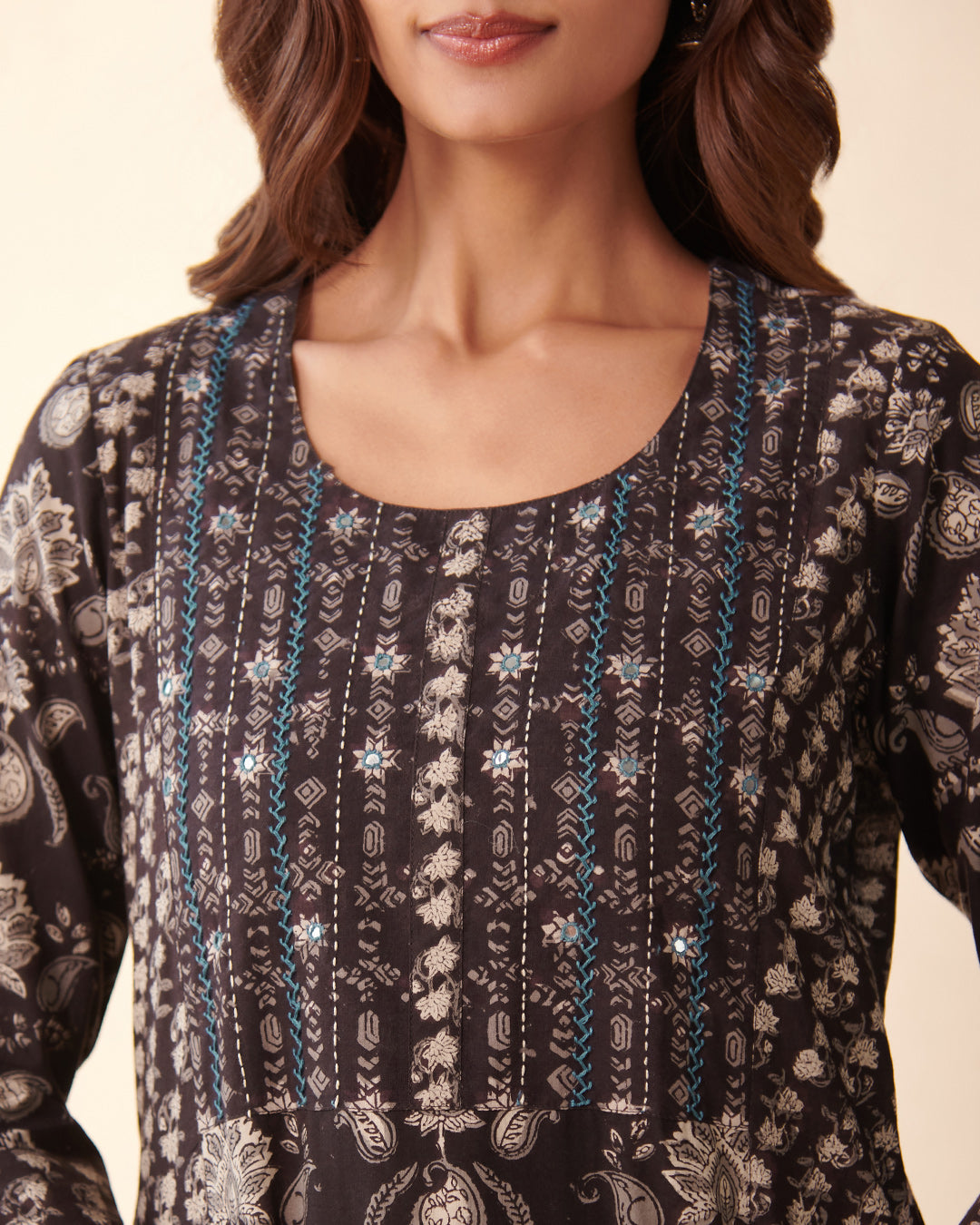
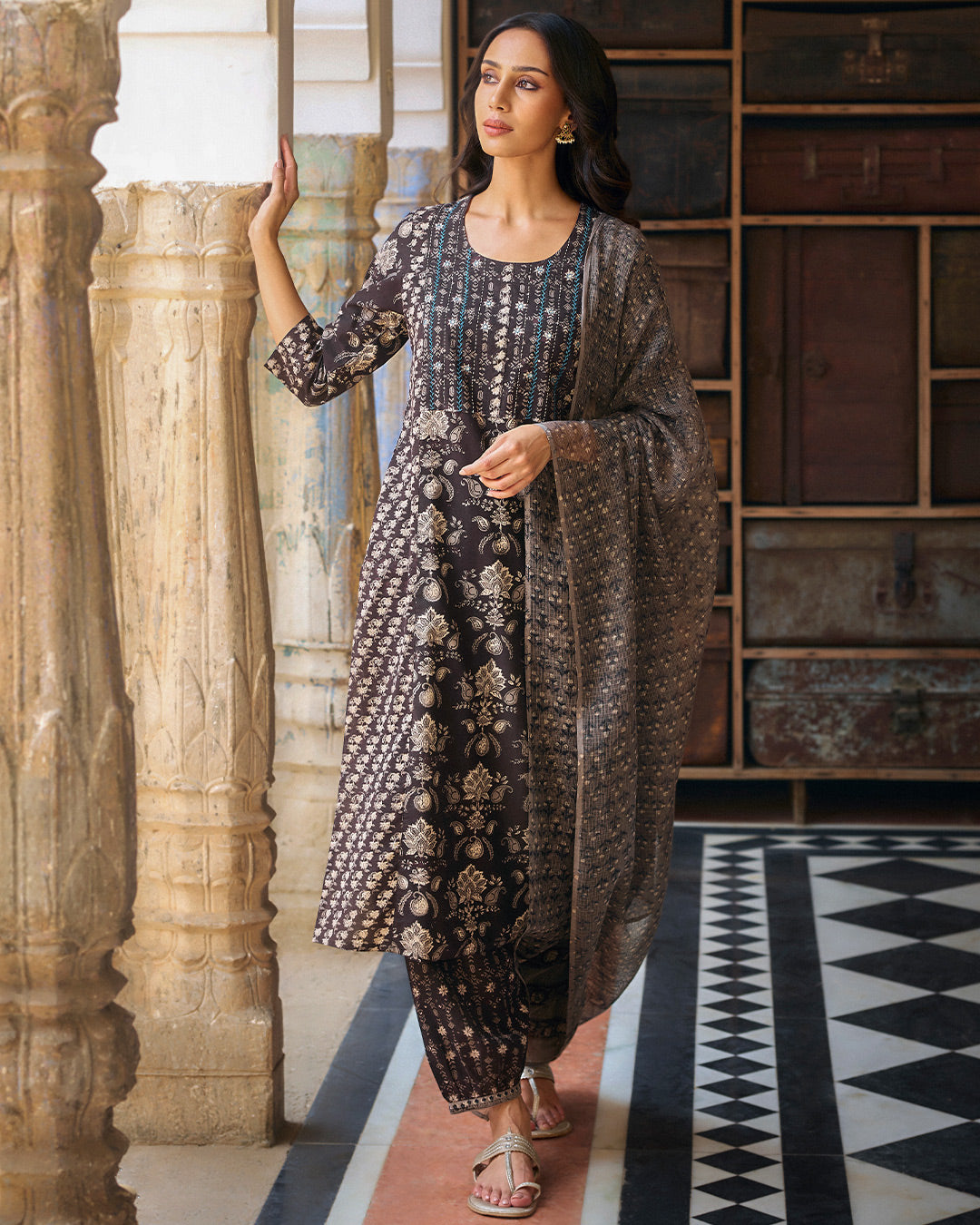
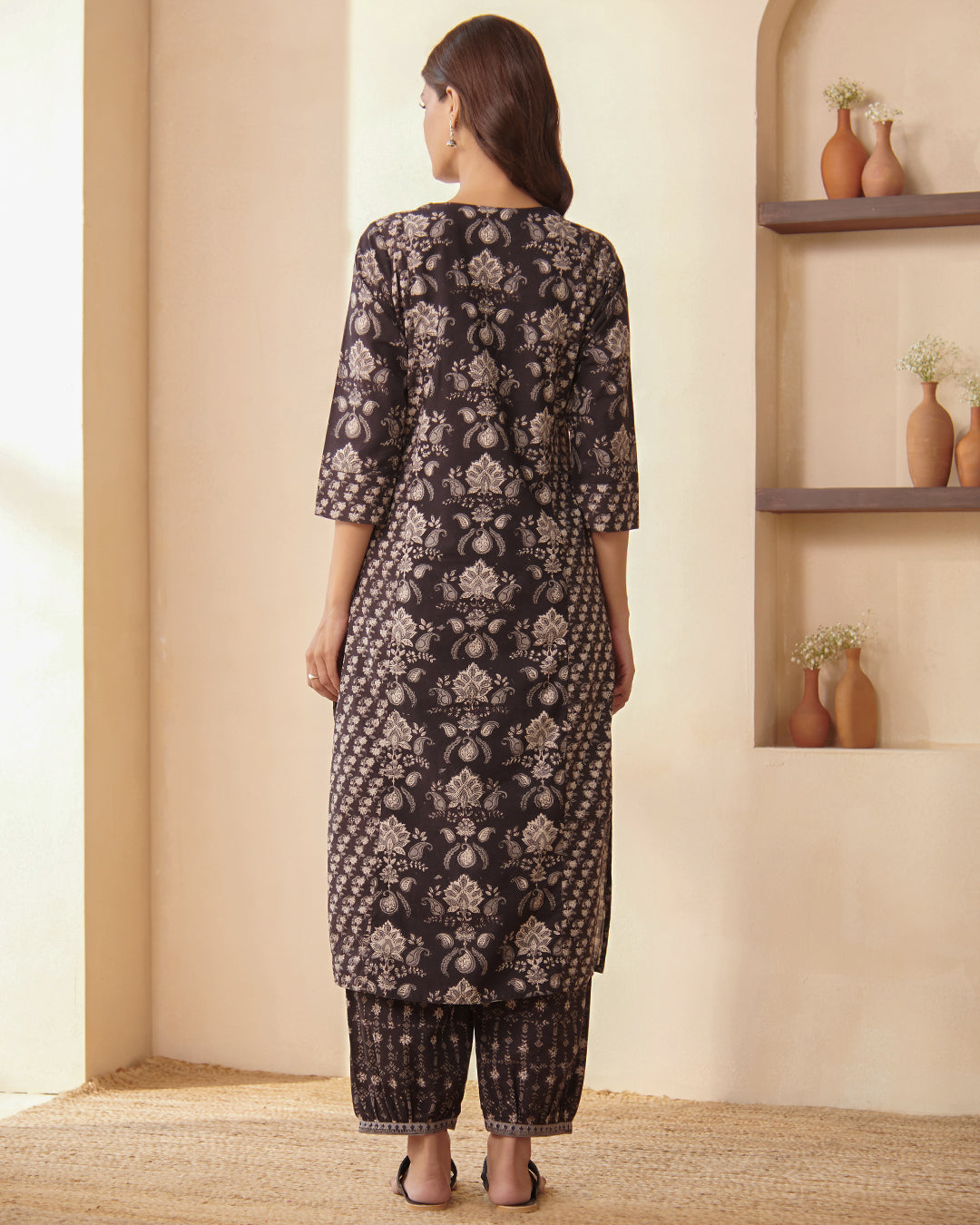
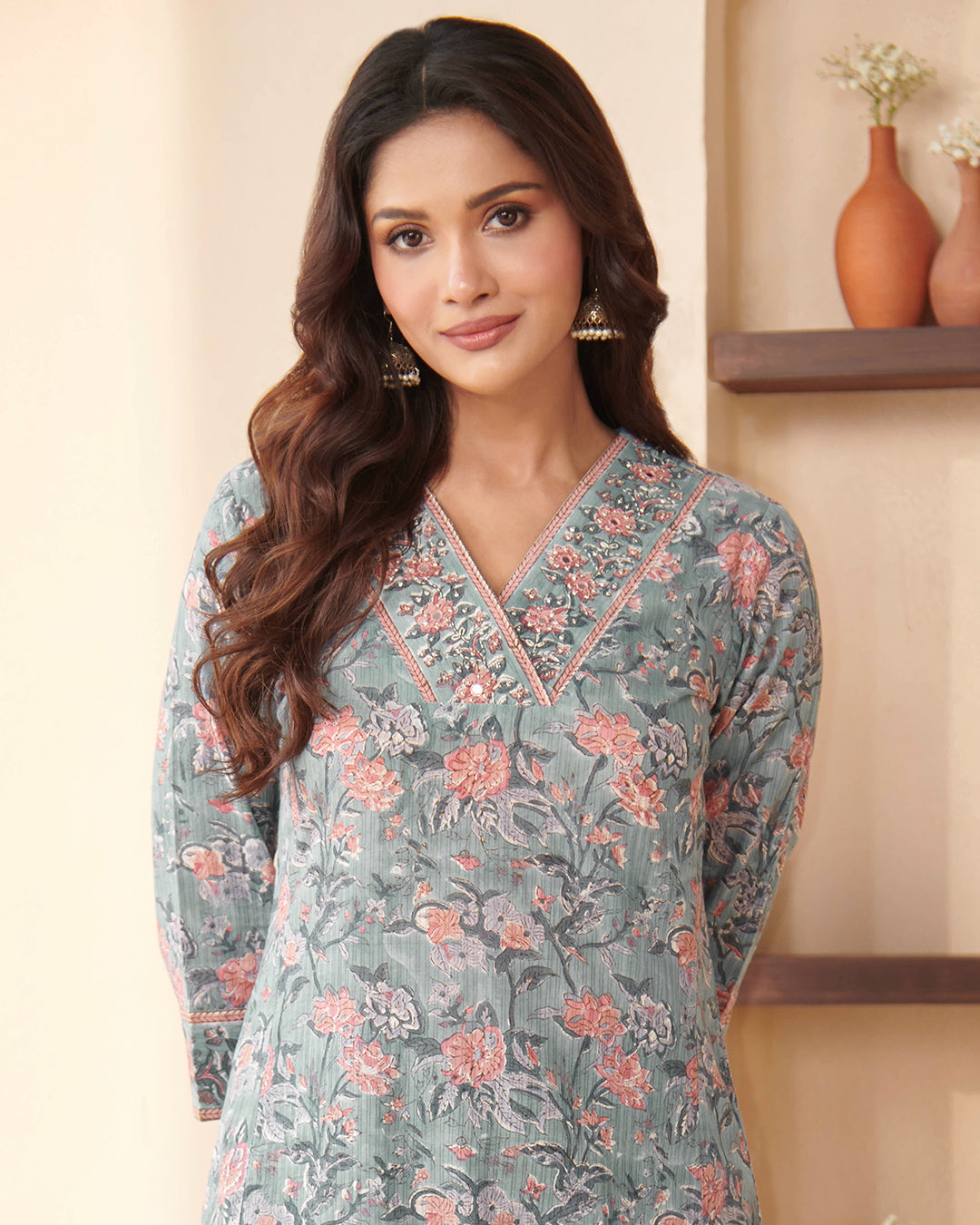
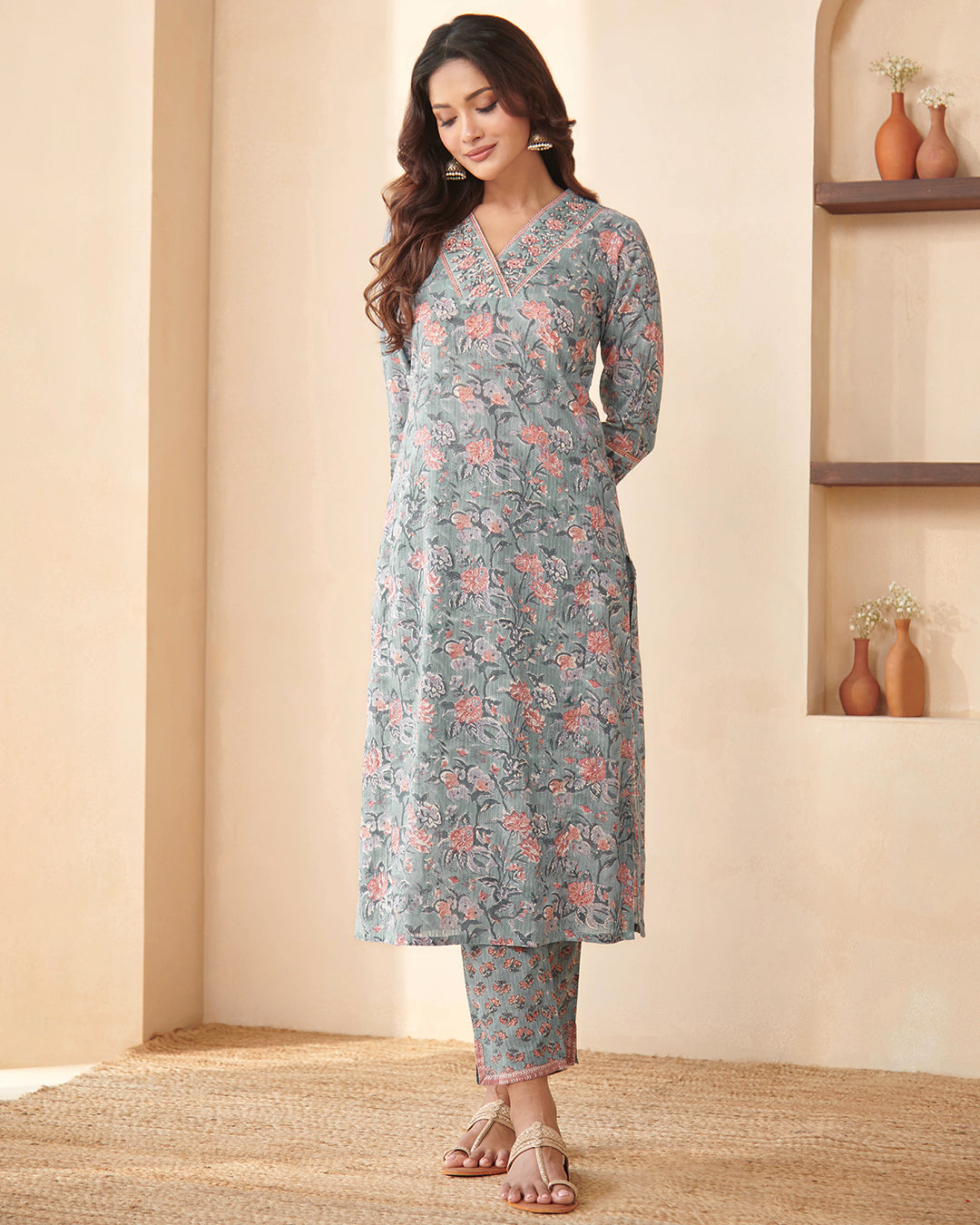
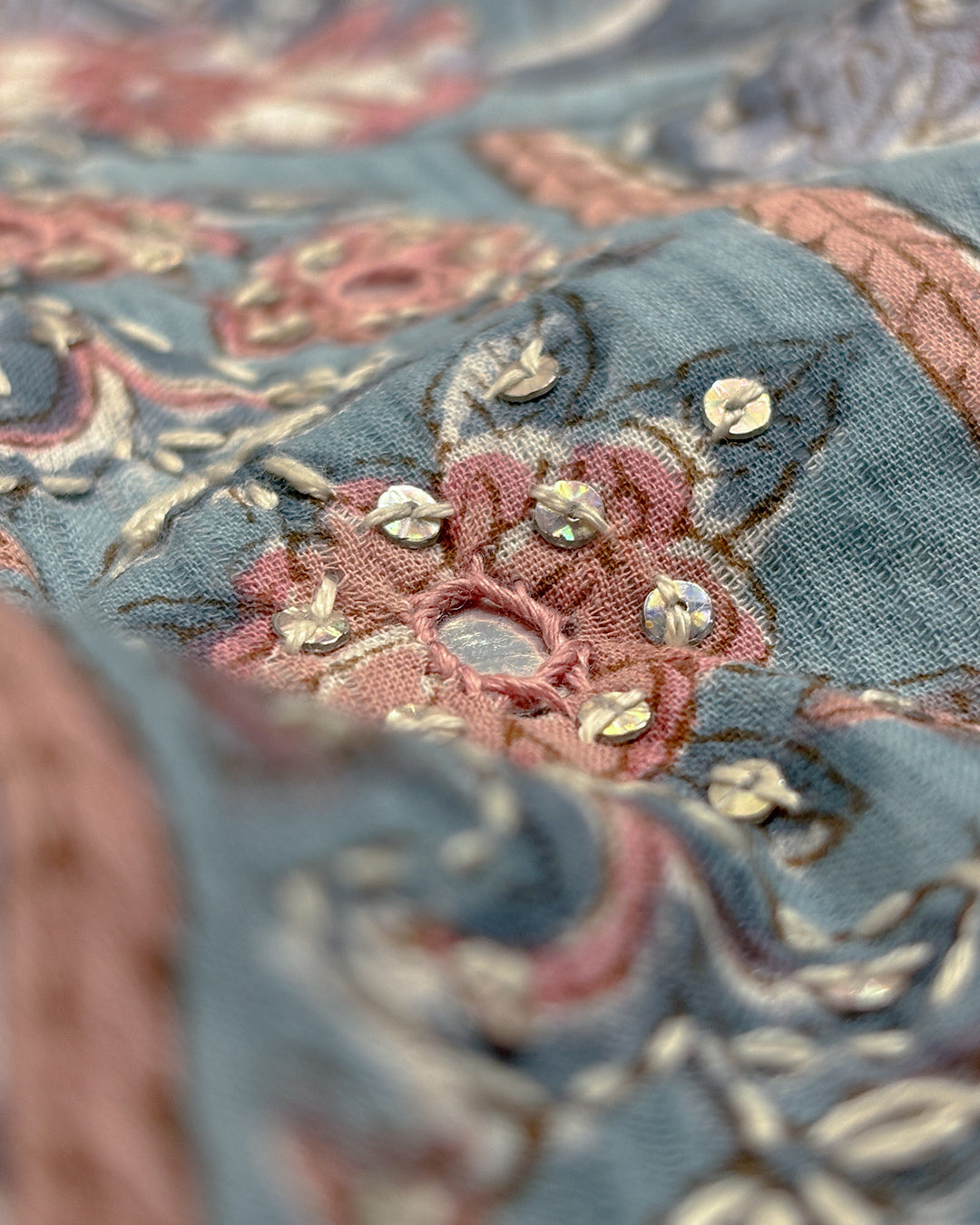
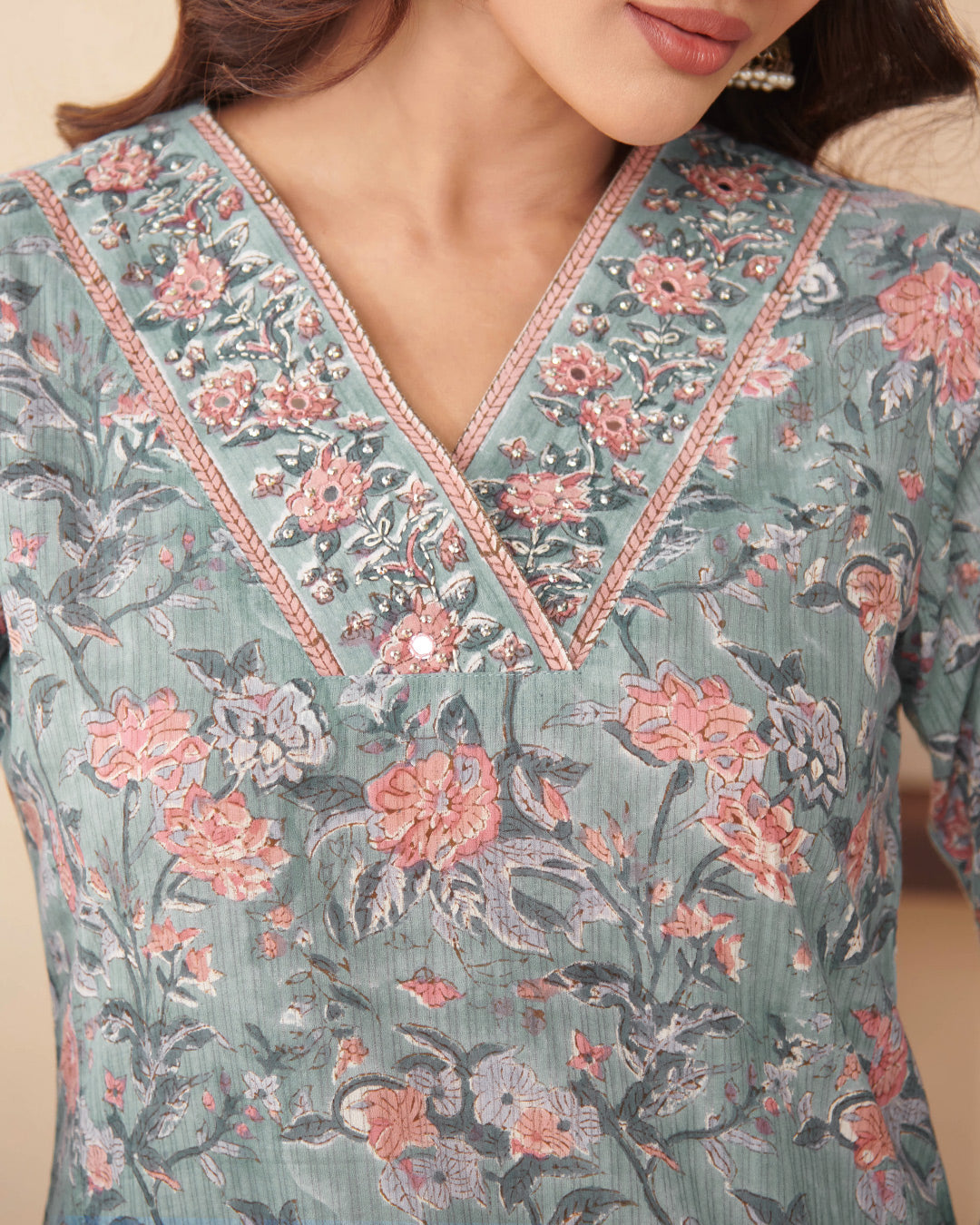
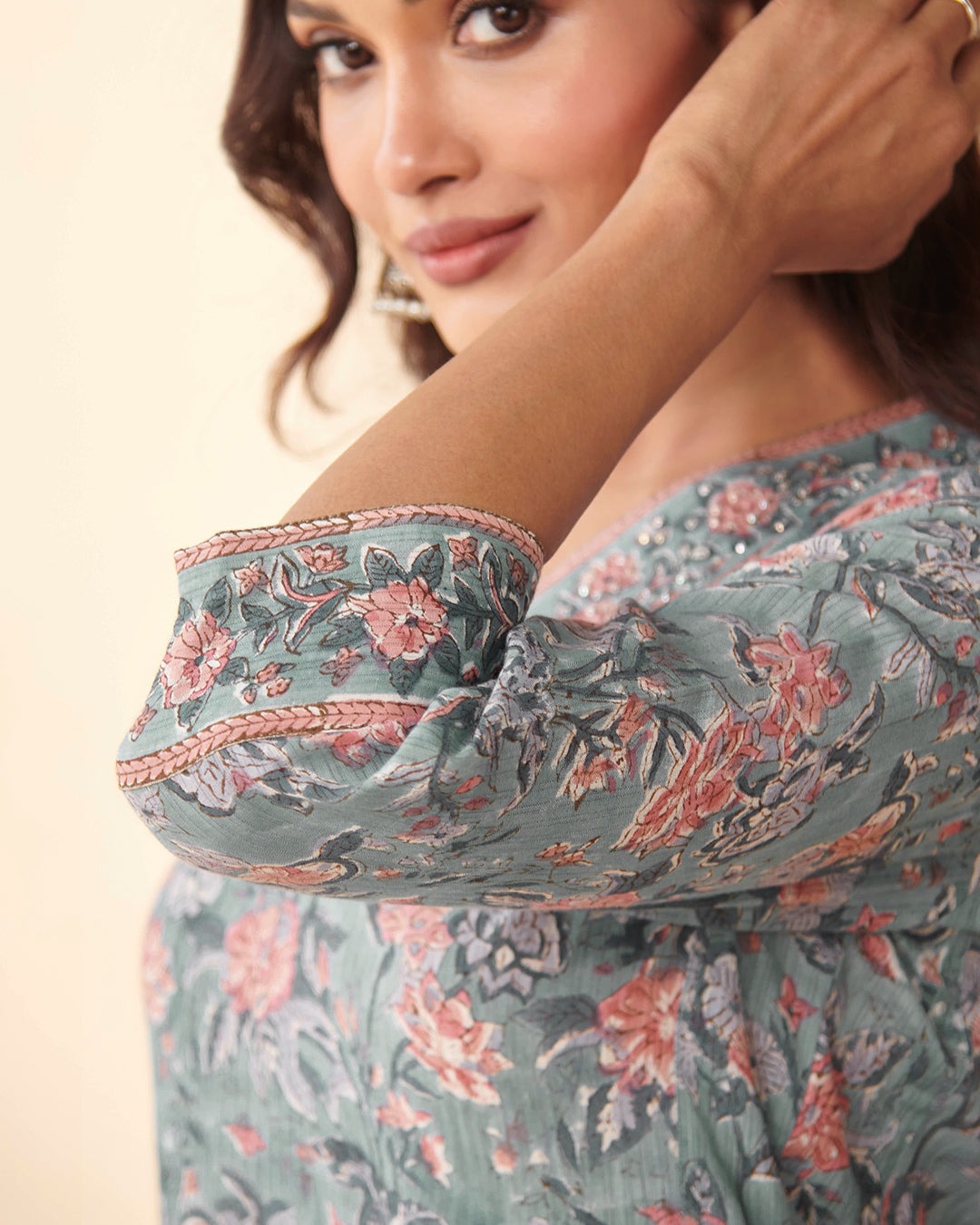
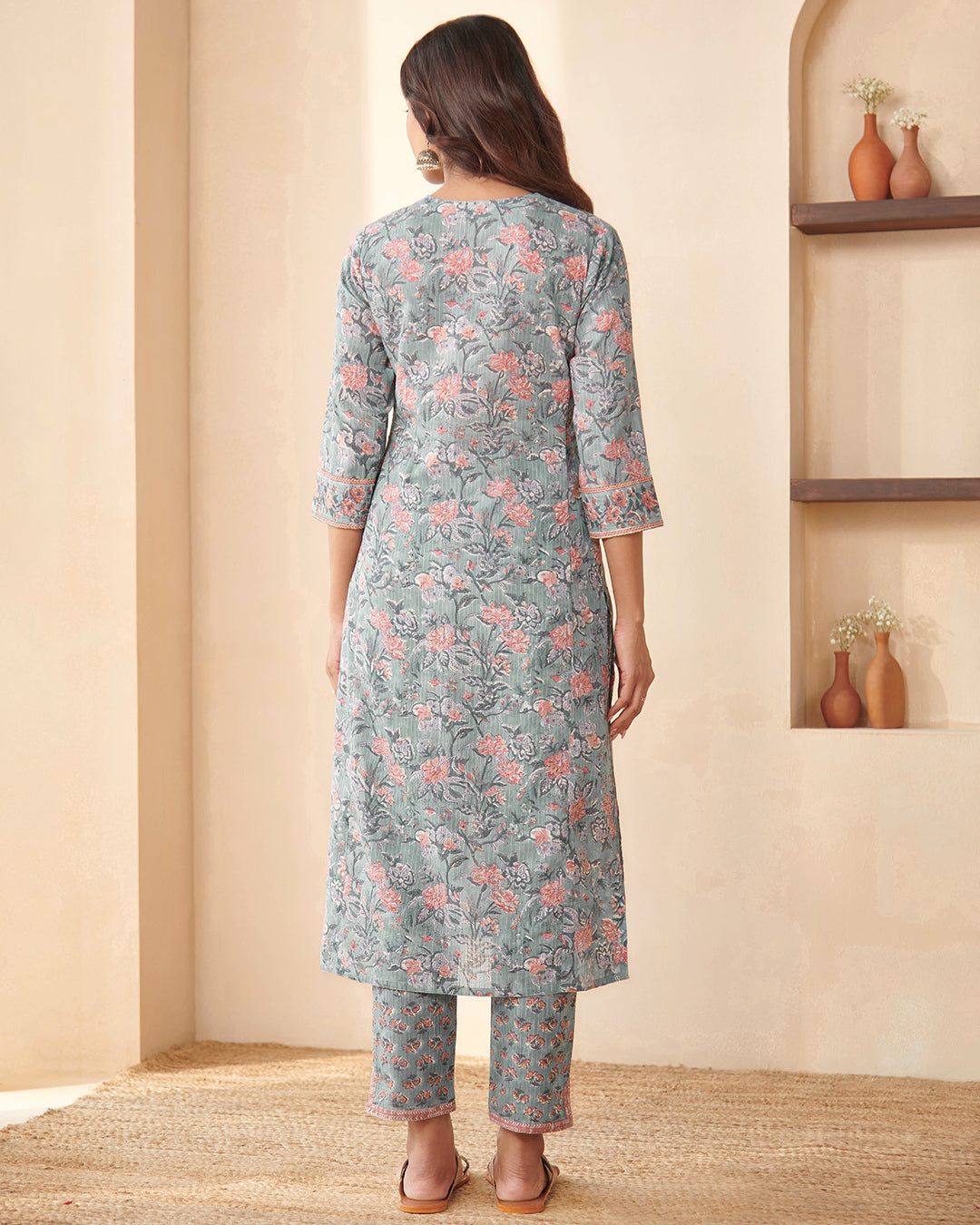
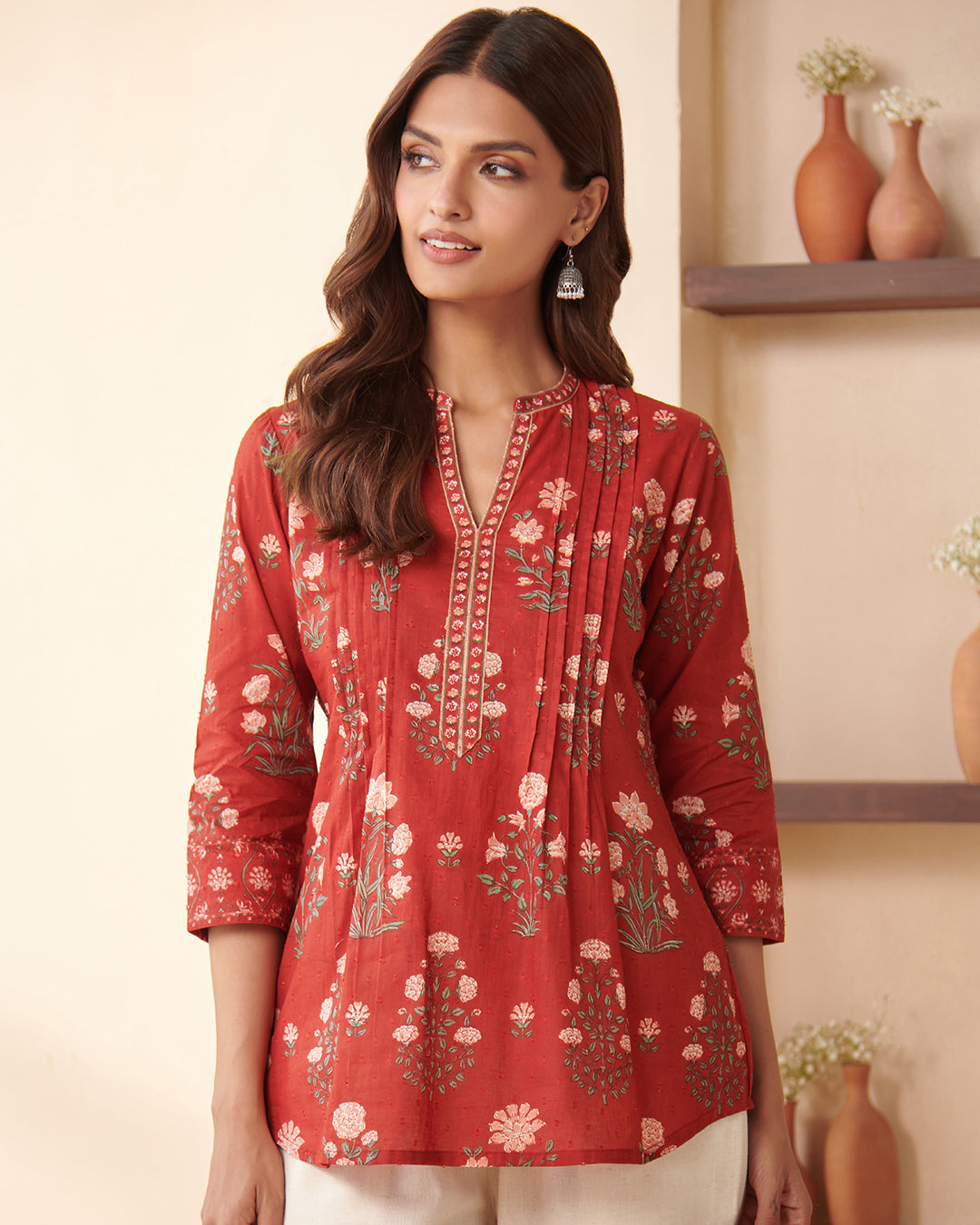
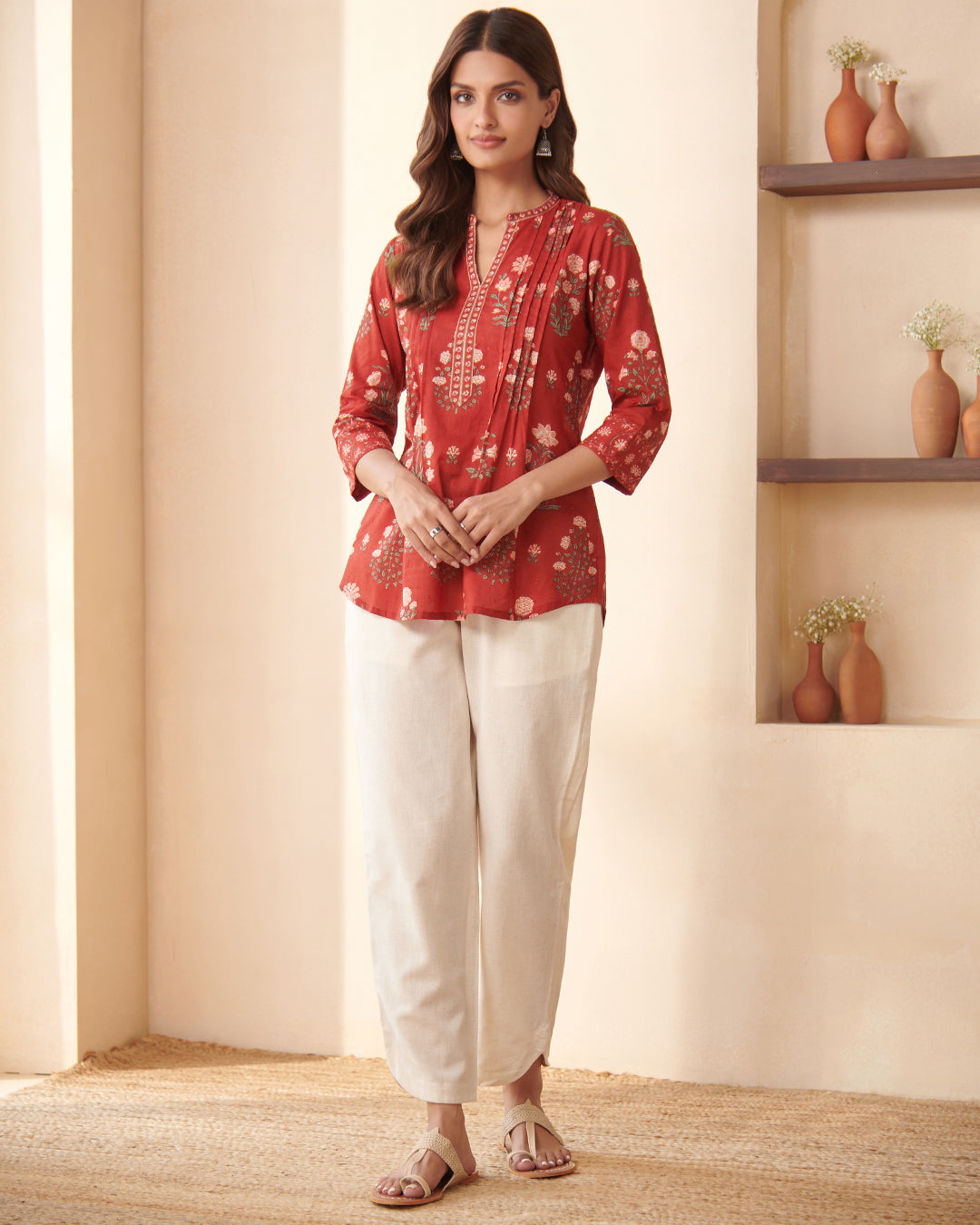
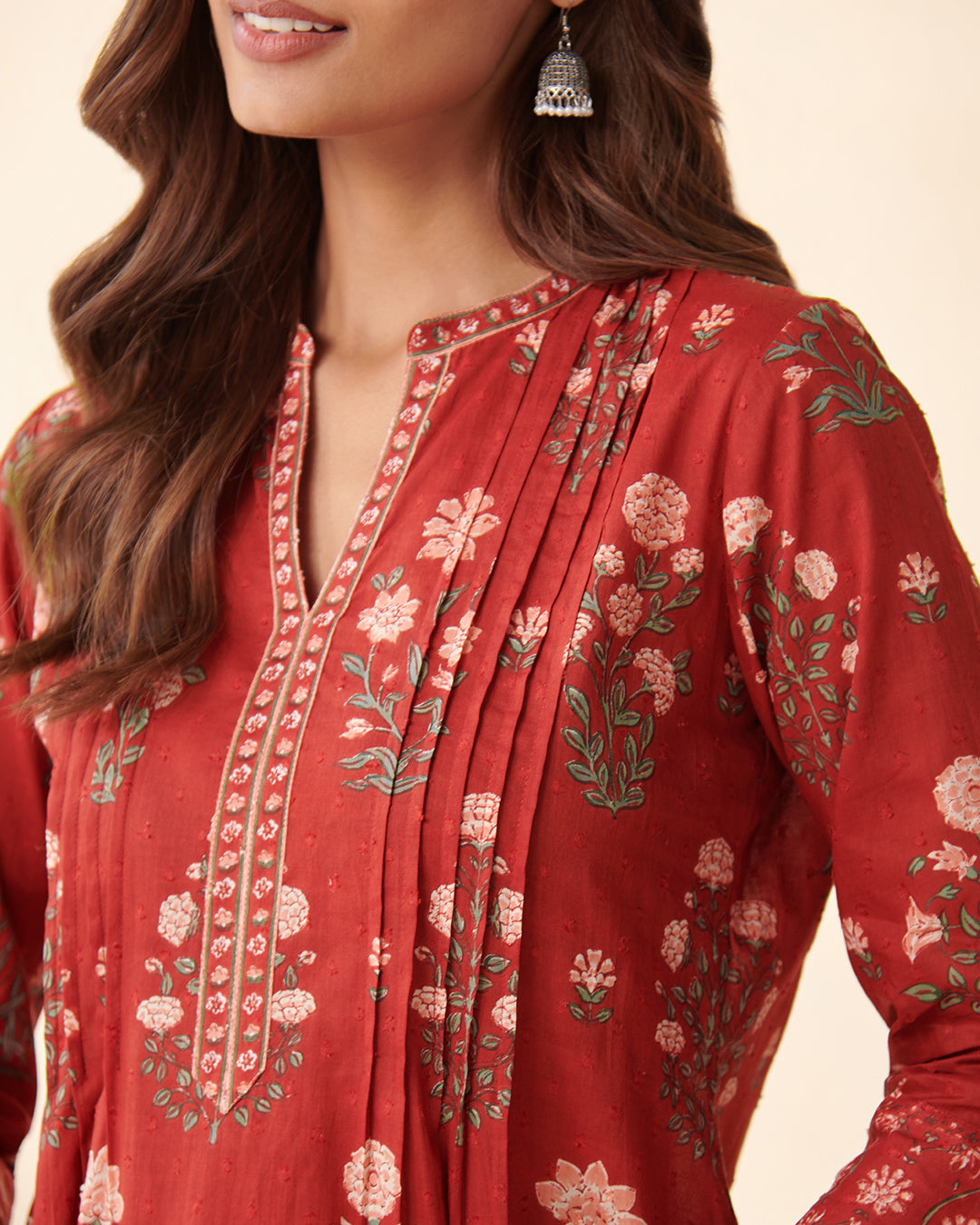
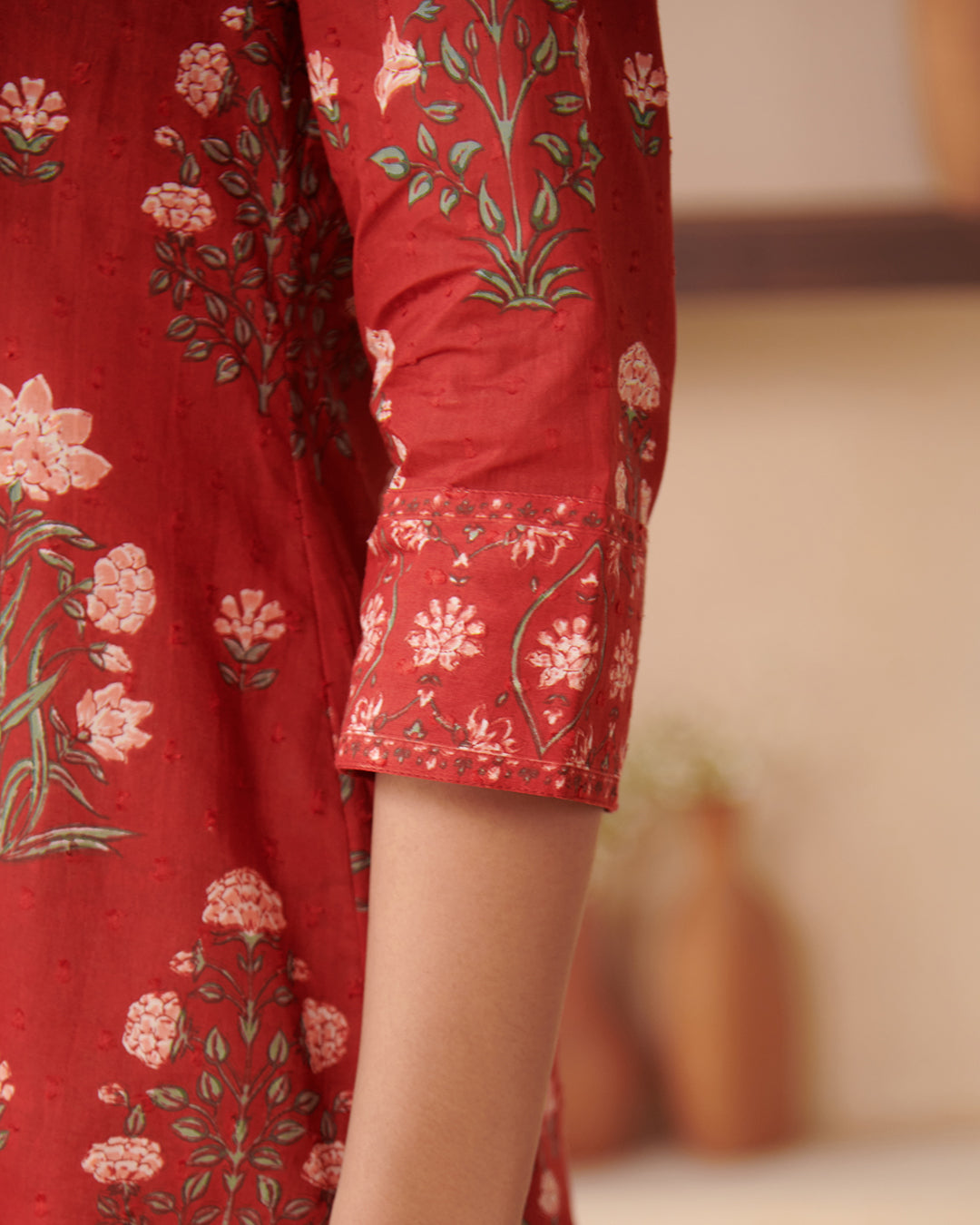
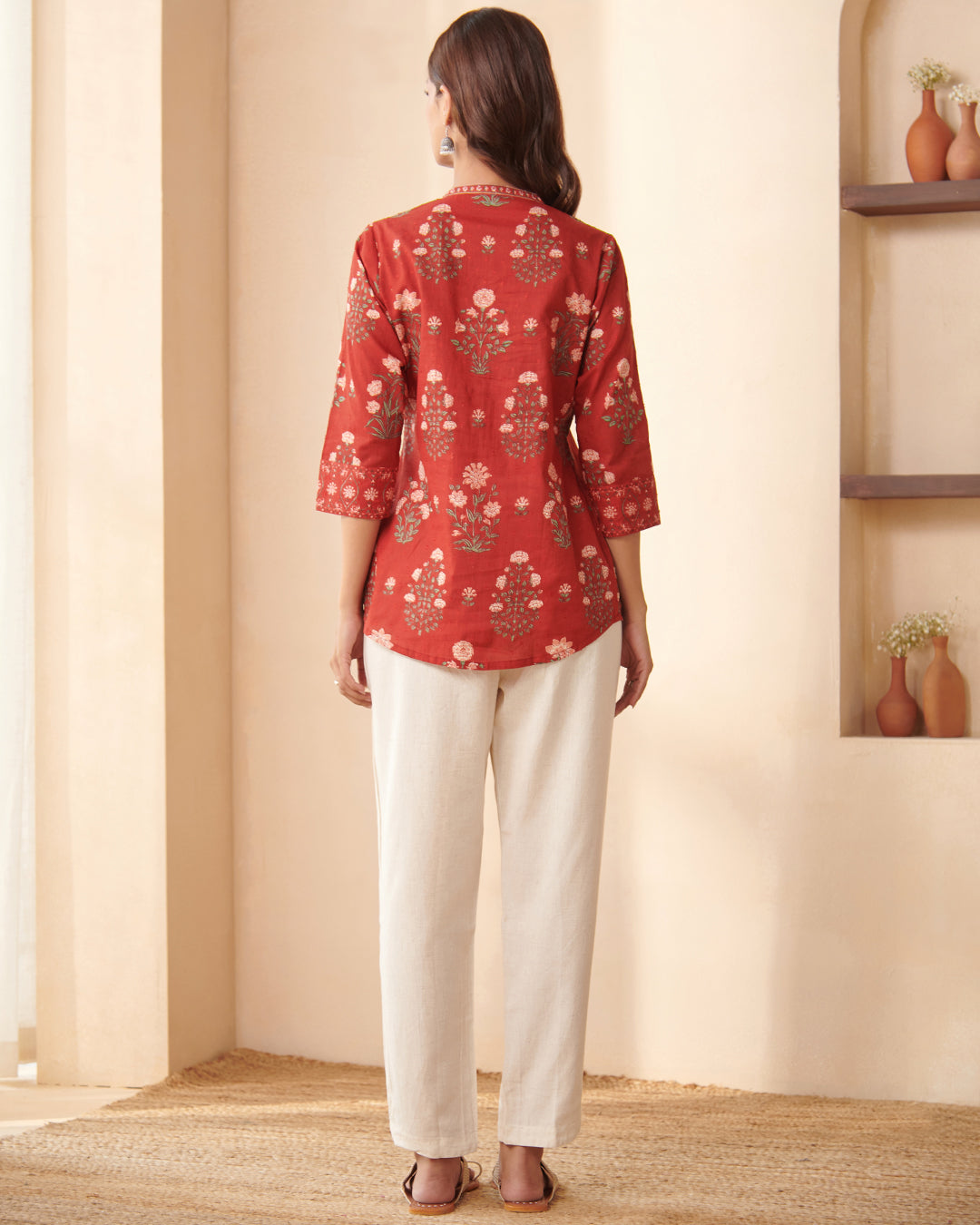
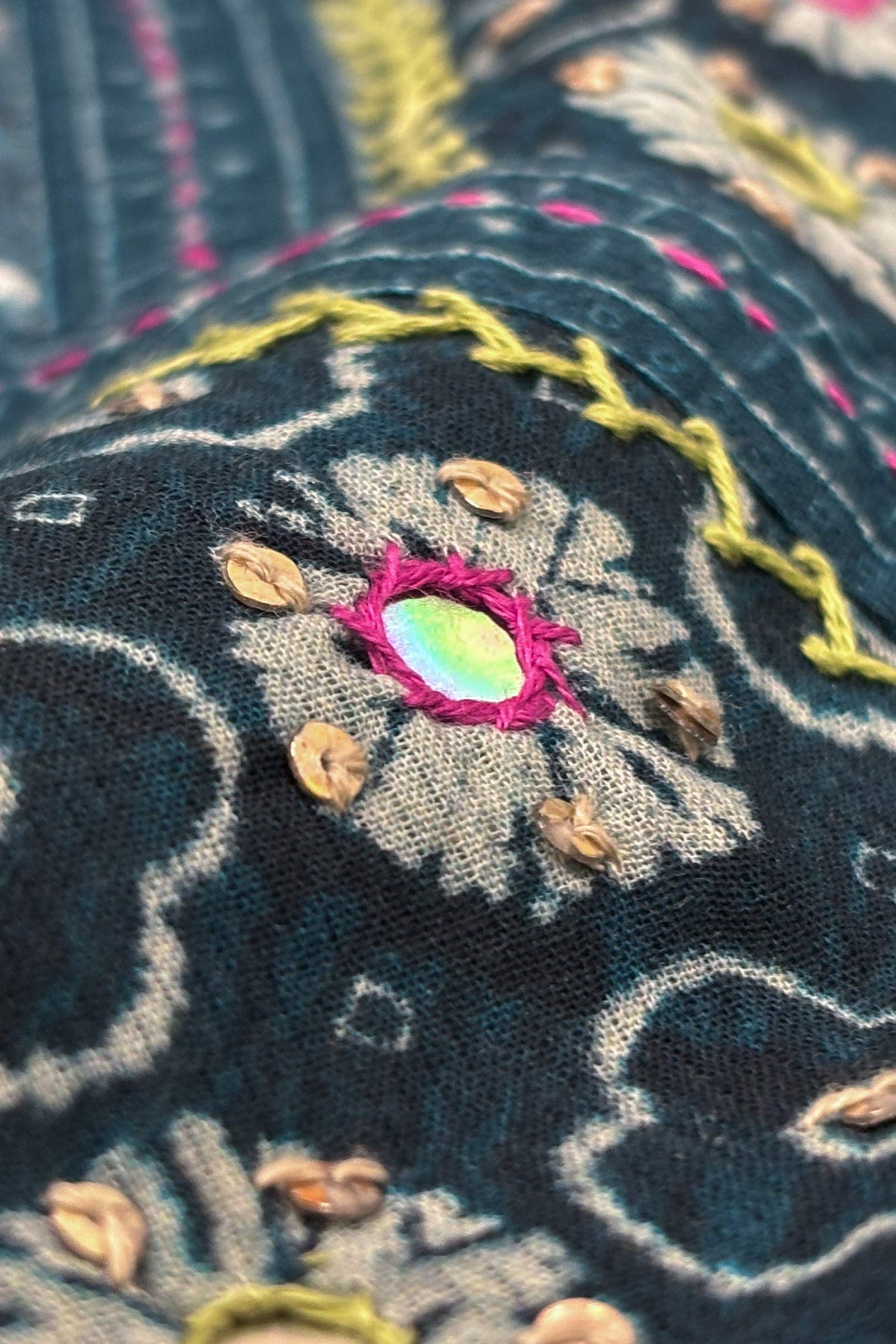
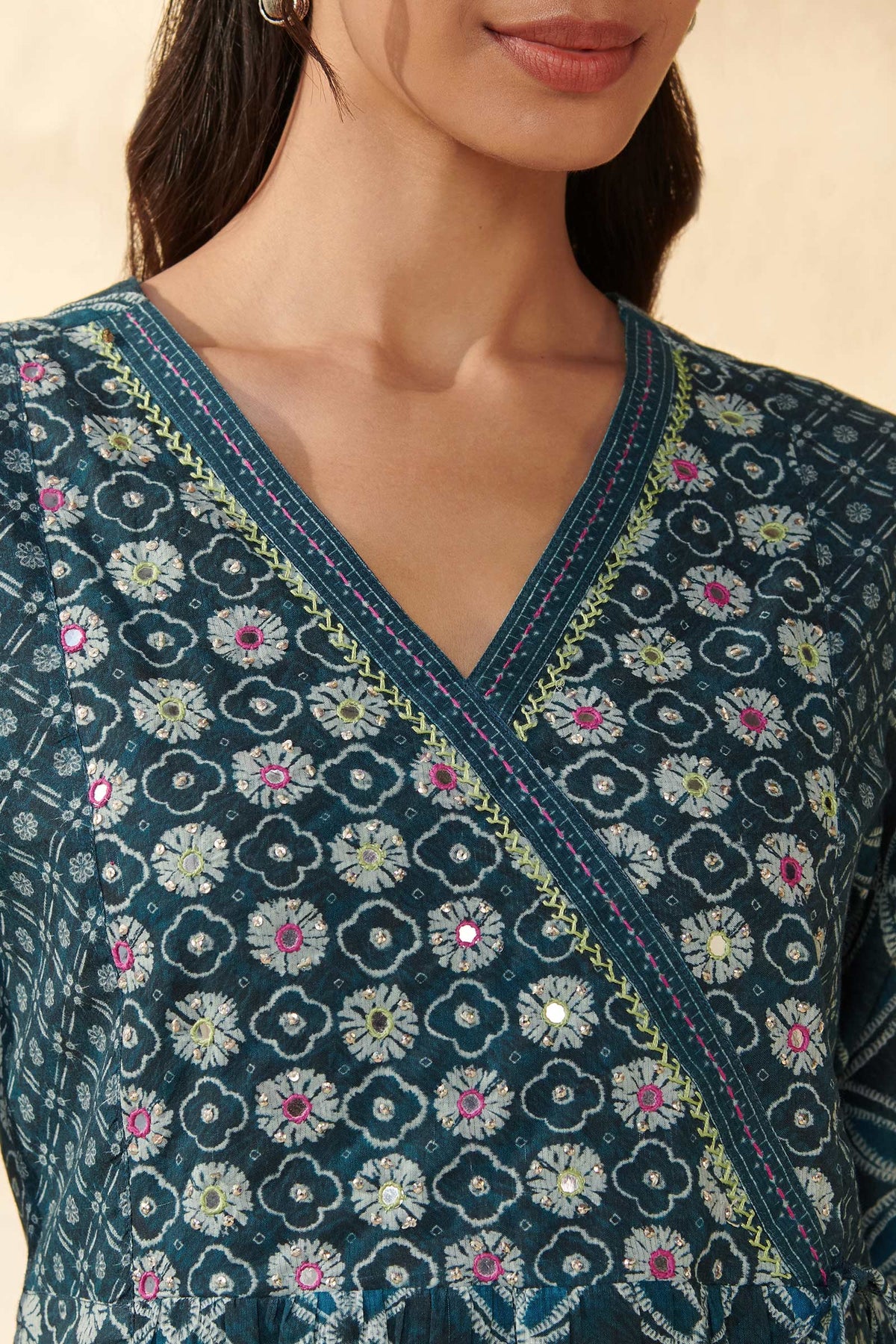
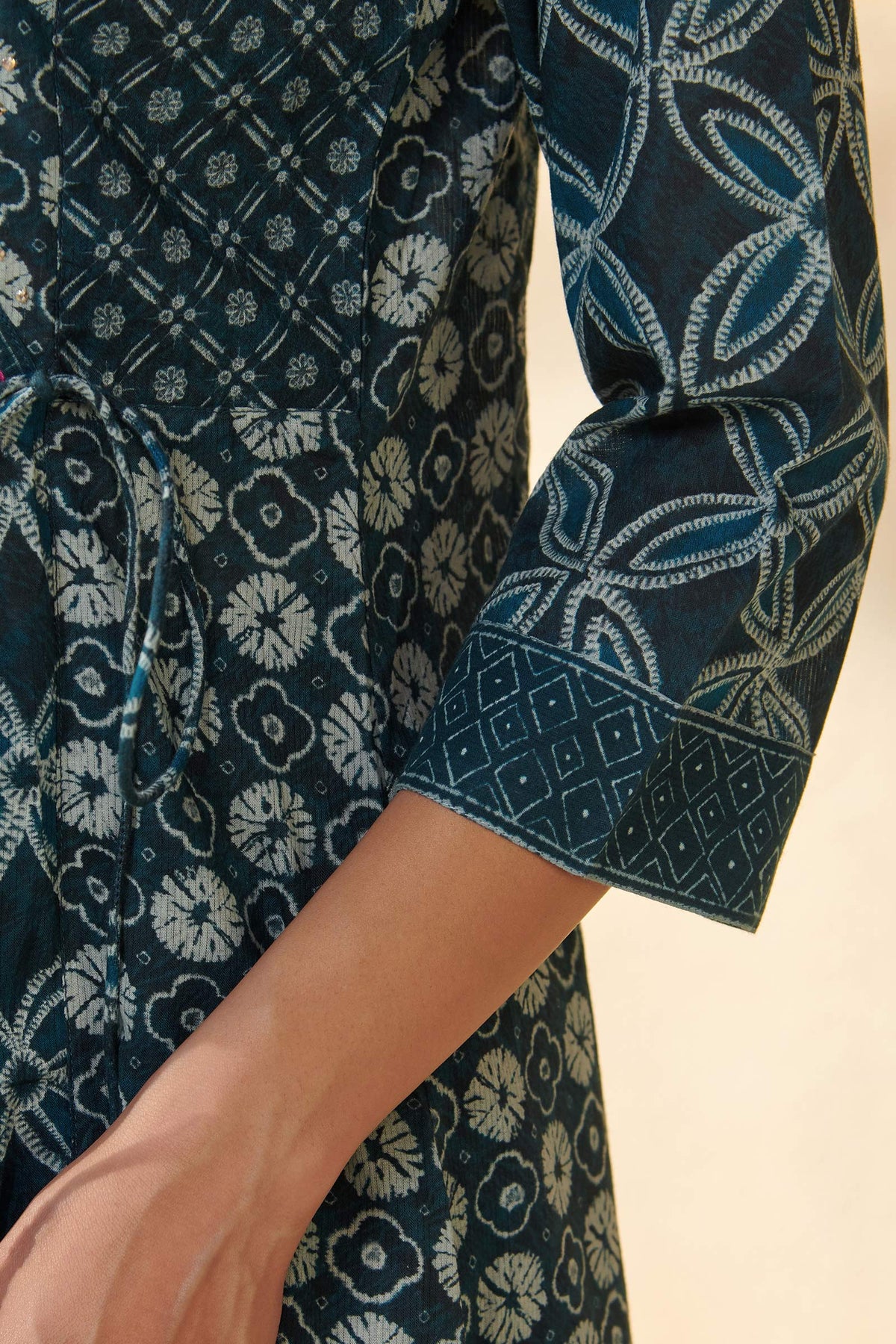
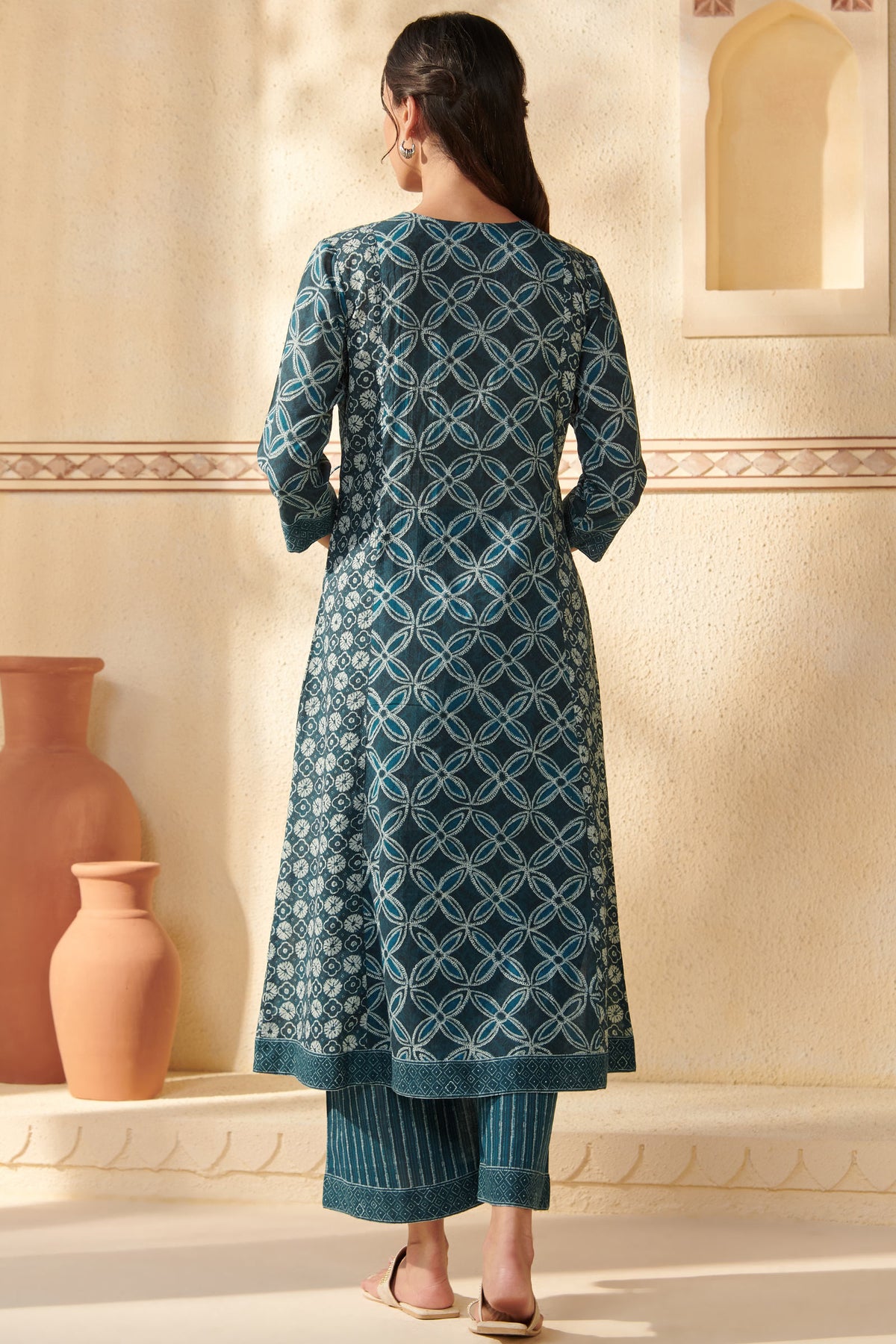
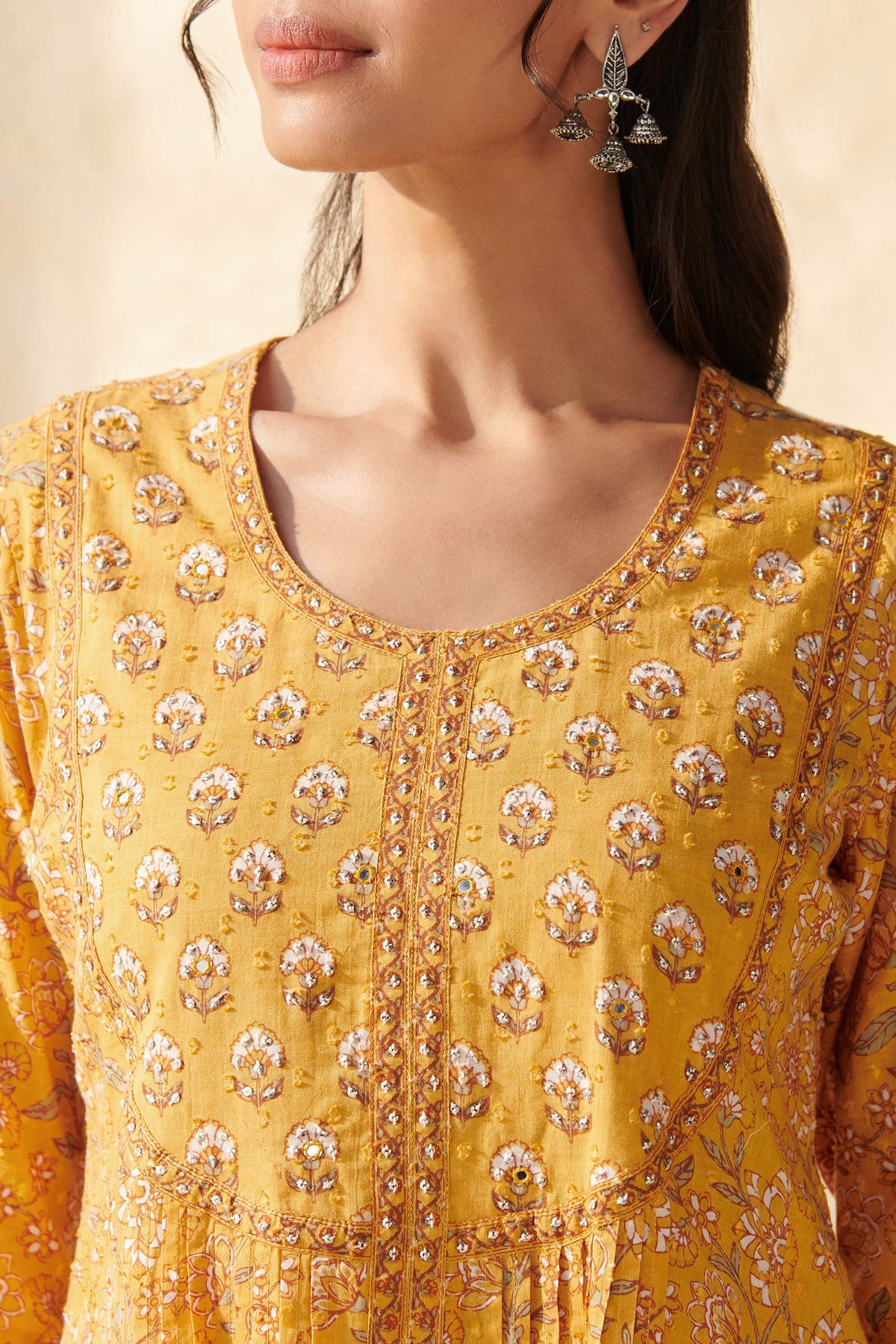
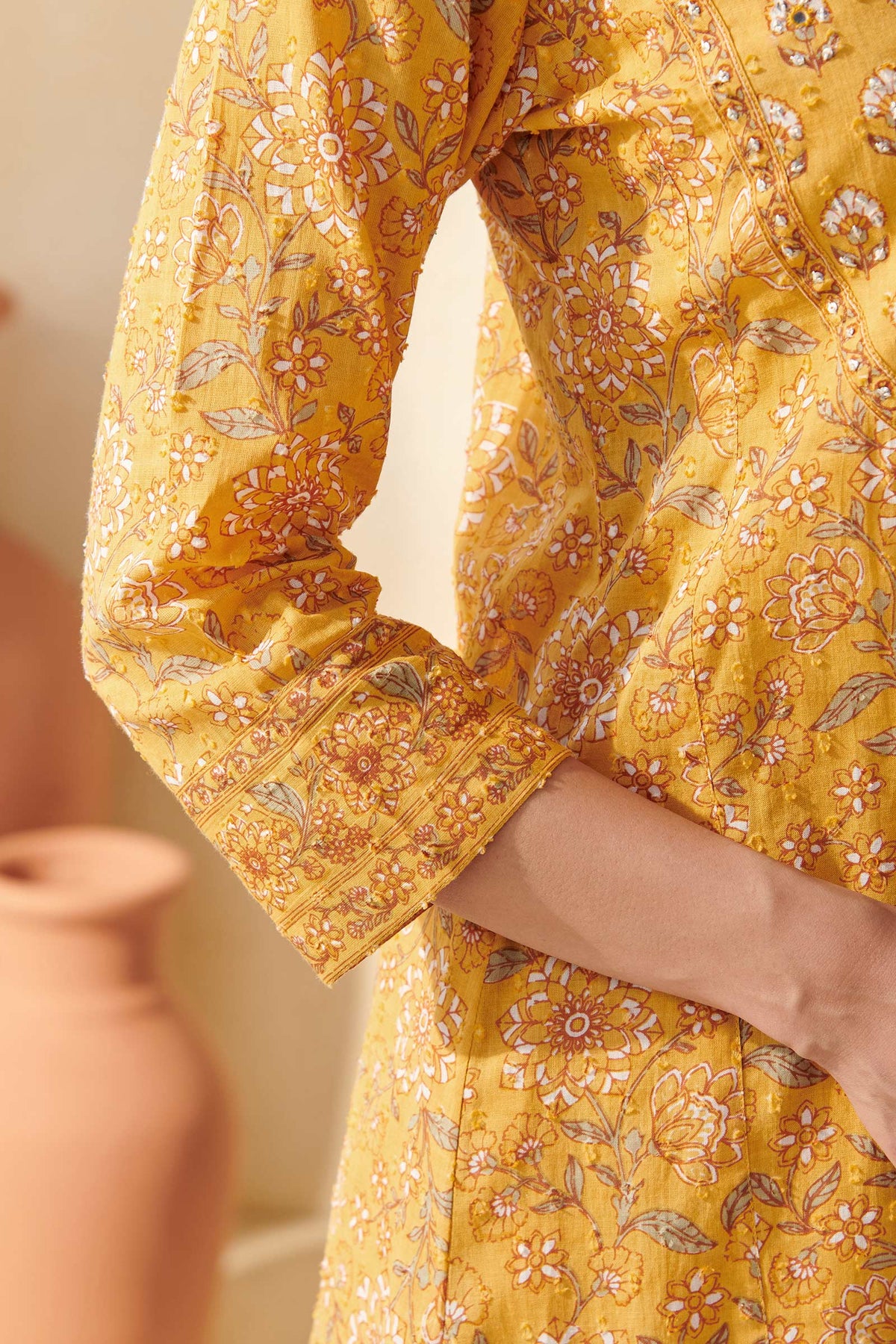
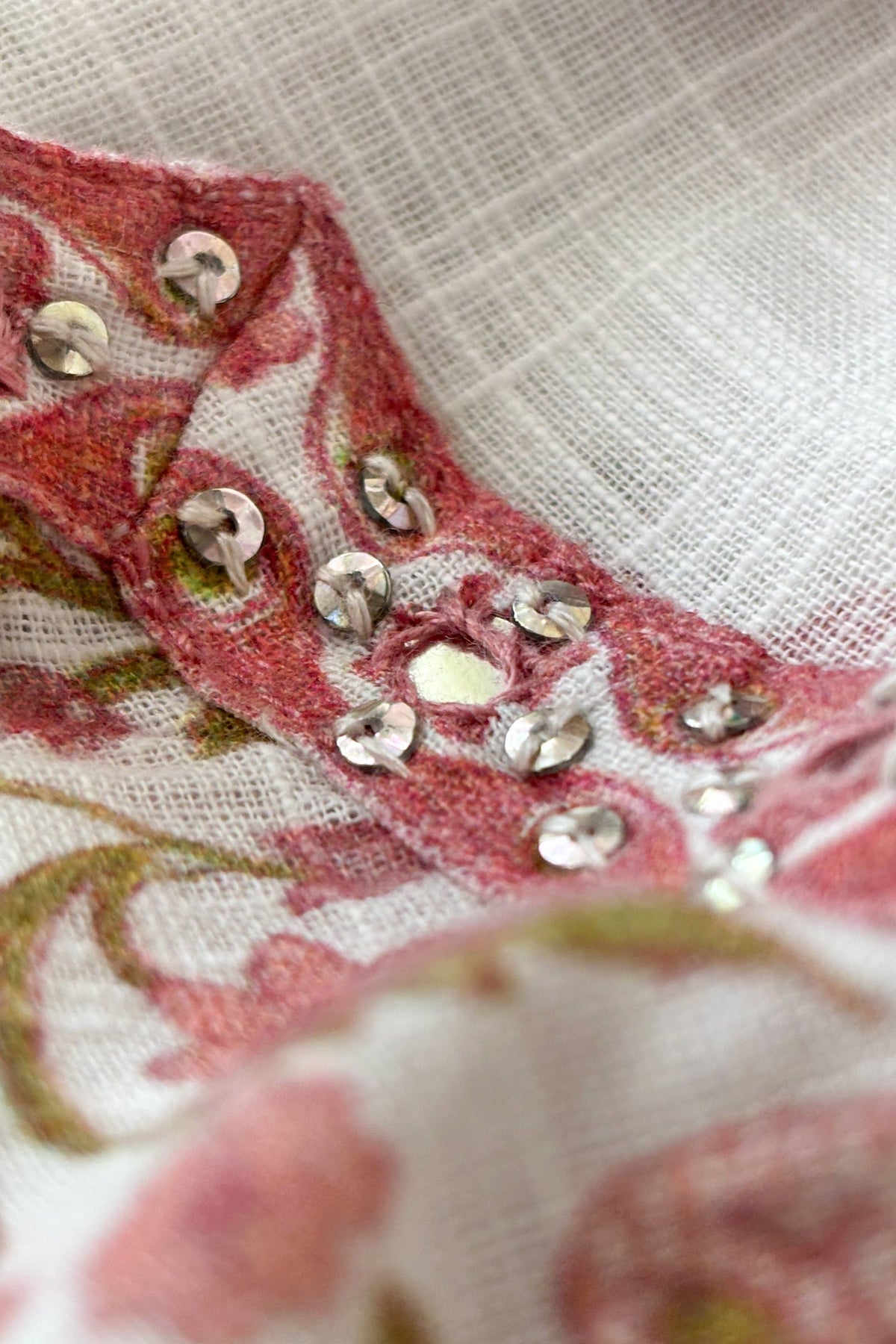
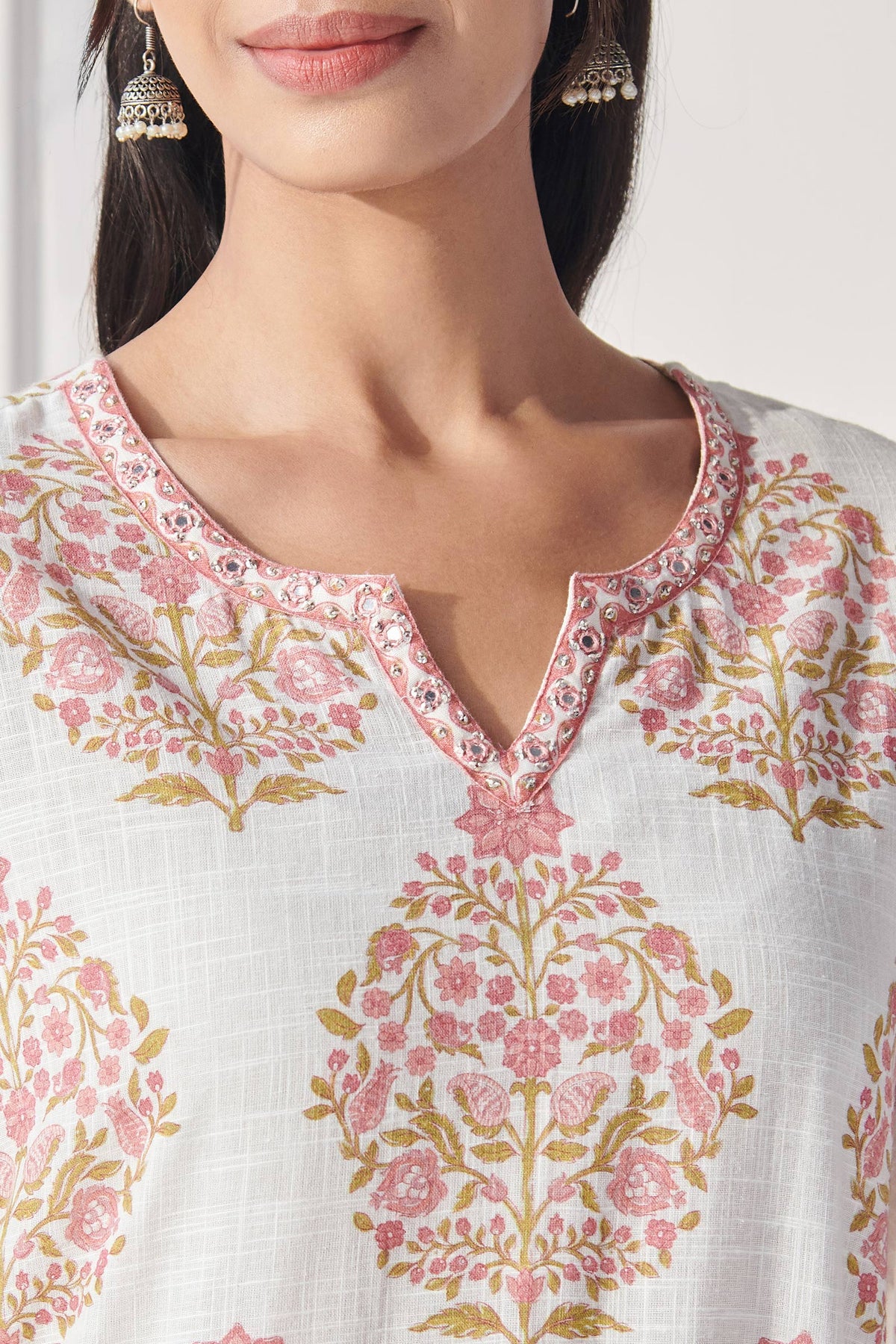
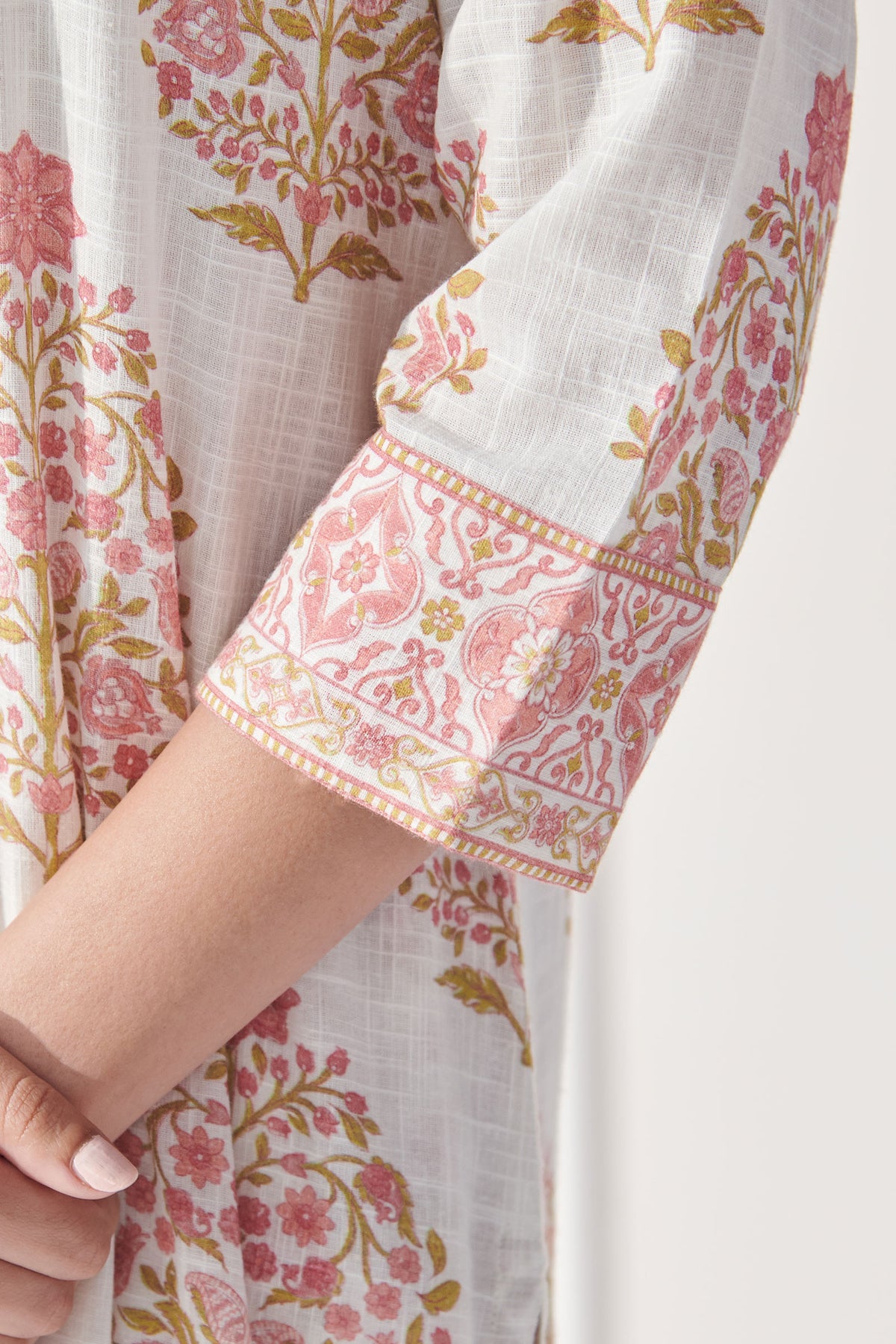
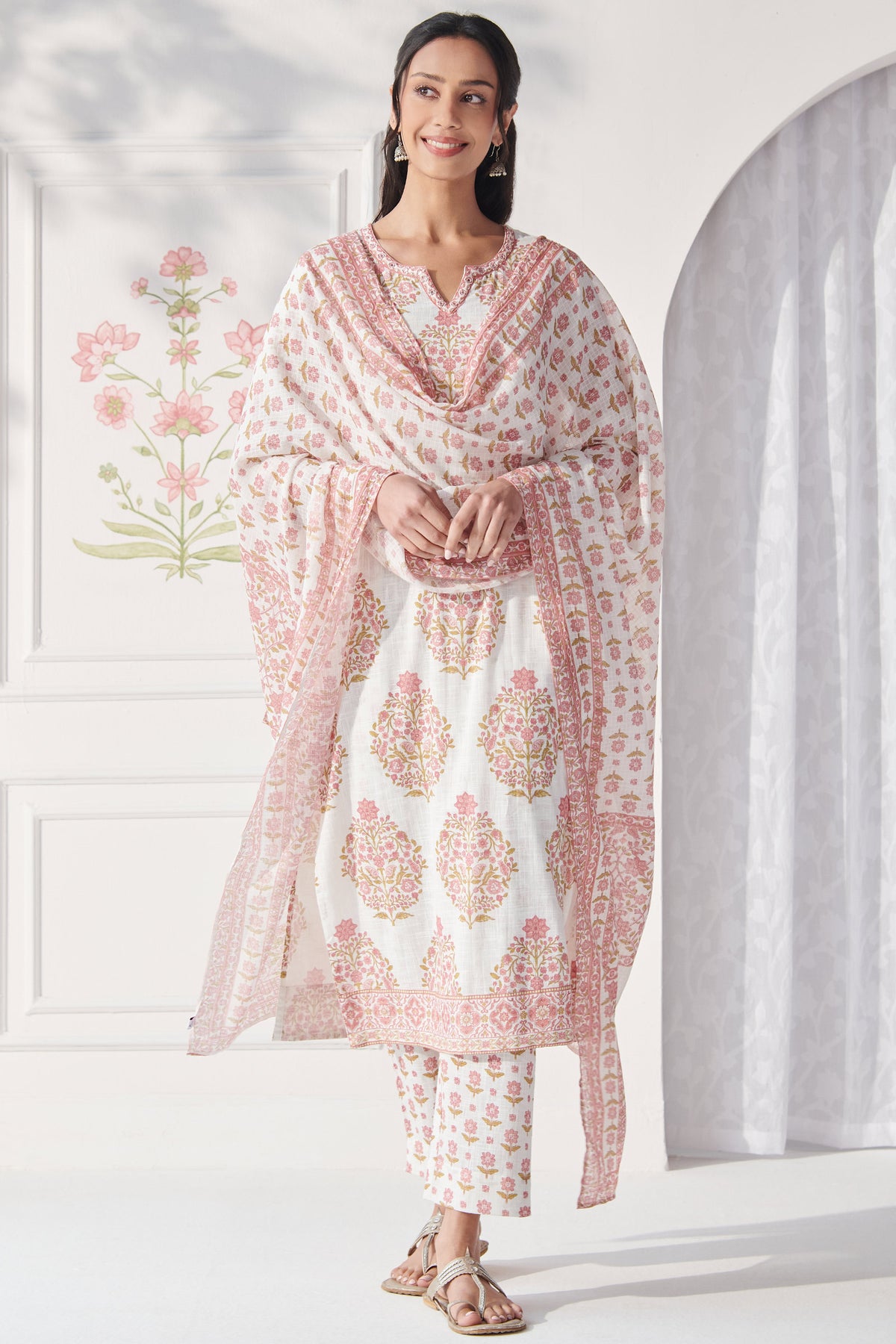
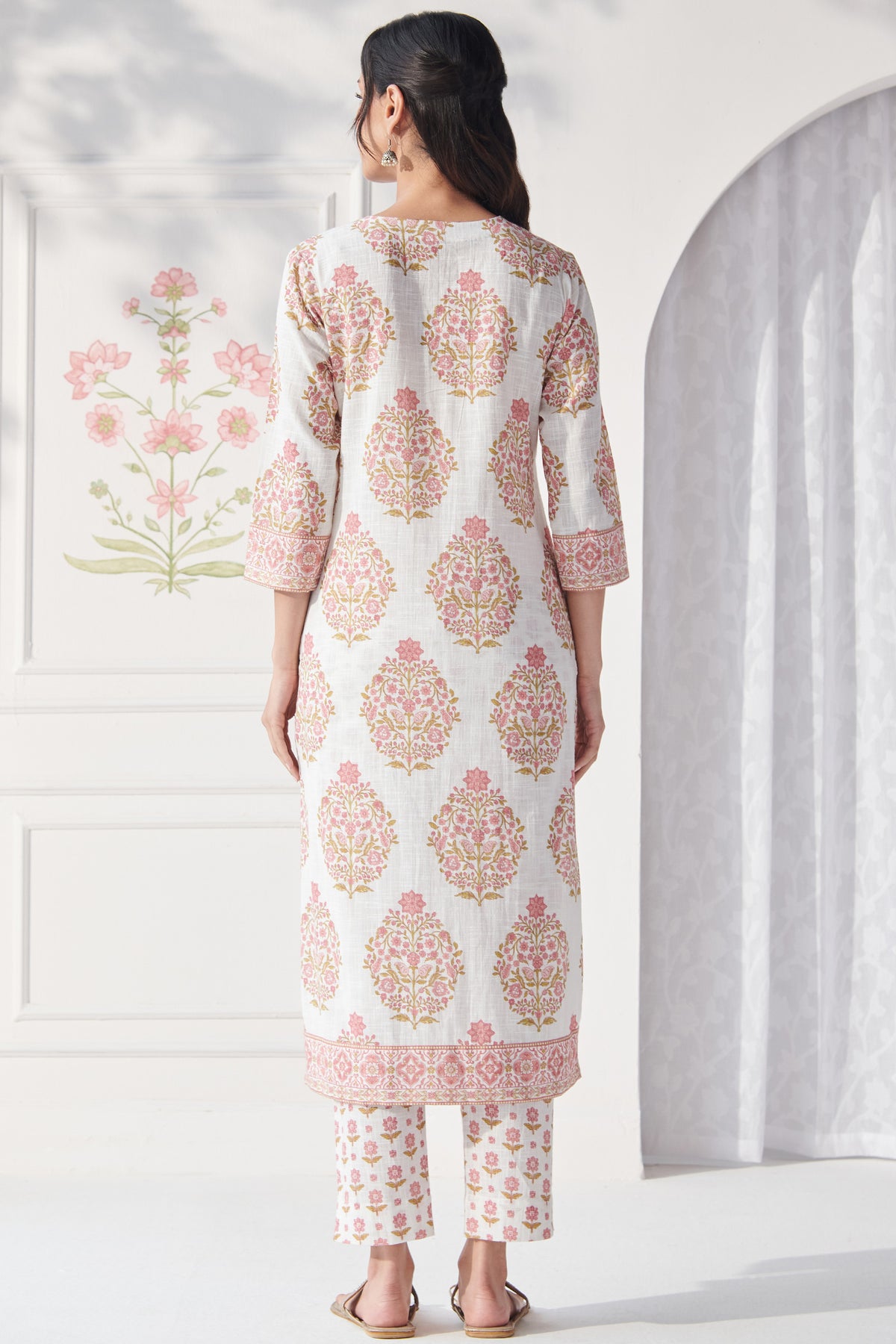
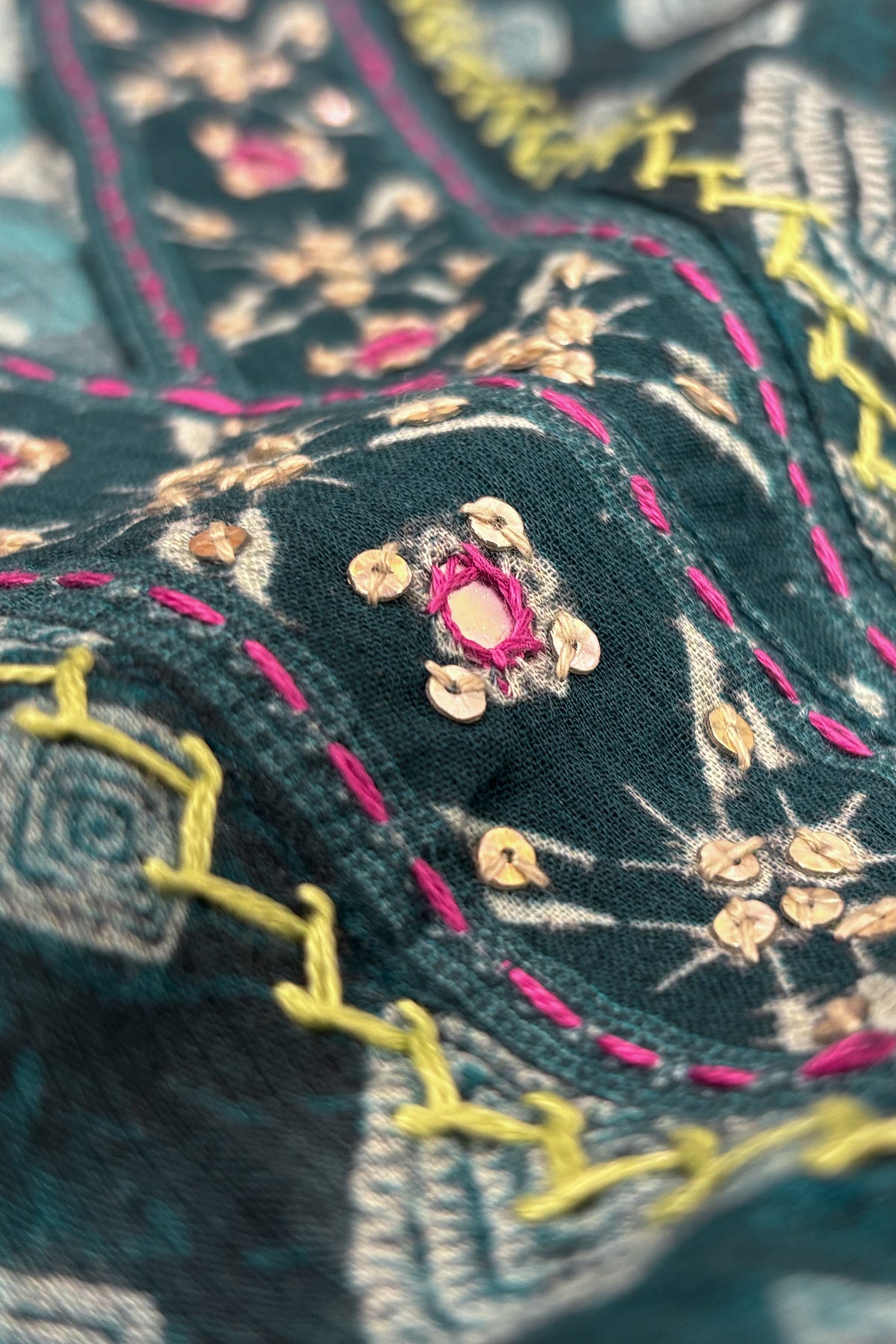
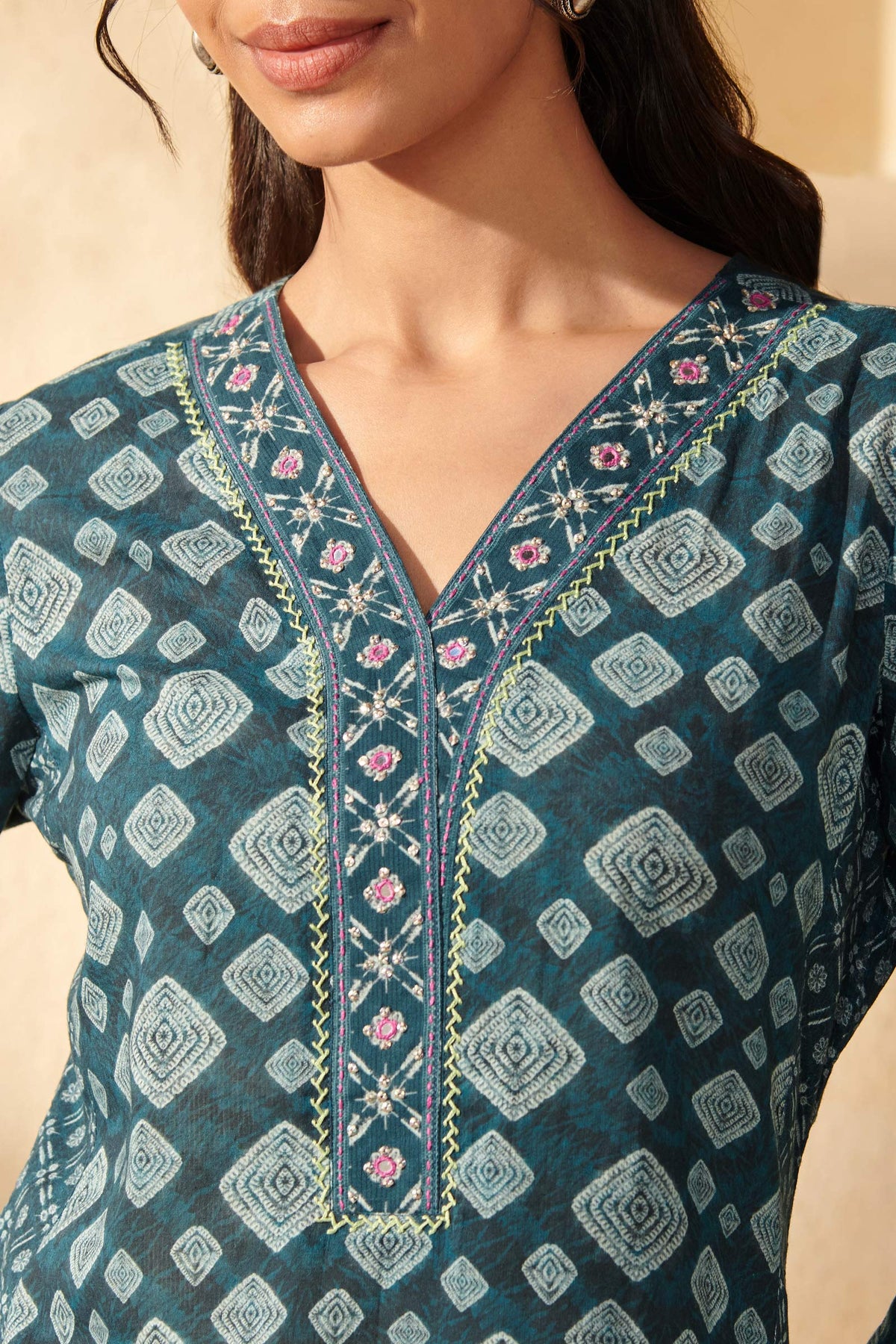
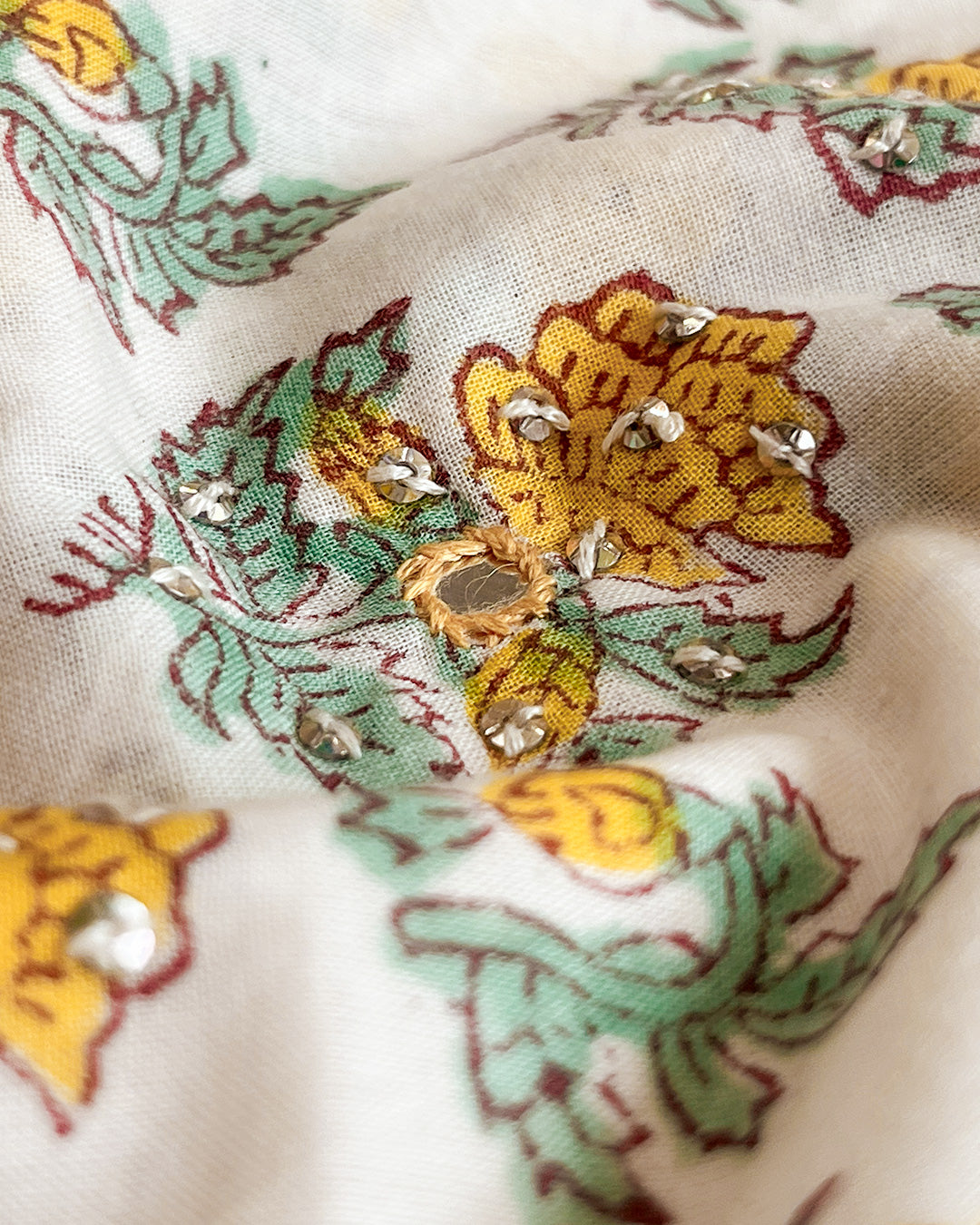
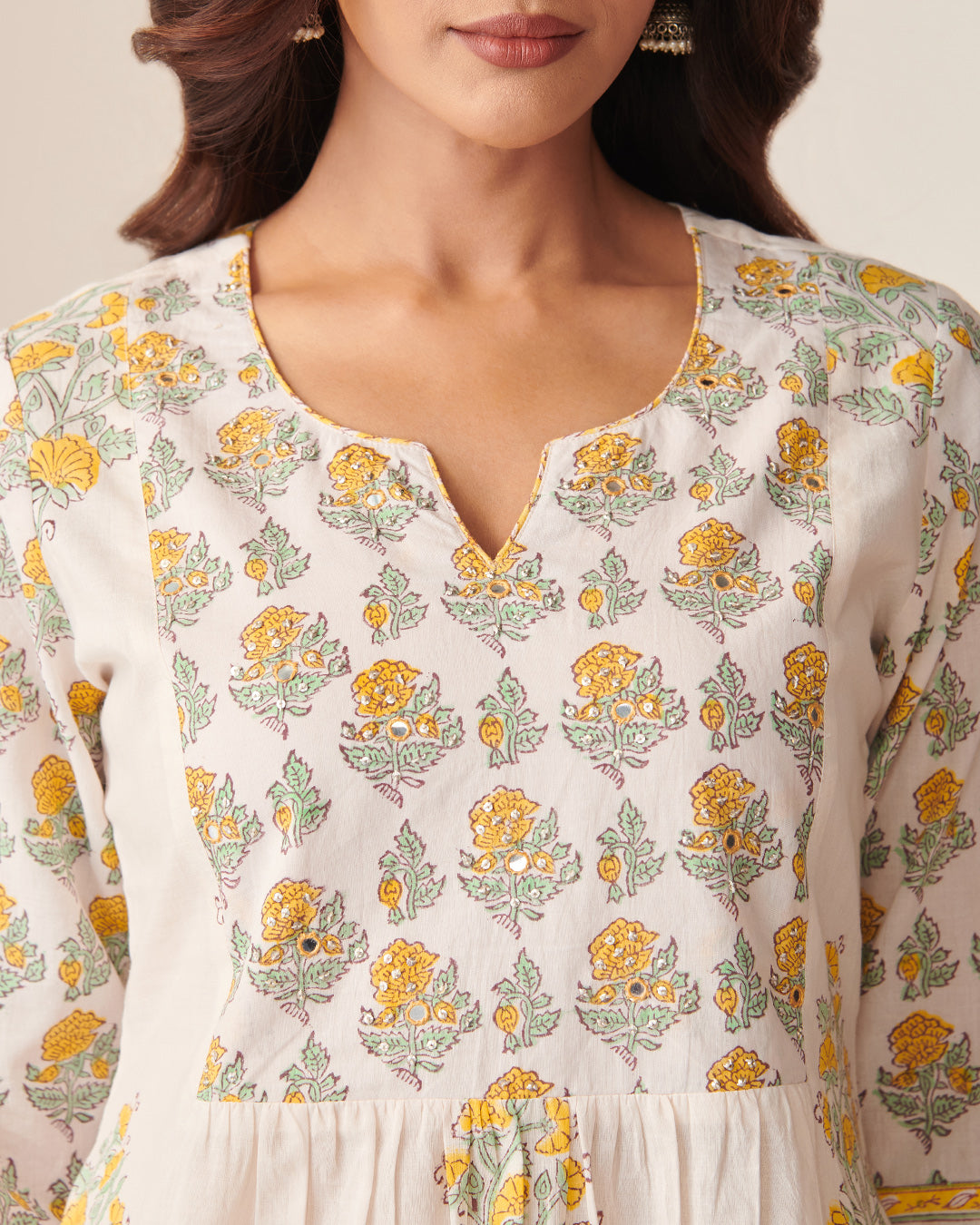
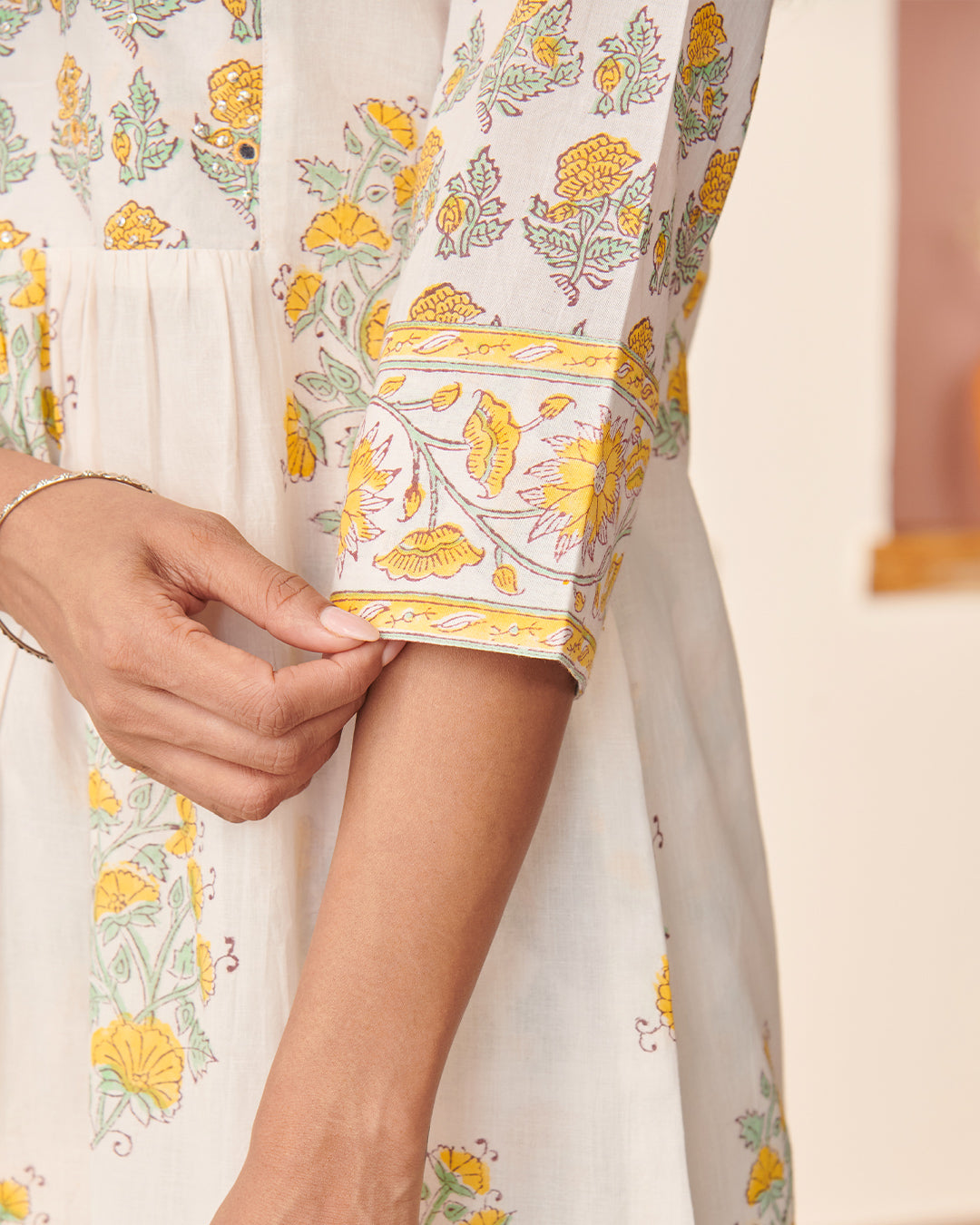
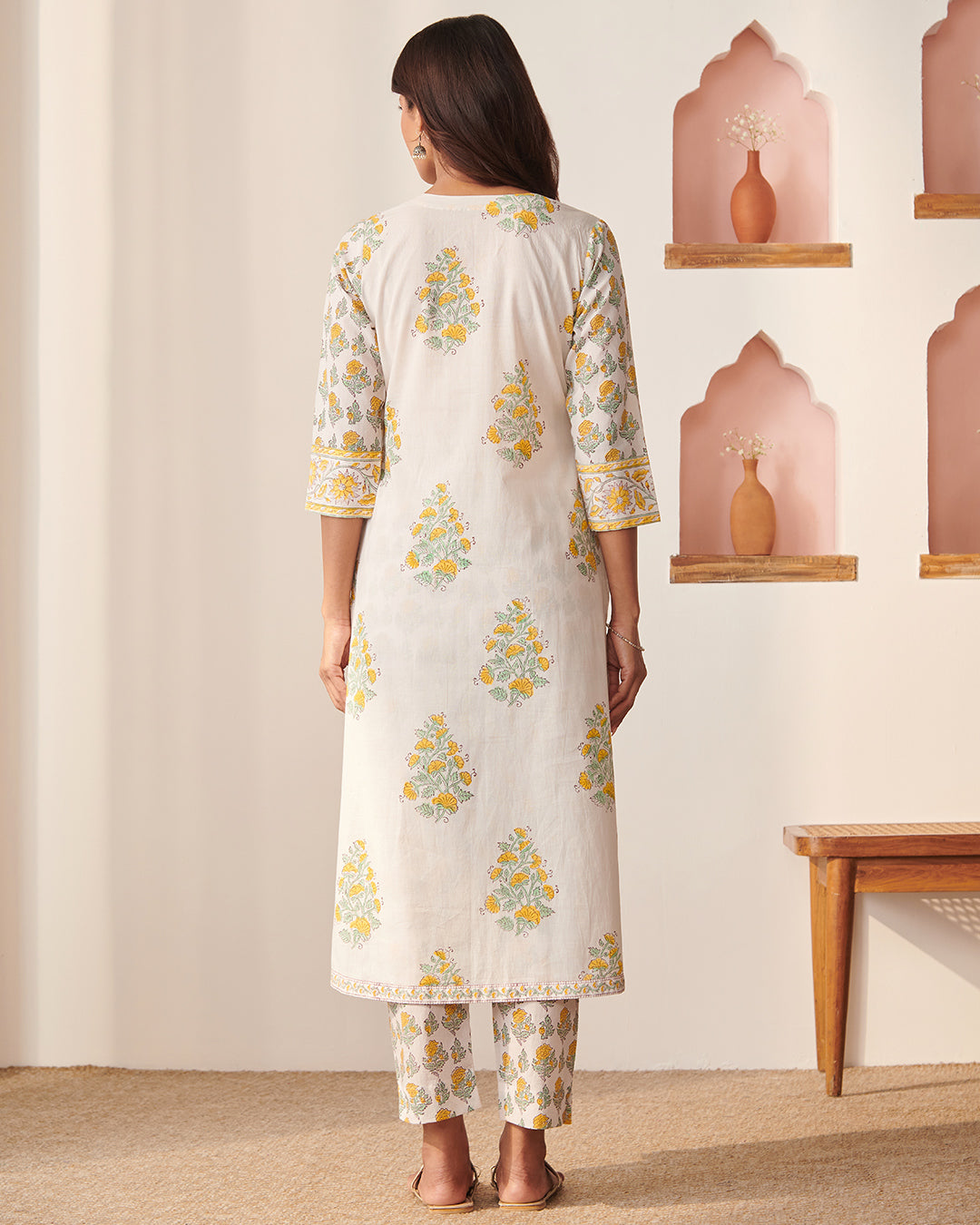
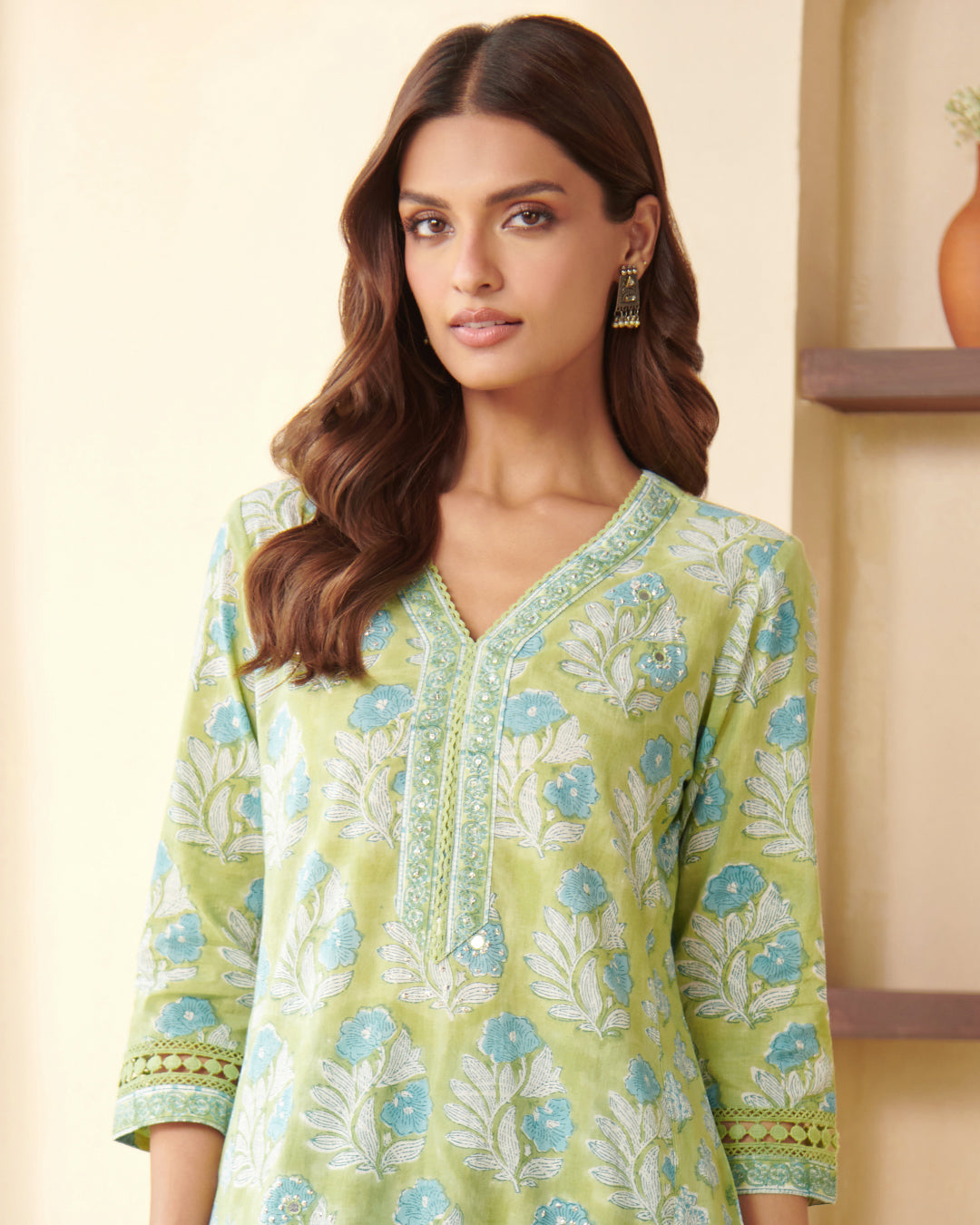
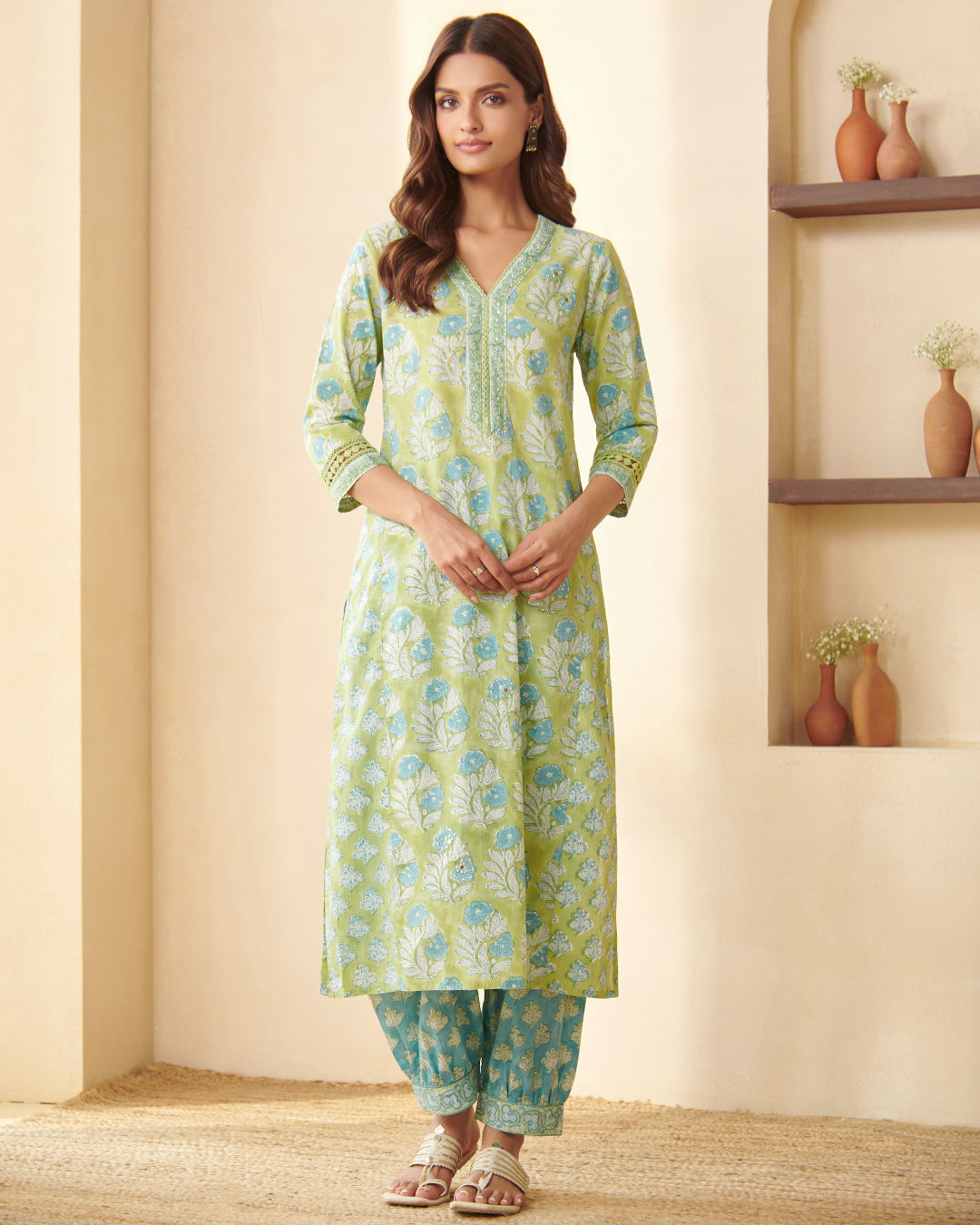
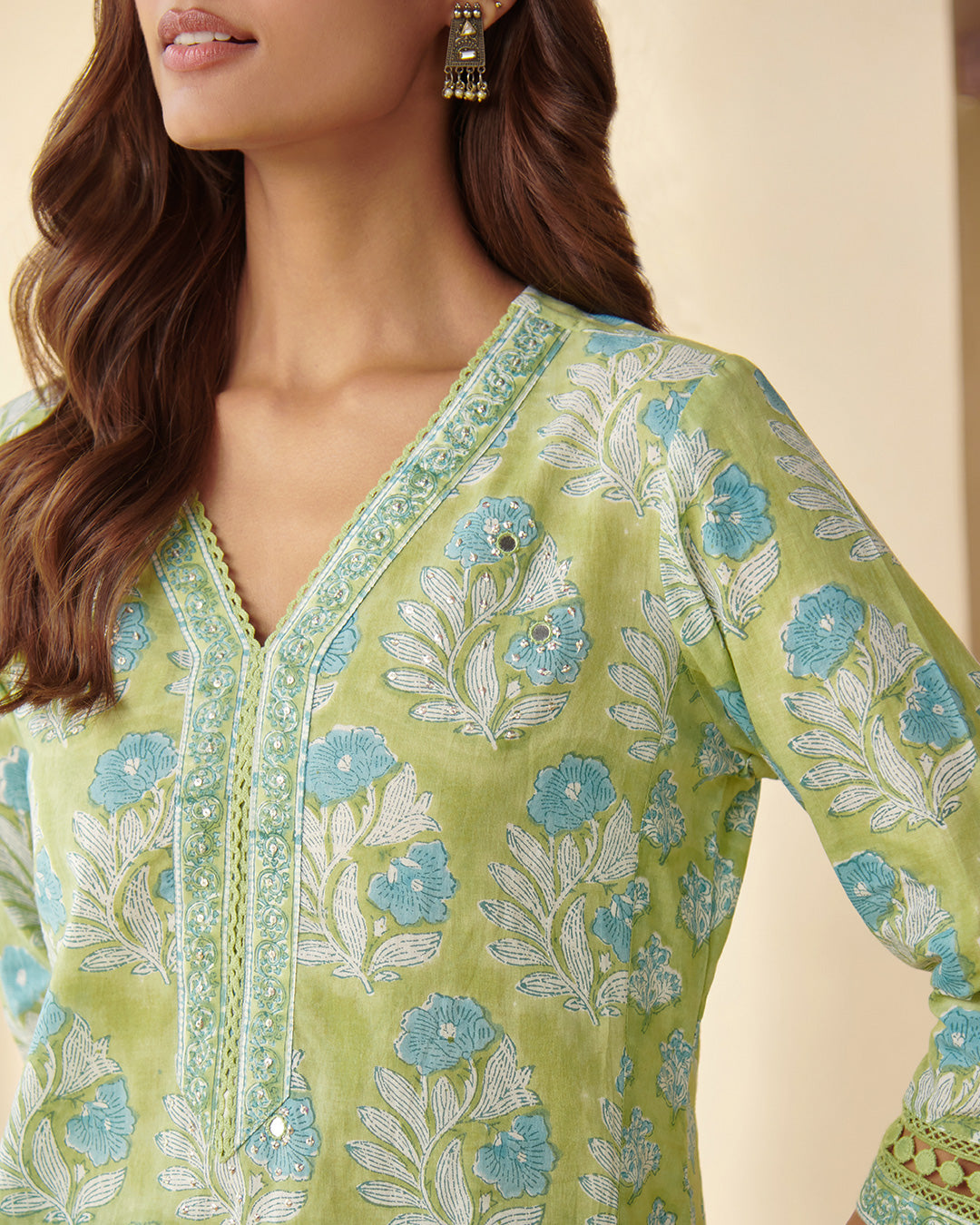
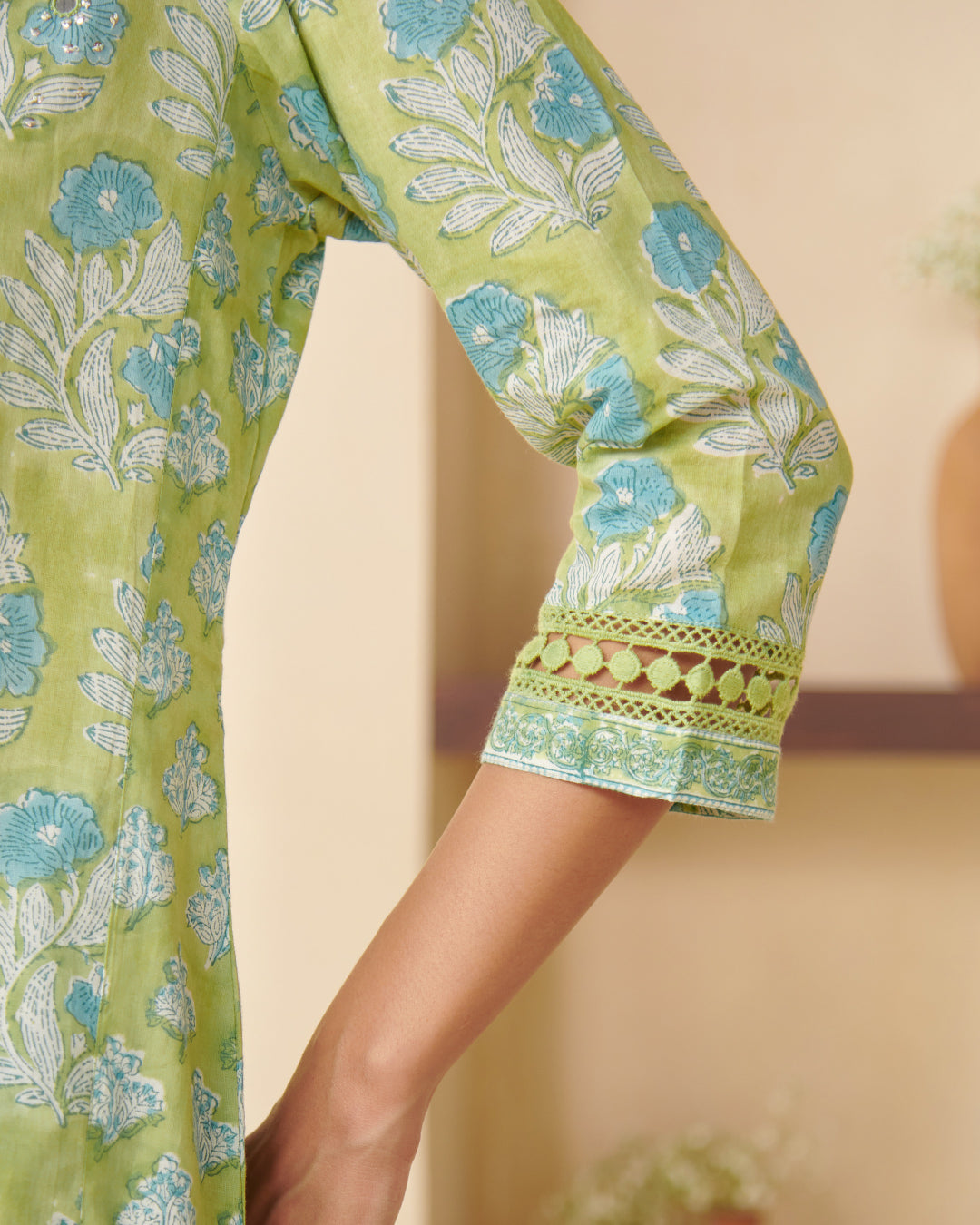
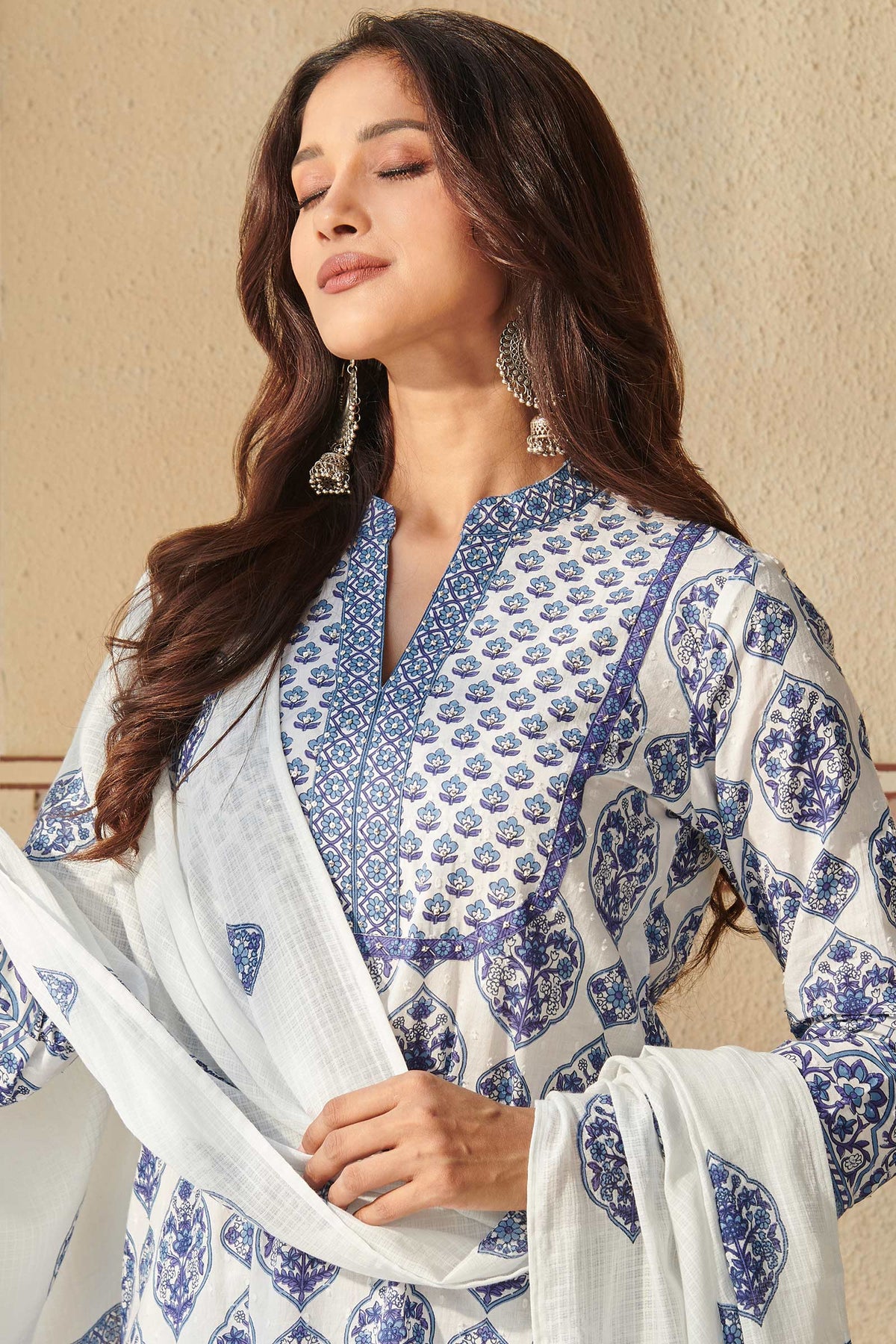
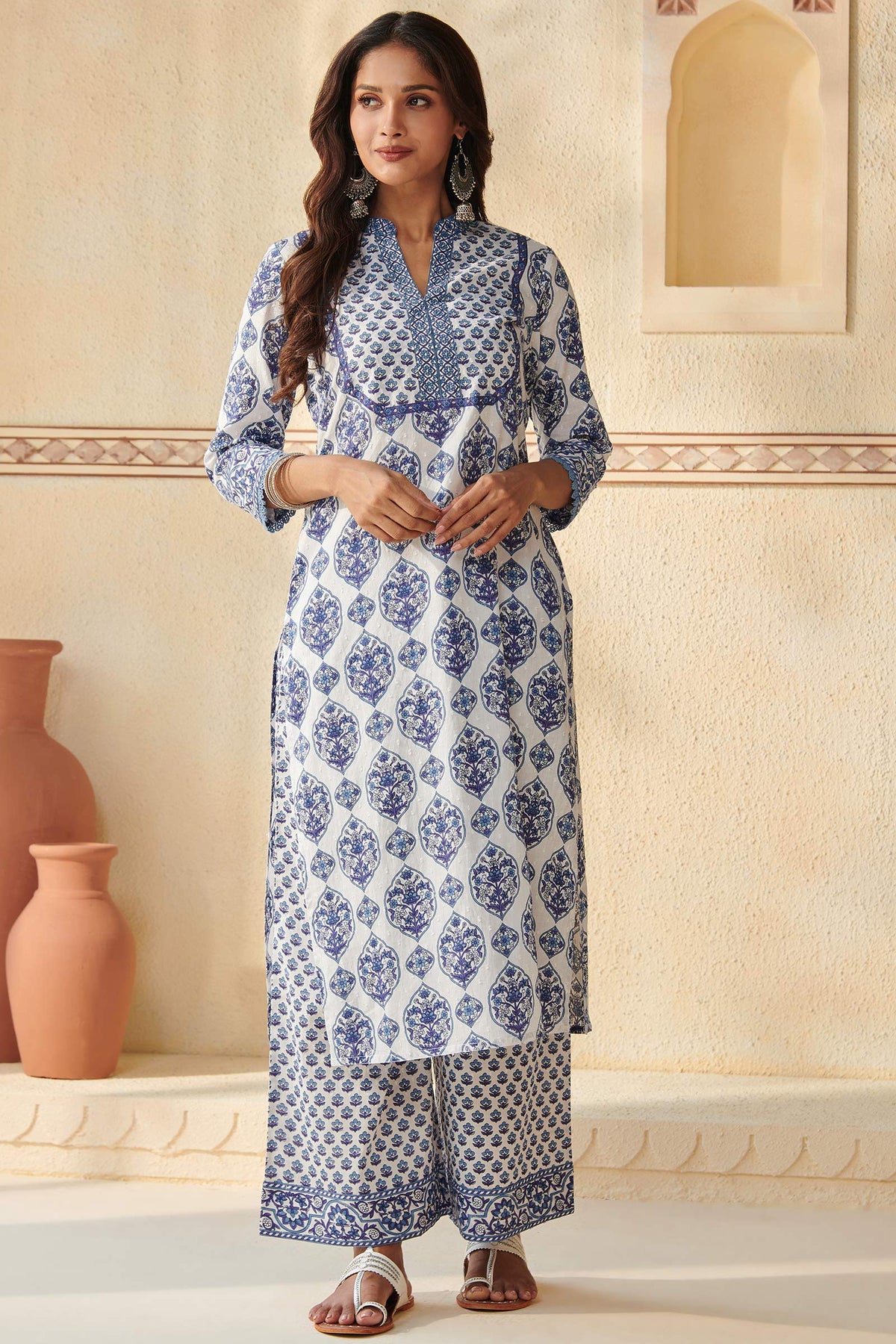
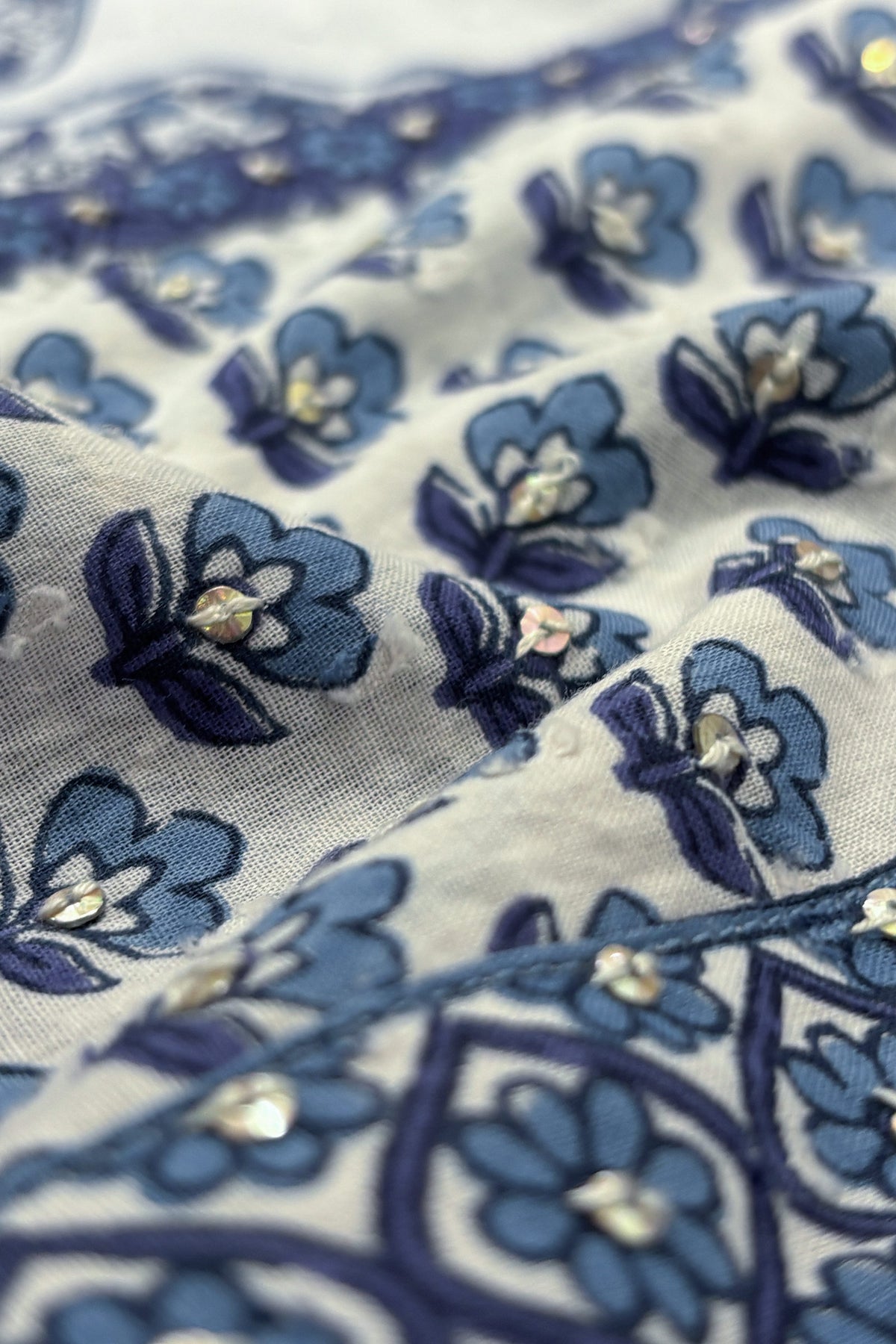
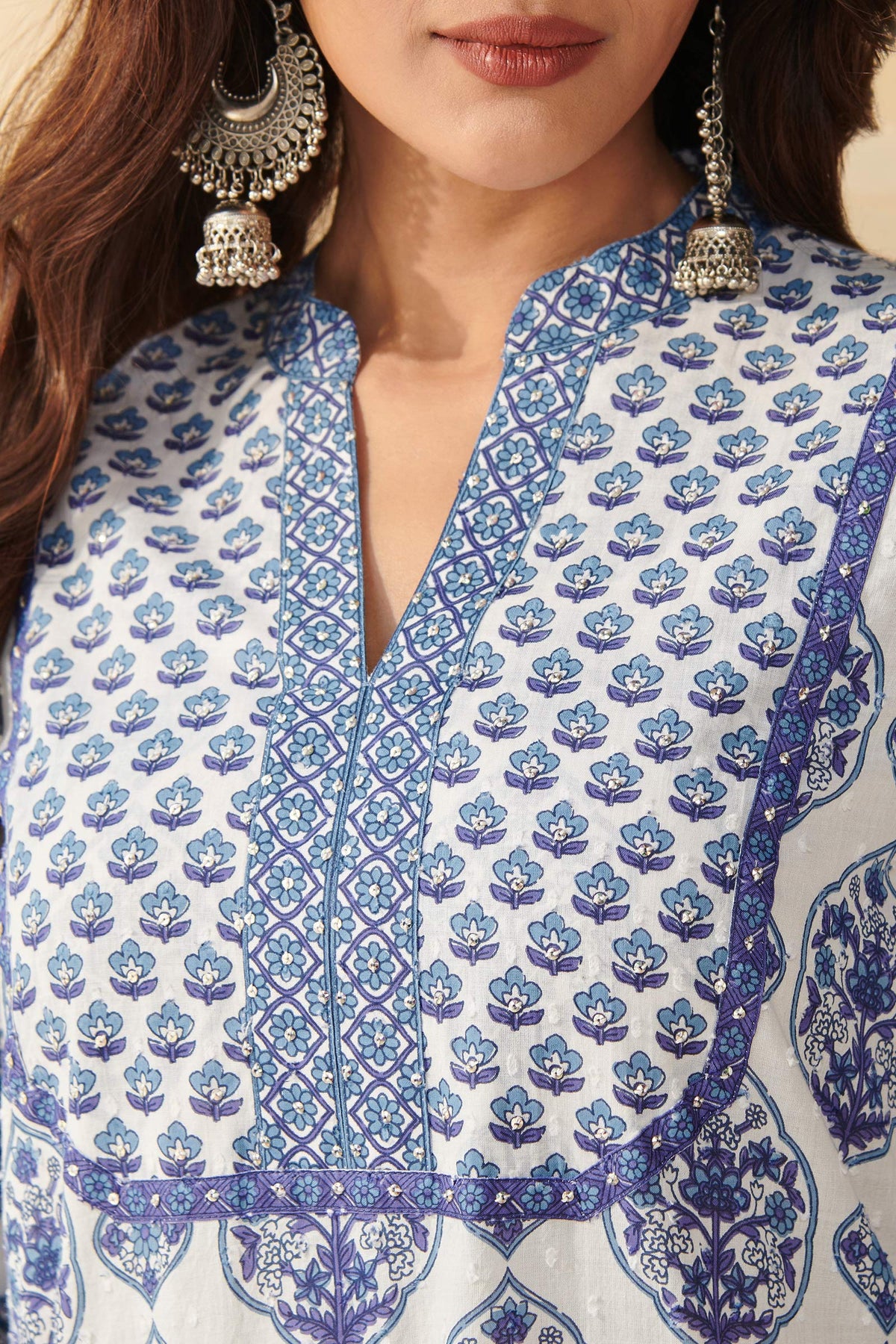
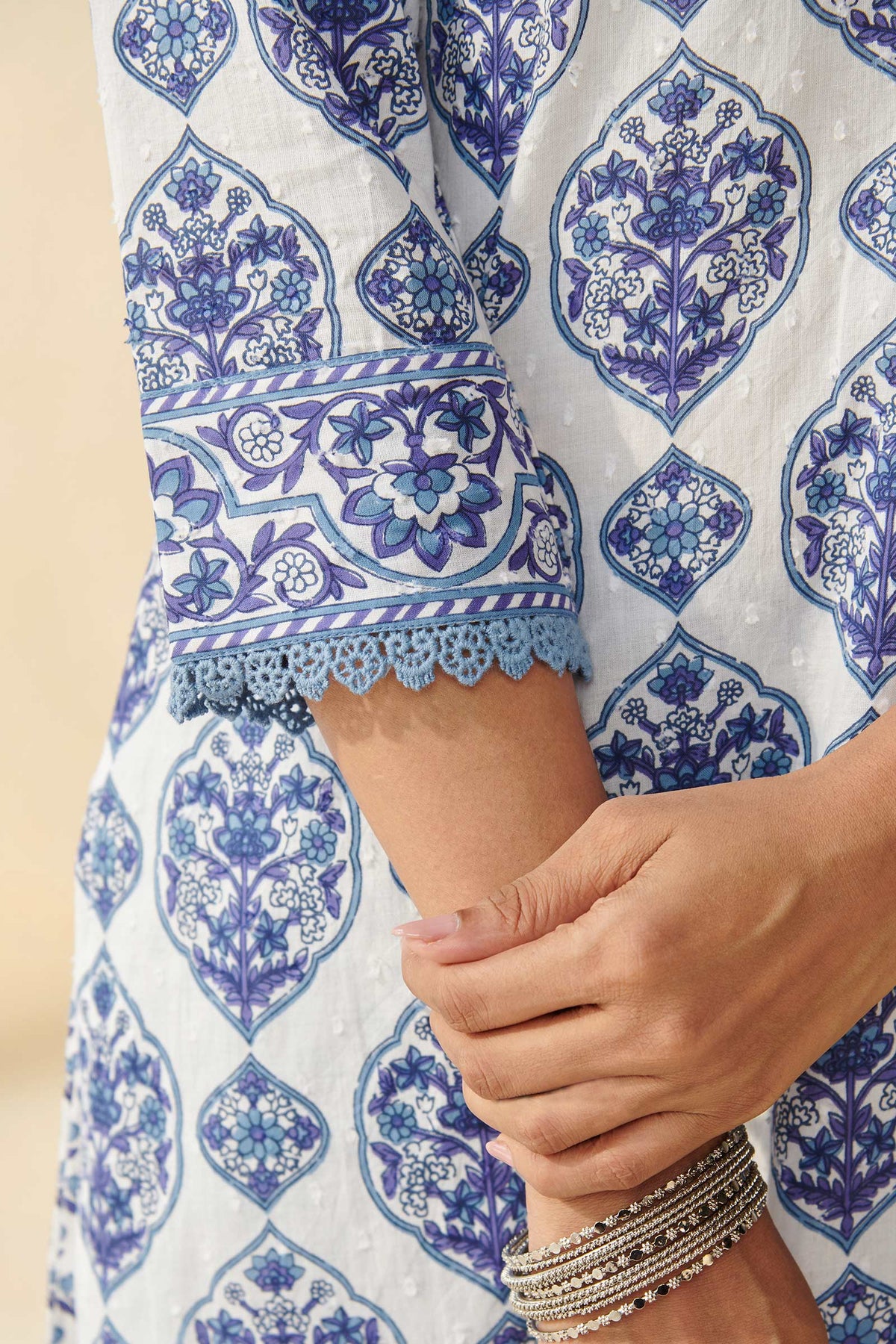
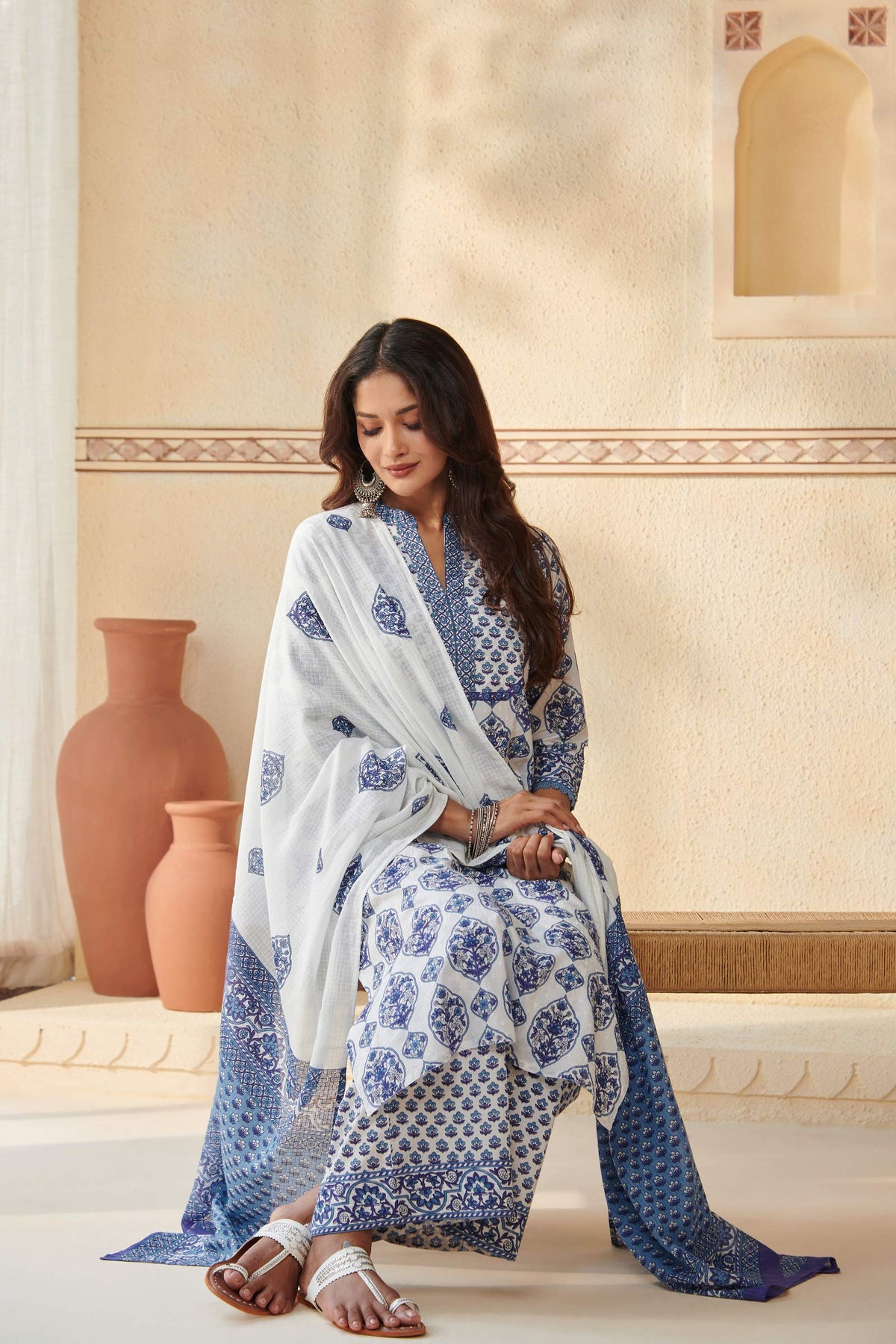
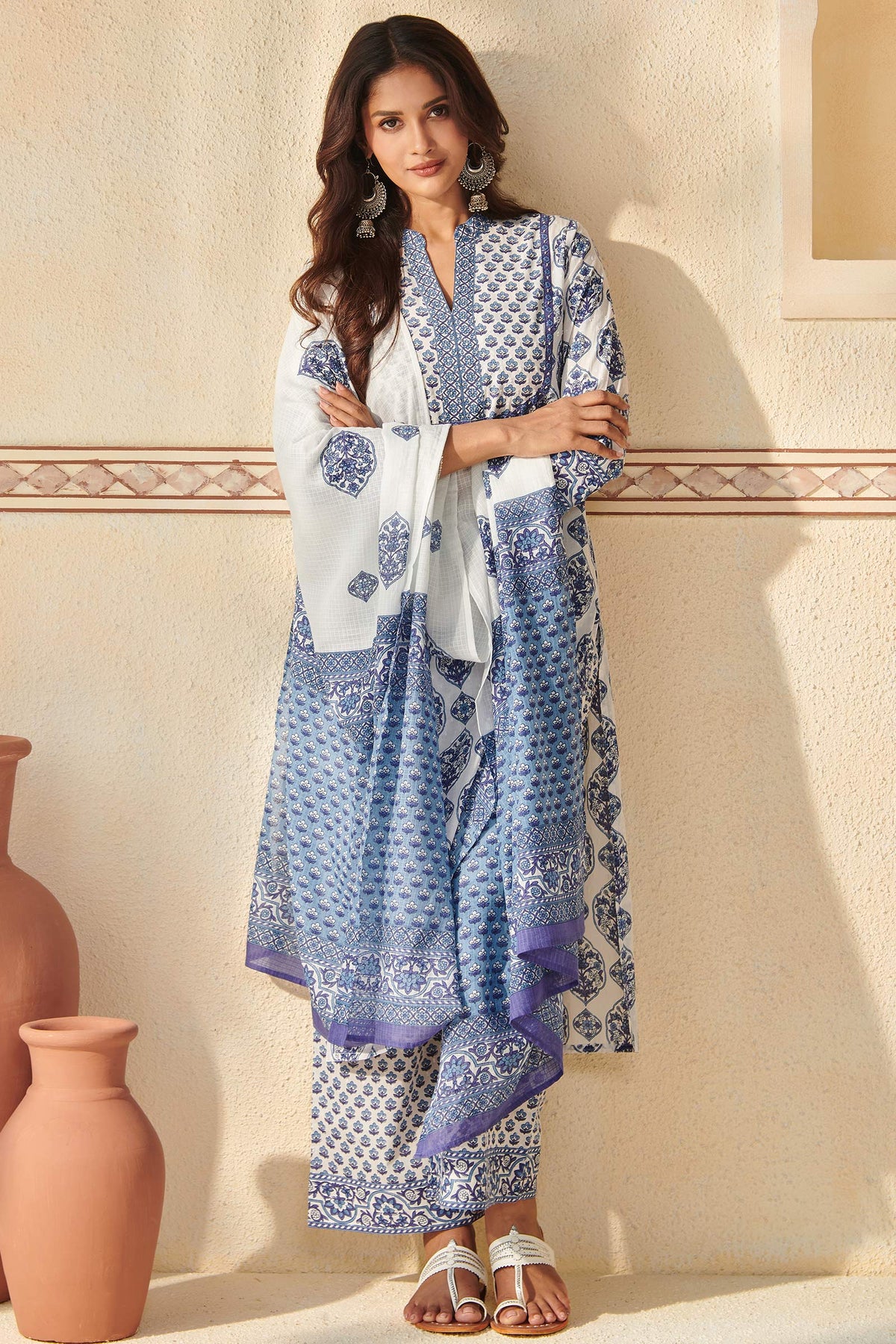
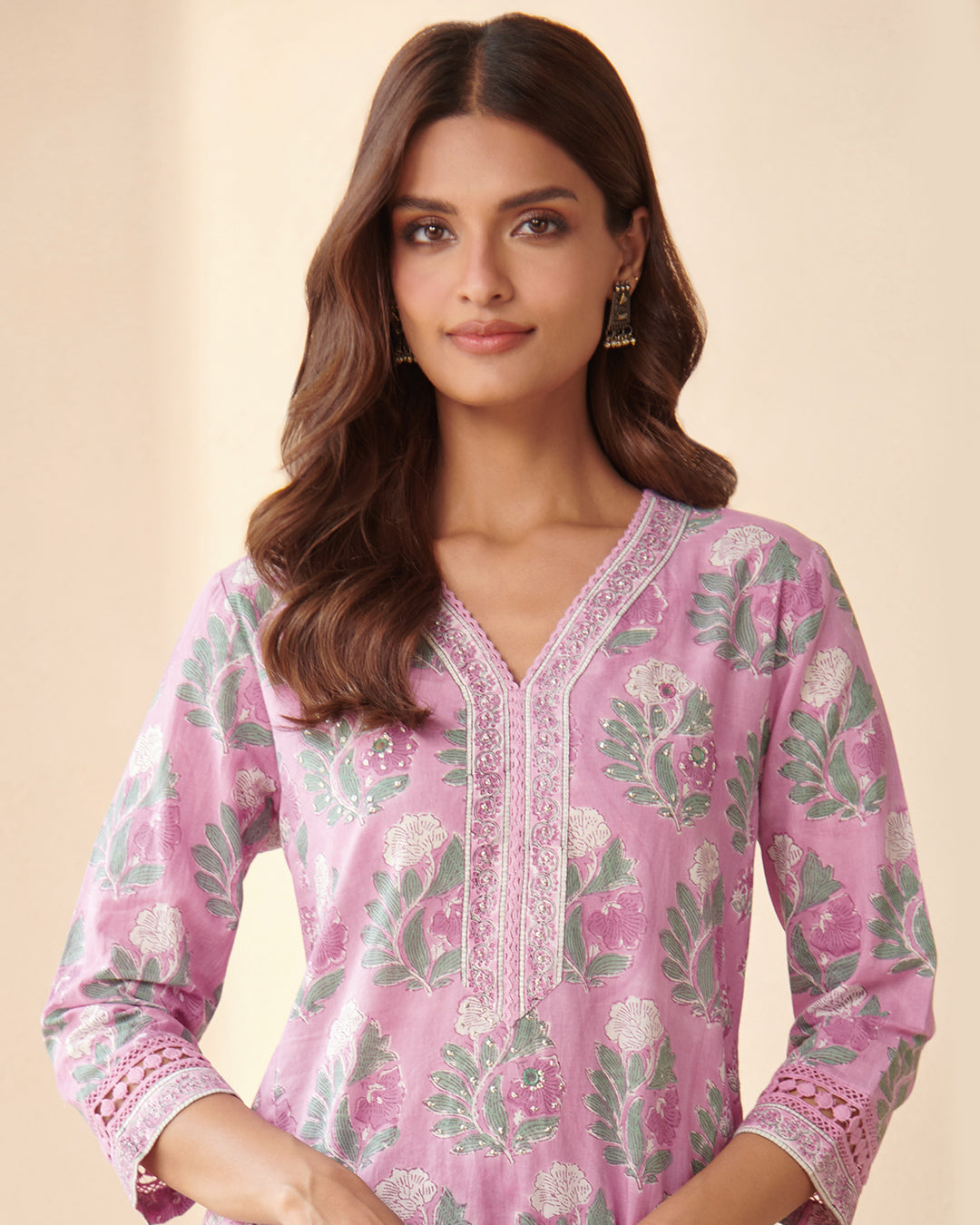
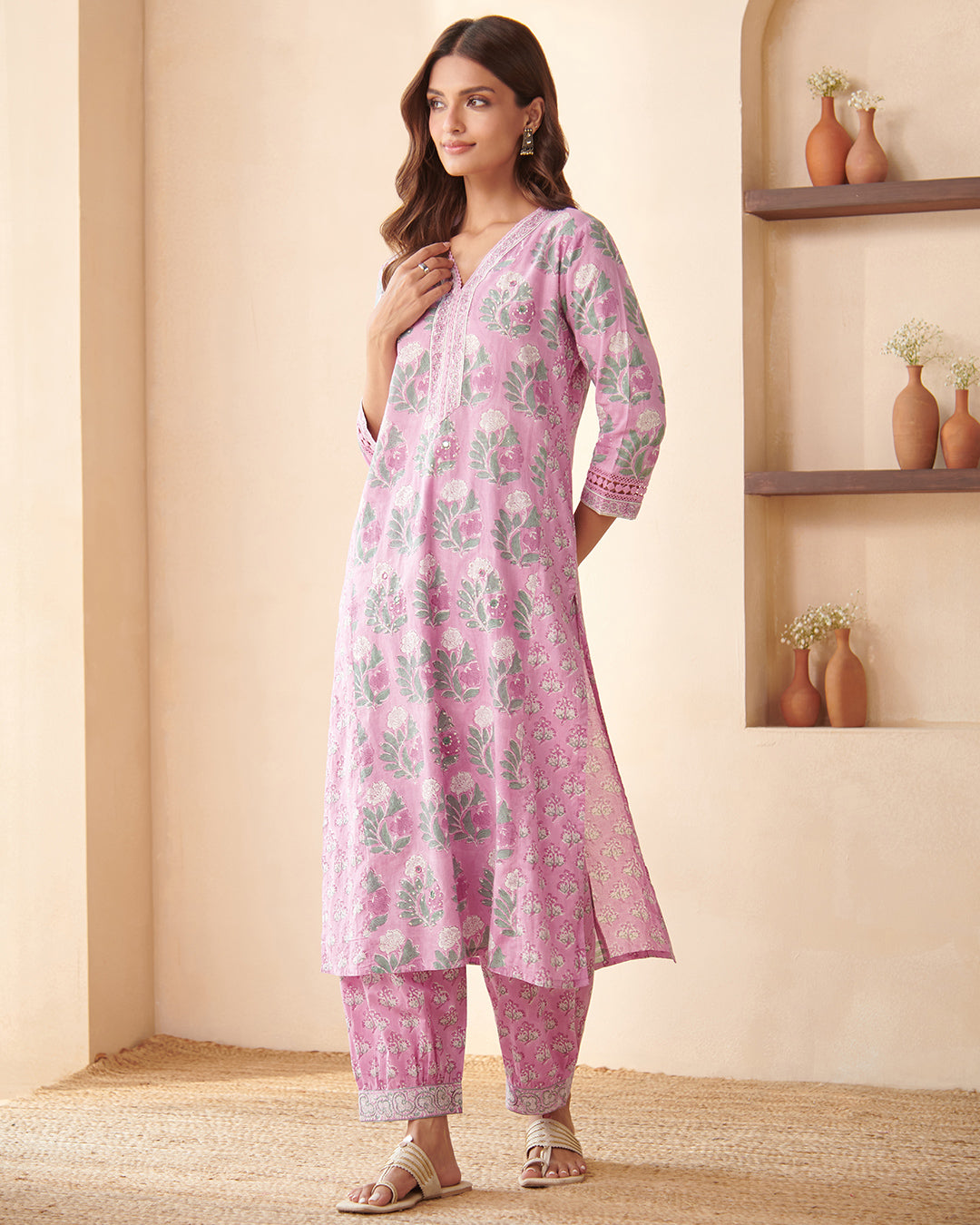
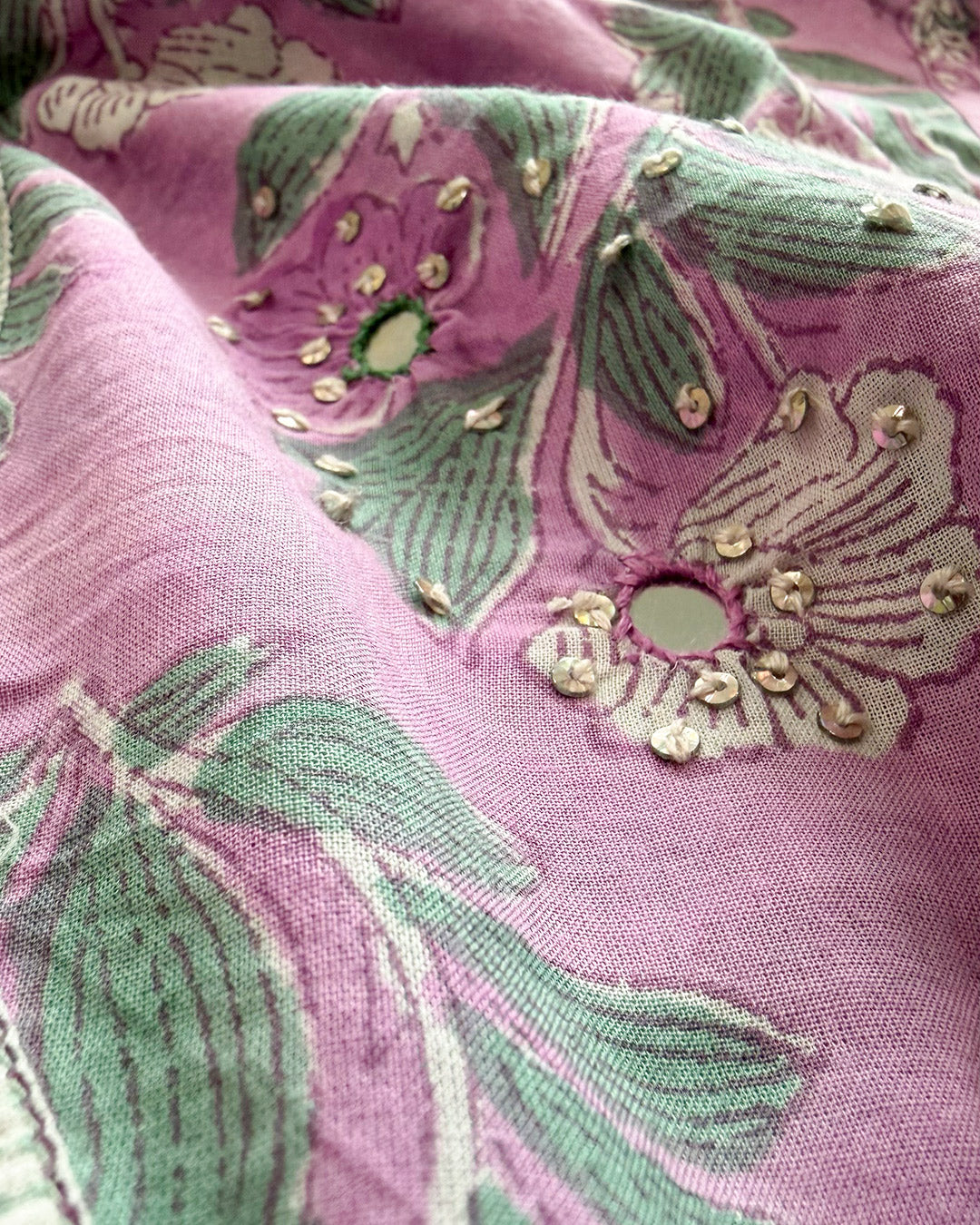
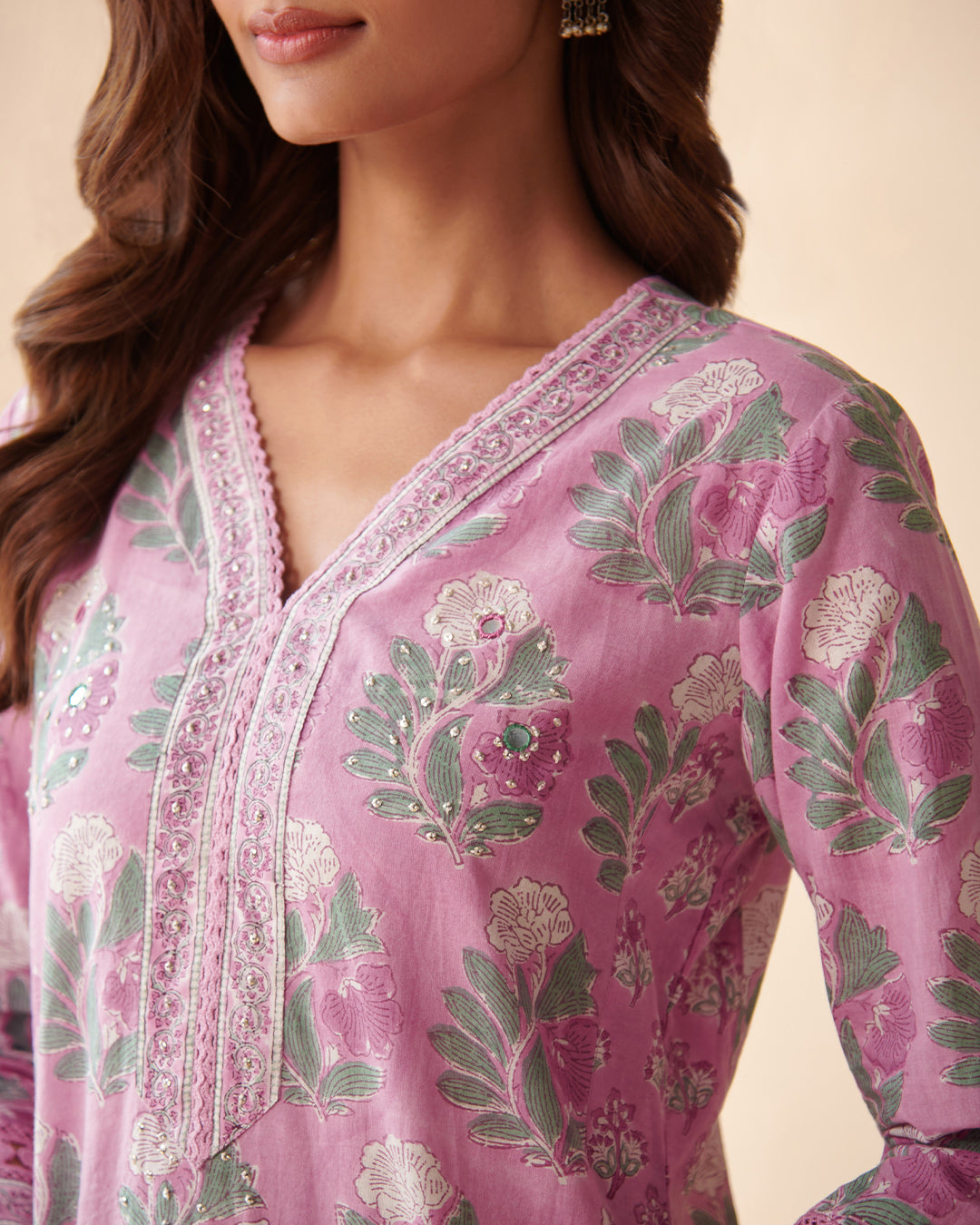
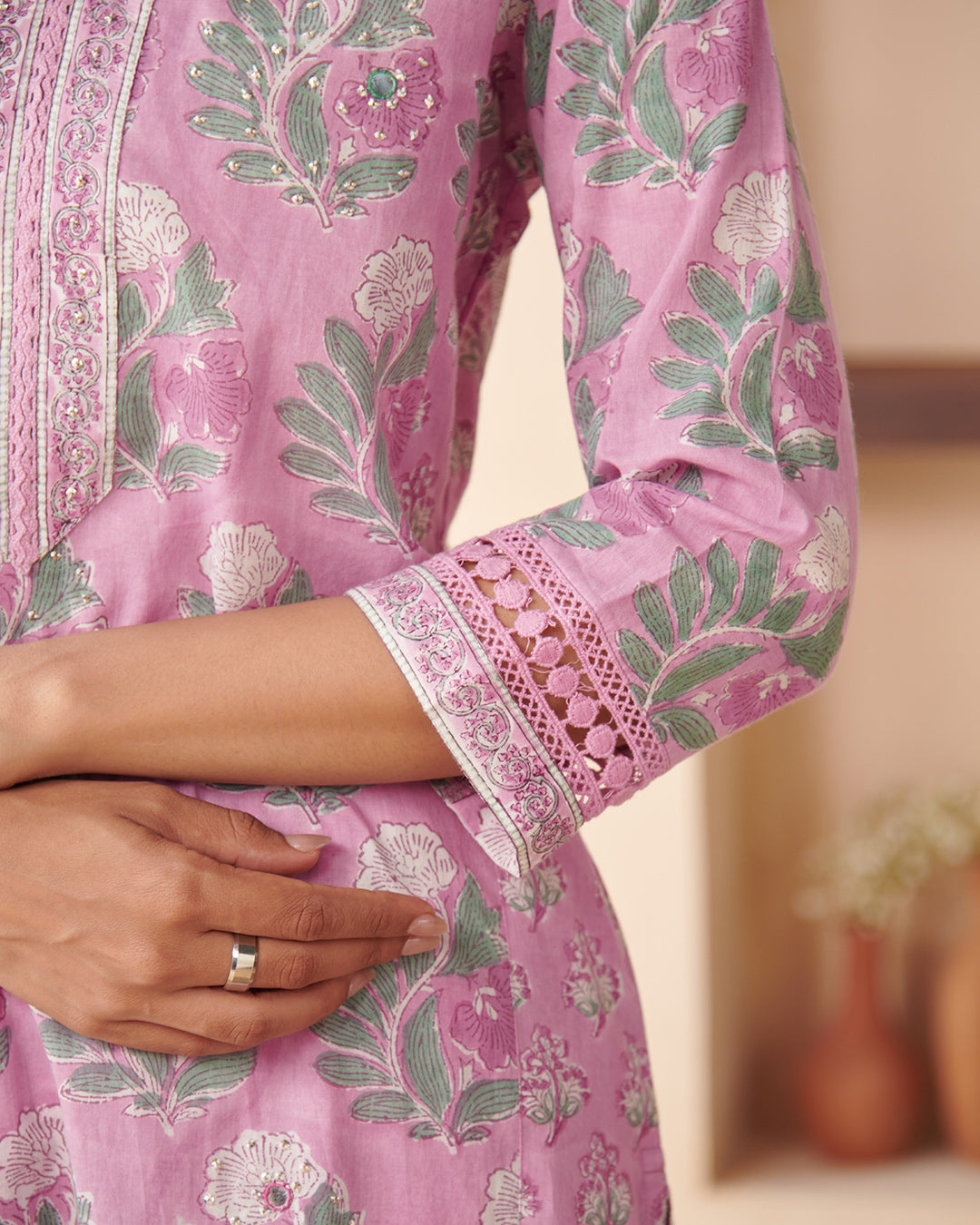
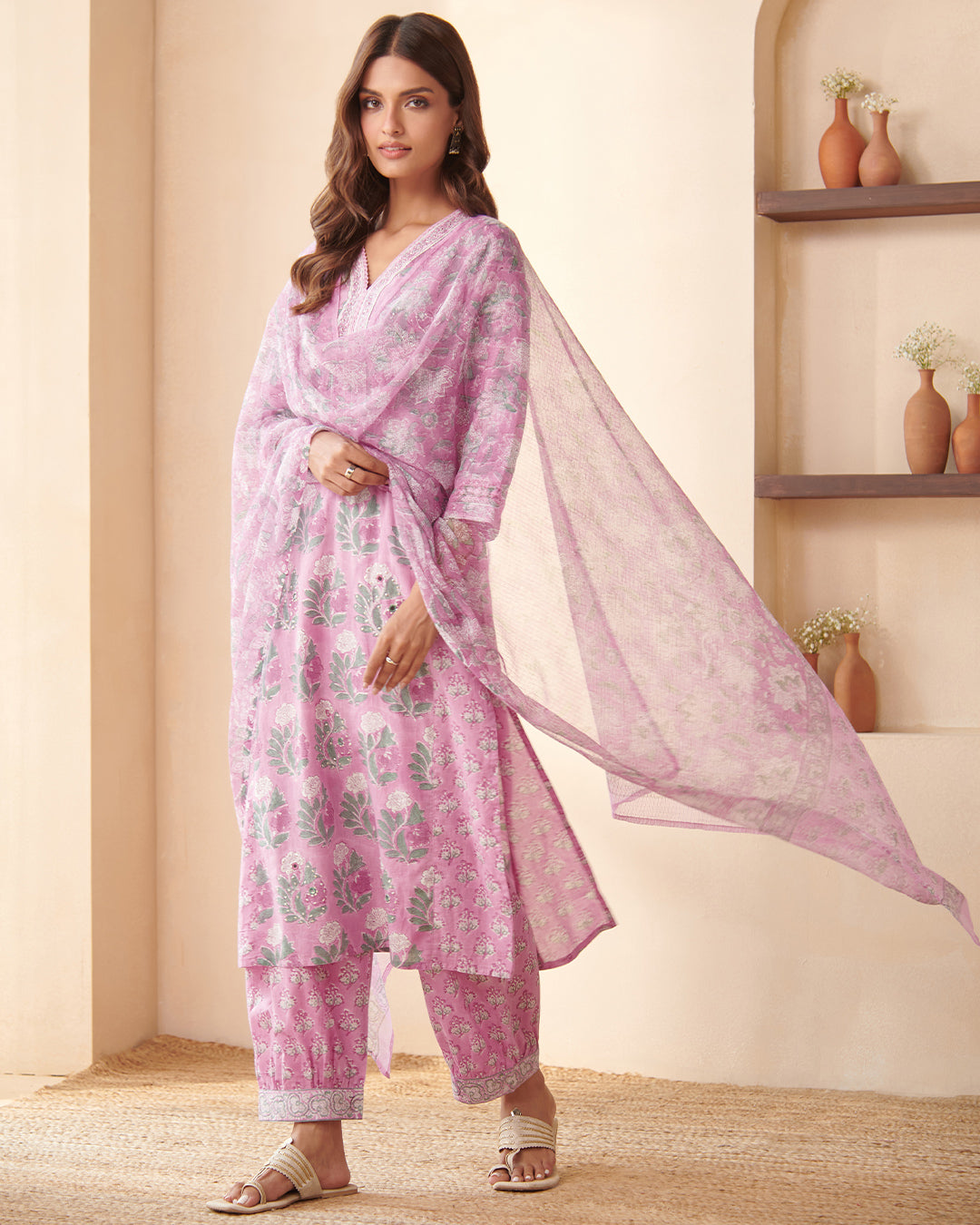
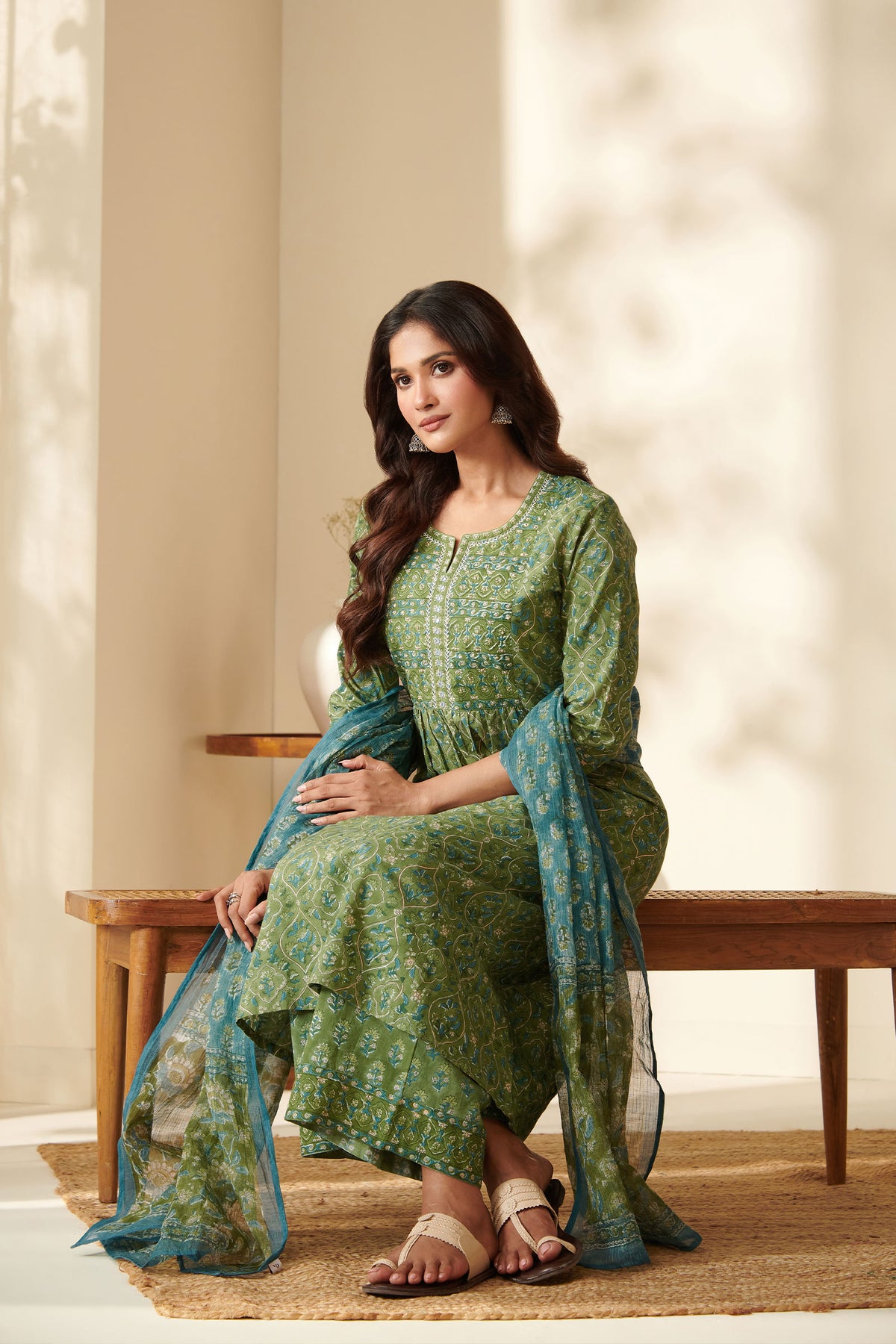
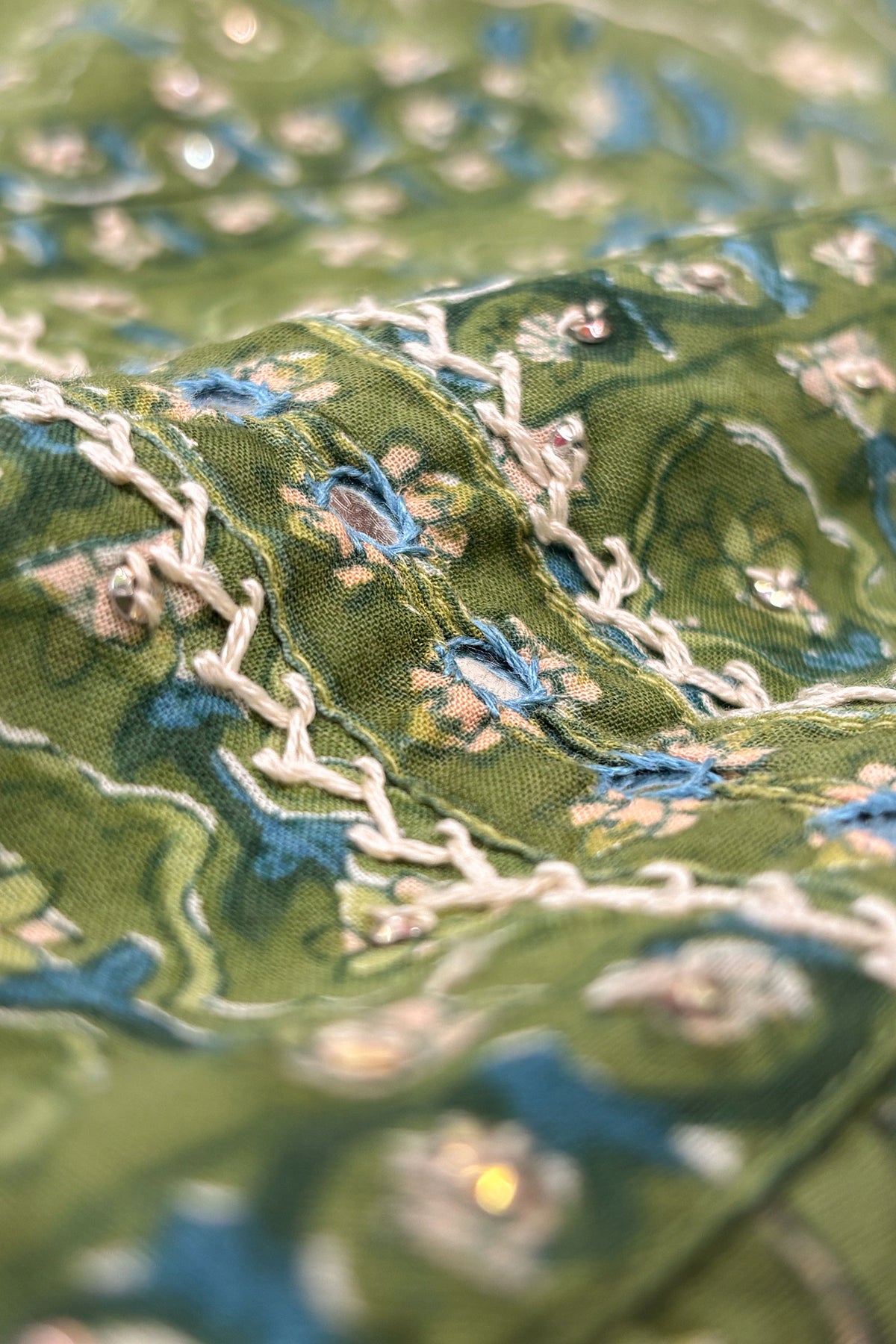
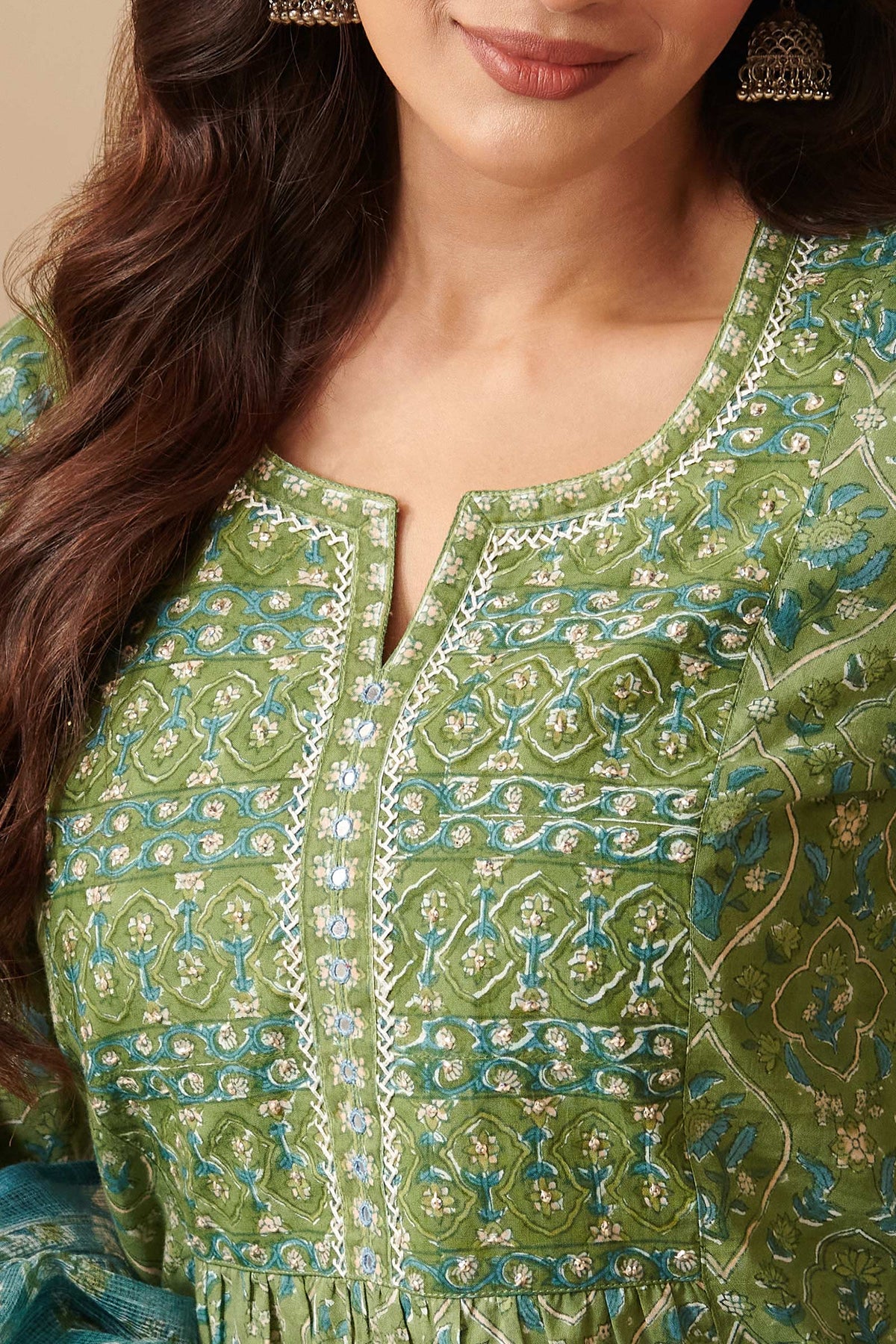
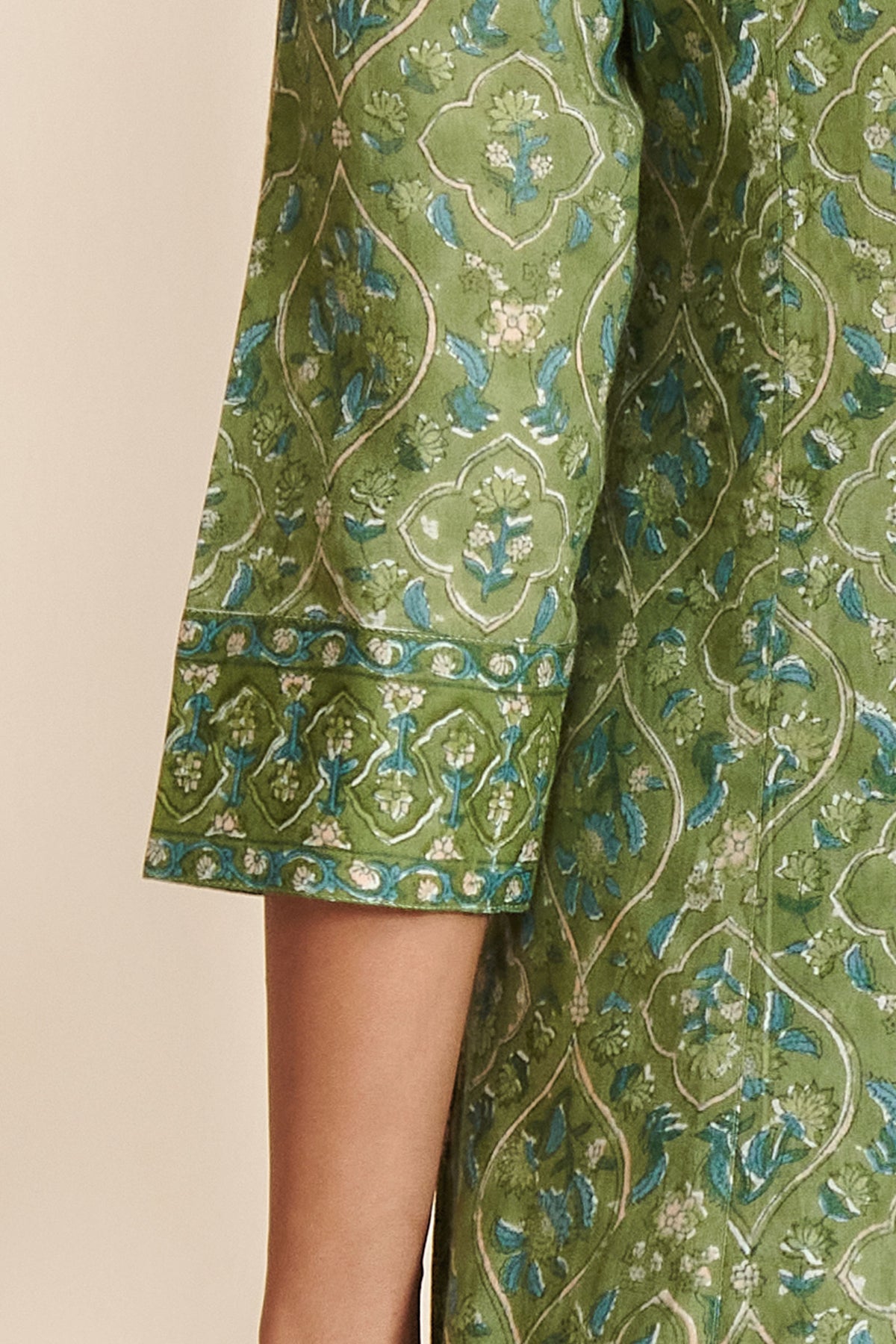
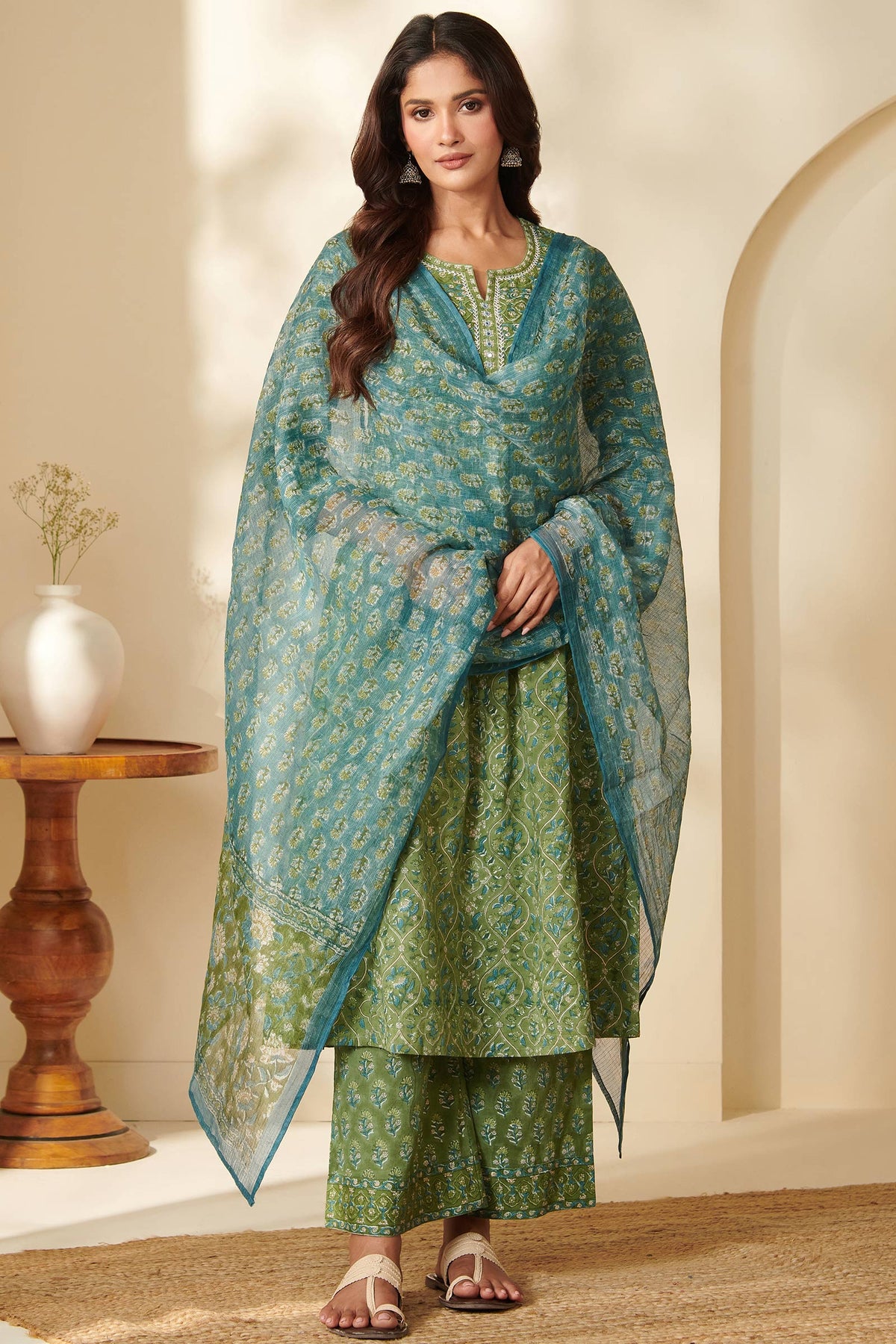
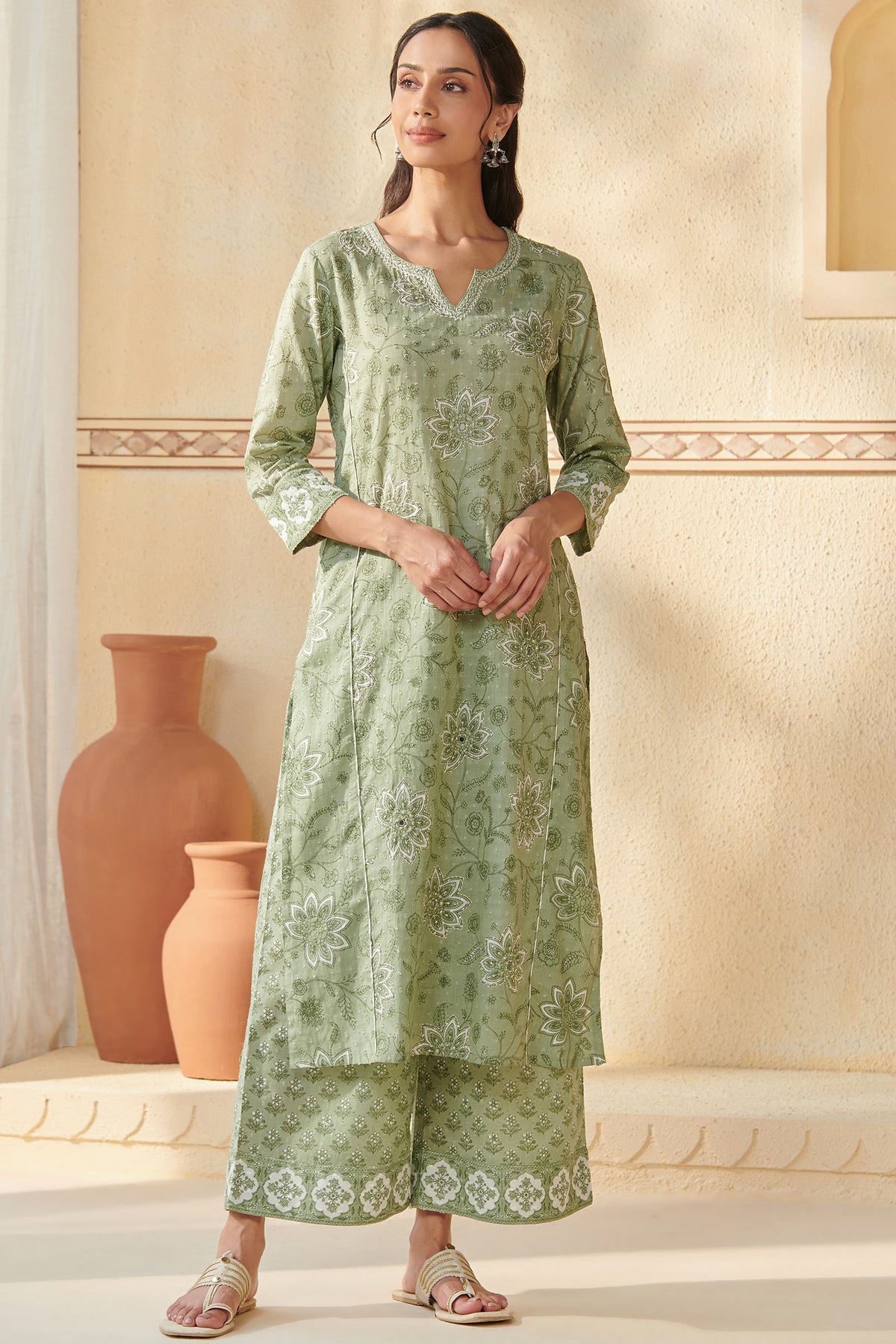
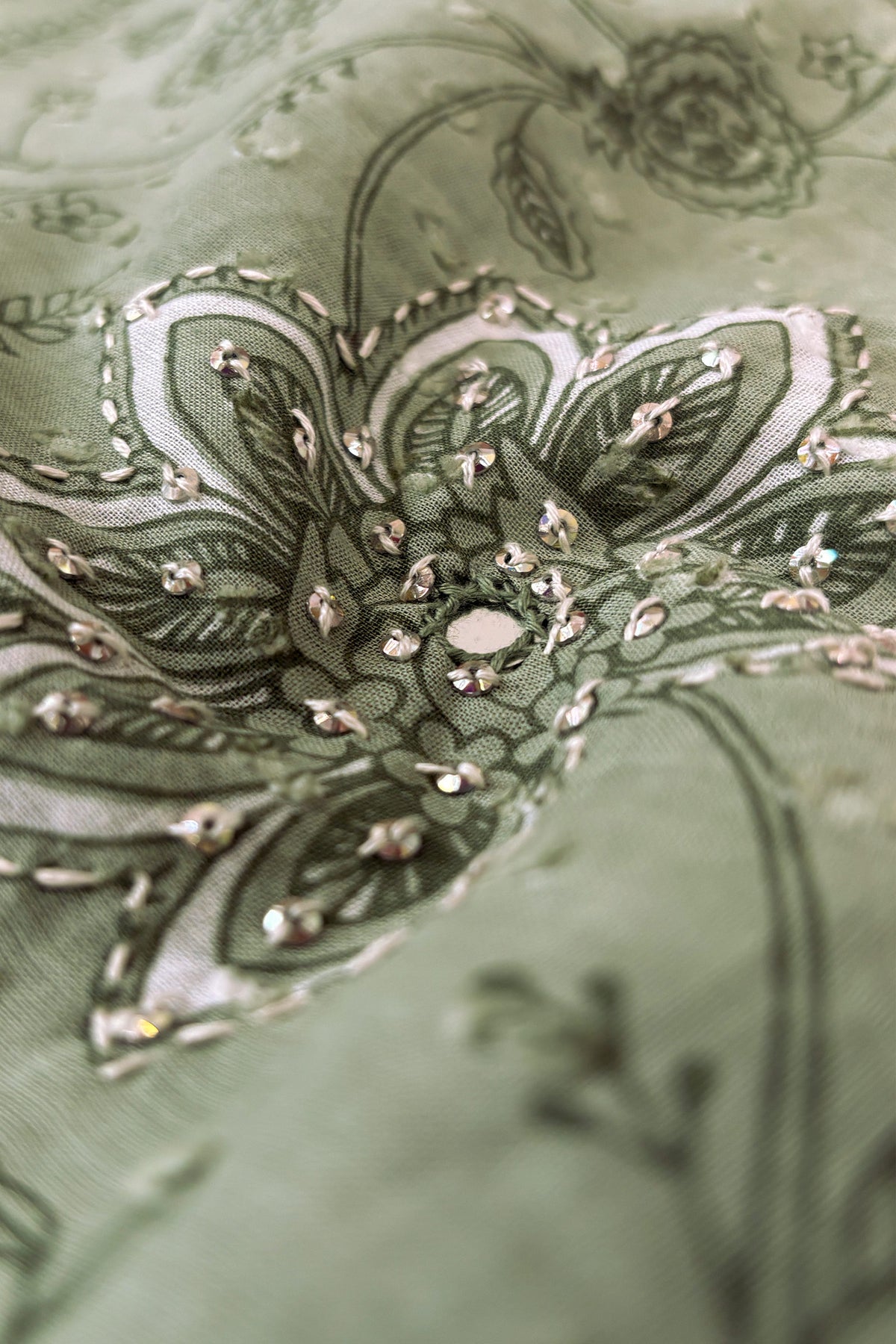
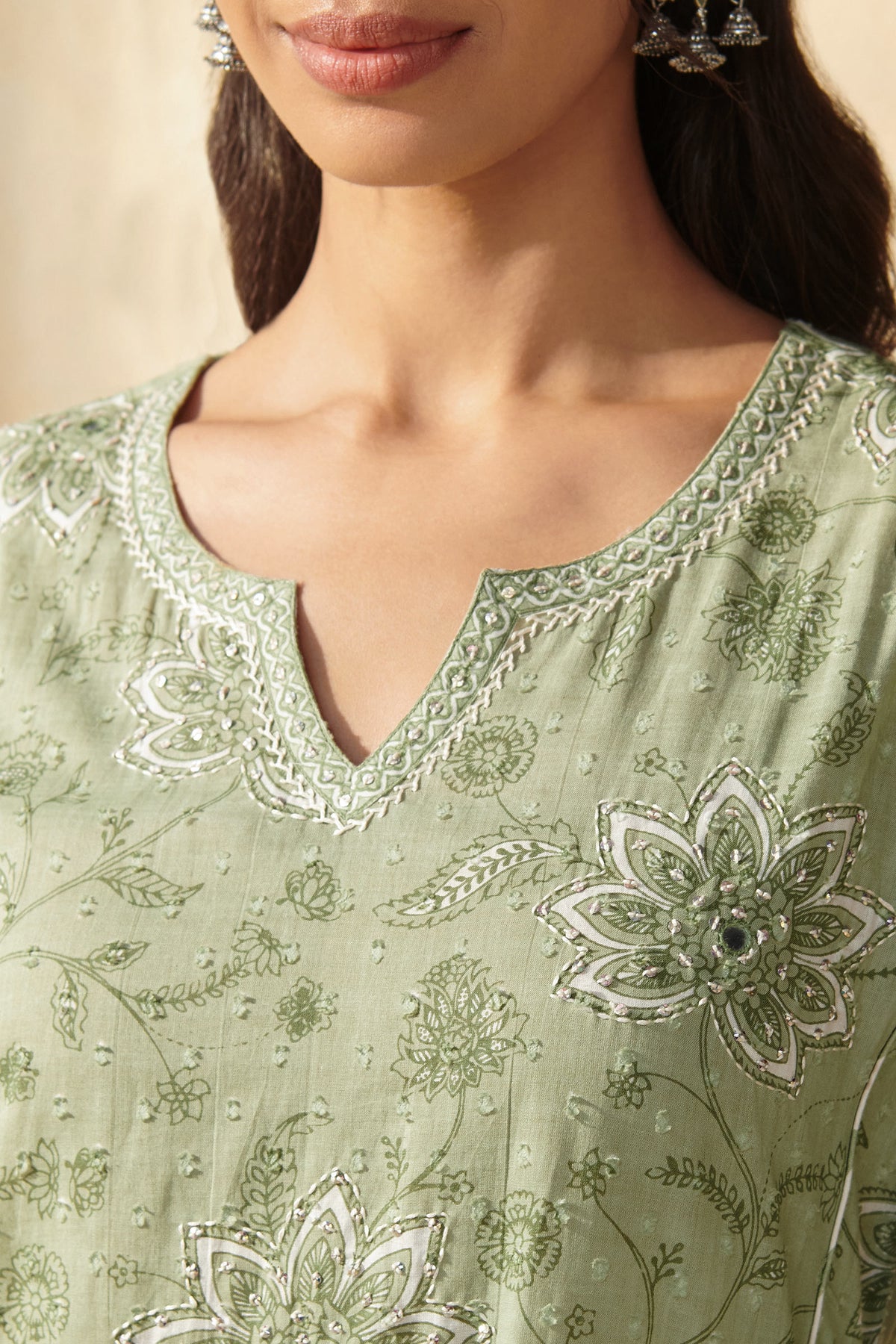
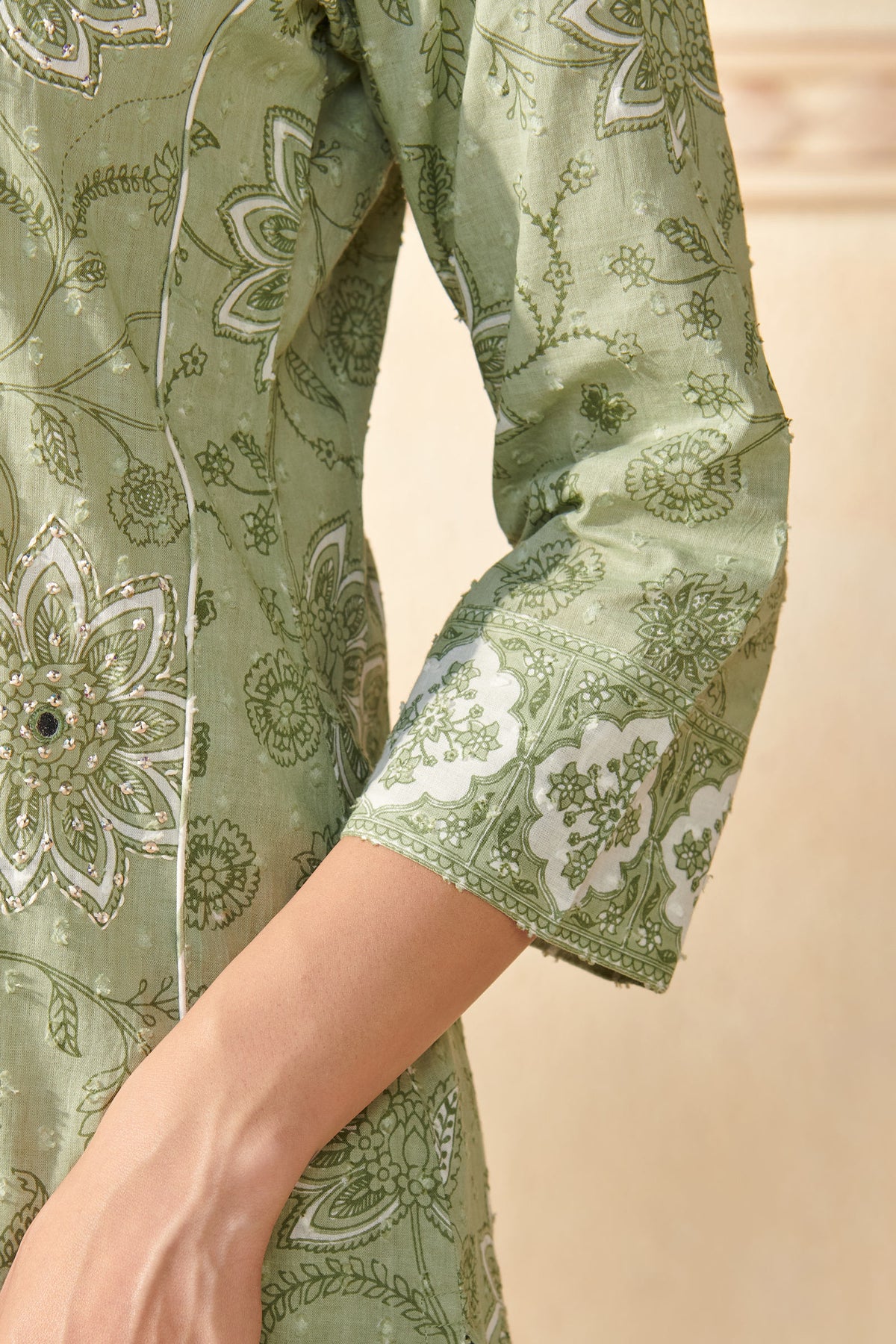
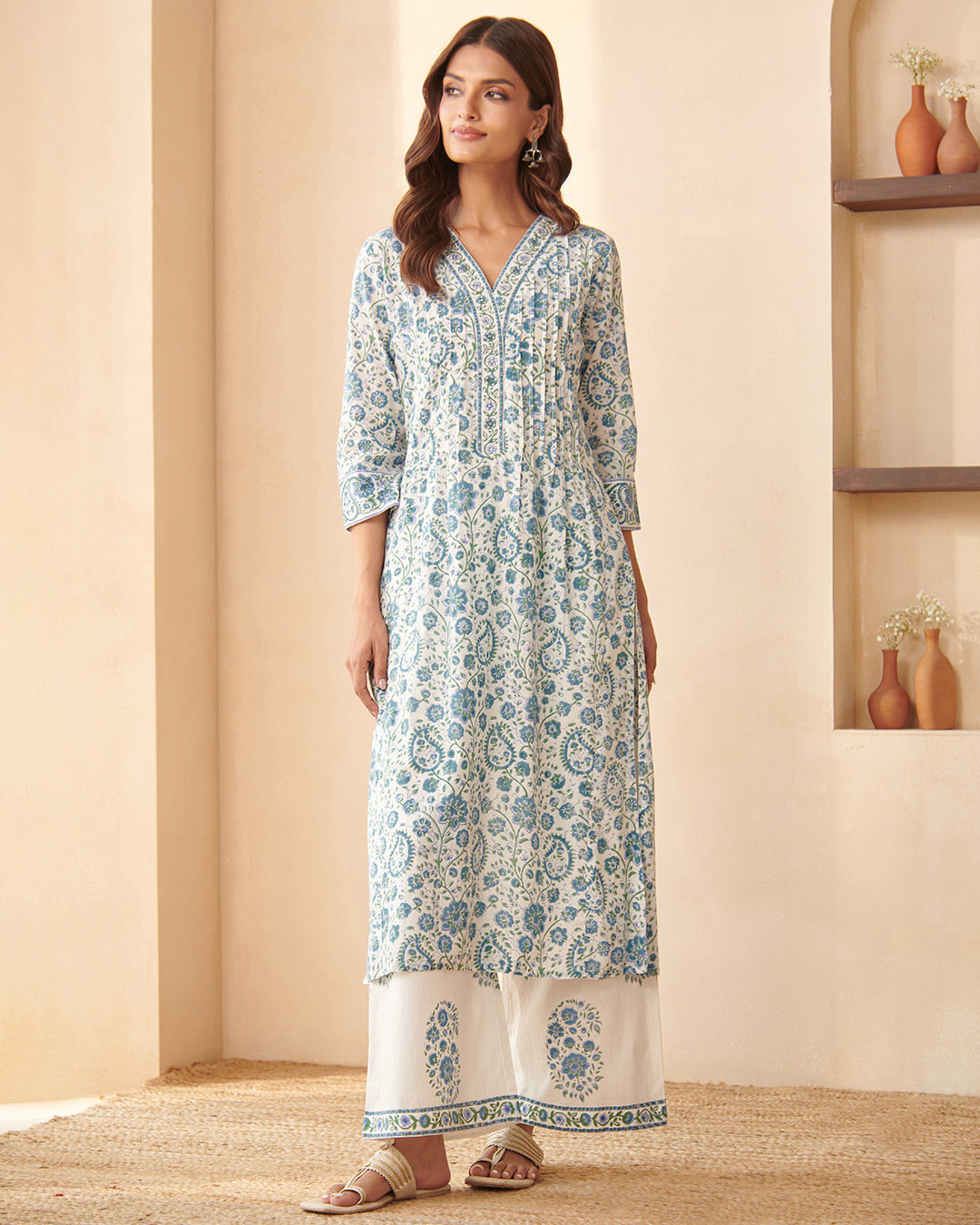
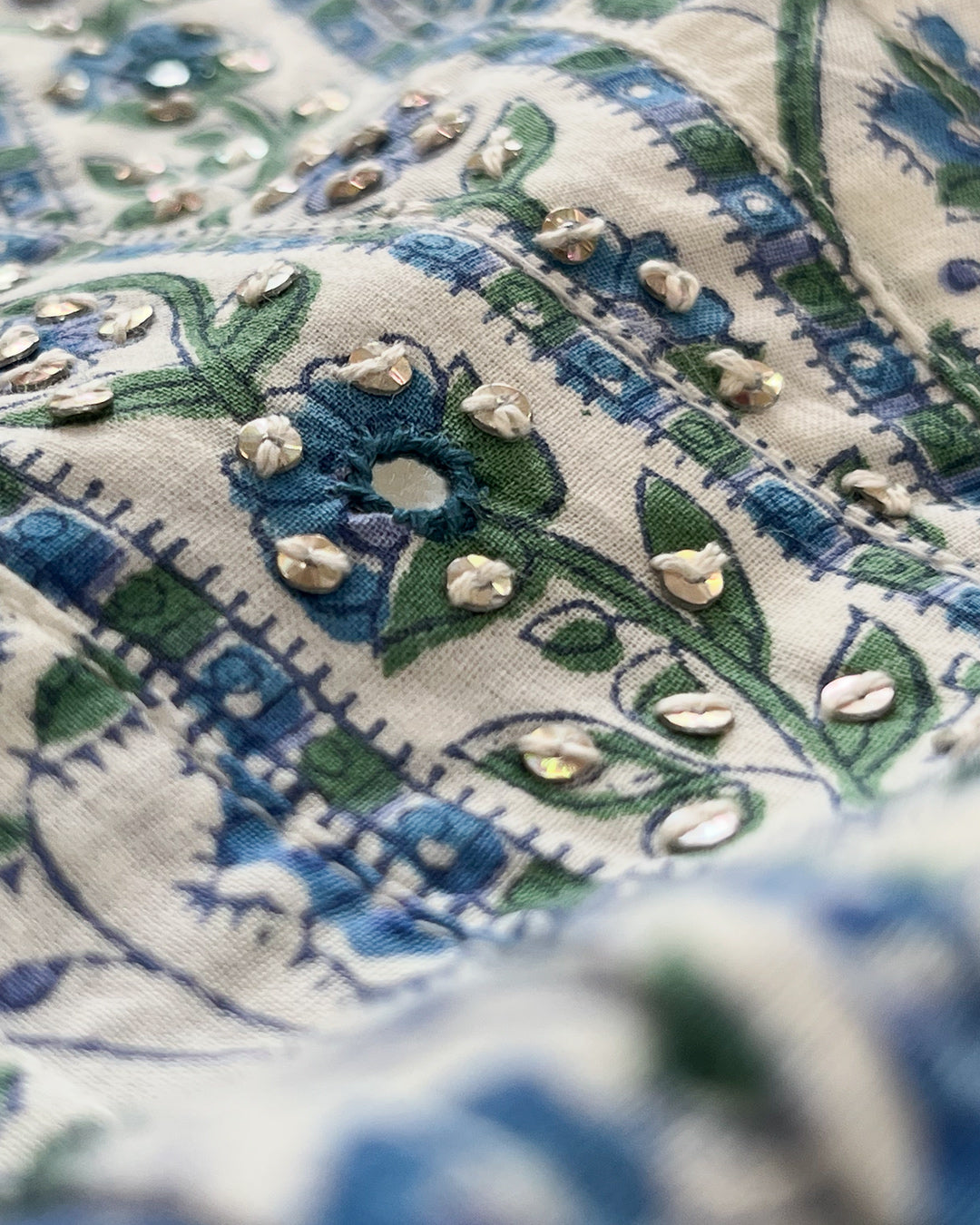
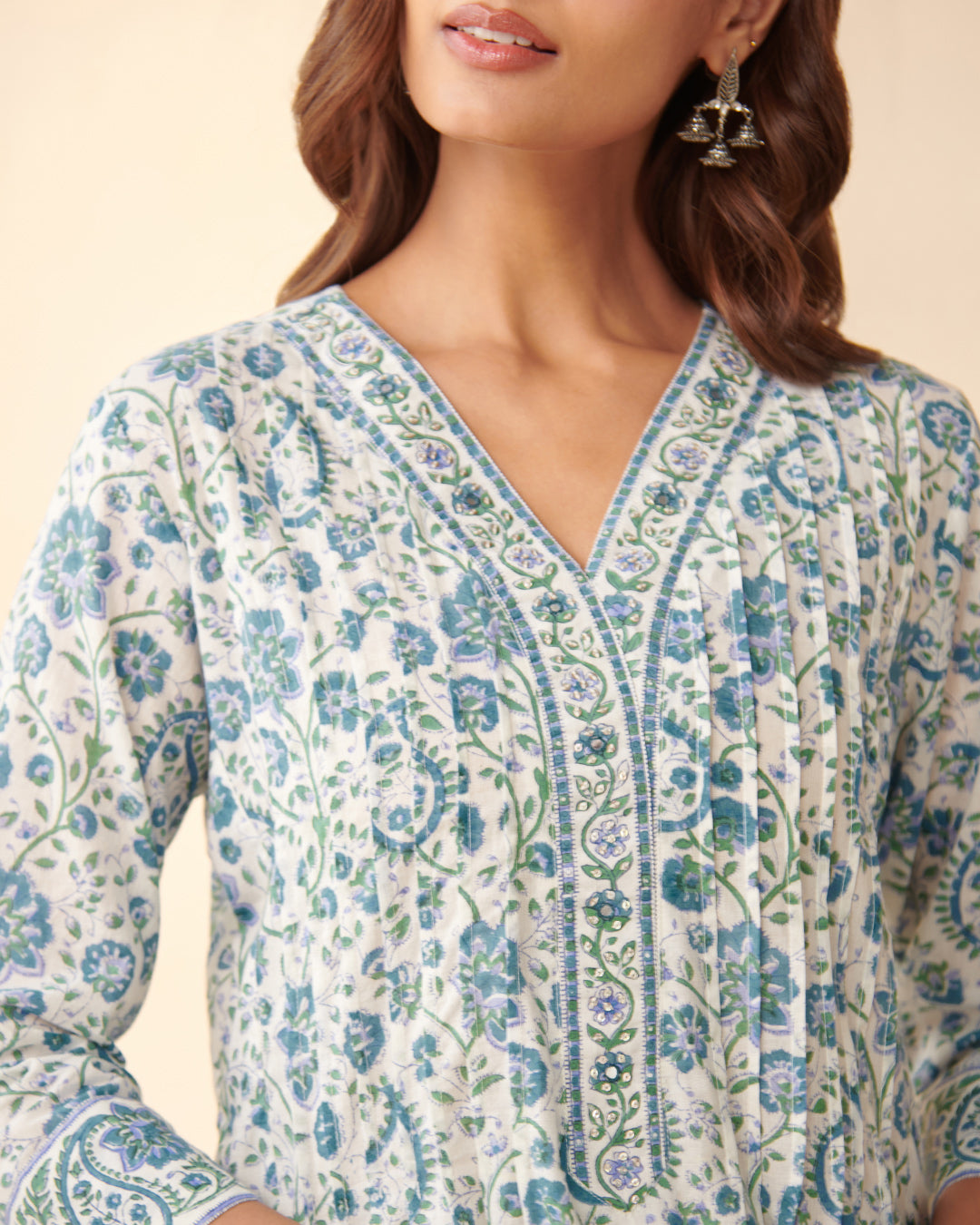
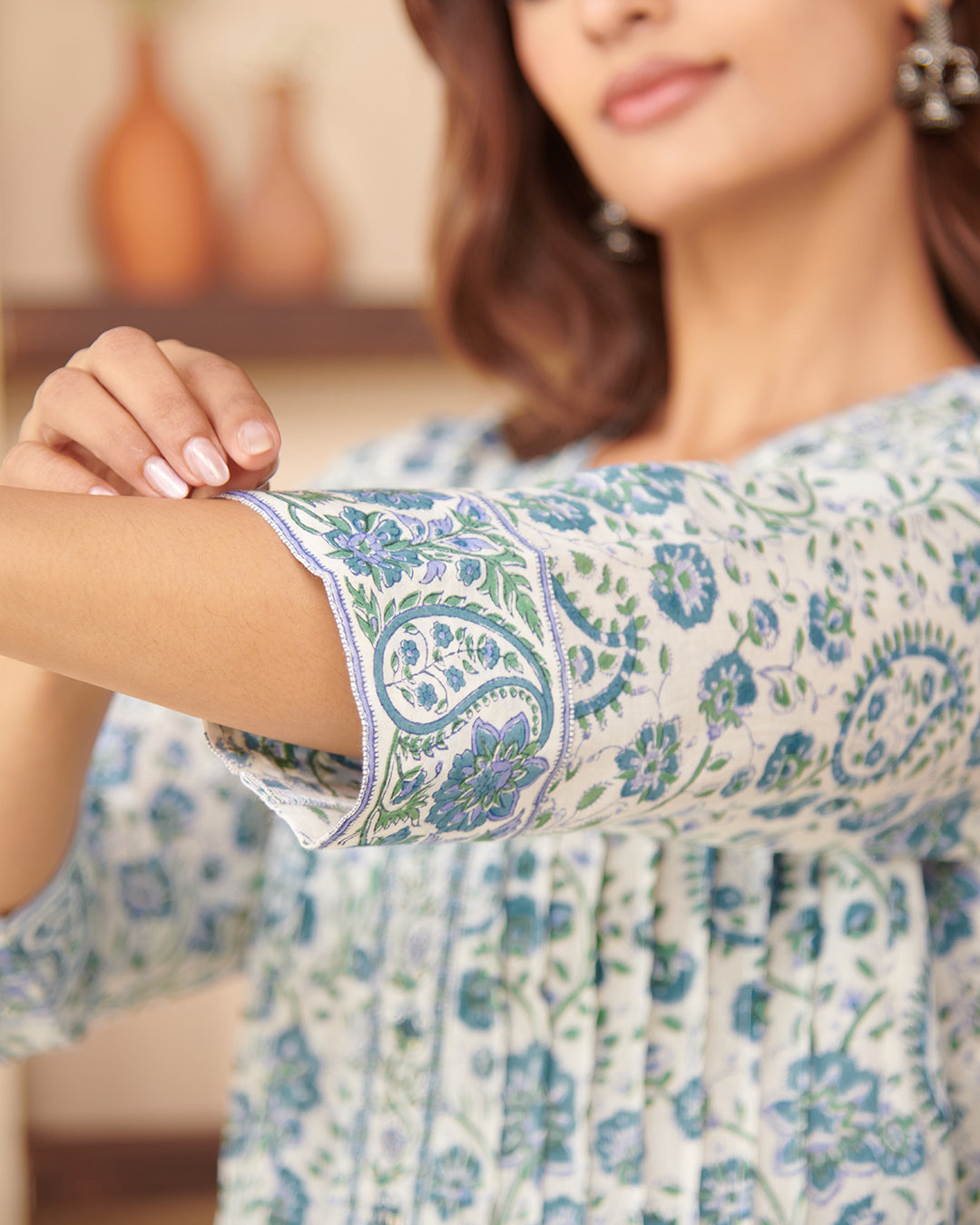
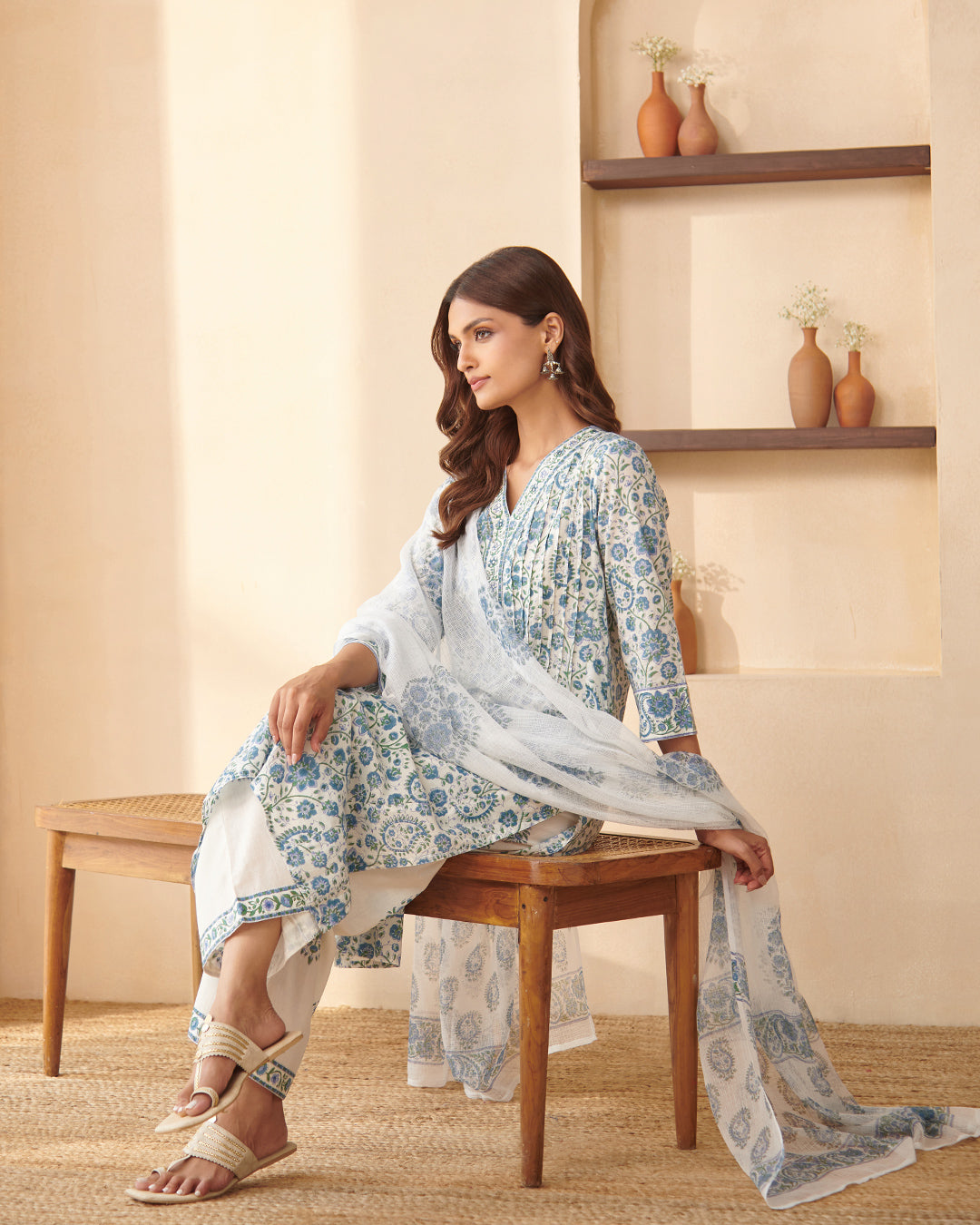
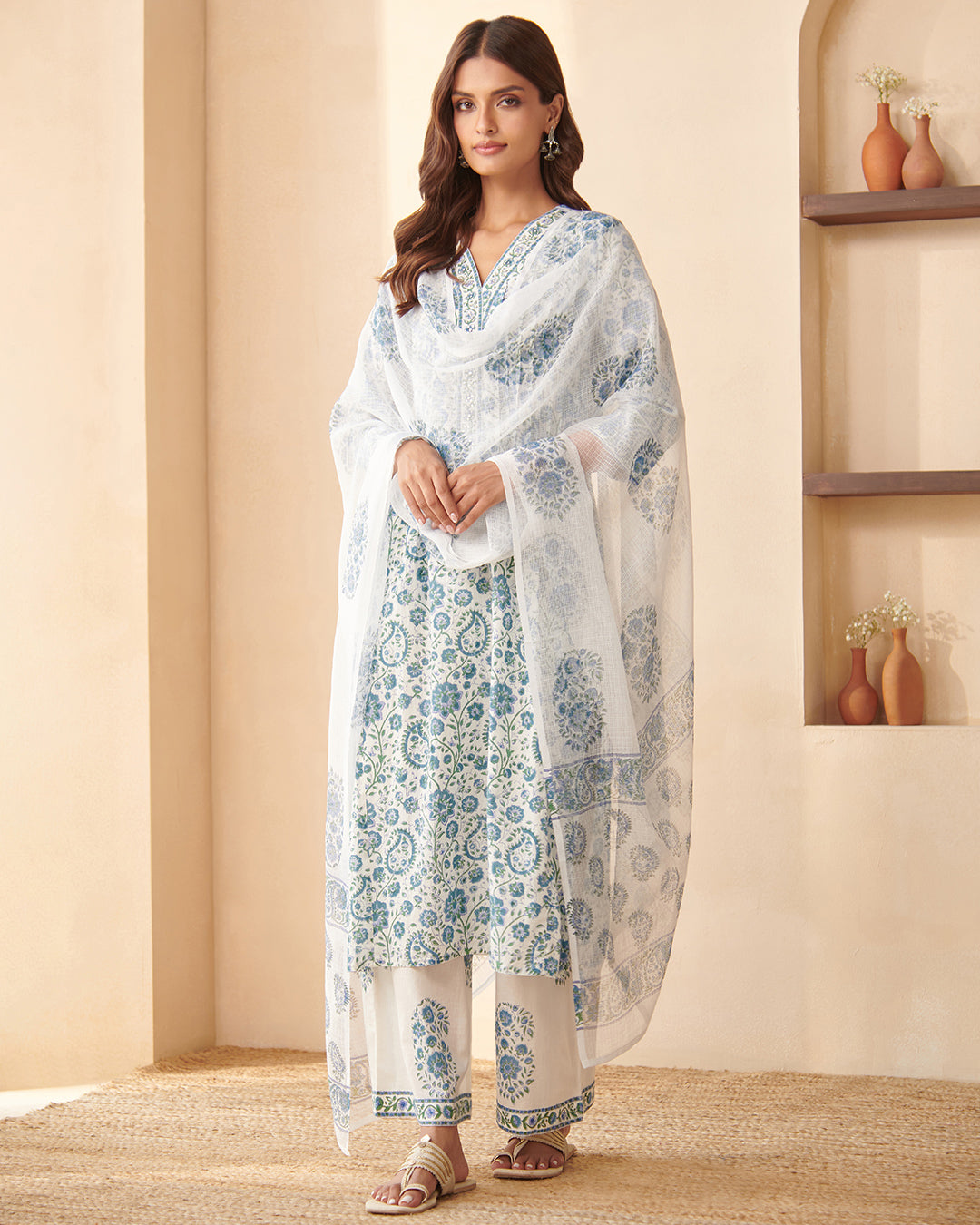
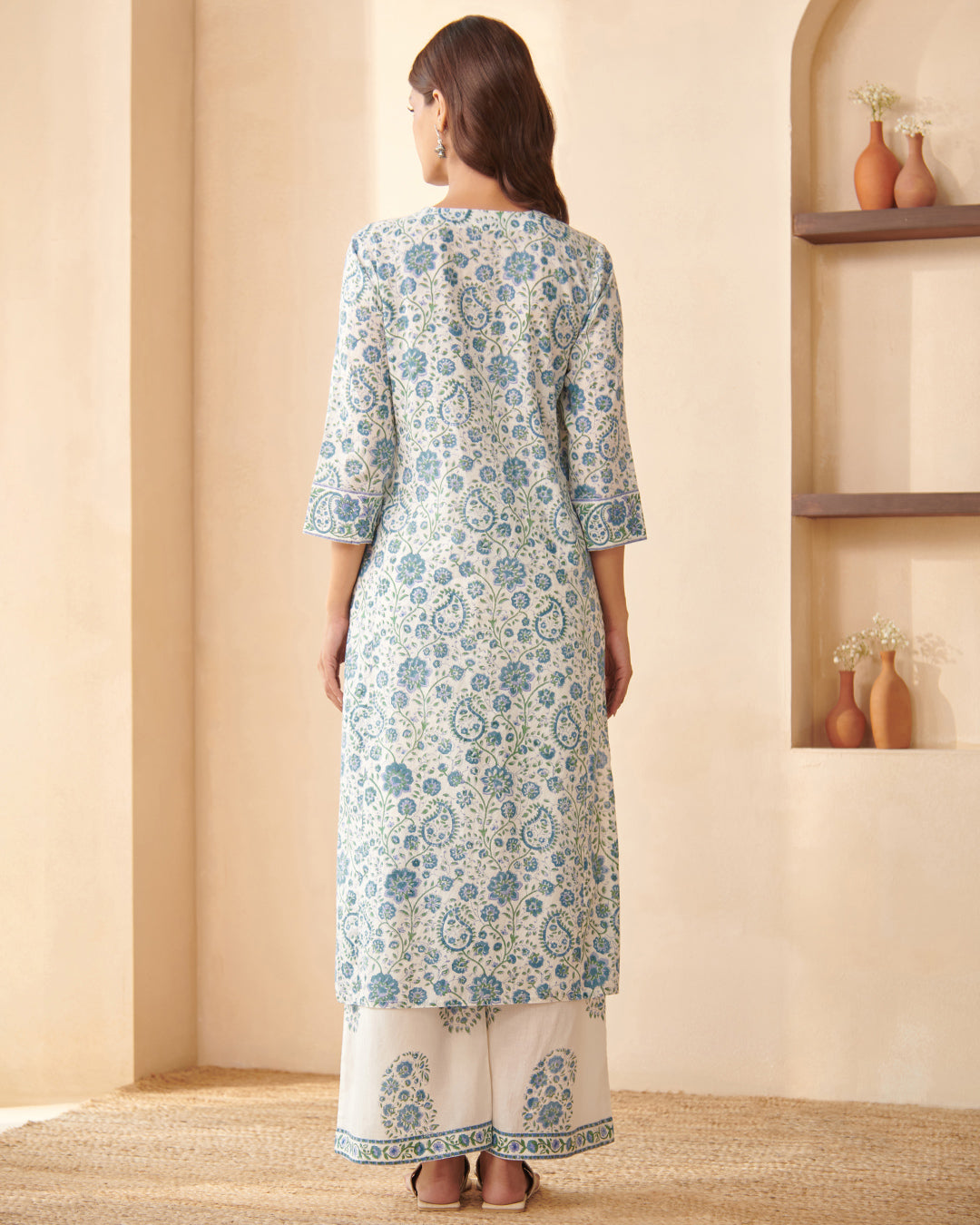
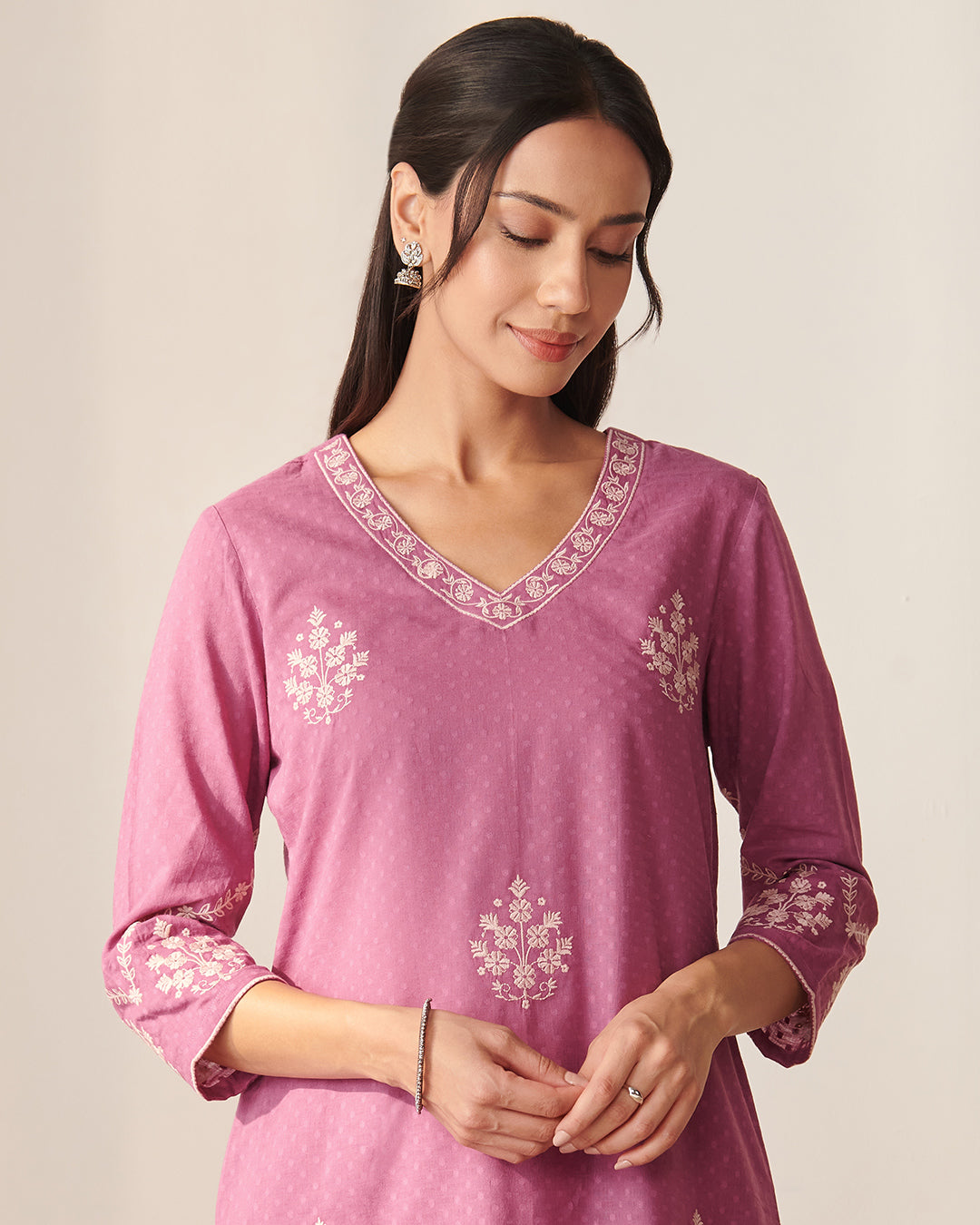
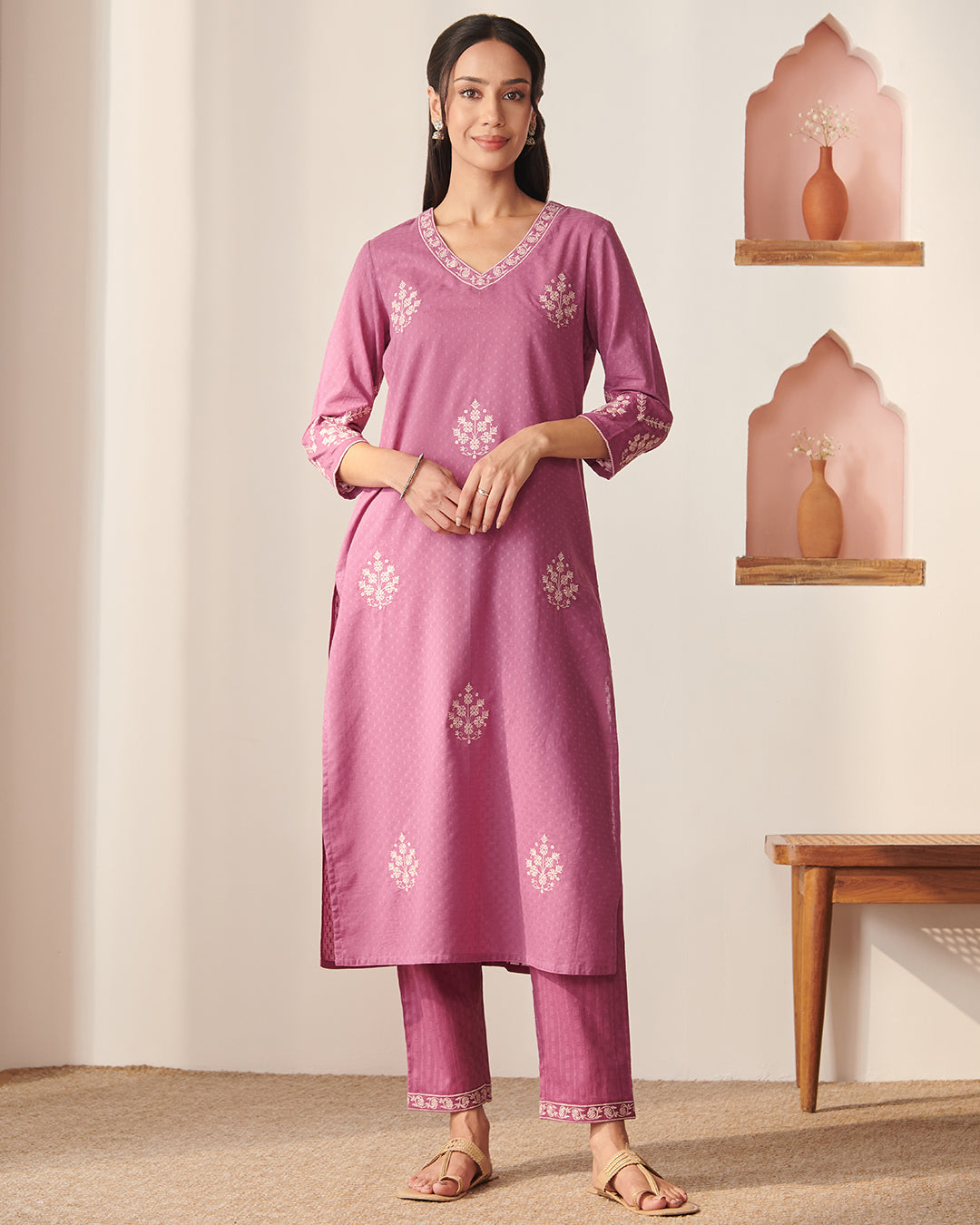
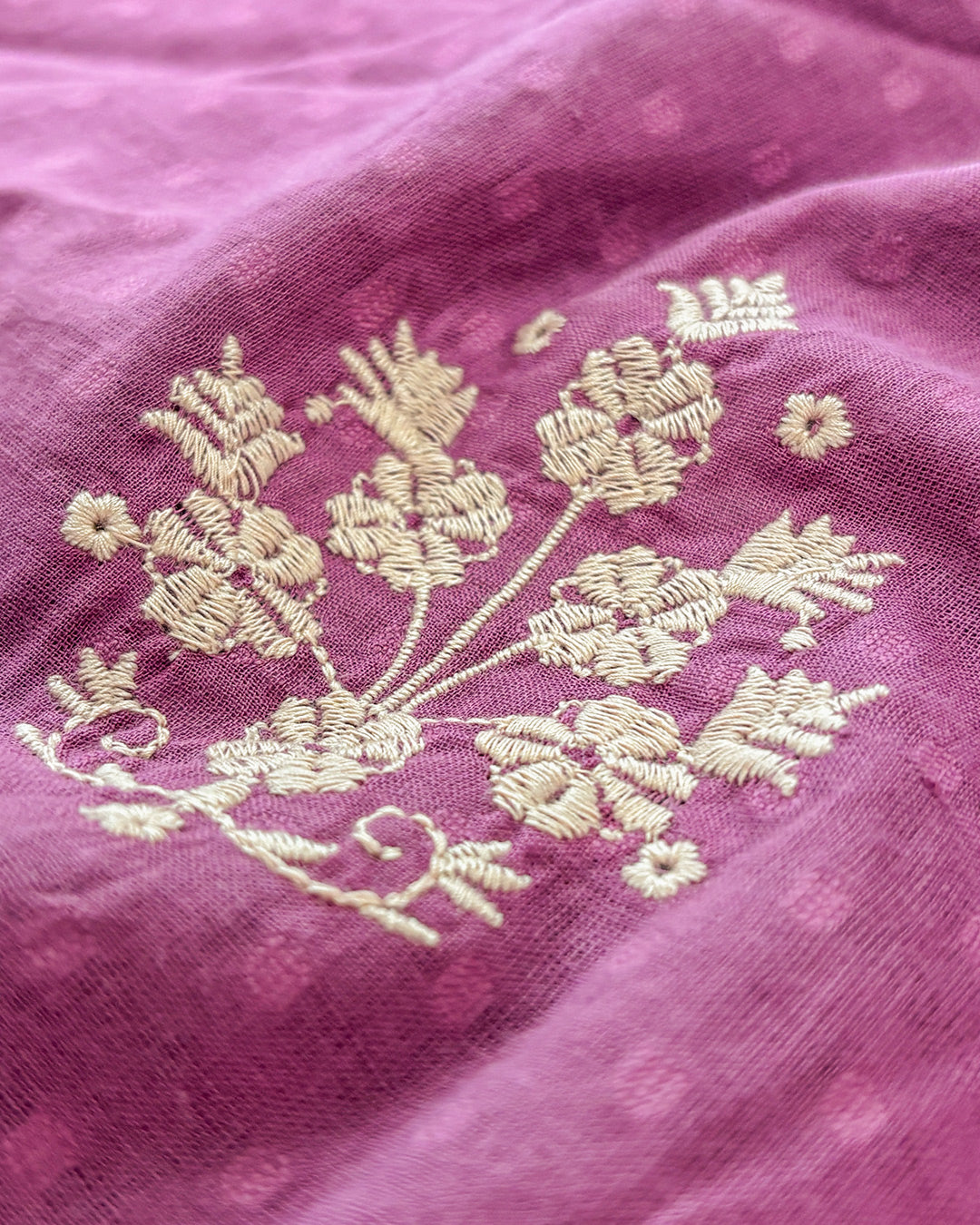
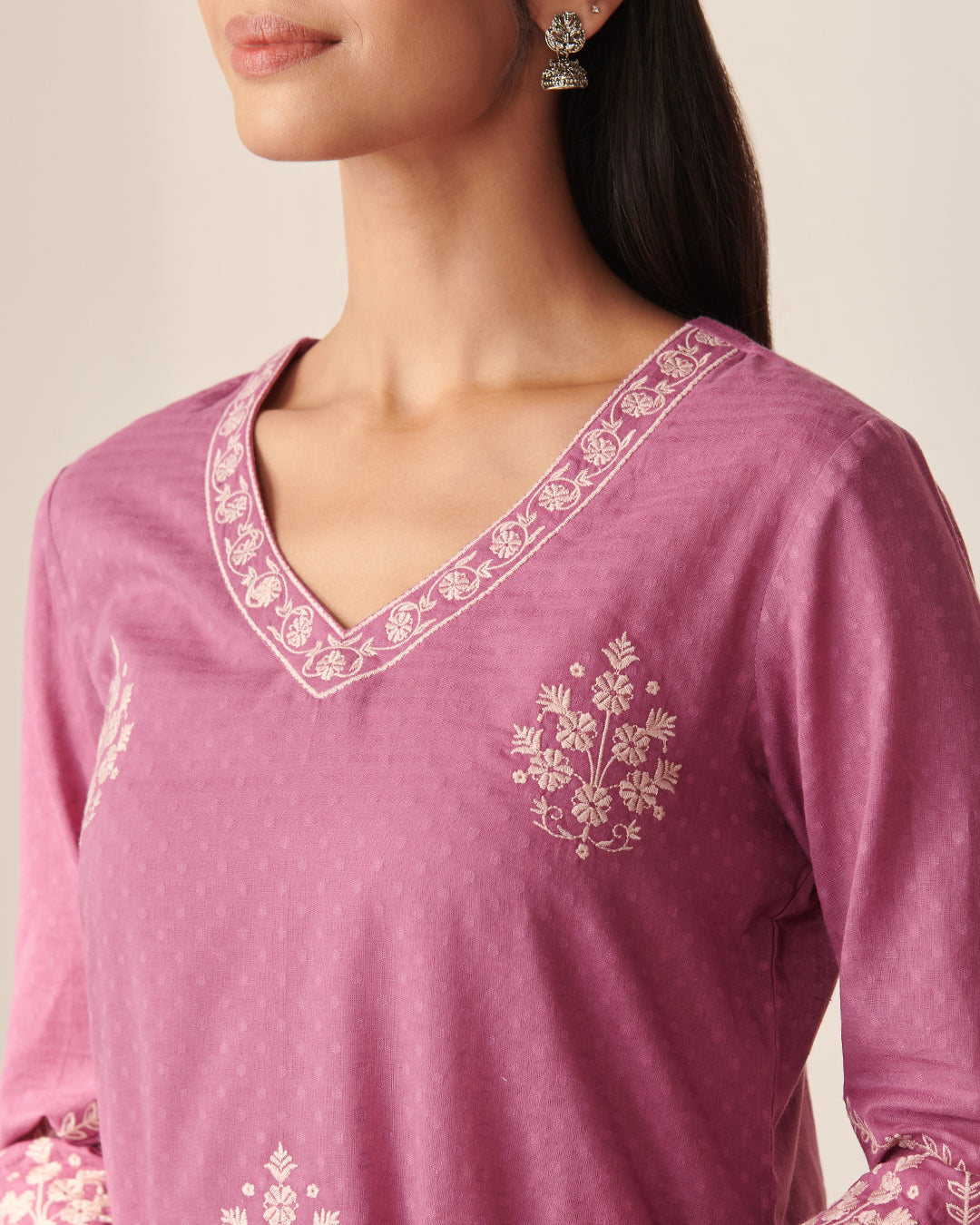
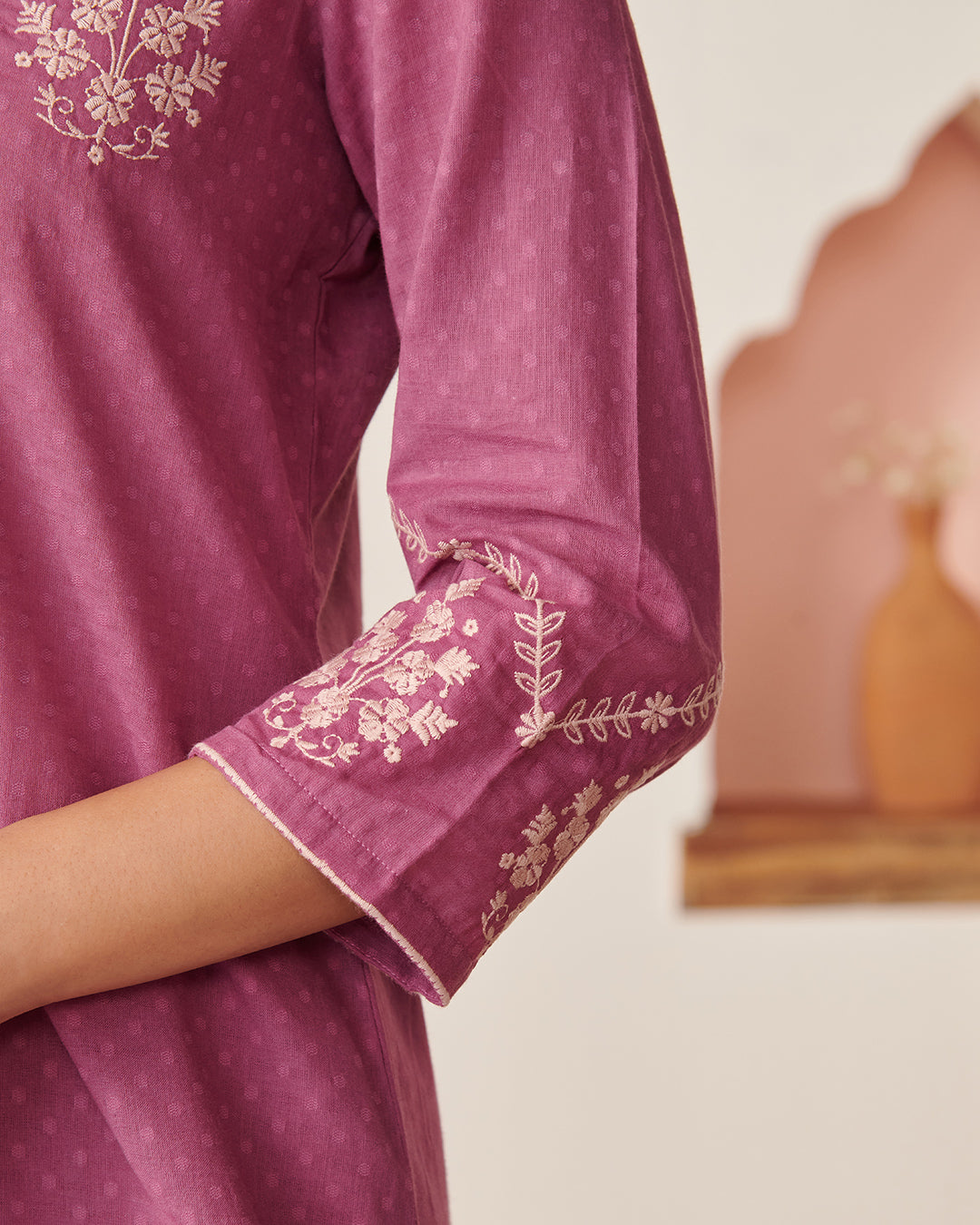
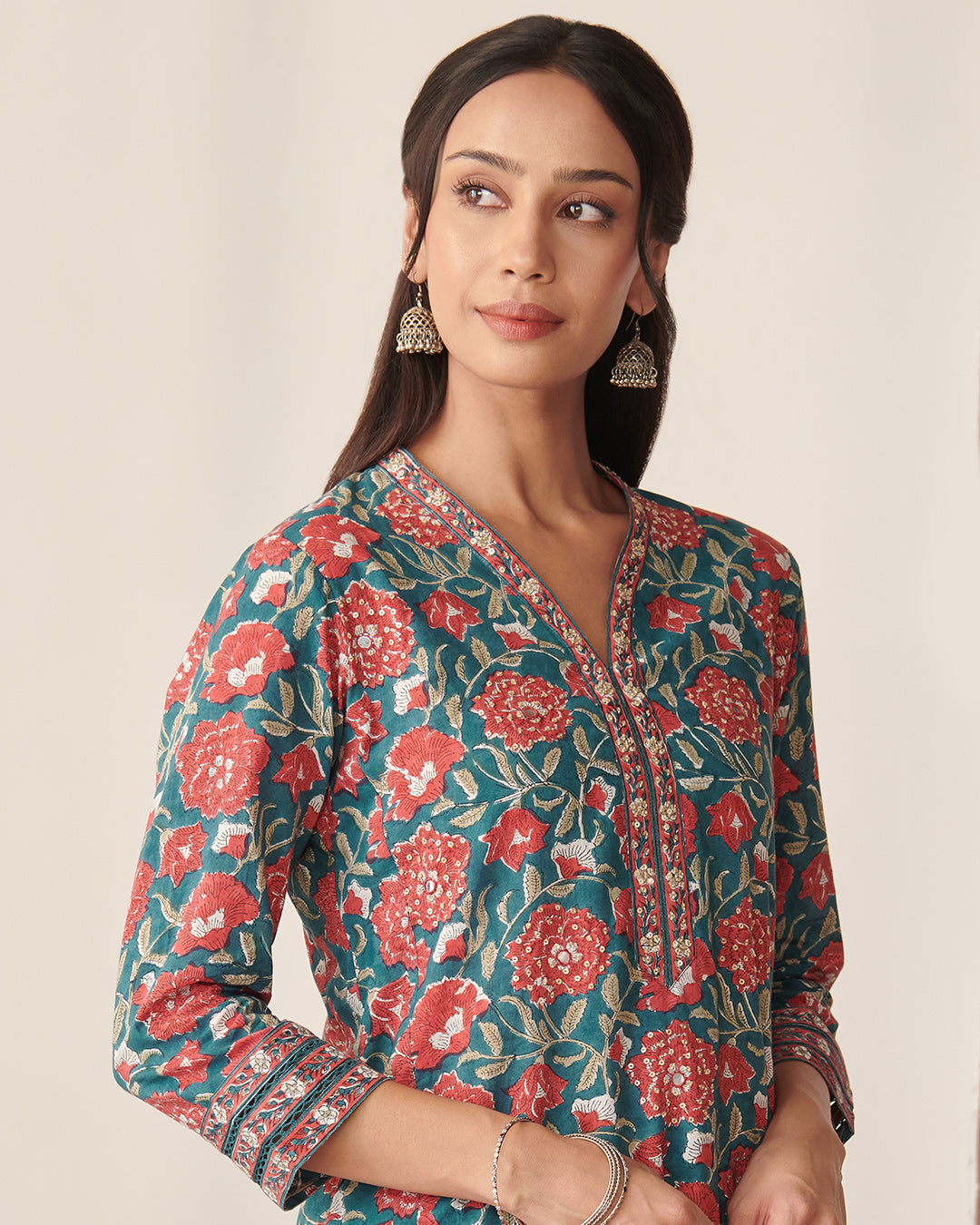
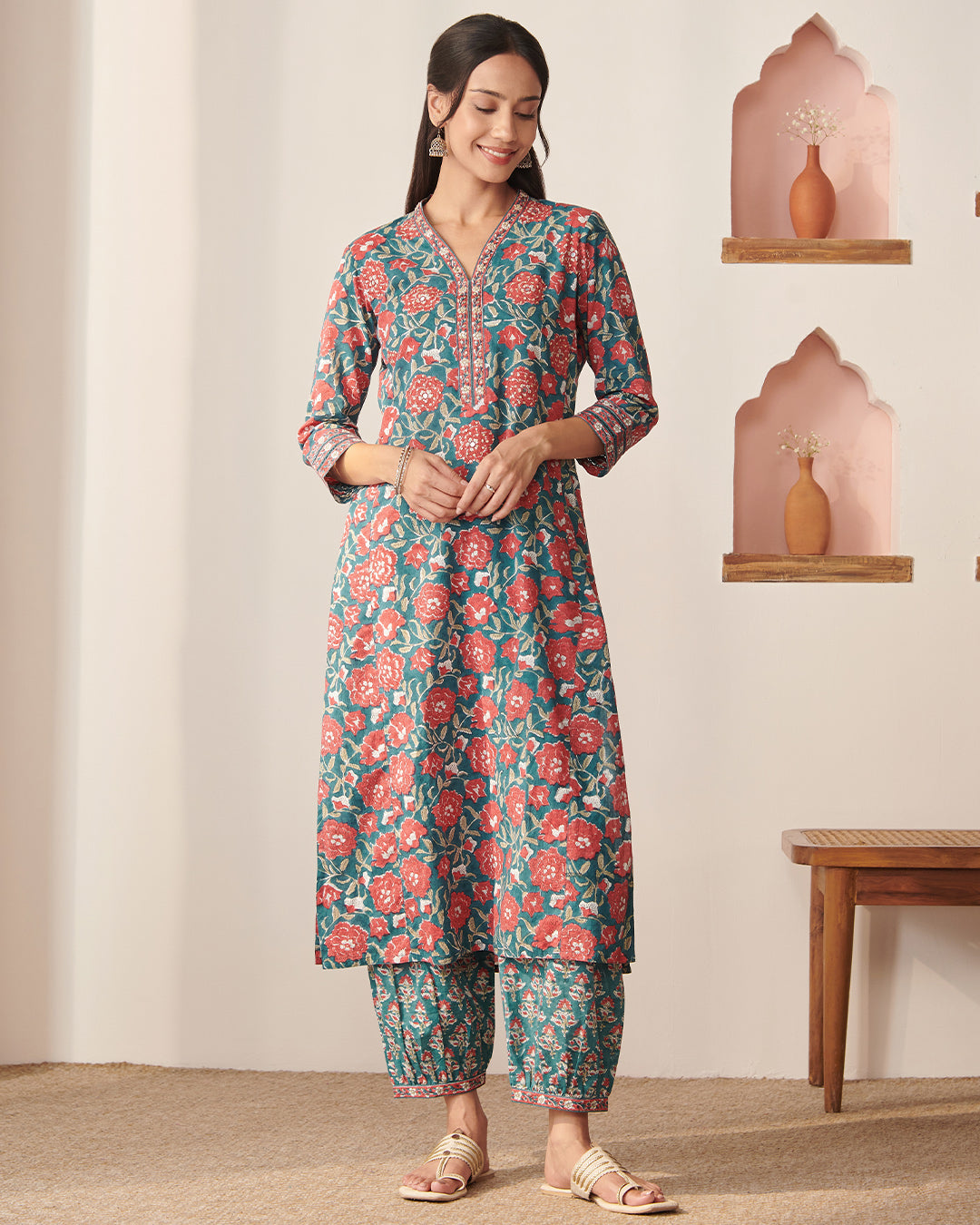
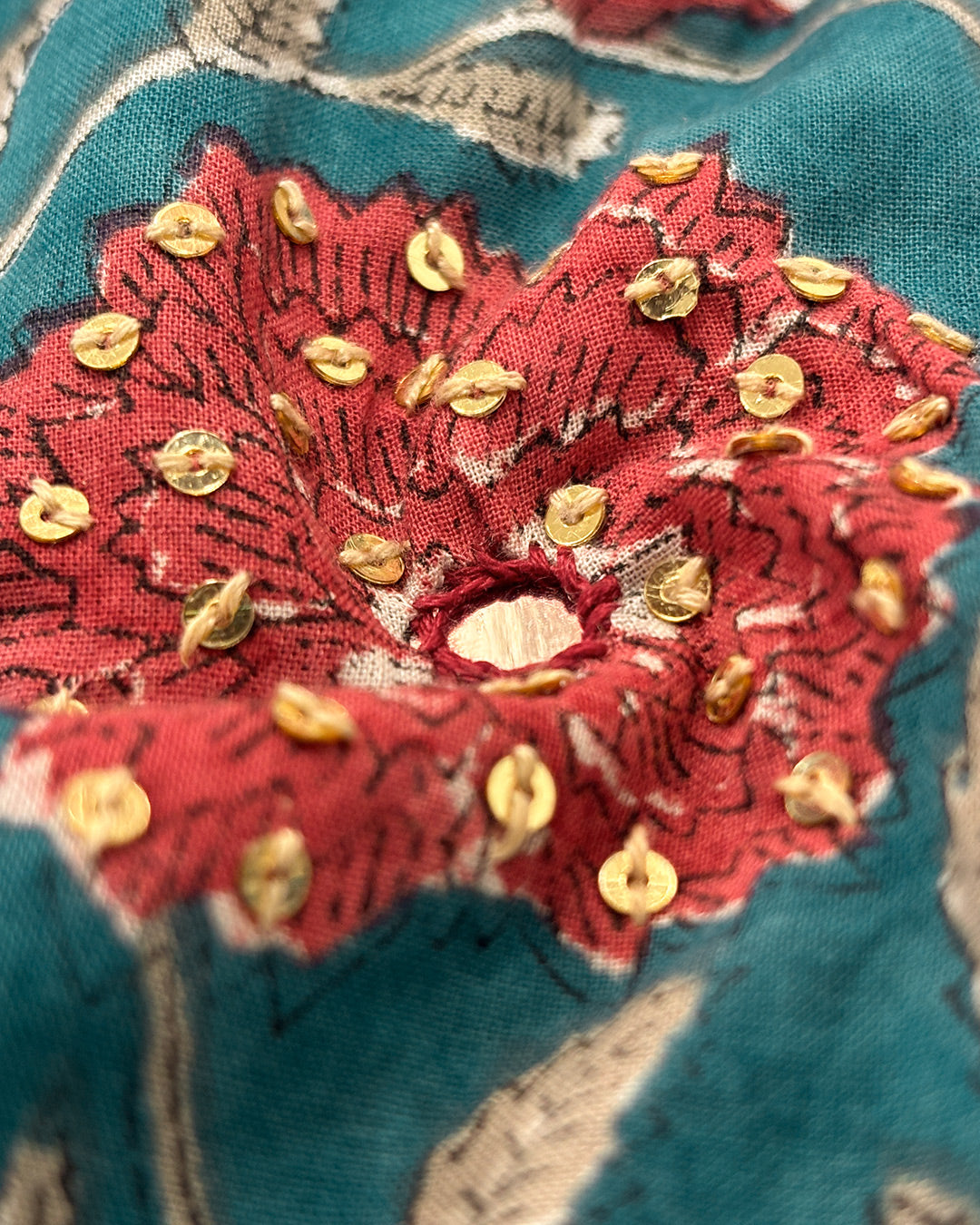
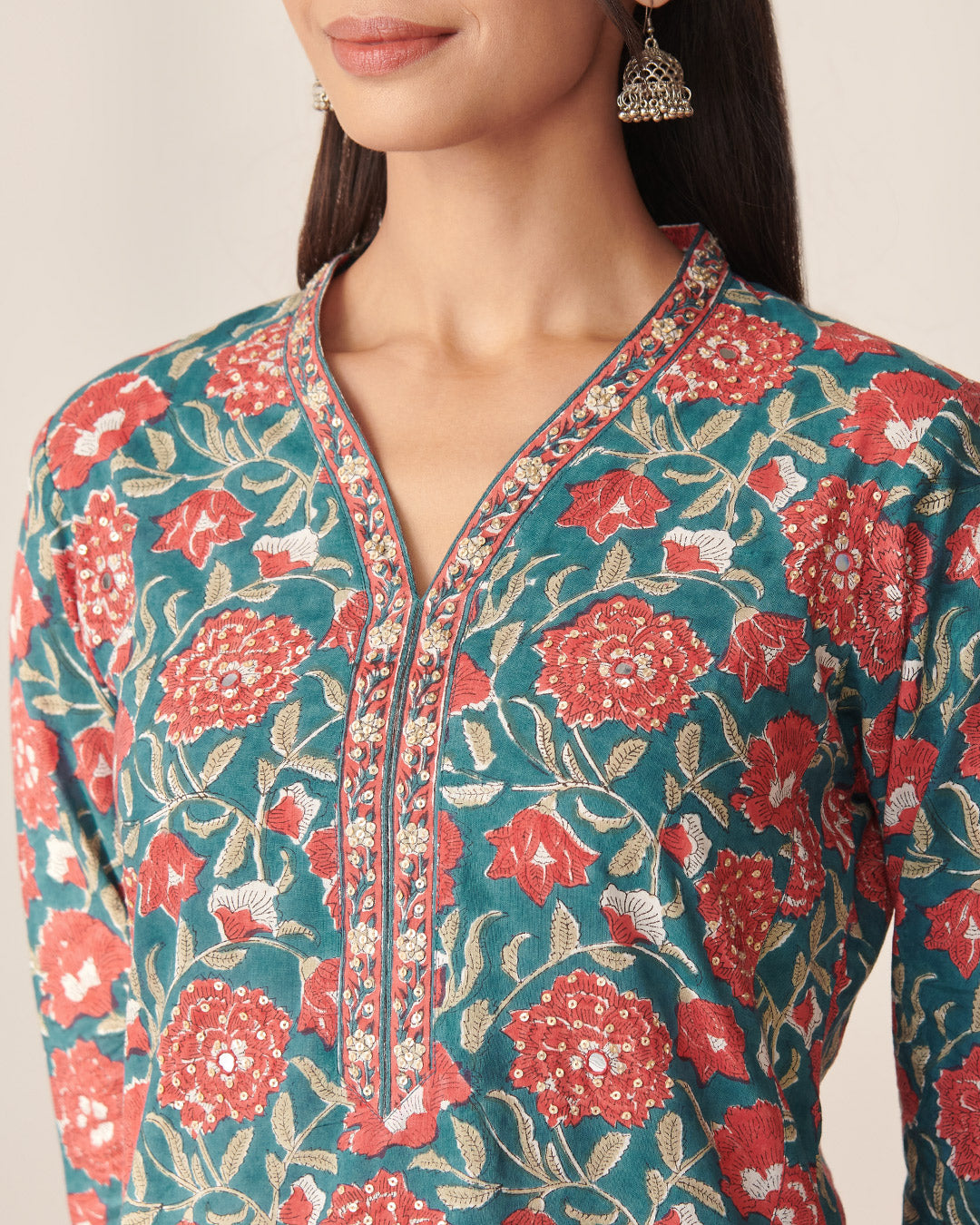
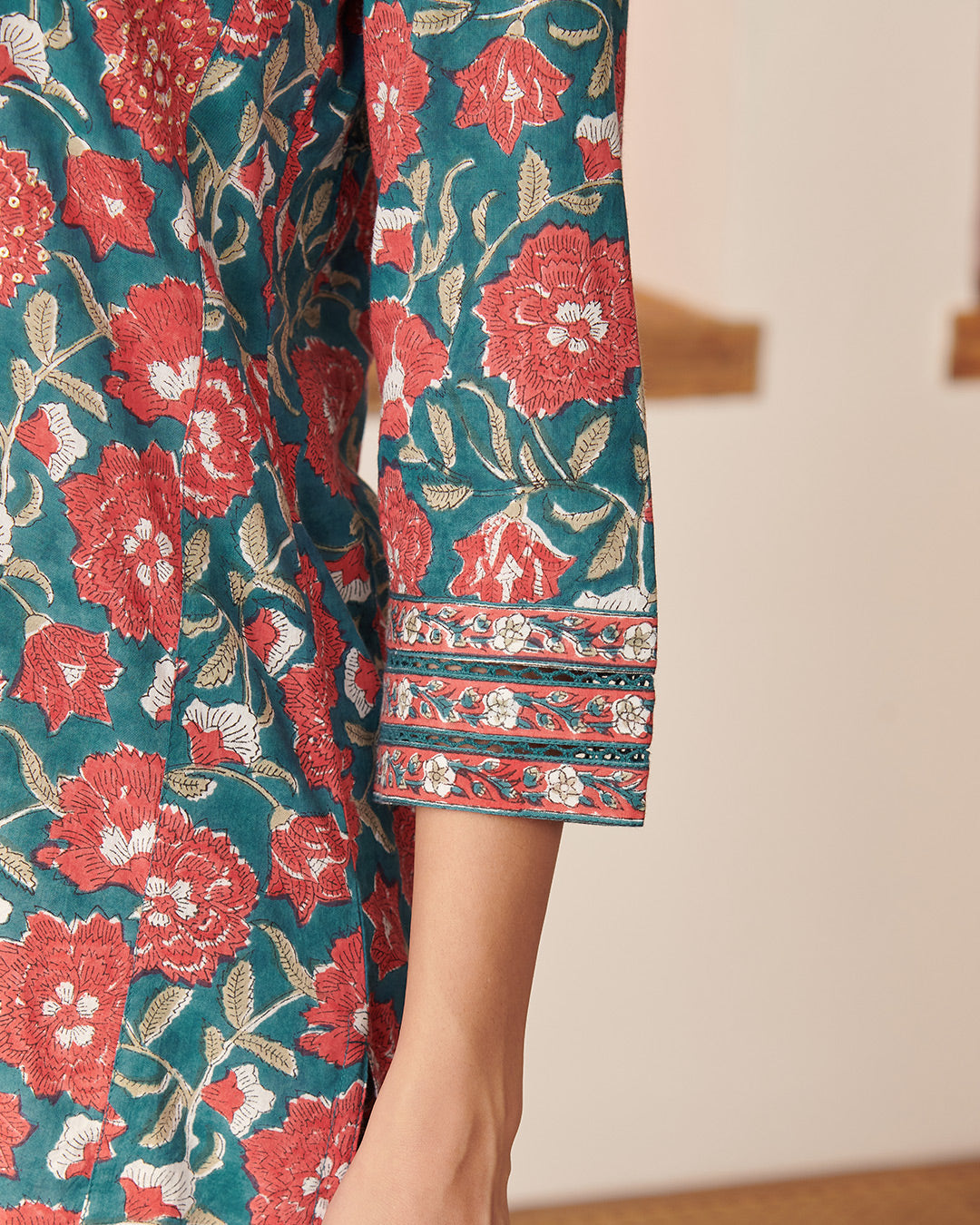
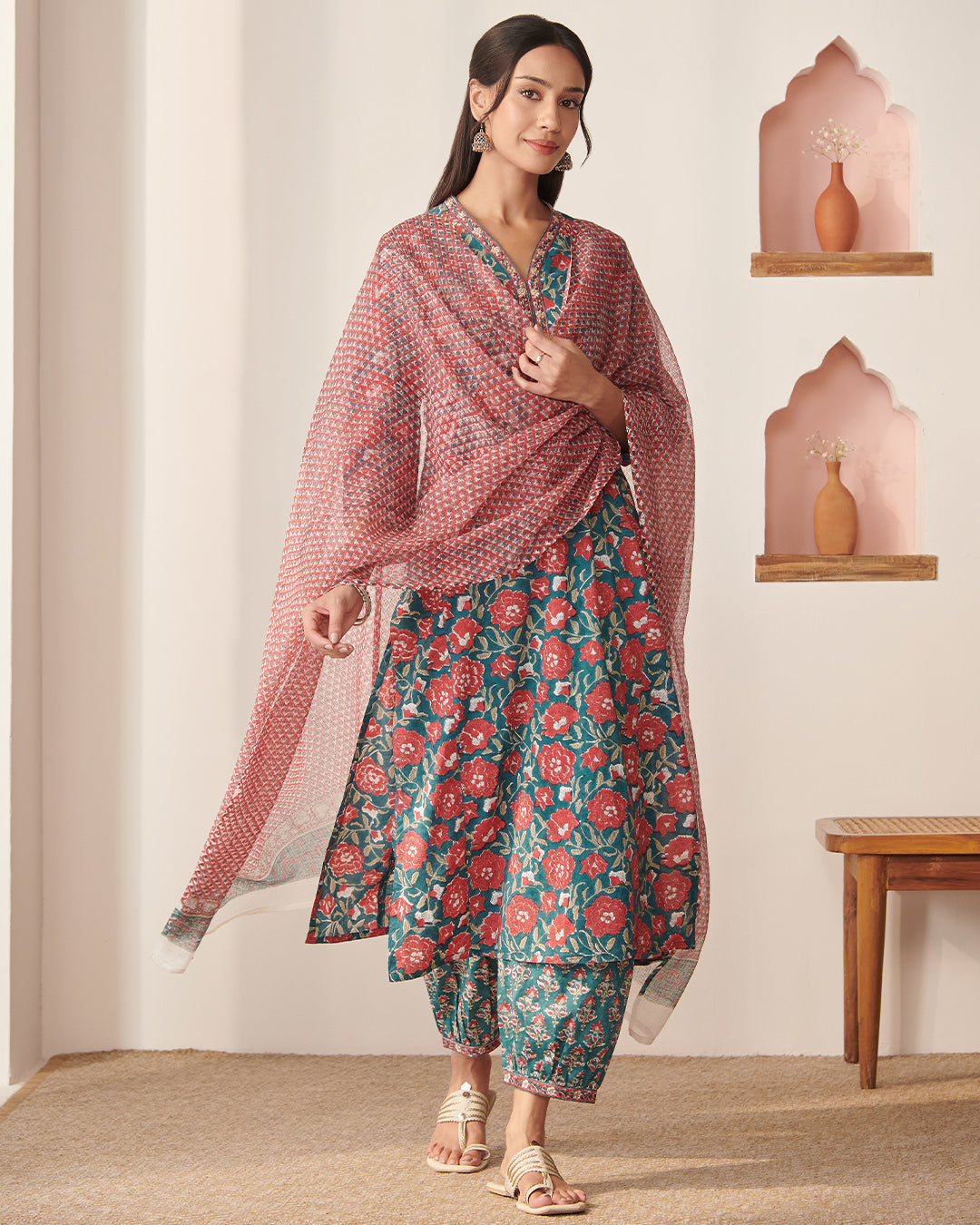
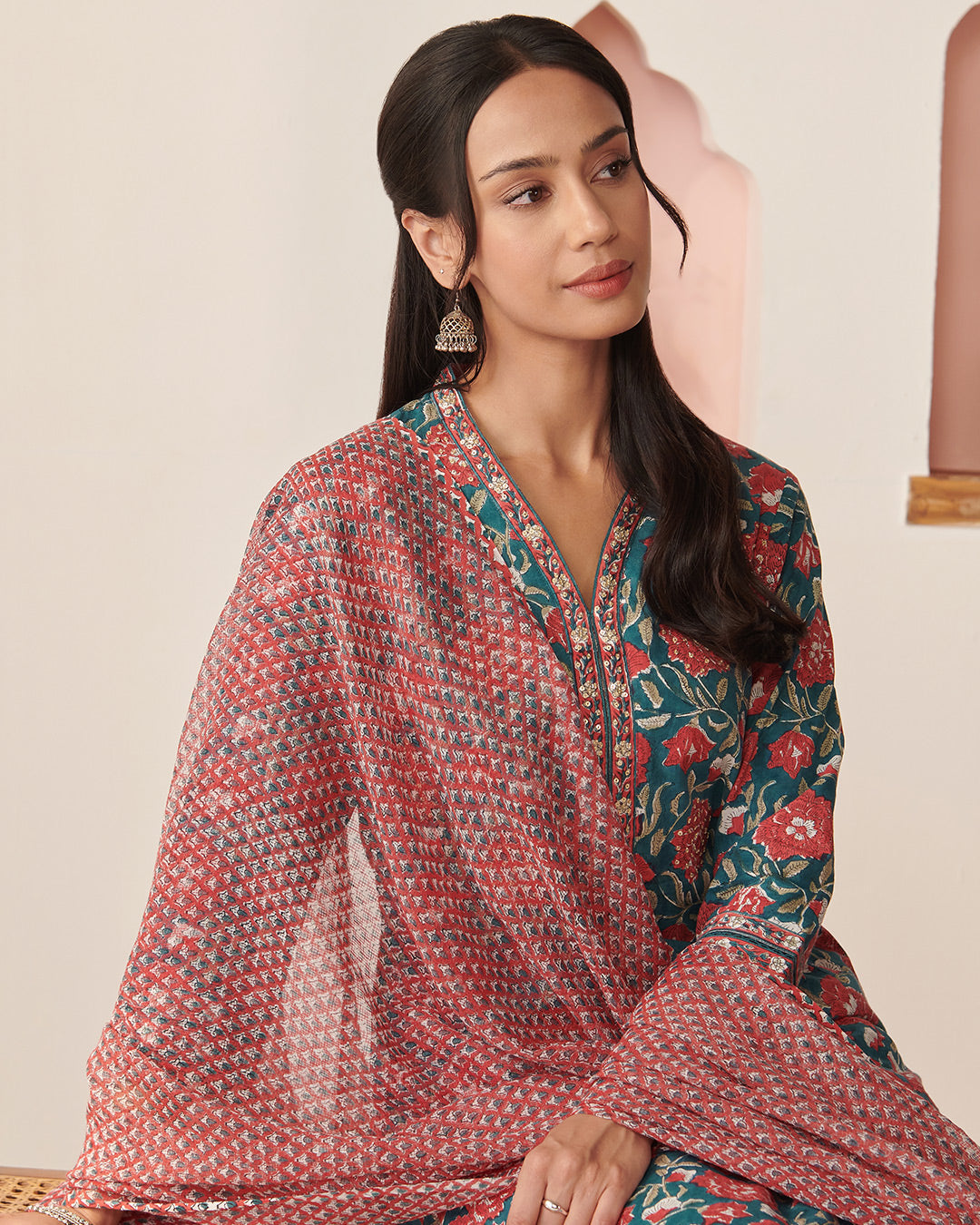
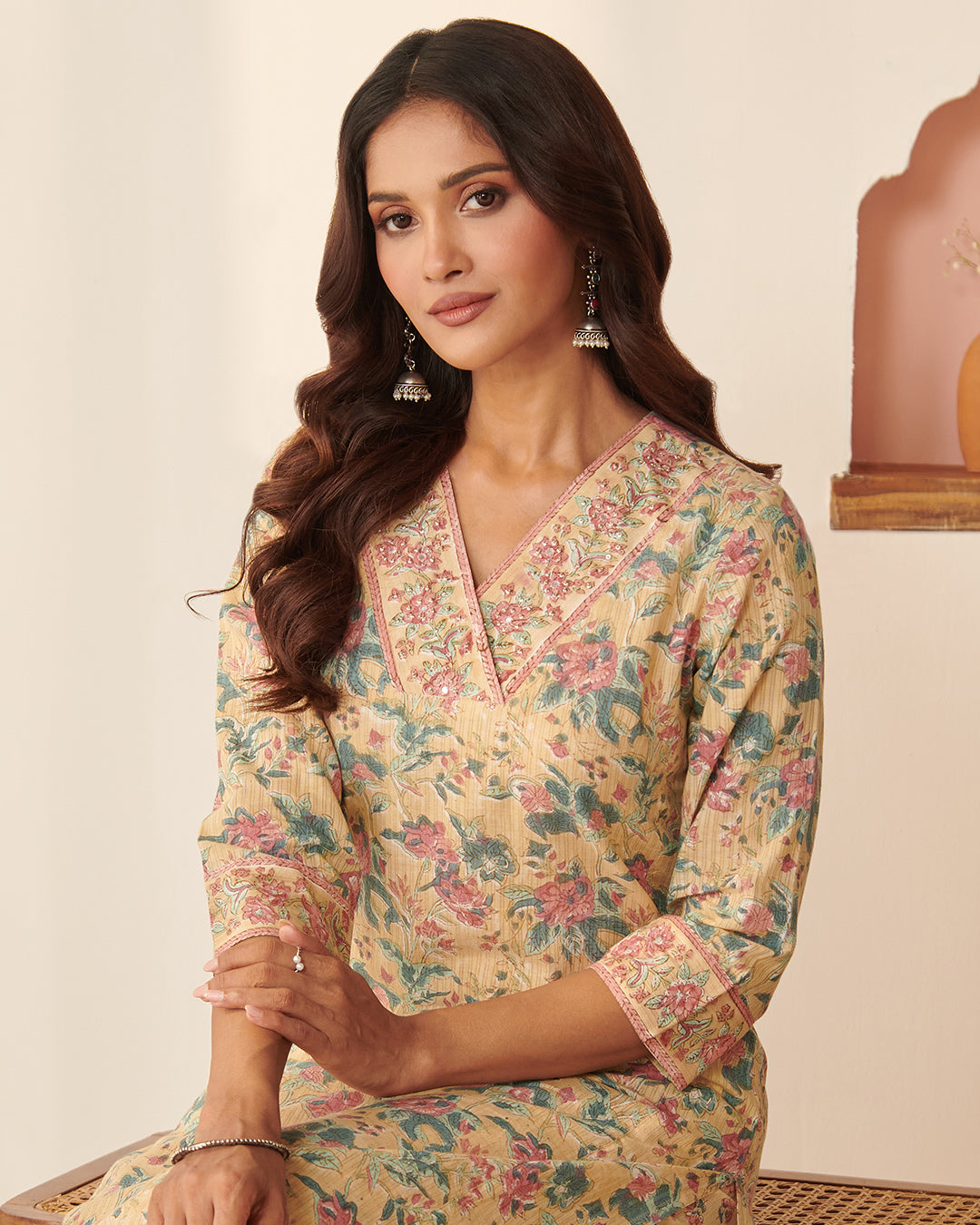
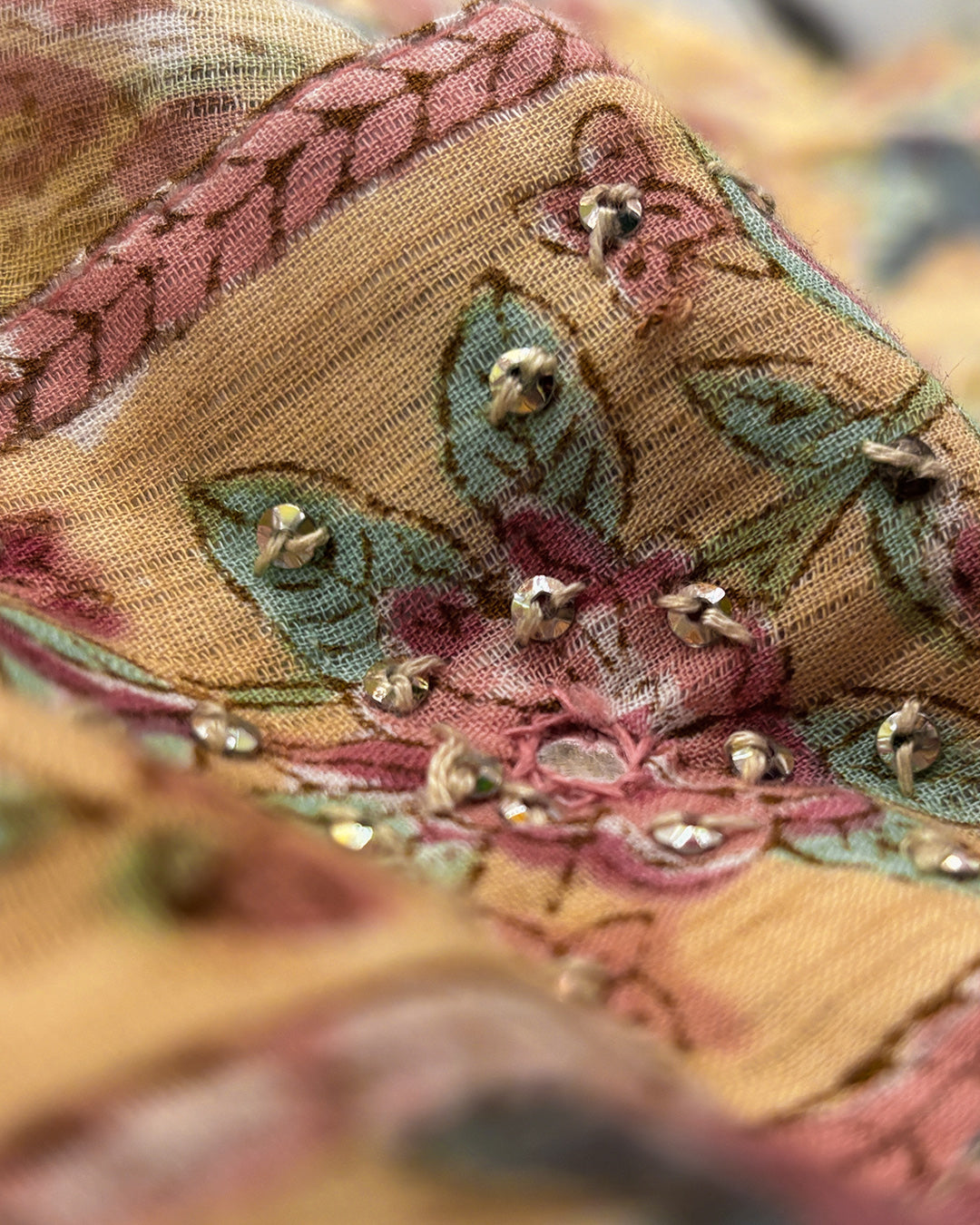
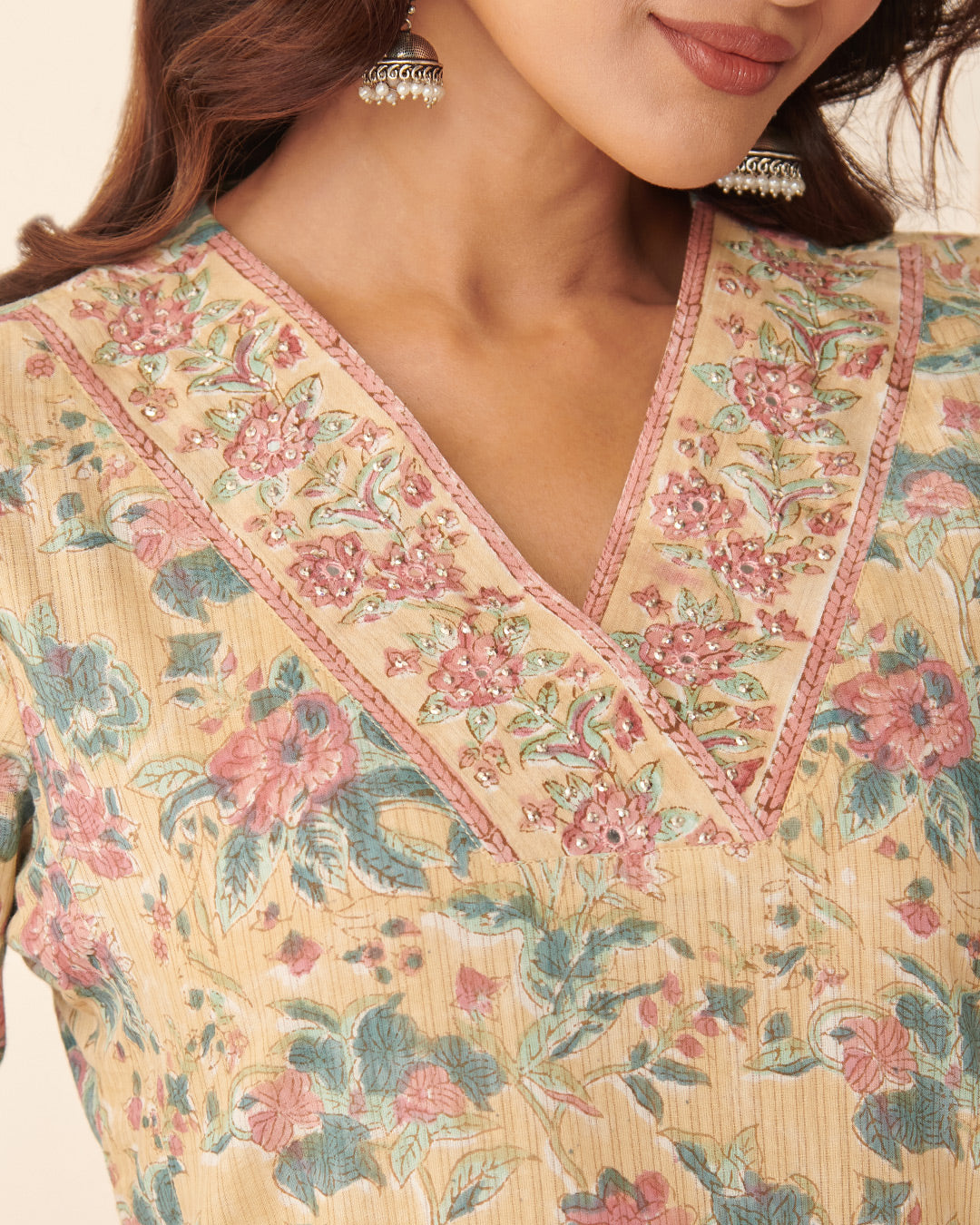
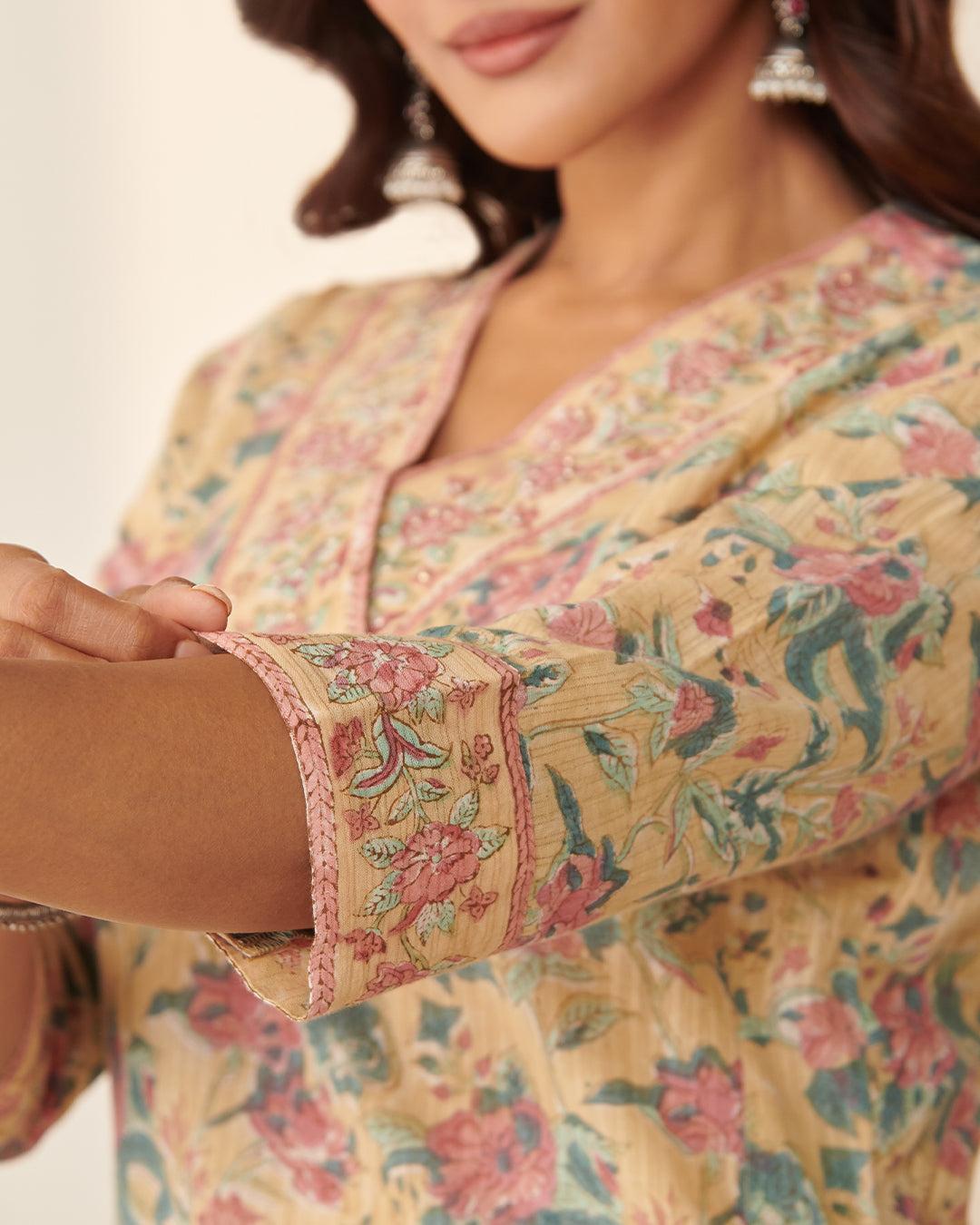
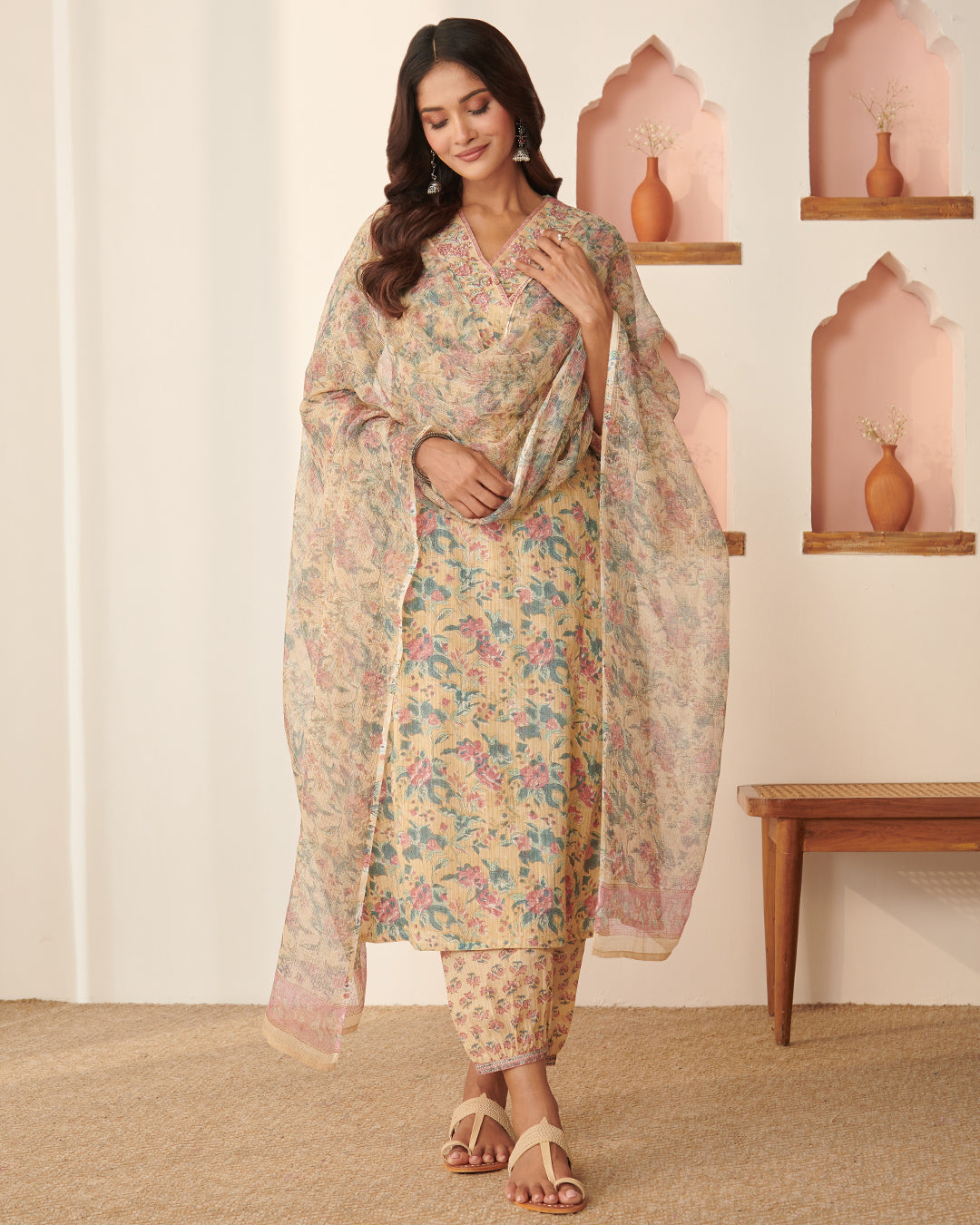
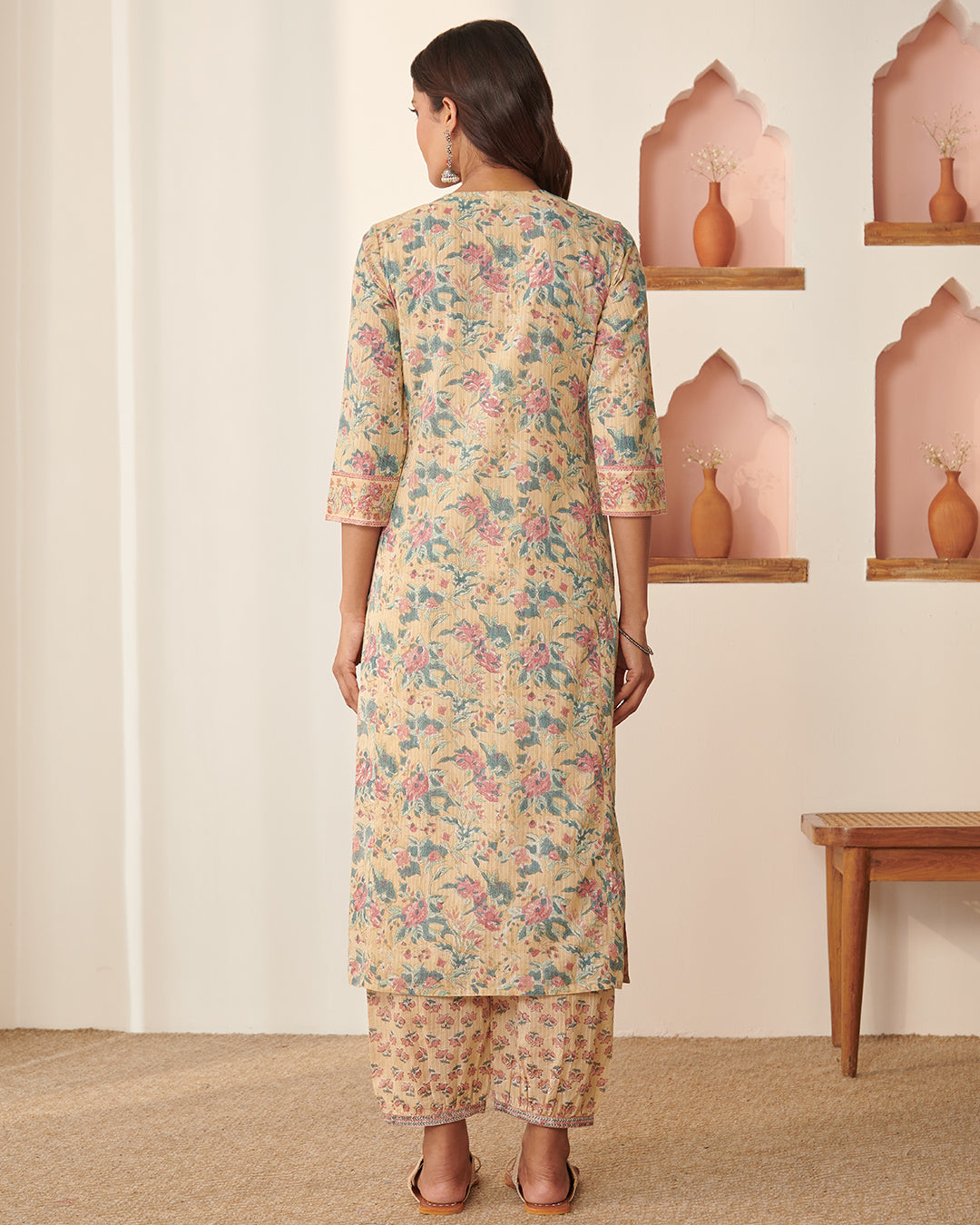
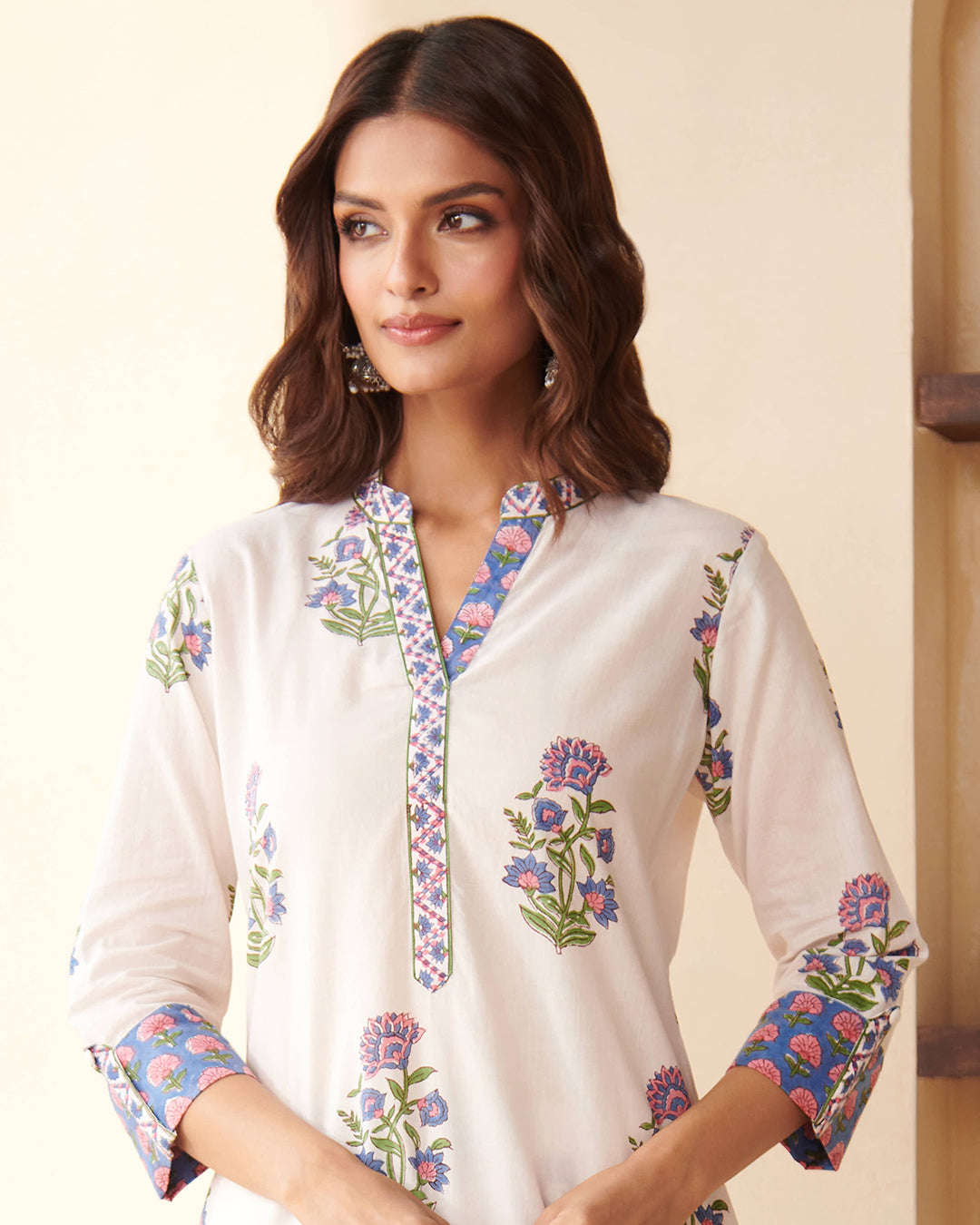
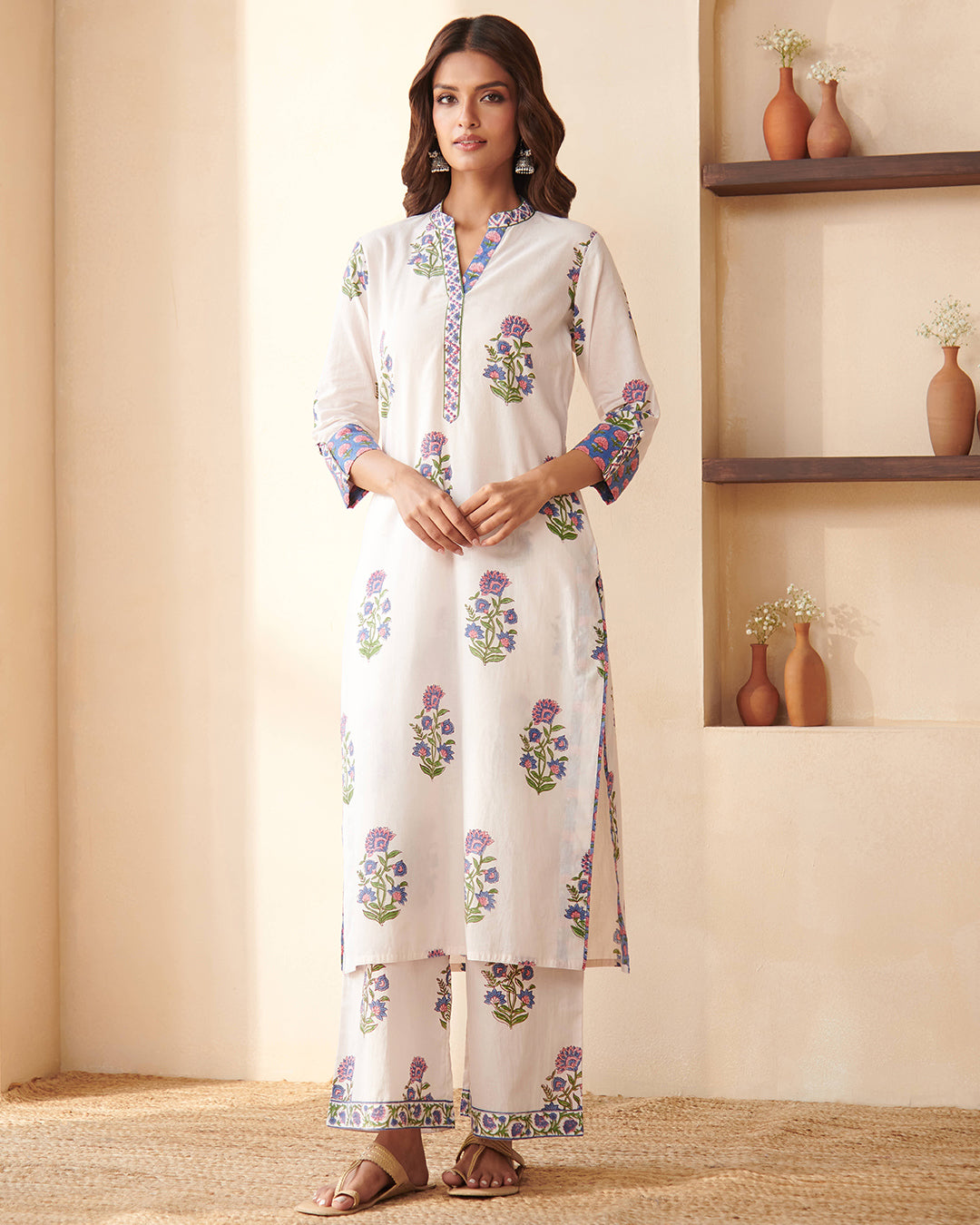
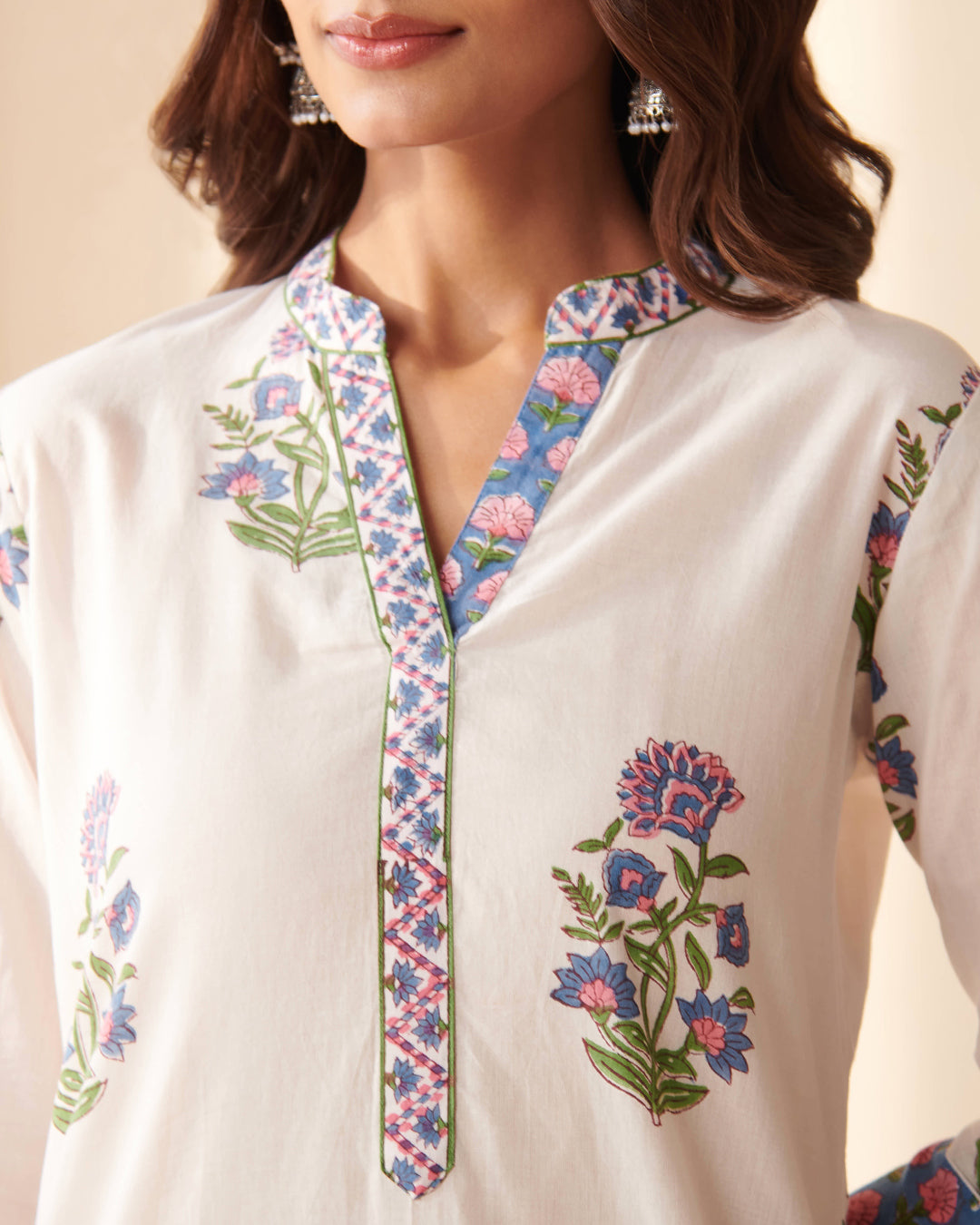
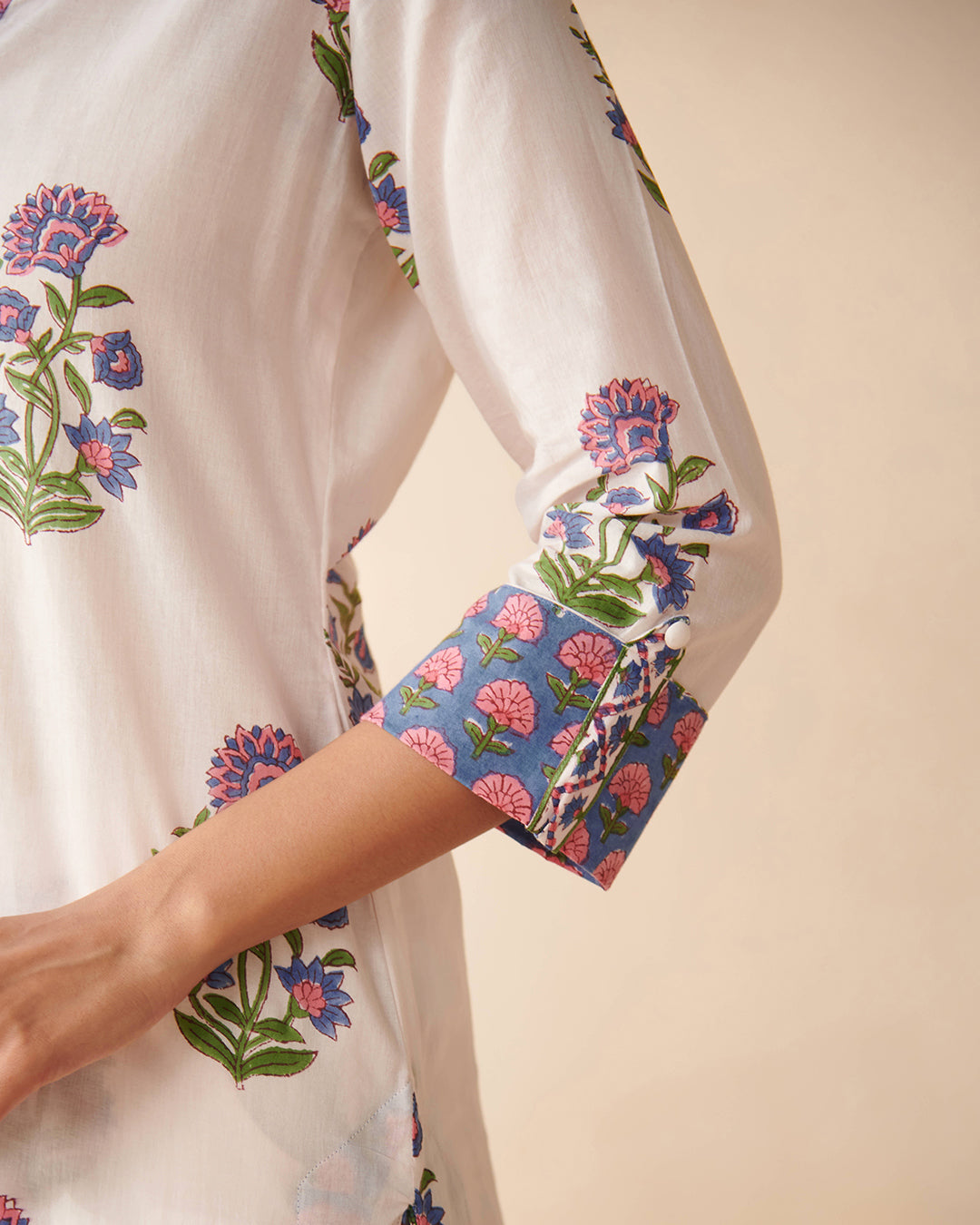
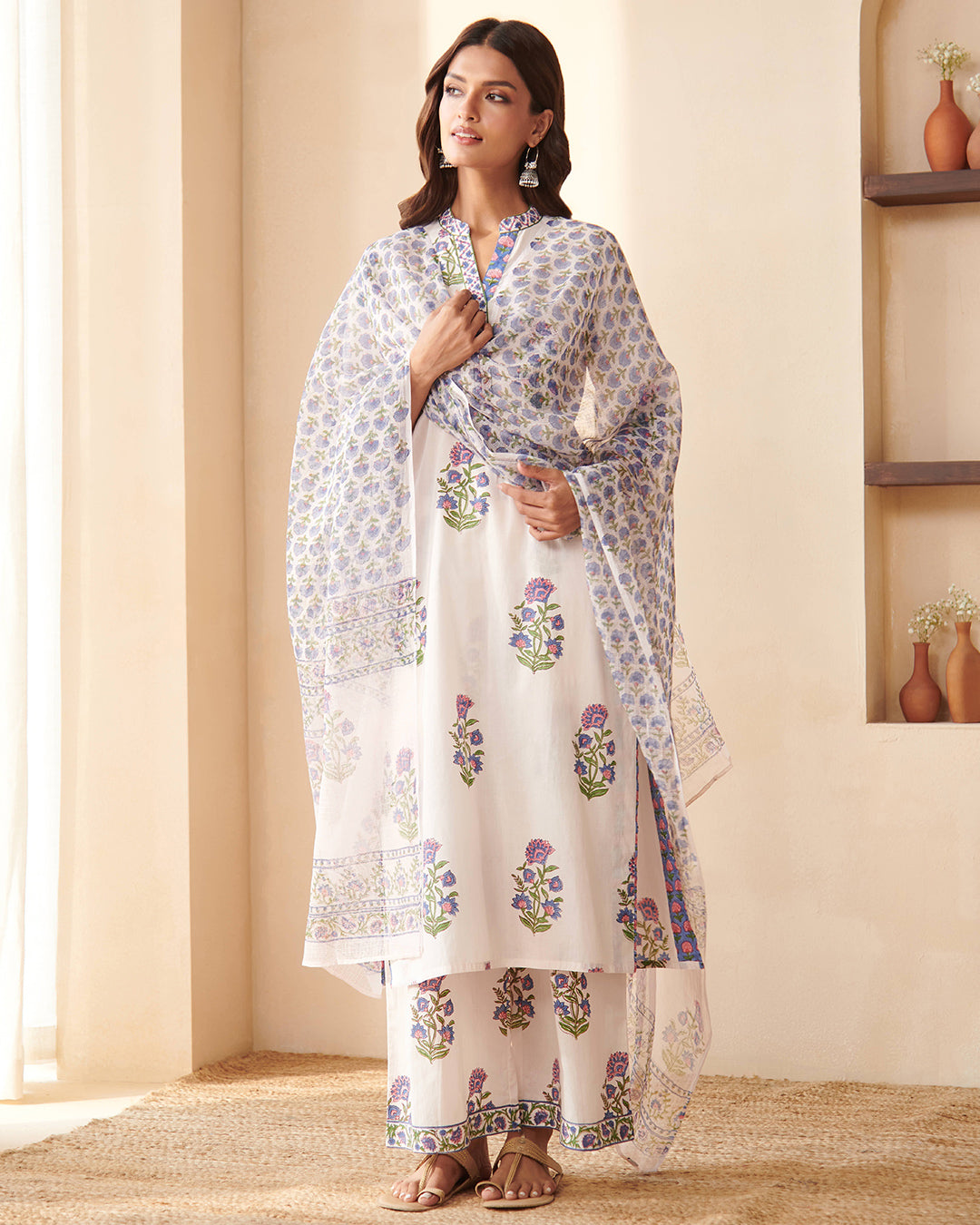
A cotton kurta also lends itself beautifully to Indian craftsmanship. Hand block prints, floral butis, delicate borders, and traditional motifs sit naturally on cotton. The fabric has enough structure to hold a print clearly, while remaining soft enough for everyday wear.
For particularly hot days, lightweight cotton is a sensible choice. A slightly denser cotton can work well when you want more structure or a more polished silhouette. The weave and finish matter, so not every cotton fabric will feel the same.
Linen Kurtas, Lightweight and Naturally Breathable
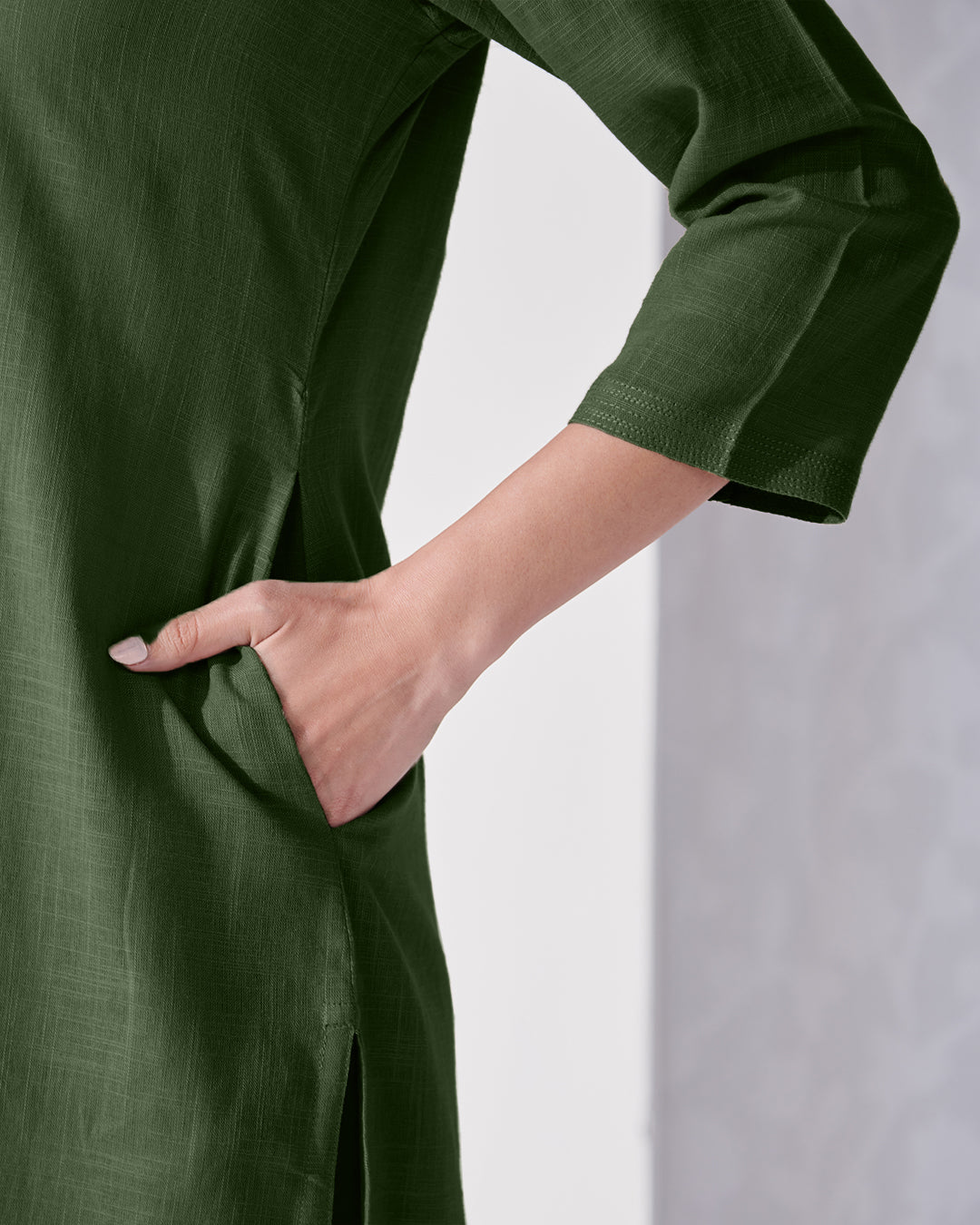
Linen has a distinct character of its own. It is light, airy, and known for allowing heat to escape, which makes it particularly comfortable in warm climates.
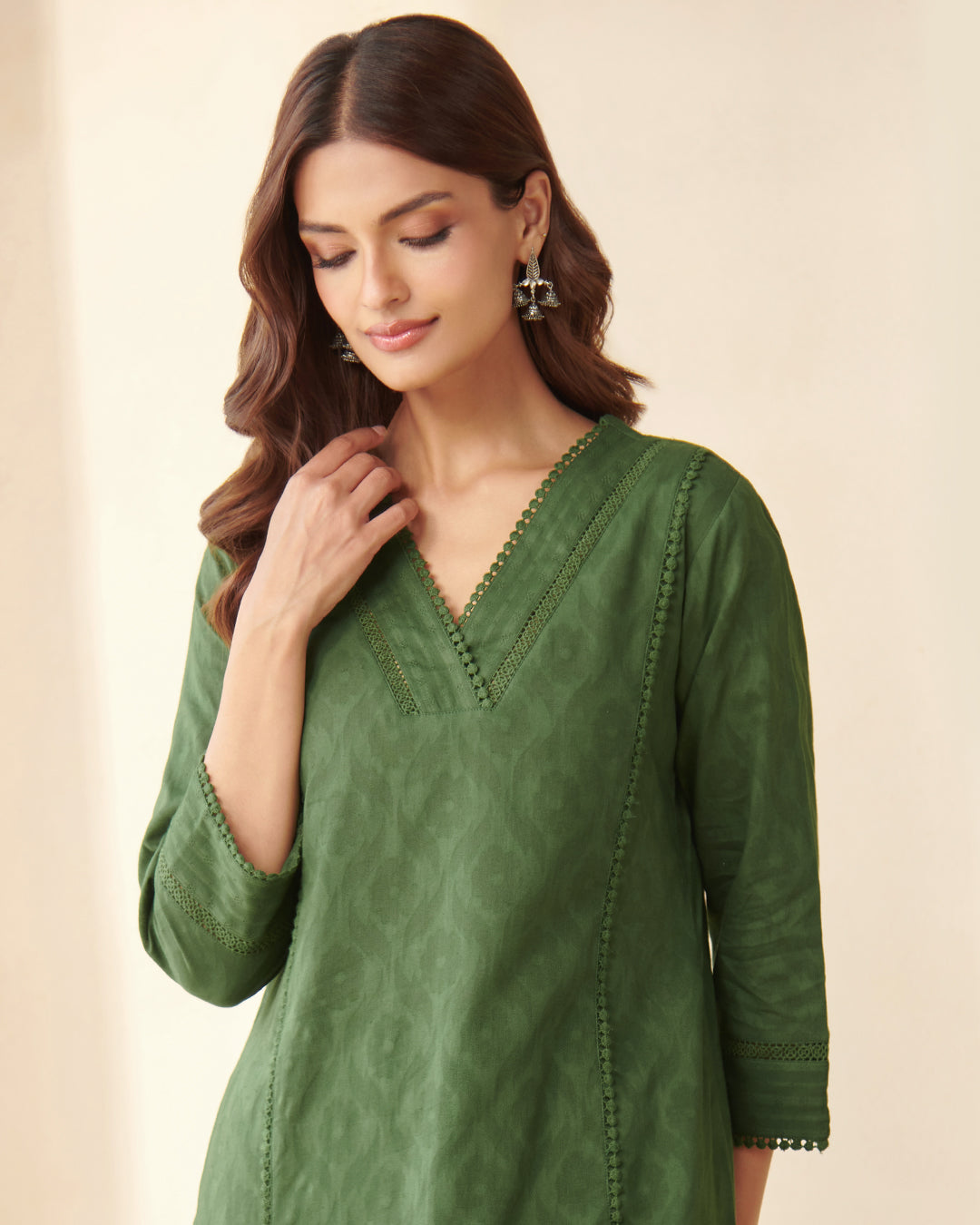
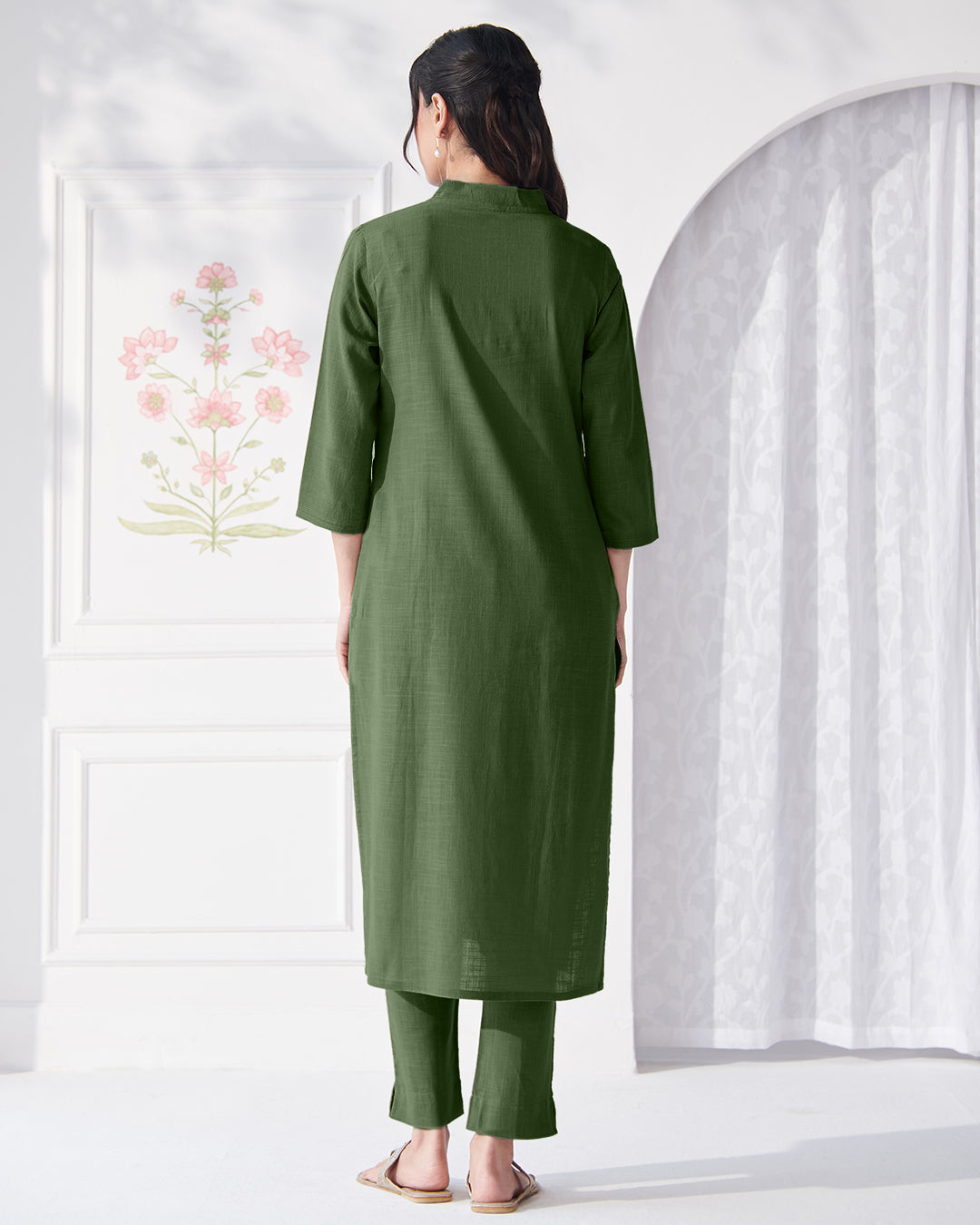
A linen kurta often has a relaxed fall and a naturally understated appearance. Its slight texture gives even a simple silhouette some depth. Linen also develops a softer, more lived-in quality with wear, which is part of its appeal.
For Indian summers, especially in hot and dry regions, linen can be an excellent choice. It does tend to crease more readily than cotton, but those gentle creases are part of the fabric's natural character rather than a flaw.
Which Kurta Fabric Is Best for Indian Weather?

Cotton-Linen Kurtas: The Best of Both Fabrics
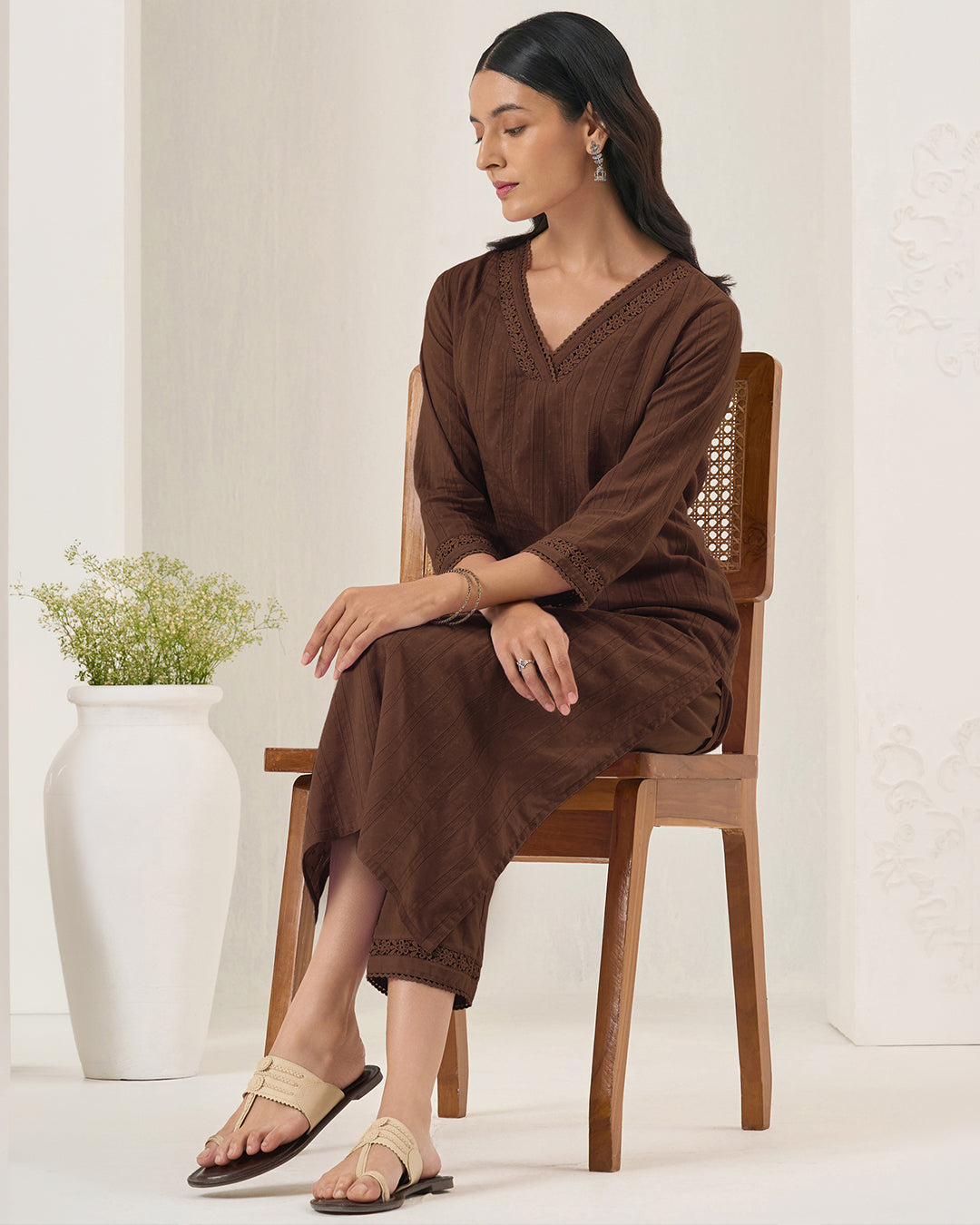
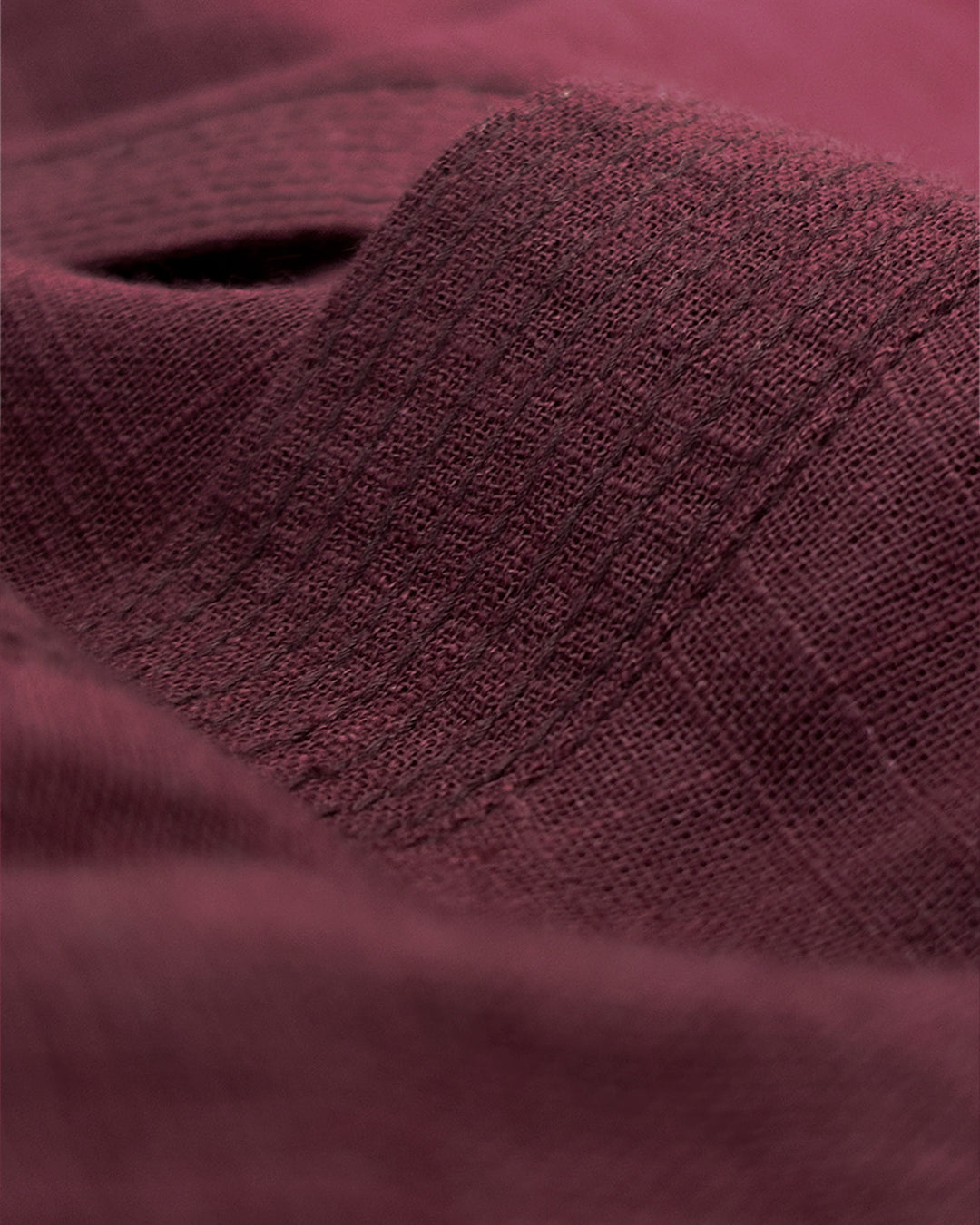
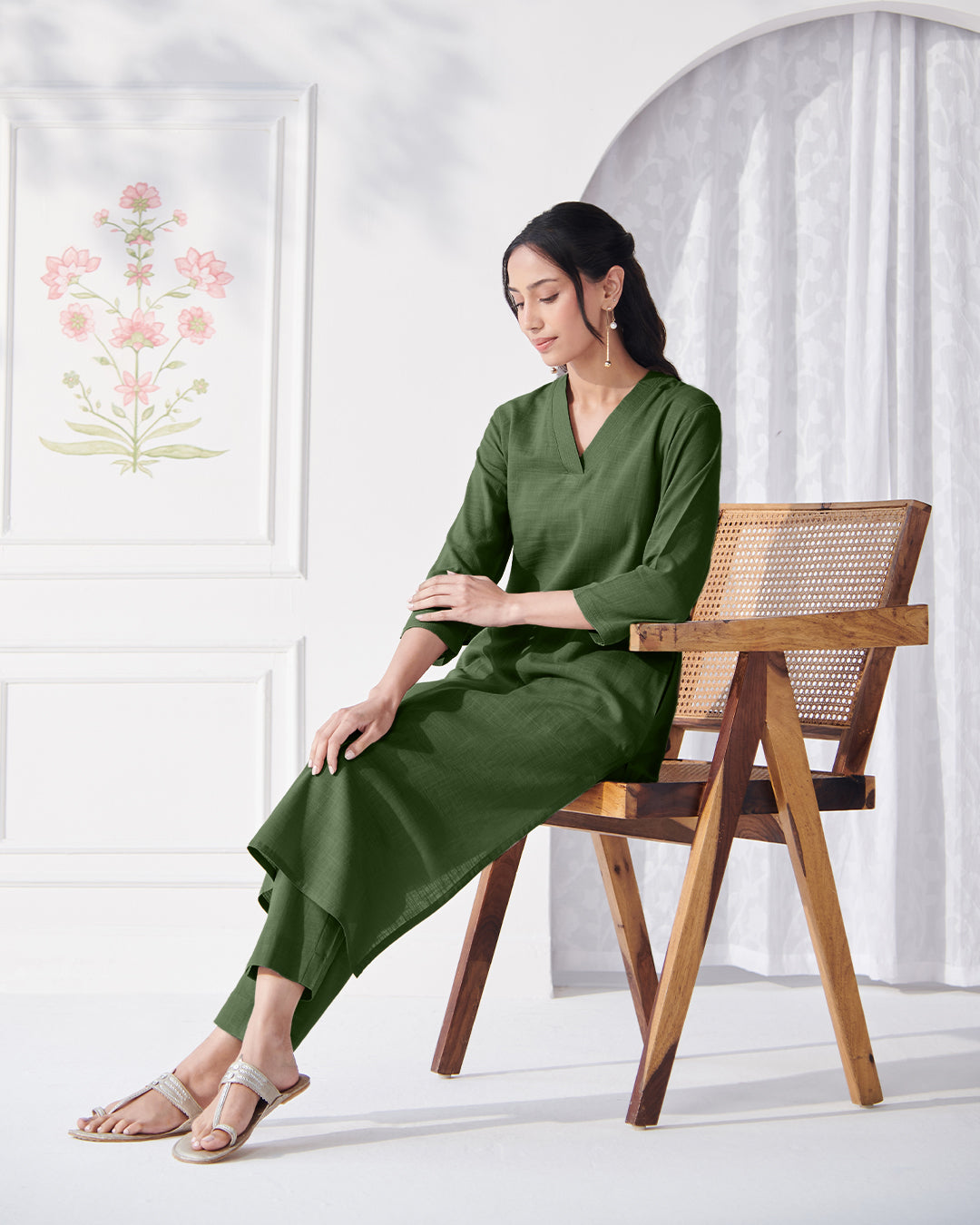
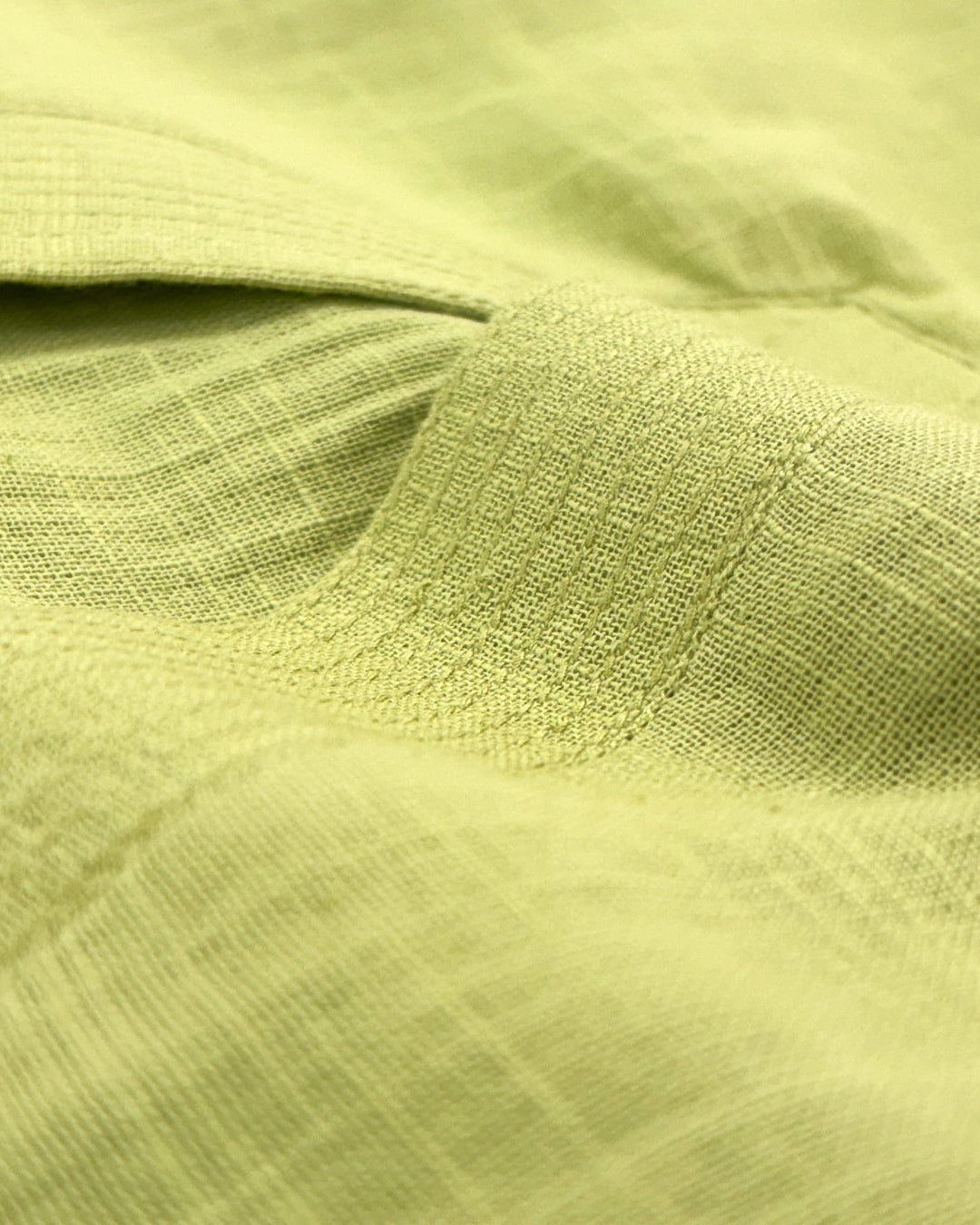
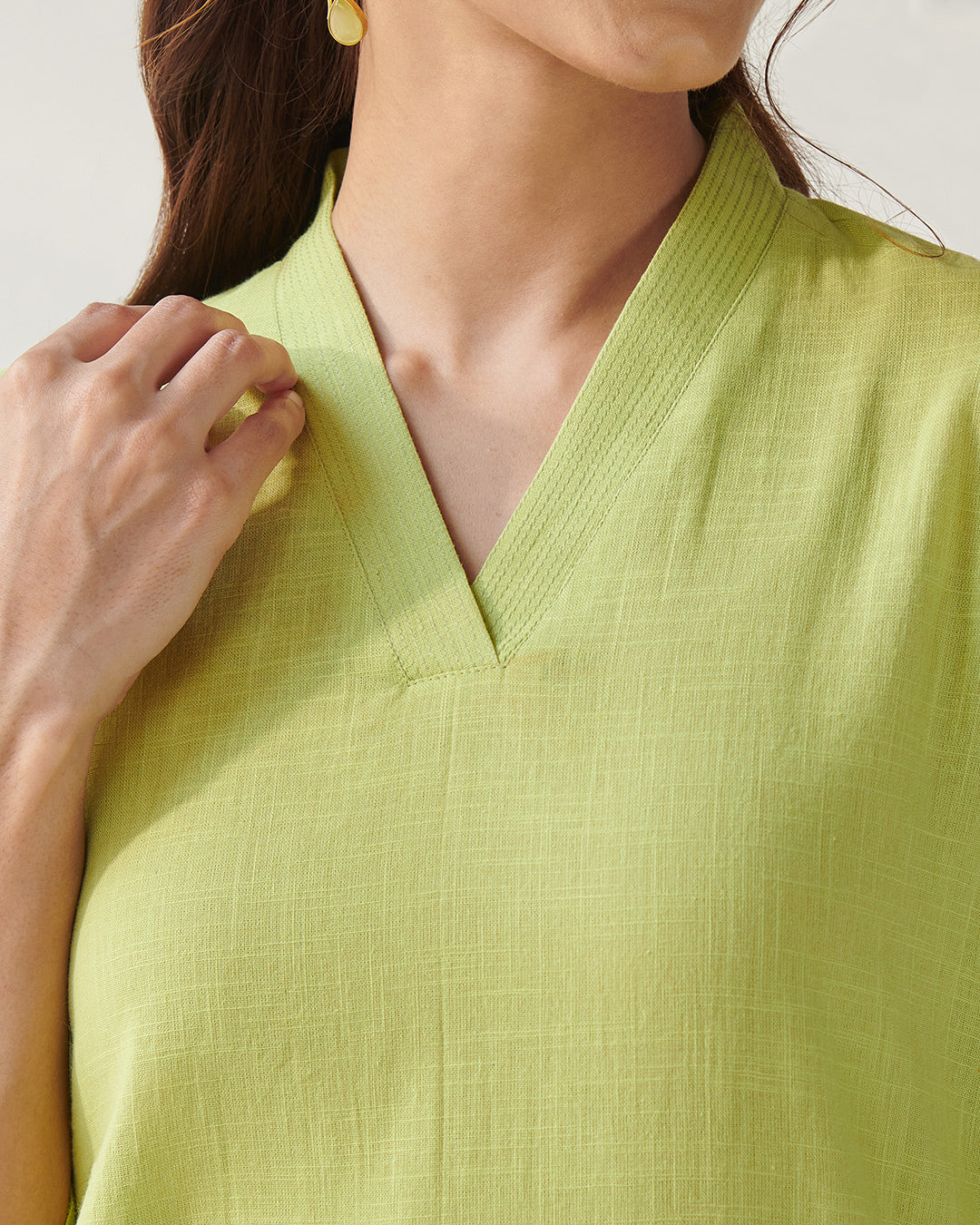
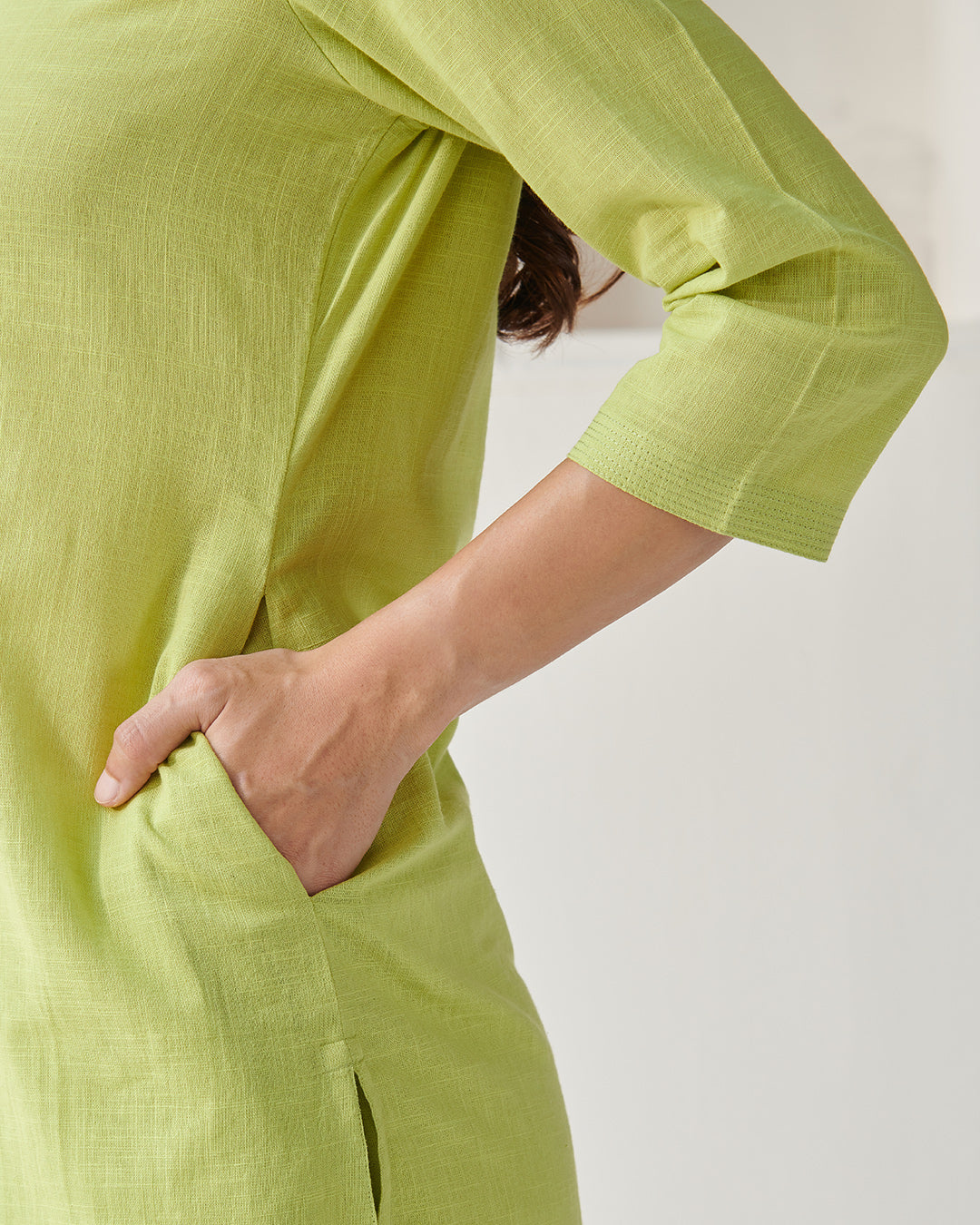
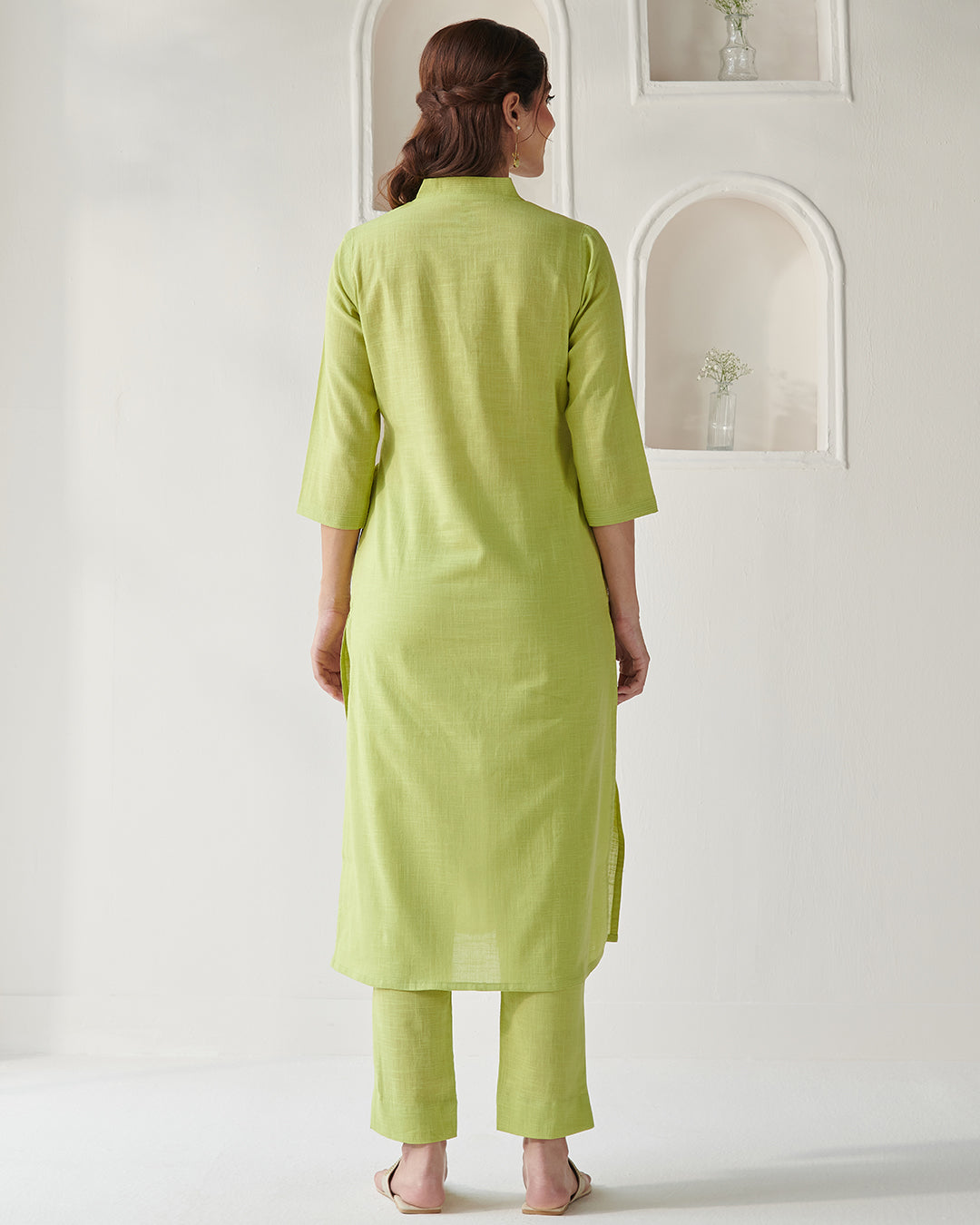
Cotton-linen kurtas bring together two fabrics that work particularly well in the Indian climate. Cotton offers softness and moisture absorption, while linen adds lightness and airflow. The result is a fabric that feels comfortable without looking too casual.
This blend works well for warm days when a pure cotton kurta for women may feel slightly heavy, or when linen alone feels too crisp. It also has a naturally relaxed texture that suits everyday Indian dressing beautifully.
Best Kurta Fabrics for Different Indian Seasons
Indian weather changes considerably from one region to another, so the ideal kurta fabric depends on the season, humidity, and how you plan to wear it.
Best Fabrics for Summer
Cotton is a dependable choice for hot weather. Mulmul, lightweight cotton, and cotton-linen blends allow air to move through the fabric while absorbing moisture. Hand block printed cotton kurtas are especially comfortable for everyday summer dressing.
Best Fabrics for Monsoon
During humid monsoon days, lightweight cotton and cotton-linen blends are useful choices. They dry relatively easily and do not feel as heavy as dense fabrics. Look for fabrics with enough airflow to remain comfortable when humidity rises.
Best Fabrics for Winter
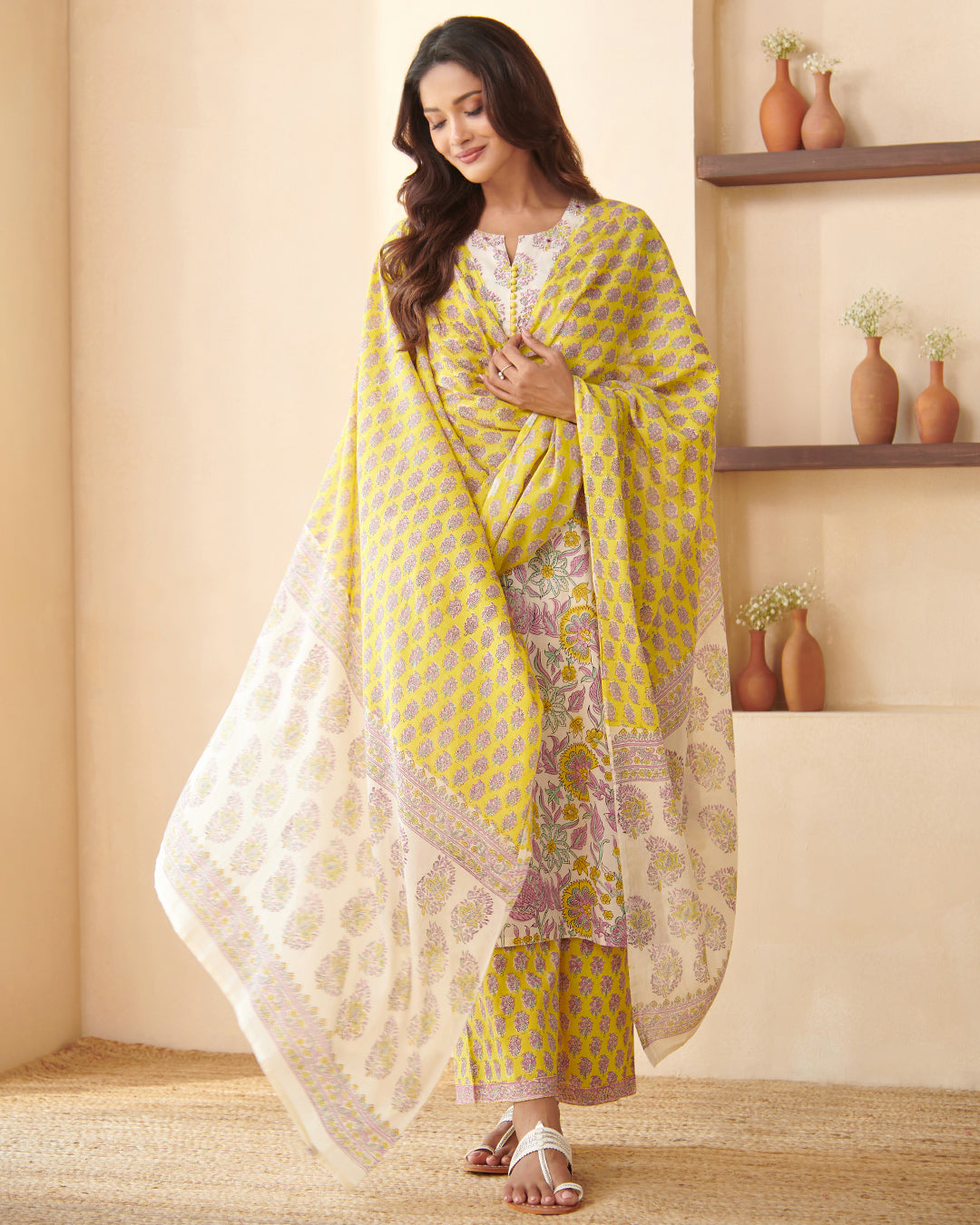
For cooler months, handloom cotton, thicker cotton weaves, wool blends, and silk can offer more warmth. A cotton kurta layered with a shawl, jacket, or dupatta is often enough for mild Indian winters.
Best Fabrics for Transitional Weather
When temperatures shift between warm afternoons and cooler mornings, cotton-linen blends and medium-weight cotton work well. They offer enough breathability for the day while providing a little more substance than very lightweight summer fabrics.
How to Choose the Right Kurta Fabric for Your Lifestyle

The best kurta fabric is not only about the weather. It should also suit the way you spend your day.
For Everyday Wear
Choose breathable cotton or cotton blends that are easy to wash and comfortable for long hours. Simple block prints and relaxed silhouettes make them easy to return to through the week.
For Office Wear
Medium-weight cotton, cotton-linen, and fine handloom fabrics offer a neat appearance without sacrificing comfort. Subtle prints and well-defined silhouettes work particularly well in professional settings.
For Travel
Look for fabrics that breathe, move easily, and do not require too much care. Lightweight cotton and cotton-linen are practical choices for travel, especially when the itinerary includes long days outdoors.
For Festive Occasions
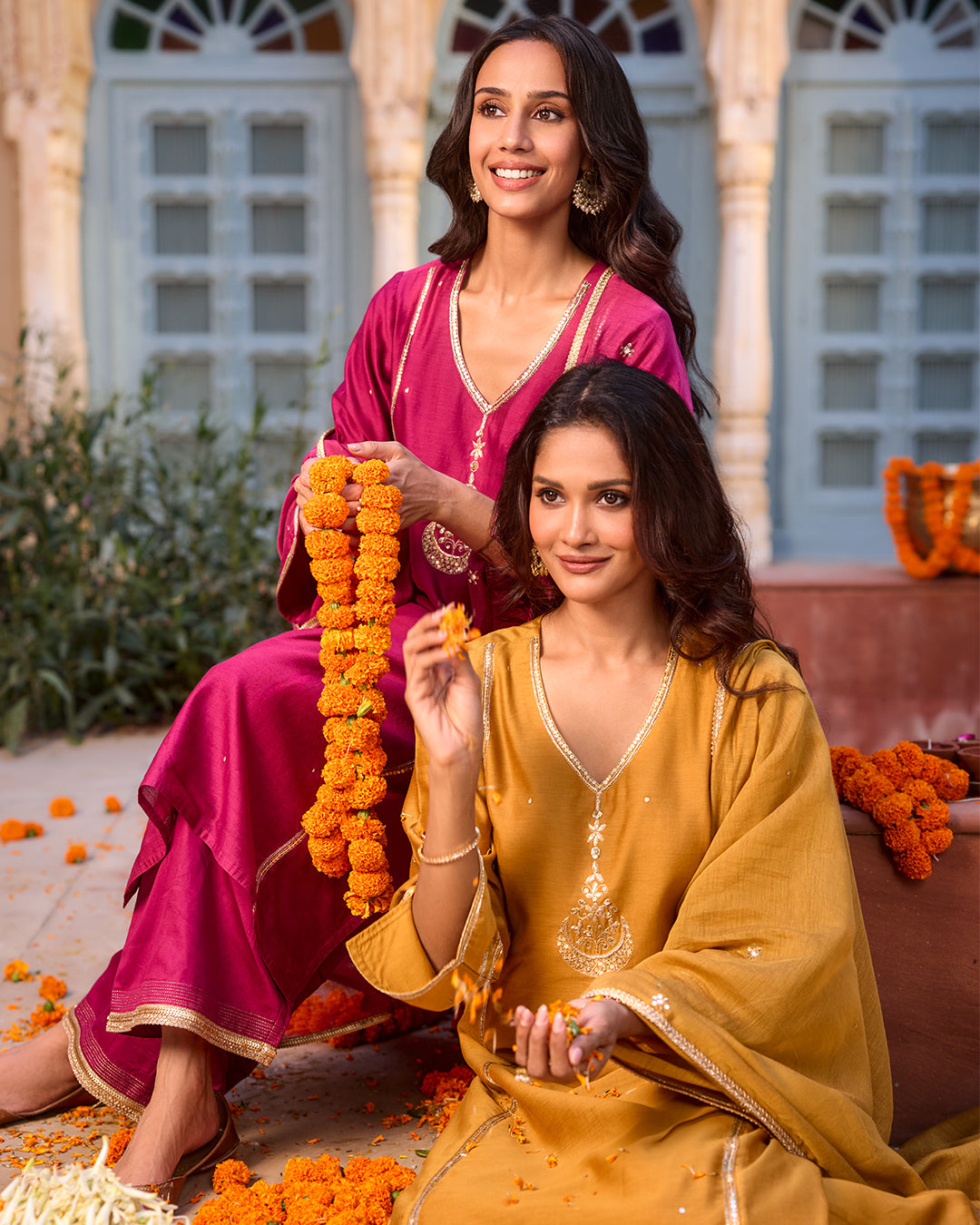
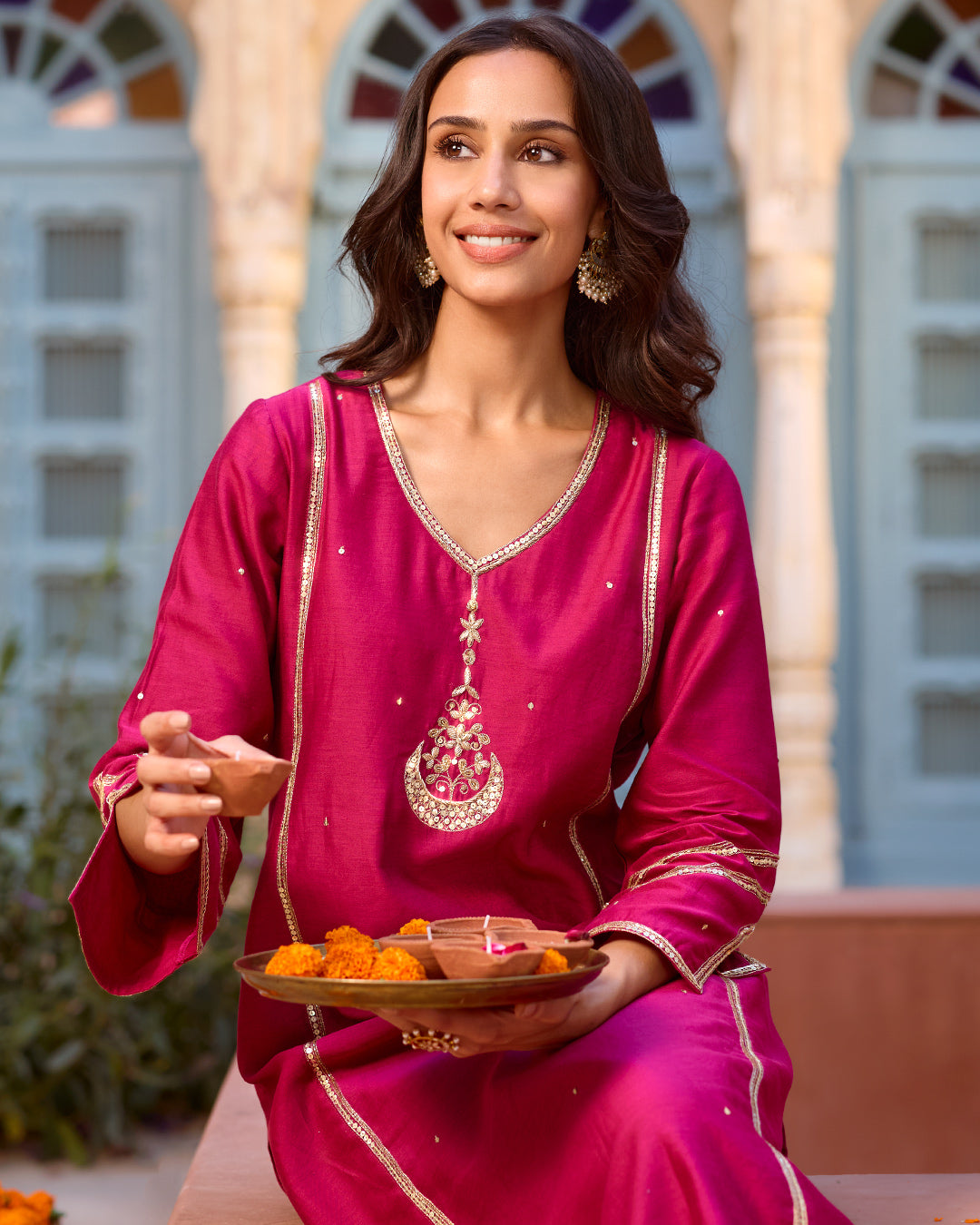
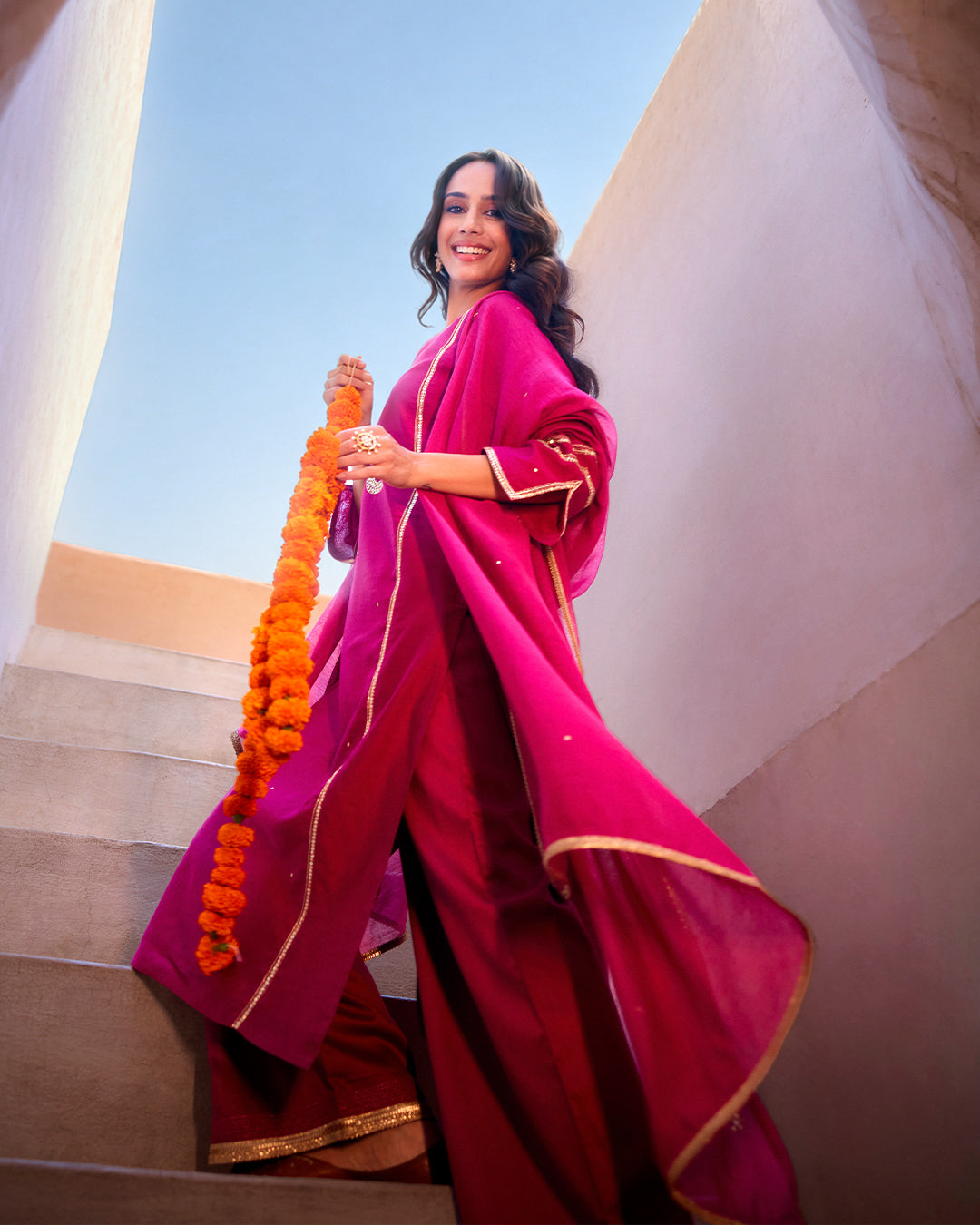
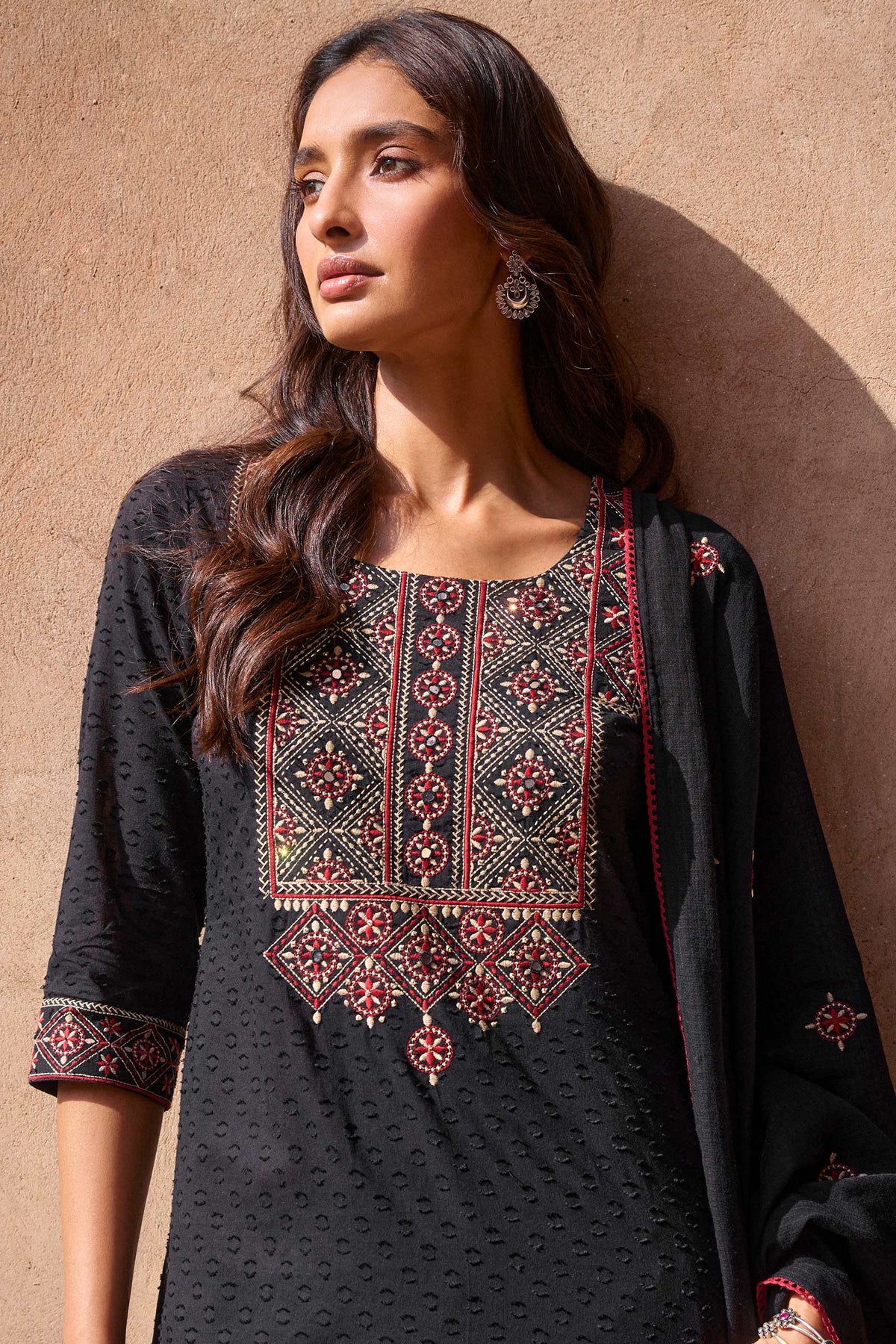
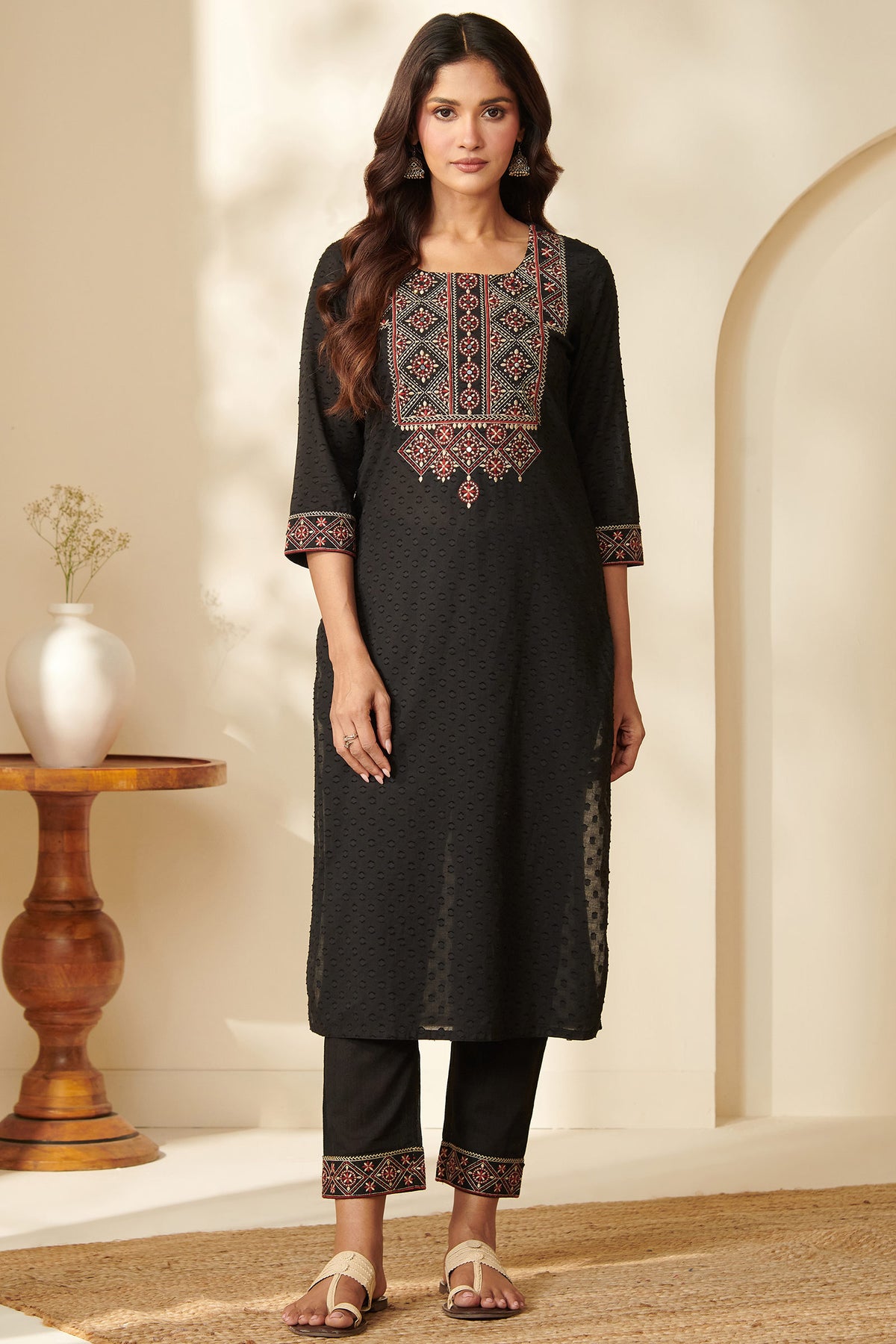
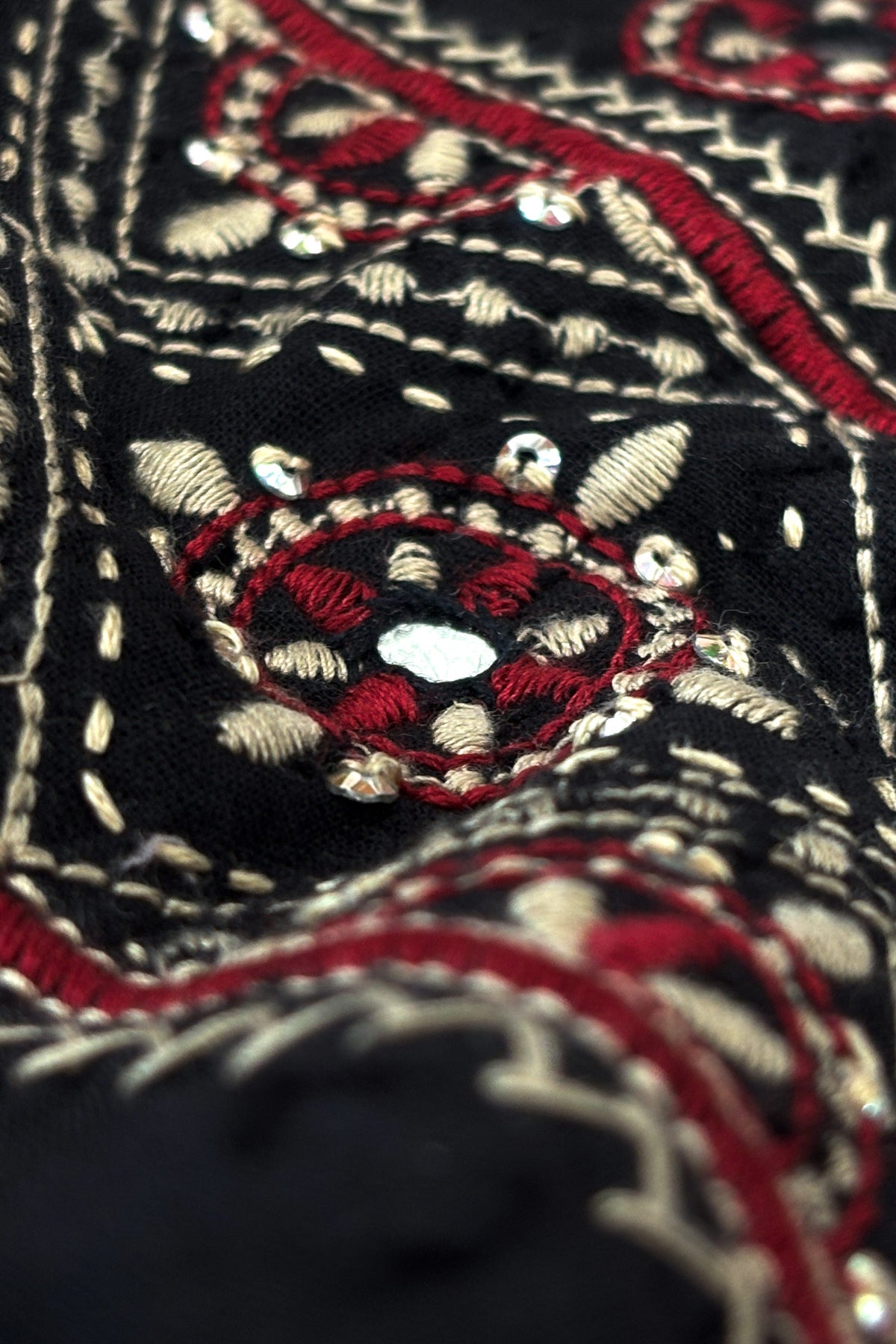
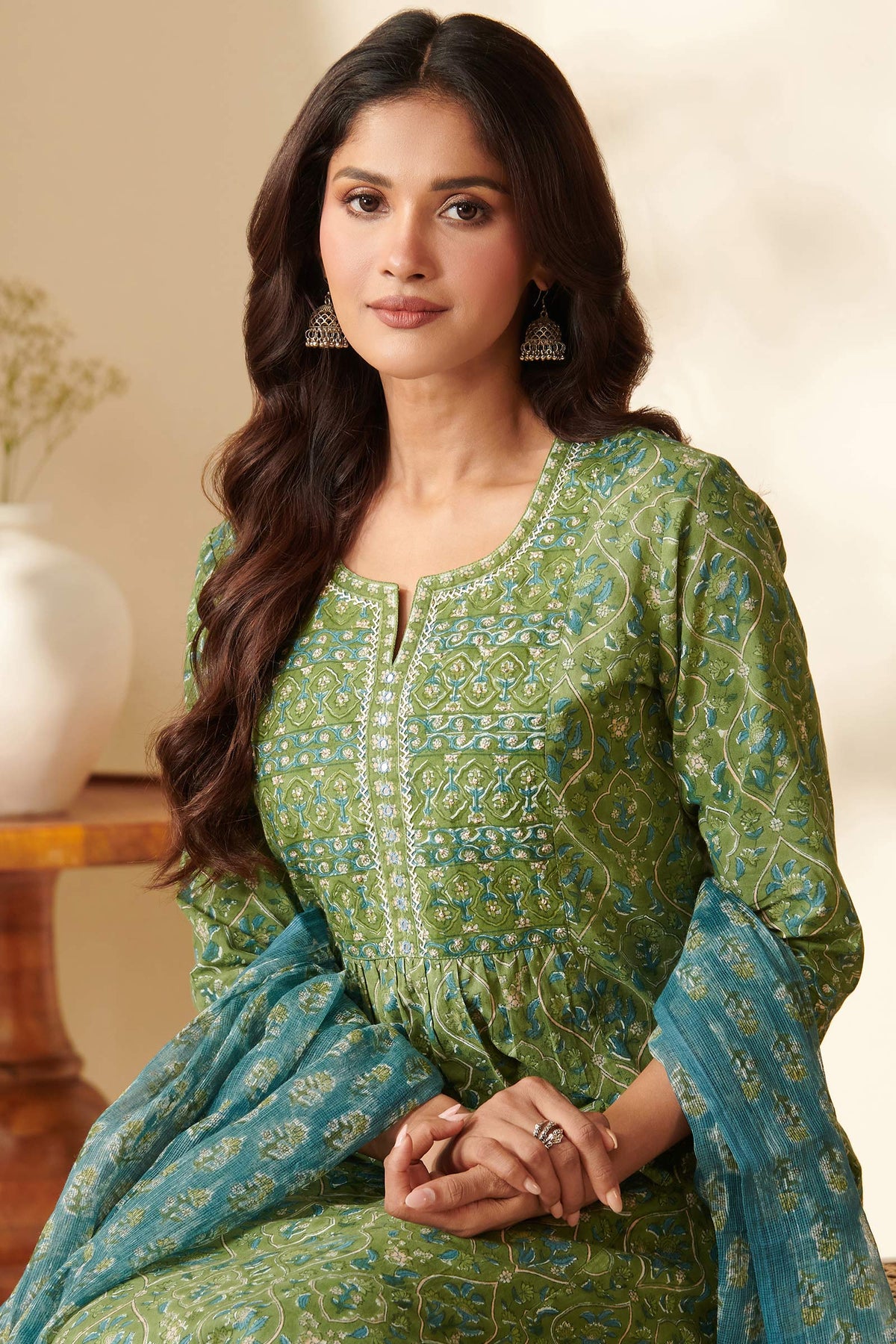
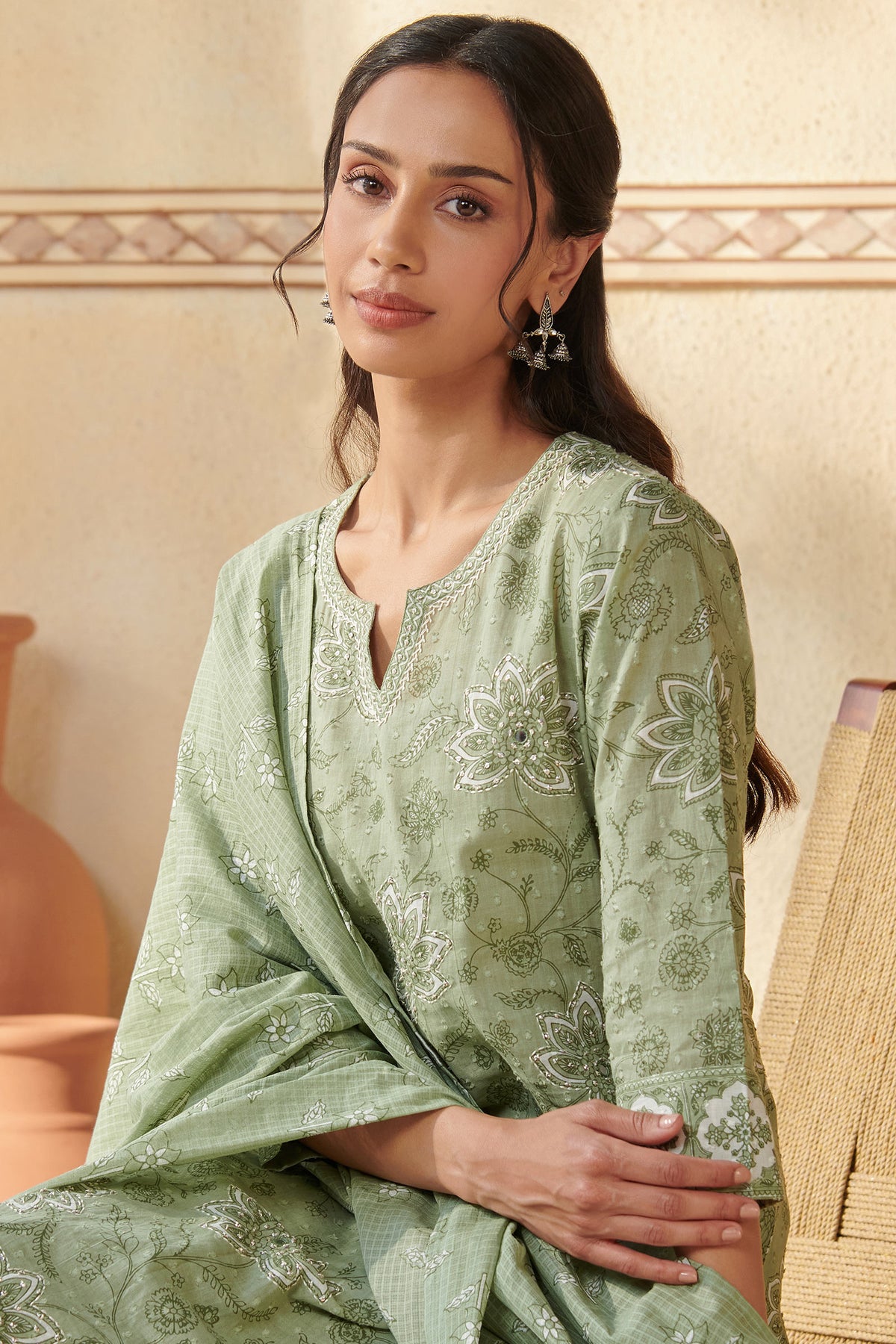
Festive dressing allows for richer fabrics such as silk, chanderi, or cotton with detailed handwork. If comfort remains a priority, finely woven cotton with embroidery or traditional block printing can feel equally special.
For Hot and Humid Cities
Lightweight cotton is often the safest choice. Mulmul and airy cotton weaves allow better airflow and absorb moisture, making them more comfortable in cities where heat and humidity stay high for much of the year.
How to Identify a Good-Quality Cotton Kurta
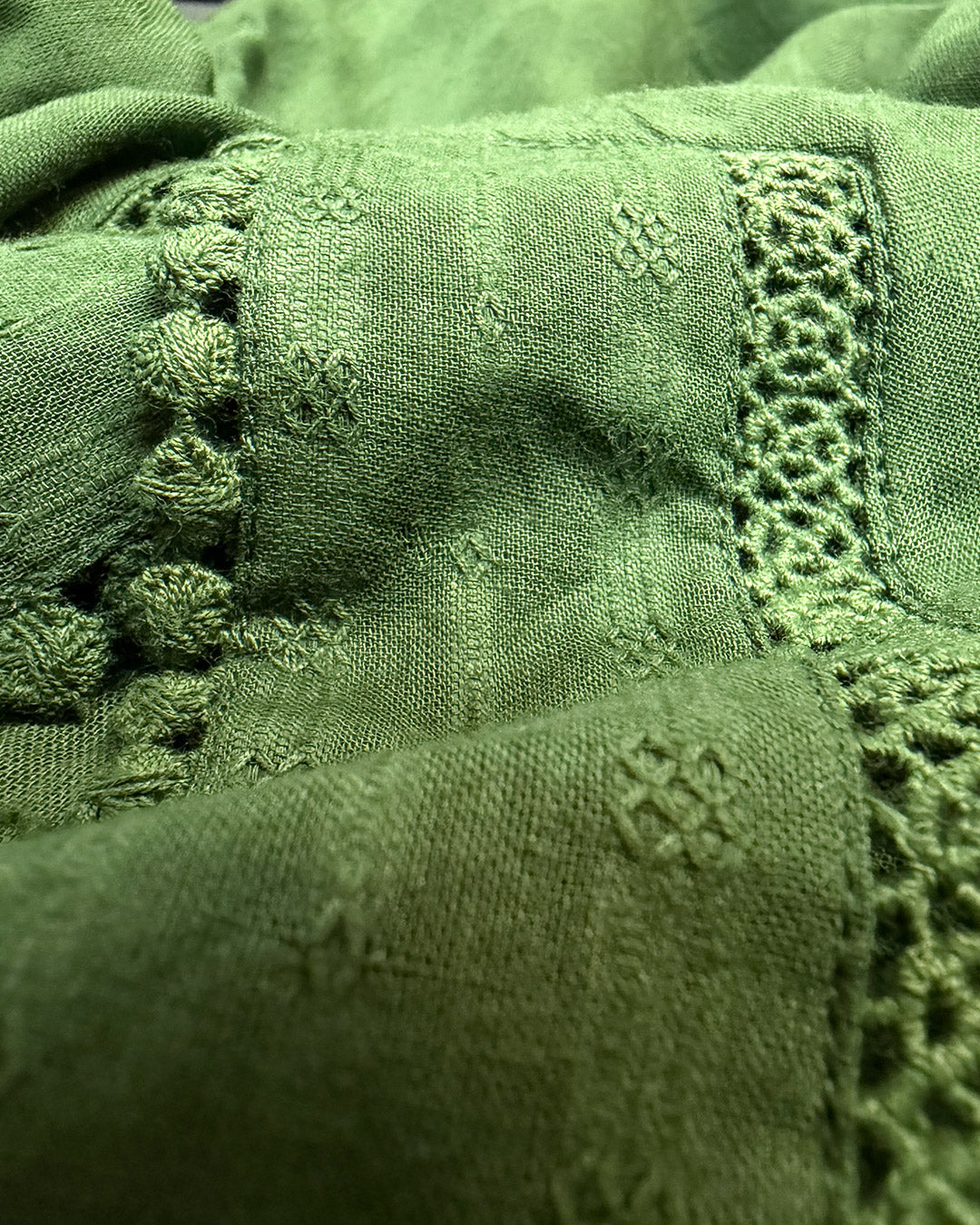
A good cotton kurta is not defined by softness alone. The weave, weight, finish, and way the fabric behaves after washing all tell you something about its quality.
Check the Fabric Composition
Look at the fabric composition before buying. A higher cotton content generally offers the breathability and moisture absorption expected from a cotton kurta.
Look at the Weave and Thickness
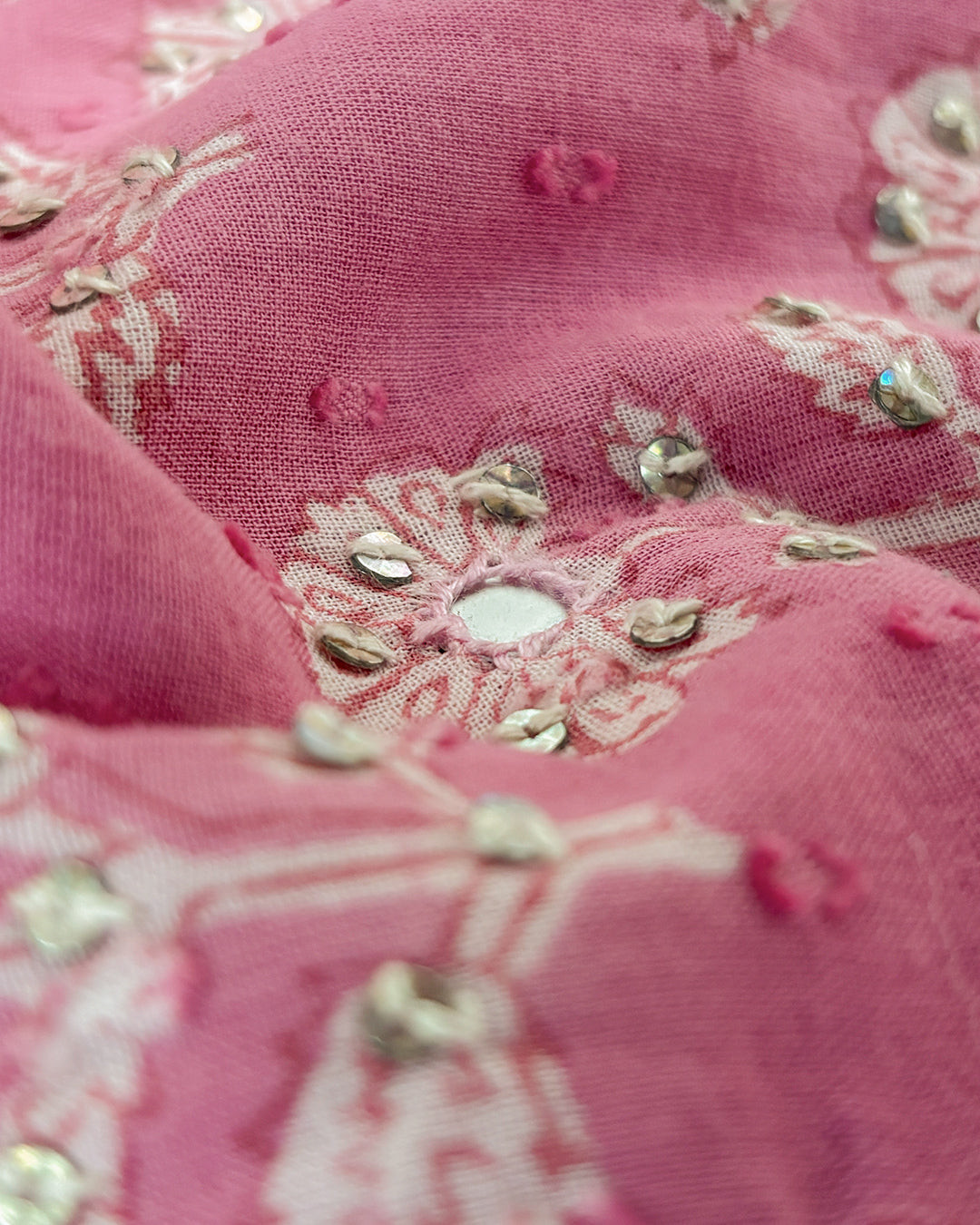
Hold the fabric up to the light and observe the weave. It should feel balanced for its intended use, neither unnecessarily dense nor so thin that it loses structure.
Pay Attention to Fabric Feel
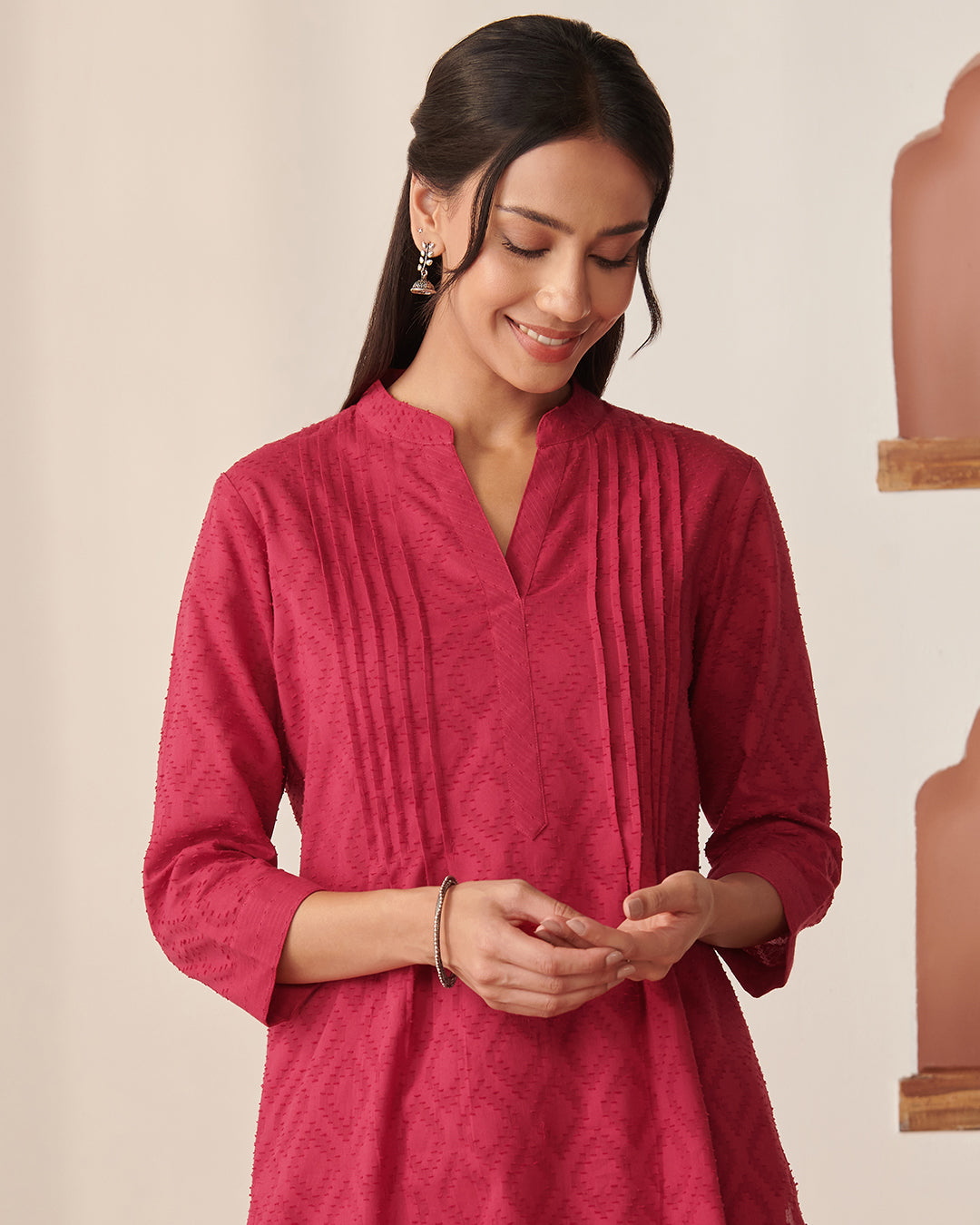
Good cotton usually feels breathable and comfortable against the skin. It may become softer with use and washing, which is one of the pleasures of wearing natural fabrics.
Consider Colour and Print Quality
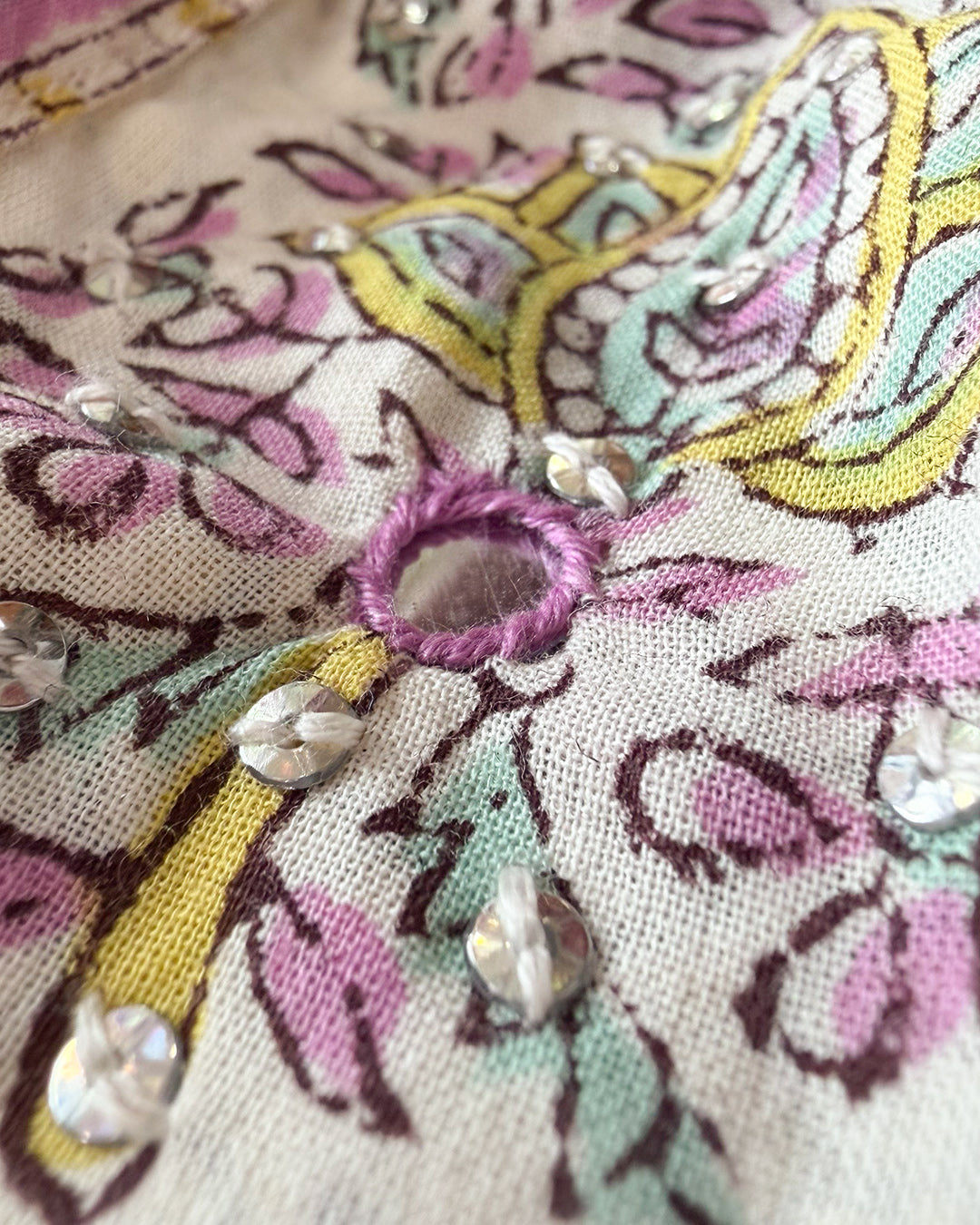
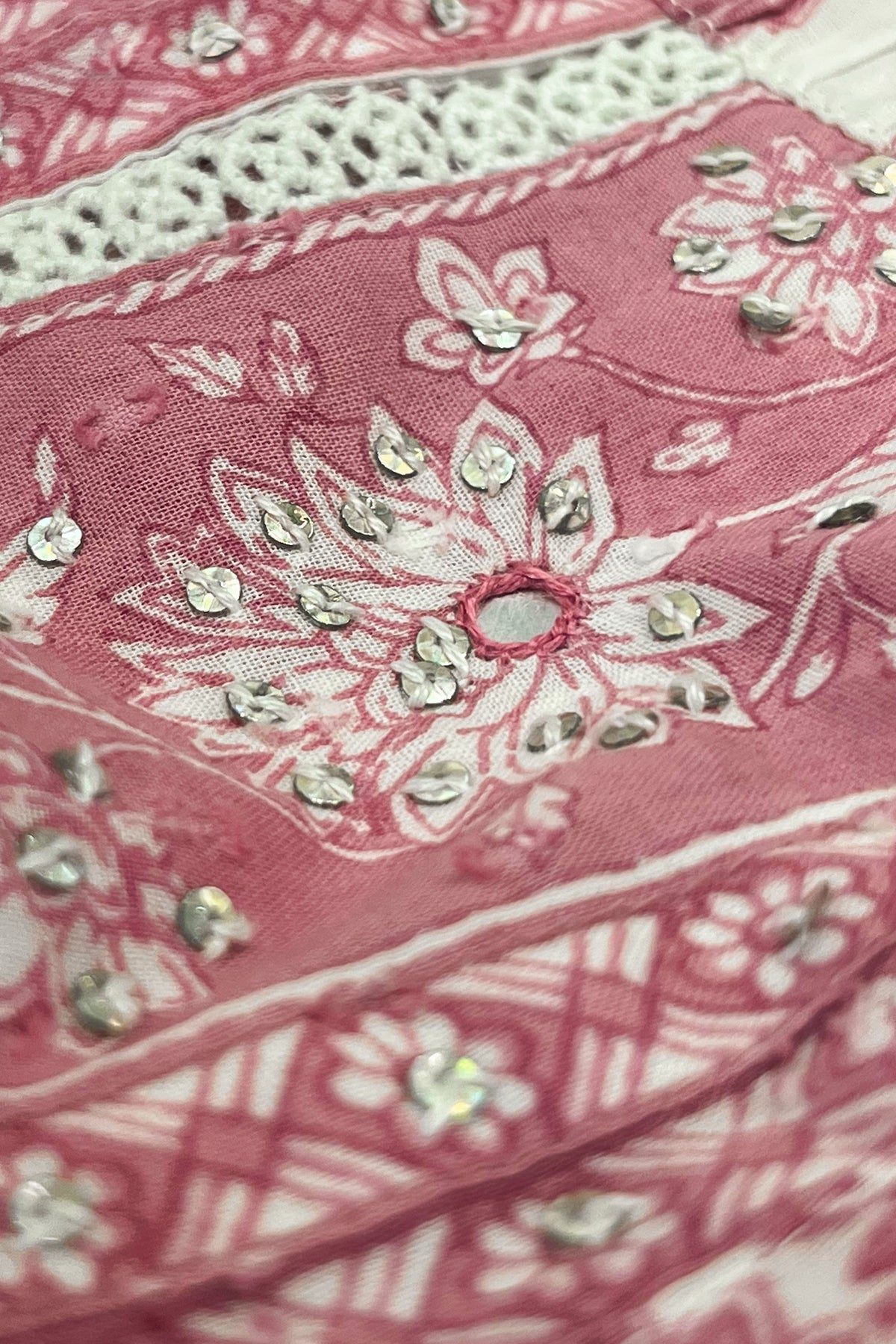
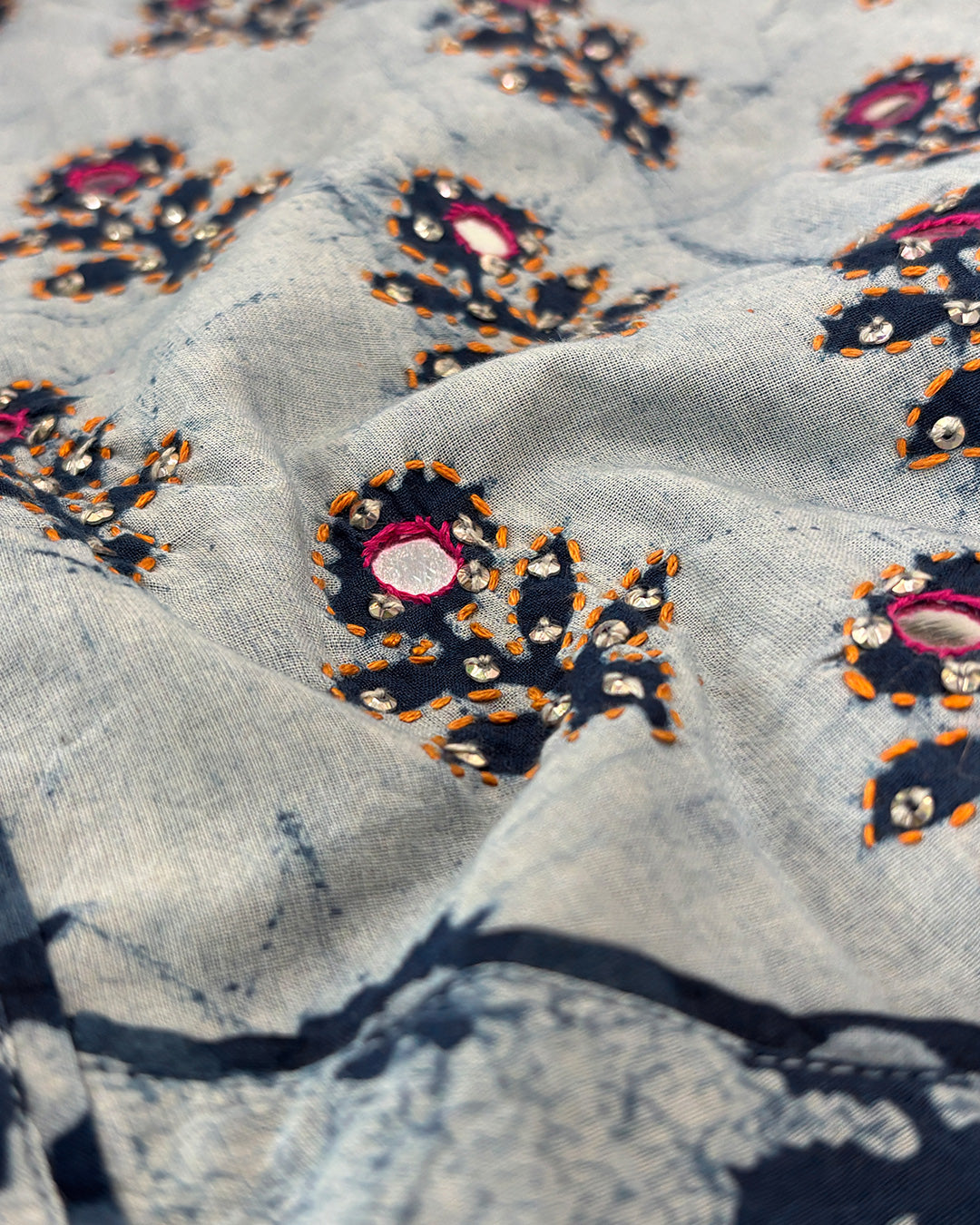
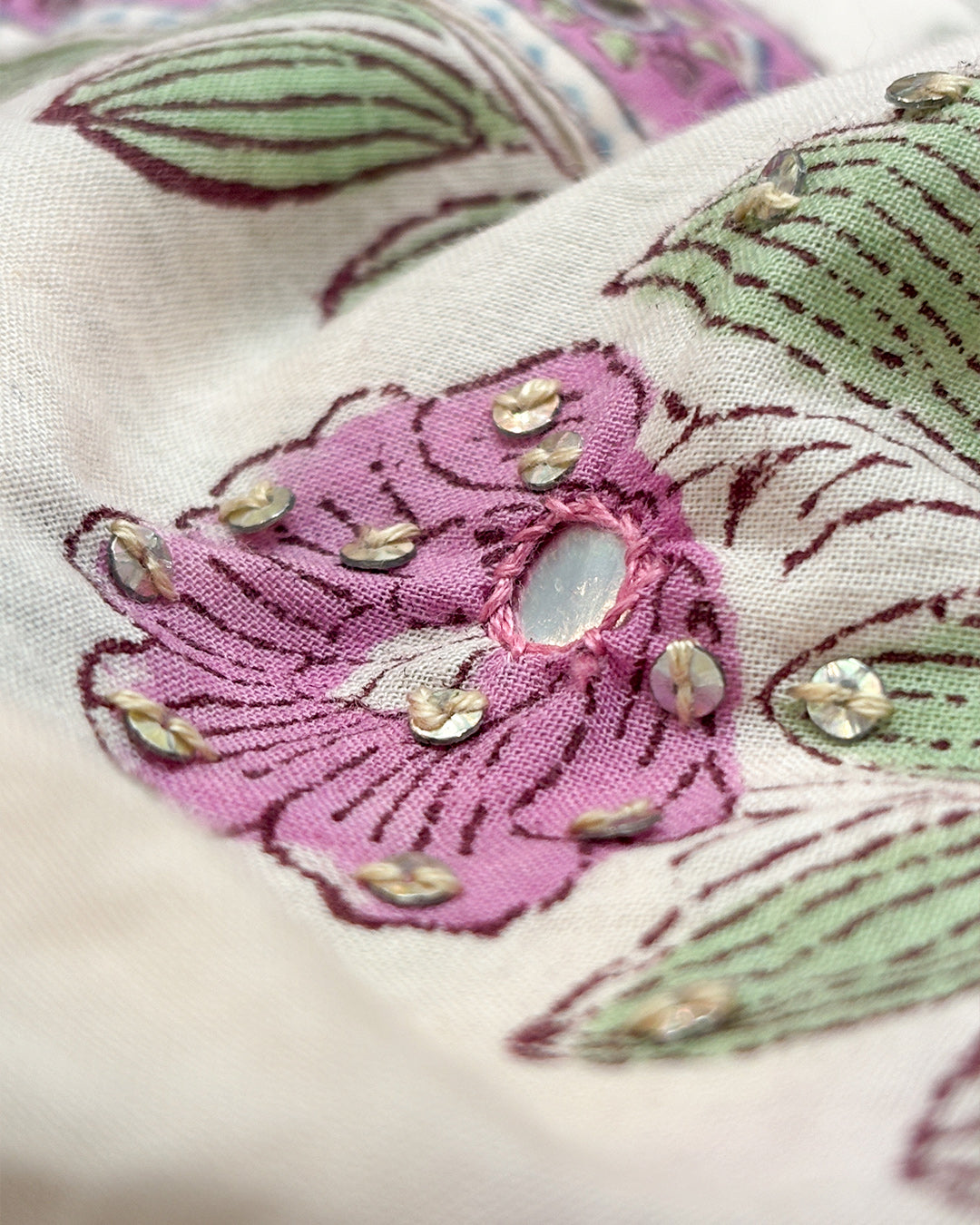
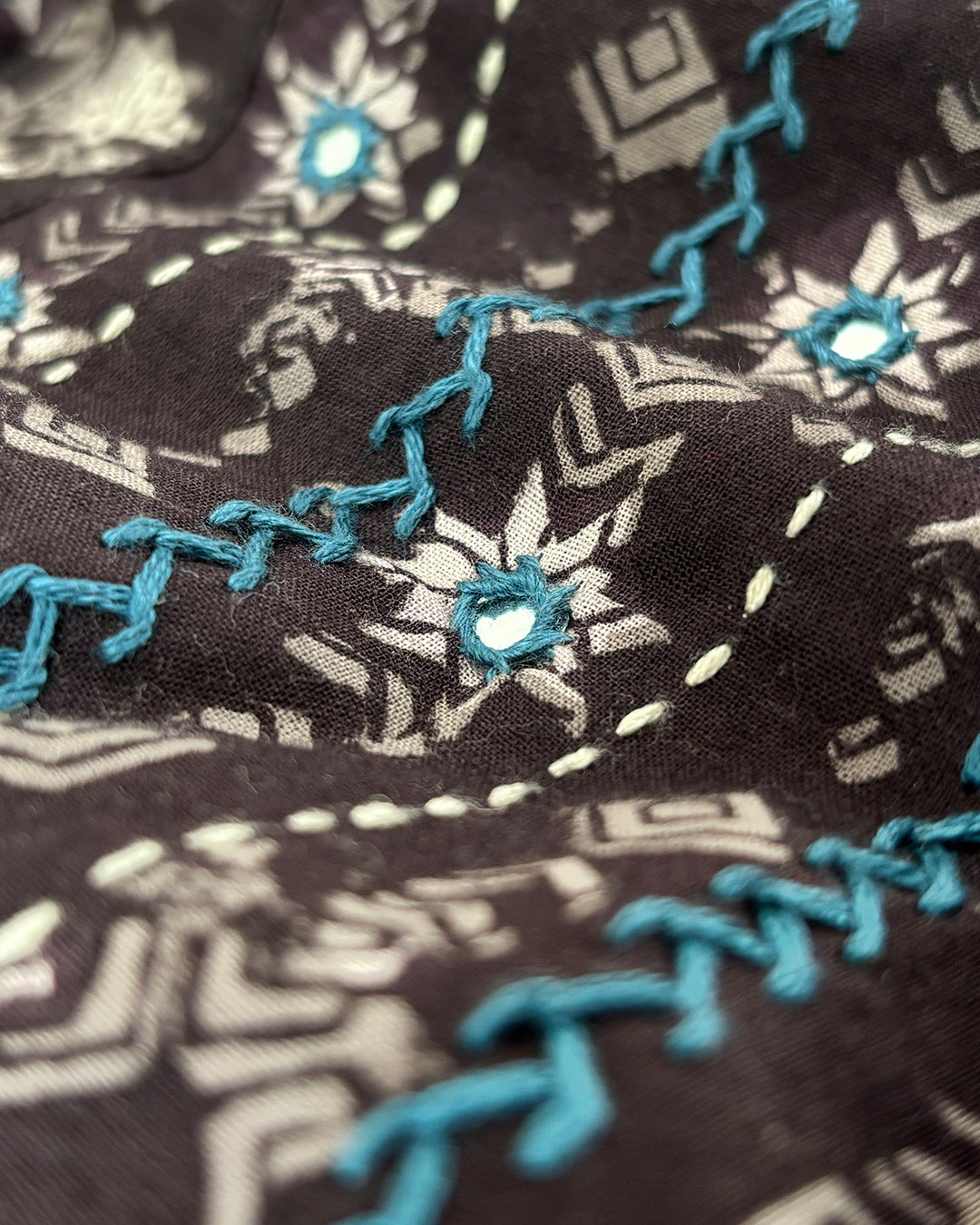
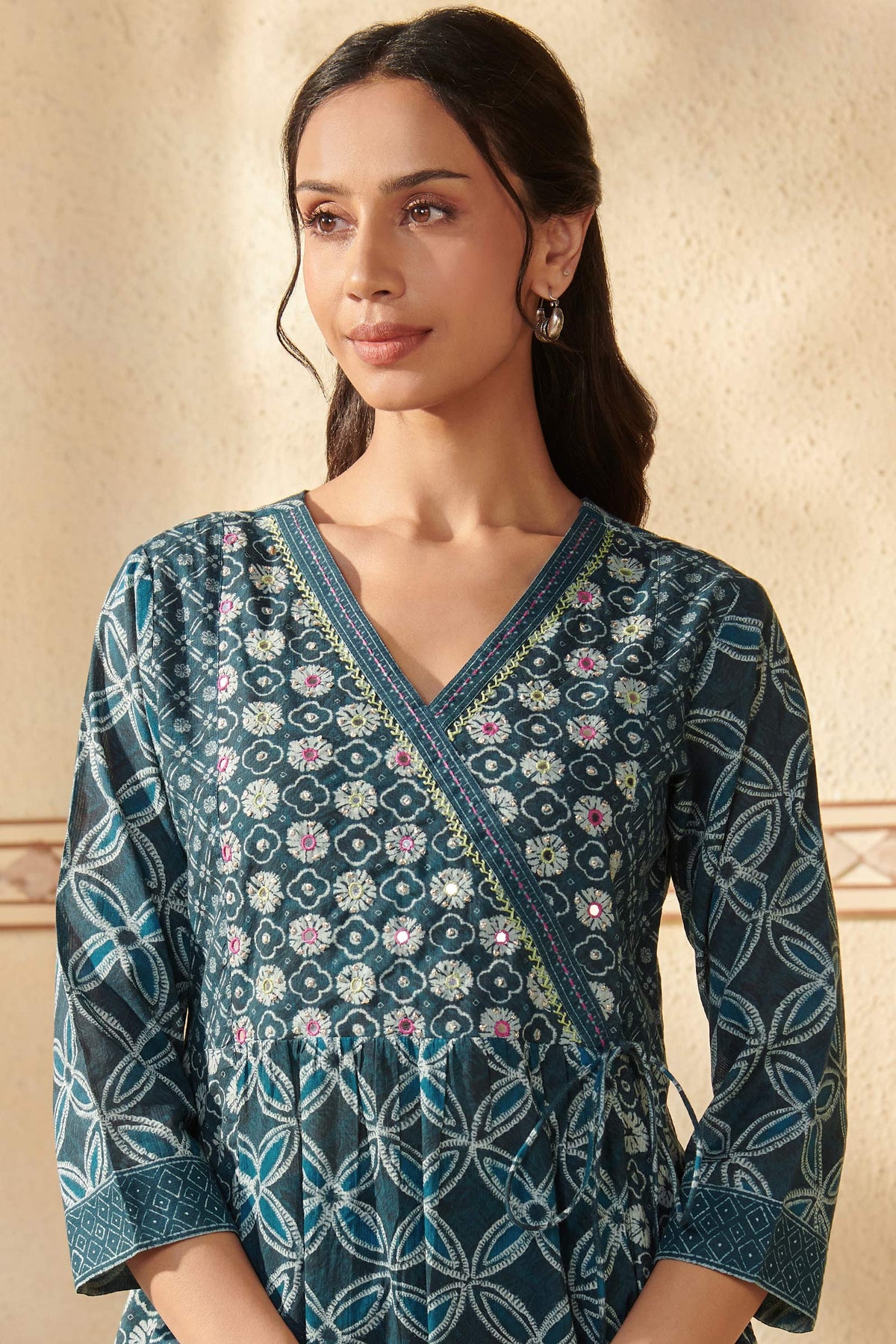
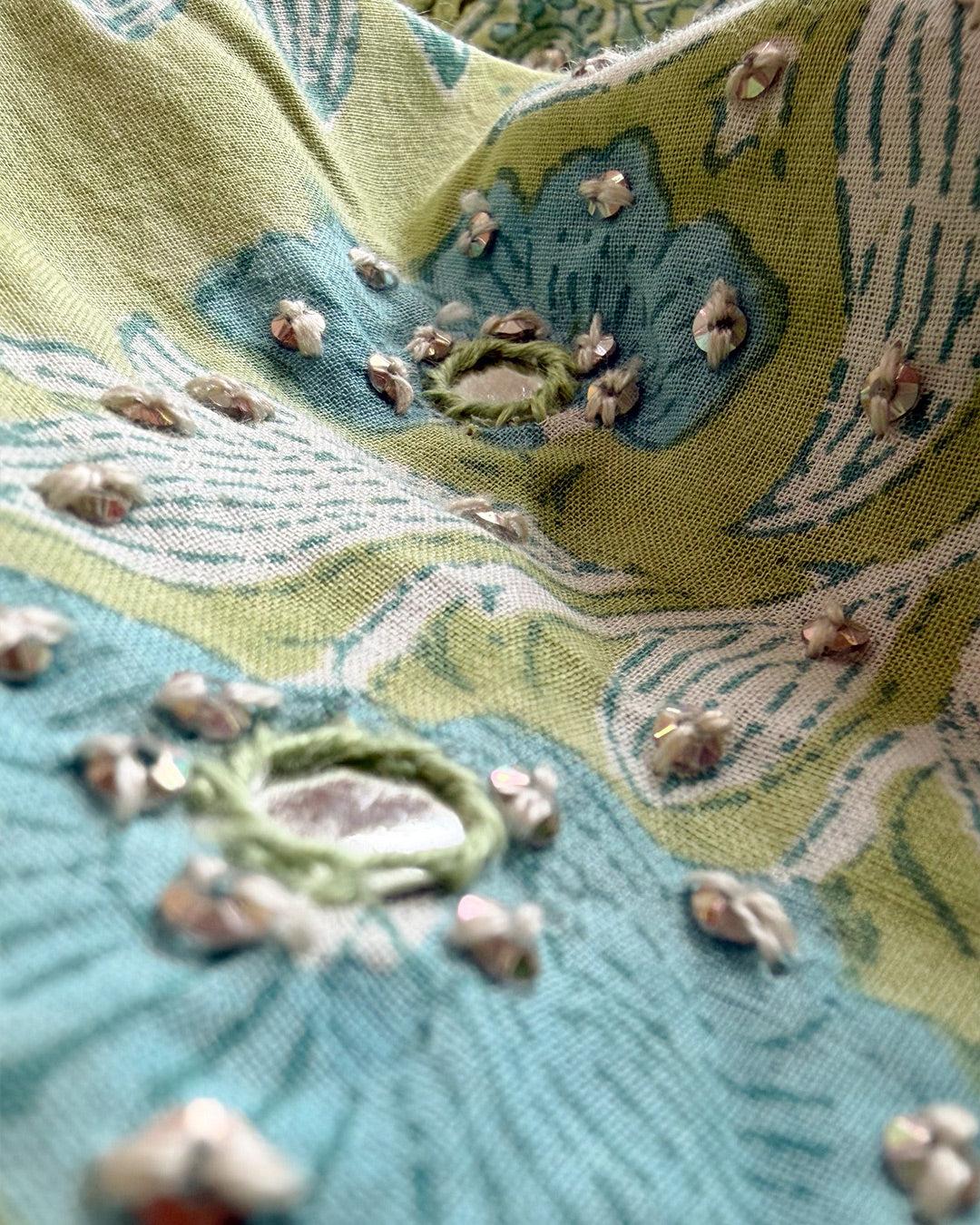
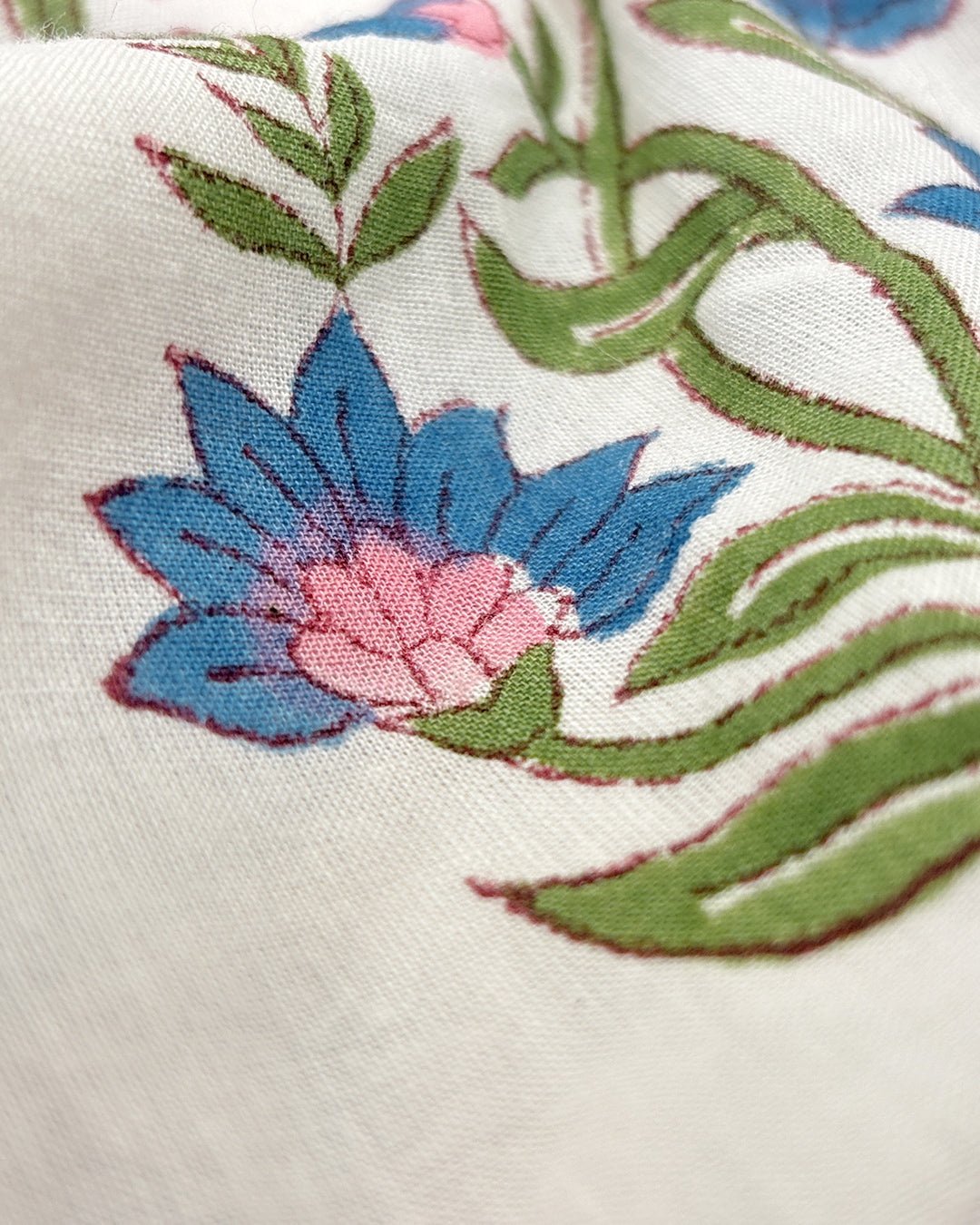
Colours should appear even, while printed motifs should have clear edges and a considered finish. With hand block printing, small variations are natural and often part of the charm.
Understand That Handcrafted Fabrics May Have Natural Variations
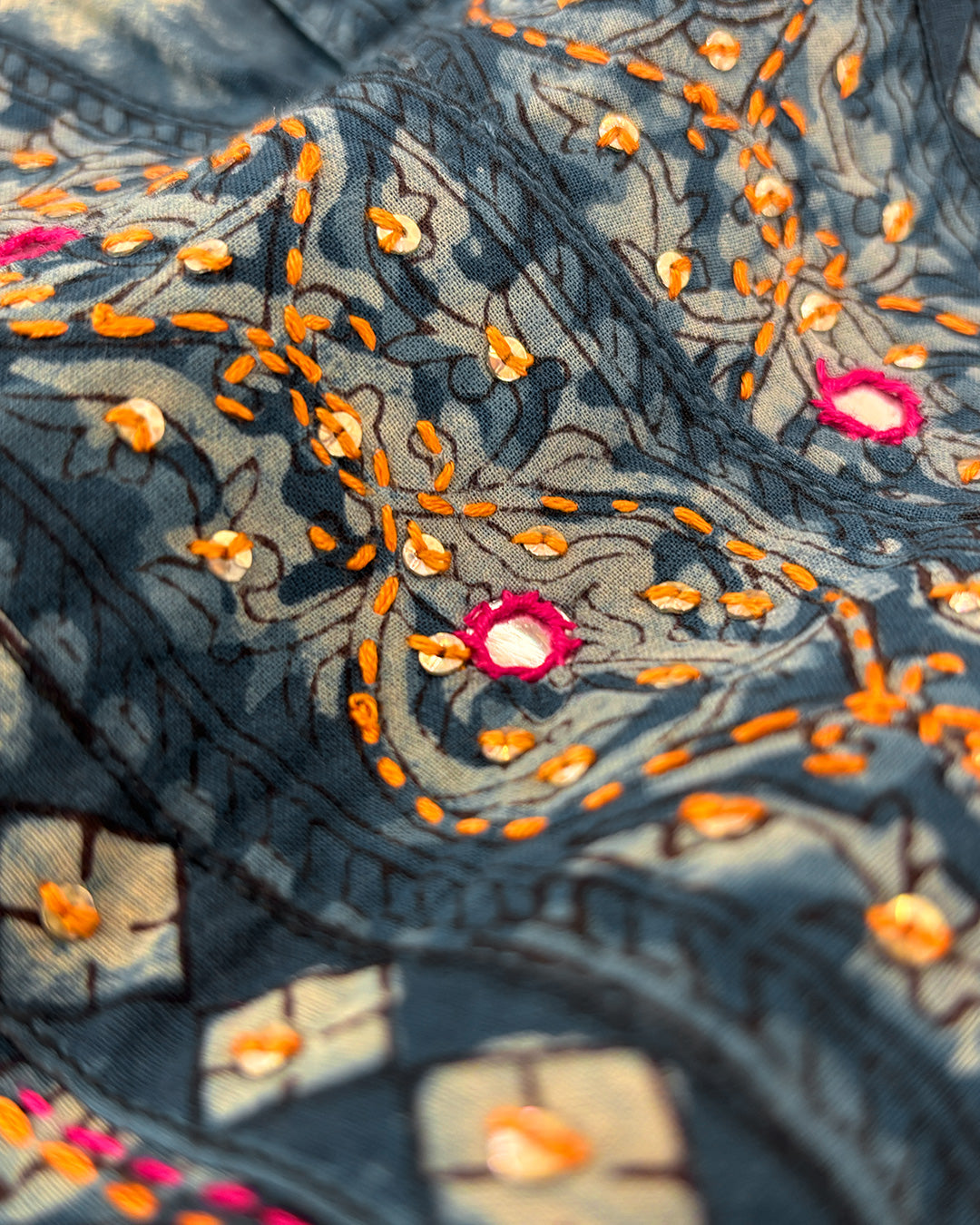
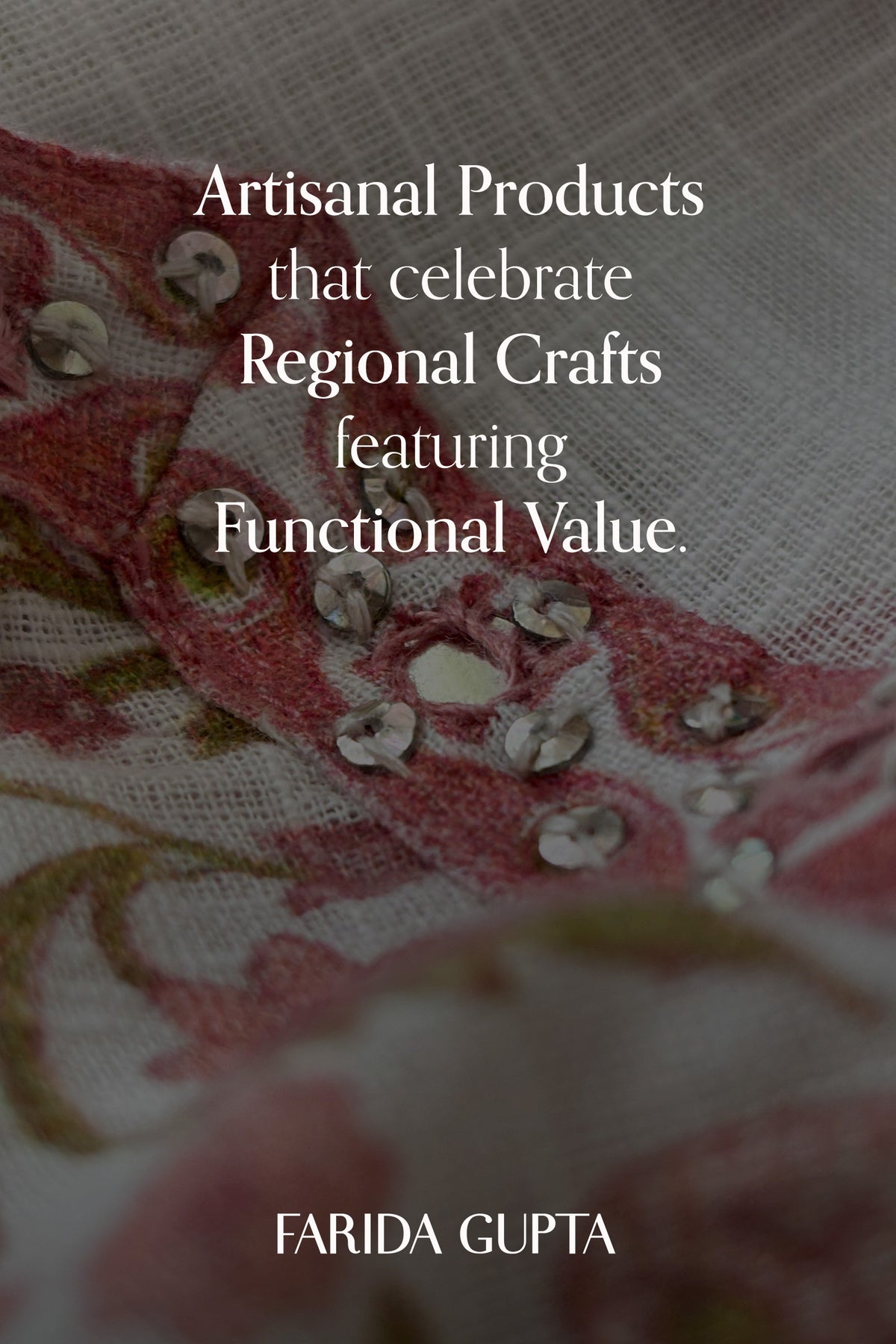
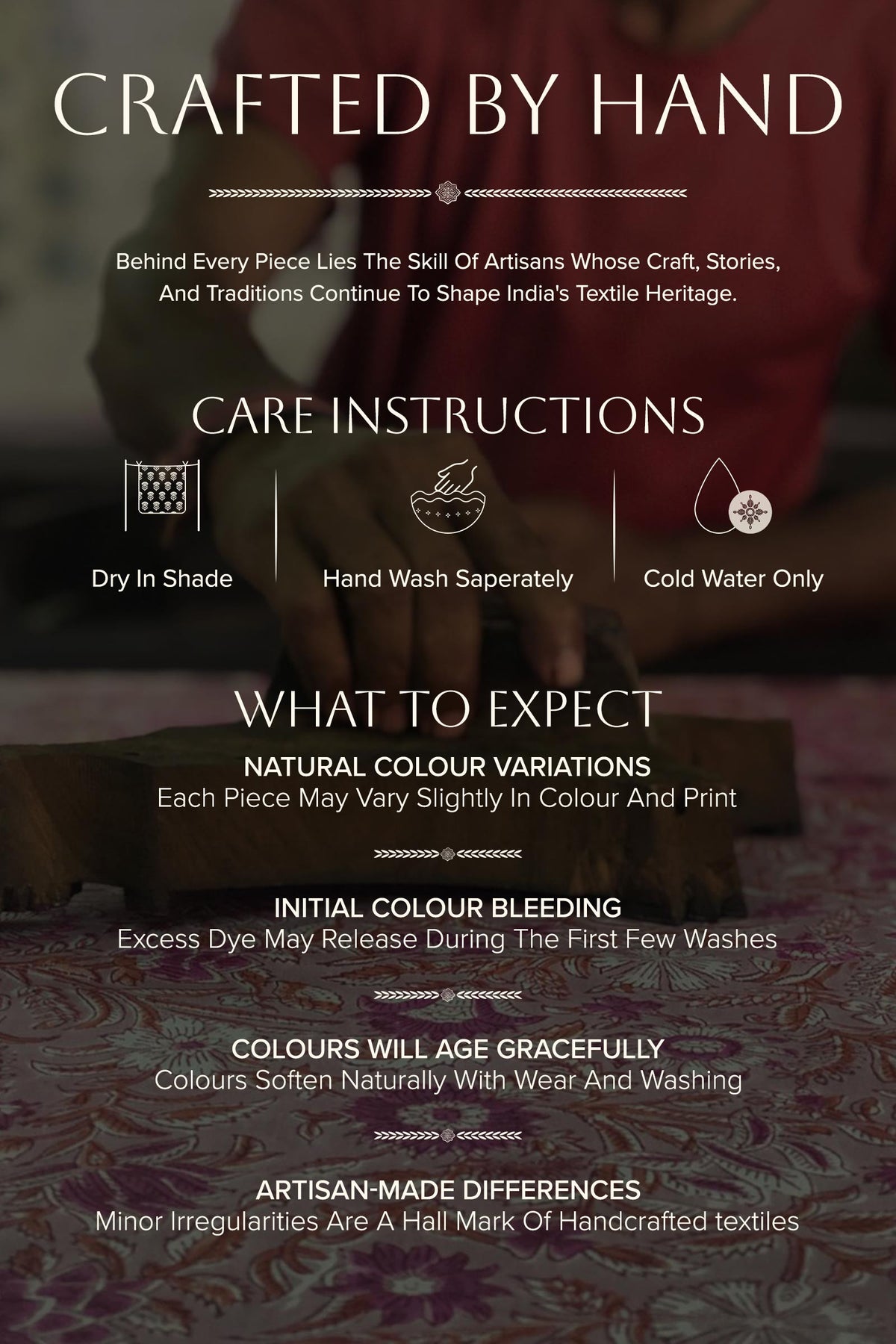
Handcrafted cotton does not always look perfectly uniform. Slight differences in print placement, texture, or colour can occur because the fabric and motifs are worked by hand. These variations are not flaws. They are quiet evidence of the craft behind the garment.
Why Handcrafted Cotton Kurtas Work Beautifully for Indian Weather
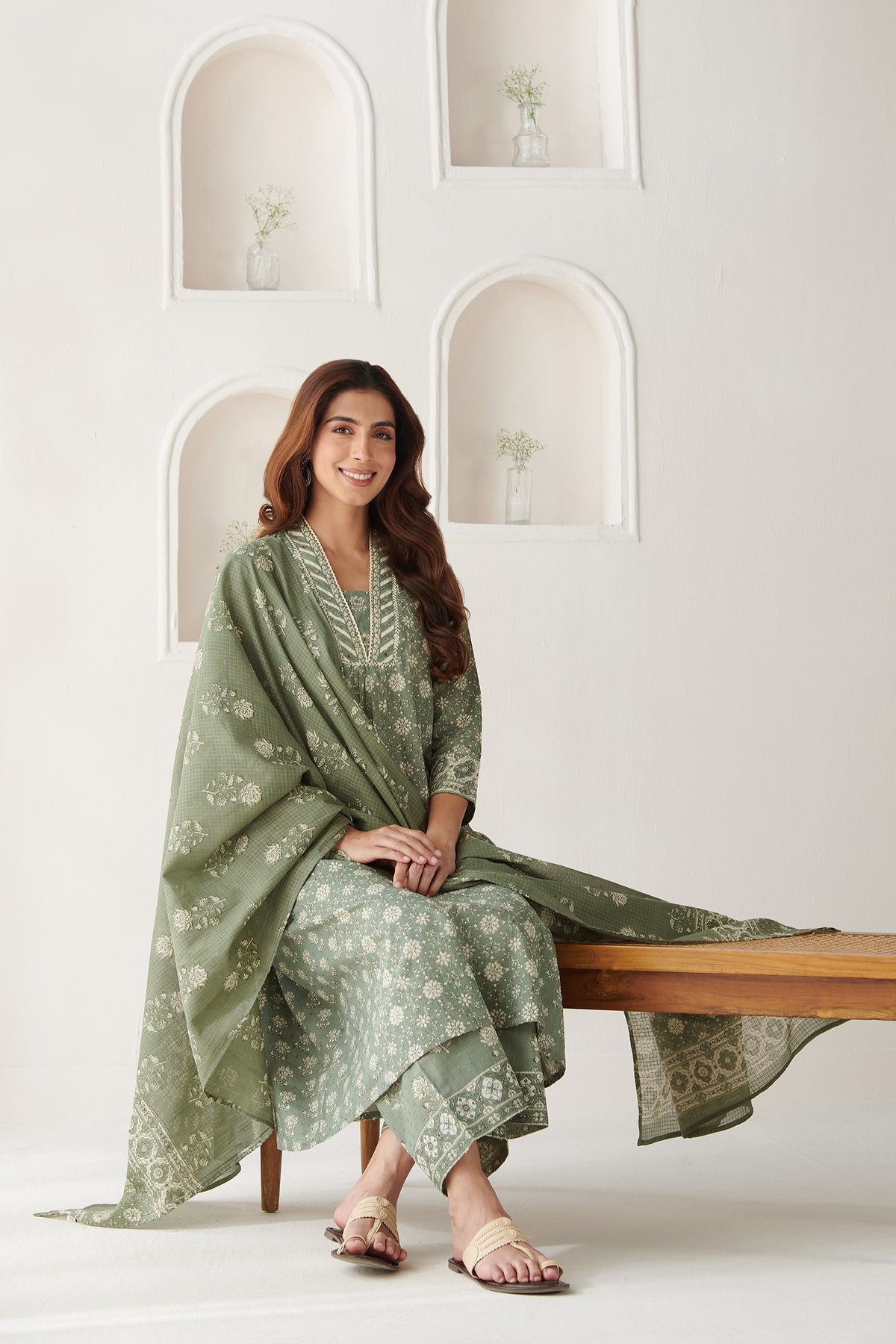
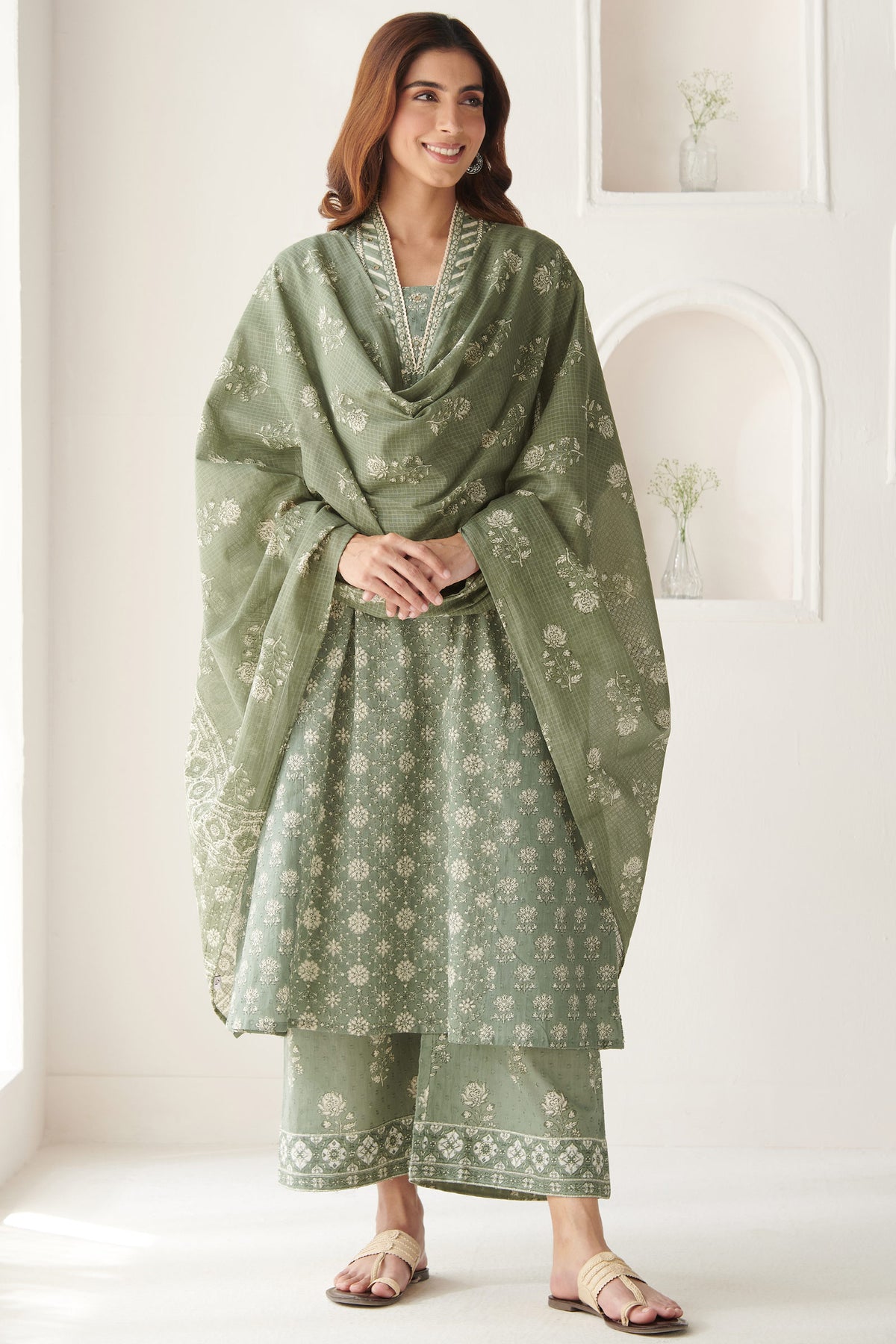
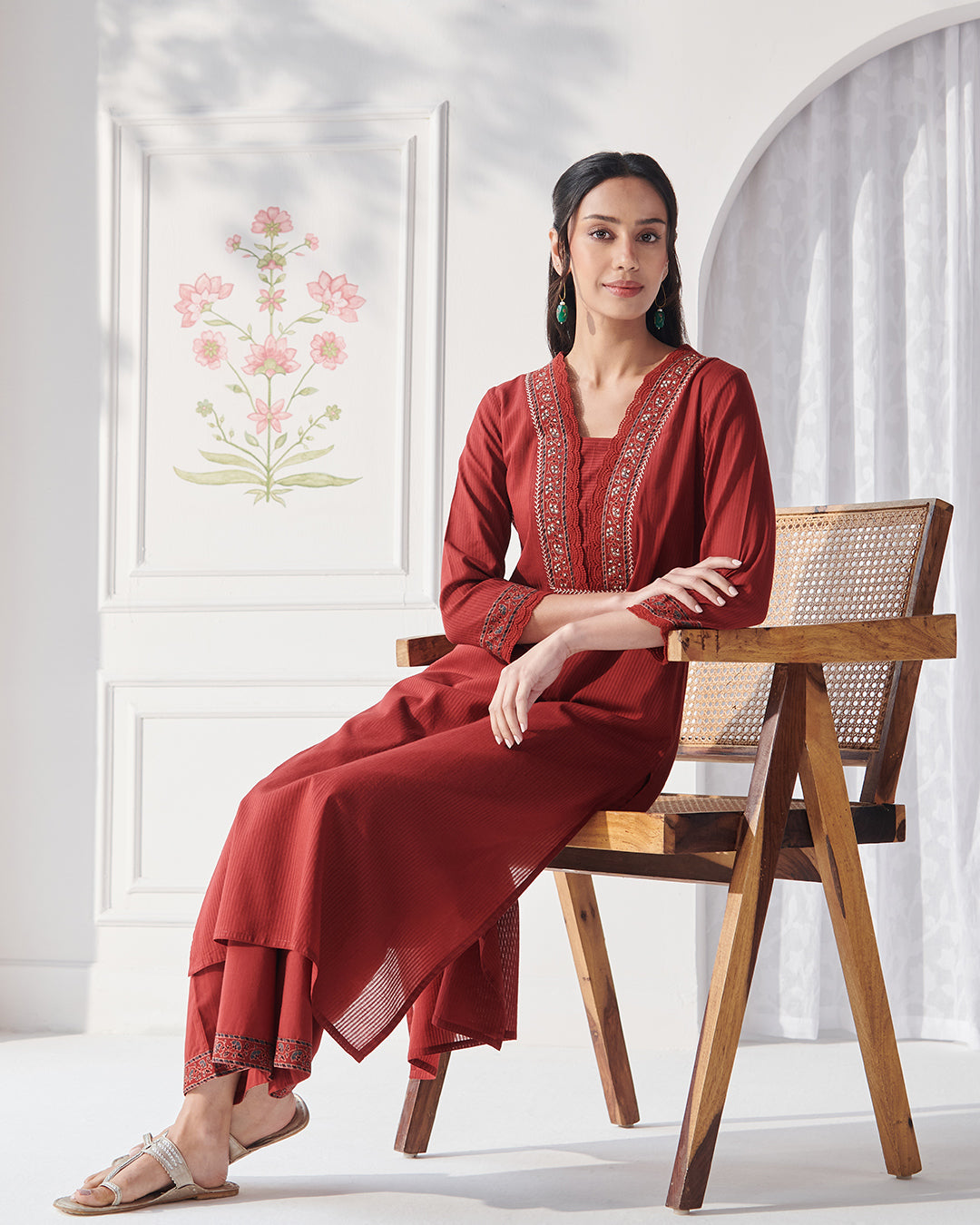
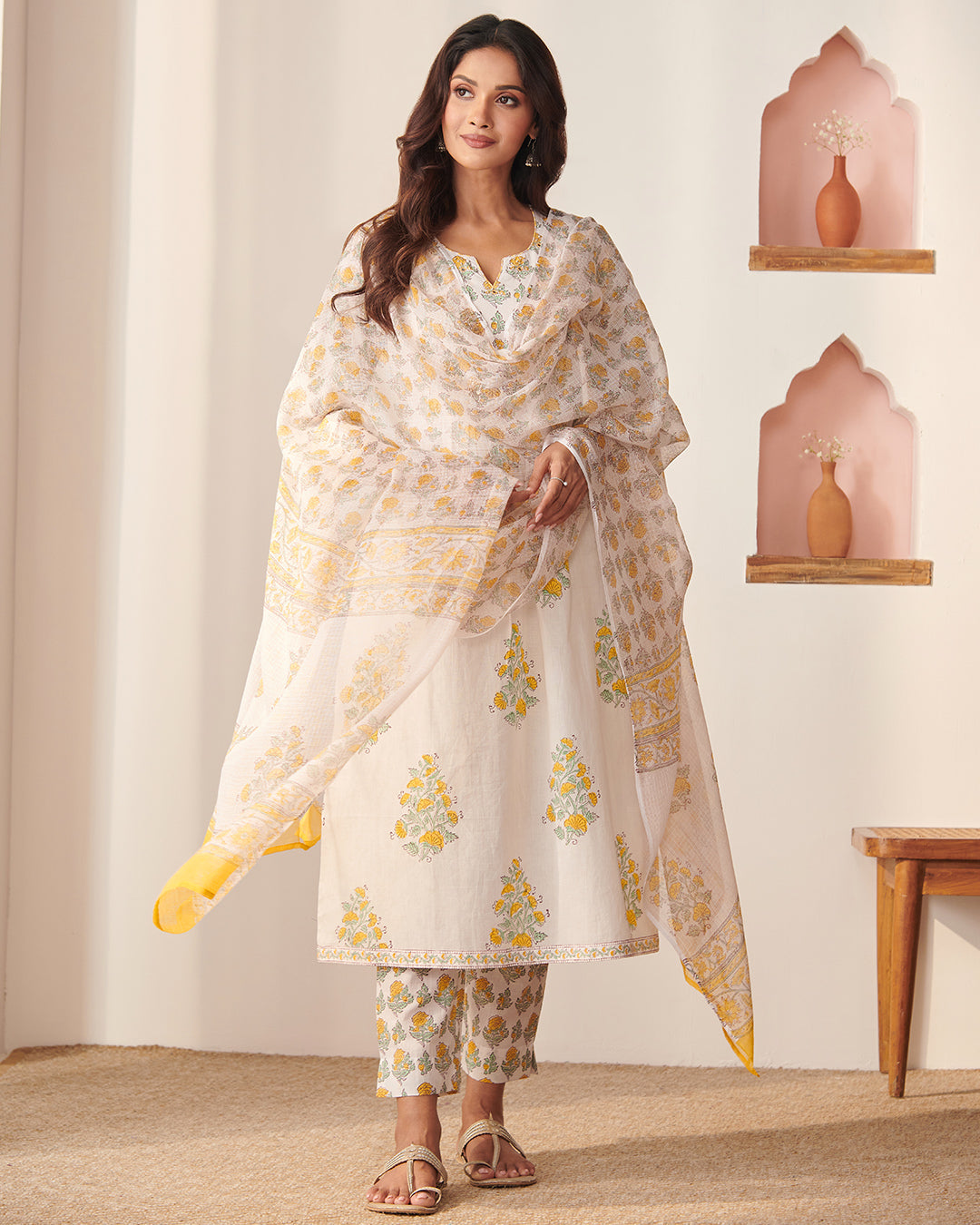
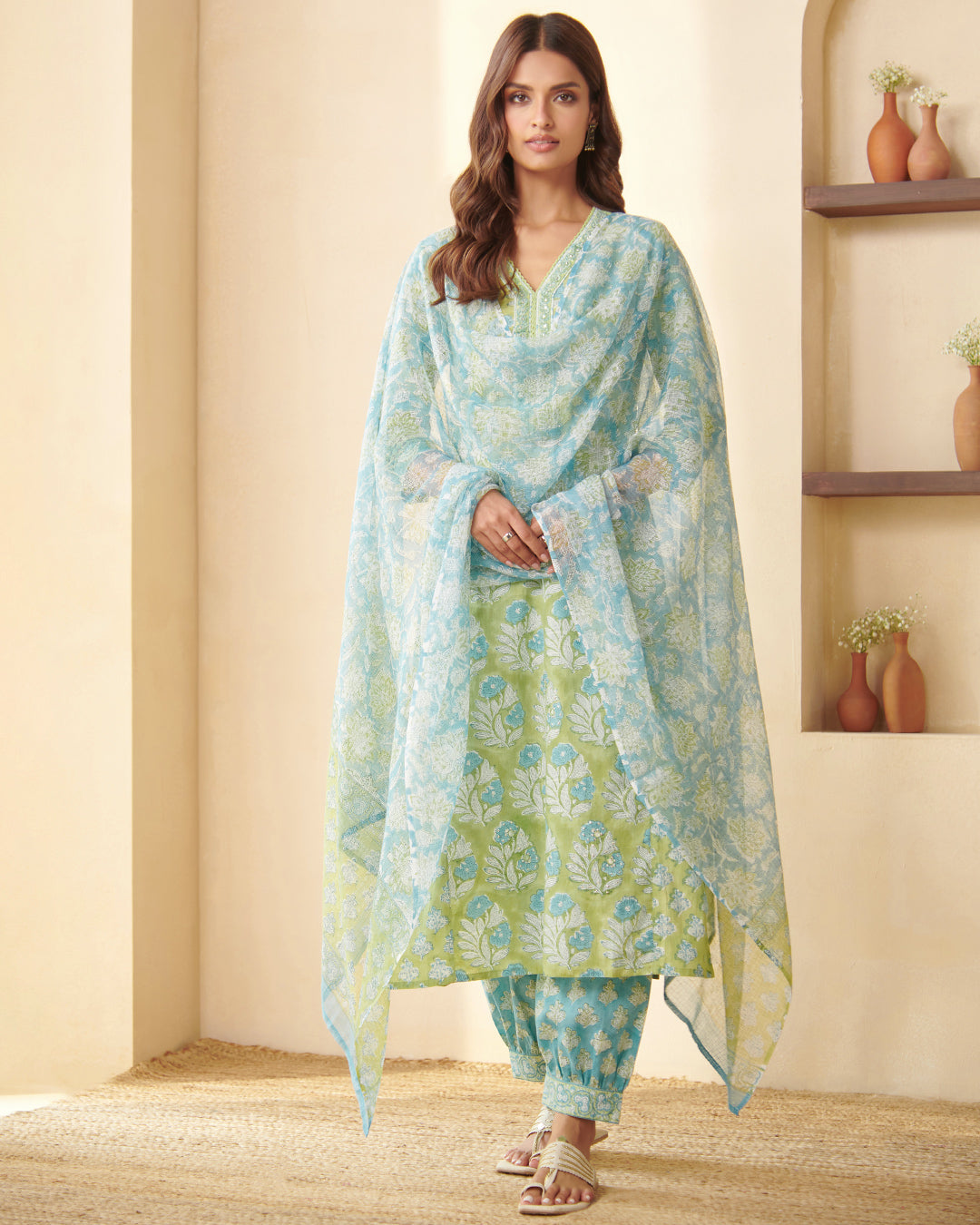
Handcrafted cotton kurtas have a natural place in the Indian wardrobe. Cotton keeps the body comfortable in warm weather, while traditional craft brings character to an otherwise everyday garment. The result is clothing that feels practical without looking ordinary.
Breathable Fabrics for Everyday Dressing
A good cotton kurta allows air to move through the fabric, making it easier to stay comfortable through warm days. It is especially suited to long hours, whether spent at home, at work, or moving around the city.
Lightweight cotton also becomes softer with regular wear. That familiar softness is part of why cotton kurtas often become the pieces we reach for without much thought.
Traditional Prints with Contemporary Silhouettes
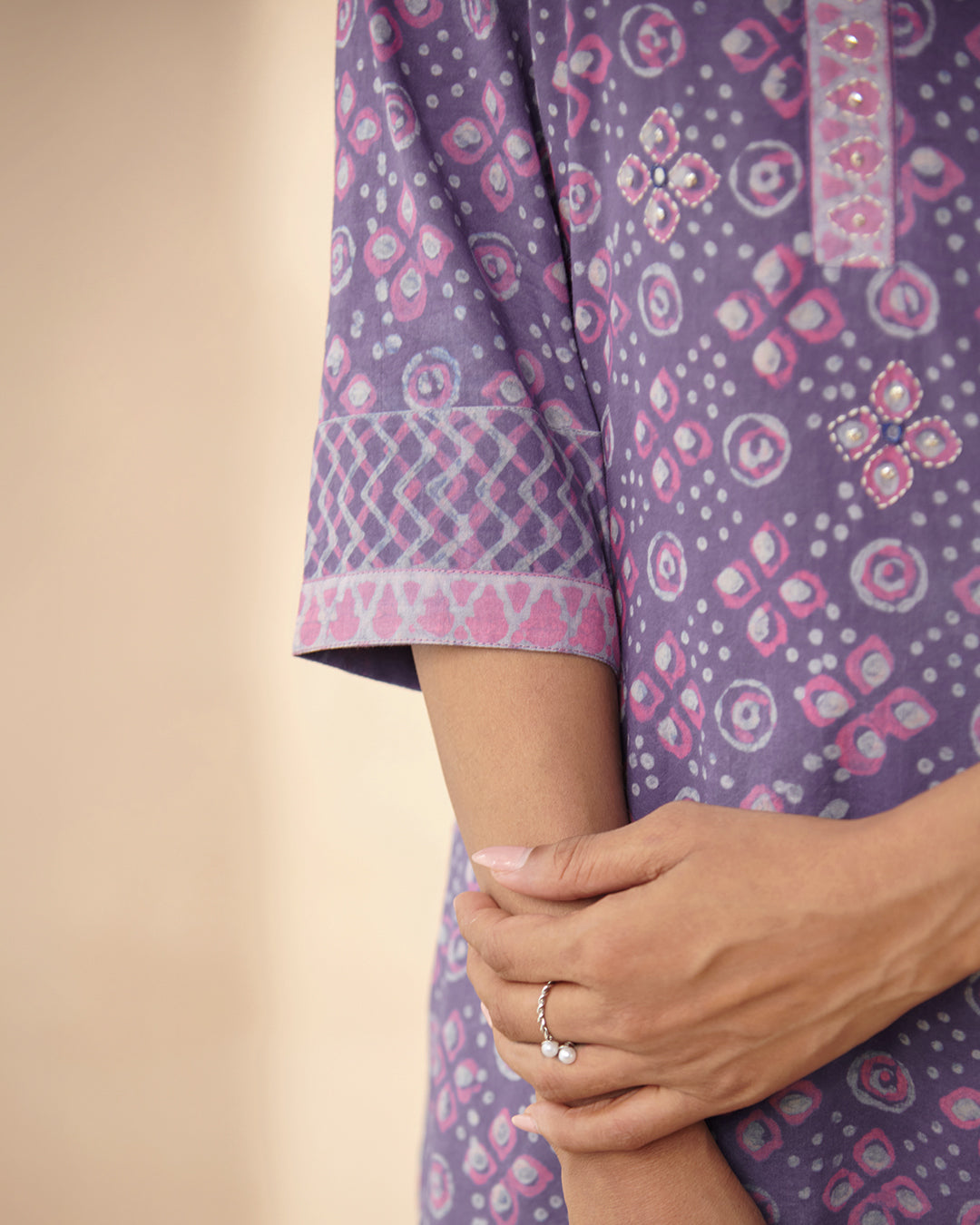
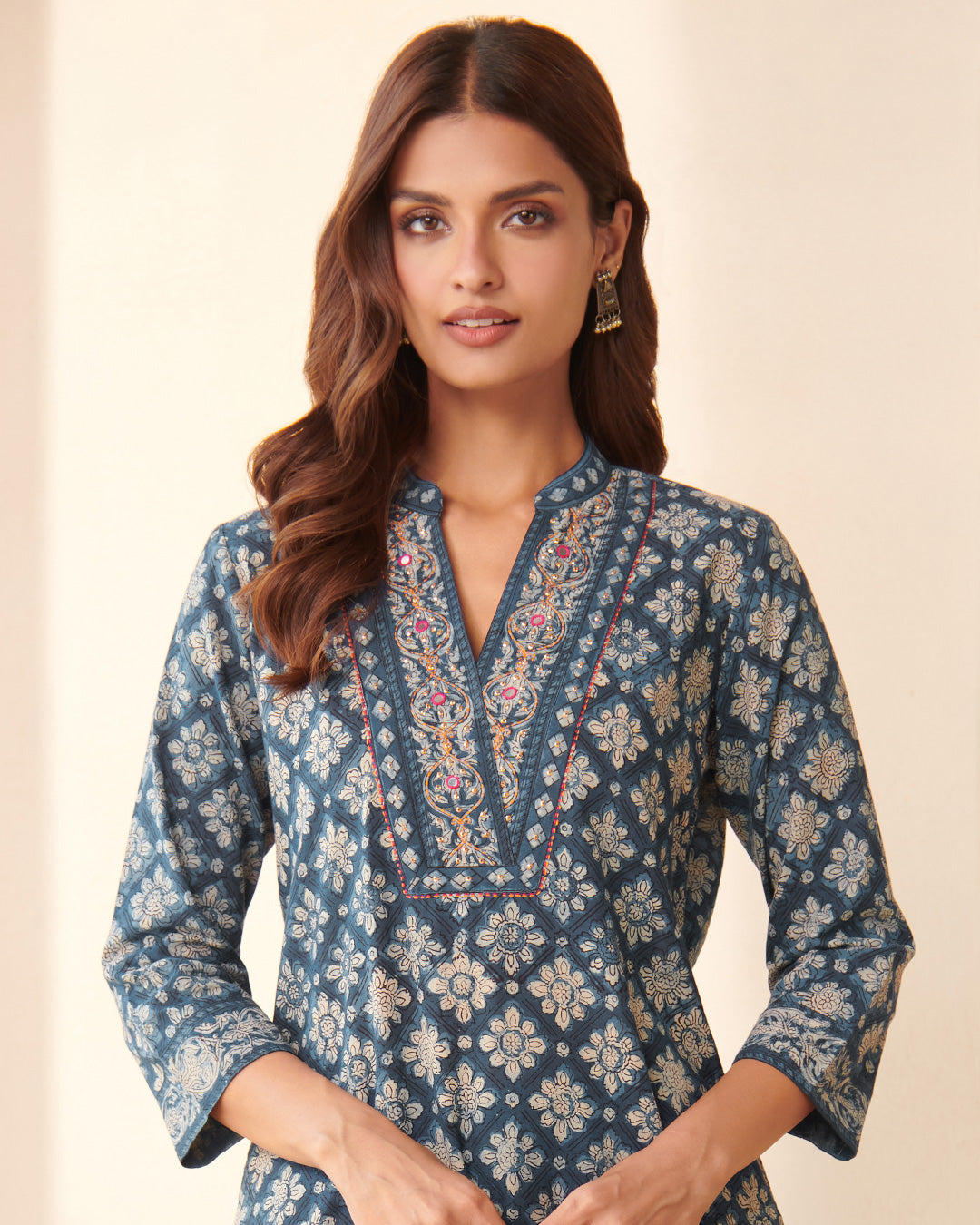
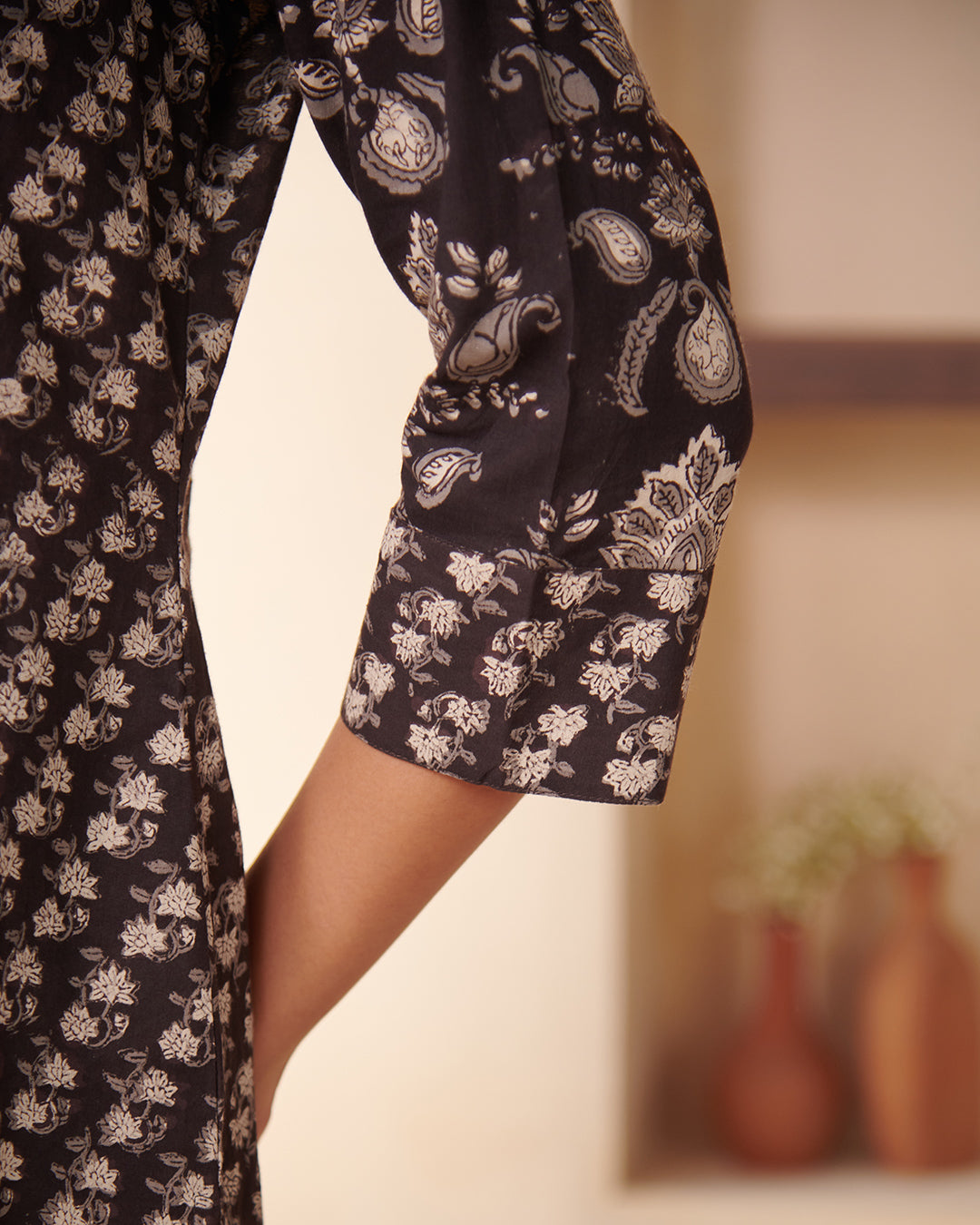
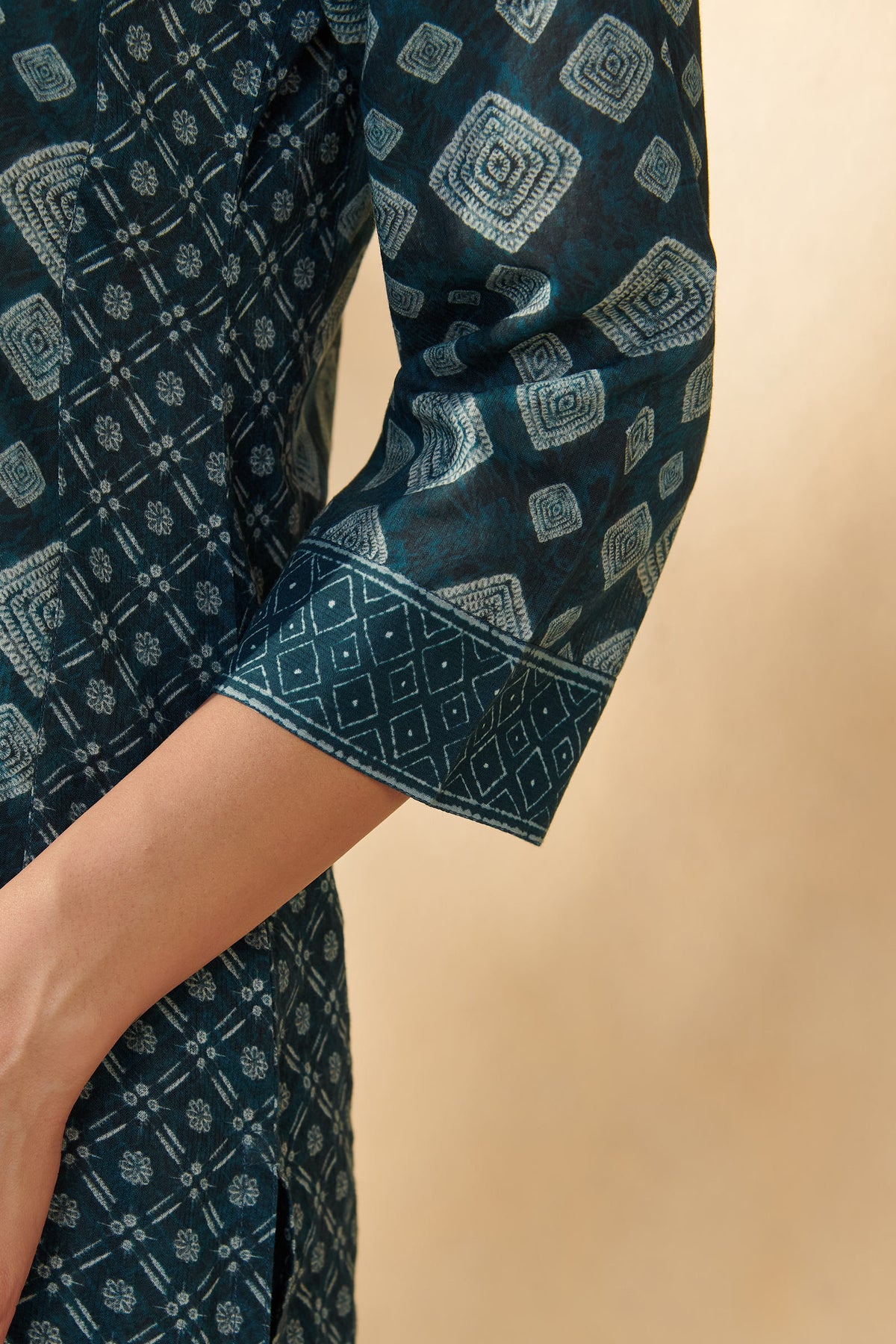
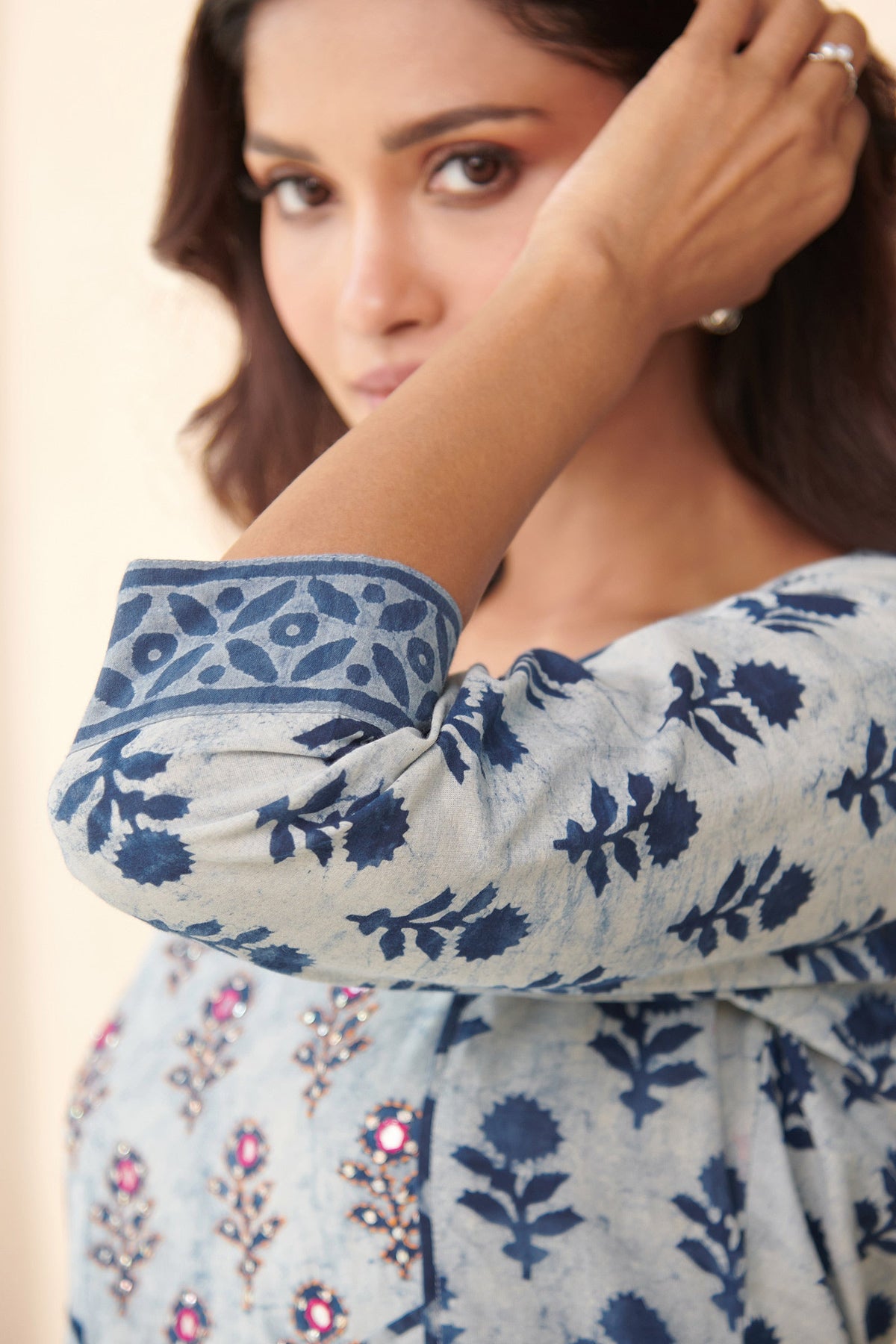
Indian cotton has always carried stories through colour, motif, and print. Block printed florals, butis, paisleys, and geometric patterns bring that heritage into everyday dressing.
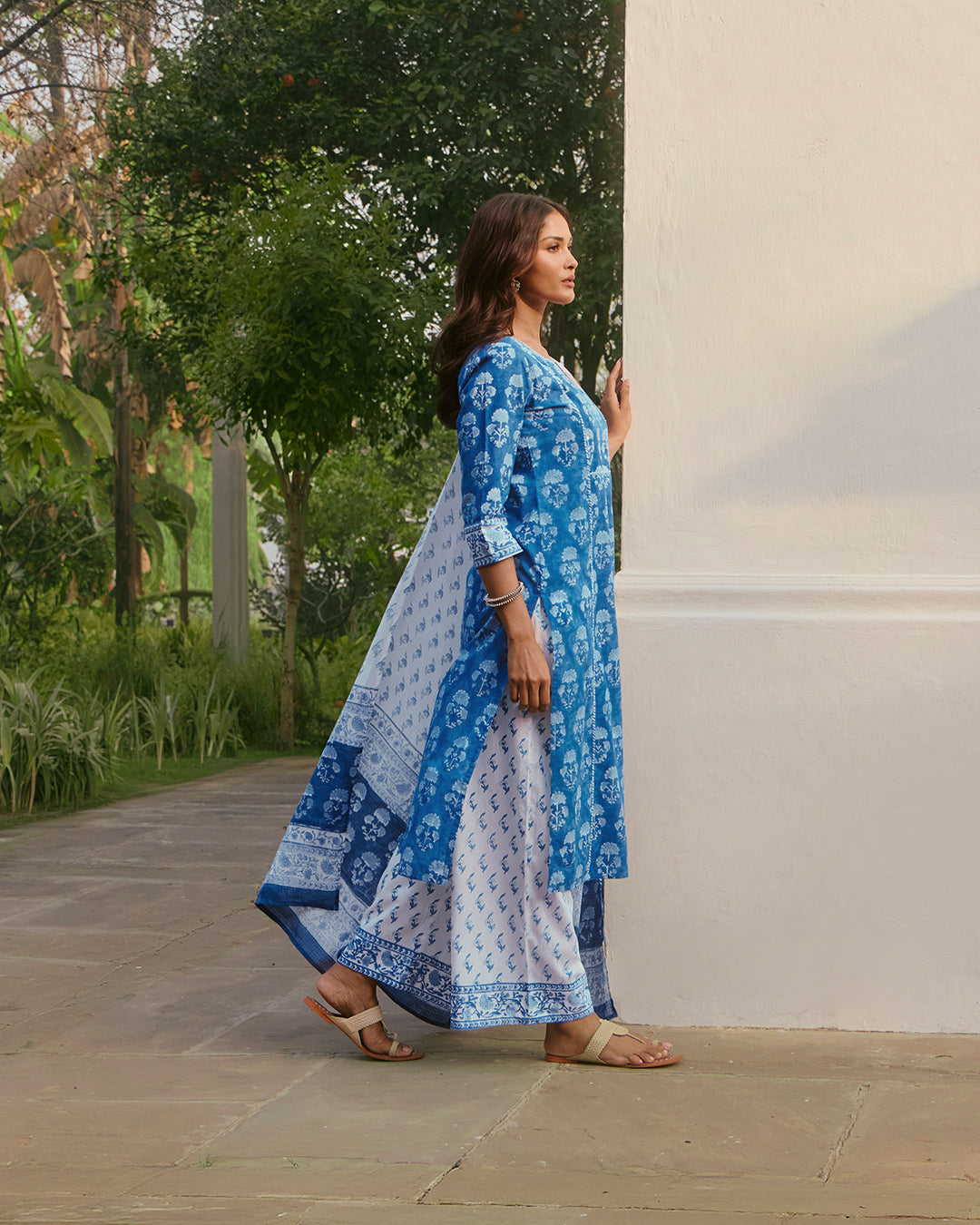
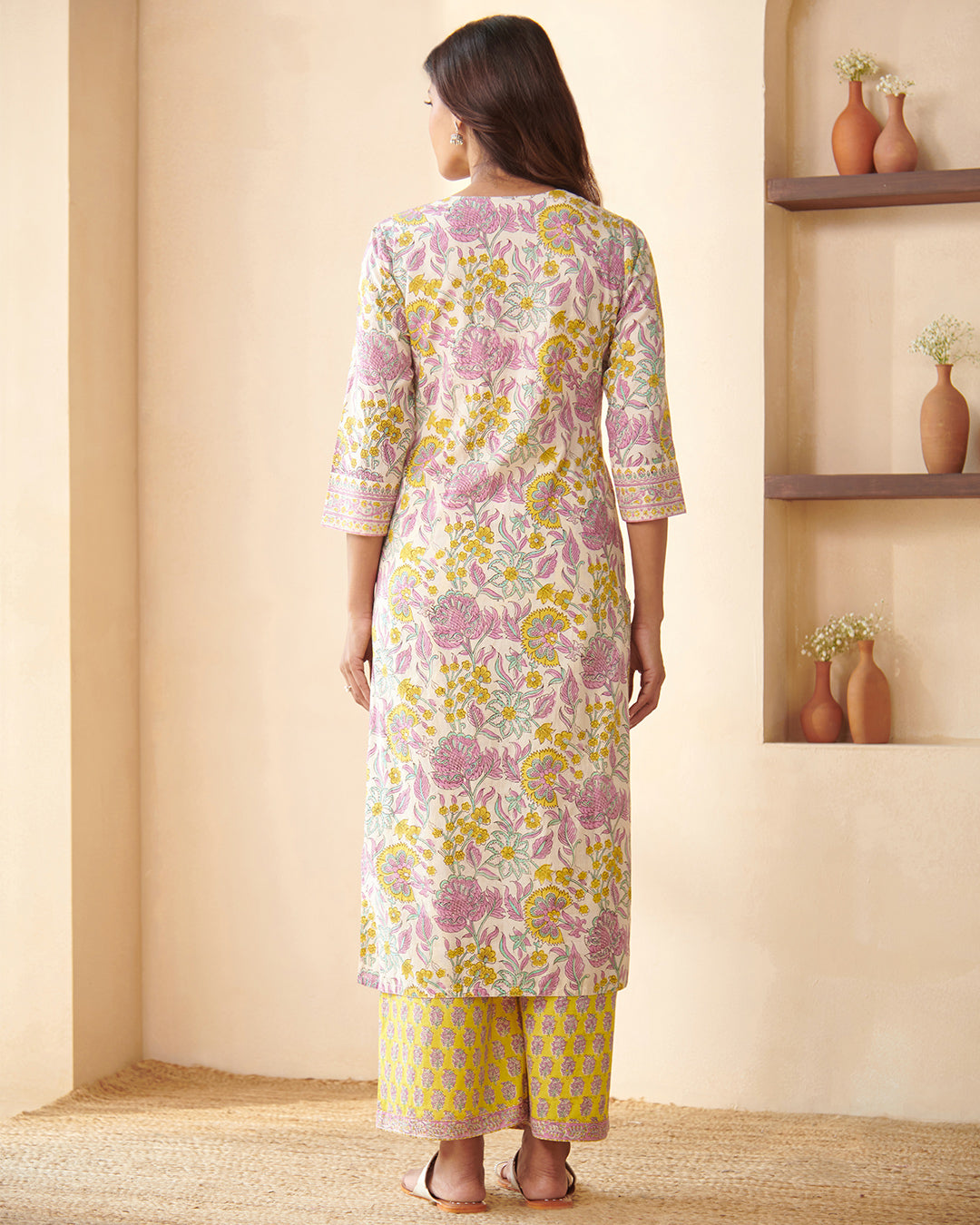
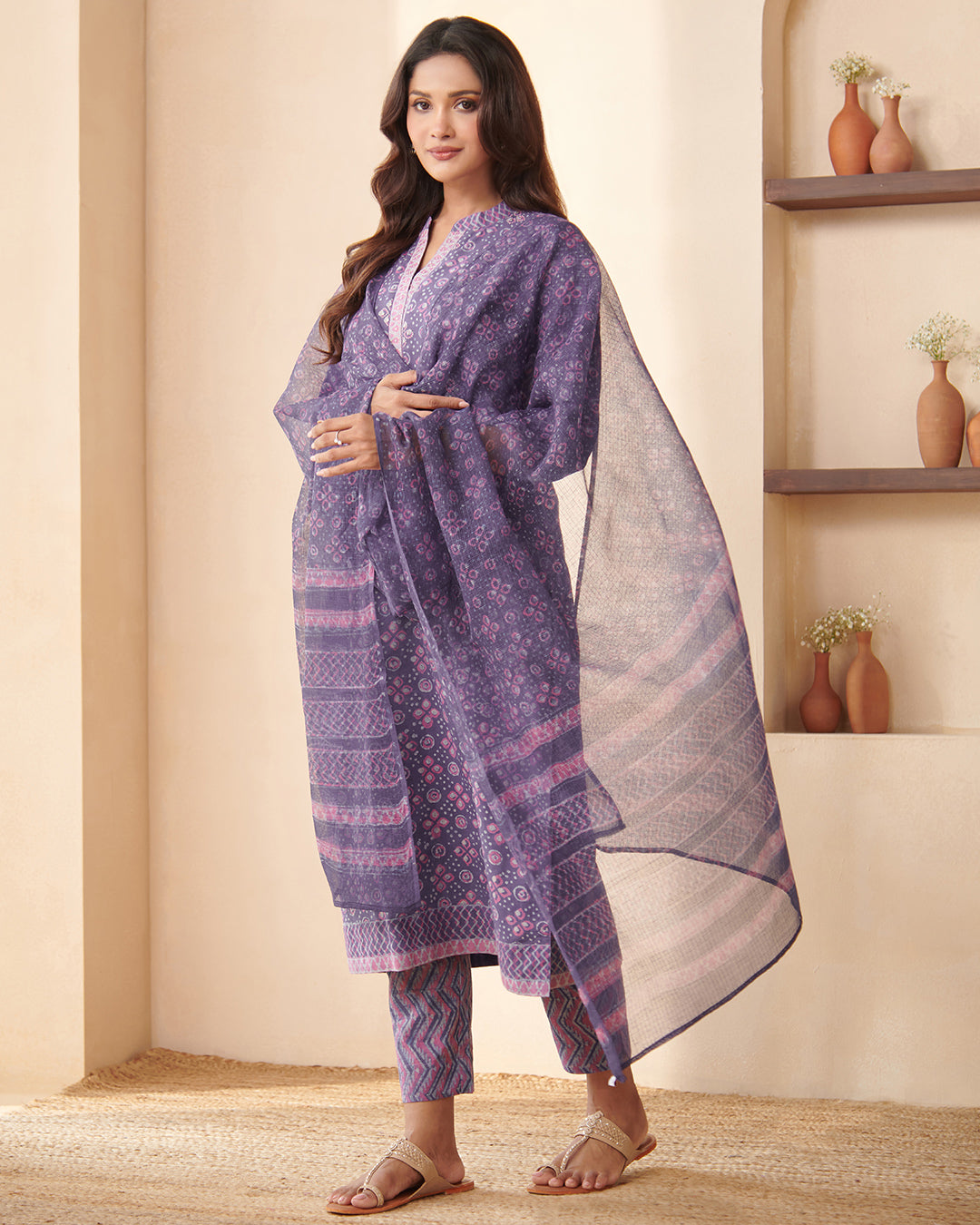
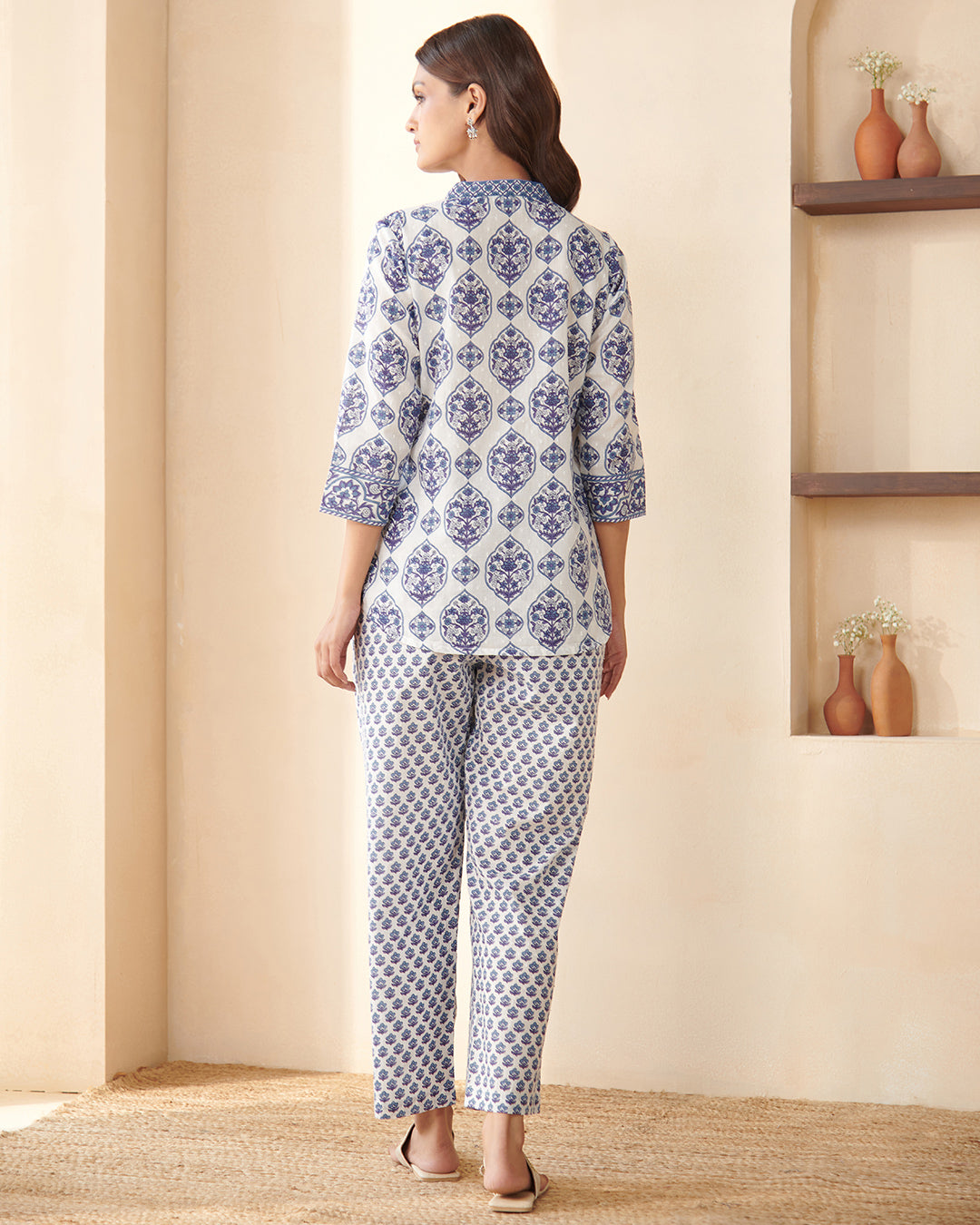
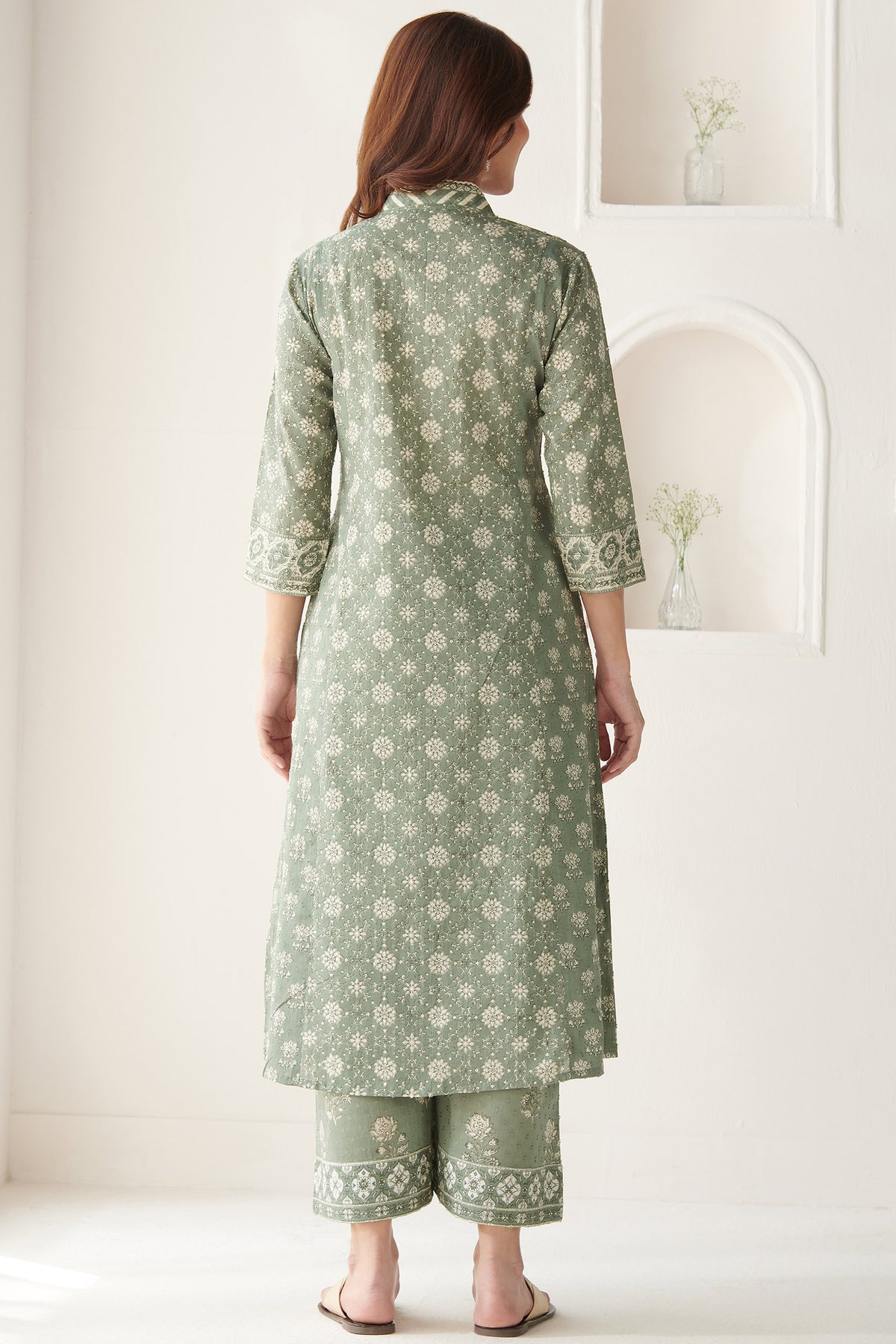
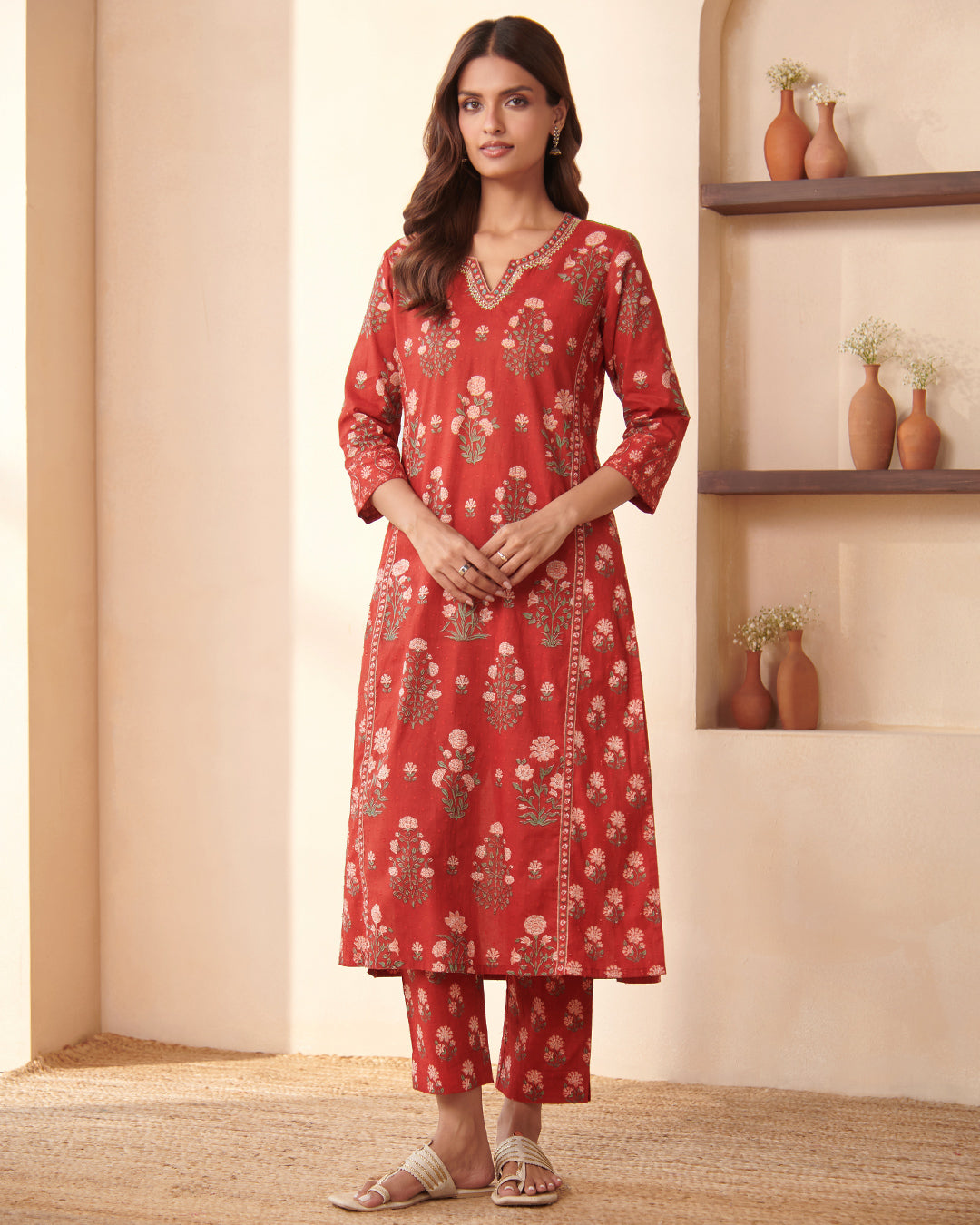
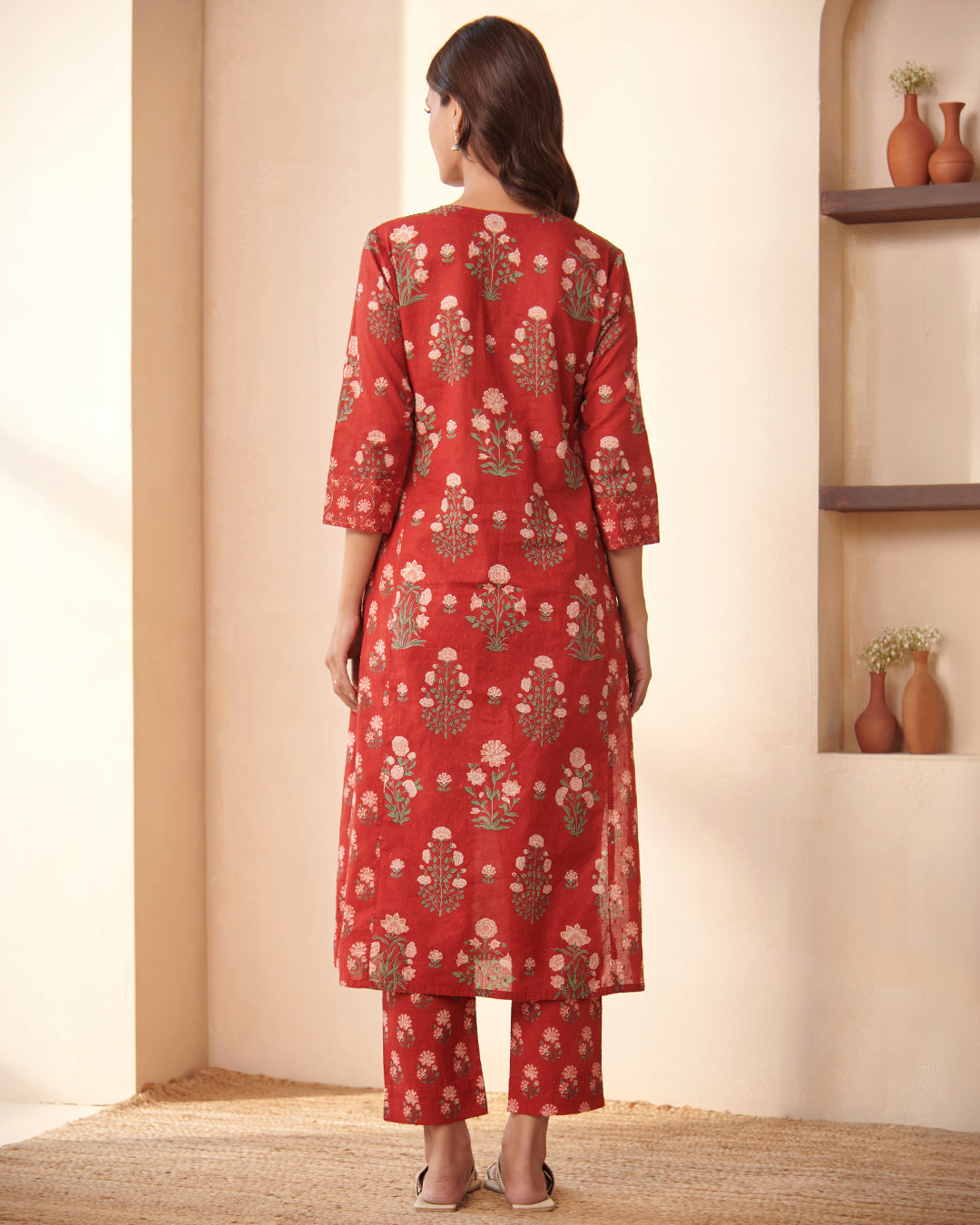
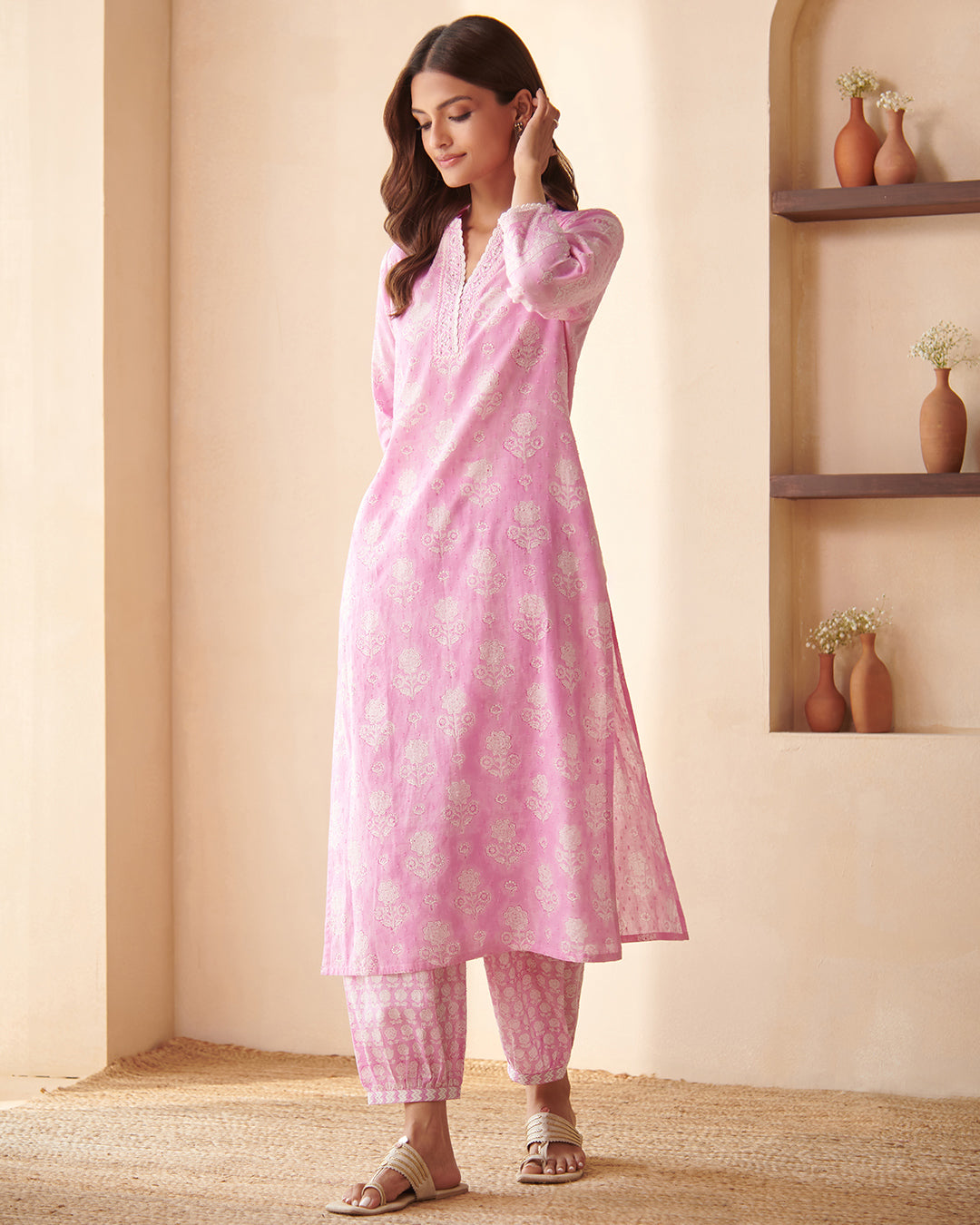
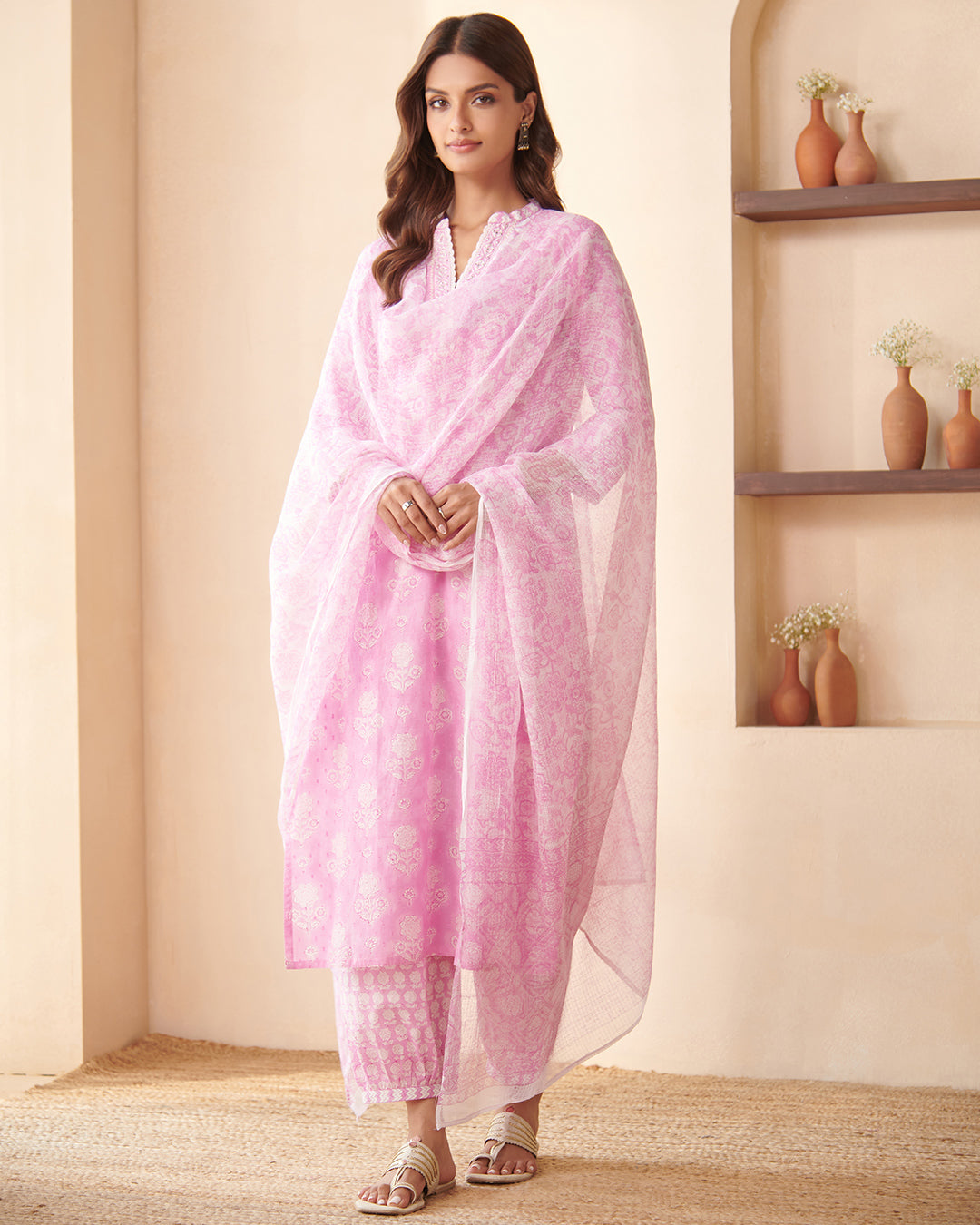
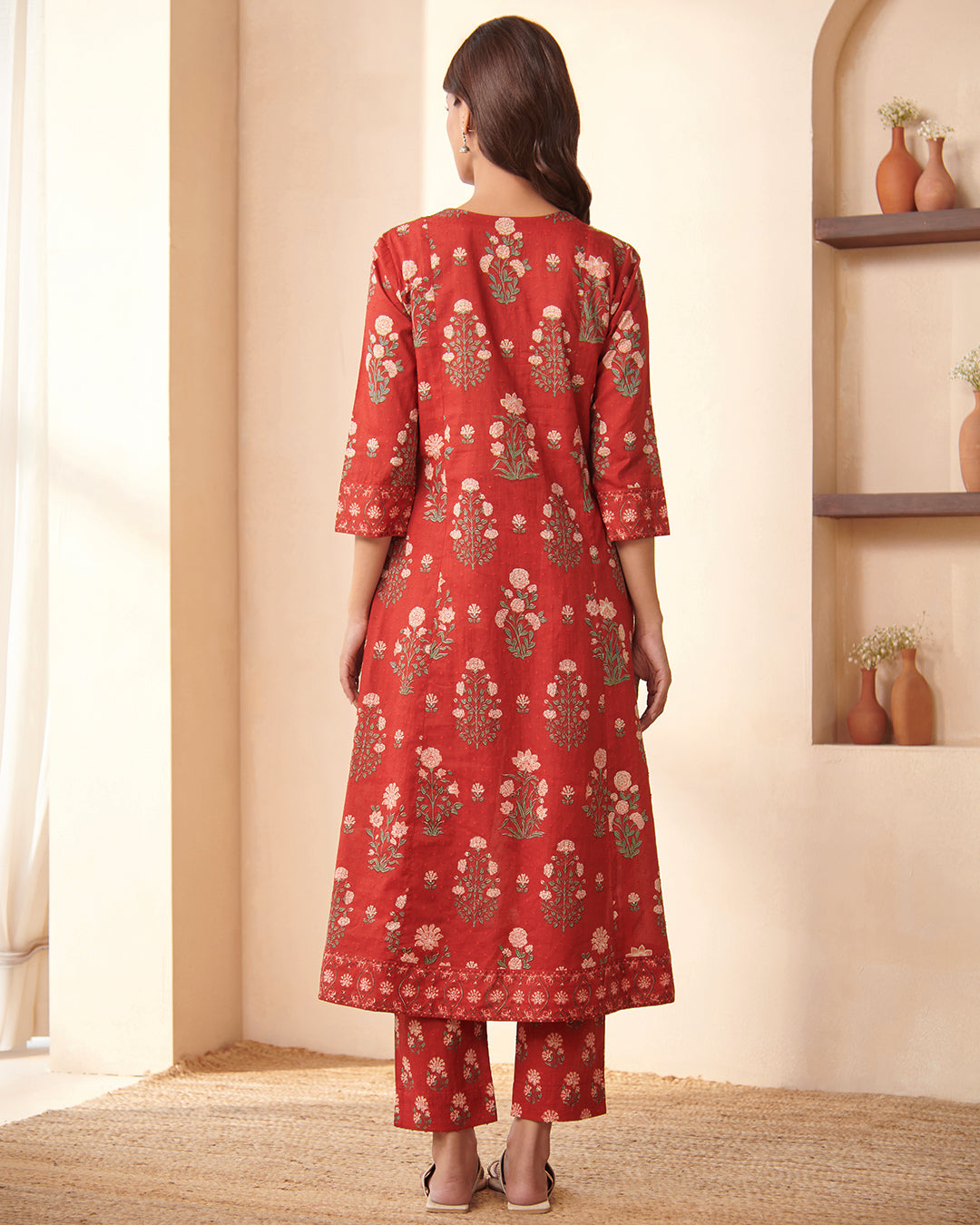
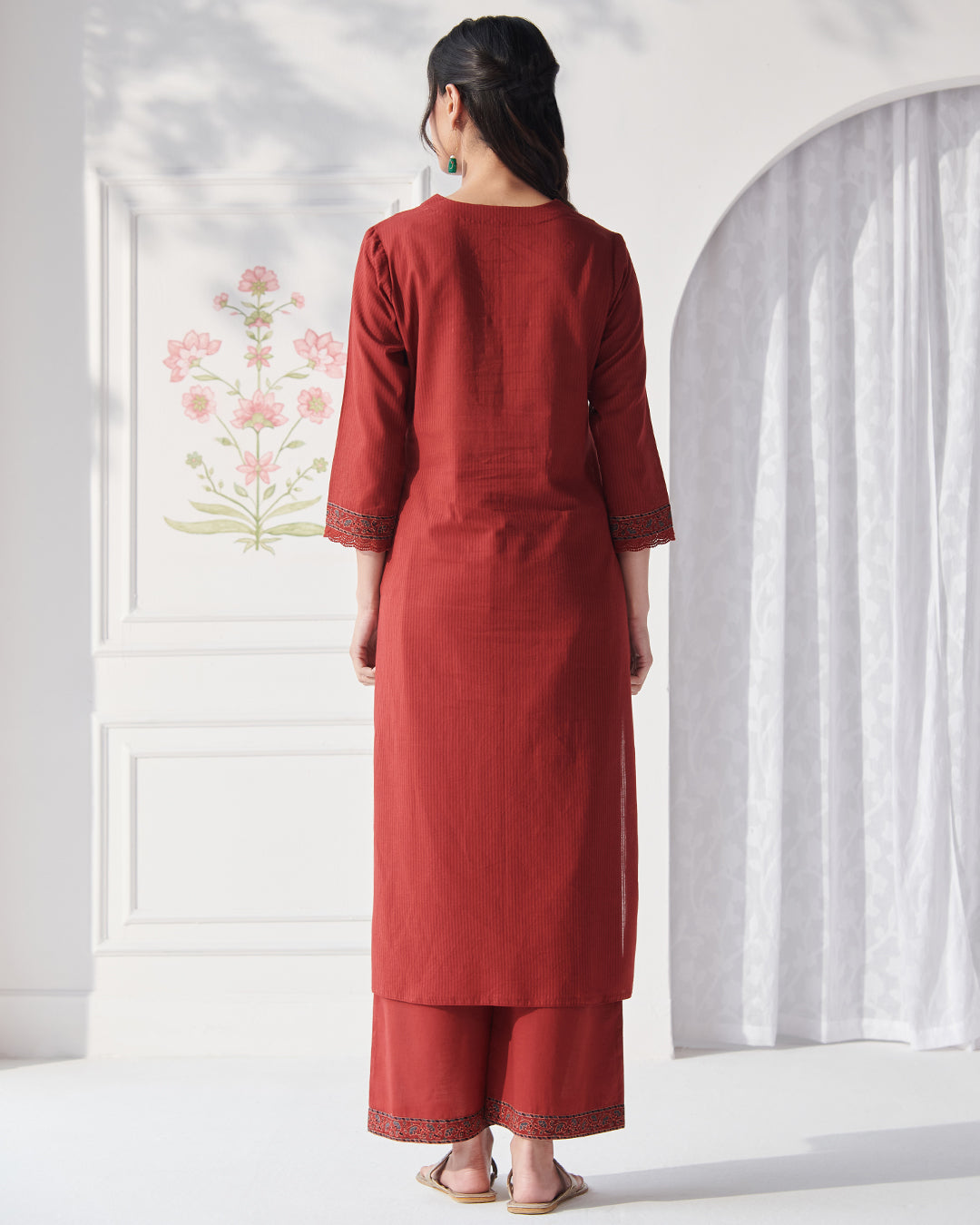
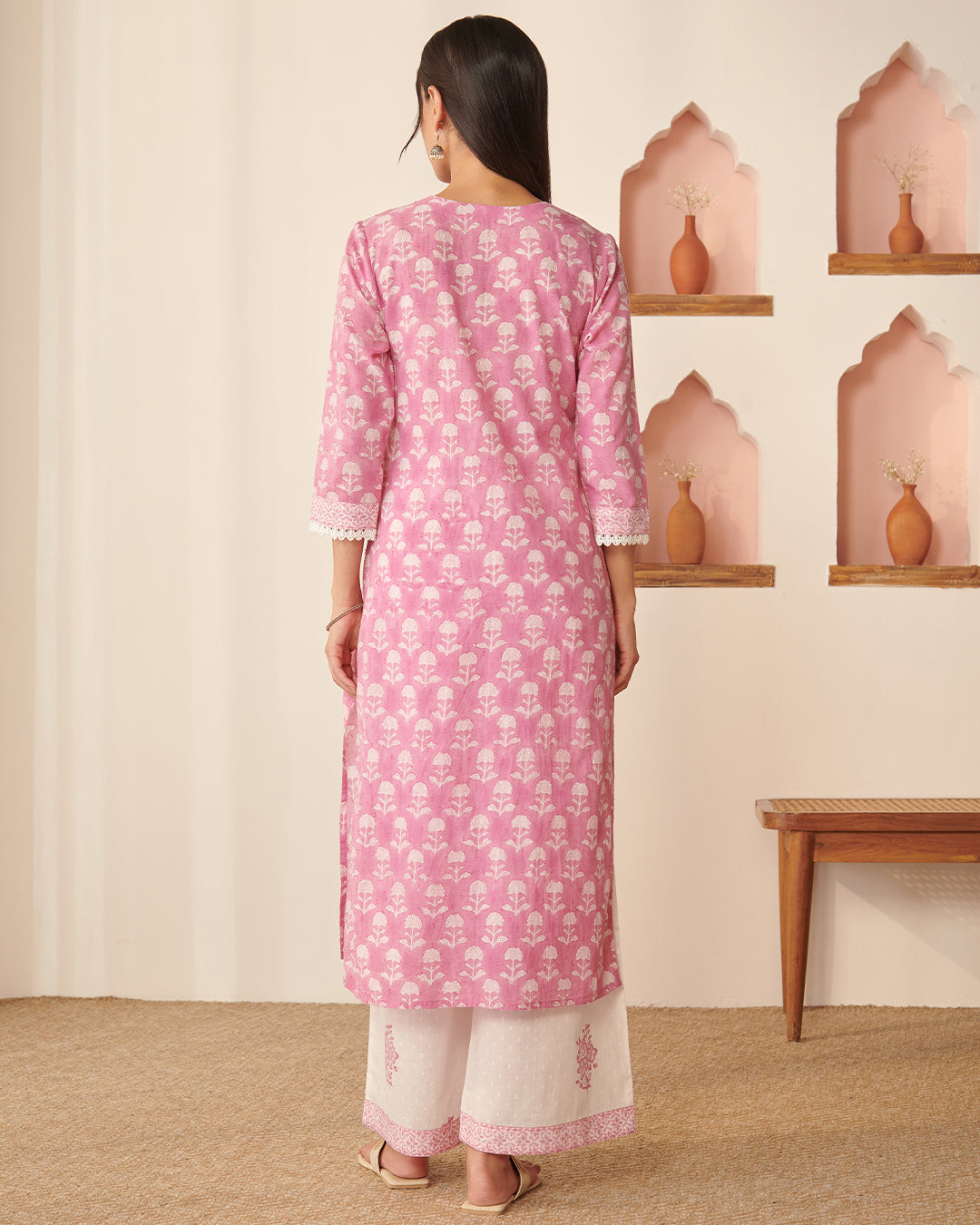
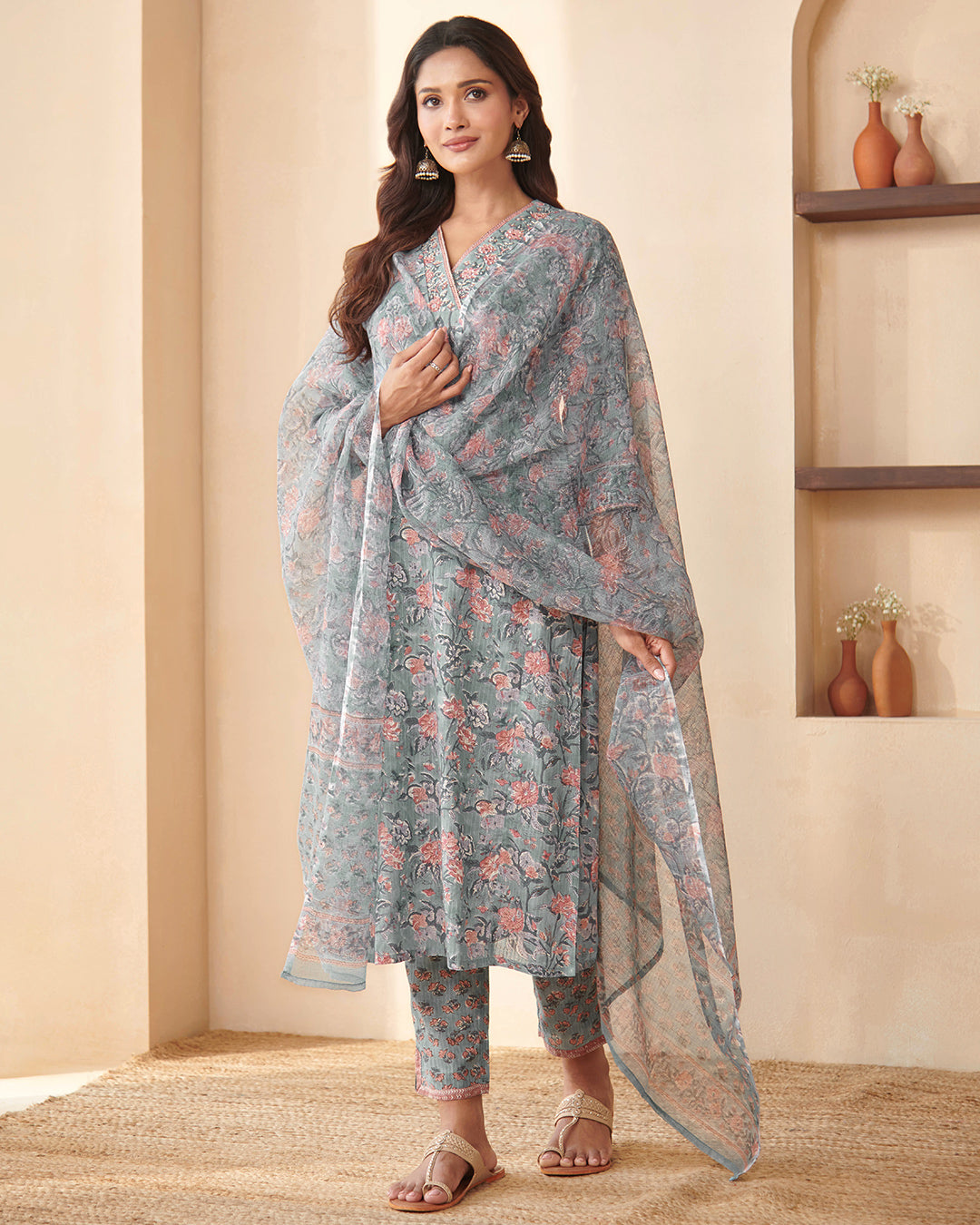
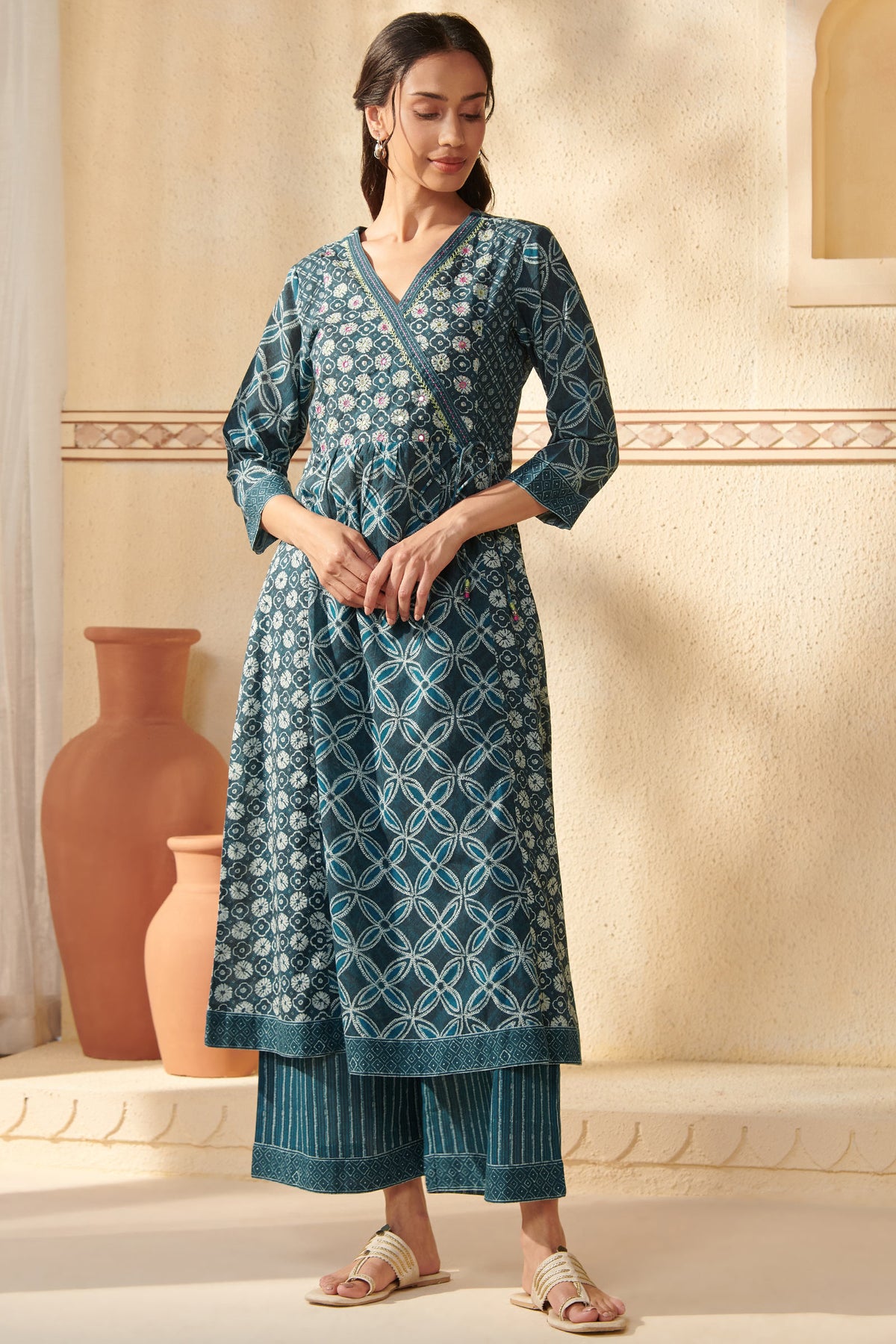
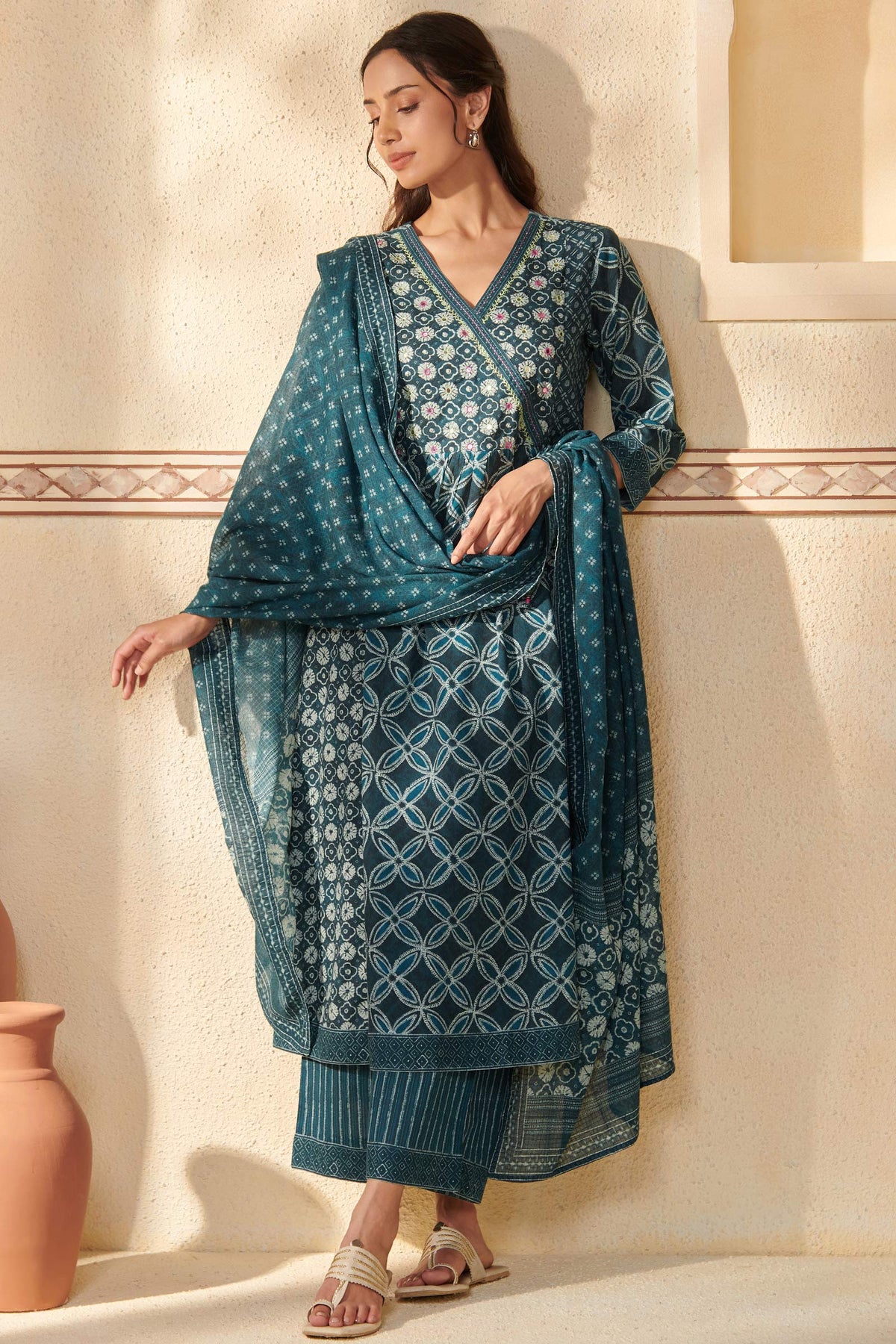
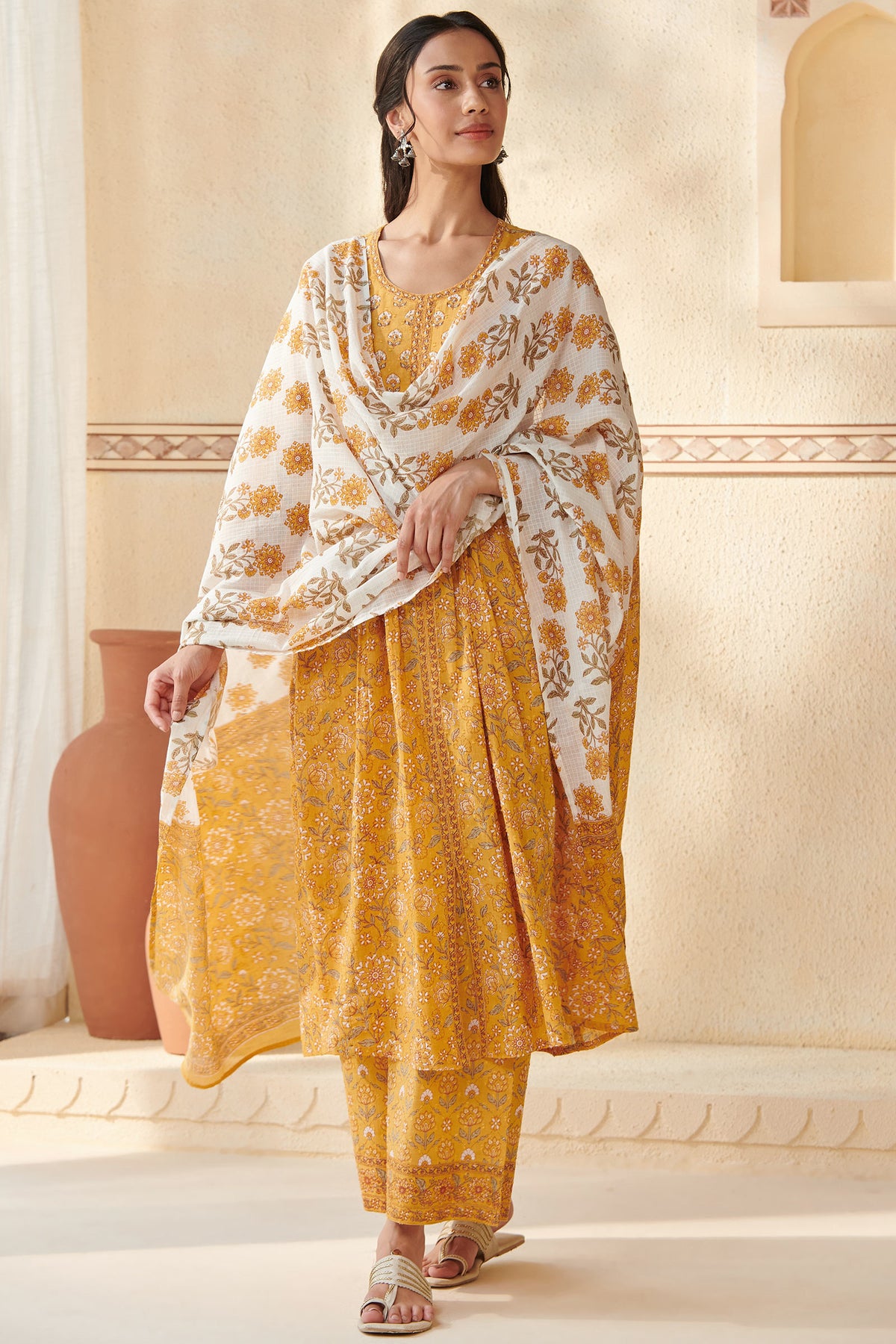
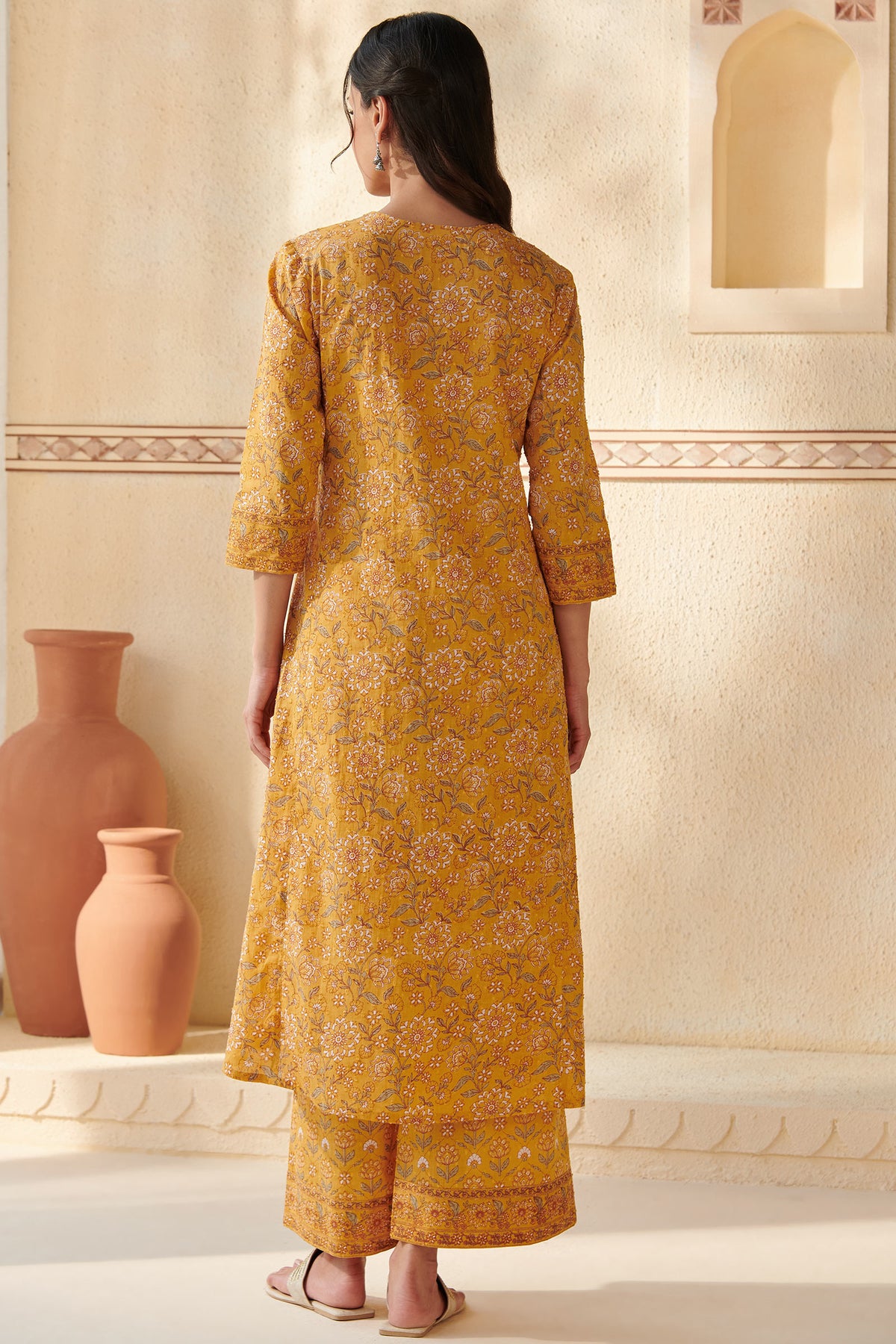
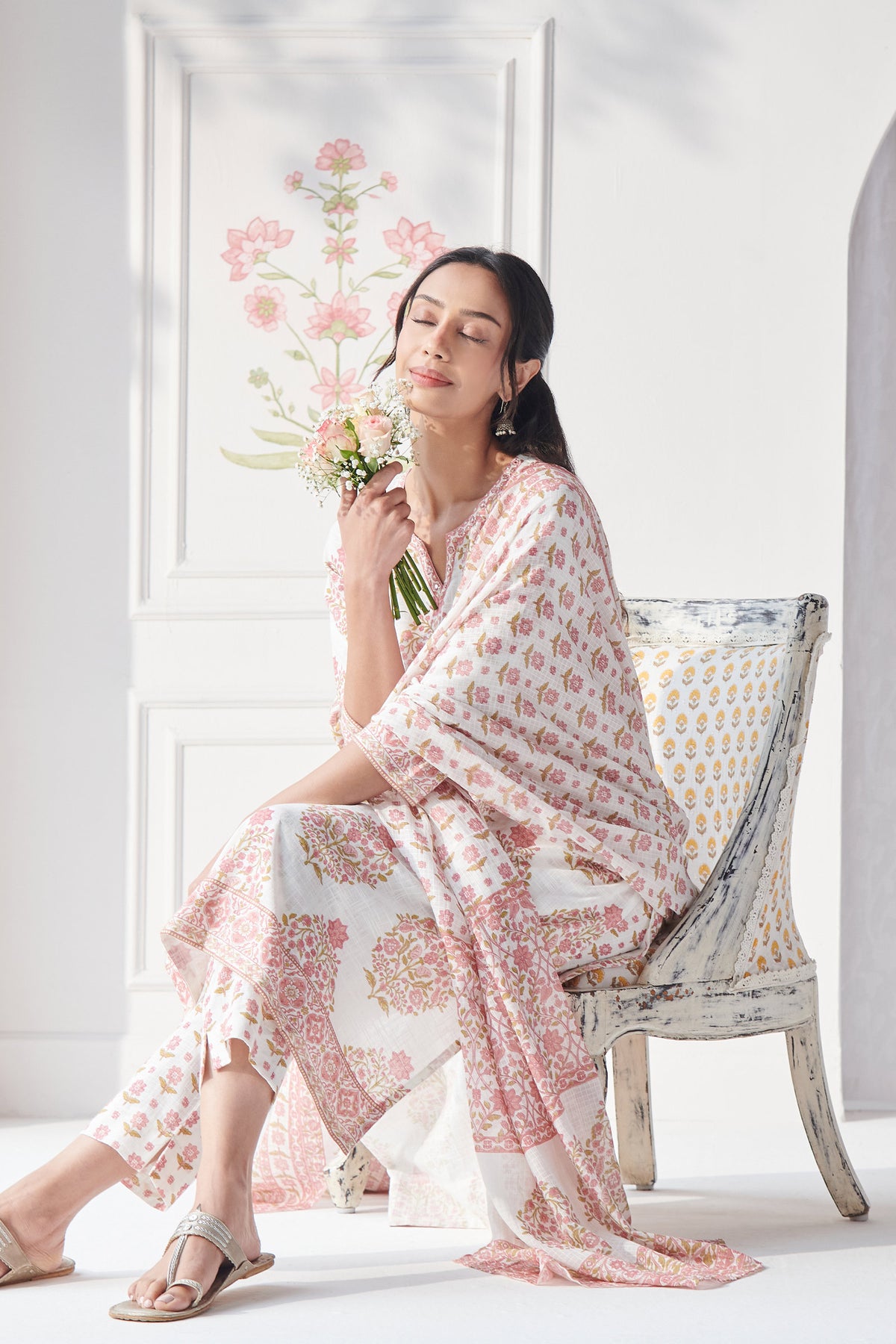
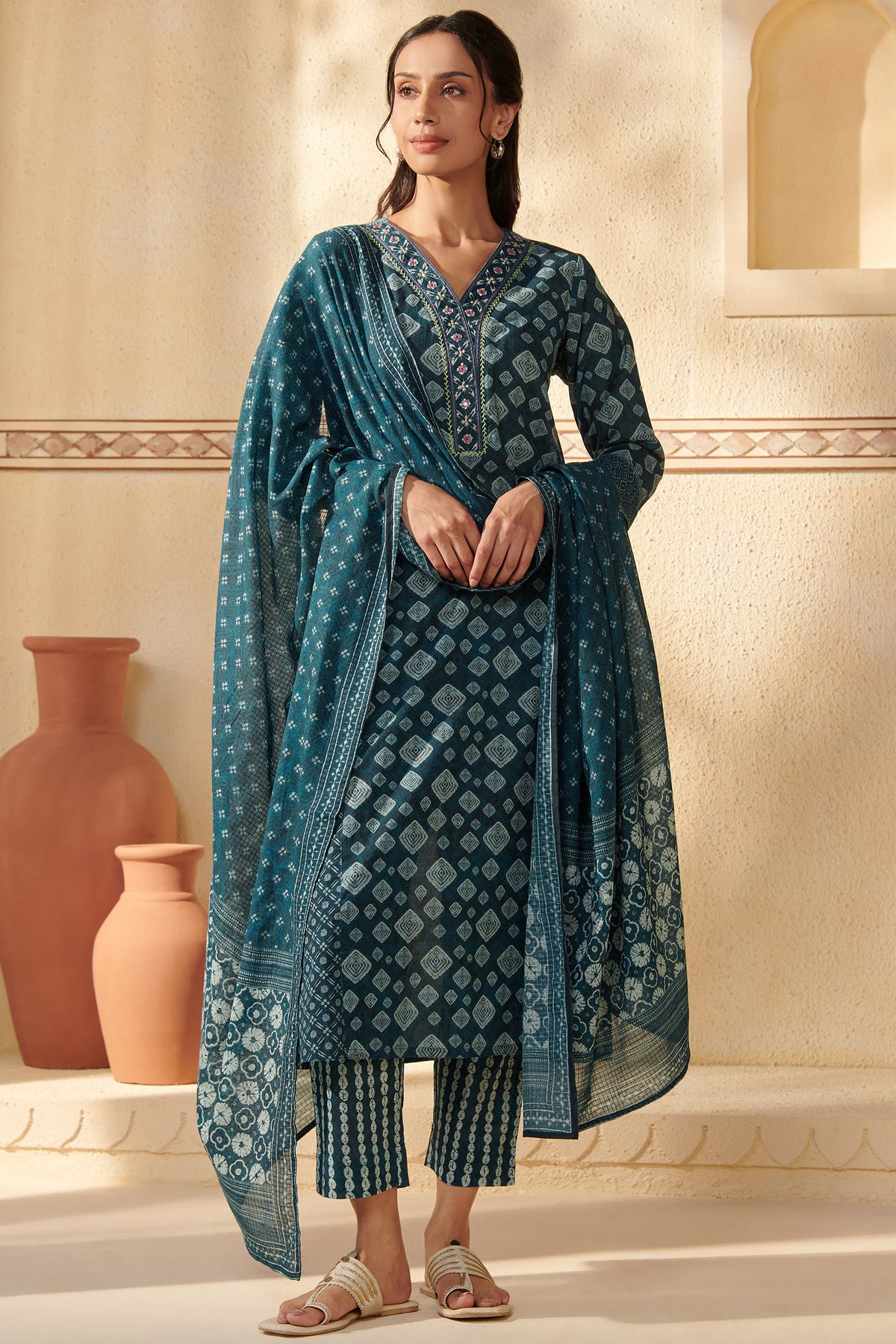
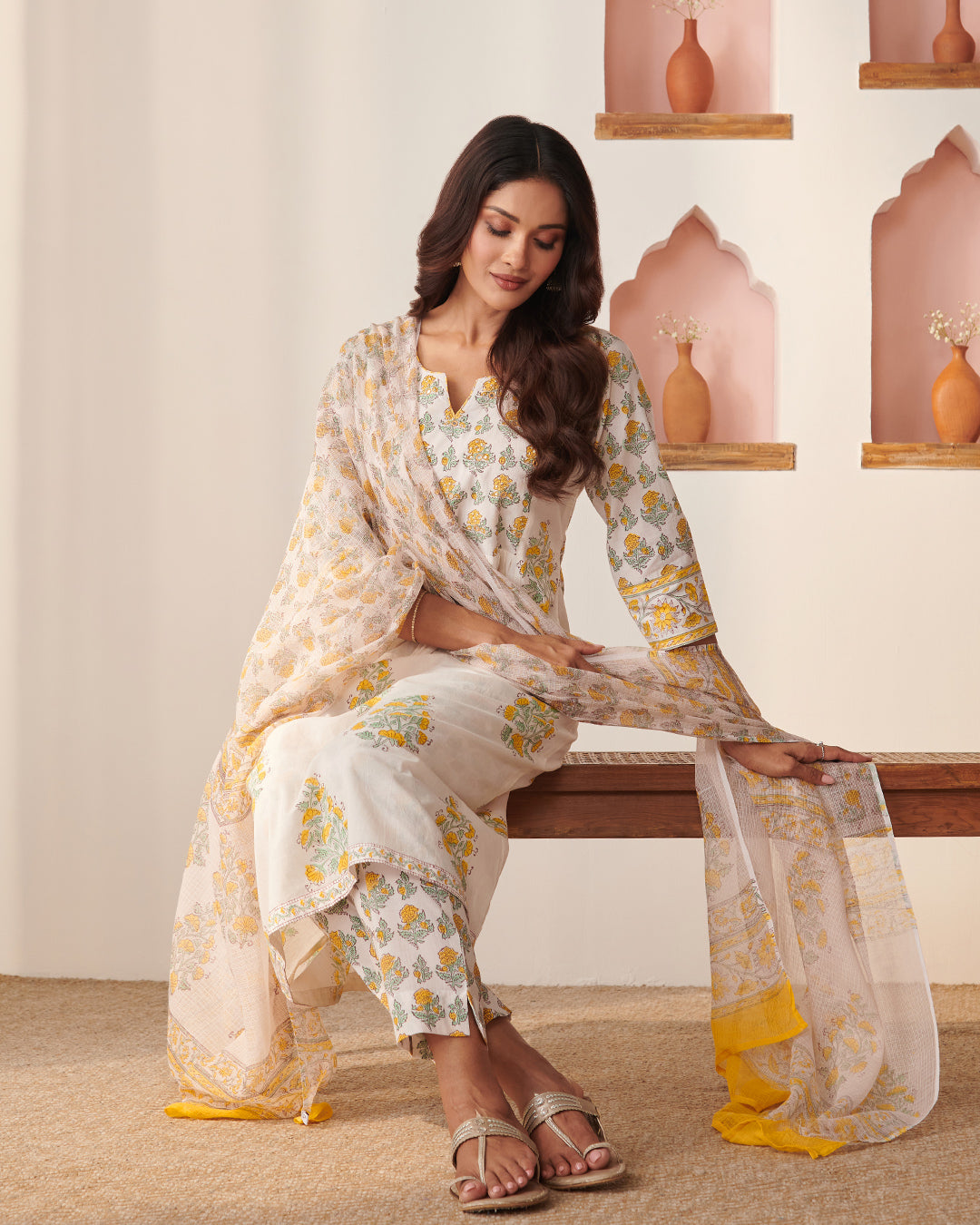
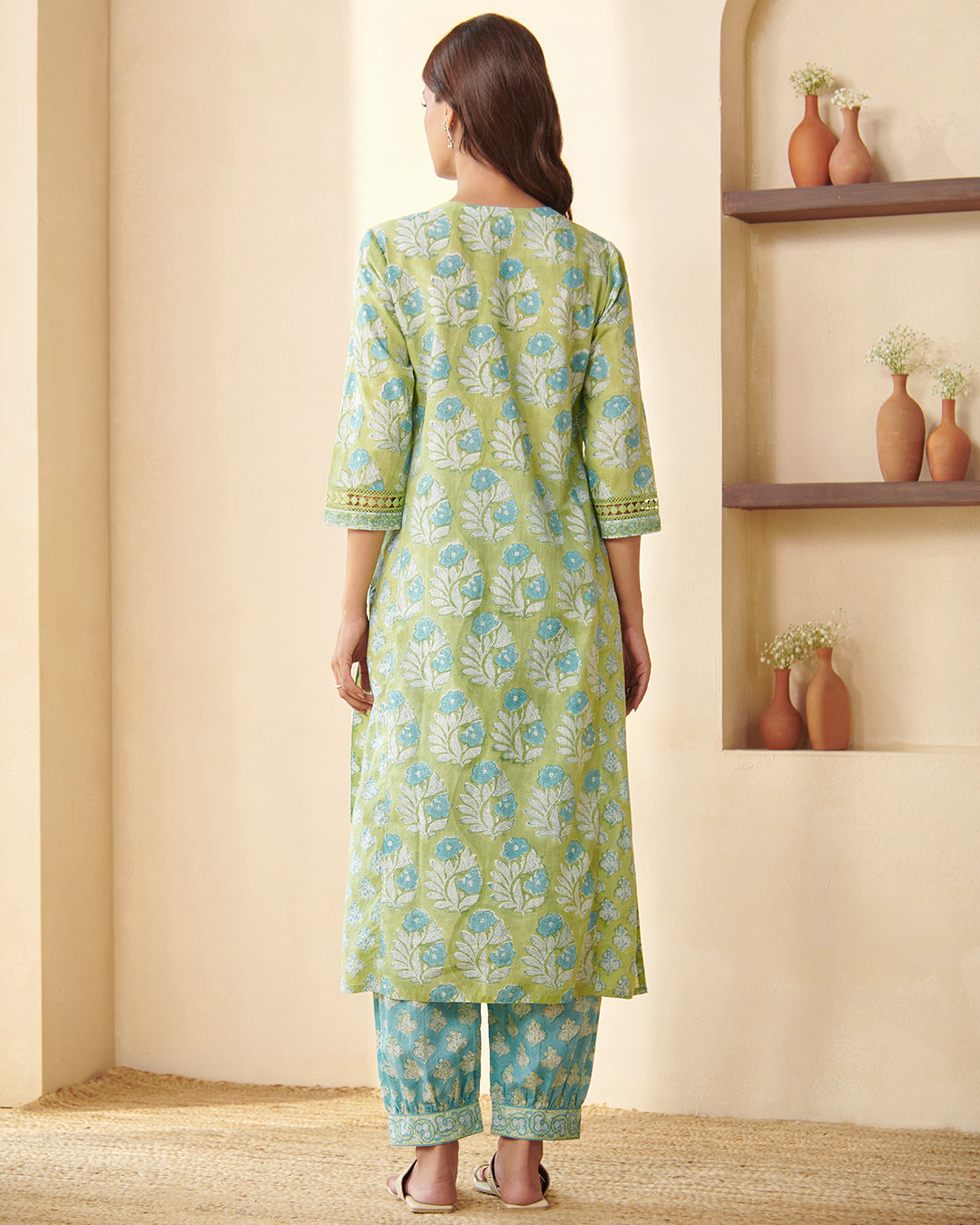
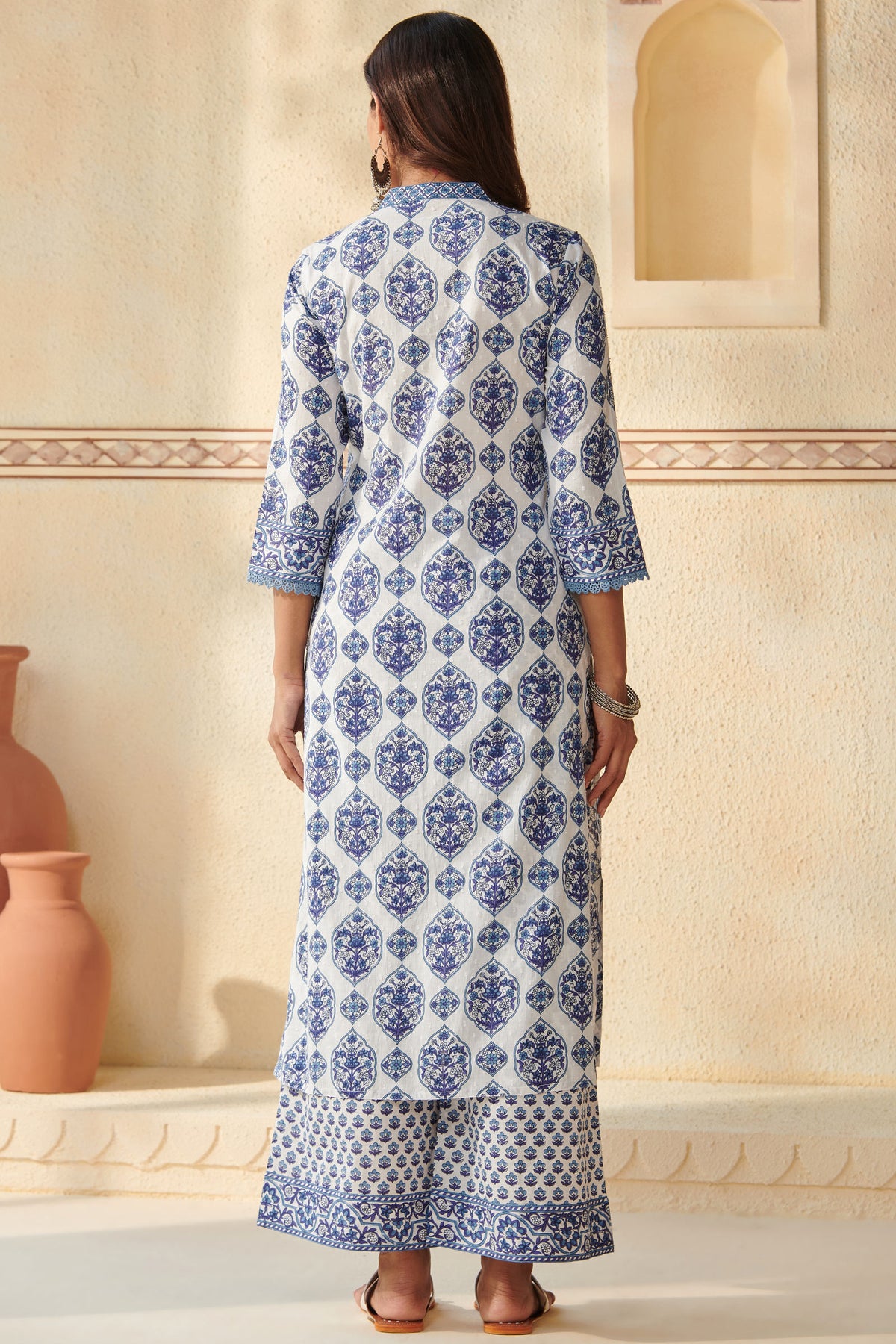
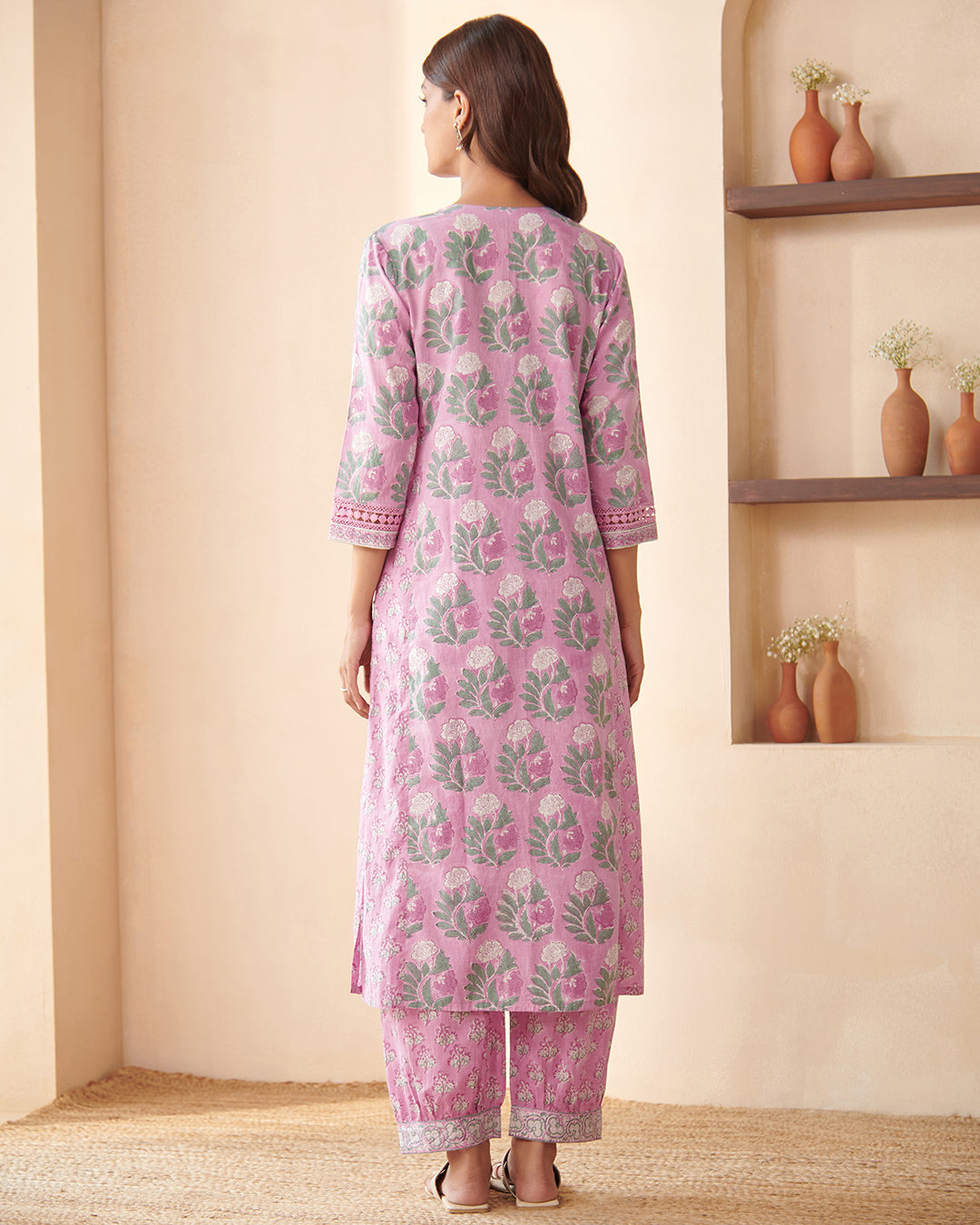
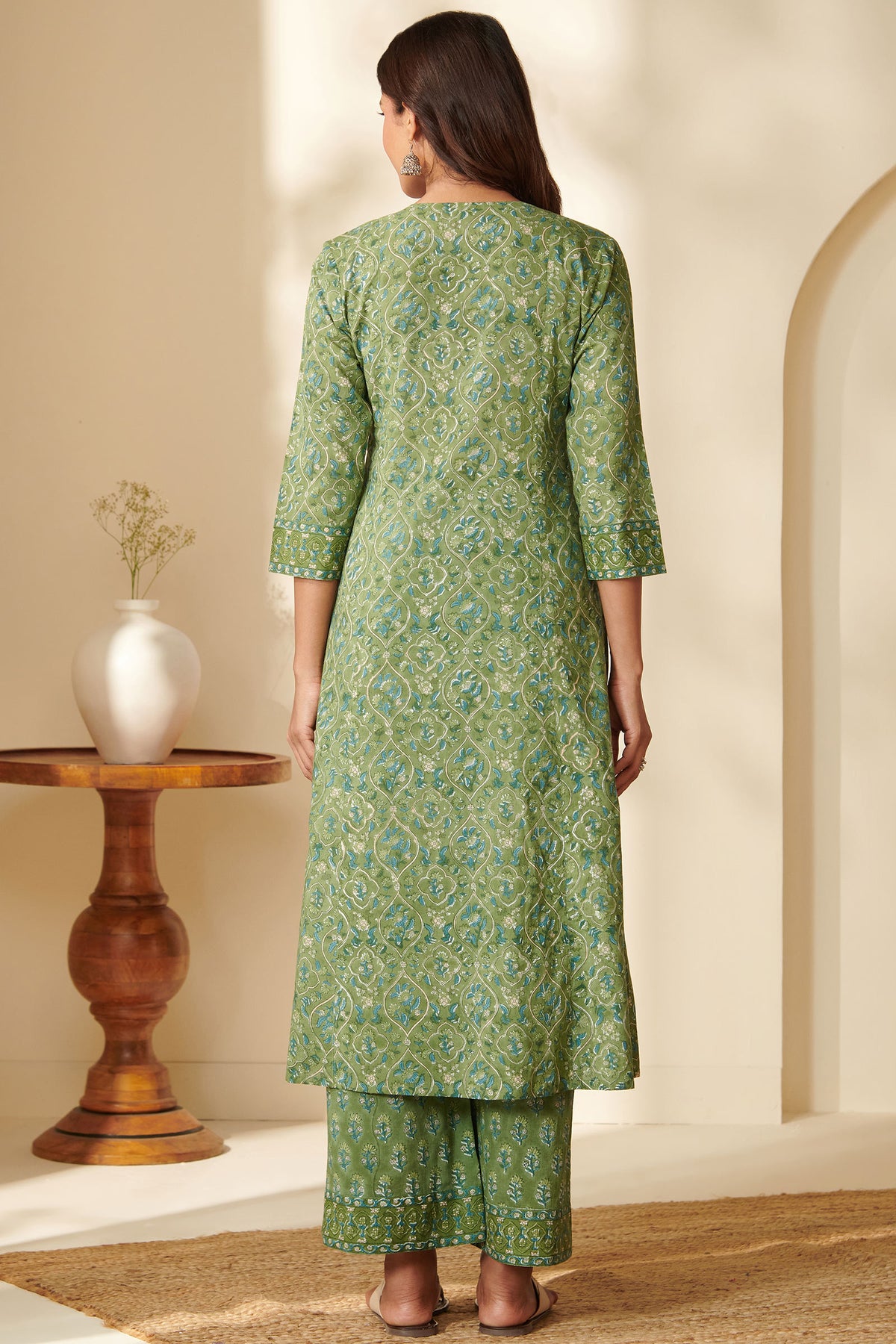
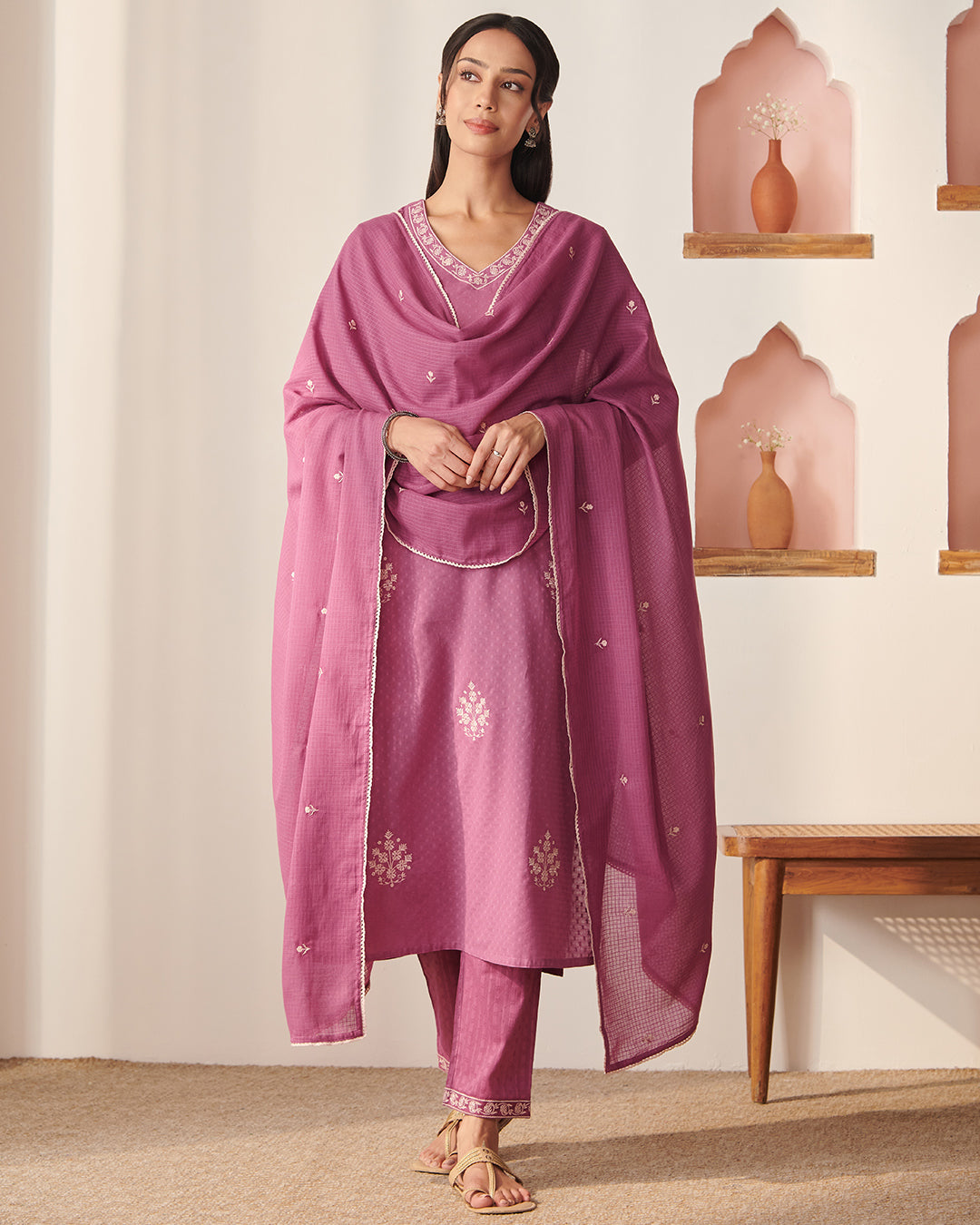
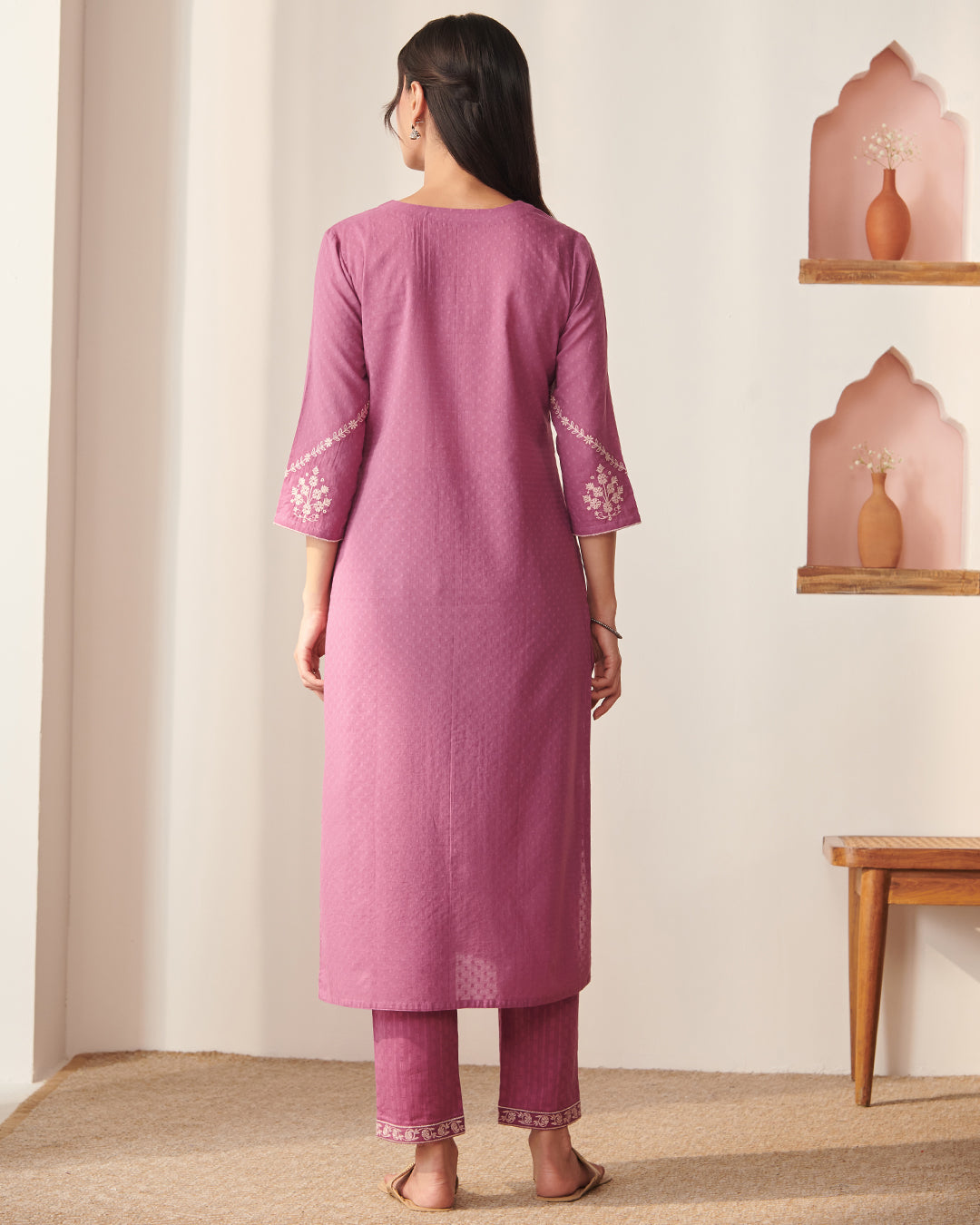
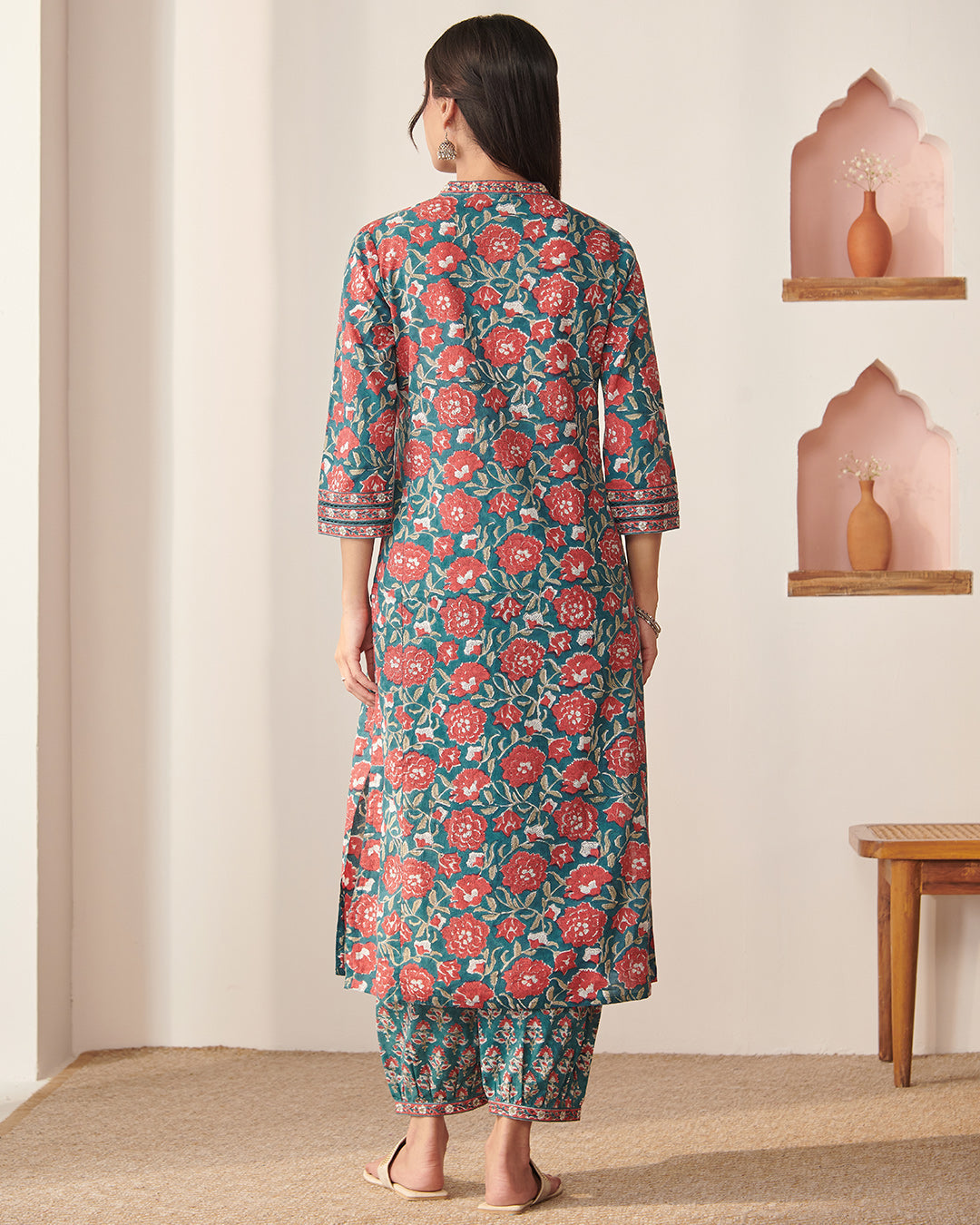
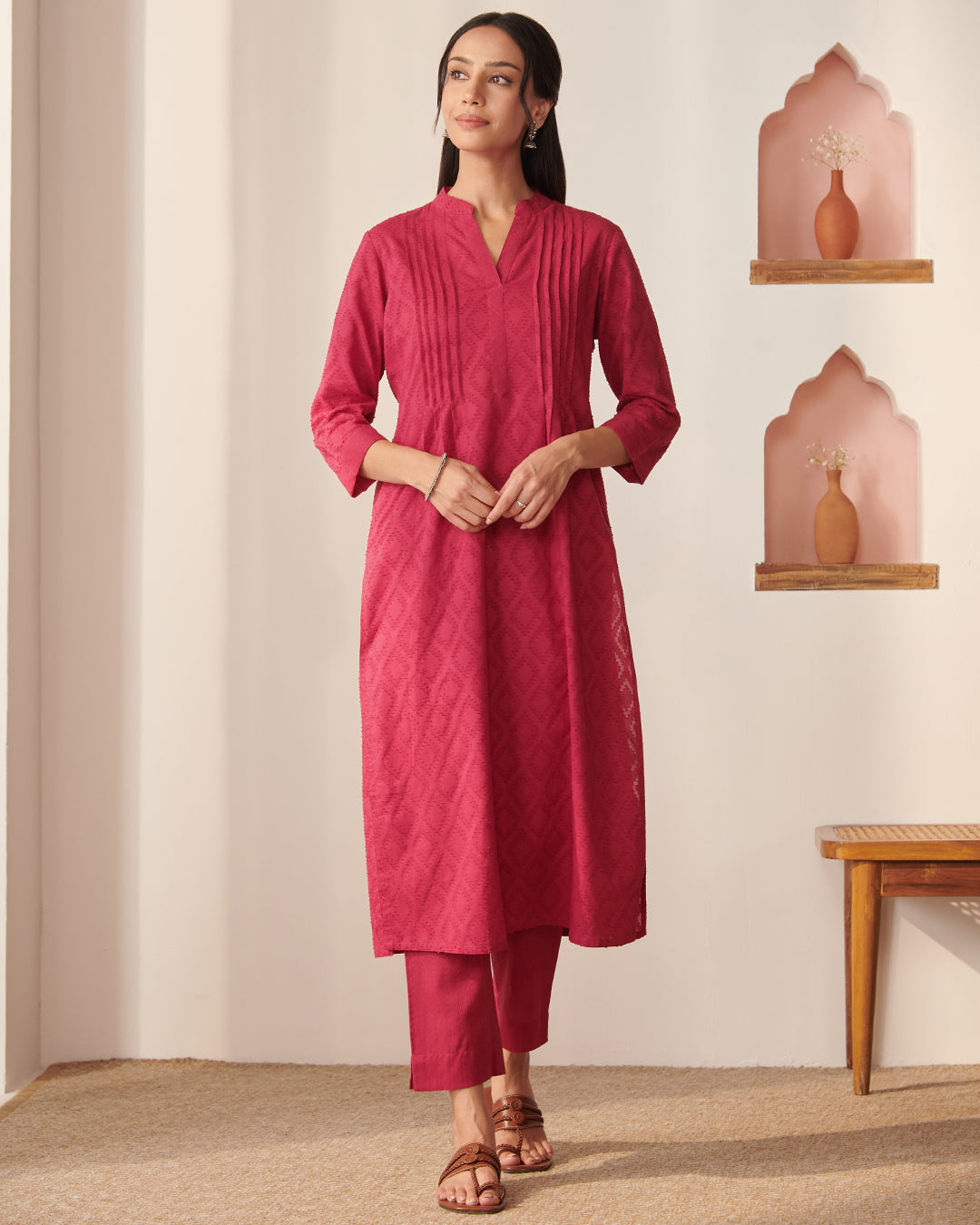
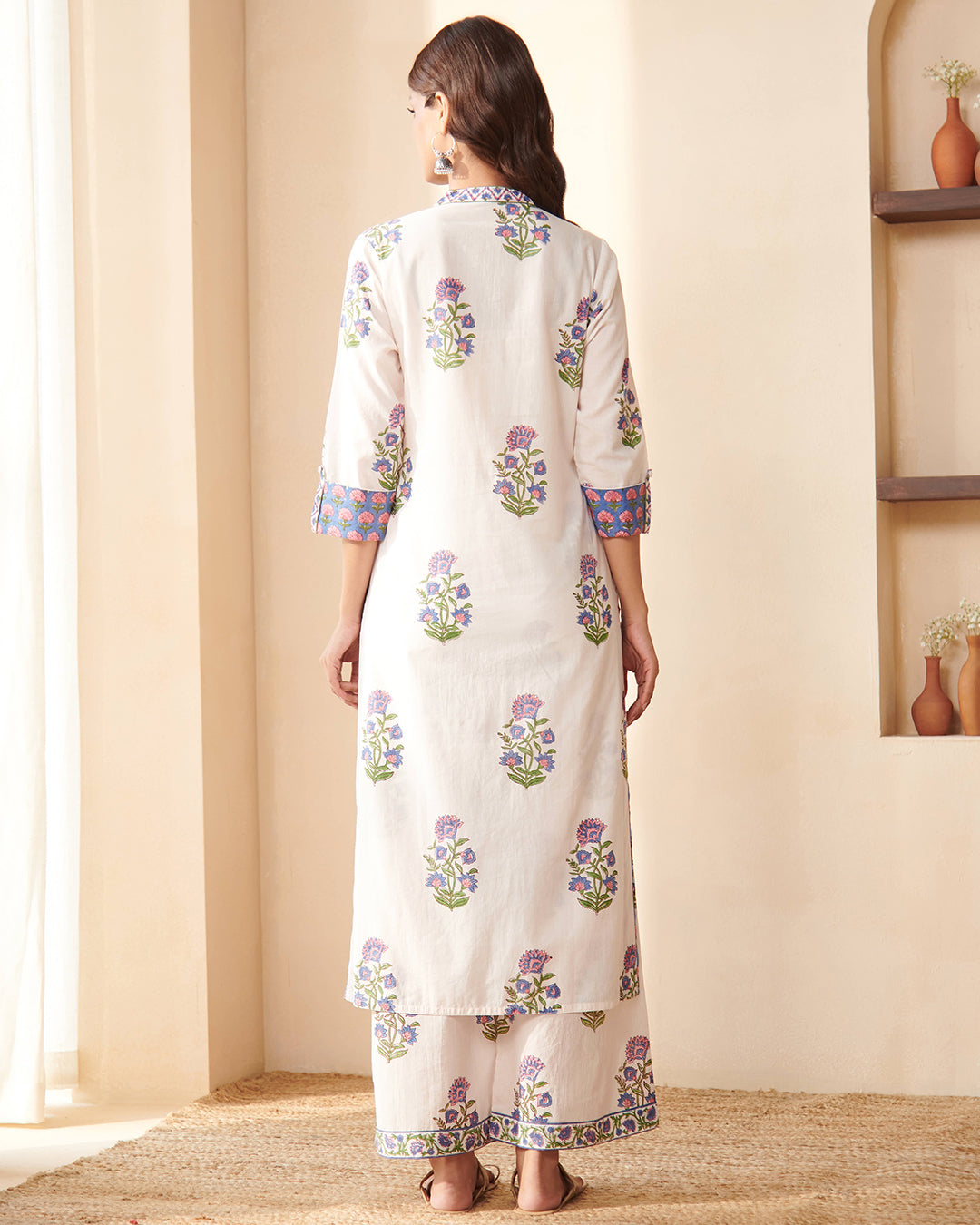
When these traditional prints are paired with clean, contemporary silhouettes, the kurta feels easy to wear today without losing its Indian character. A relaxed straight kurta or an easy A-line shape can carry centuries-old printing traditions with a quiet sense of relevance.
Craftsmanship That Makes Every Kurta Distinct
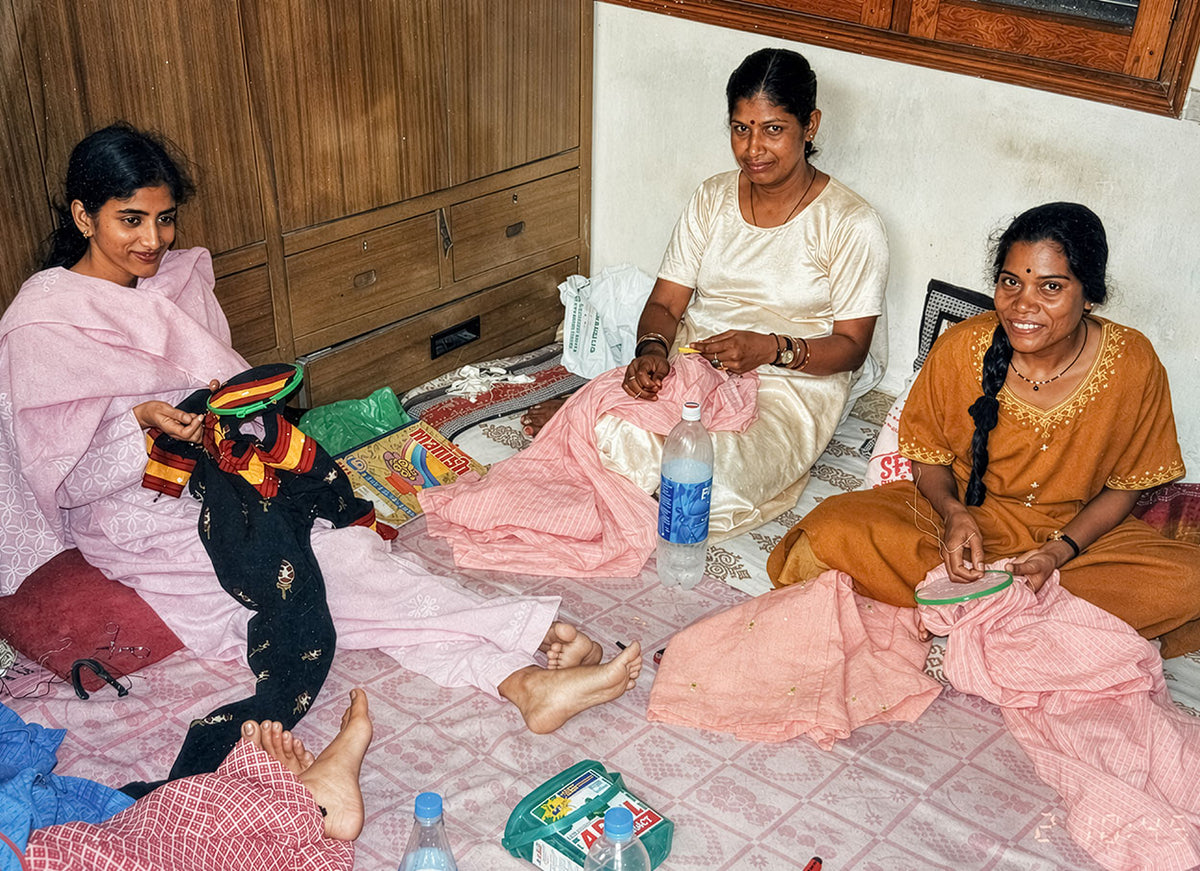
Handcrafted clothing has a quality that comes from the human hand. In block printing, small variations in colour, alignment, or impression are natural. They are not flaws, but signs that the fabric has been worked on rather than simply produced.
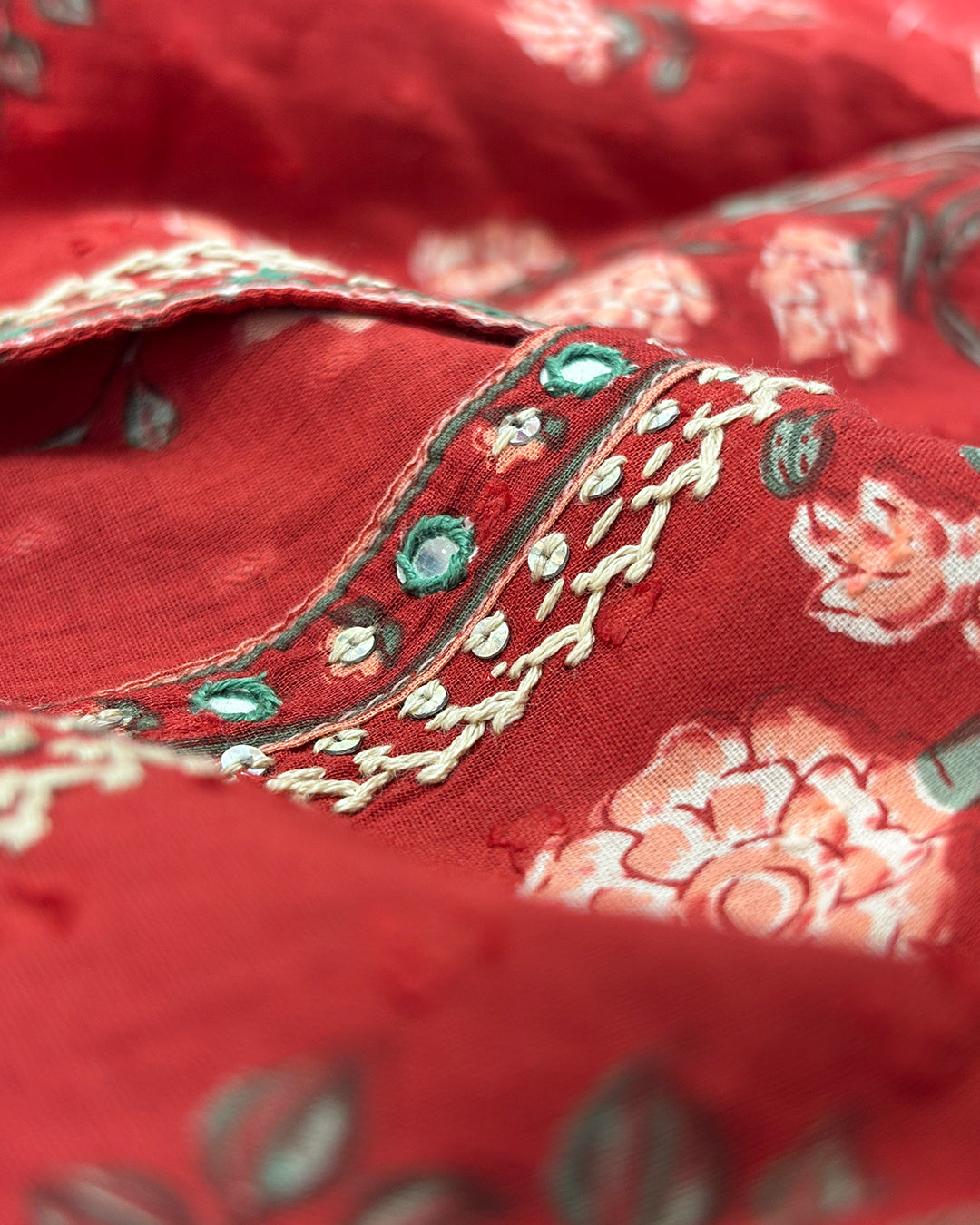
The same care can be seen in the finishing, from the placement of a motif to the fall of the fabric. These details give each kurta its own character while keeping the focus on comfort and wearability.
Final Thoughts
There is no single fabric that suits every part of India or every season. Yet cotton remains one of the most dependable choices for our climate because it is breathable, comfortable, and easy to live in.
A handcrafted cotton kurta adds another layer to that practicality. It brings together weather-conscious dressing with the beauty of Indian textile traditions. Perhaps that is why these kurtas remain relevant, year after year. They make room for comfort without asking us to give up the craft and character that make Indian clothing so enduring.

