

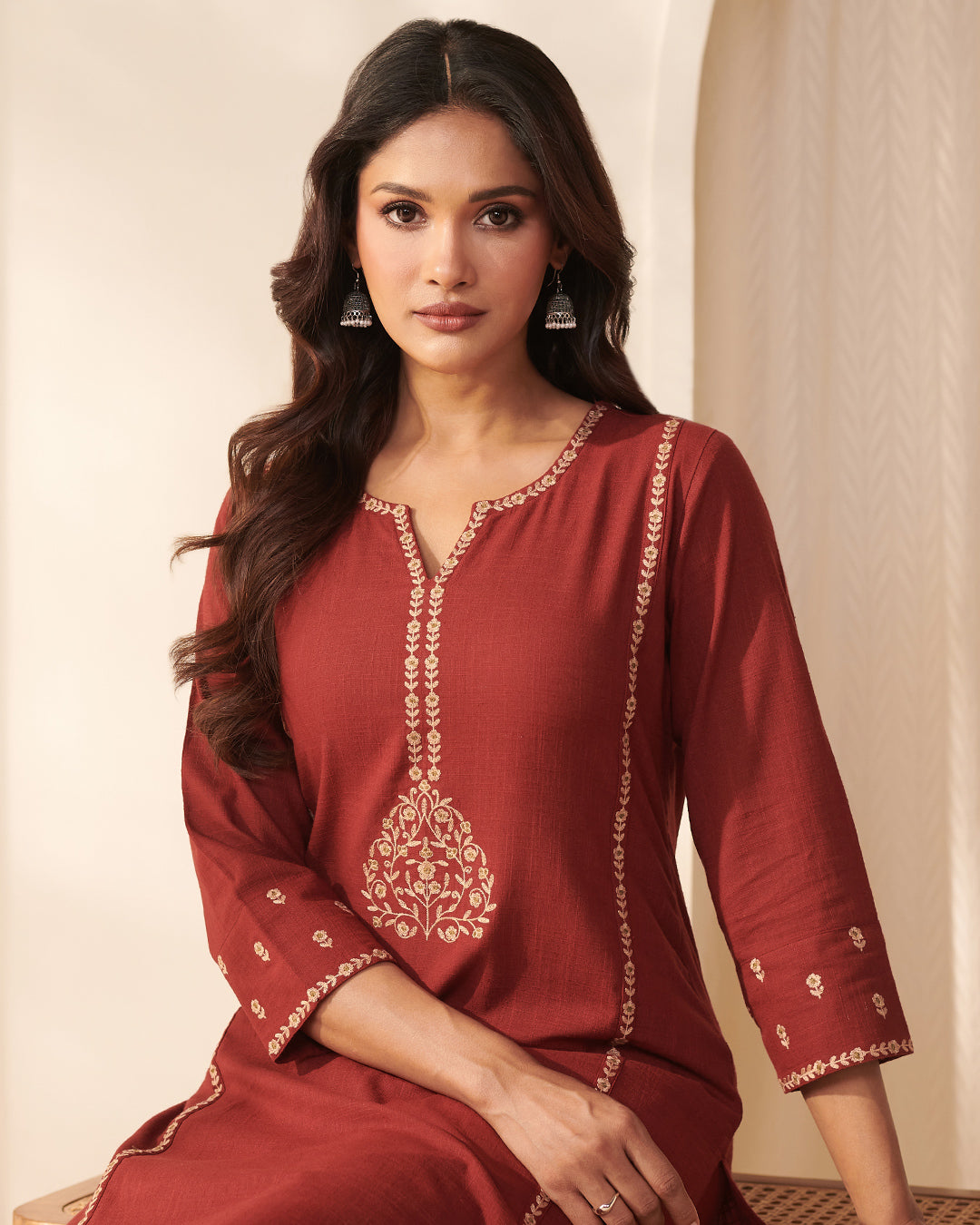
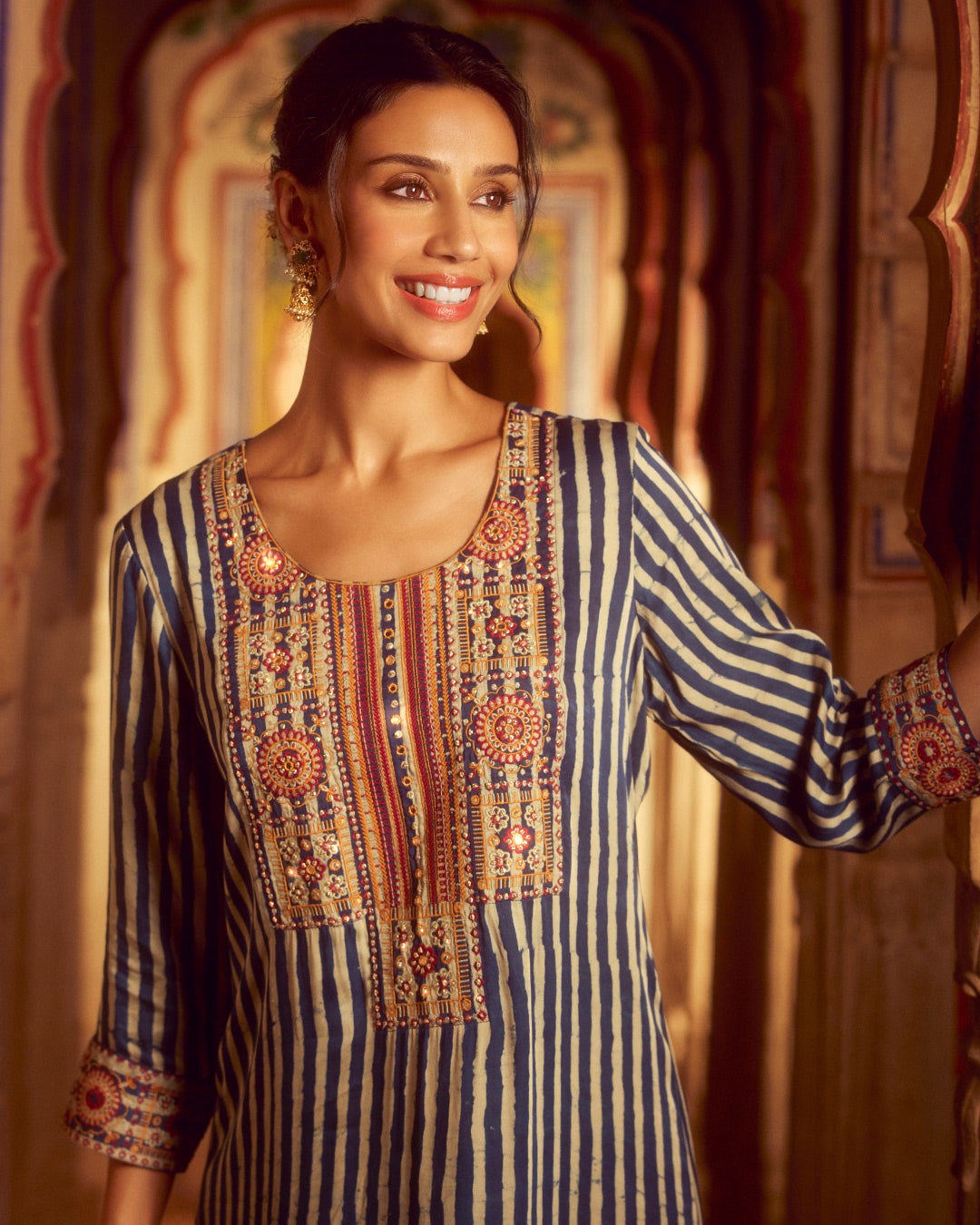
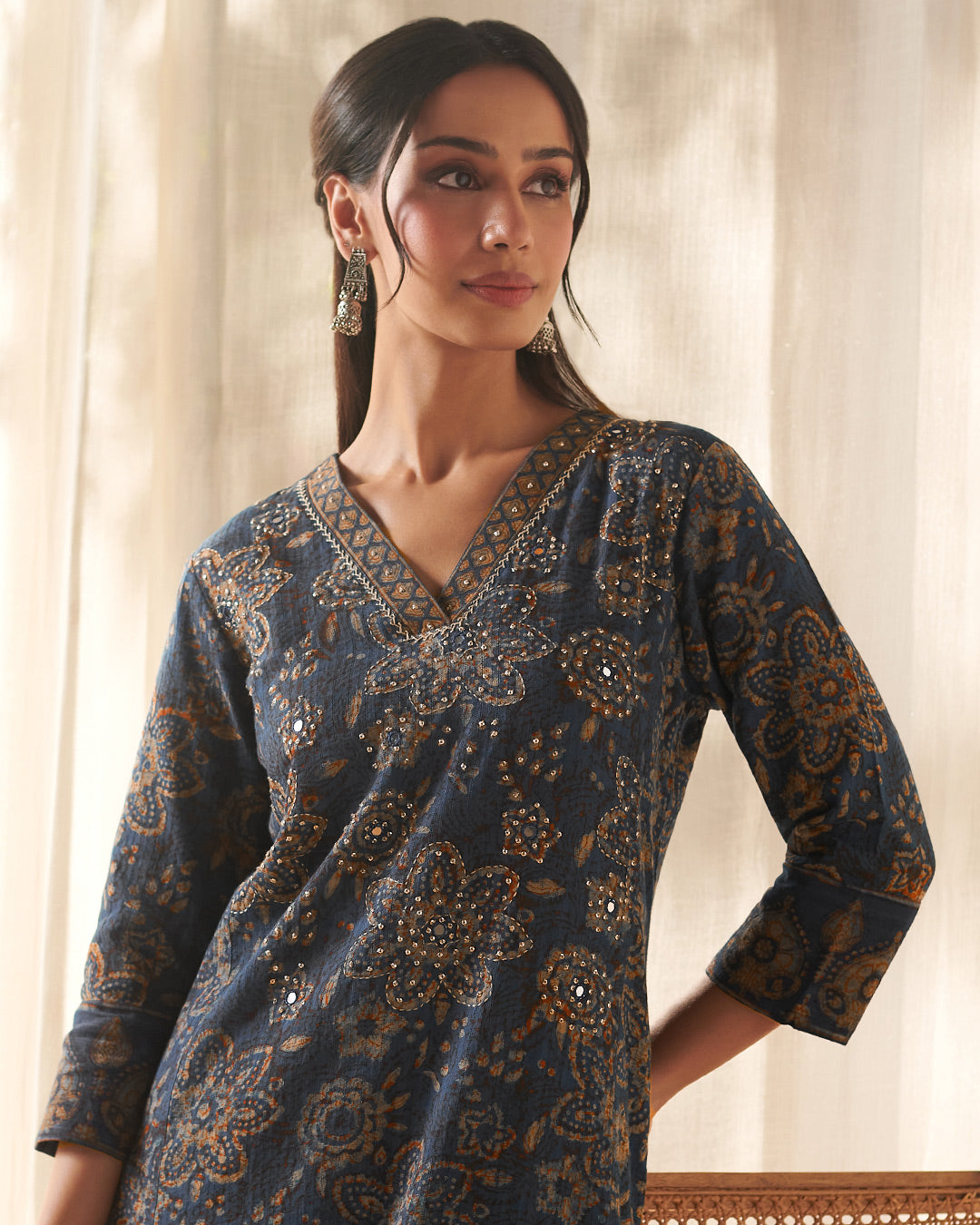
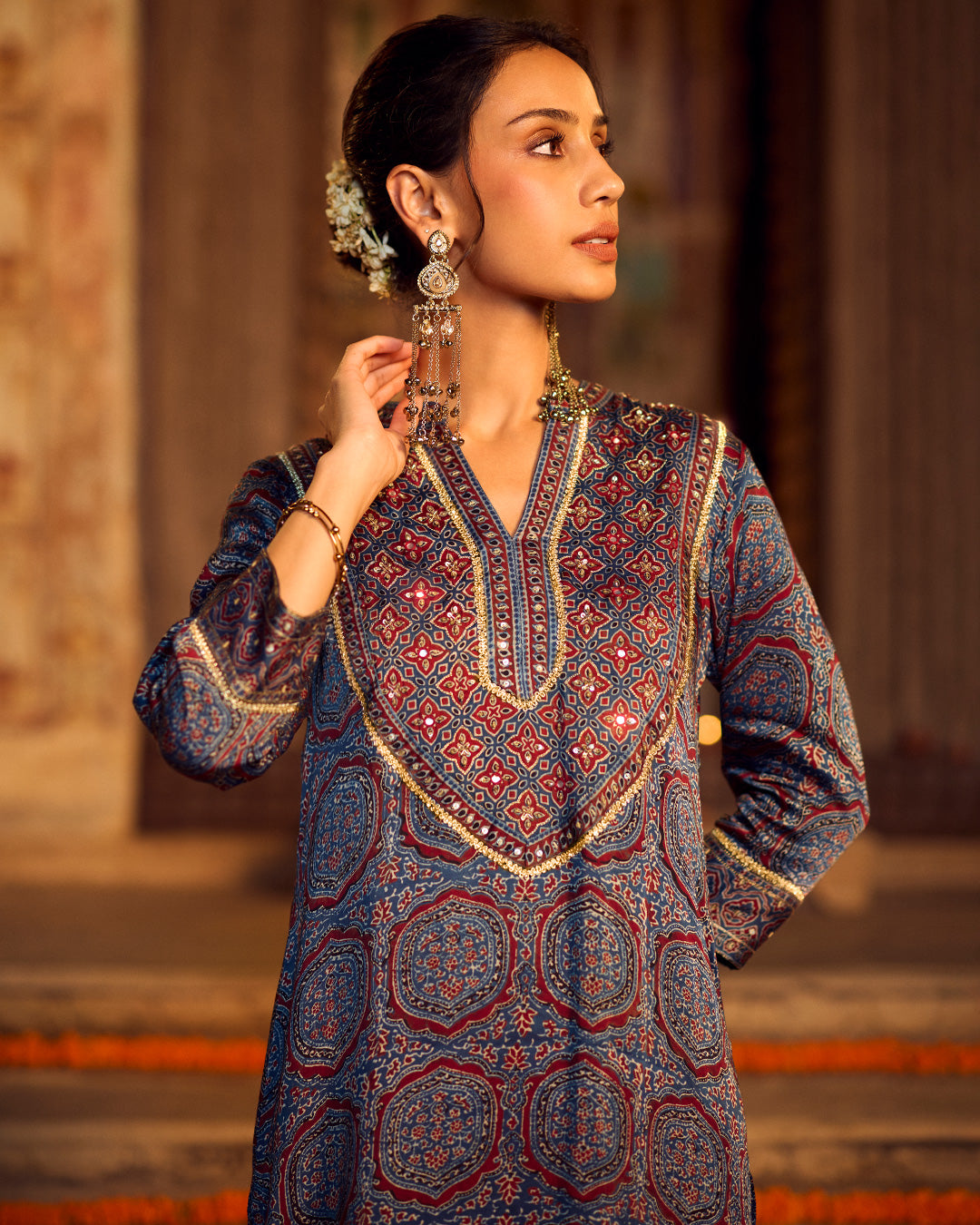



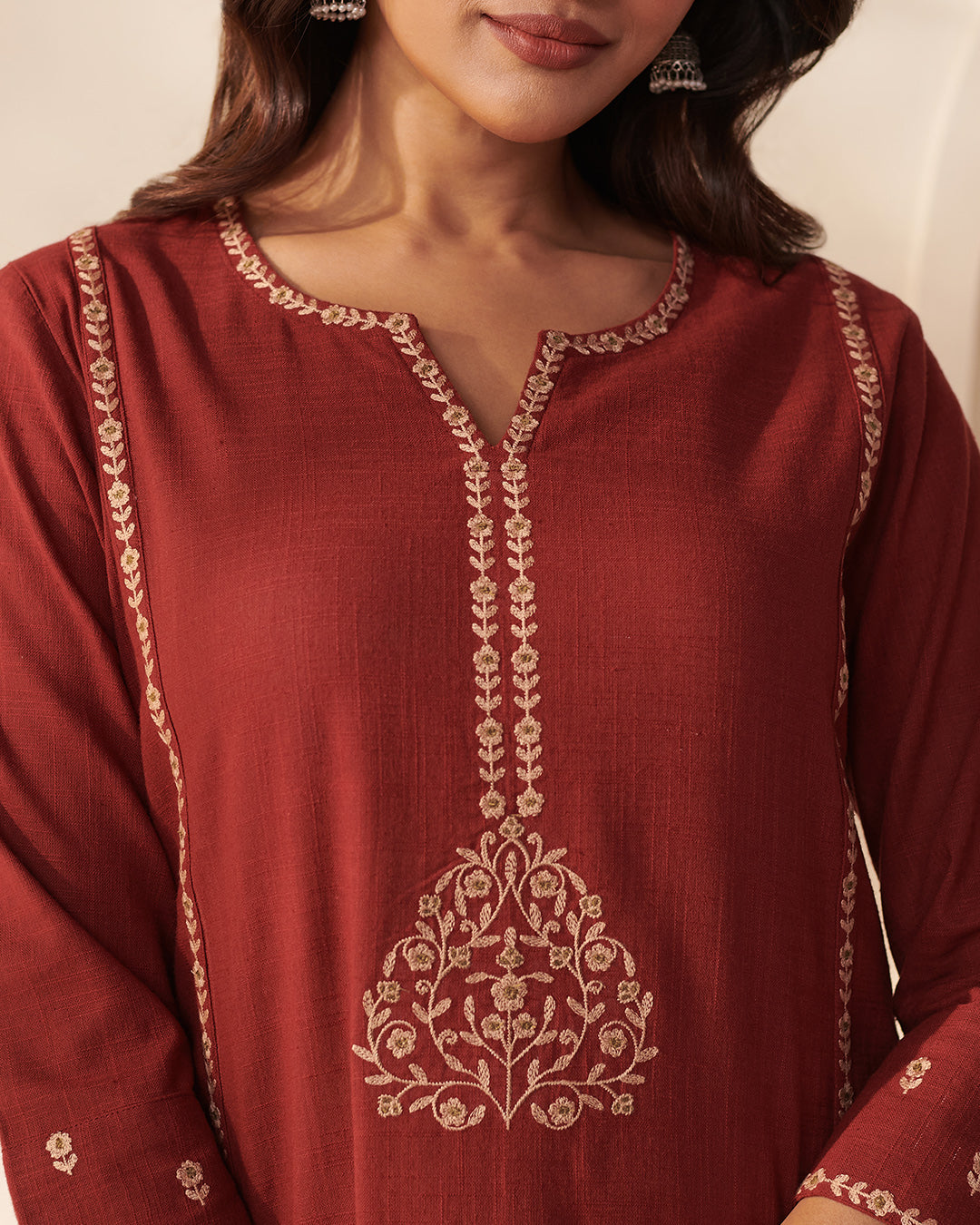
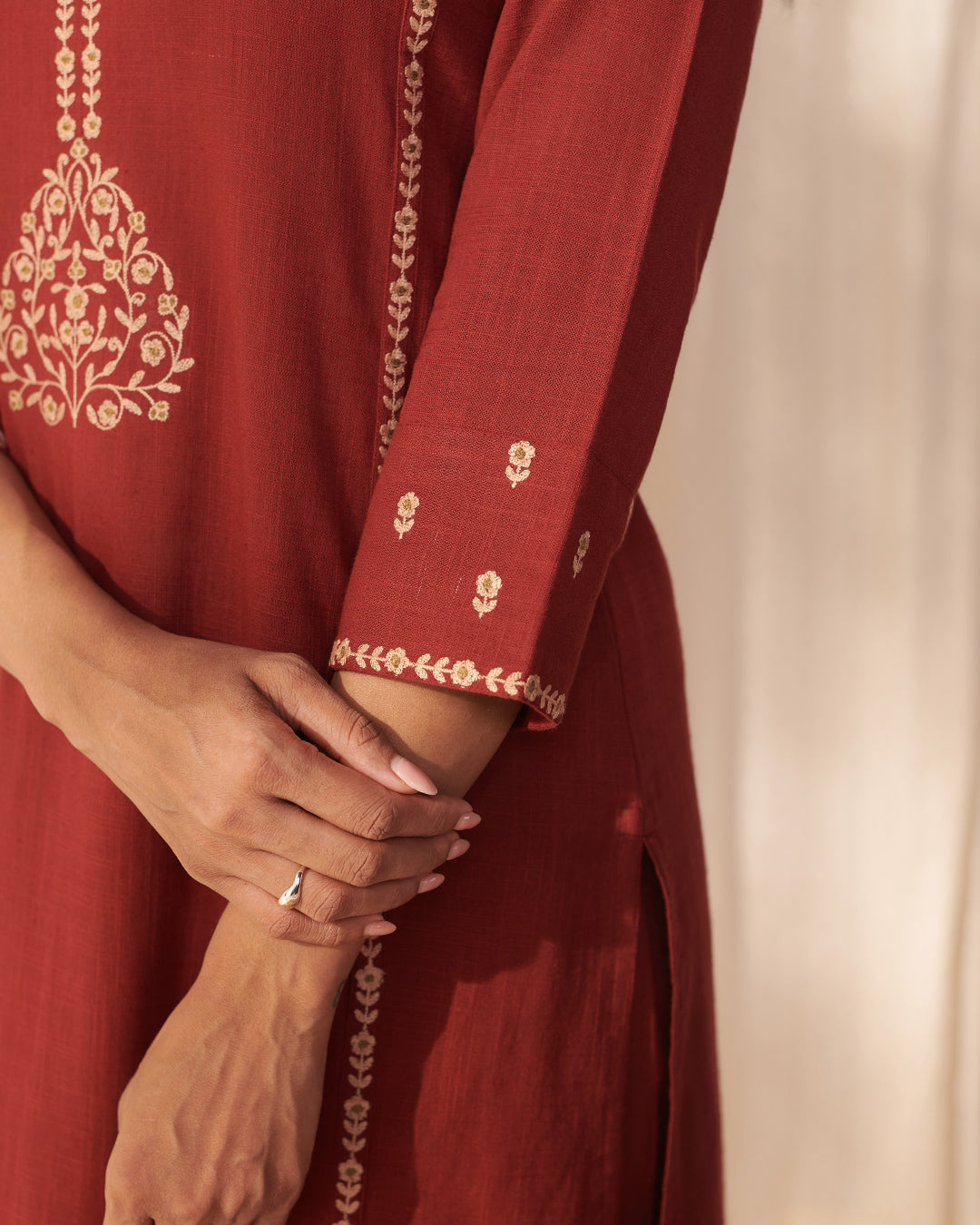
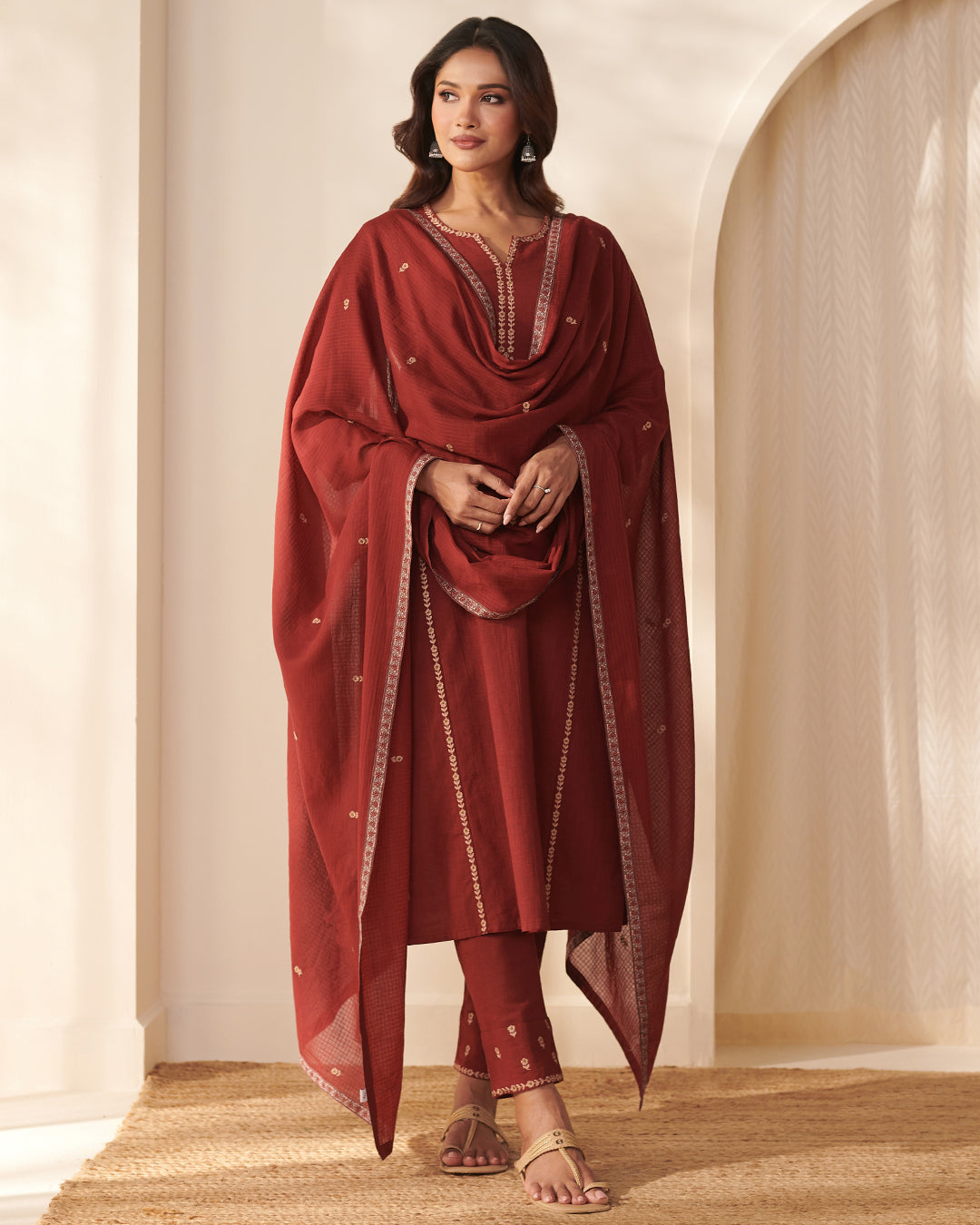
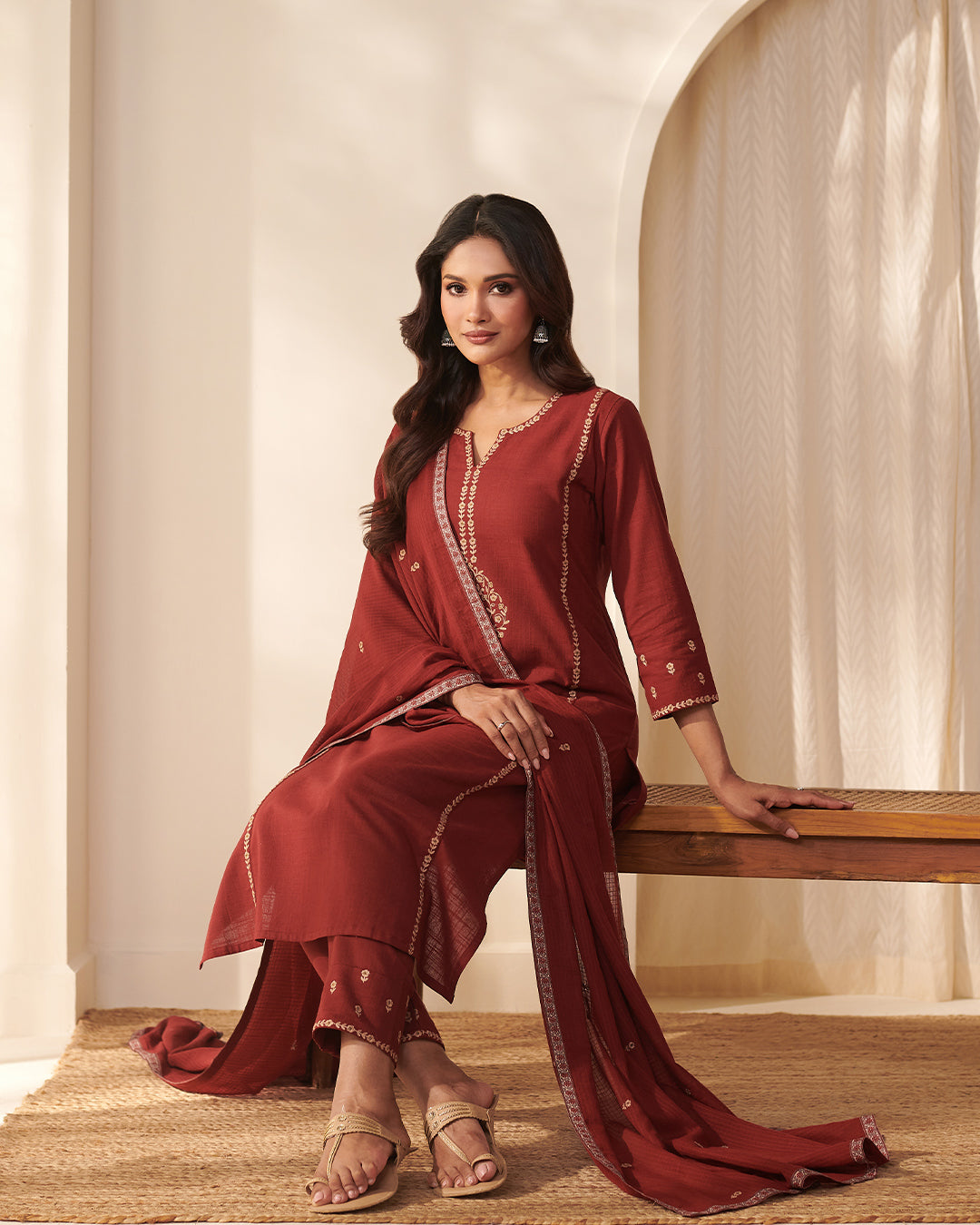
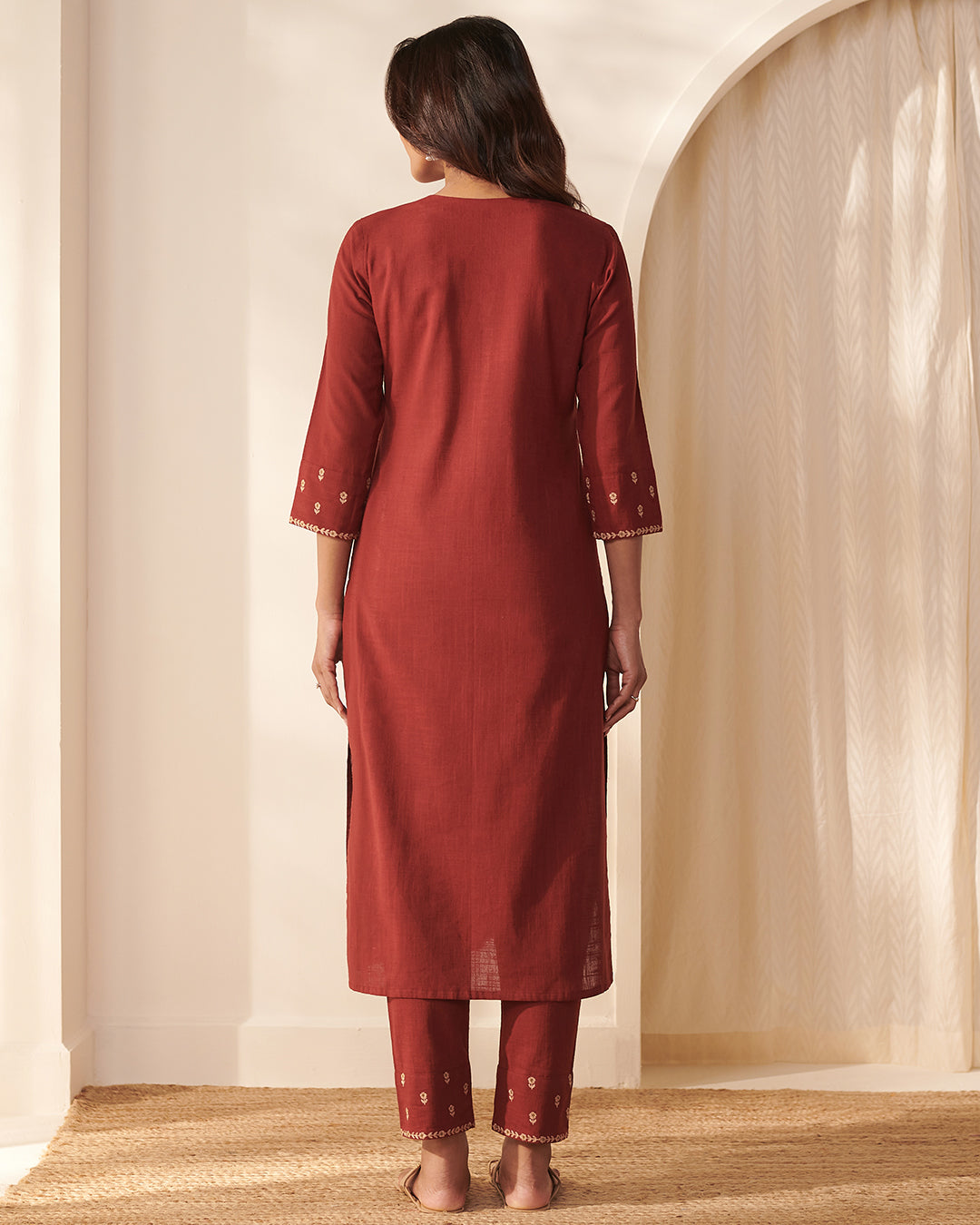
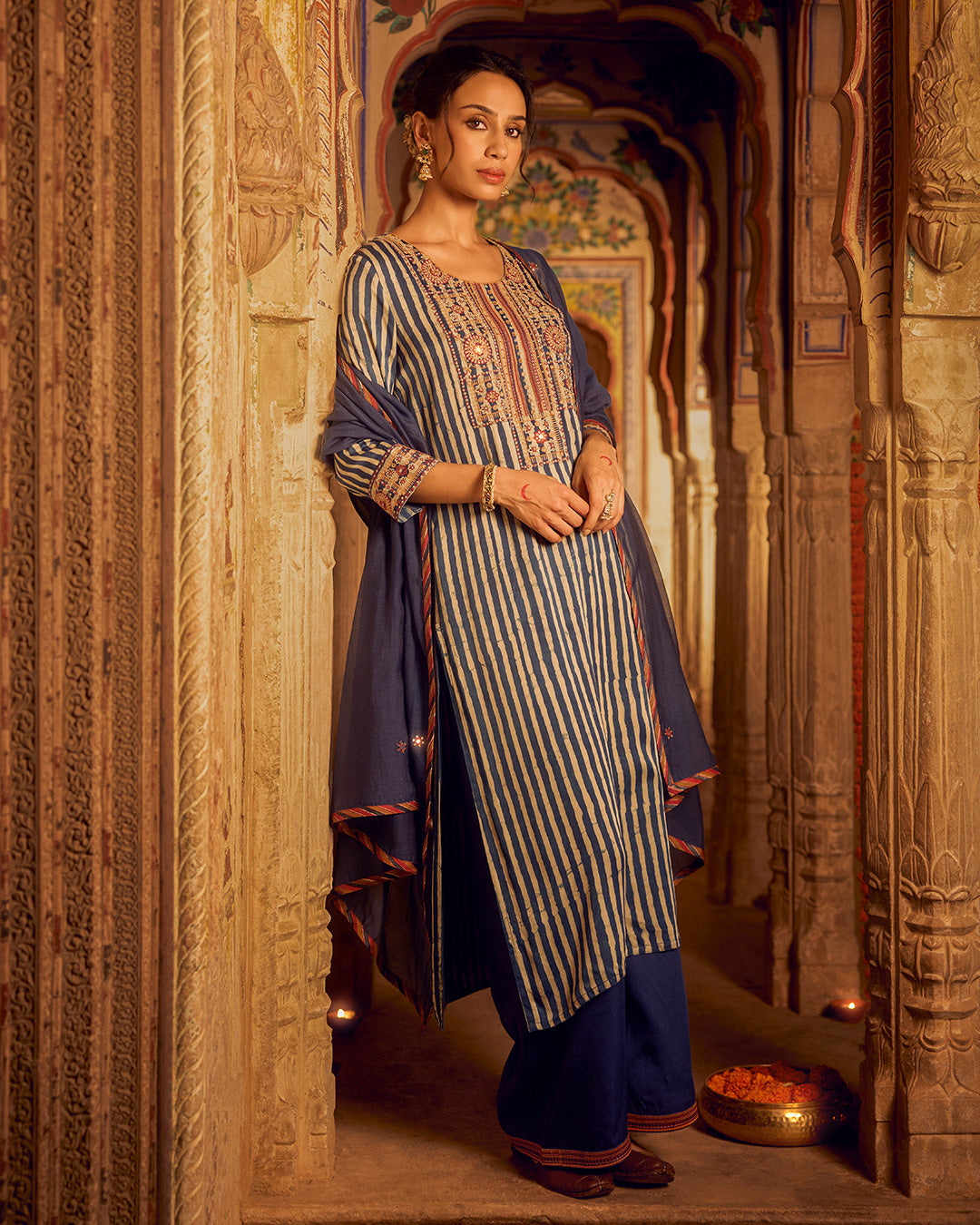
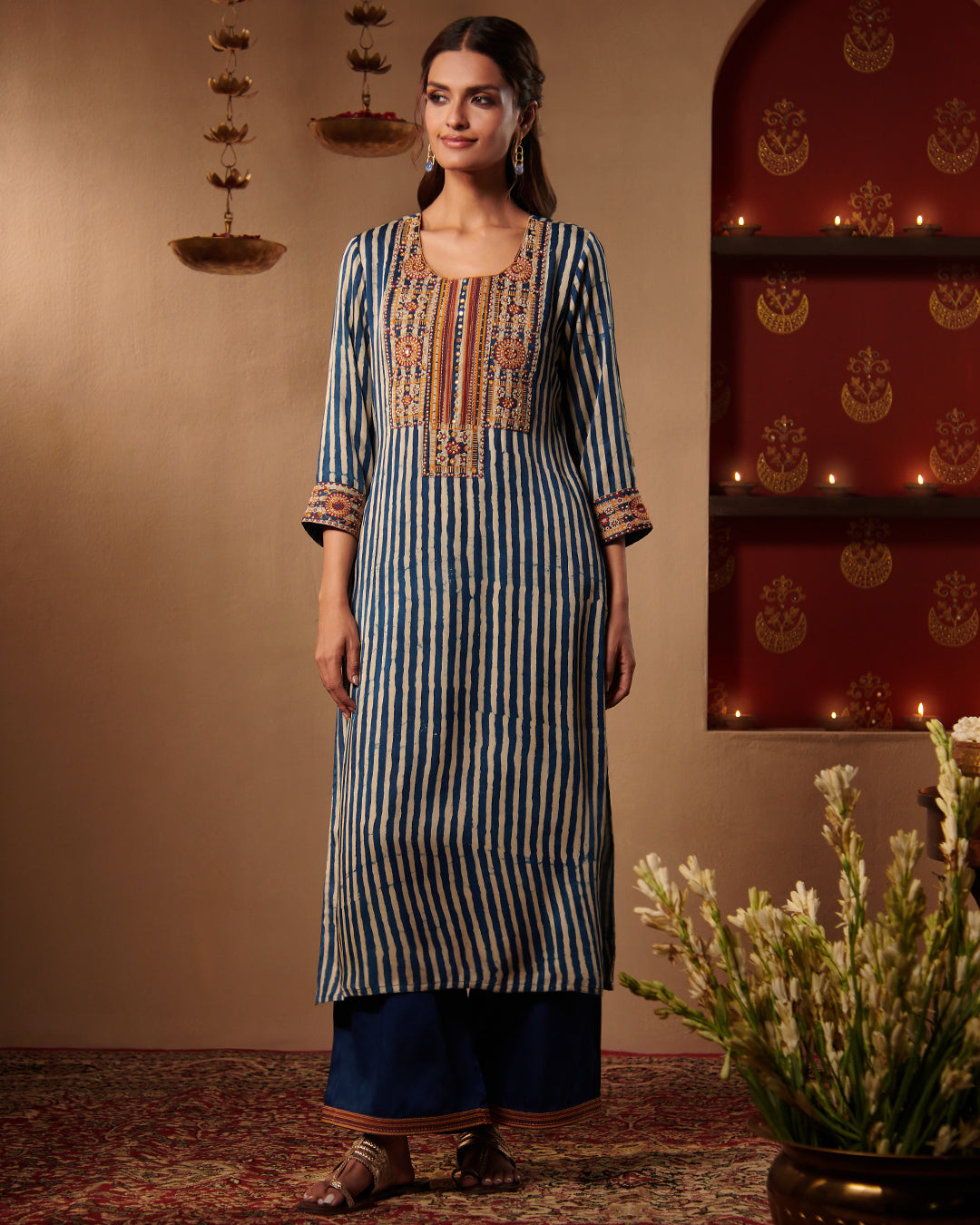
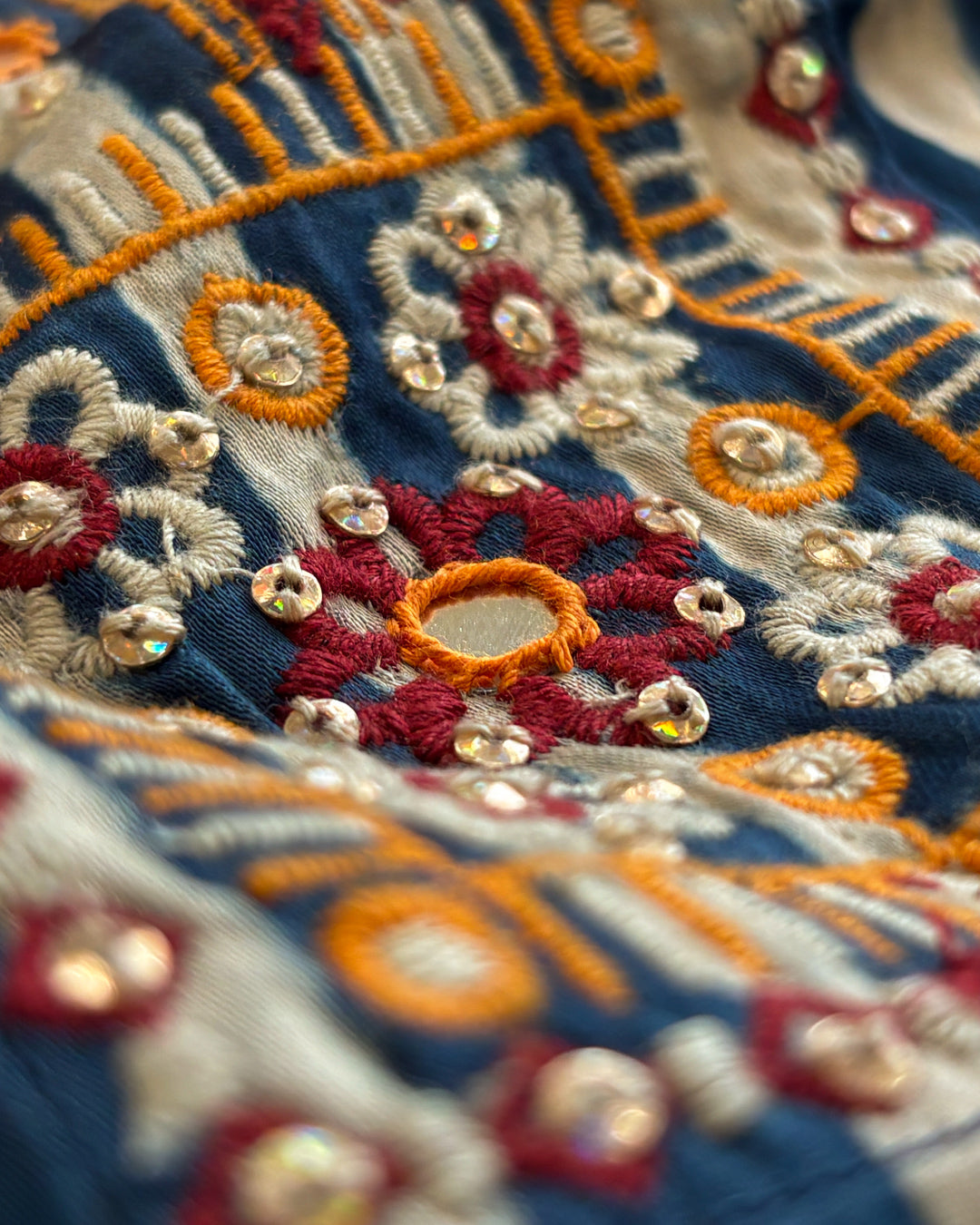
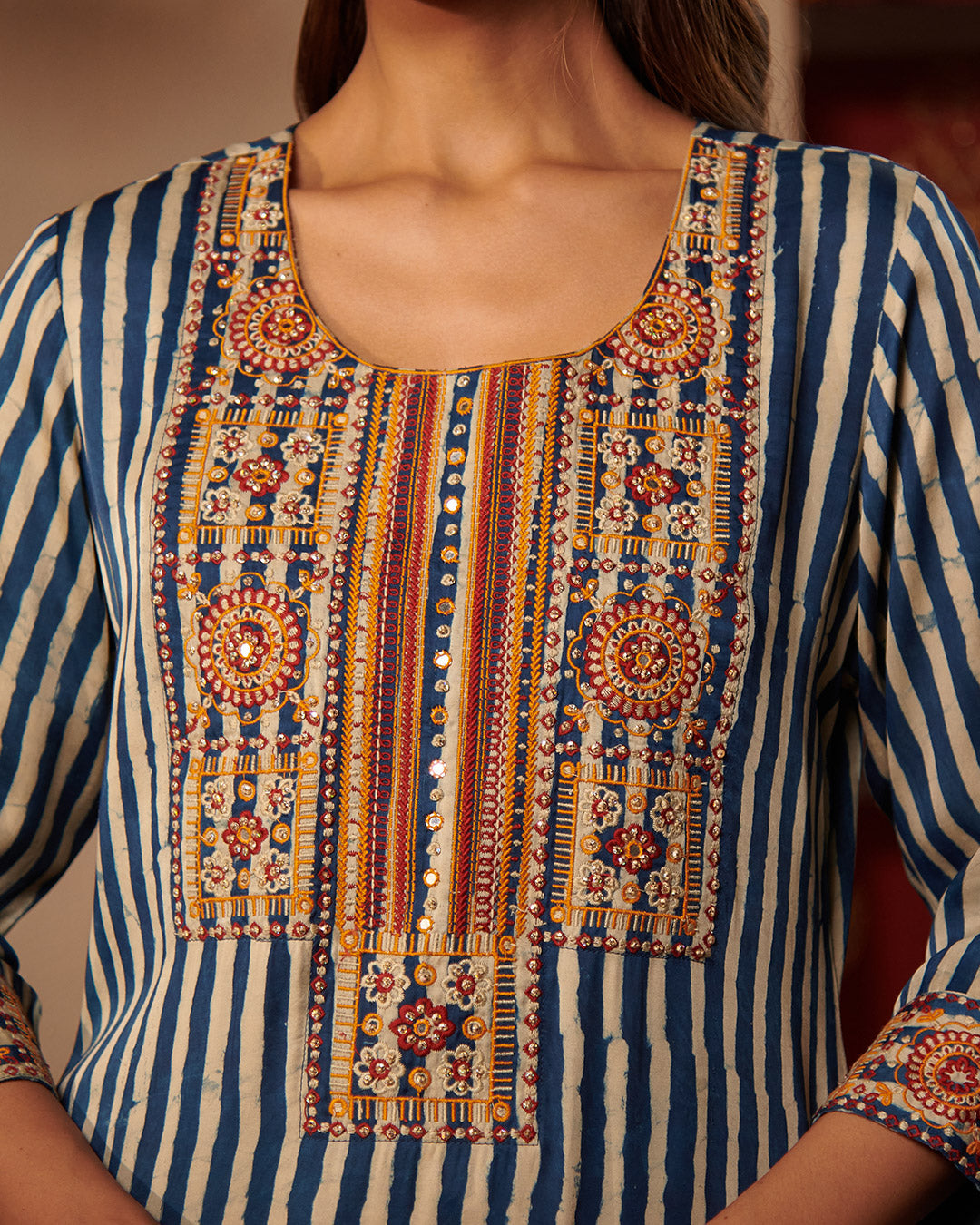
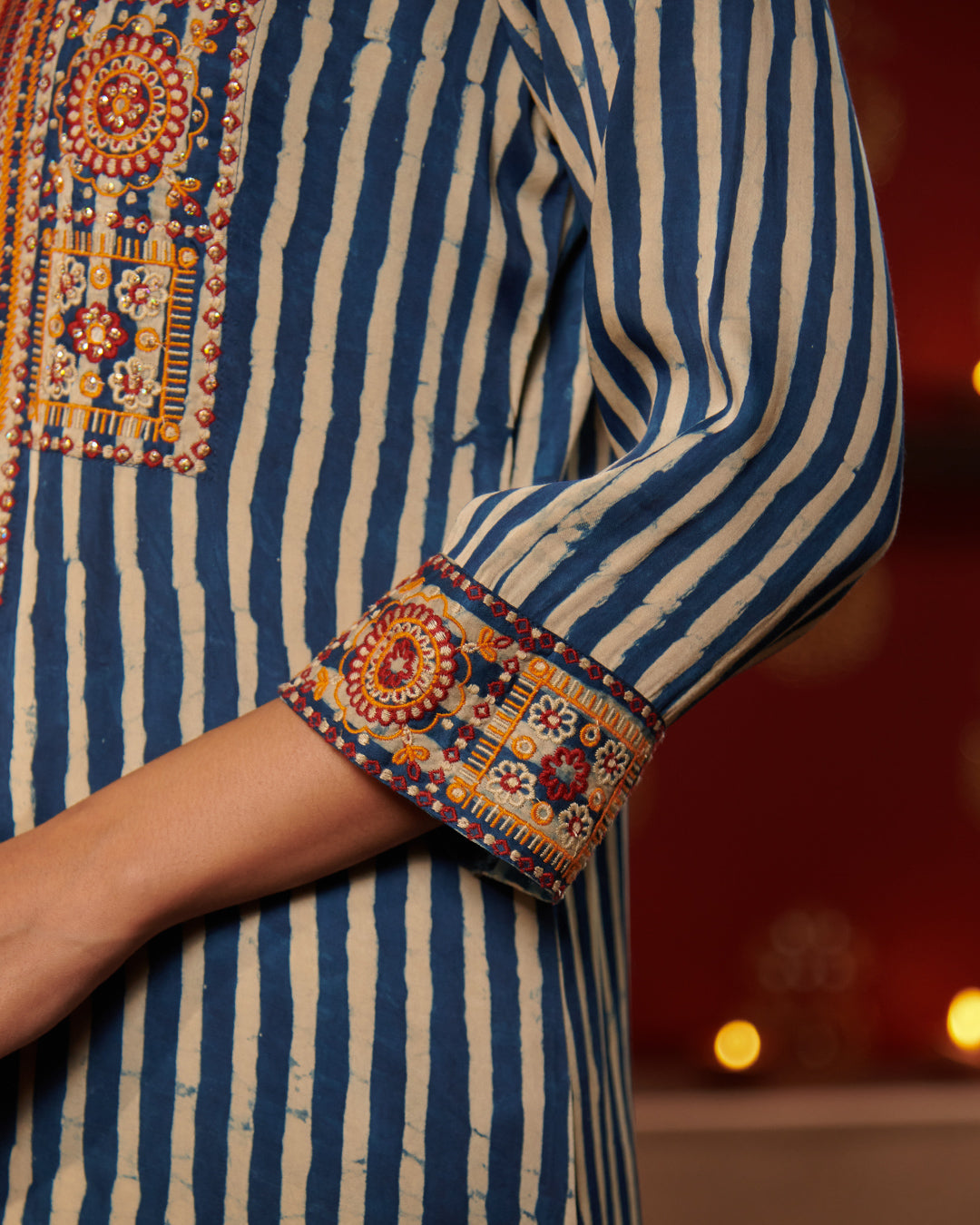
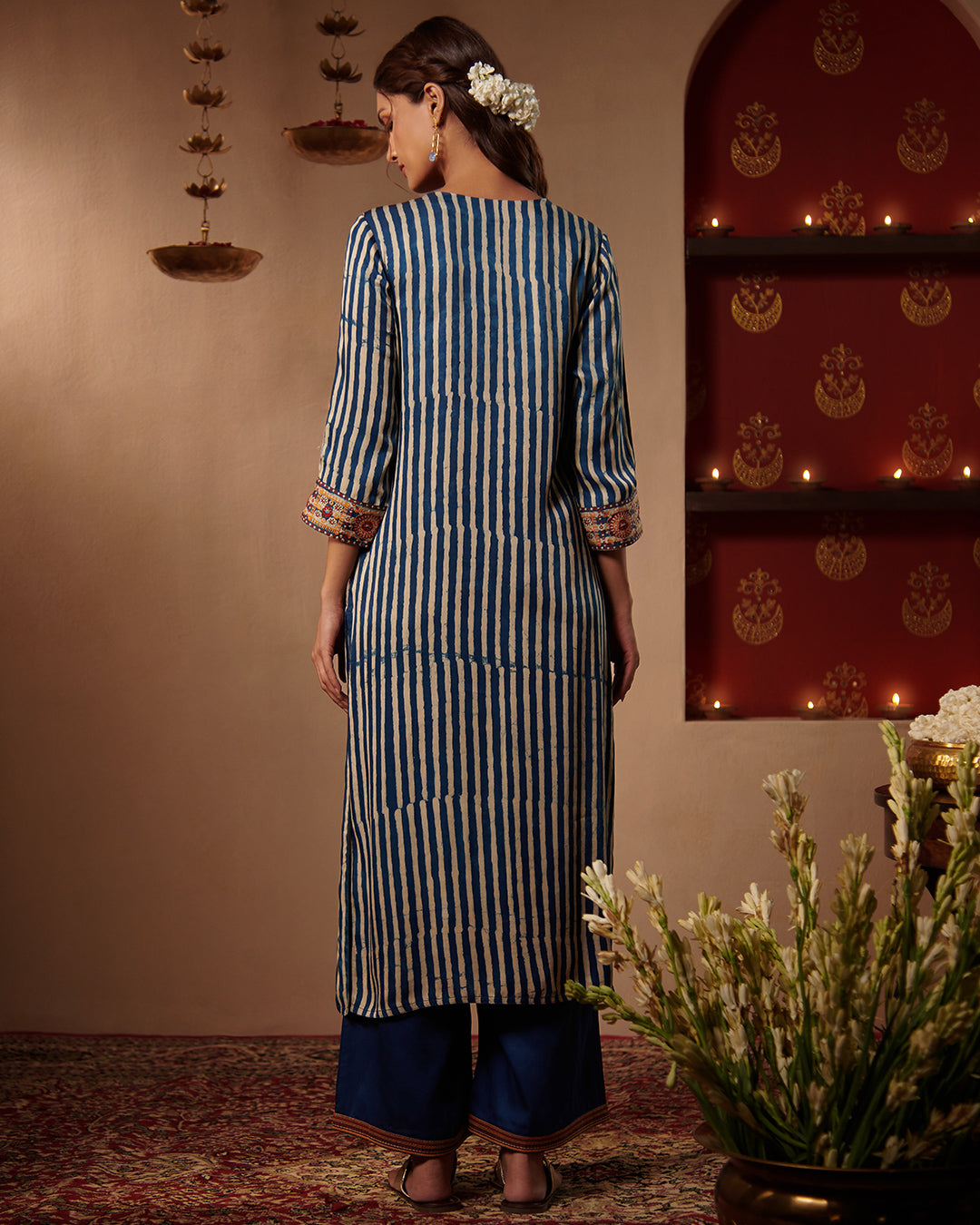
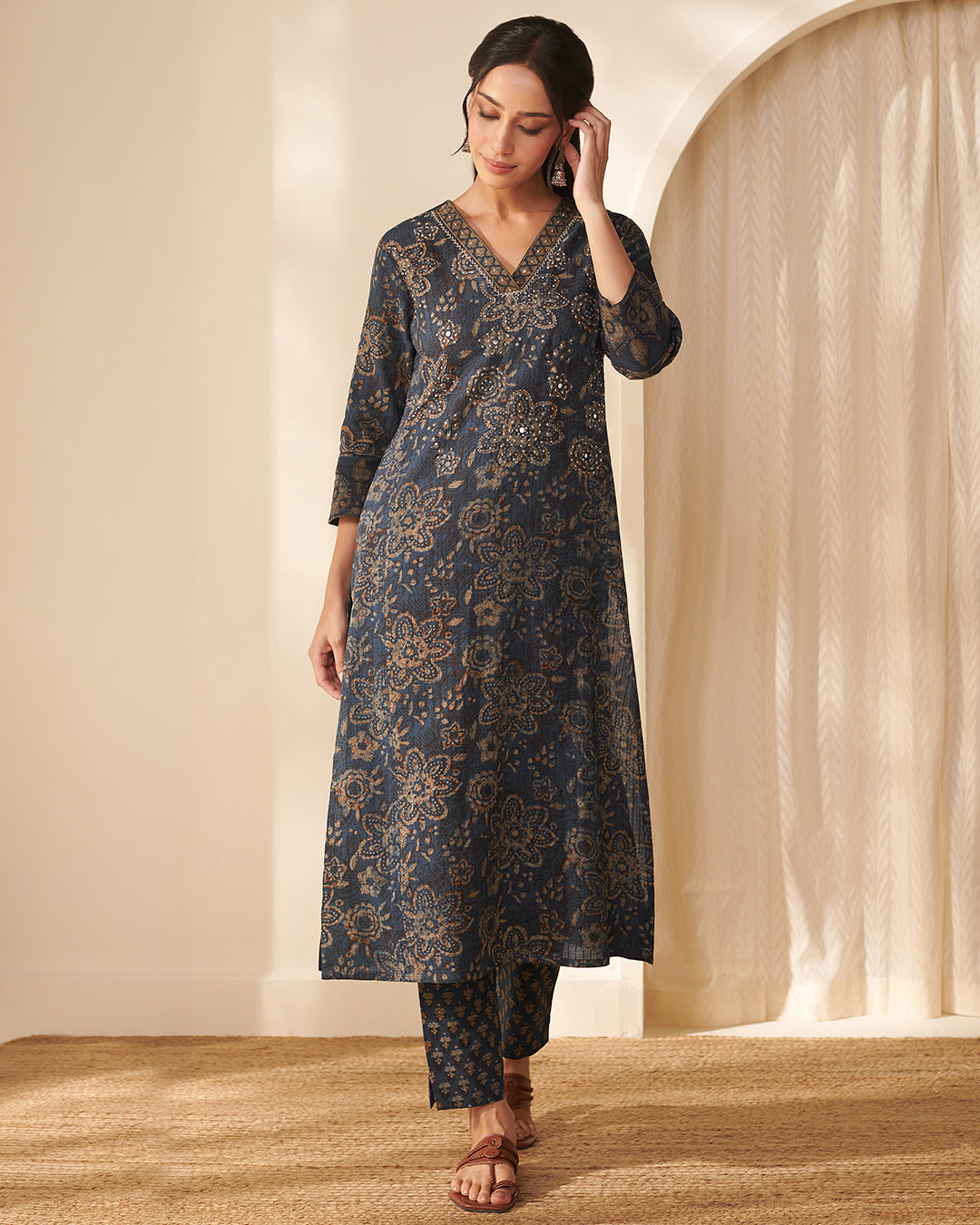
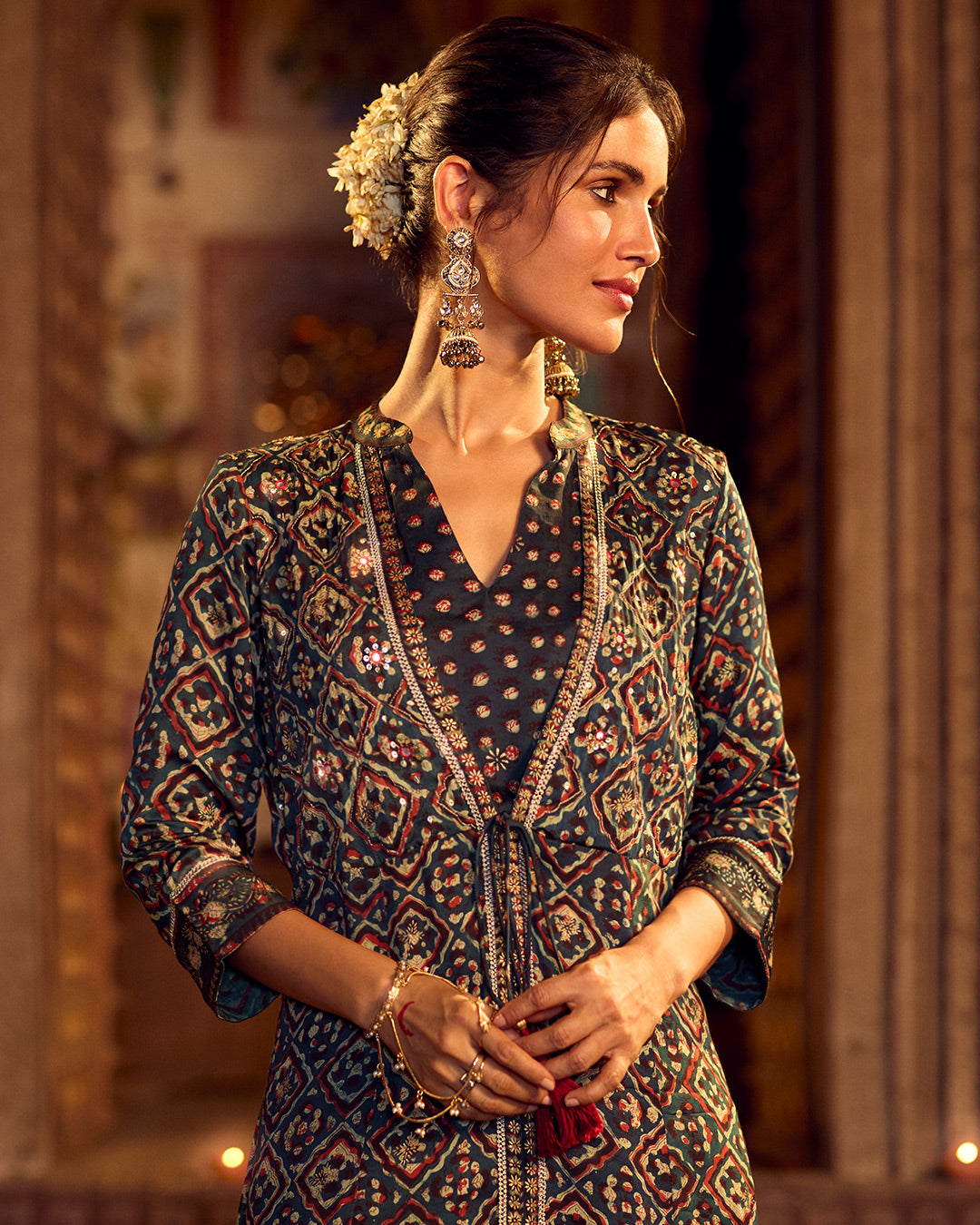
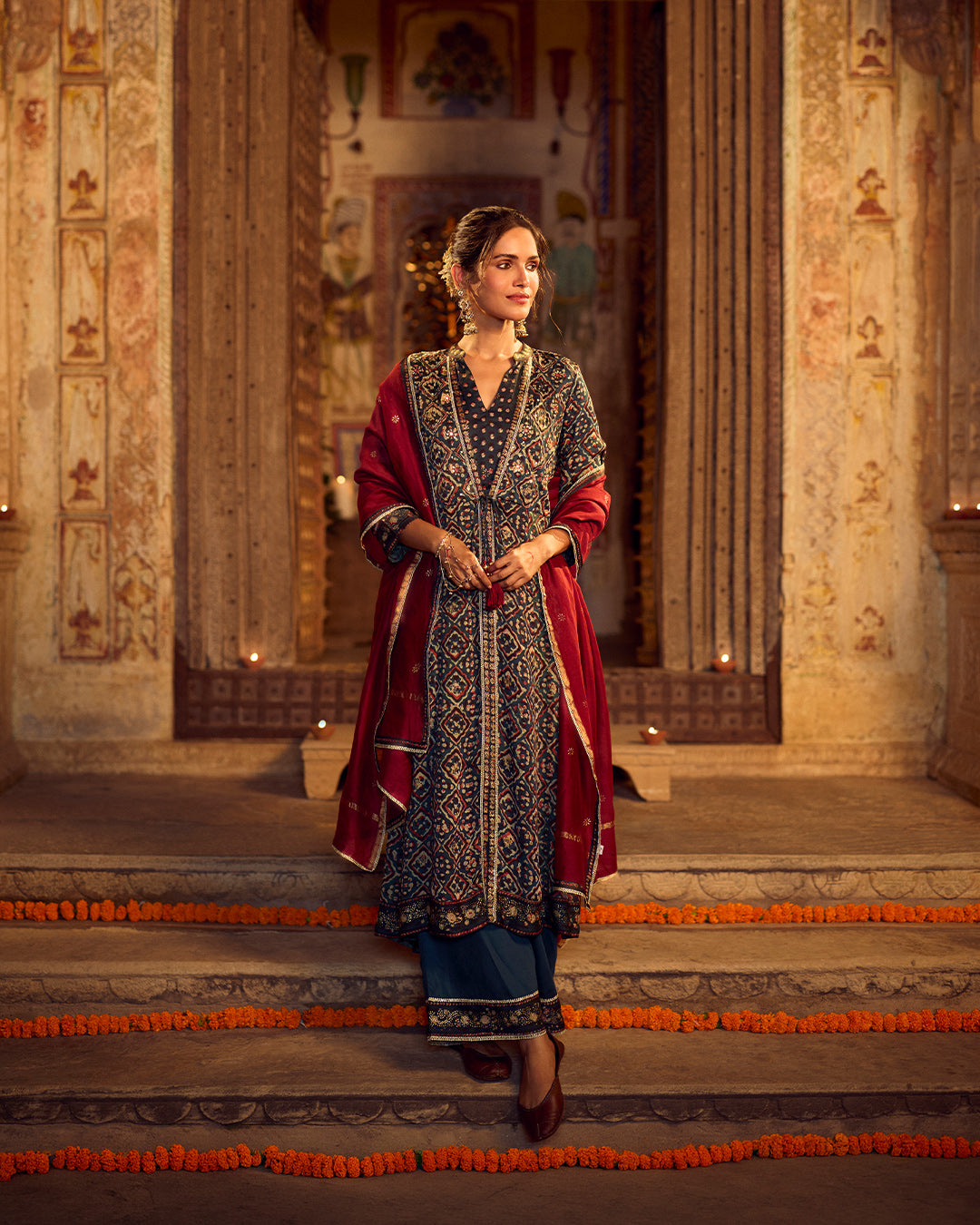
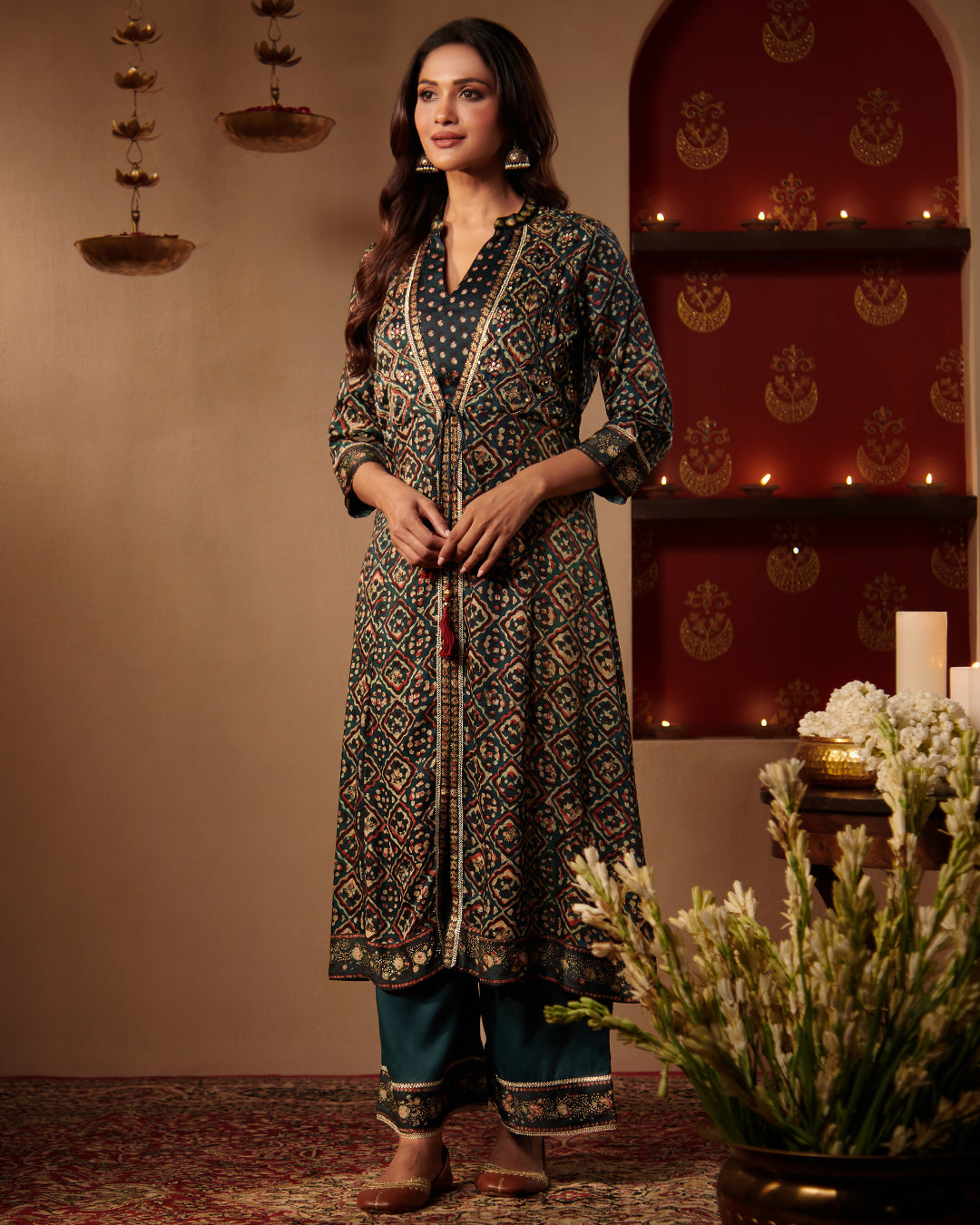
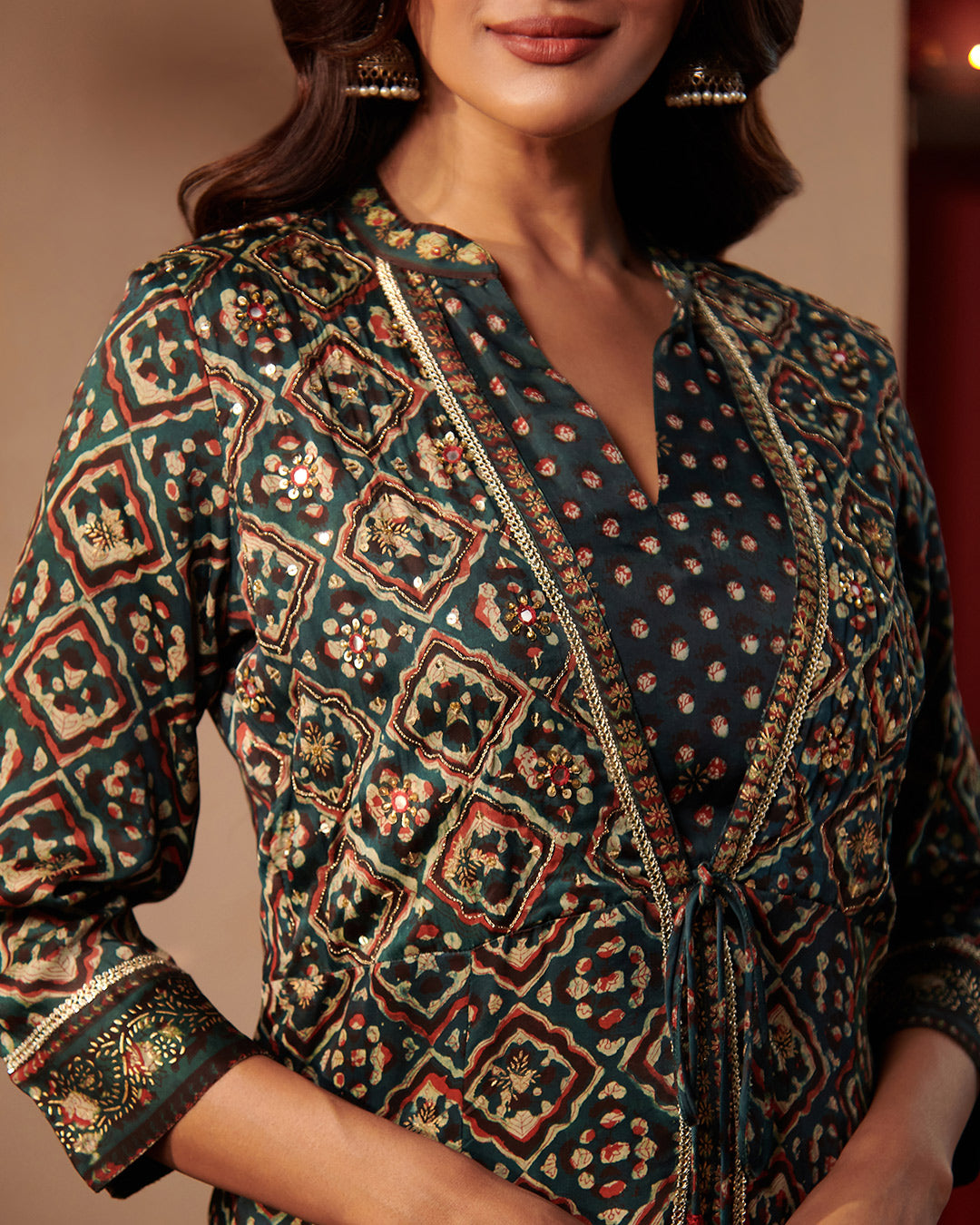
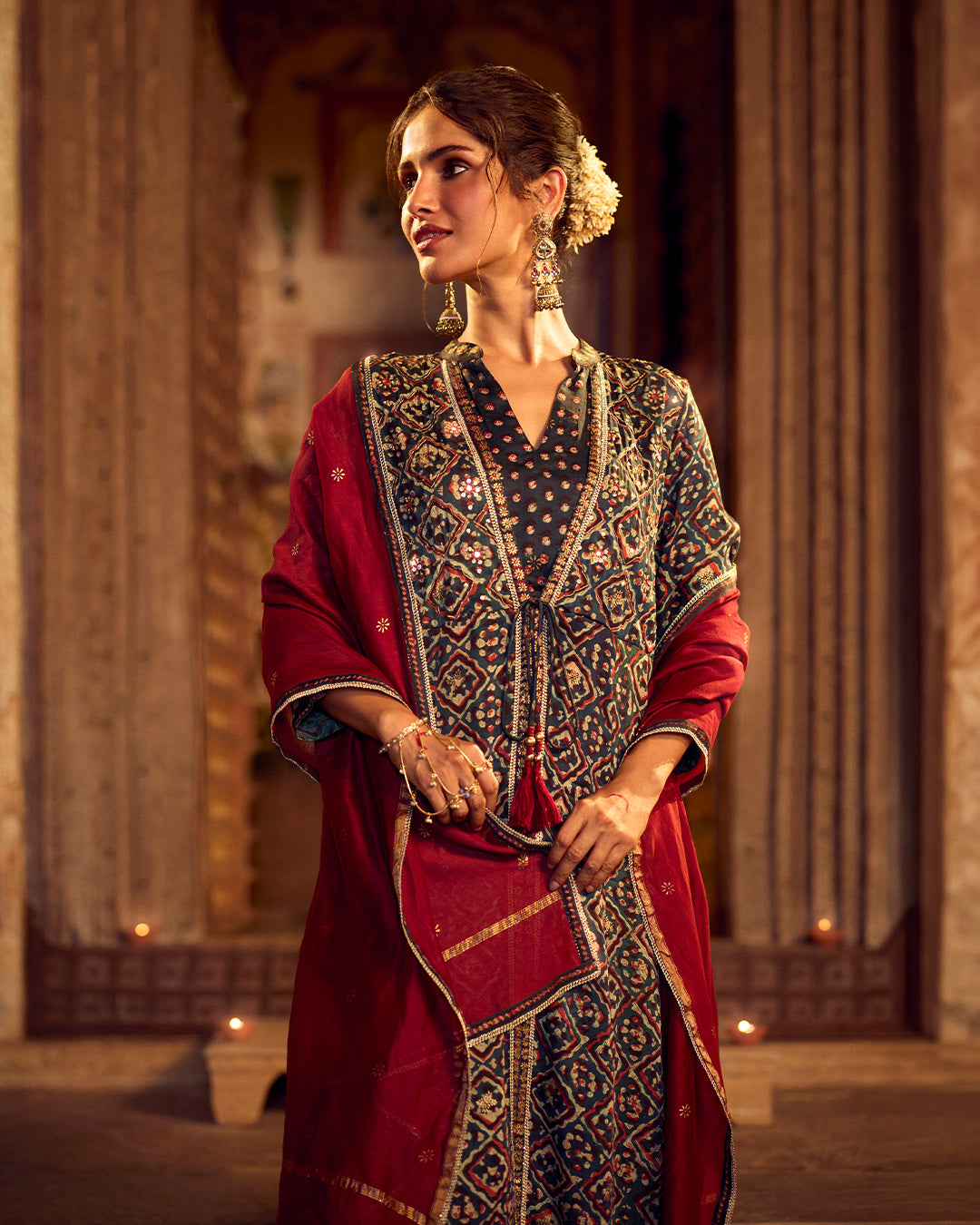
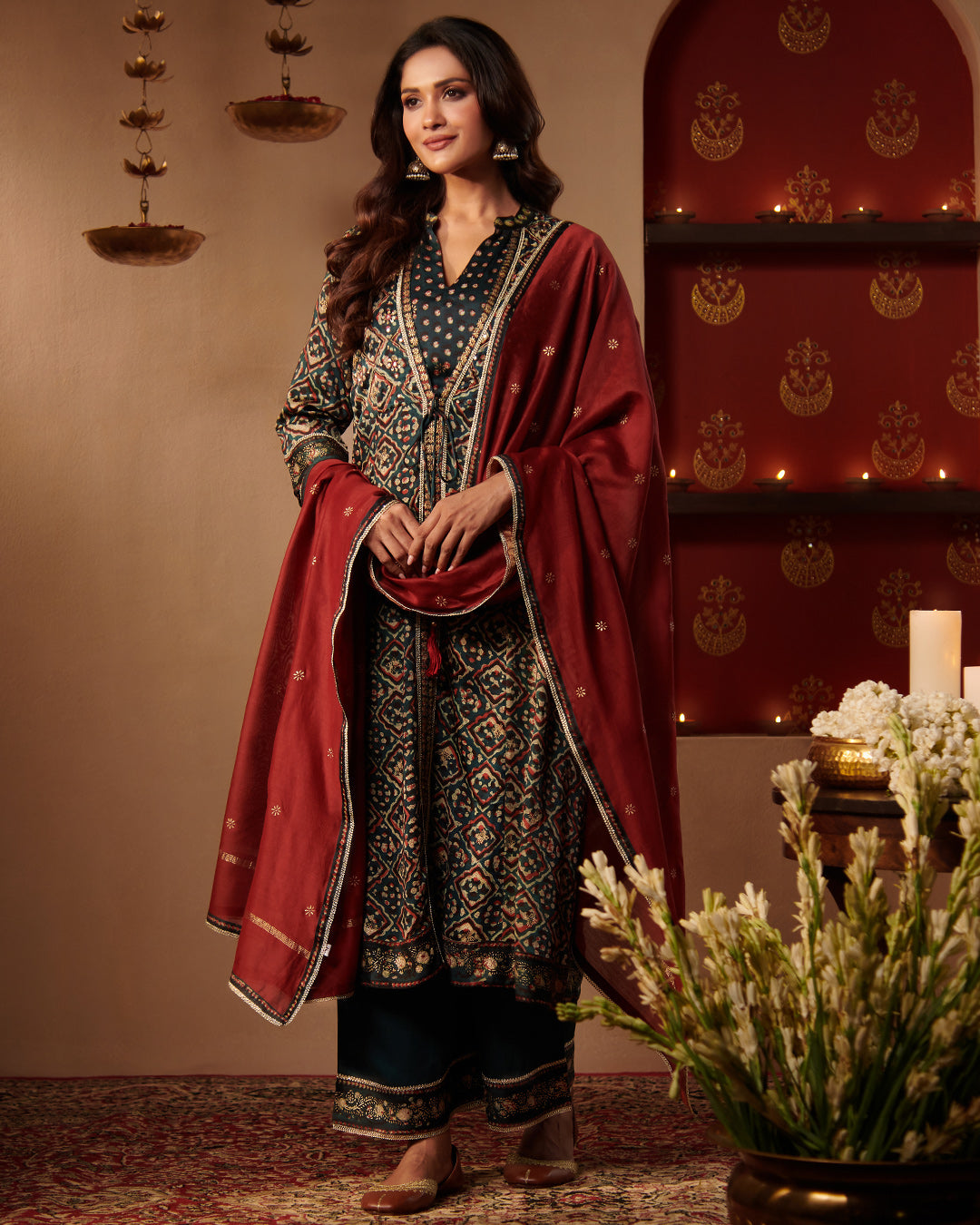
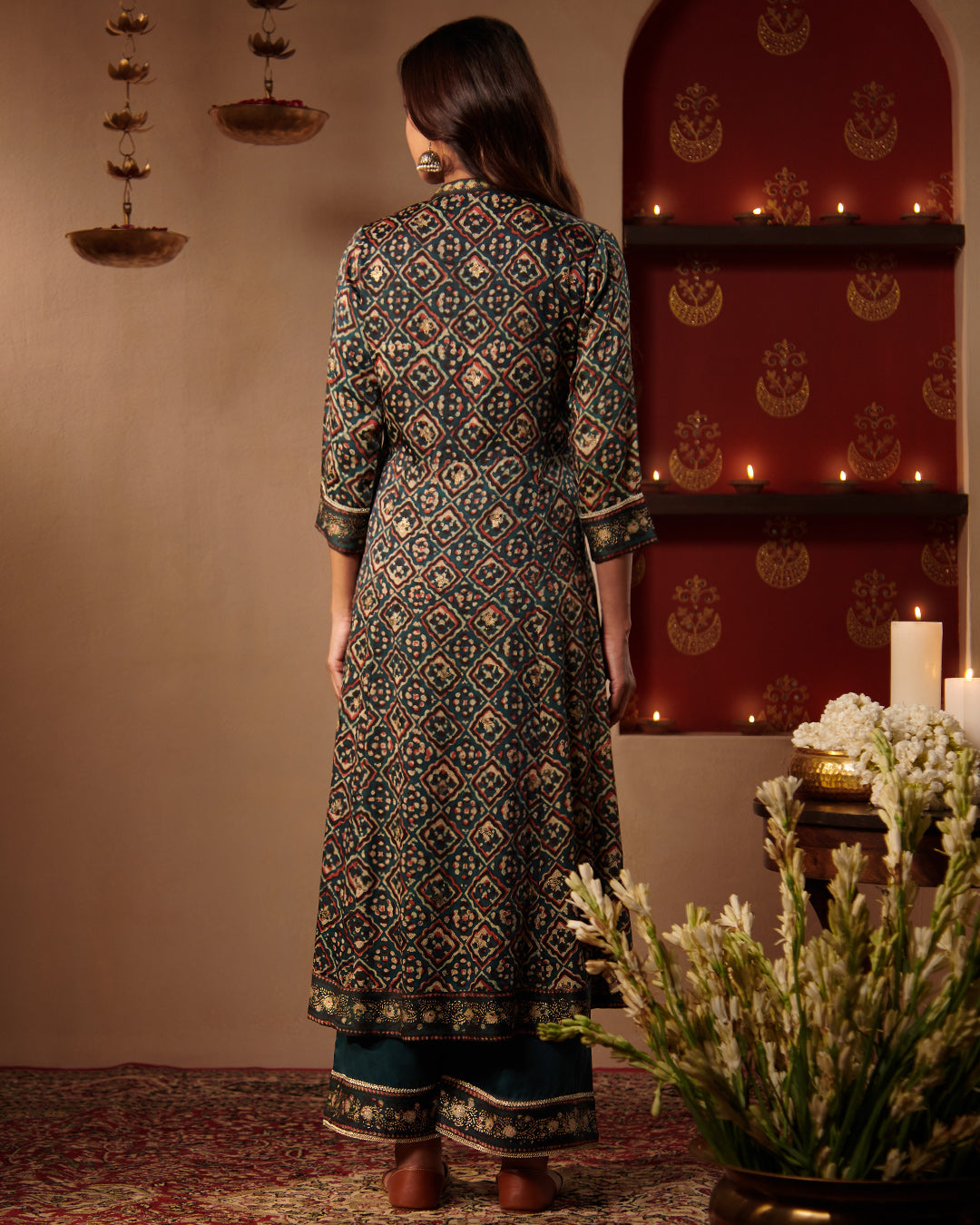
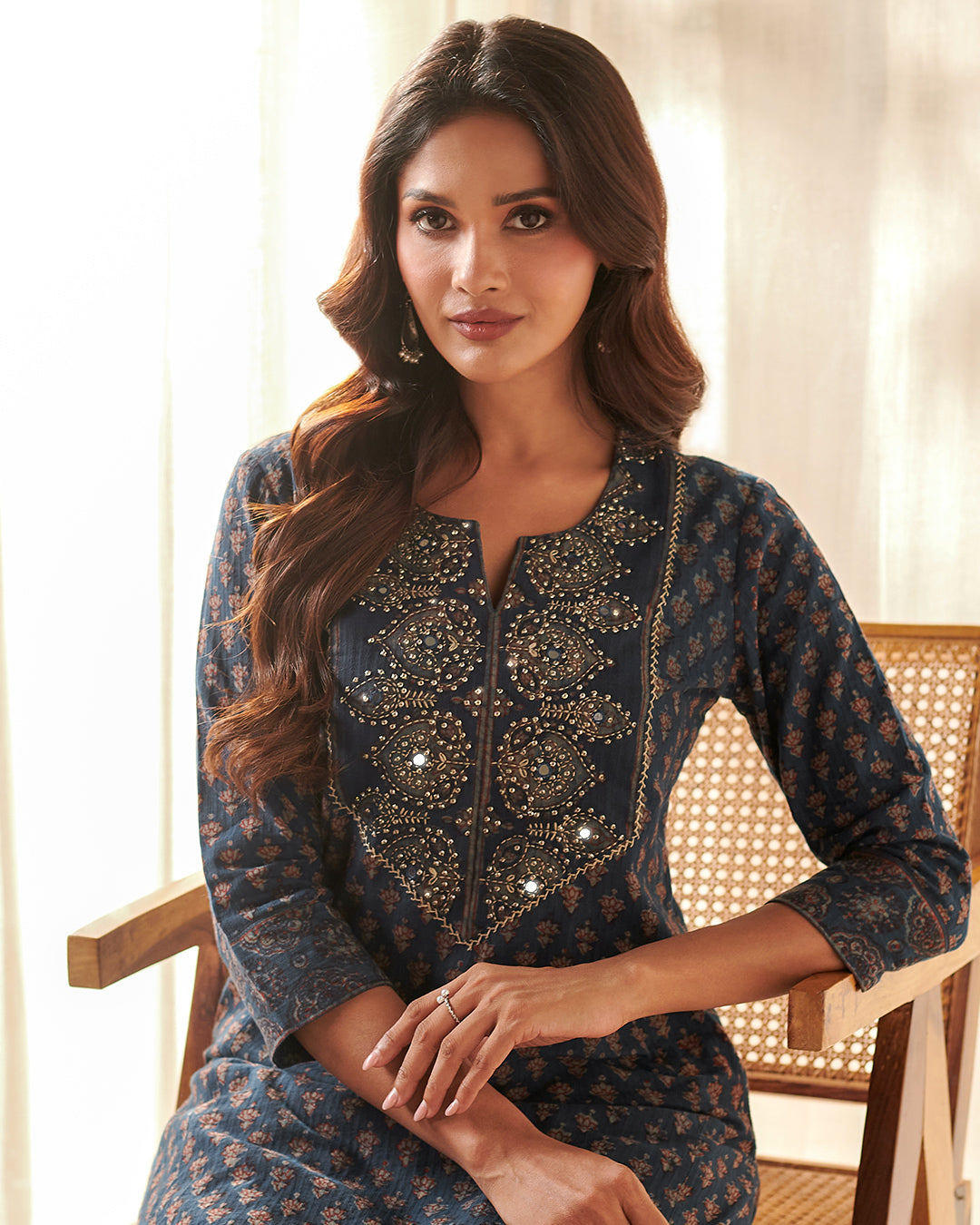
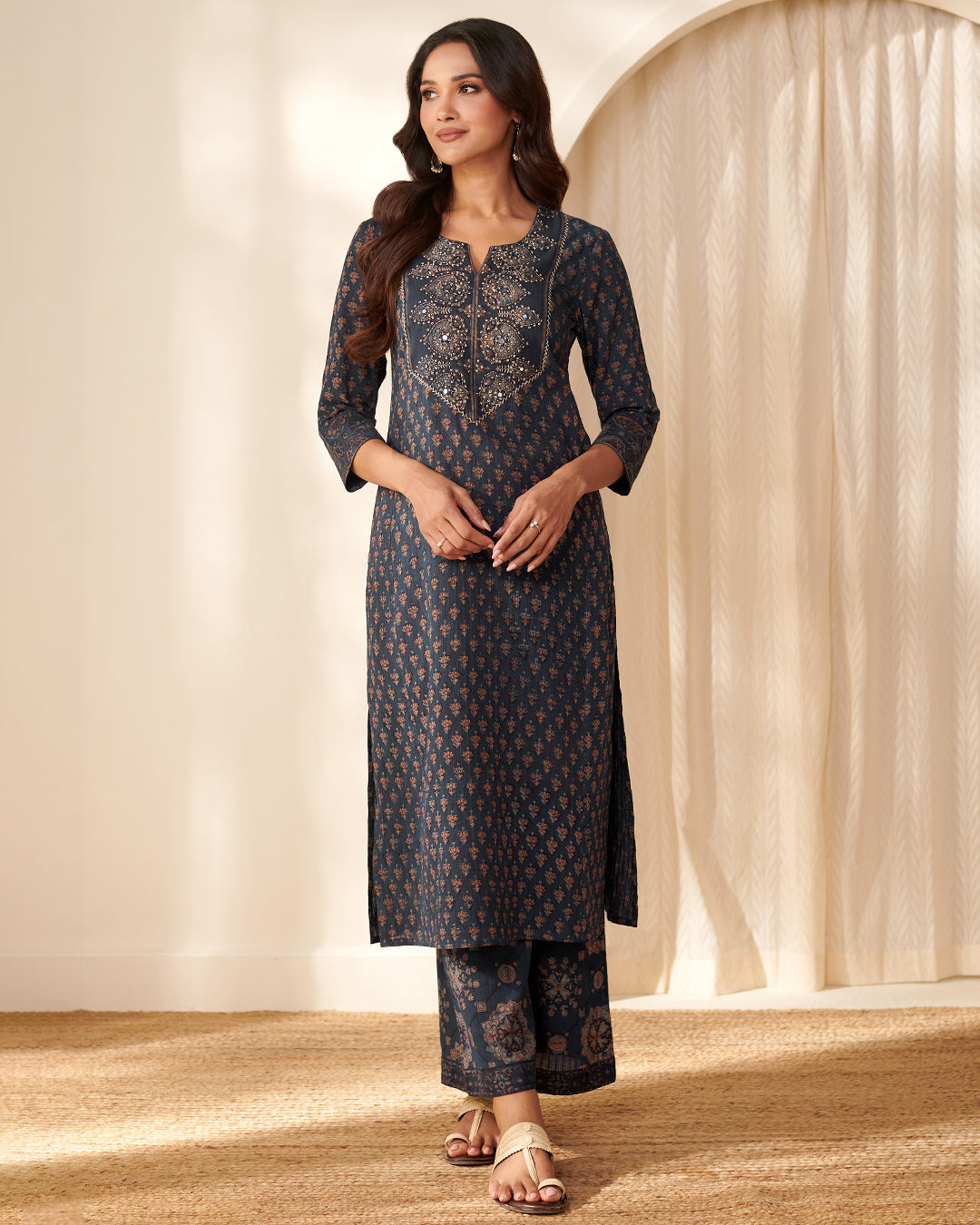
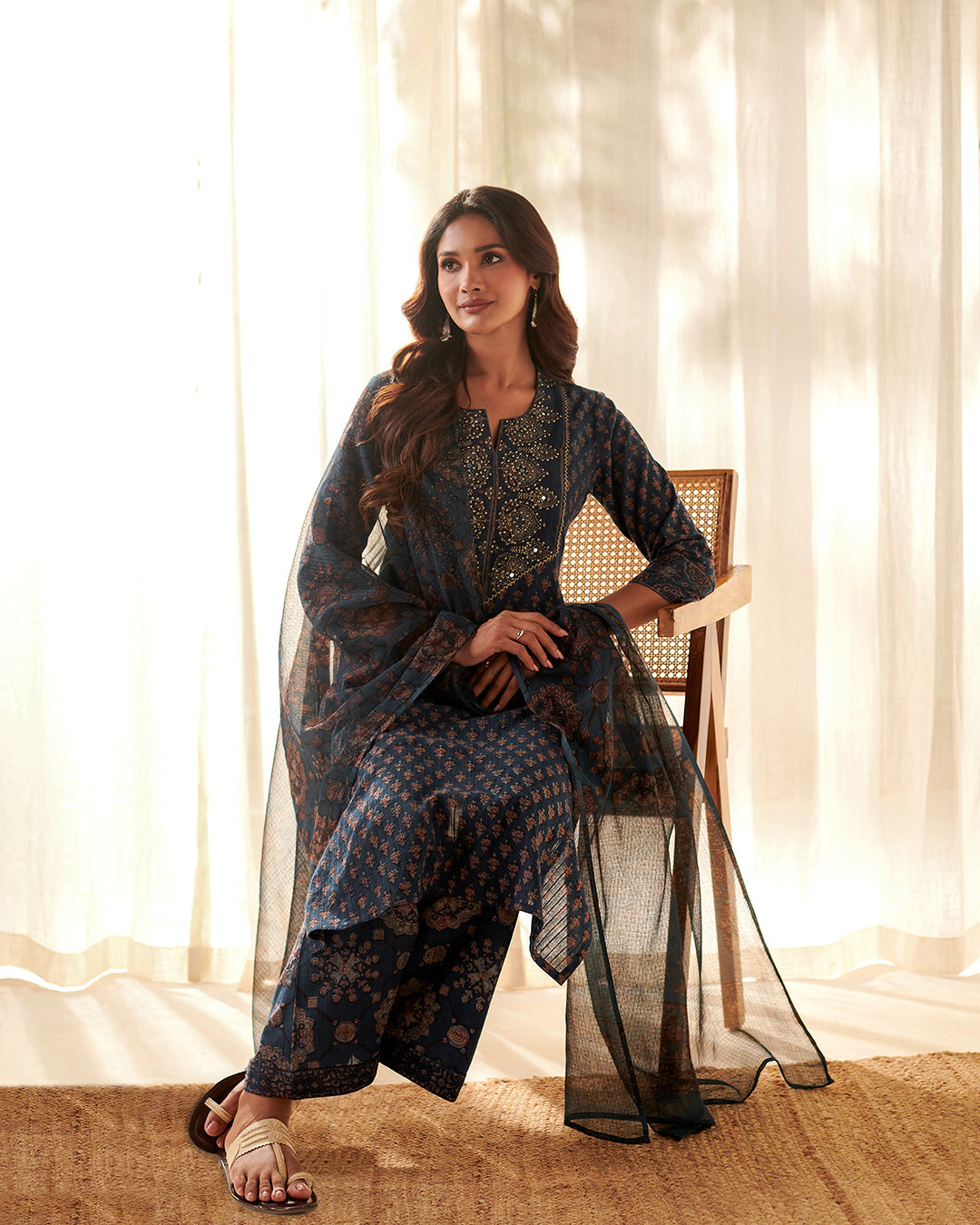
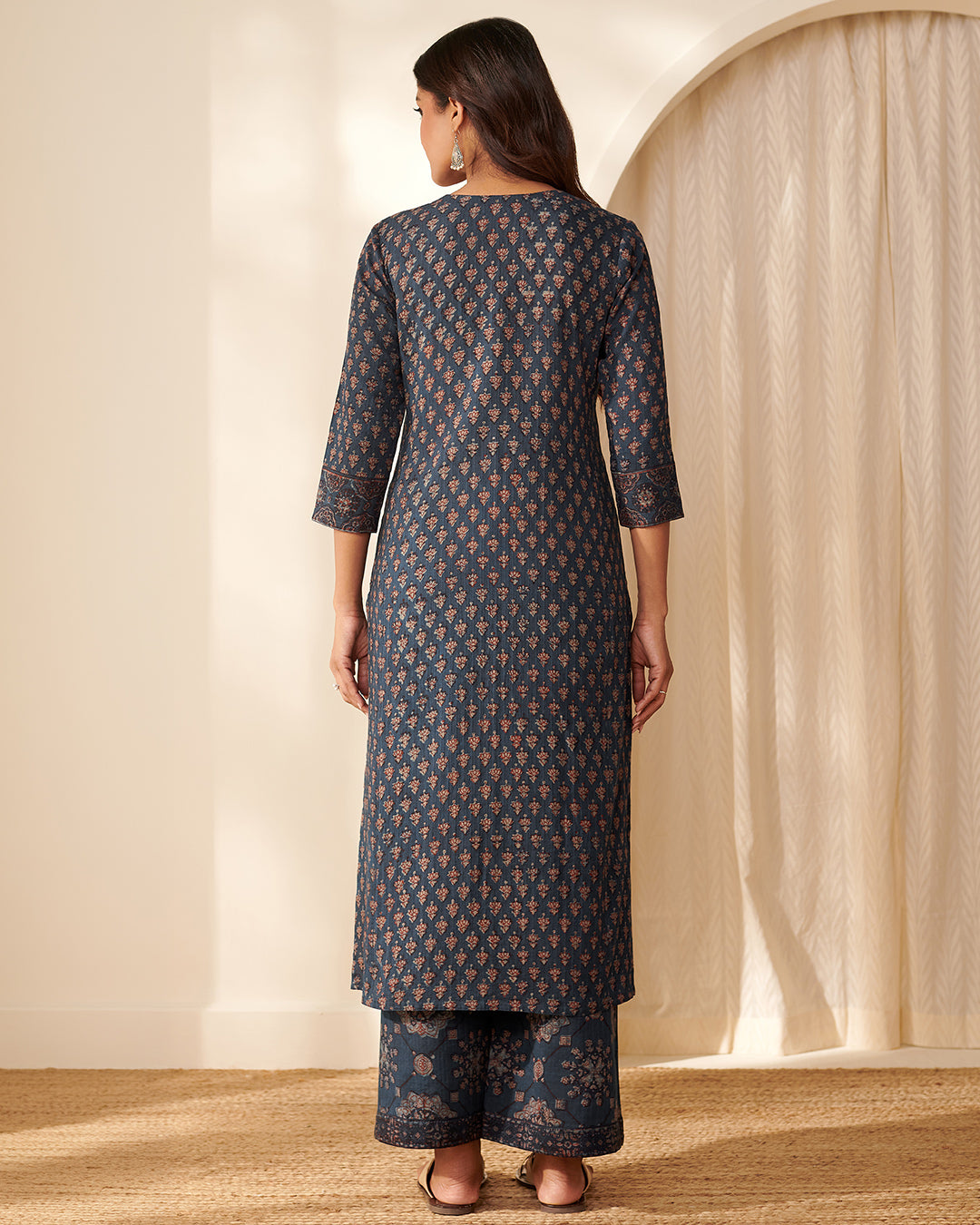
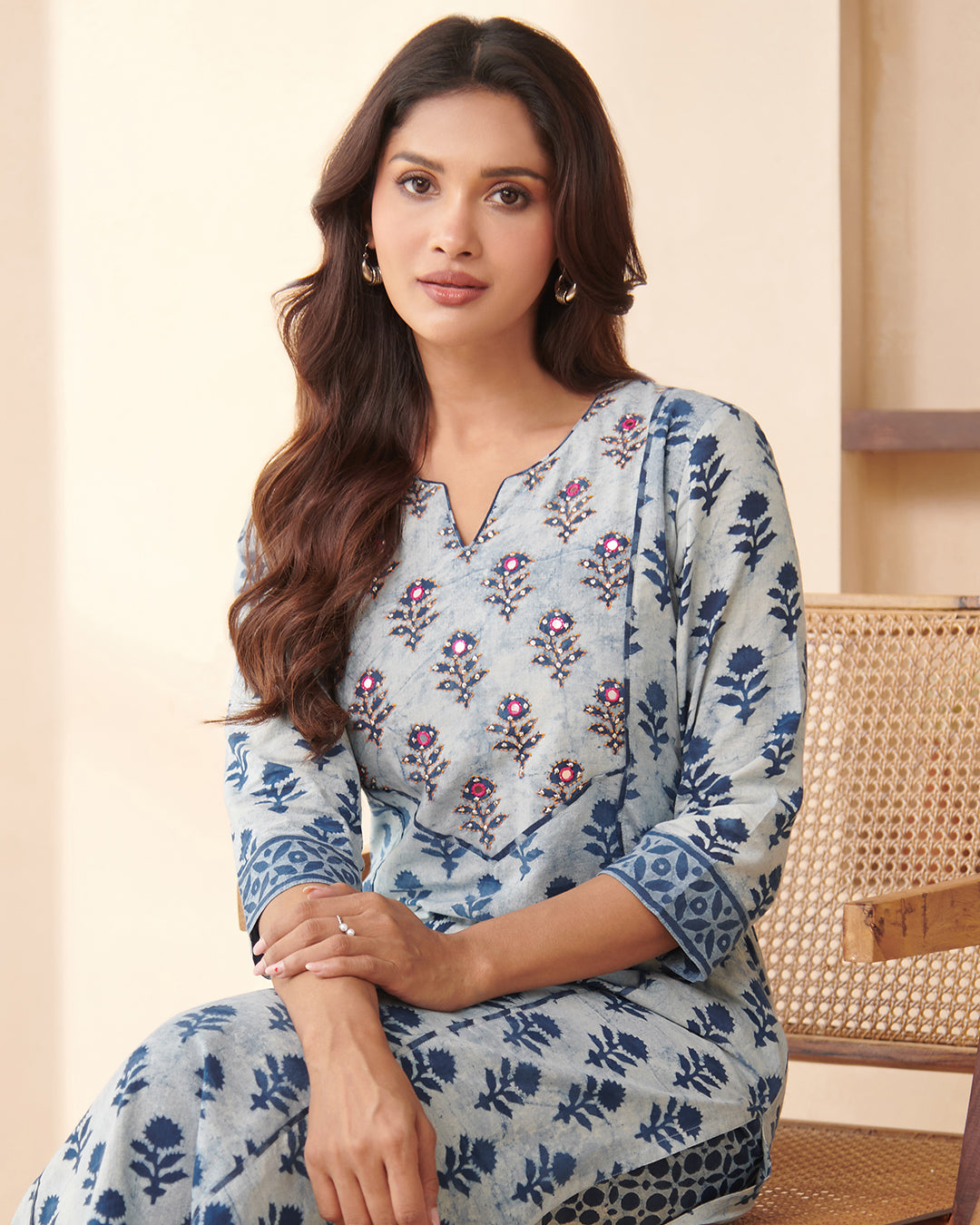
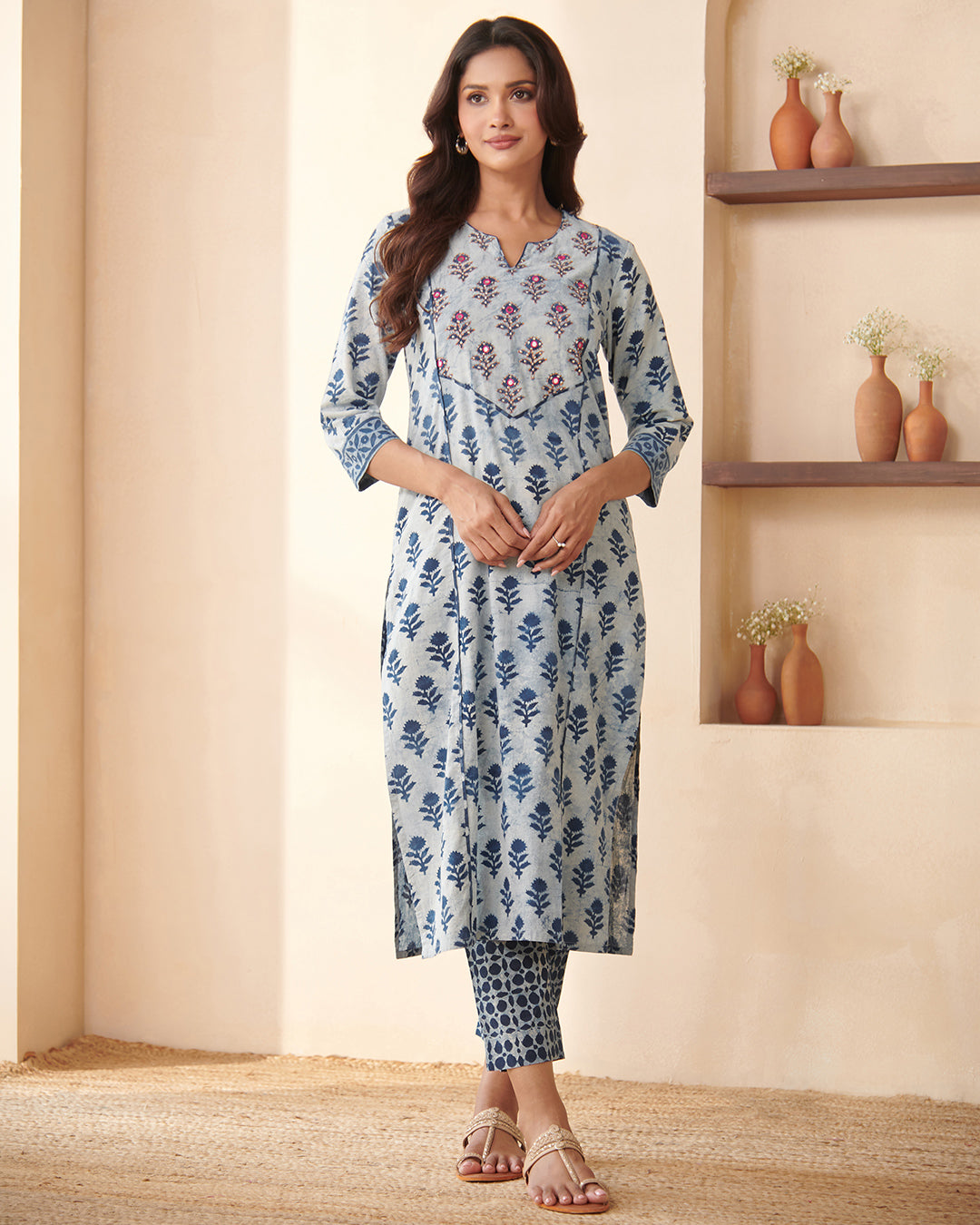
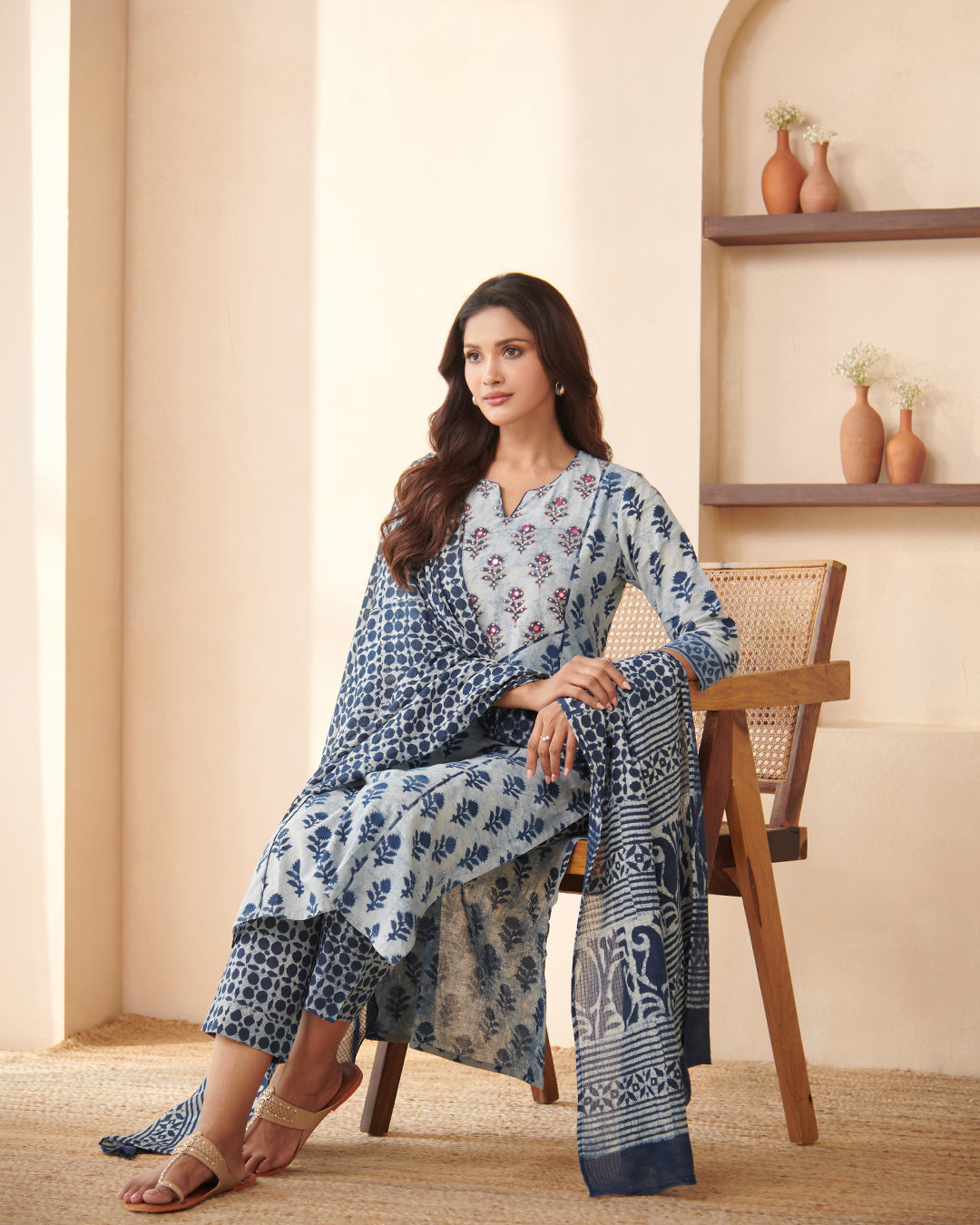
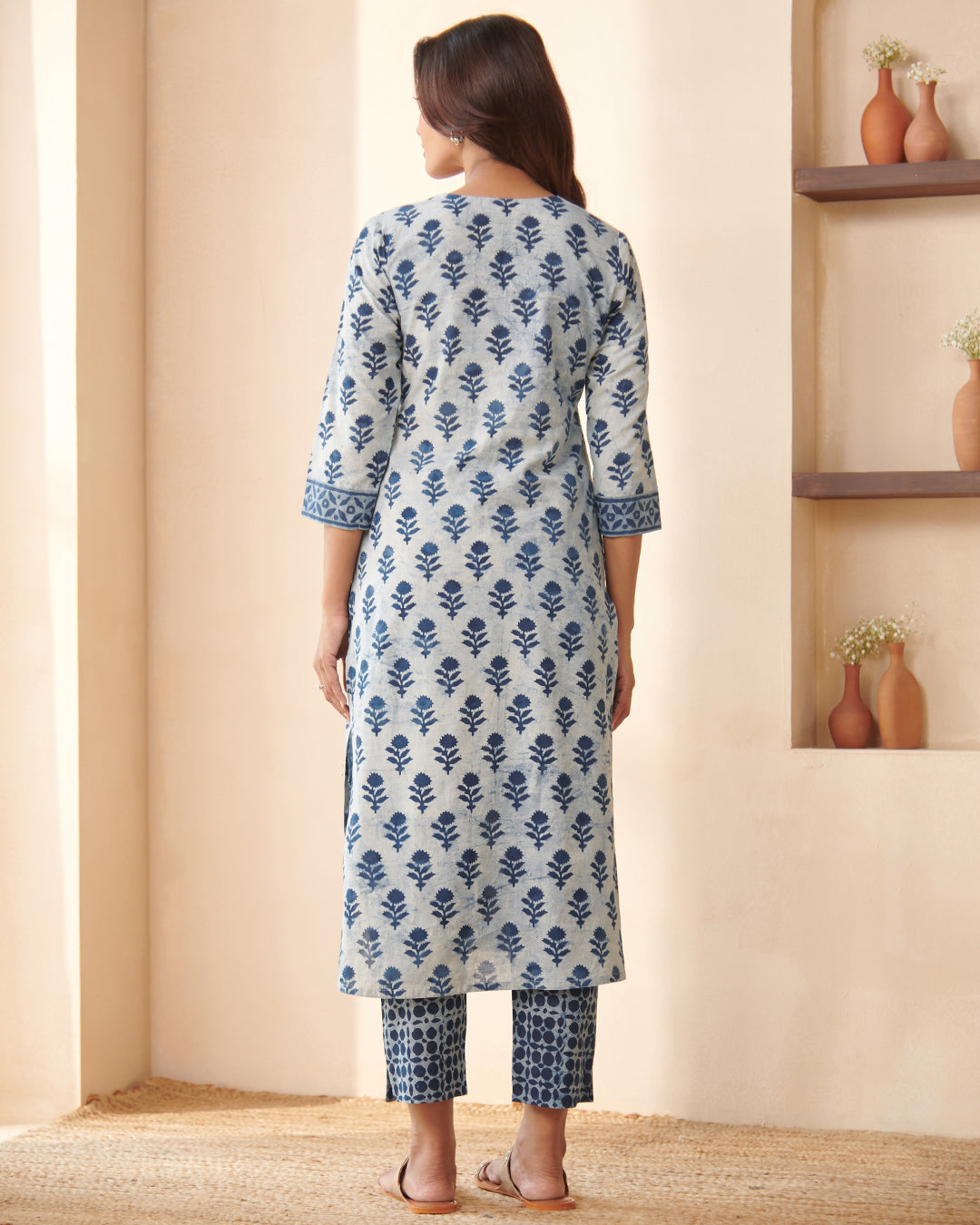

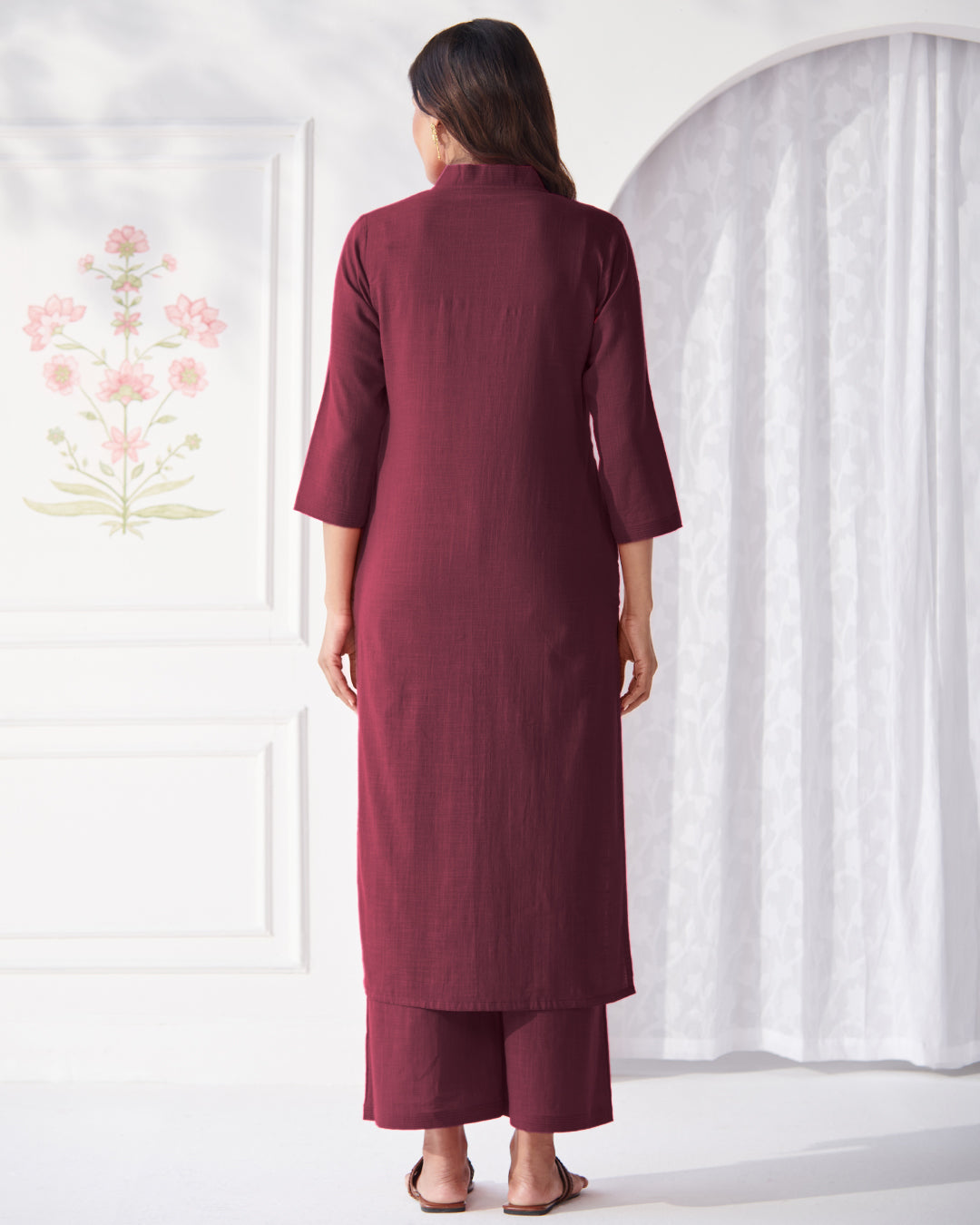
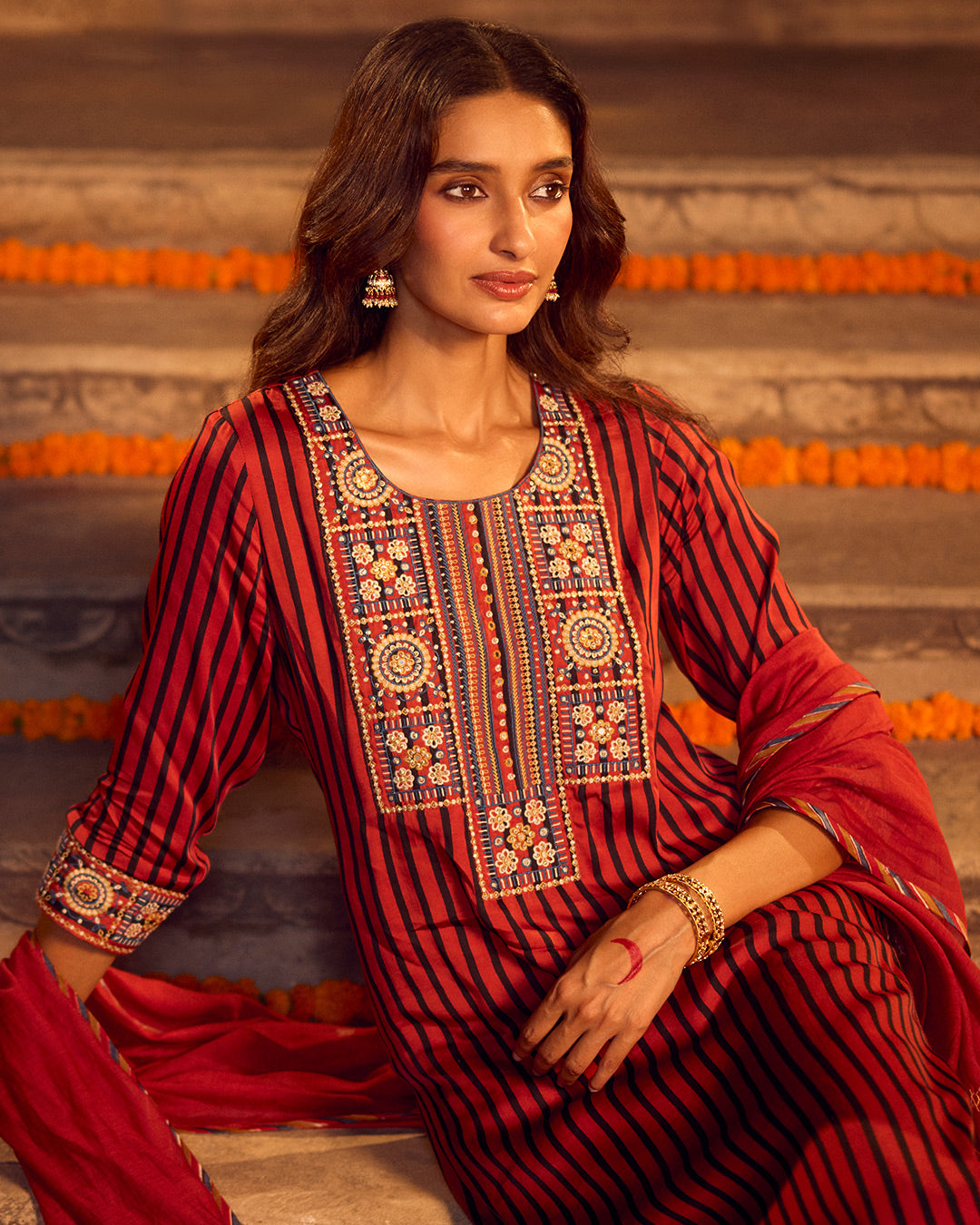
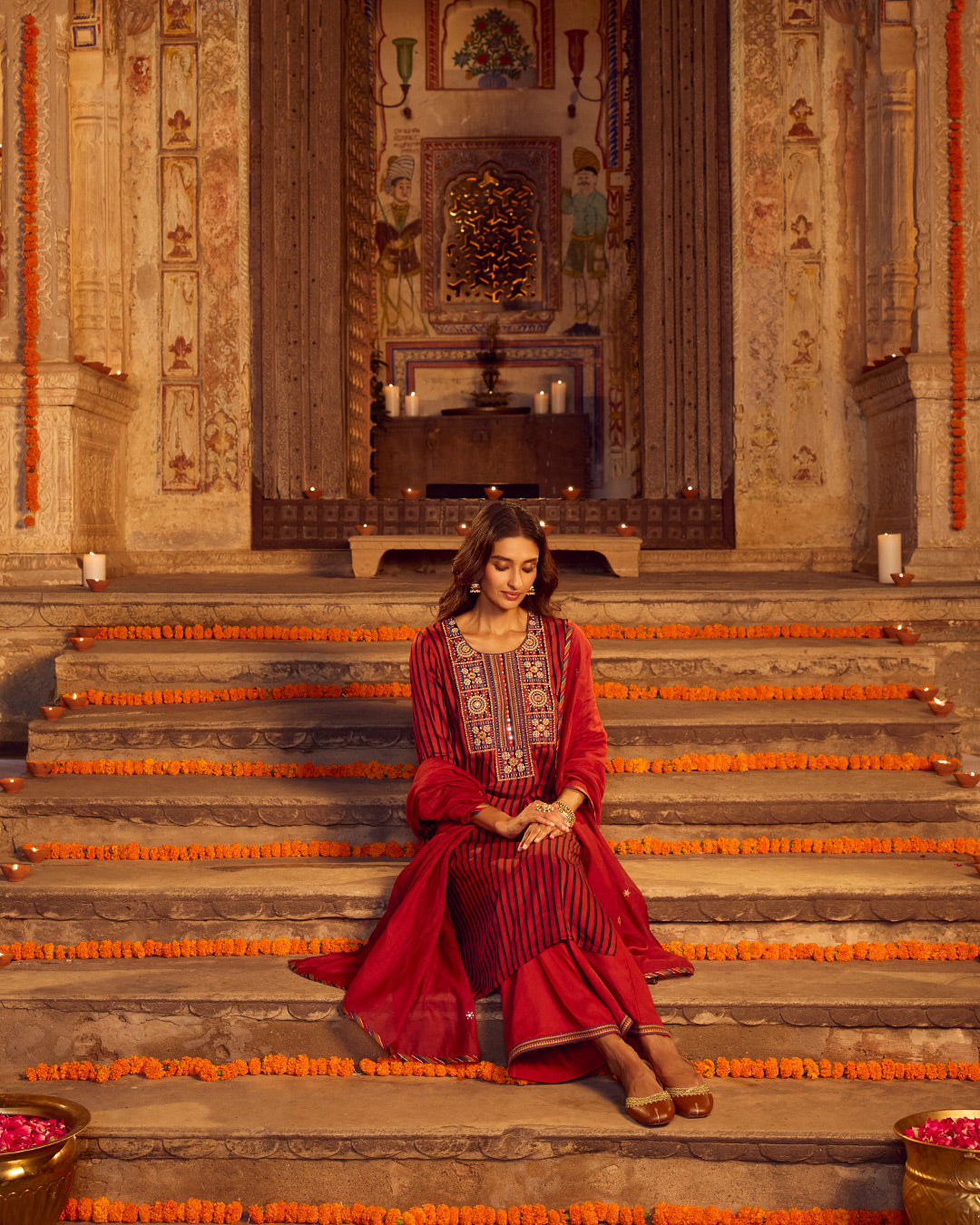
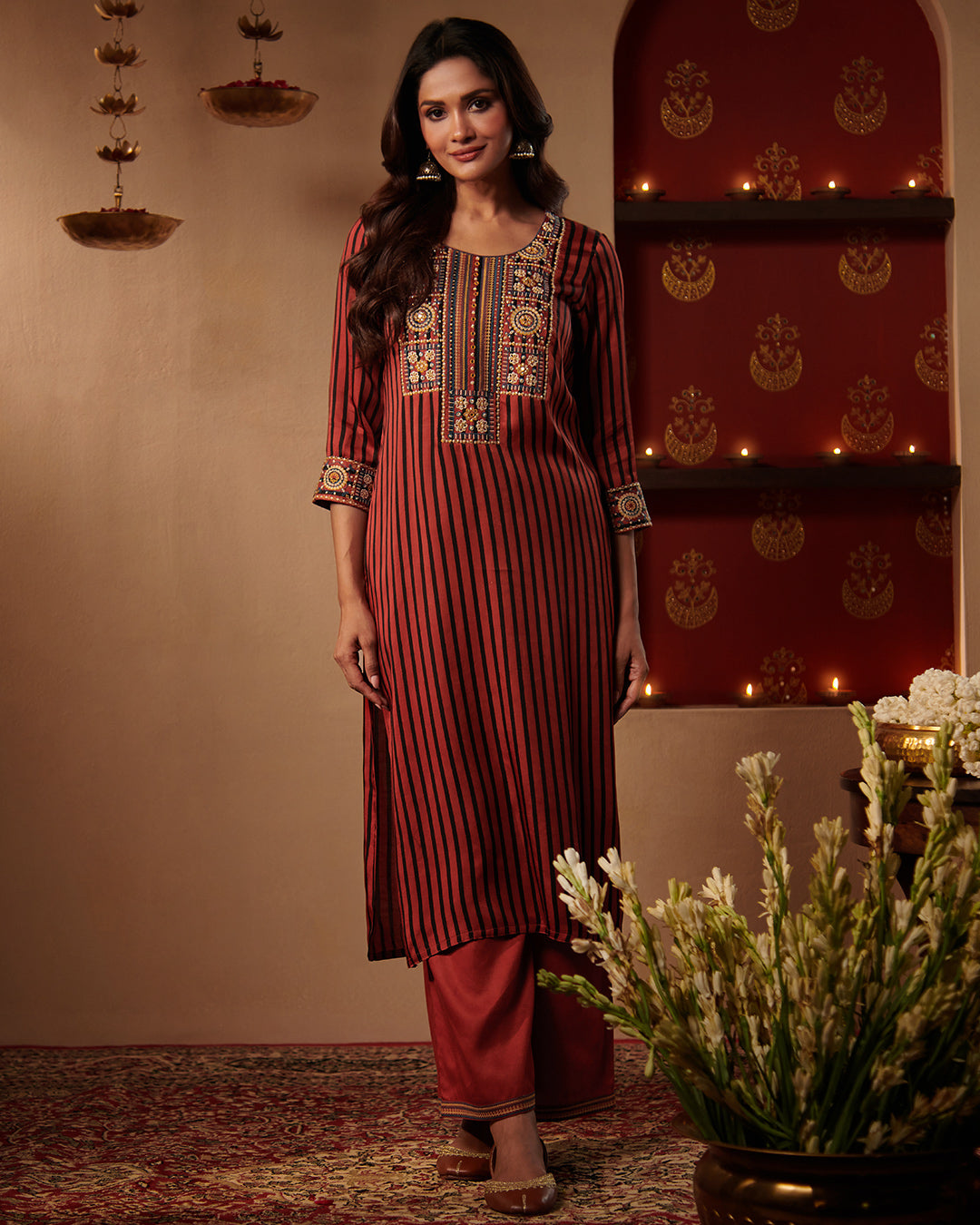
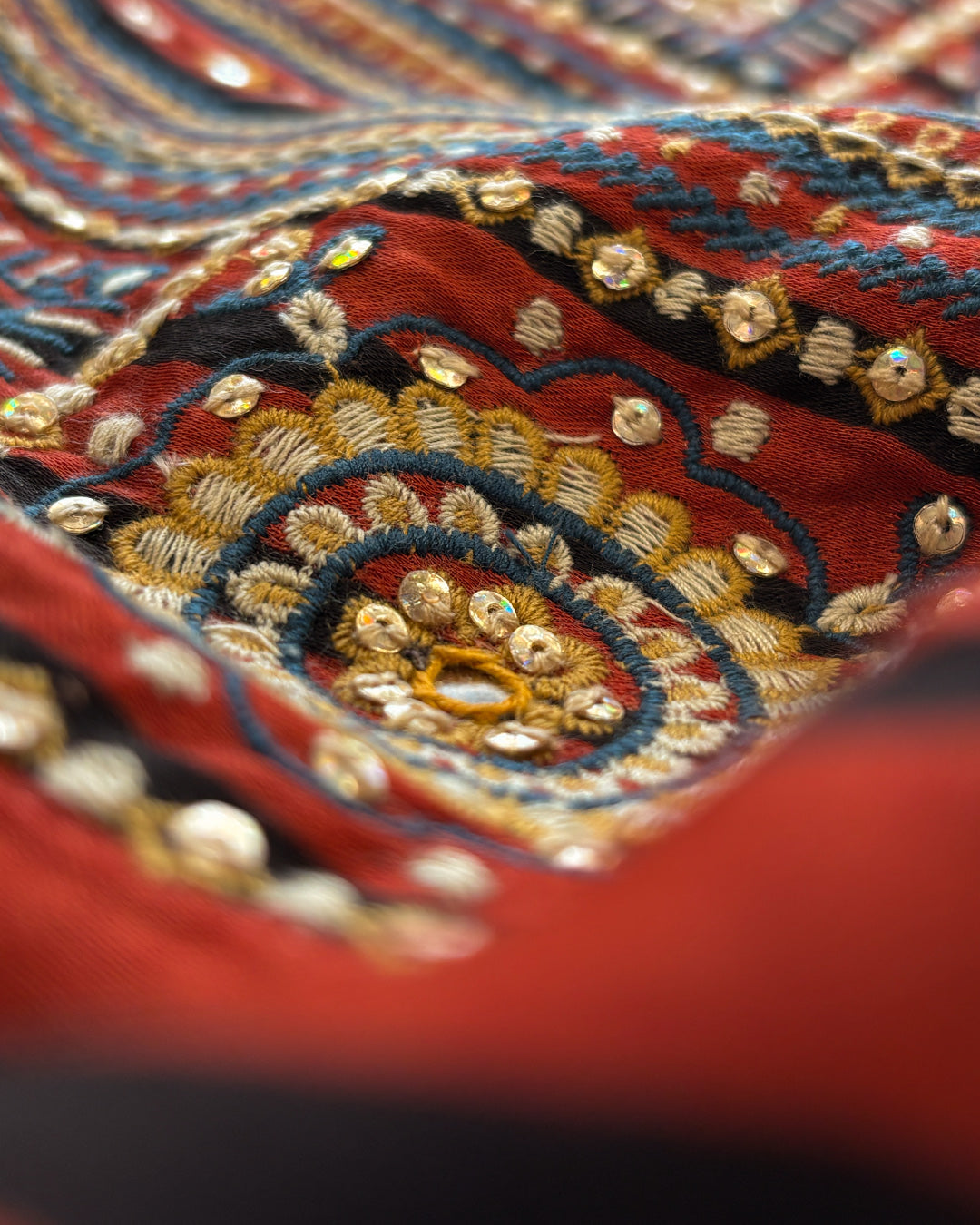
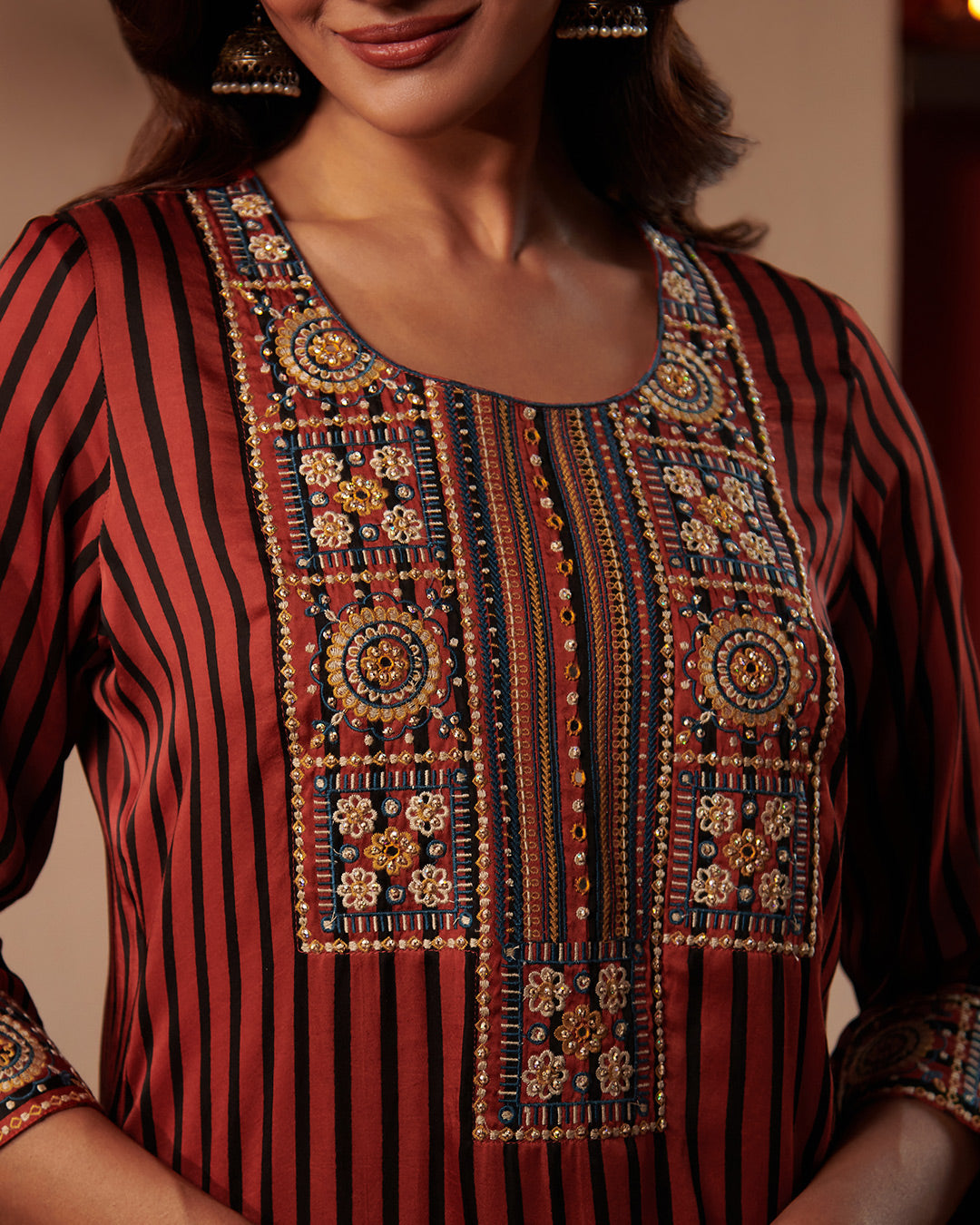
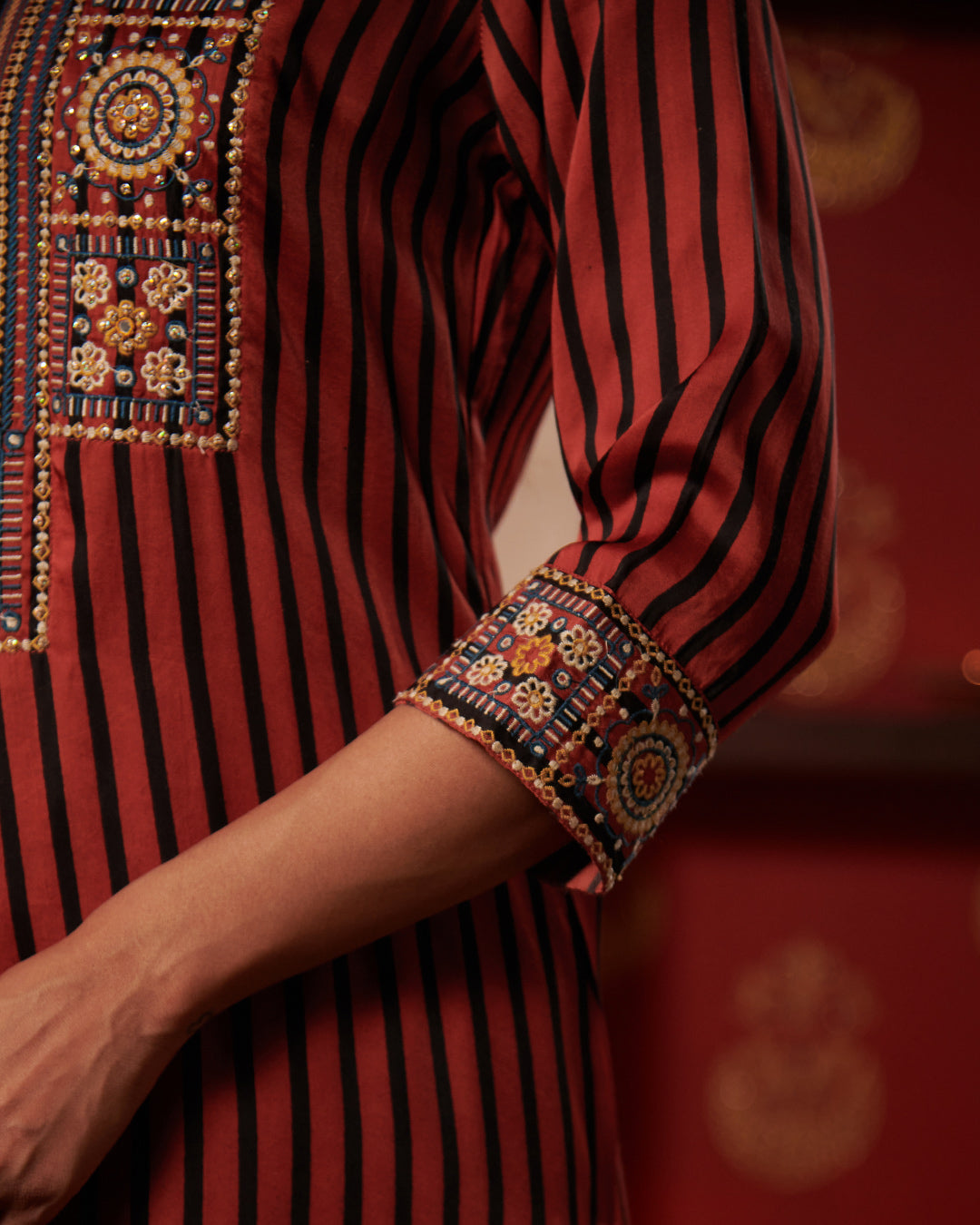
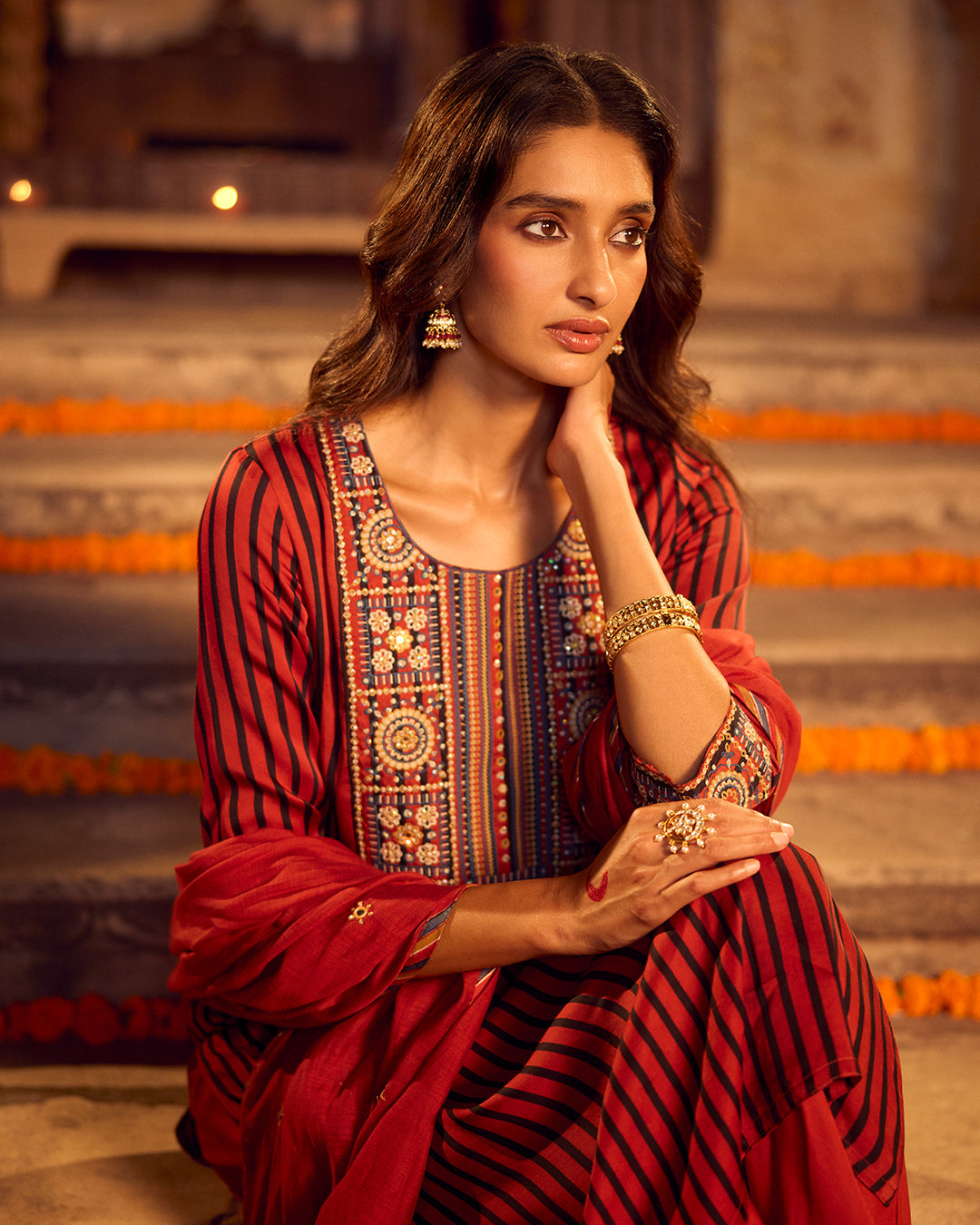
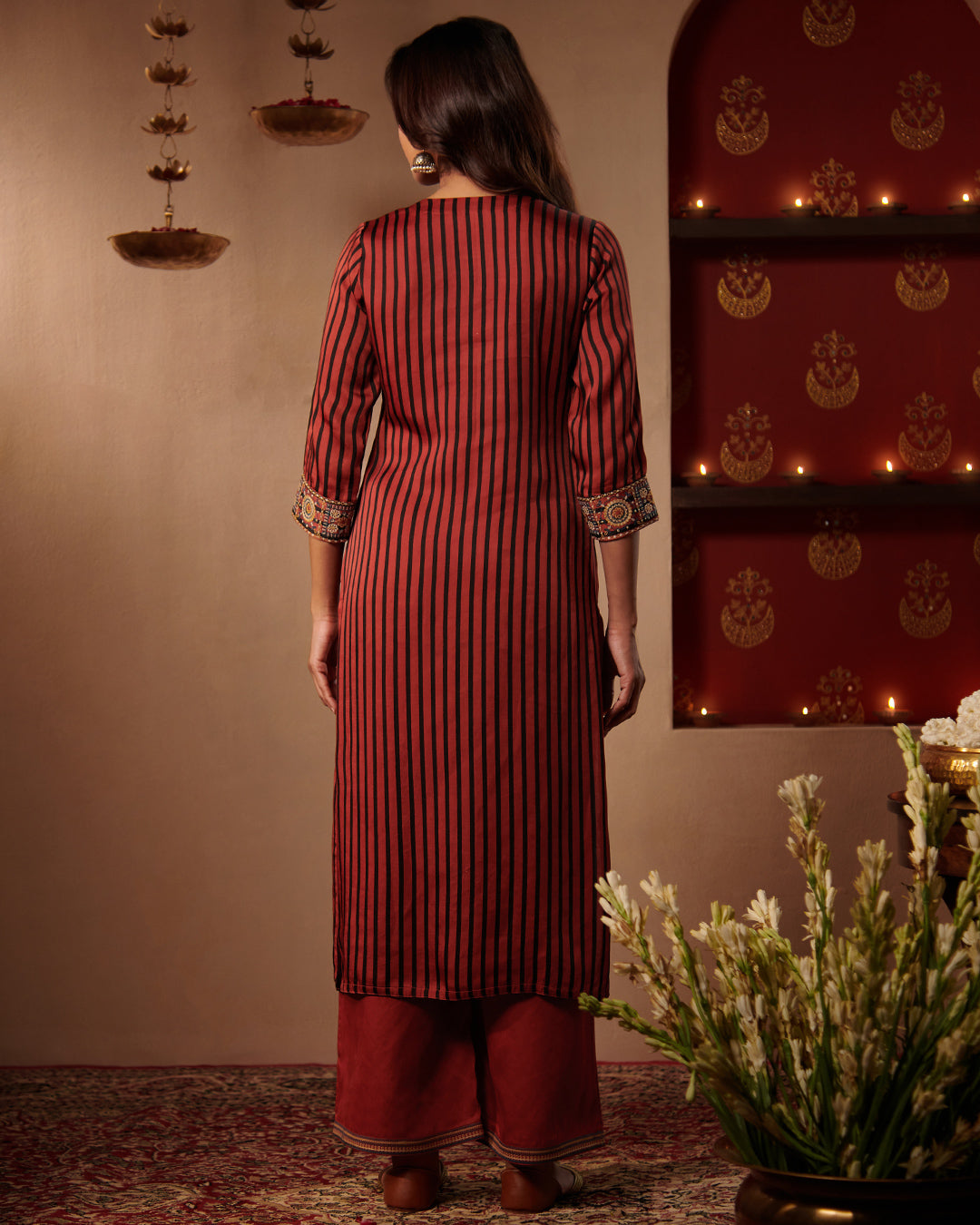
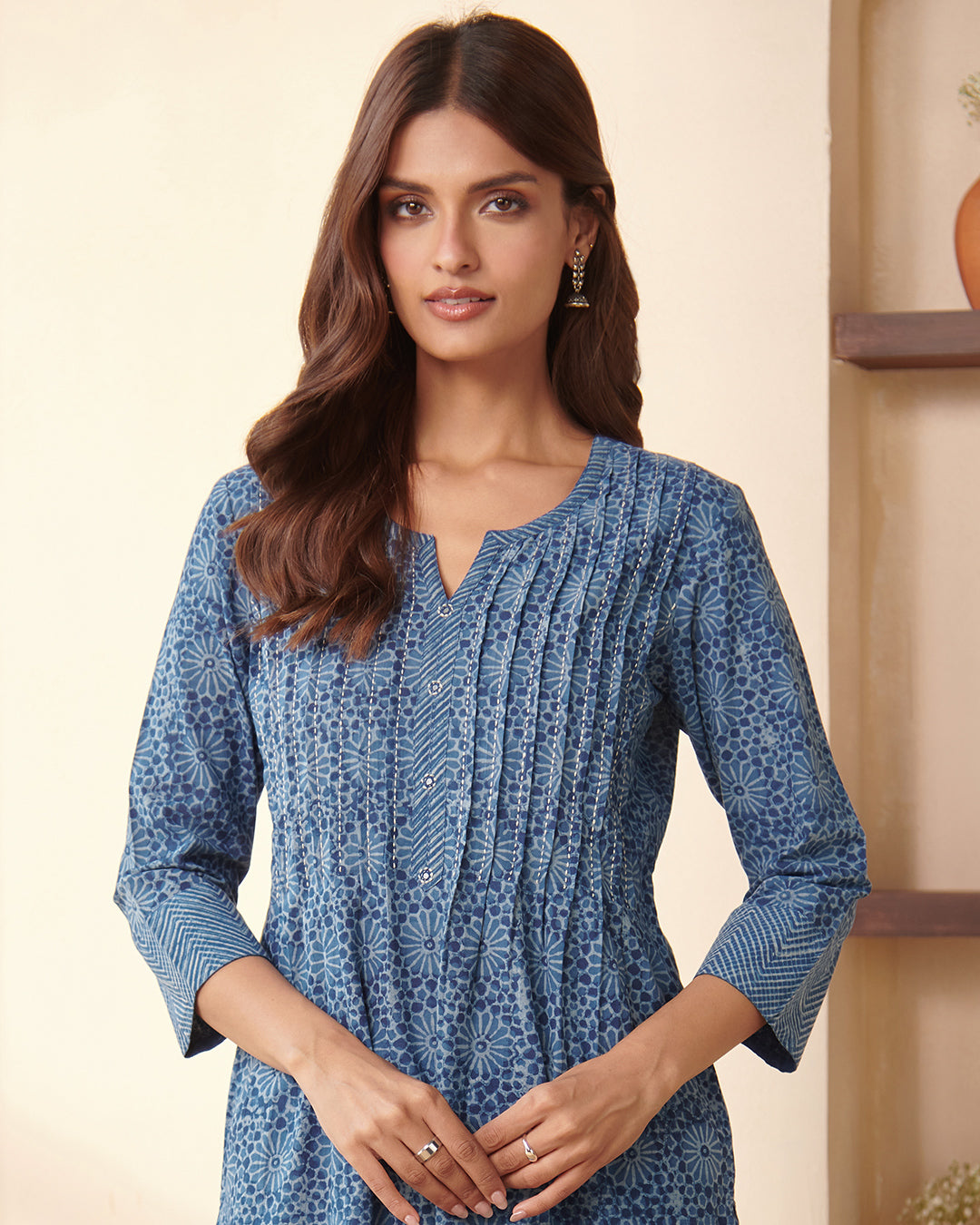
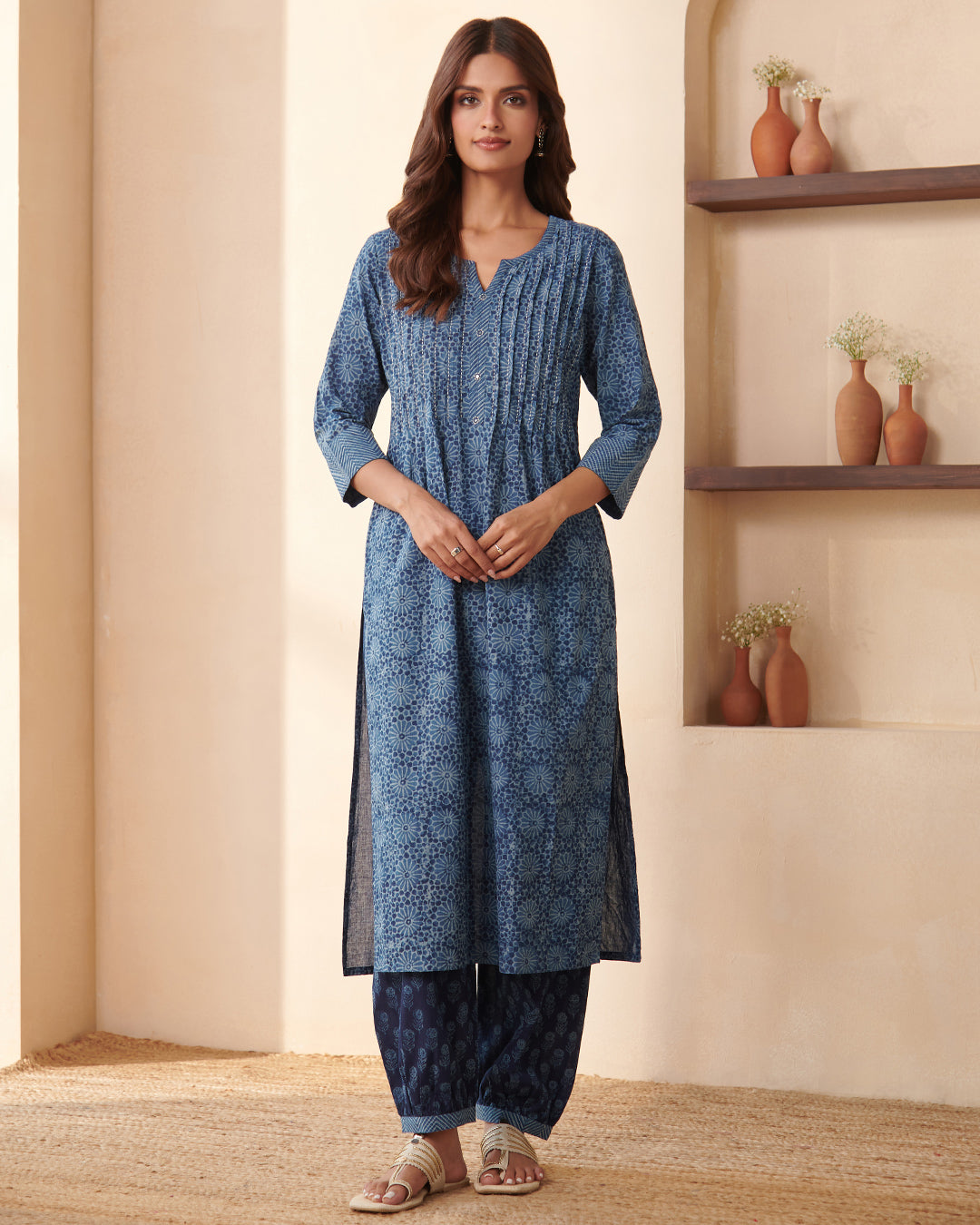
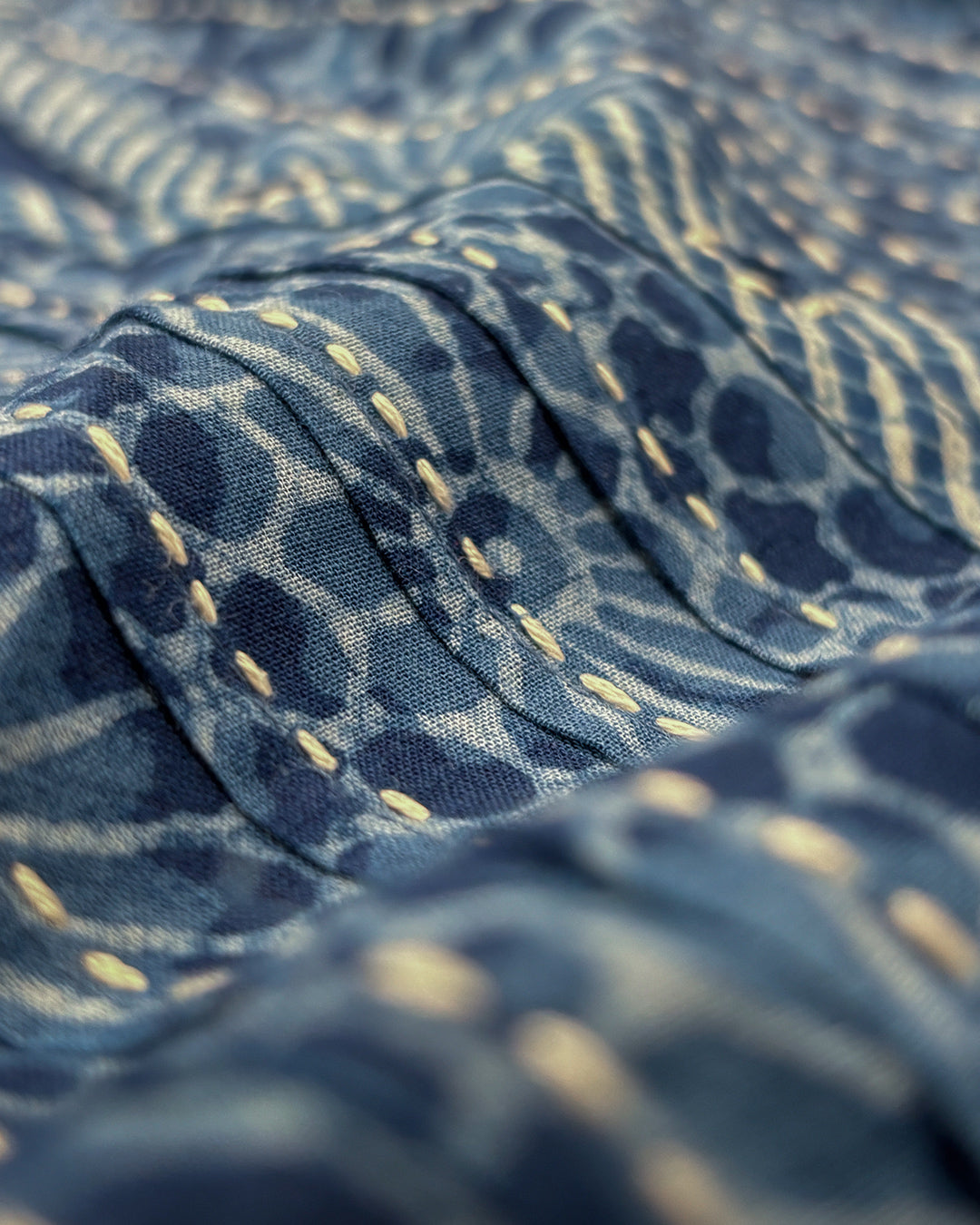
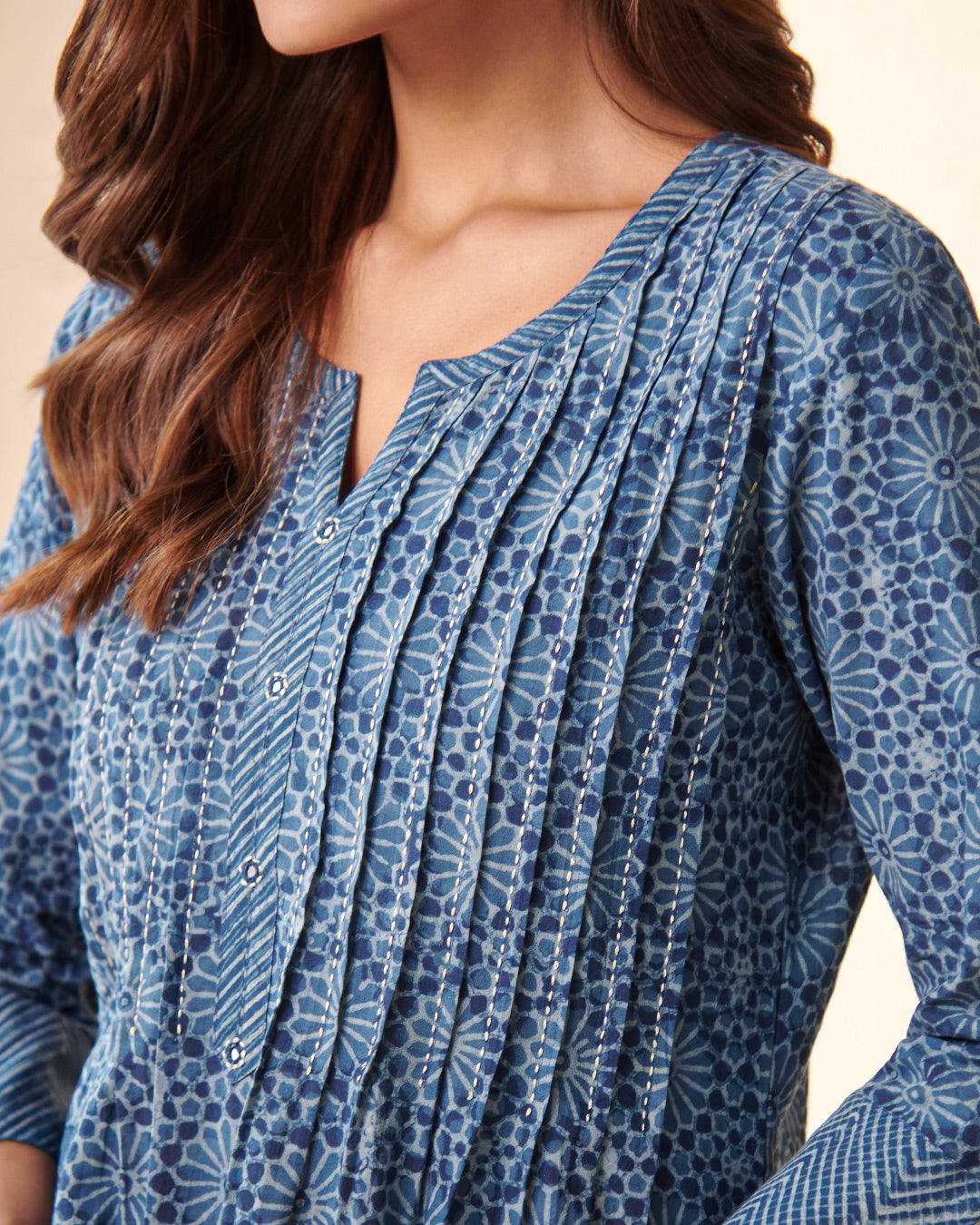
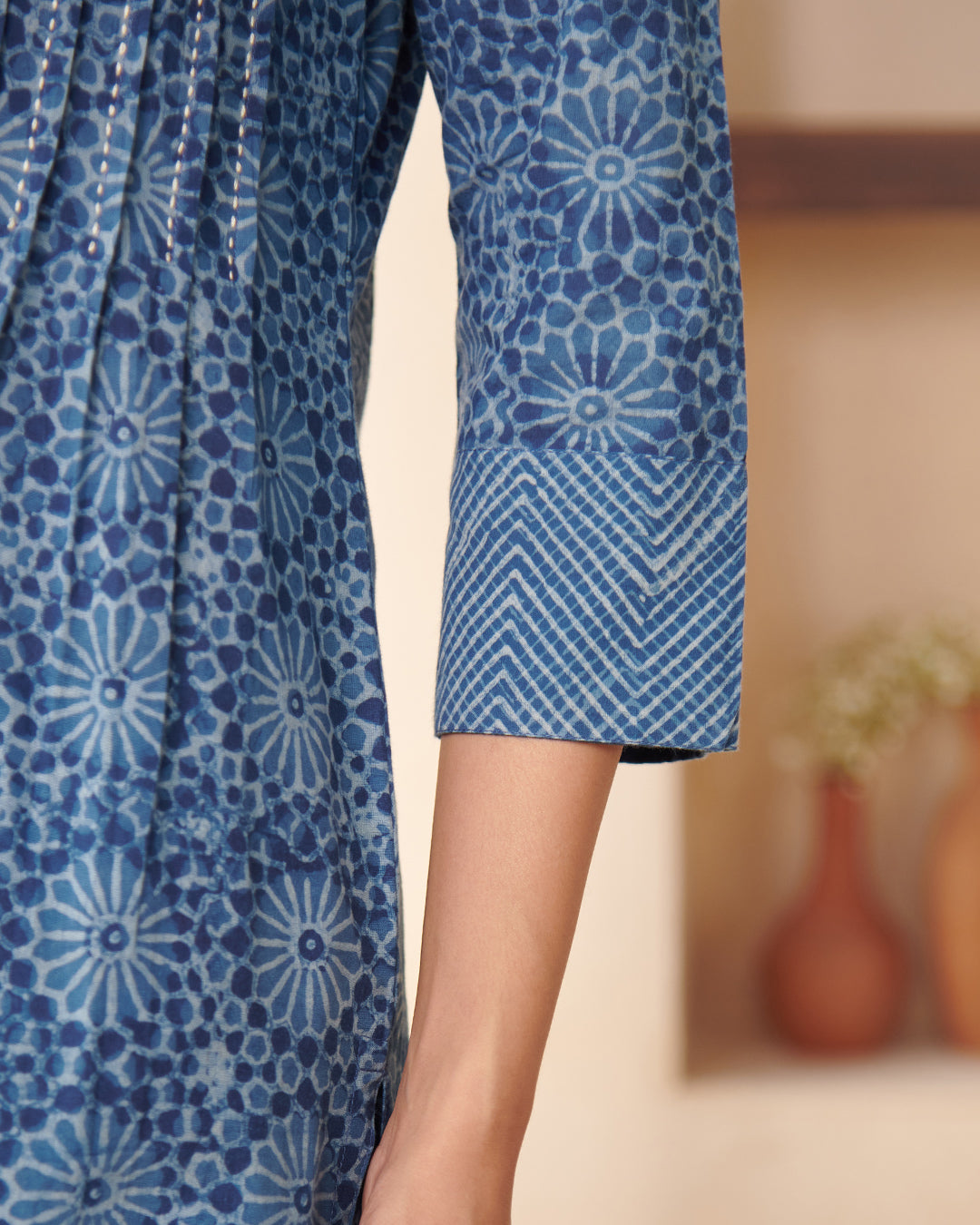
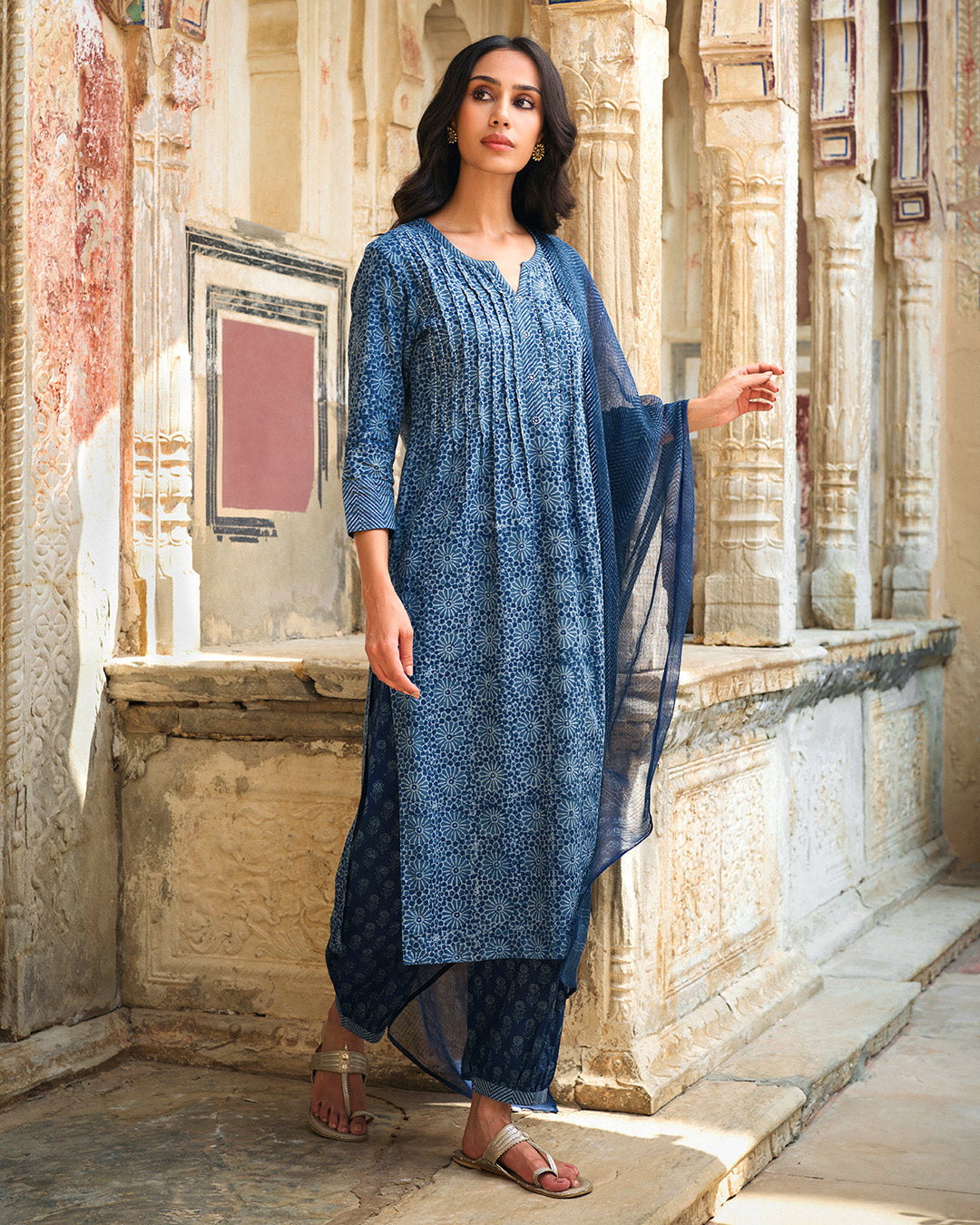
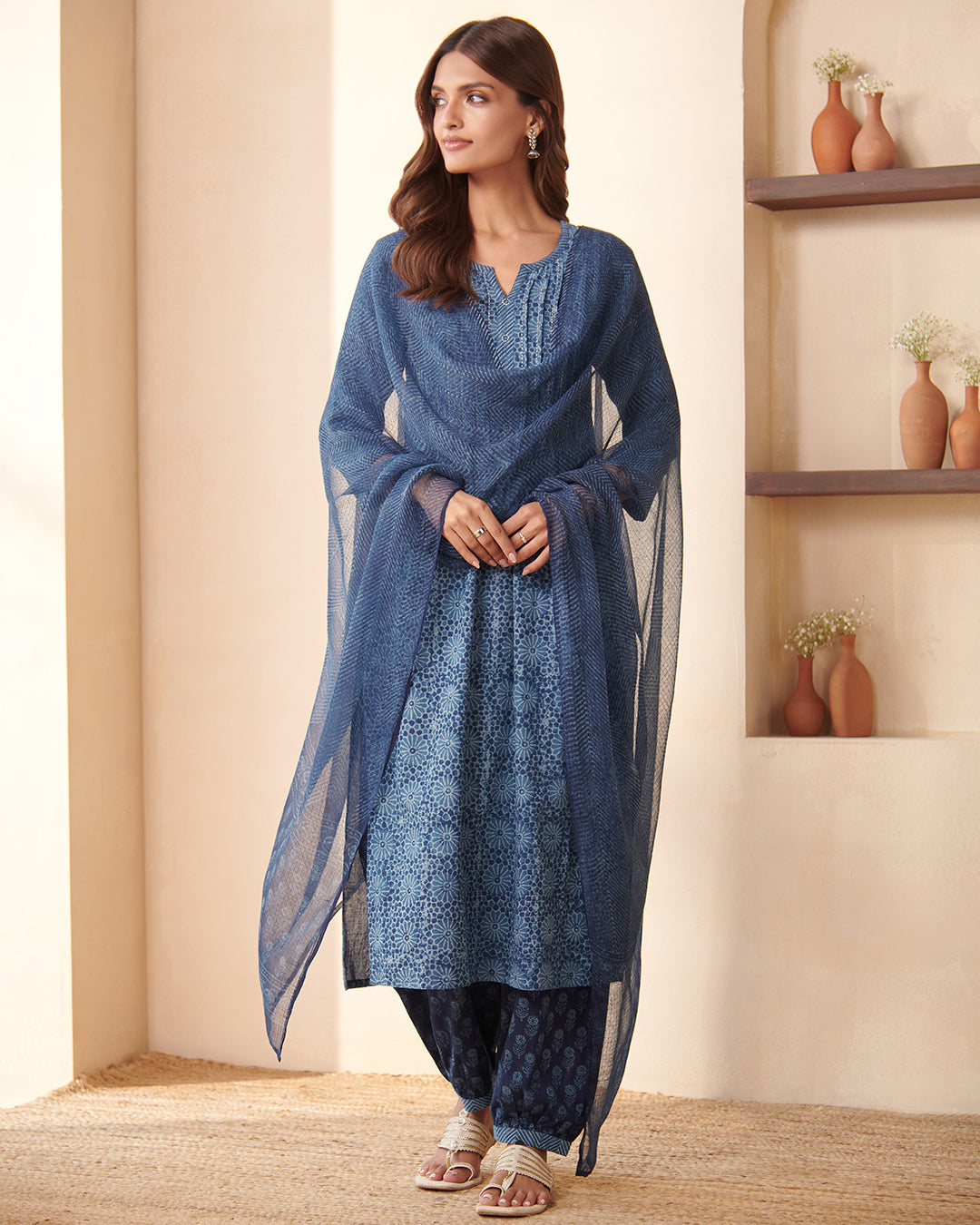
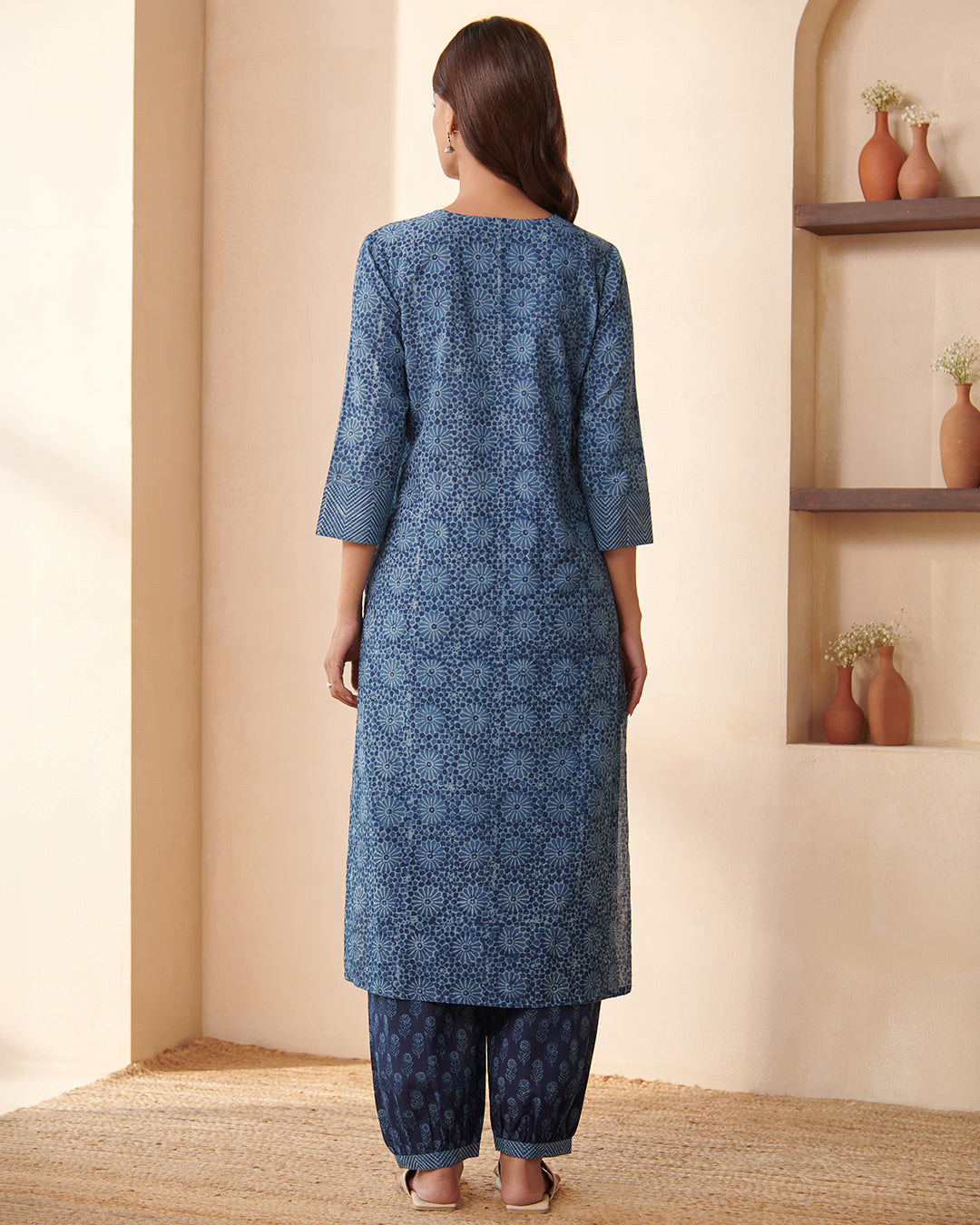
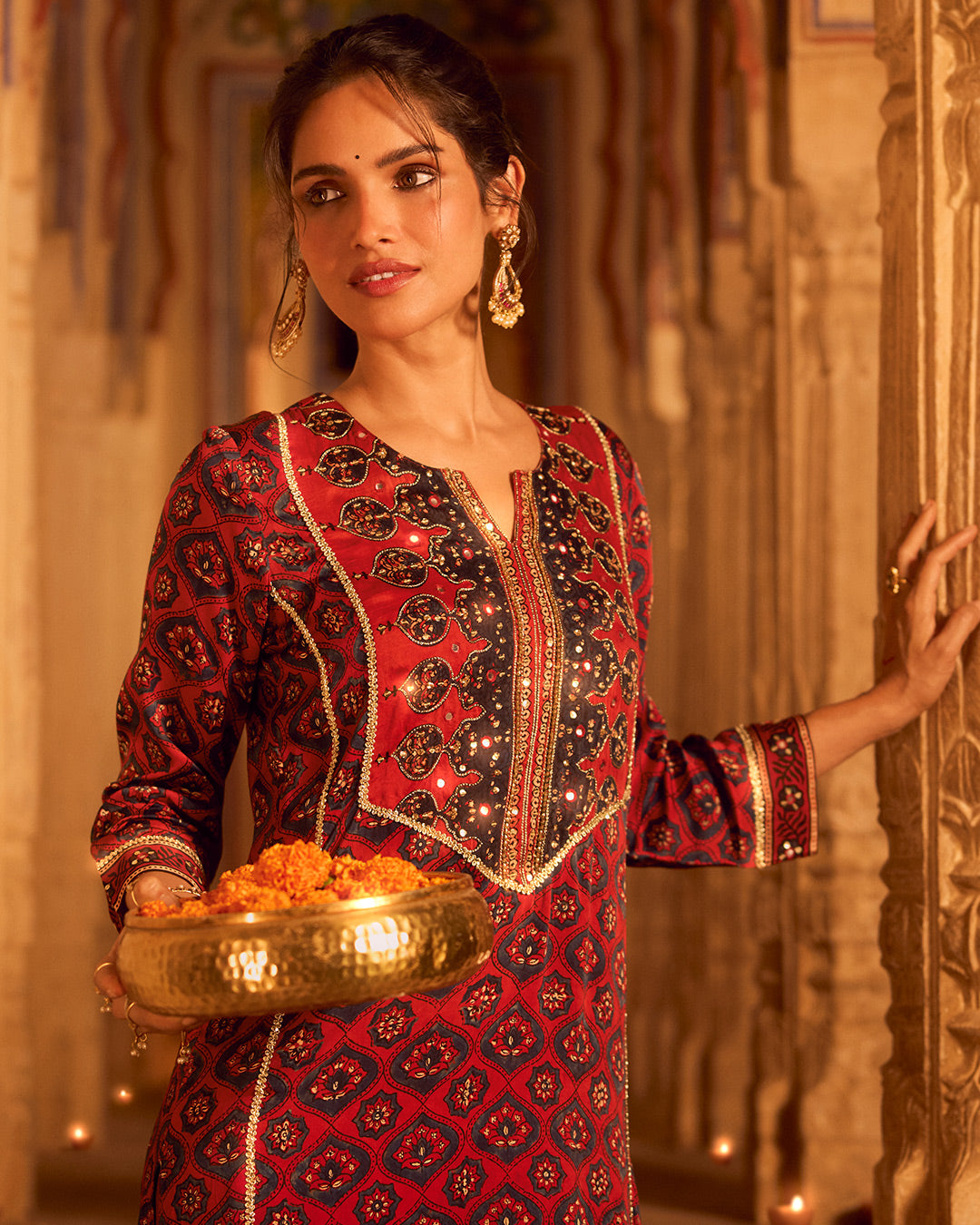
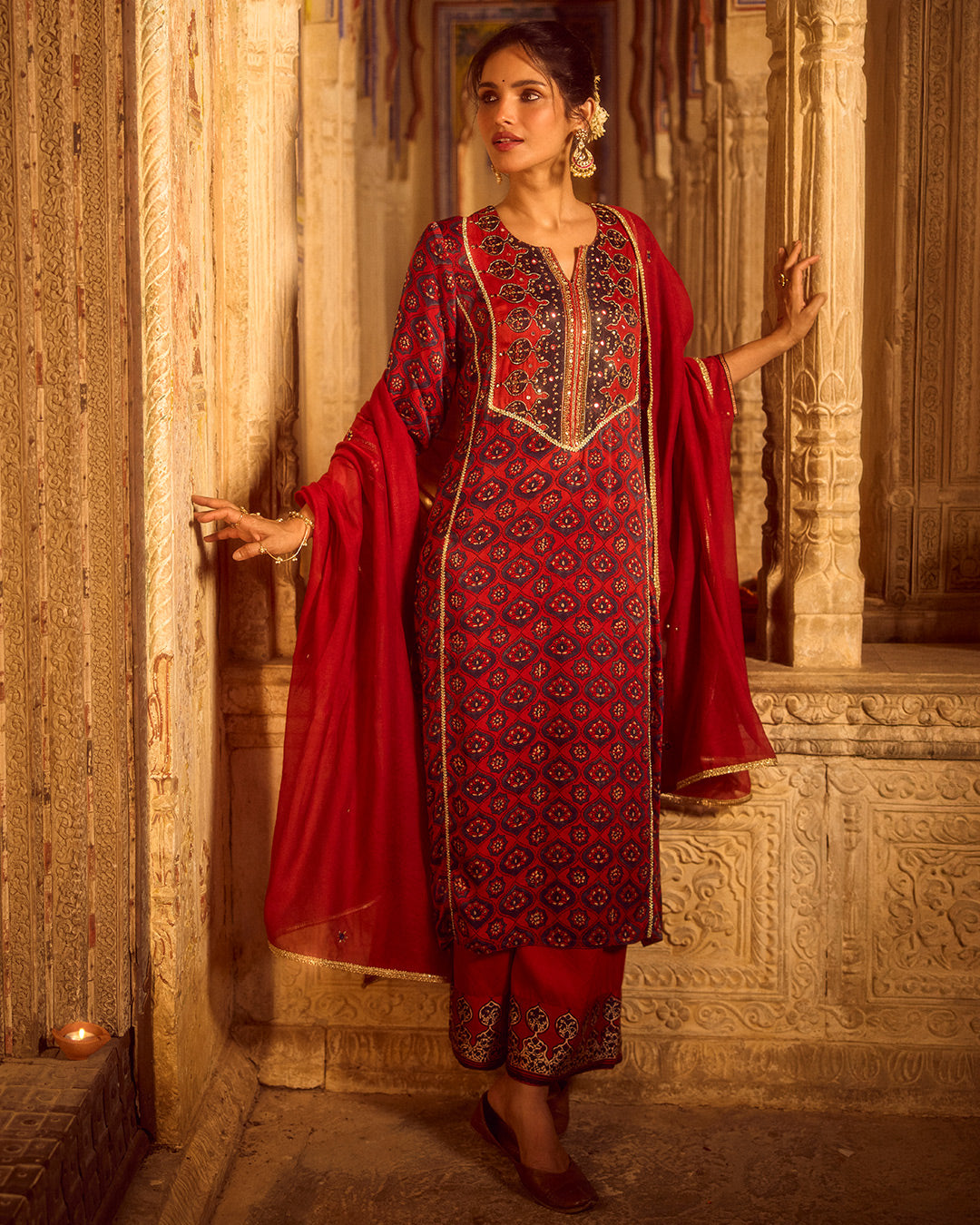
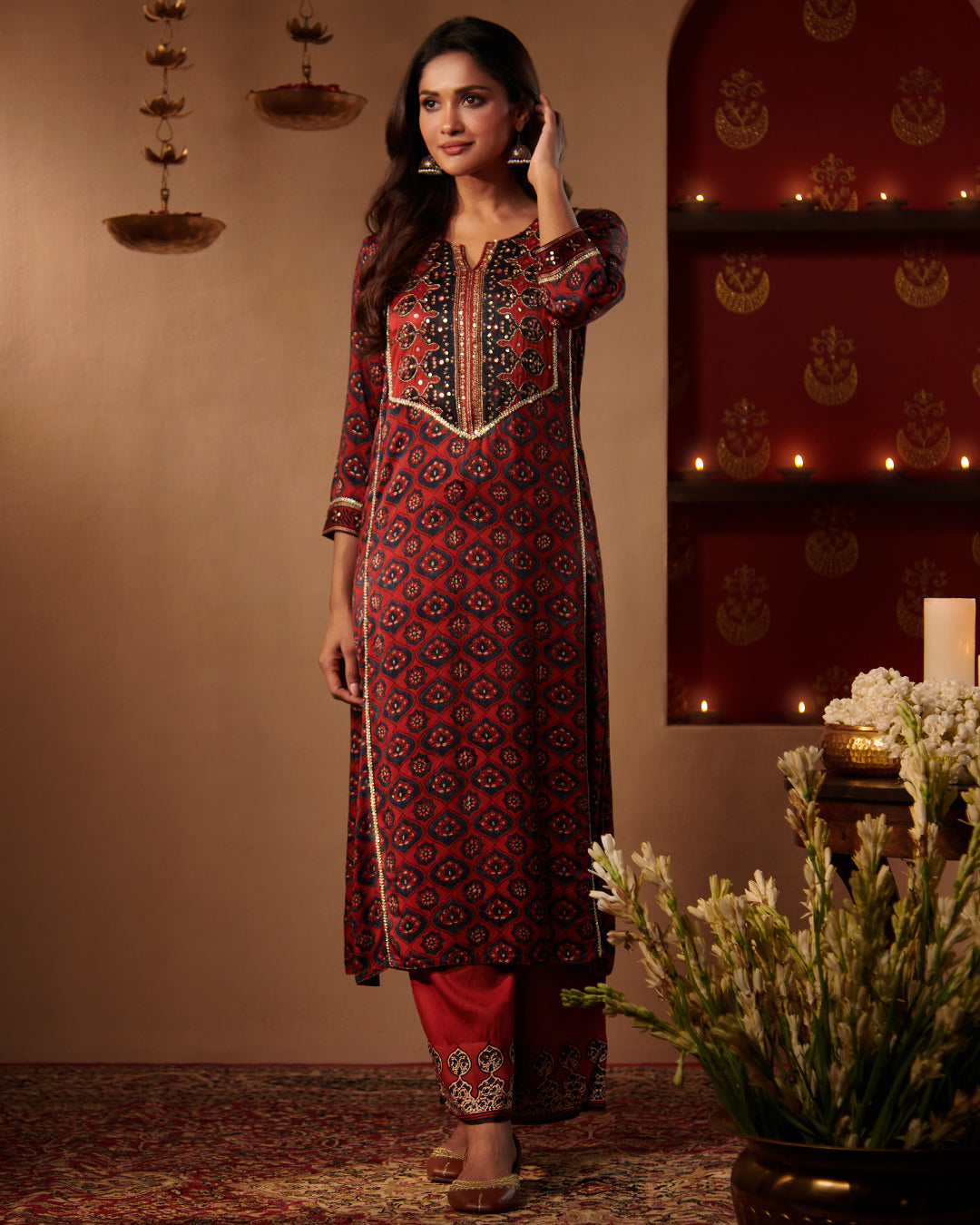
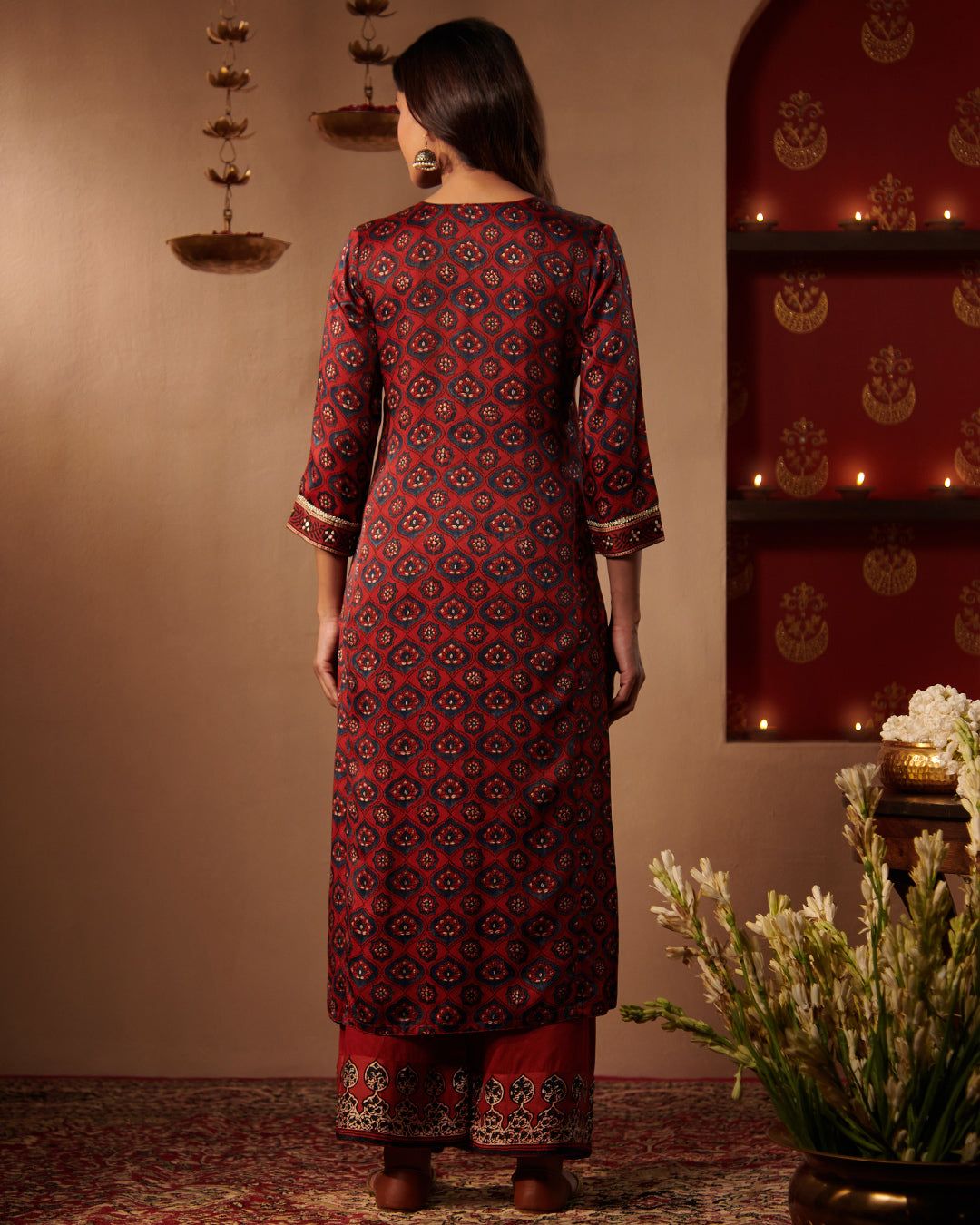
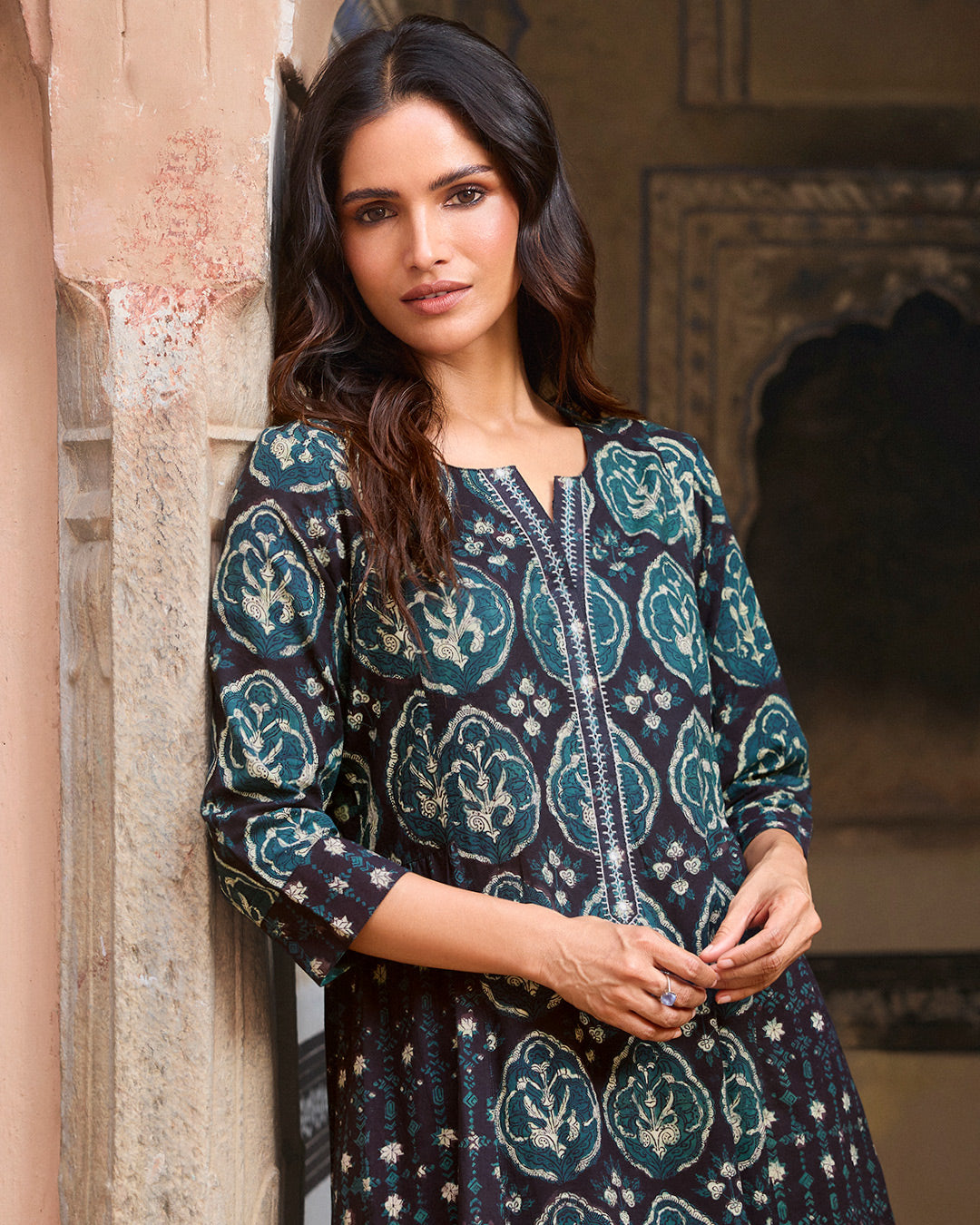
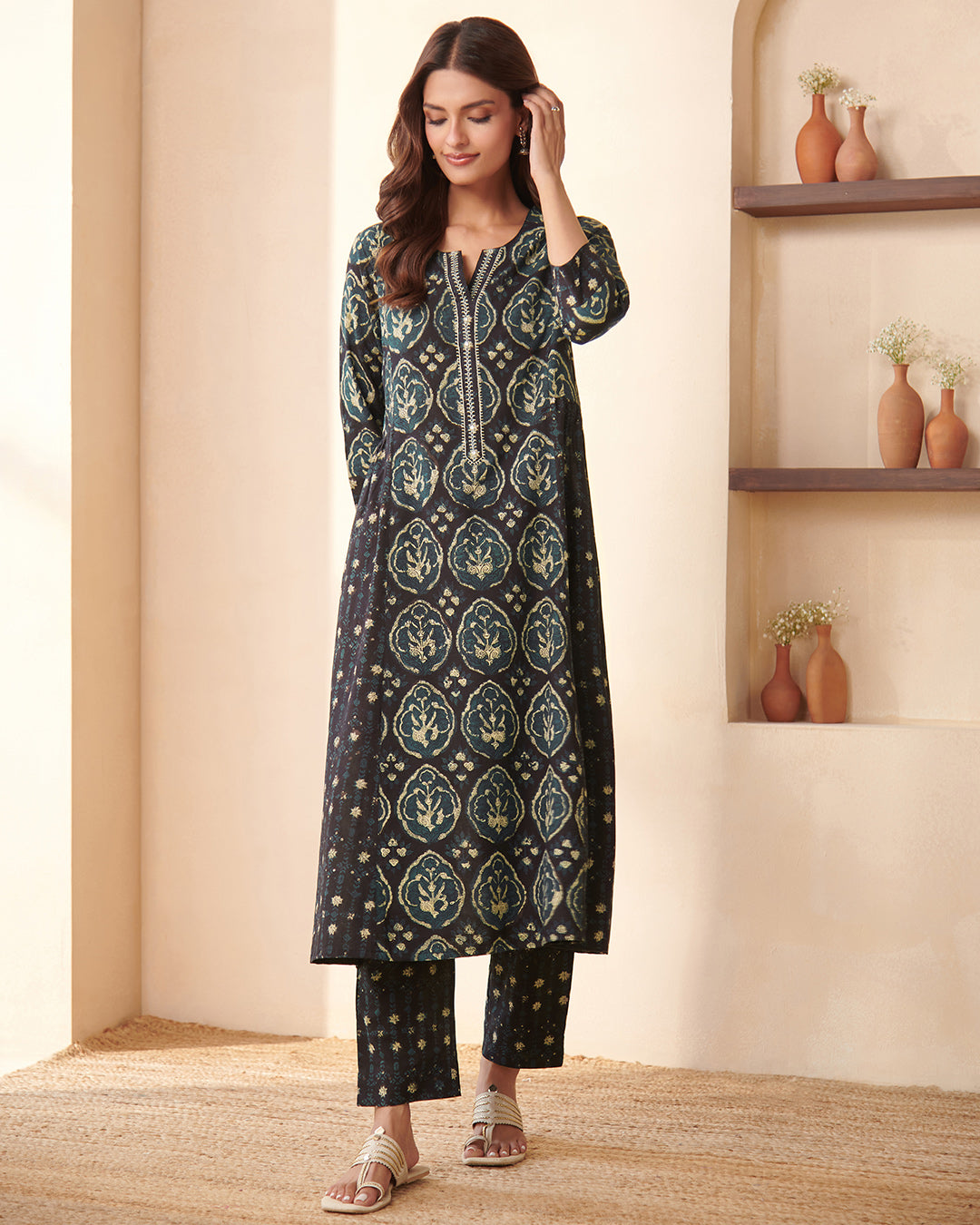
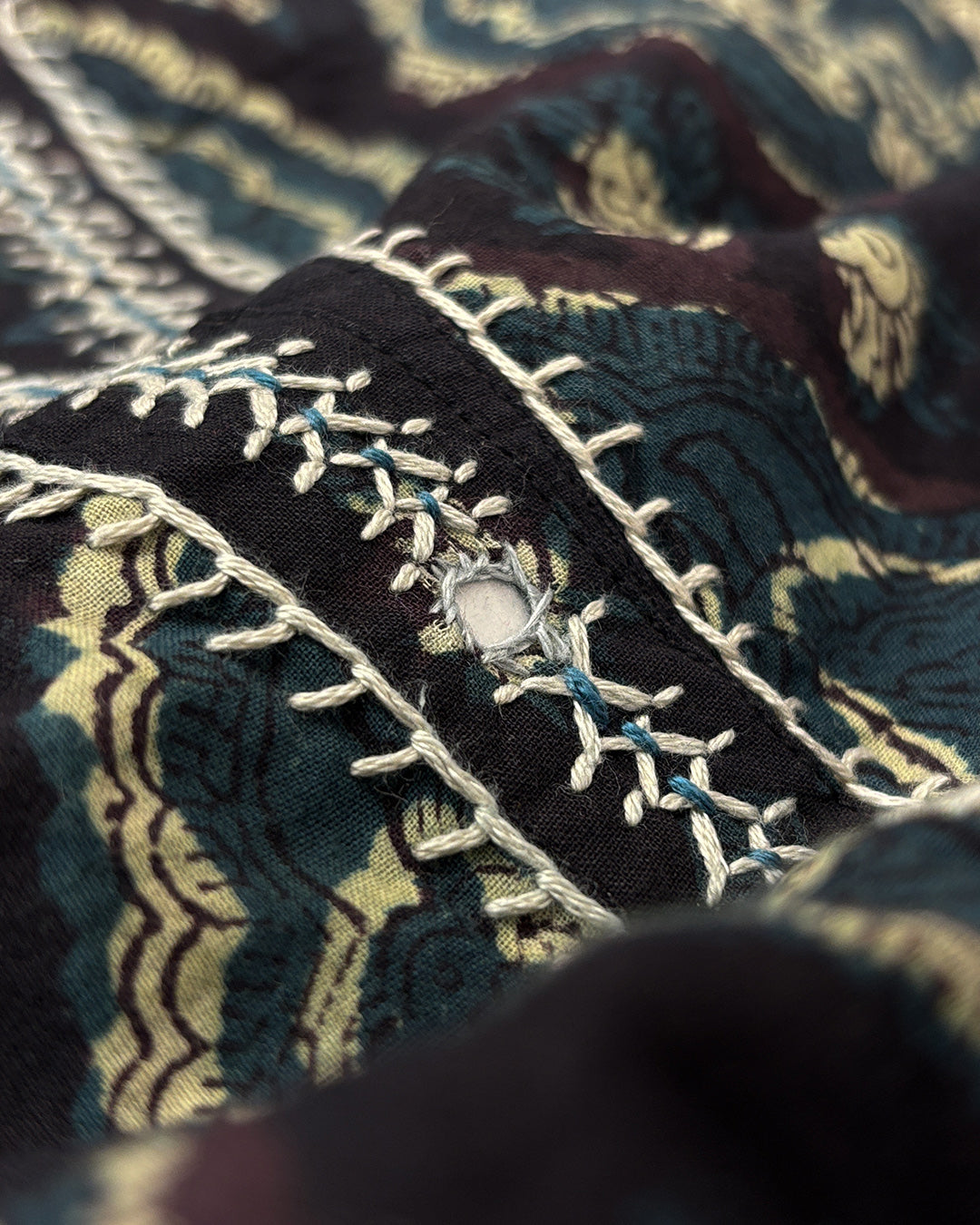
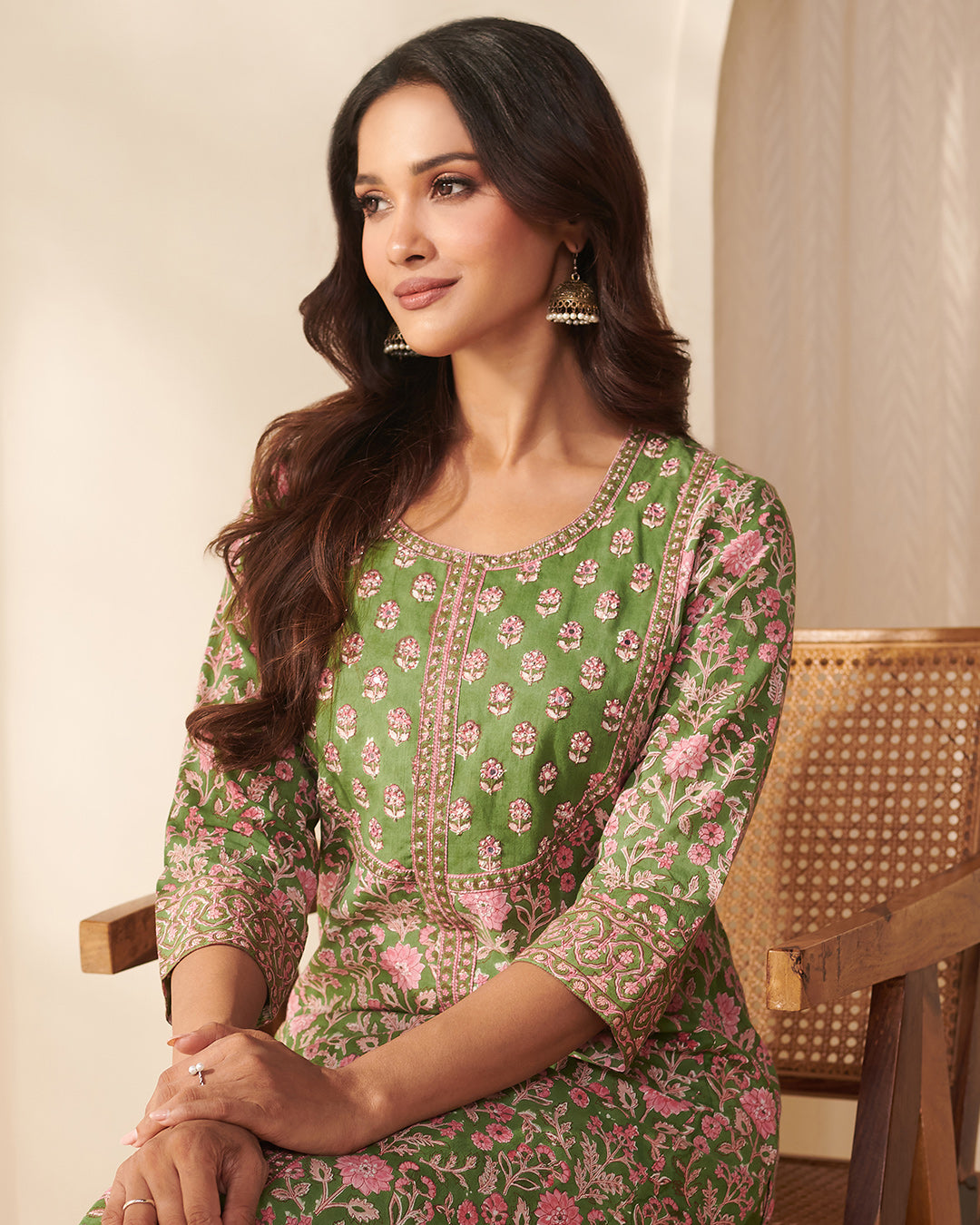
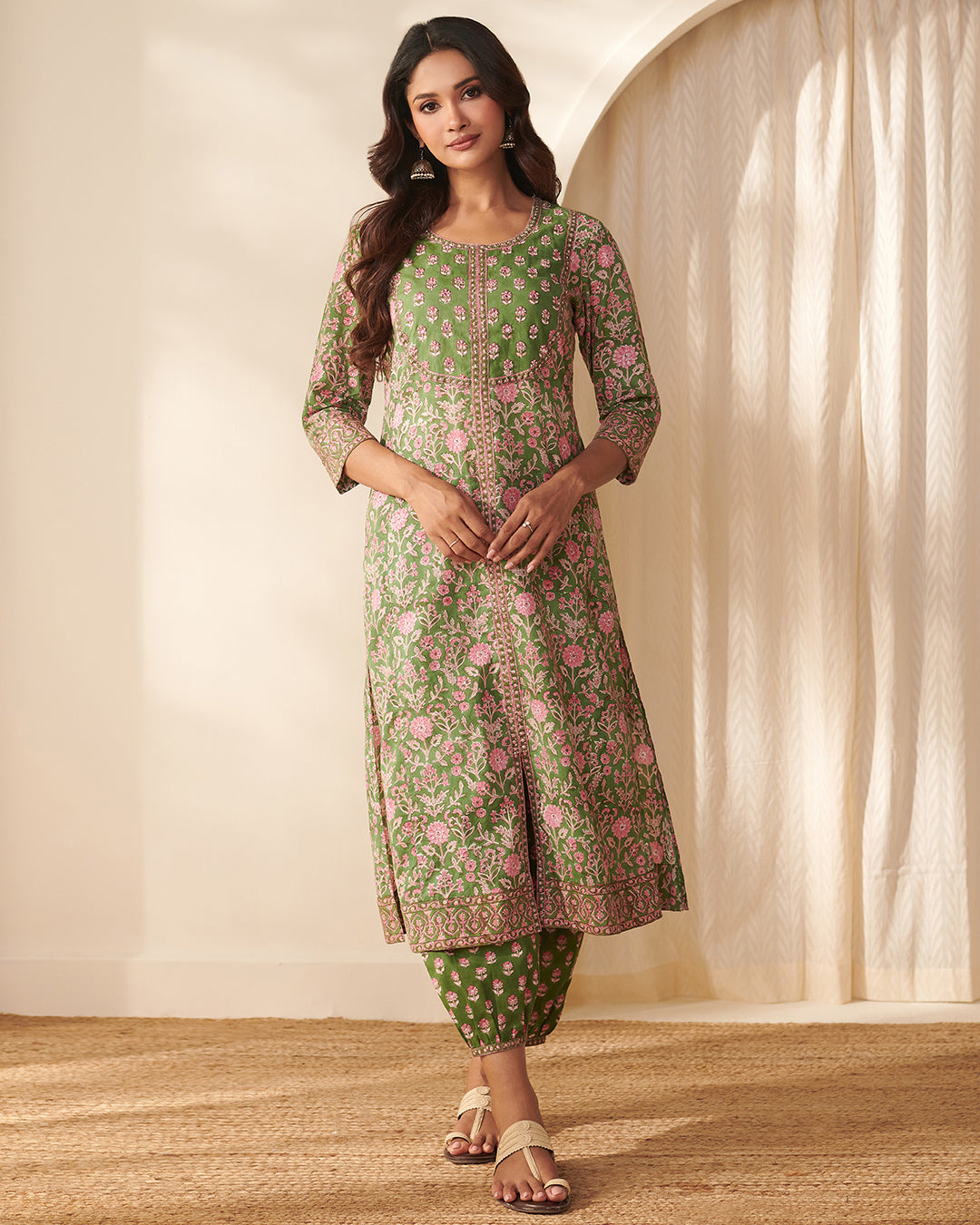
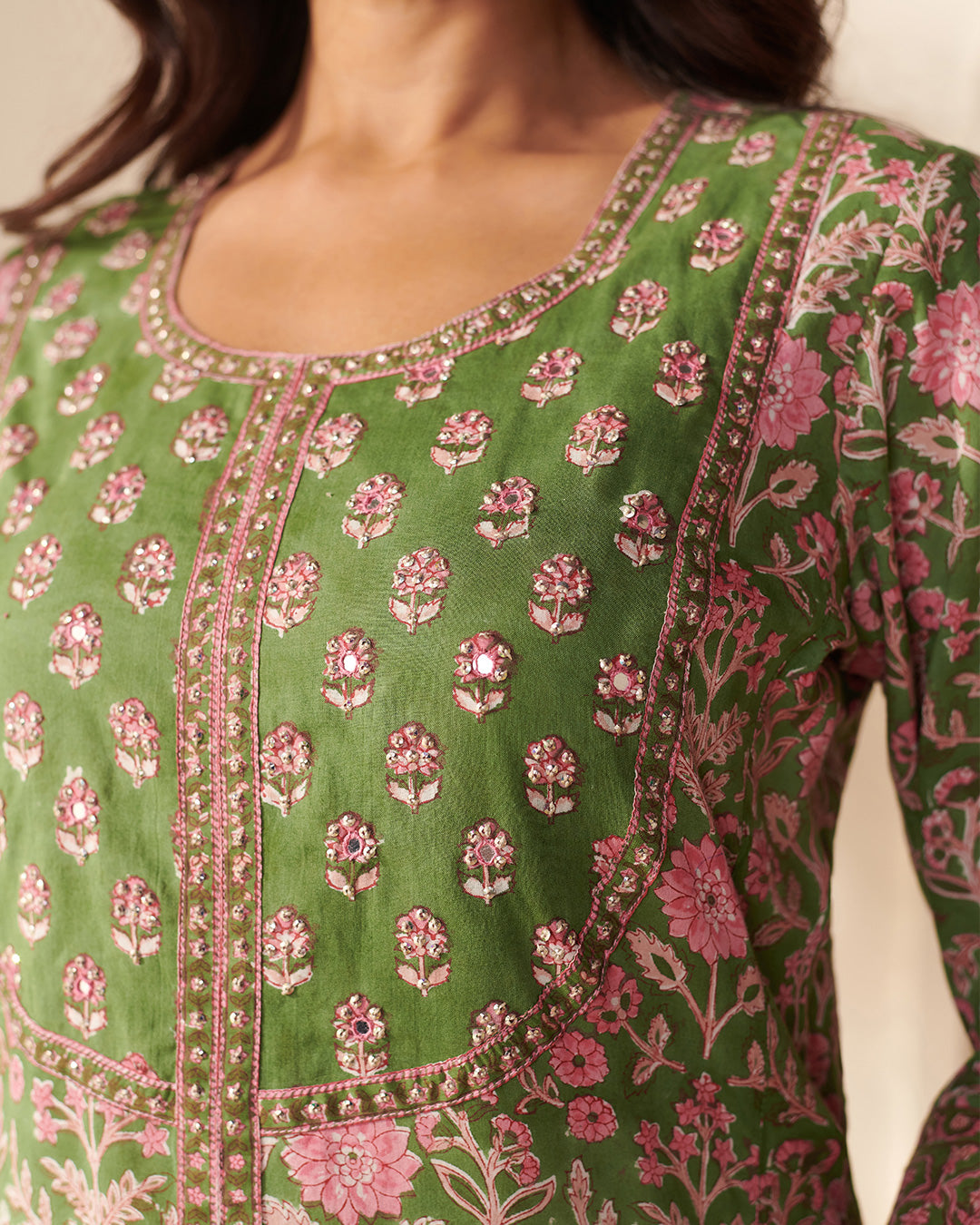
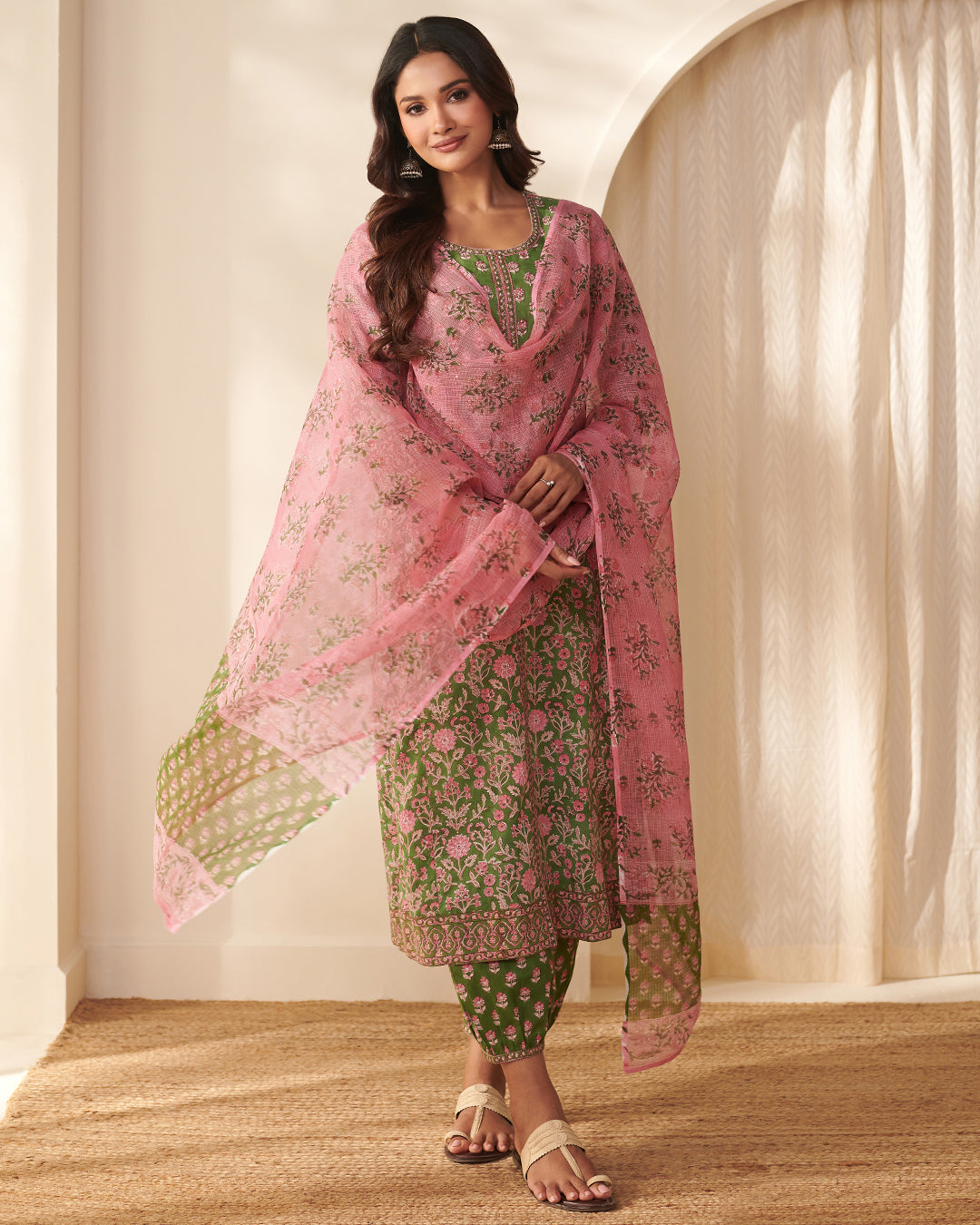
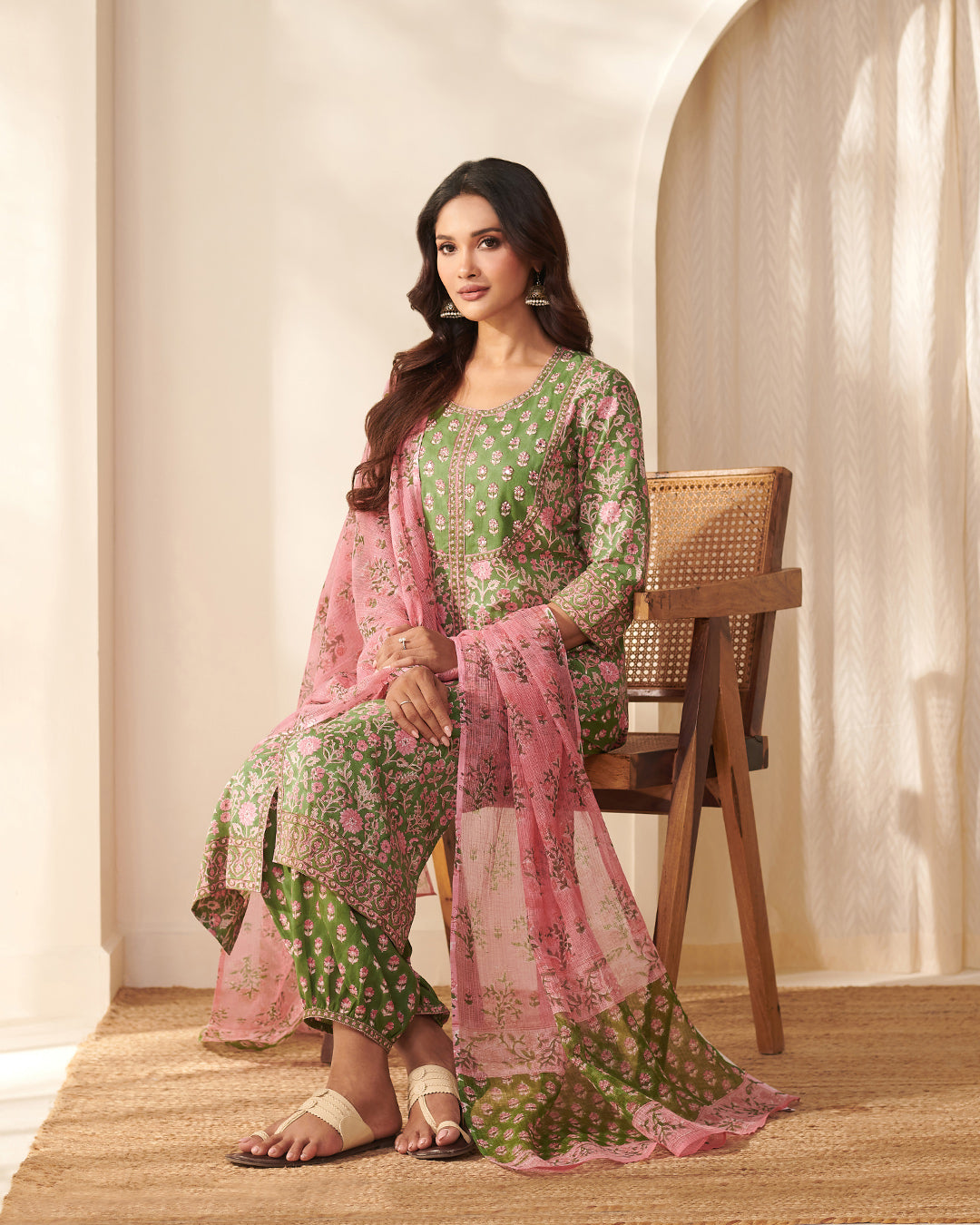
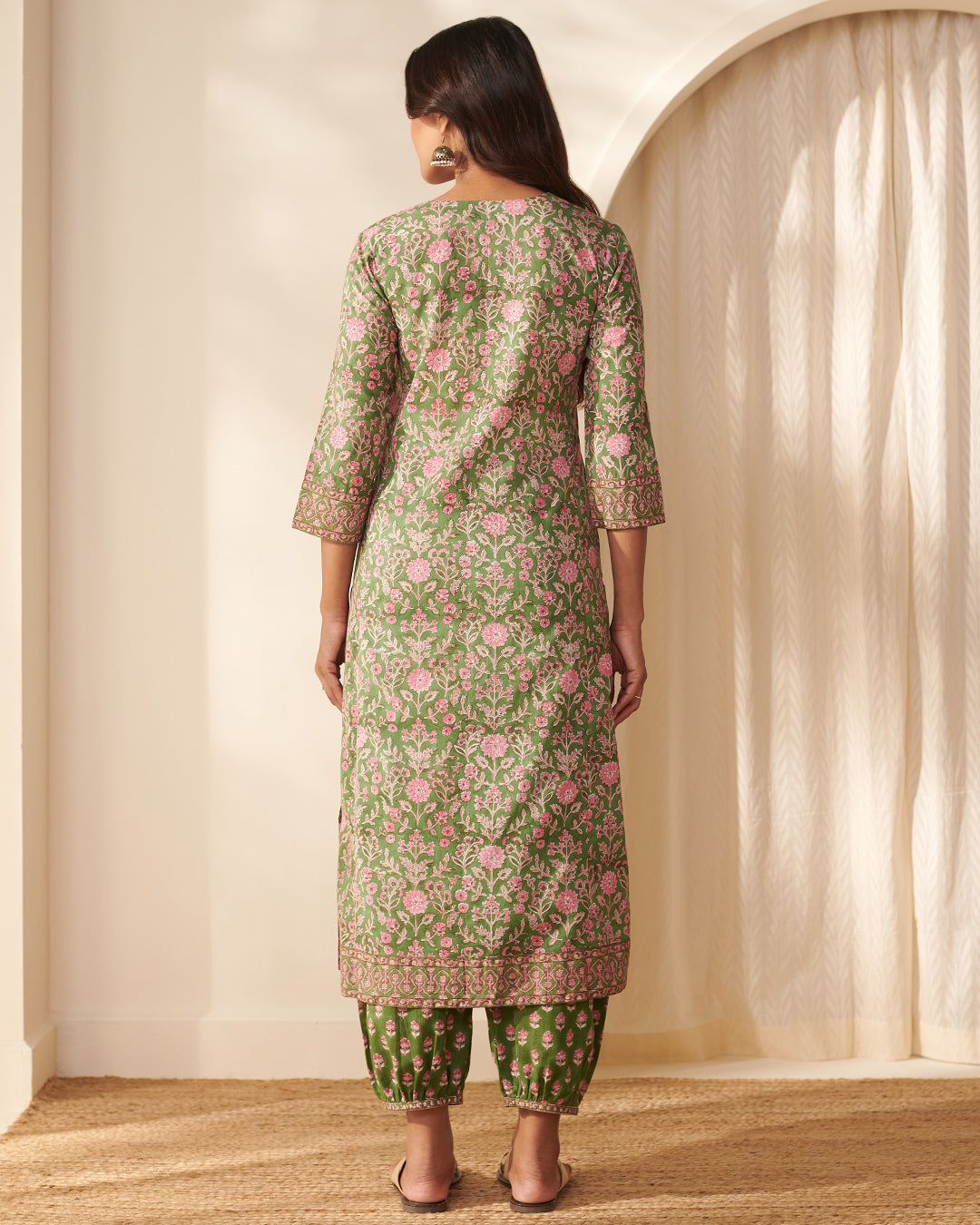
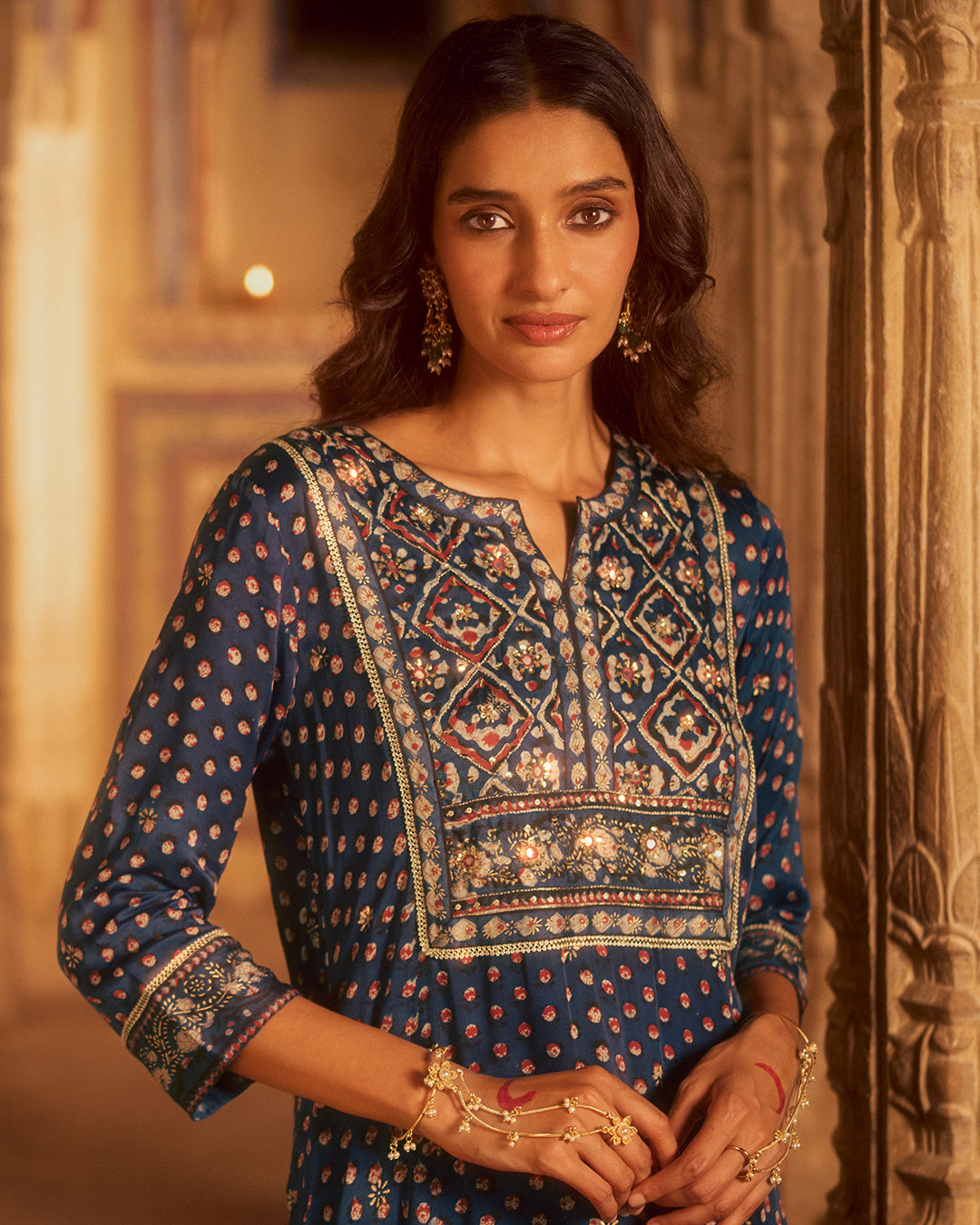
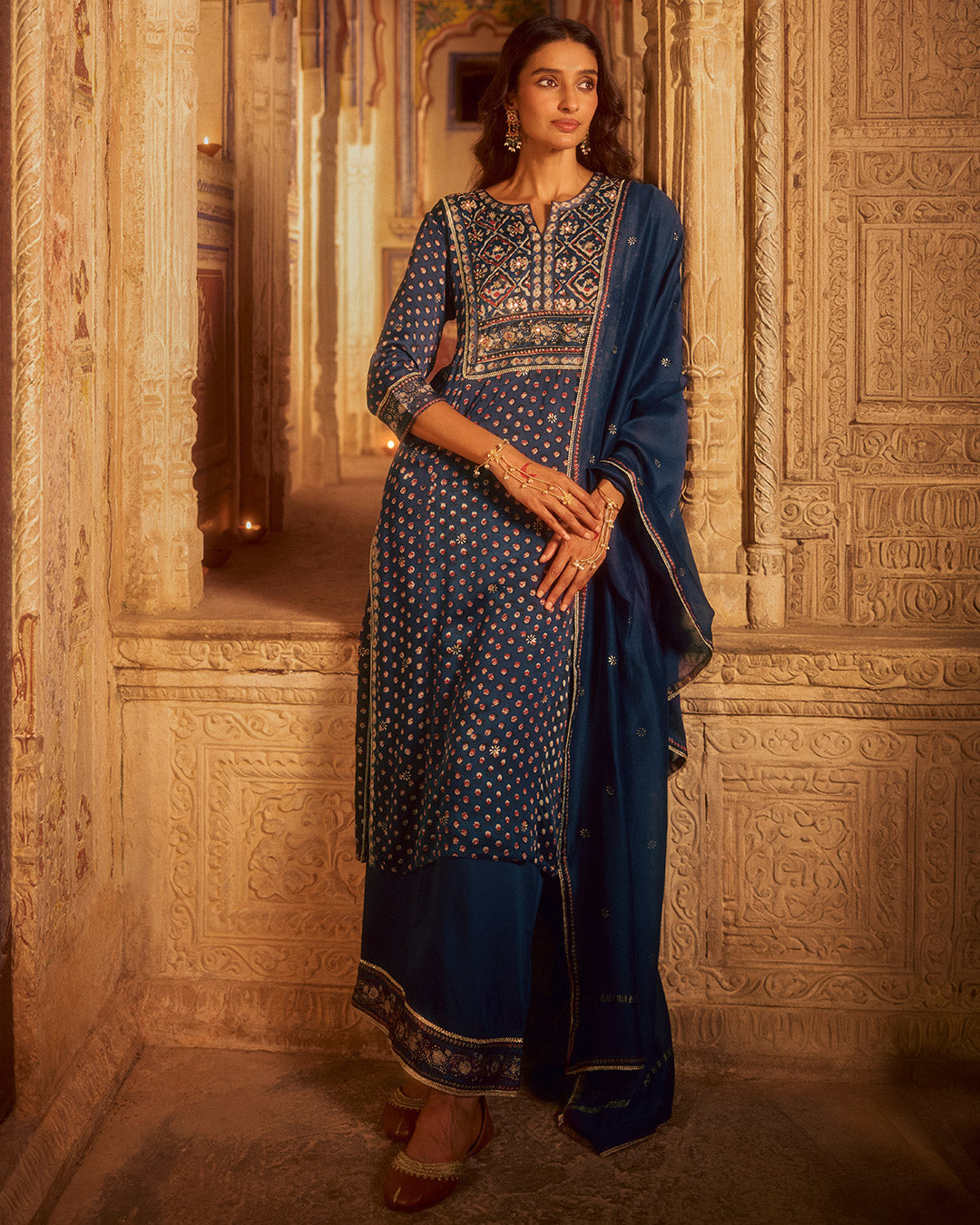
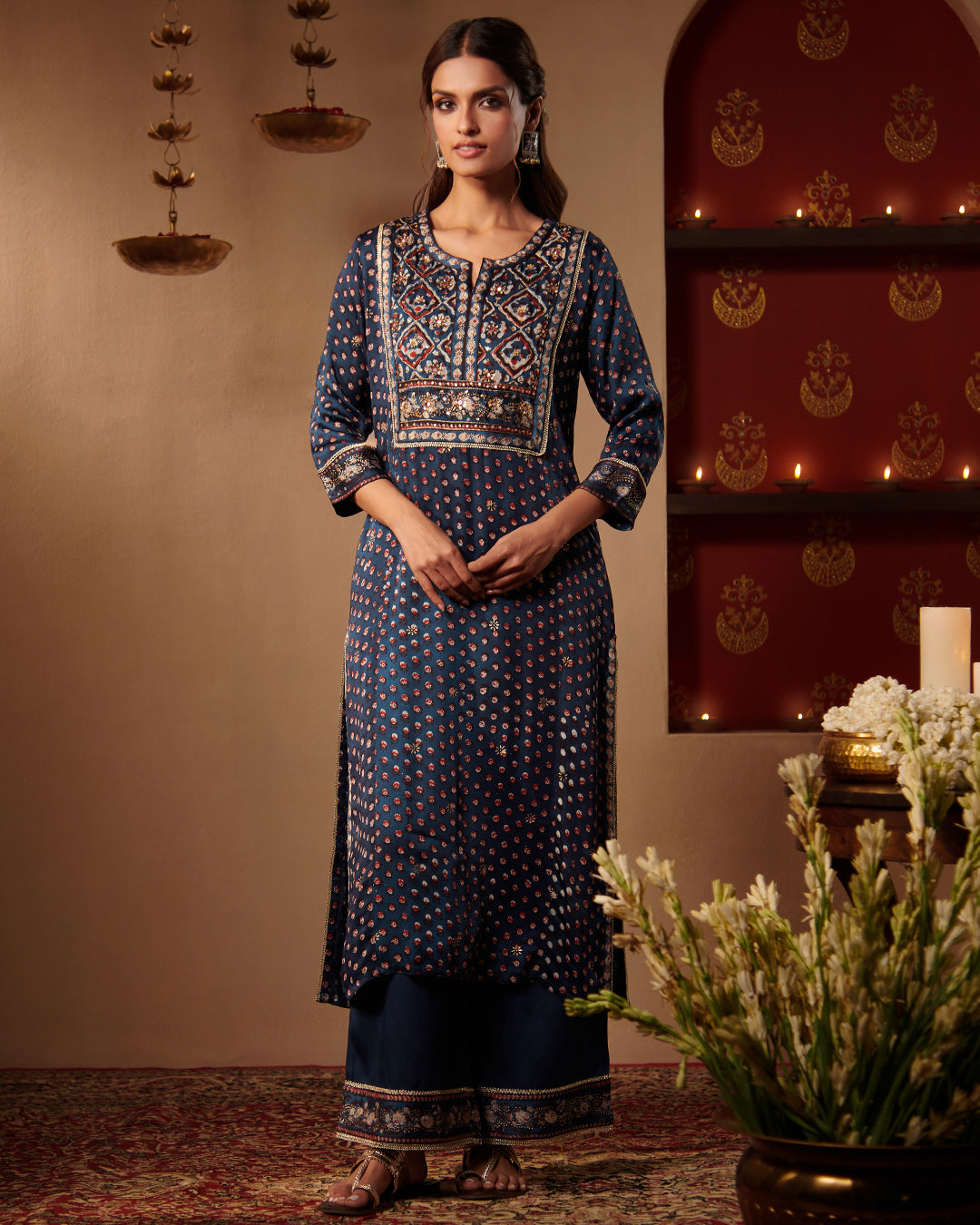

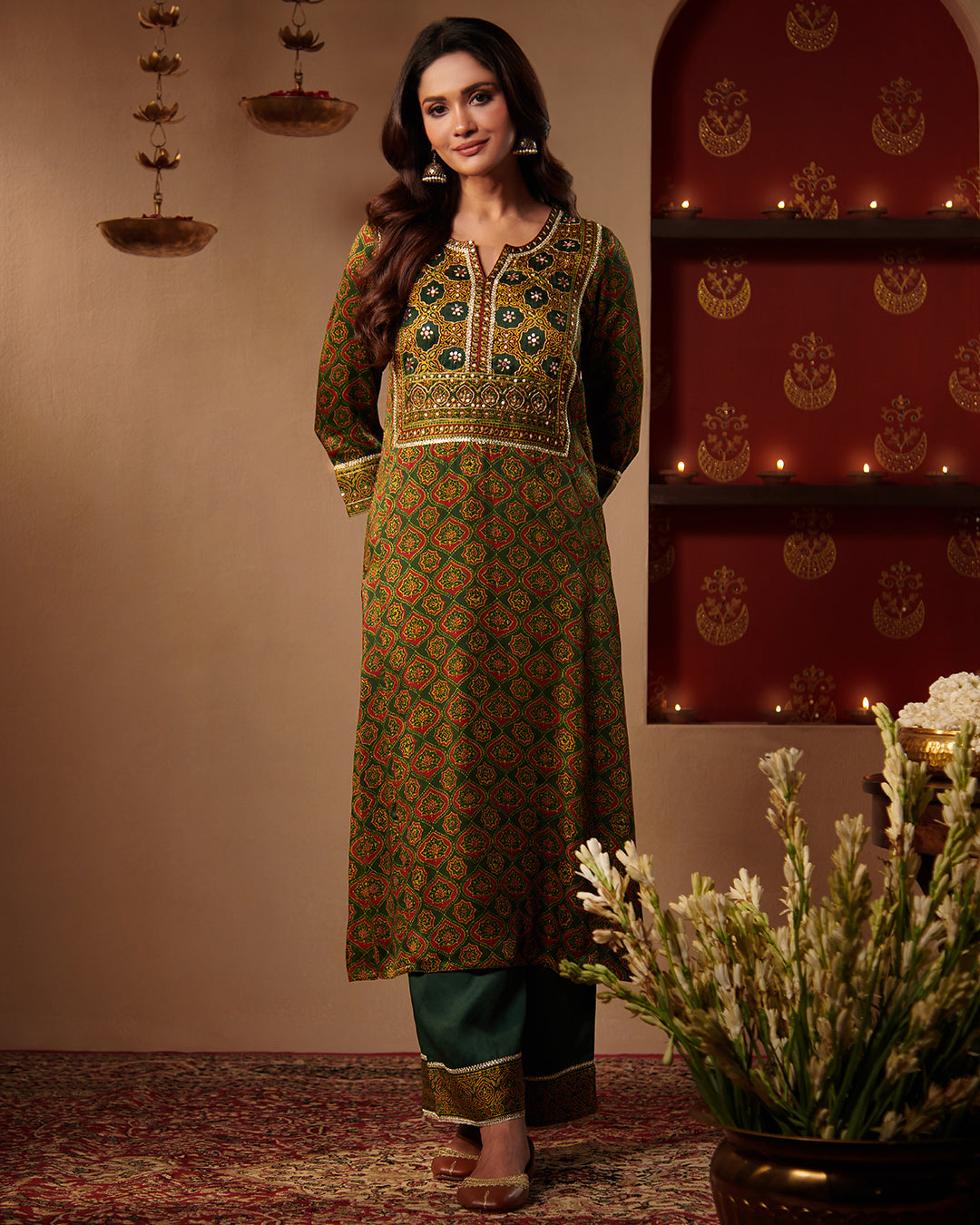
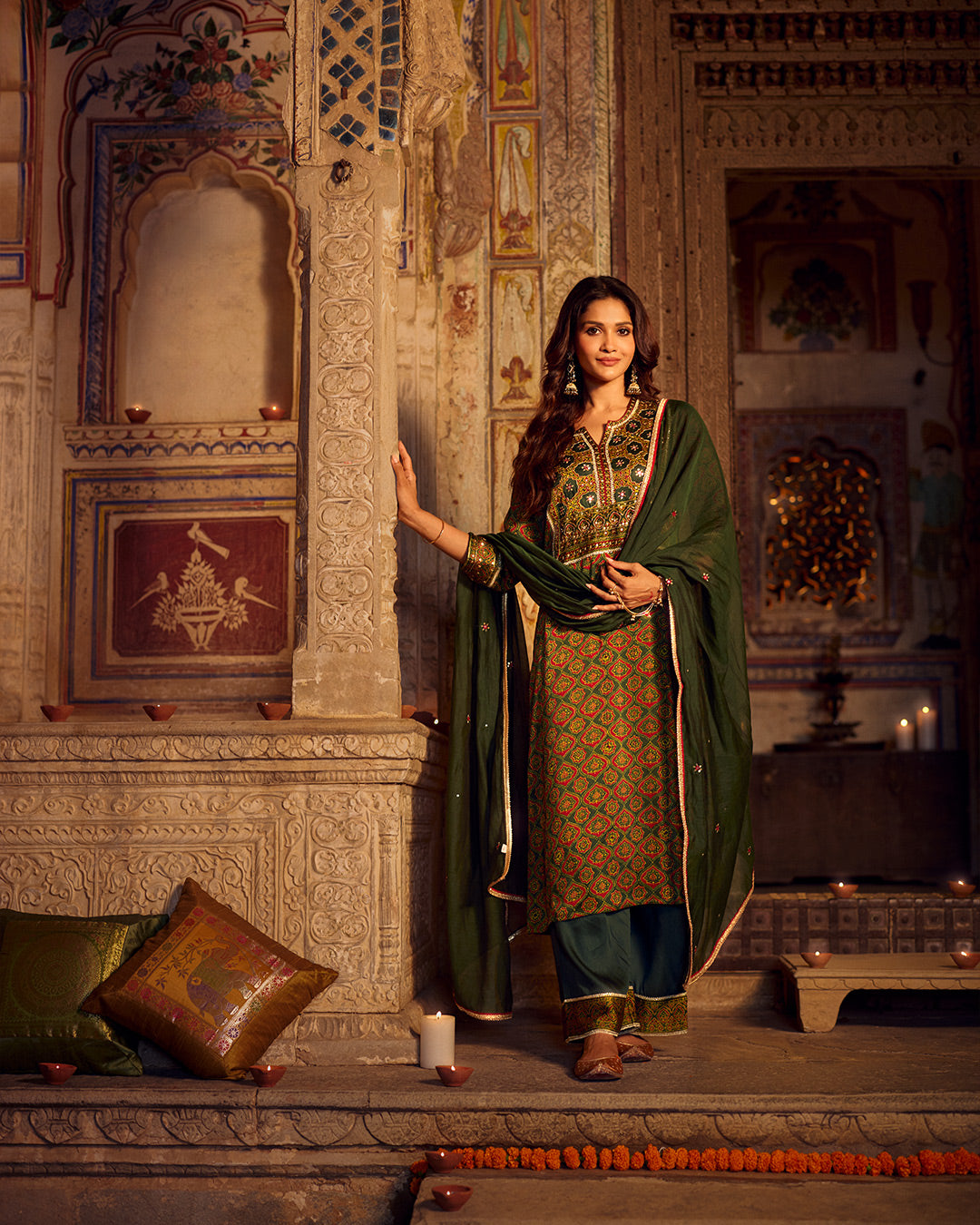
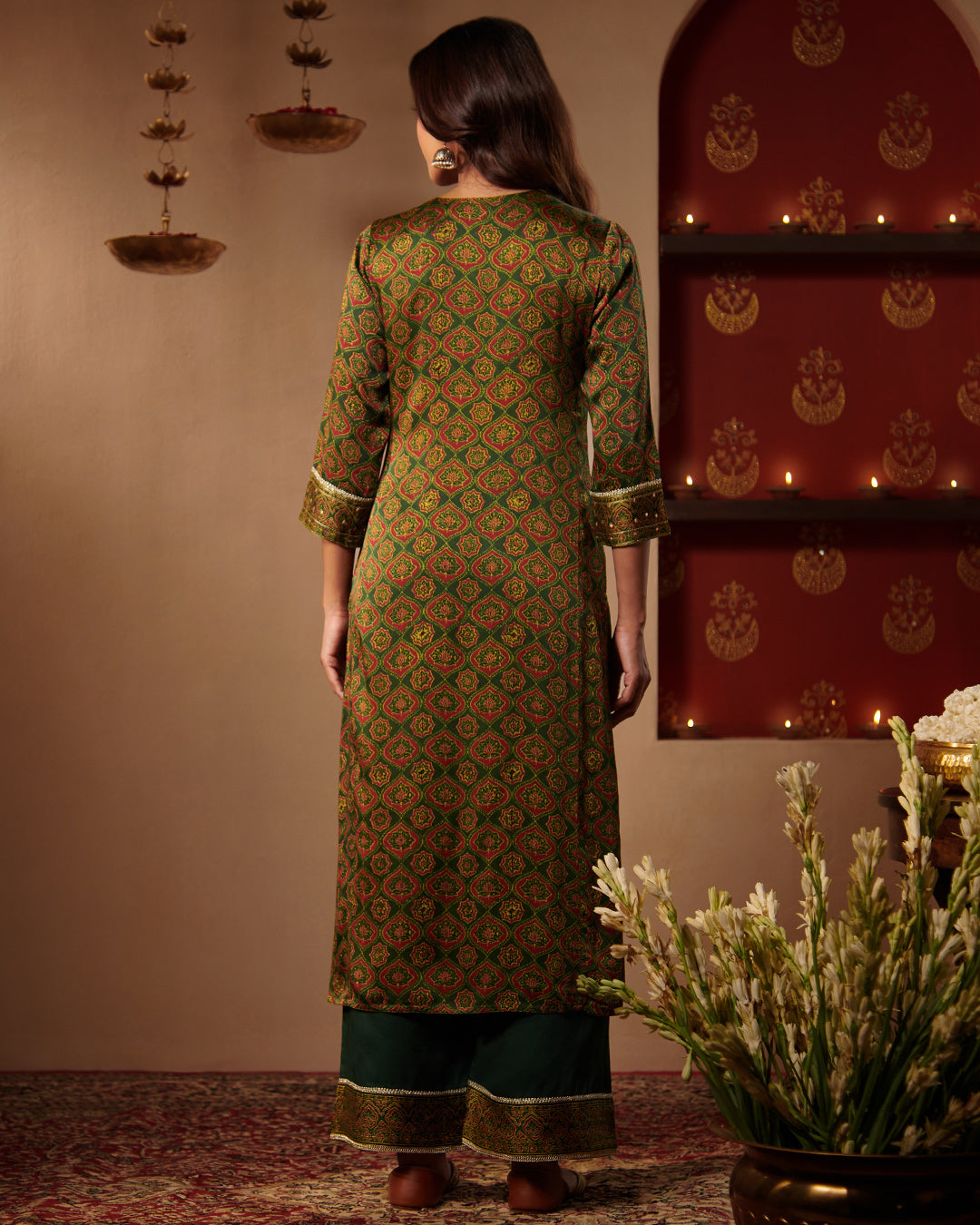

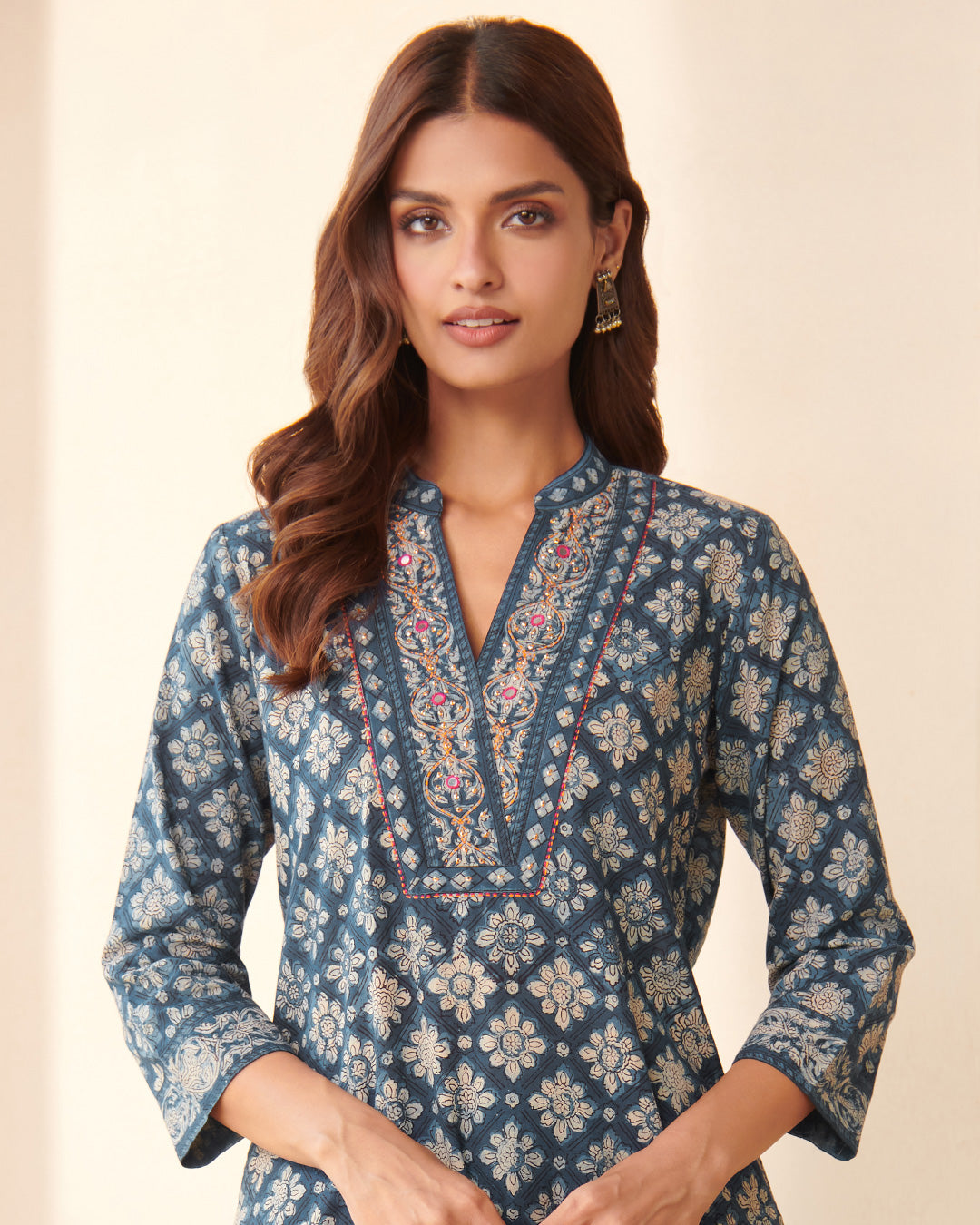
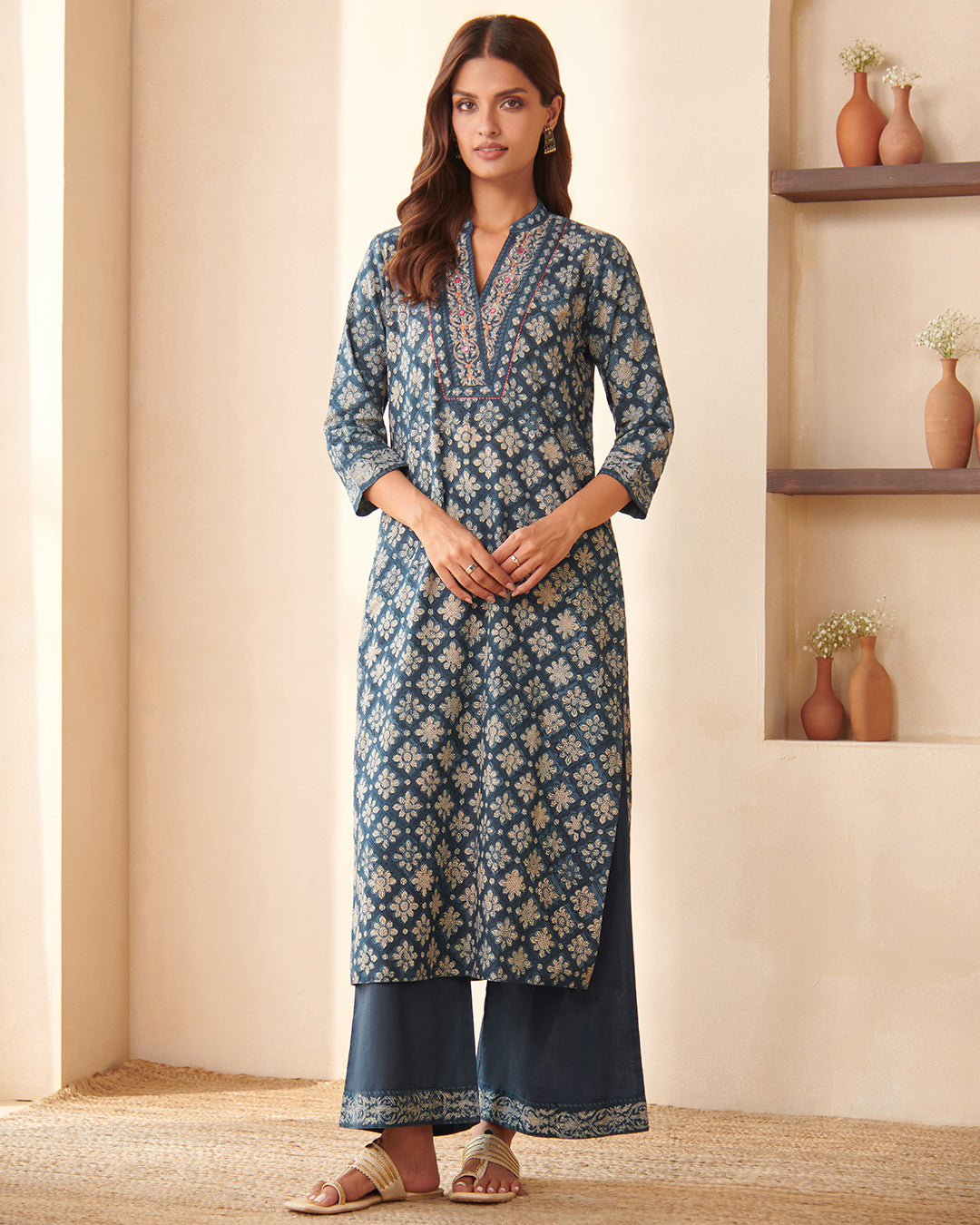
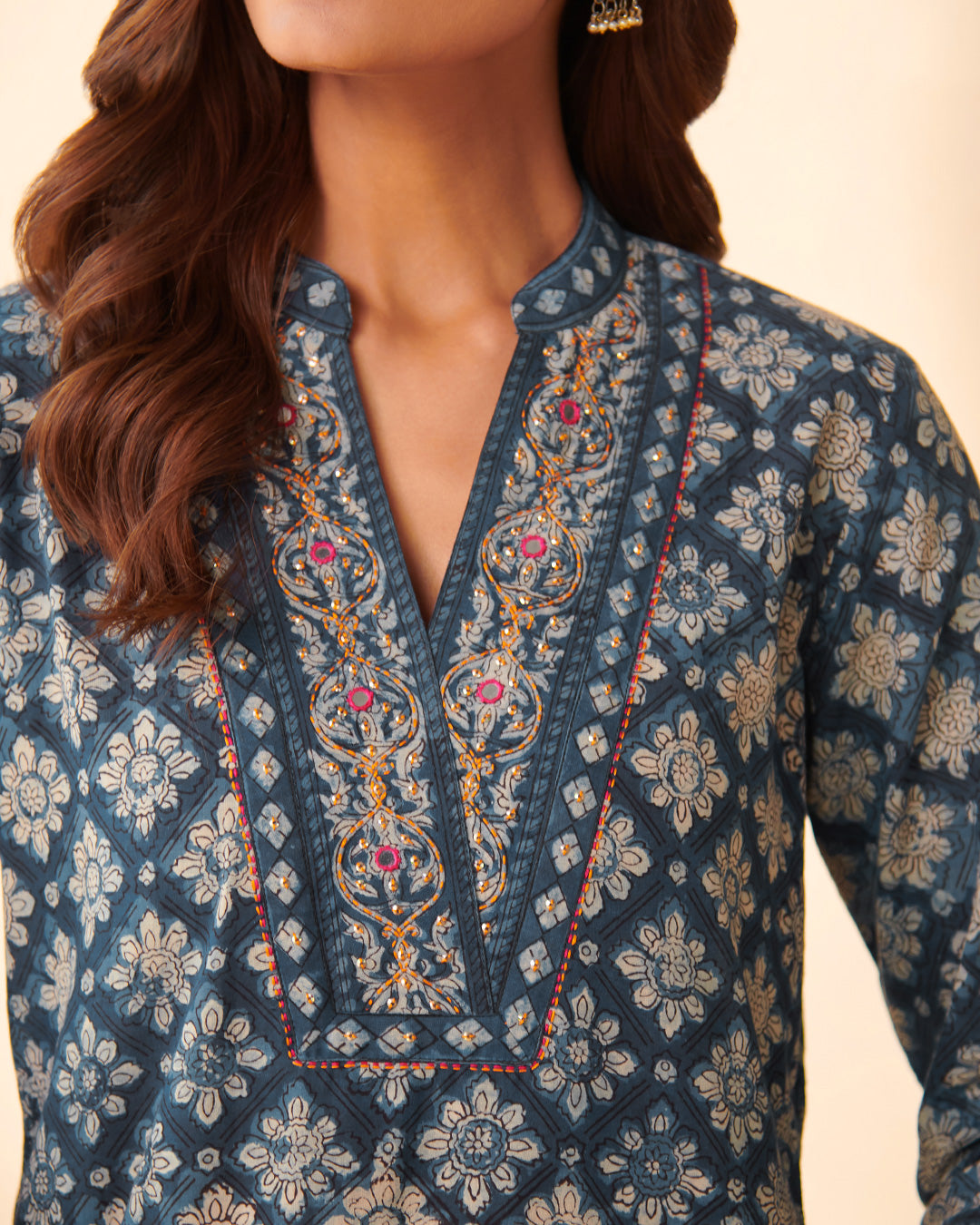



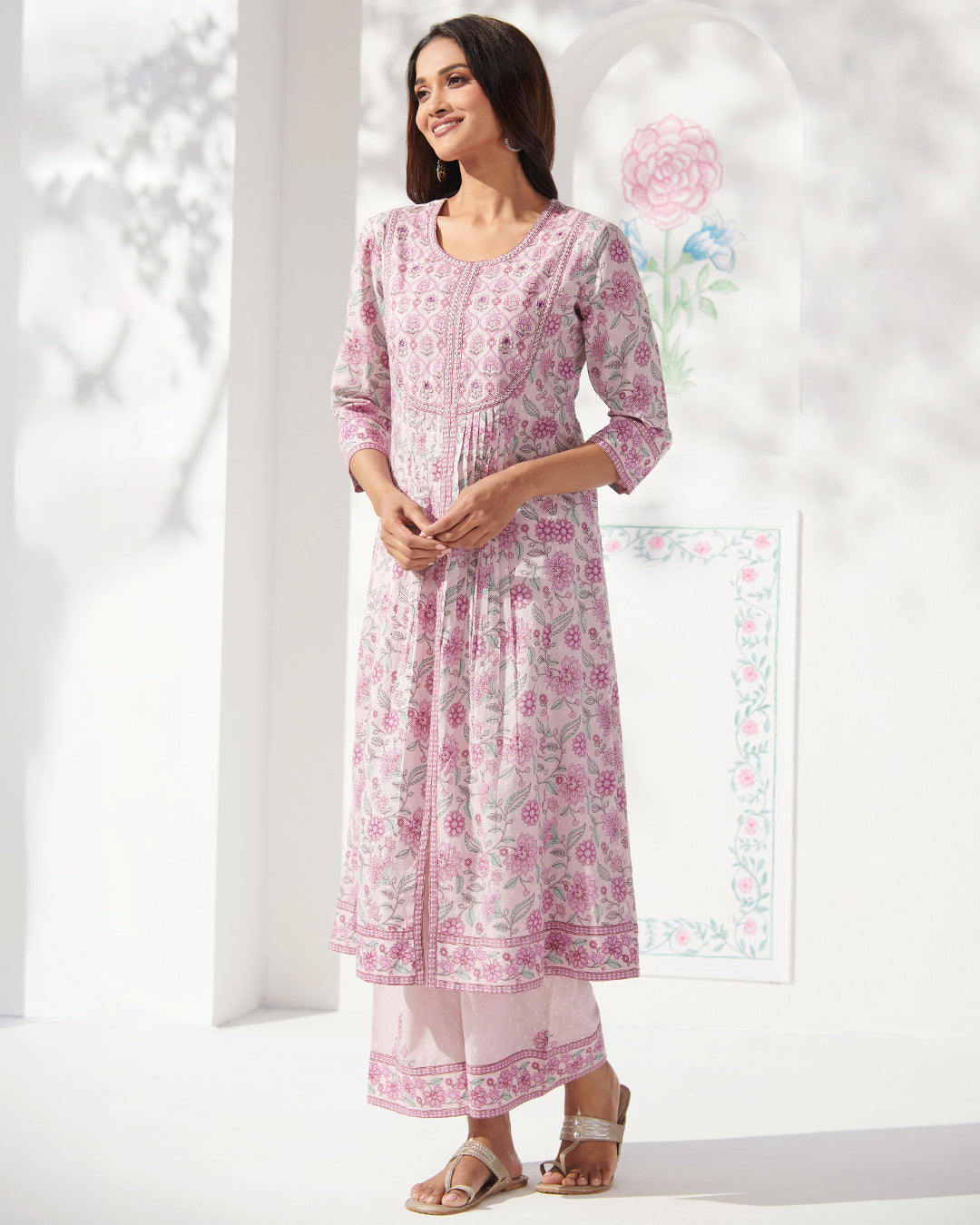
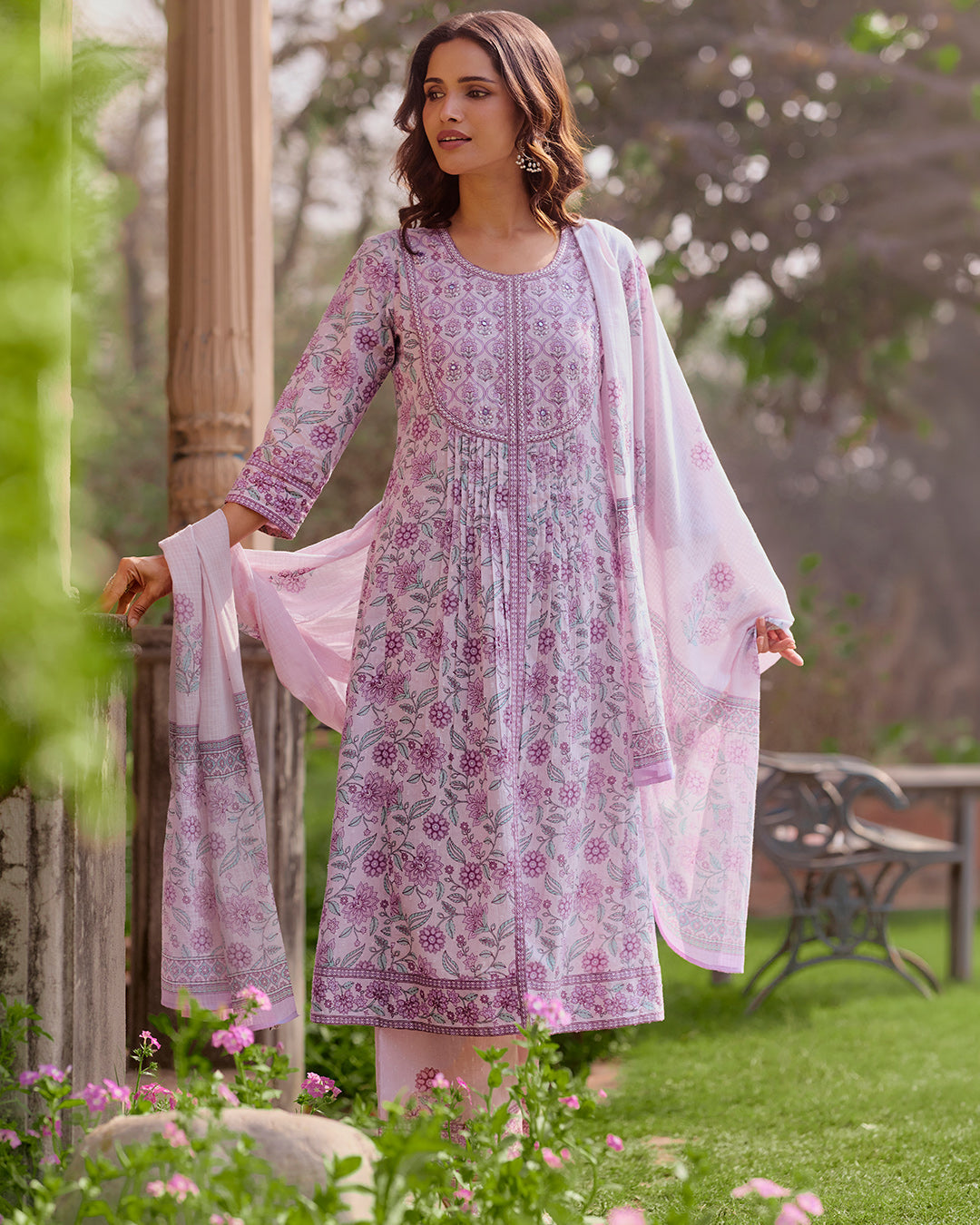
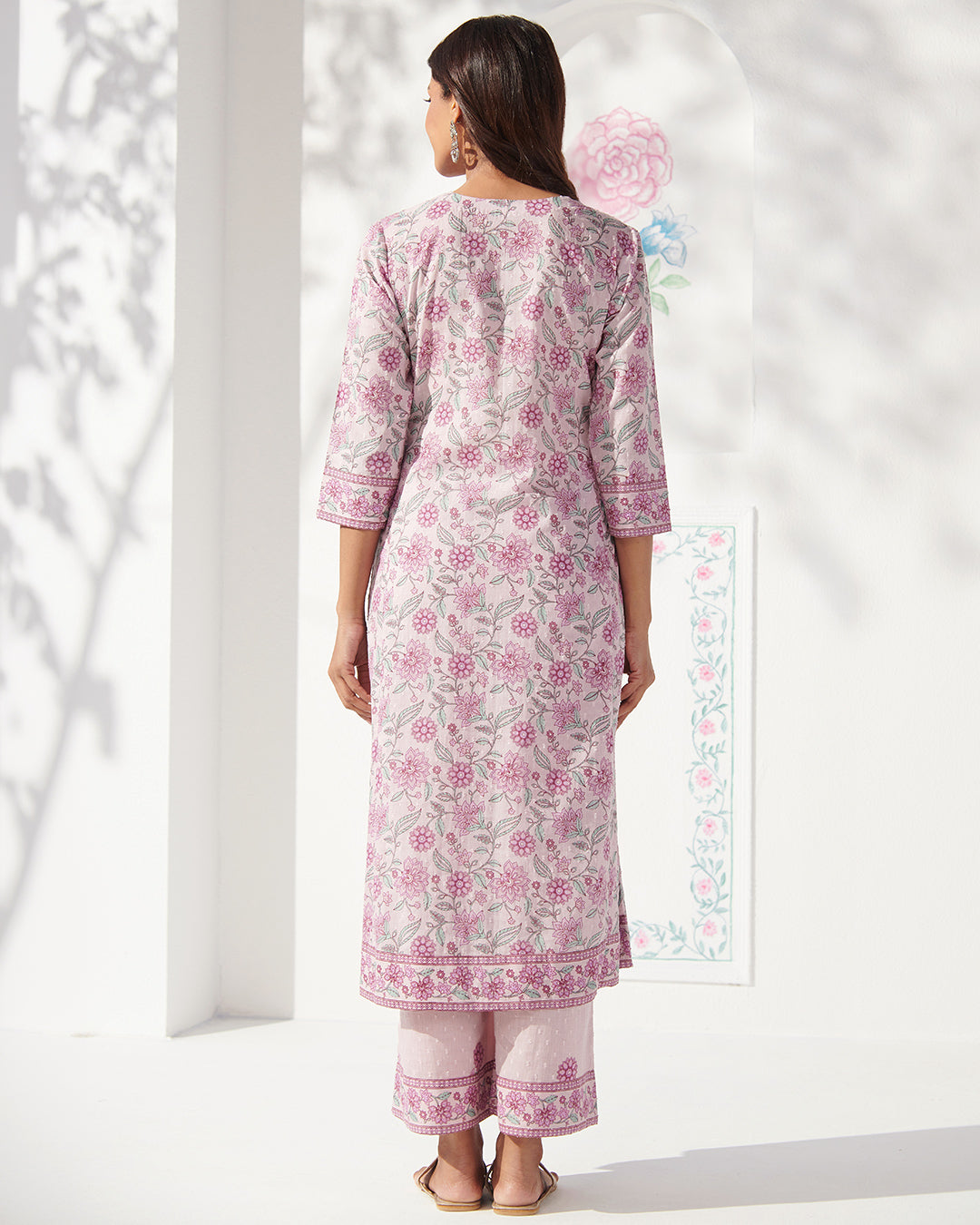


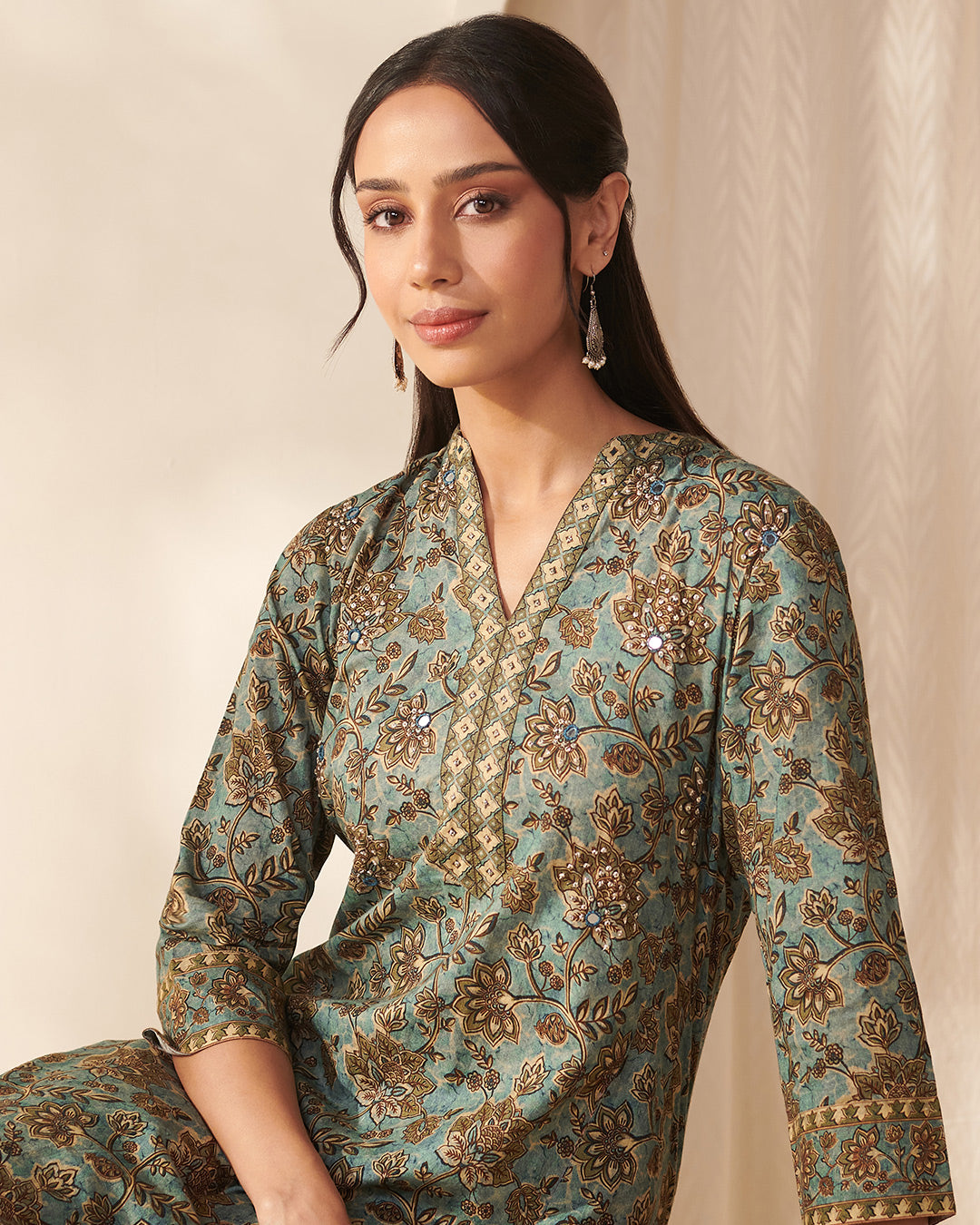
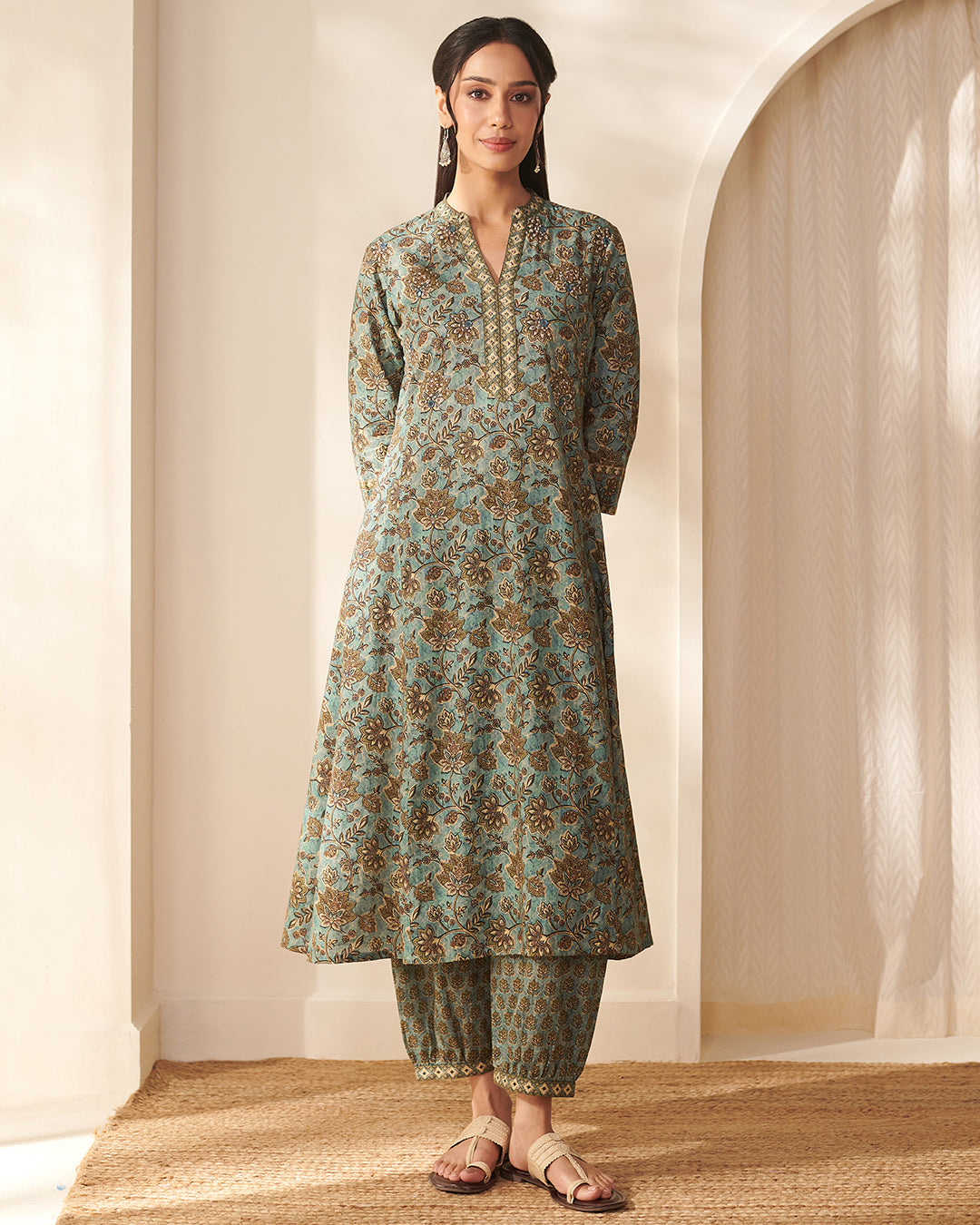
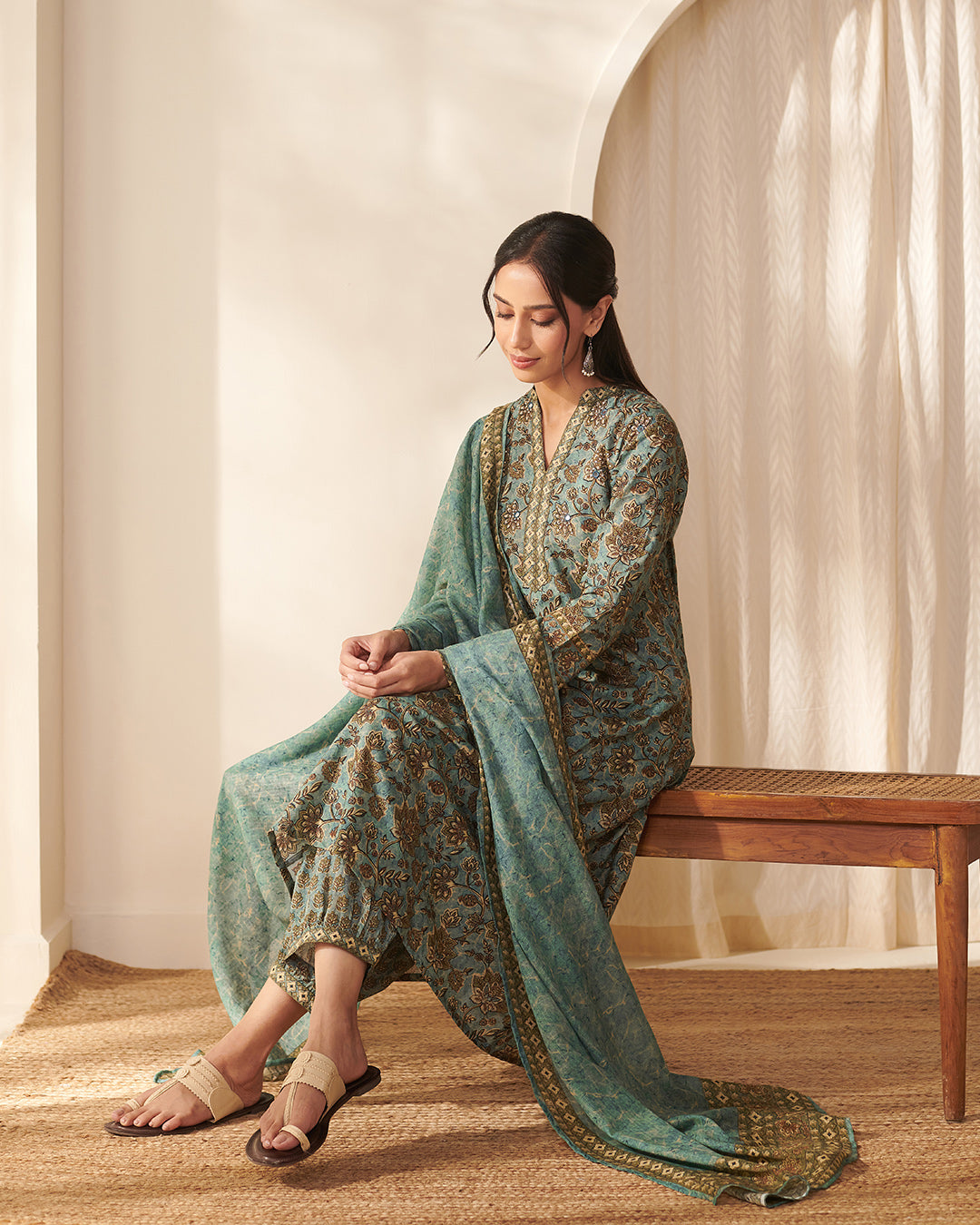
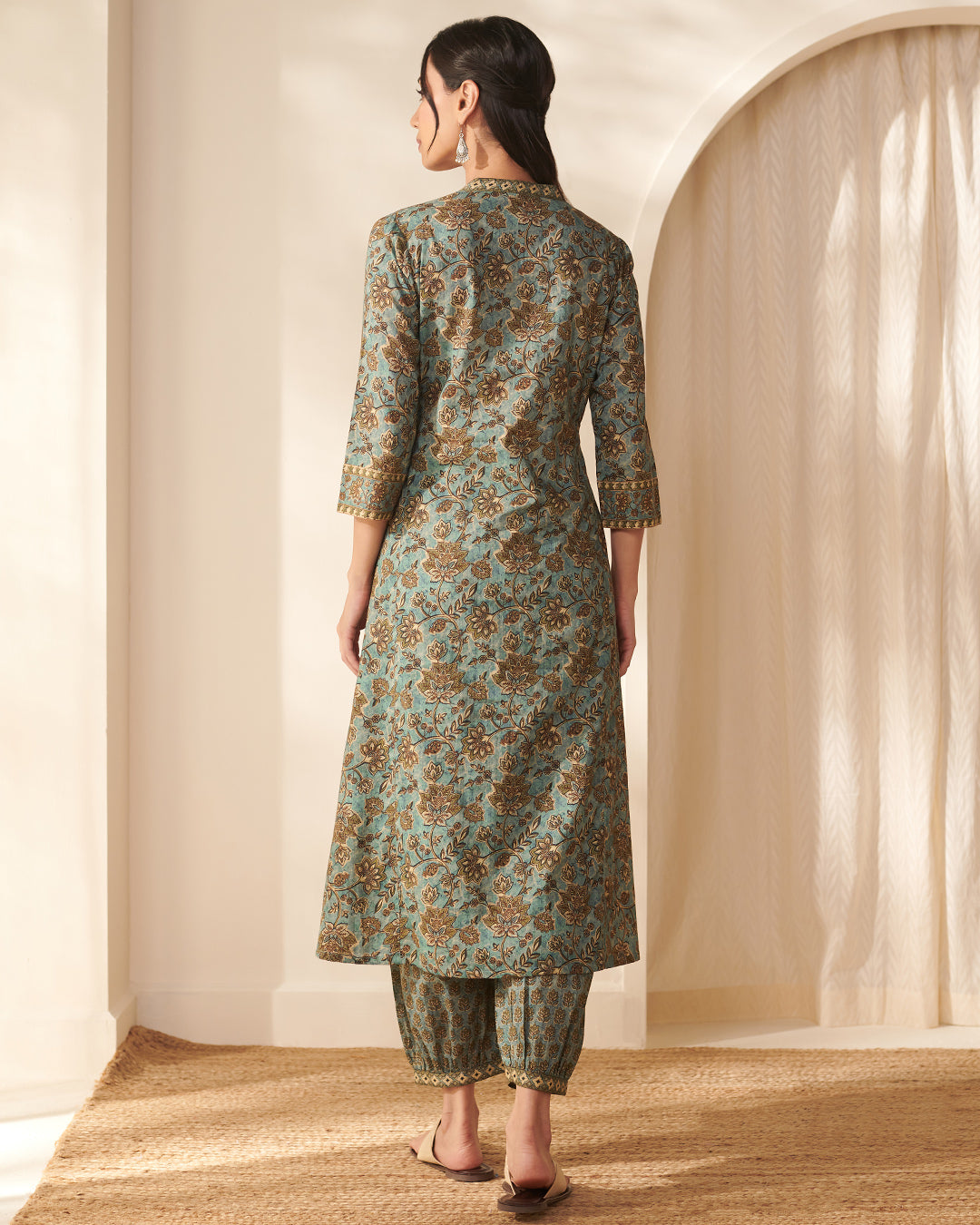
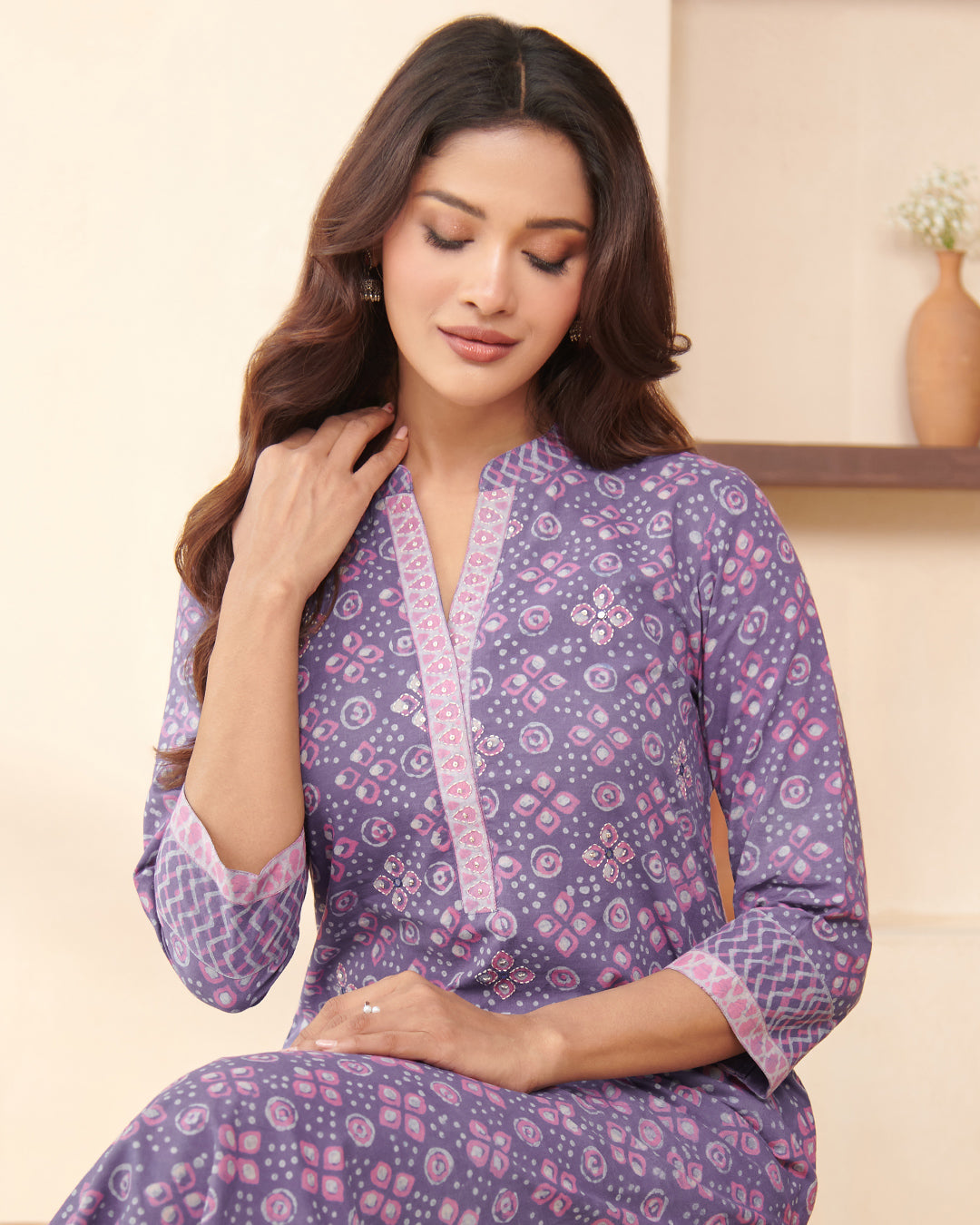
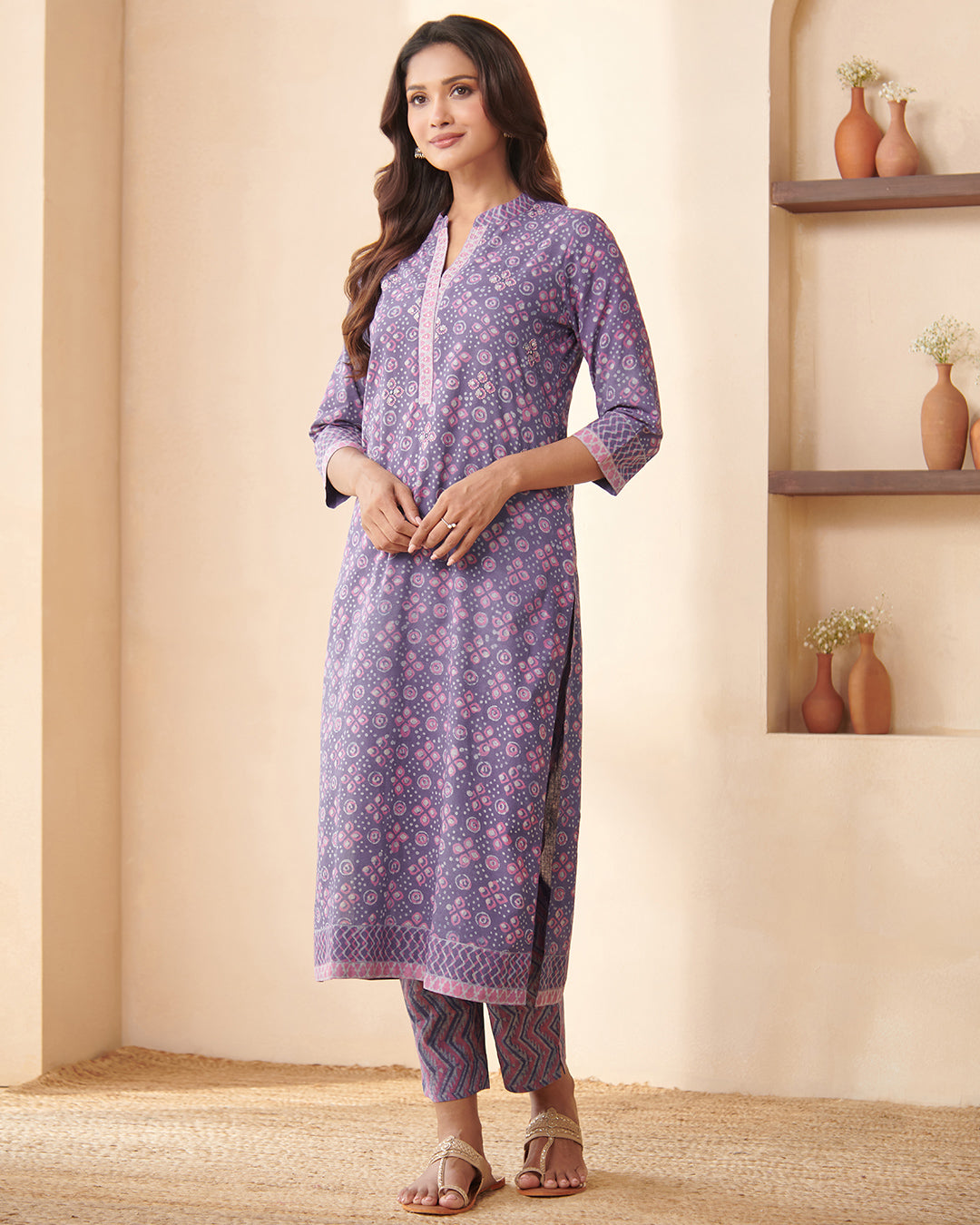
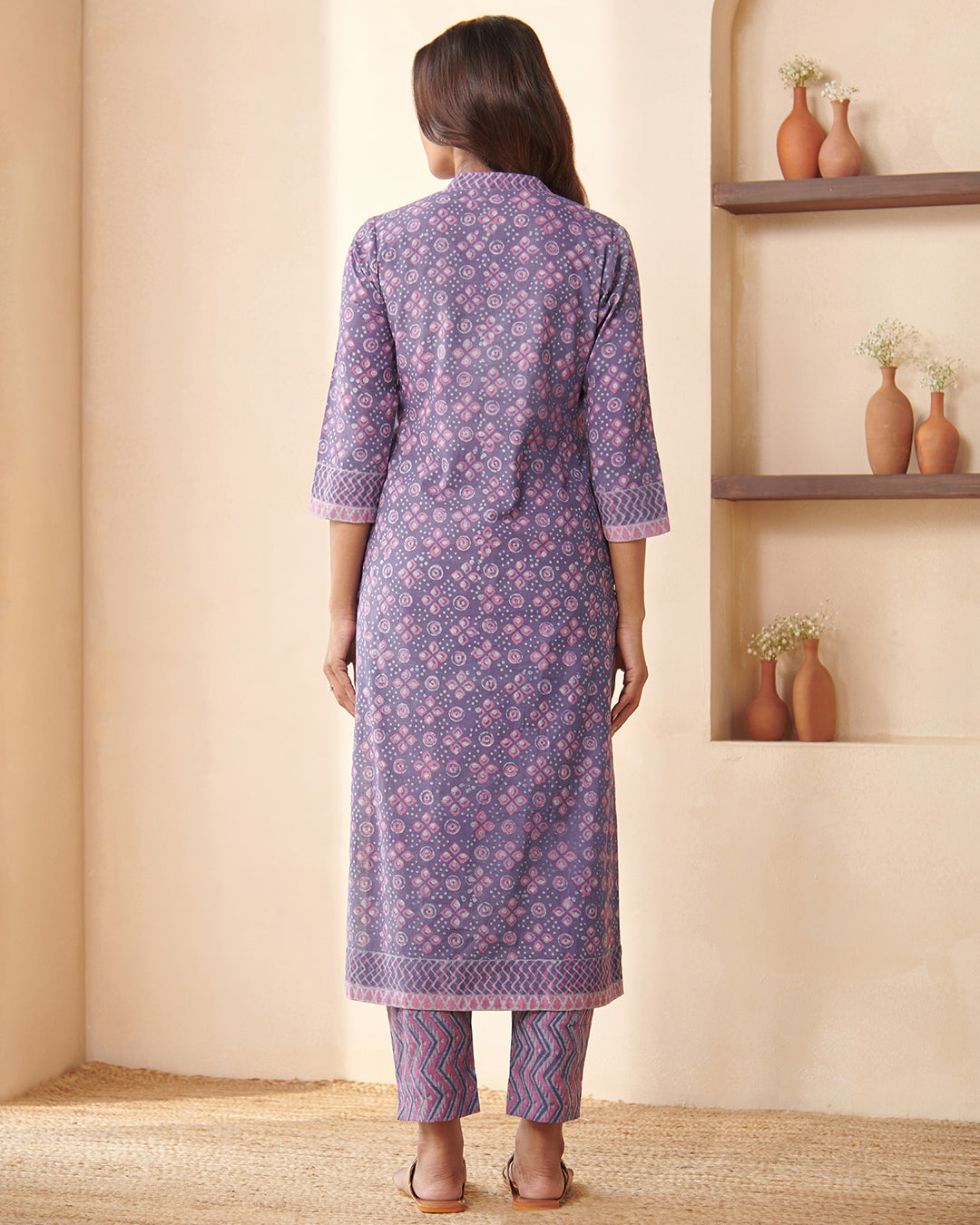
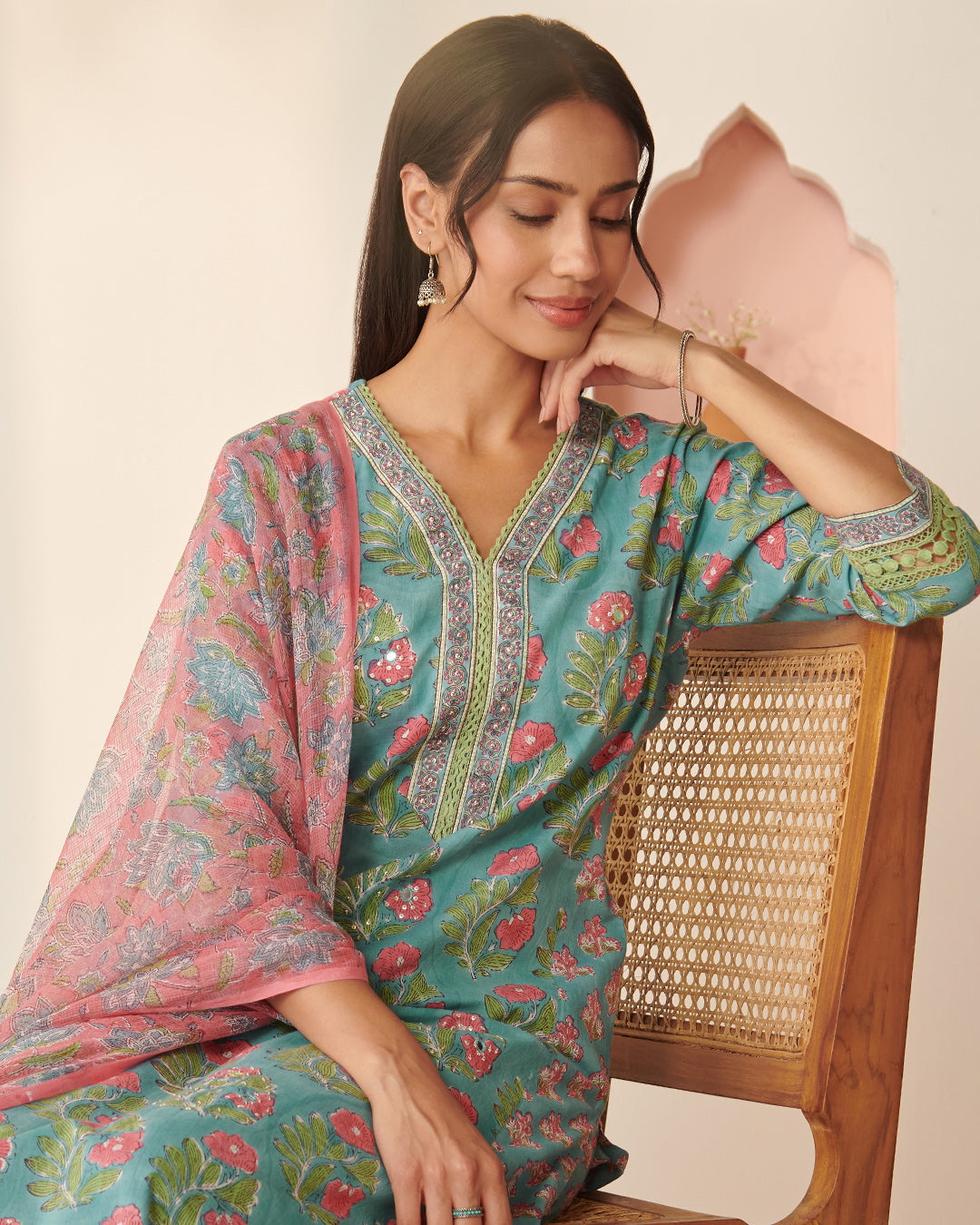
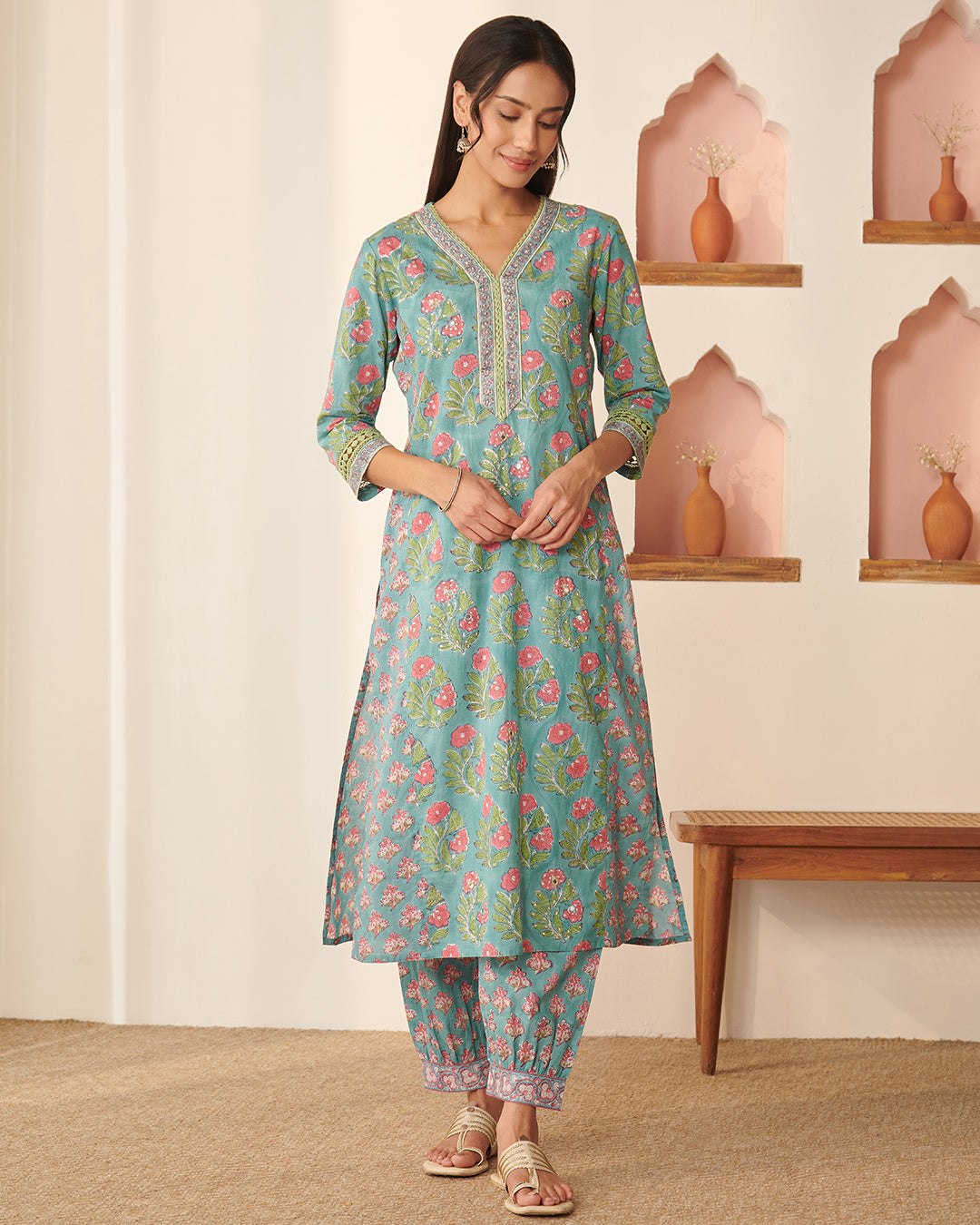
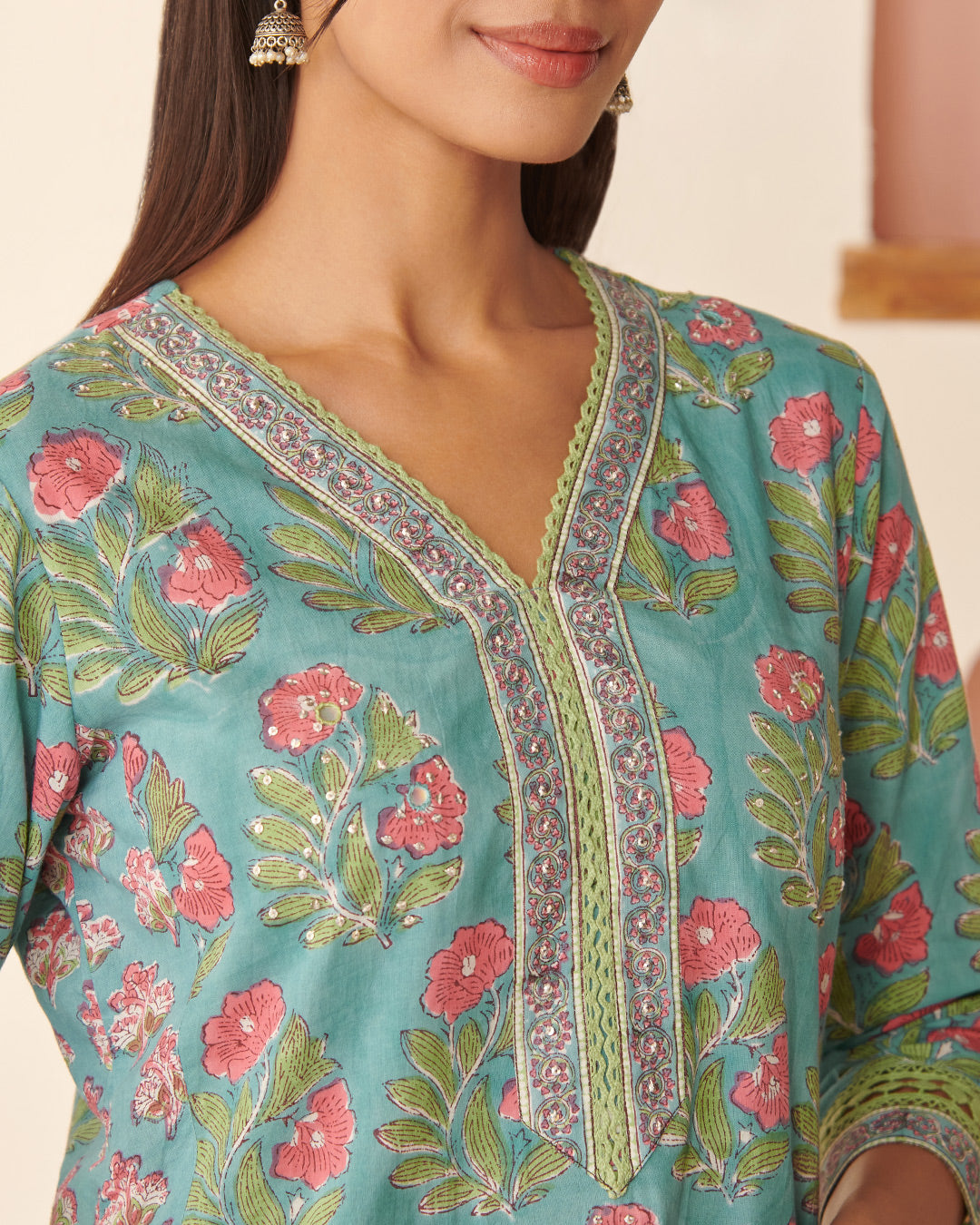
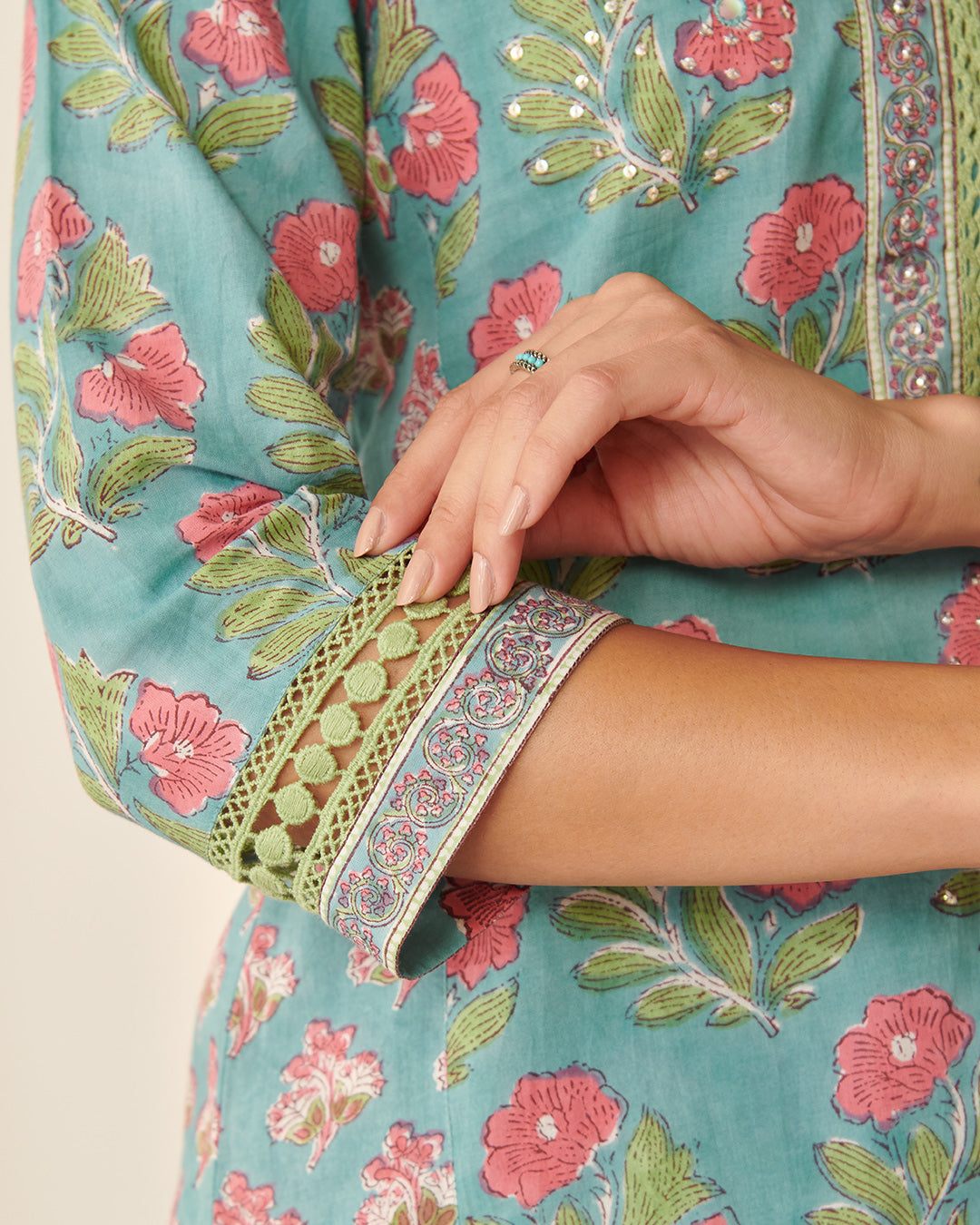
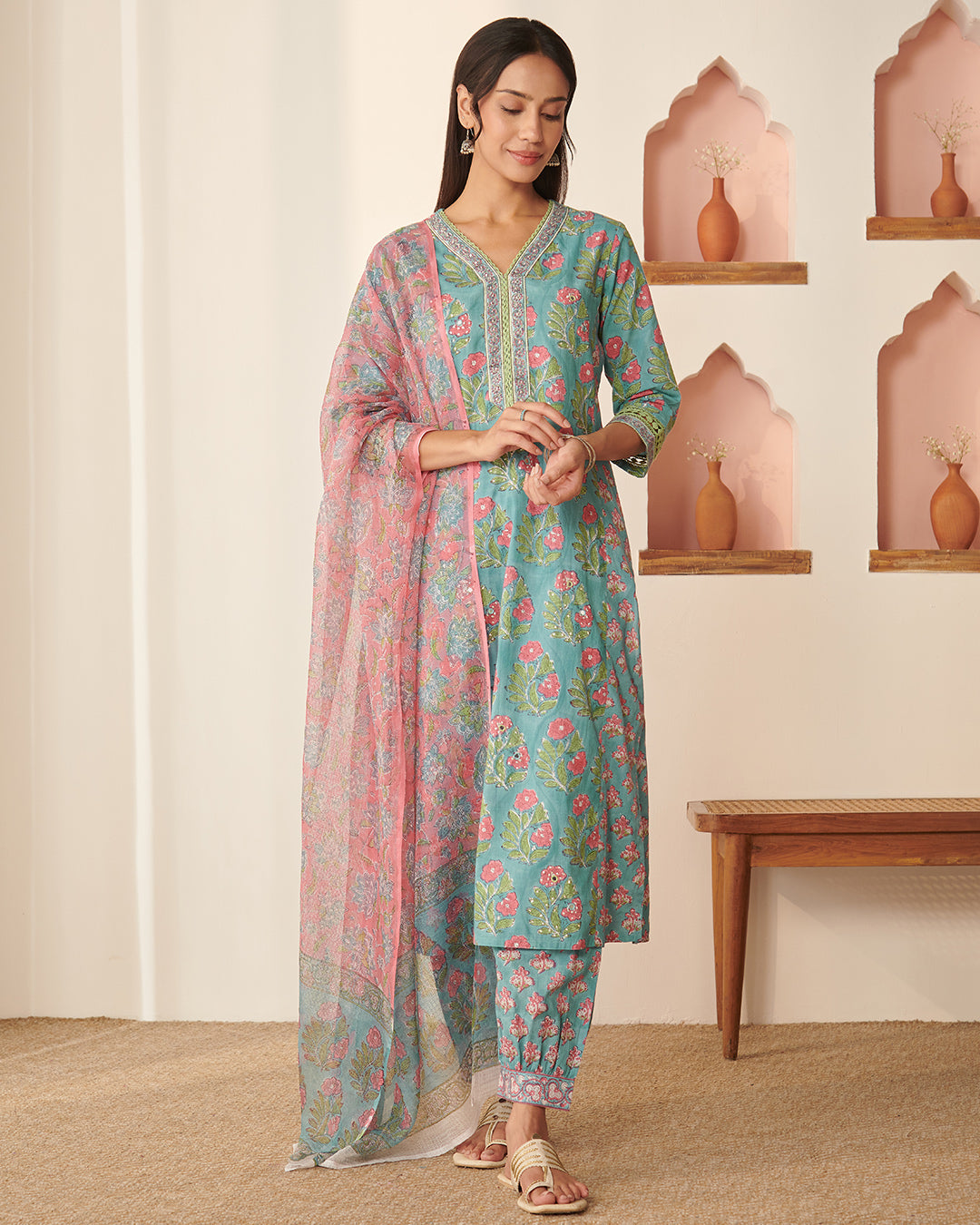
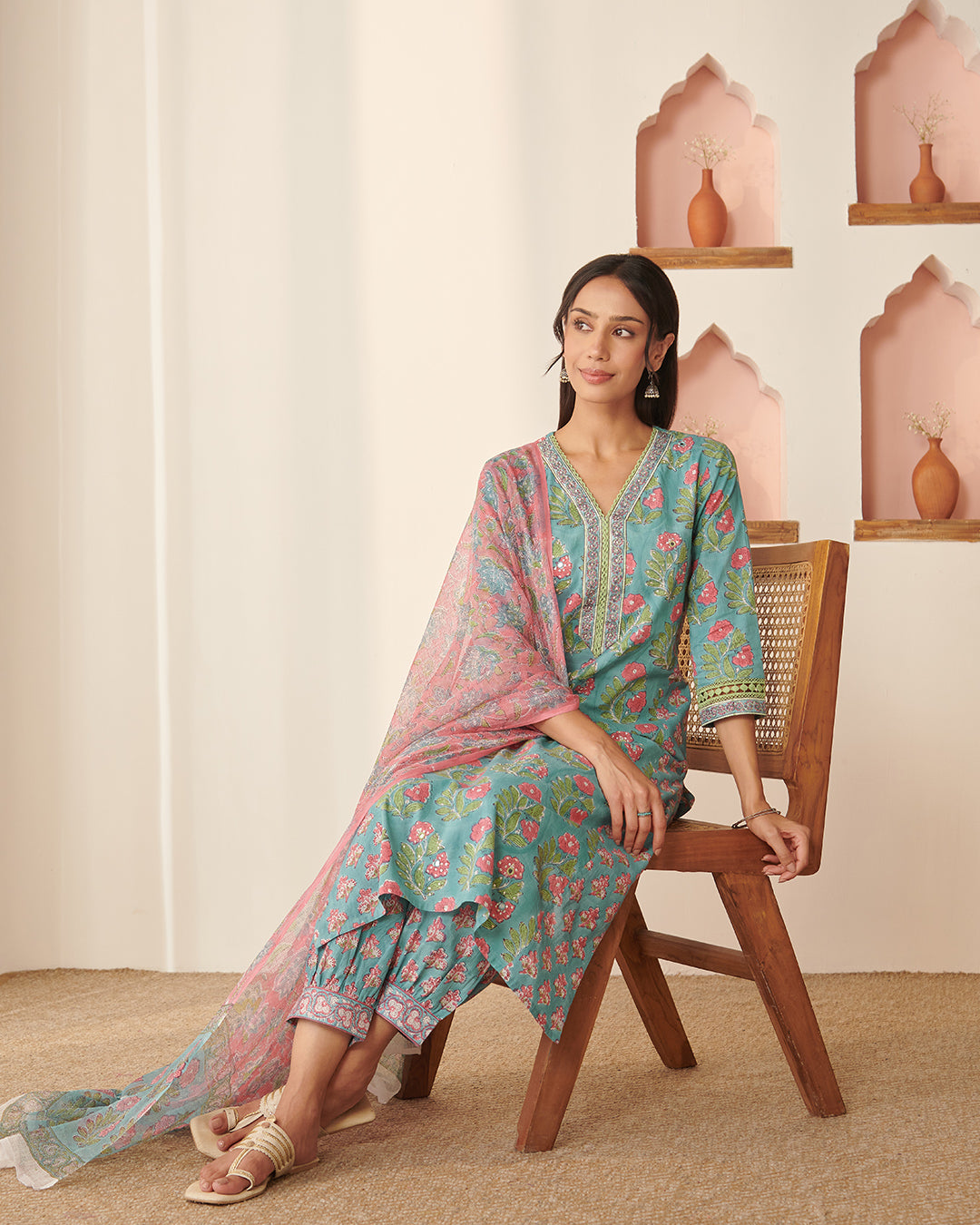
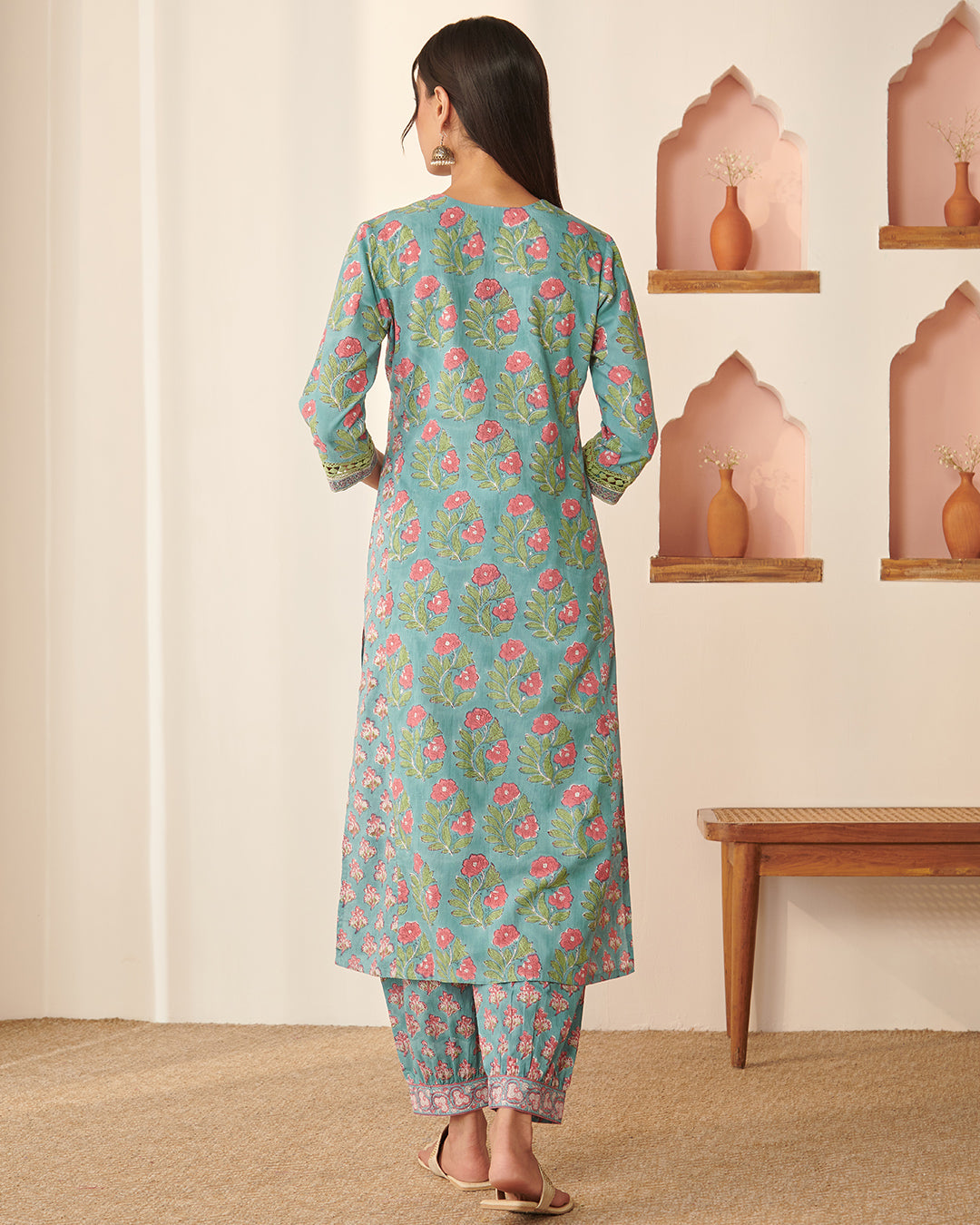
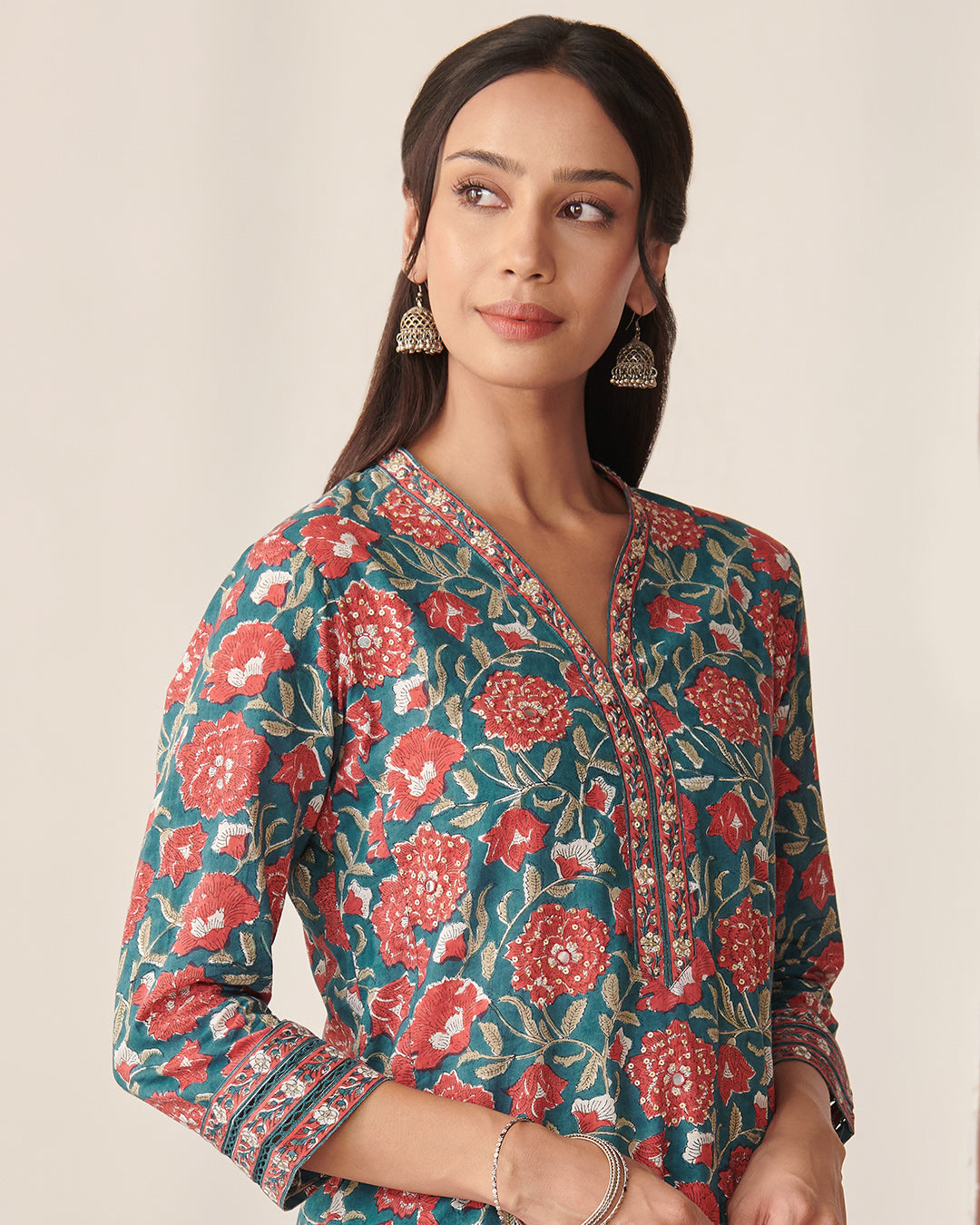
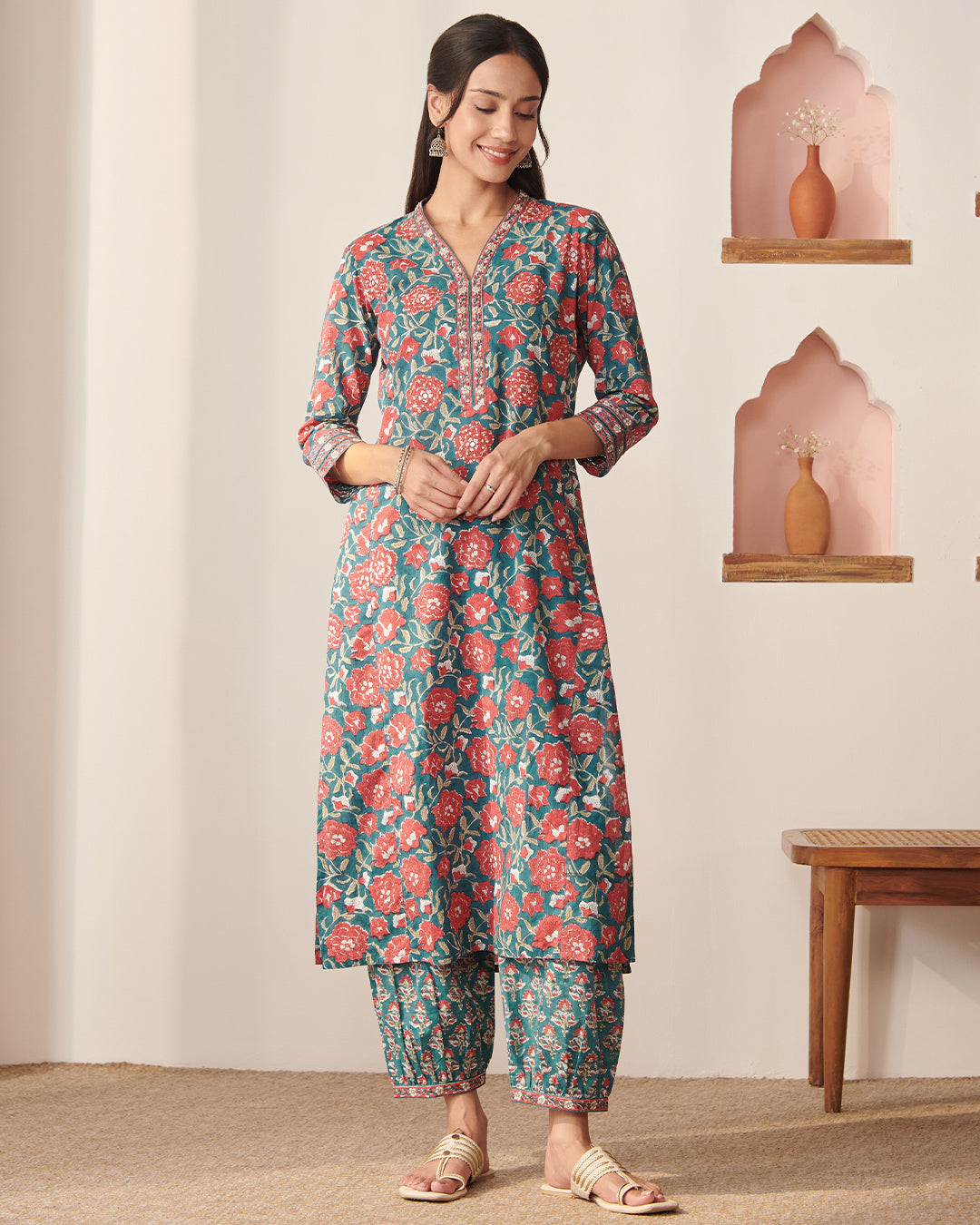
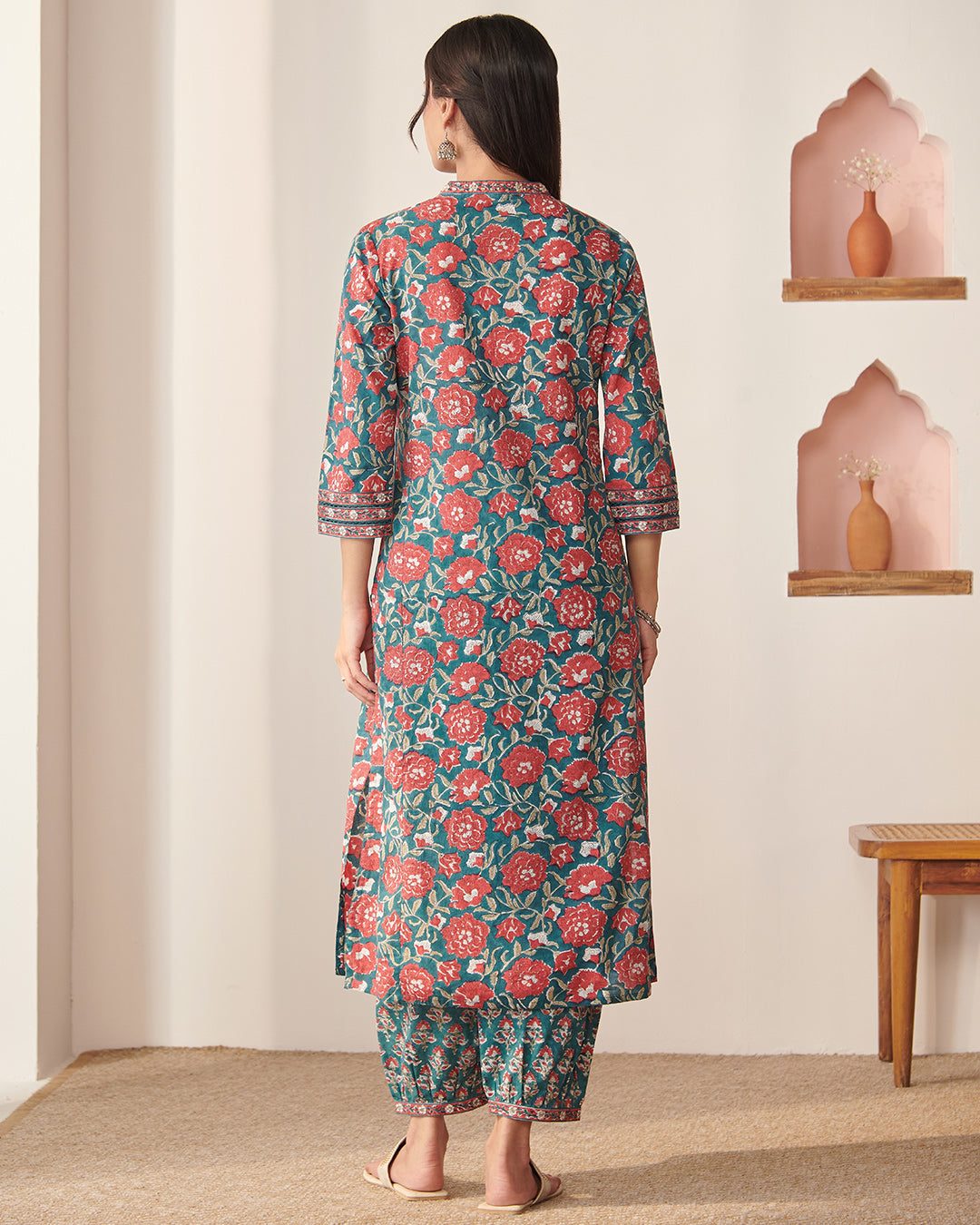
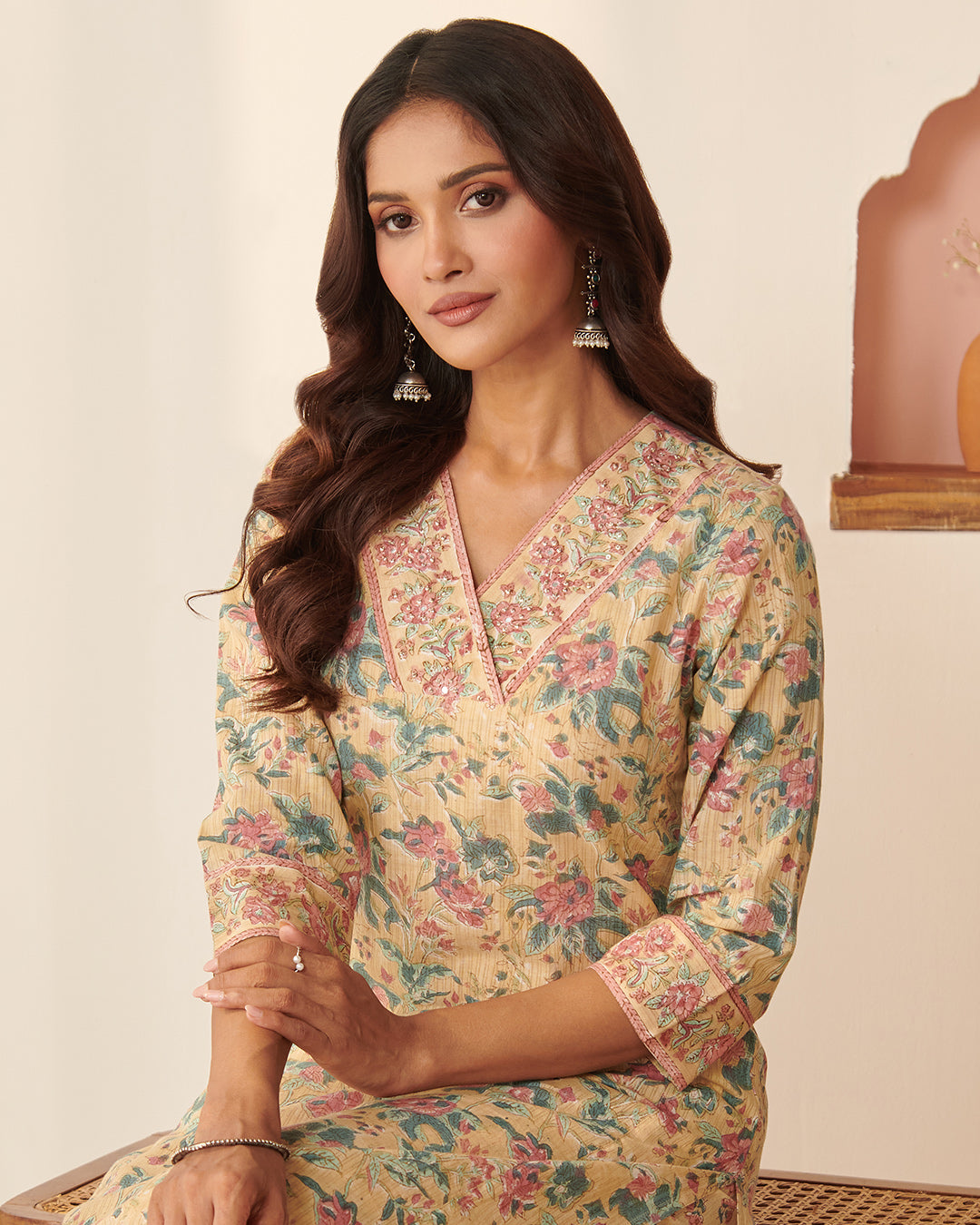
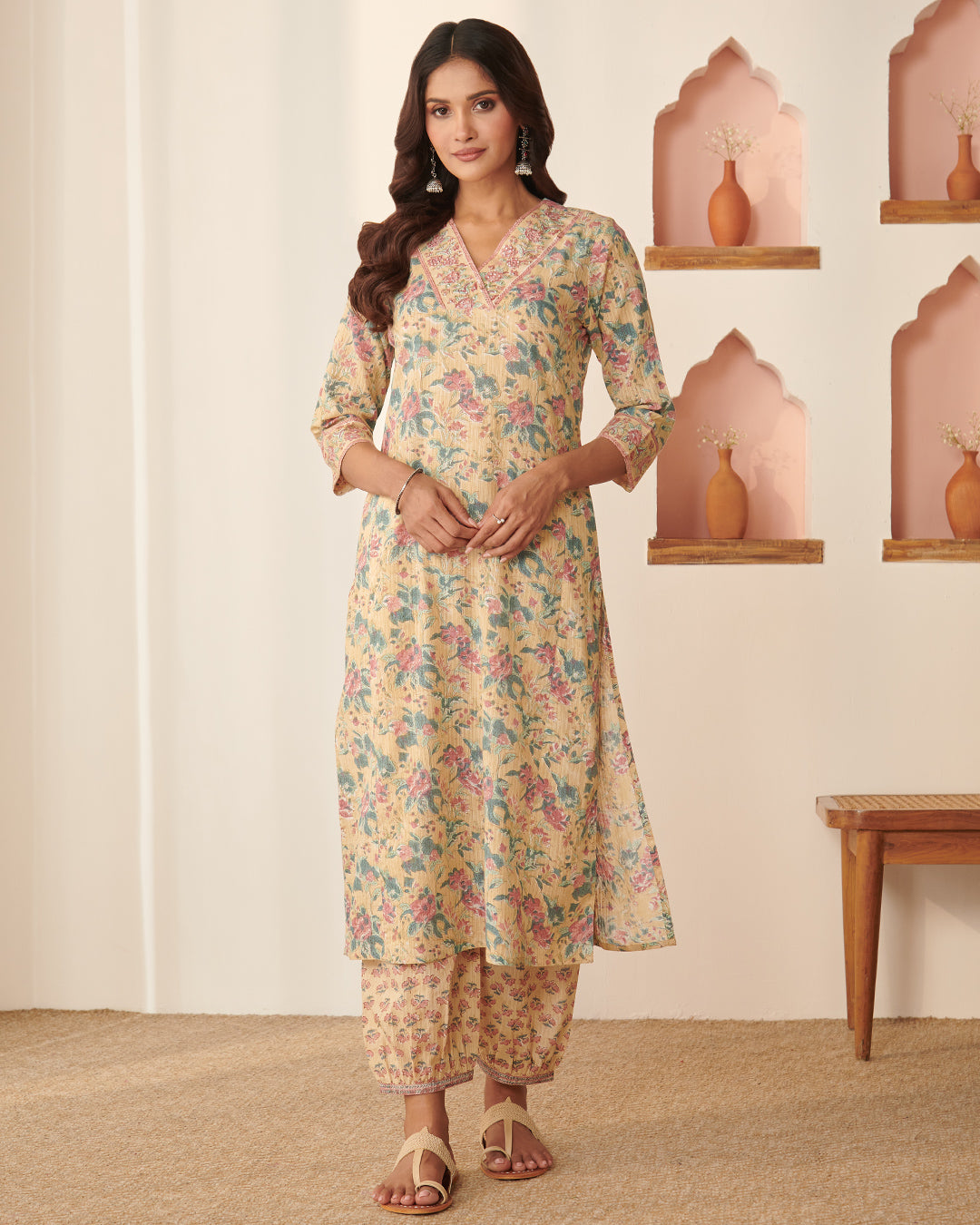
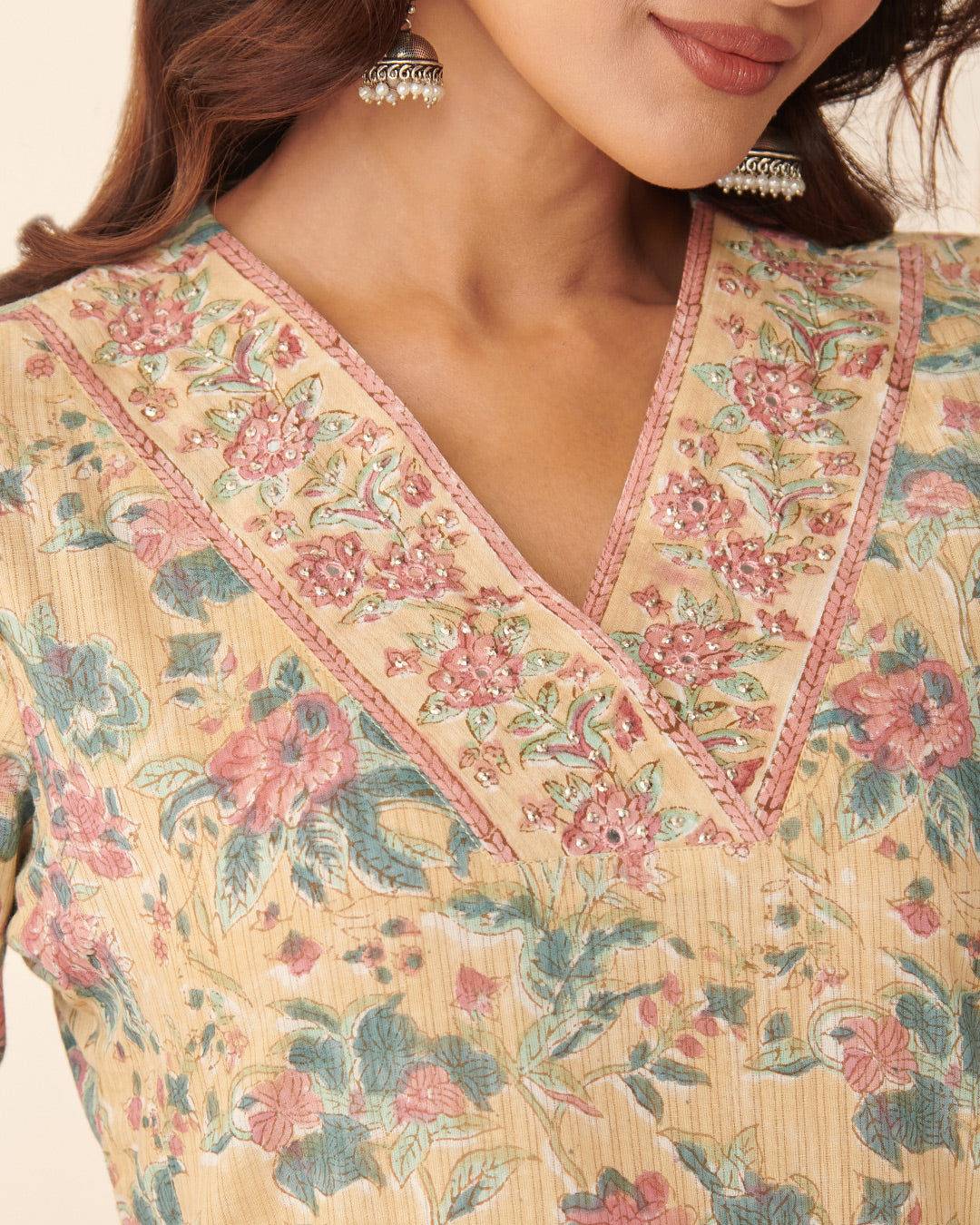
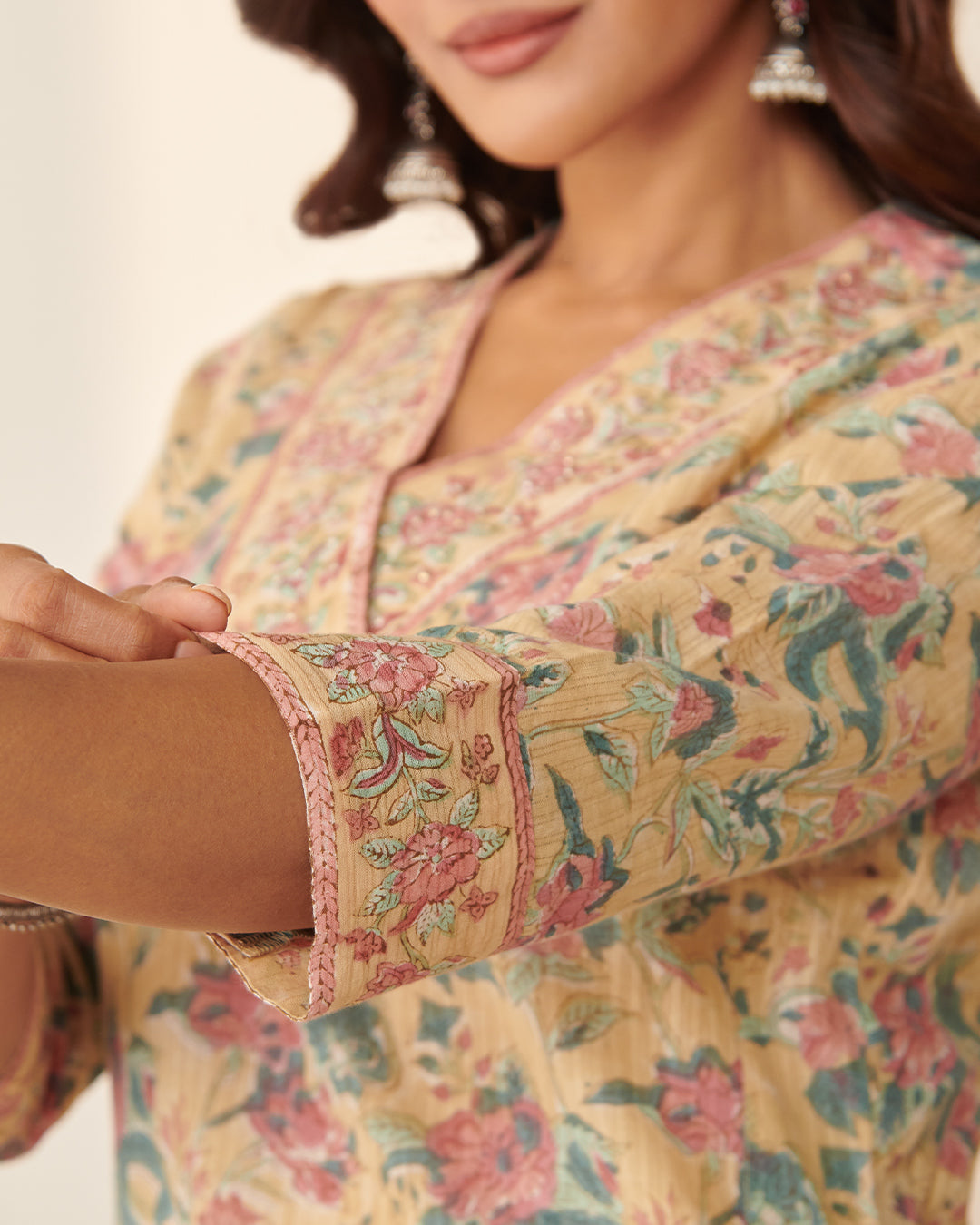
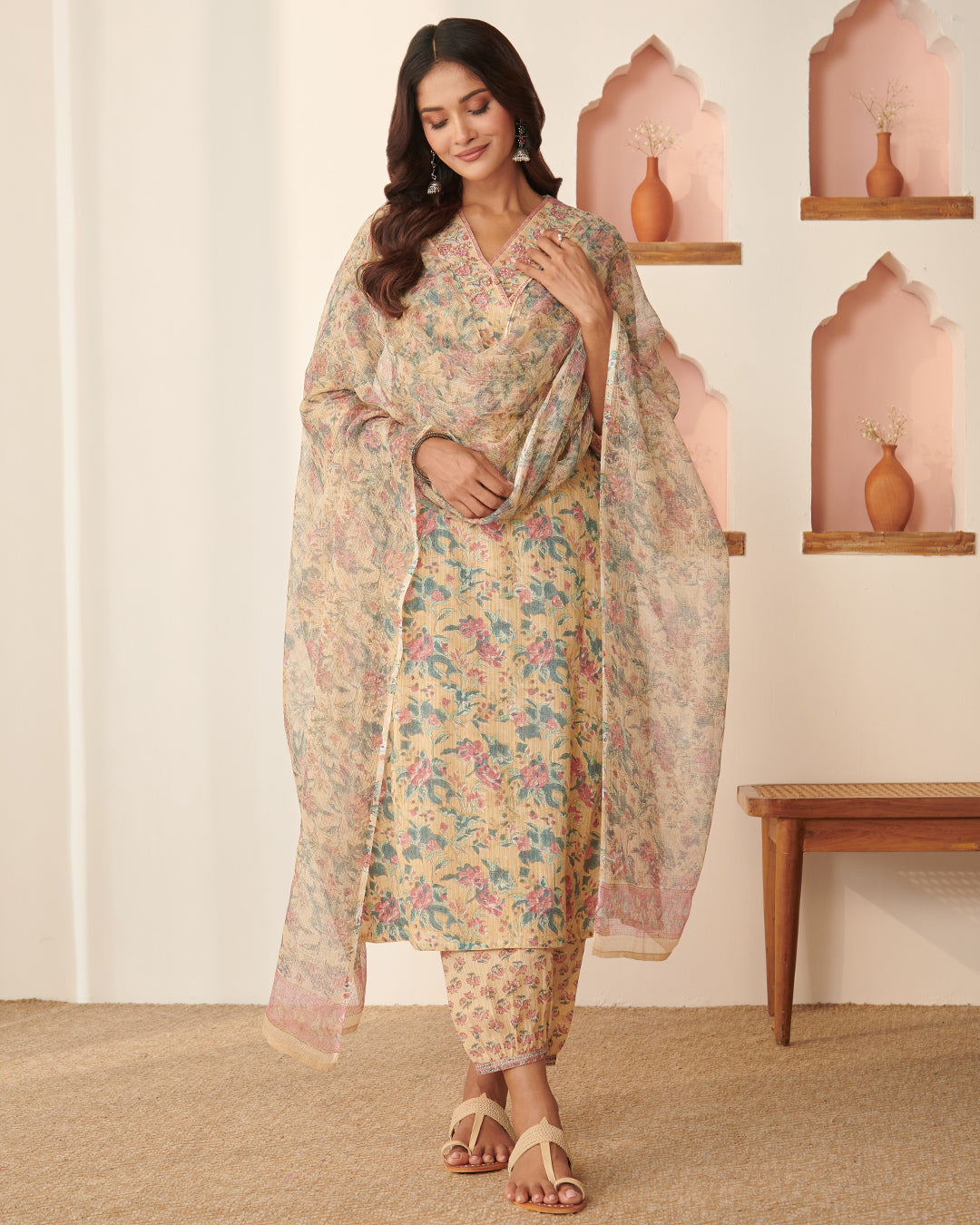
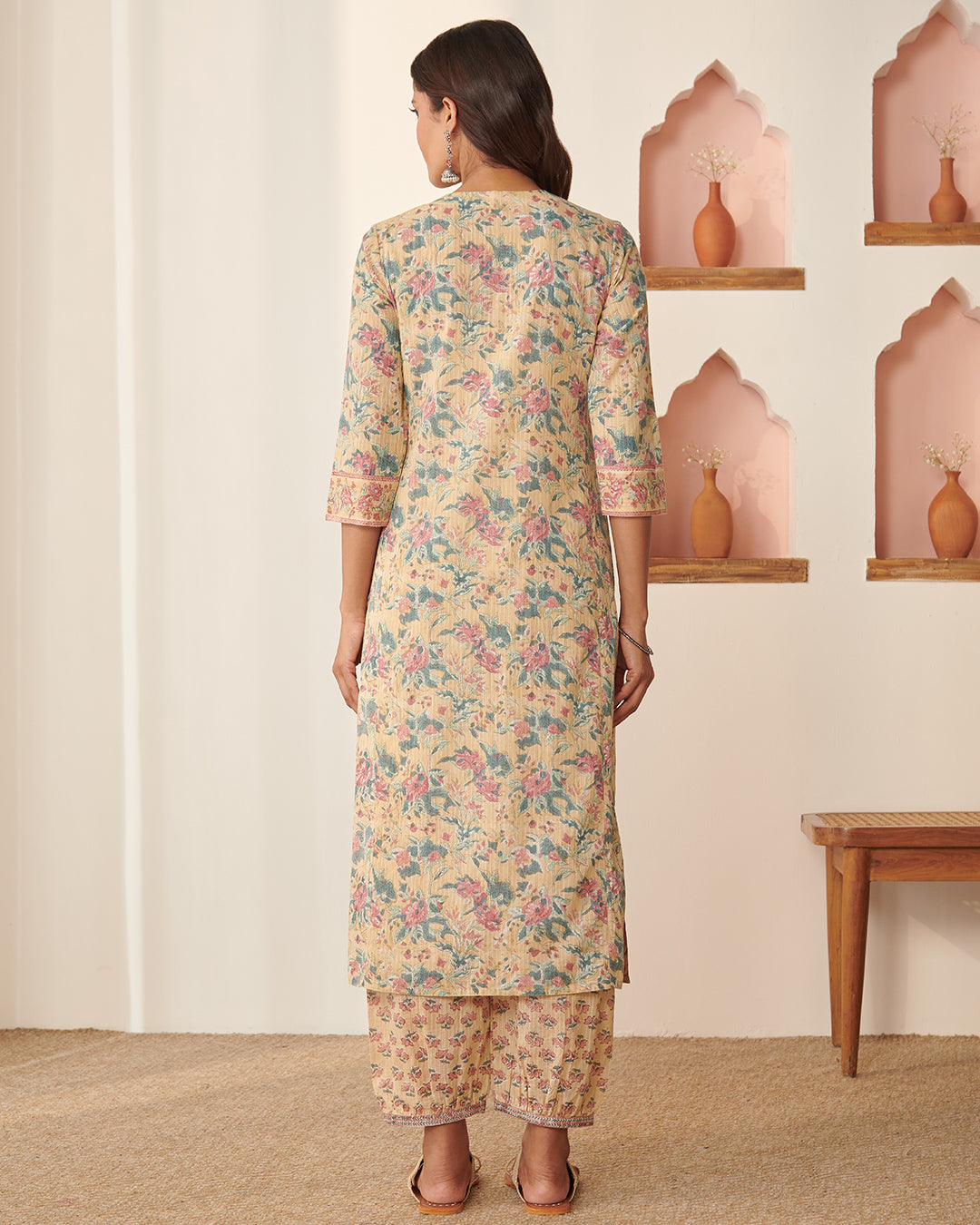
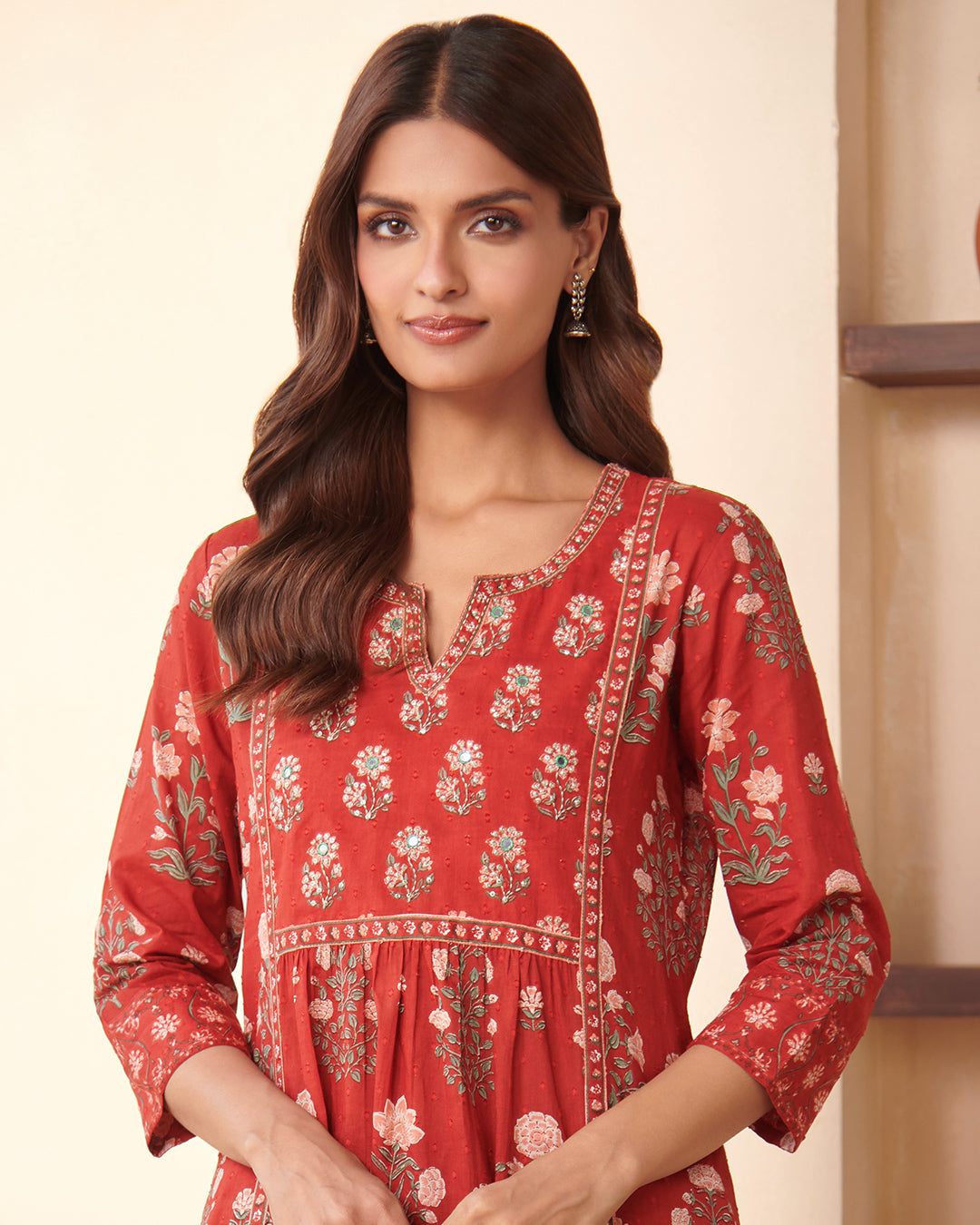
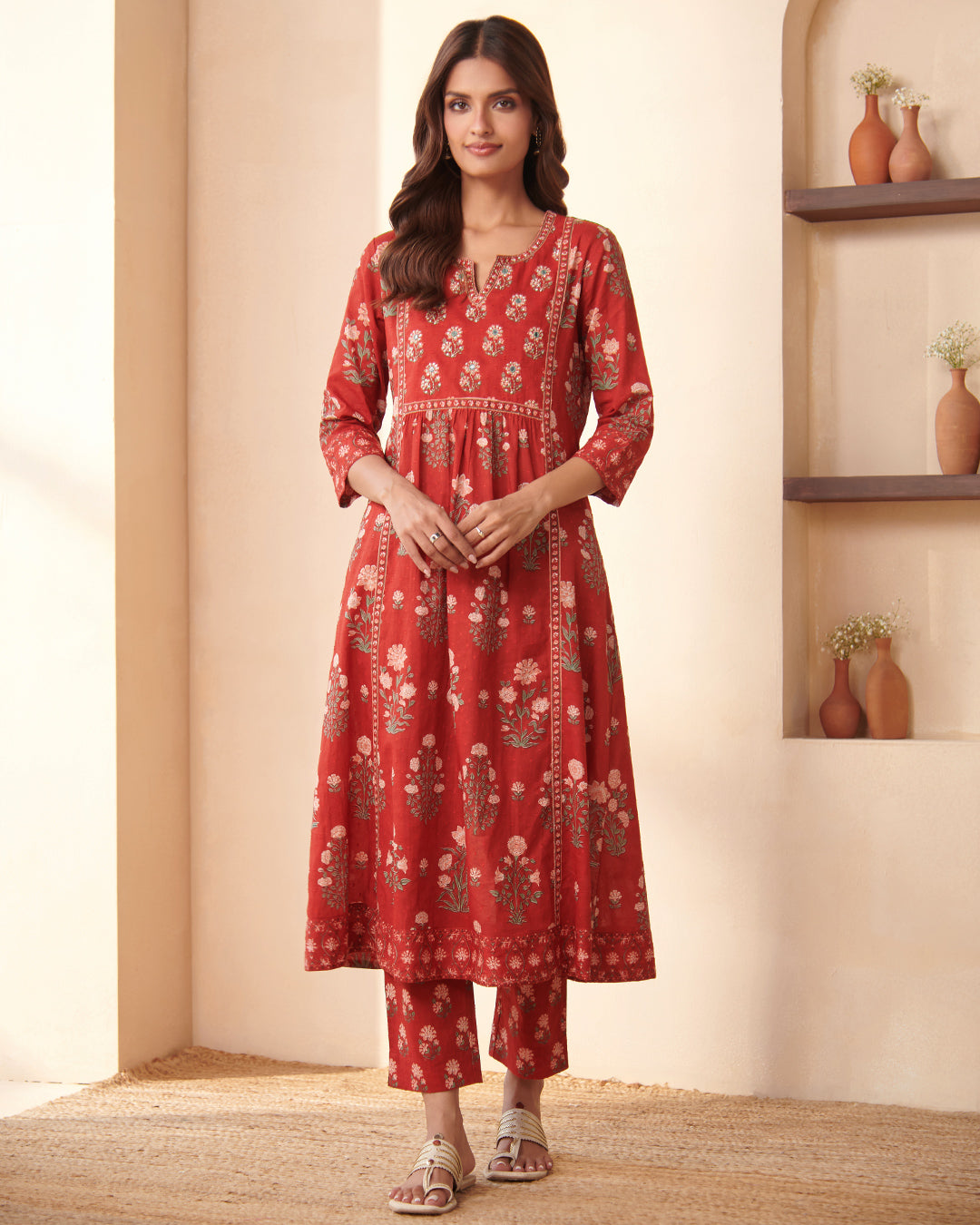
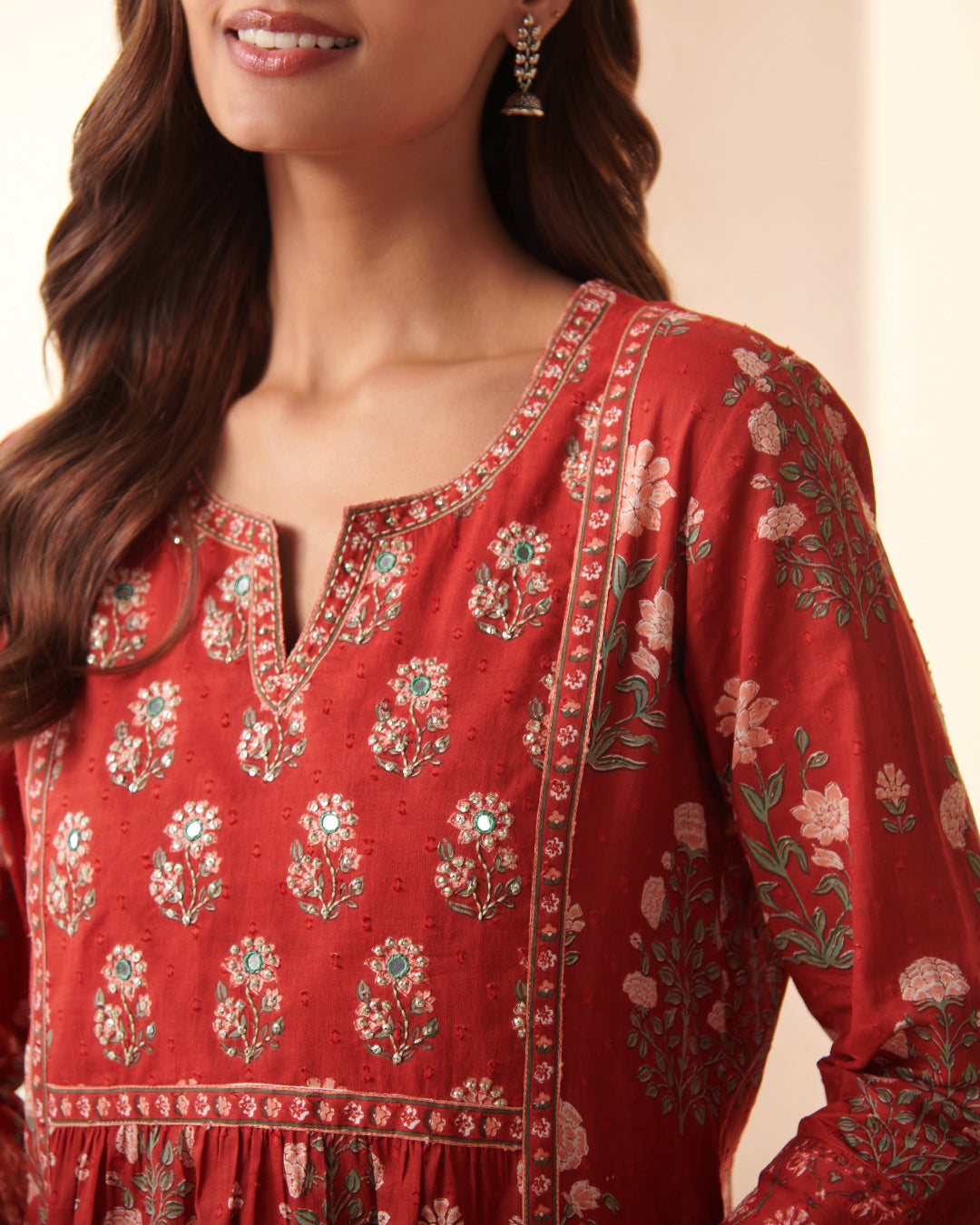

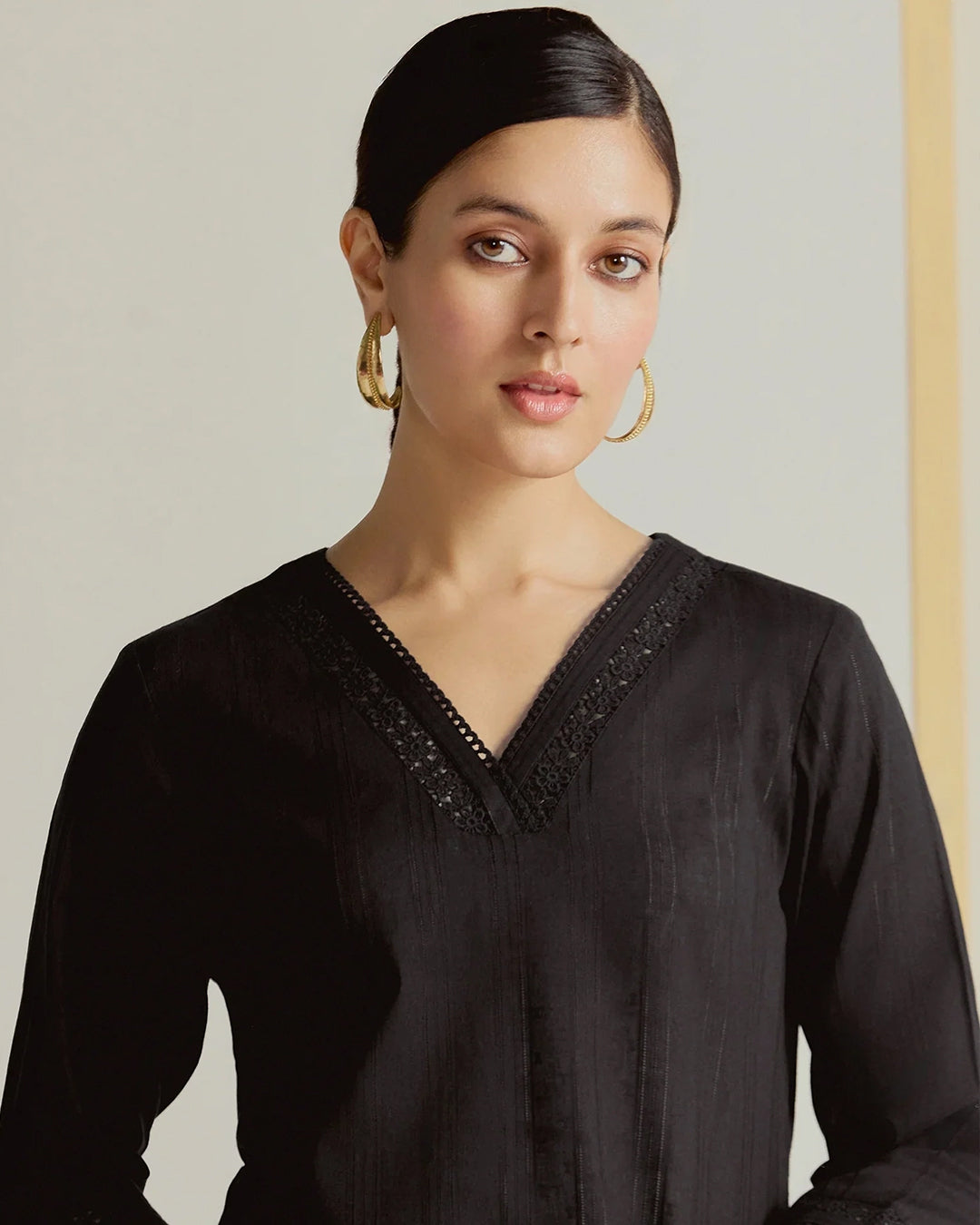
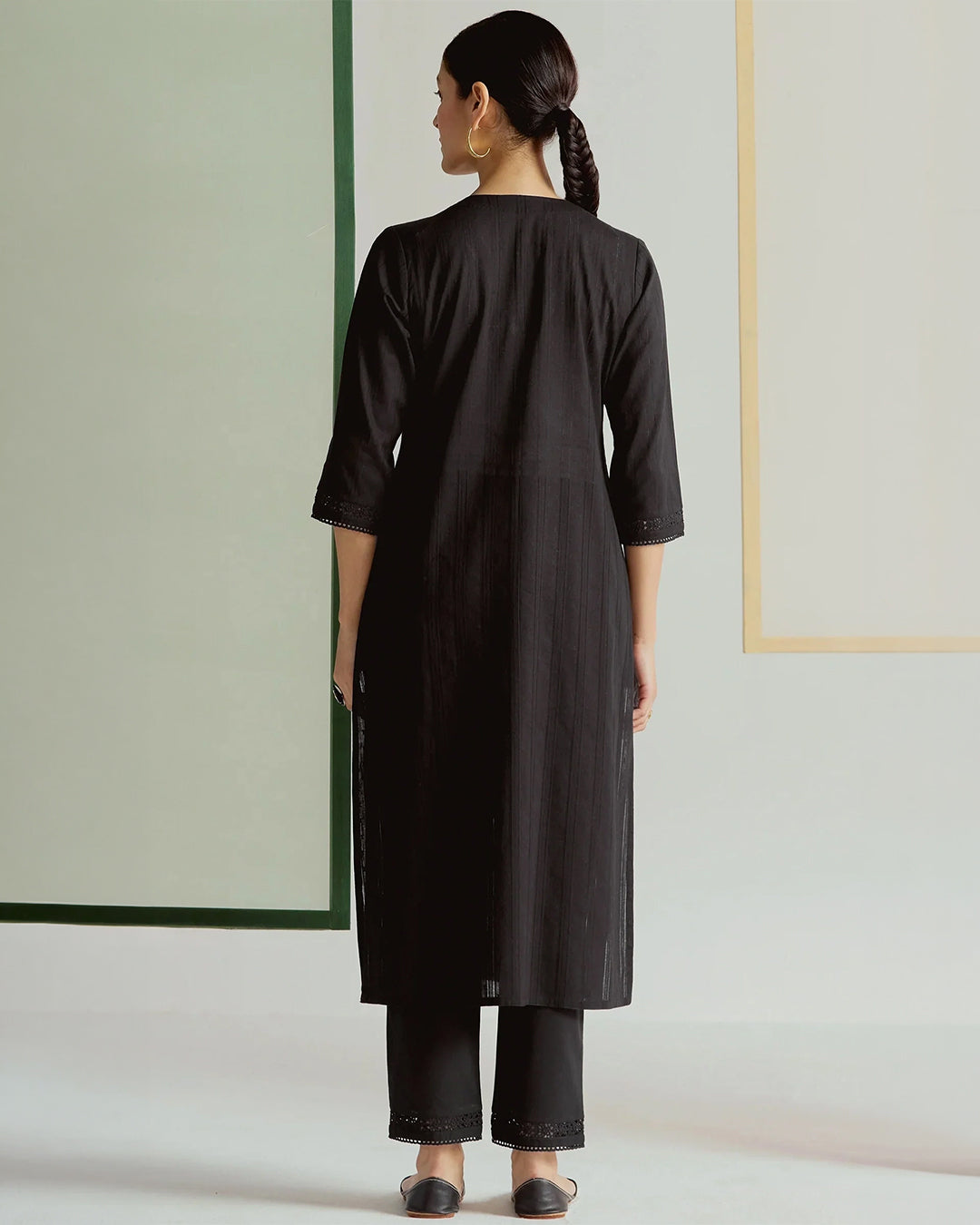
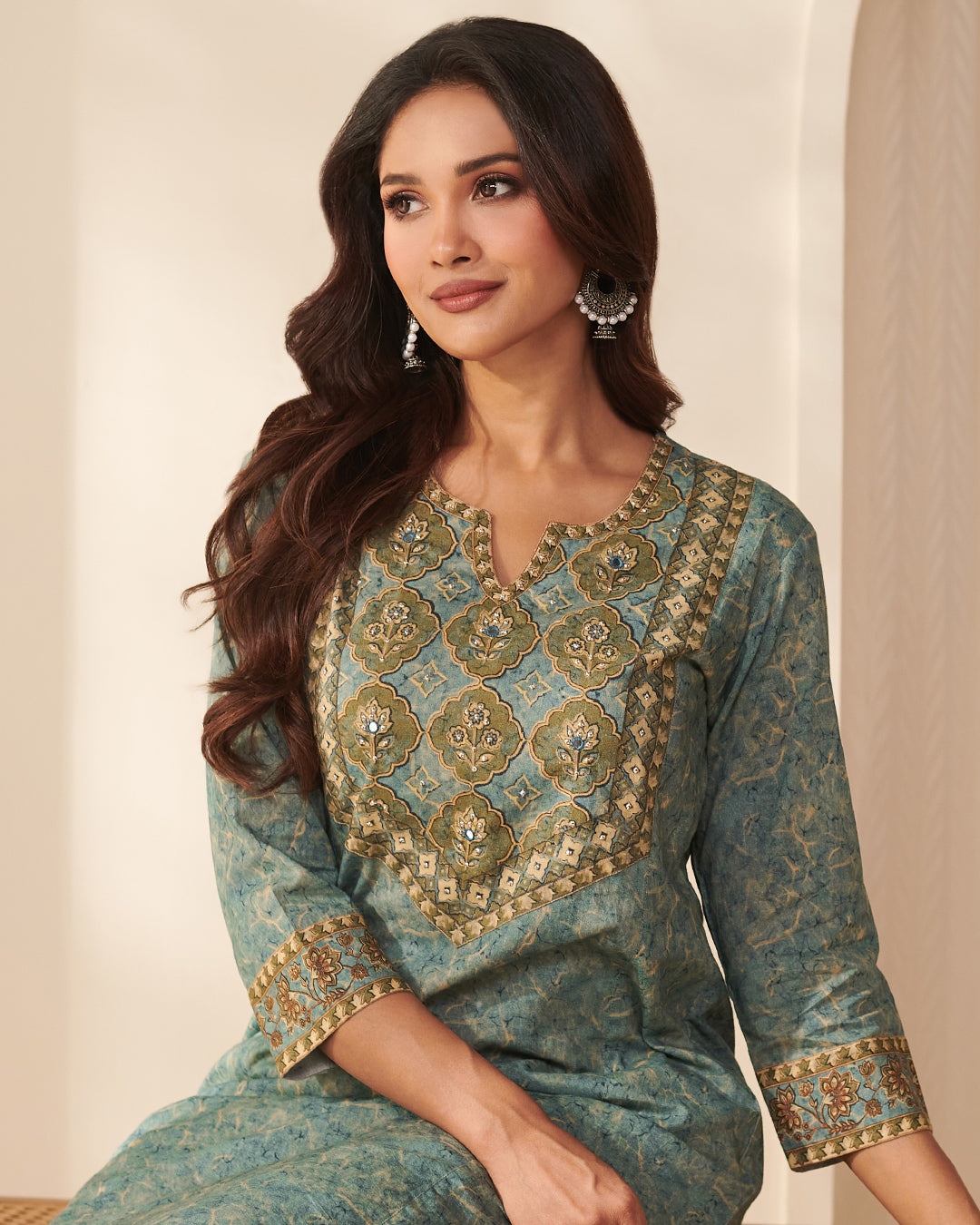
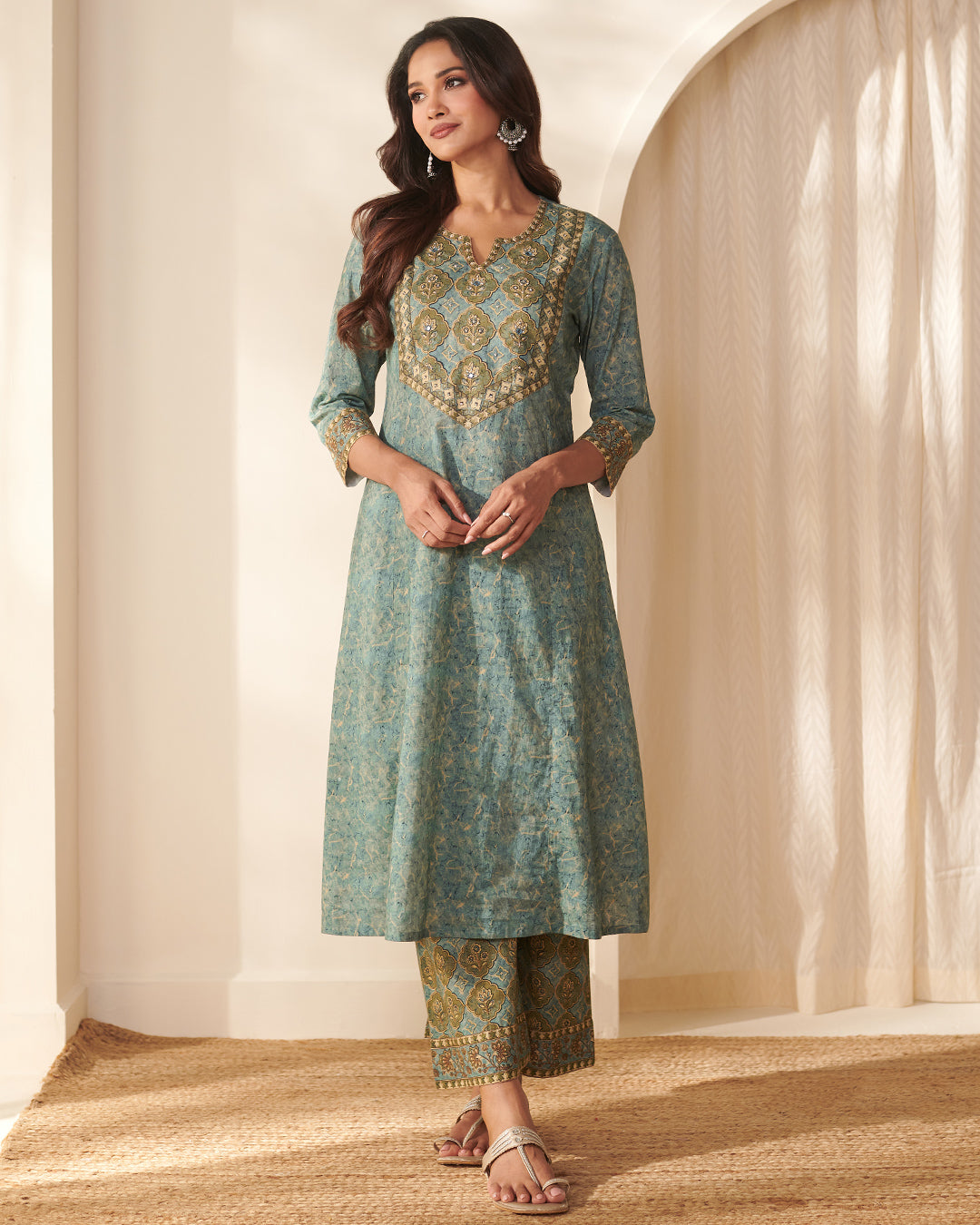
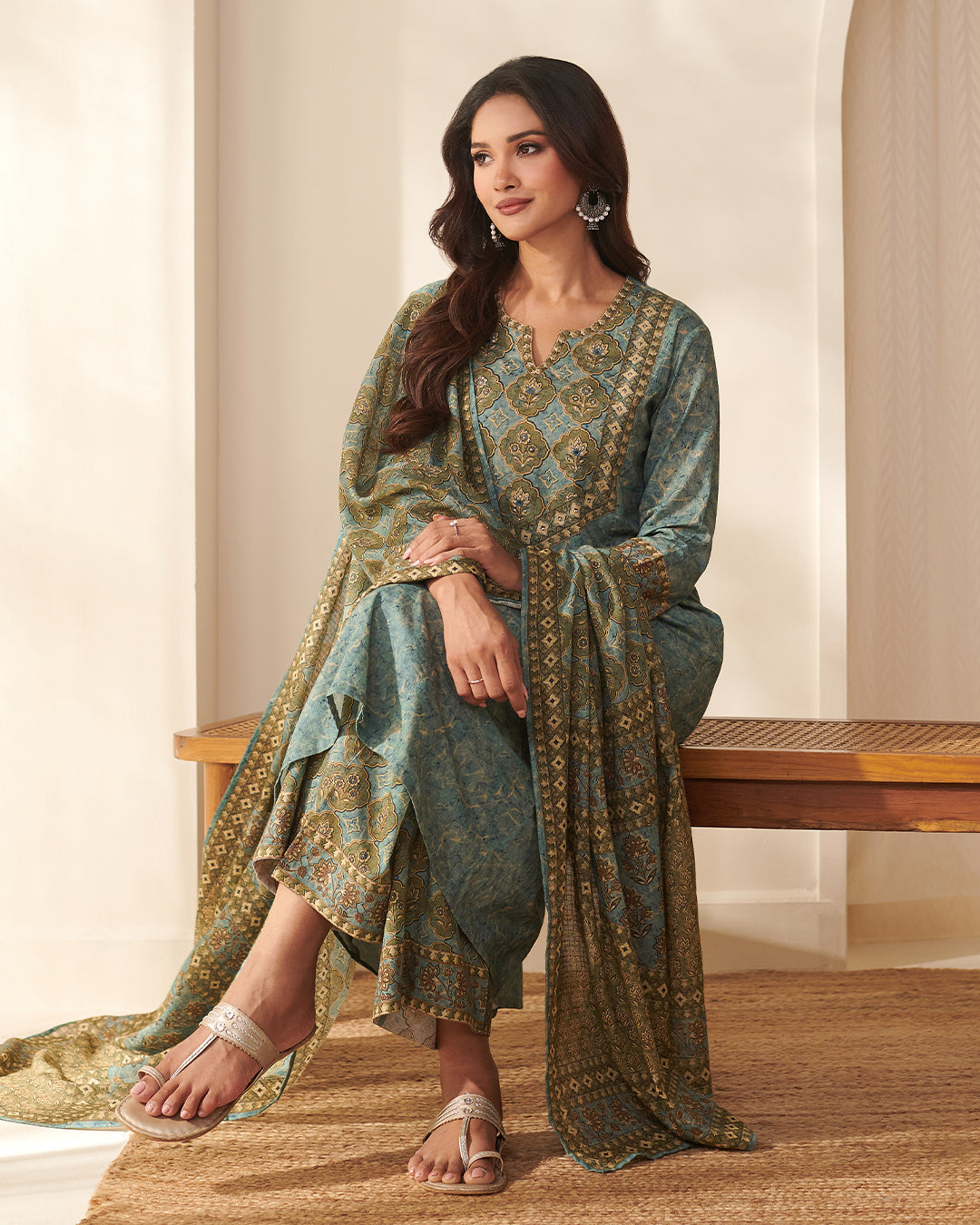
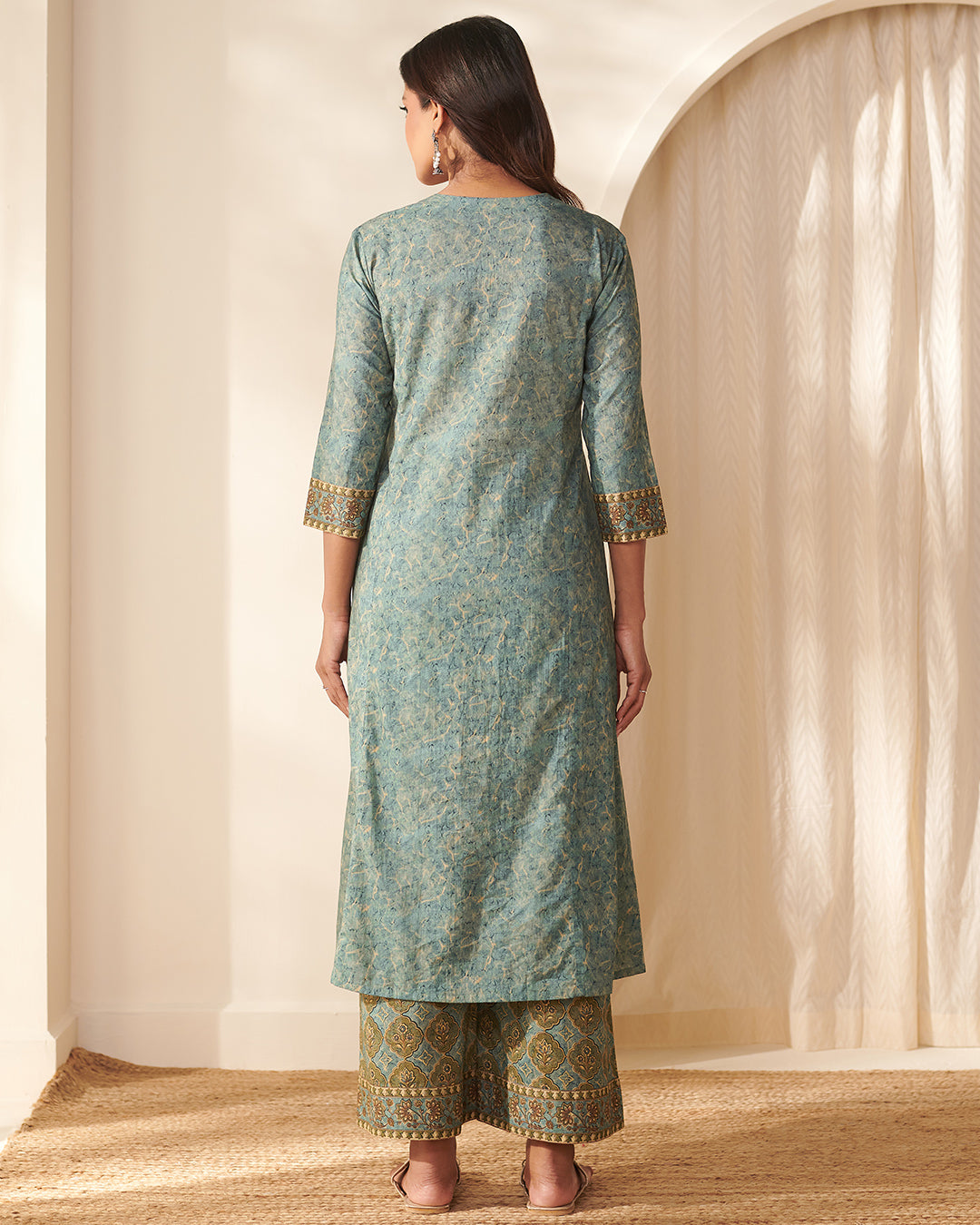
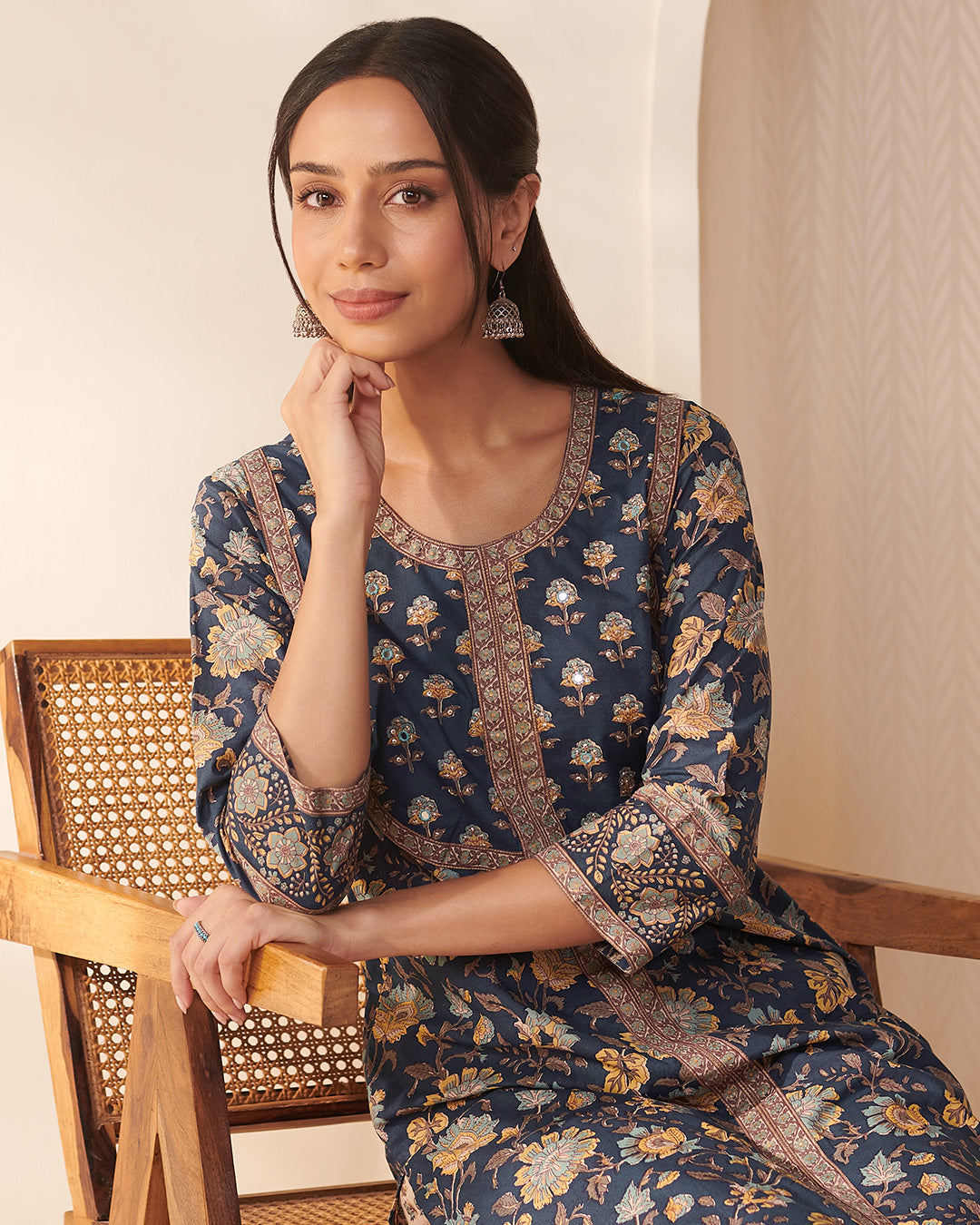
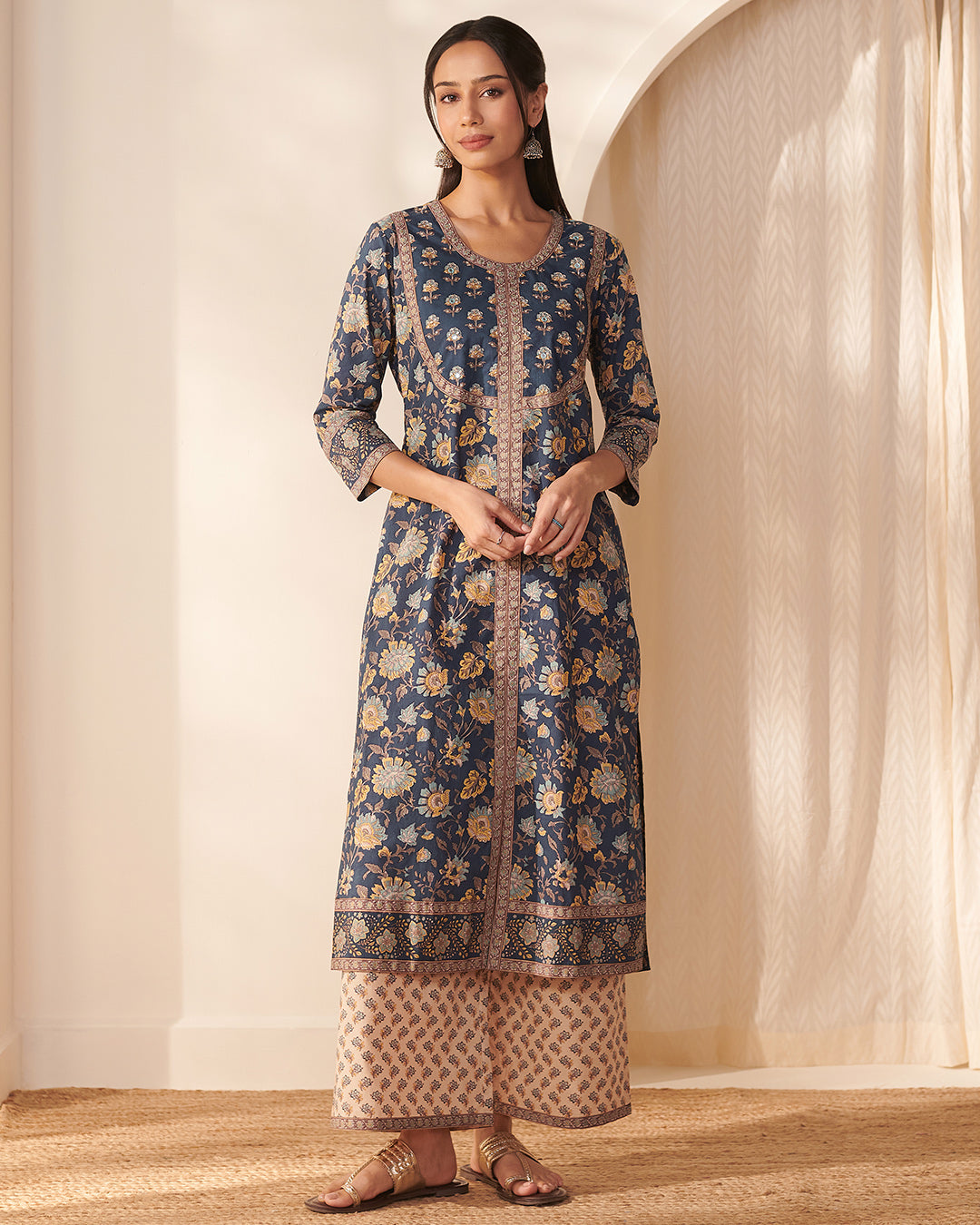
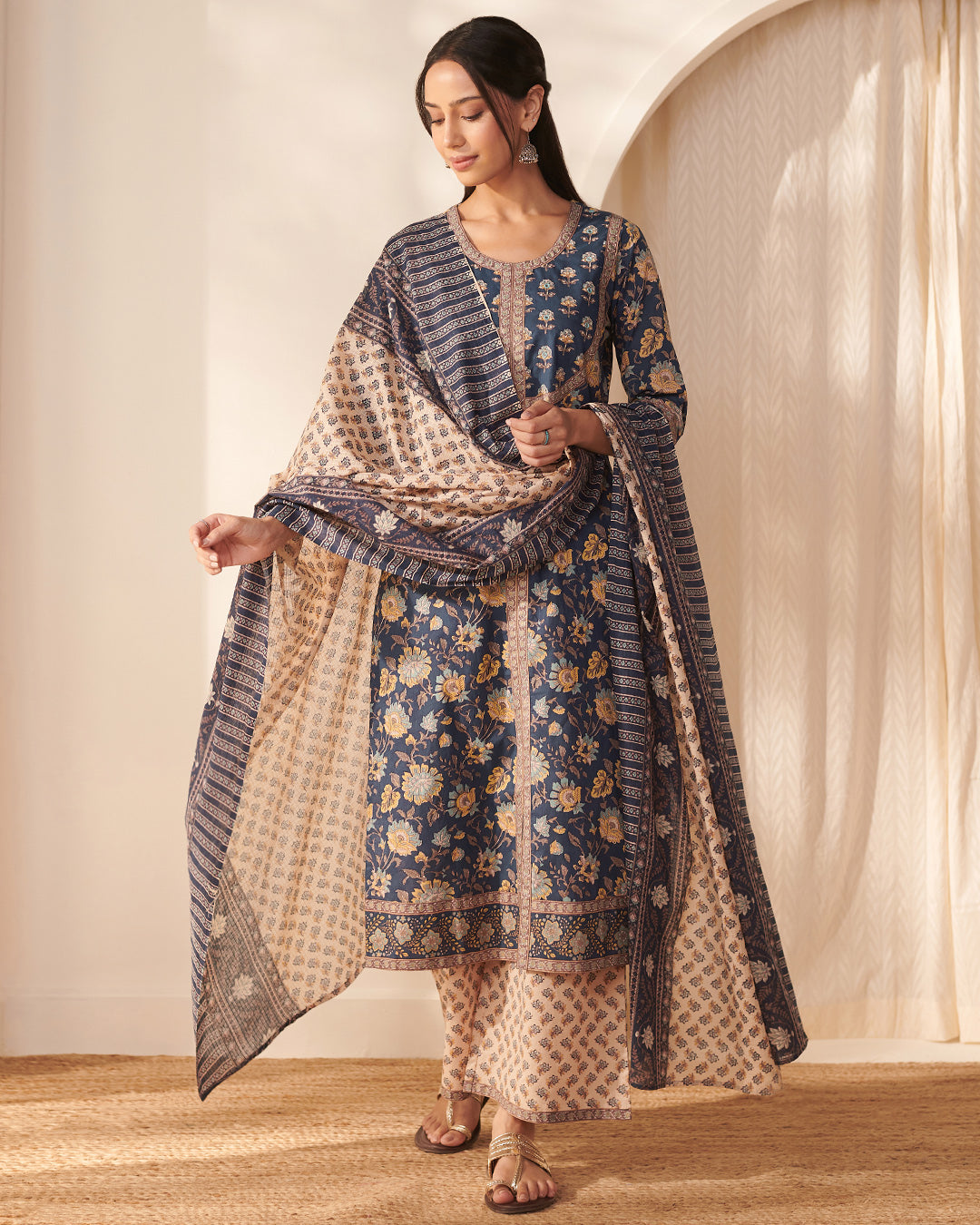
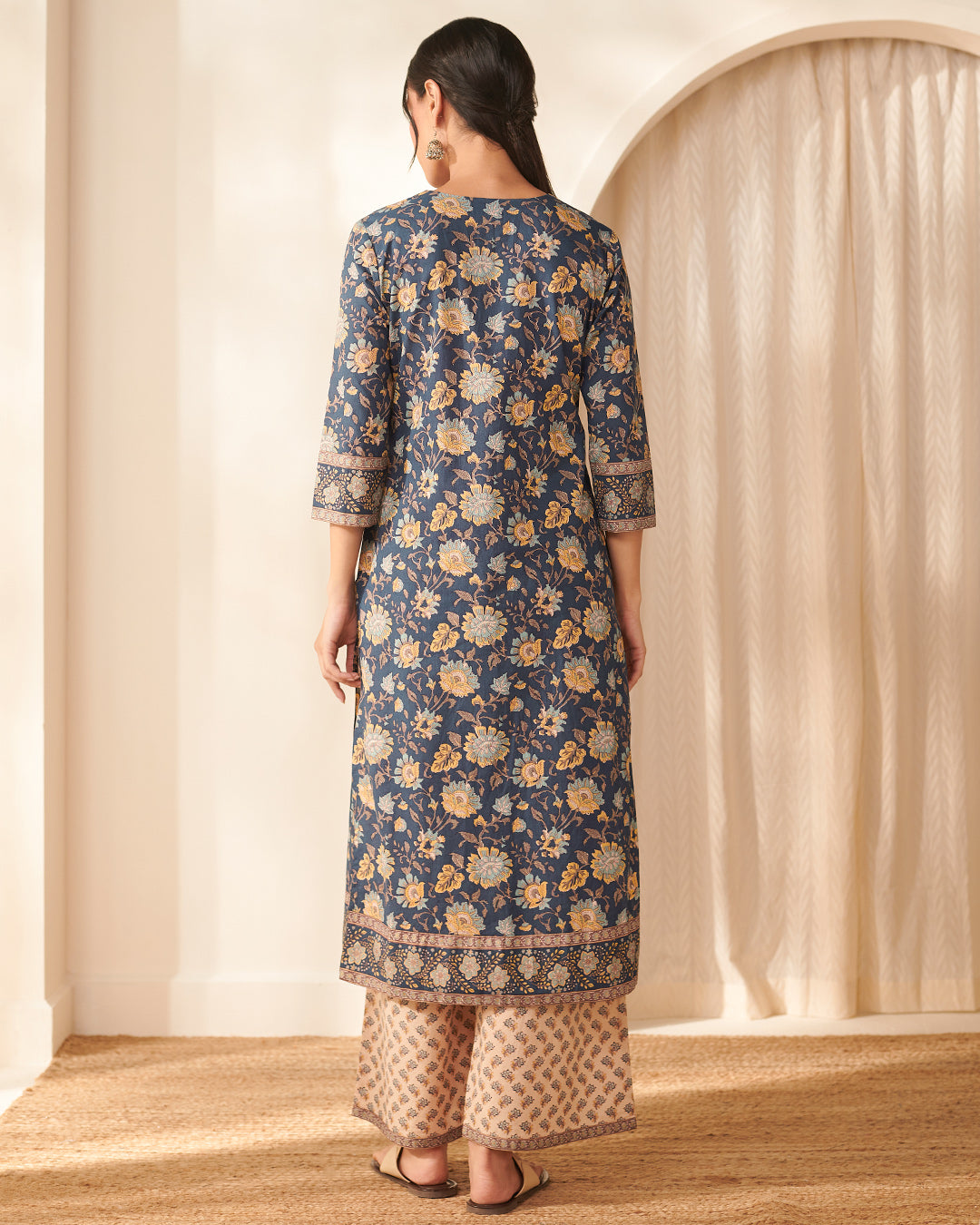
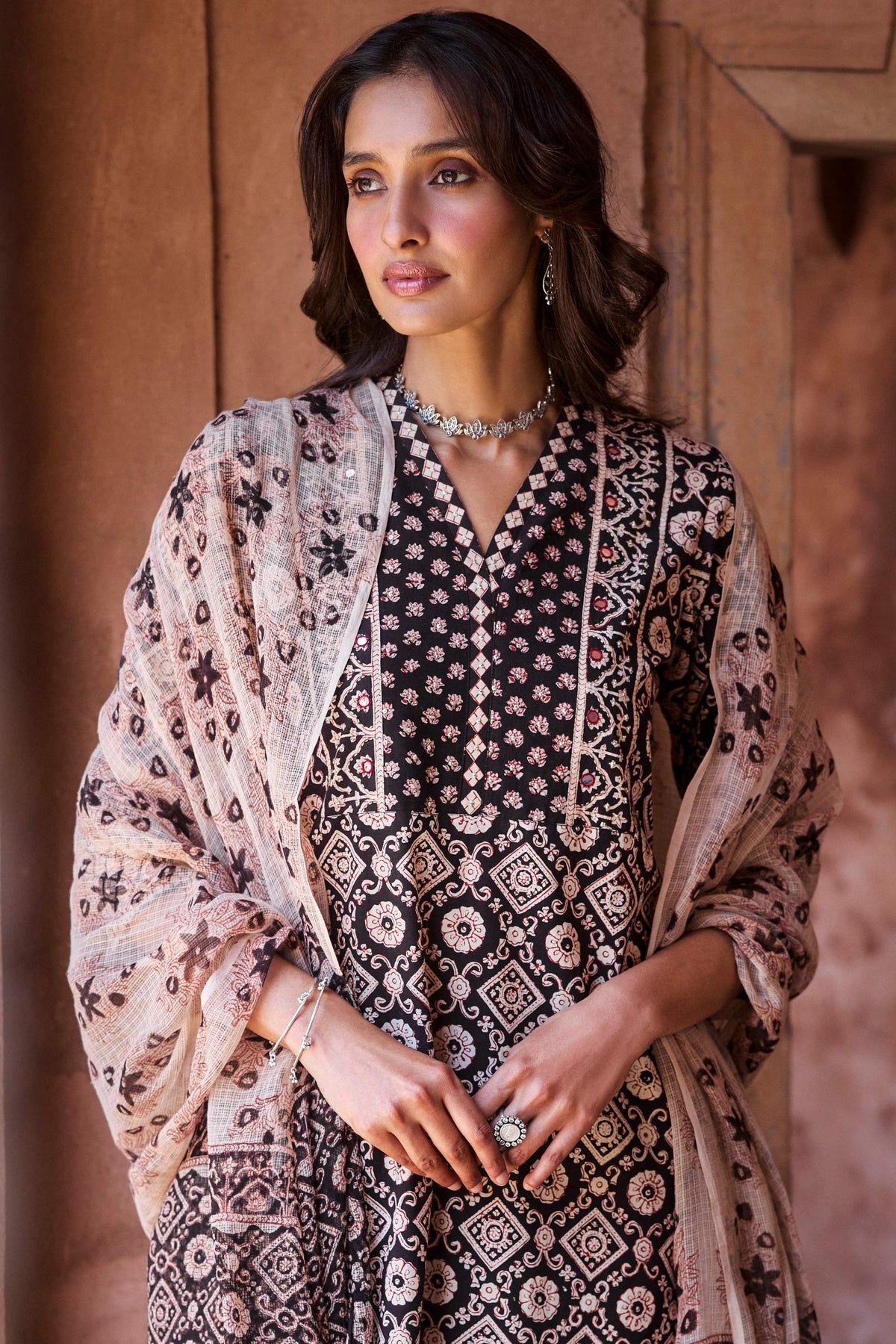
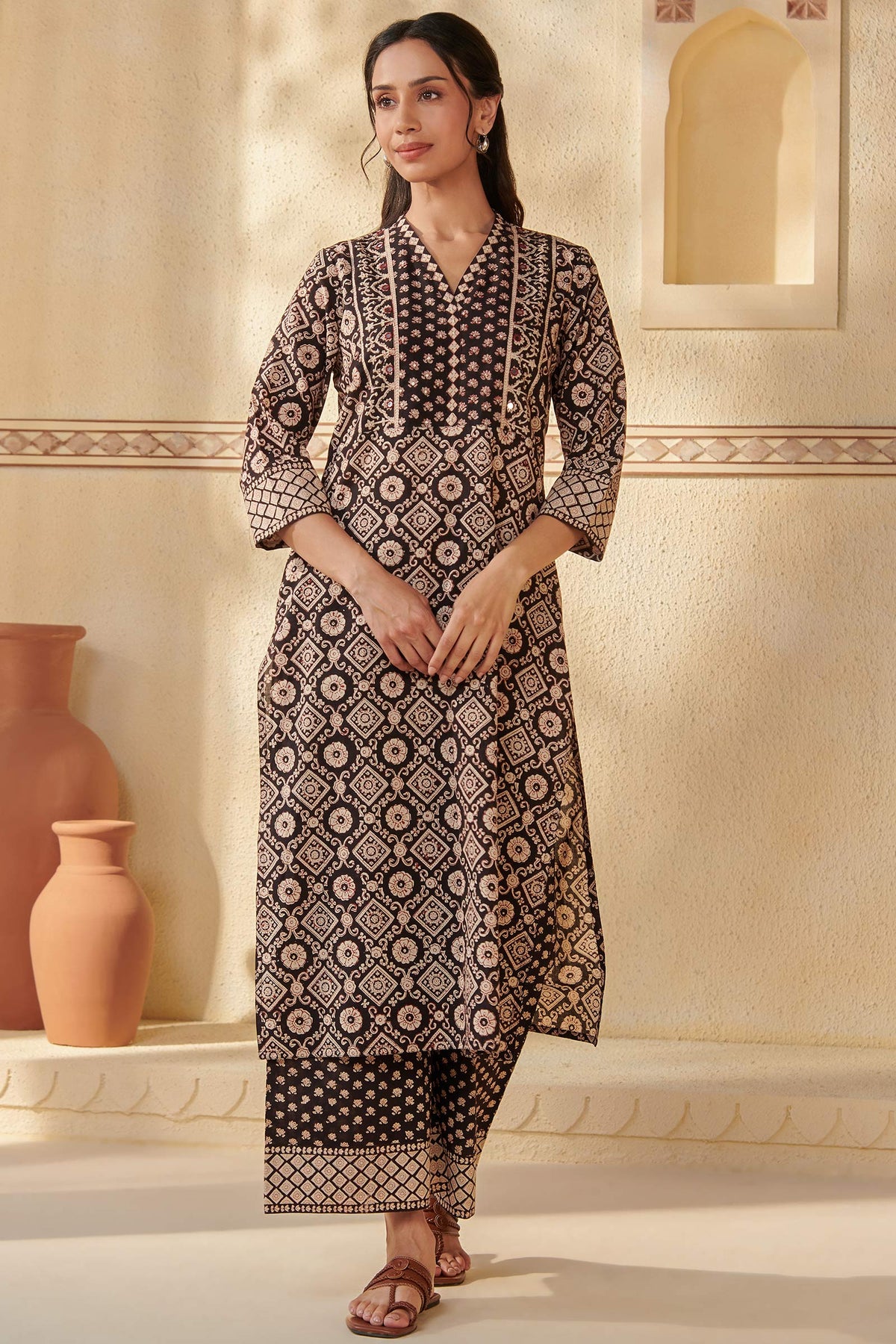
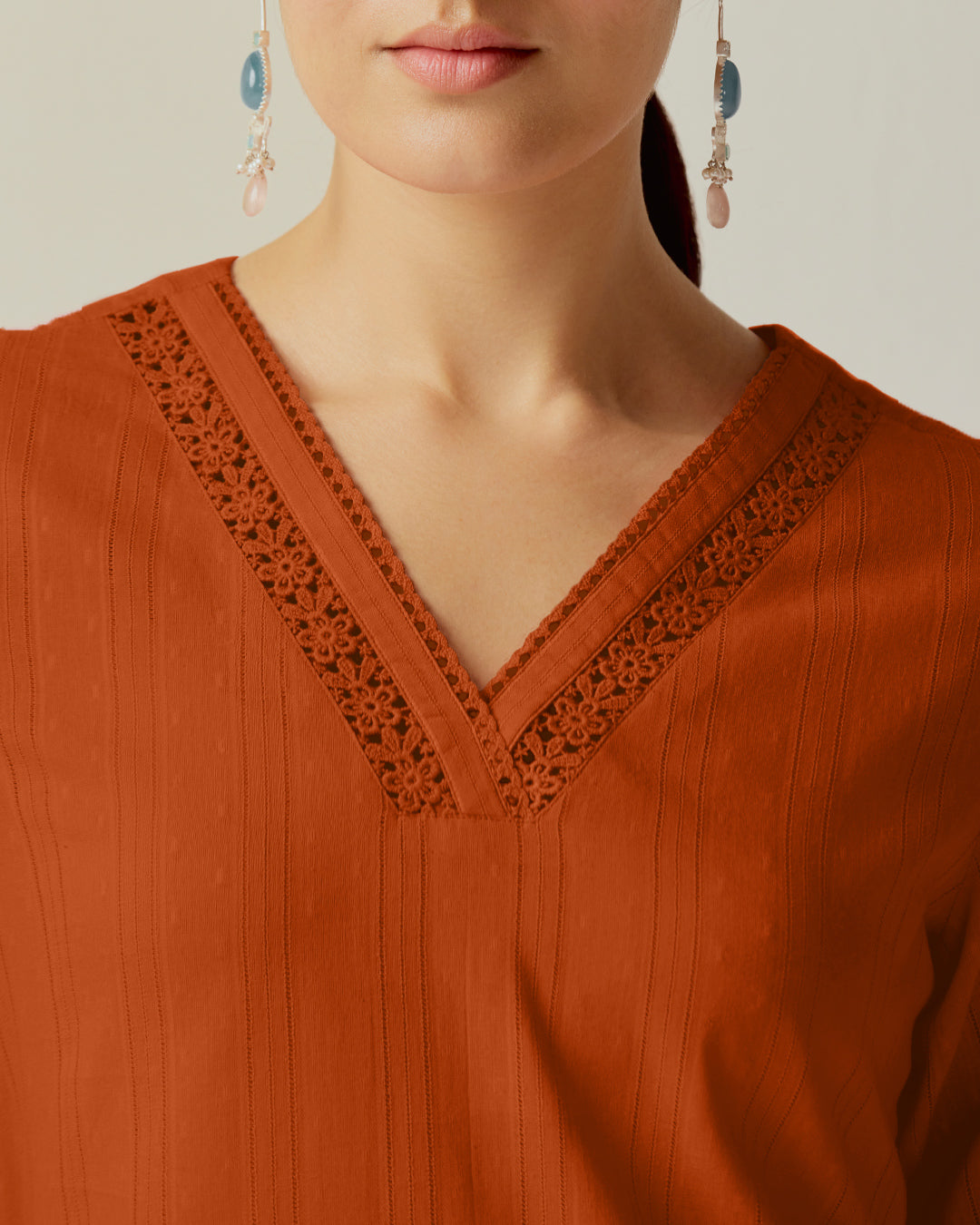
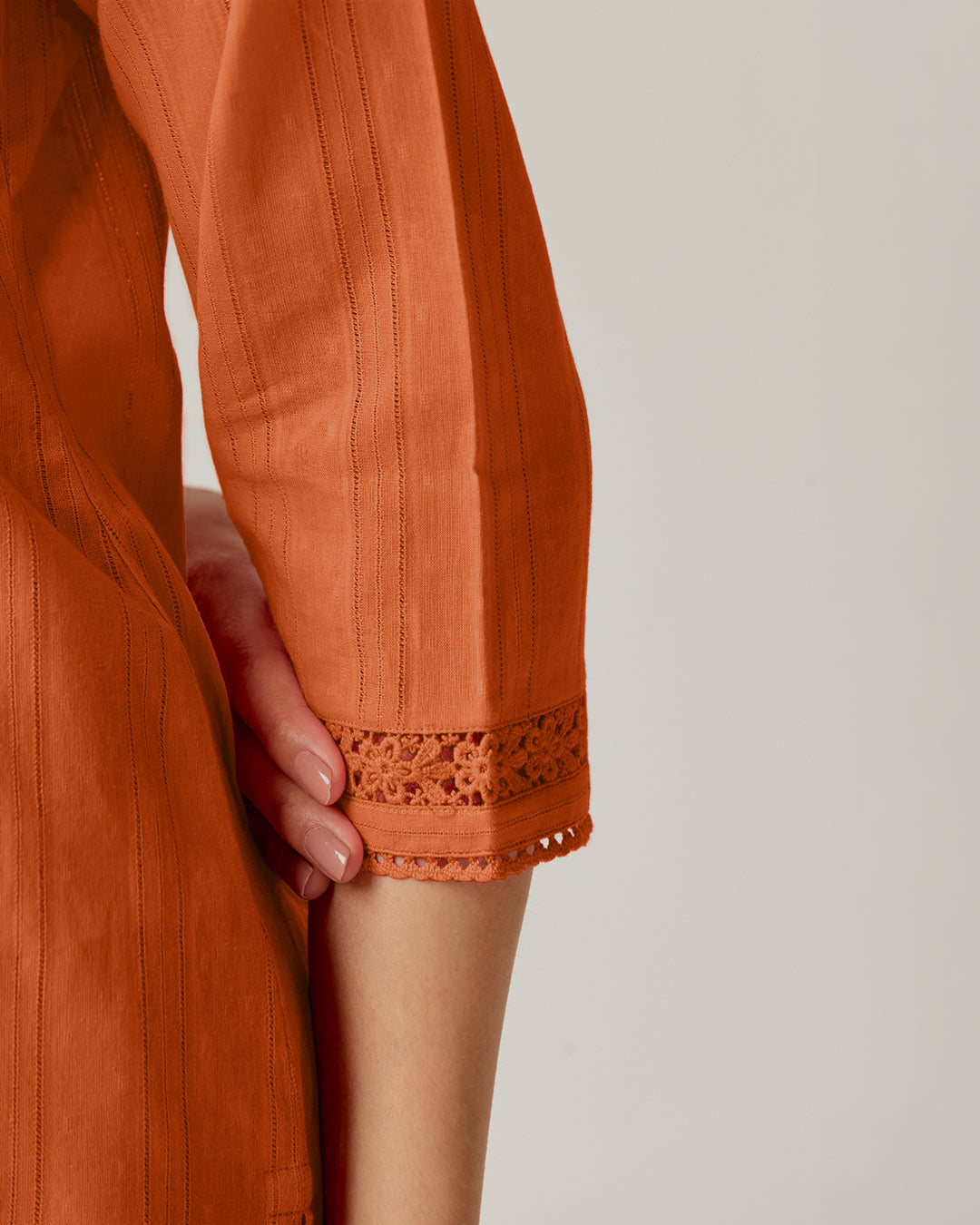
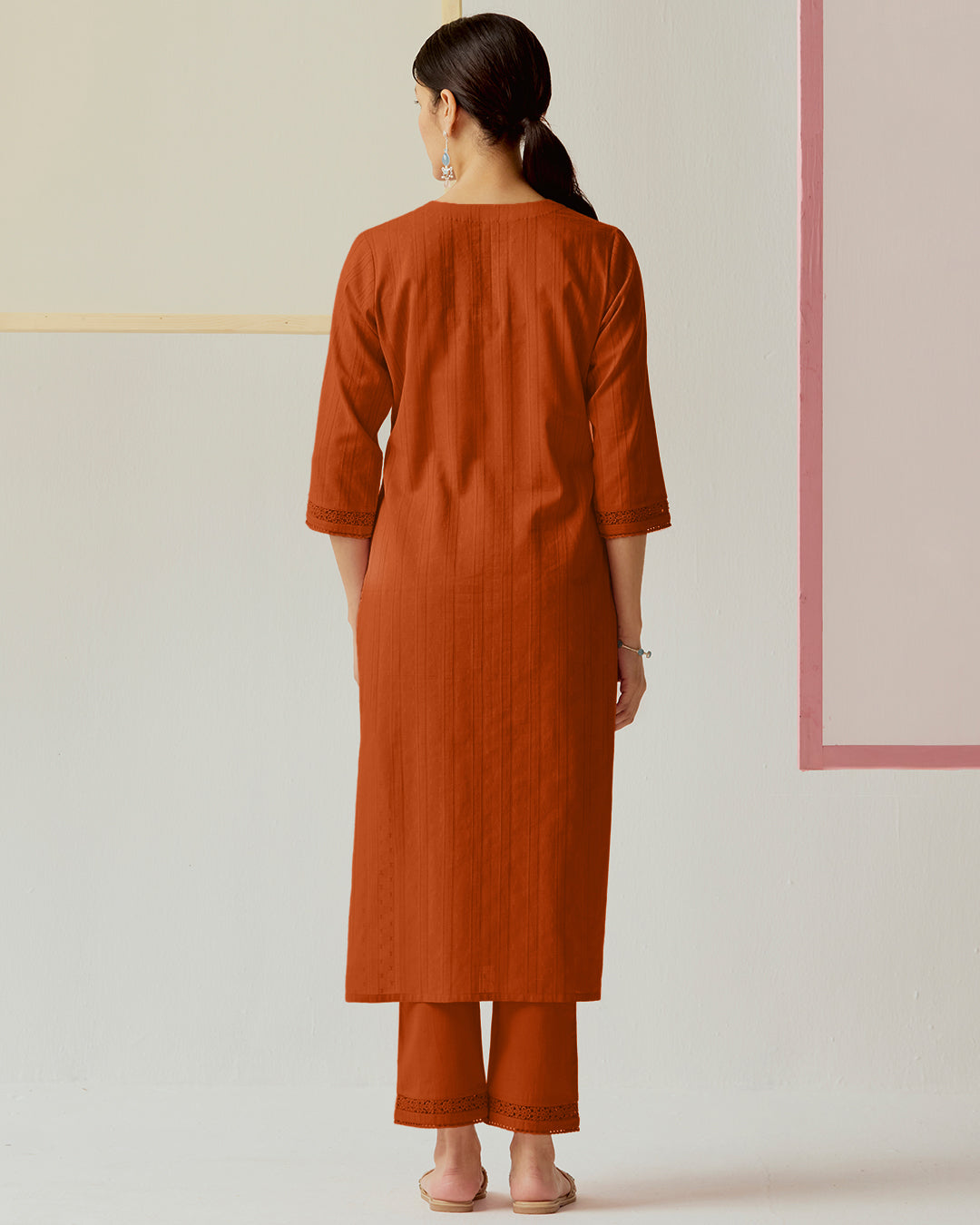
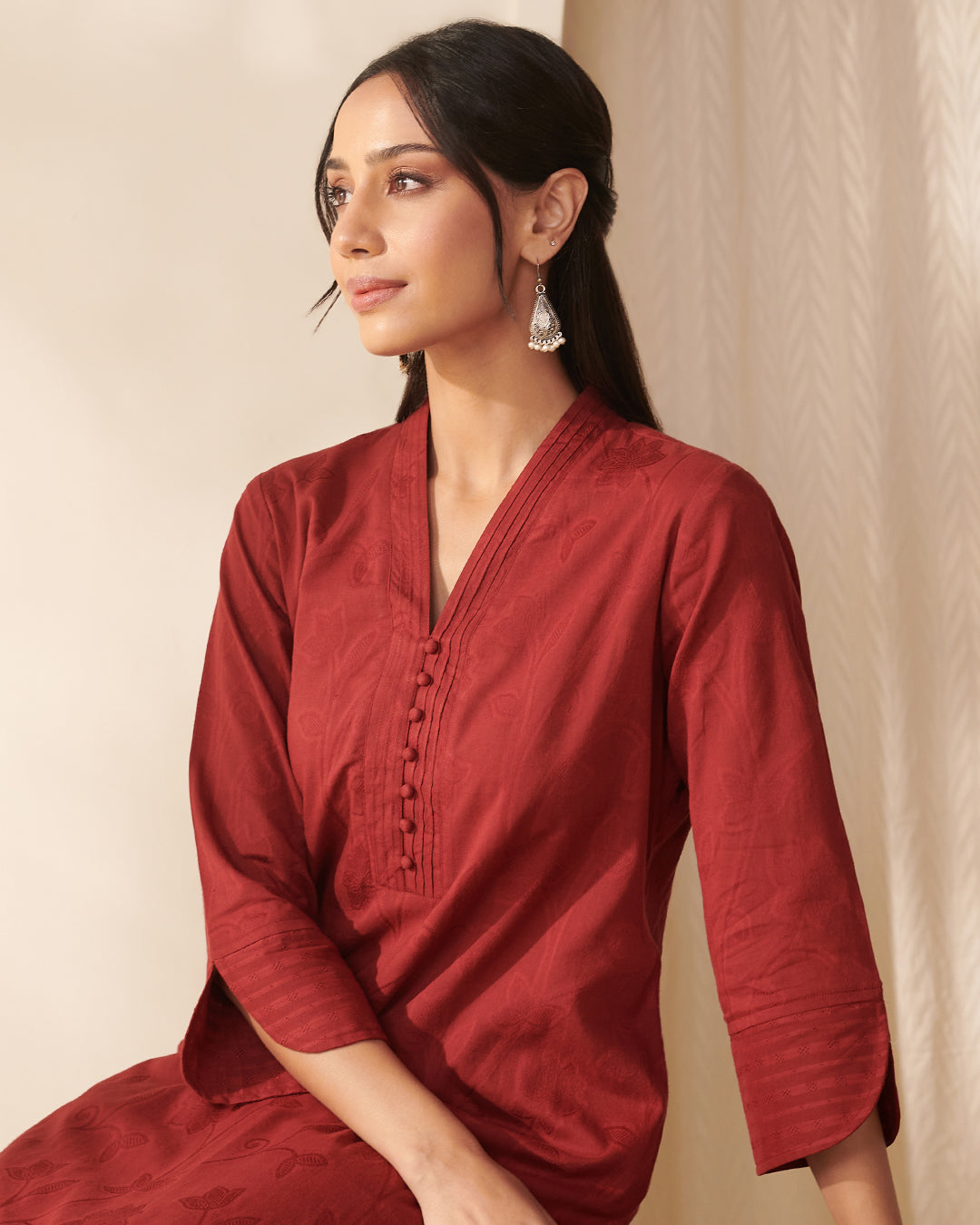
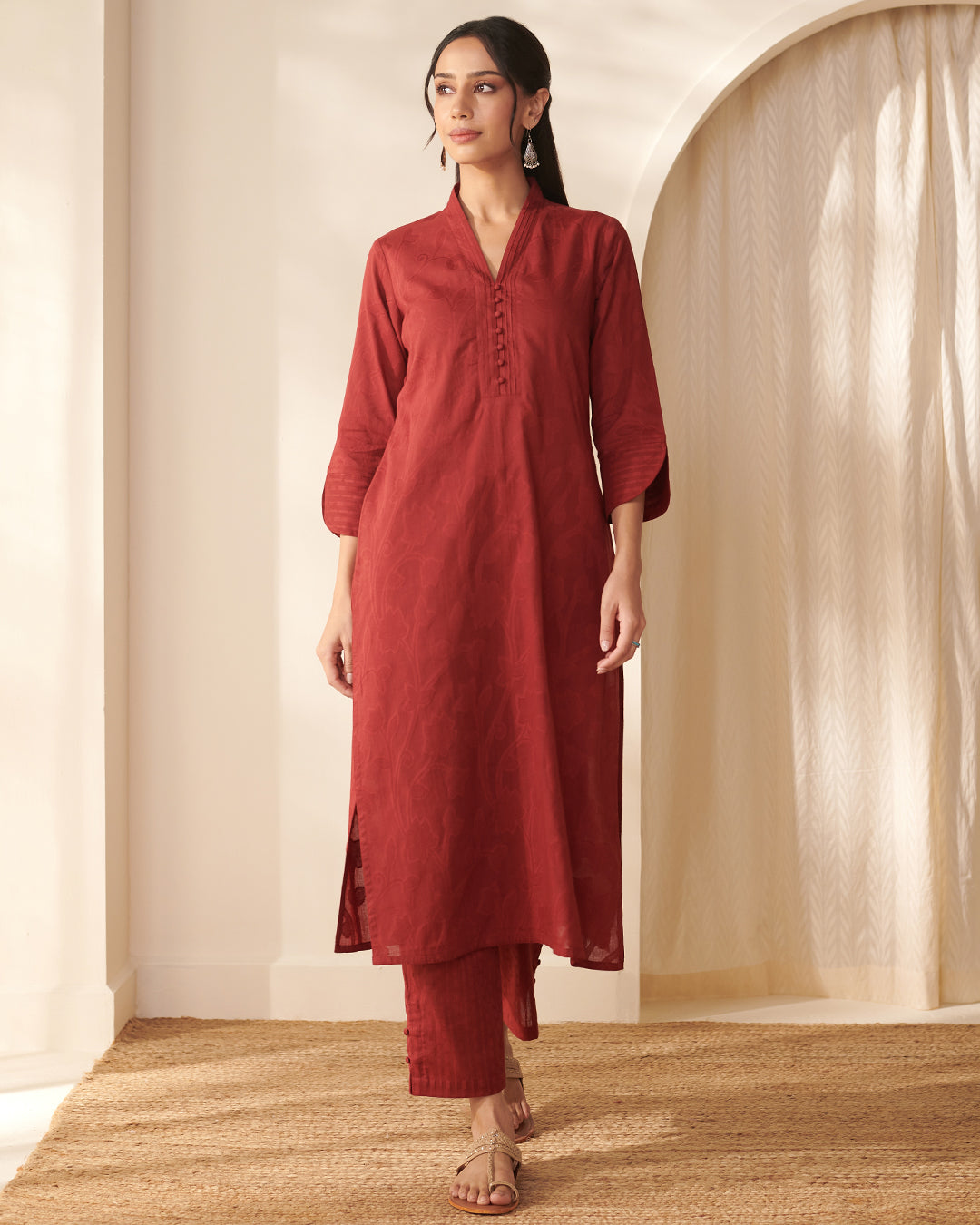
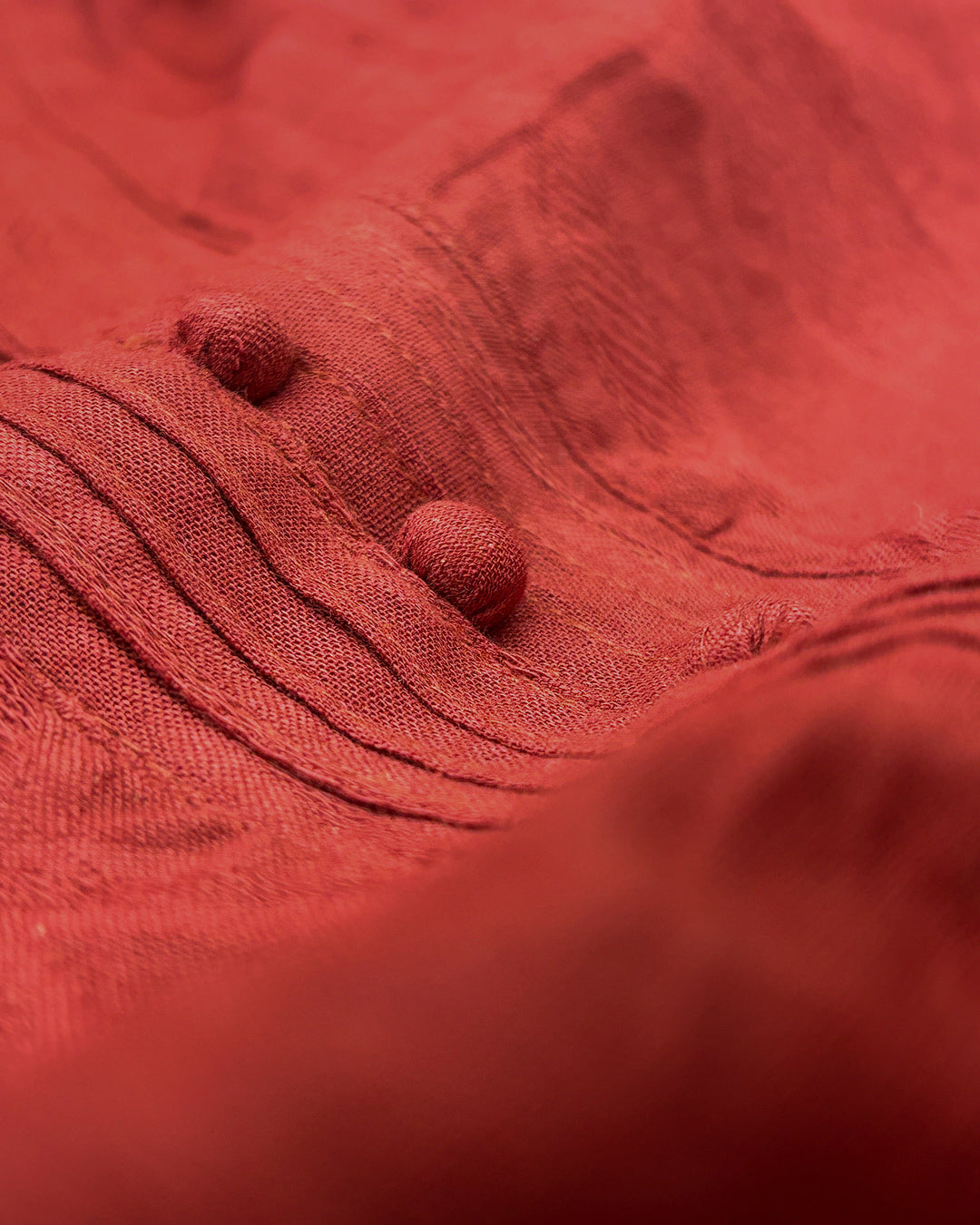
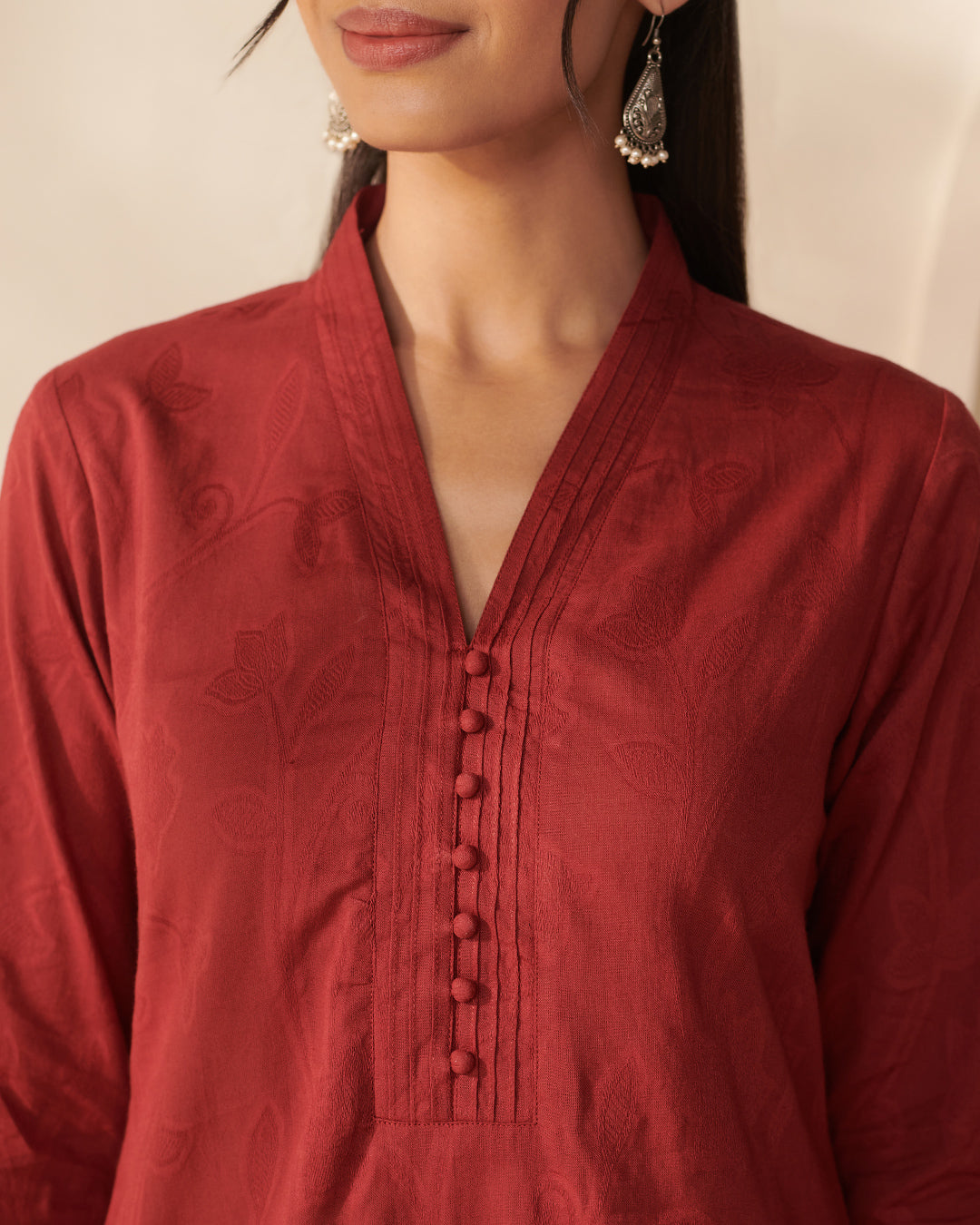
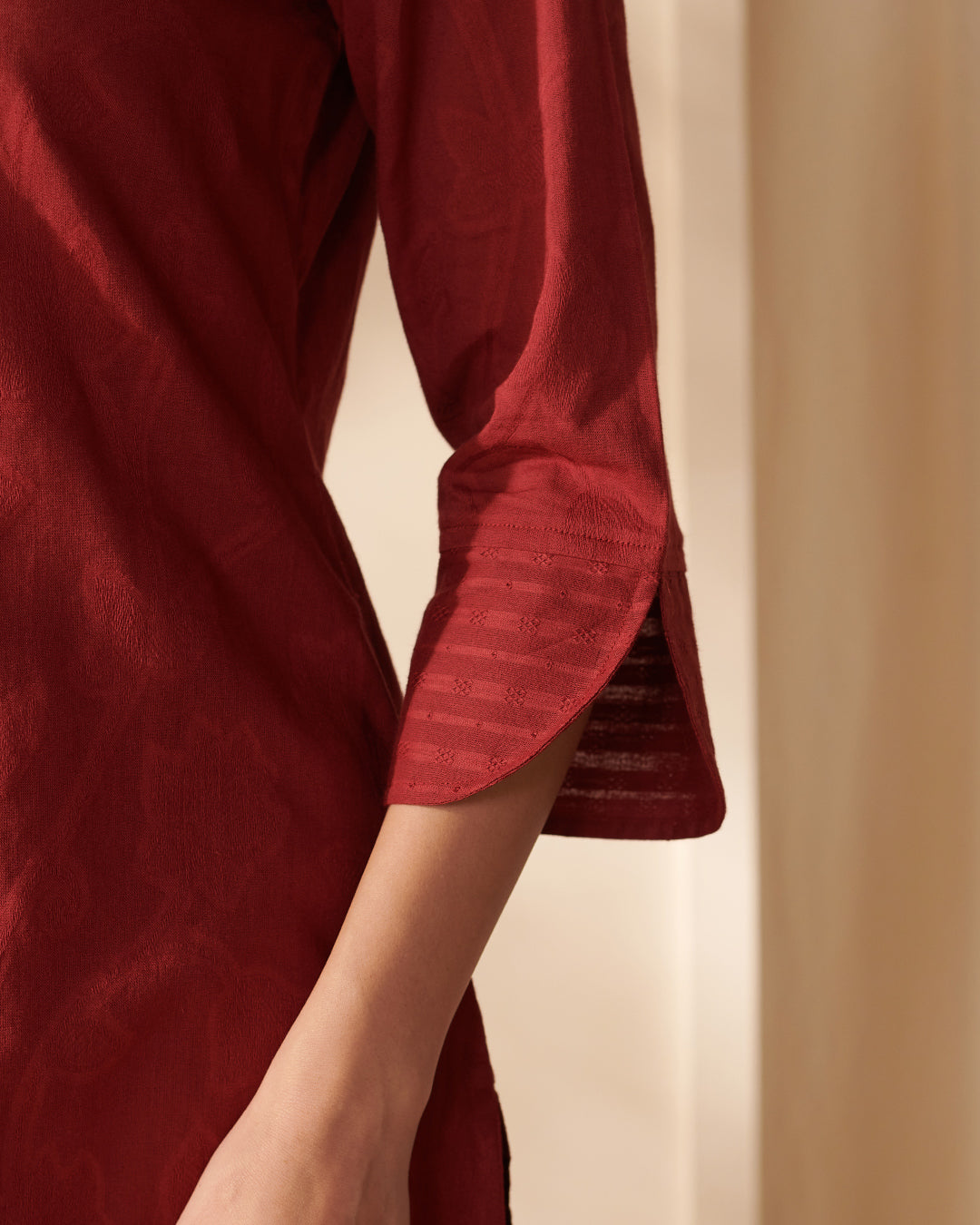
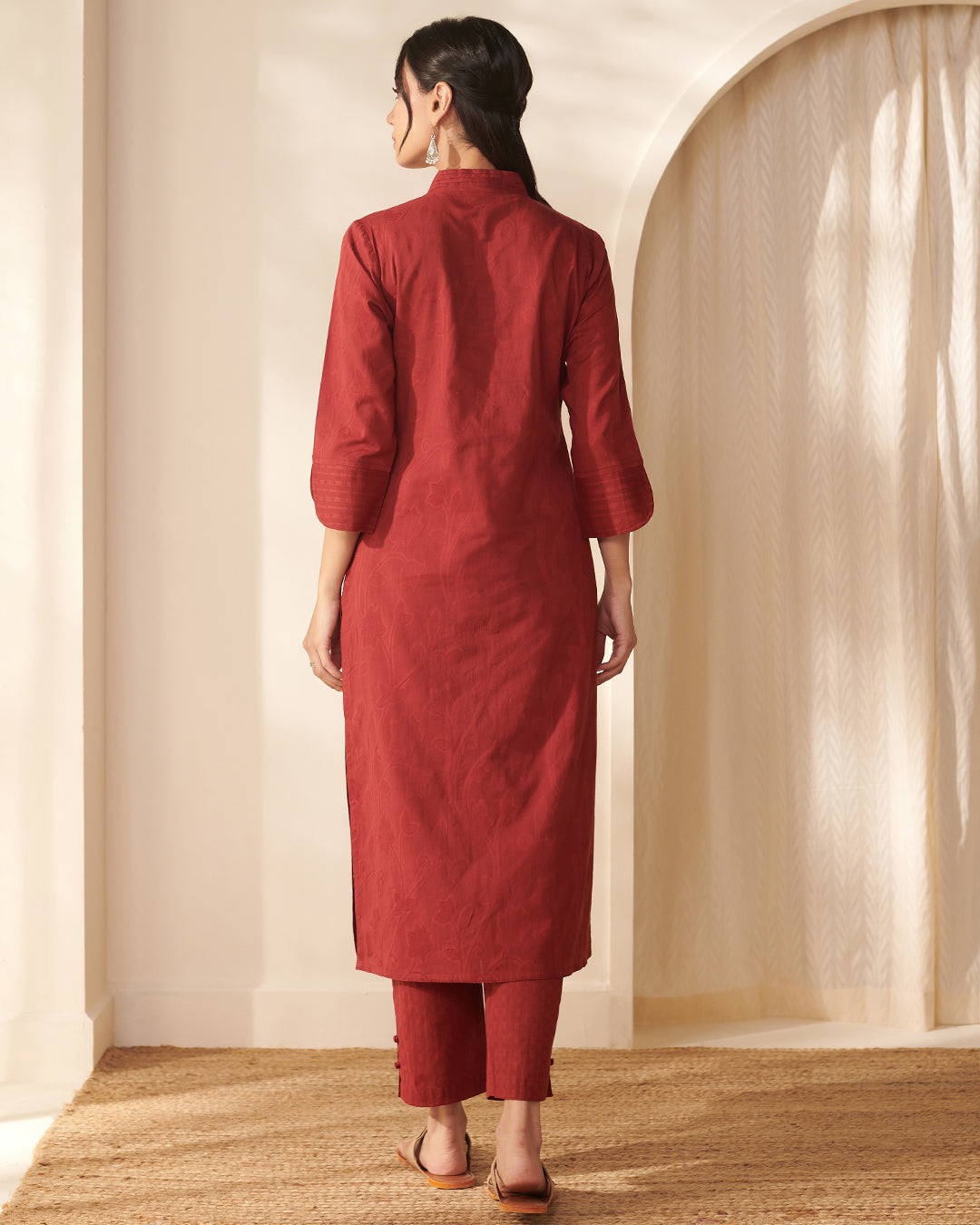
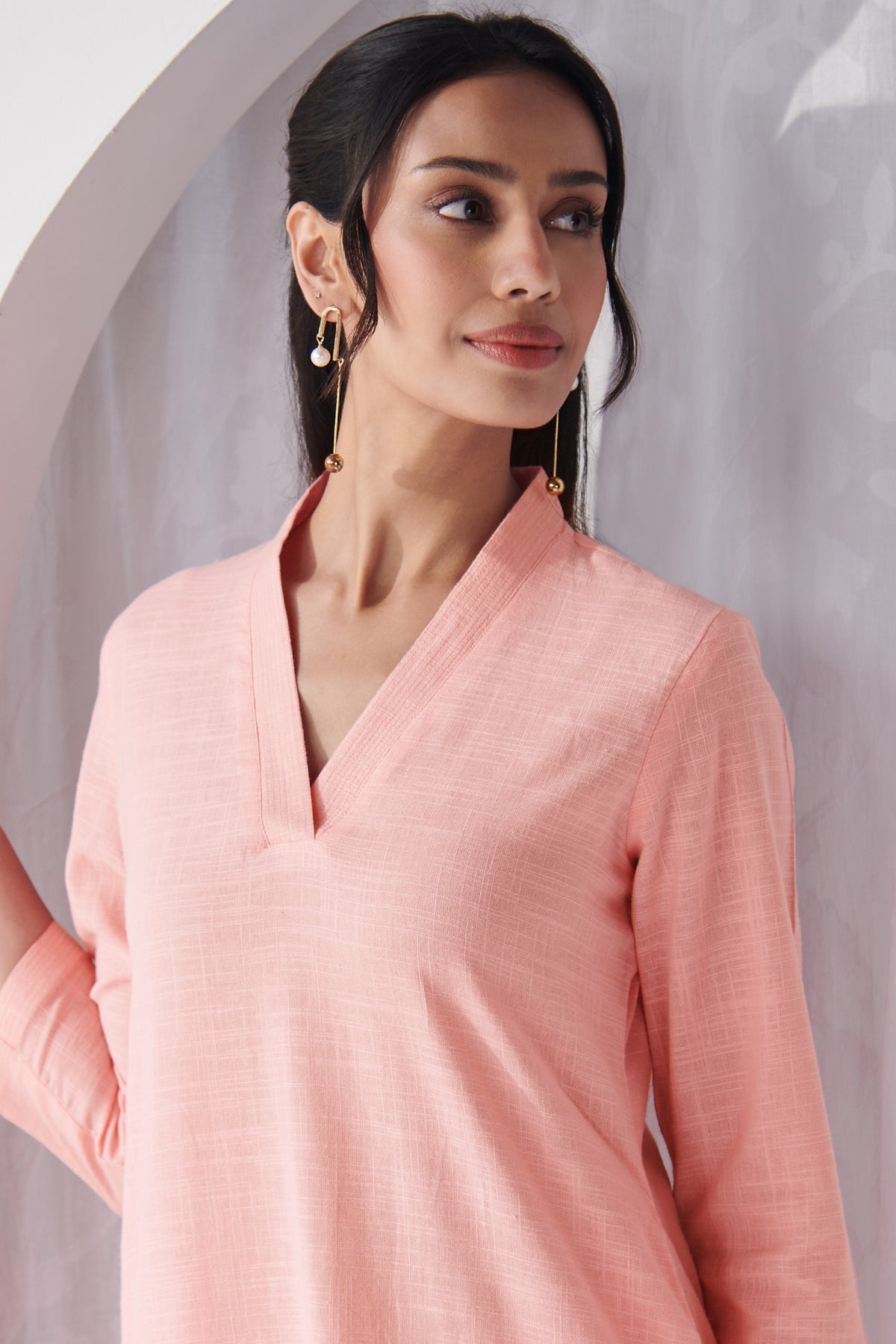
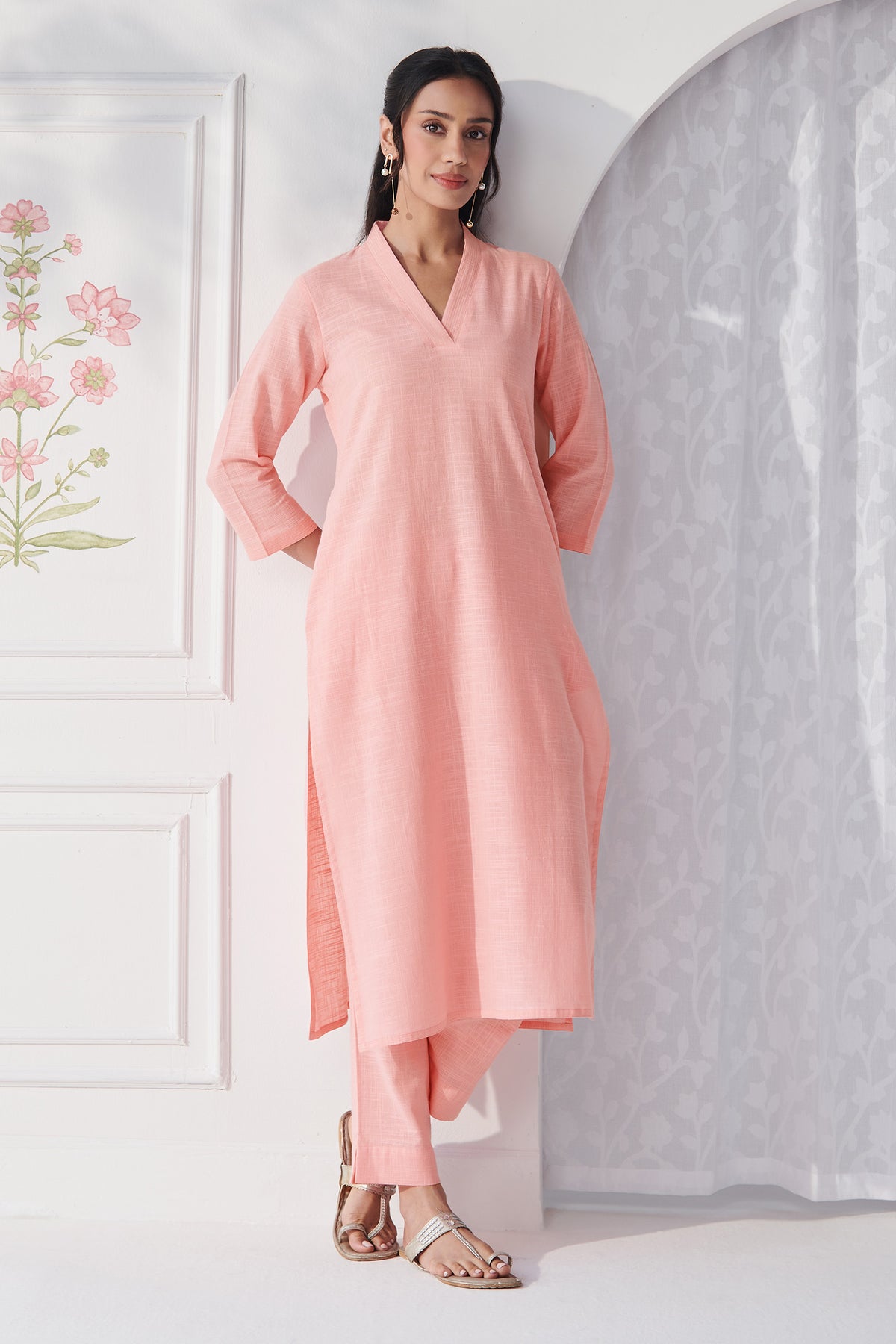
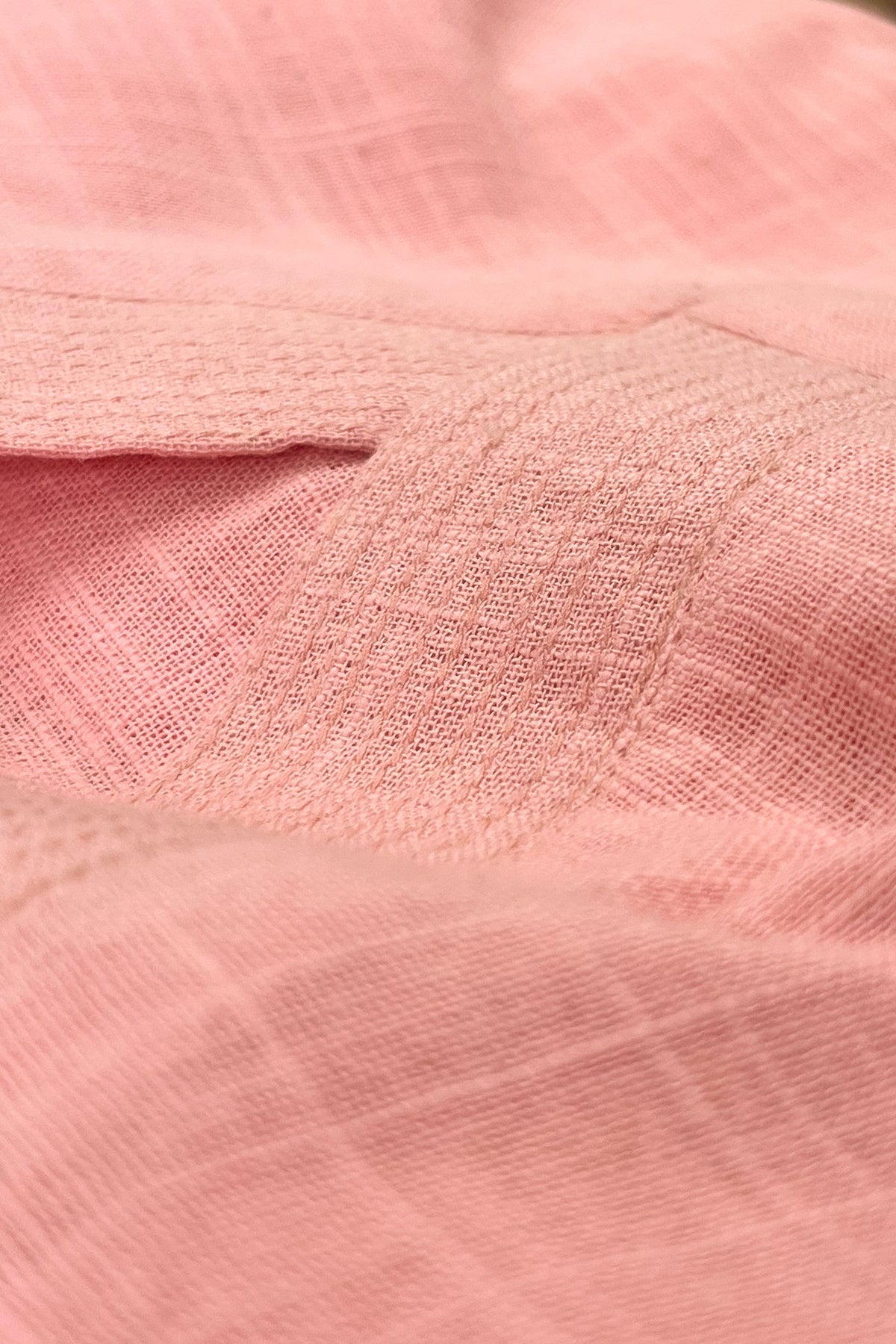
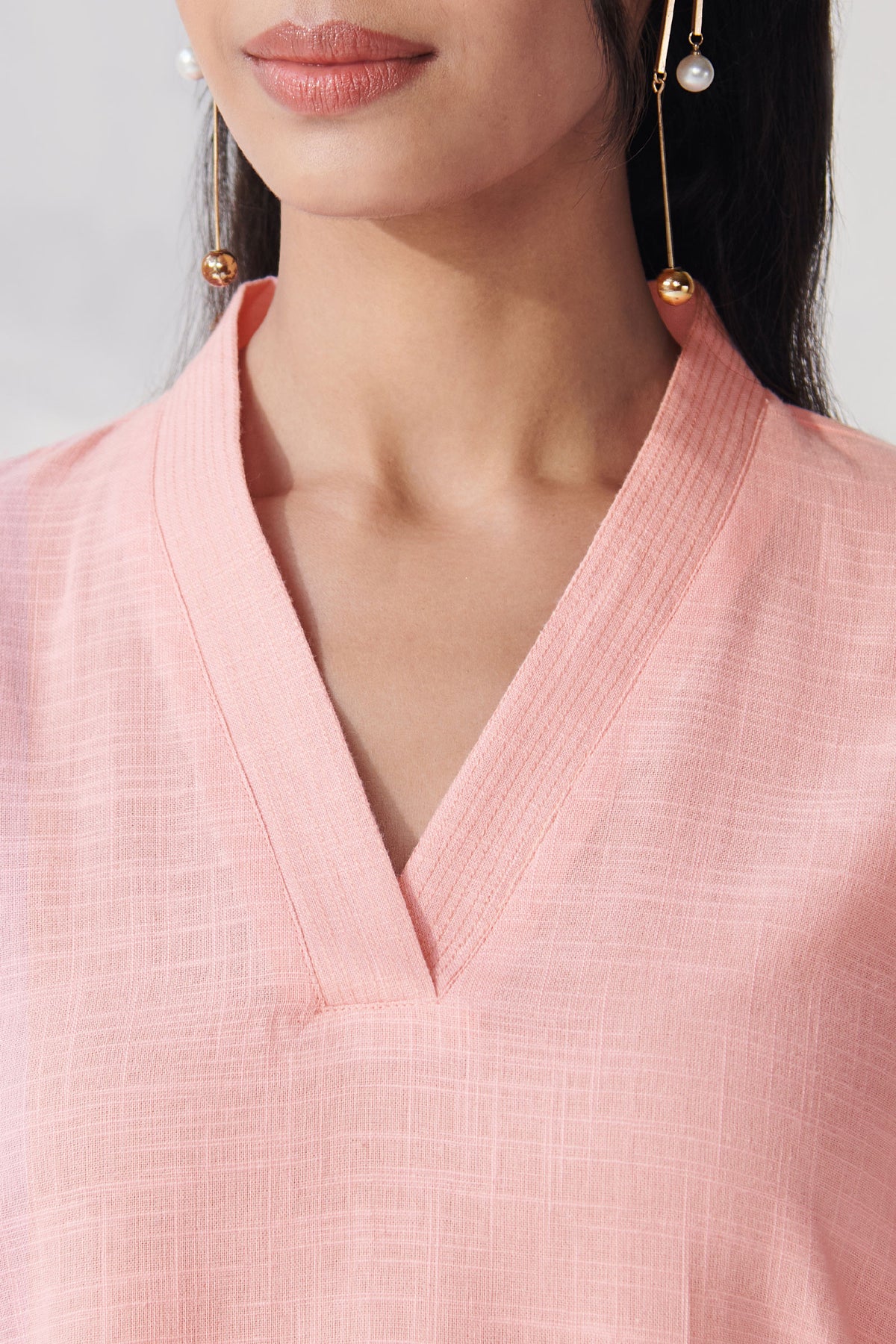
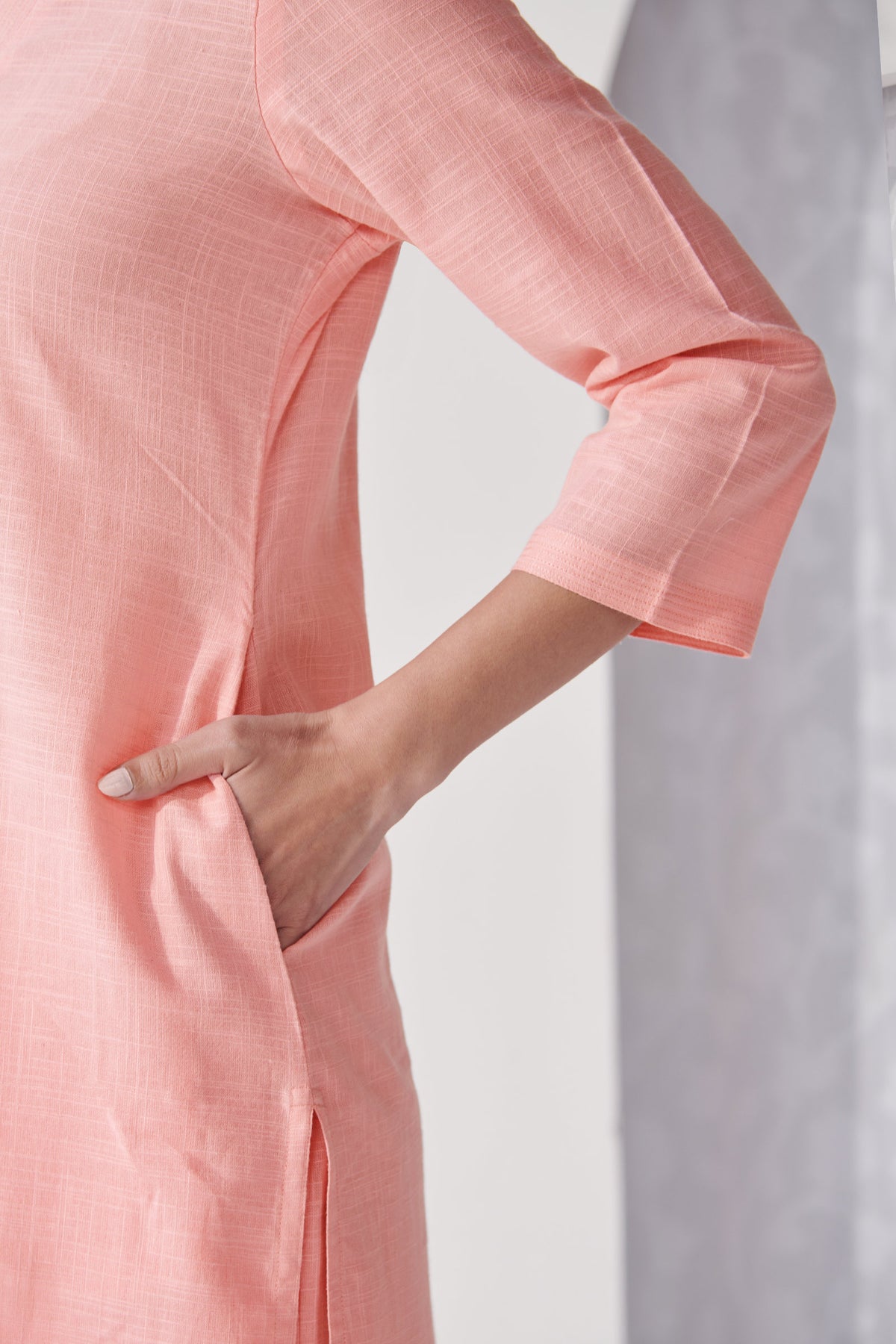
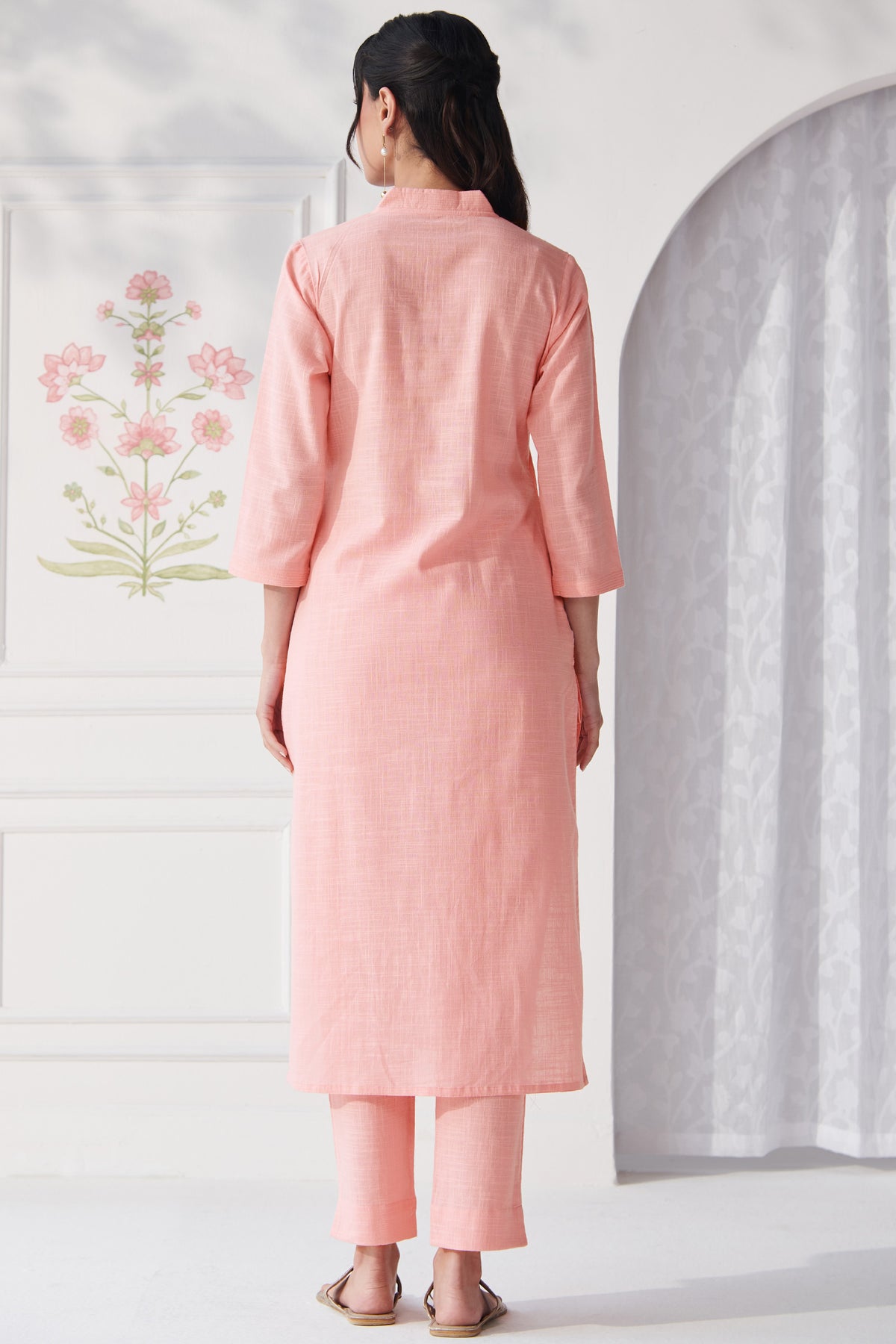
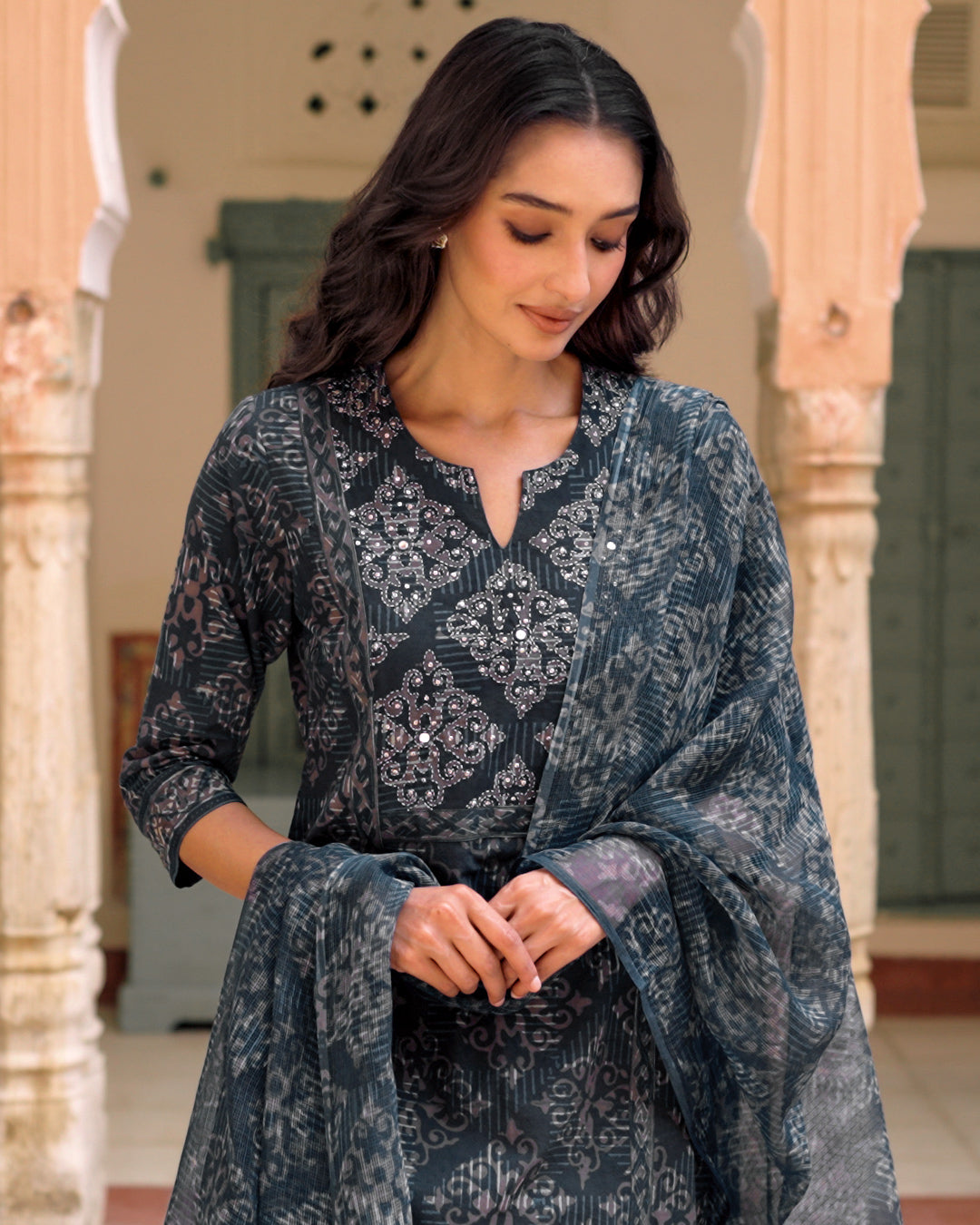
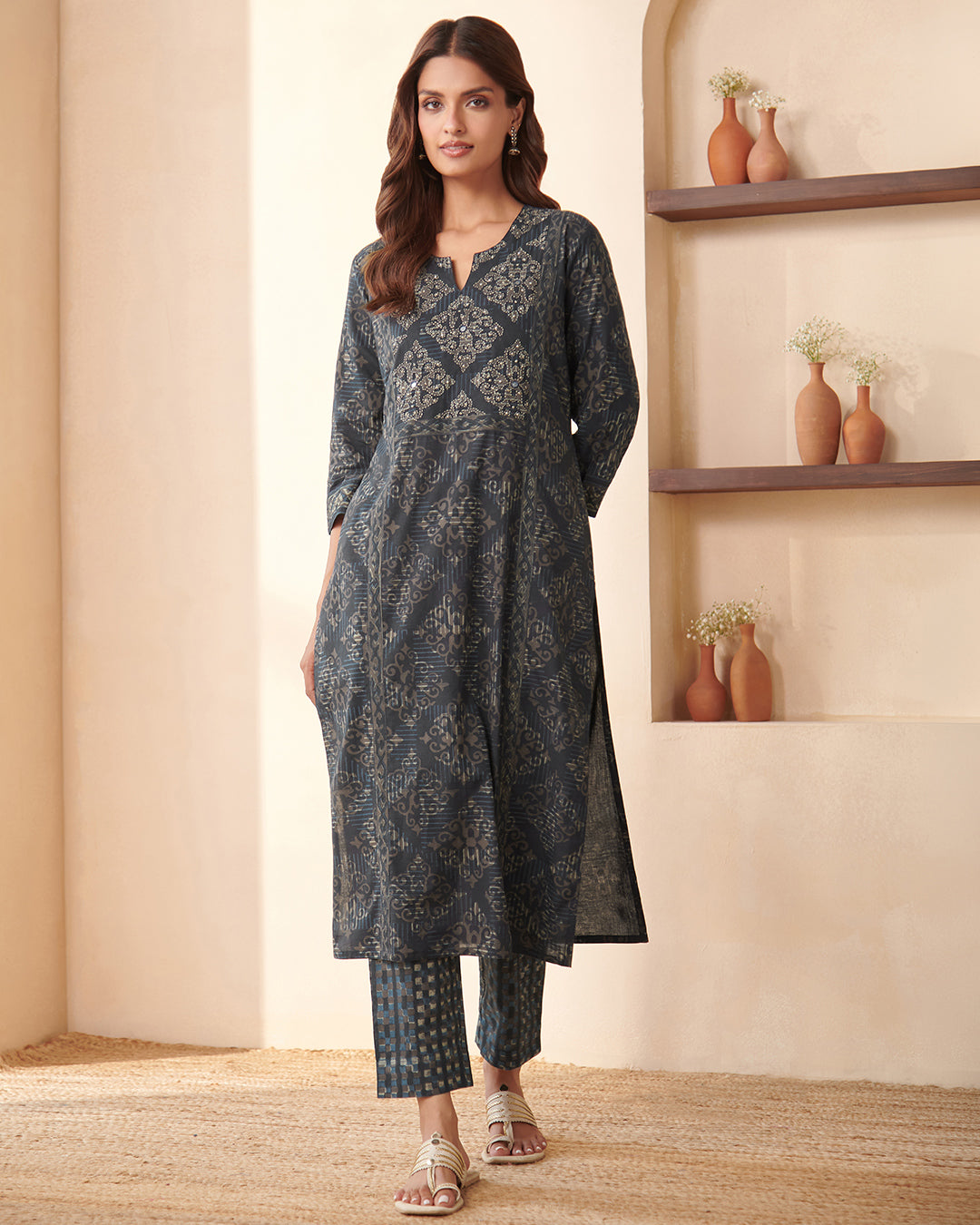
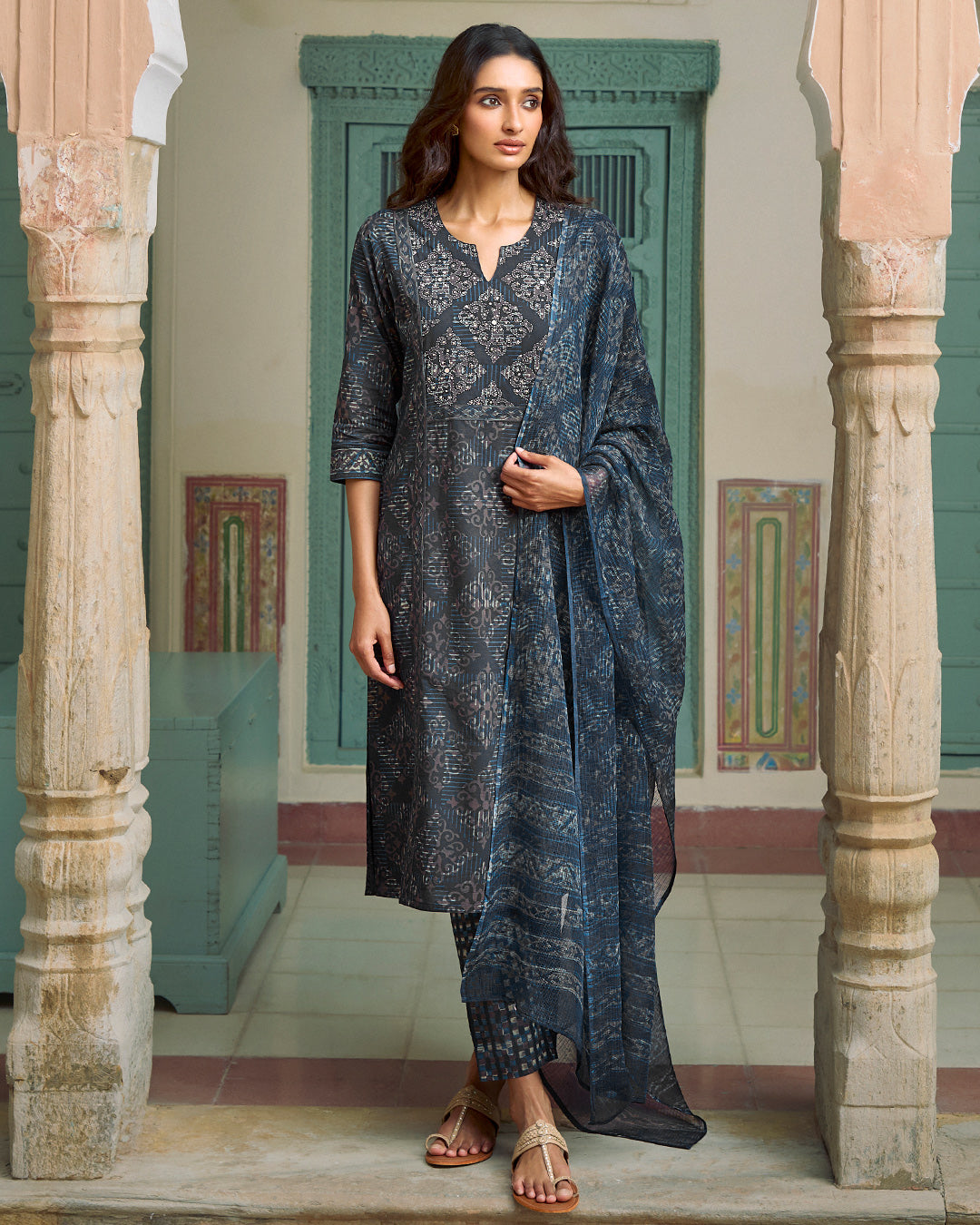
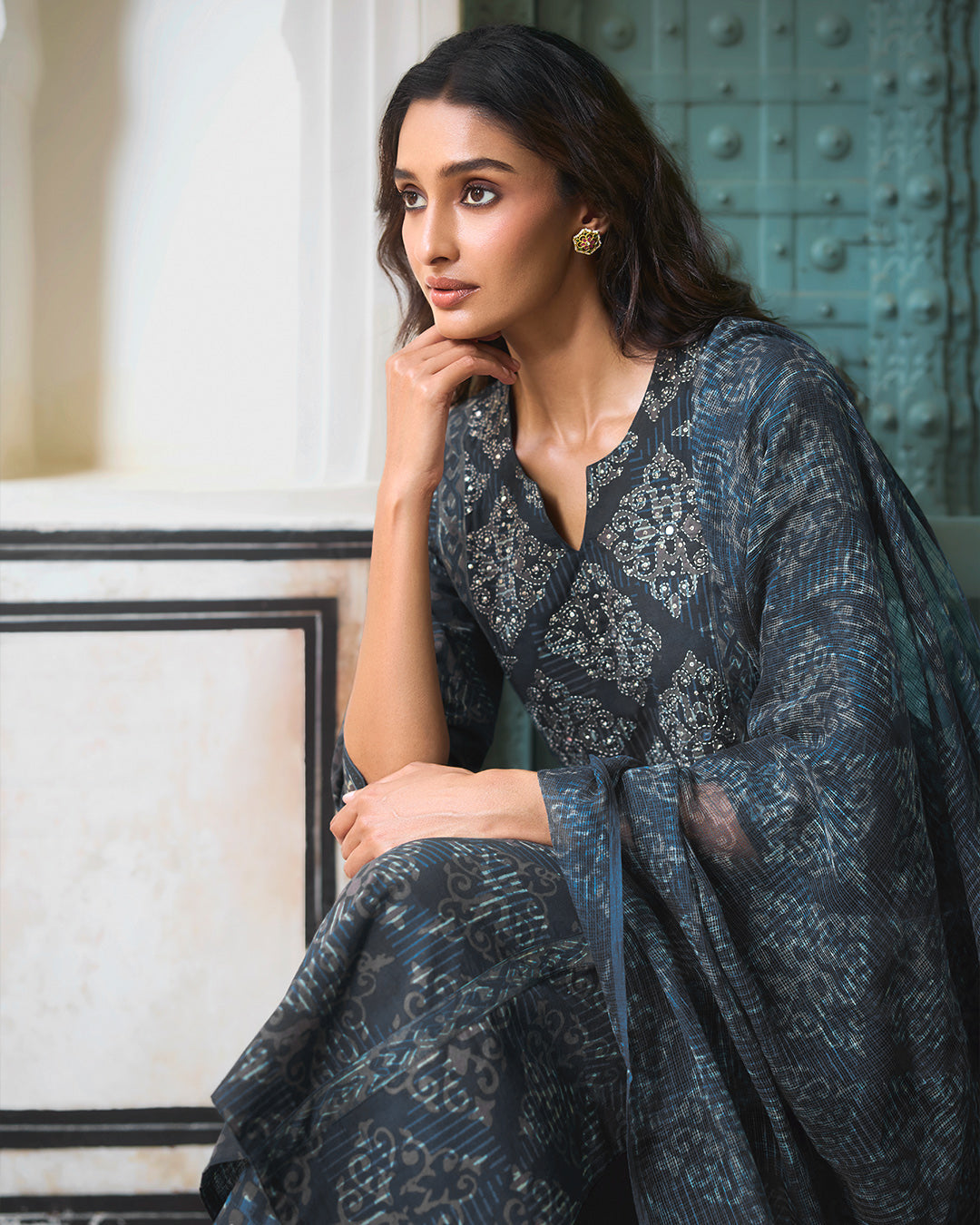
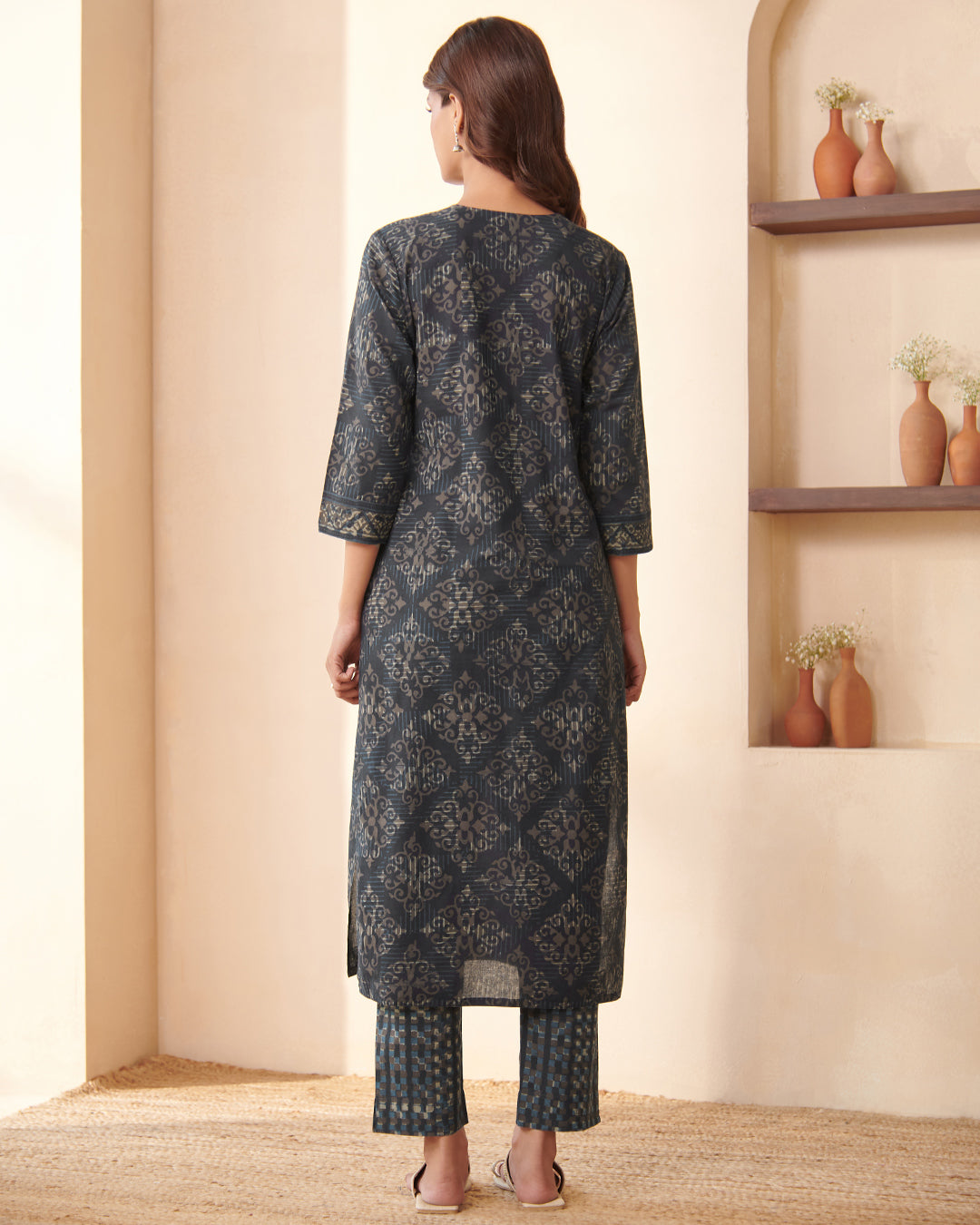
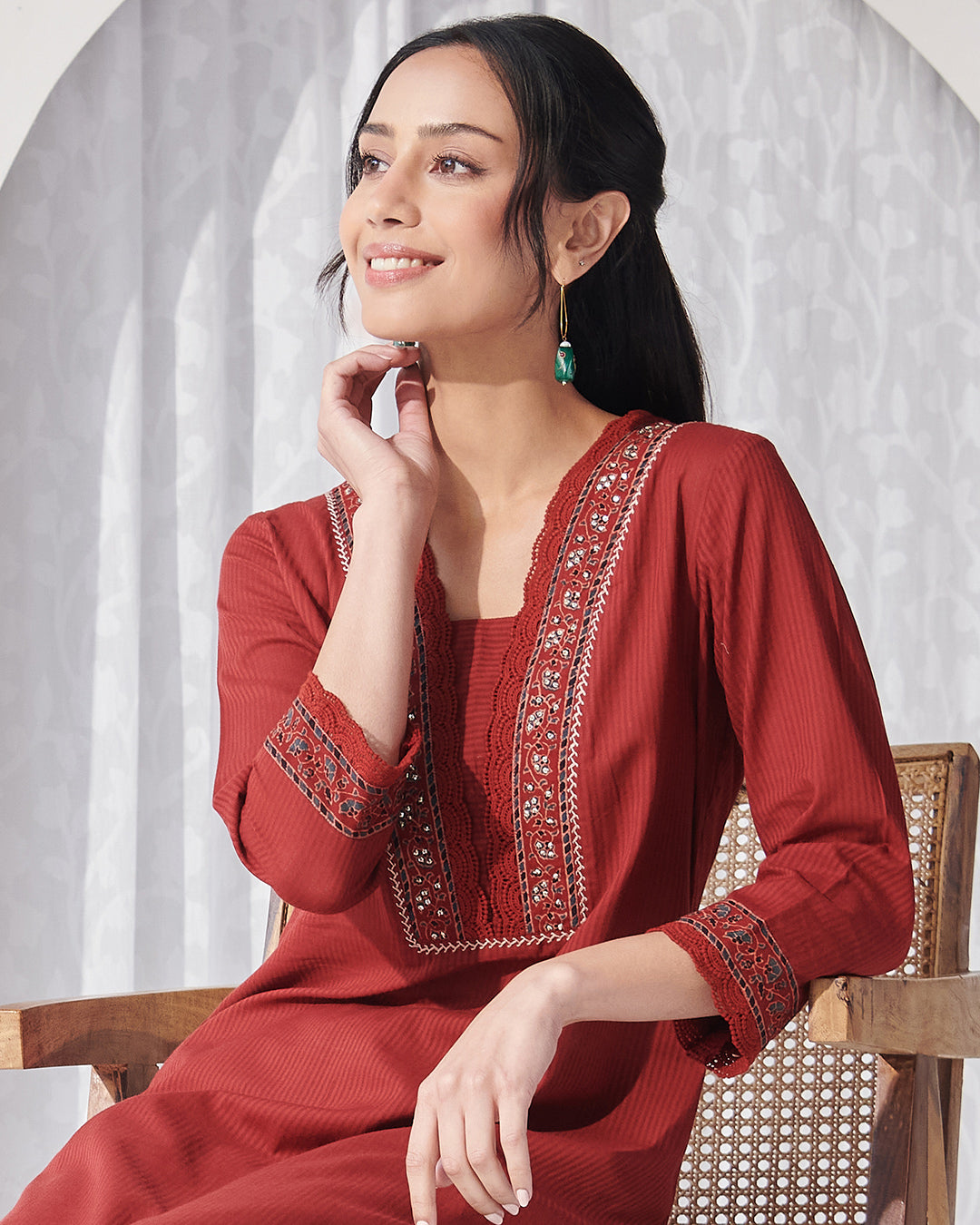
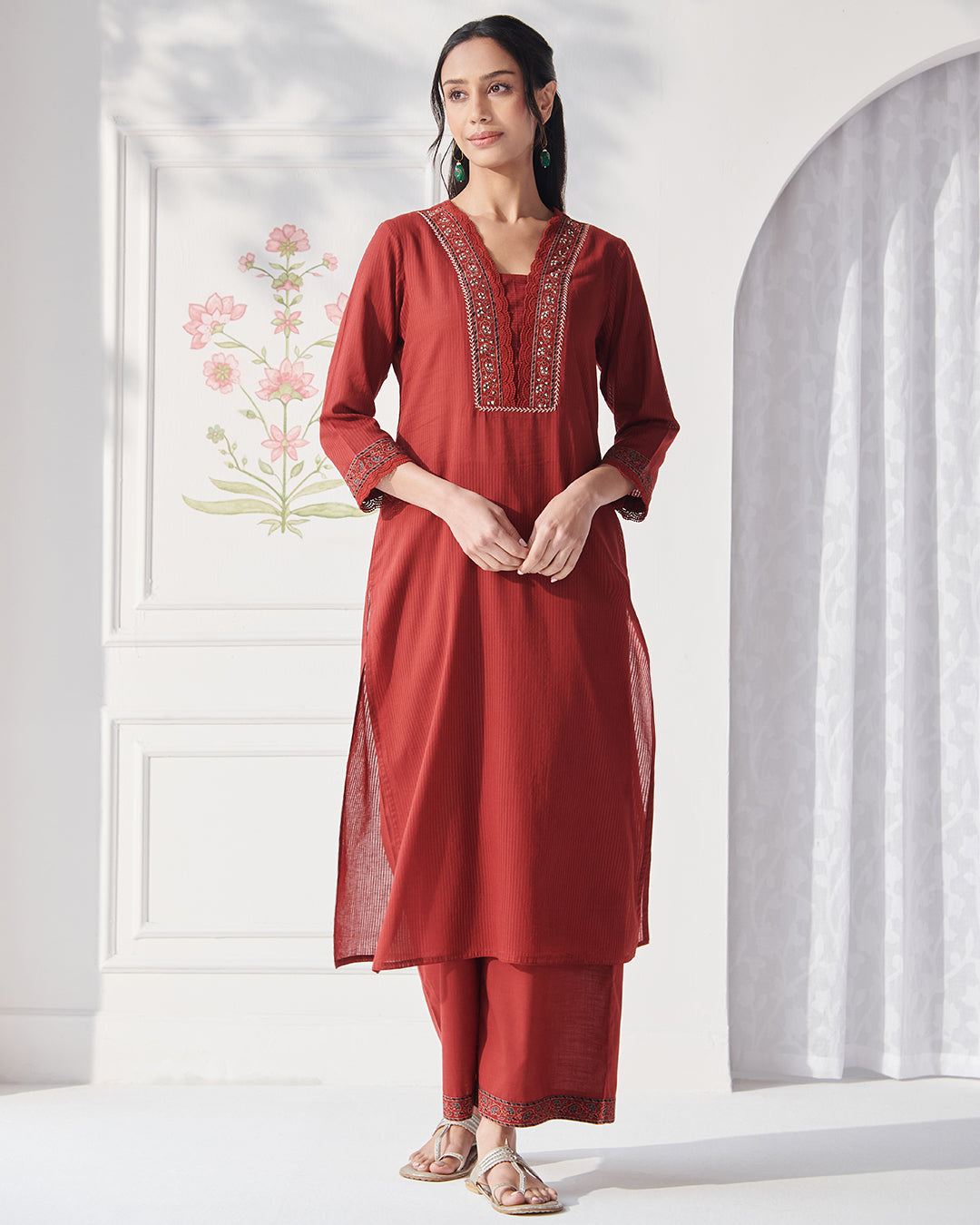
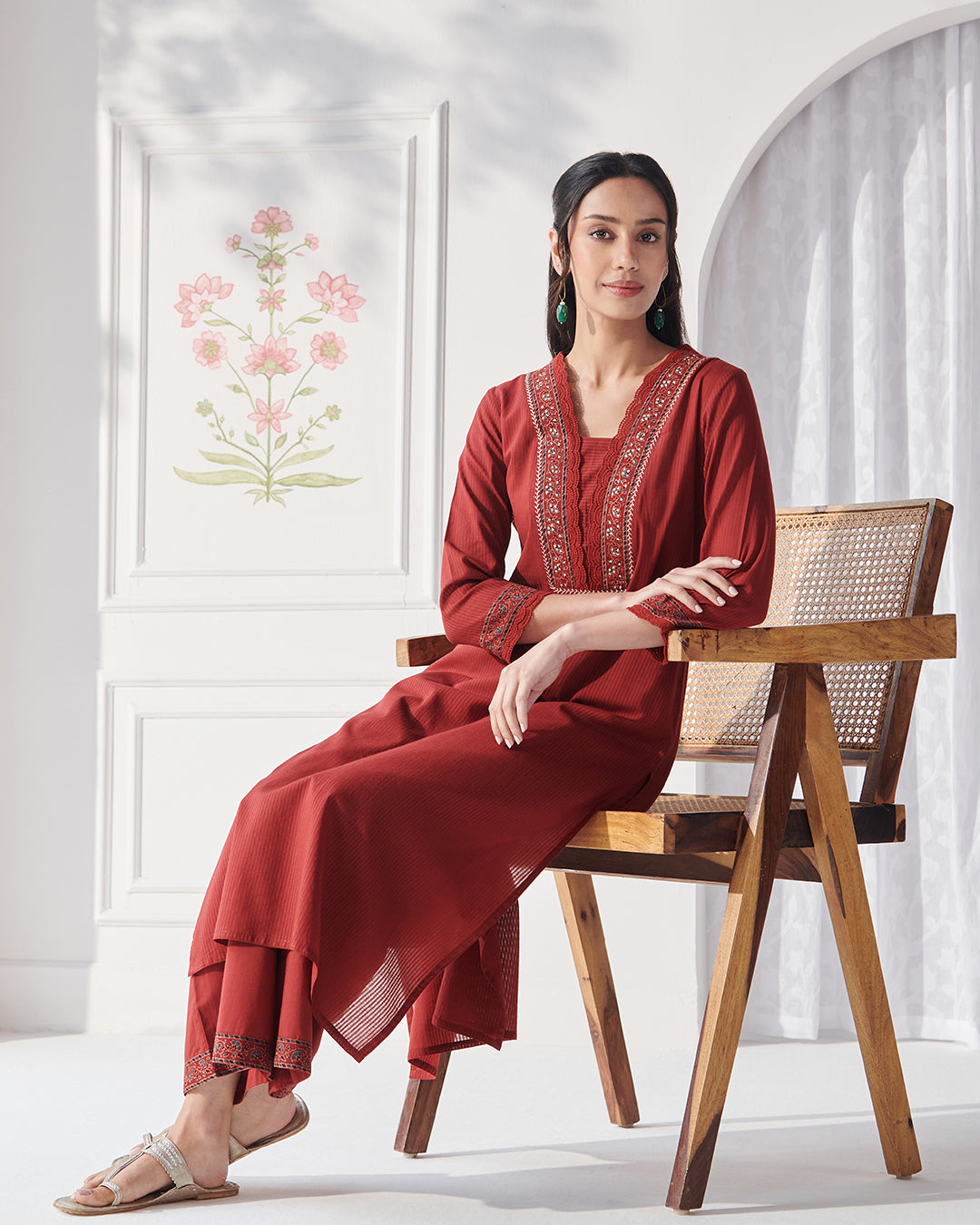
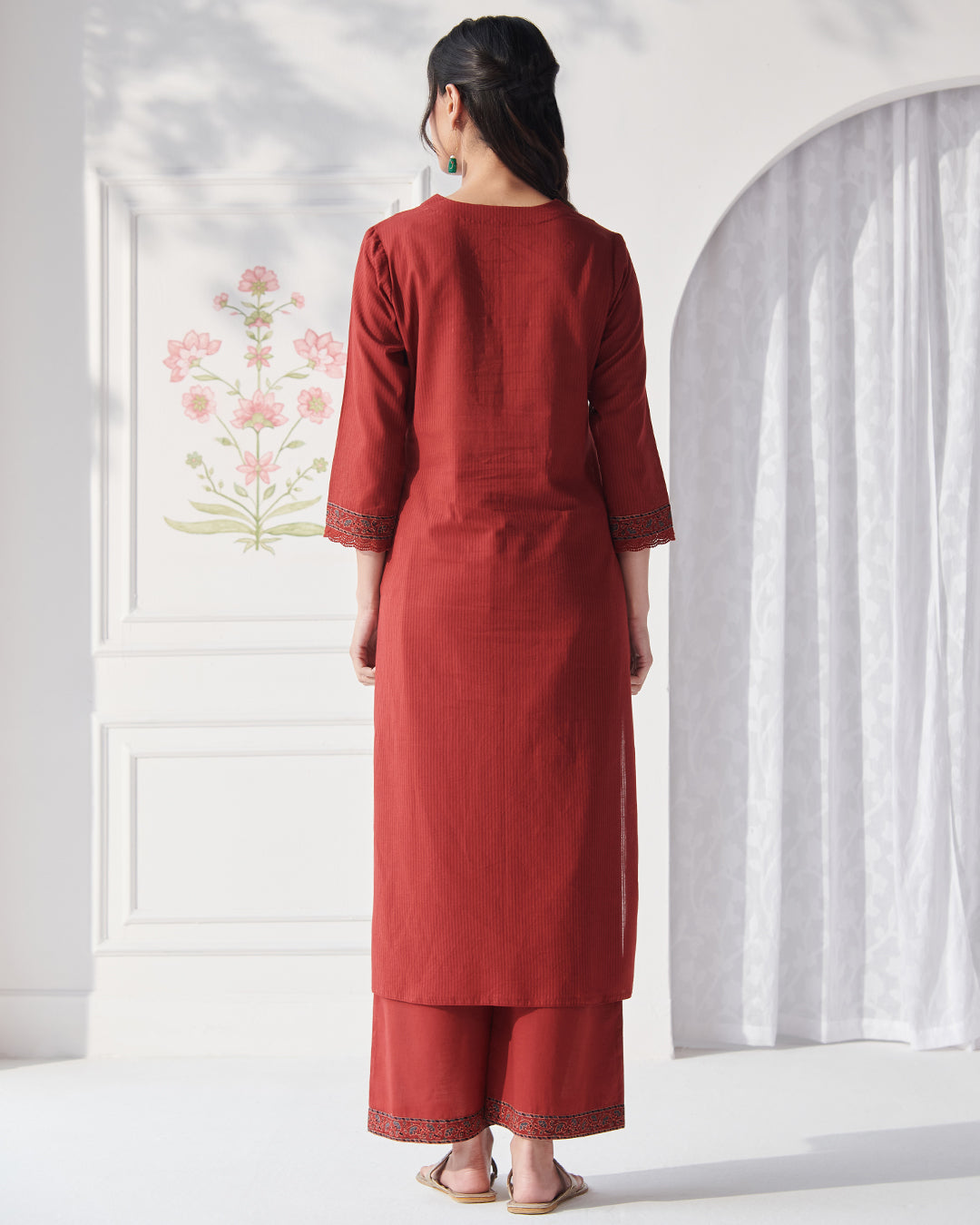
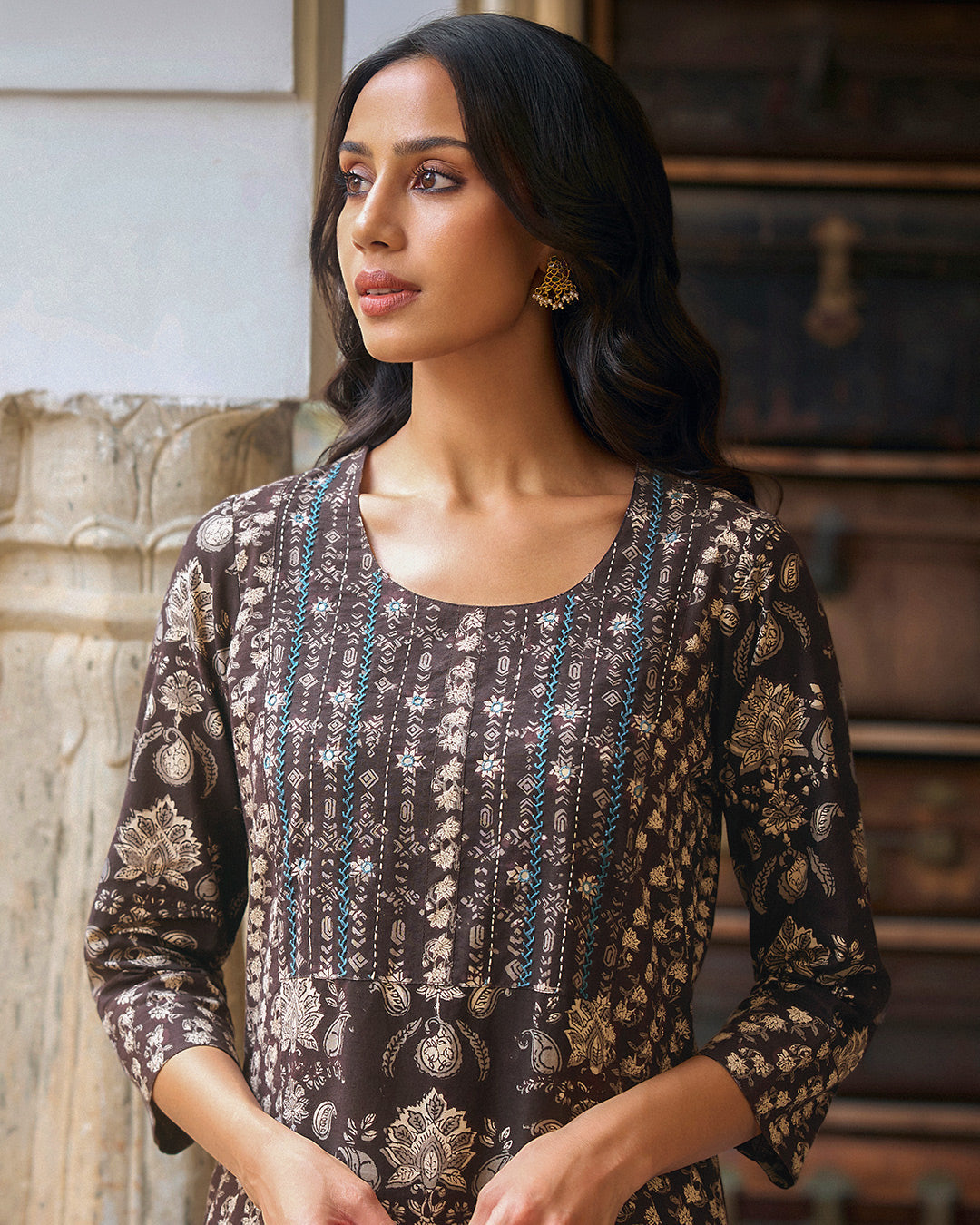
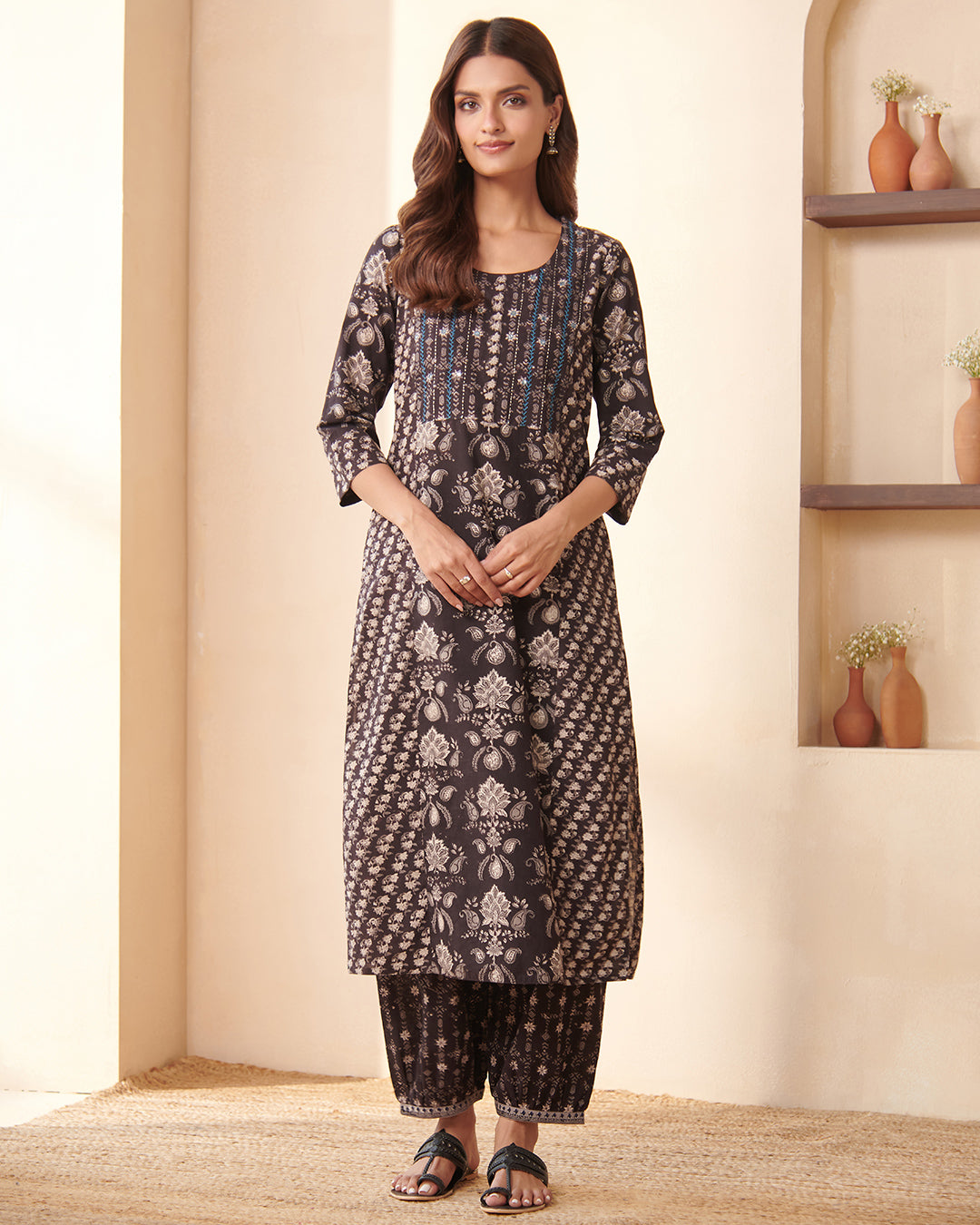
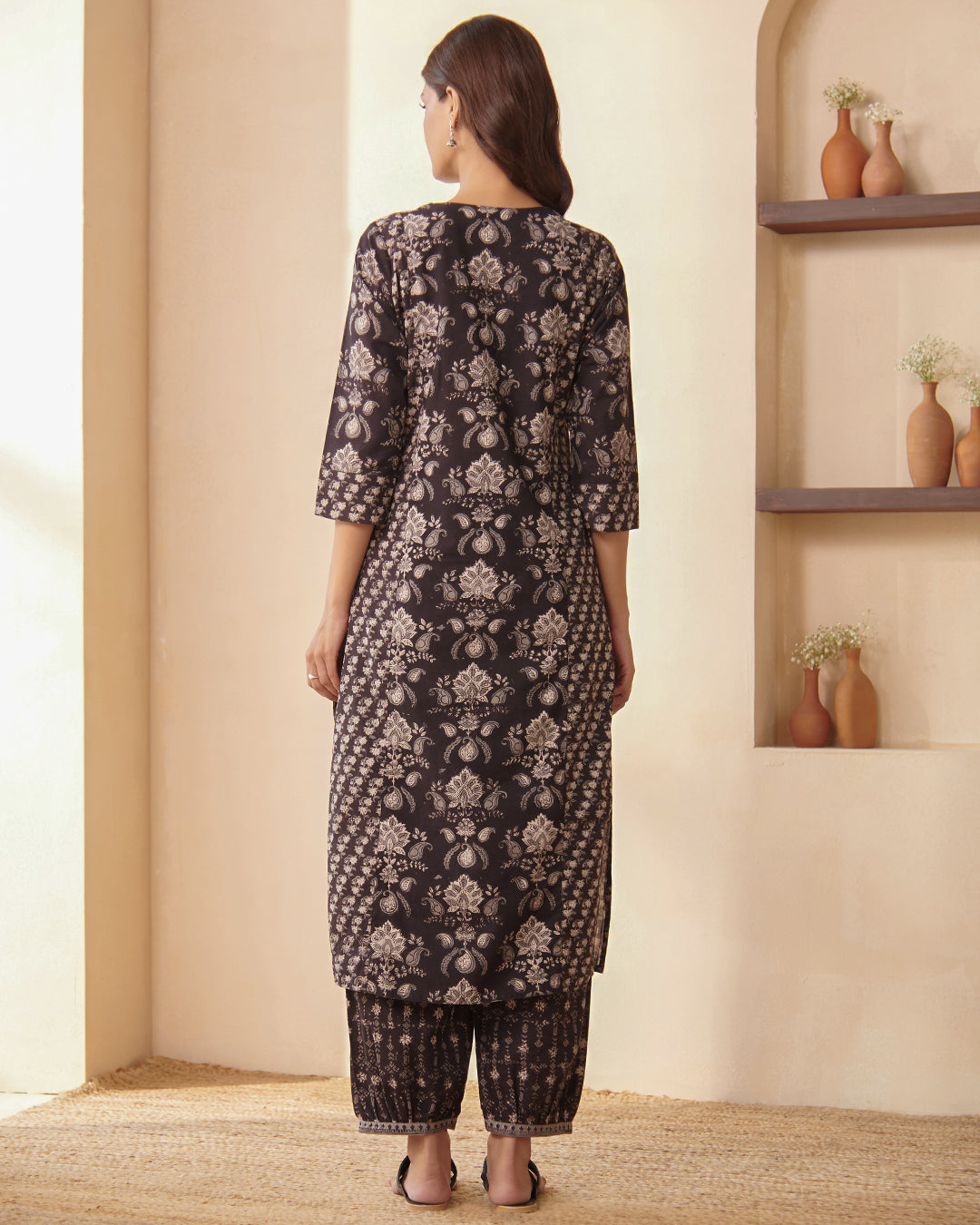
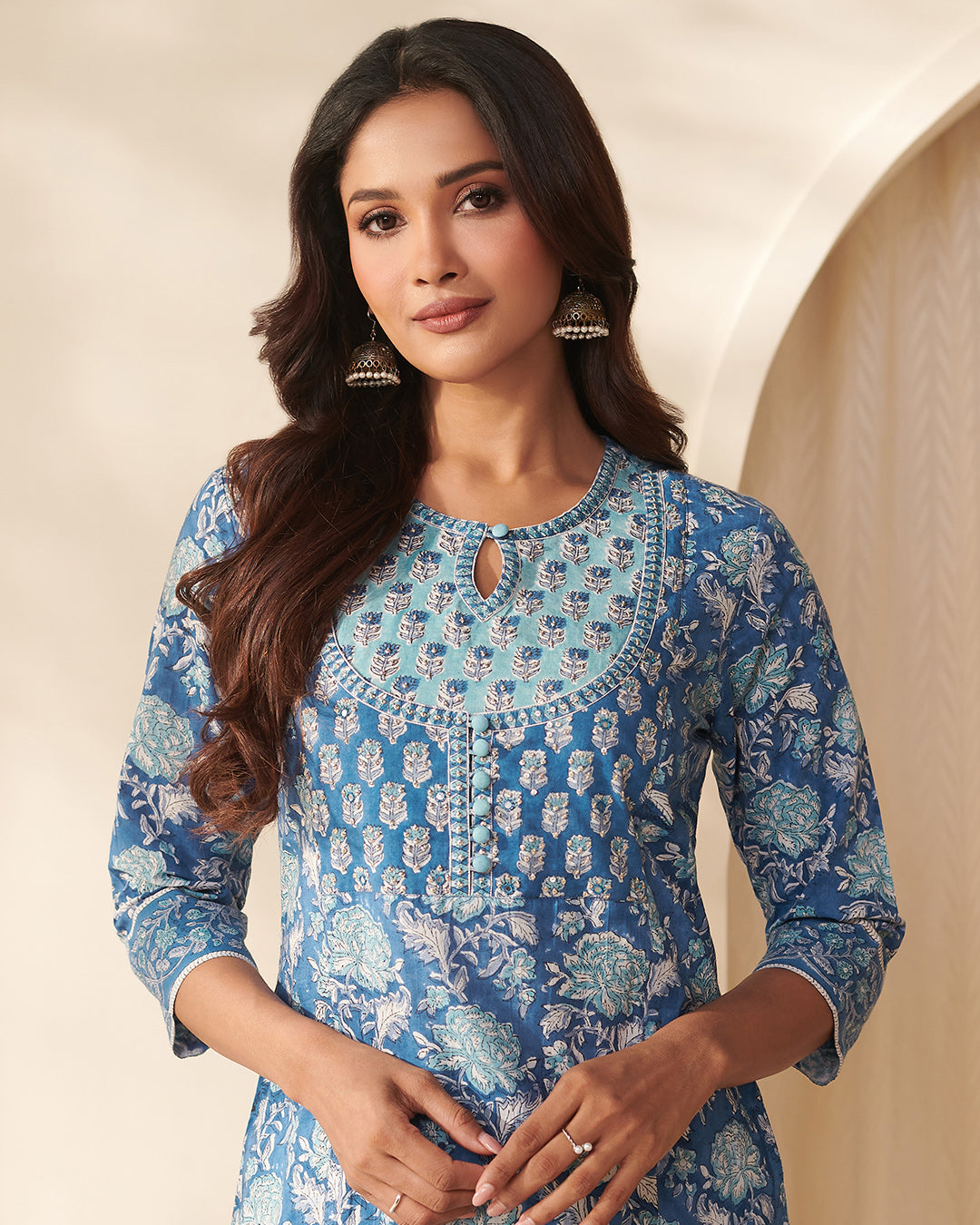
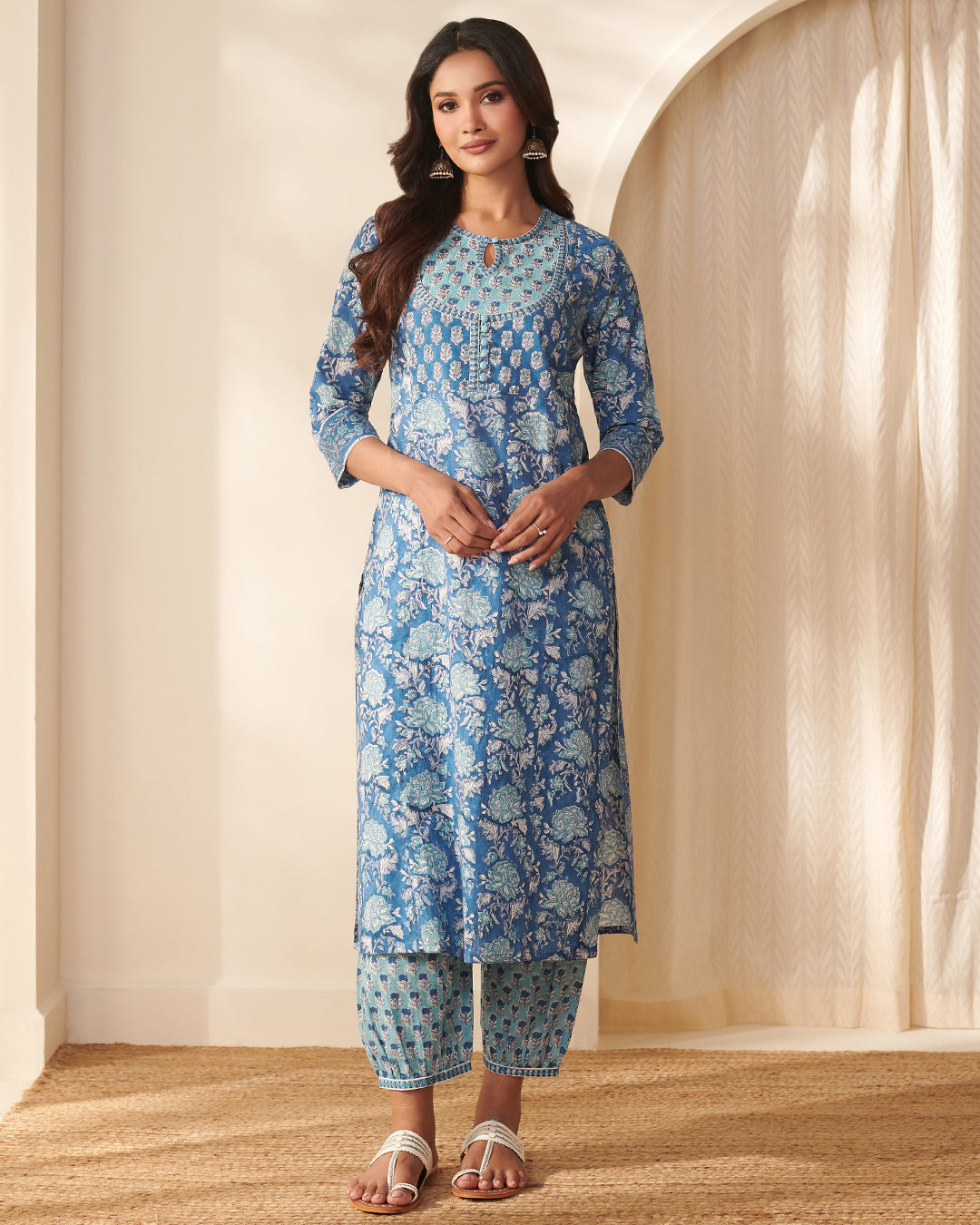
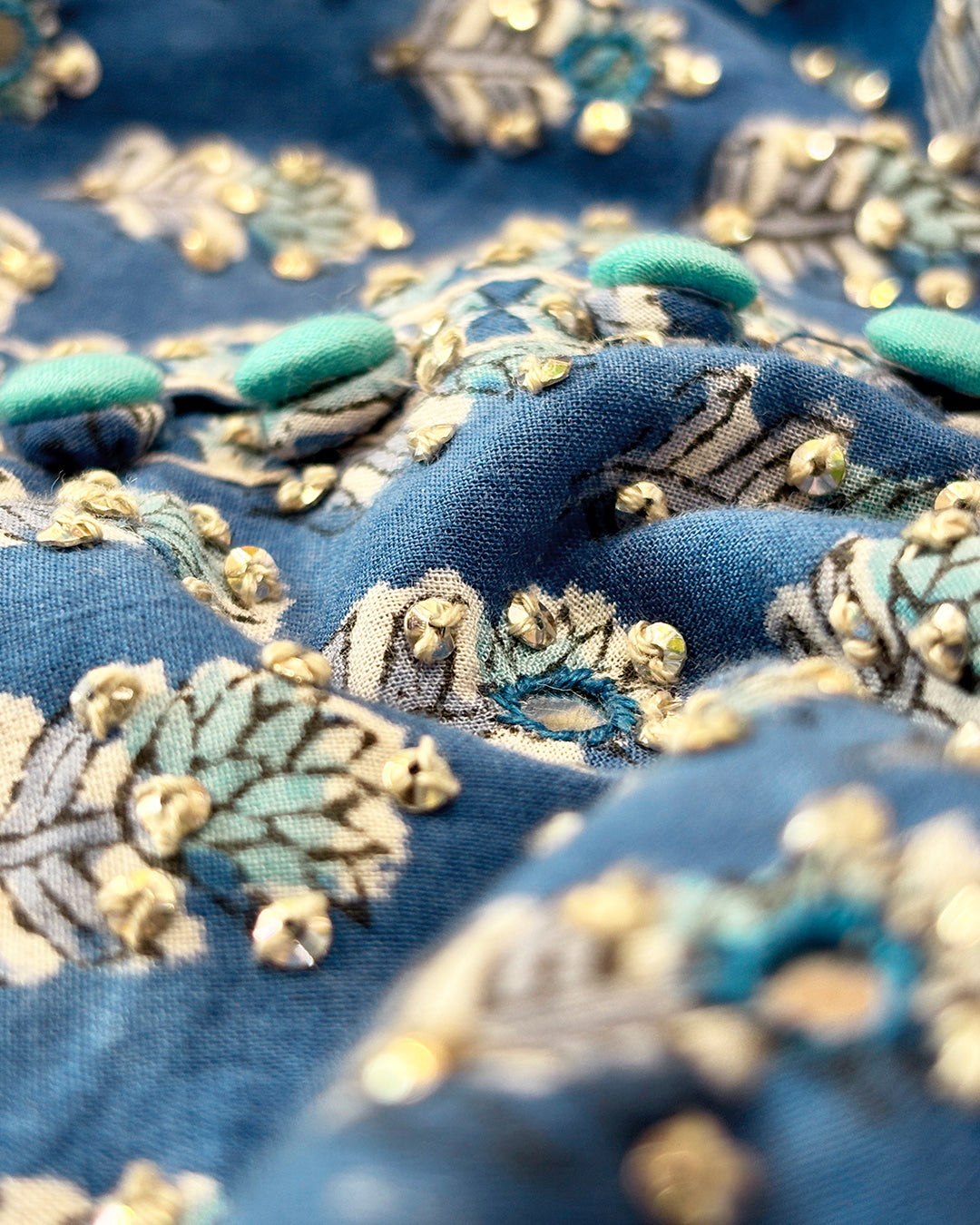
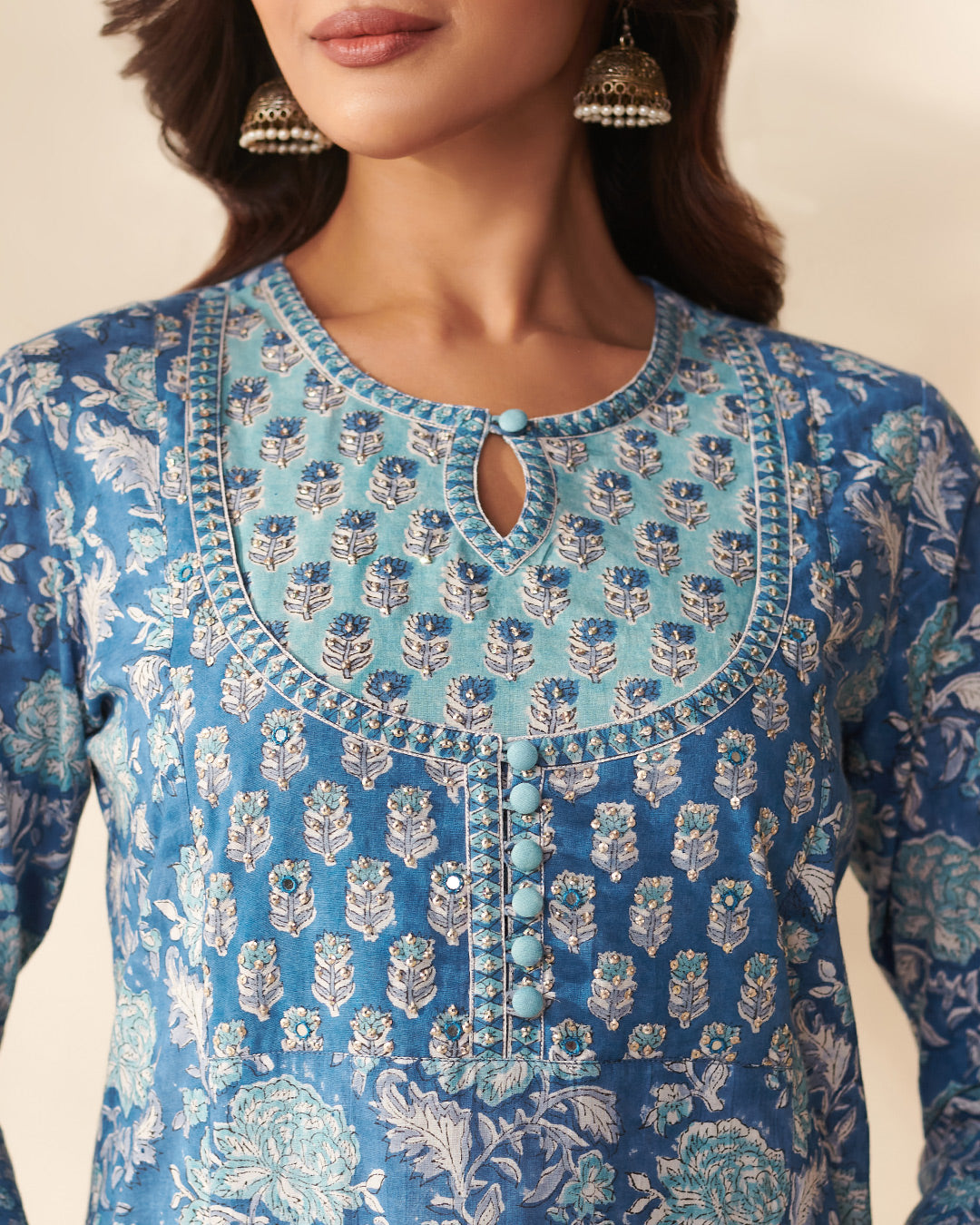
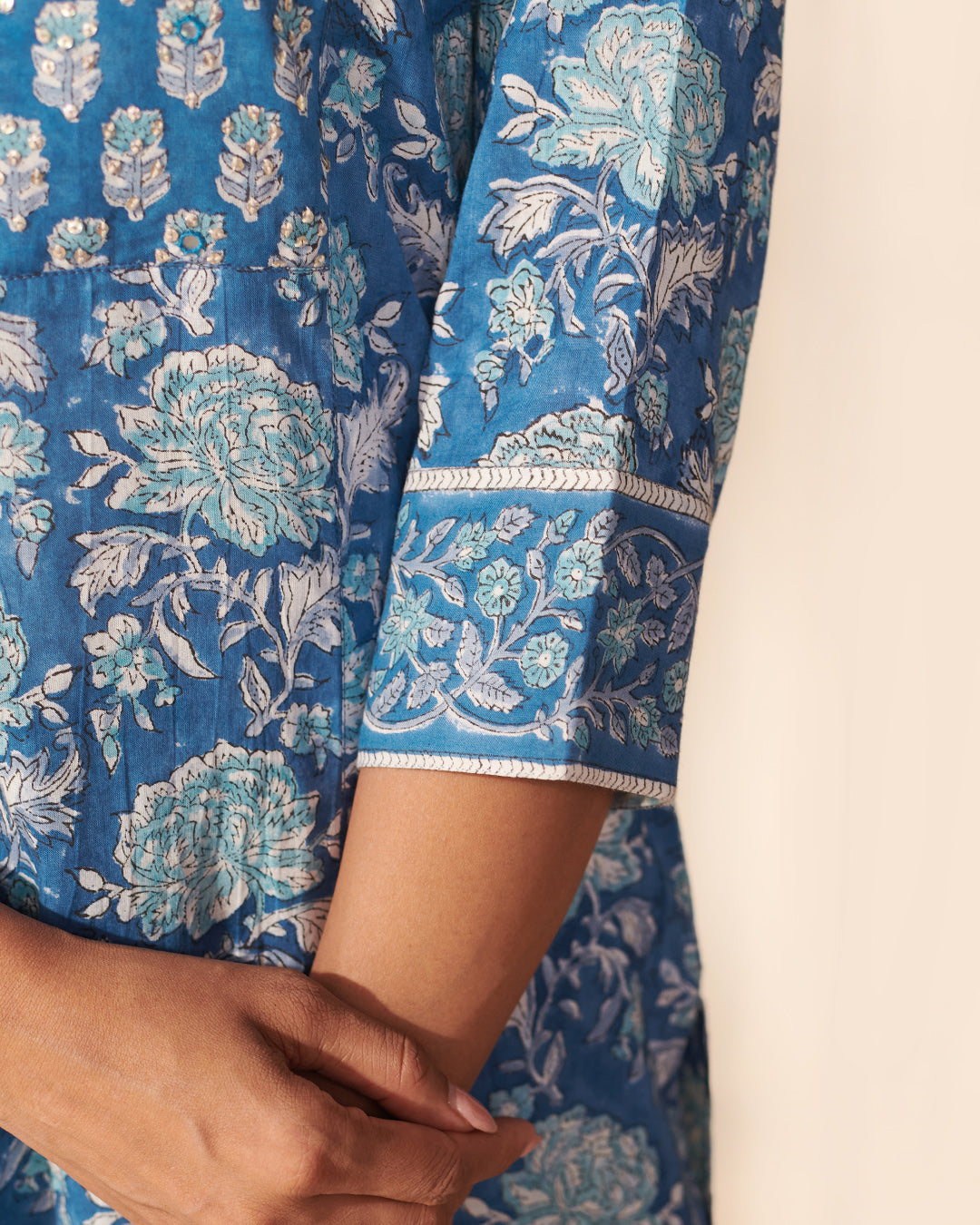
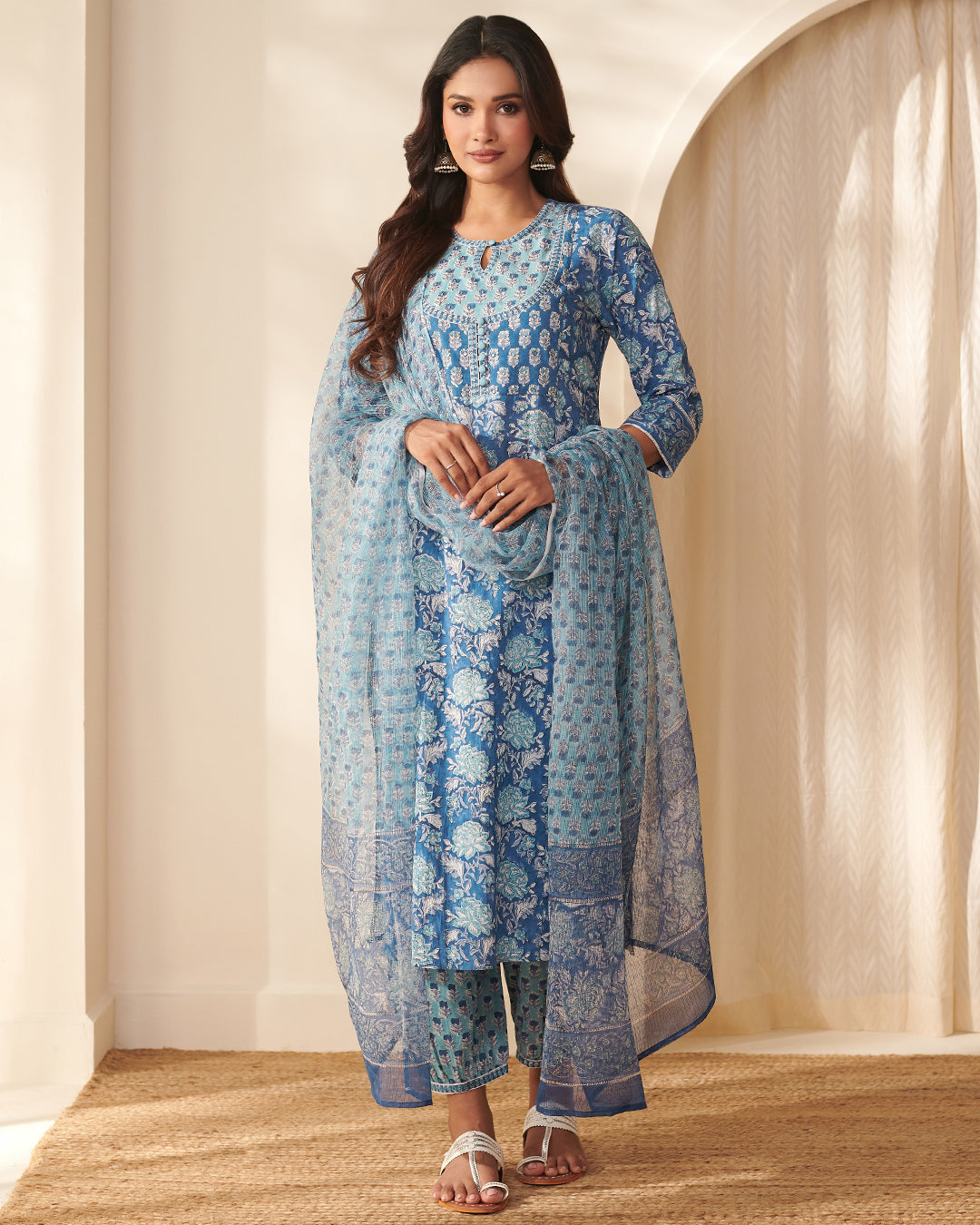
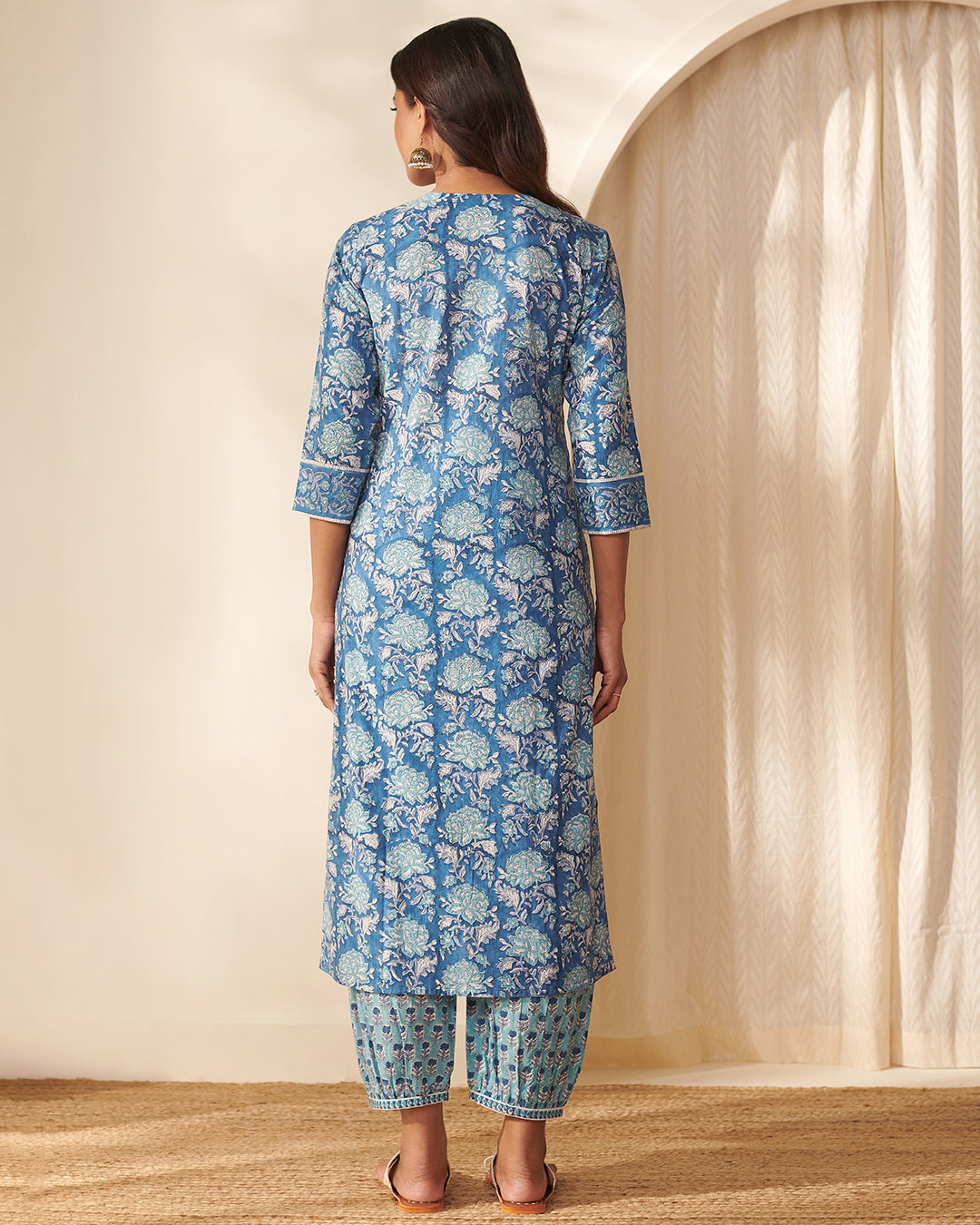
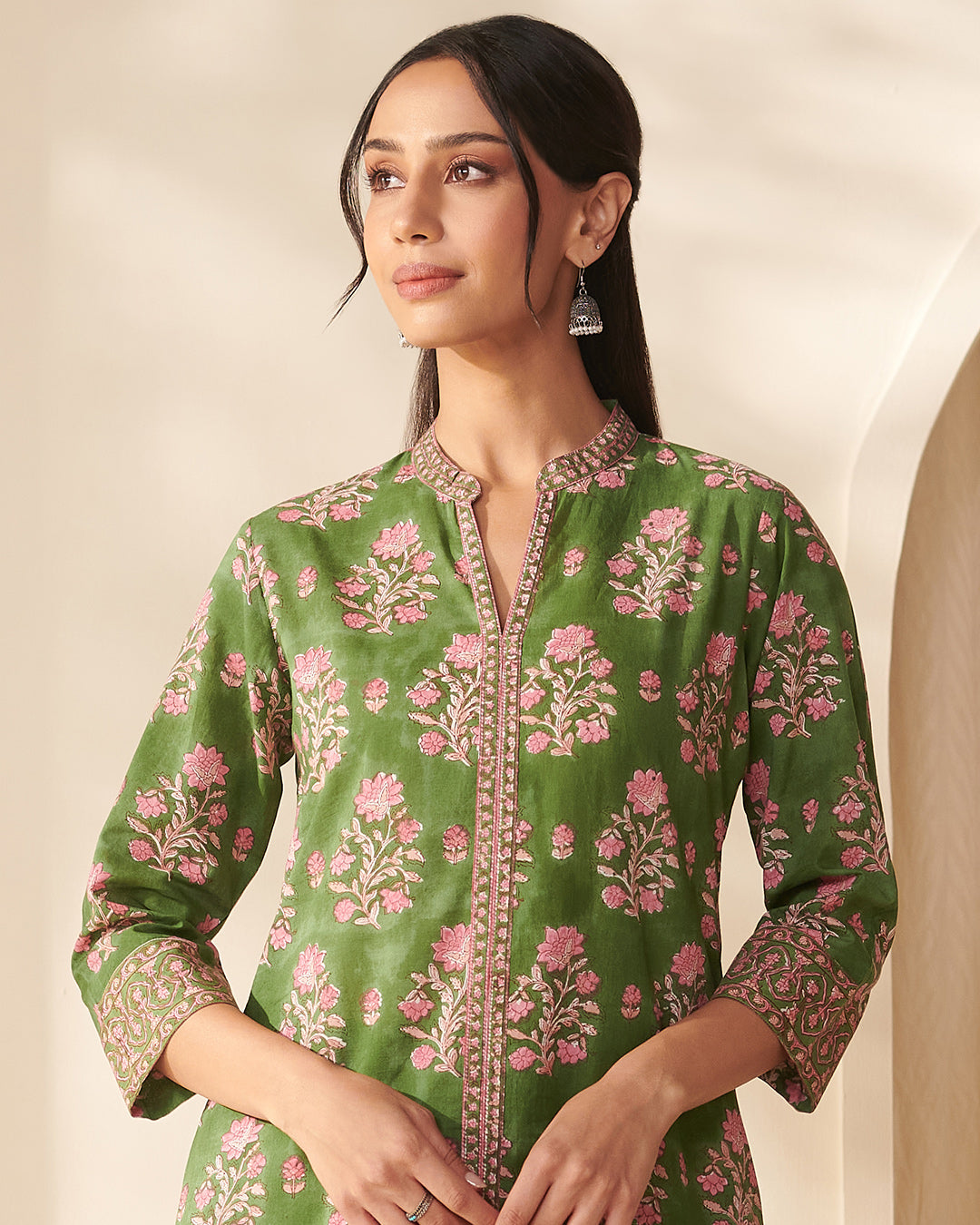
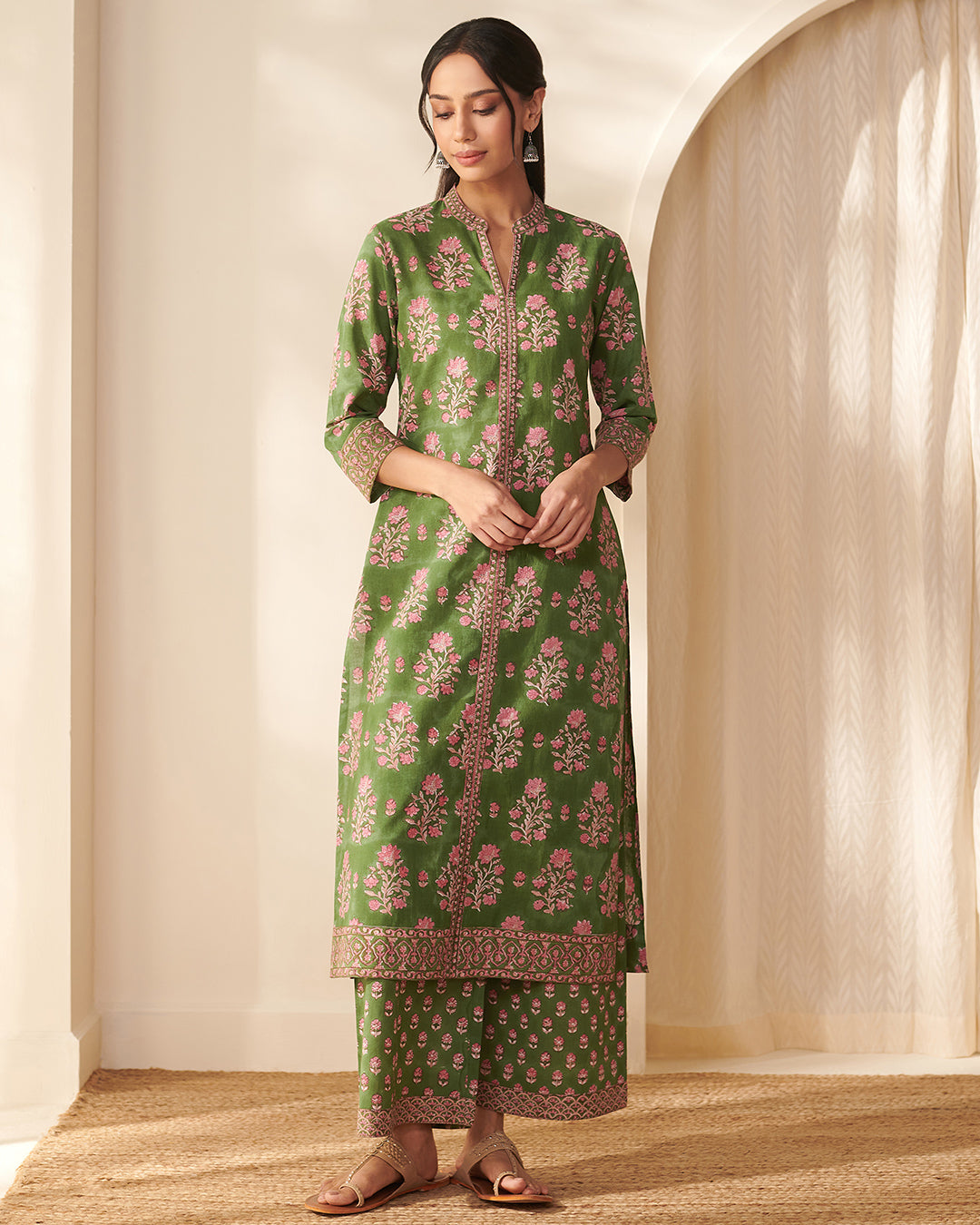
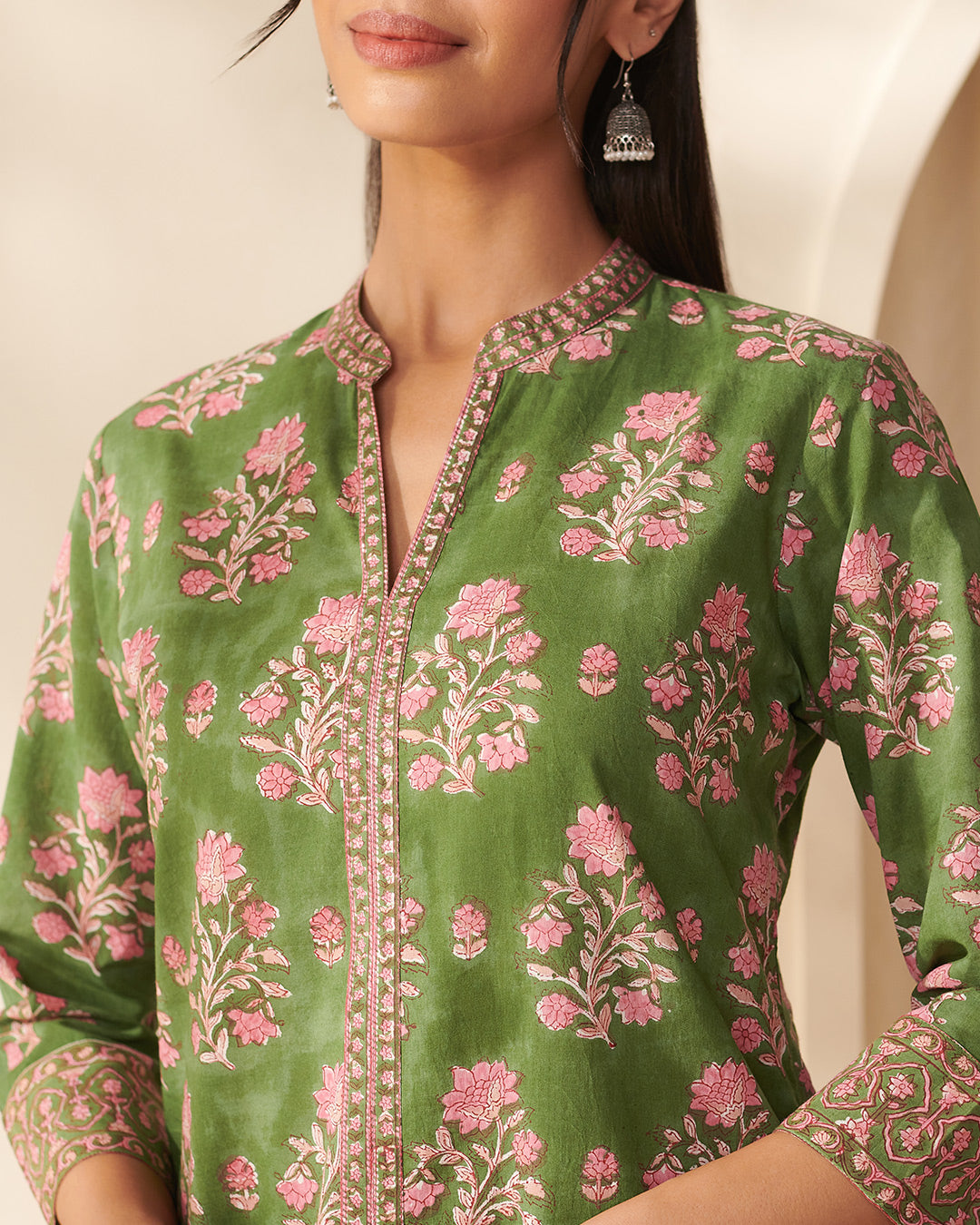
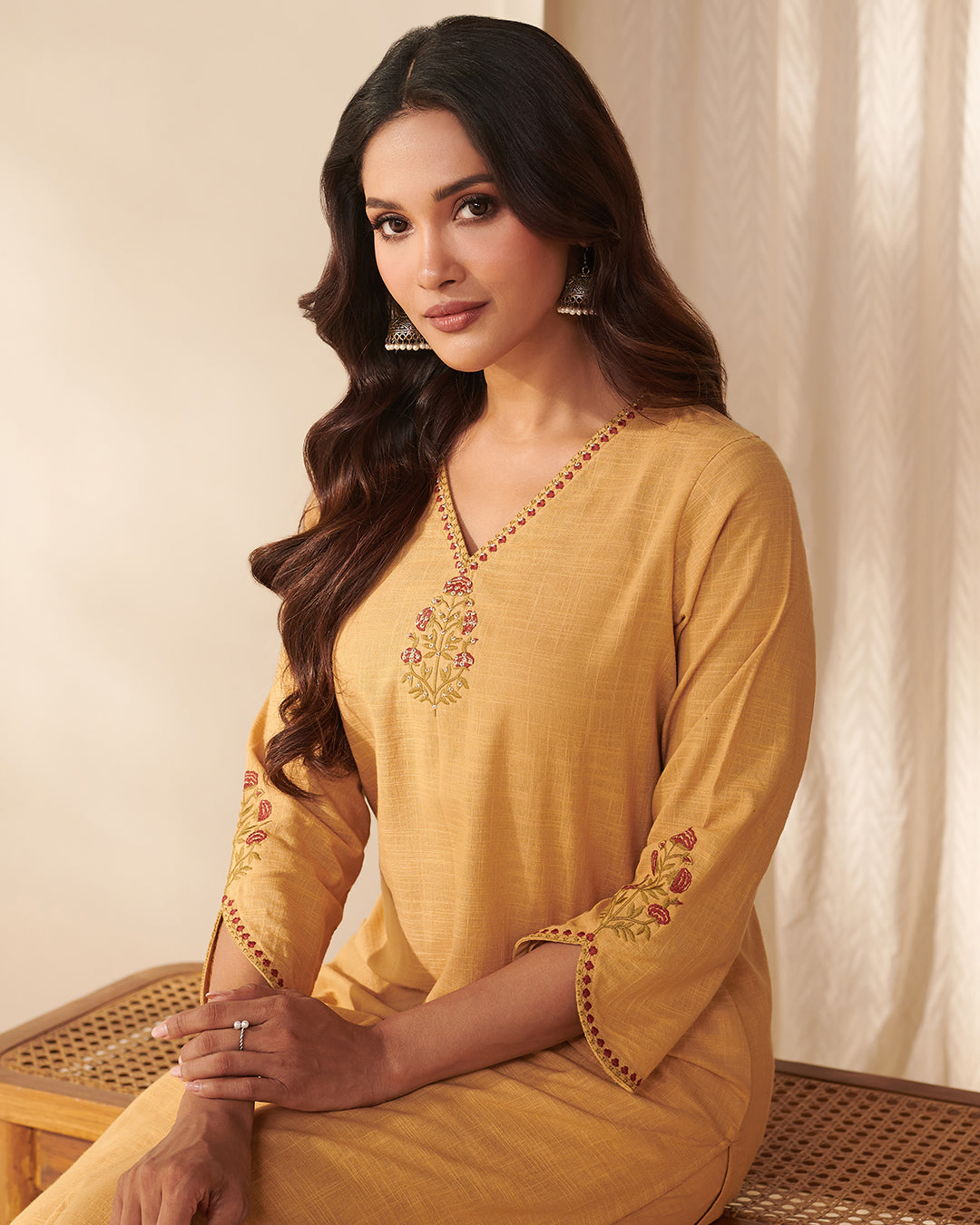
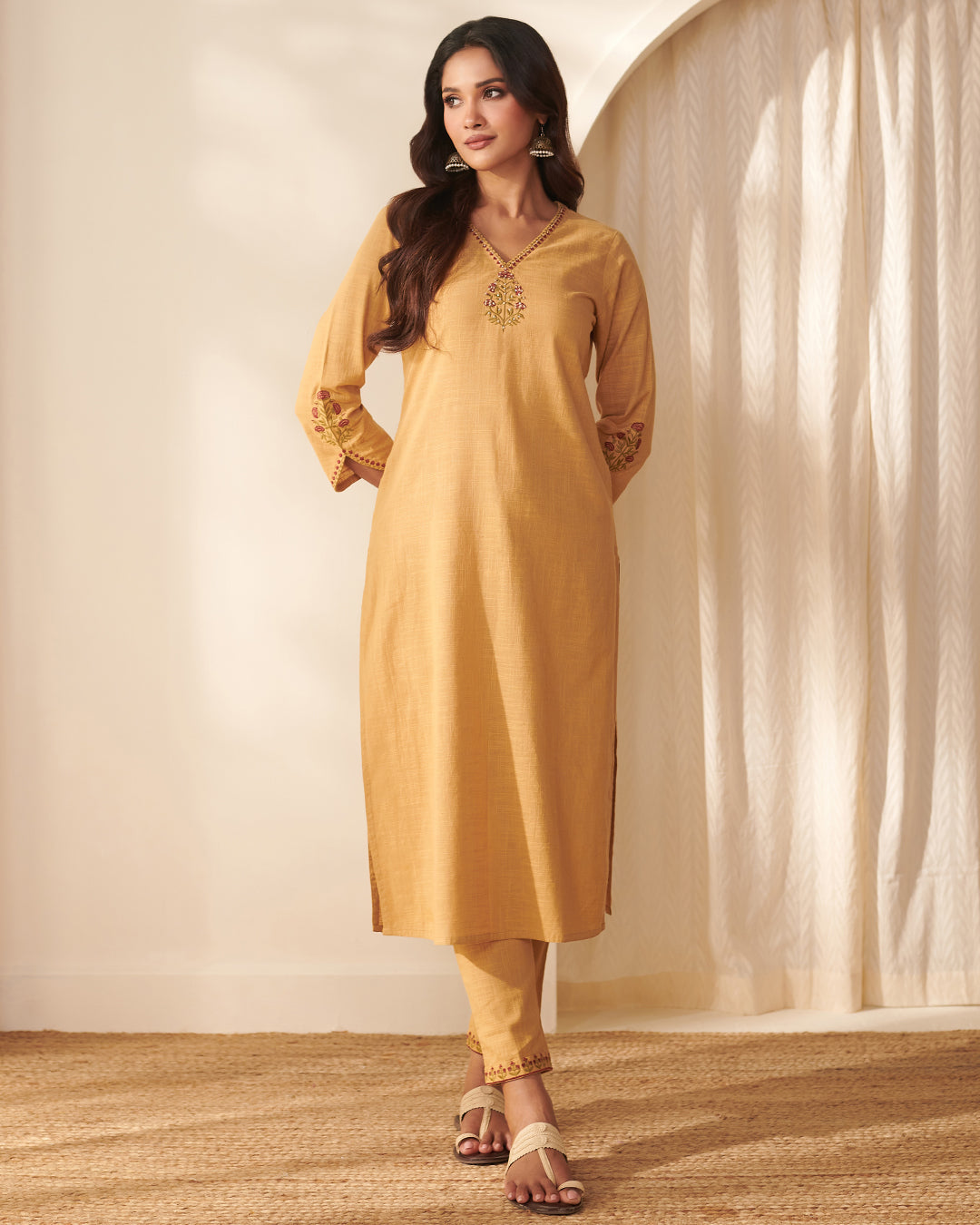
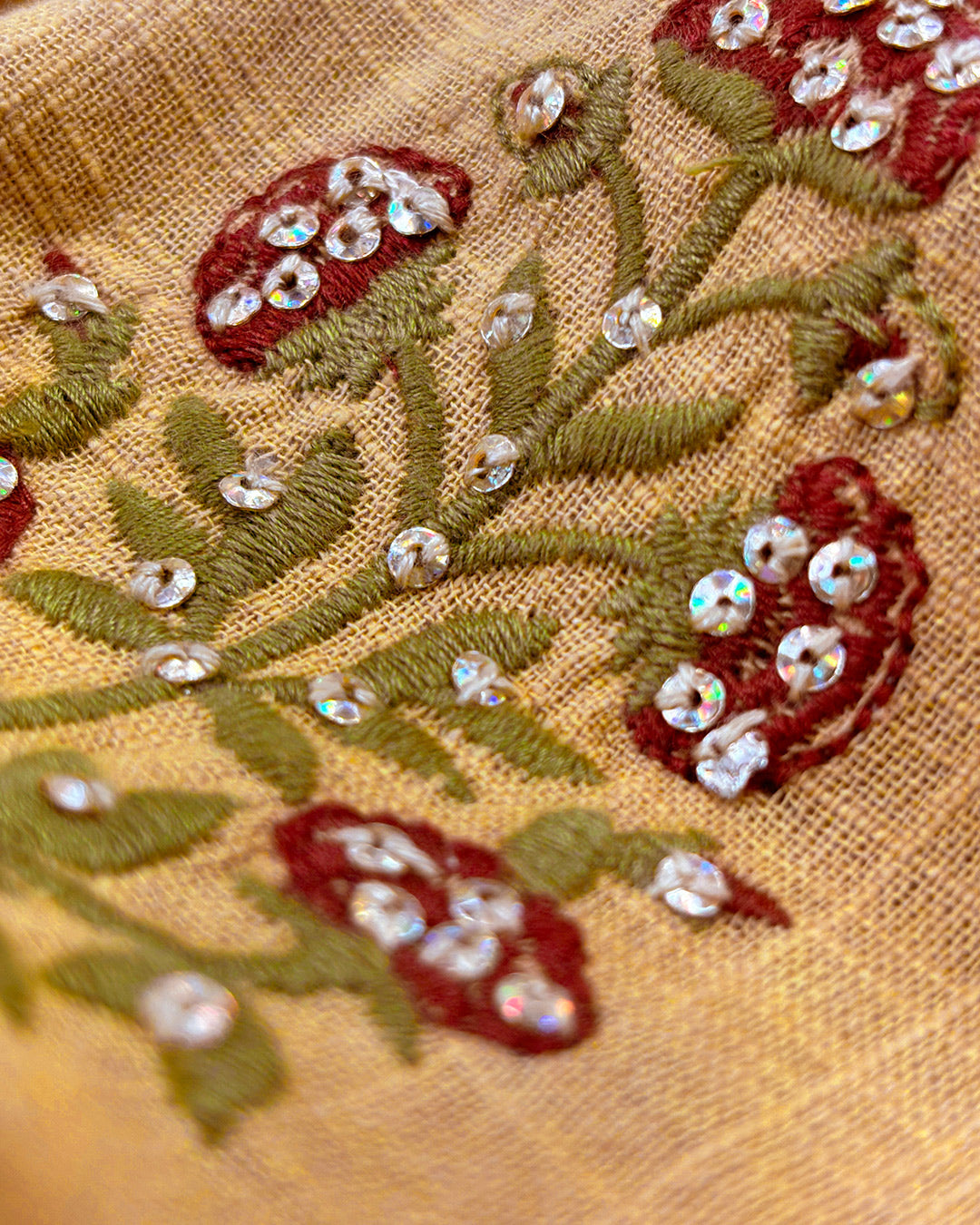
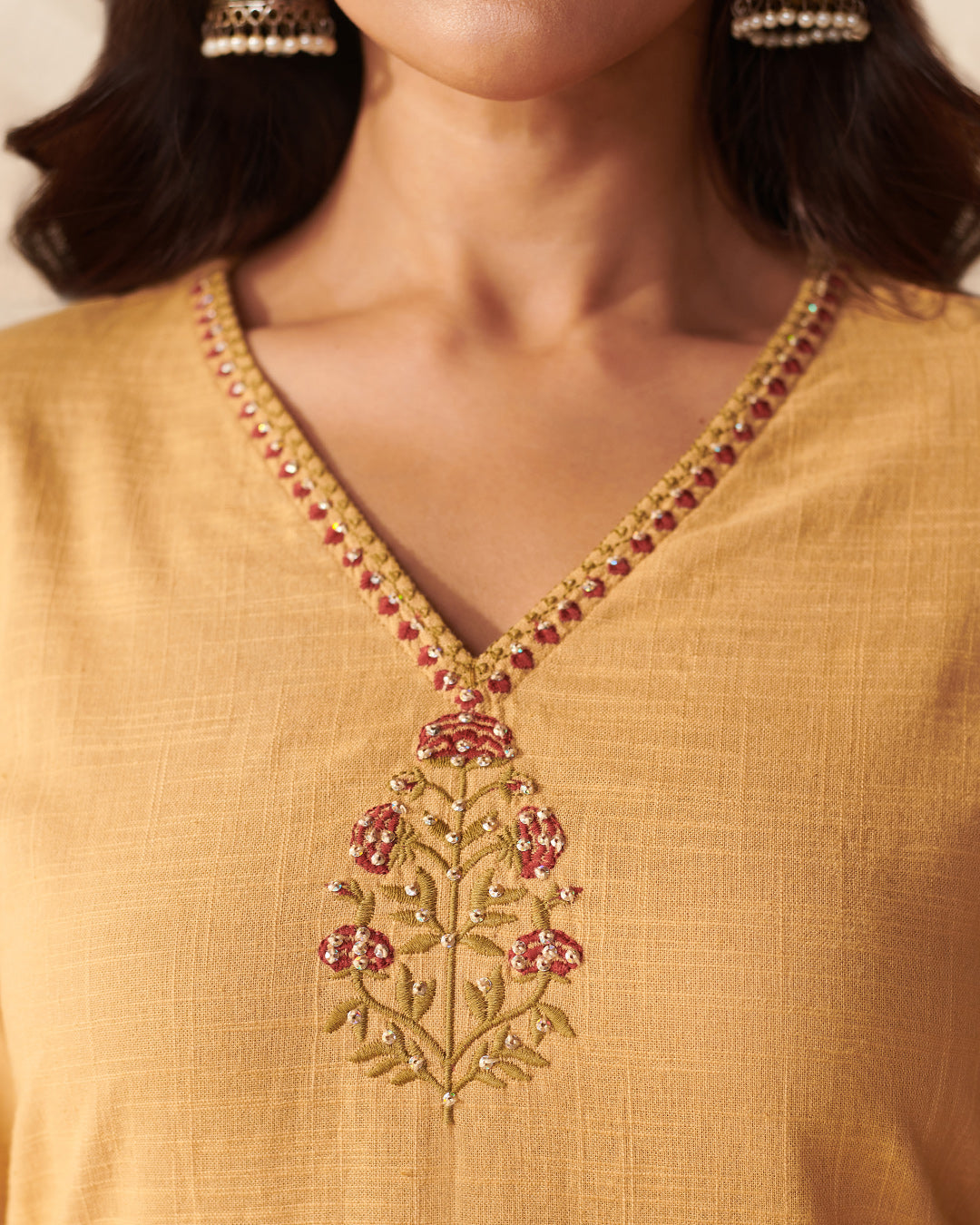
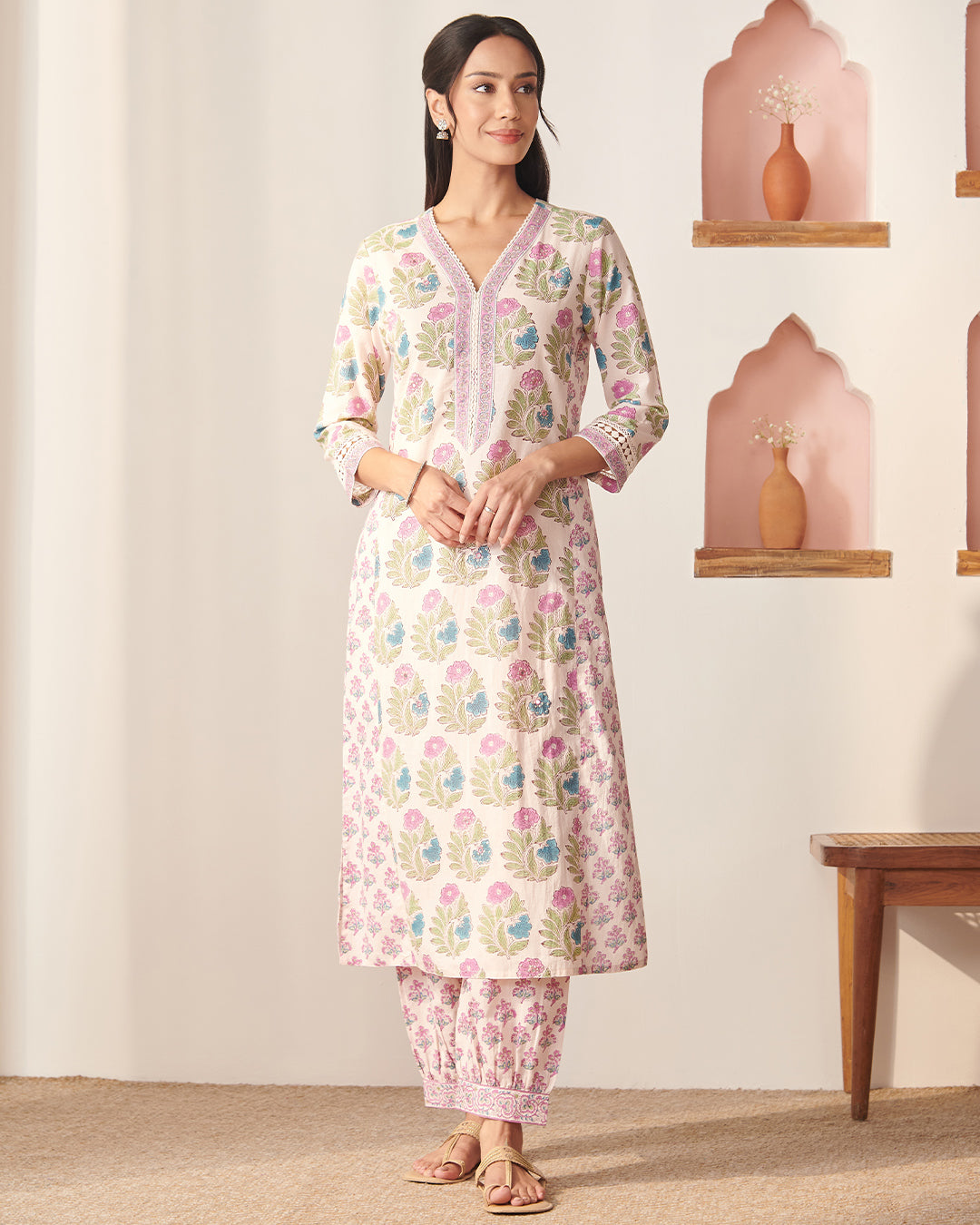
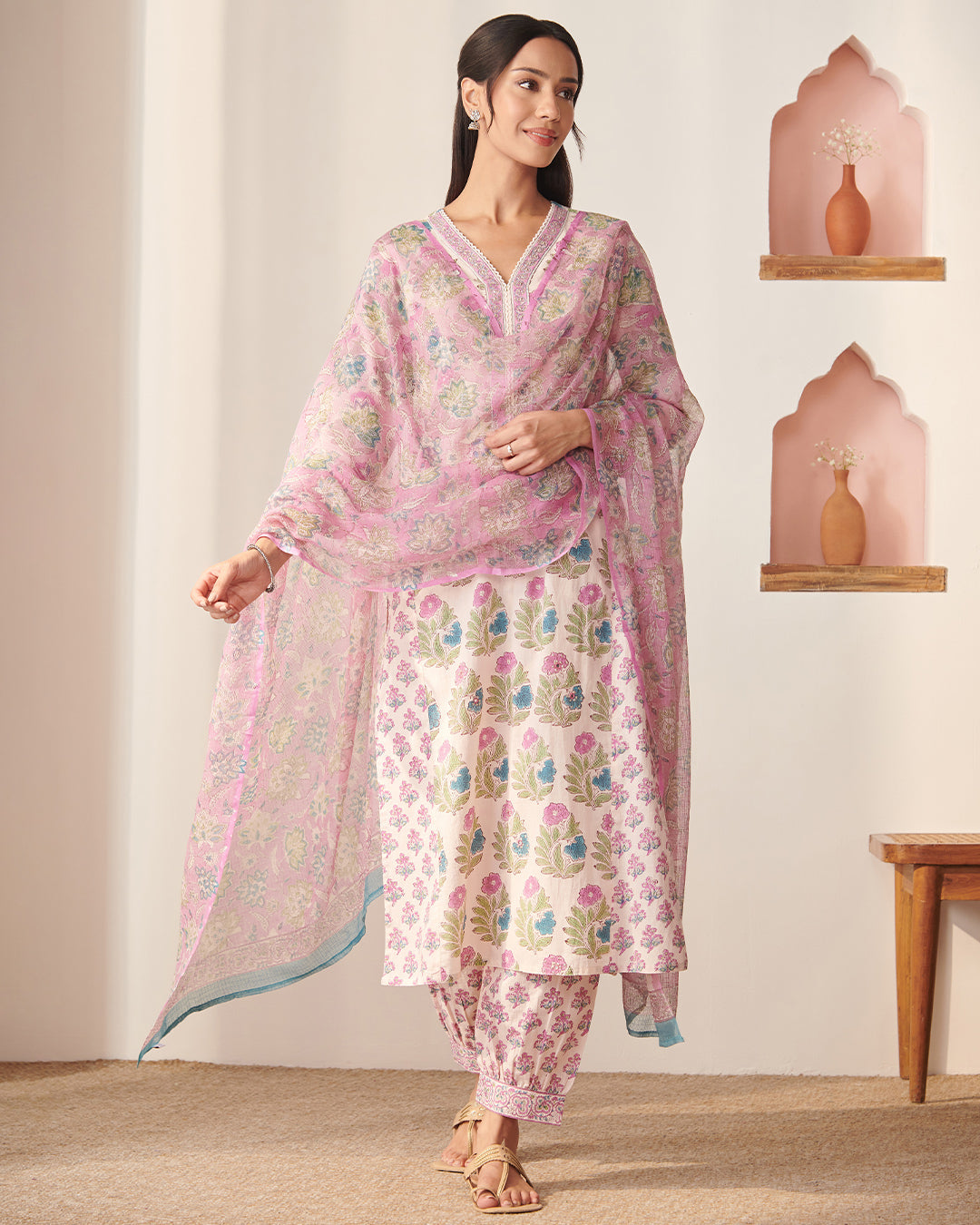
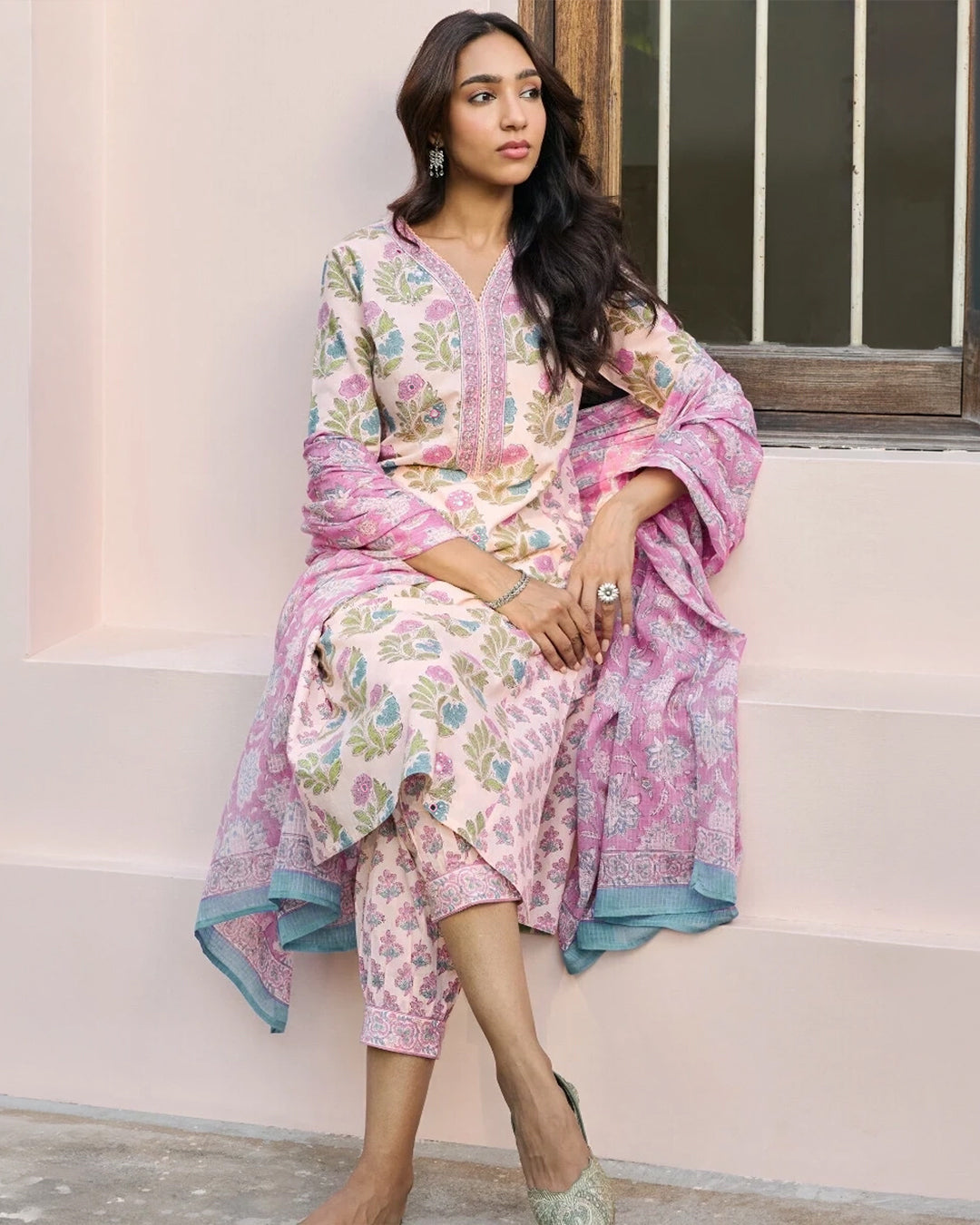
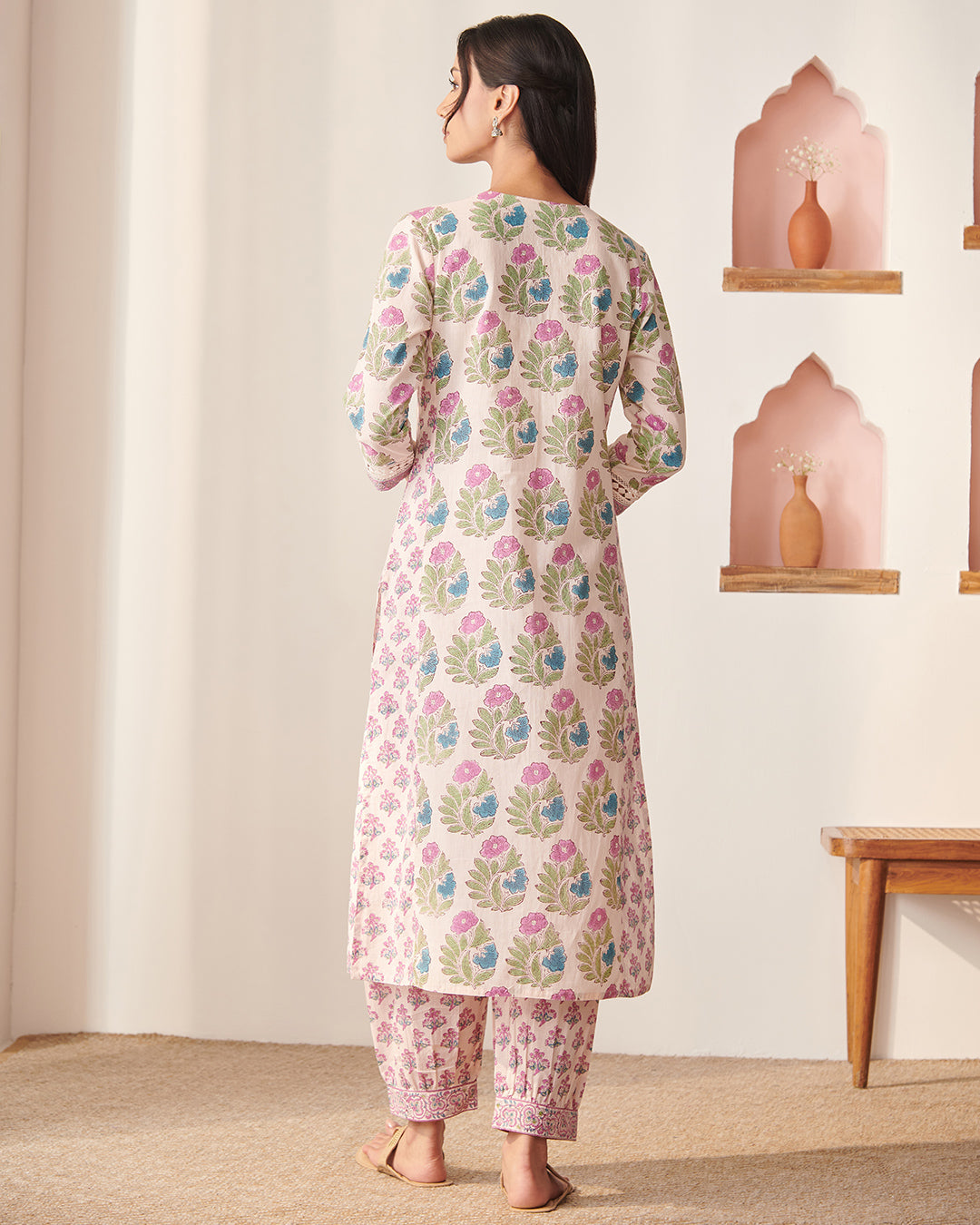
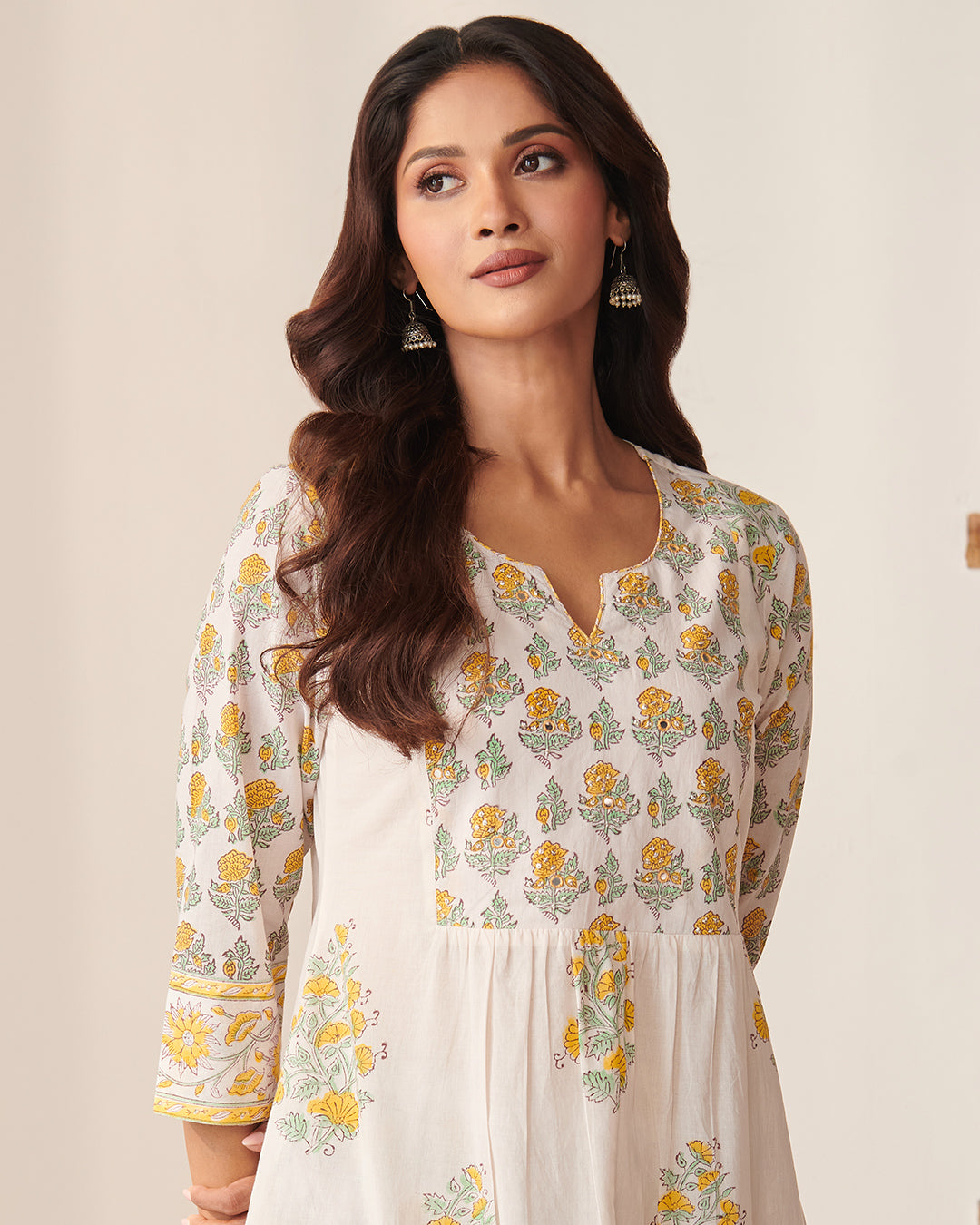
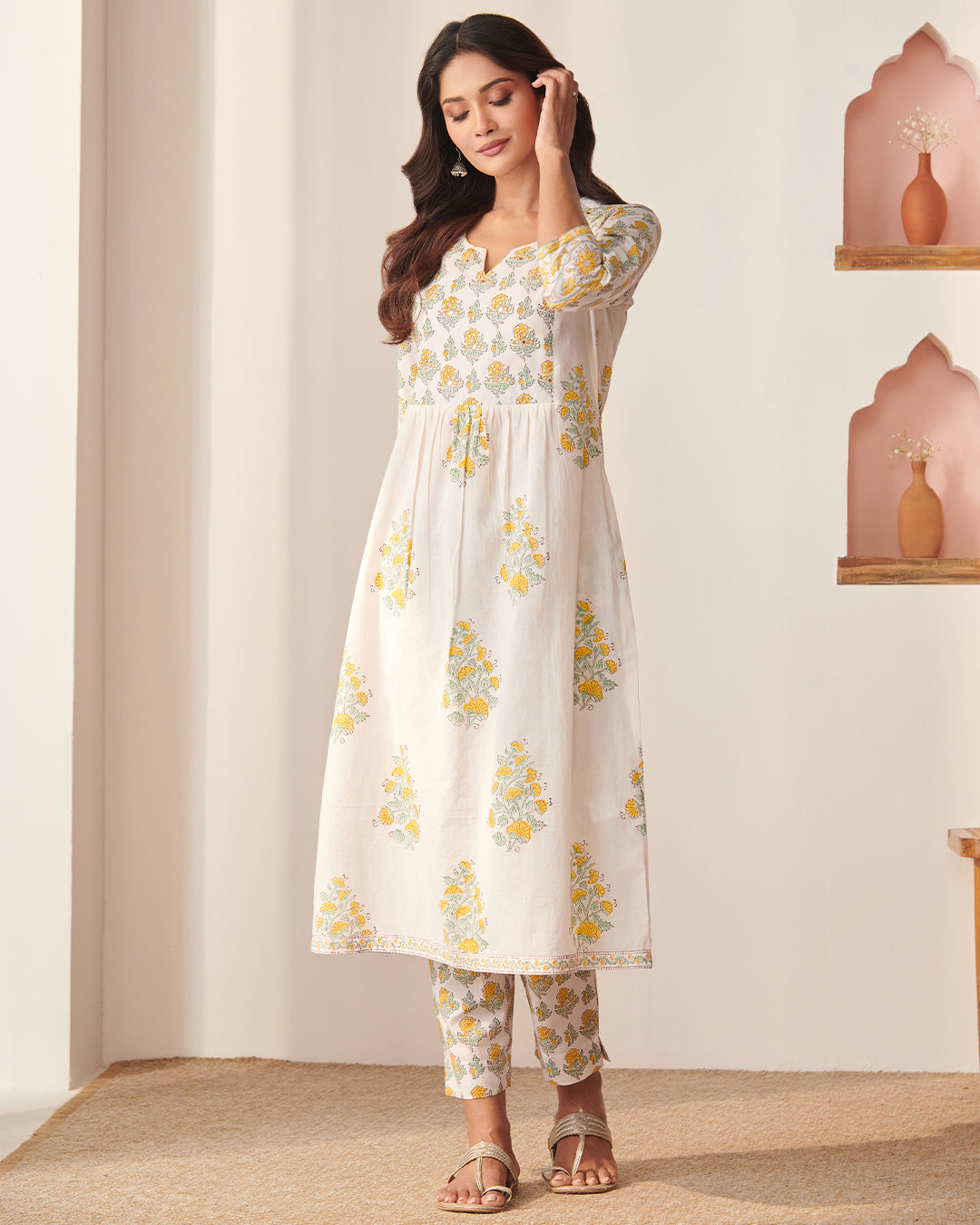
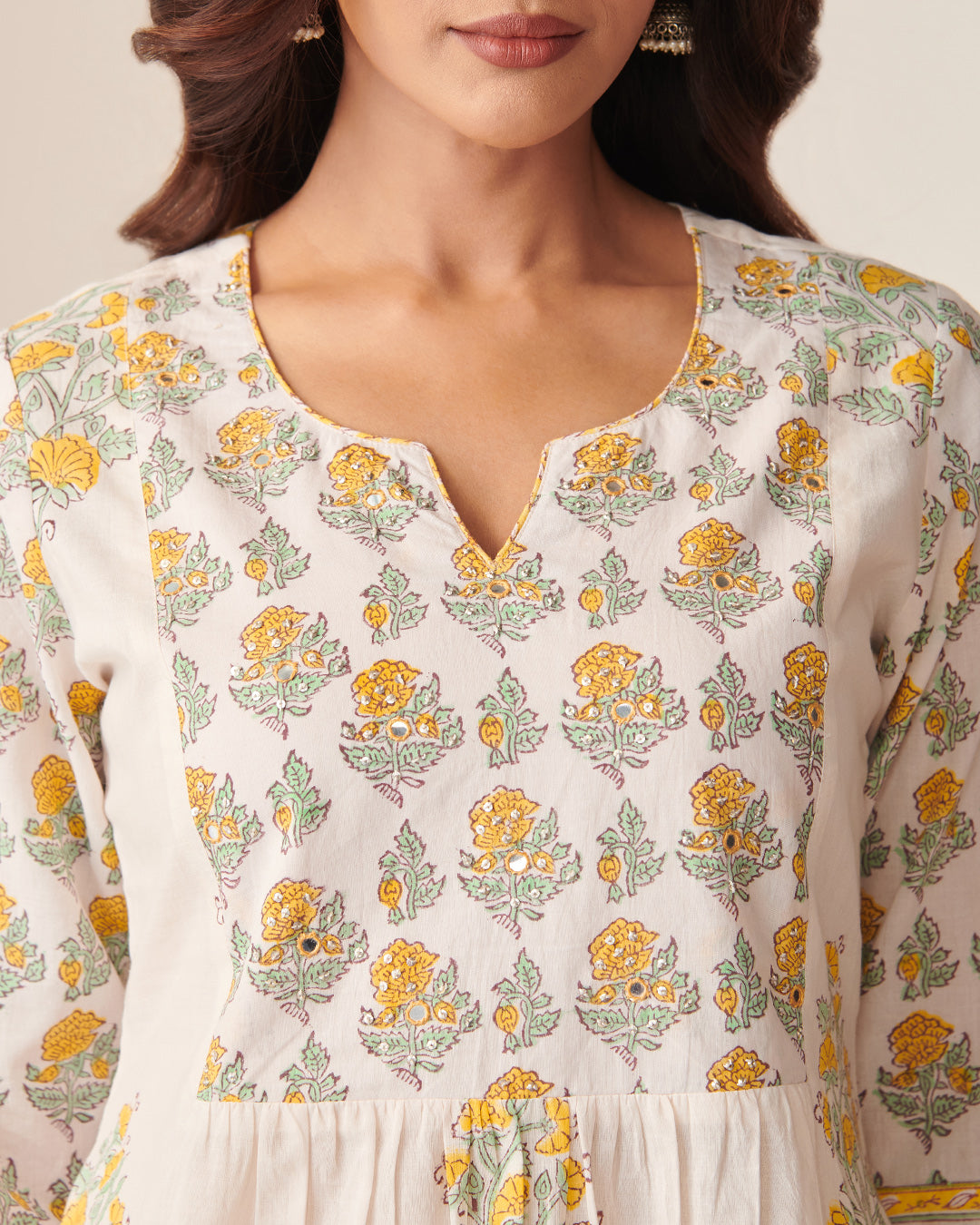


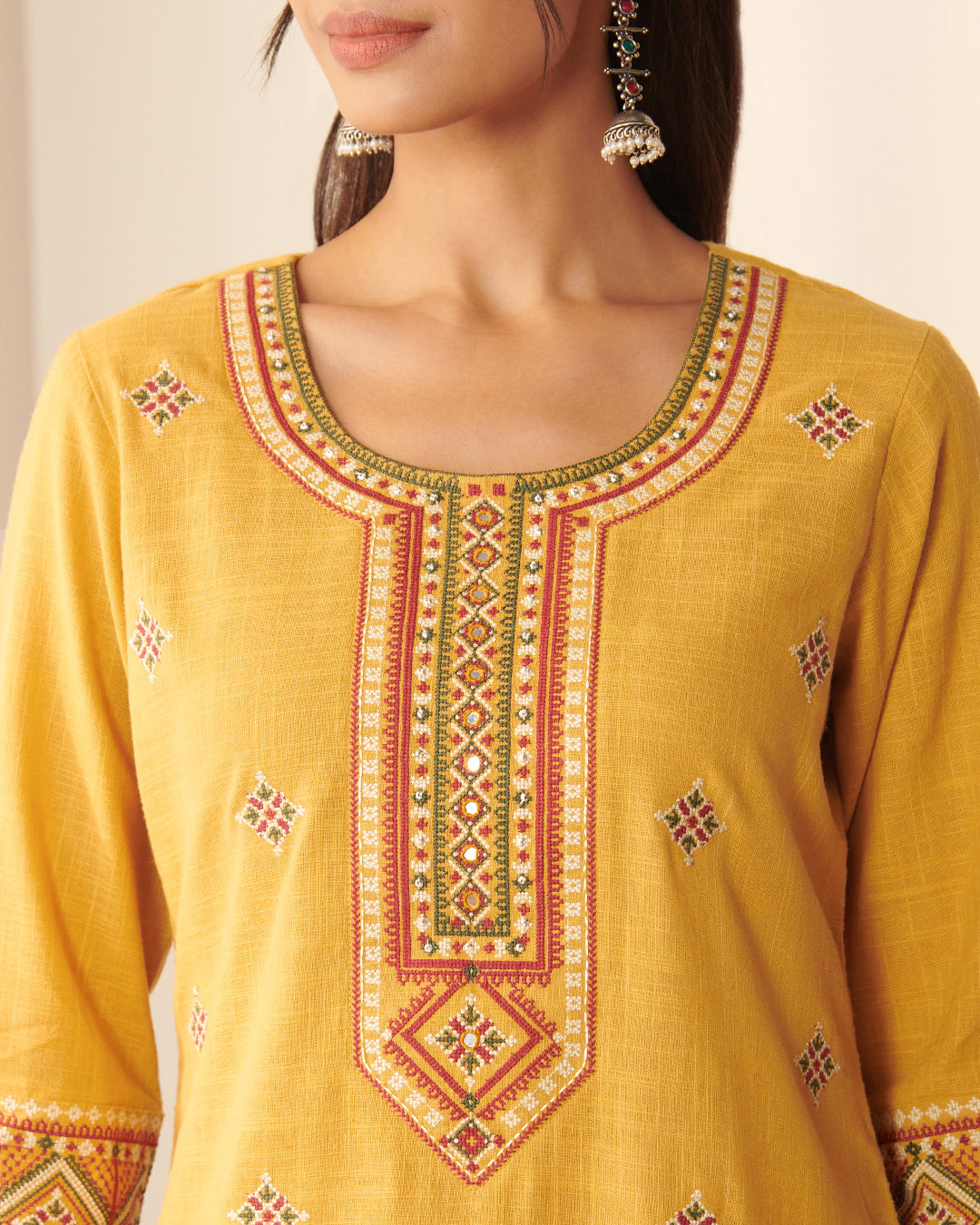
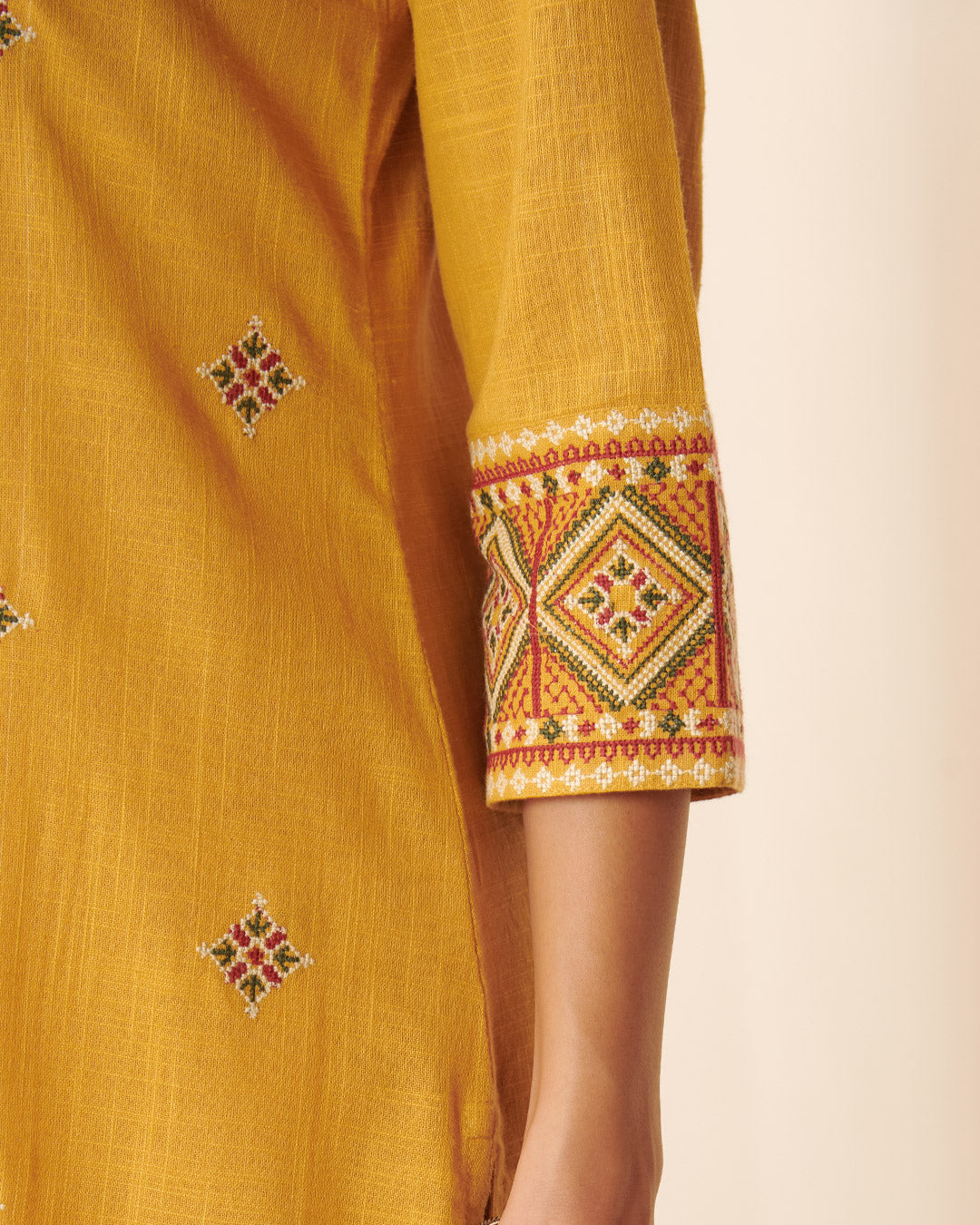
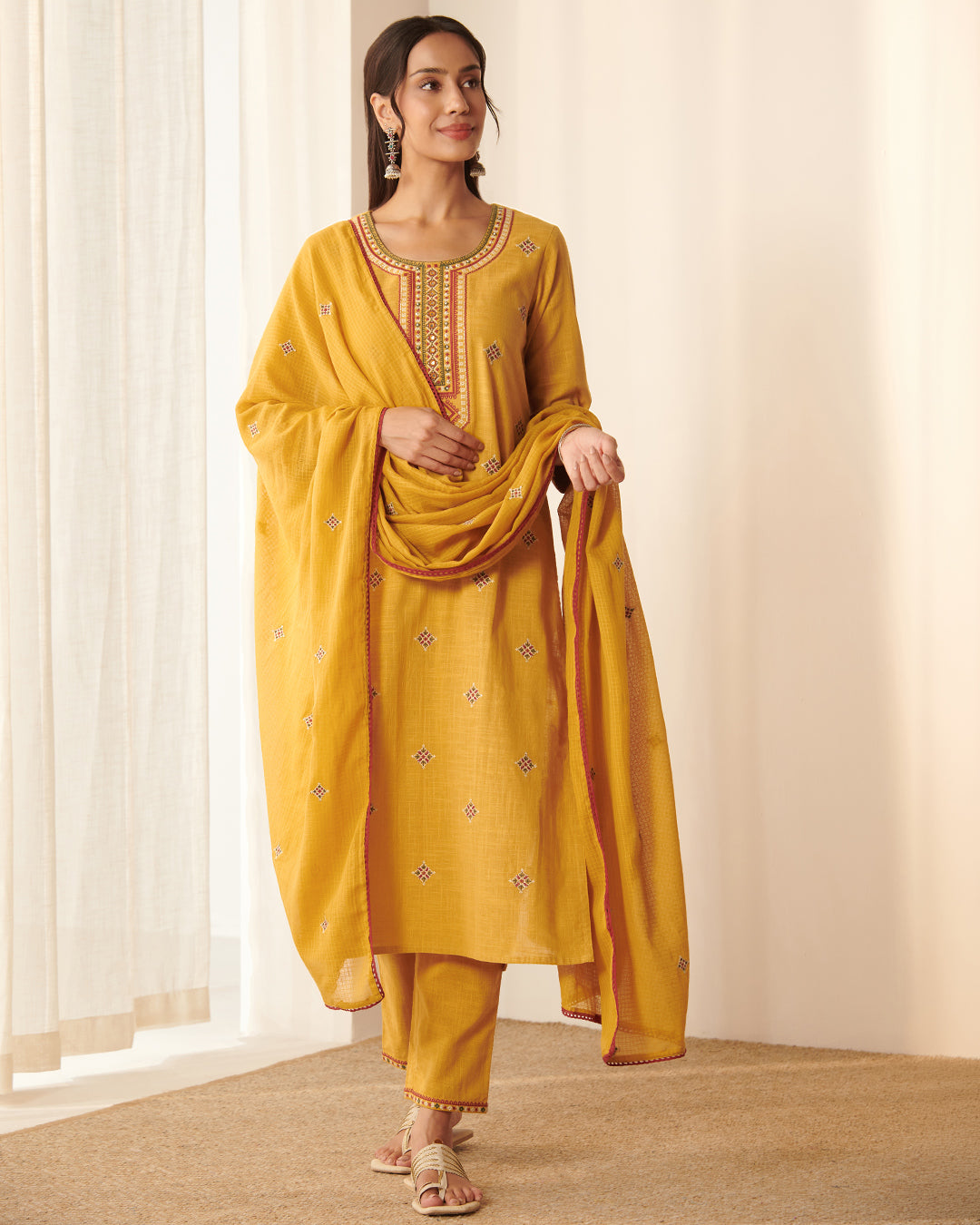
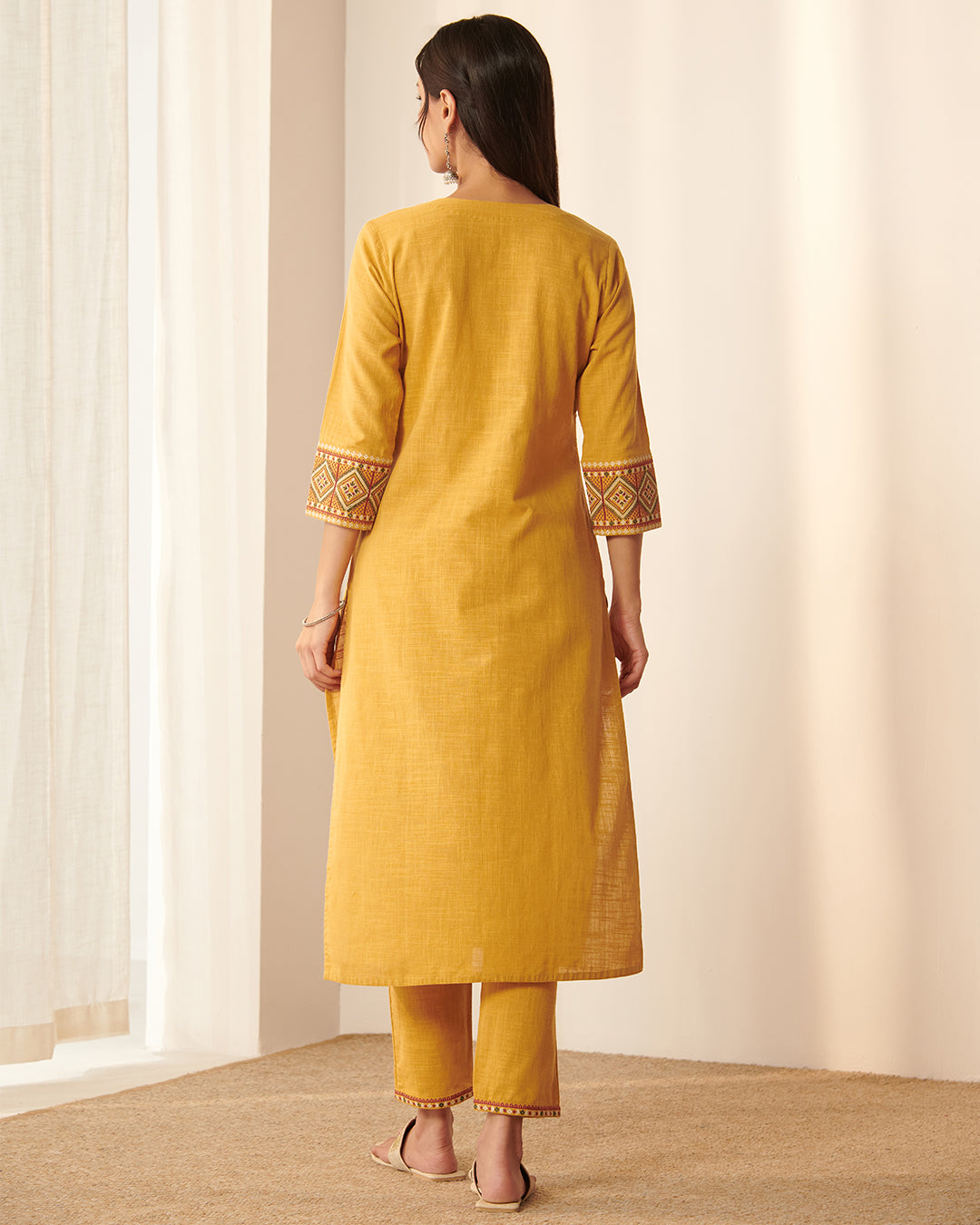
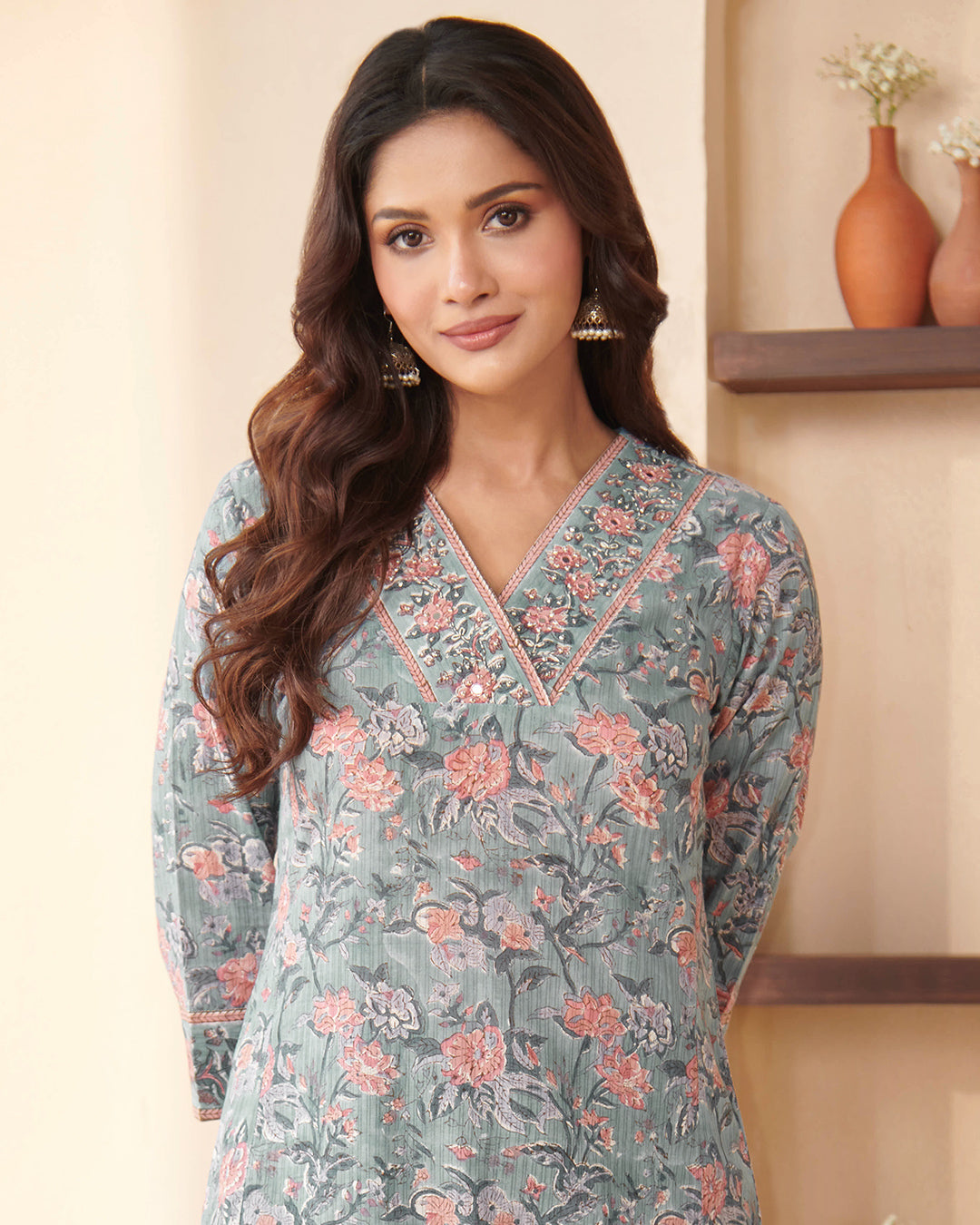
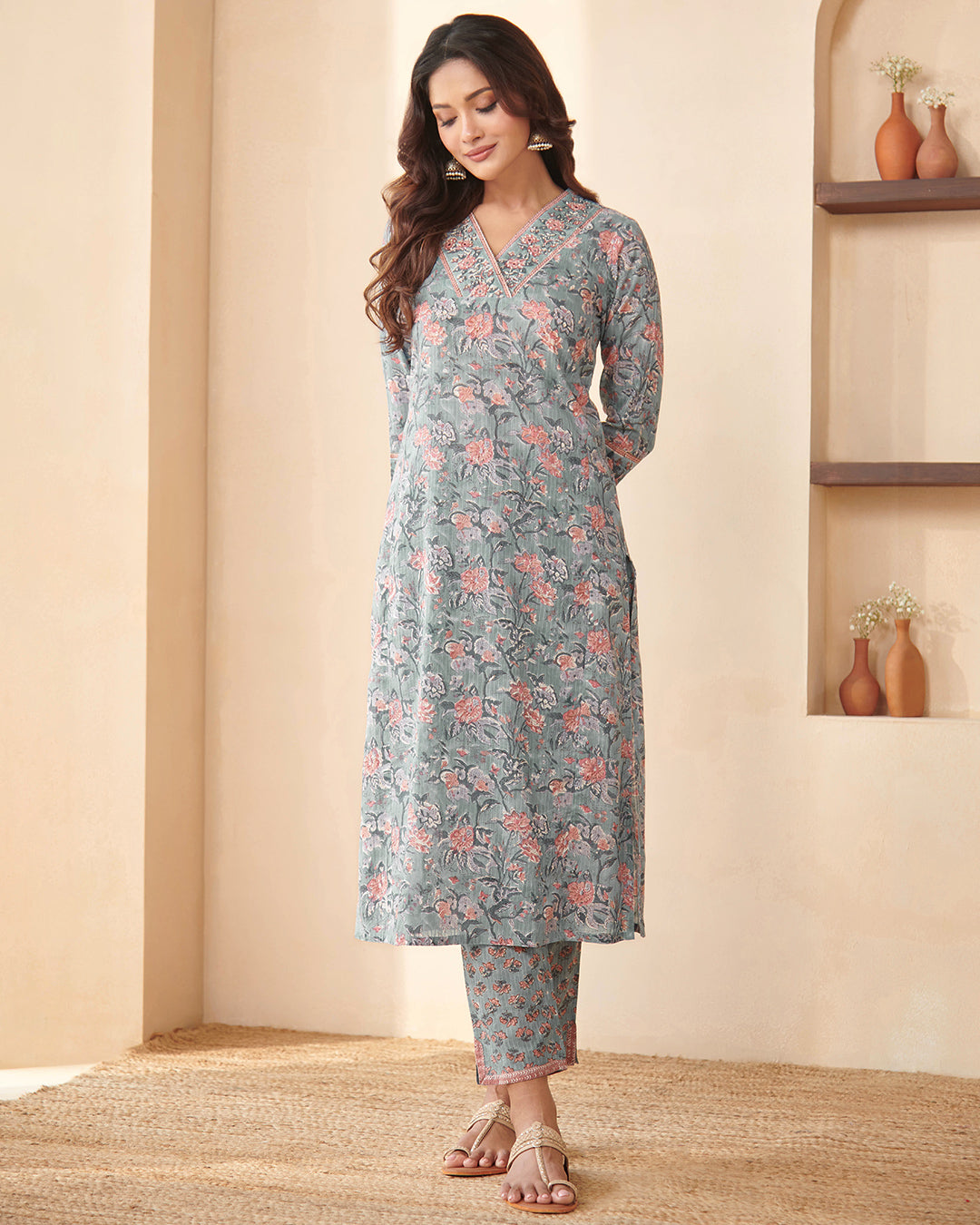
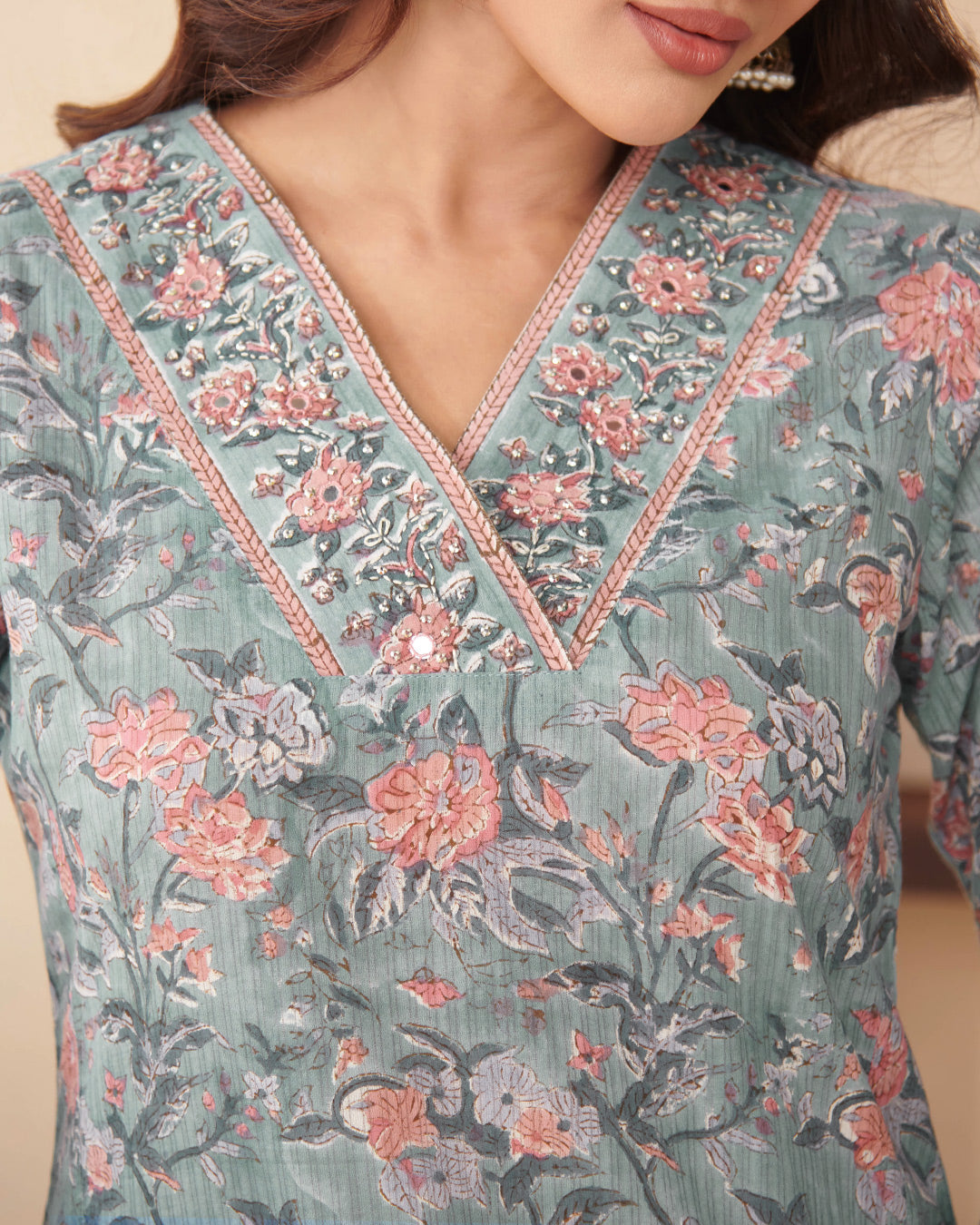
There is something quietly reassuring about wearing a hand-printed fabric in summer. It feels familiar, unhurried, and connected to a way of making clothes that has little to do with seasons dictated by trends.
Akola hand prints carry that feeling beautifully. Rooted in Rajasthan, the craft brings together natural fabrics, traditional printing methods, and motifs that have been part of Indian textile traditions for generations. Each piece has its own character, shaped by the hands and processes behind it.
For summer, this matters. We look for clothes that allow the skin to breathe, colours that feel at ease in strong sunlight, and prints that do not demand too much from us. Akola does all of this naturally. It also offers something more enduring: a reminder that clothing can be made slowly, worn often, and valued for the story held within it.
What Makes Akola Hand Prints Special?

A Traditional Craft Rooted in Rajasthan
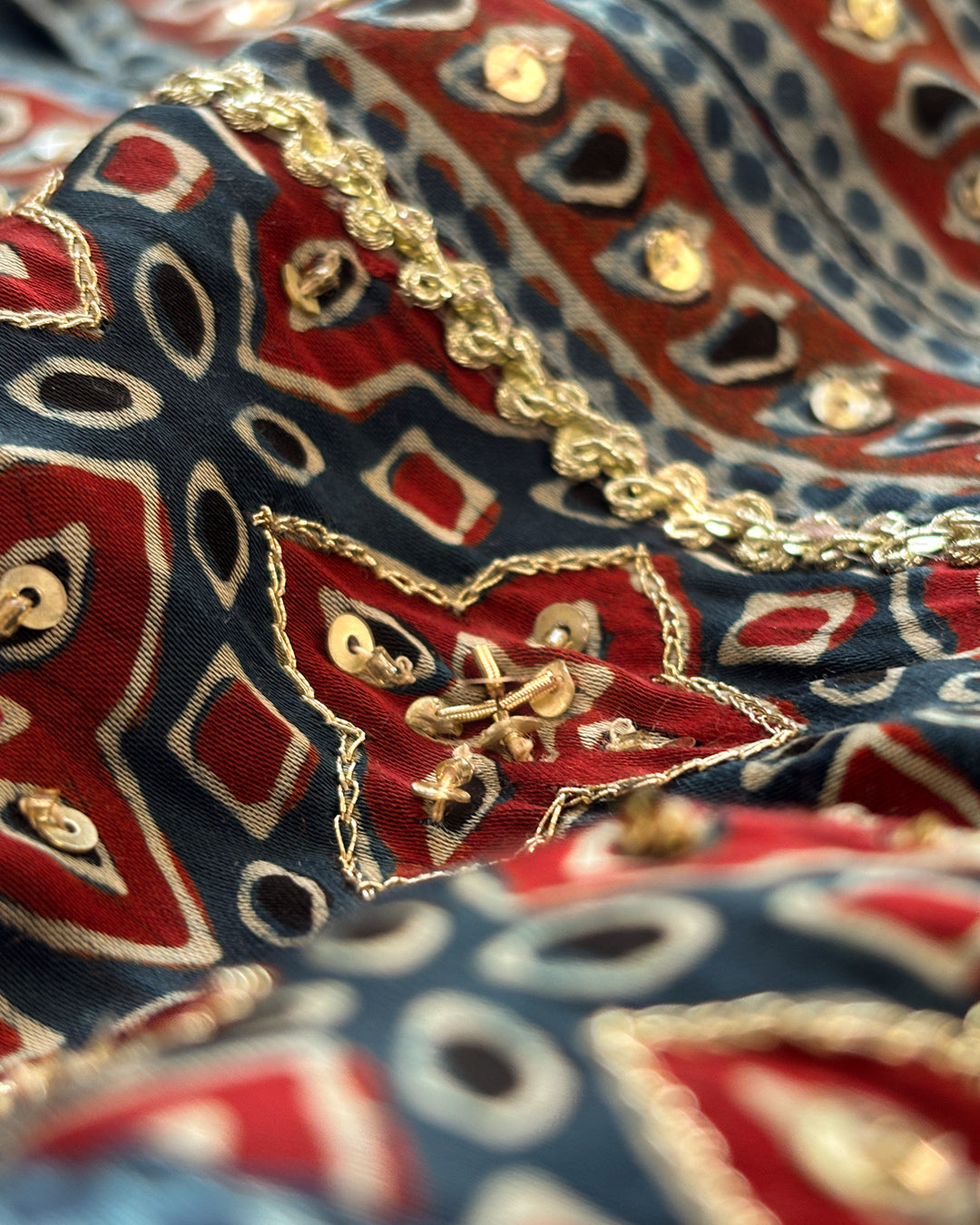
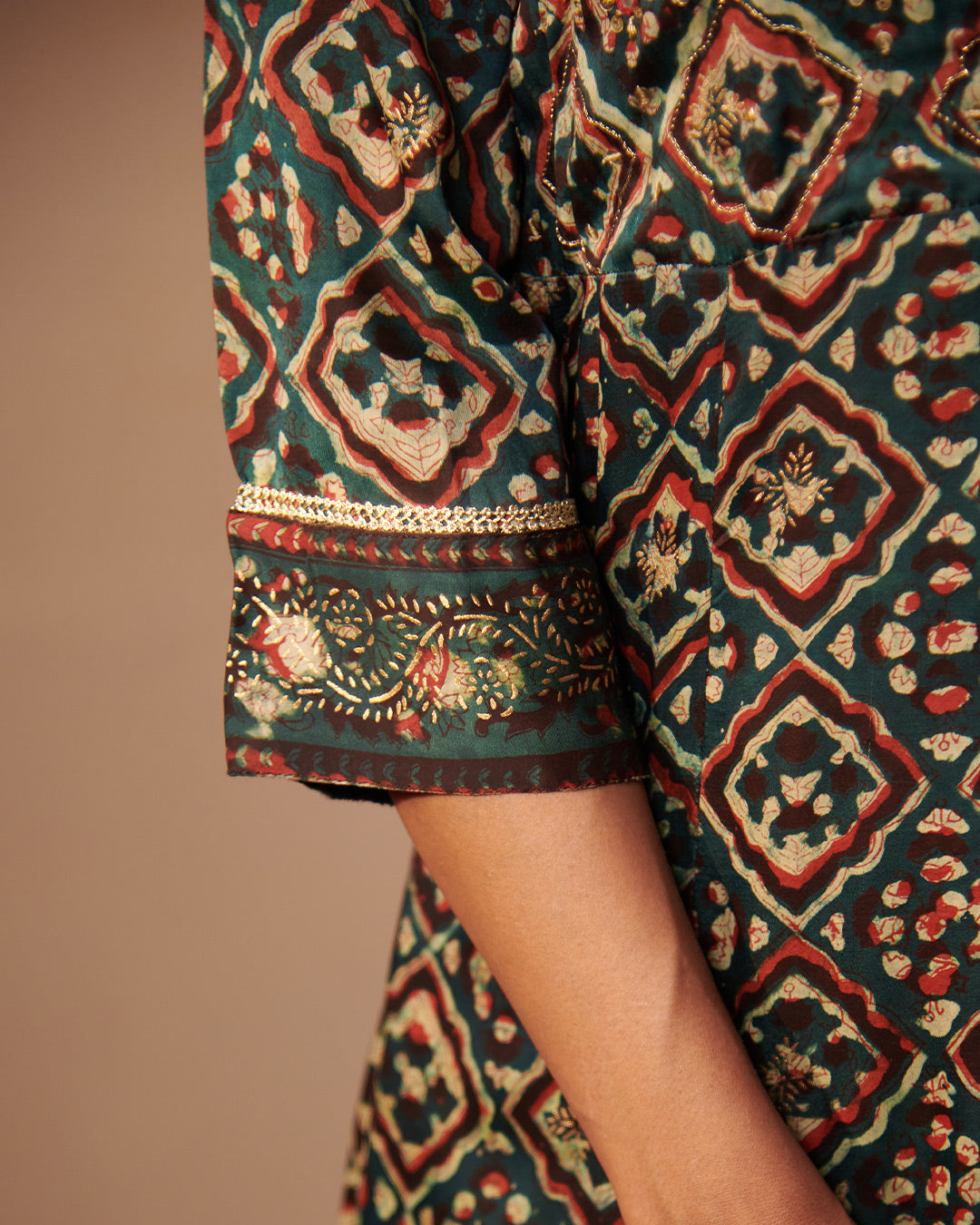
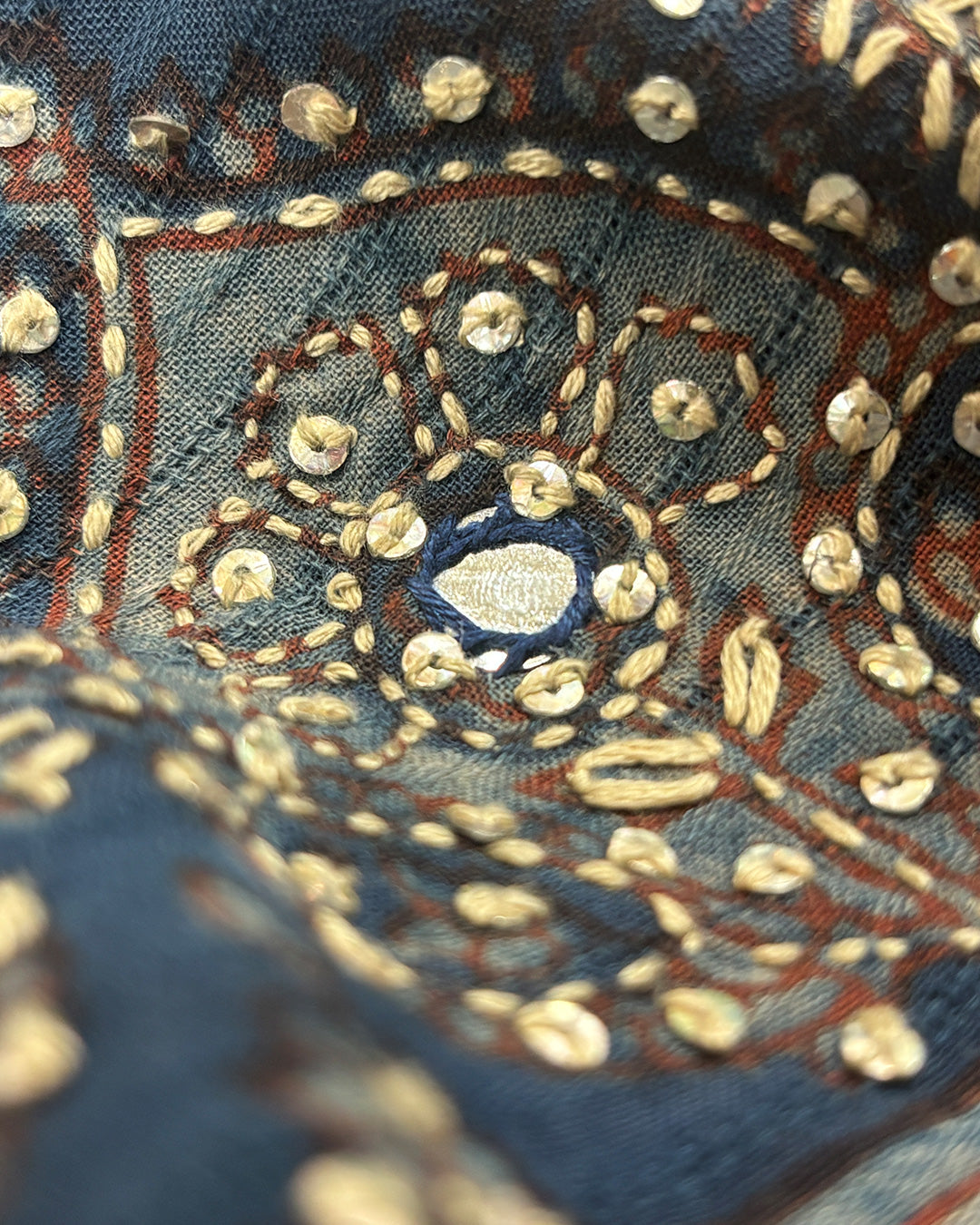
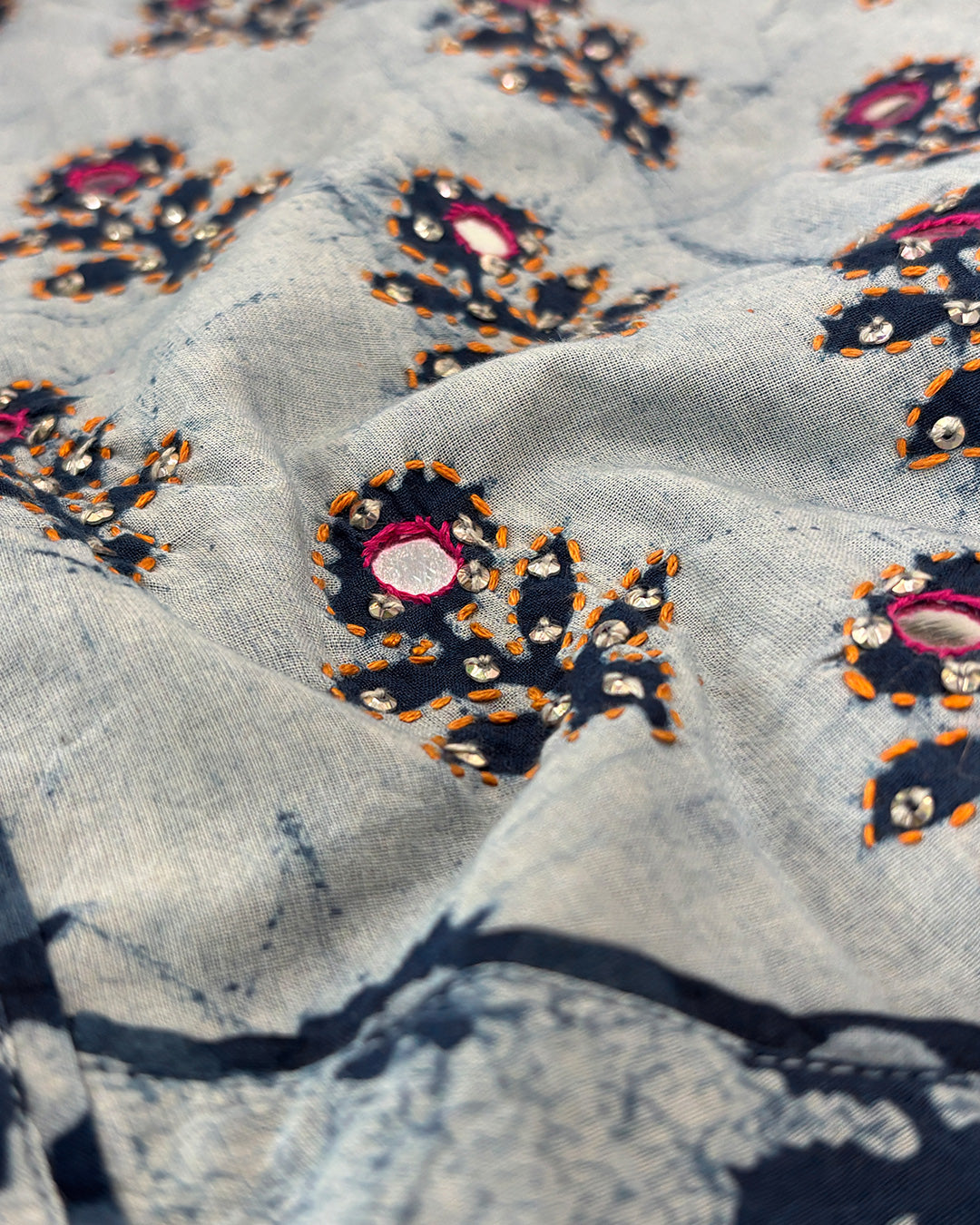
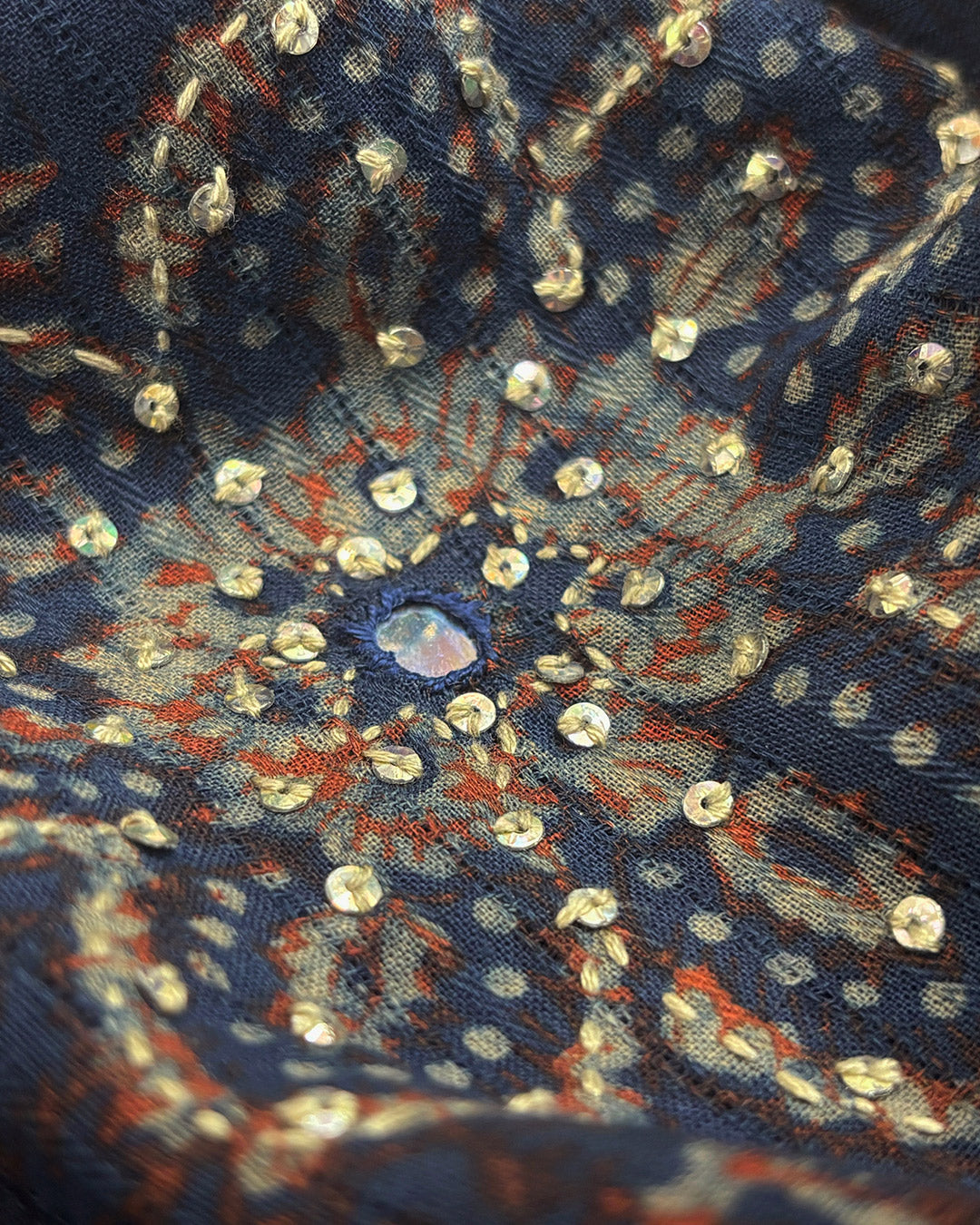
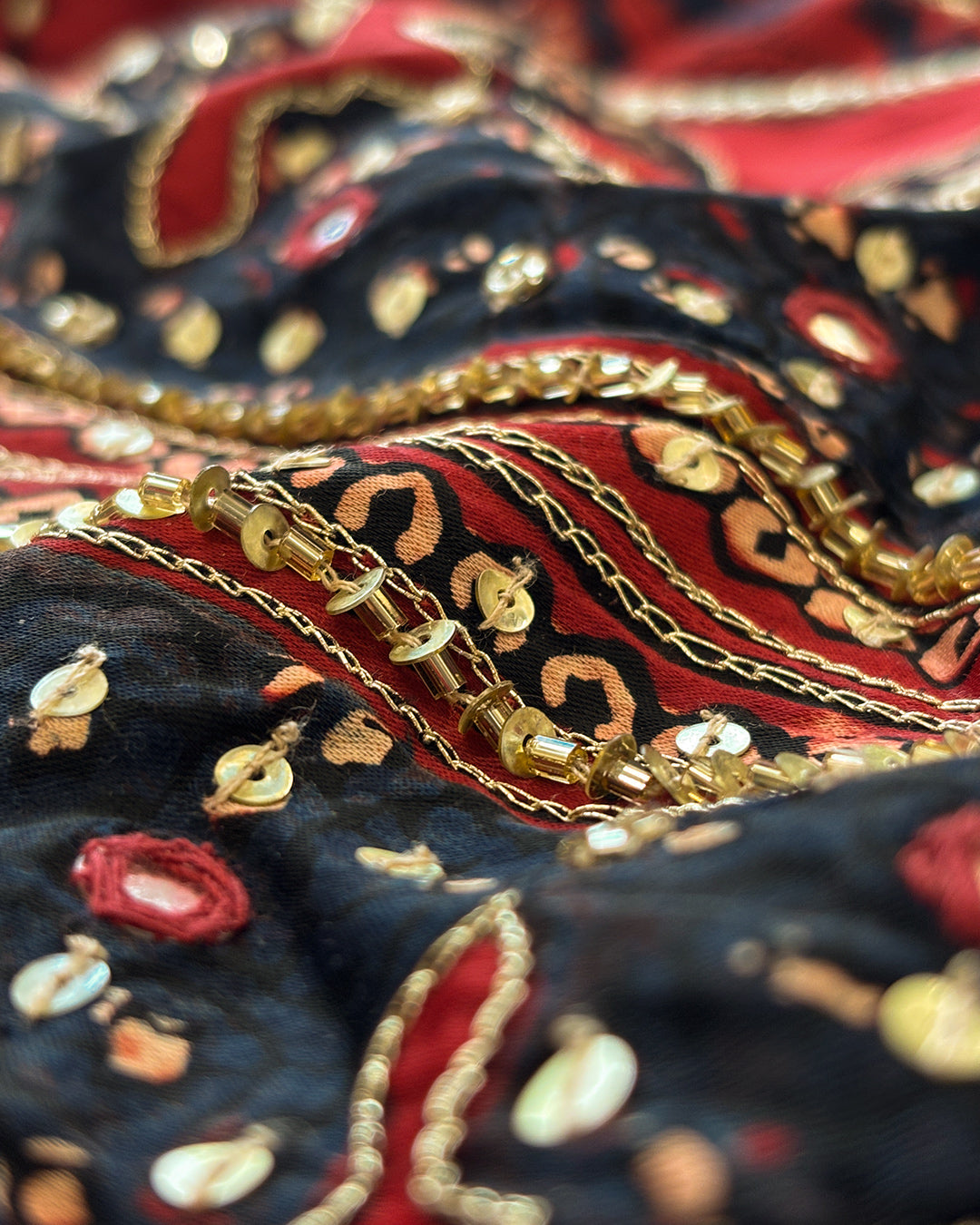
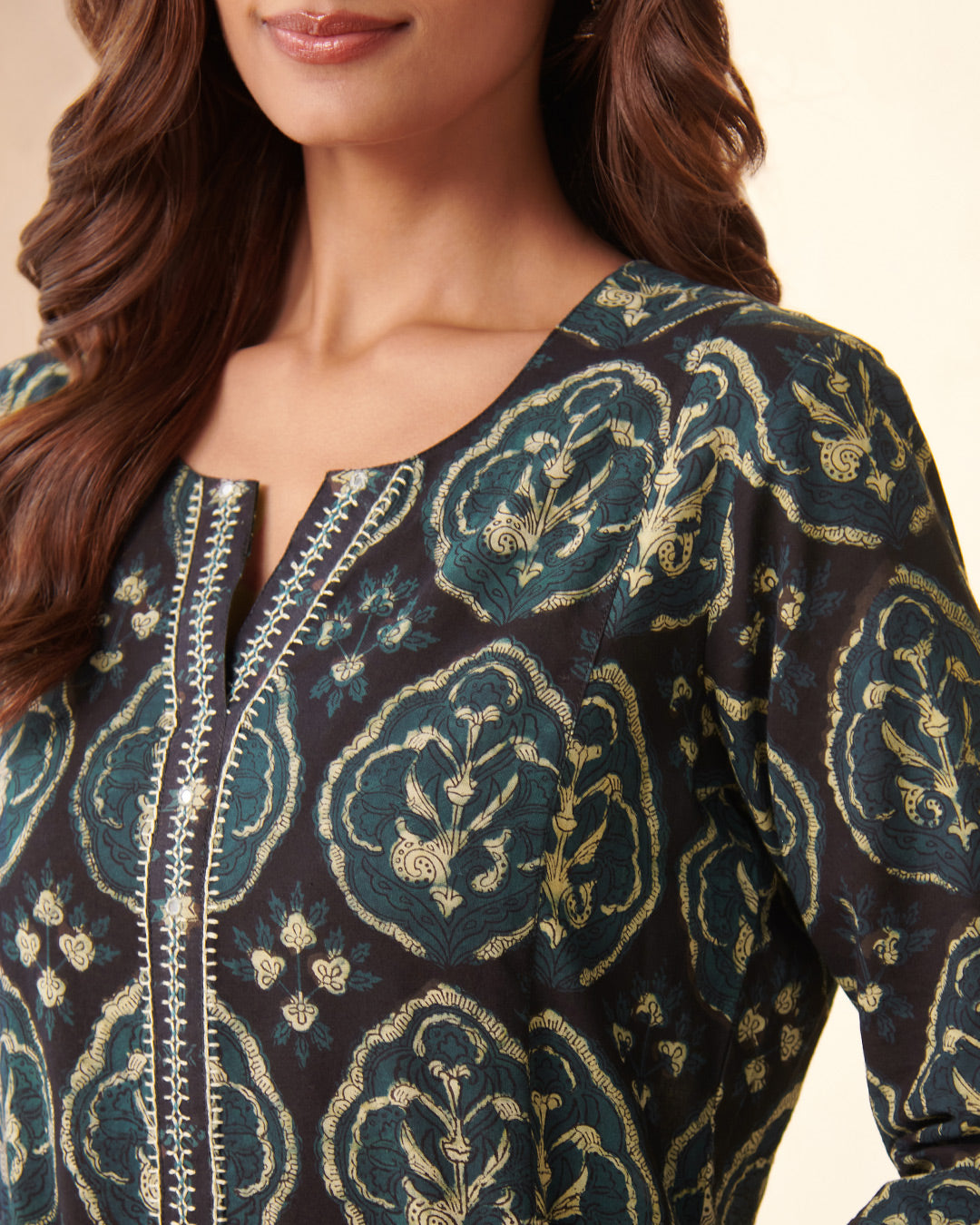
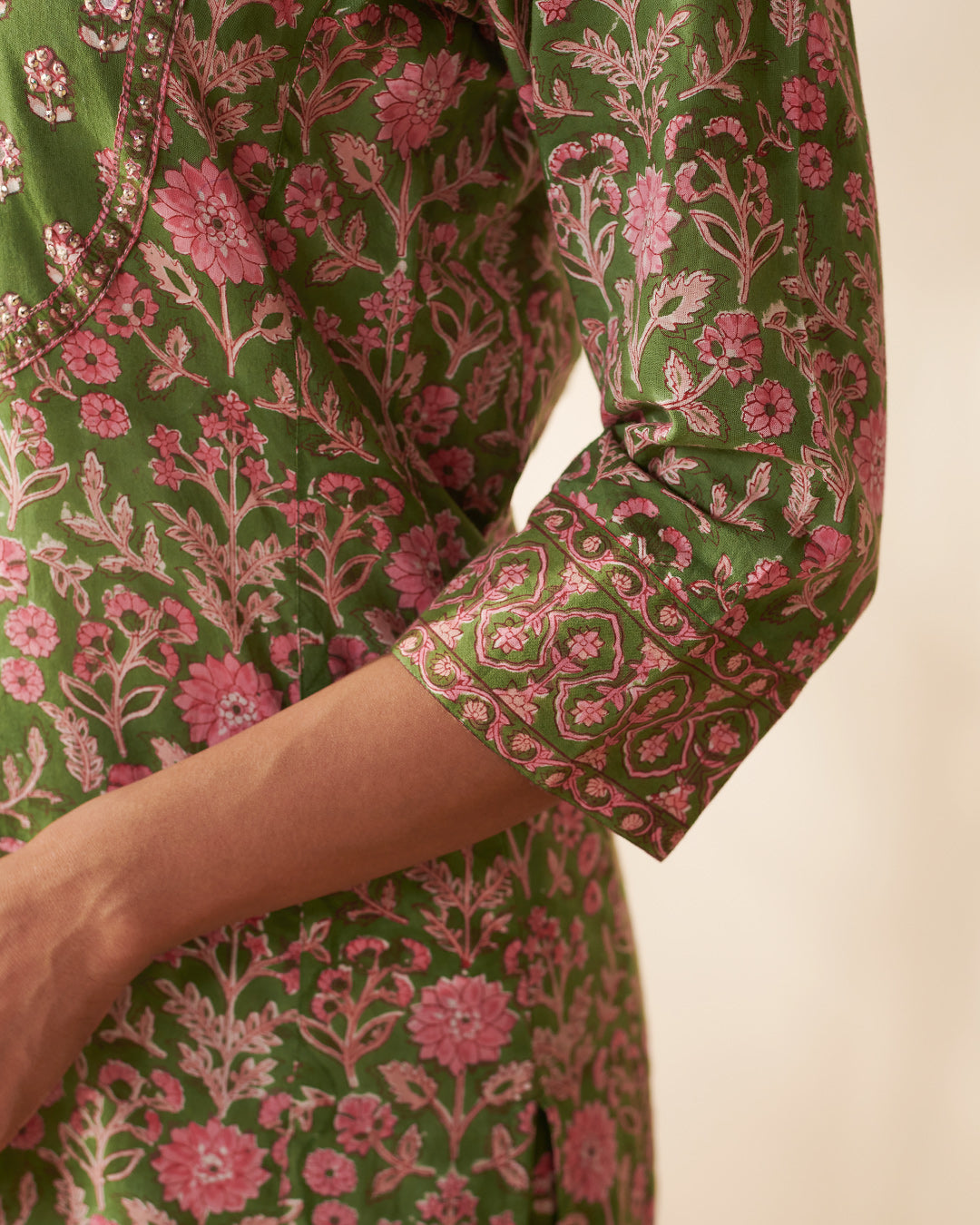
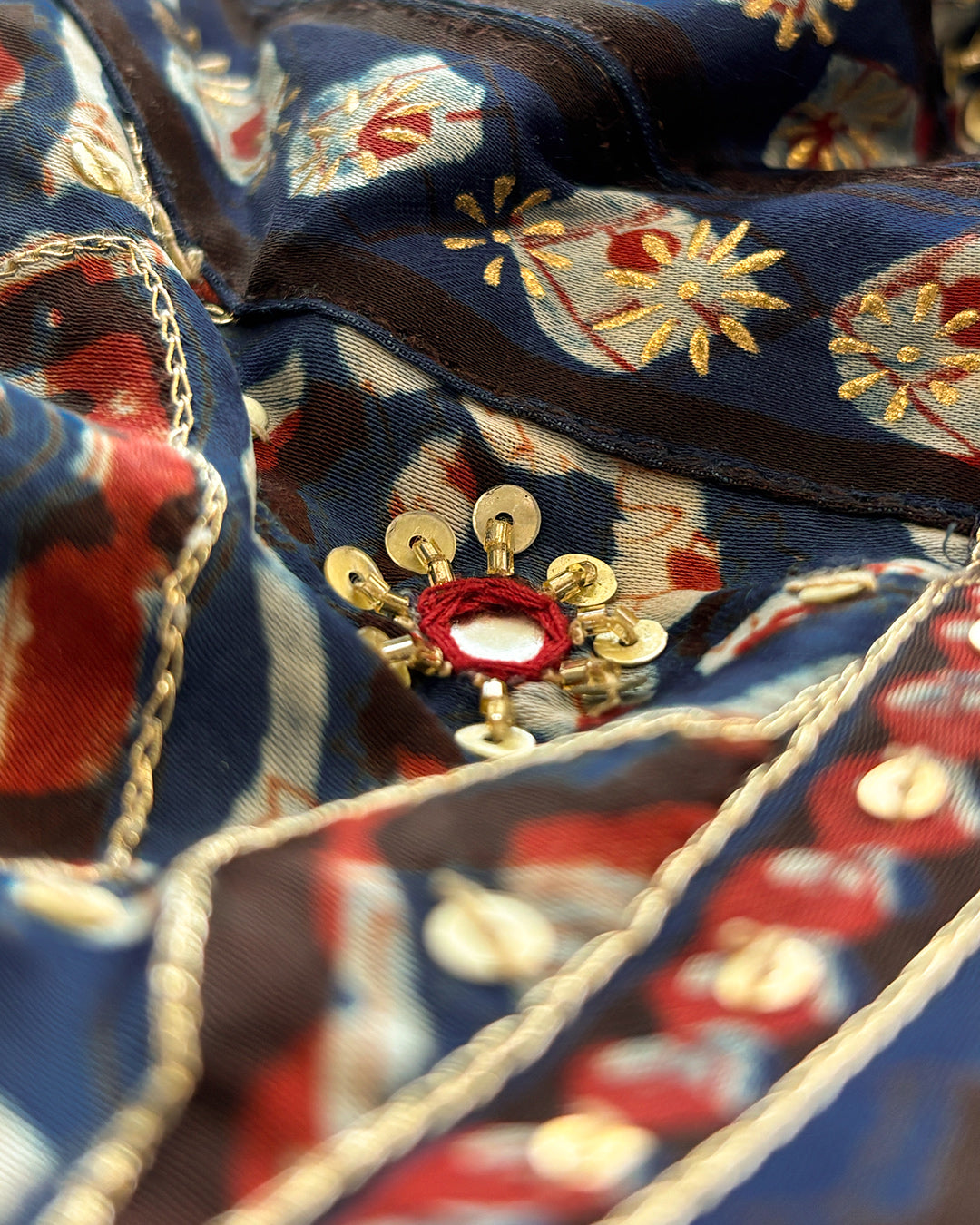
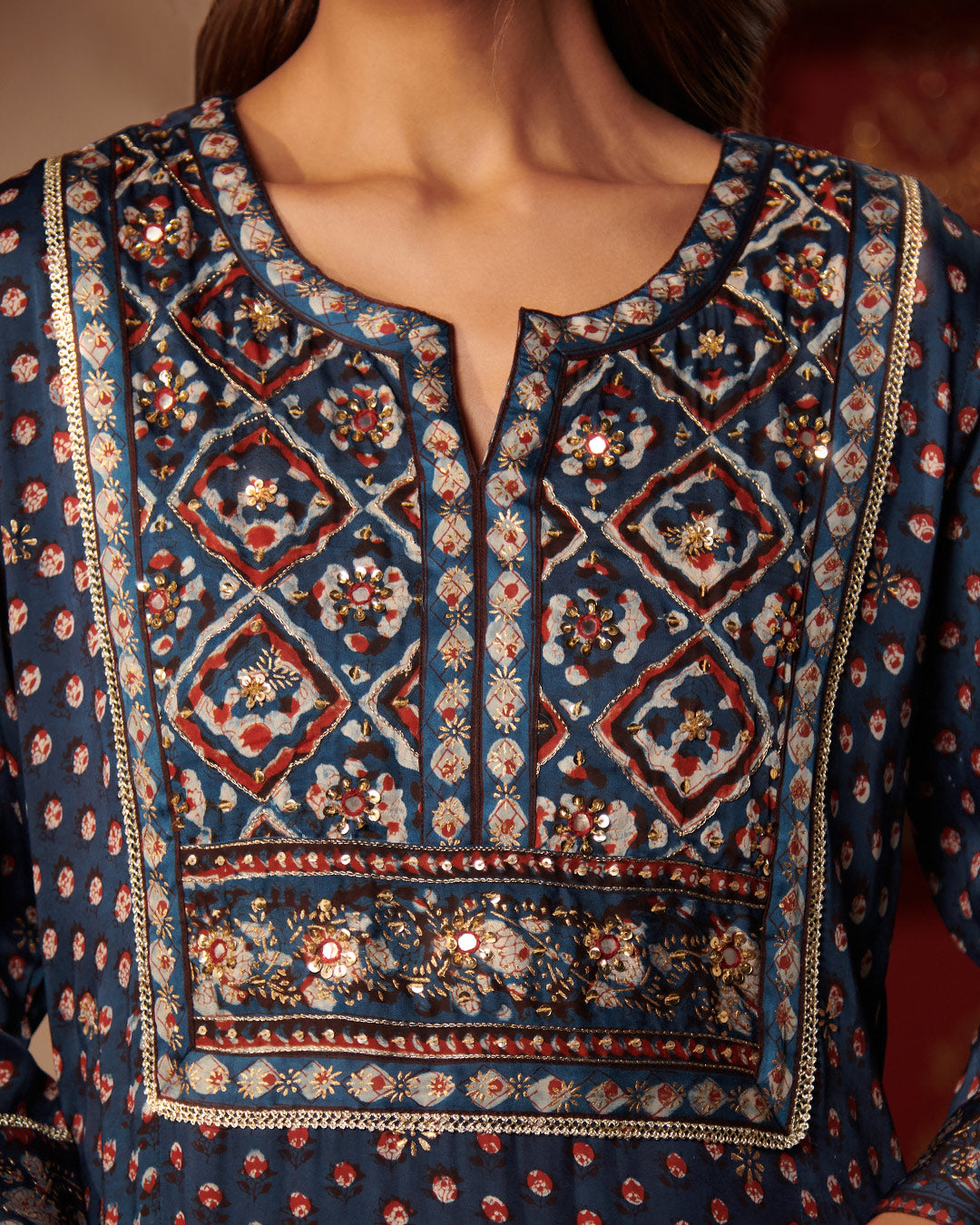
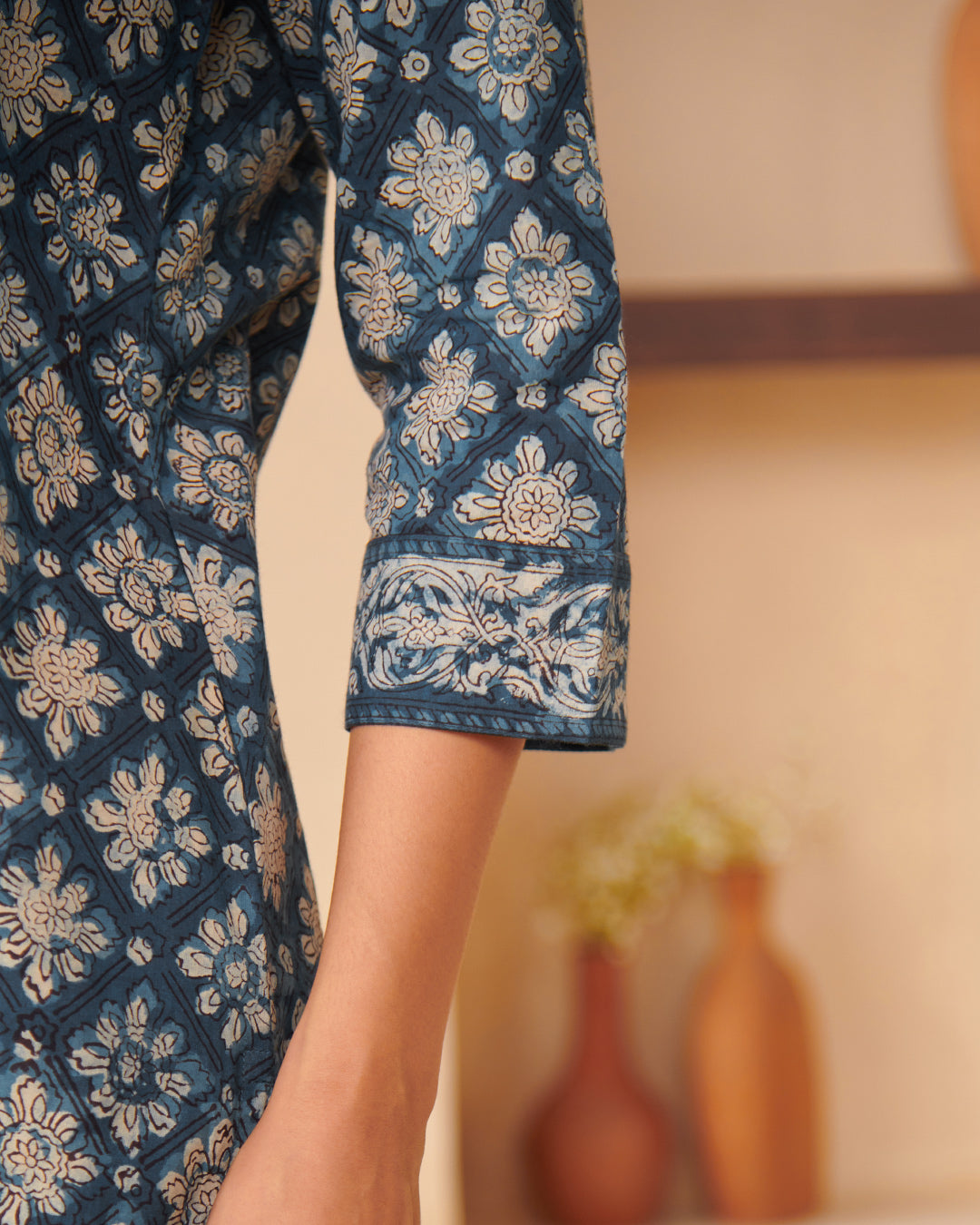
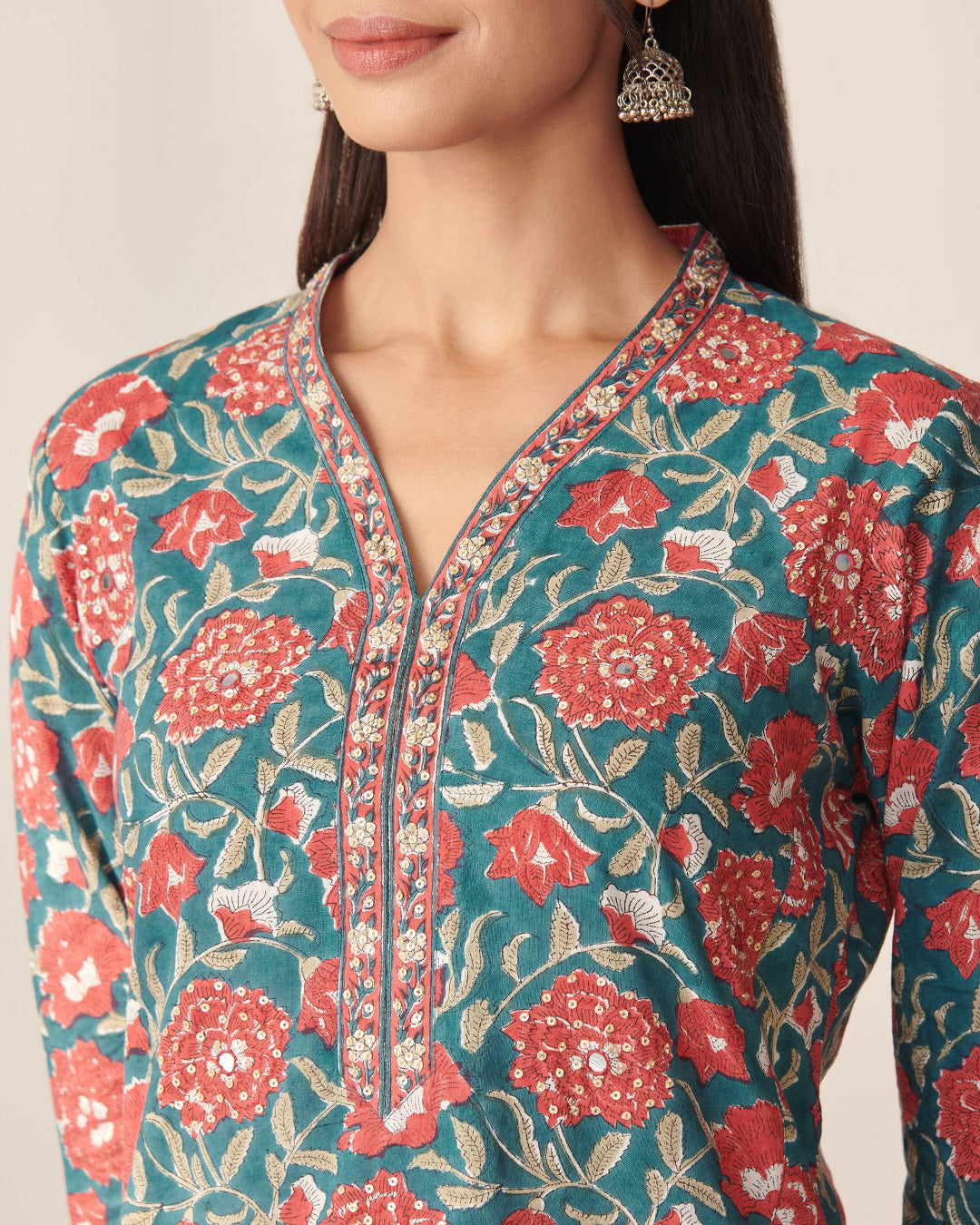
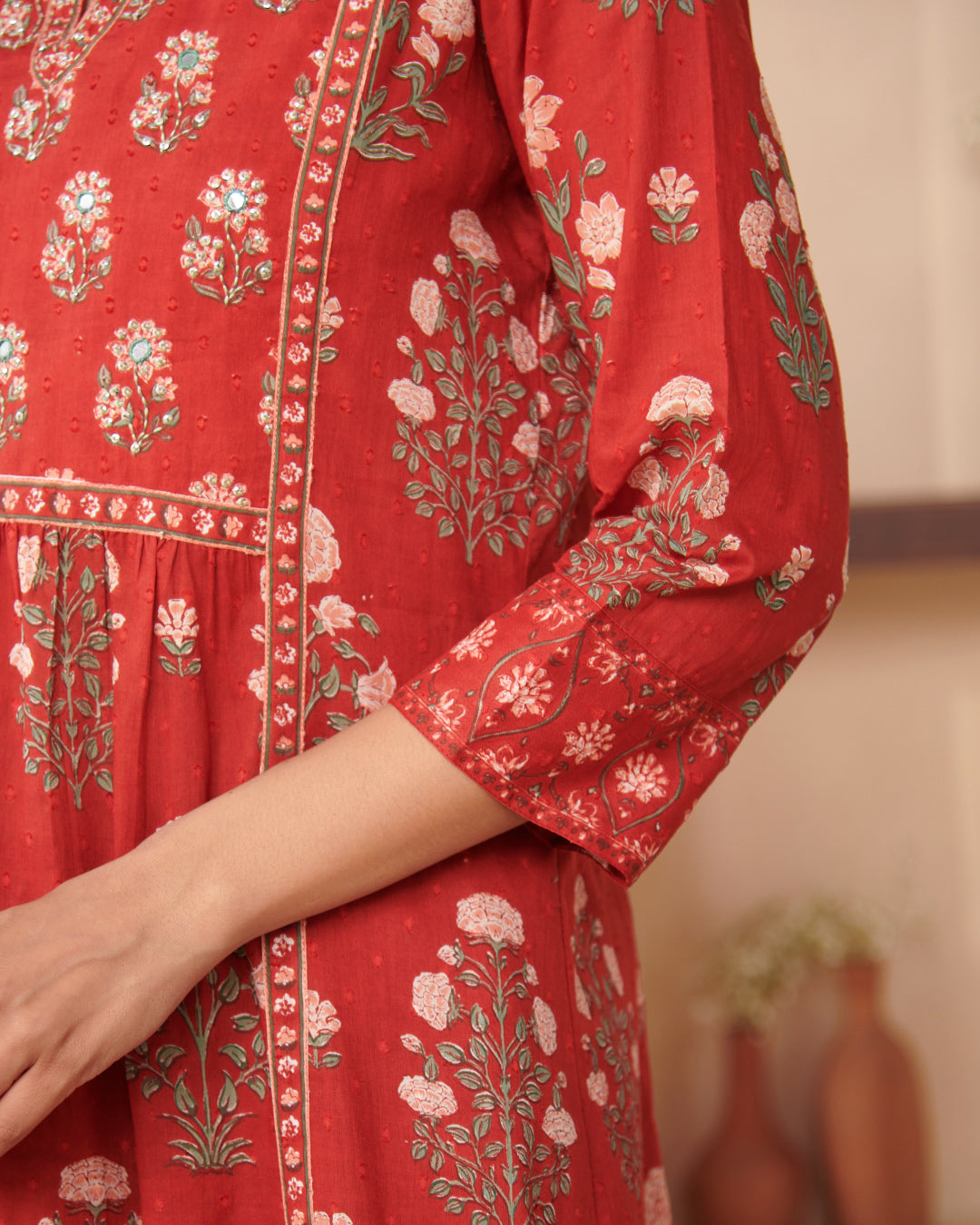
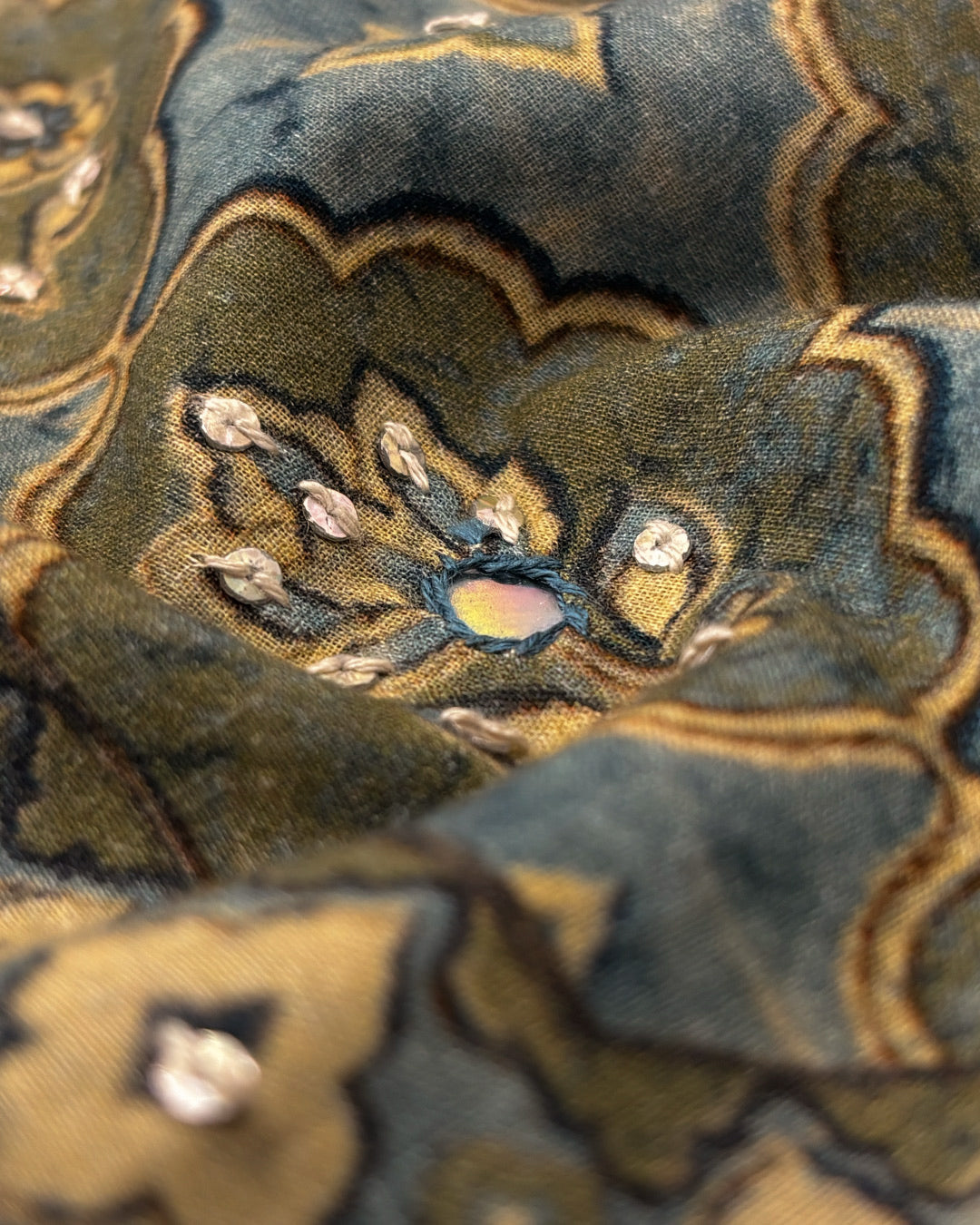
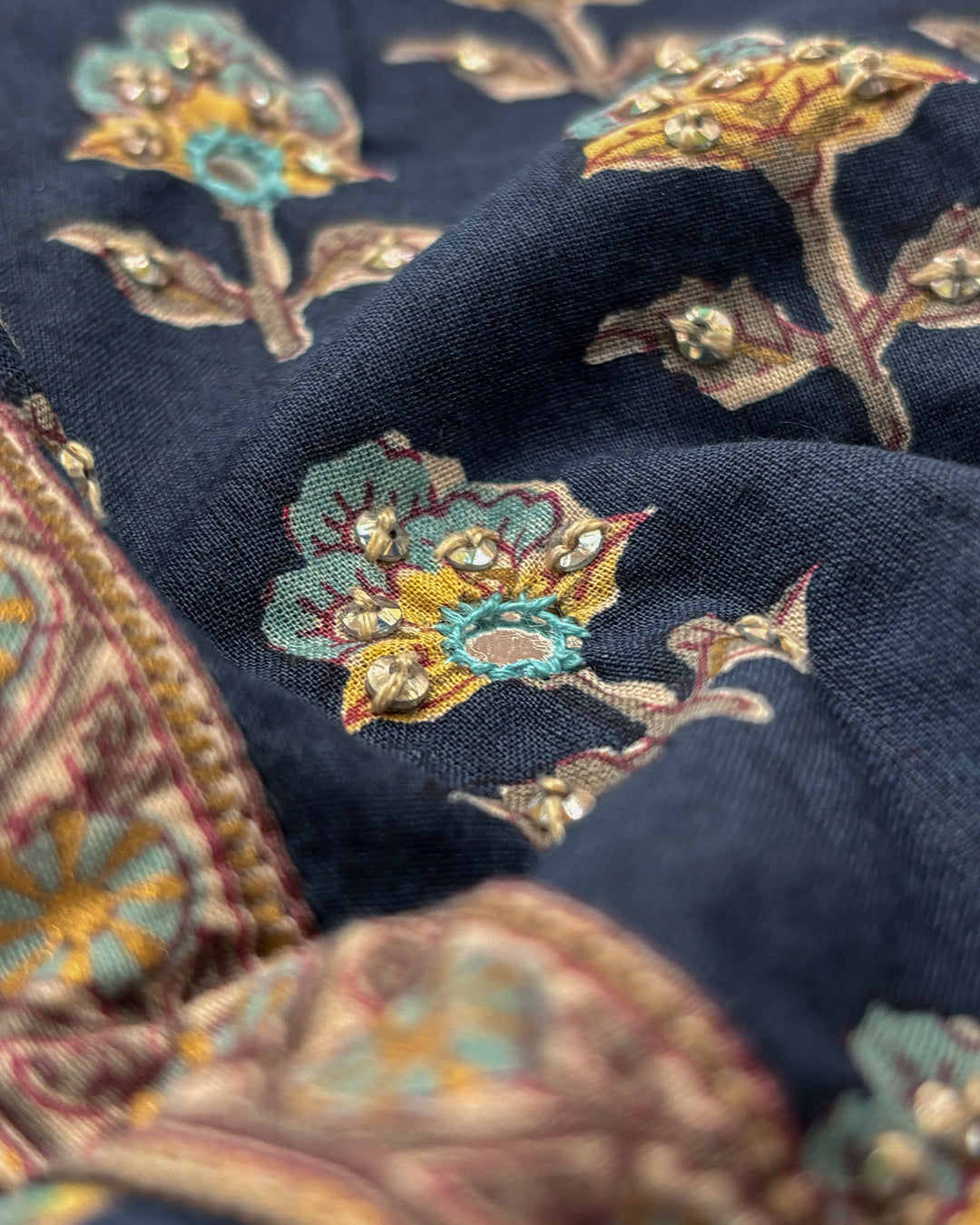
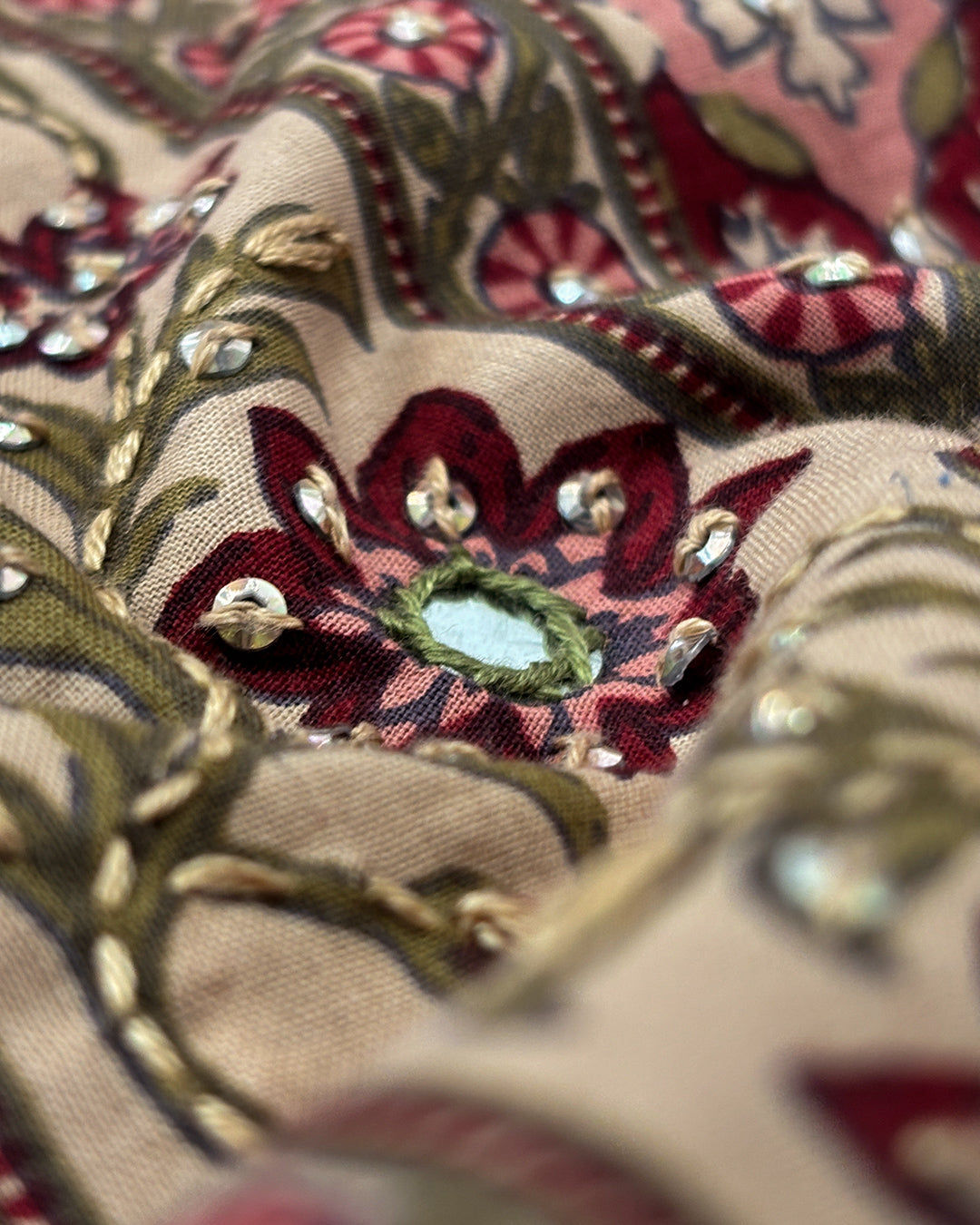
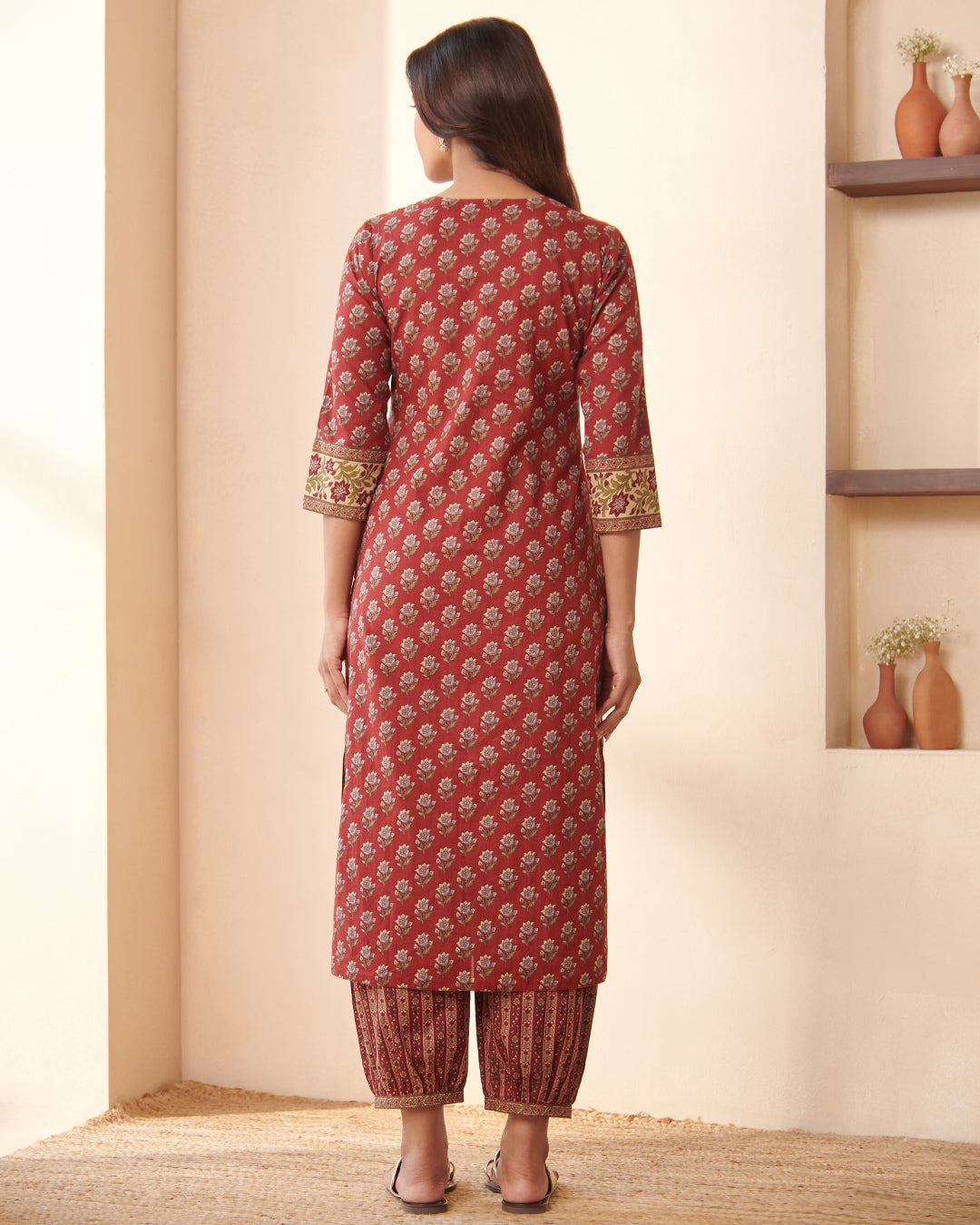
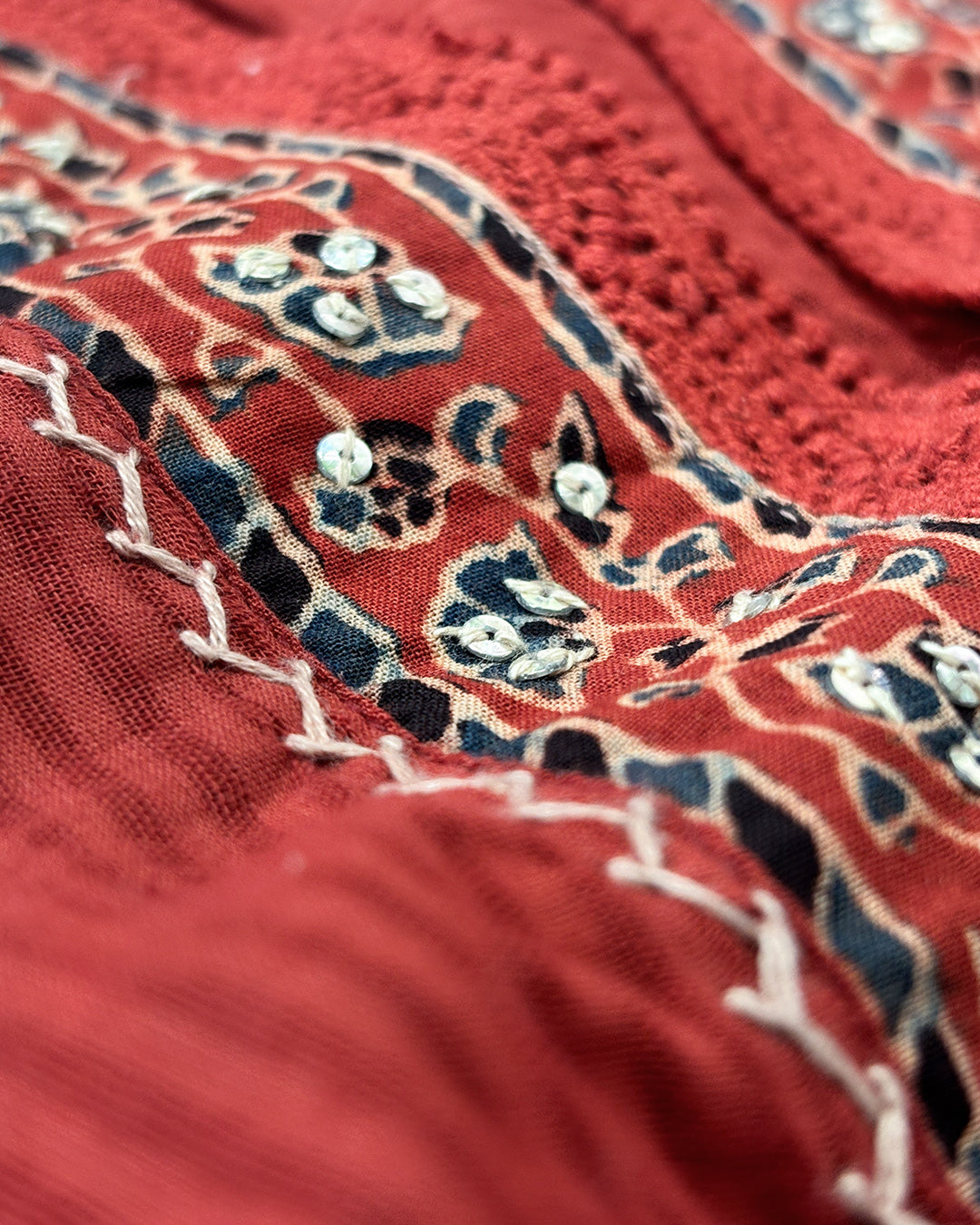
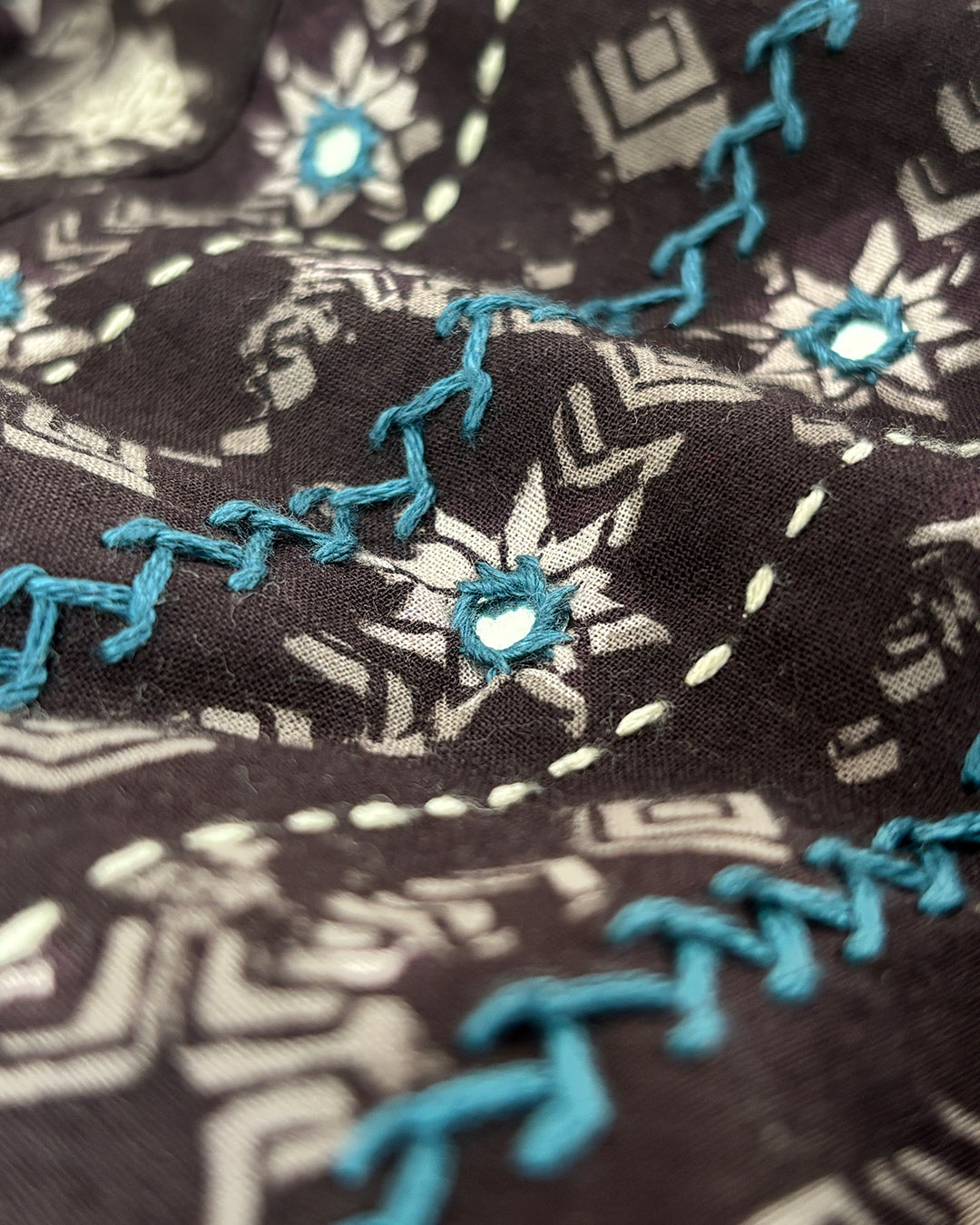
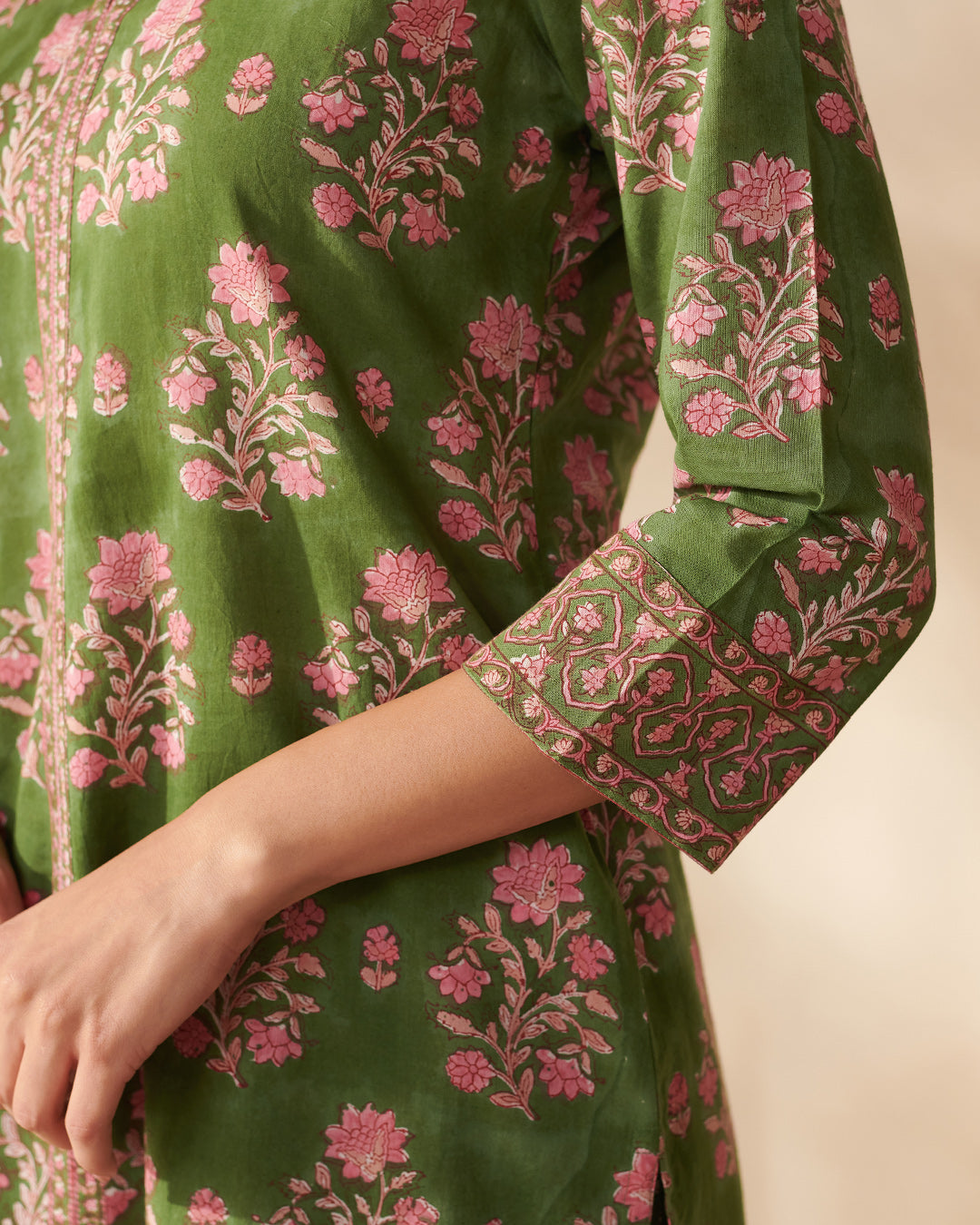
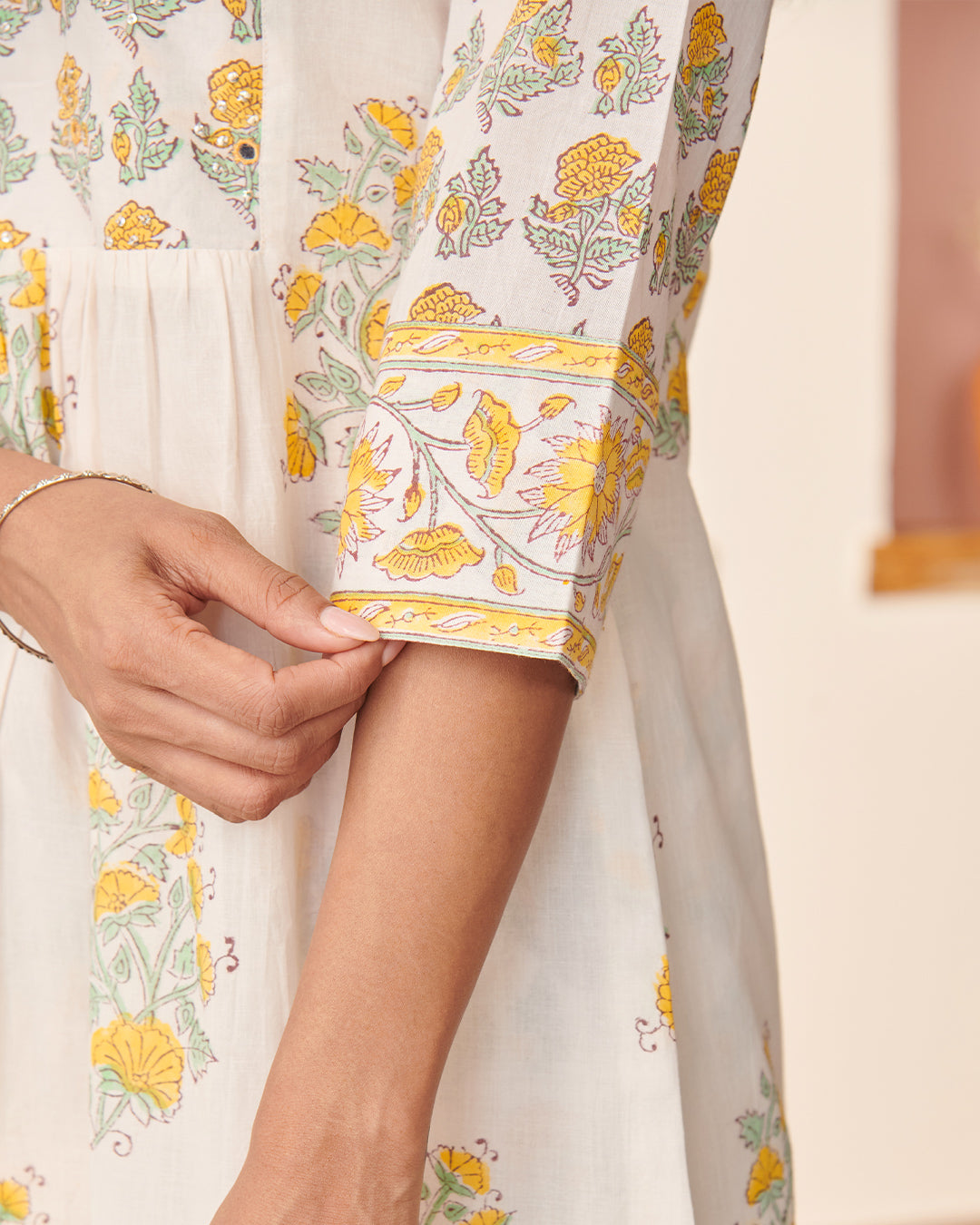
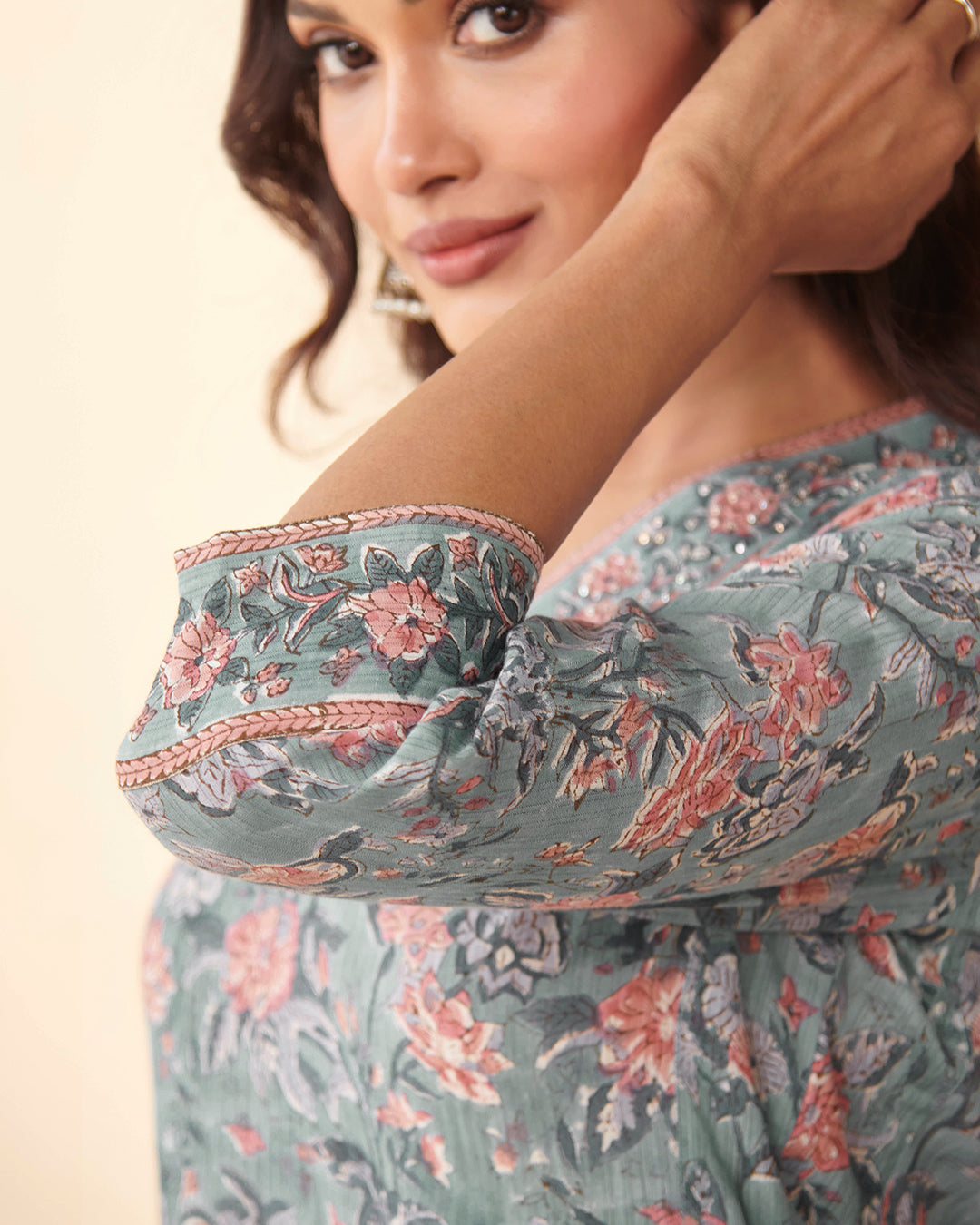
Akola is a village in Rajasthan known for its distinctive hand block printing tradition. The craft has developed around the use of wooden blocks, natural or traditional dyes, and careful preparation of fabric before printing.
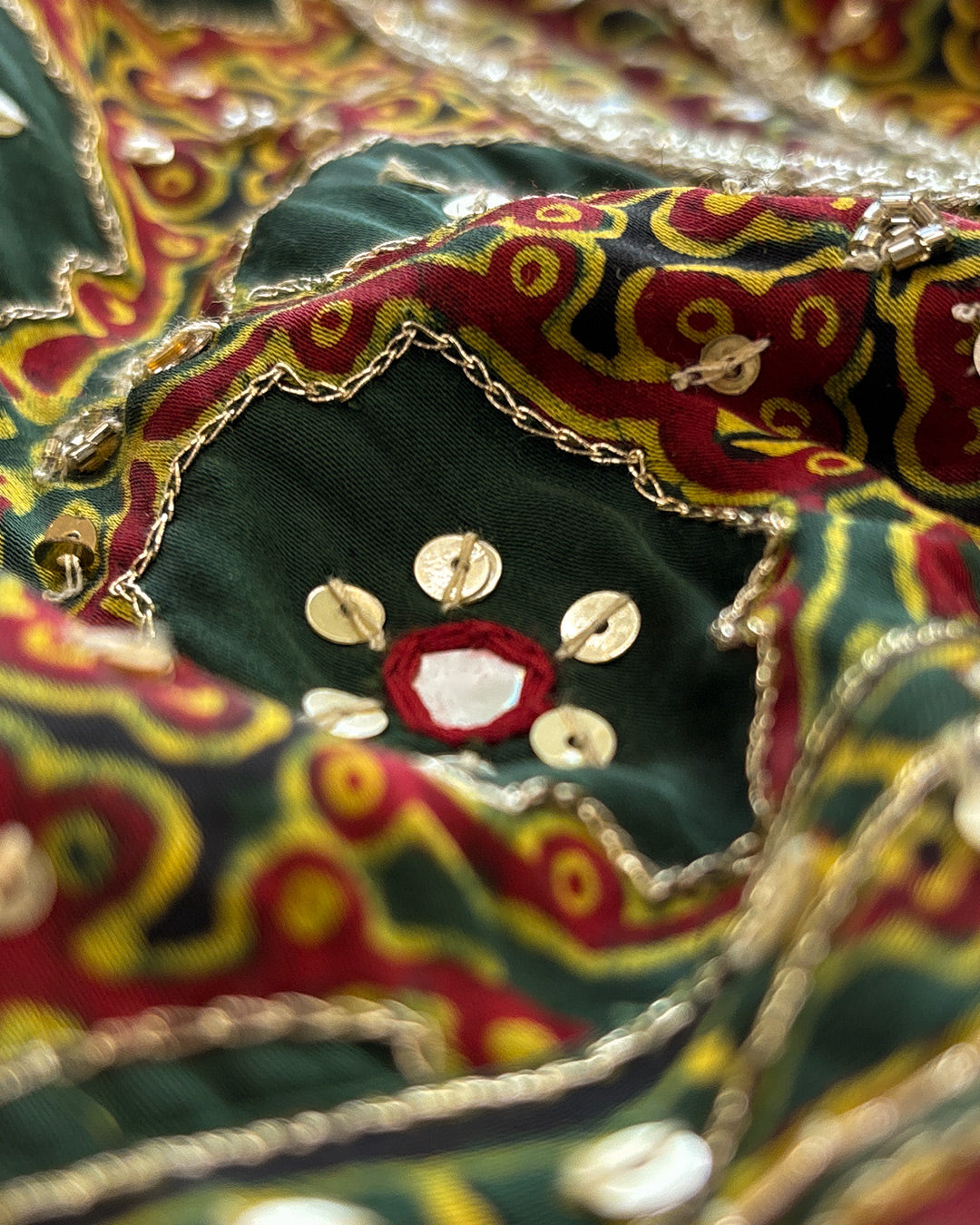
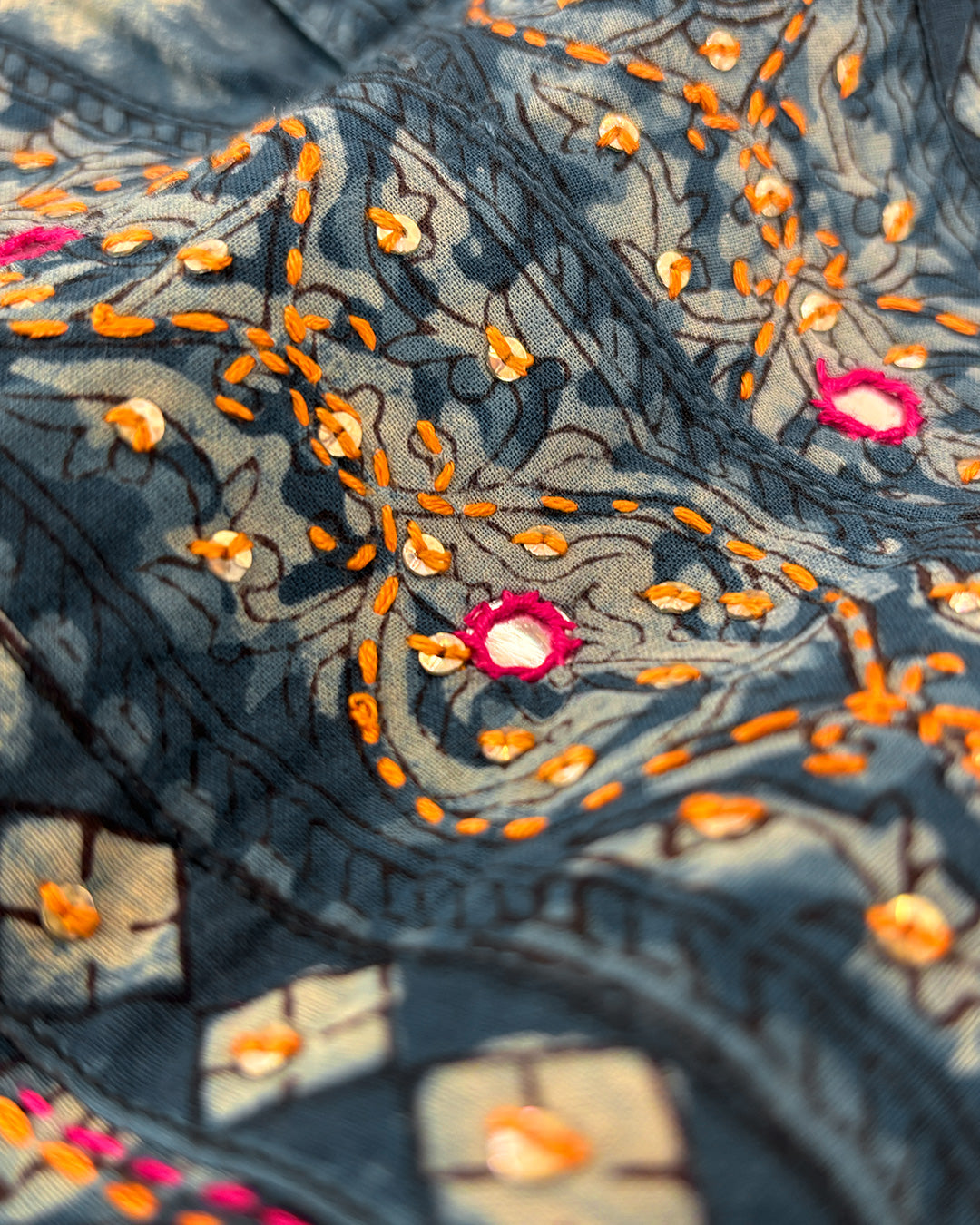
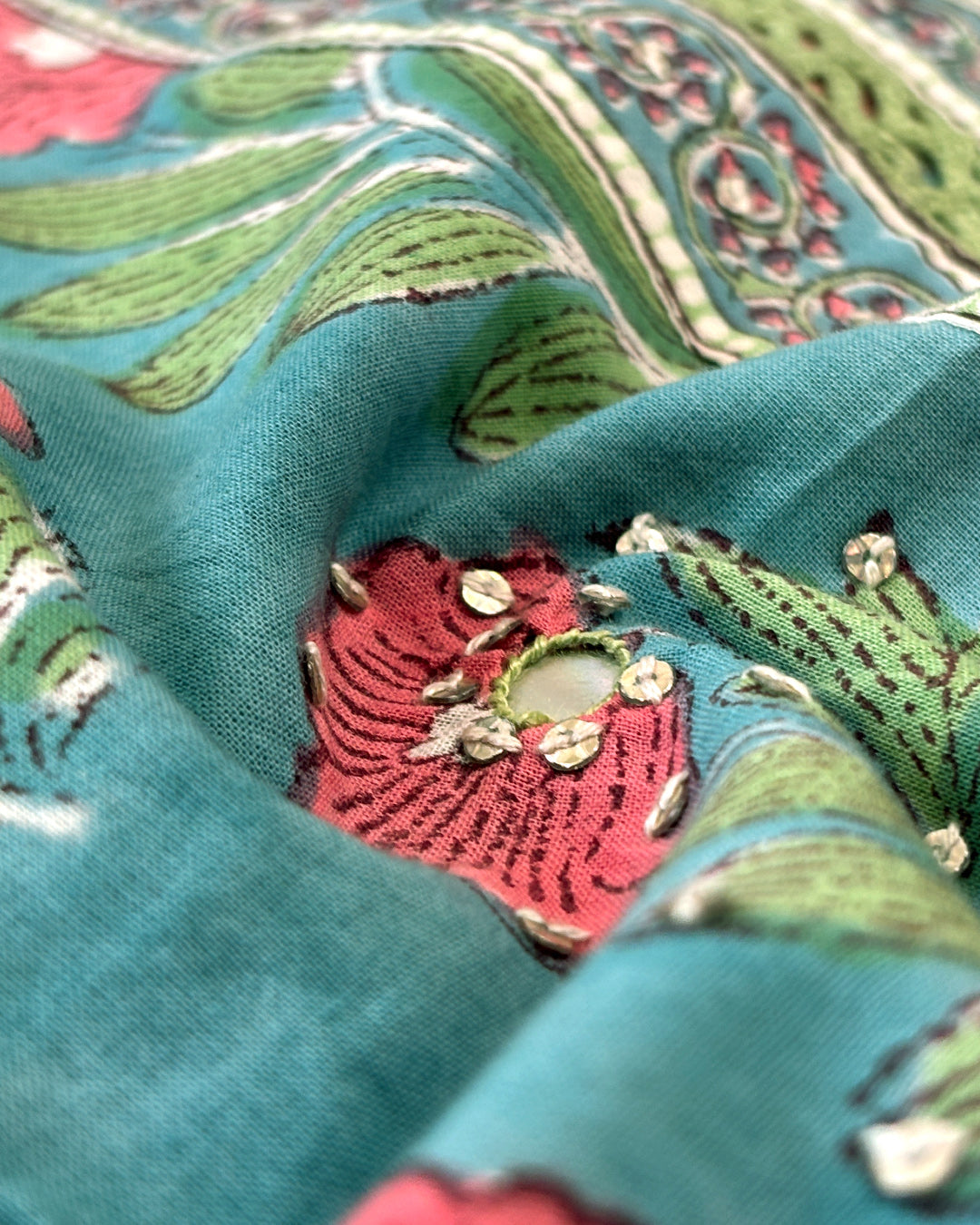
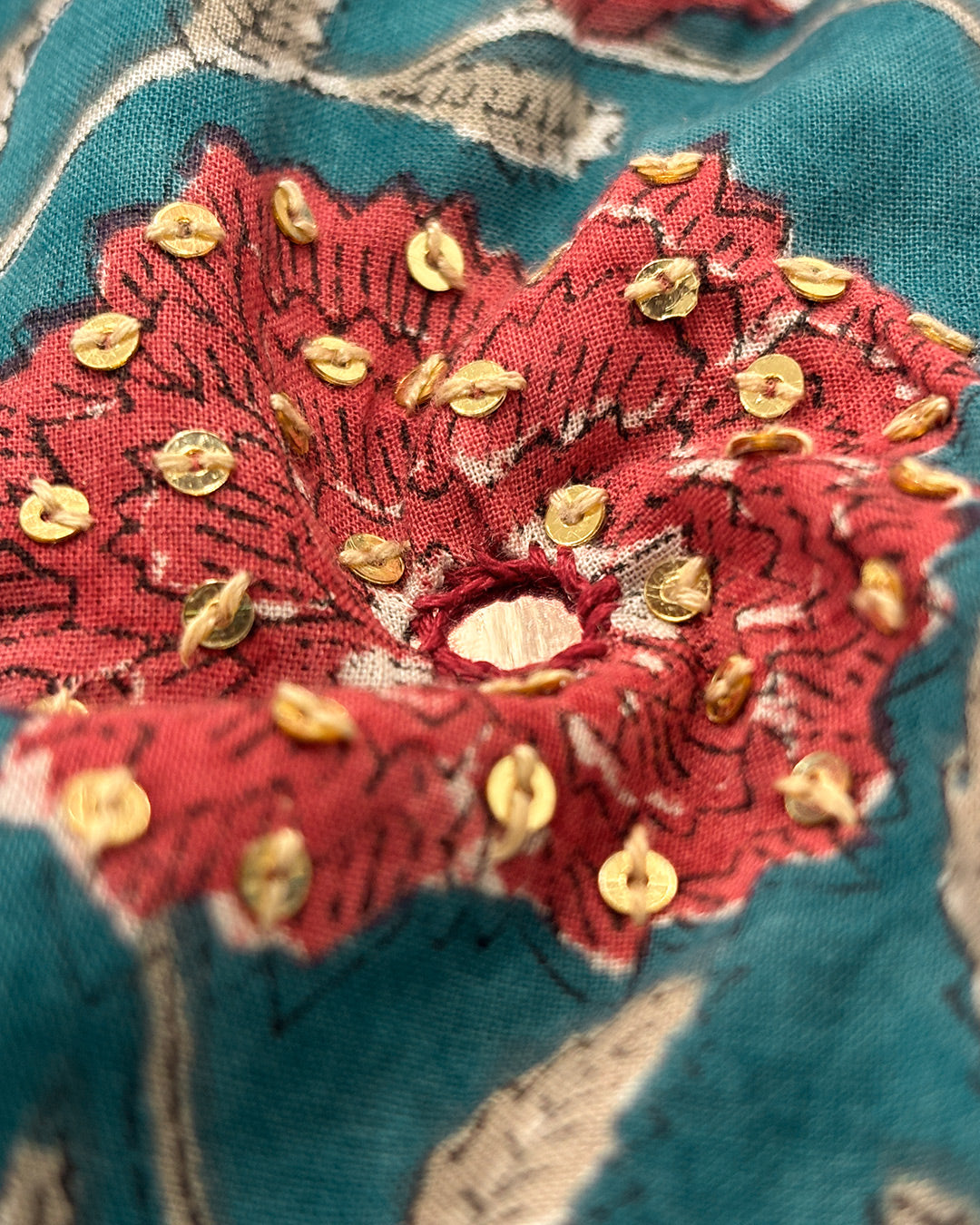
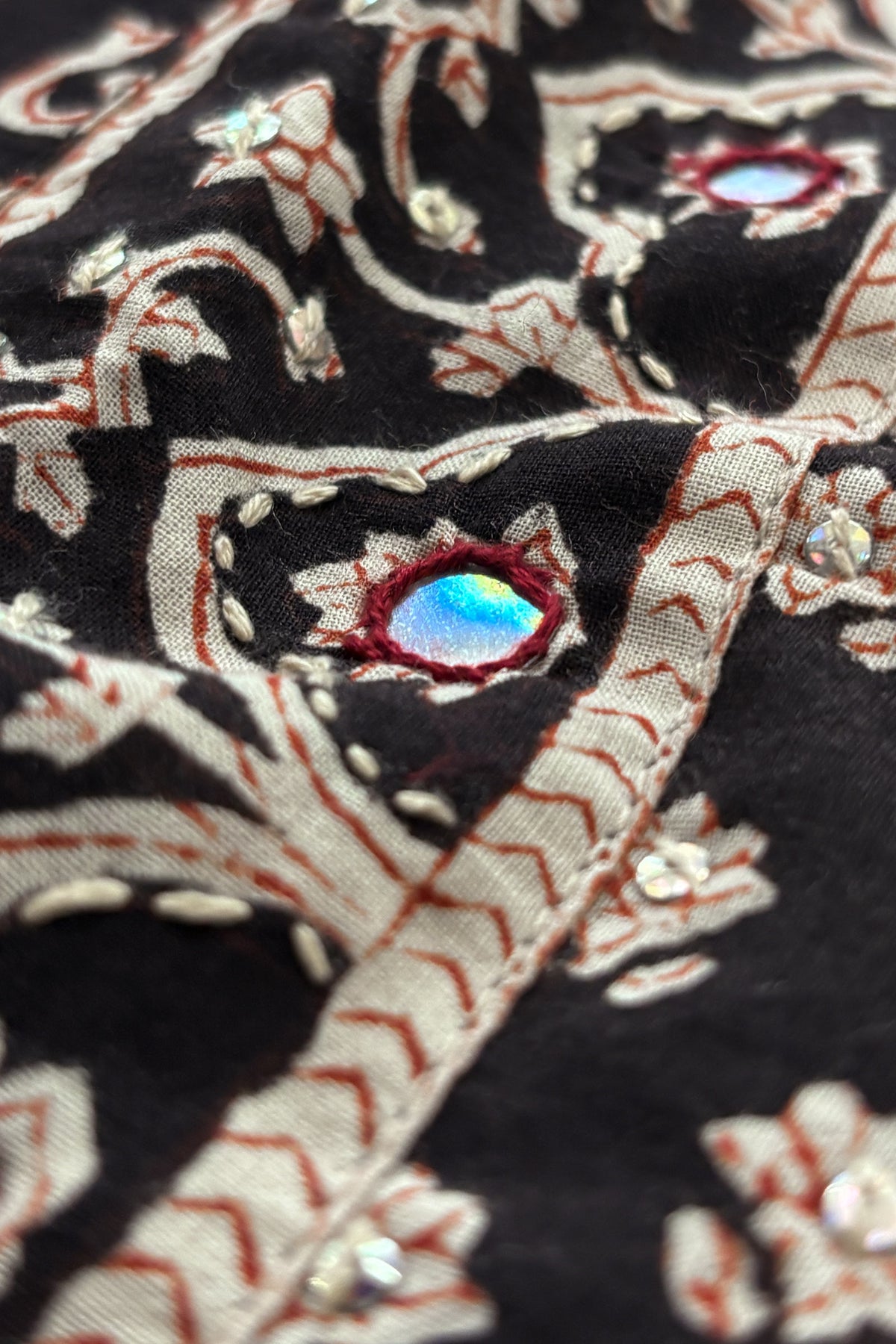
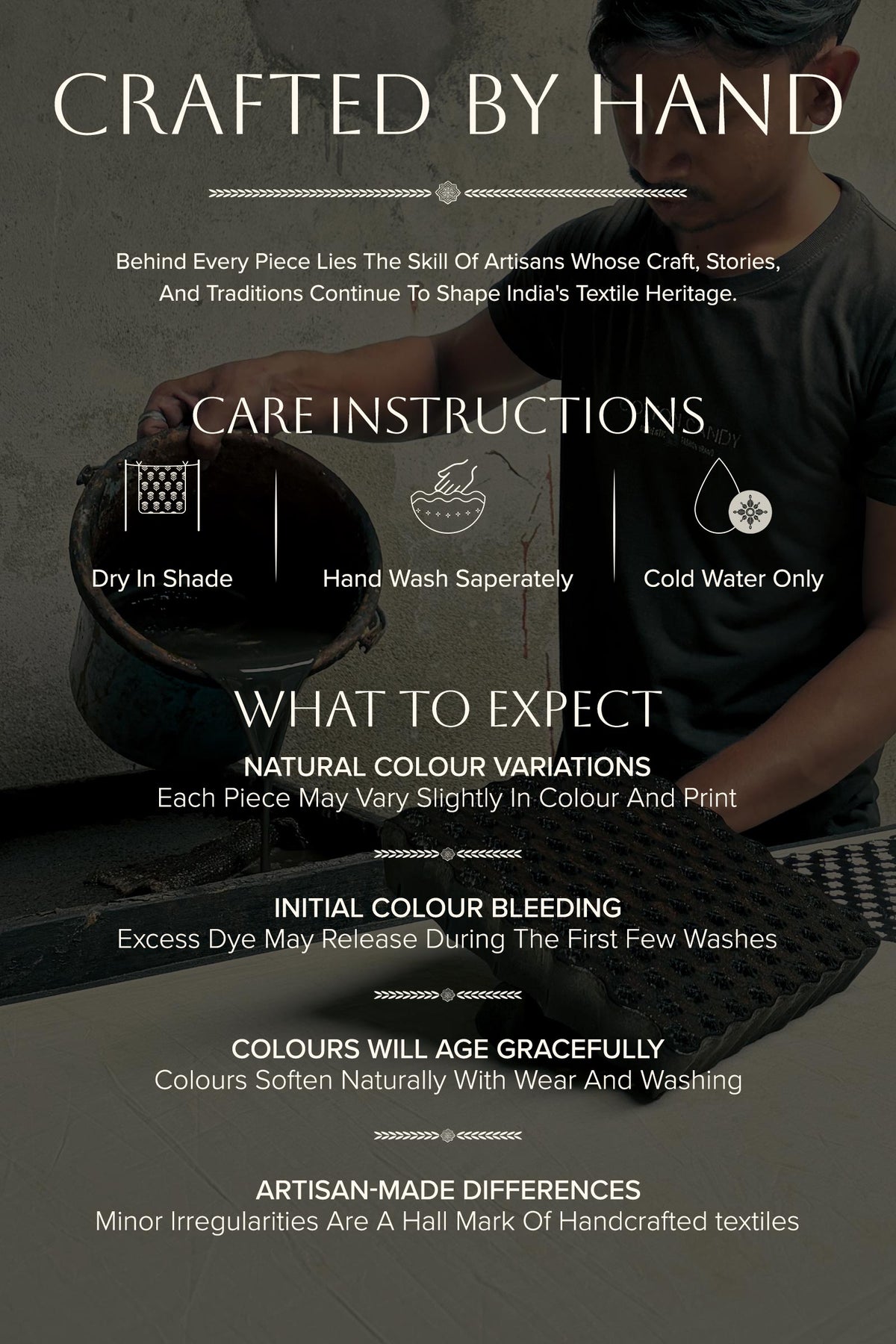
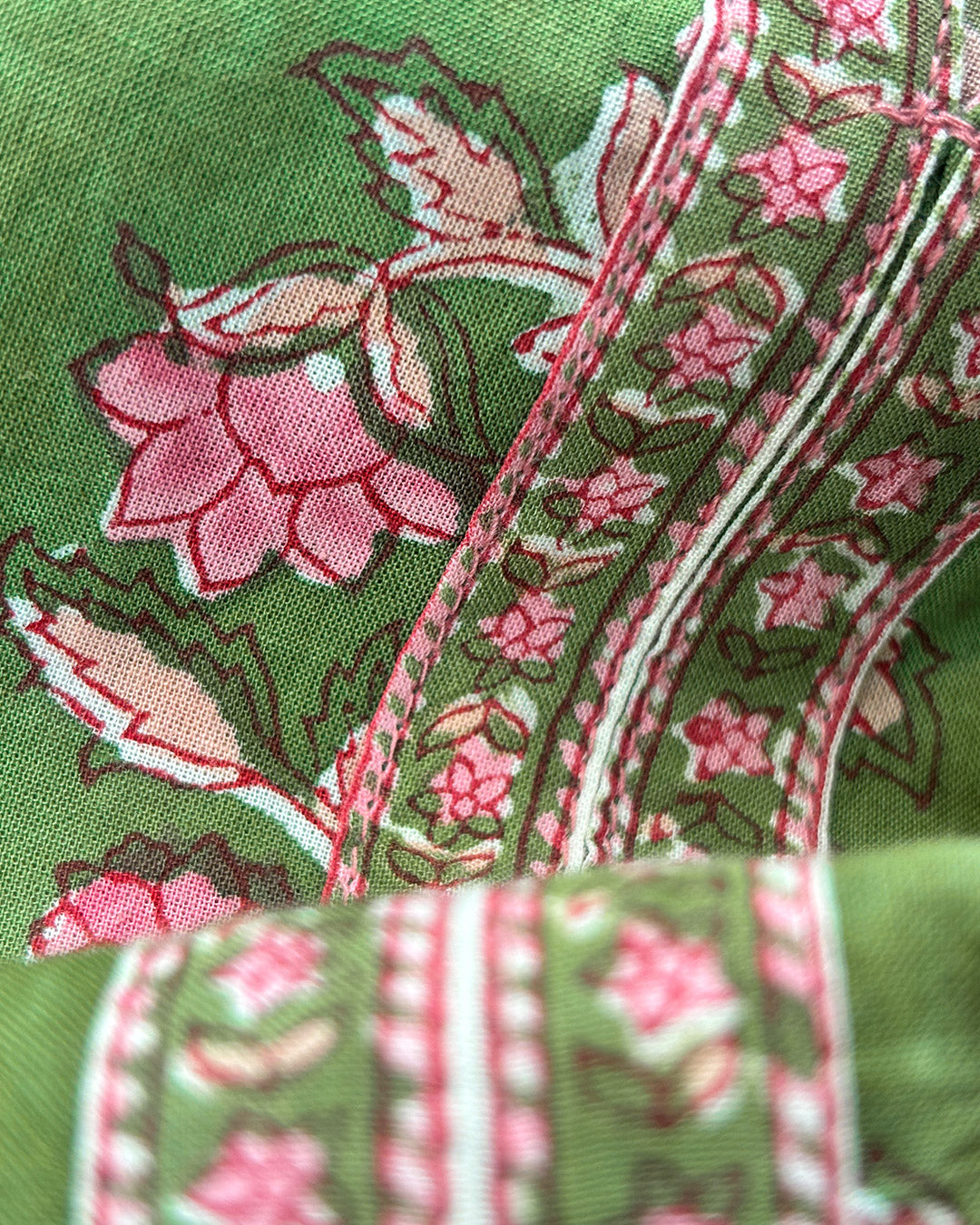
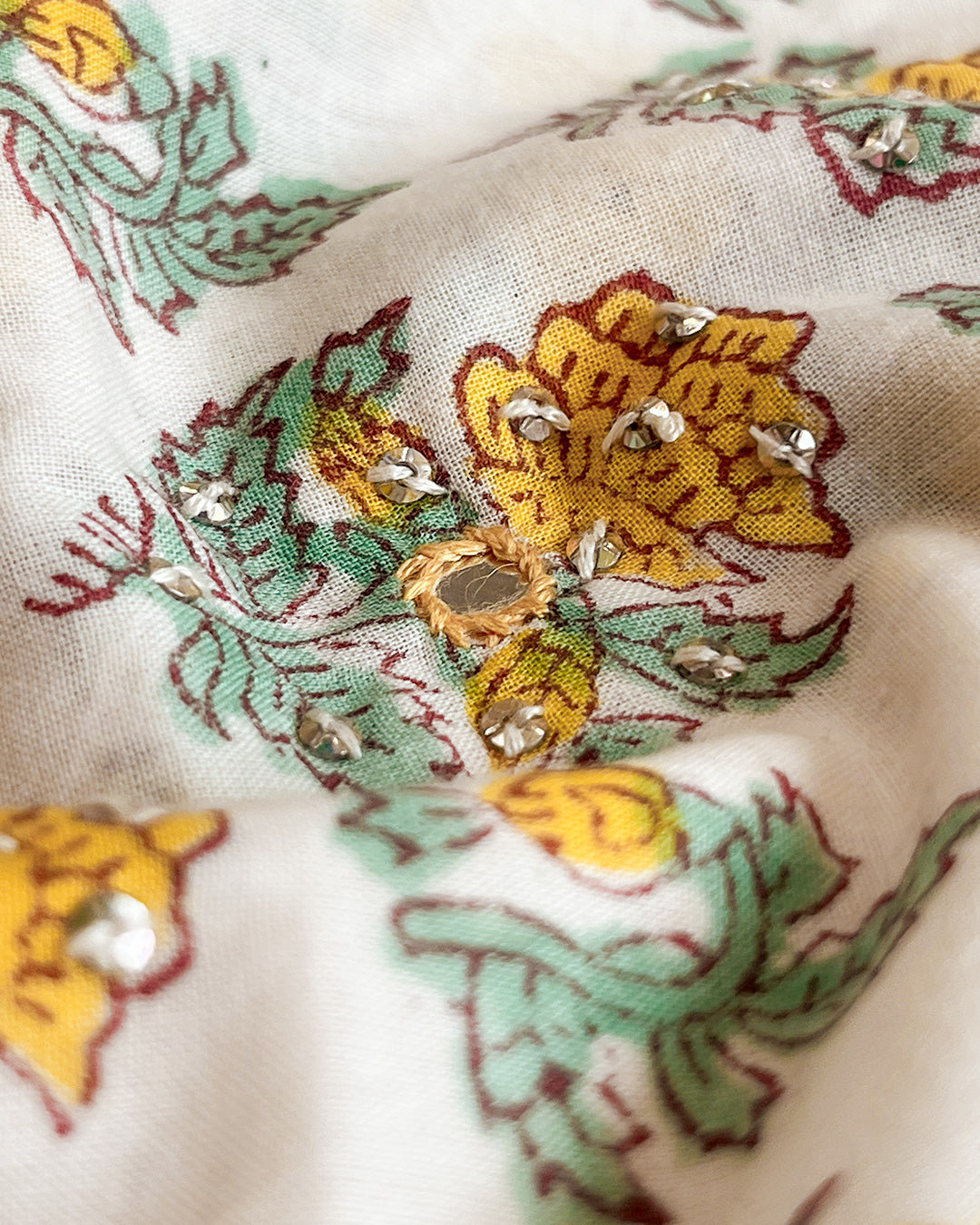
The process is wonderfully tactile. A design is carved into a wooden block, the block is dipped into dye, and then placed carefully onto the fabric. With every impression, the artisan has to consider spacing, alignment, pressure, and the movement of the cloth.
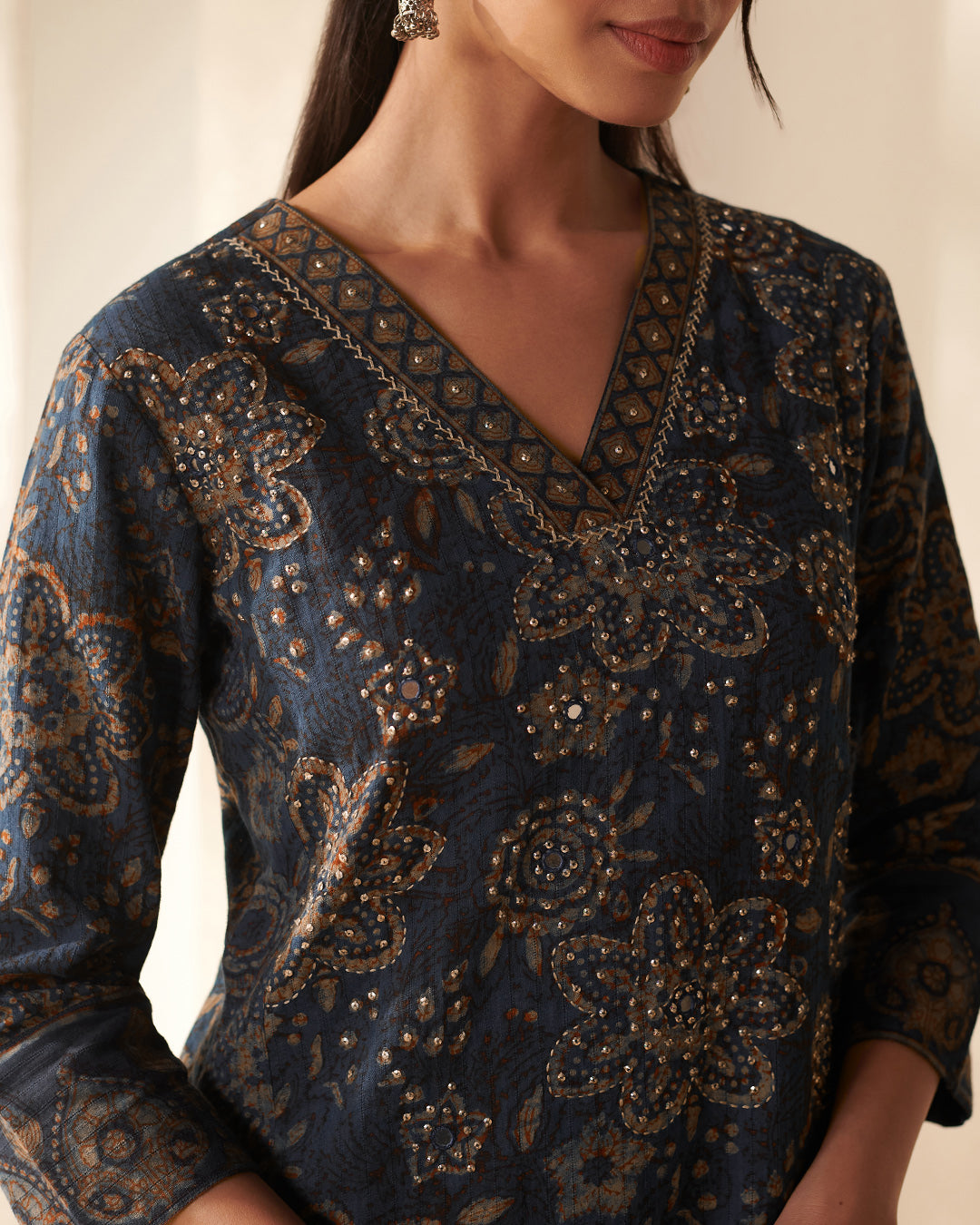
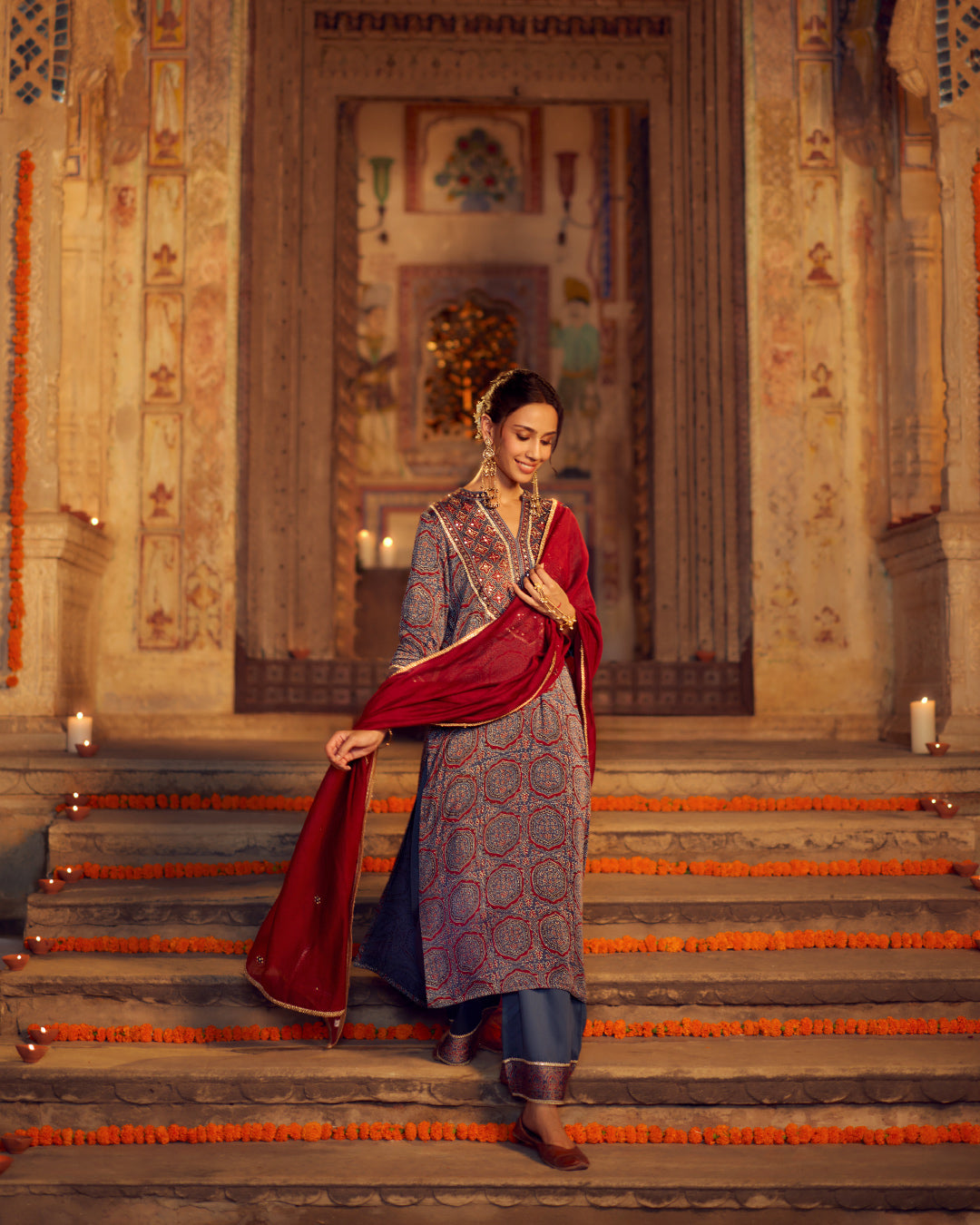
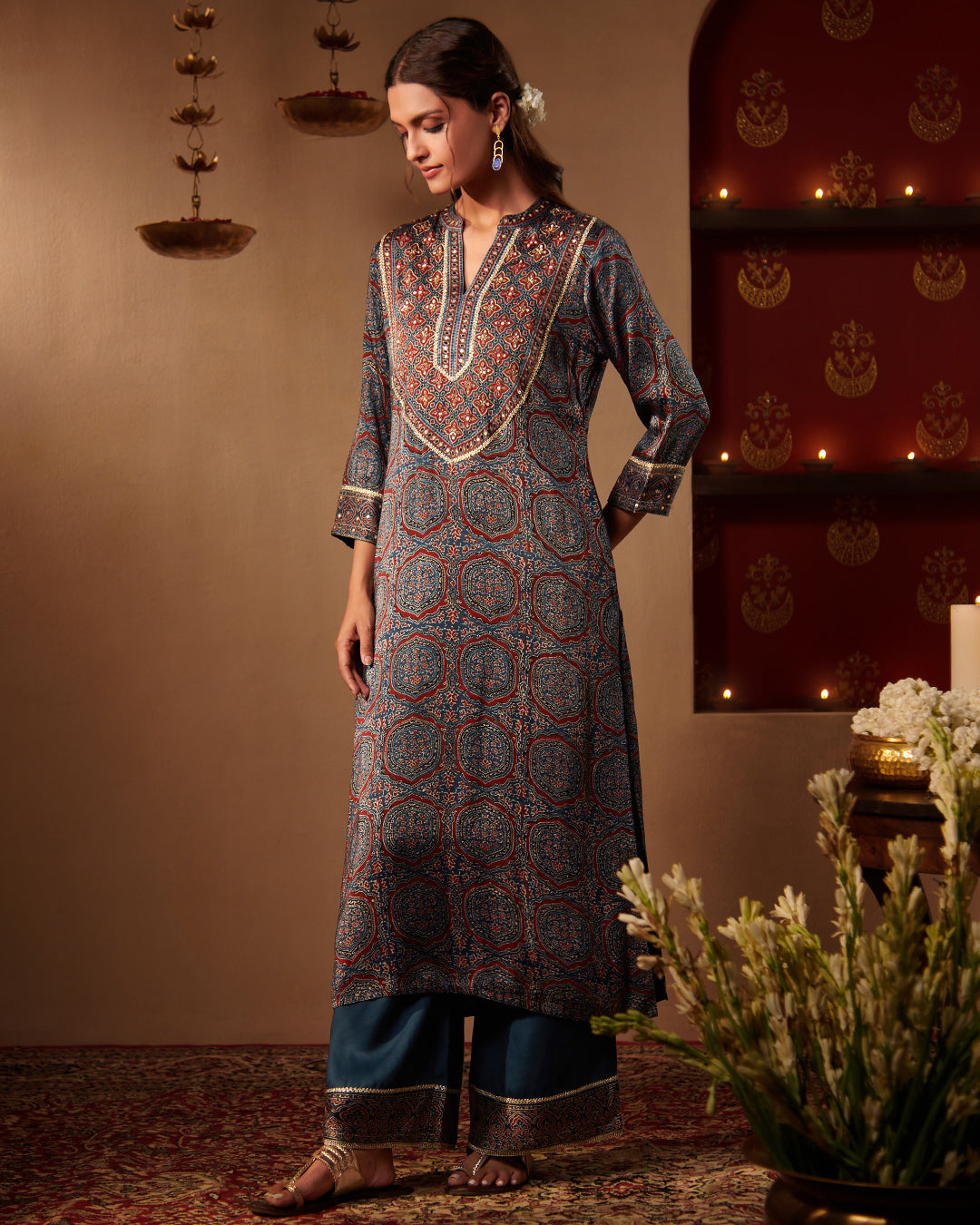
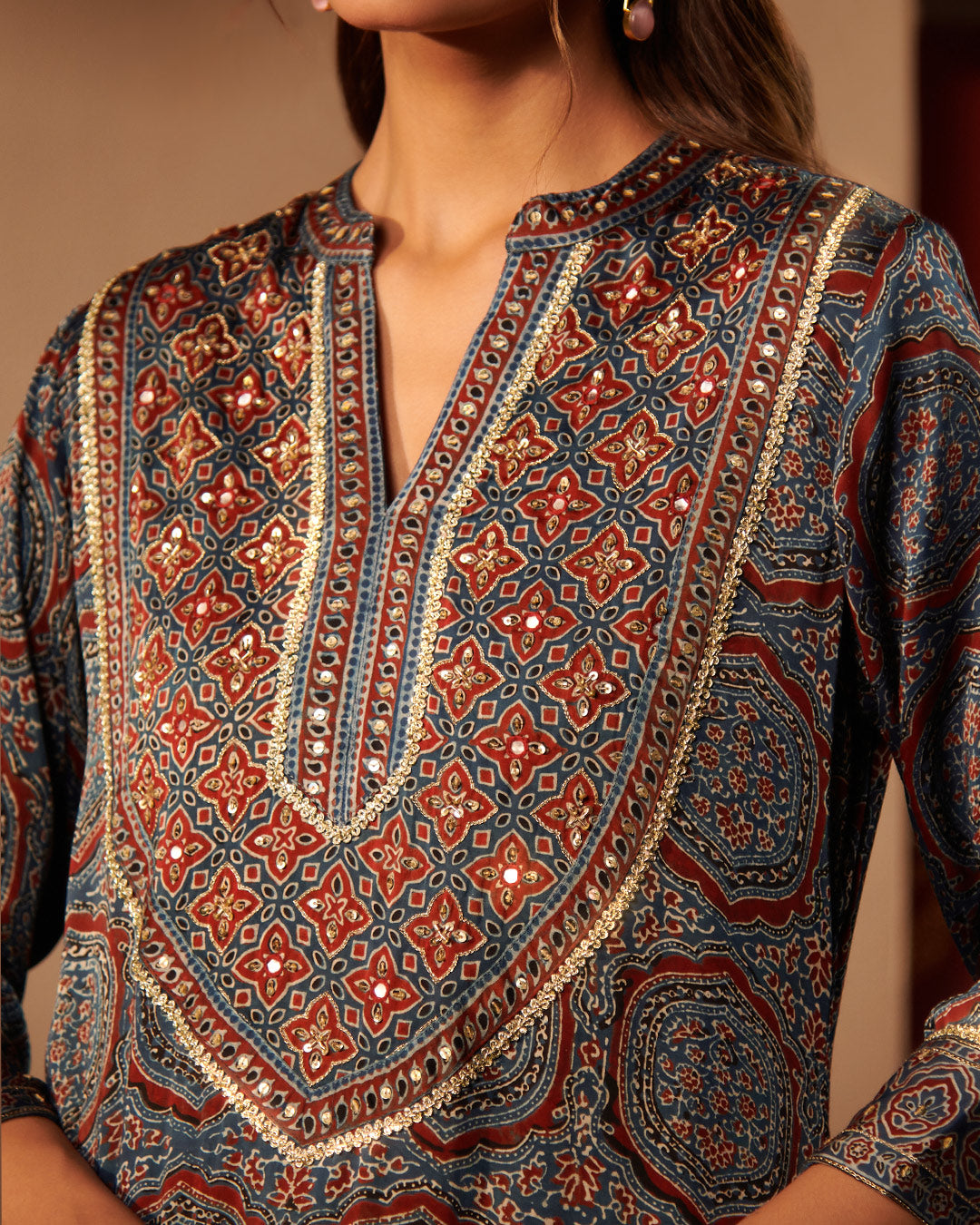
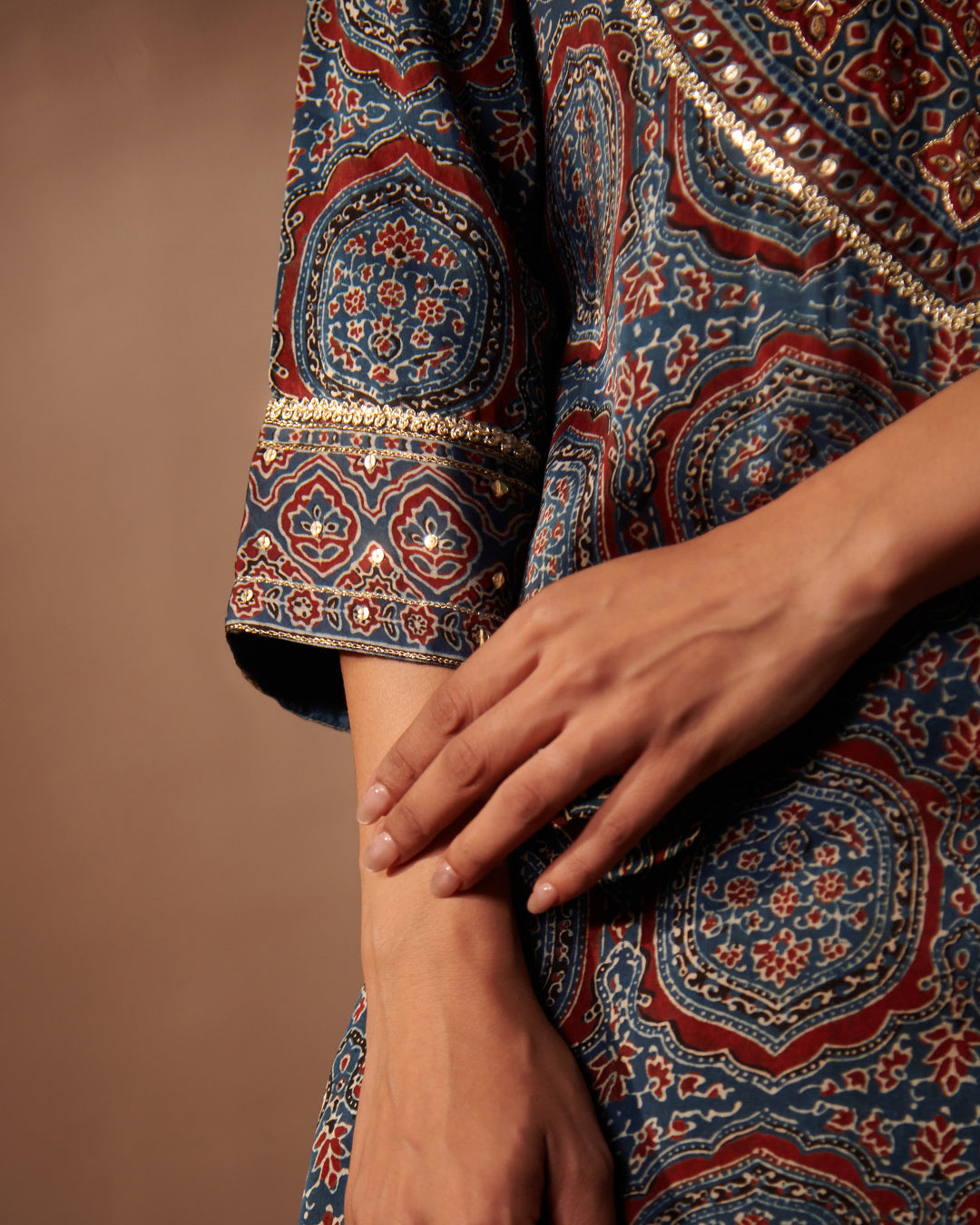
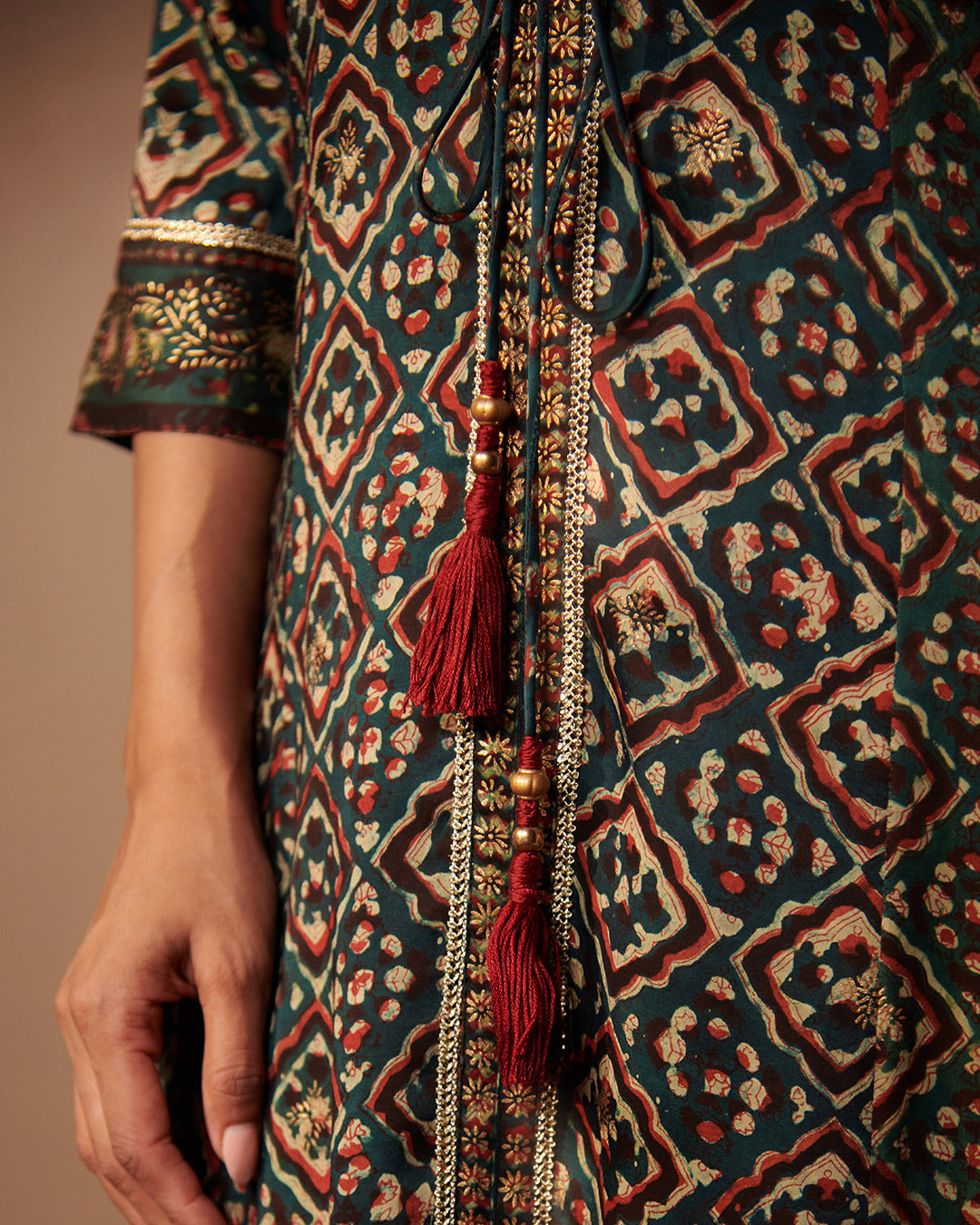
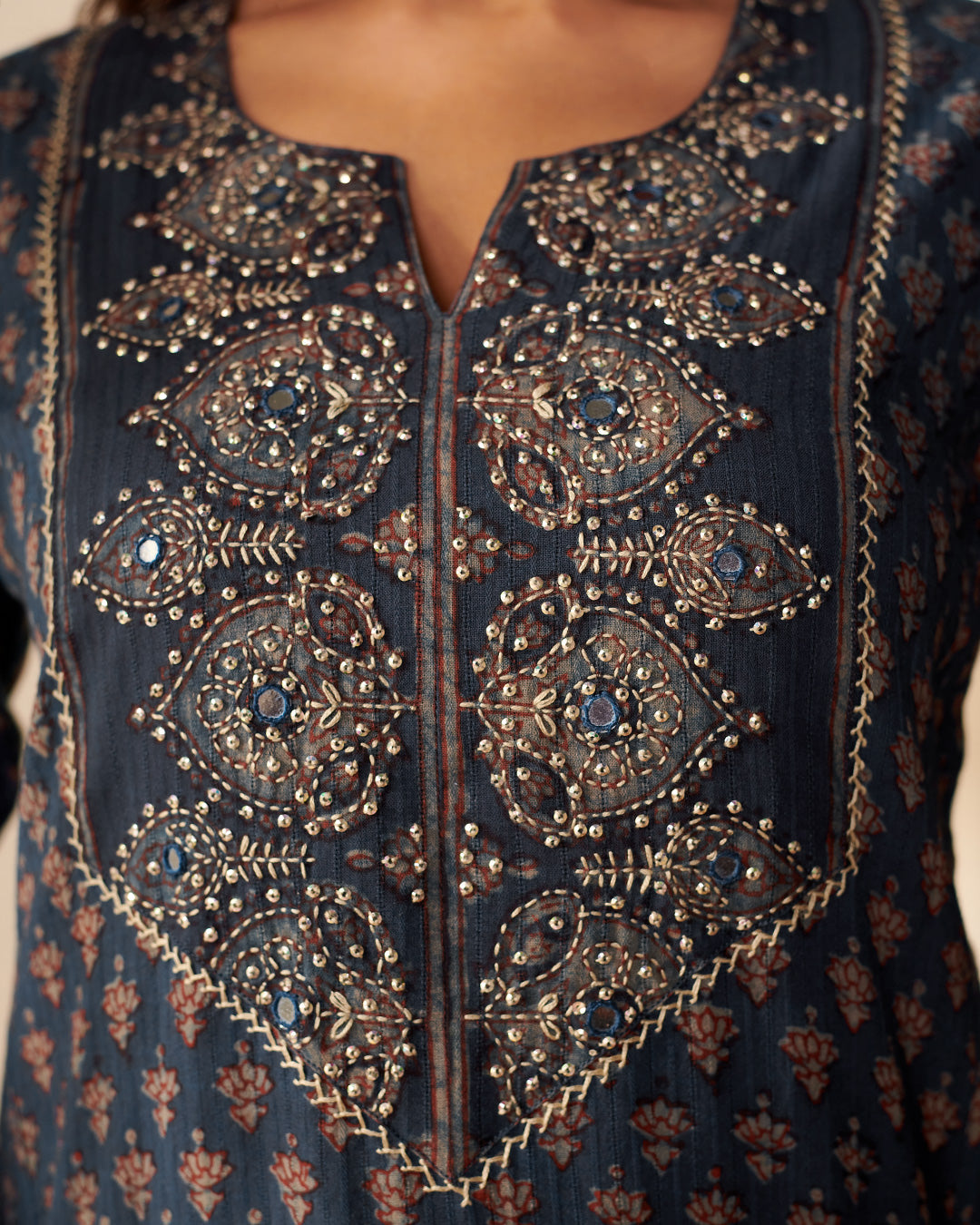
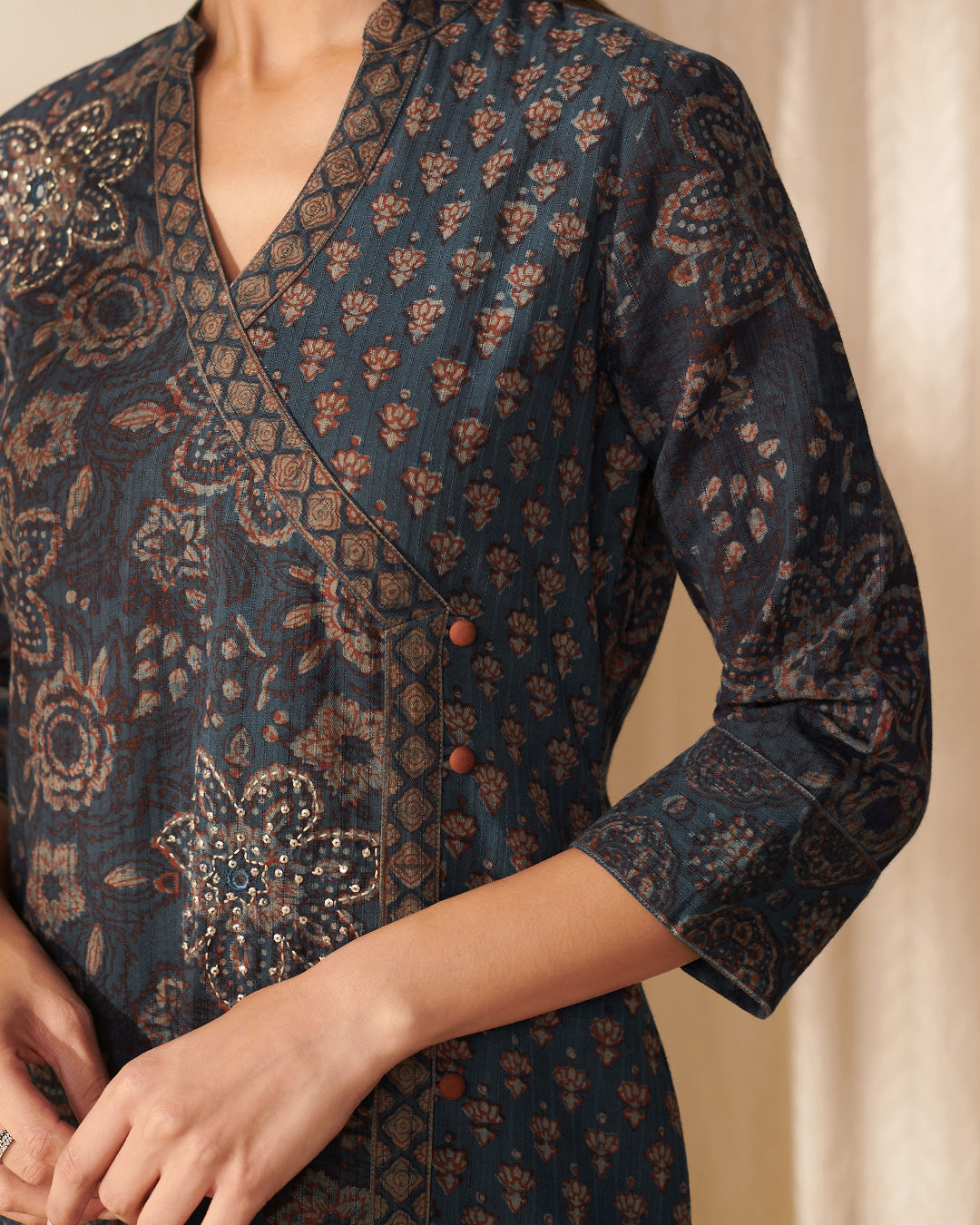
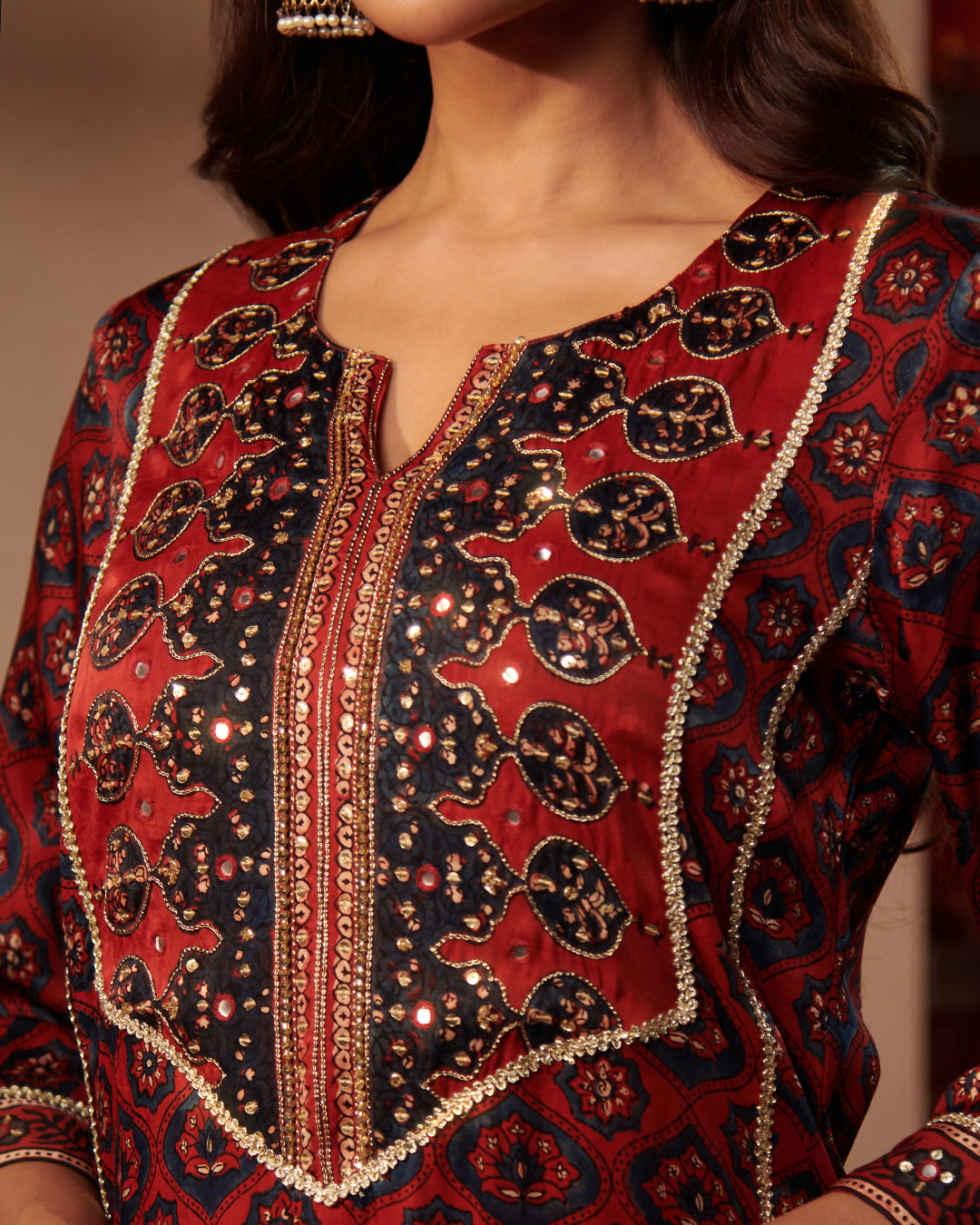
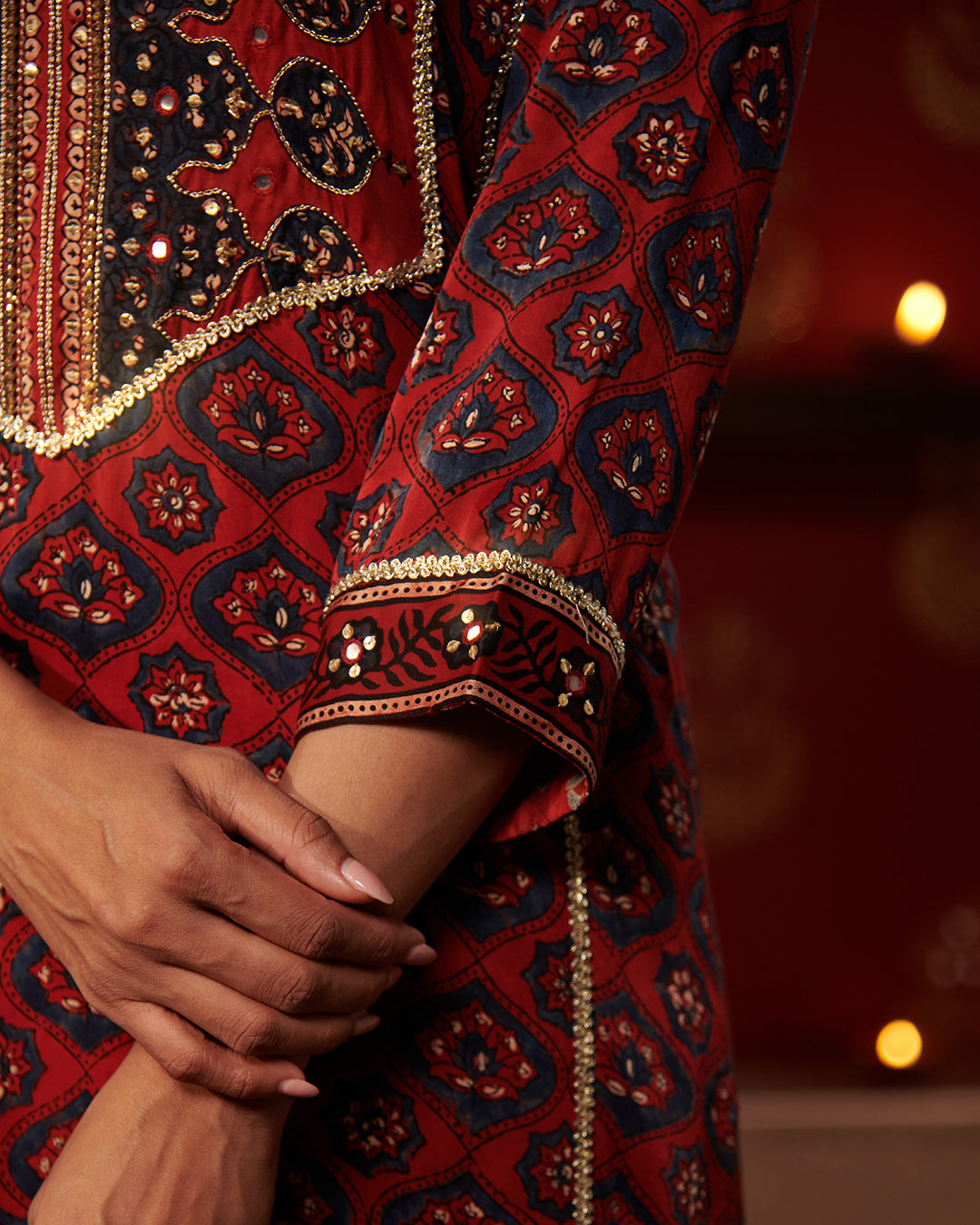
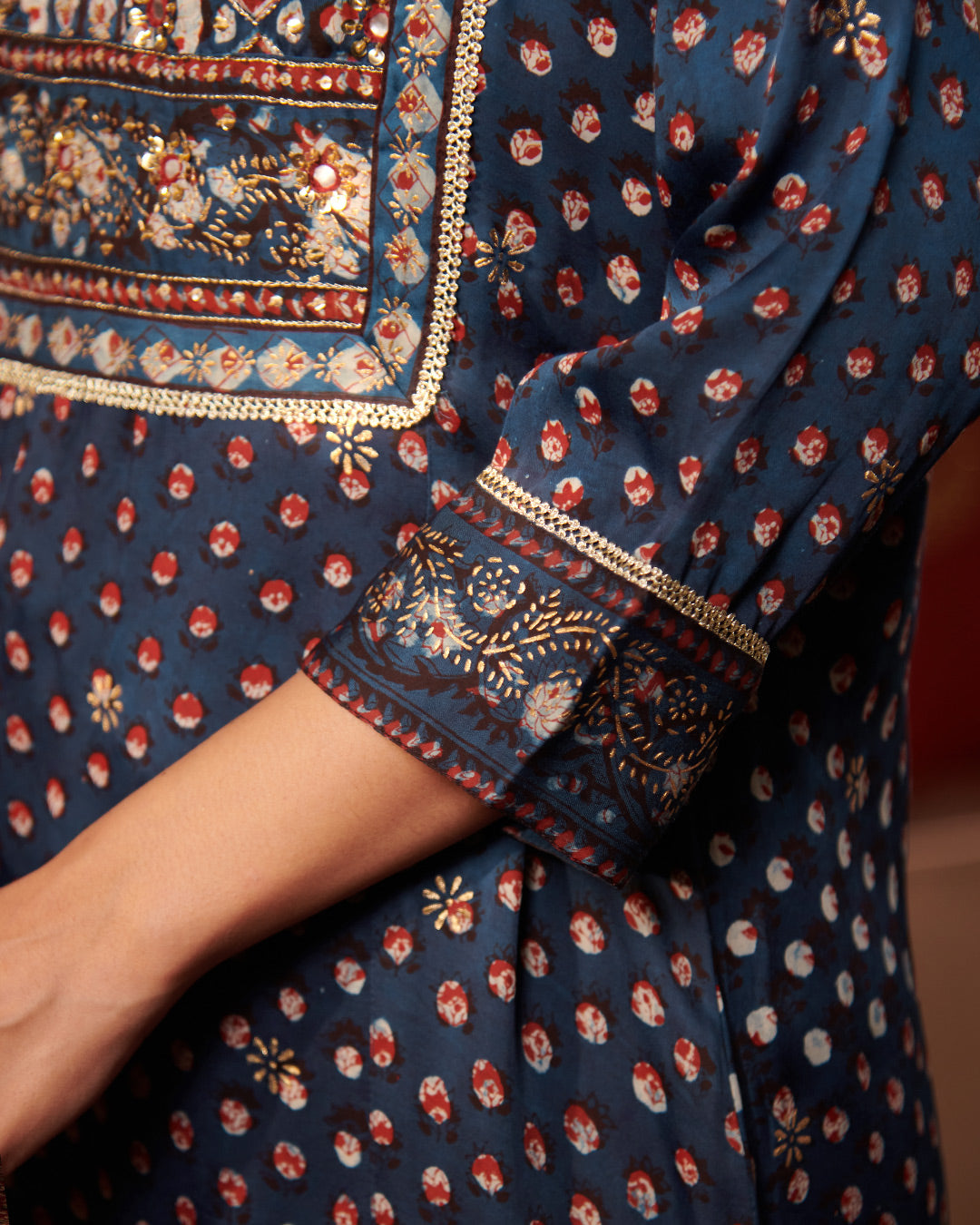
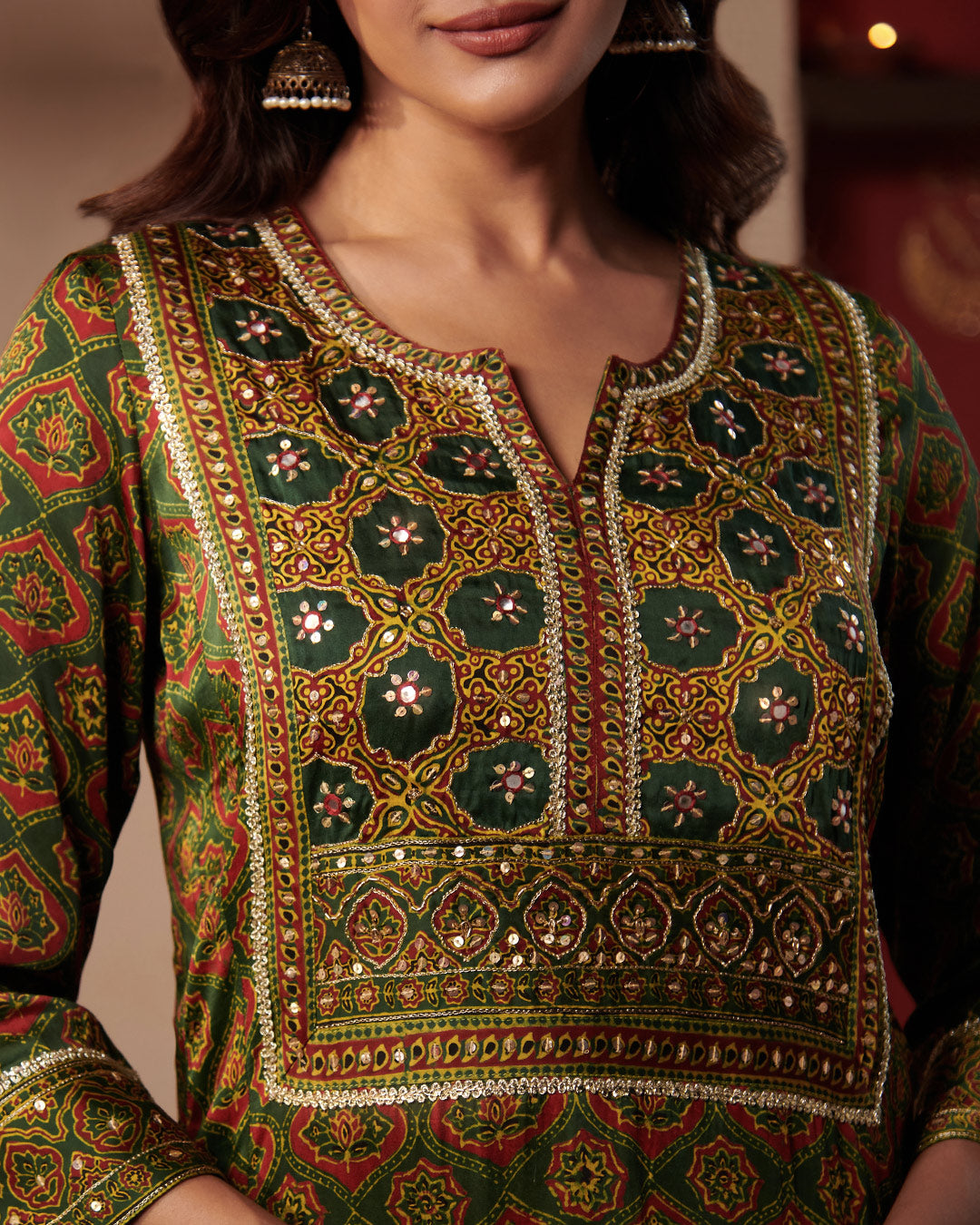
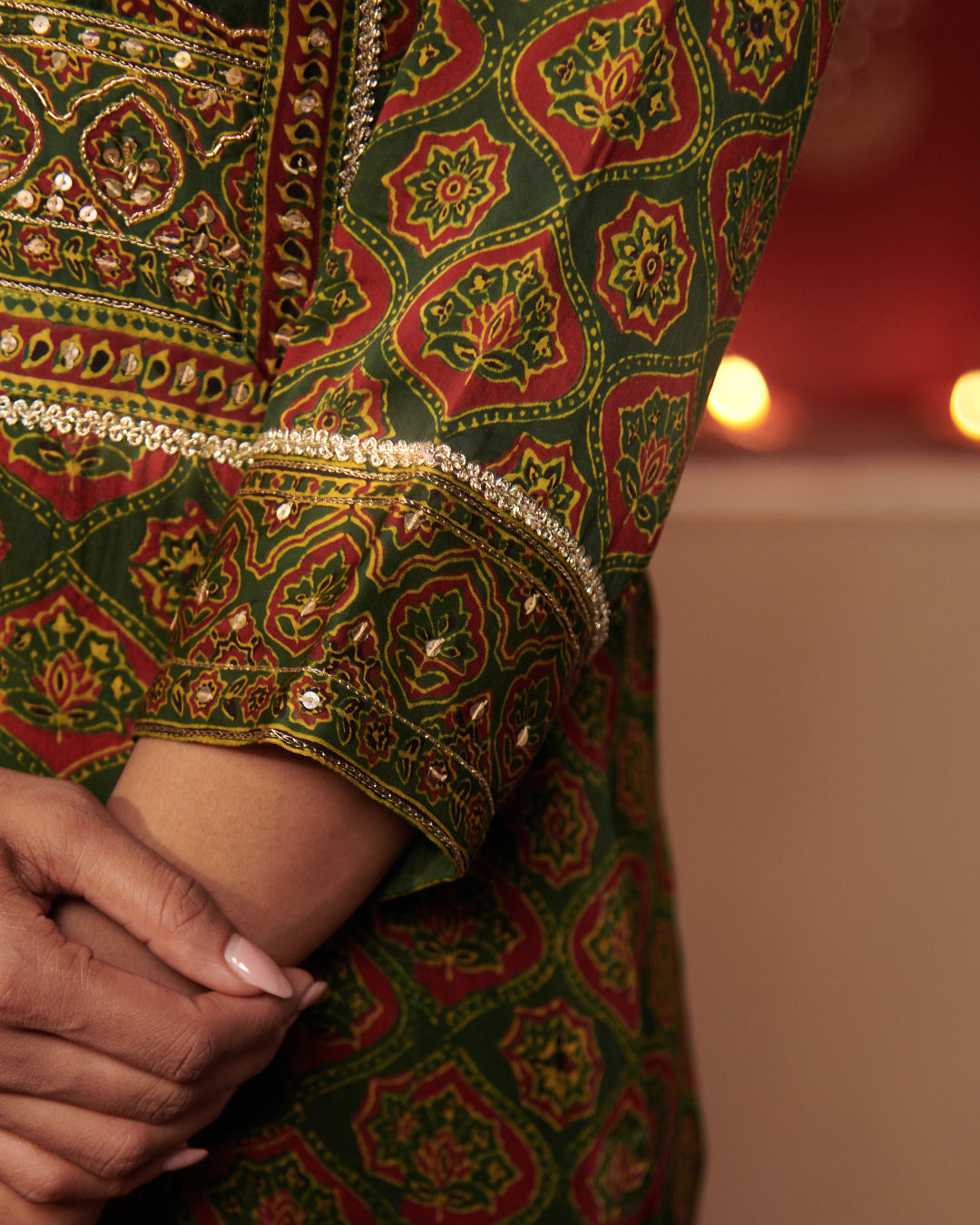
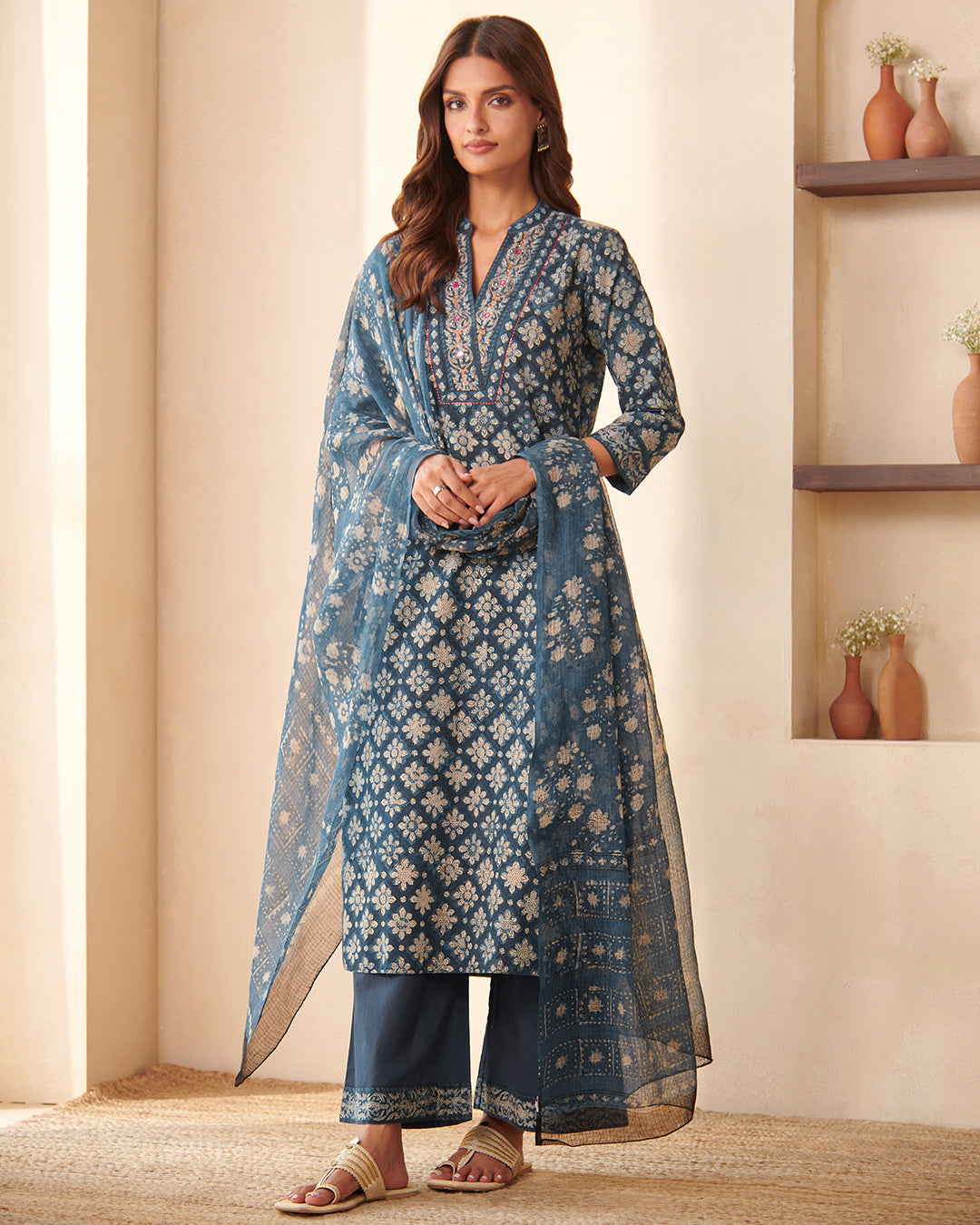
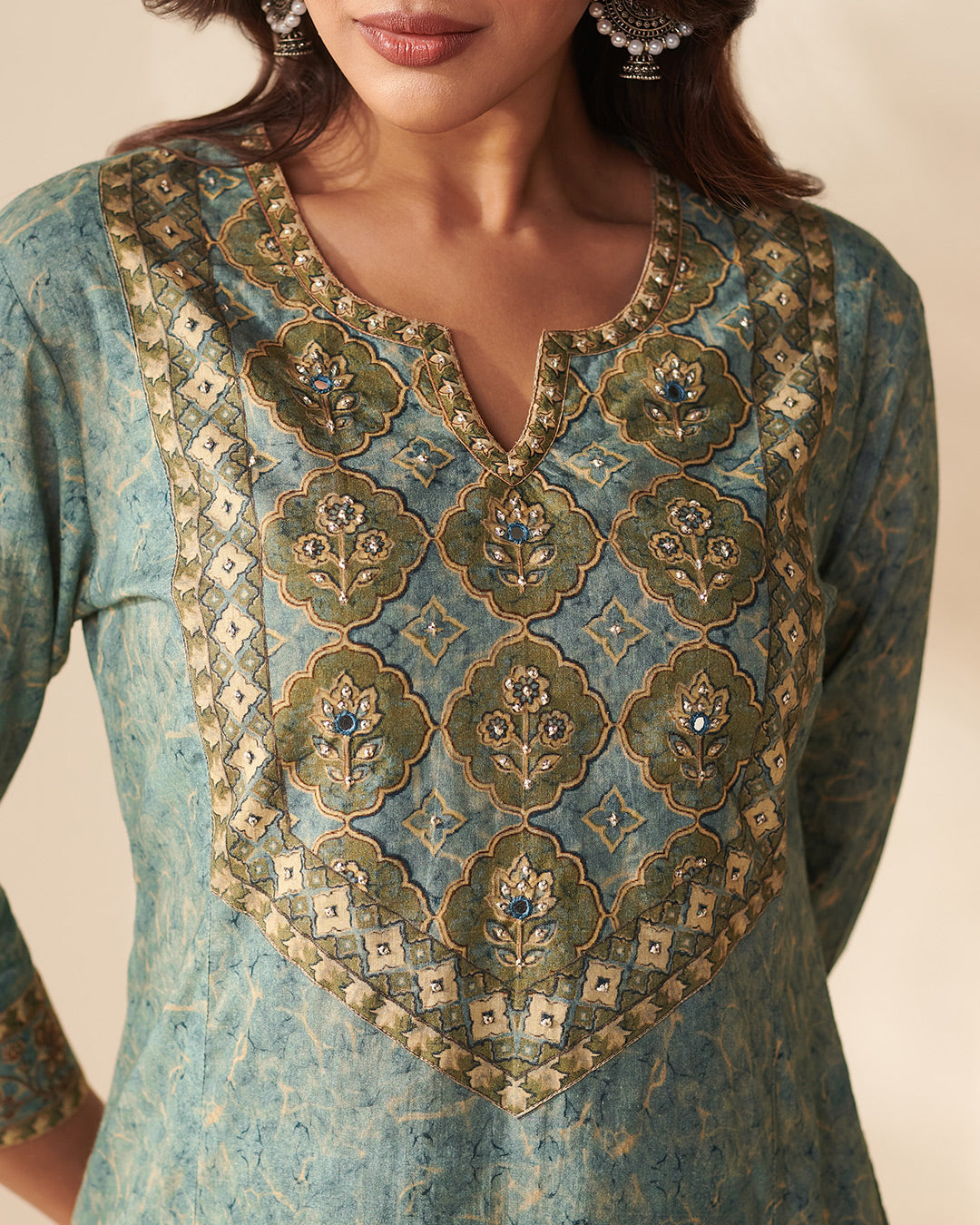
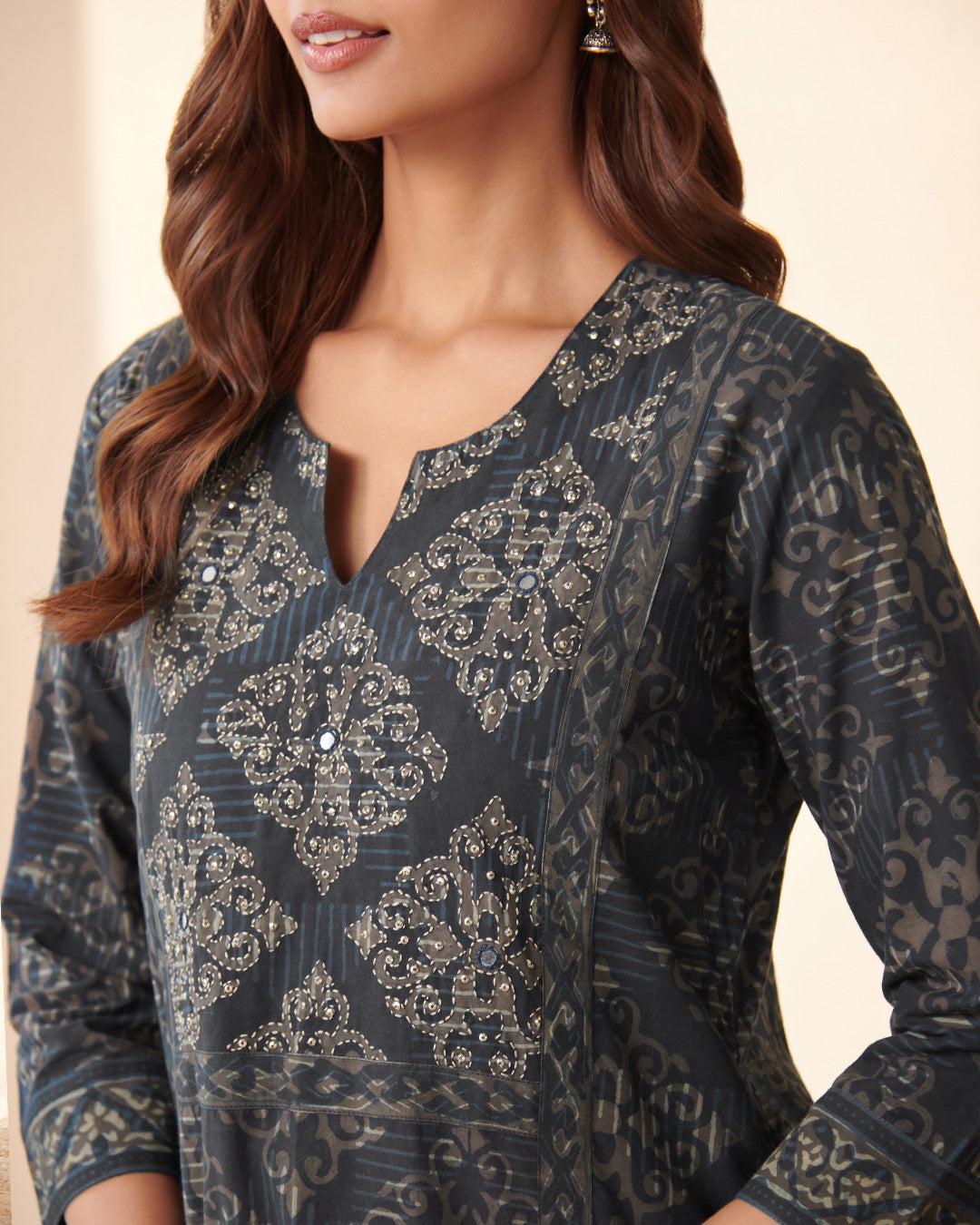
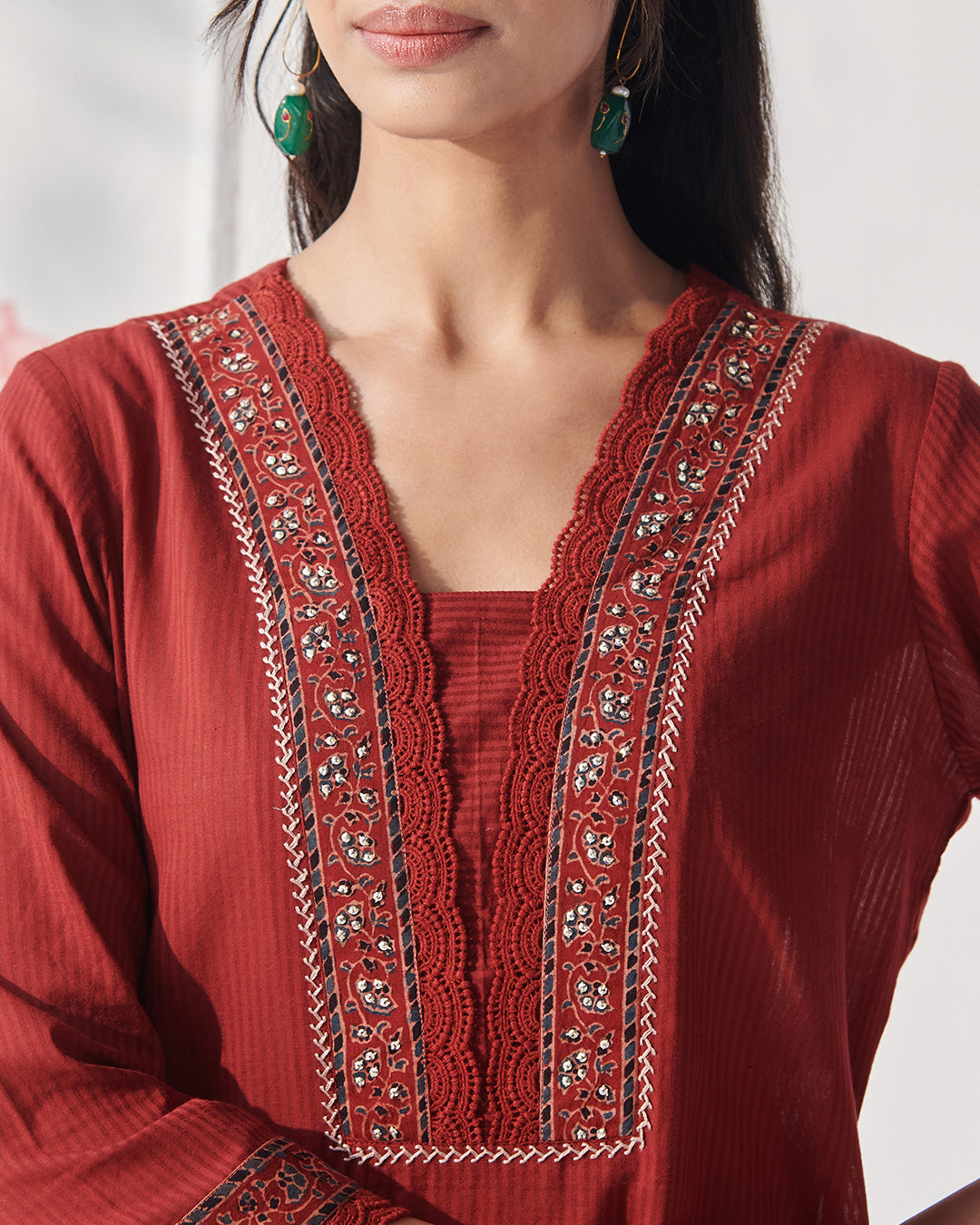
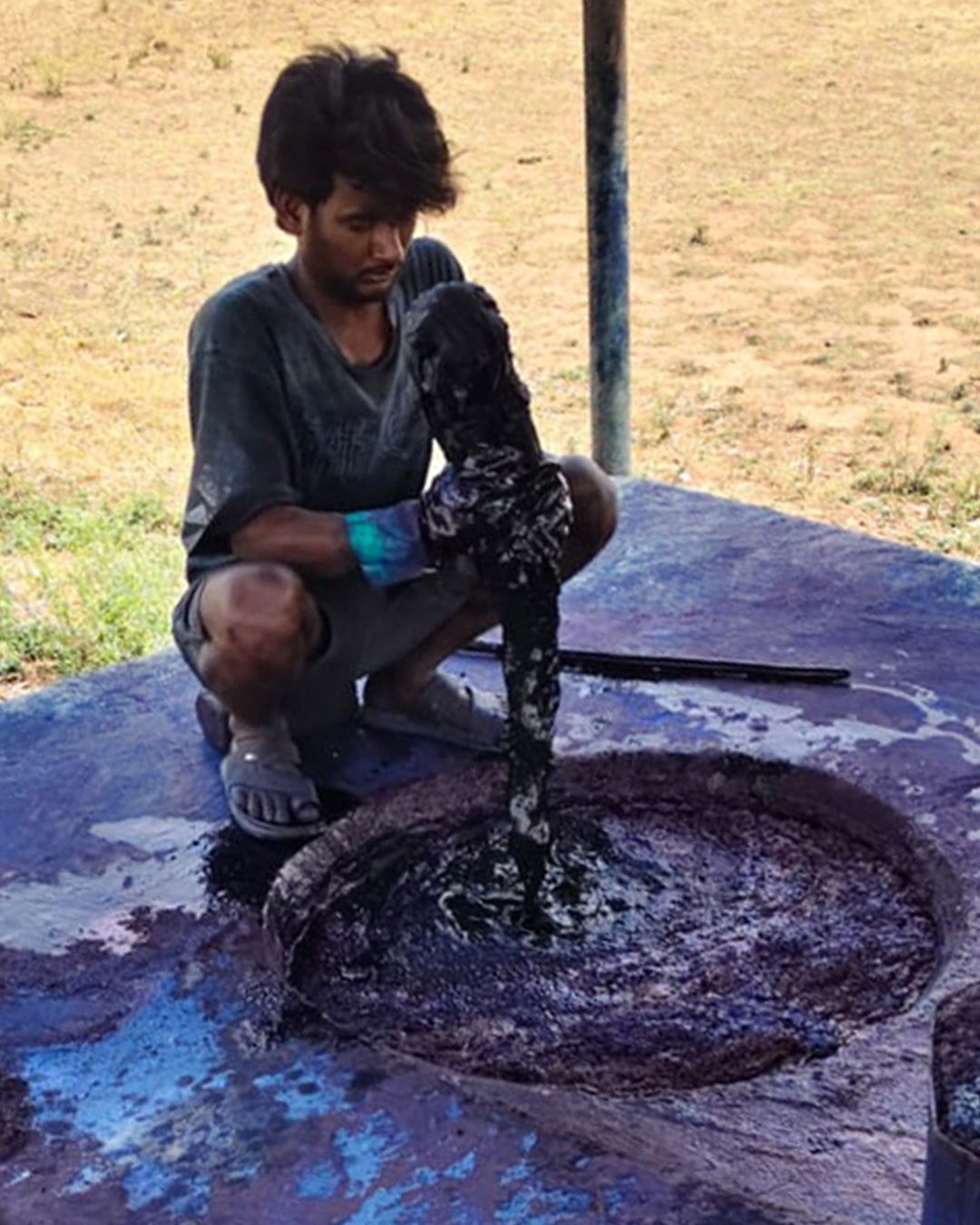
Traditional Akola printing is closely associated with earthy colours and nature-inspired motifs. Indigo, madder, black, red, and other grounded shades have long been part of Rajasthan's textile vocabulary. The result is not simply a printed surface. It is a textile where colour, craft, and place remain visible together.
This connection to Rajasthan gives Akola prints their particular sense of warmth. They belong to a landscape where textiles have long been part of everyday life, carrying practical purpose as well as cultural memory.
The Beauty of Hand-Printed Imperfections
Machine printing aims for sameness. Hand printing allows for variation.
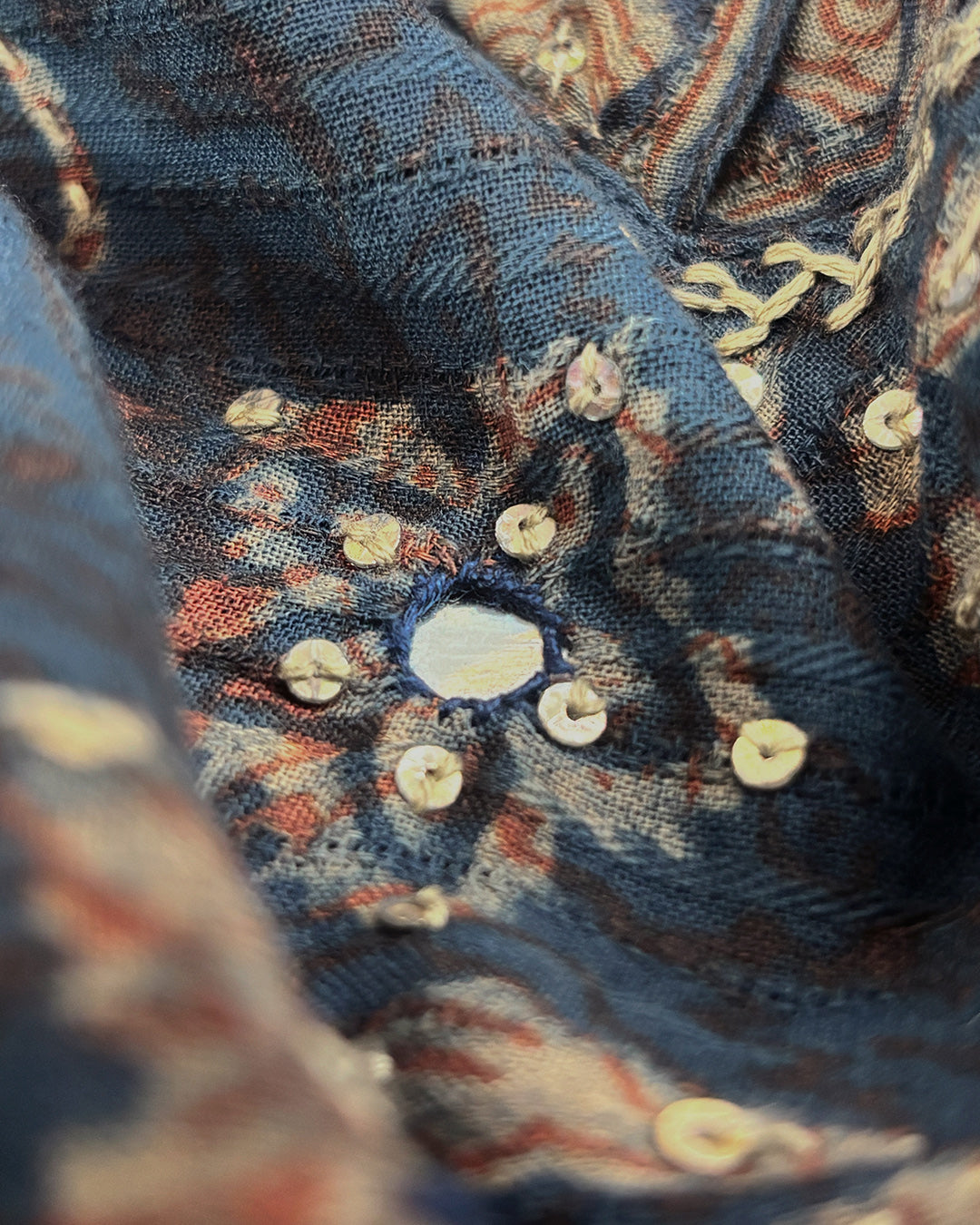
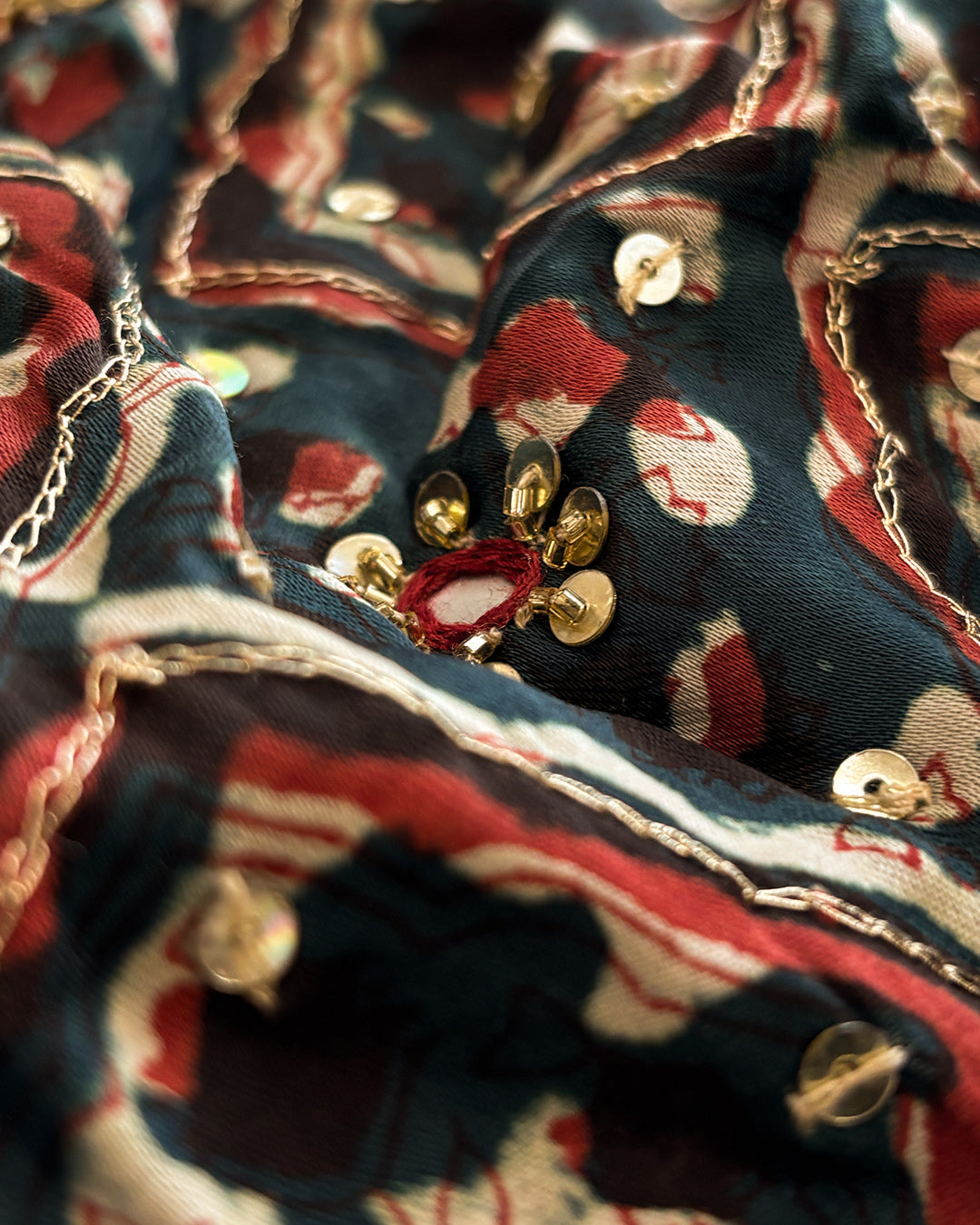
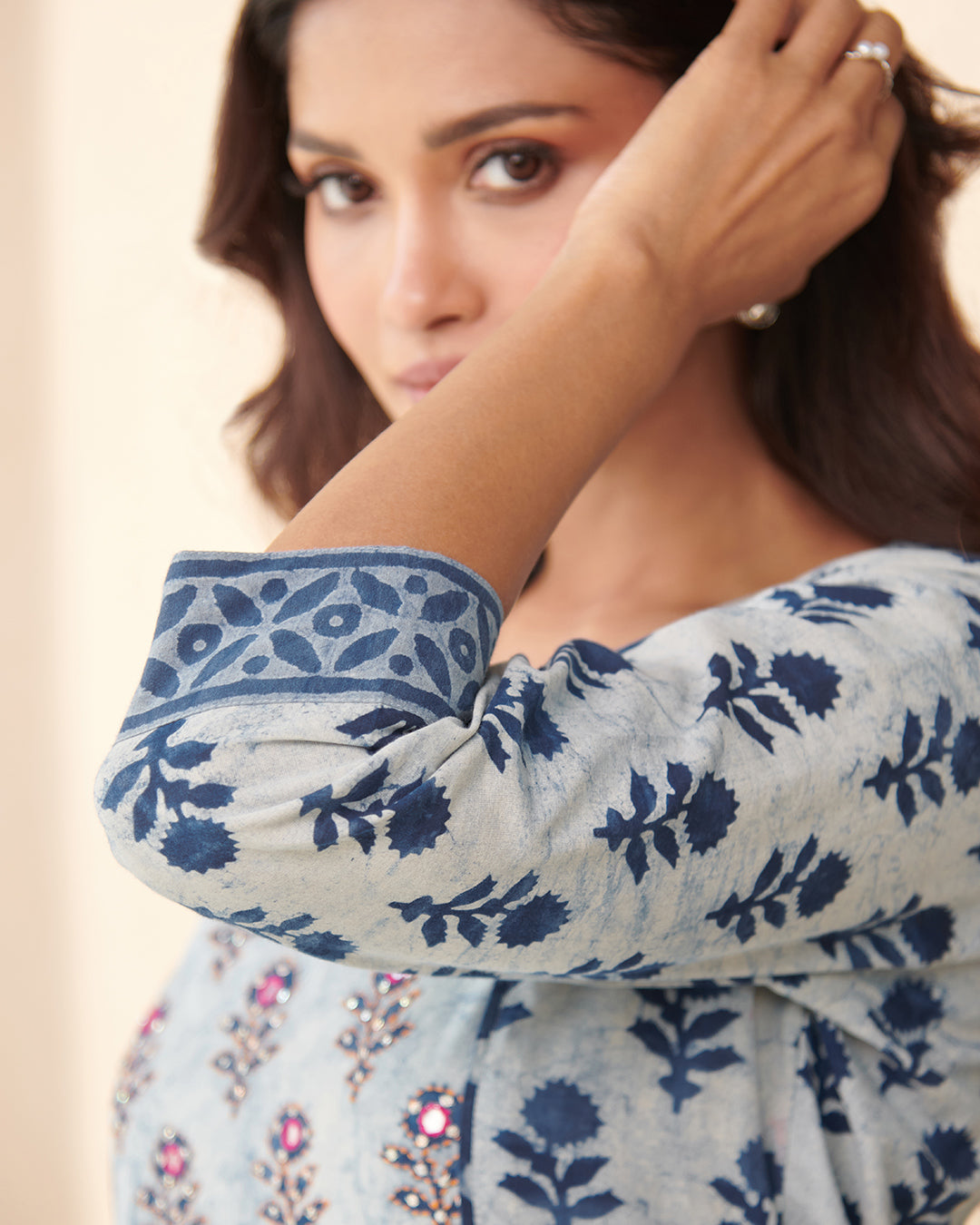
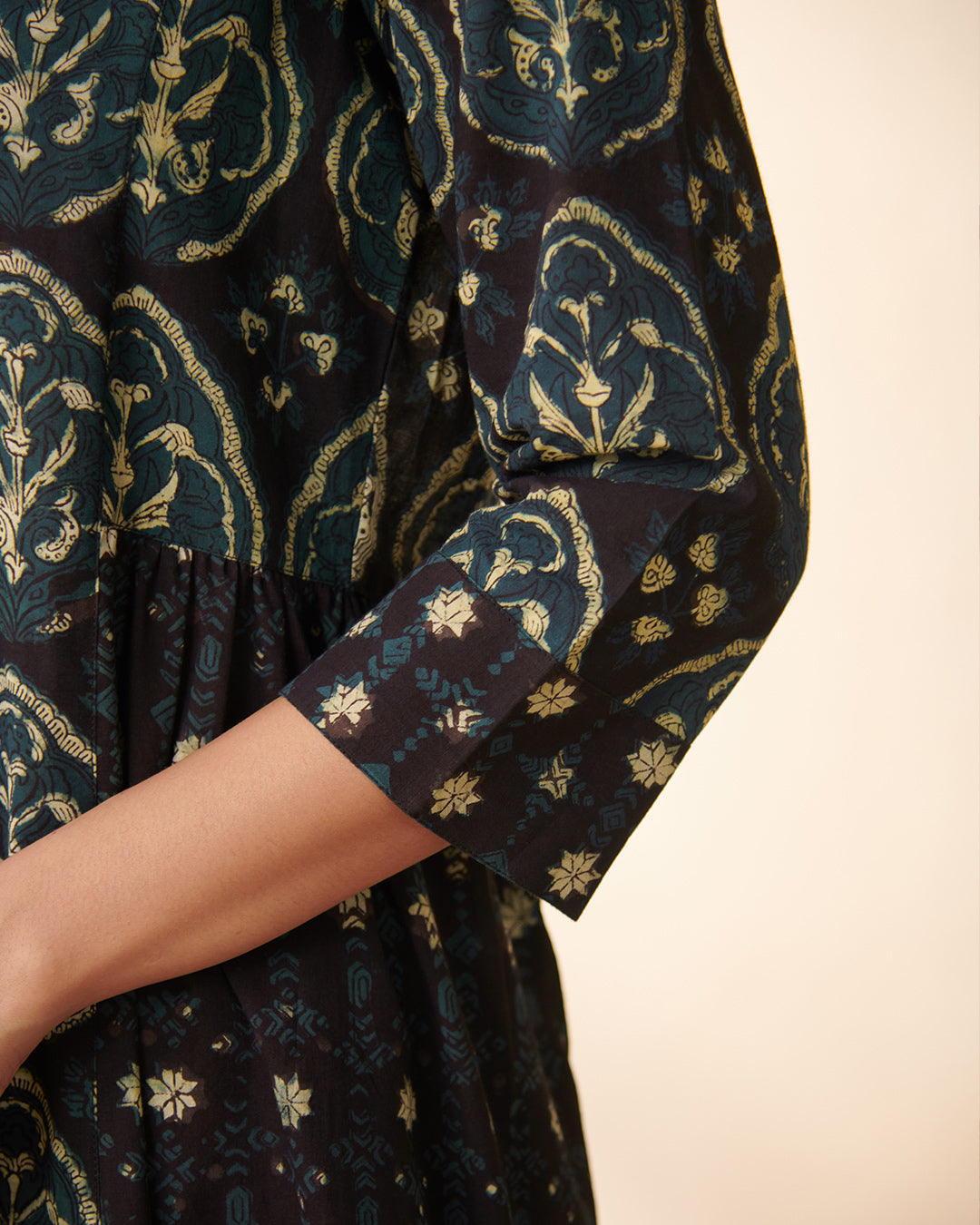
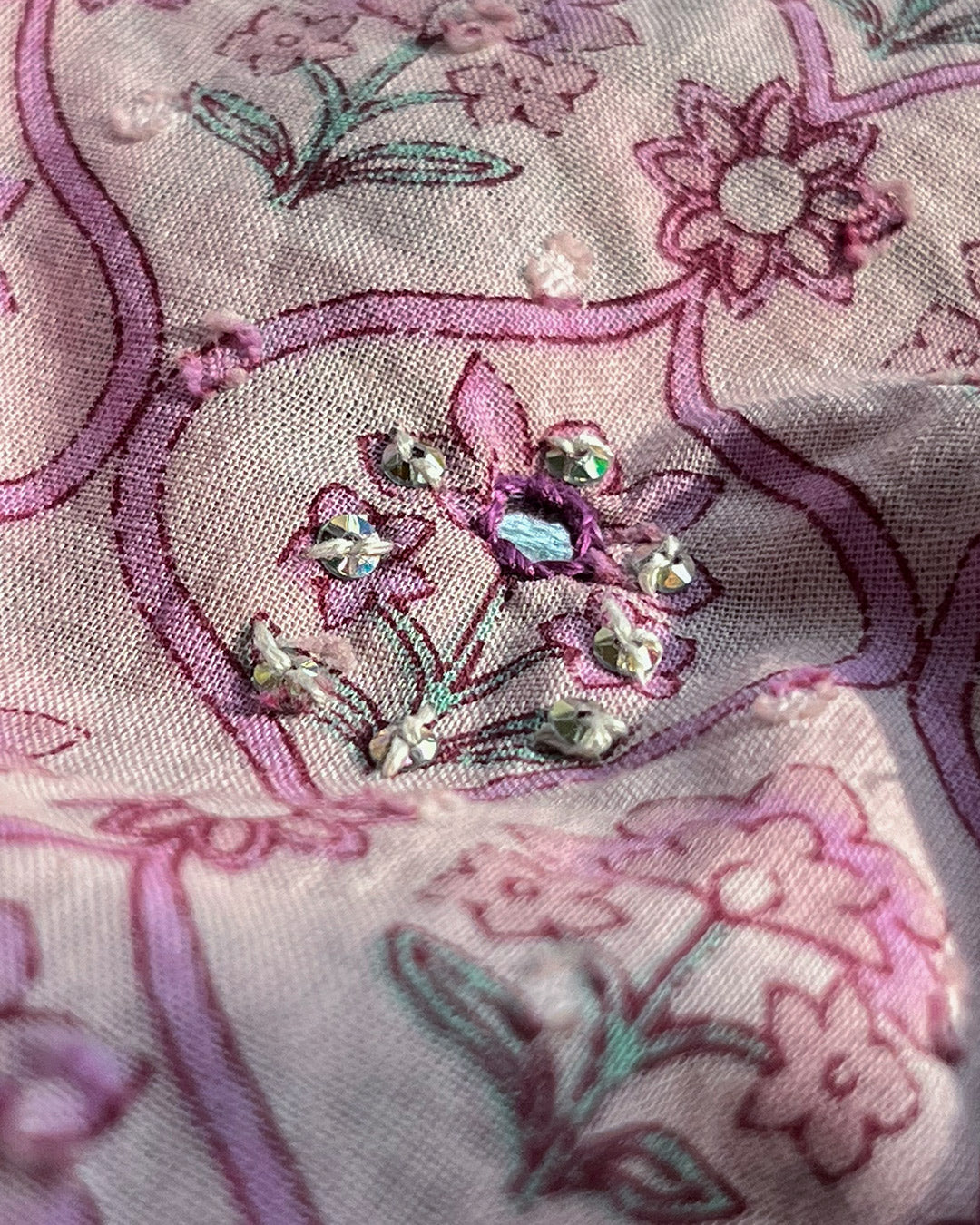
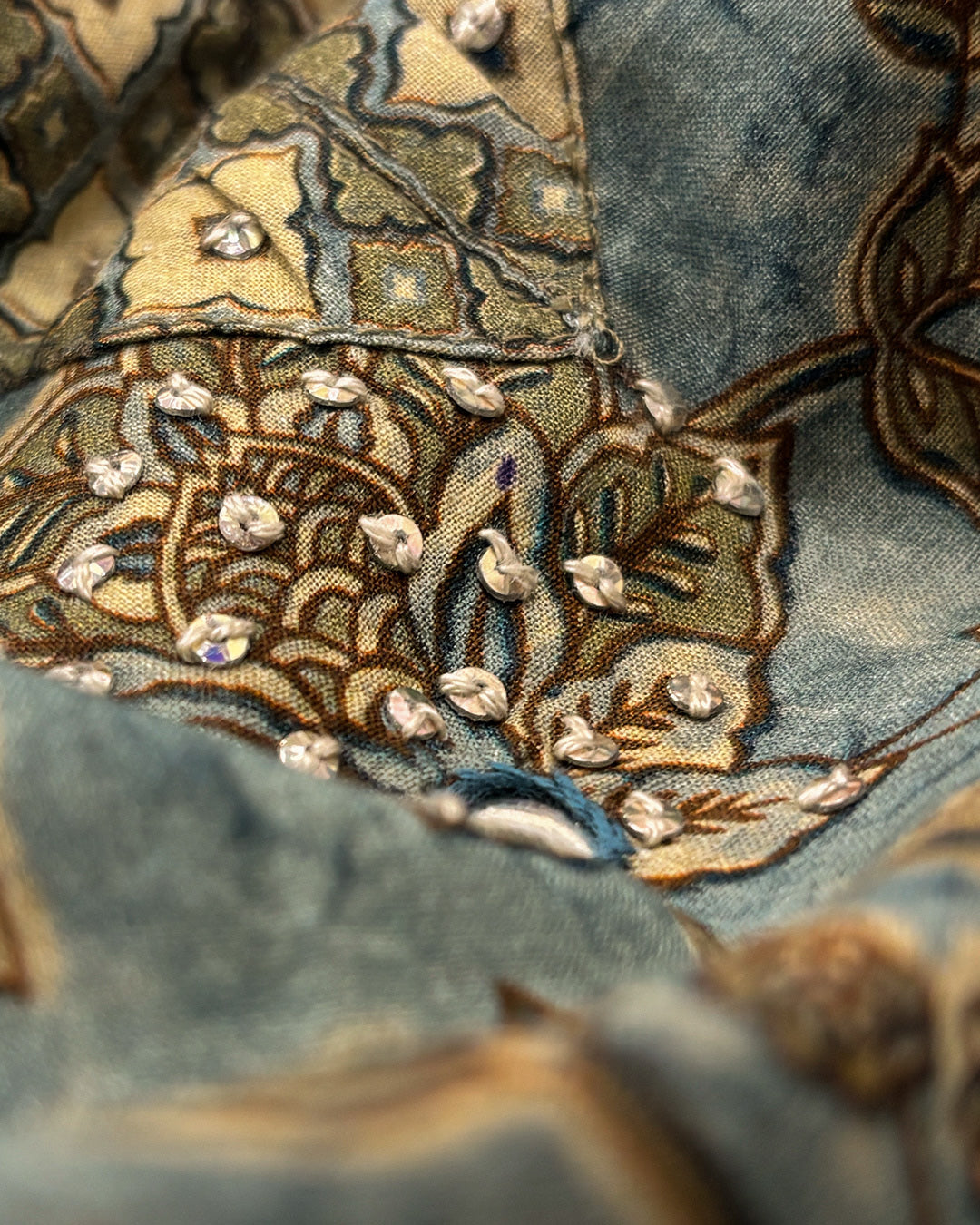
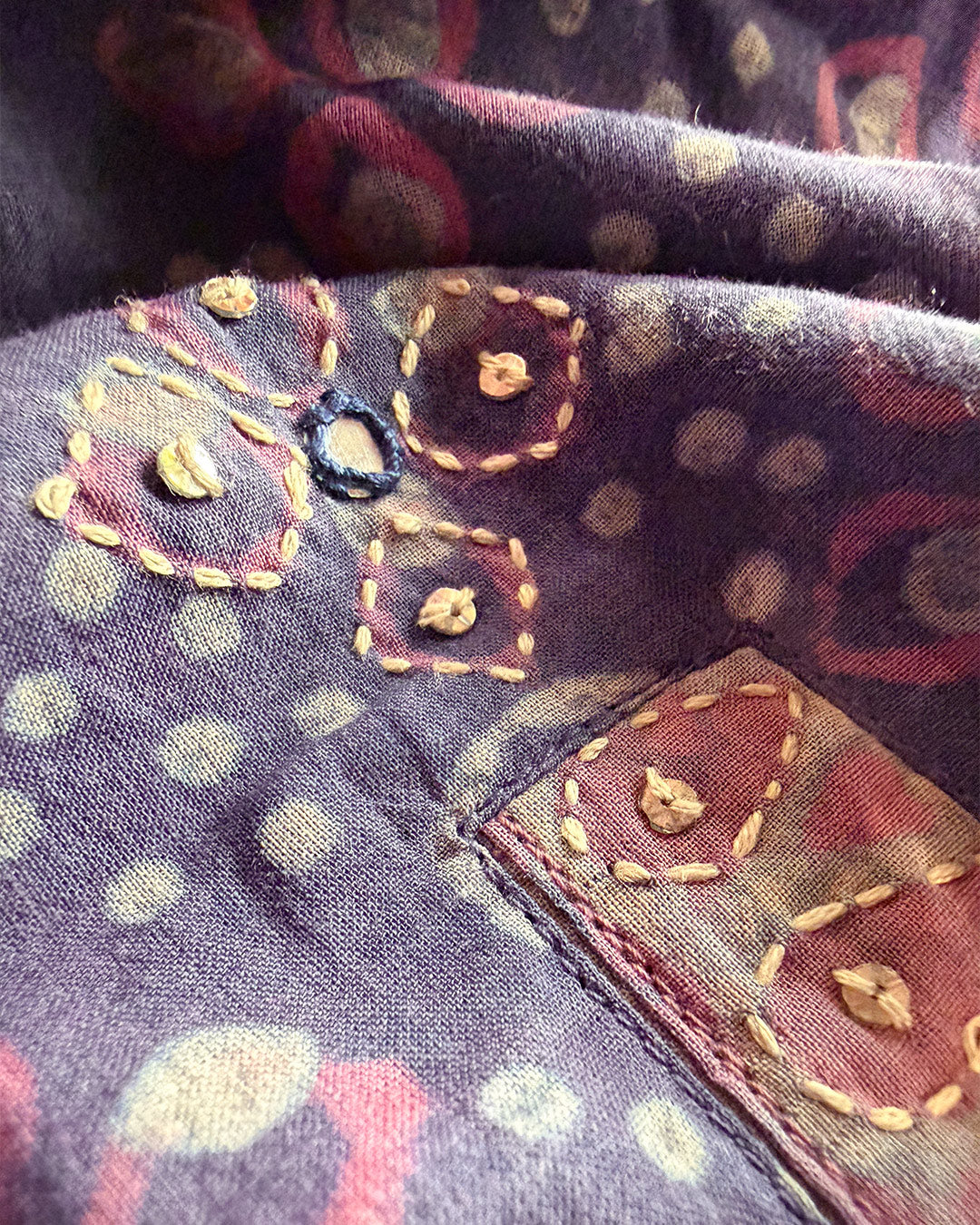
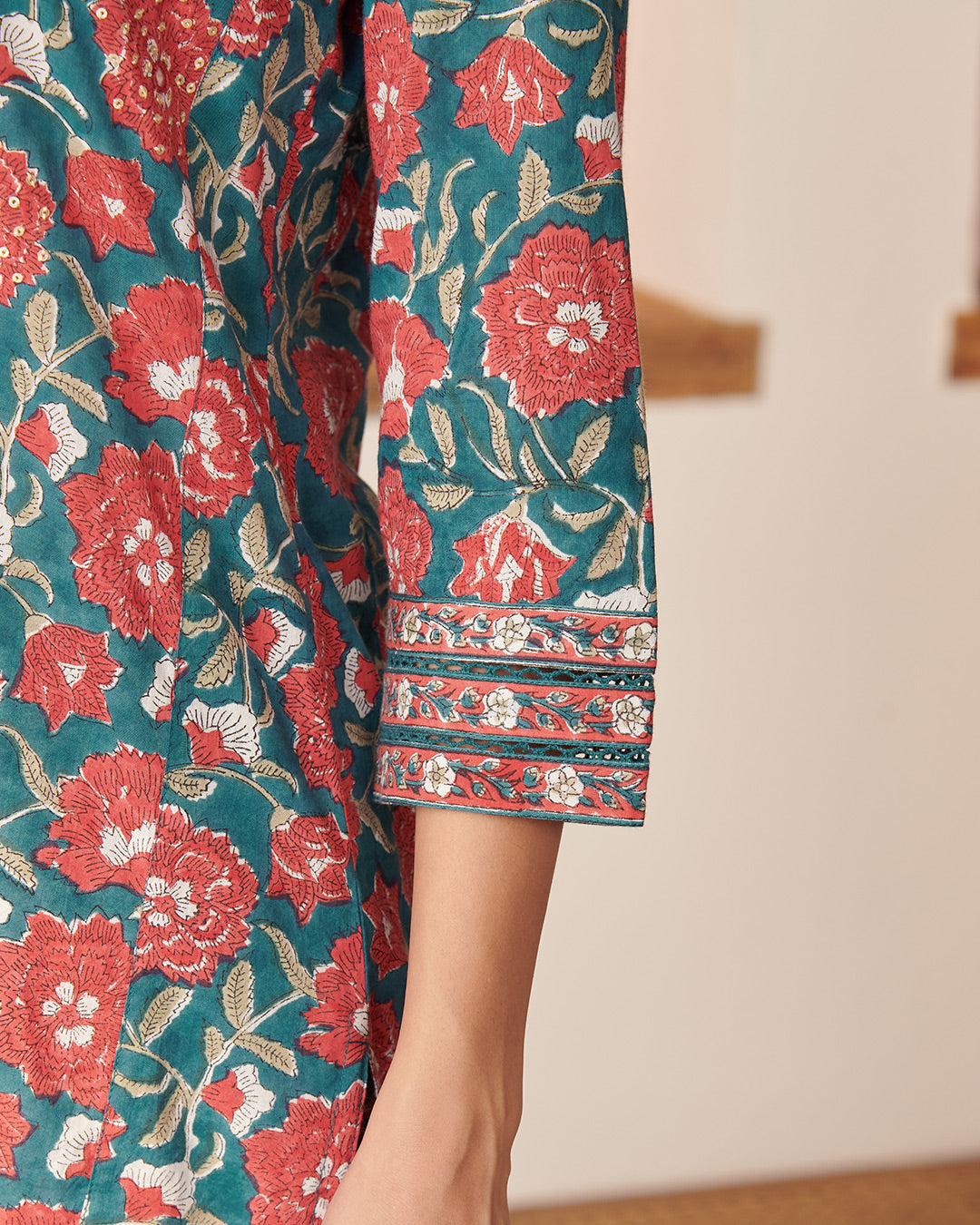
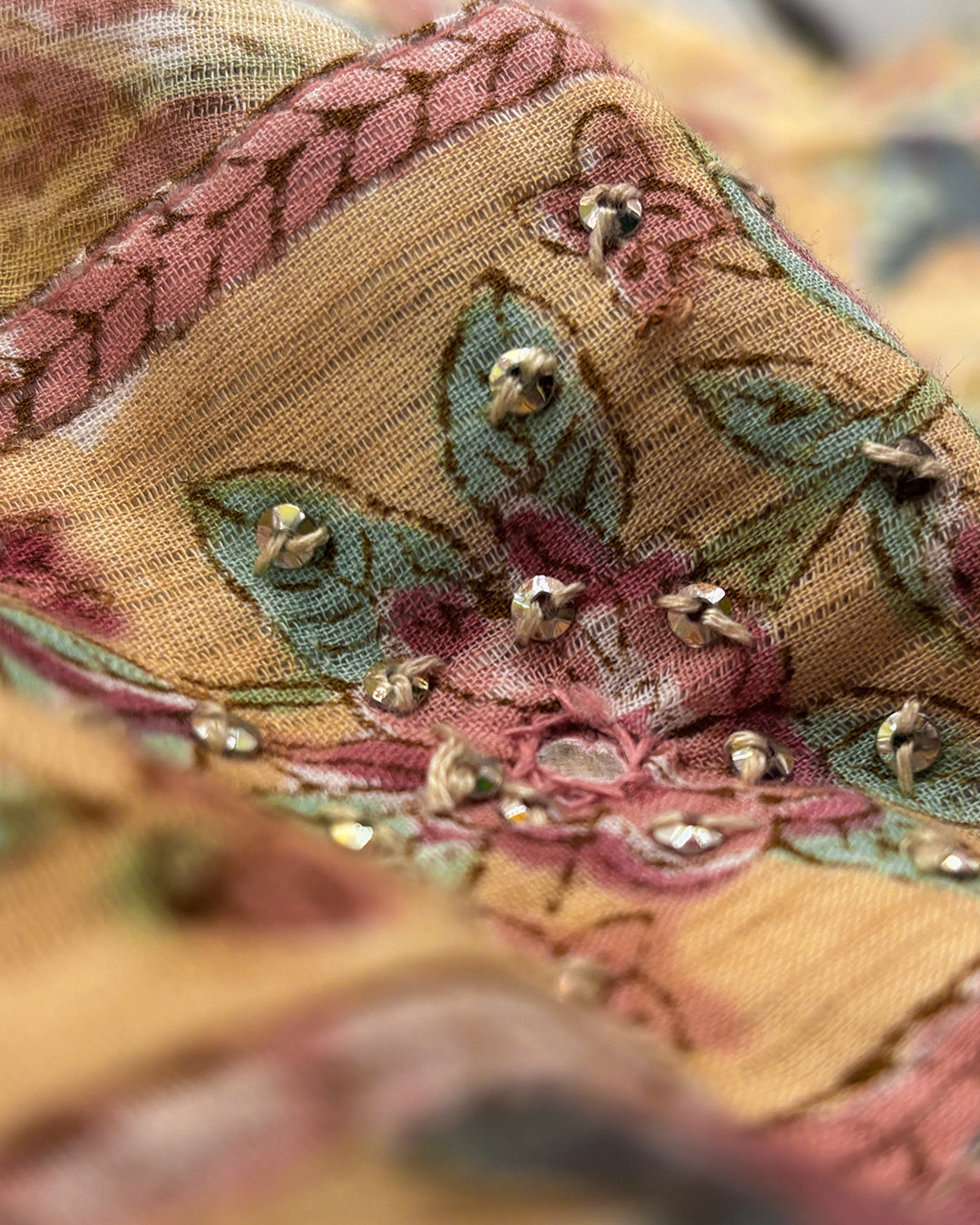
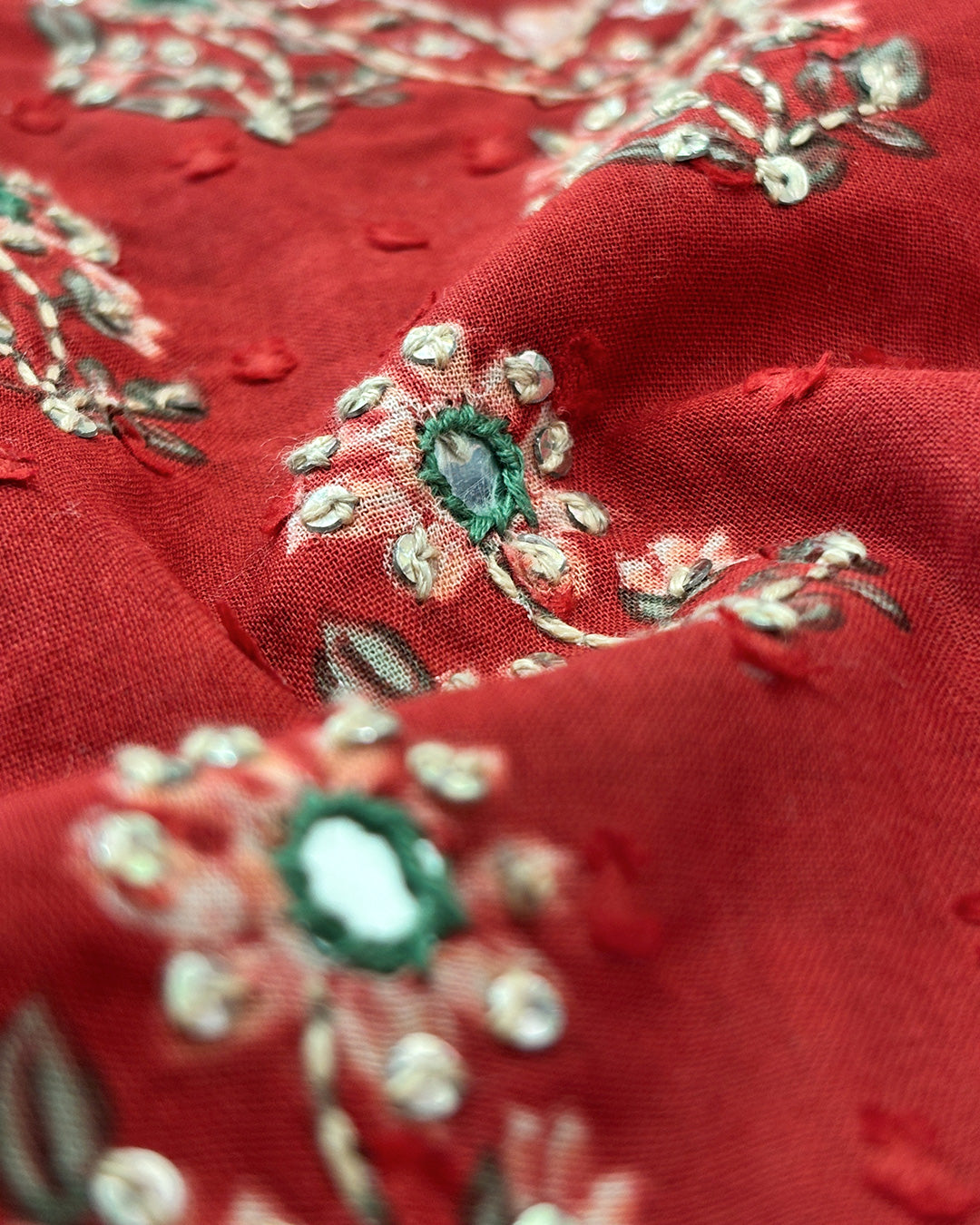
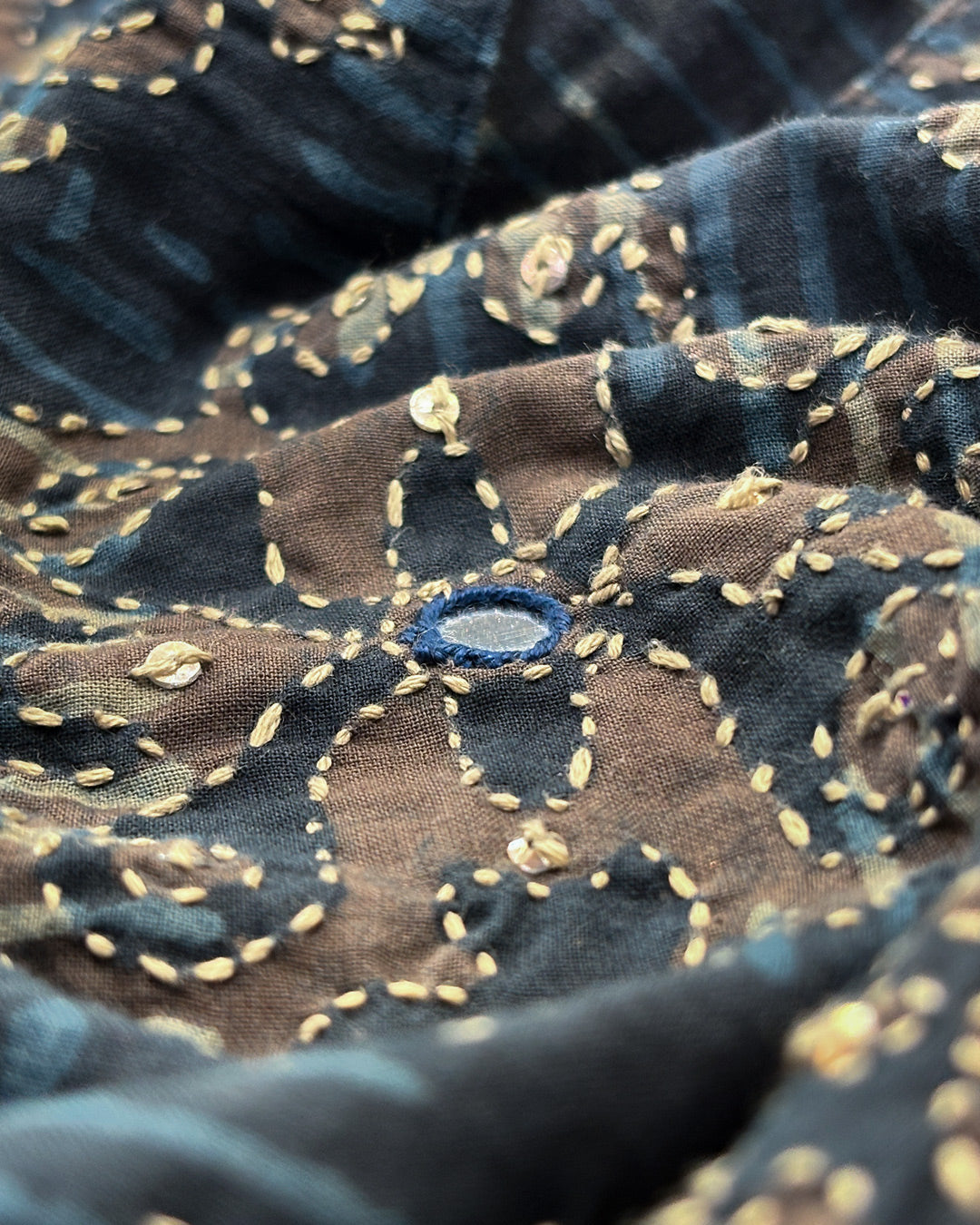
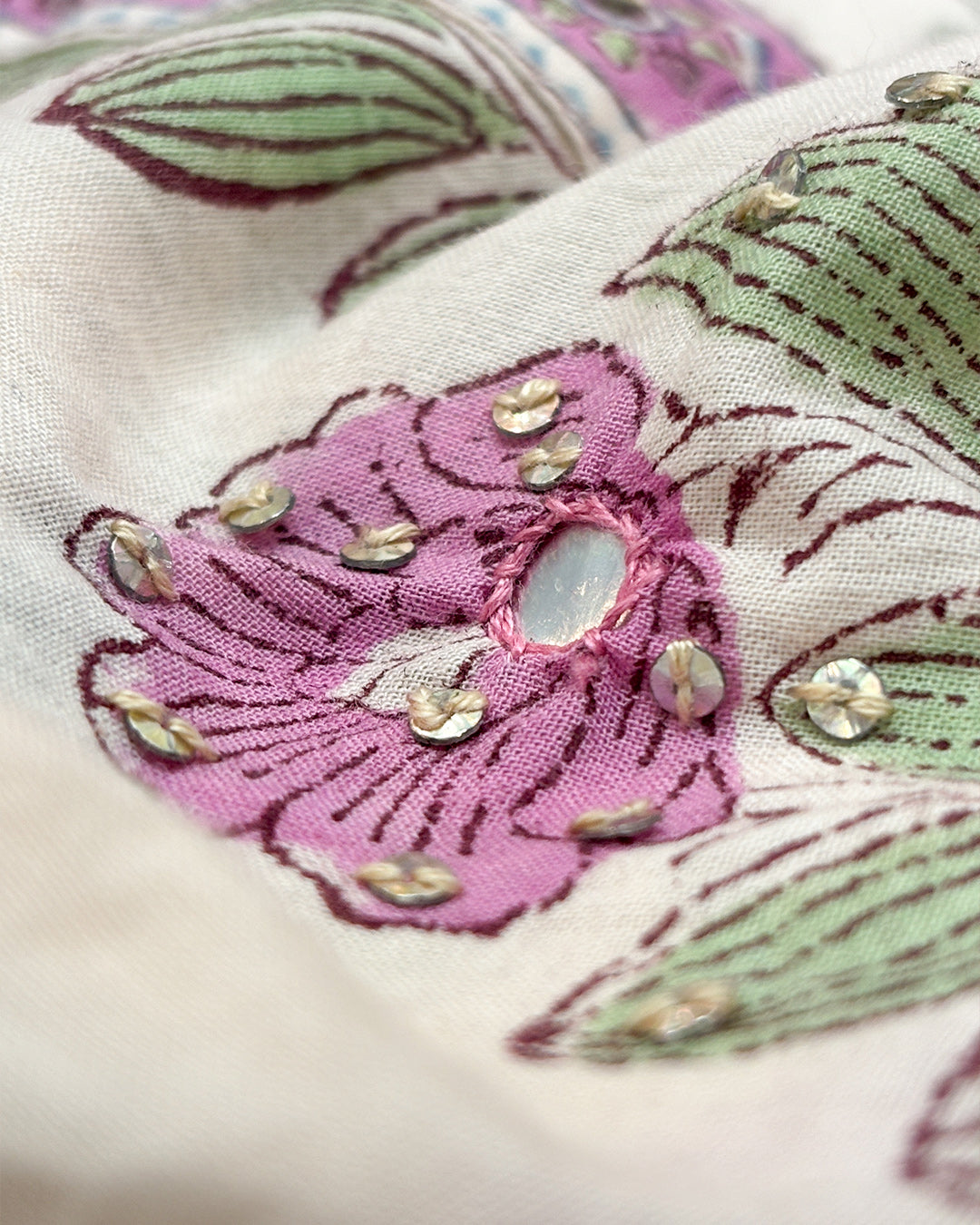
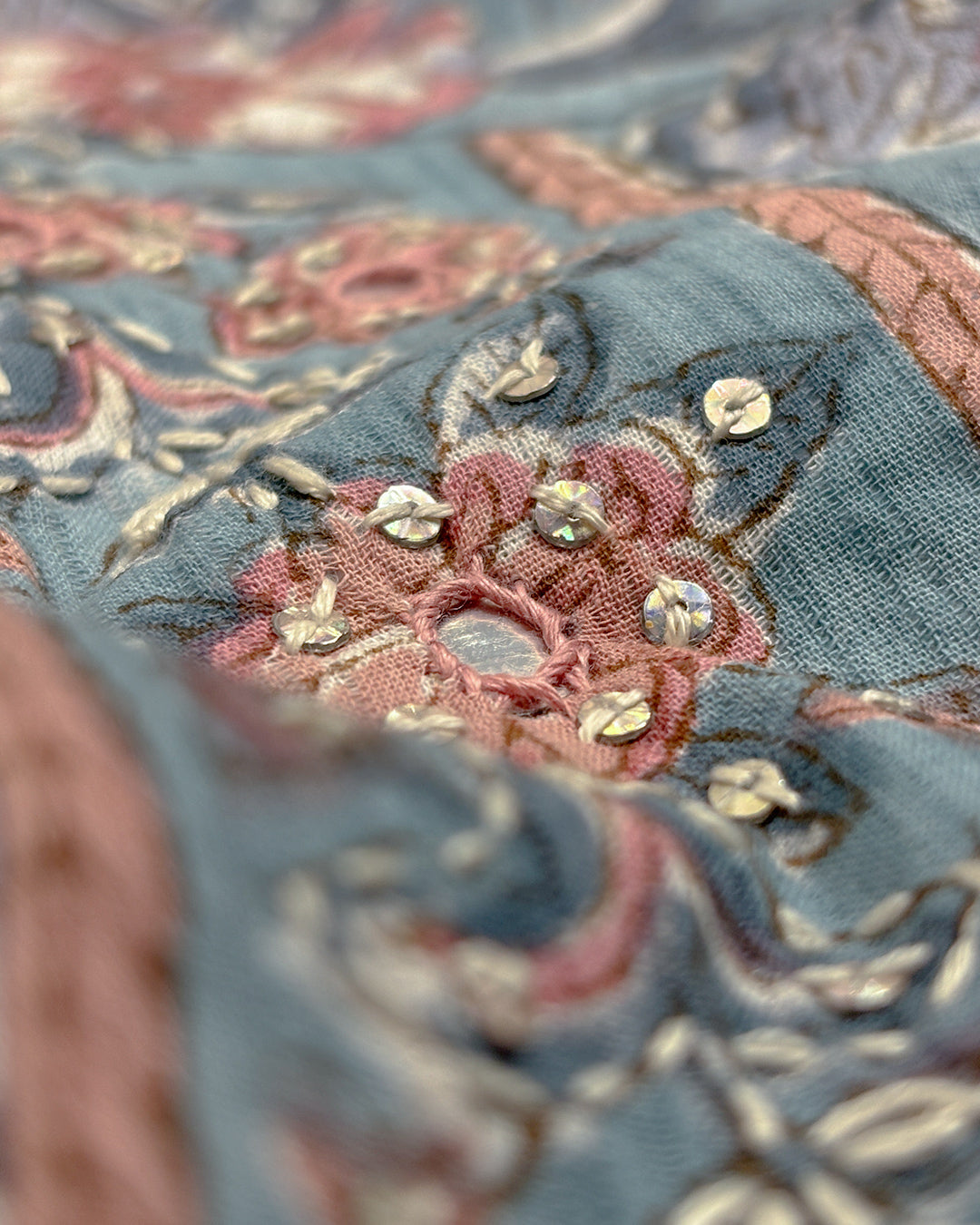
A block may sit a fraction differently from one impression to the next. The colour may settle with a slight difference. A tiny irregularity can appear in the outline of a motif. These details are not flaws to be corrected. They are evidence of the human hand.
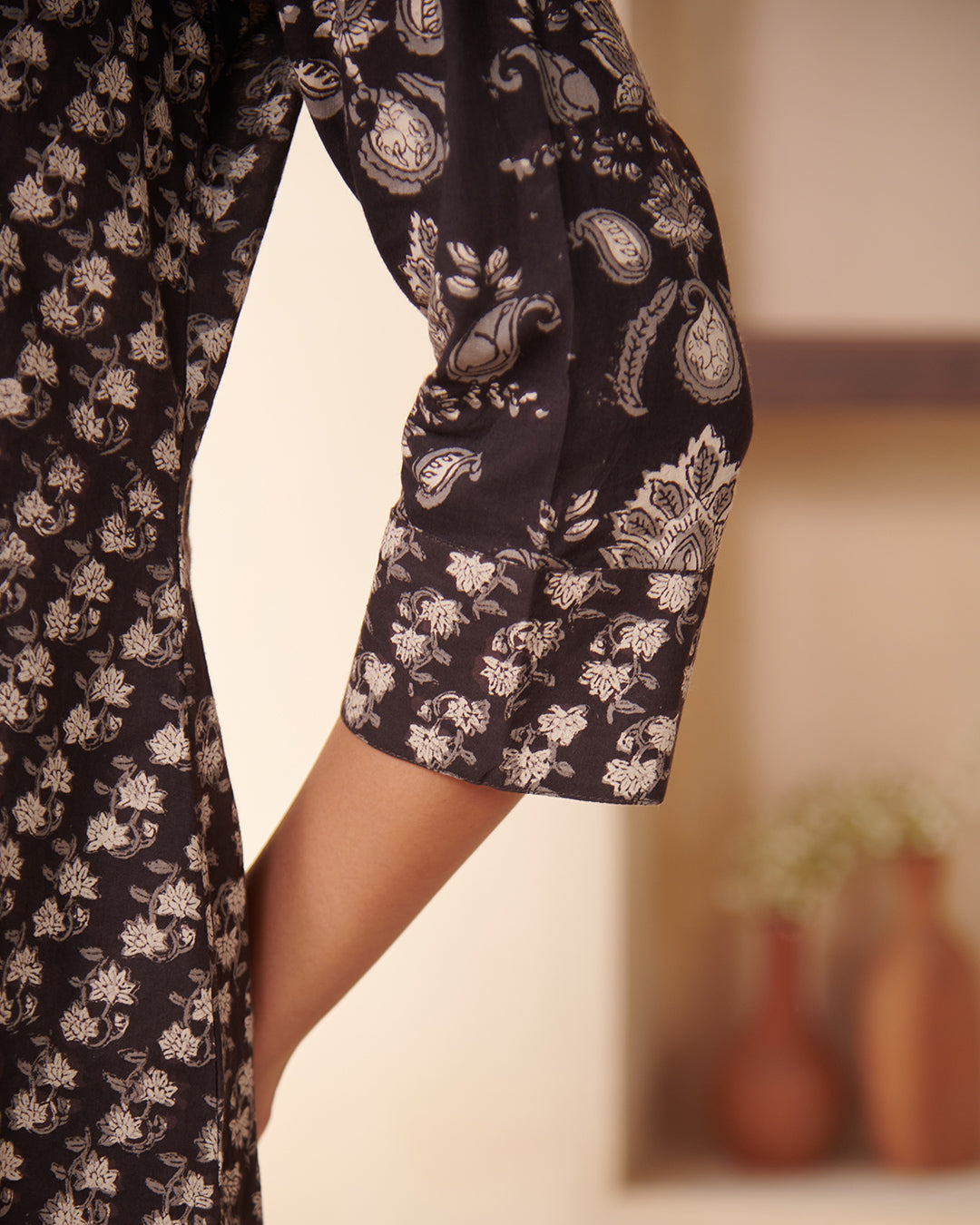
That is part of what makes hand block printed cotton so appealing. No two pieces feel entirely identical, even when the same block and colours are used. There is a softness to the irregularity, a sense that the fabric has been made rather than simply produced.
For those of us who have grown up around Indian textiles, this quality can feel especially familiar. We recognise it in the small differences between handmade pieces, in fabrics that become softer with use, and in clothes that seem to gather memories as they are worn.
Why Akola Prints Work So Well for Summer

Breathable Fabrics for Warm Days
Summer dressing begins with comfort. In Indian weather, the fabric often matters as much as the silhouette.
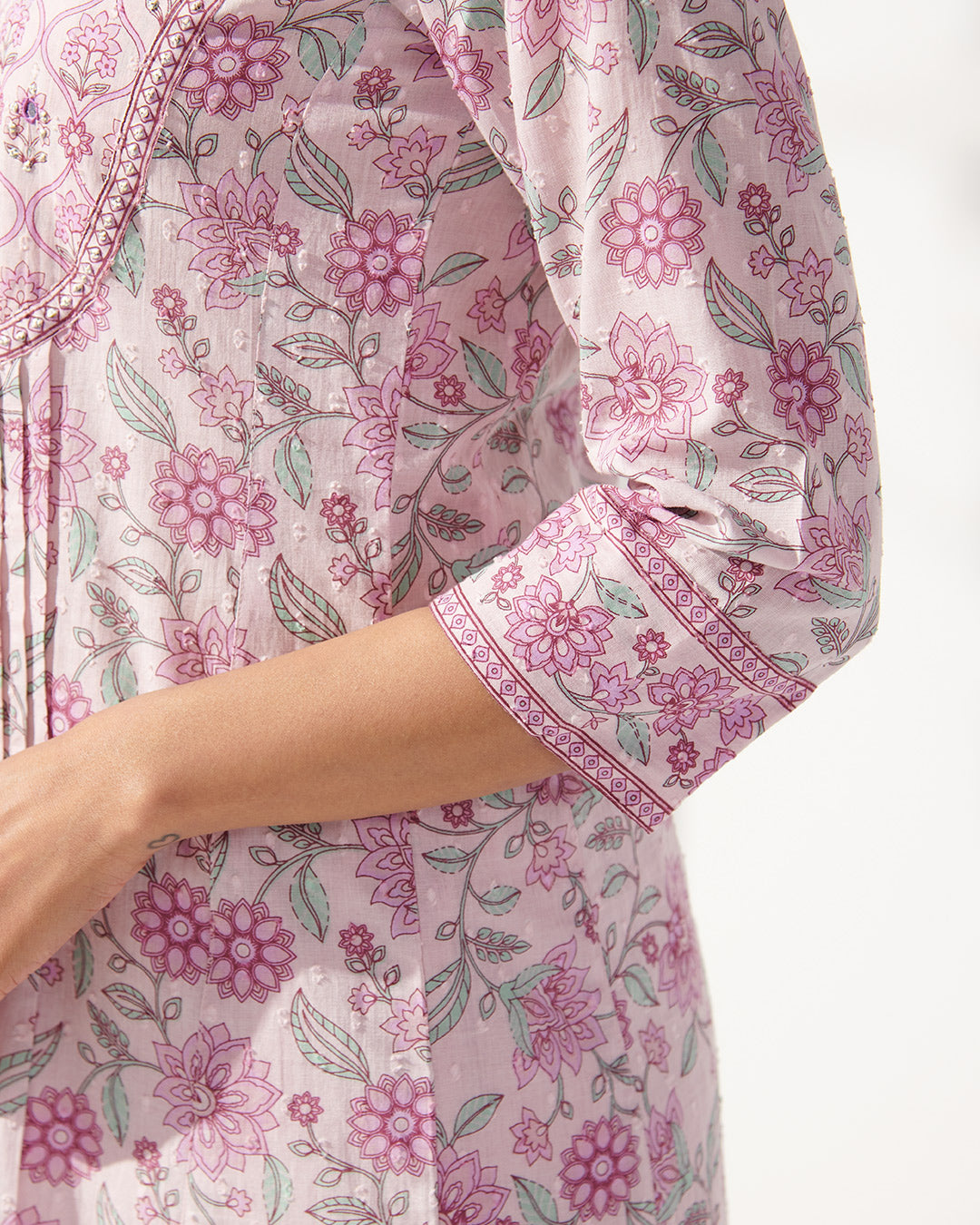
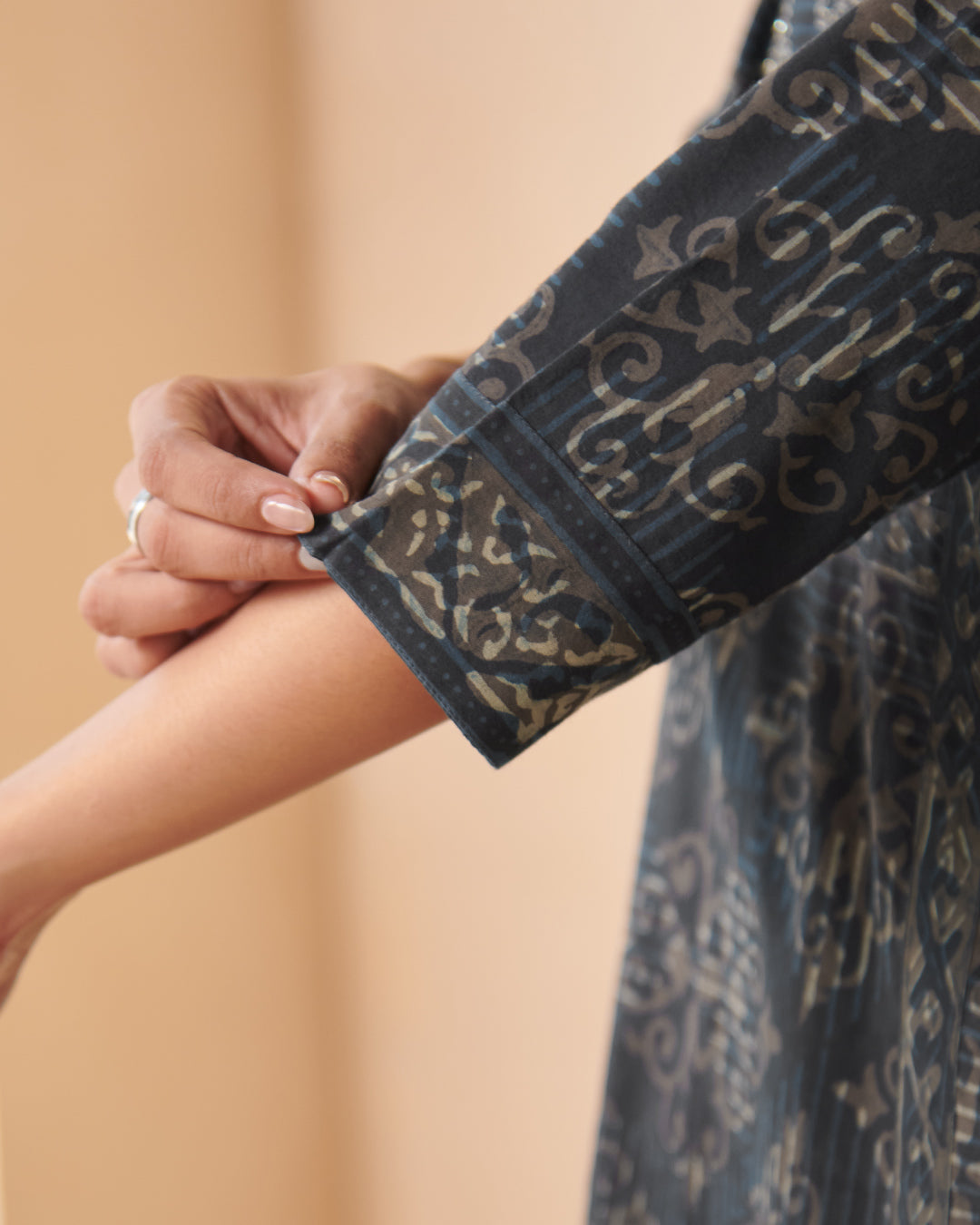
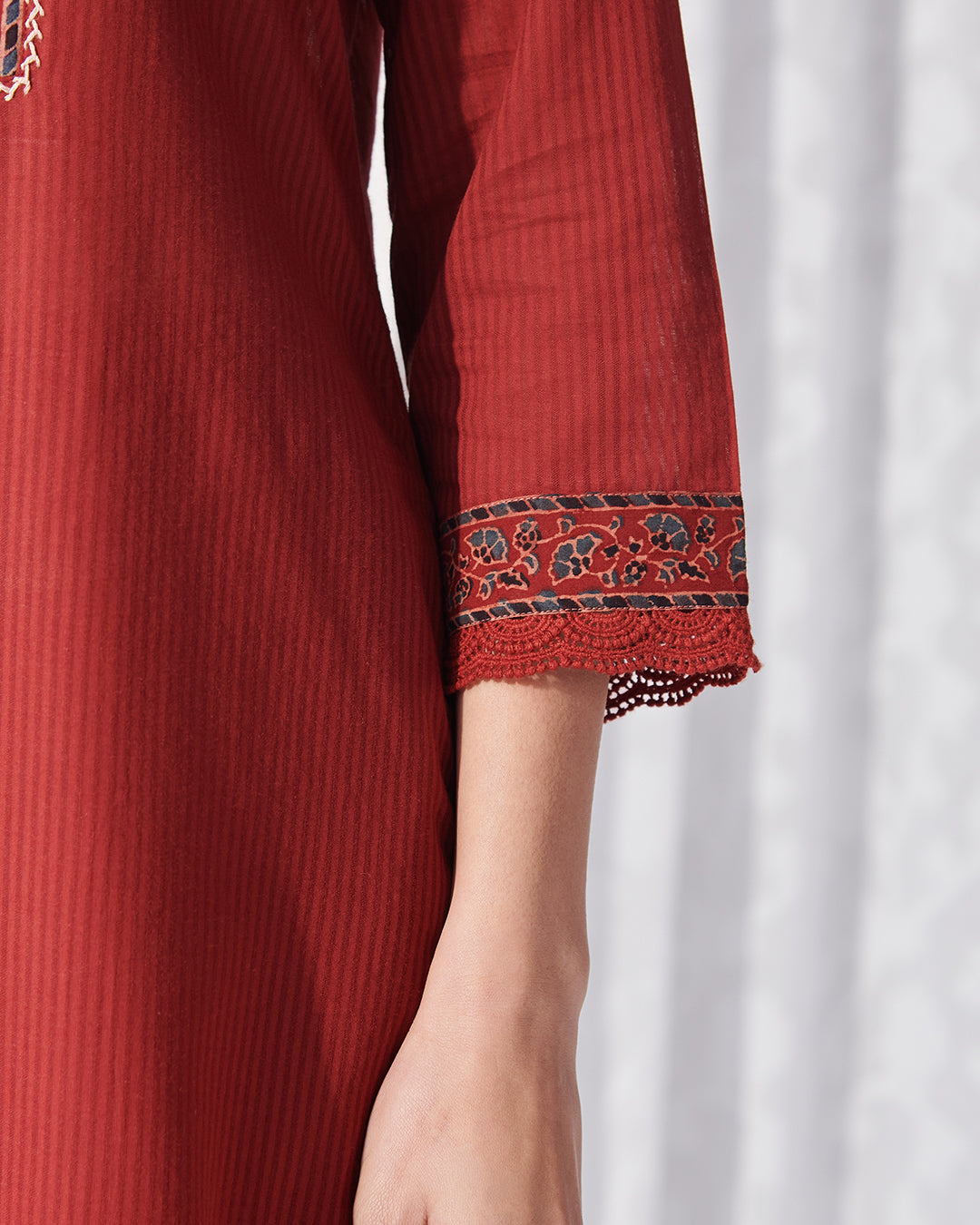
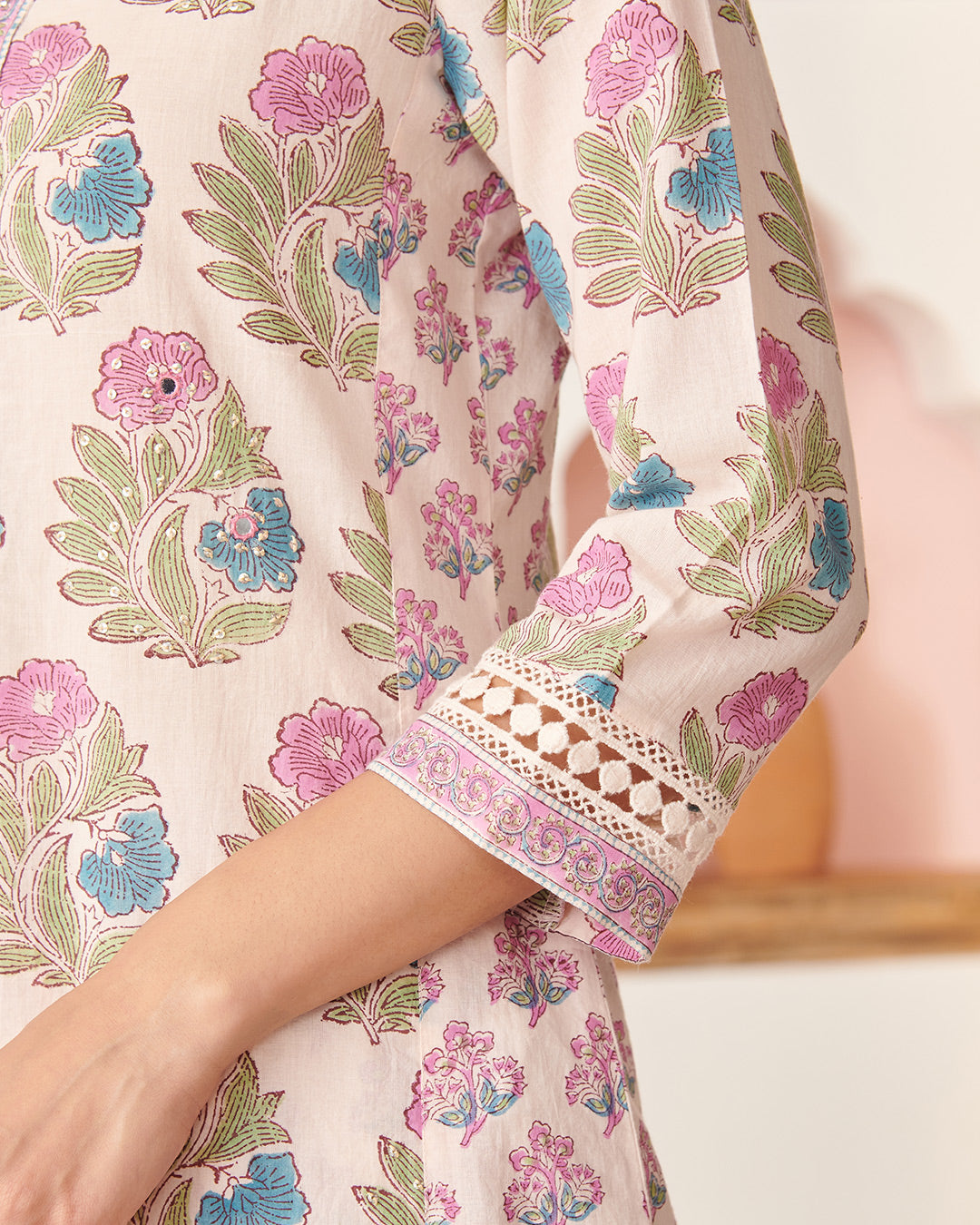
Akola prints are commonly found on cotton and other breathable textiles that allow air to move through the fabric. Cotton, in particular, is well suited to warm days because it absorbs moisture and feels light against the skin.
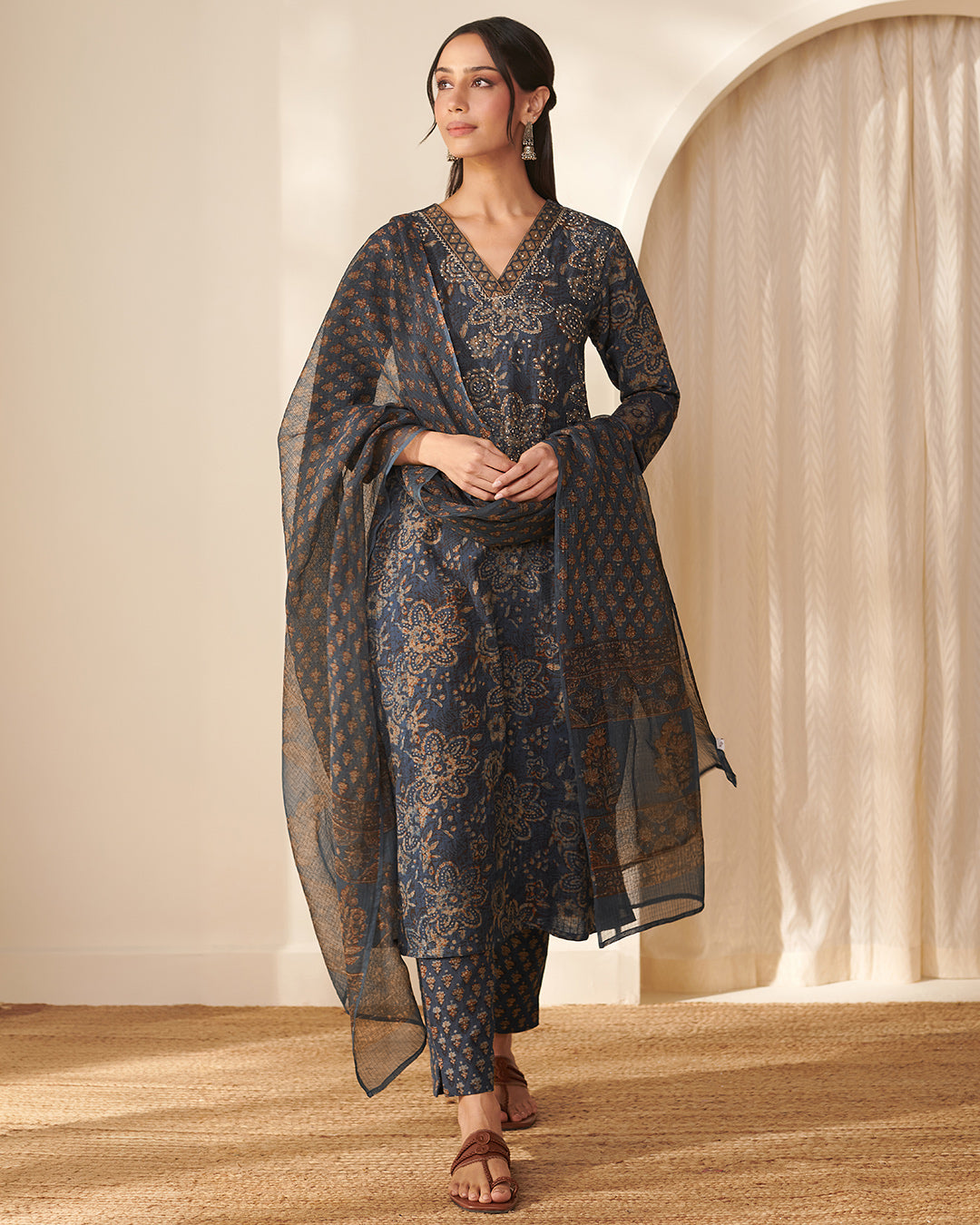
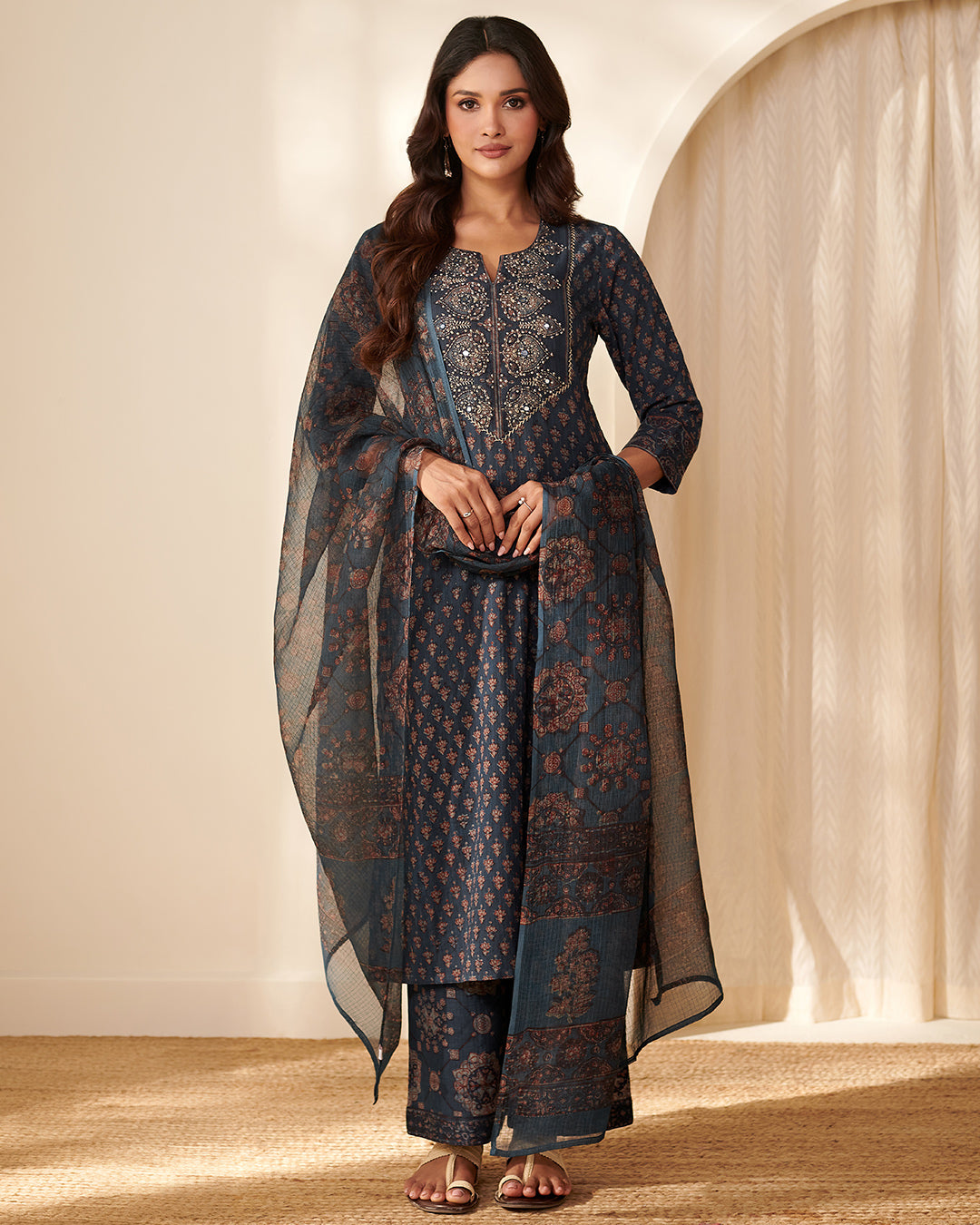
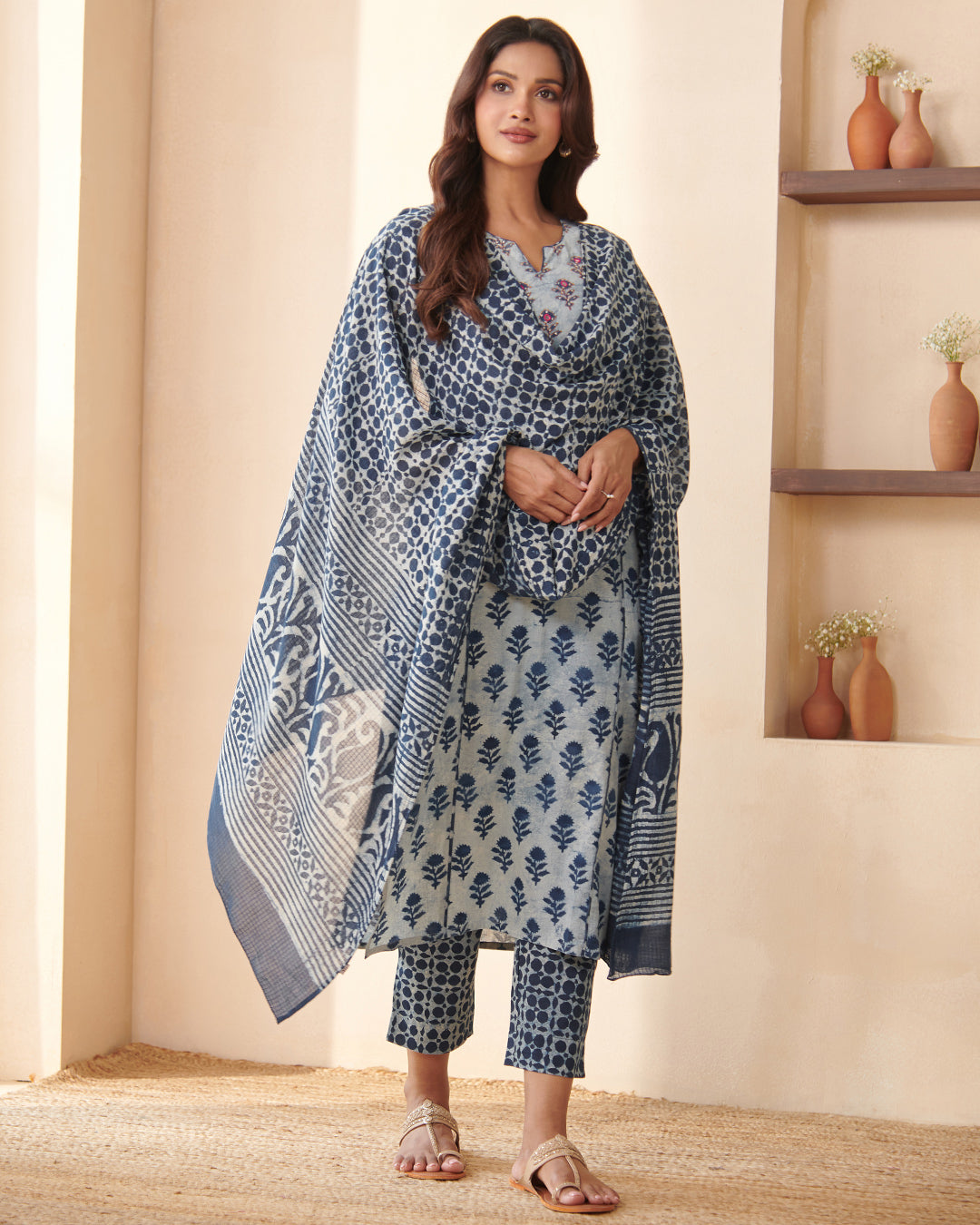
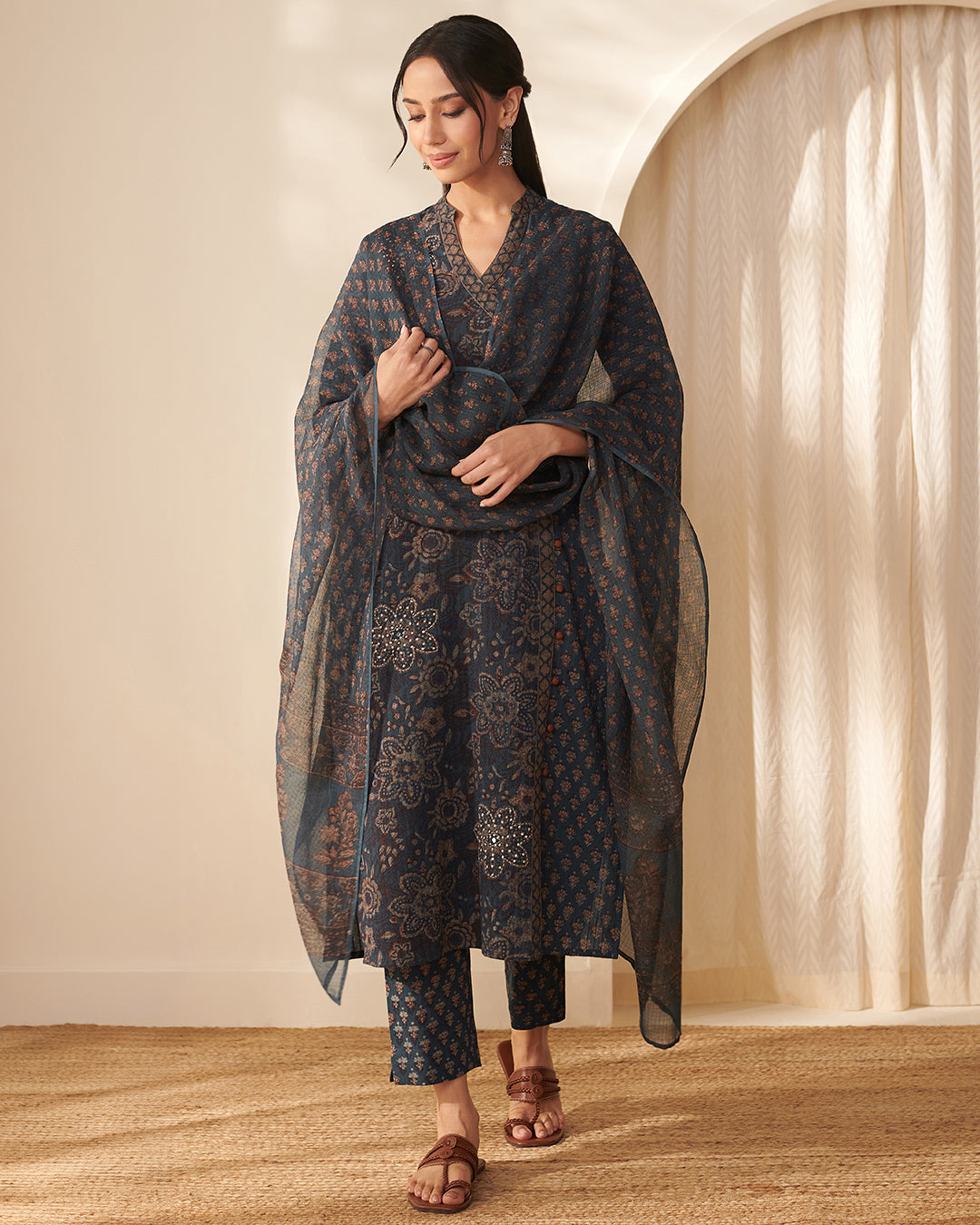
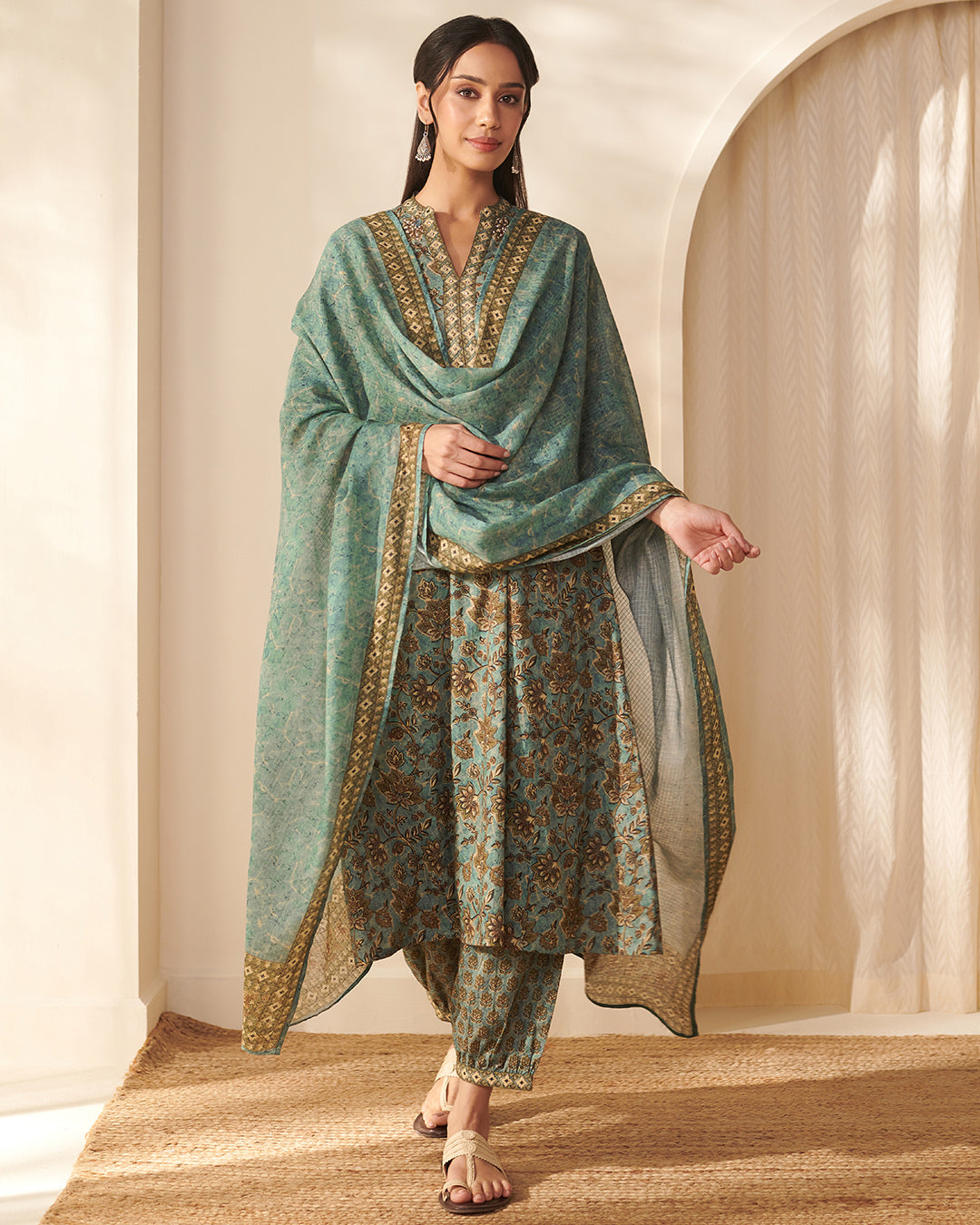
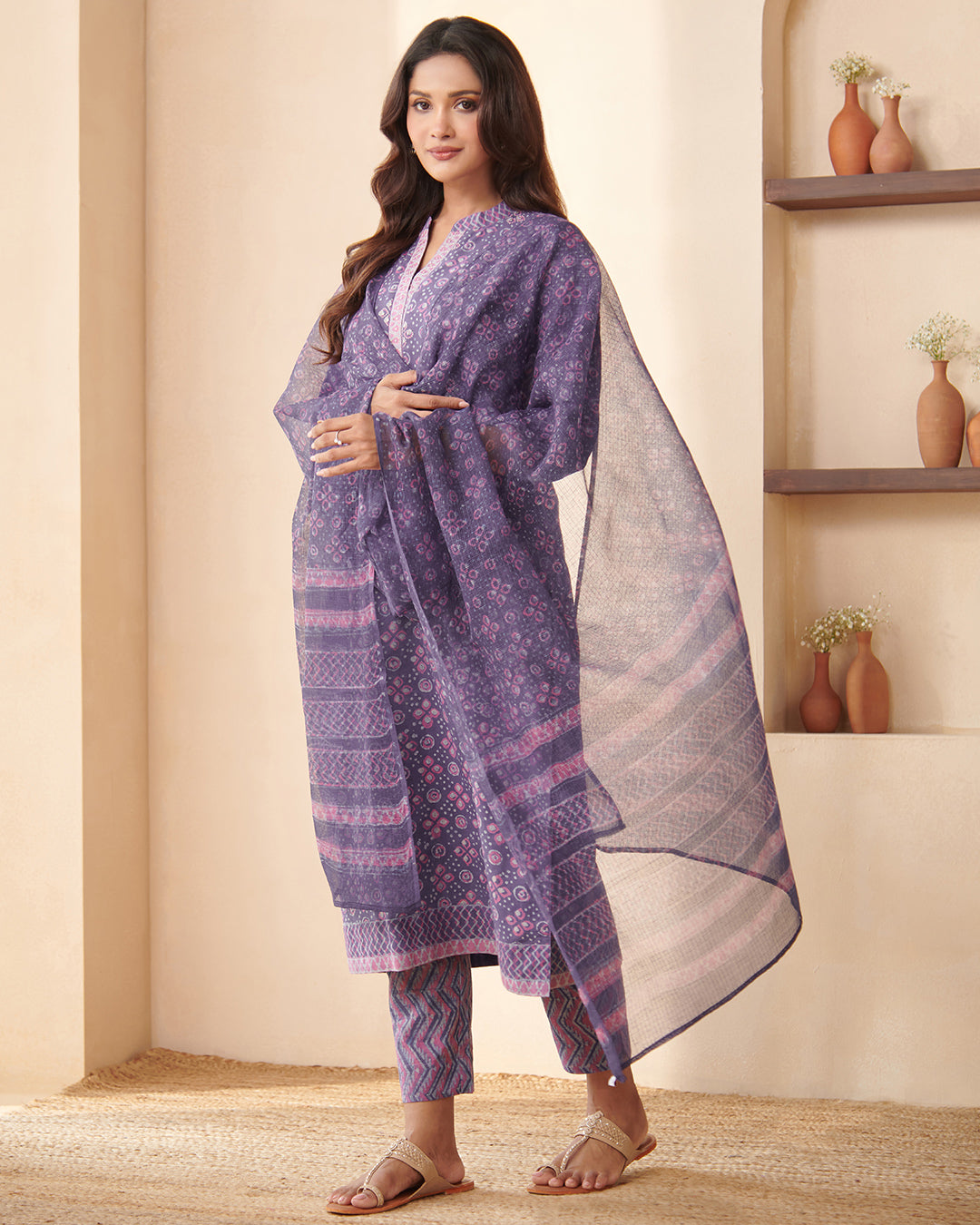
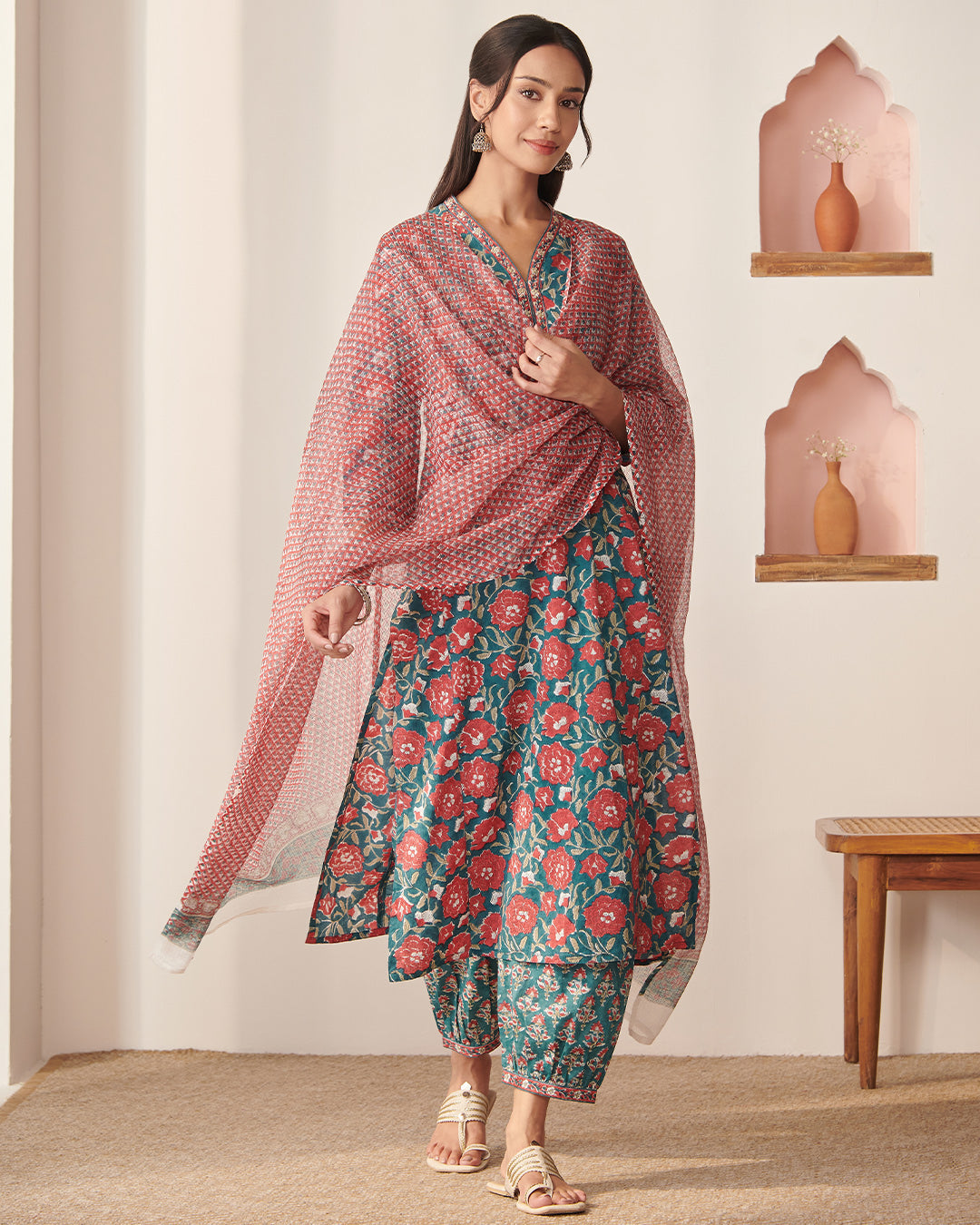
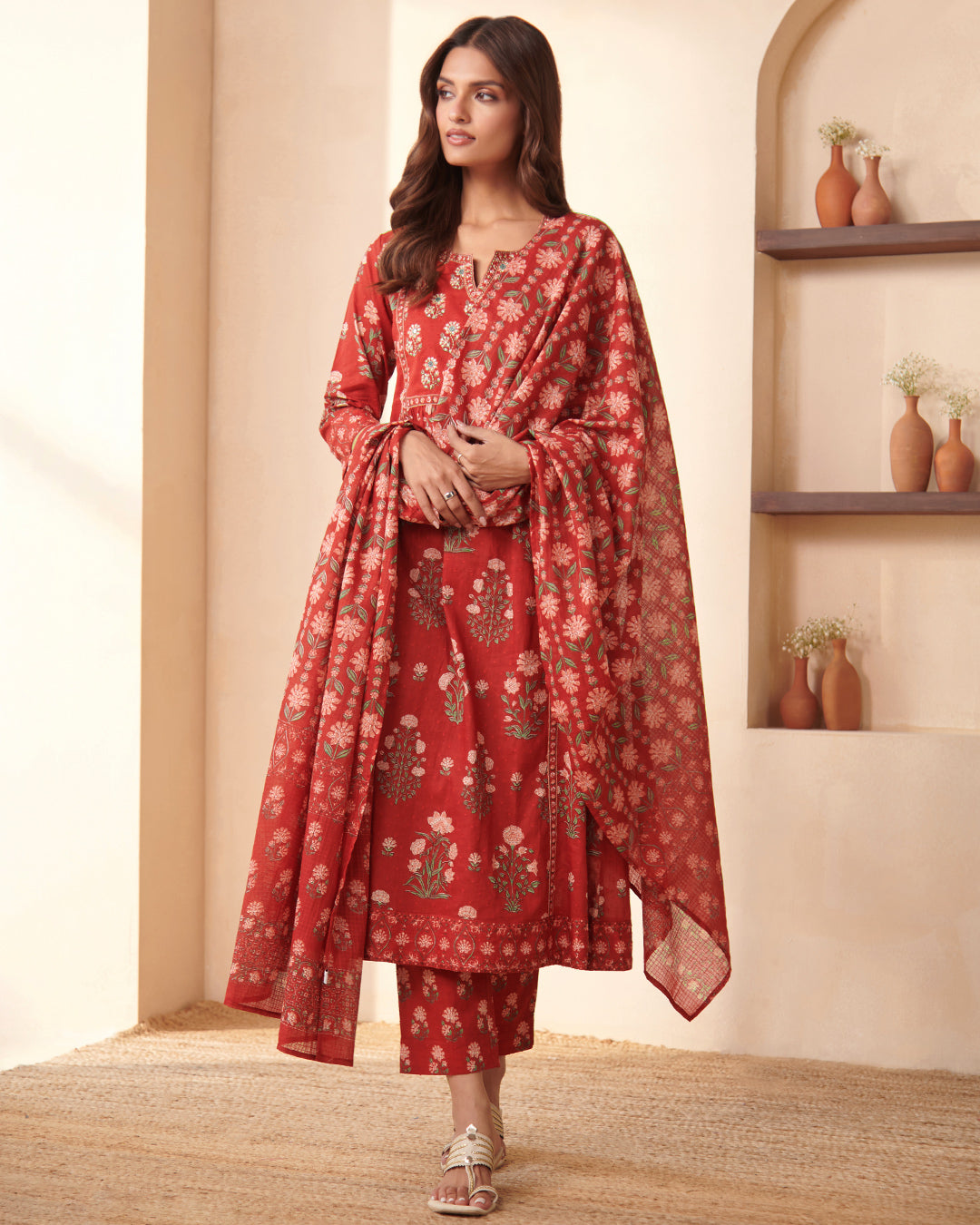
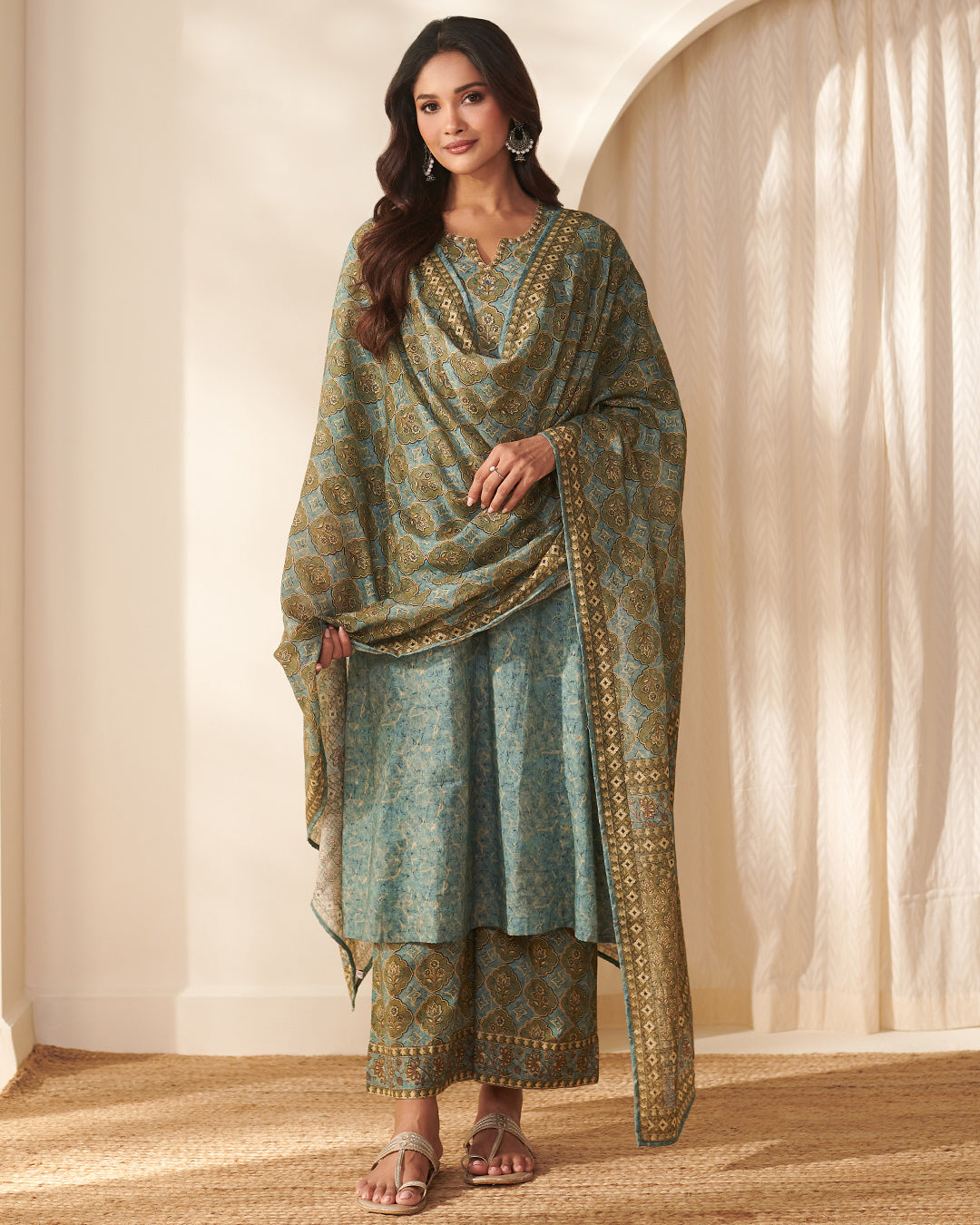
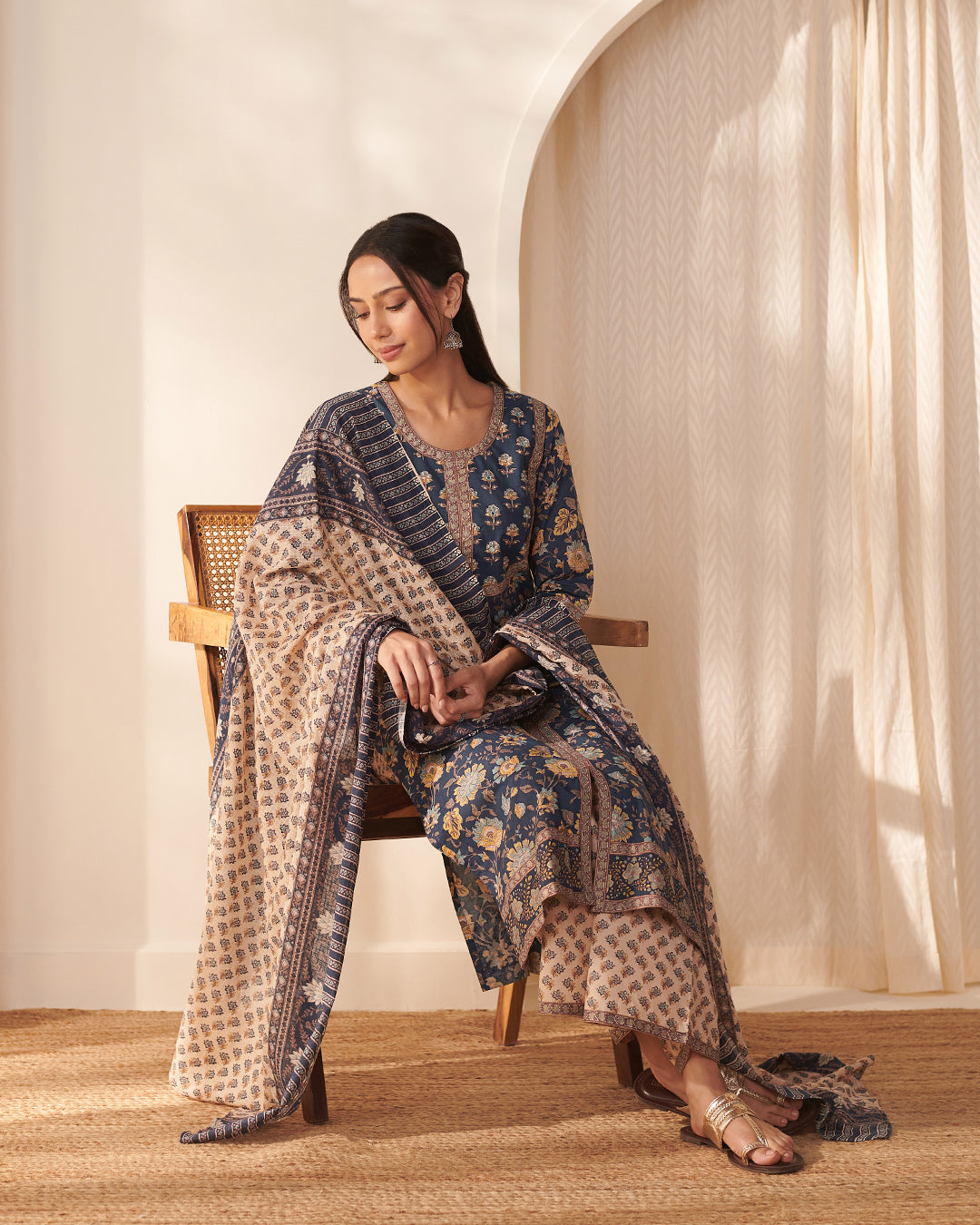
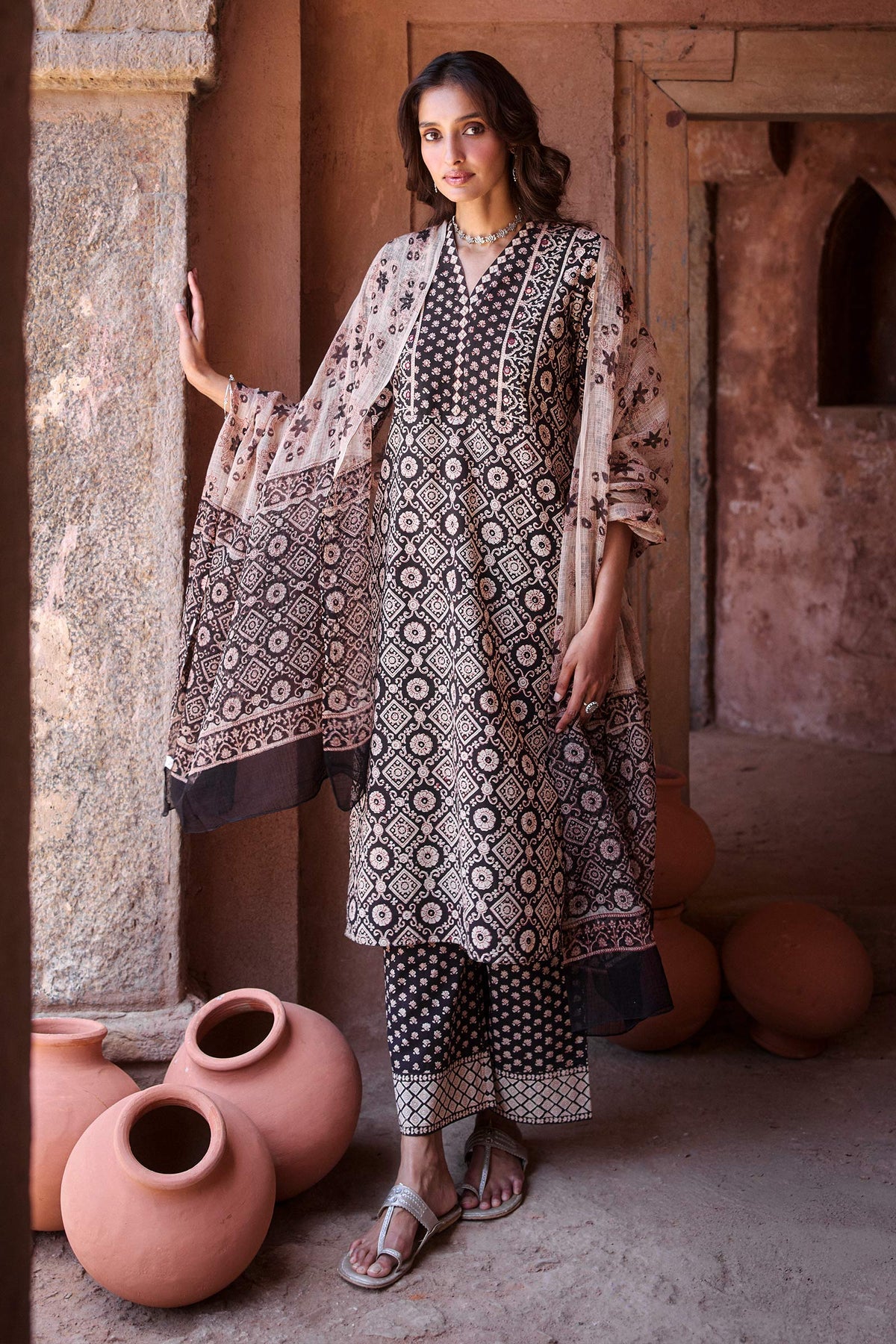
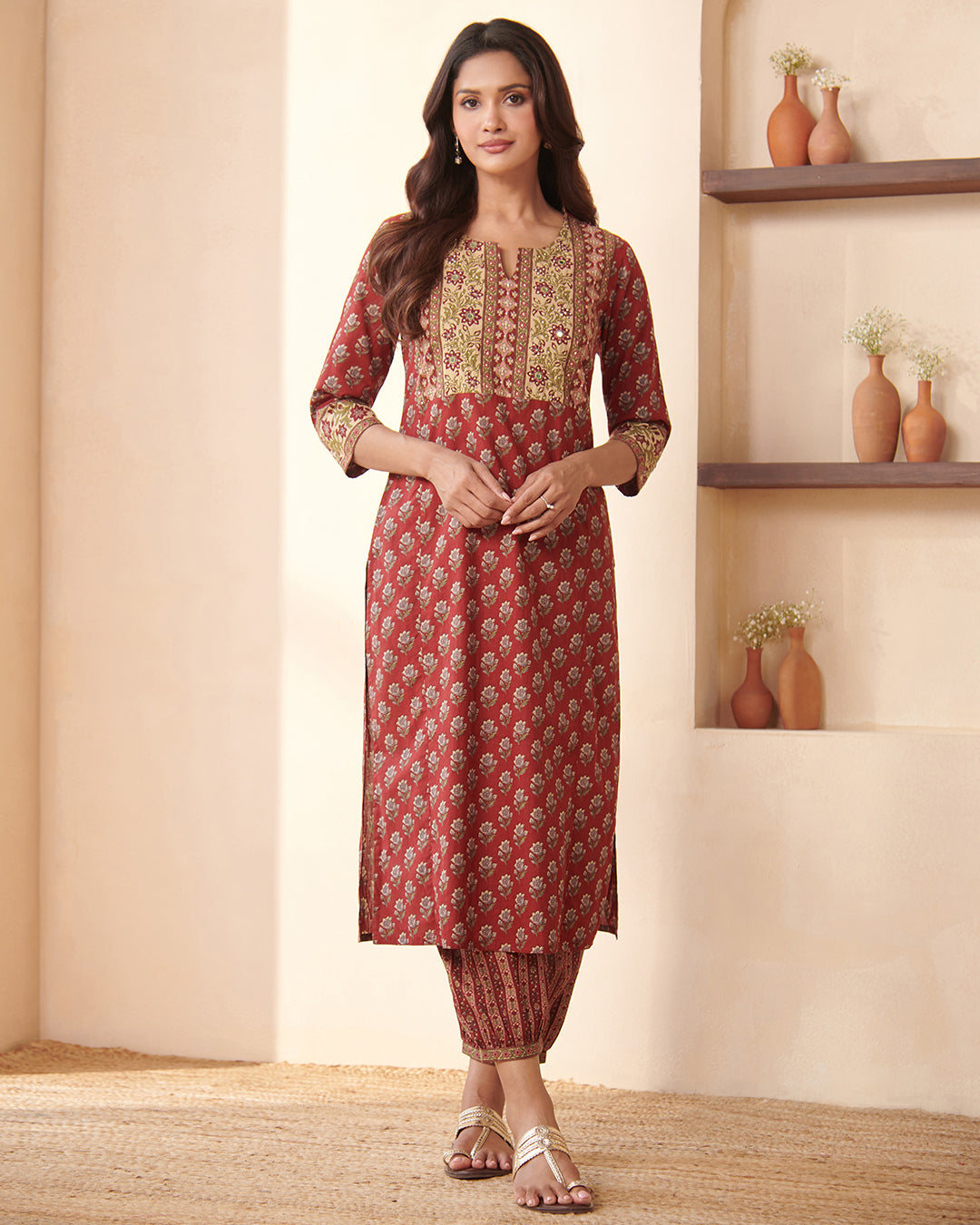
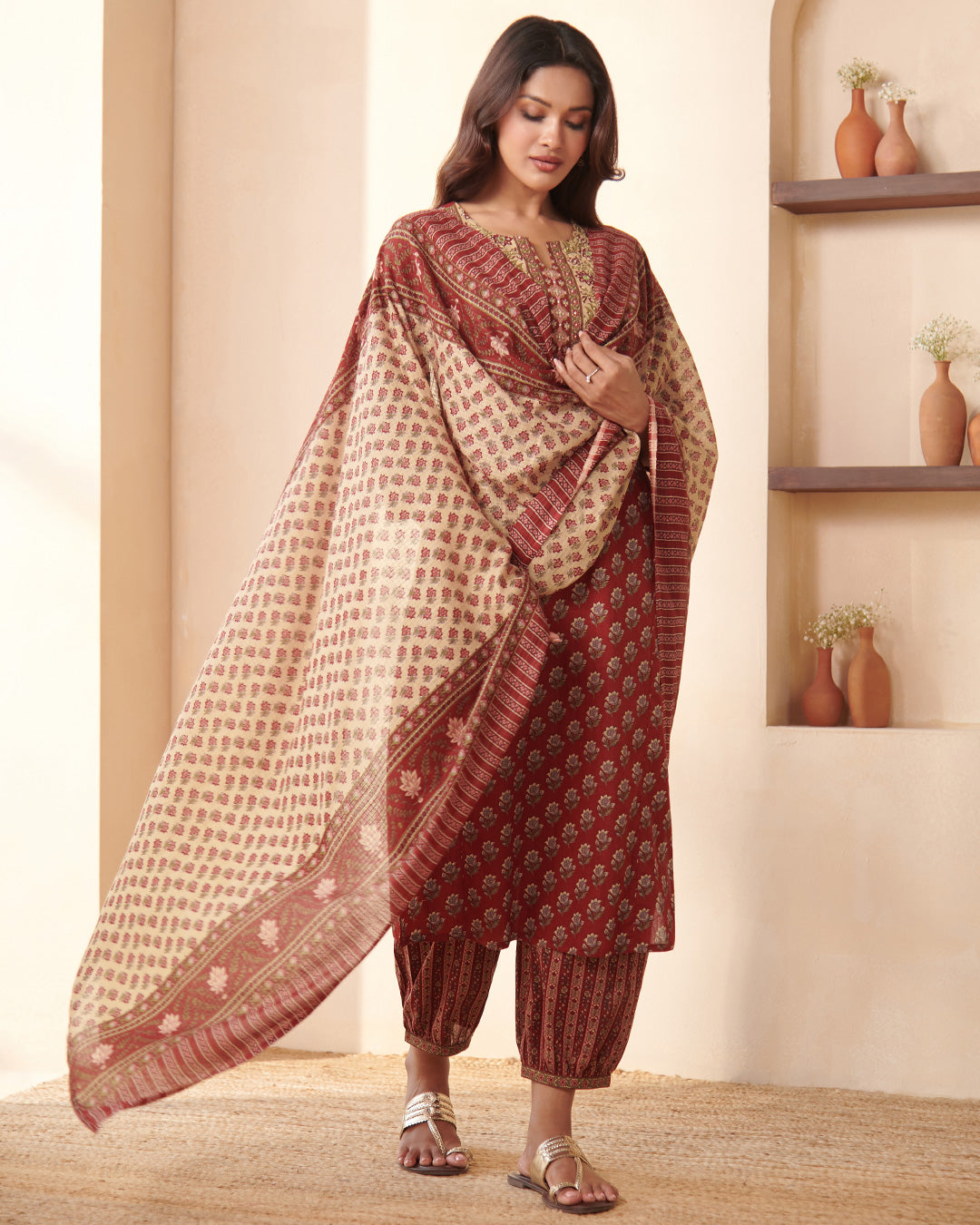
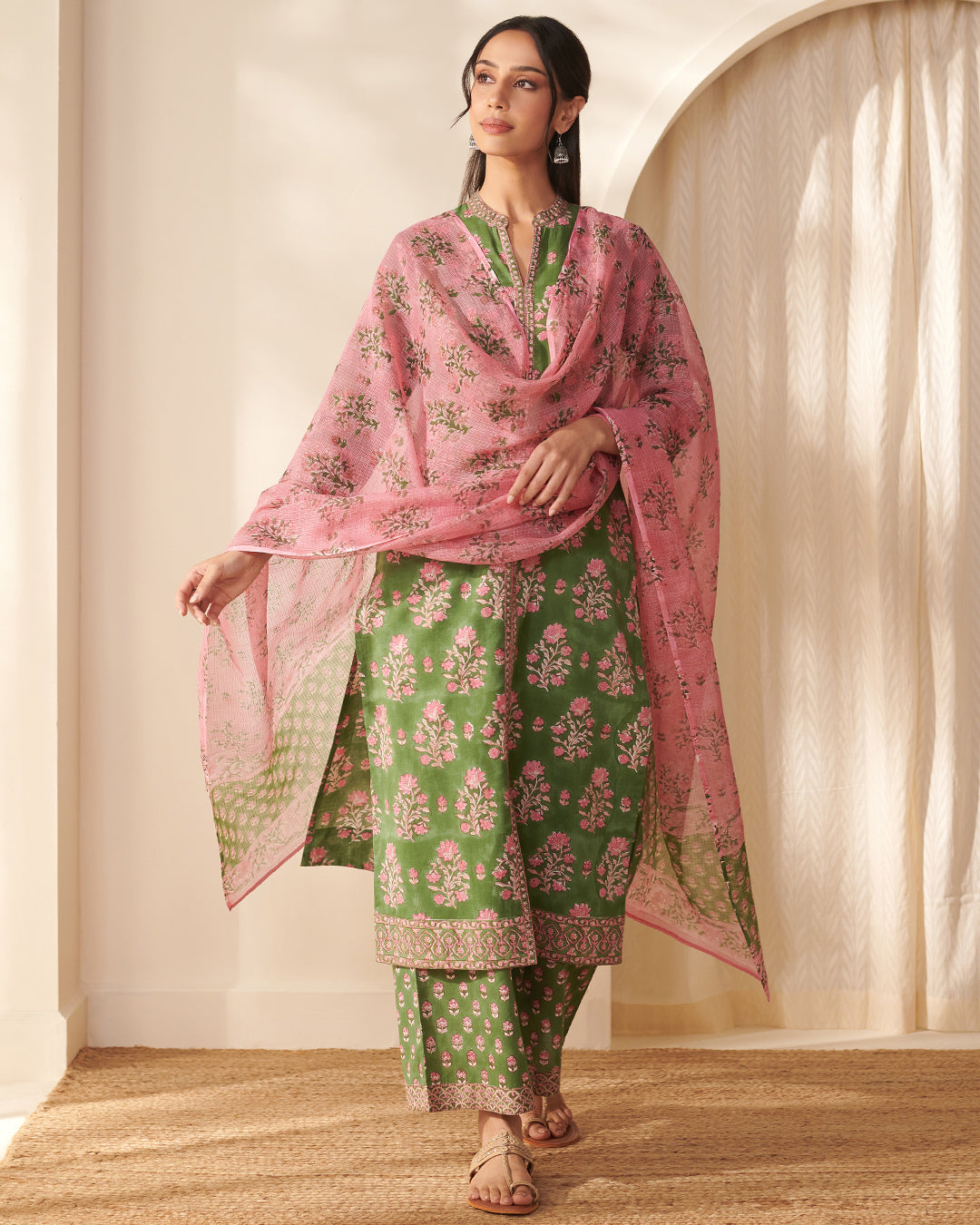
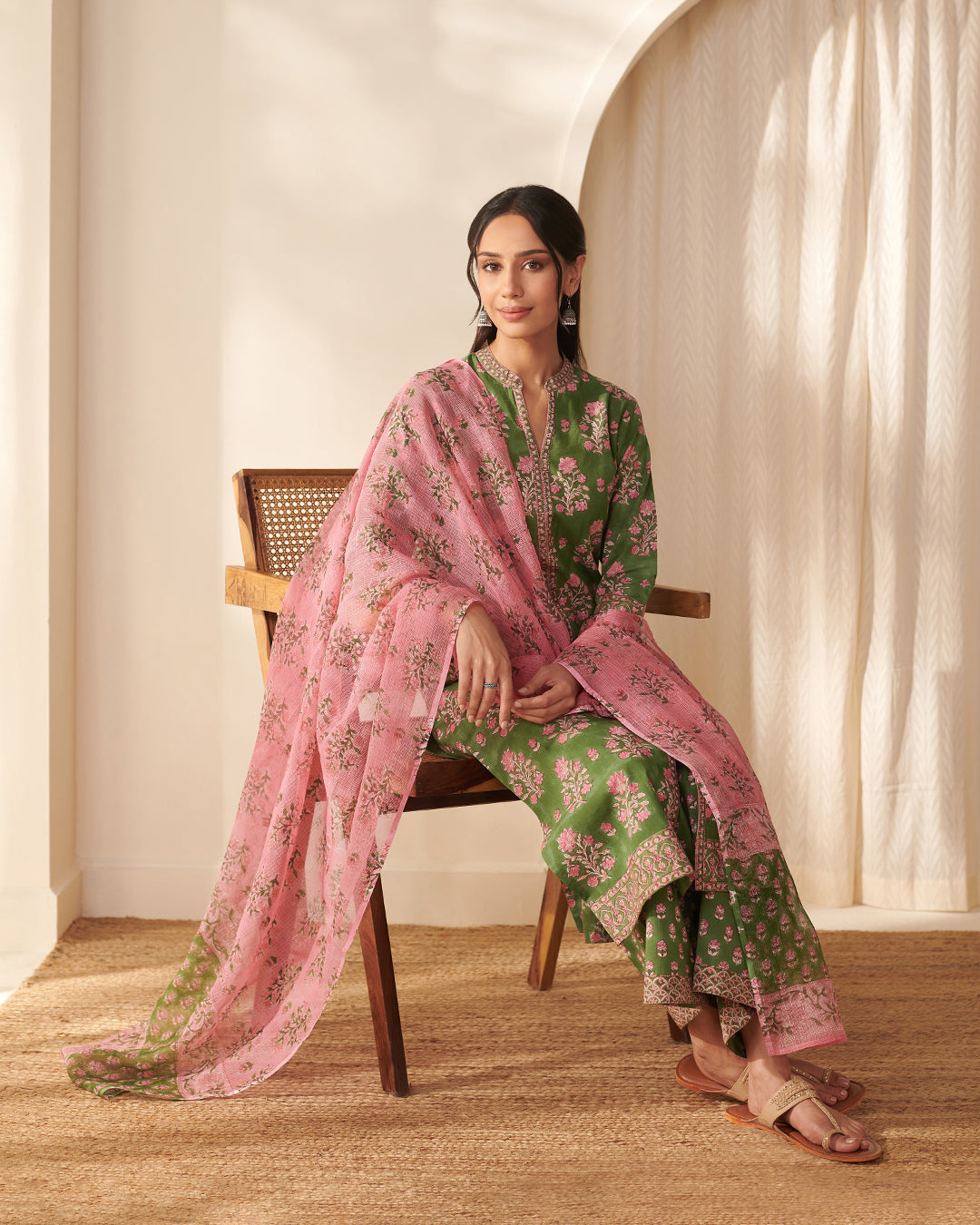
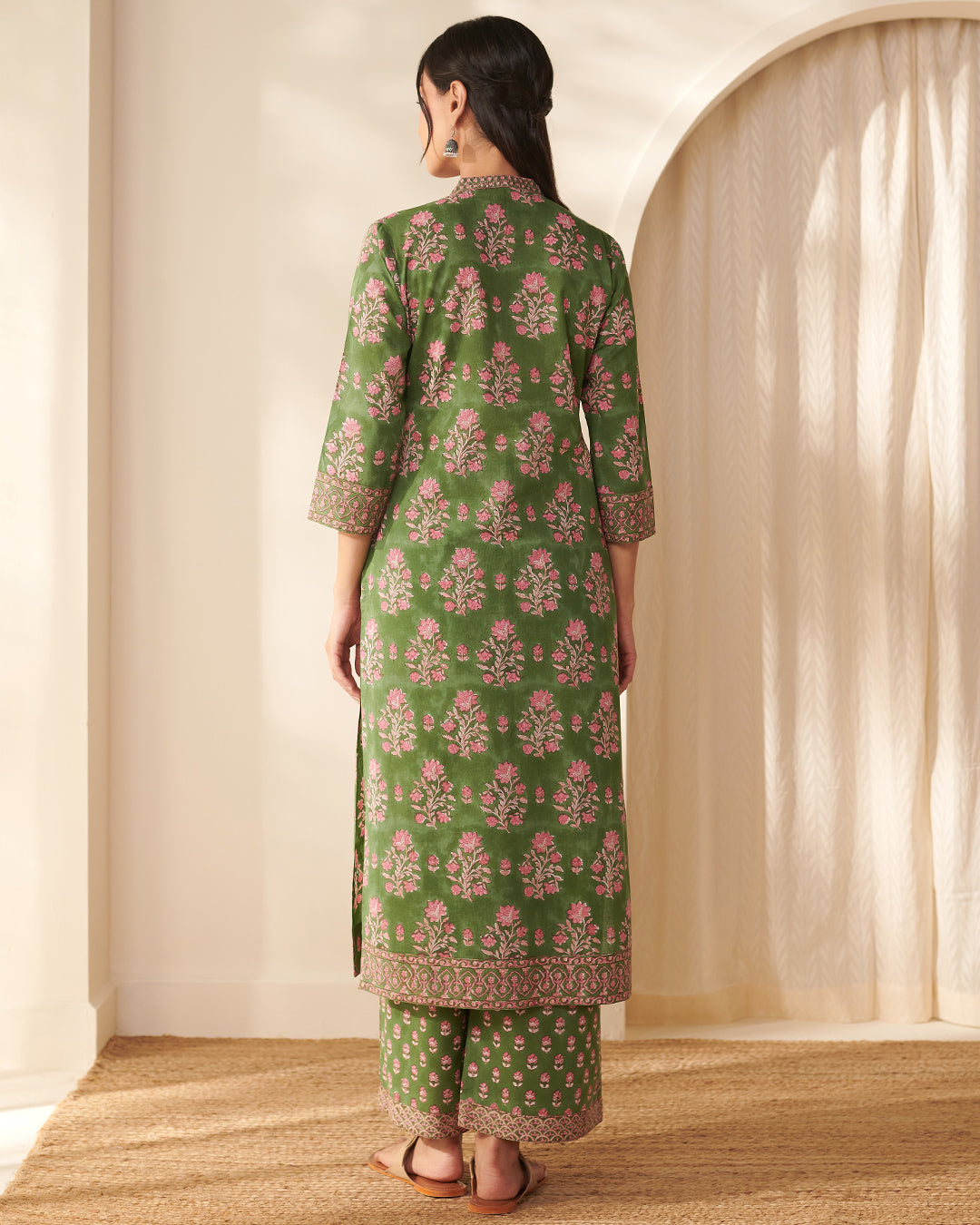
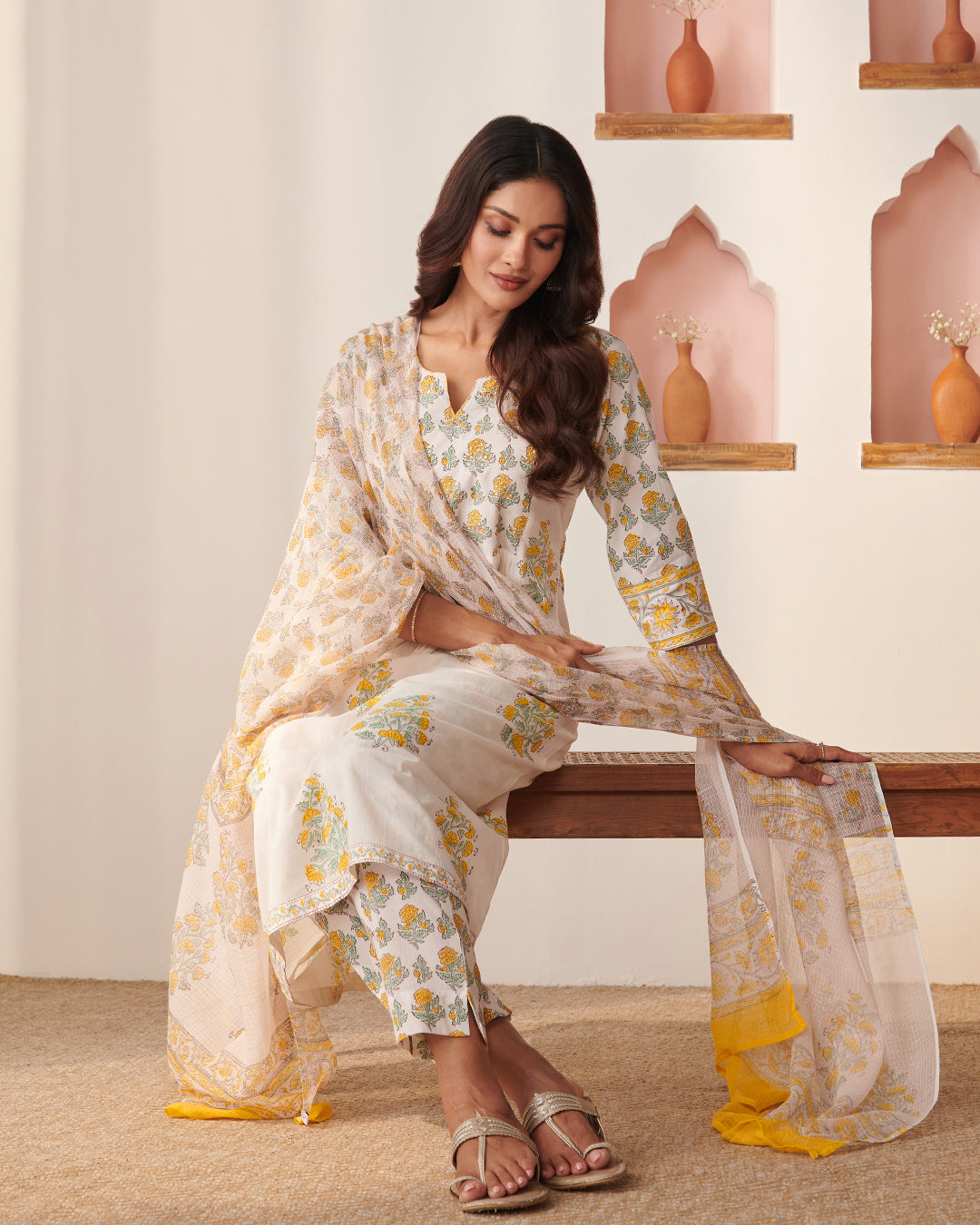
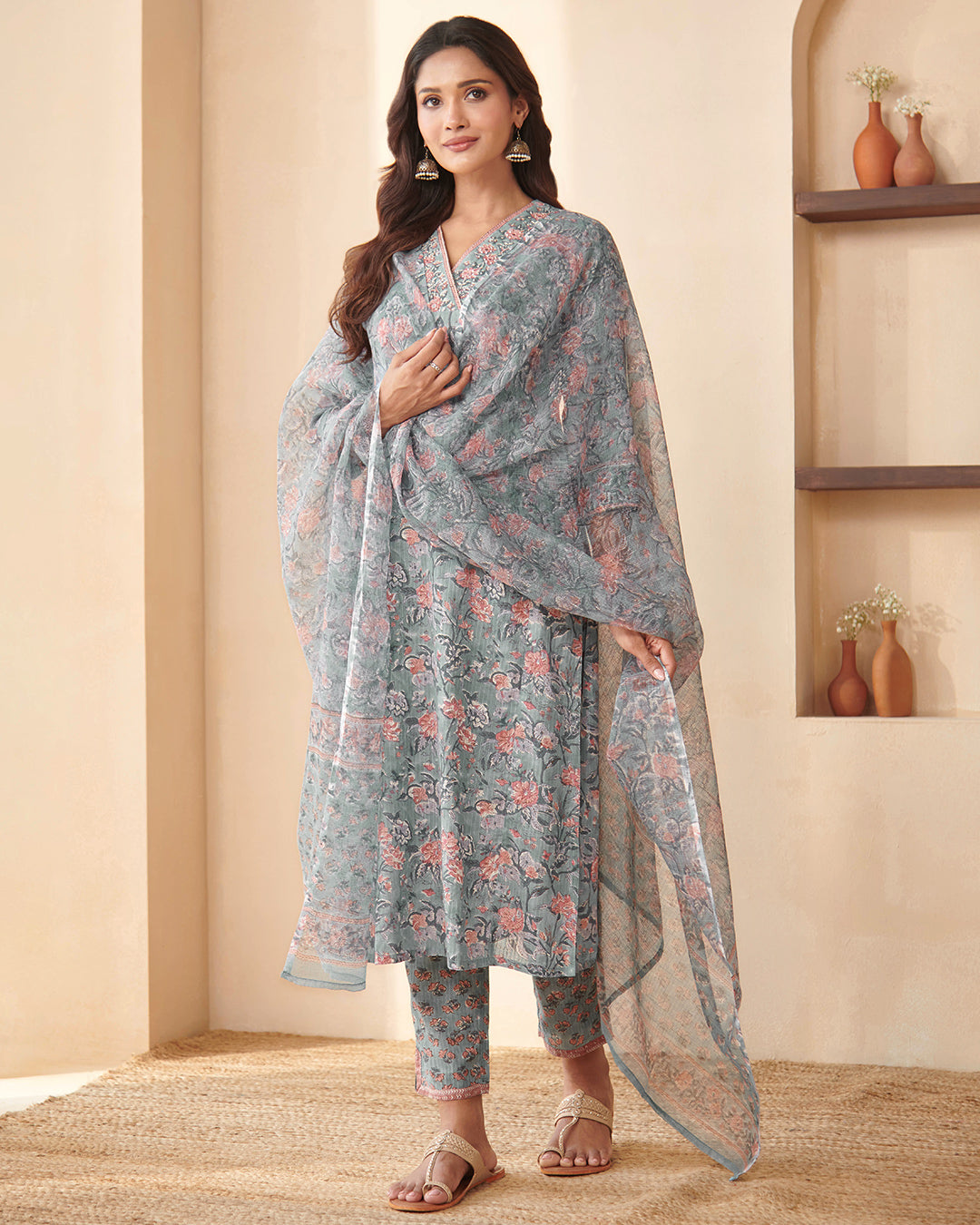
This makes hand block printed cotton a natural choice for everyday summer clothing. A printed kurta, an easy cotton set, or a relaxed dress can move comfortably through long afternoons, workdays, errands, and evenings at home.
There is also something pleasant about the way these fabrics age. With regular wear and washing, good cotton often becomes softer without losing the character of its print. Summer clothing does not have to remain precious. It can simply become part of life.
Easy Prints for Effortless Summer Dressing
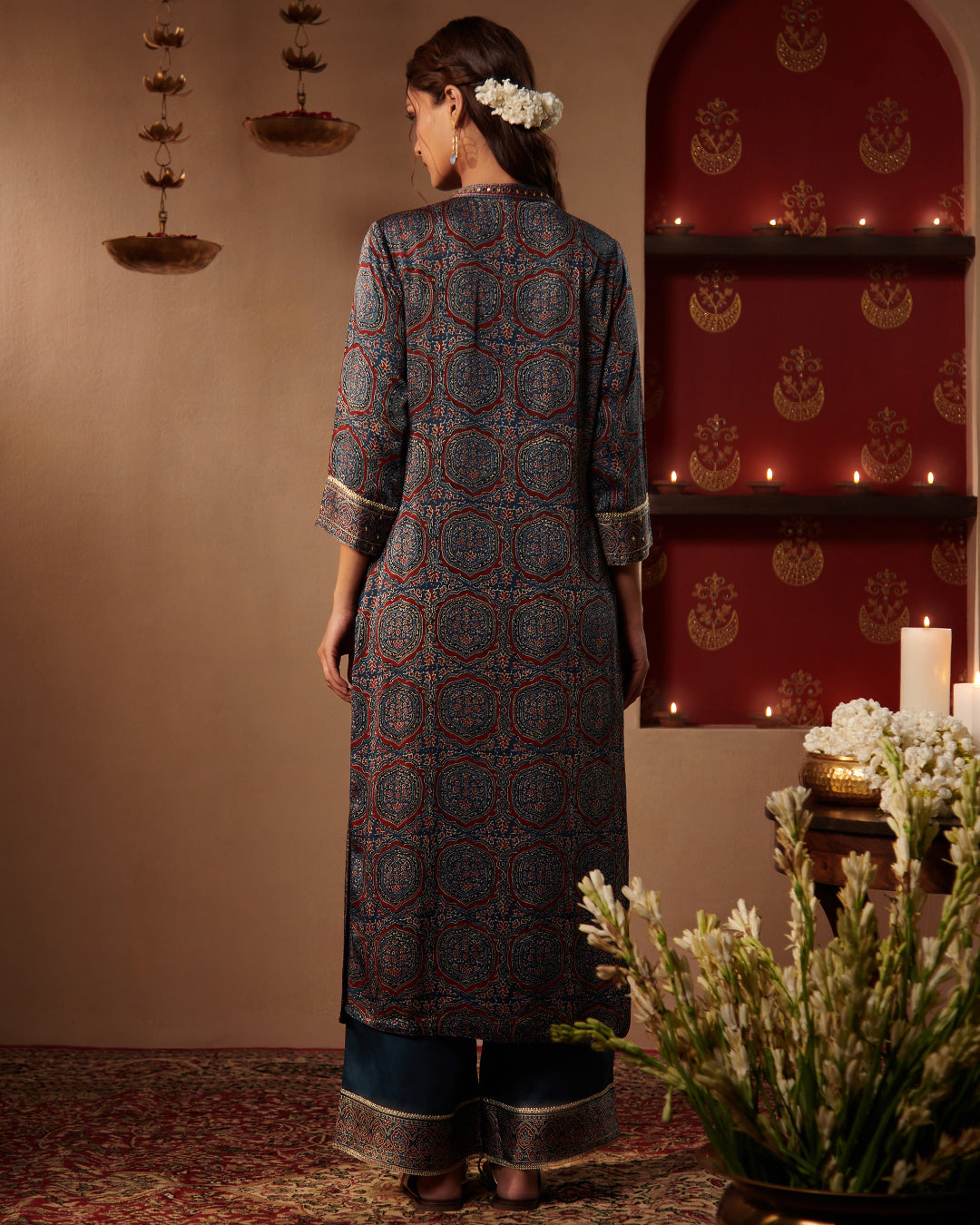
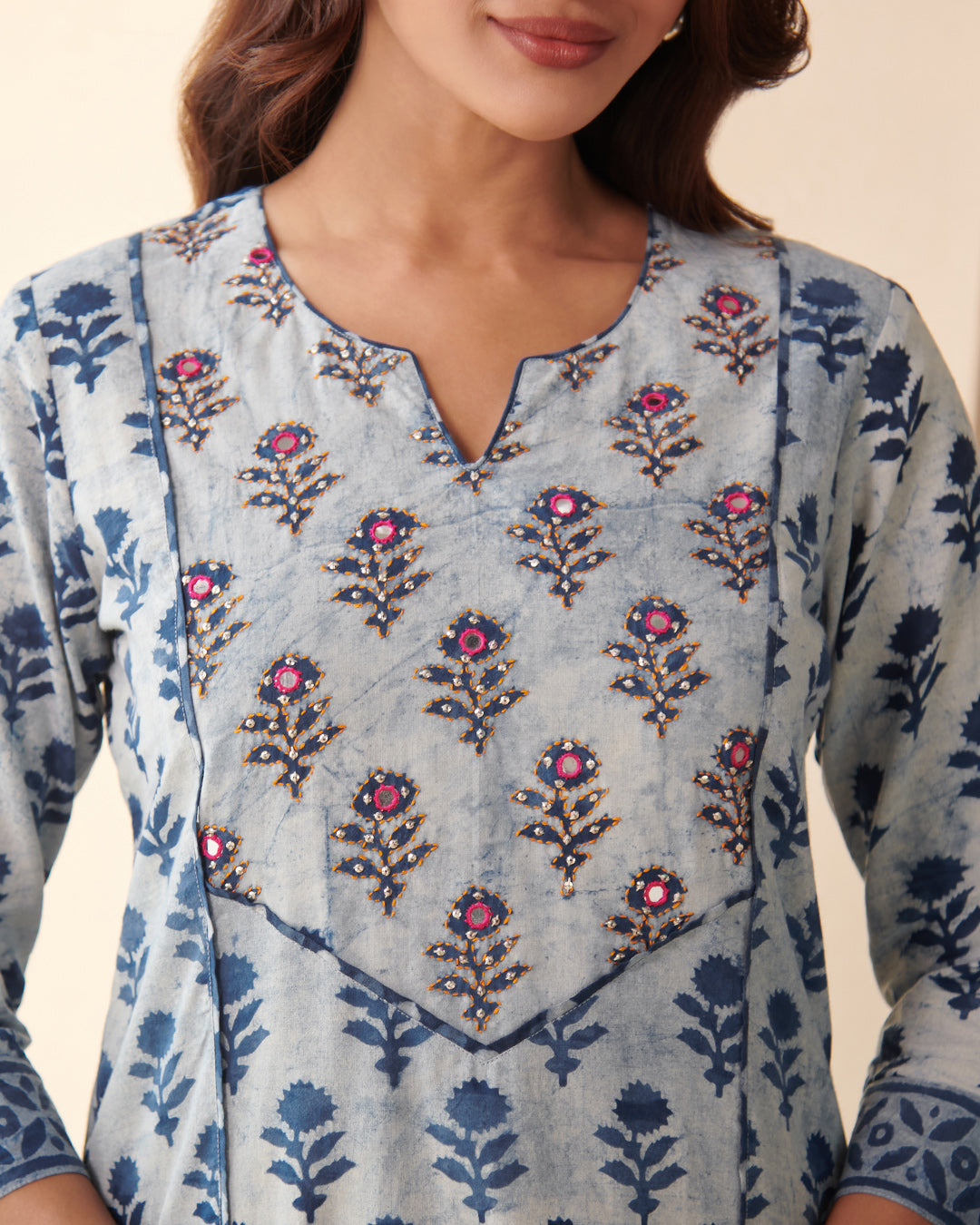
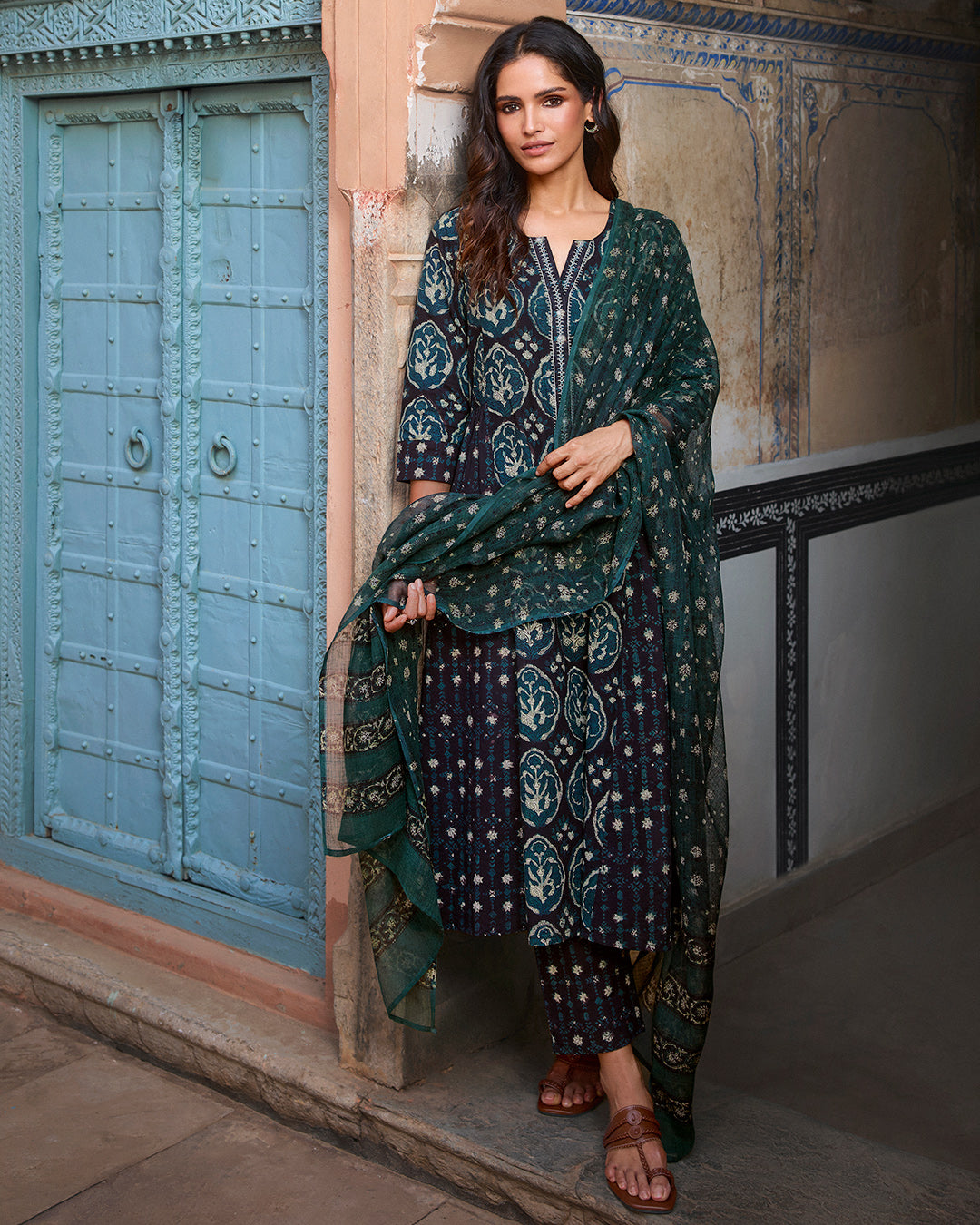
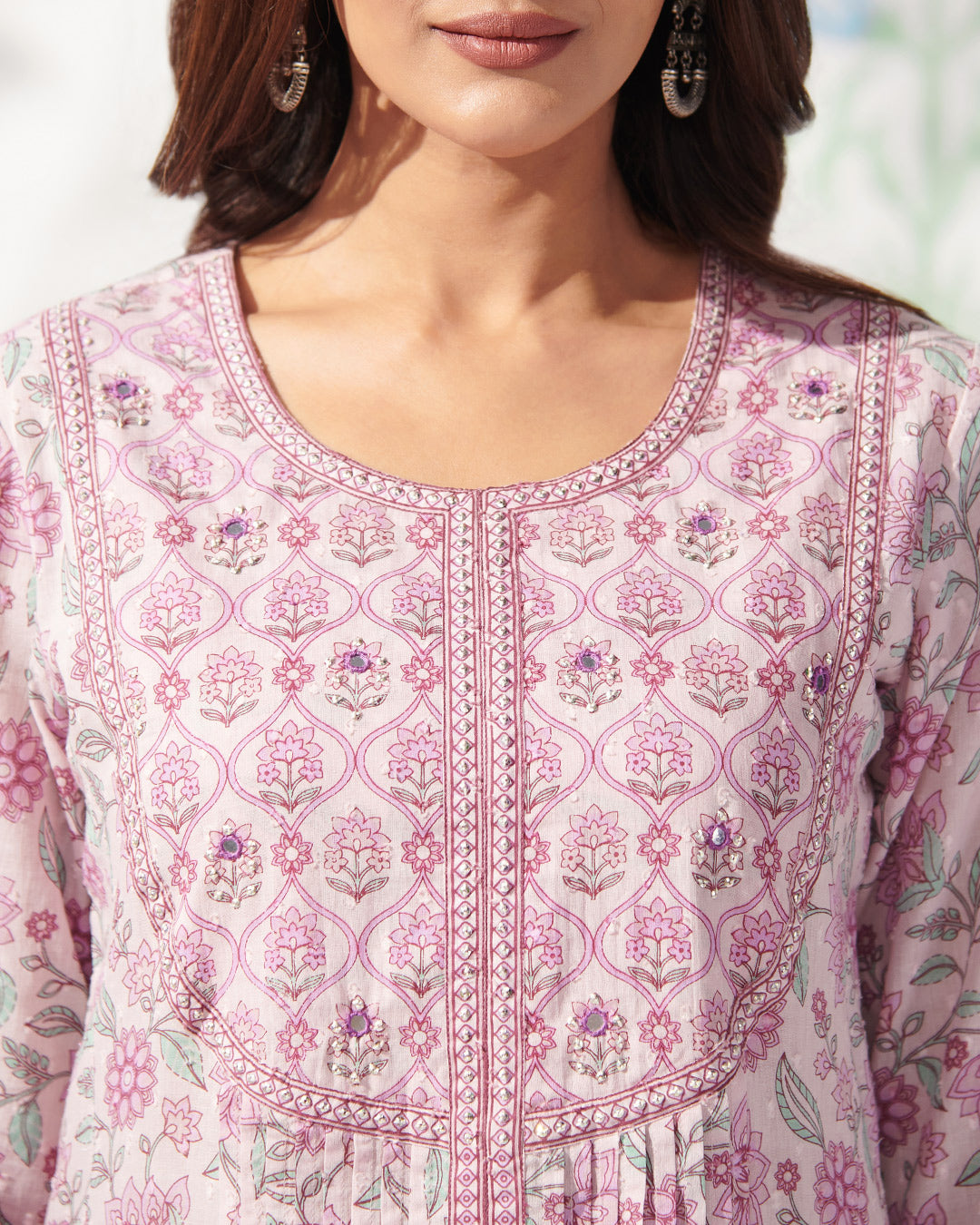
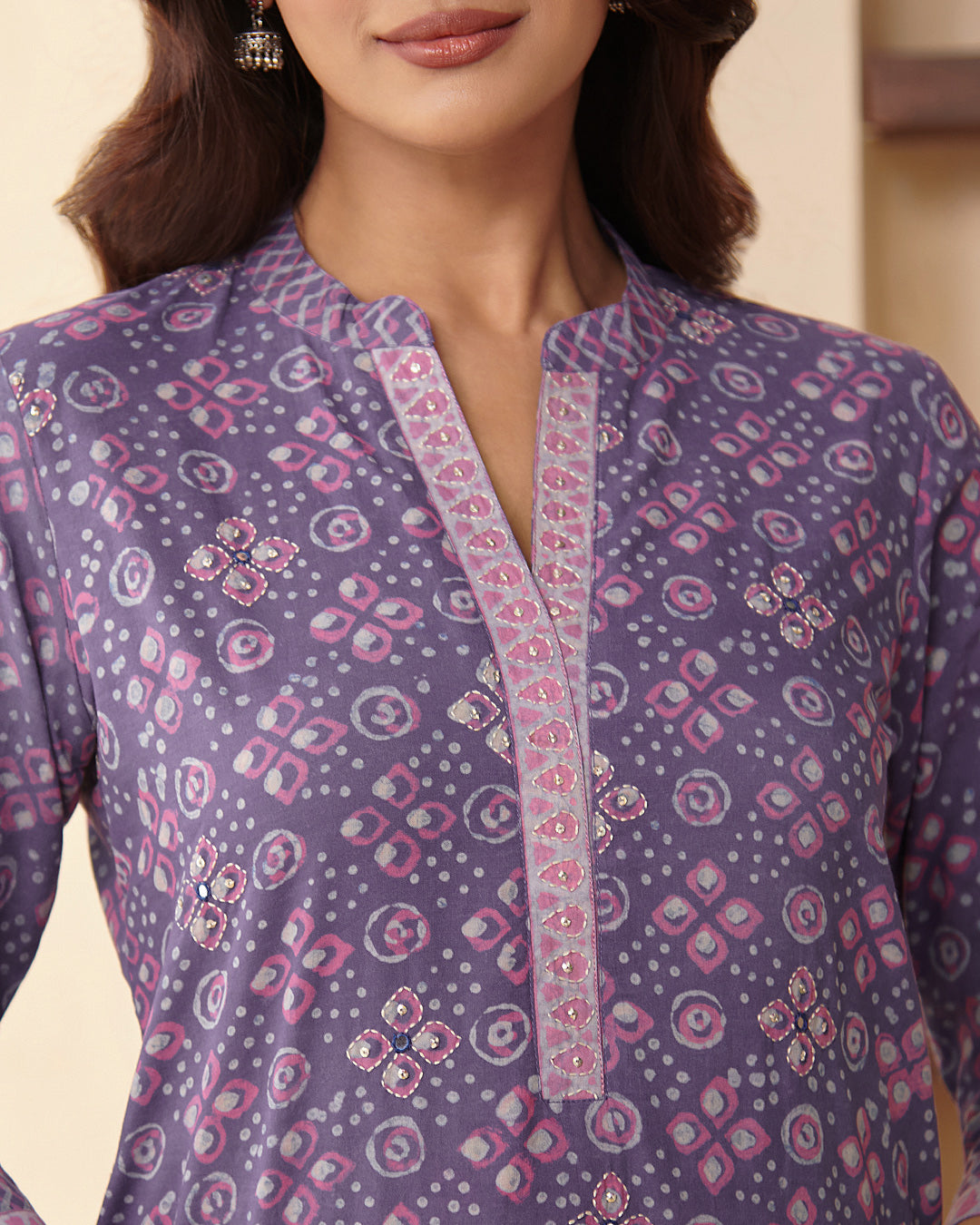
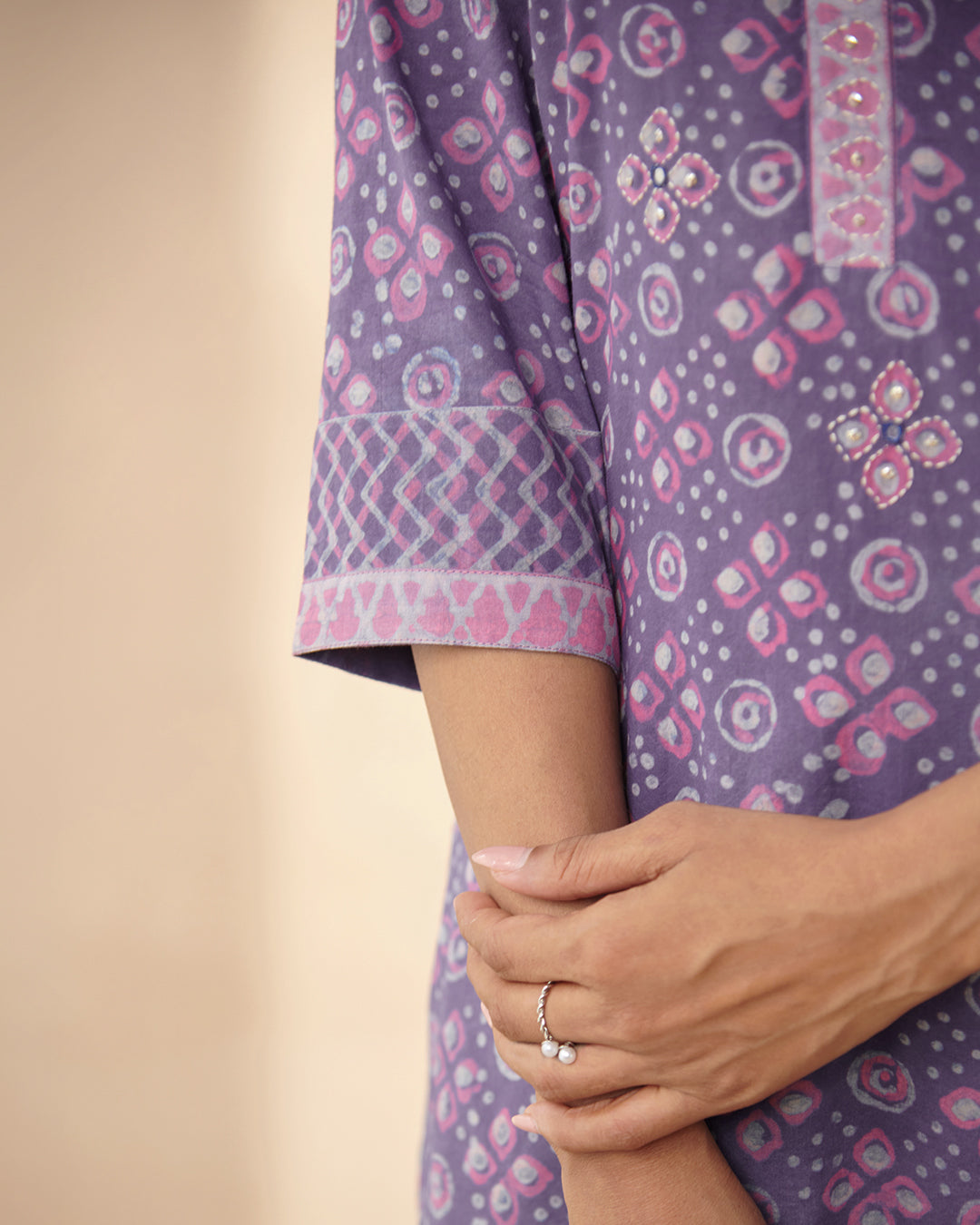
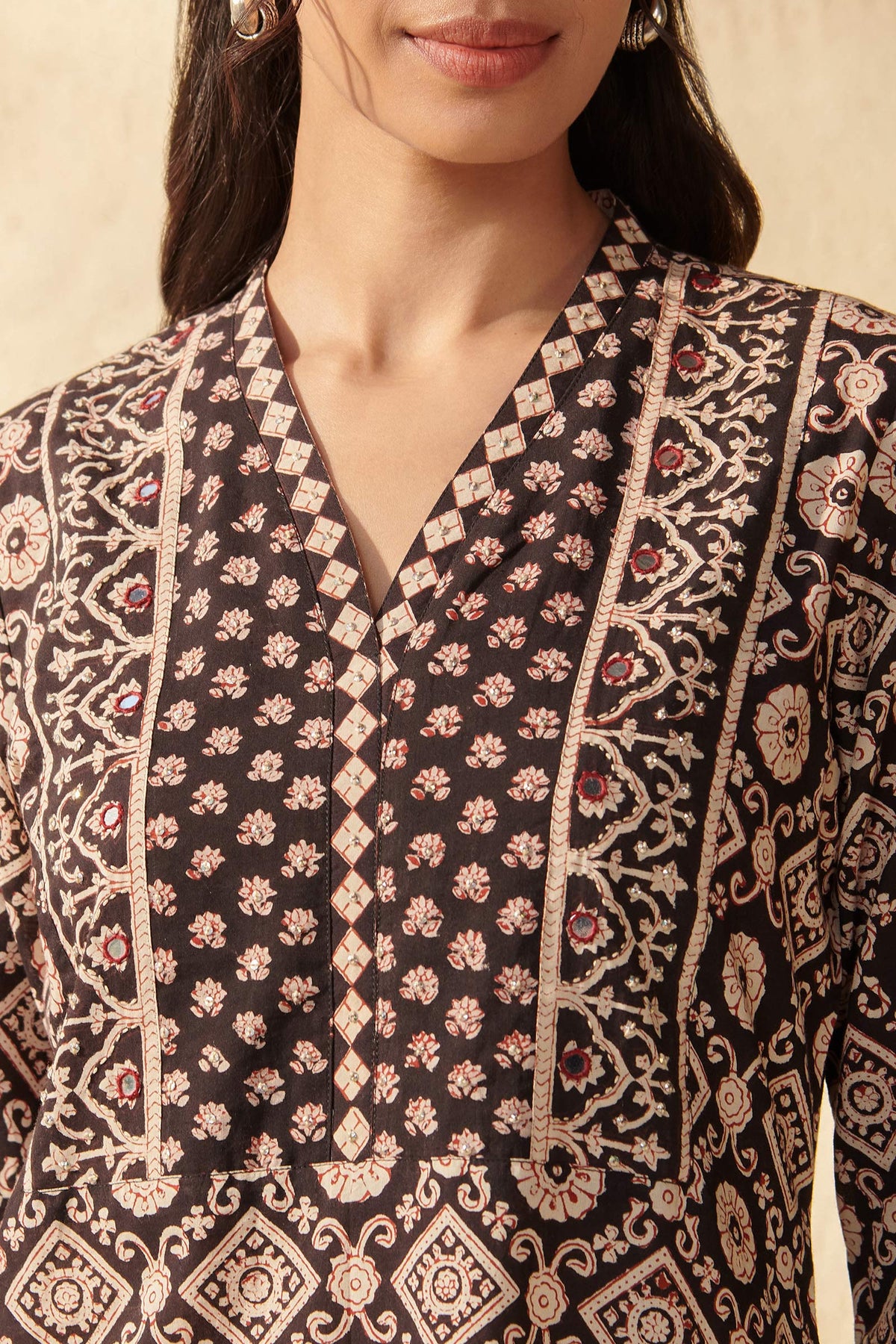
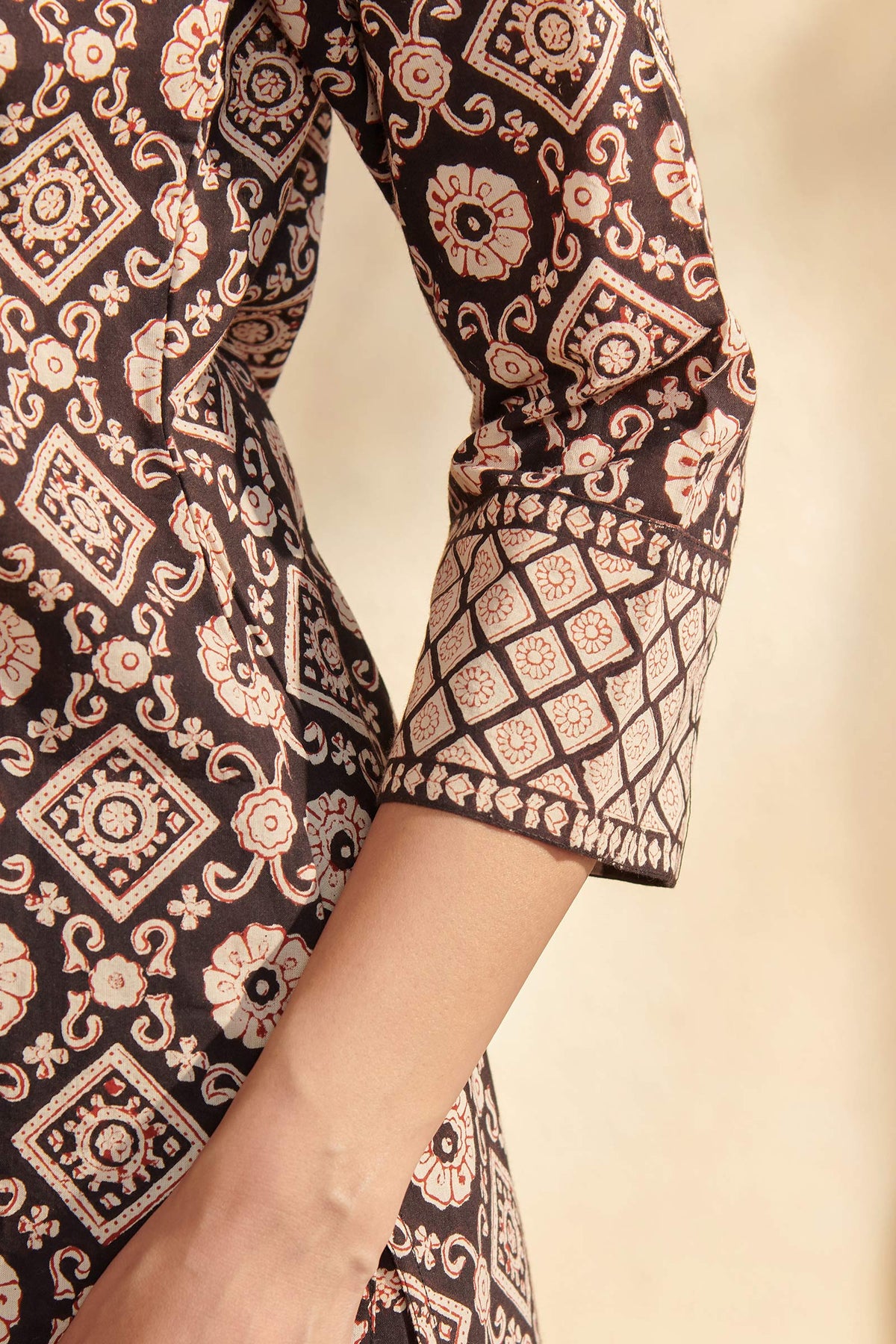
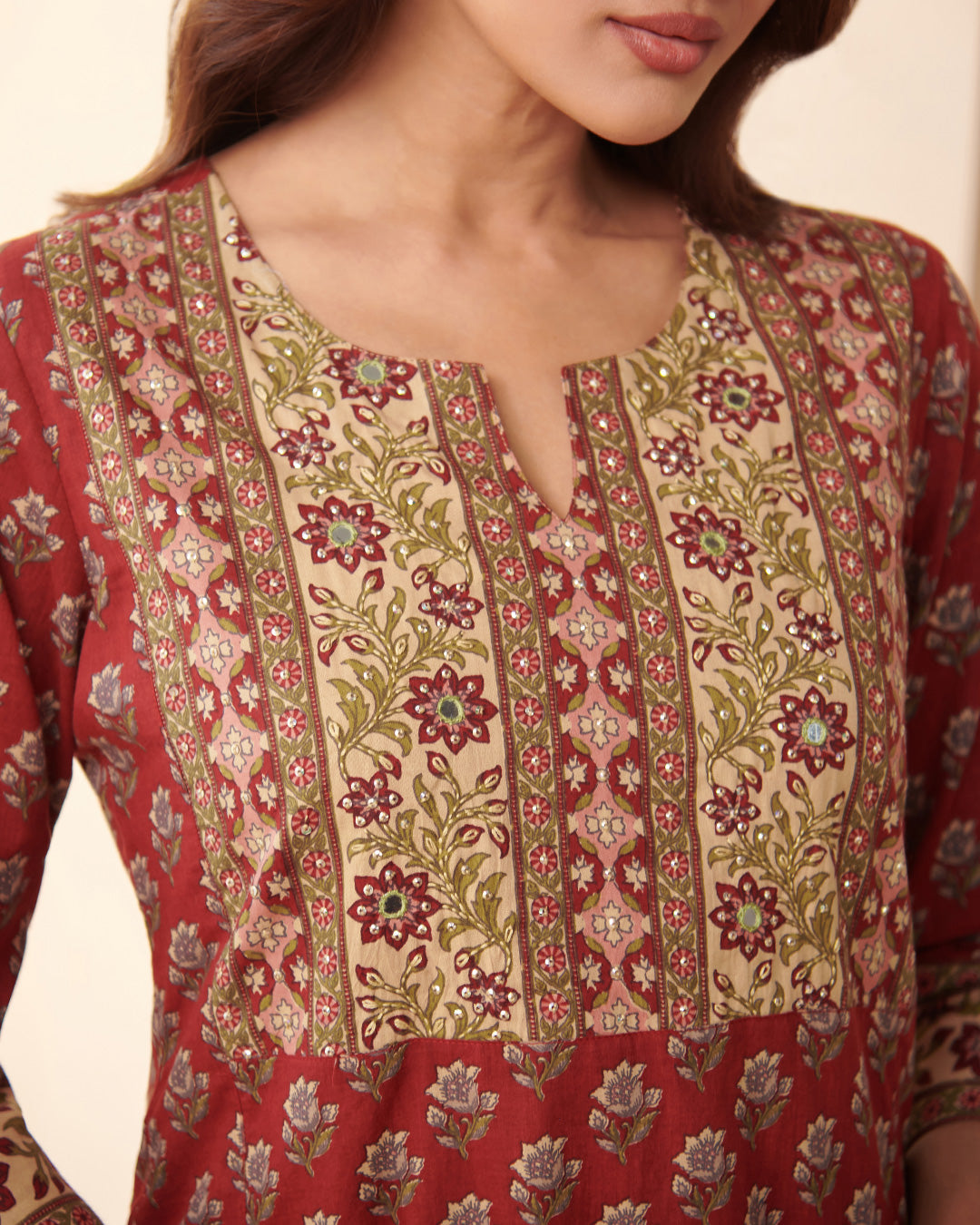
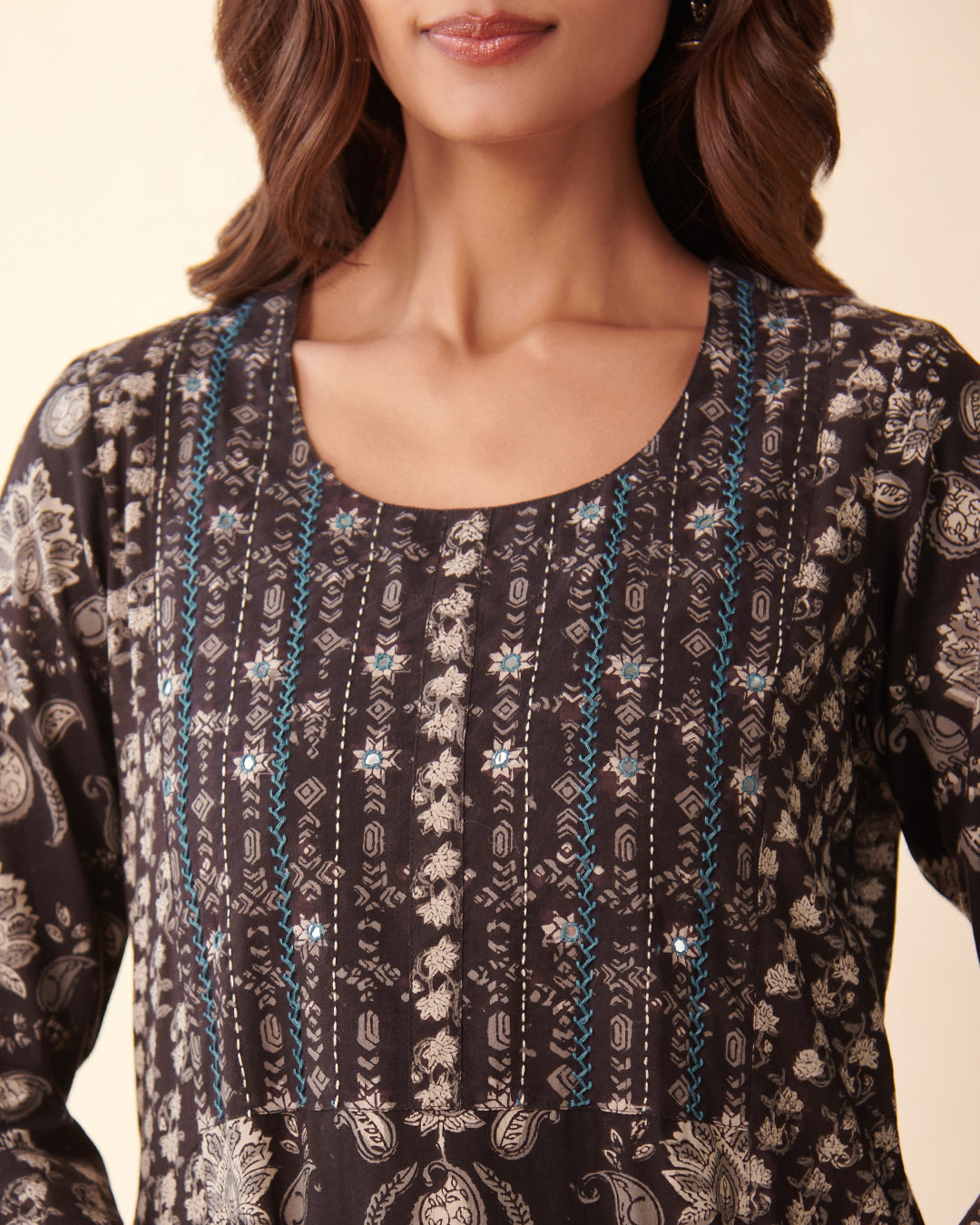
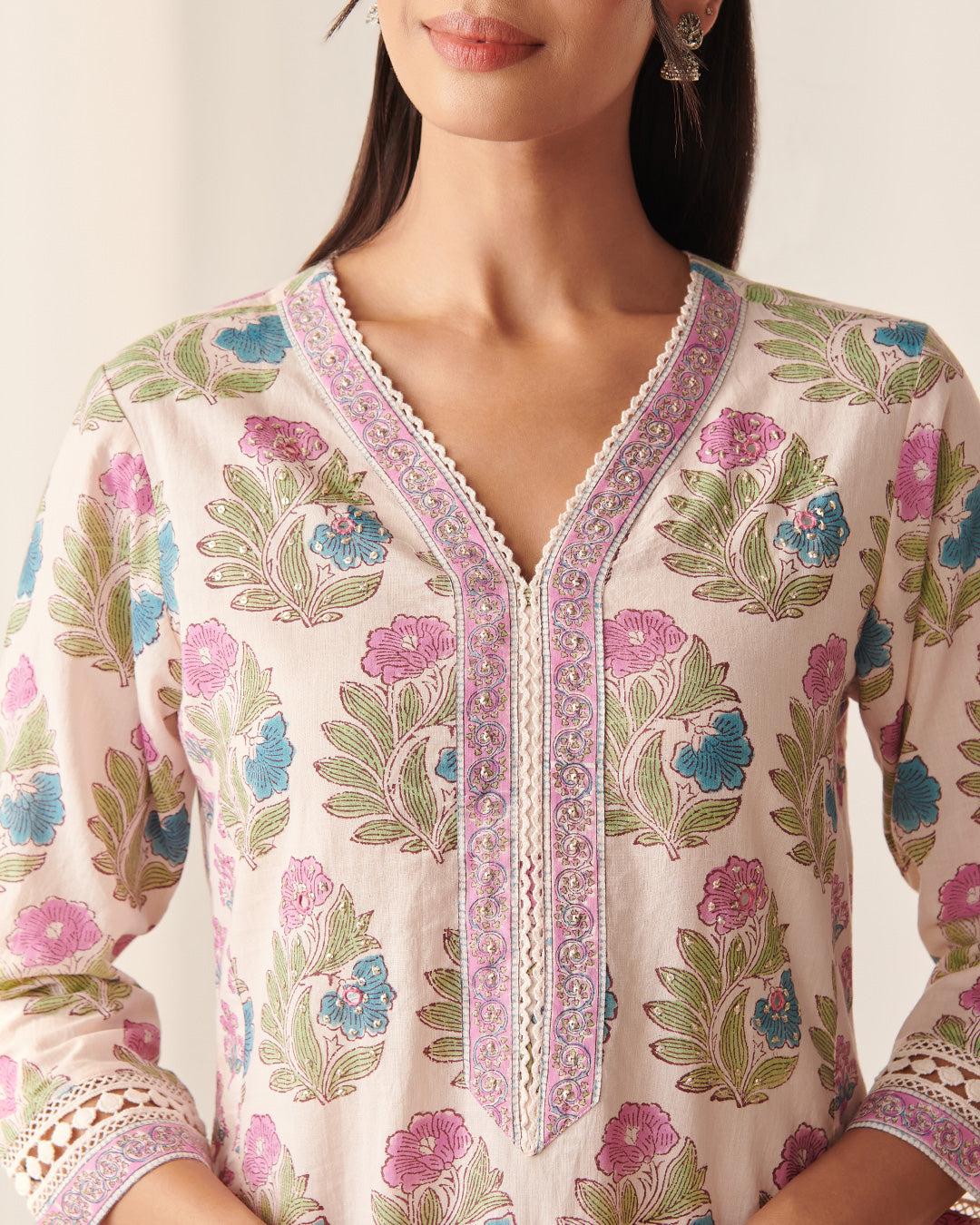
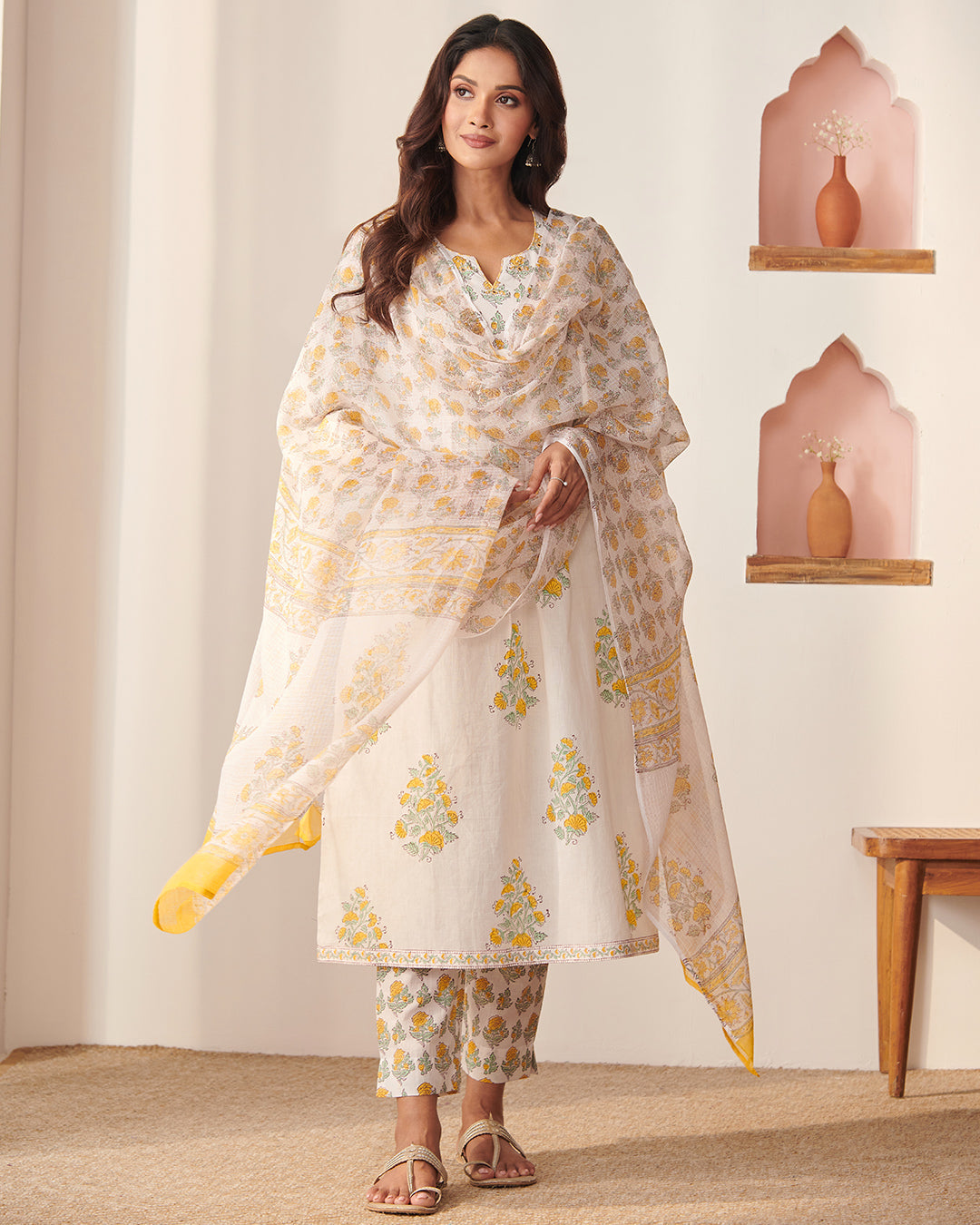
Akola prints have an ease that works beautifully in everyday dressing. Their motifs have enough character to make a piece feel considered, while the traditional nature of the print keeps it grounded.
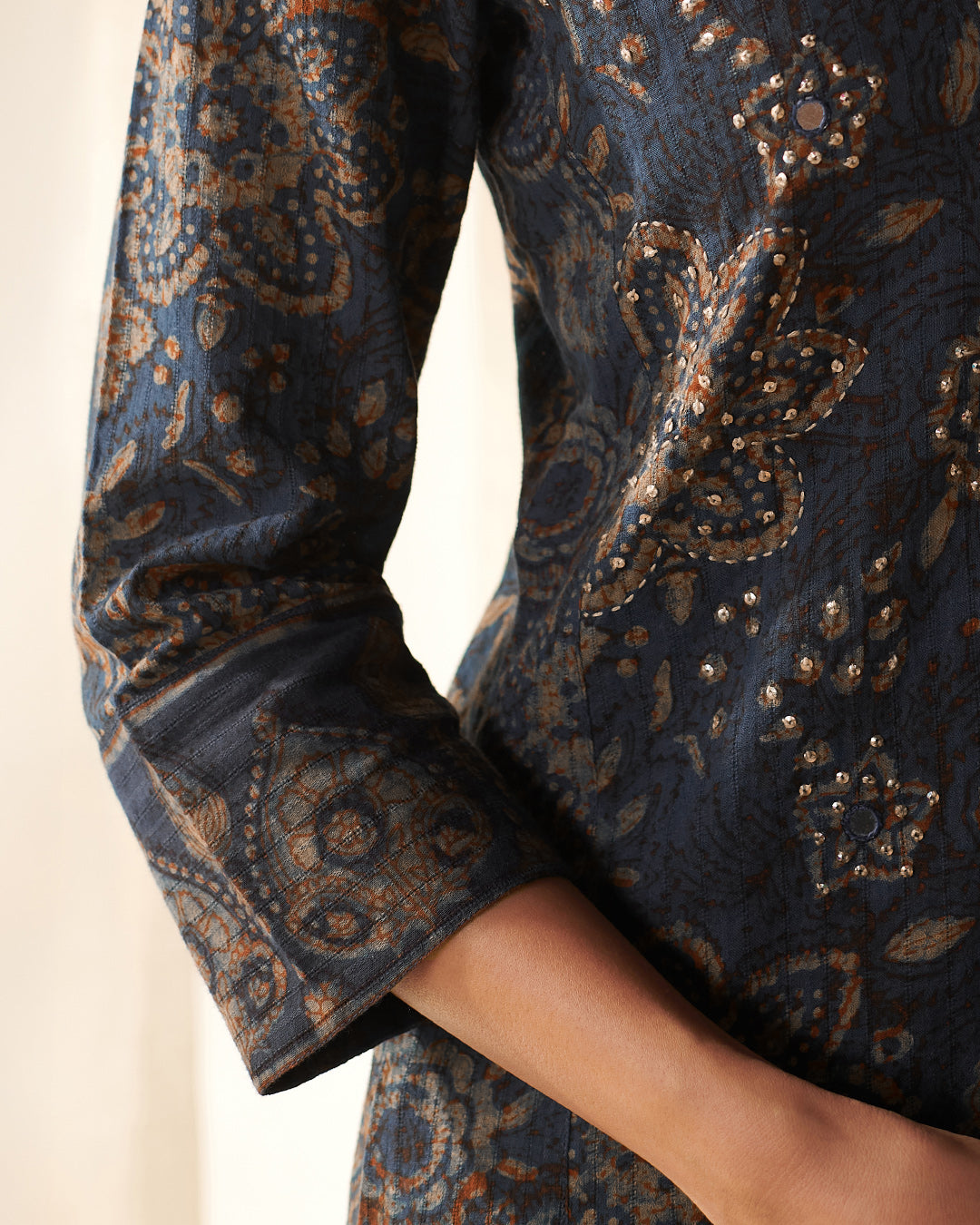
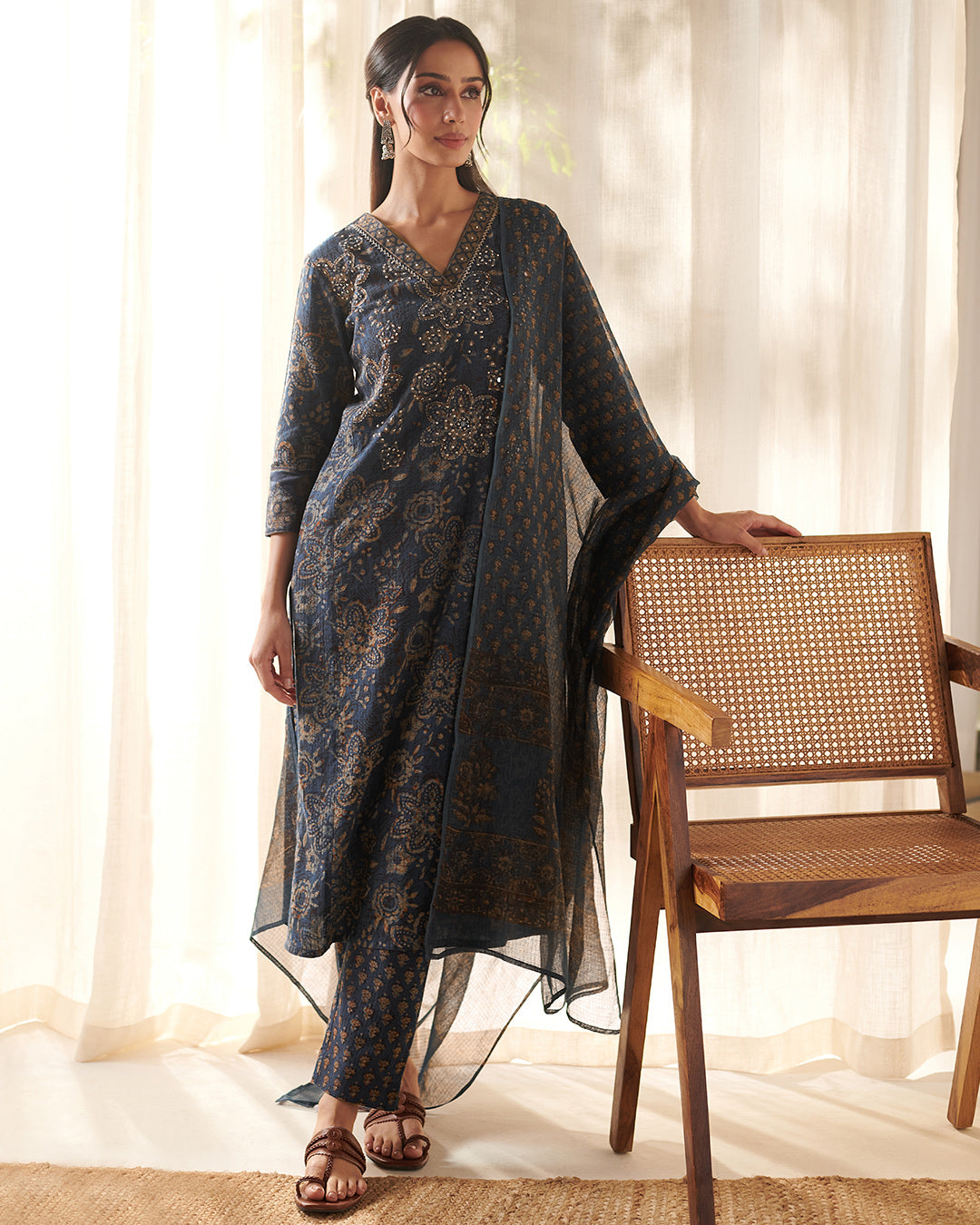
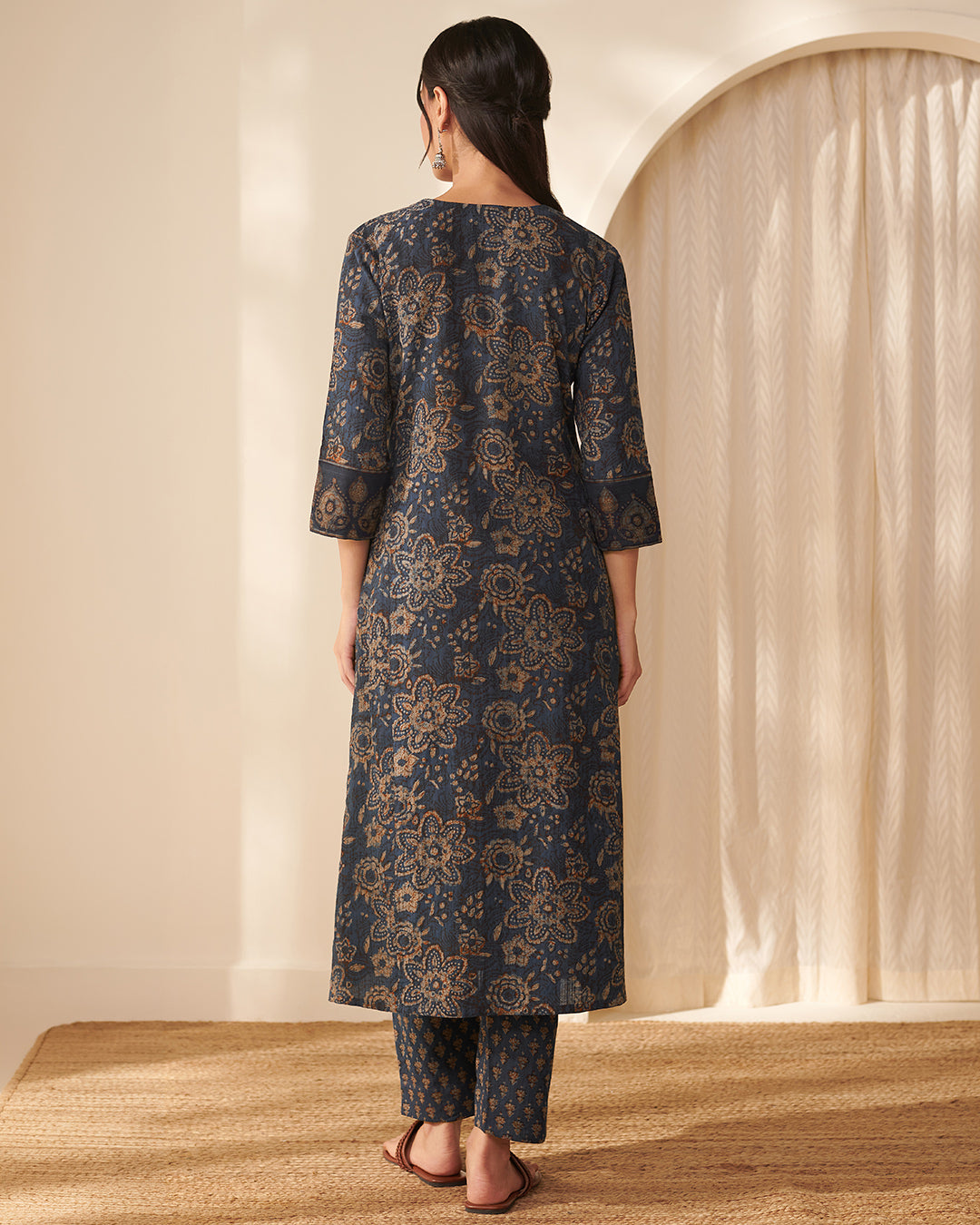
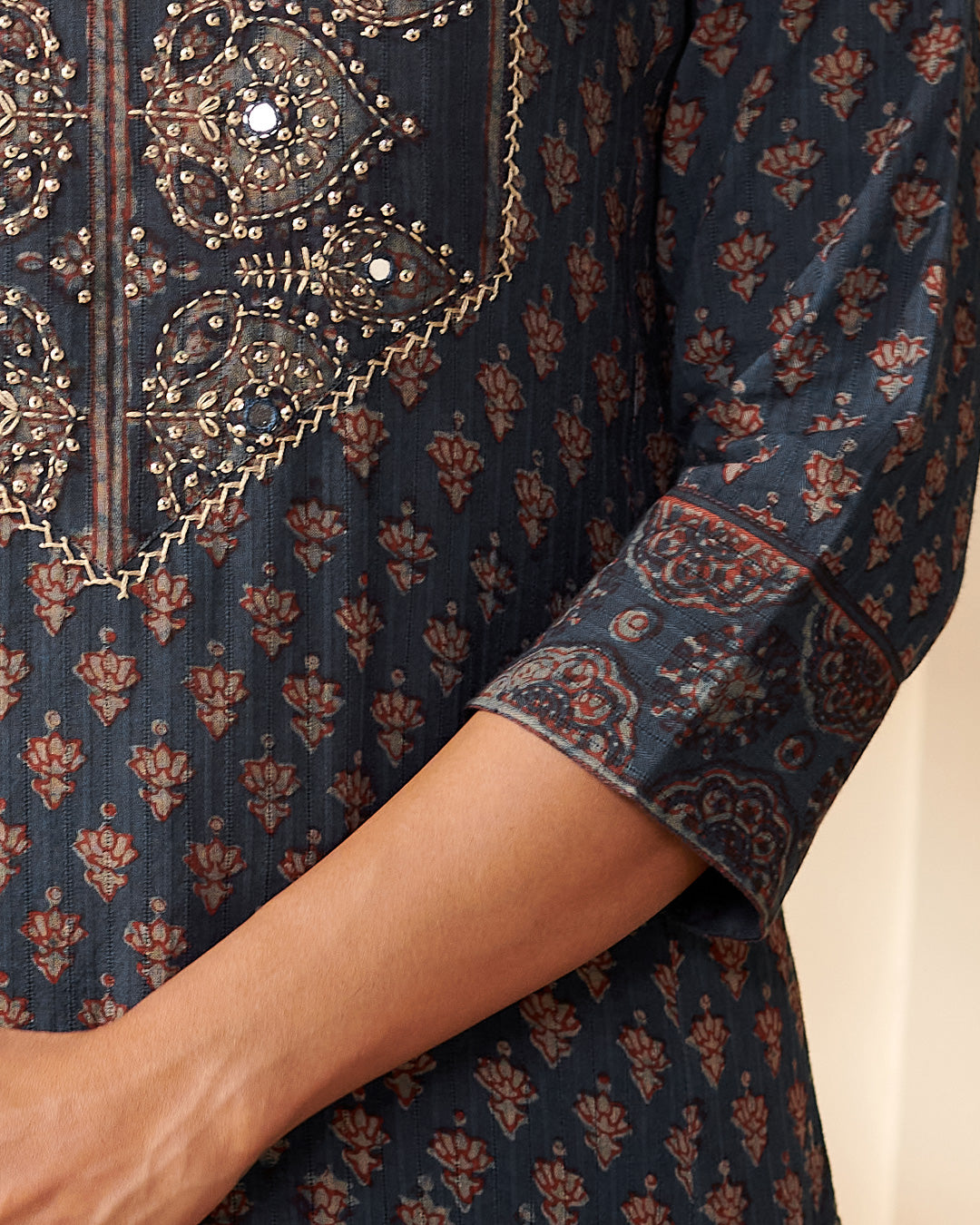
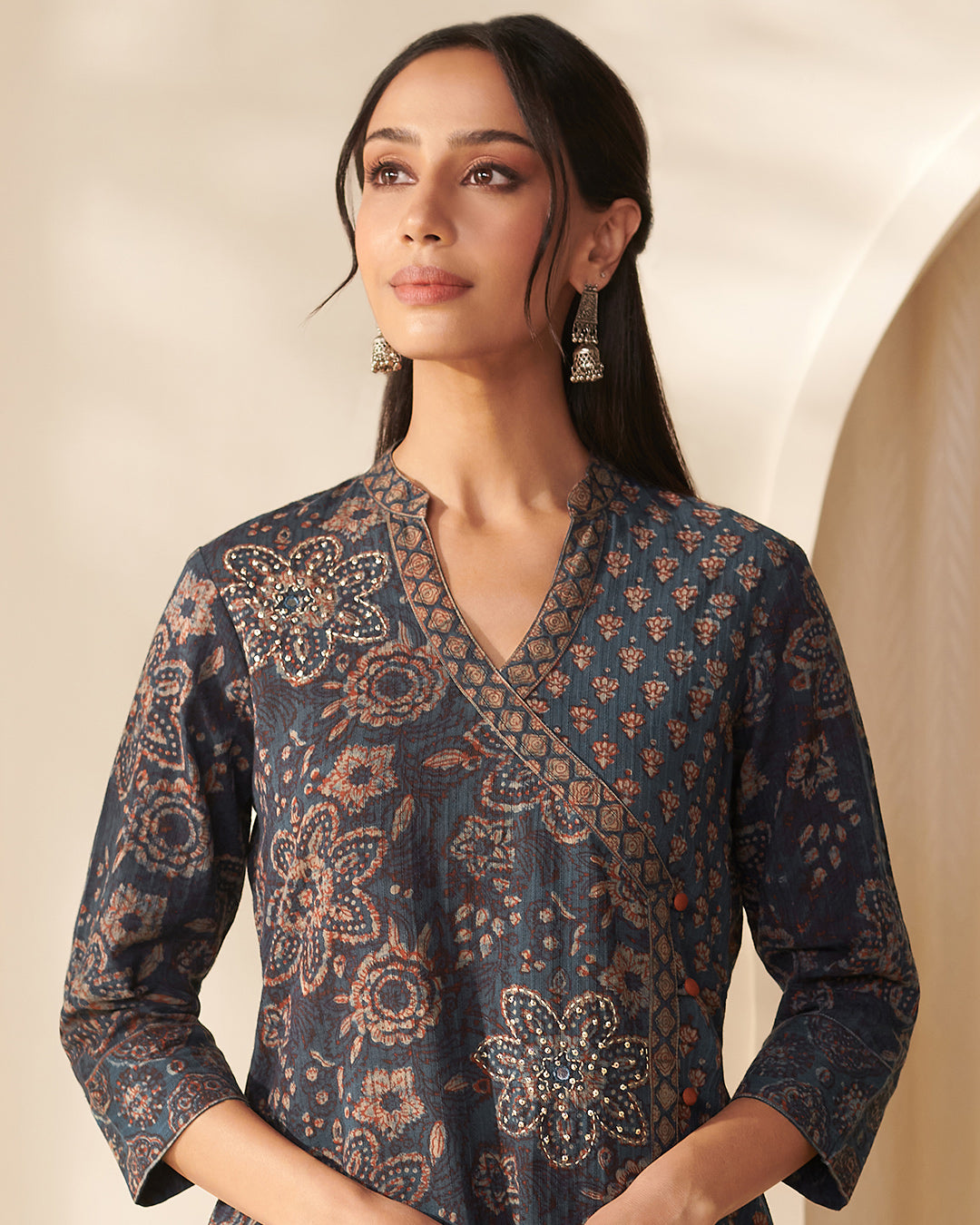
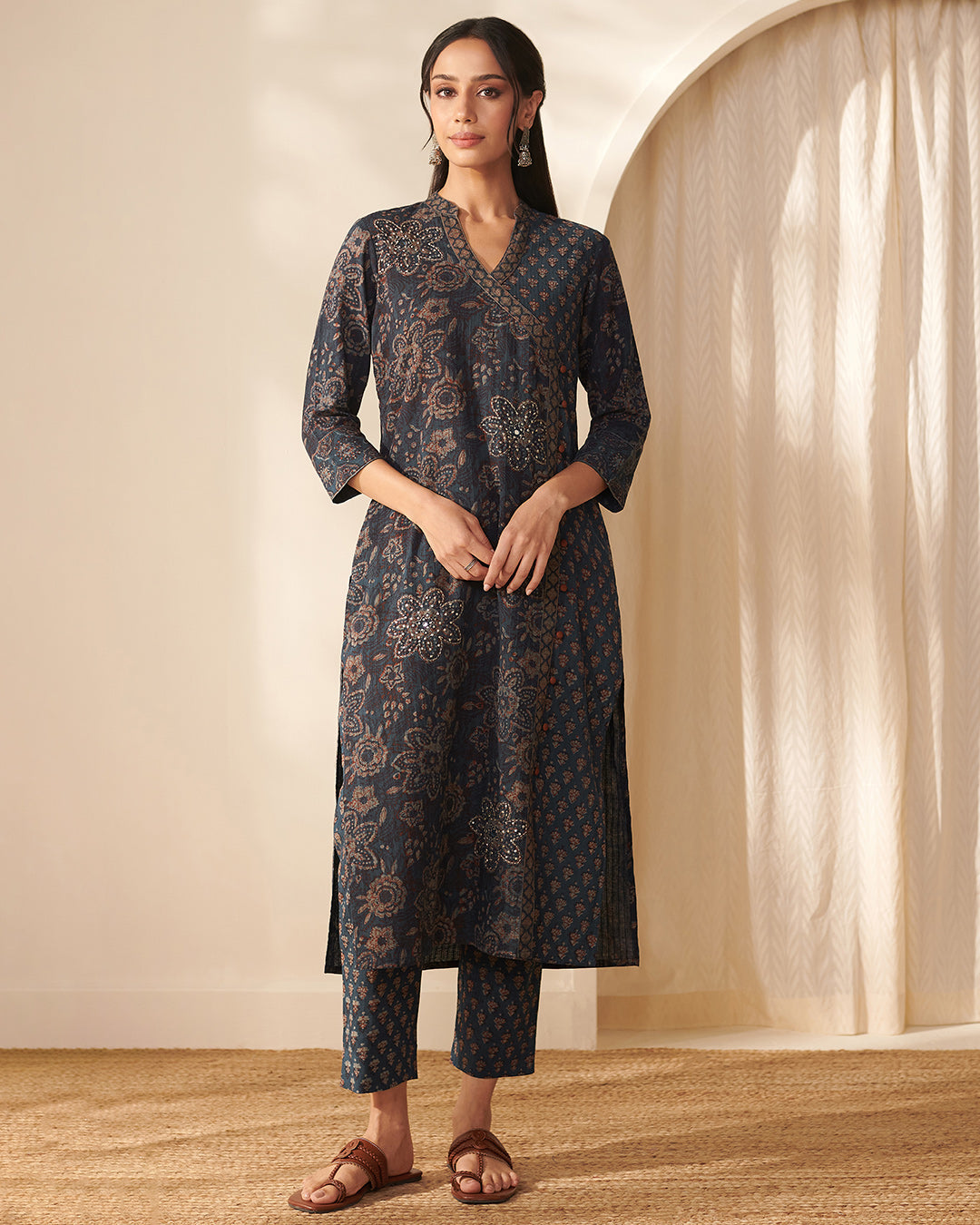
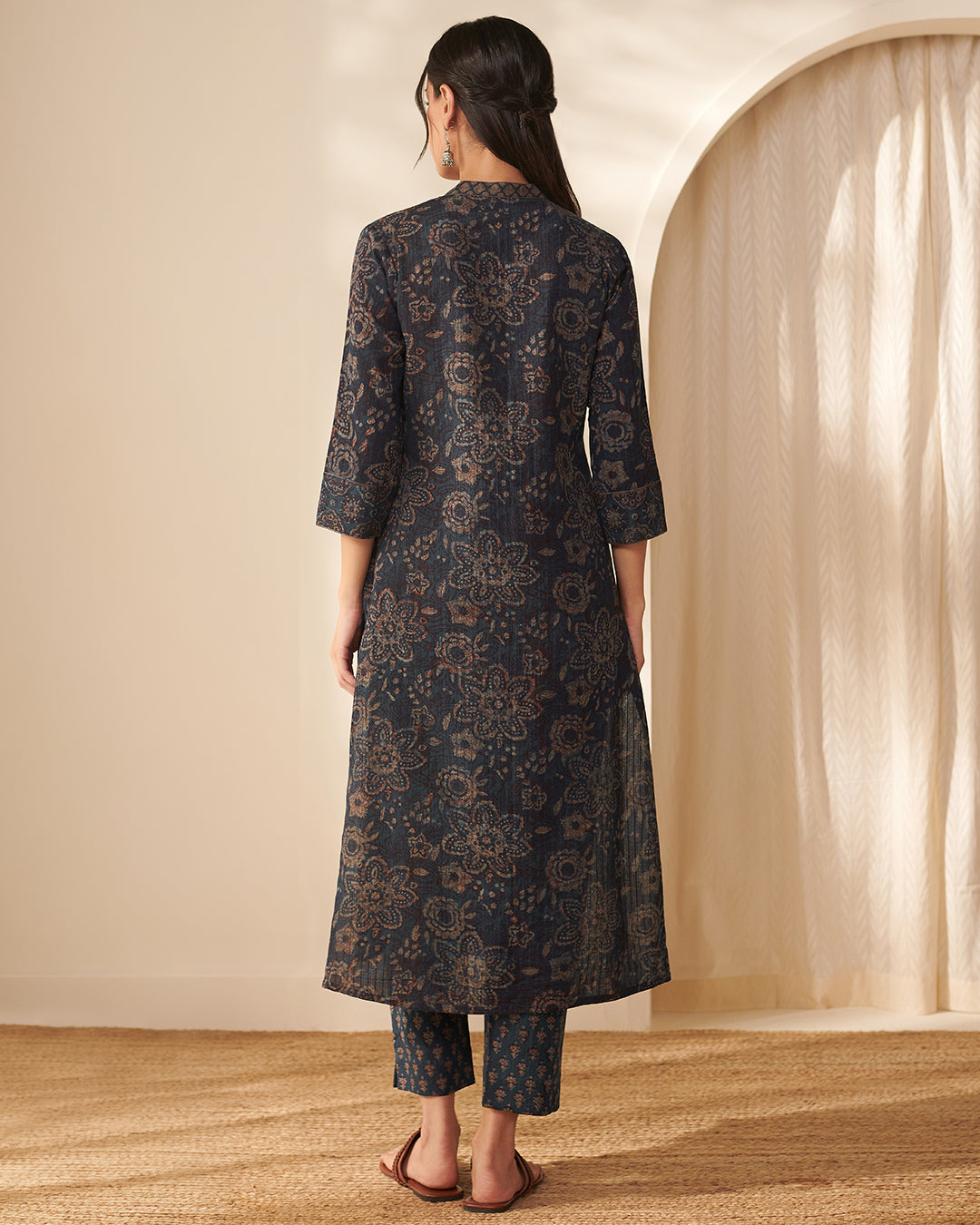
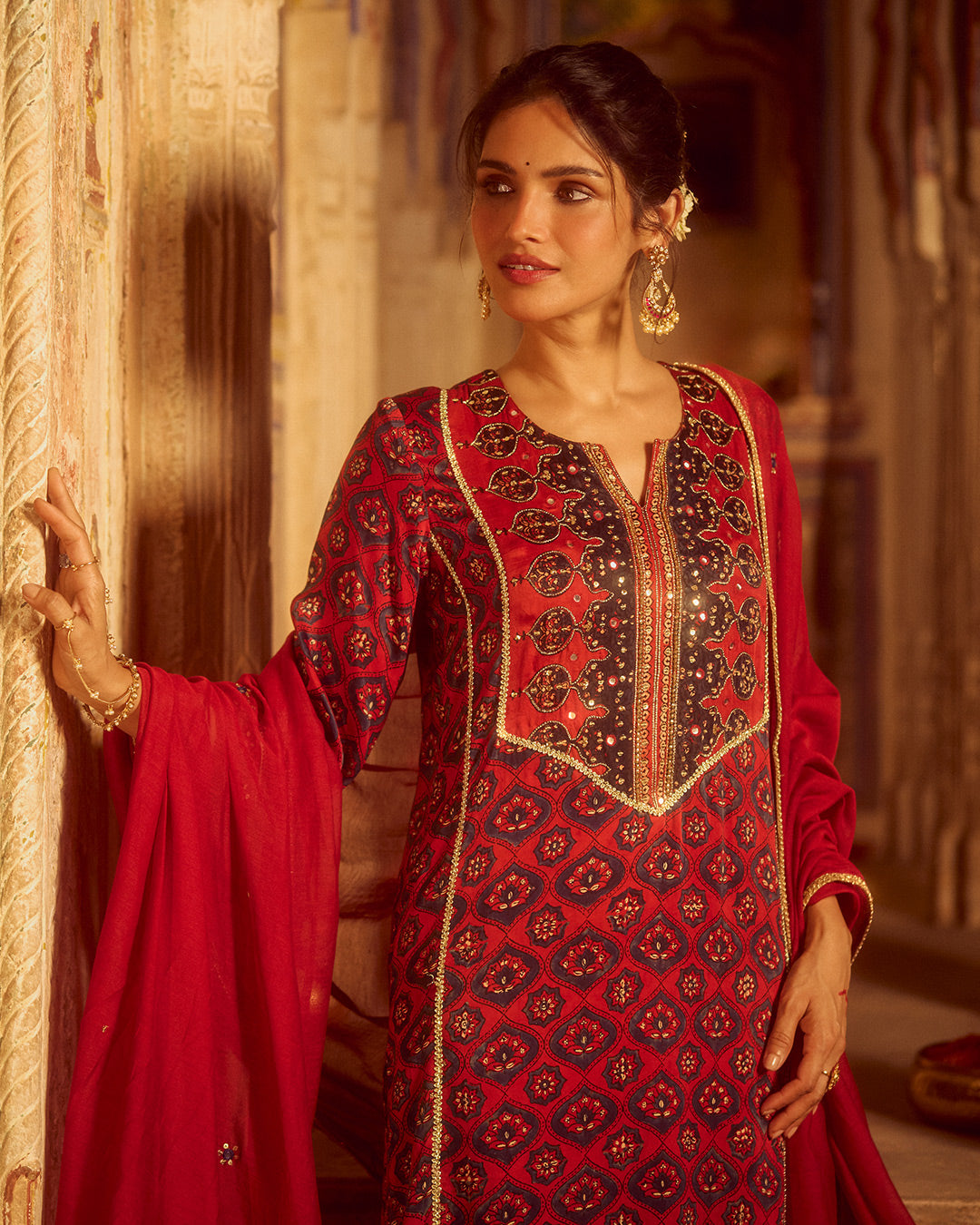
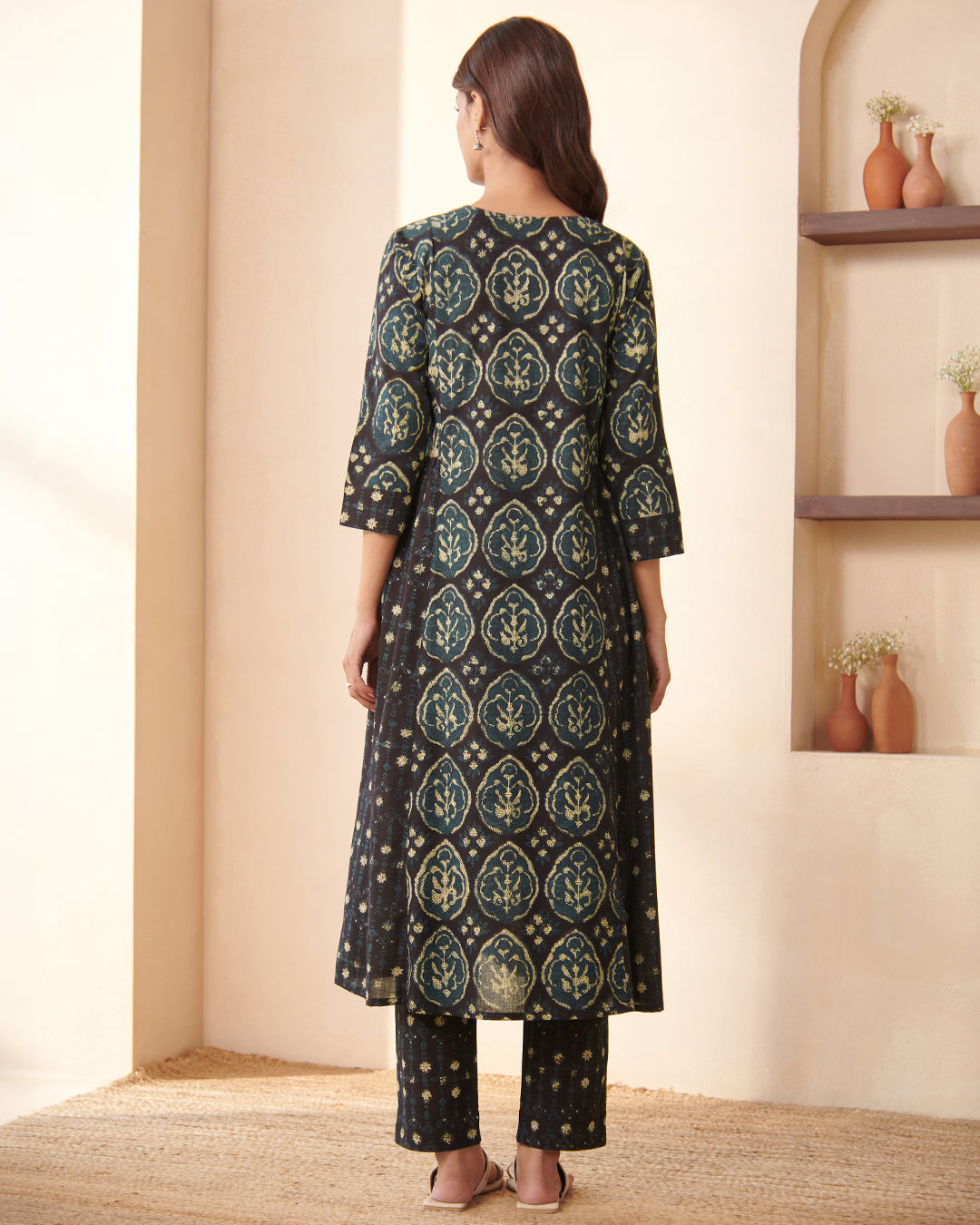
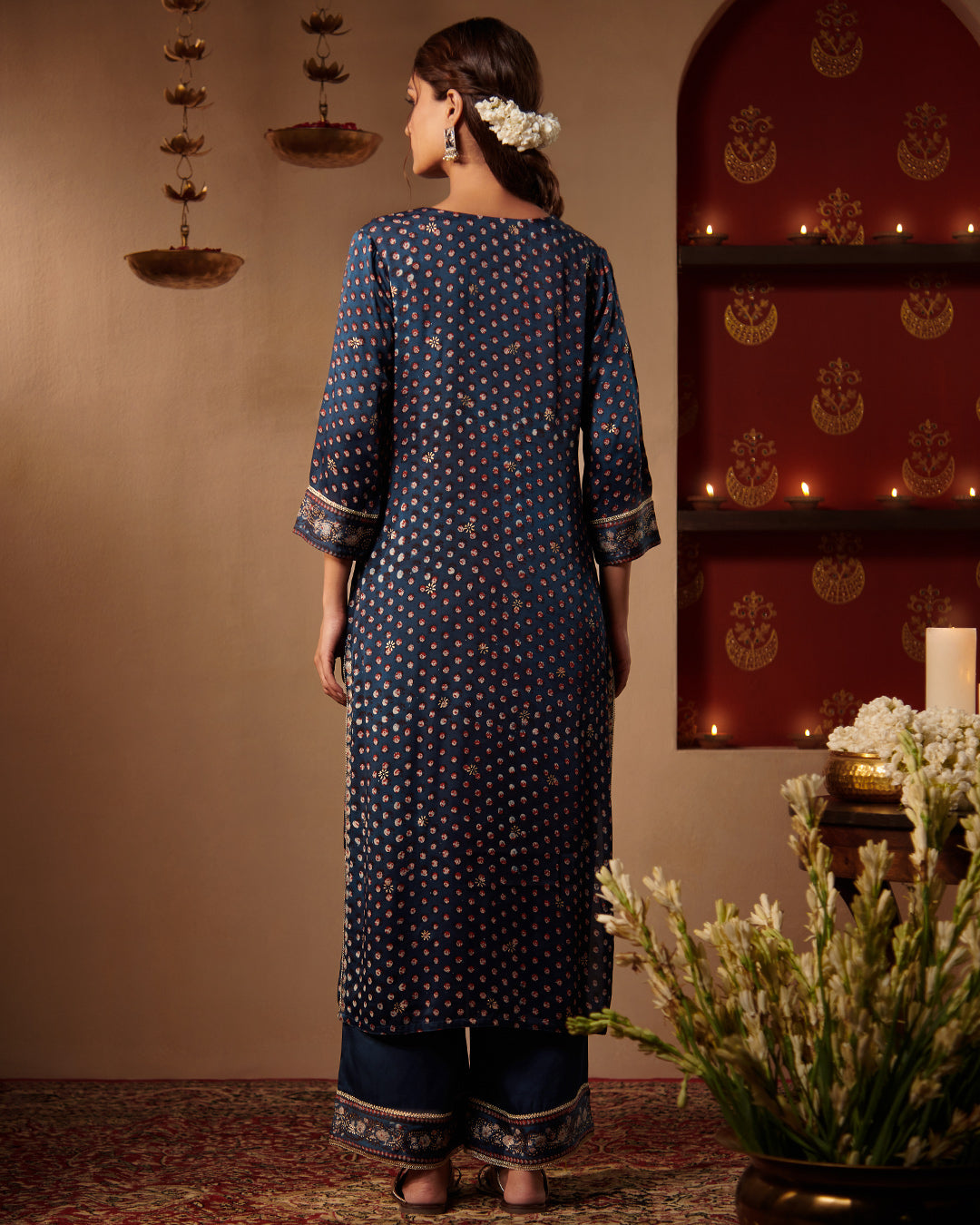
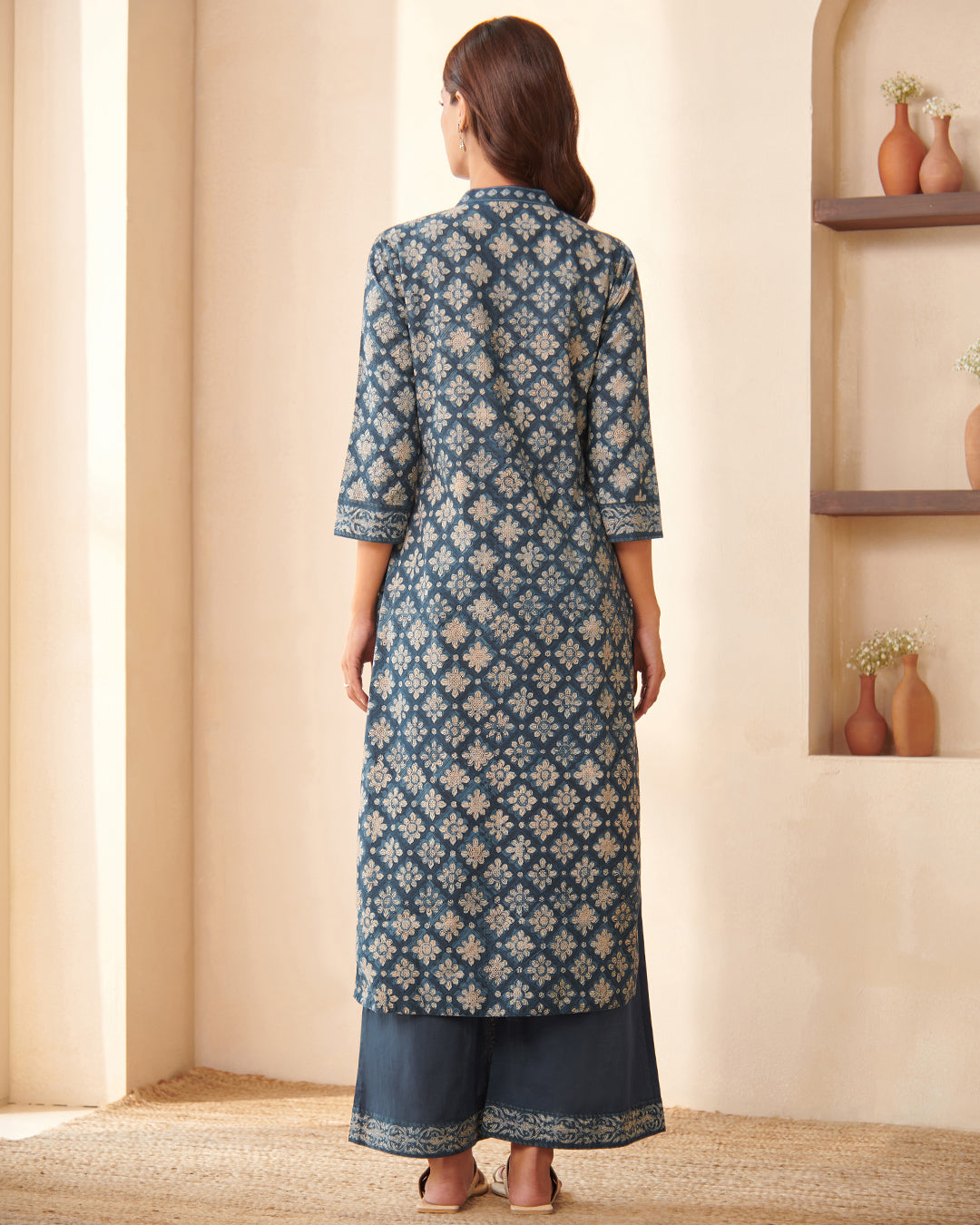
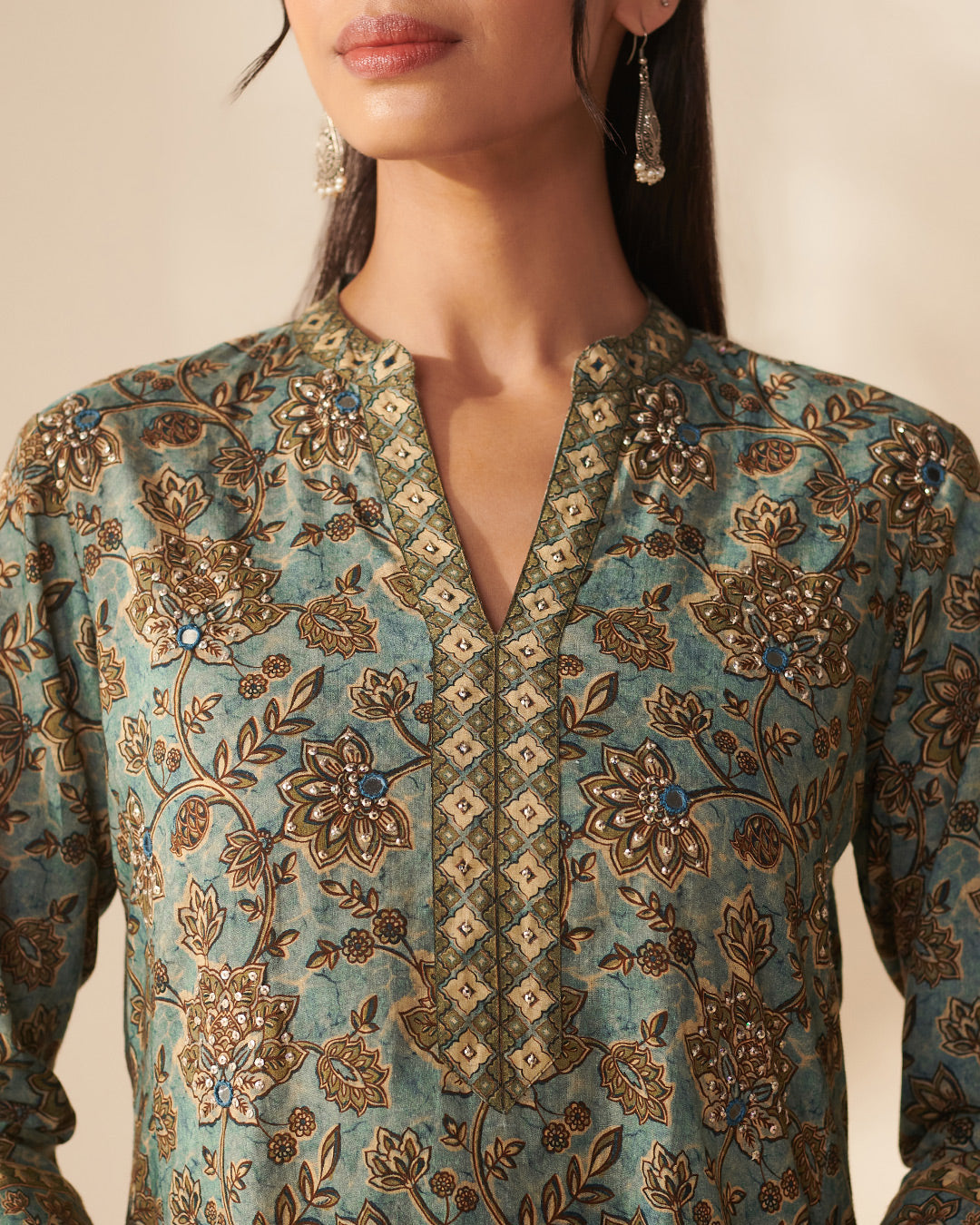
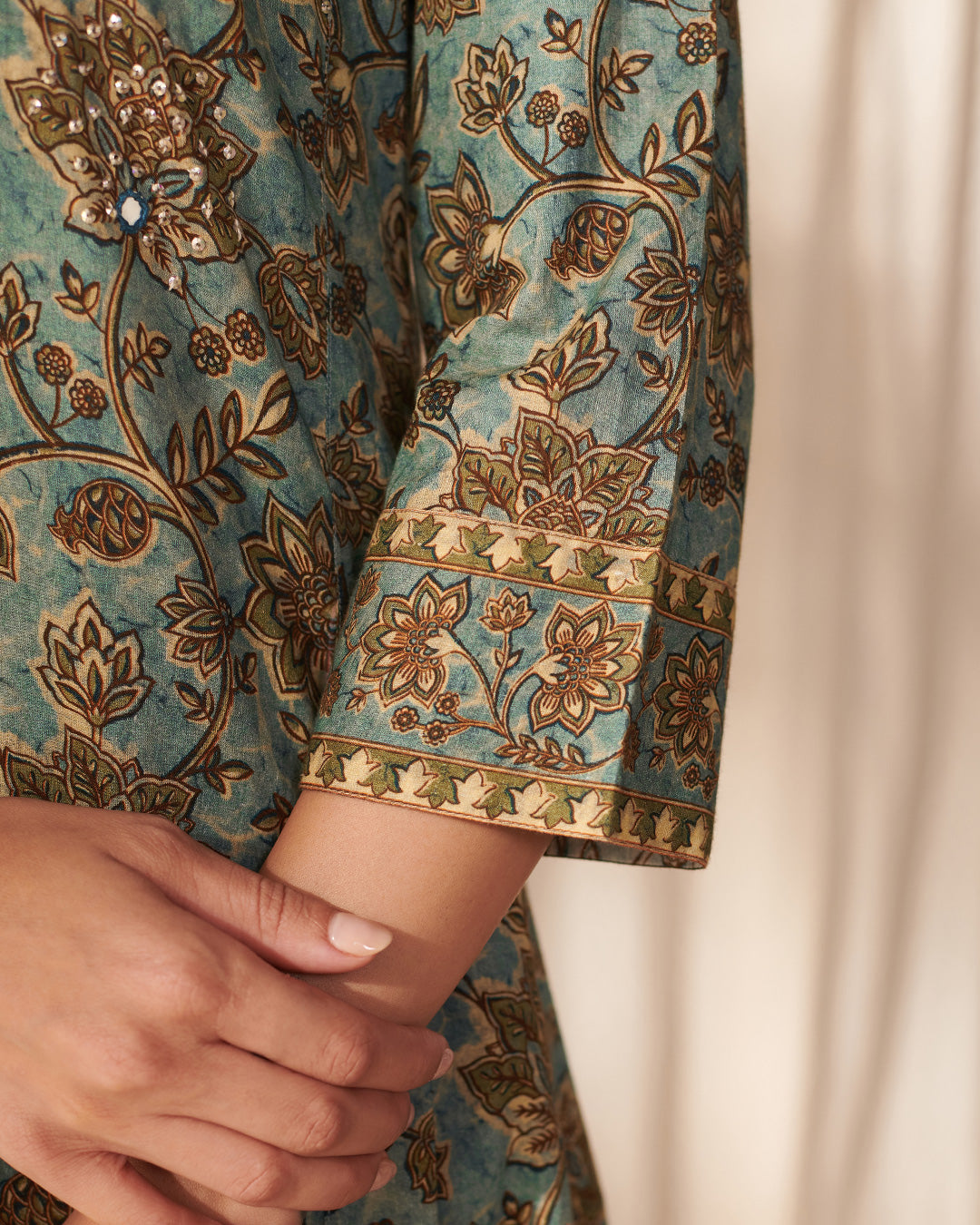
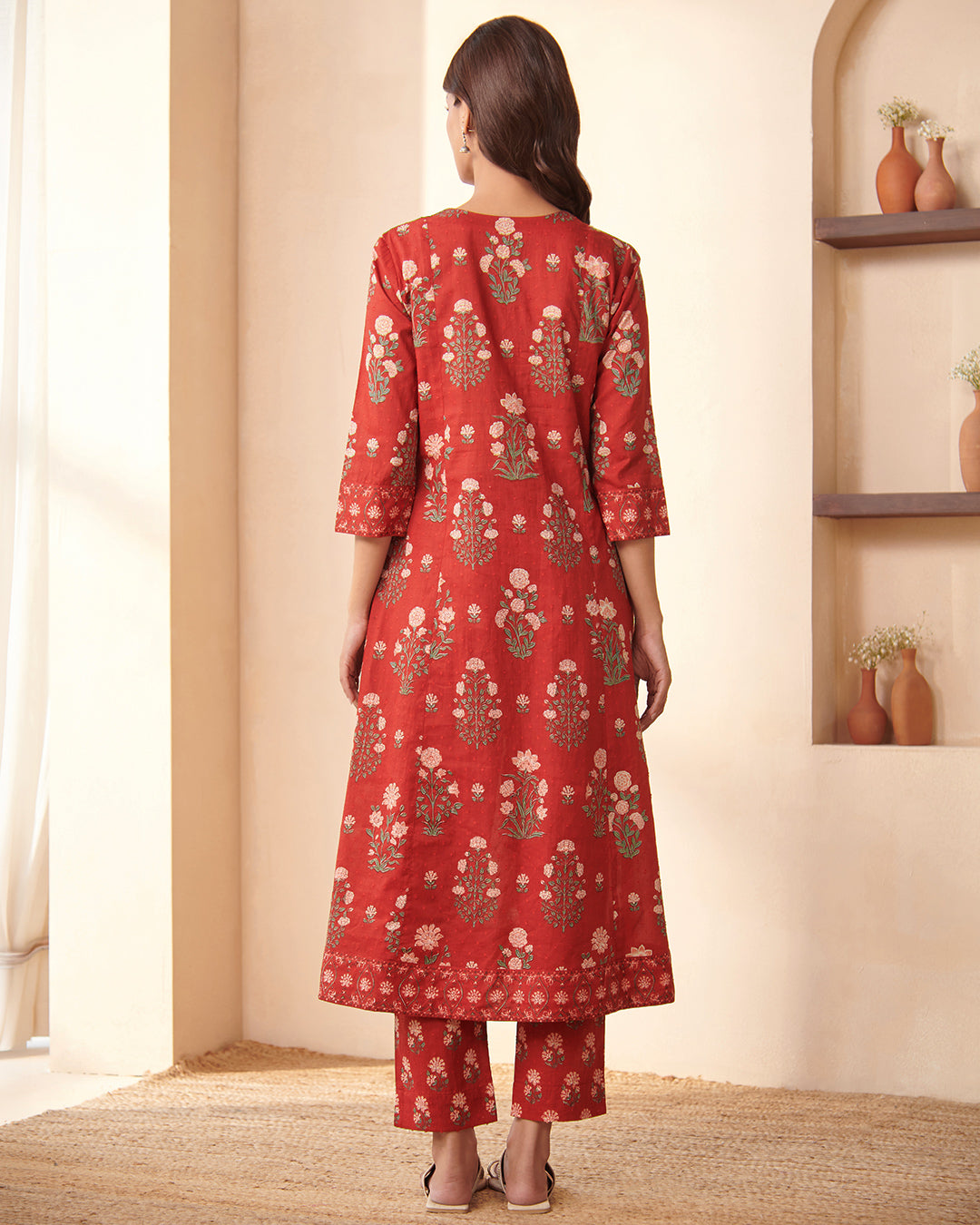
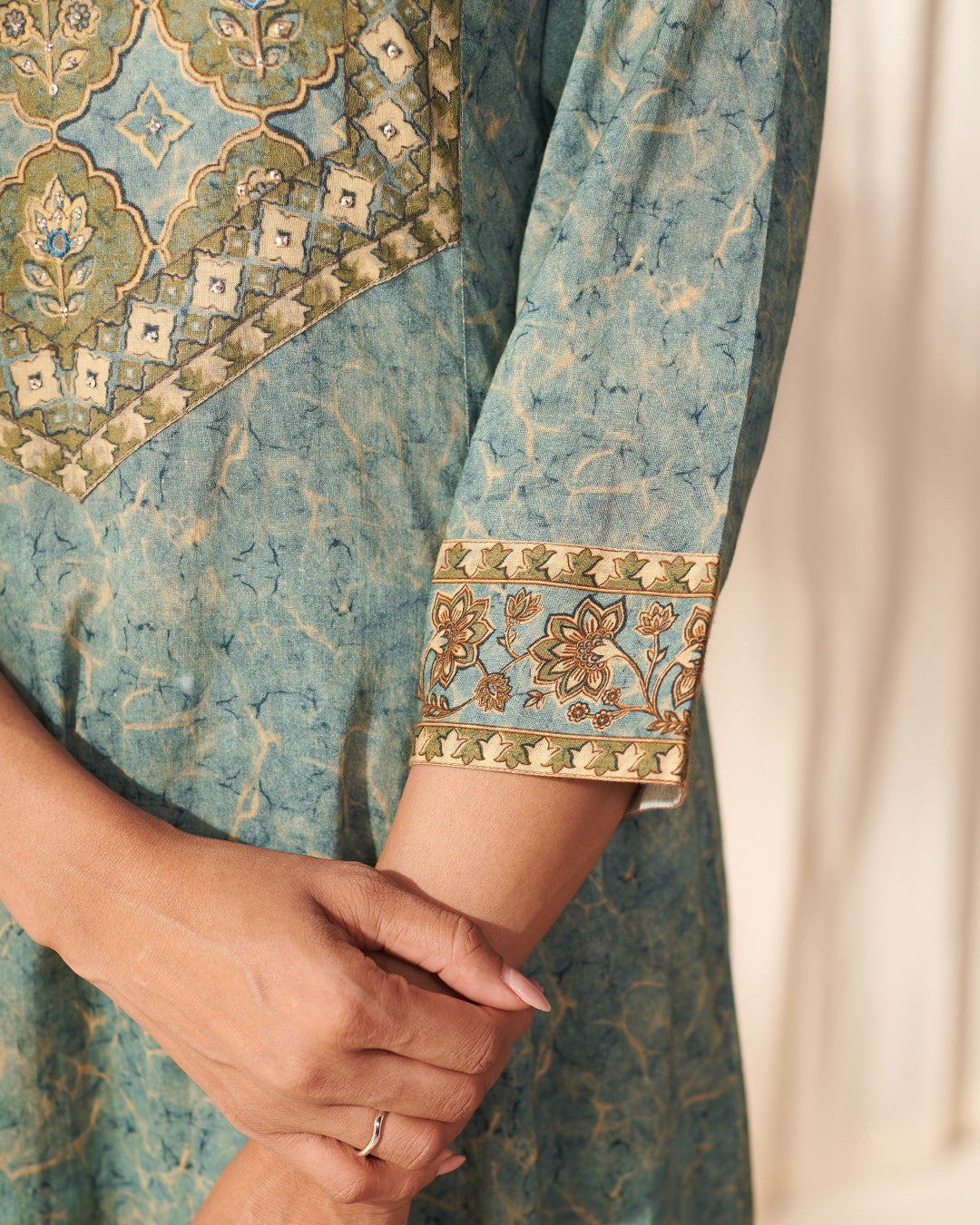
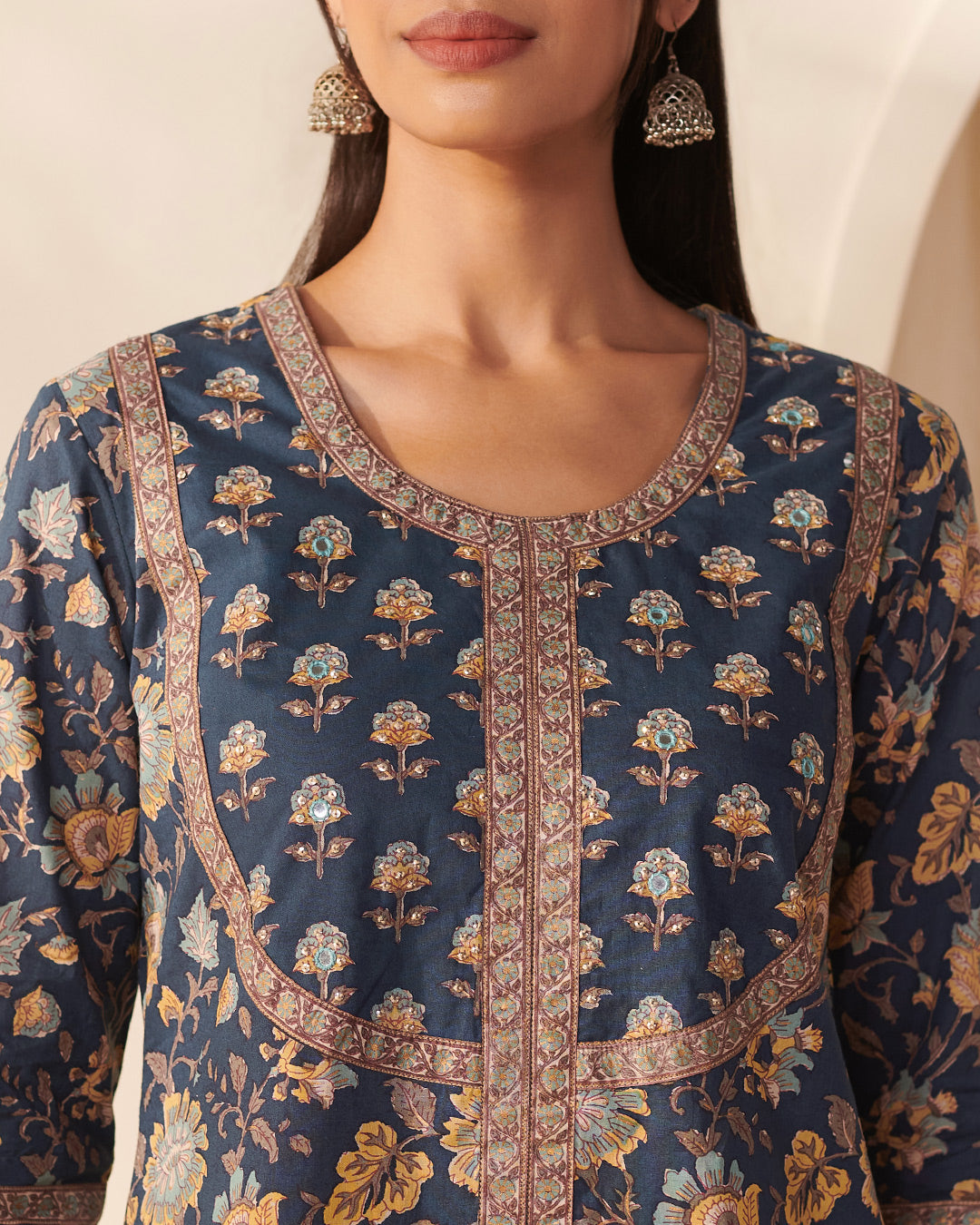
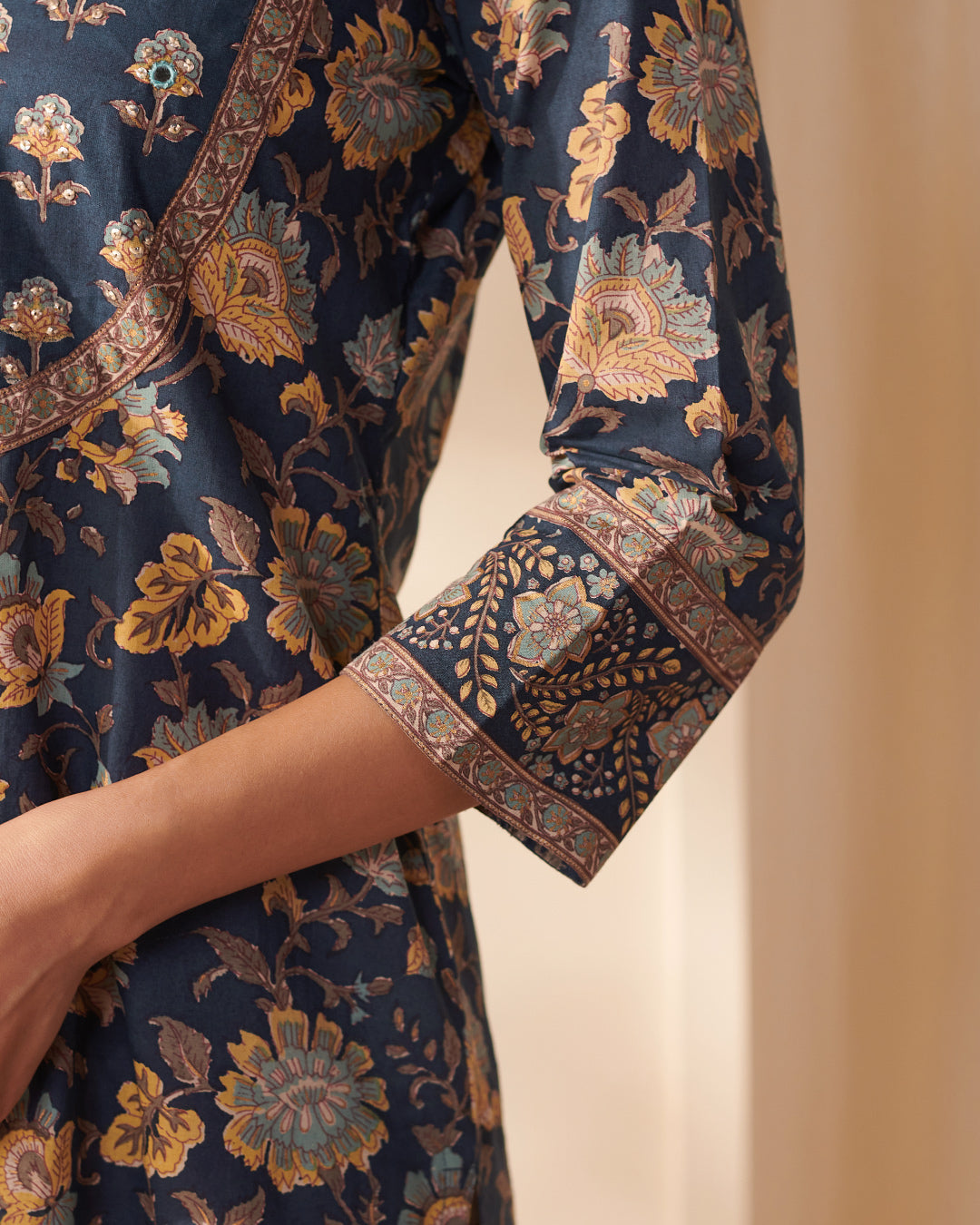
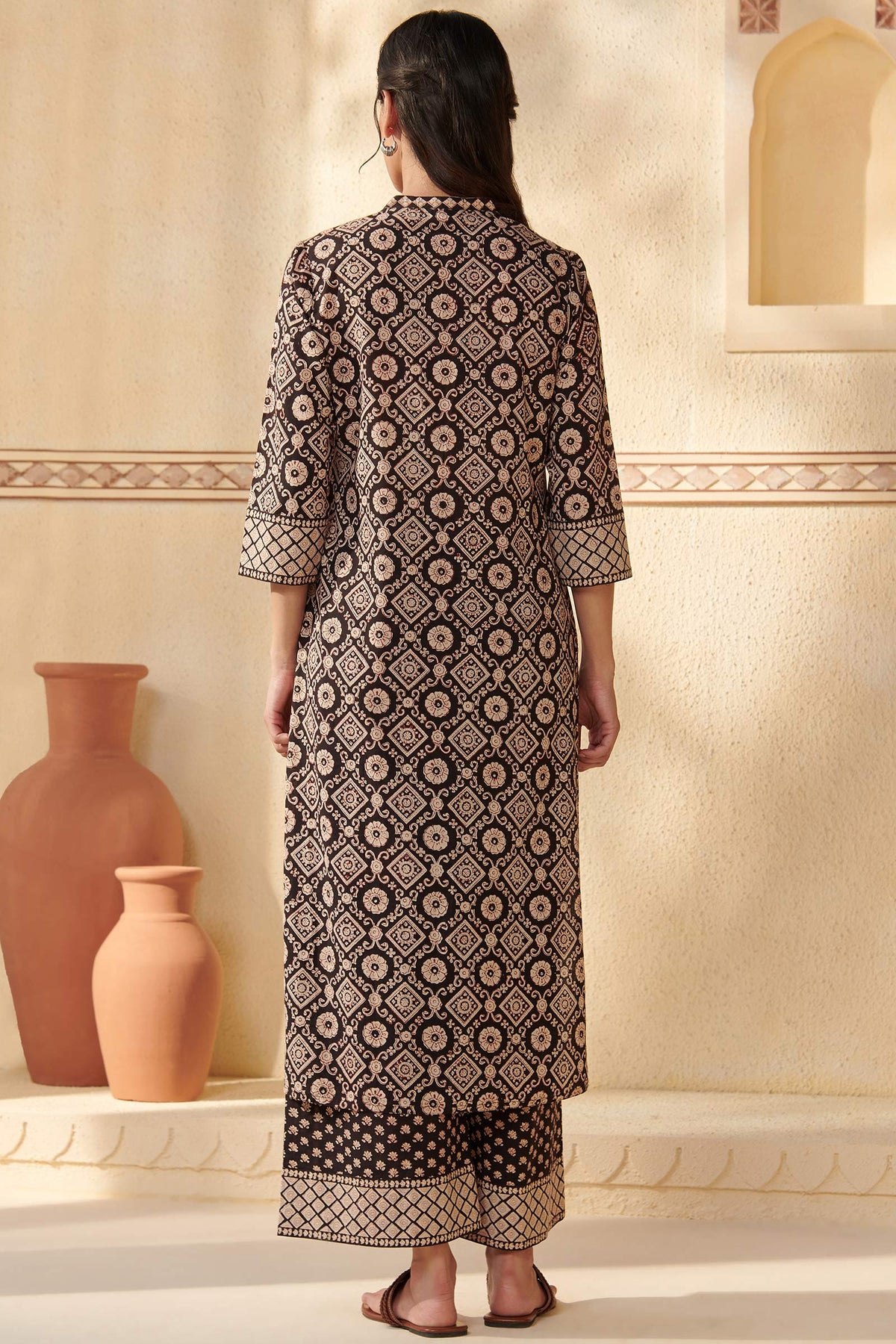
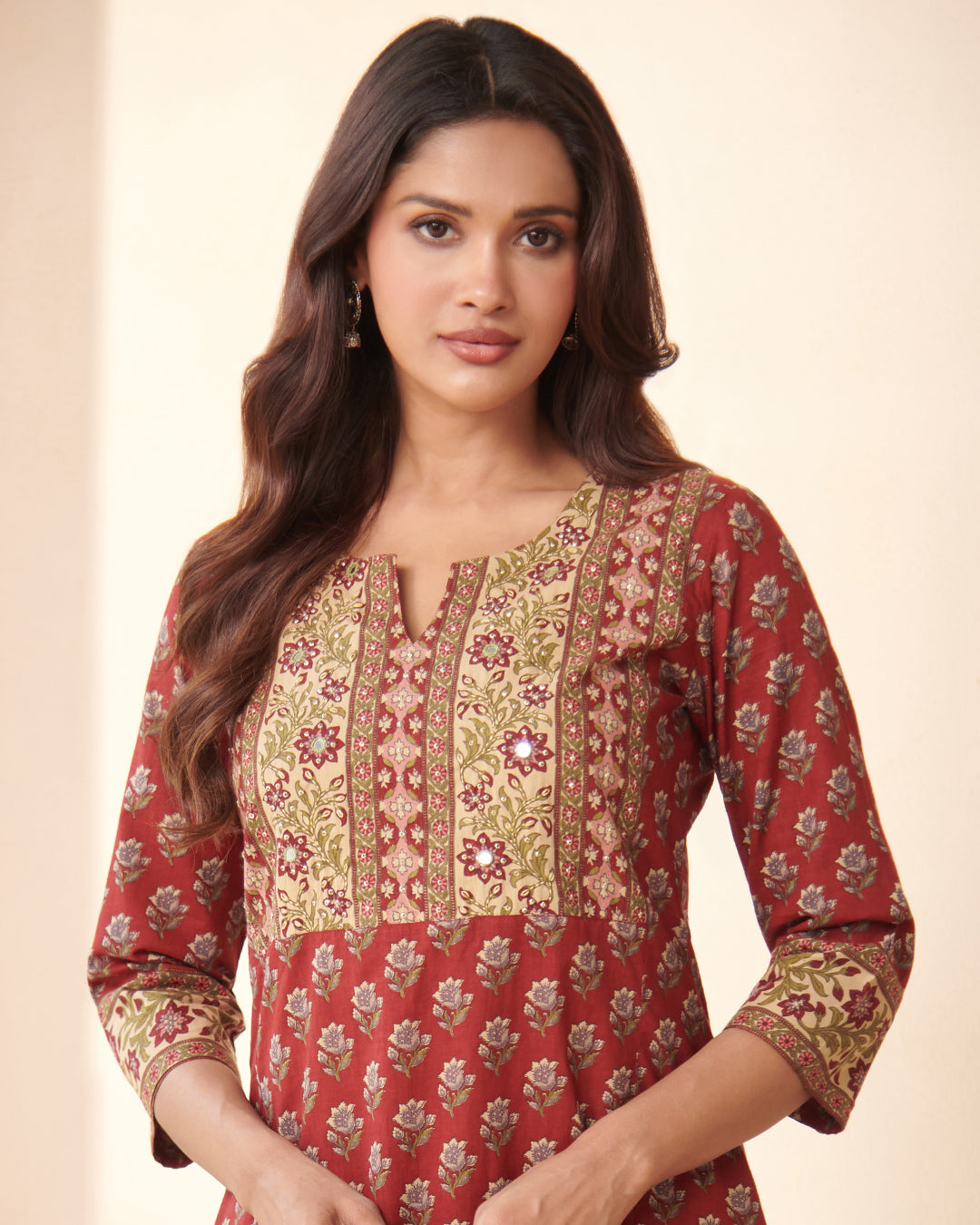
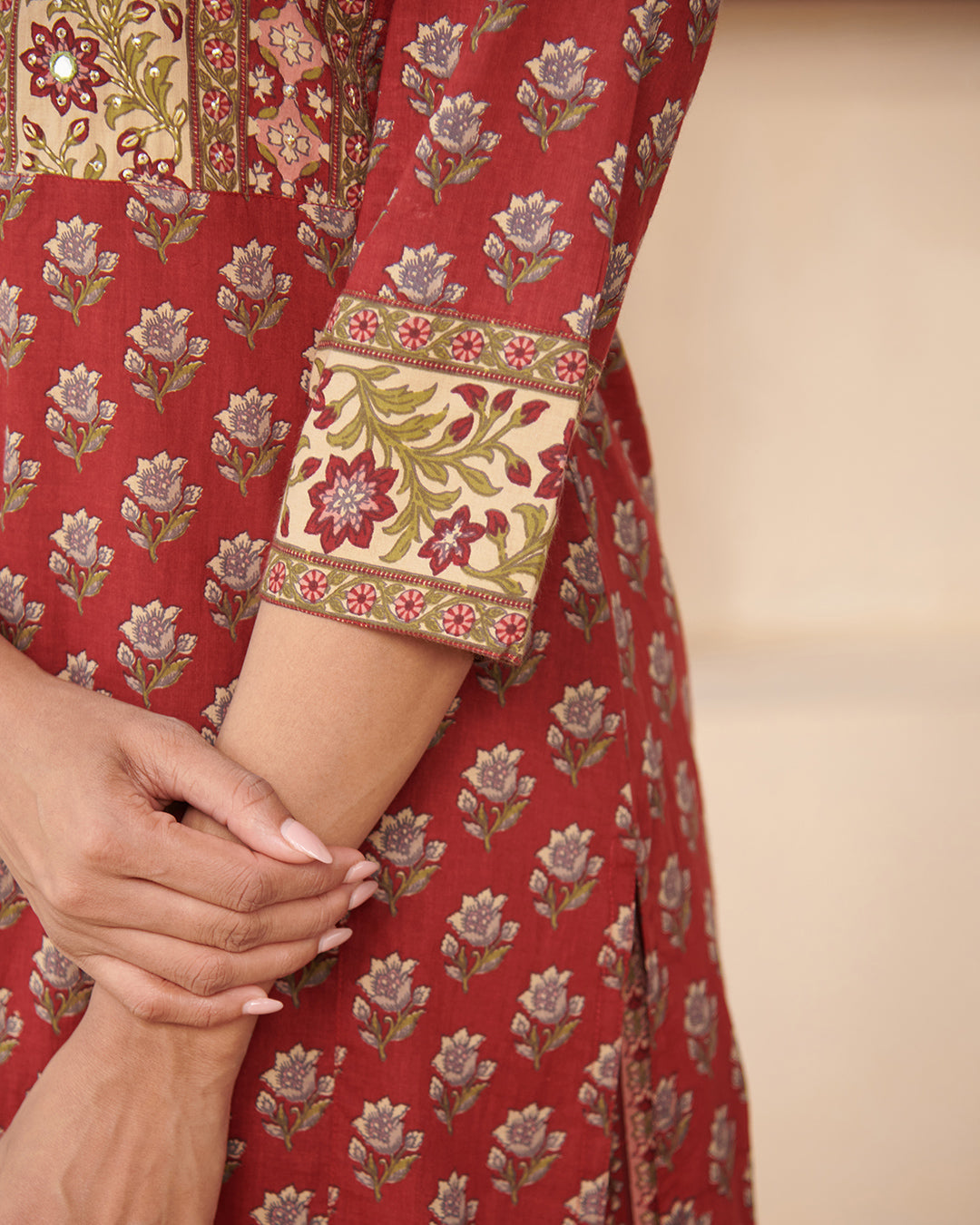
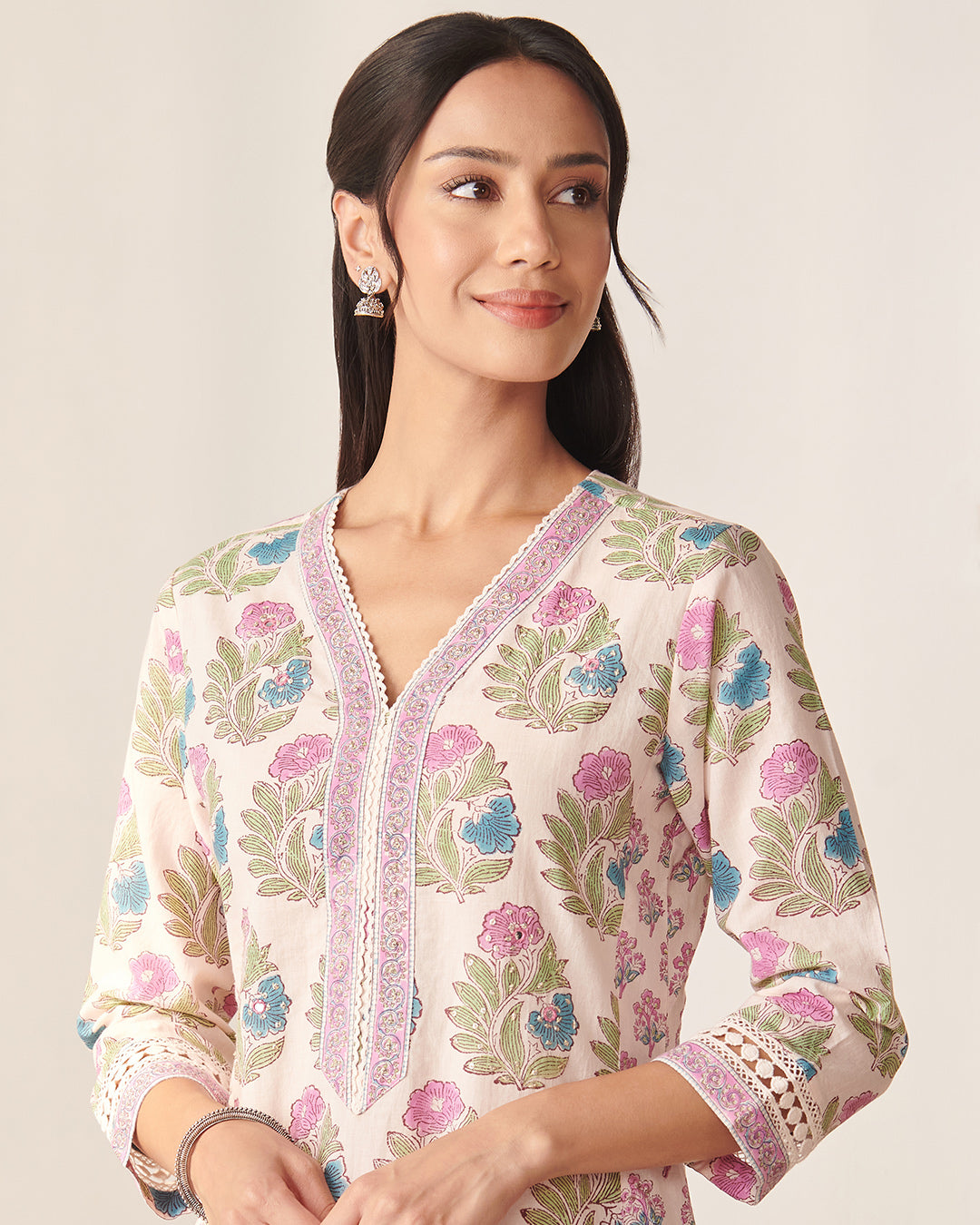
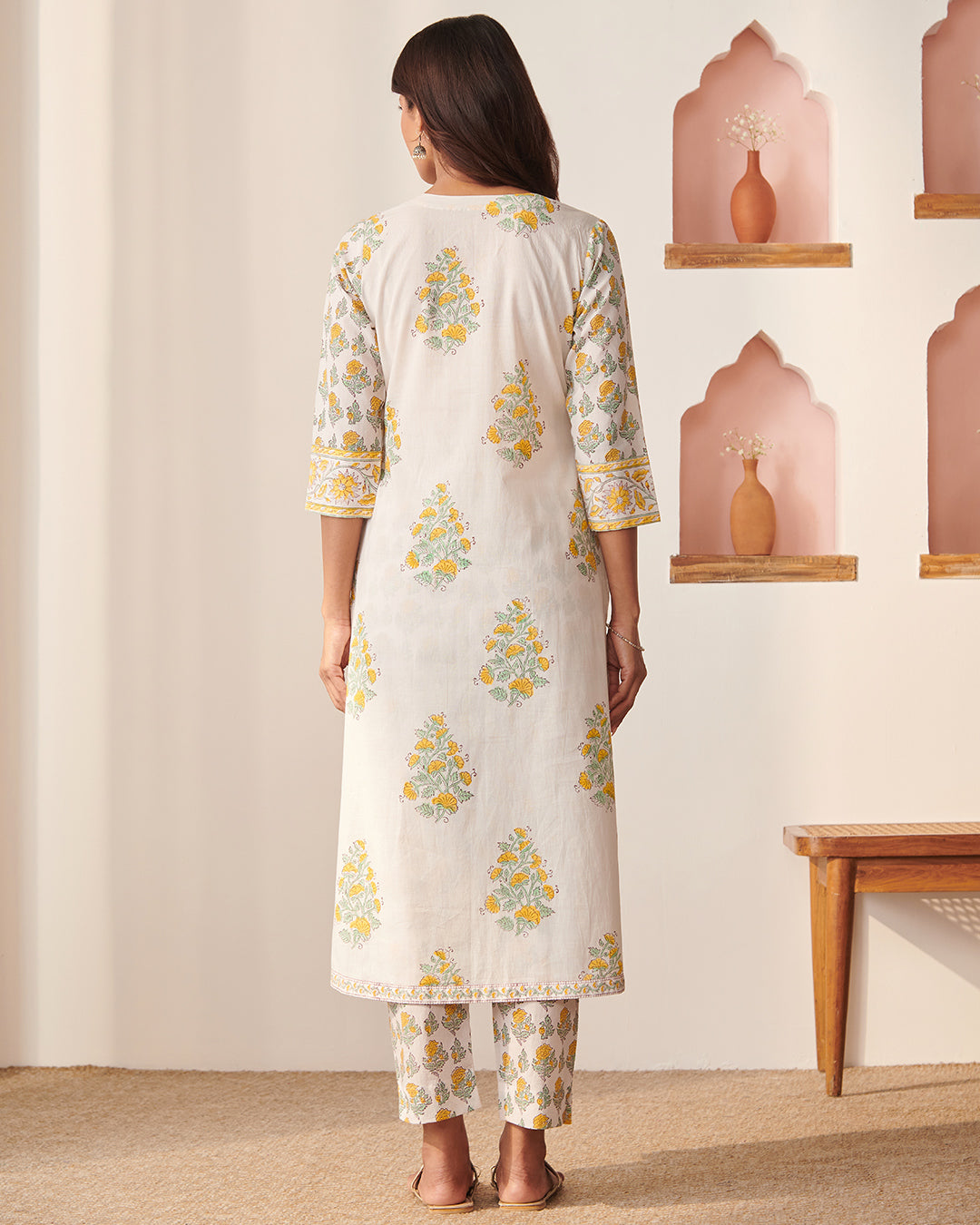
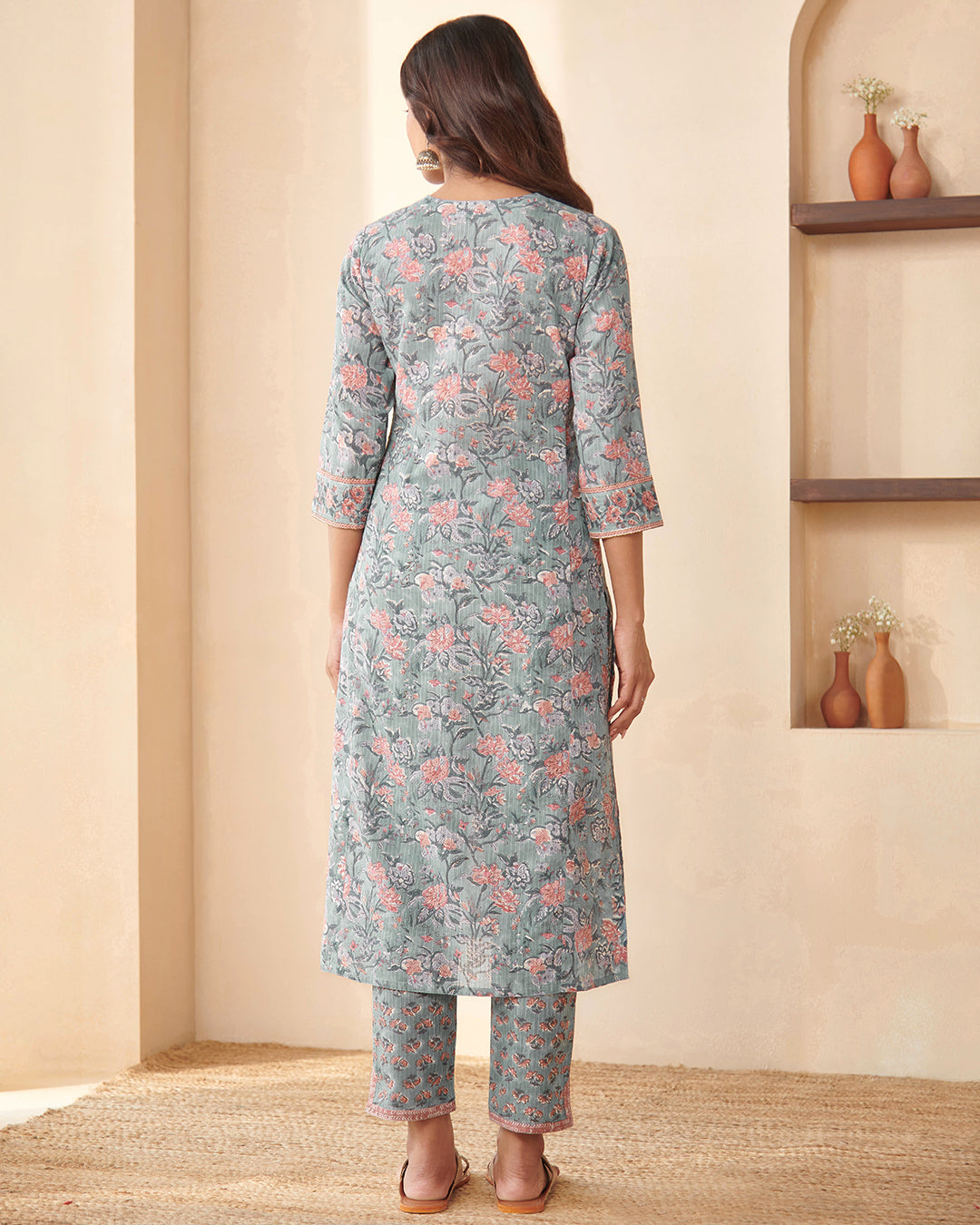
A small floral or botanical motif can sit quietly on a kurta worn with simple trousers. A bolder block print can become the centre of an otherwise understated outfit. The beauty lies in not having to do very much around it.
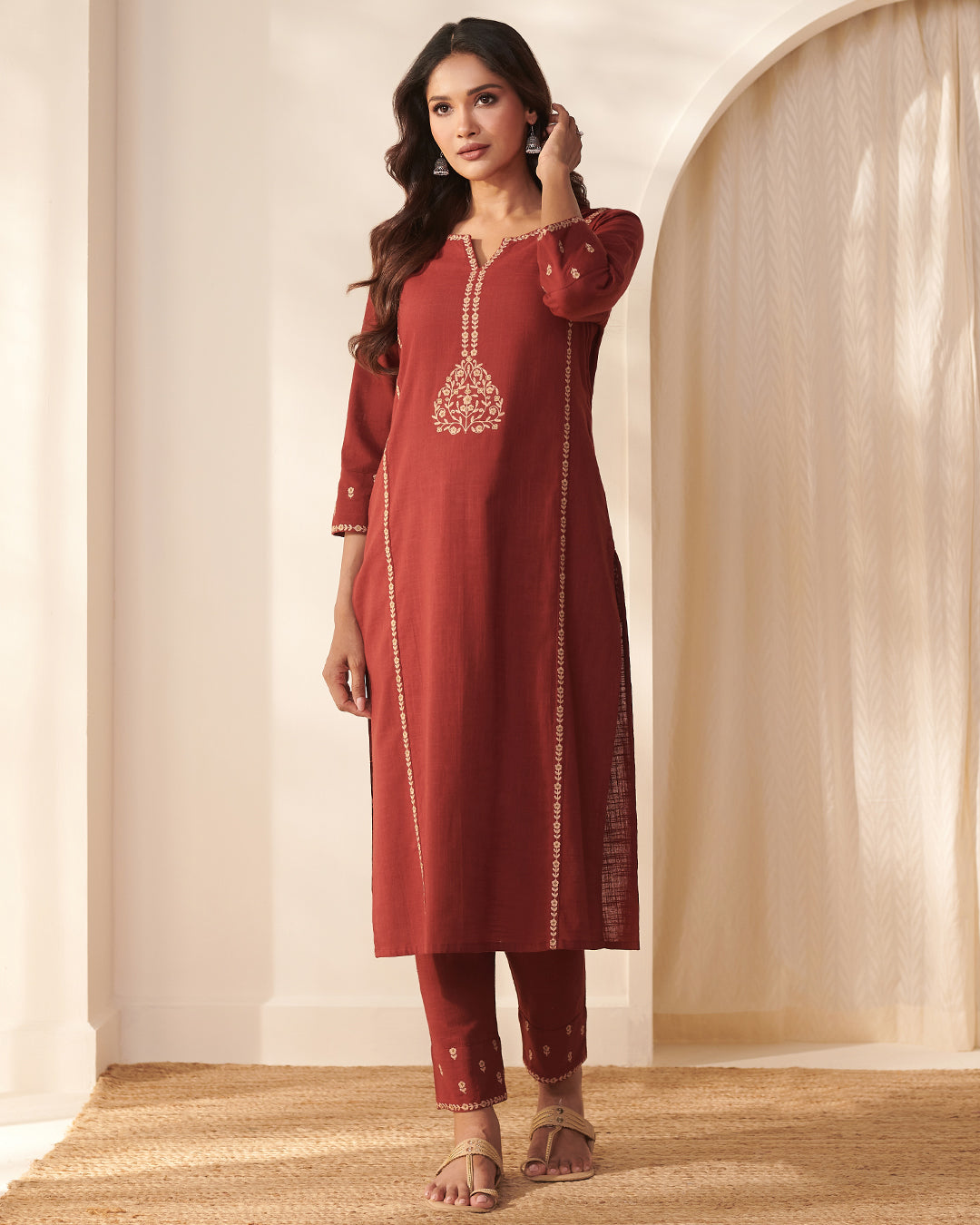
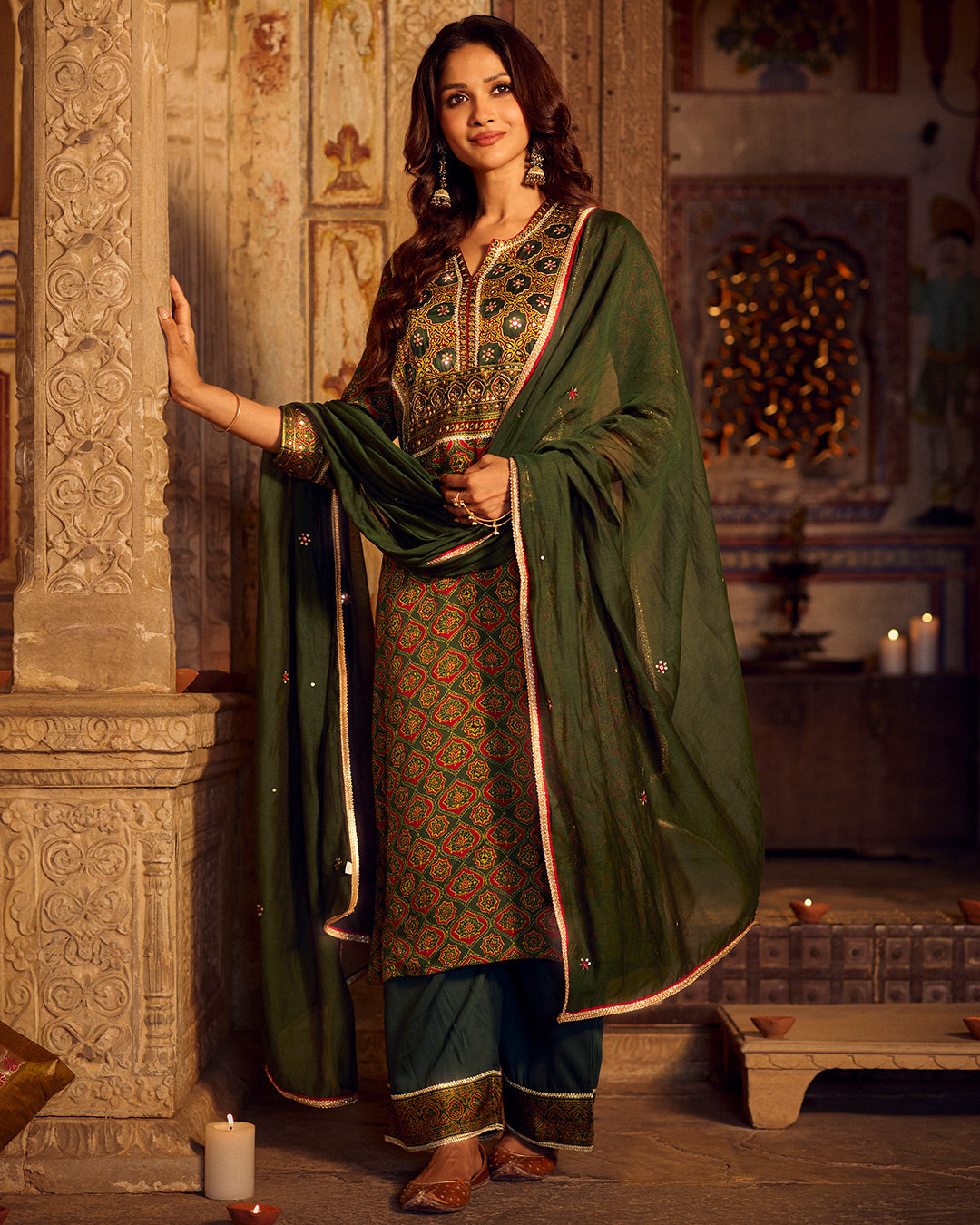
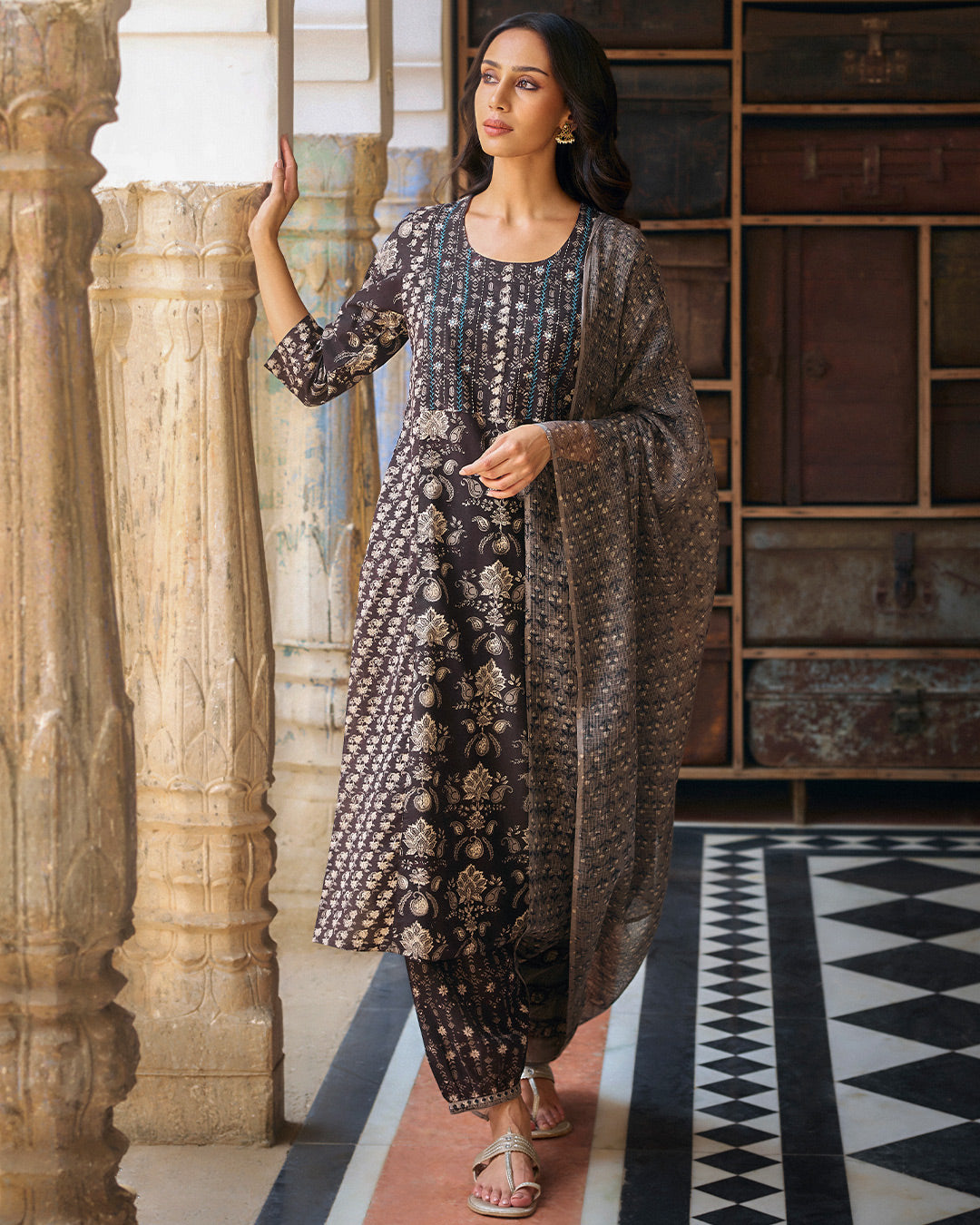
This is one reason hand block printed kurtas remain relevant across generations. They can move between ordinary parts of the day without feeling overdone. The same piece may be worn to work, for a family lunch, or on a slow weekend morning, simply styled according to the moment.
Colours That Feel Naturally Summery
The colours associated with traditional Indian block printing often have a wonderful relationship with summer light.
Indigo has the depth of a clear evening sky. Madder reds and earthy rusts bring warmth without feeling heavy. Softer whites, natural cotton tones, greens, and muted yellows can feel especially at home during the warmer months.
These are colours with roots in the landscape and in traditional dyeing practices. They do not need to shout to be noticed.
Perhaps that is why they work so well in summer. They feel familiar rather than seasonal, and they remain easy to live with long after the weather changes.
Akola Prints and the Slow Fashion Philosophy

Choosing Craft Over Mass Production
Slow fashion is often spoken about as an idea, but traditional Indian textiles have practised many of its values for generations.
Hand block printing takes time. Preparing the fabric, mixing colours, carving and maintaining blocks, printing carefully, and allowing the fabric to go through its finishing processes cannot be reduced to the speed of mass production.
Choosing a hand-printed textile therefore means choosing a different relationship with clothing. The focus shifts from how quickly something can be made to how thoughtfully it can be made.
There is a quiet dignity in that. A garment does not need to be new to feel special. Its value can come from the skill, time, and material that went into making it.
Supporting Traditional Artisans
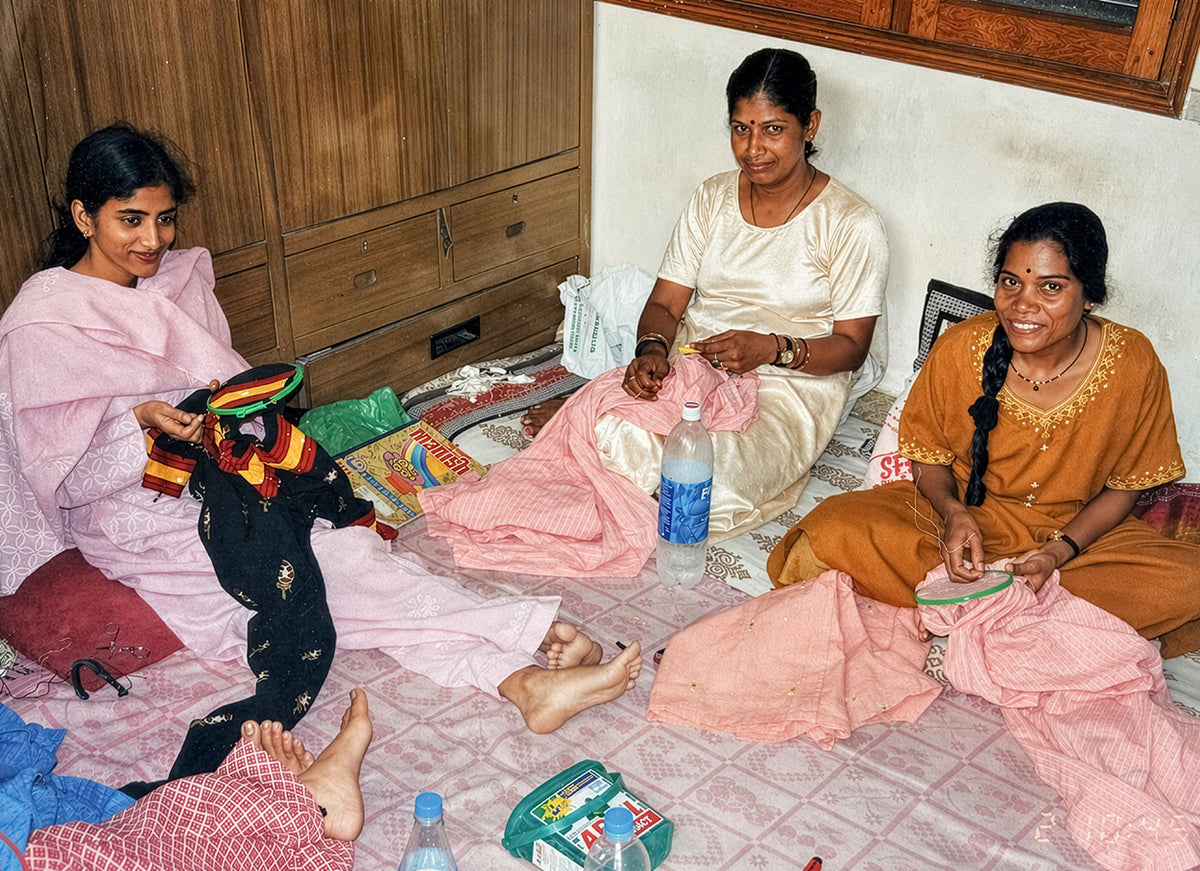
Behind every hand block printed textile are skilled hands. The artisan who prepares the block, the printer who places each impression, and the people involved in preparing and finishing the fabric all contribute to the final piece.
Keeping these traditions relevant depends on giving such craftsmanship a place in contemporary wardrobes. When hand-printed textiles continue to be worn, their techniques remain part of living culture rather than becoming something preserved only in museums or photographs.
For us, this is an important part of appreciating Indian craft. Supporting traditional artisans is not only about preserving an old technique. It is about recognising that craftsmanship still has a place in modern everyday life.
Investing in Pieces Made to Be Worn Again
The most meaningful part of slow fashion may be its relationship with repetition.
A well-made cotton kurta can be worn many times. A familiar print can return summer after summer. With each wearing, the garment becomes less about a particular occasion and more about the life around it.
This is where Akola prints feel especially relevant. Their traditional motifs do not depend on a passing trend, and their colours can sit comfortably within an existing wardrobe. They allow us to buy with use in mind rather than novelty.
There is something deeply Indian about that approach. We have always known the pleasure of wearing something again, caring for it, passing it on, and remembering where it came from.
A hand-printed textile carries that possibility naturally. It can begin as a new garment and, over time, become something much more personal.
Why Akola Hand Prints Deserve a Place in Your Summer Wardrobe
Prints That Feel Personal
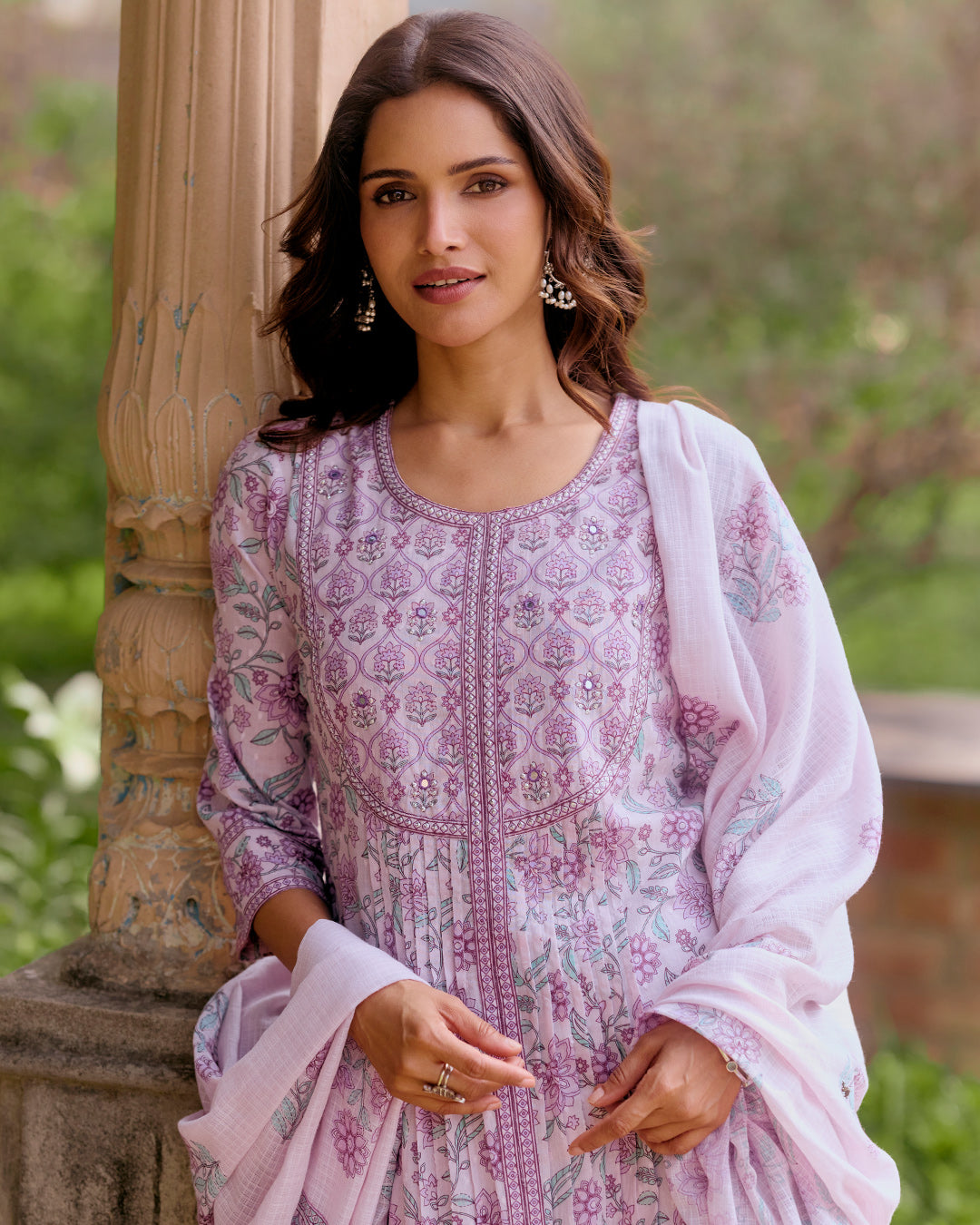
There is something reassuring about wearing a print that does not look exactly the same twice. Akola hand prints carry that quality. The slight variations in colour, spacing, and motif are part of the process, giving each piece a sense of individuality without making it feel overly ornate.
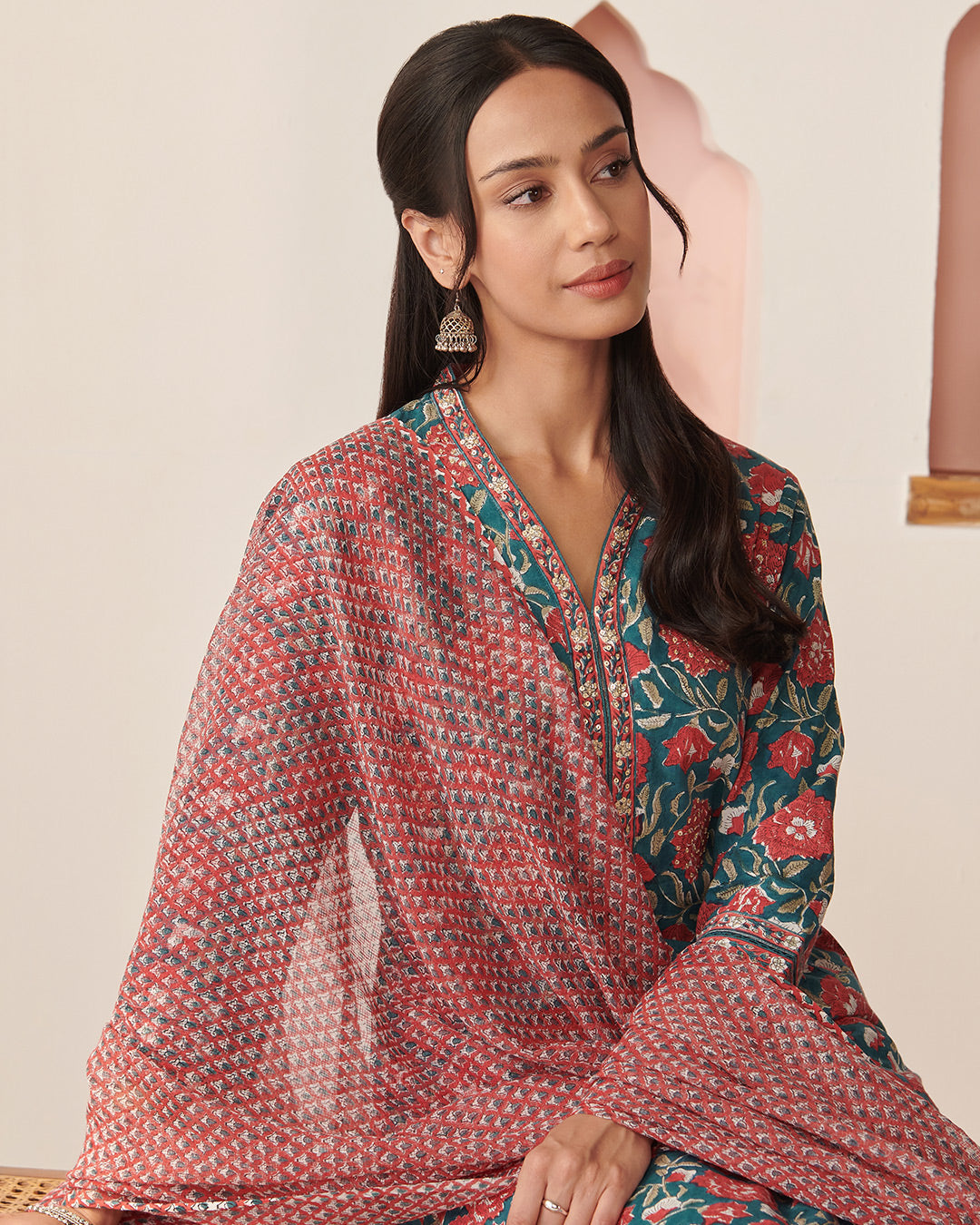
For a summer wardrobe, this makes them especially easy to live with. A hand-printed kurta can feel considered without feeling dressed up. It works for an unhurried morning, a day at work, an afternoon with family, or an evening when the air begins to soften.
Comfort That Becomes Part of Everyday Life
Summer clothing needs to move with us. It needs to feel light through long afternoons and remain comfortable when the temperature rises. Akola prints, traditionally created on breathable cotton fabrics, lend themselves naturally to this kind of dressing.
The appeal is not only in how the fabric feels against the skin. It is also in the ease of wearing something that allows us to move freely, sit comfortably, and go about the day without constantly thinking about what we are wearing.
A Connection to Indian Craft
Choosing an Akola hand print is also a way of staying connected to a craft tradition that has been shaped by generations of printers and artisans. The wooden block, the hand of the artisan, the rhythm of repeated impressions, each leaves its mark on the finished textile.
In a time when clothing can be produced and replaced quickly, these details ask us to slow down. They remind us that a garment can carry the story of the hands that helped create it.
Pieces That Stay With Us
A meaningful summer wardrobe does not need constant change. Some pieces become familiar favourites precisely because they are easy to wear and carry memories with them.
An Akola hand-printed kurta can become one of those pieces. Worn across seasons, paired differently over the years, and remembered through ordinary days, it gains something with time. The print may begin as a beautiful detail, but gradually it becomes part of our own story.
Final Thoughts
Akola hand prints remind us that summer dressing does not have to be complicated. There is beauty in breathable cotton, familiar Indian motifs, gentle colours, and the small variations that come from making something by hand.
Perhaps that is what makes these prints feel so enduring. They belong to a long tradition, yet they sit comfortably within the rhythm of contemporary life. They can be worn often, lived in fully, and returned to year after year.
Slow fashion, at its heart, is not simply about buying less. It is about noticing more, the fabric, the craft, the hands behind it, and the memories a garment gathers along the way.
Because some prints are more than patterns. They are stories waiting to be worn.

