




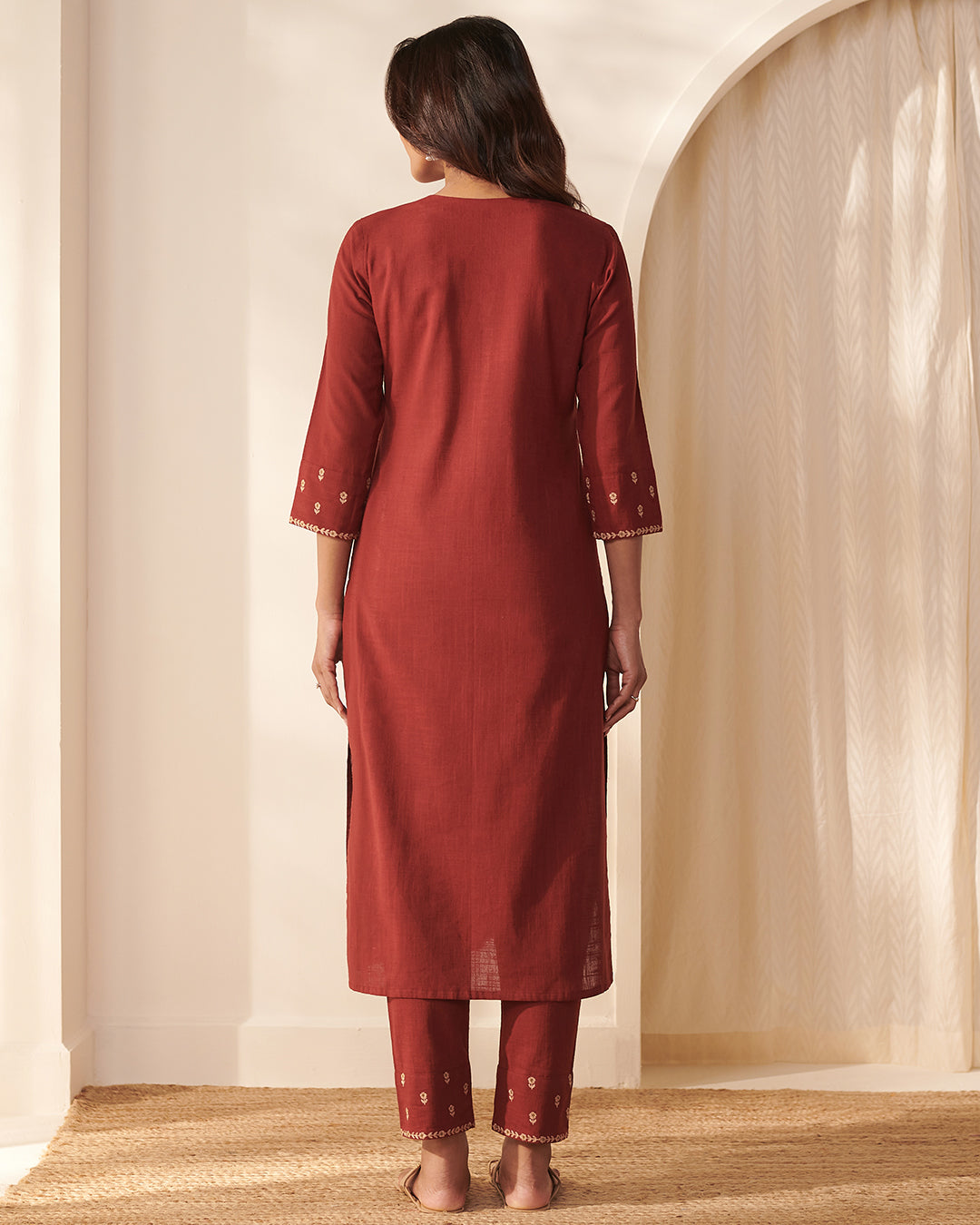
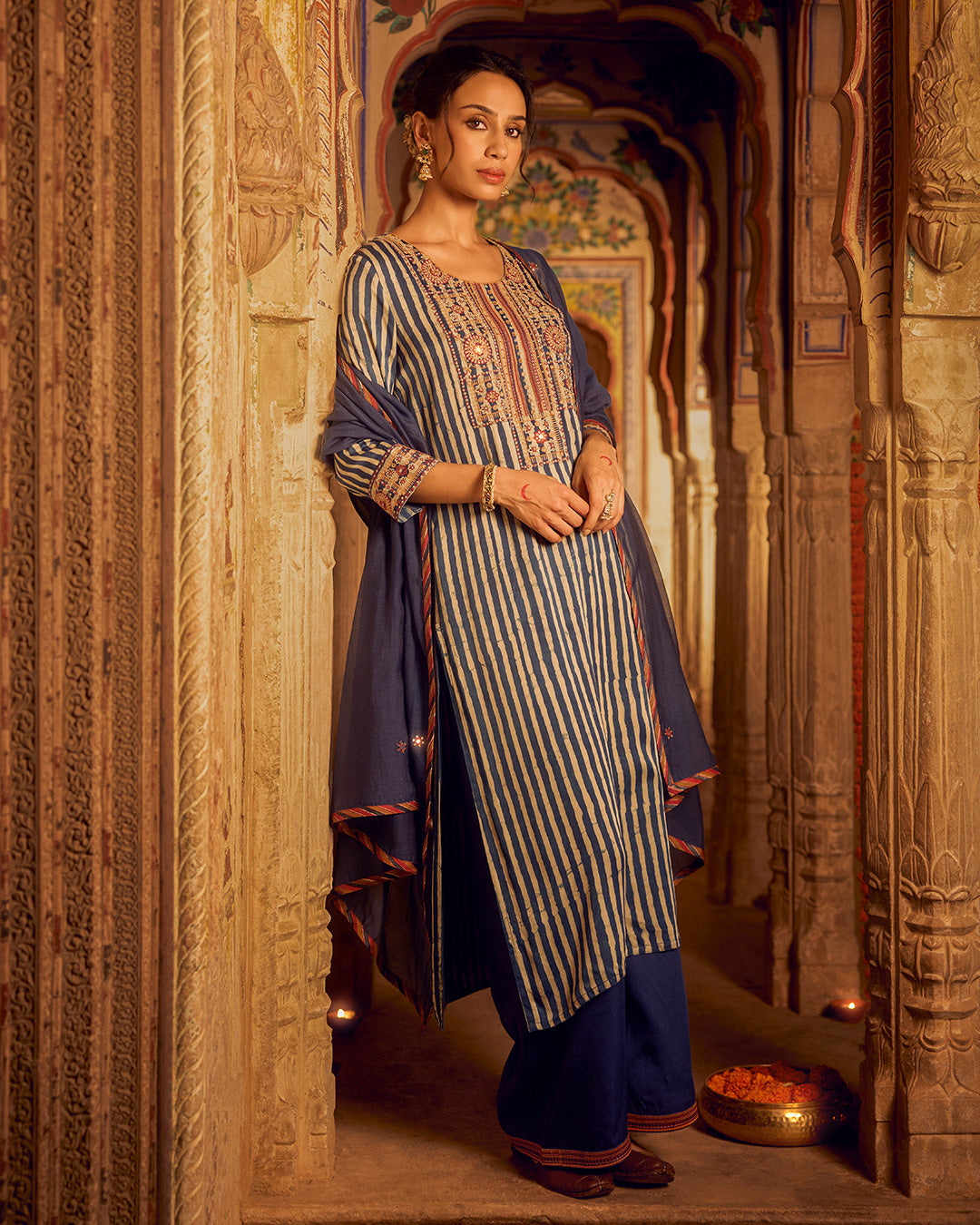
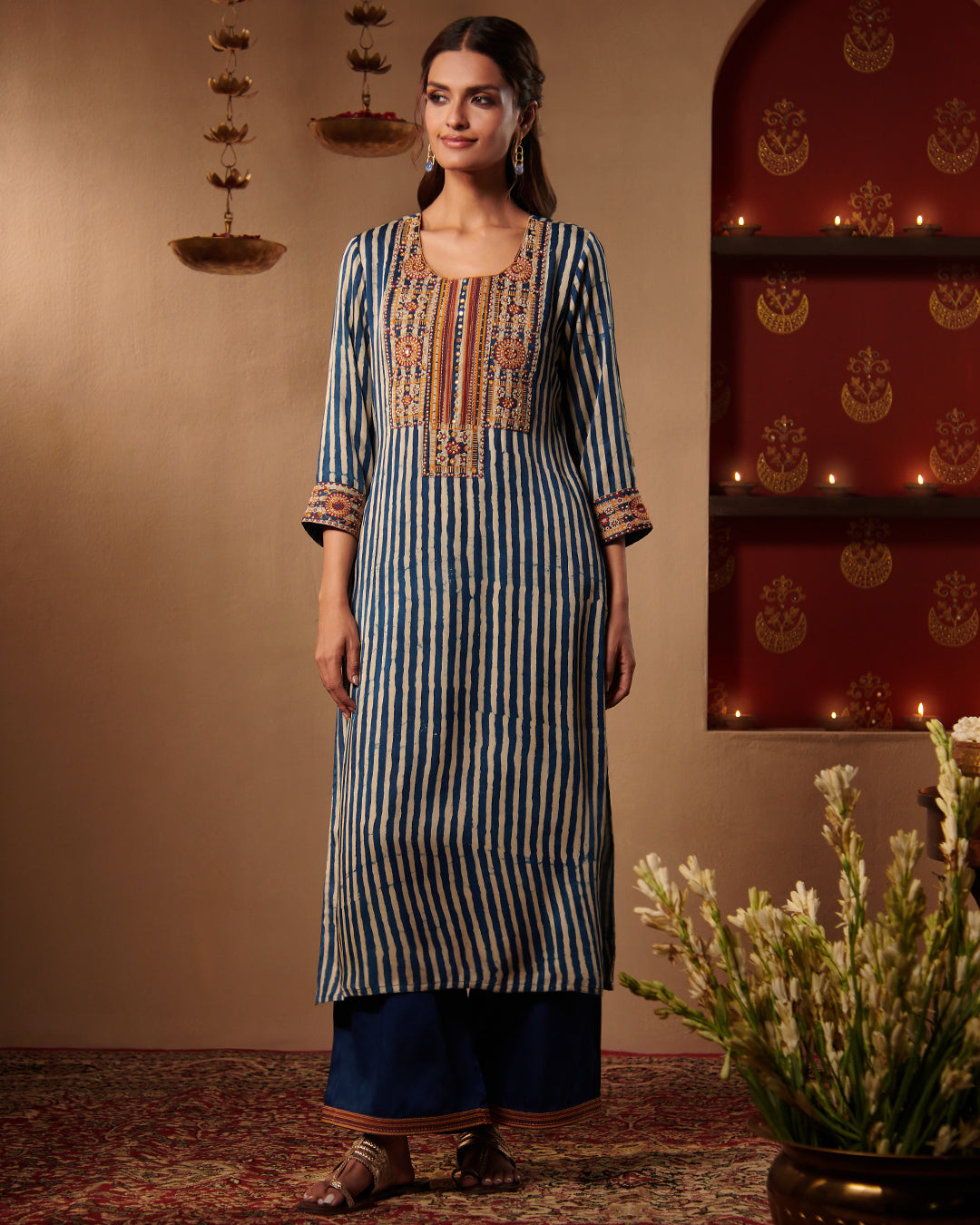
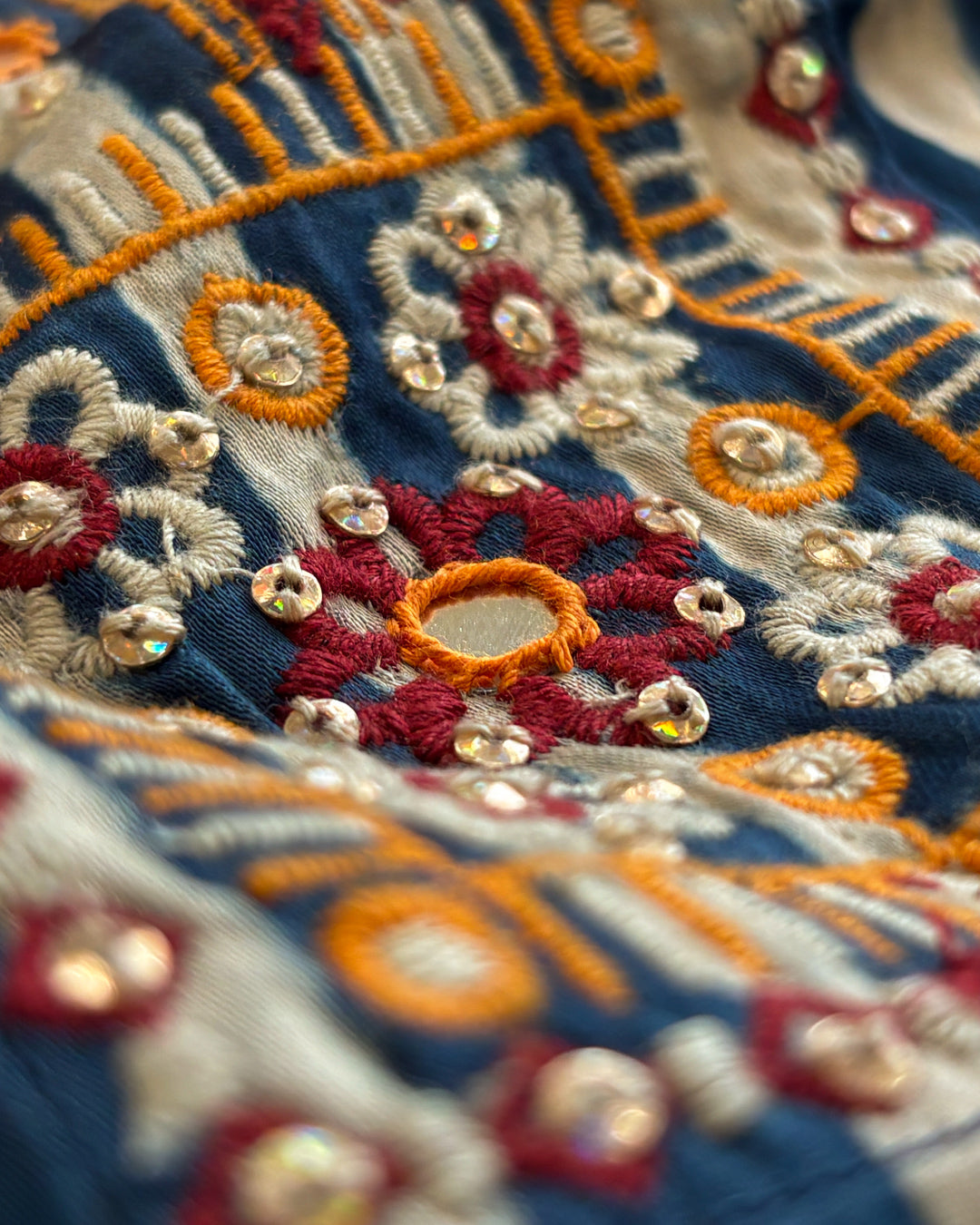
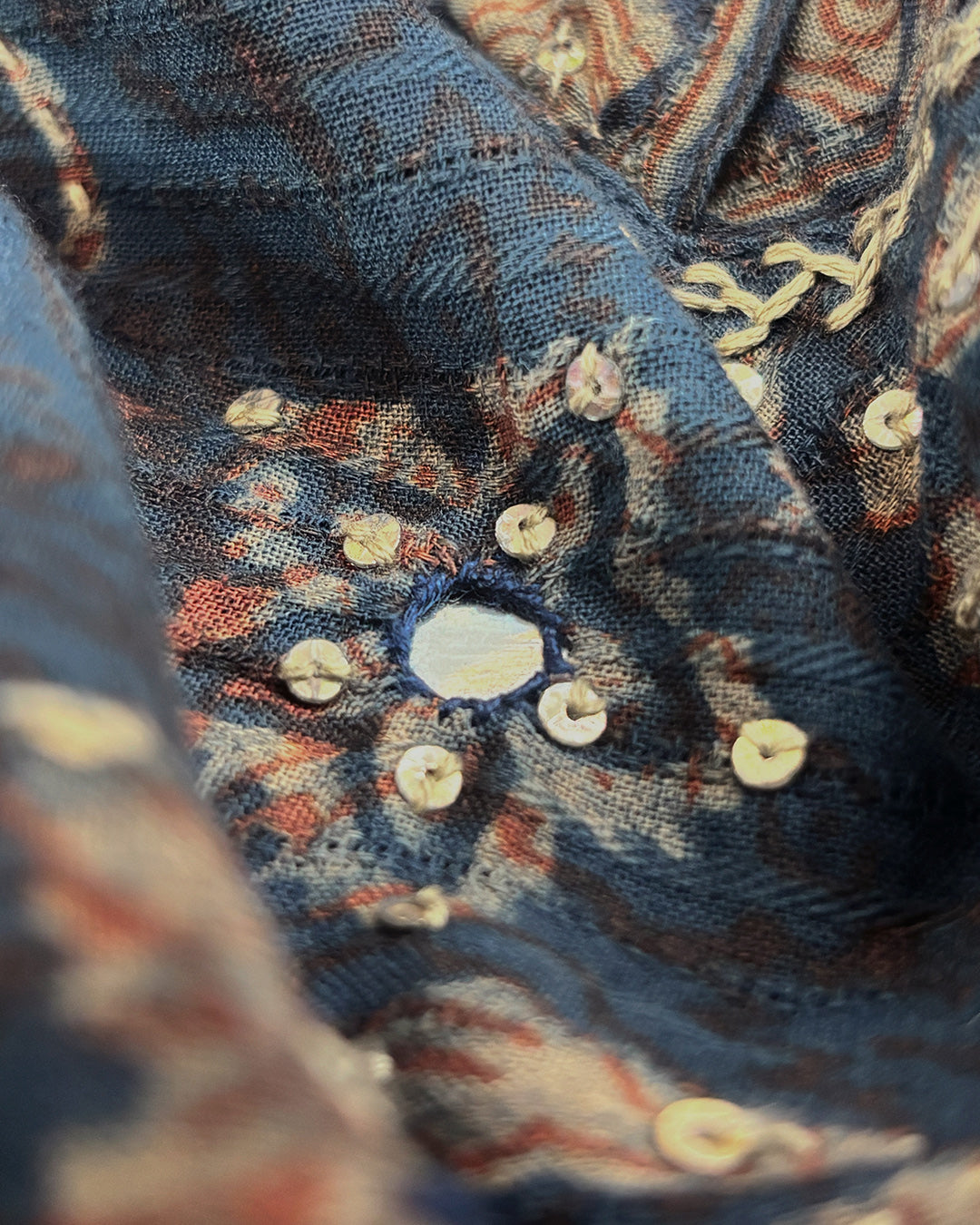
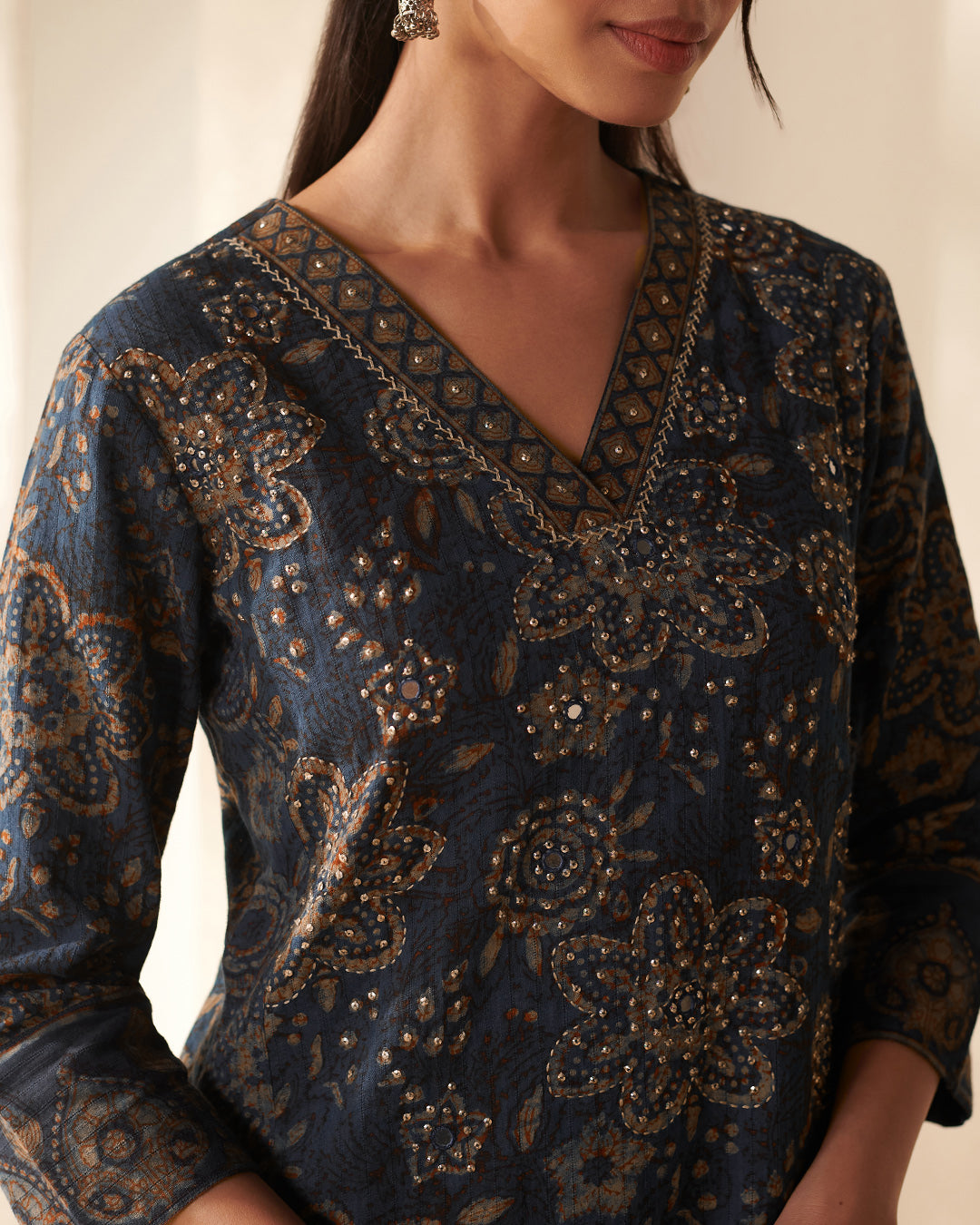
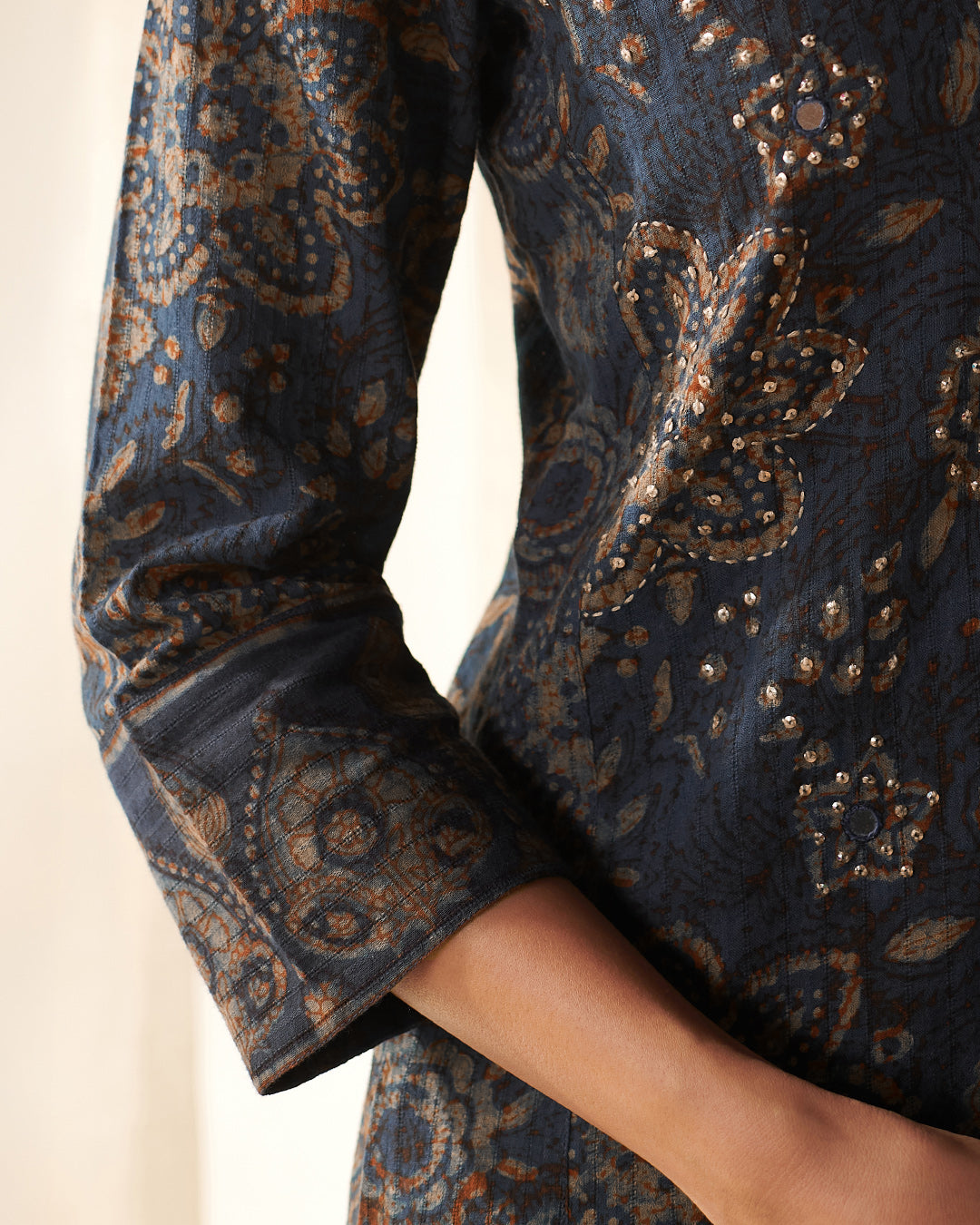
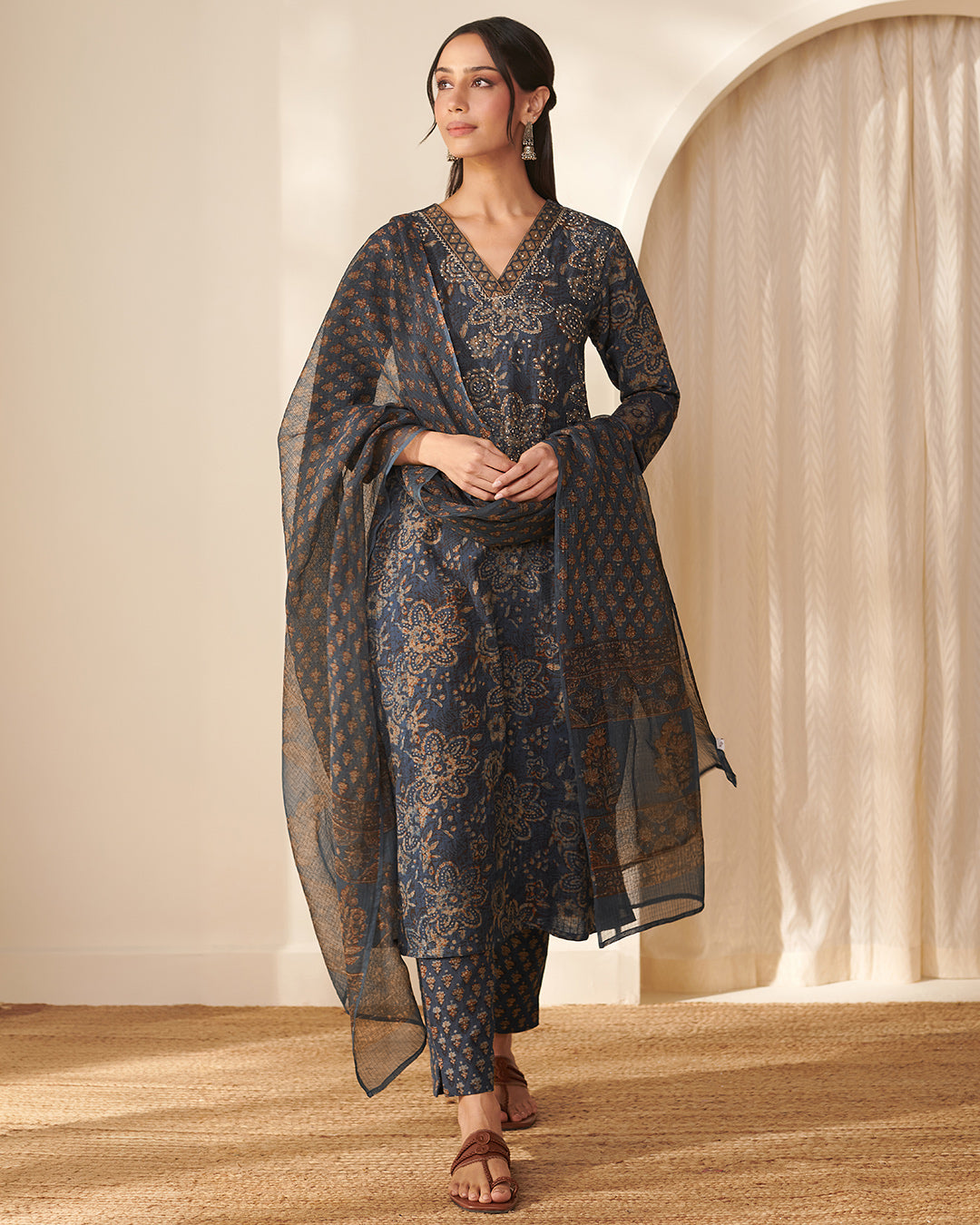
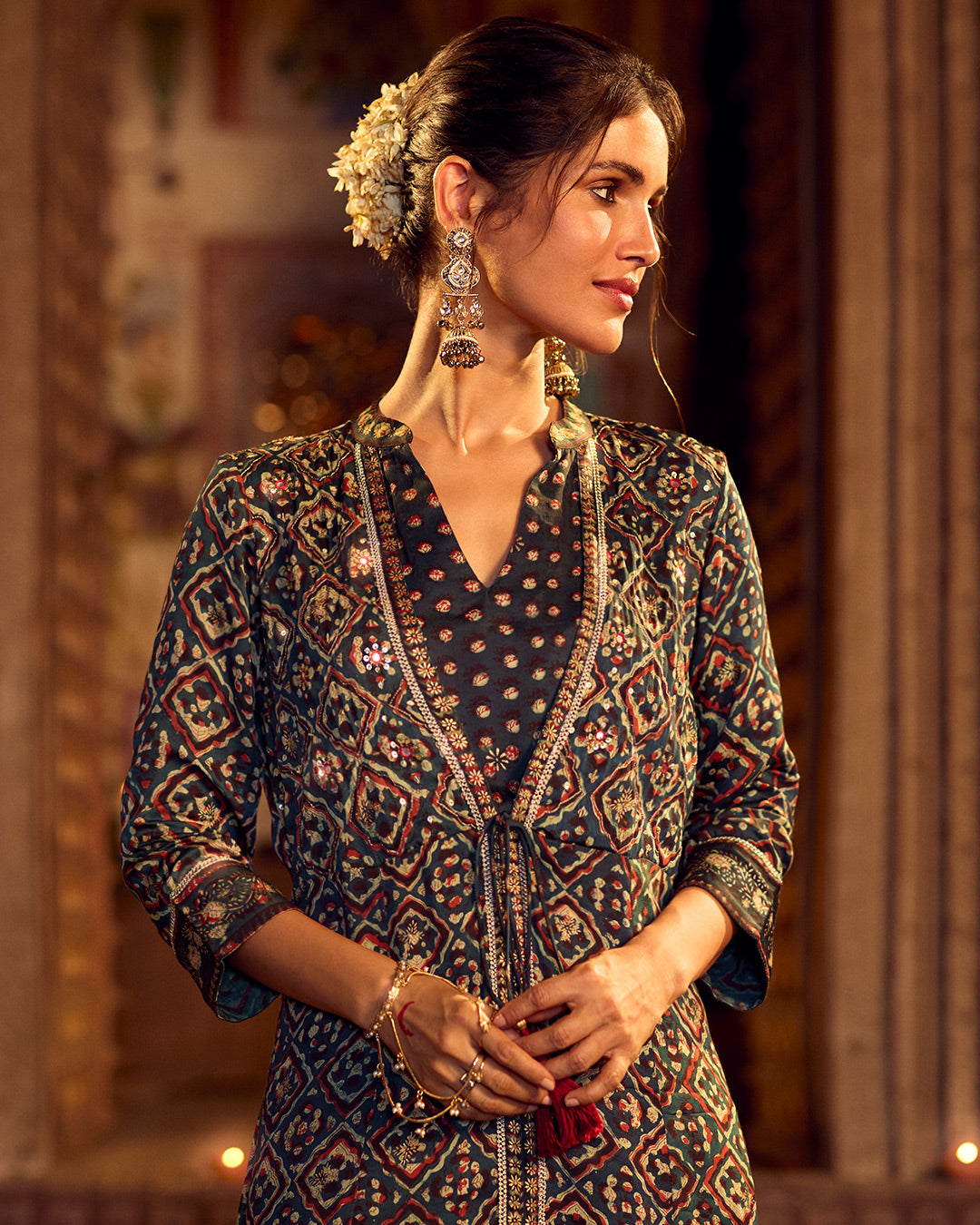
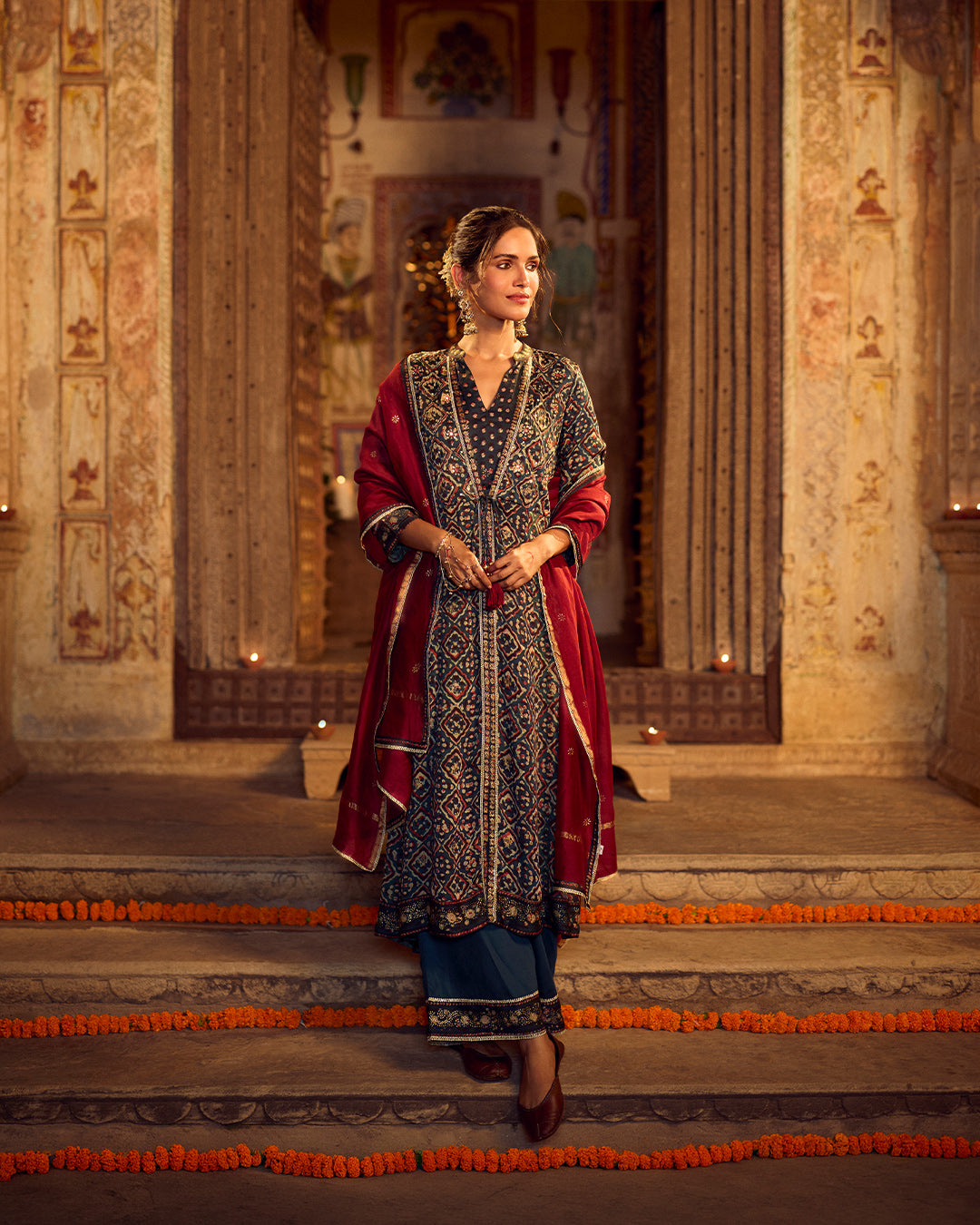
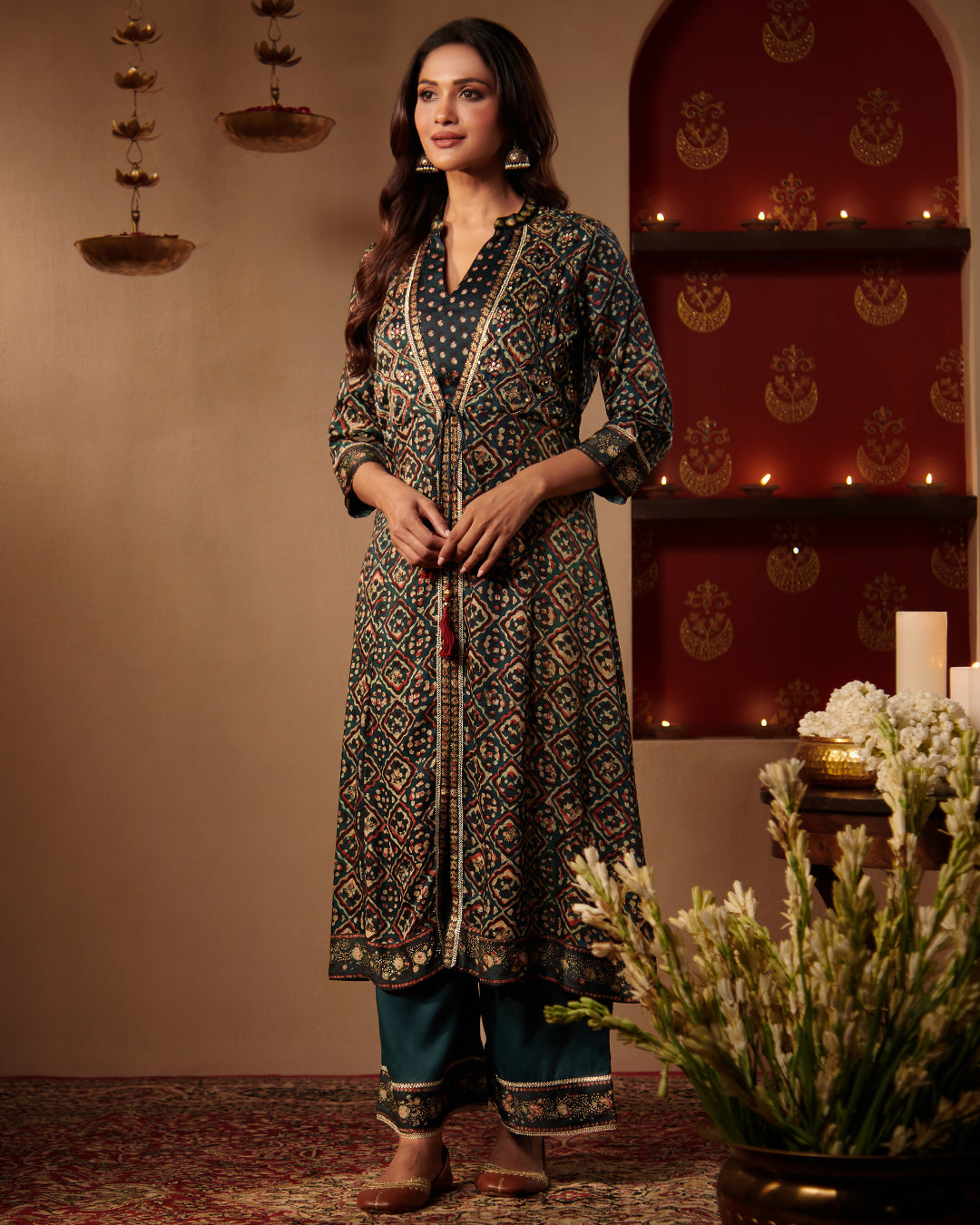
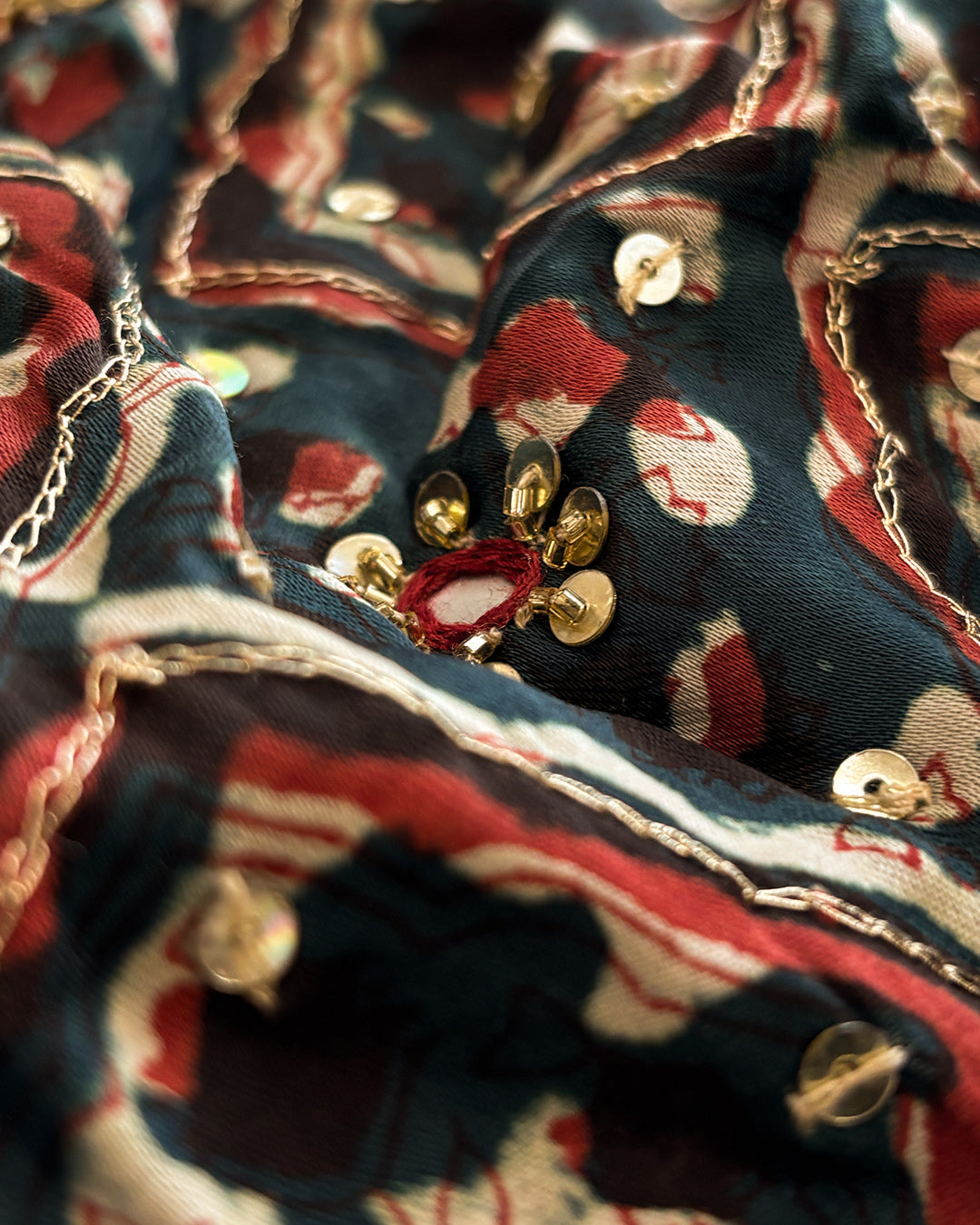
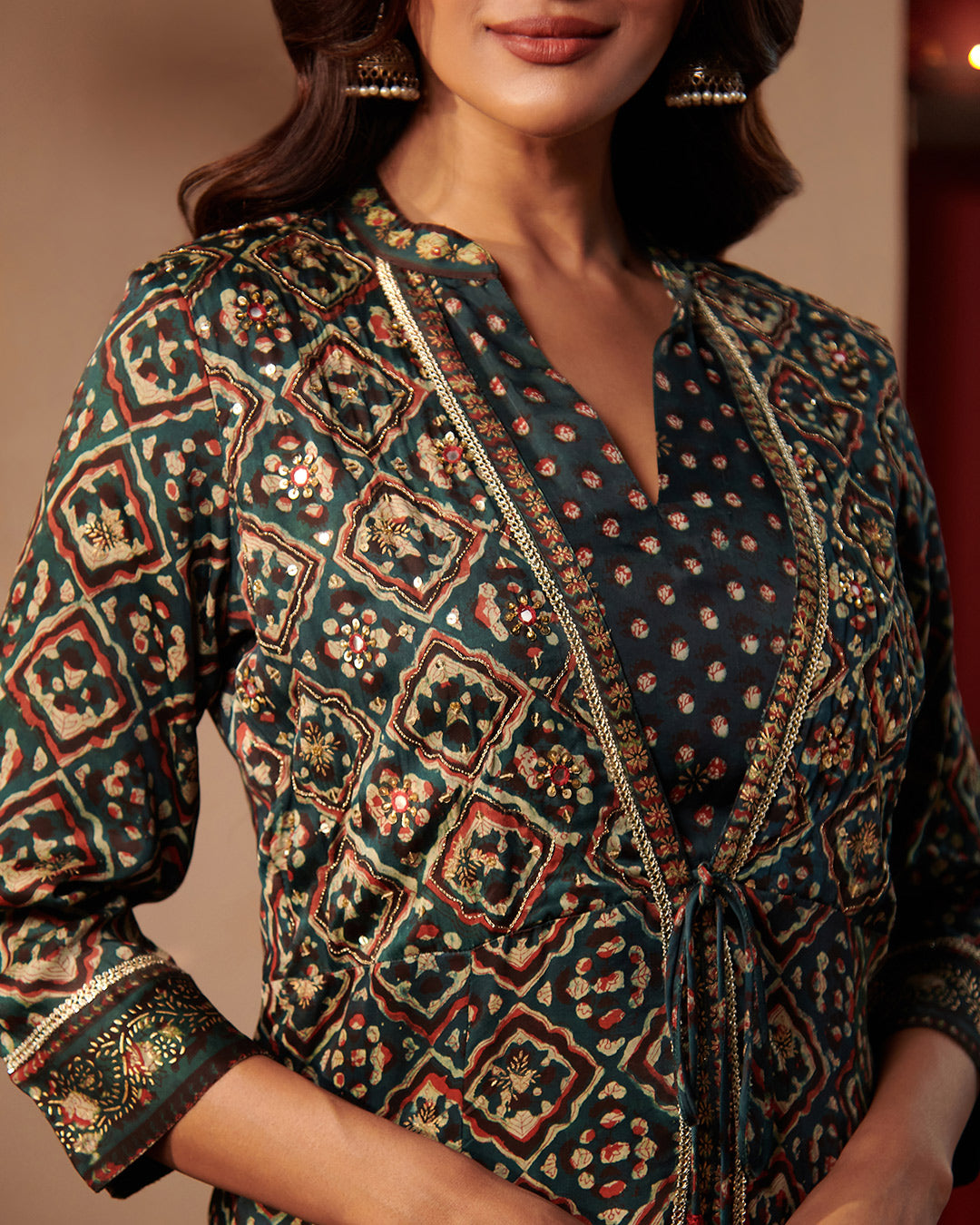
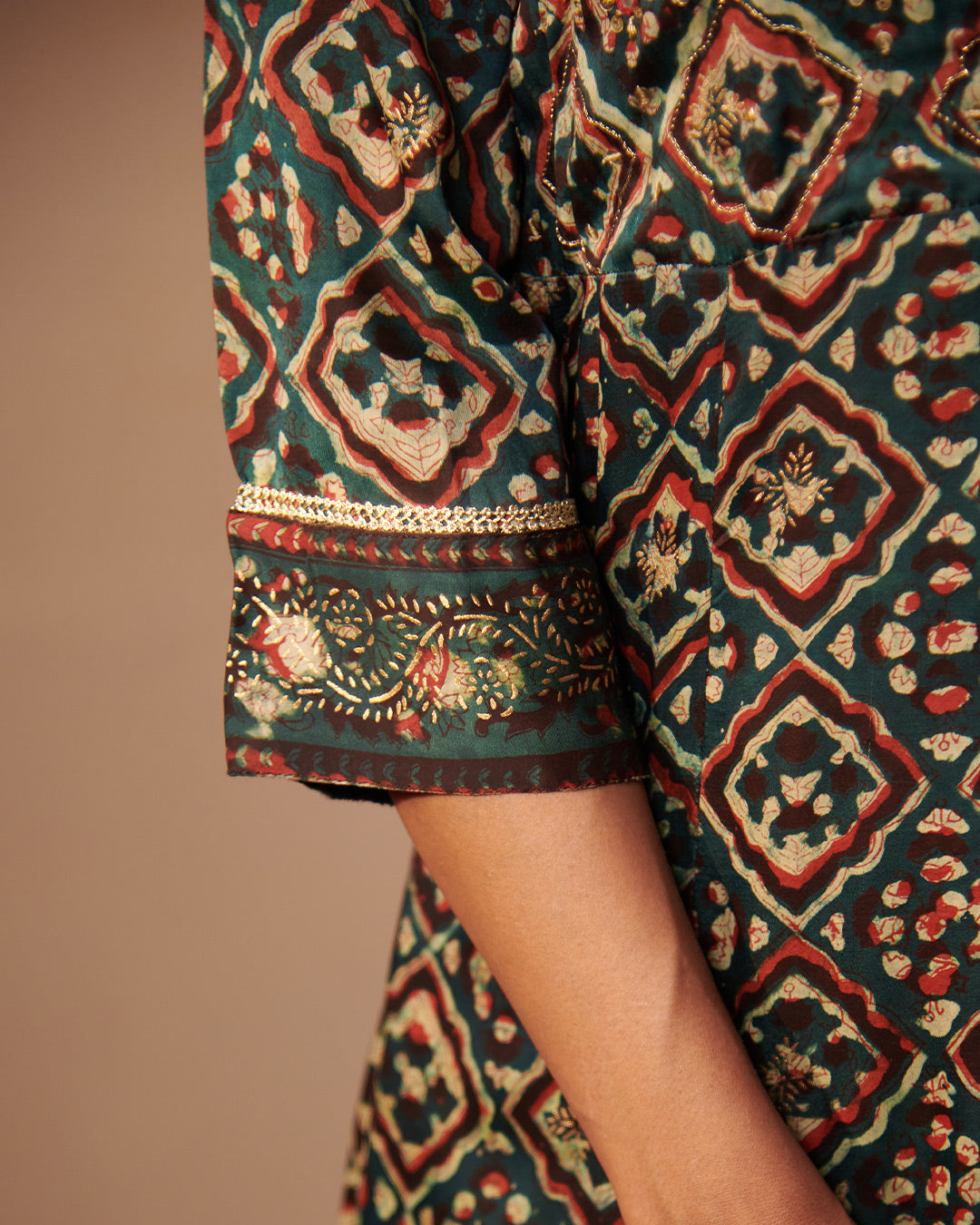
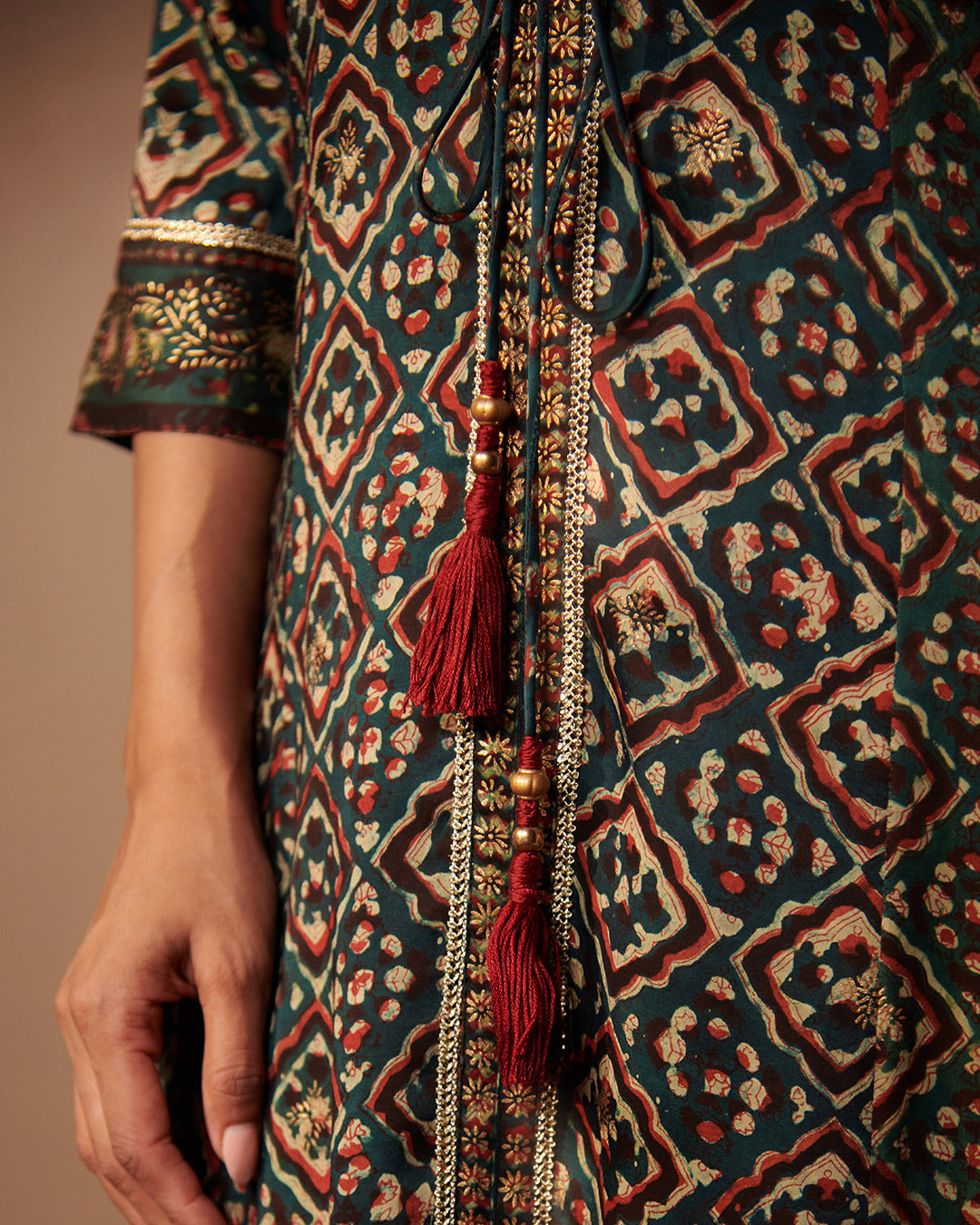
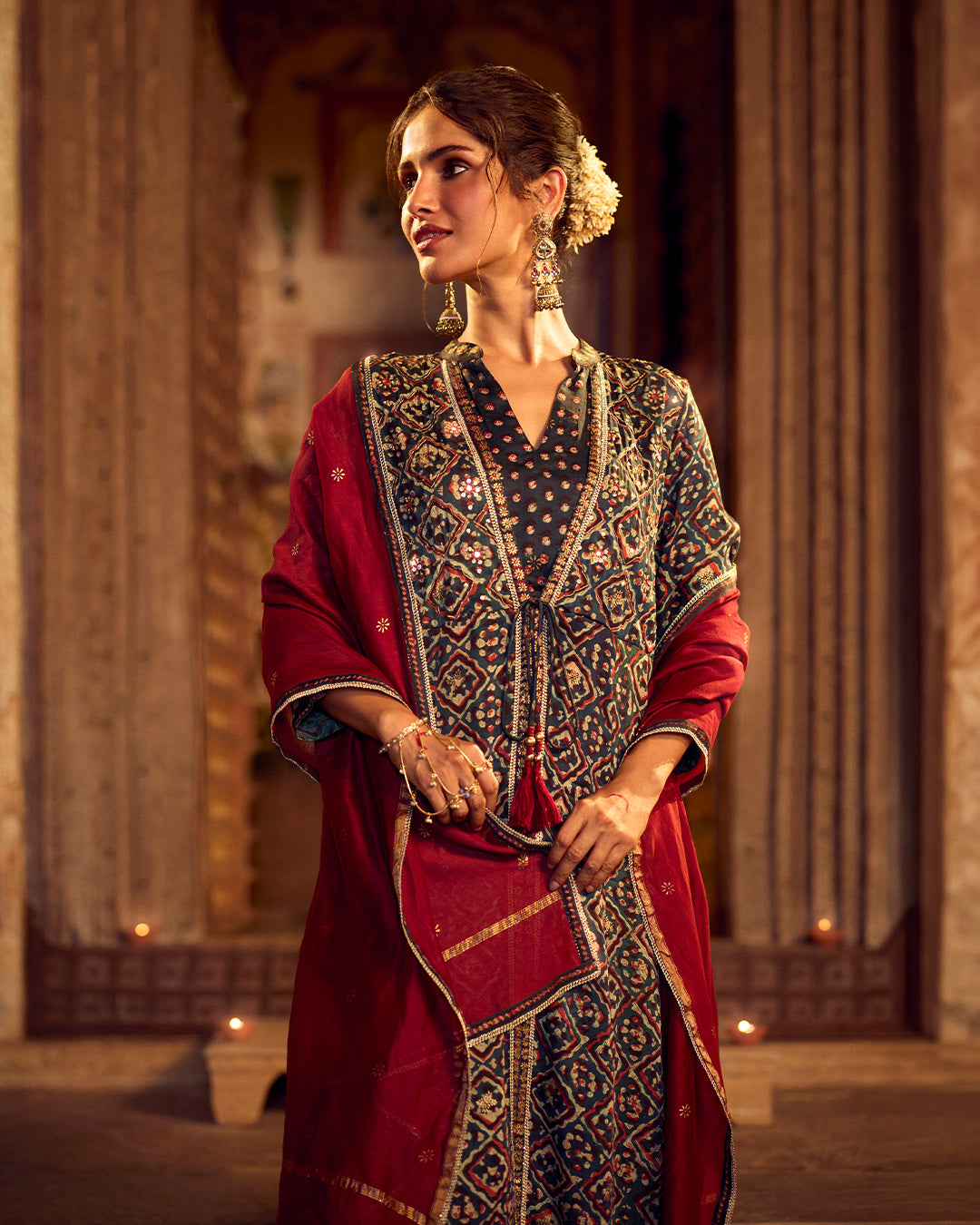
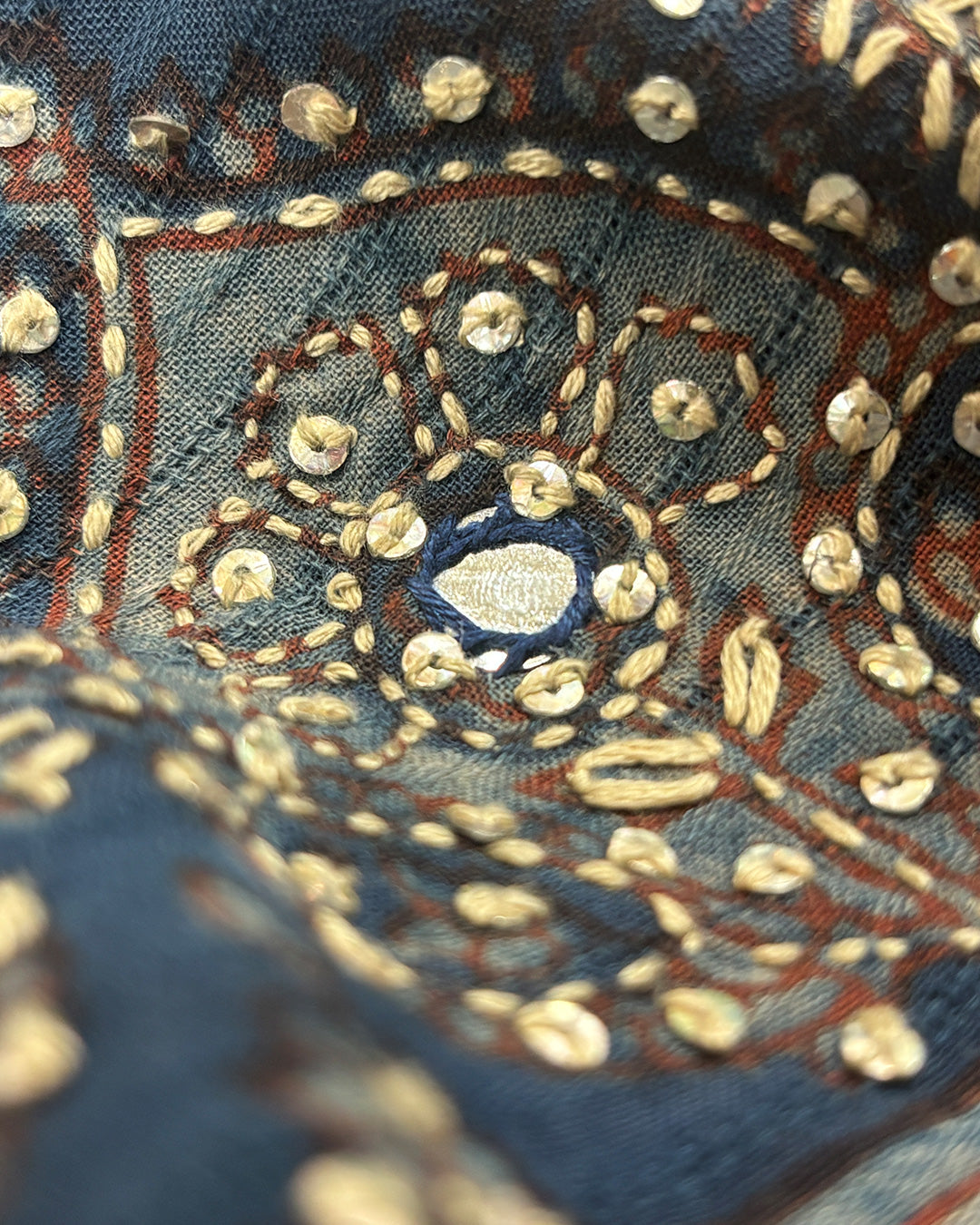
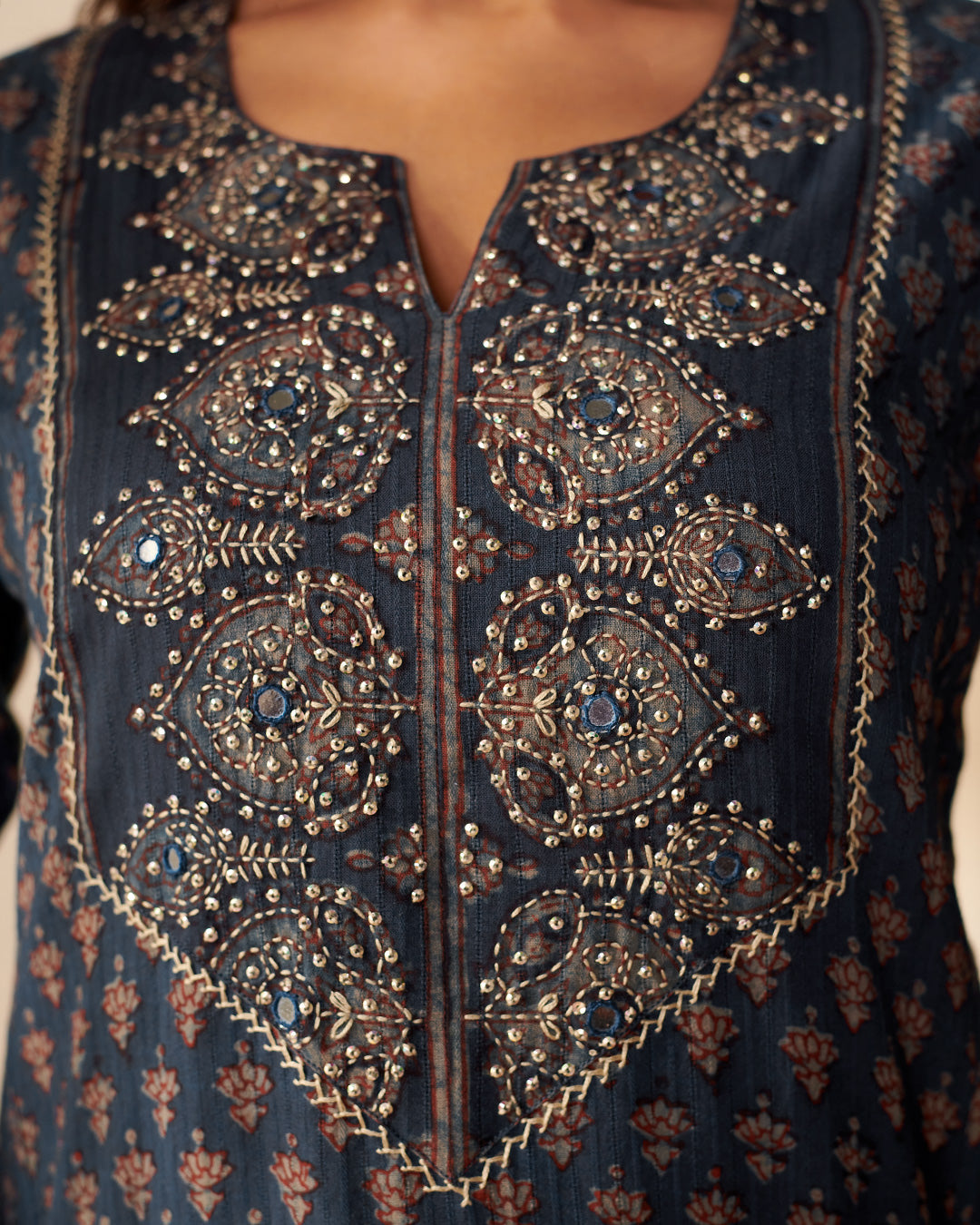
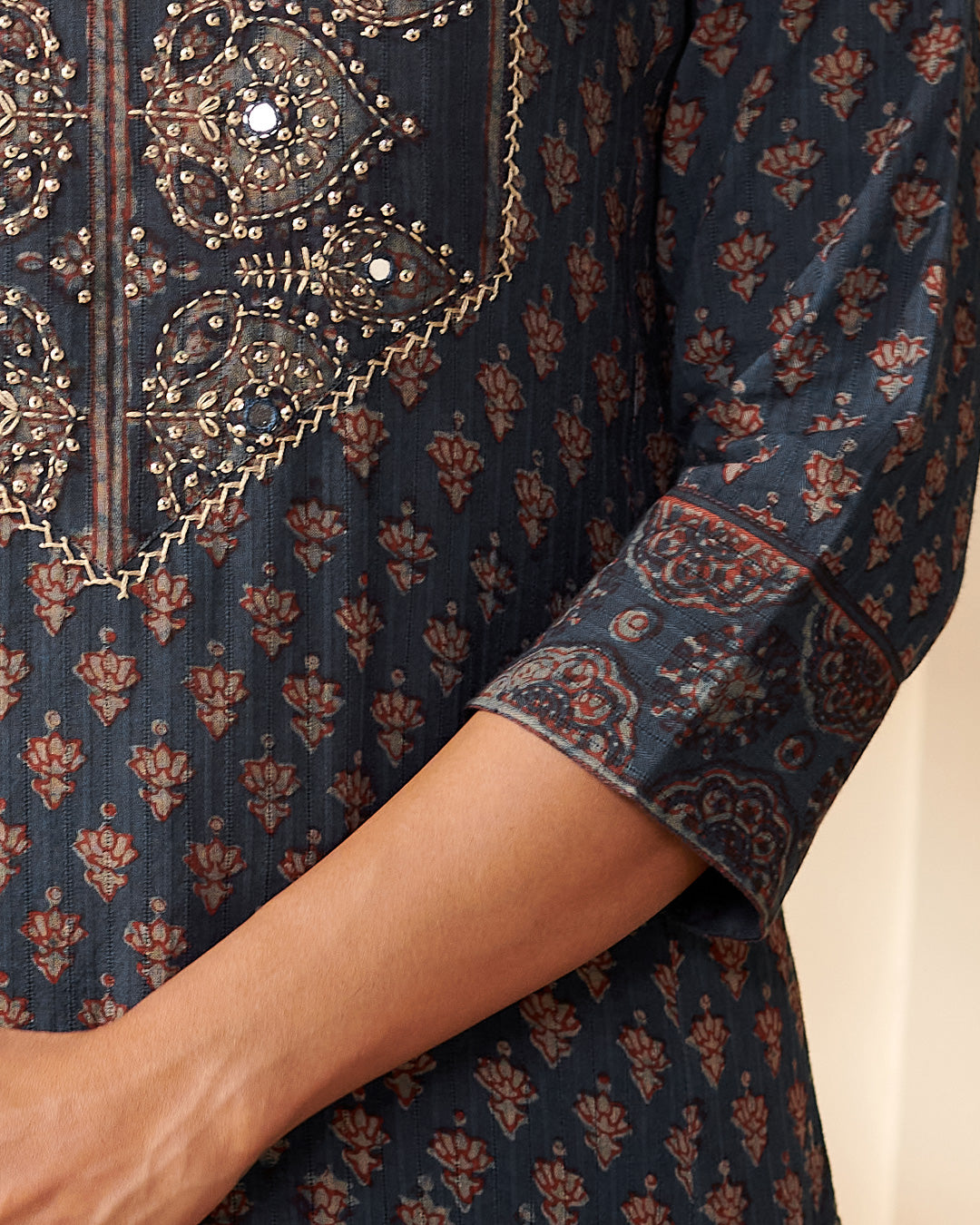
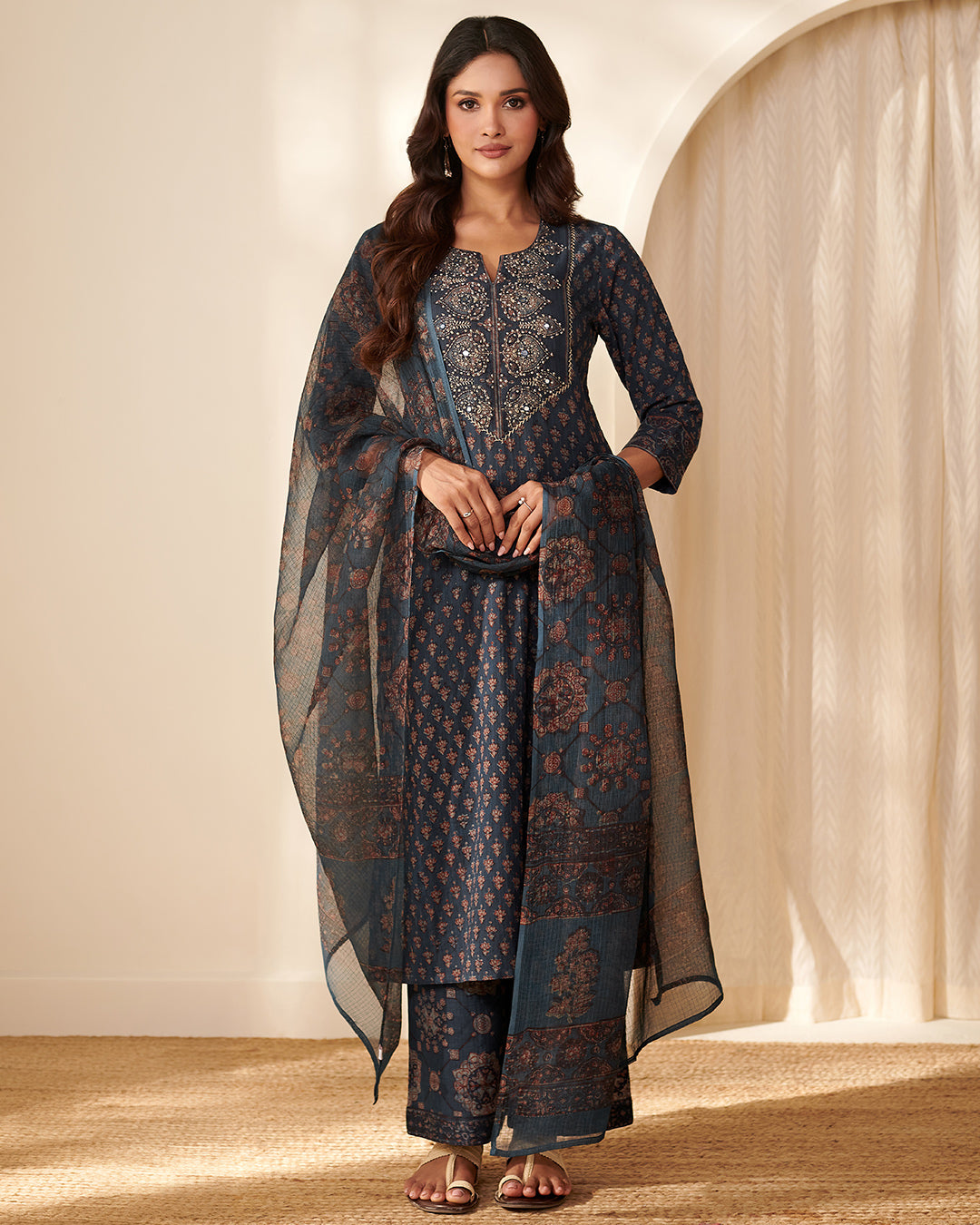


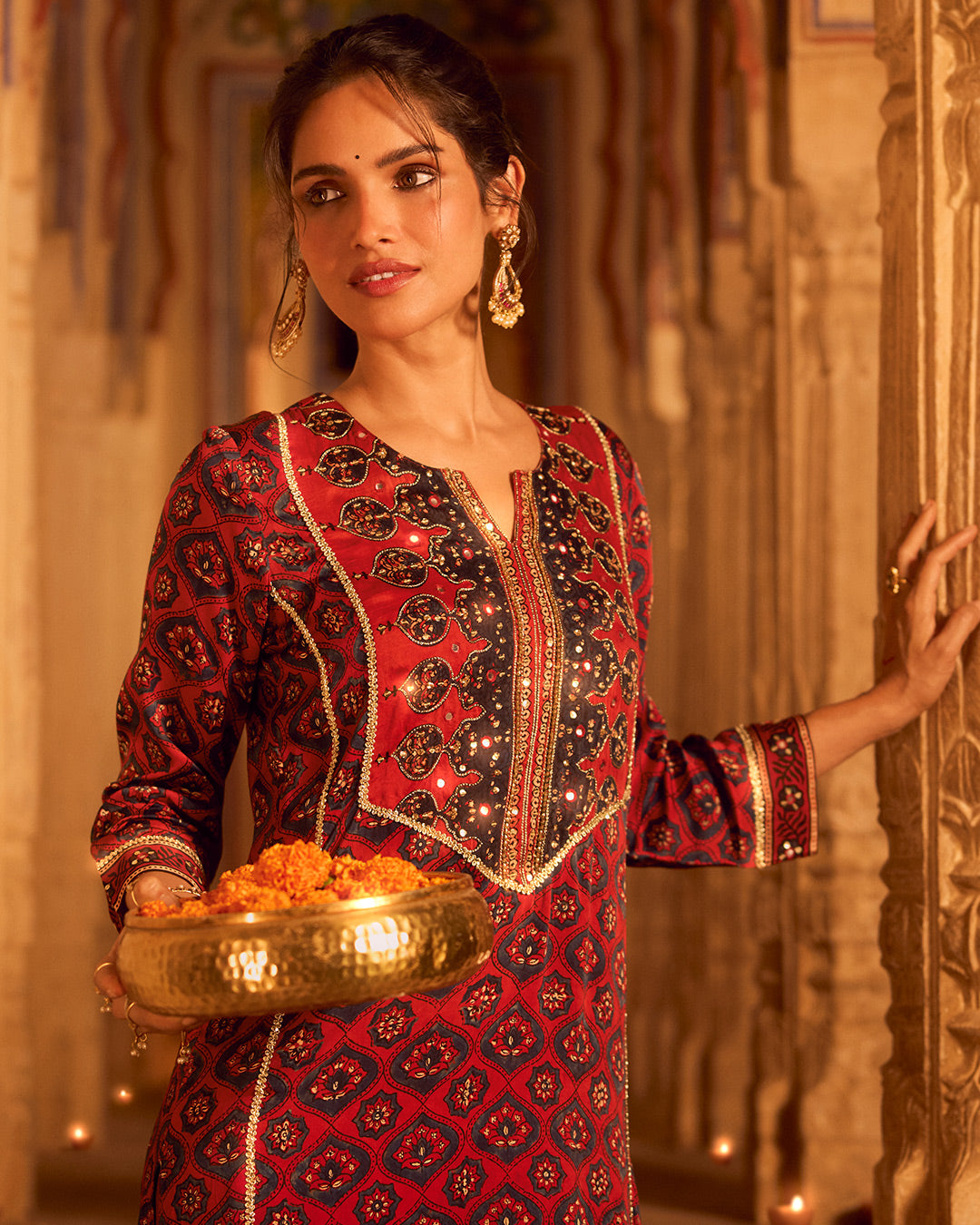
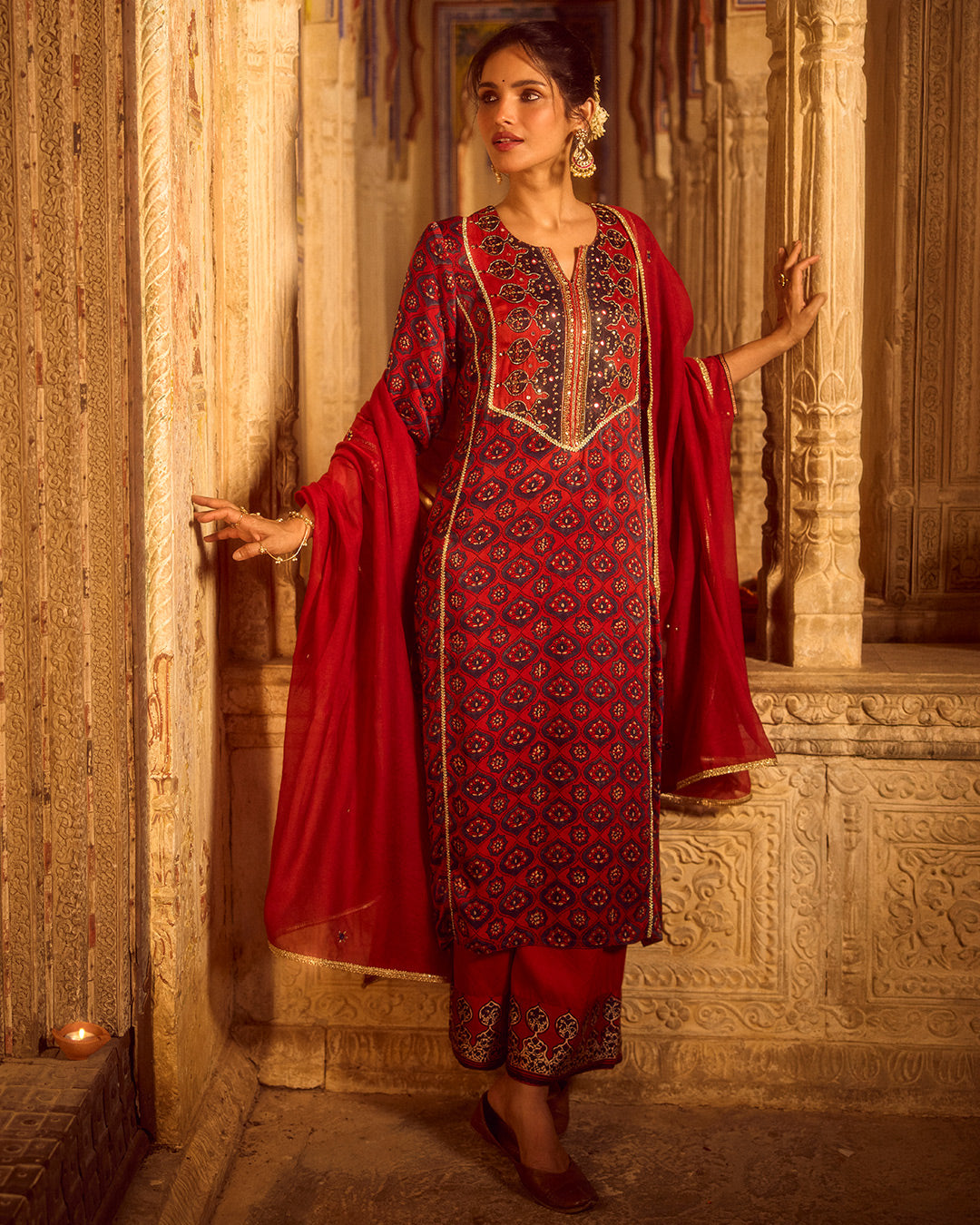
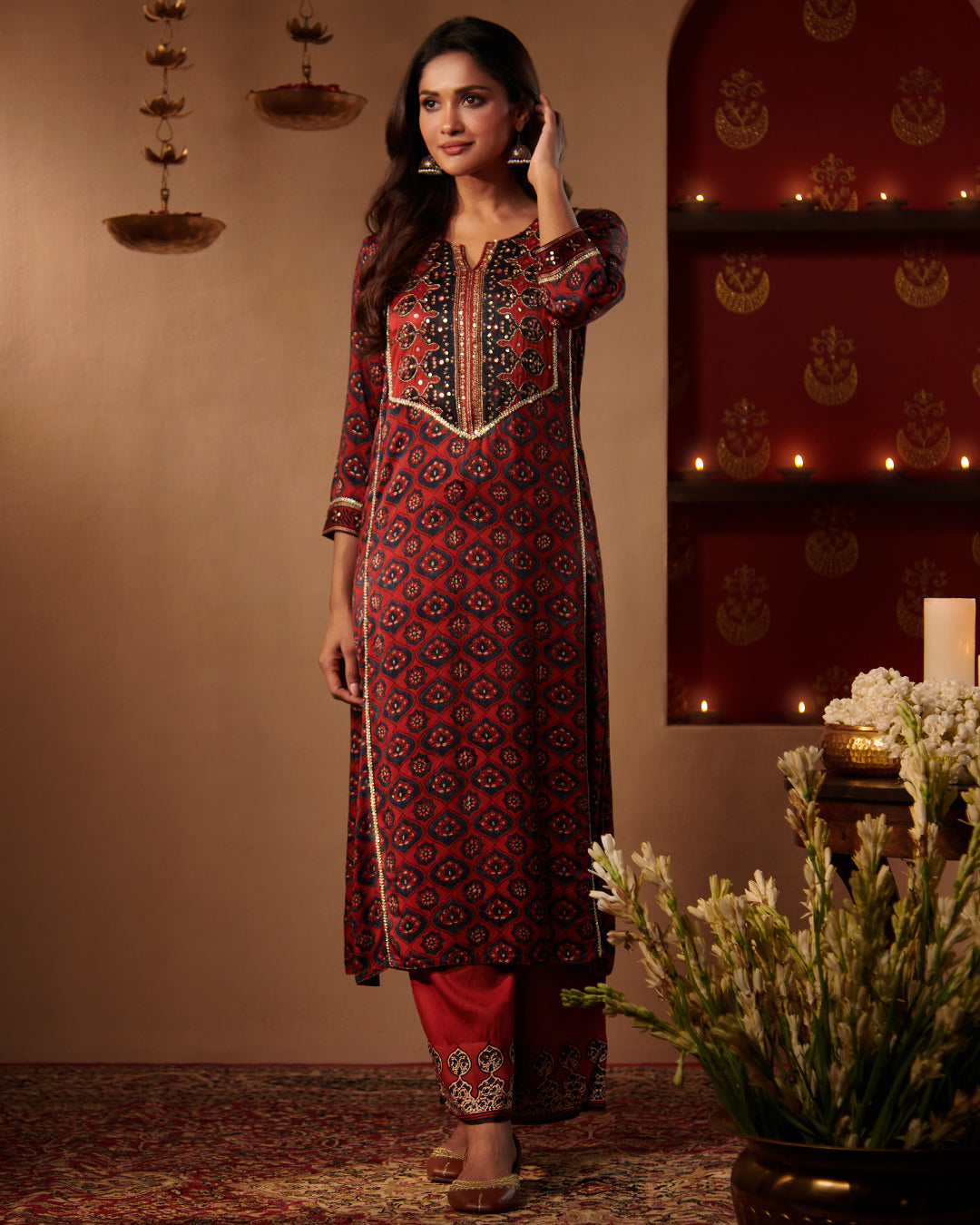
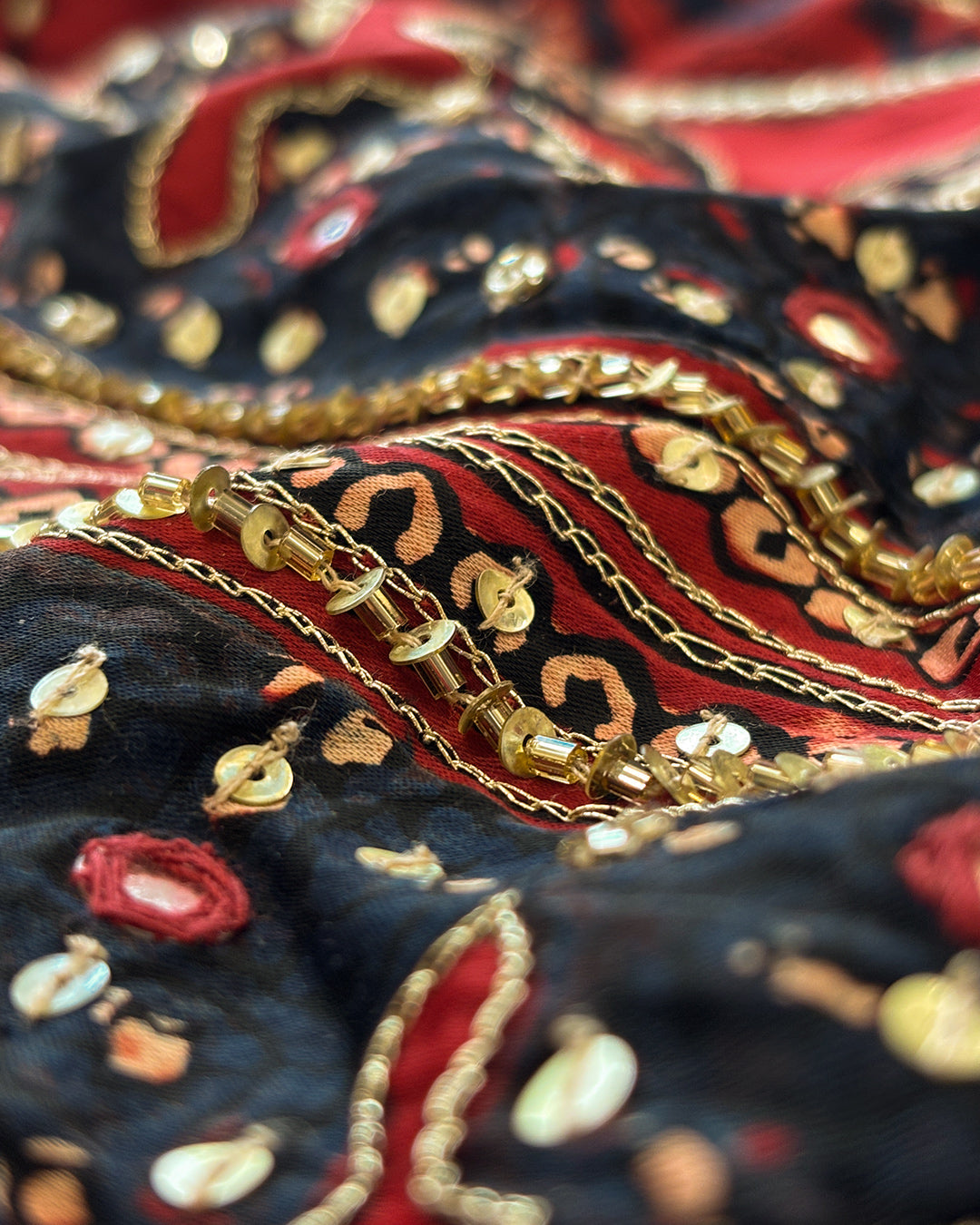

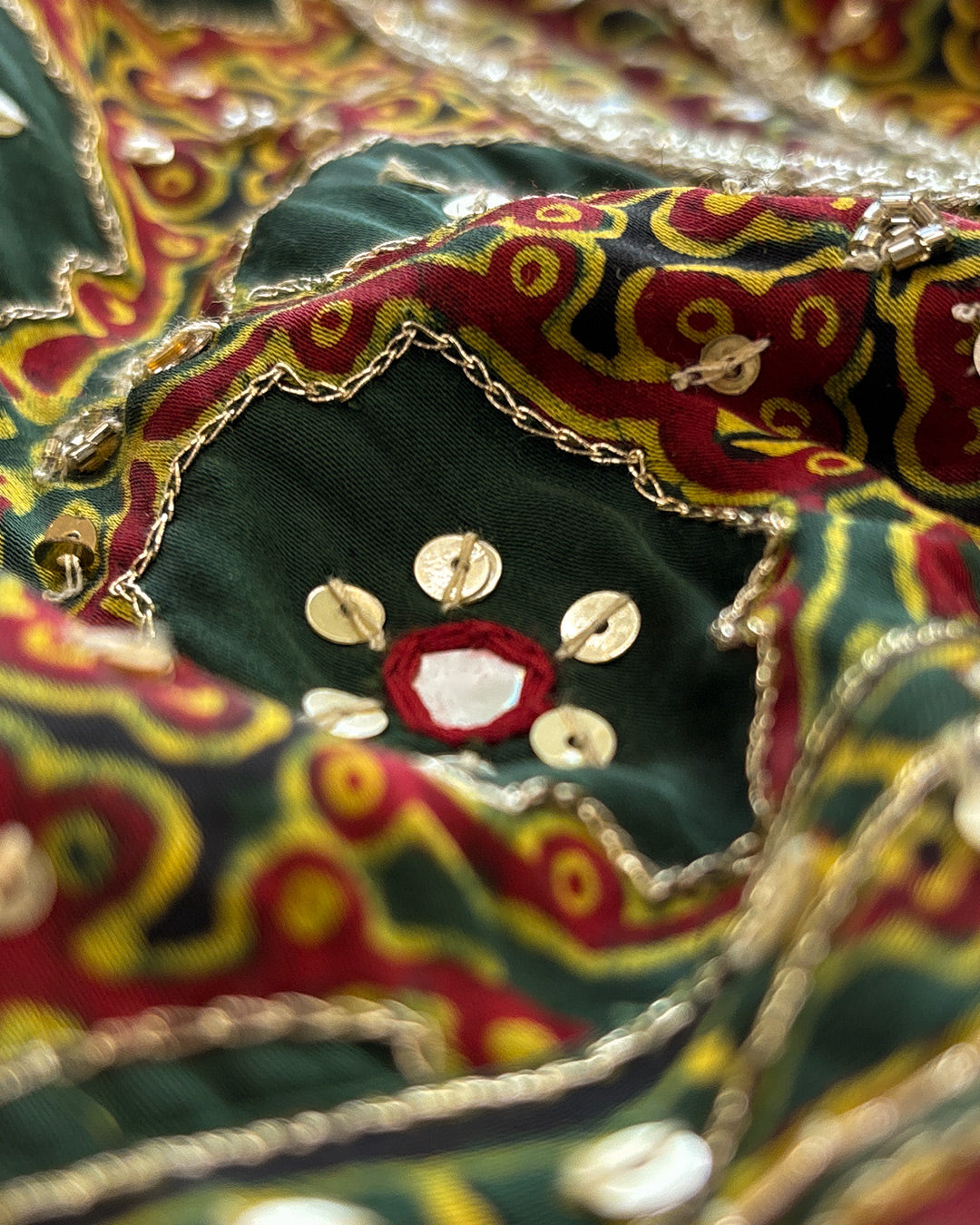
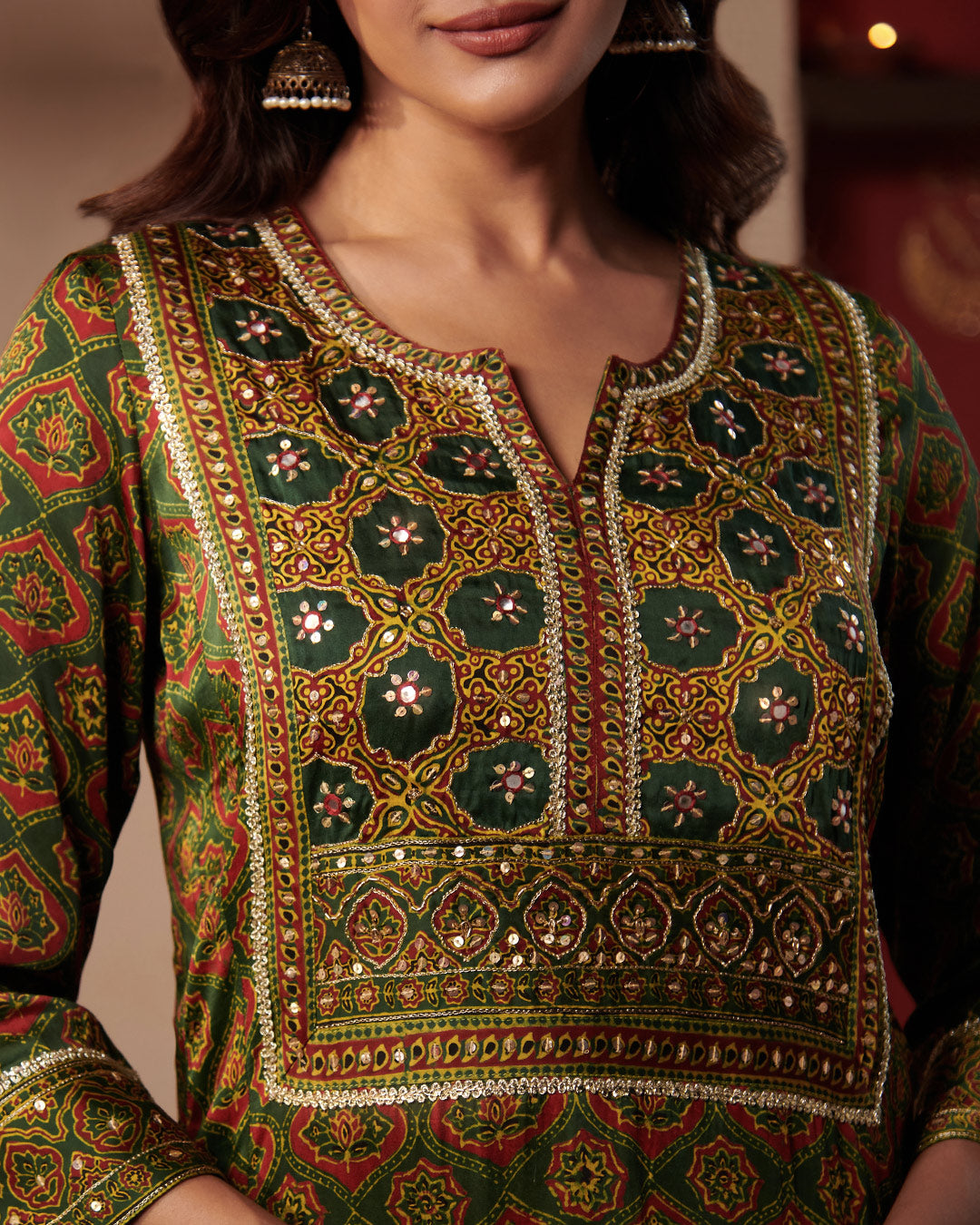
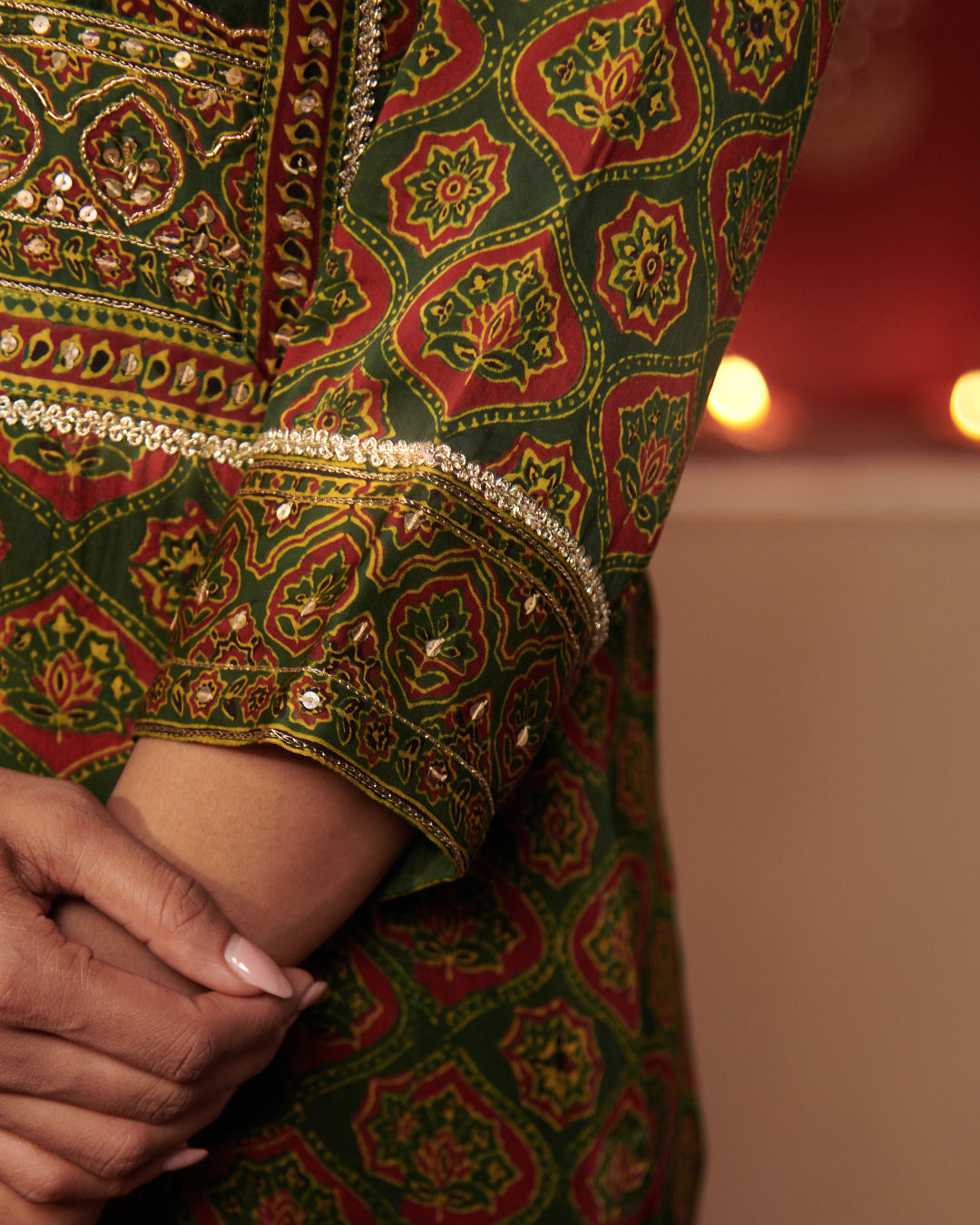
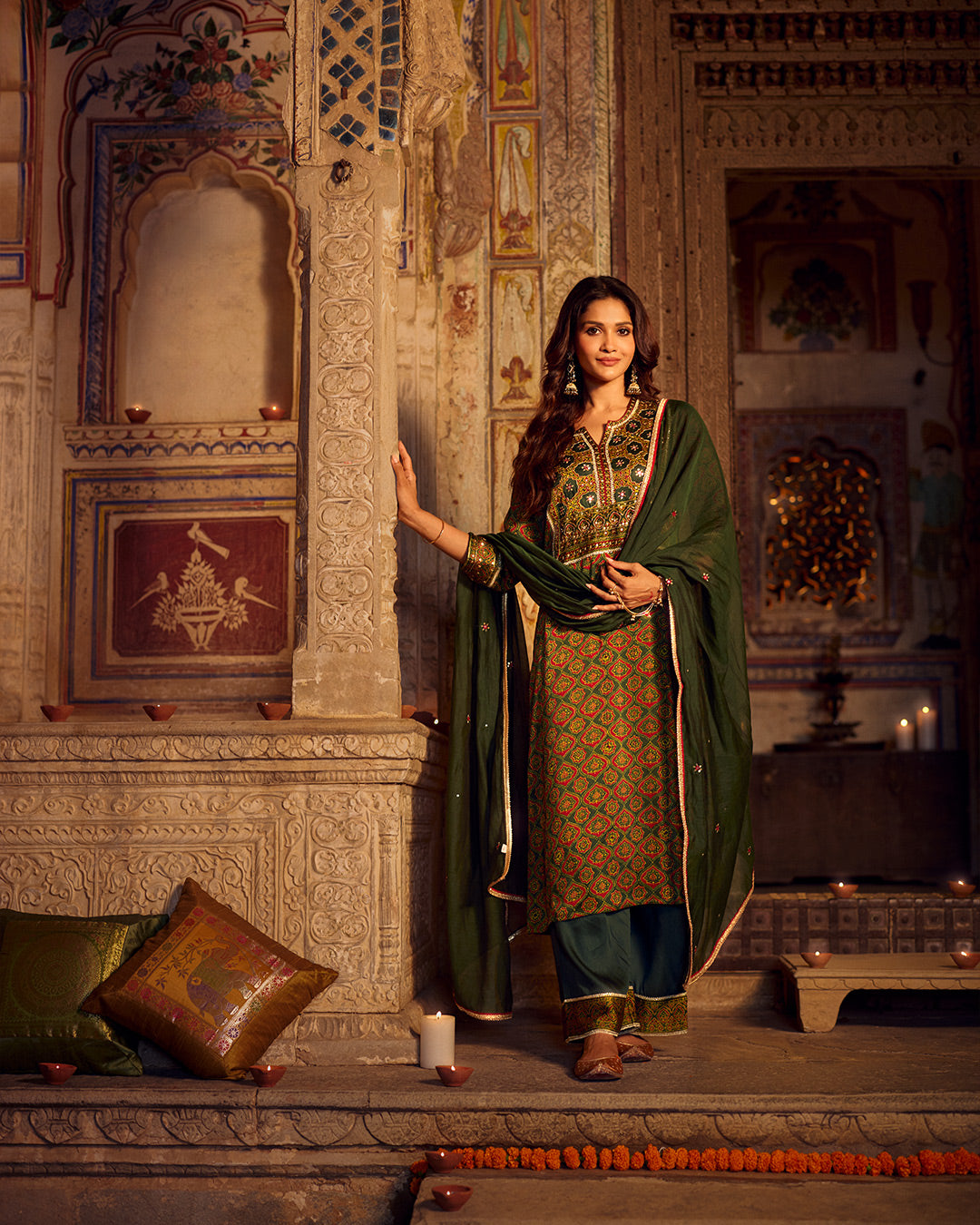






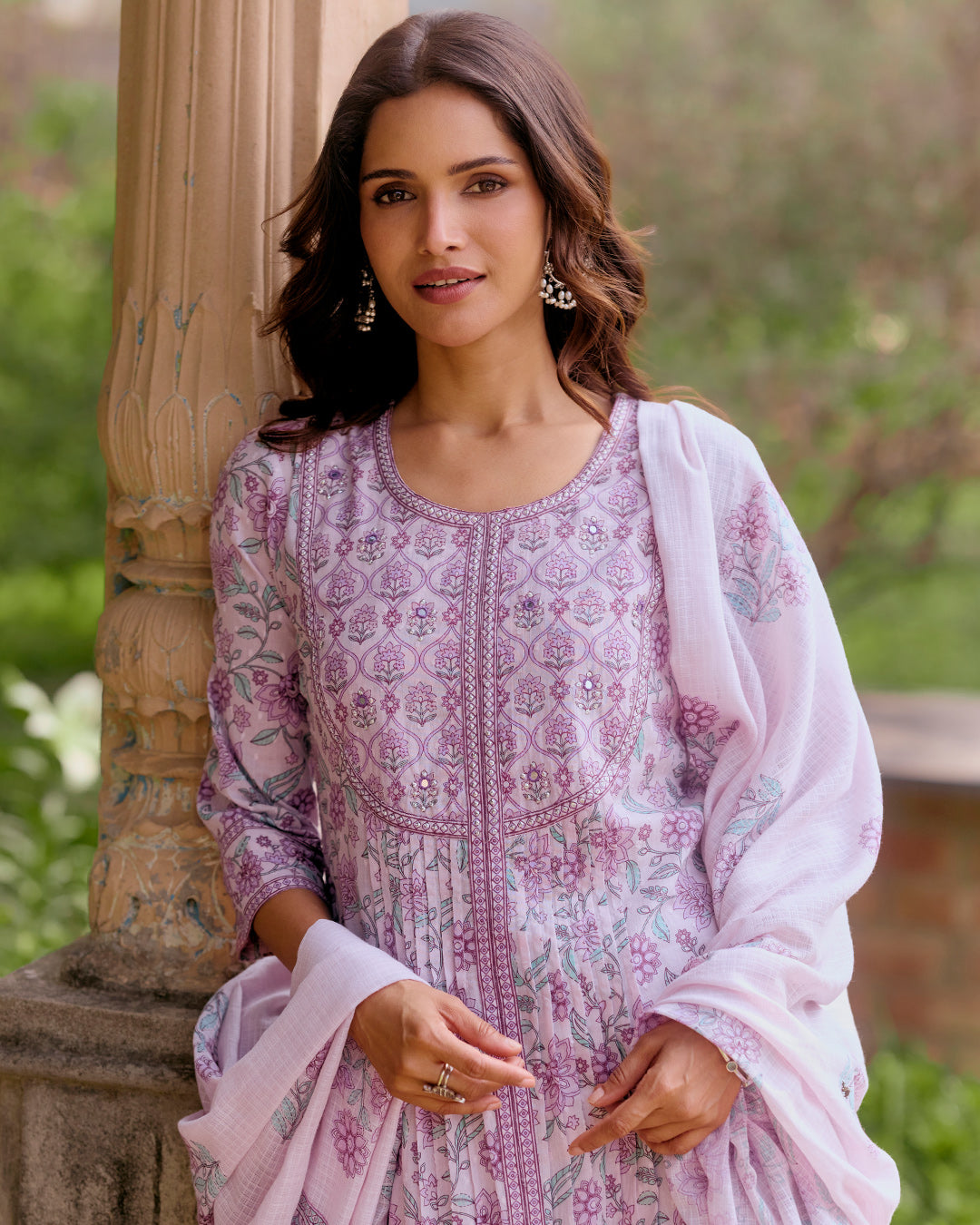
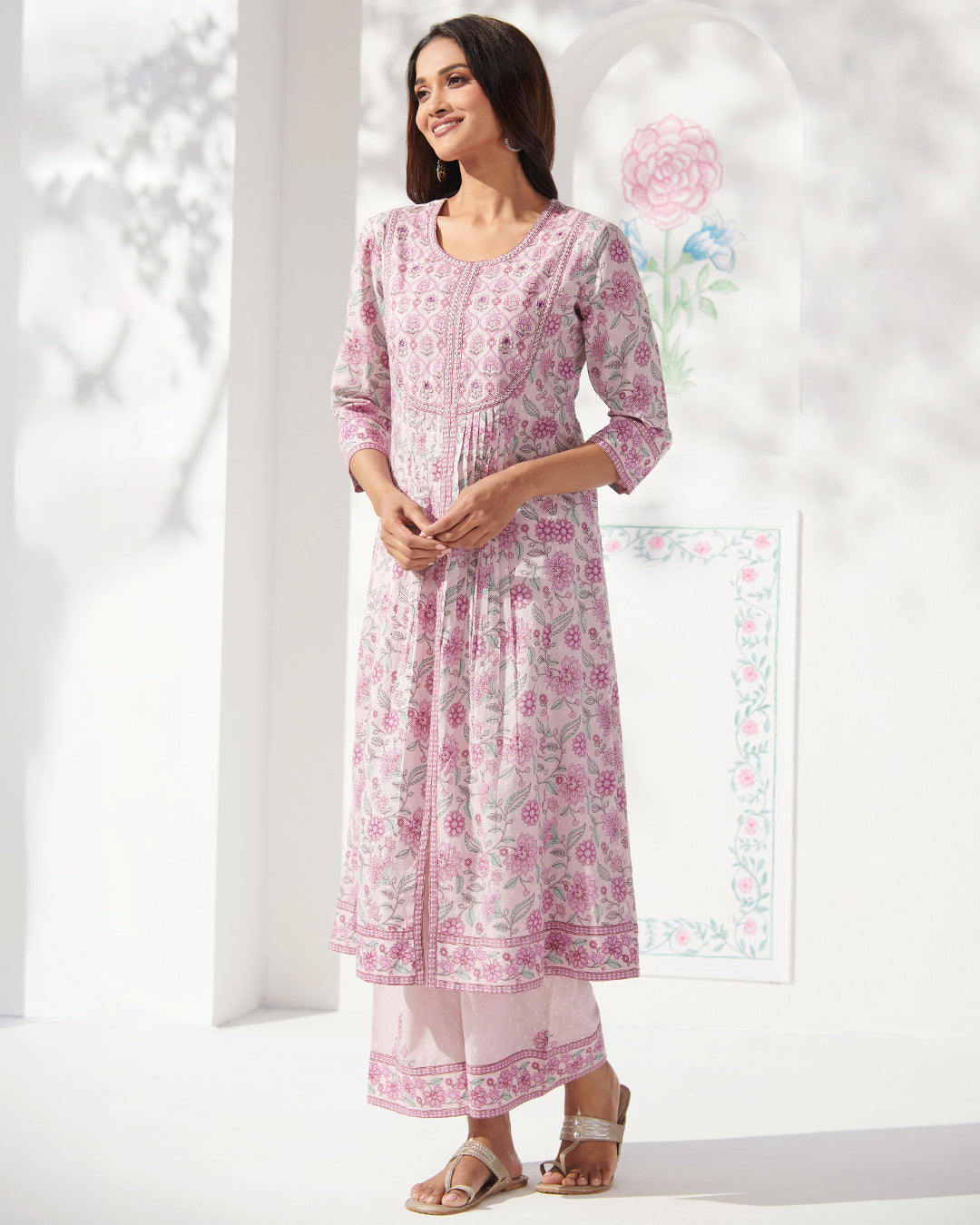
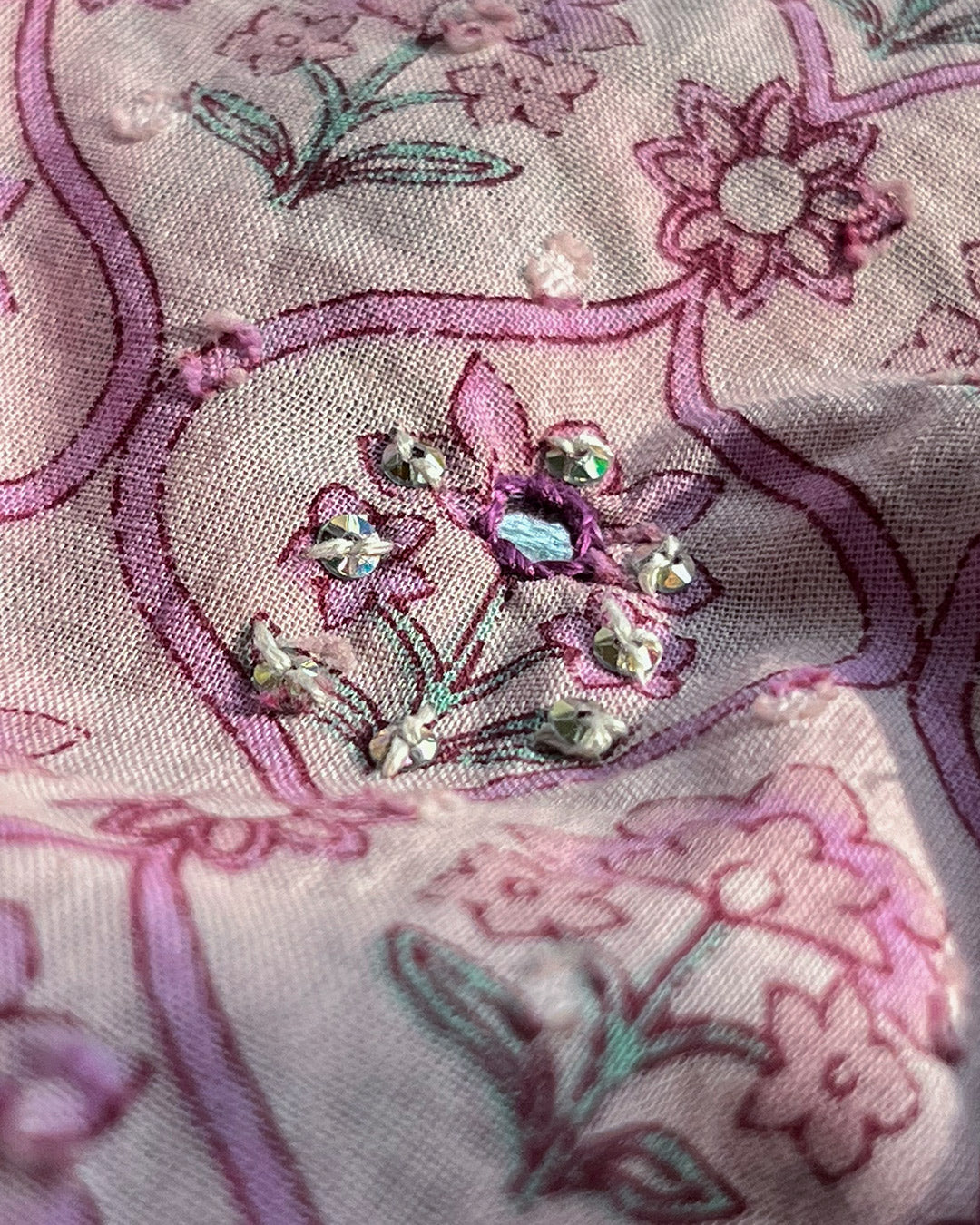
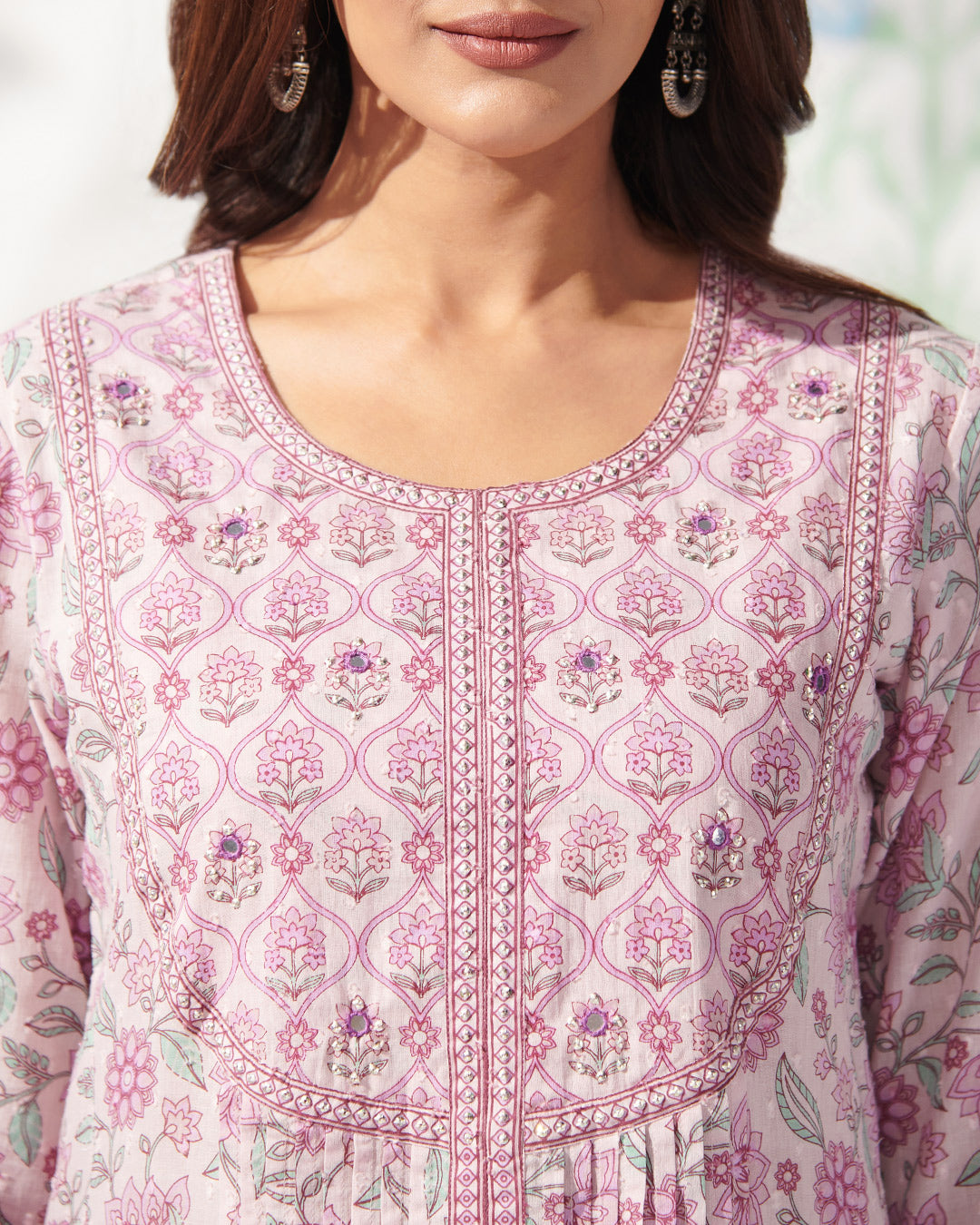


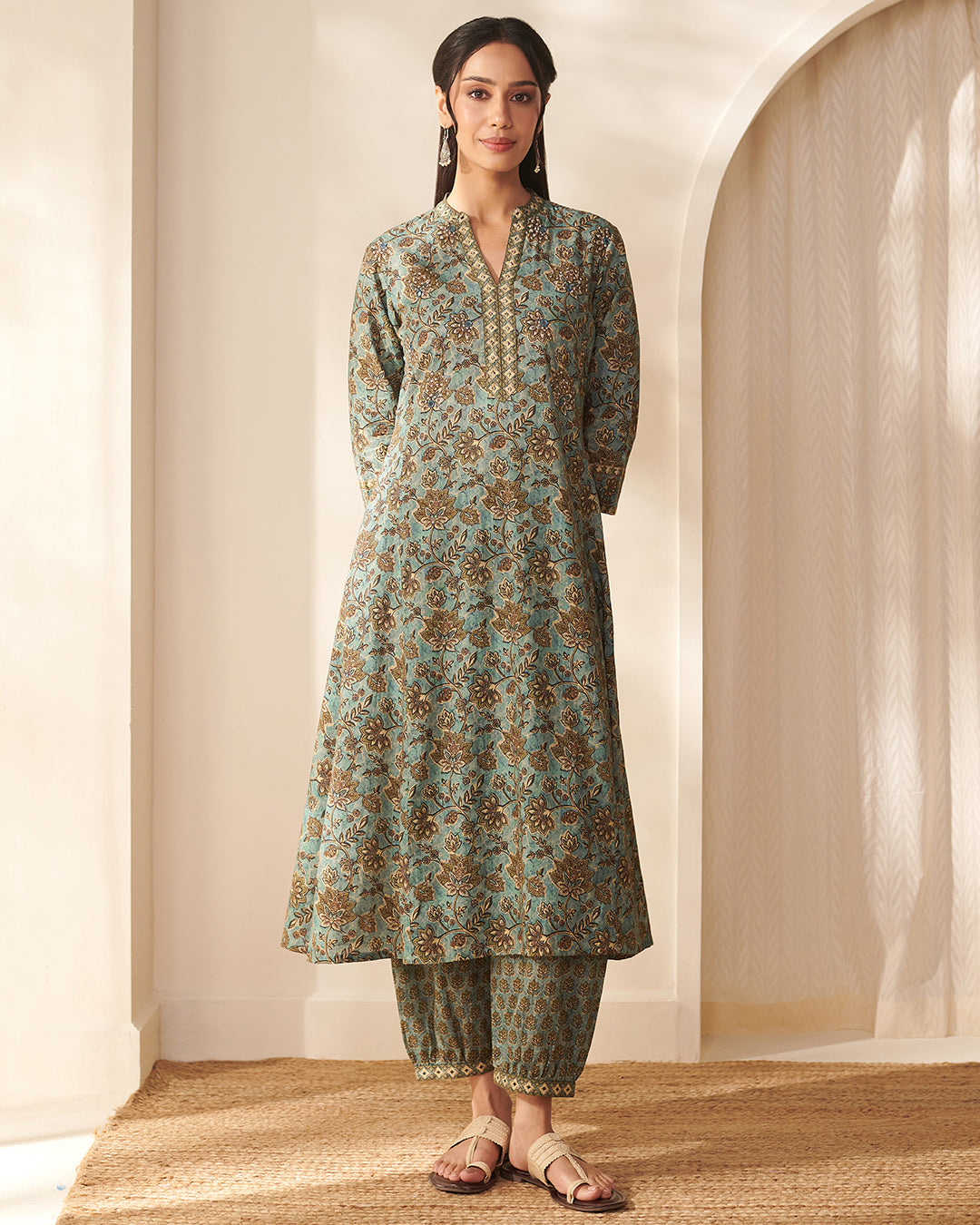
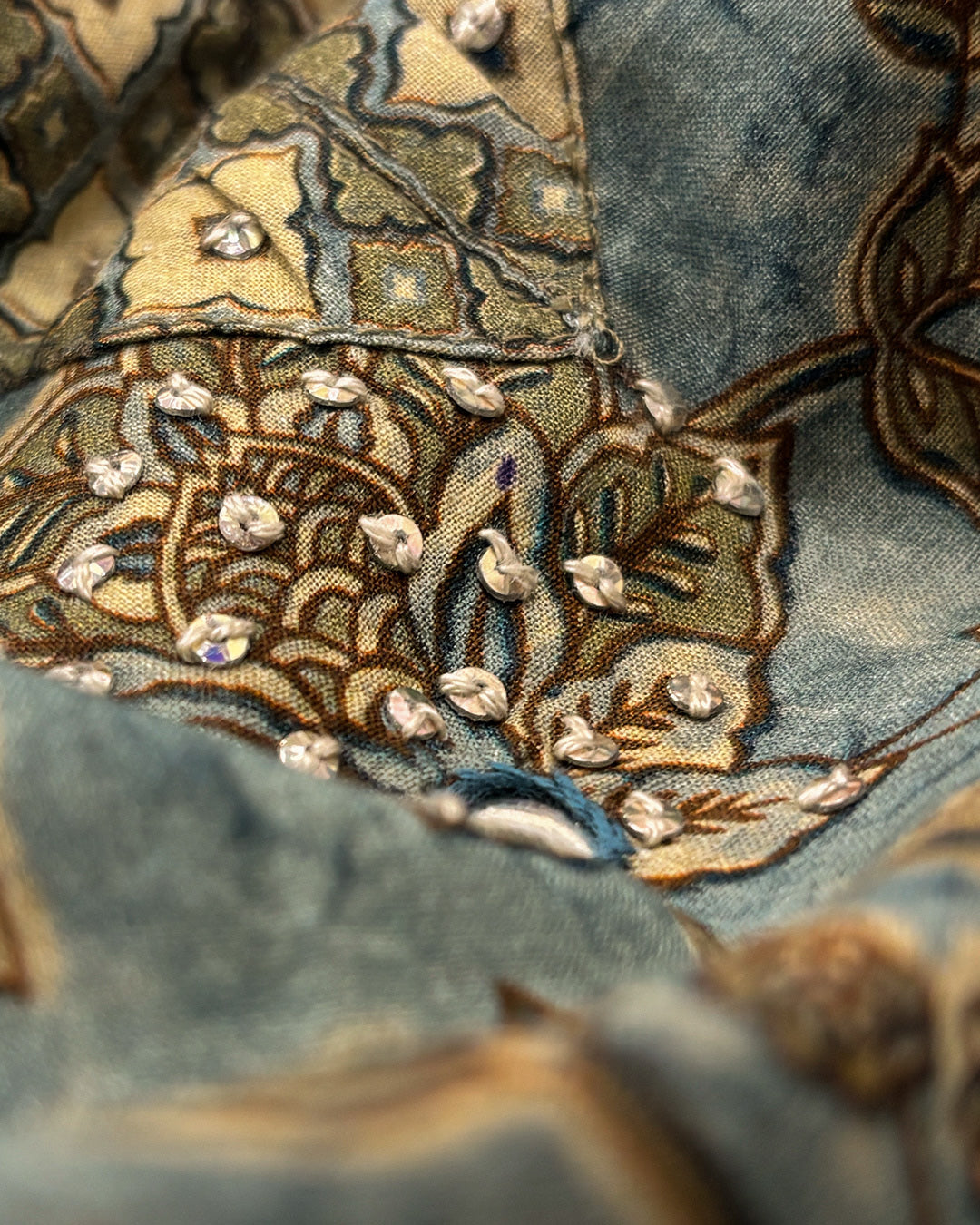
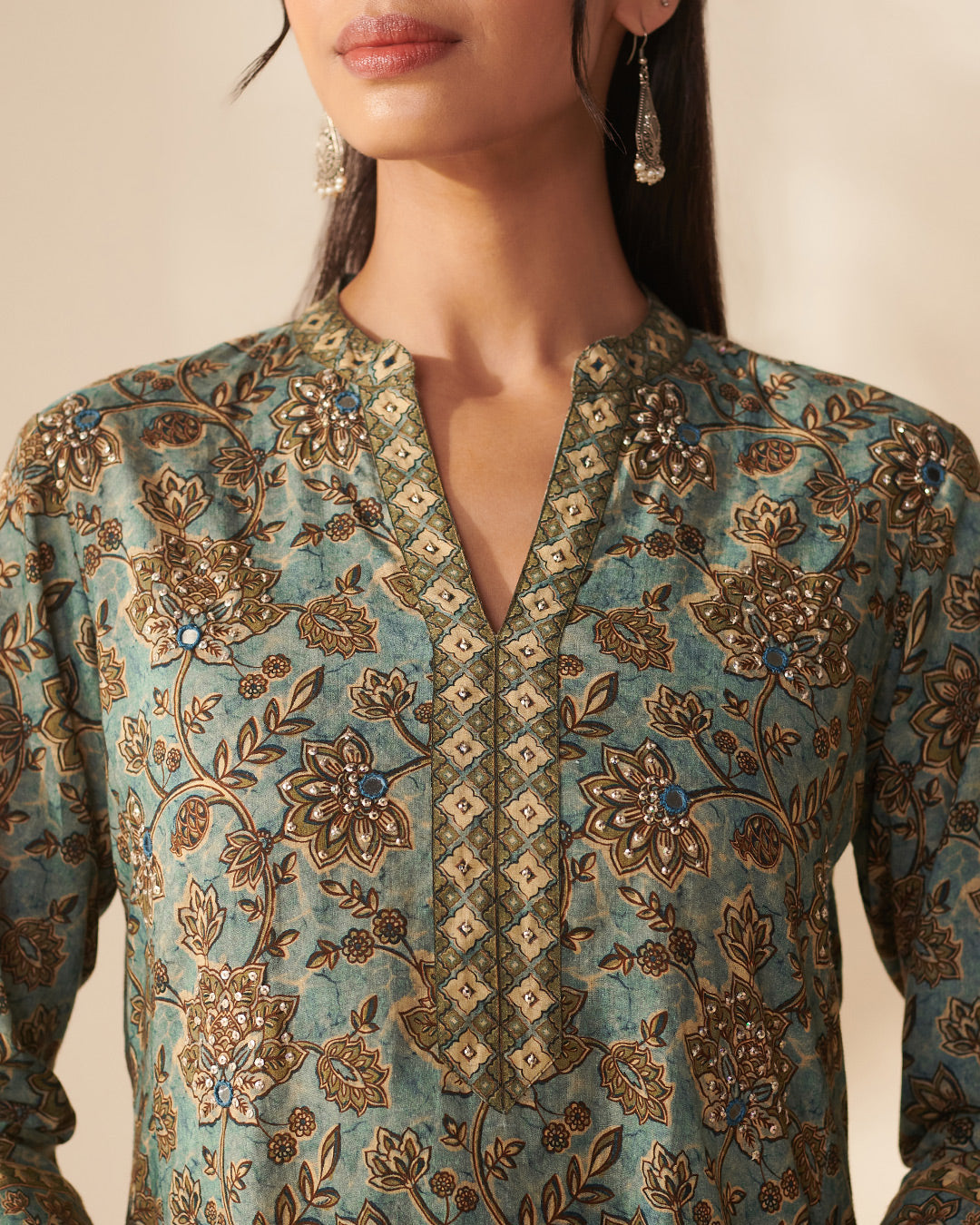
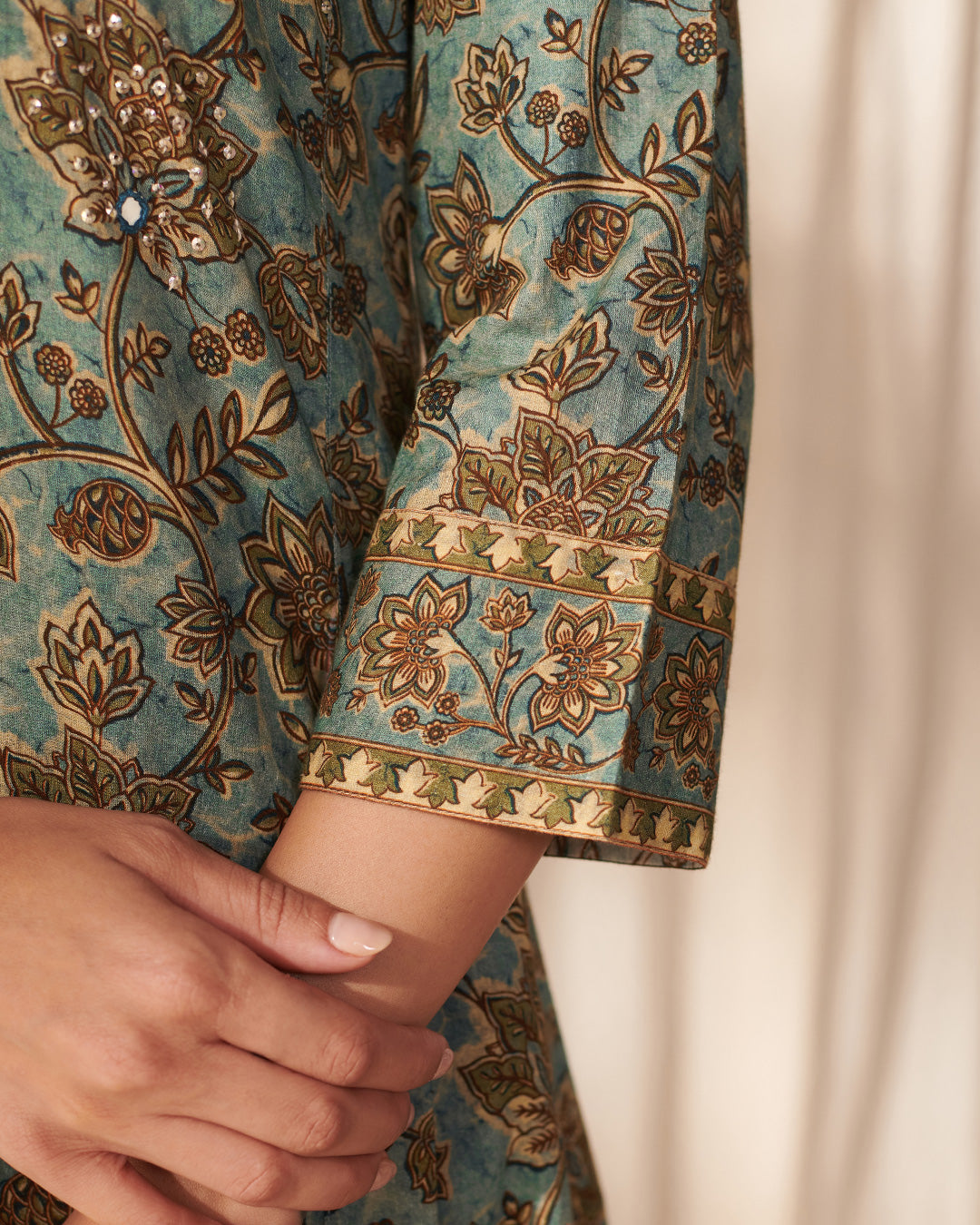
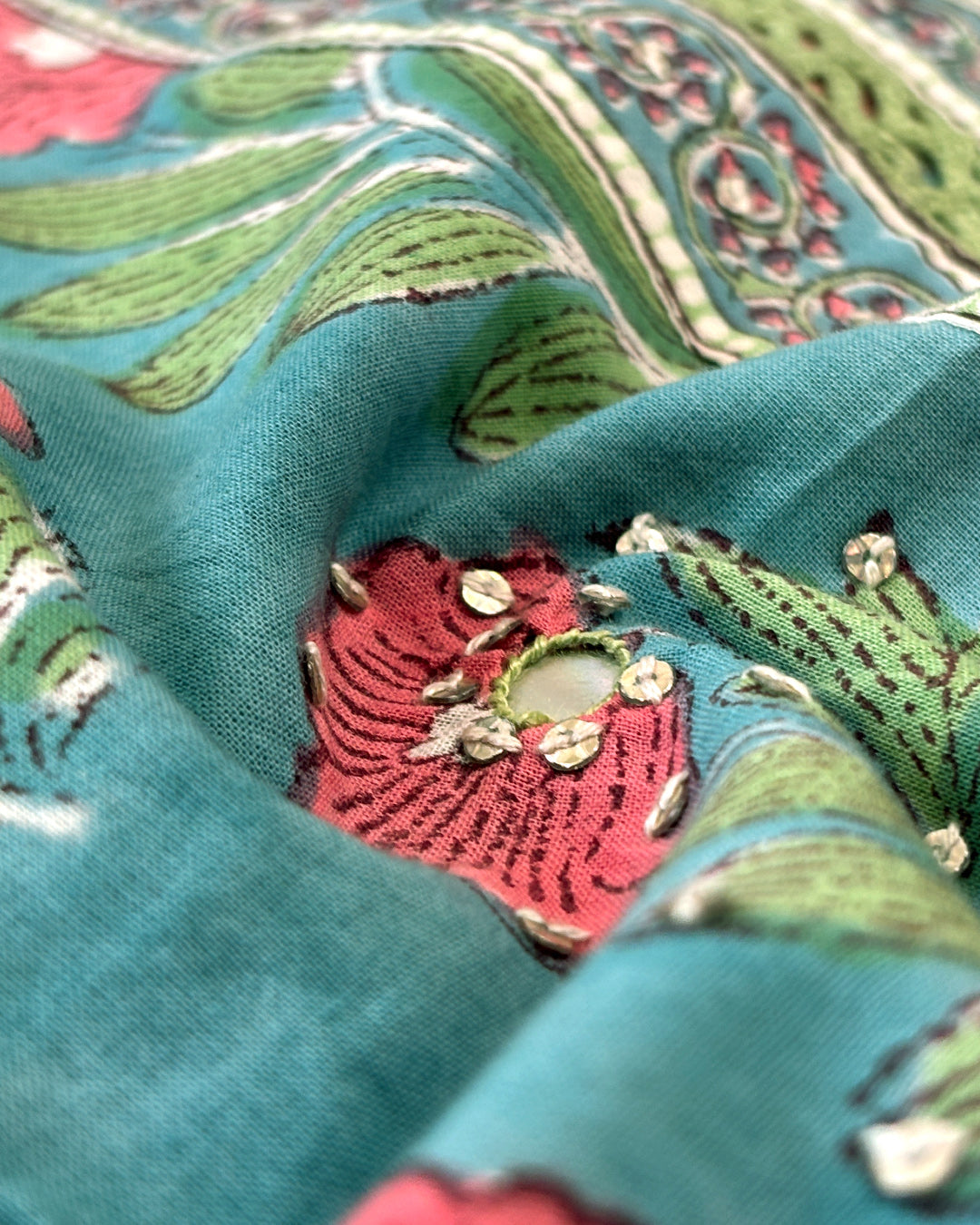
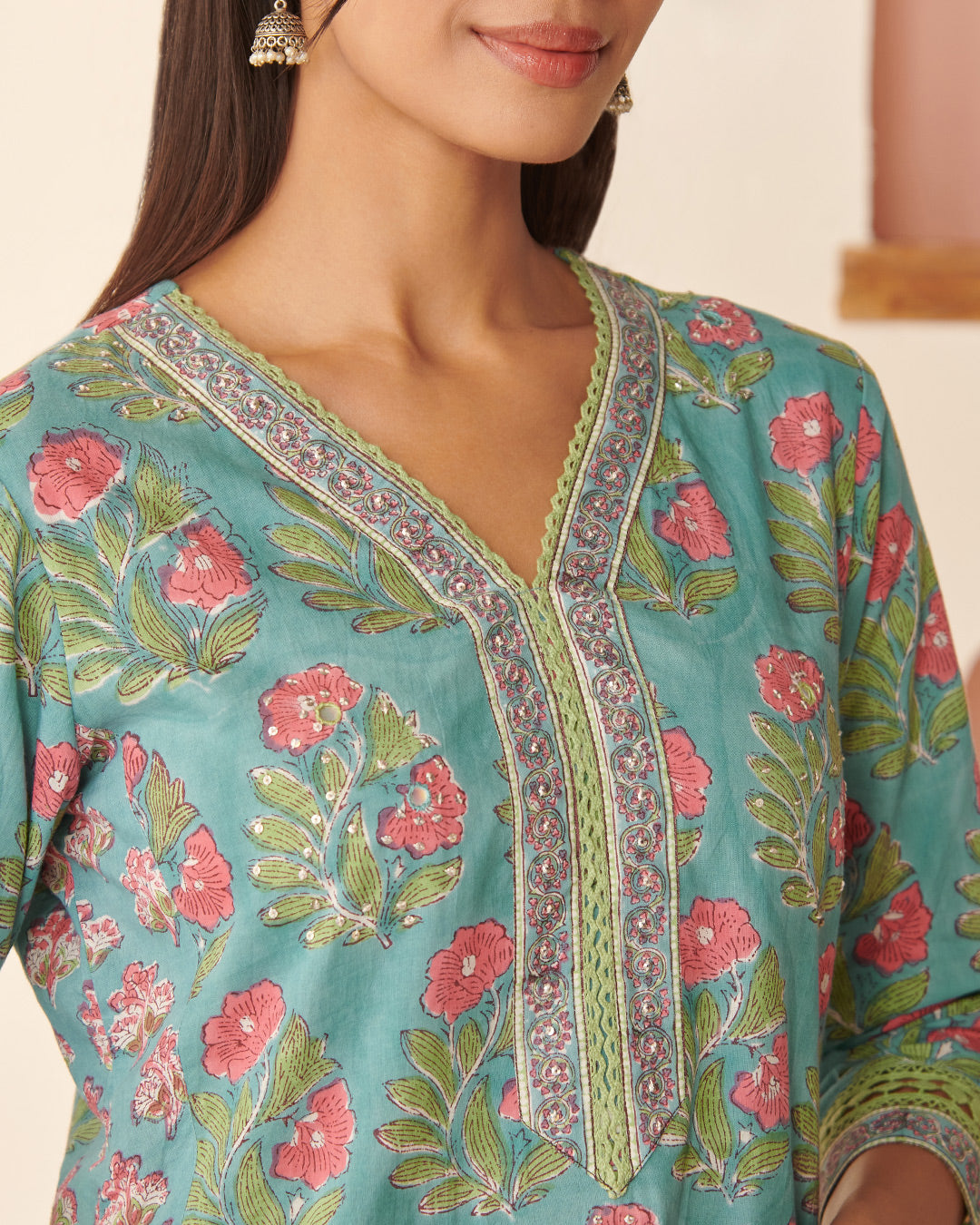
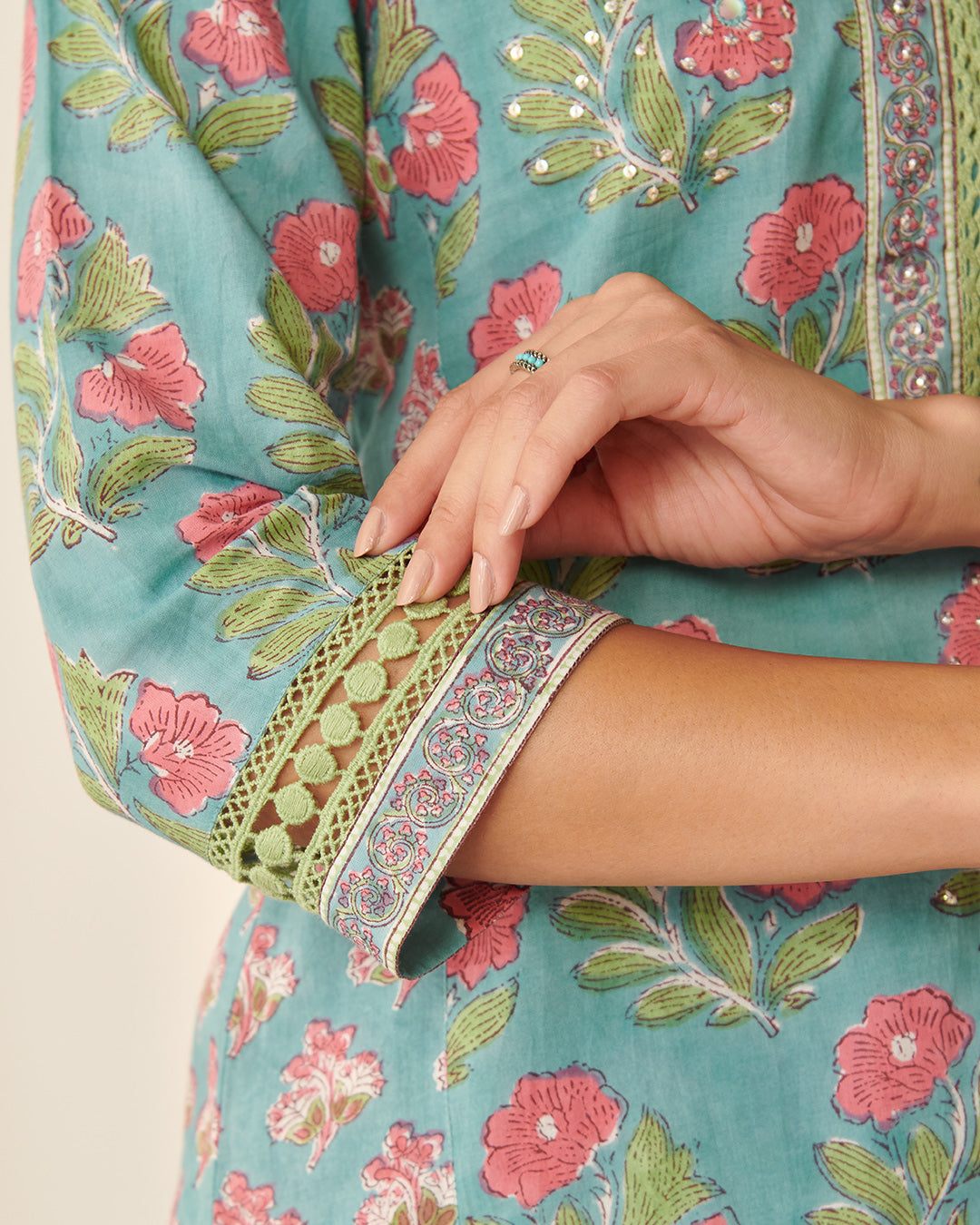
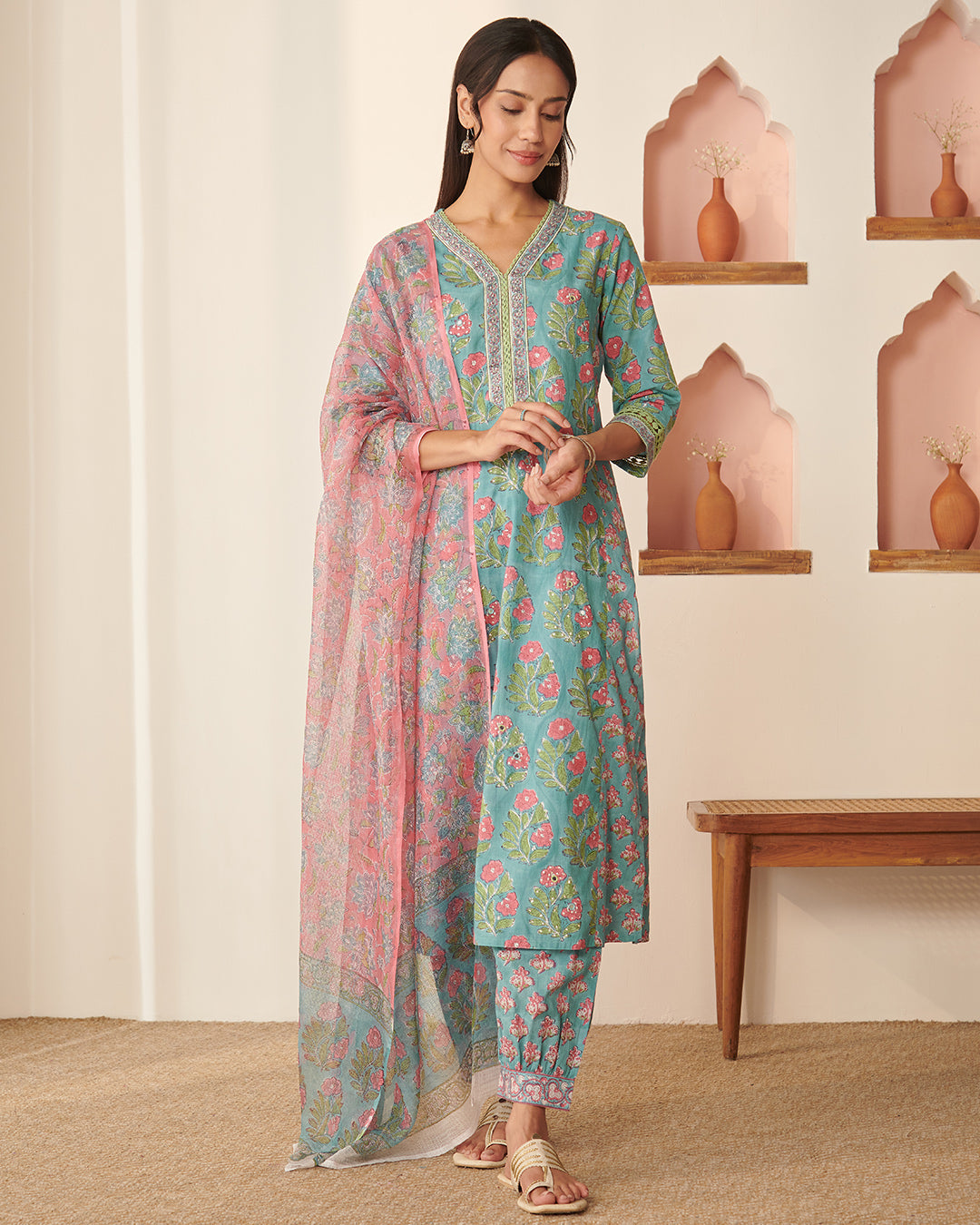
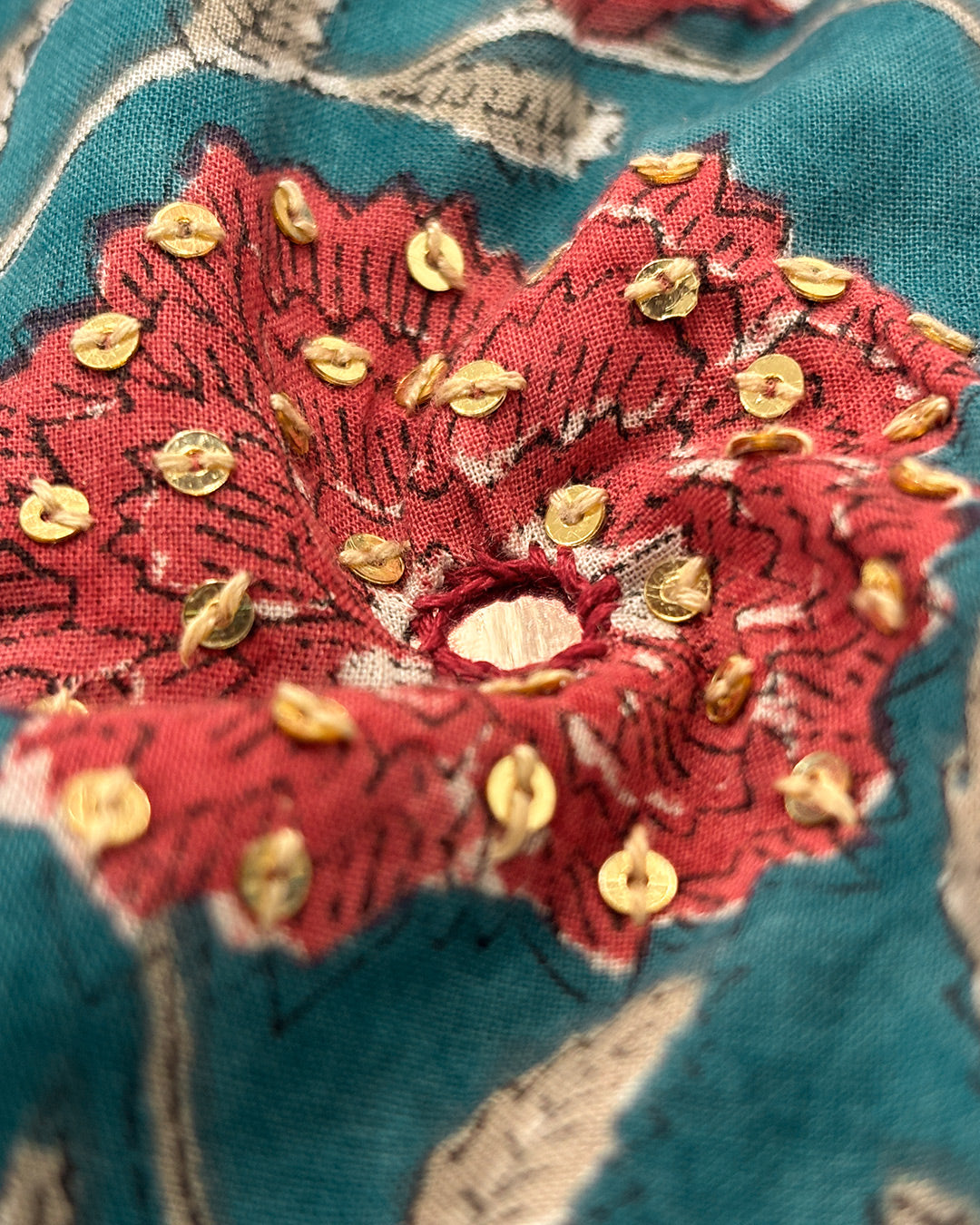
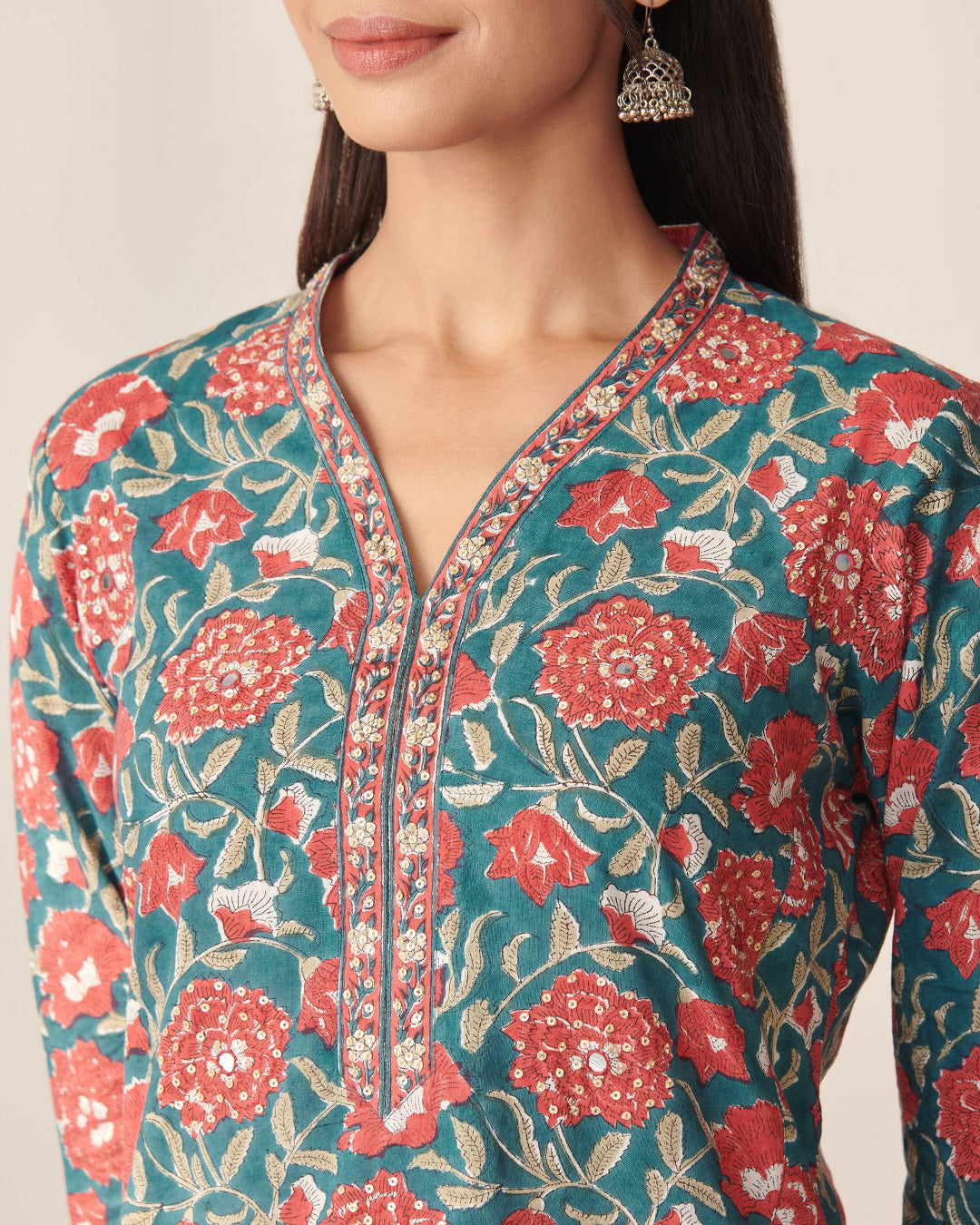
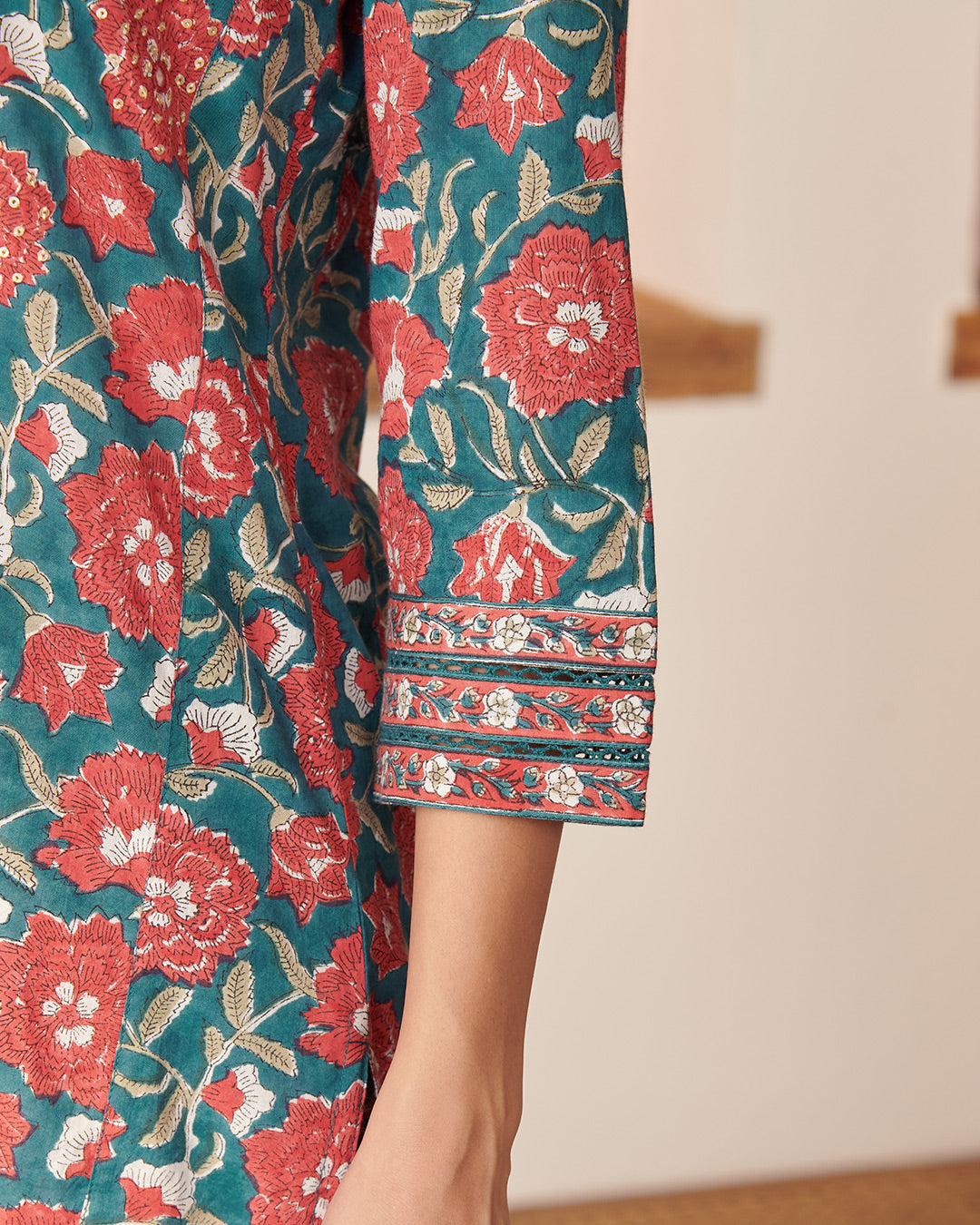
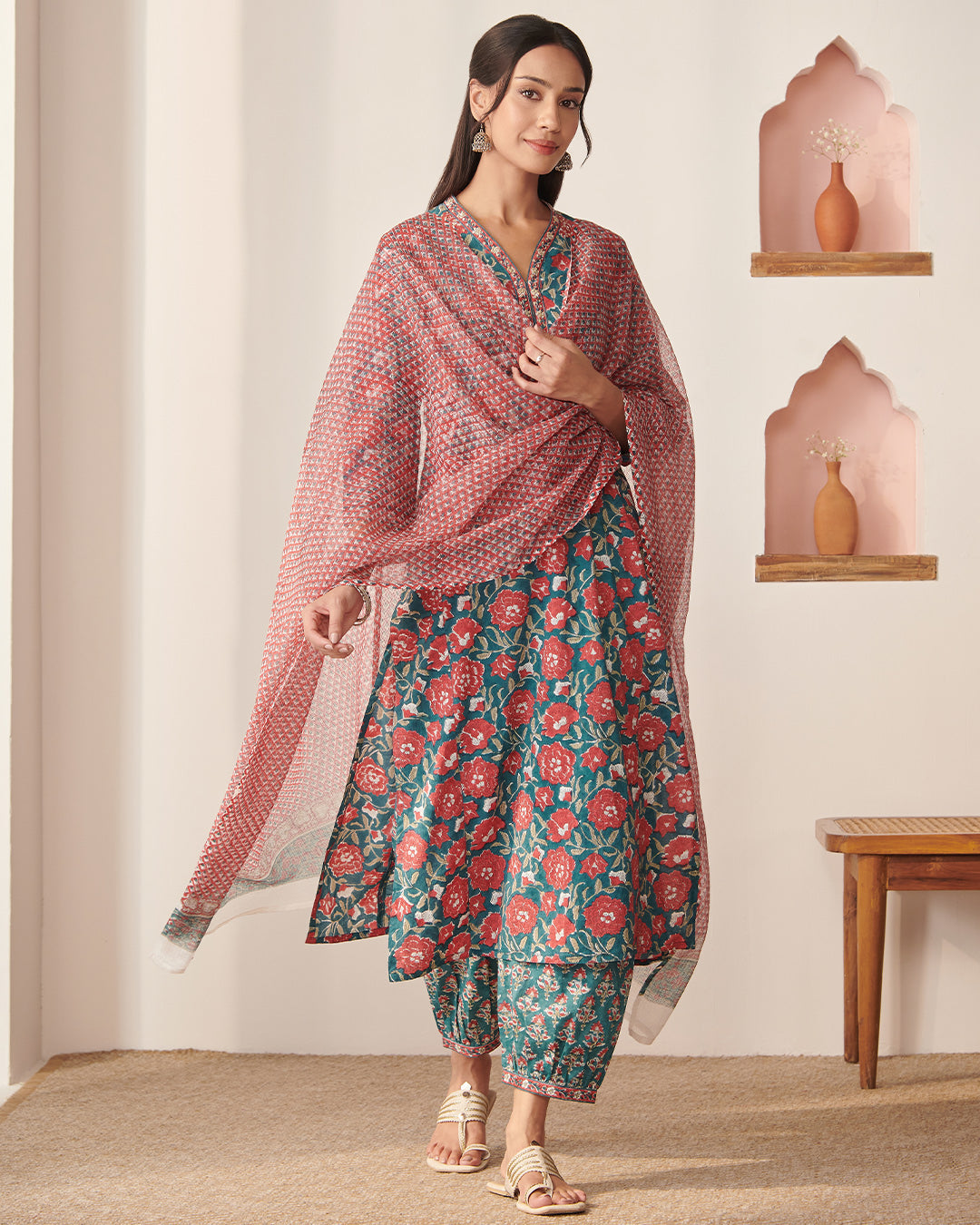
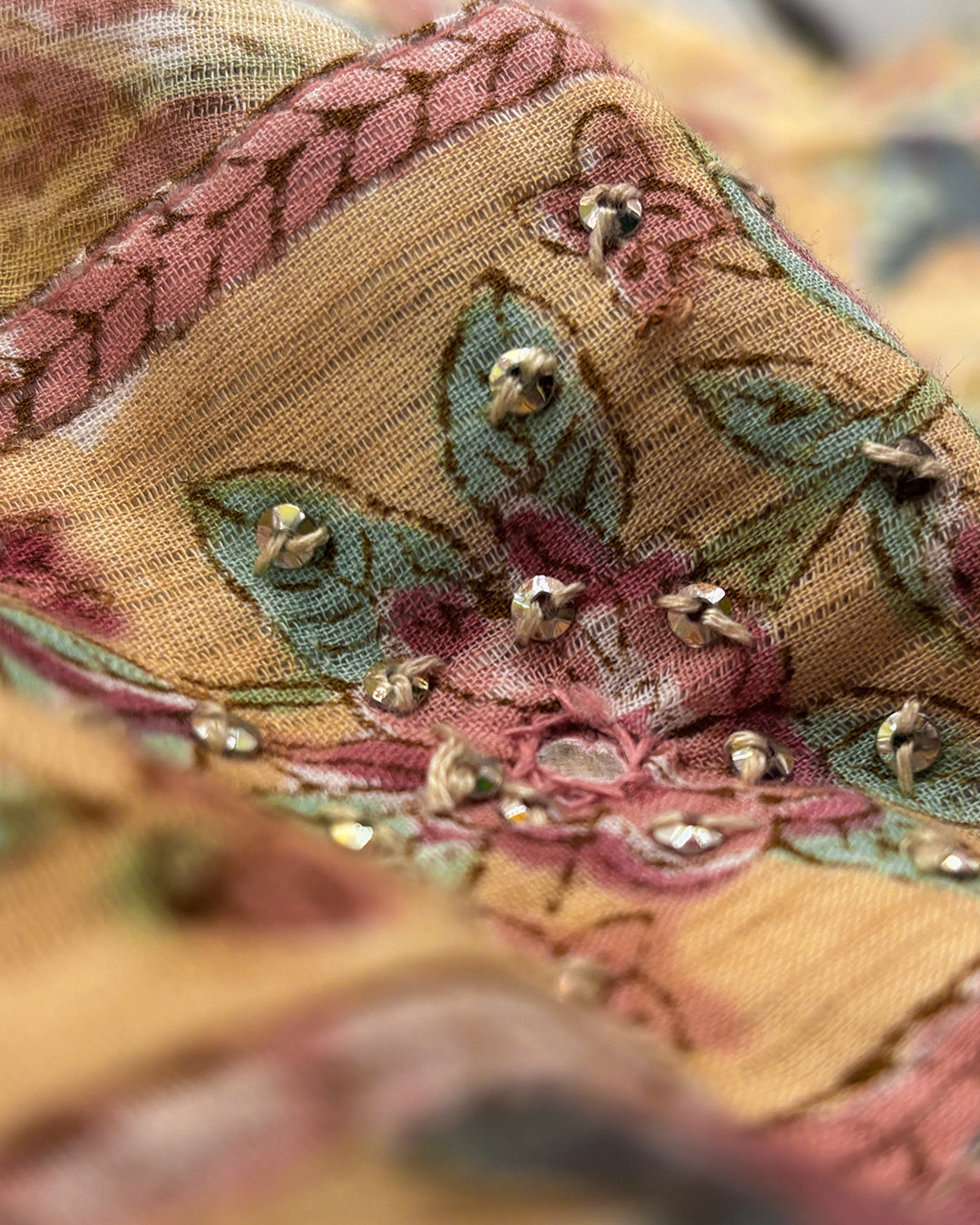
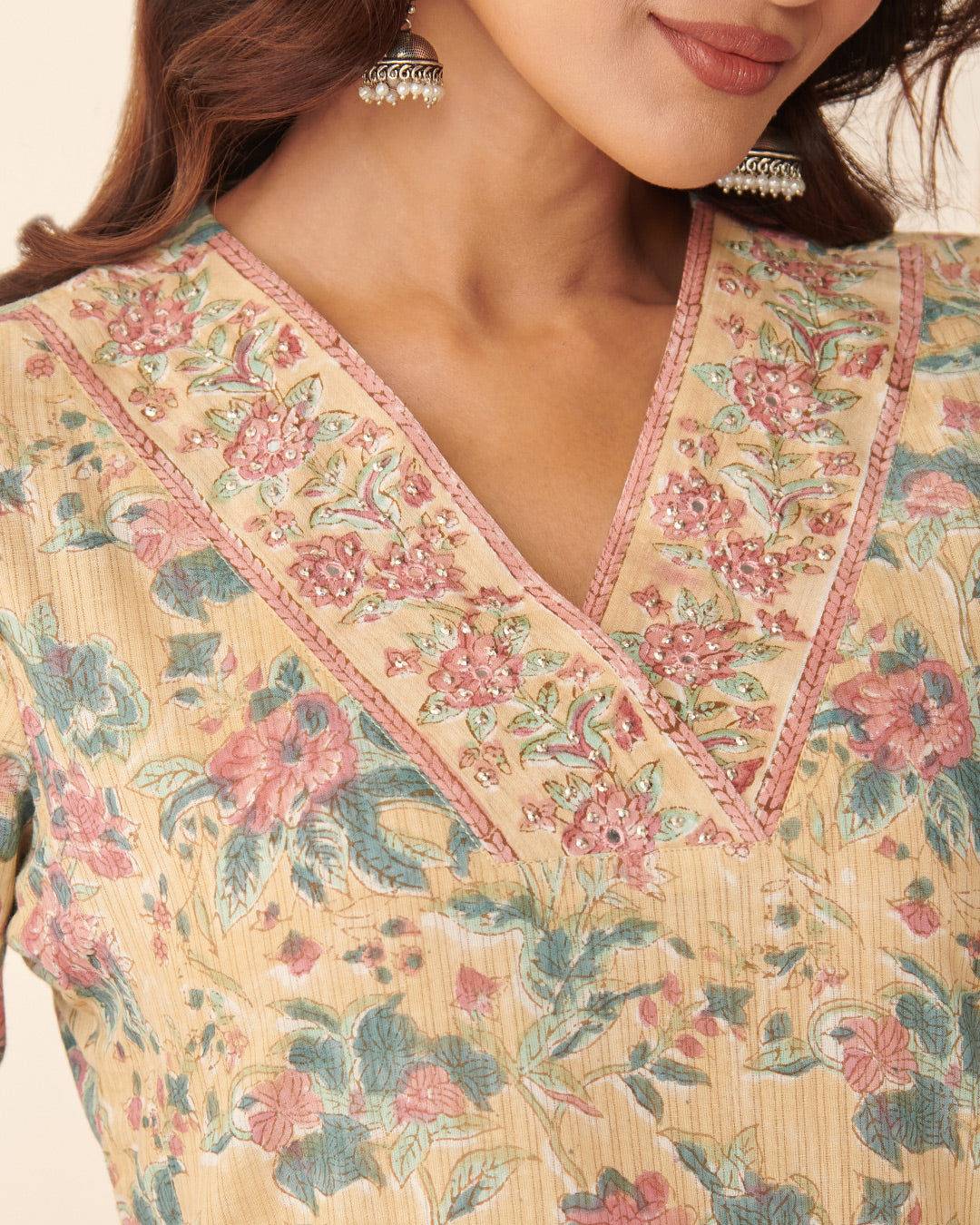
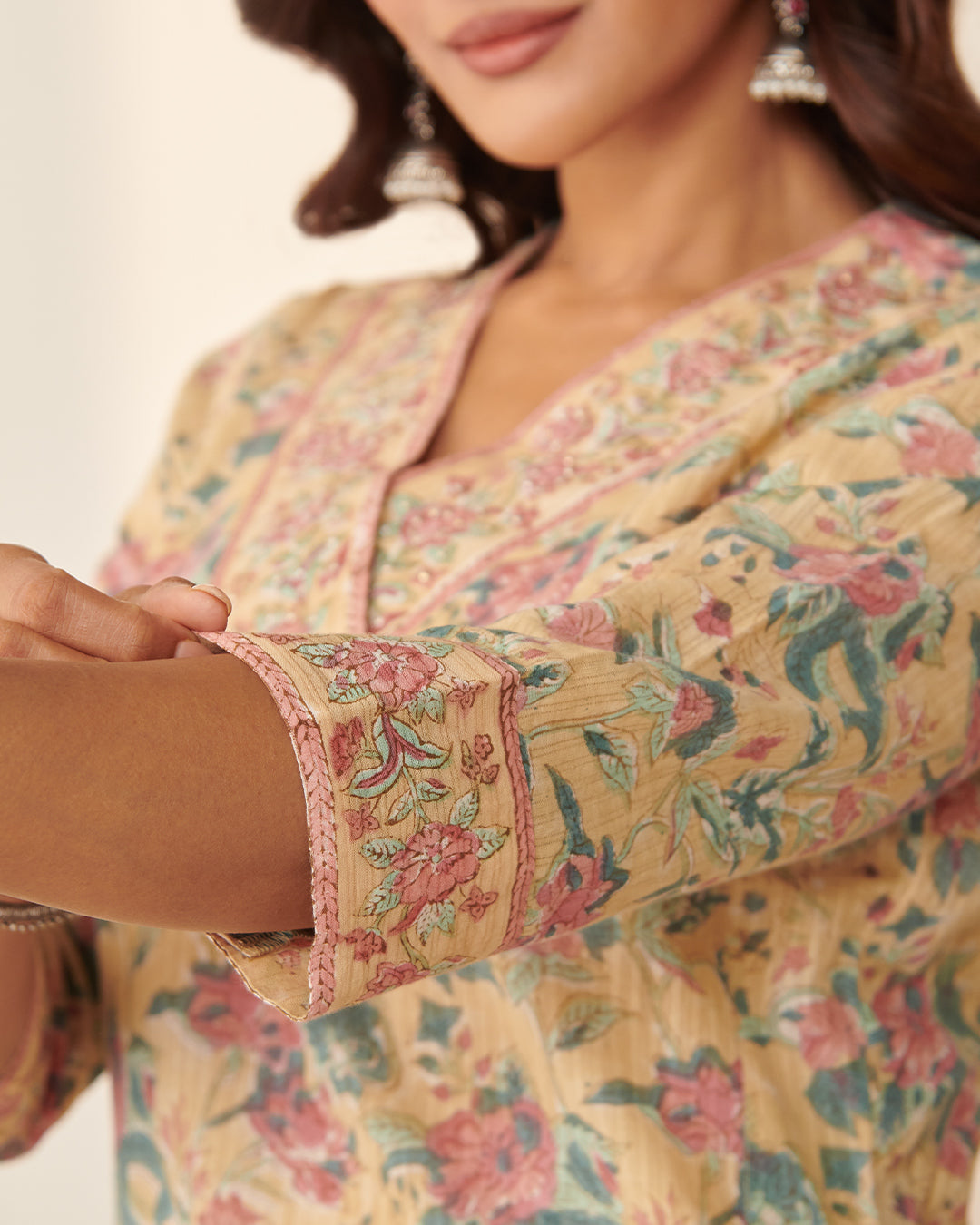
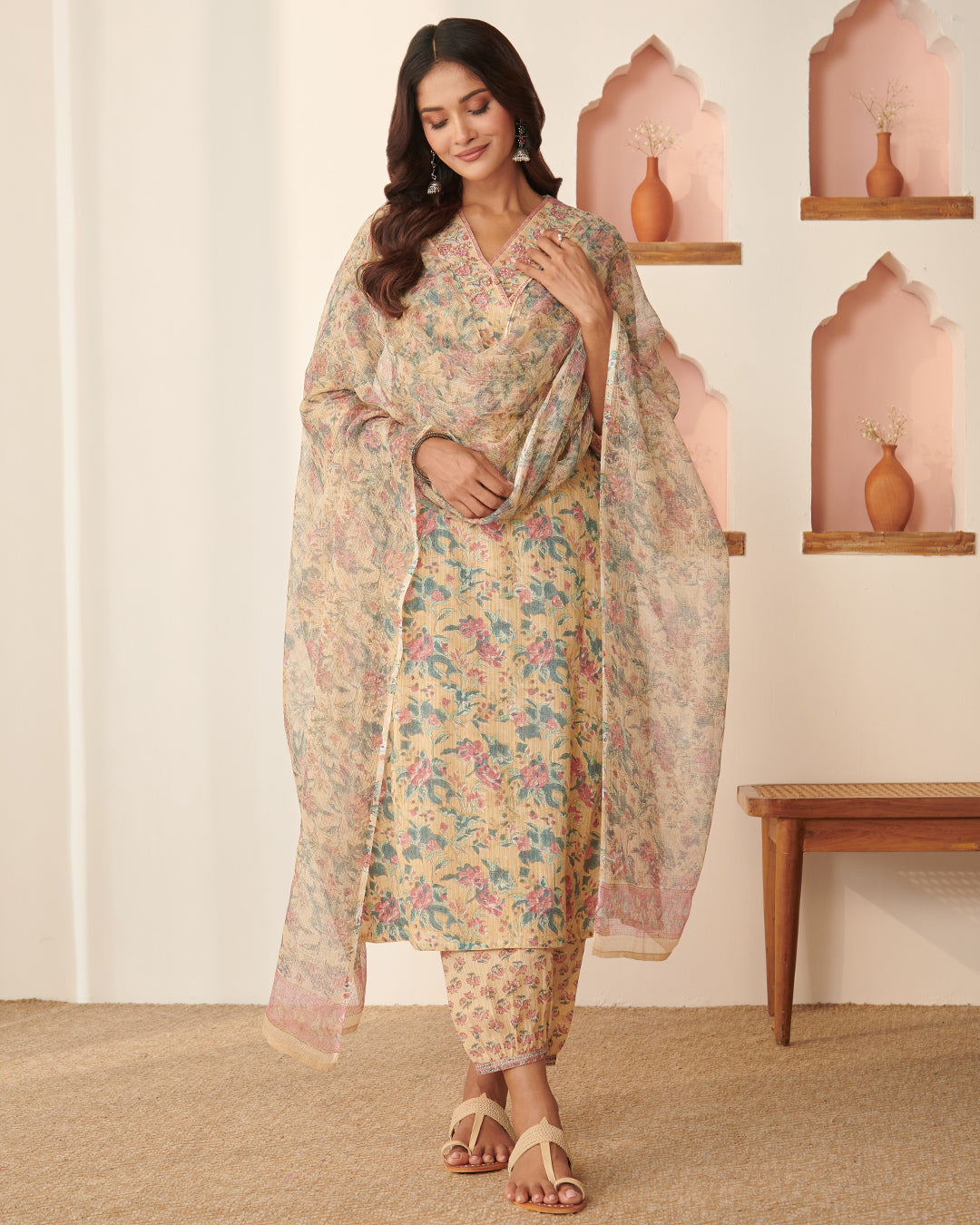


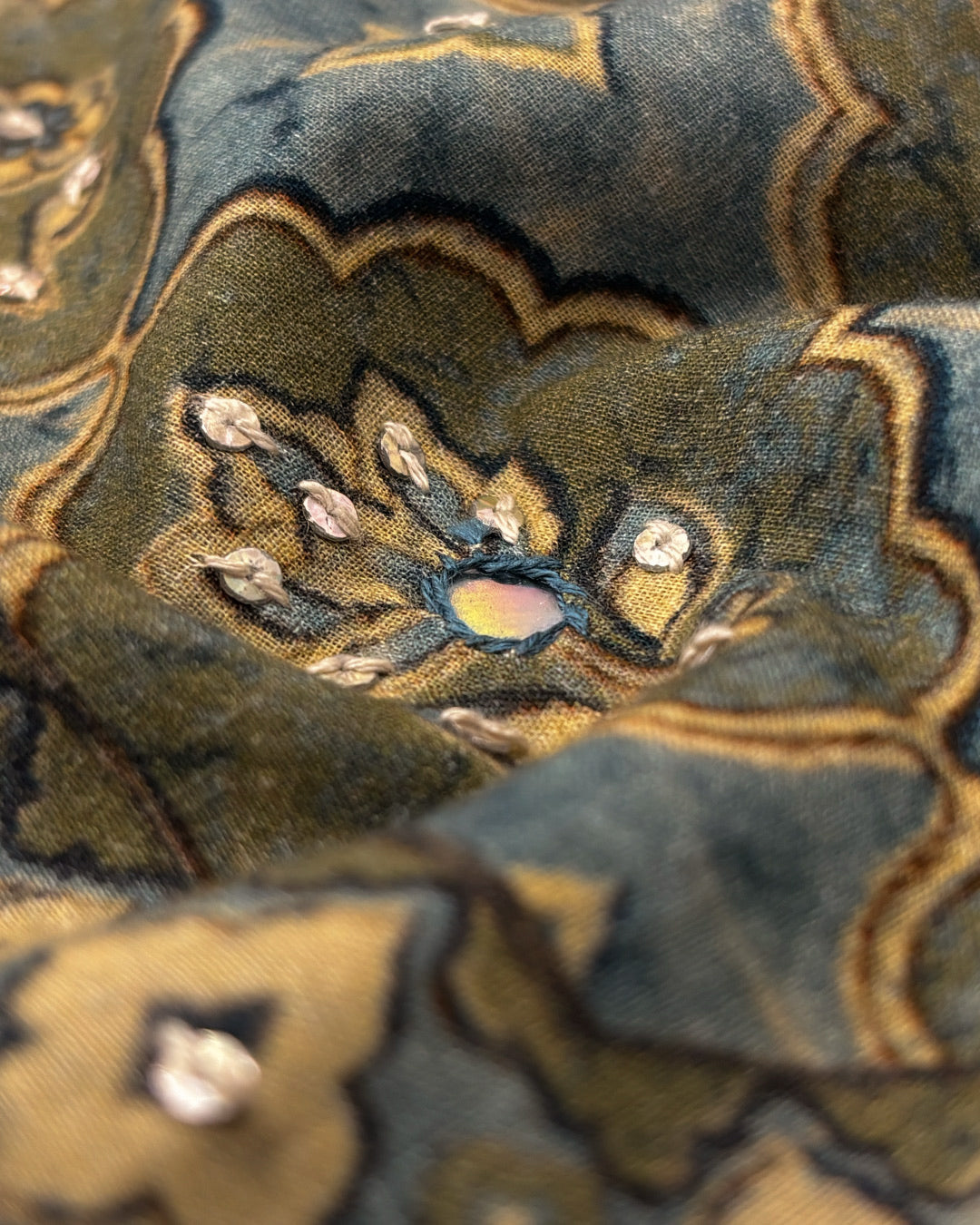
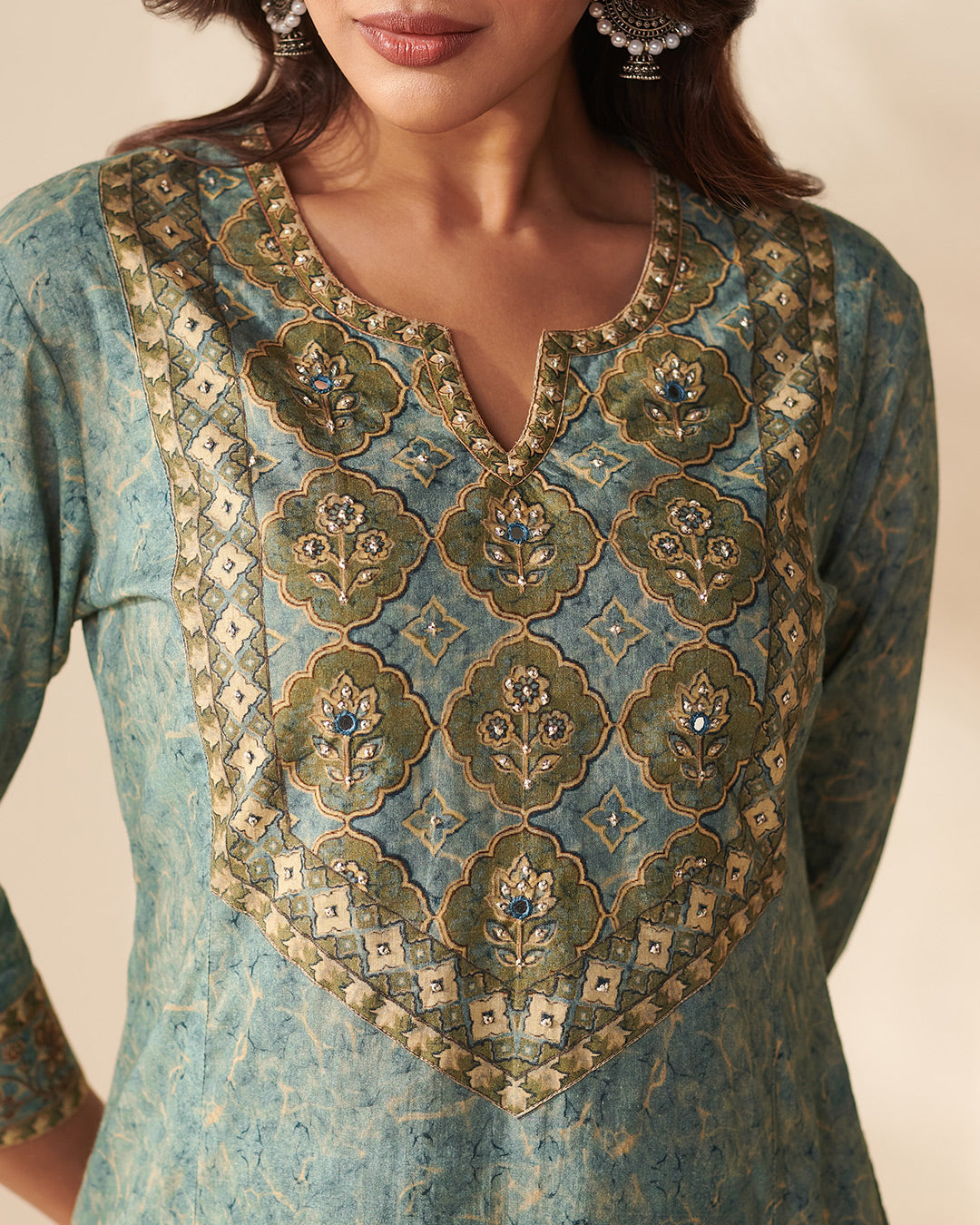
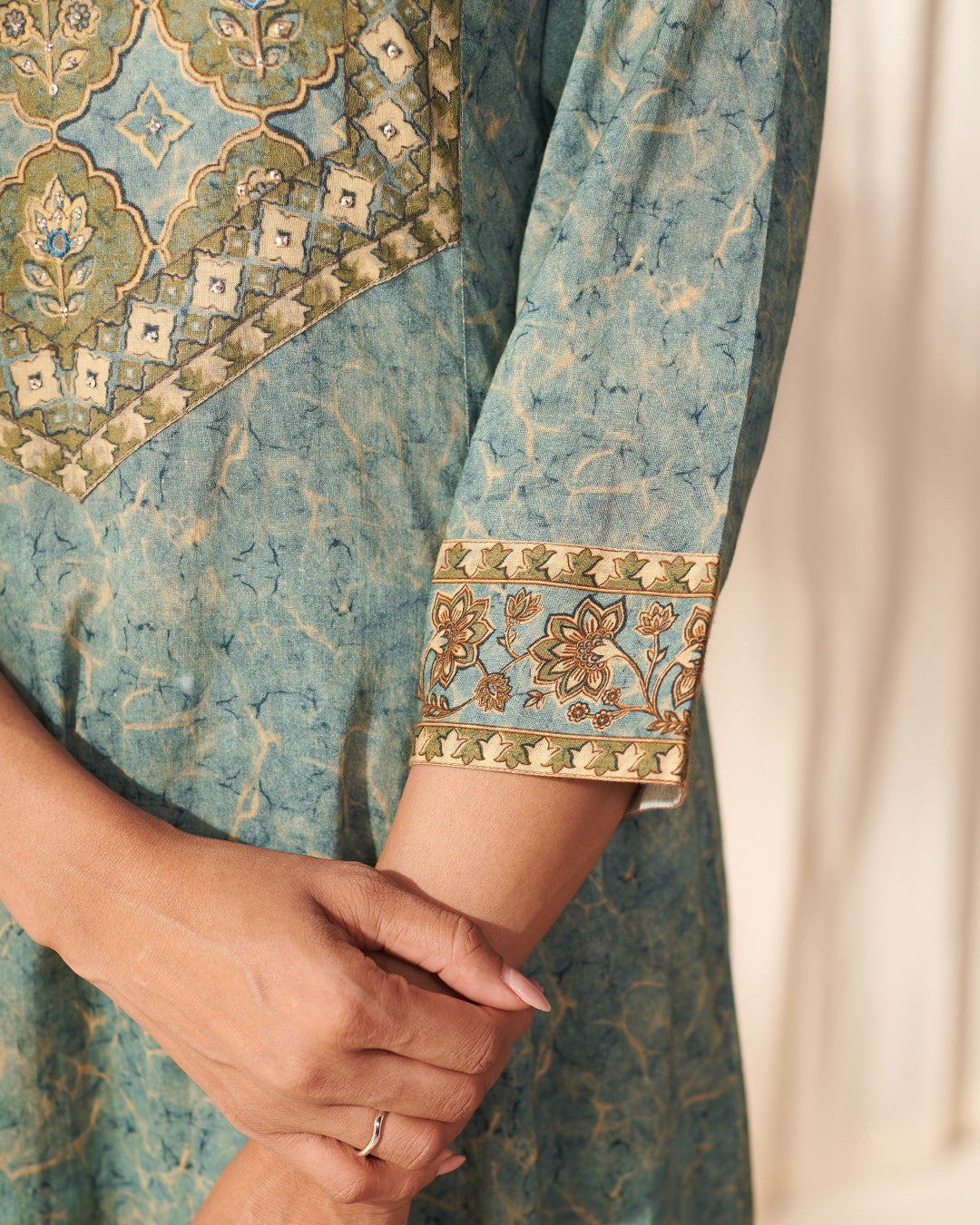
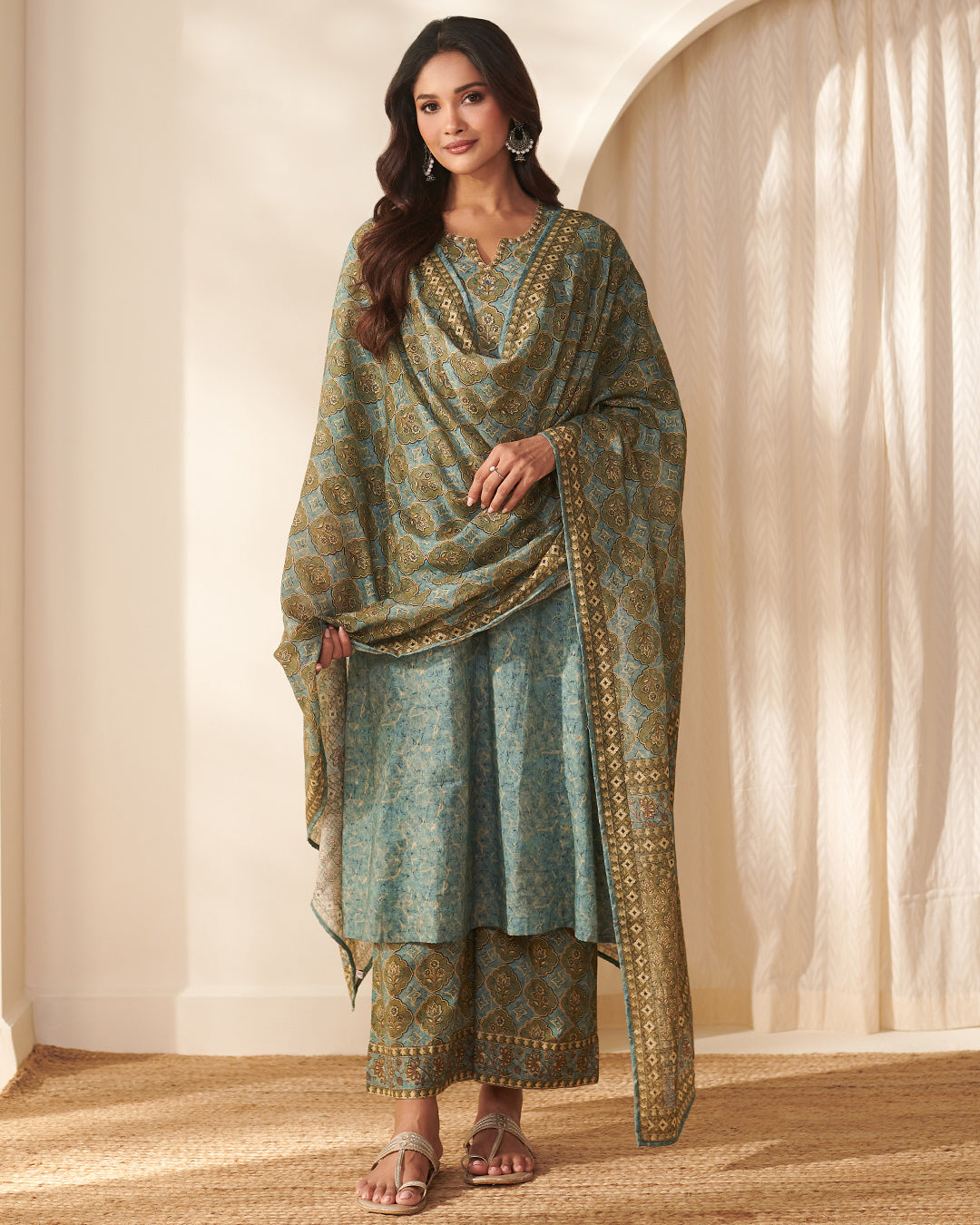
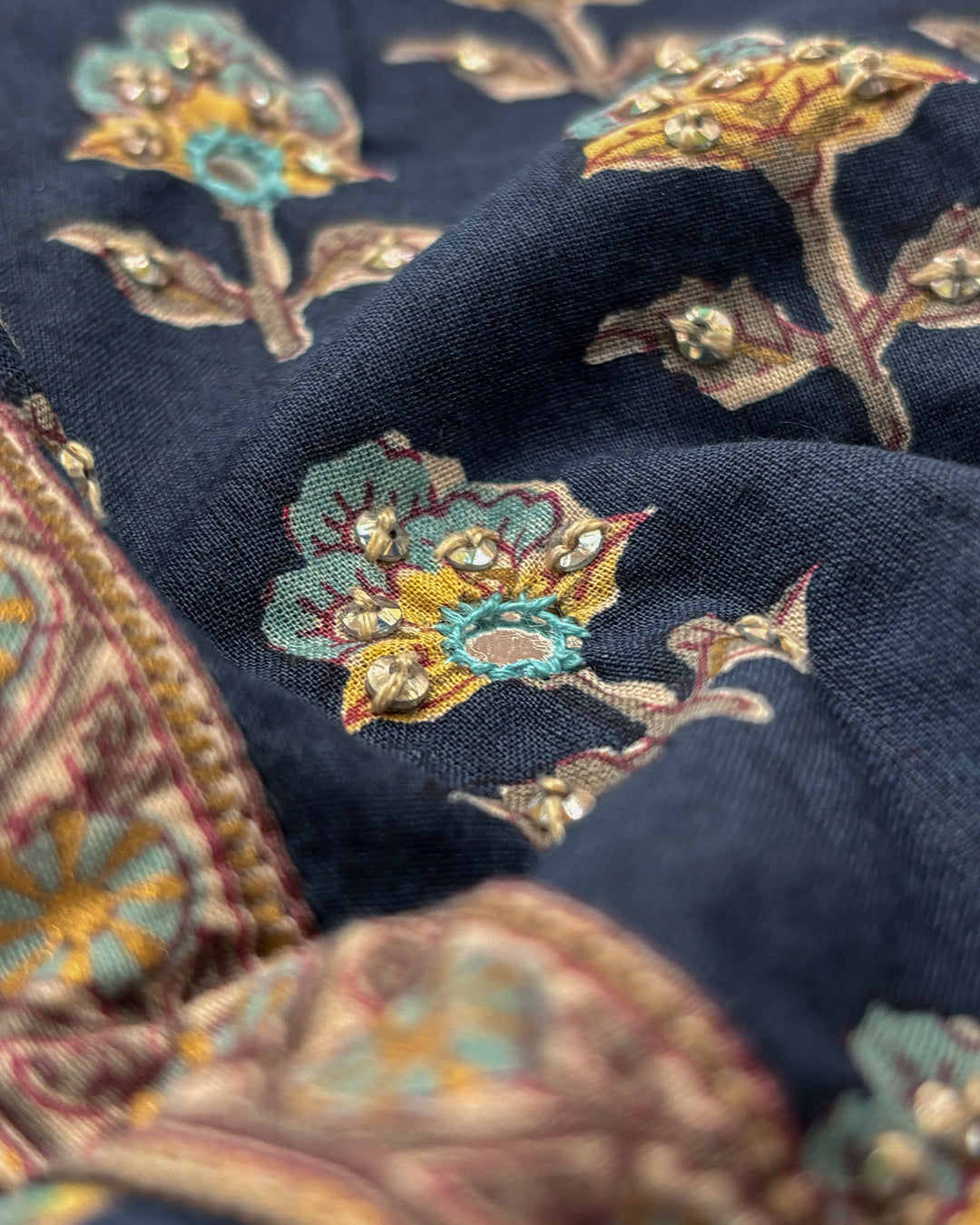
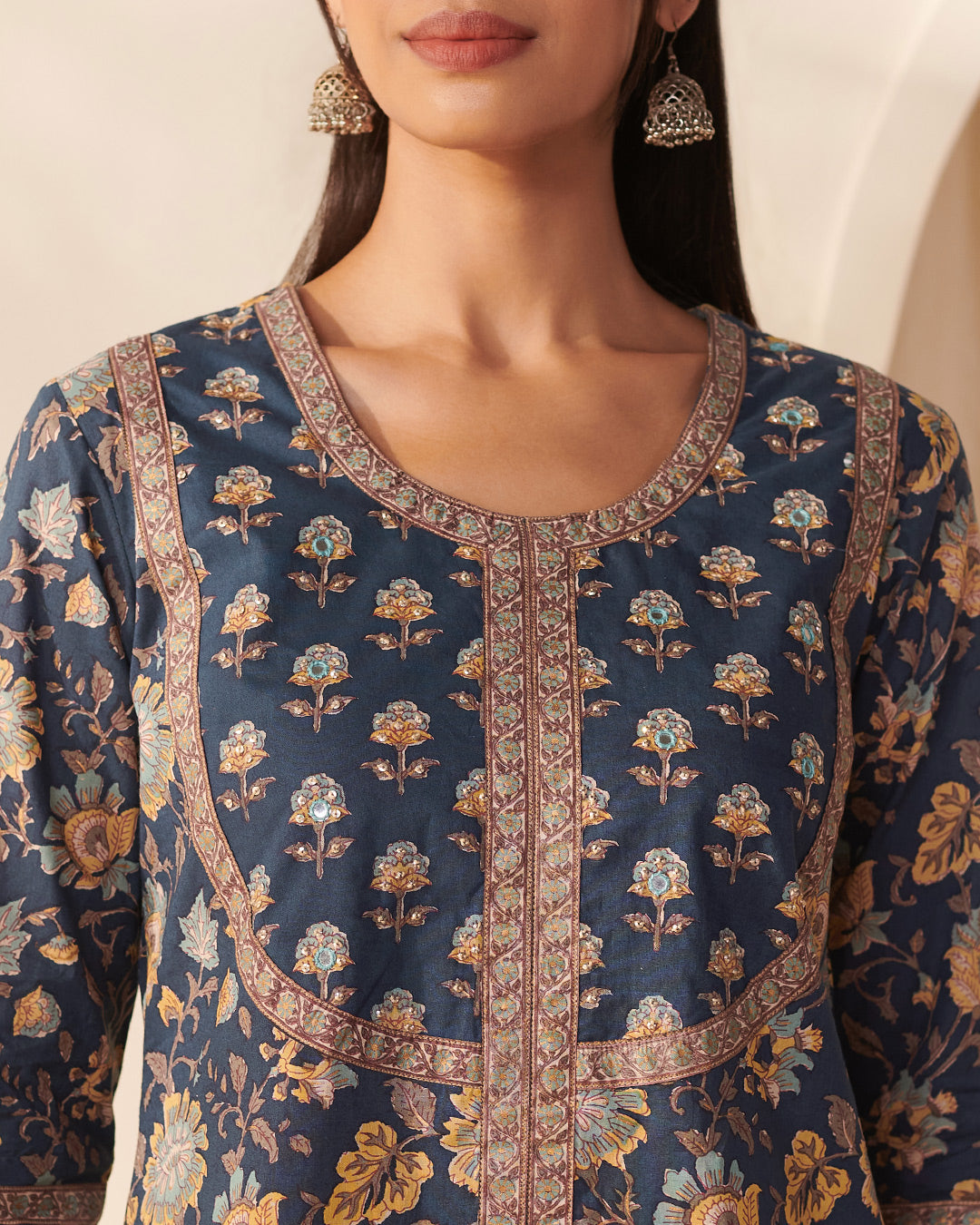
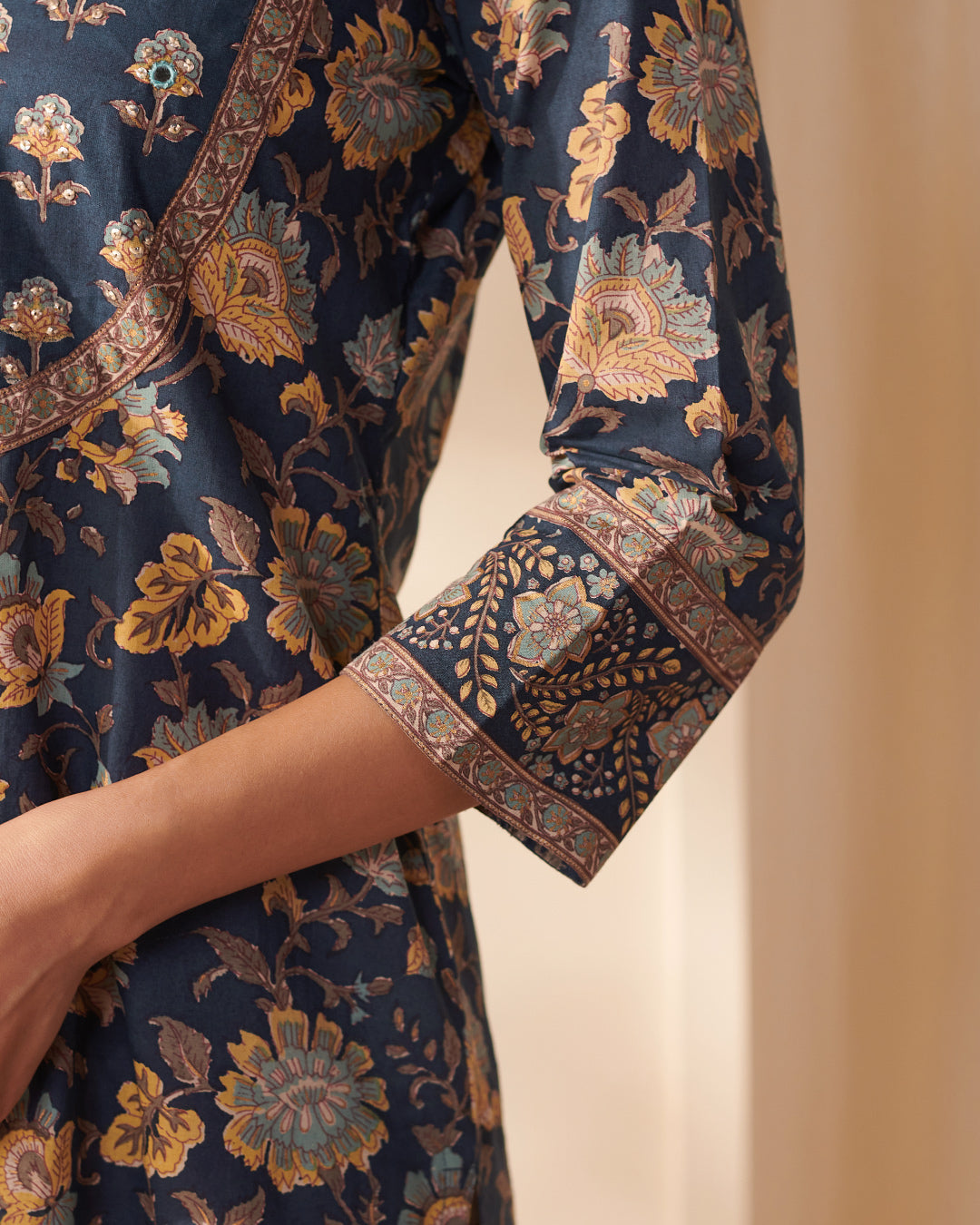
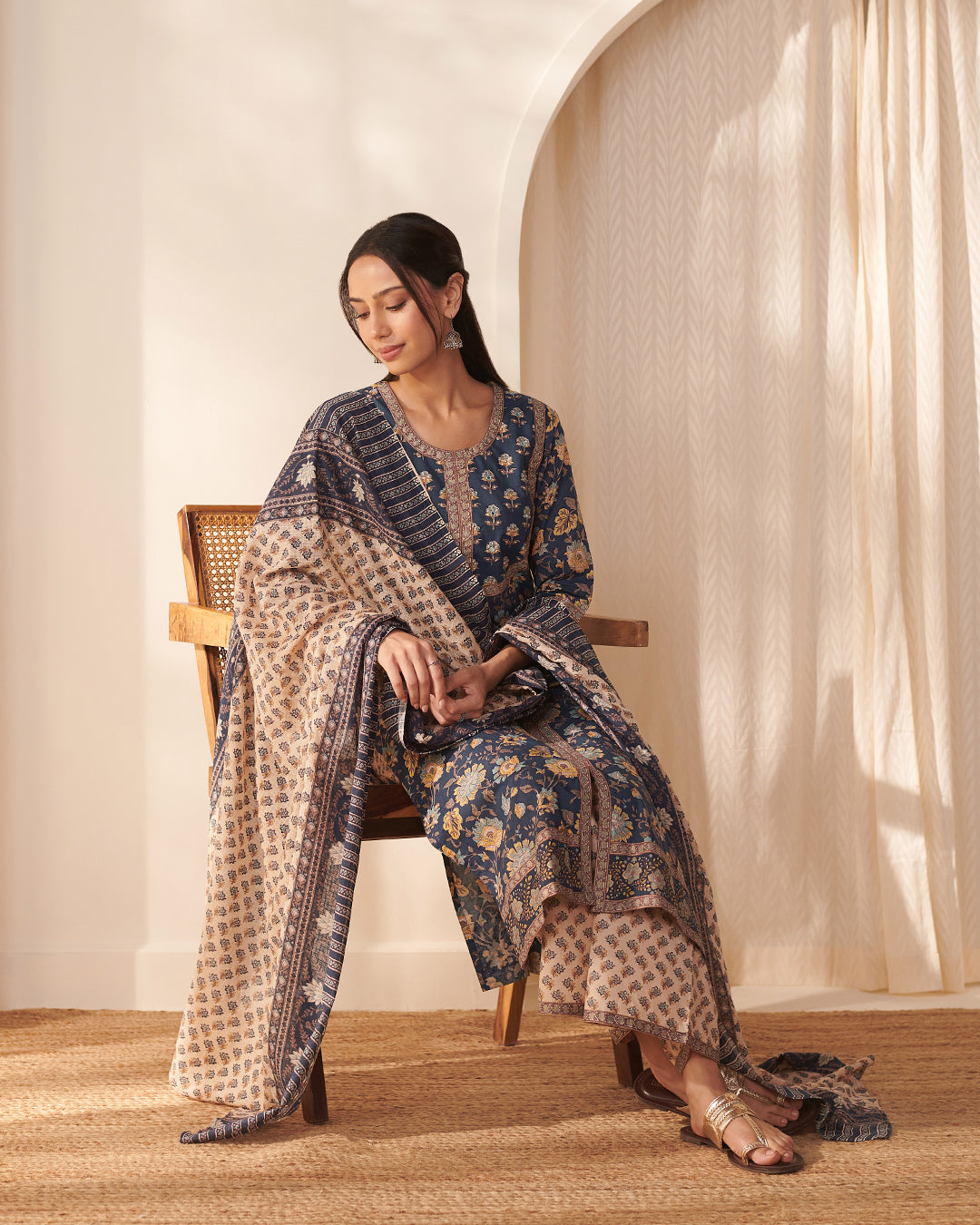
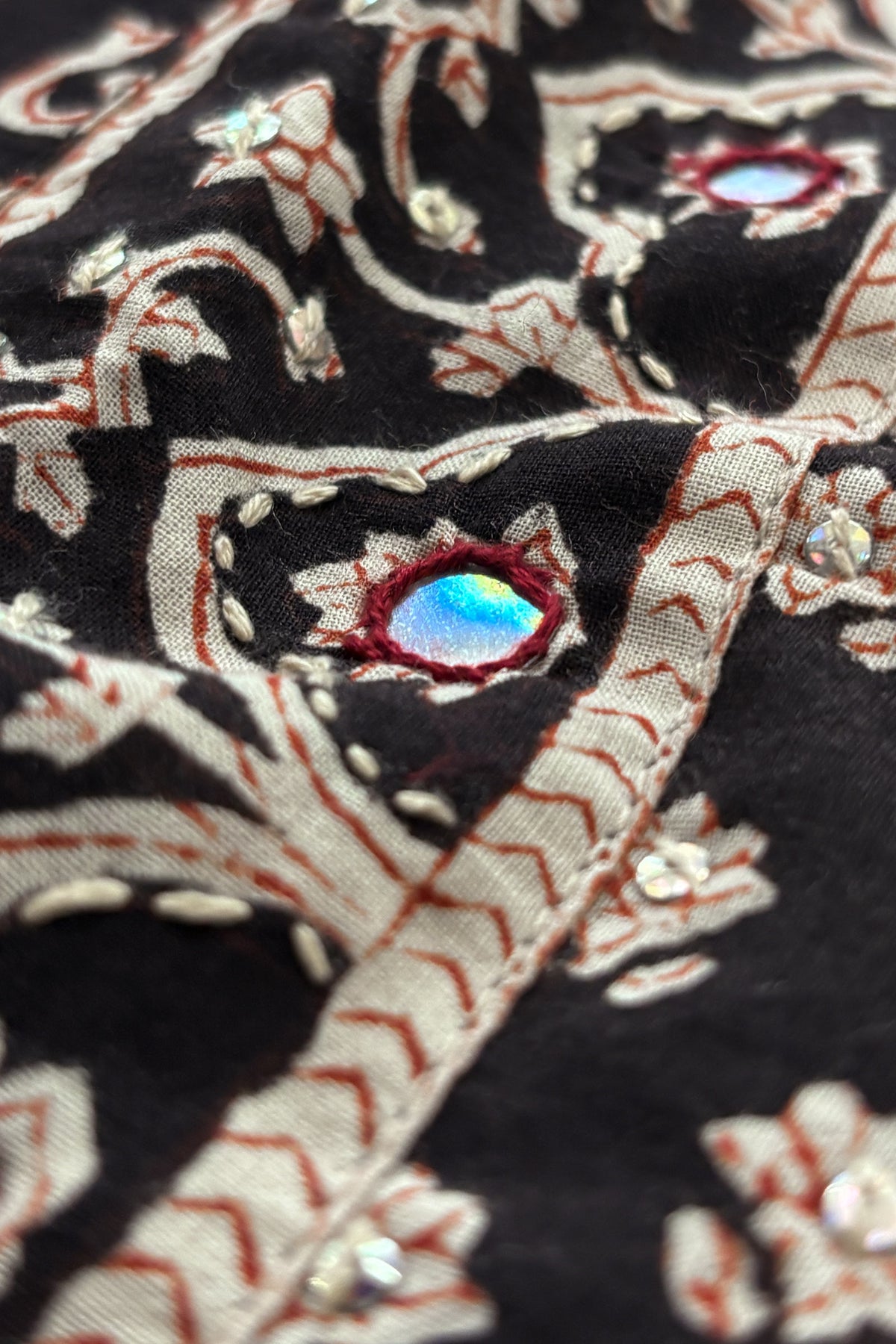
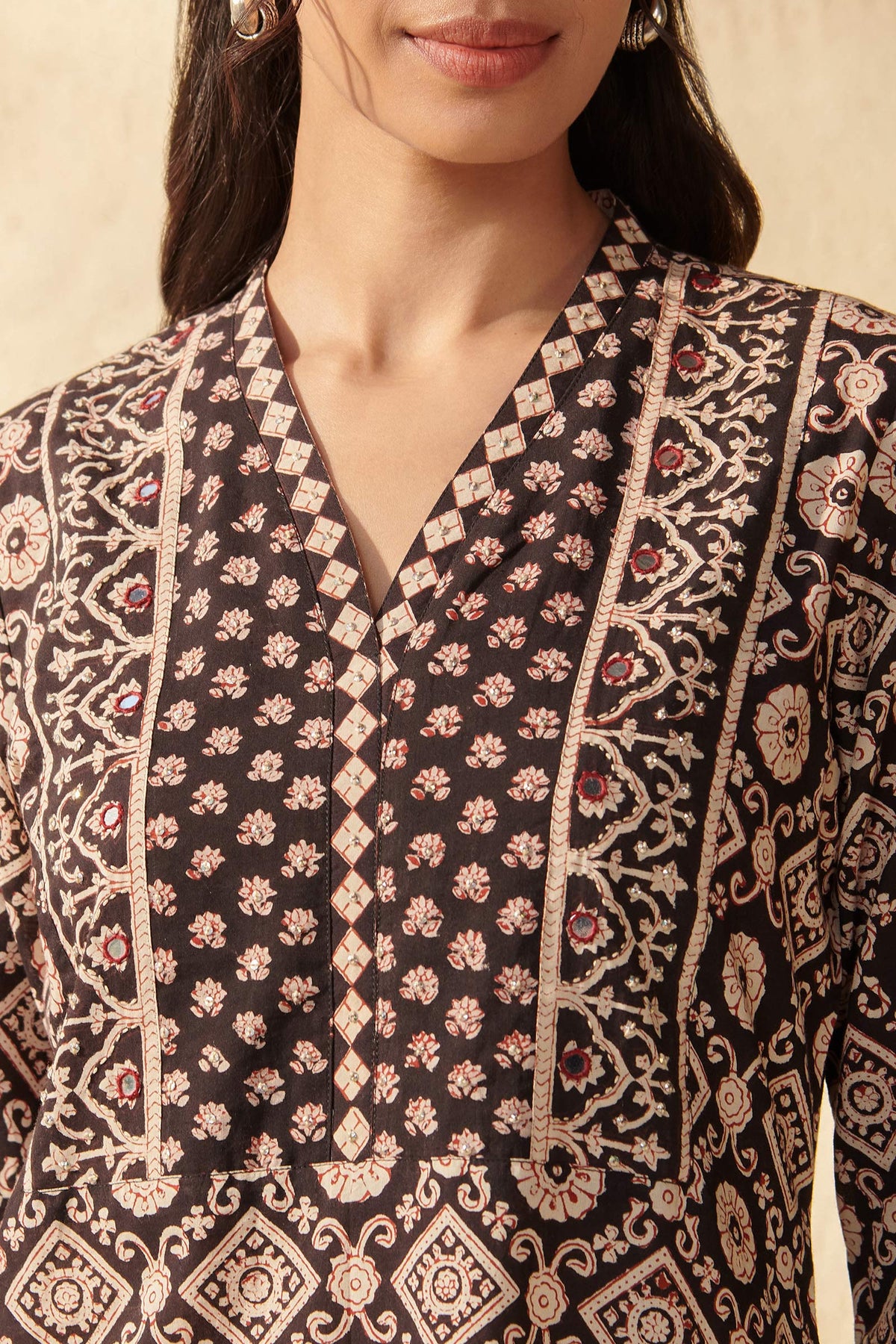
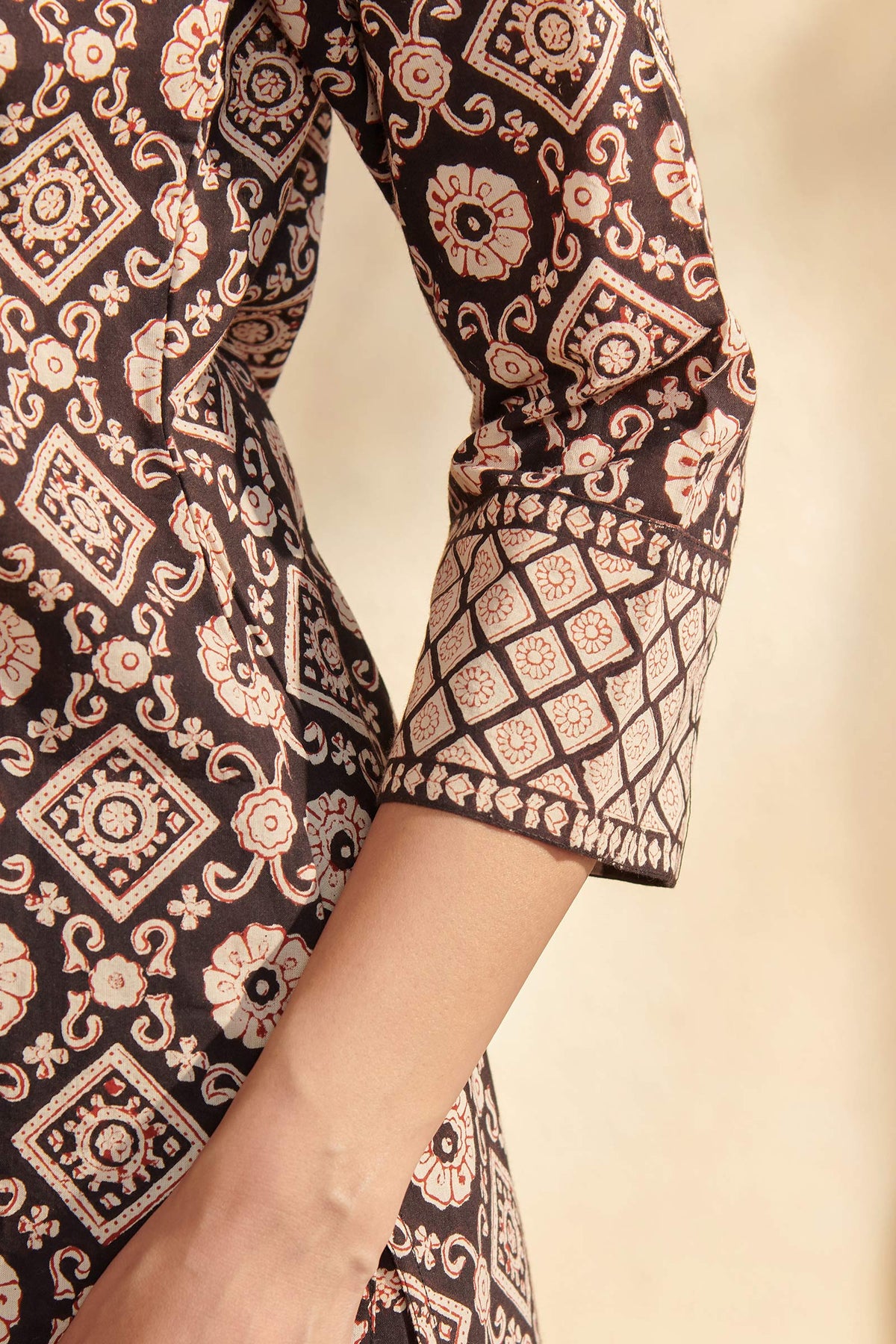
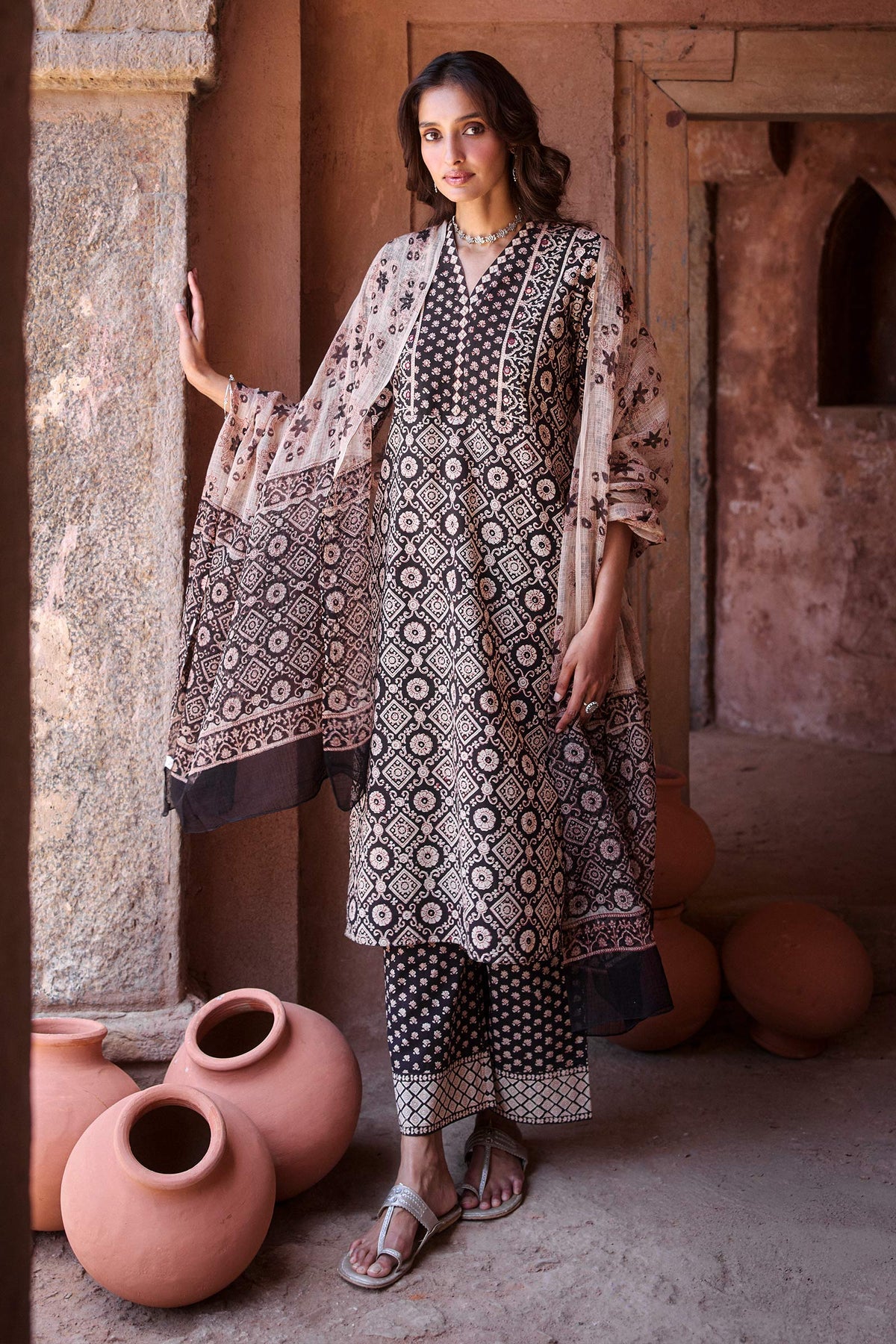
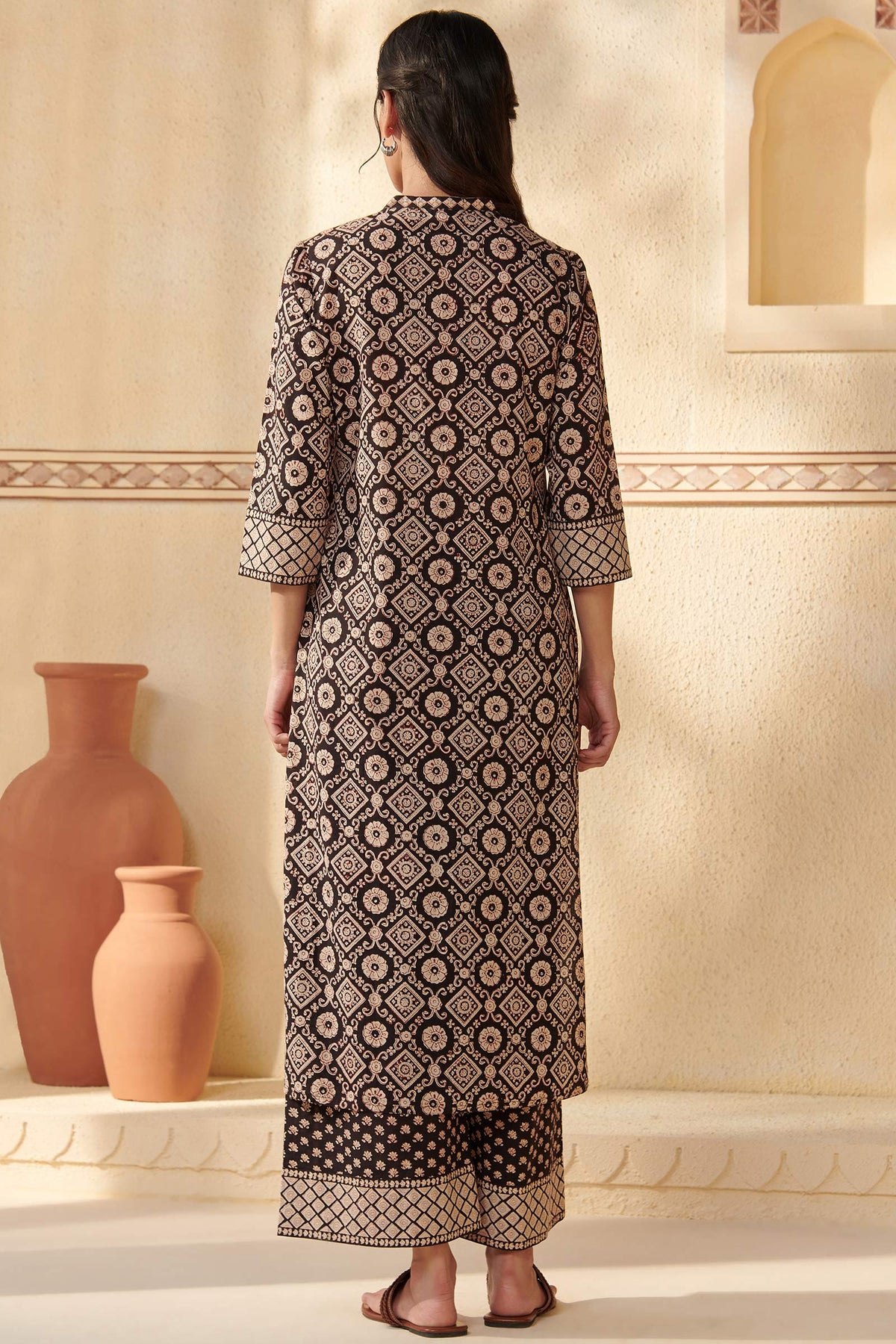
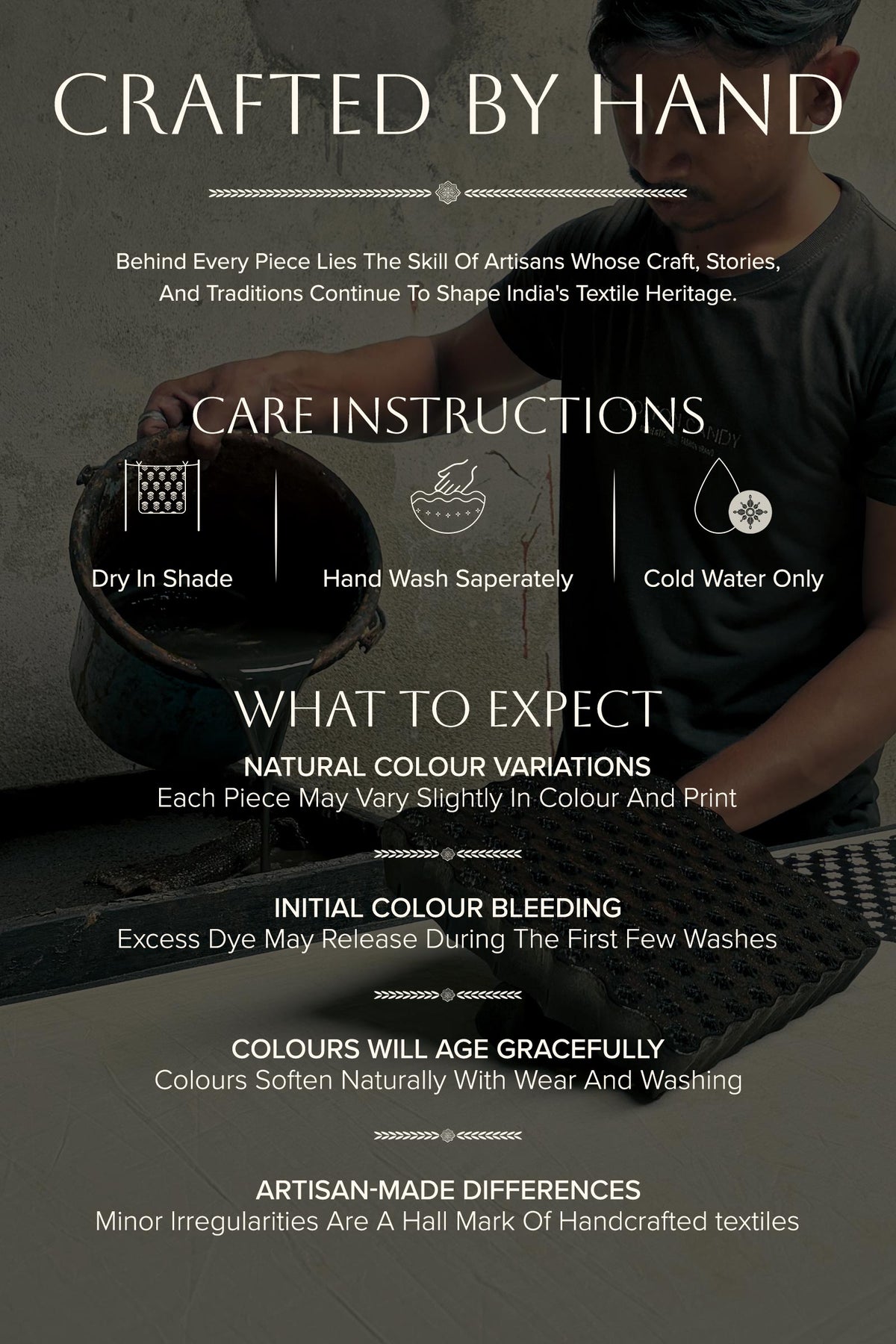
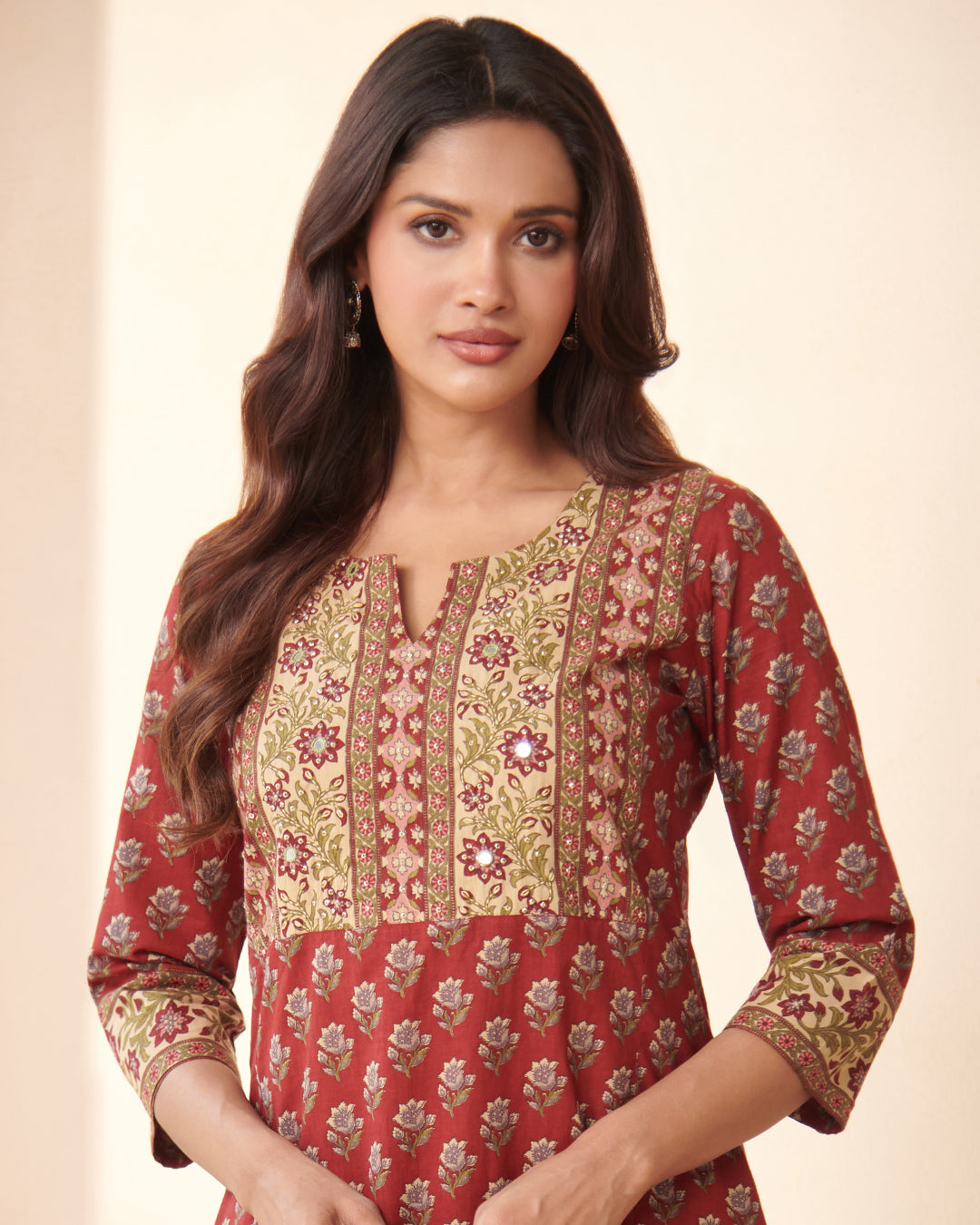
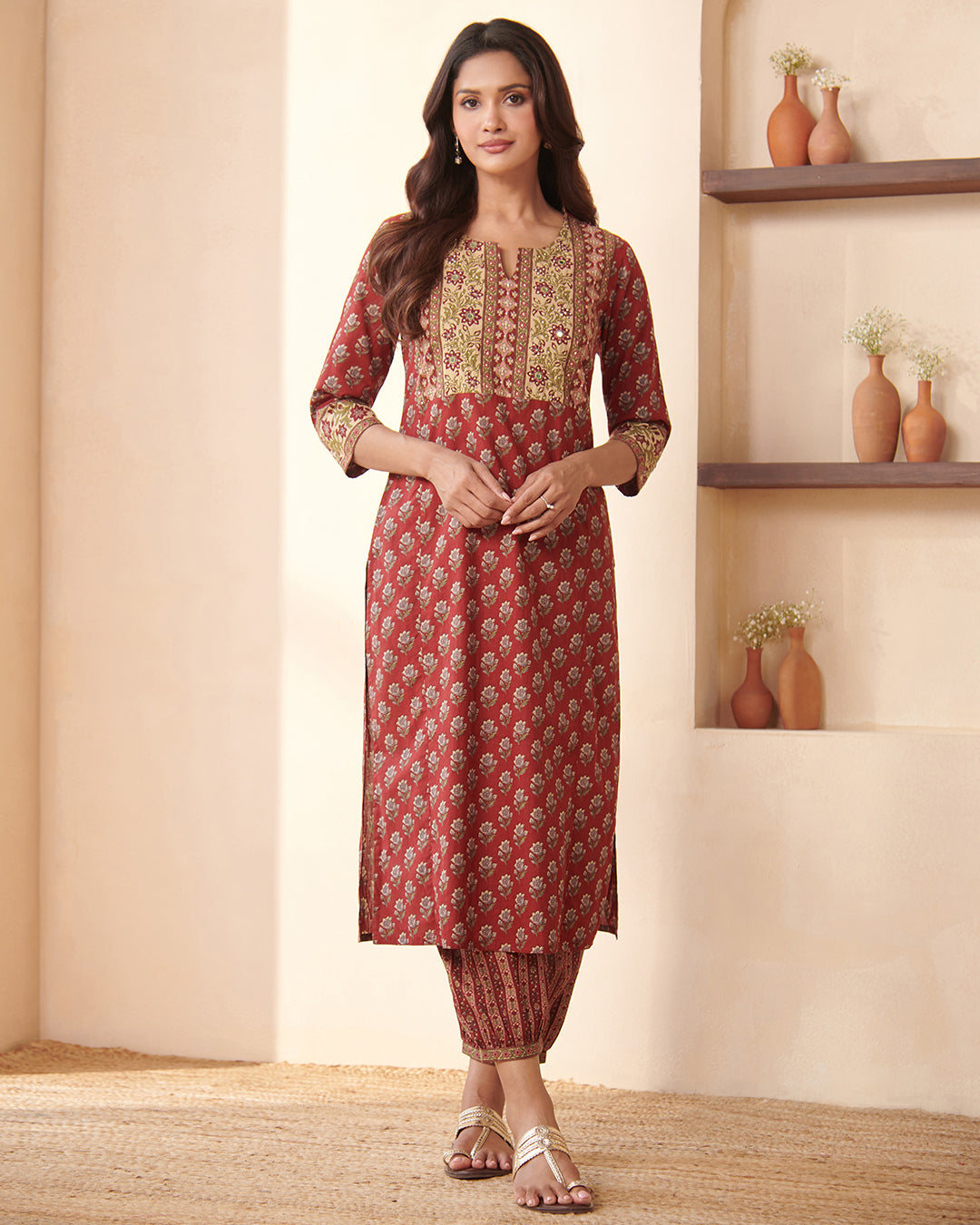
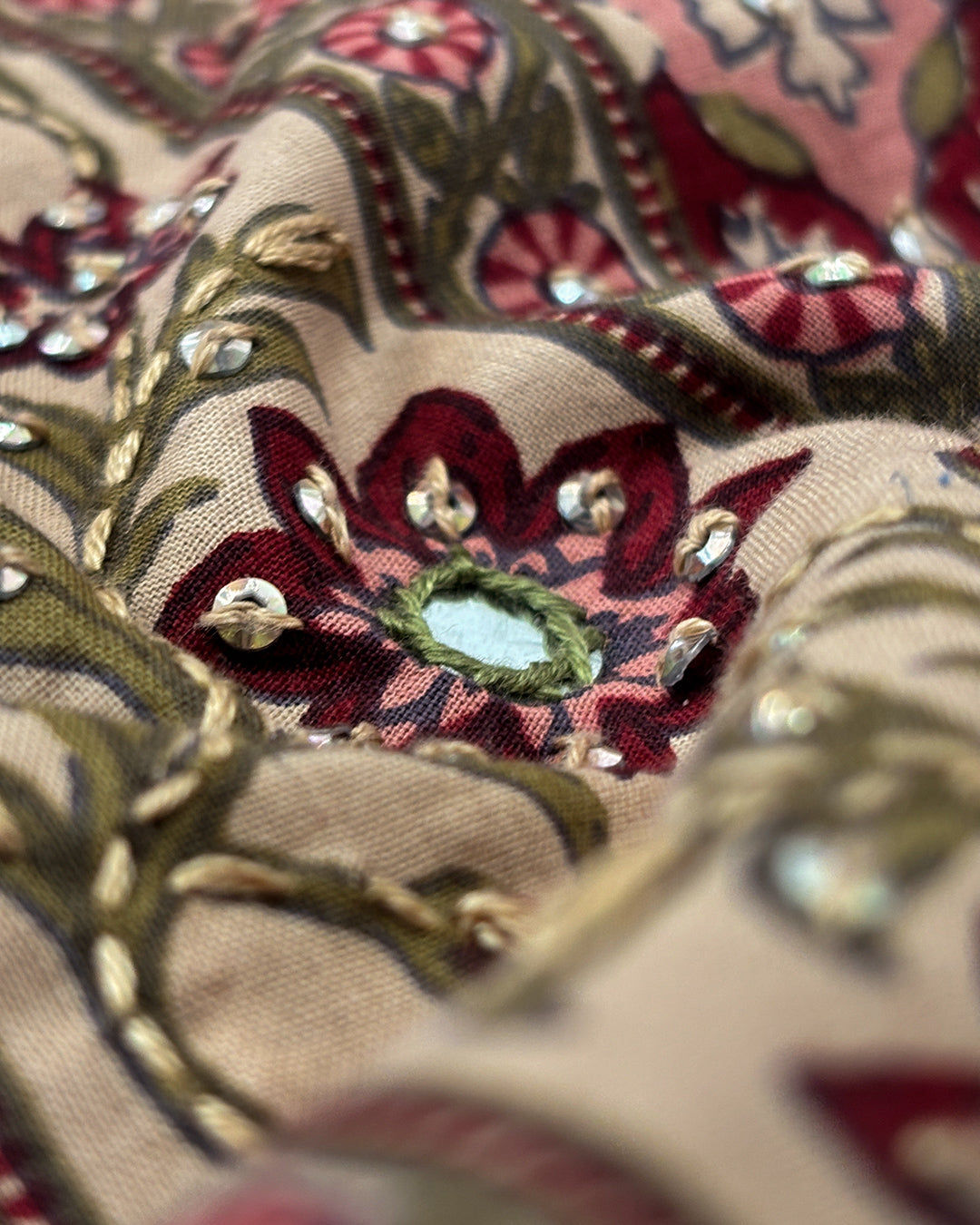
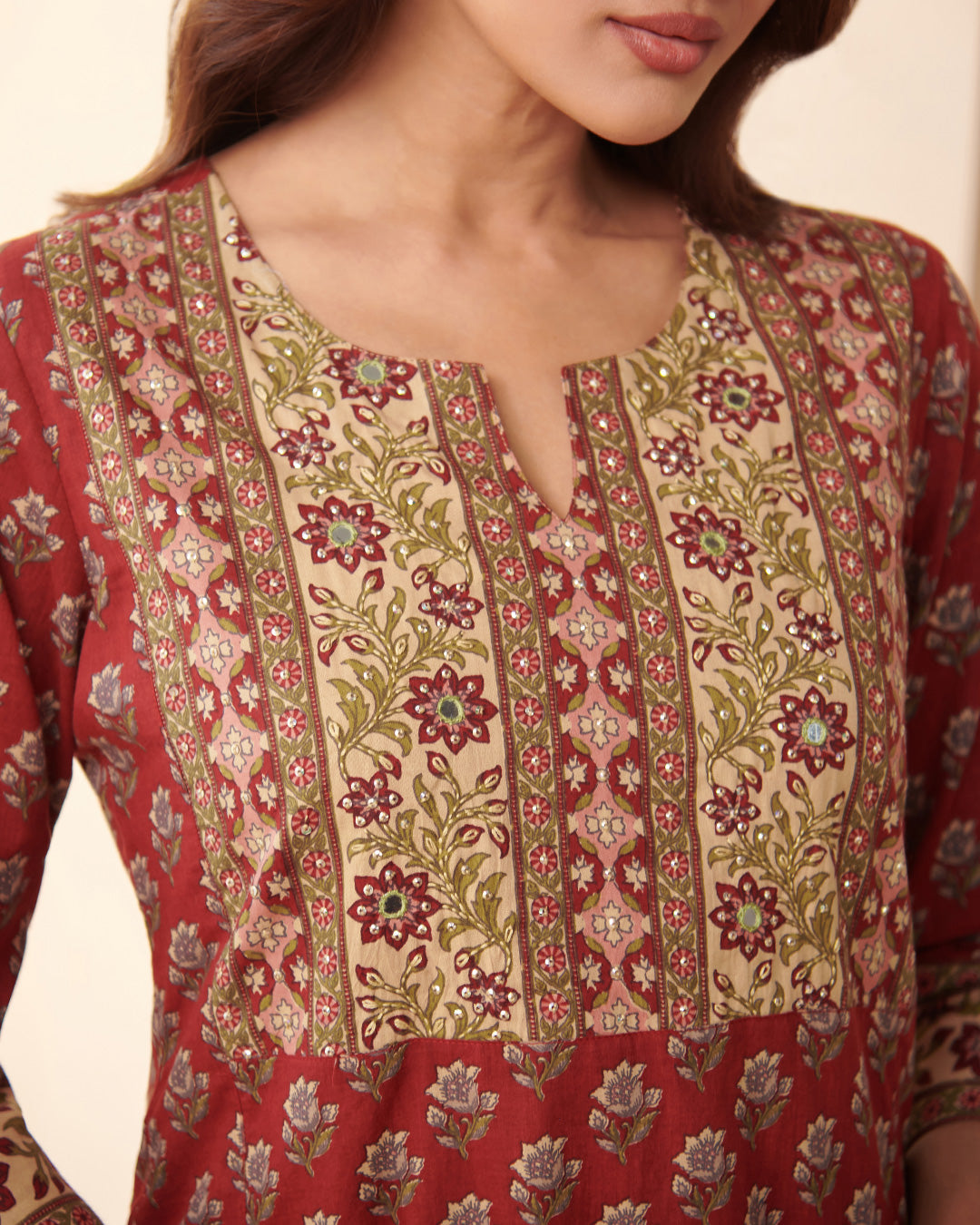
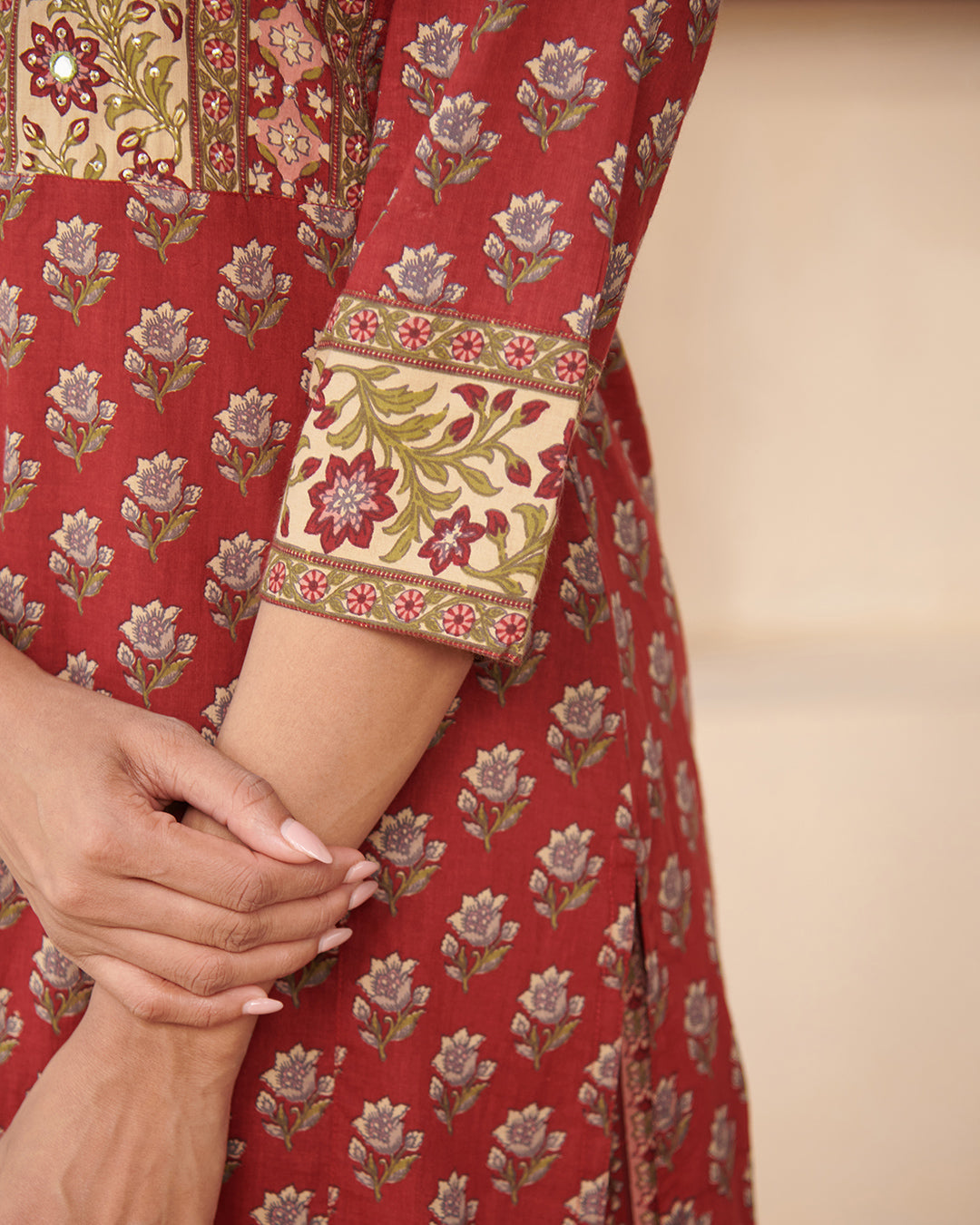
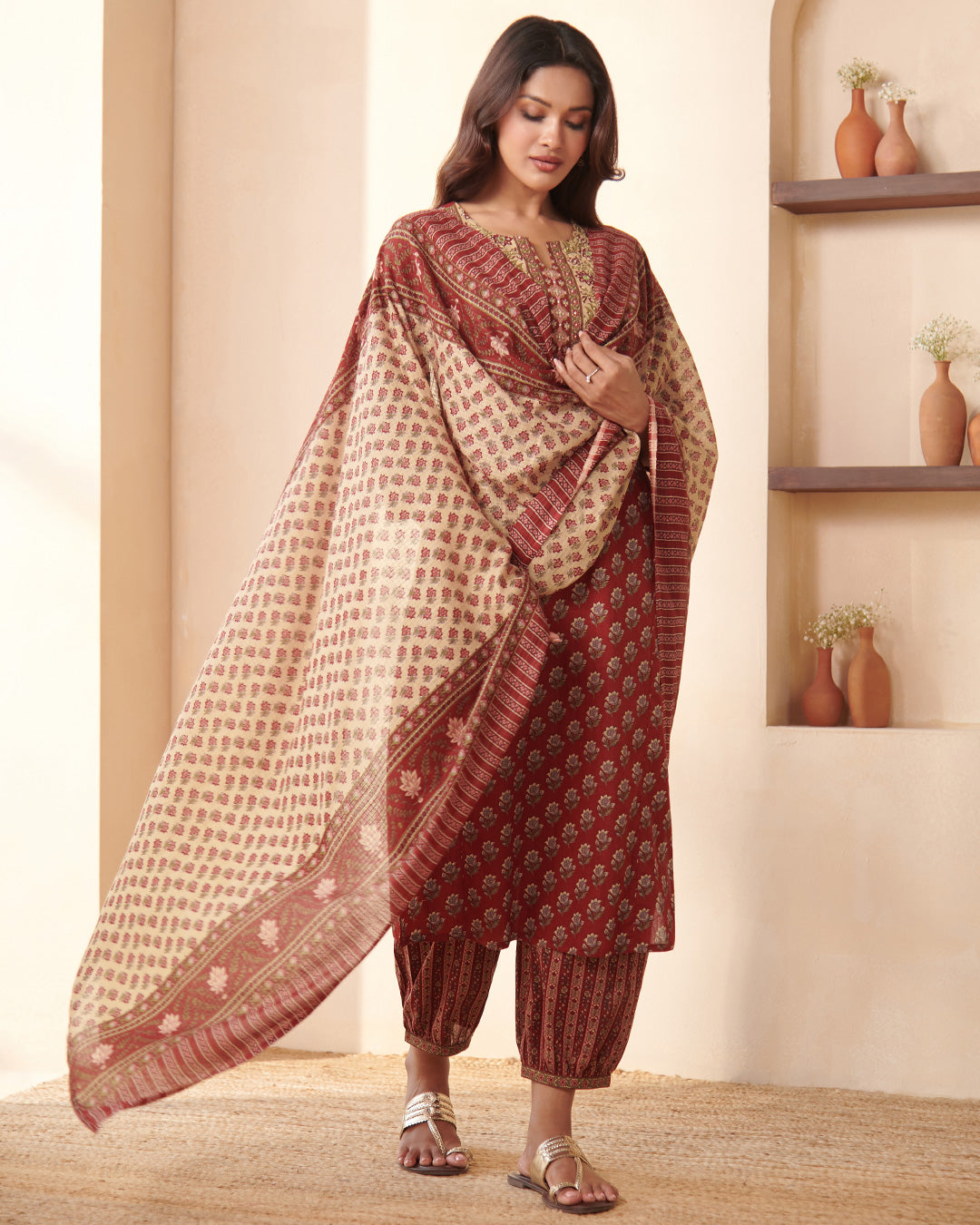

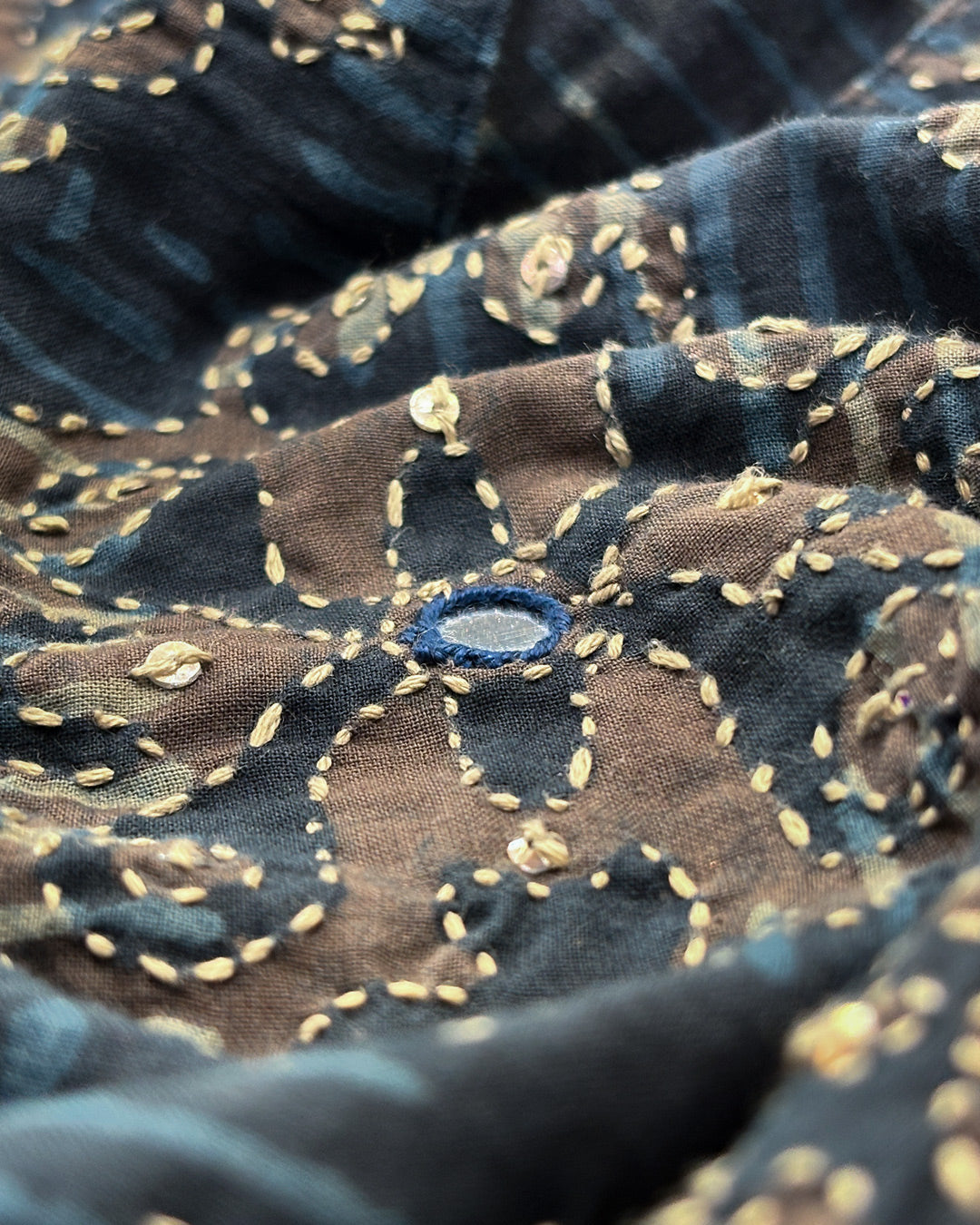
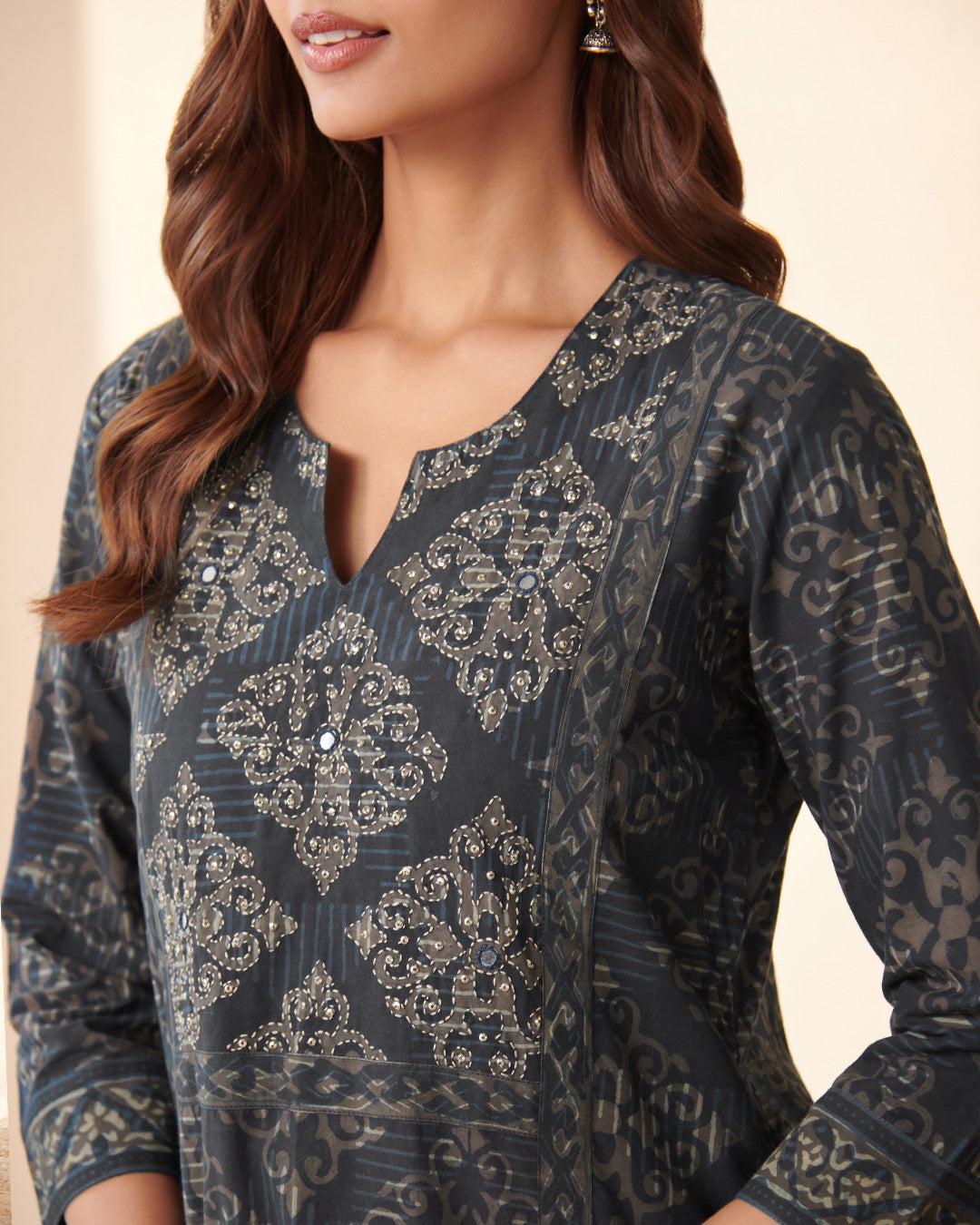
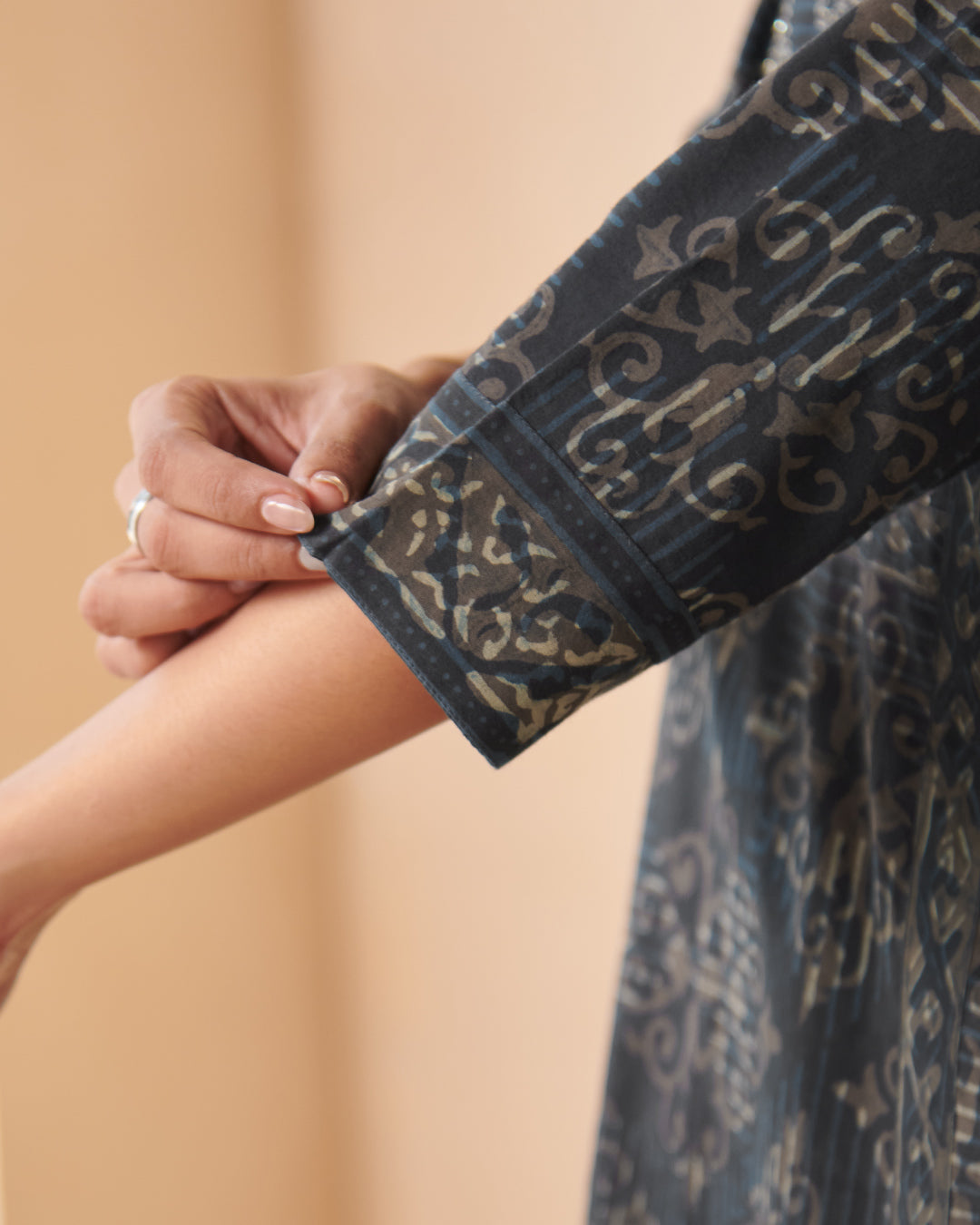
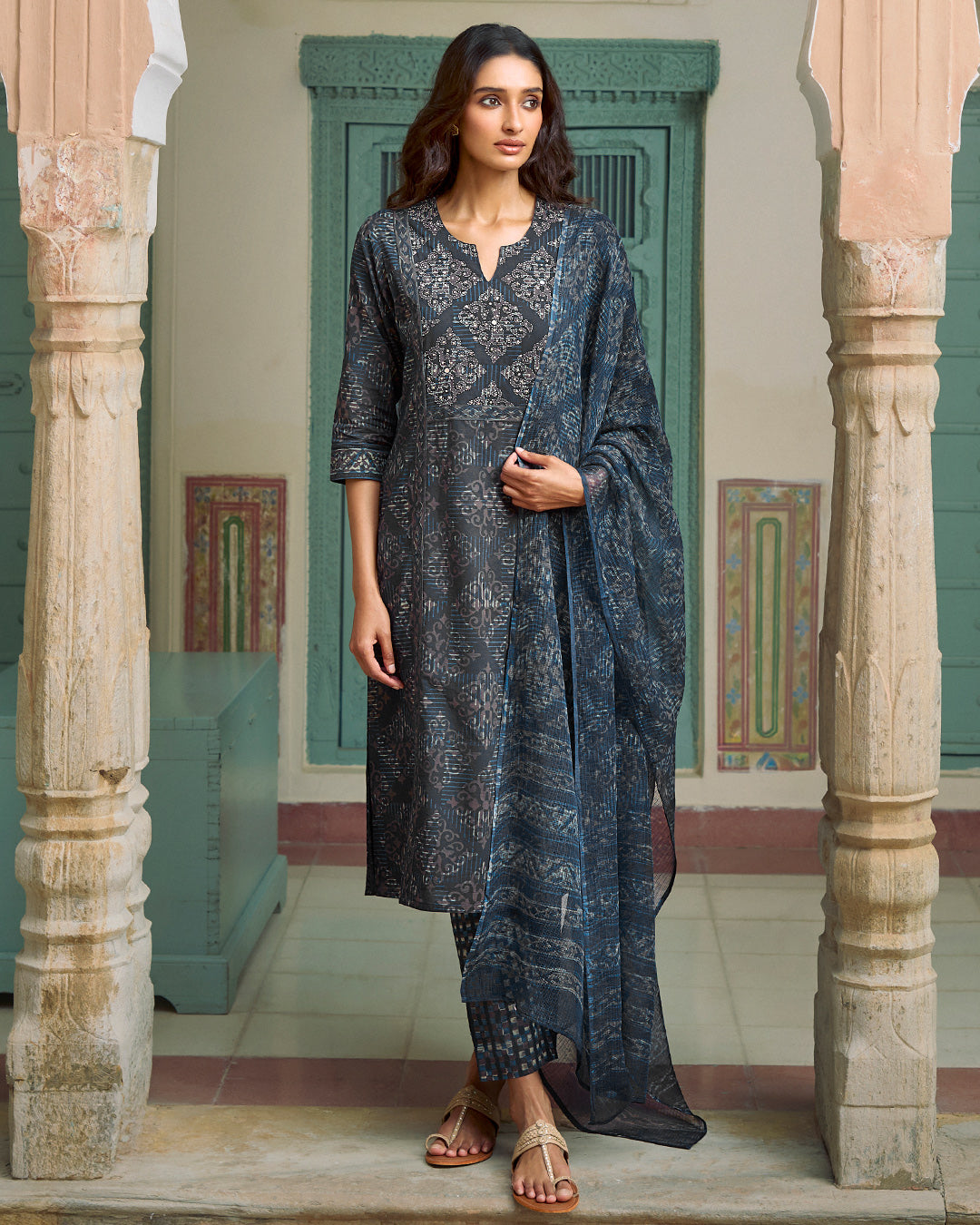
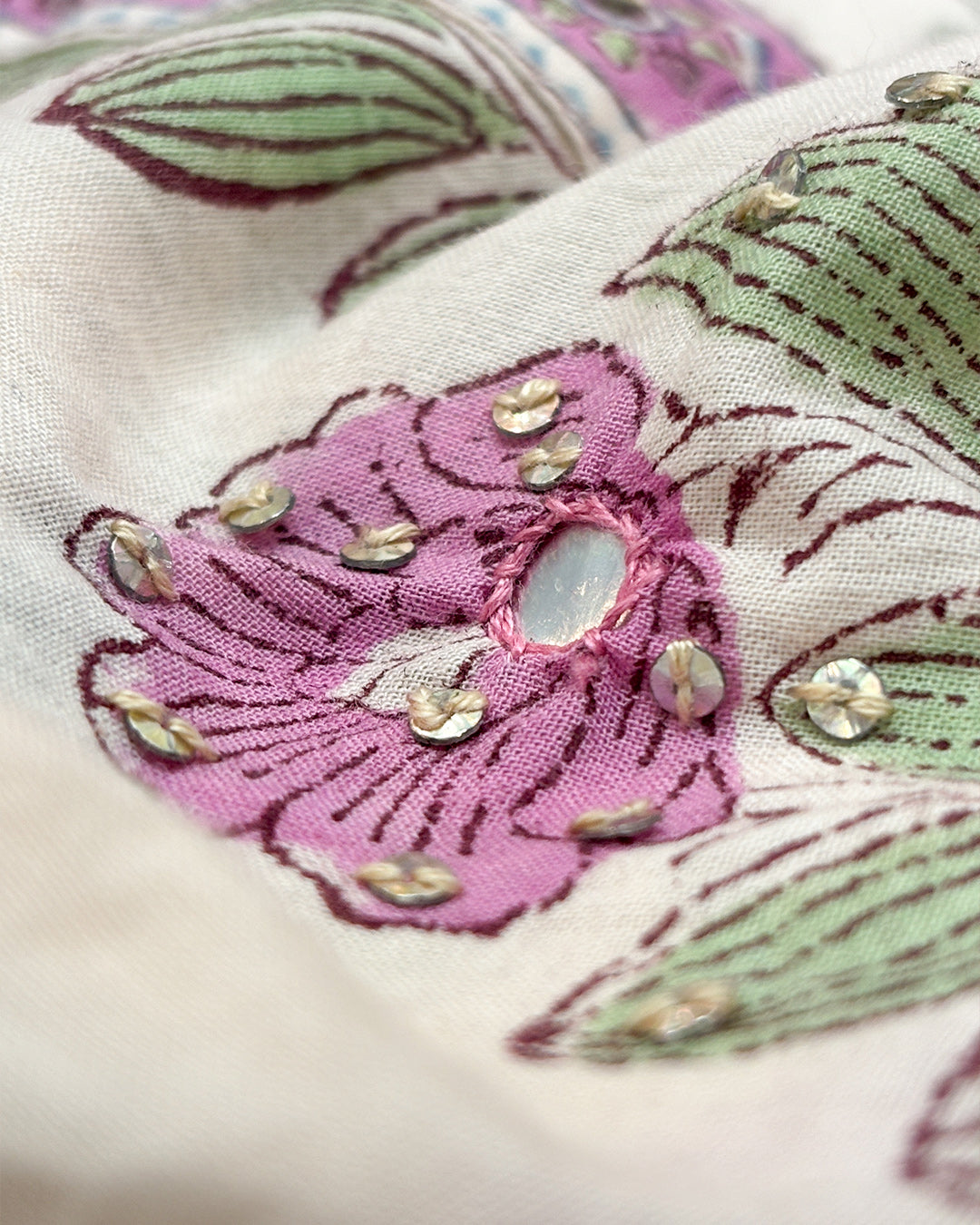
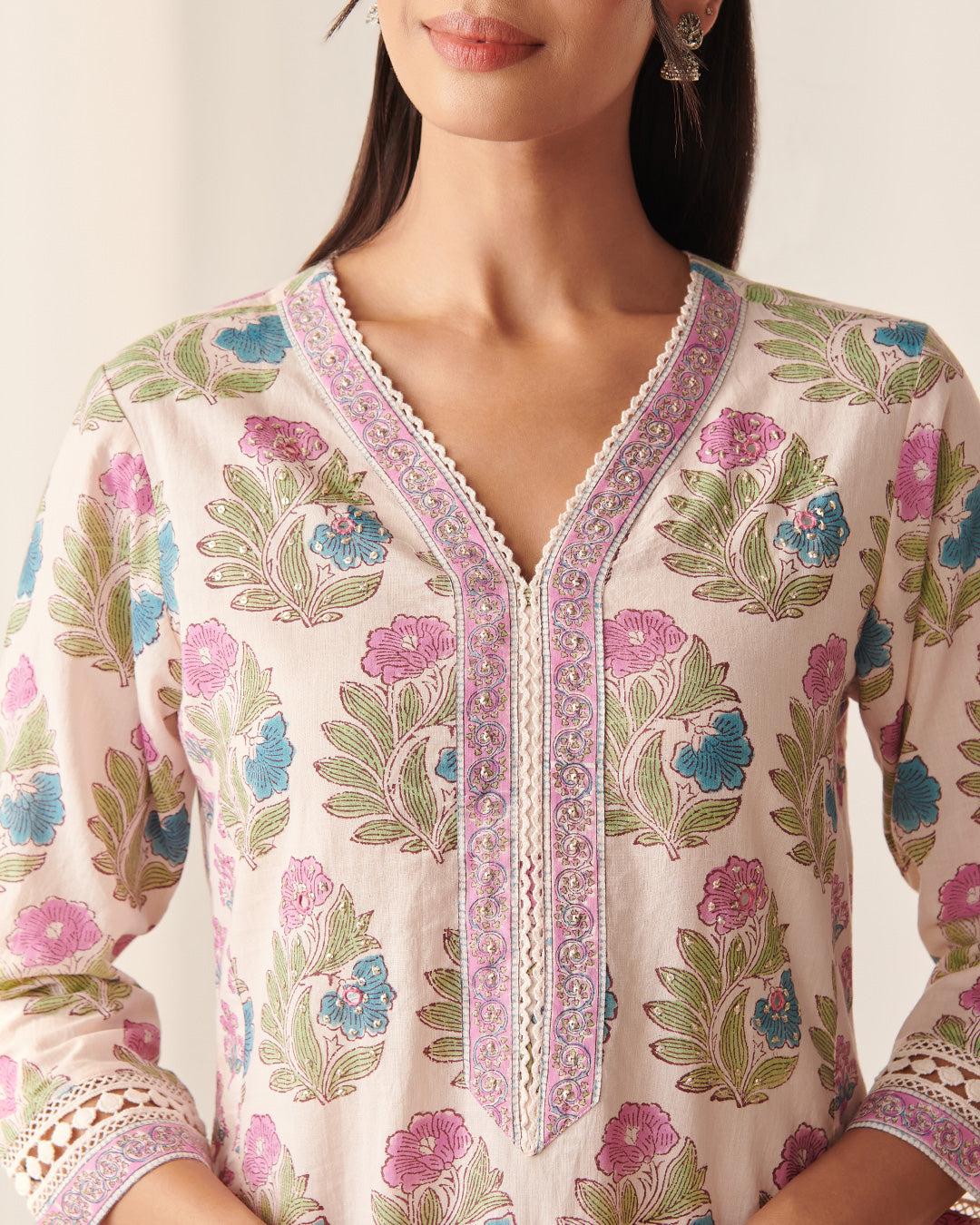
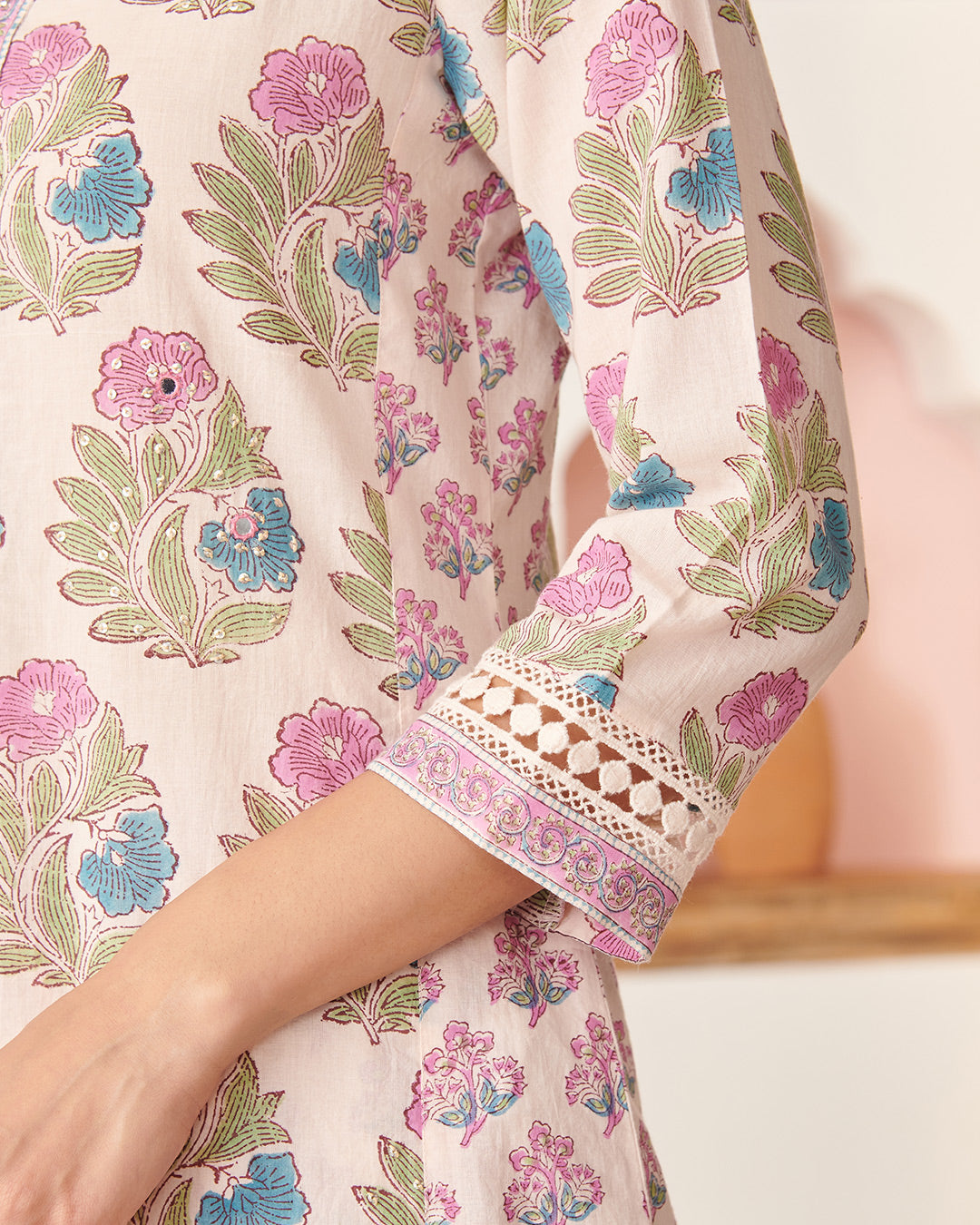
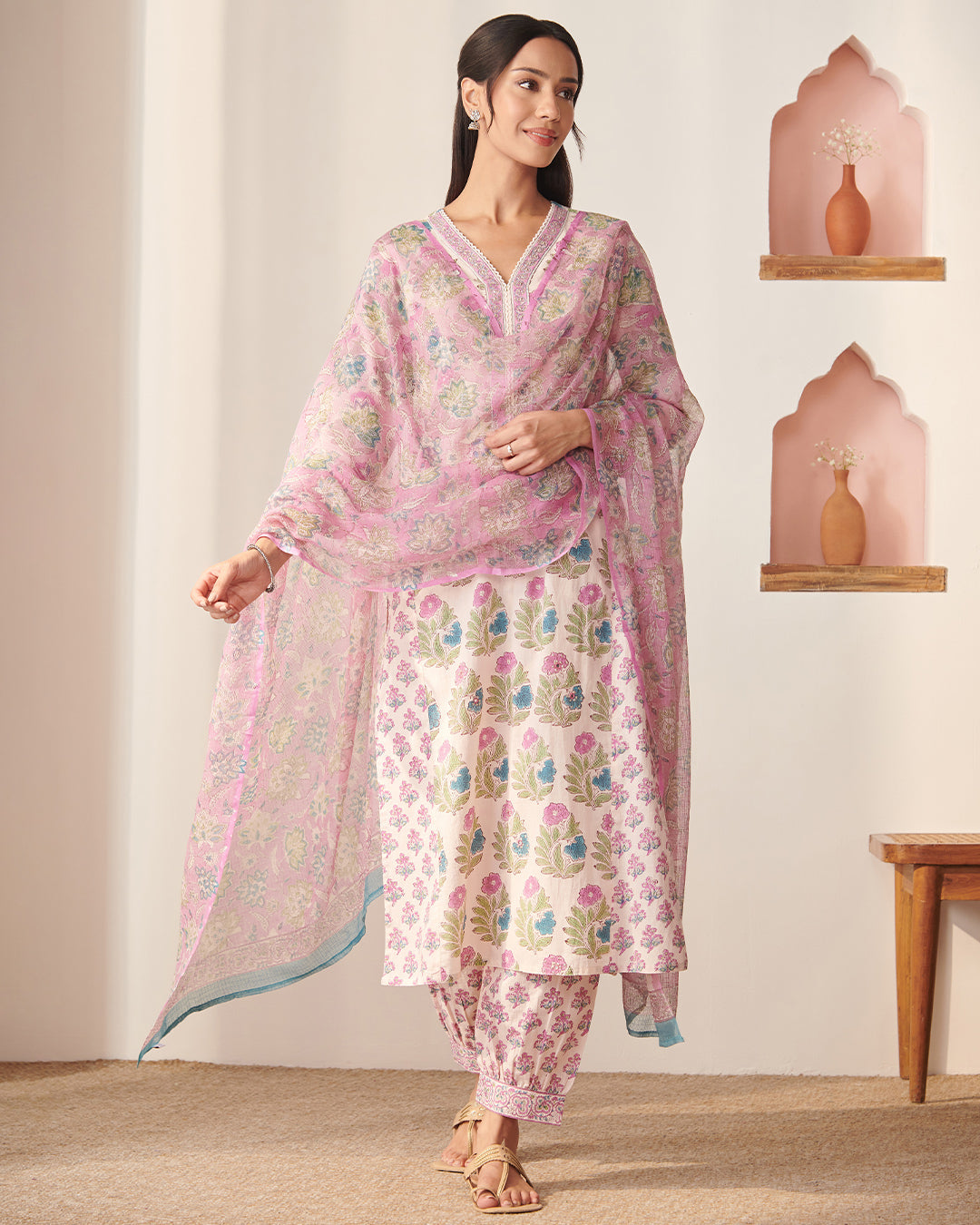




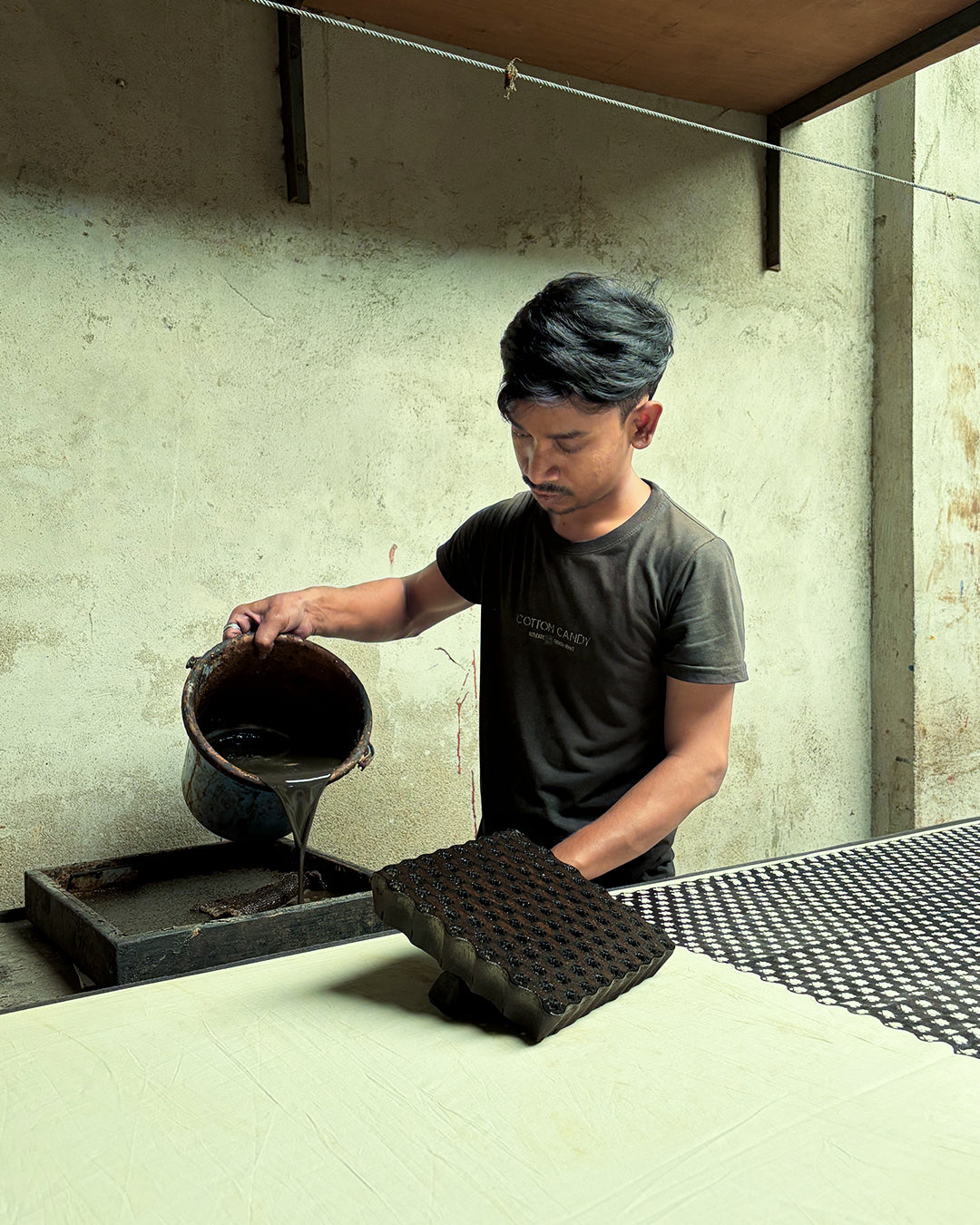
In the village of Bagru, near Jaipur, printing fabric is an art shaped by the earth, water, natural dyes and the steady hands of skilled artisans. For generations, local printers have used carved wooden blocks to create patterns that carry the character of Rajasthan’s textile heritage.
Bagru block printing is known for its earthy colours, floral motifs and distinctive use of natural dyes. Each print reflects a close relationship between craft and nature, where even small variations in colour and placement are part of the process. In a time when clothing is often made far from the hands that design it, Bagru prints remind us of the value of patience and traditional craftsmanship.
What Makes Bagru Prints Unique?

Bagru prints stand apart for their earthy palette, hand-carved motifs and traditional dyeing techniques. Rooted in Rajasthan, this craft has been practised for generations by the Chhipa community, whose knowledge of printing has passed from one generation to the next.
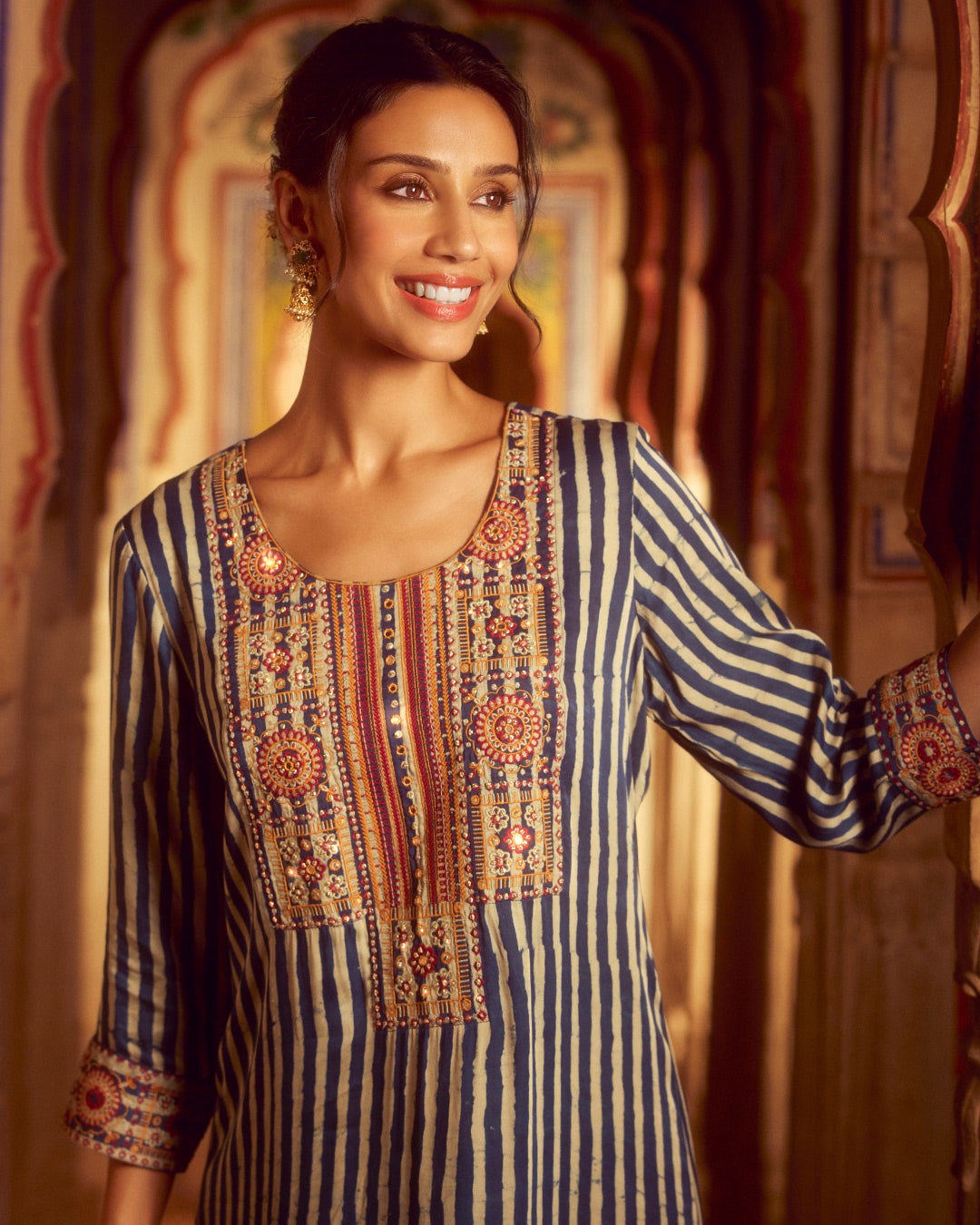
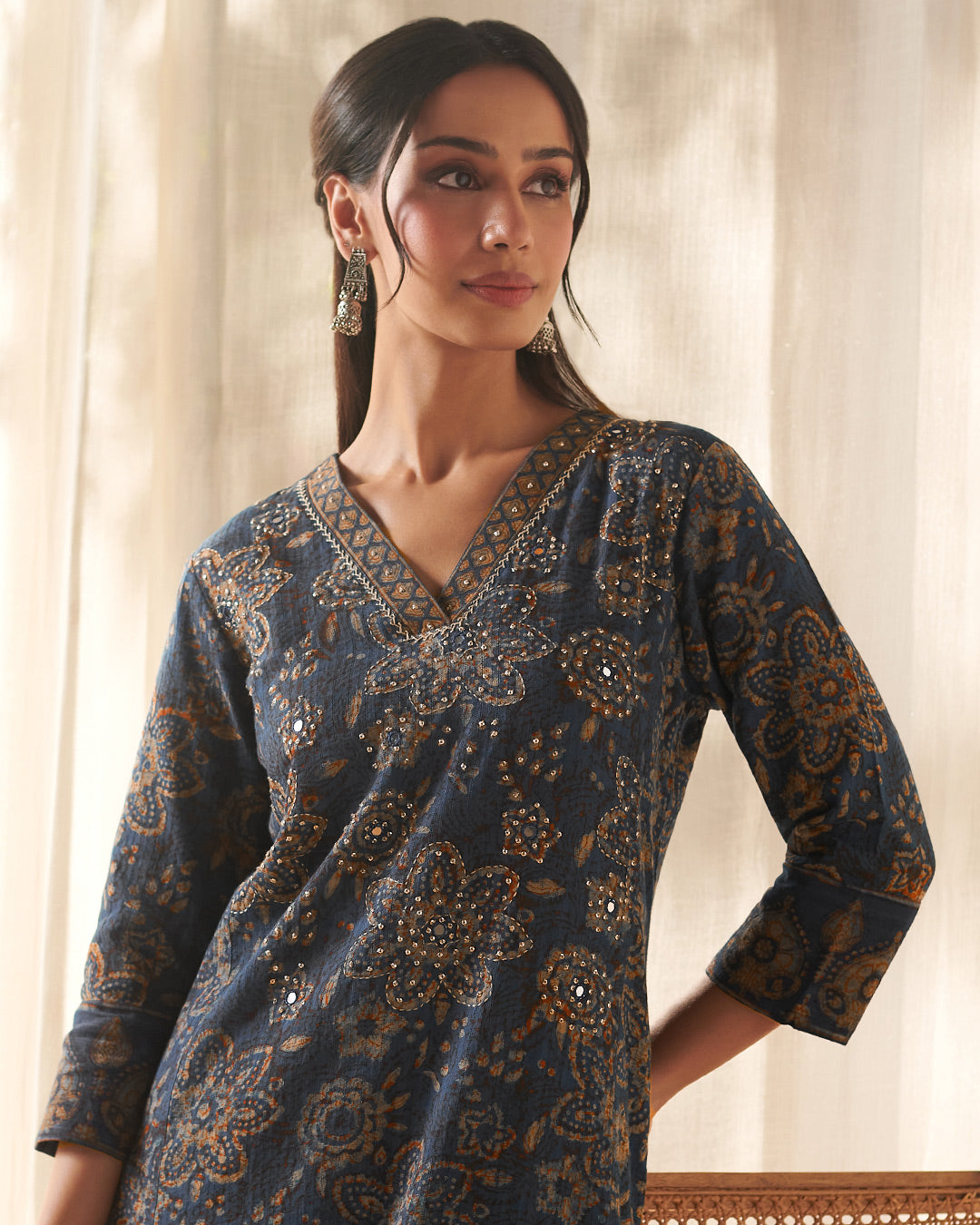
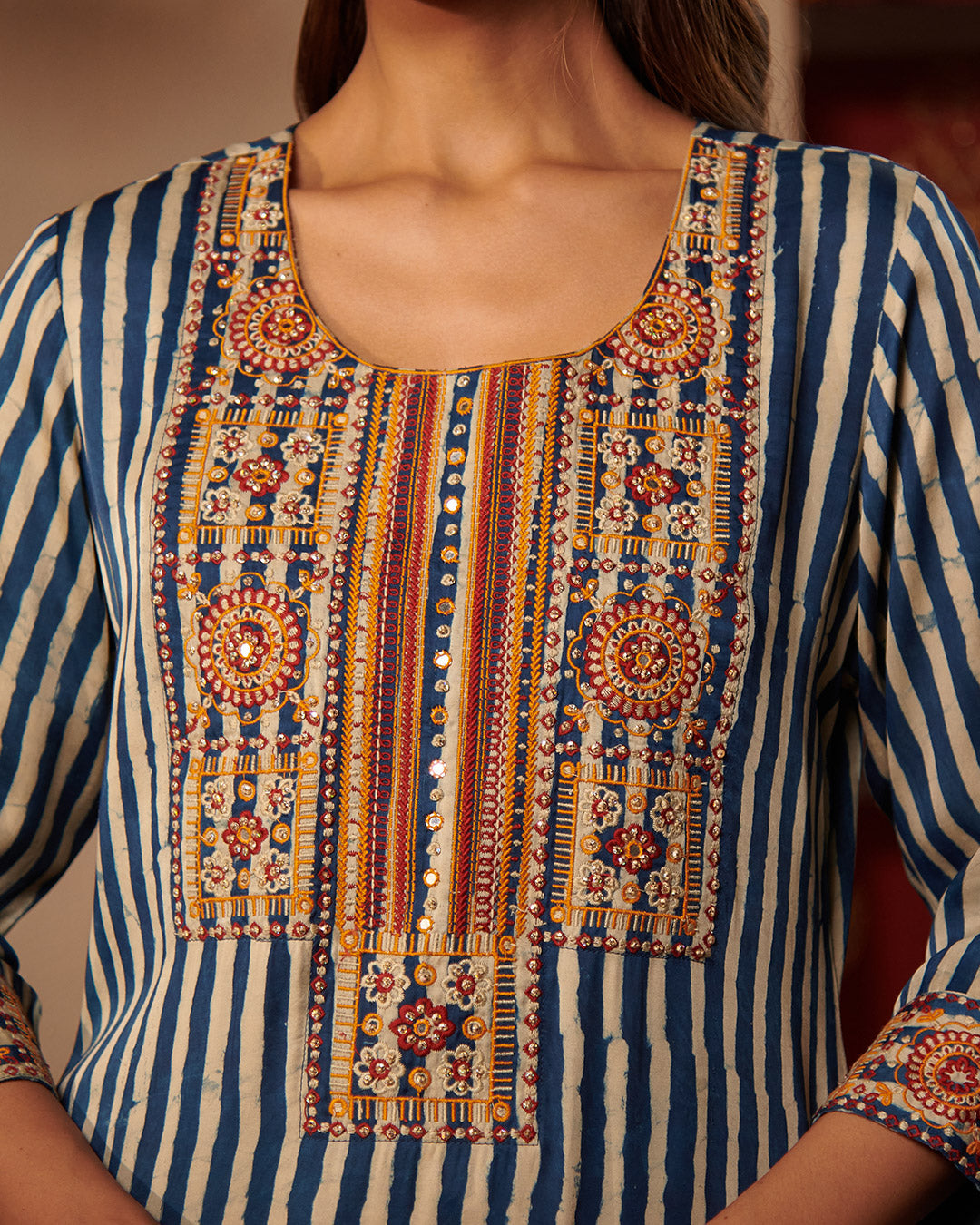
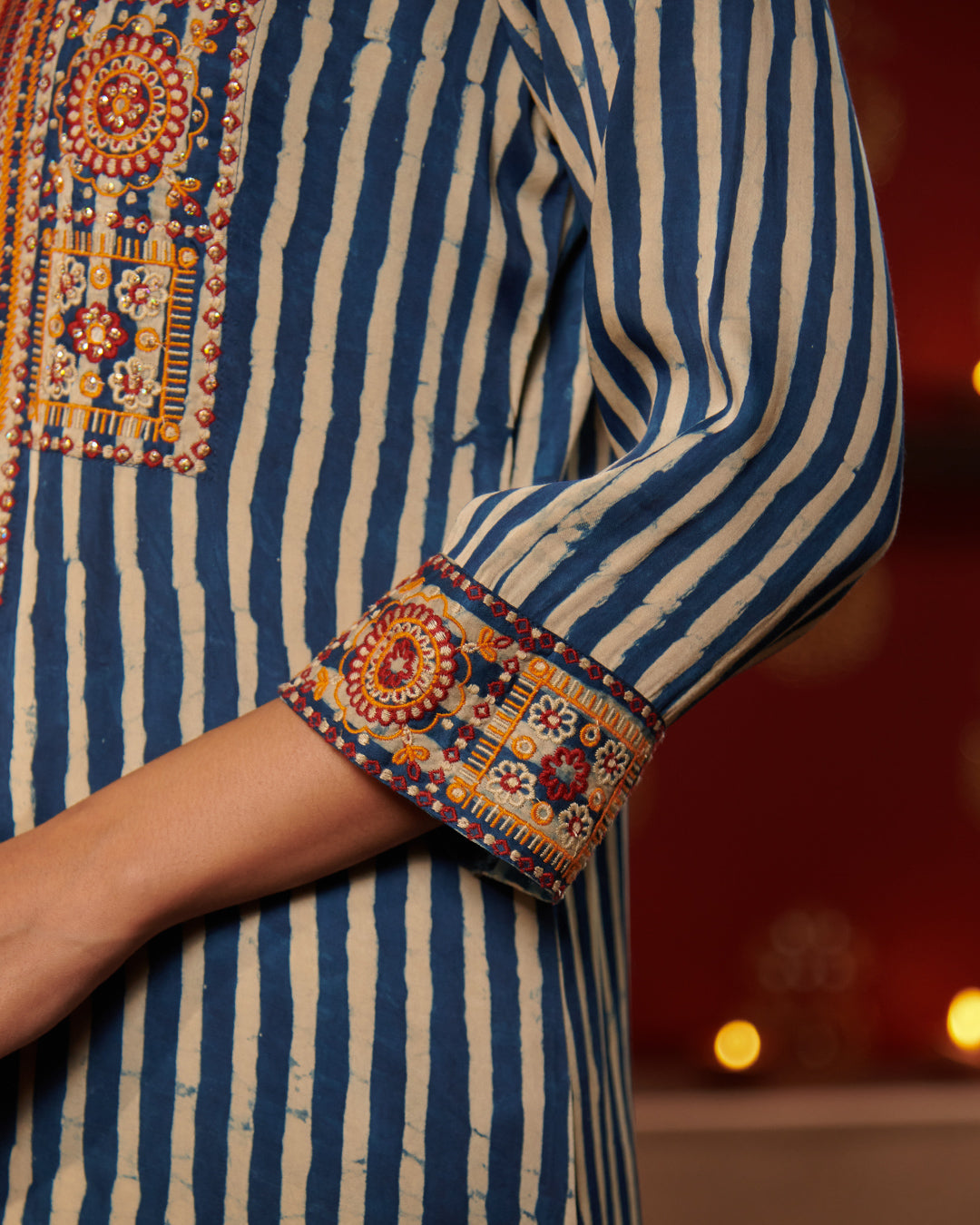
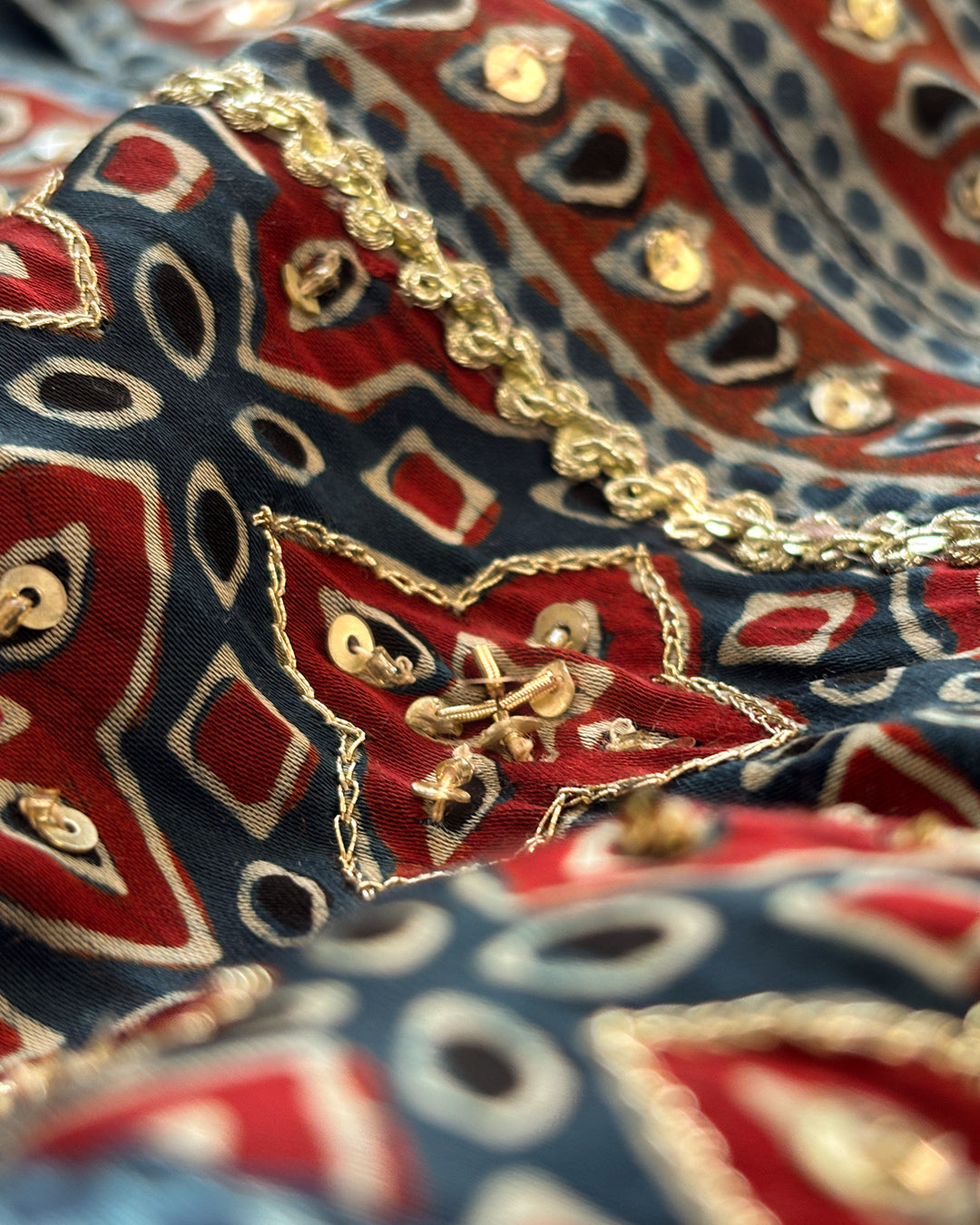
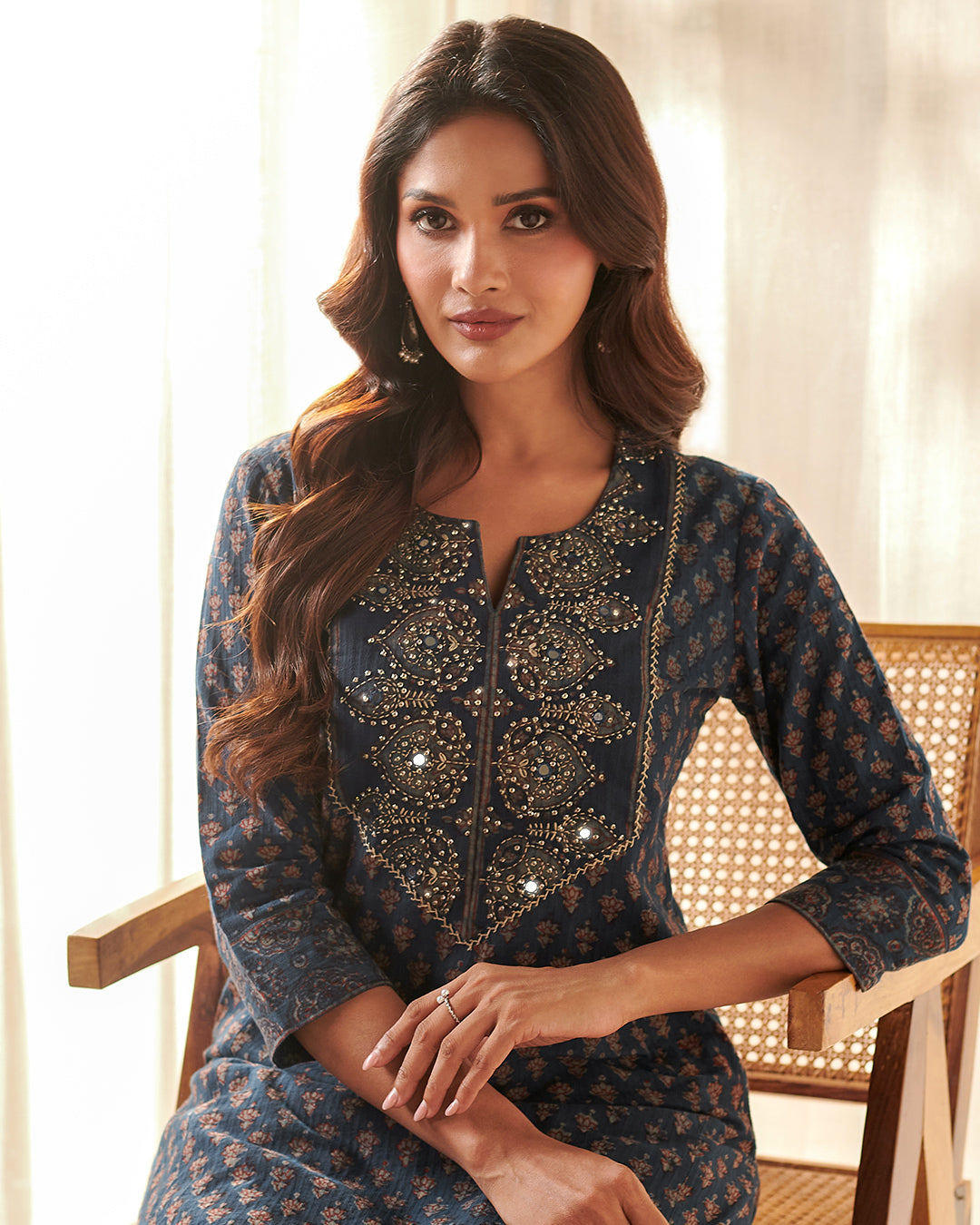
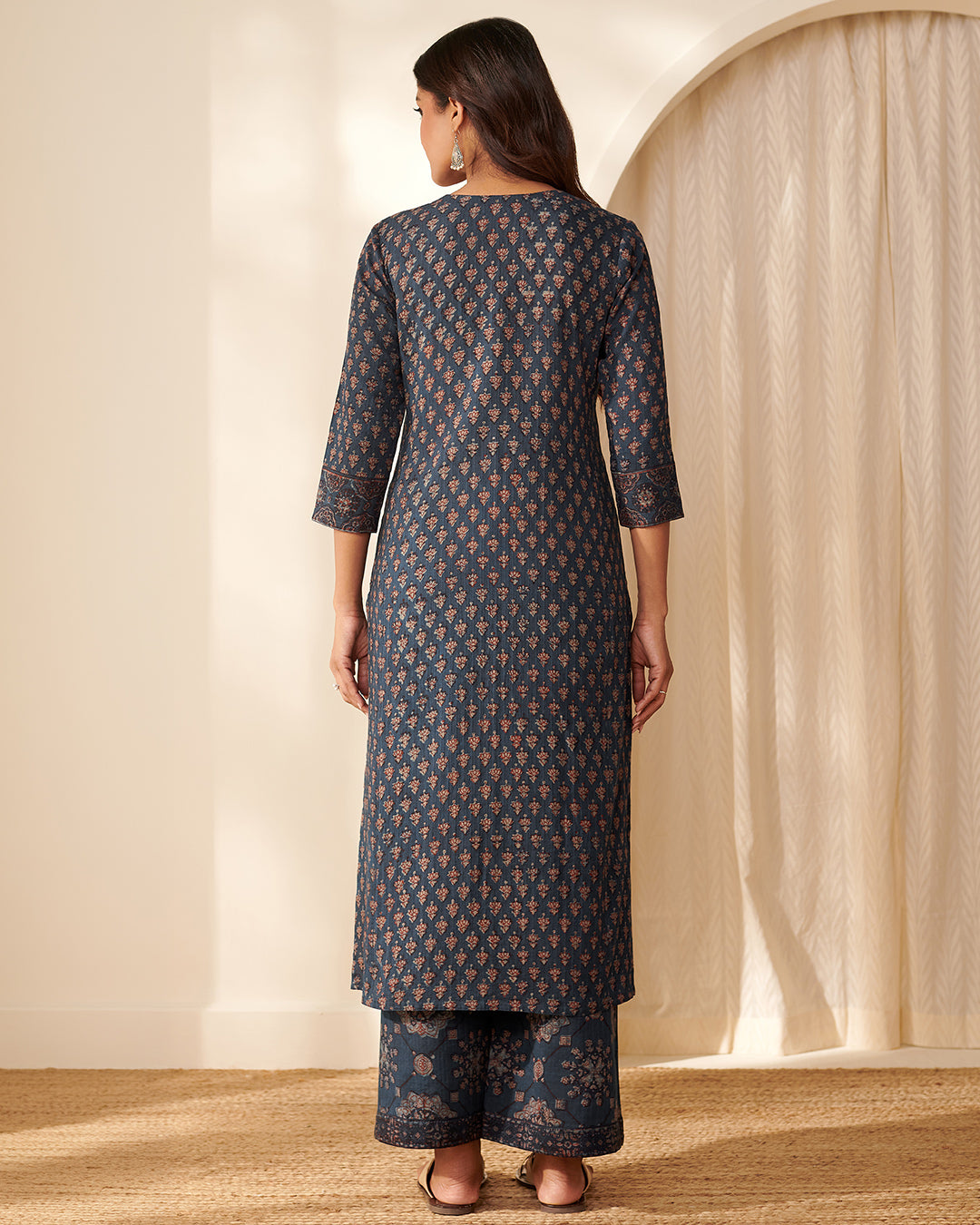
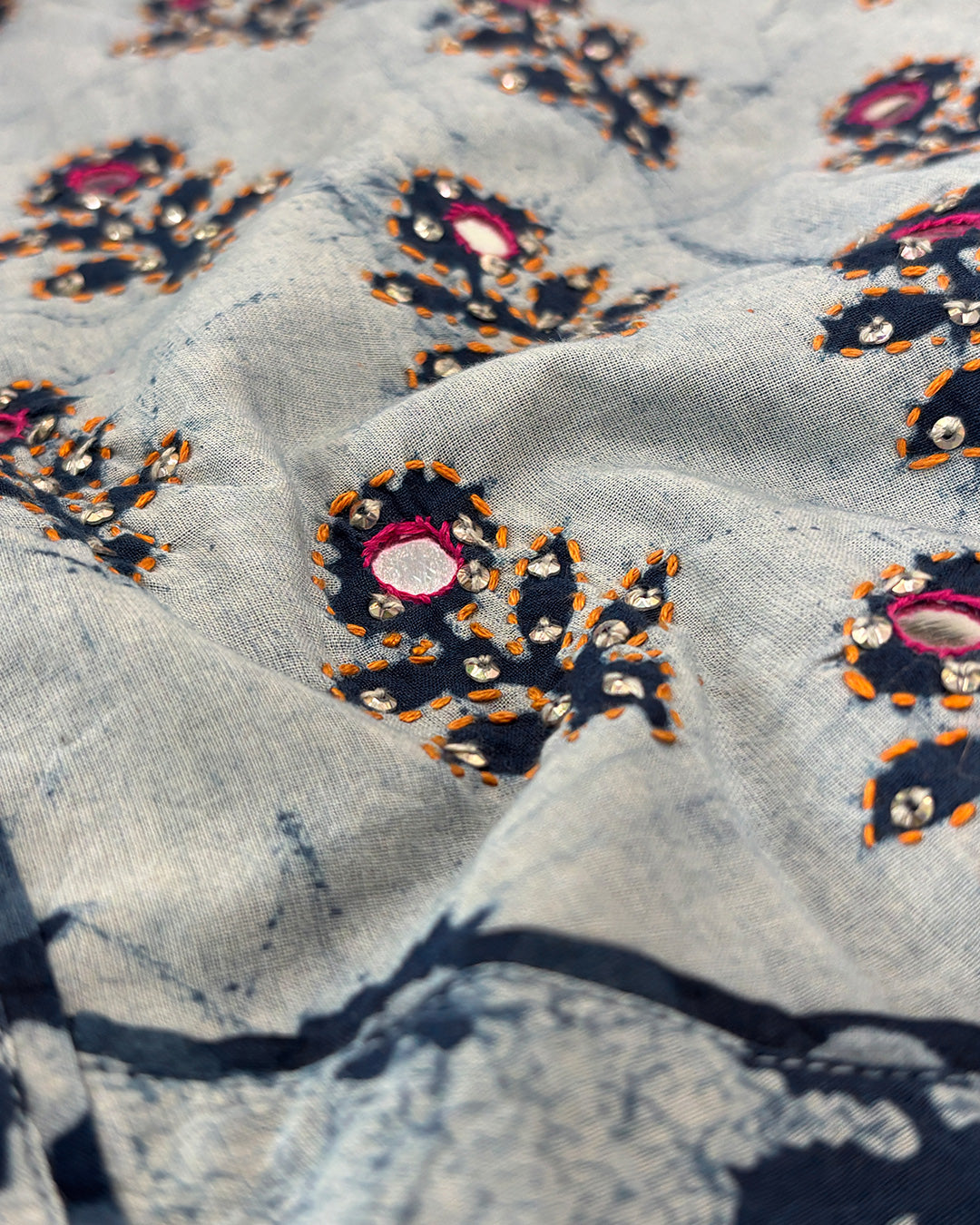
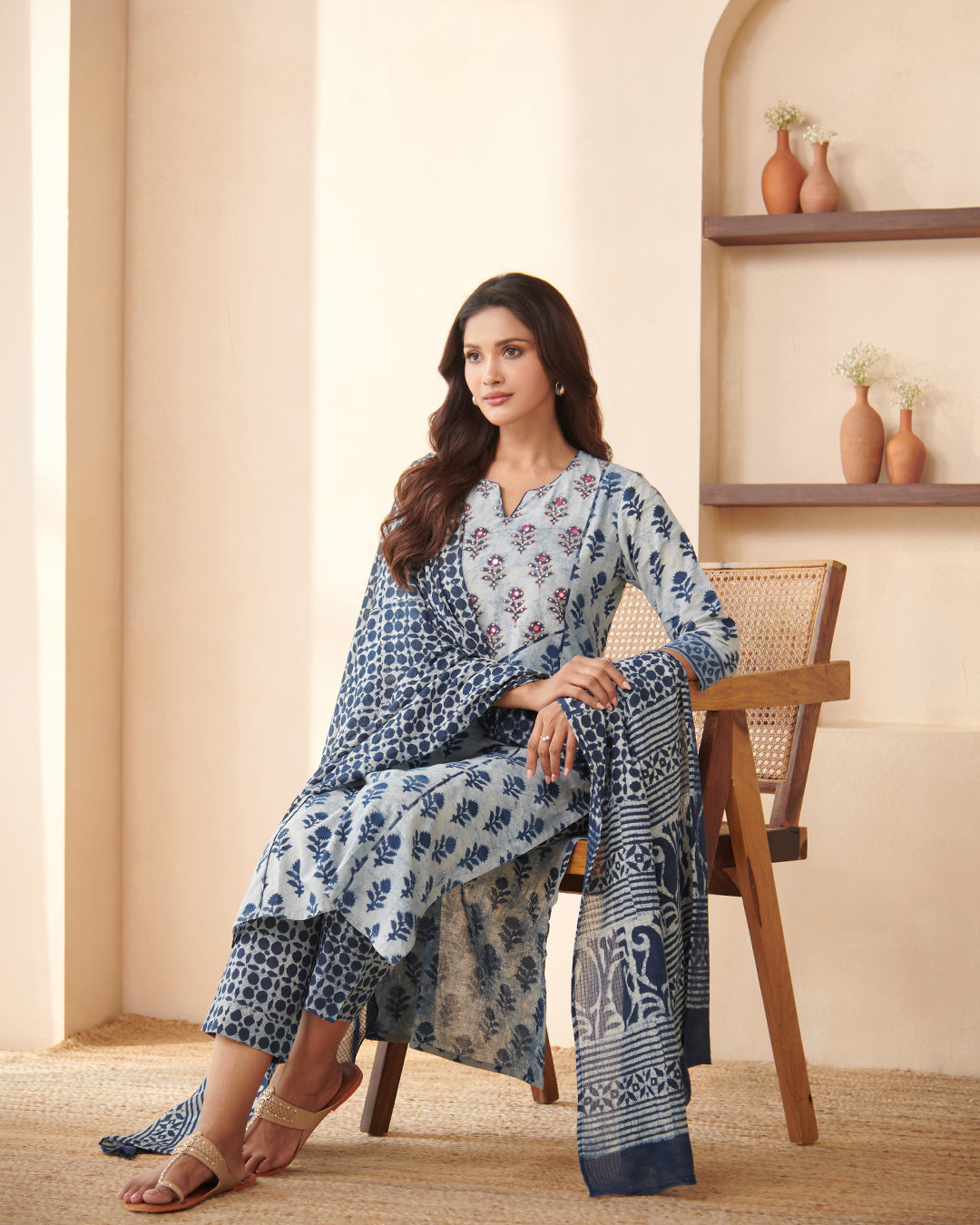
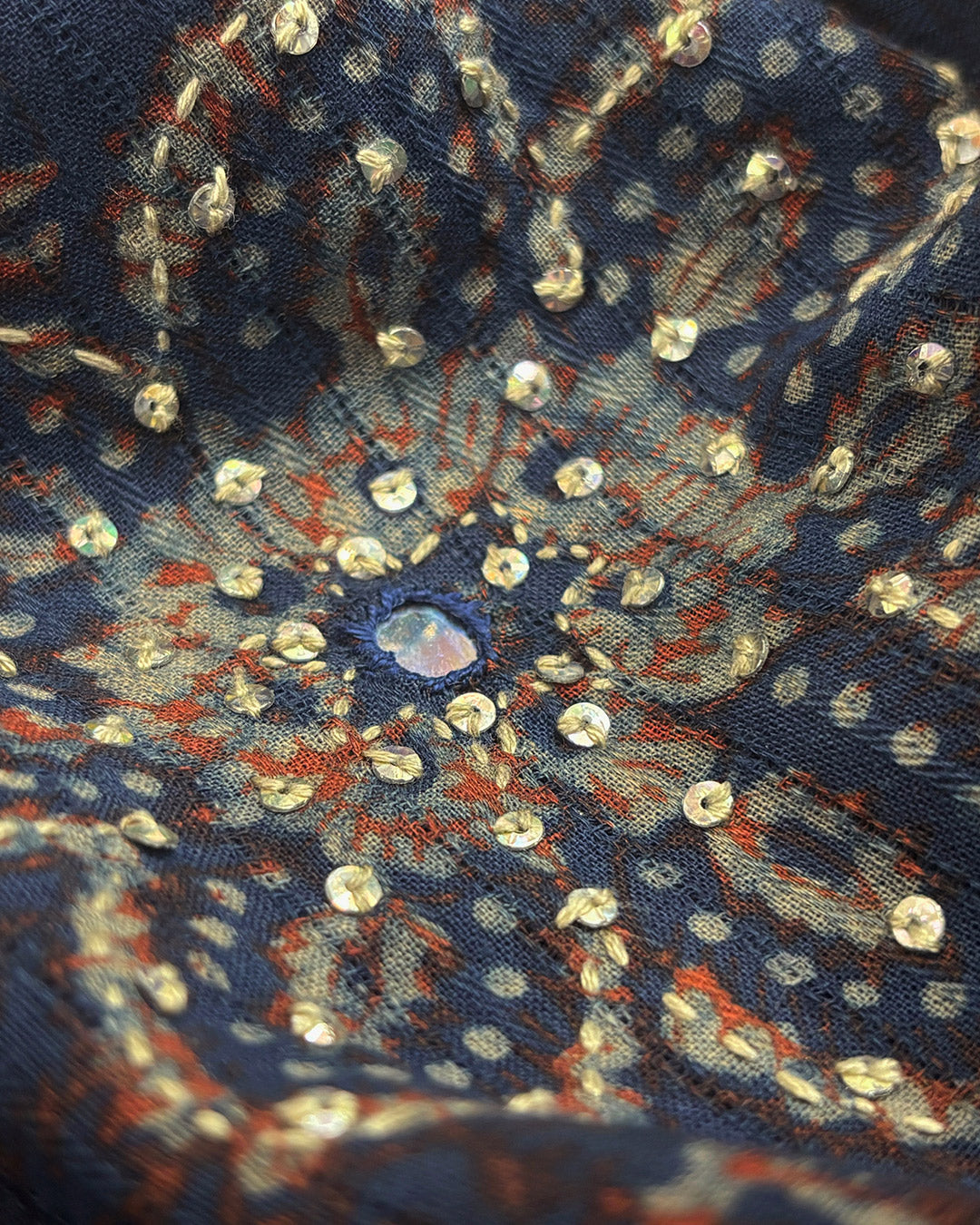
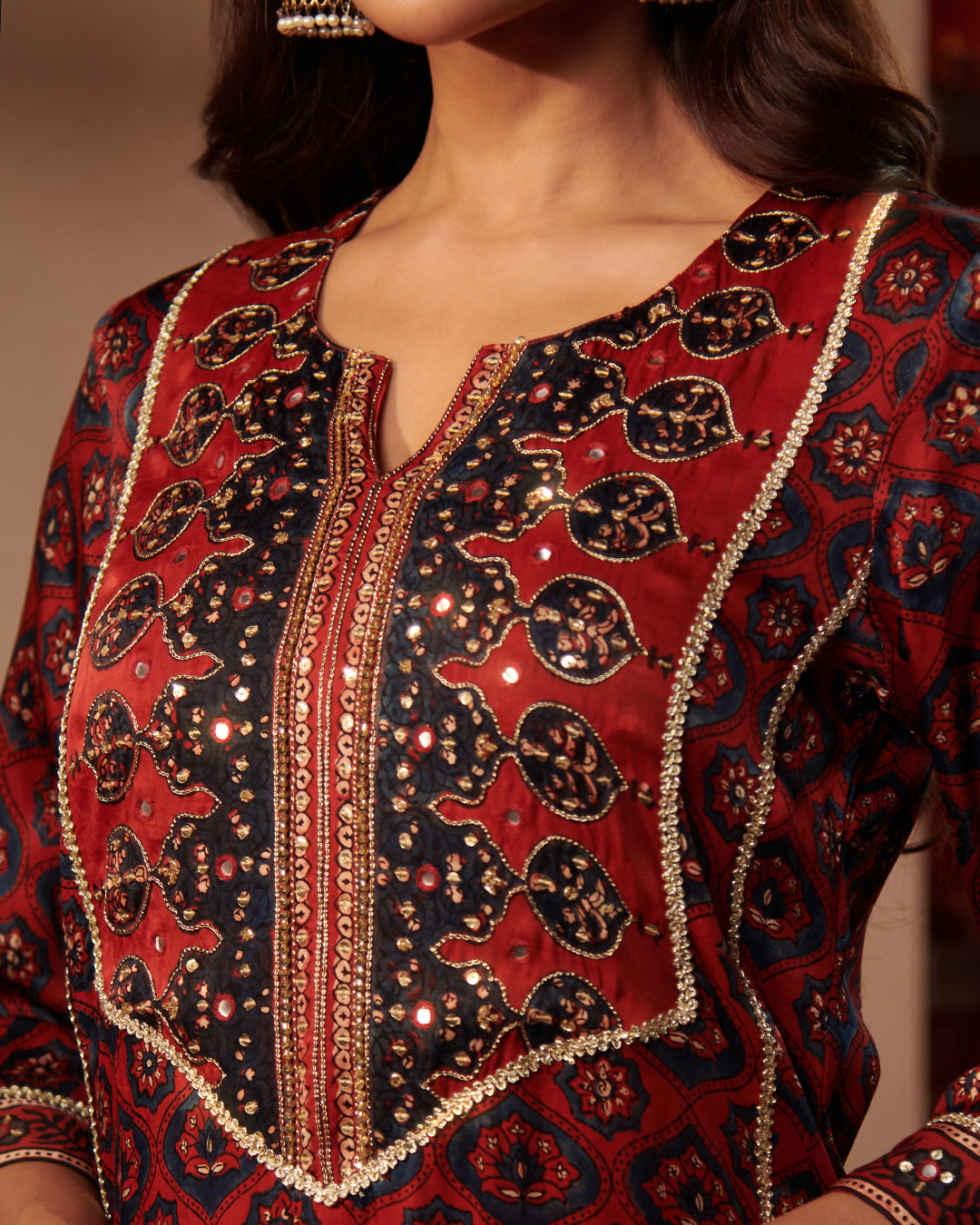
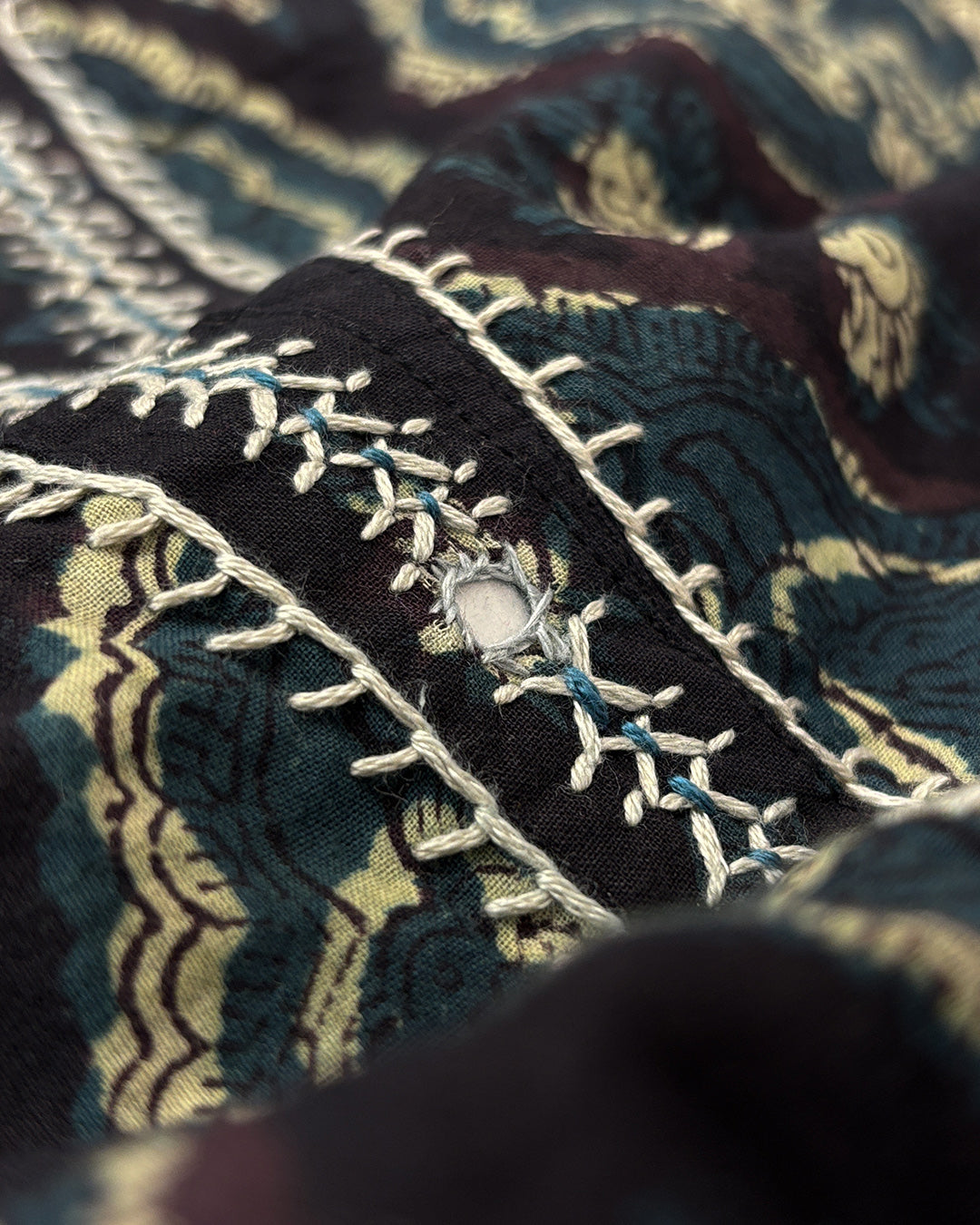
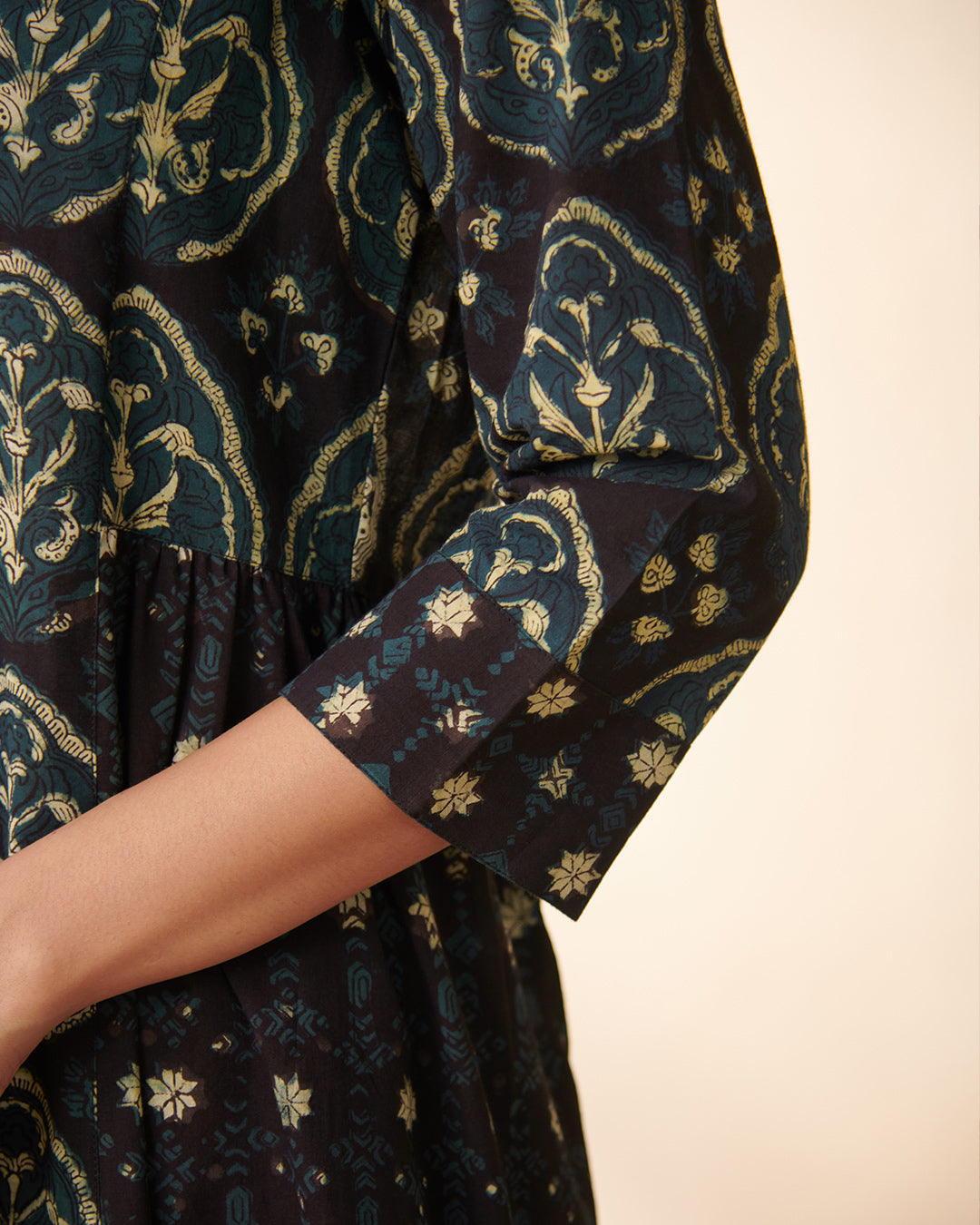
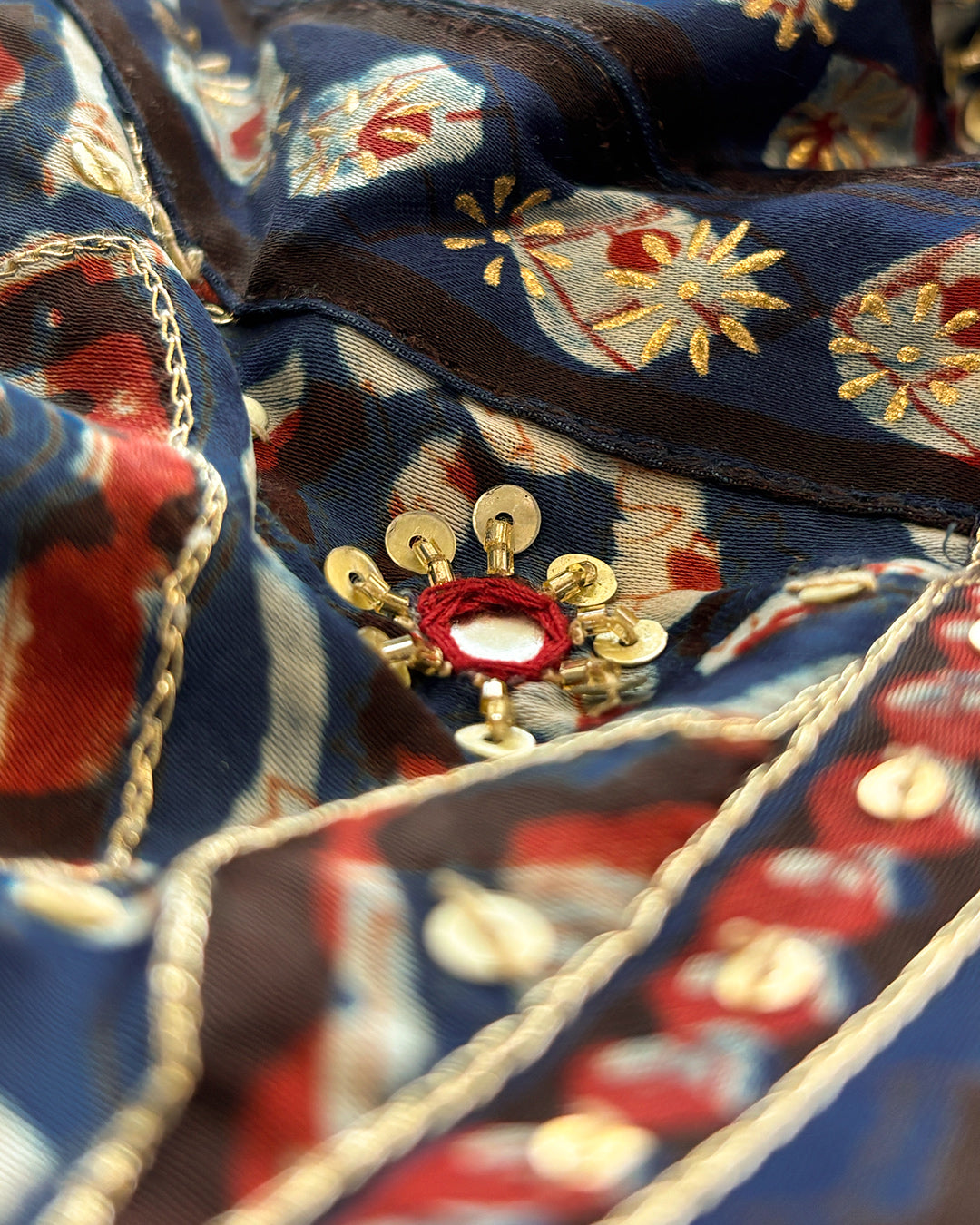
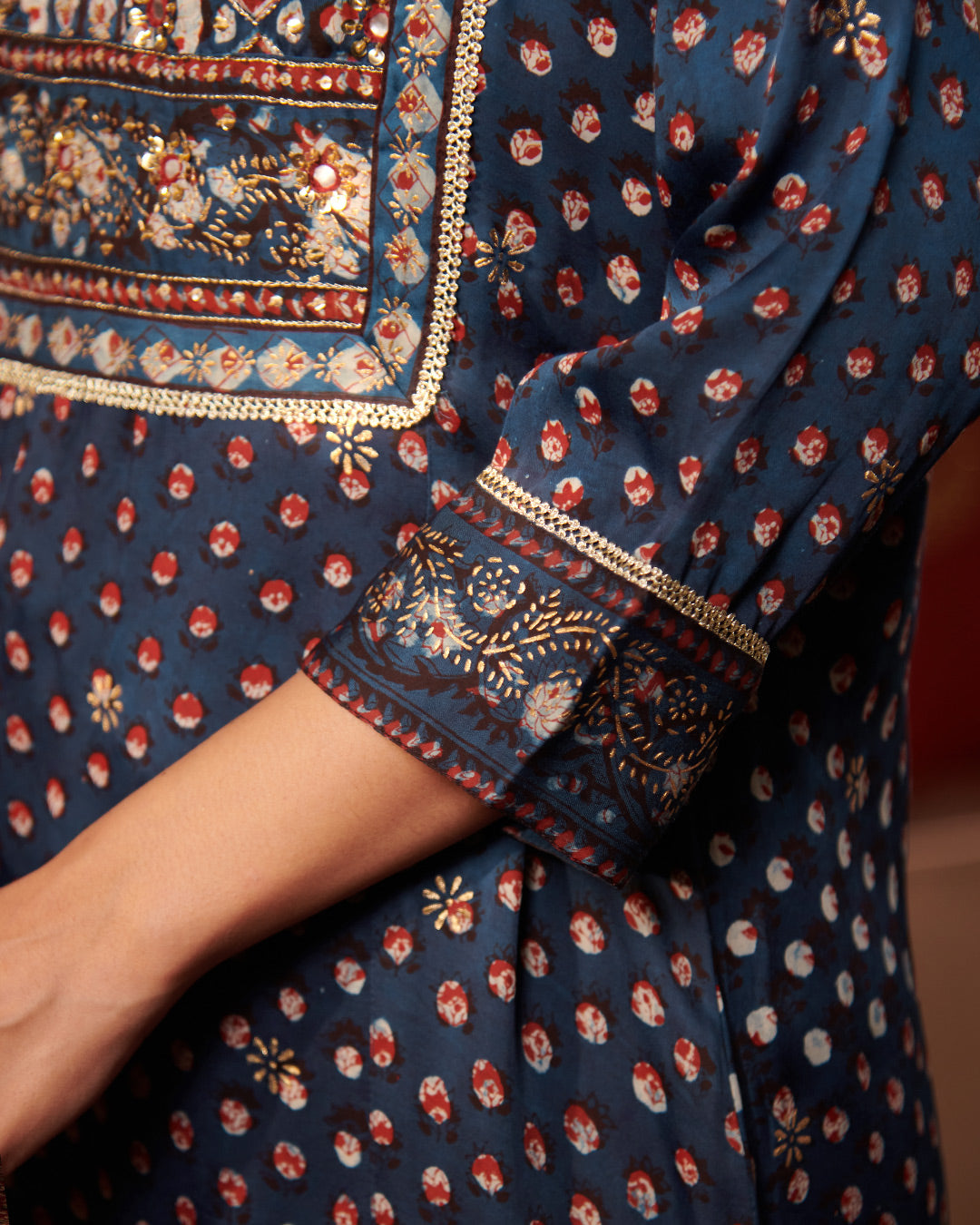
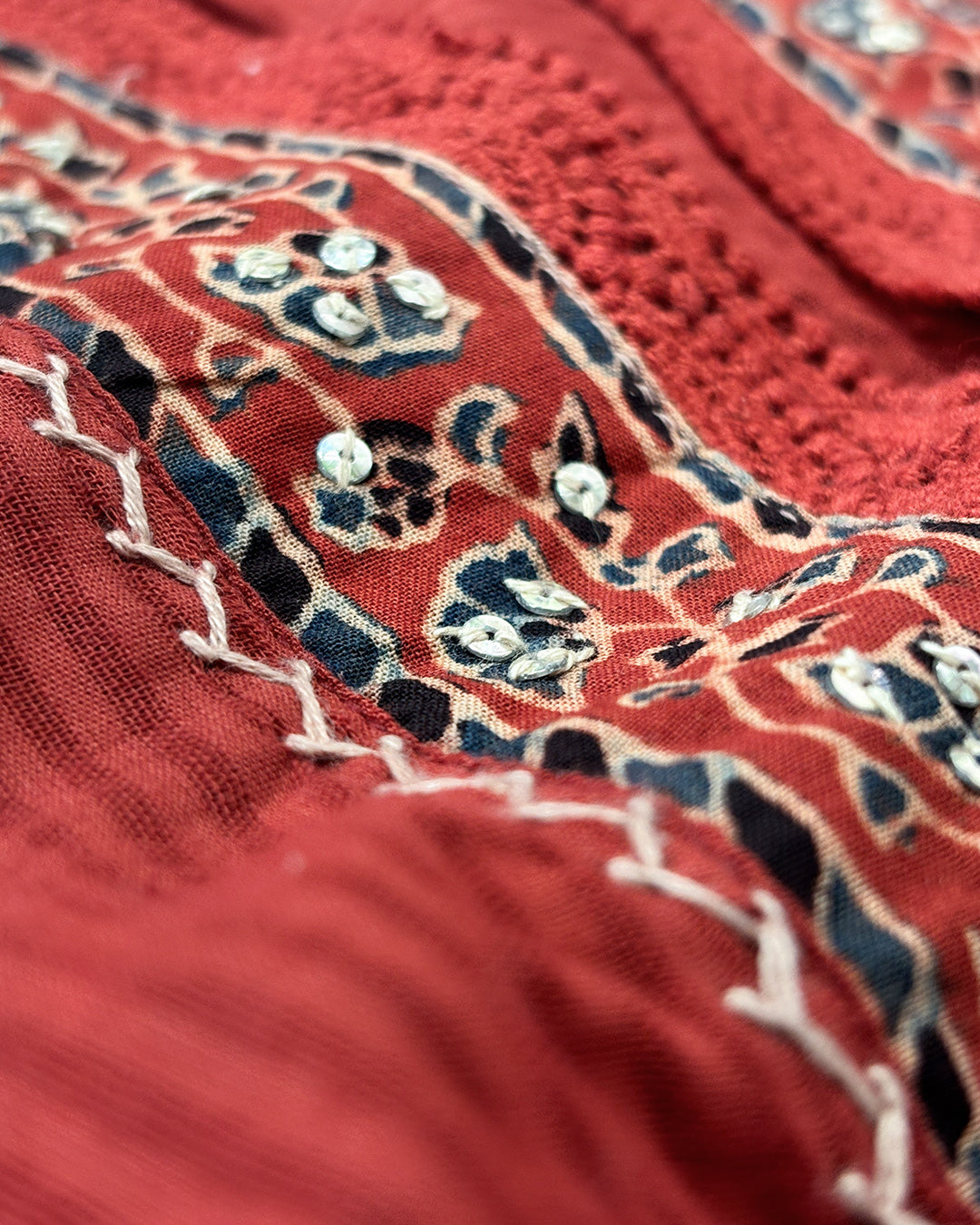
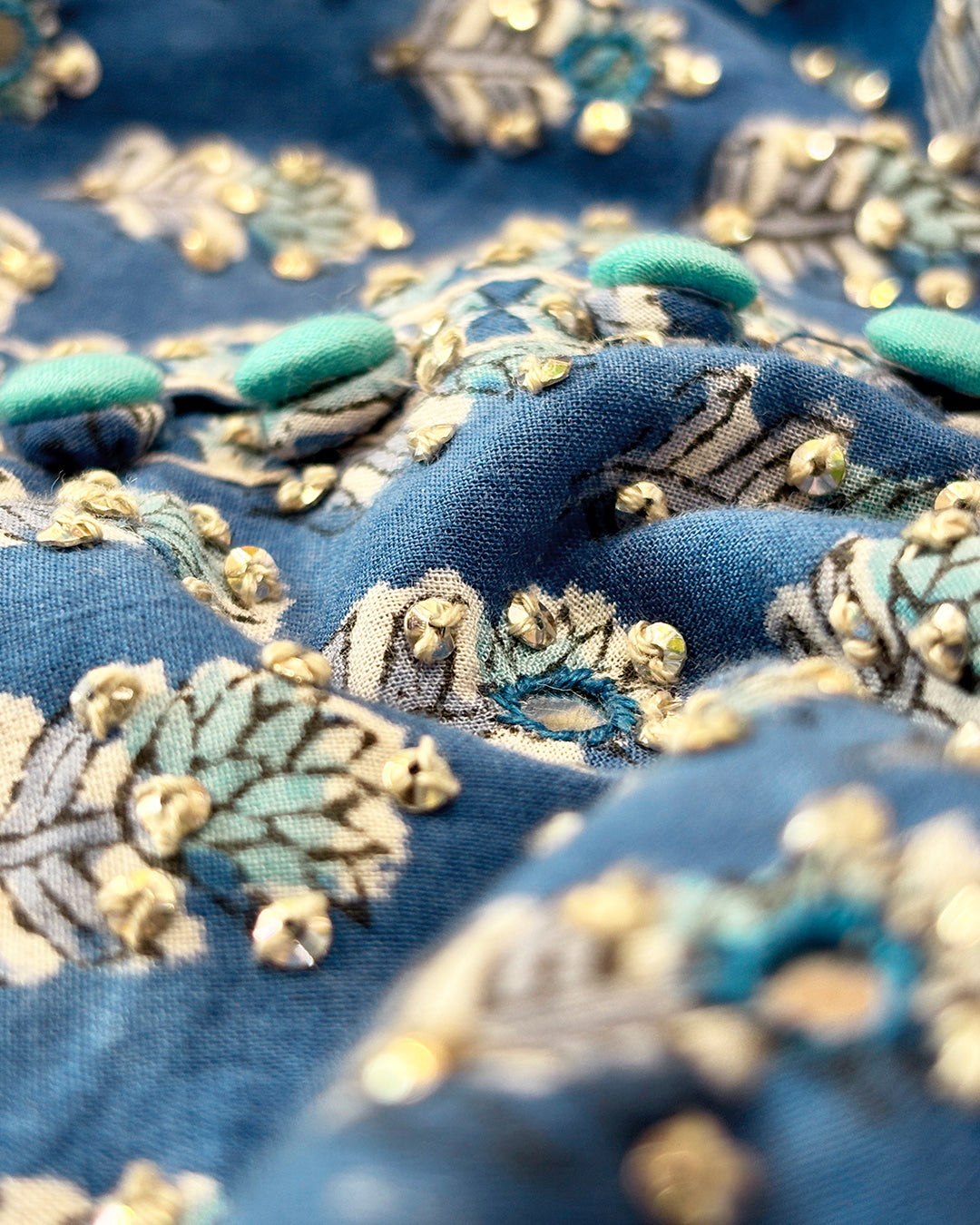
One of the defining features of Bagru printing is its use of natural colours, including indigo blue, iron black and shades of red derived from traditional dyeing methods. These colours often appear against an unbleached or lightly treated cotton base, giving the fabric a grounded, organic quality.
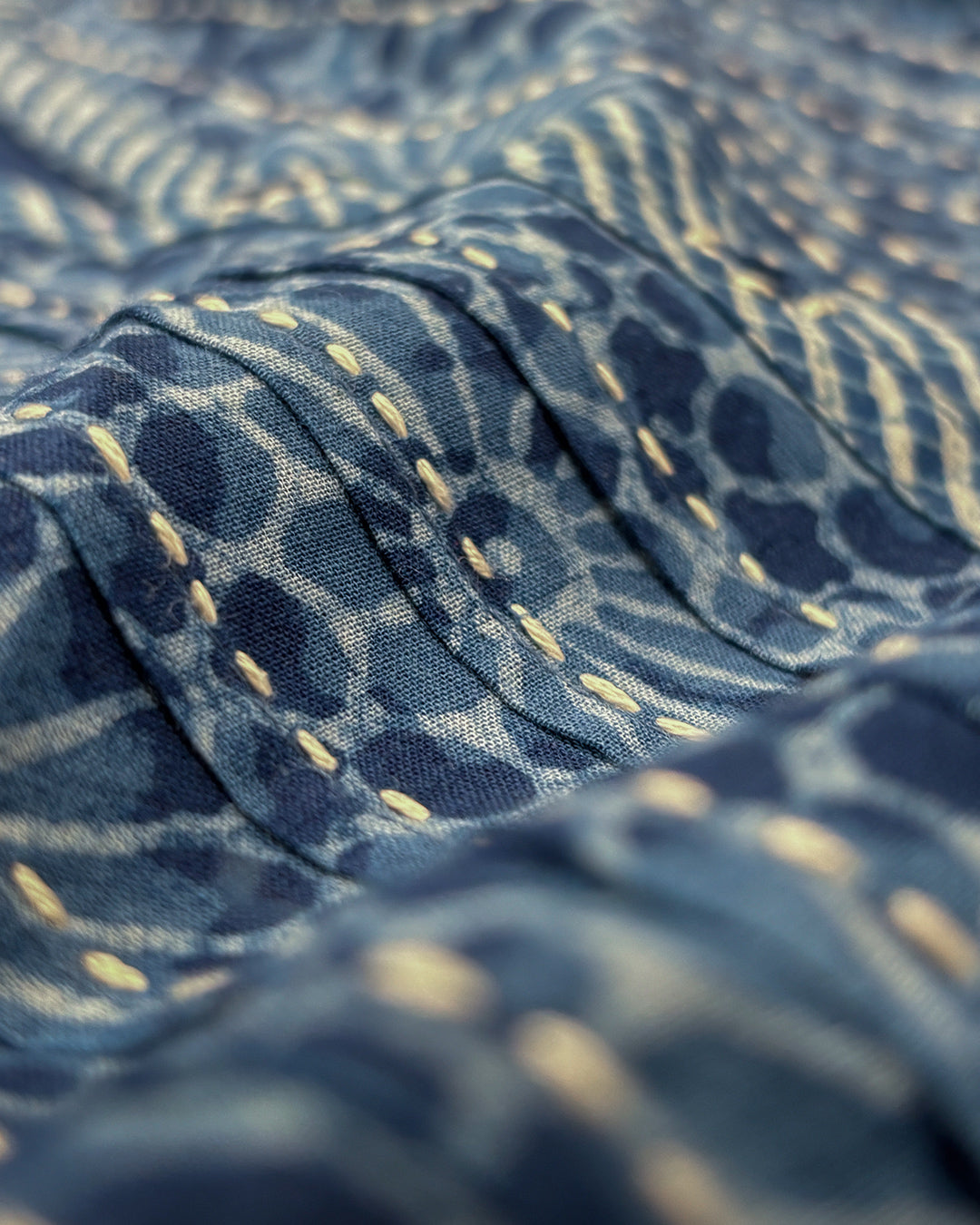
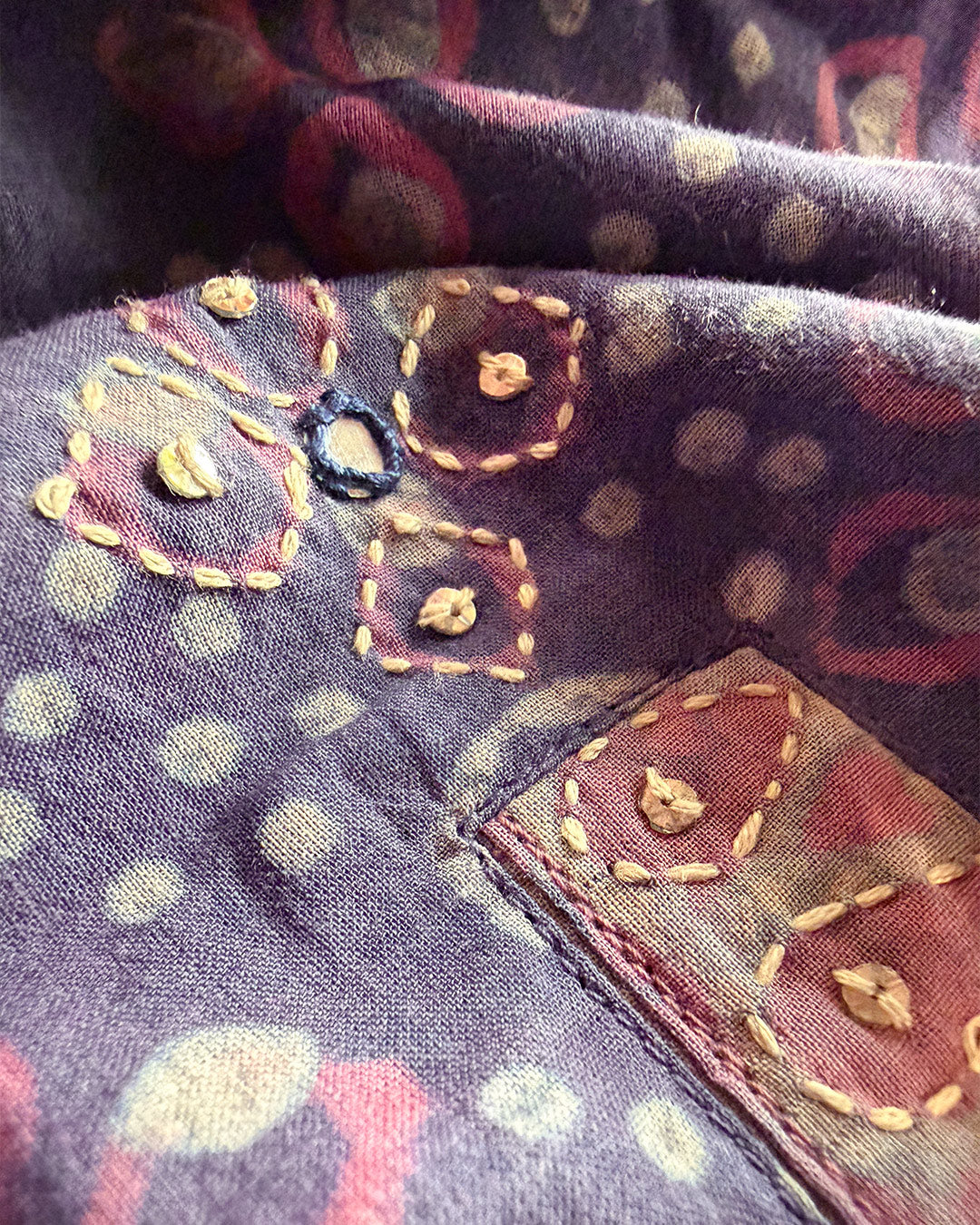
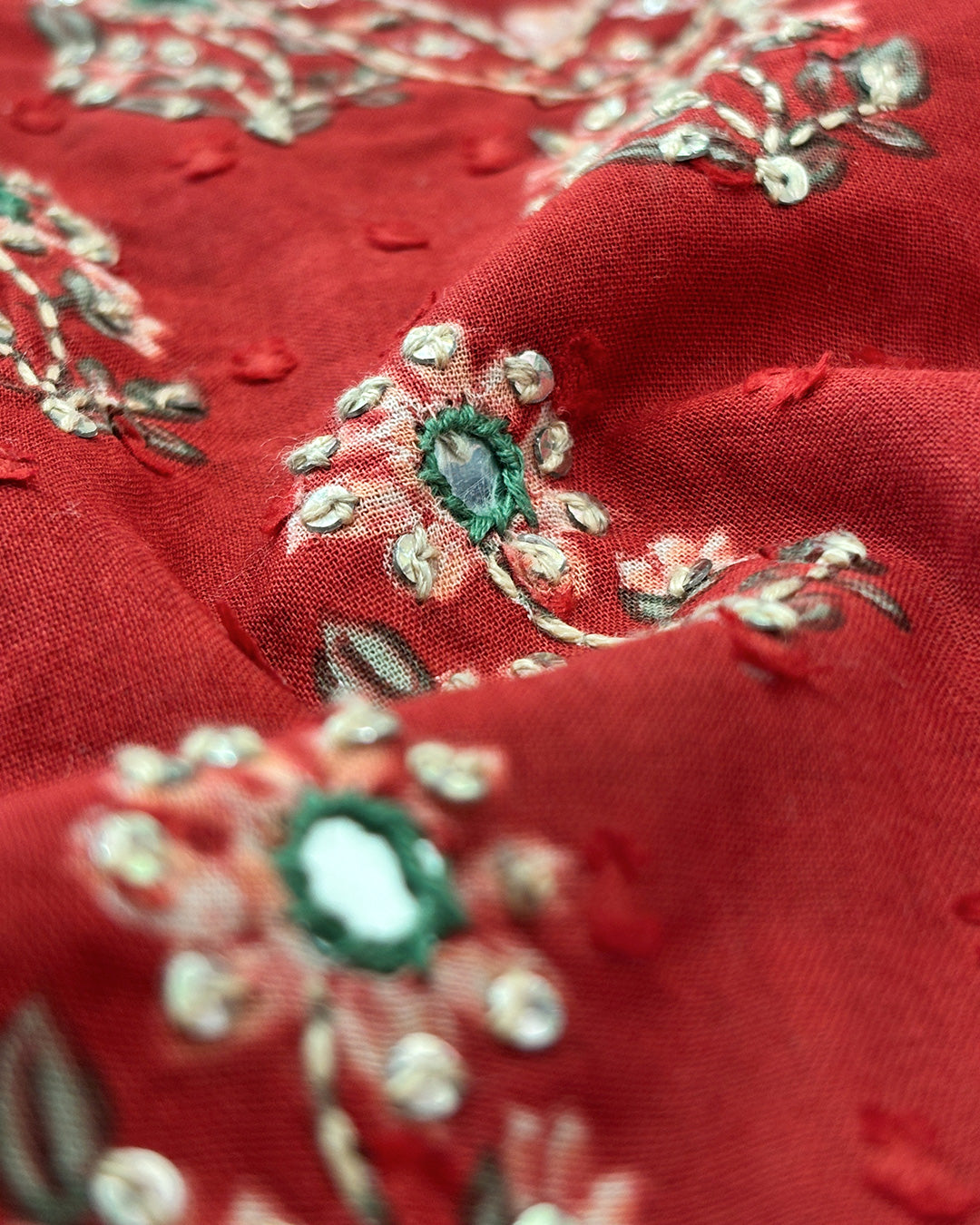
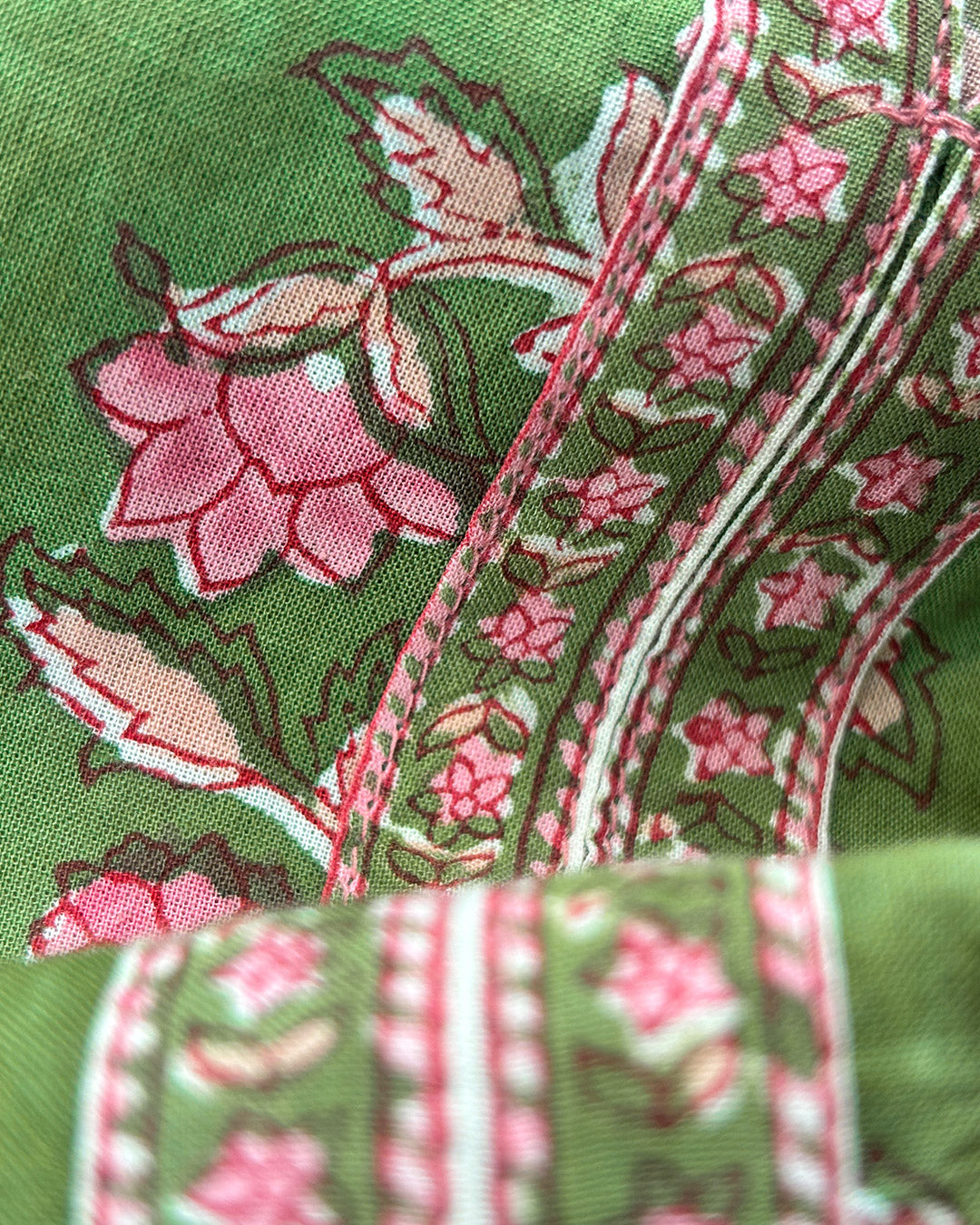
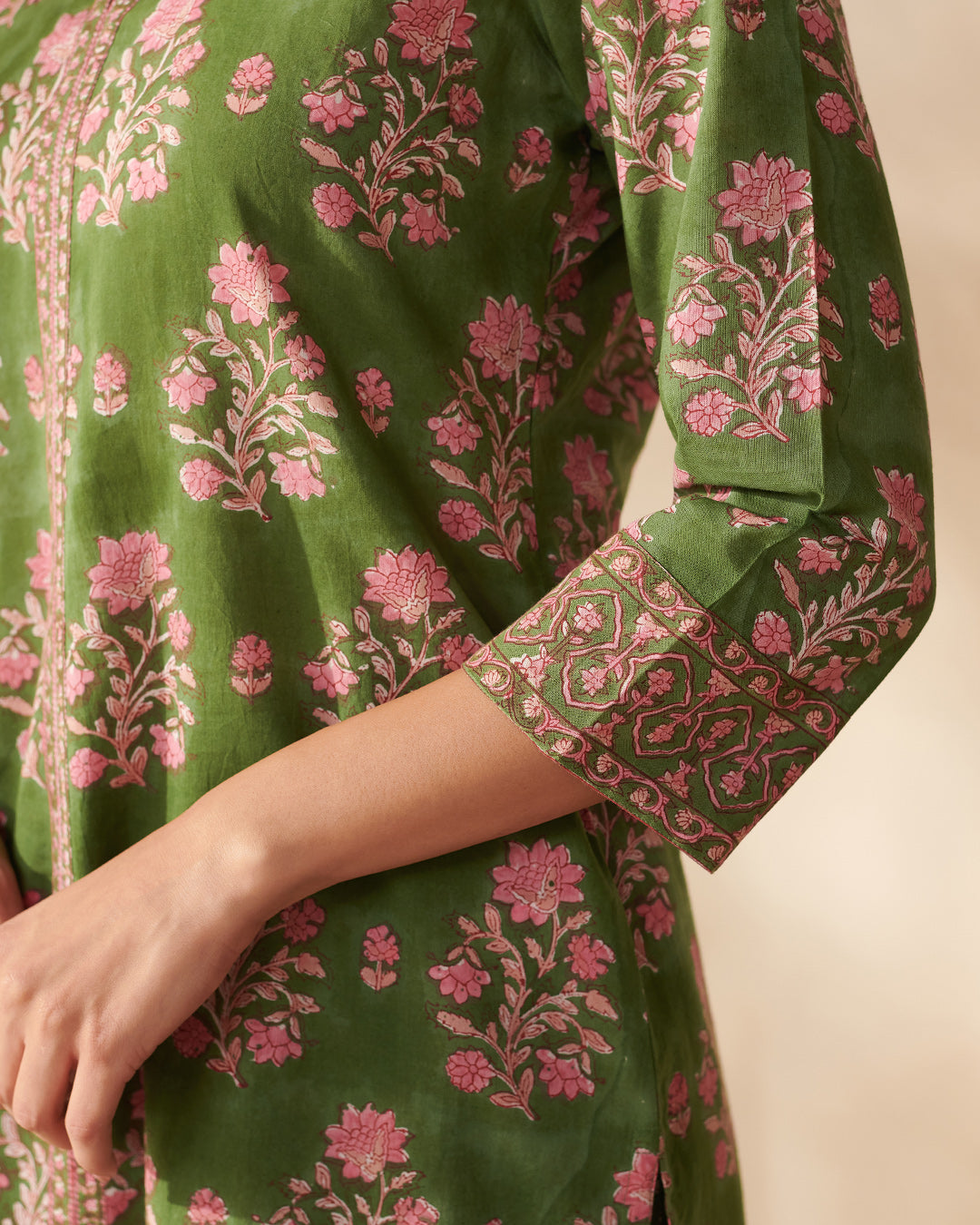
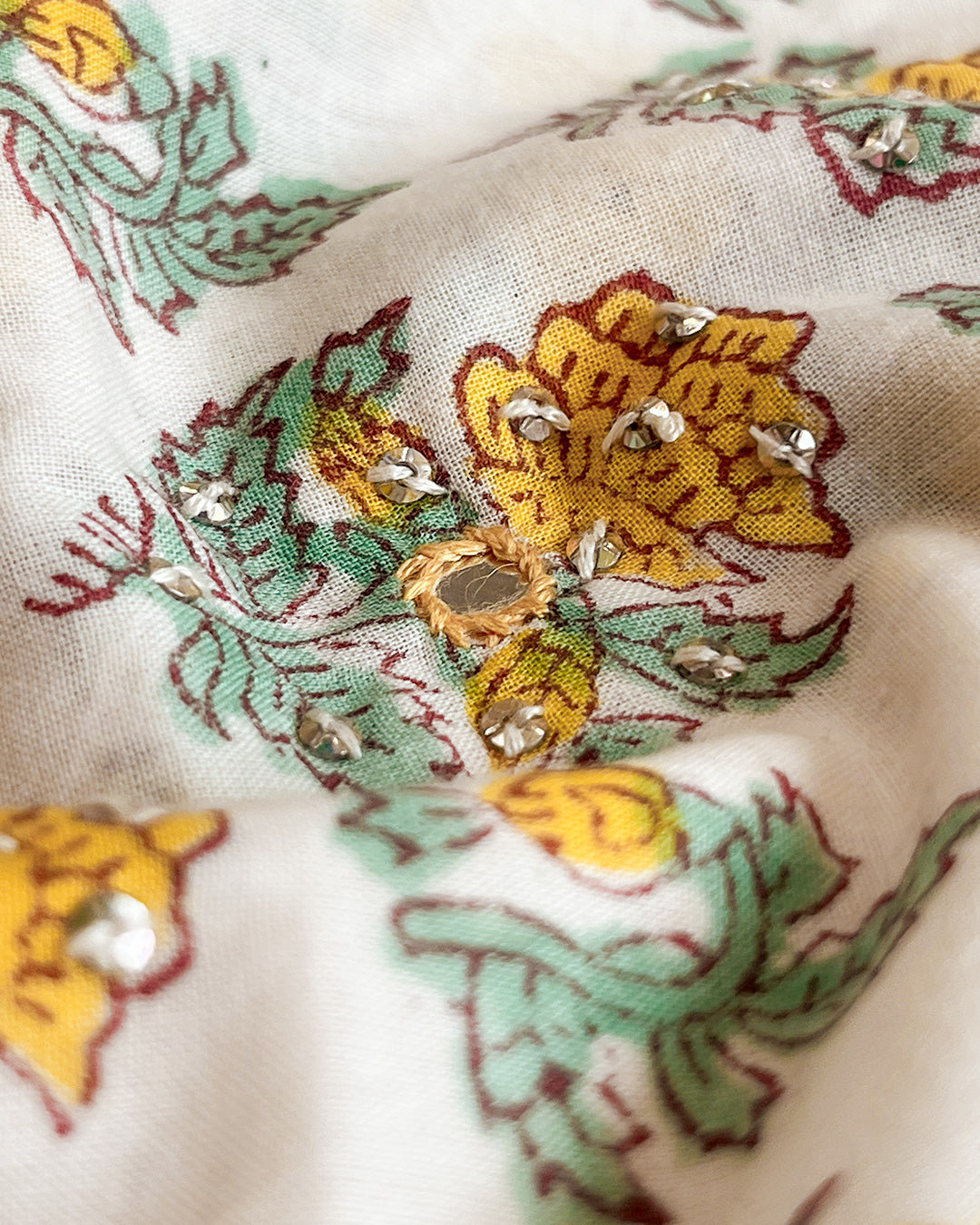
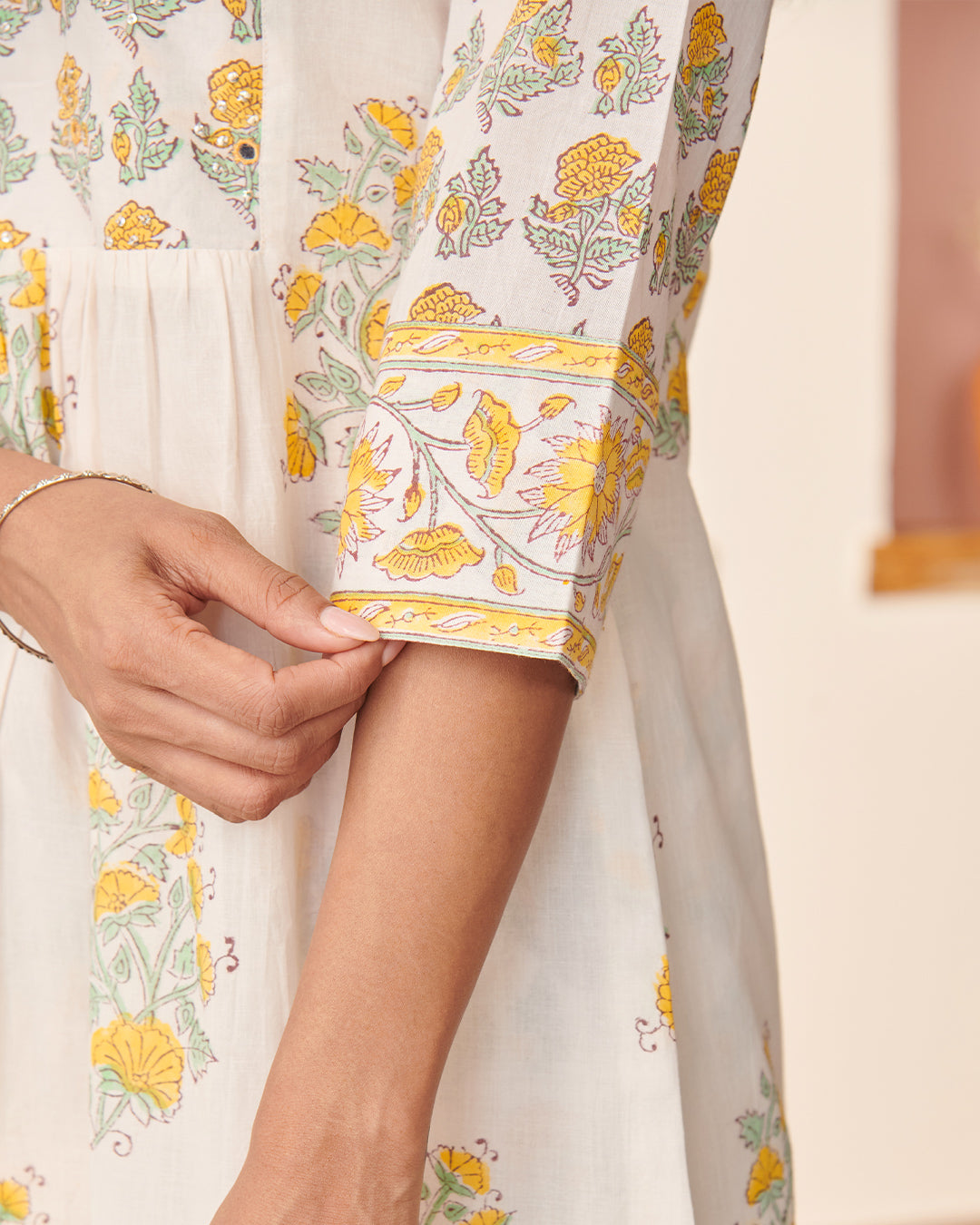
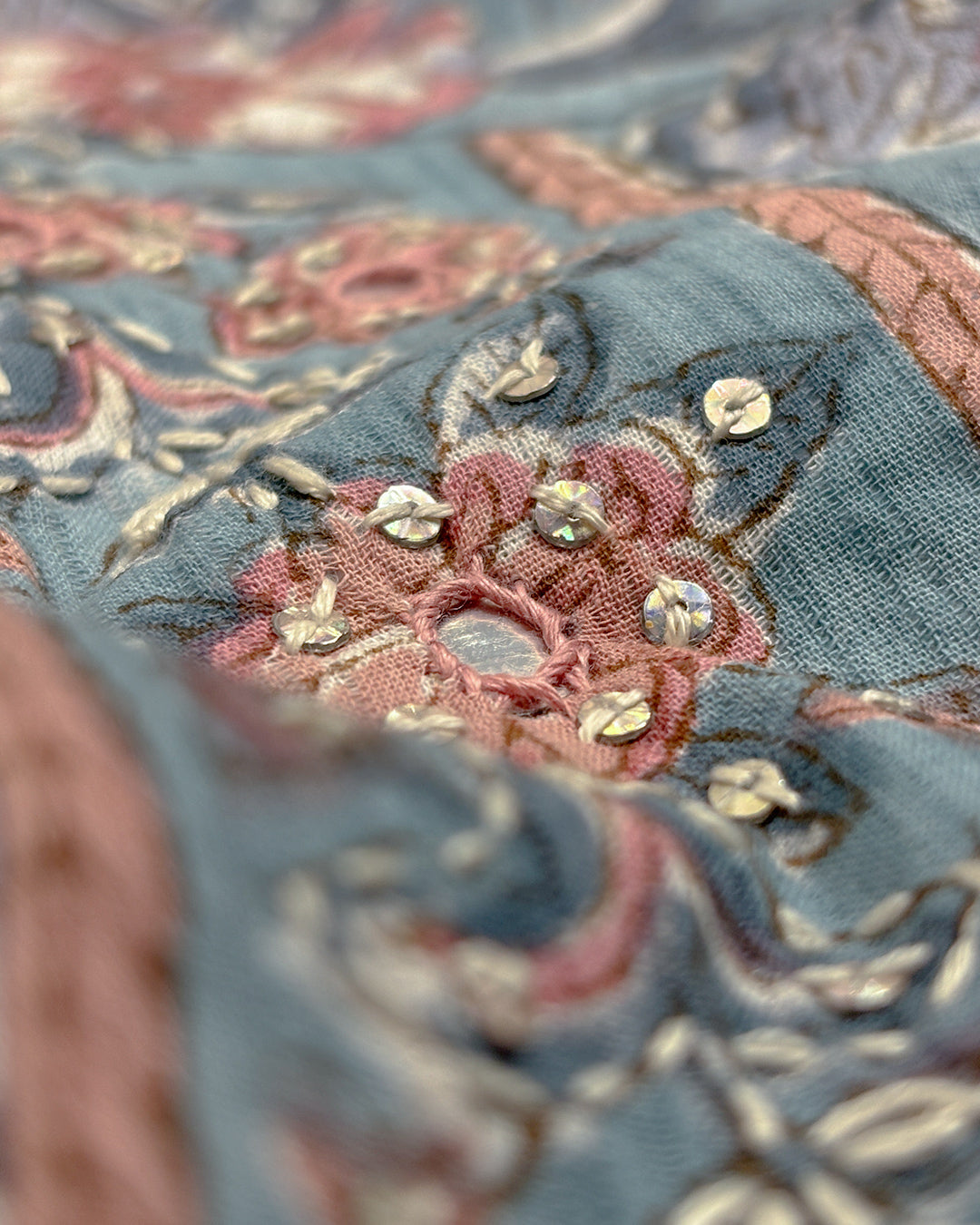
The printing process also gives each piece its own character. Artisans press carved wooden blocks onto the fabric by hand, repeating the design across the length of the cloth. Small differences in alignment, colour and pressure are natural outcomes of this method. Rather than taking away from the beauty of the fabric, they reveal the human hand behind the print.
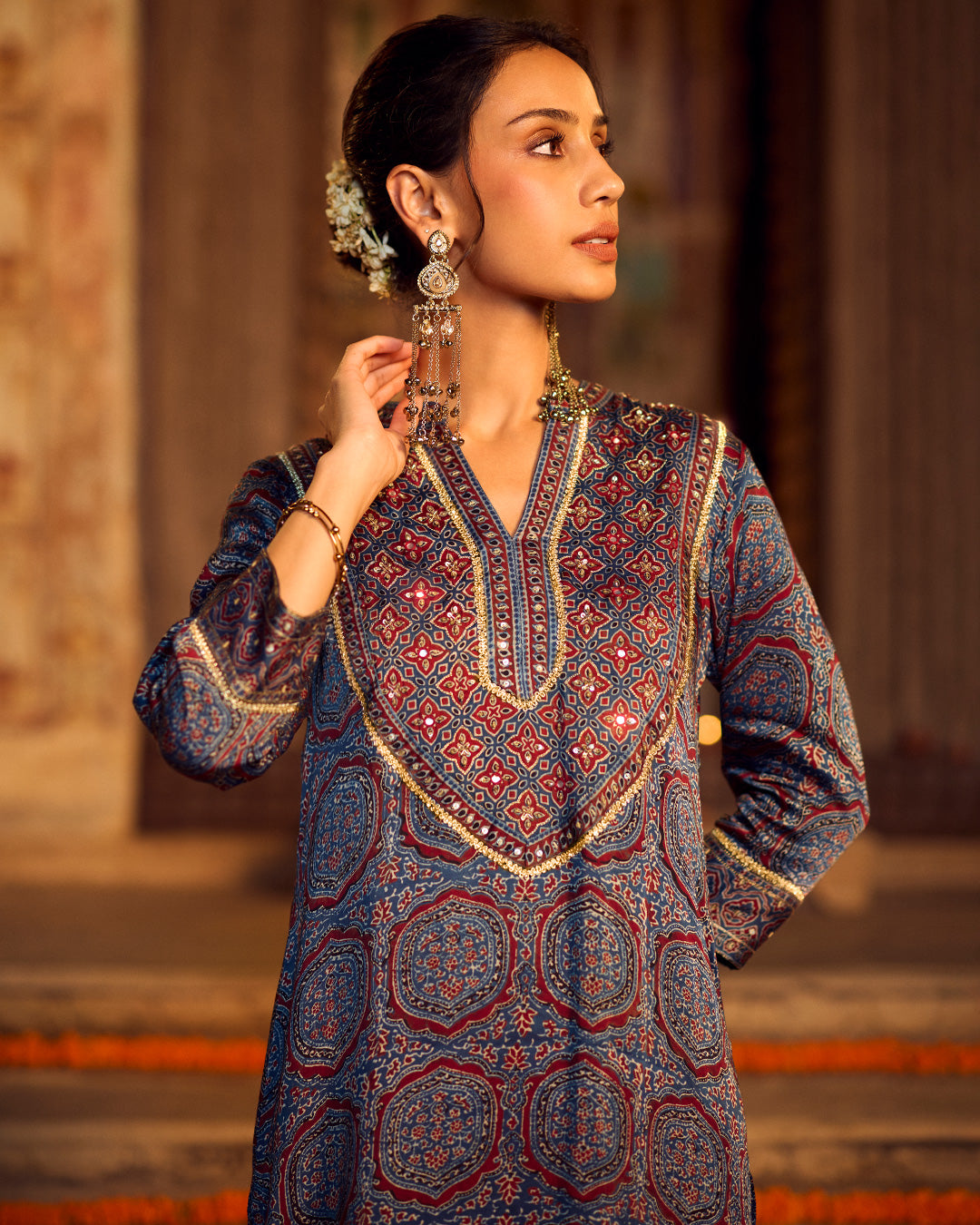
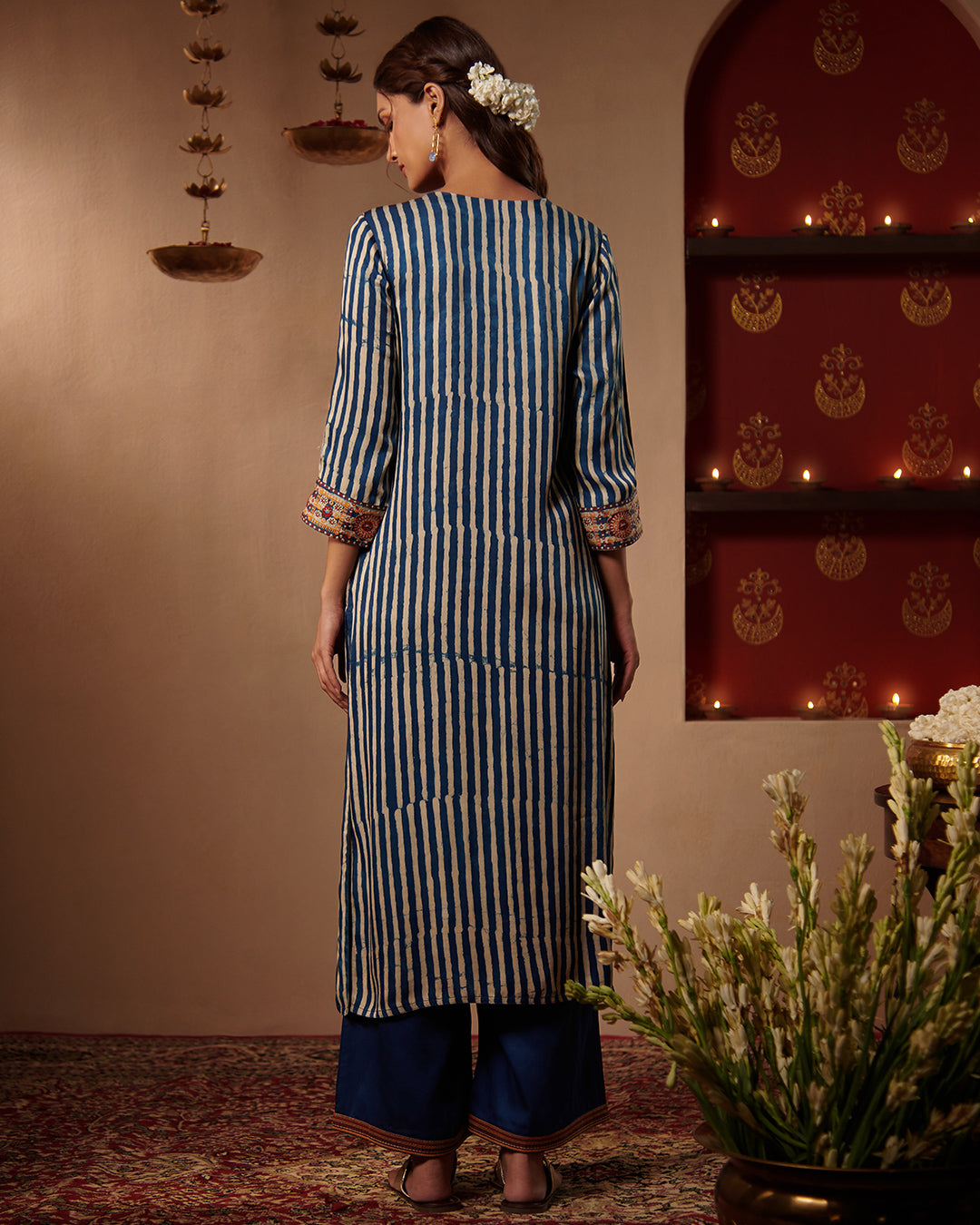
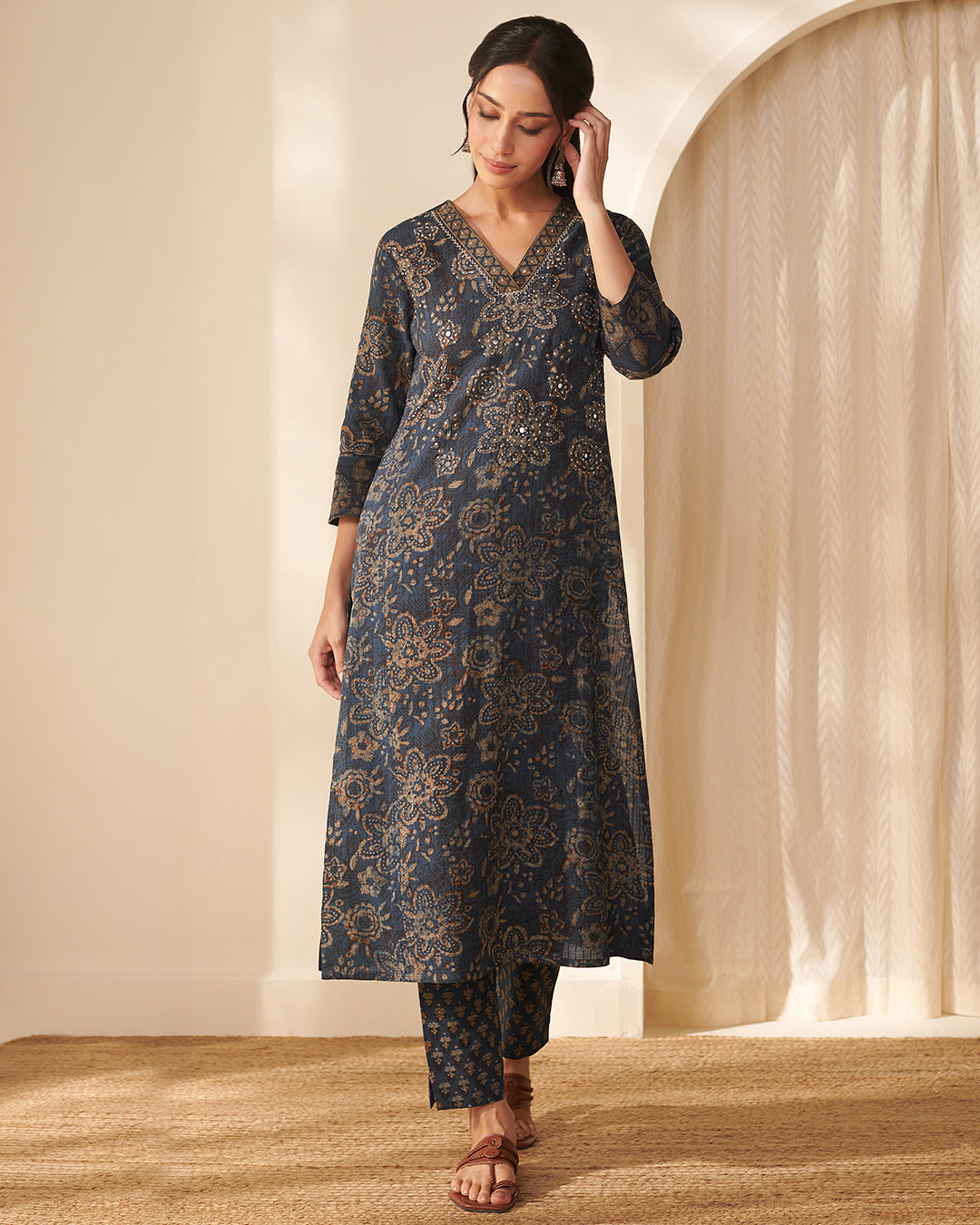
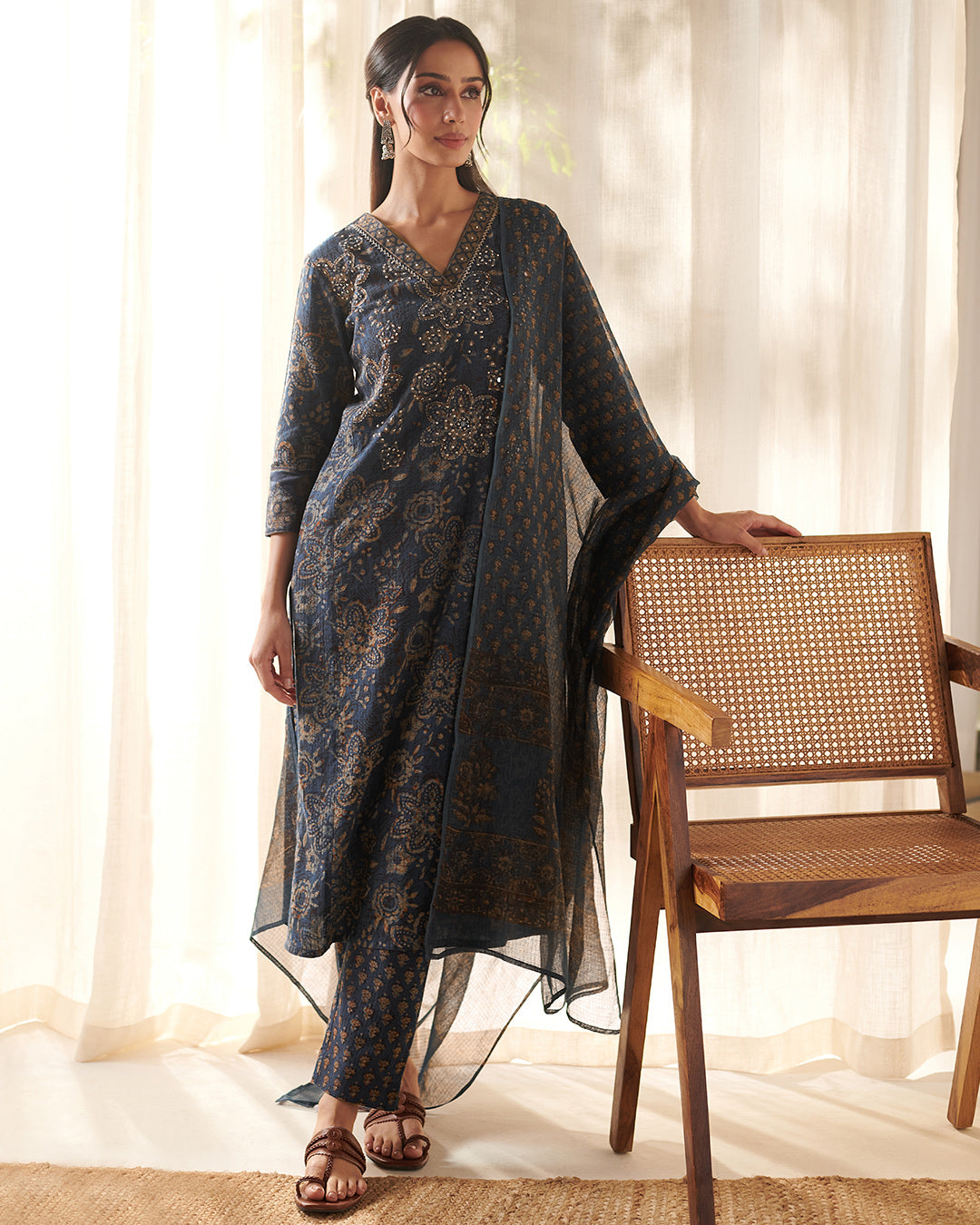
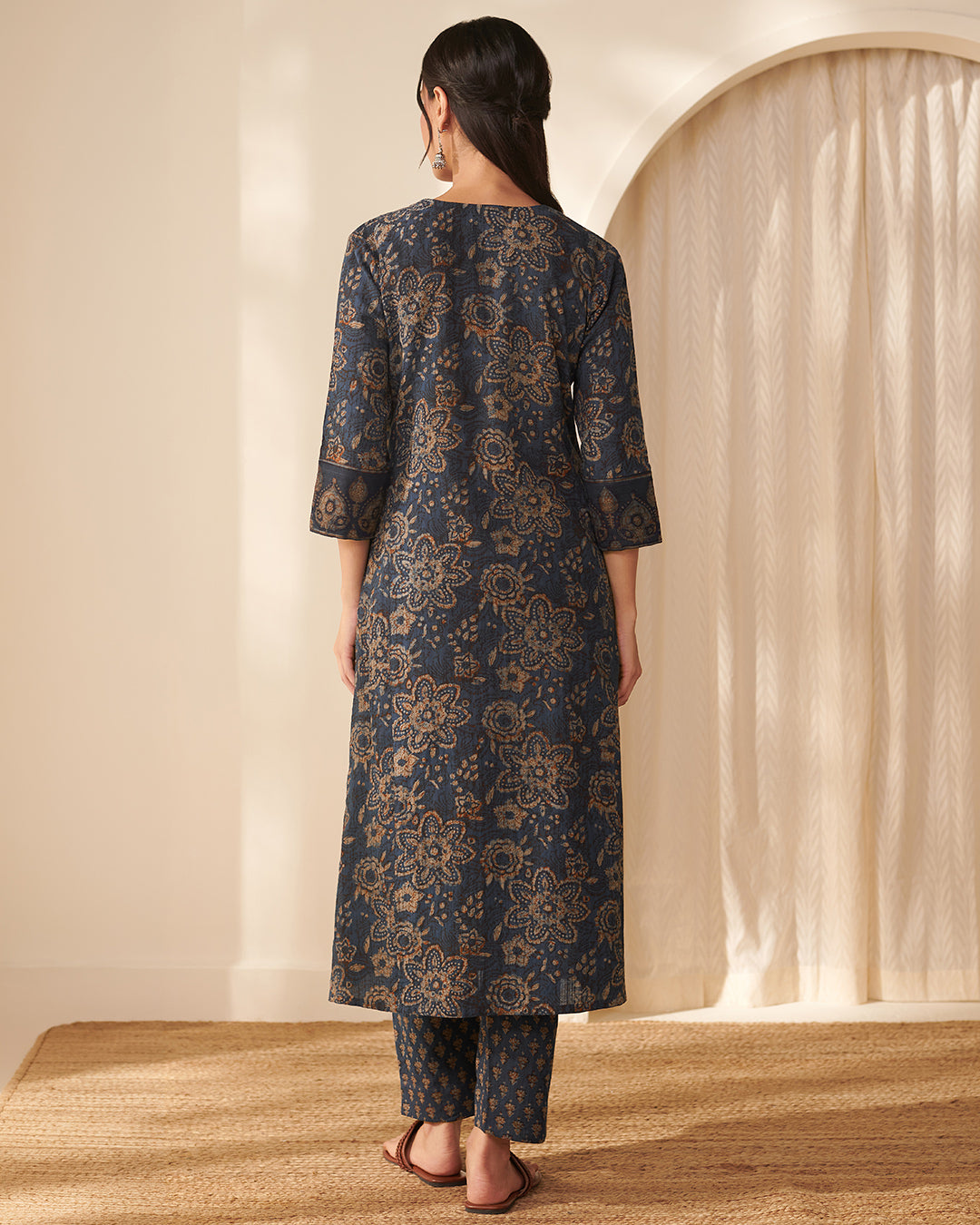
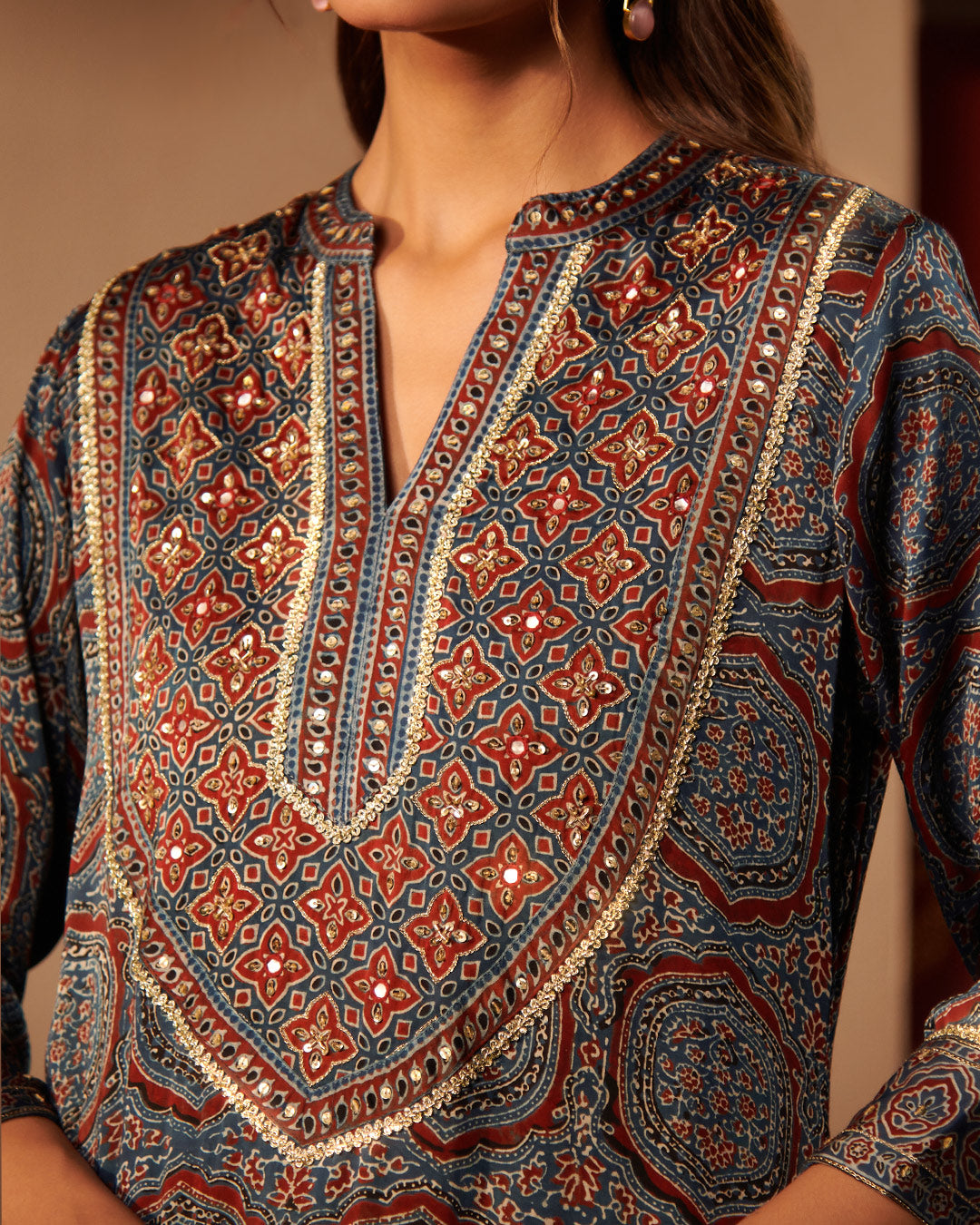
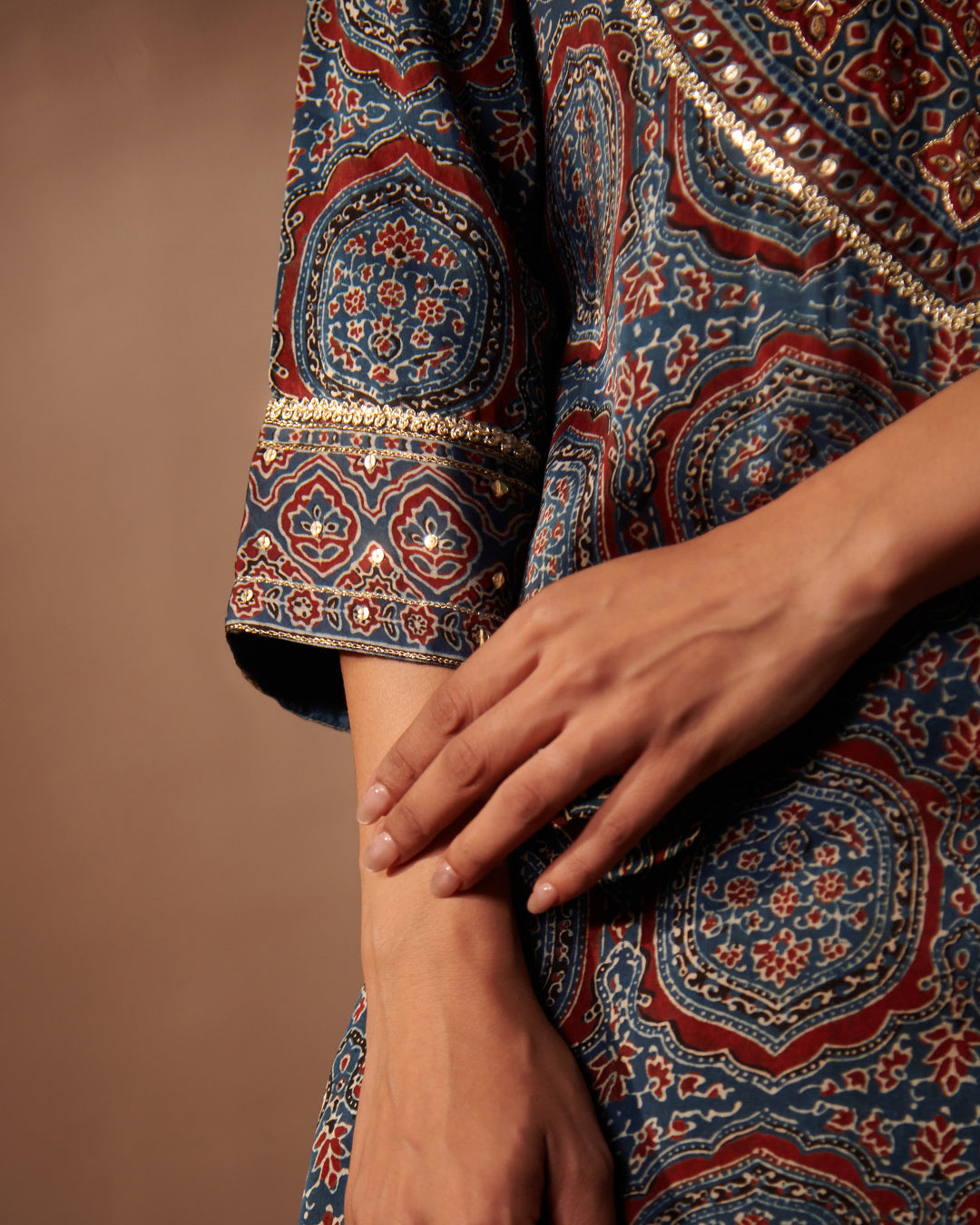
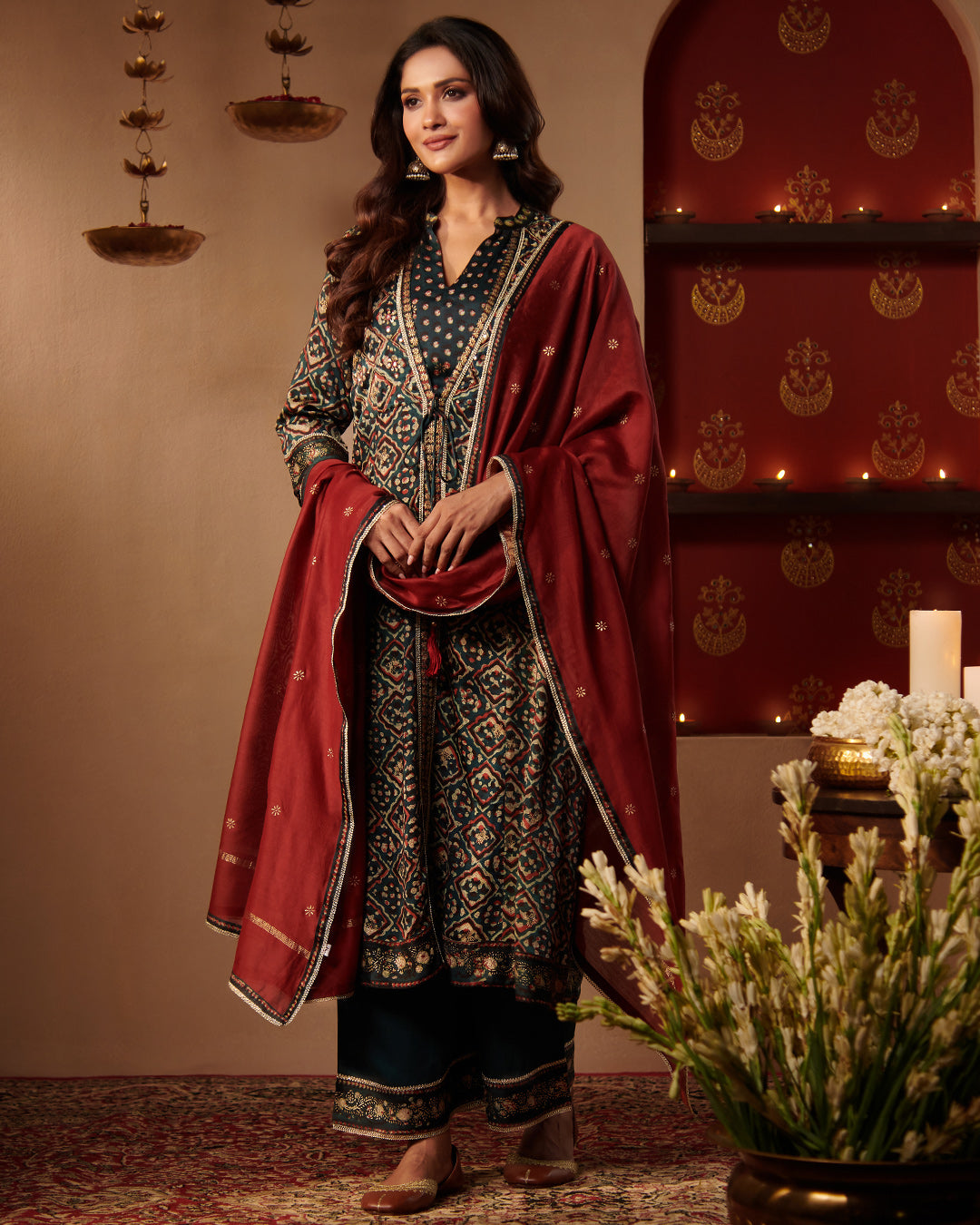
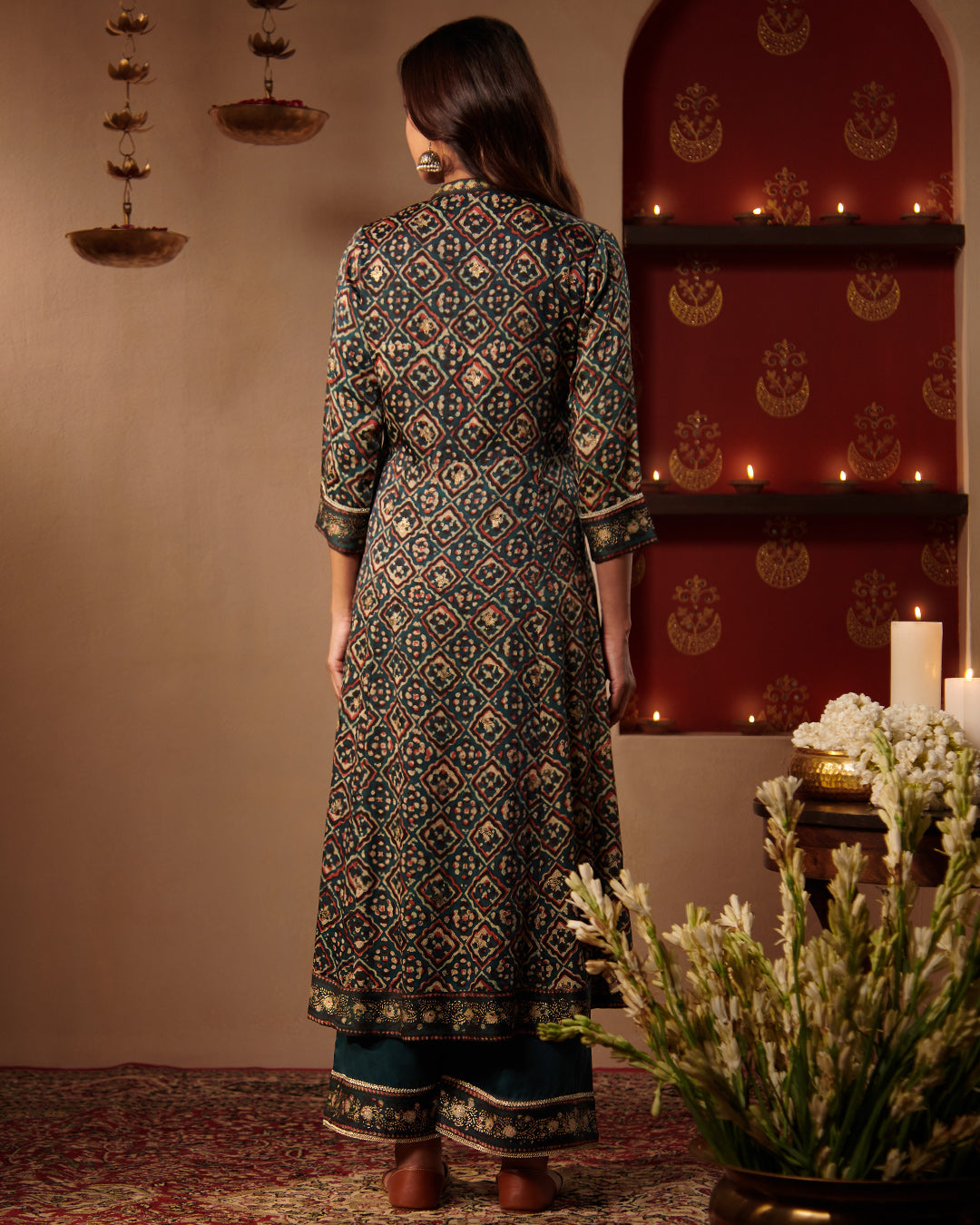
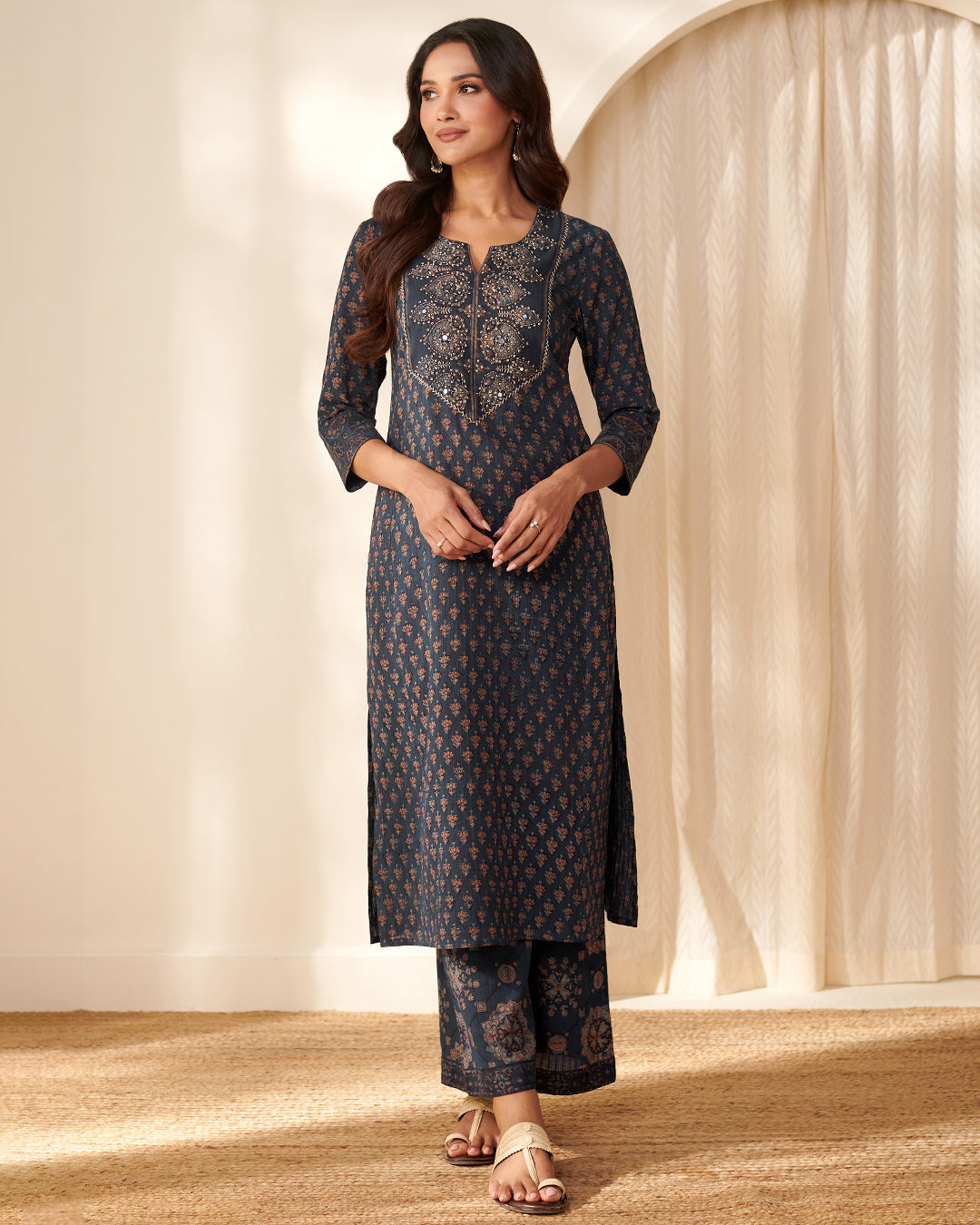
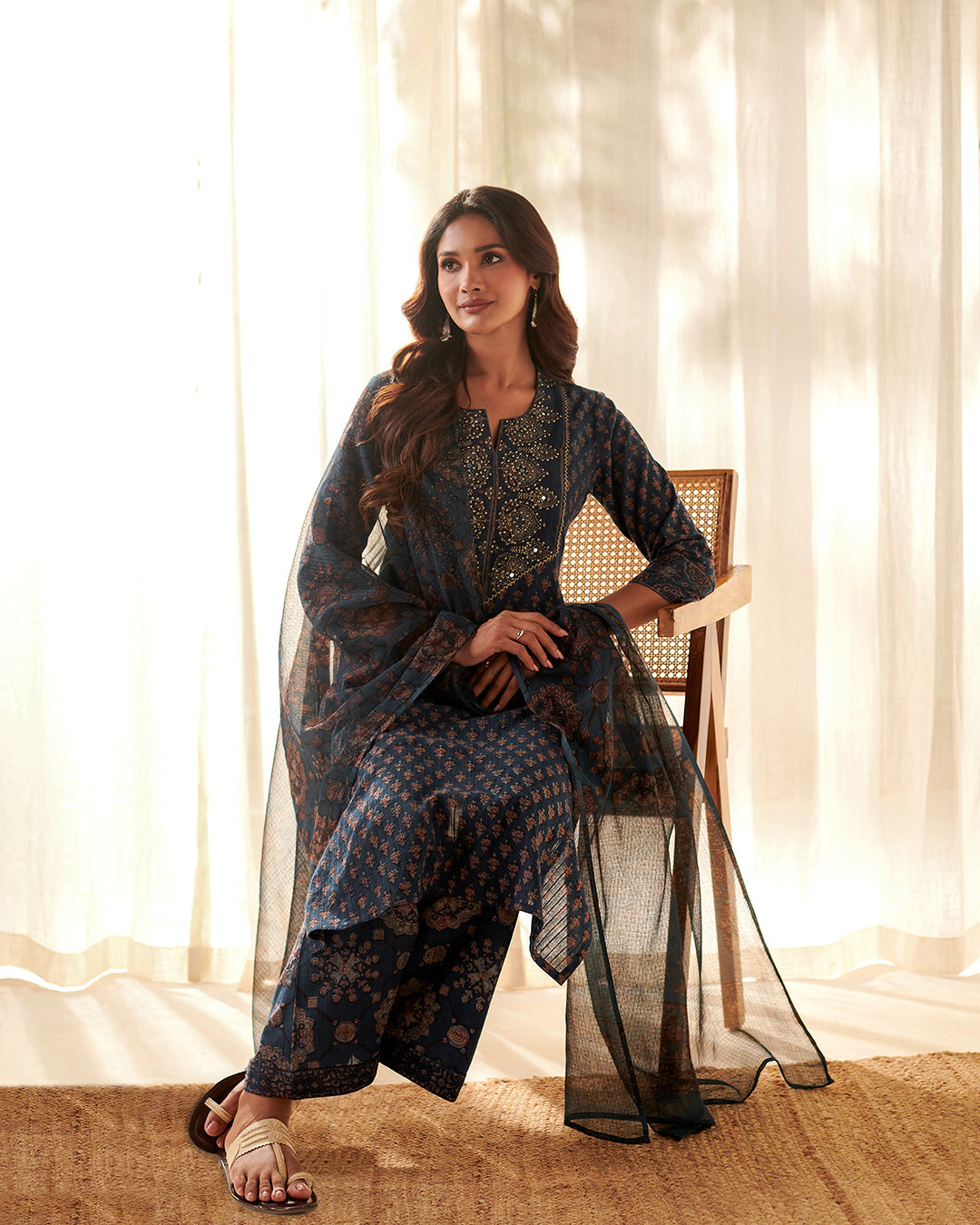
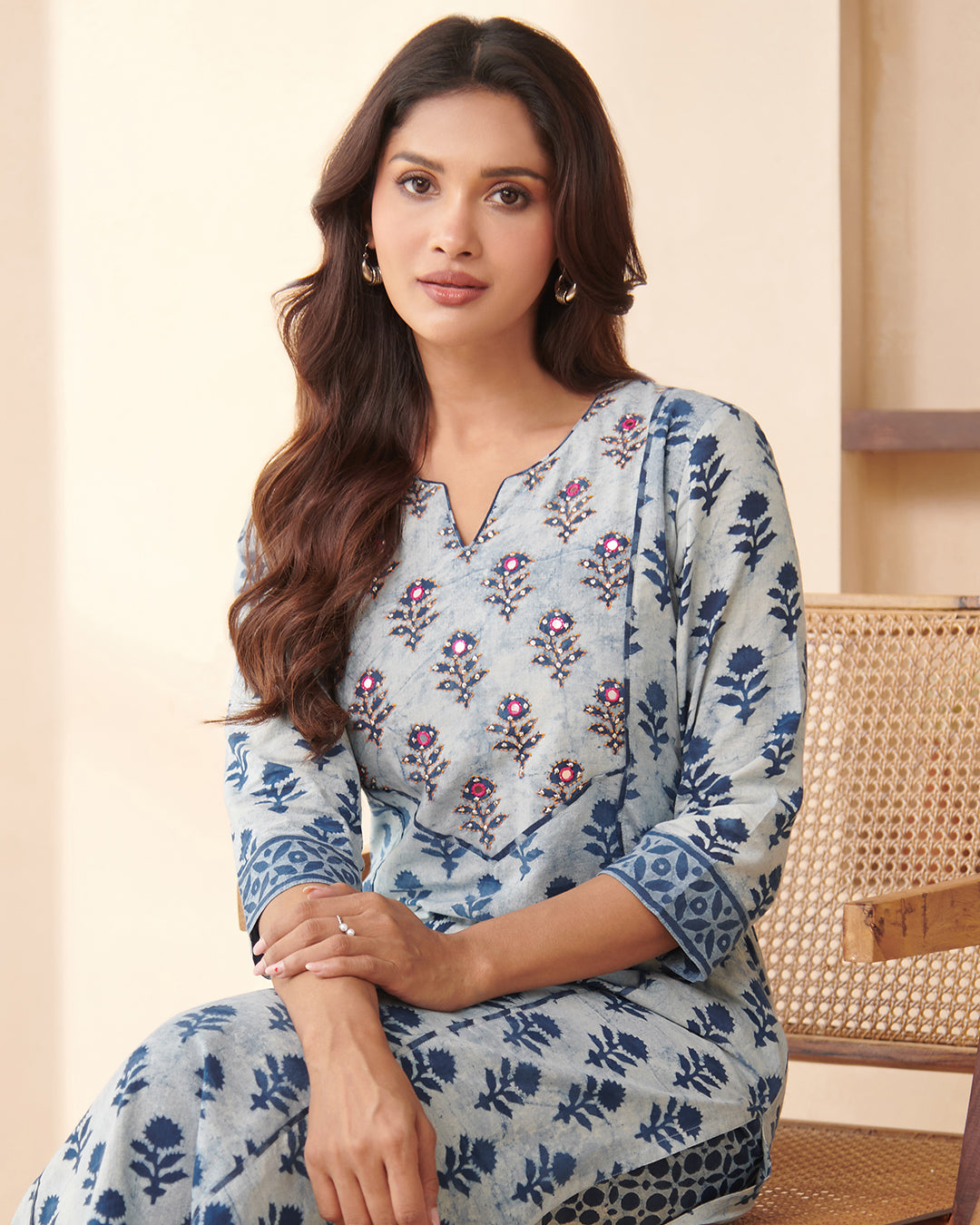
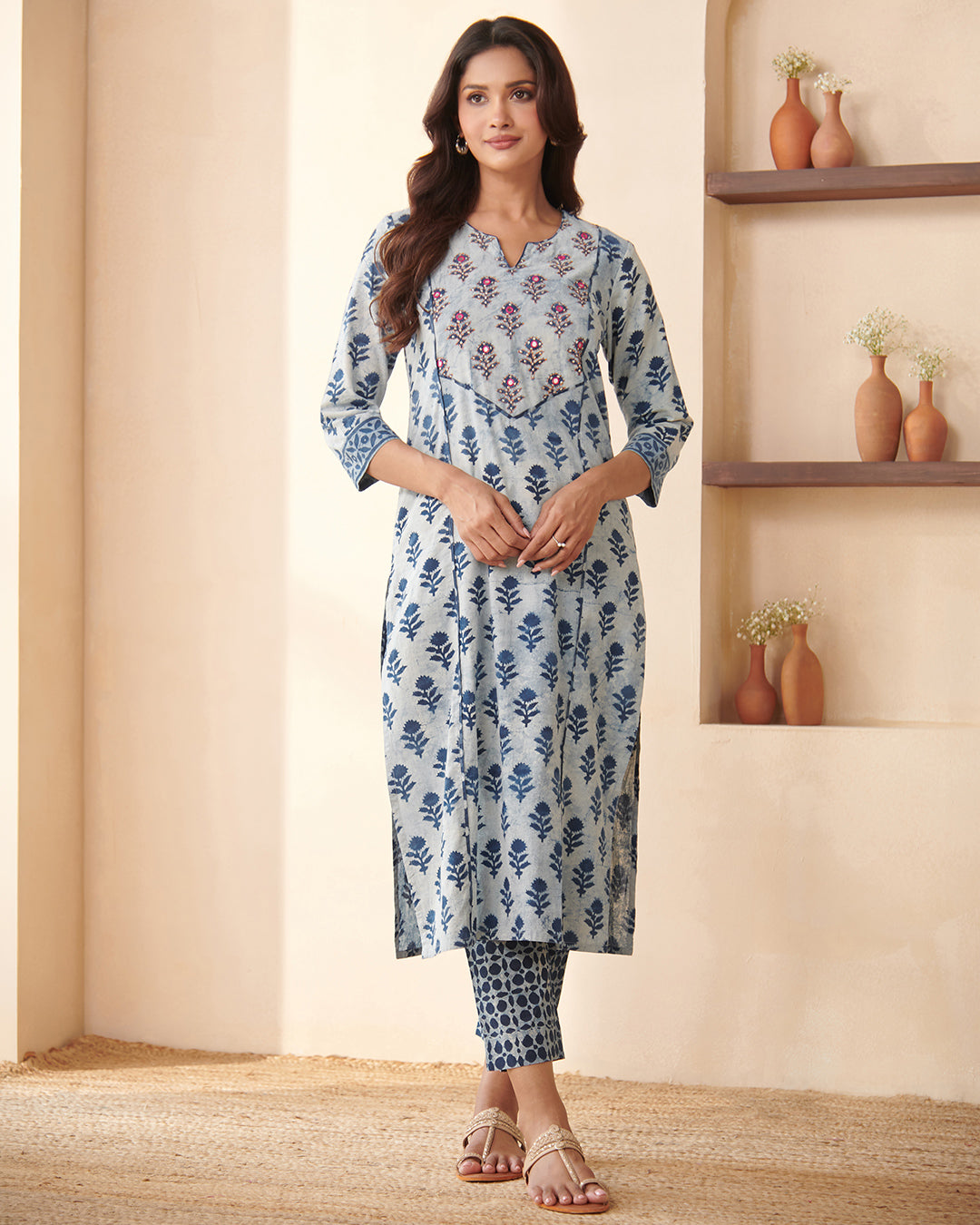
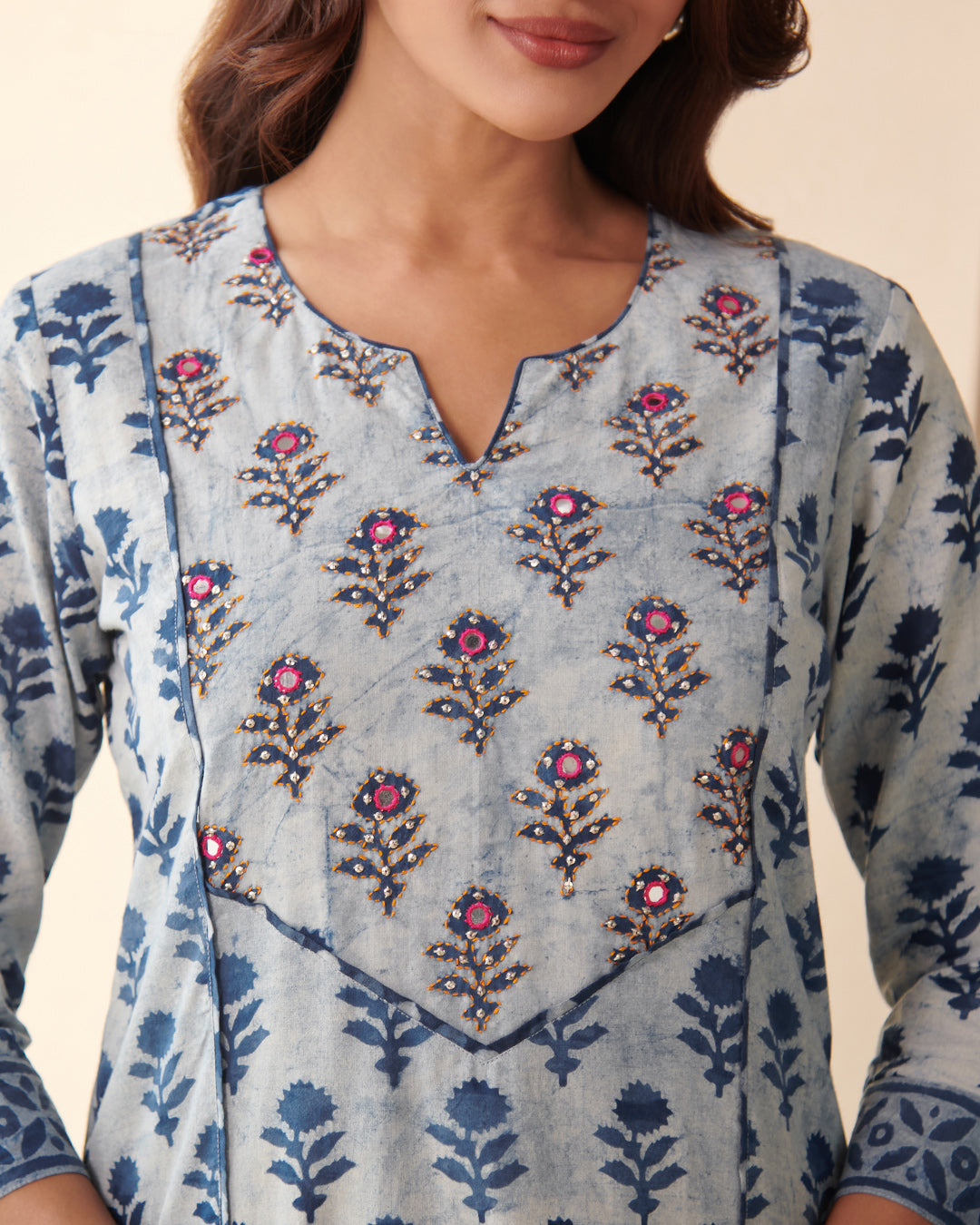
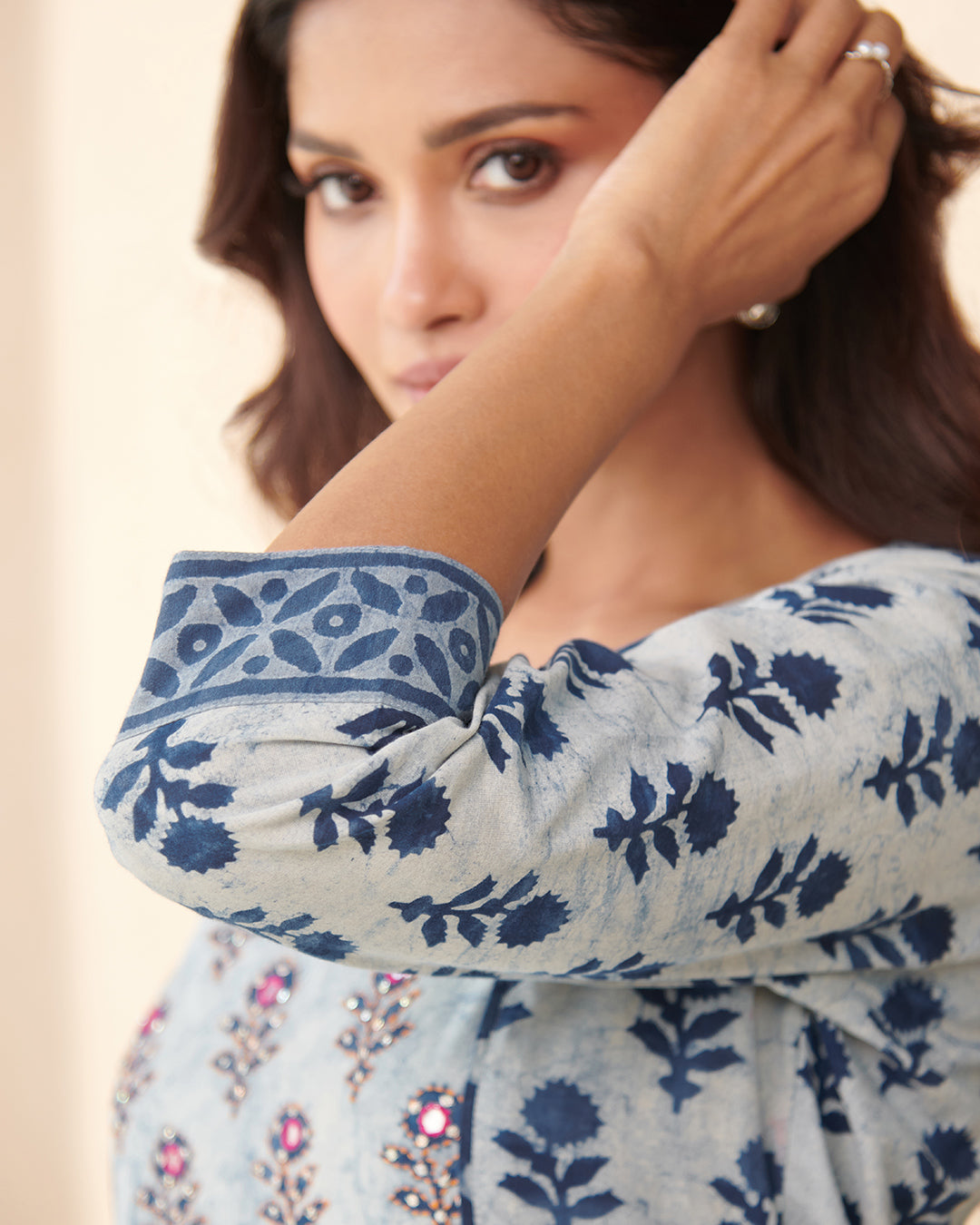
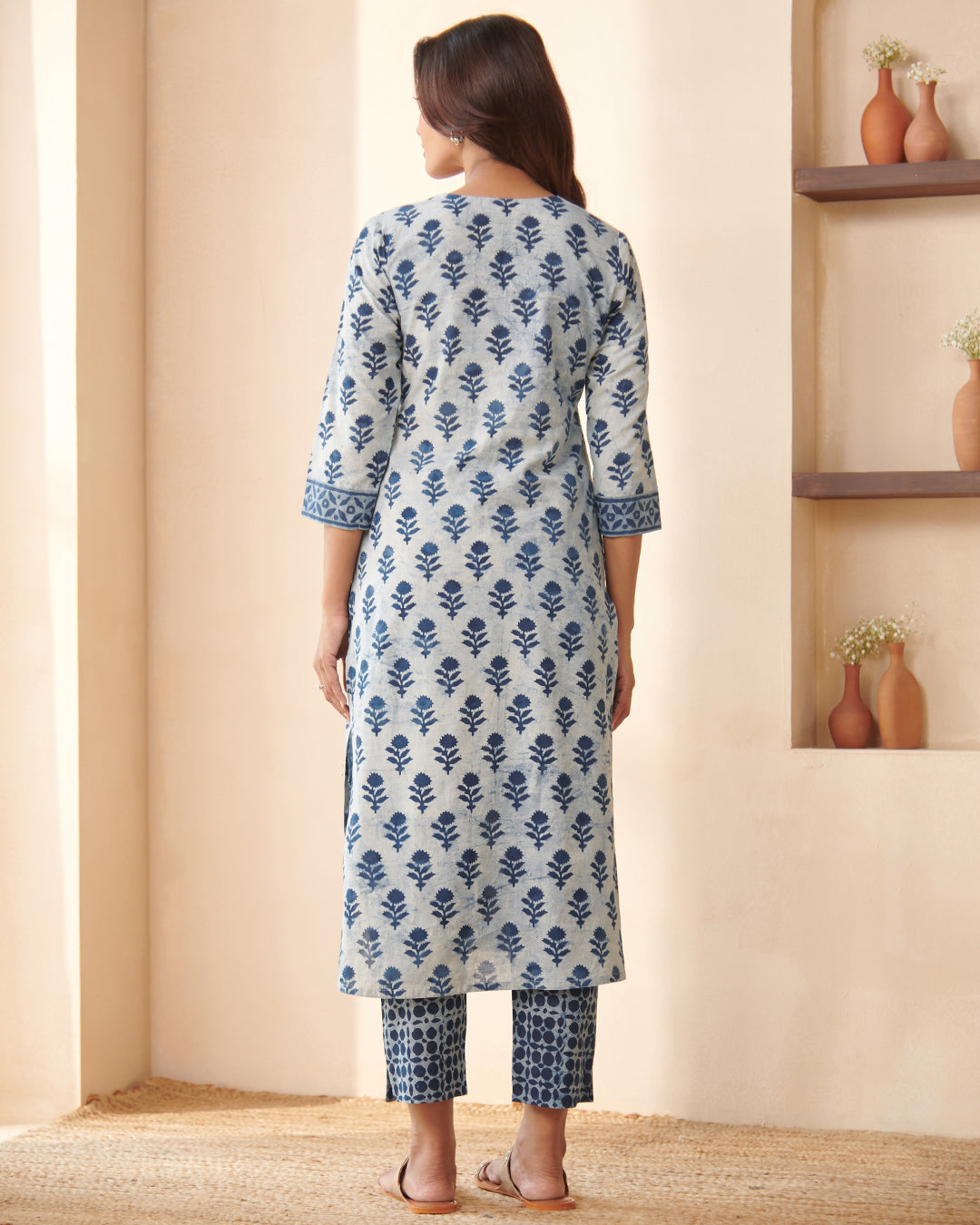
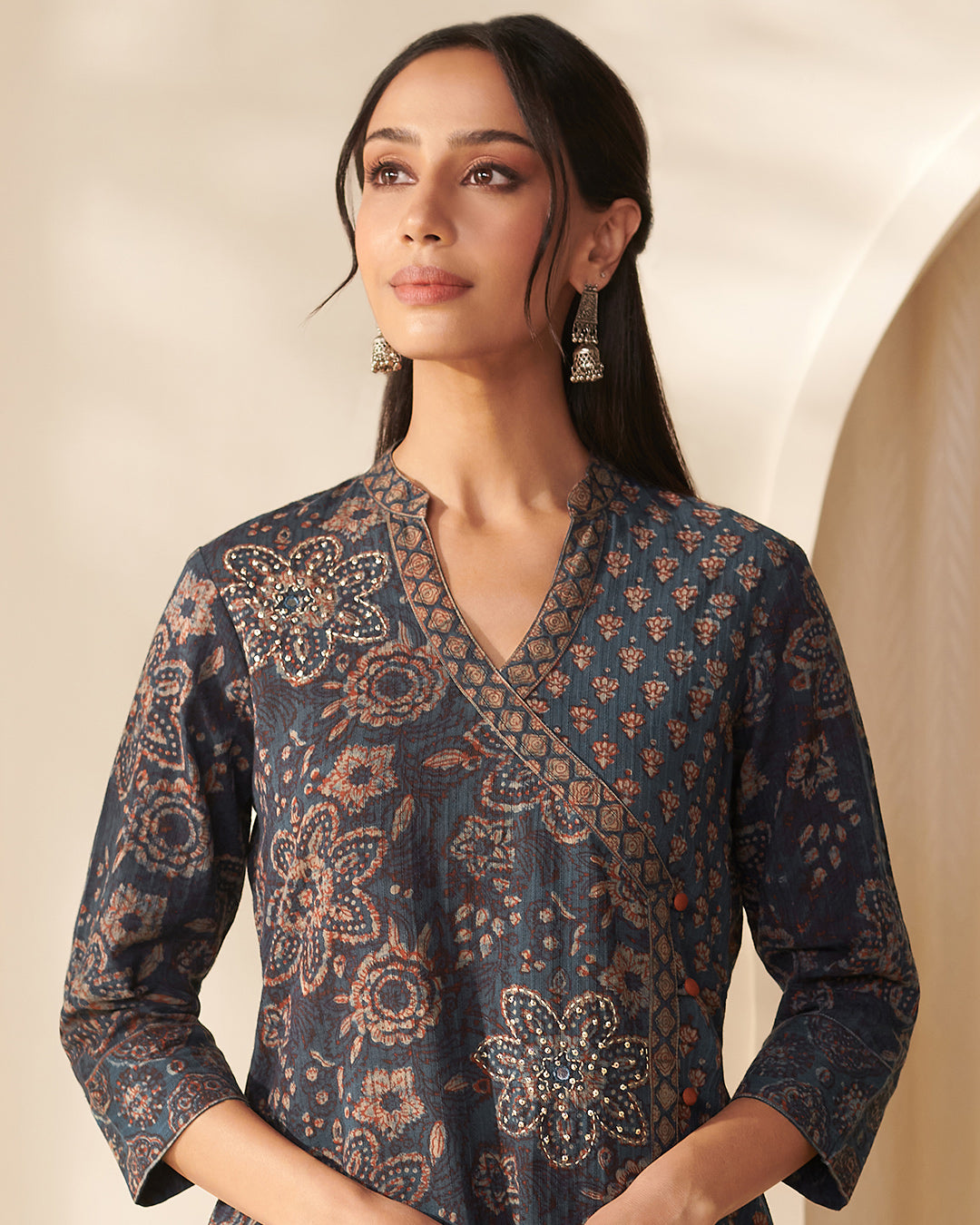
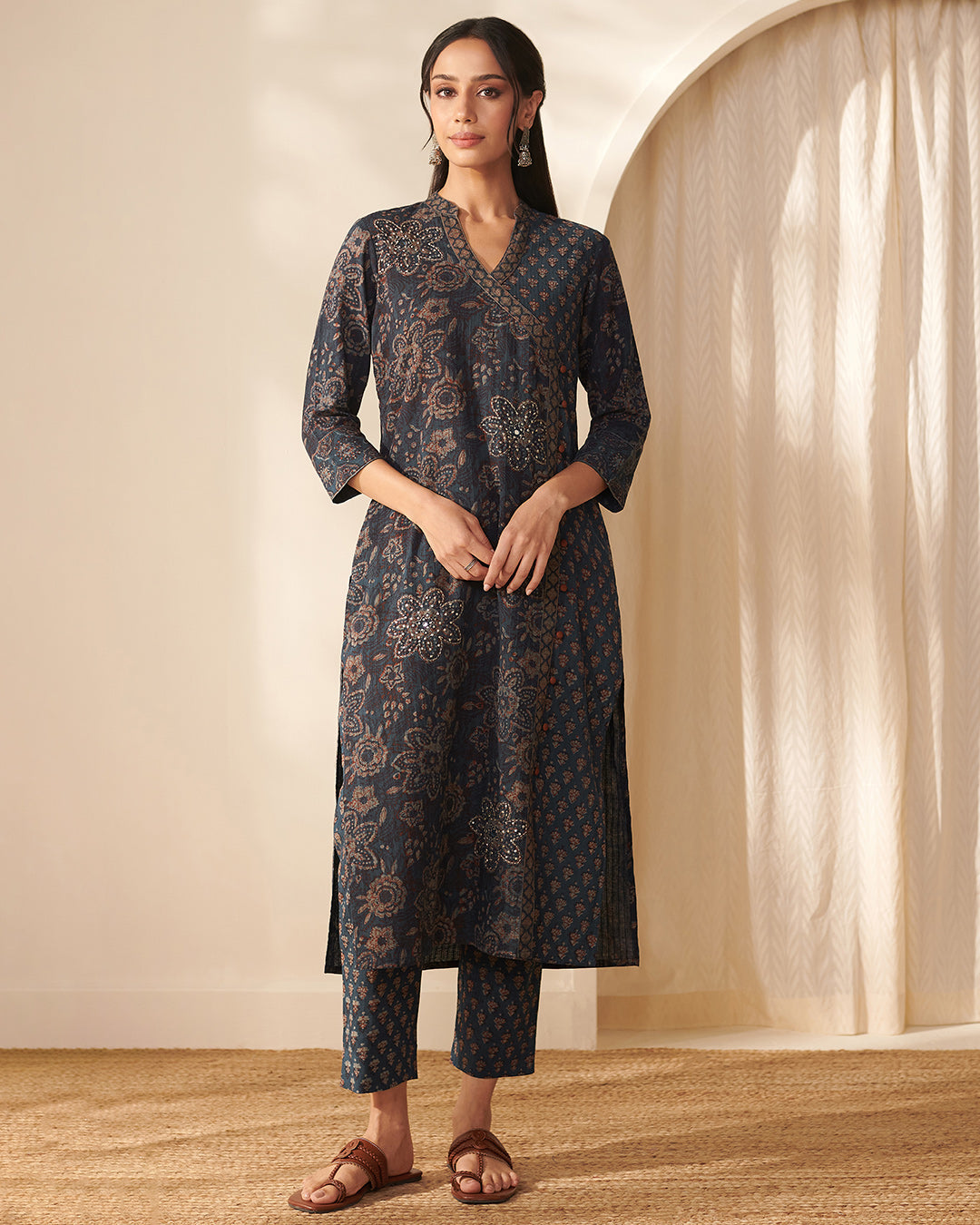
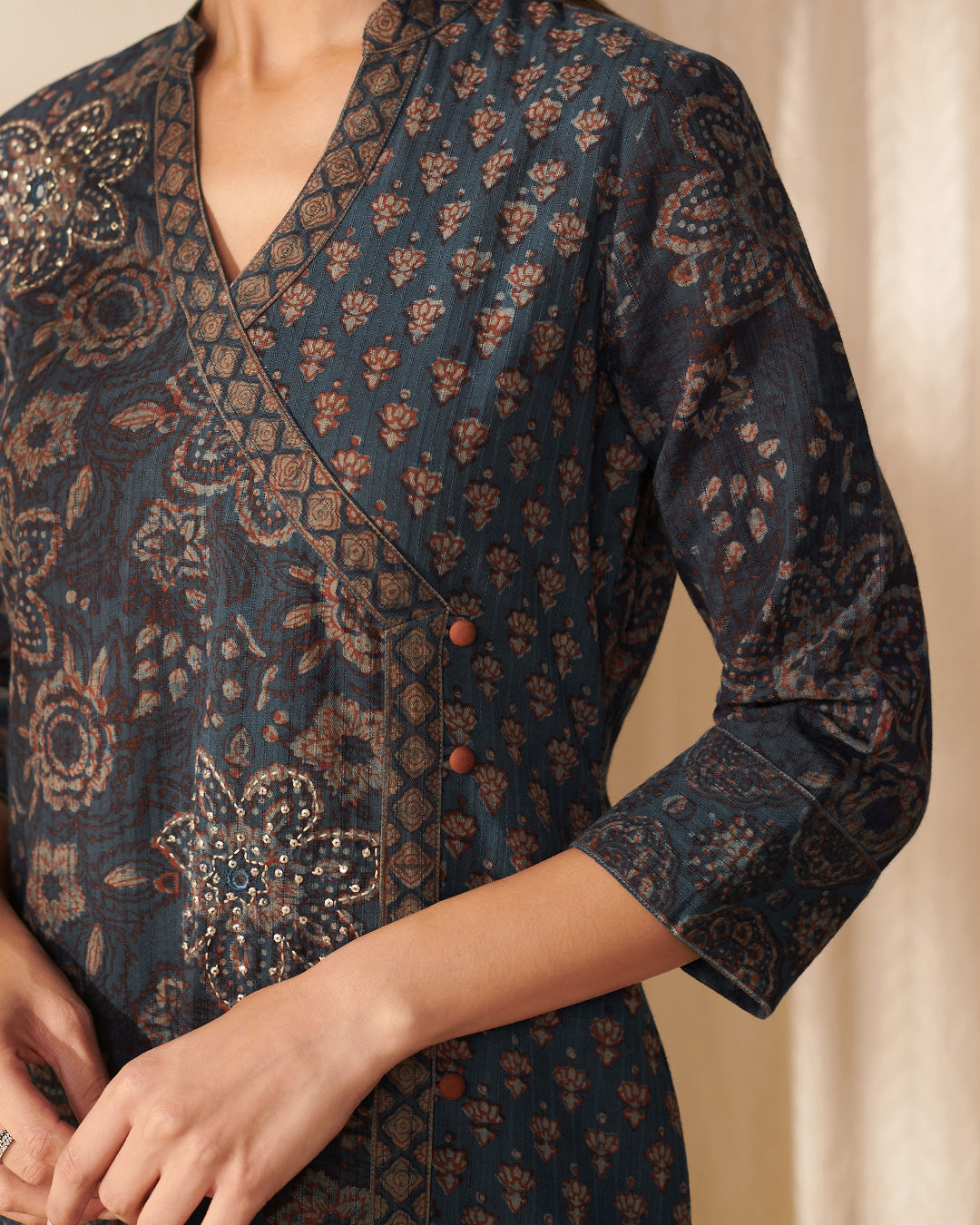
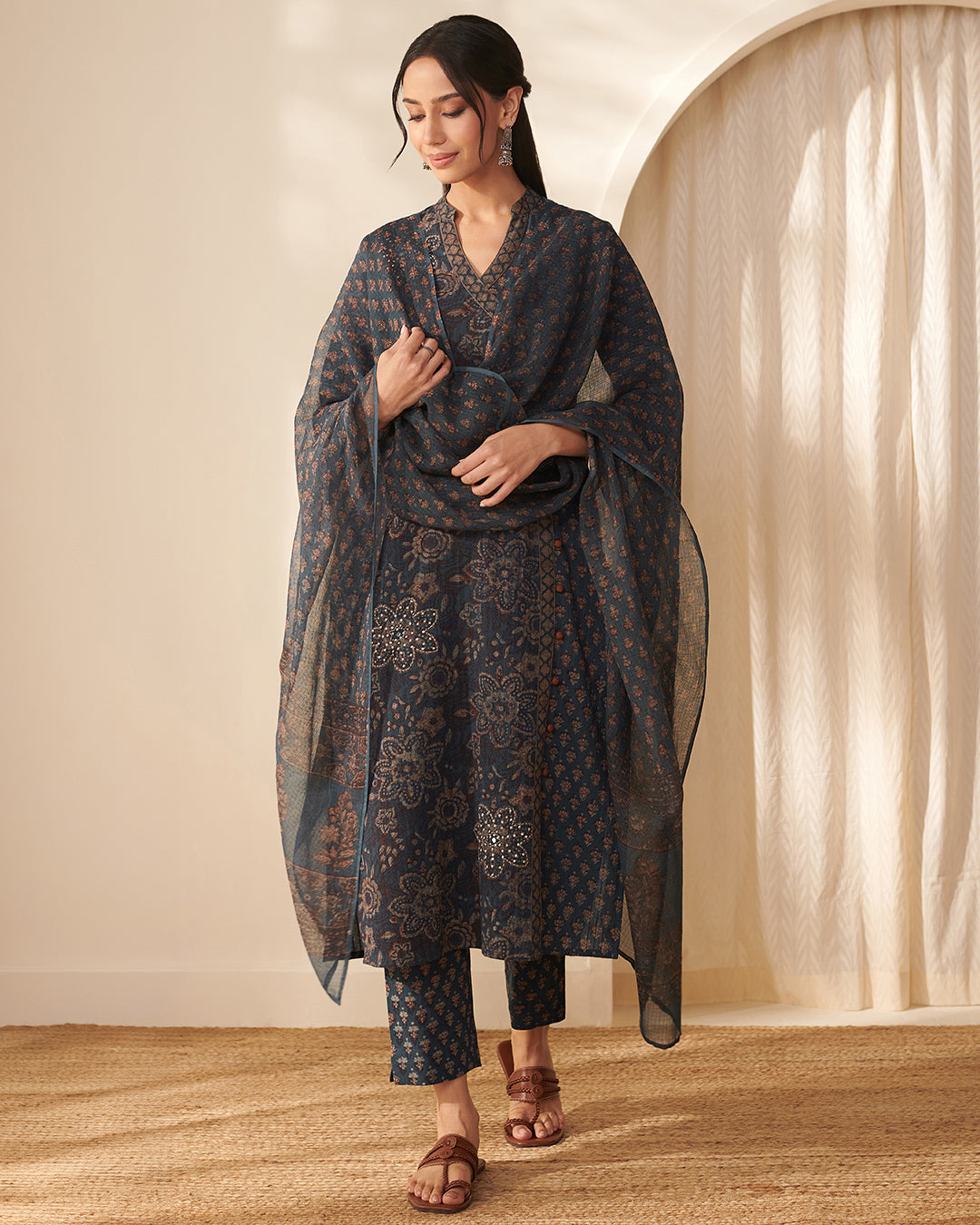
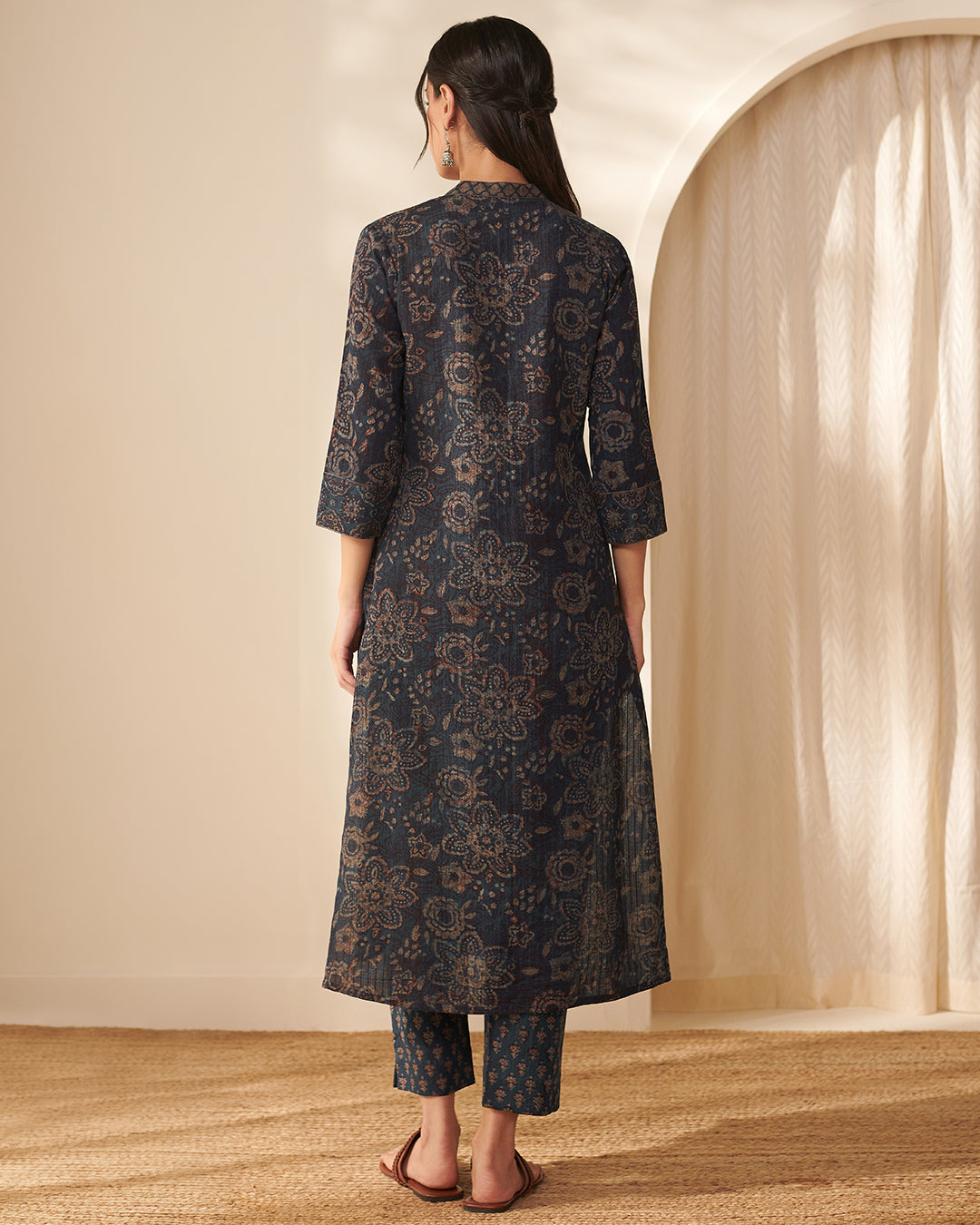
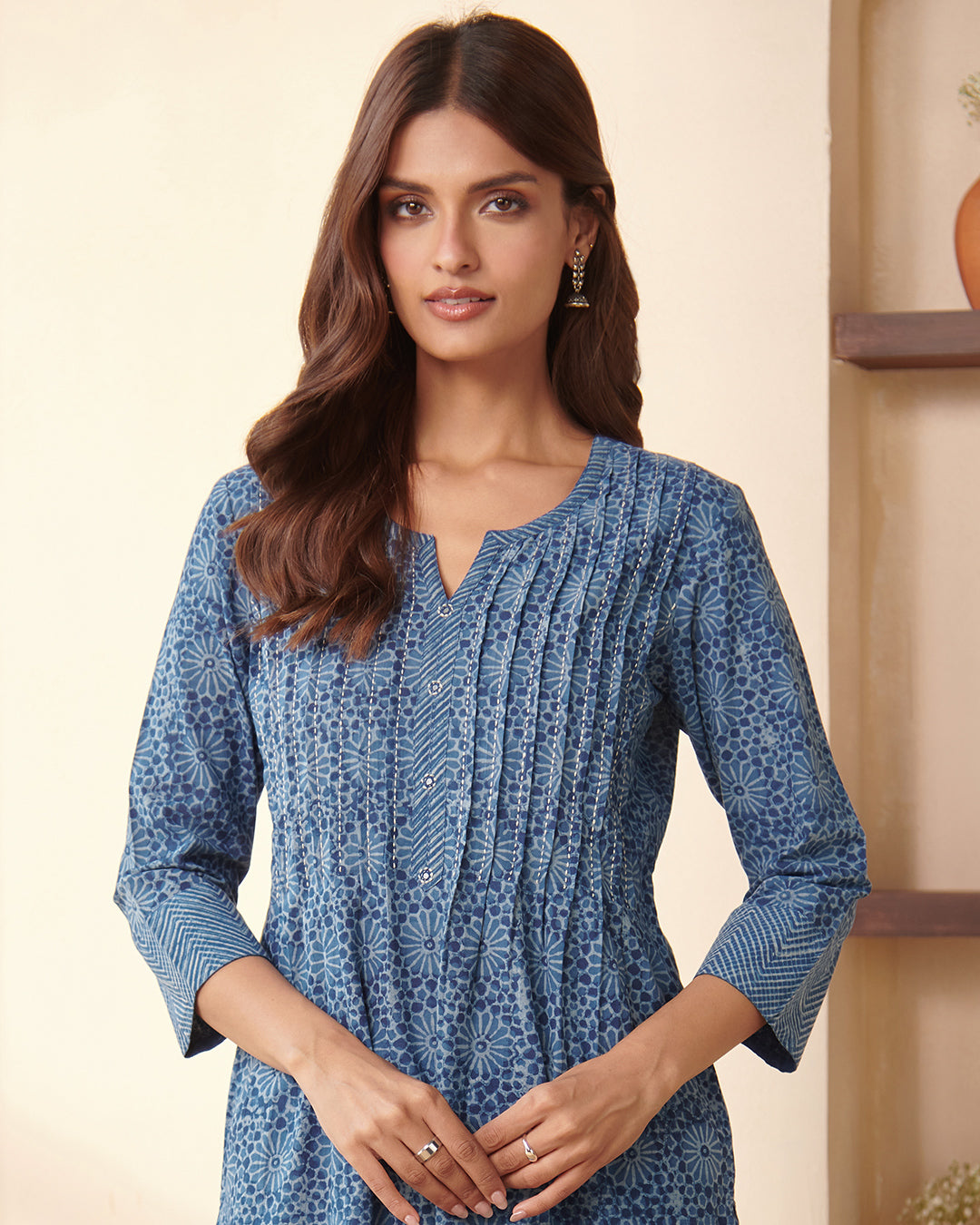
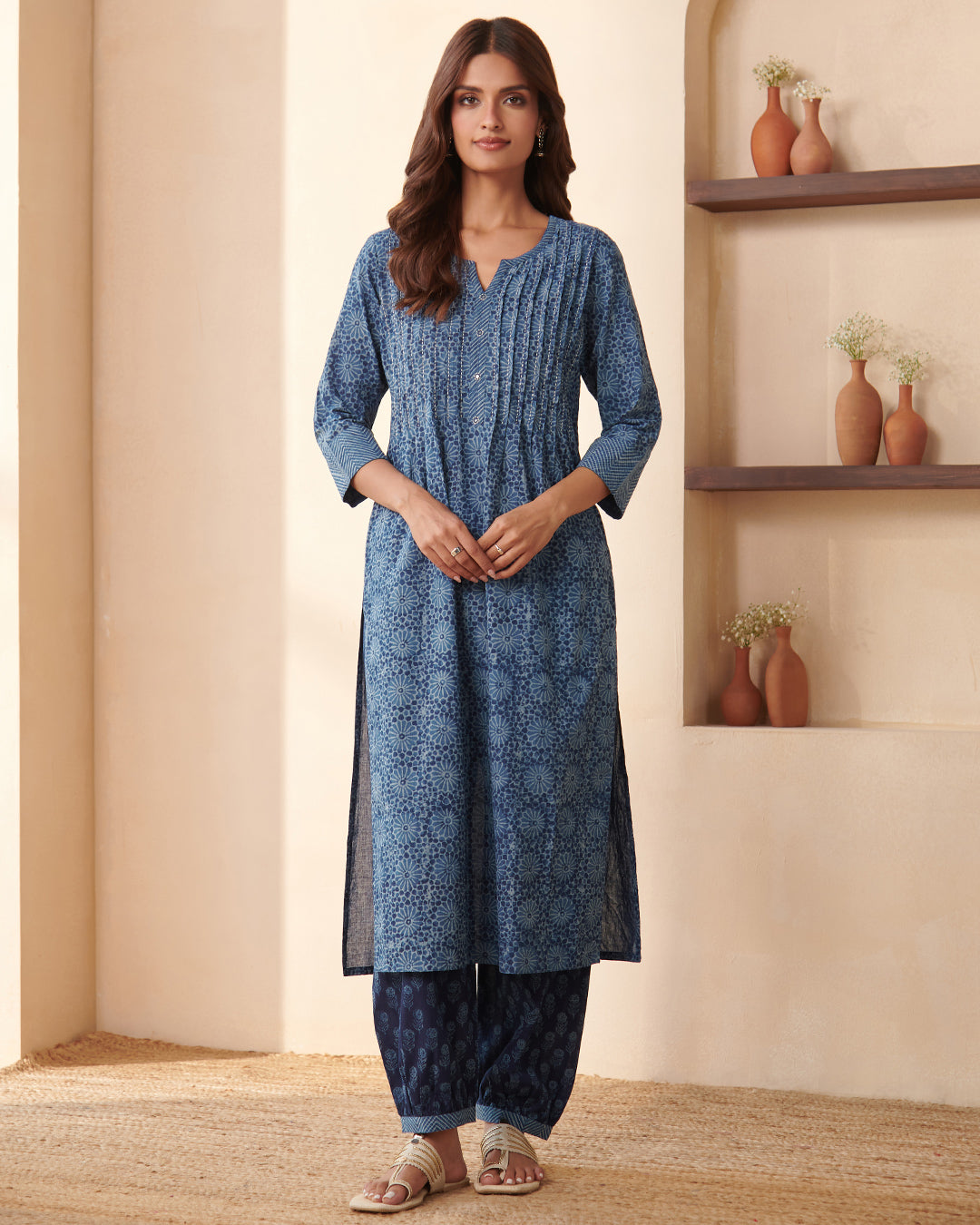
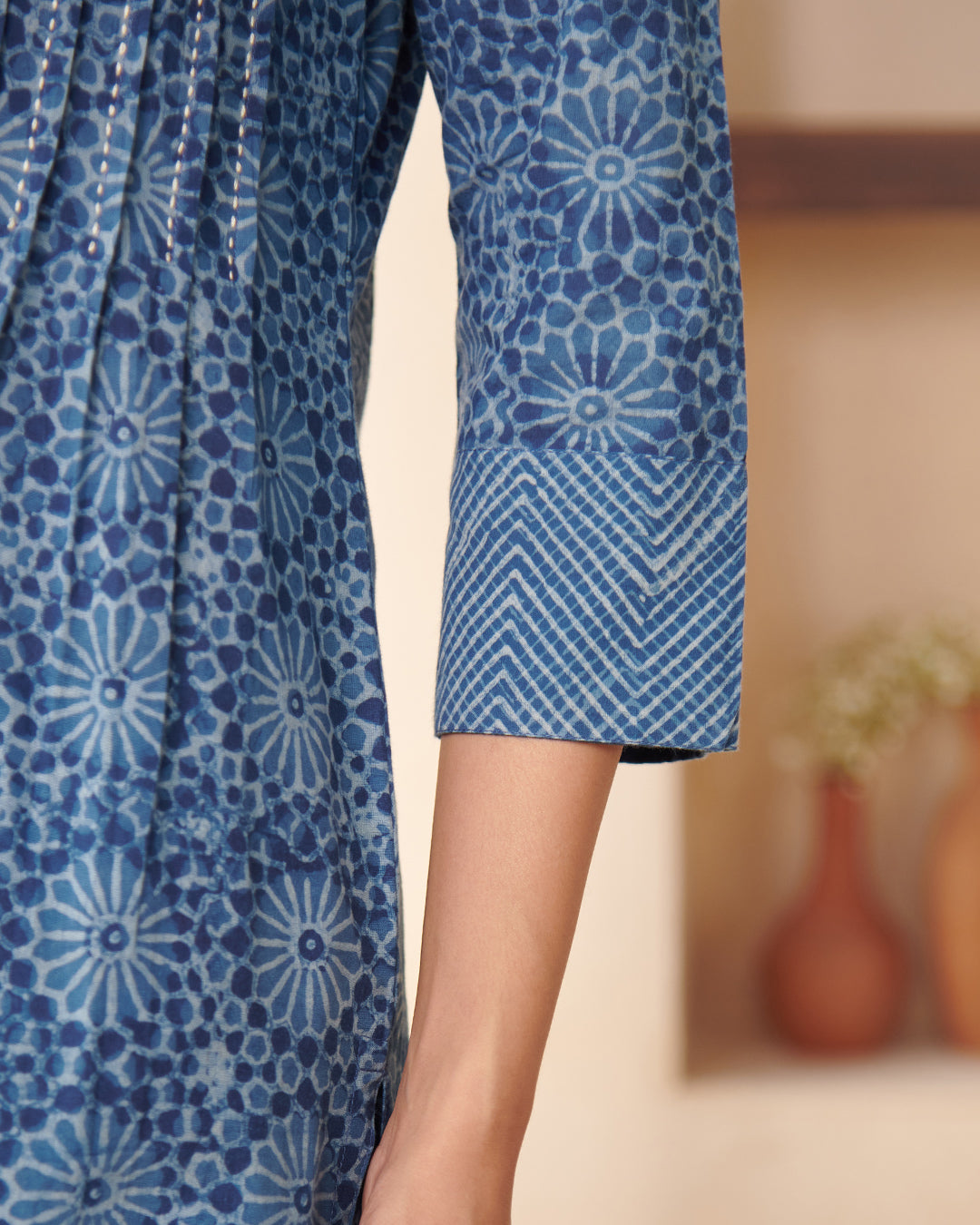
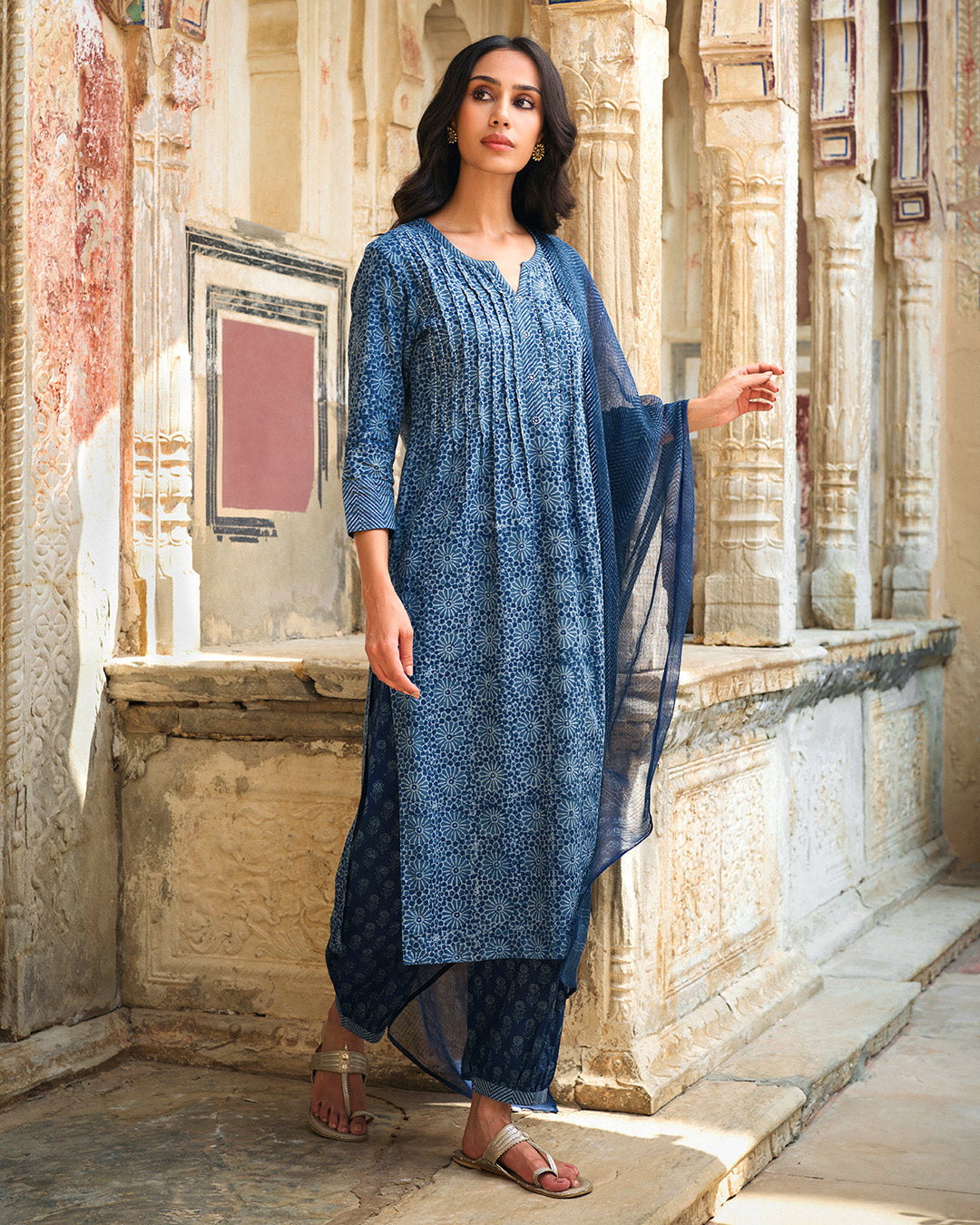
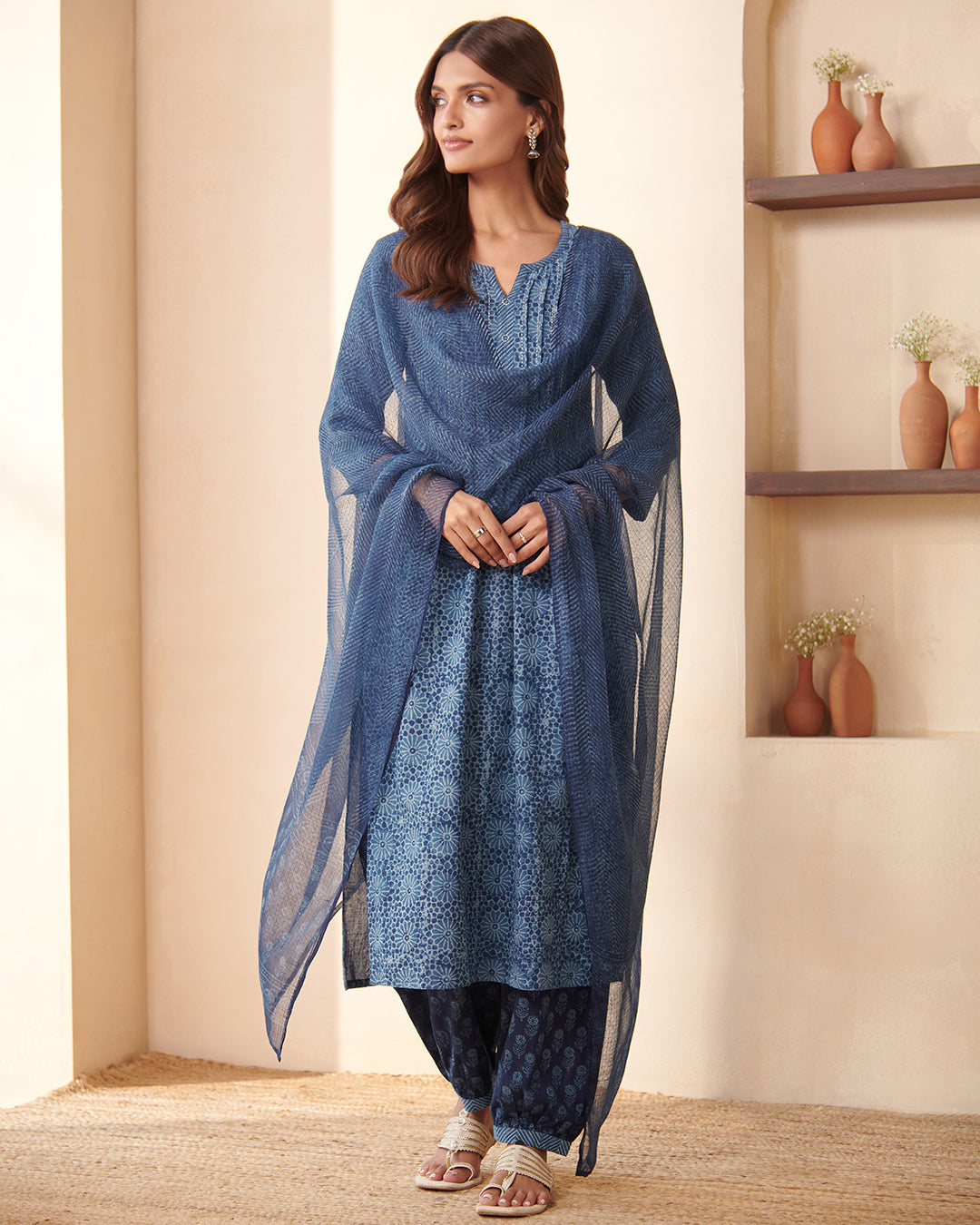
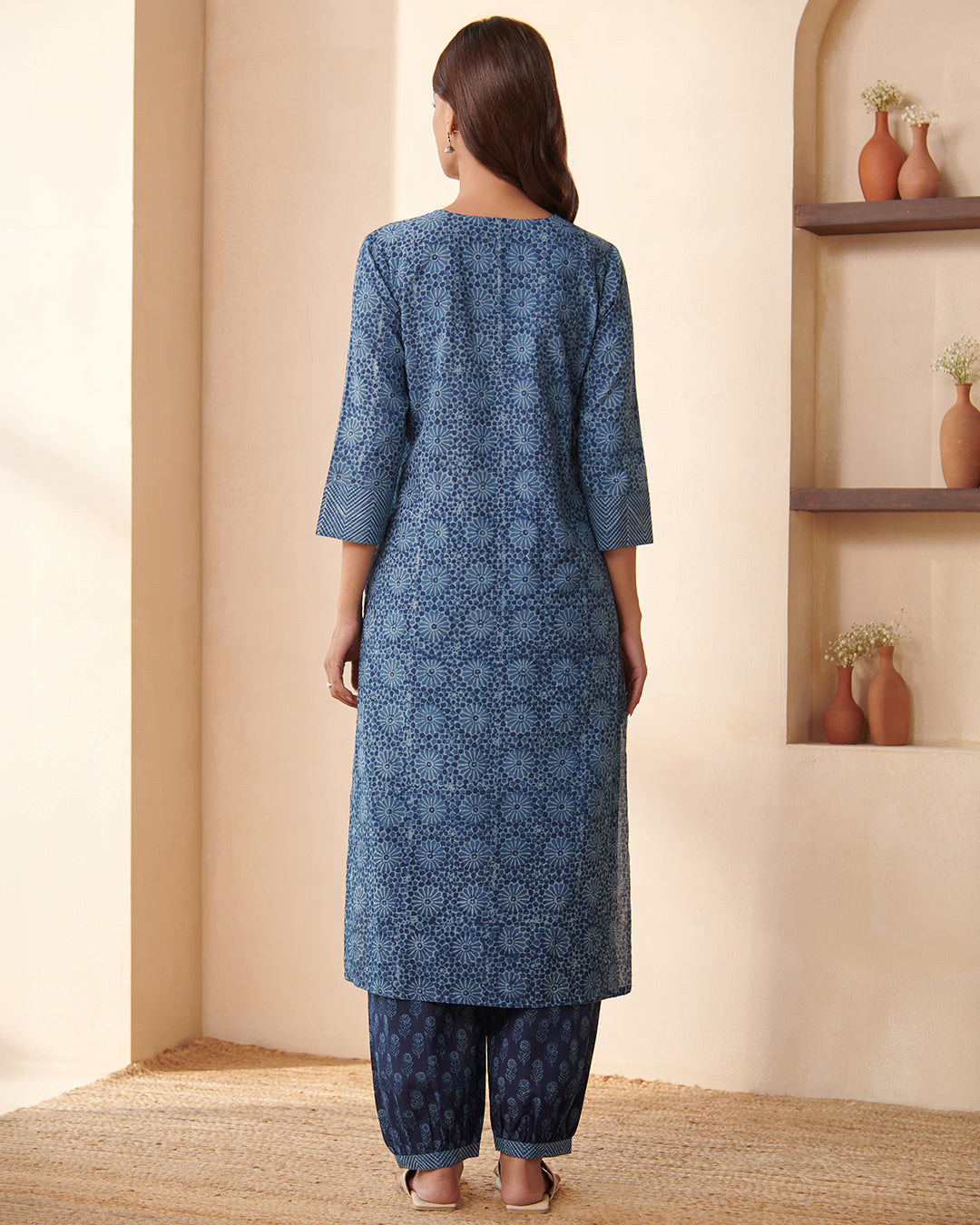
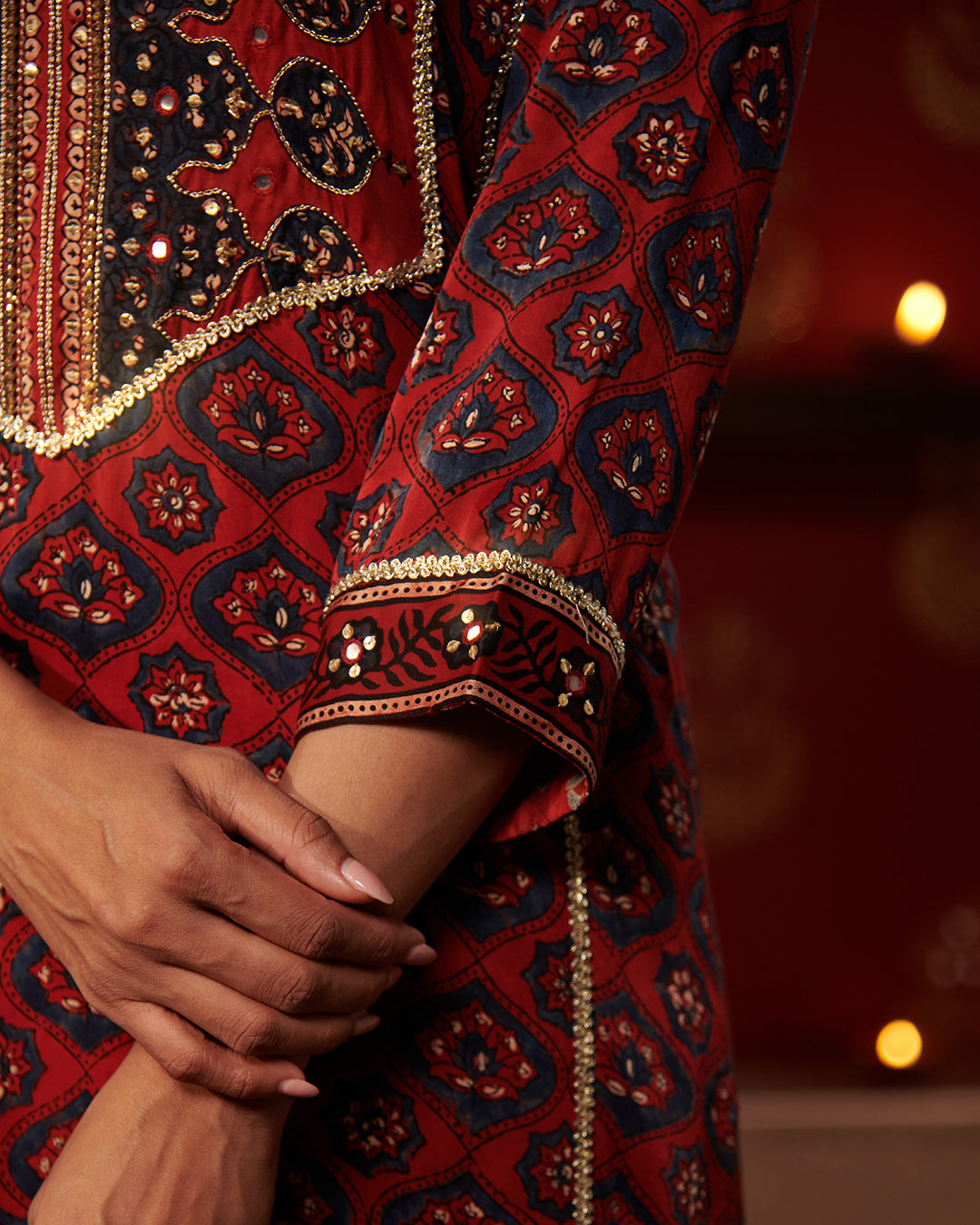
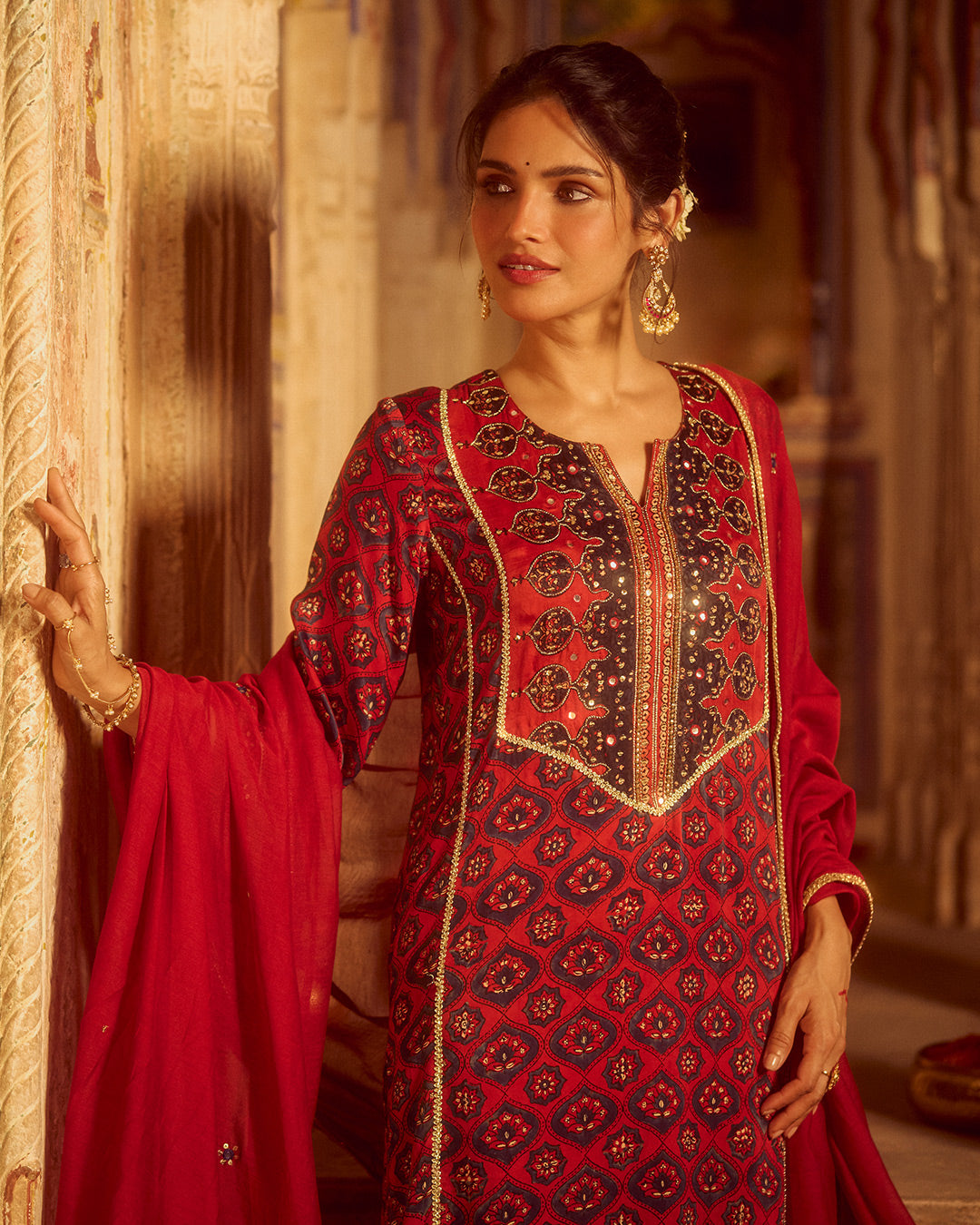
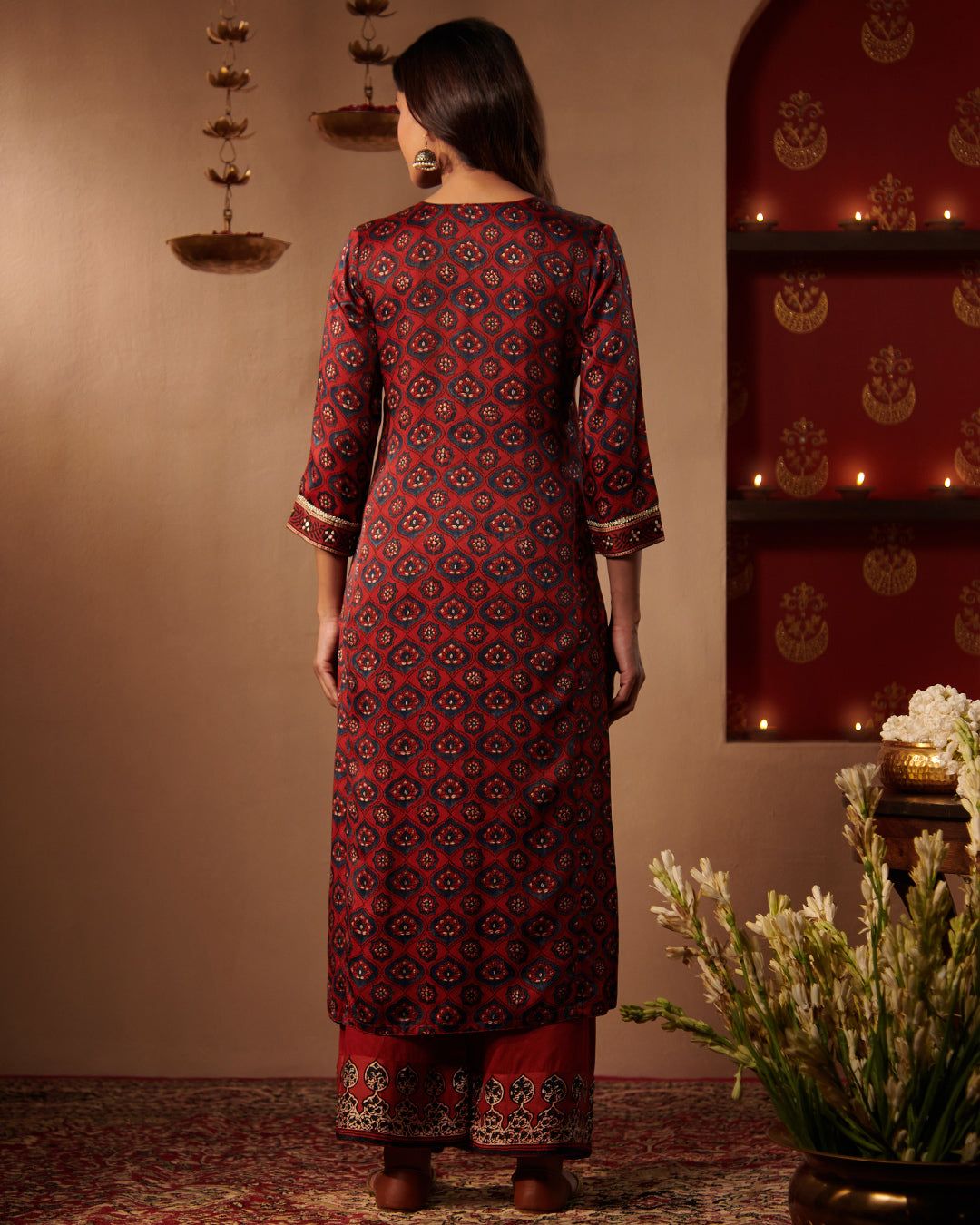
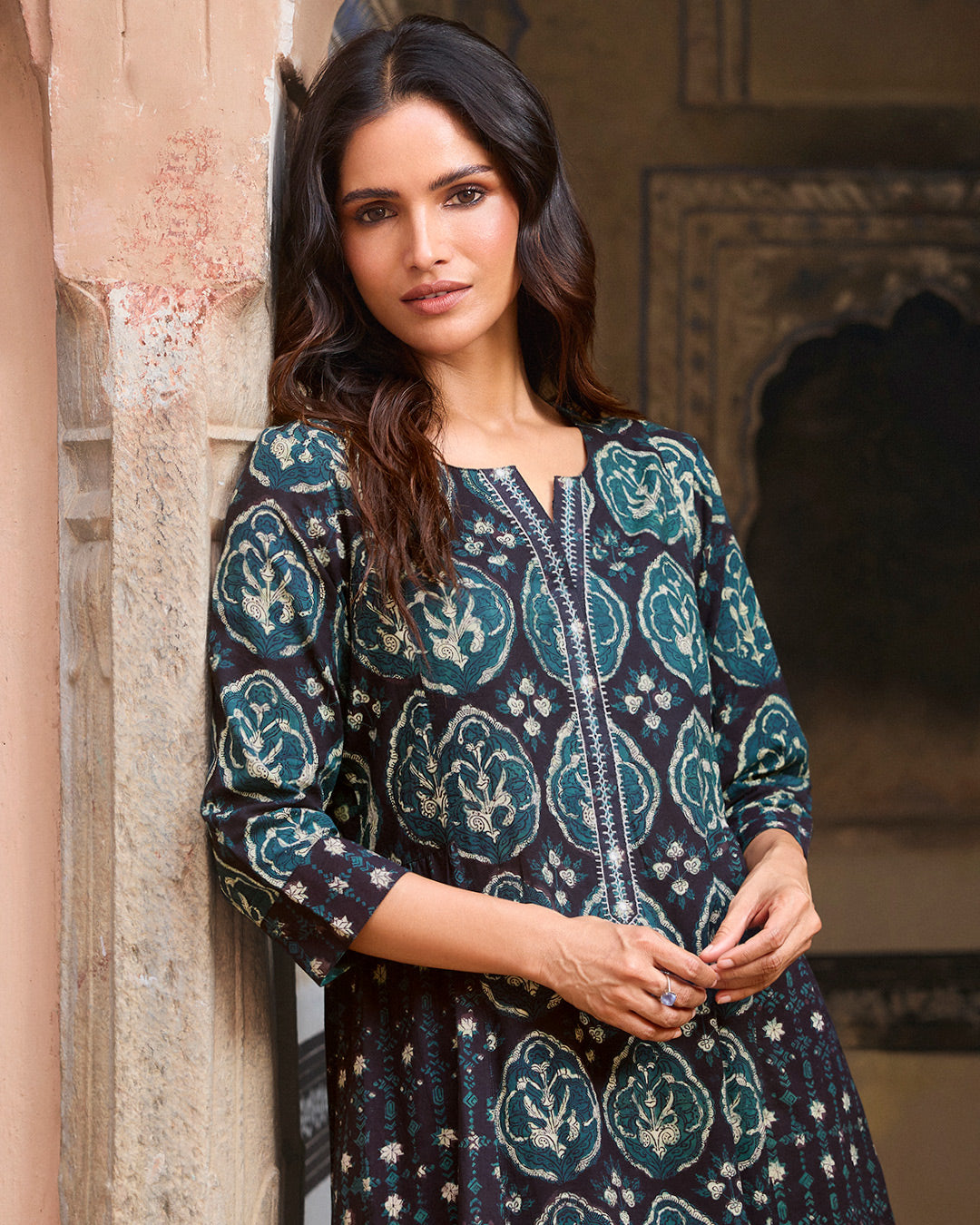
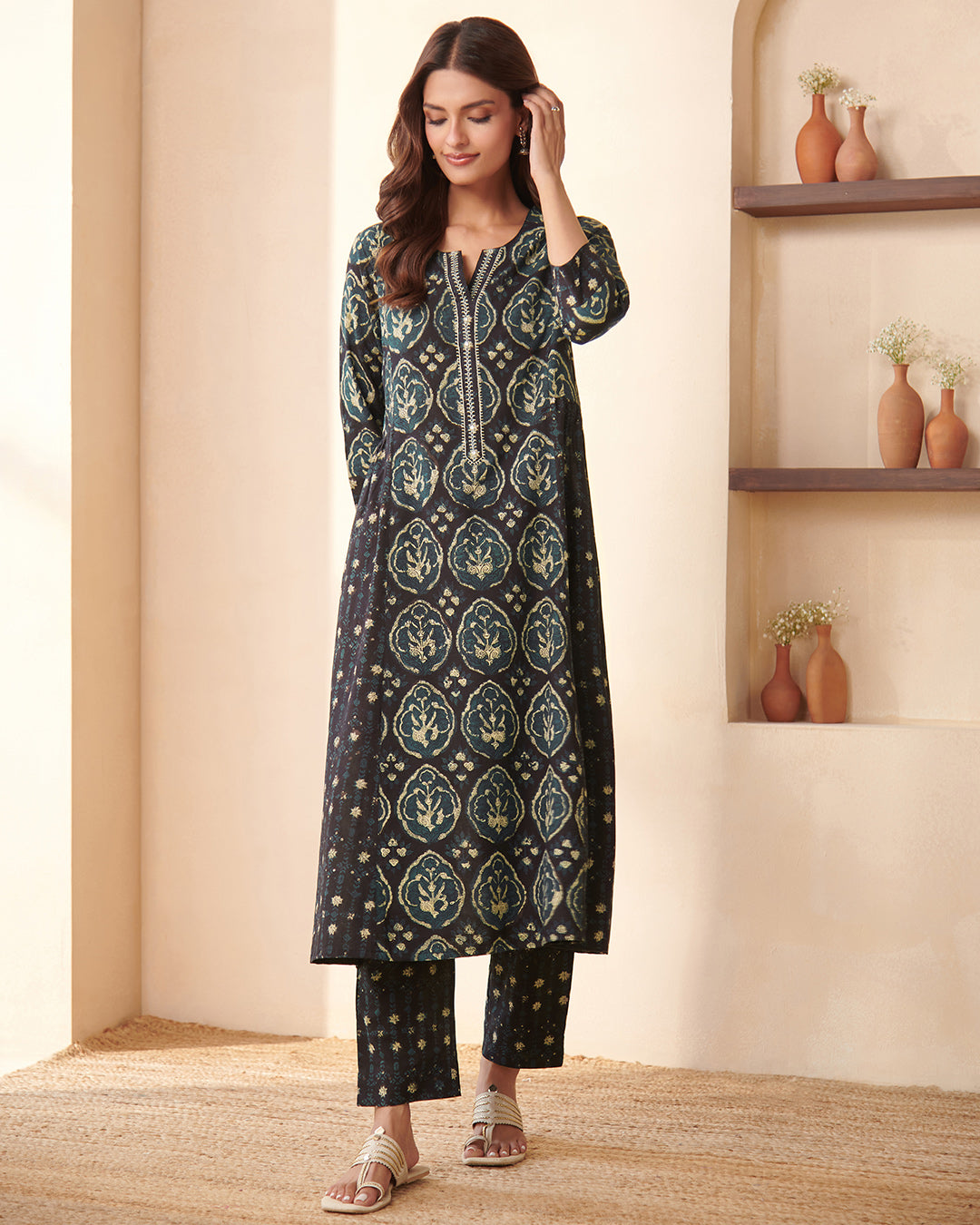
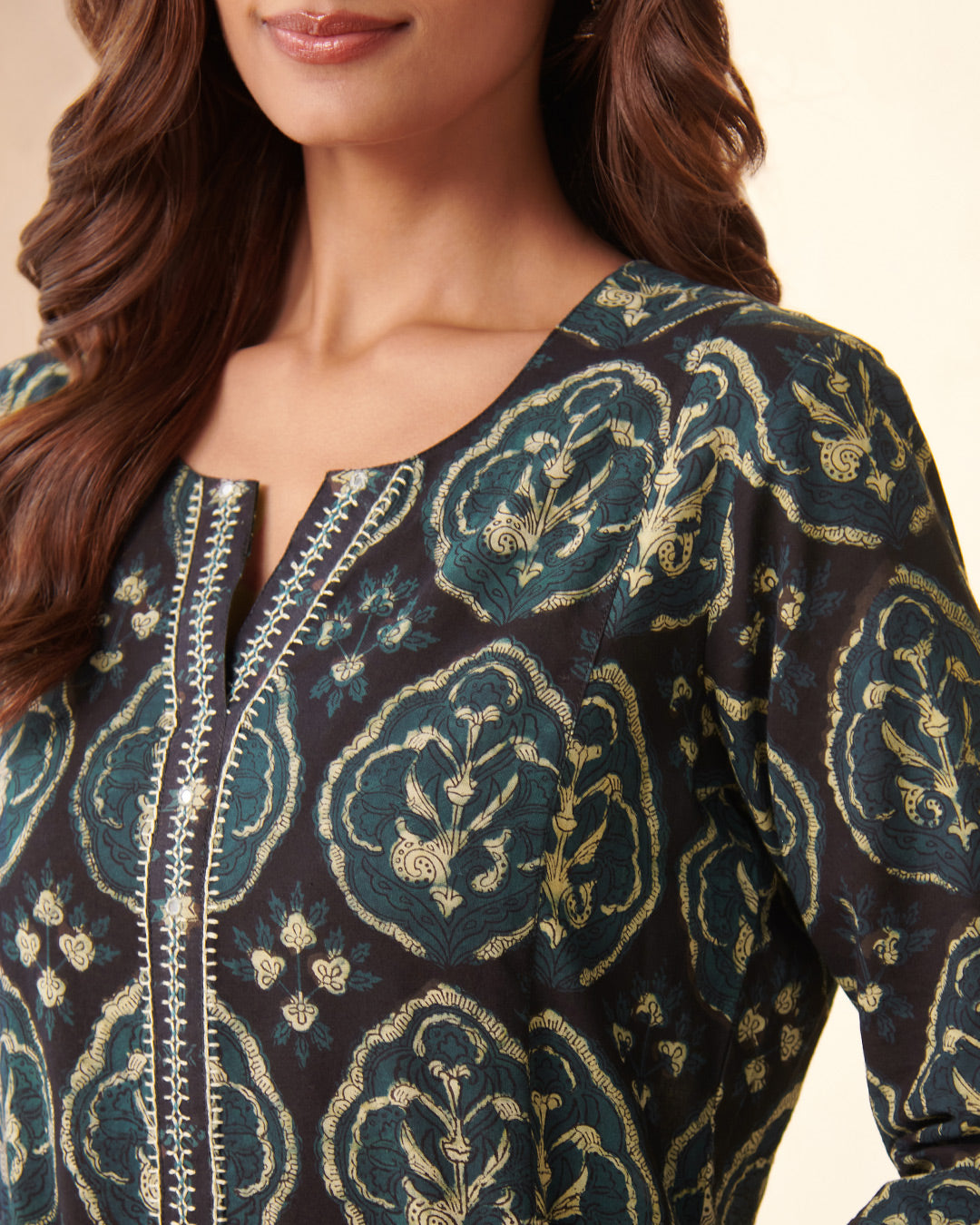
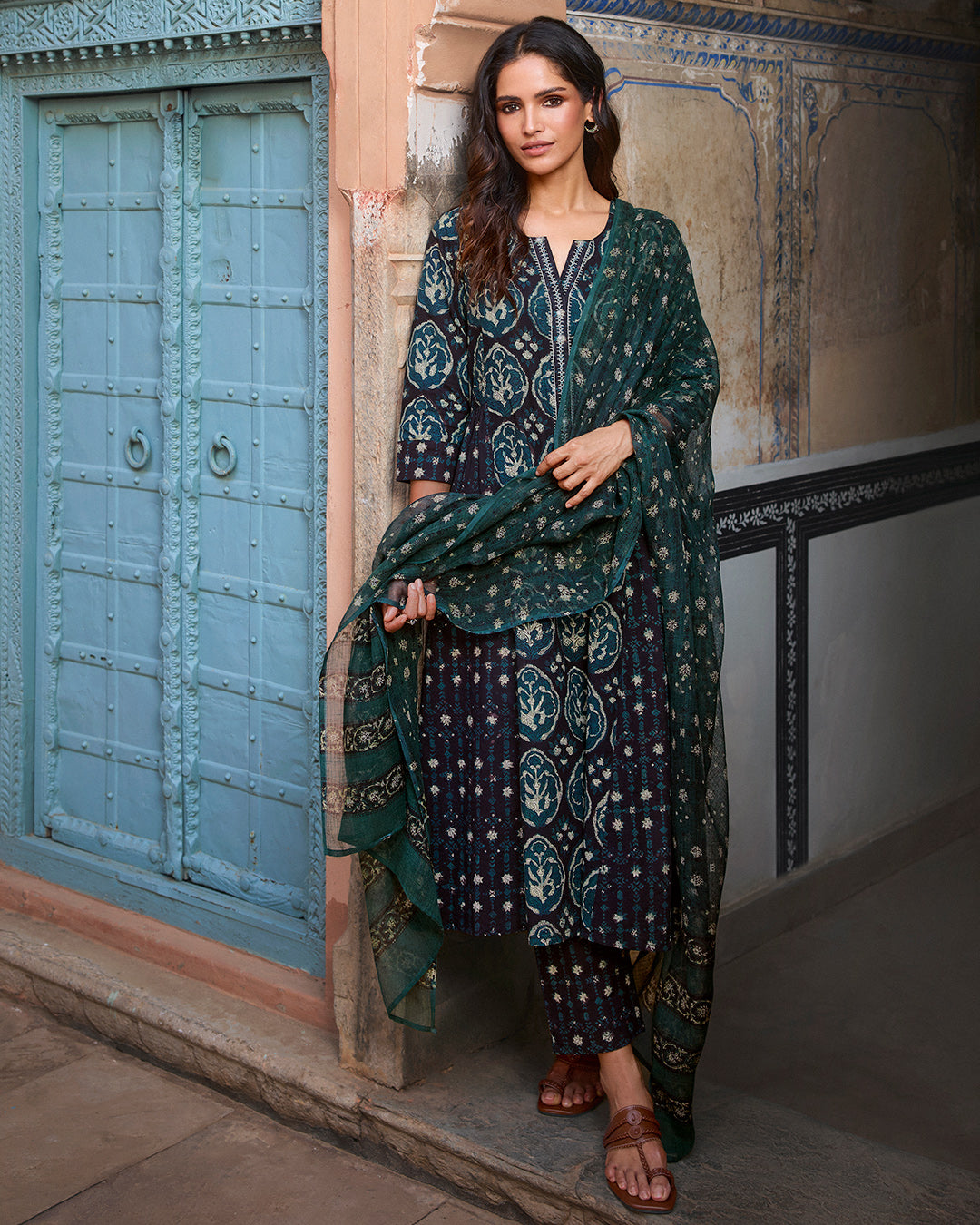
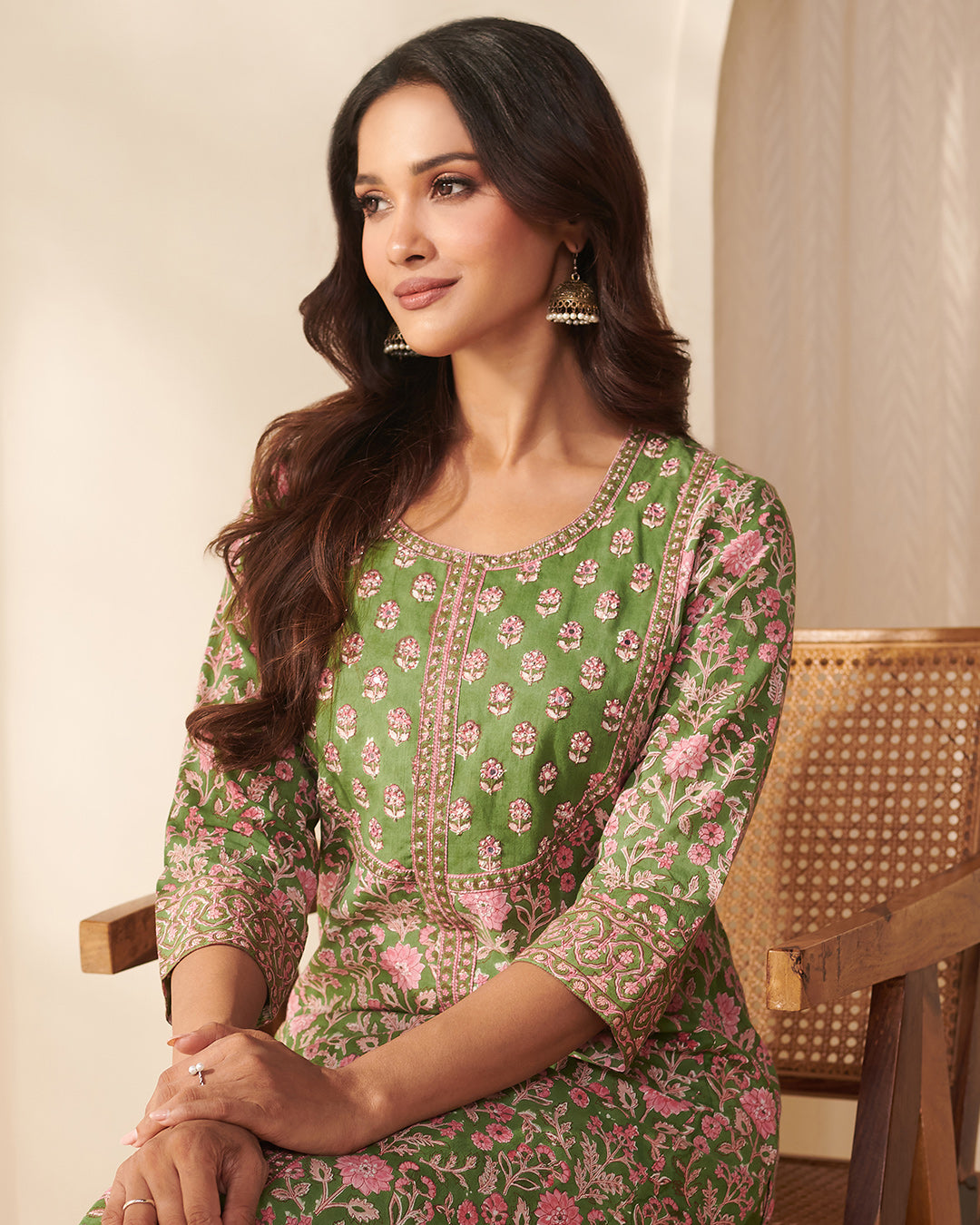
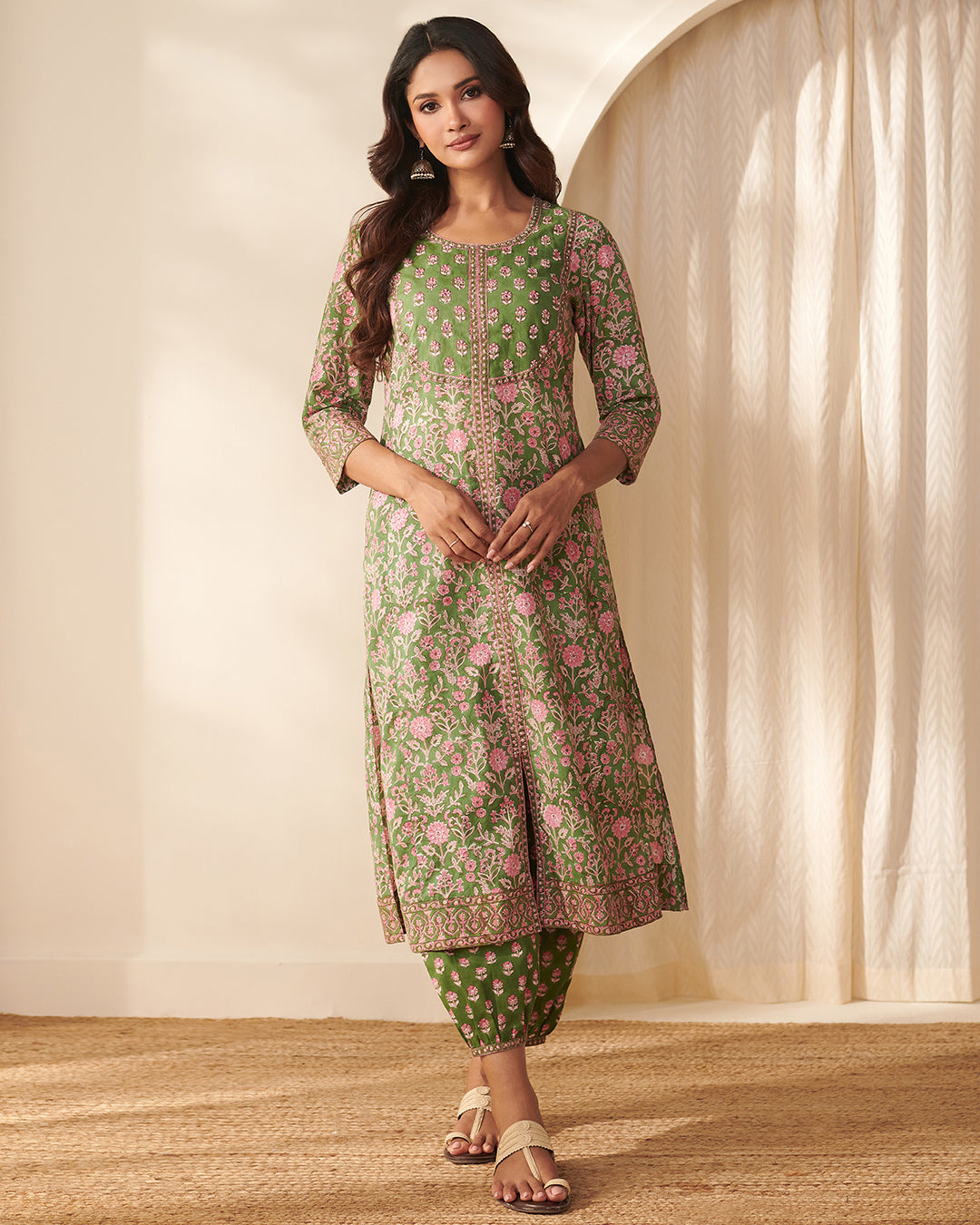
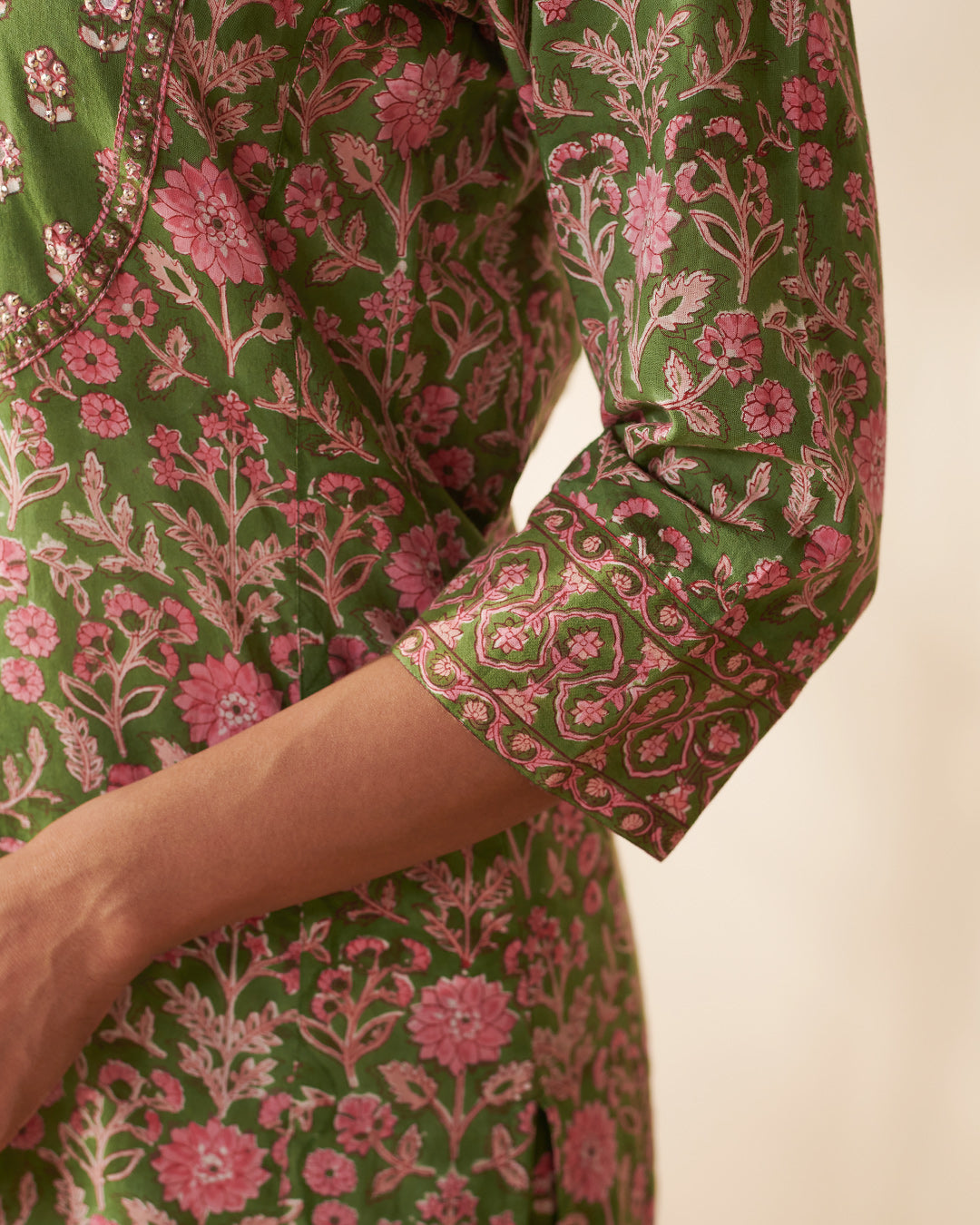
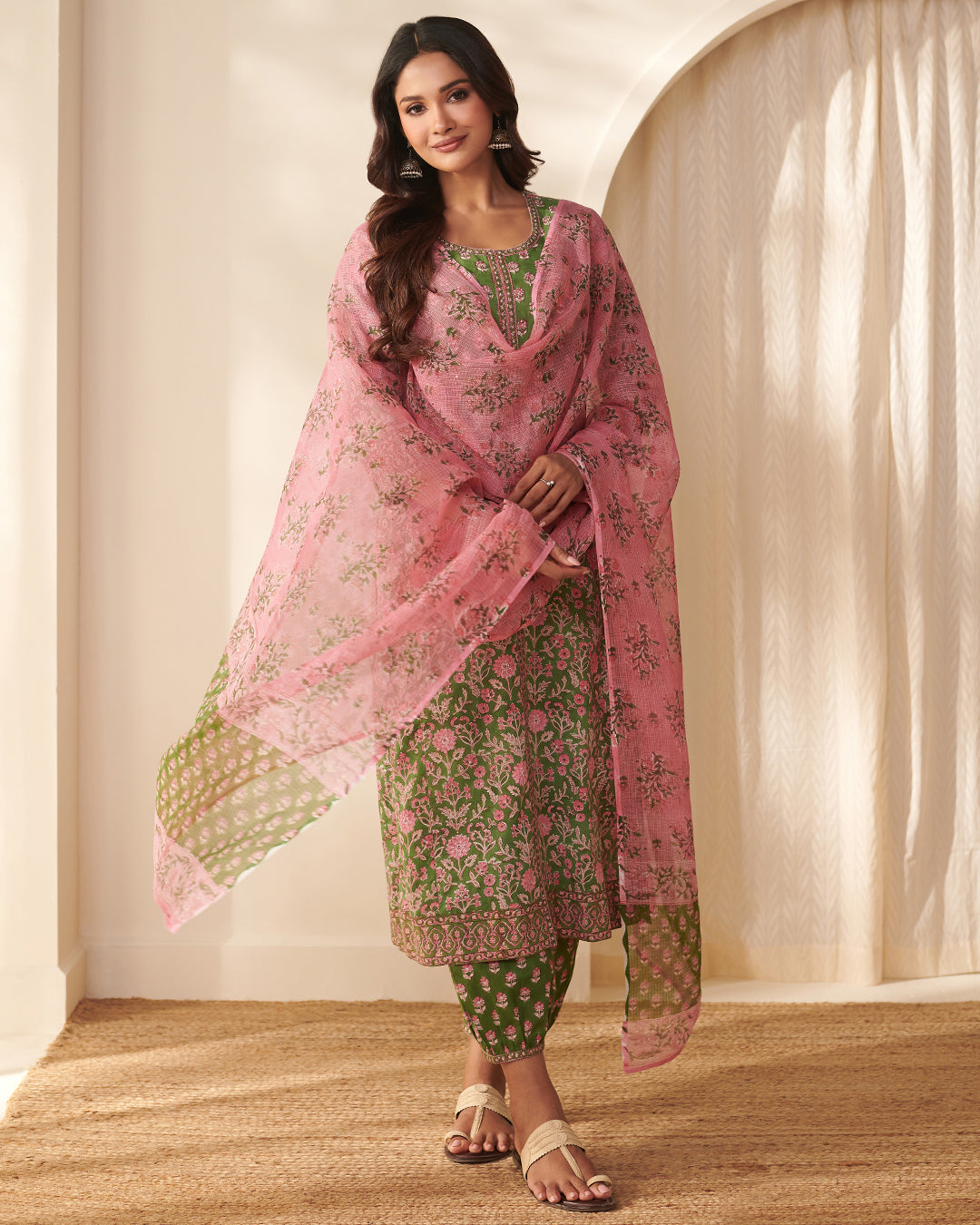
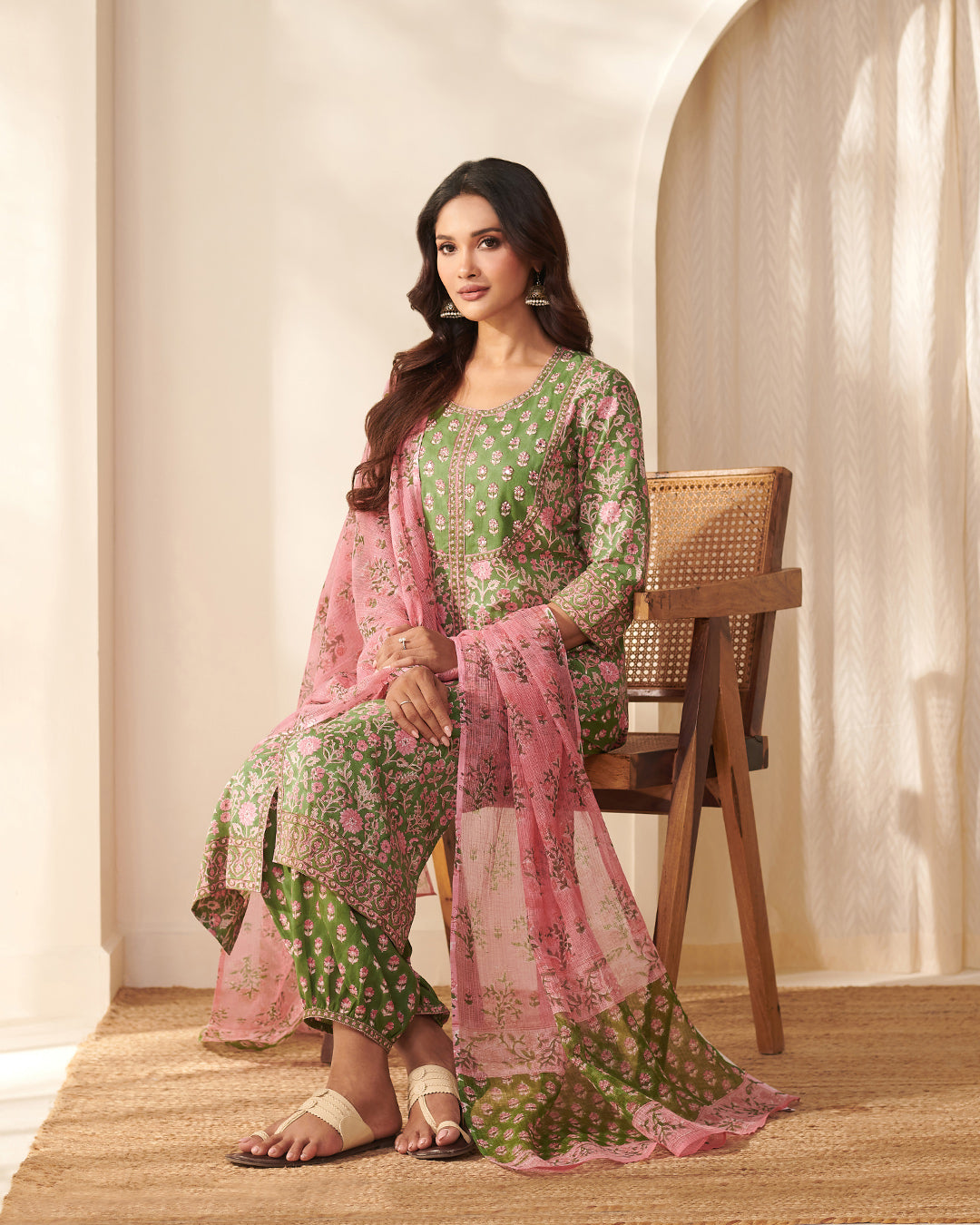
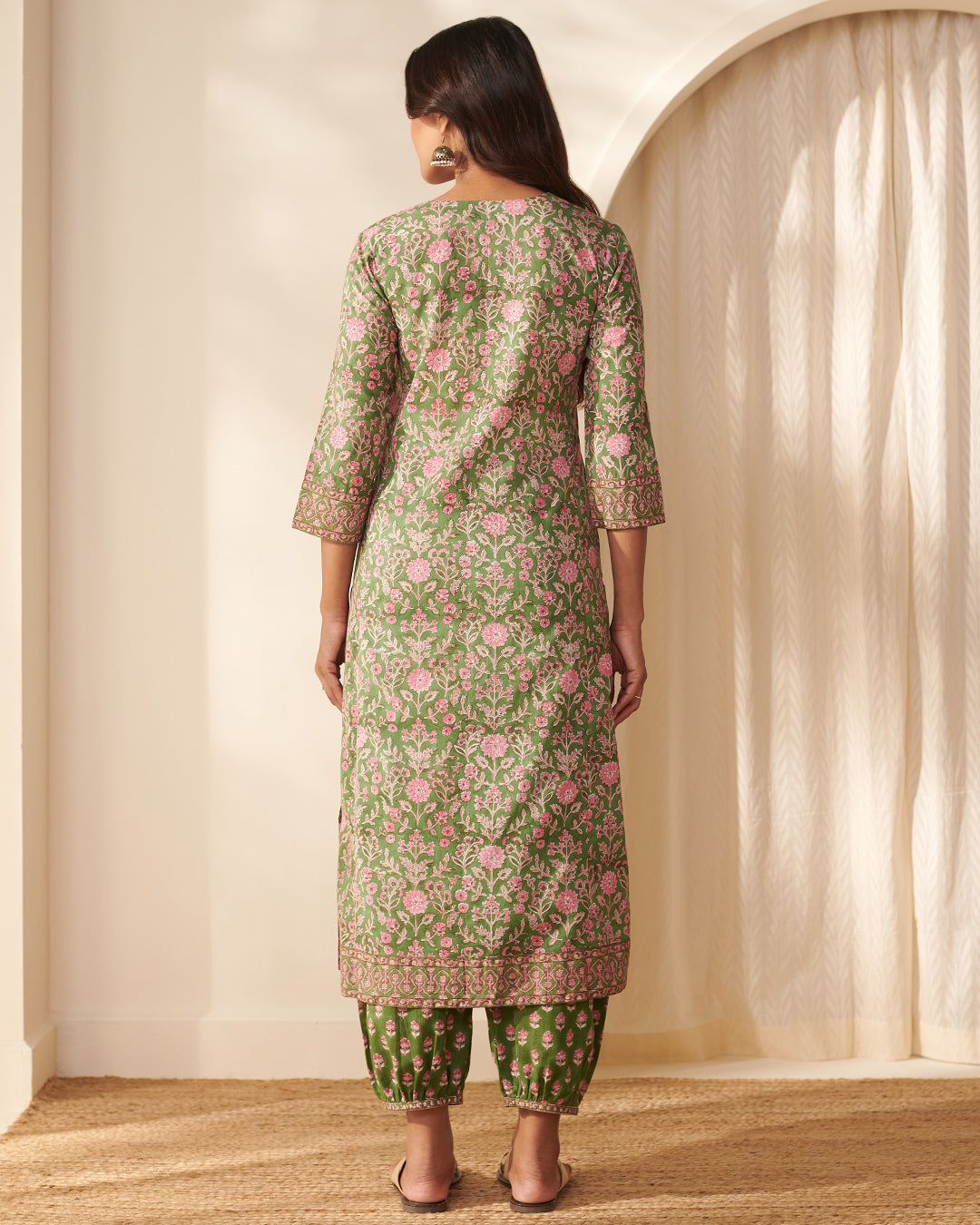
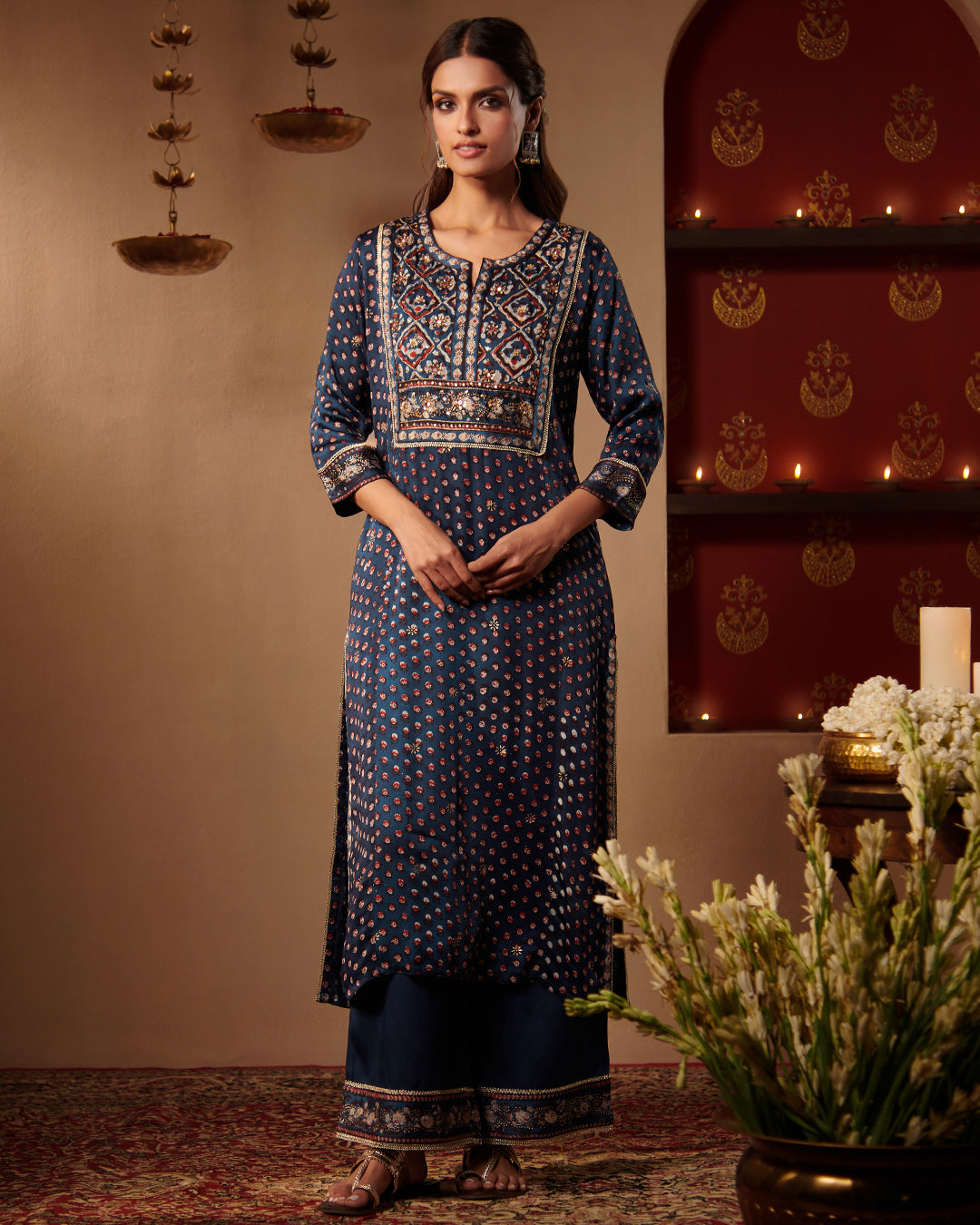
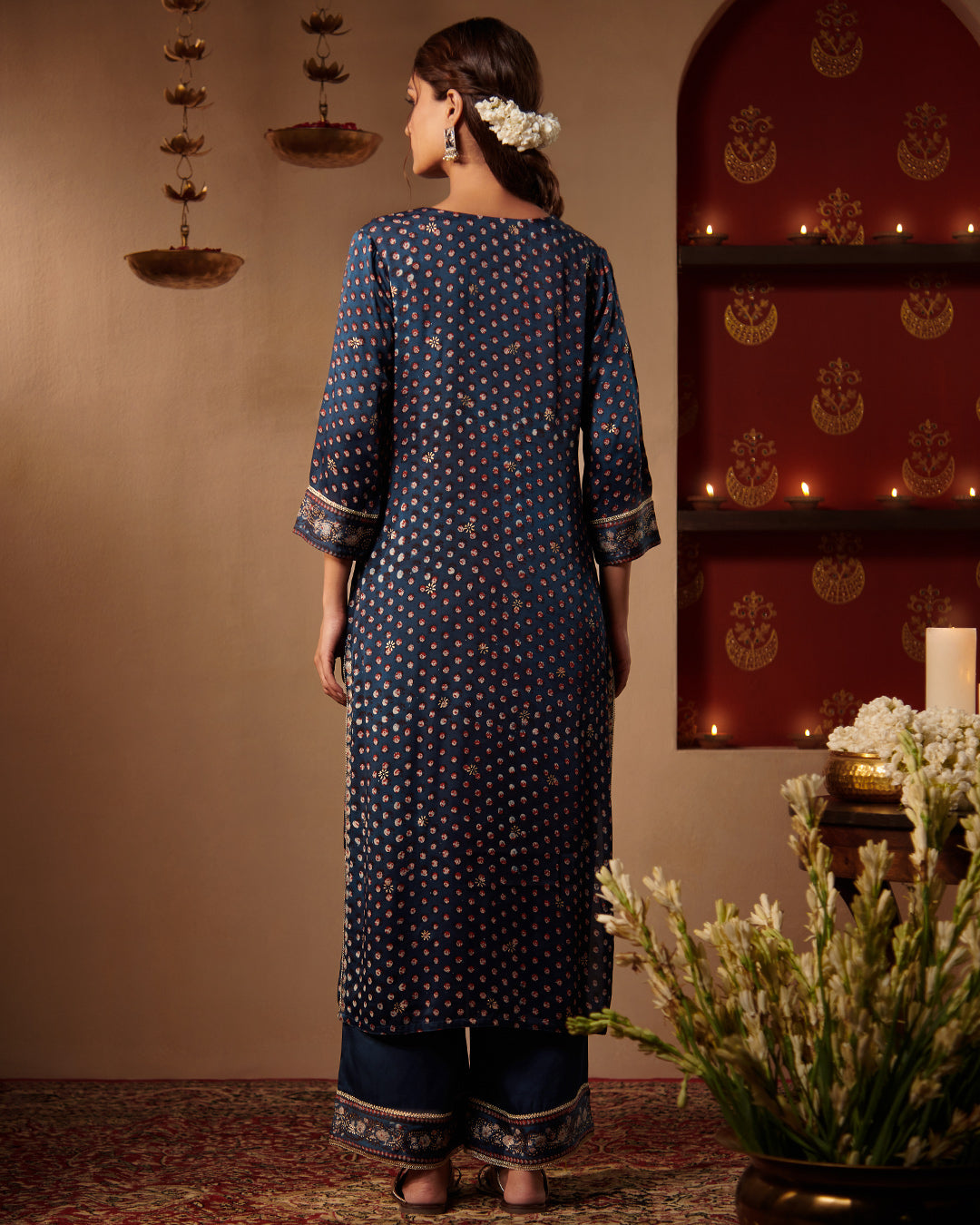
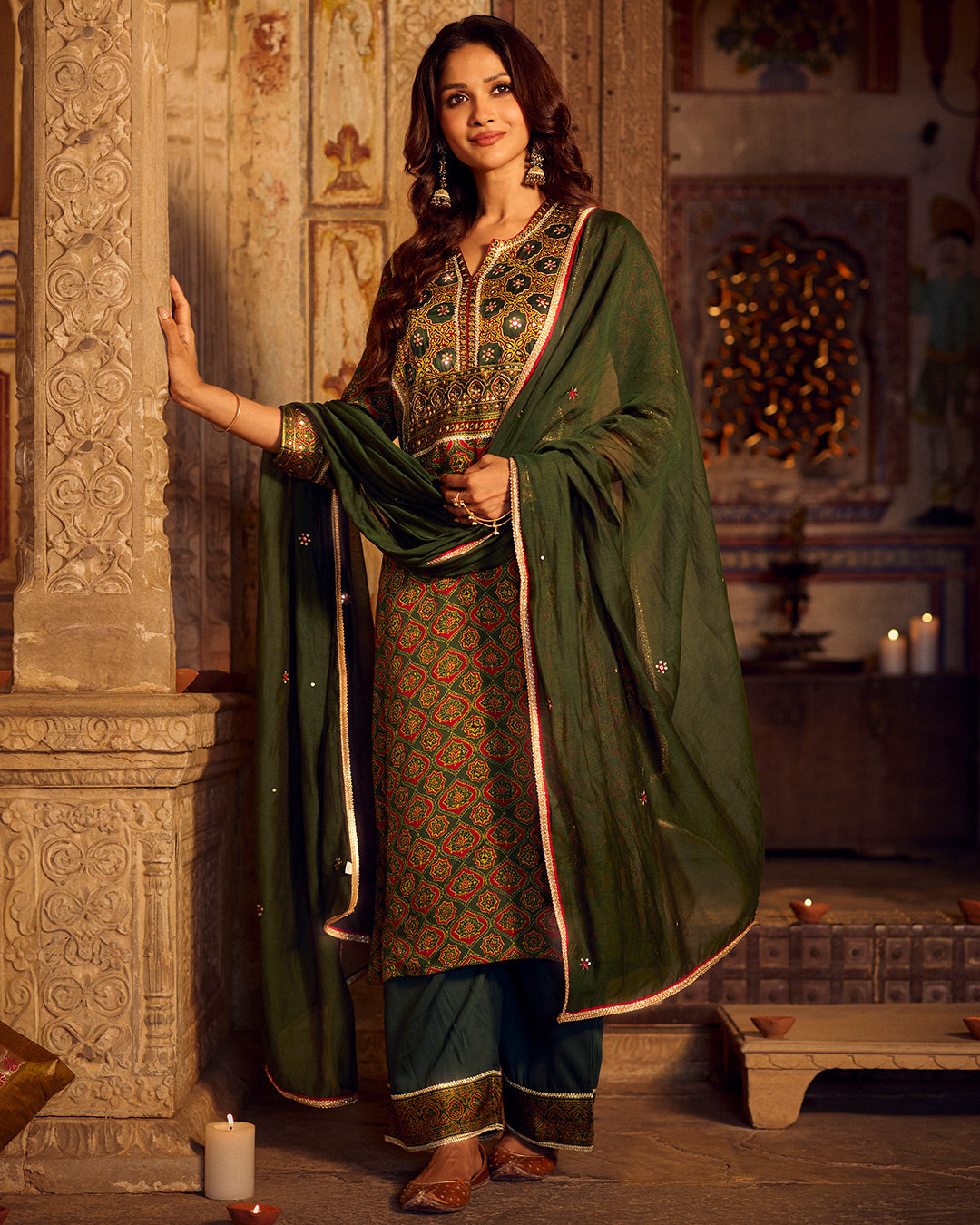
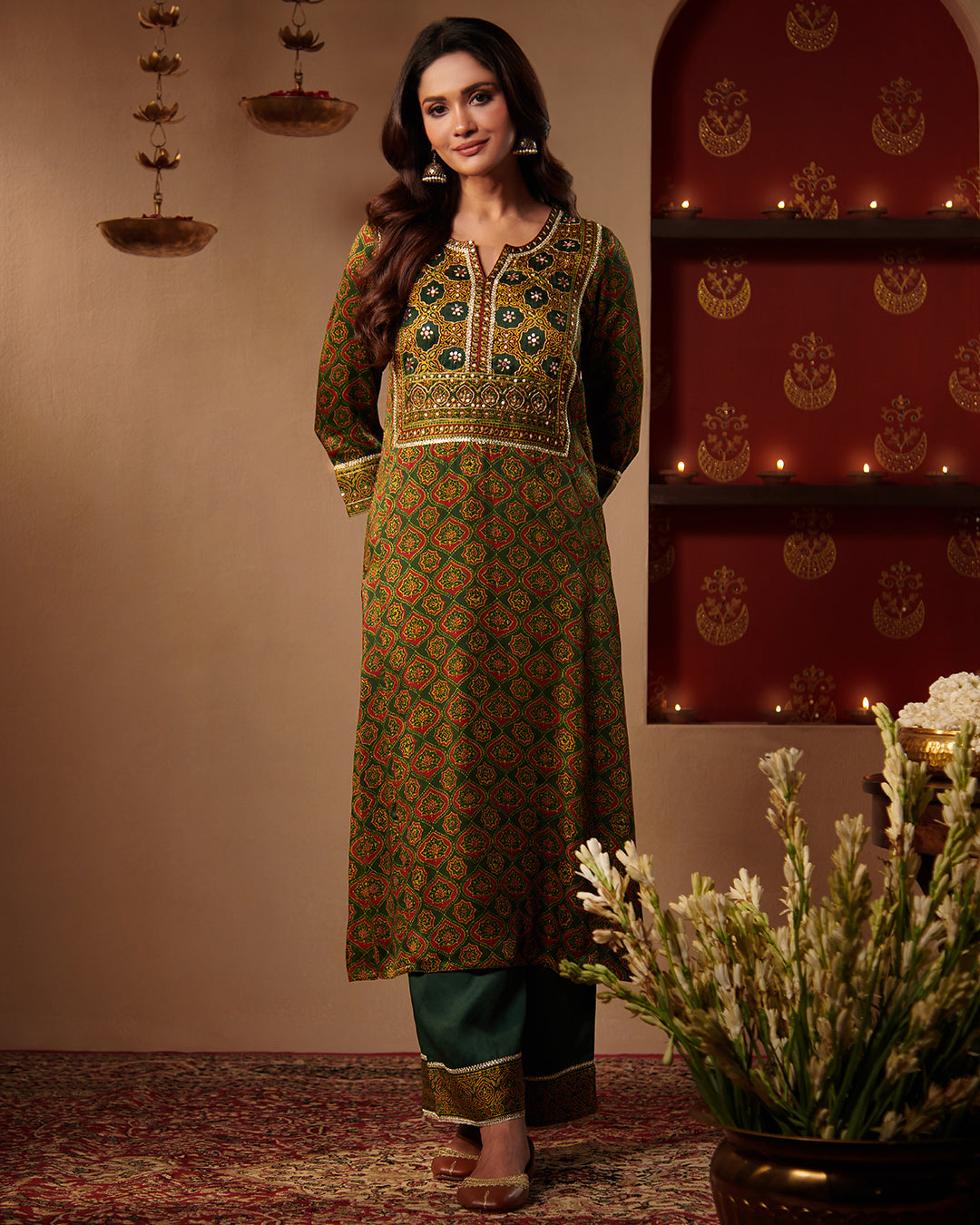
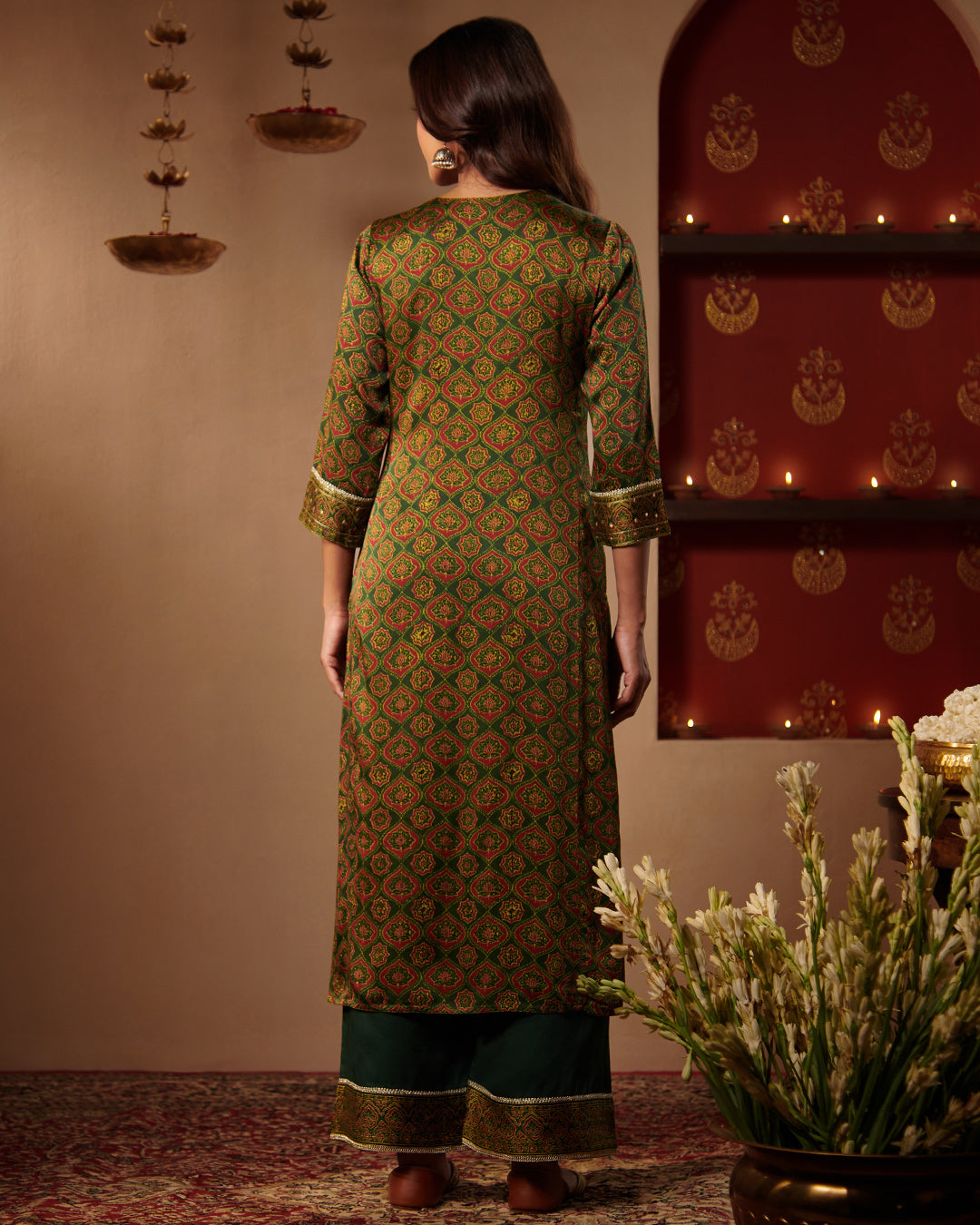
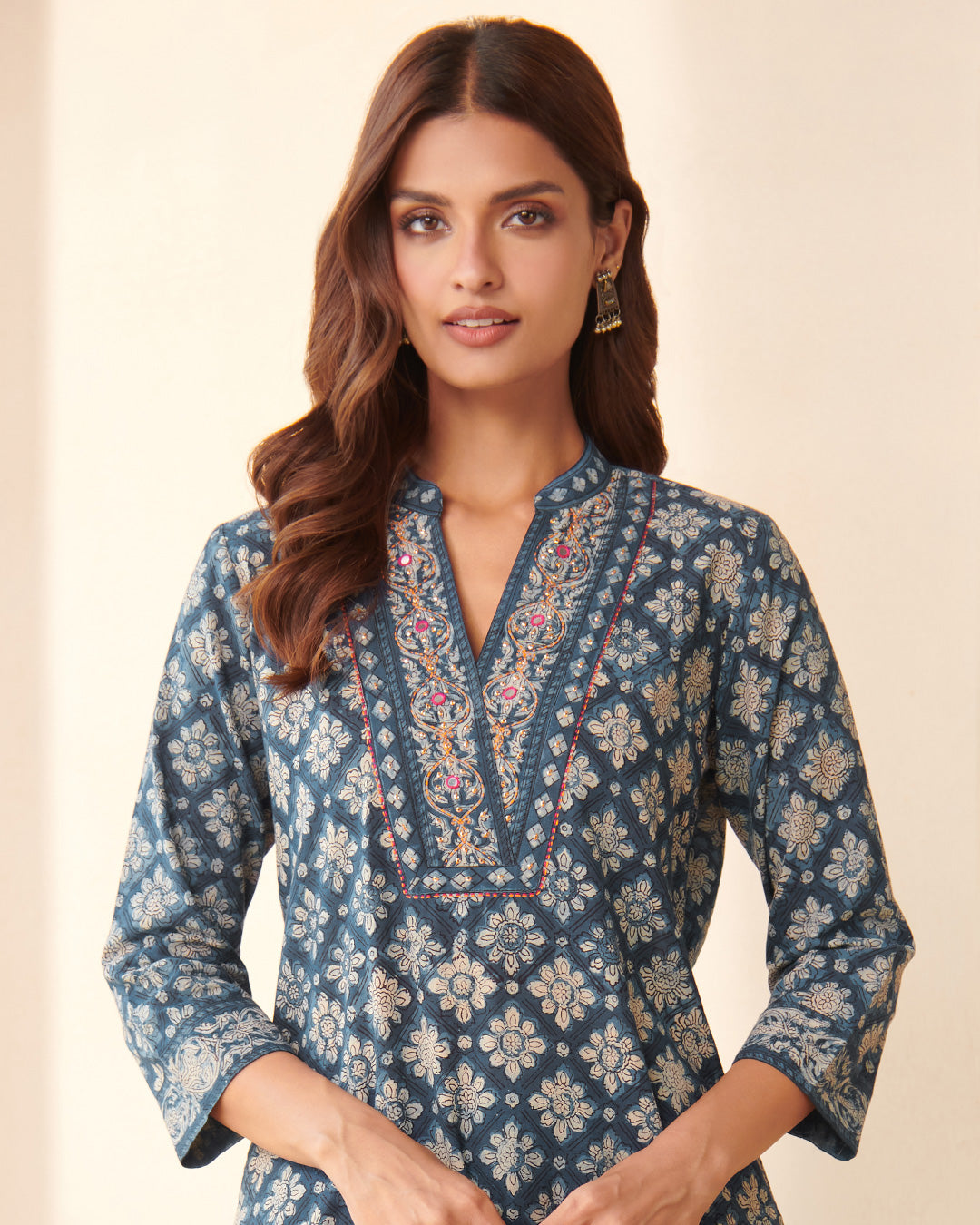
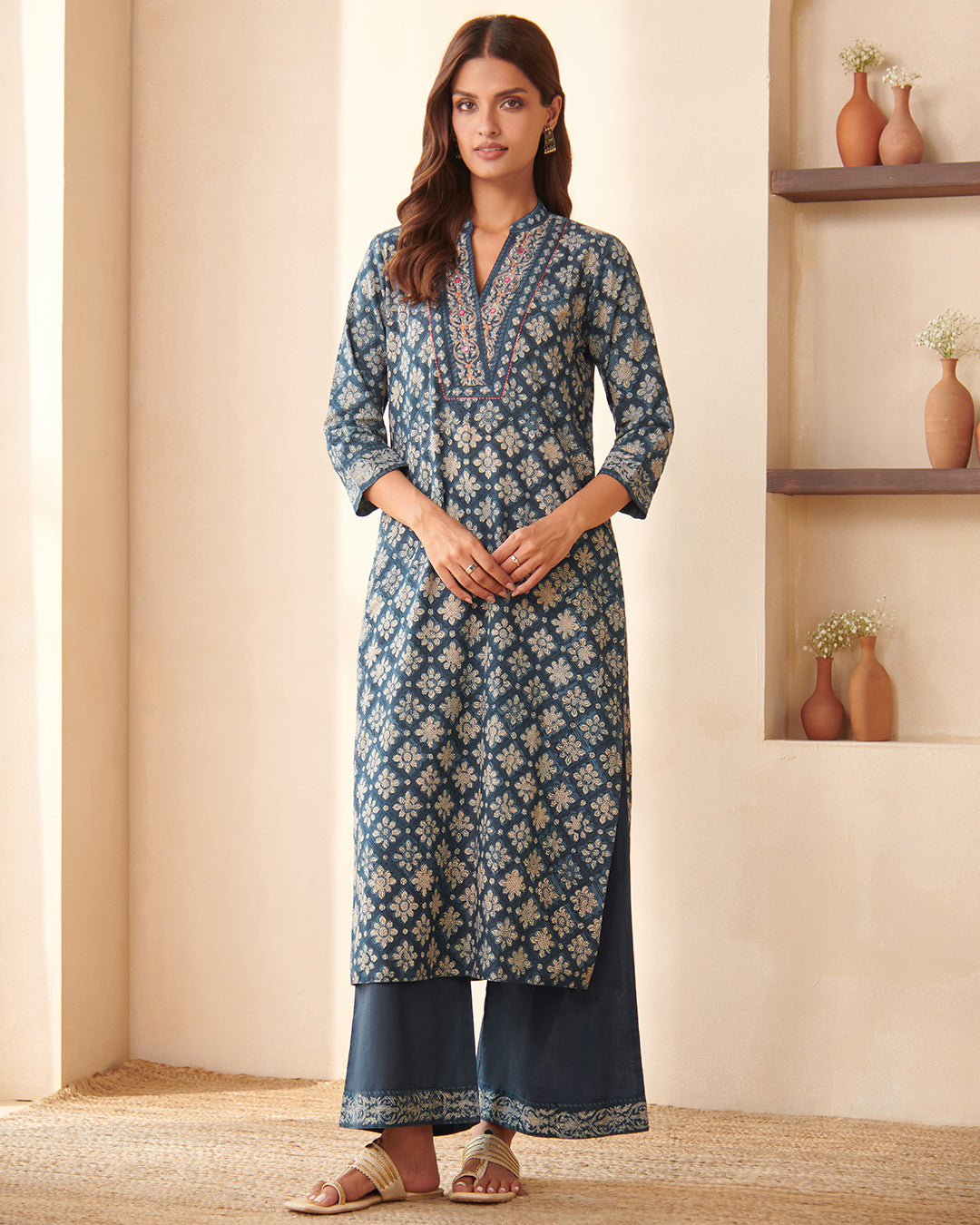
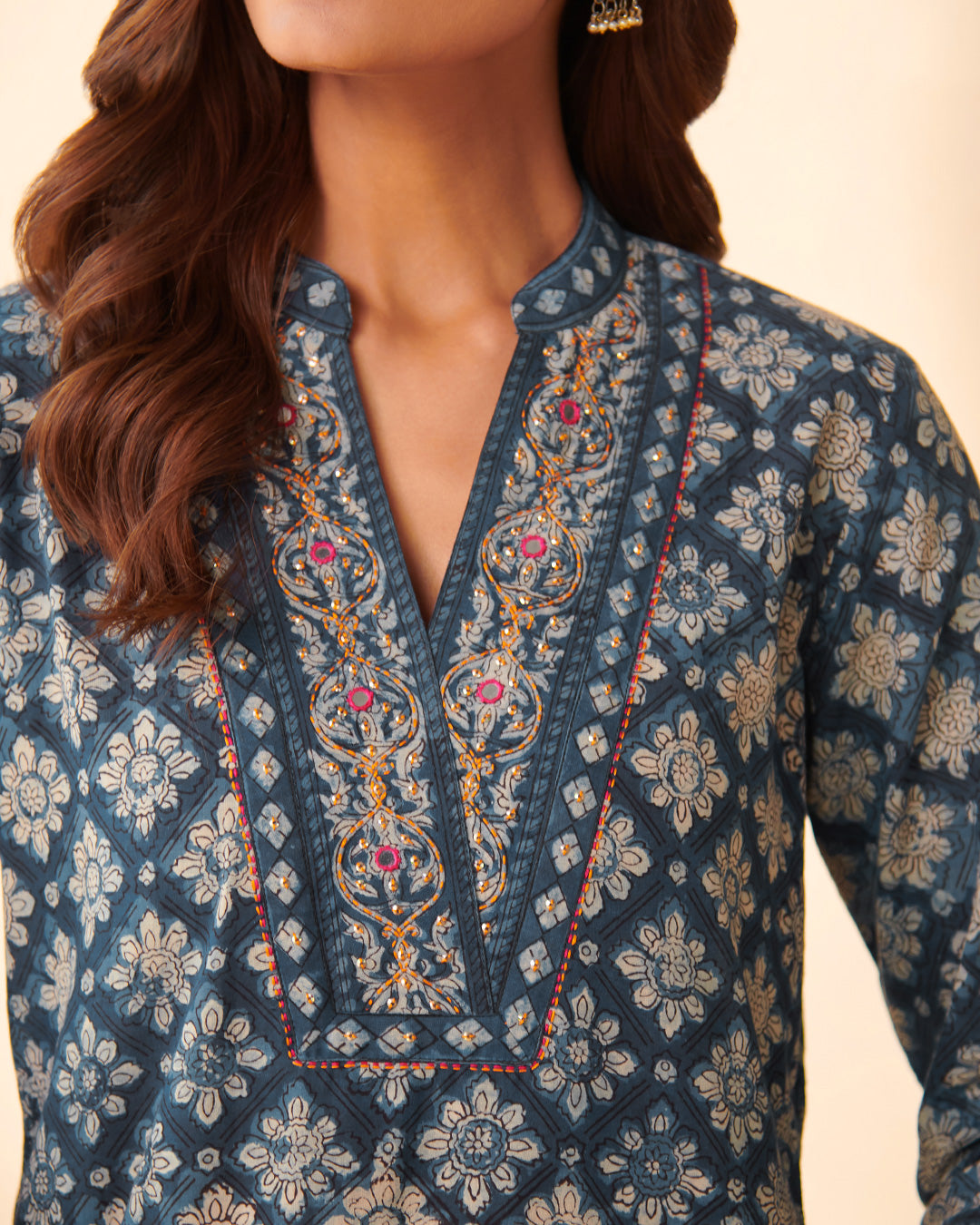
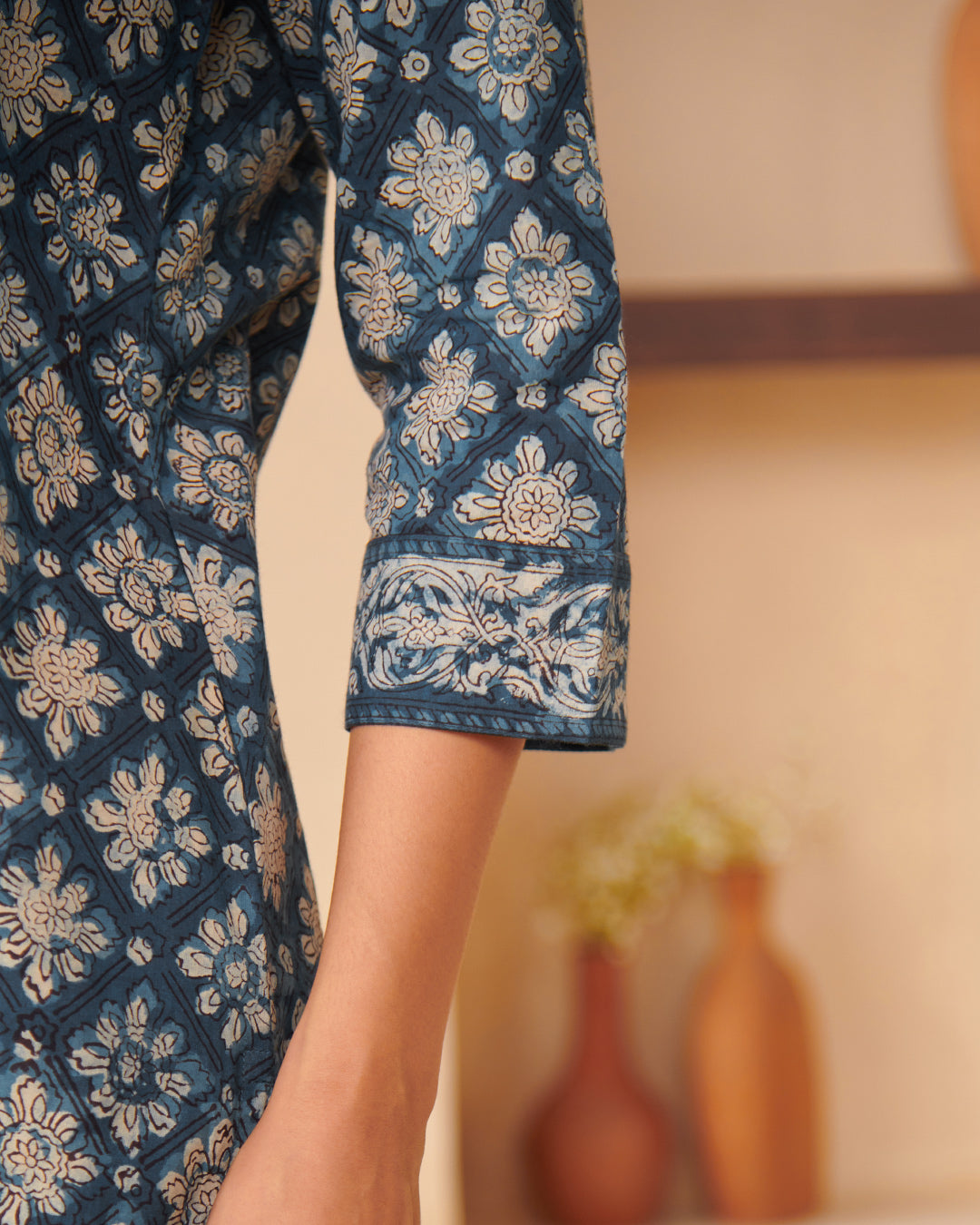
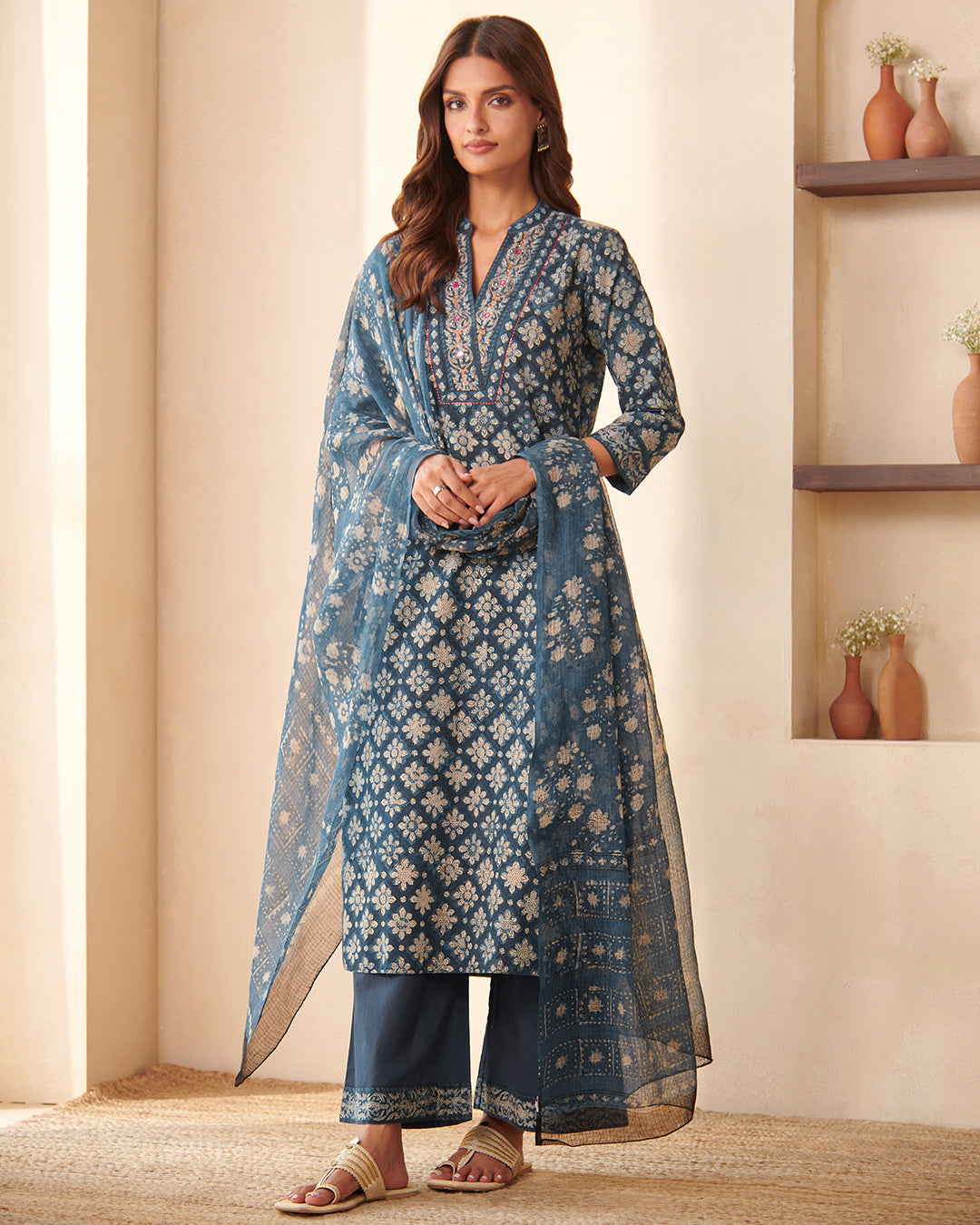
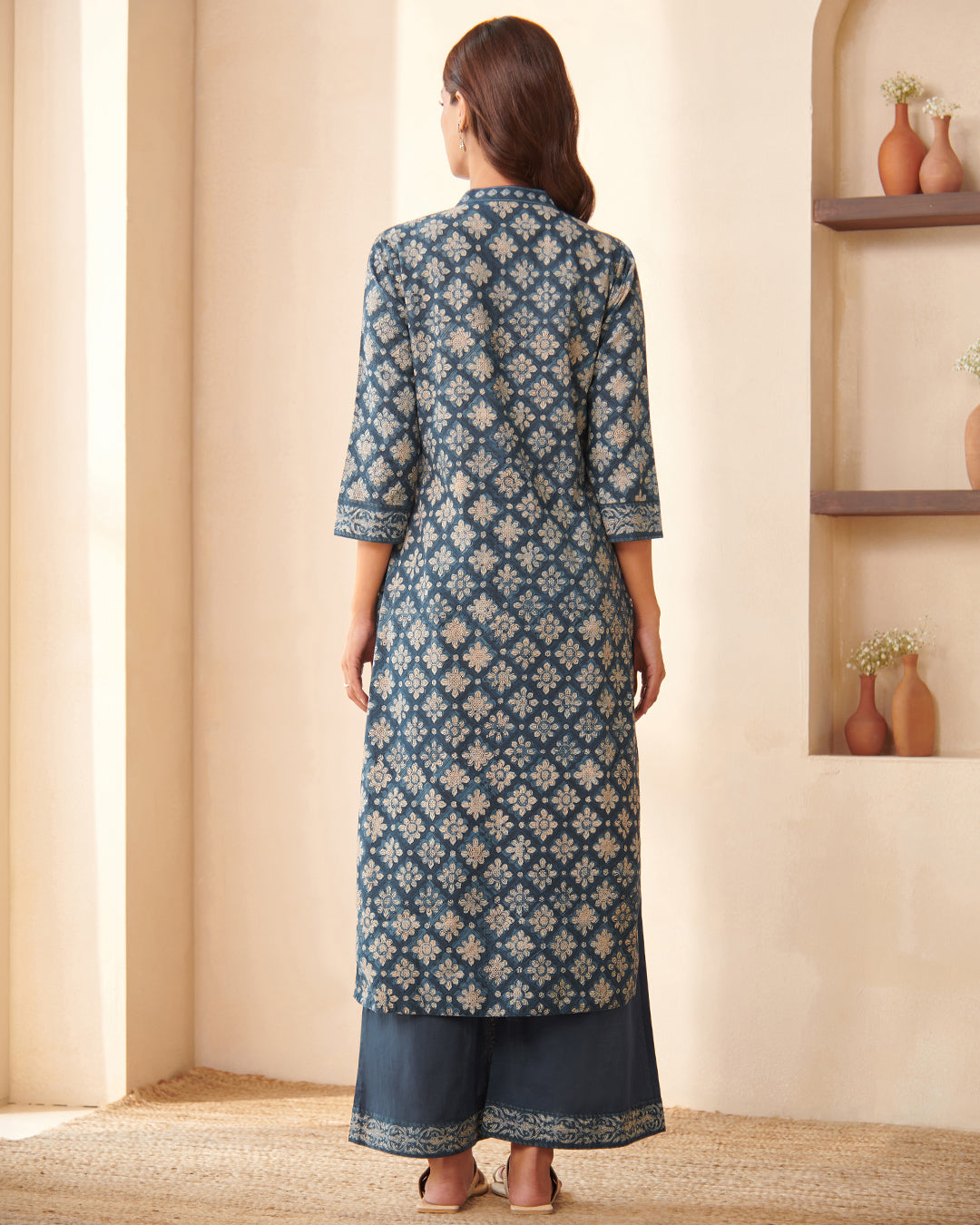
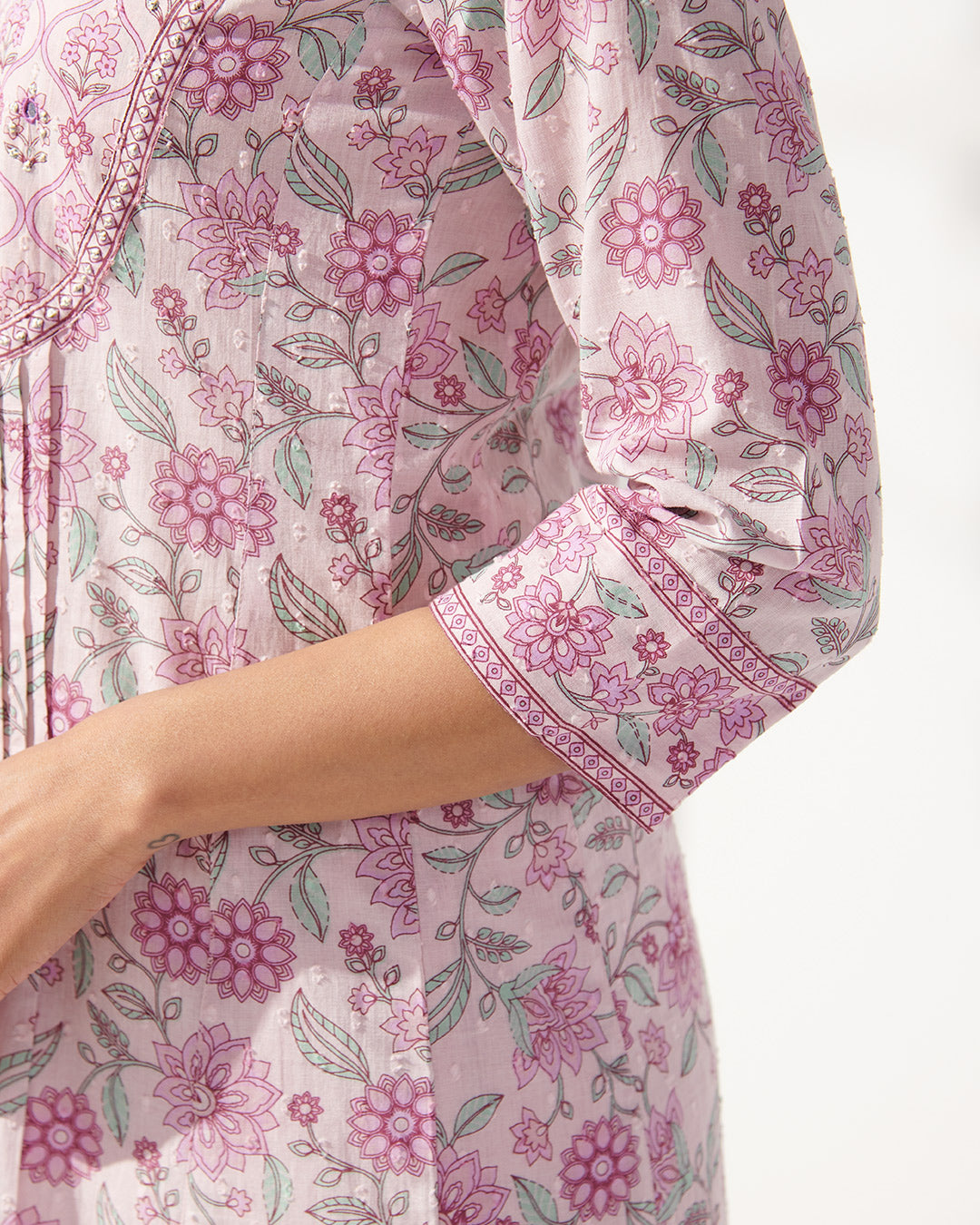
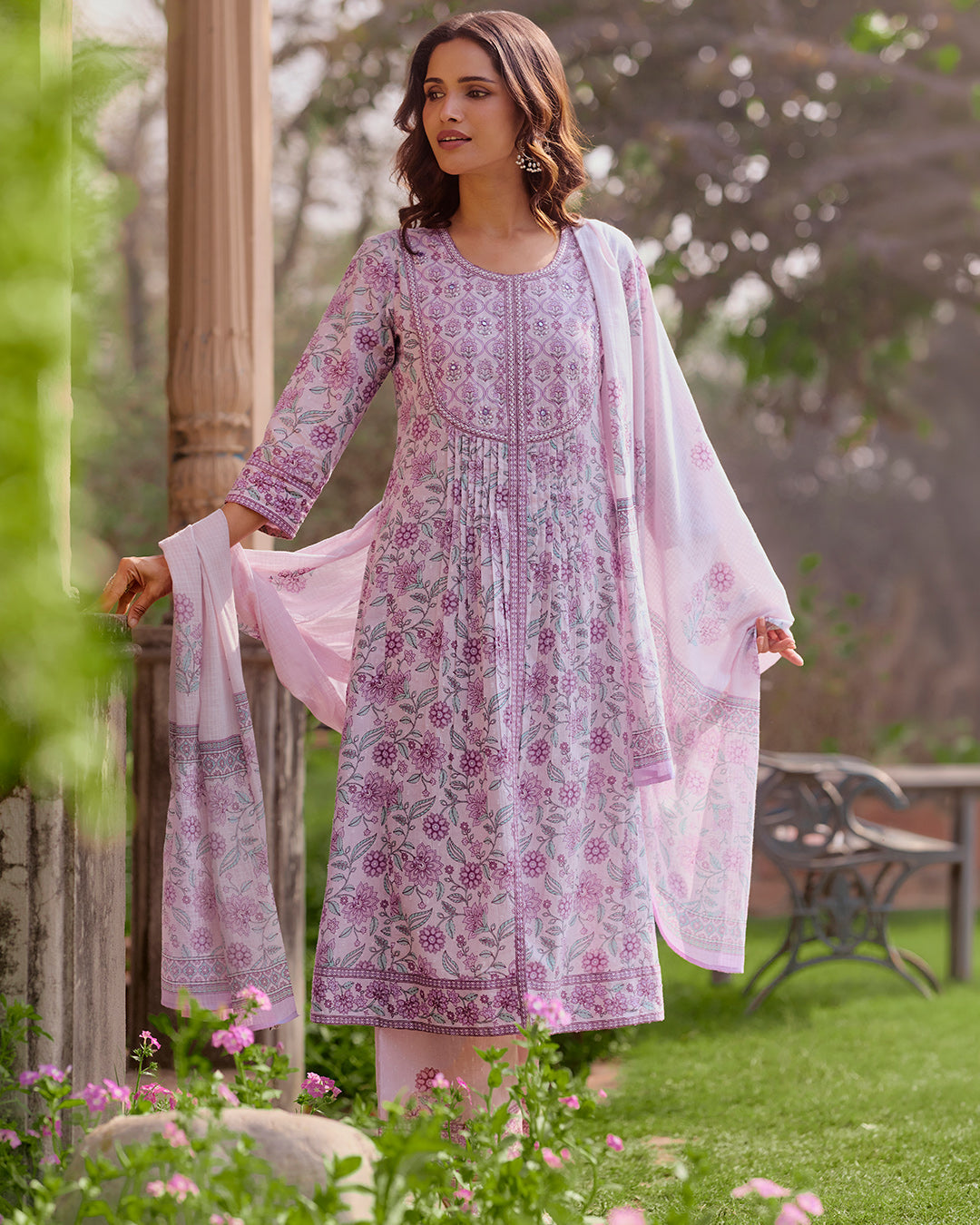
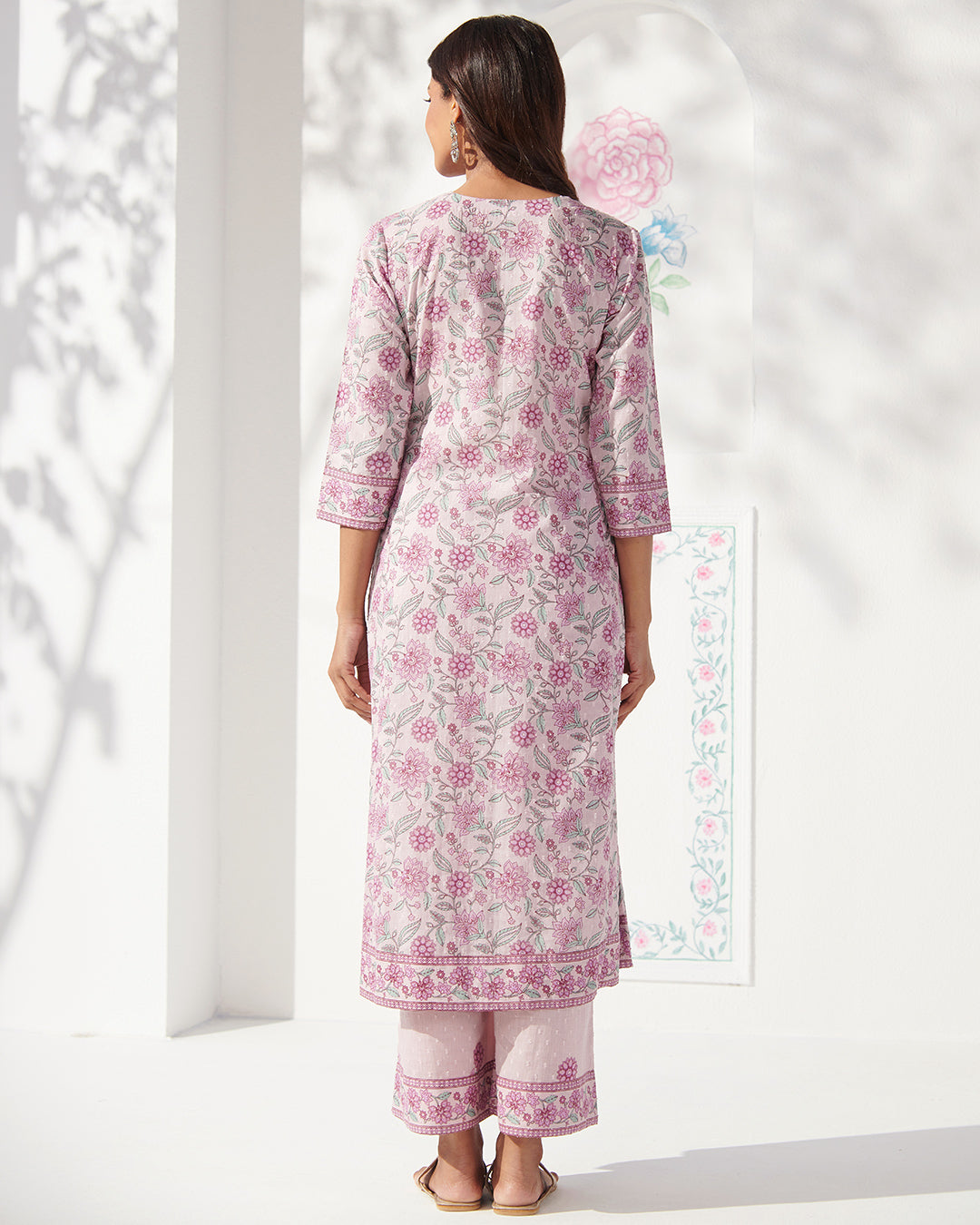
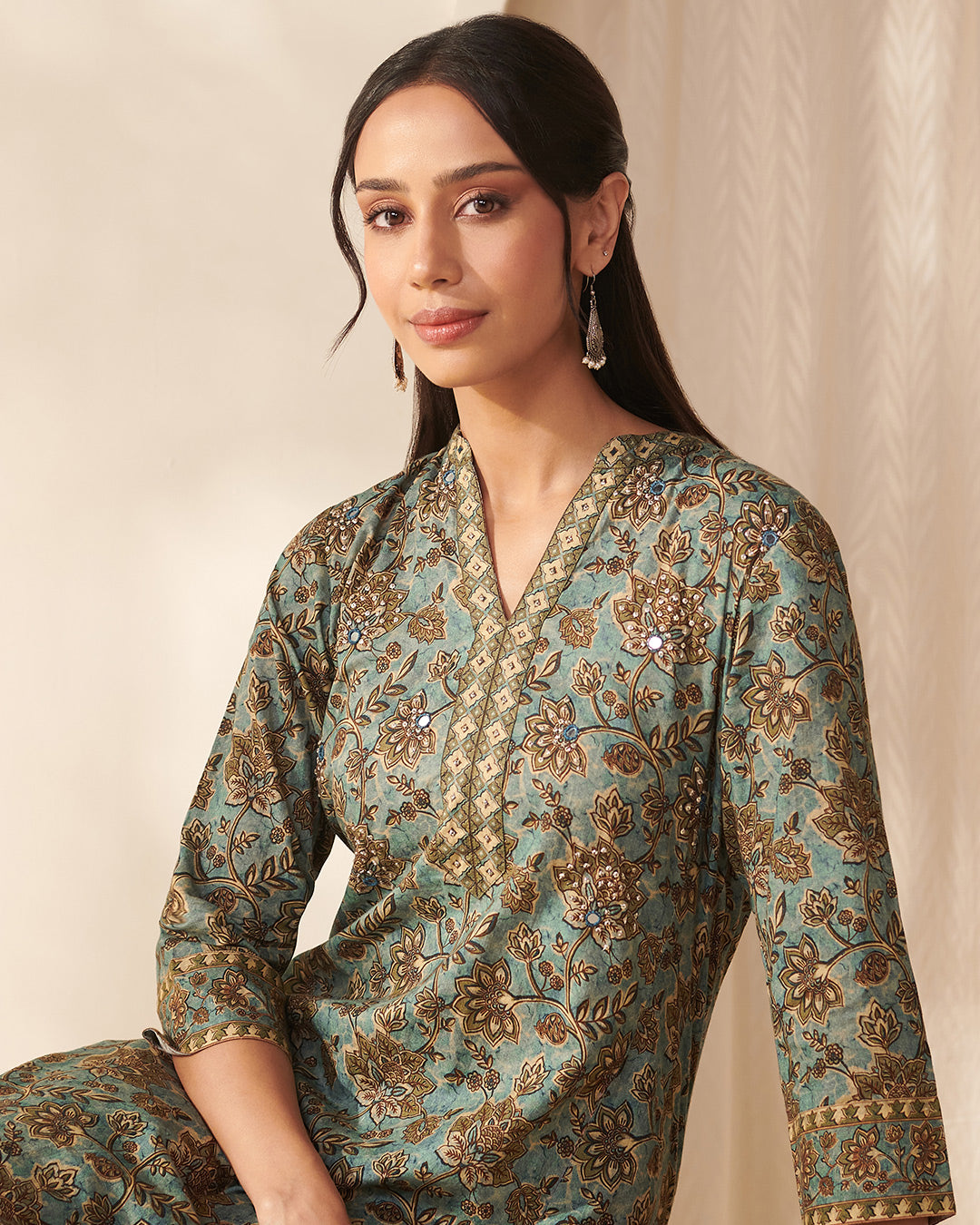
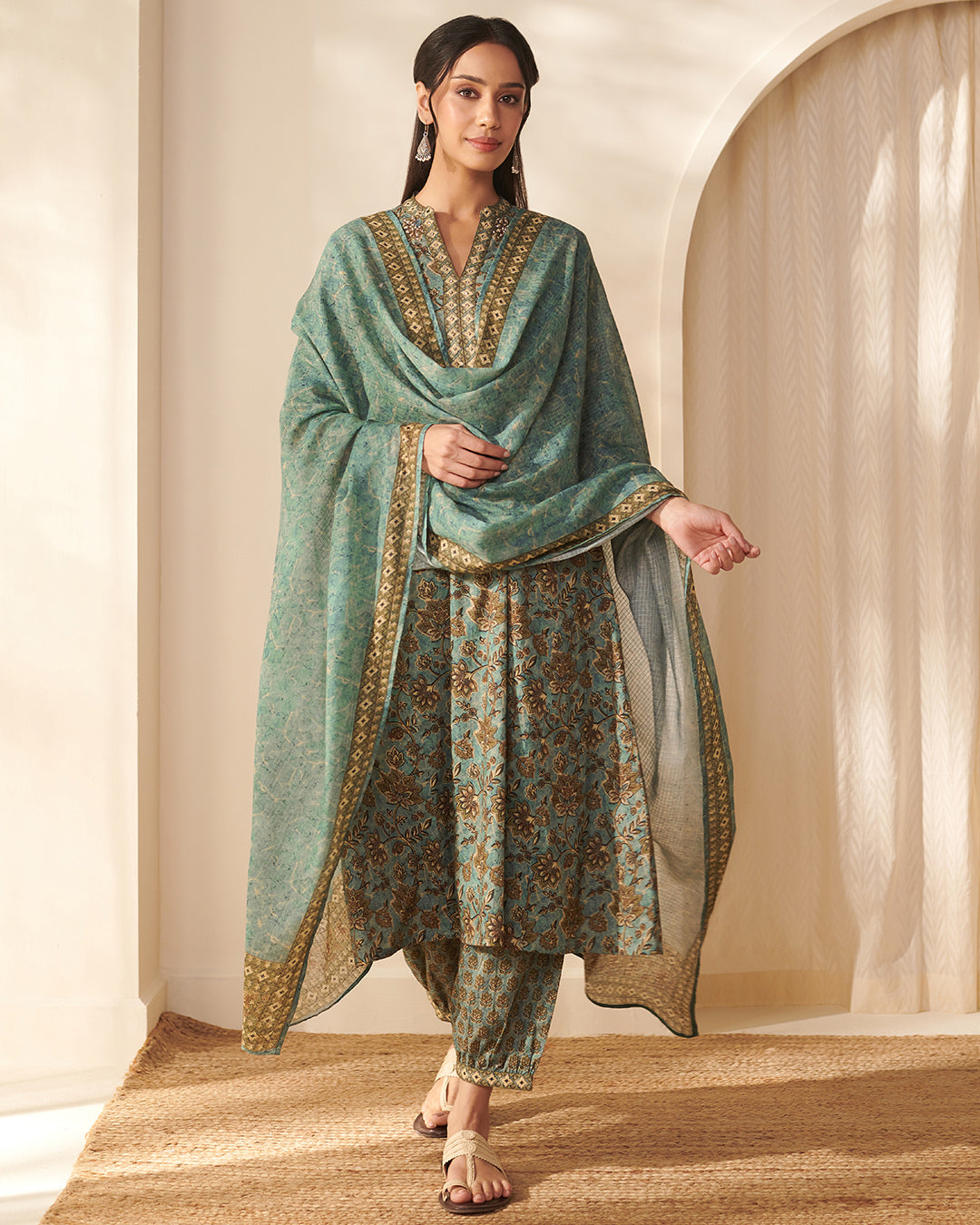
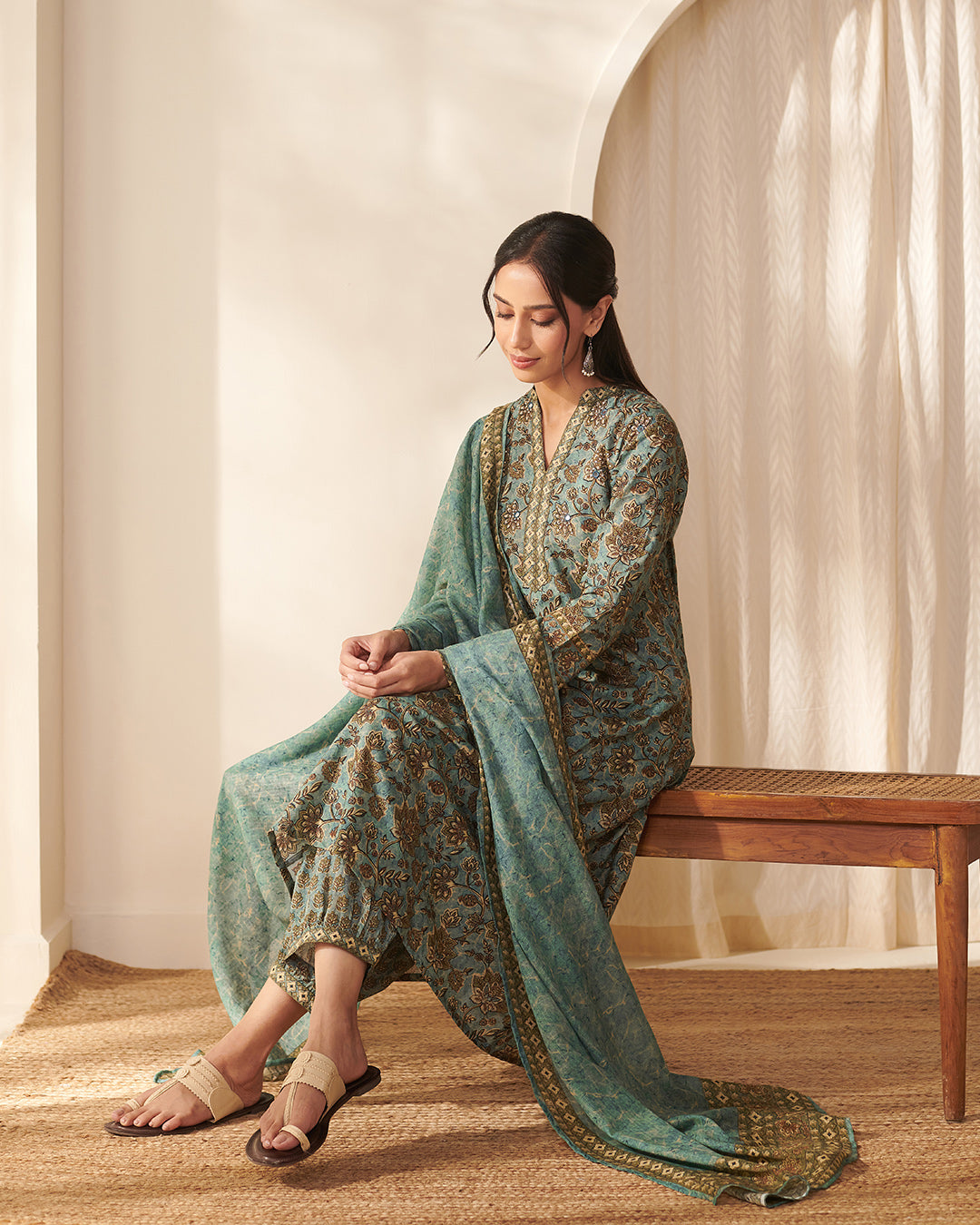
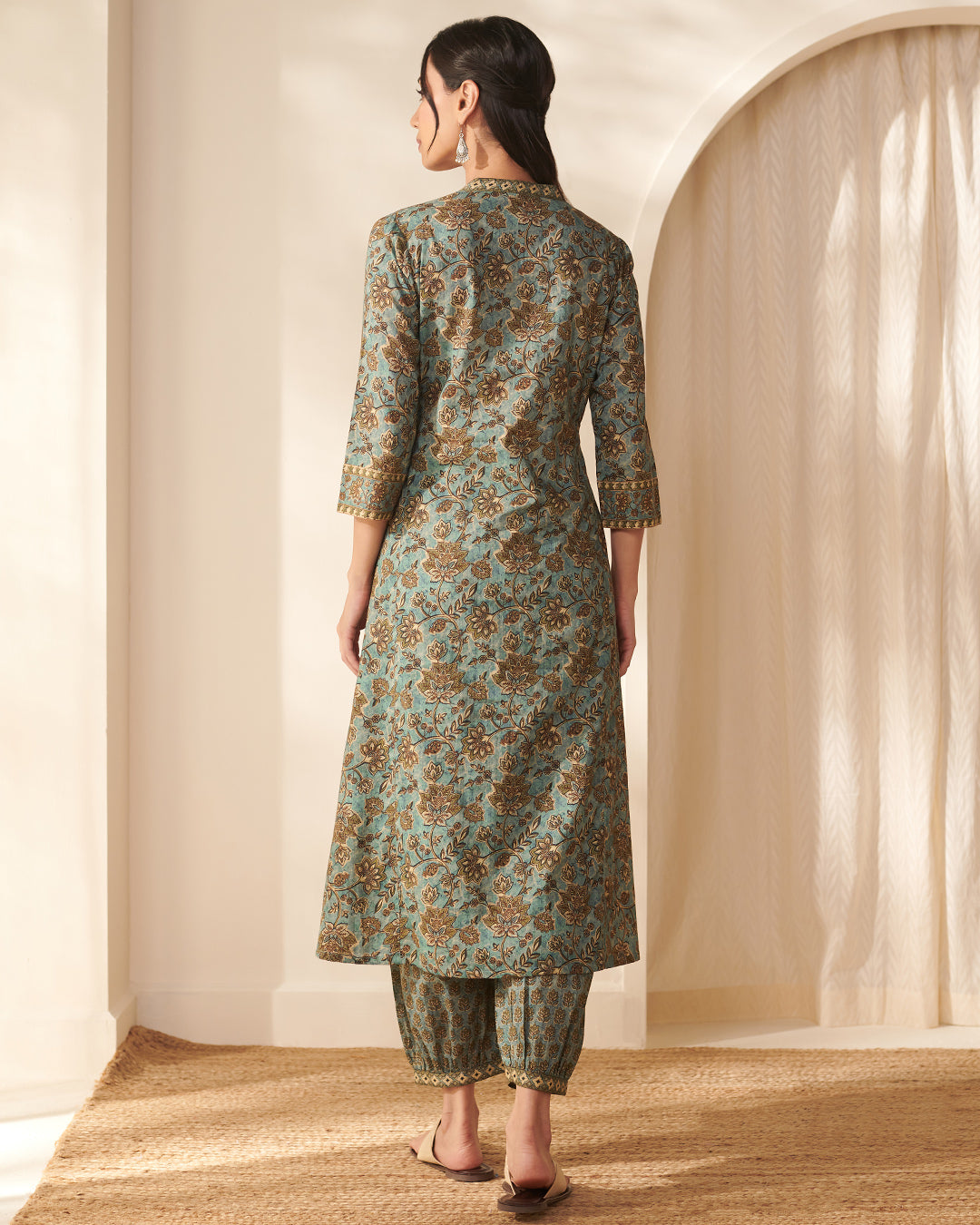
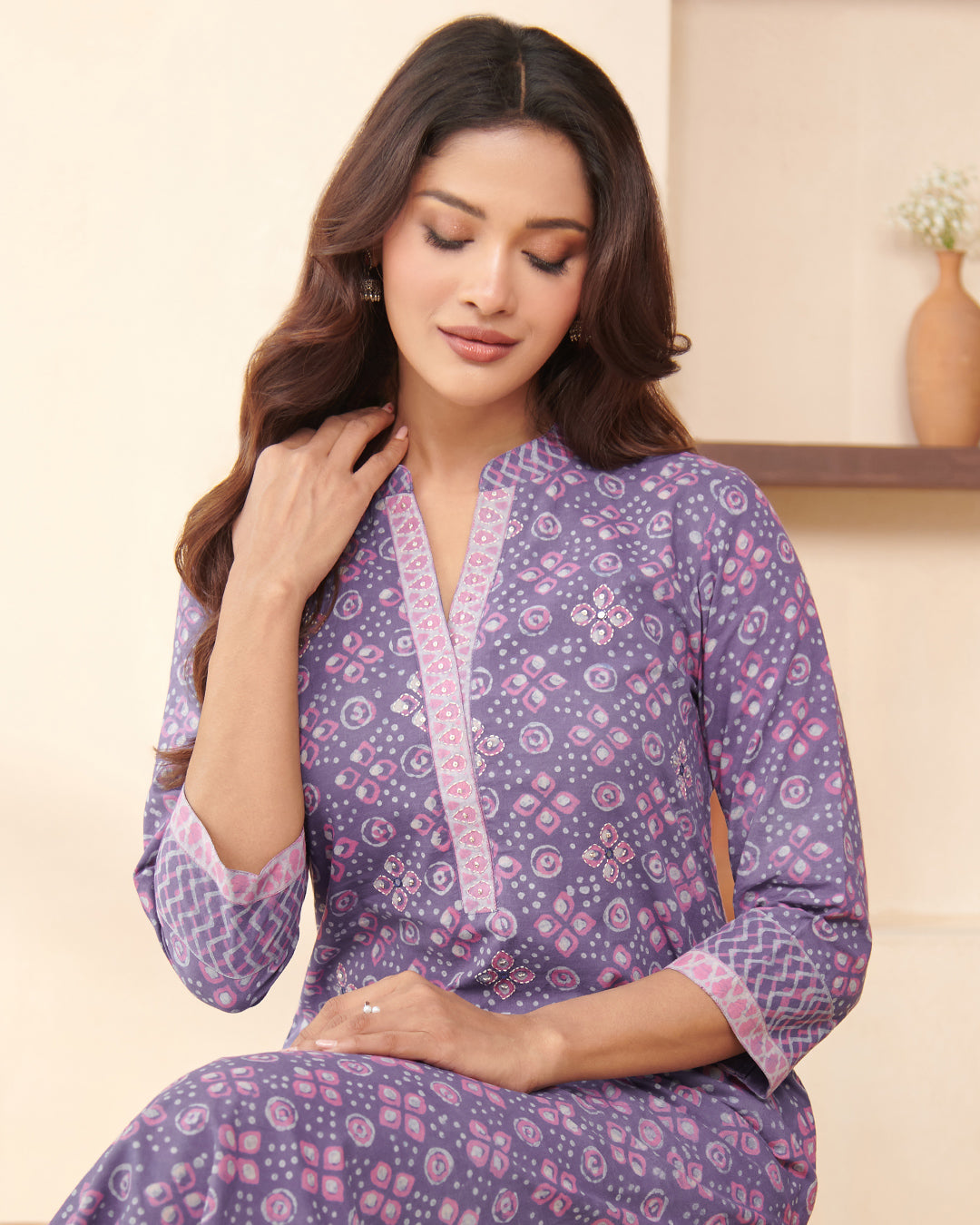
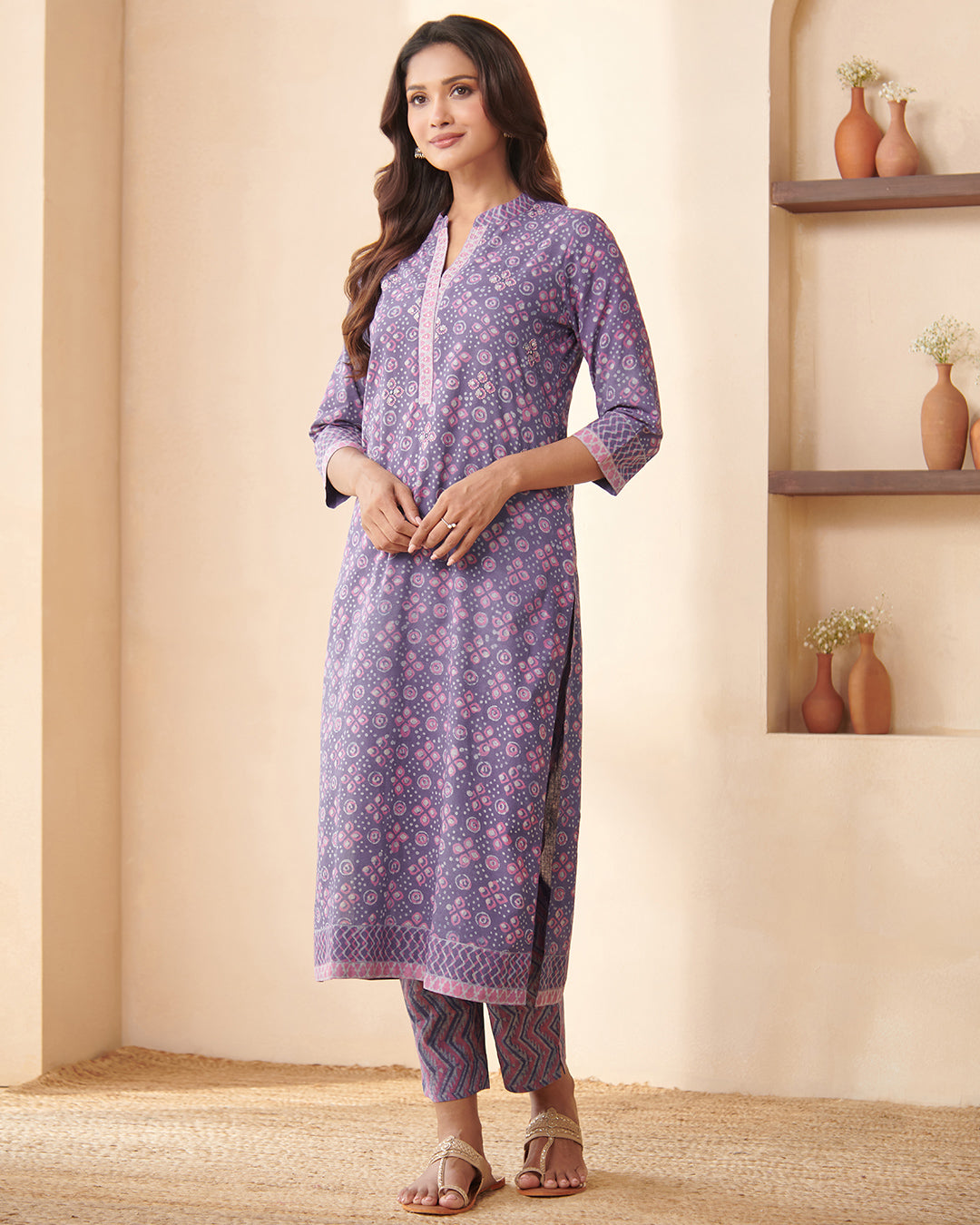
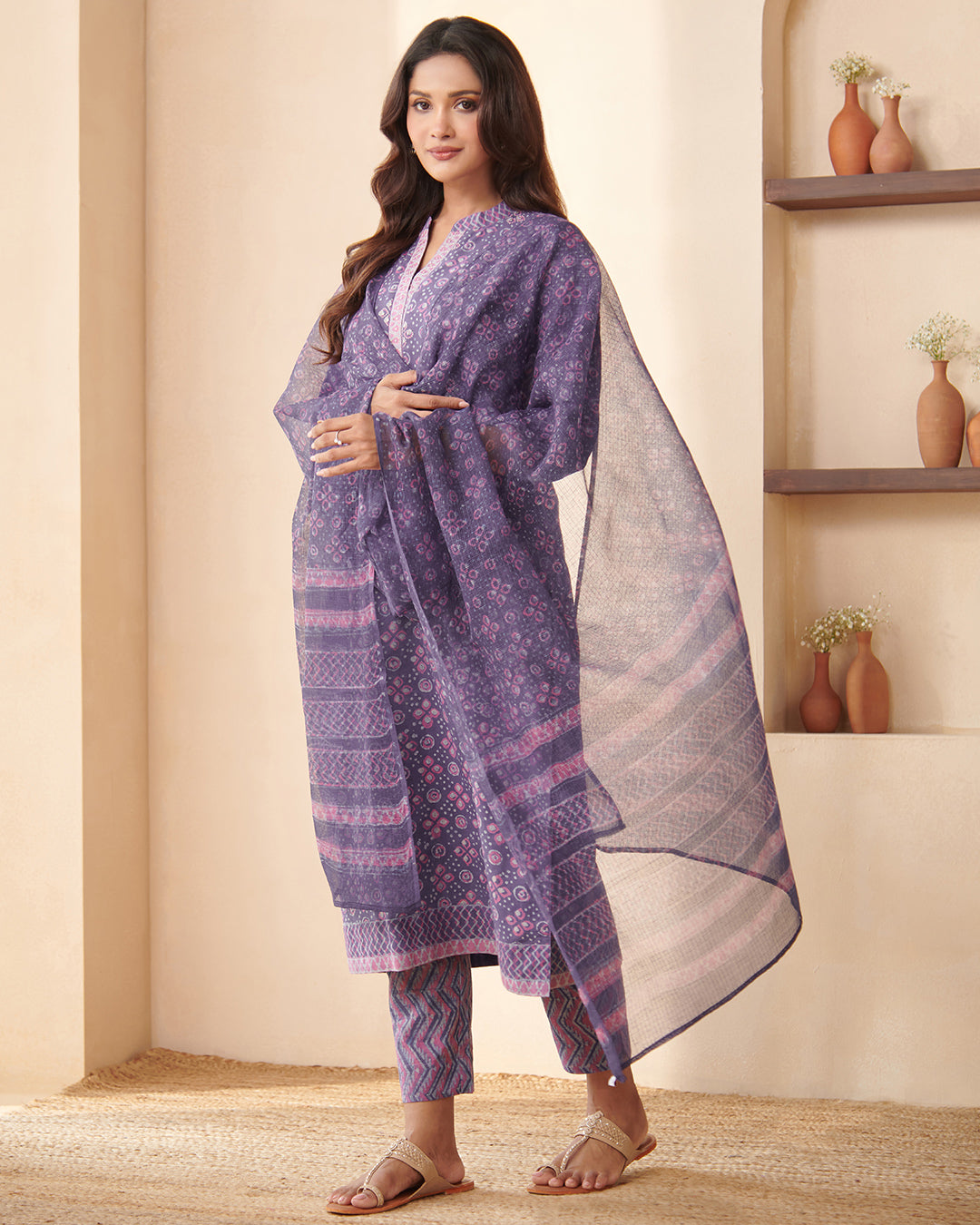
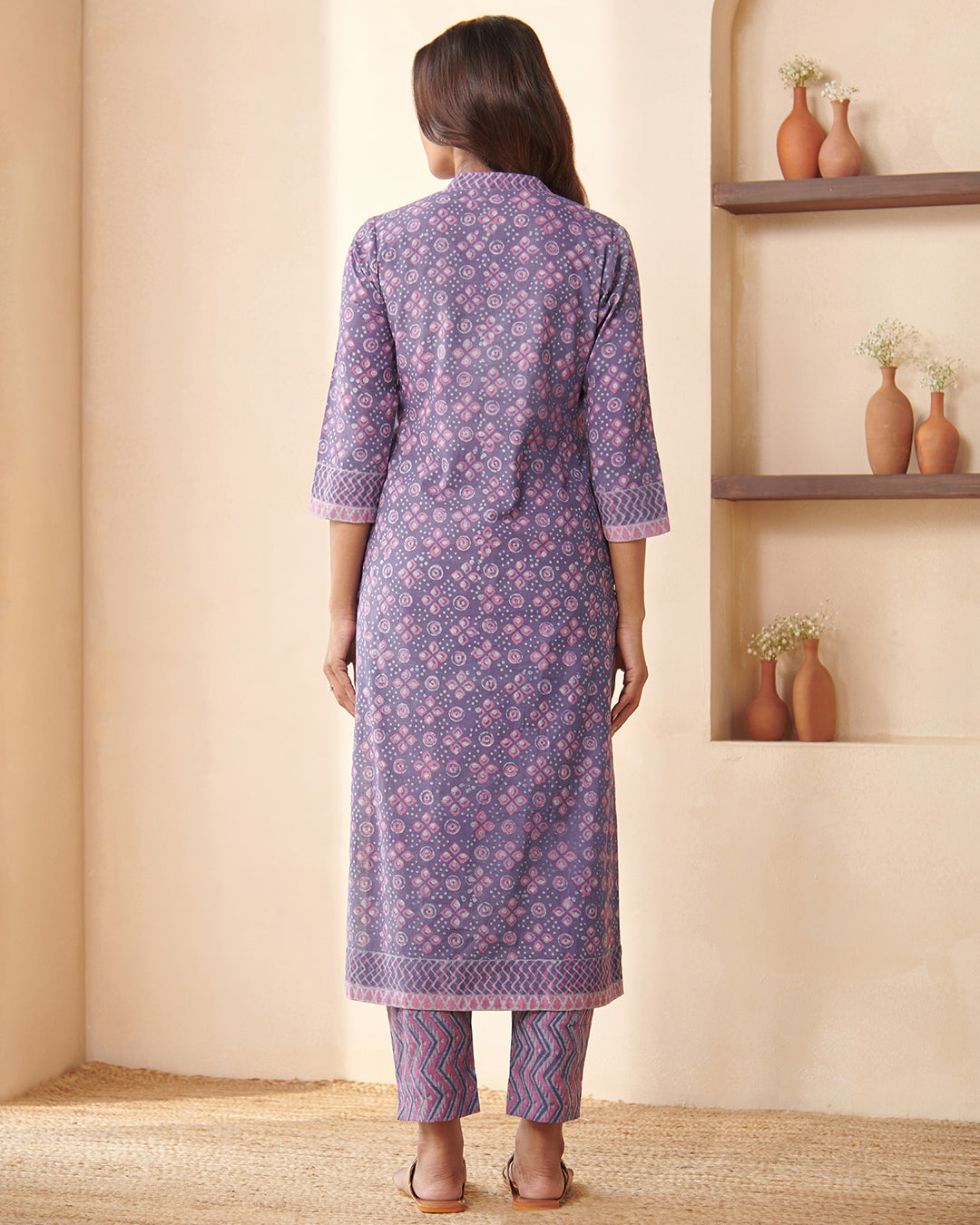
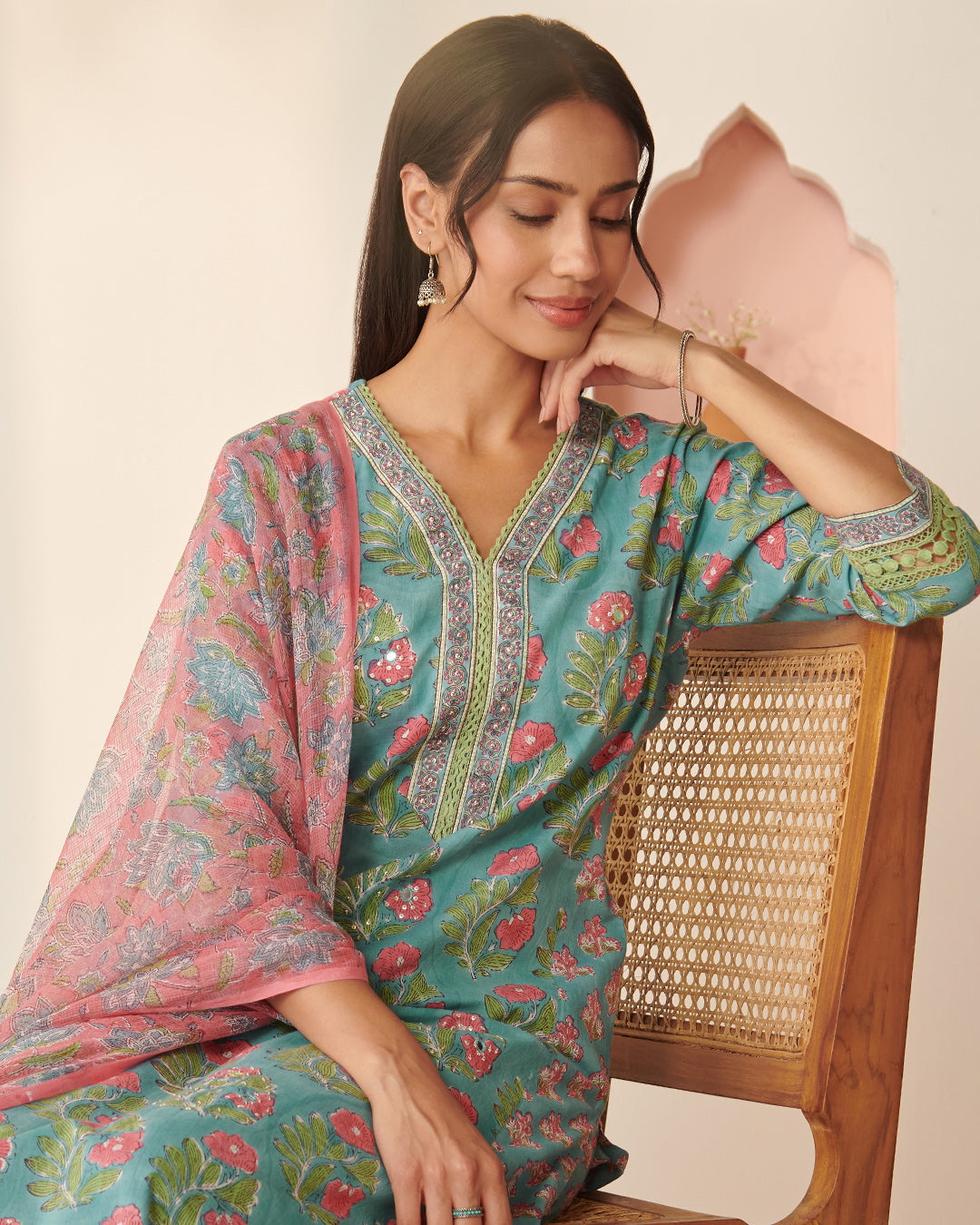
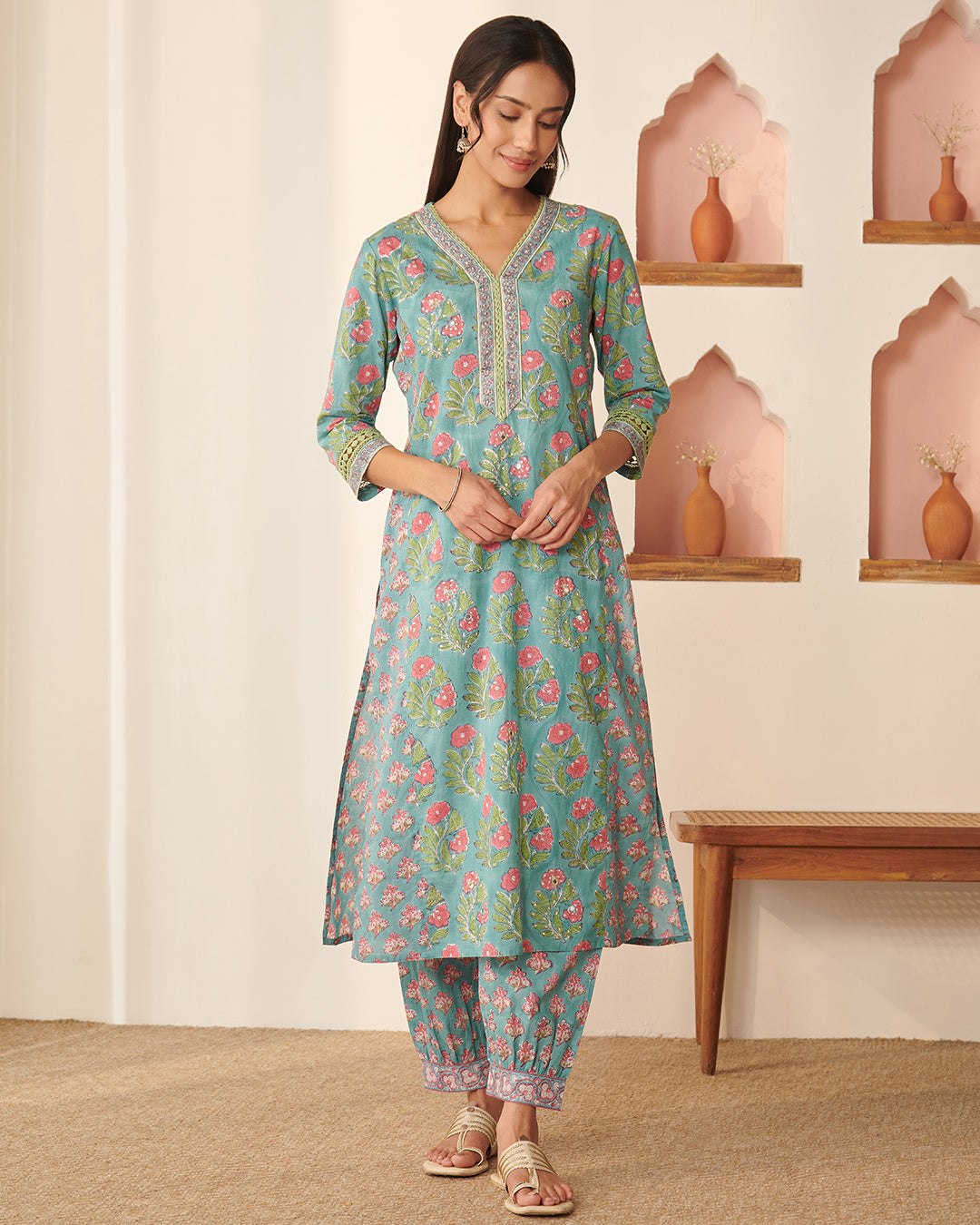
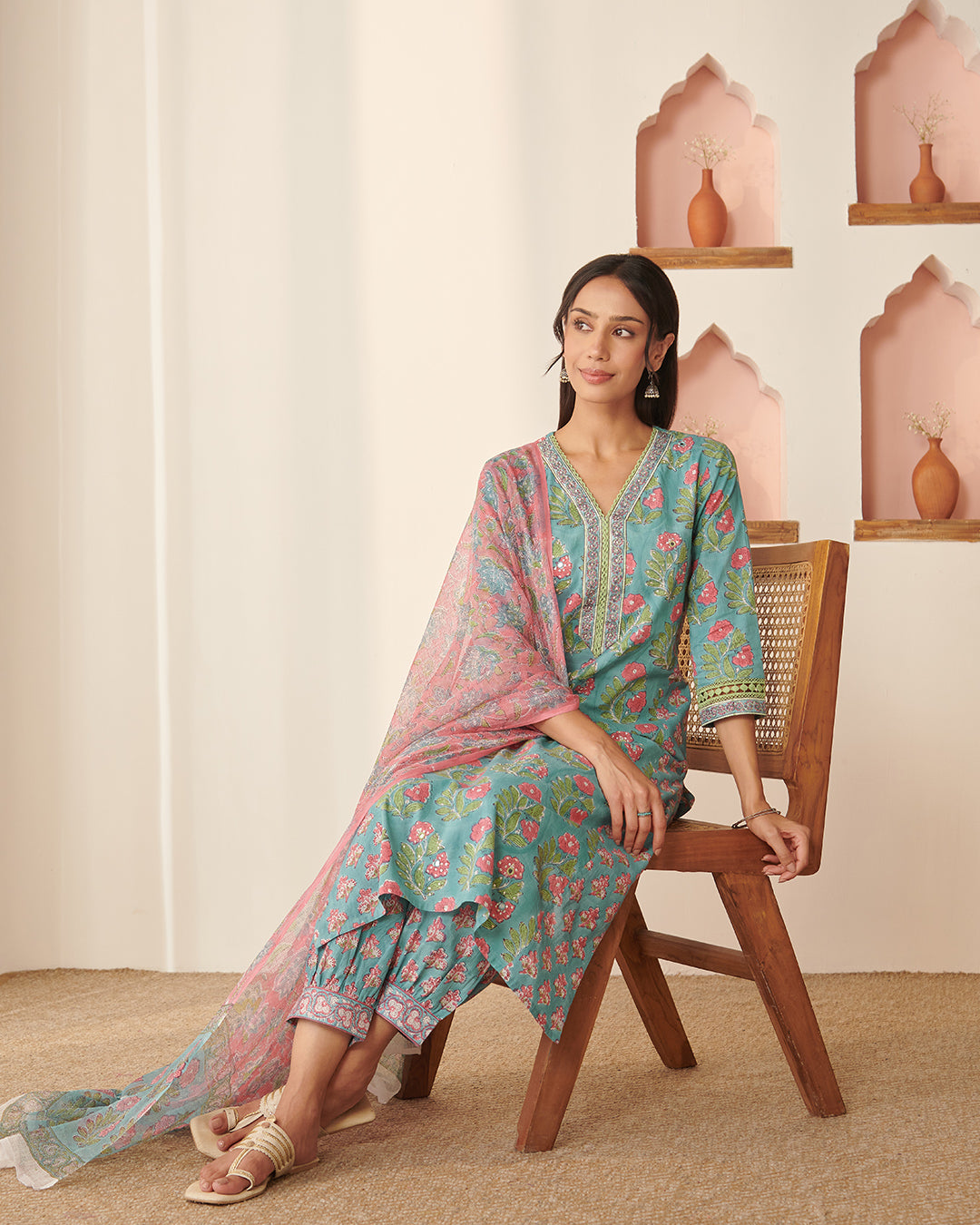
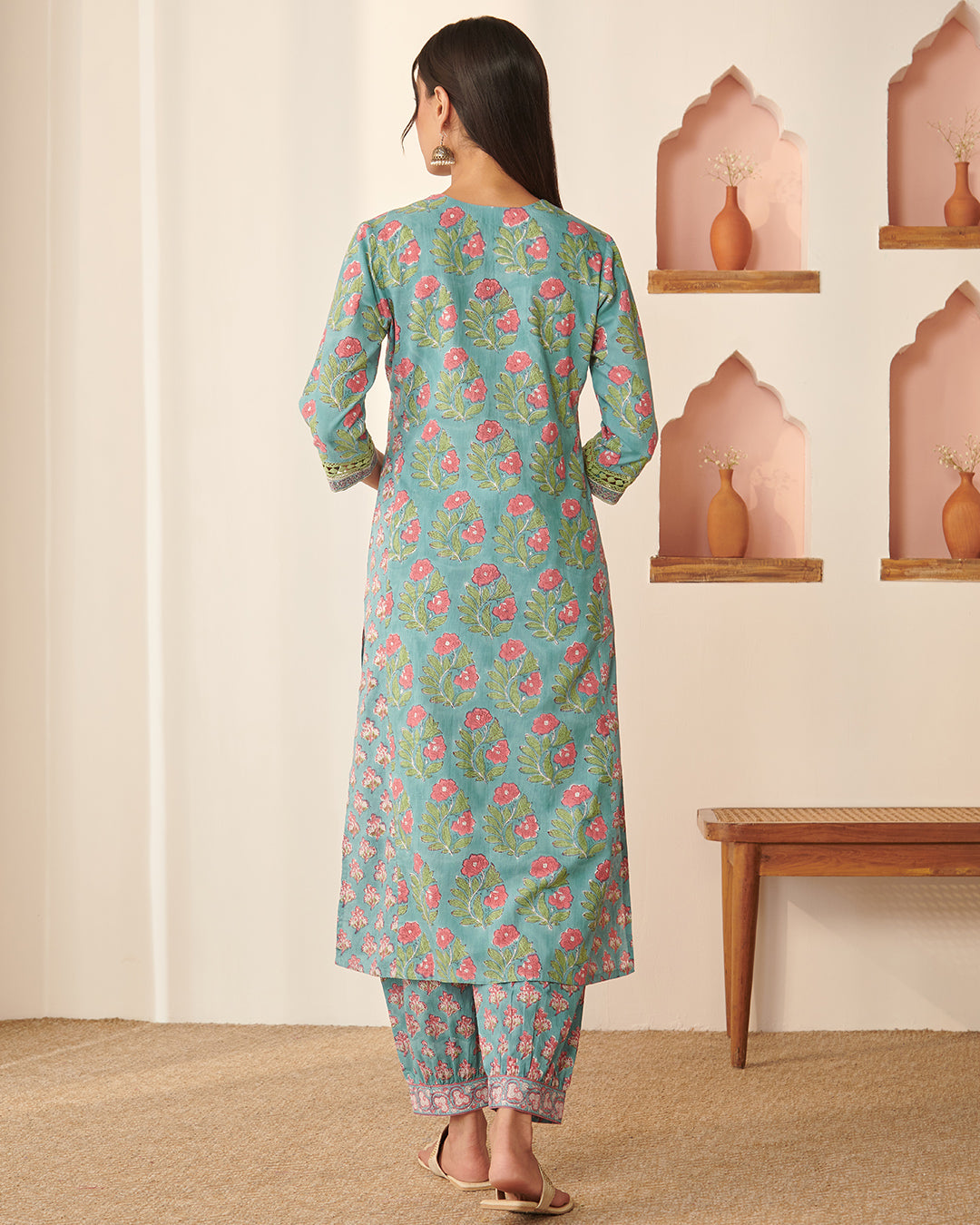
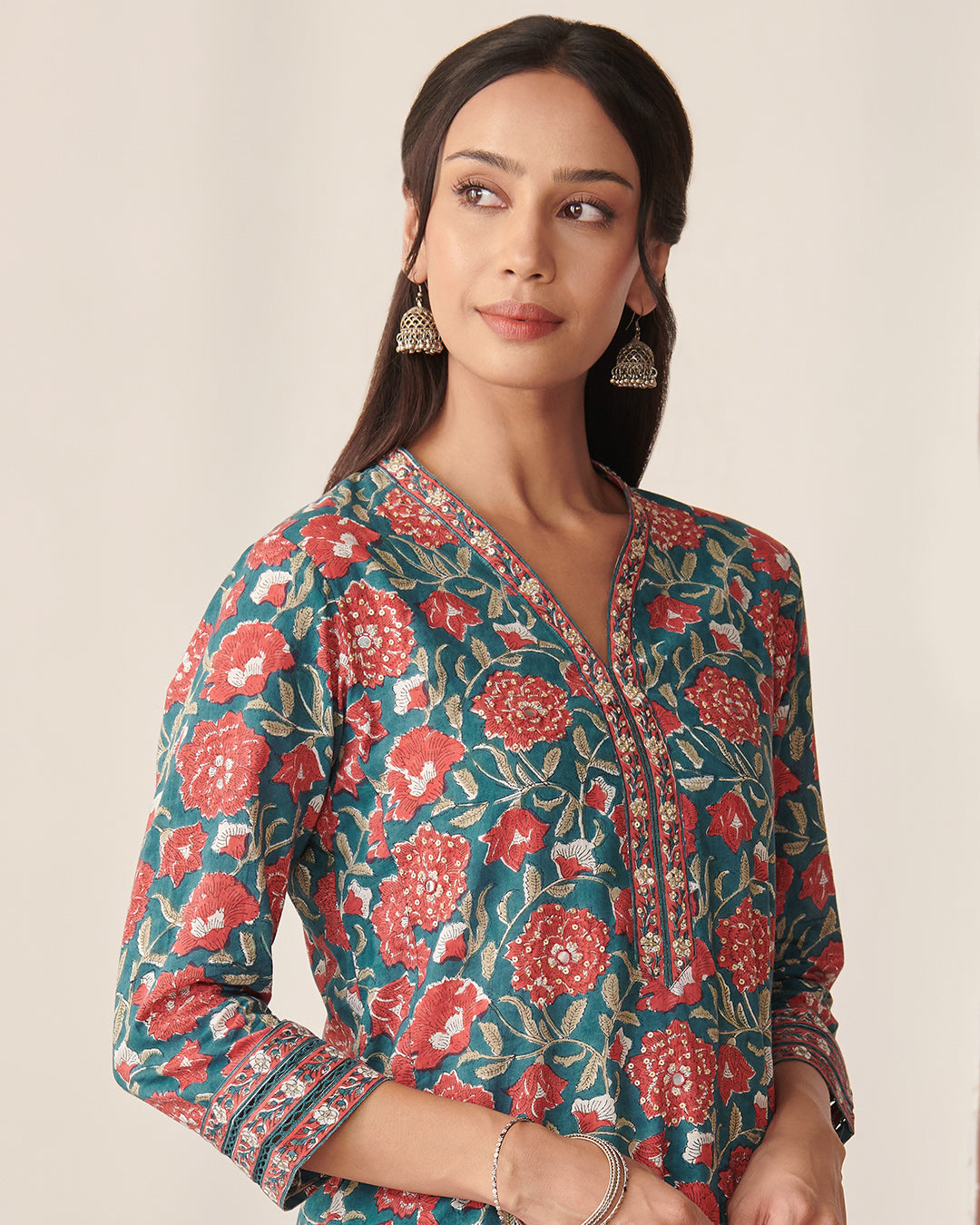
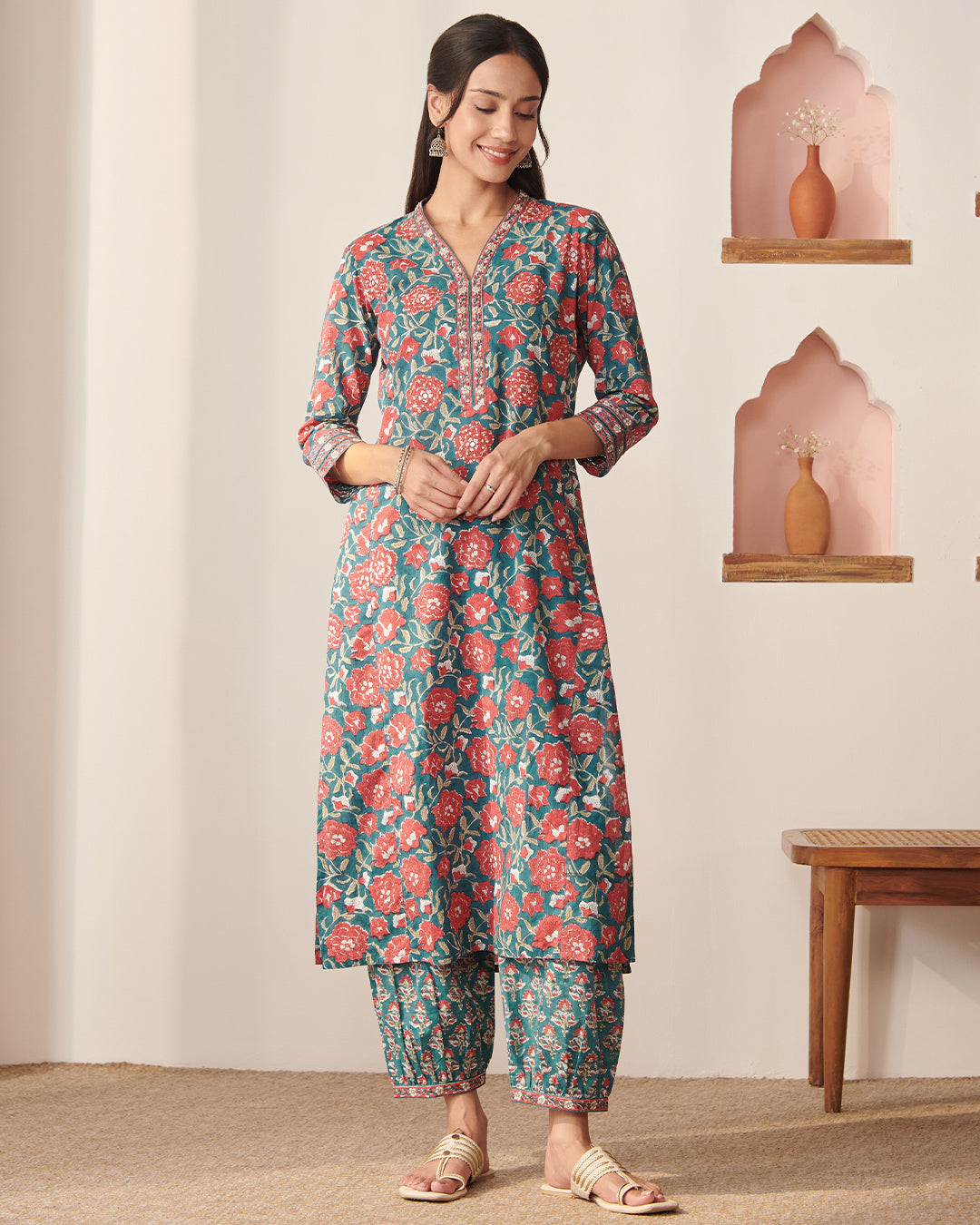
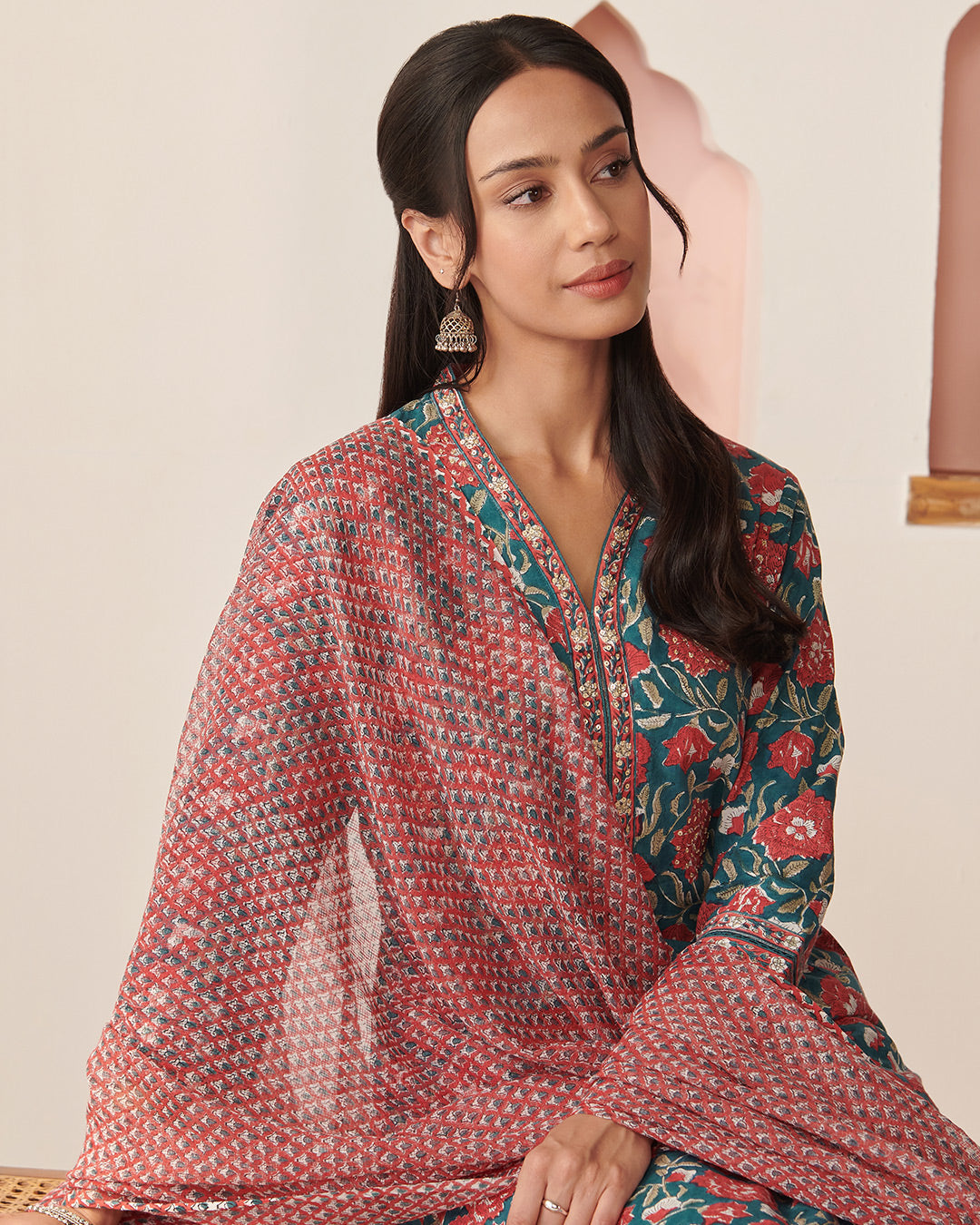
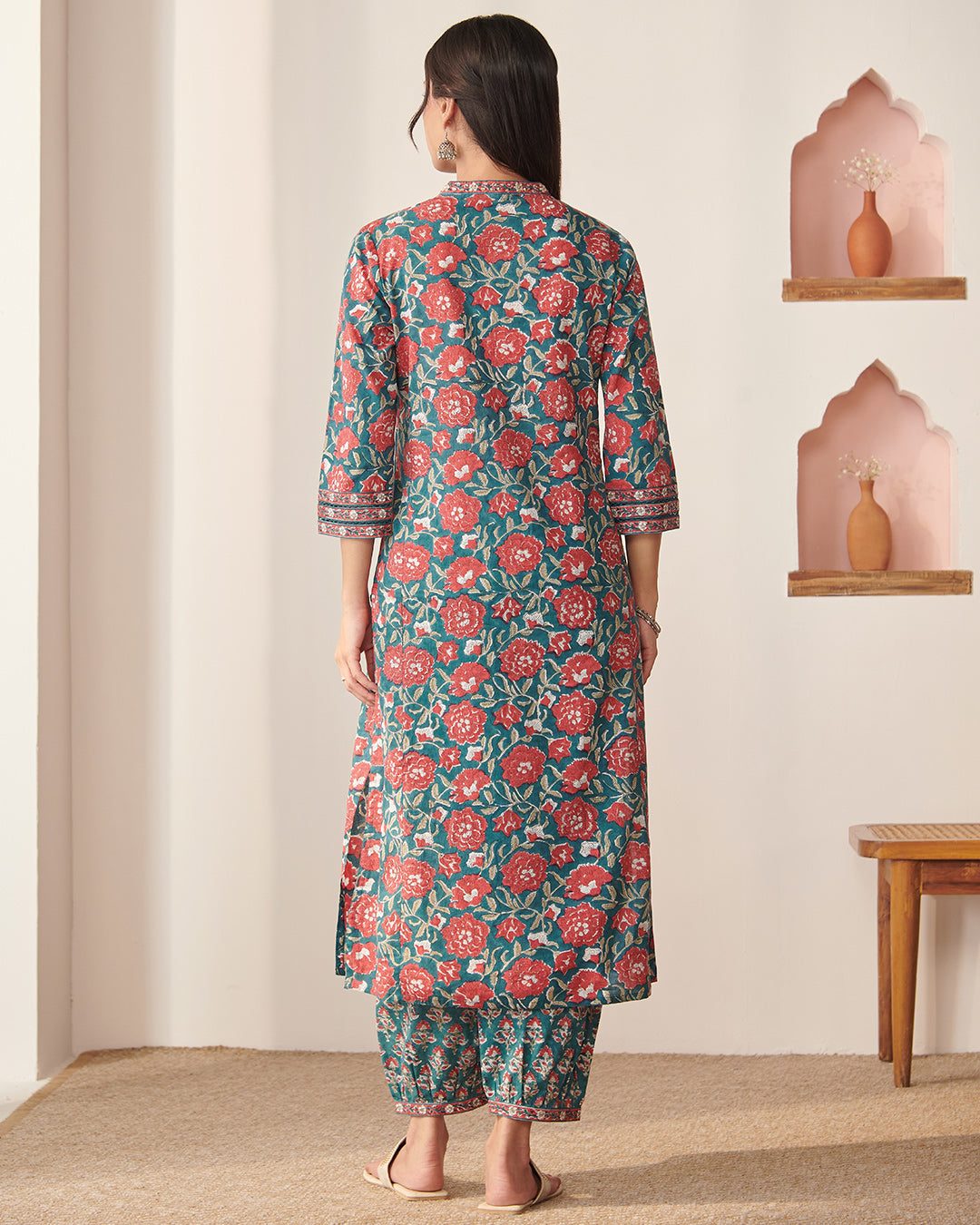
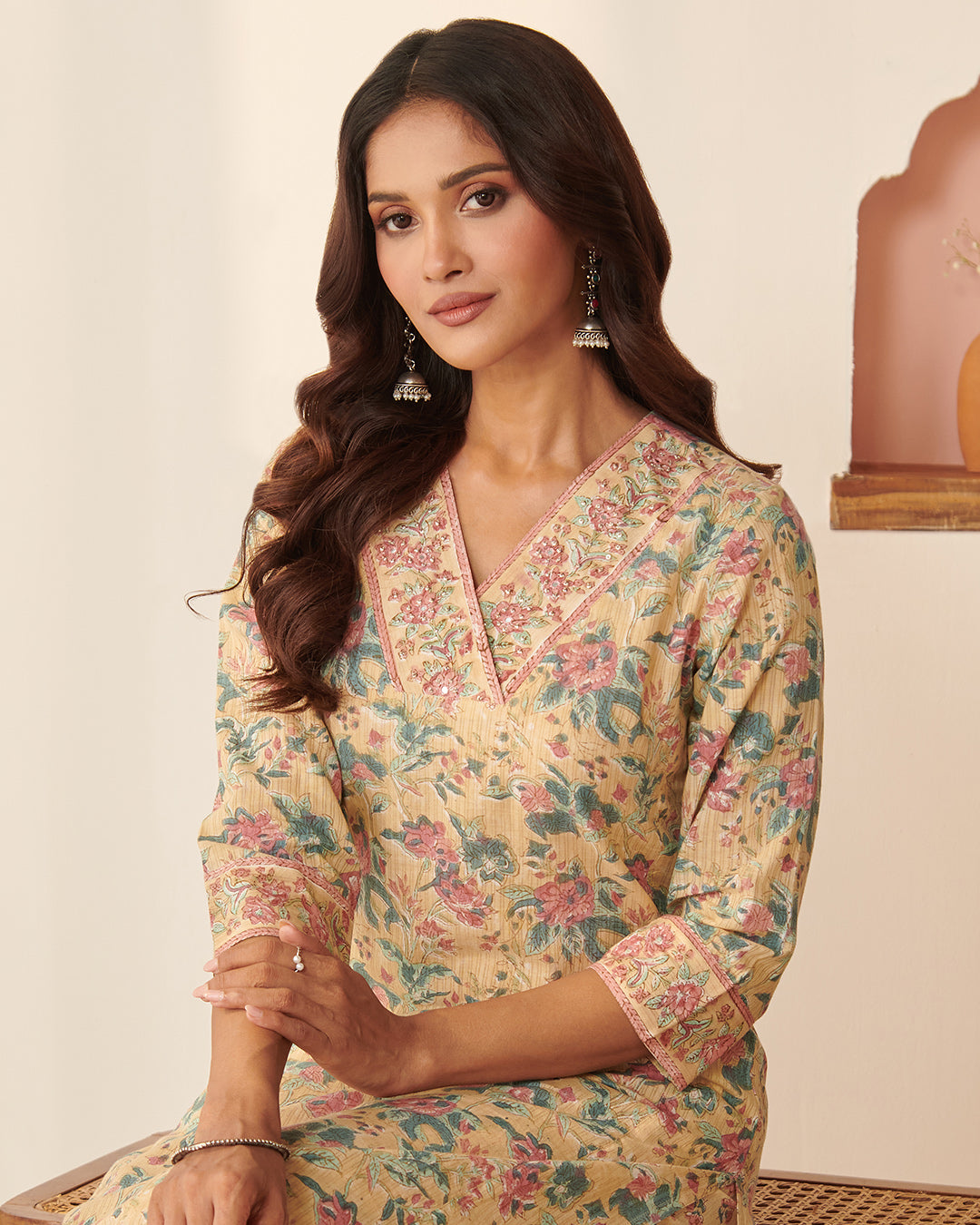
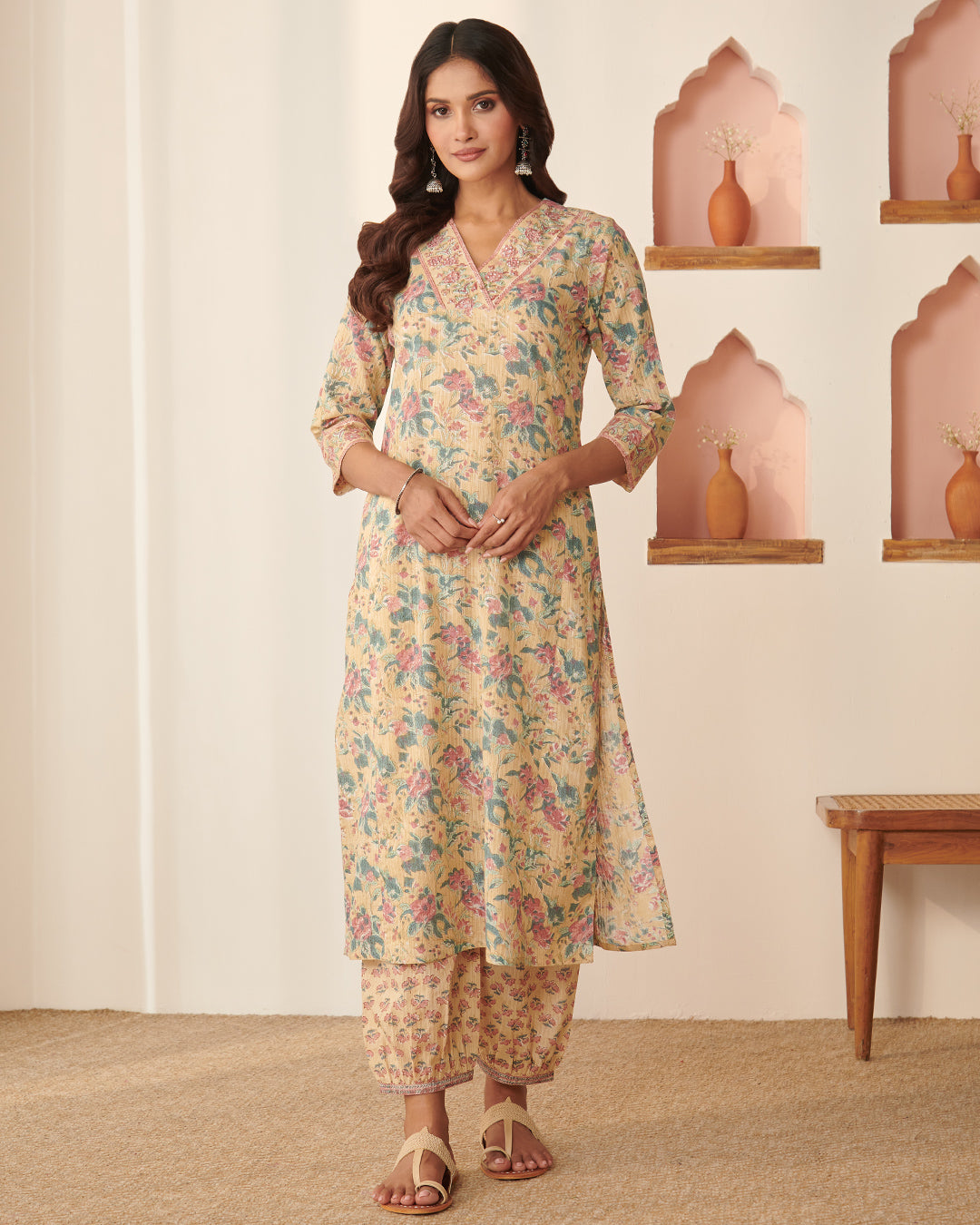
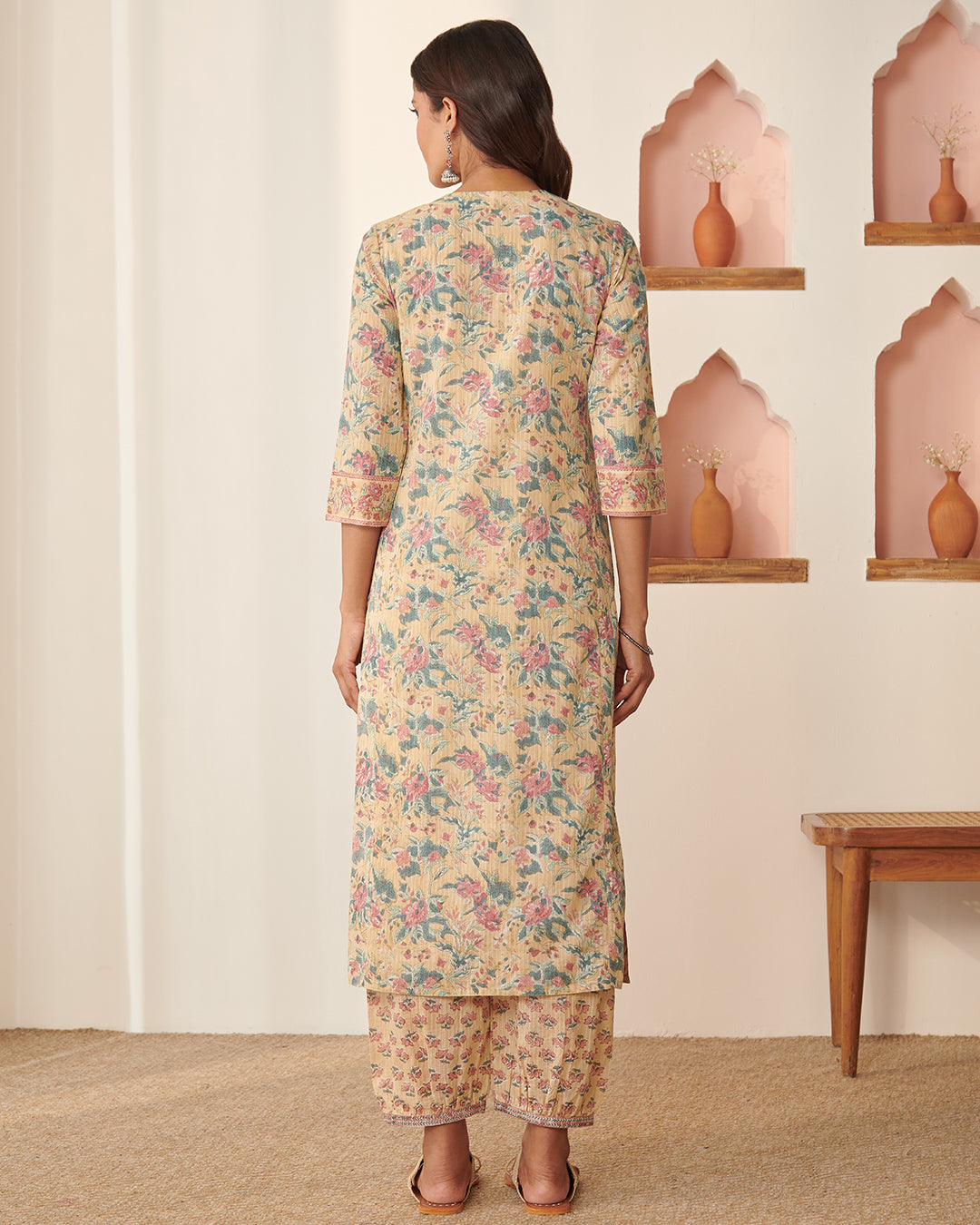
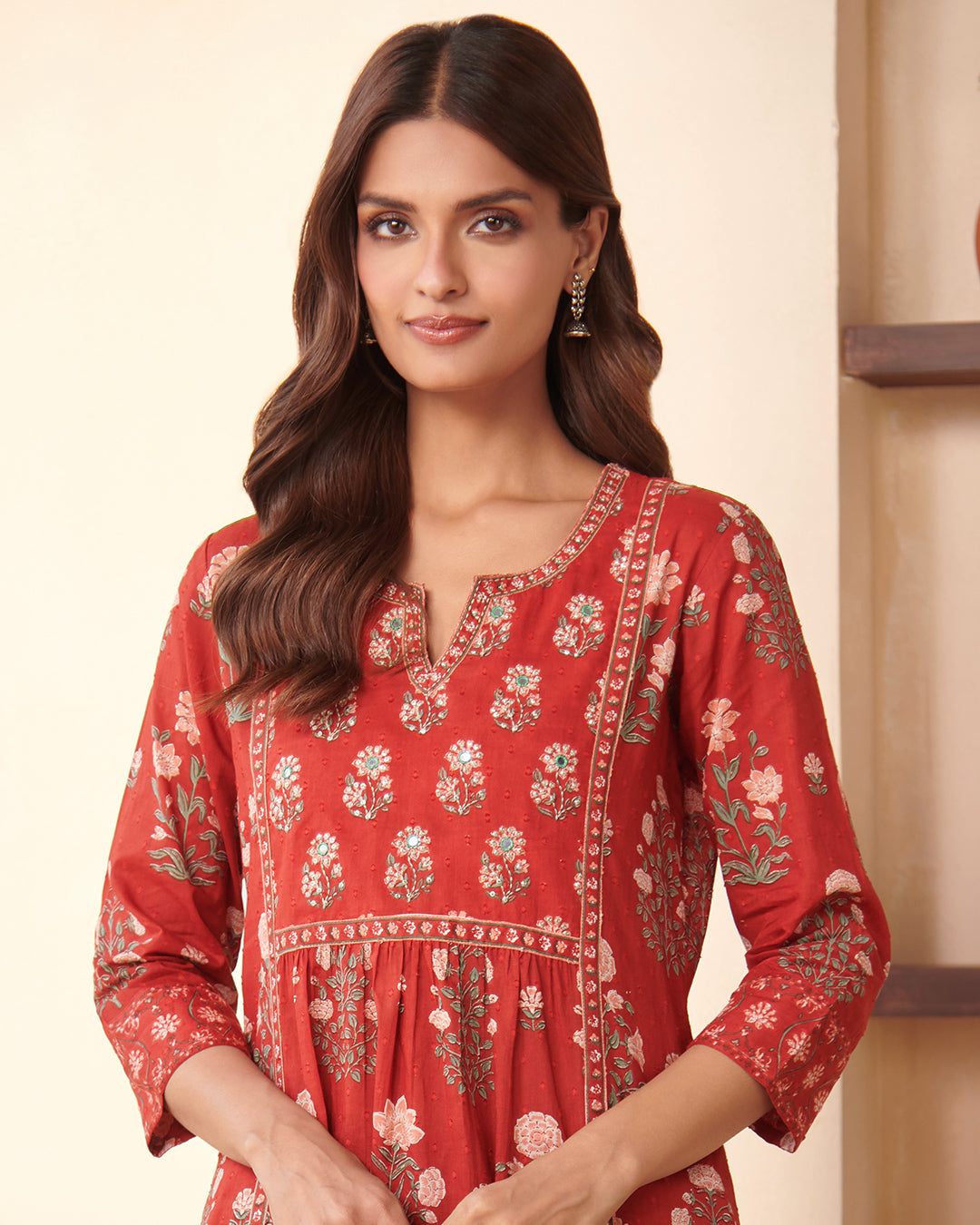
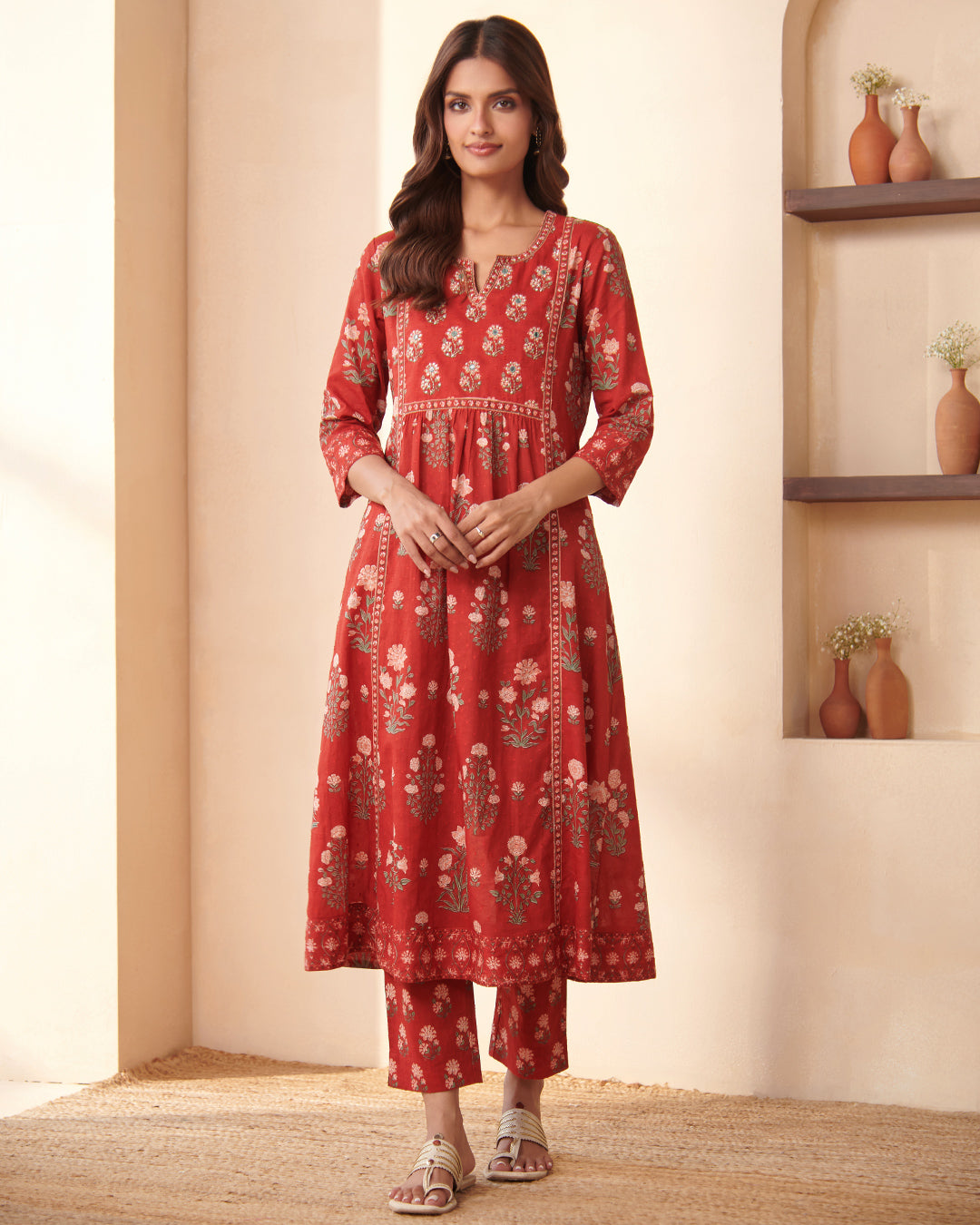
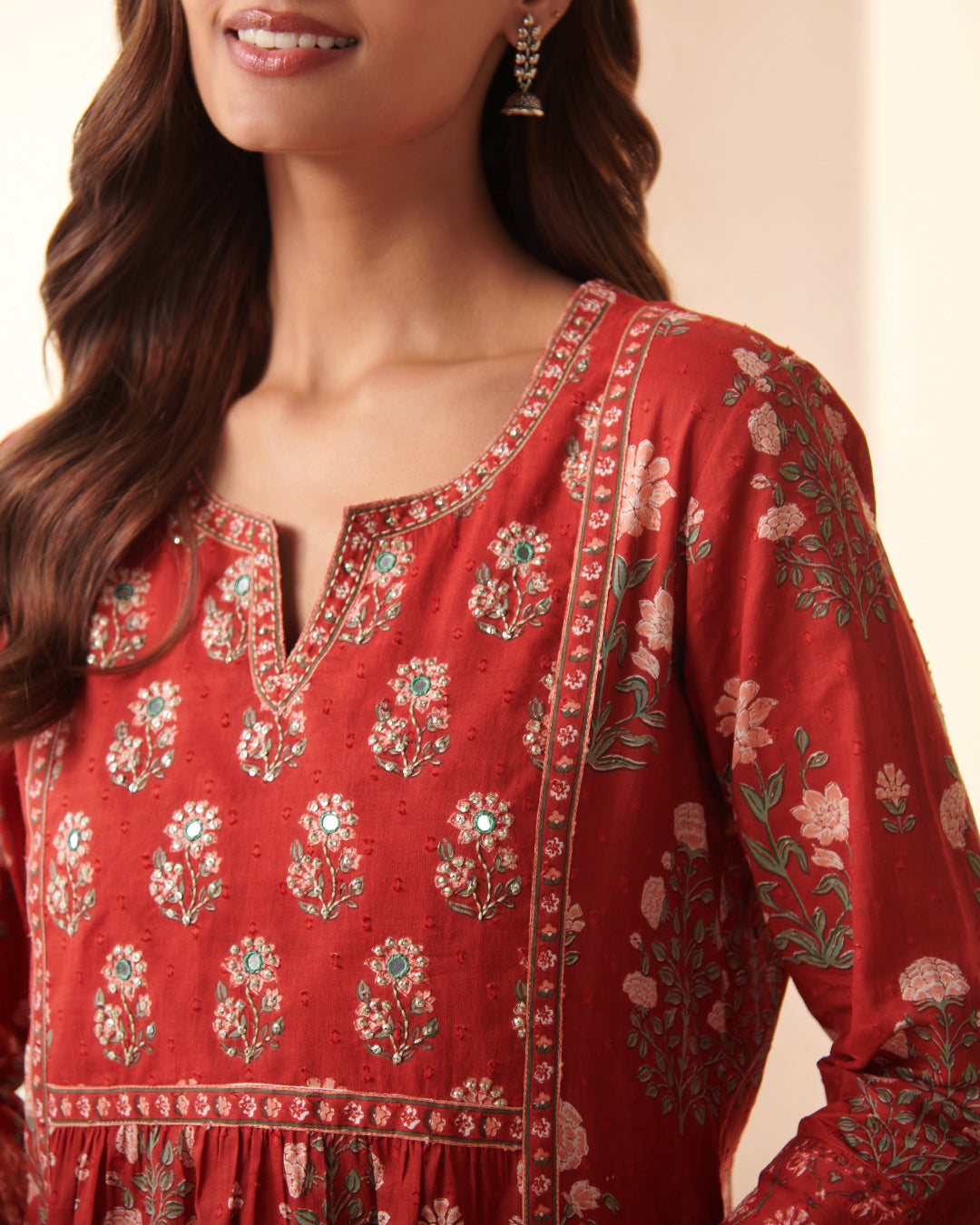
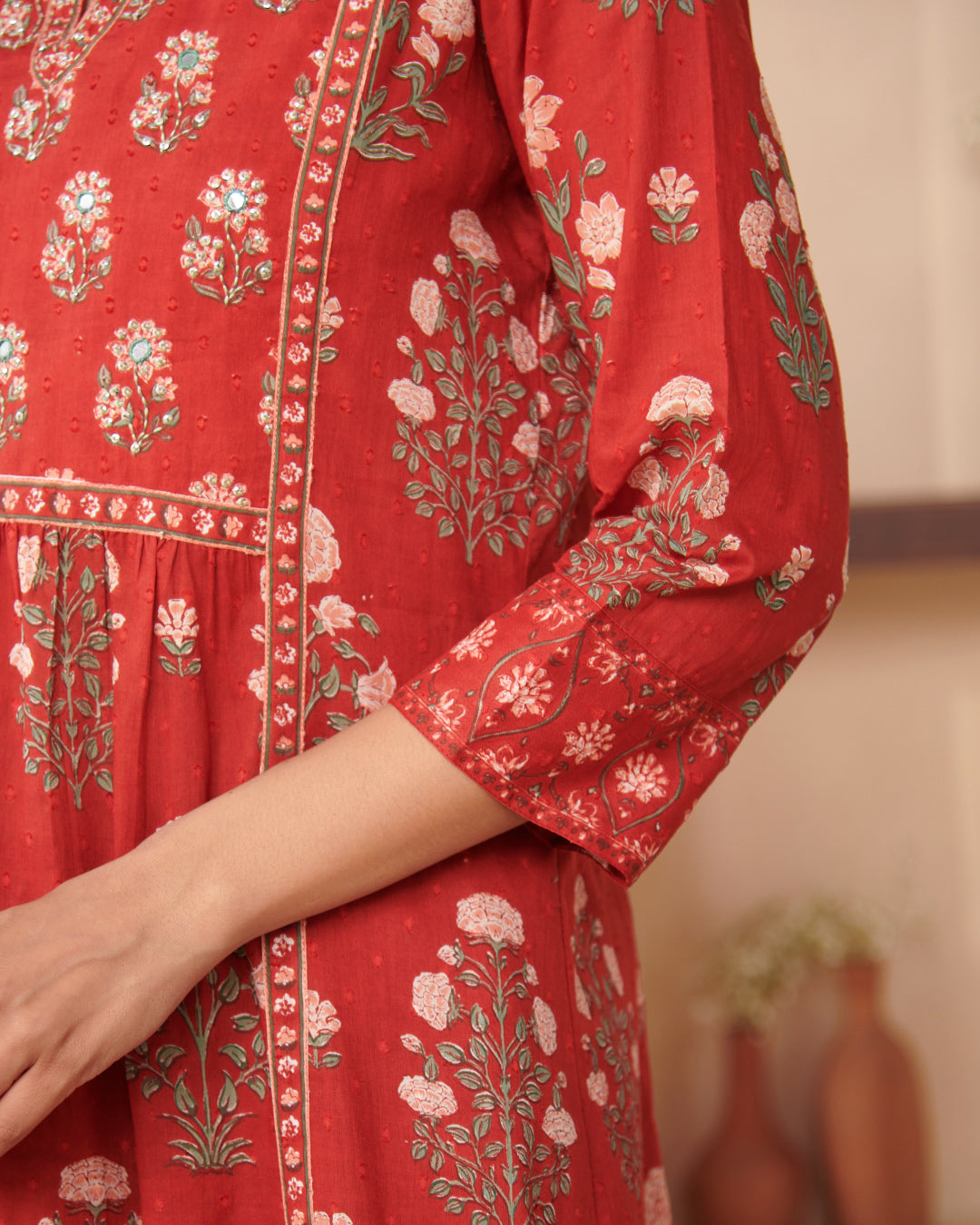
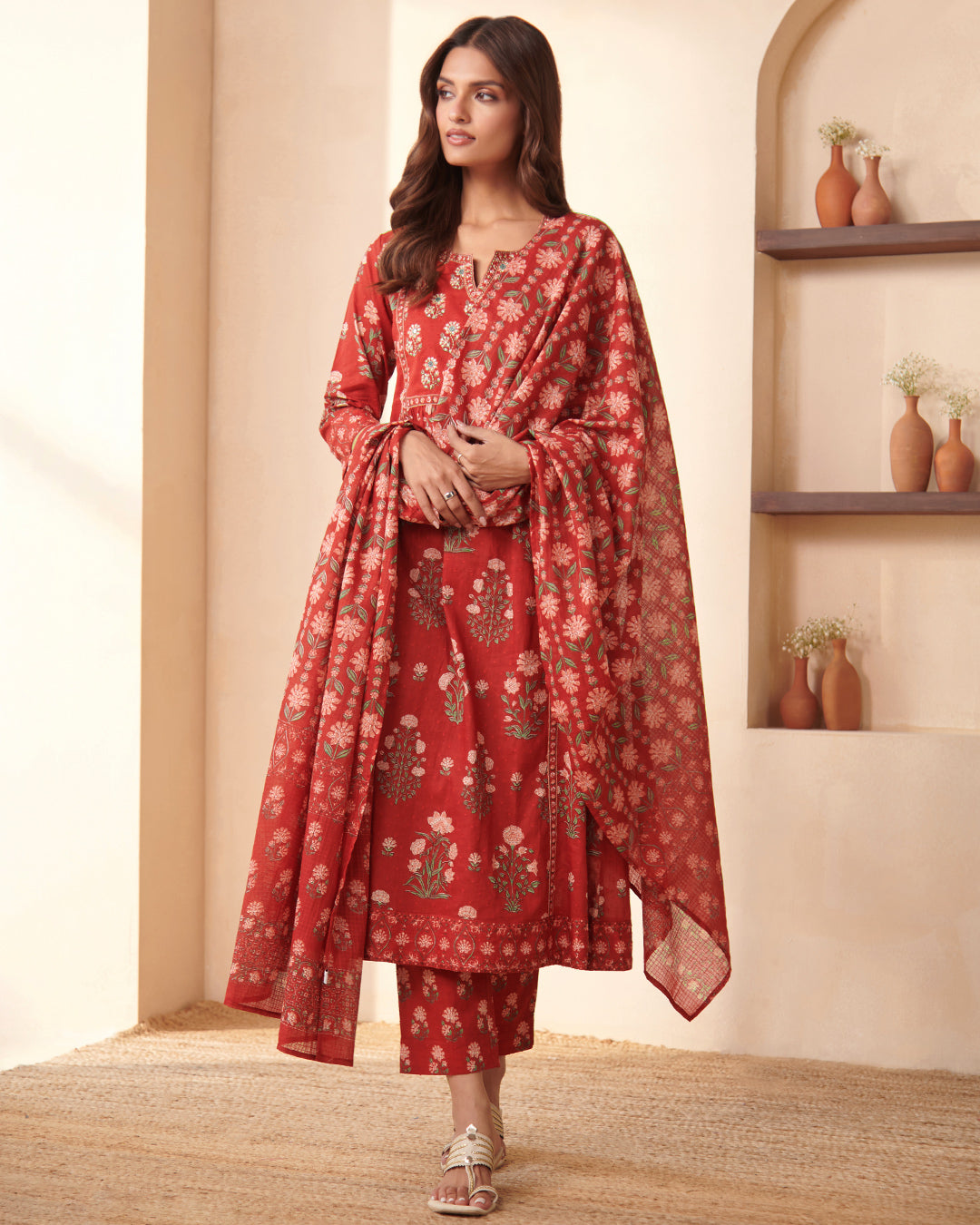
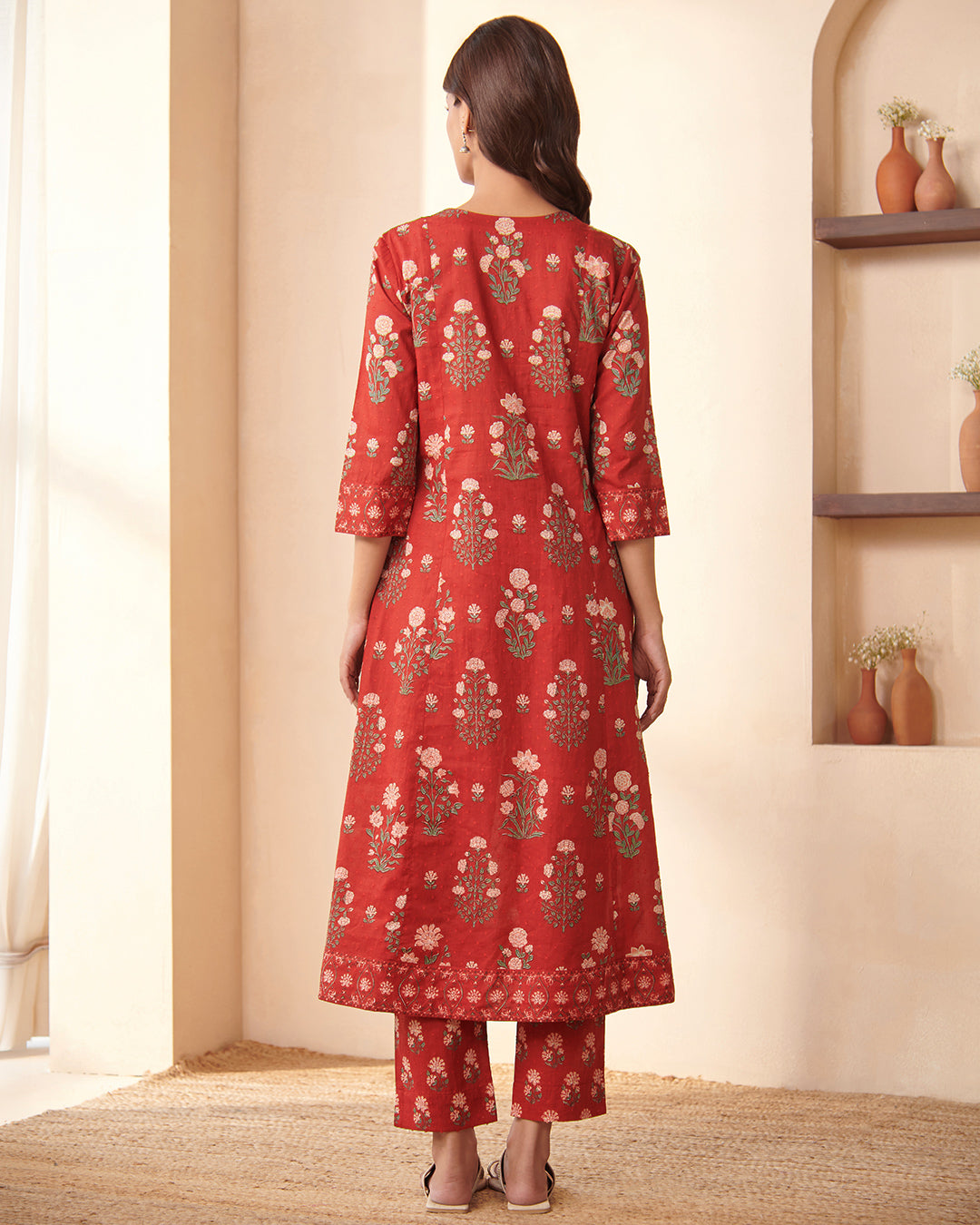
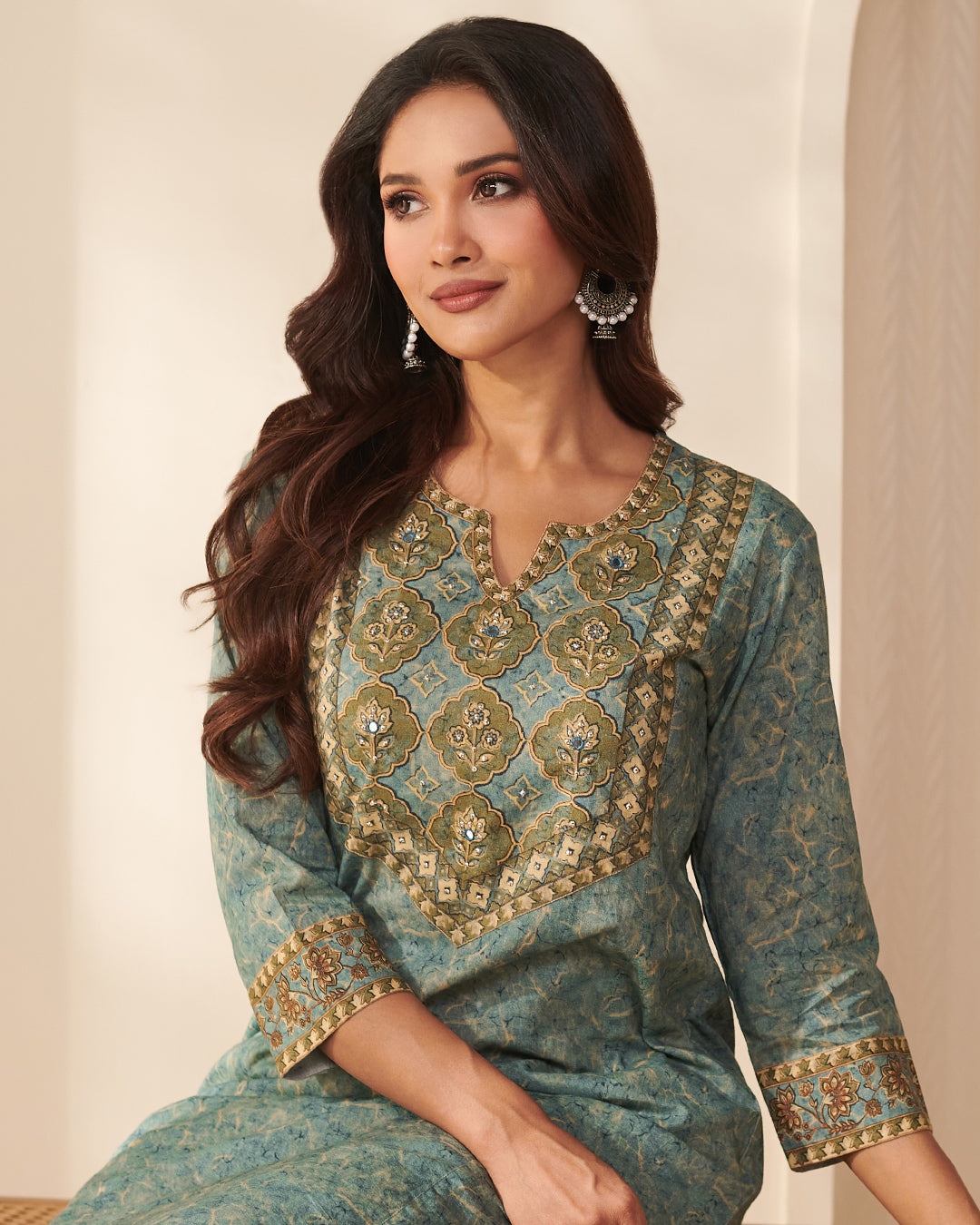
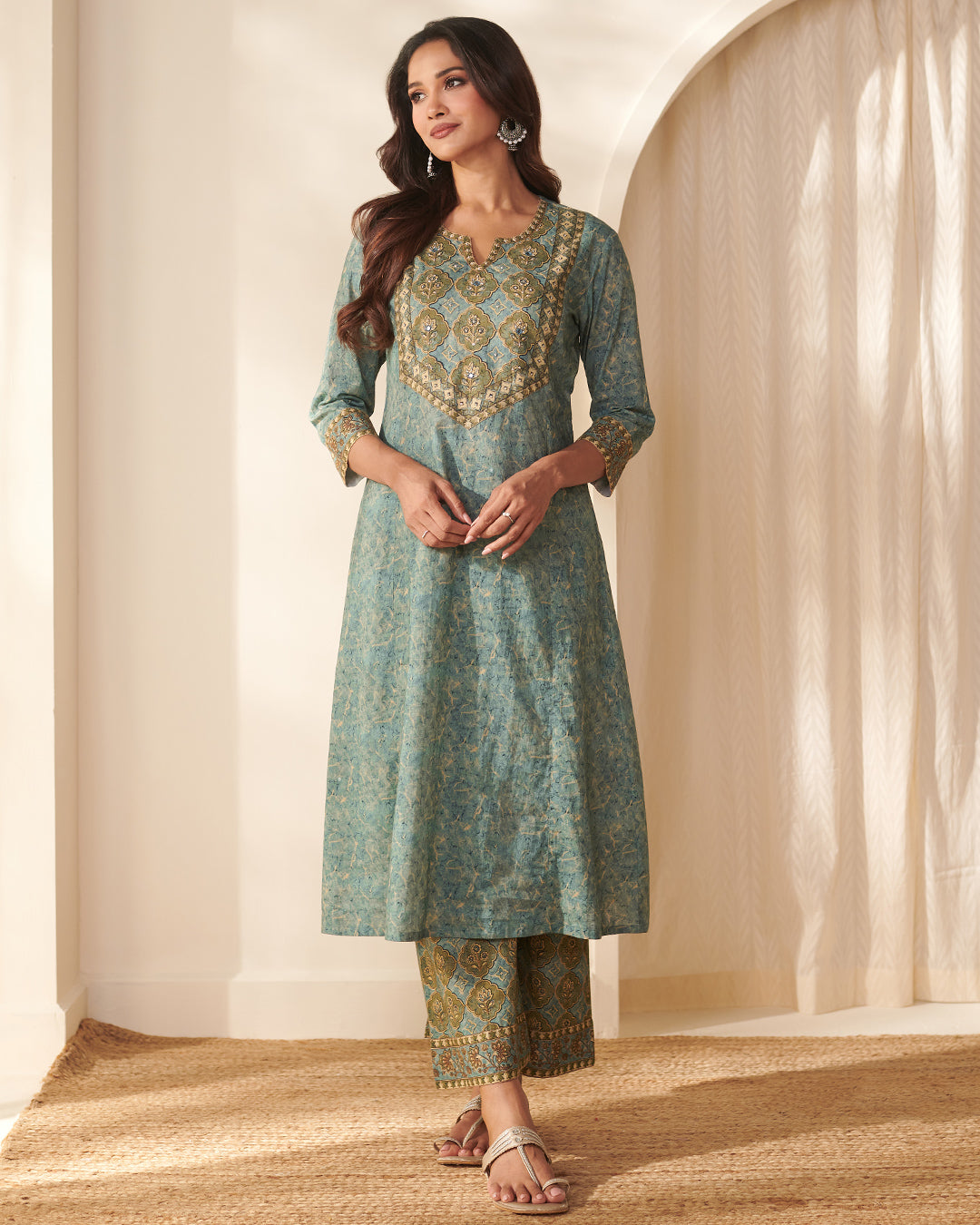
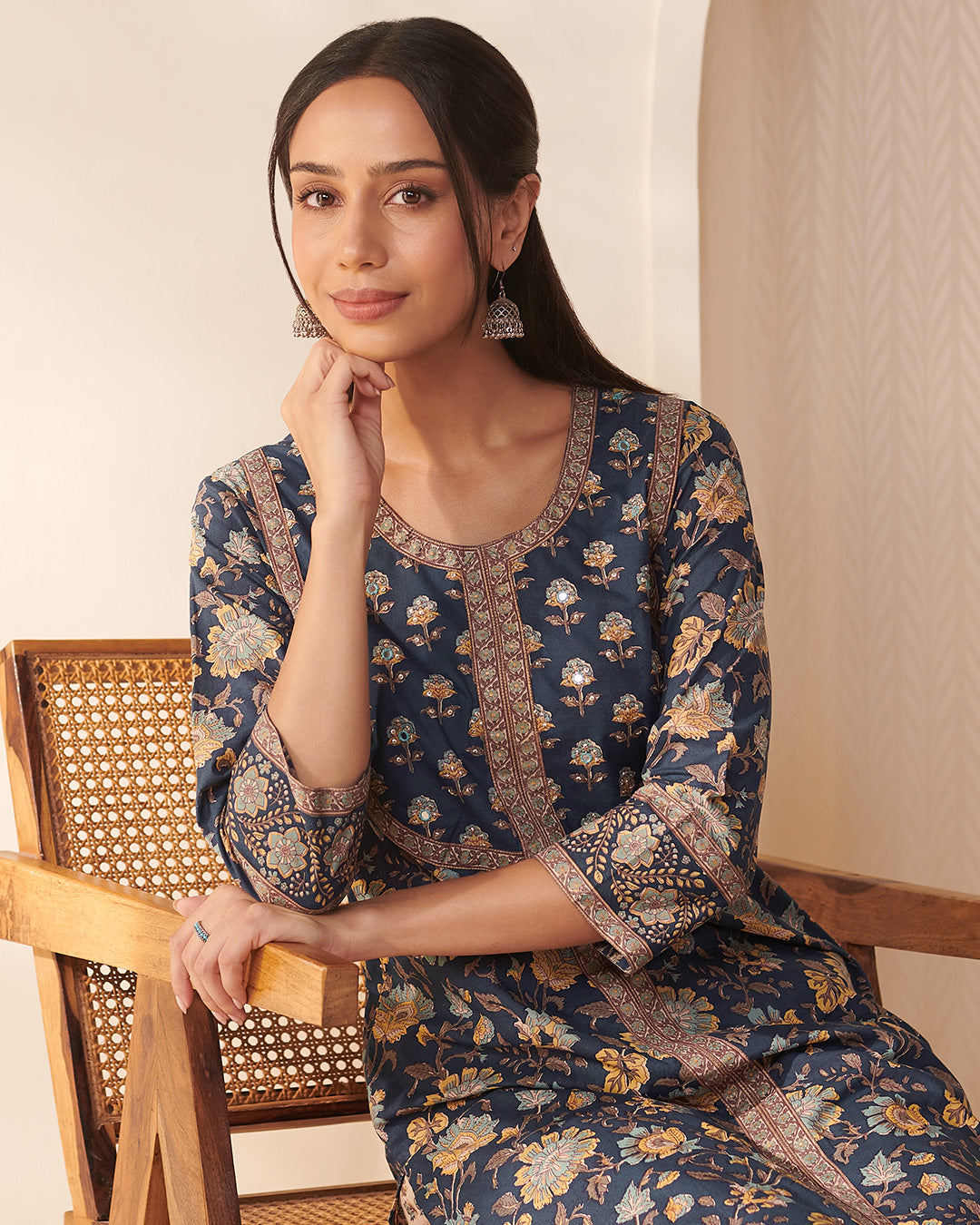
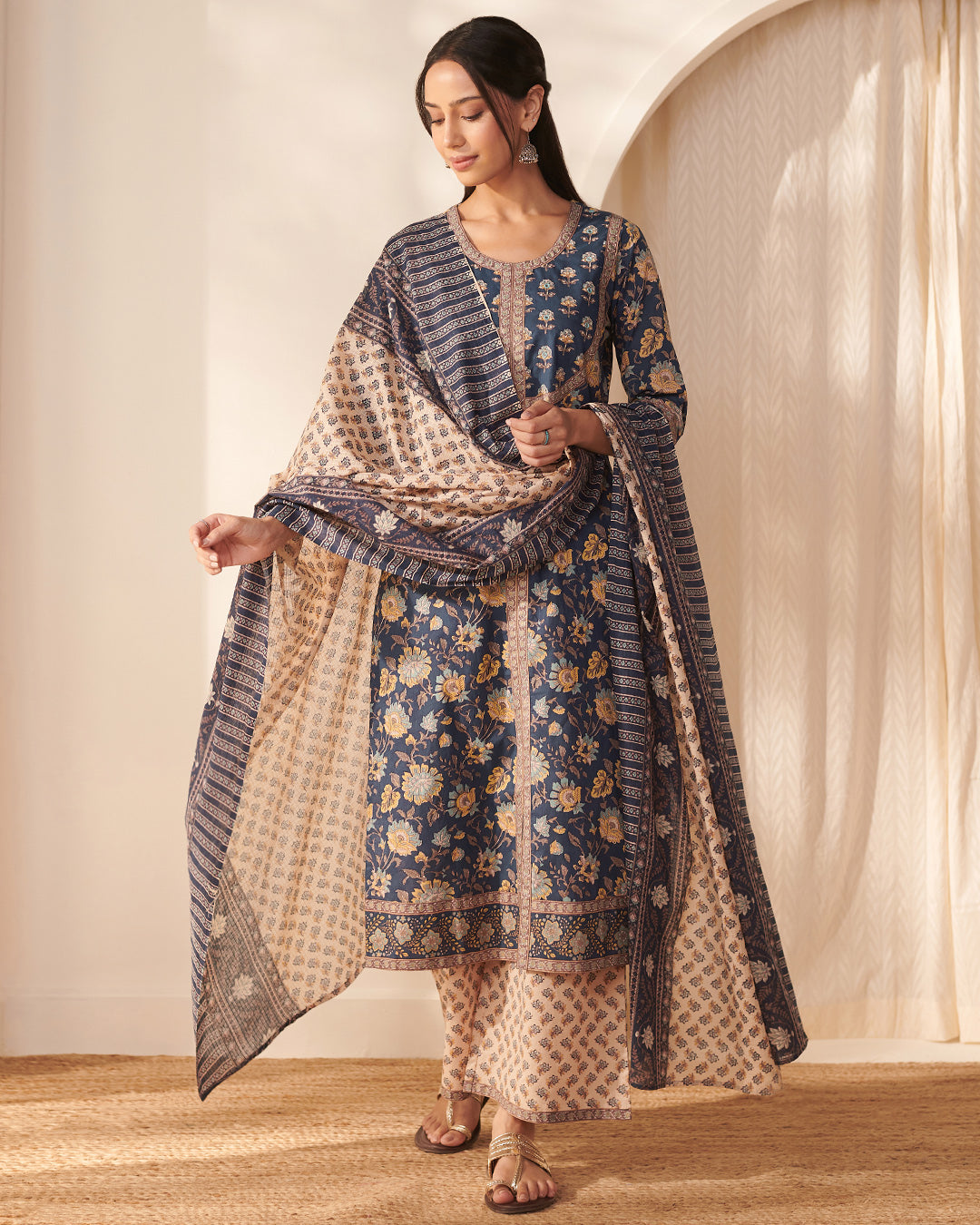
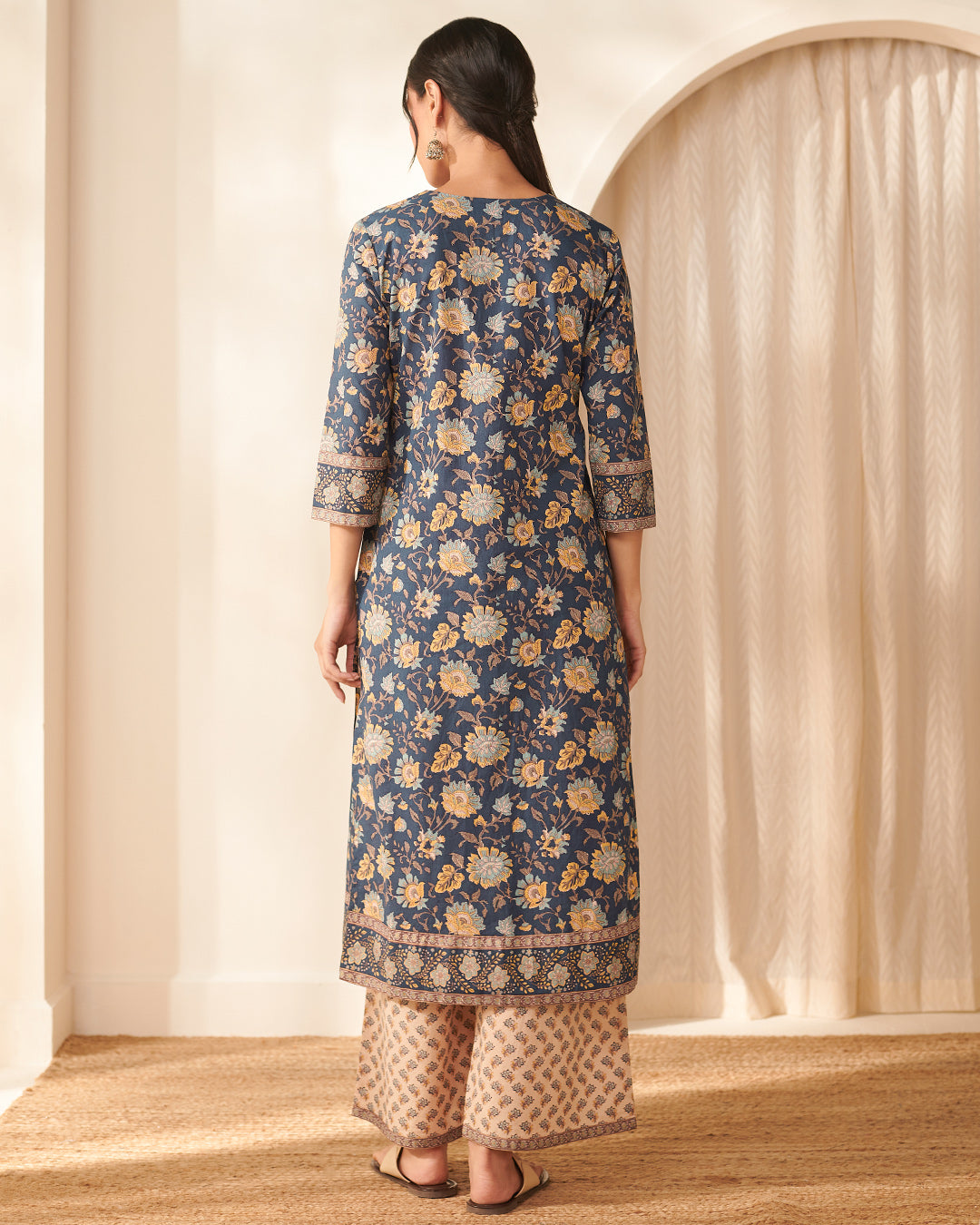
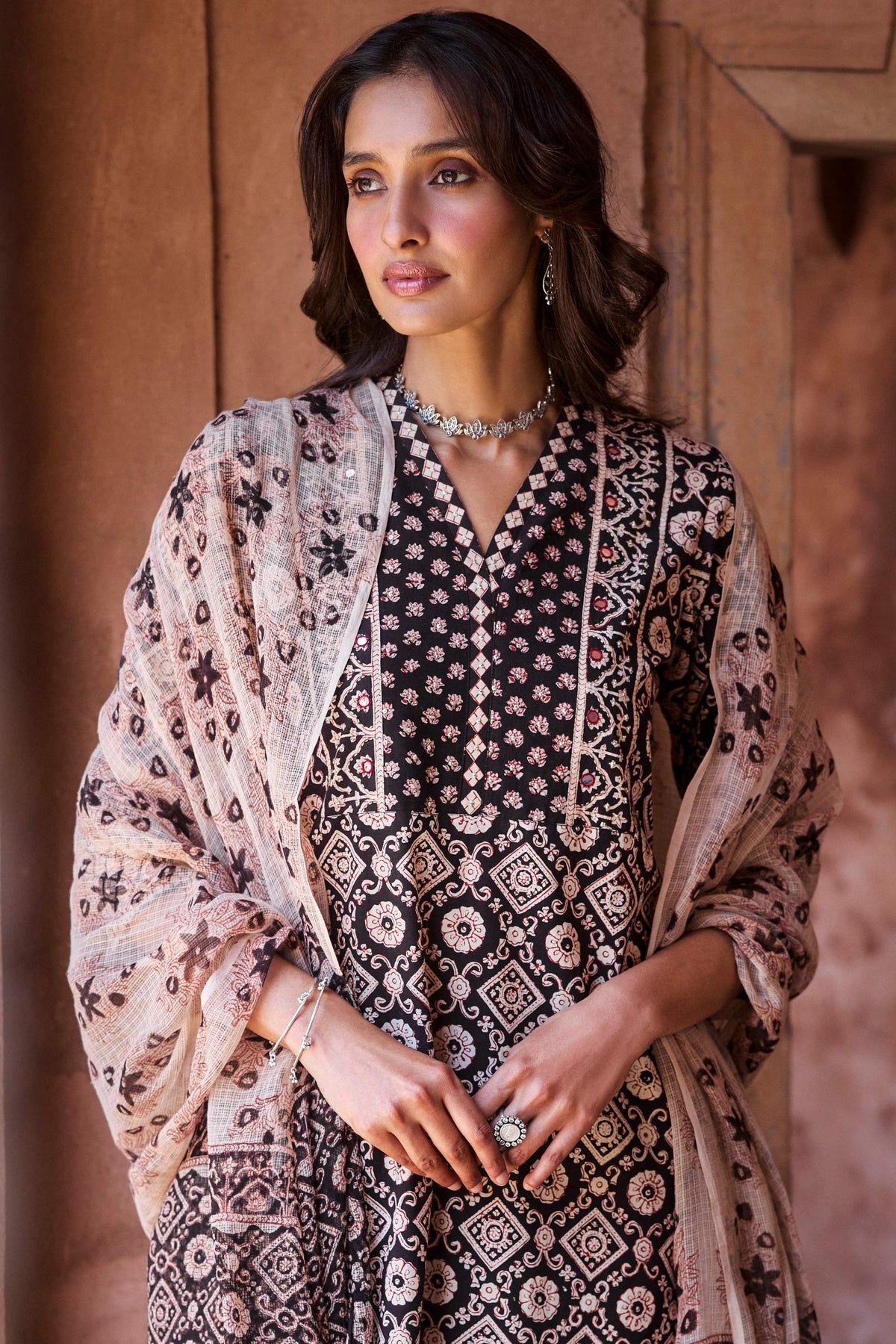
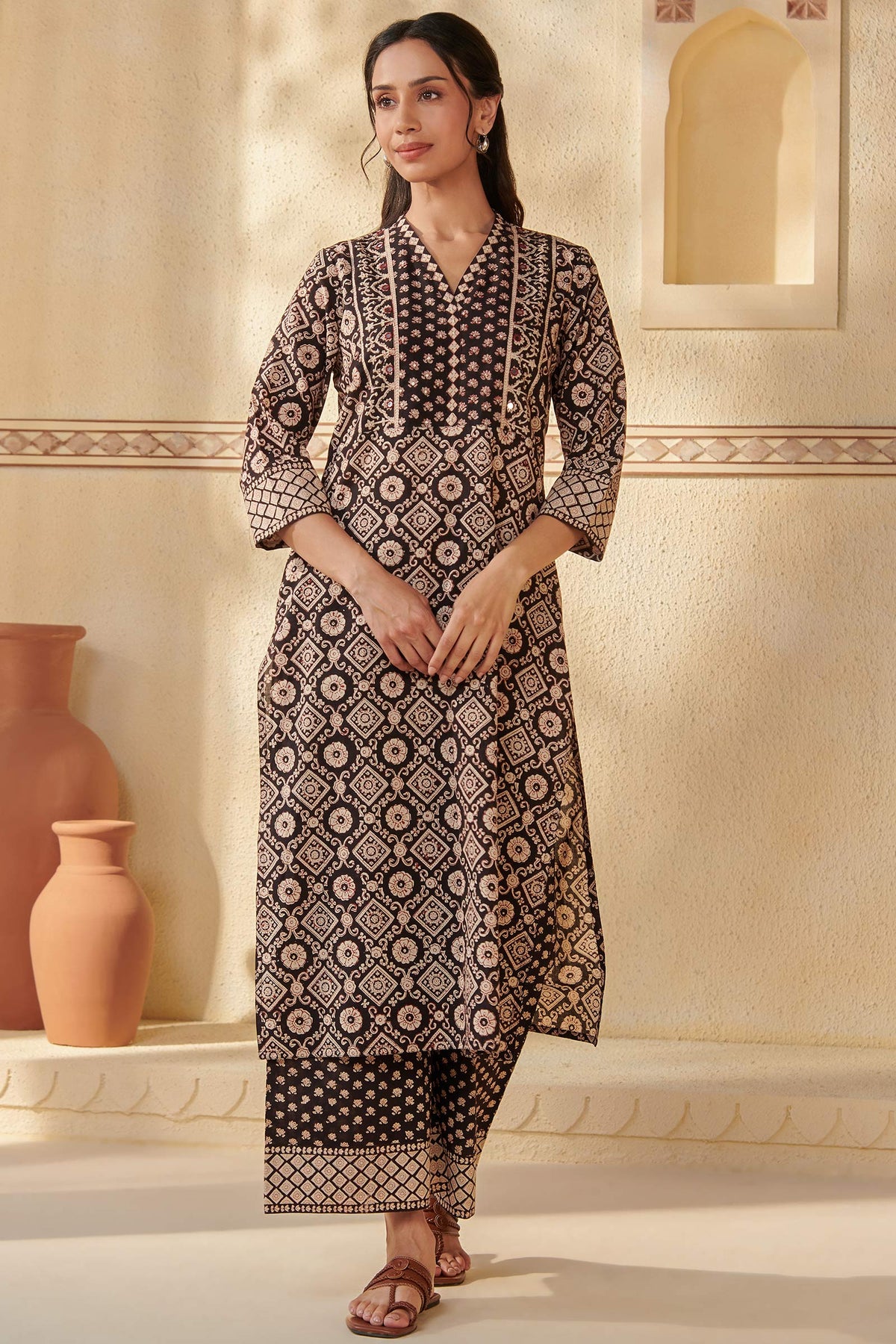
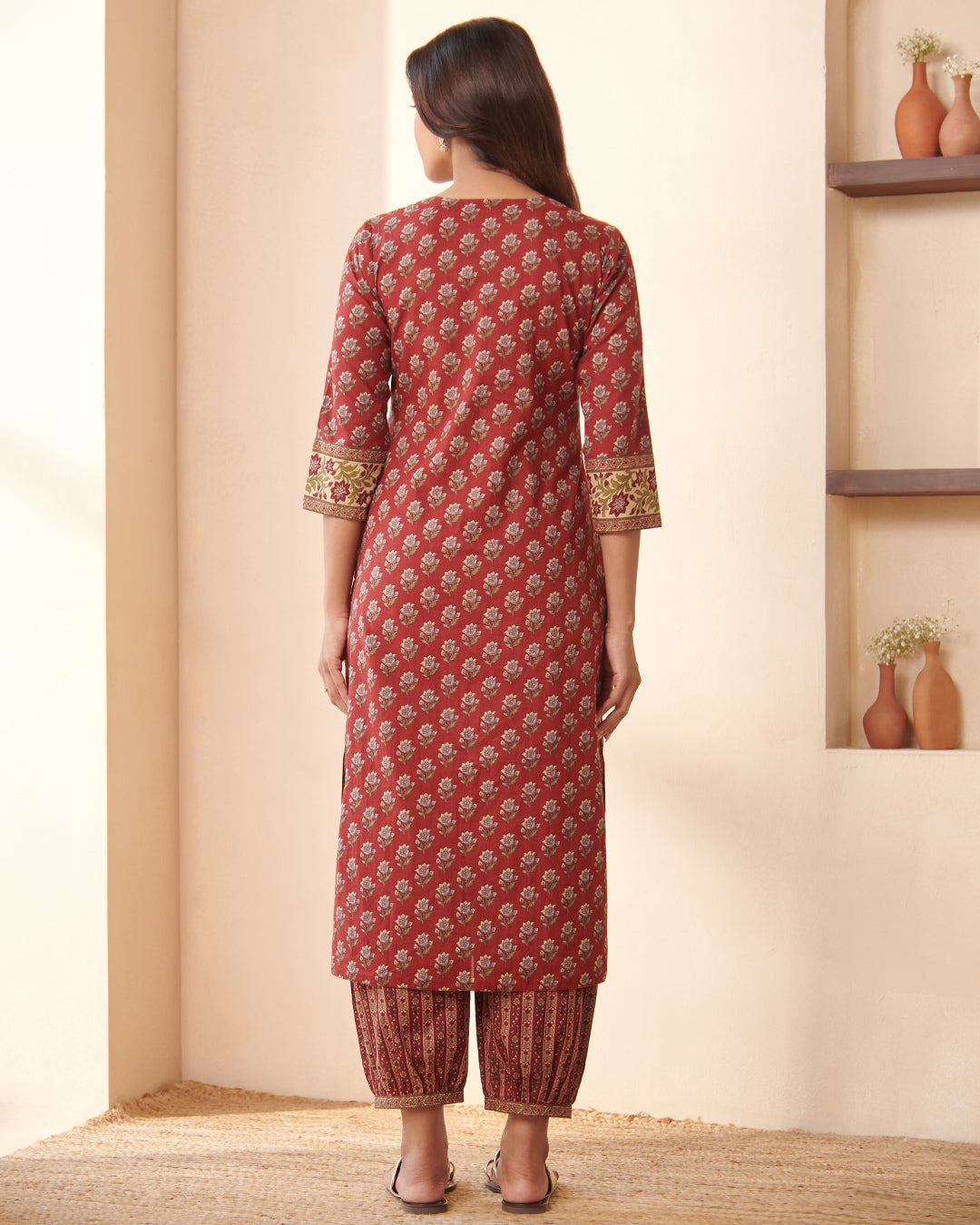
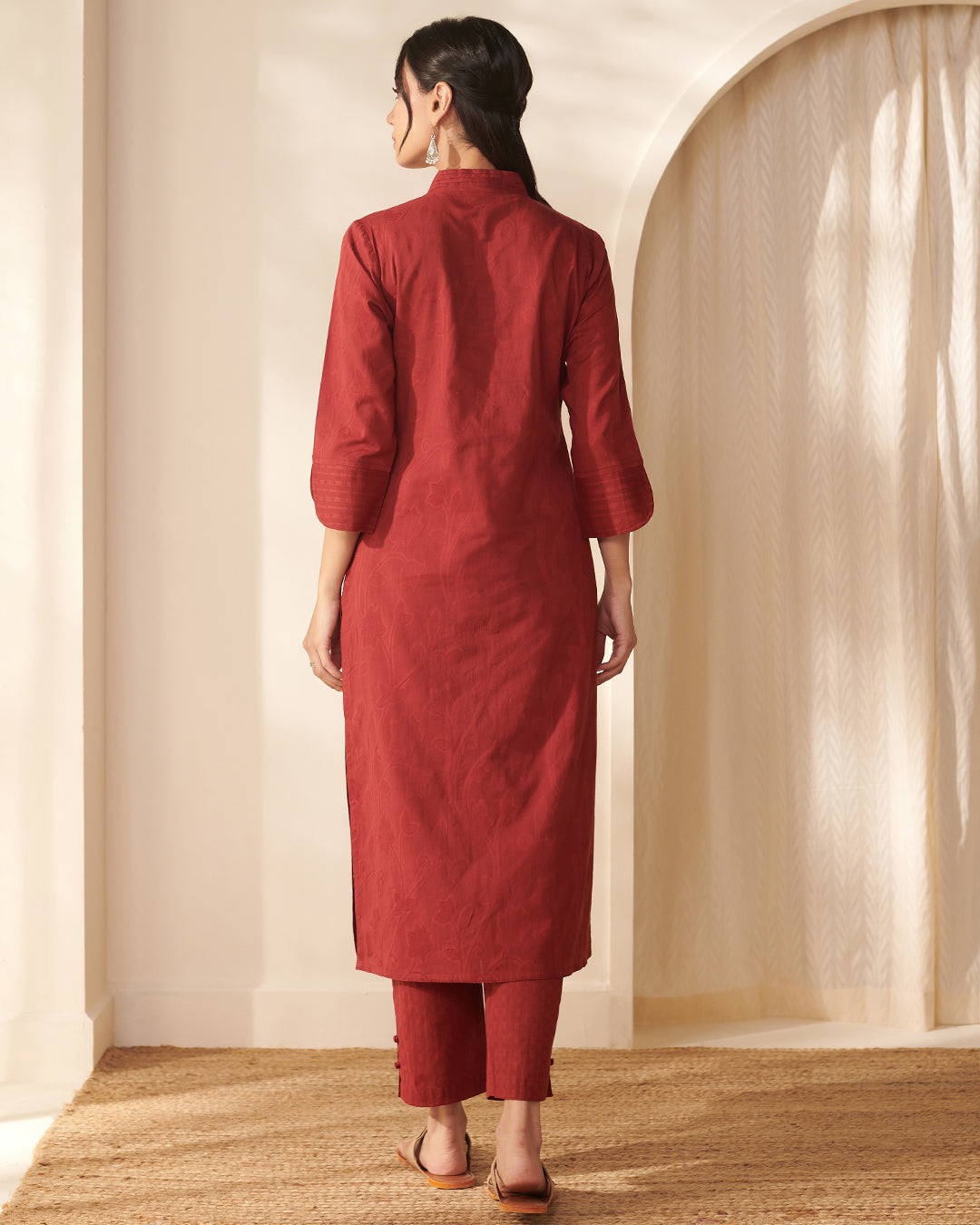
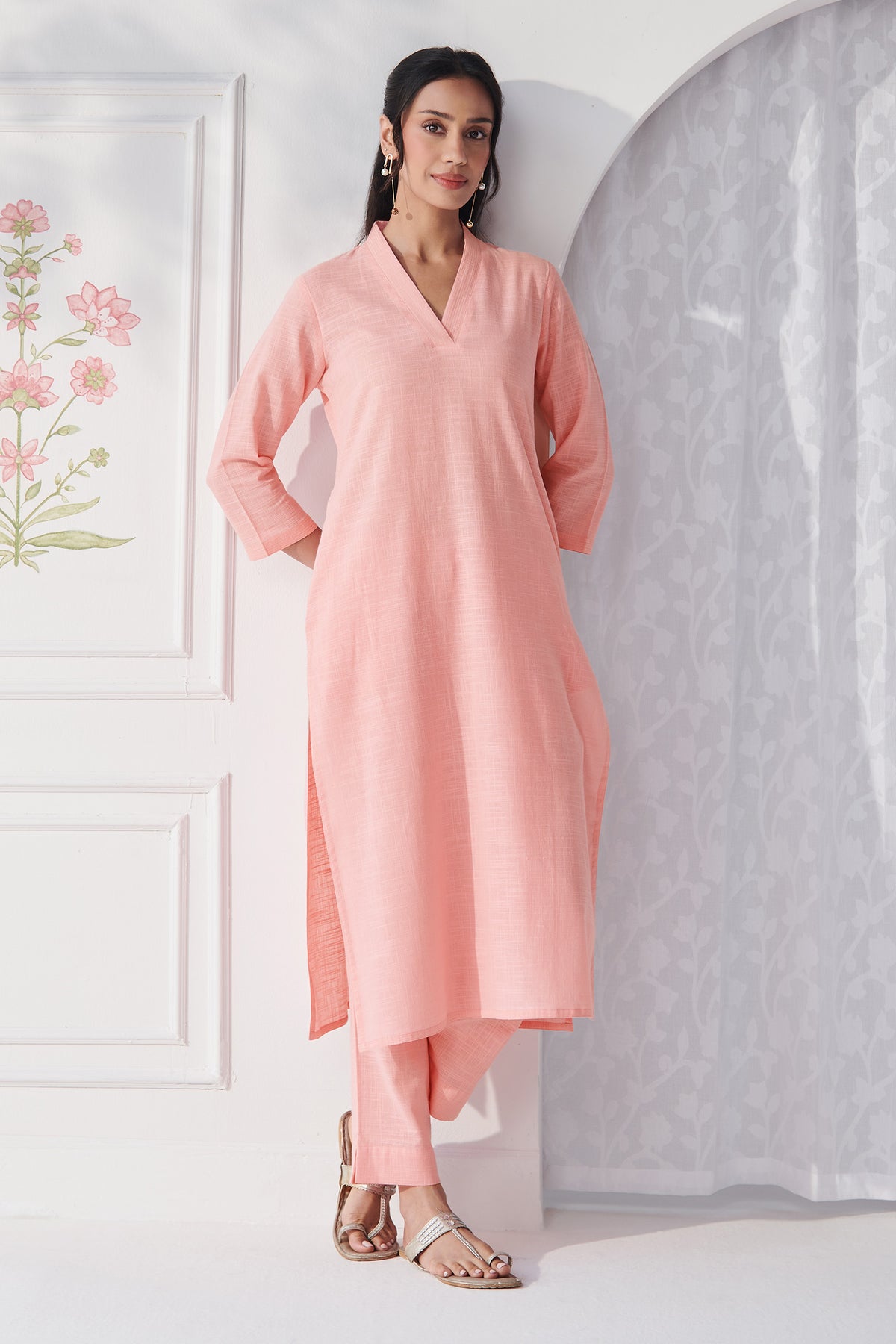
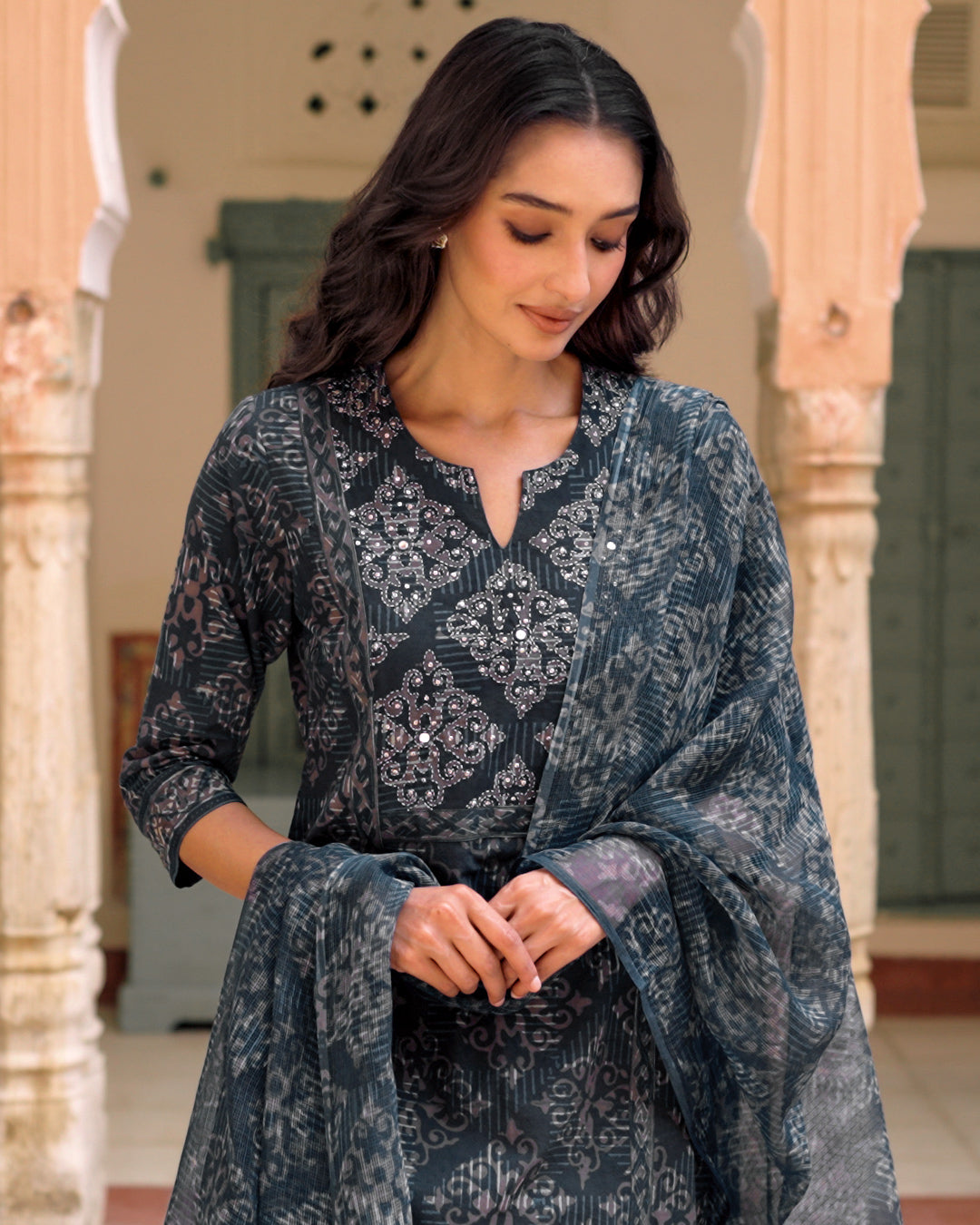
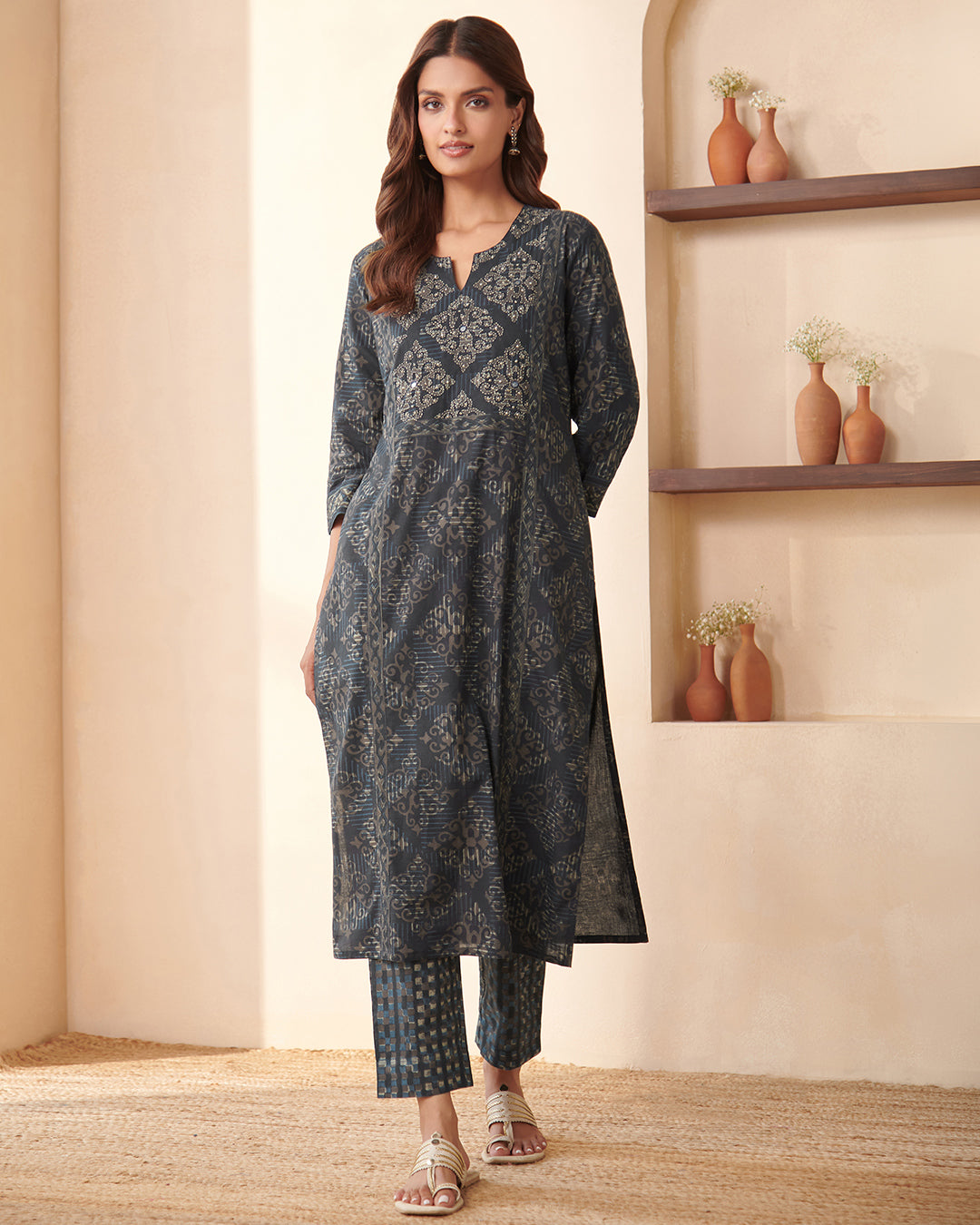
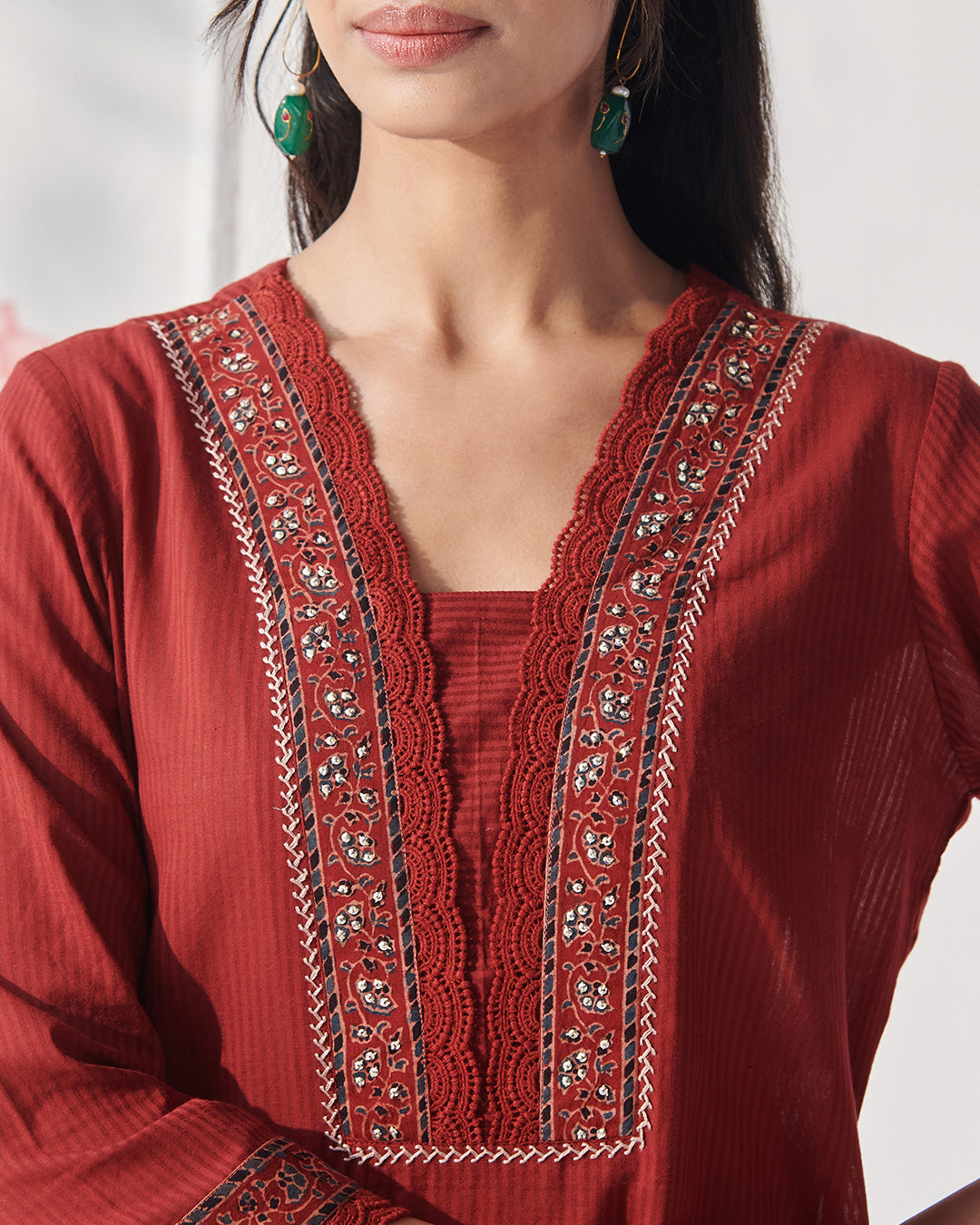
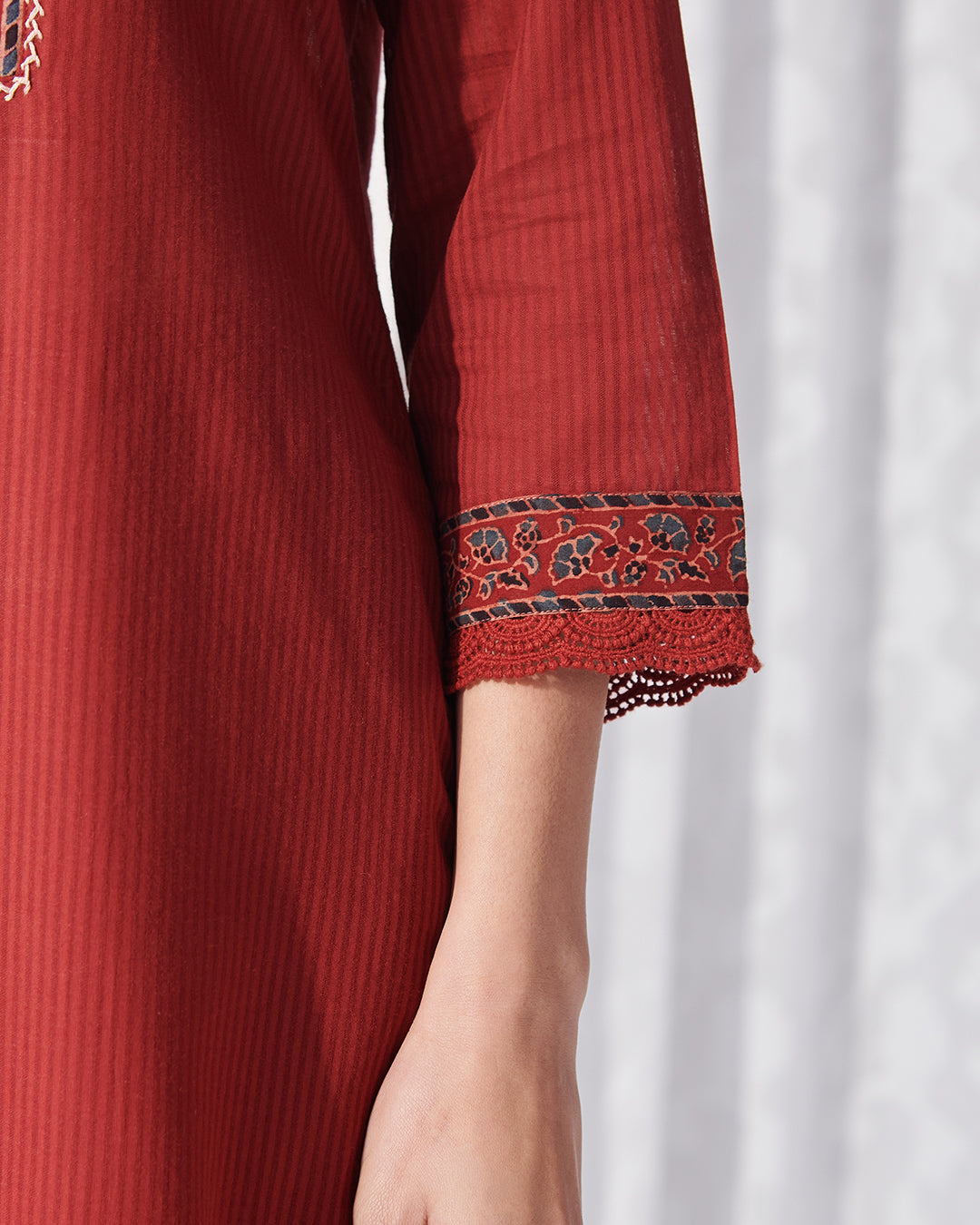
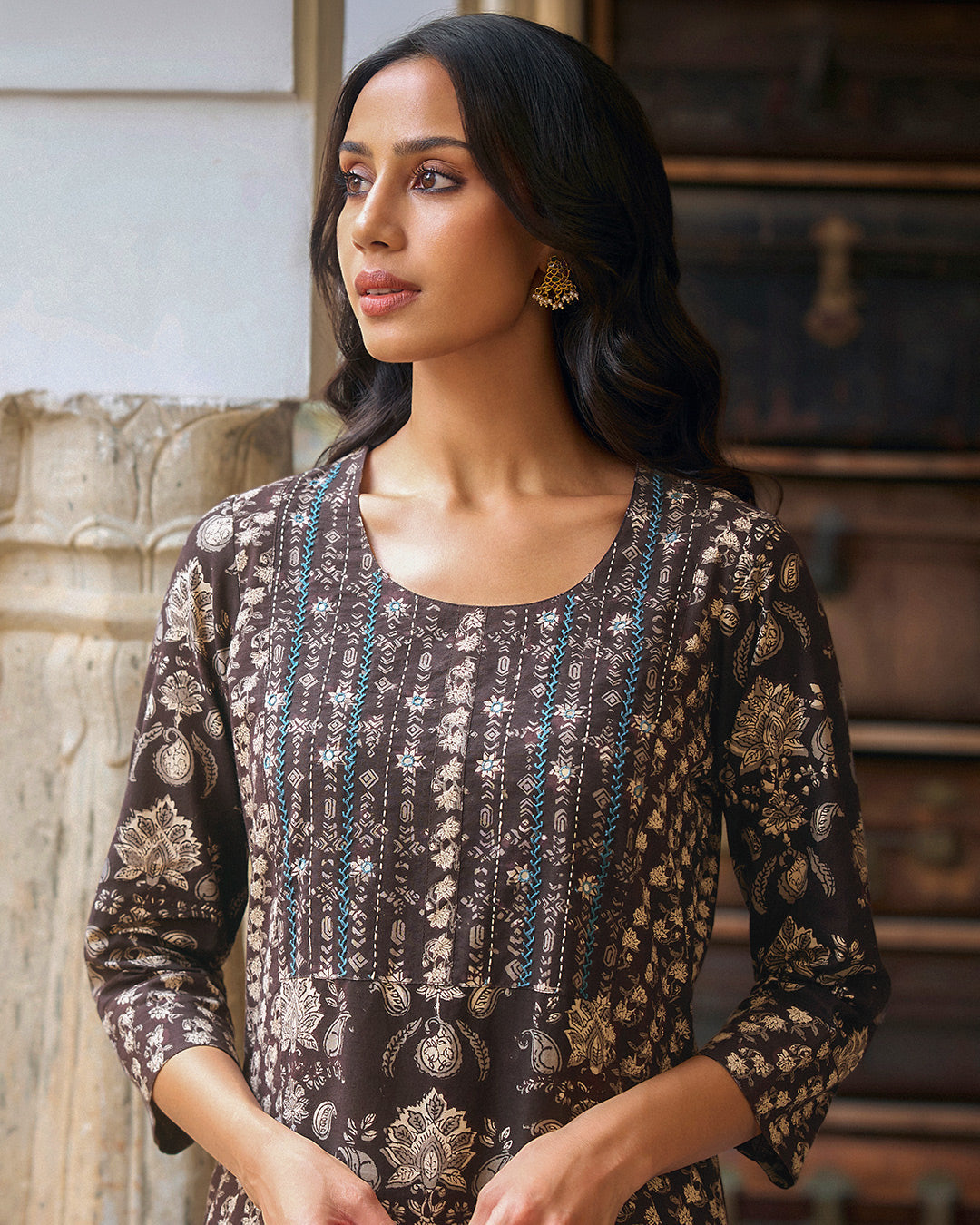
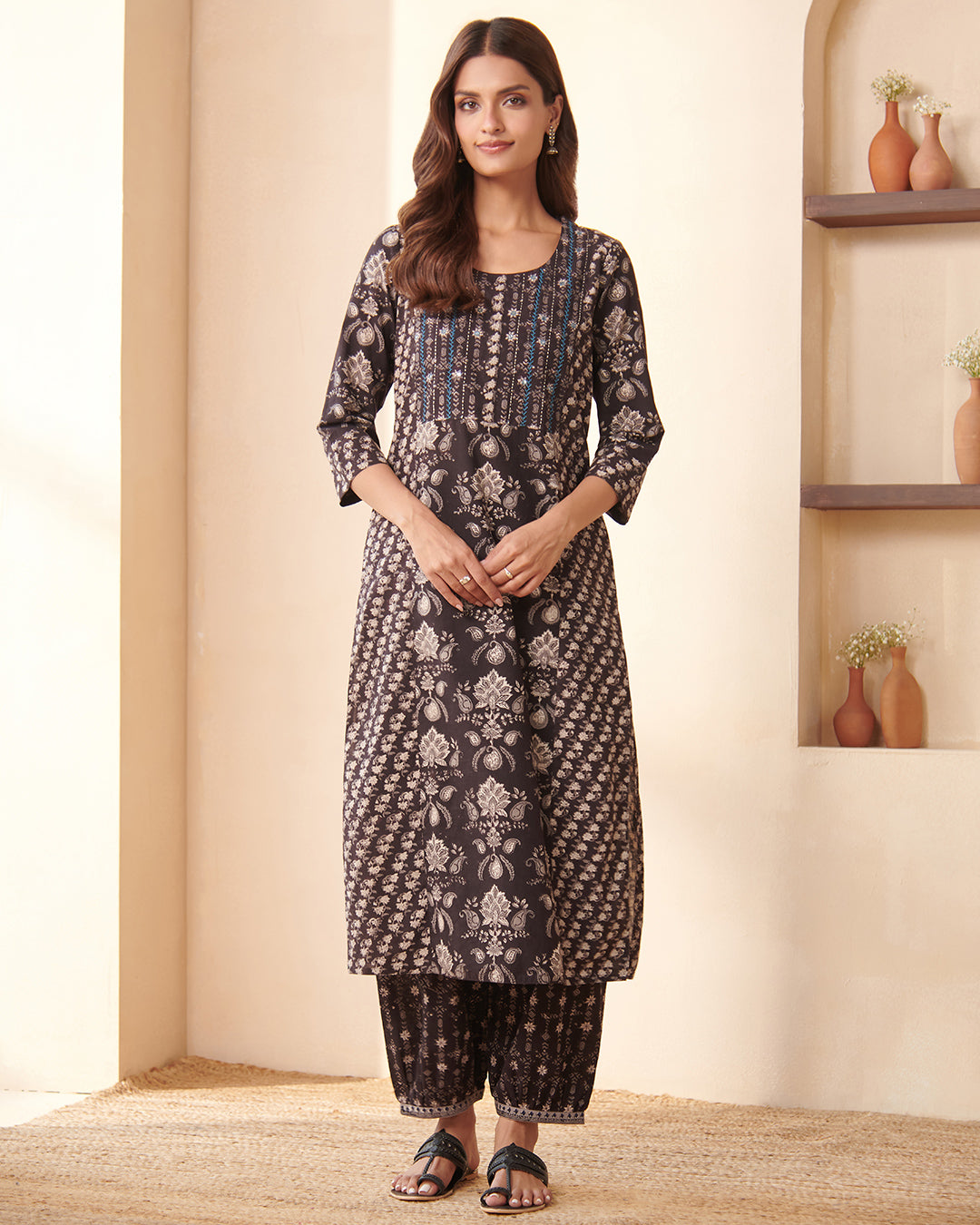
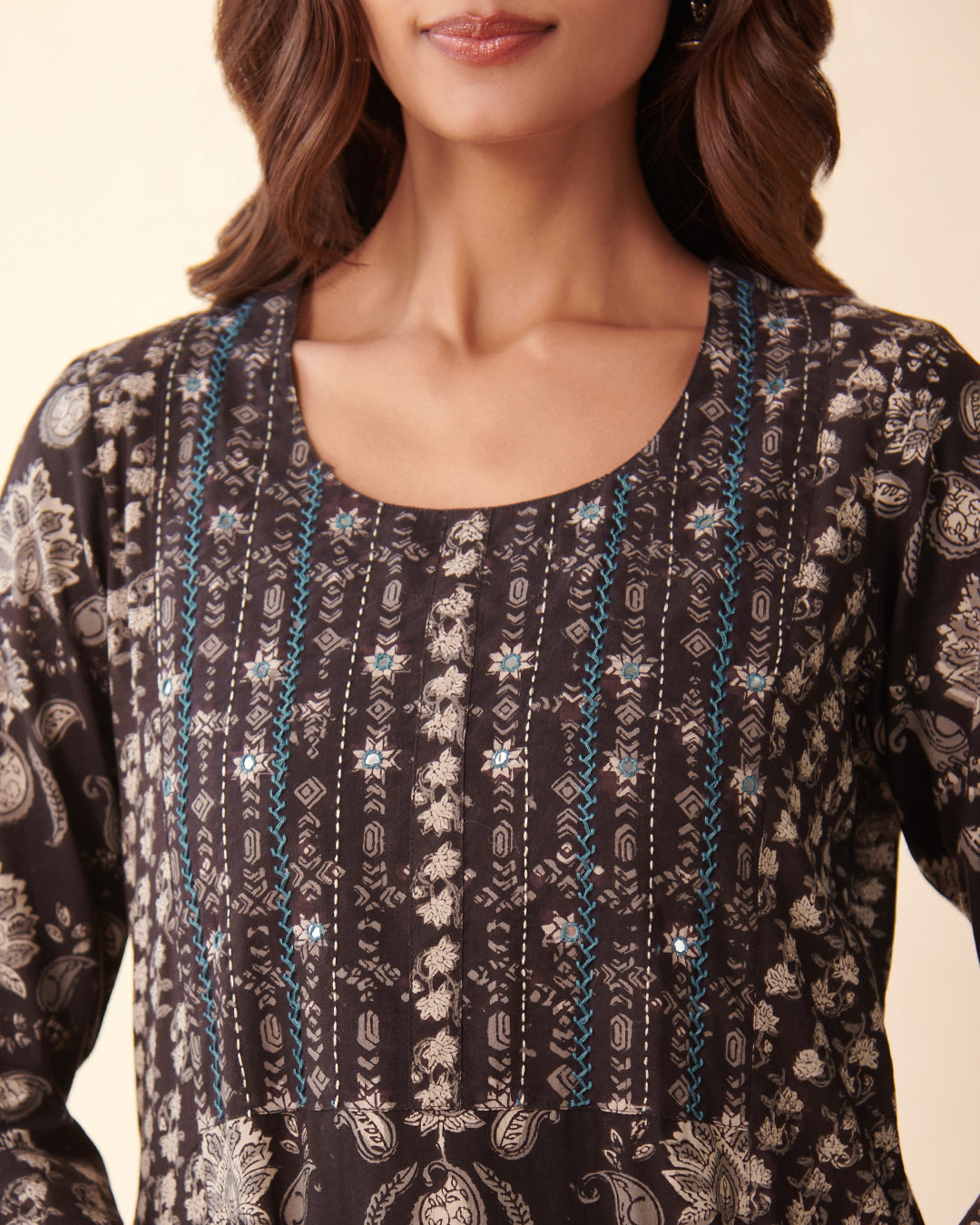
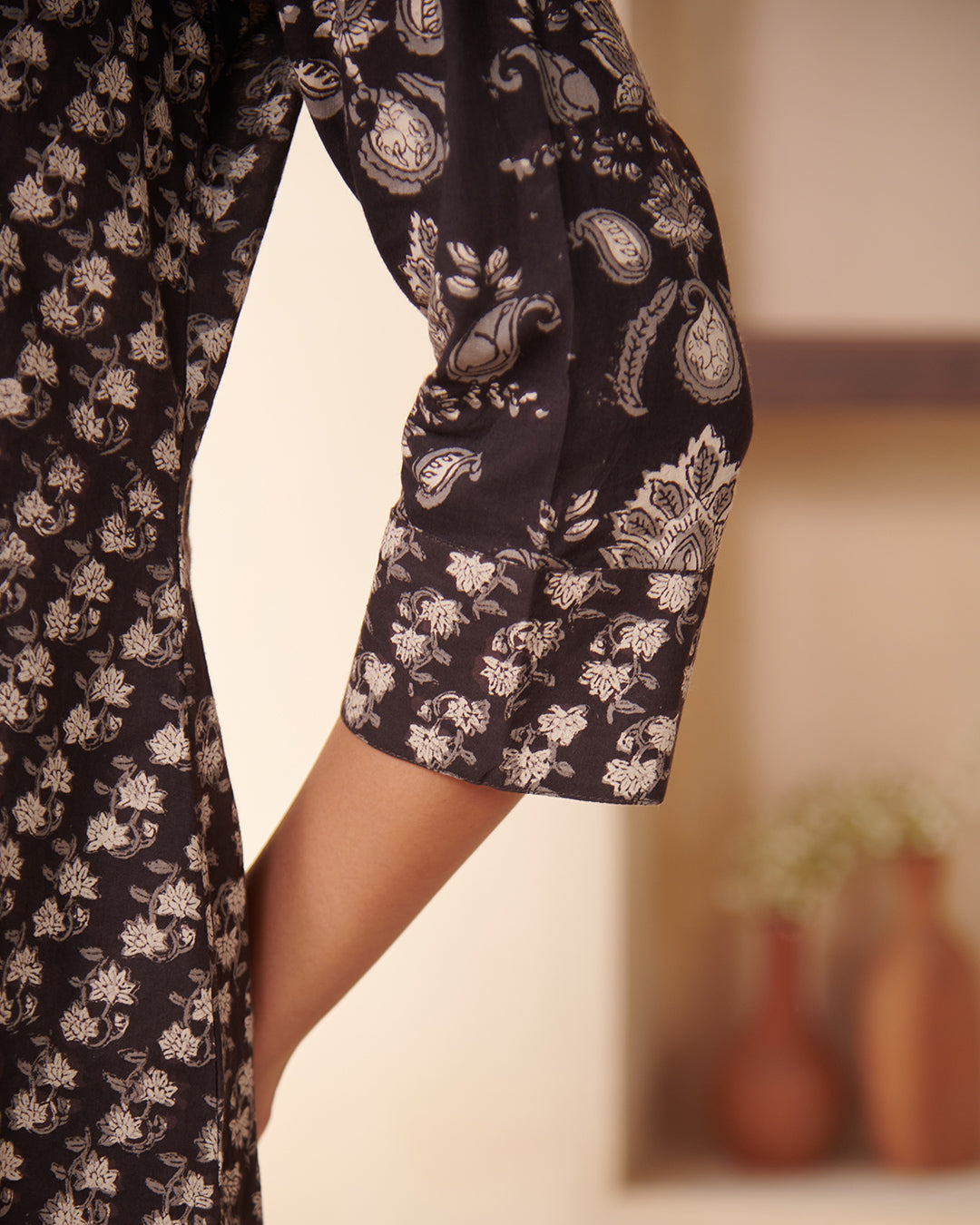
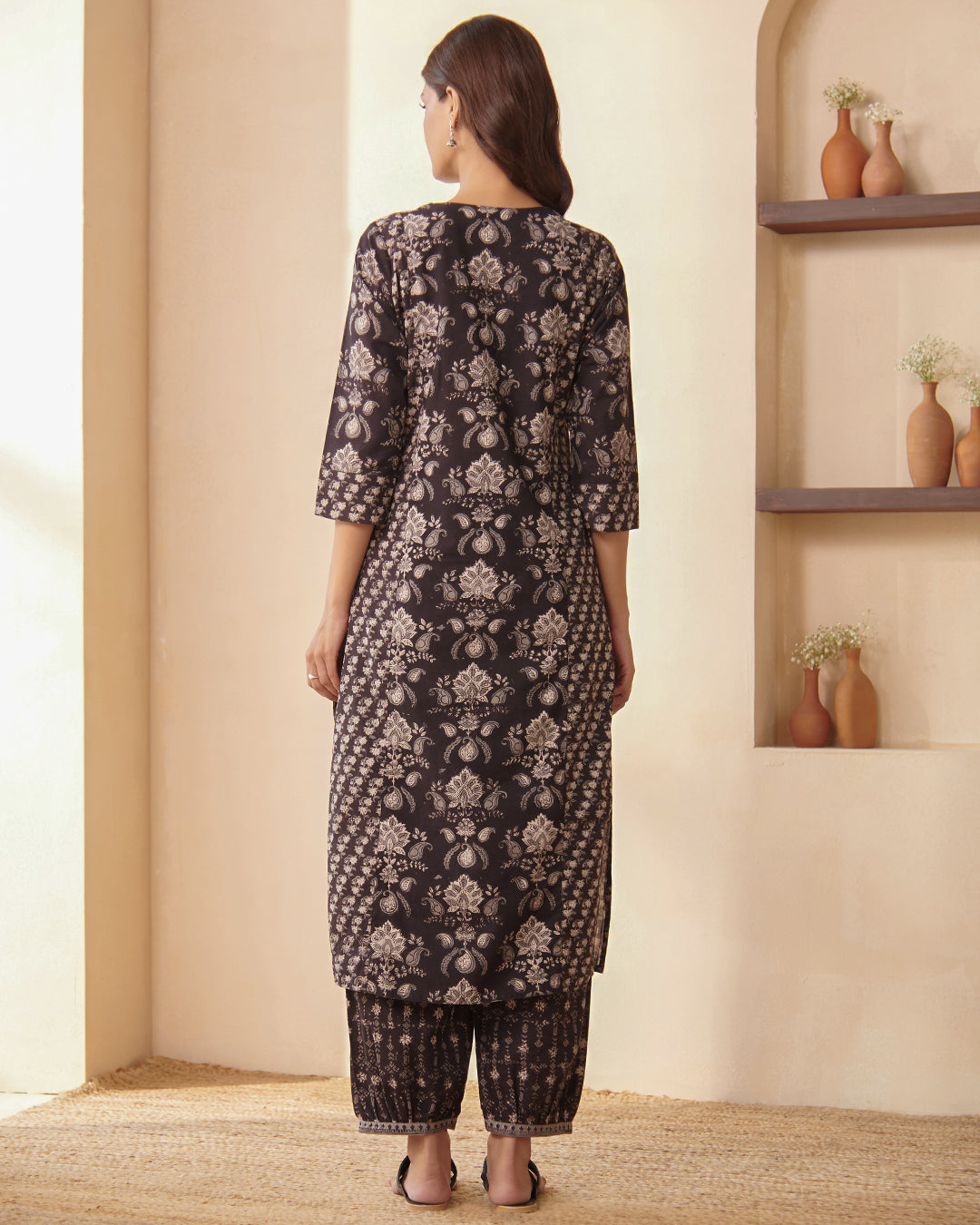
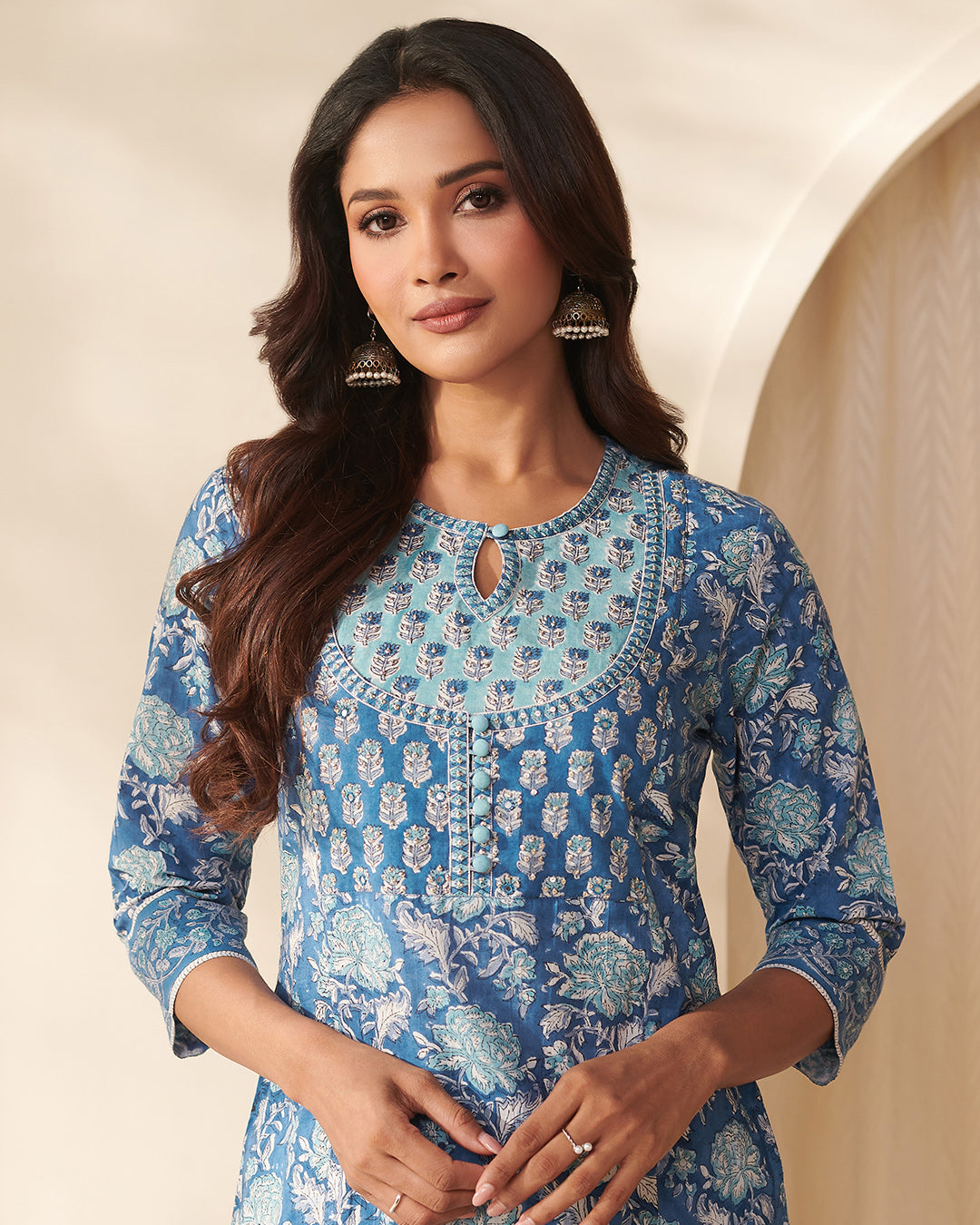
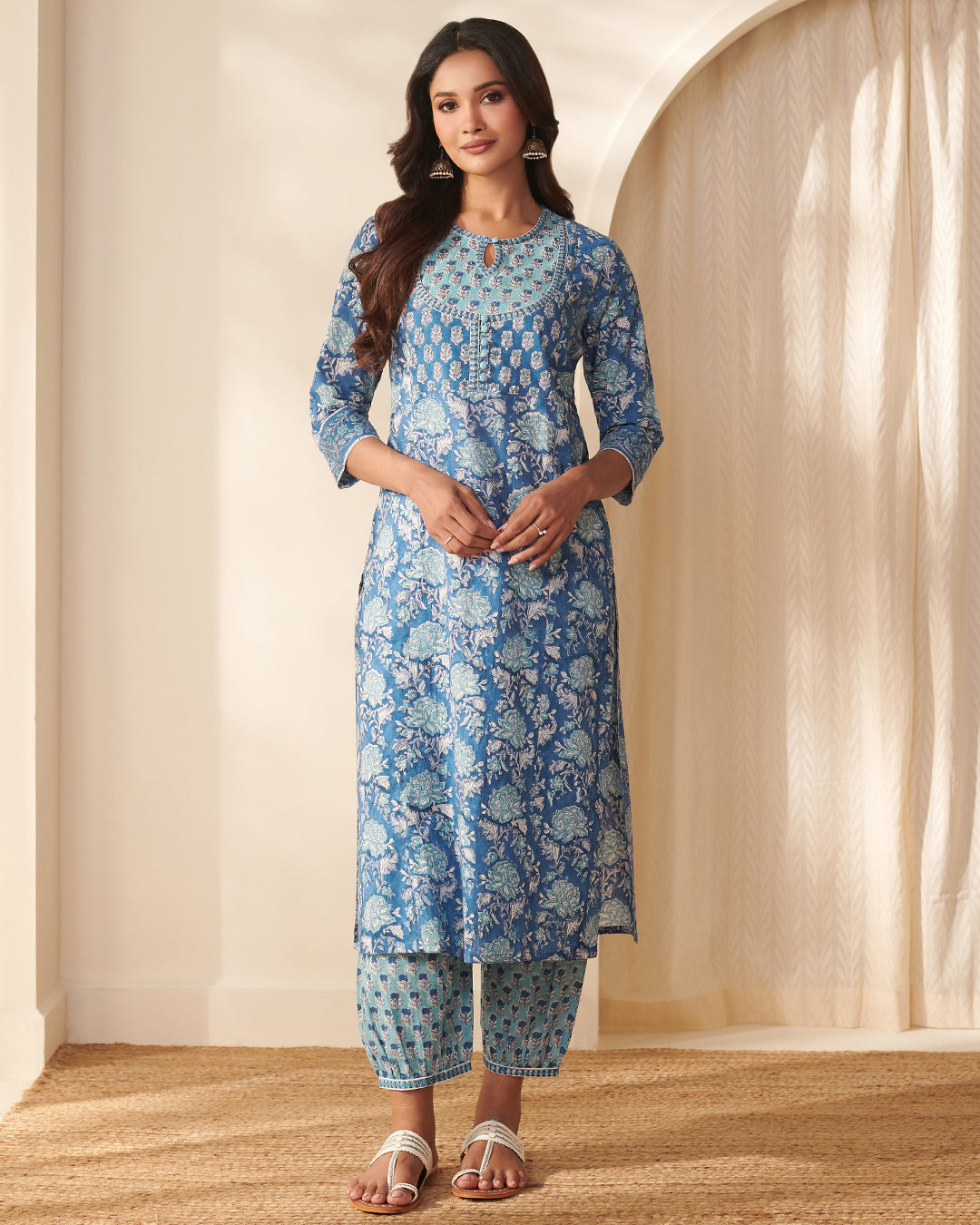
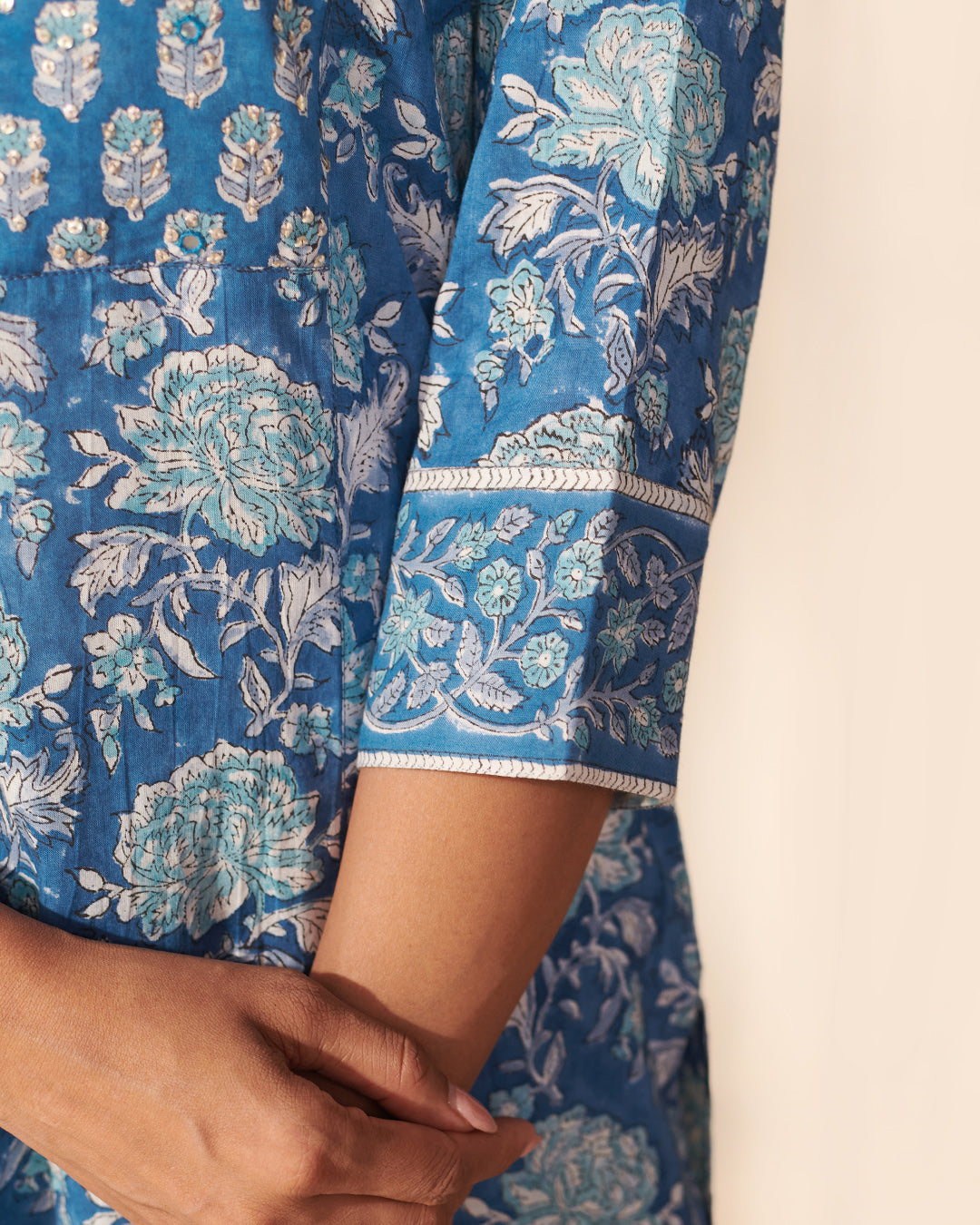
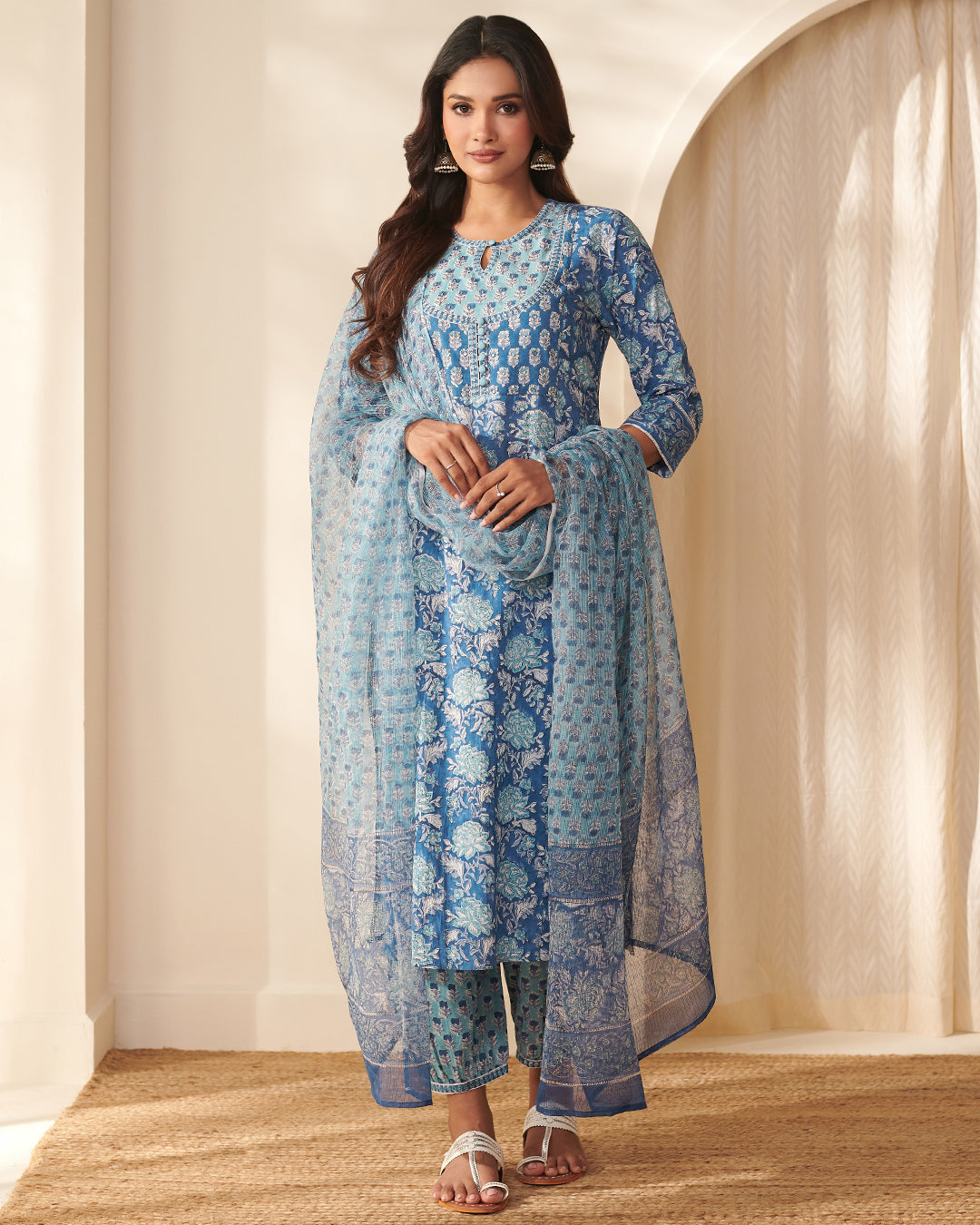
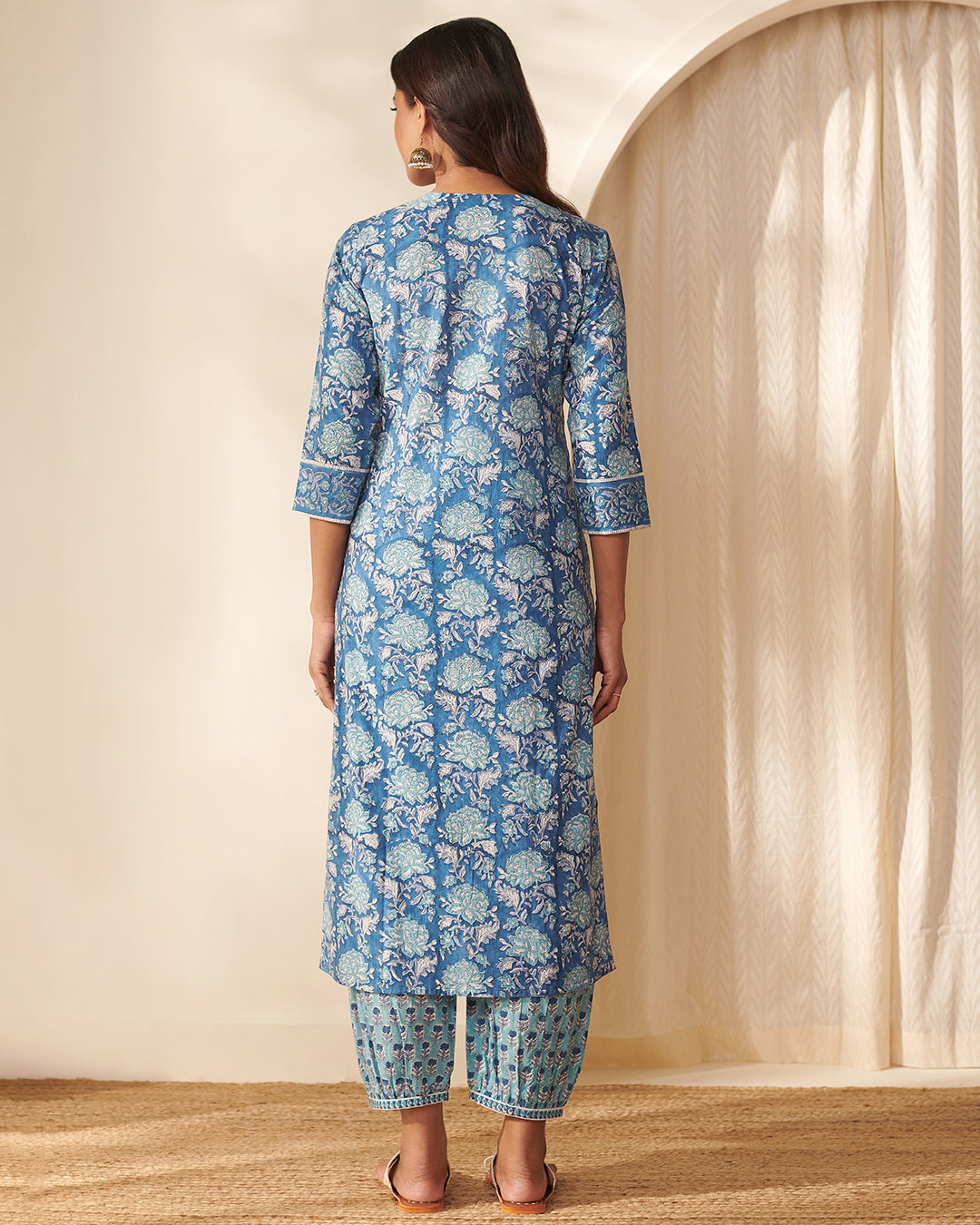
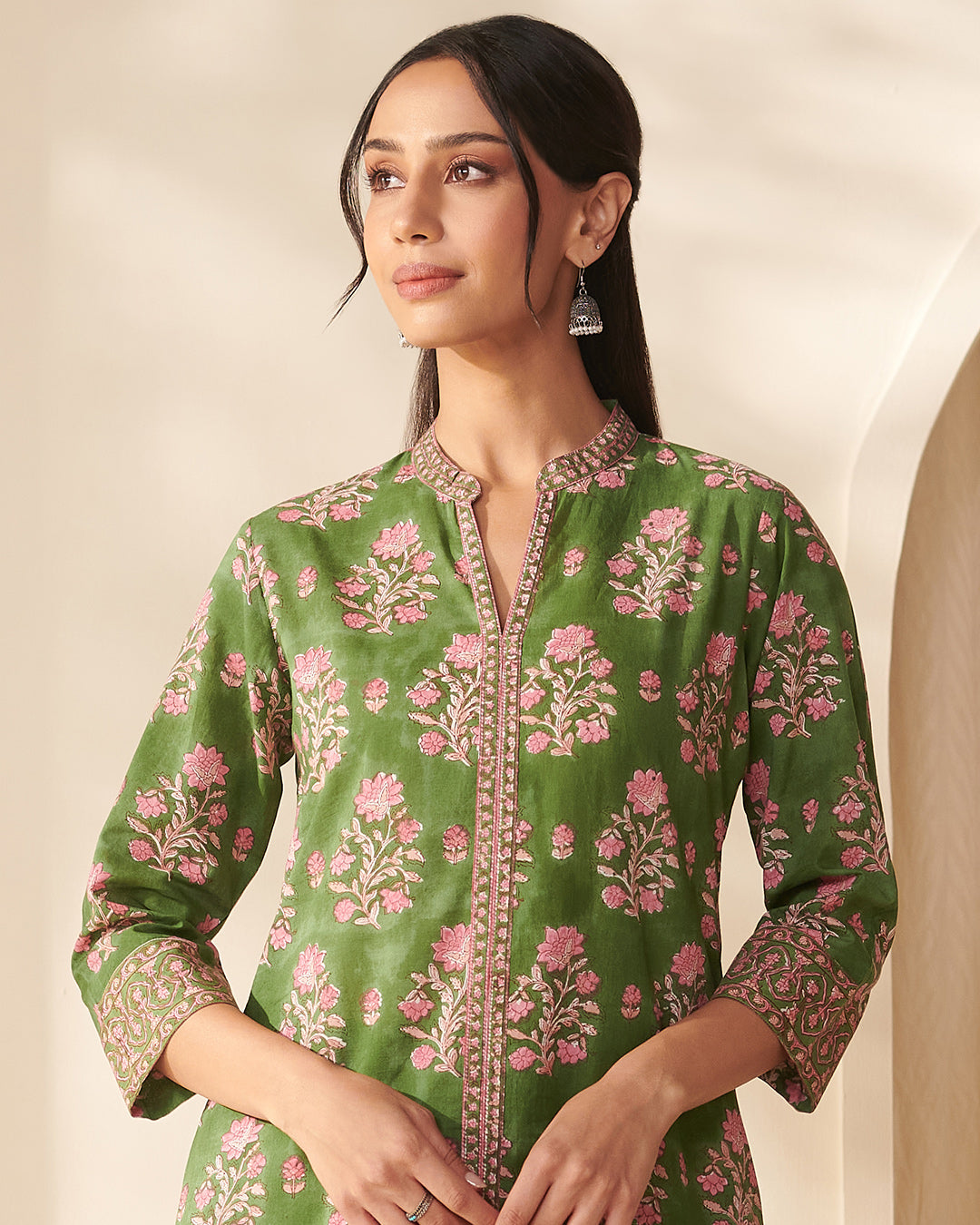
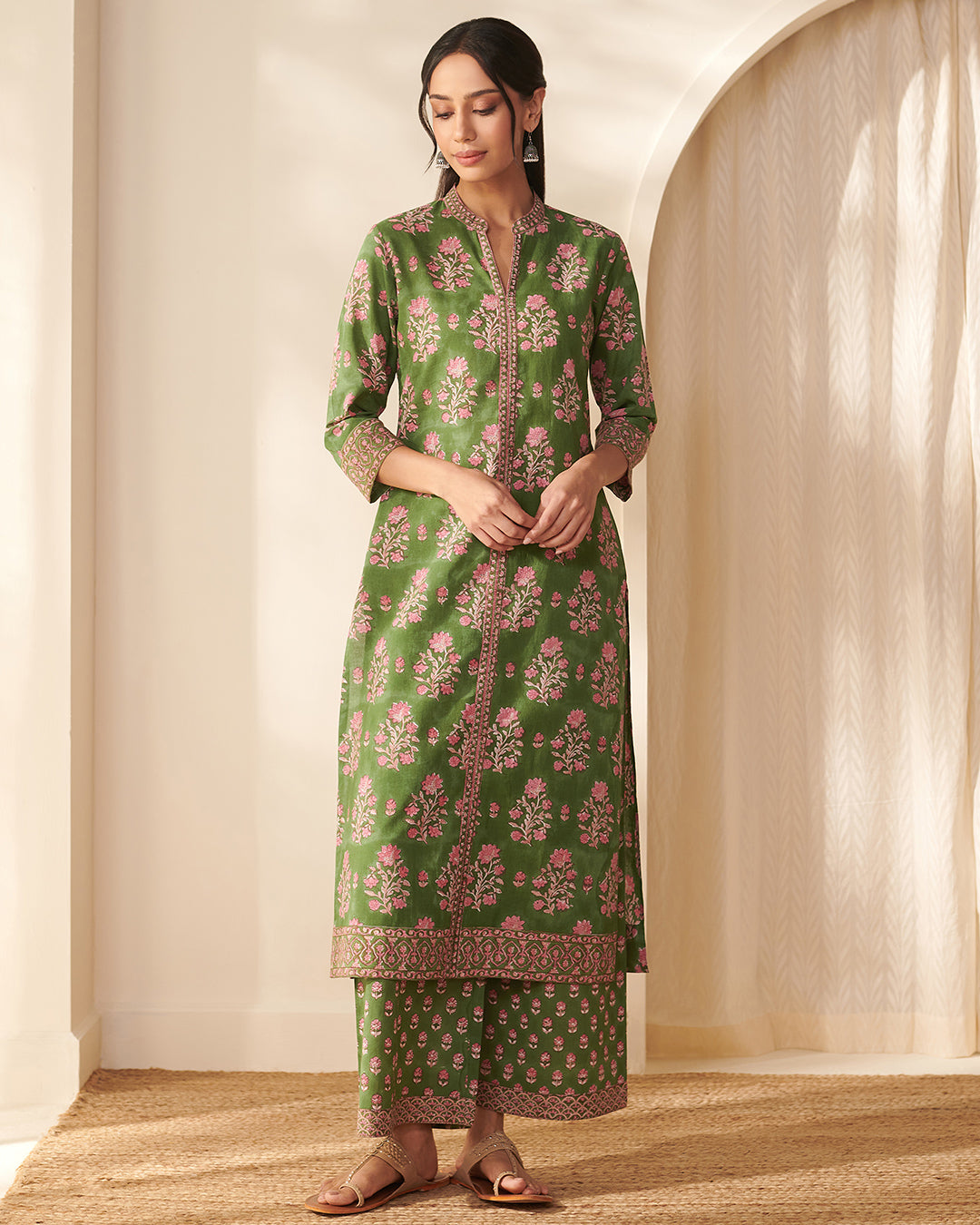
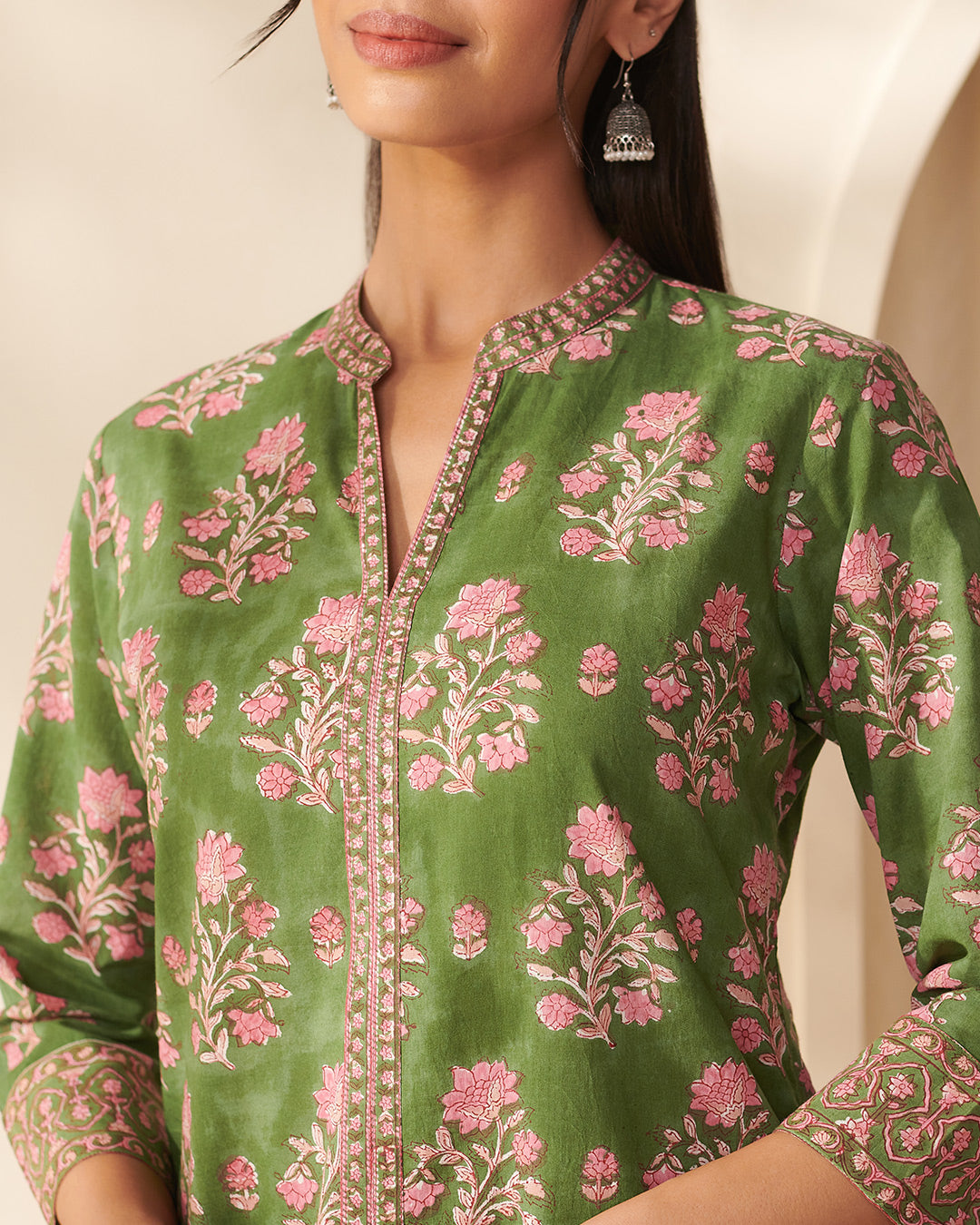
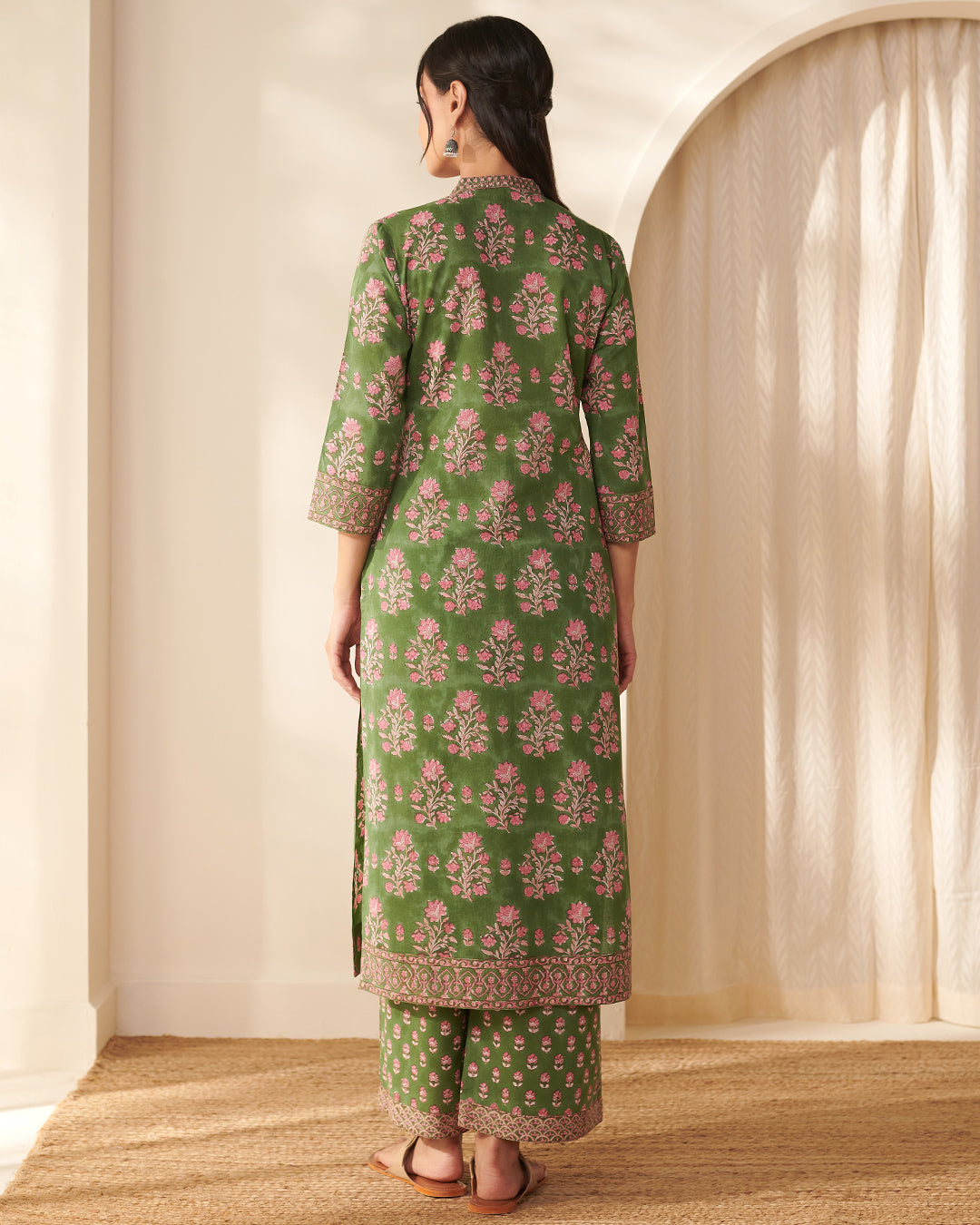
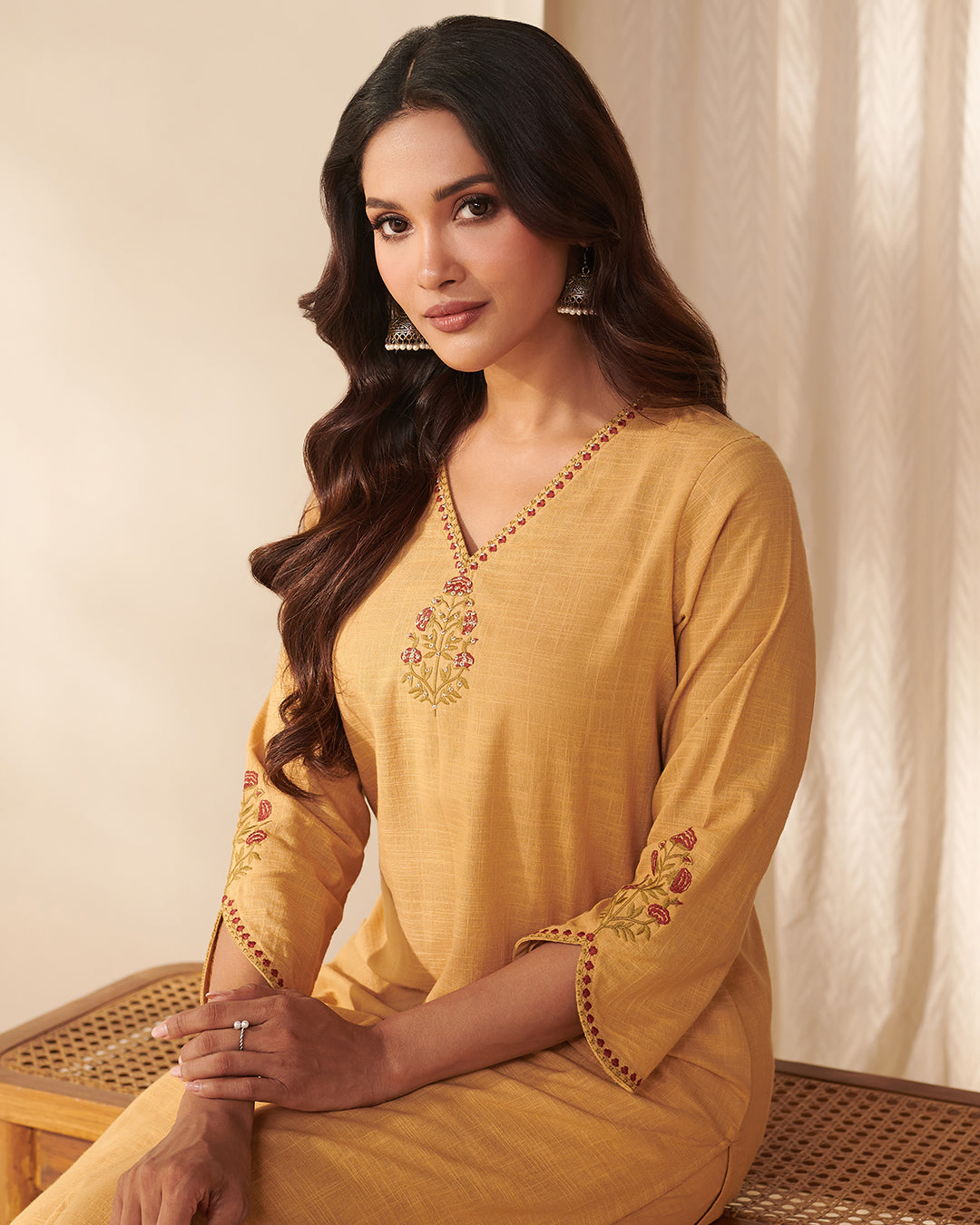
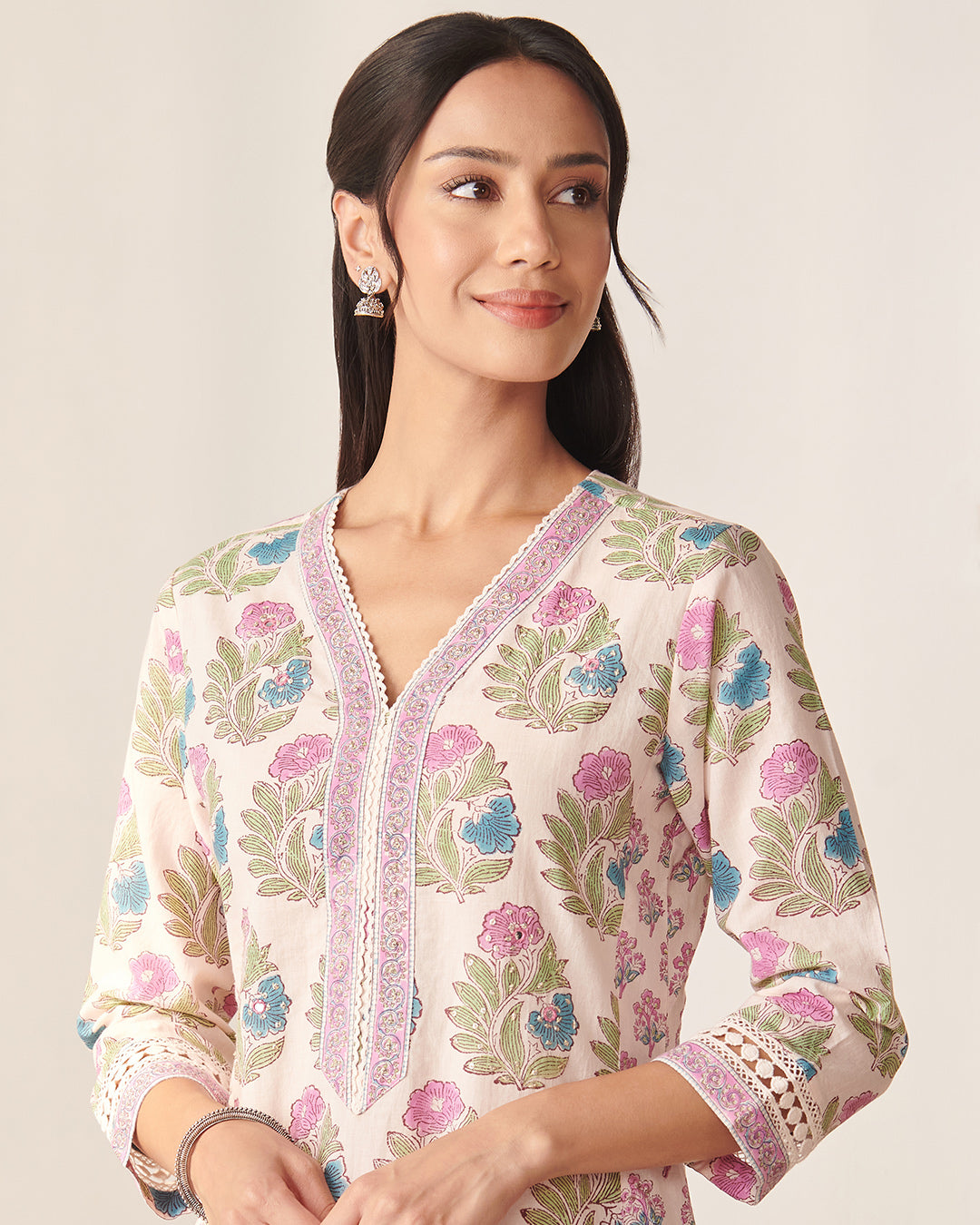
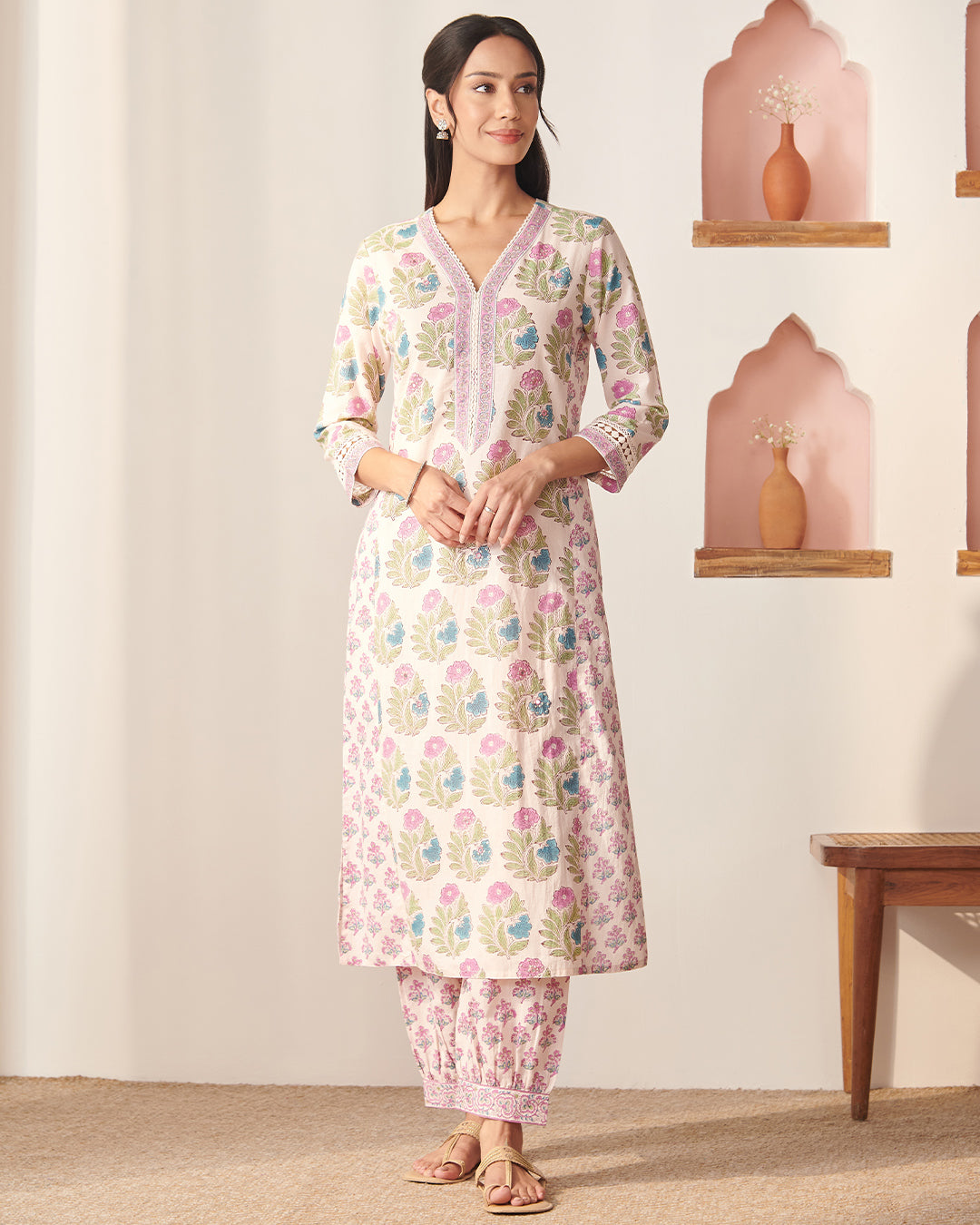
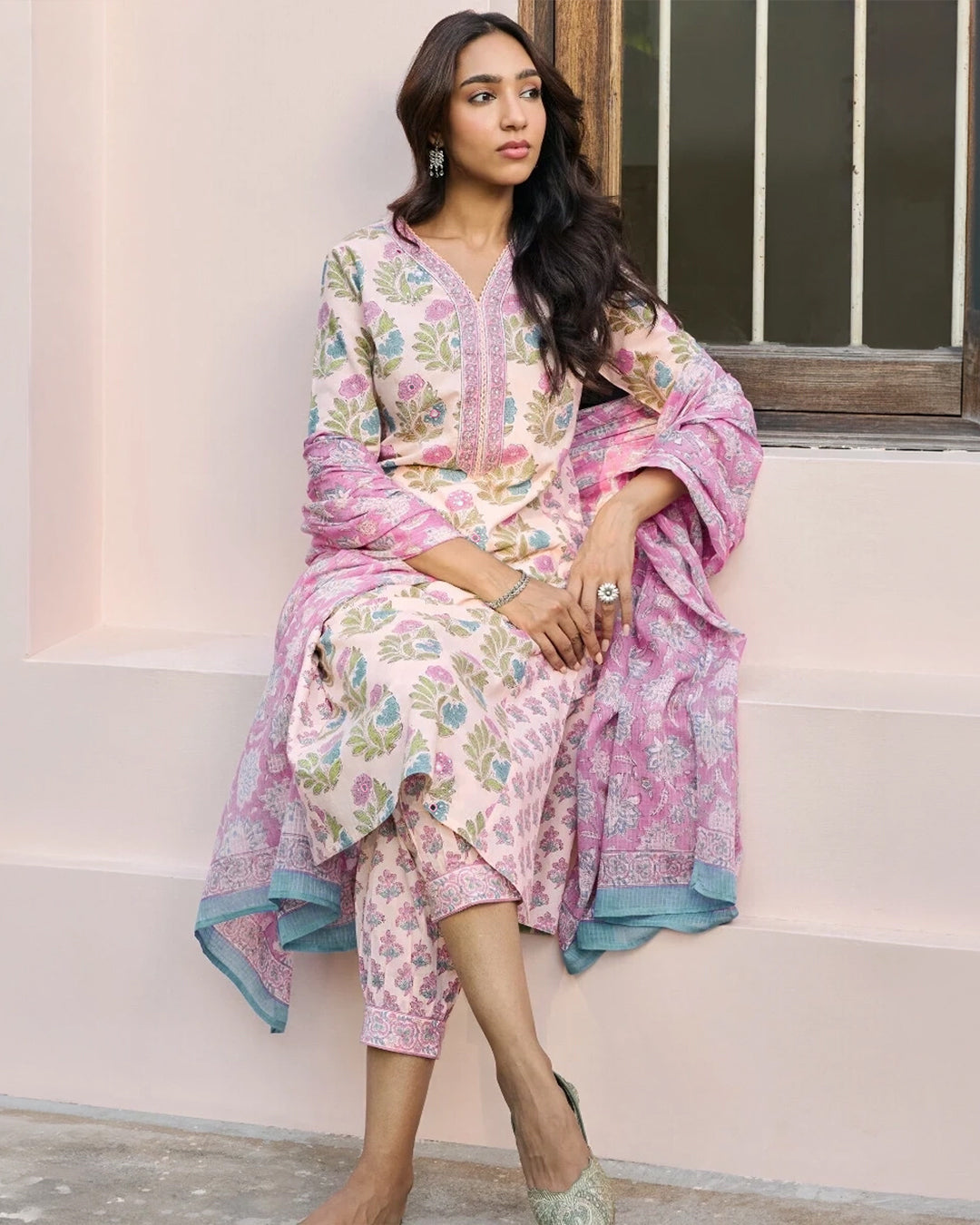
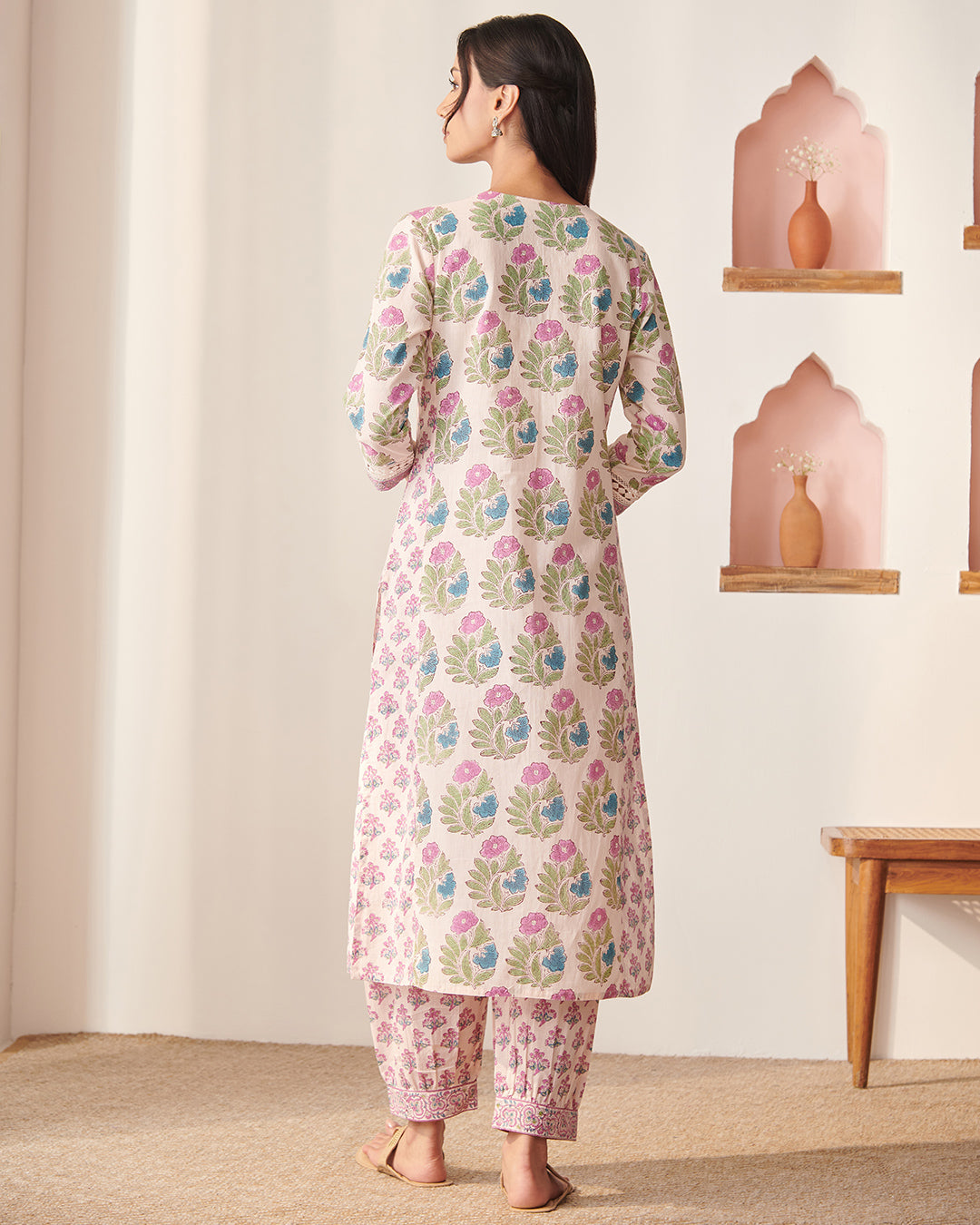
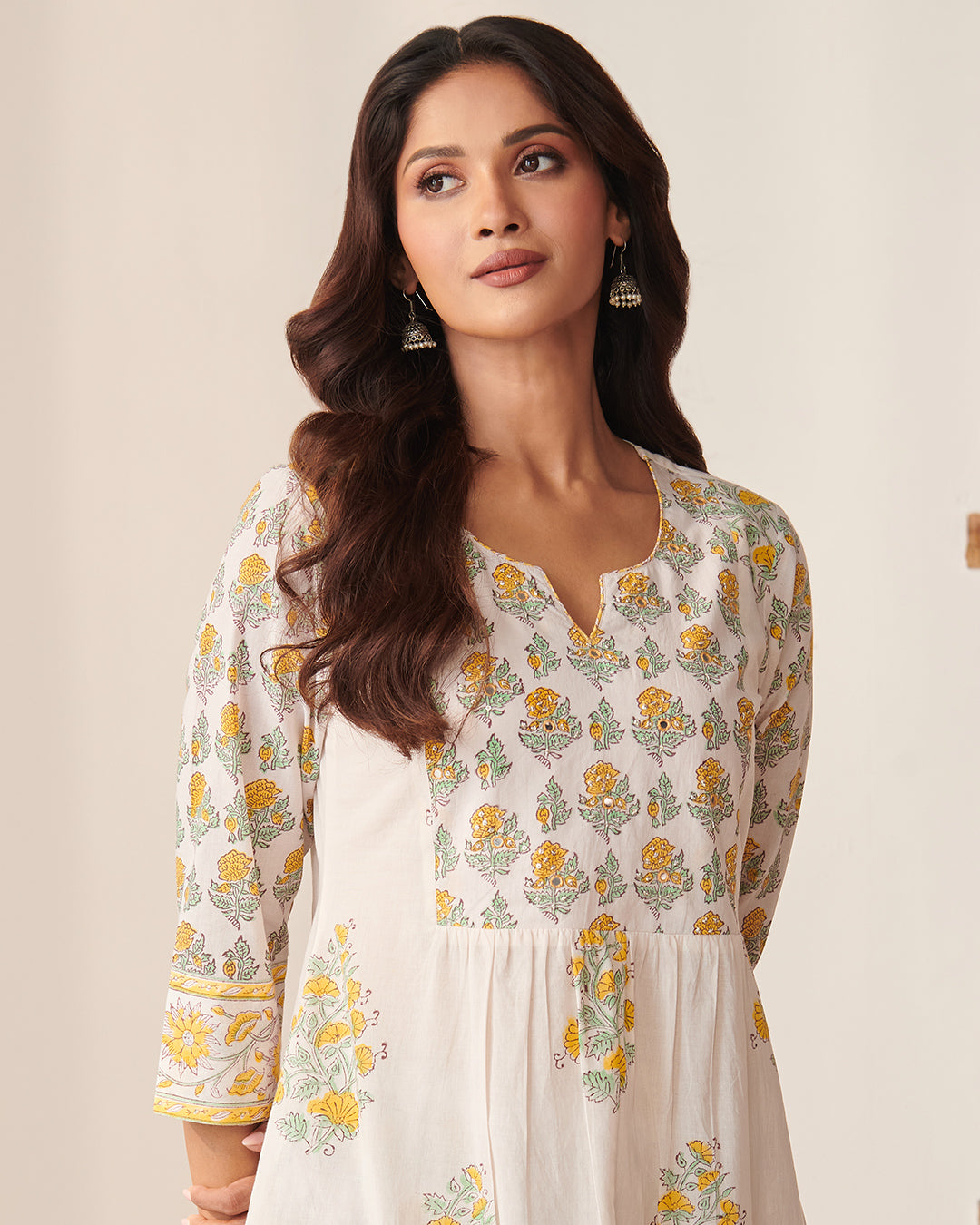
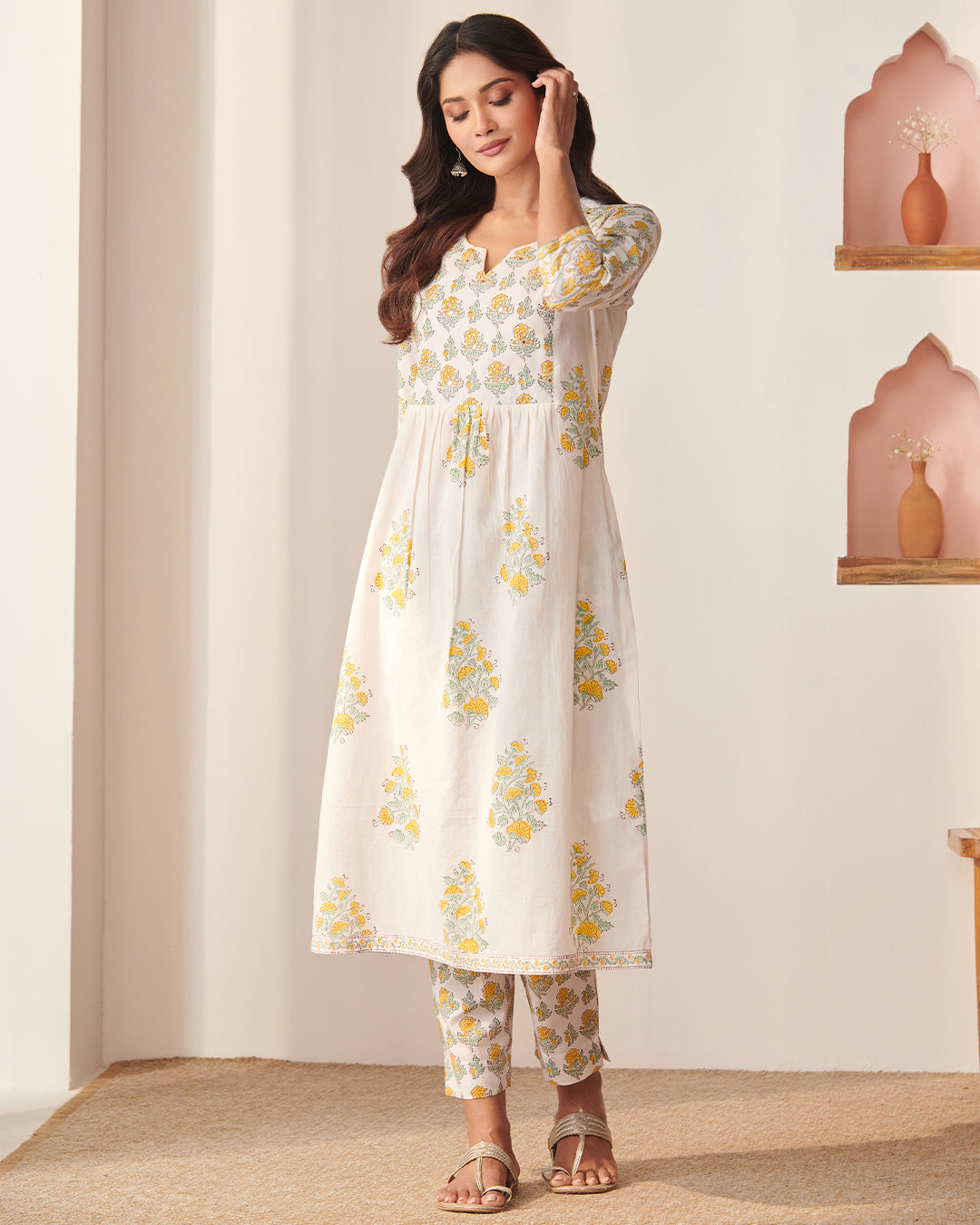
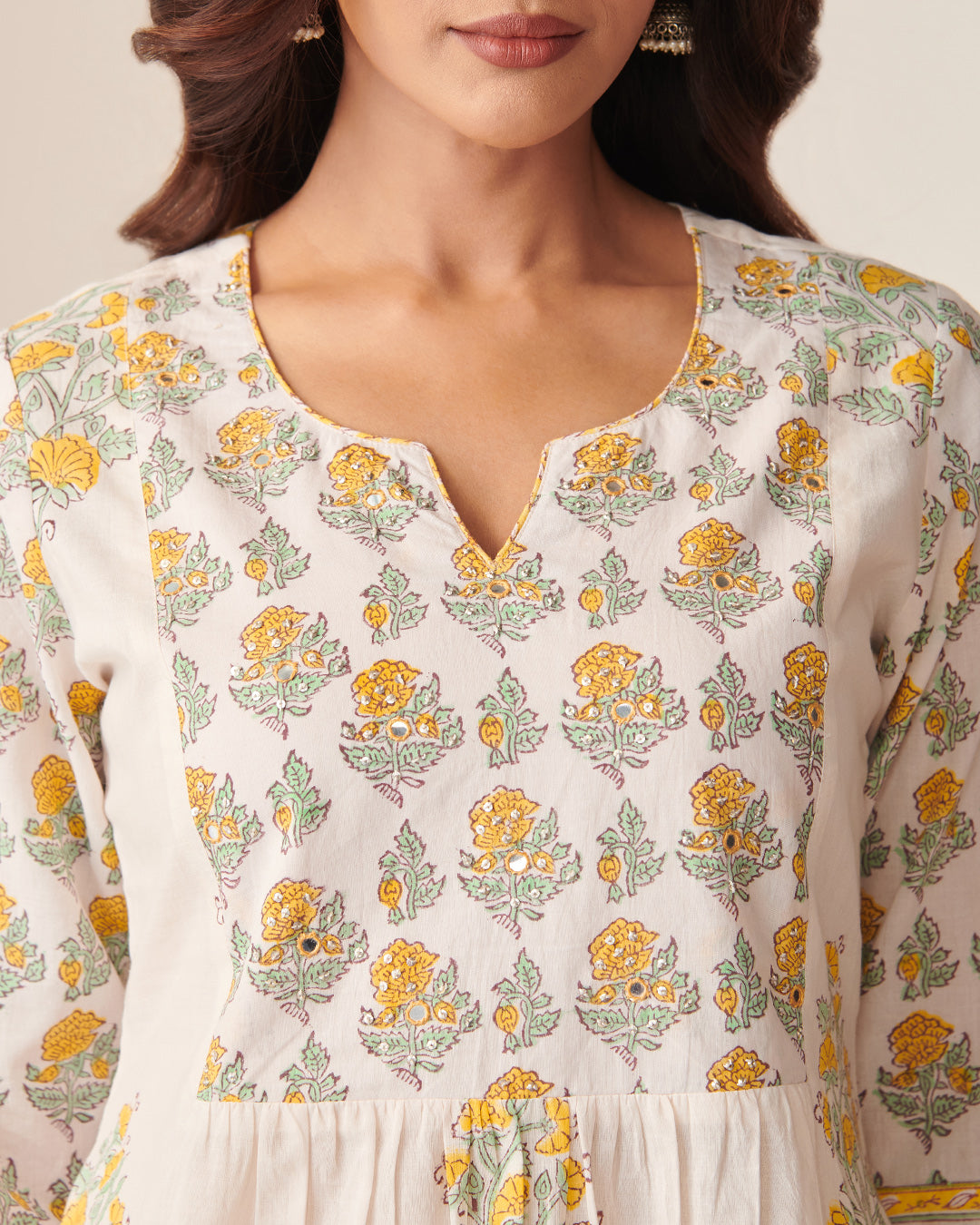
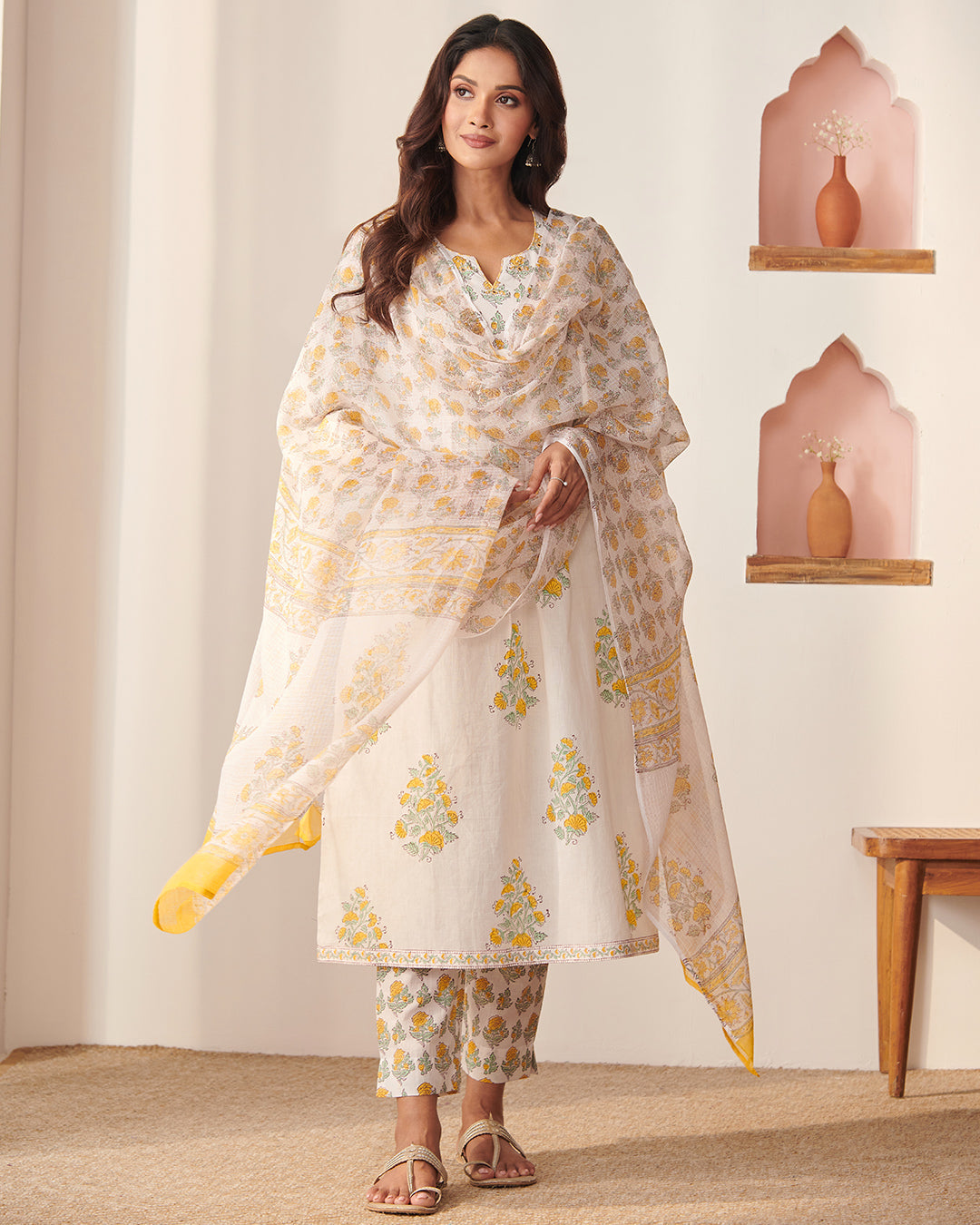
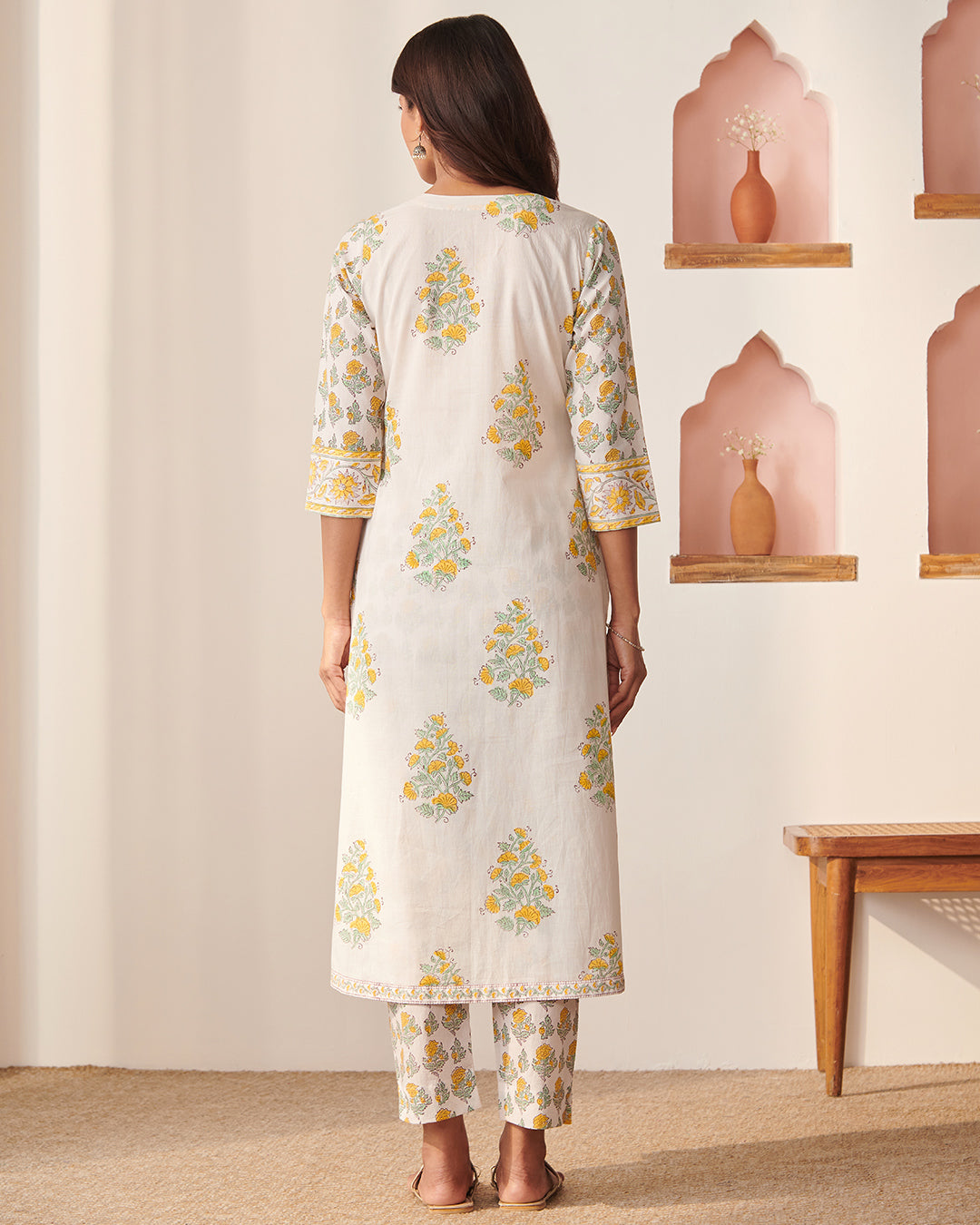
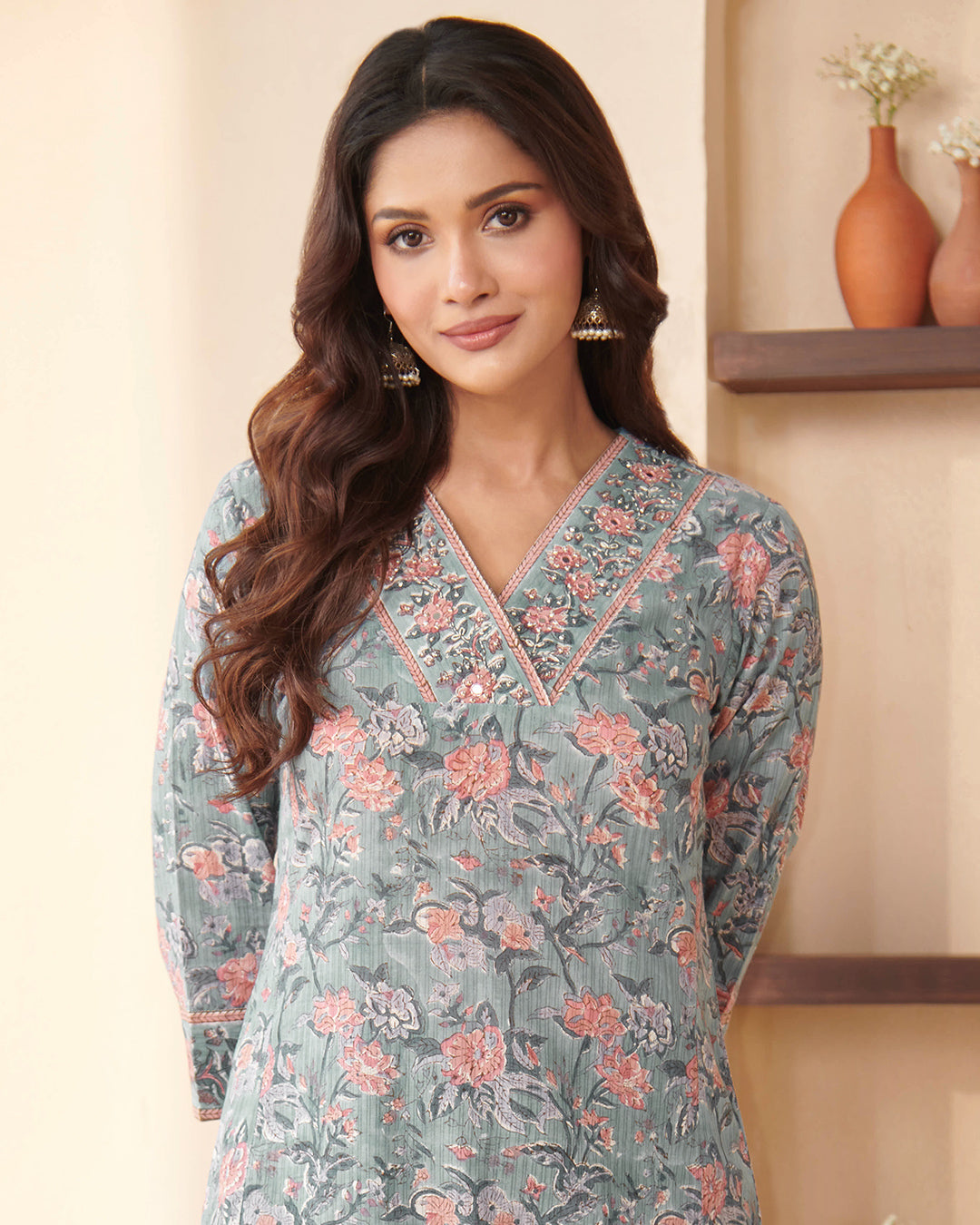
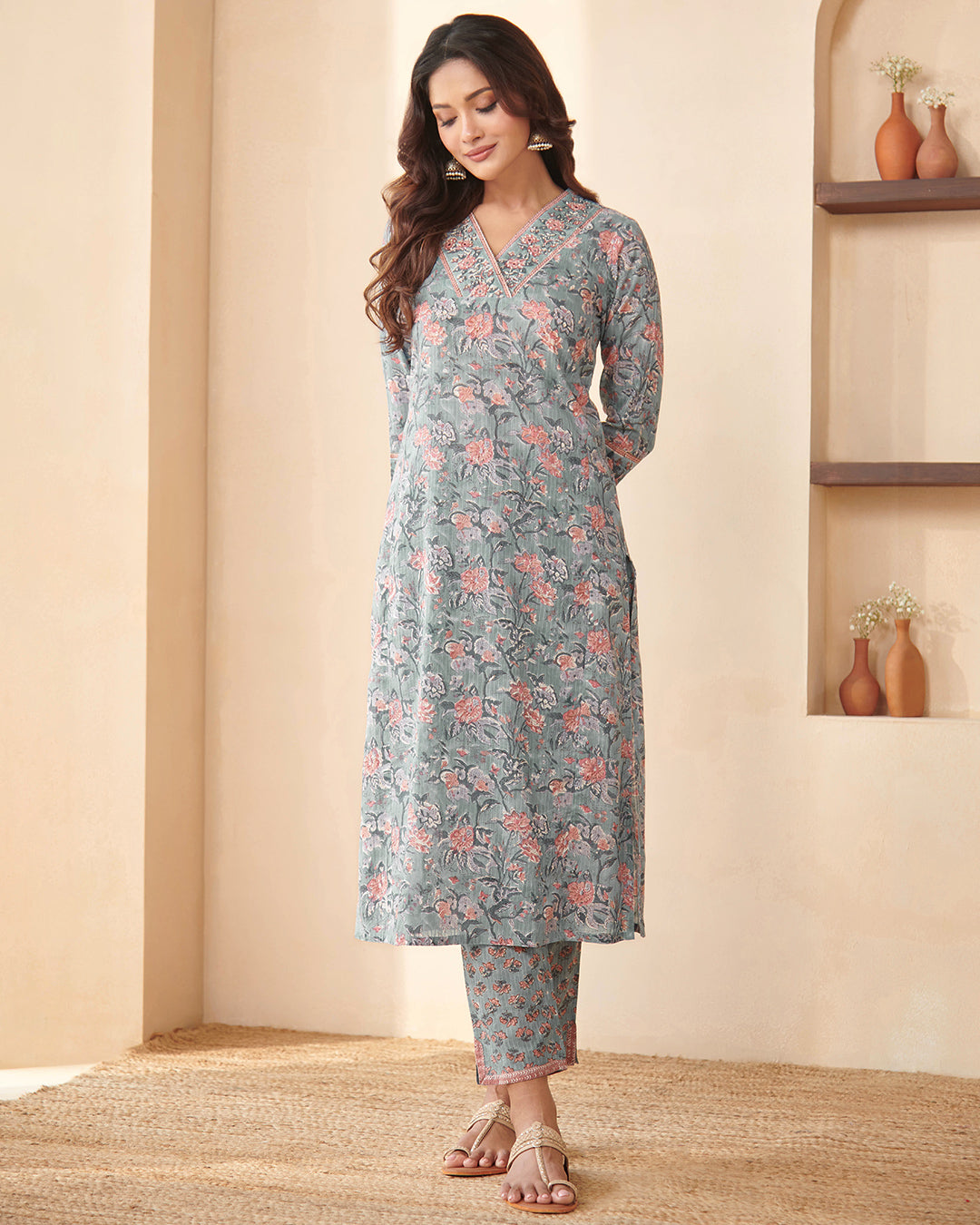
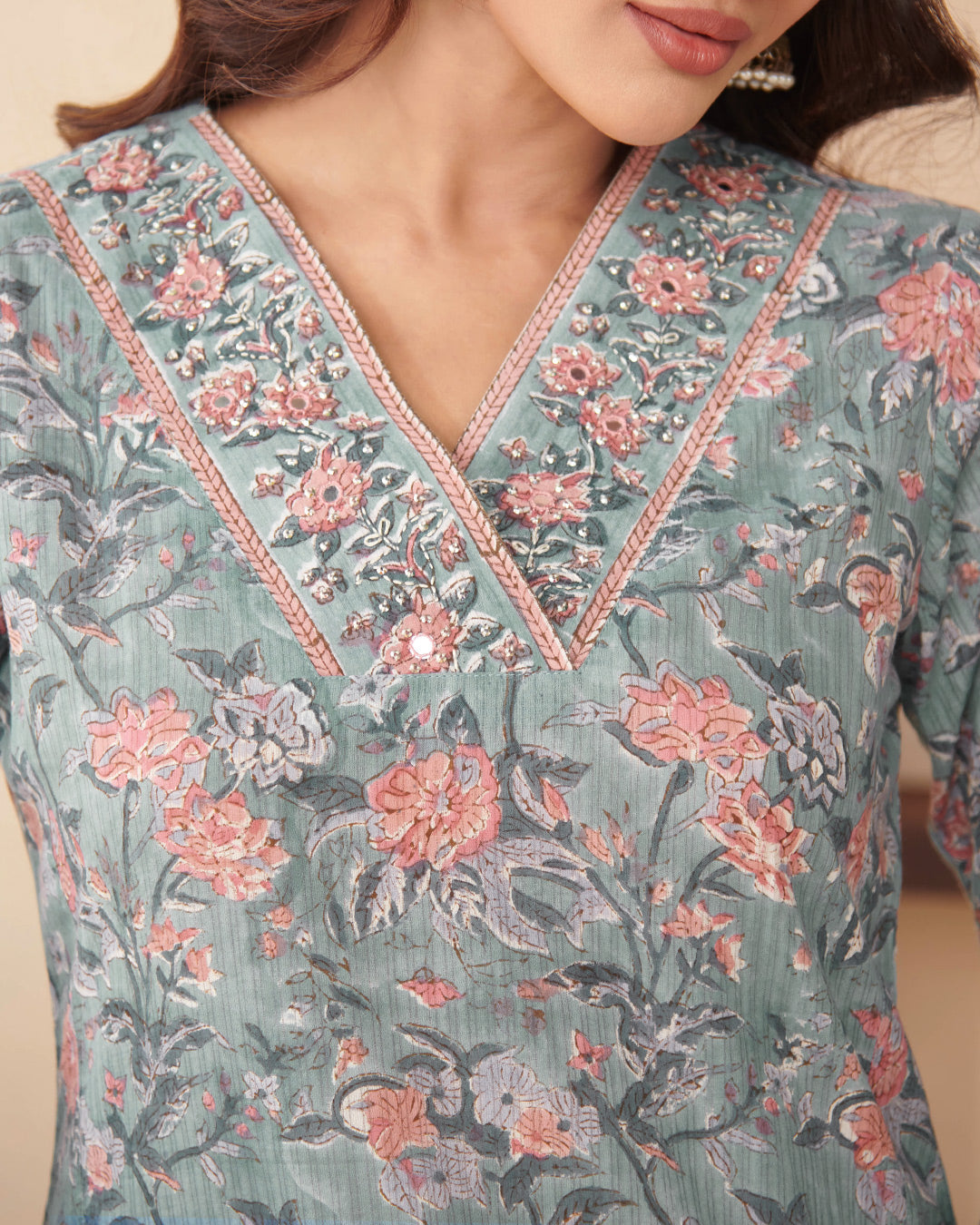
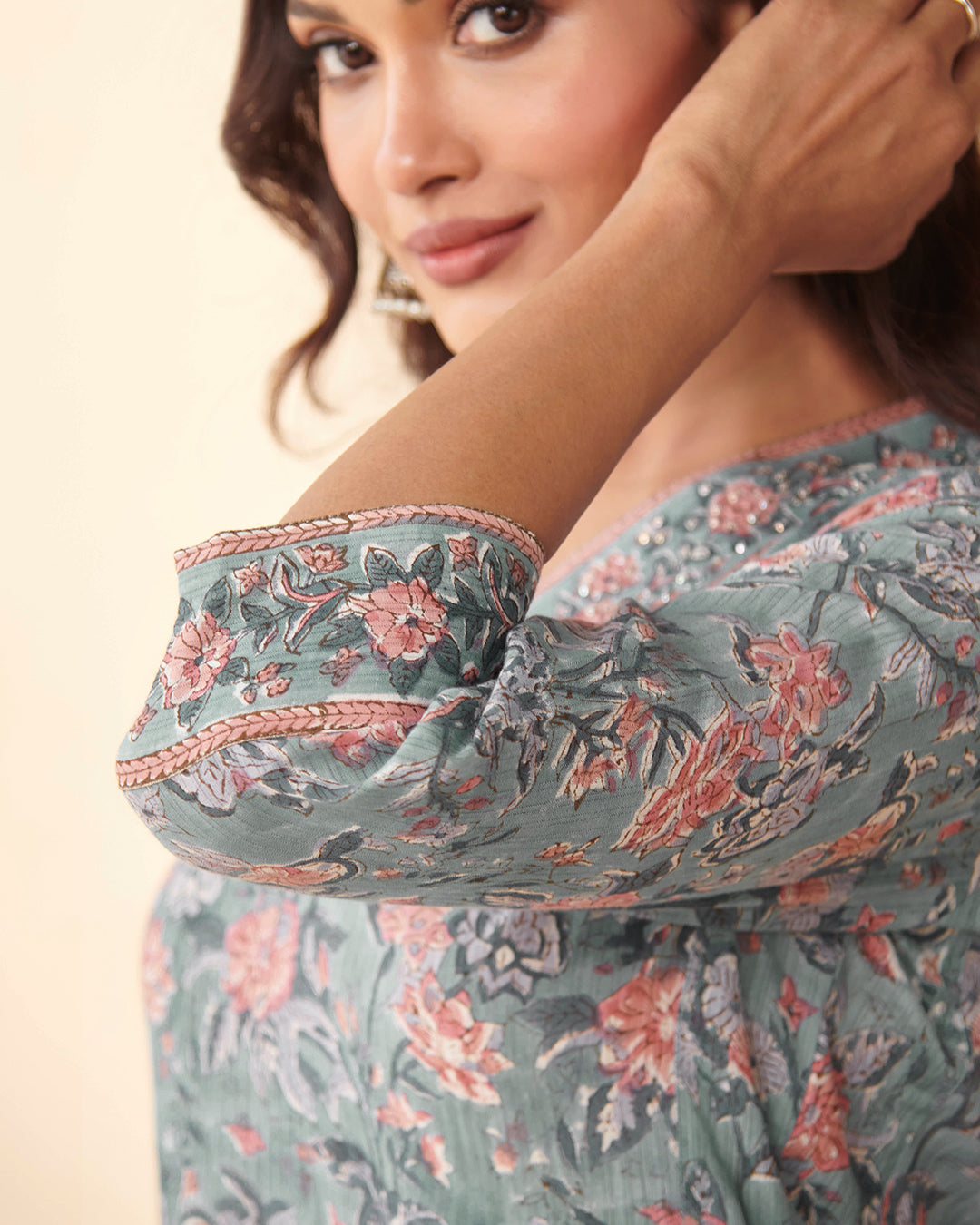
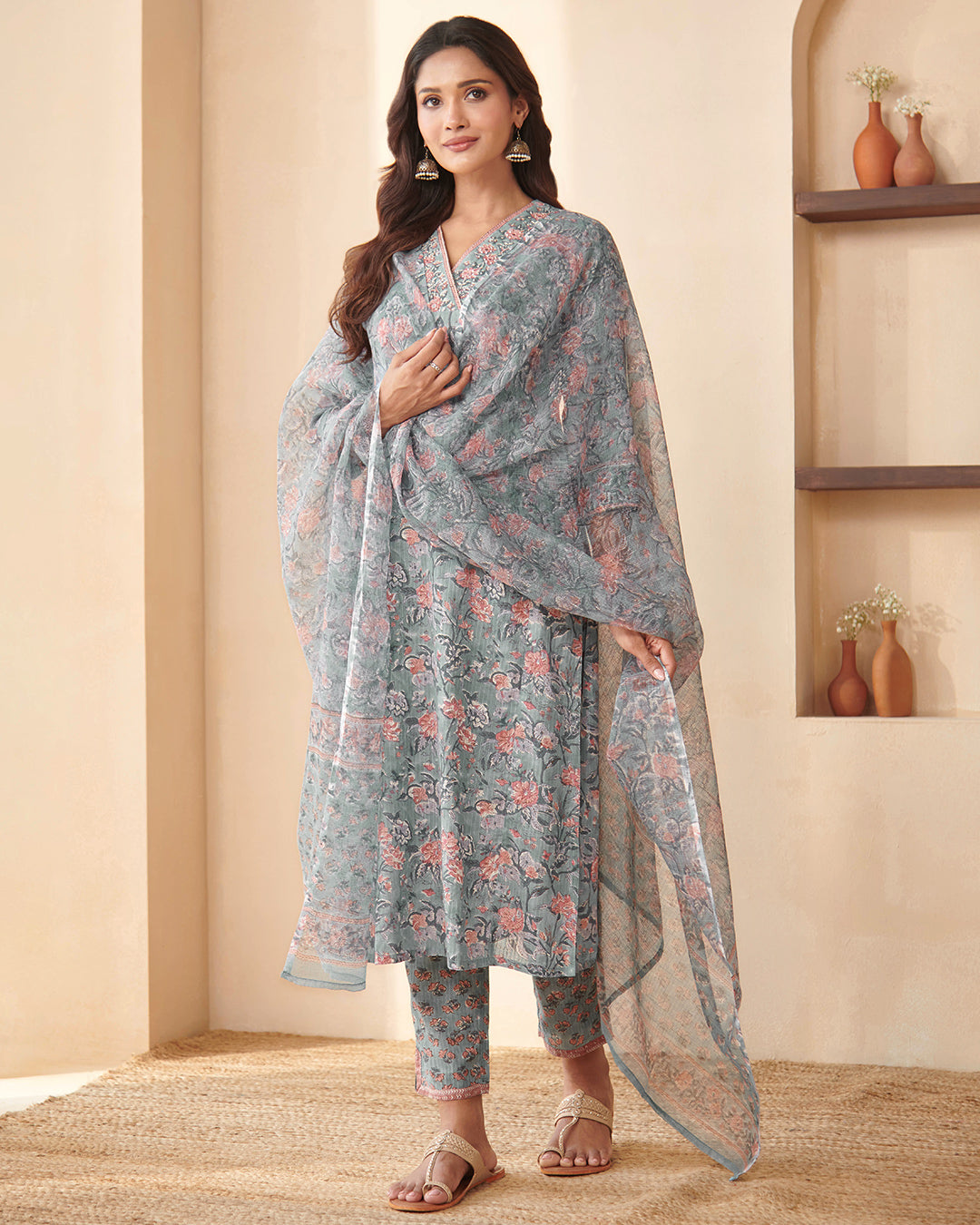
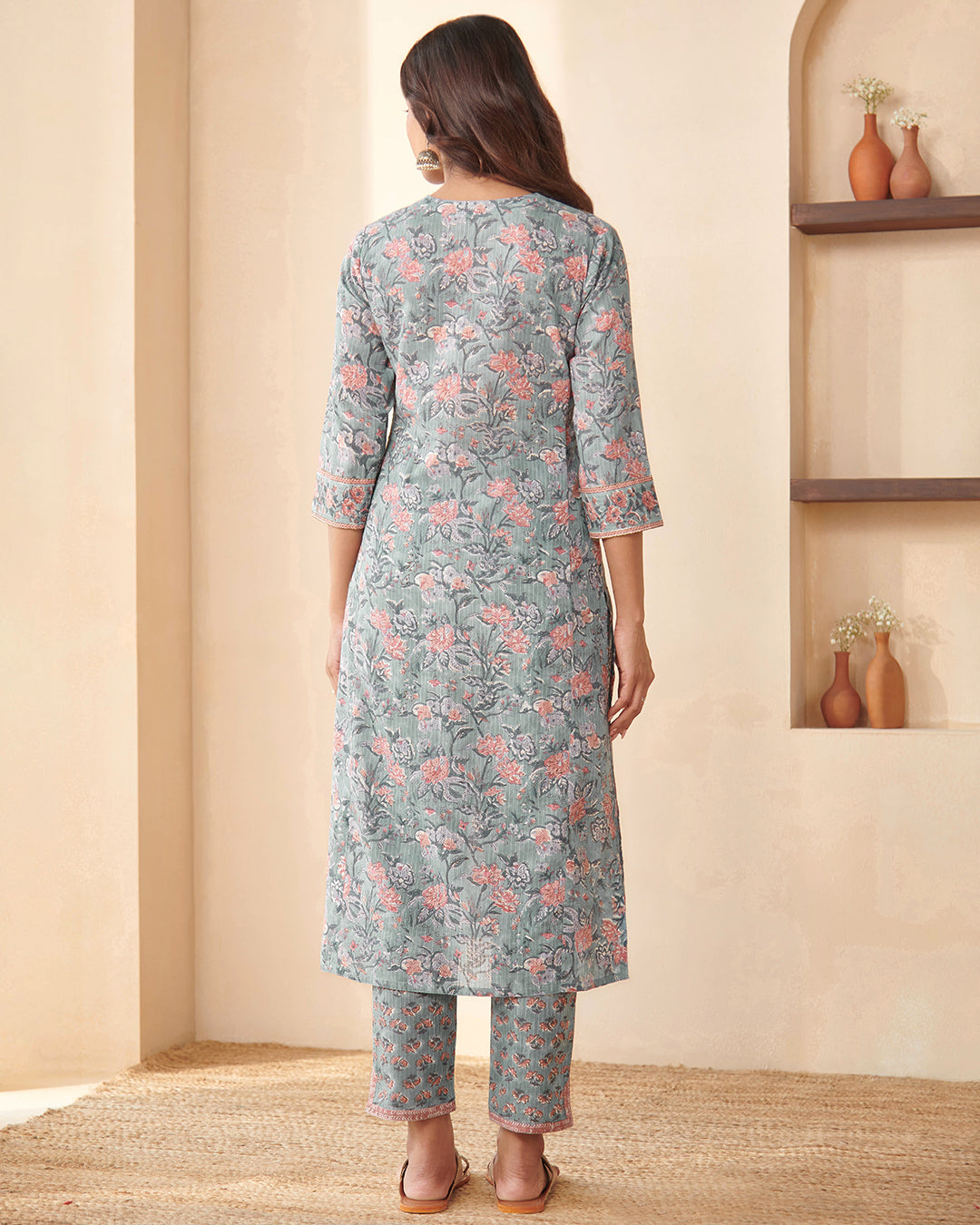
Bagru printing is also closely associated with motifs inspired by nature and everyday life. Flowers, leaves, geometric arrangements and traditional Indian patterns appear in designs that feel both familiar and enduring. These prints work beautifully in everyday Indian wear, including cotton kurtas, kurta sets and printed dupattas, where comfort and craftsmanship come together without excess.
The Three Elements Behind Bagru Printing
Bagru printing depends on three closely connected elements: the mud used to prepare the fabric, the dyes that bring colour to the design, and the wooden blocks that carry the patterns. Each plays a distinct role in creating the finished textile.
1. Mud: Preparing the Fabric
Mud has an important place in traditional Bagru printing, particularly in the dabu technique, a form of mud-resist printing. A paste made with local clay and other ingredients is applied to selected areas of the fabric. Sawdust is often sprinkled over the paste to help it set.
The dried paste acts as a resist, protecting the covered areas from dye during the subsequent stages of printing. Once the fabric is dyed and washed, these areas reveal patterns created through the contrast between colour and the original fabric.
This technique requires careful preparation and timing. The paste must have the right consistency, and the artisan must apply it precisely to preserve the intended design.
2. Indigo and Other Natural Dyes
Colour gives Bagru prints much of their recognisable character. Indigo is traditionally used to create shades of blue, while iron-based preparations produce deep black. Red tones can be developed using traditional dyeing methods involving natural materials such as madder or alizarin, depending on the process and materials available.
Natural dyeing requires an understanding of how colour behaves on fabric. The preparation of the dye, the condition of the cotton and the duration of dyeing all influence the final shade.
Indigo, in particular, has a quality that makes it distinctive. Fabric dyed with indigo can develop subtle variations in tone, giving the blue a depth that feels different from a uniformly applied colour. Alongside black and red, it forms a palette that has long been associated with Bagru textiles.
3. Wooden Blocks: The Art of Repetition
The wooden block is the tool that gives Bagru printing its form. Usually carved from wood such as teak or sheesham, each block carries a design cut into its surface. The carving must be precise enough to transfer the pattern clearly onto the fabric.
Different blocks may be used for different colours or sections of a motif. The artisan applies dye to the carved surface and presses it onto the cloth with a controlled movement. Repeating this action across a length of fabric calls for a steady hand and a trained eye.
The beauty lies in the balance between repetition and variation. A floral motif may appear again and again, yet the handmade process ensures that the fabric retains a sense of individuality.
From Fabric to Finished Print: How Bagru Printing Works

Bagru printing begins well before the first block touches the fabric. The cotton must be prepared to receive the dye, and each stage needs to be completed carefully so that the colours and patterns develop as intended.
Fabric preparation: Cotton fabric is washed to remove impurities, oils and finishes that could interfere with dye absorption. Depending on the intended colour and technique, it may undergo additional preparation before printing begins.
Preparing the dyes and printing paste: Artisans prepare the colours and pastes required for the design. Traditional methods may involve natural dye ingredients, iron-based black preparations or a mud-resist paste for dabu printing.
Block printing: The artisan presses a carved wooden block onto the fabric, repeating the process to build the pattern. When a design uses several colours, separate blocks may be needed for each colour. Accurate placement is essential to maintain the rhythm of the motif.
Dyeing and resist work: In direct printing, the printed areas receive colour according to the chosen method. In dabu printing, the mud paste protects selected areas during dyeing, allowing the pattern to emerge through contrast. The order of printing, resist application and dyeing varies with the technique.
Washing and finishing: The fabric is washed to remove excess dye and printing paste. It may then be dried and finished before being cut and stitched into garments or other textiles.
Every stage depends on the one before it. The final print reflects not only the design carved into the block, but also the artisan’s understanding of fabric, colour and timing. This is what gives traditional Bagru printing its depth and makes each handmade textile slightly different from the next.
The Motifs and Colours That Define Bagru Prints

The visual language of Bagru printing draws from nature, geometry and the decorative traditions of Rajasthan. Its motifs are often small enough to repeat across an entire fabric, creating patterns that feel balanced rather than overwhelming.
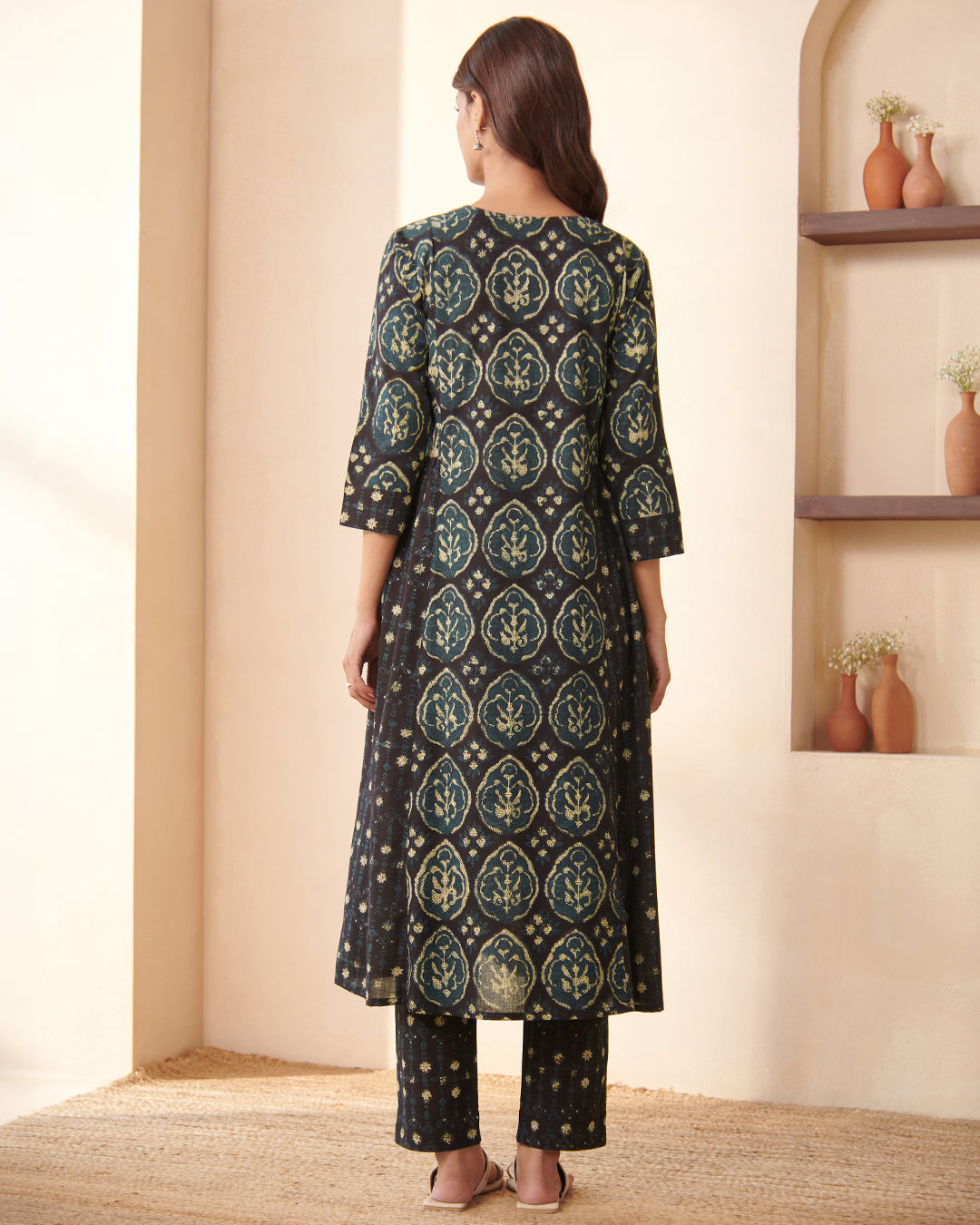
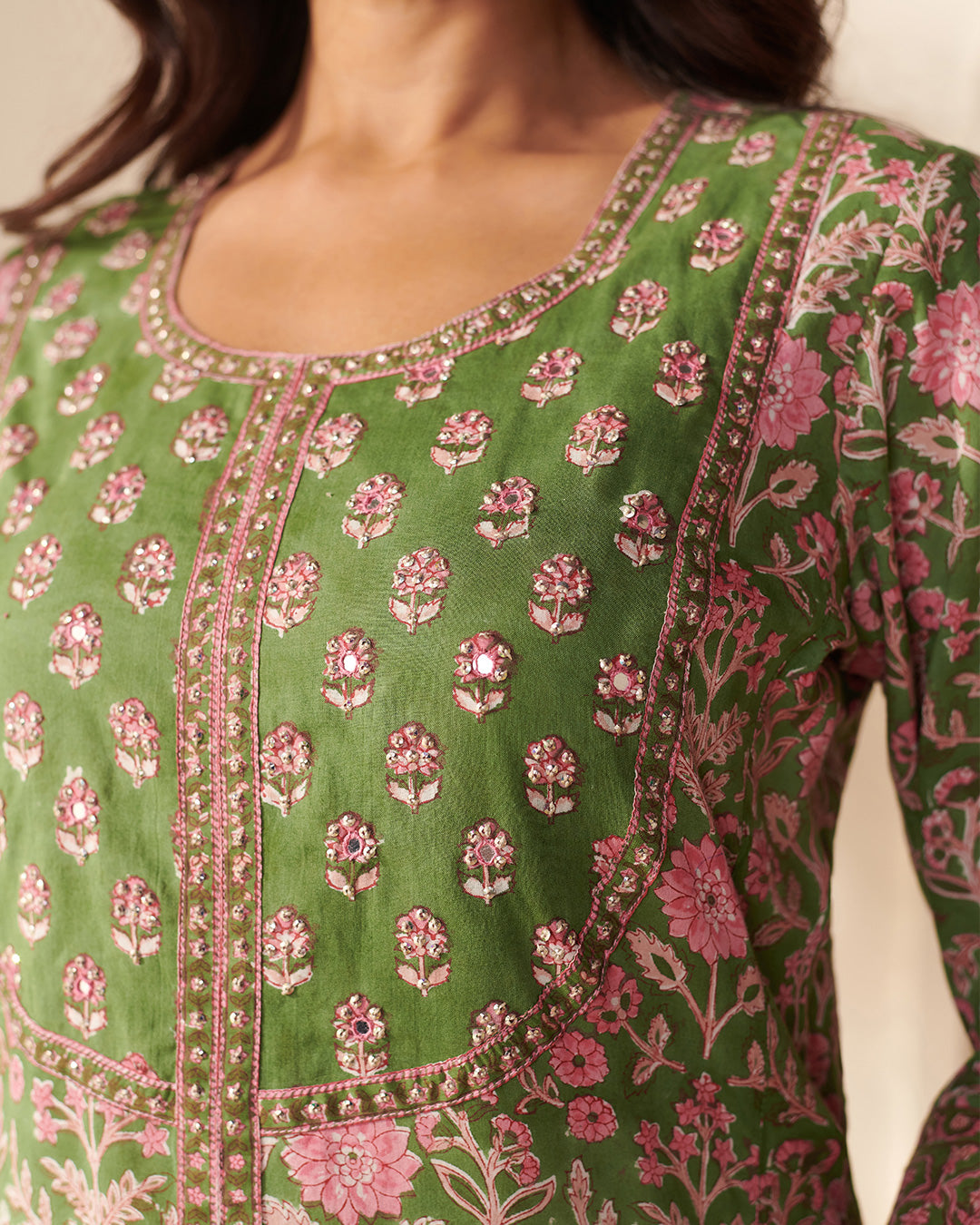
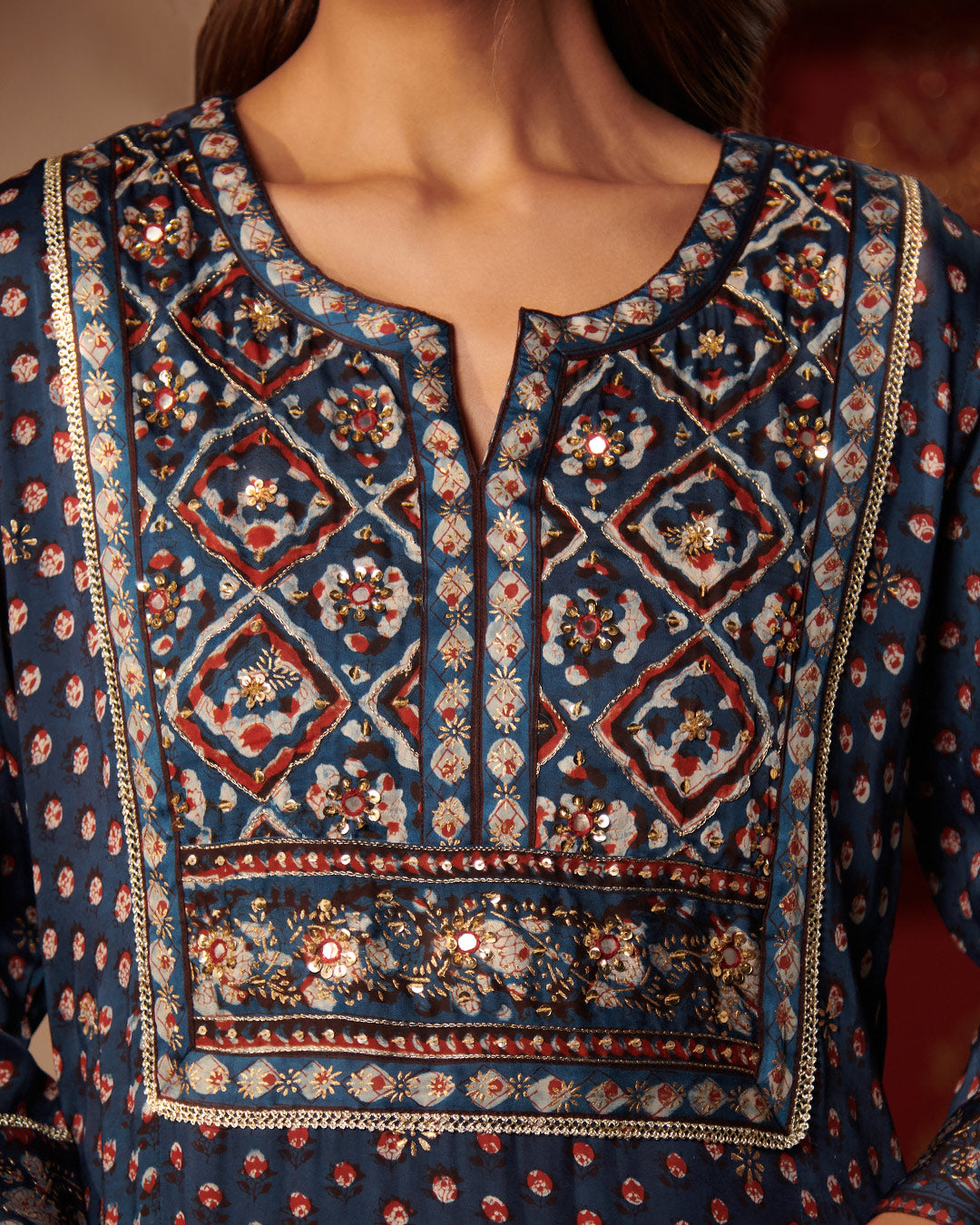
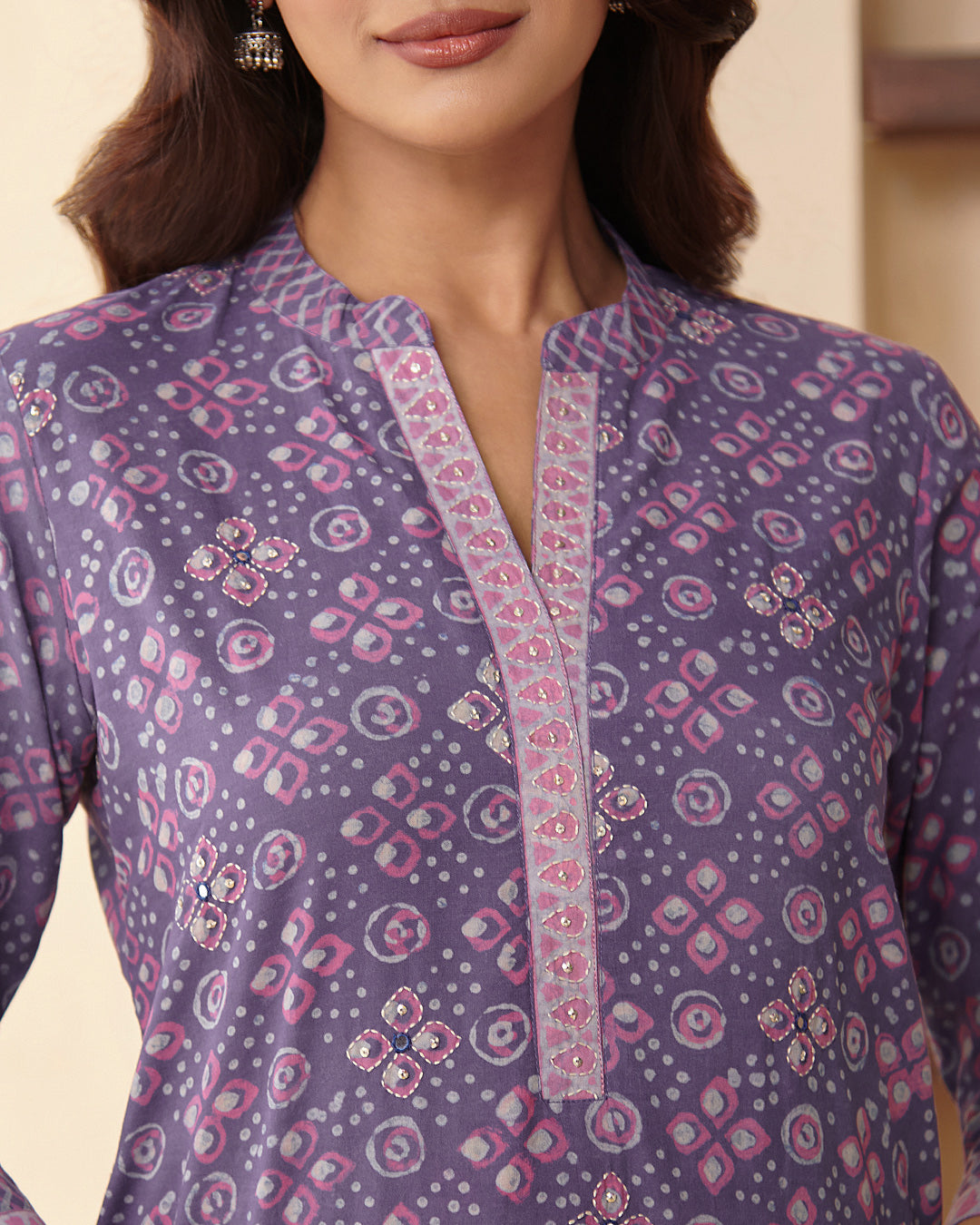
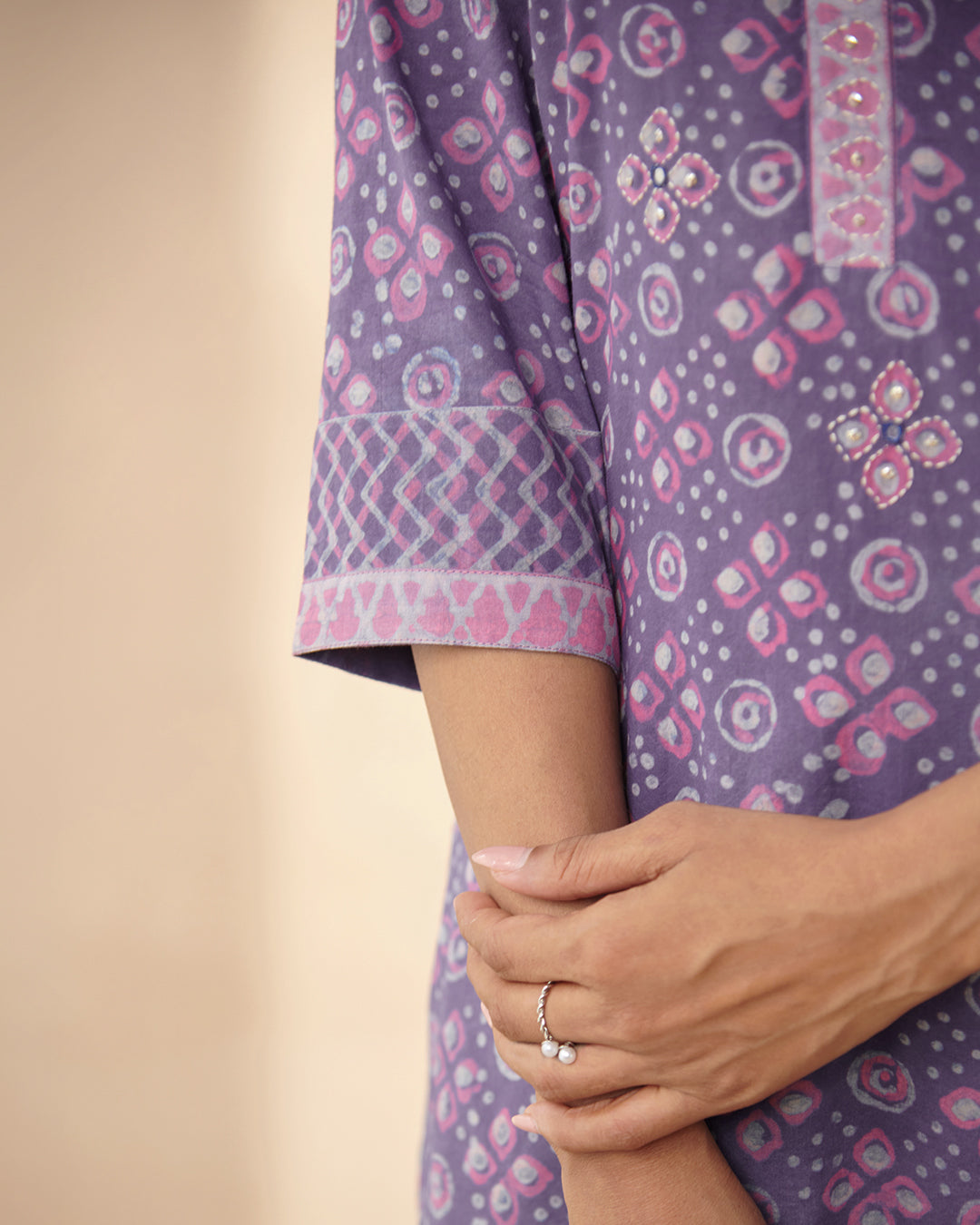
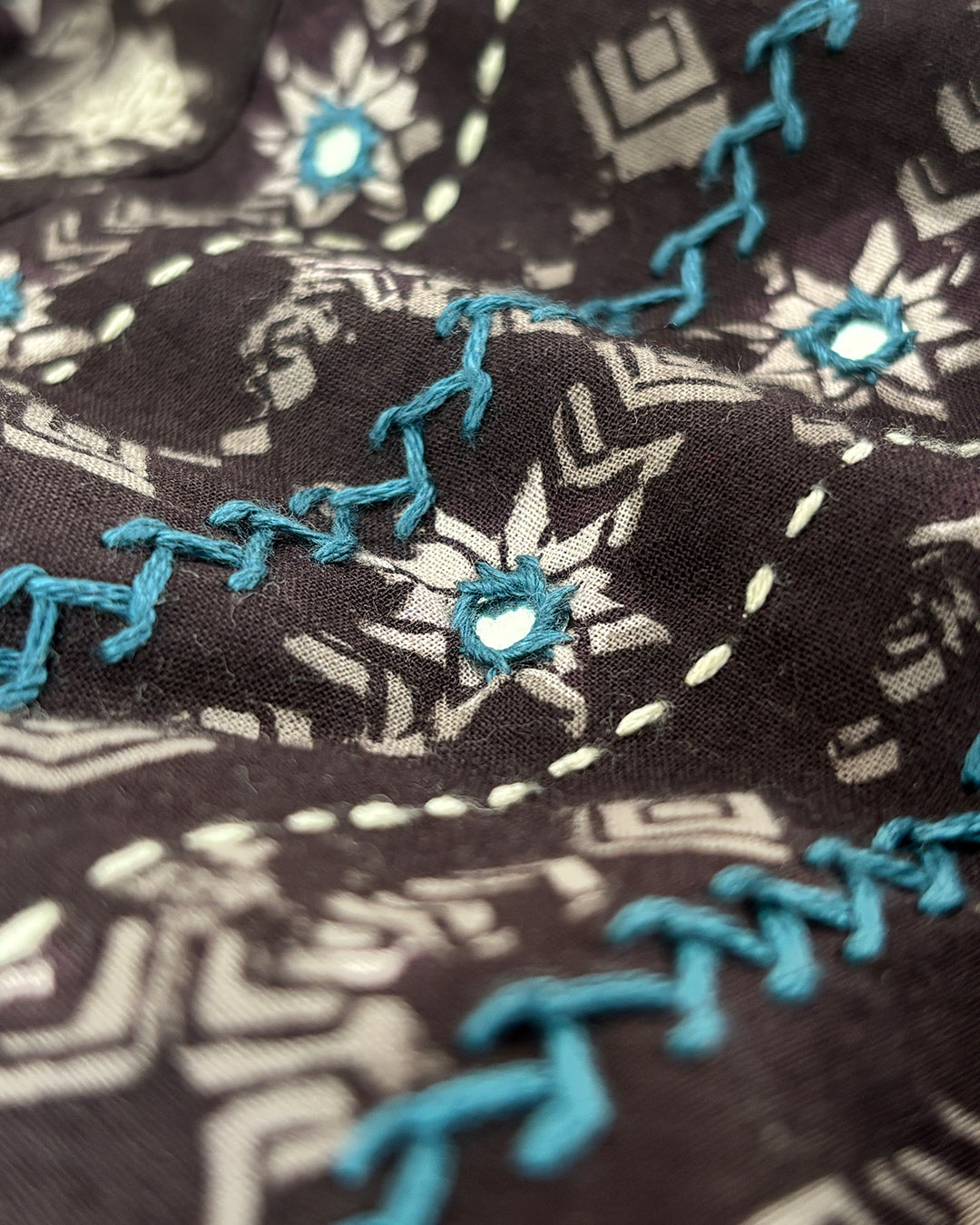
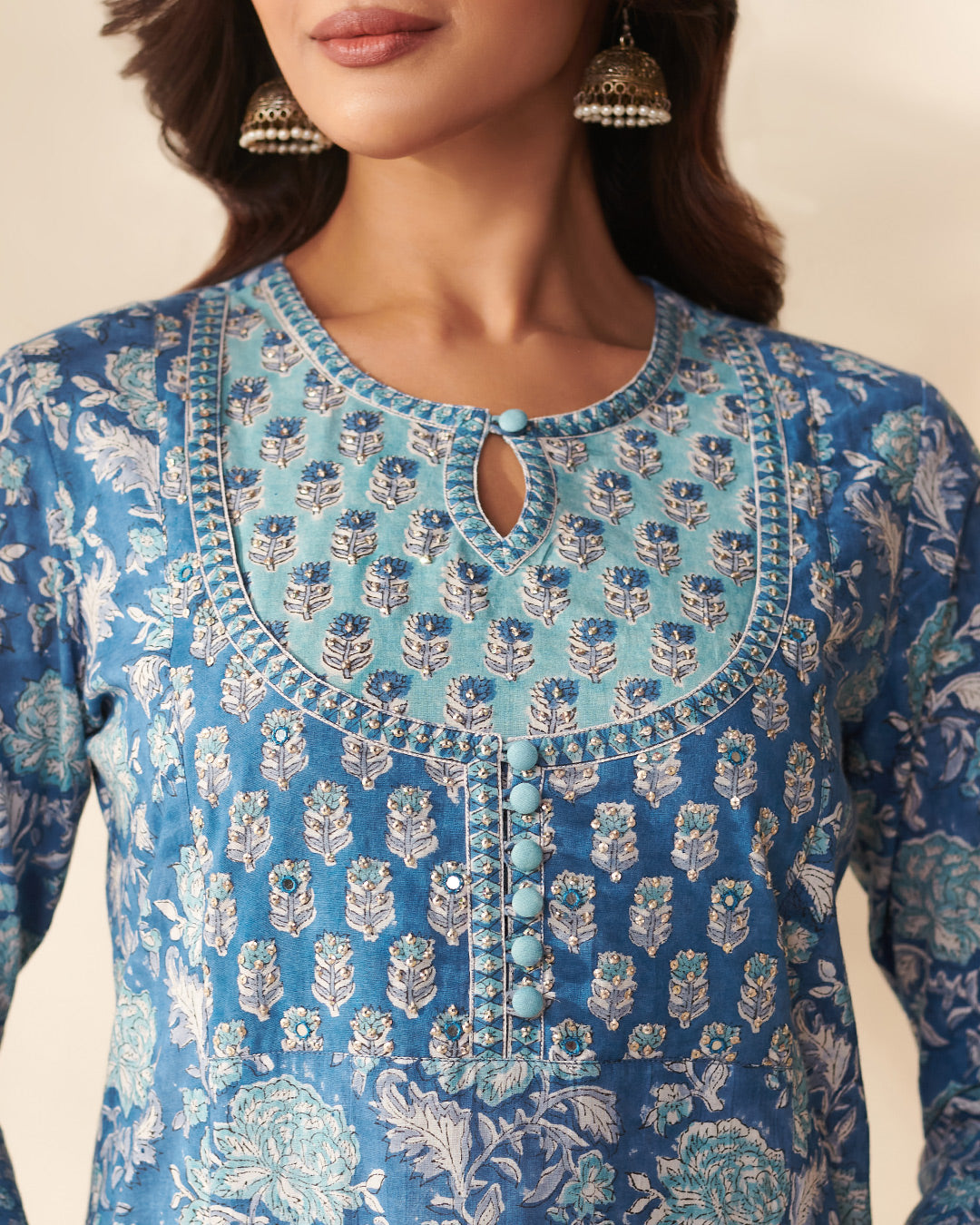
Floral butis, leafy forms, vines and repeated geometric shapes are common. Some designs feature closely spaced motifs, while others leave more room between the patterns. These variations change the character of the fabric, from delicate and understated to richly detailed.
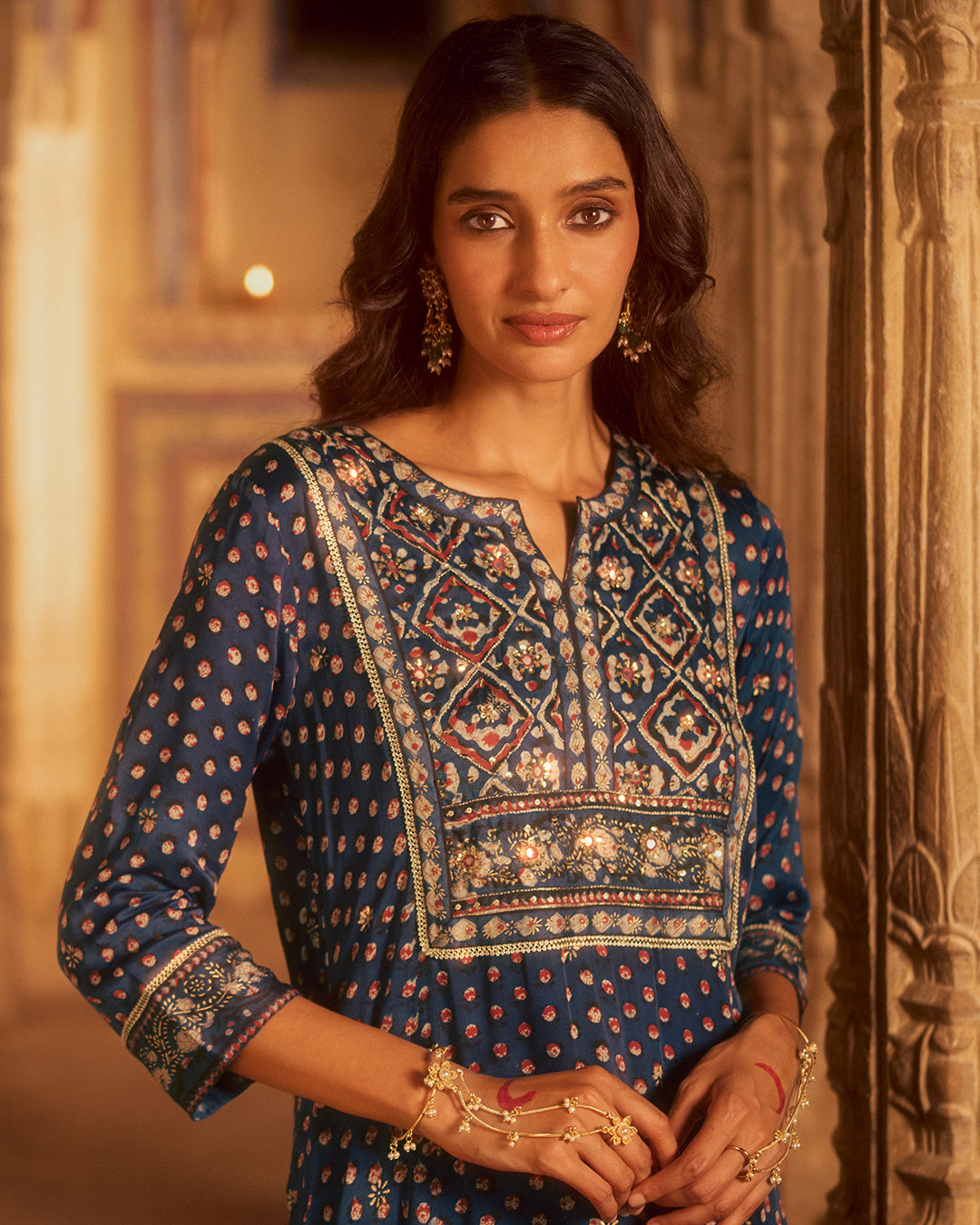
The colours are equally distinctive. Indigo blue brings depth, black outlines lend definition, and earthy reds add warmth. Cream and natural cotton shades often provide a quiet background for these colours to stand out. The combination gives Bagru prints their recognisable connection to the landscape and textile traditions of Rajasthan.
These colours and motifs also make the fabric versatile. A finely printed cotton kurta can feel suitable for an ordinary day, while a coordinated kurta set can carry the same traditional patterns into family gatherings, festive occasions and travel. The appeal does not depend on elaborate embellishment. It comes from the balance of colour, print and fabric.
Bagru motifs are more than decorative elements. They carry the memory of a craft shaped by generations of observation and practice. When these prints find a place in contemporary Indian wardrobes, that heritage continues in a quiet, everyday way.
How to Style Bagru Prints in Everyday Wear
Bagru prints have a quiet charm that makes them easy to wear beyond special occasions. Their earthy colours, detailed motifs and natural appeal sit comfortably within the rhythm of everyday life. Whether worn to work, for a family gathering or on a slow afternoon at home, Bagru printed clothing brings a sense of ease without losing its traditional character.
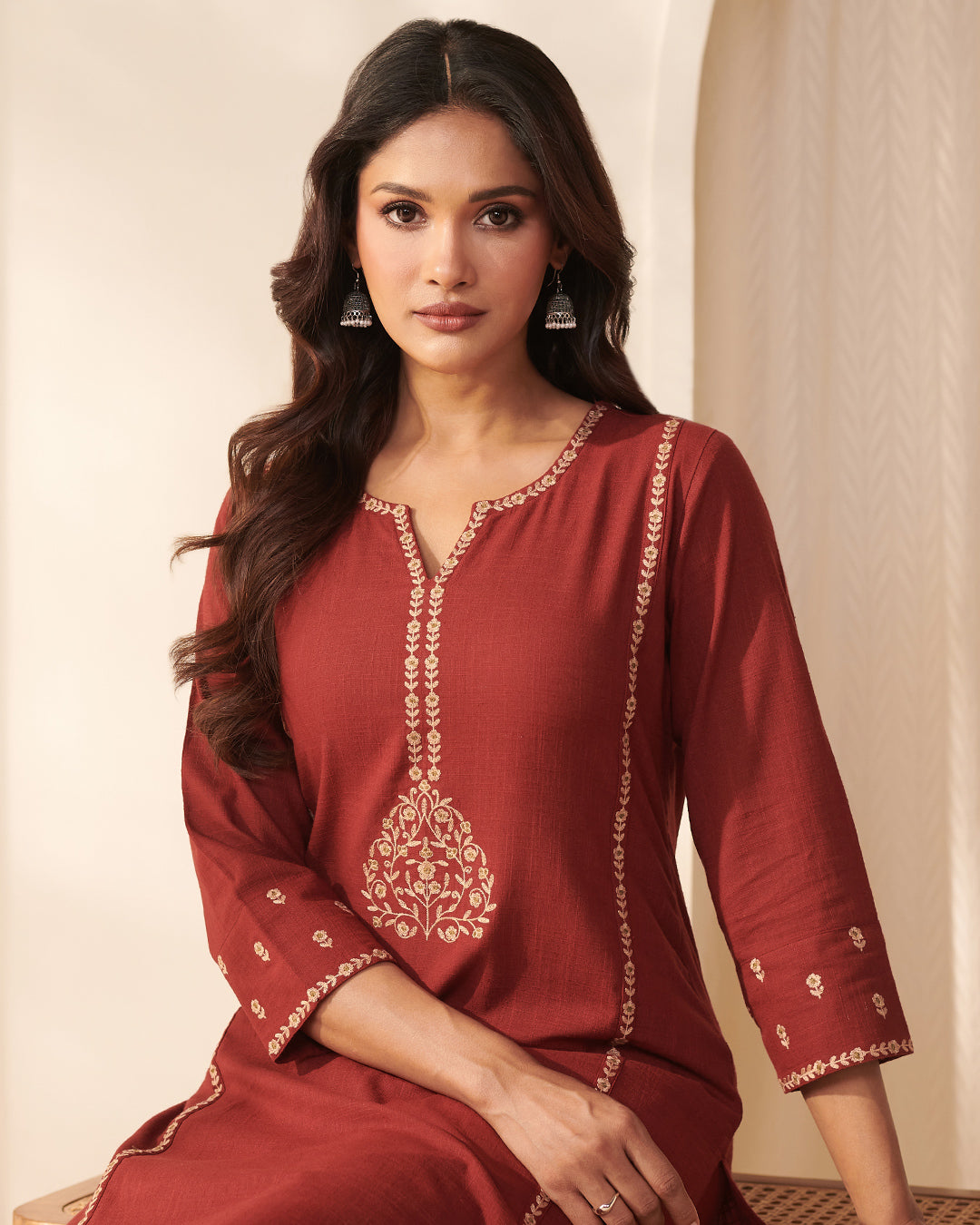
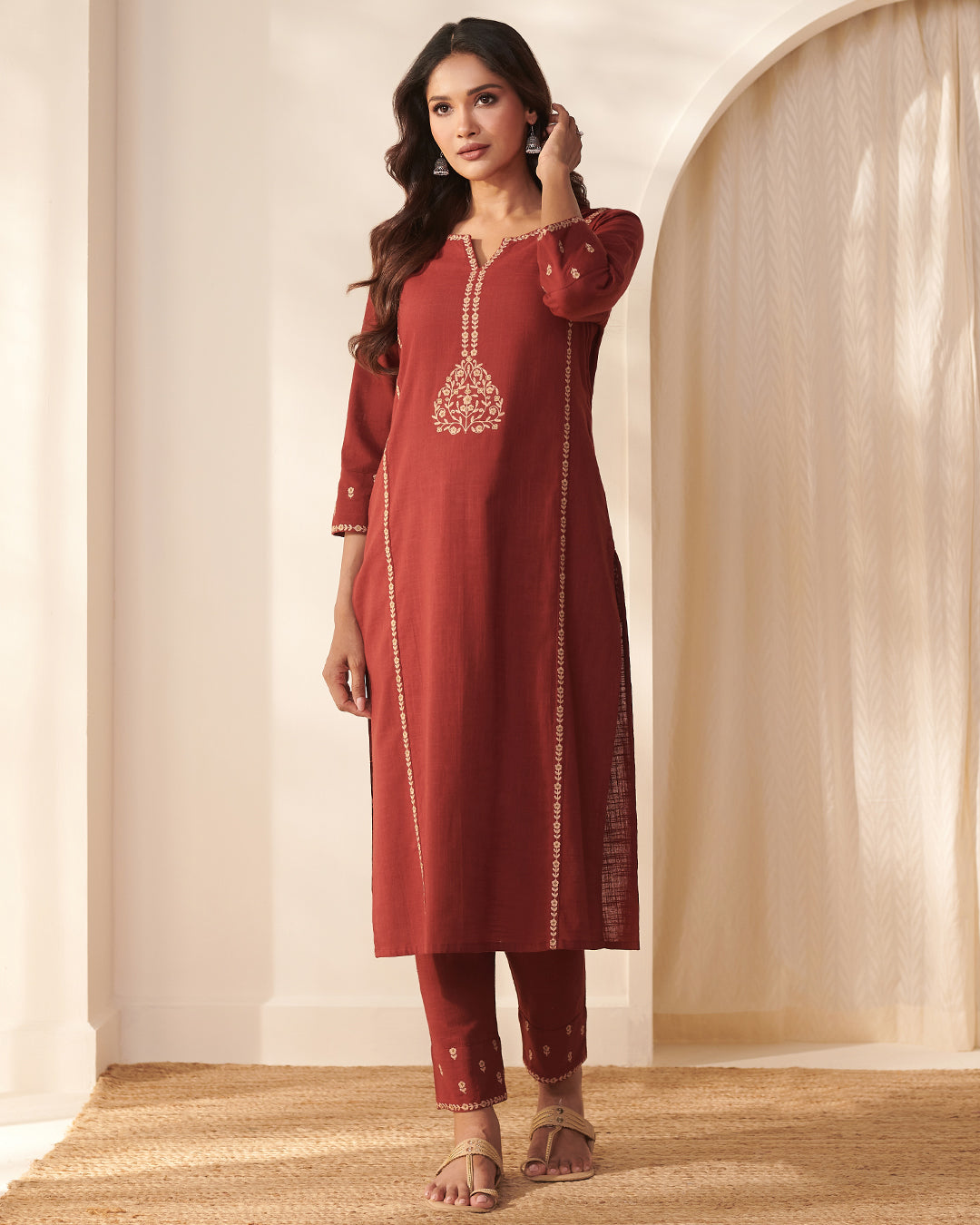
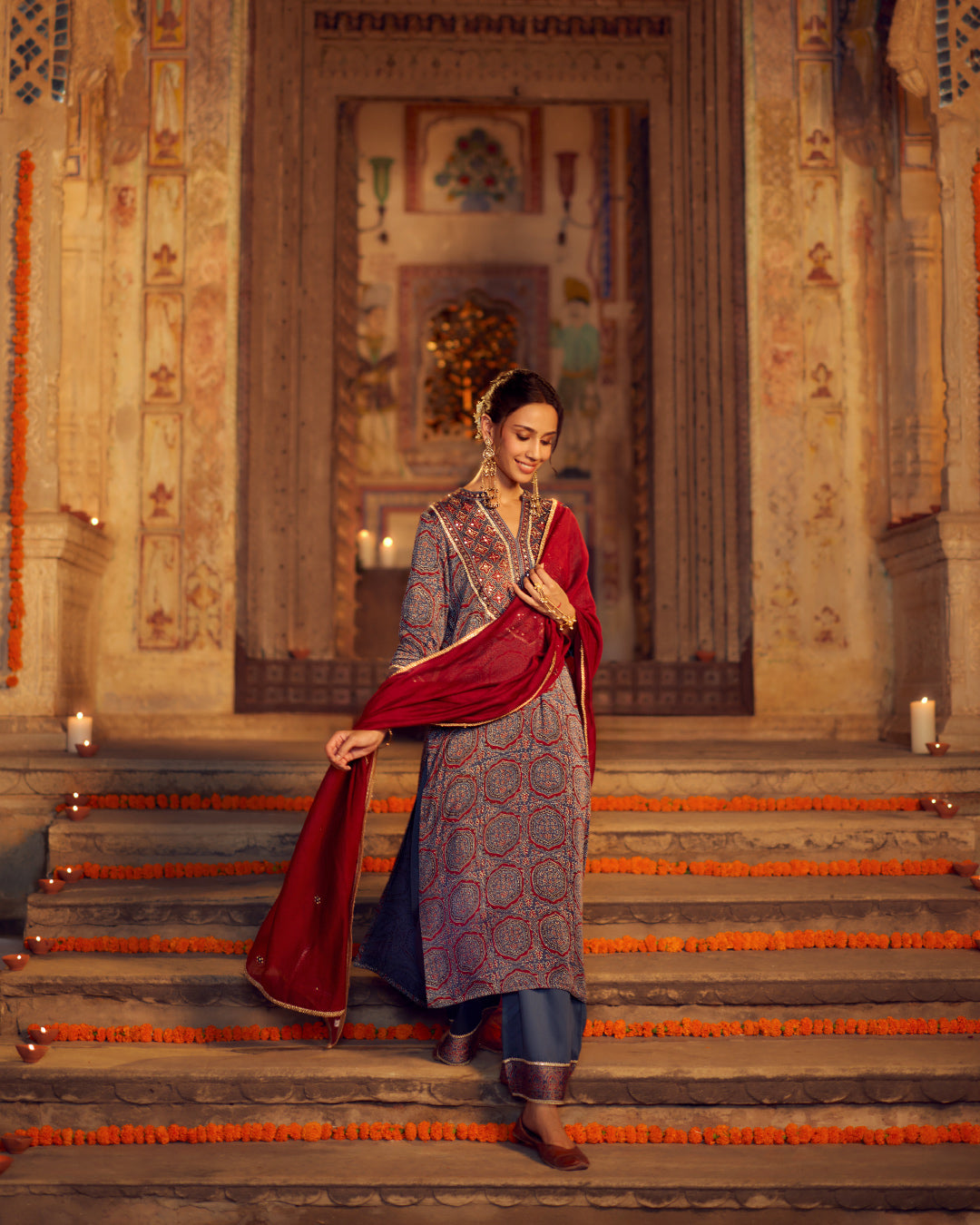
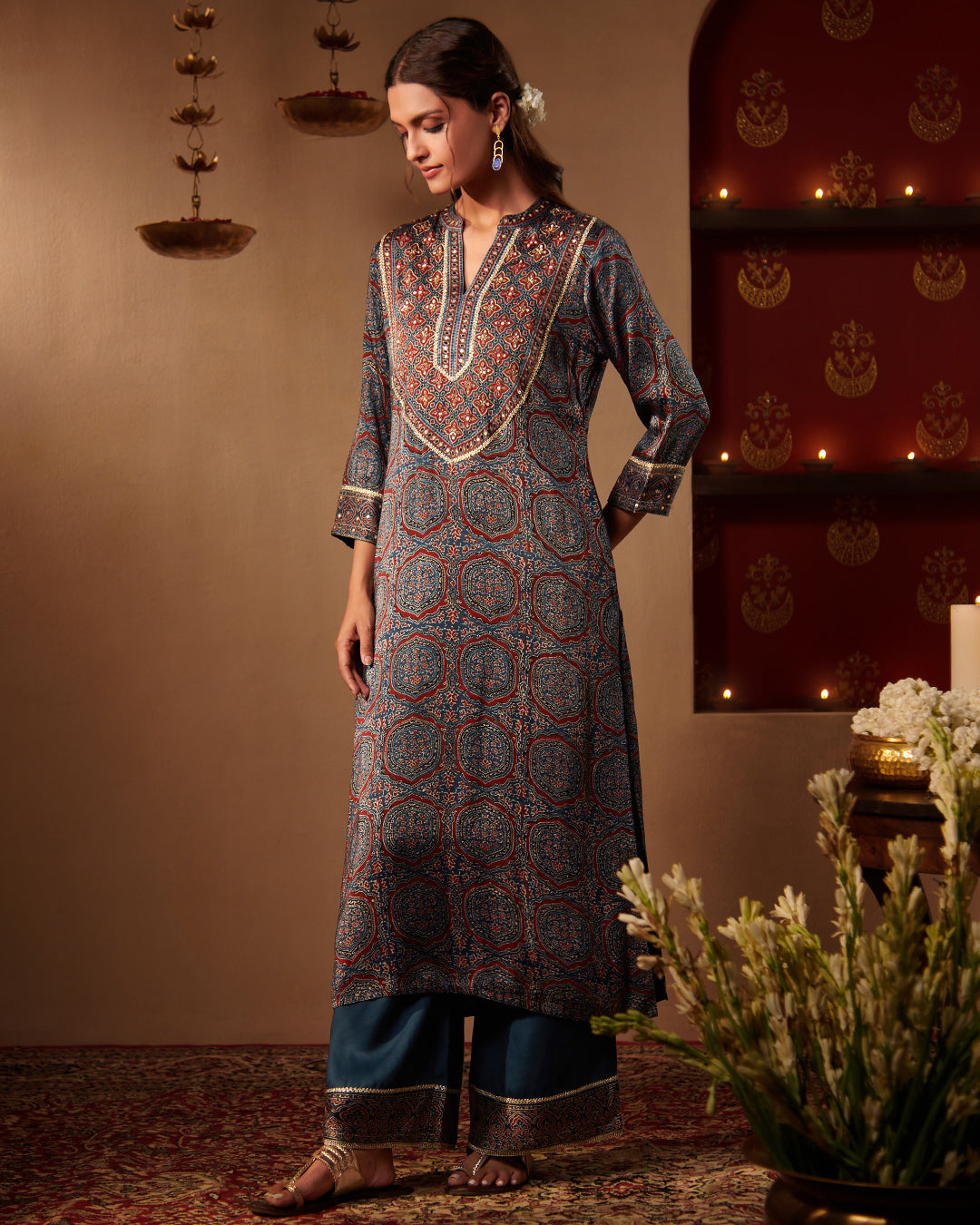
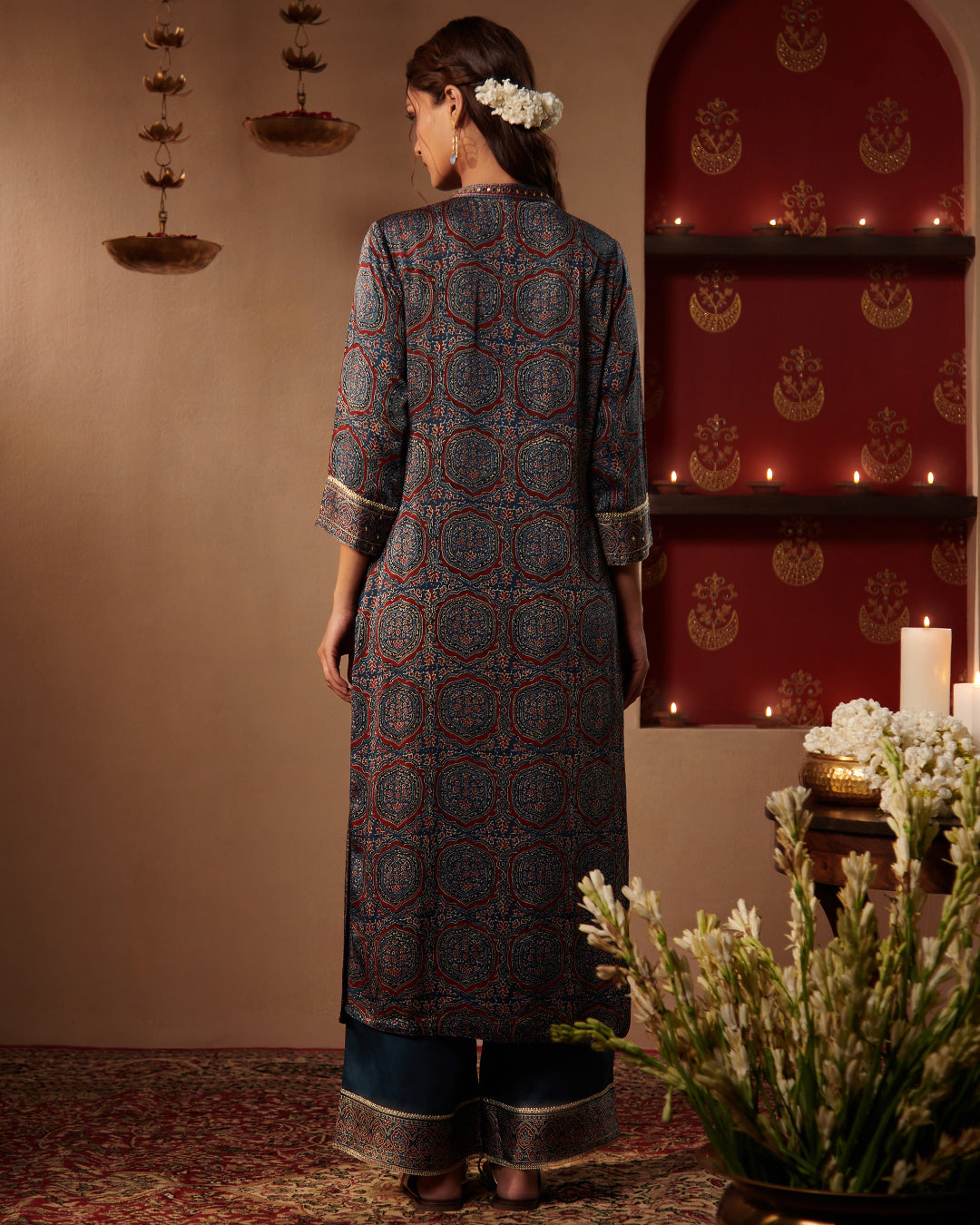
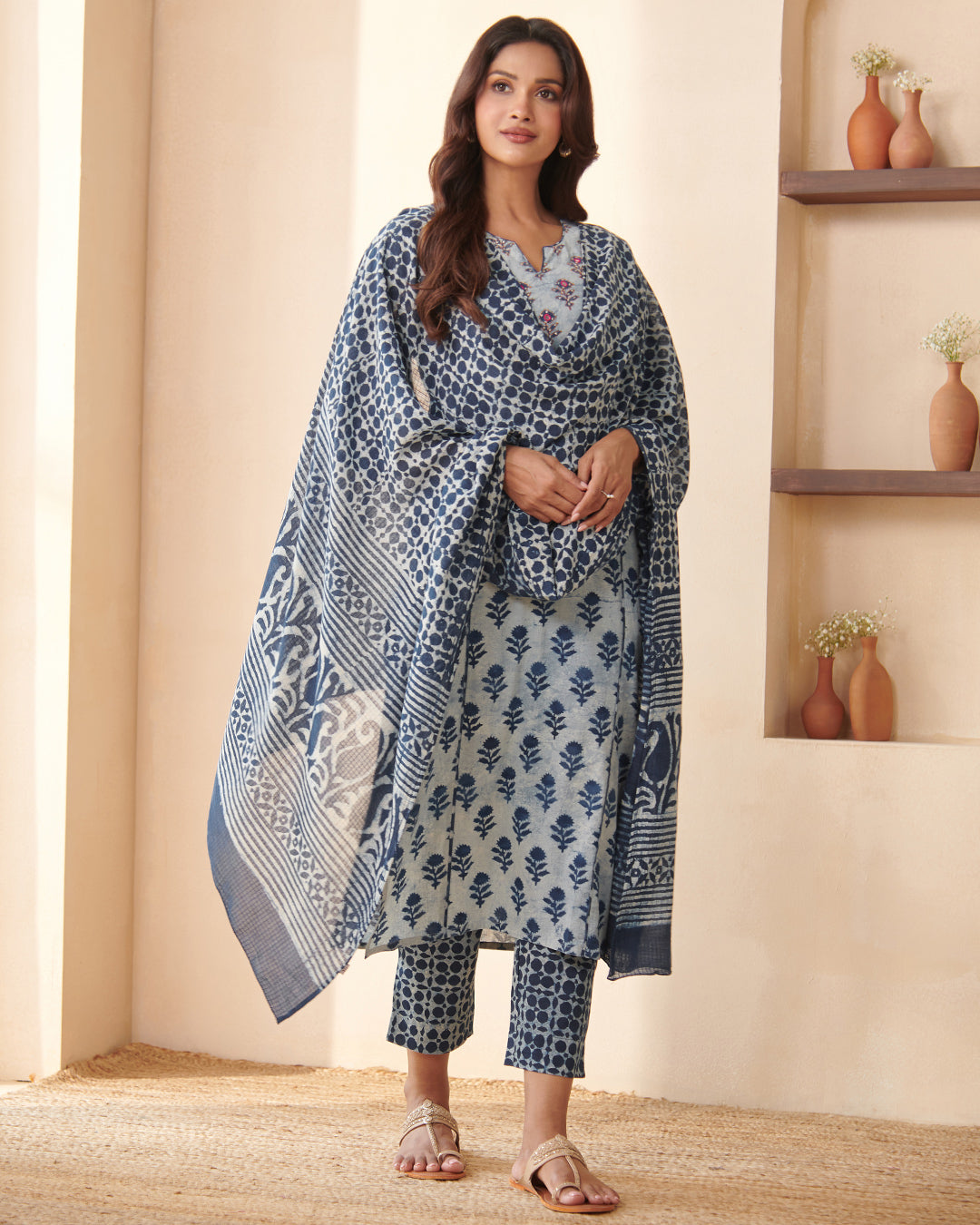
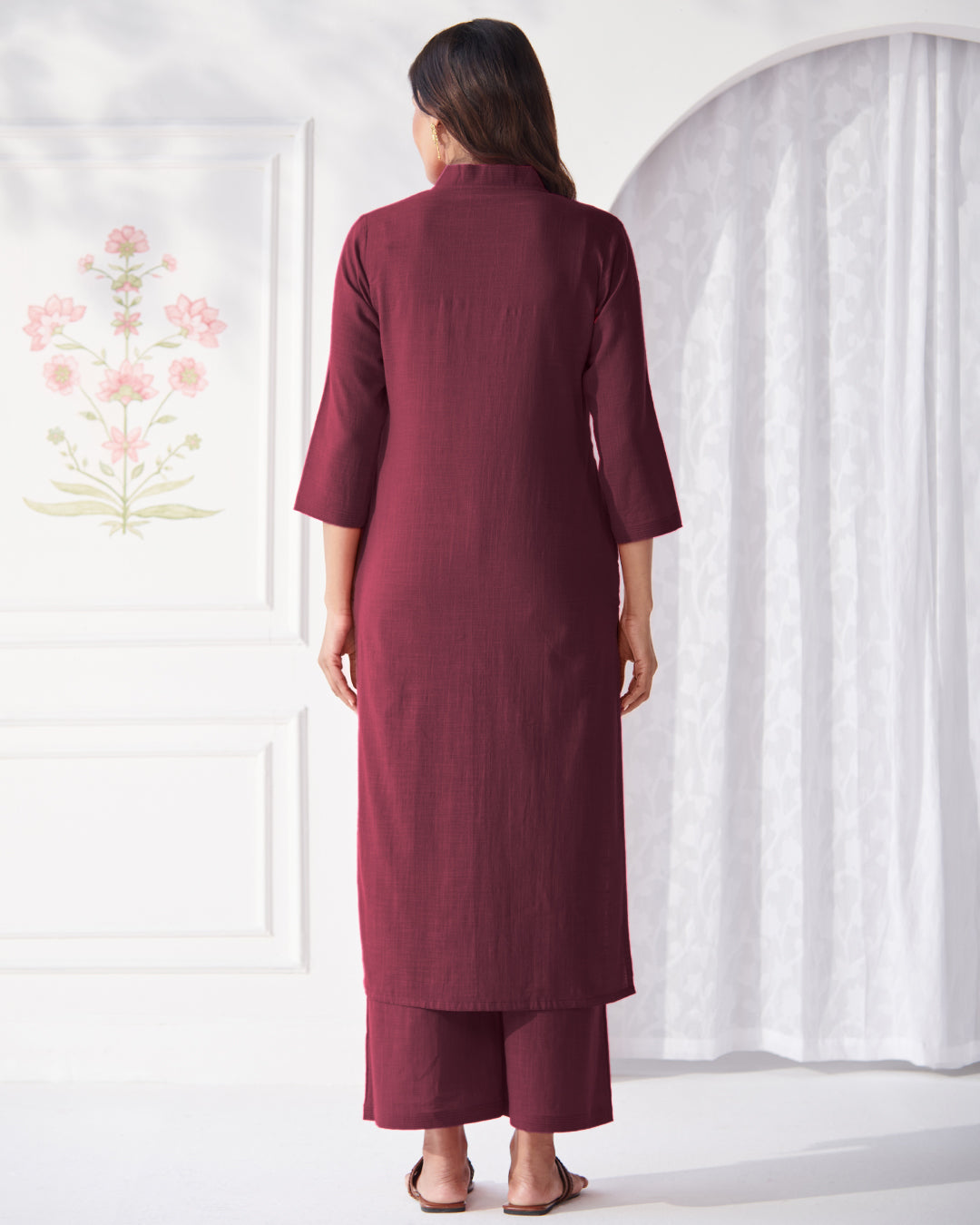
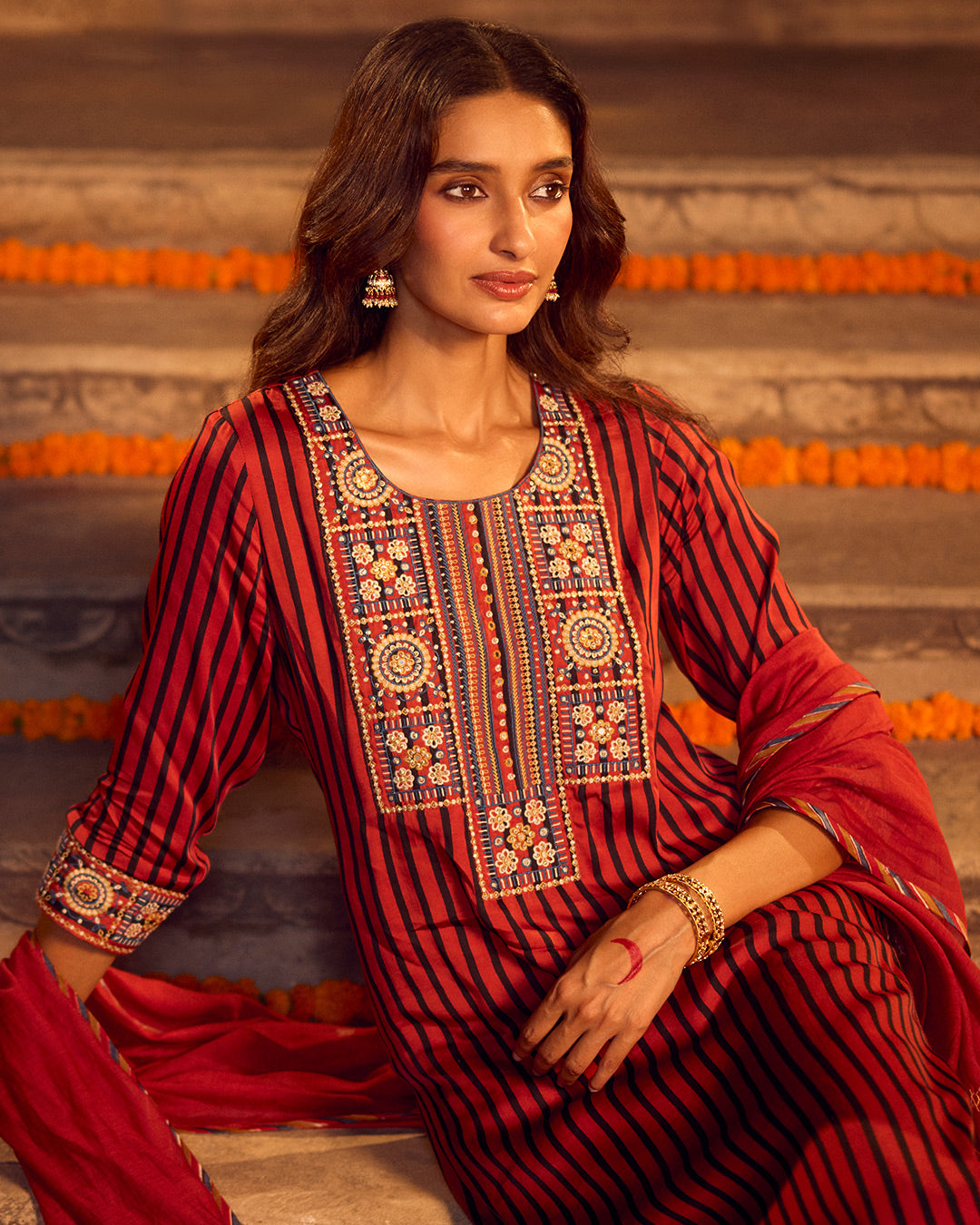
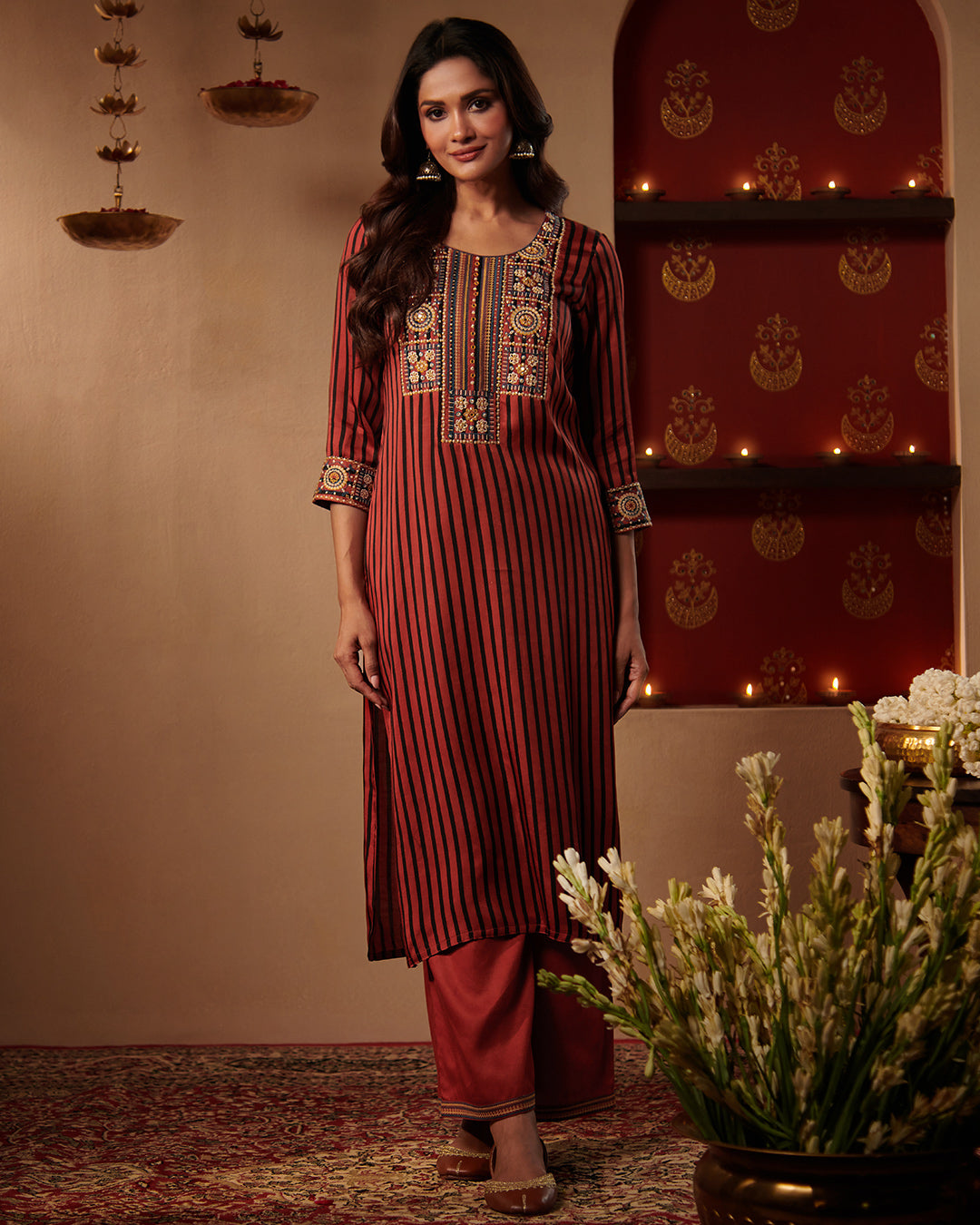
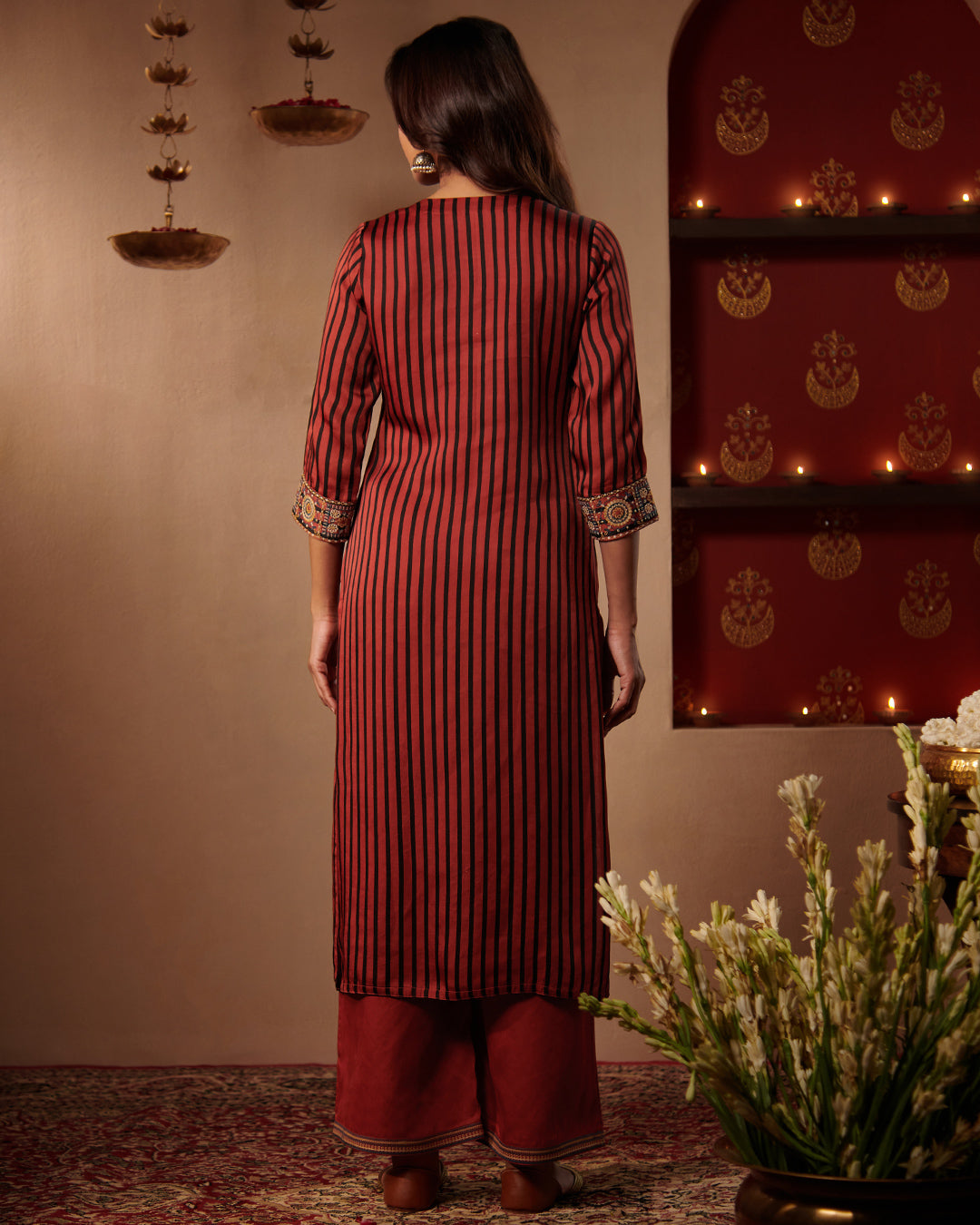
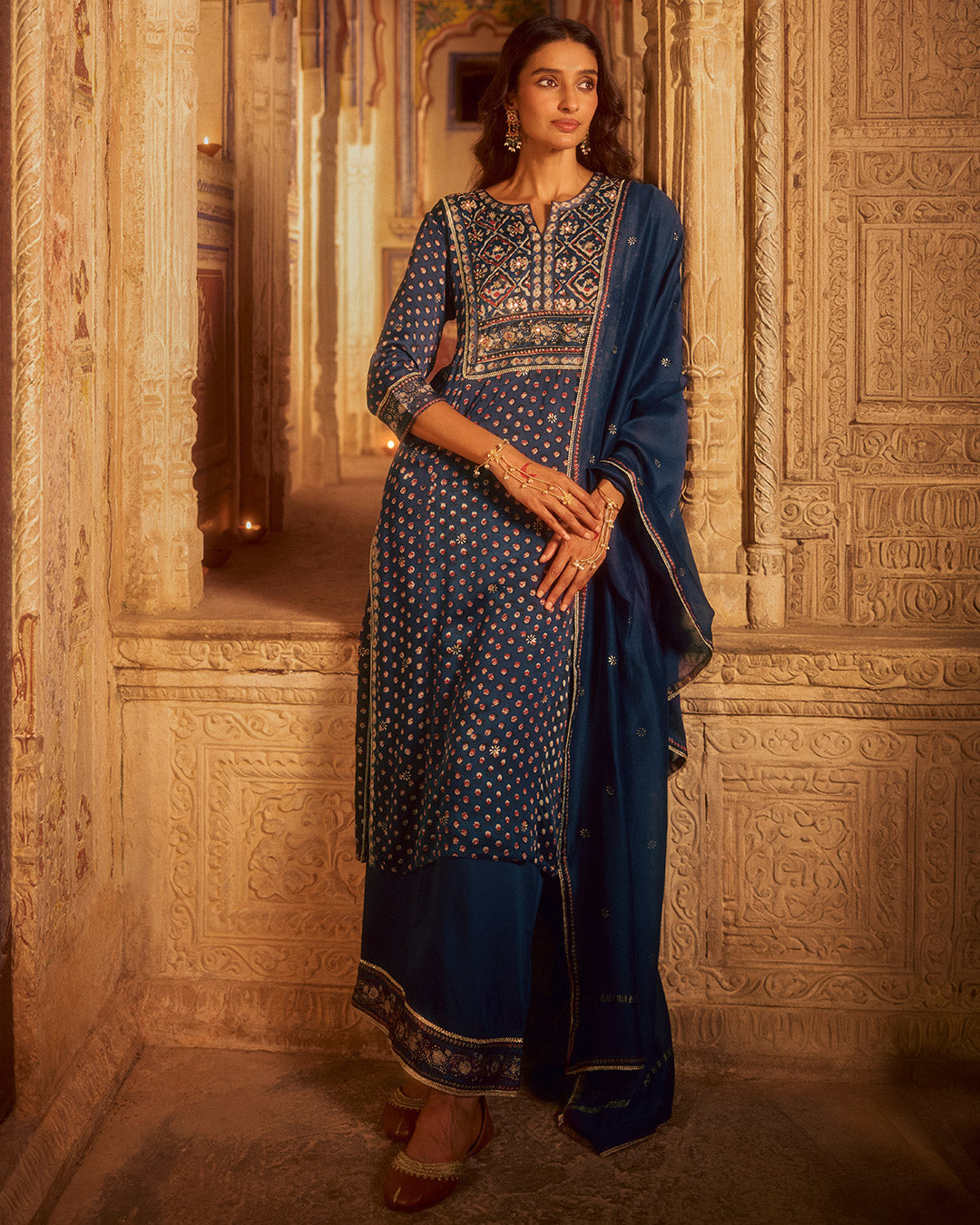
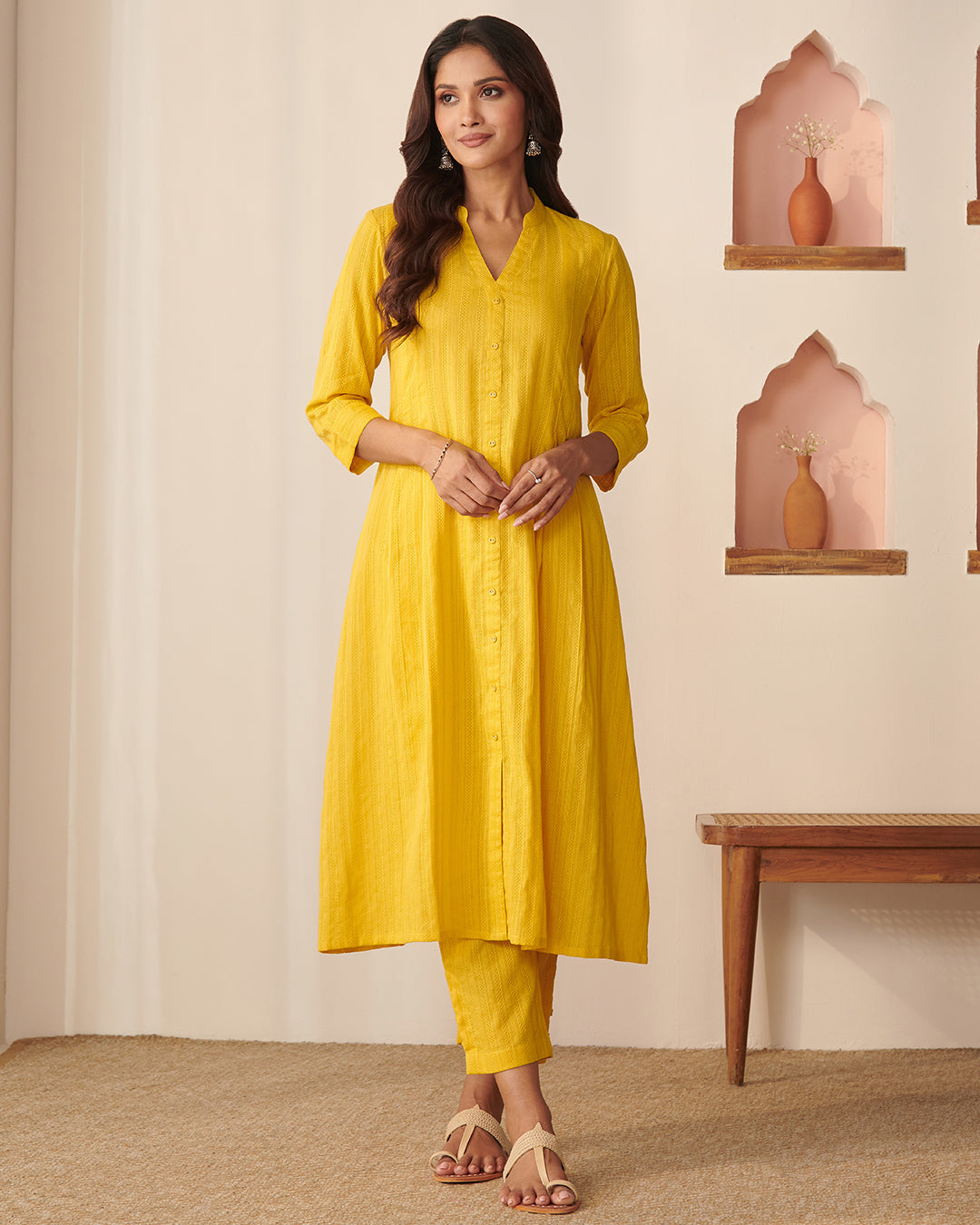
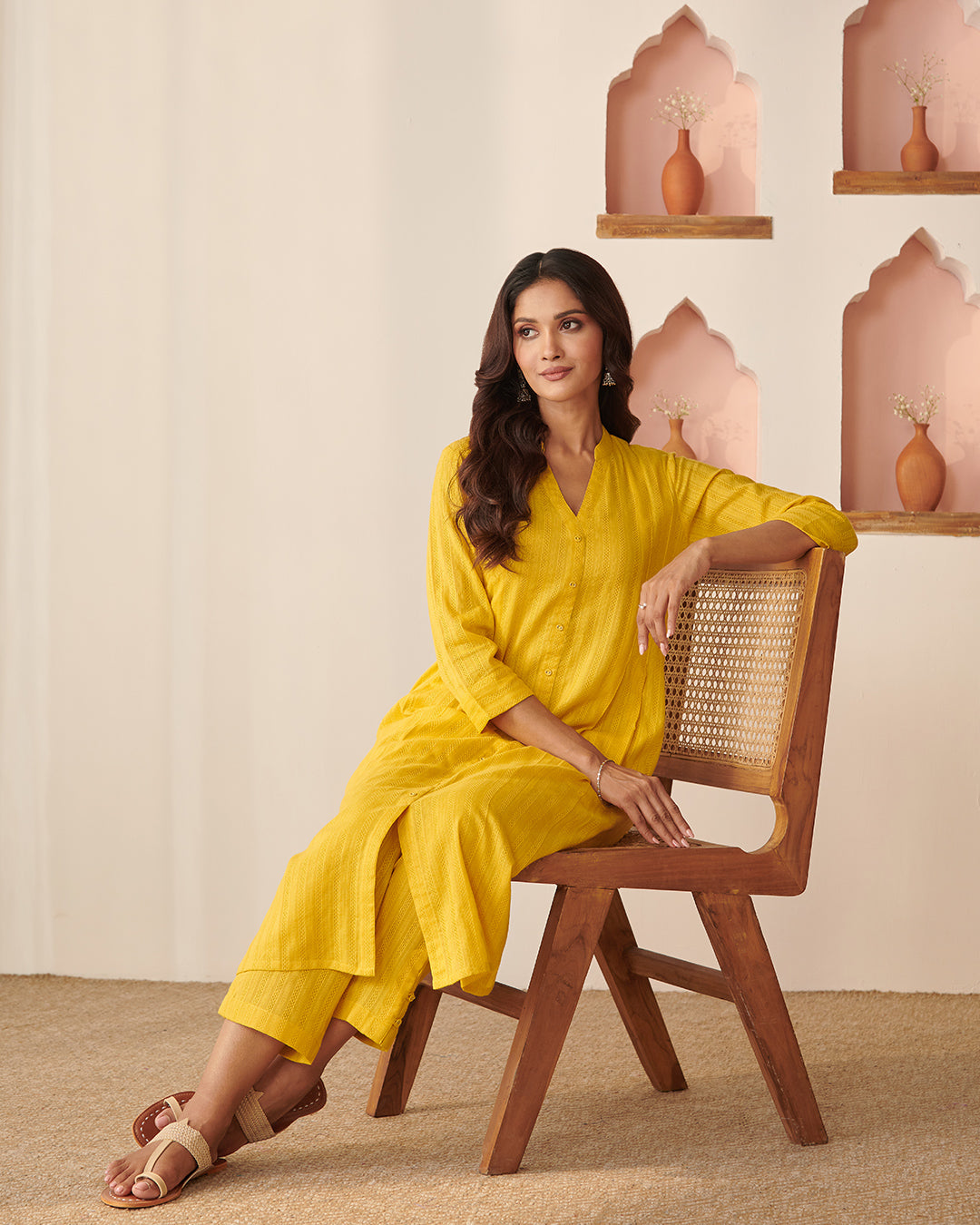
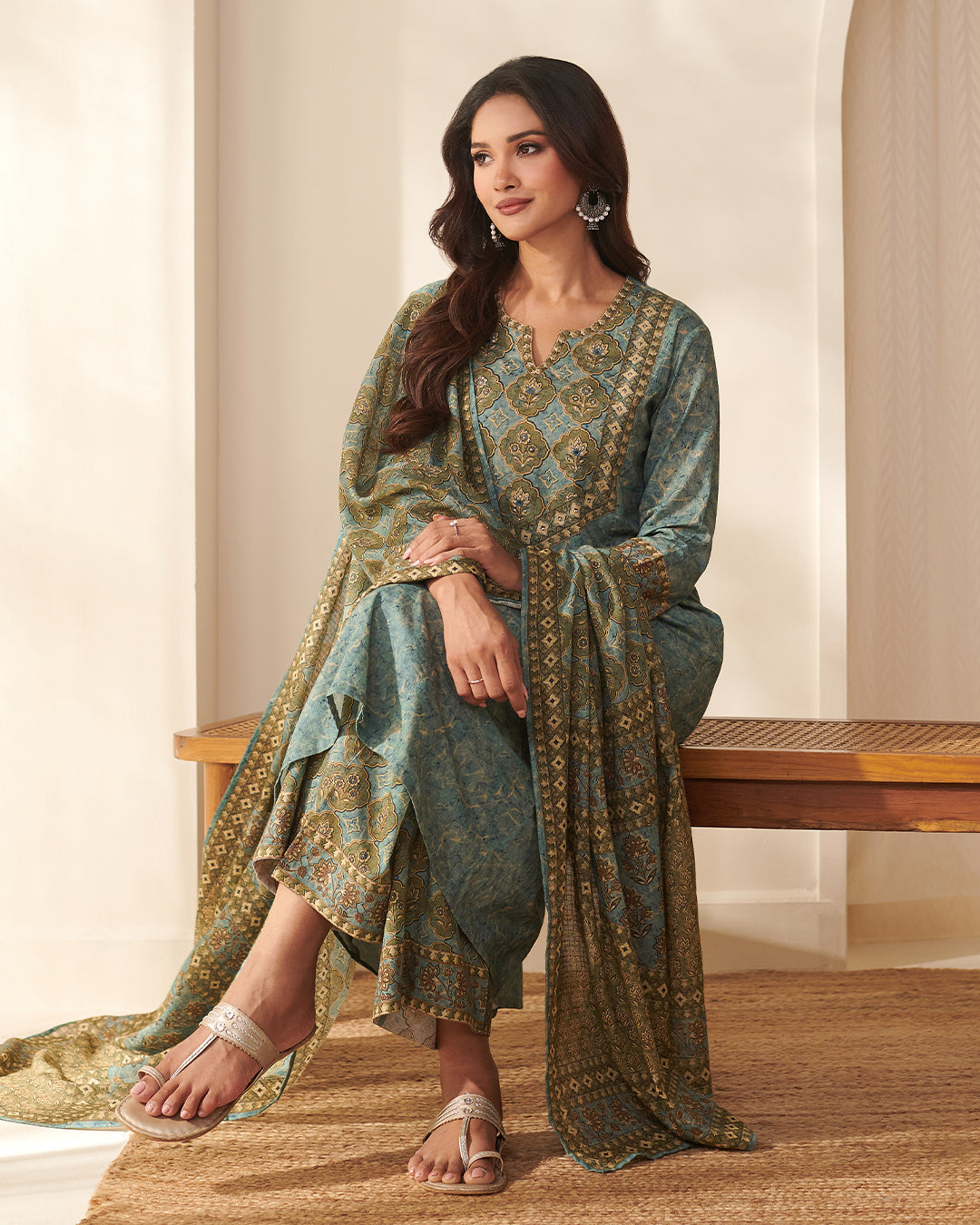
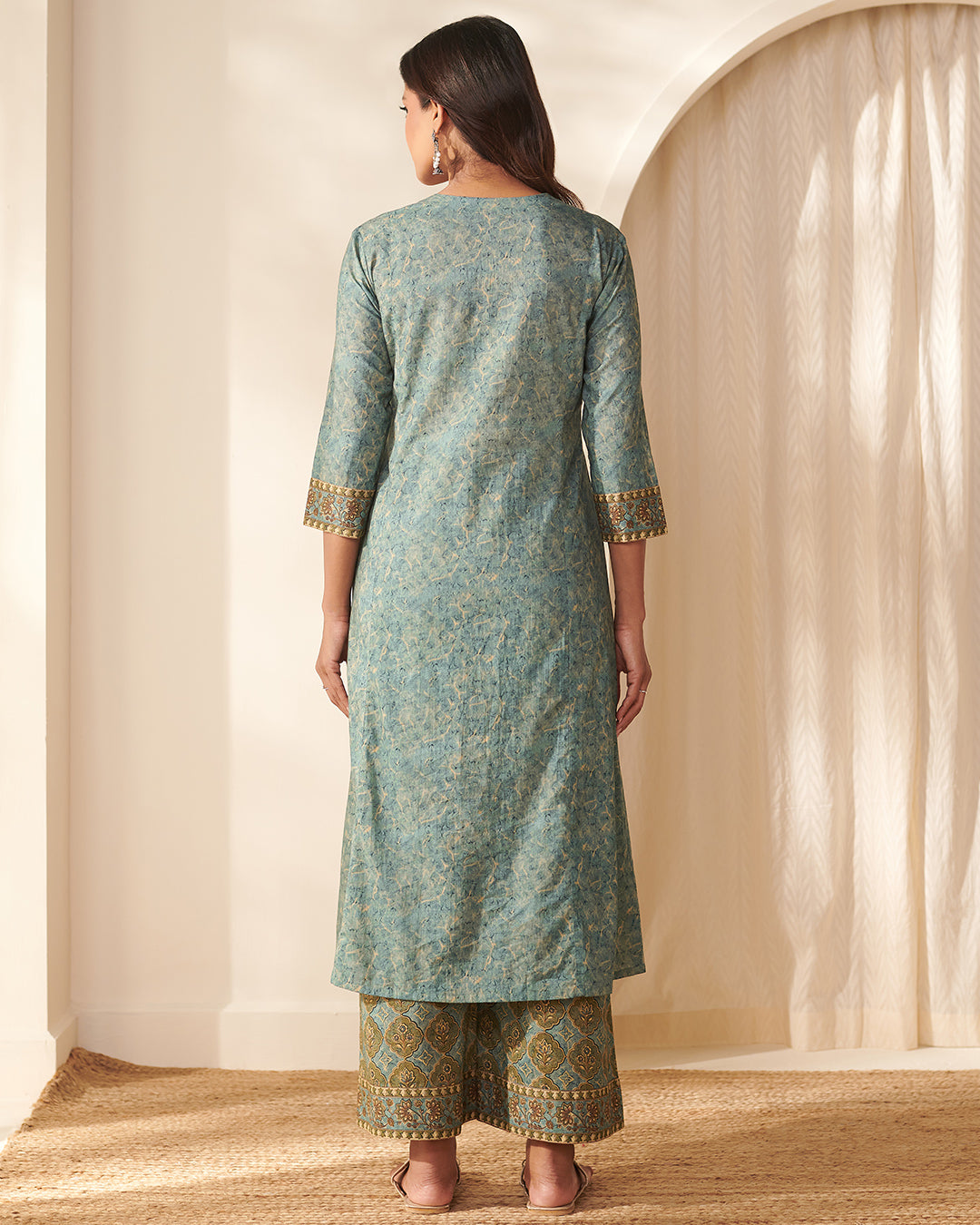
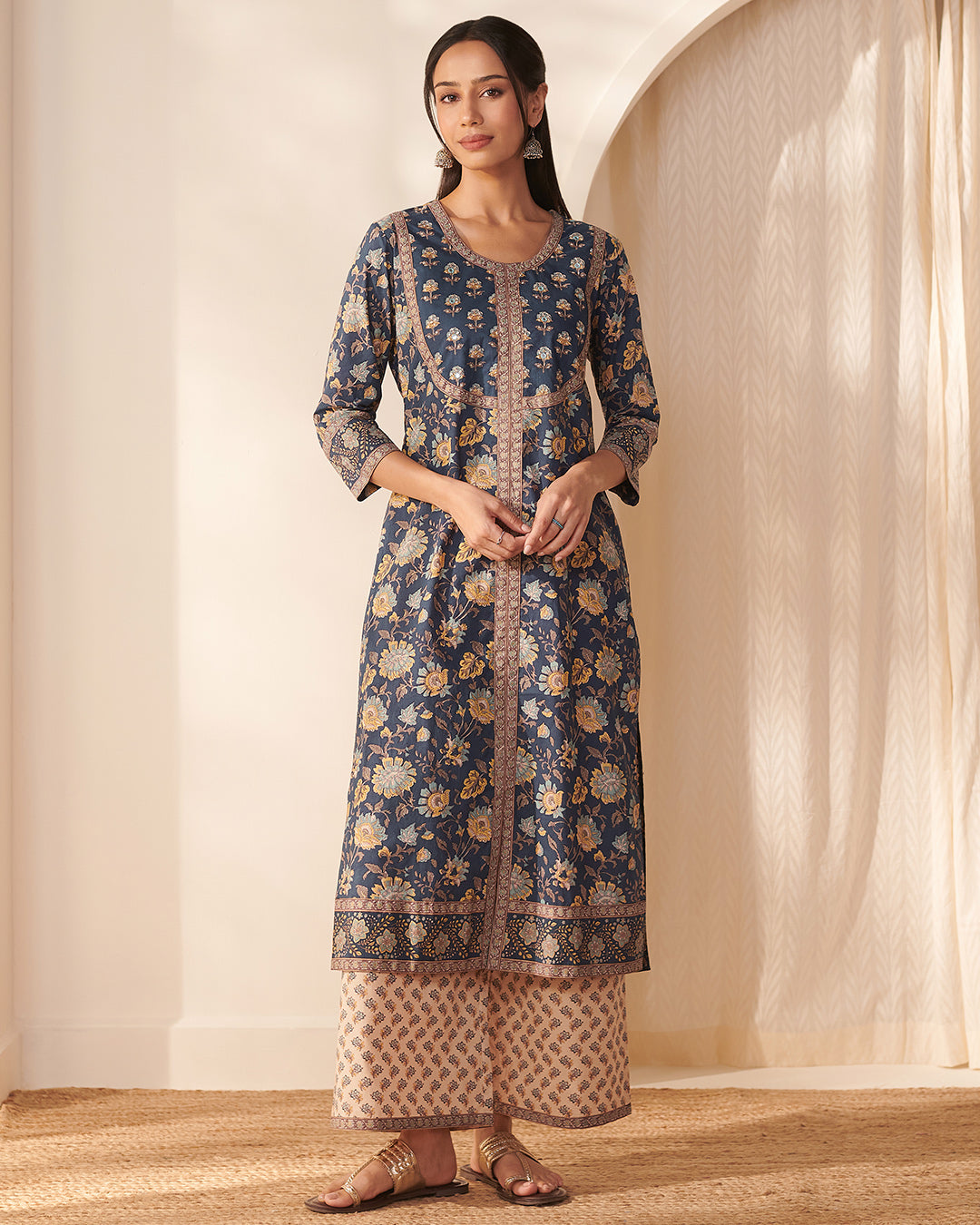
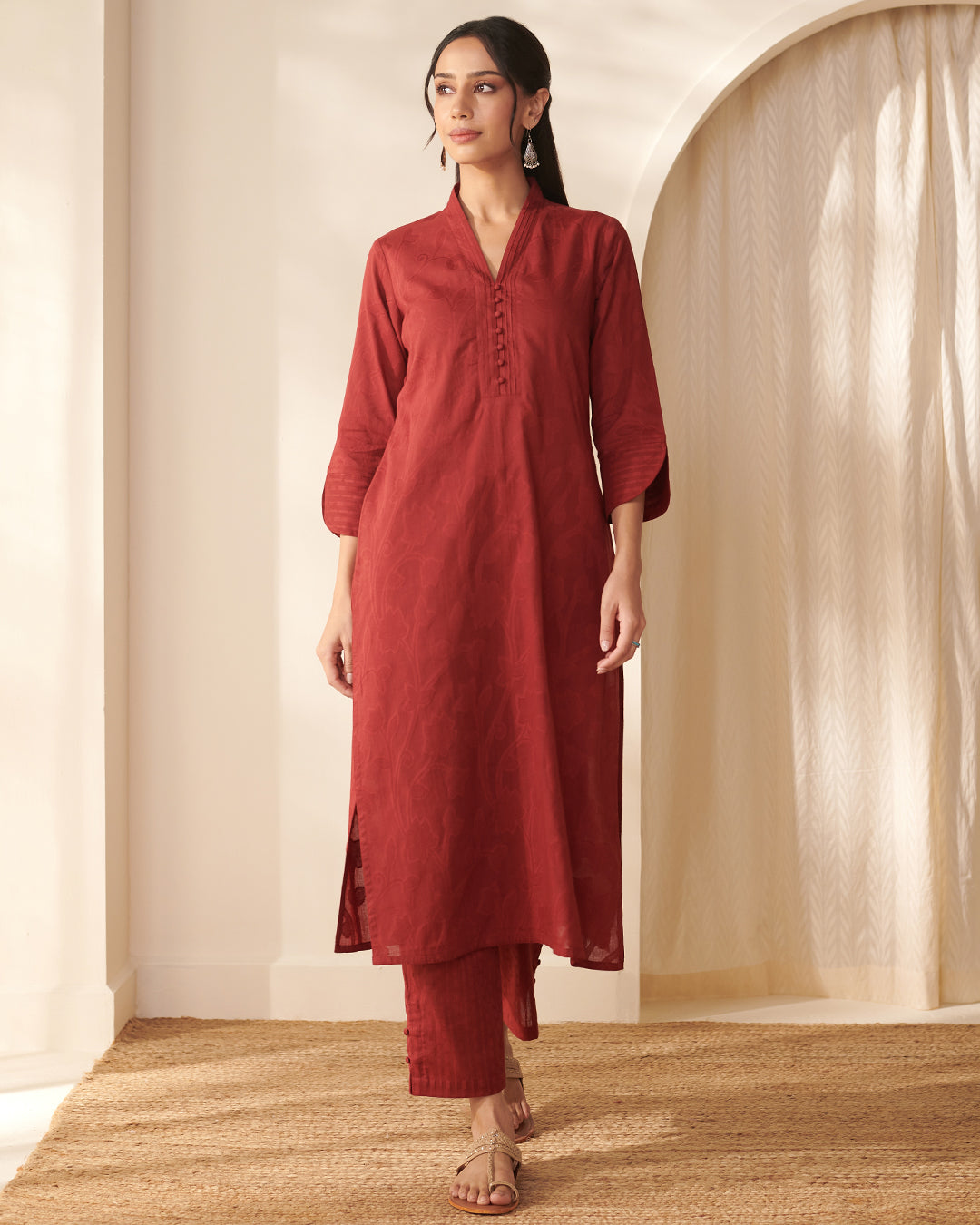
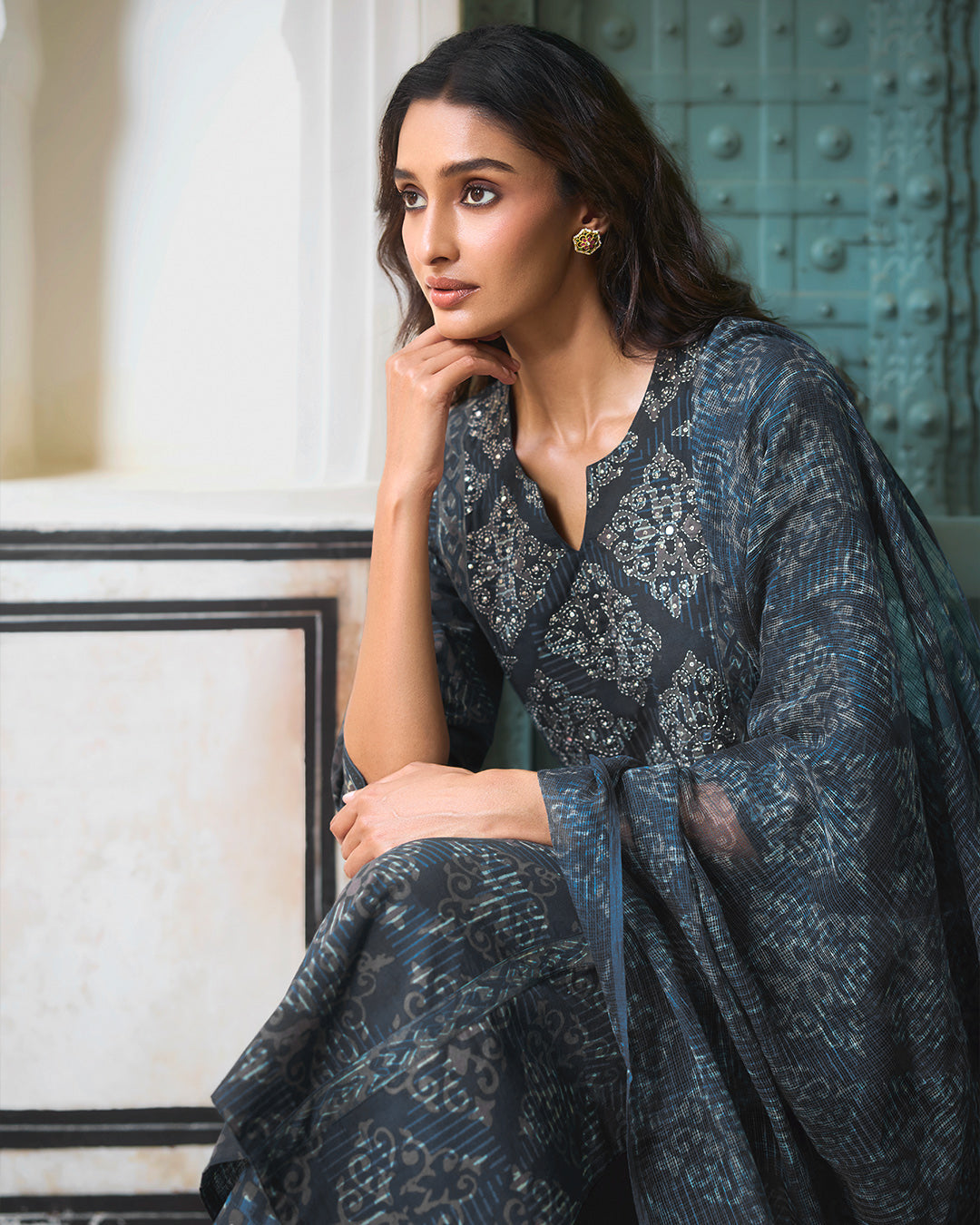
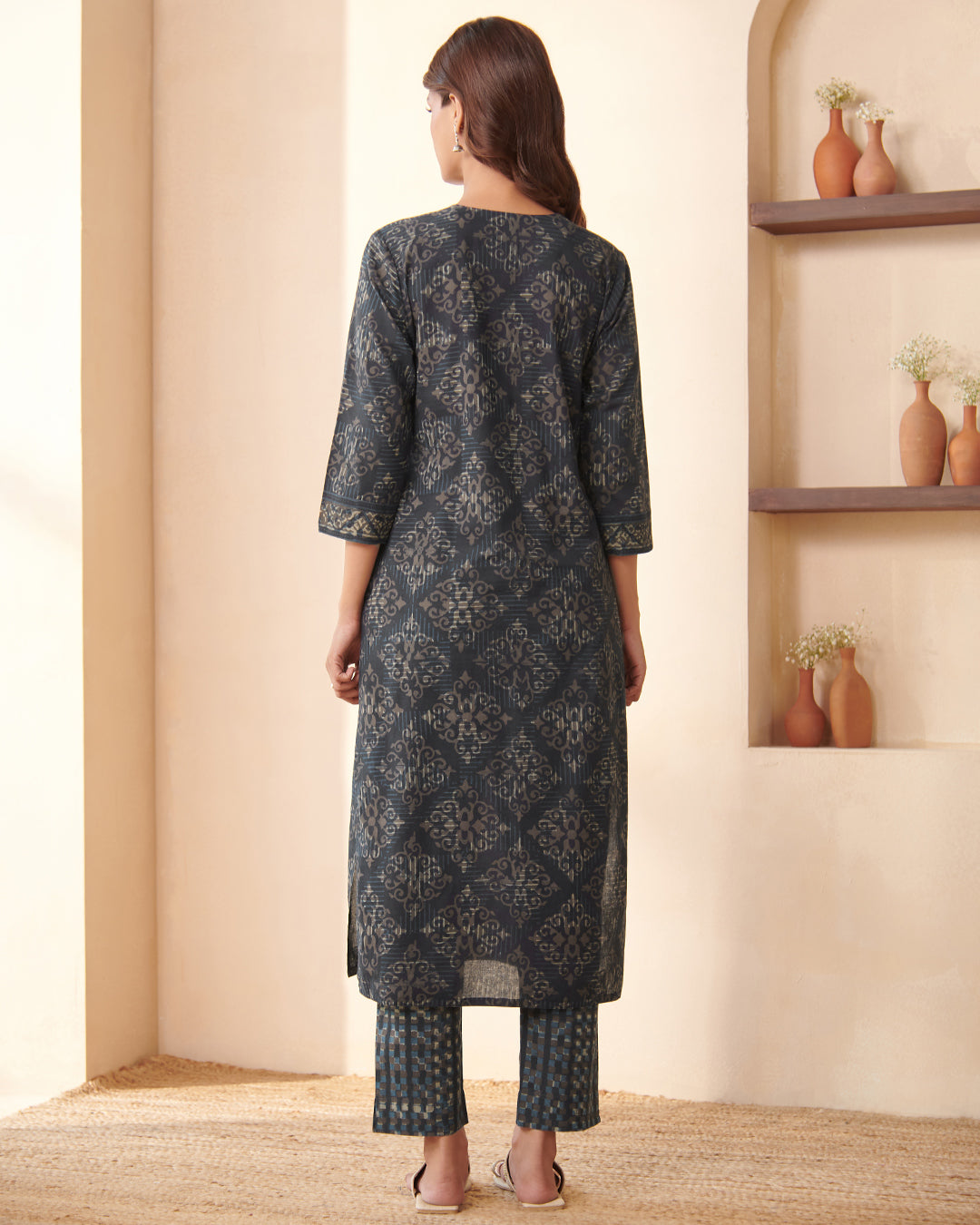
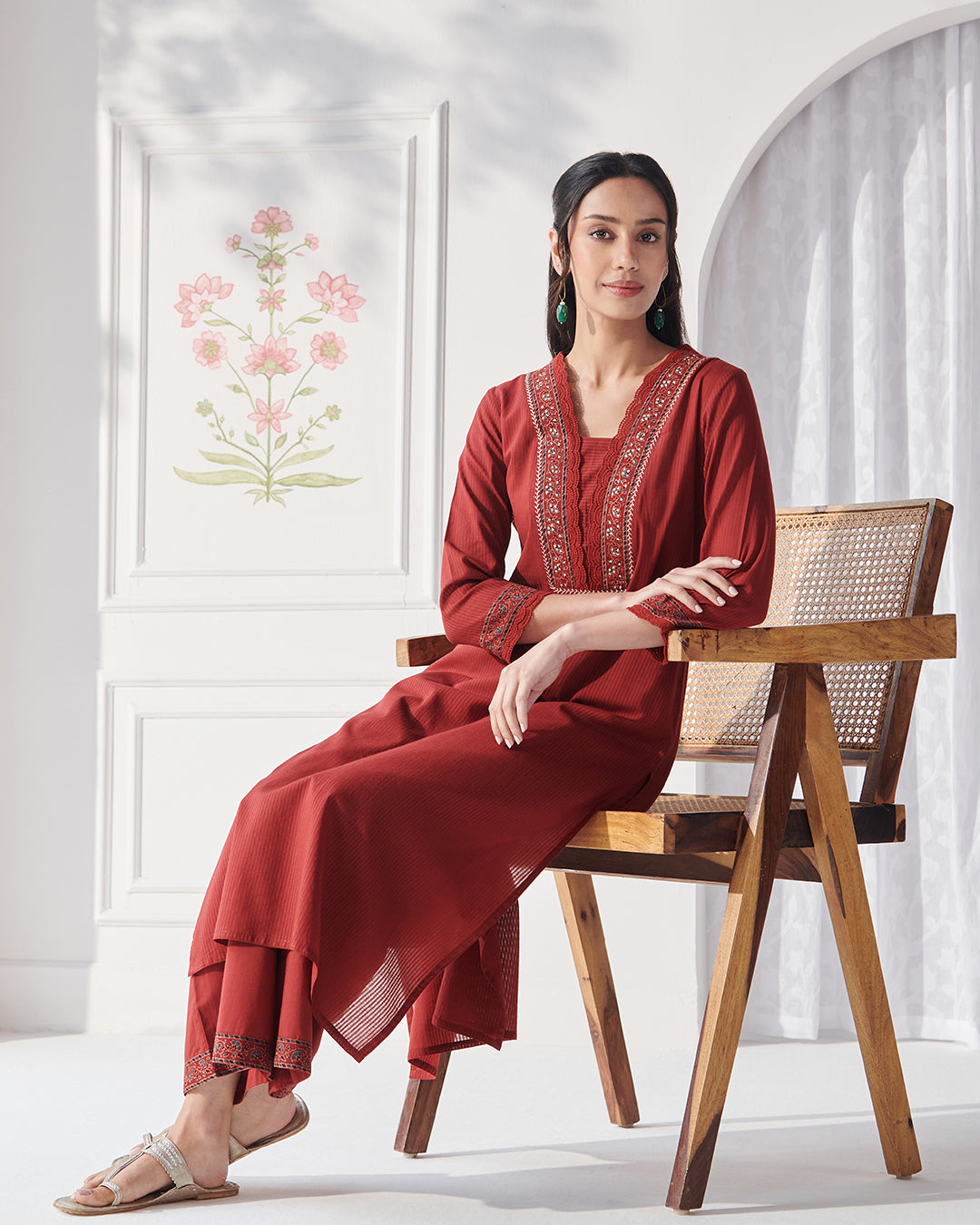
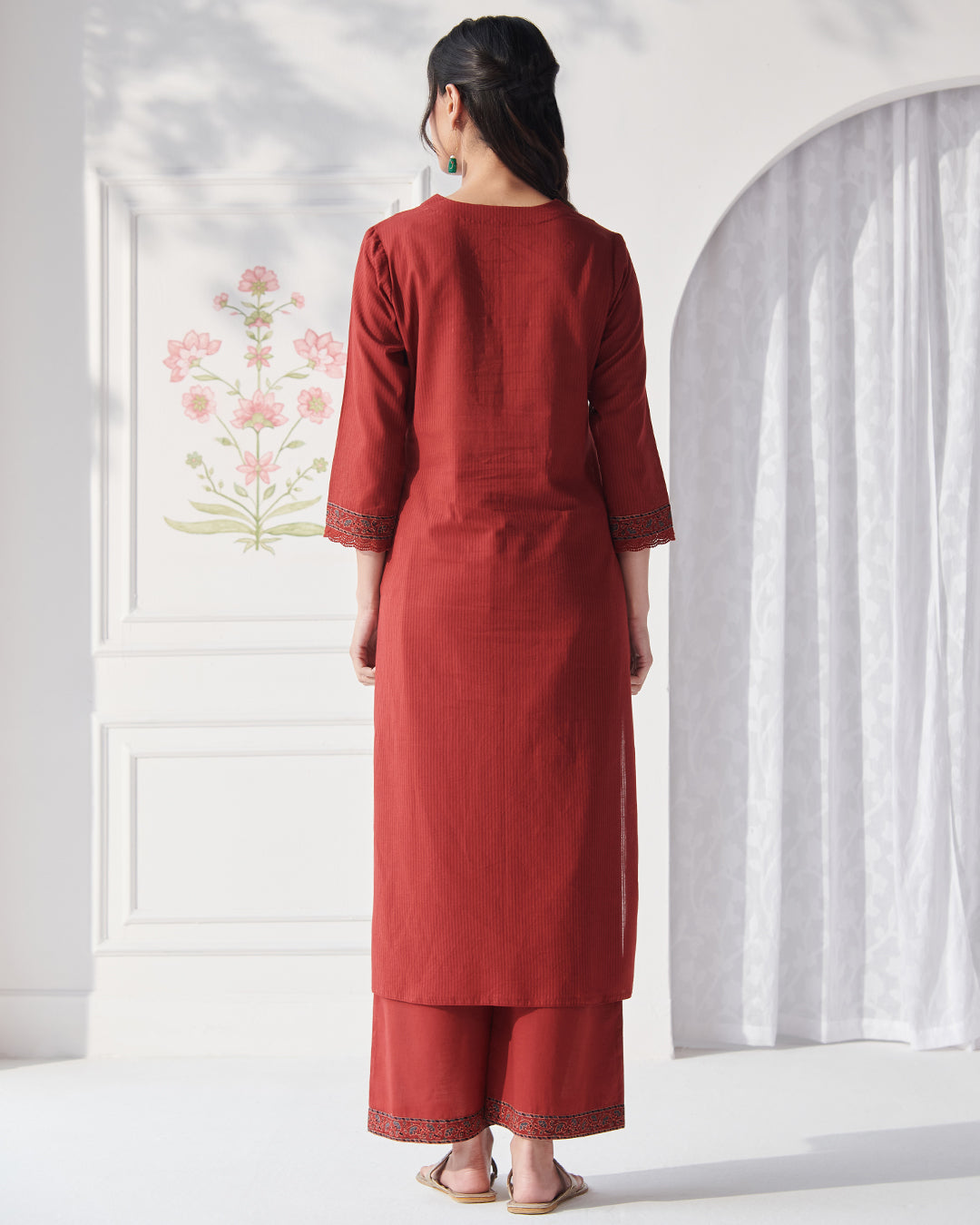
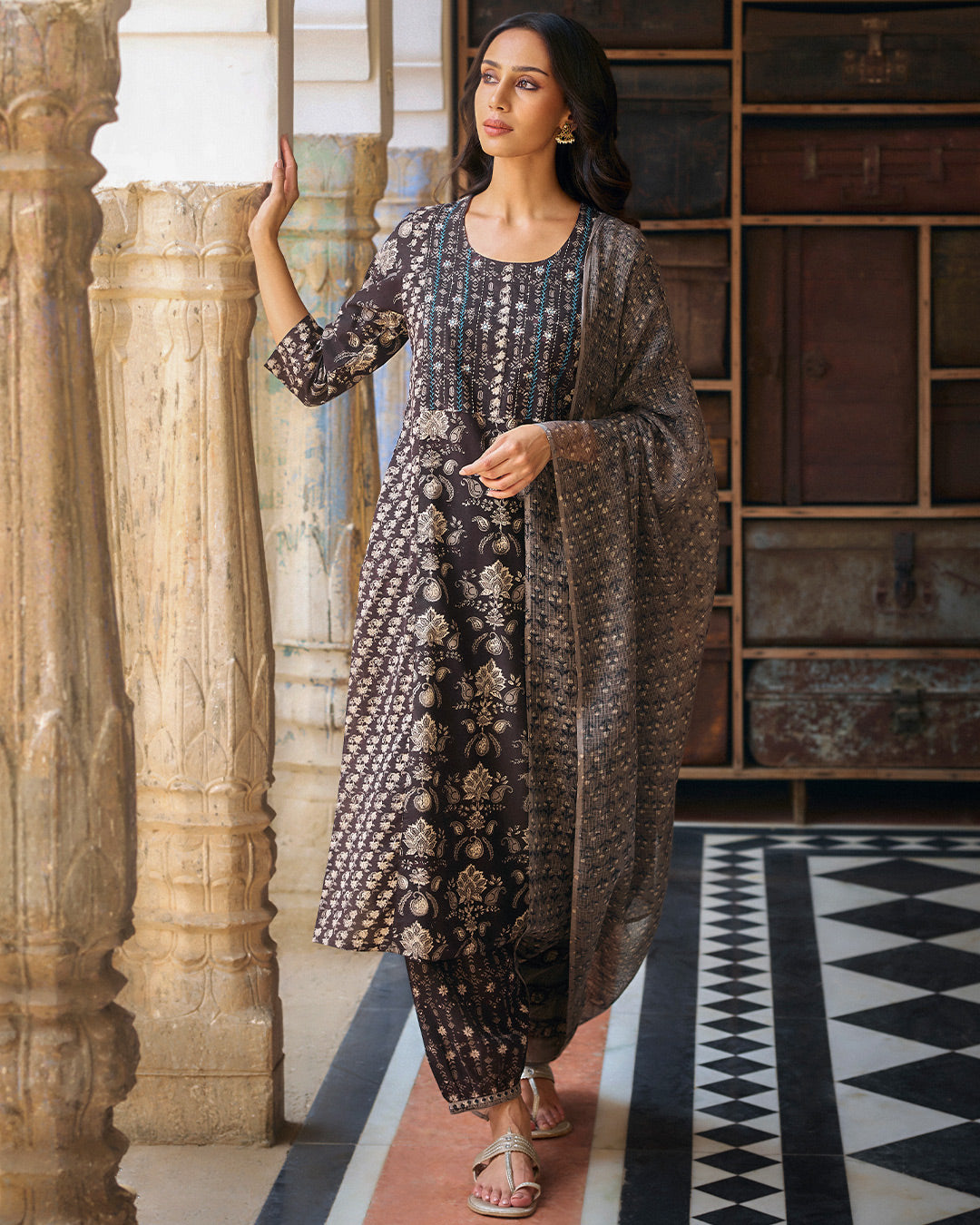
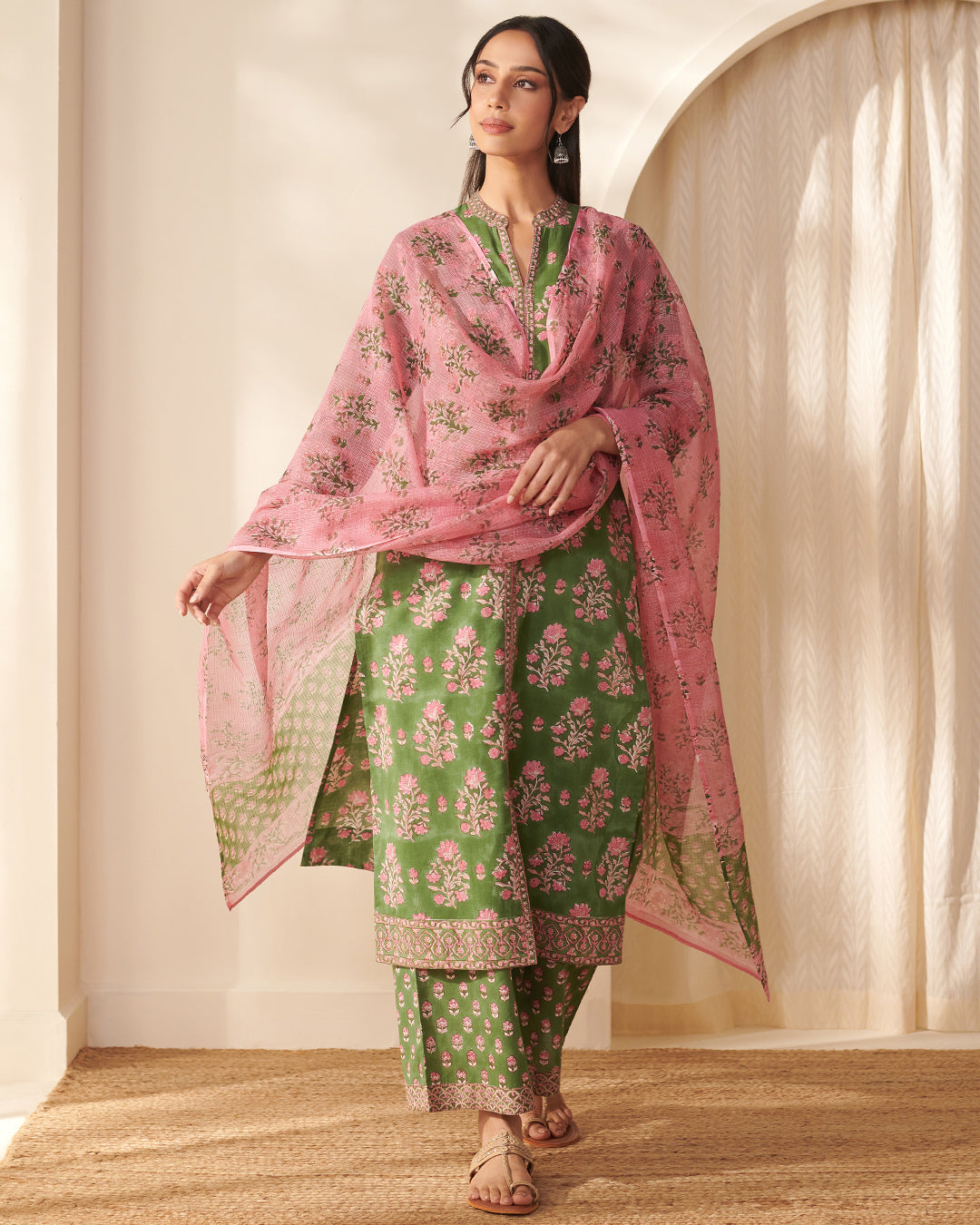
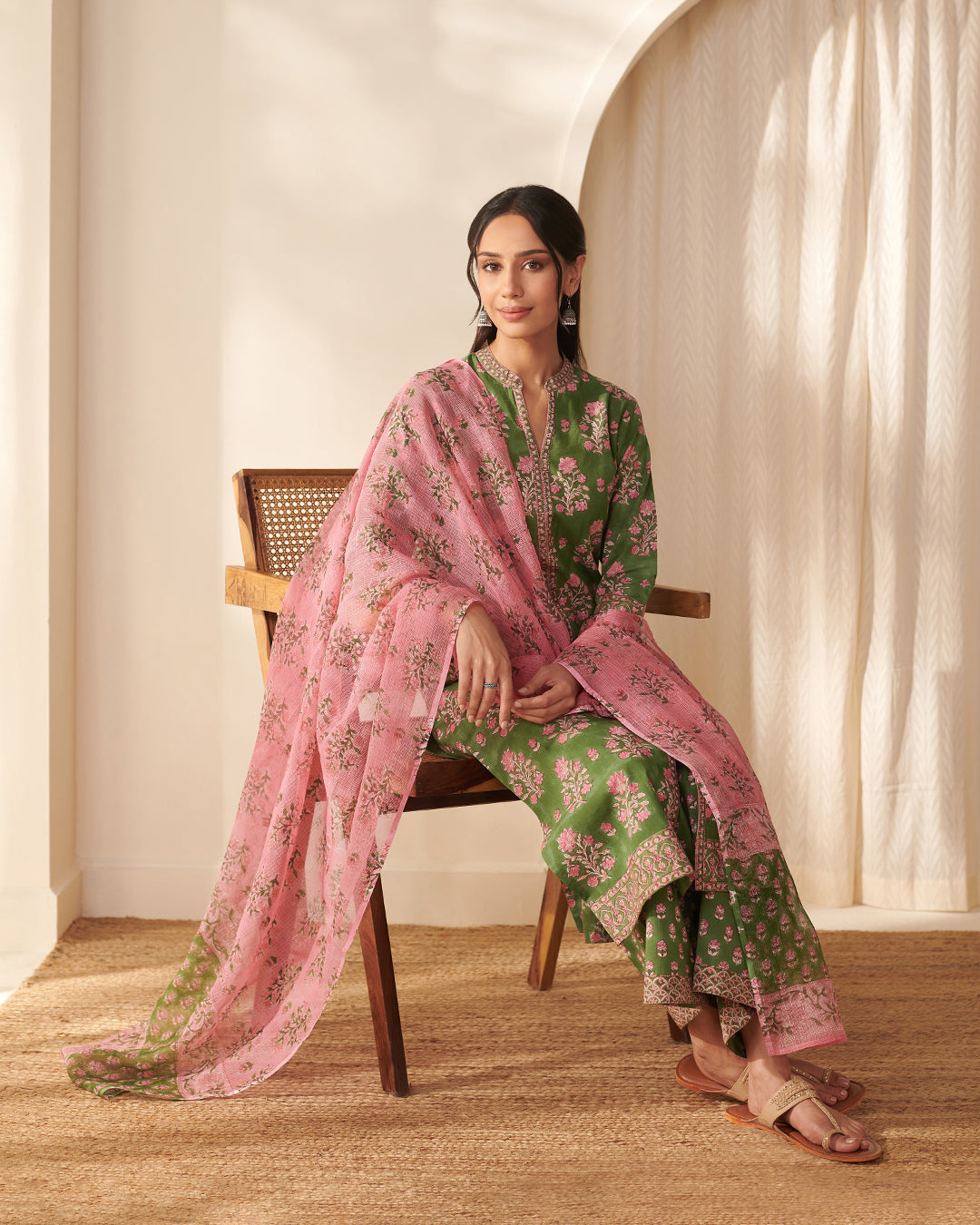
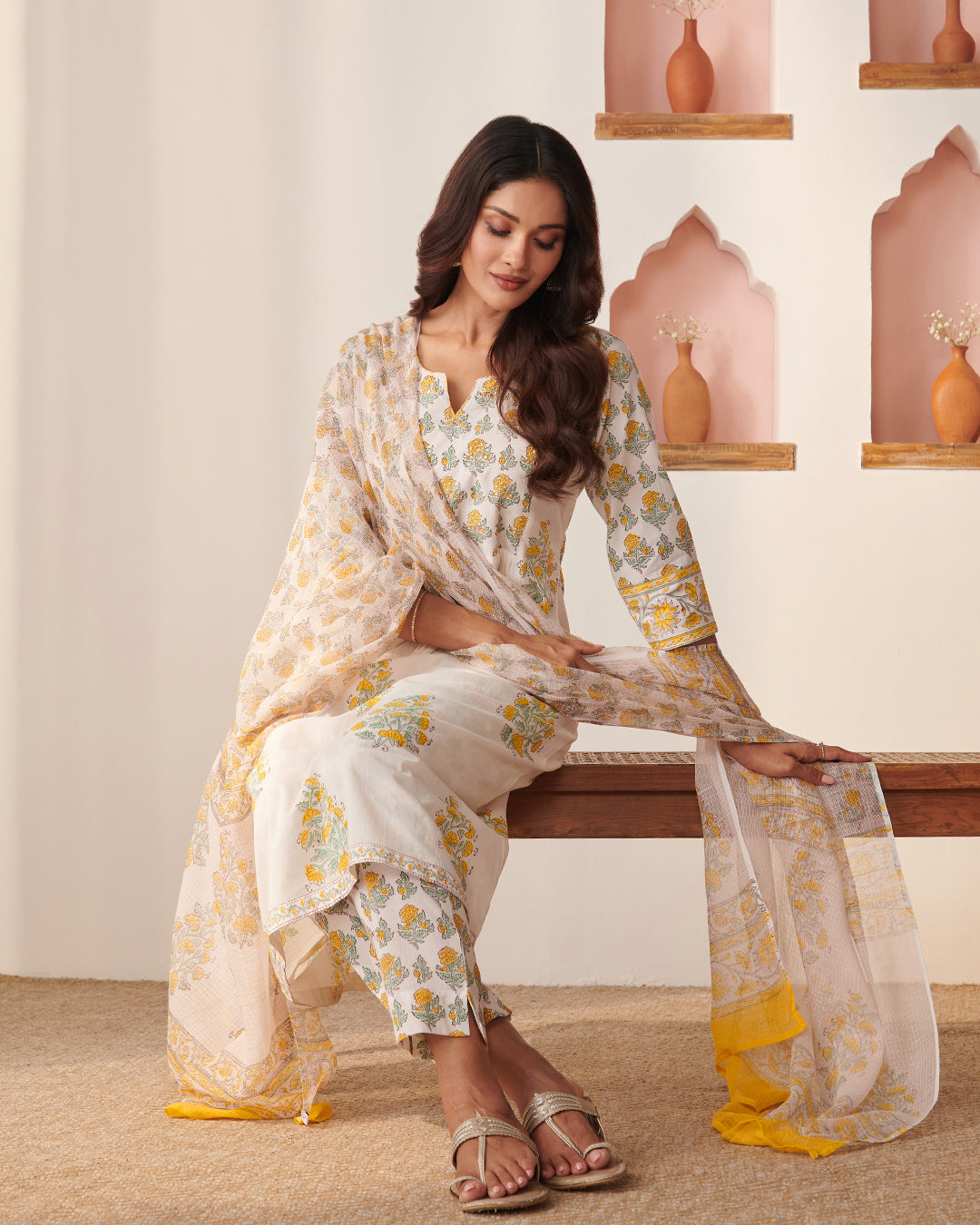
A Bagru printed kurta pairs naturally with straight cotton trousers, palazzos or a simple salwar. For daily wear, indigo and rust prints work beautifully with neutral bottoms, while deeper reds and black motifs lend a little more definition to the outfit. A printed dupatta can also bring colour to a plain kurta, adding interest without making the overall look feel busy.
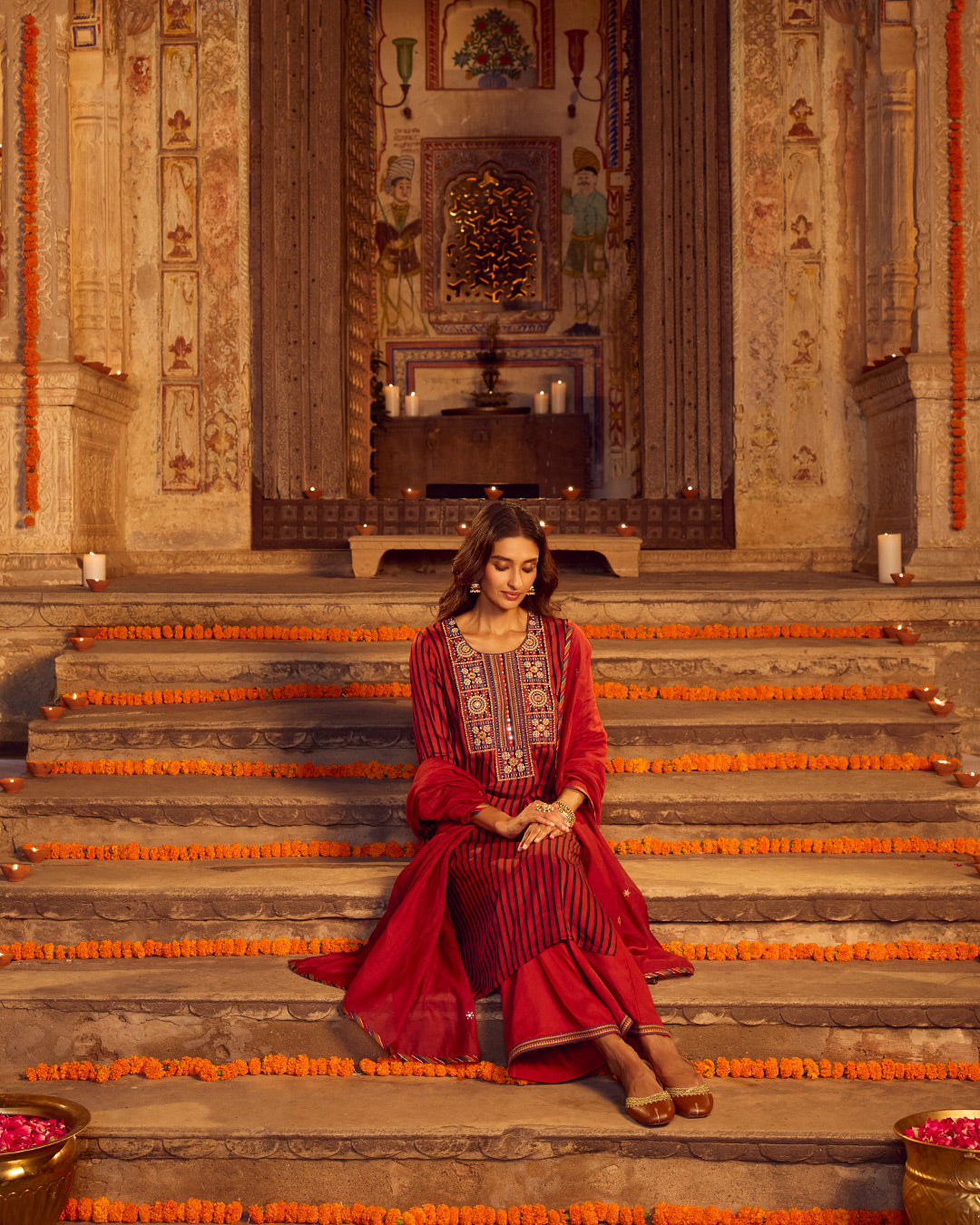
The beauty of Bagru printing lies in its versatility. A relaxed cotton kurta can be worn through a long day of errands, while a coordinated printed set feels equally suitable for a casual lunch or a small family occasion. Silver jewellery, a pair of traditional juttis or a simple fabric bag can complement the print without taking attention away from the craftsmanship.
Most importantly, Bagru prints do not need elaborate styling. Their beauty comes from the rhythm of the motifs, the depth of the dyes and the character of the handprinted fabric. When the clothing is comfortable and the styling feels natural, the print becomes part of everyday life rather than something reserved for a particular occasion.
Keeping the Bagru Printing Tradition Alive
Bagru printing is more than a textile tradition from Rajasthan. It carries generations of knowledge, from preparing the fabric and mixing dyes to placing wooden blocks by hand with remarkable precision. Each stage depends on skills developed through years of practice and passed from one generation of artisans to the next.
Keeping this tradition alive means recognising the people and processes behind every printed piece. The alignment of a motif, the consistency of the colour and the small variations that come with handprinting all reflect the artisan's experience. Unlike machine-made repeats, hand block printing carries subtle differences that give each fabric its own character.
The craft also depends on the continued use of traditional techniques and an understanding of natural materials. Natural dyes, traditional resist methods and carefully carved wooden blocks remain important to the heritage of Bagru printing, although contemporary workshops may also use other materials and processes to meet changing needs.
For Indian textile traditions to remain part of everyday life, they must continue to be worn, valued and understood. Choosing hand block printed clothing for regular use allows these skills to remain connected to modern wardrobes rather than being confined to museums or occasional celebrations.
The responsibility is shared by artisans, designers, textile communities and those who wear their work. When we appreciate the time and skill behind a Bagru print, we begin to see the fabric differently. It is not simply a pattern on cotton, but the result of a living craft shaped by hands, memory and place.
Discover Traditional Indian Prints with Farida Gupta
At Farida Gupta, traditional Indian prints are closely connected to the way we understand clothing. We value textiles that carry a sense of place, reflect the care of skilled hands and feel natural in everyday life. Indian block printing, with its intricate motifs and enduring relationship with fabric, is part of a wider textile heritage that continues to inspire contemporary ethnic wear.
Bagru prints remind us that beauty does not always need elaborate detail or bold statements. Sometimes, it is found in the balance of an indigo motif against an earthy background, the softness of cotton or the gentle irregularity of a handprinted design. These details give traditional prints their depth and make them meaningful beyond changing trends.
We believe that Indian craftsmanship belongs in the lives of modern women, not only on special occasions but also in the ordinary moments that shape our days. Clothing can be rooted in heritage and still feel easy, comfortable and relevant to the present.
Traditional prints carry stories of regional identity, artisan knowledge and generations of textile practice. At Farida Gupta, this connection between heritage and everyday wear continues to inform our appreciation of Indian ethnic clothing, where comfort and cultural character belong together.
Conclusion
Bagru printing is a reminder of how much history a piece of fabric can hold. The mud that prepares the cloth, the indigo that colours it and the wooden blocks that shape its motifs come together through a process built on patience and skill.
Rooted in Rajasthan's textile heritage, Bagru prints continue to find their place in contemporary Indian wardrobes because they offer something lasting. Their earthy colours, handcrafted patterns and natural ease make them as meaningful in everyday wear as they are in traditional dressing.
Every handprinted fabric carries traces of the people who made it and the knowledge they continue to preserve. When we wear these prints, we become part of that continuing story.
The threads may age. The meaning never does.

