



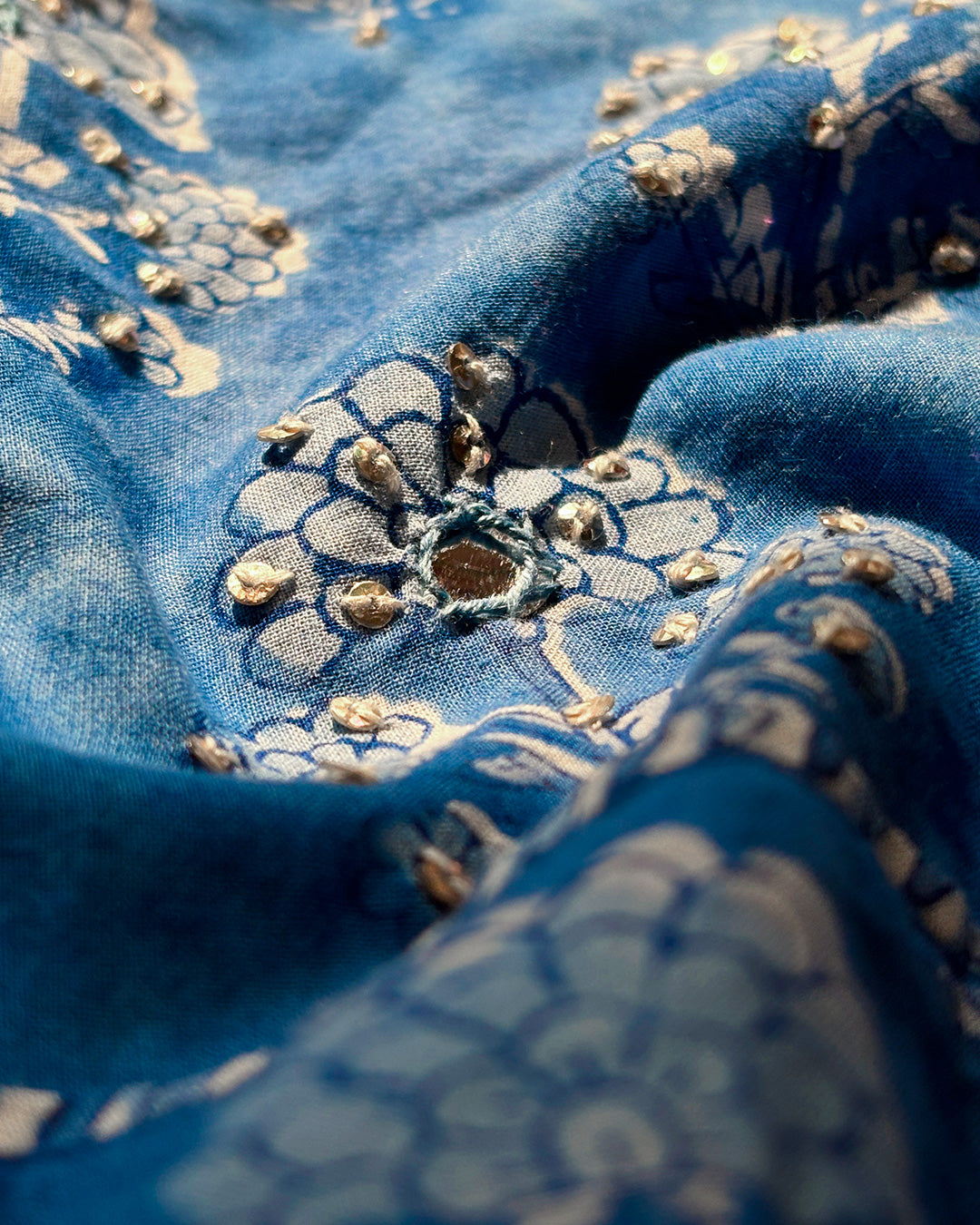
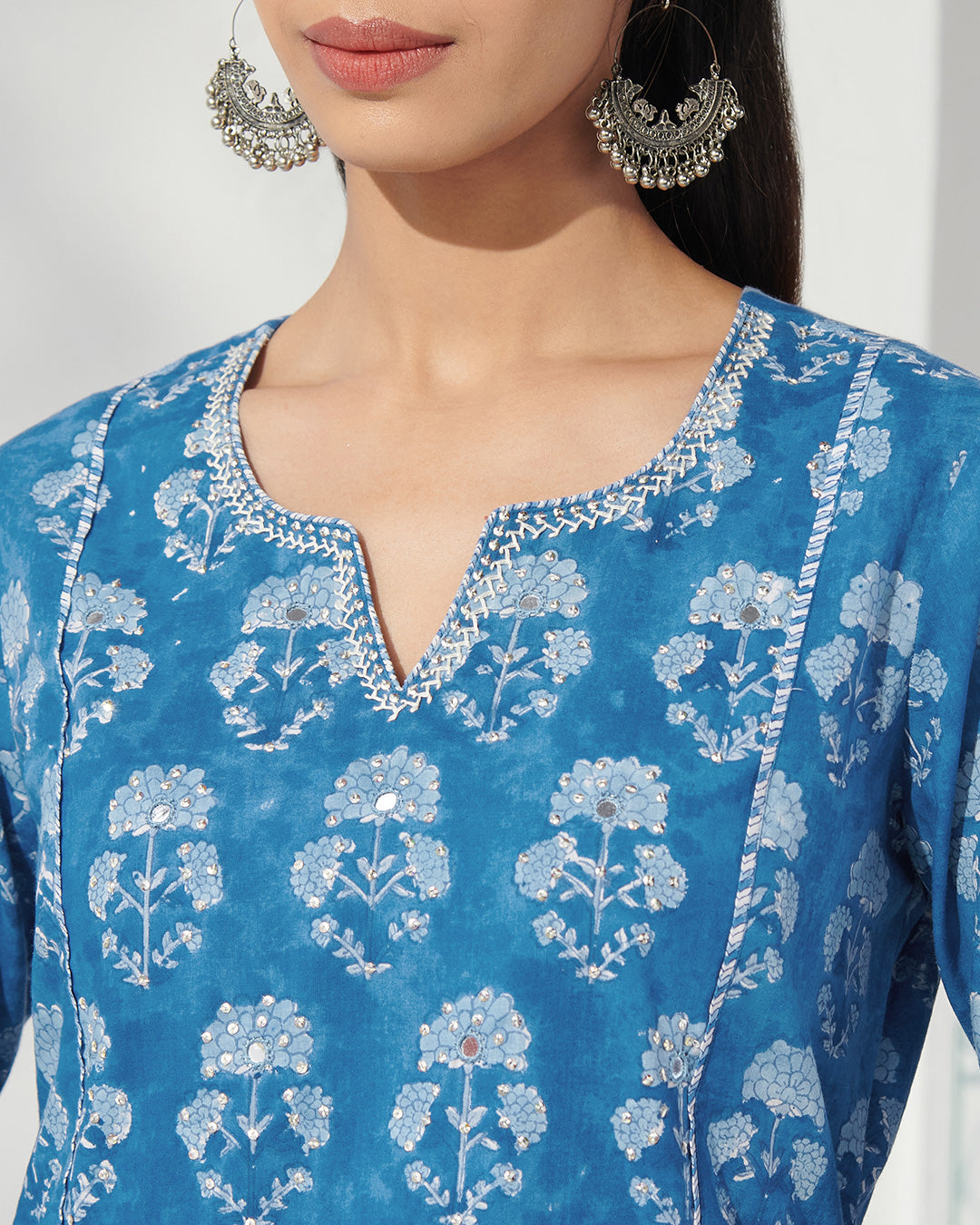
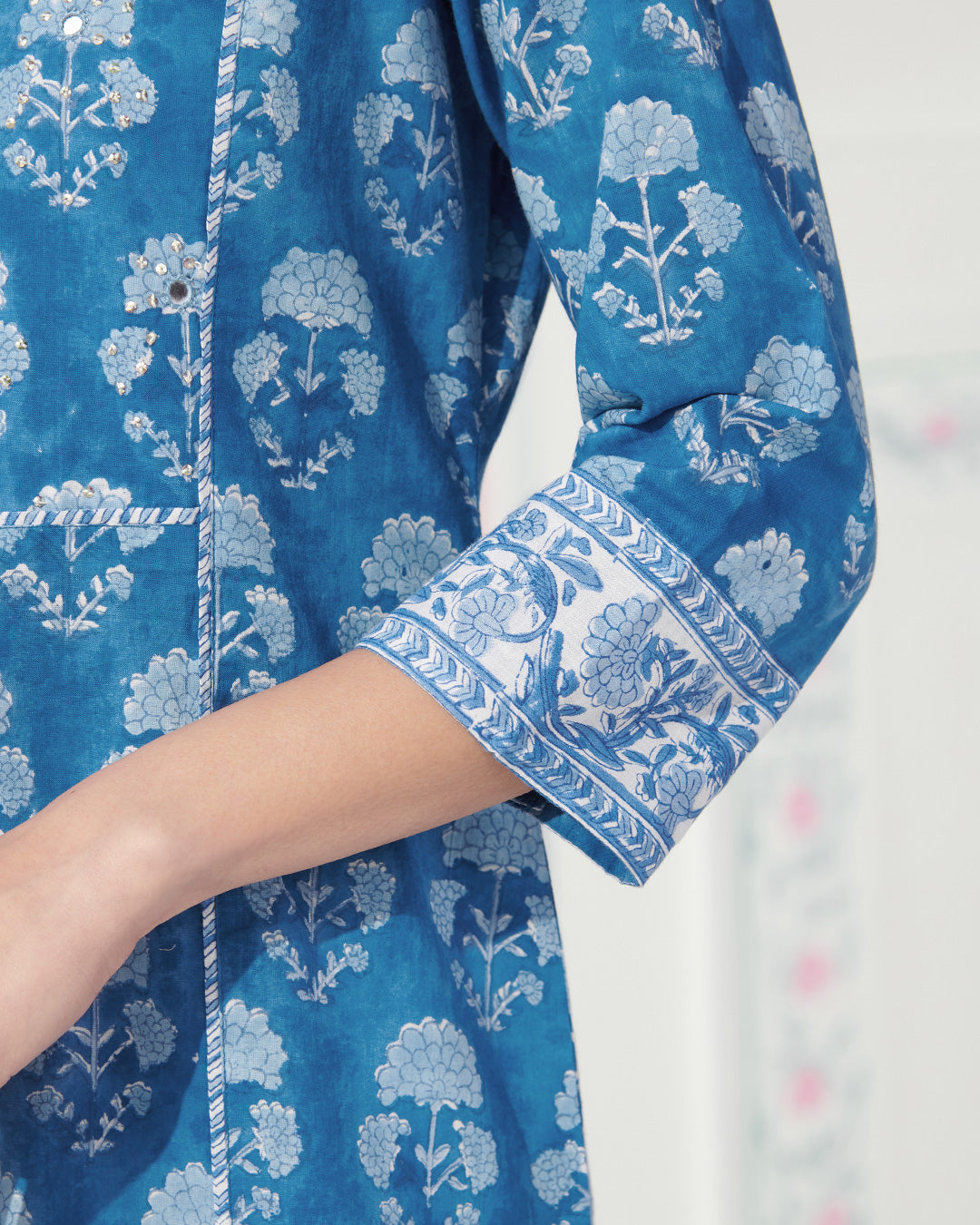
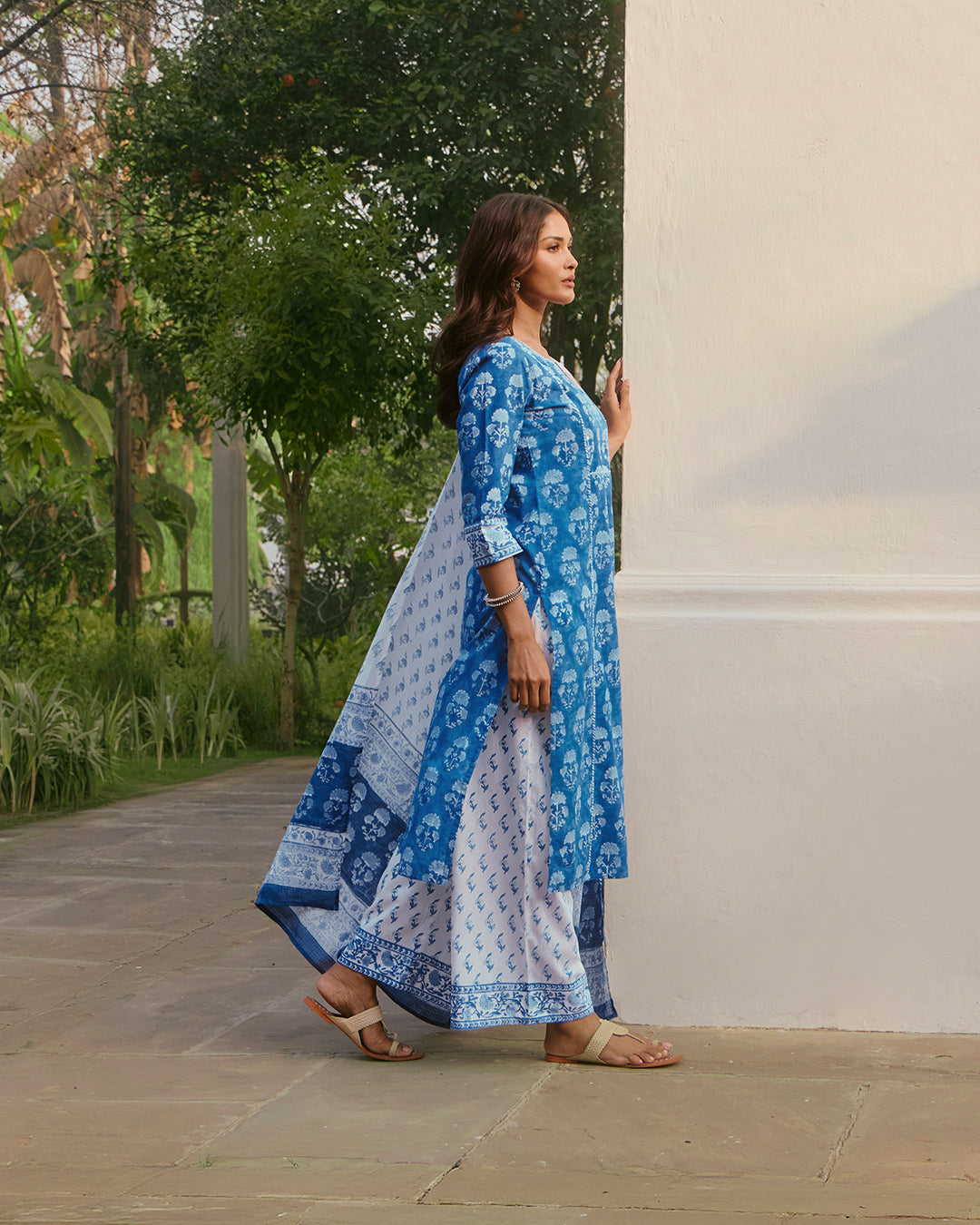
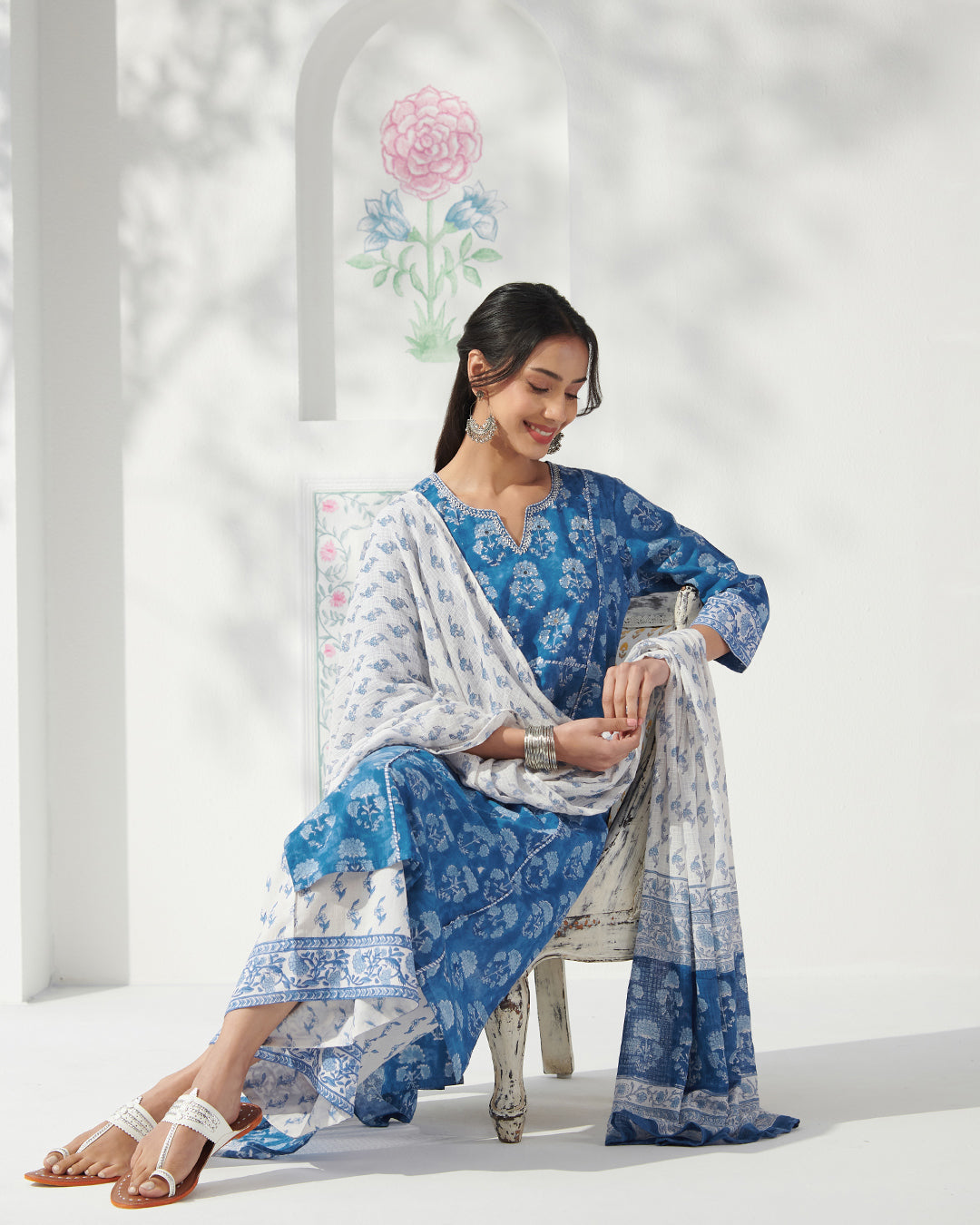
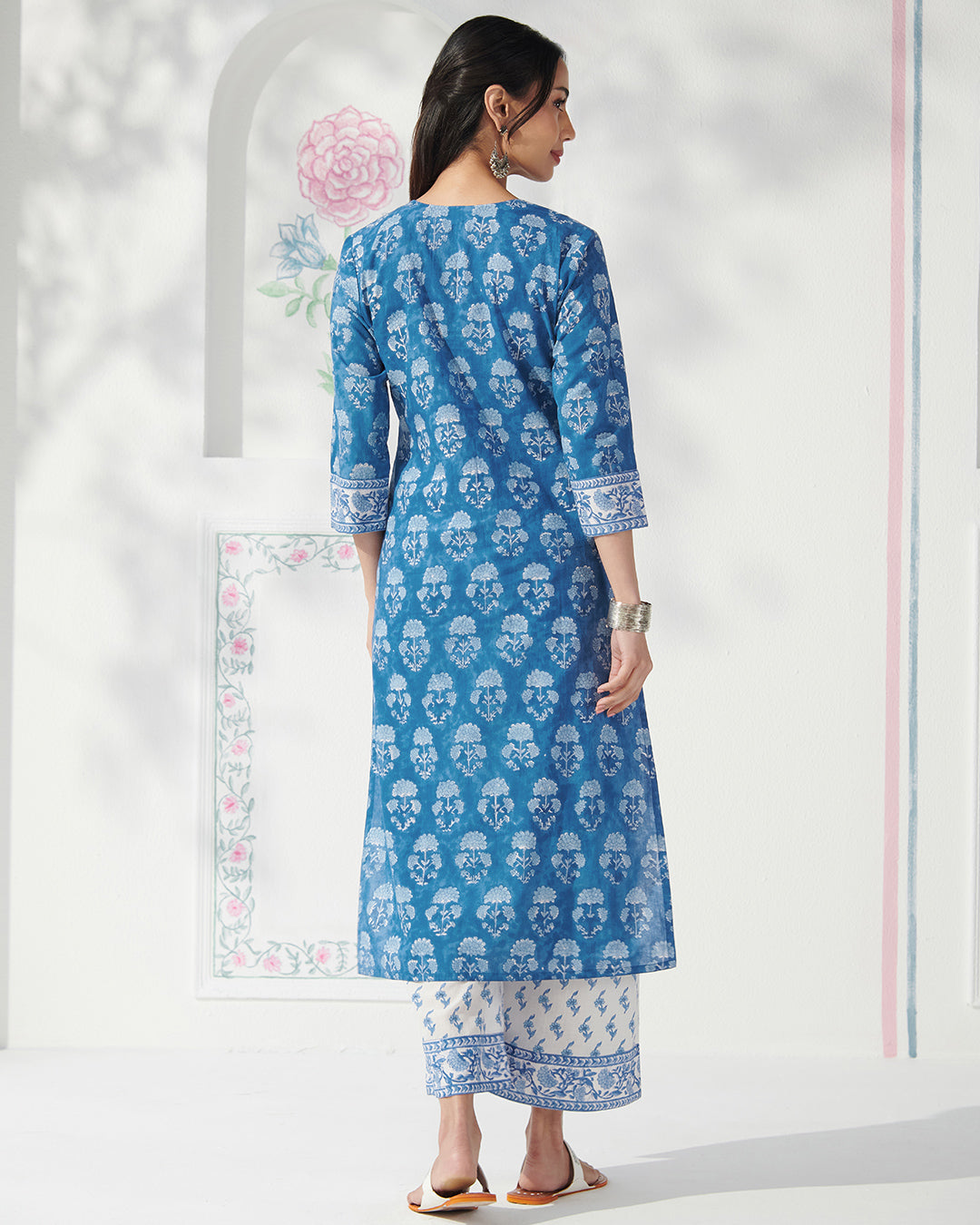
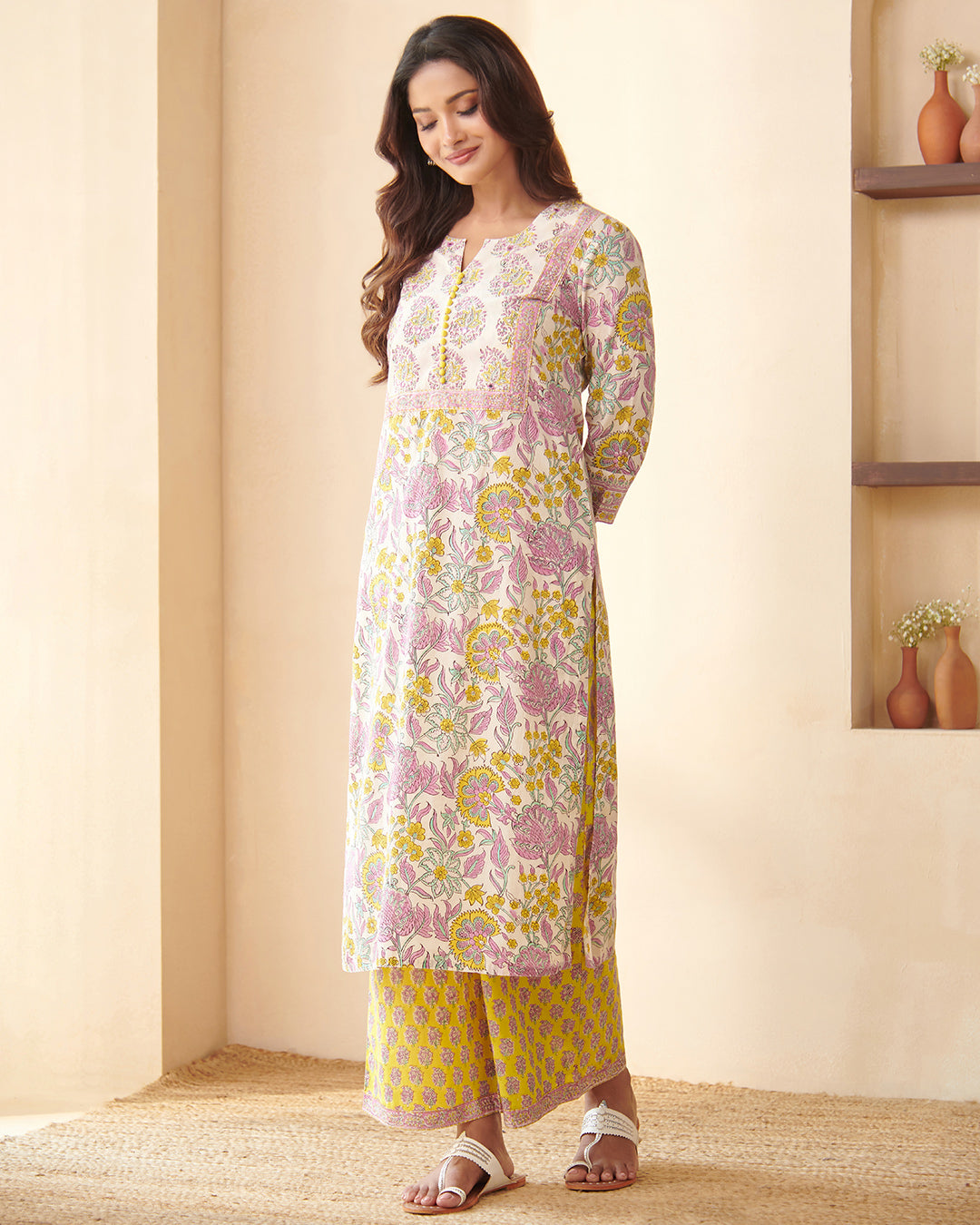
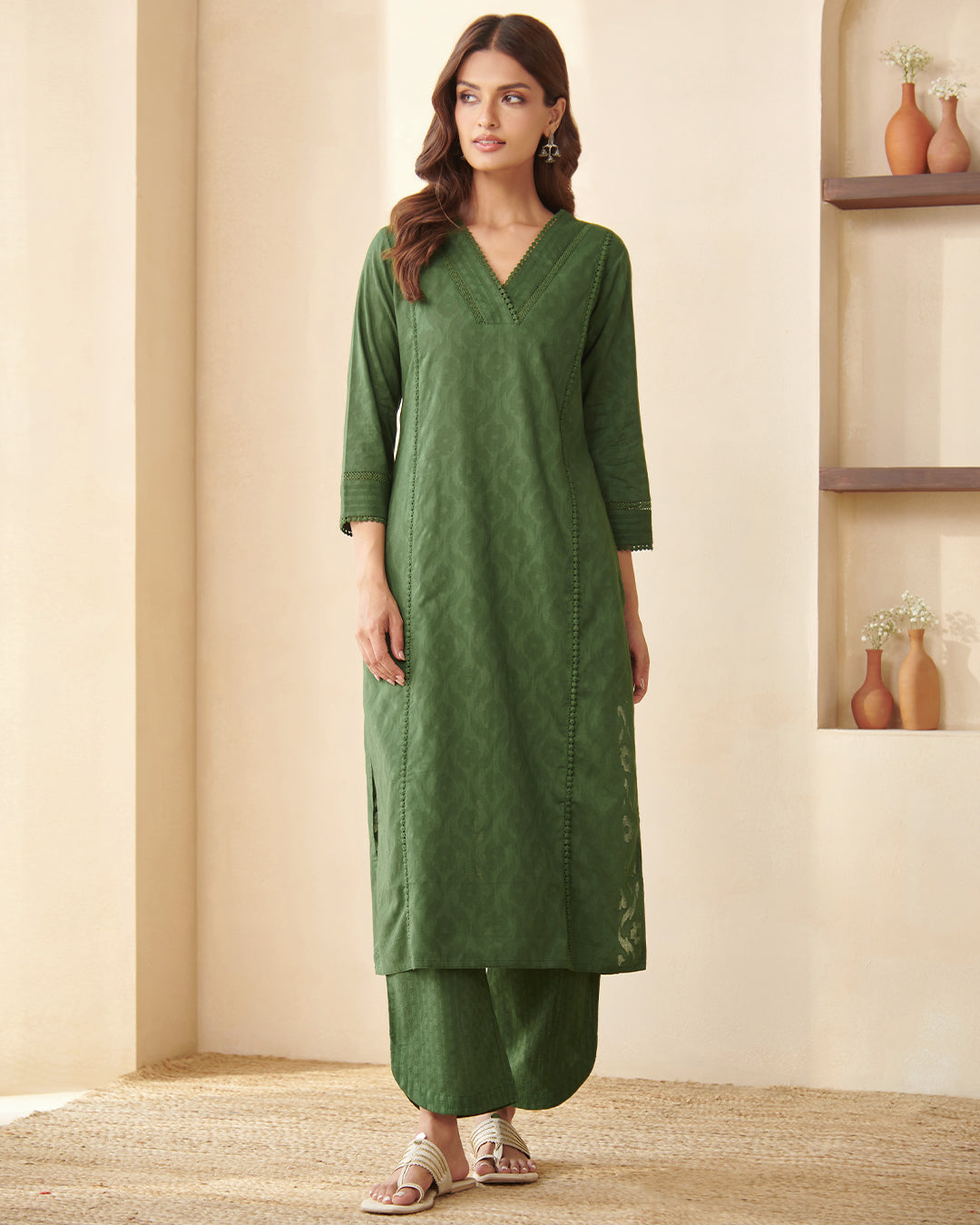


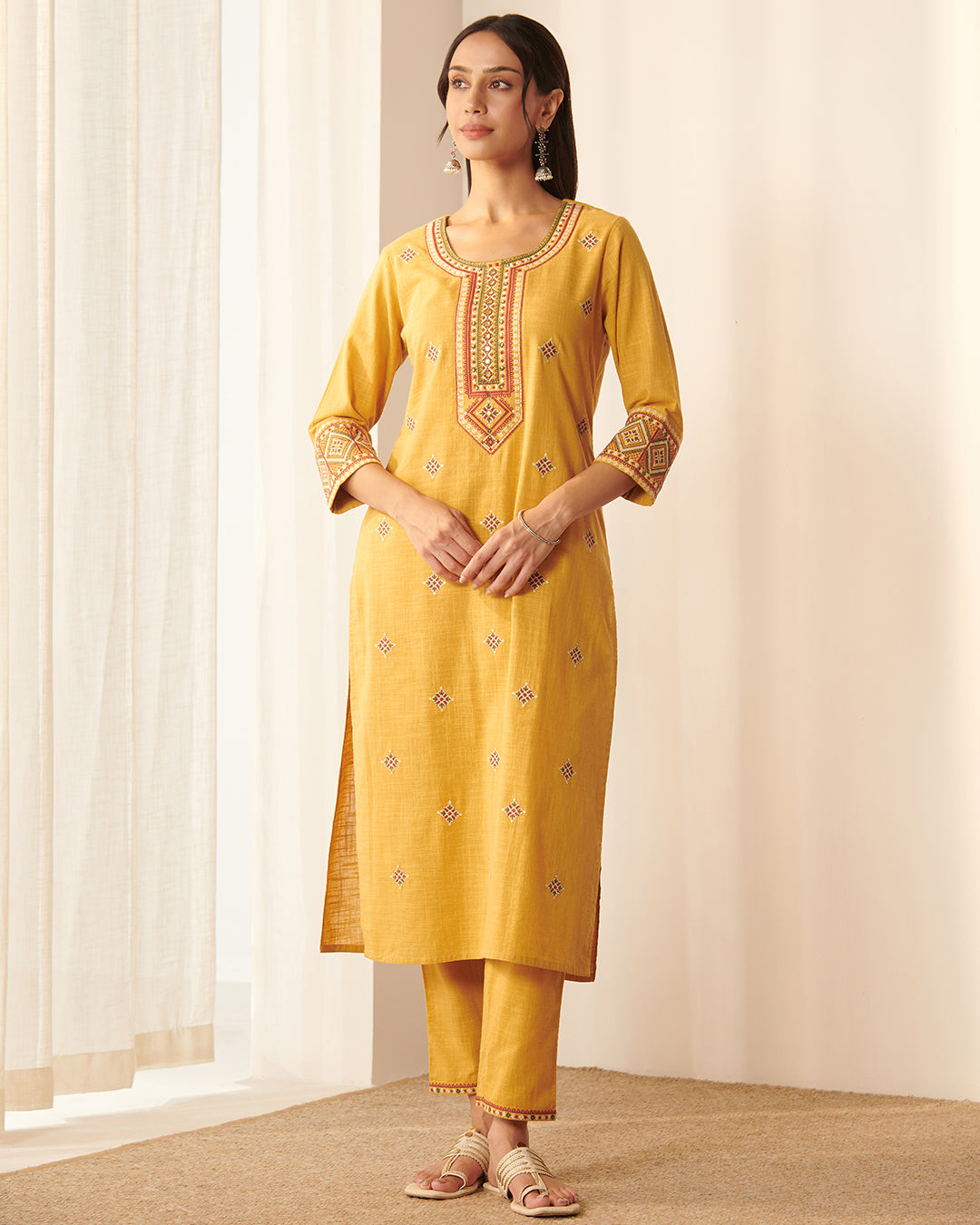
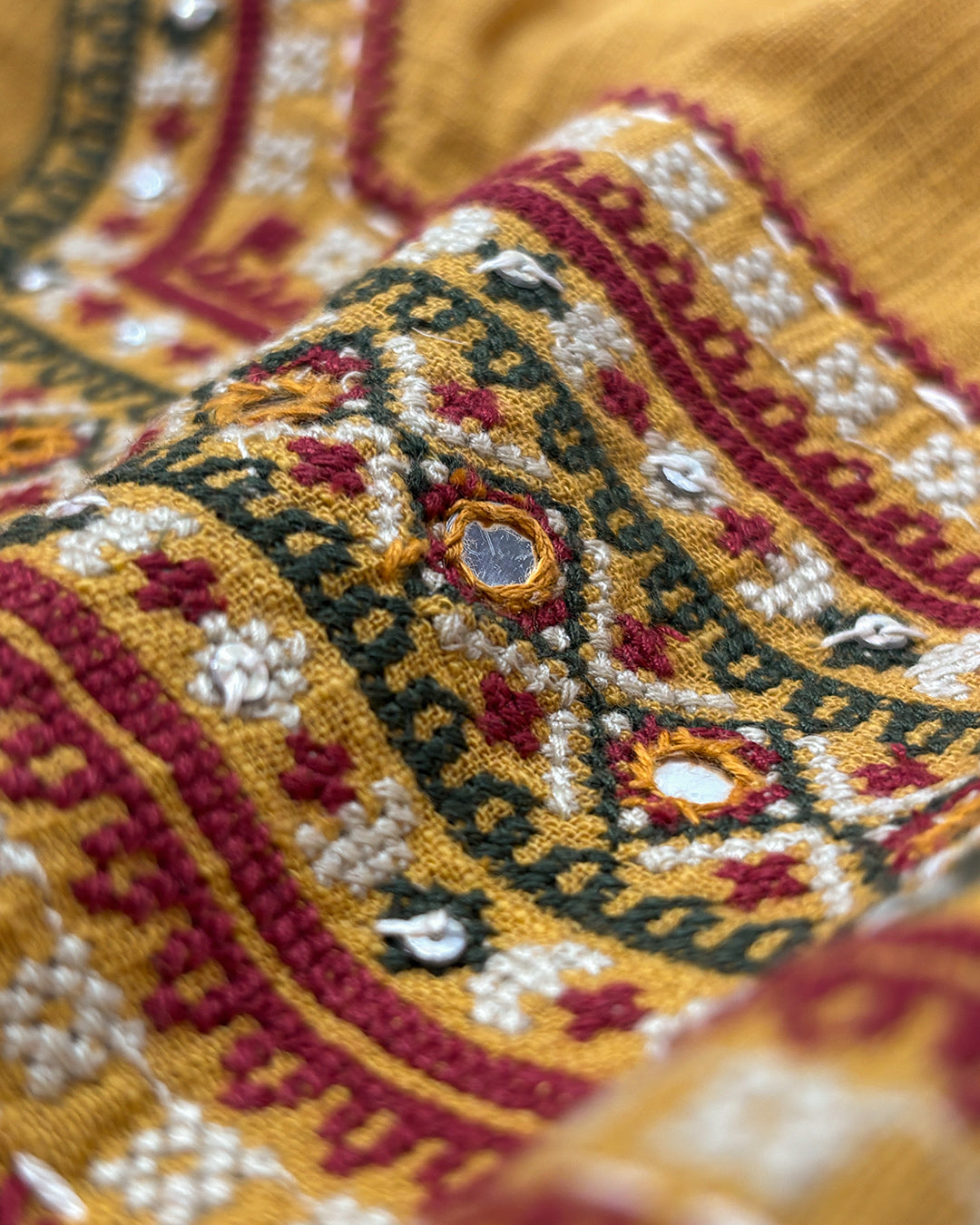
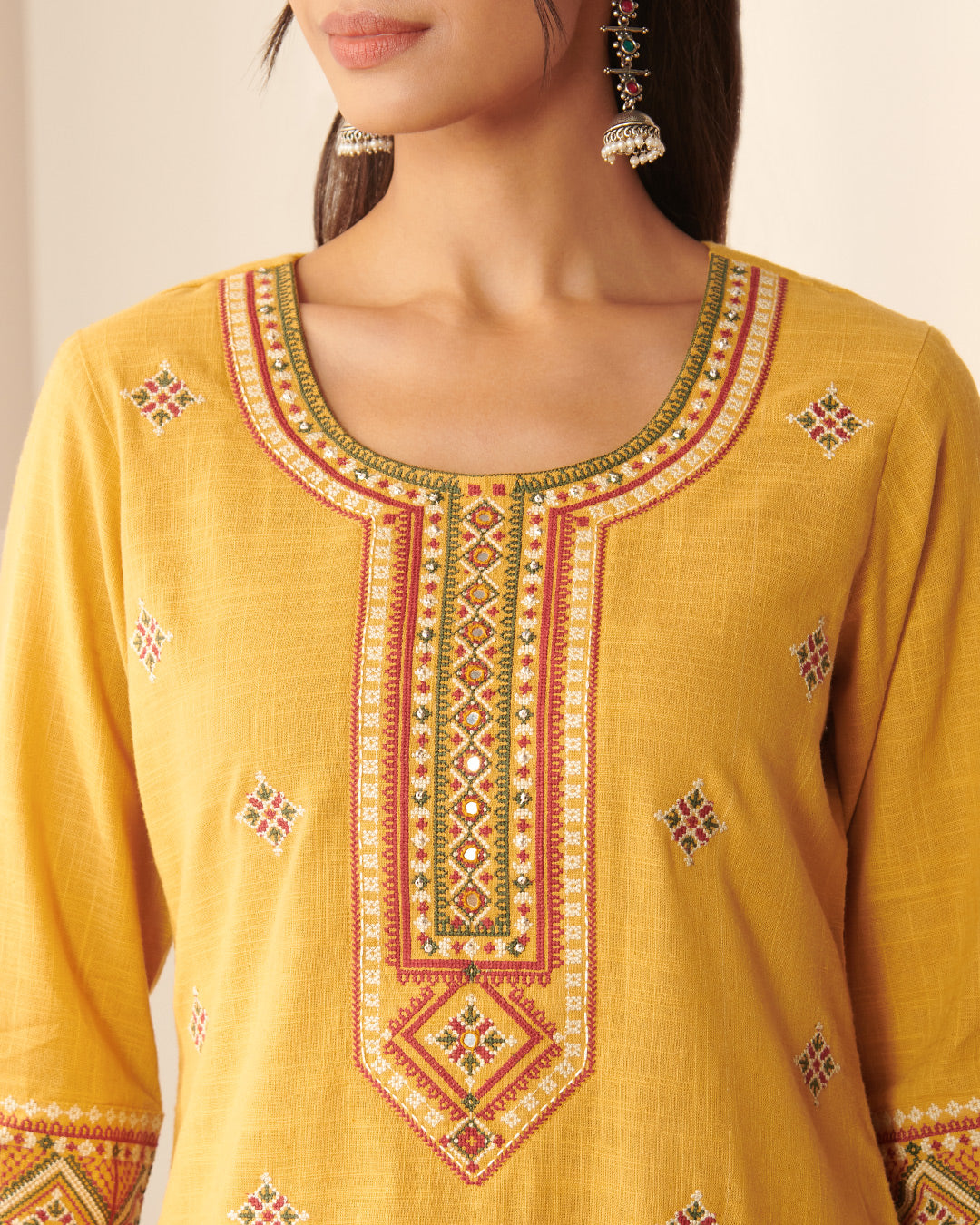
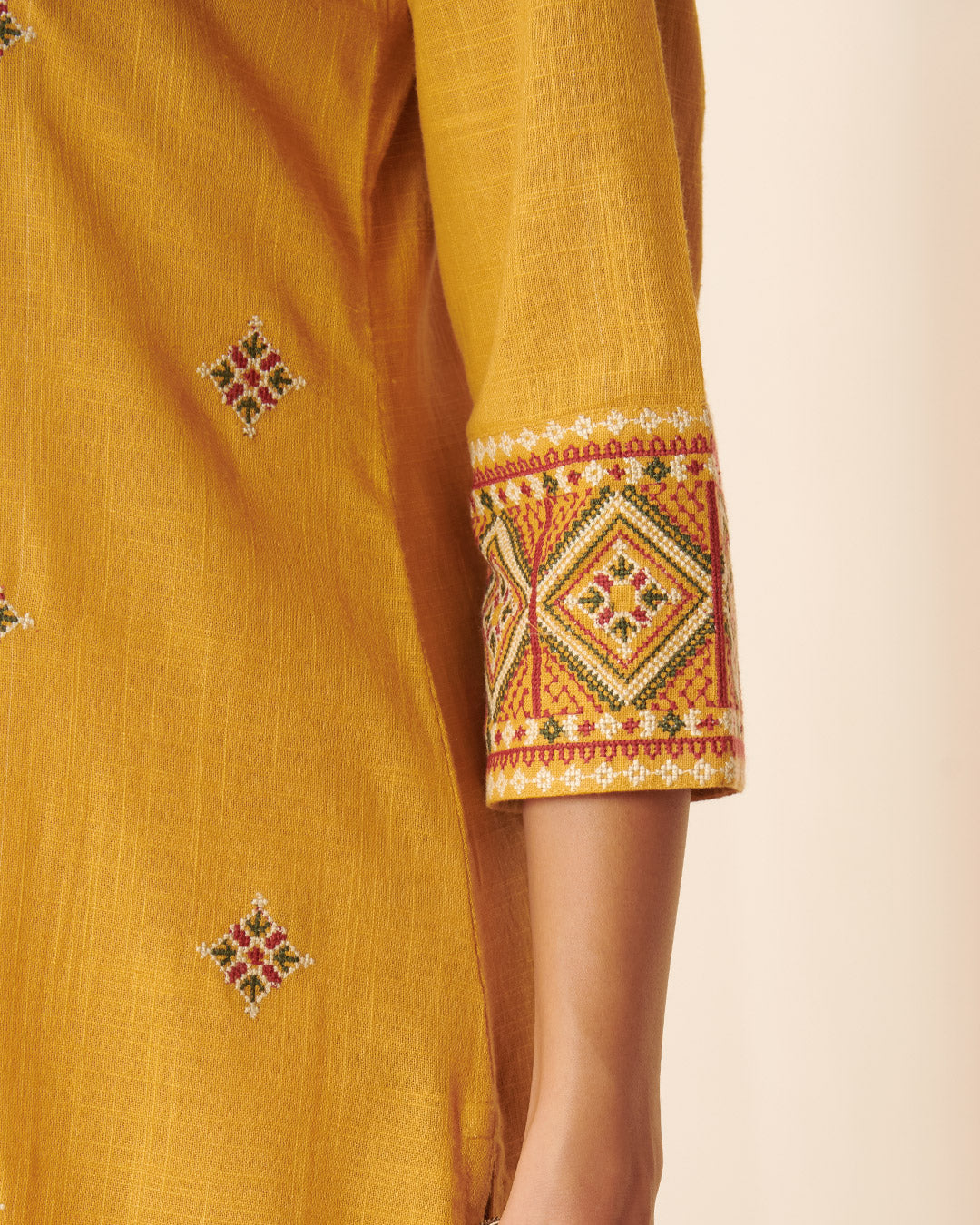
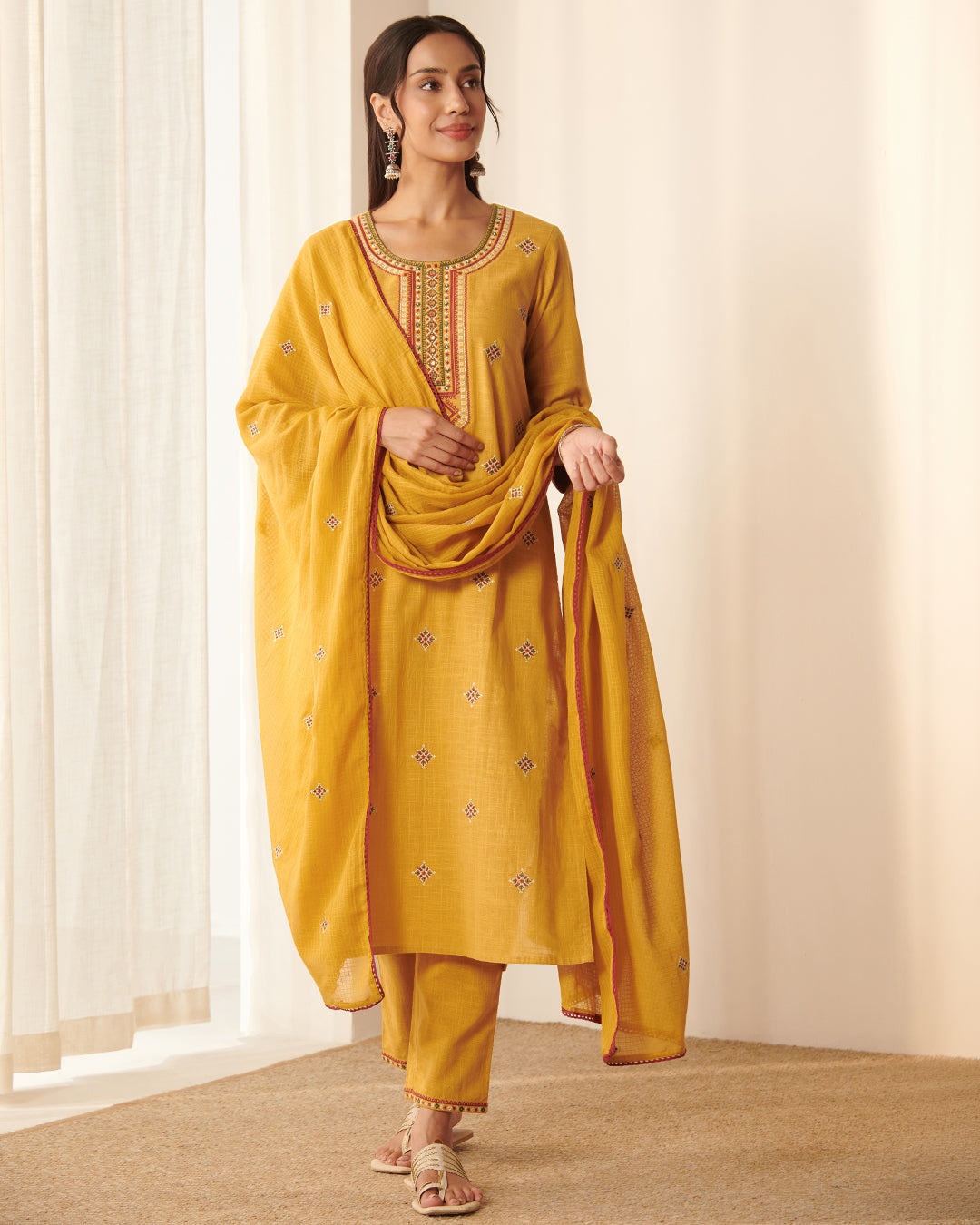
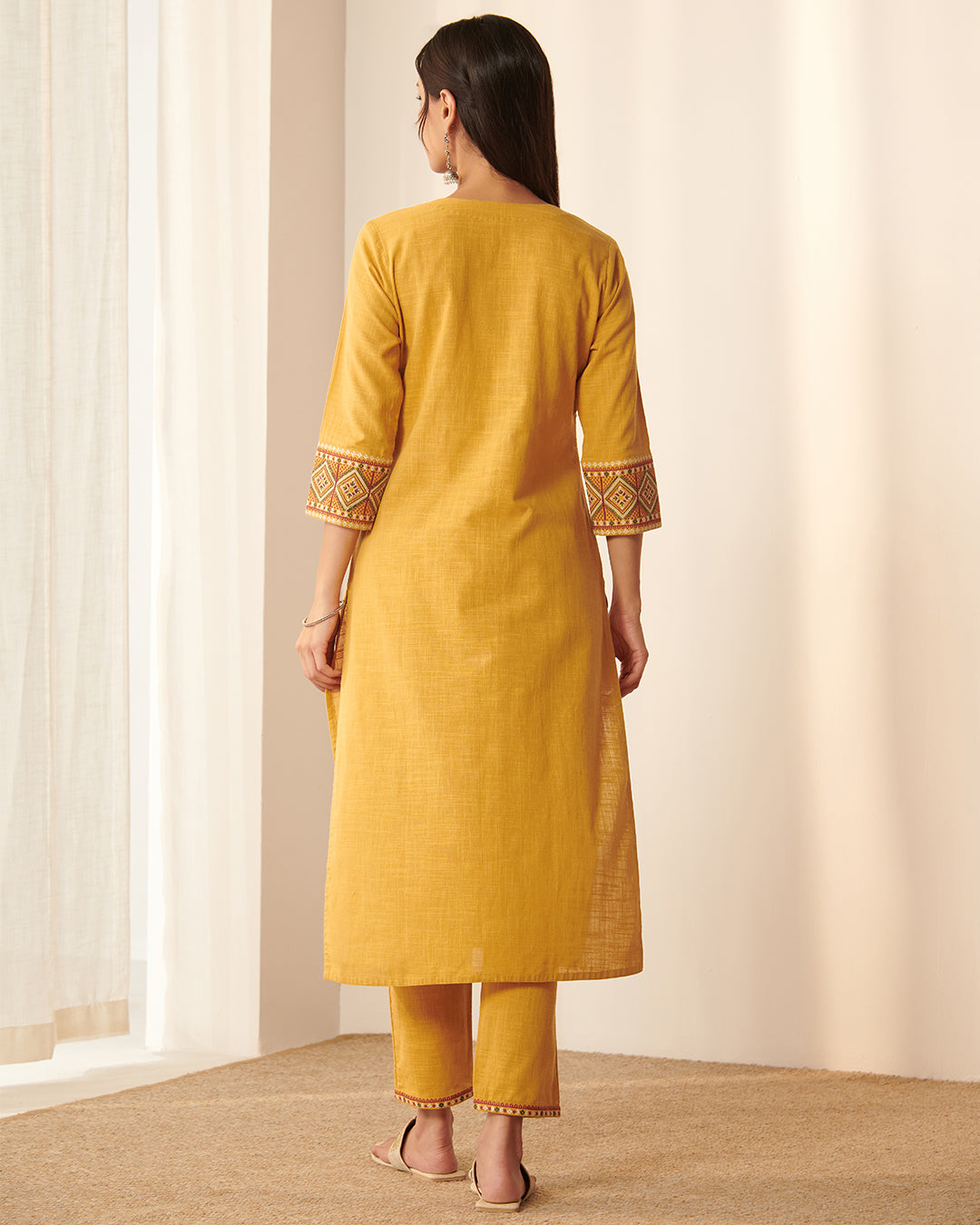
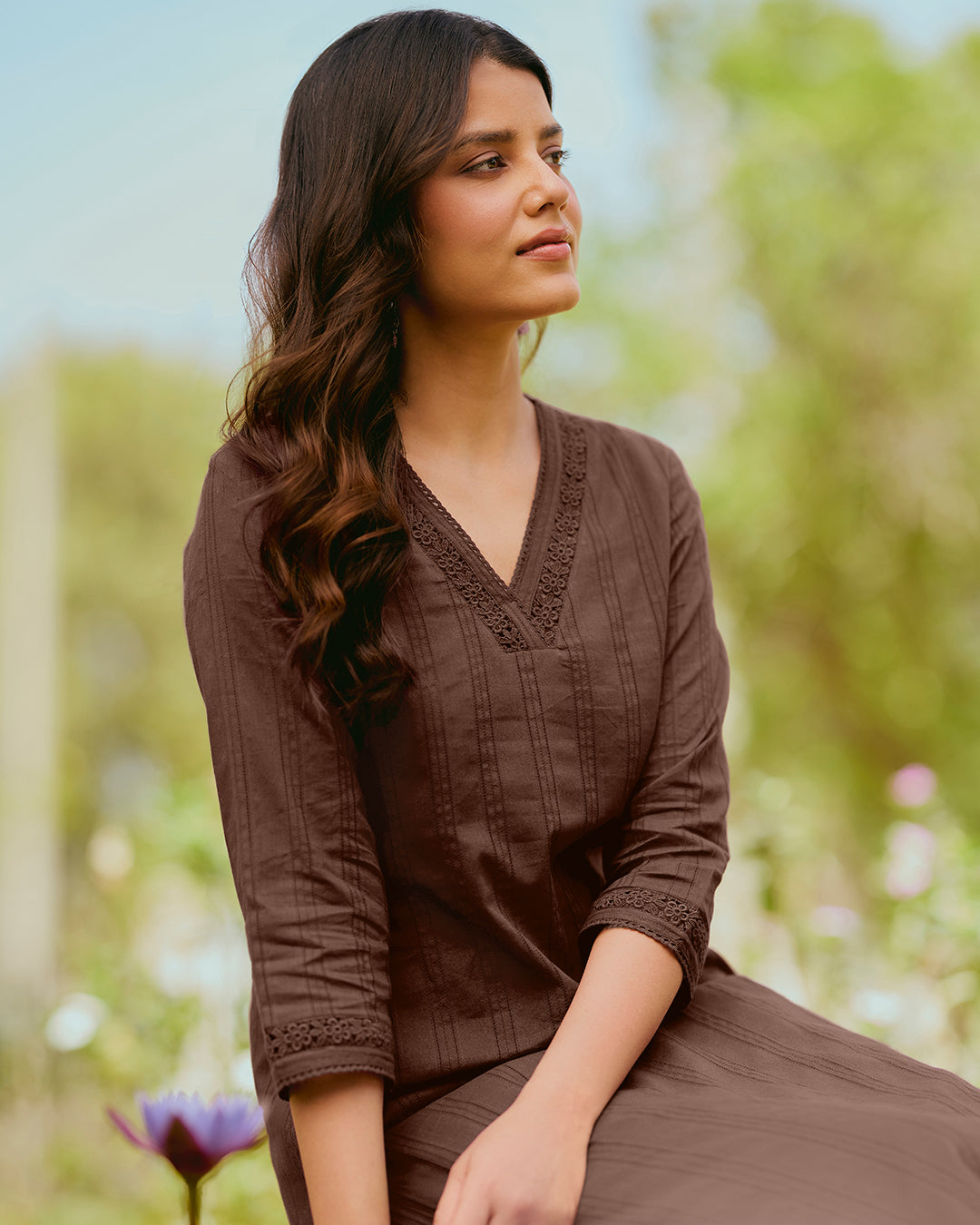
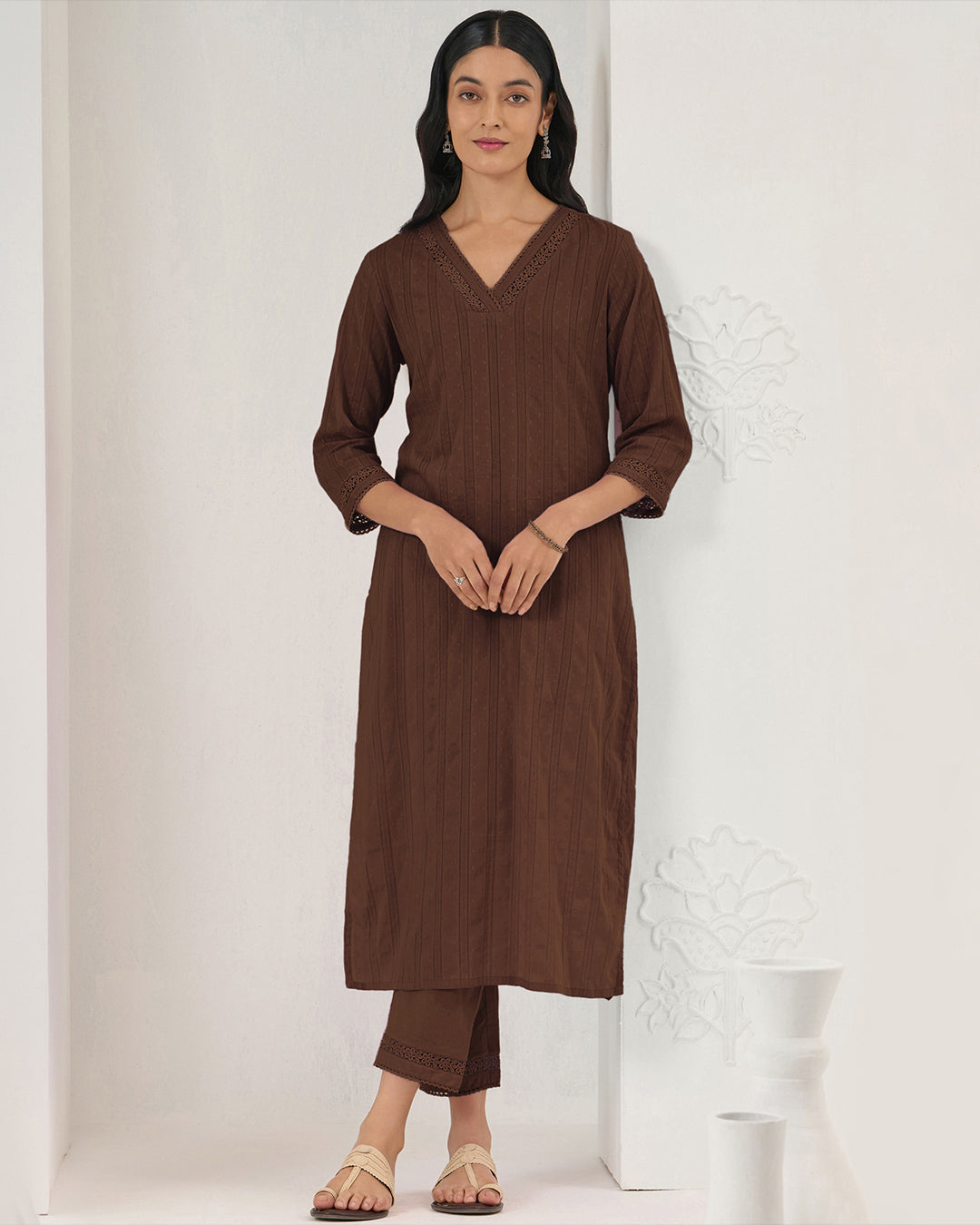
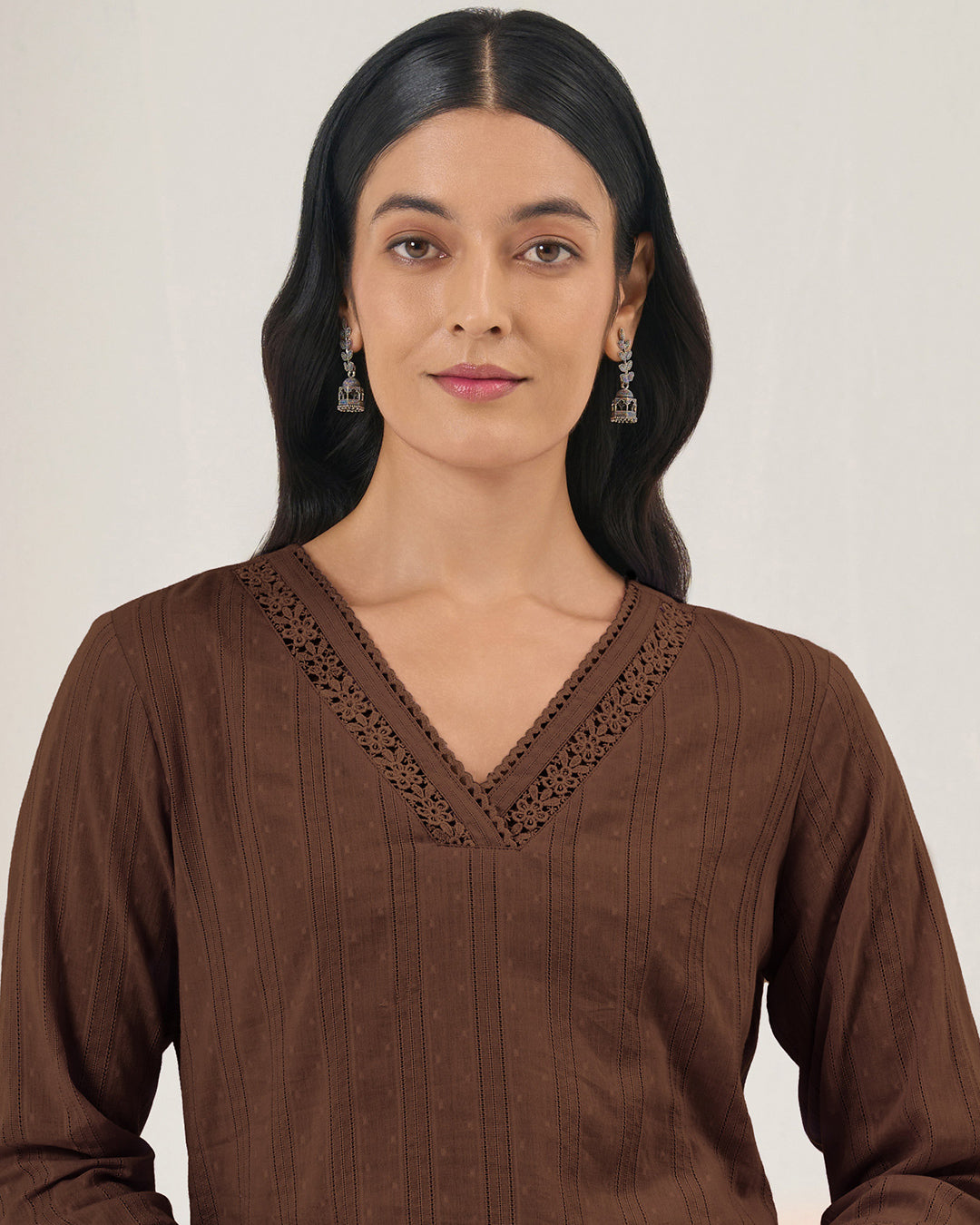
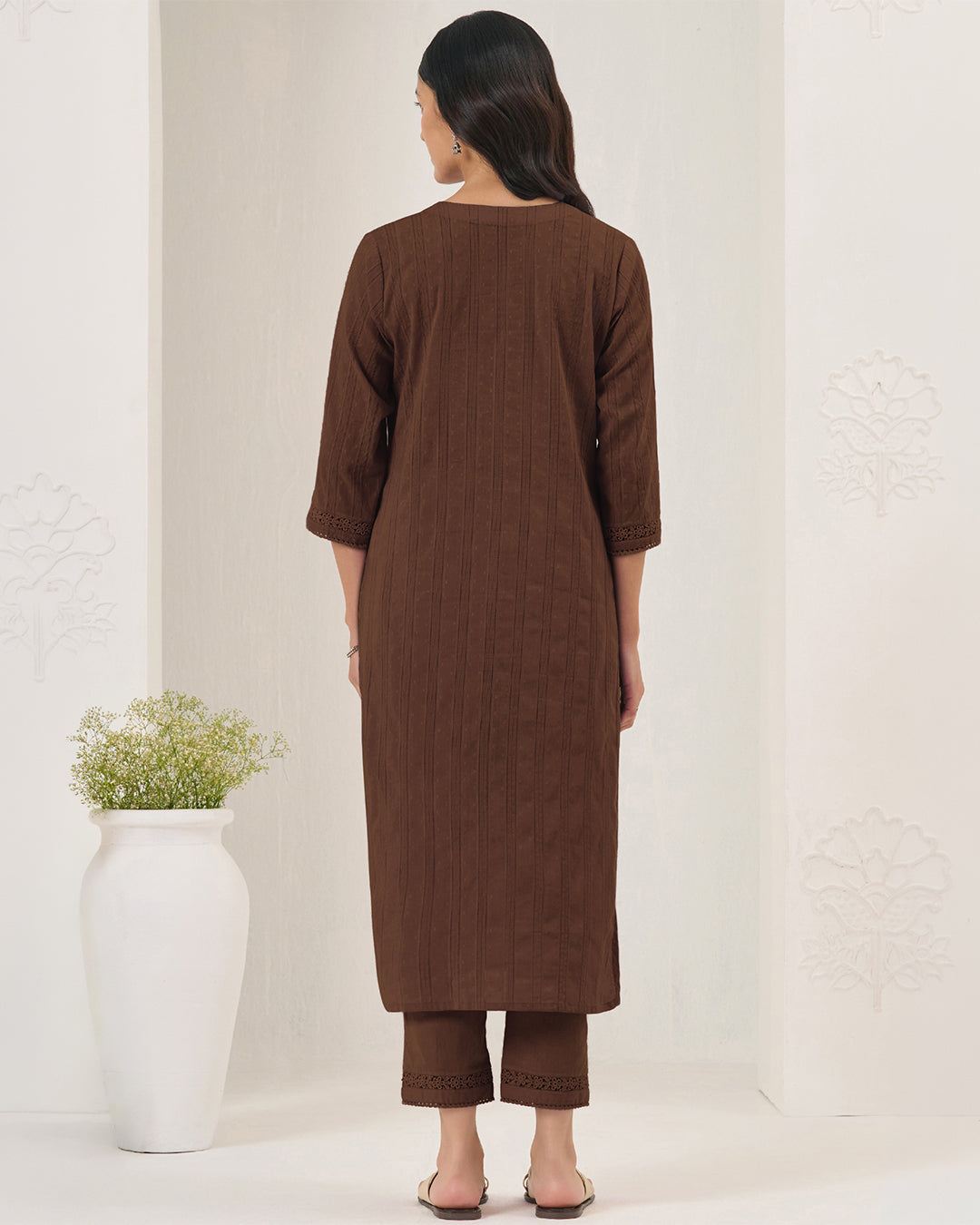
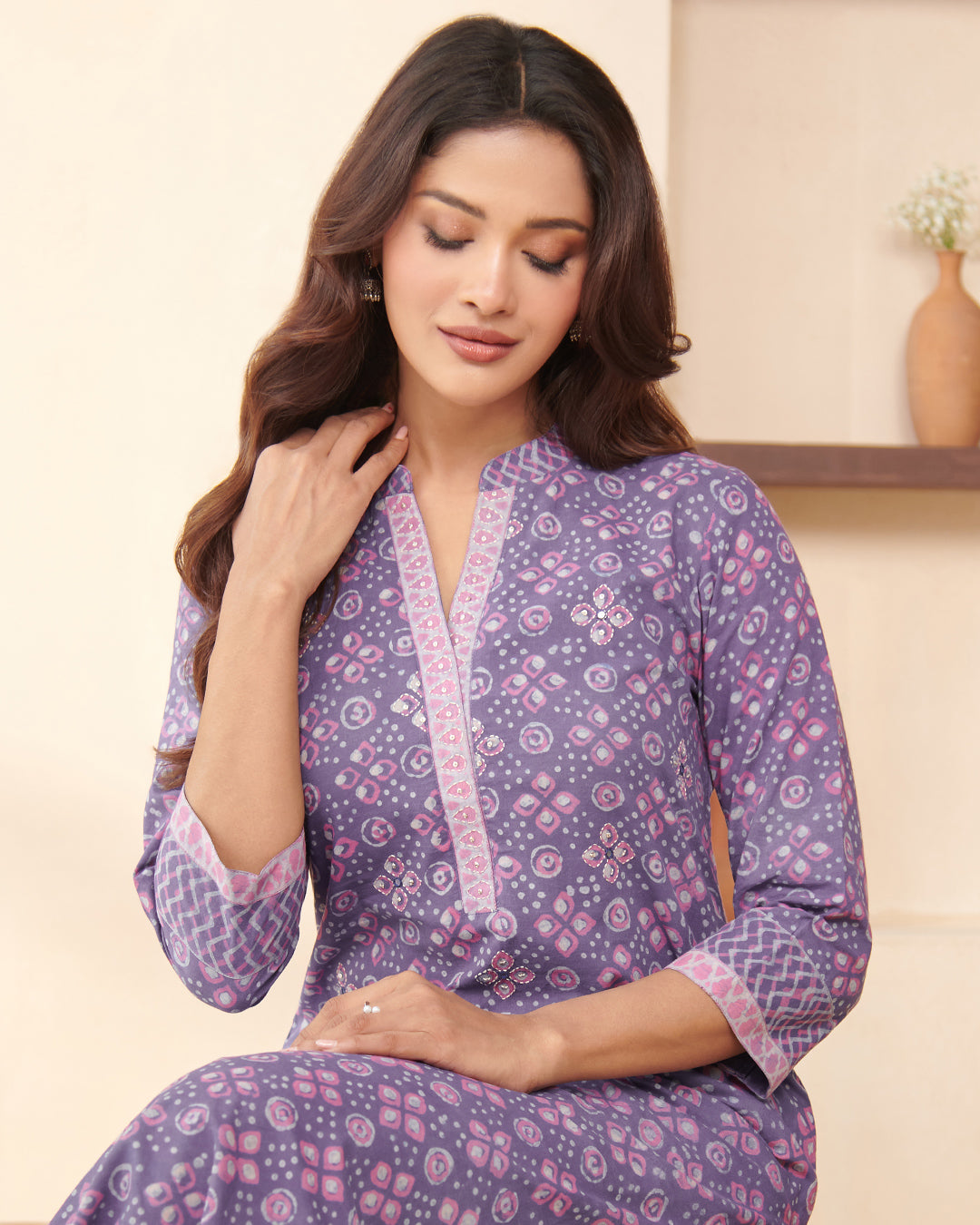
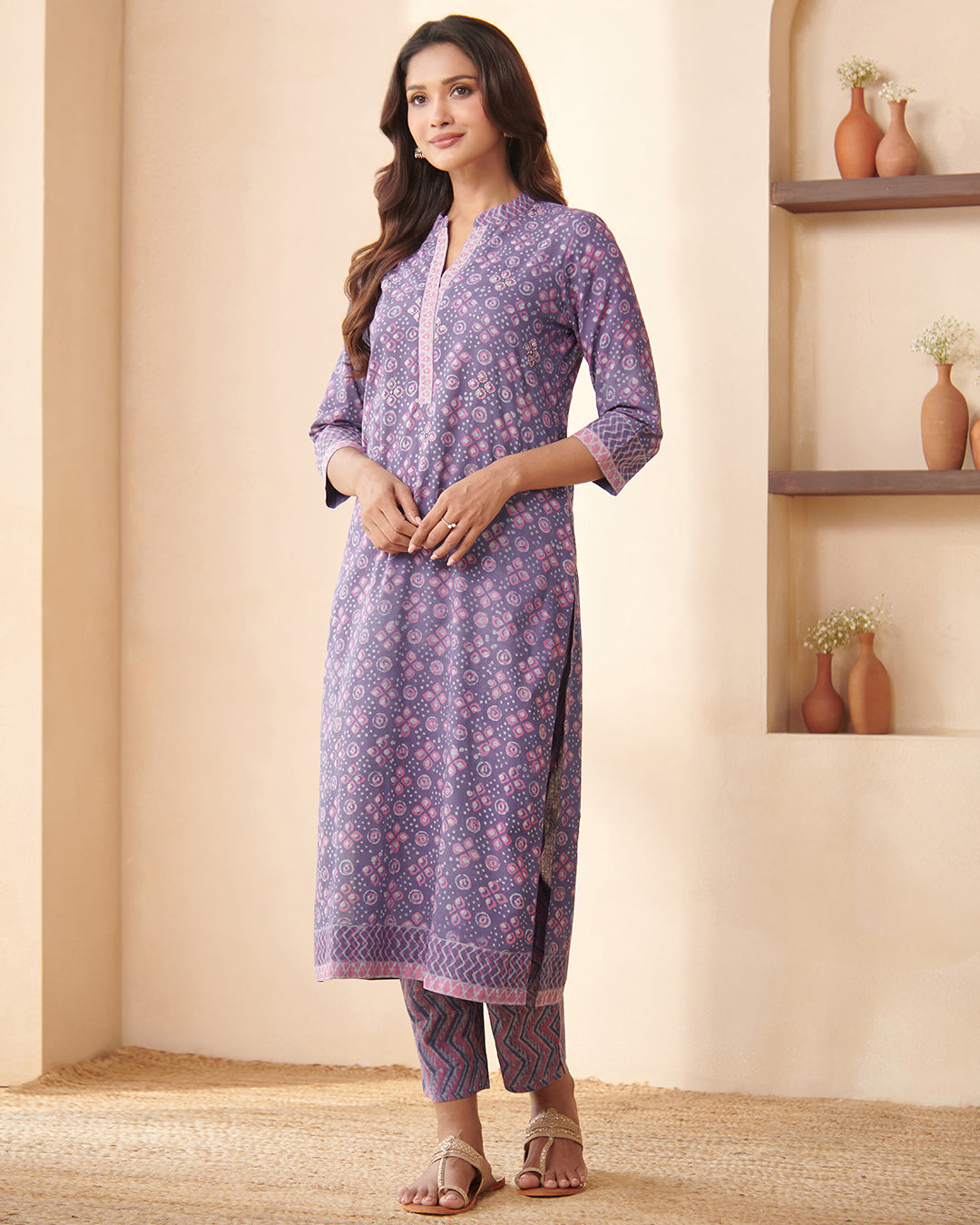
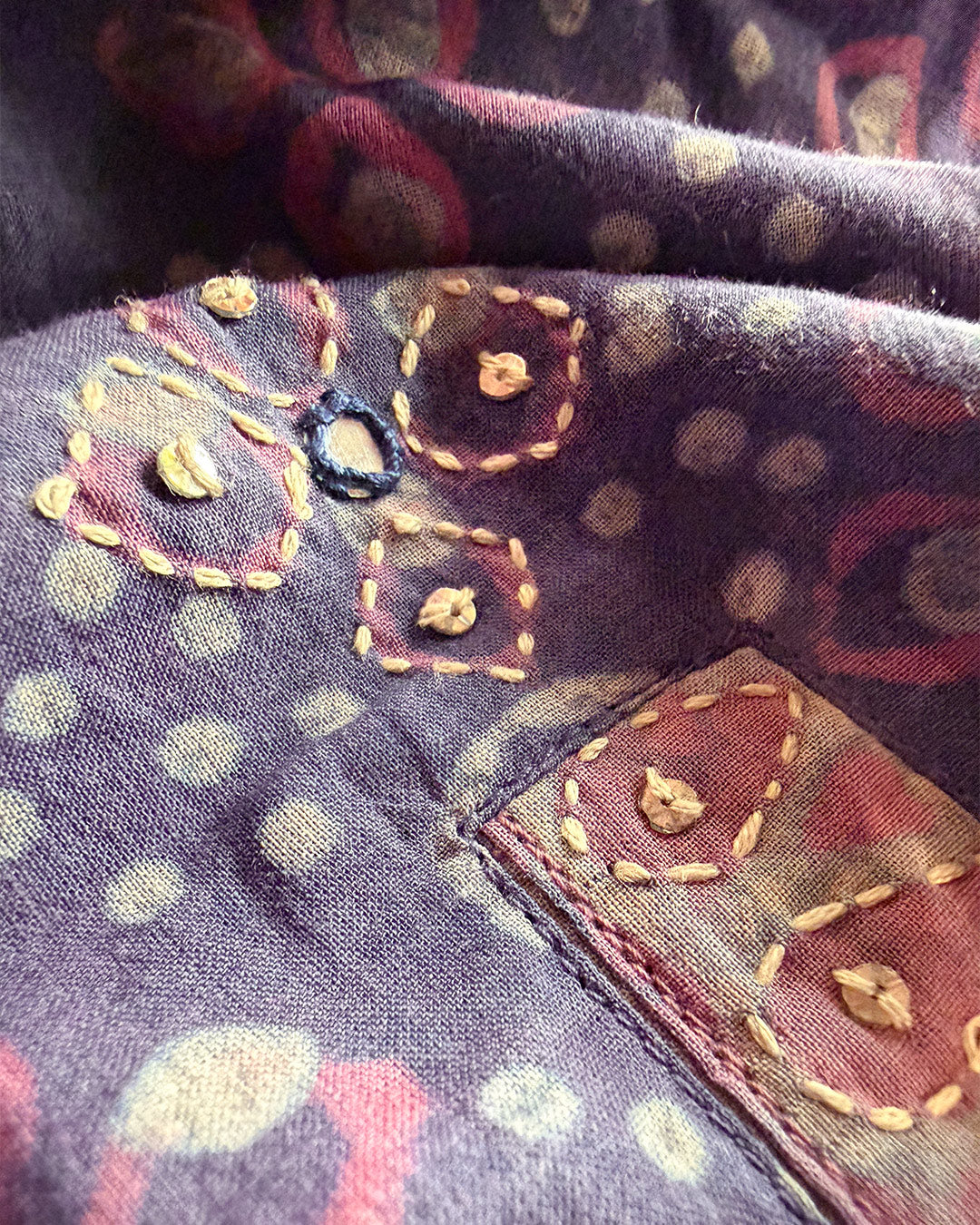
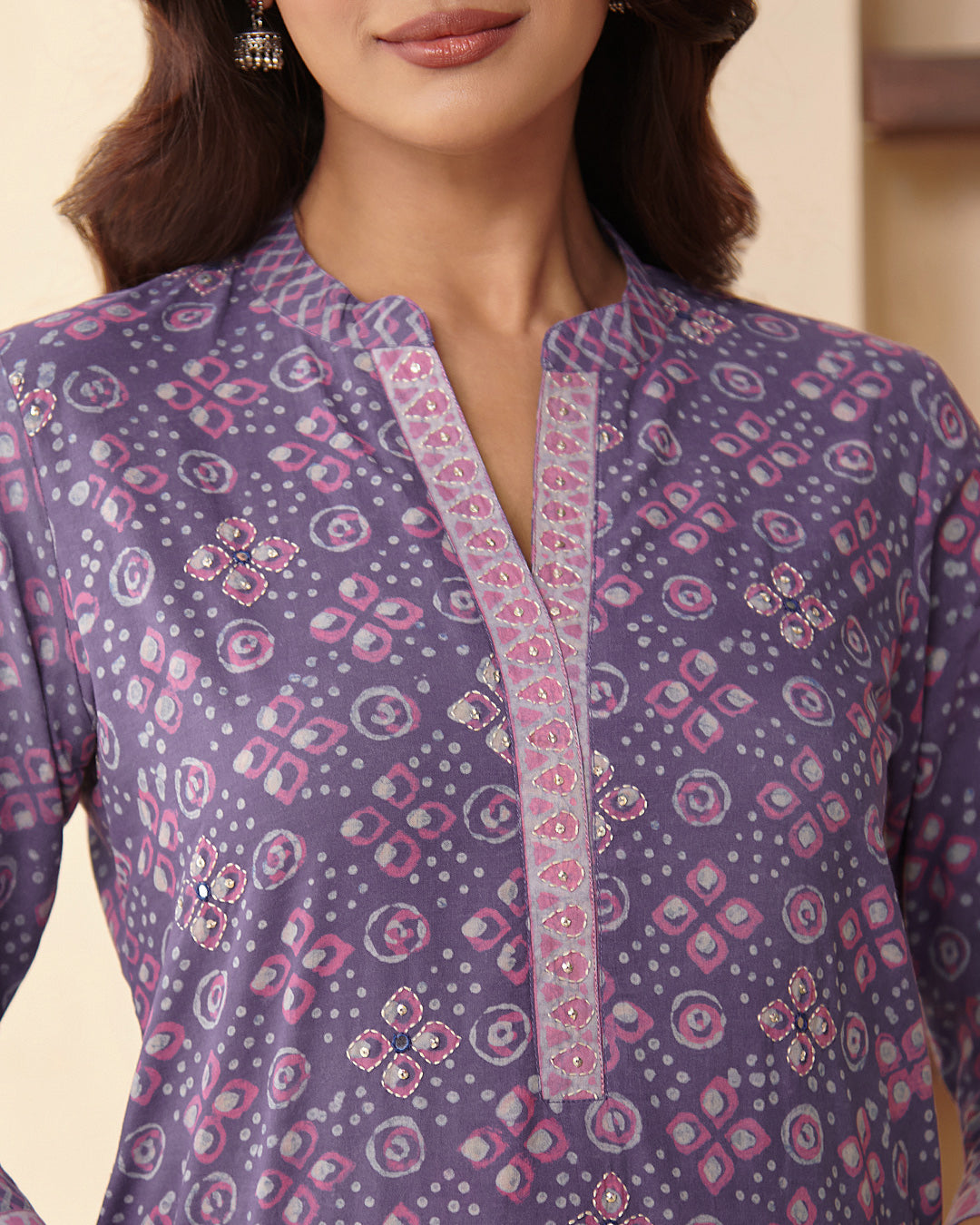
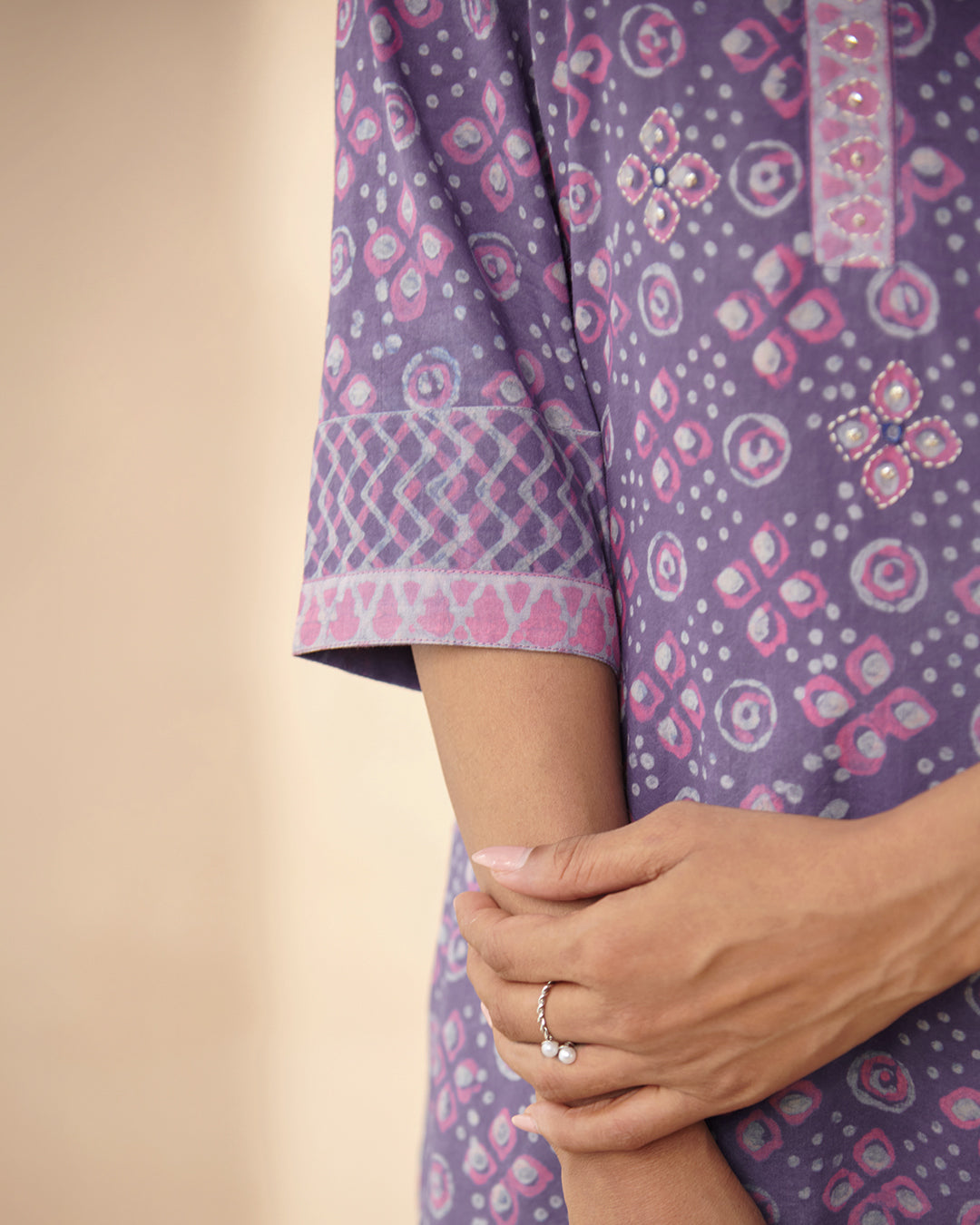
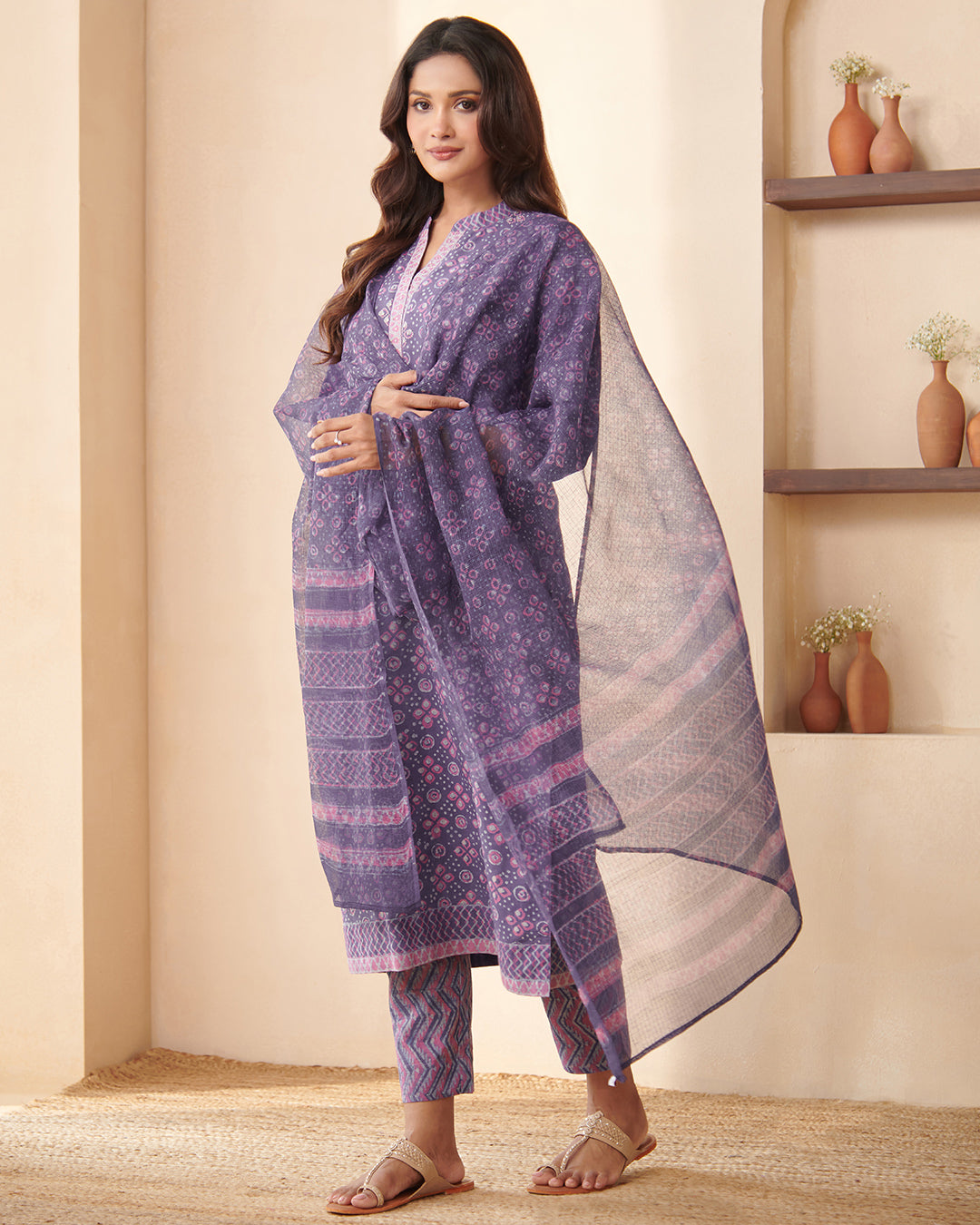
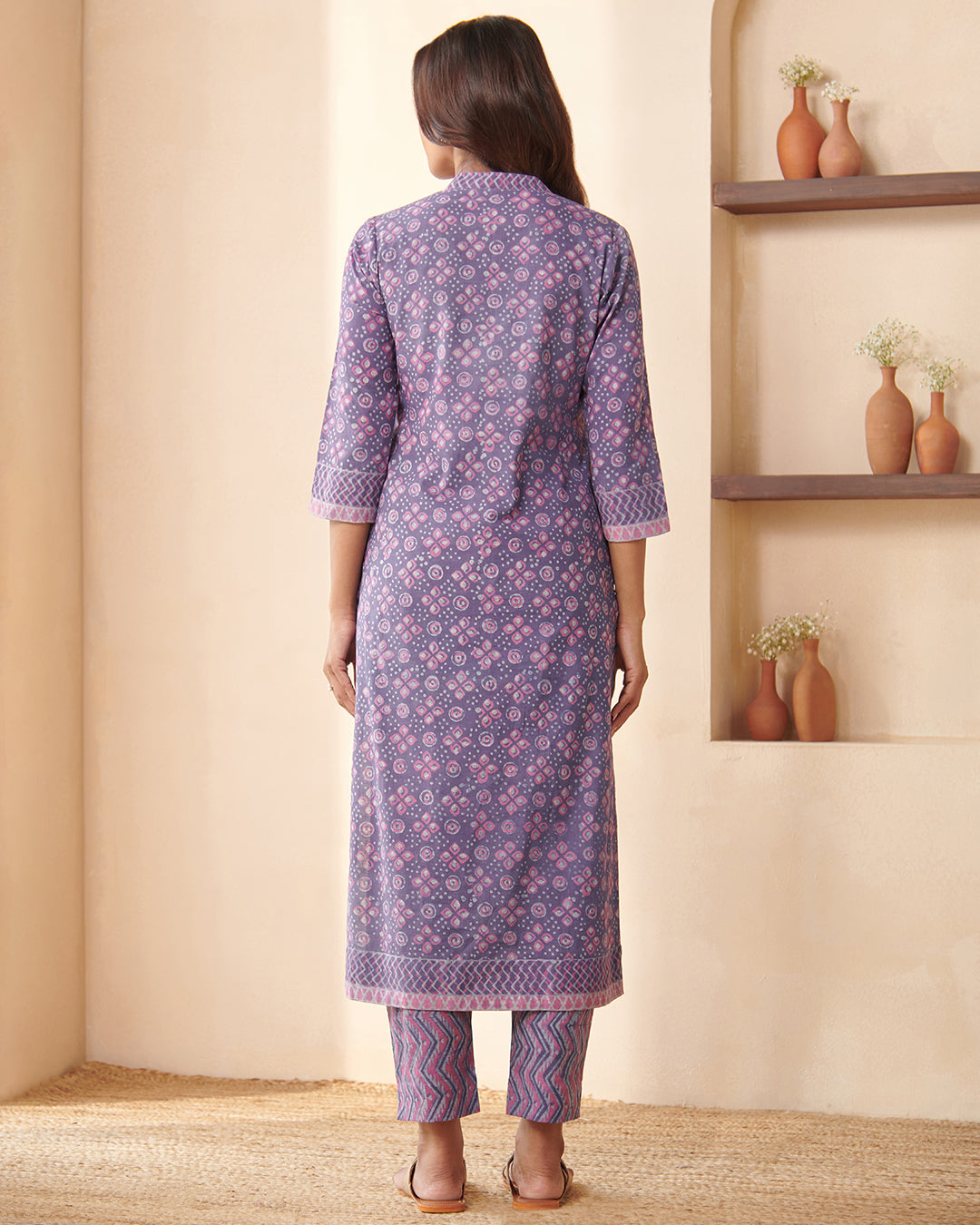
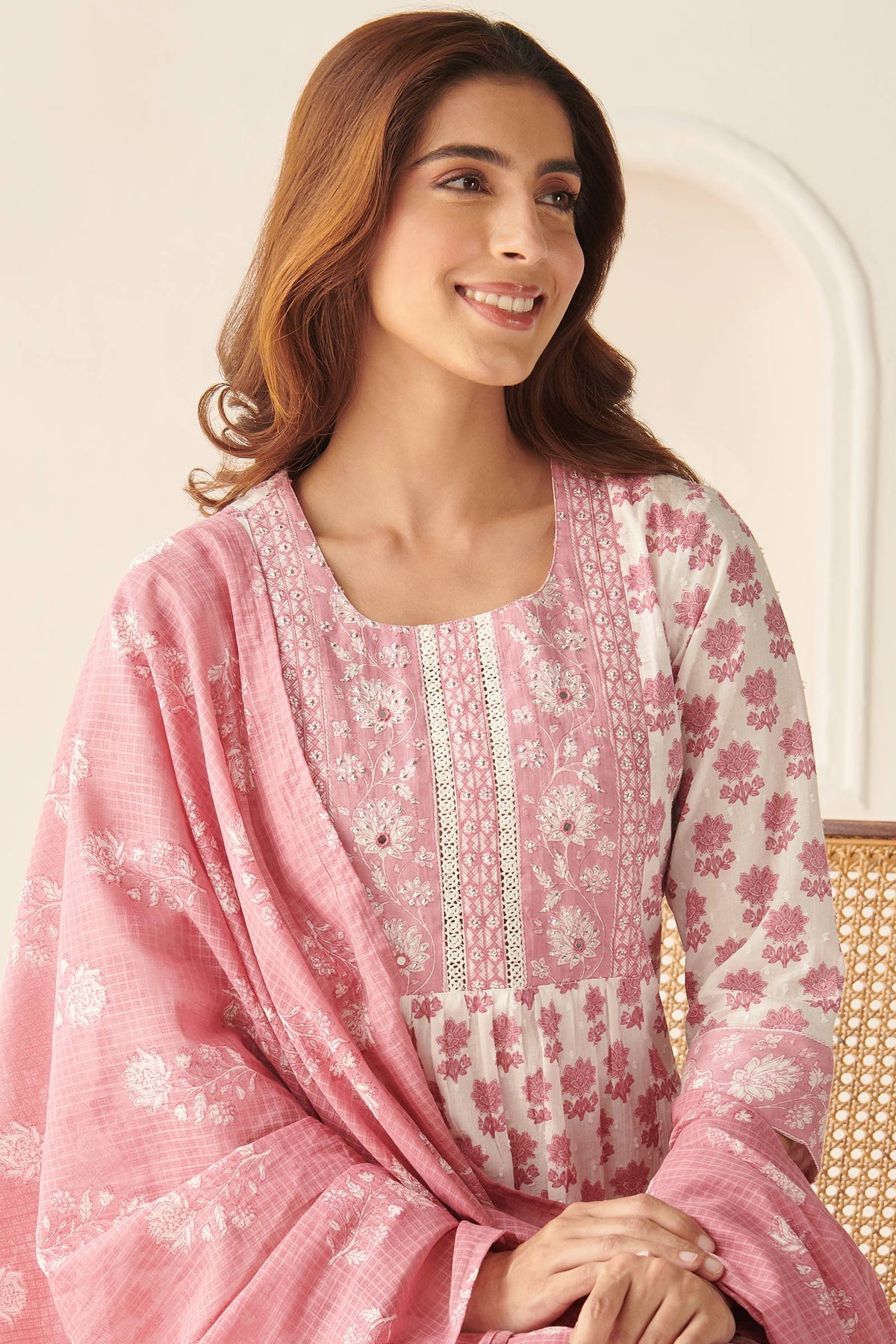
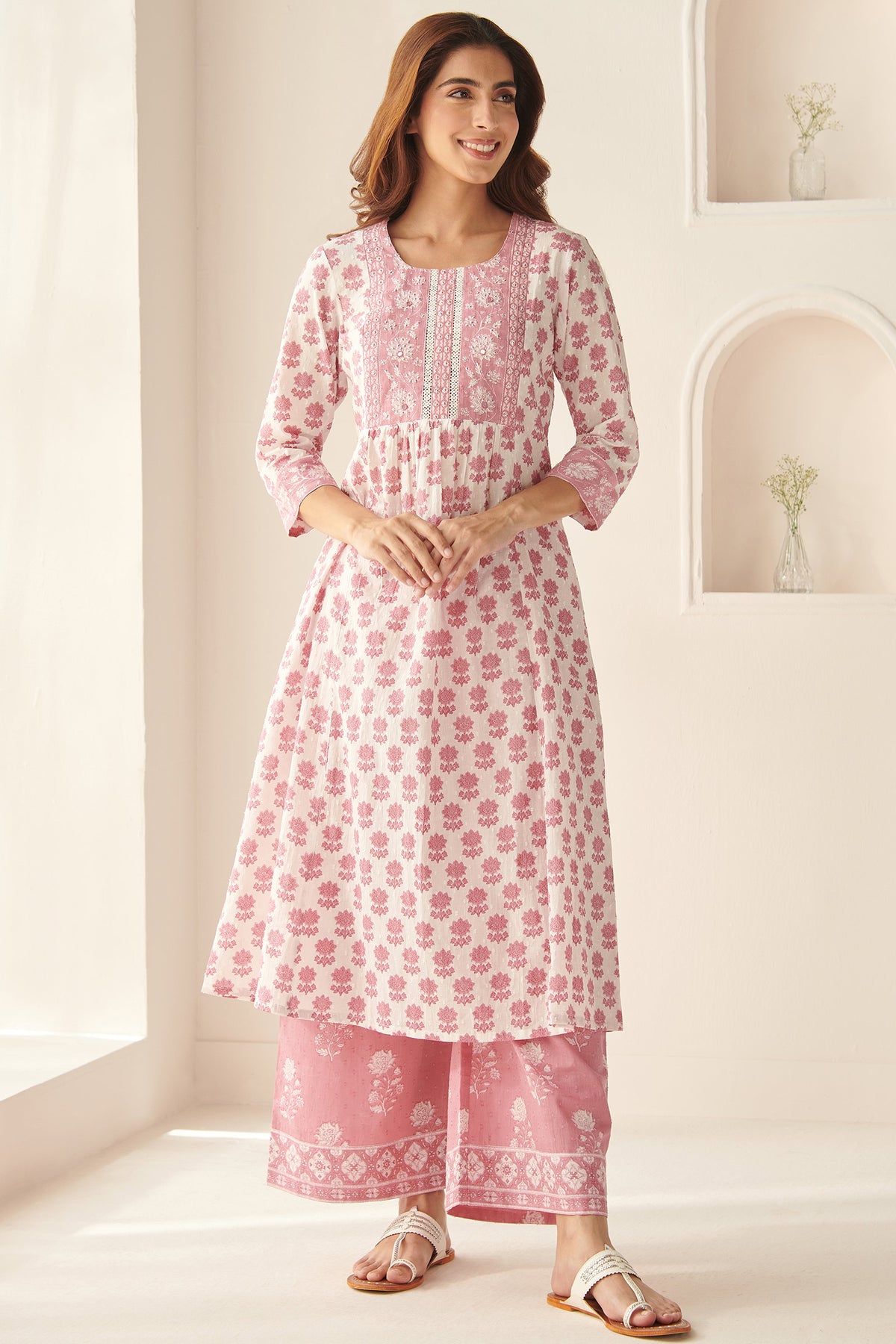
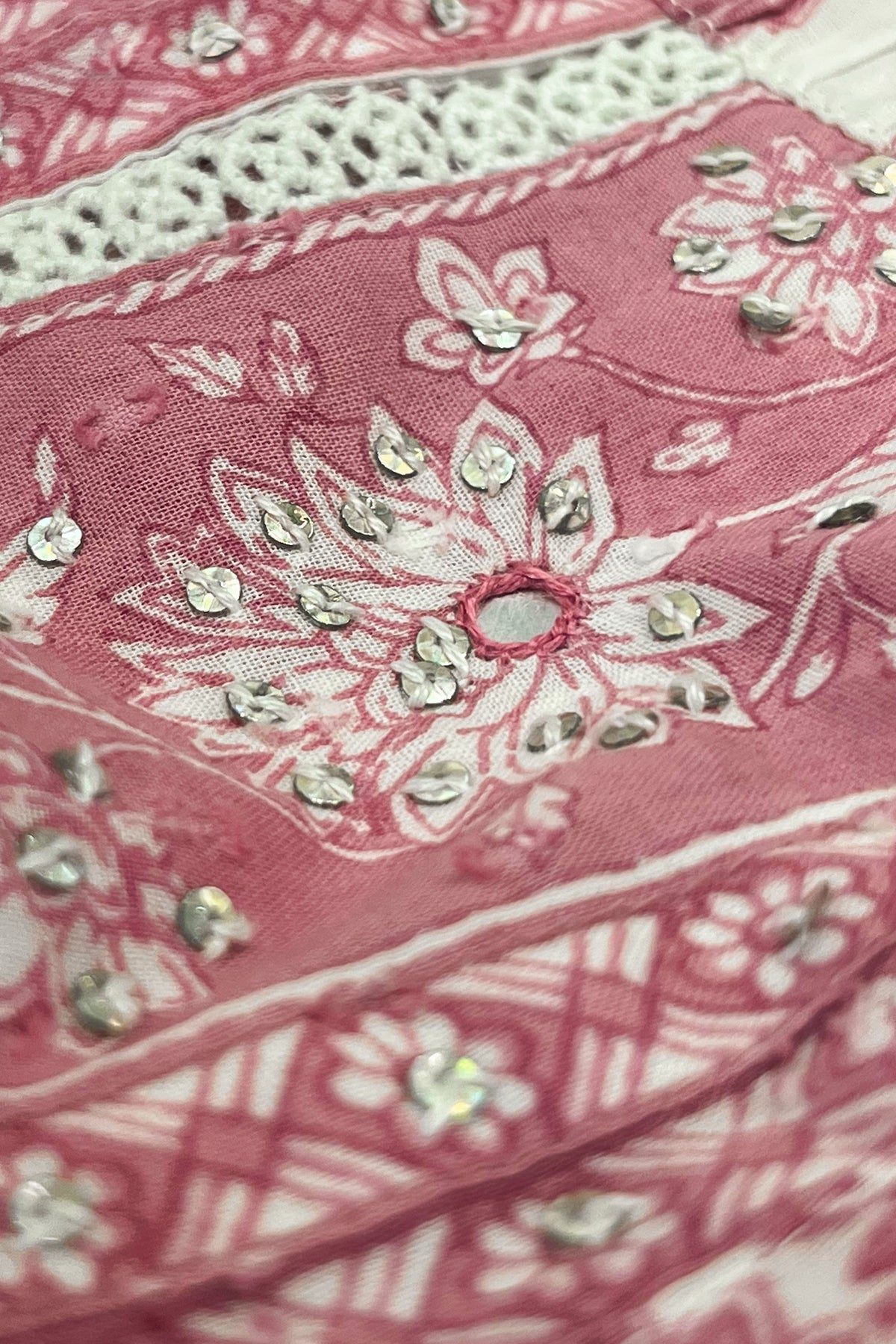
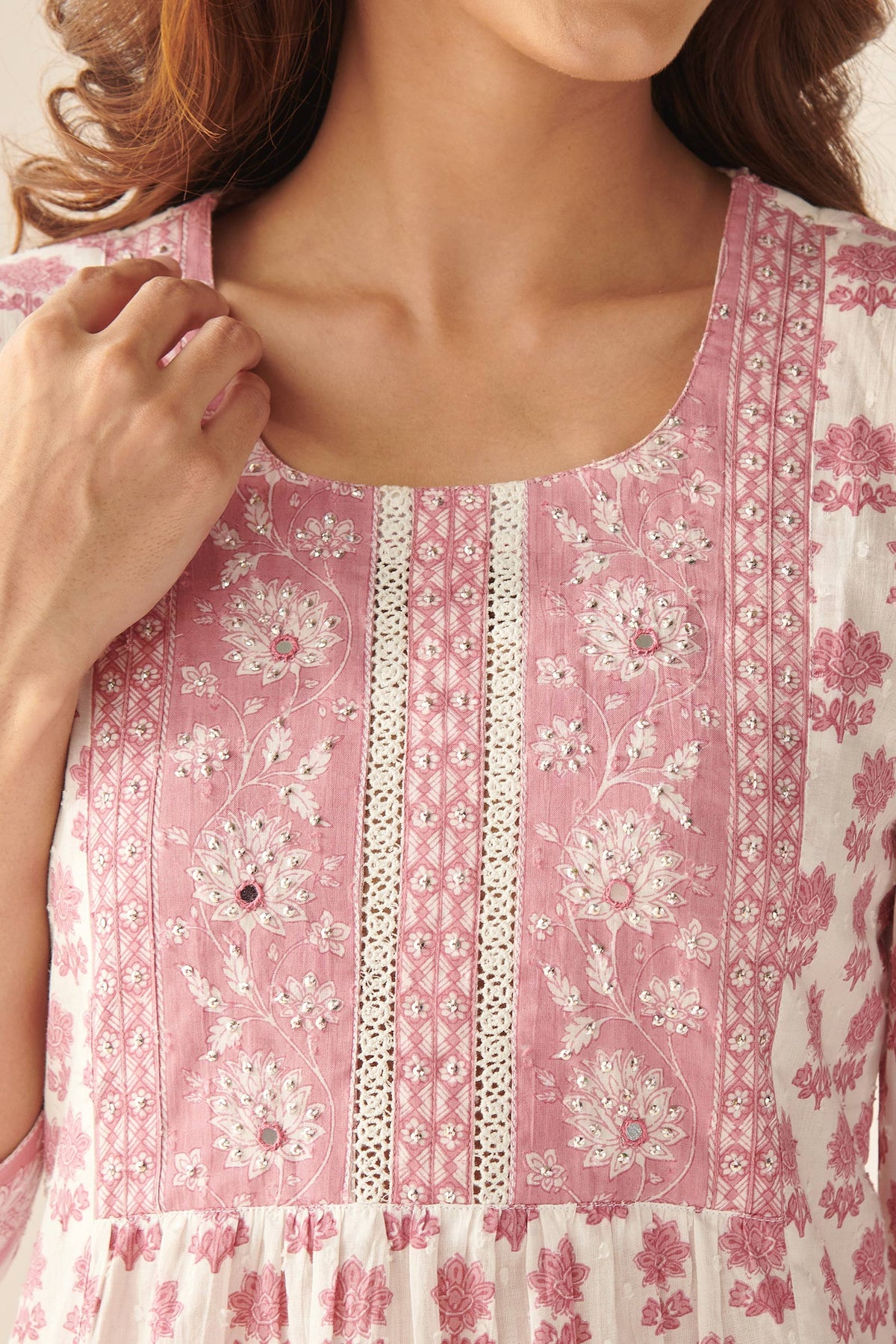
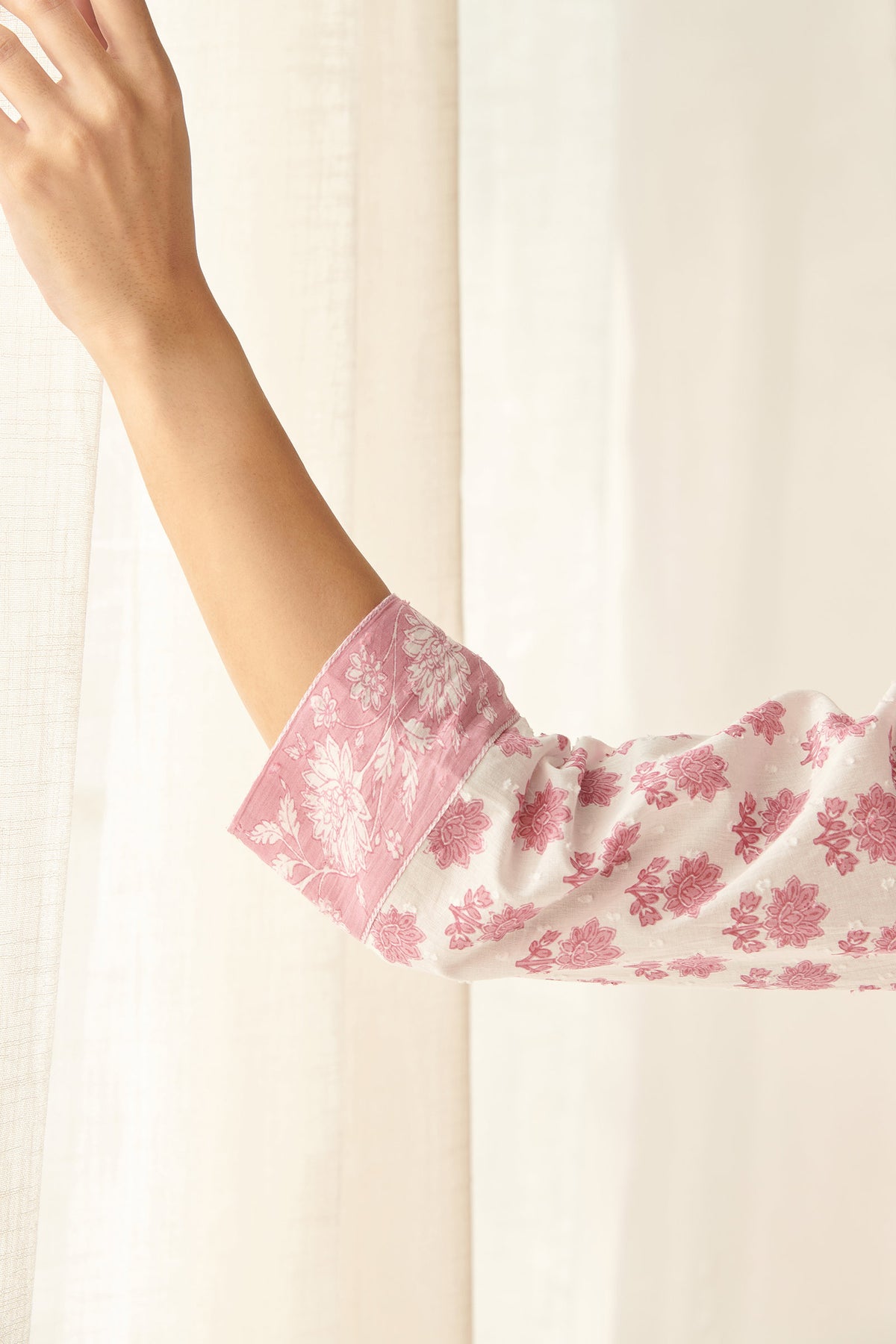
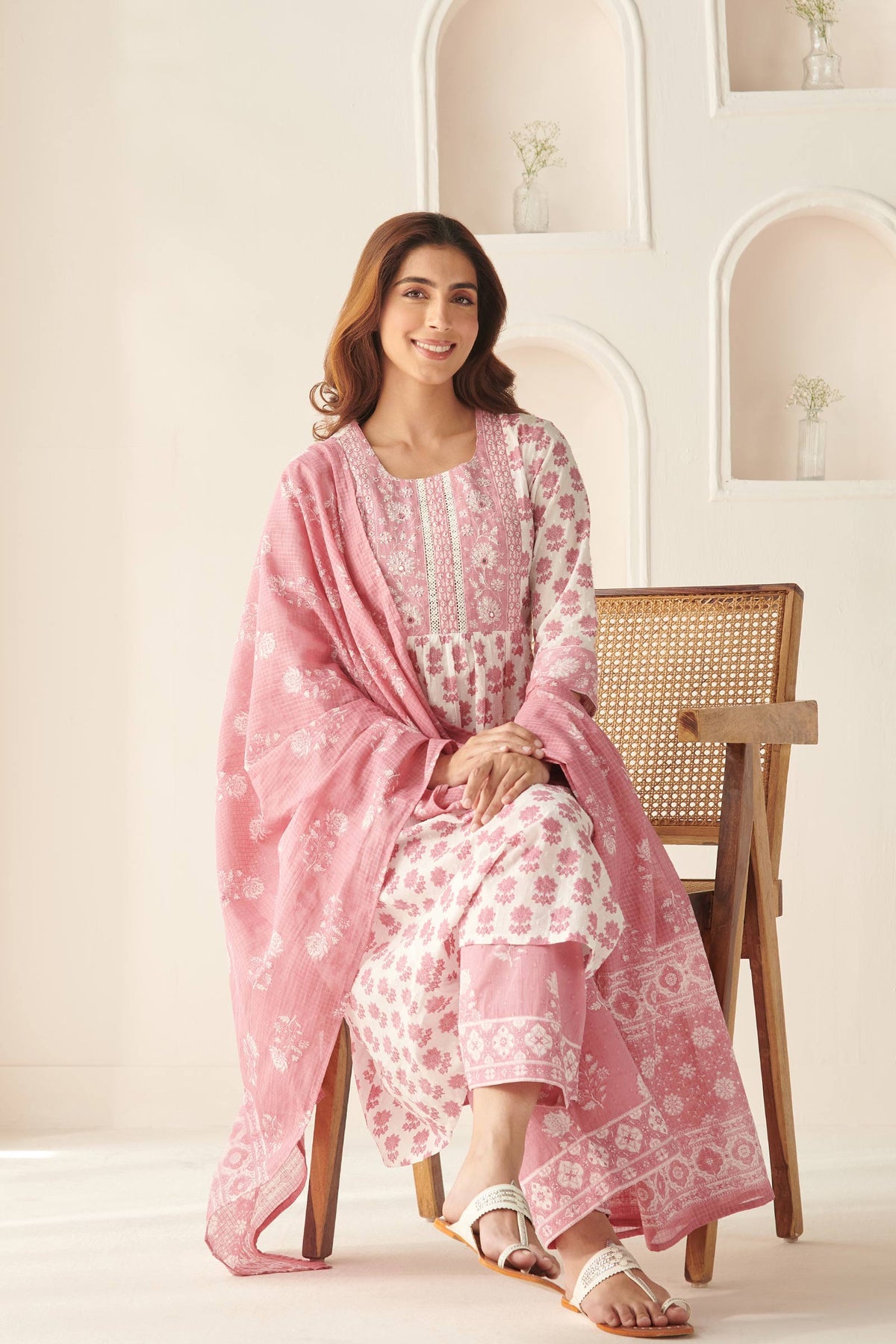
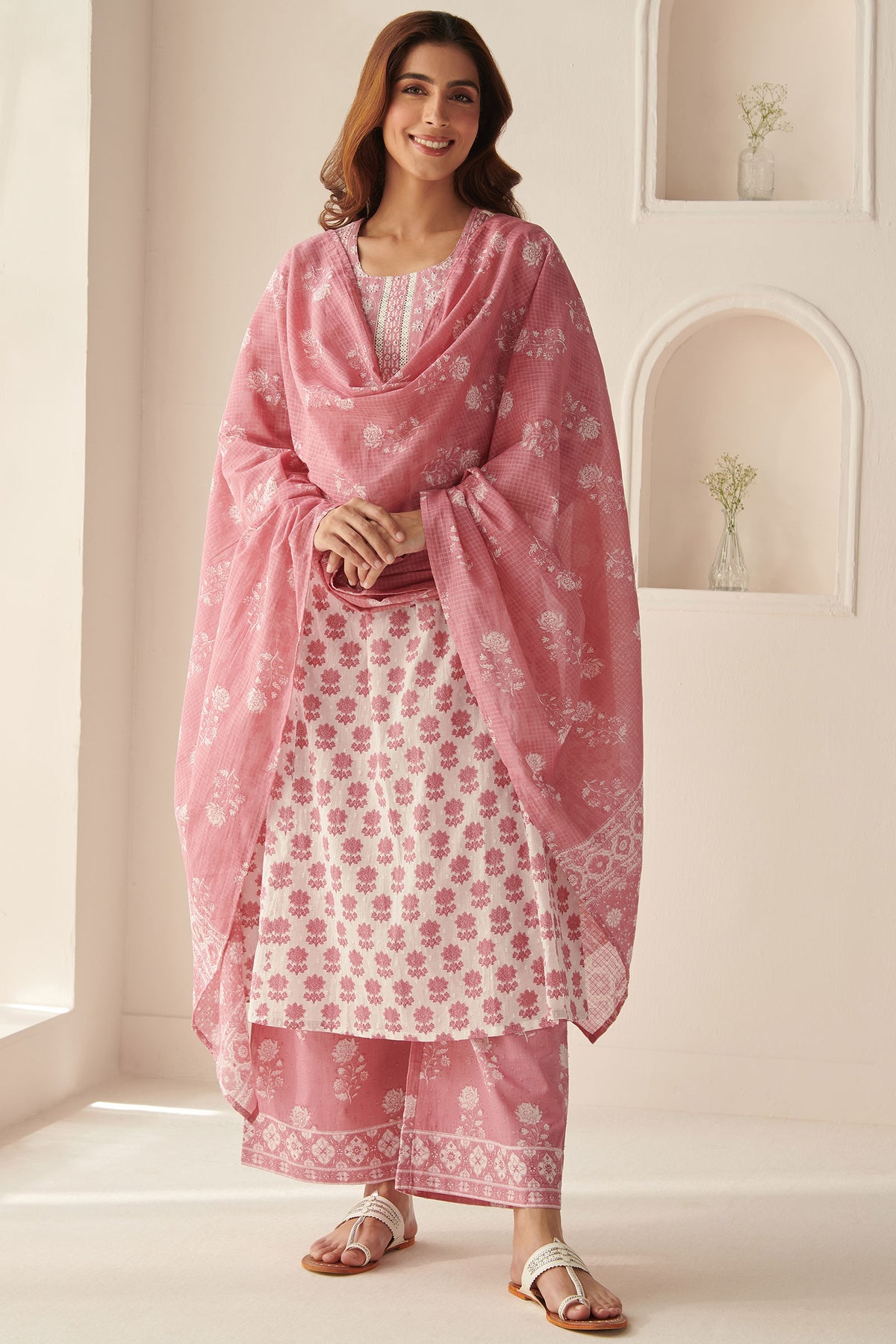
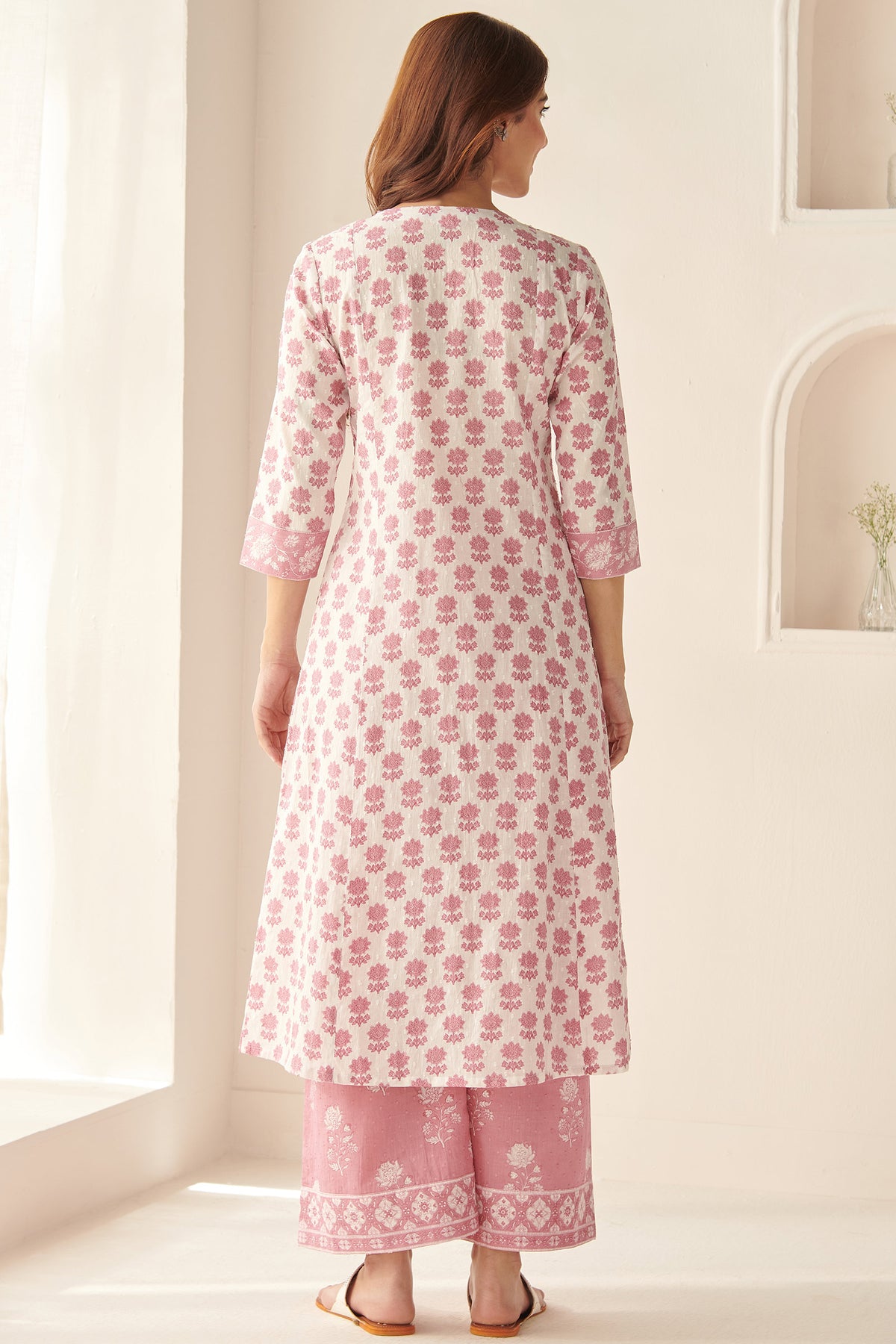

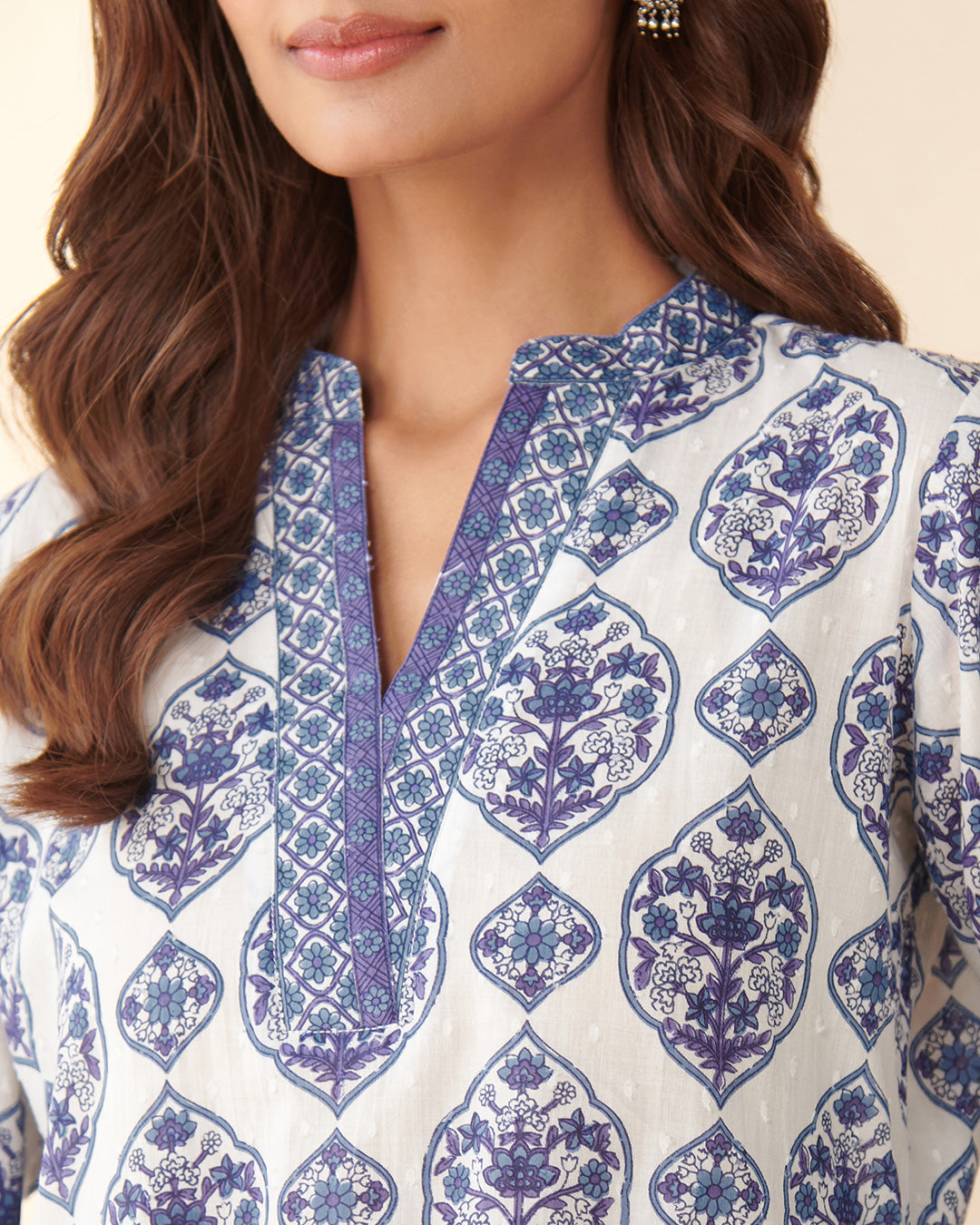
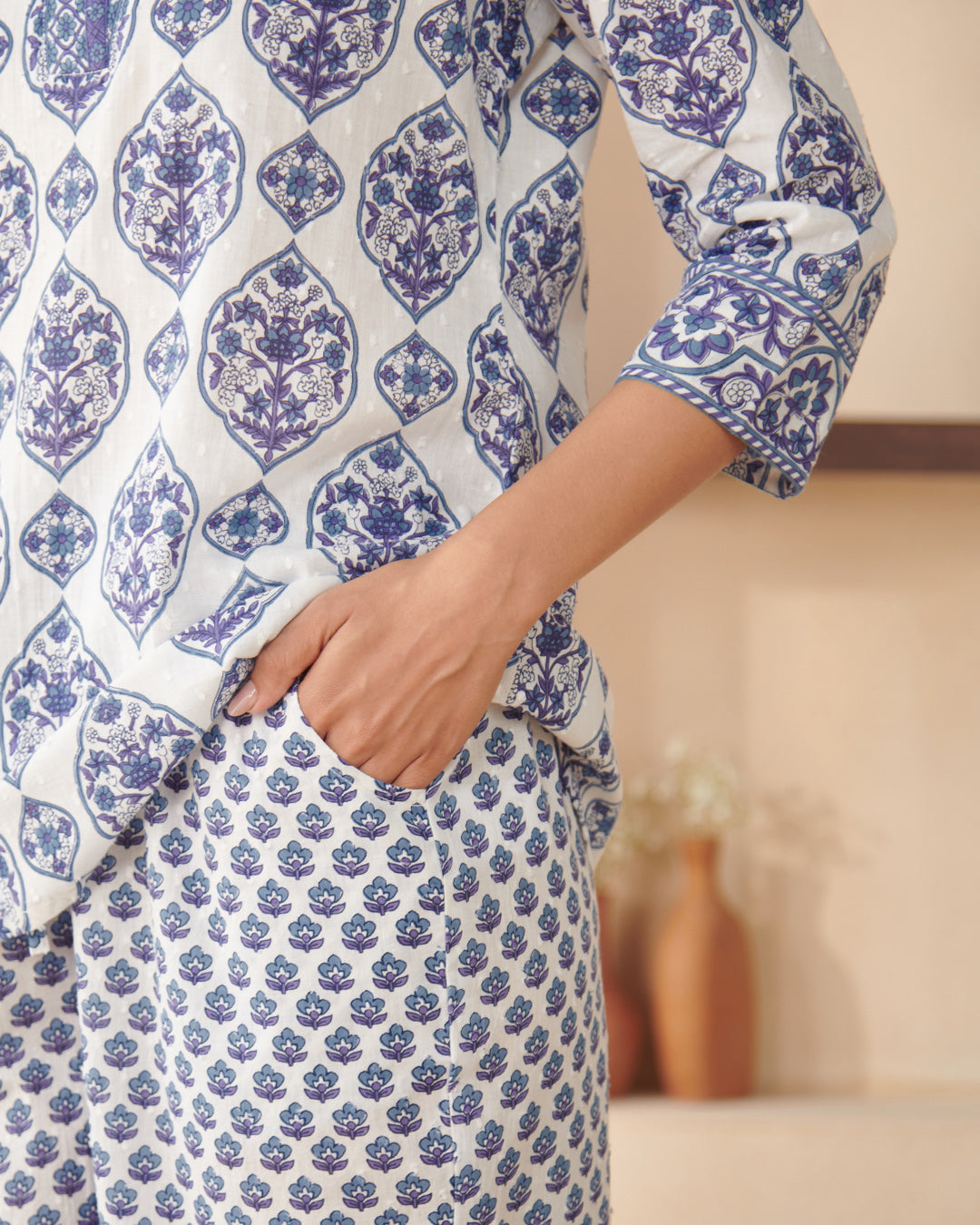
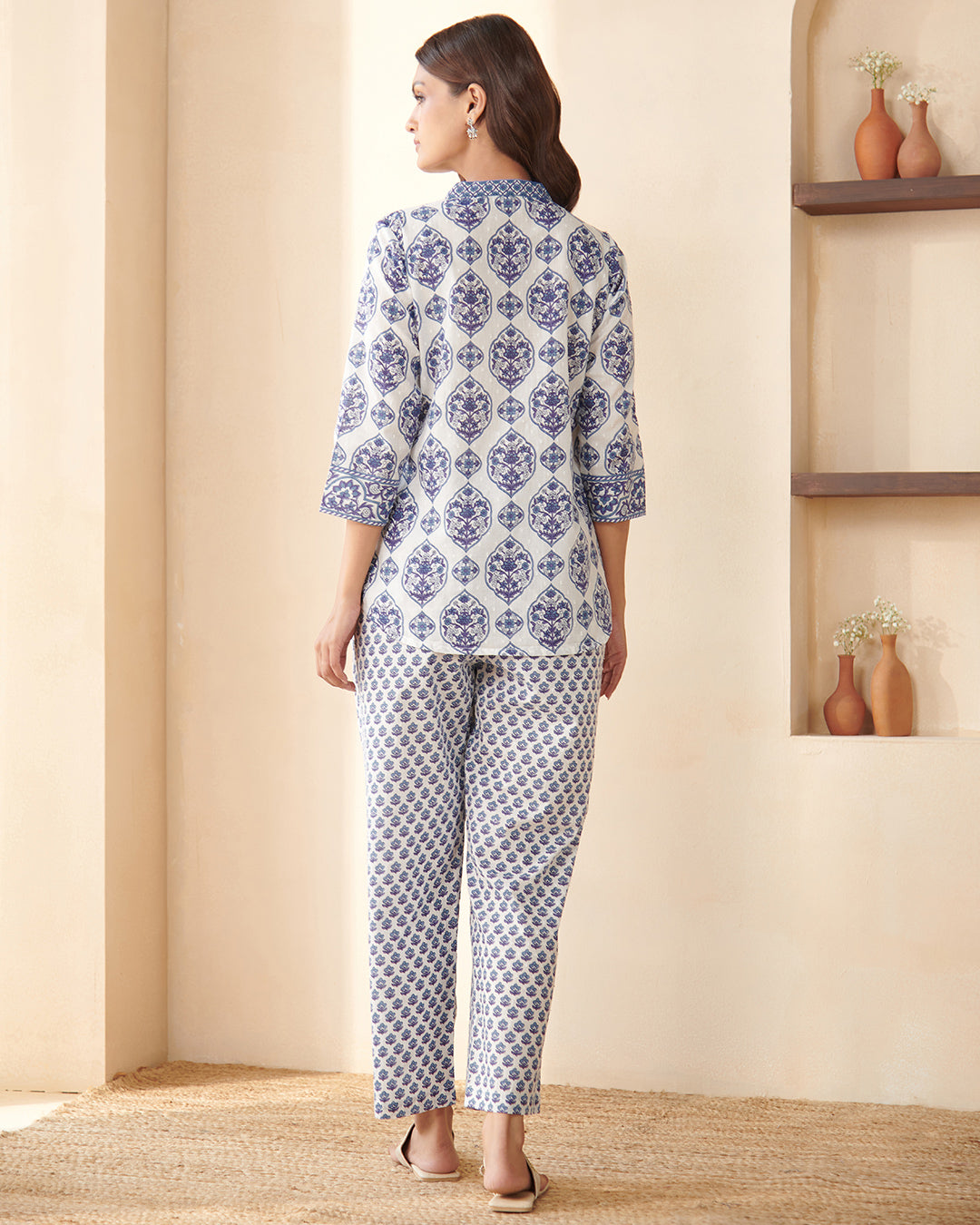
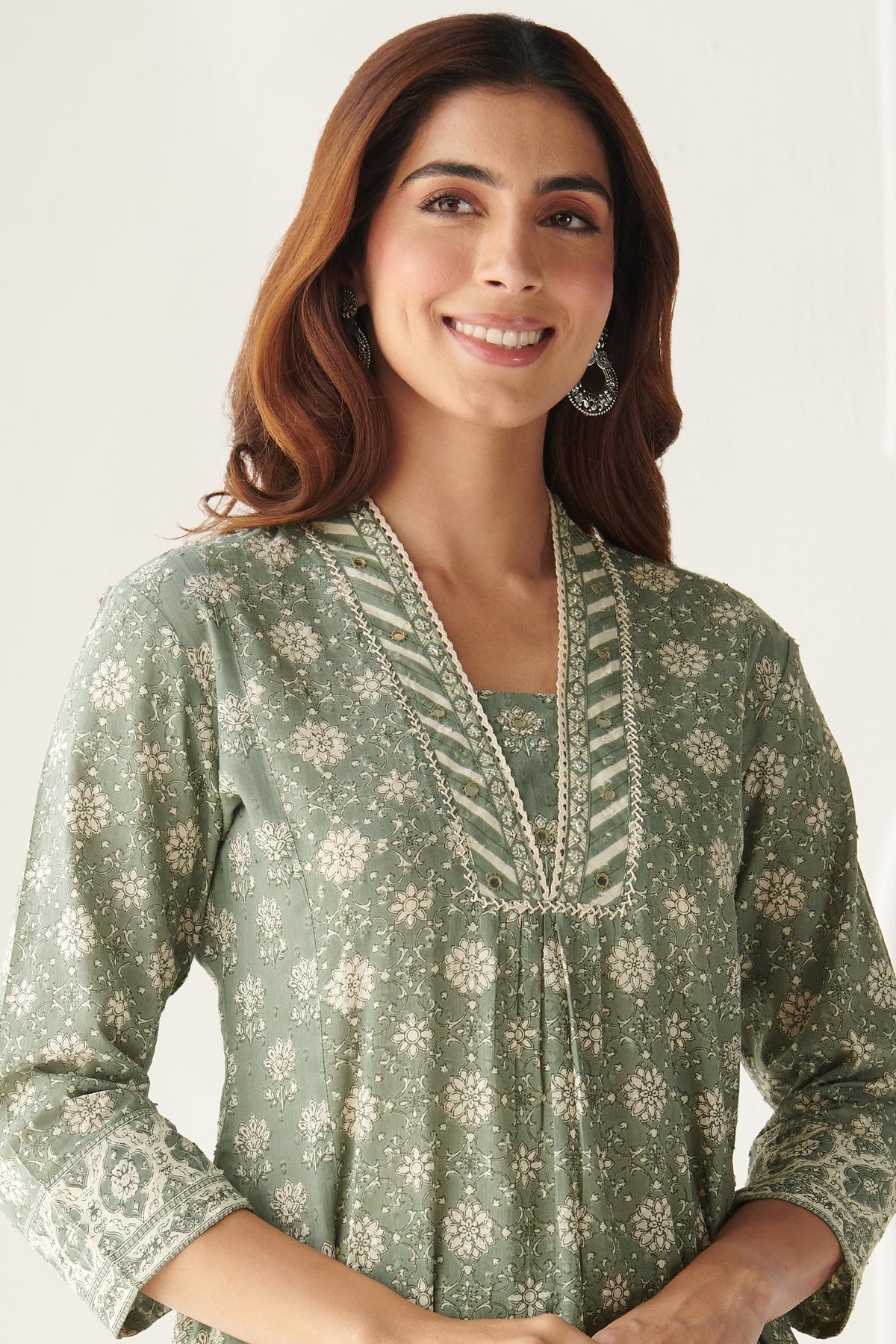
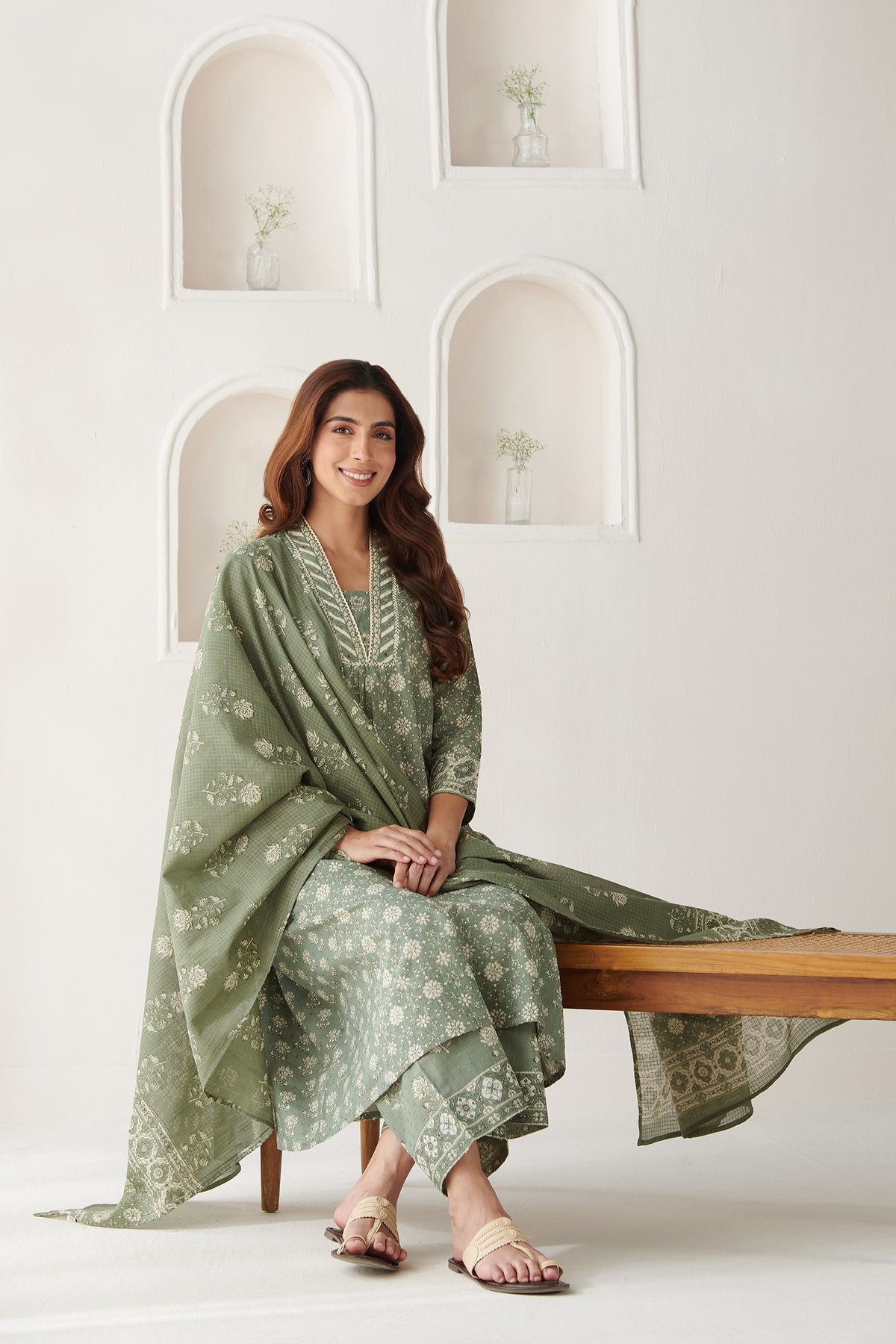
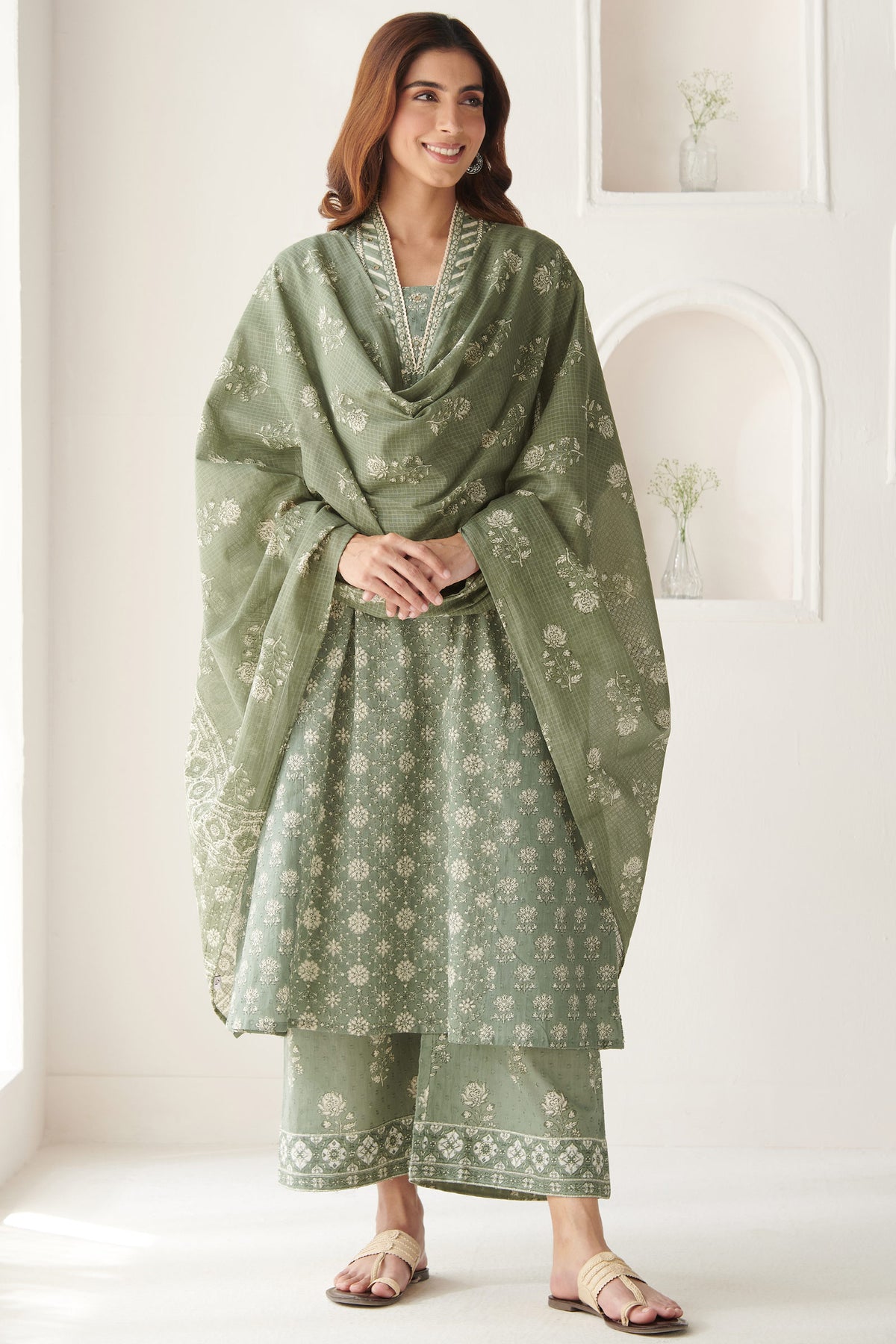
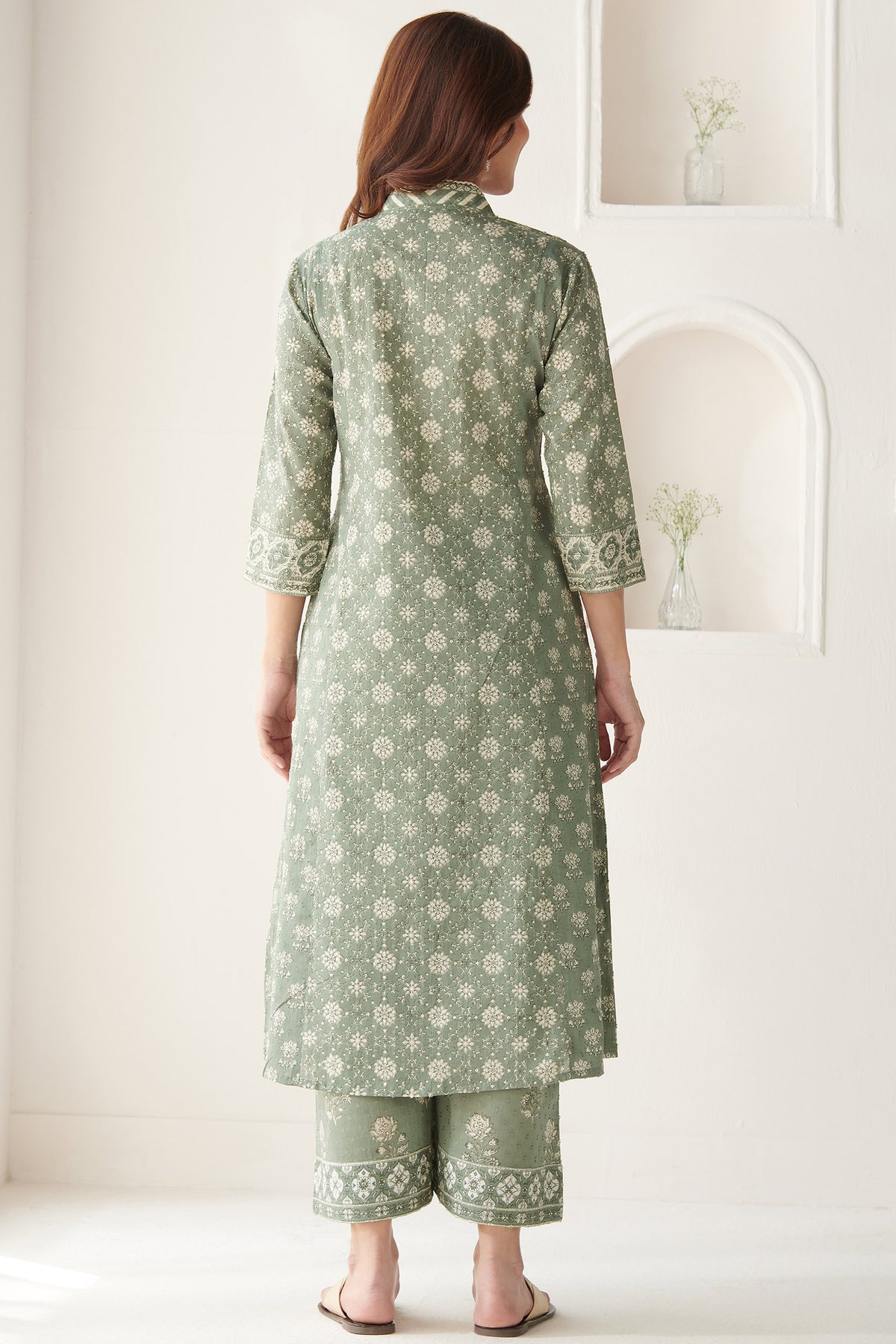
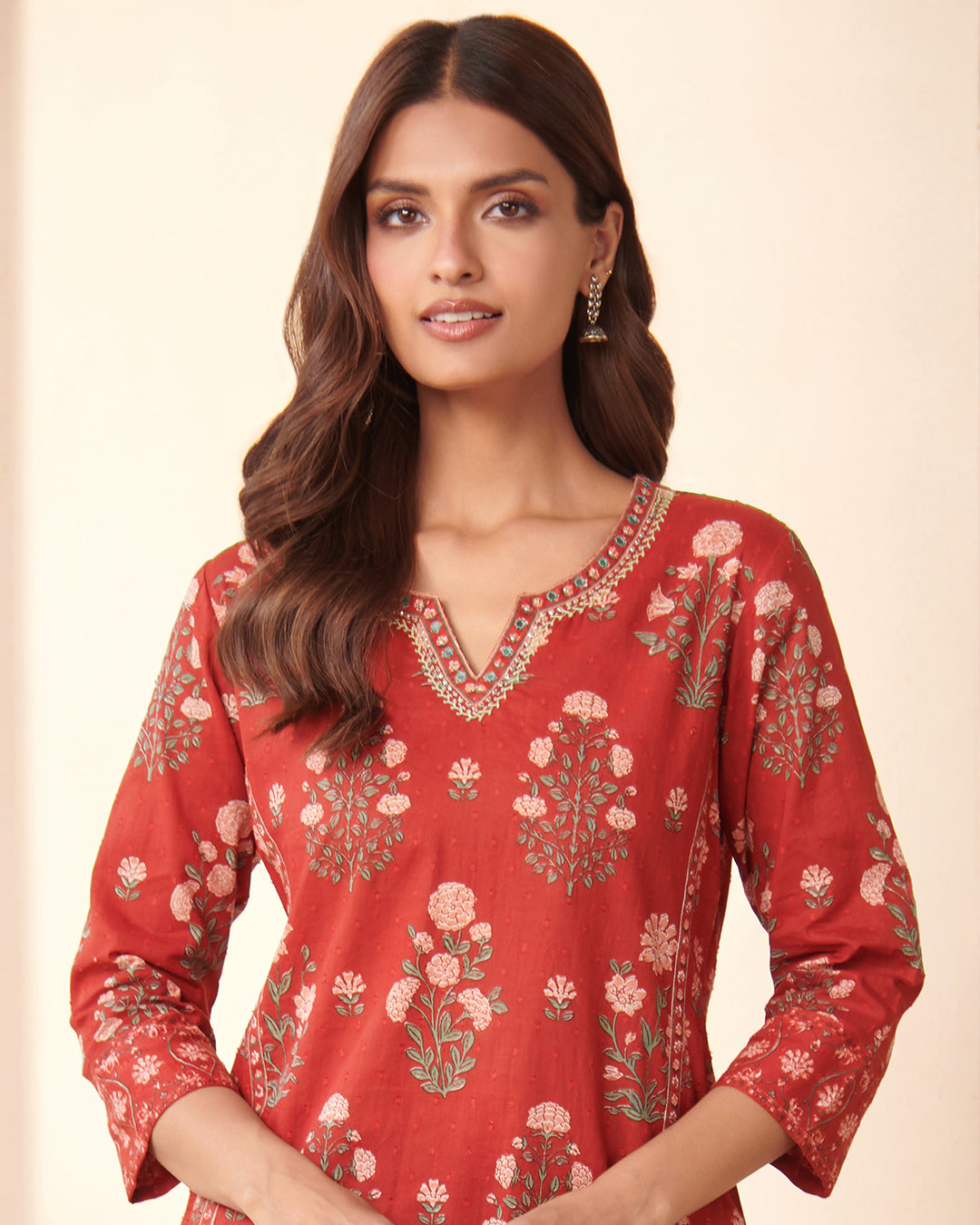
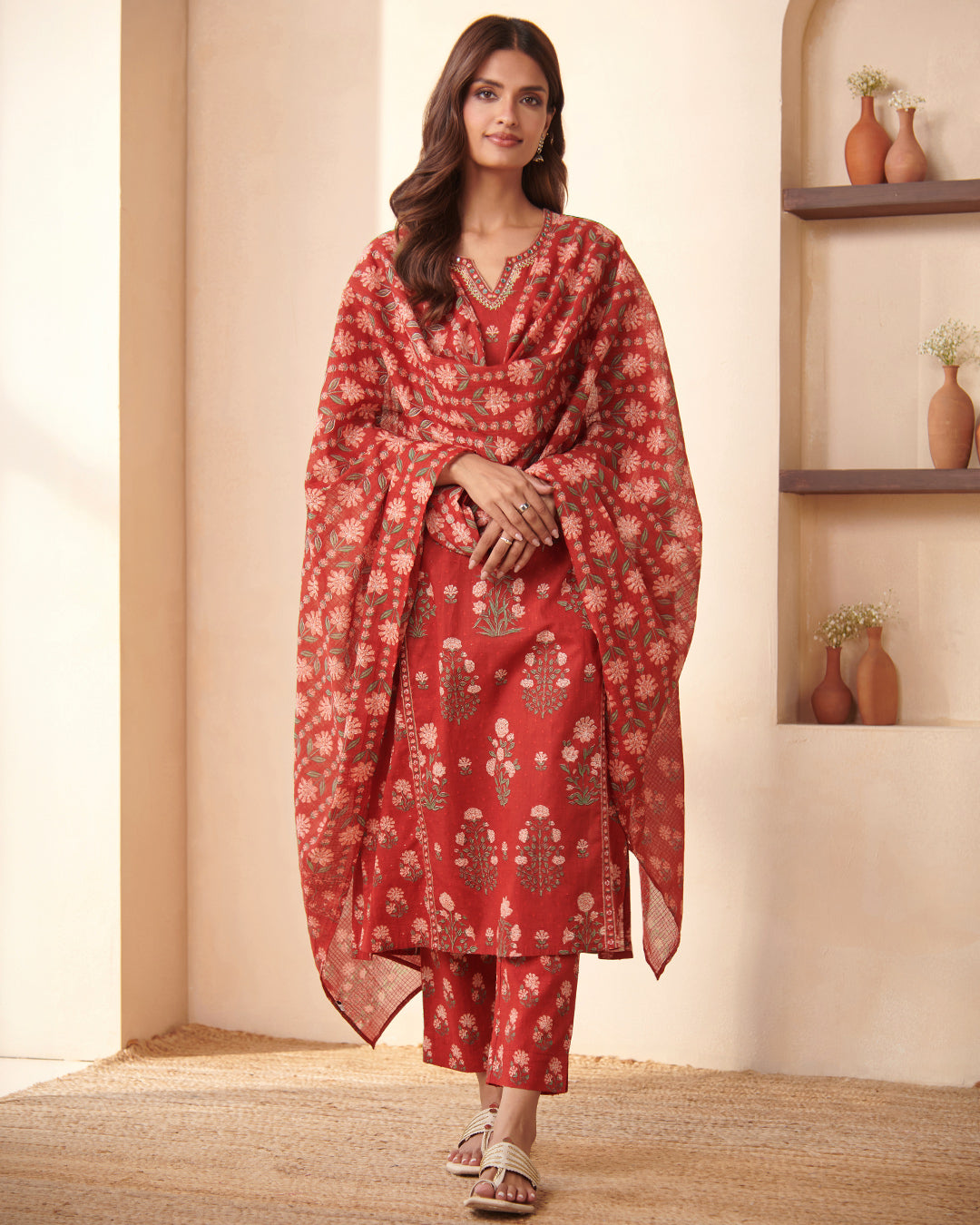
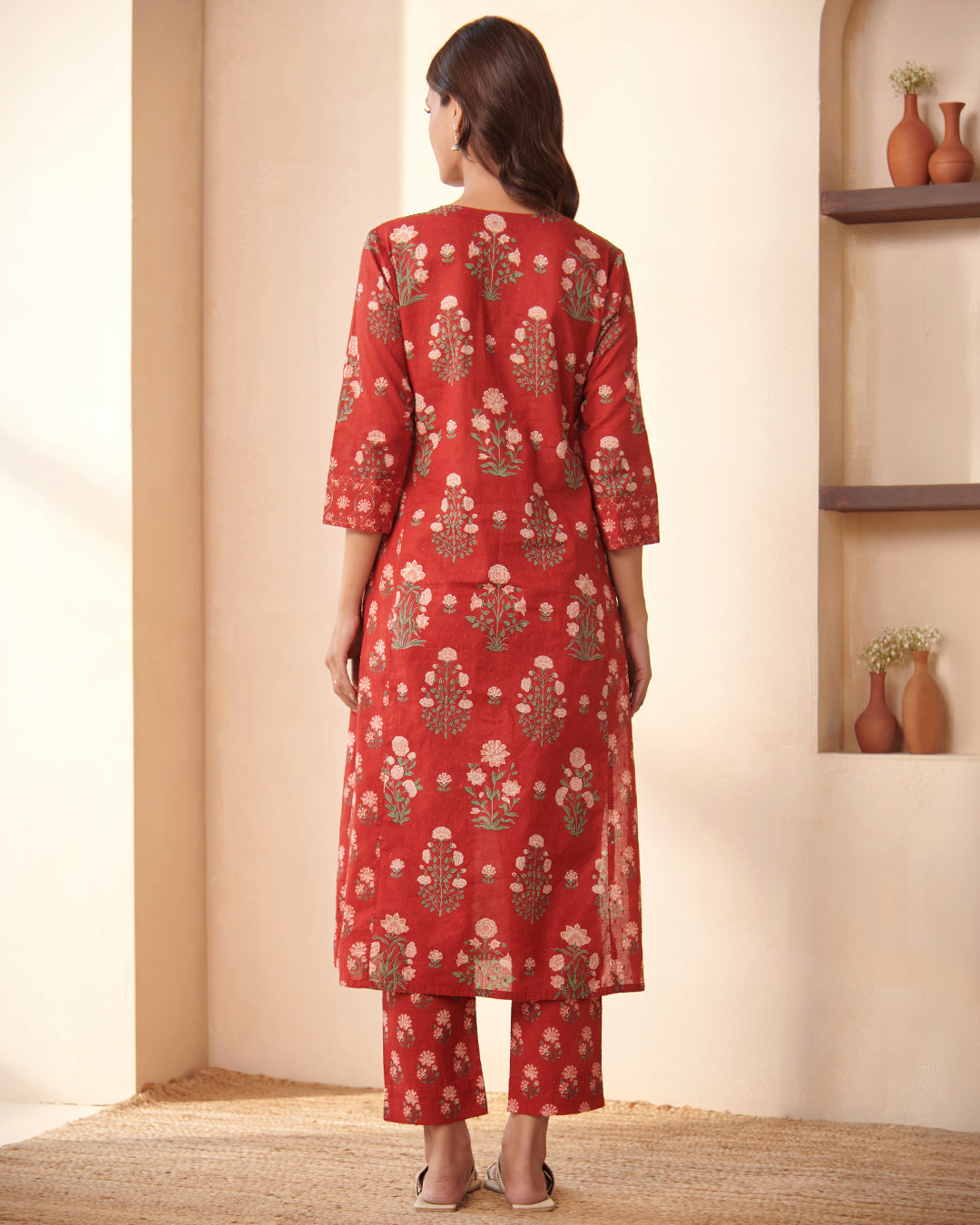
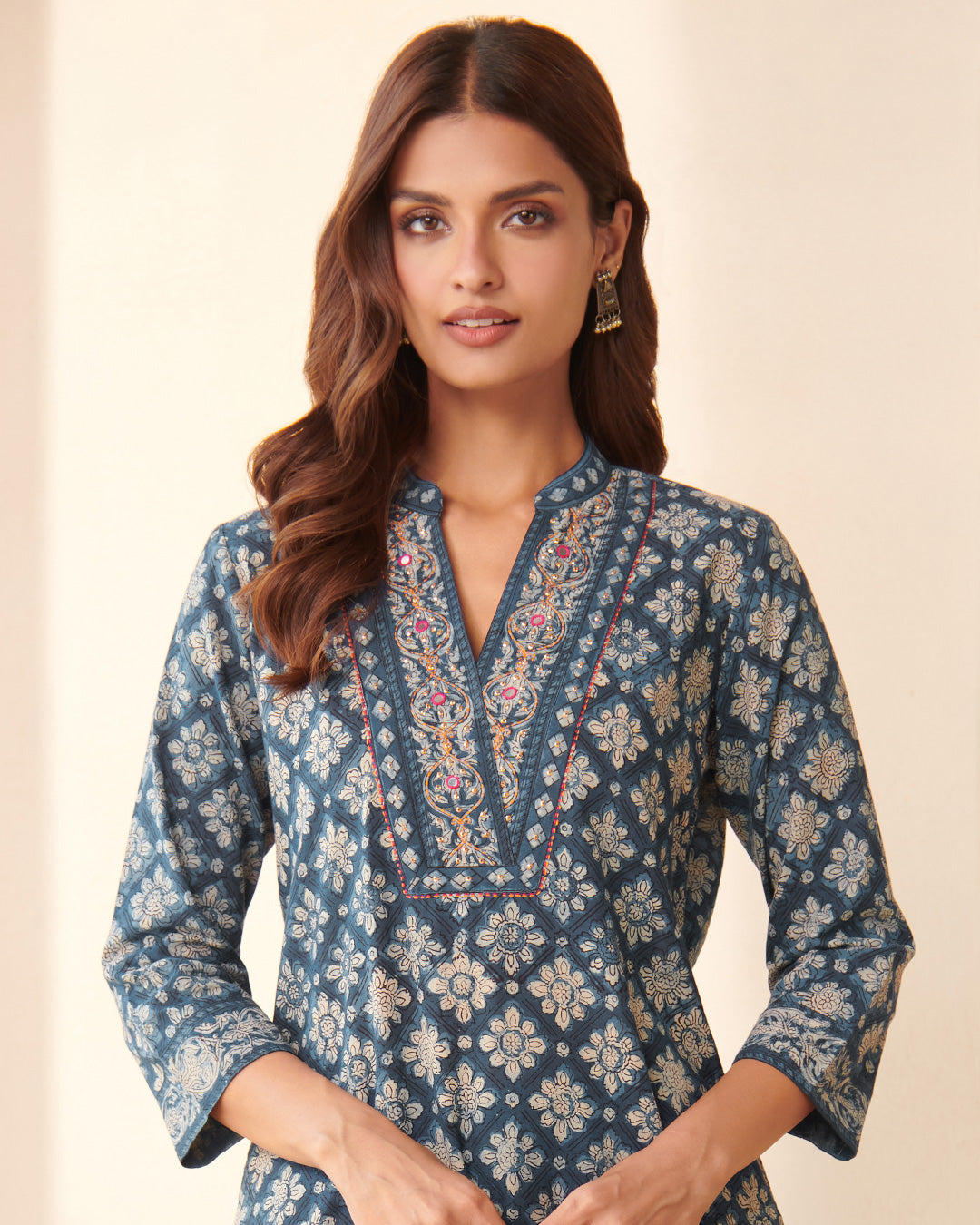
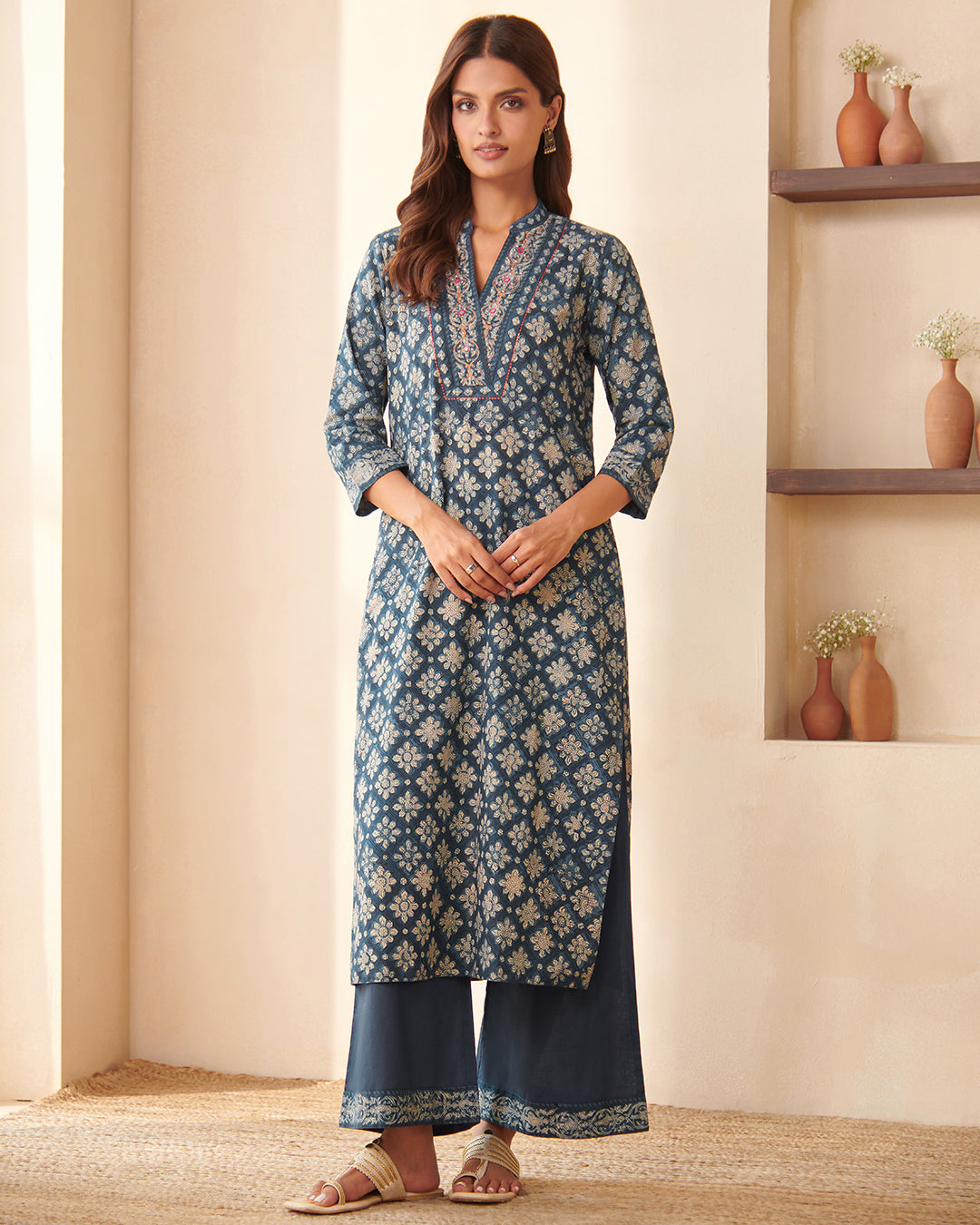



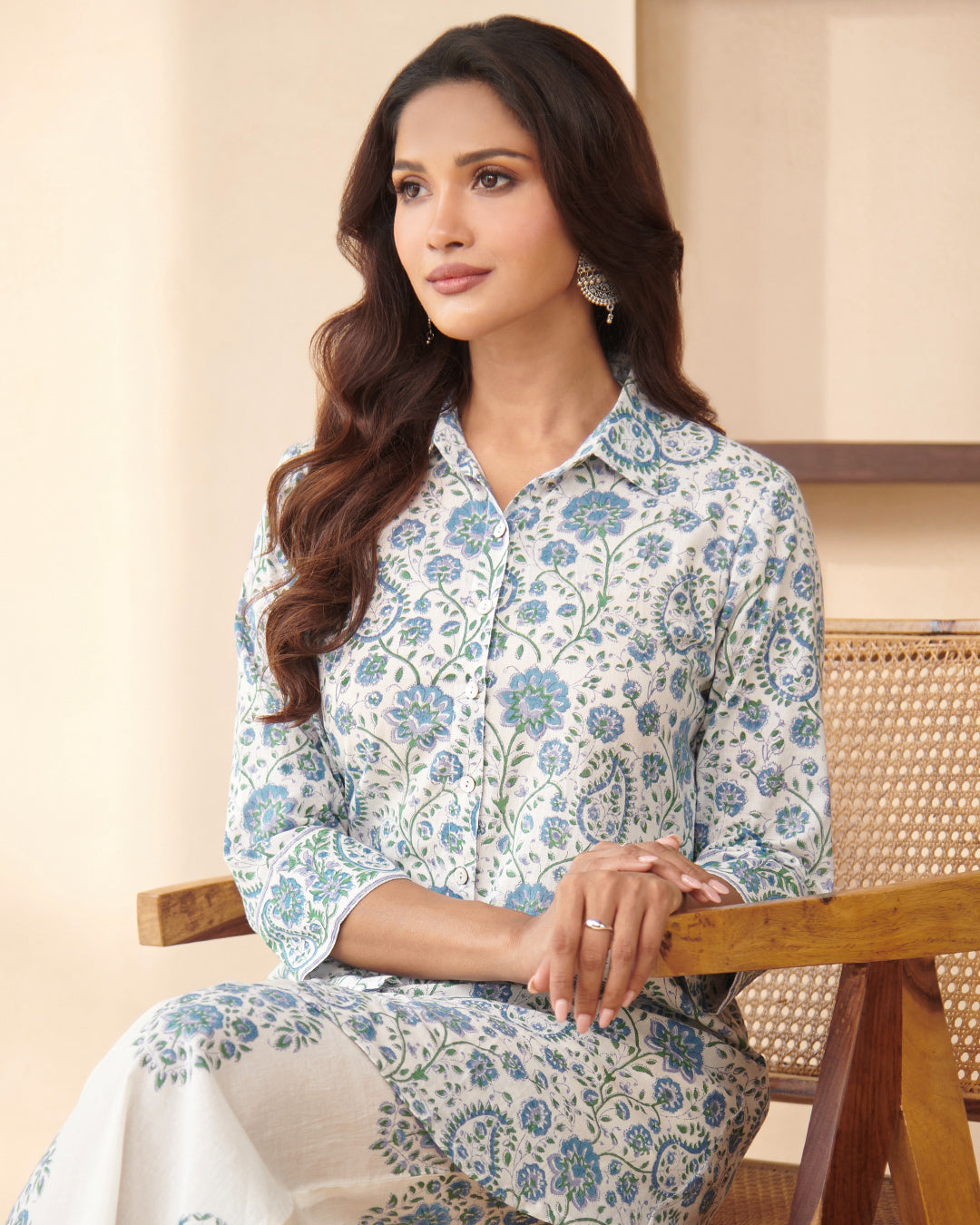
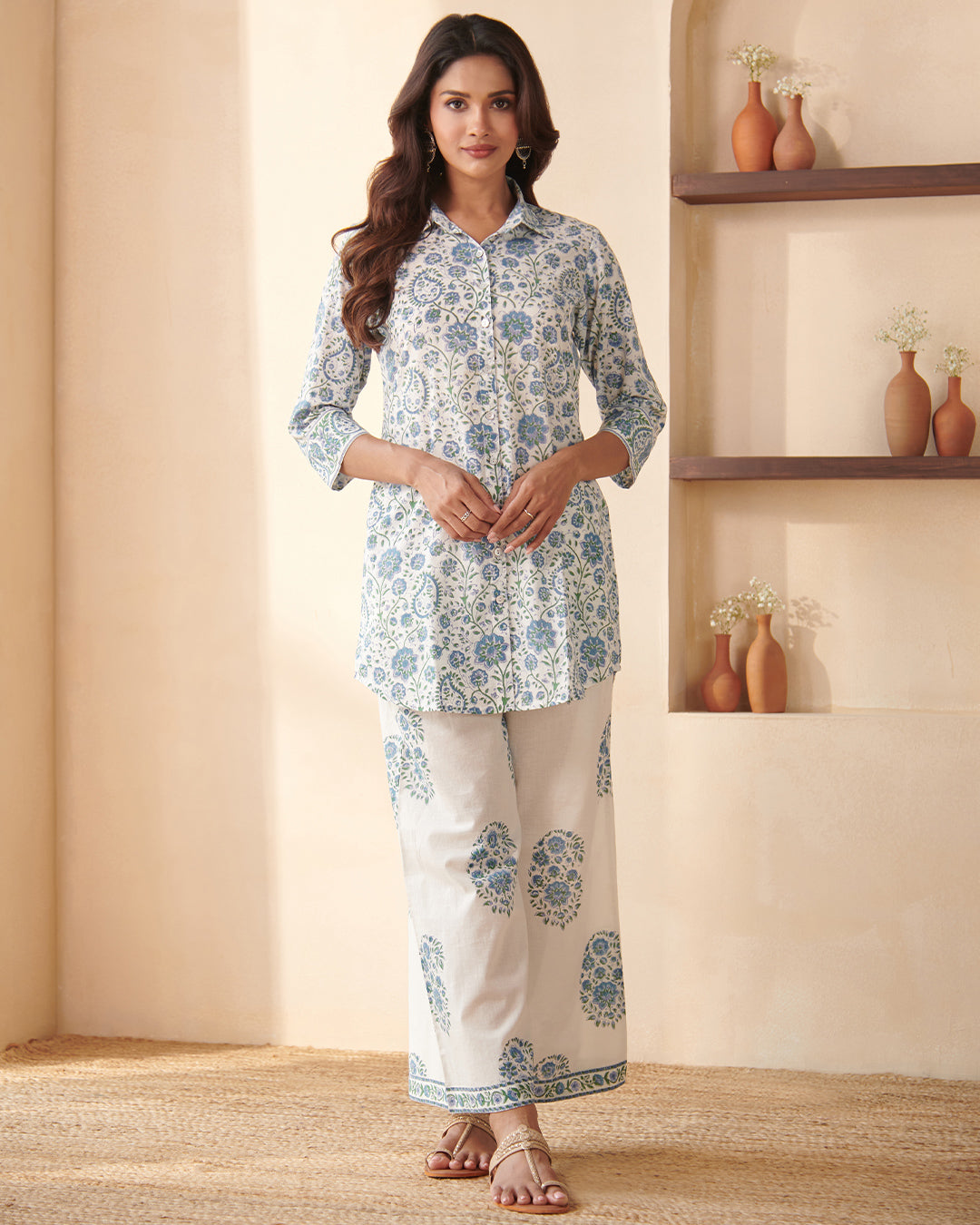
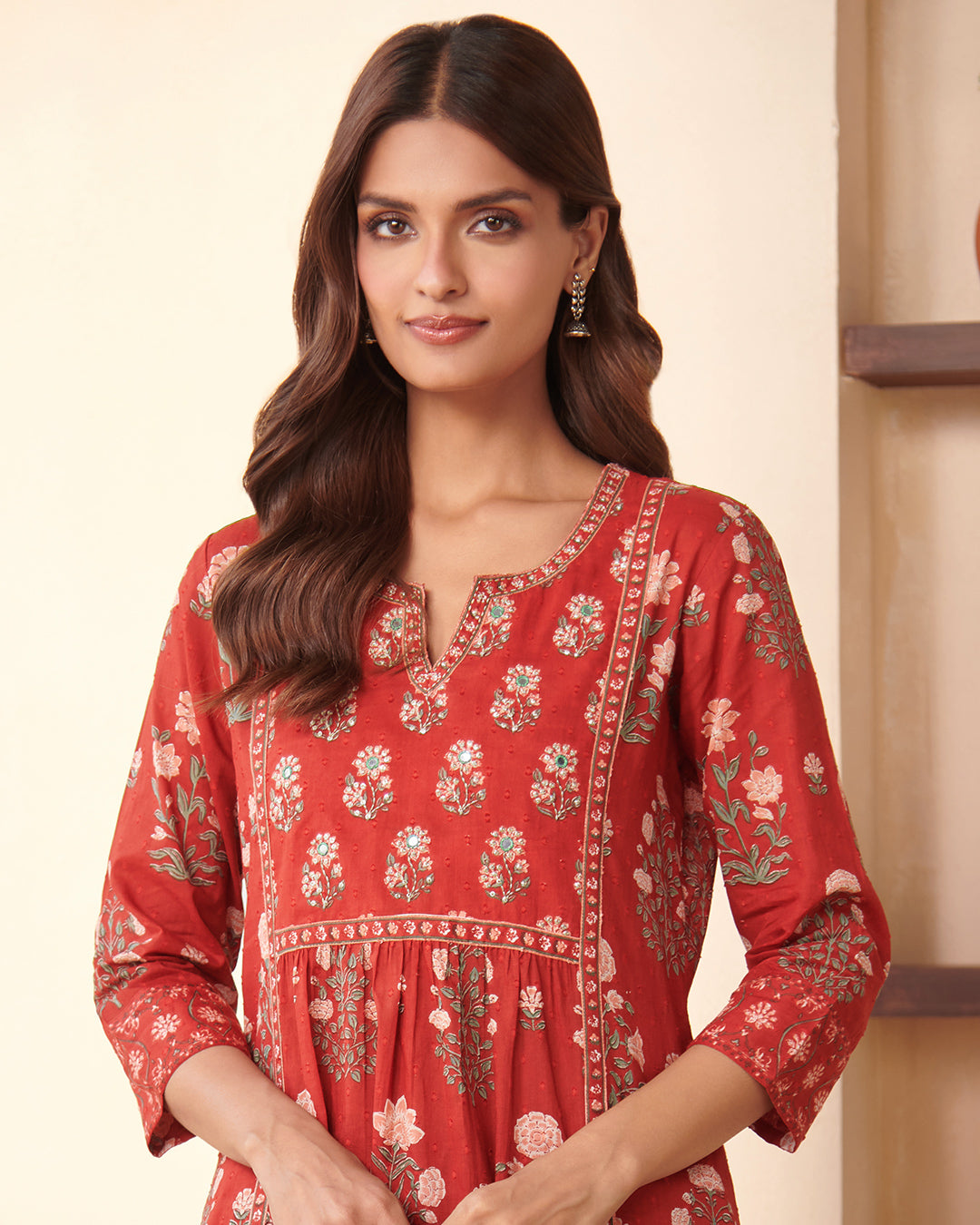
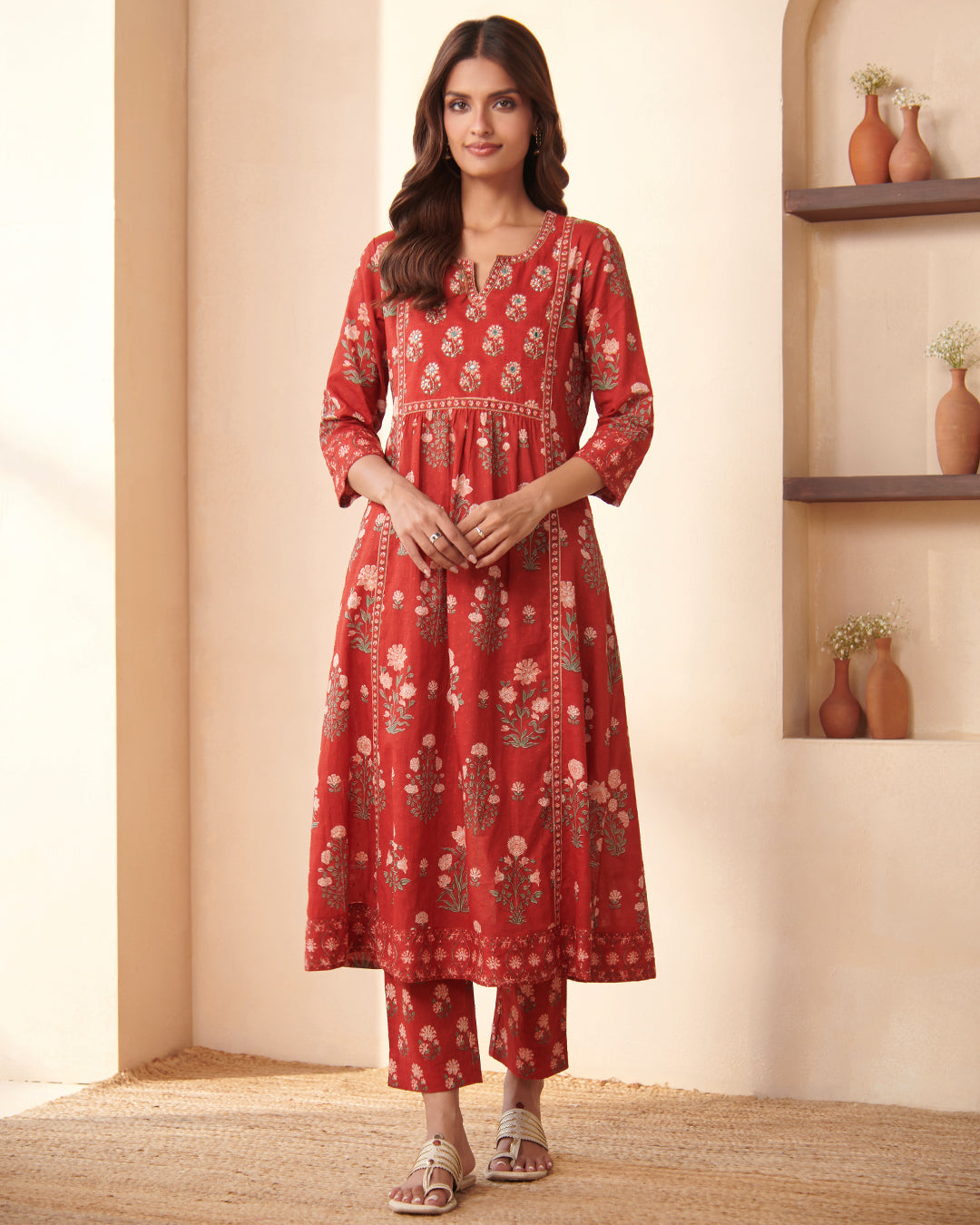
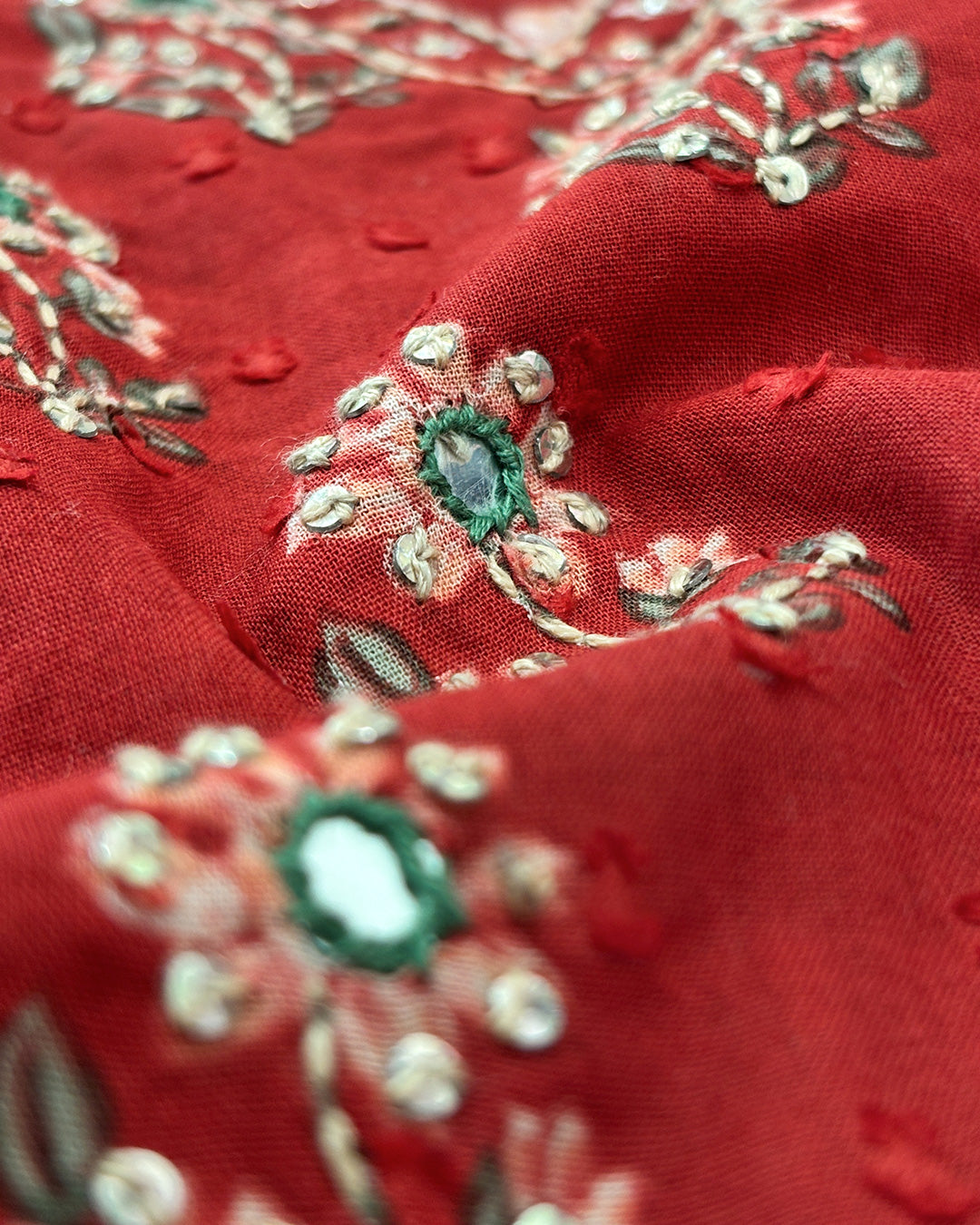
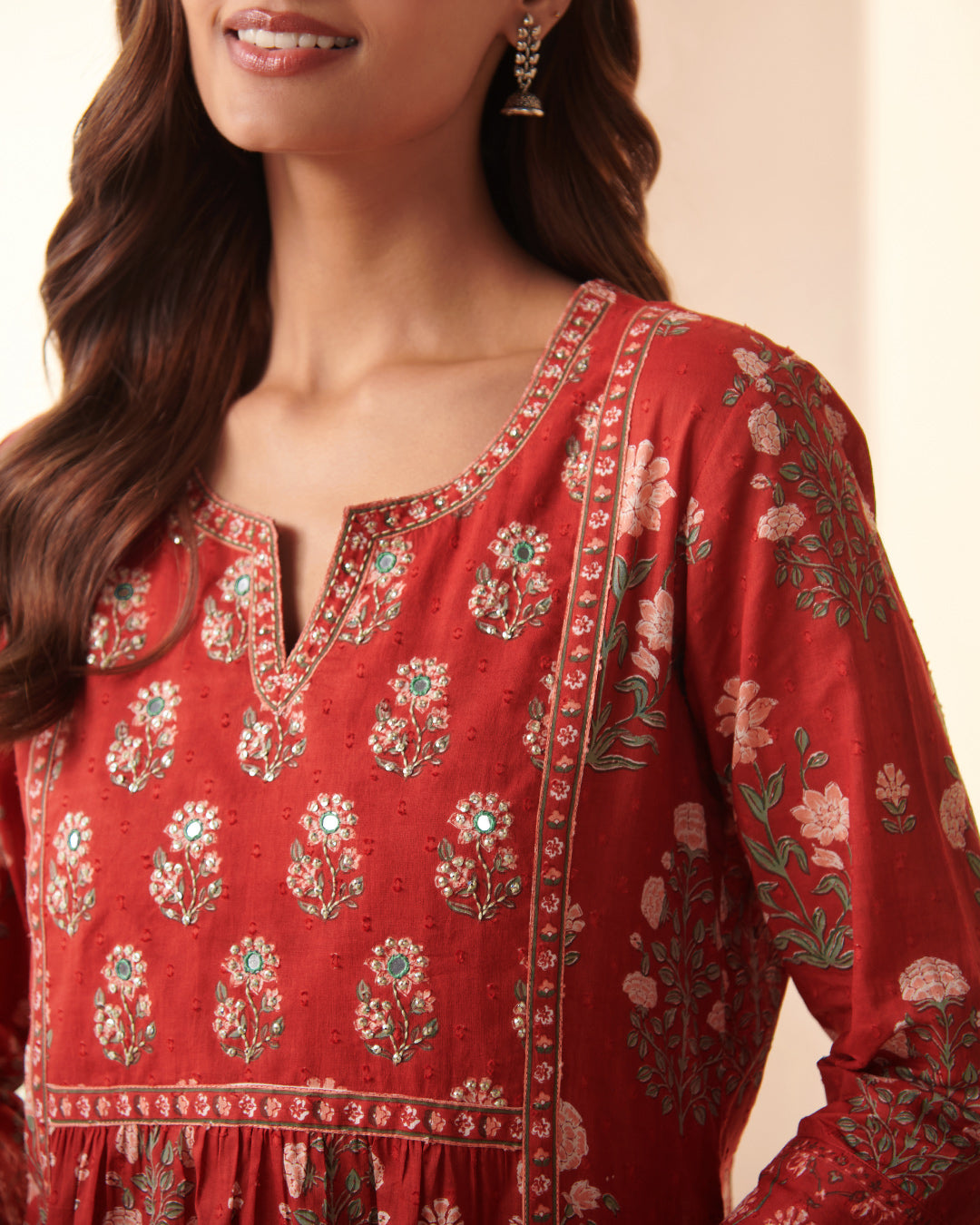
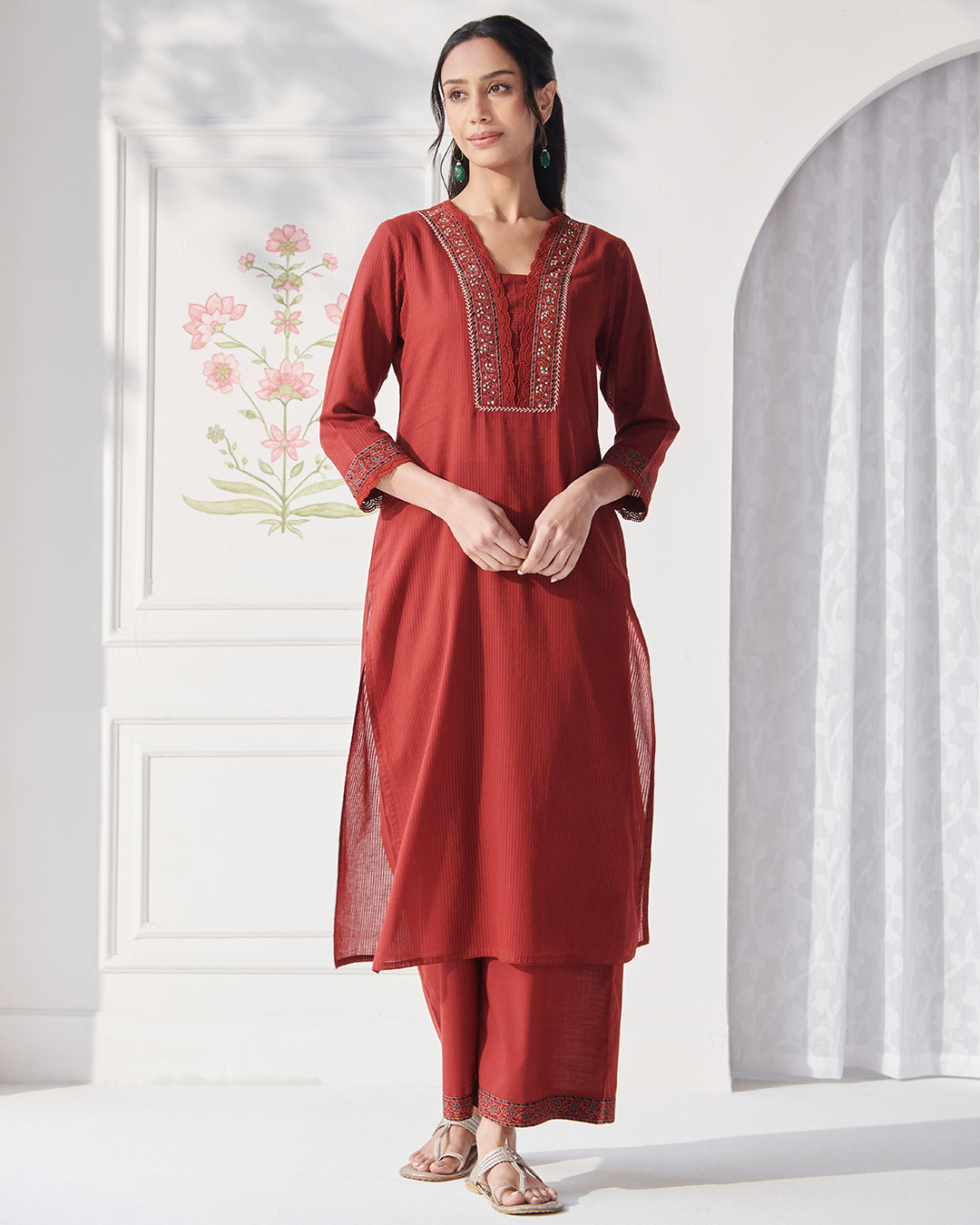
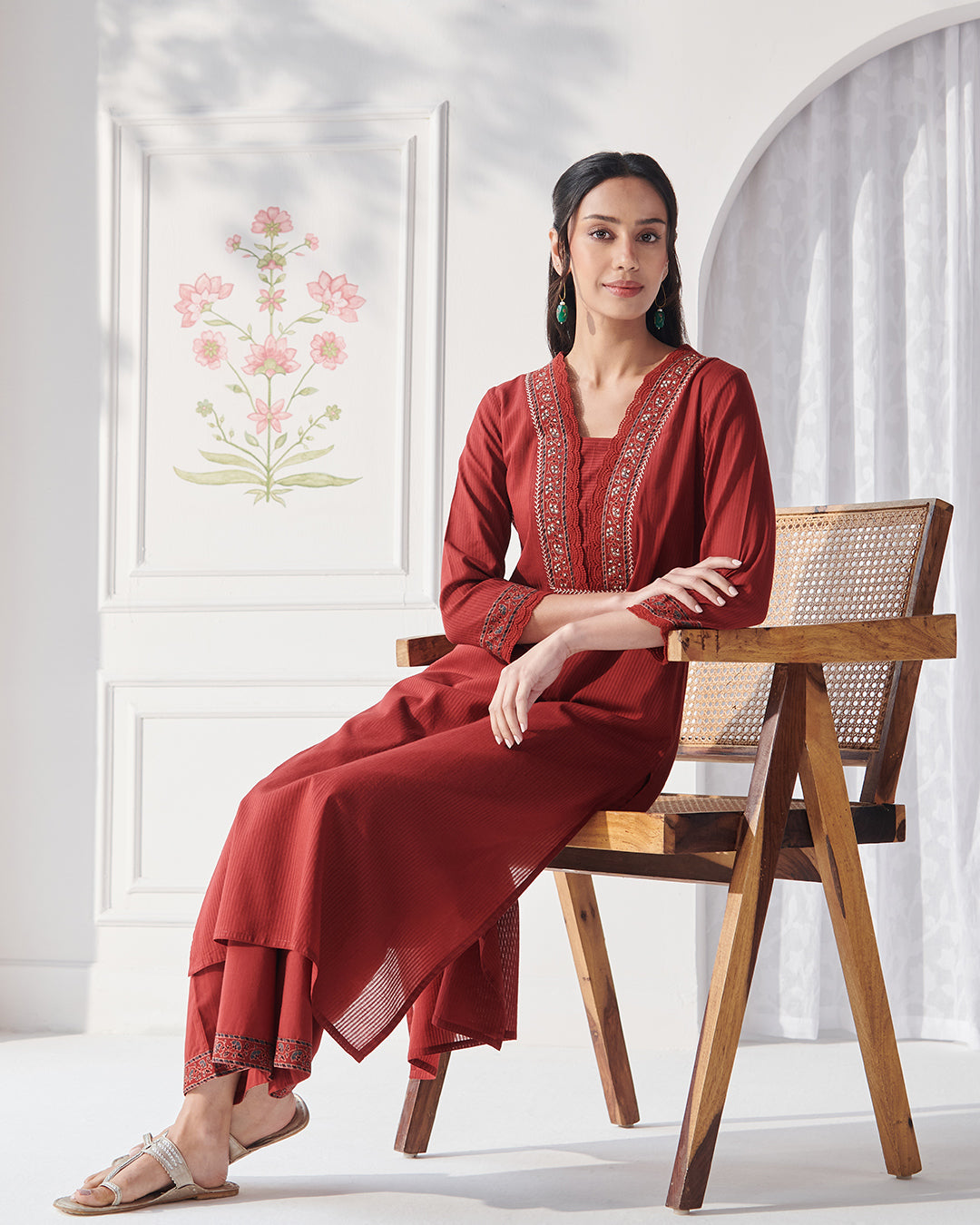
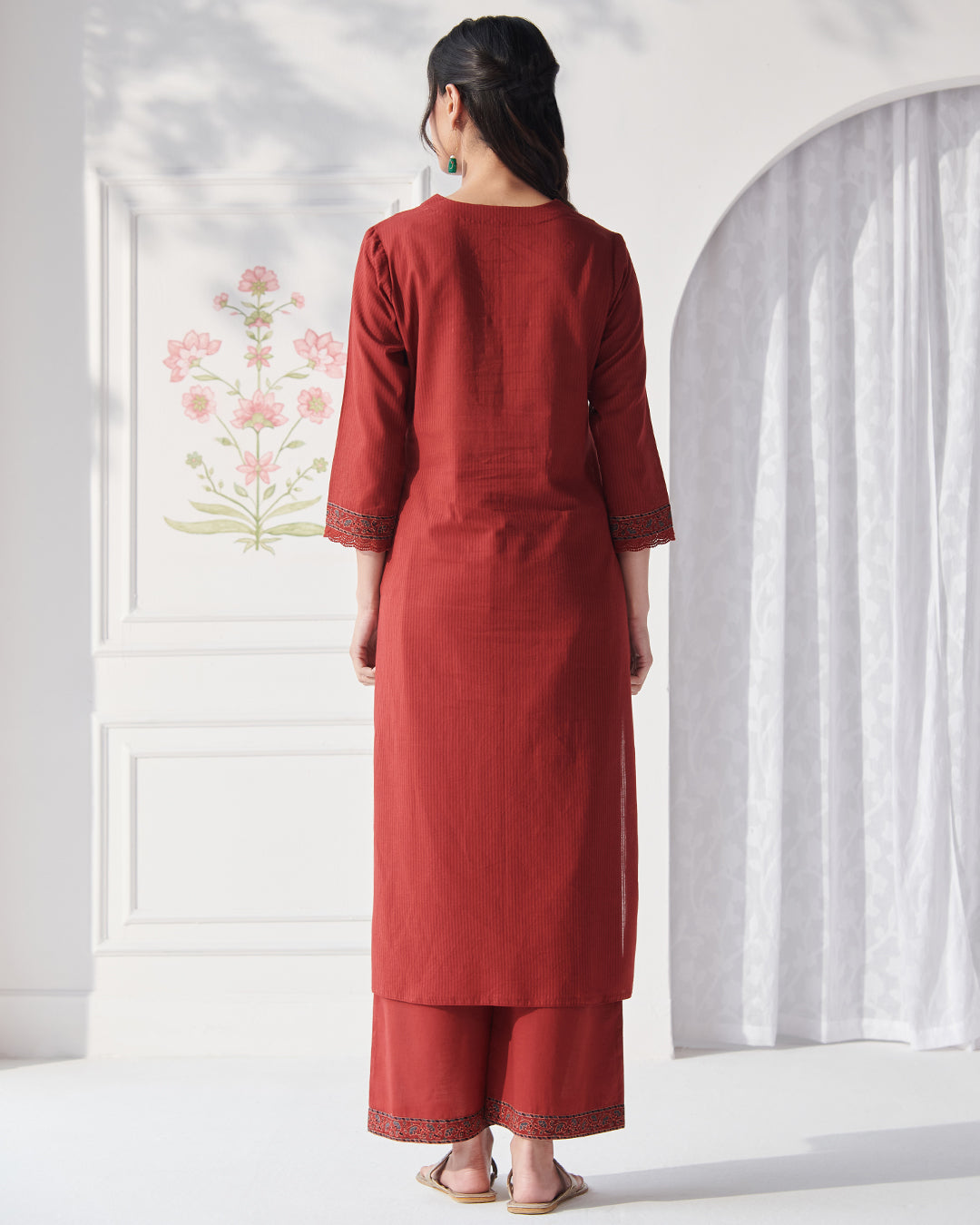
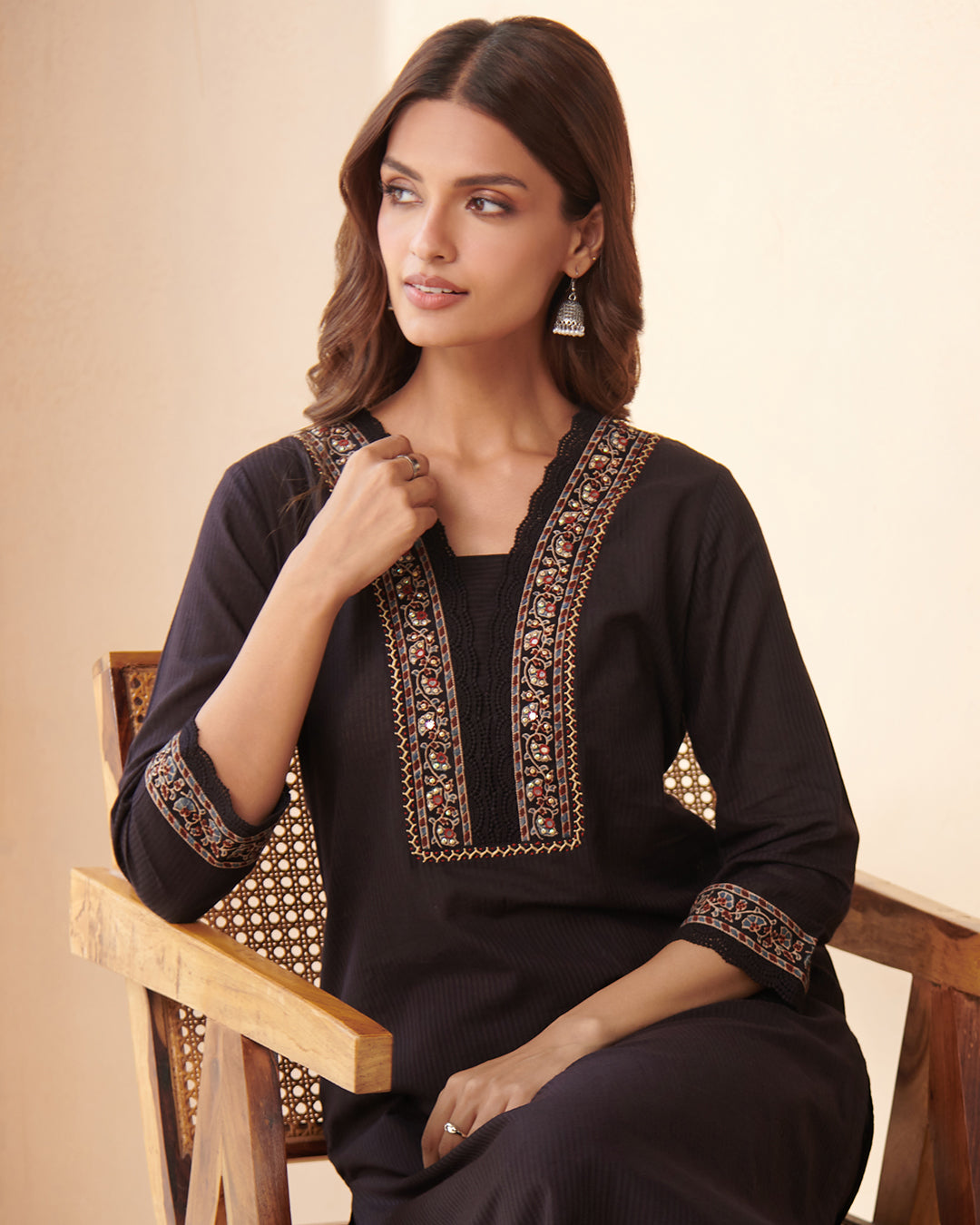
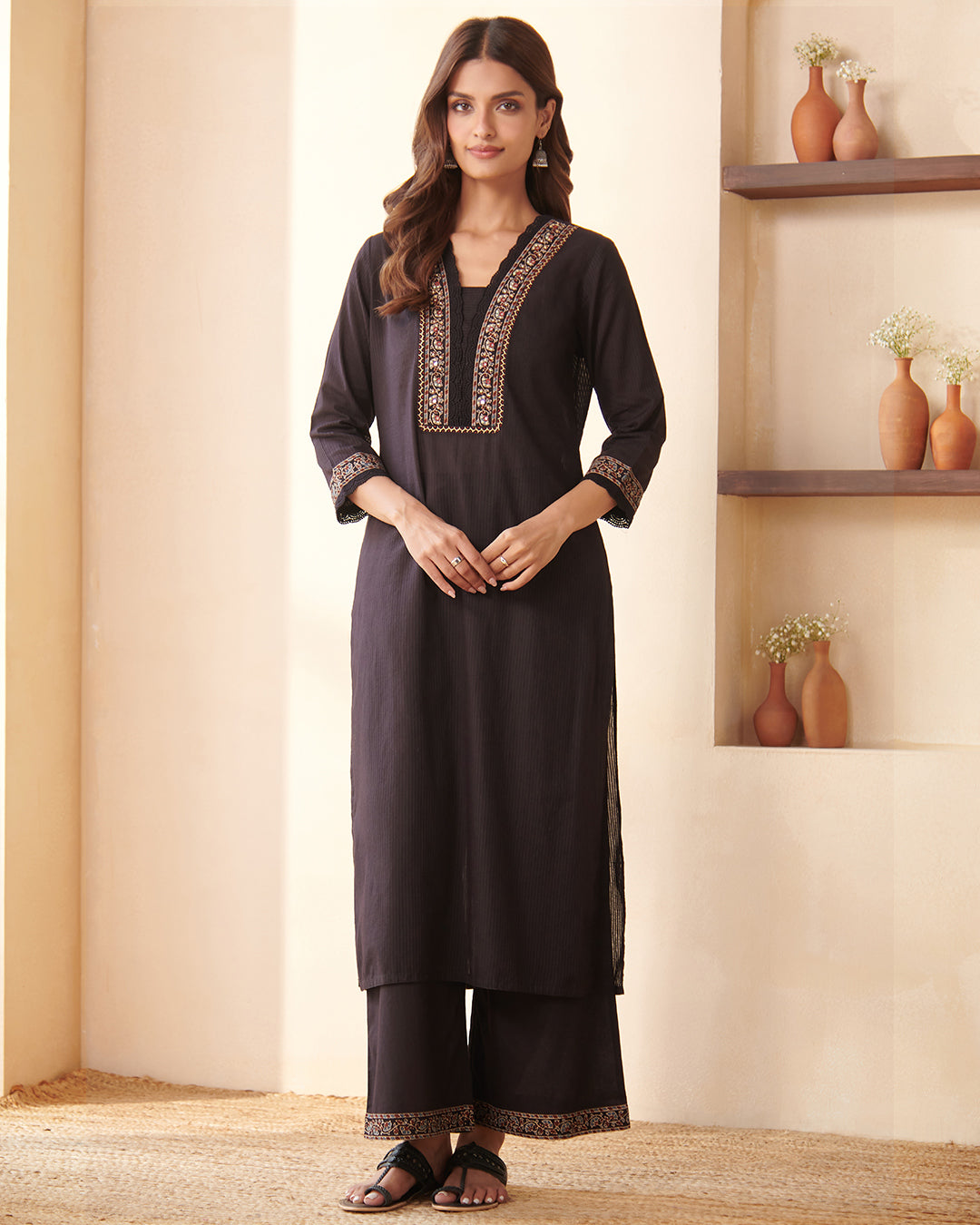
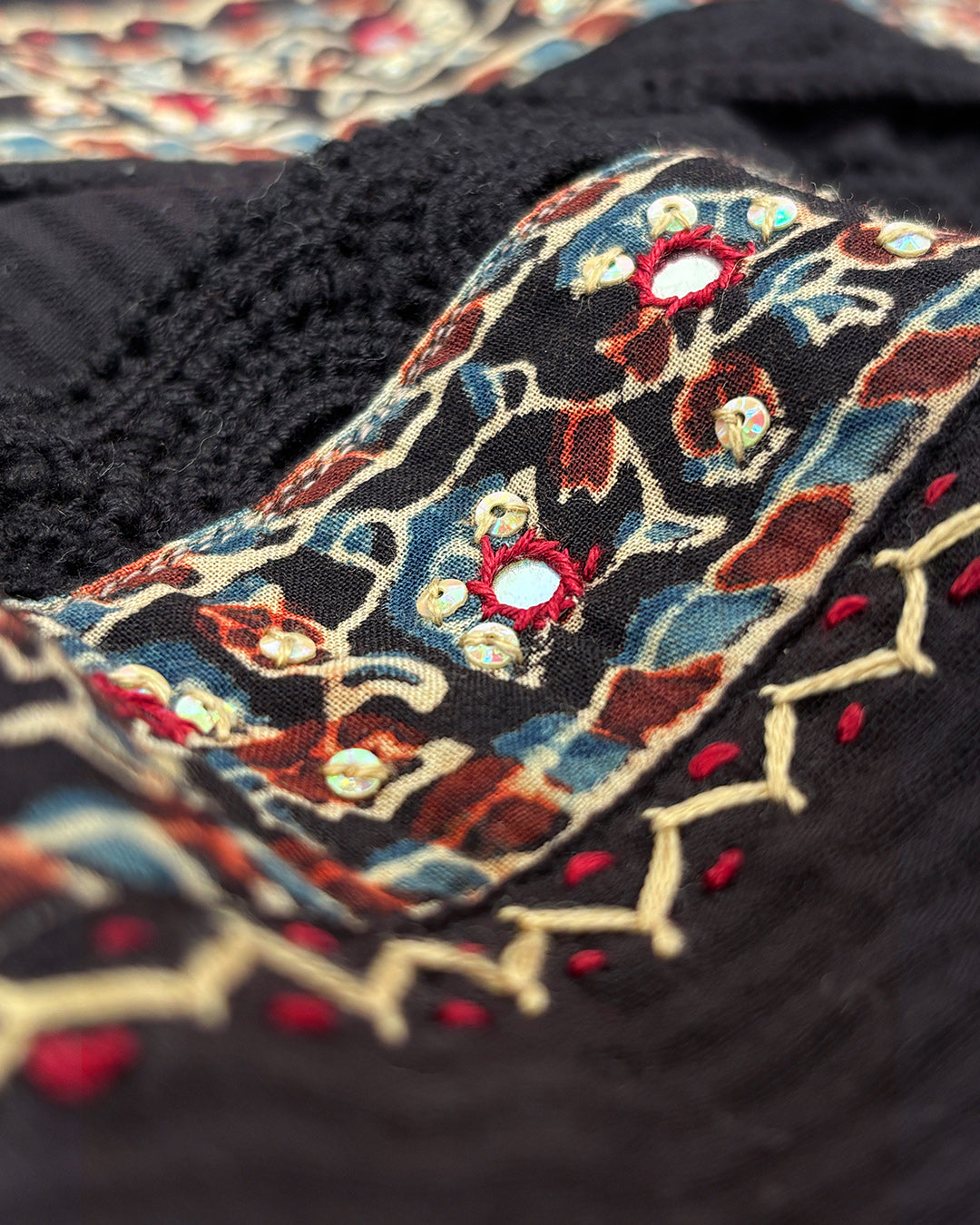
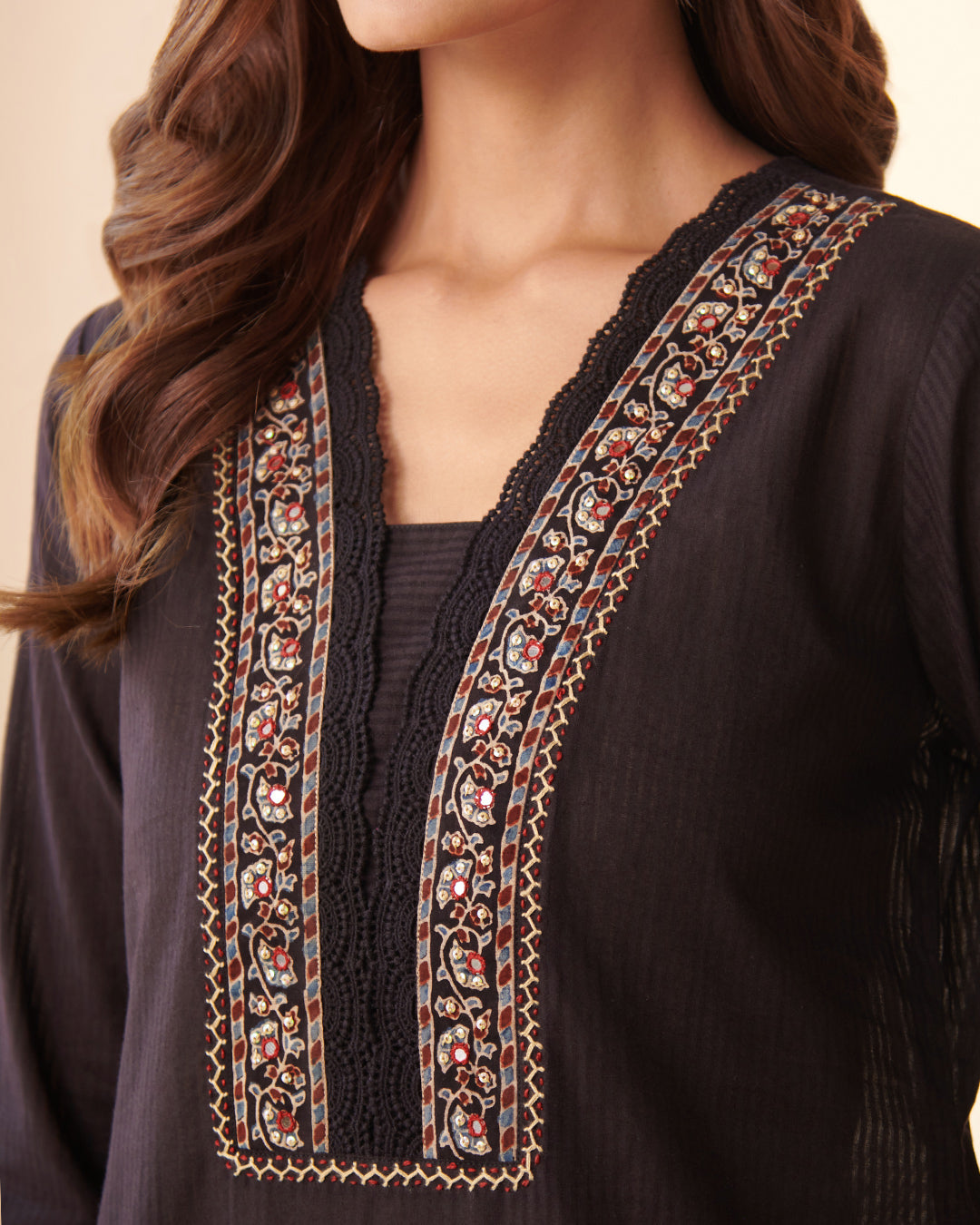
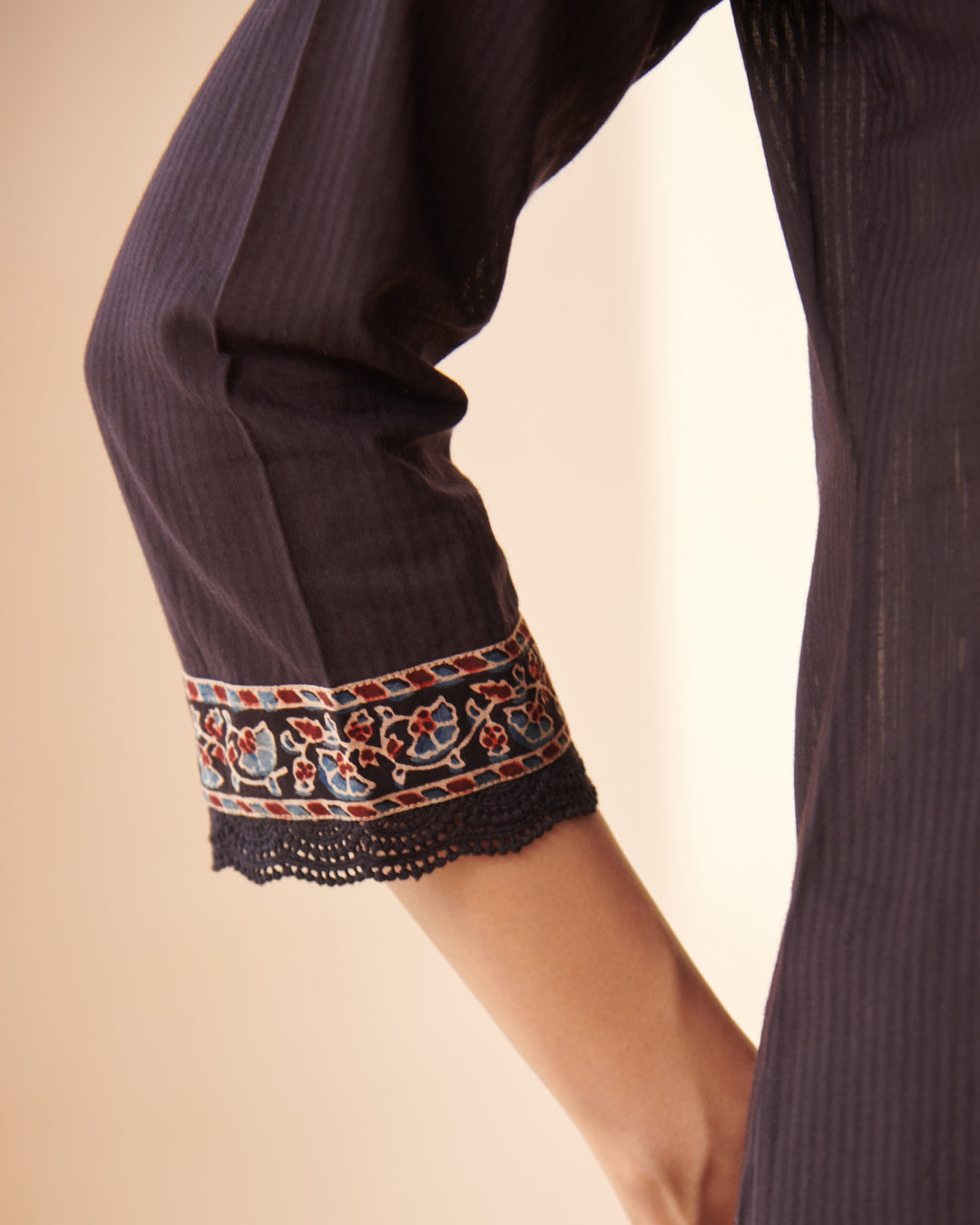

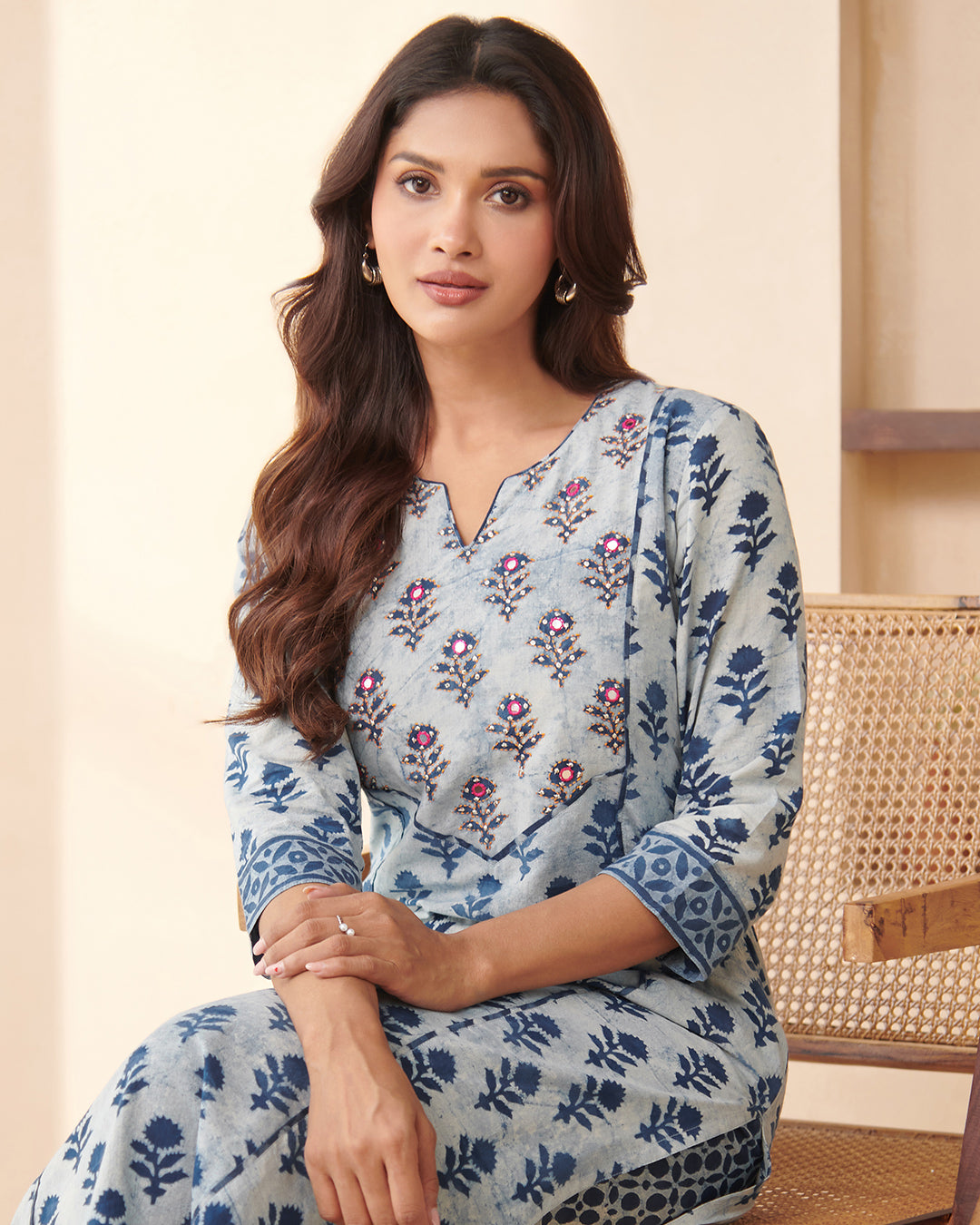
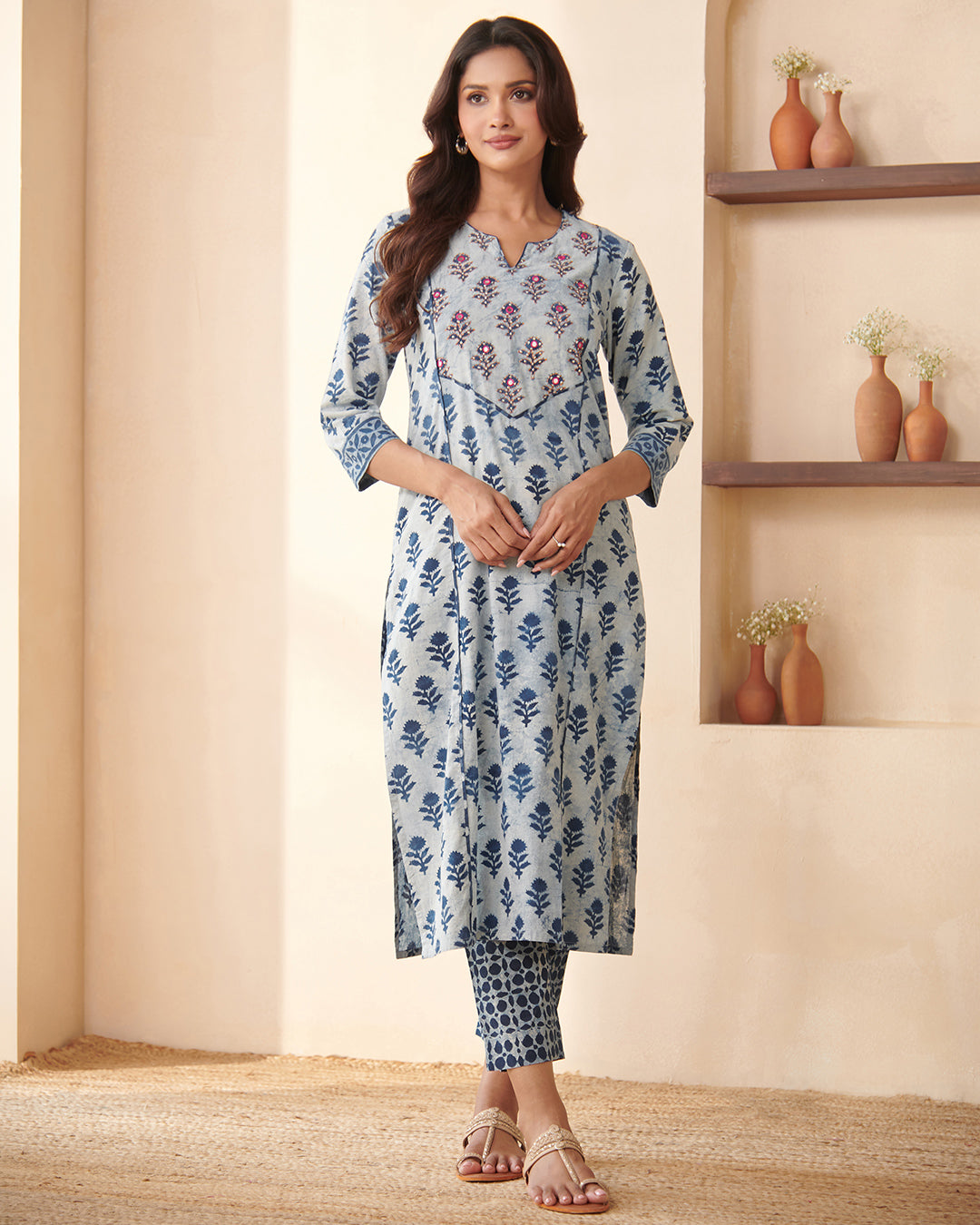
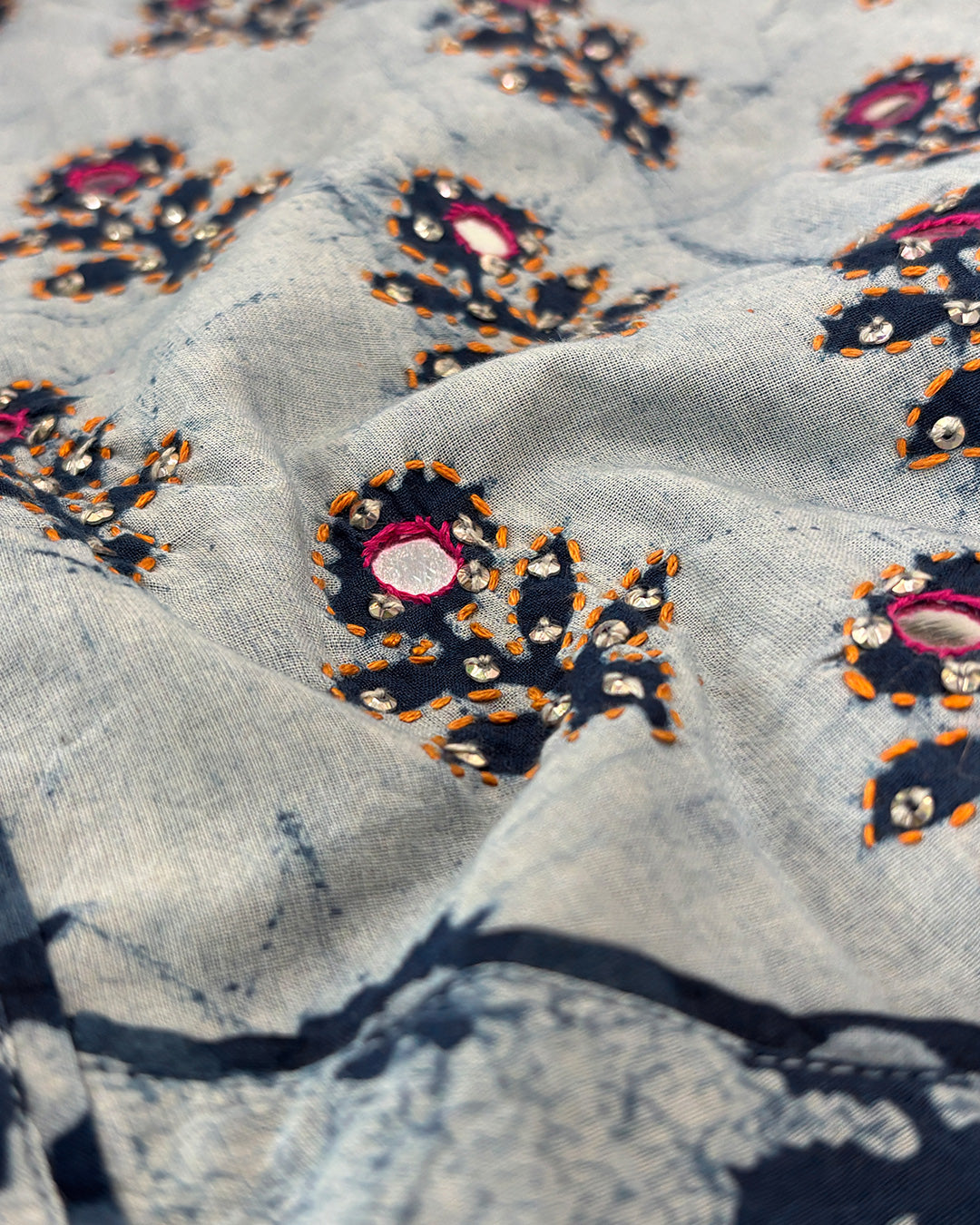
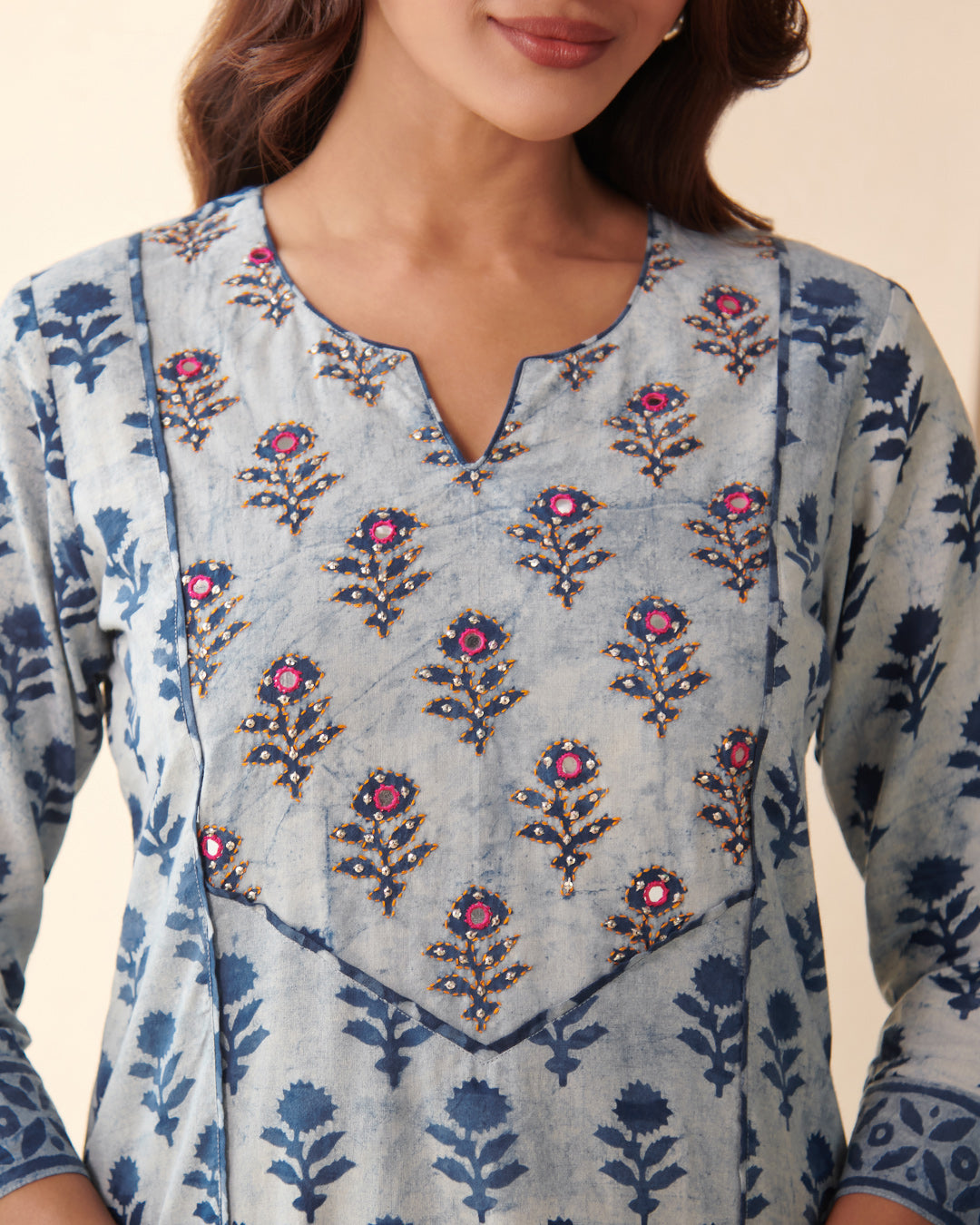
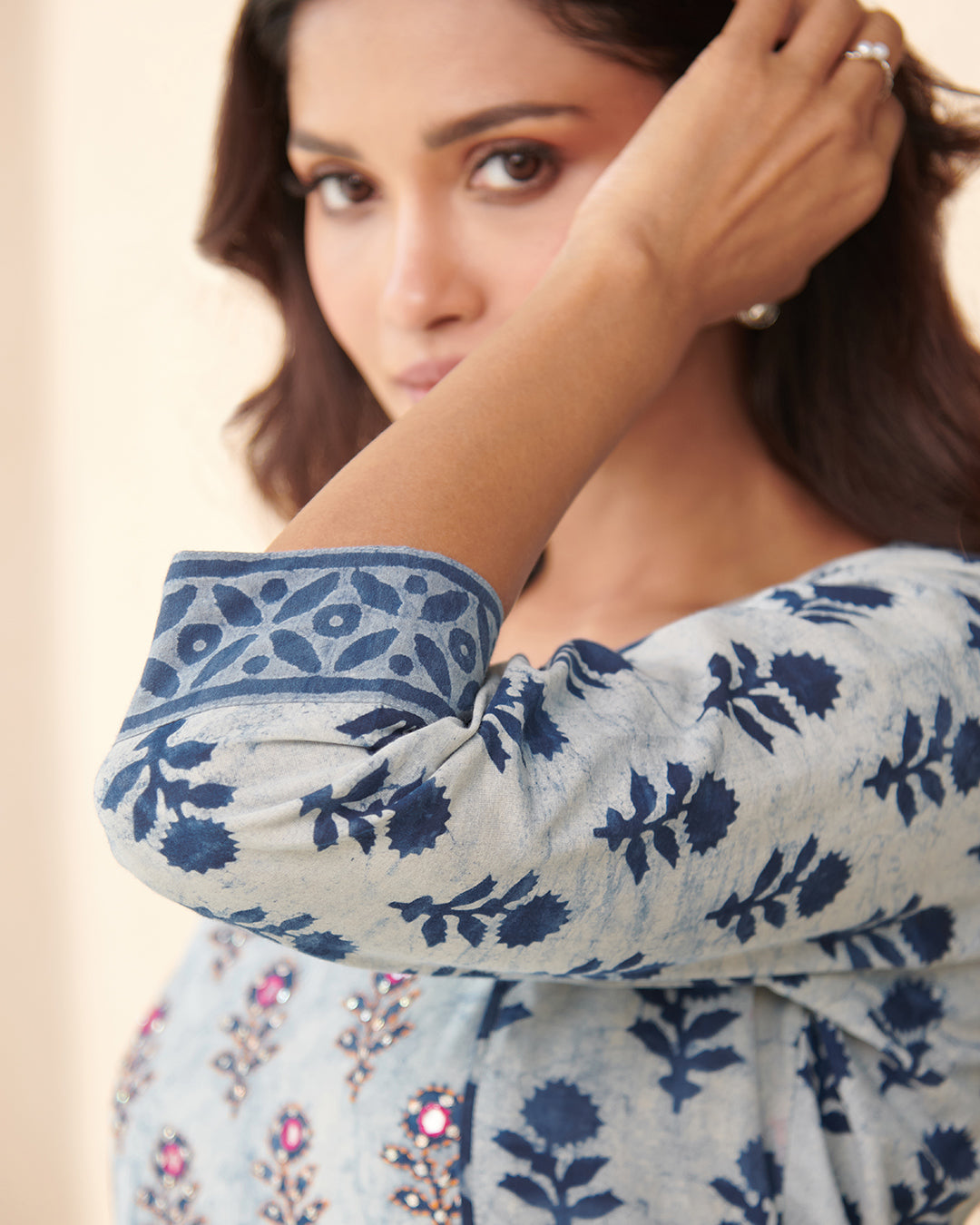
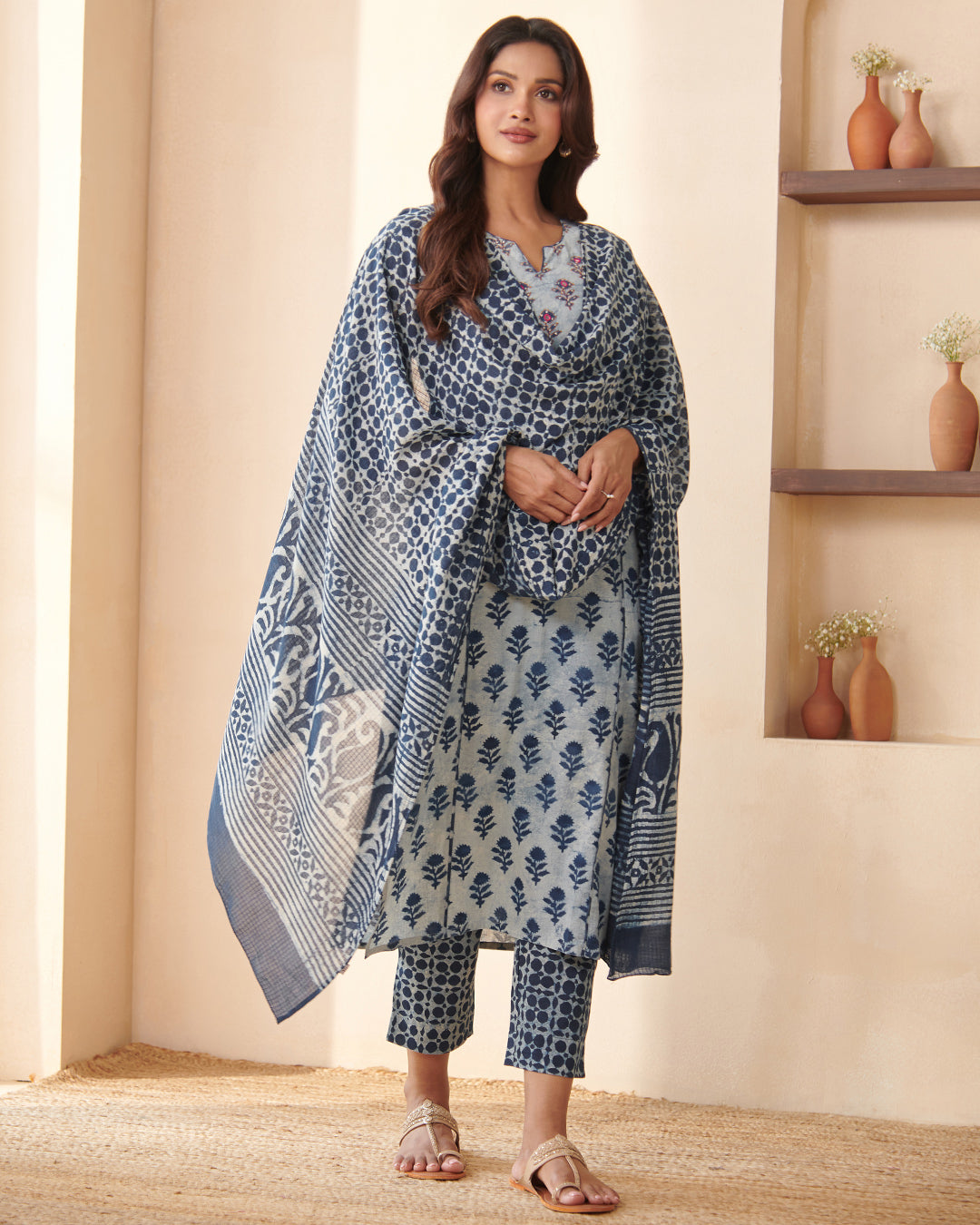
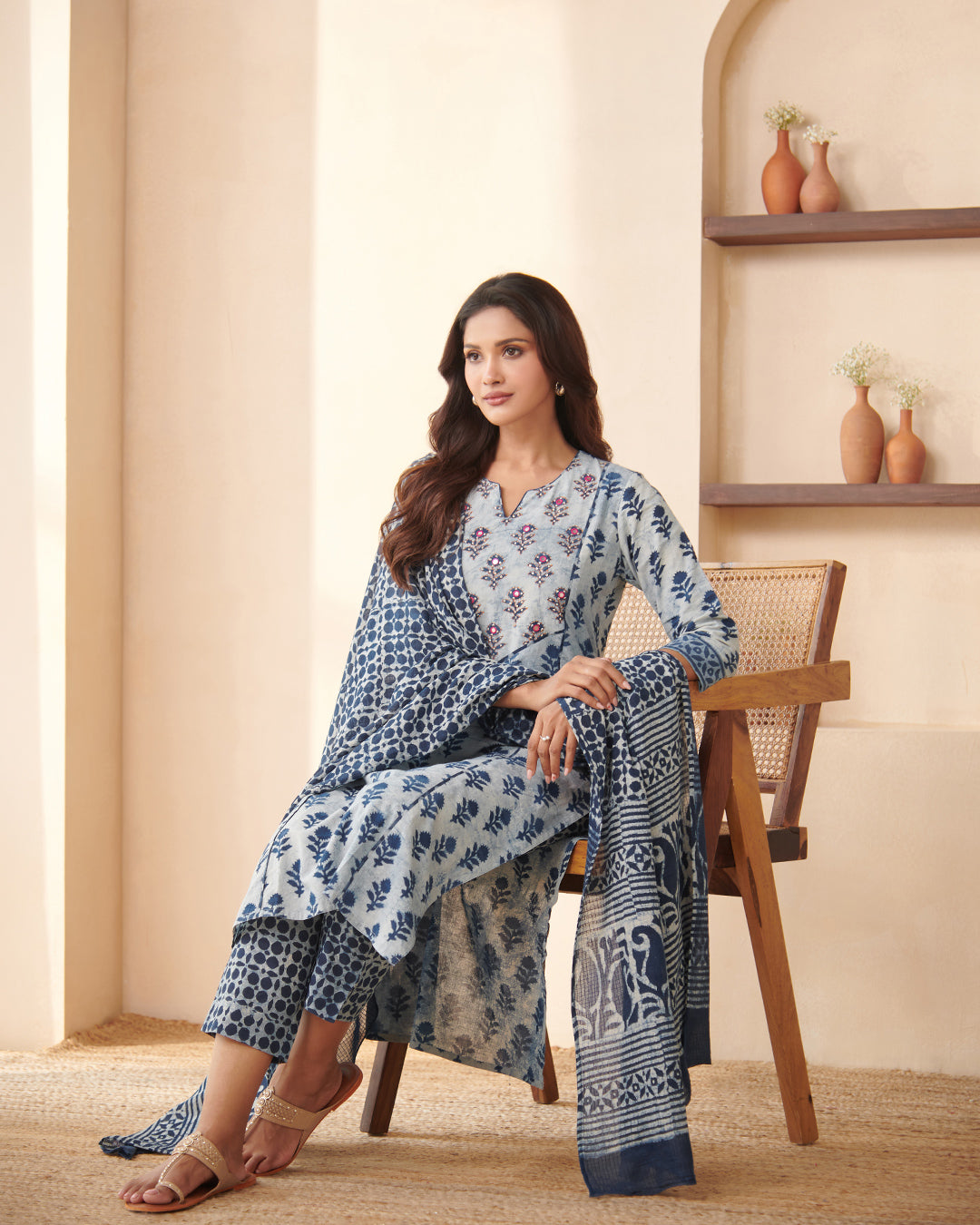
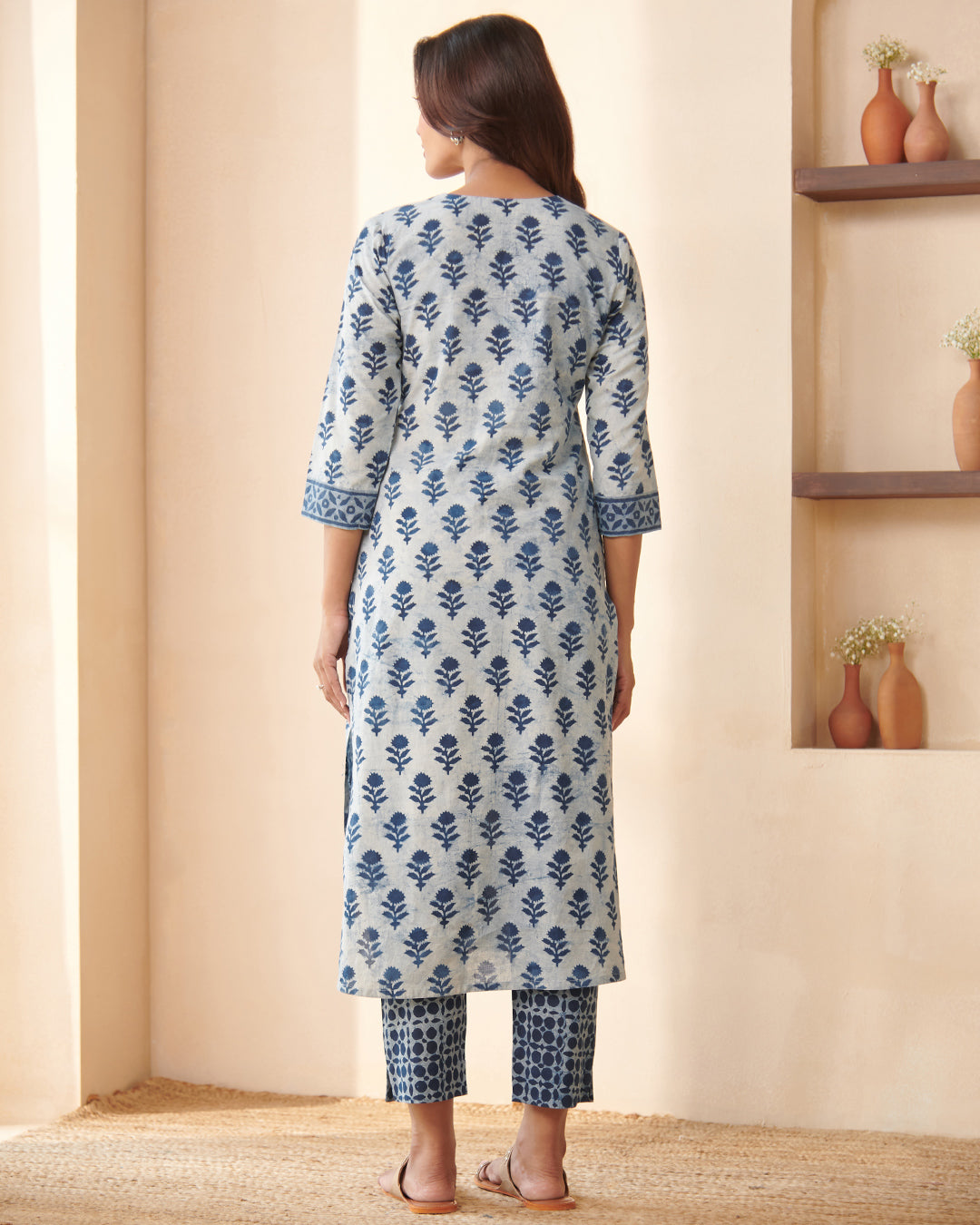
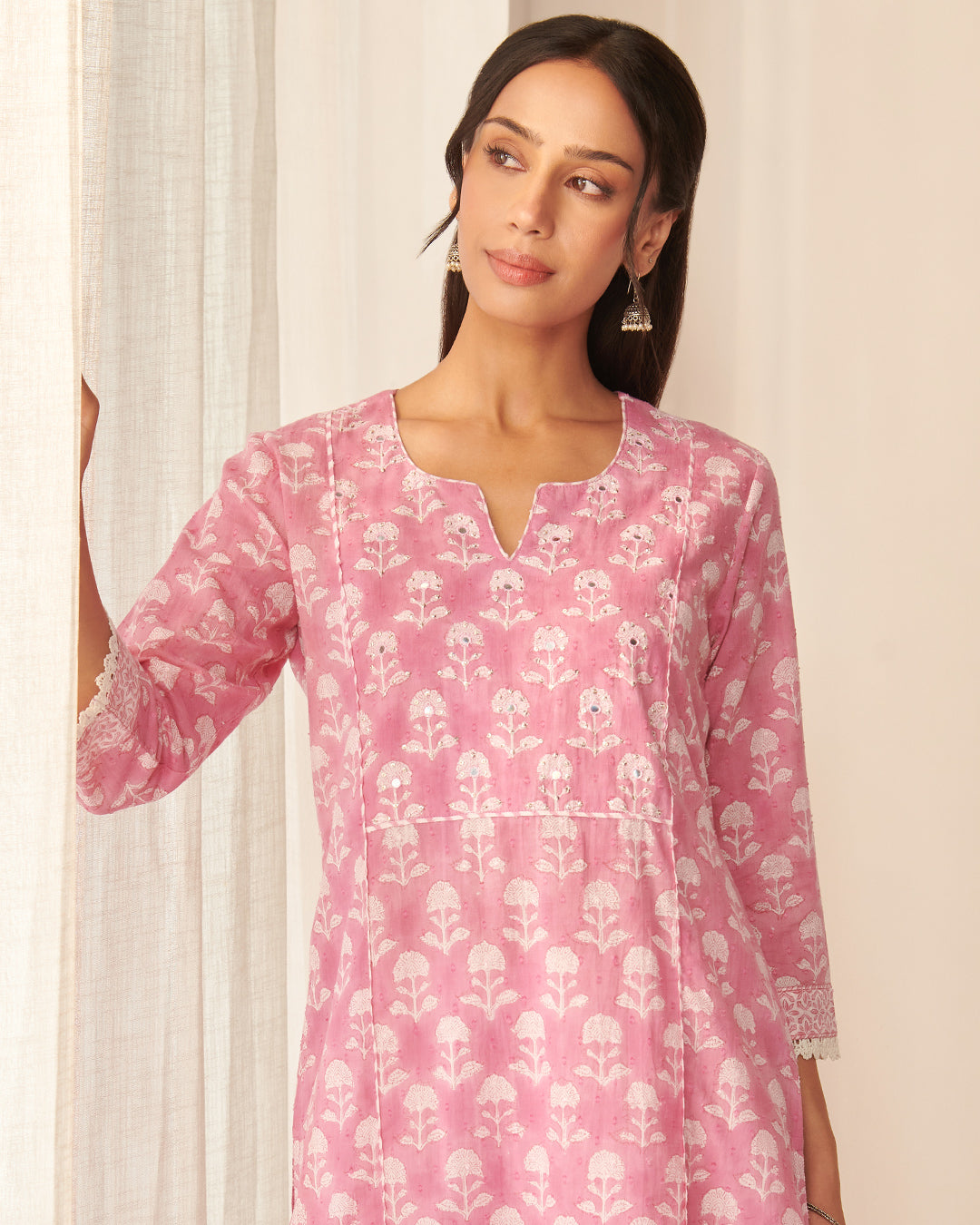
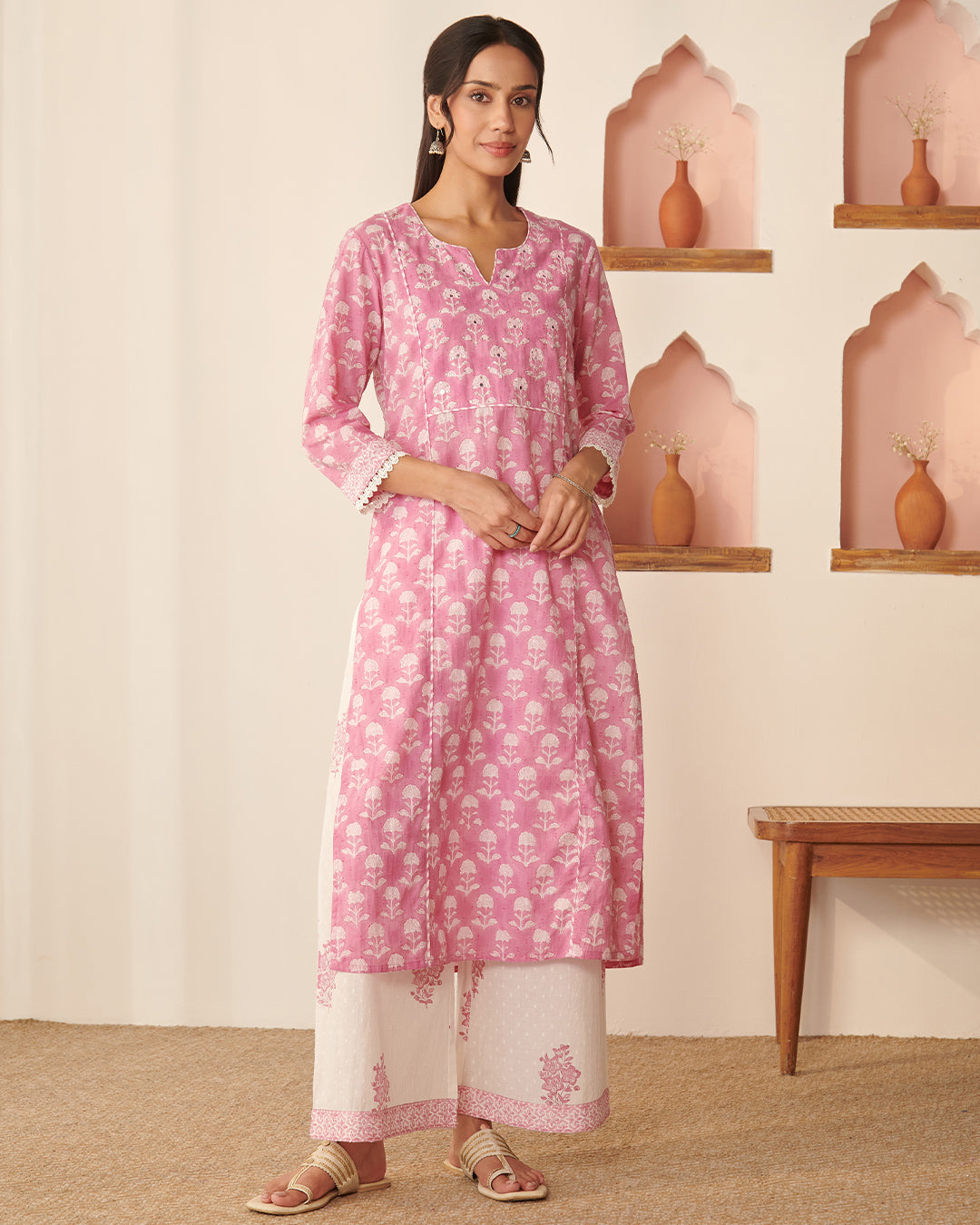
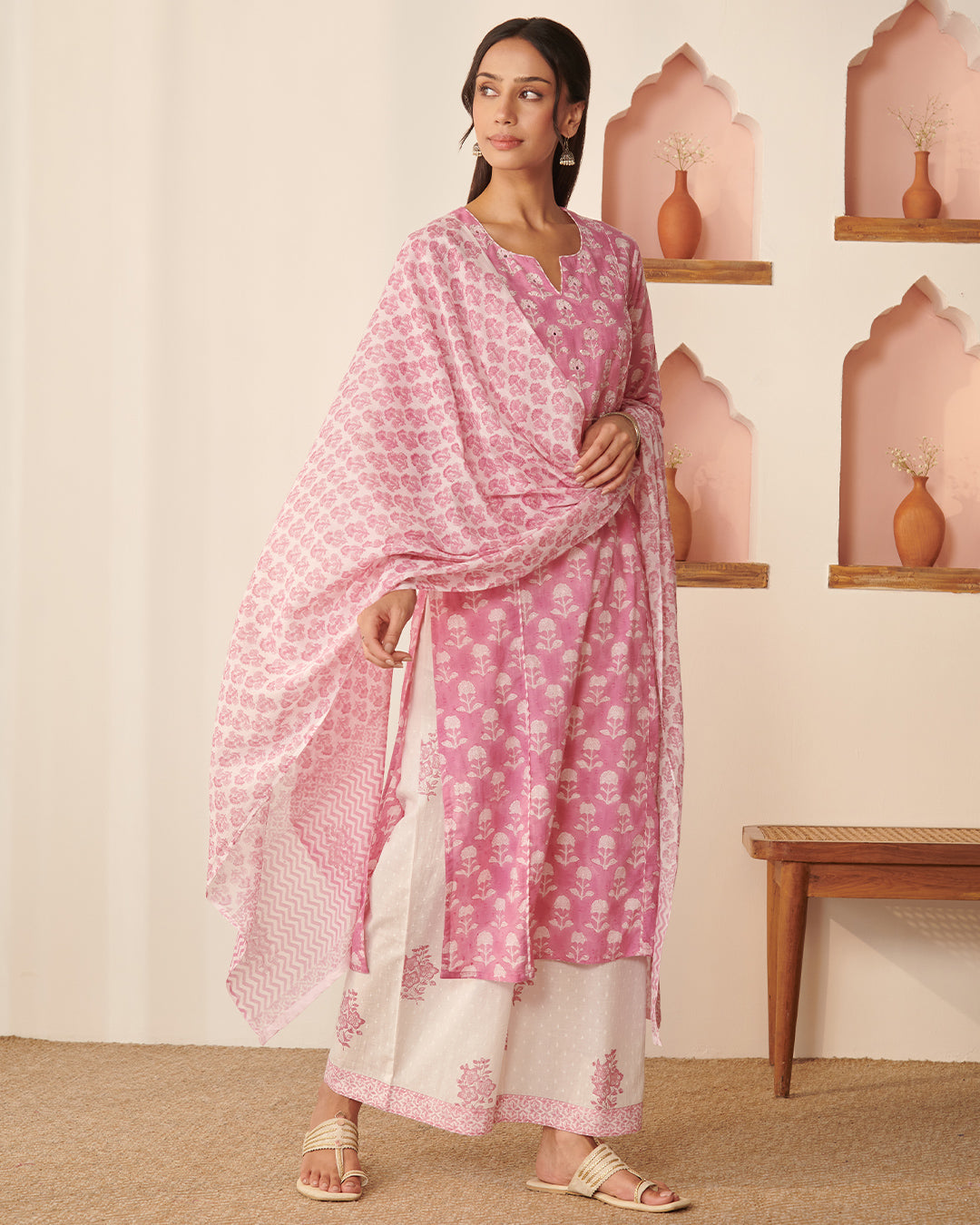
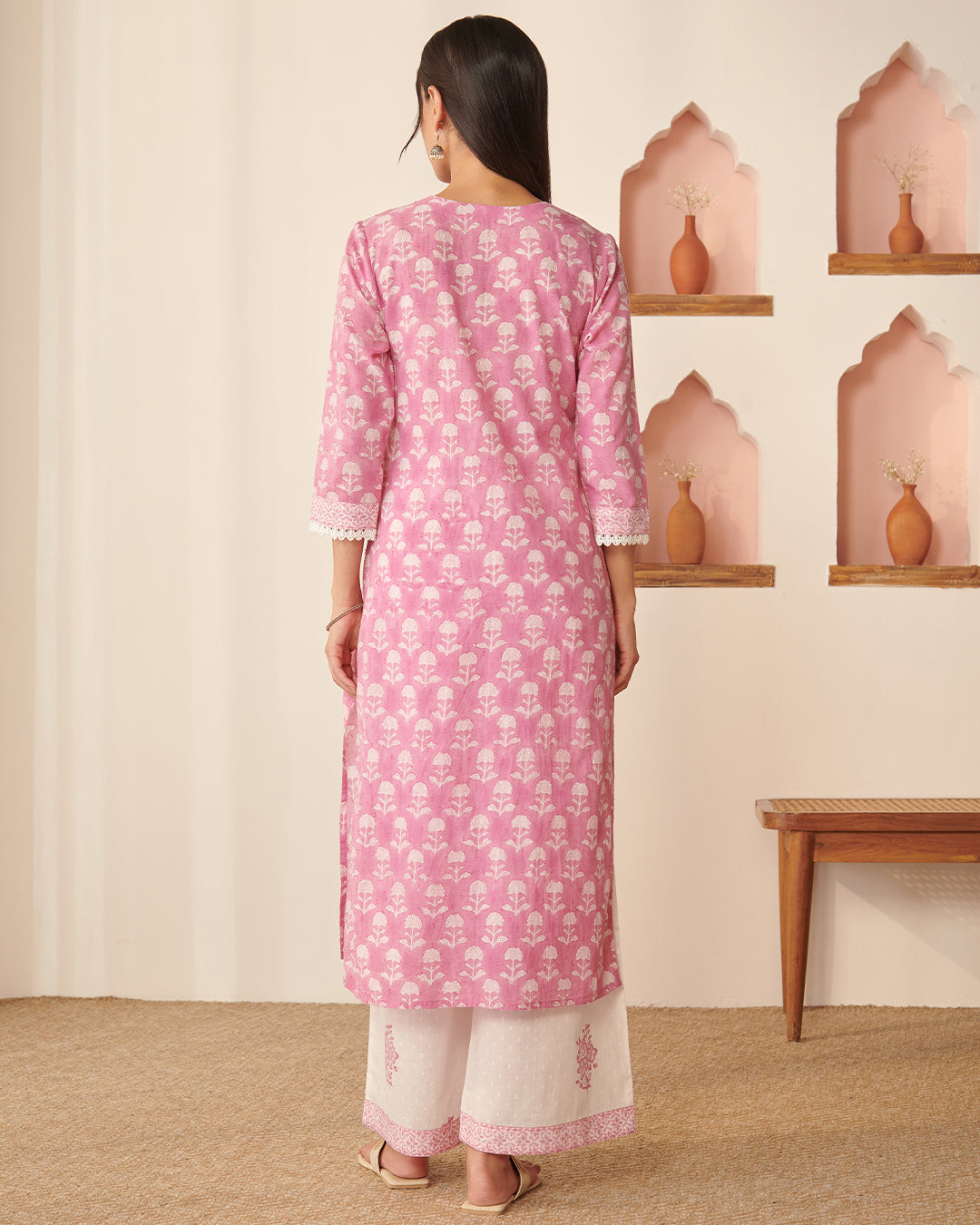
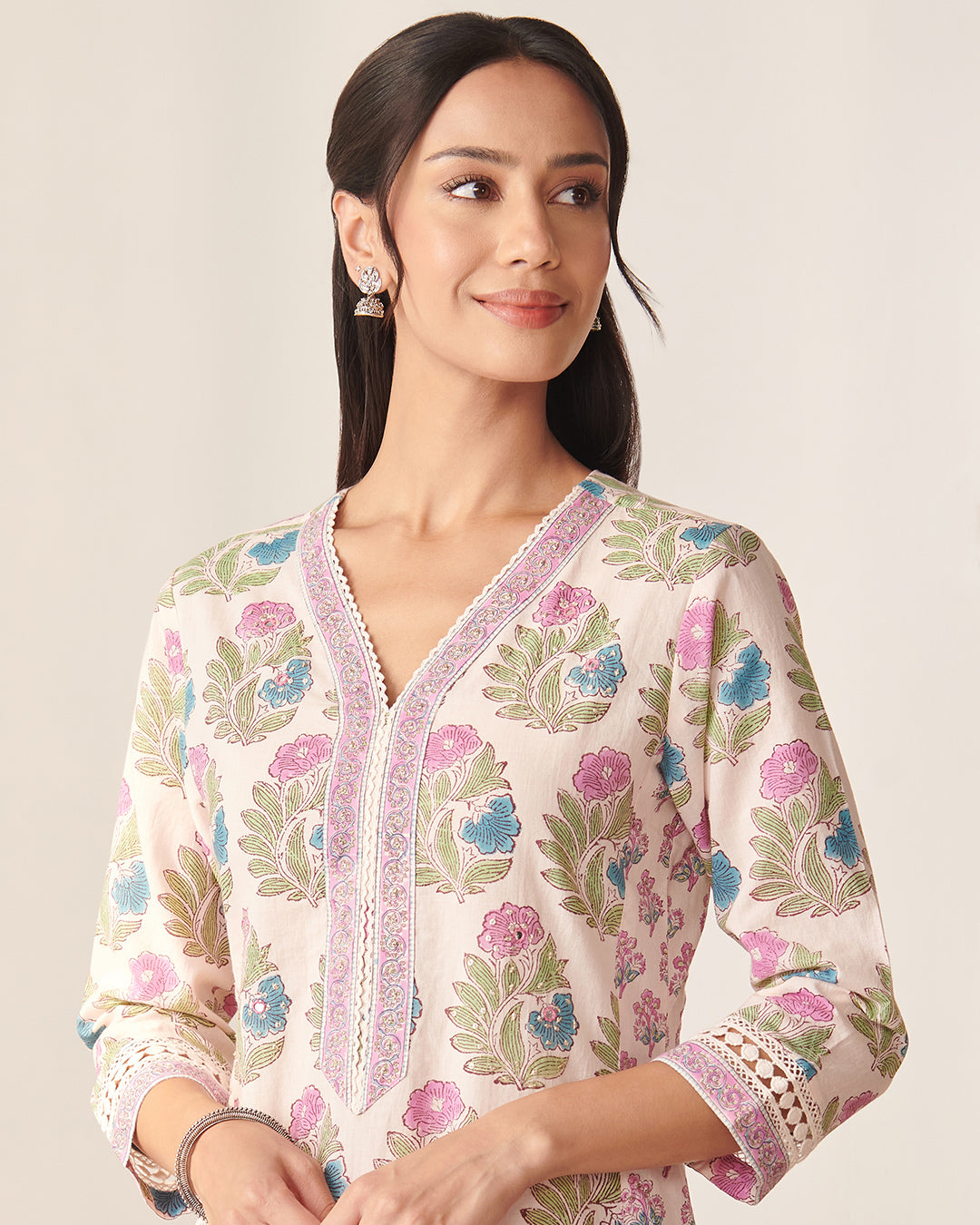
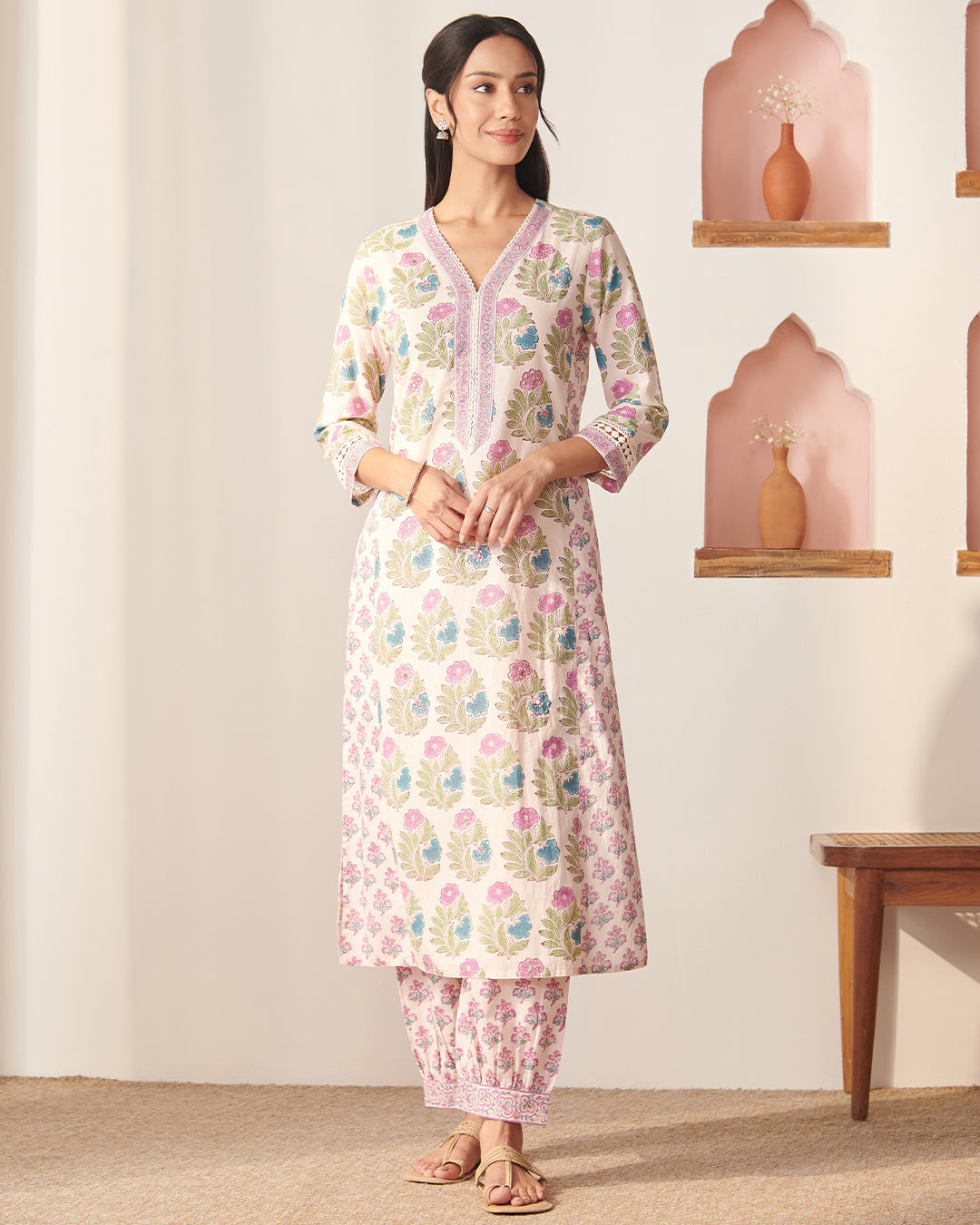
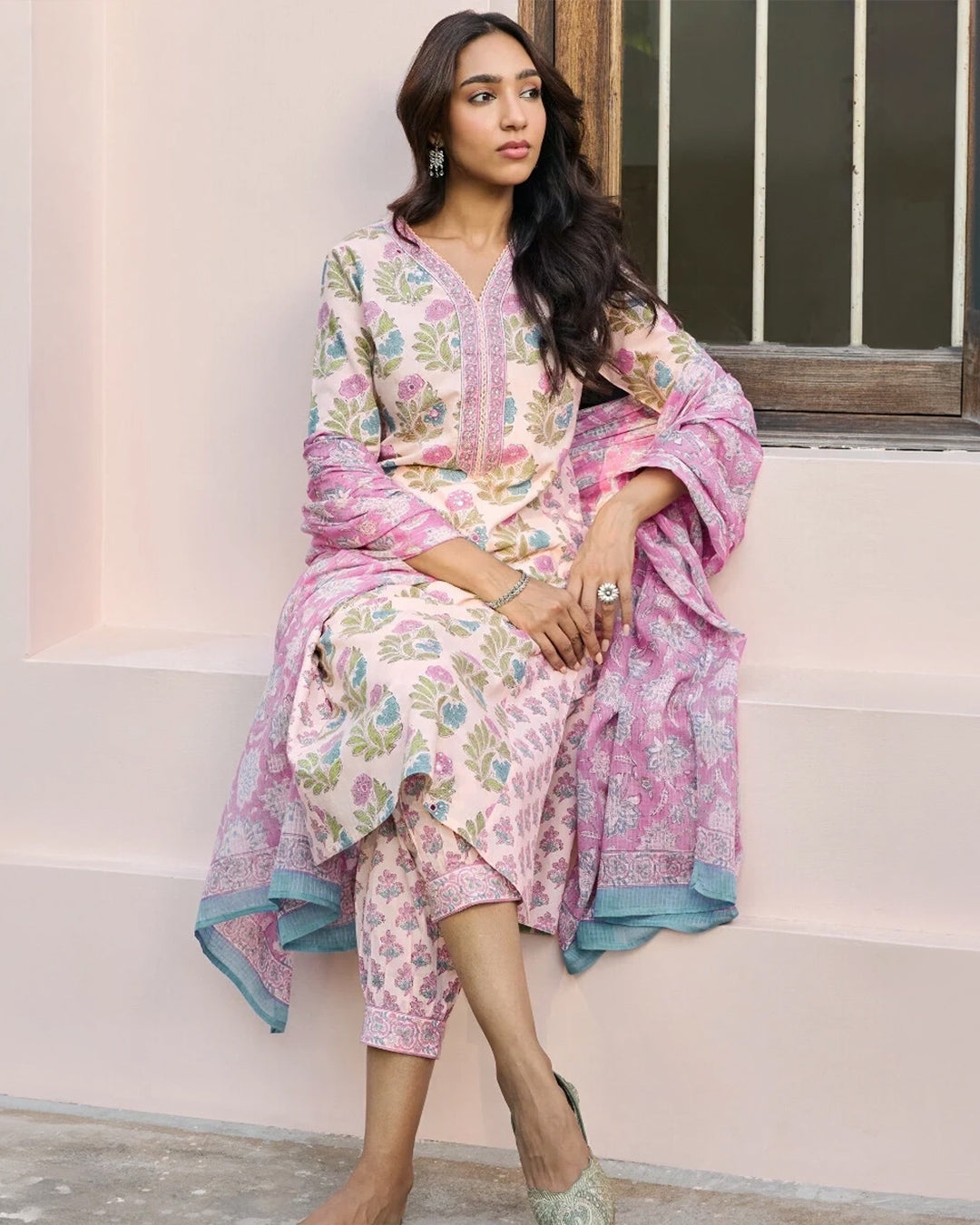
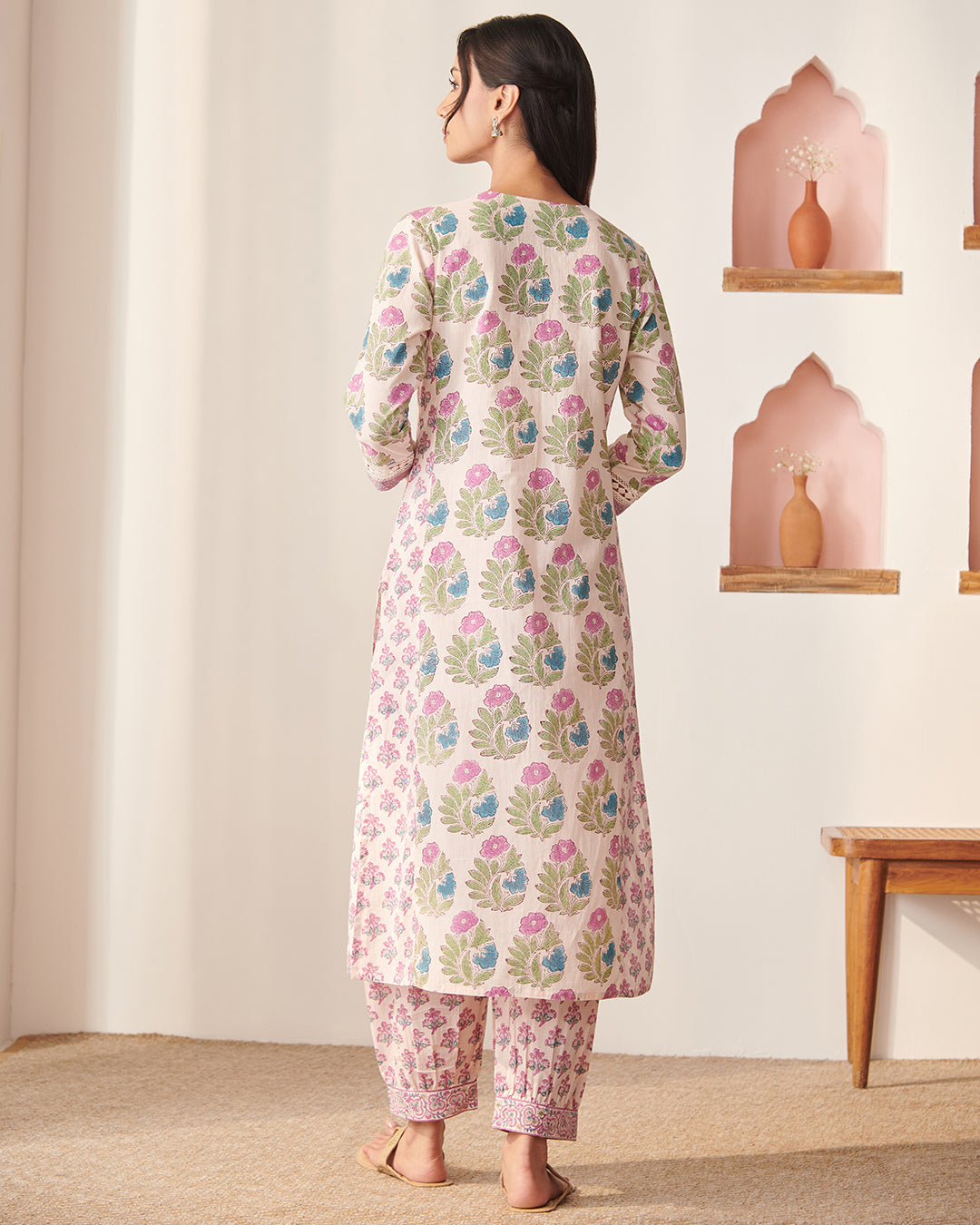
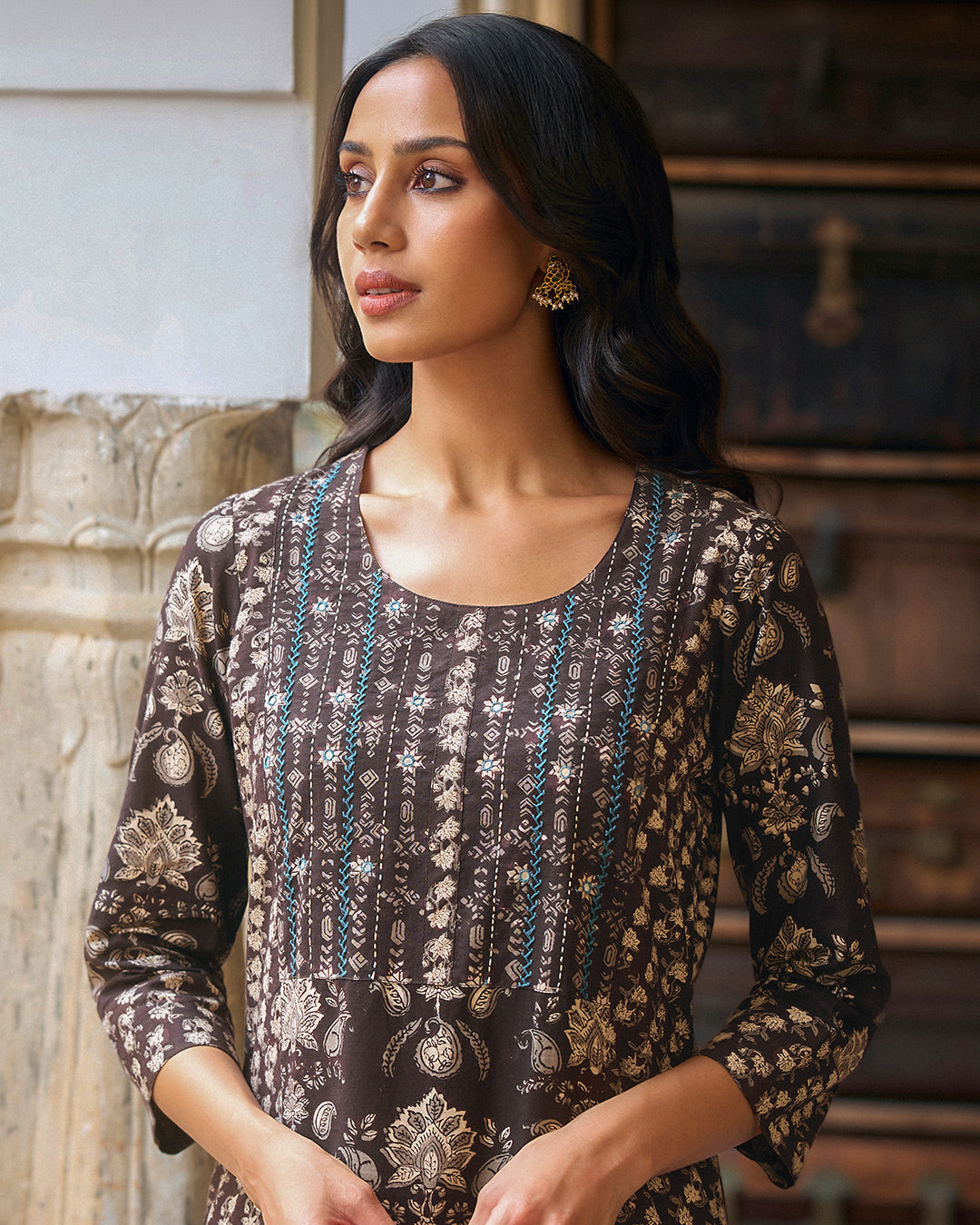
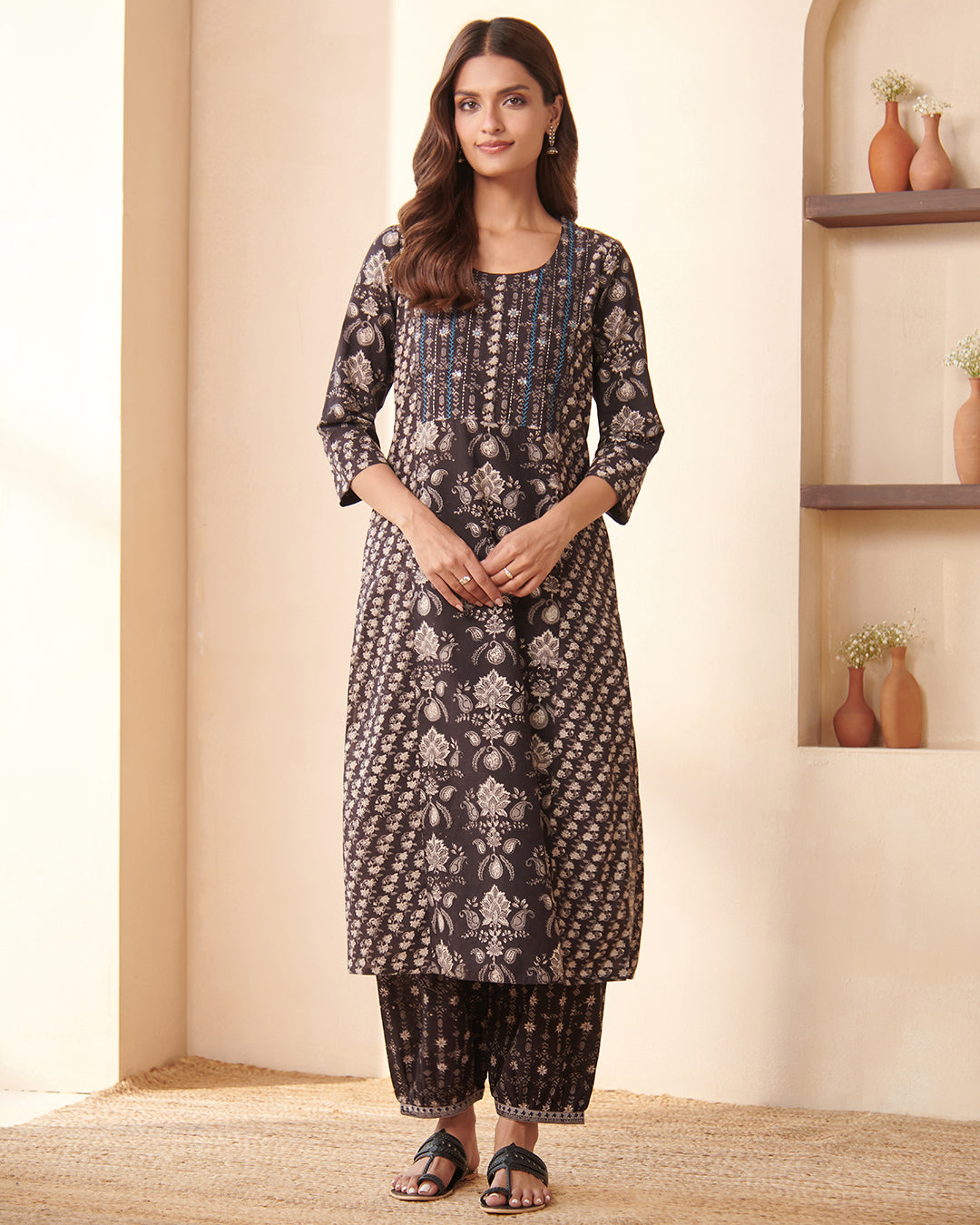
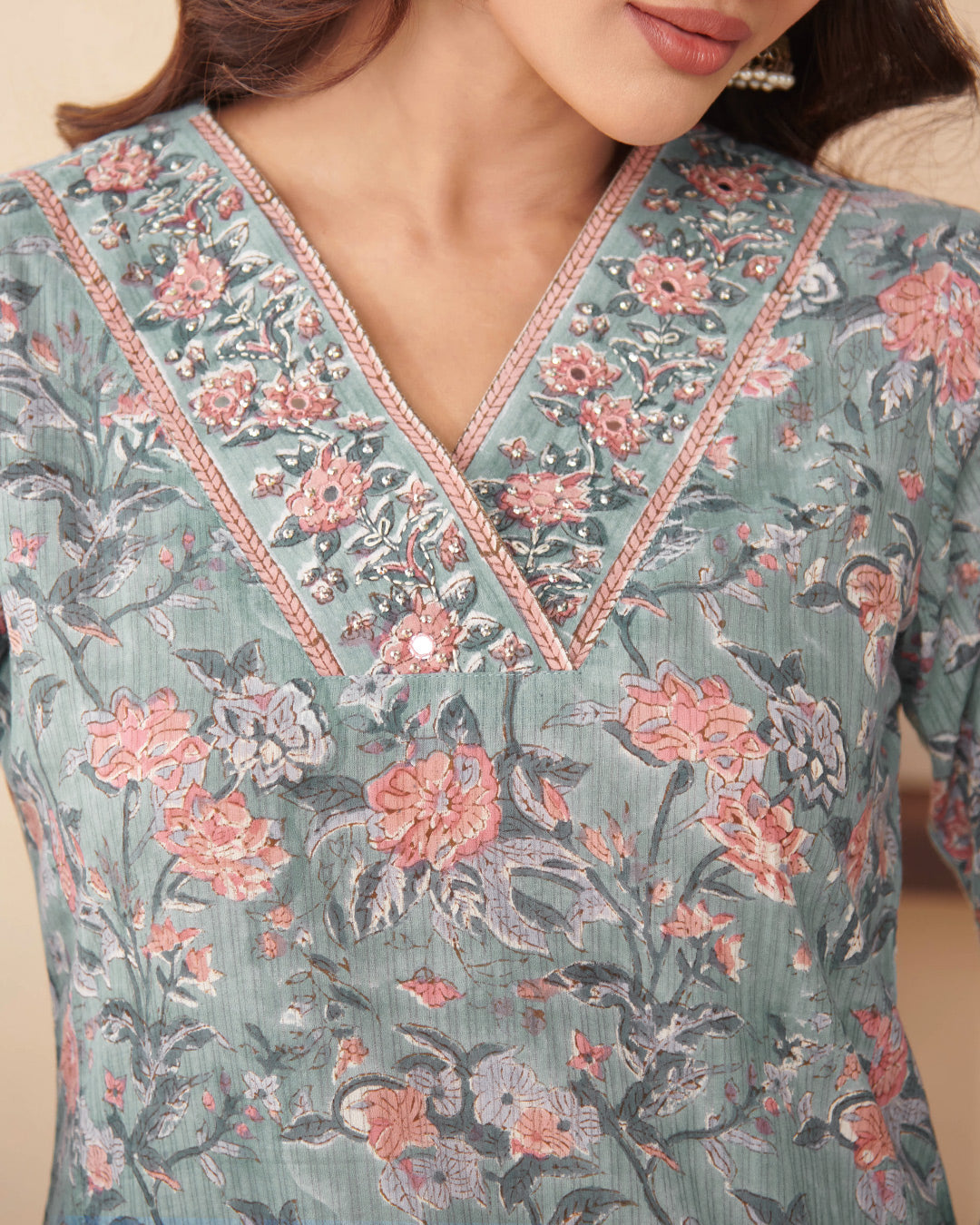
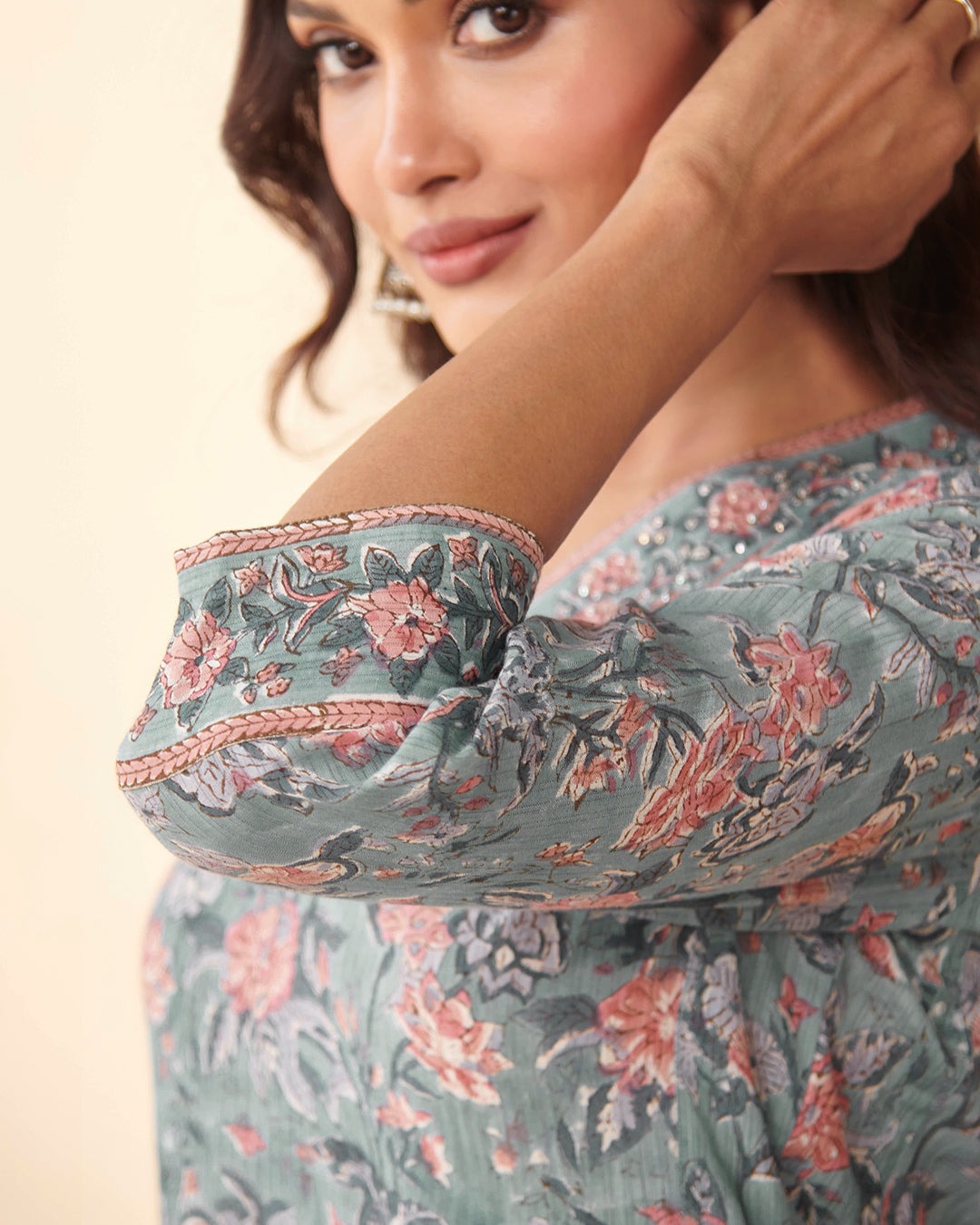
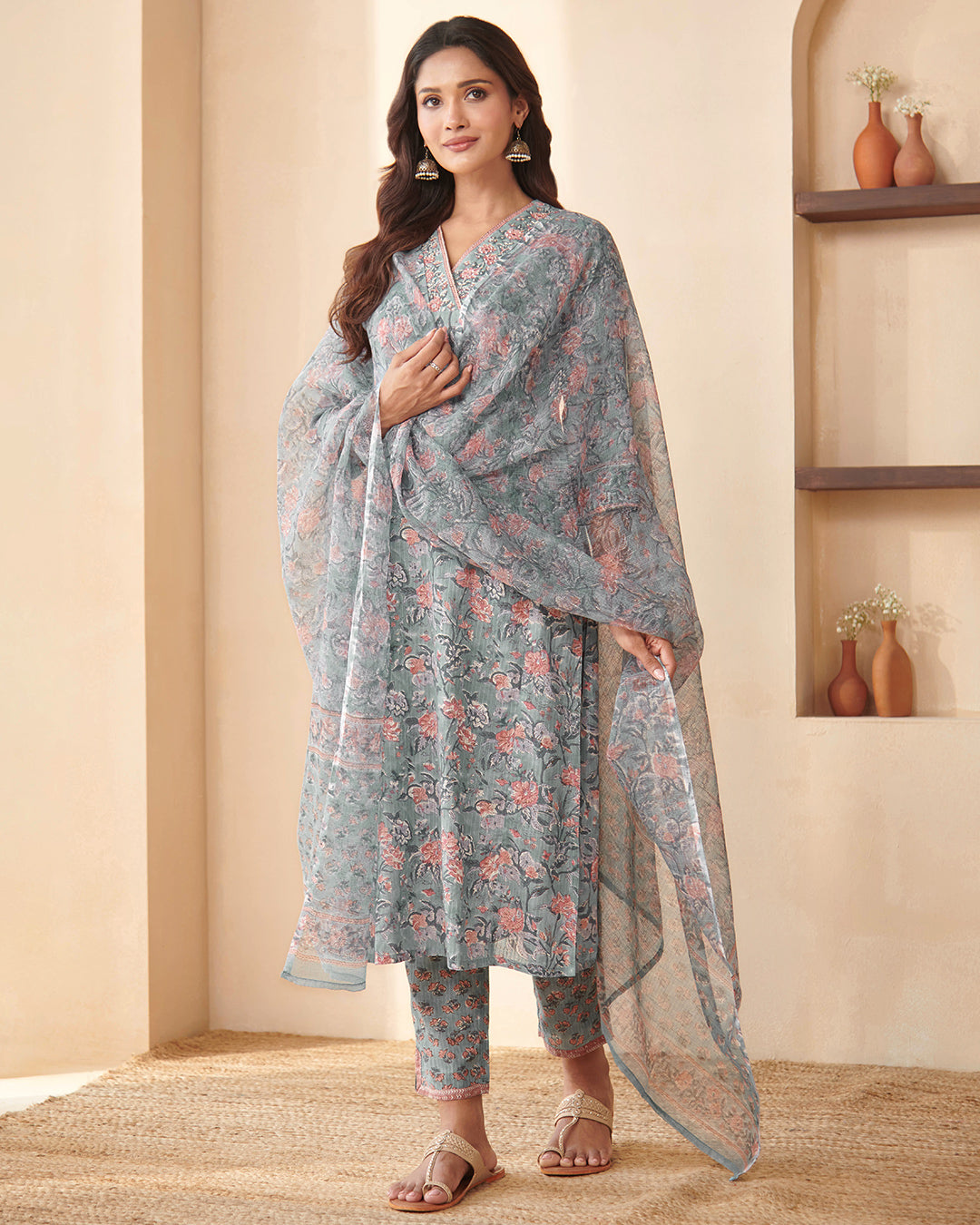
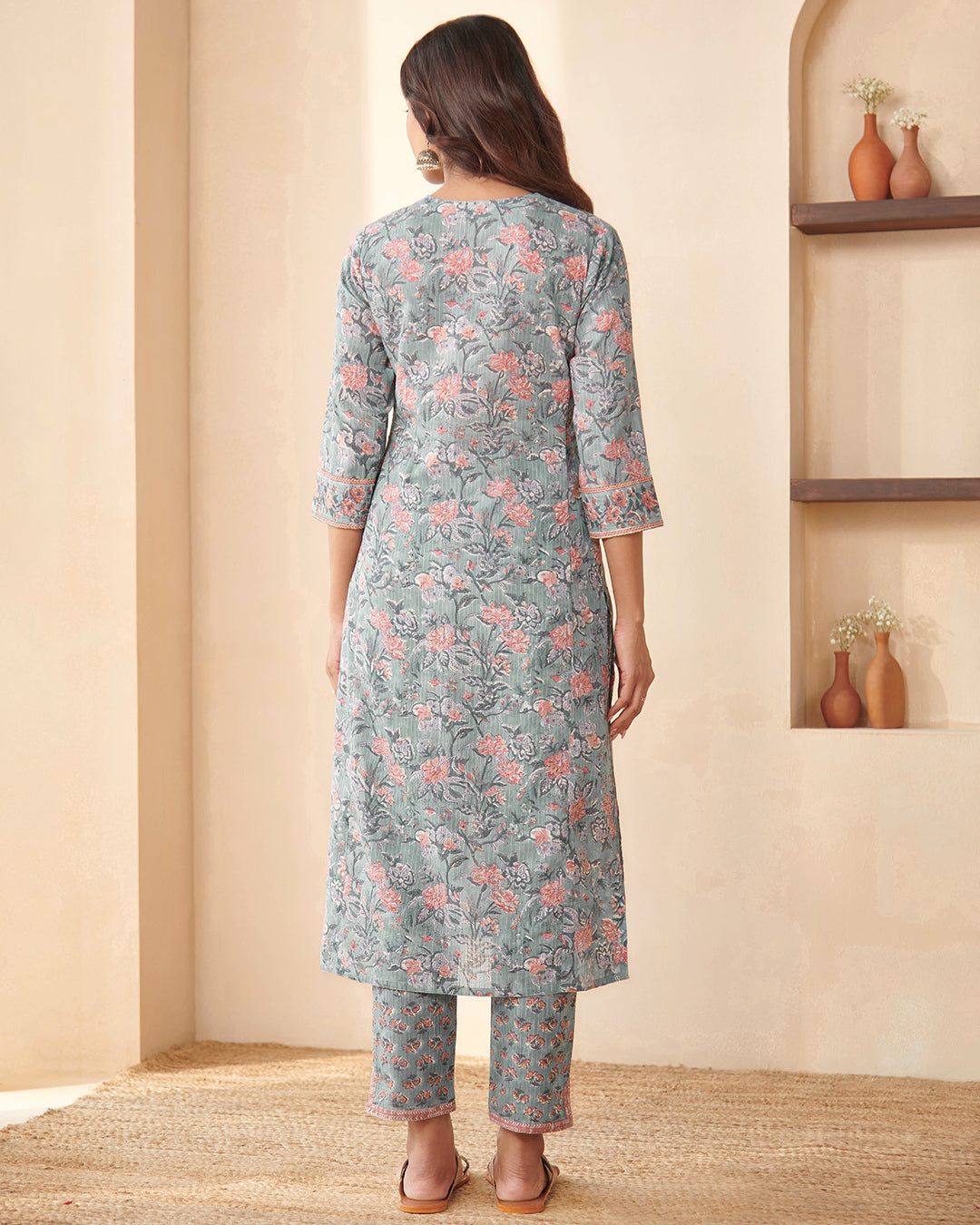
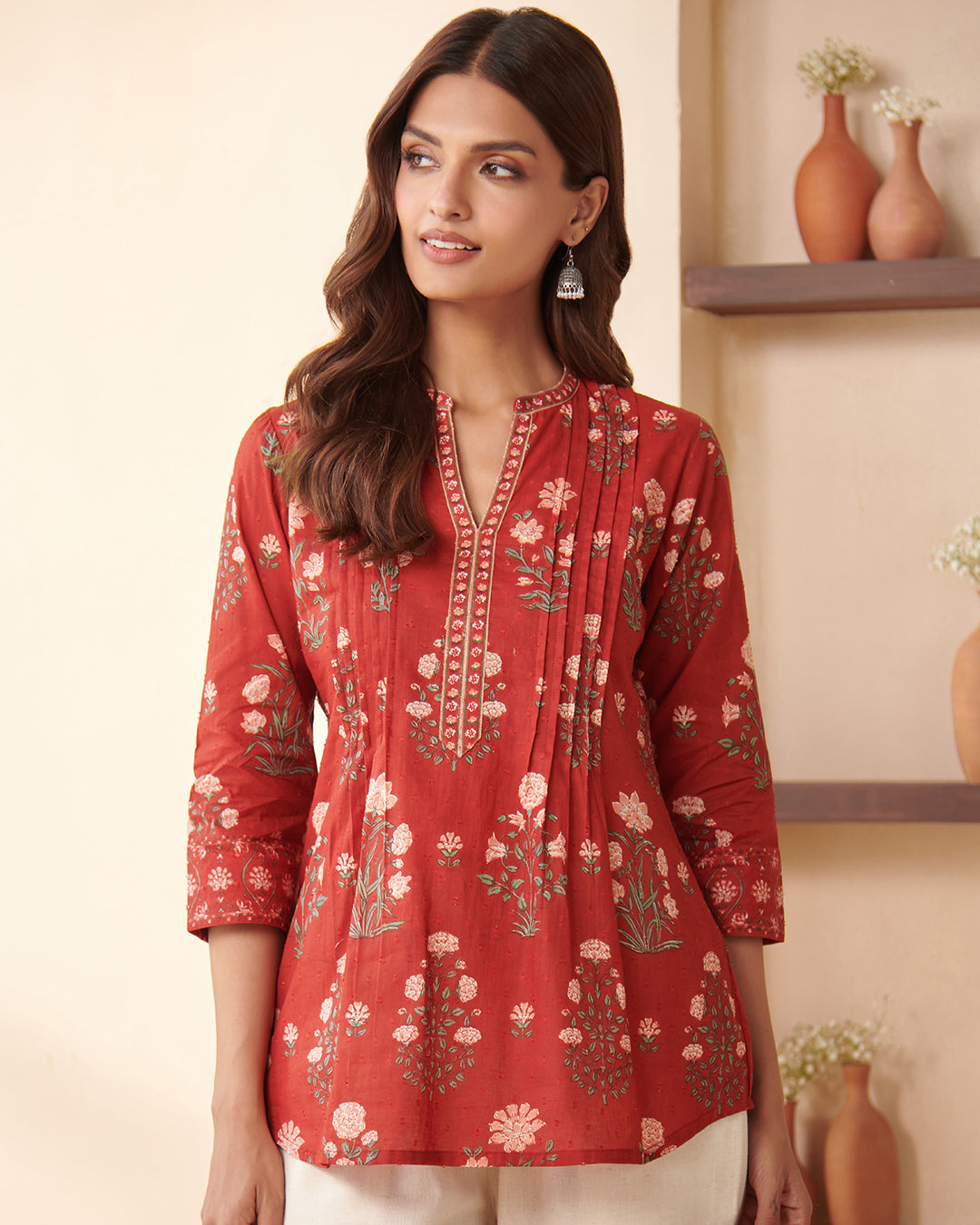
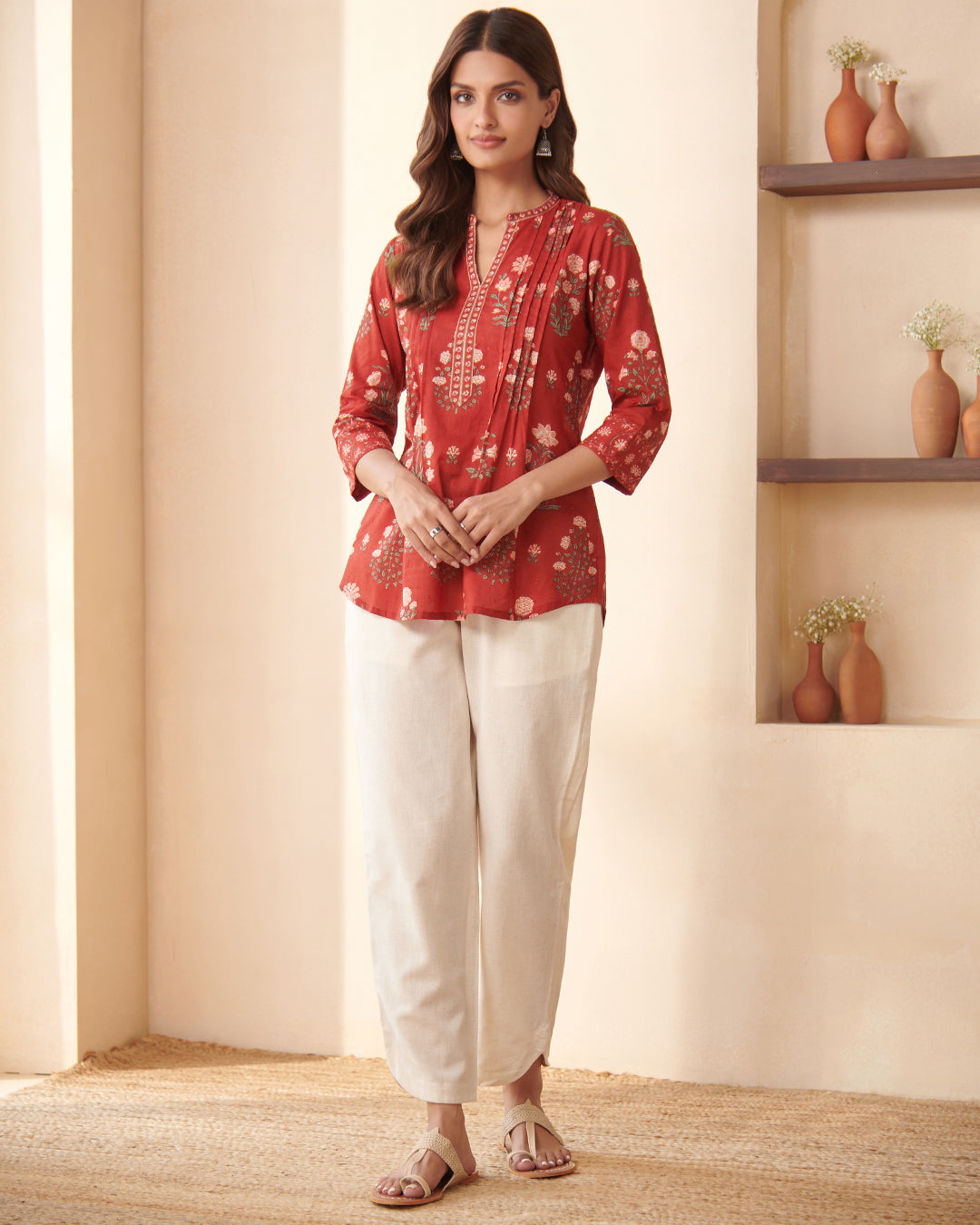
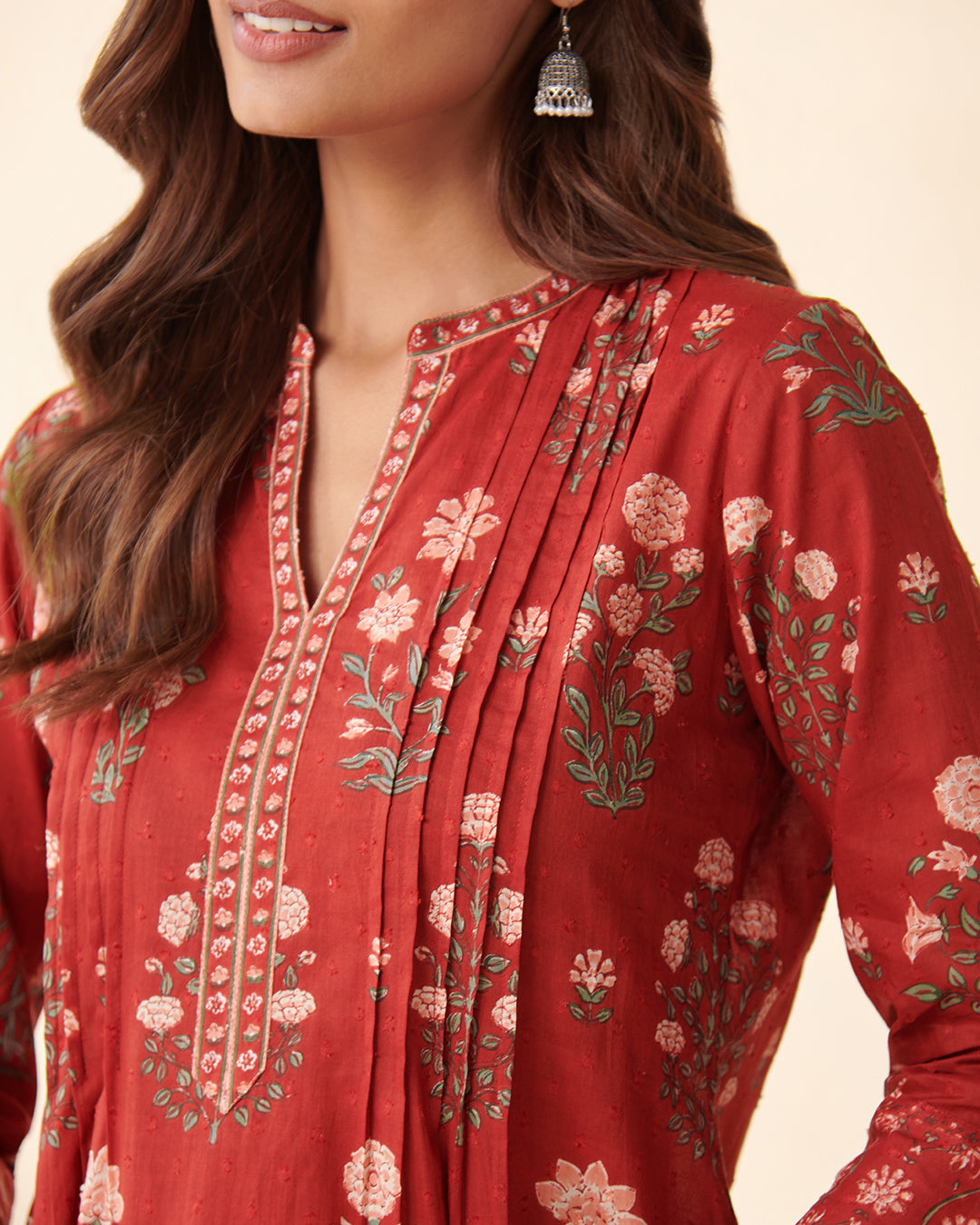
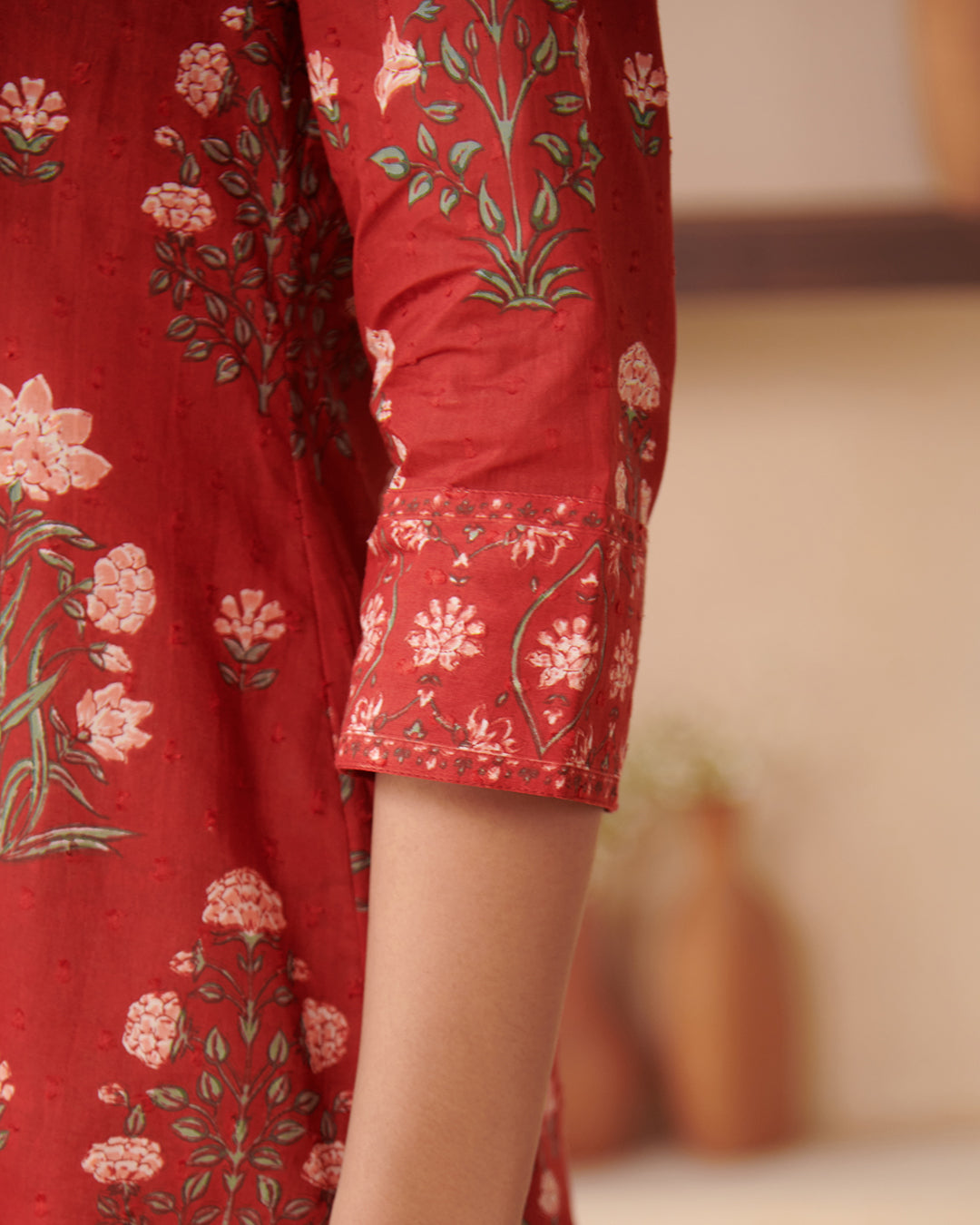
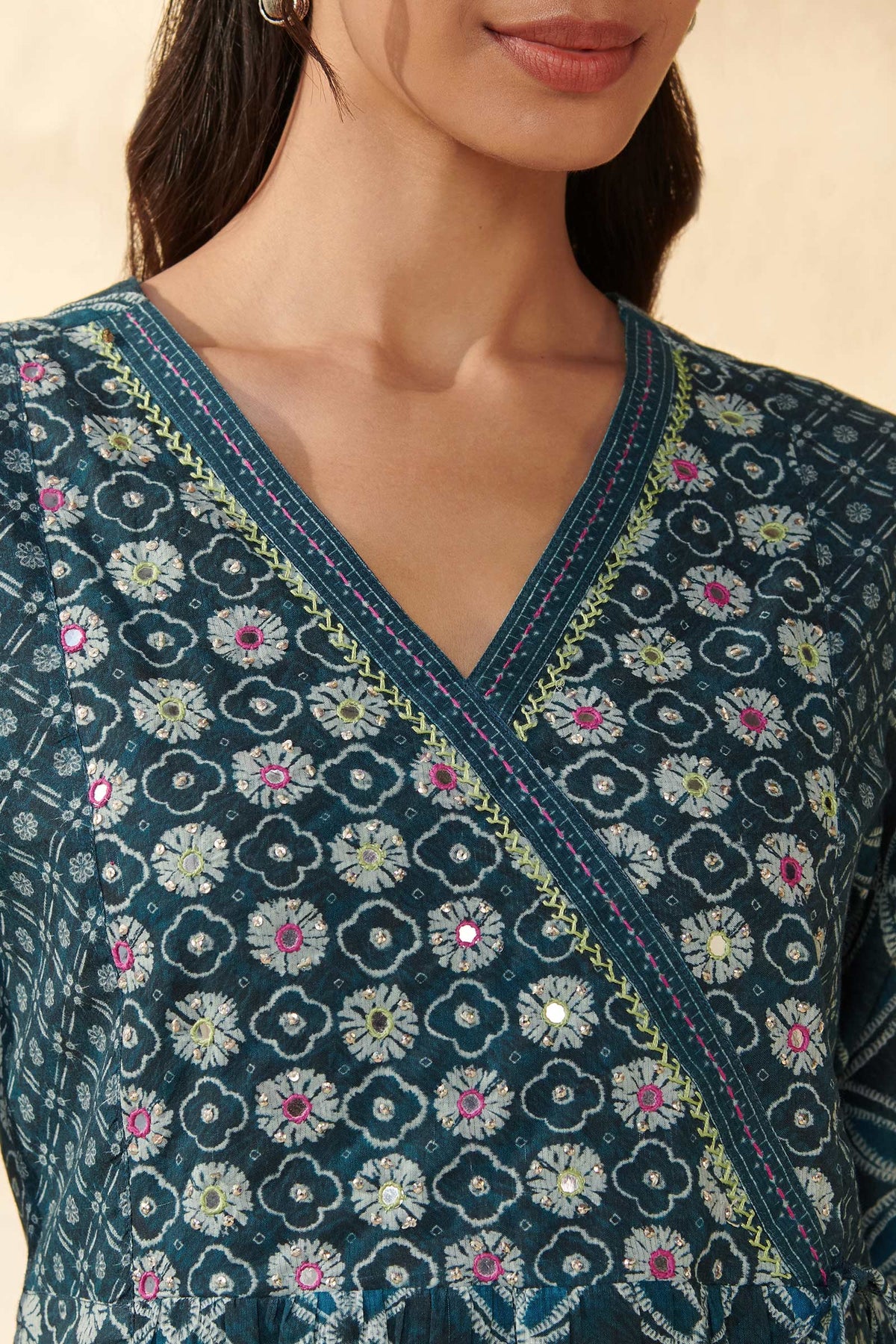
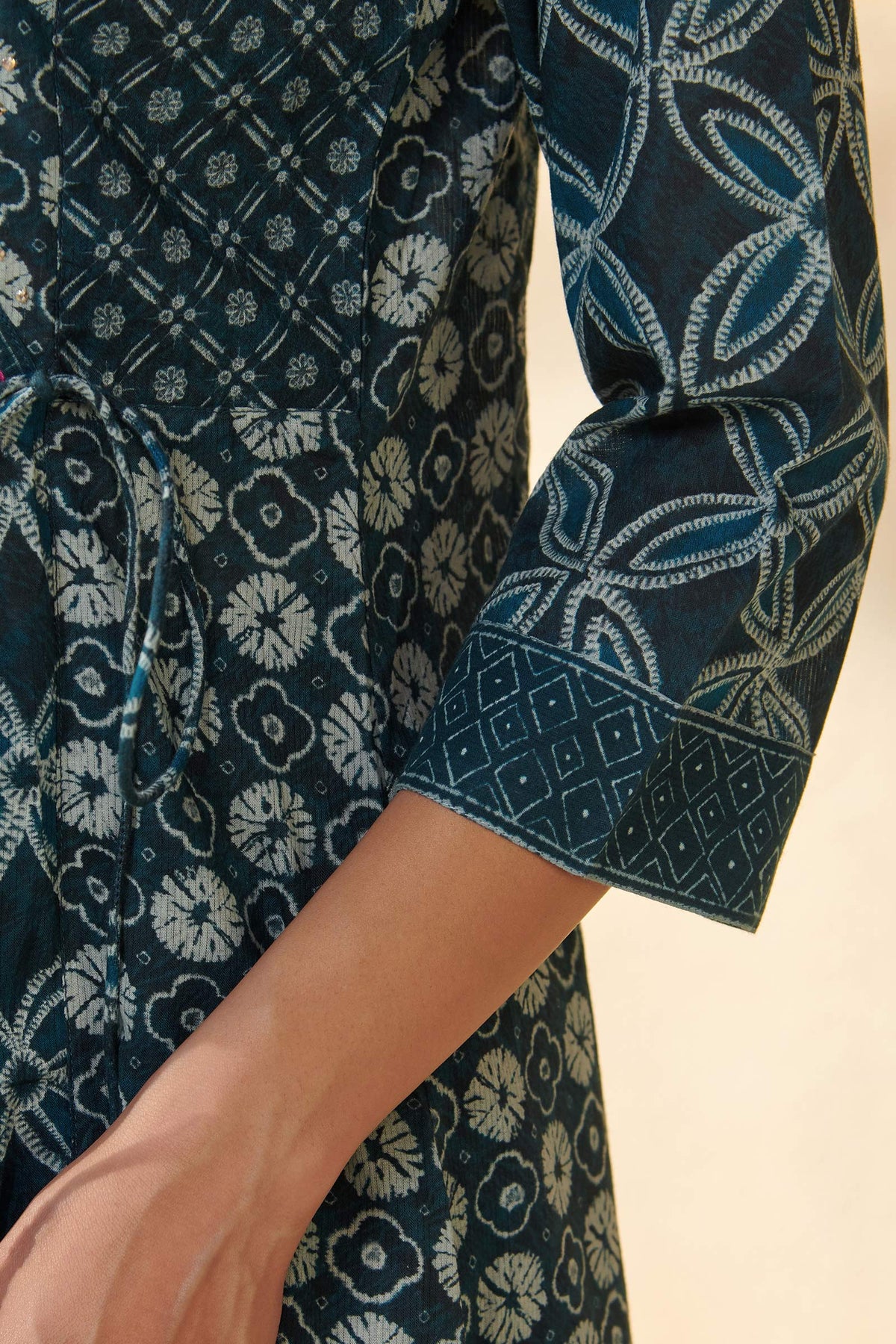
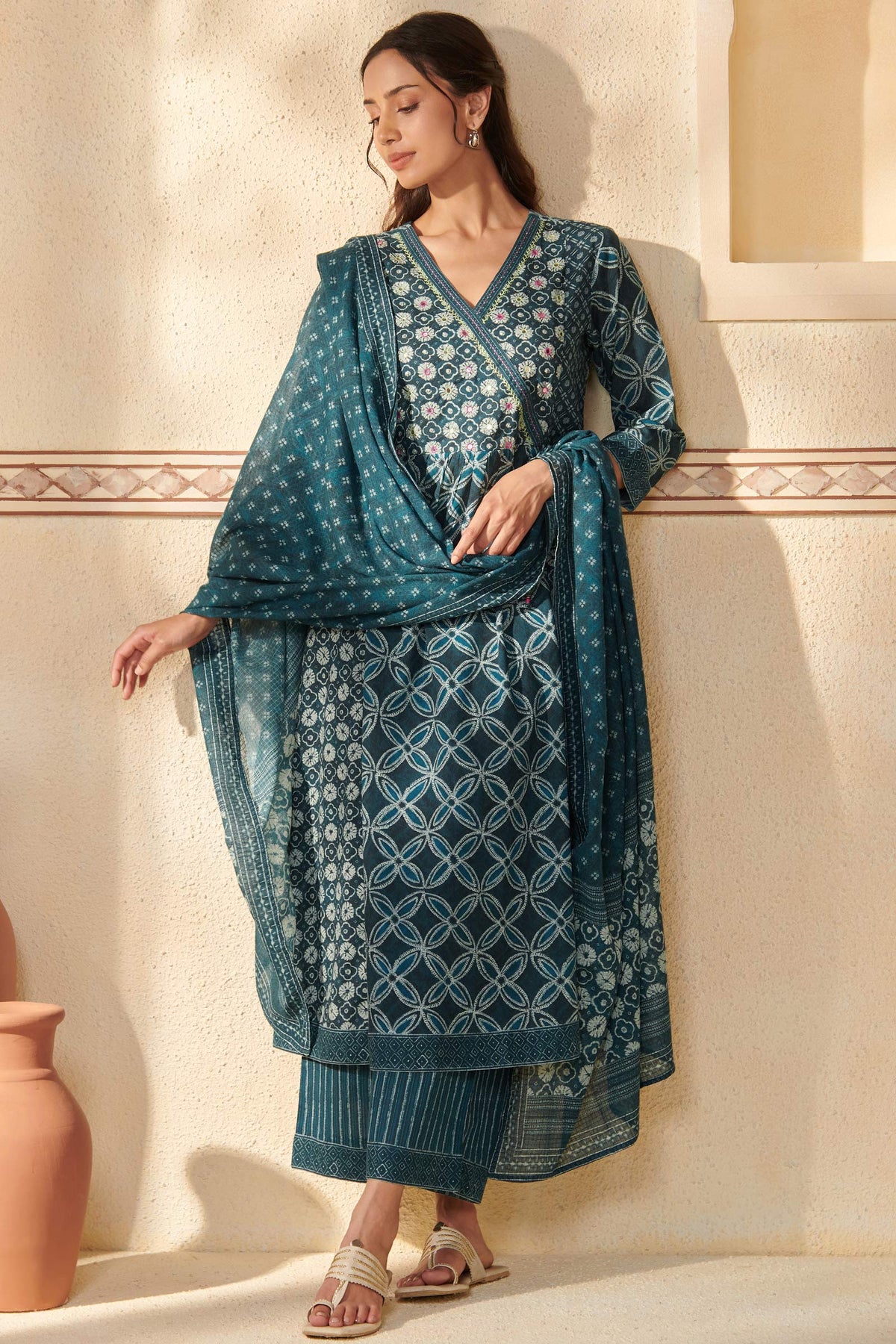
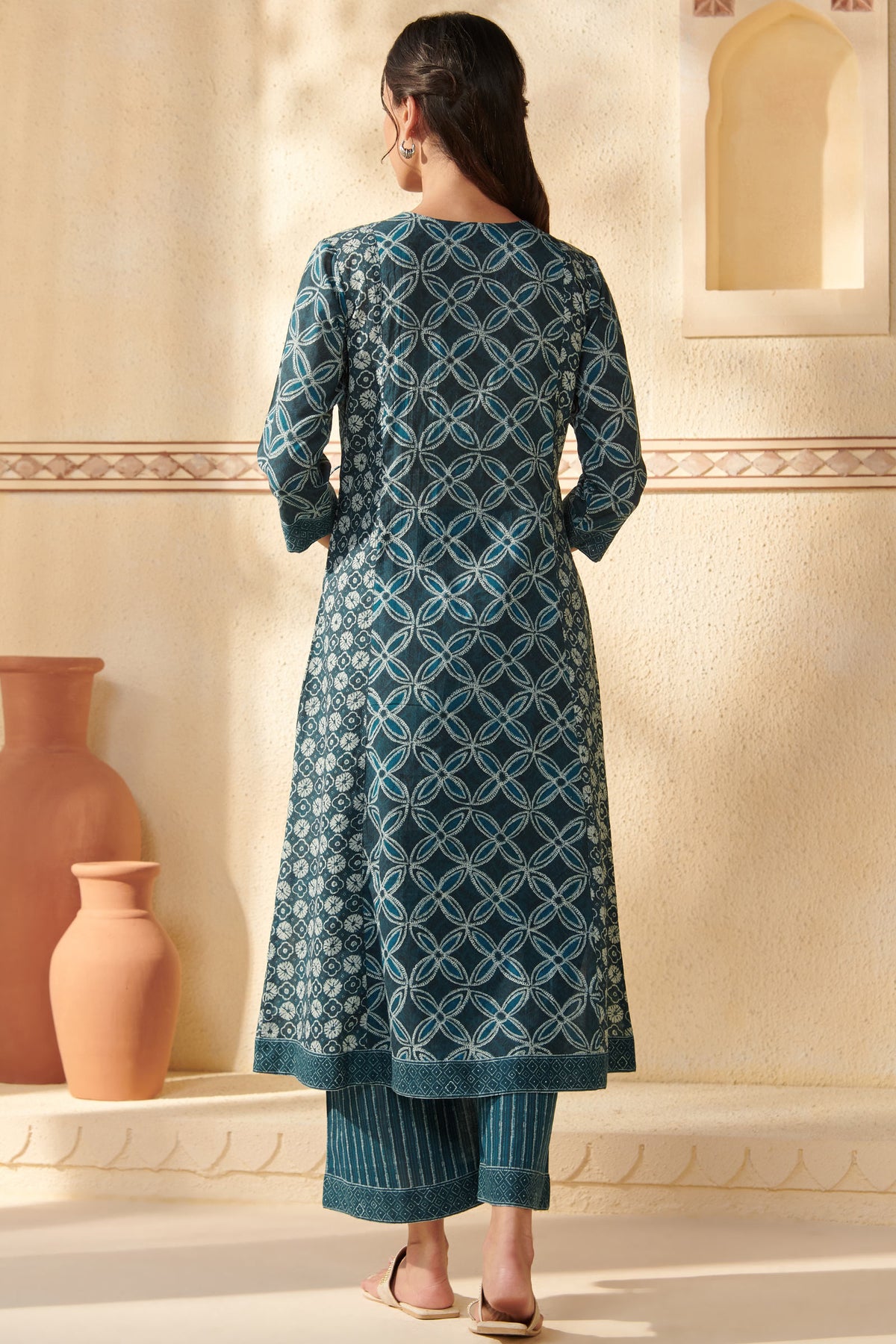
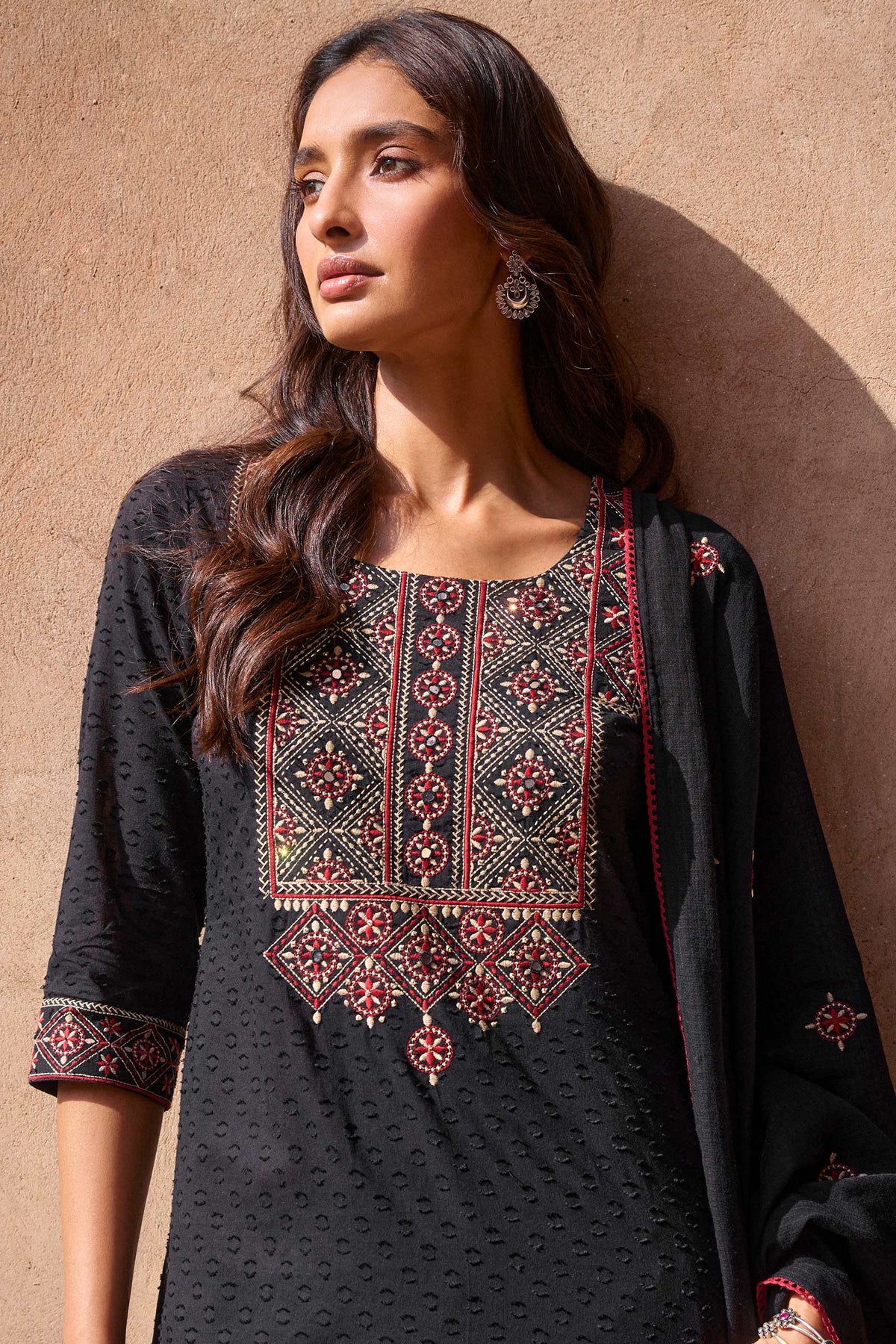
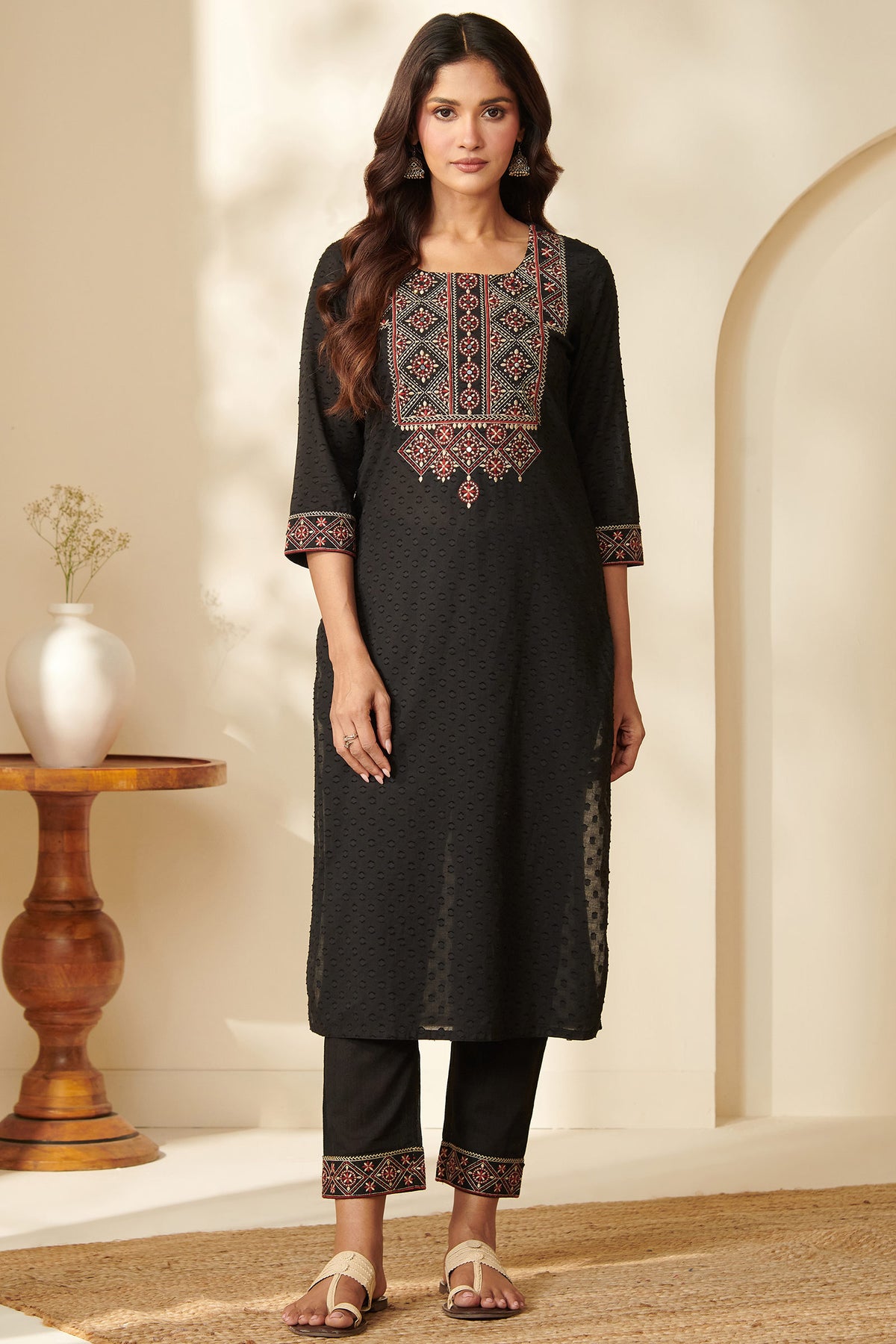
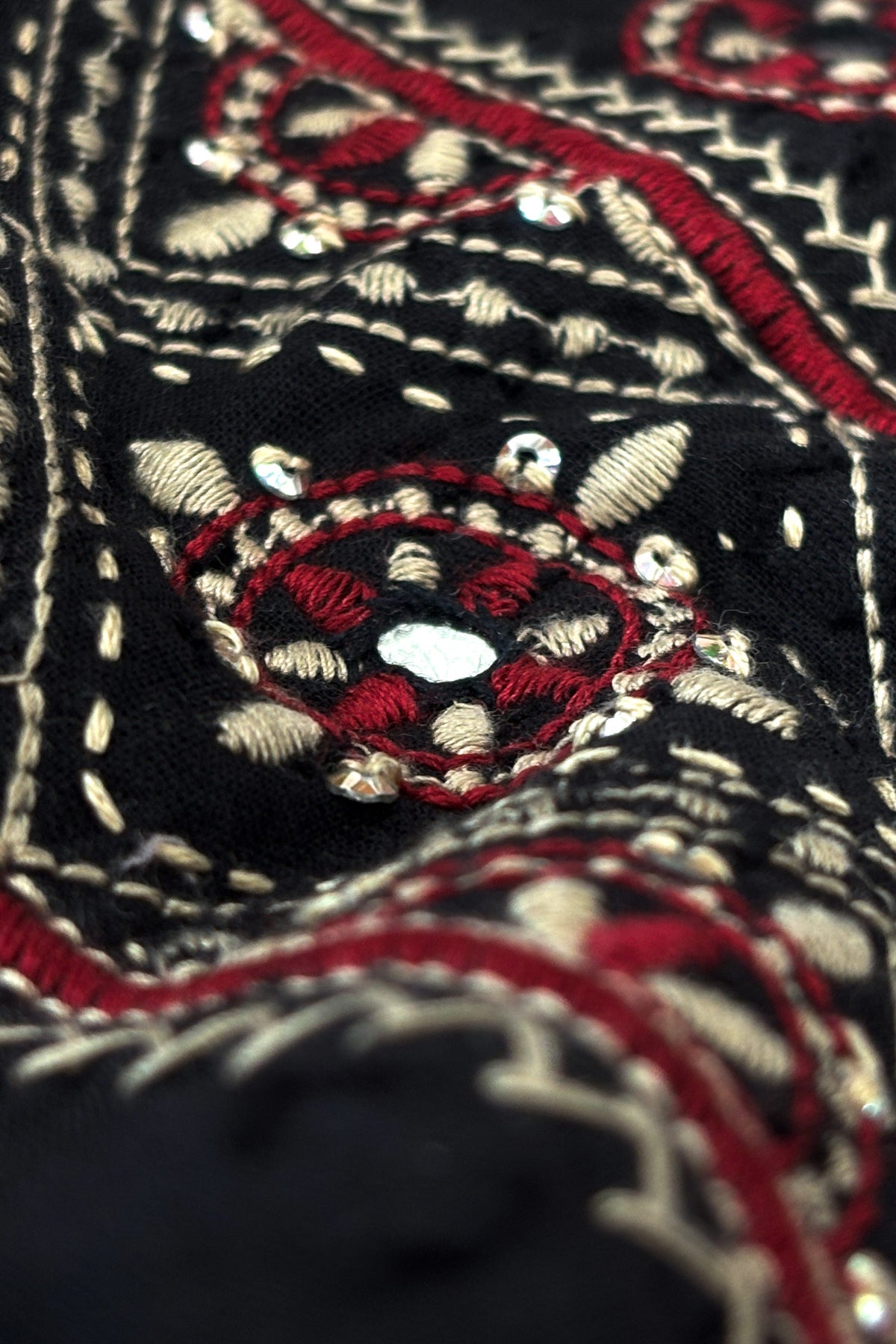
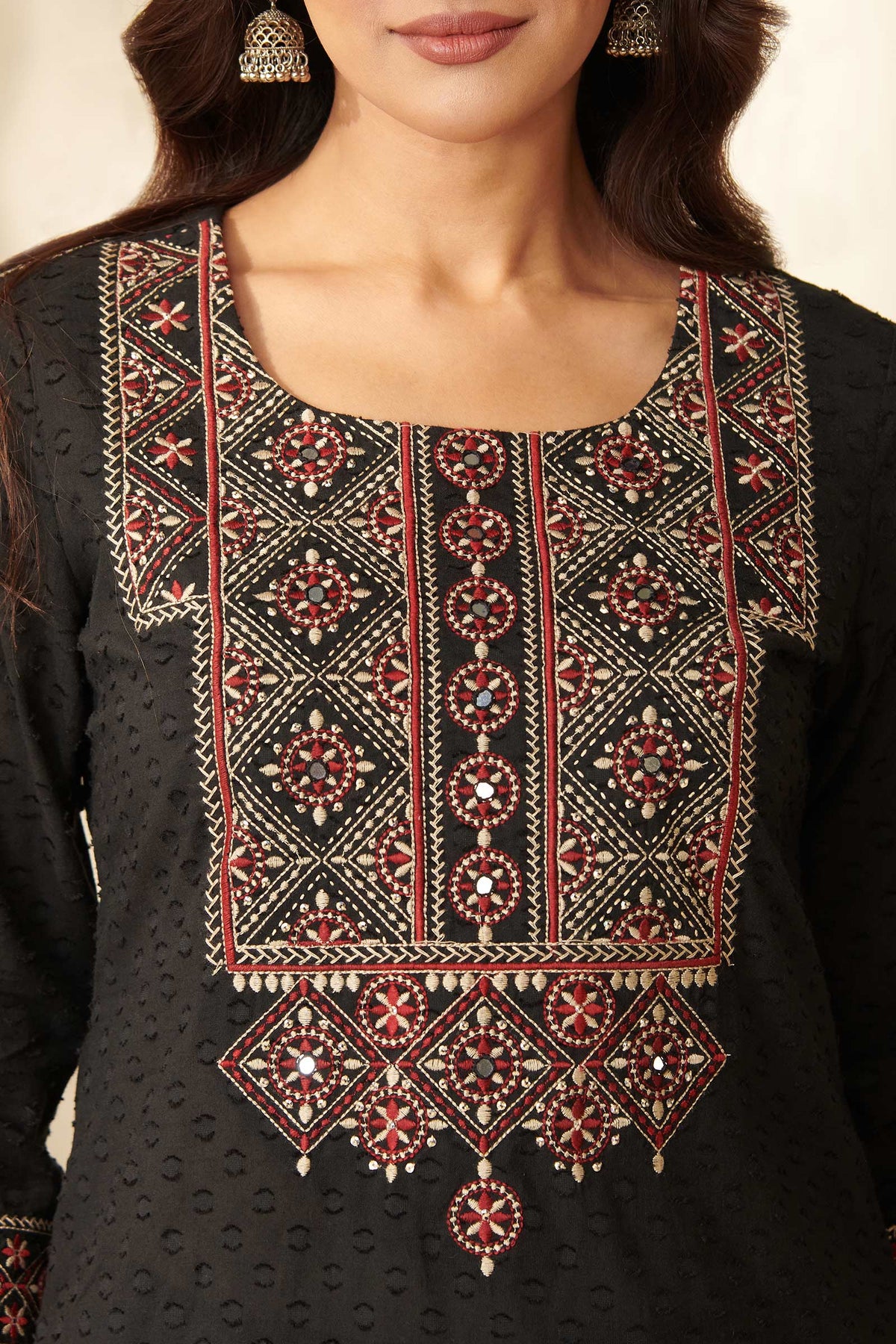


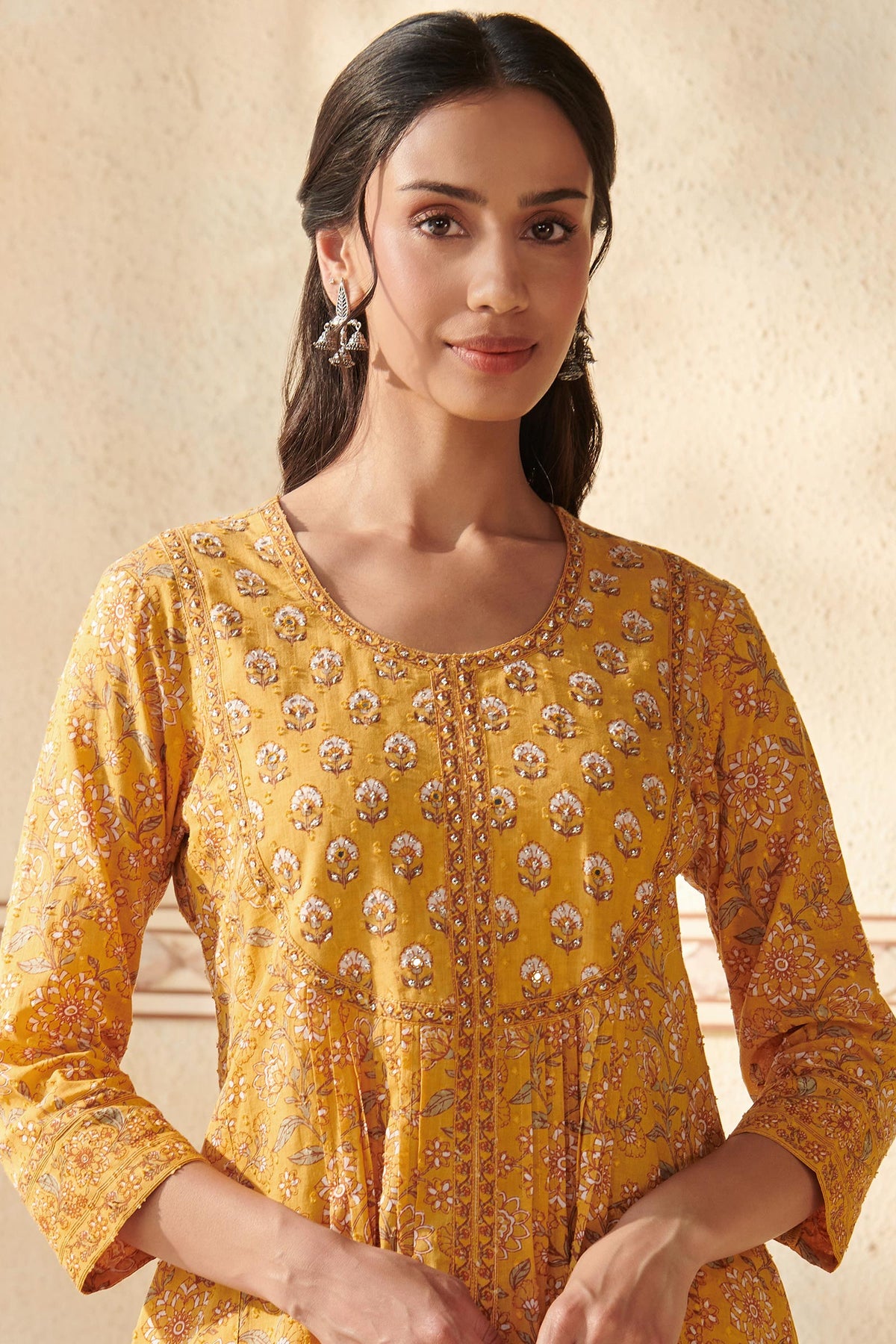
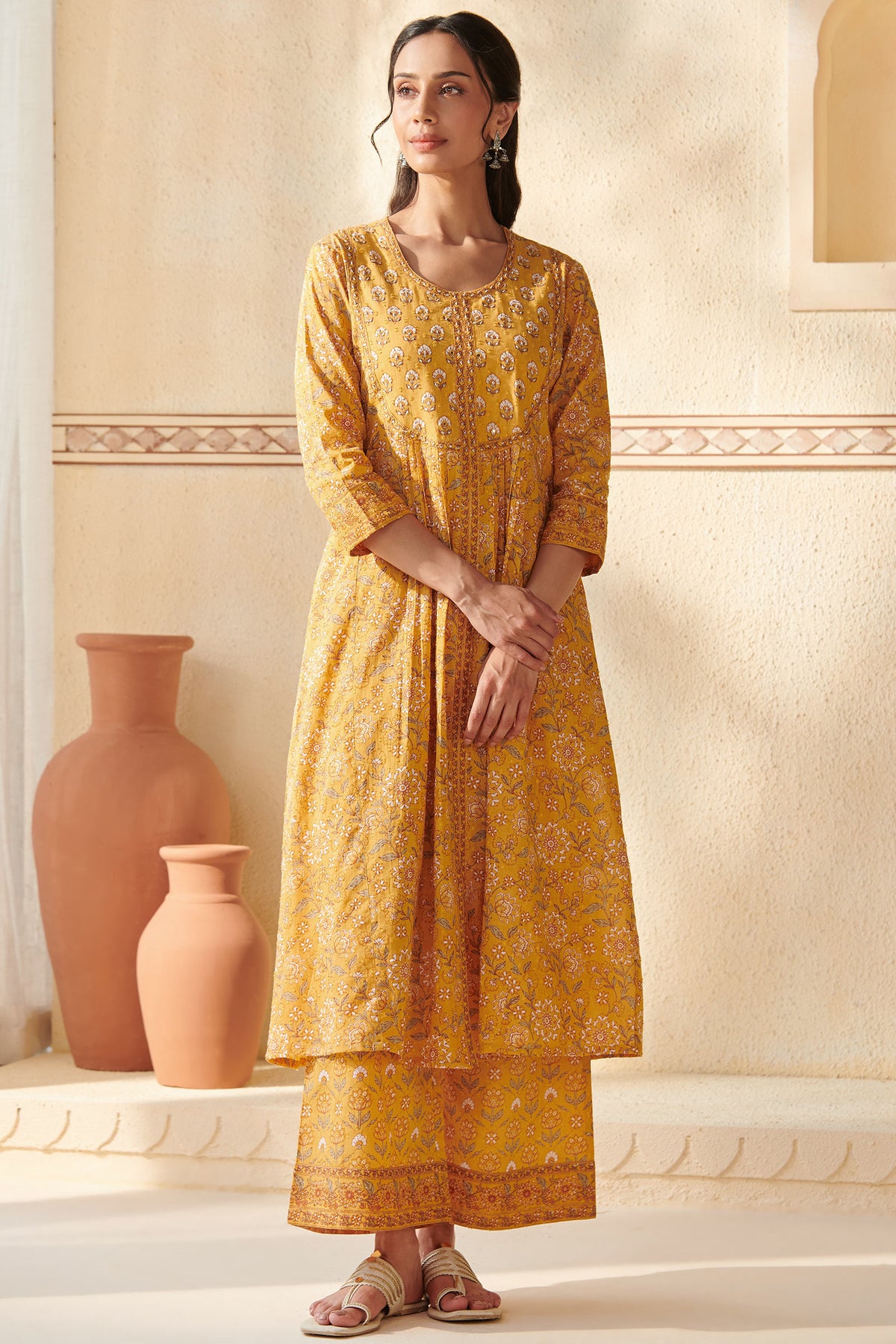
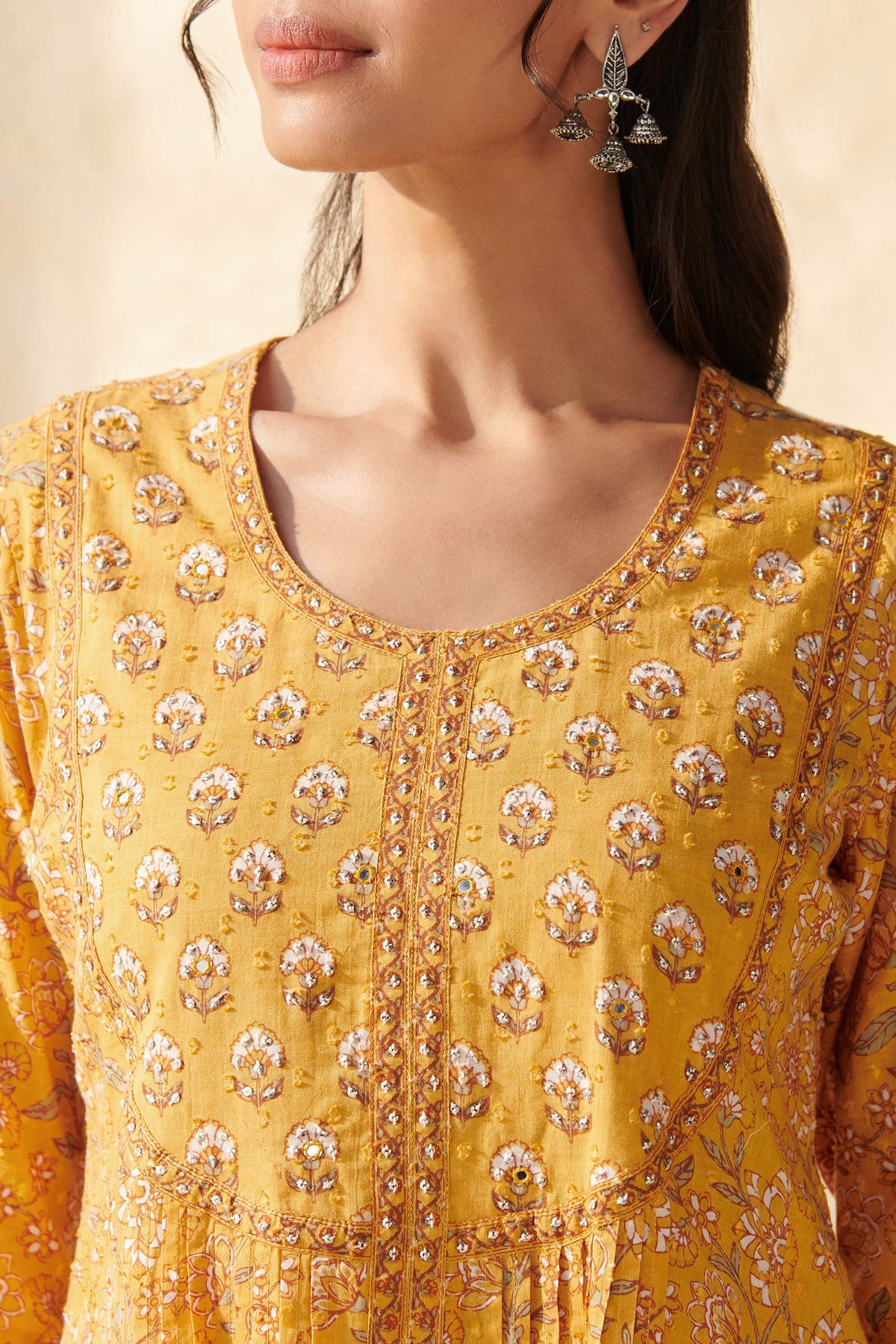
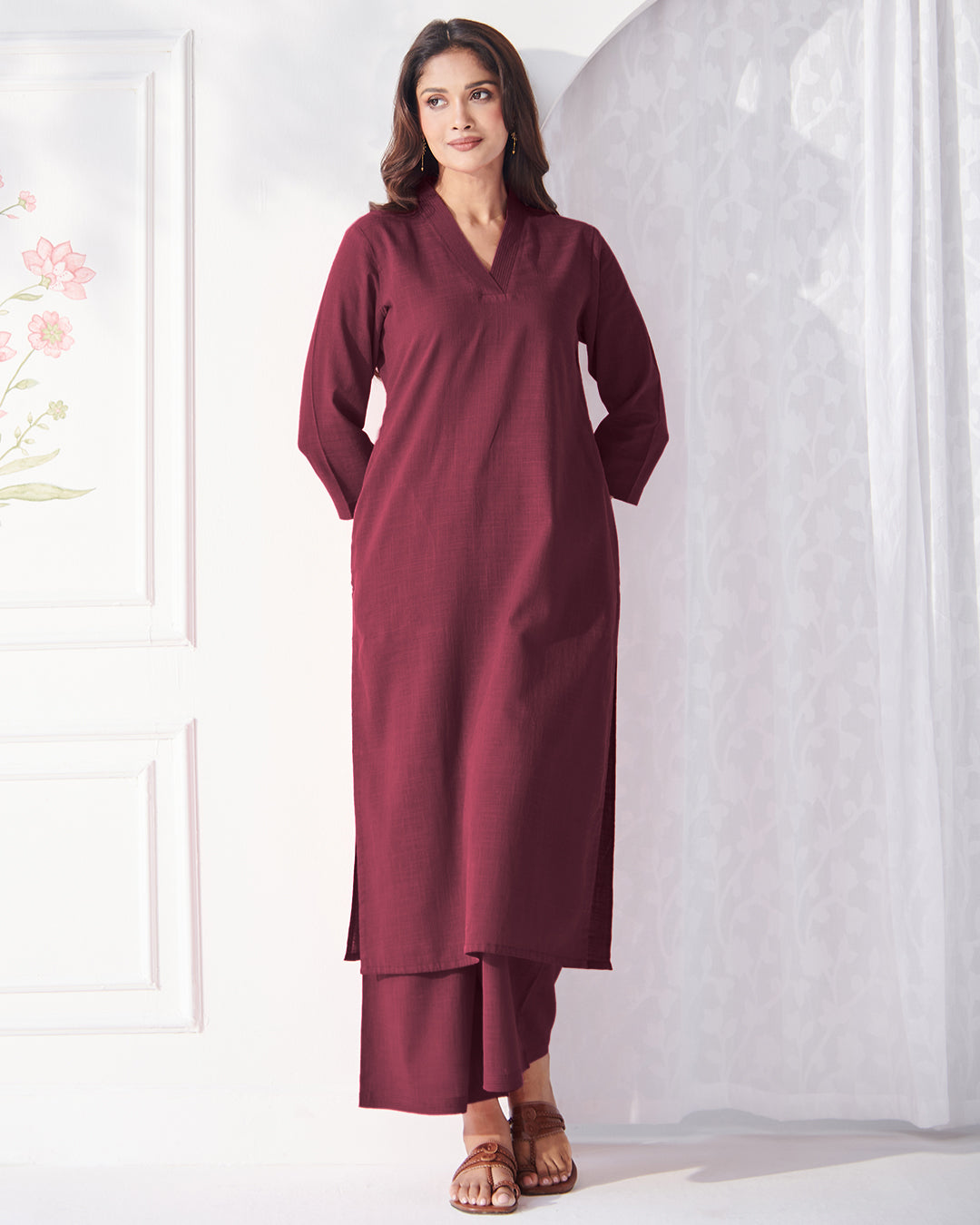

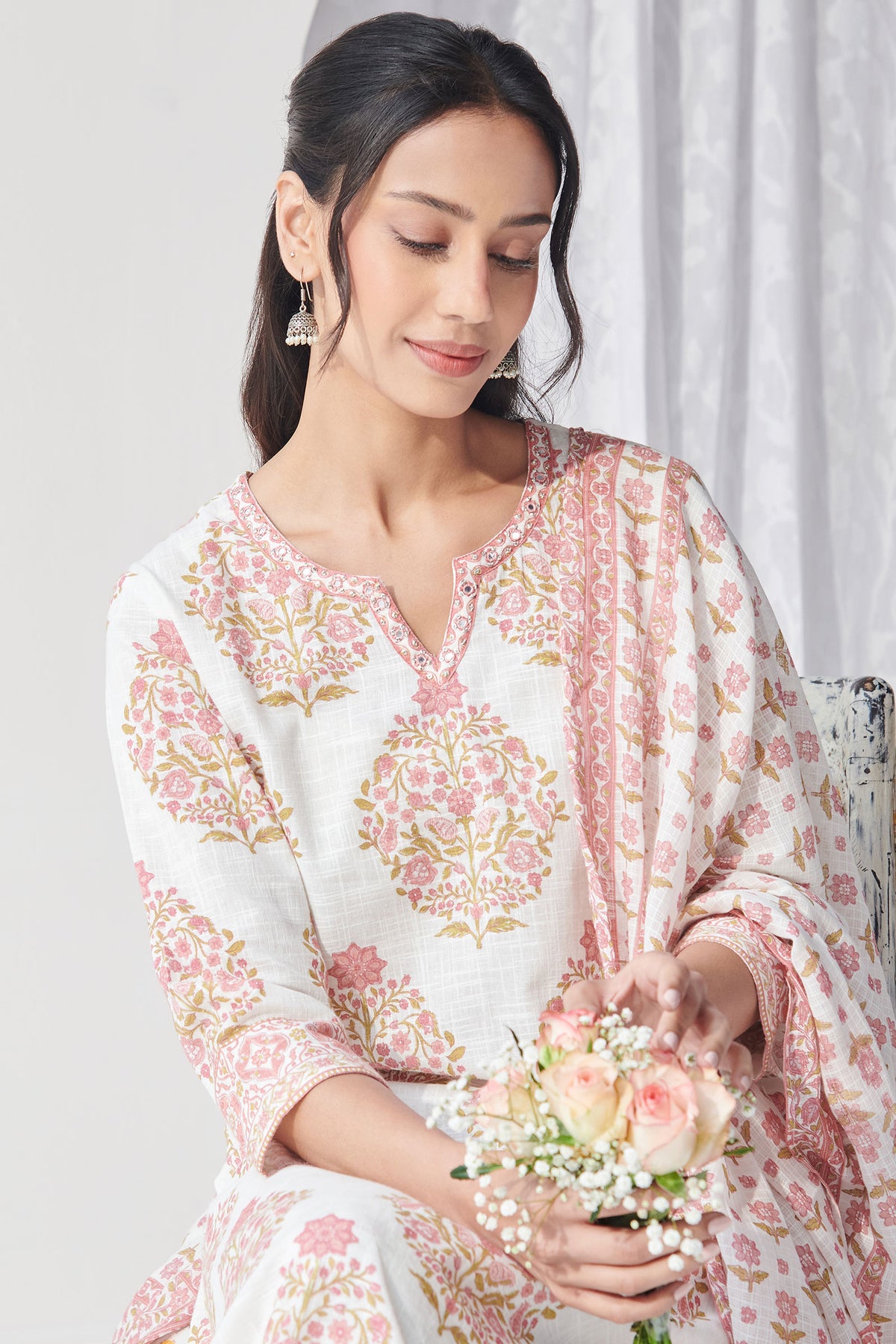
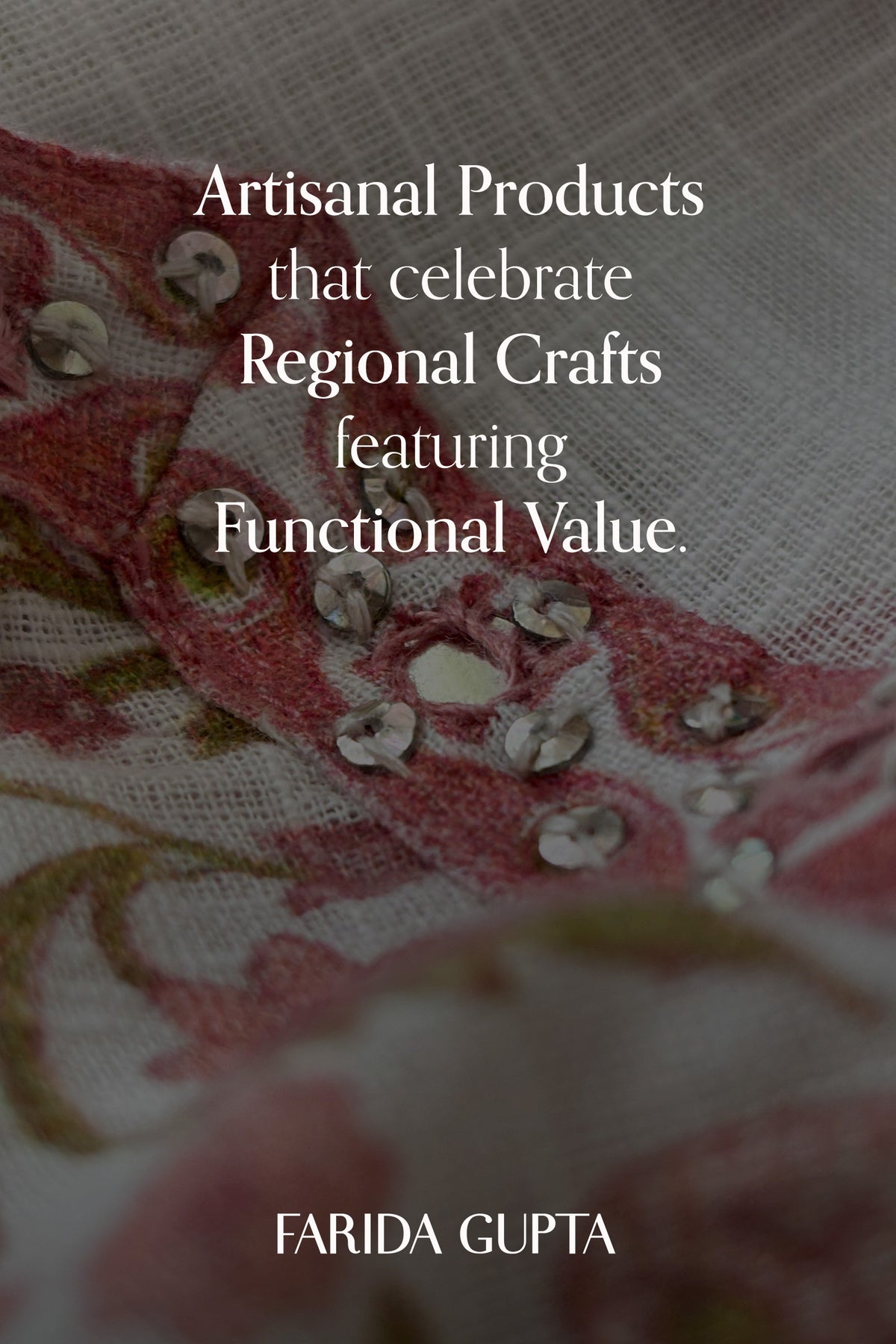

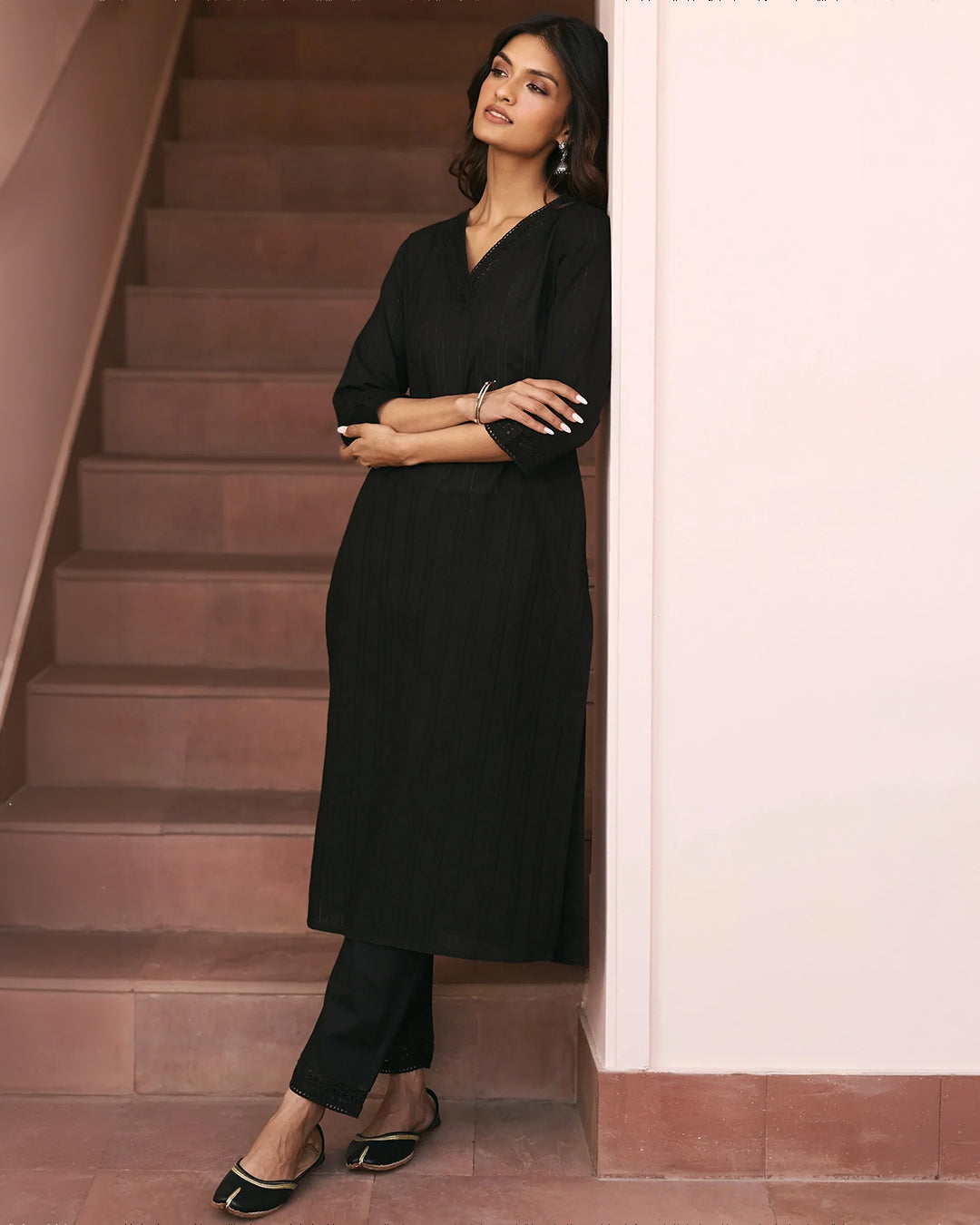
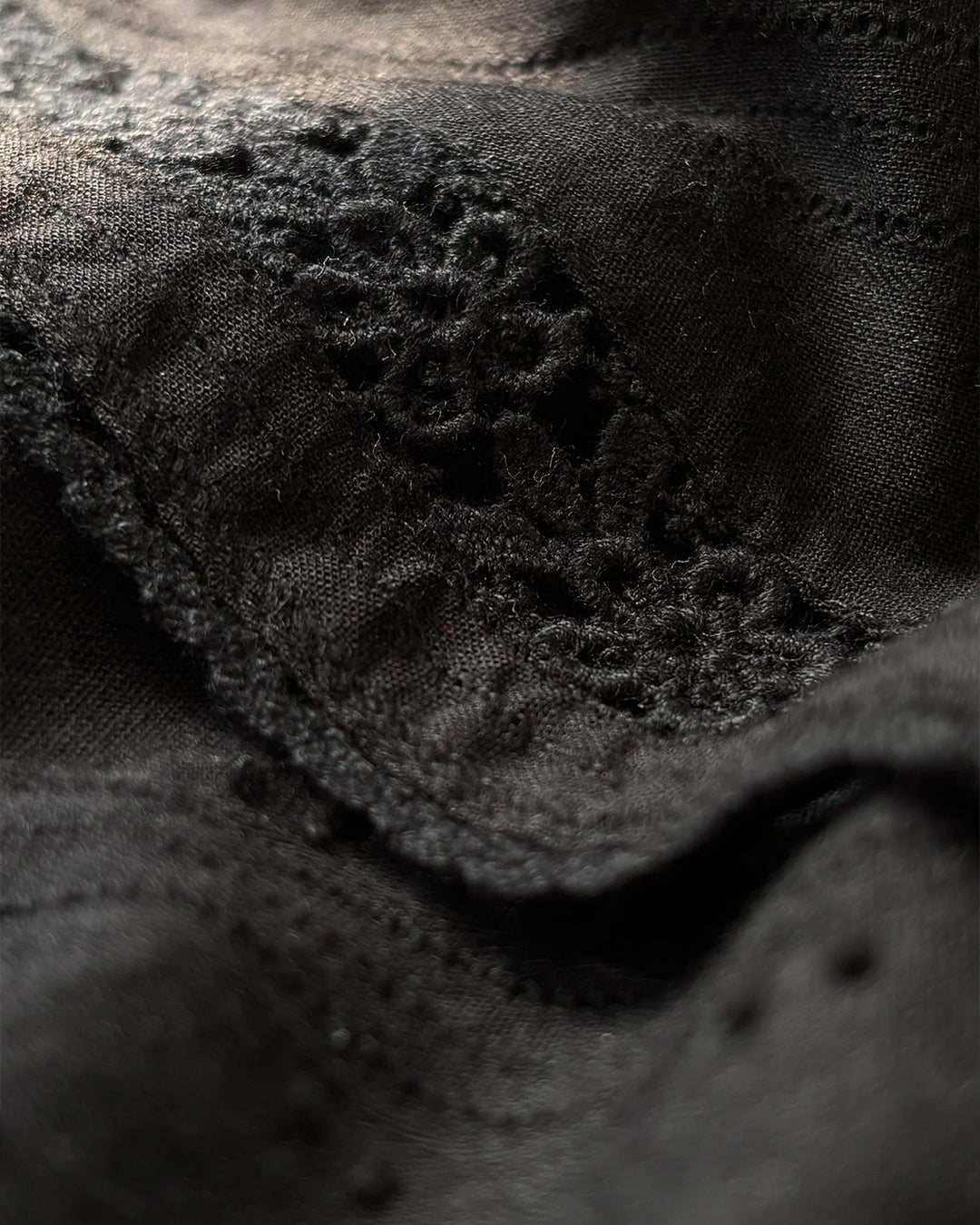
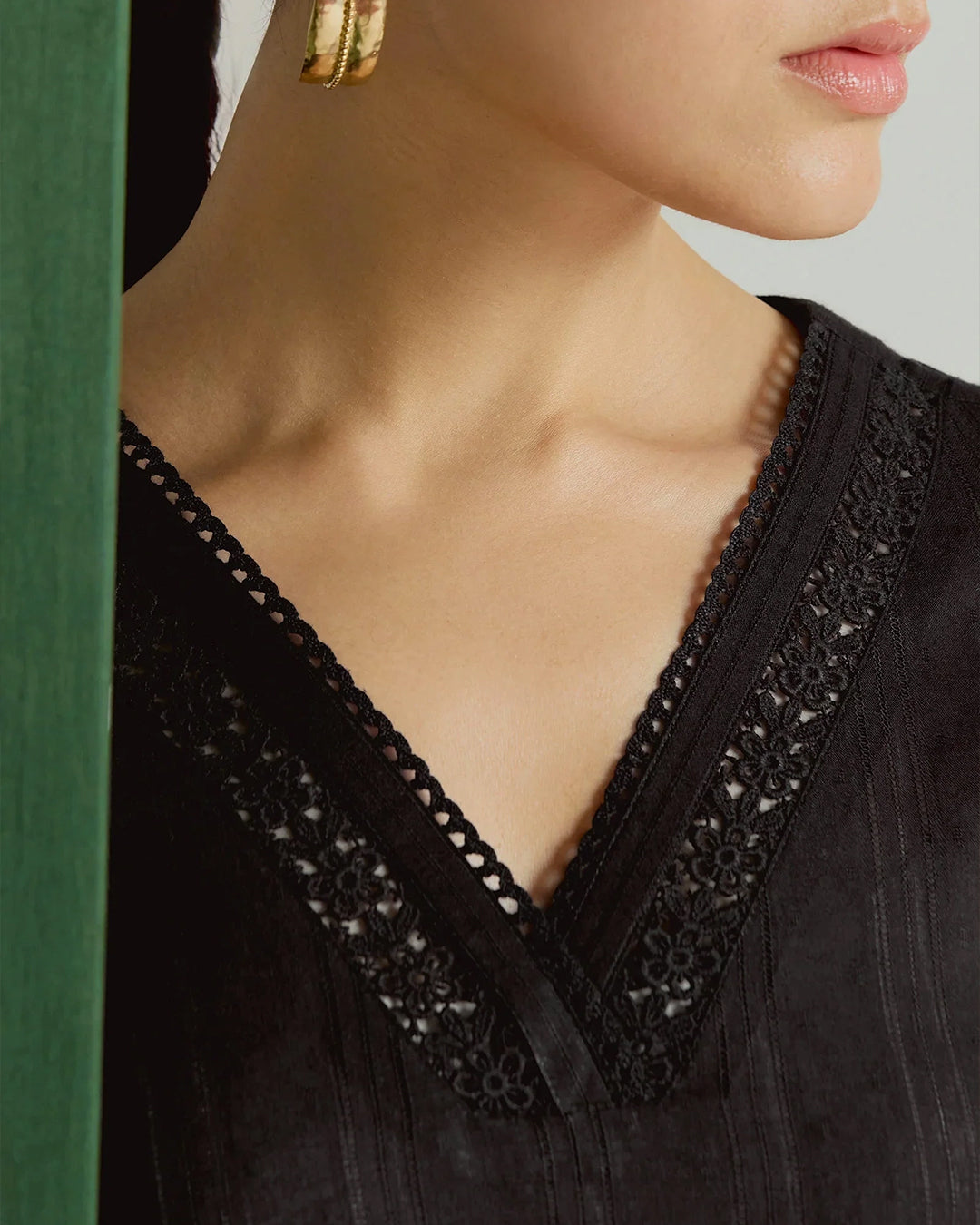
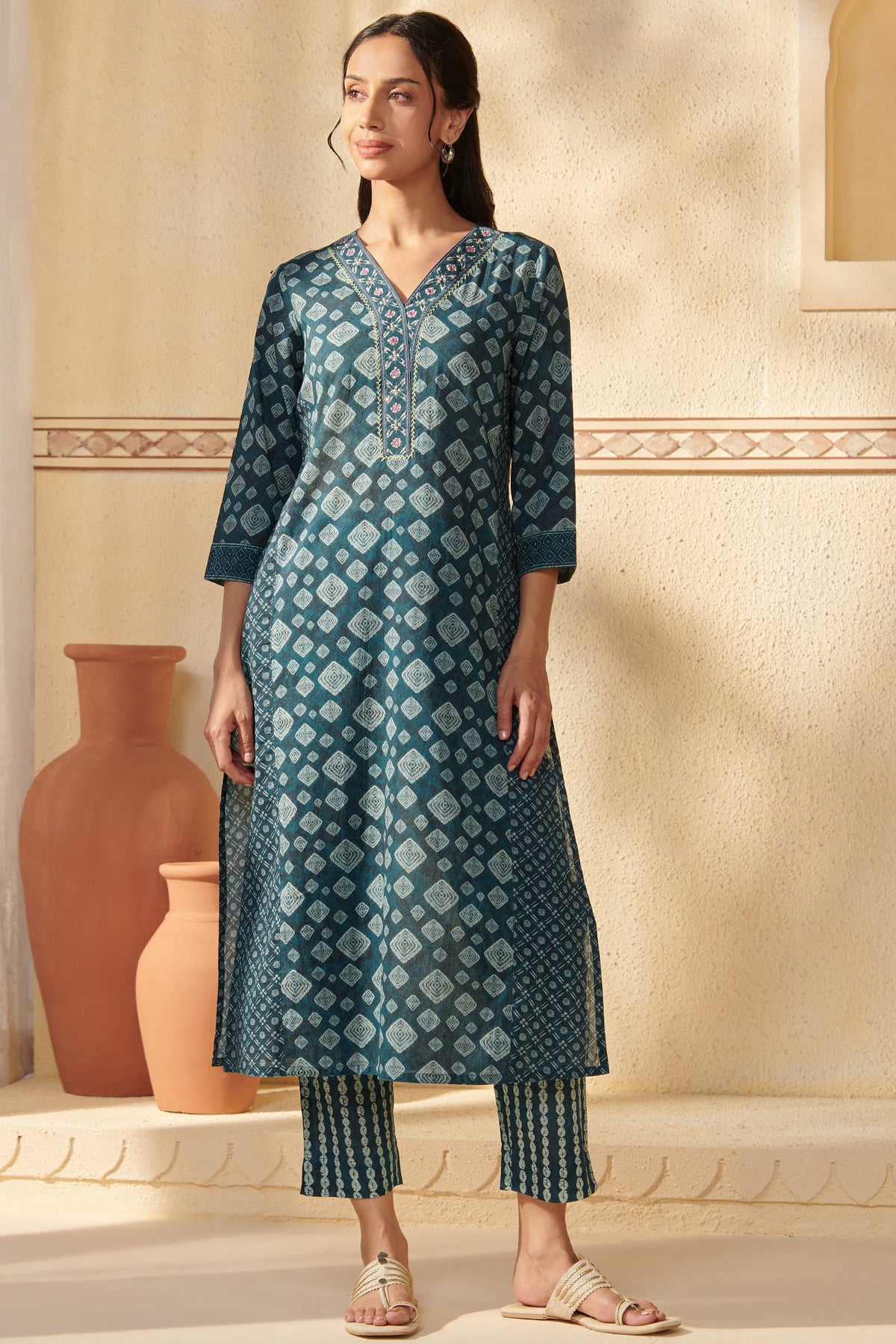
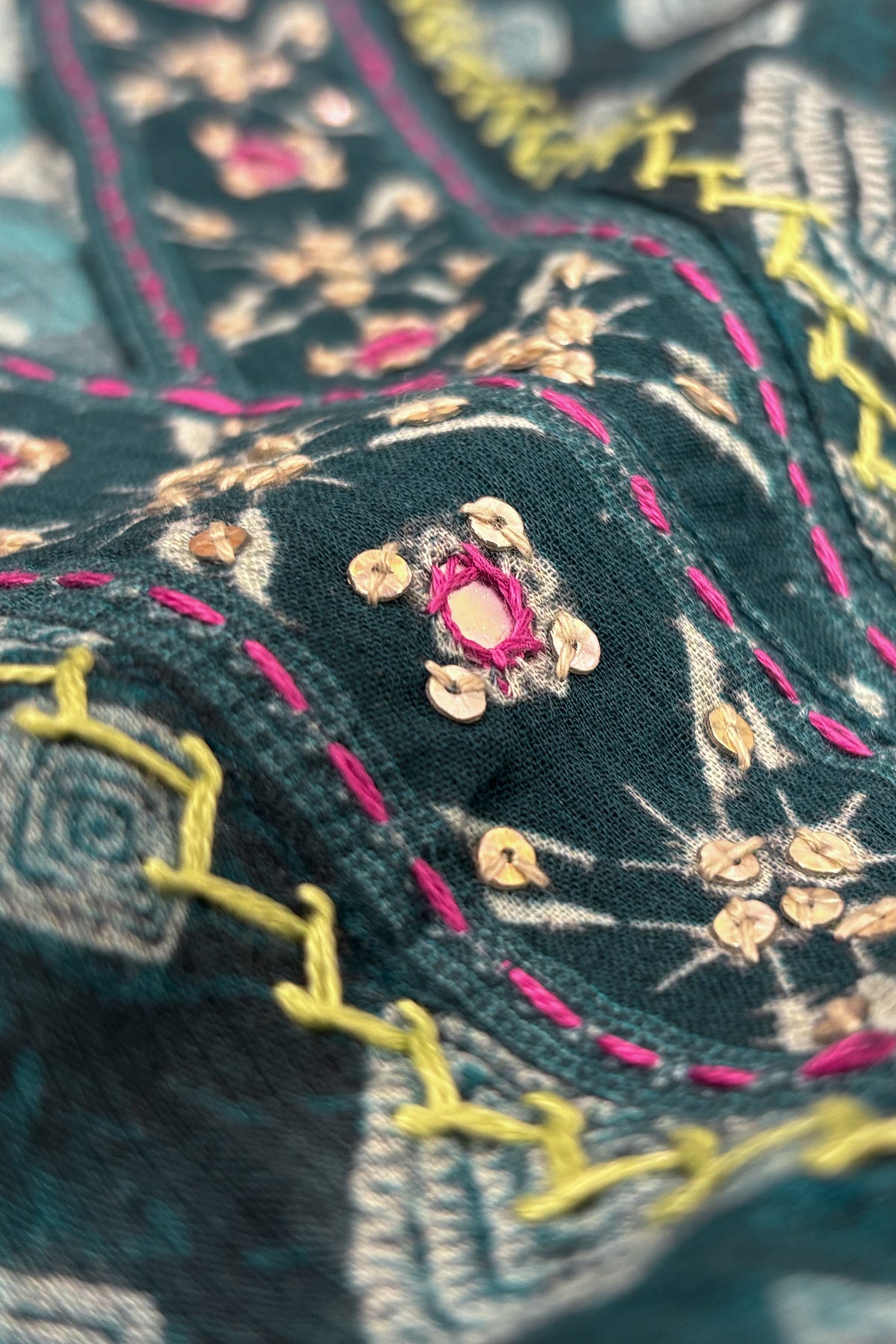
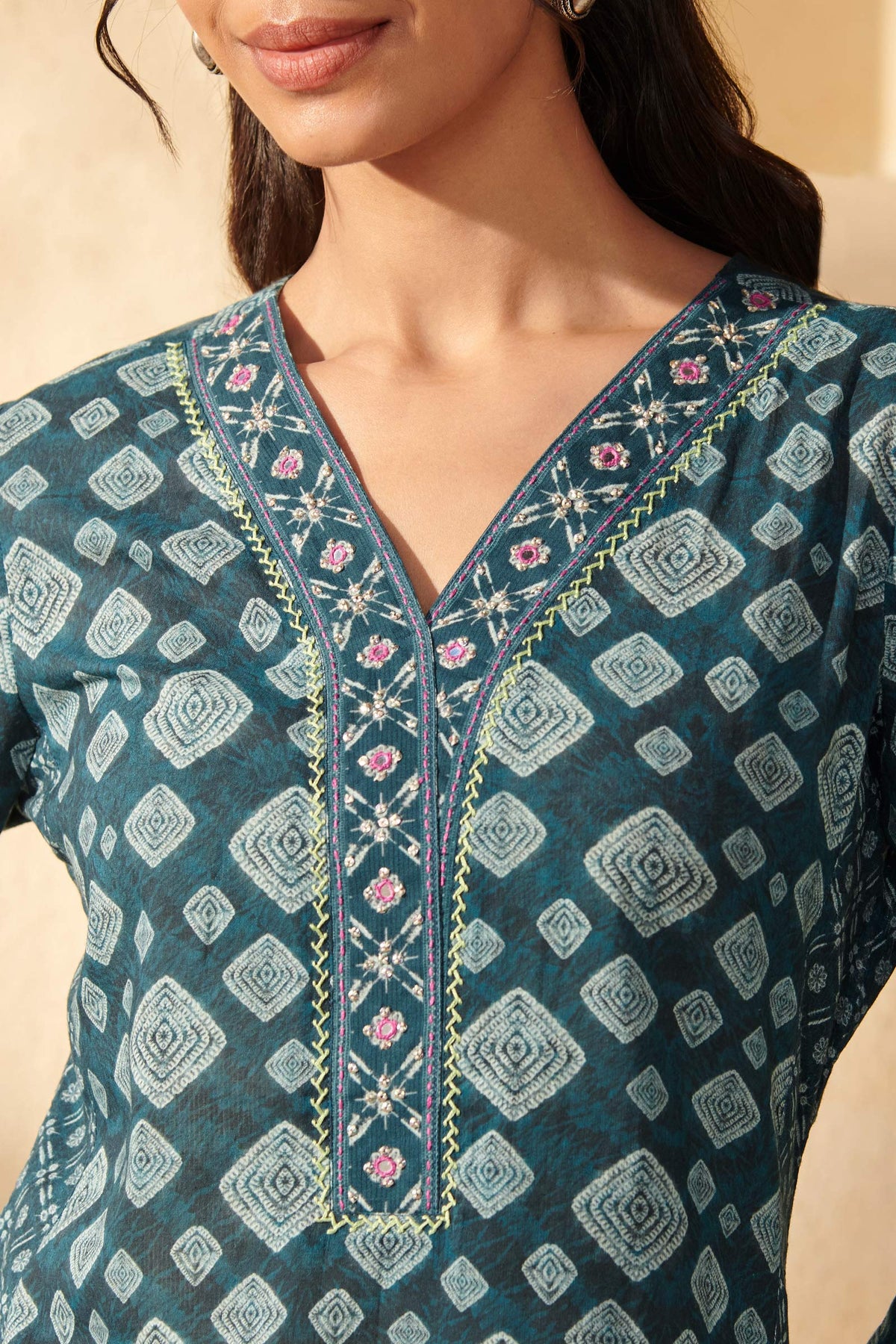
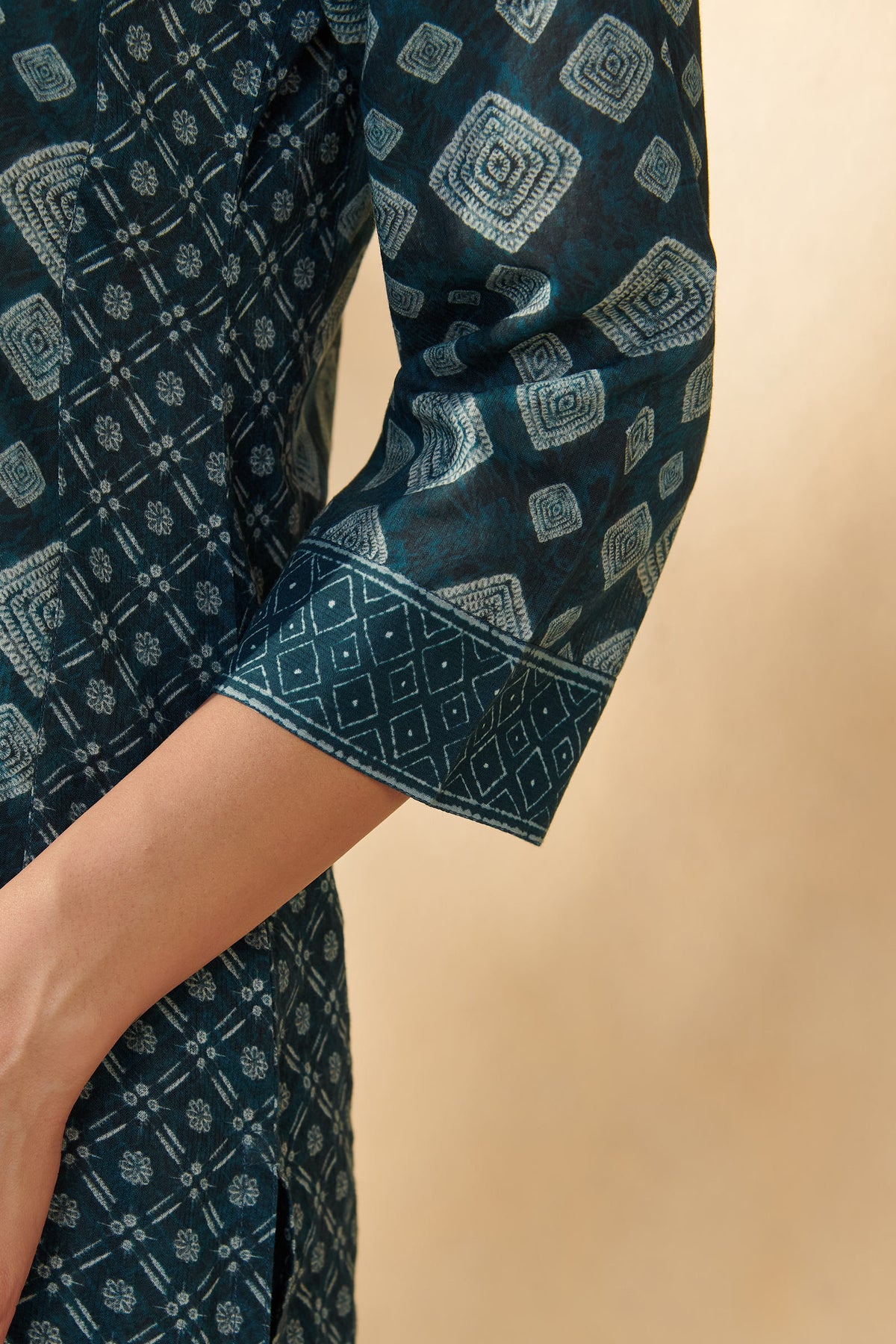
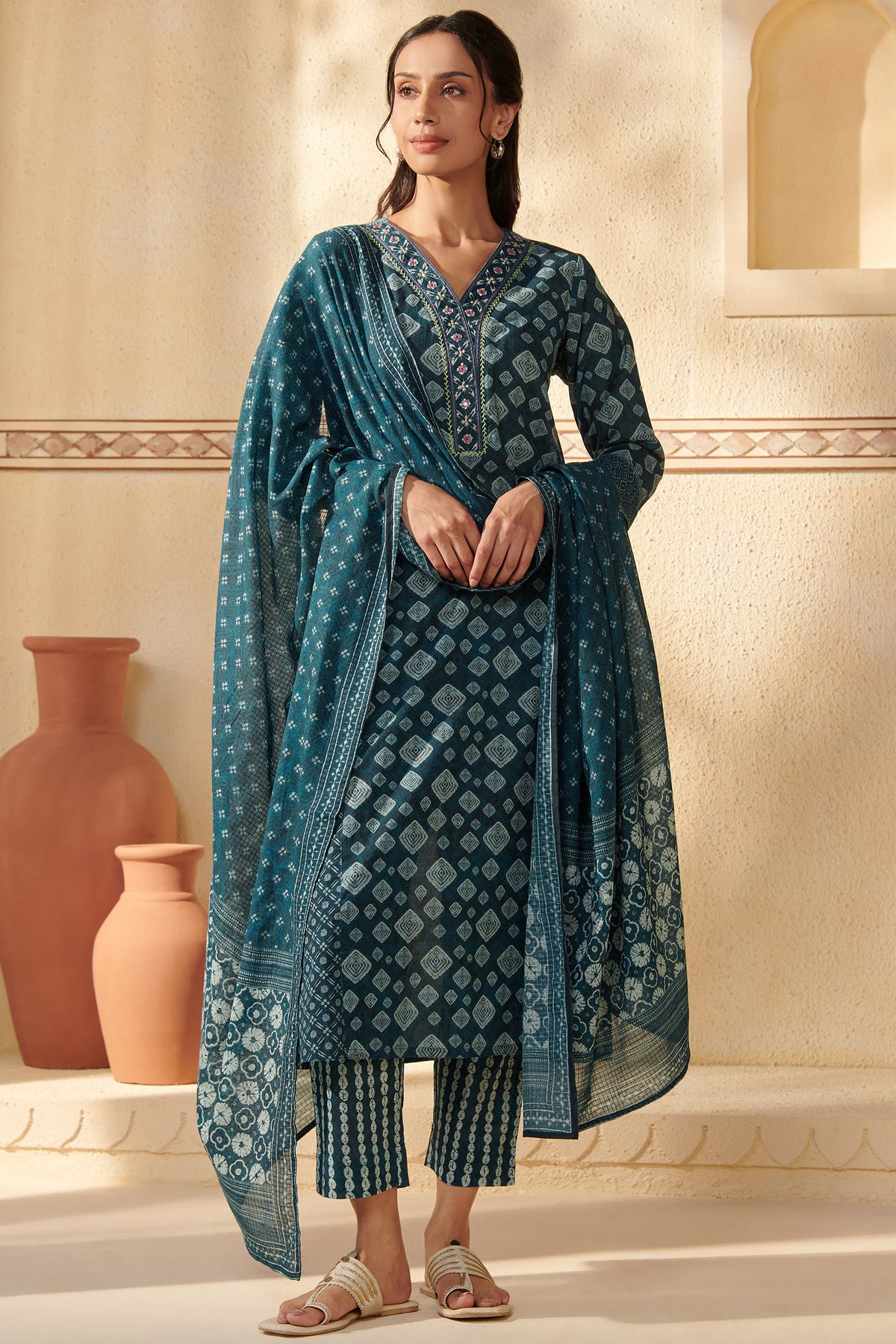
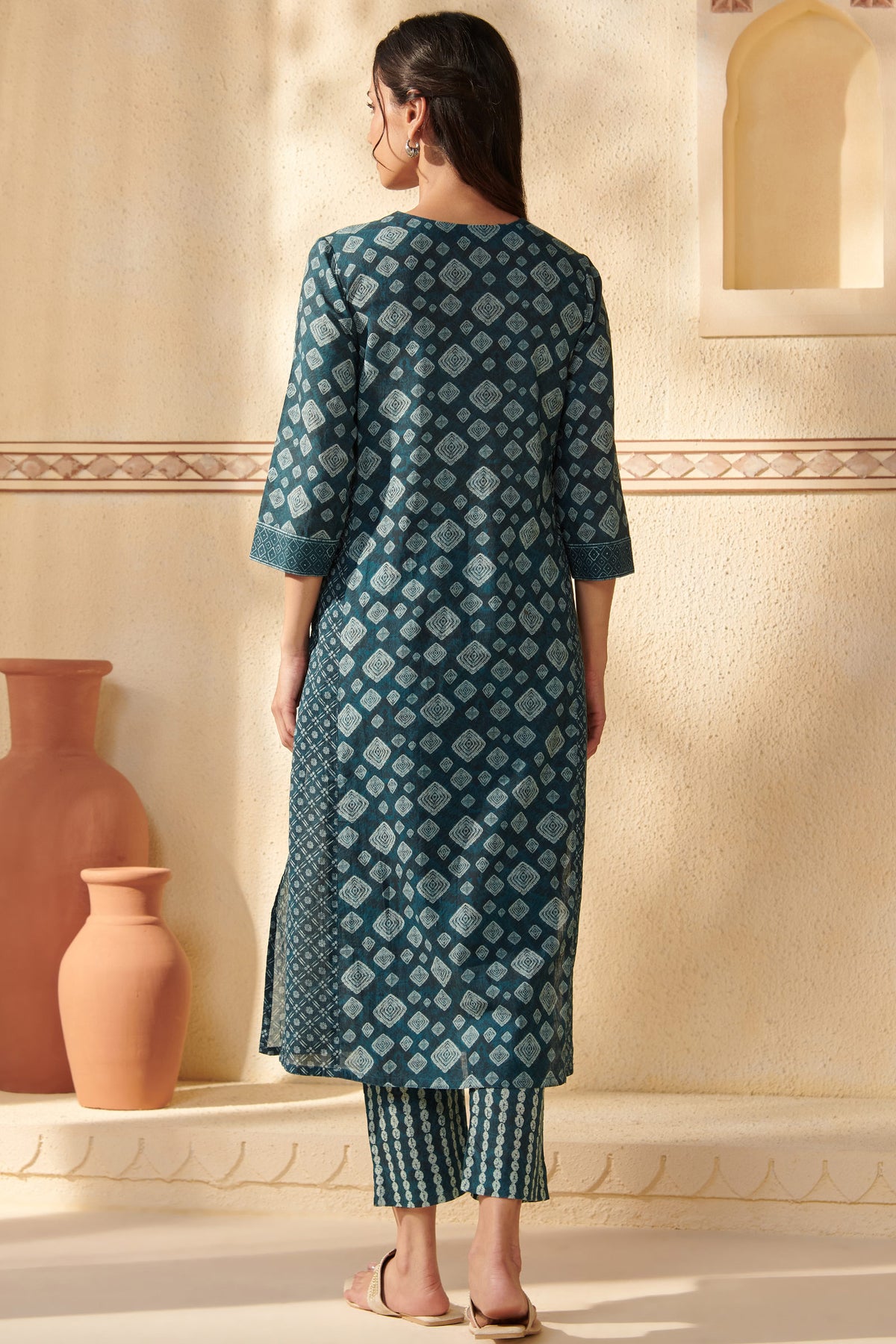
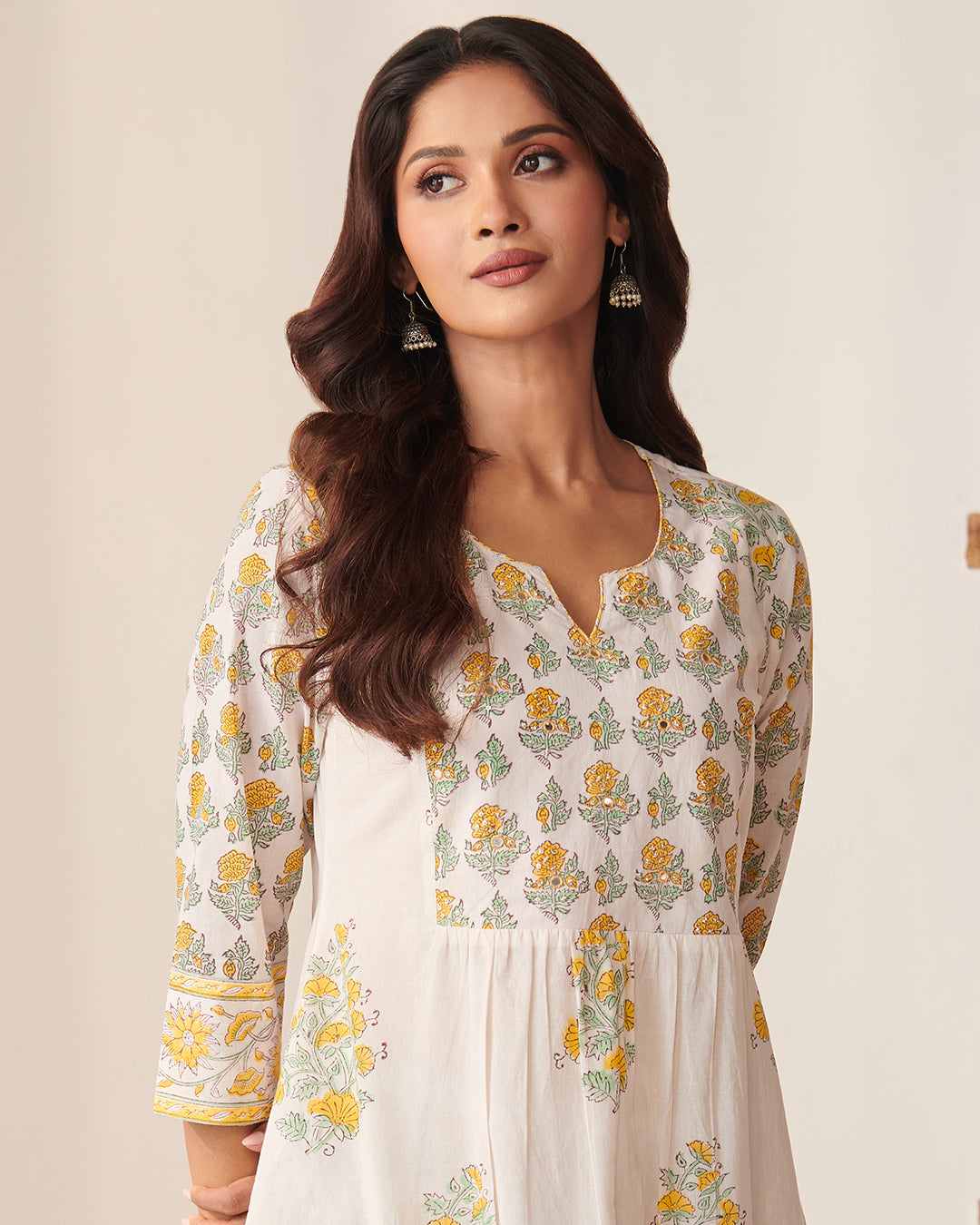
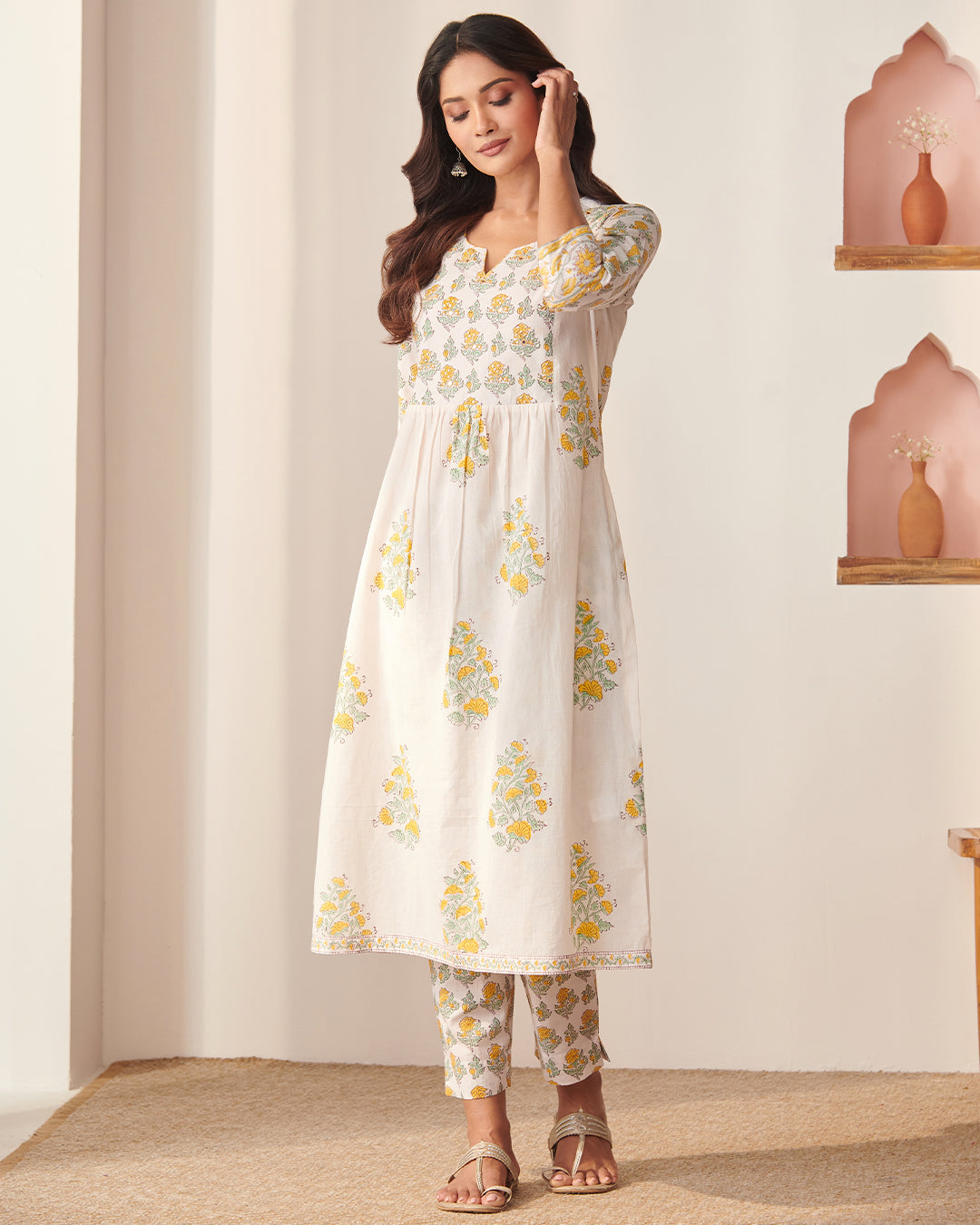
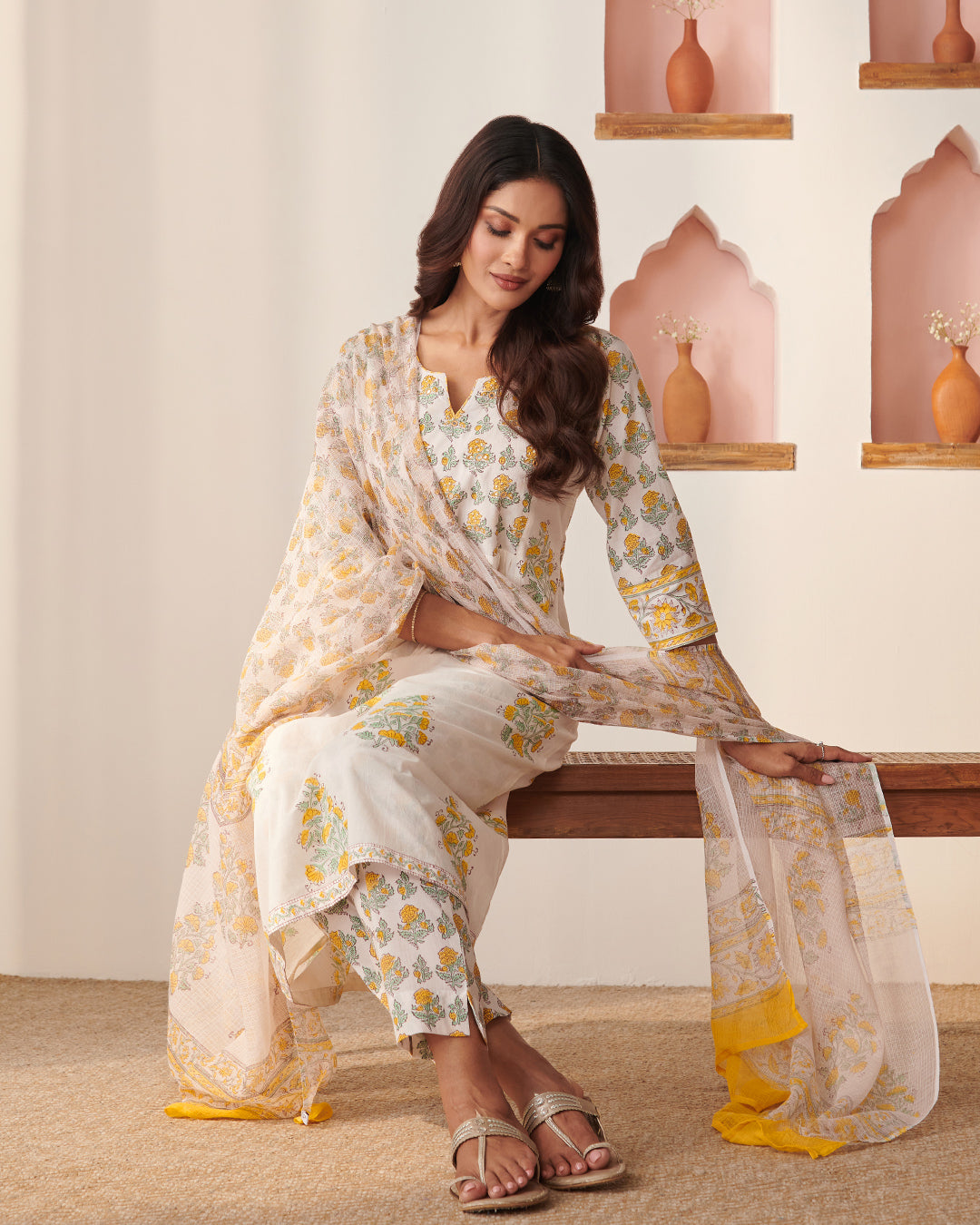
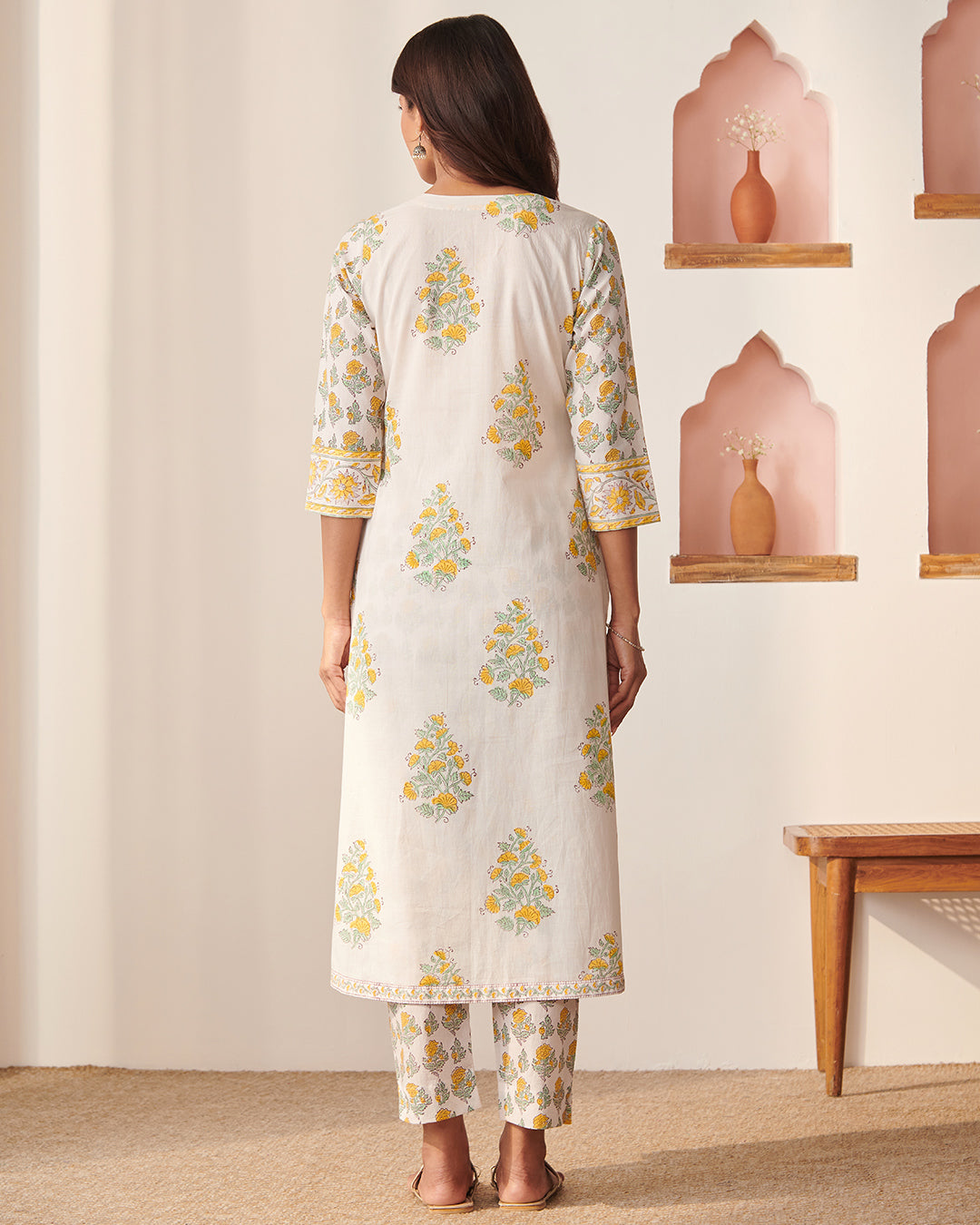
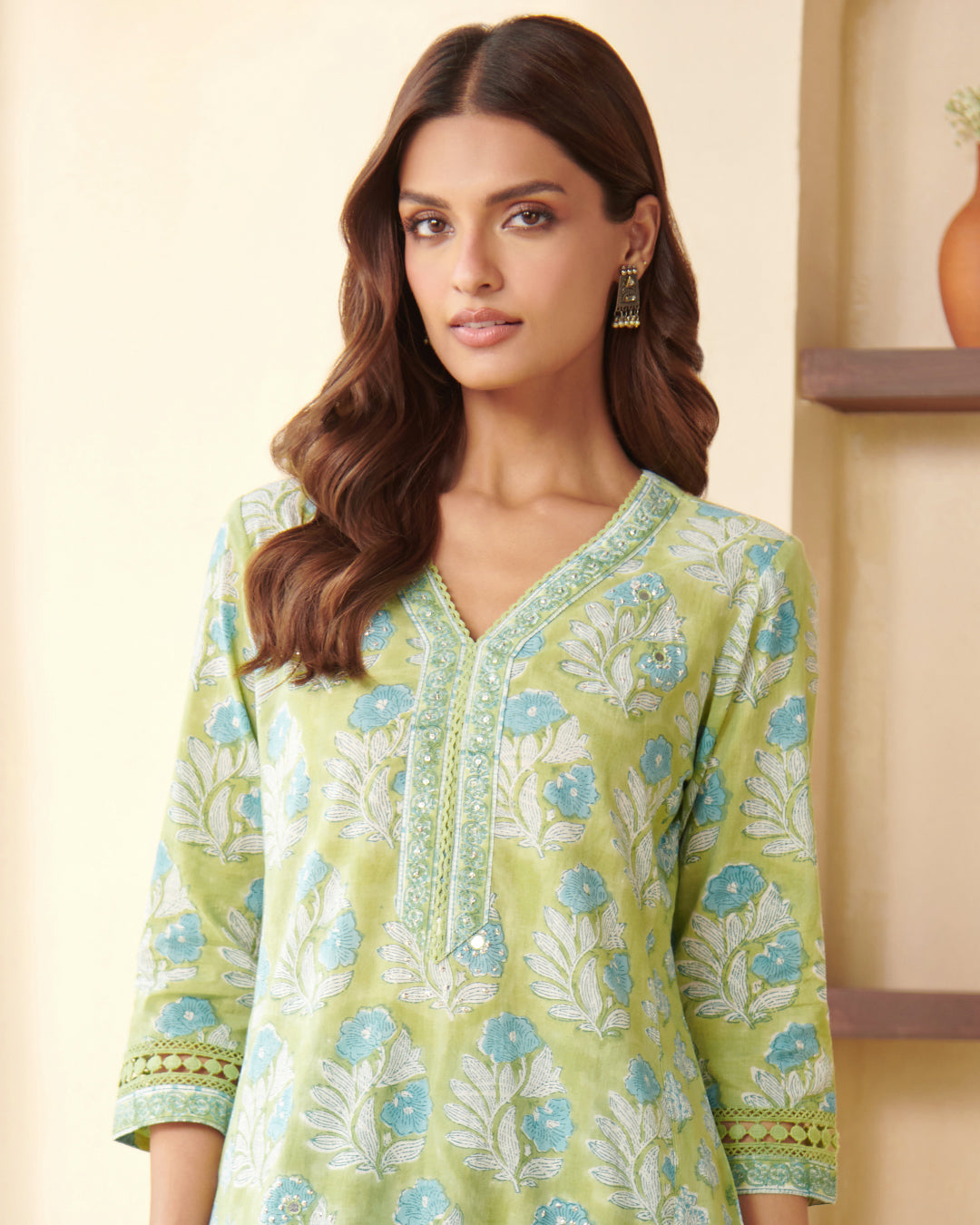
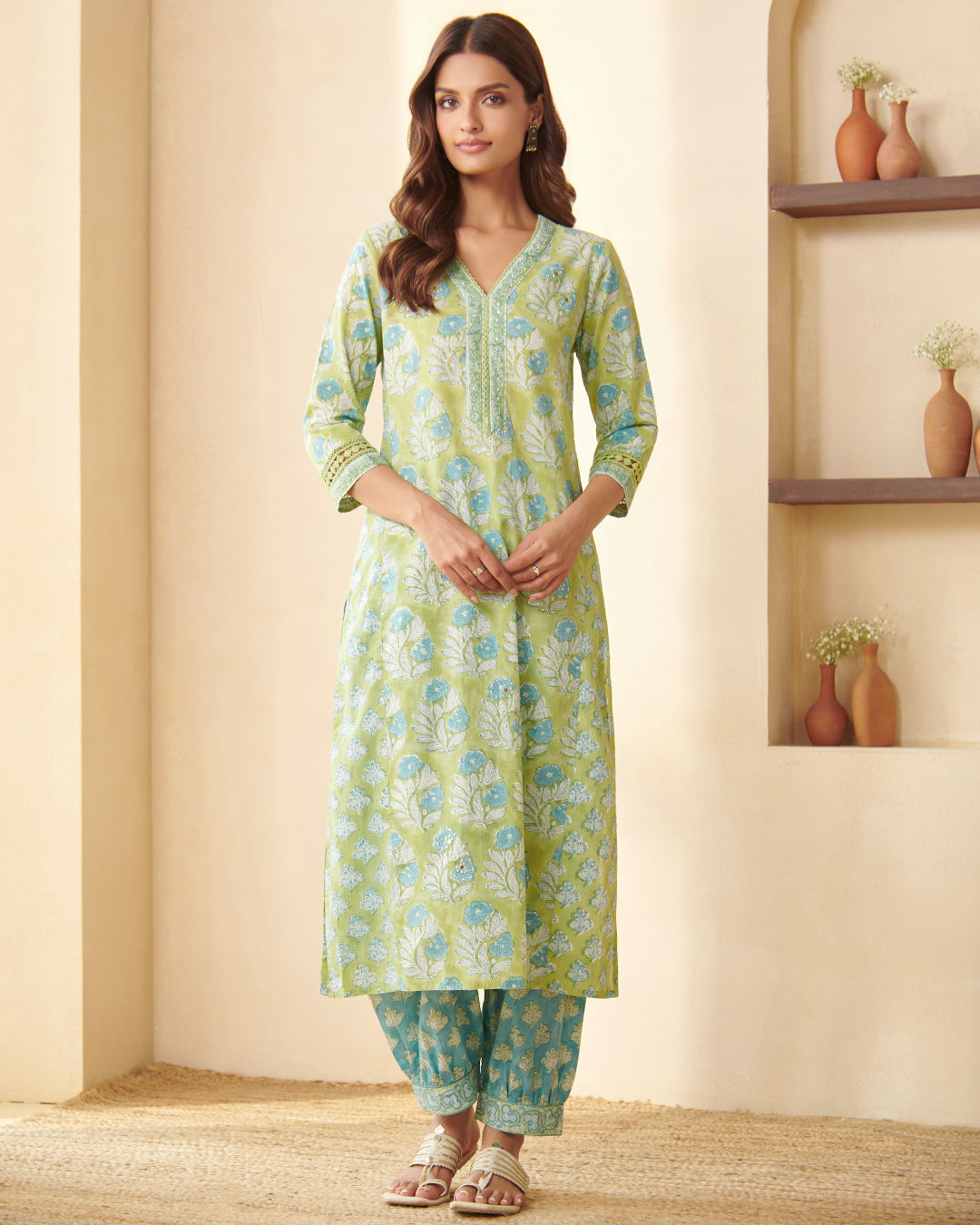
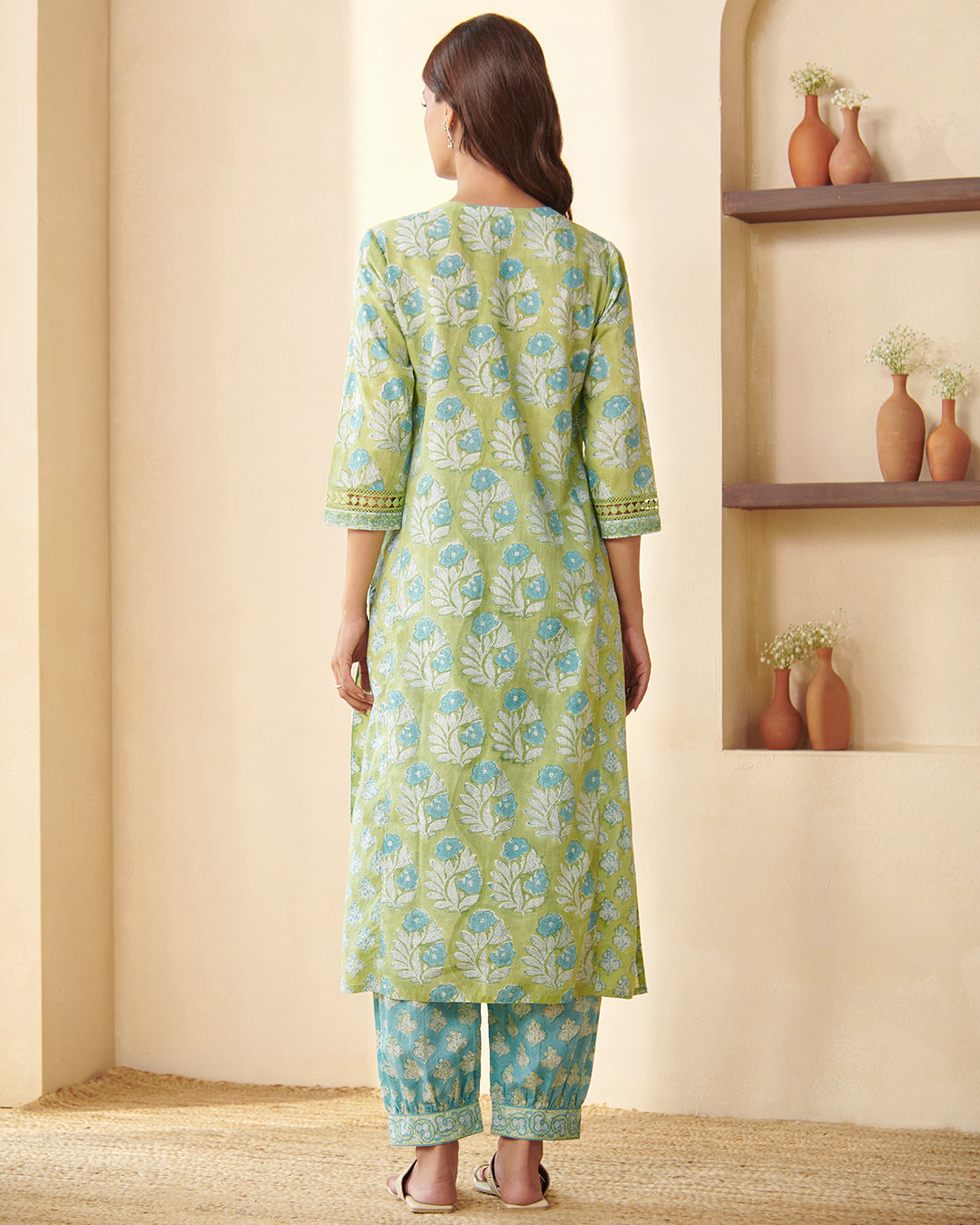
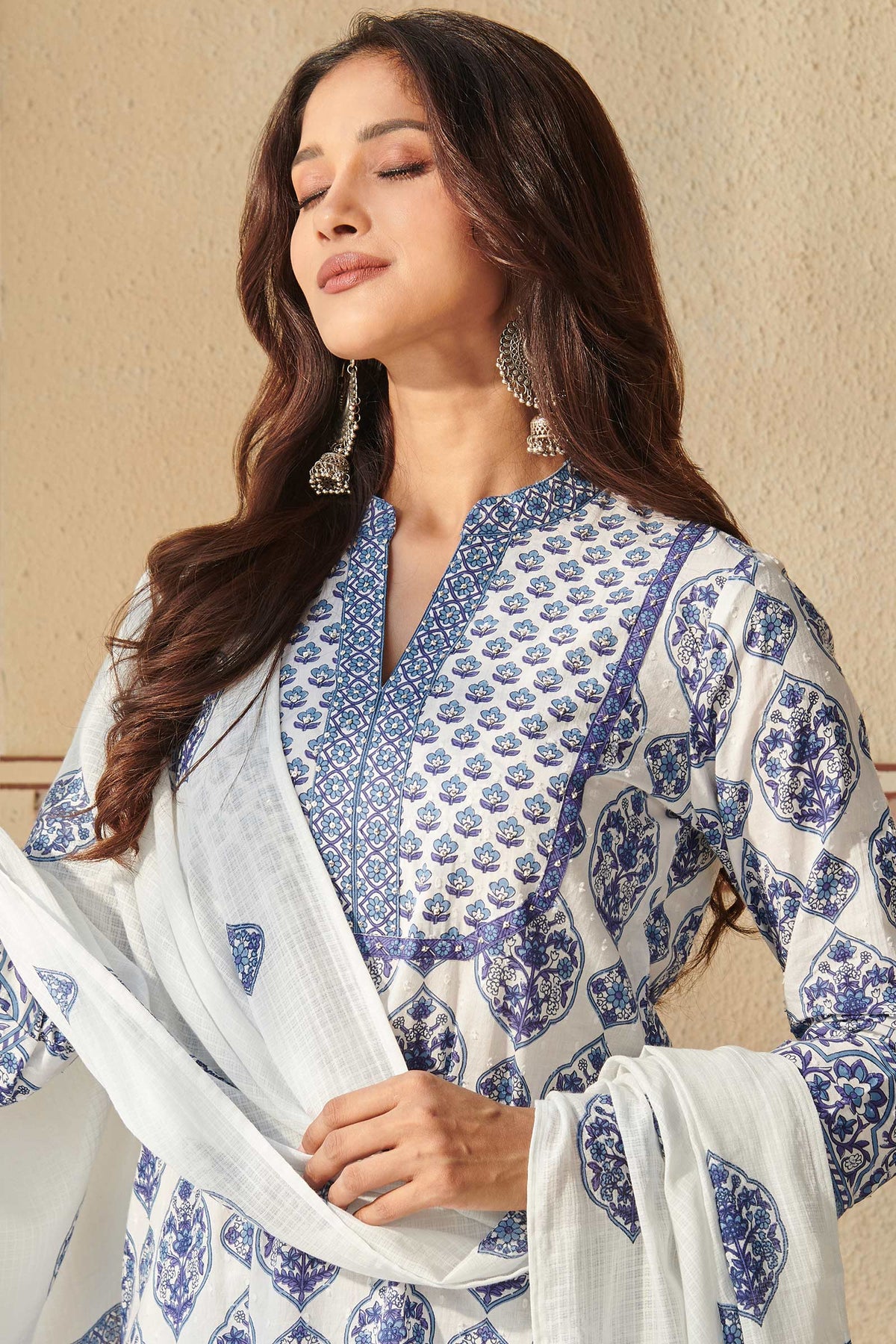
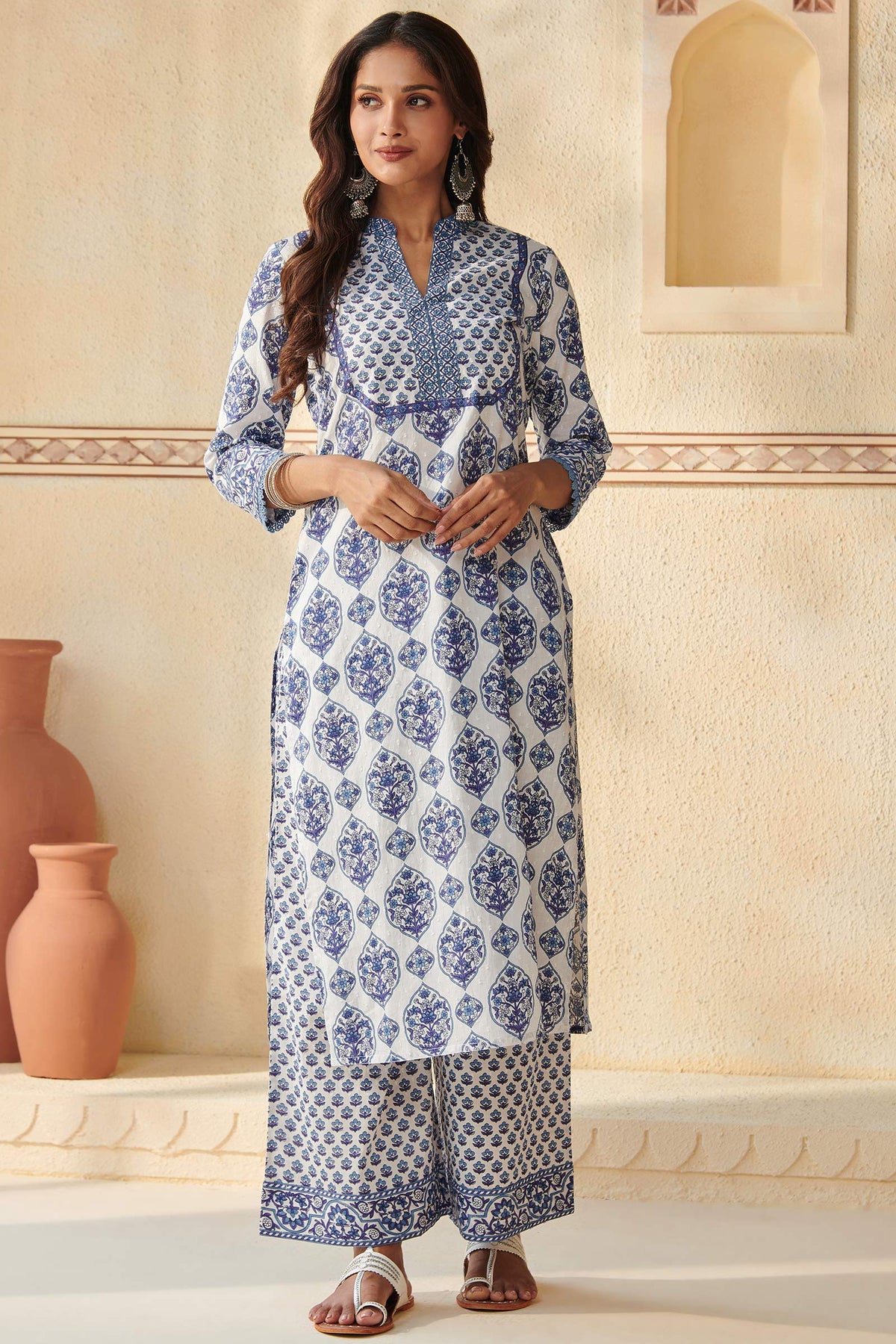
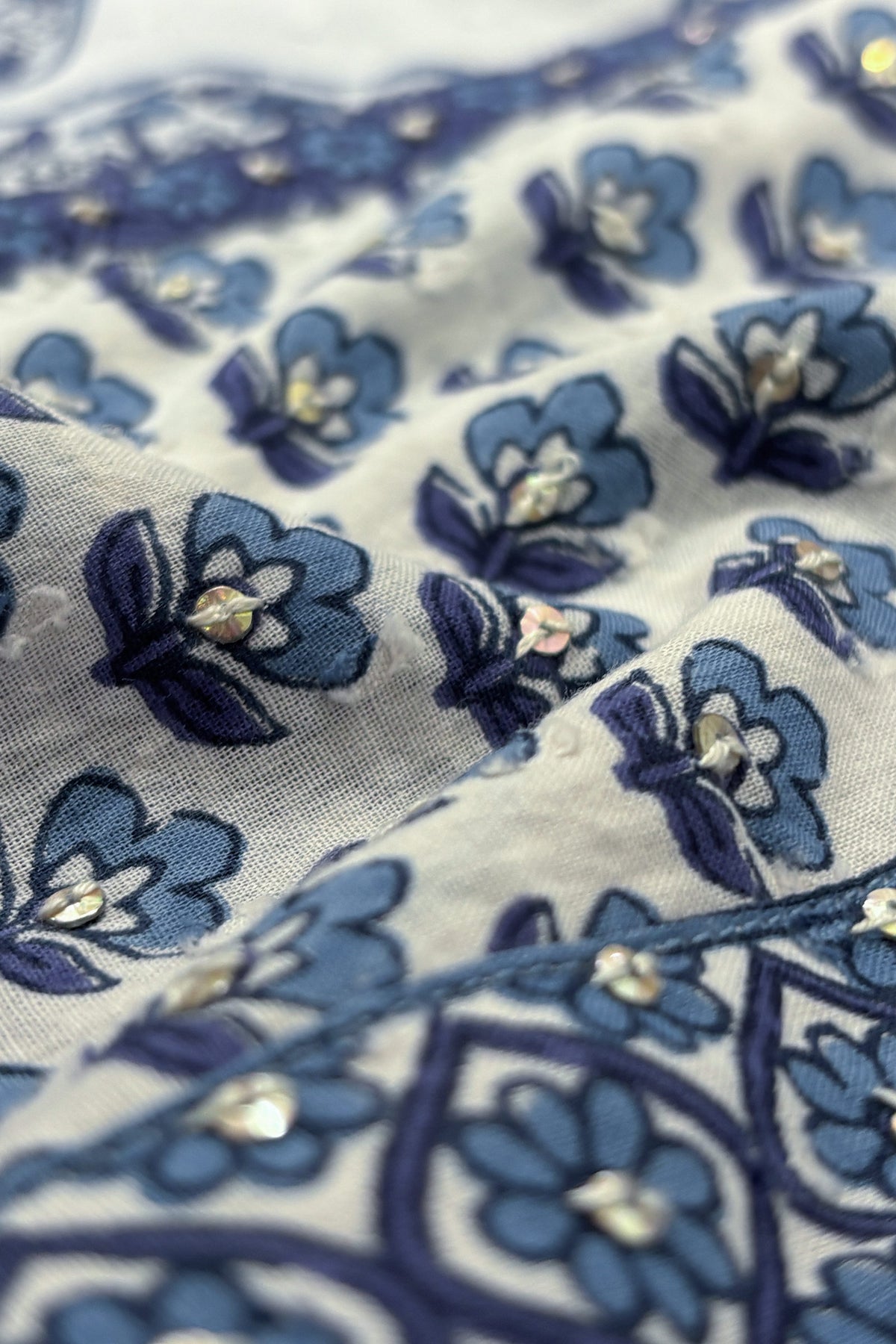
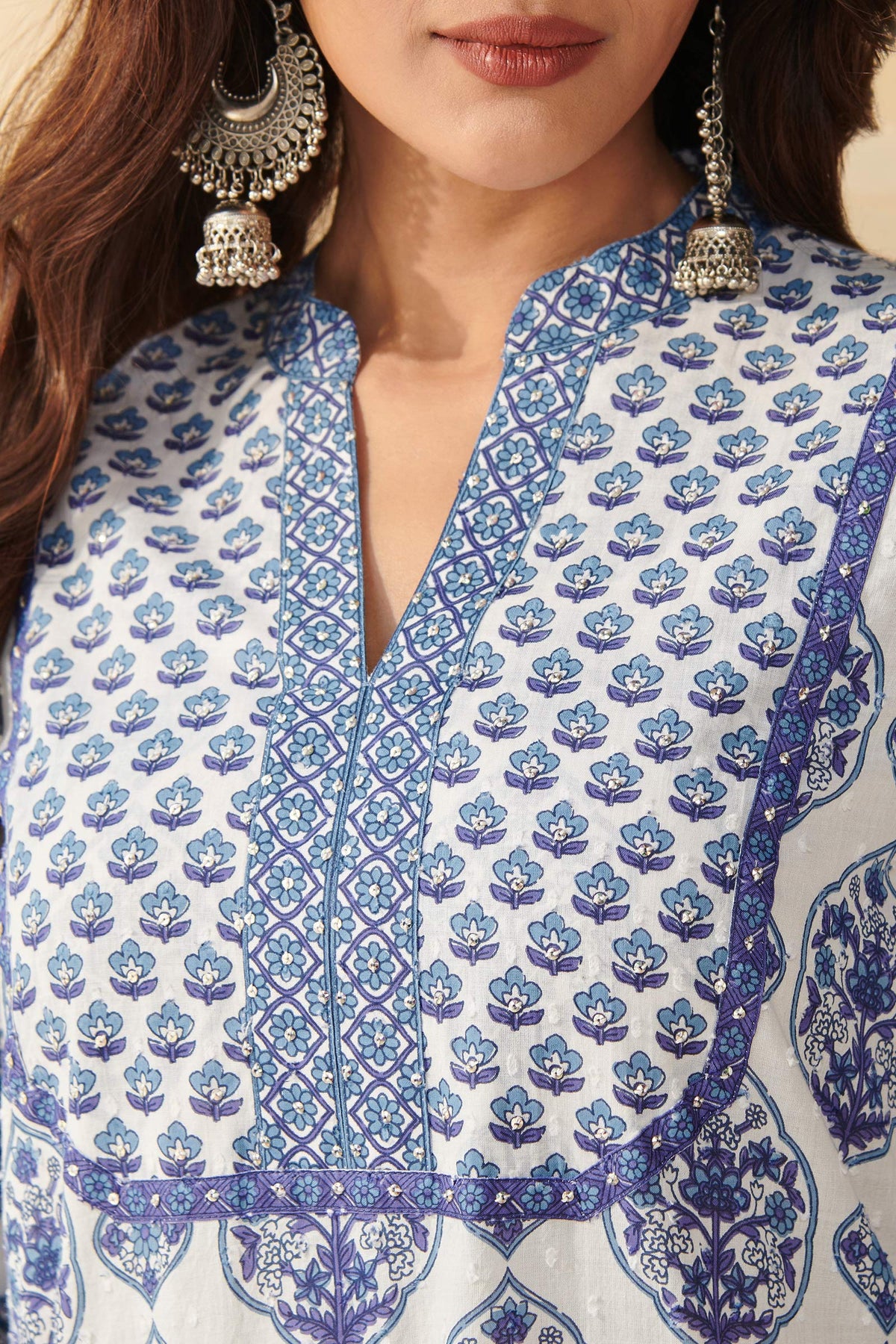
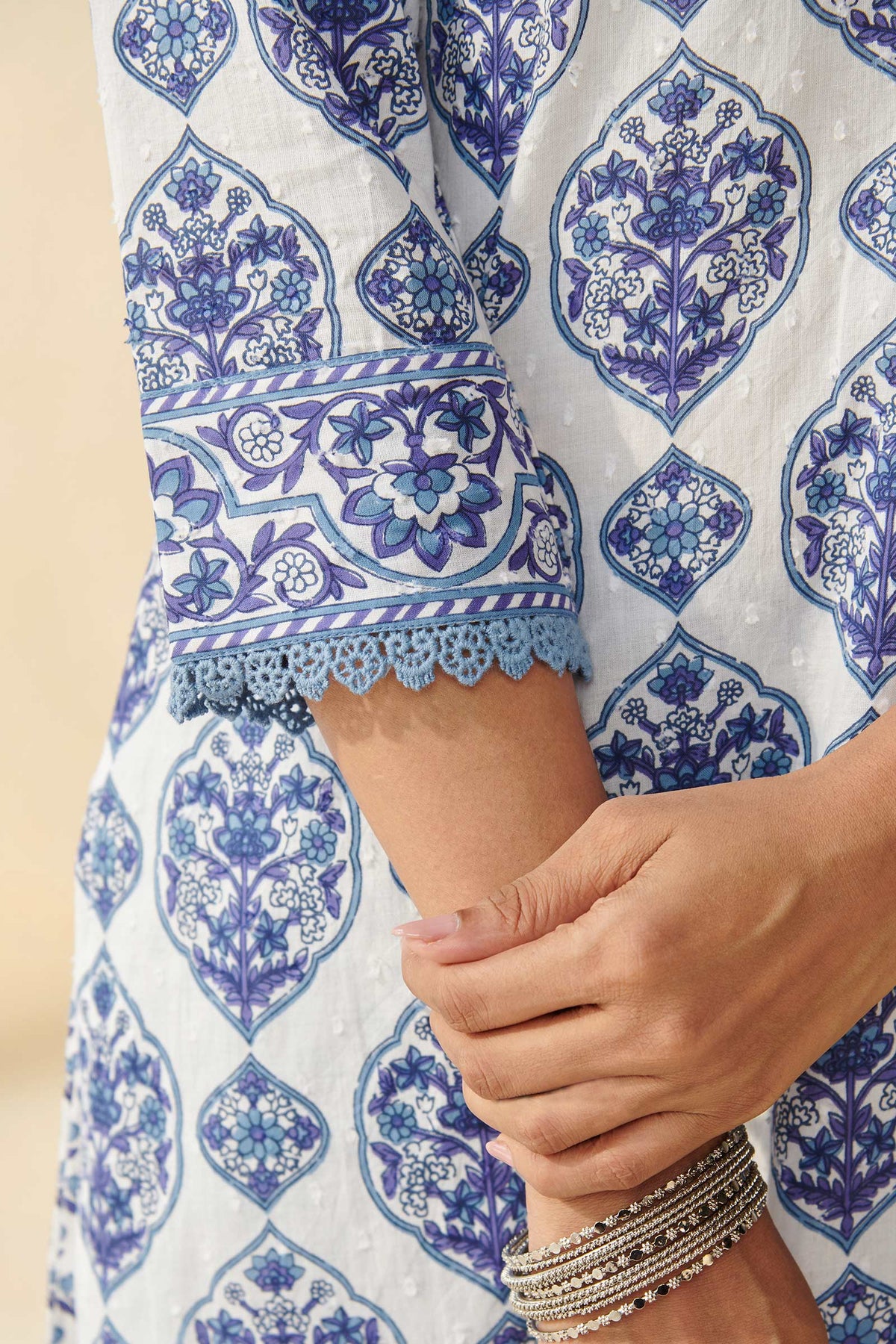
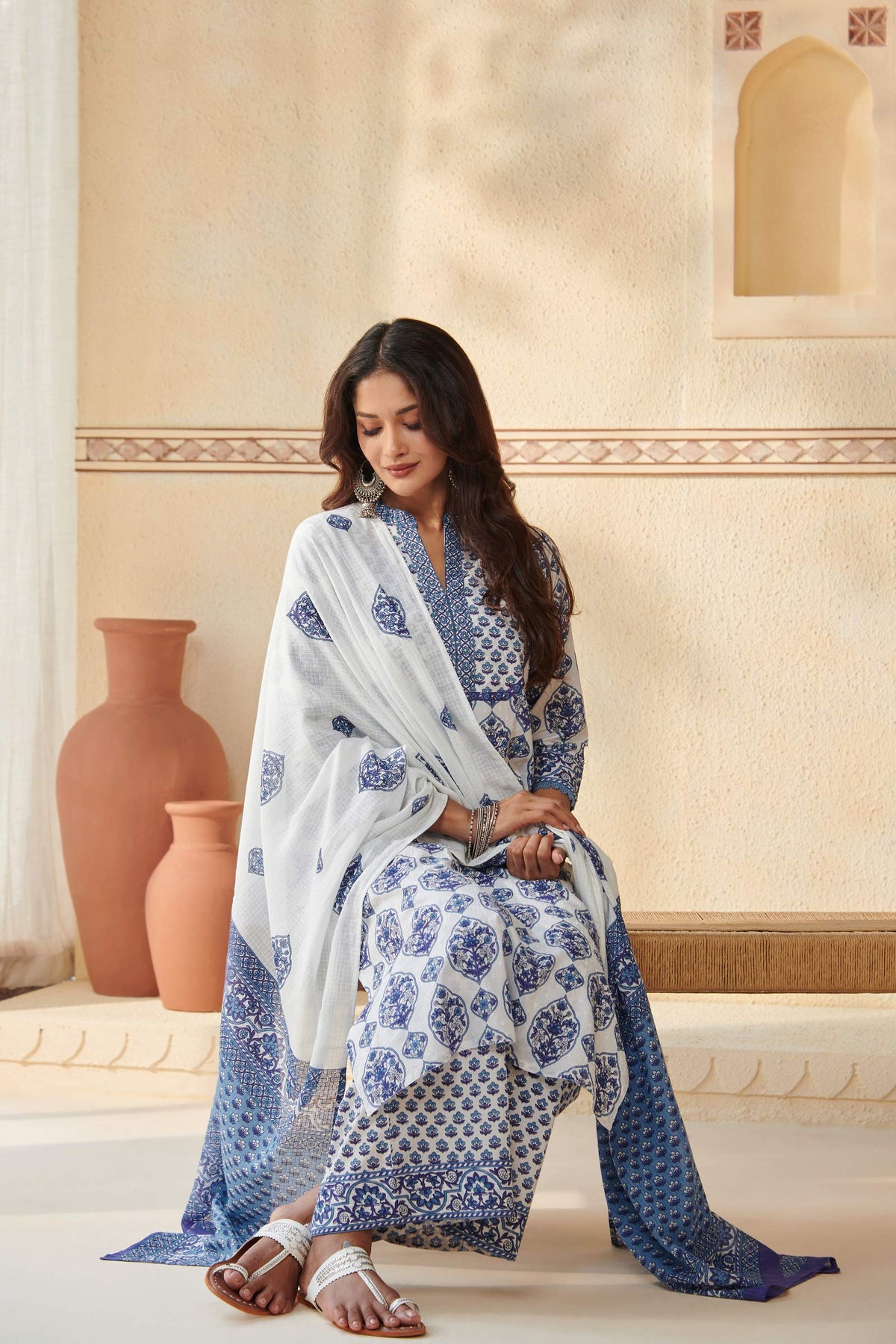
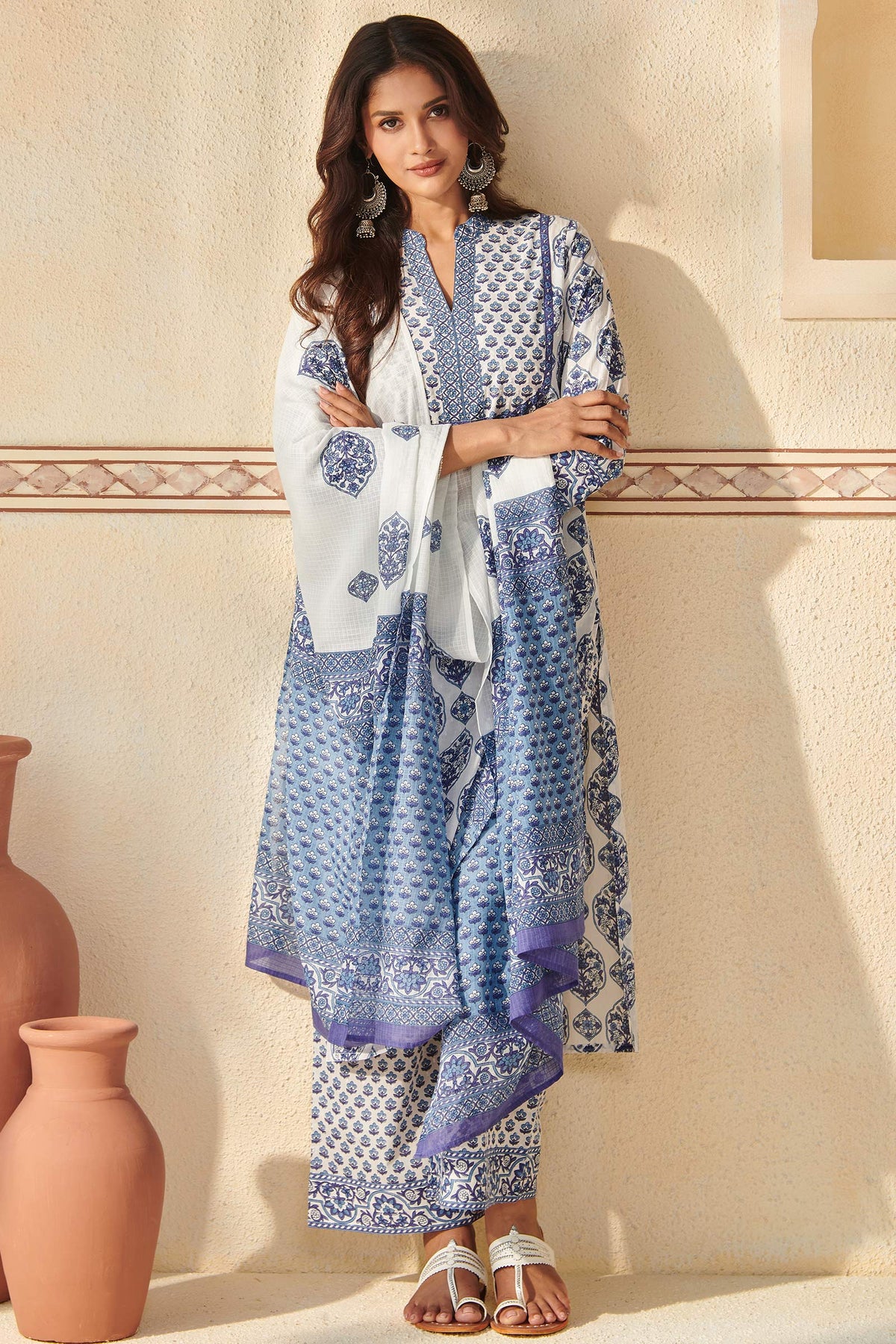
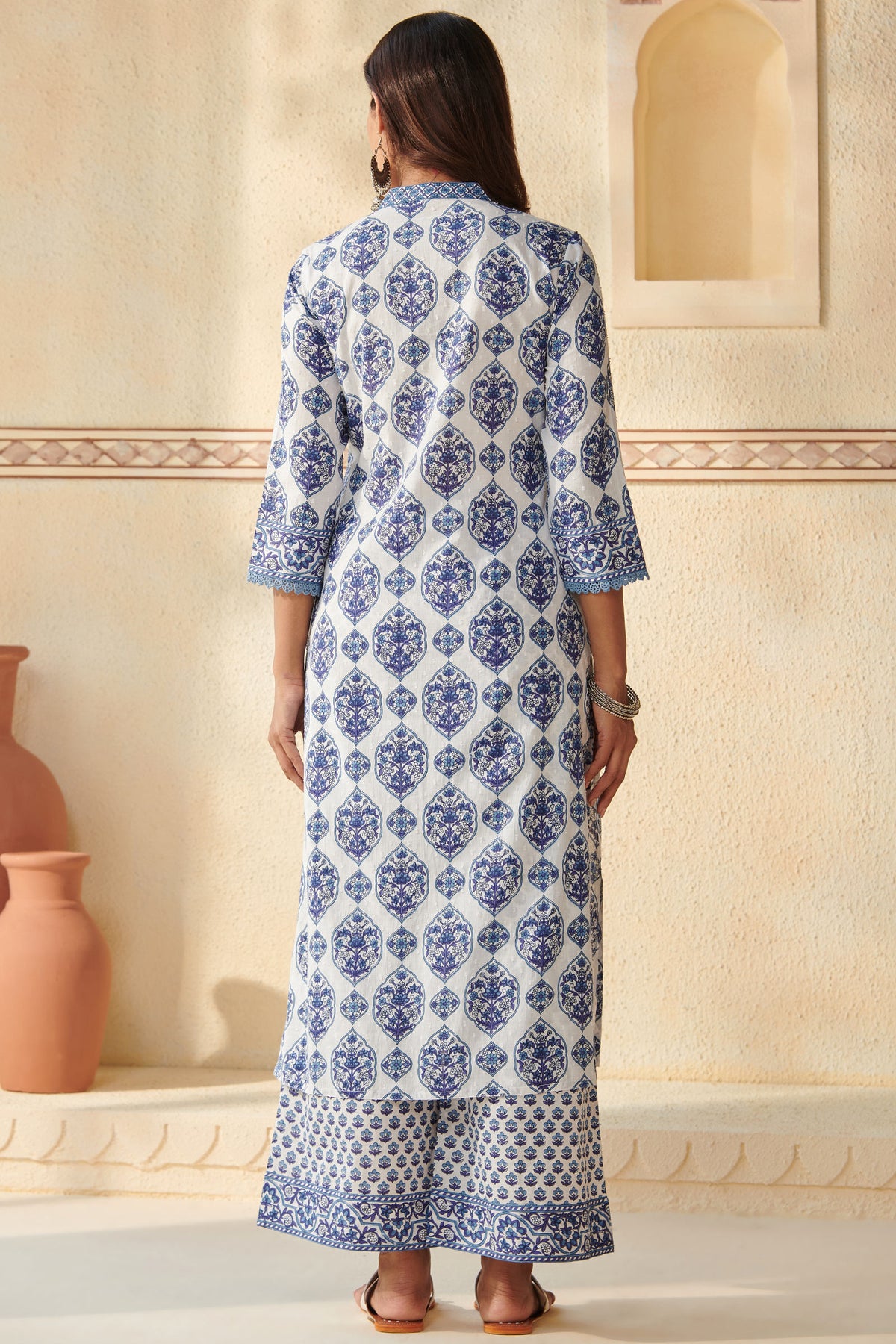
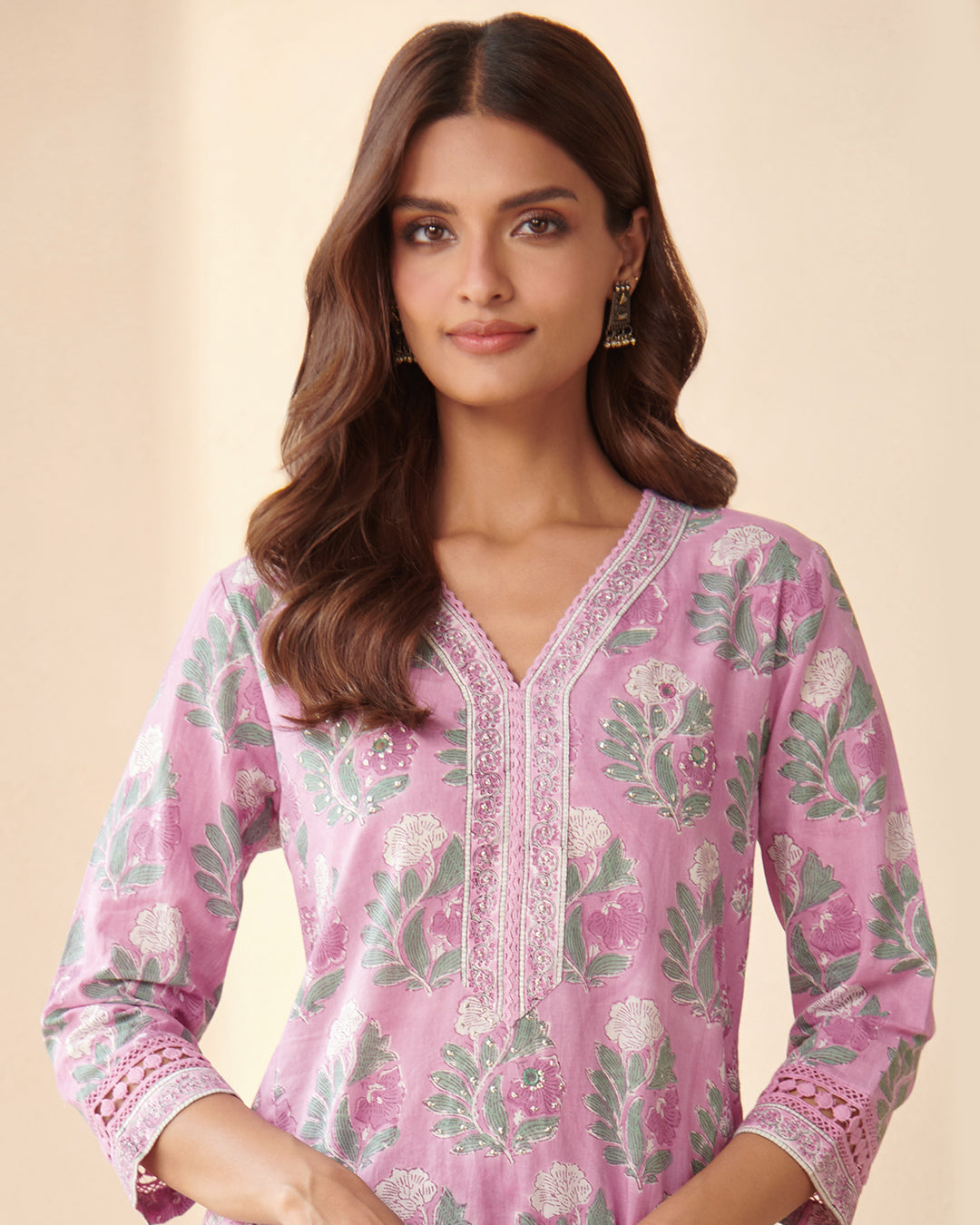
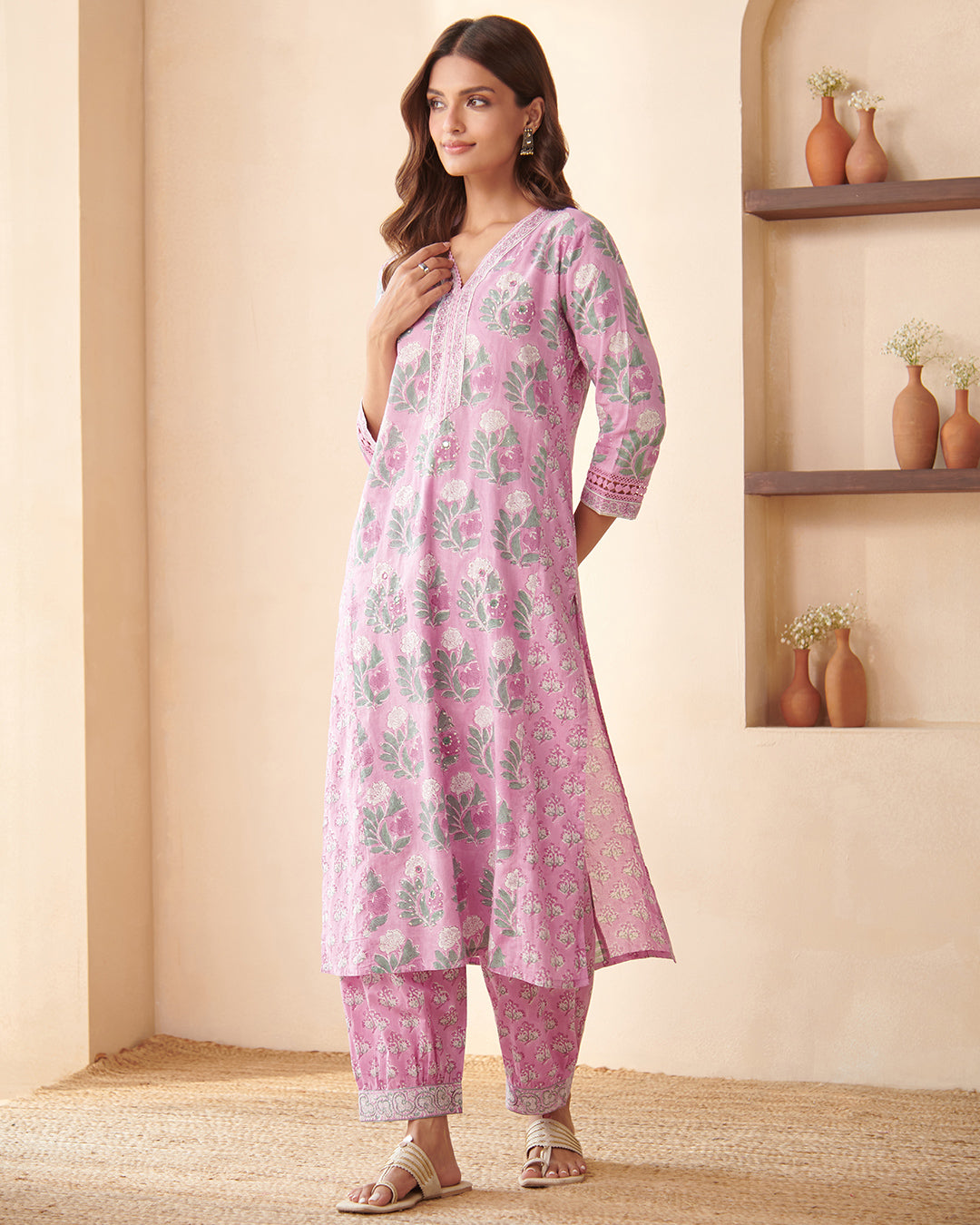
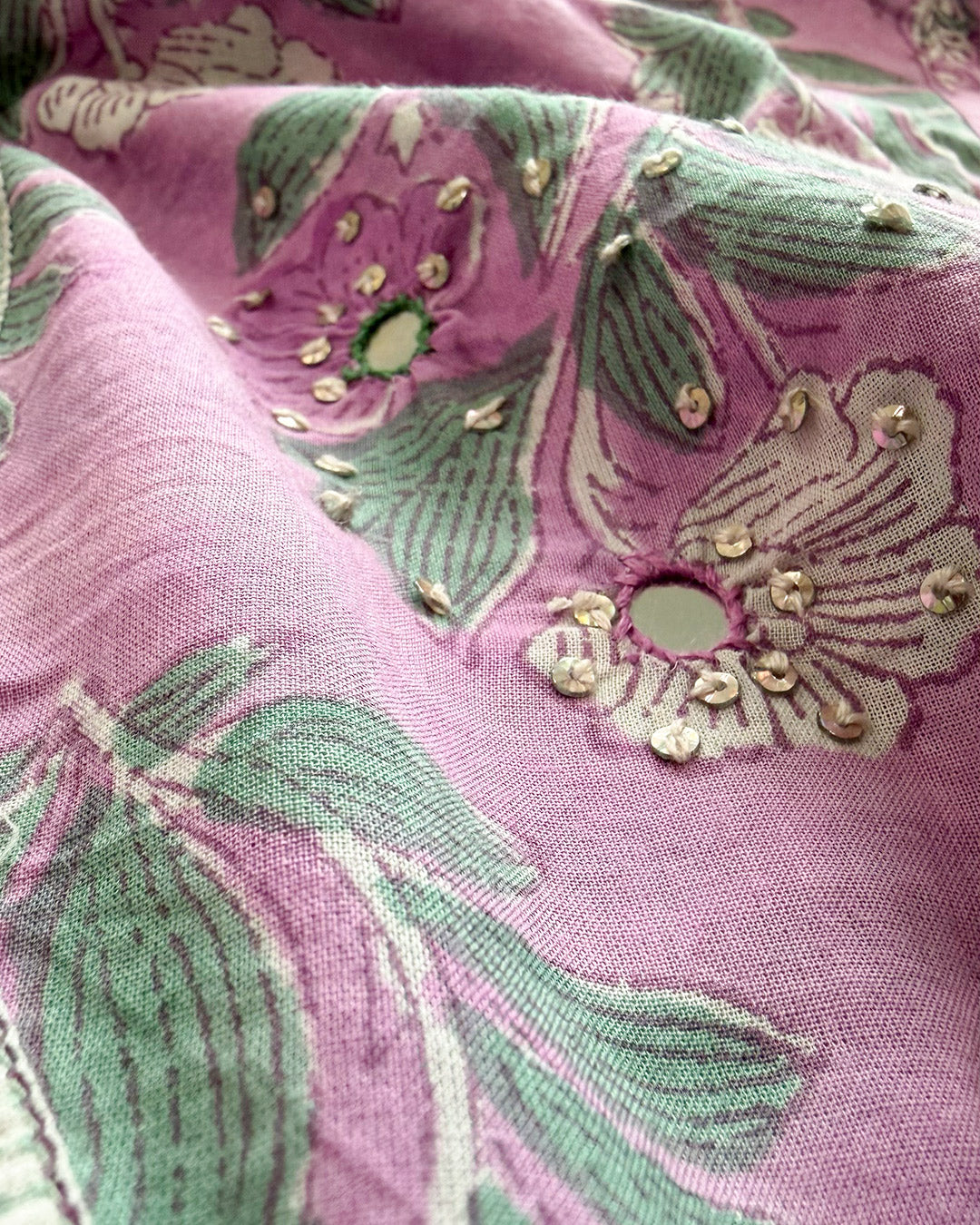
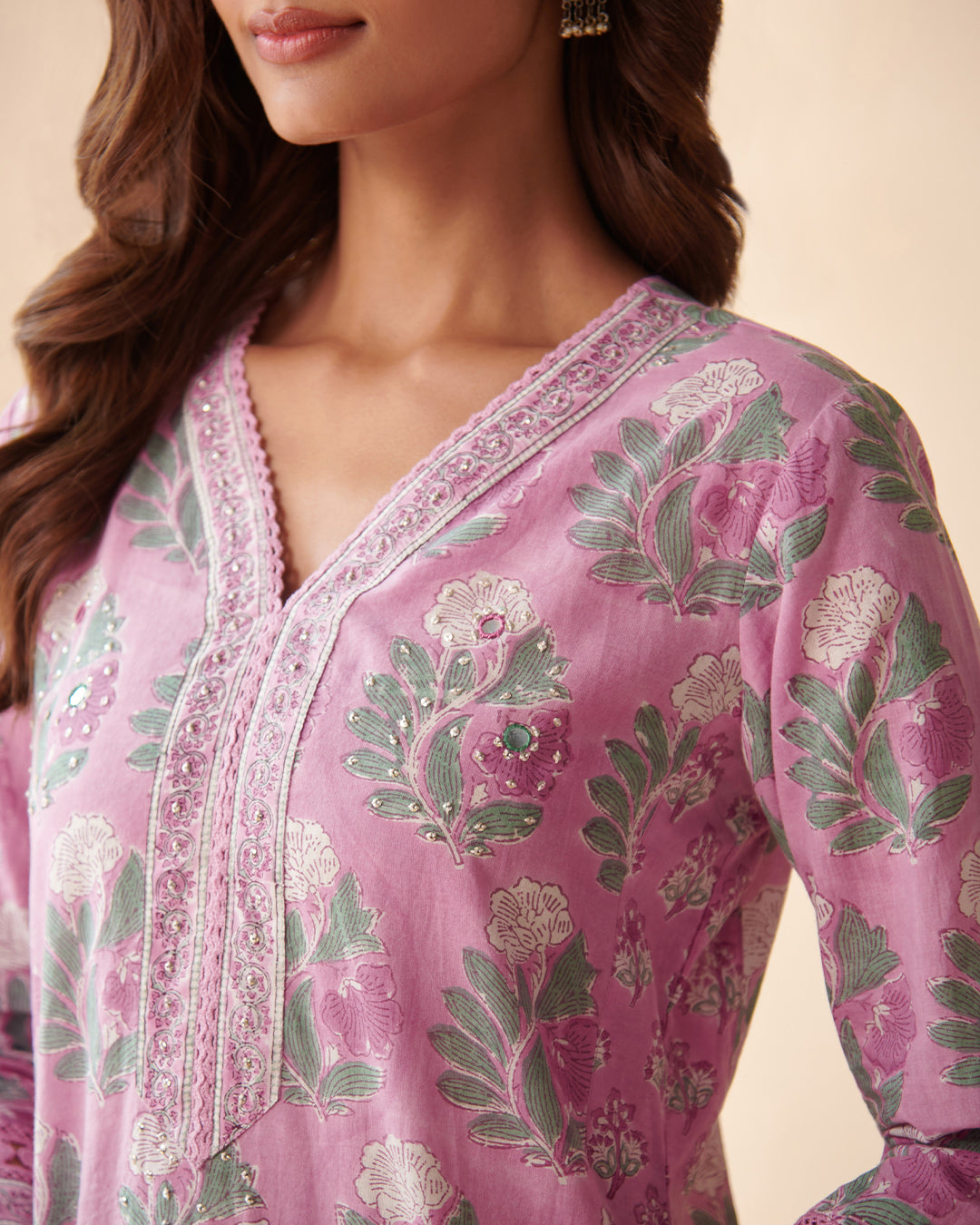
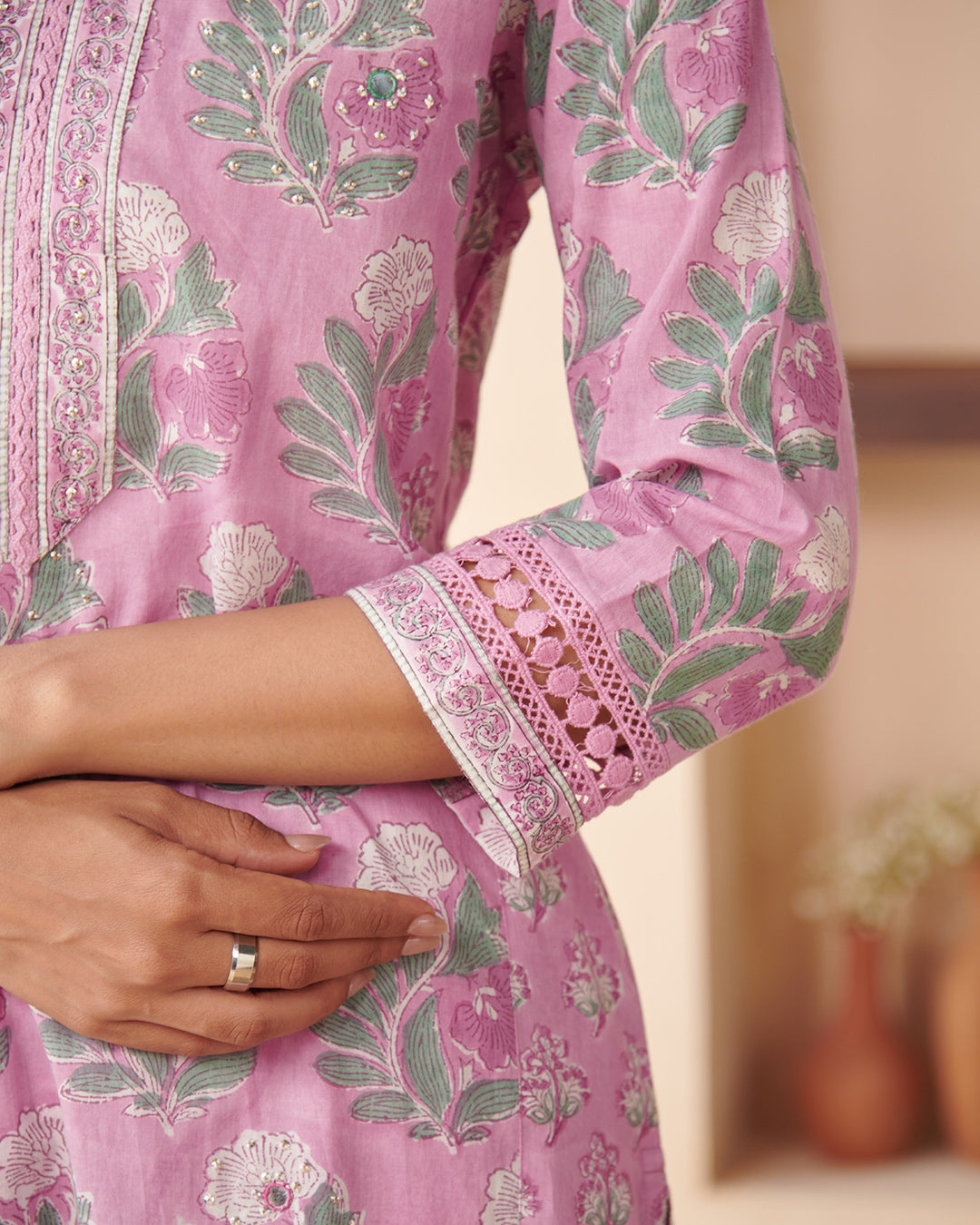
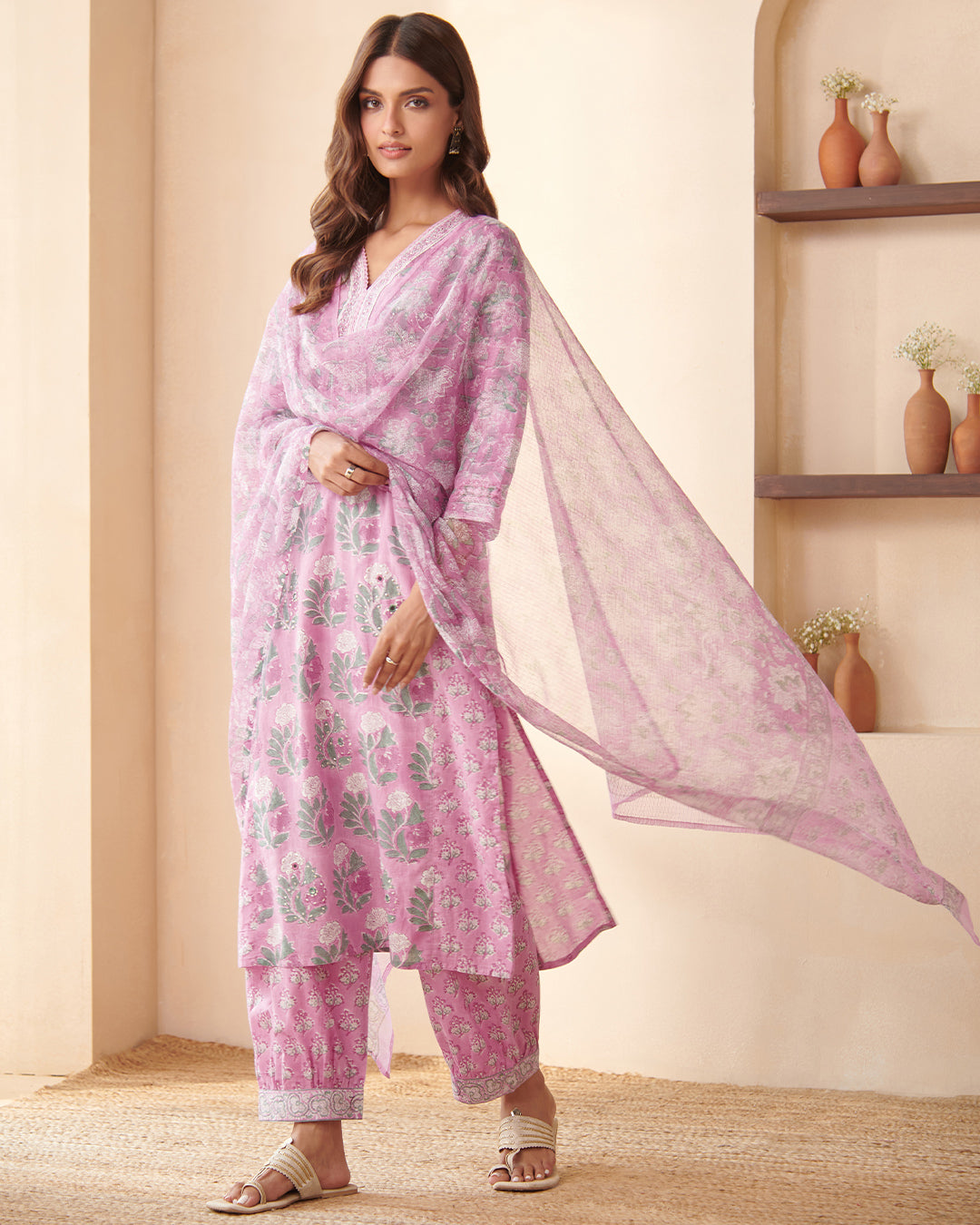
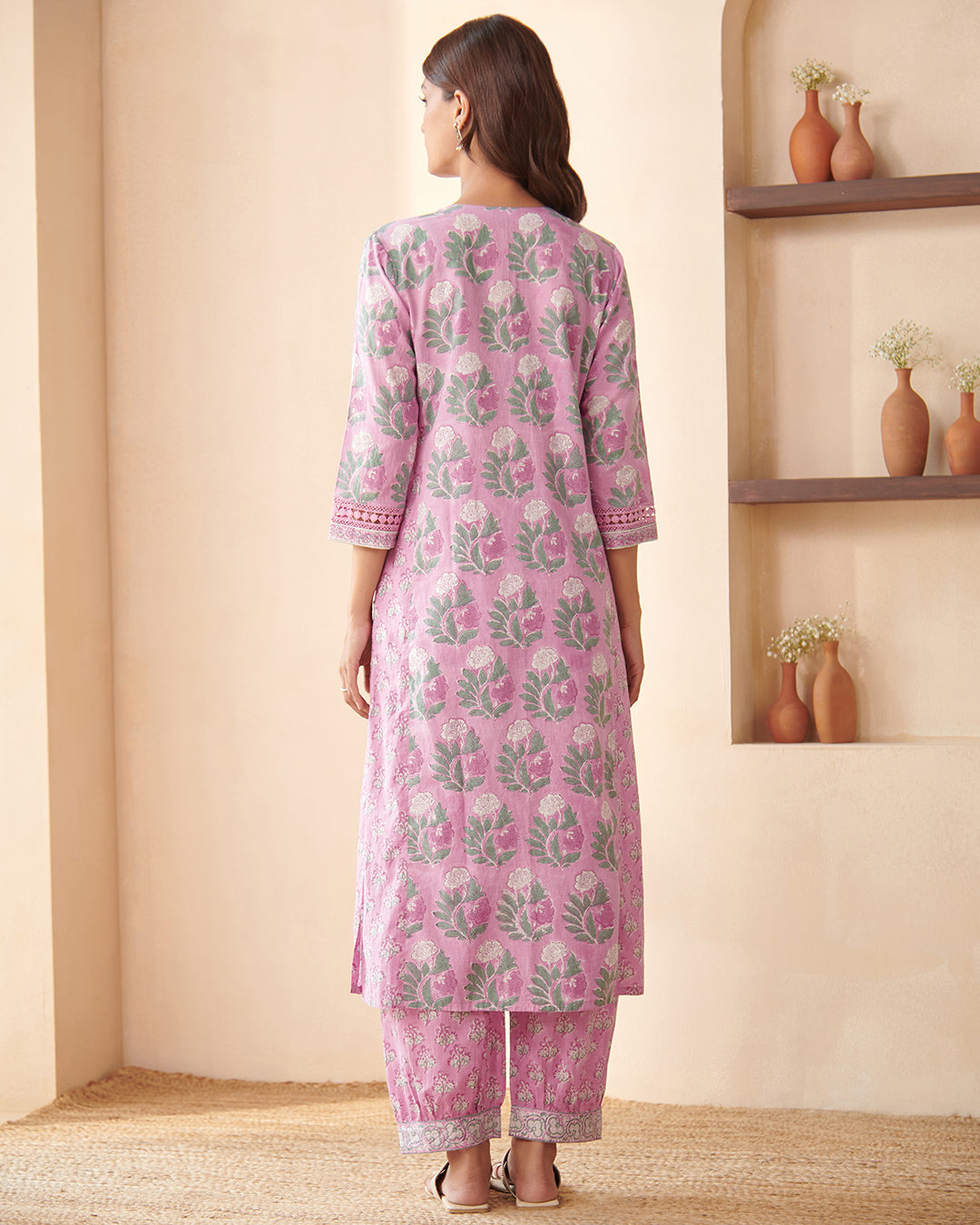
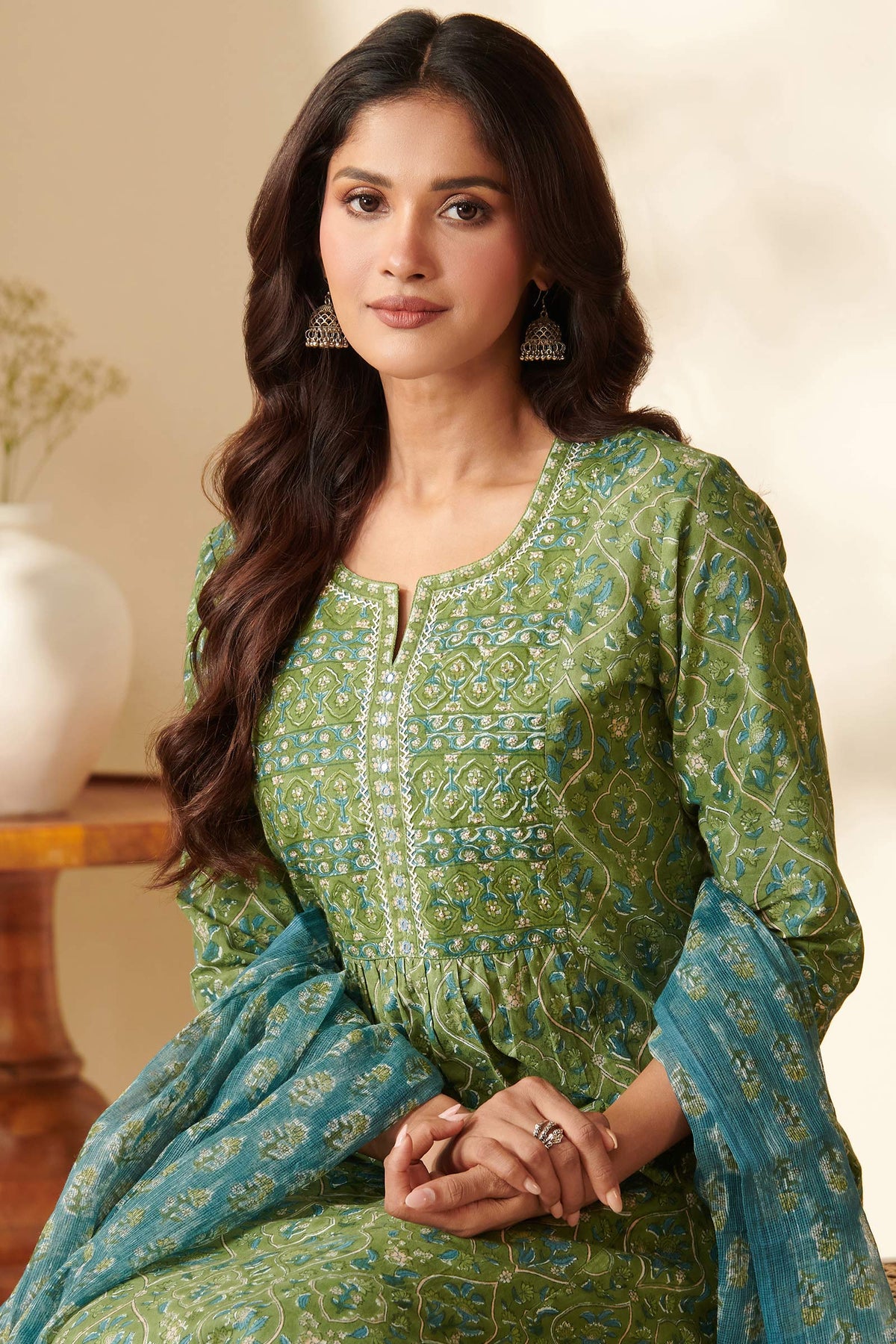
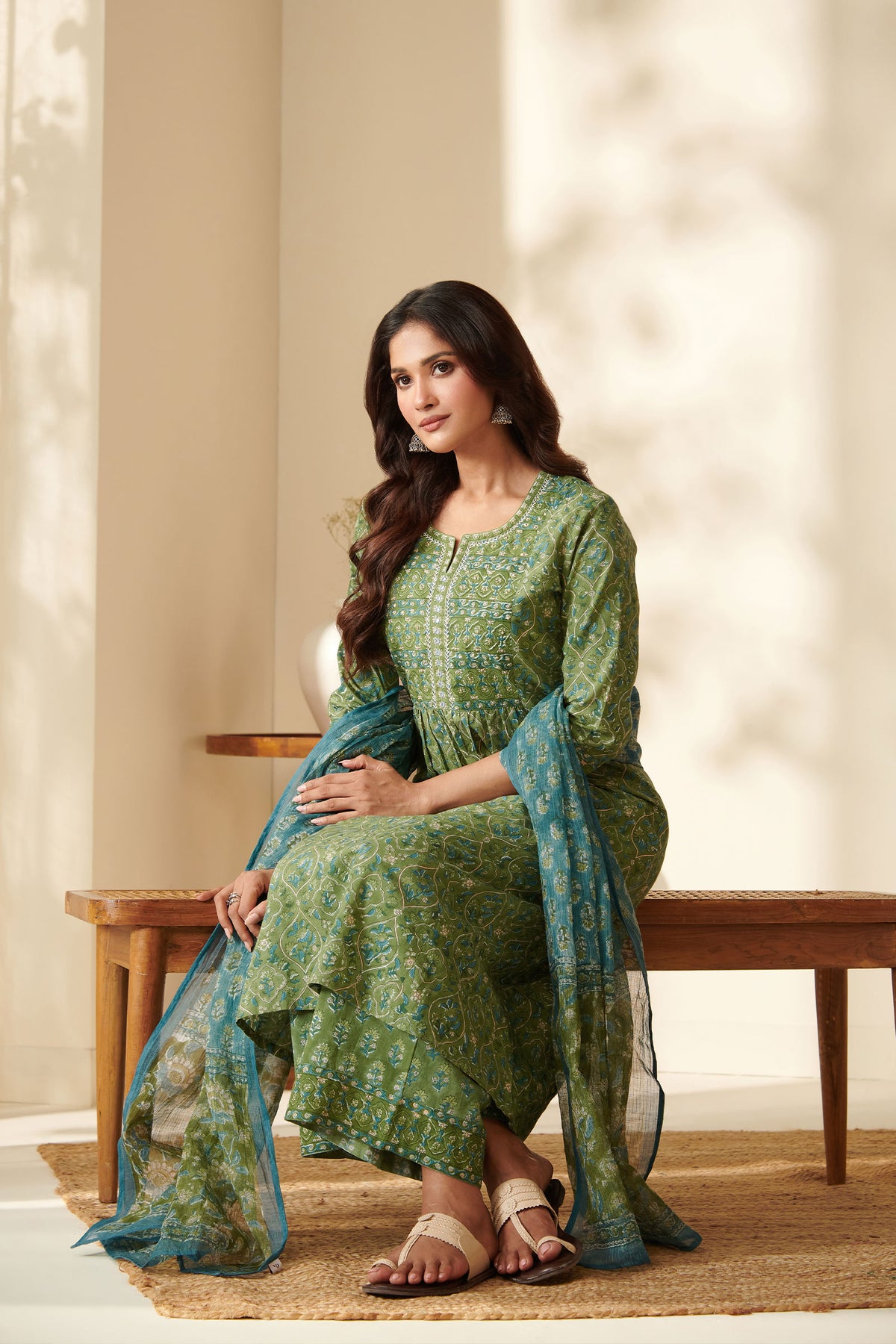
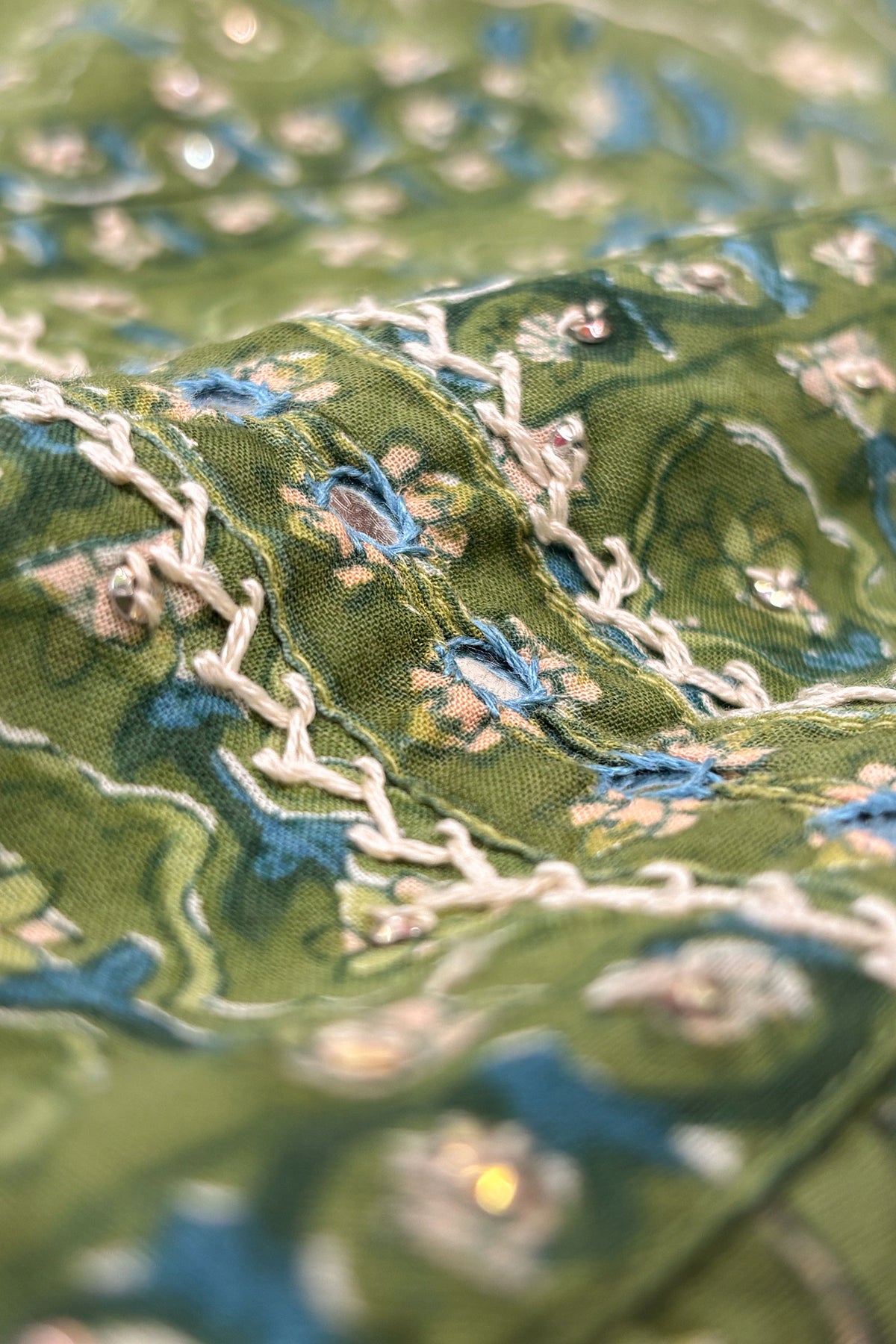
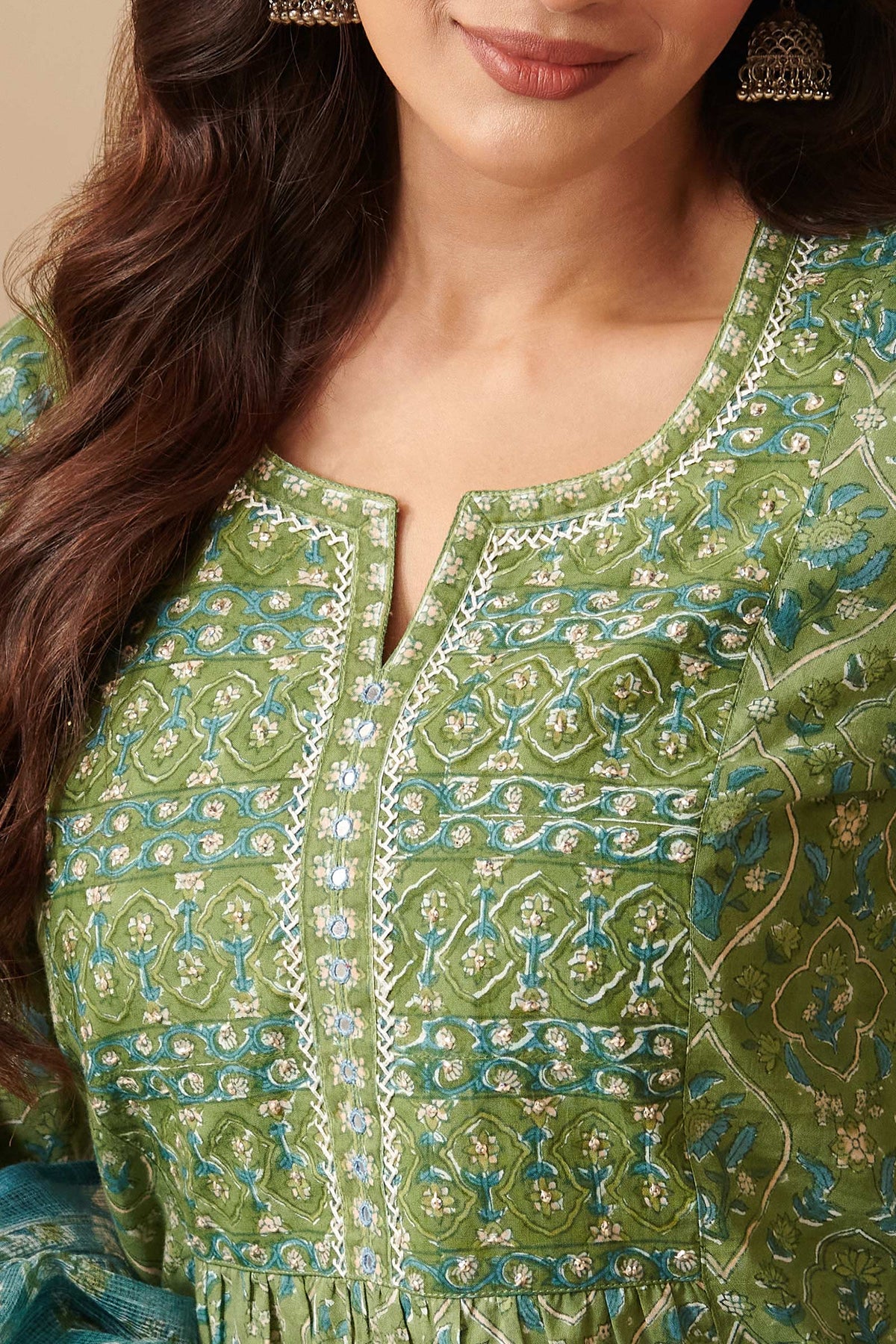
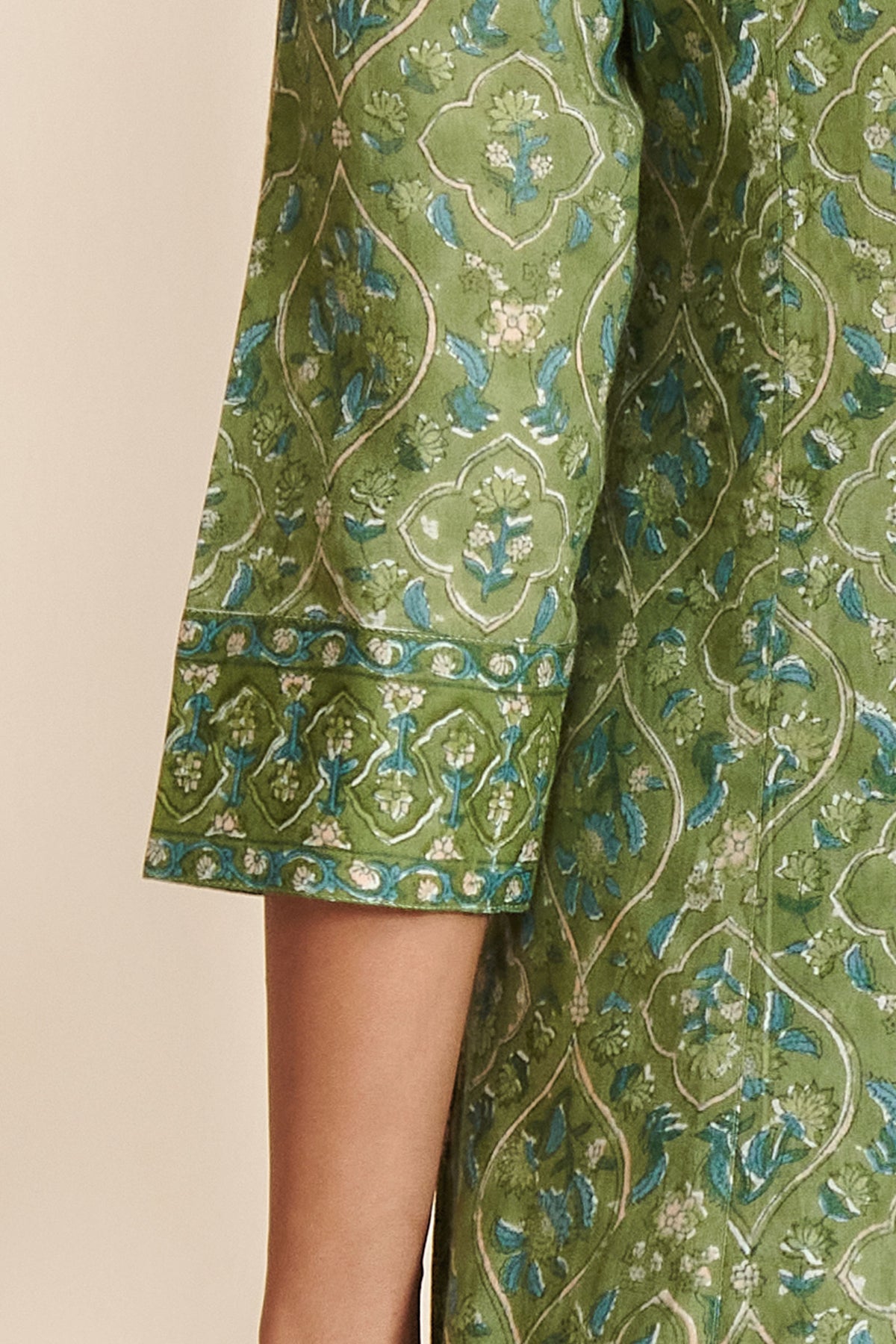
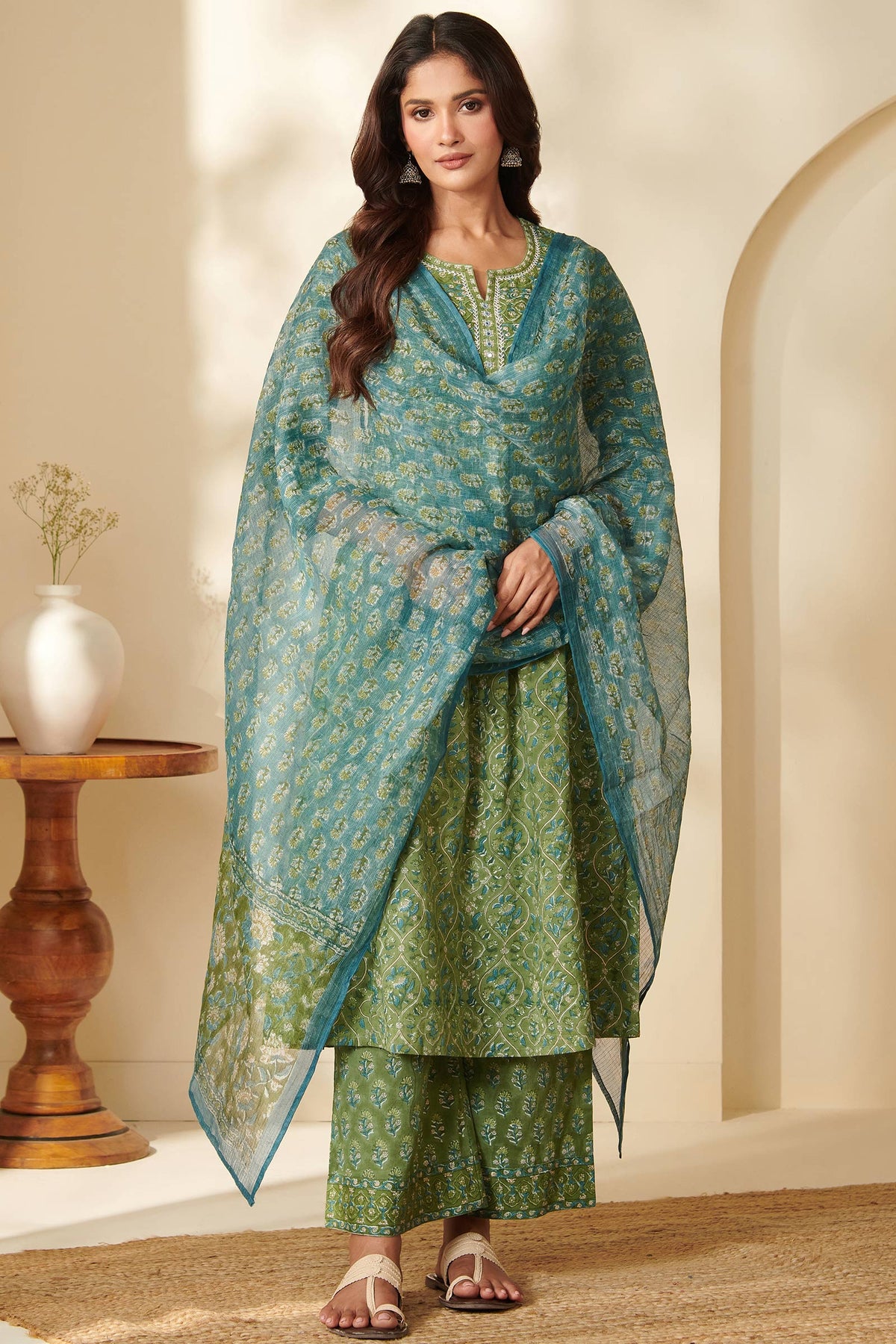
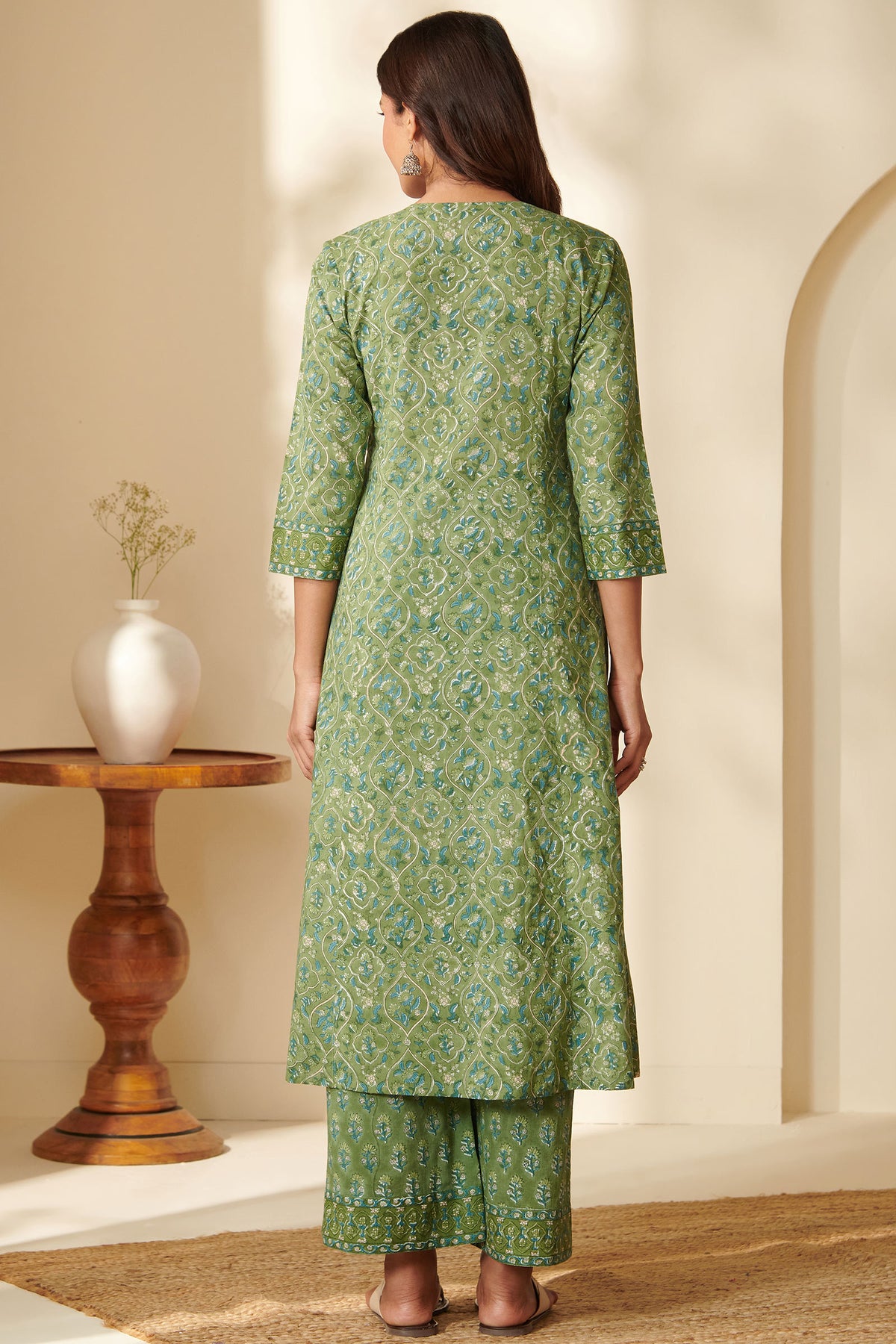
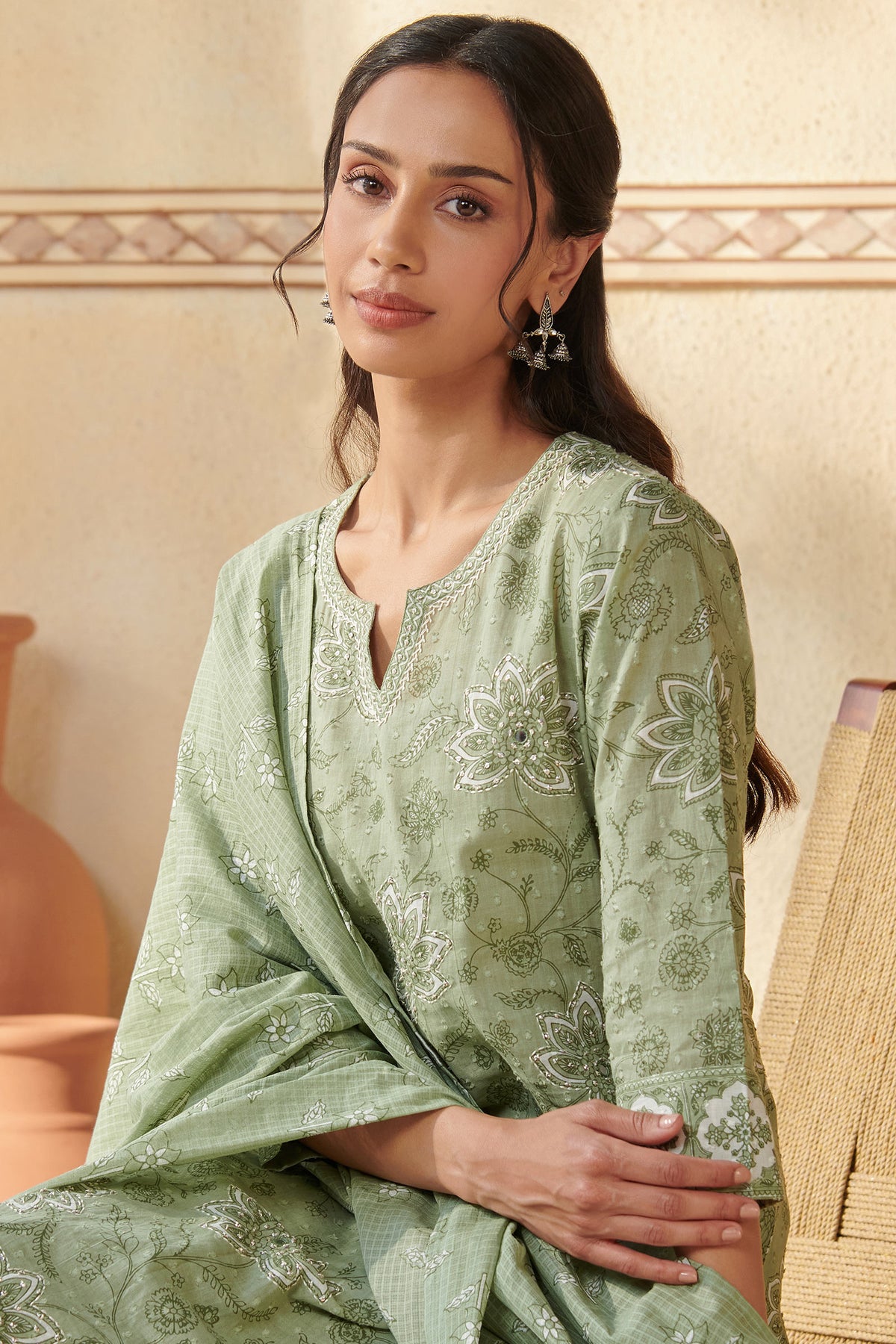
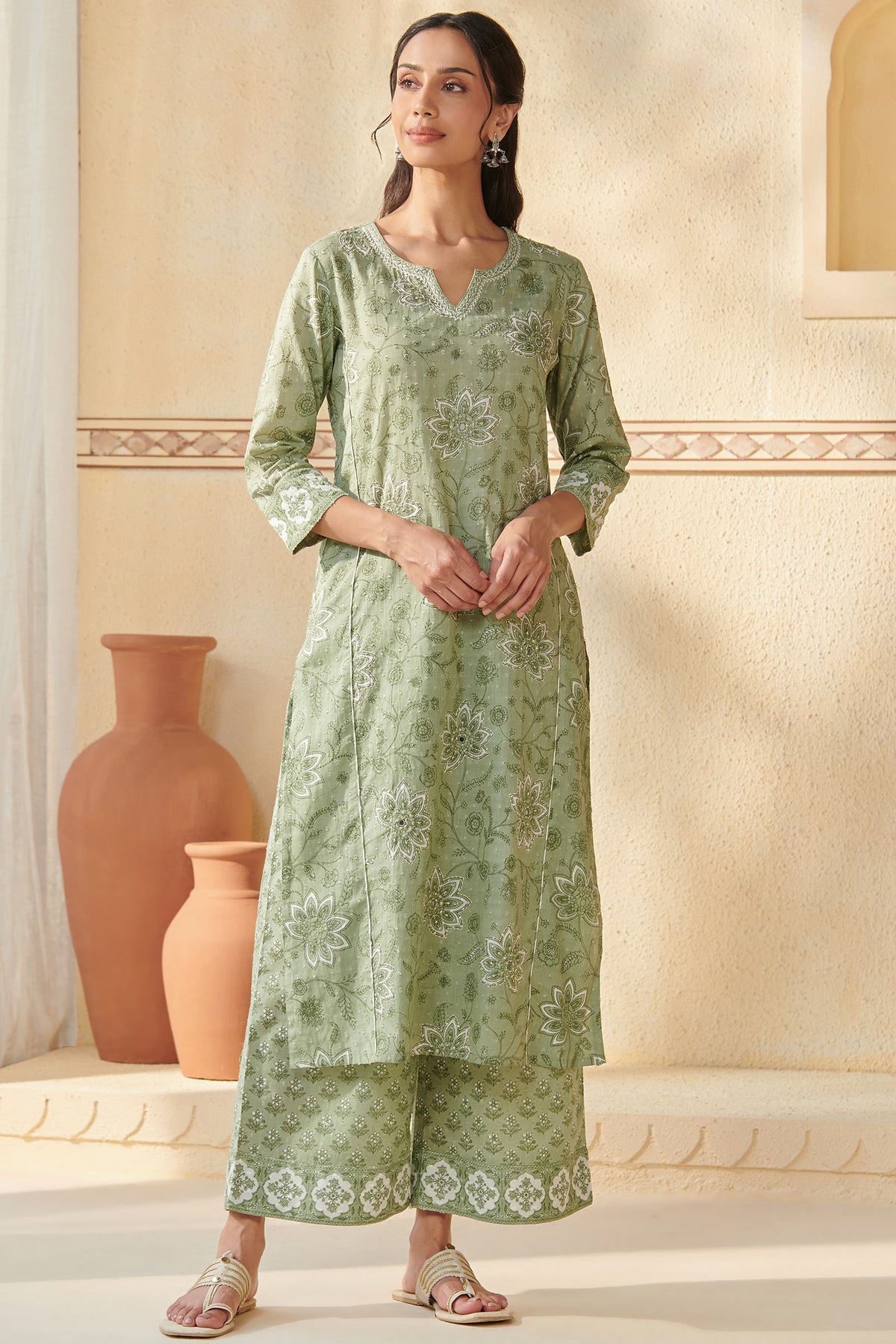
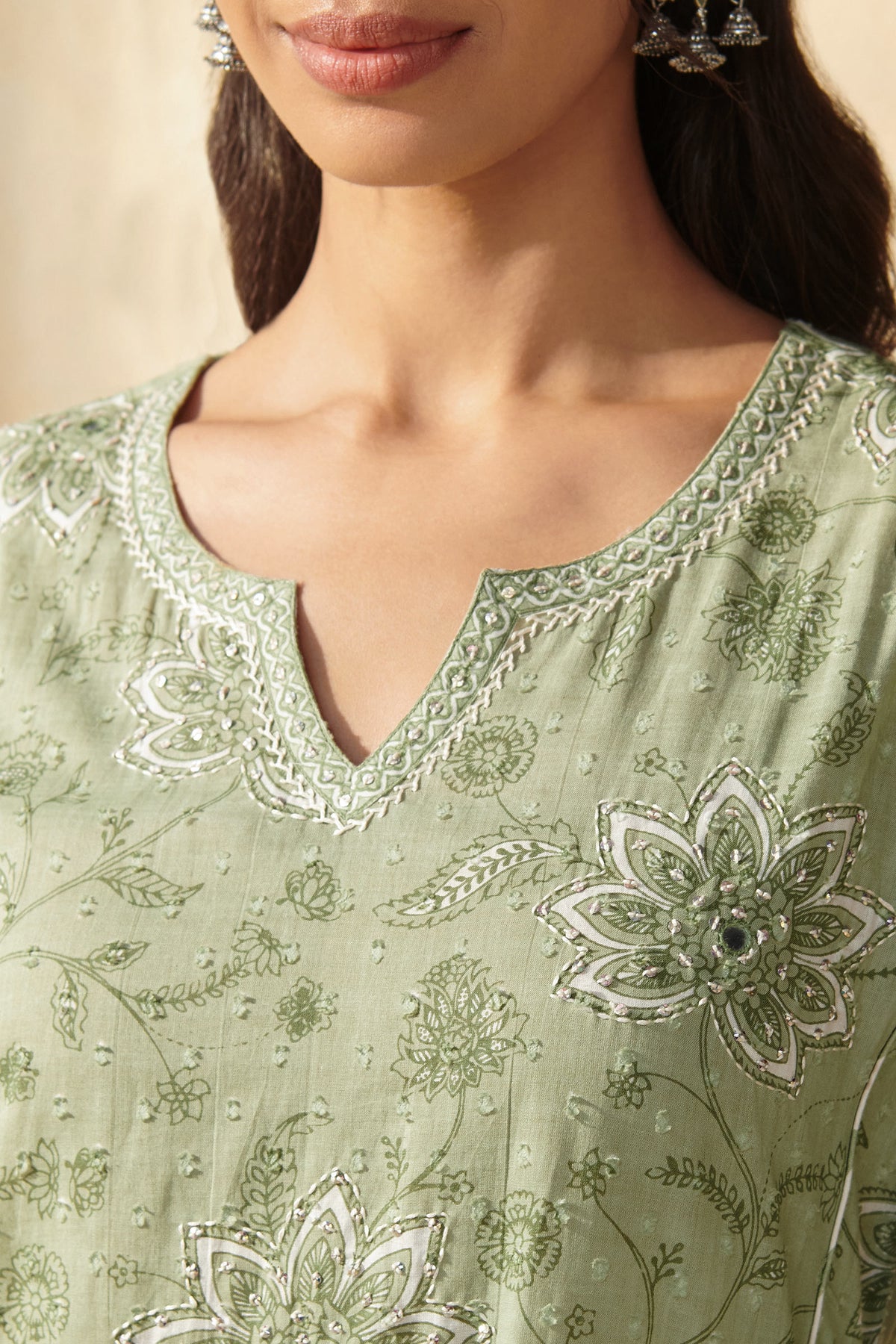
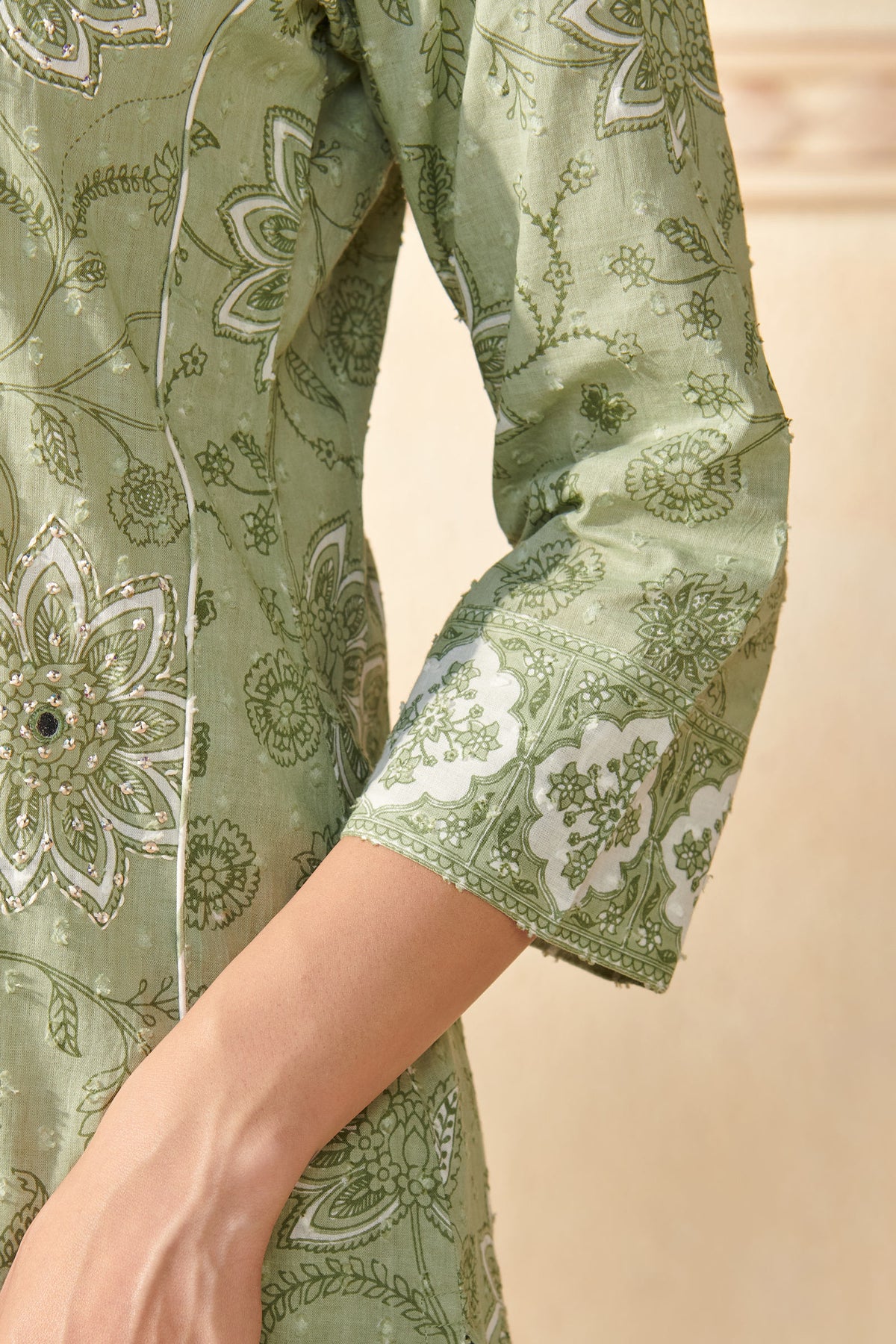
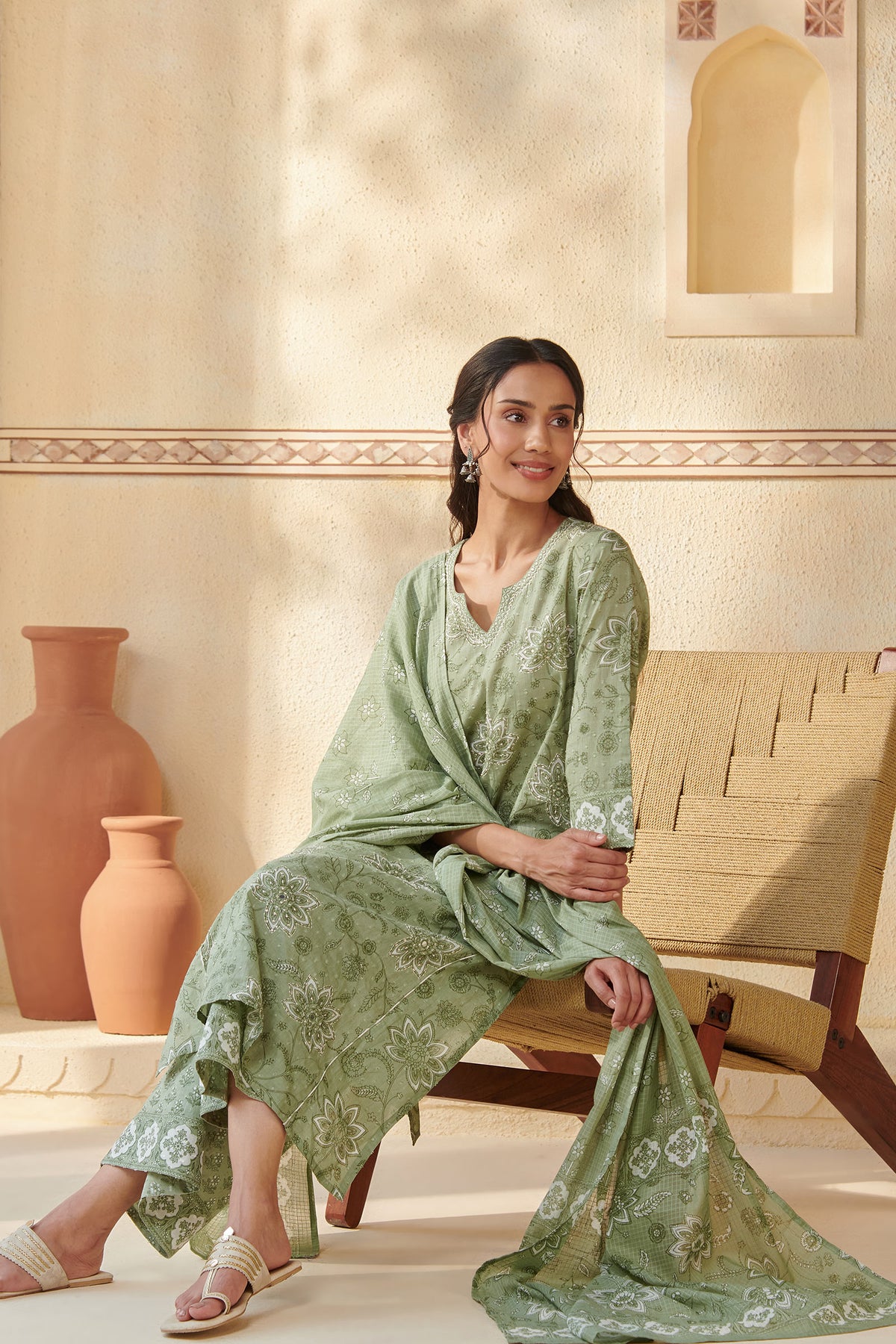
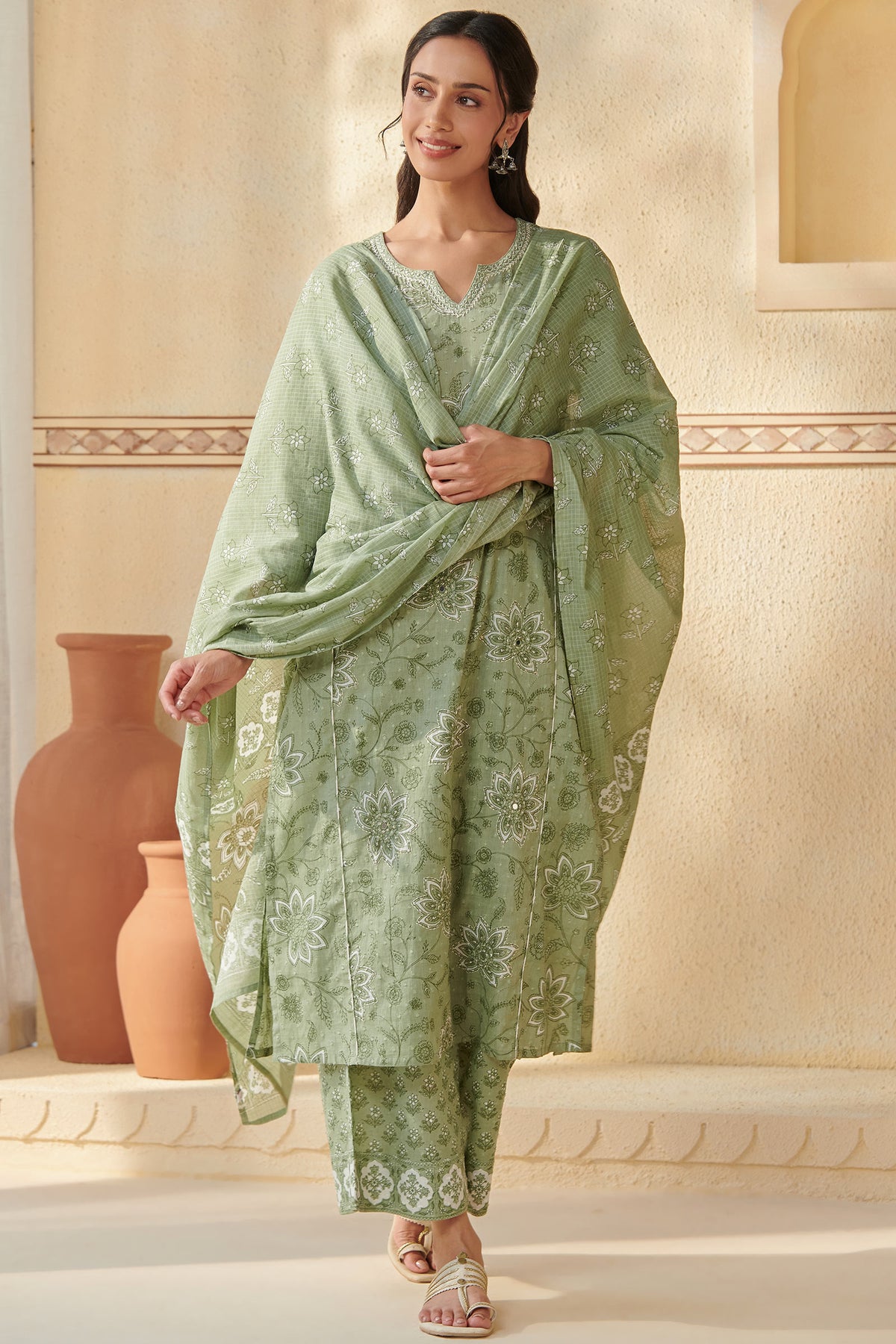
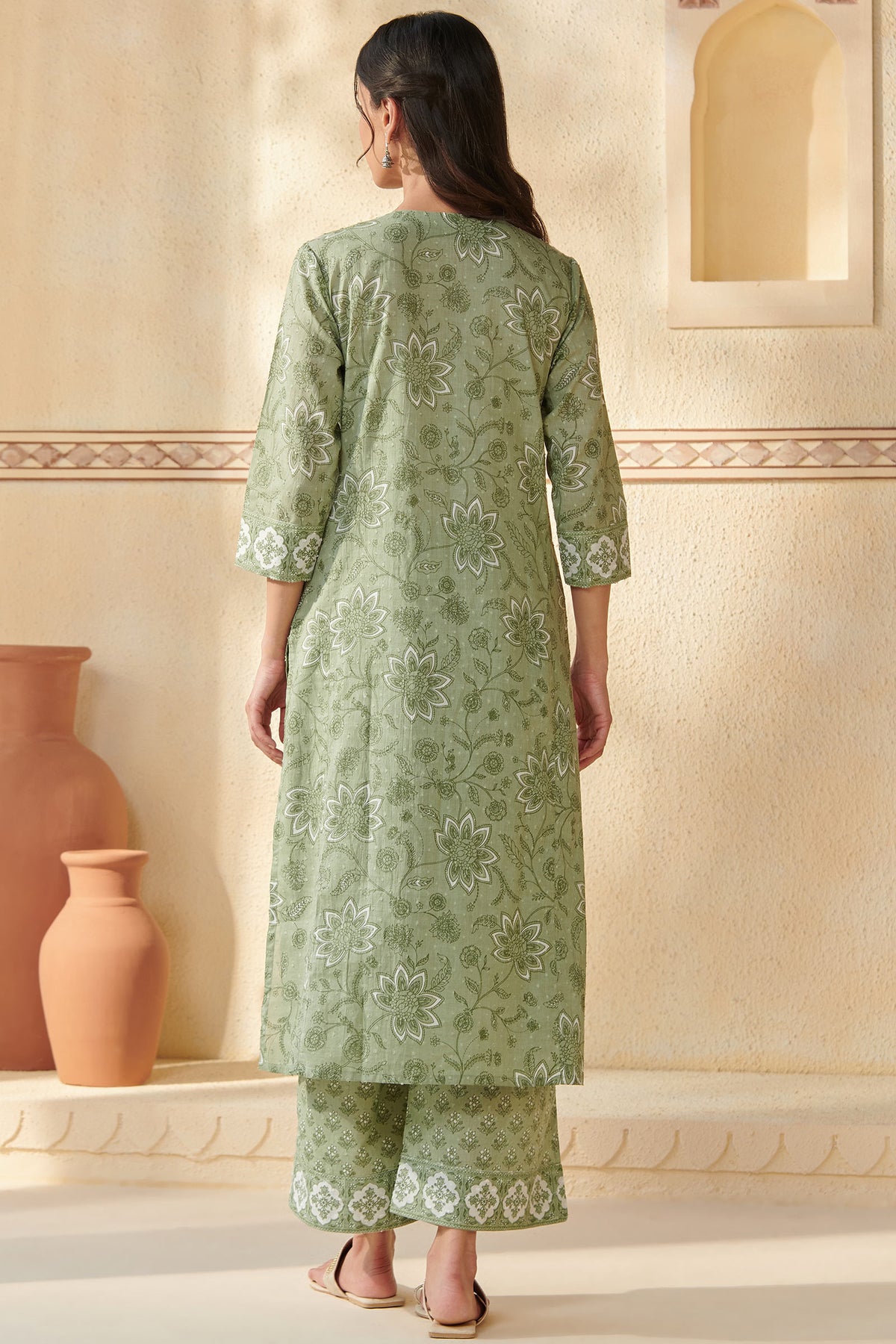
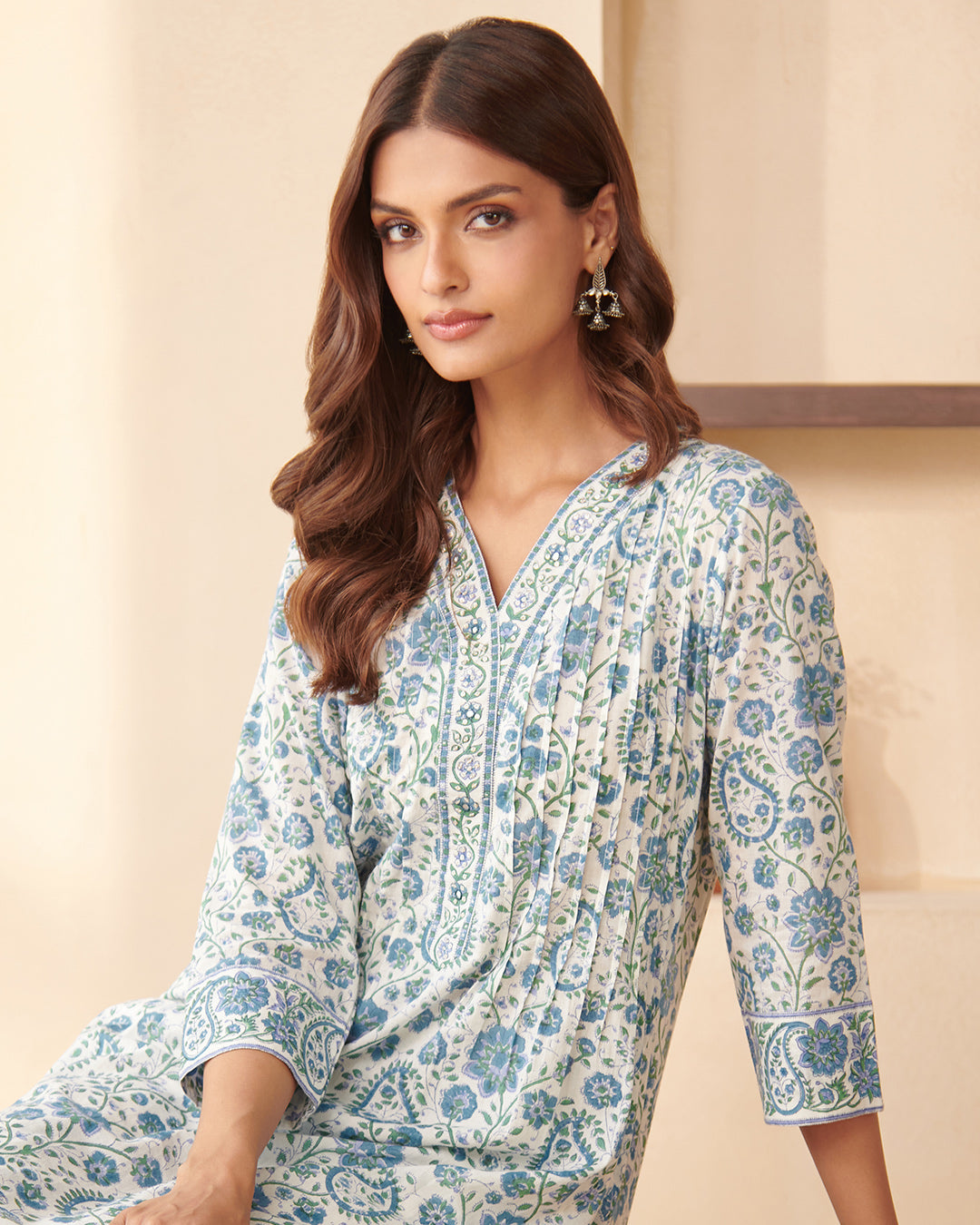
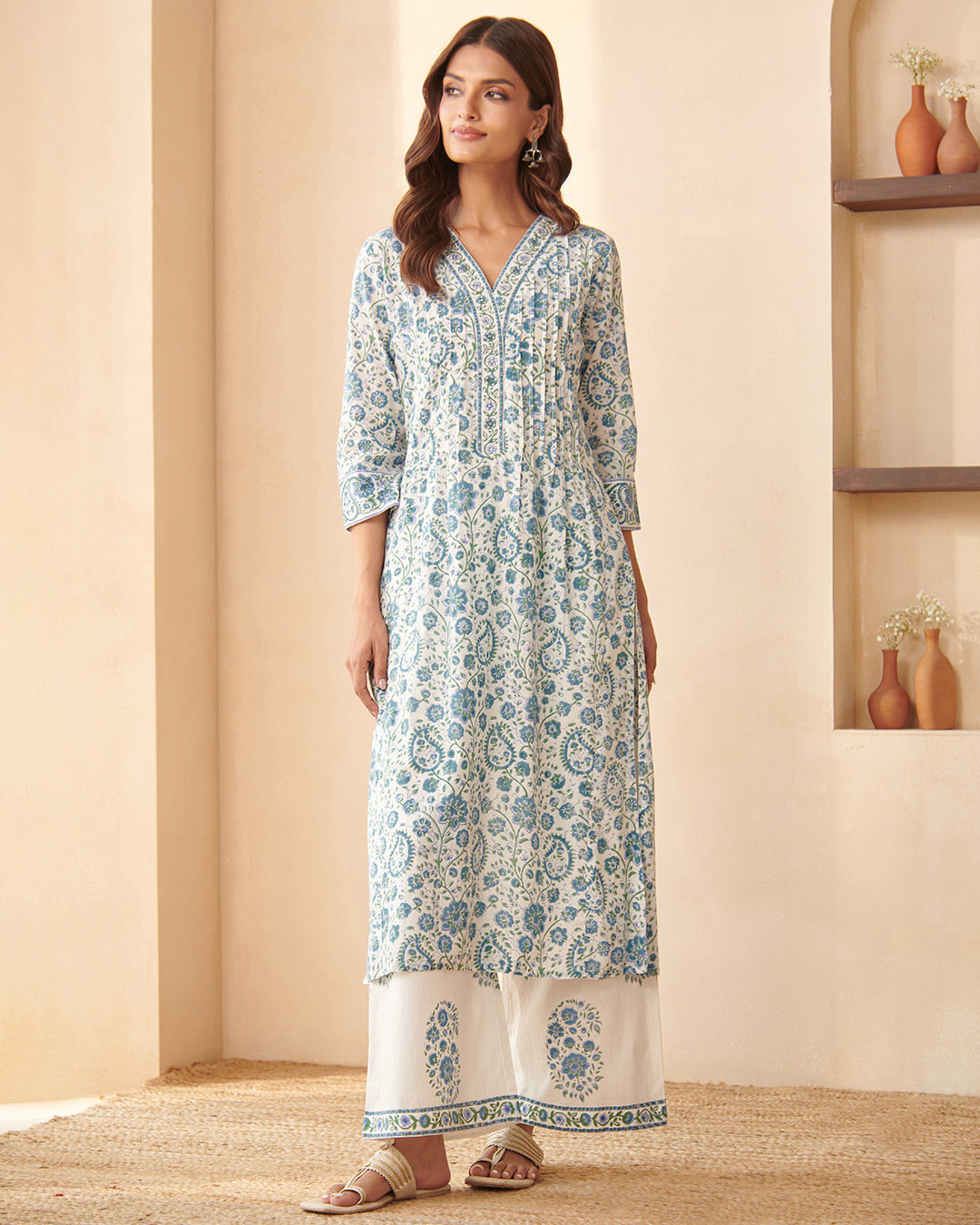
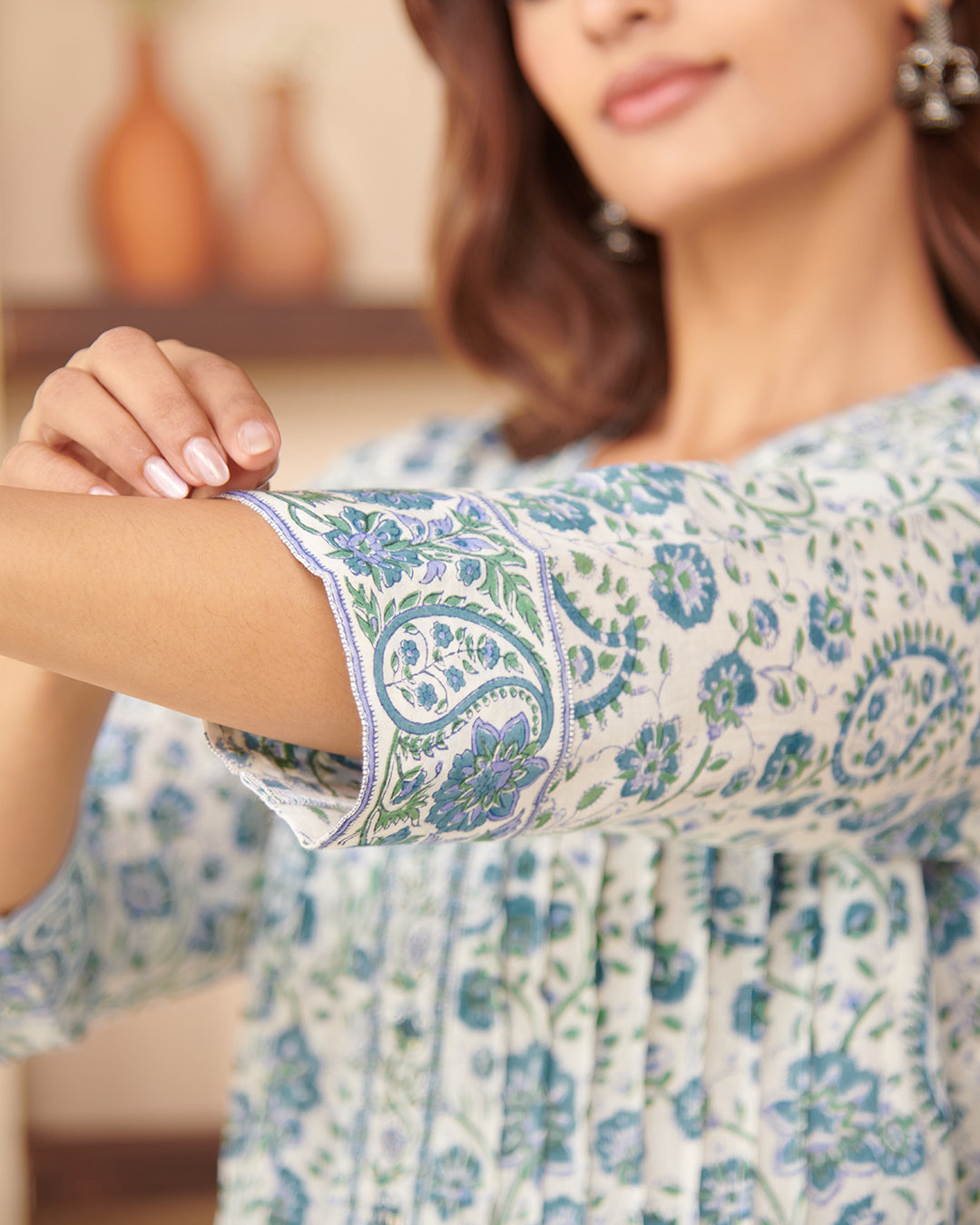
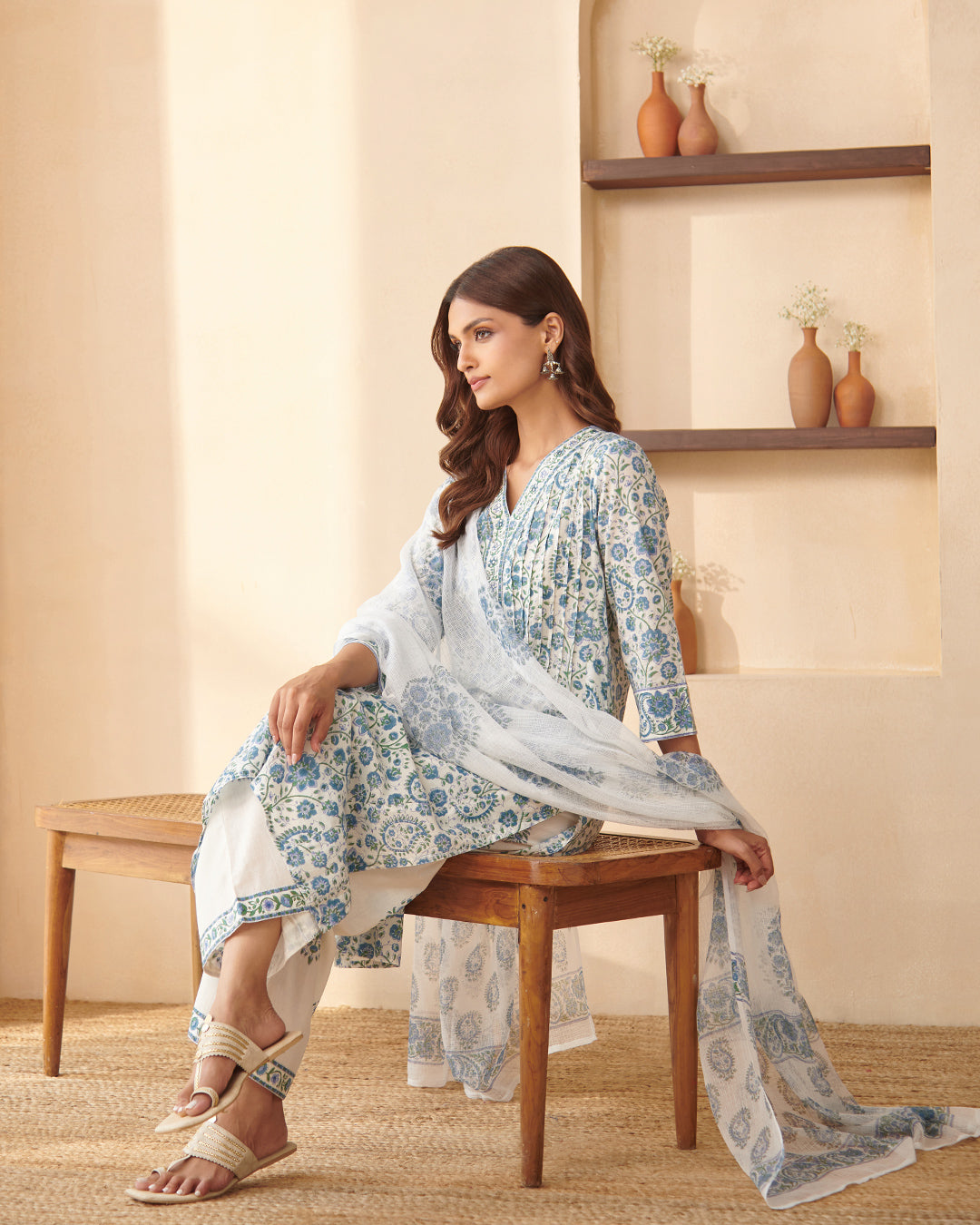
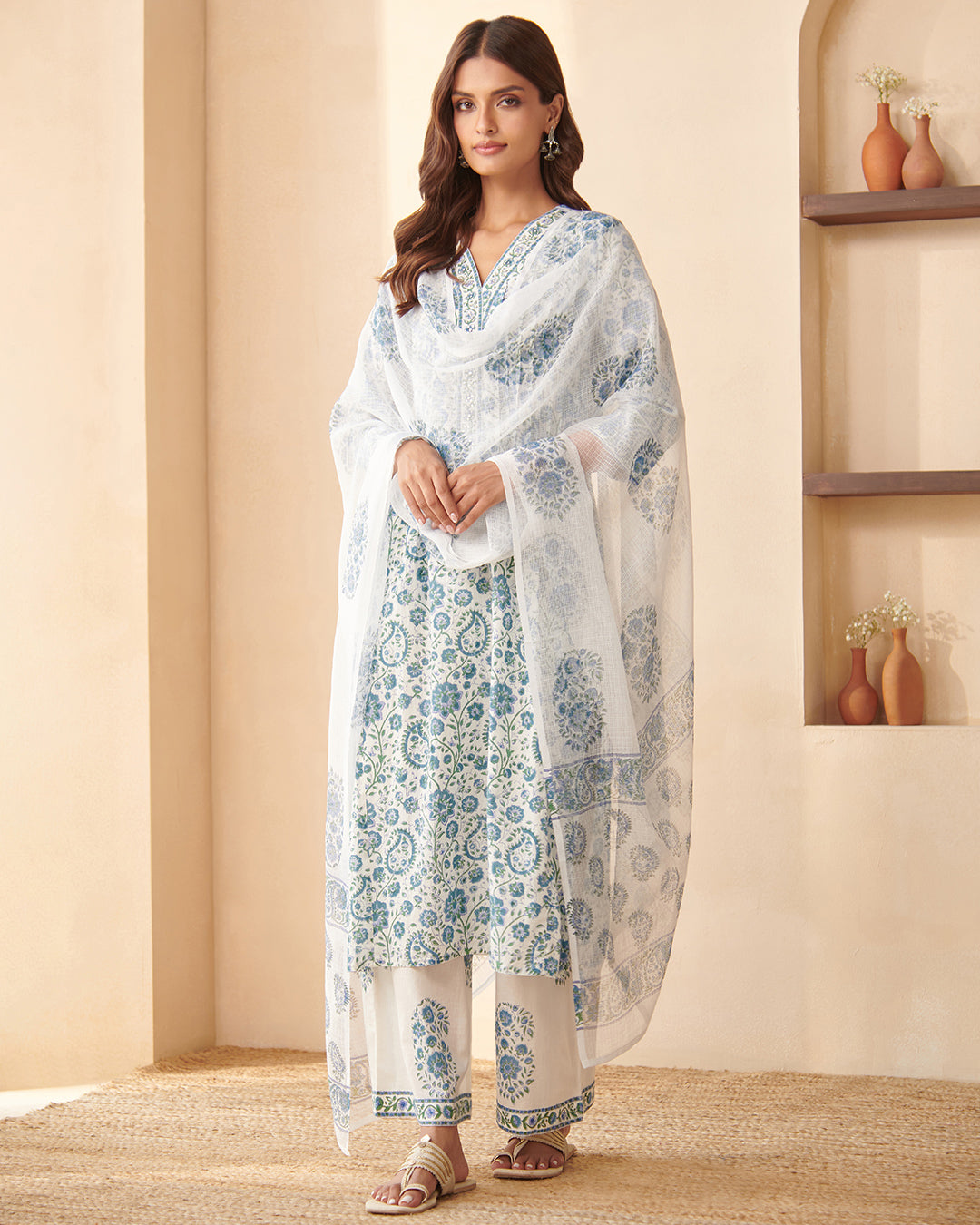
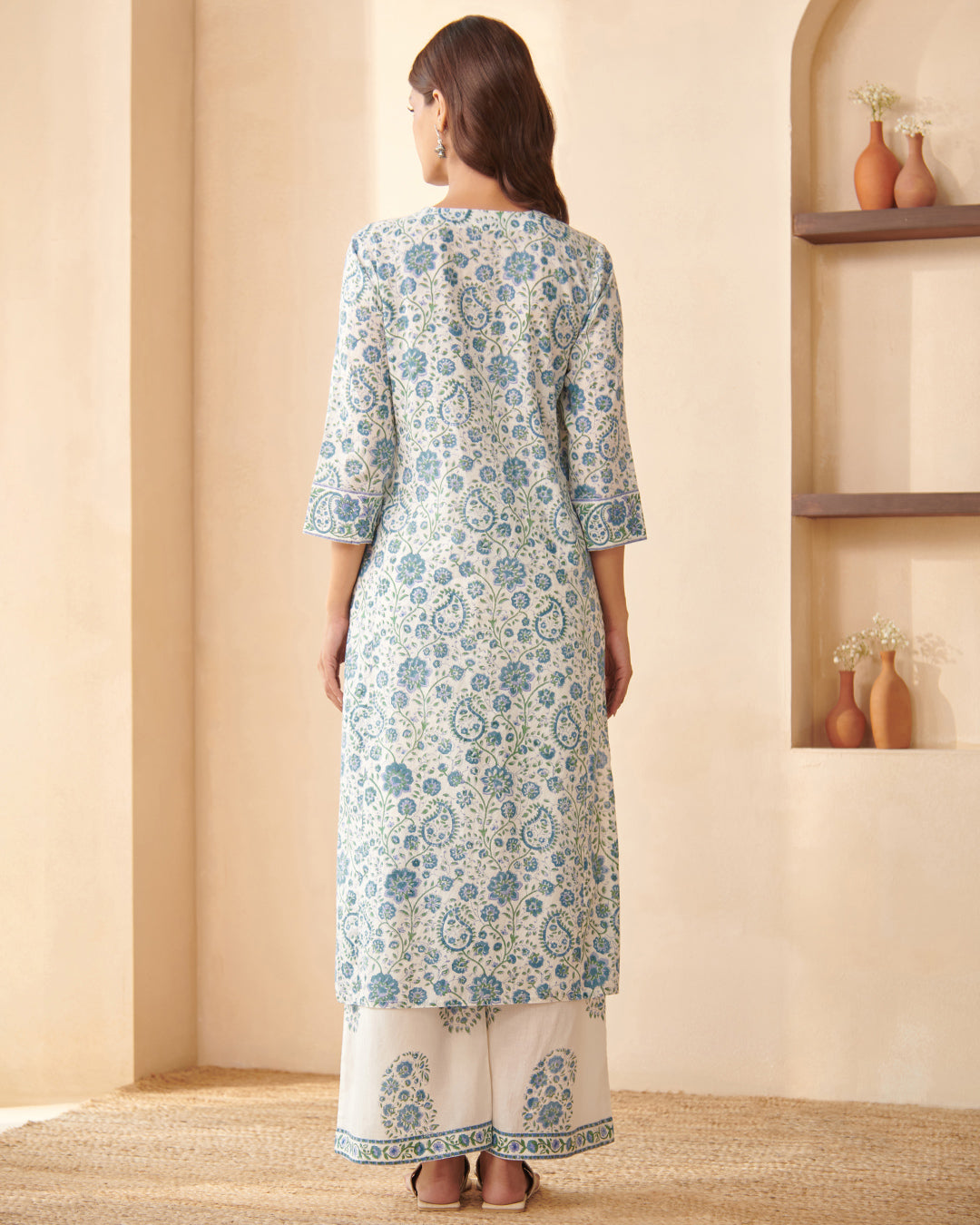
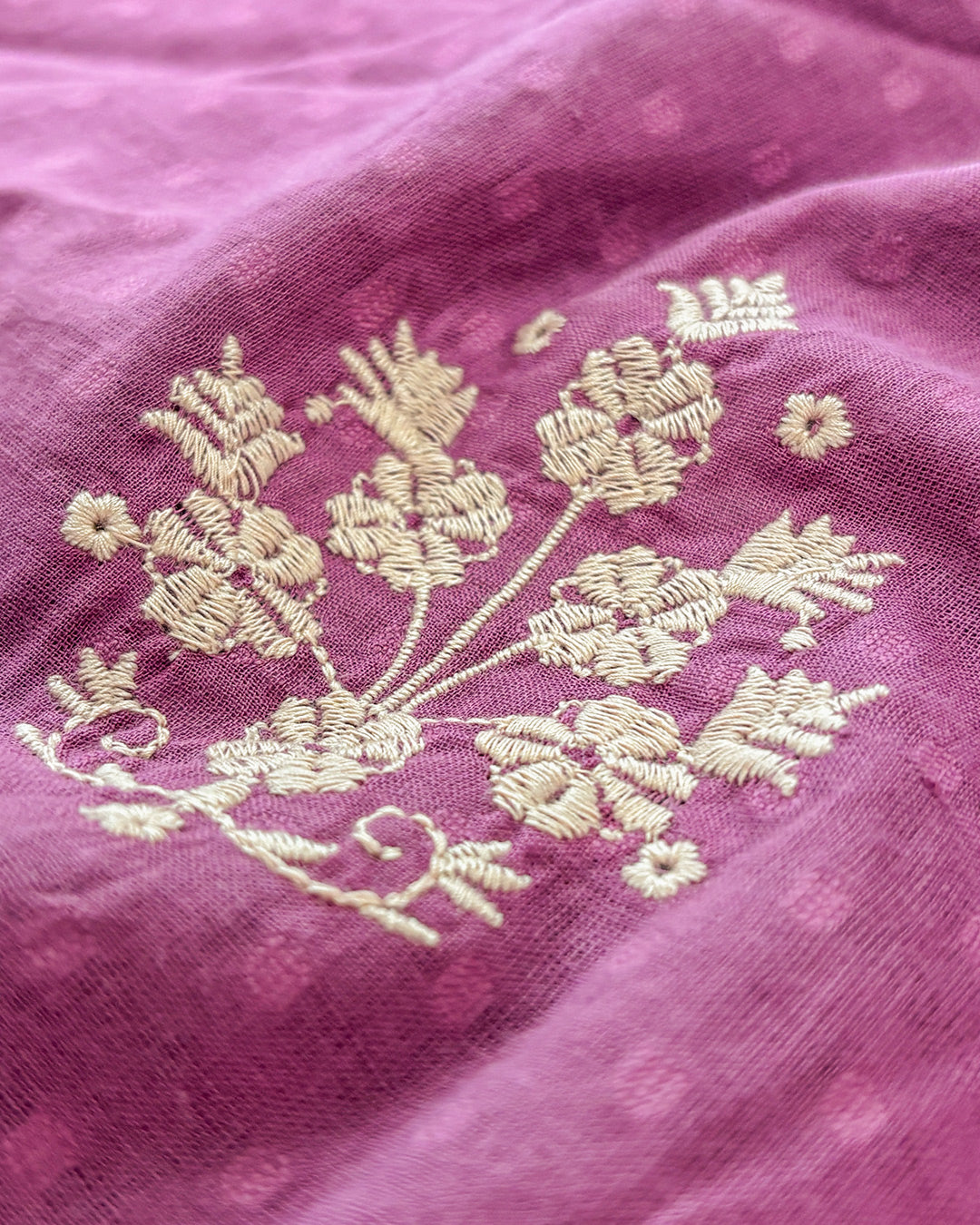
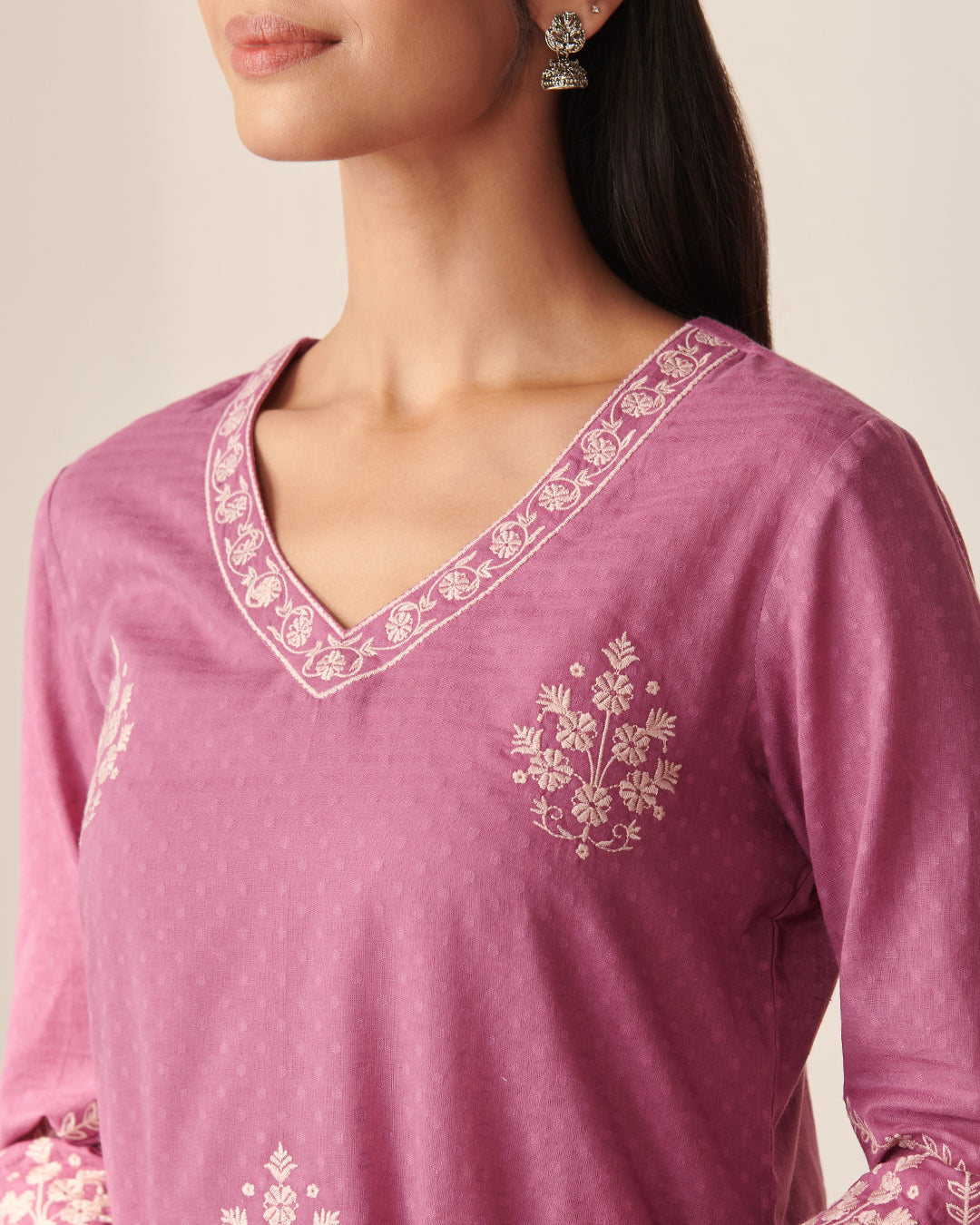
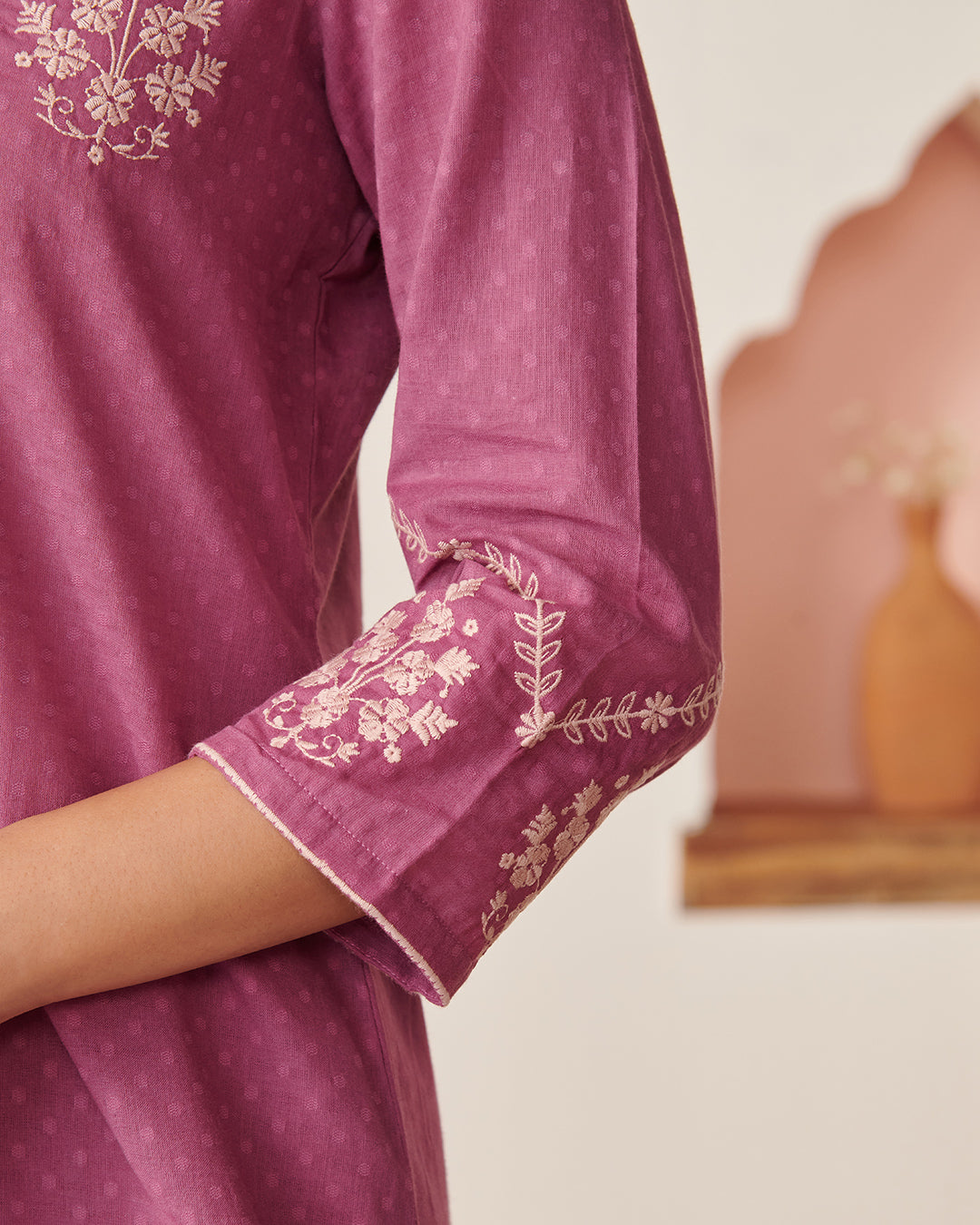
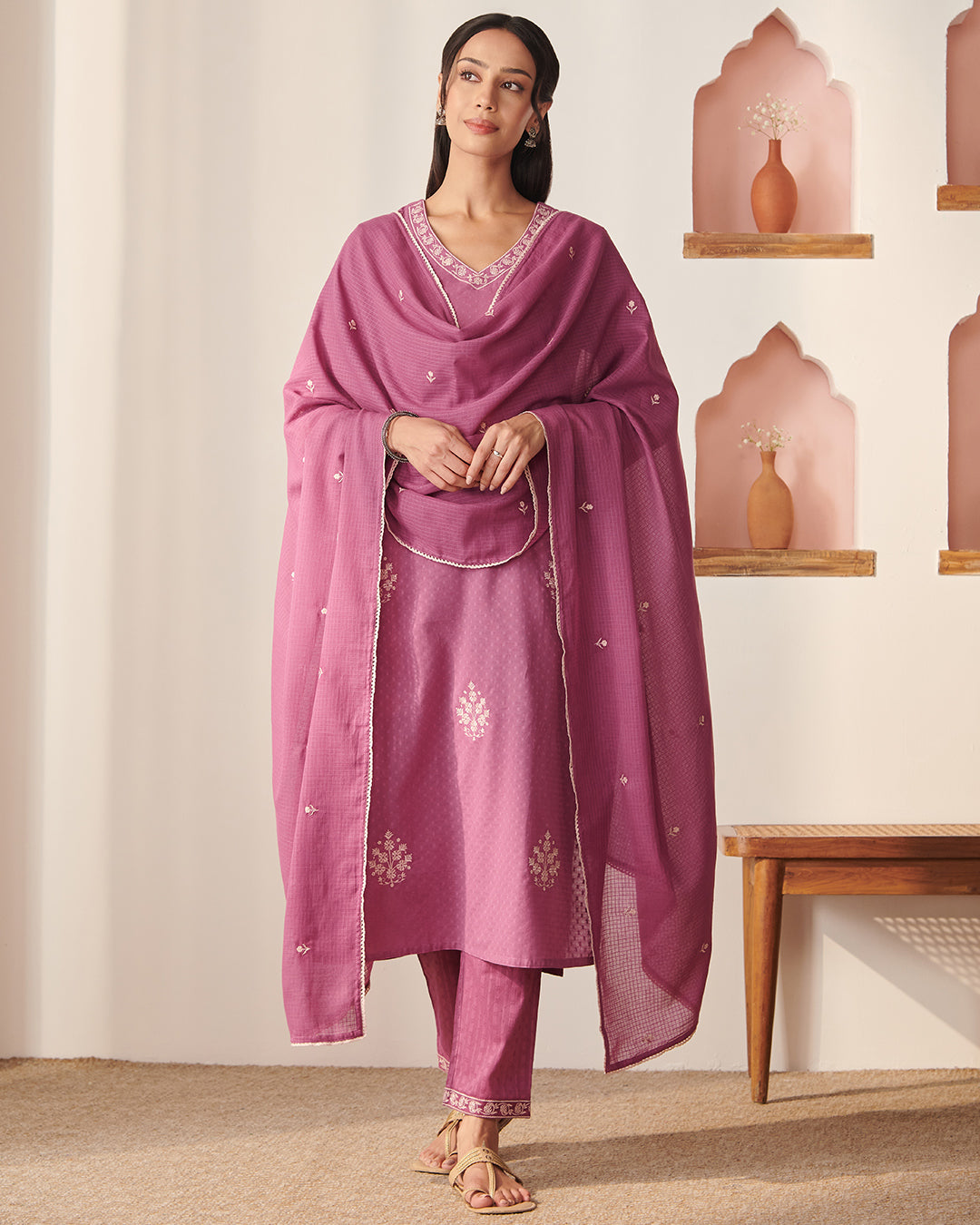
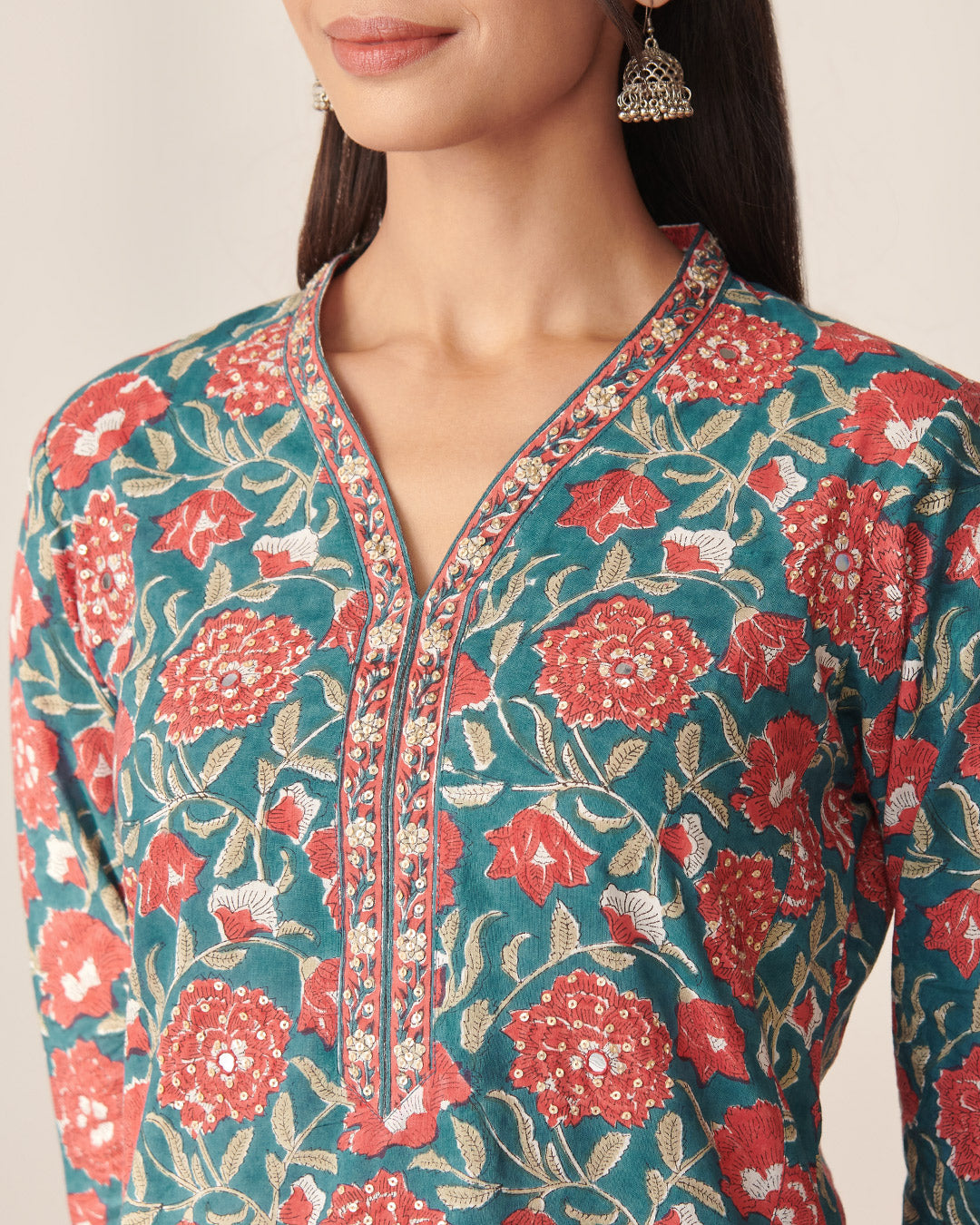
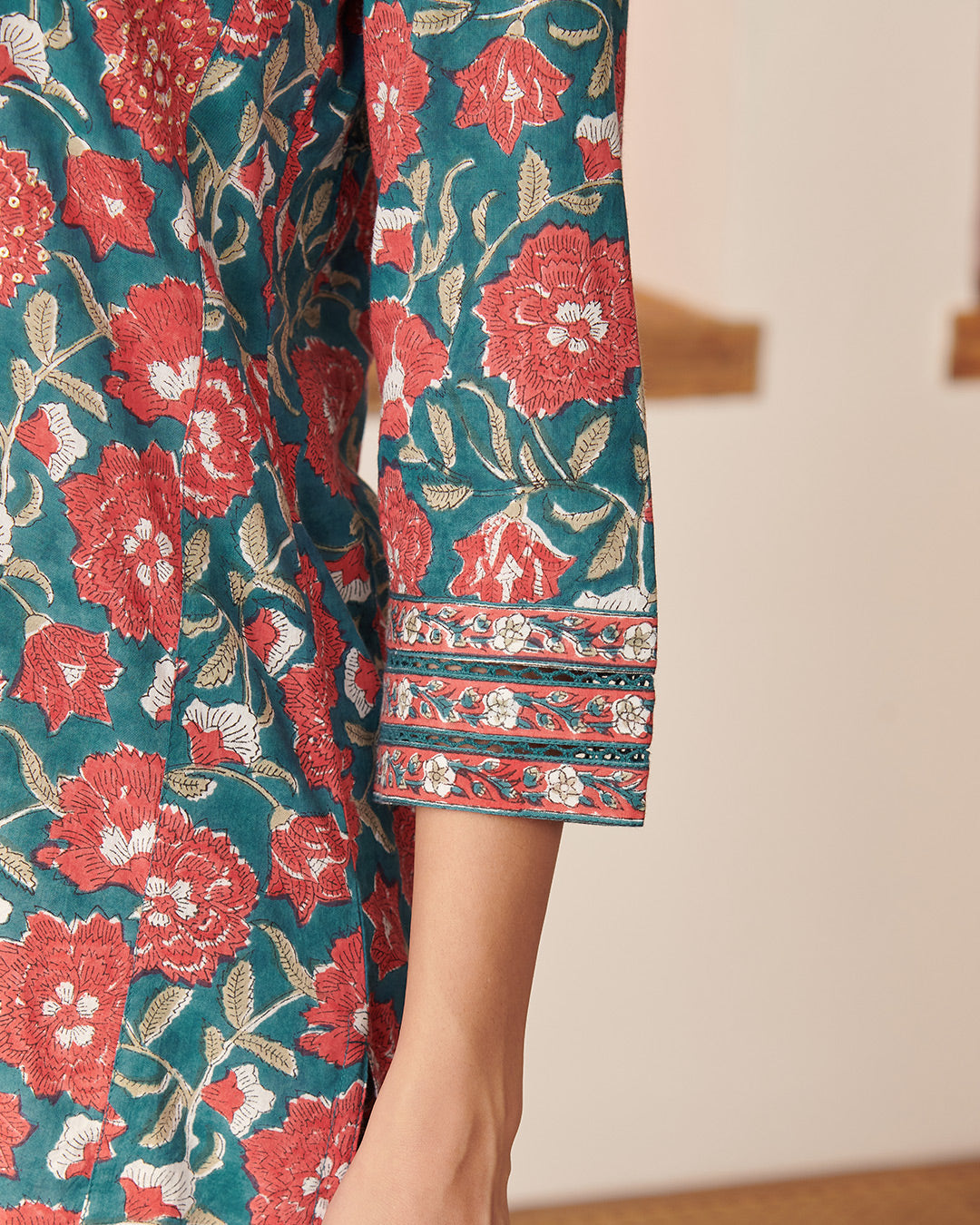
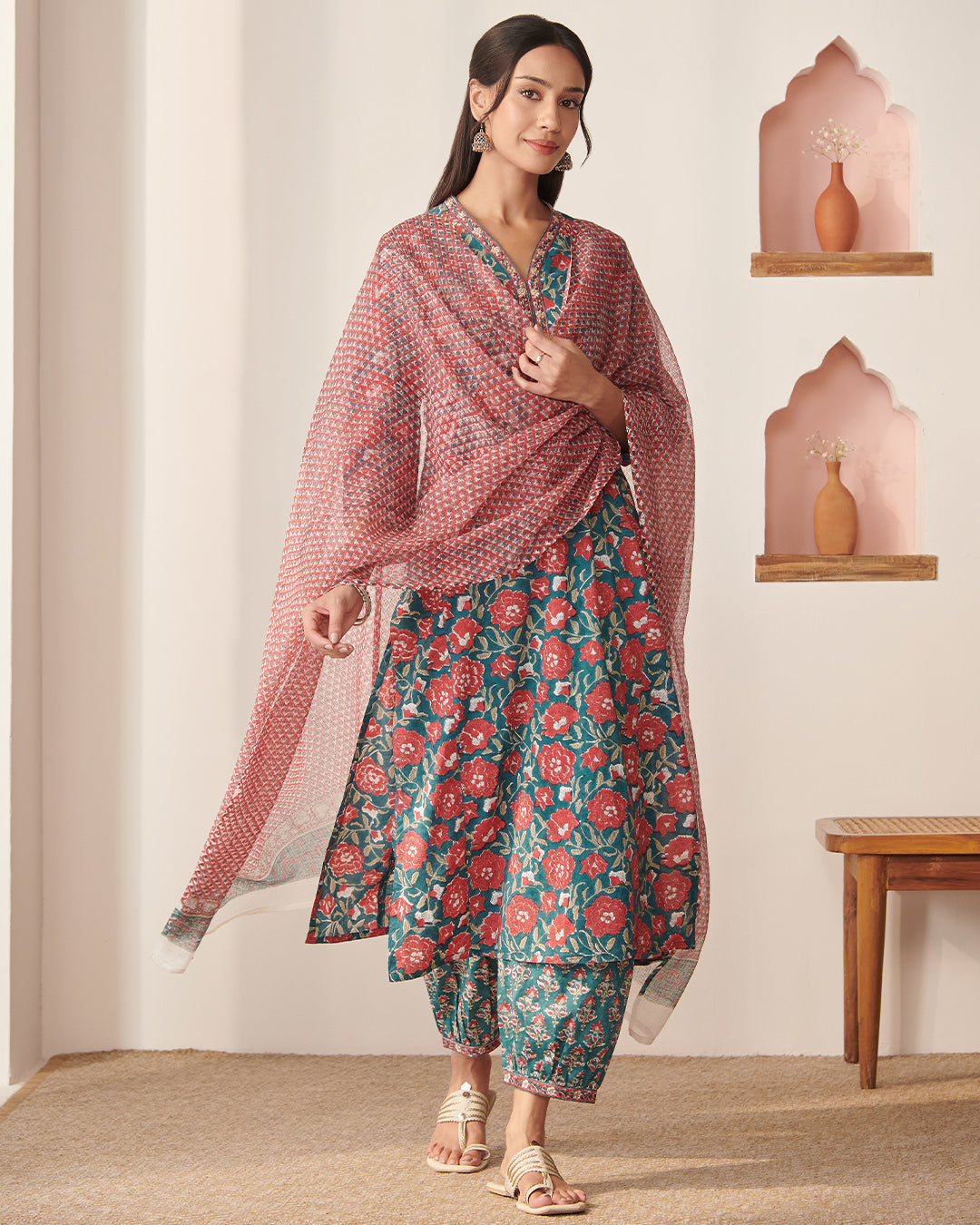
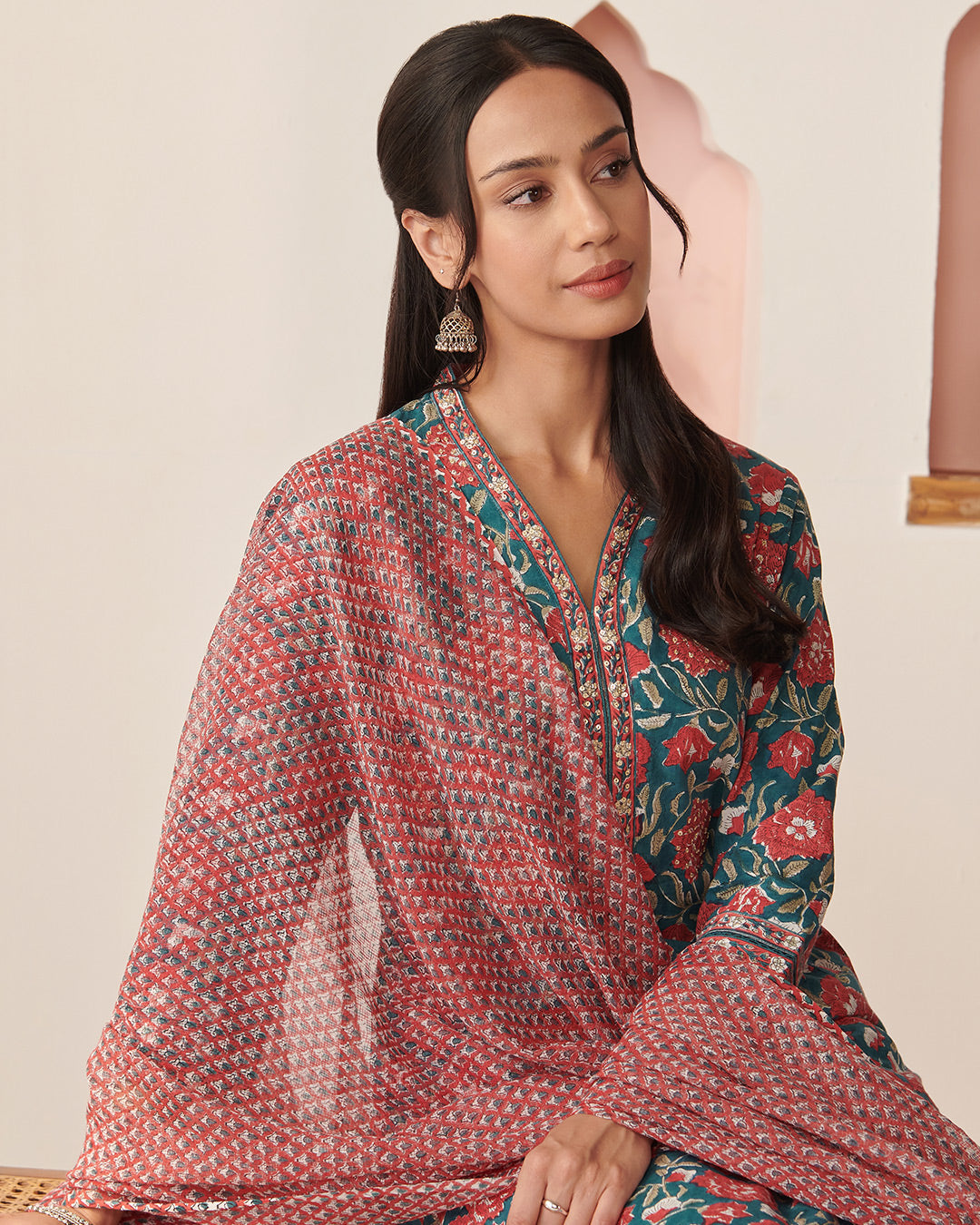

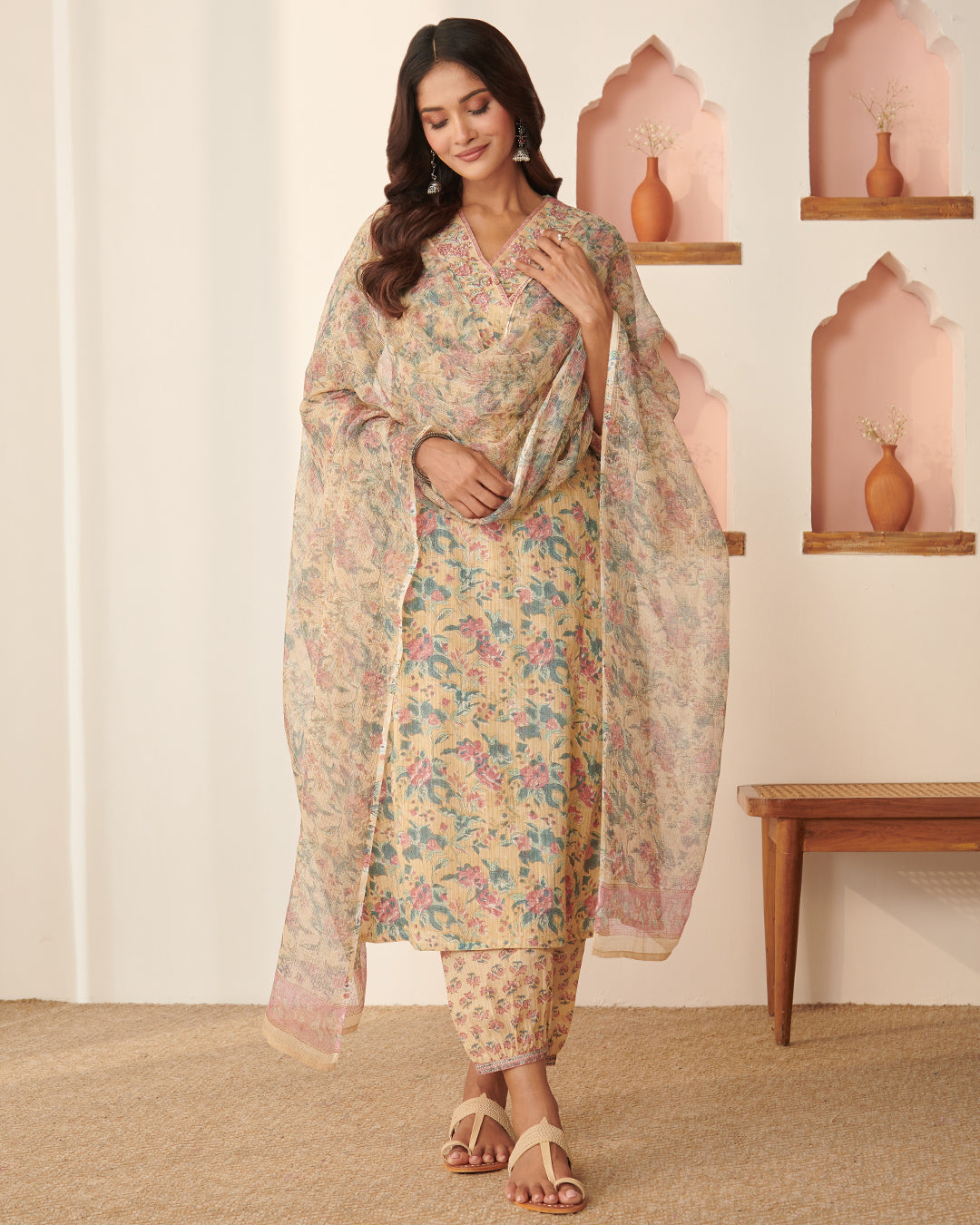
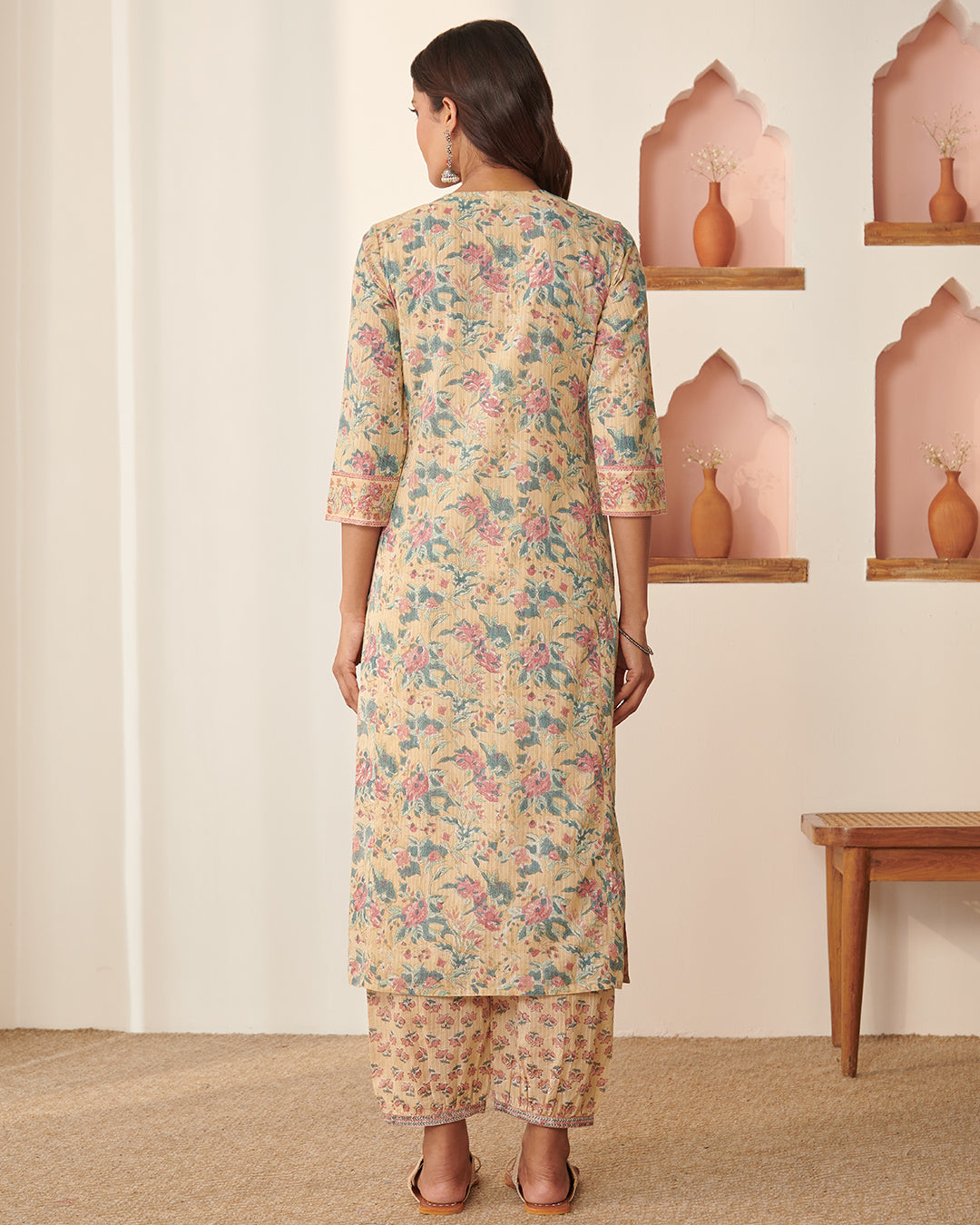

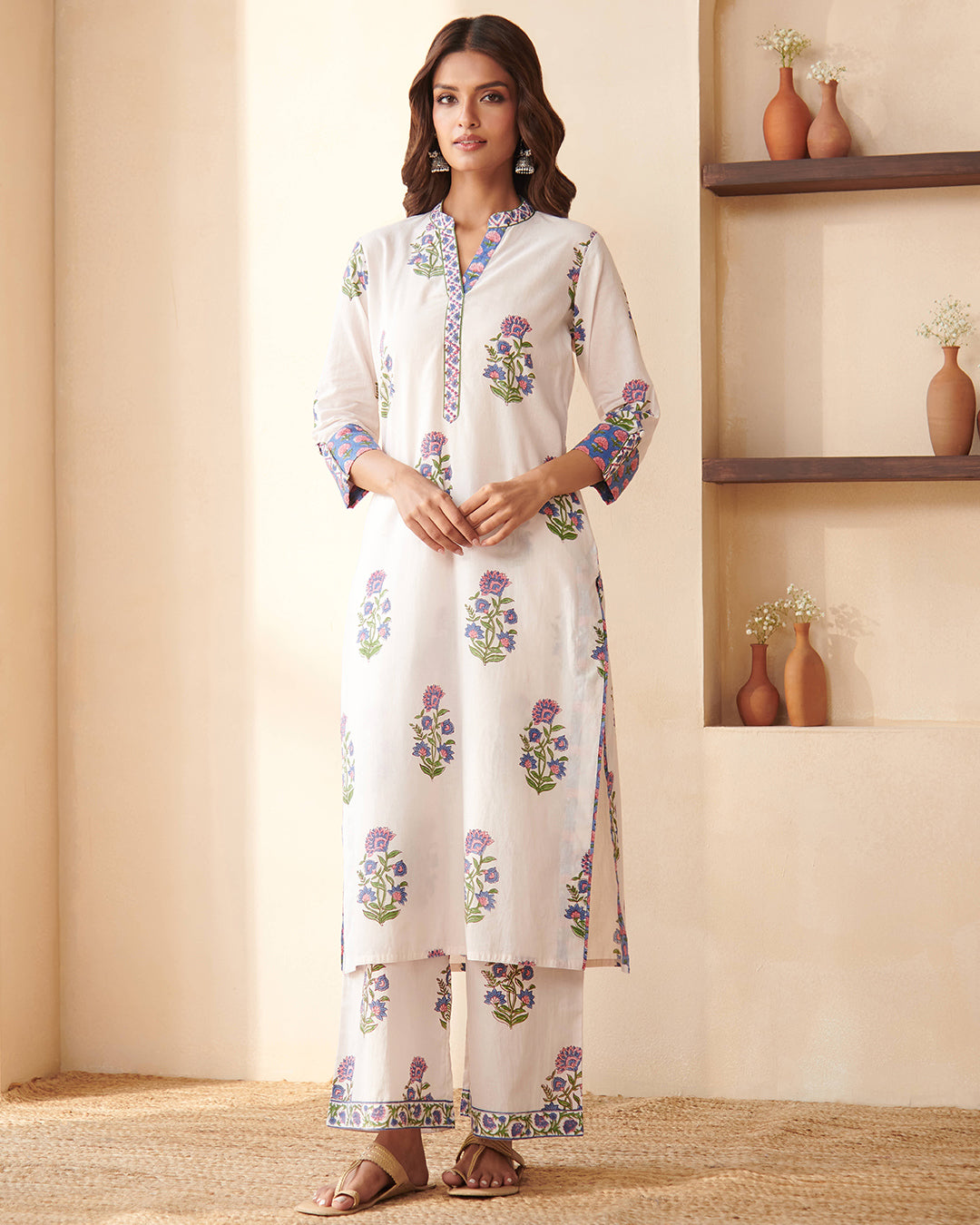


Some clothes become favourites without us quite knowing why. We reach for them year after year, noticing how the colours soften, how the fabric settles, and how familiar the print begins to feel. Traditional Indian textiles often have this quality.
A hand printed fabric carries more than colour. It holds the rhythm of a craft, the touch of the person who made it, and motifs that have travelled through generations. From the wooden blocks of Rajasthan to the natural dyes and resist techniques of Kutch and Sindh, traditional printing has always been closely tied to the land, its people, and its way of living.
This is perhaps why a printed kurta can feel at home in a wardrobe for years. It does not depend on a passing fashion. Its beauty comes from the craft itself.
What Makes Traditional Textile Printing So Special?

Traditional textile printing is an intimate process. Fabric, colour, wood, water, dye, and the hands of the artisan all have a role to play. No two pieces emerge entirely alike, and that quiet variation is part of their character.
The Human Touch Behind Every Print
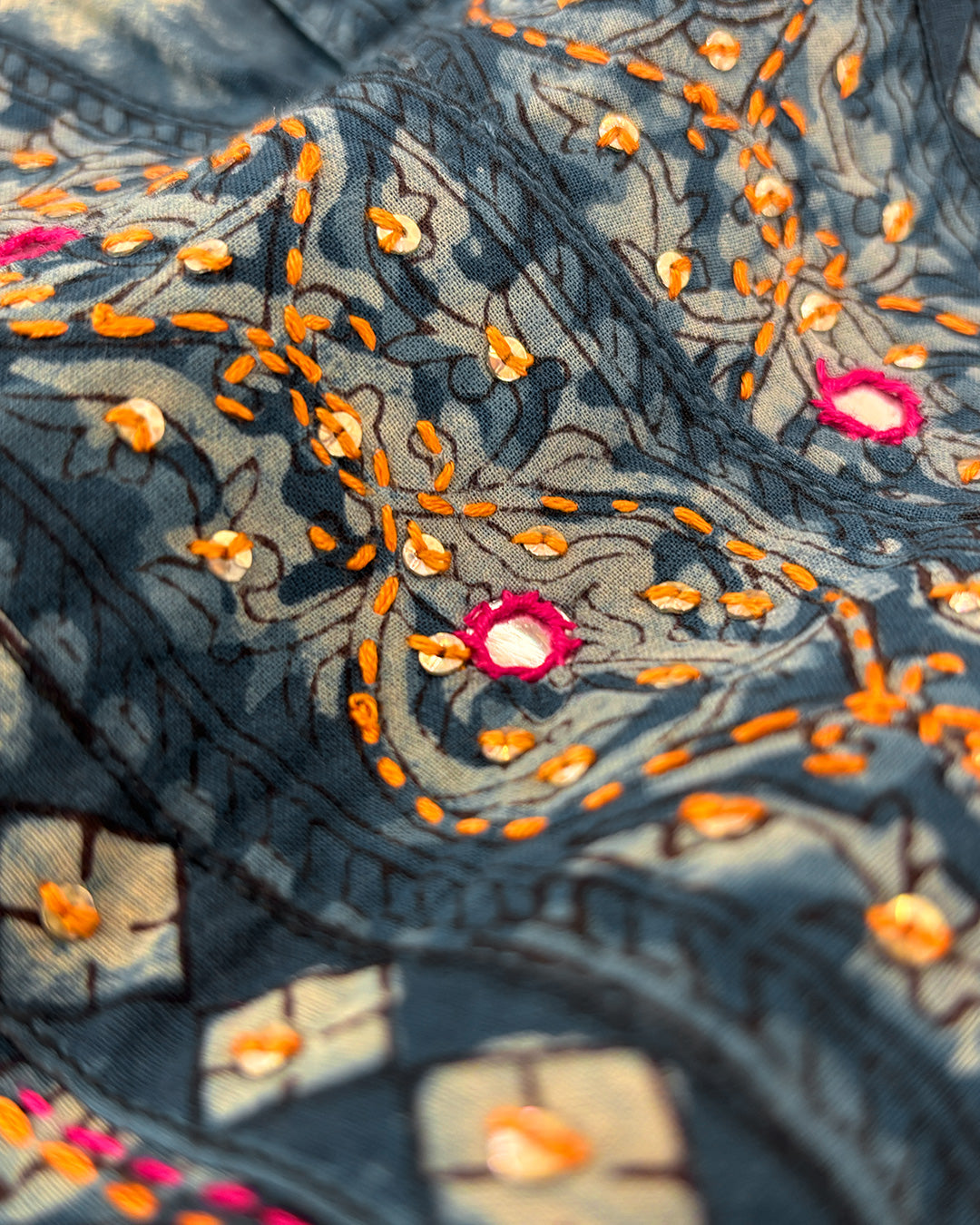
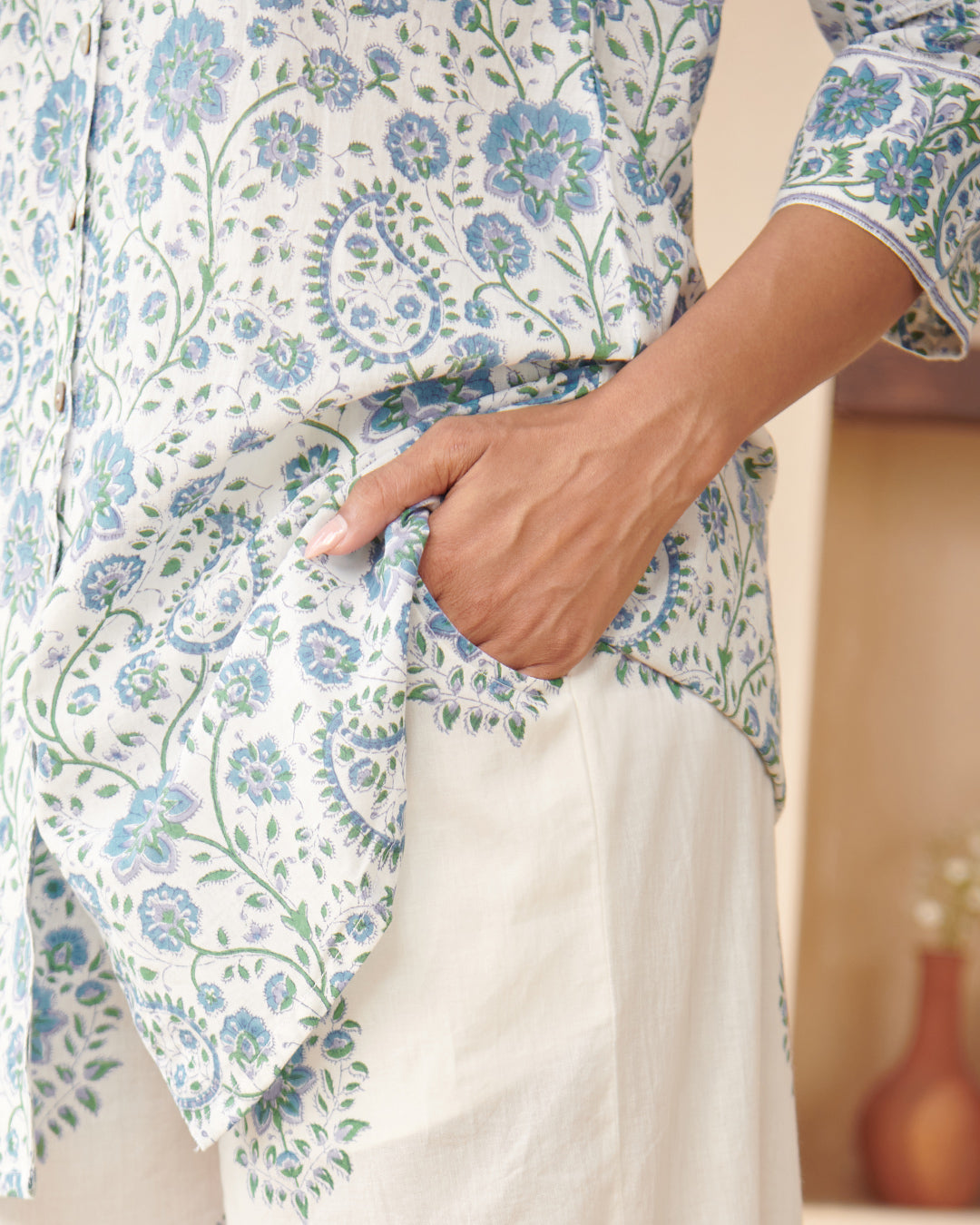
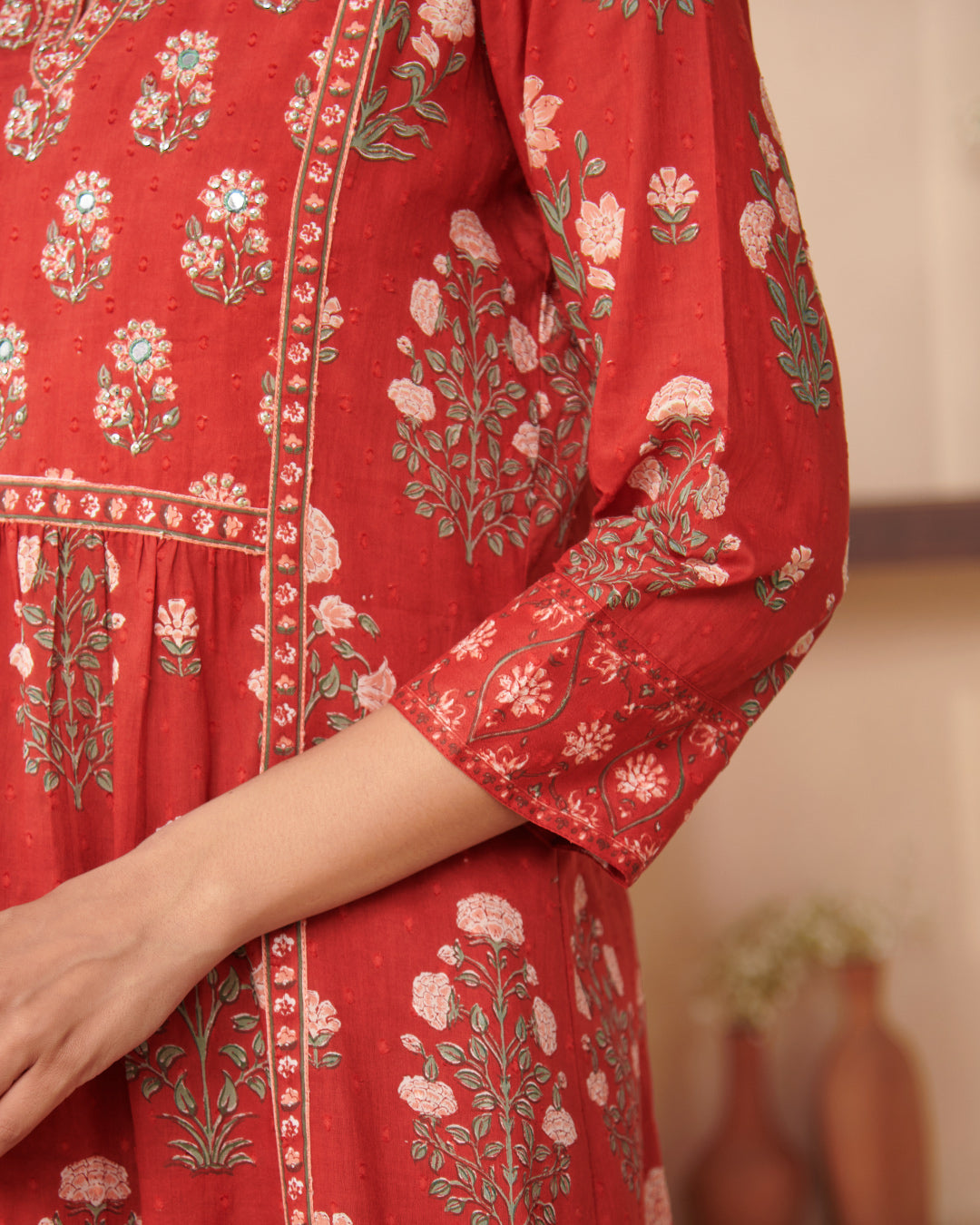
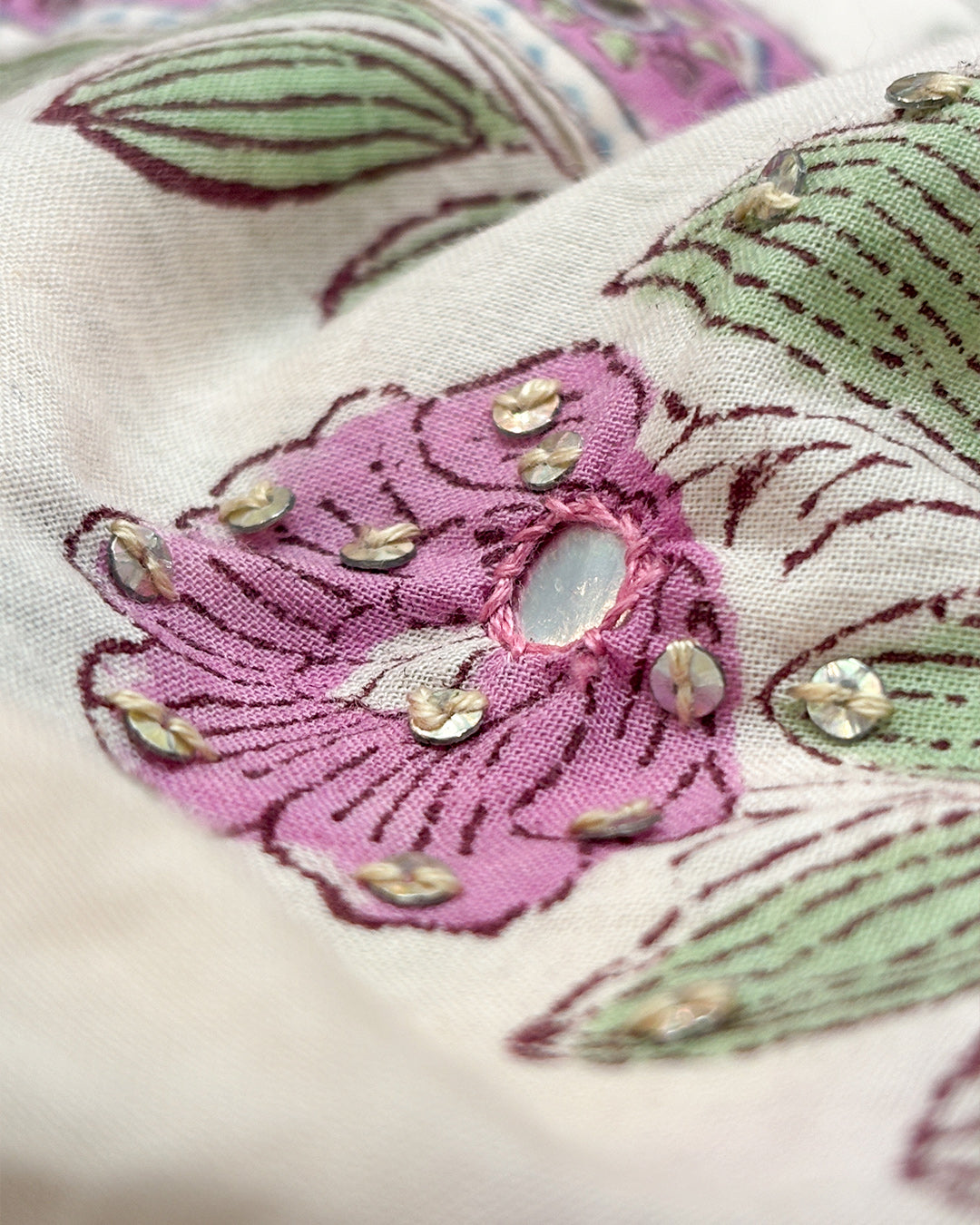
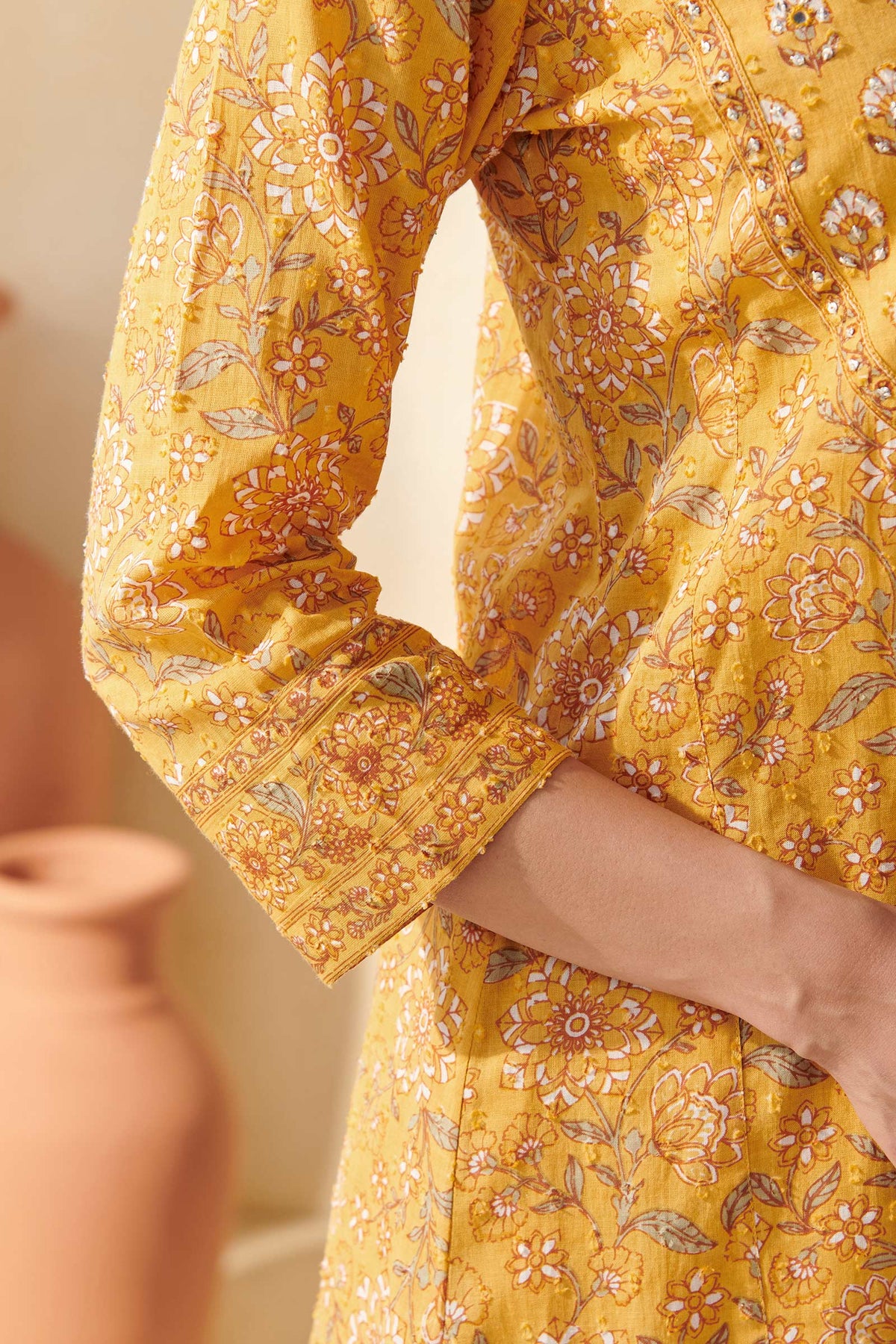
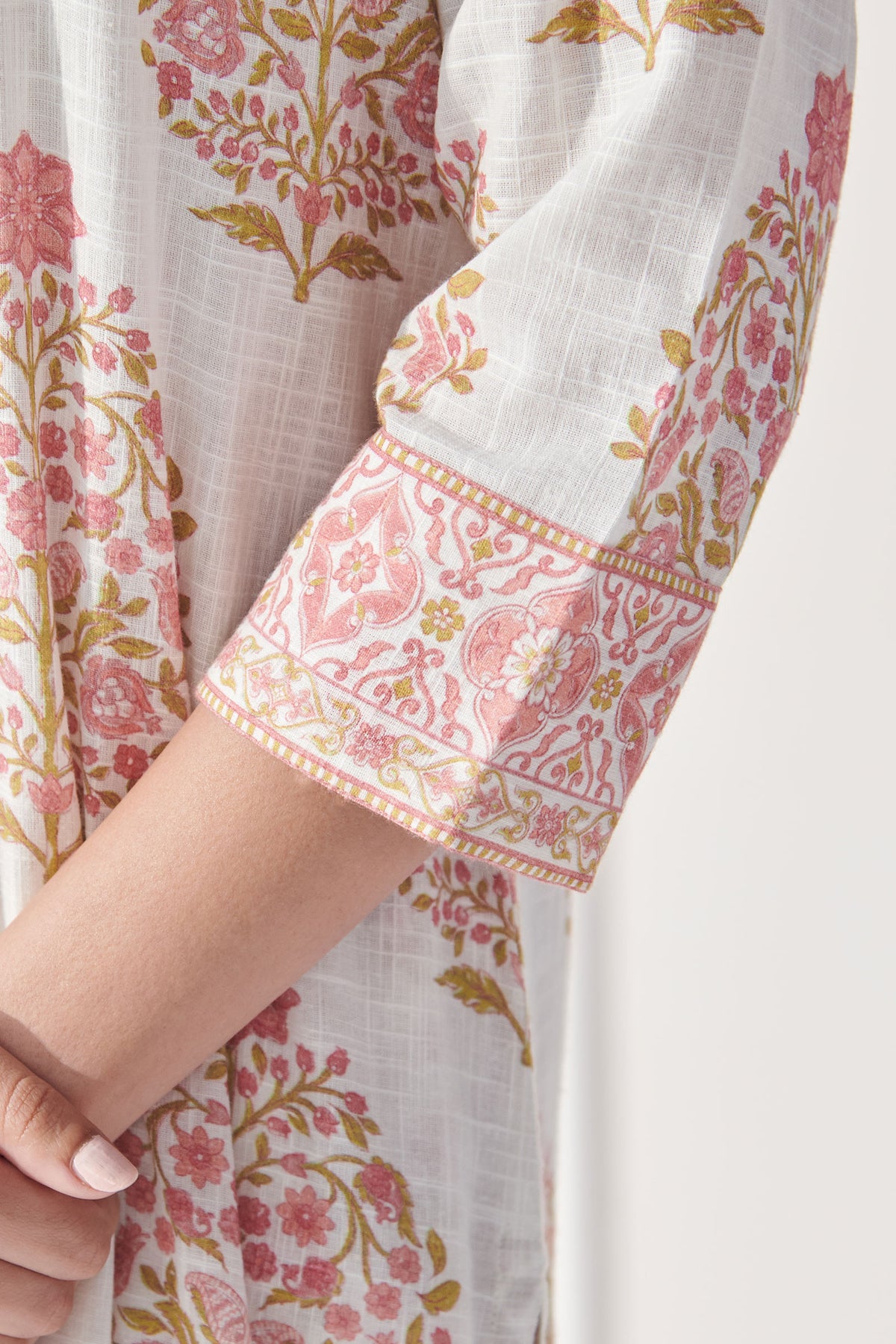
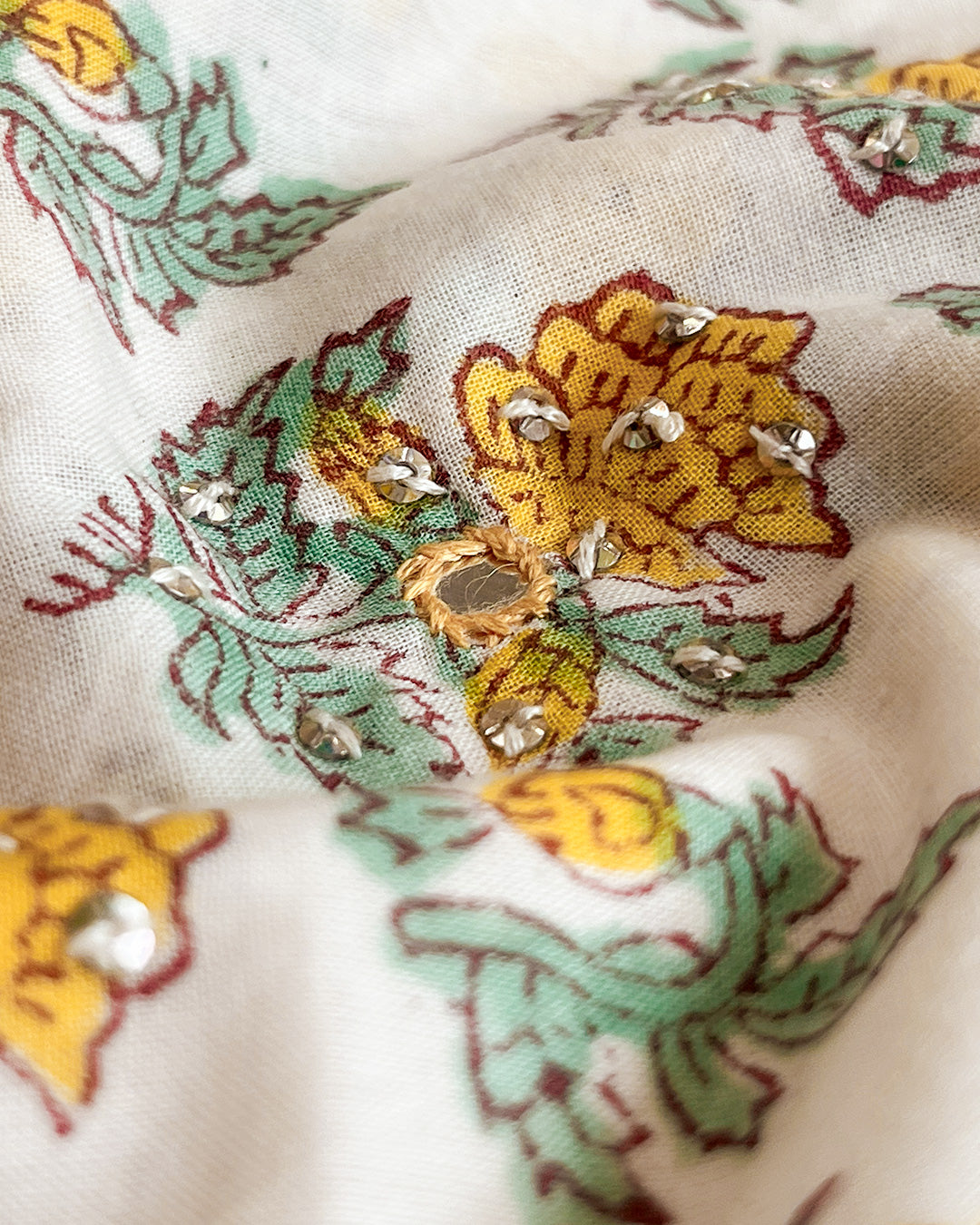
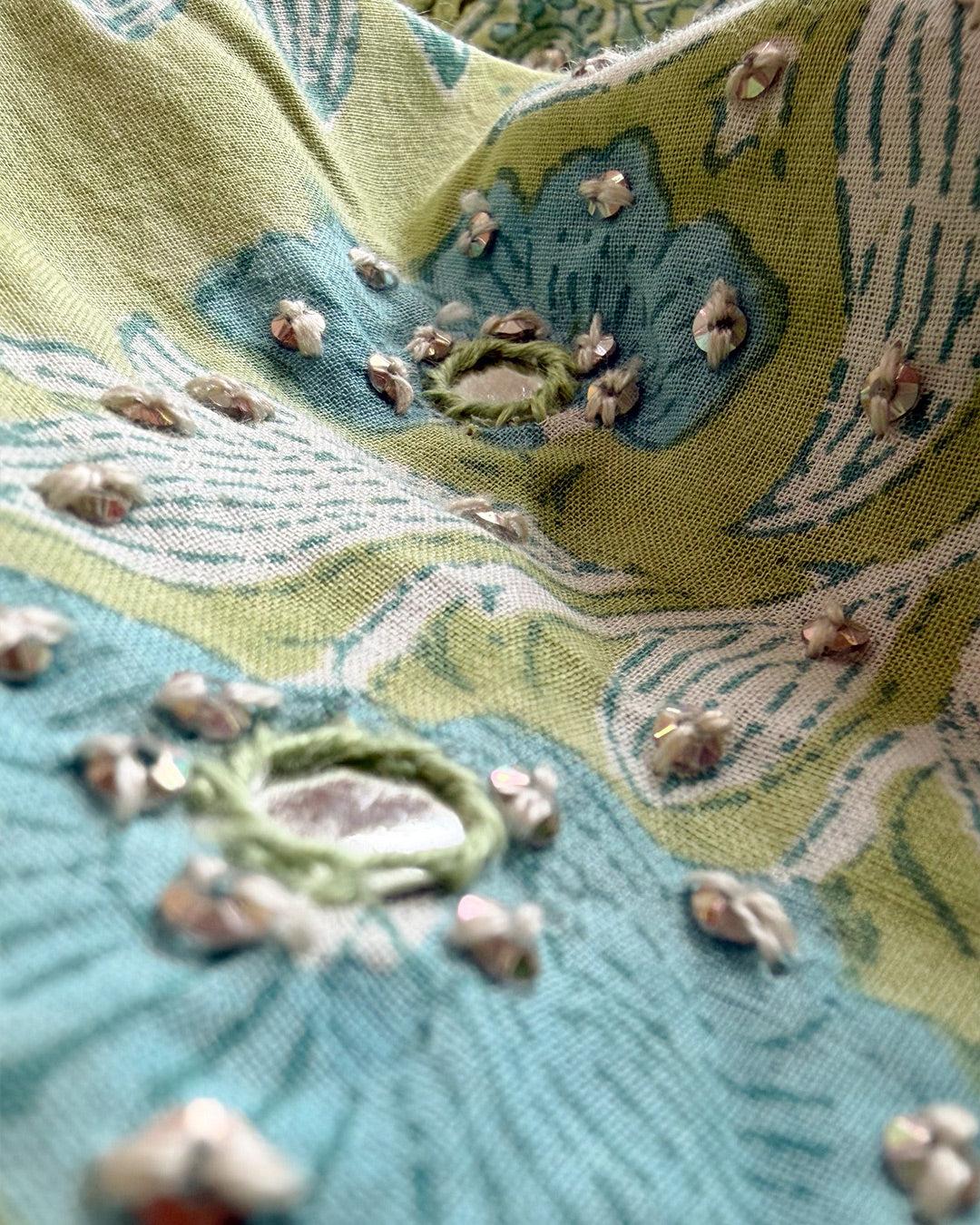
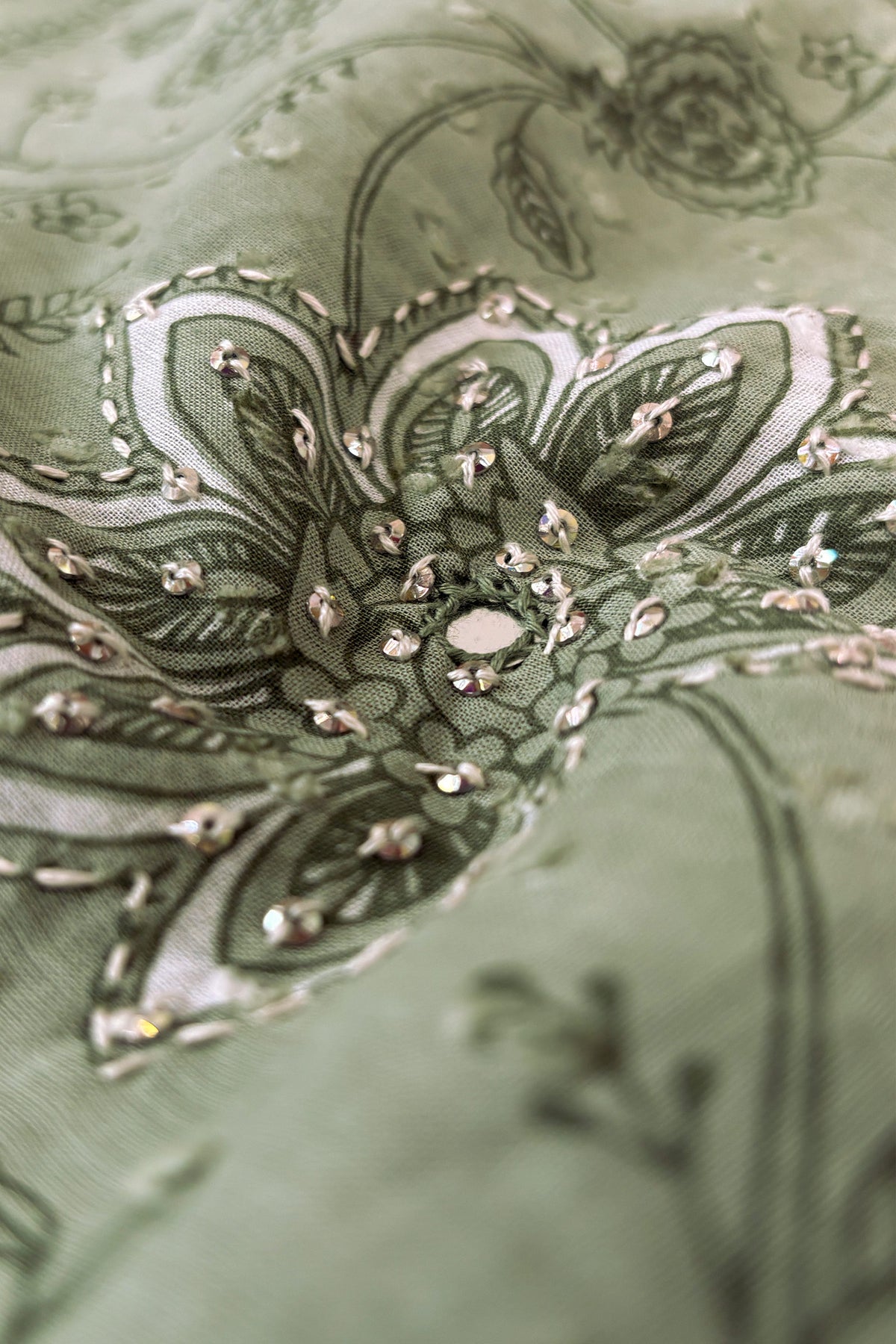
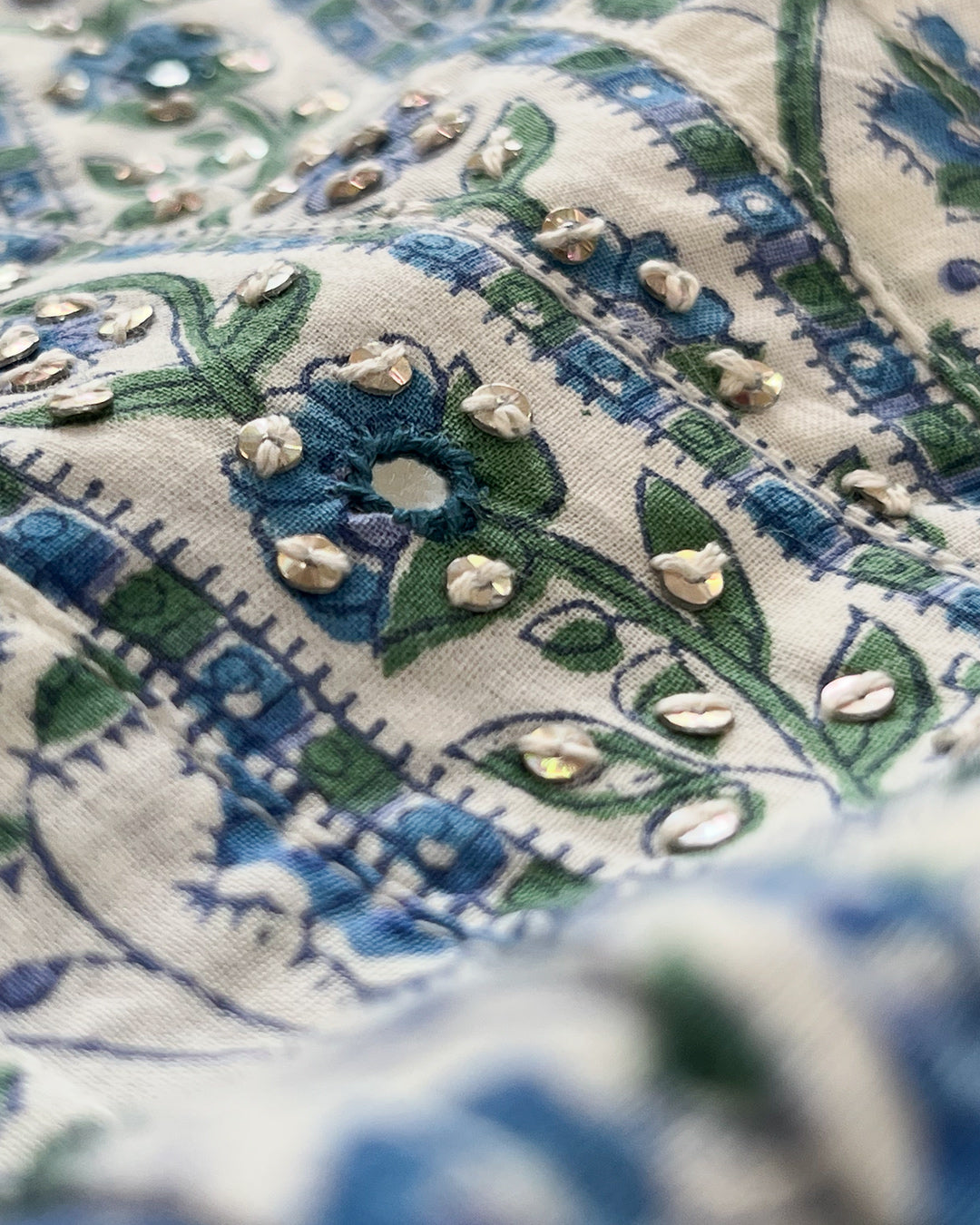
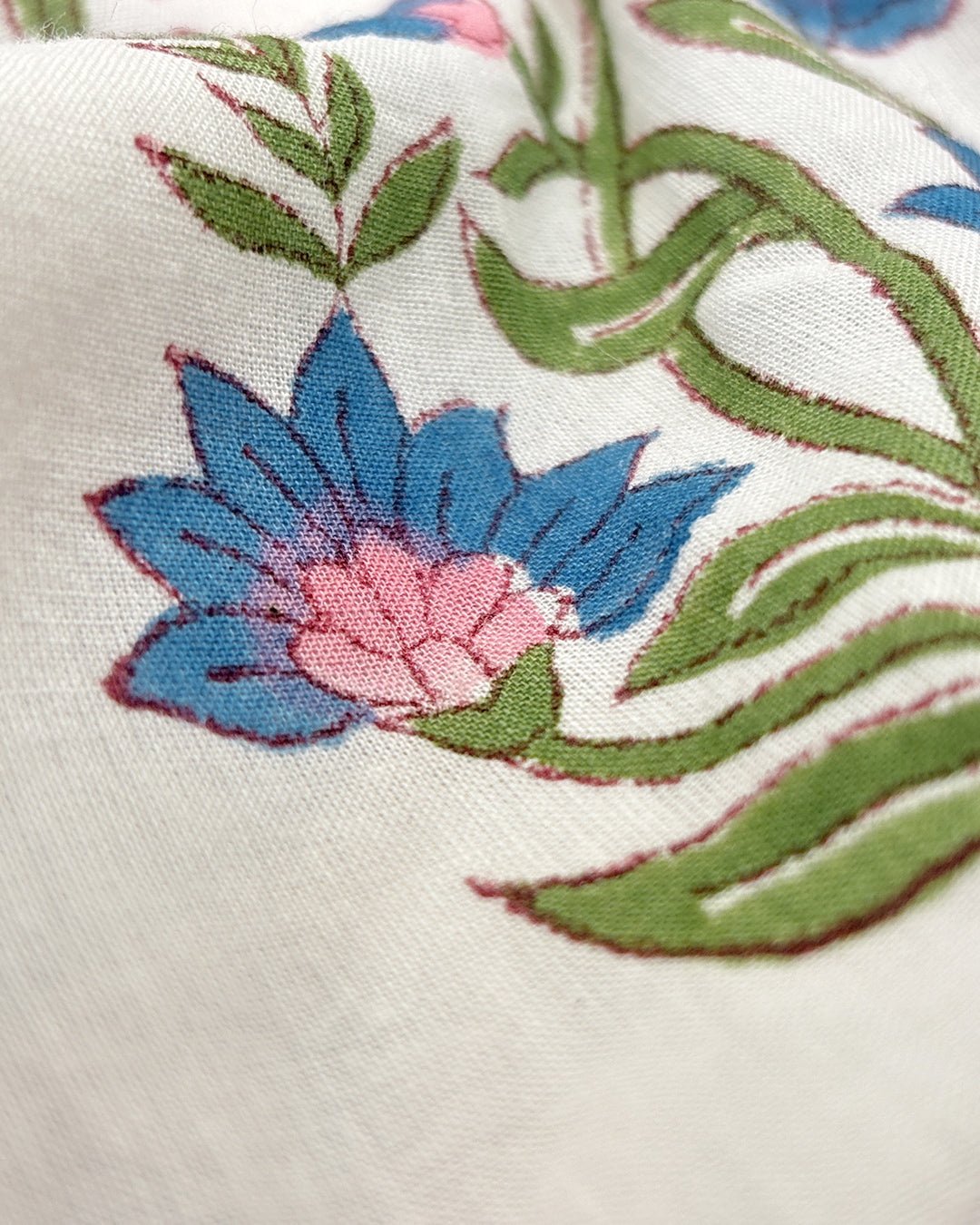
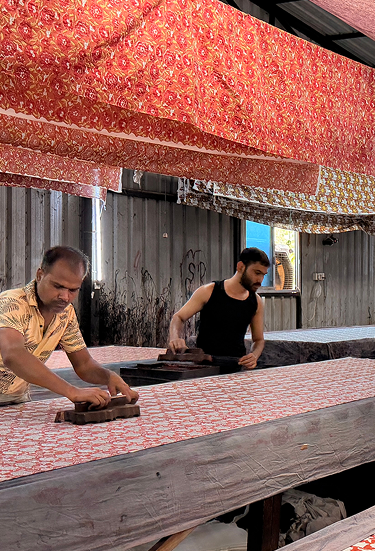
In hand block printing, an artisan carefully places a carved wooden block onto the fabric, applies colour, and presses it by hand. The process is repeated across the length of the cloth, often thousands of times.
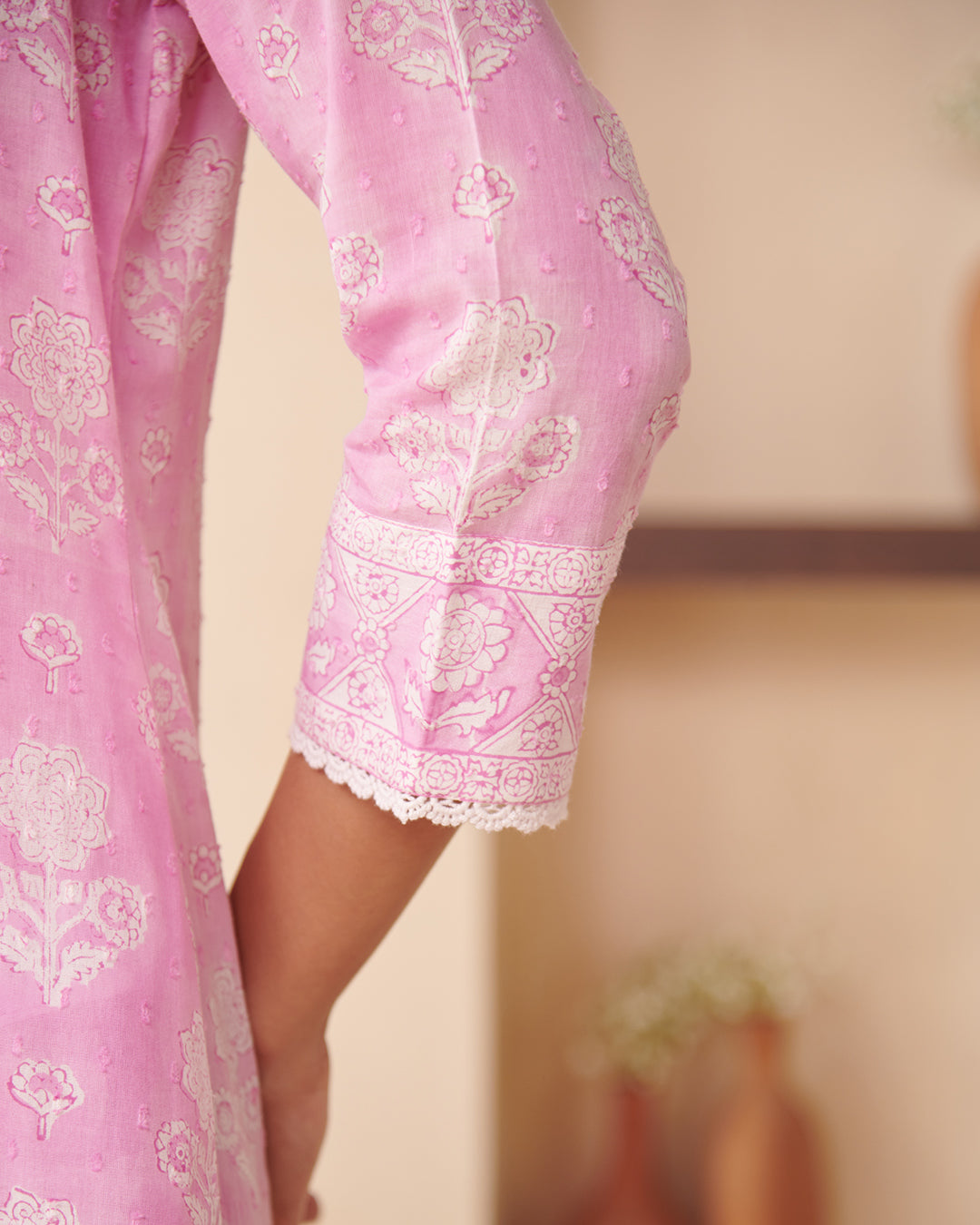
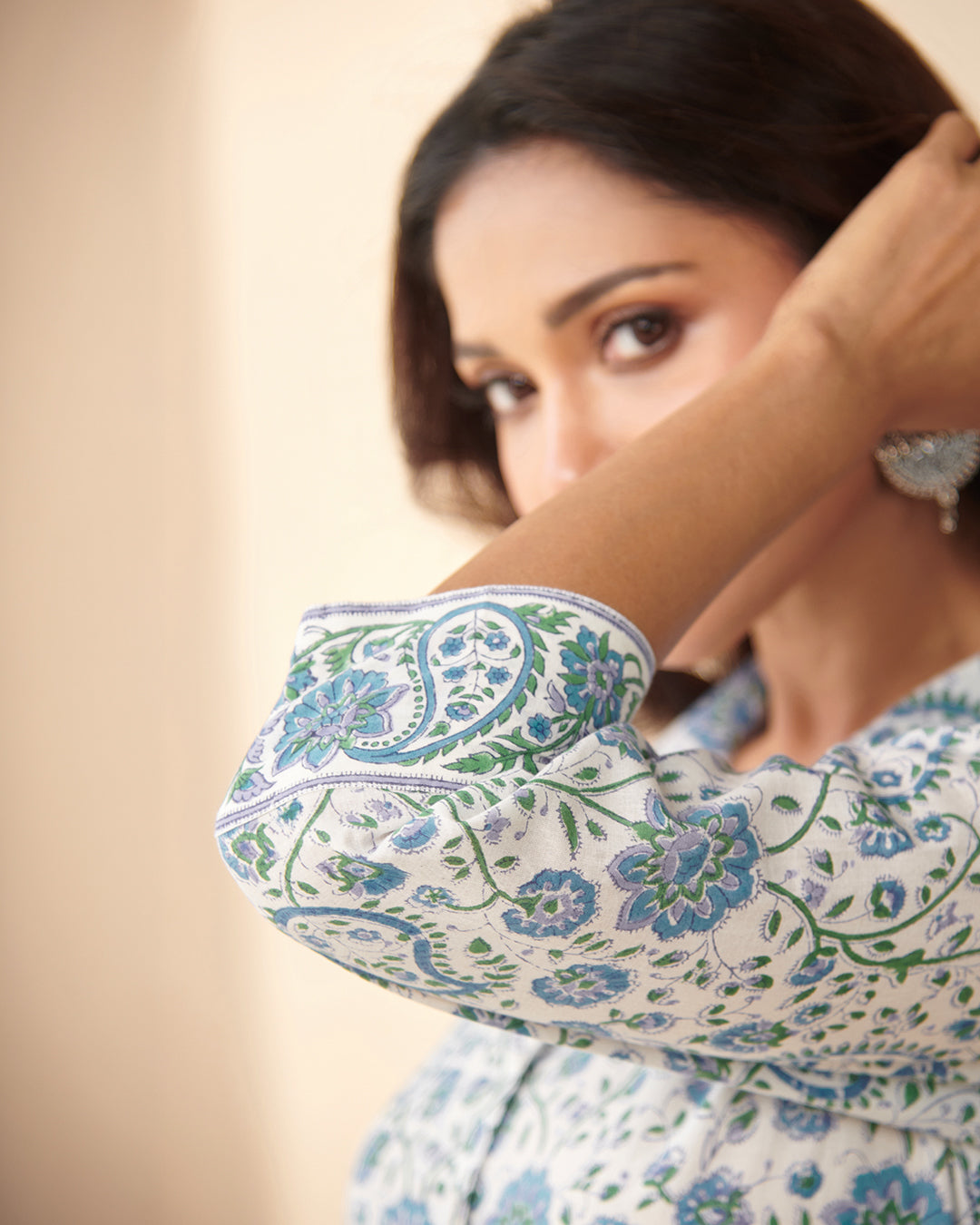
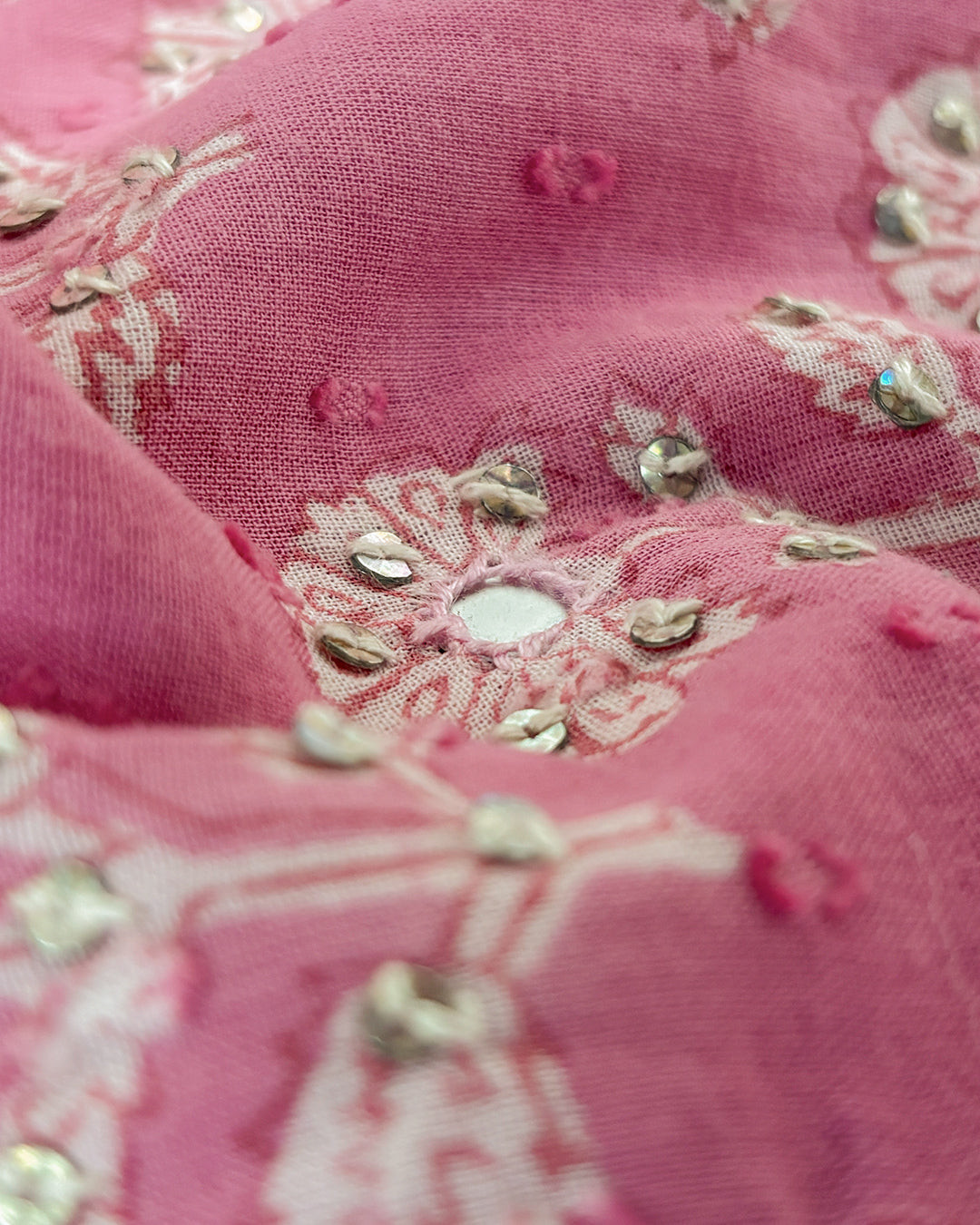
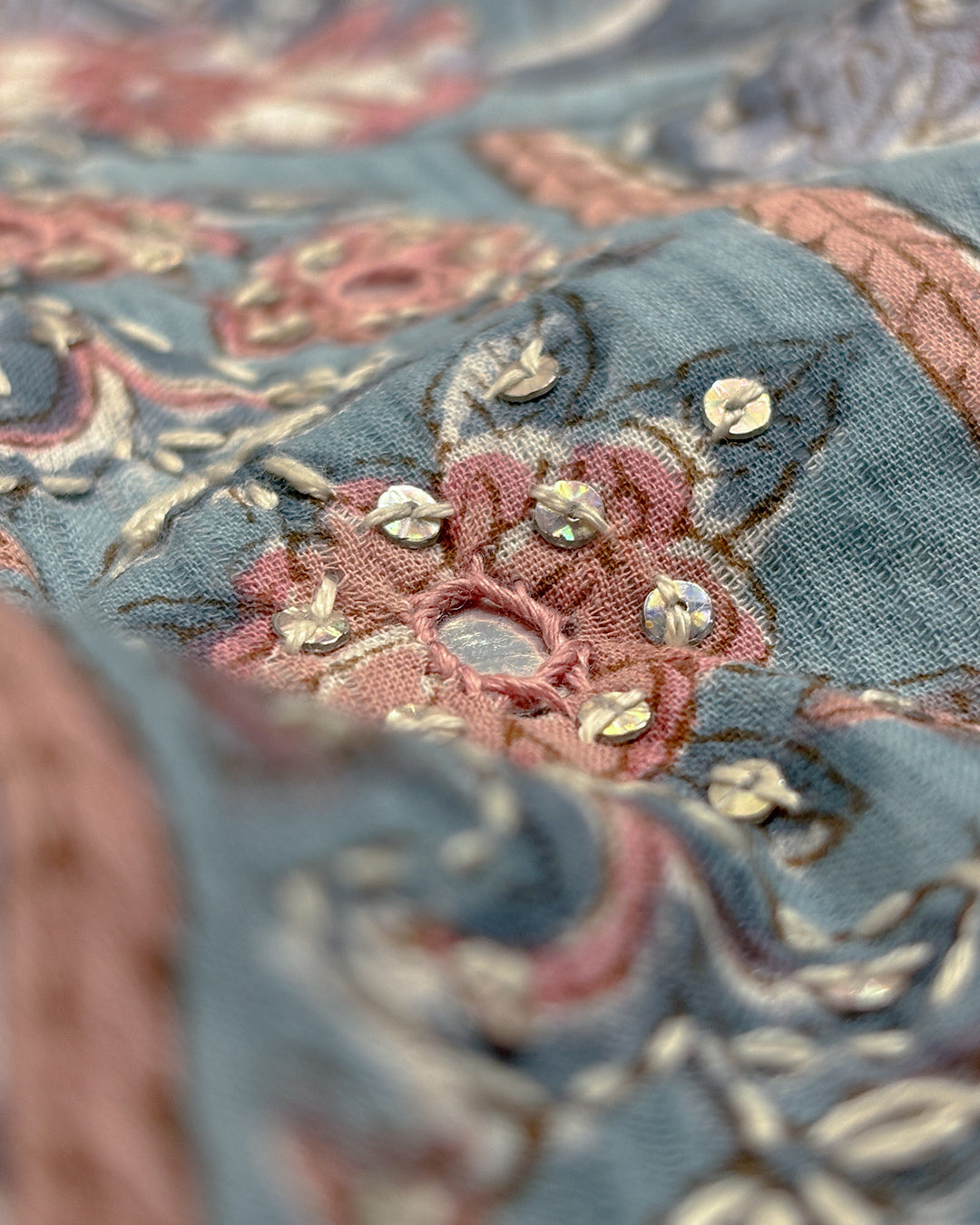
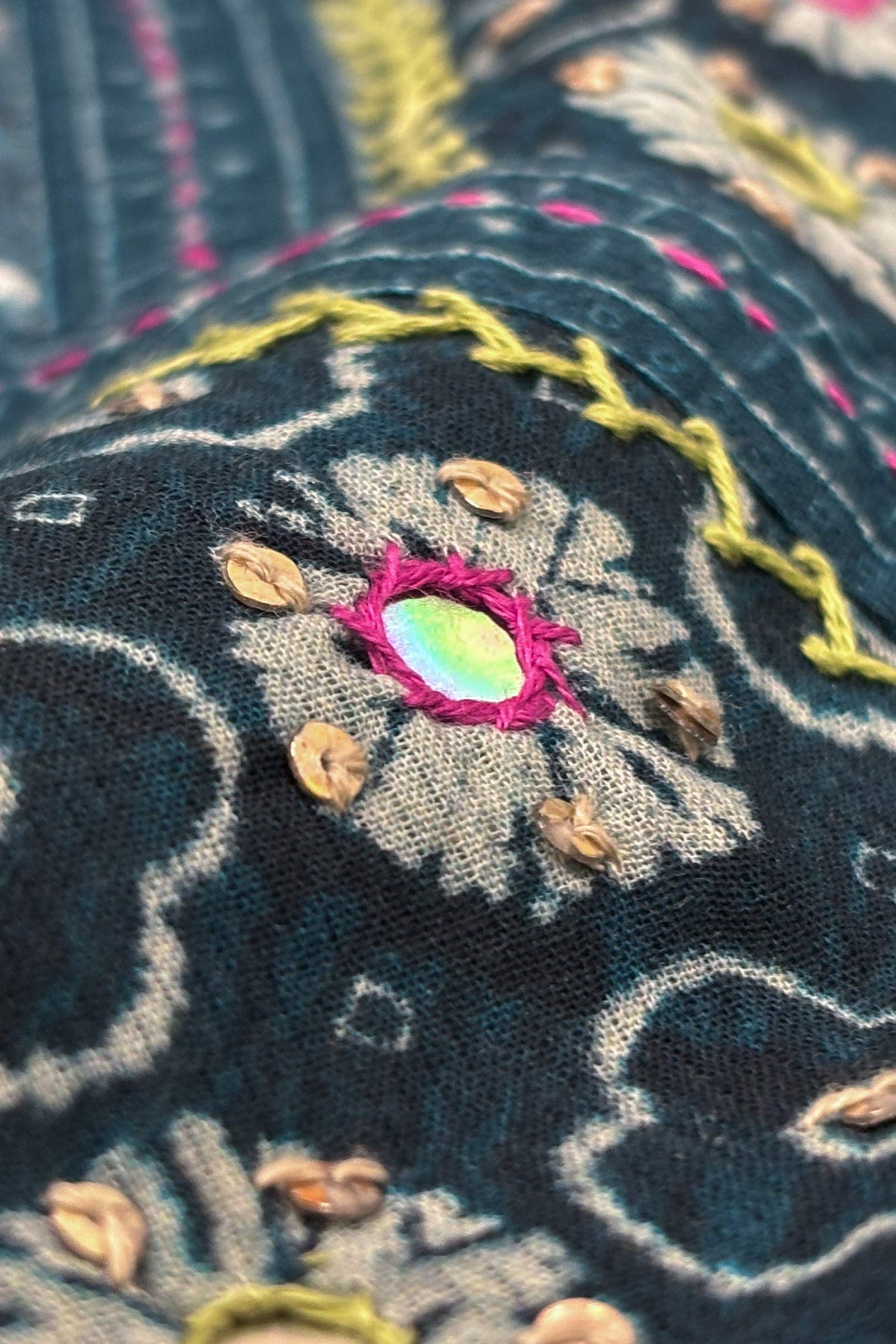
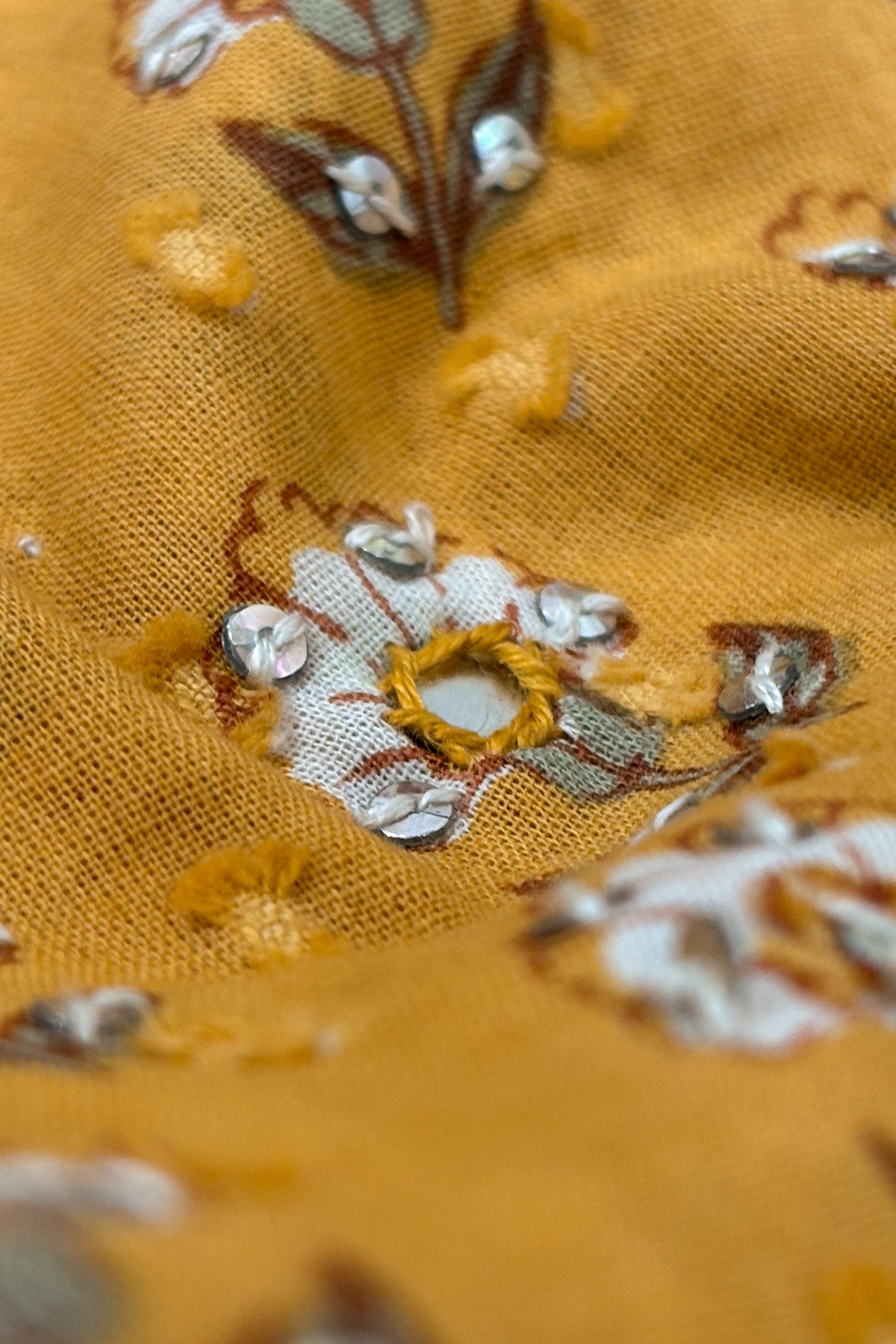
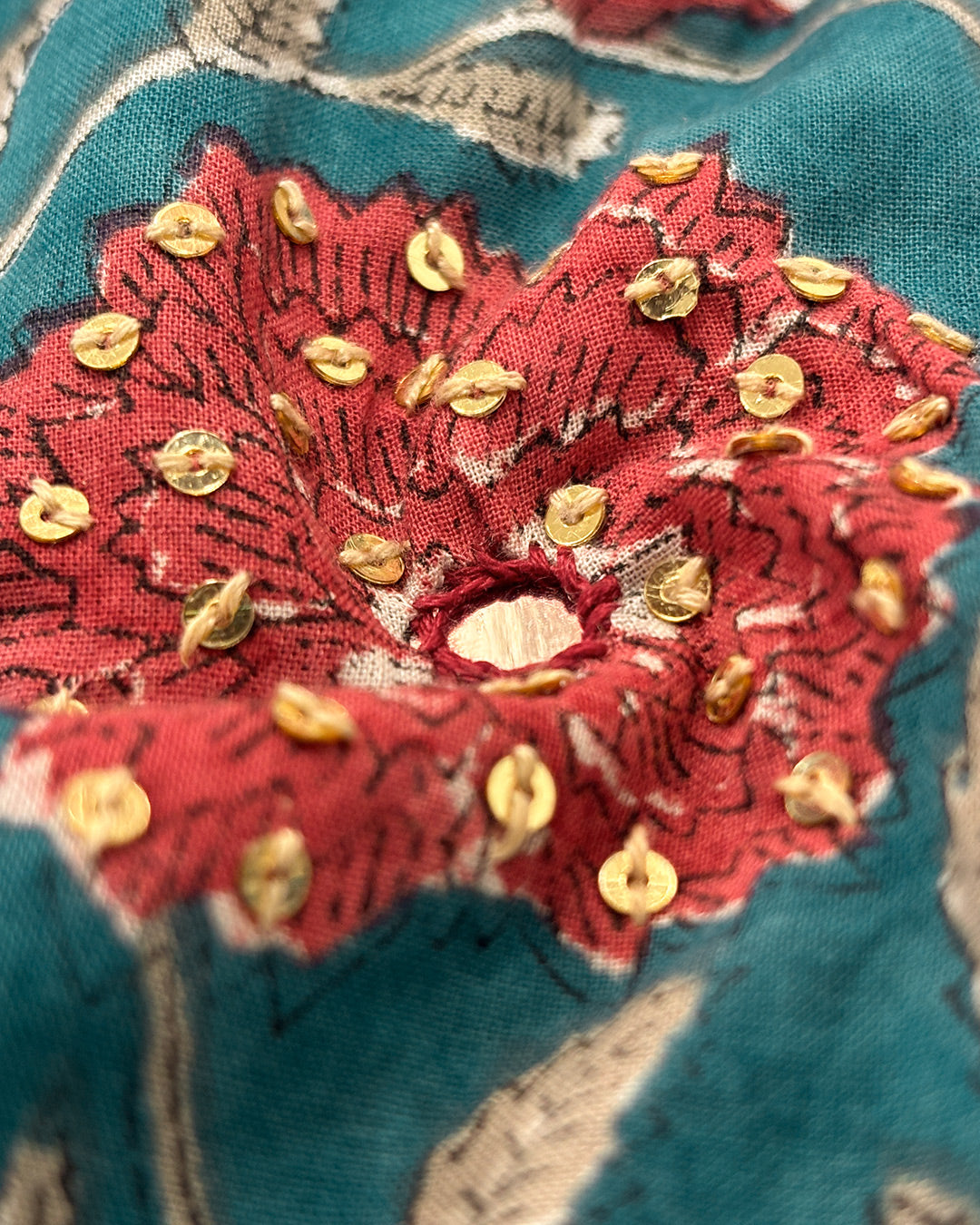
There may be slight variations in alignment or pressure. A flower may sit a little differently from the next. These are not flaws. They are traces of the hands behind the textile, reminders that the fabric was made through patience rather than machinery alone.
Prints Rooted in Generations of Craft
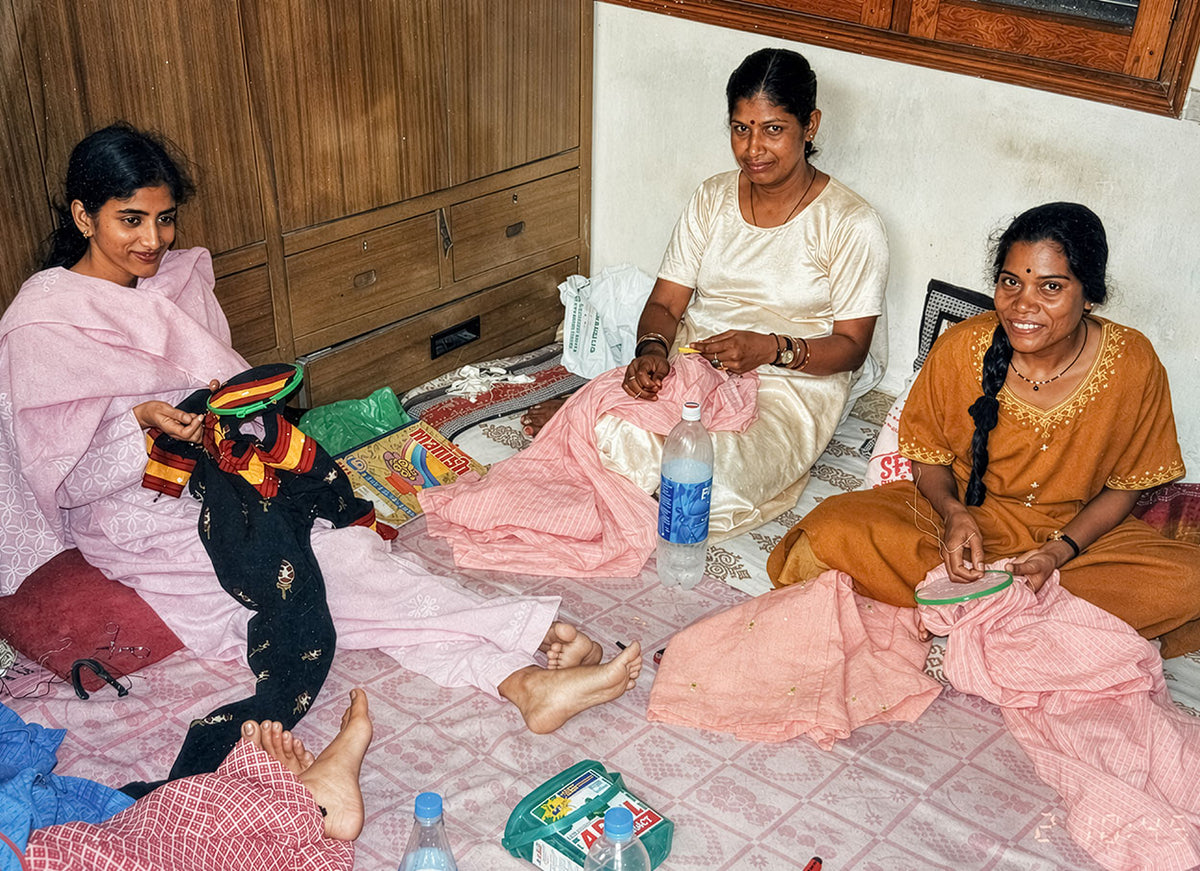
Many Indian printing traditions have been passed down within artisan communities for generations. Skills are learnt through observation and practice, often beginning at a young age and becoming more refined over time.
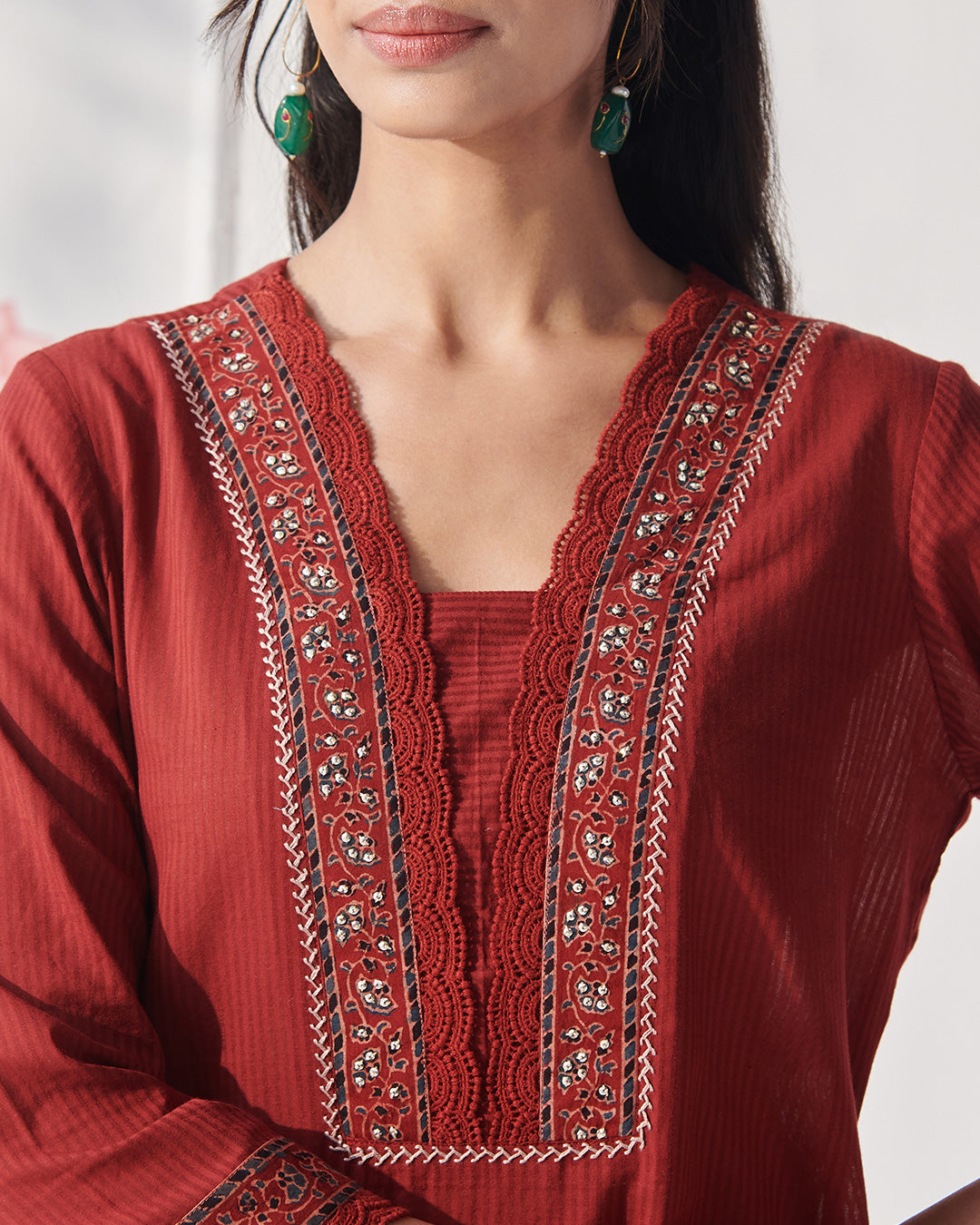
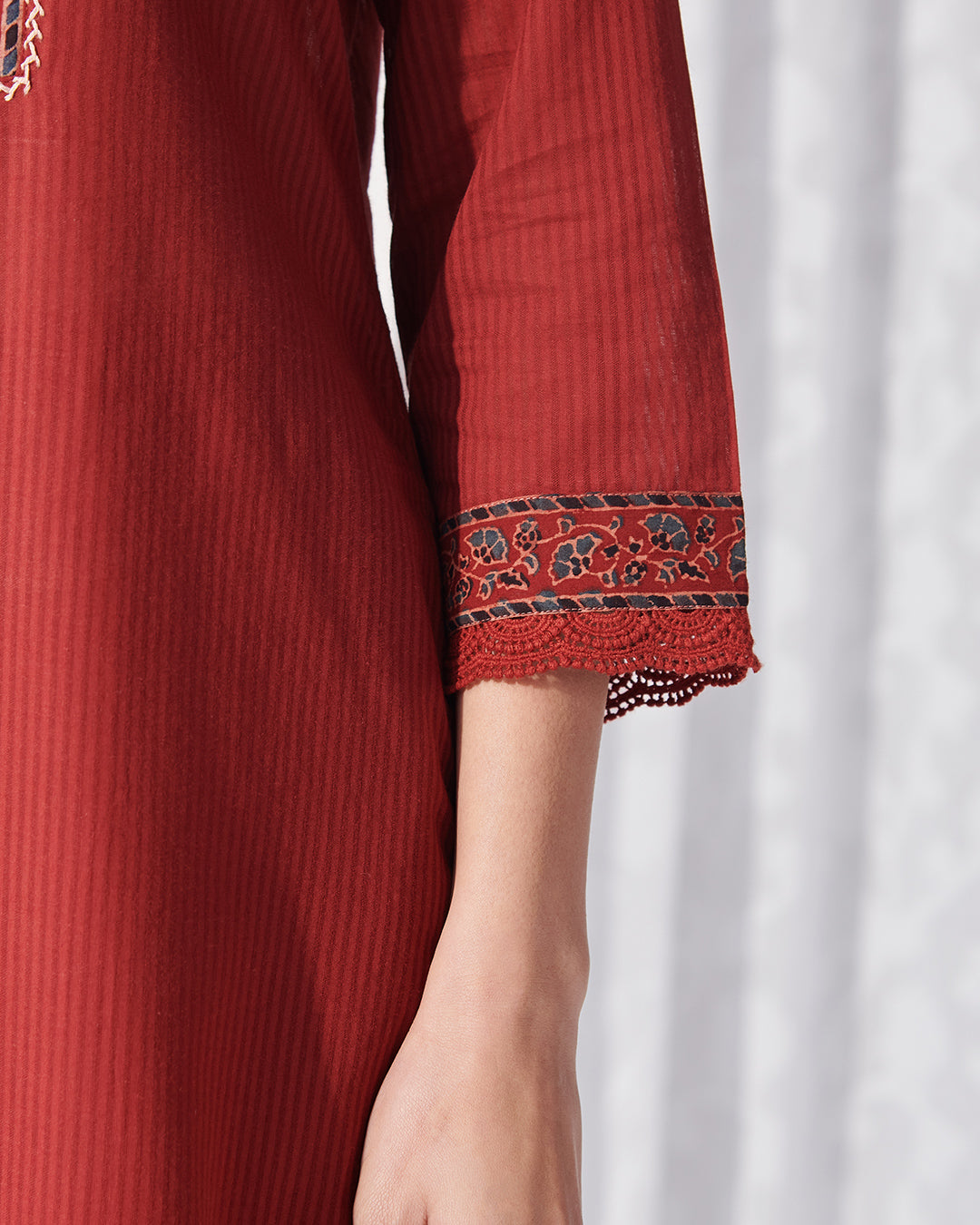
The motifs carry their own histories too. Florals, paisleys, geometric forms, vines, butis, and borders are not simply decorative elements. They belong to a larger visual language shaped by regional culture, architecture, nature, and everyday life.
Why Handmade Prints Feel Different from Mass Produced Patterns
A machine printed pattern can reproduce the same image with remarkable precision. A handmade print has a different rhythm.
There is a softness in the impression, a slight variation in colour, and a sense of movement across the fabric. When worn, these details give the garment a lived in quality. With time and use, the fabric becomes even more personal.
That is what makes traditional printing so enduring. It does not ask to be noticed loudly. Its character reveals itself slowly.
Indian Traditional Printing Techniques That Define Timeless Fashion

India has a remarkable range of textile printing traditions, each shaped by its region, materials, climate, and community of artisans. Bagru, Ajrakh, Dabu, and Sanganeri printing are among the techniques that continue to give Indian clothing its distinctive visual language.
Block Printing: The Foundation of Handcrafted Textiles
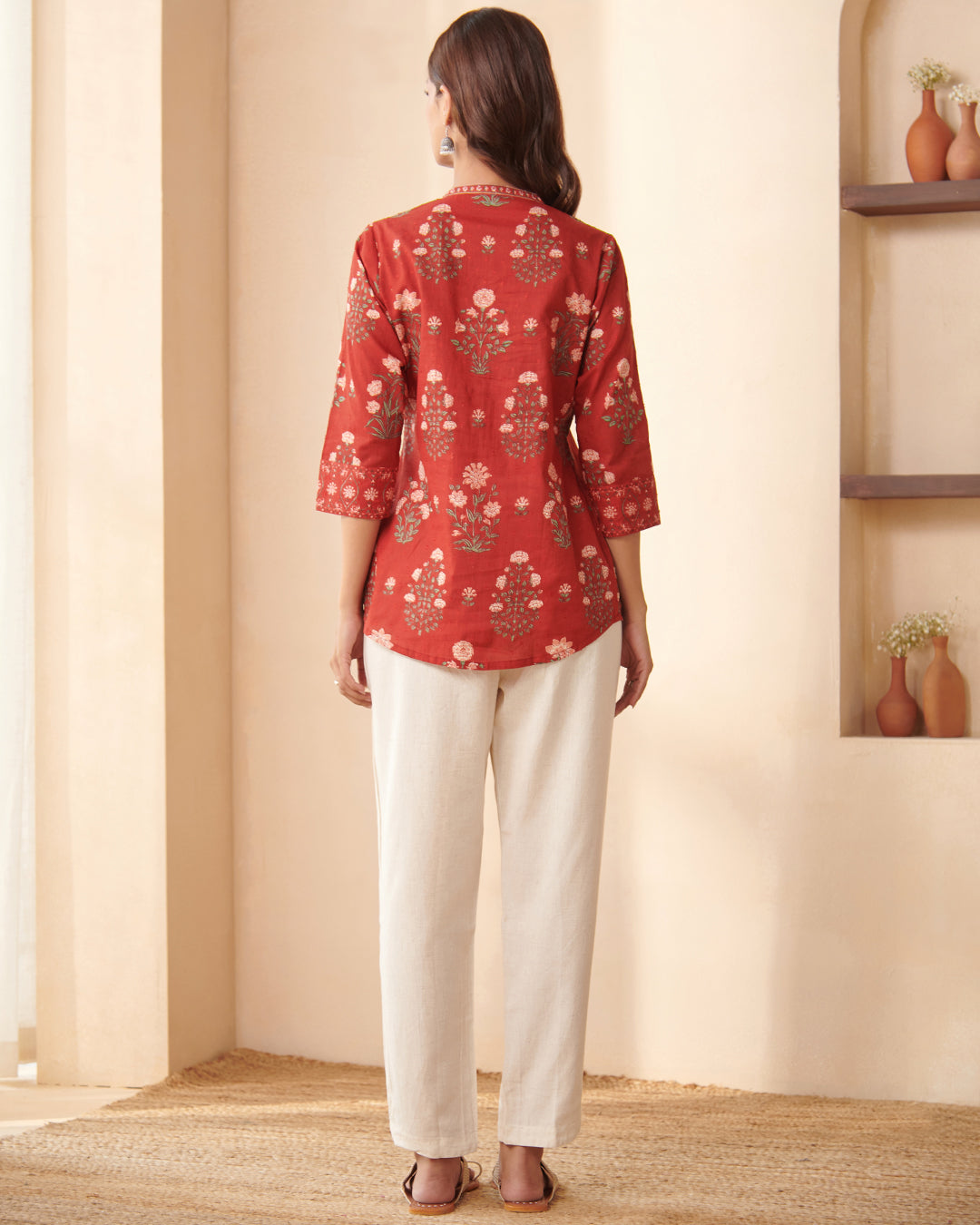
Block printing is one of the most recognisable forms of Indian textile craft. Artisans carve designs into wooden blocks, dip them into dye, and press them onto fabric by hand.
A single design may require several blocks, especially when different colours are used. Each block has to meet the previous impression carefully so that the pattern flows across the fabric.
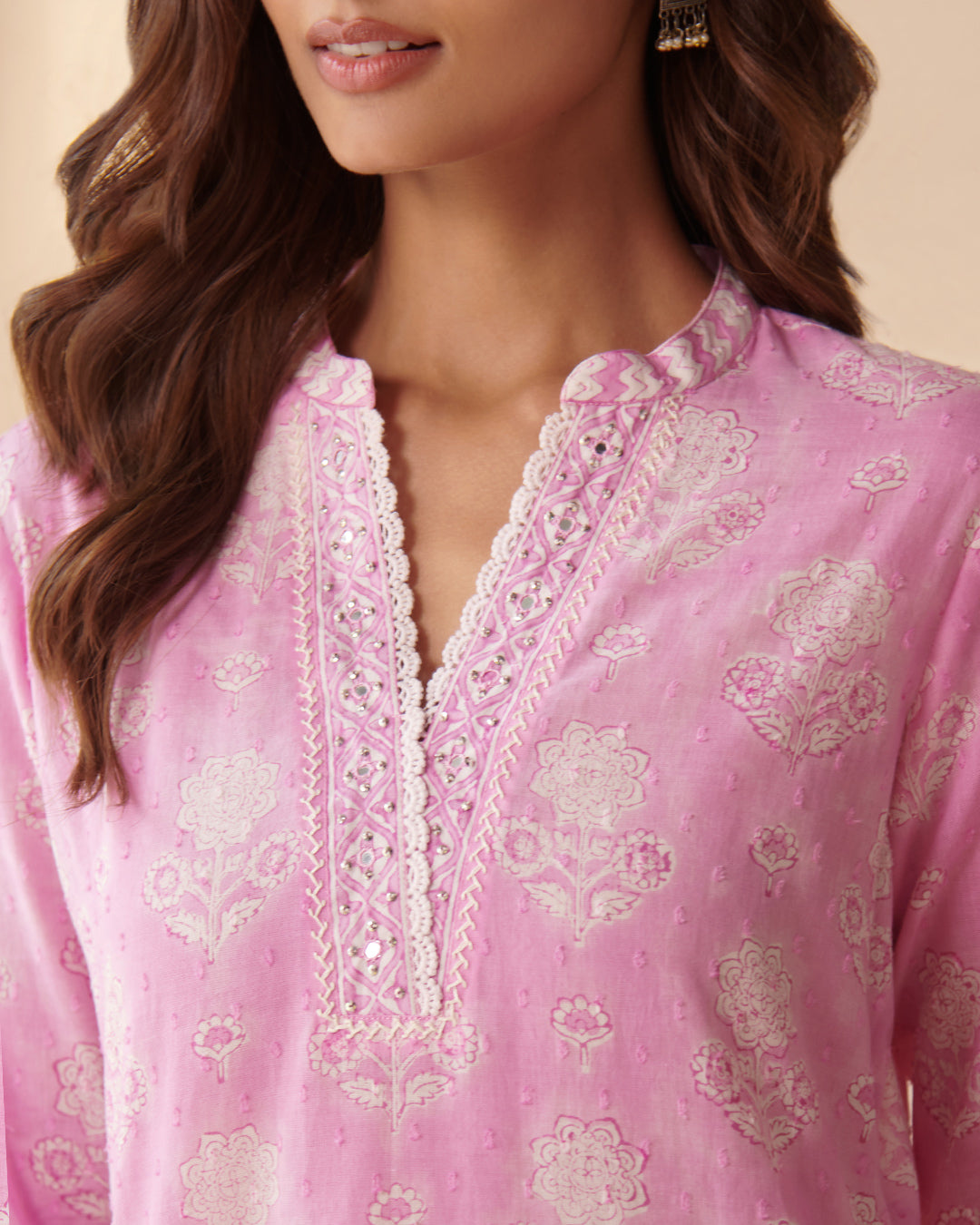
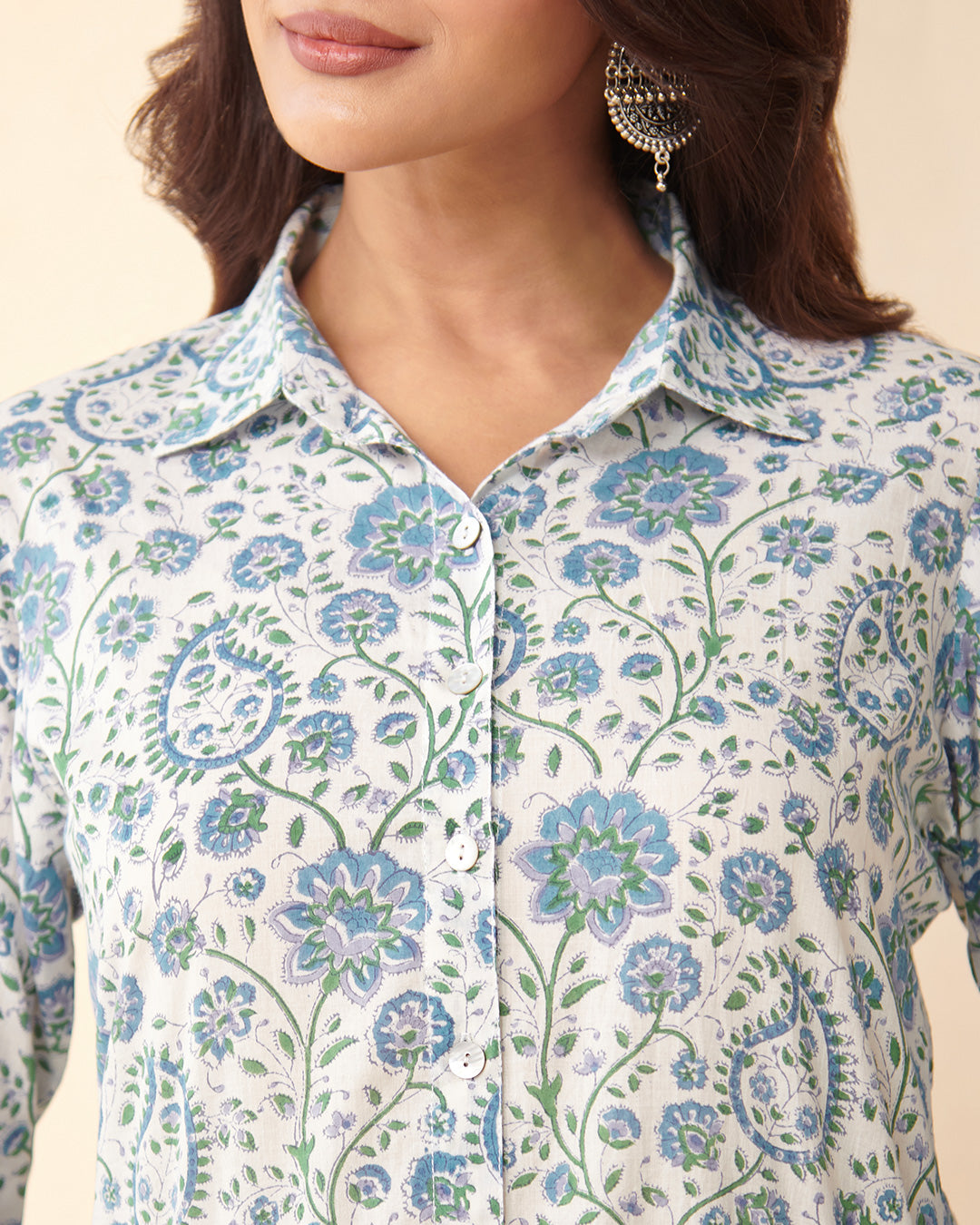
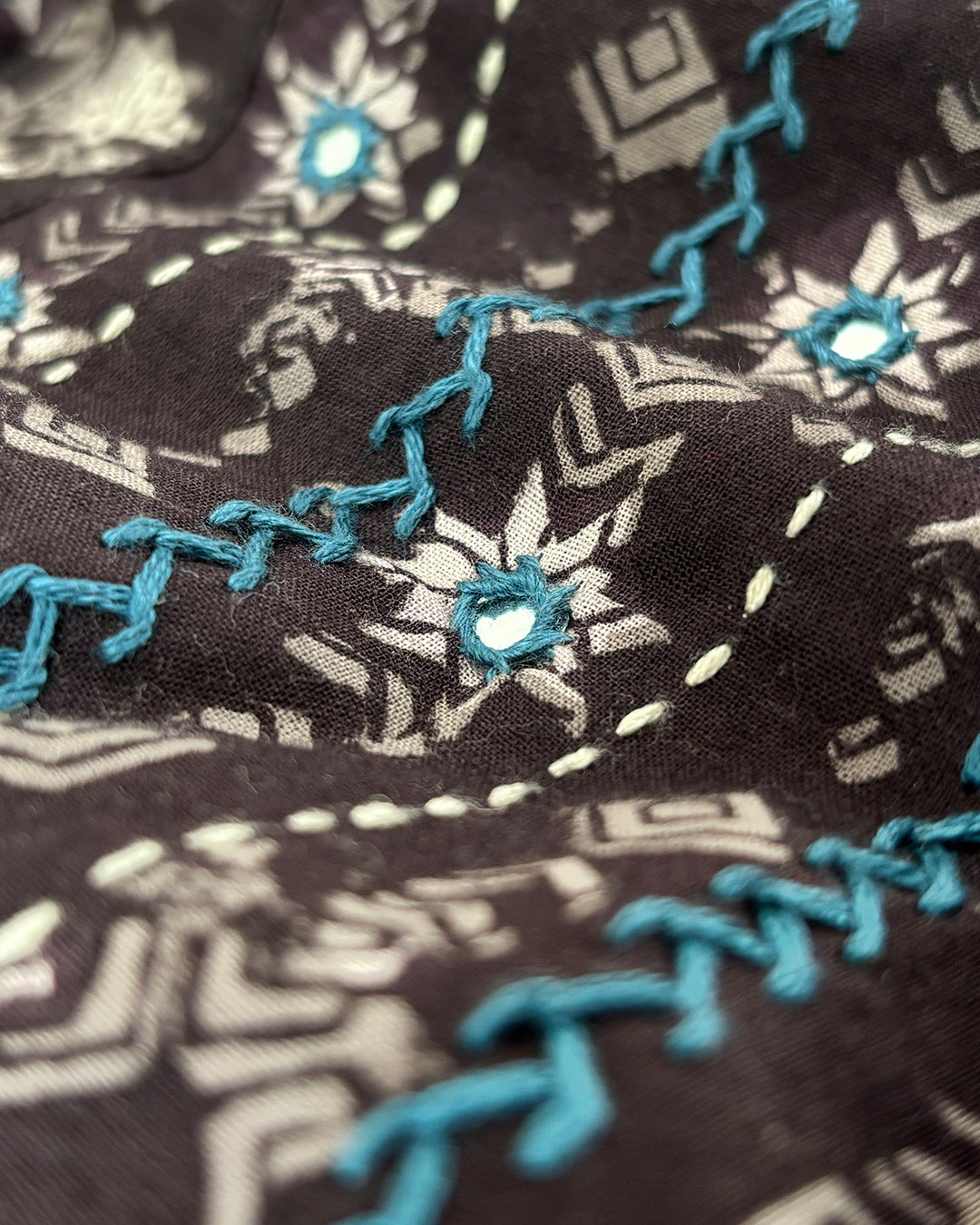
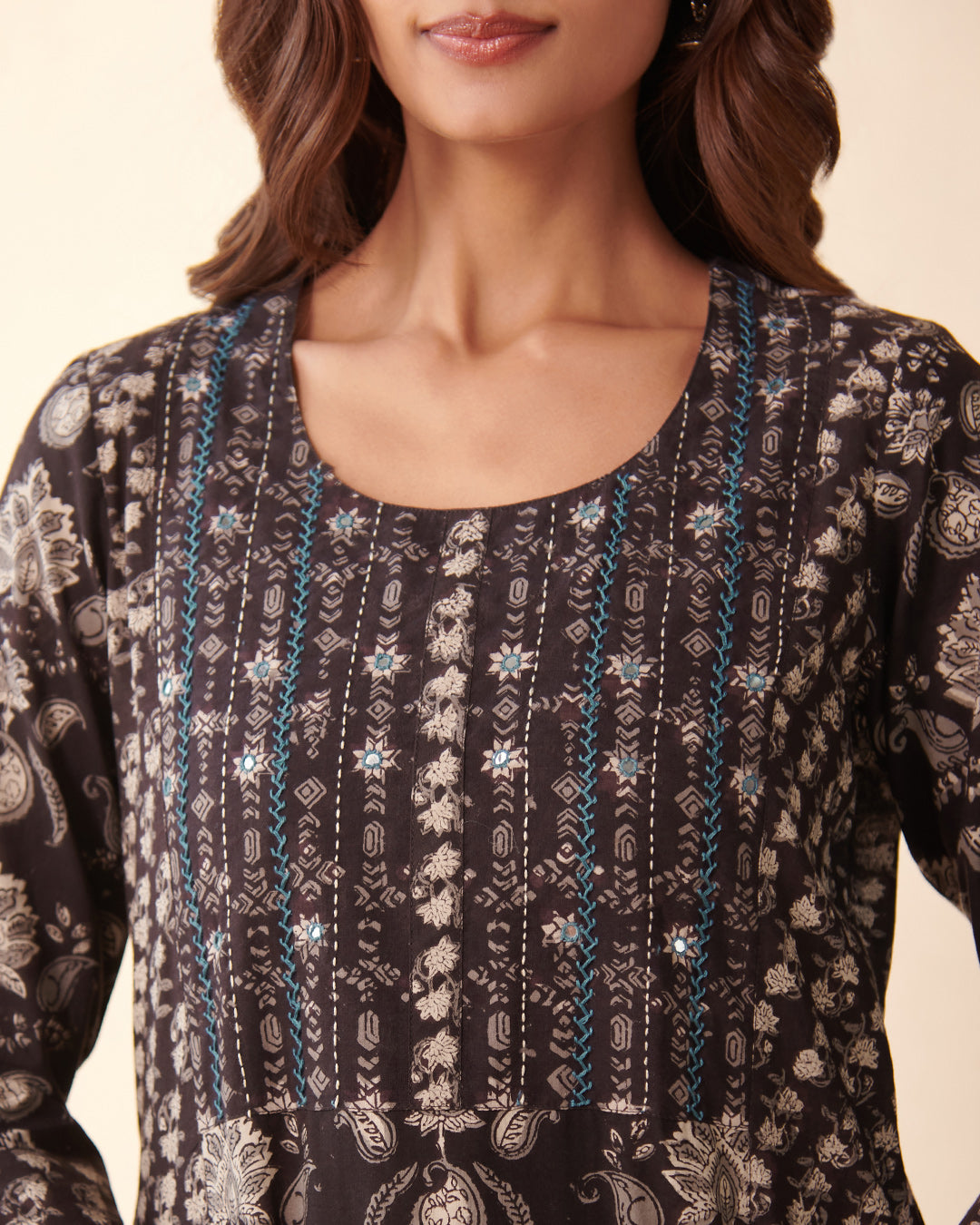
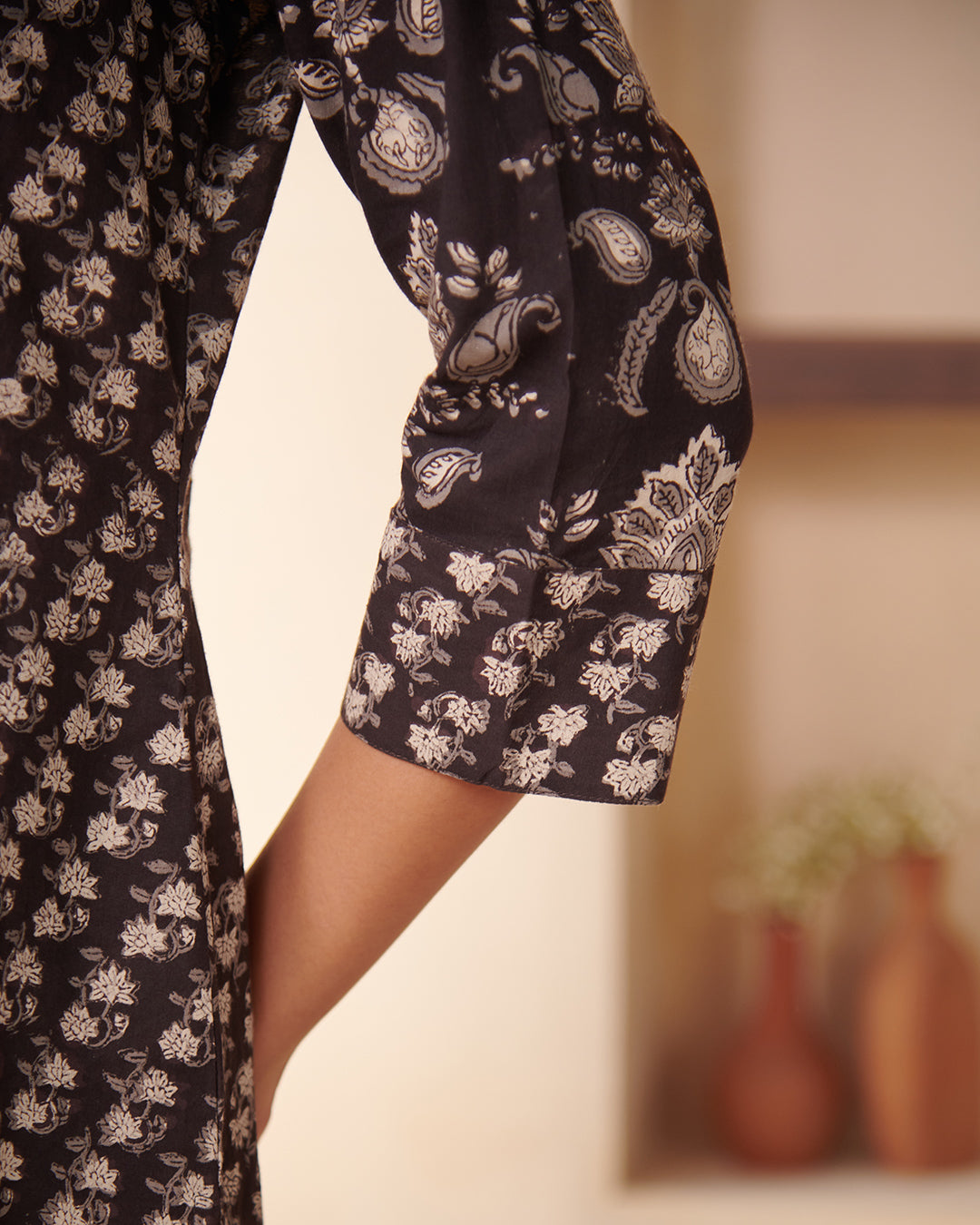
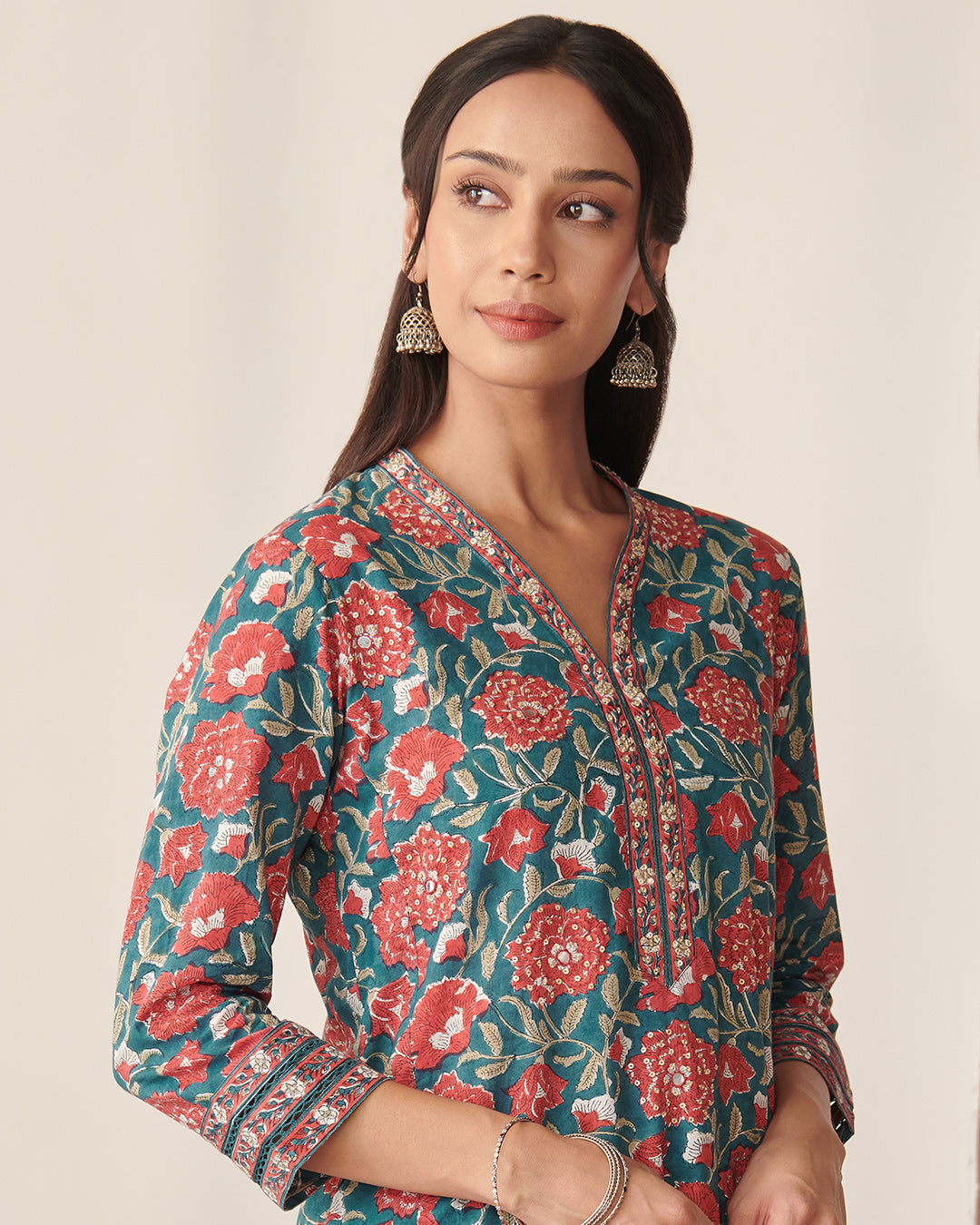
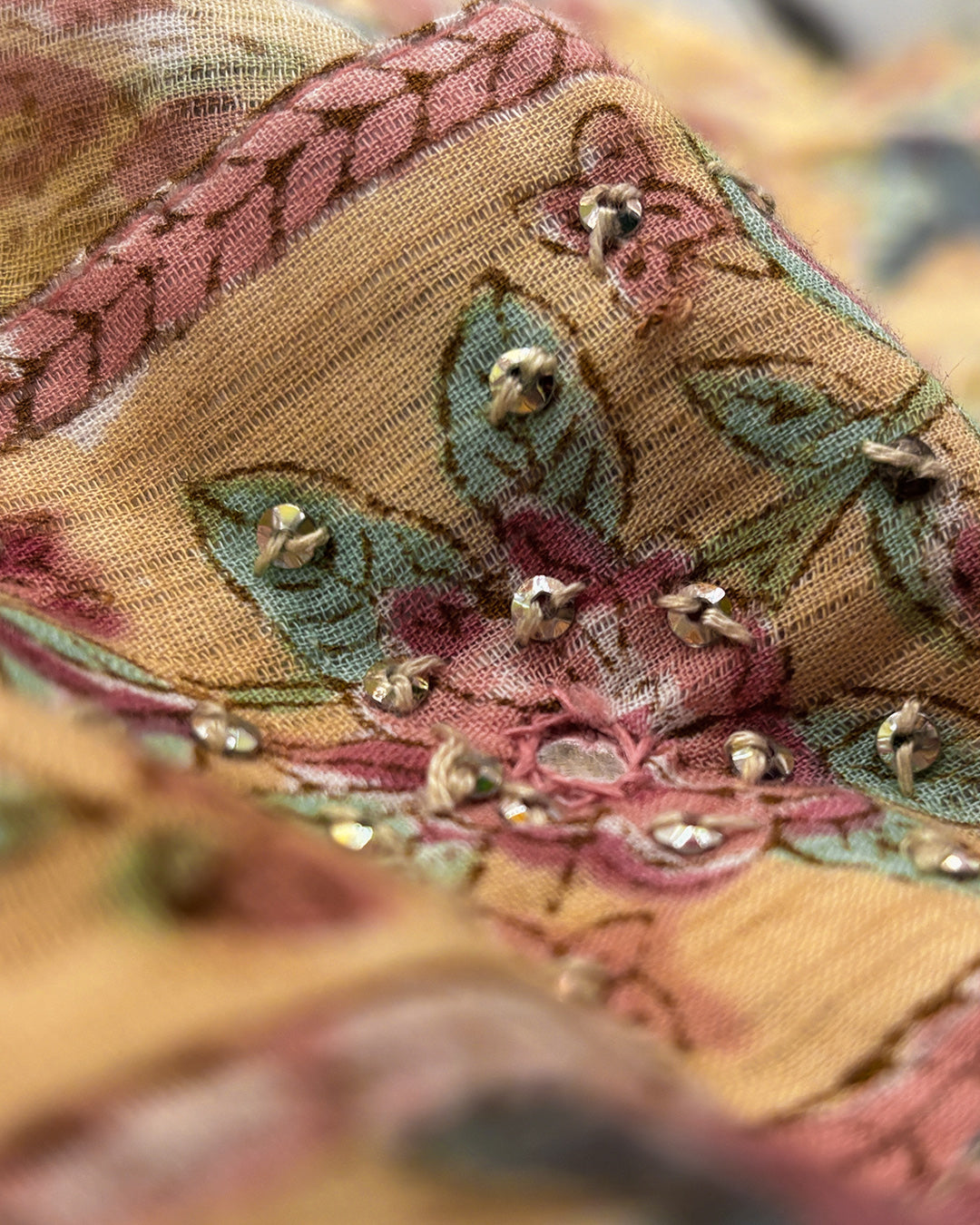
The result is beautifully tactile. Florals, vines, paisleys, and geometric motifs gain a depth that feels very different from a digitally reproduced print.
Bagru Block Printing: Earthy Craft from Rajasthan
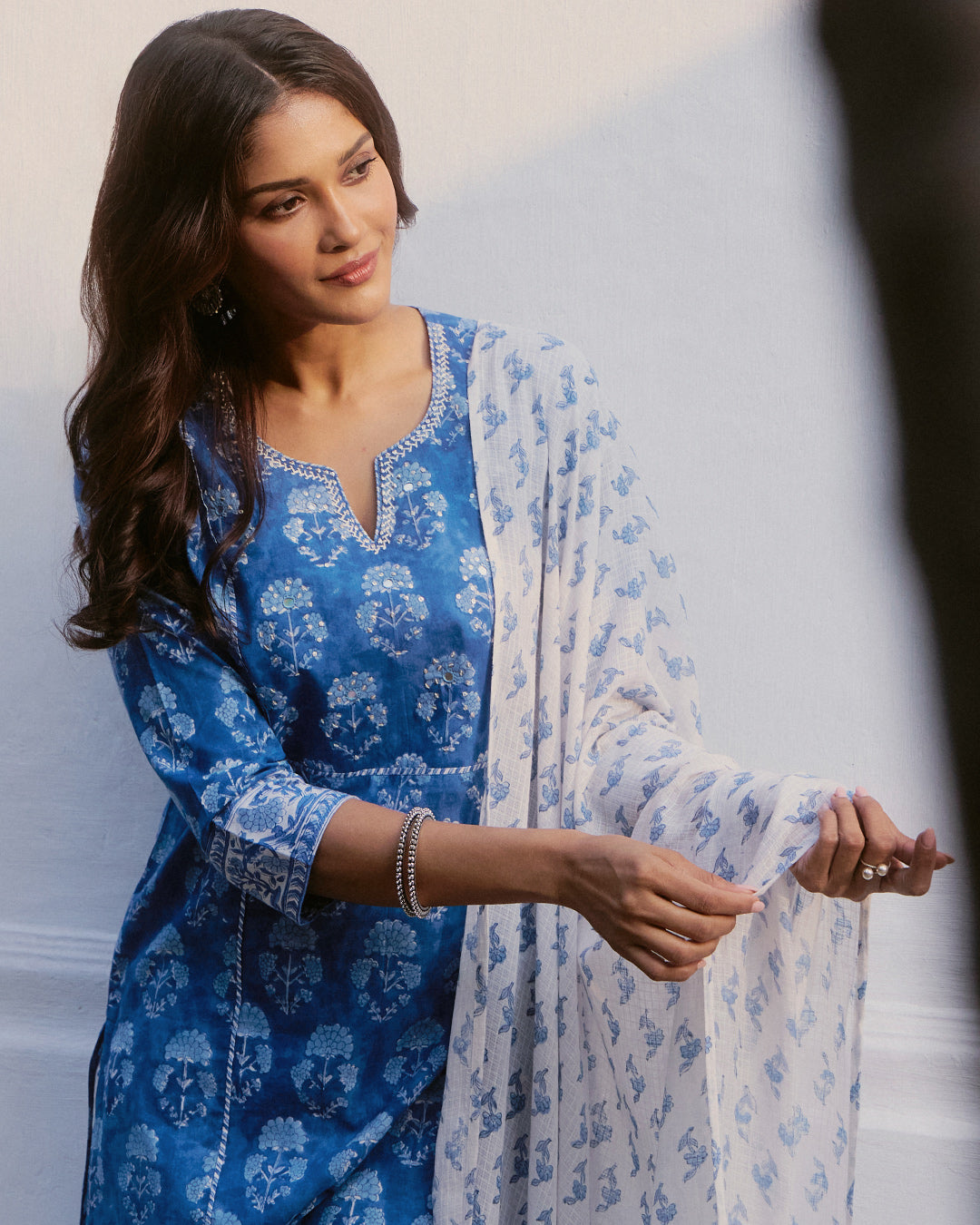
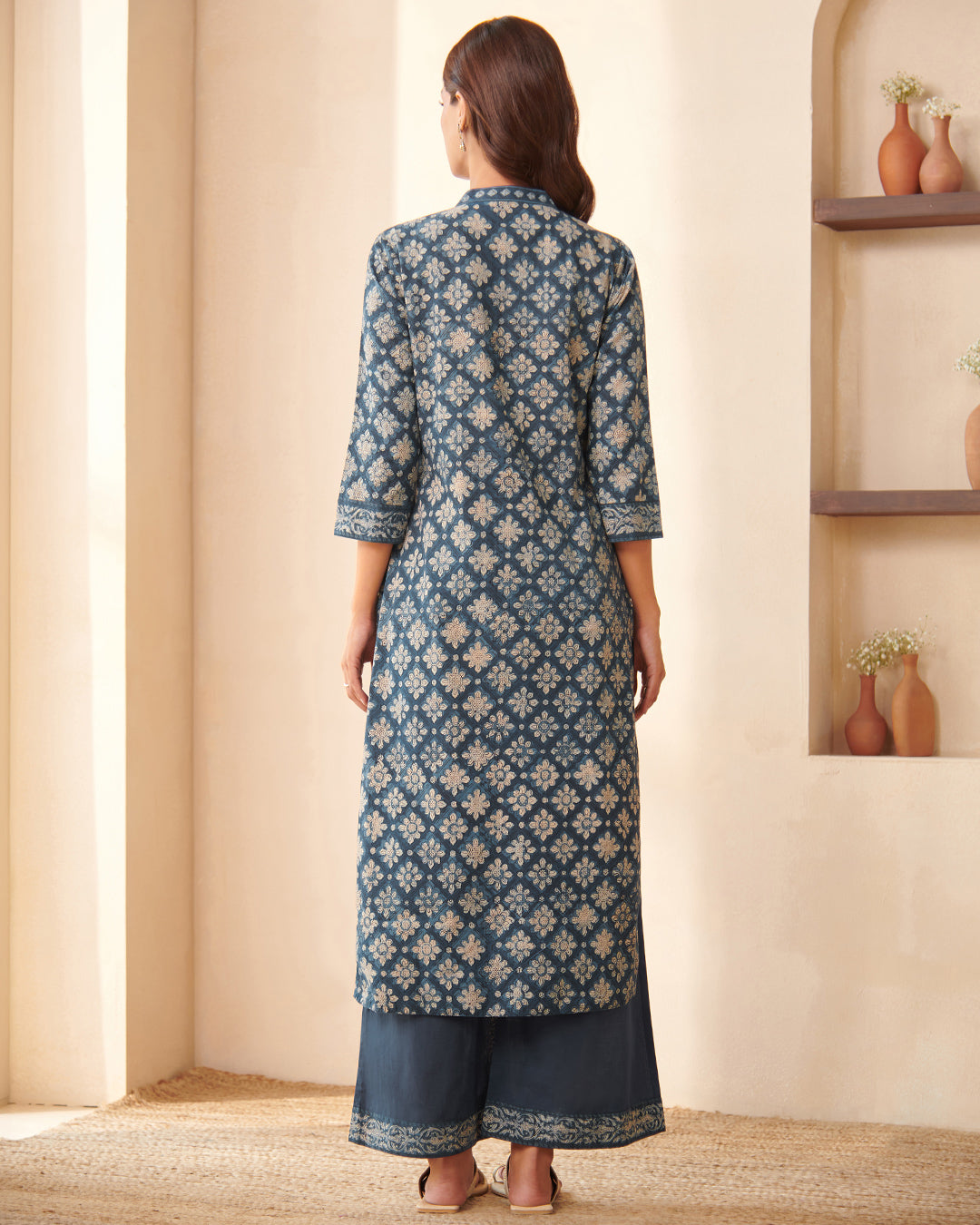
Bagru printing comes from the Bagru region of Rajasthan and is known for its earthy palette, floral motifs, and traditional resist printing methods.
Indigo, black, red, and muted natural shades are often associated with Bagru textiles. The process can involve both direct block printing and resist techniques, allowing artisans to create layered patterns with remarkable depth.
There is an unhurried quality to Bagru cloth. Its colours and motifs feel connected to the landscape around them, making the fabric especially beautiful for everyday Indian clothing.
Ajrakh Printing: Geometry, Colour and Natural Dye Craft
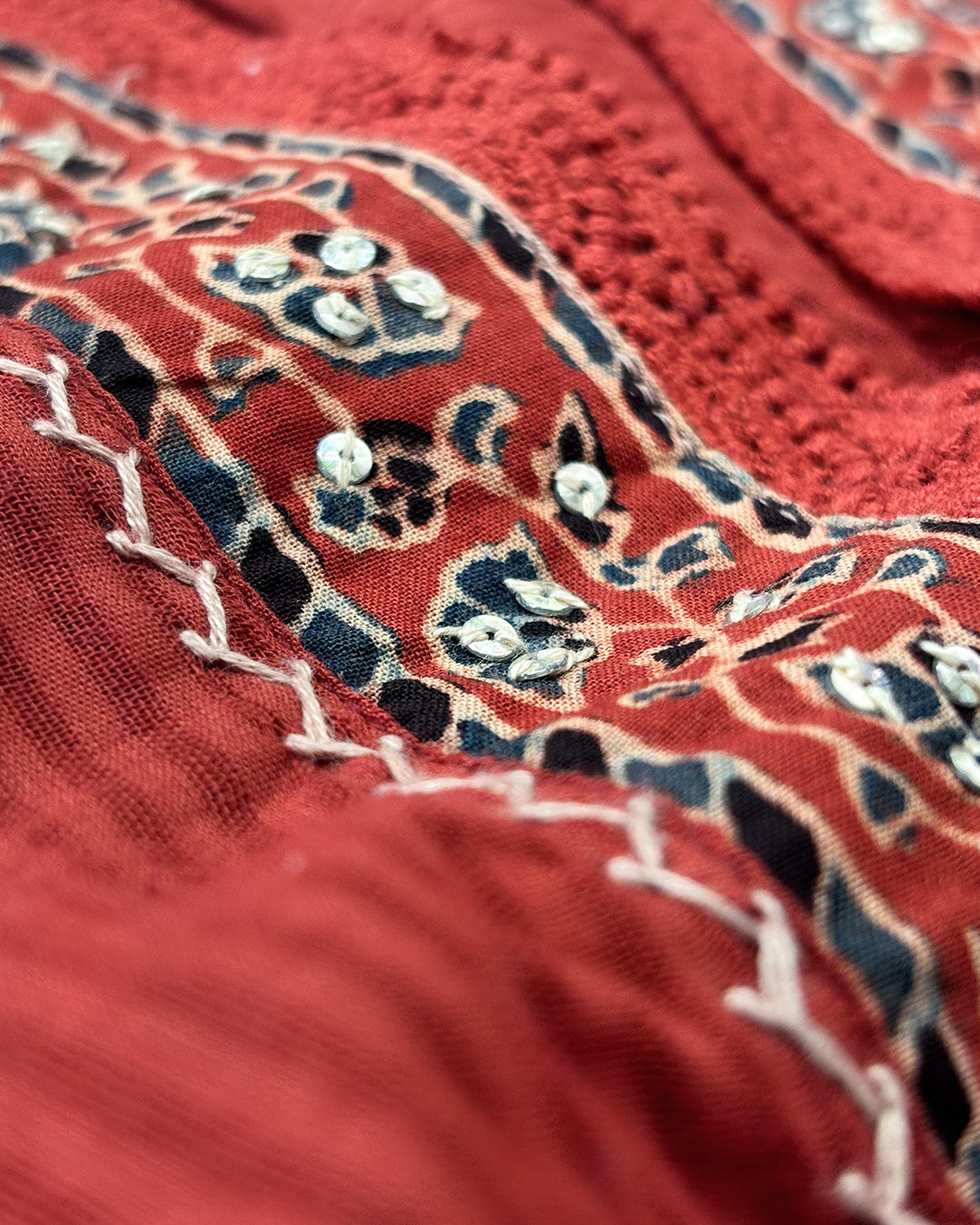
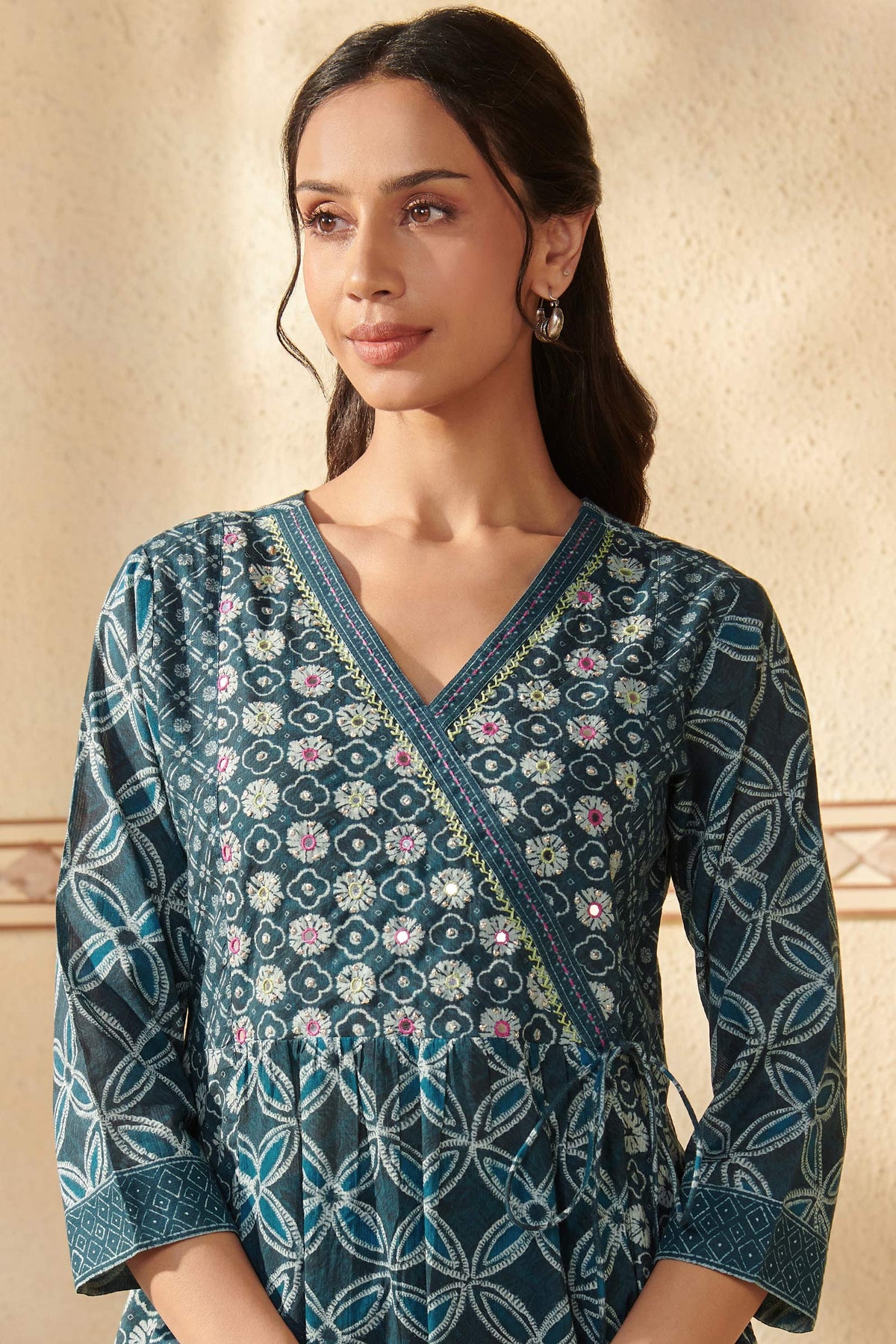
Ajrakh is a highly intricate resist and block printing tradition associated particularly with the Kutch region of Gujarat, with deep historical connections to Sindh.
Its beauty lies in precision. Geometric forms, stars, flowers, borders, and repeated motifs are arranged with careful symmetry. Traditionally, the process involves multiple stages of washing, dyeing, resist work, and block printing.
Deep indigo, madder red, black, and earthy tones are characteristic of Ajrakh. The finished textile has a richness that develops through the many layers of its making.
Dabu Printing: The Beauty of Mud Resist Craft
Dabu is a traditional mud resist printing technique associated with Rajasthan. A mixture containing locally sourced clay is applied to selected areas of the fabric, creating a resist before the cloth is dyed.
Once the resist is removed, the original colour of the fabric remains visible beneath the printed areas. Repeated applications can create intricate layers of pattern and colour.
Dabu textiles often have a wonderfully organic appearance. The contrast between earthy backgrounds and indigo or deeper tones gives the prints a quiet, distinctive character.
Sanganeri Printing: Floral Heritage from Jaipur
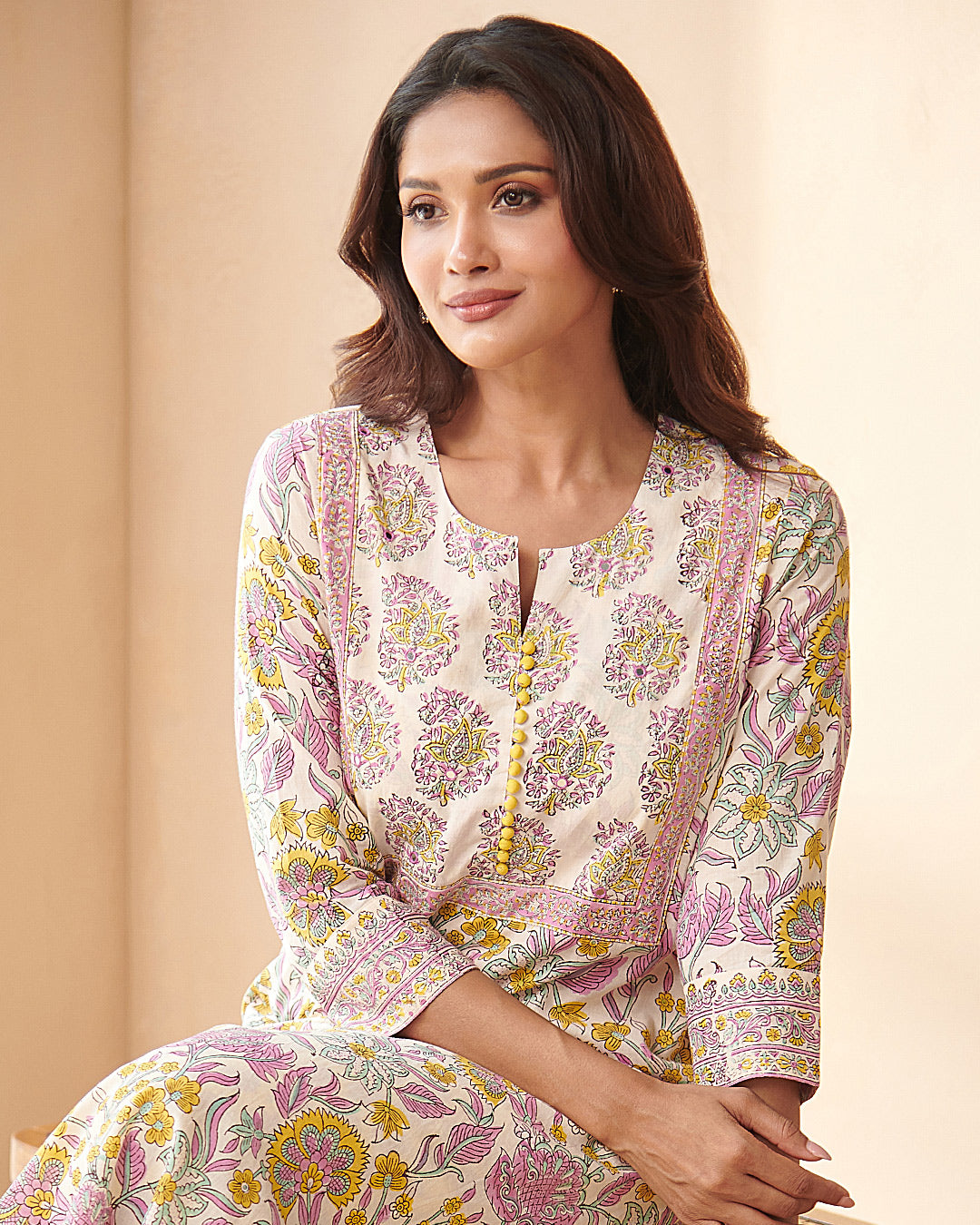
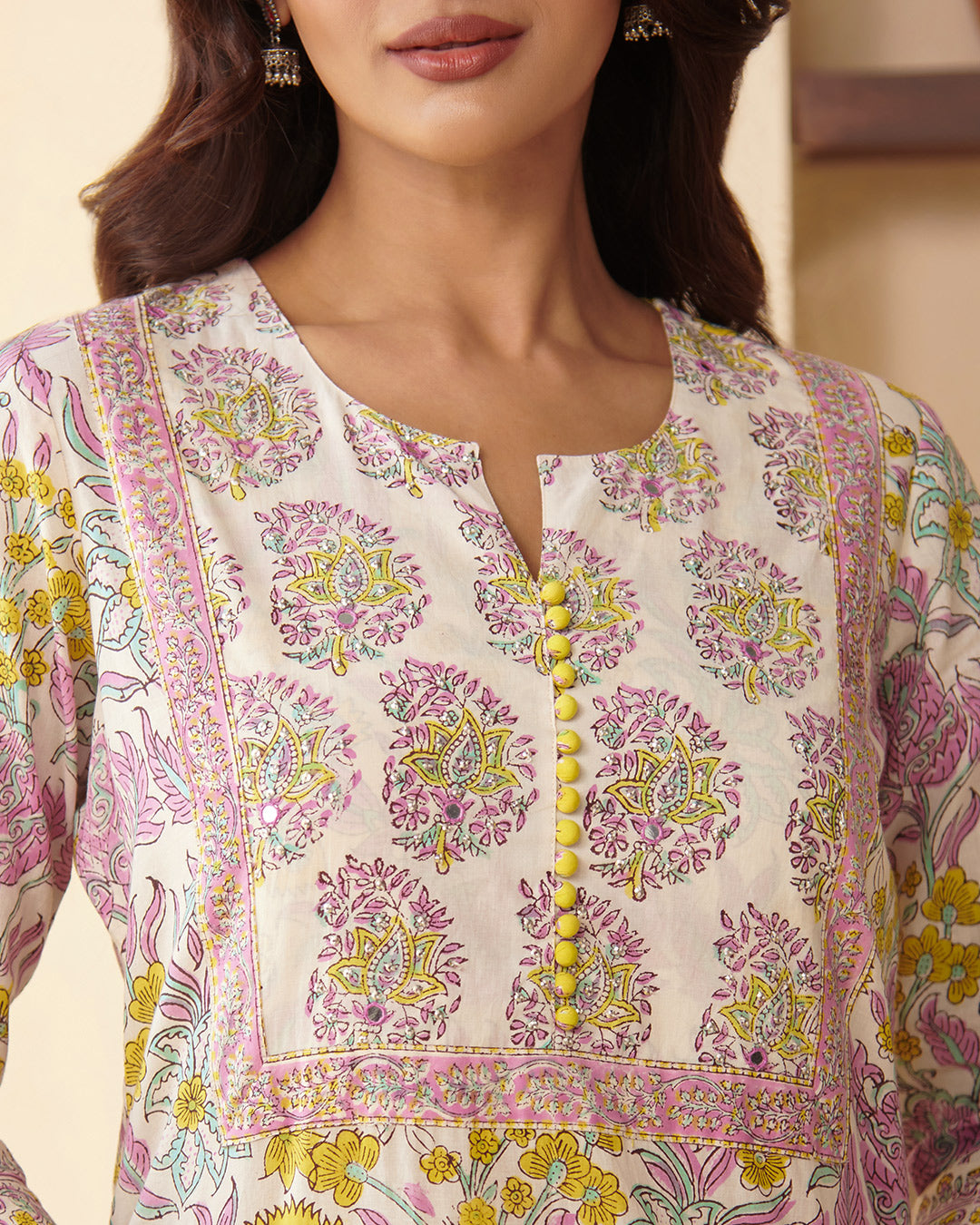
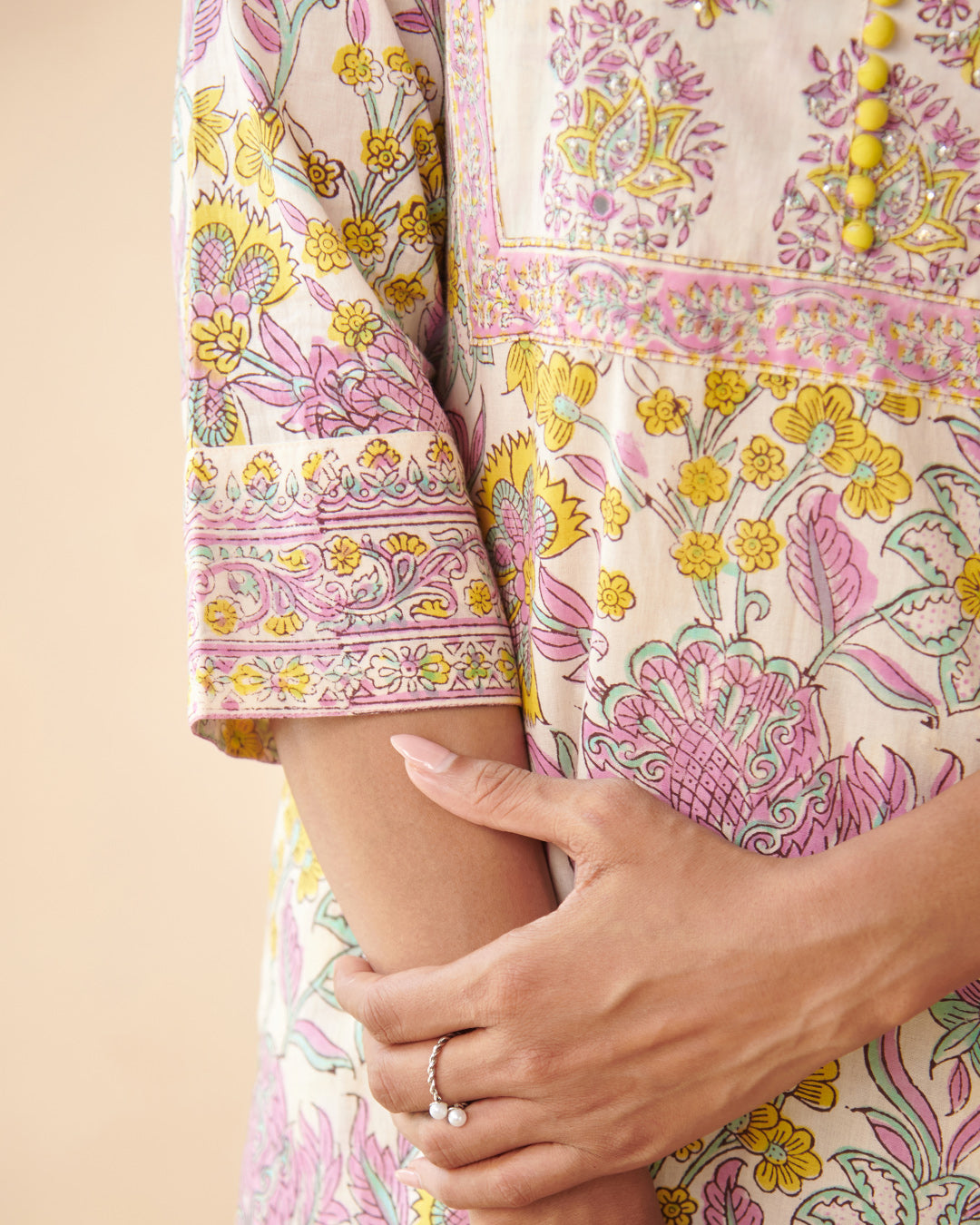
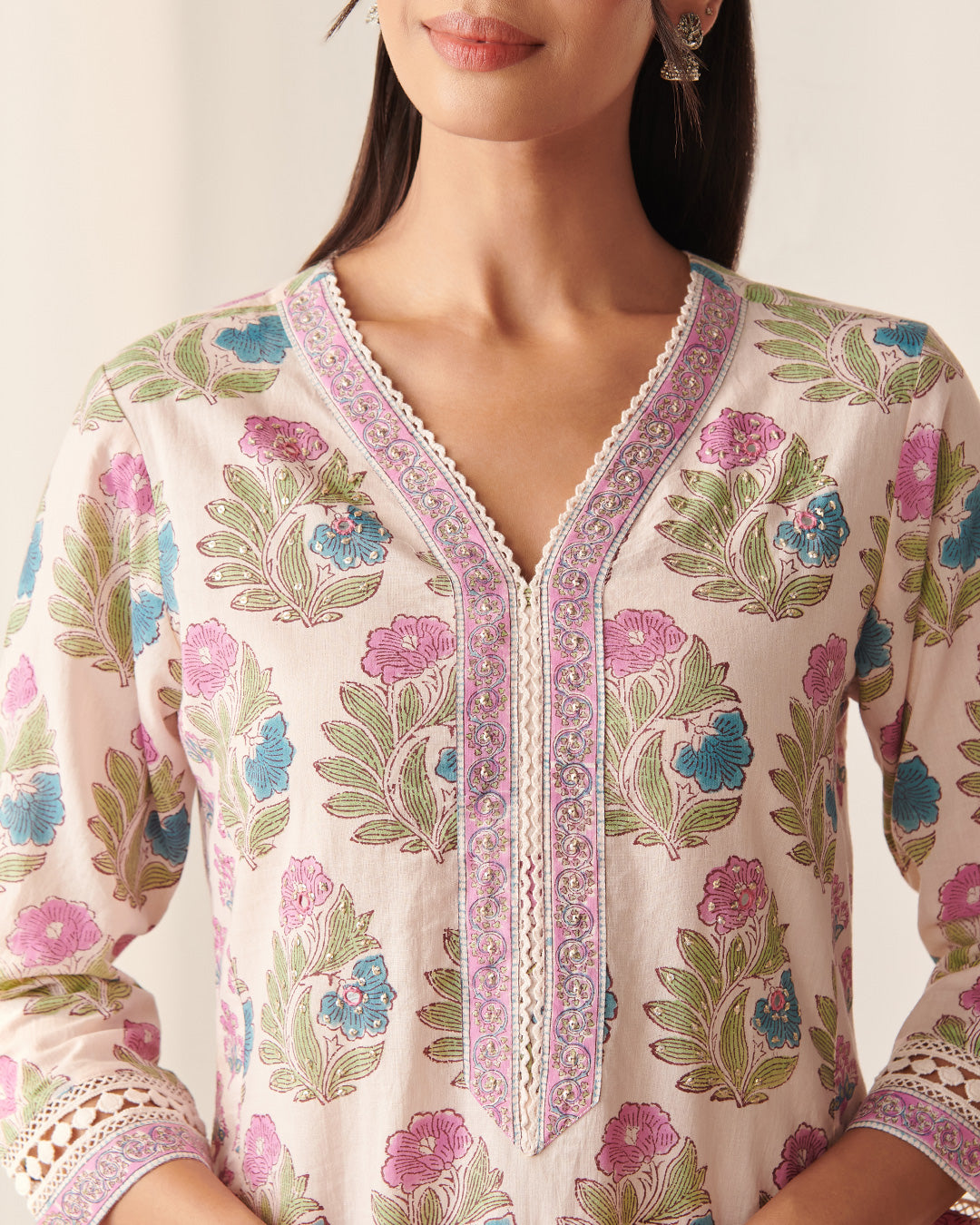
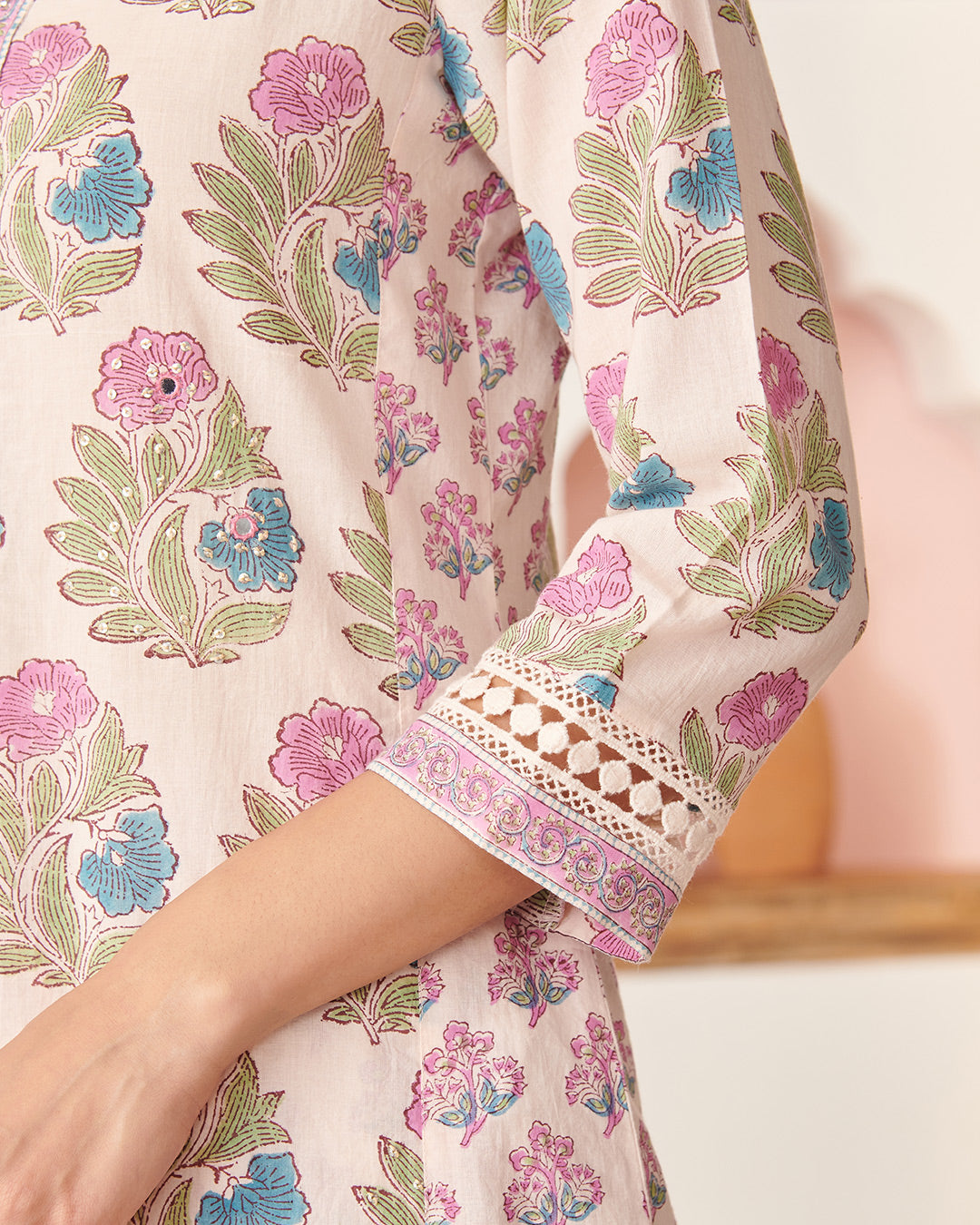
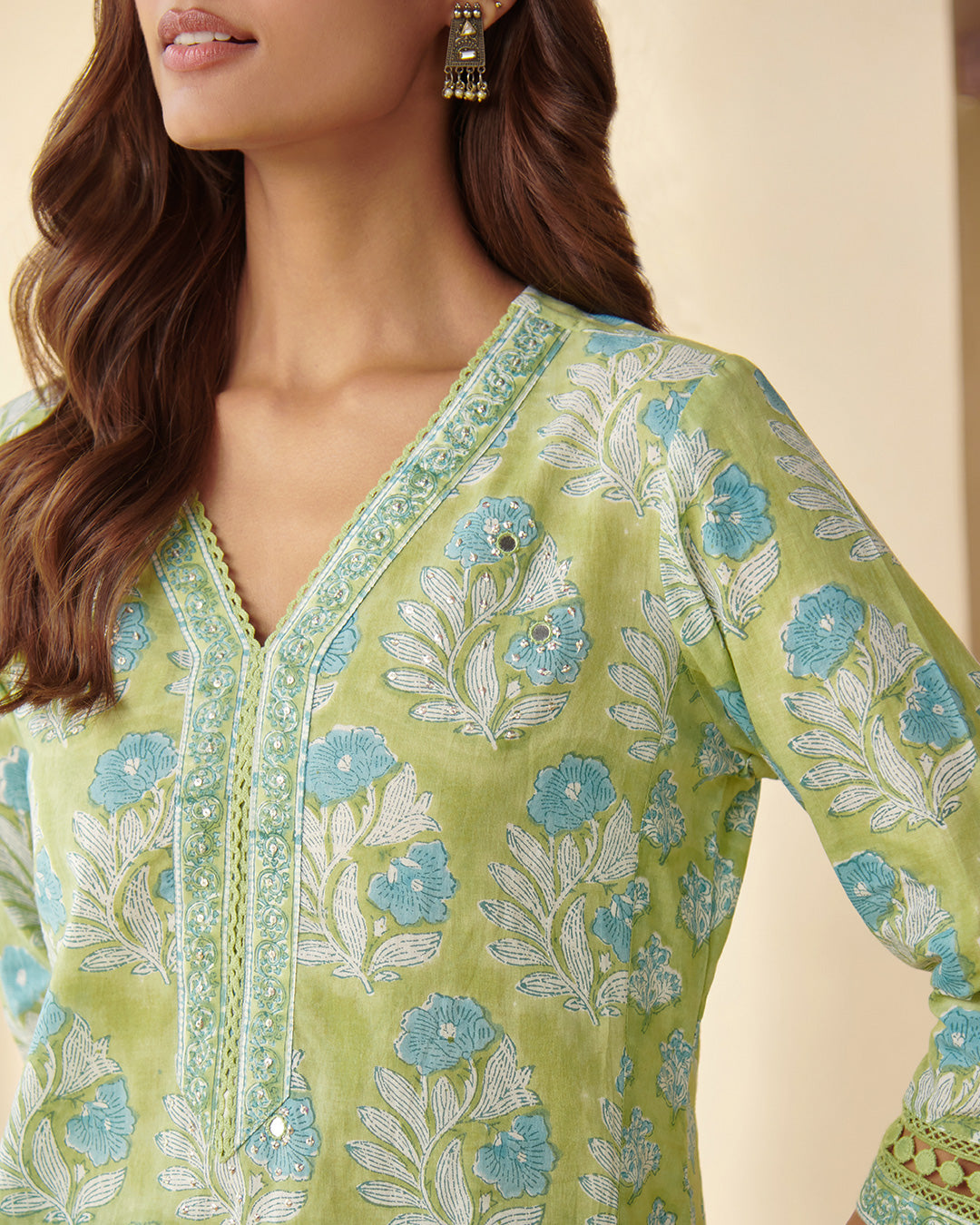
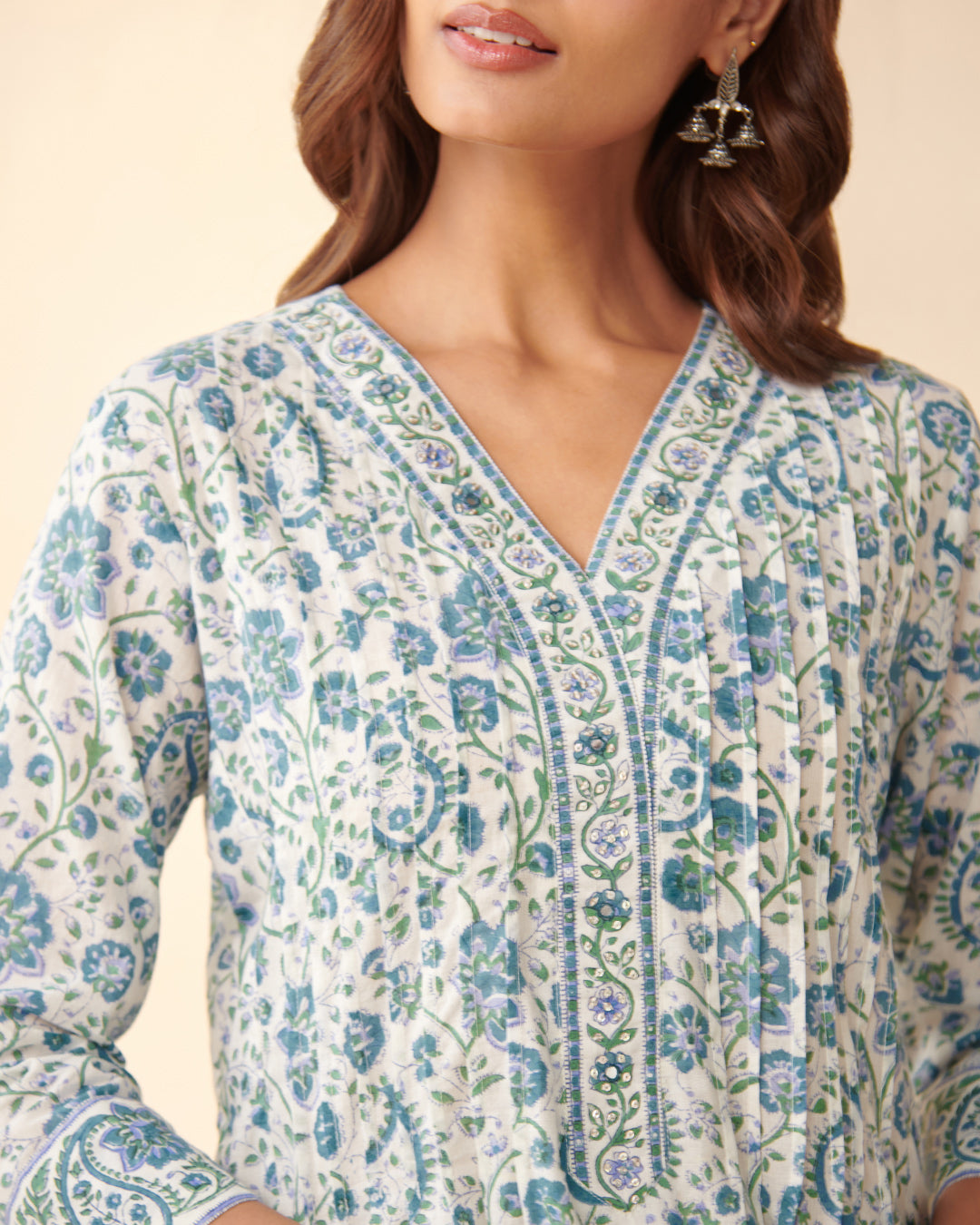
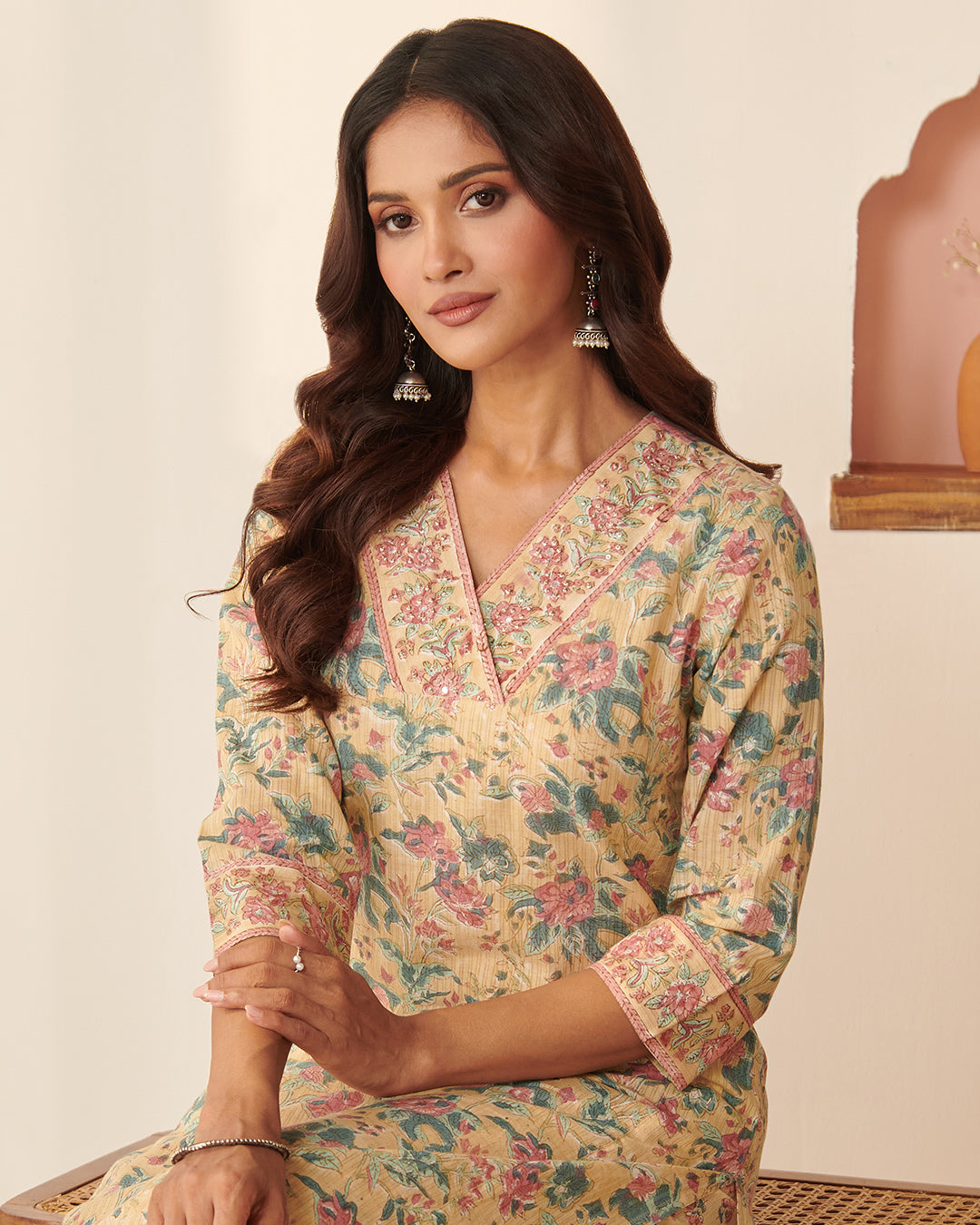
Sanganeri printing developed in and around Sanganer near Jaipur and is particularly known for its delicate floral patterns, fine detailing, and lighter backgrounds.
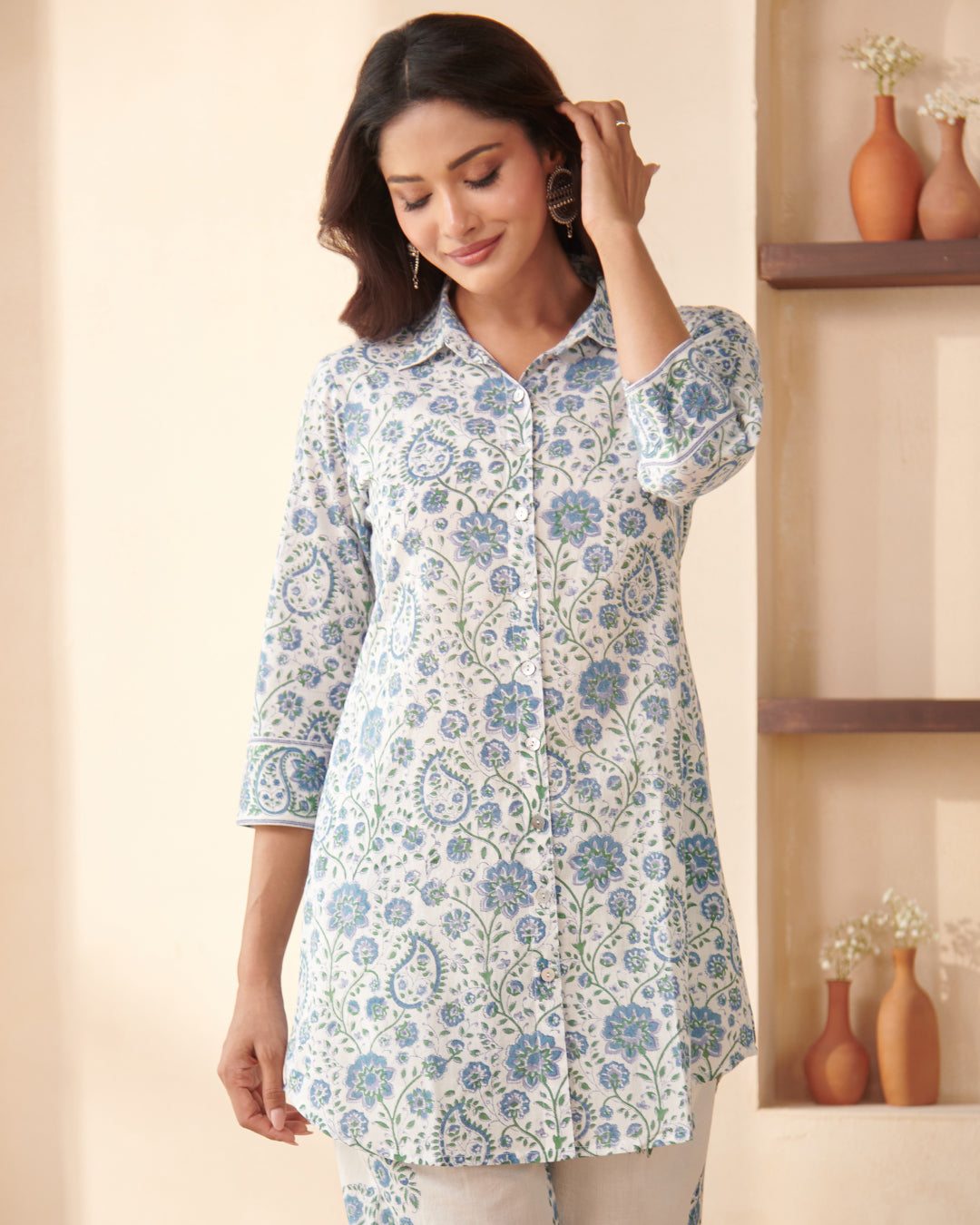
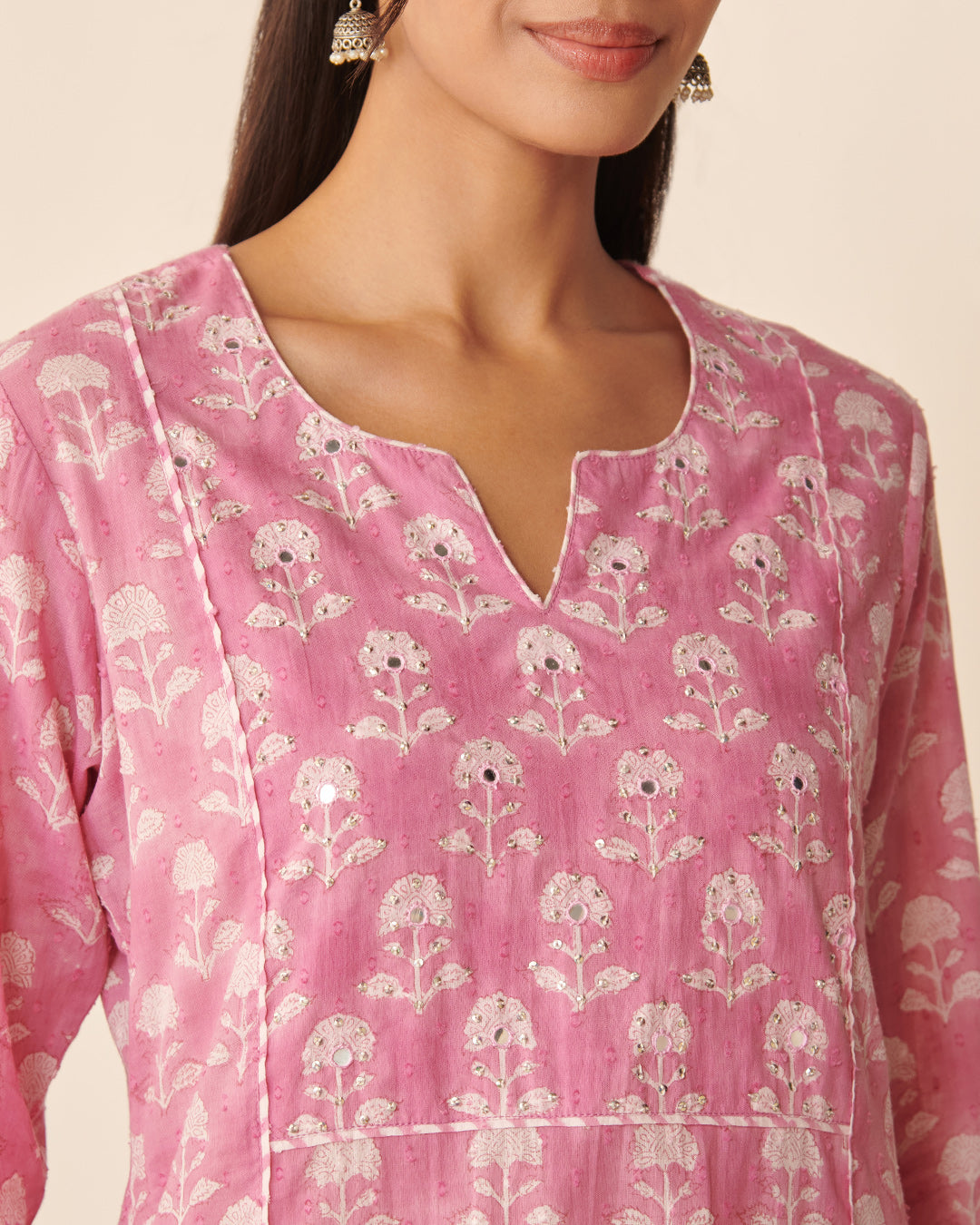
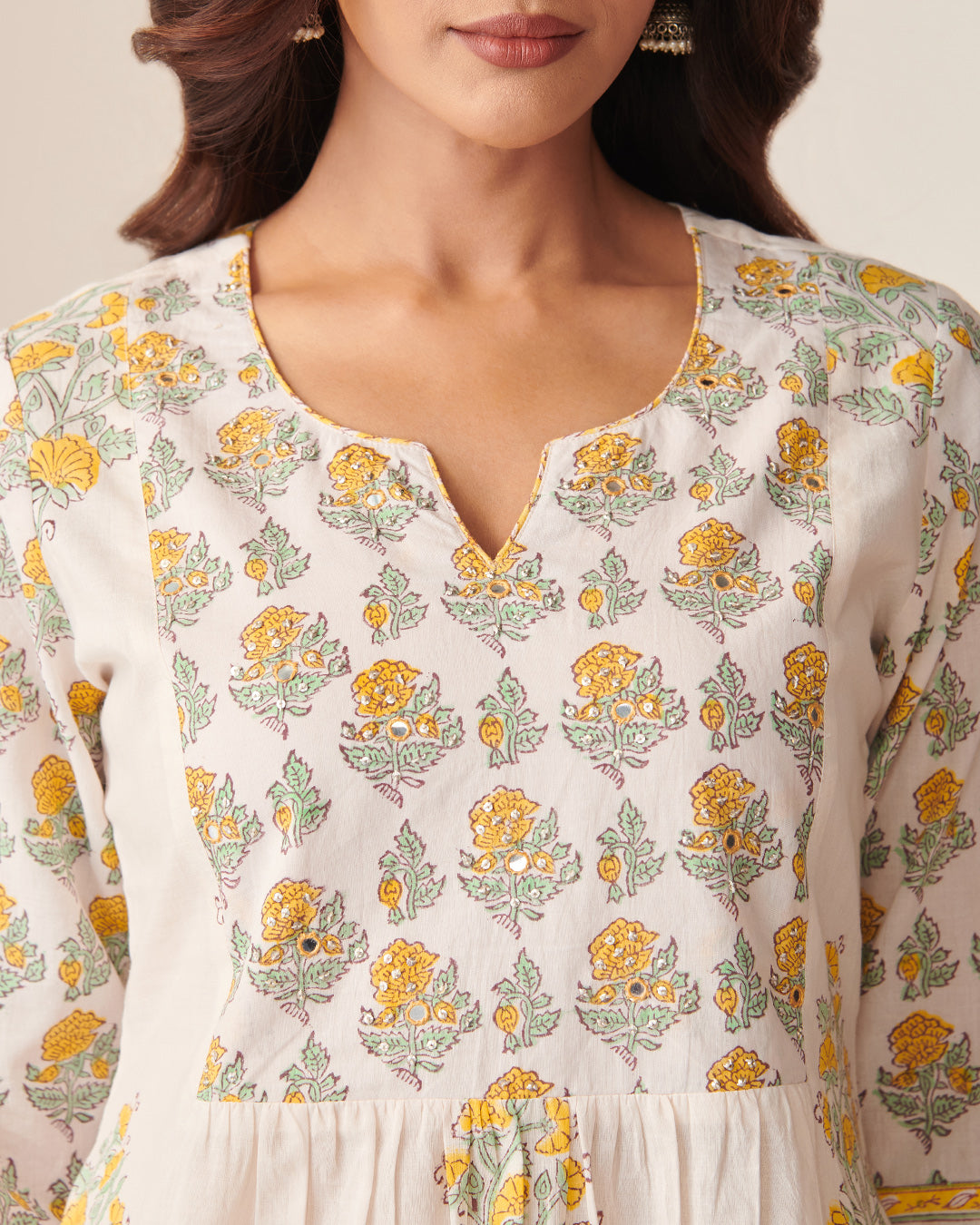
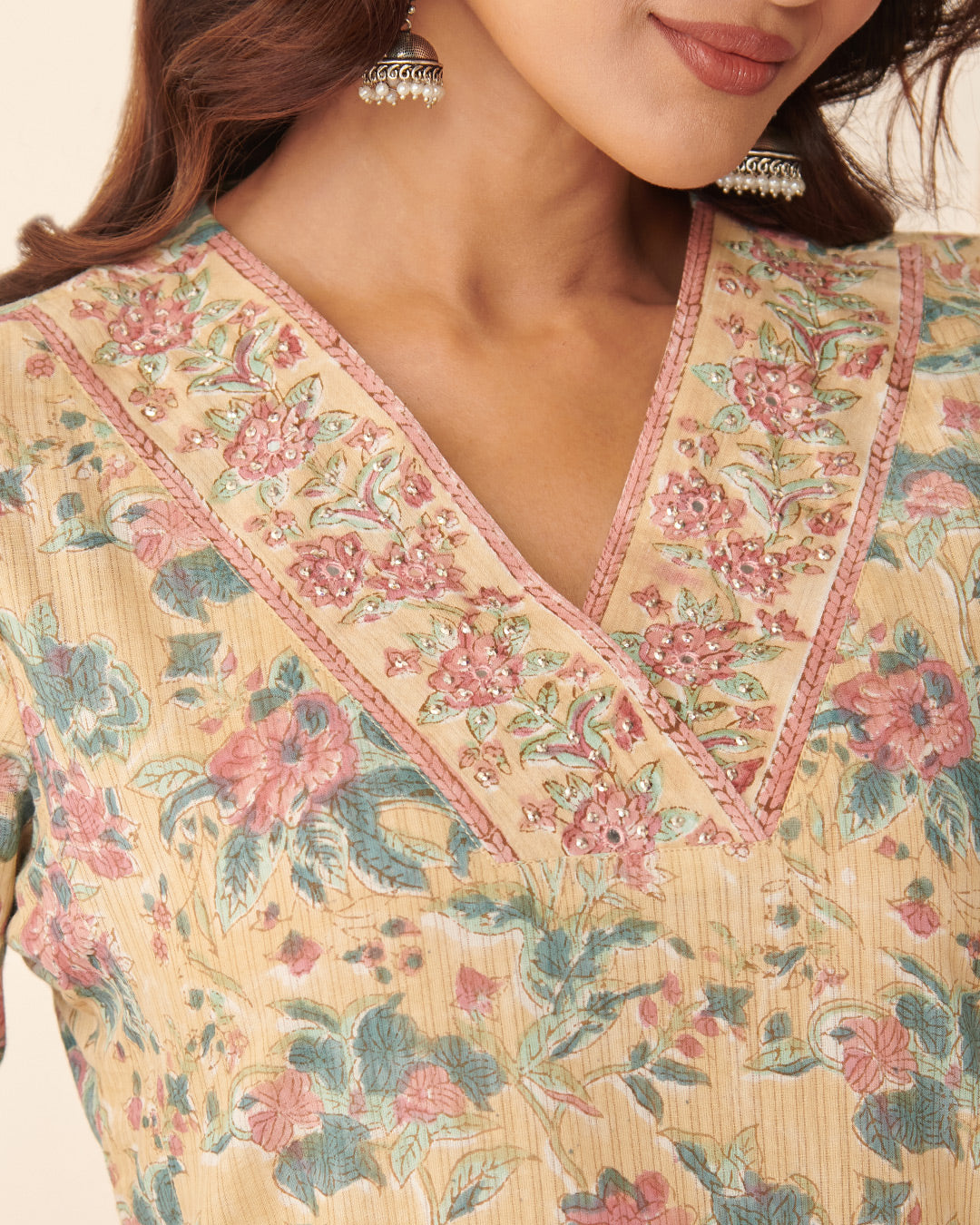
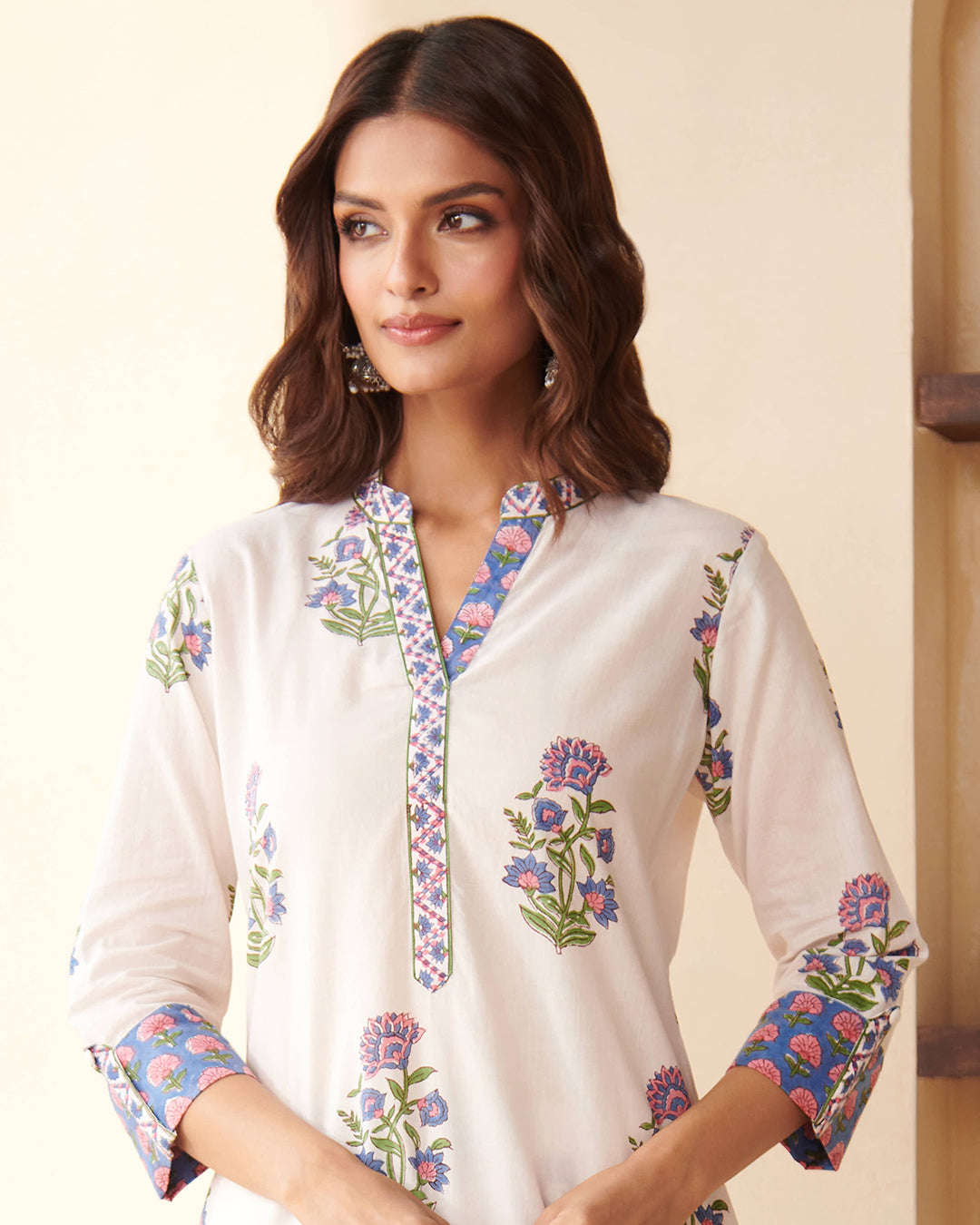
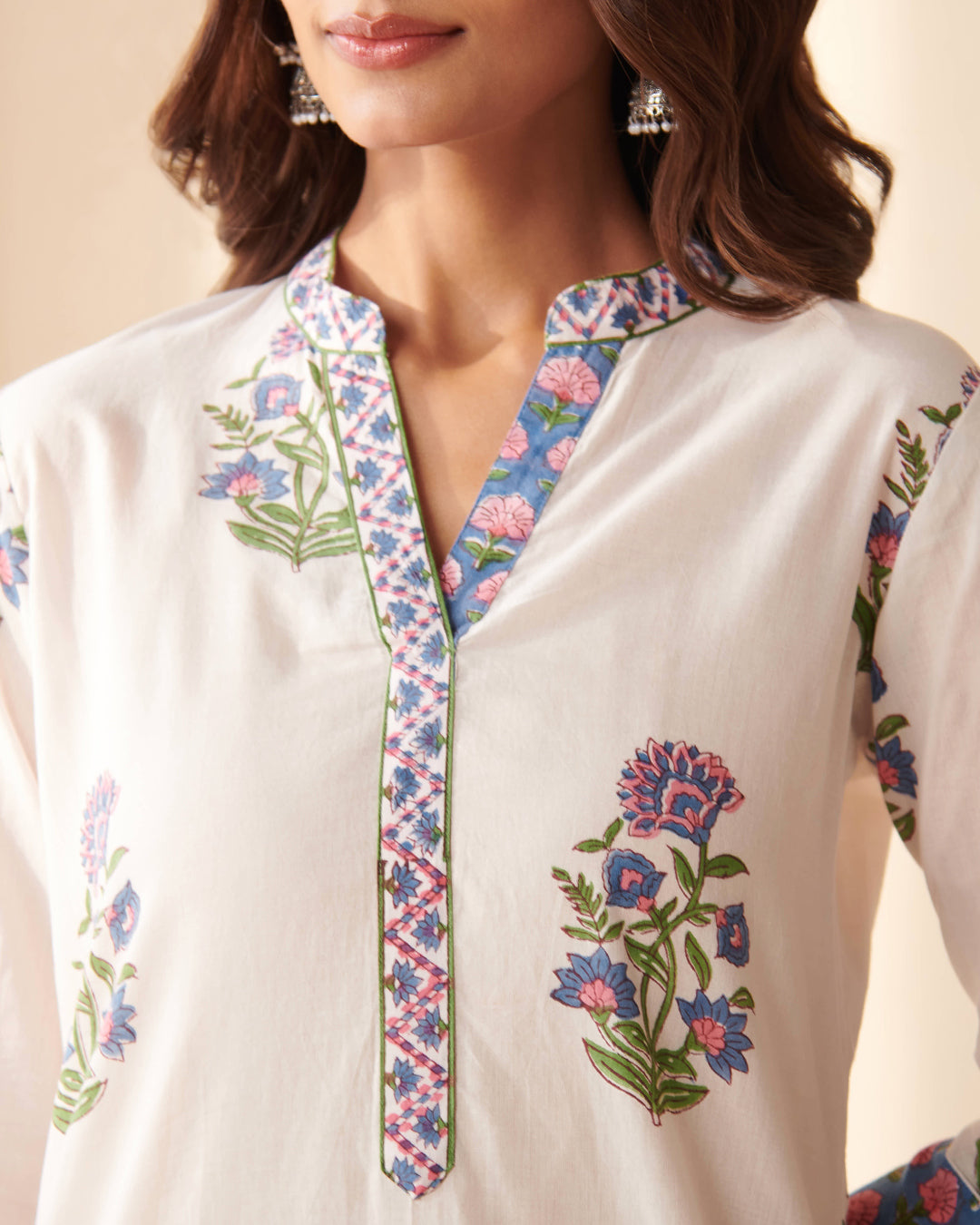
Flowers, leaves, vines, and nature inspired motifs are often arranged with a graceful sense of repetition. Traditionally, artisans used hand carved wooden blocks to create these detailed compositions.
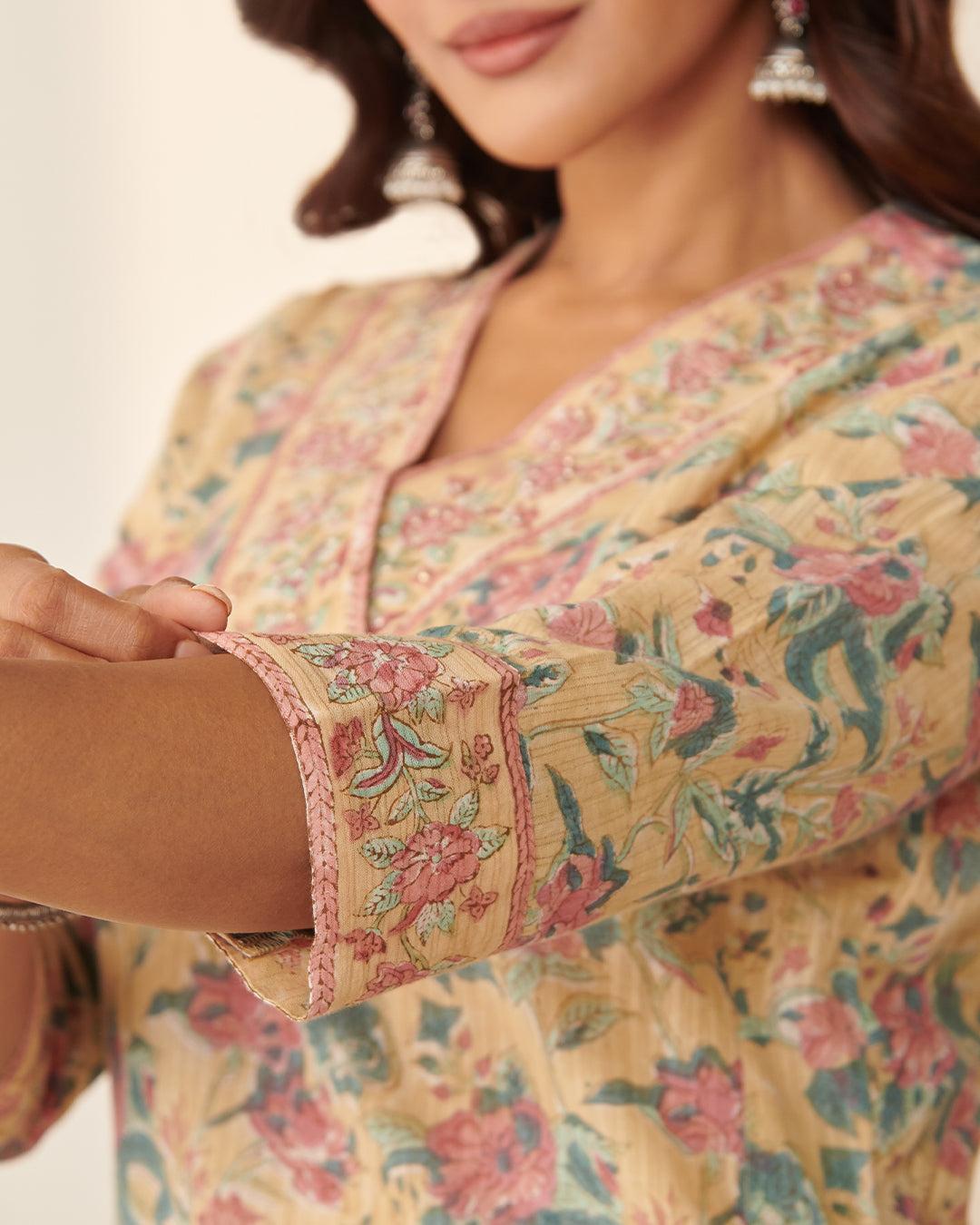
Sanganeri prints bring a softer expression to Indian textiles. They can feel delicate without being fragile, making them particularly suited to kurtas, dupattas, and everyday garments that are meant to be worn often.
Together, these traditions show how varied Indian textile printing can be. Each has its own language, yet all share something fundamental: the belief that beauty can come from patience, skilled hands, and a deep familiarity with the craft.
That is what allows a traditional print to move so naturally from one generation to another.
How Traditional Printing Techniques Create Timeless Wardrobes

How Traditional Prints Make a Wardrobe More Timeless
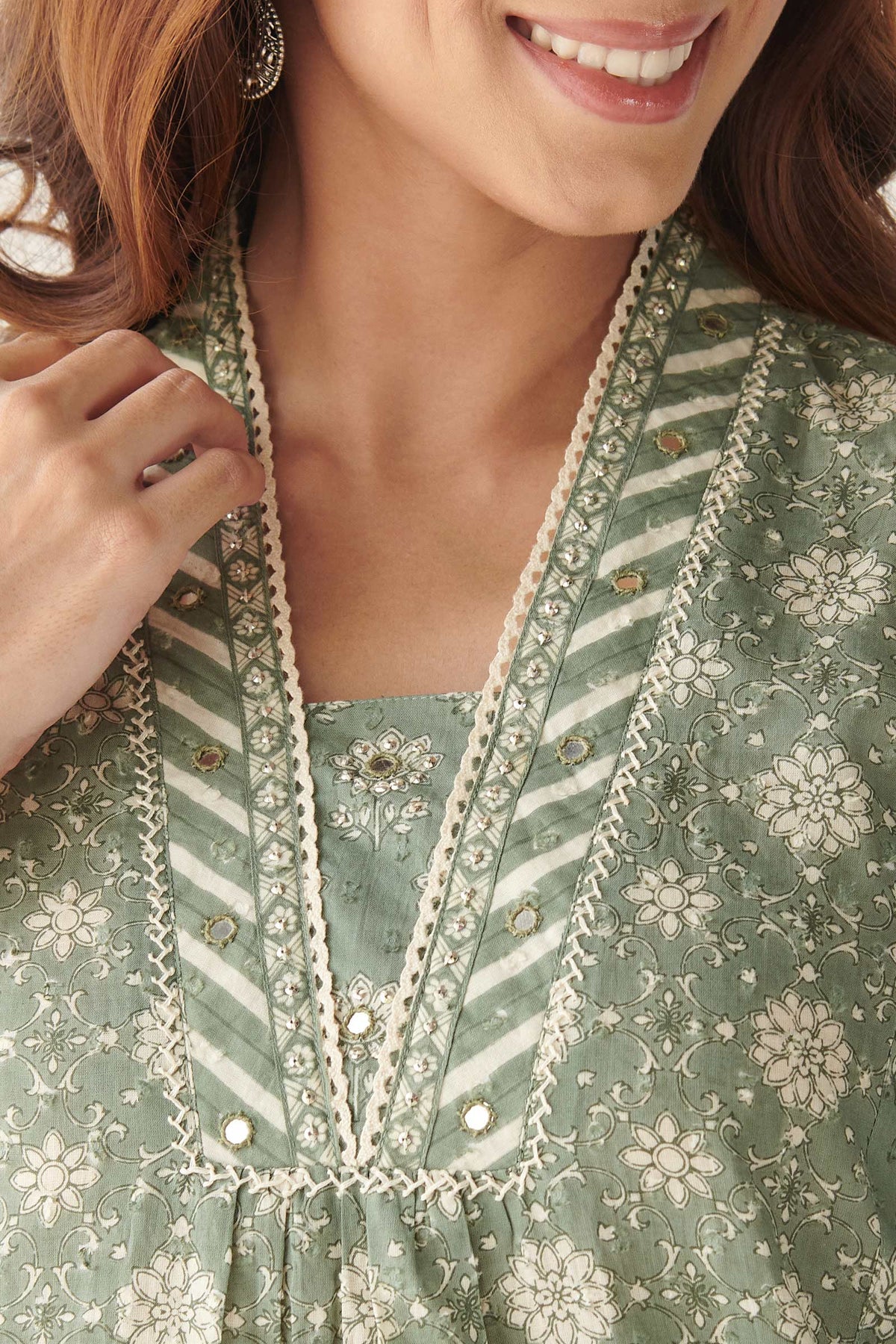
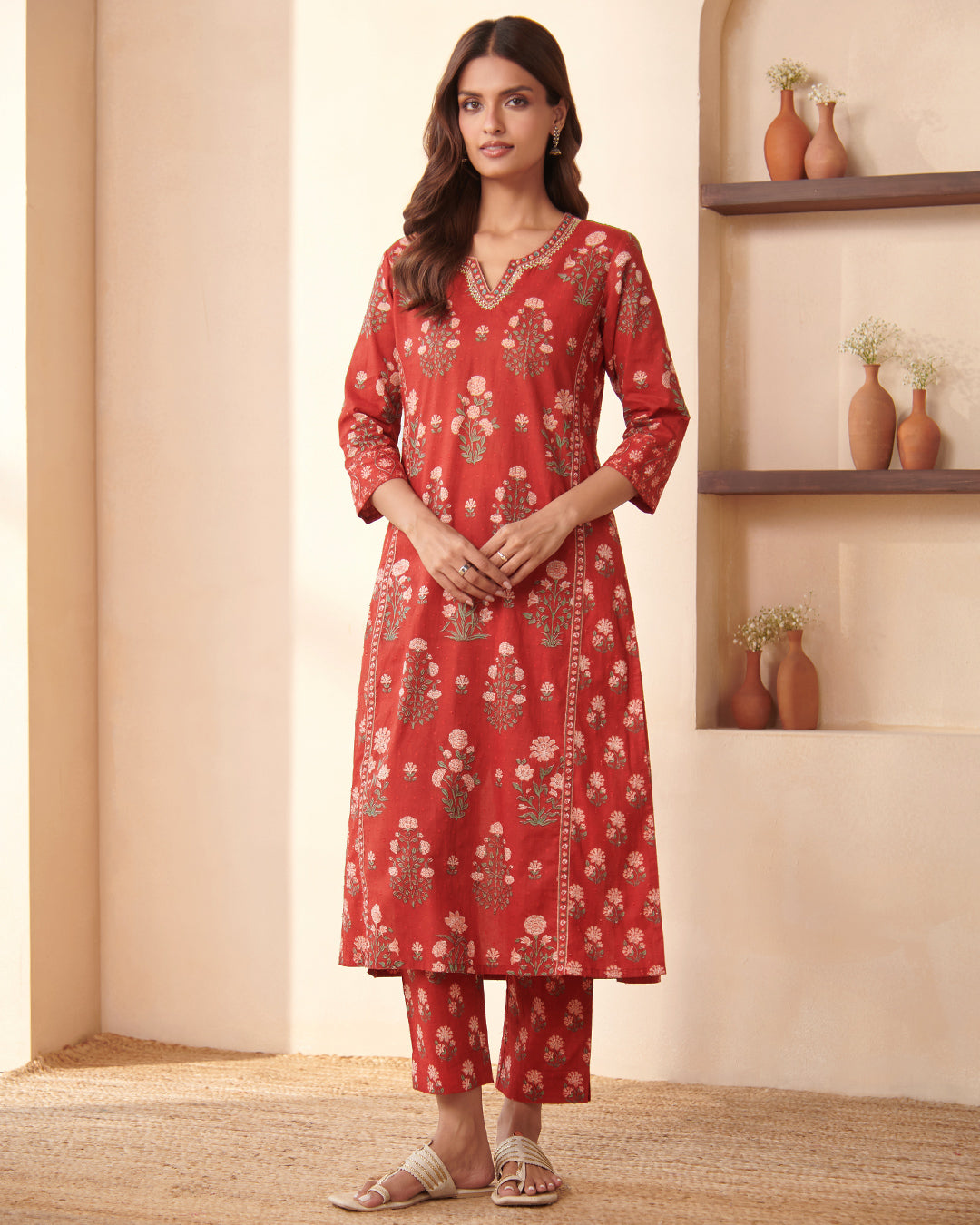
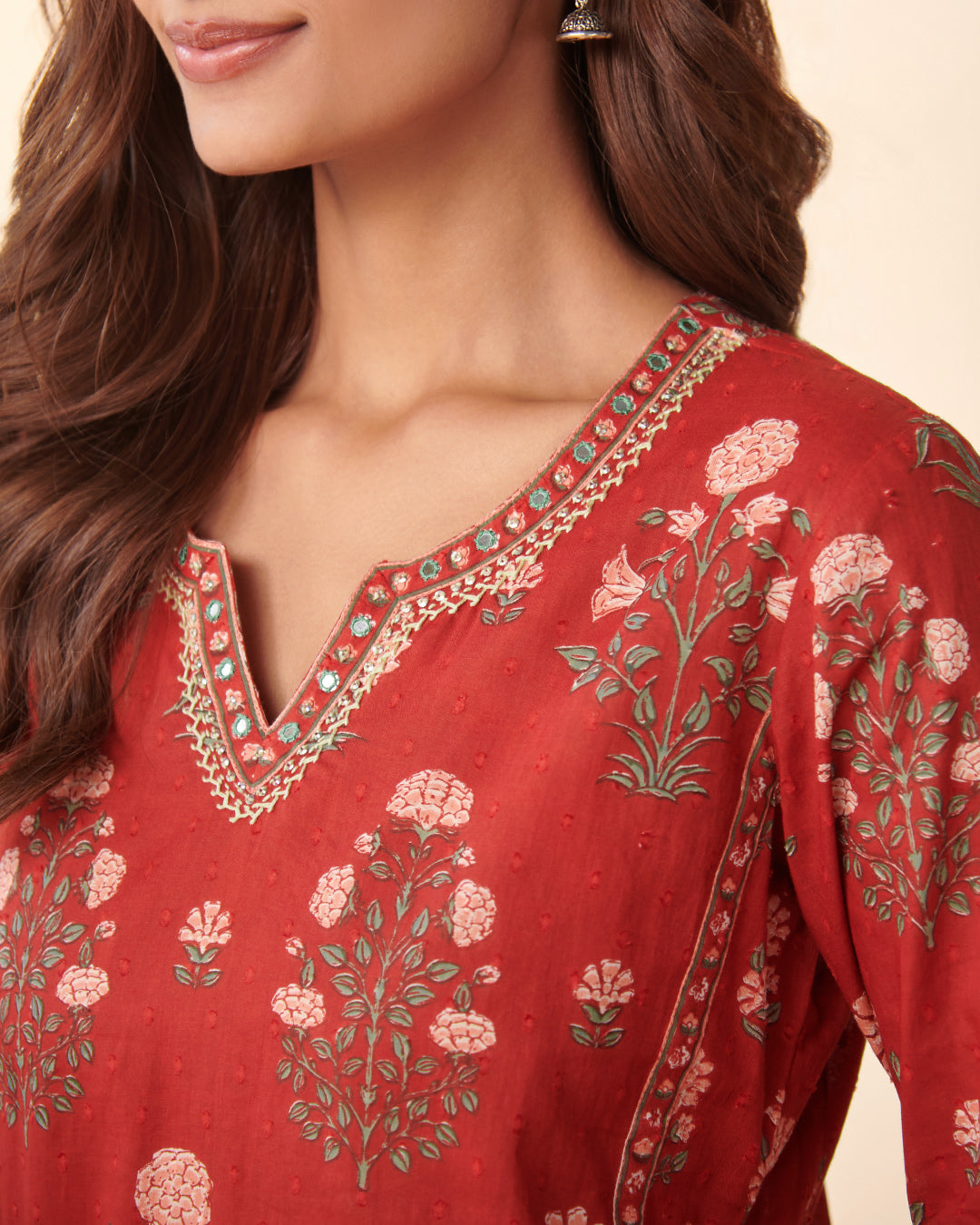
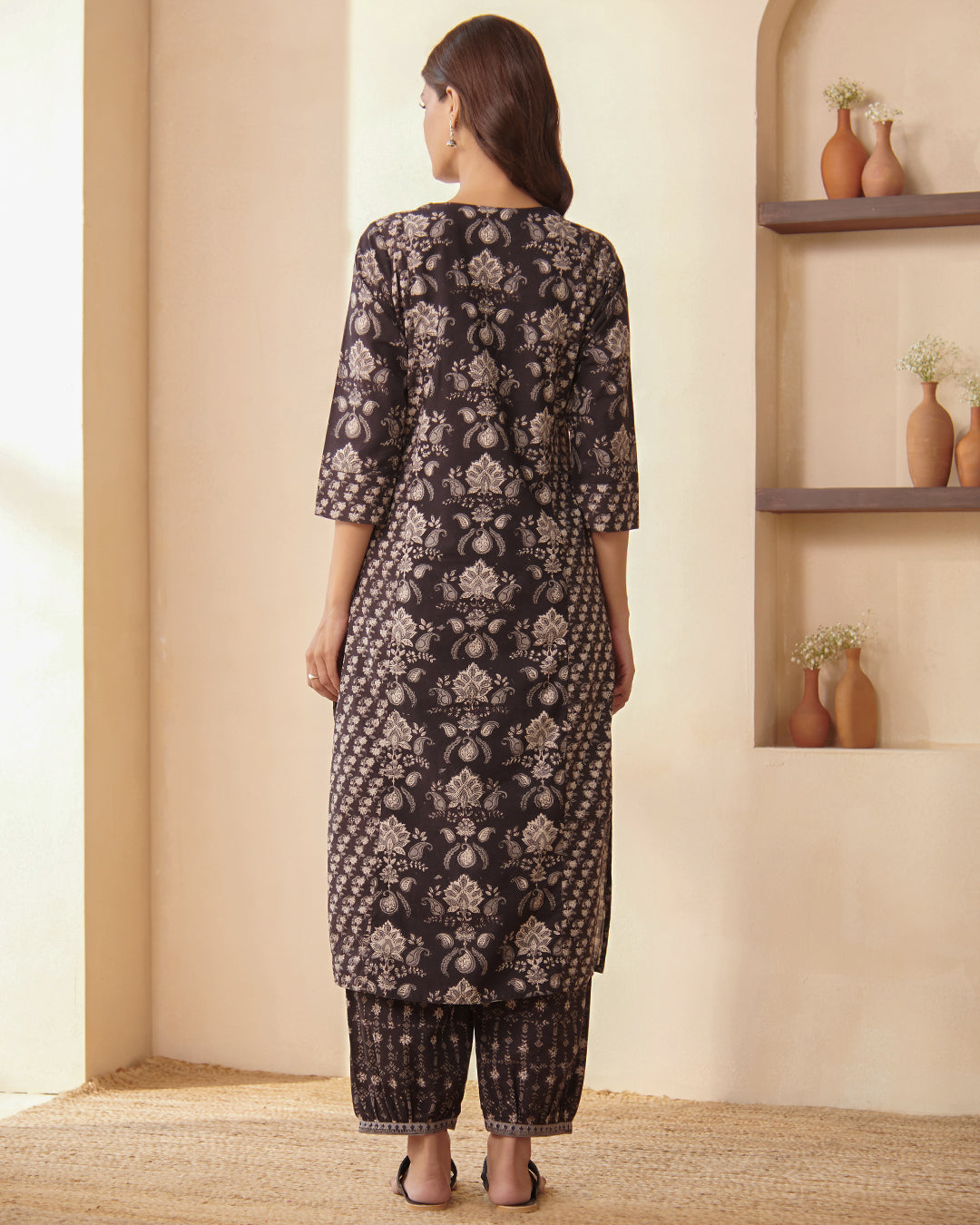
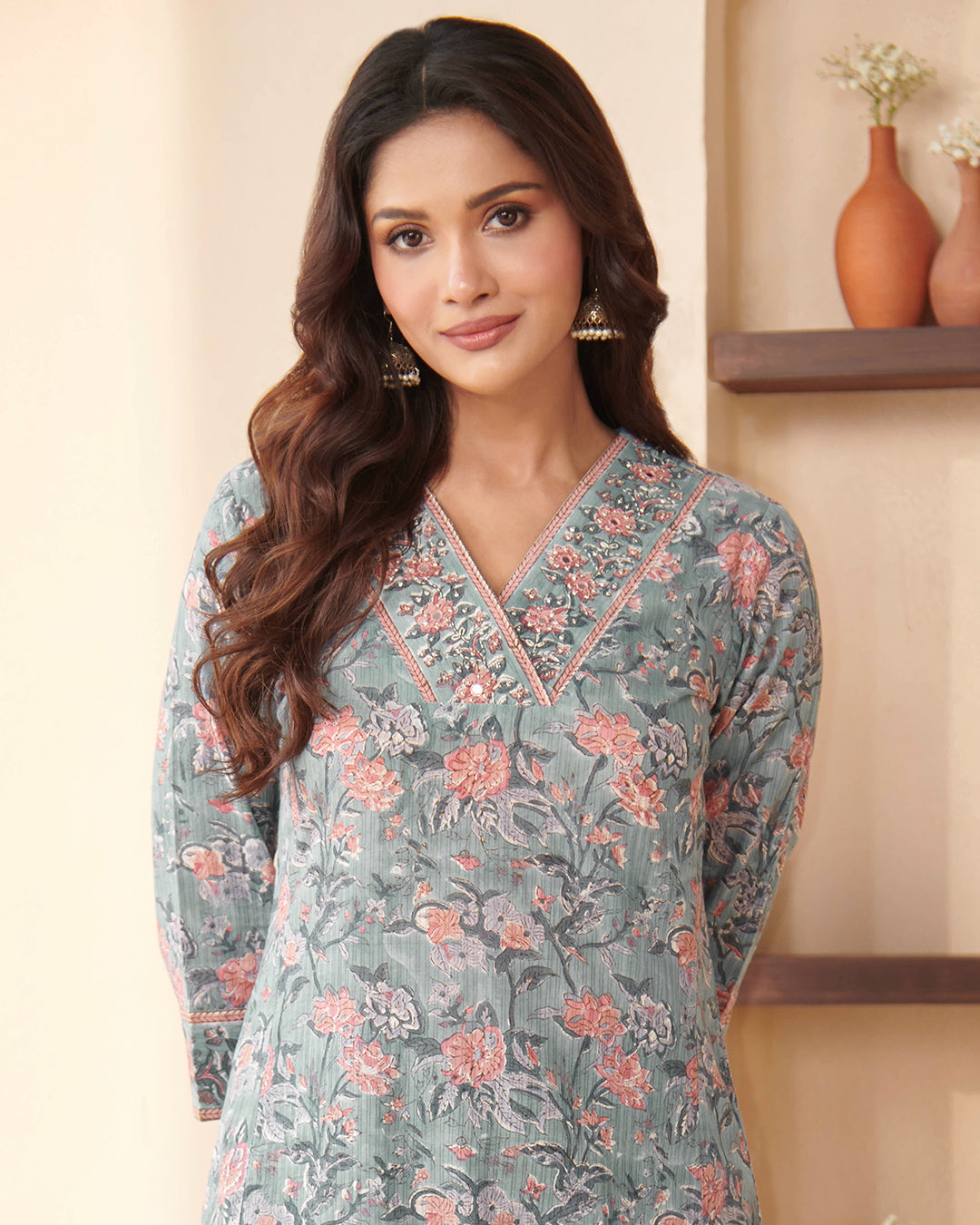
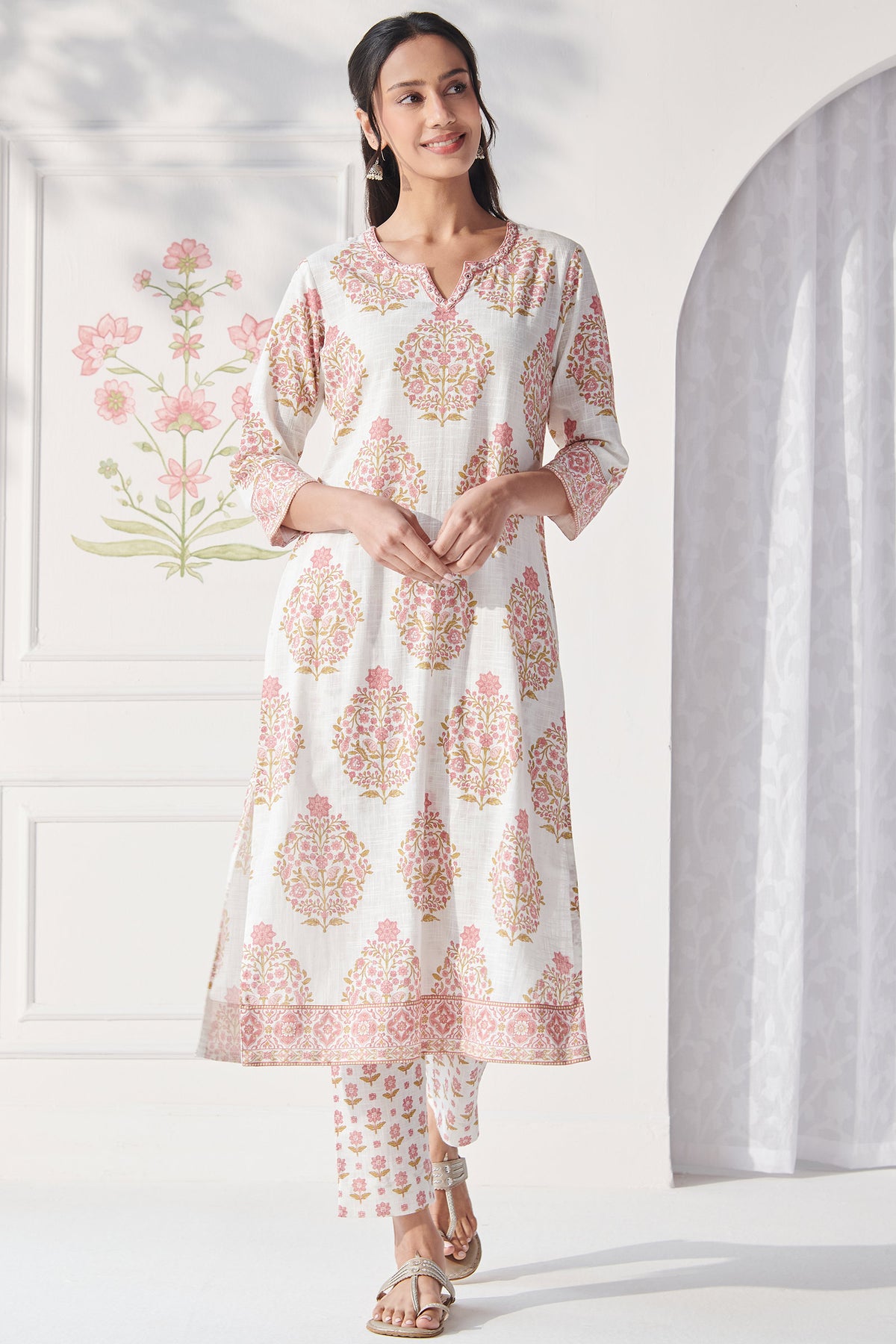
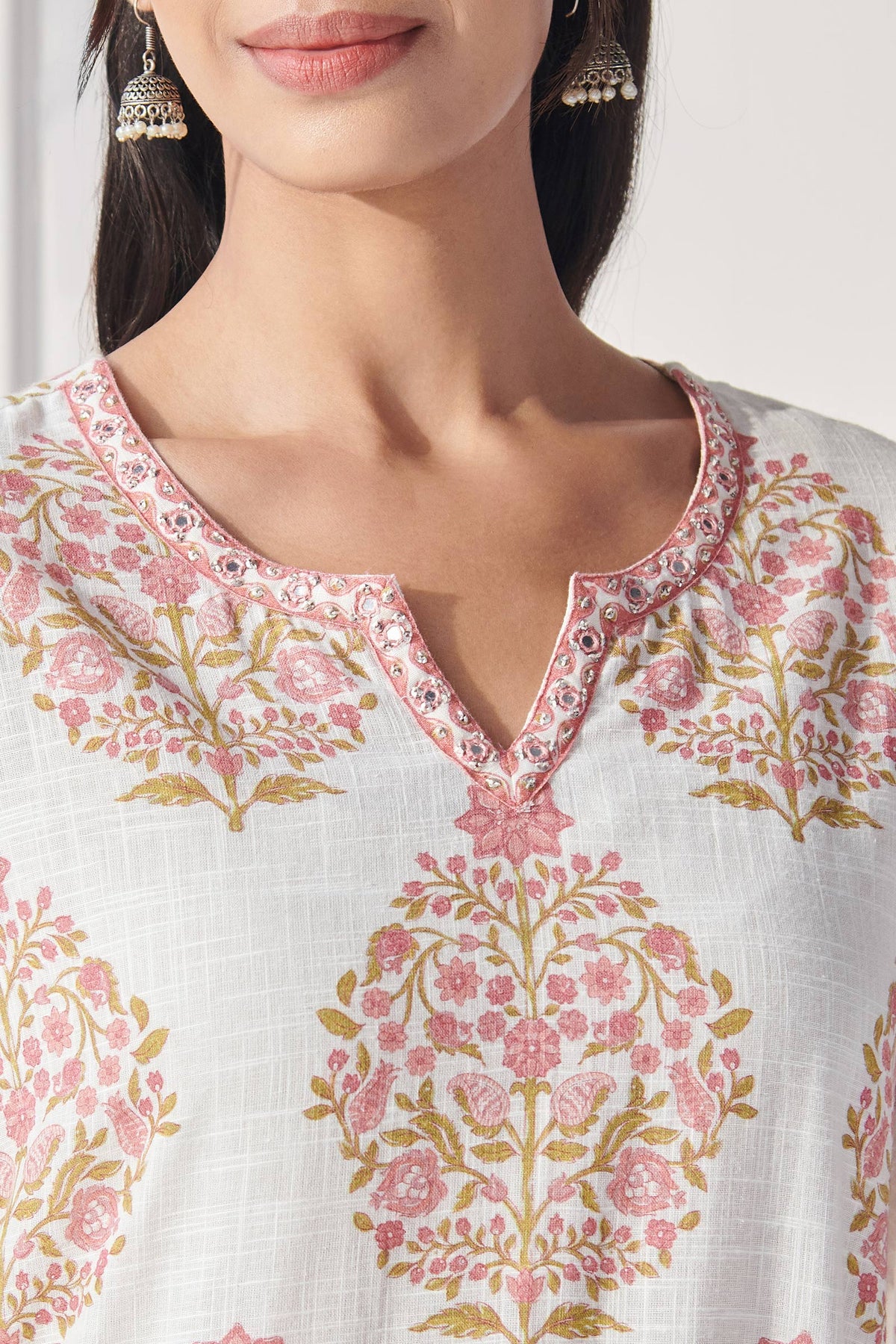
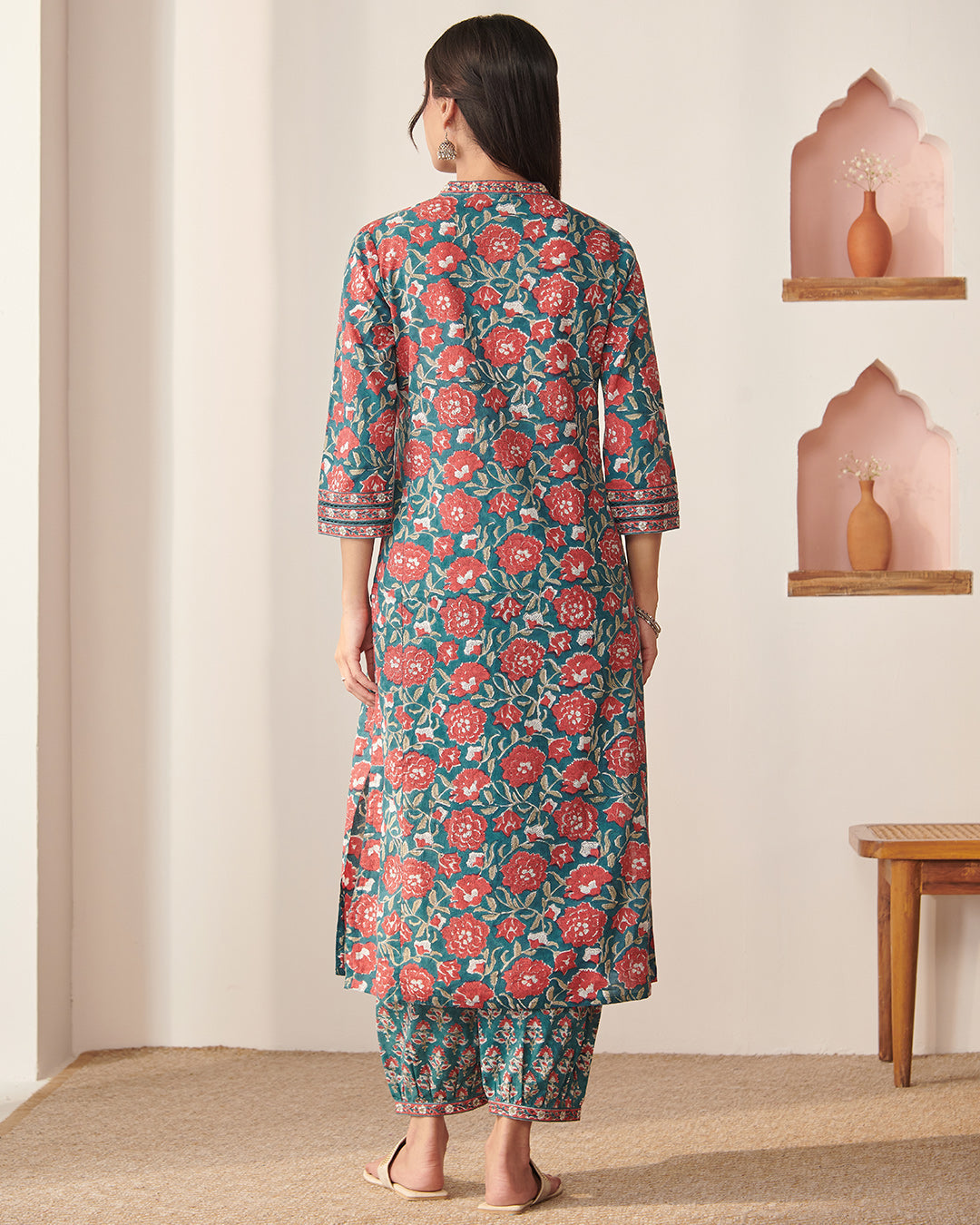
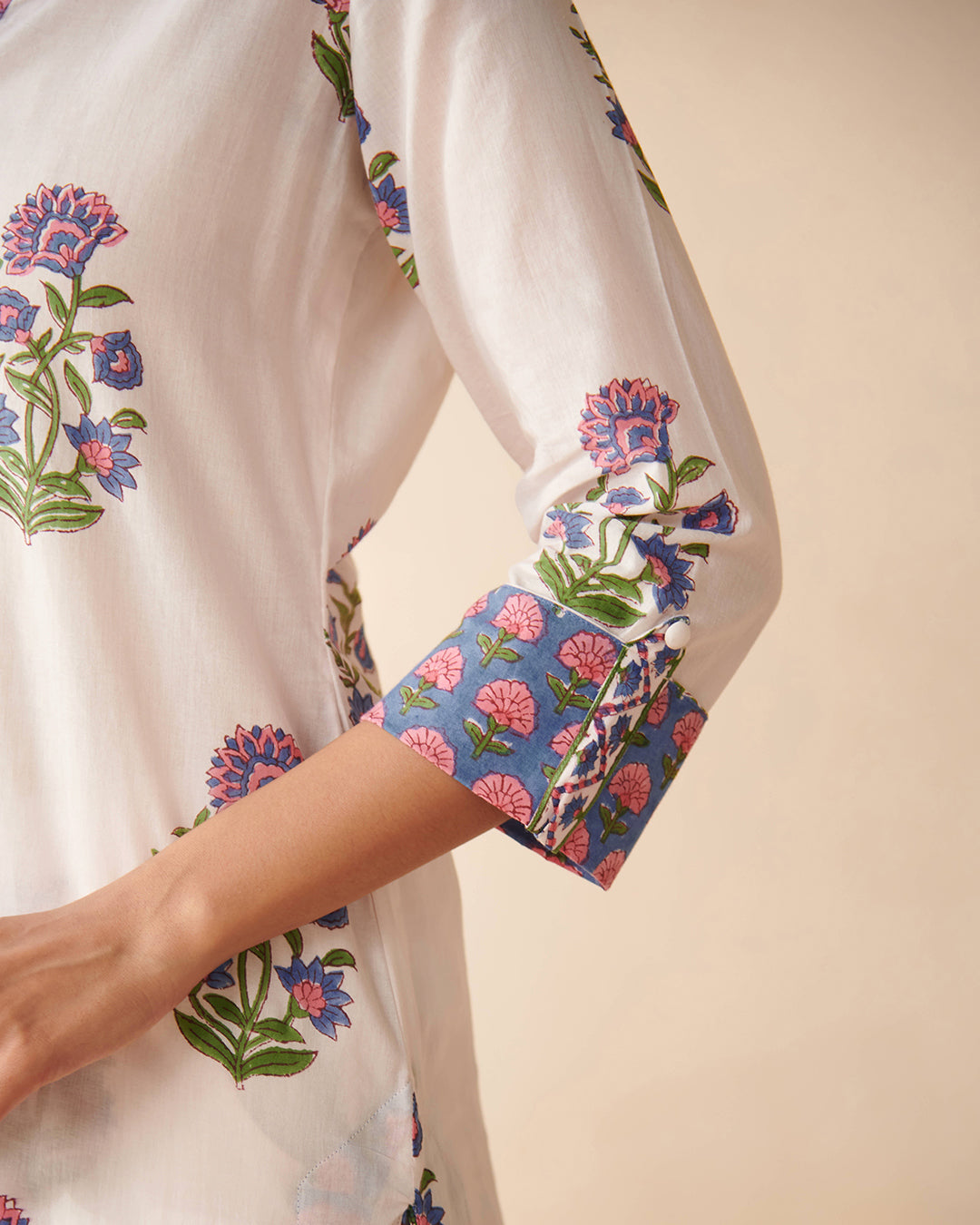
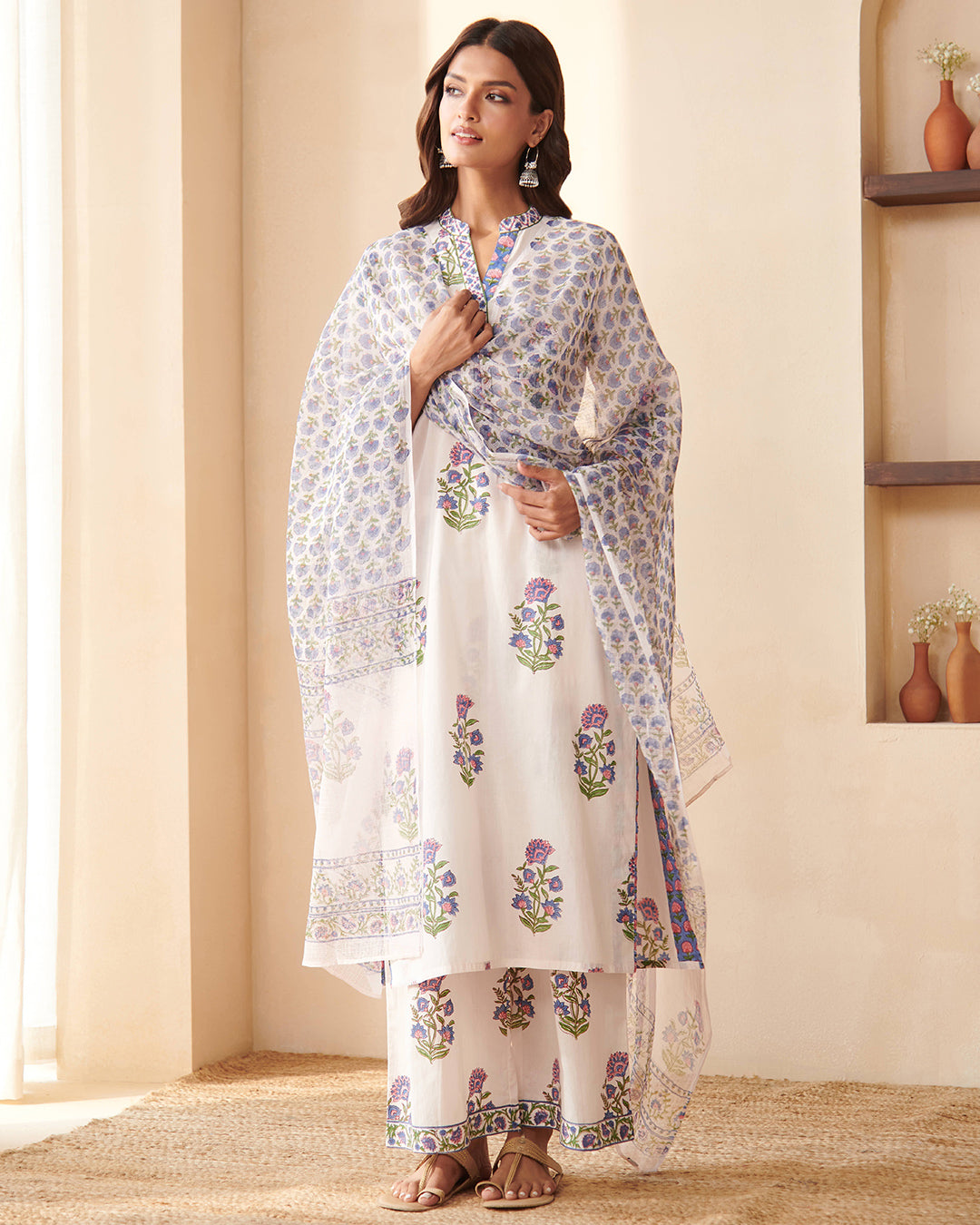
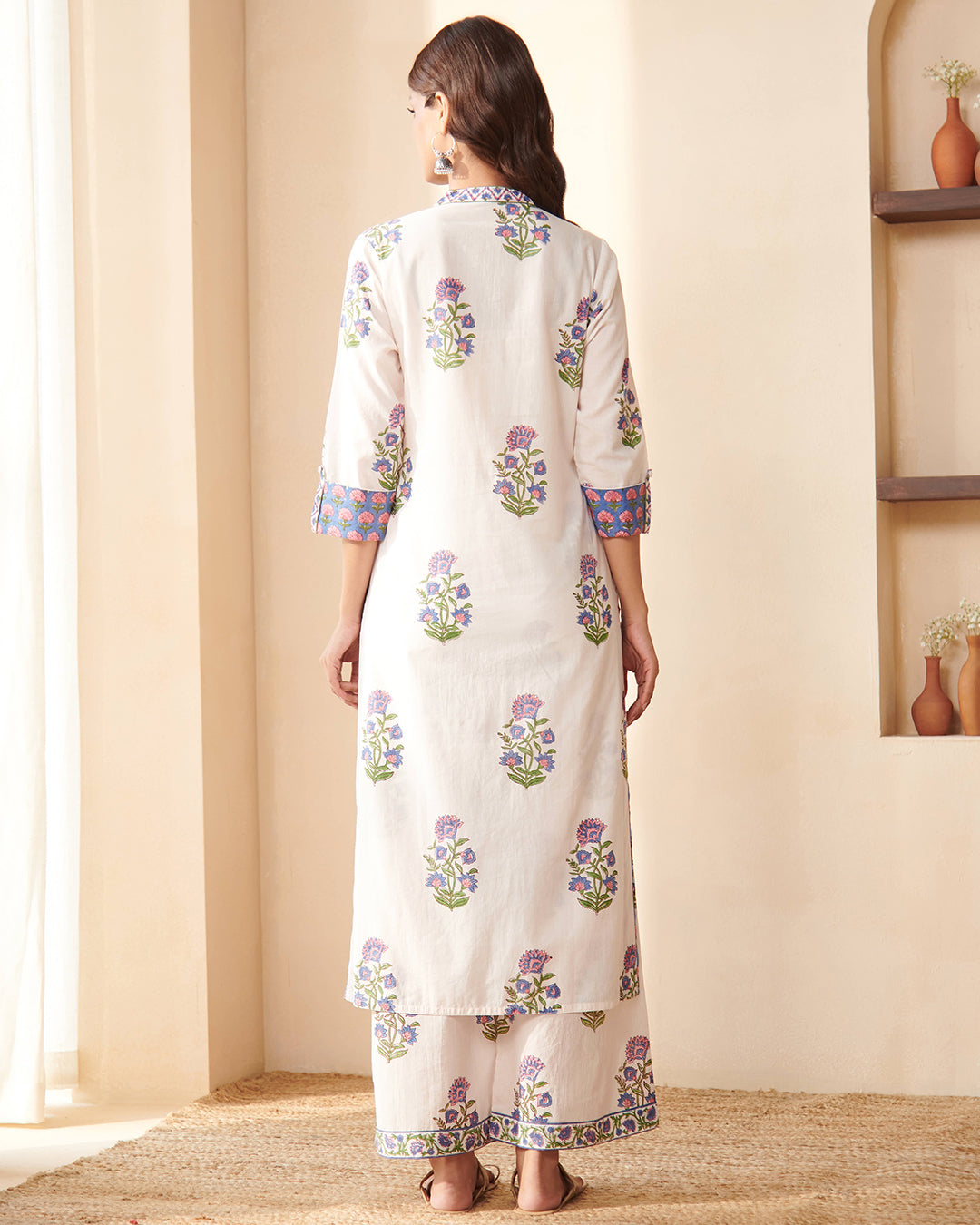
A timeless wardrobe is not necessarily one filled with plain, neutral pieces. Often, it is the familiar beauty of a hand printed floral, a small buti, or a traditional border that gives clothing its lasting character.
Prints That Age Gracefully
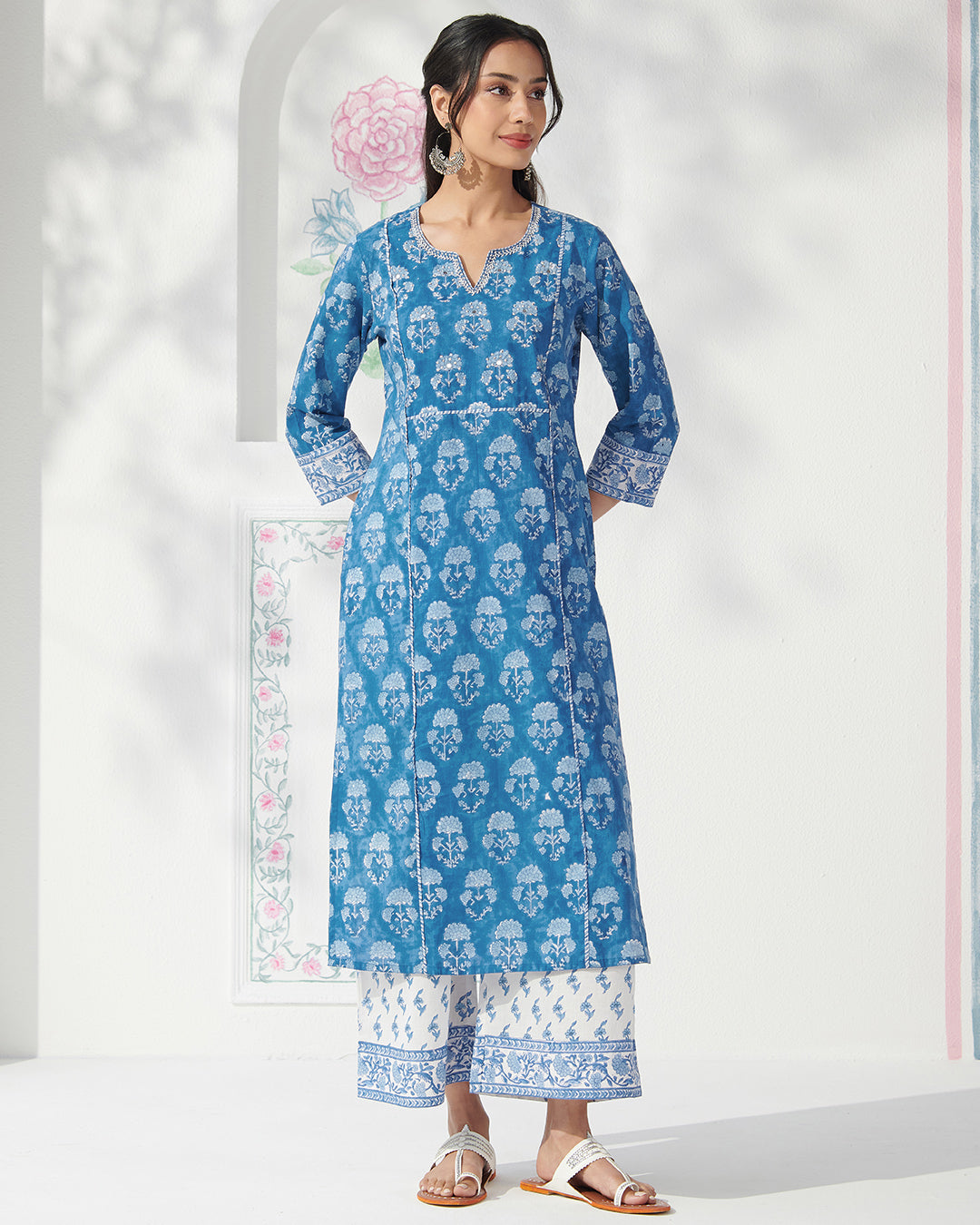
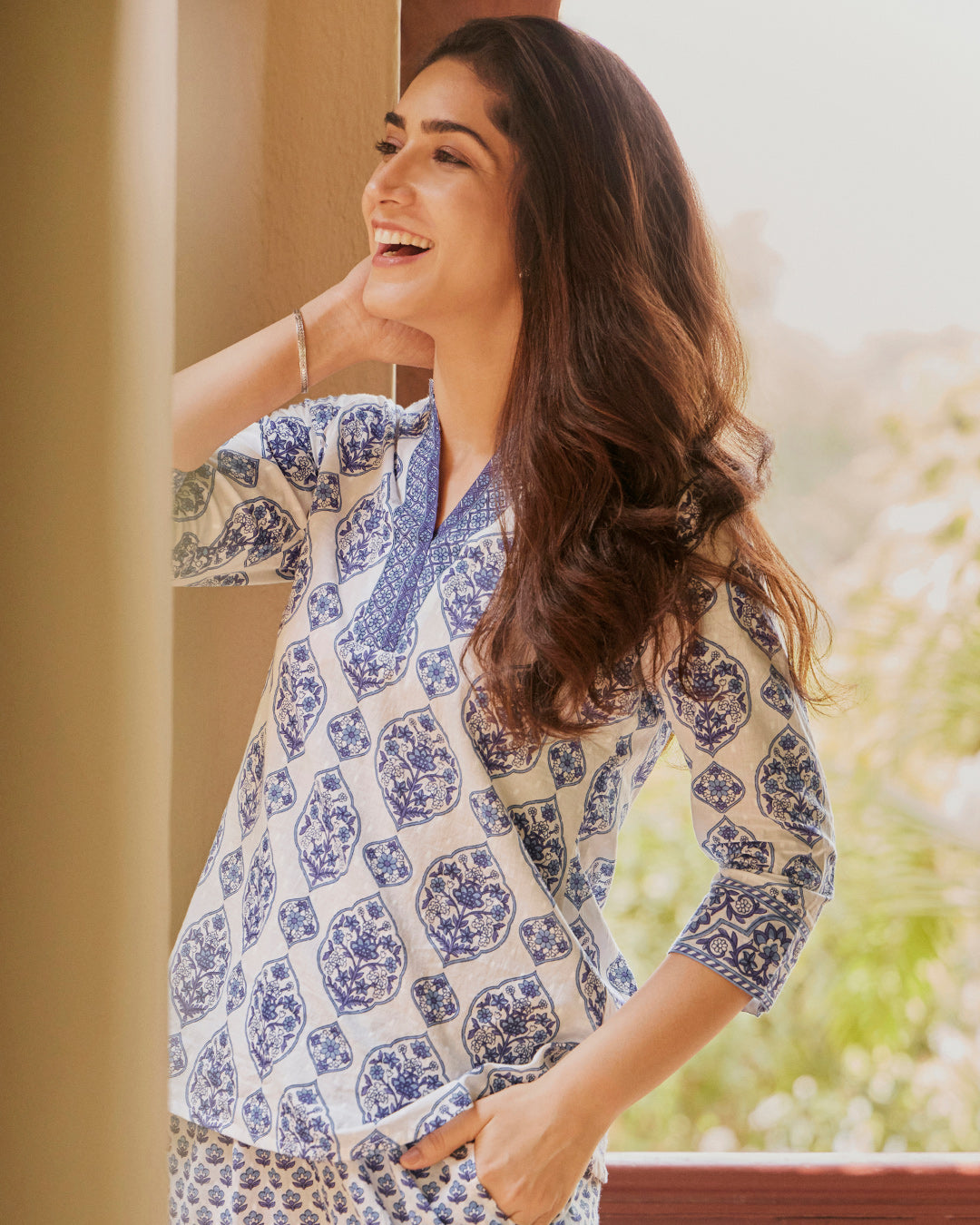
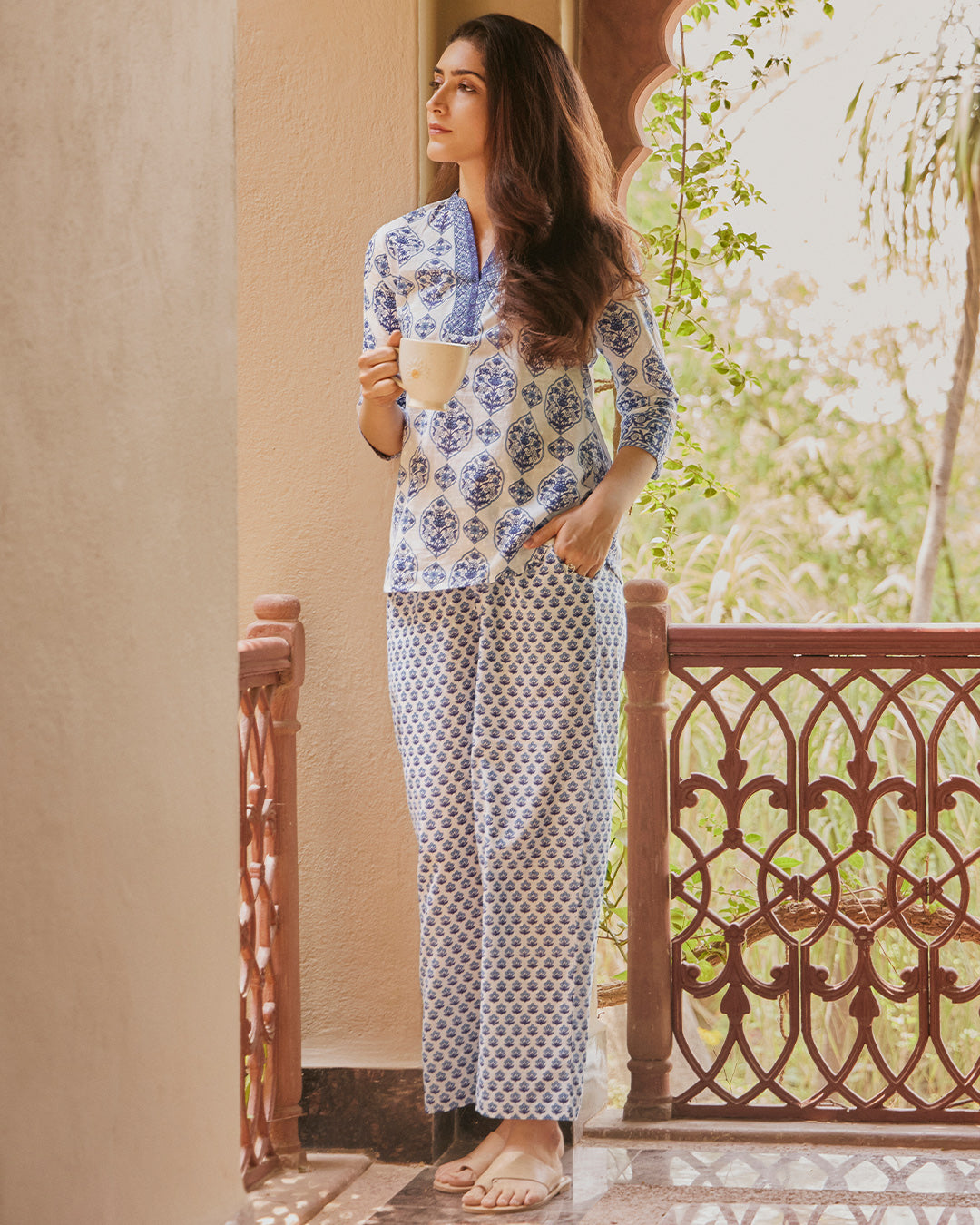
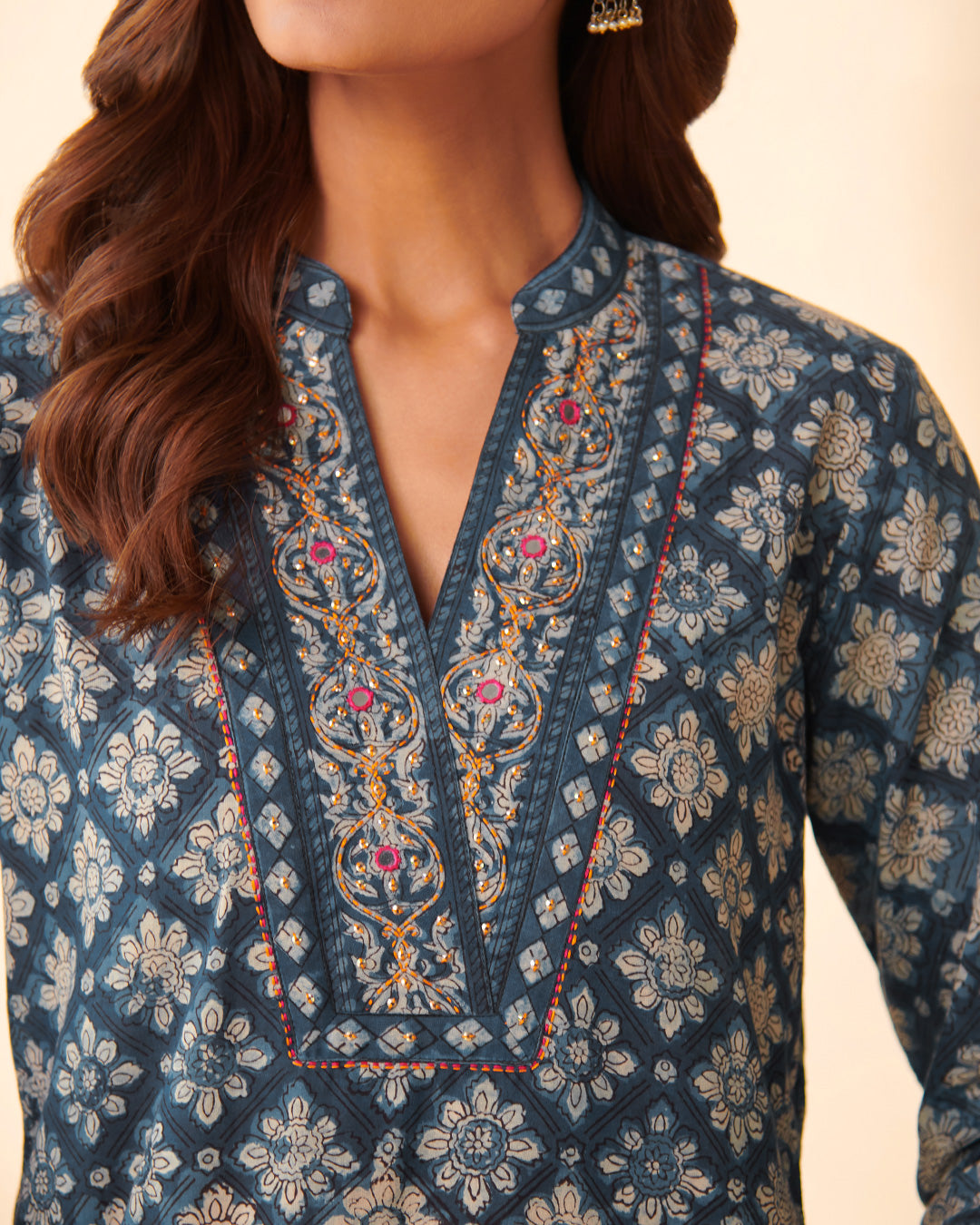
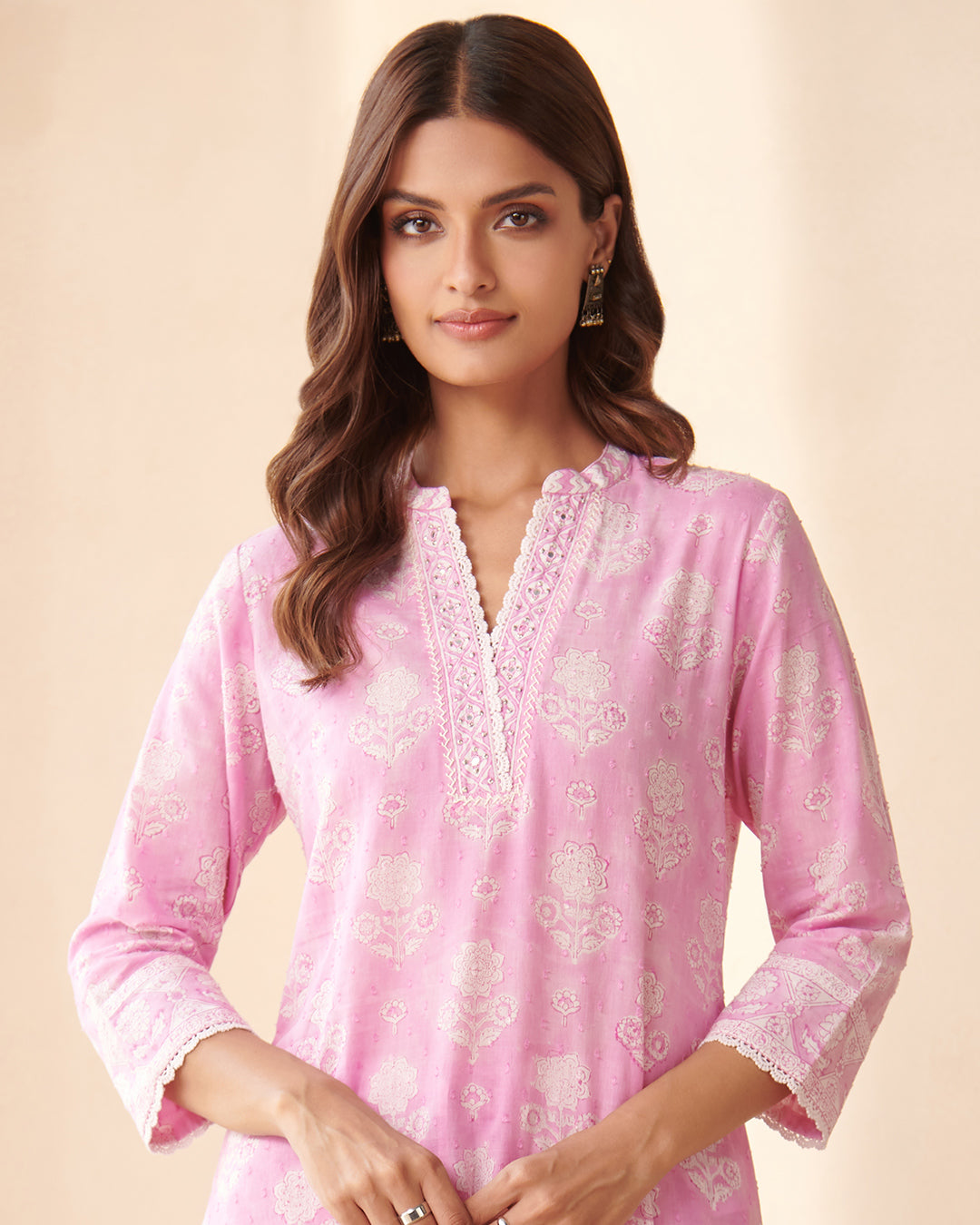
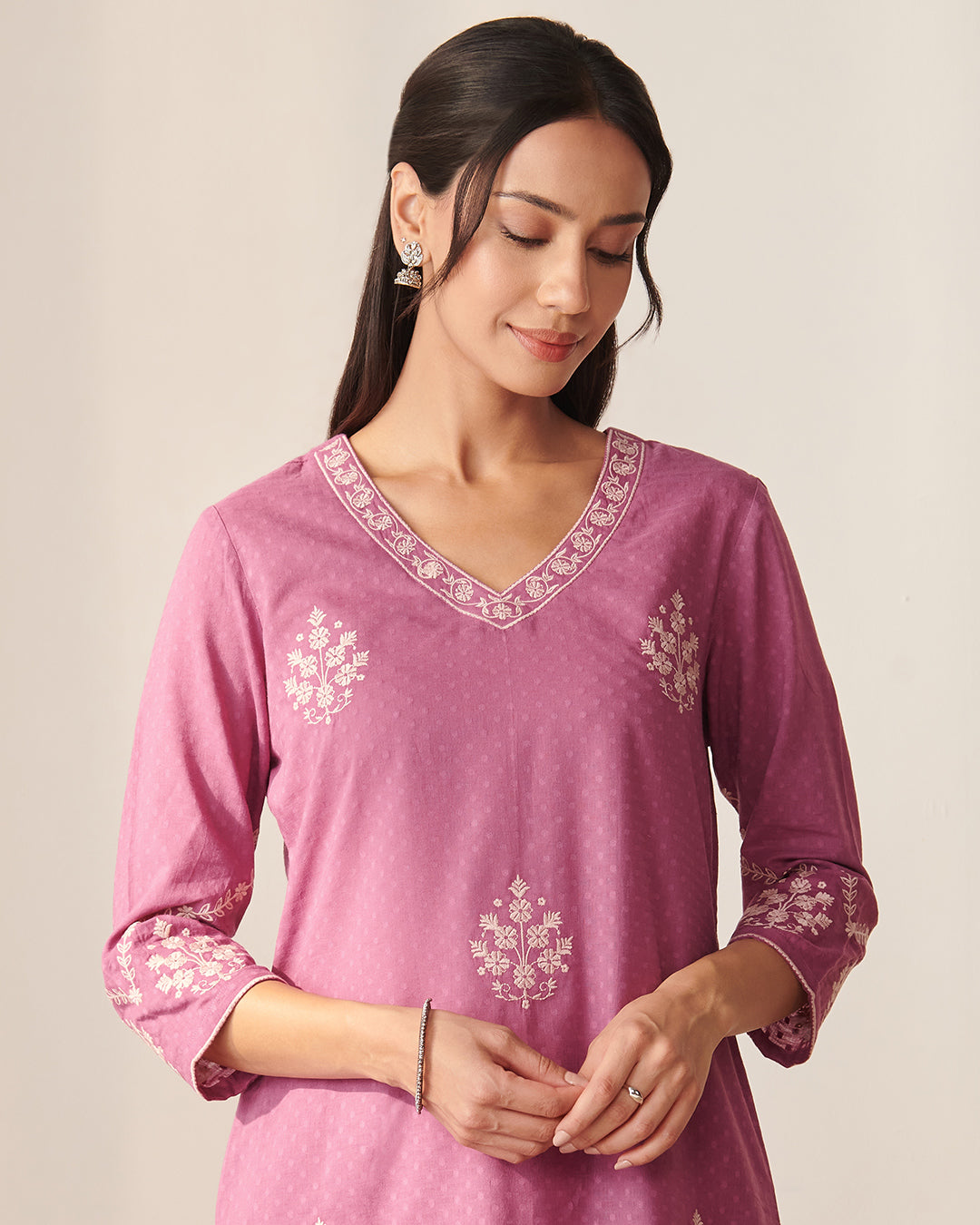
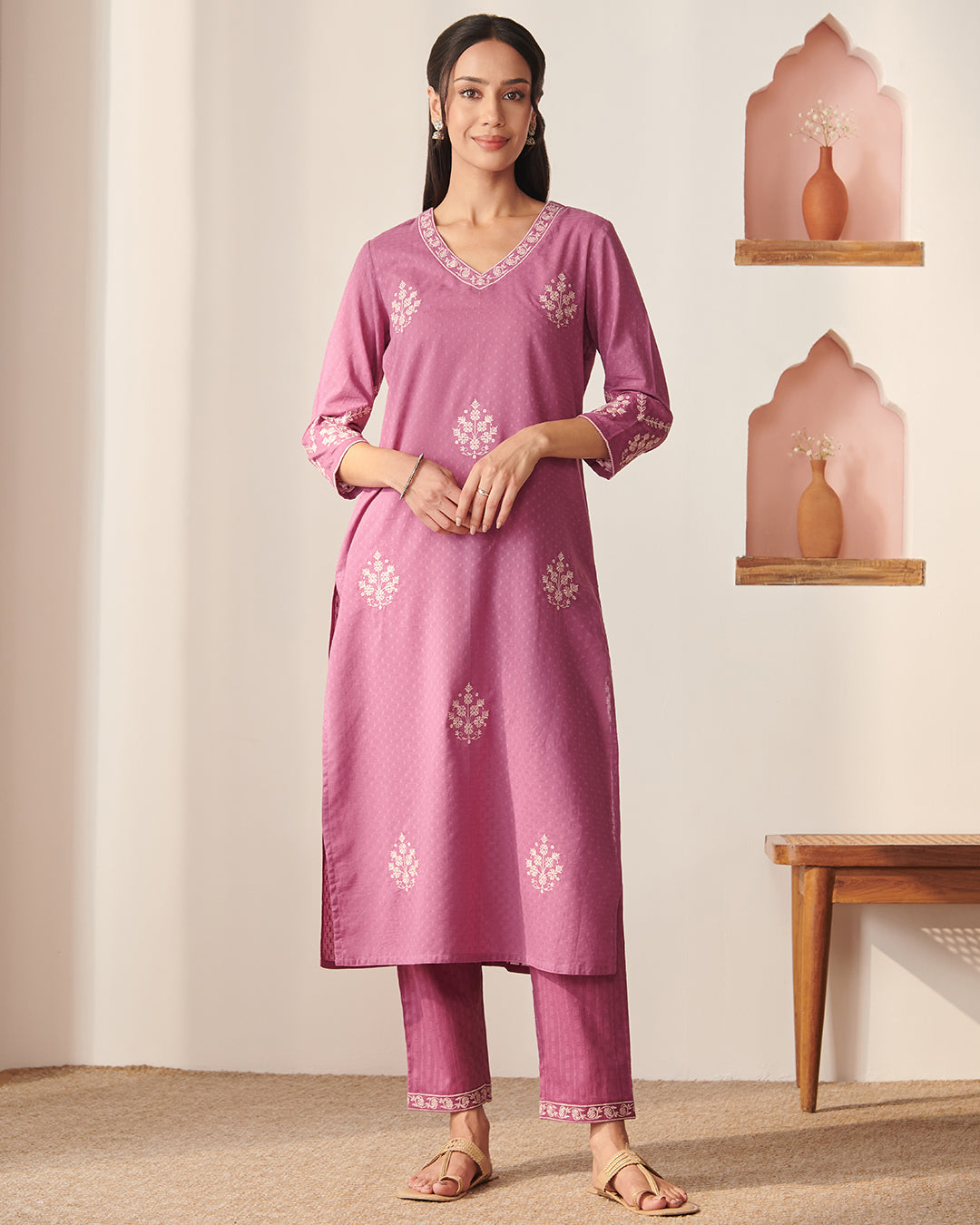
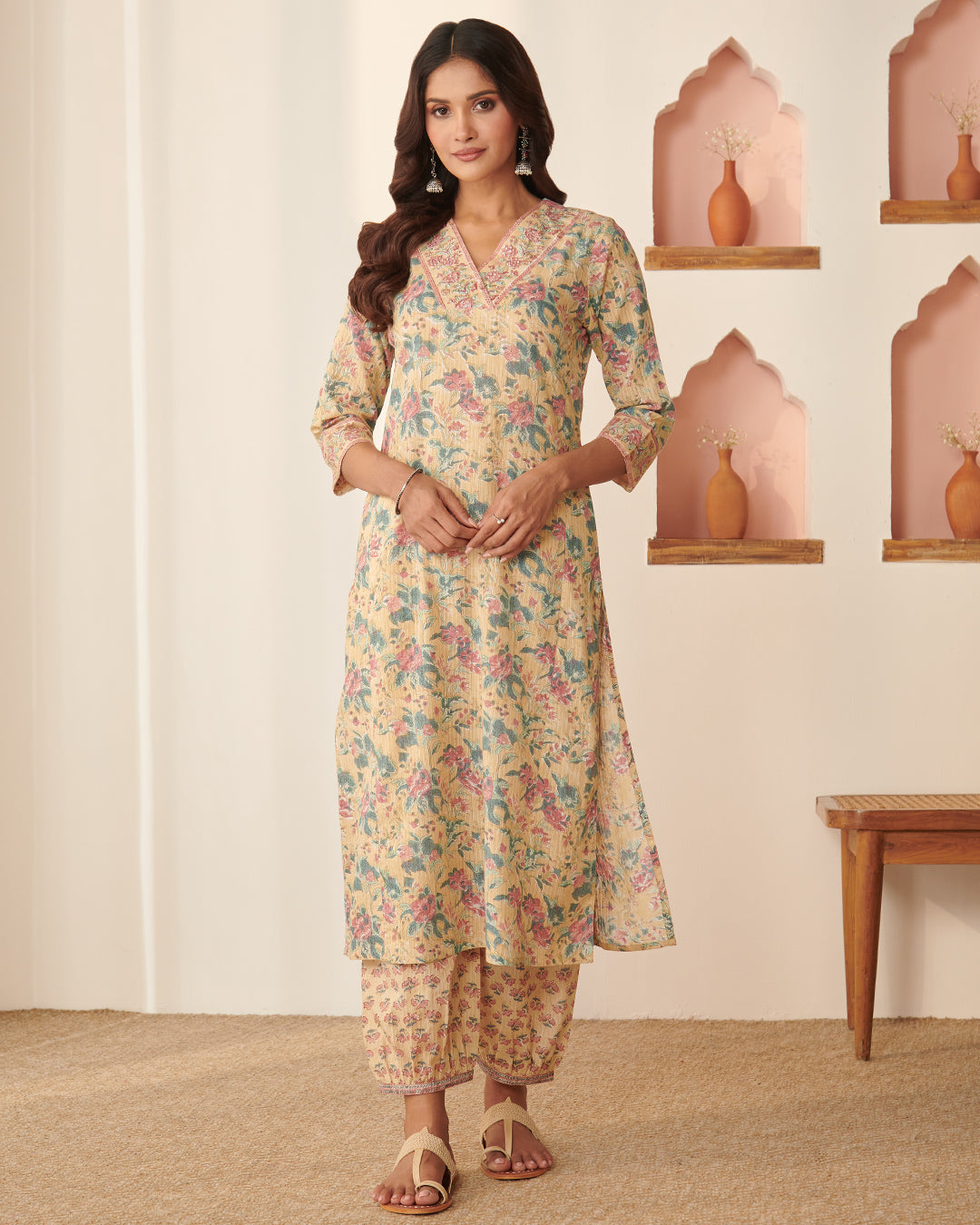
Handmade prints have a quality that becomes more beautiful with familiarity. Slight variations in colour and placement give them a softness that feels personal rather than manufactured. A block printed kurta worn today can sit just as naturally in a wardrobe years from now.
Motifs With a Sense of Place
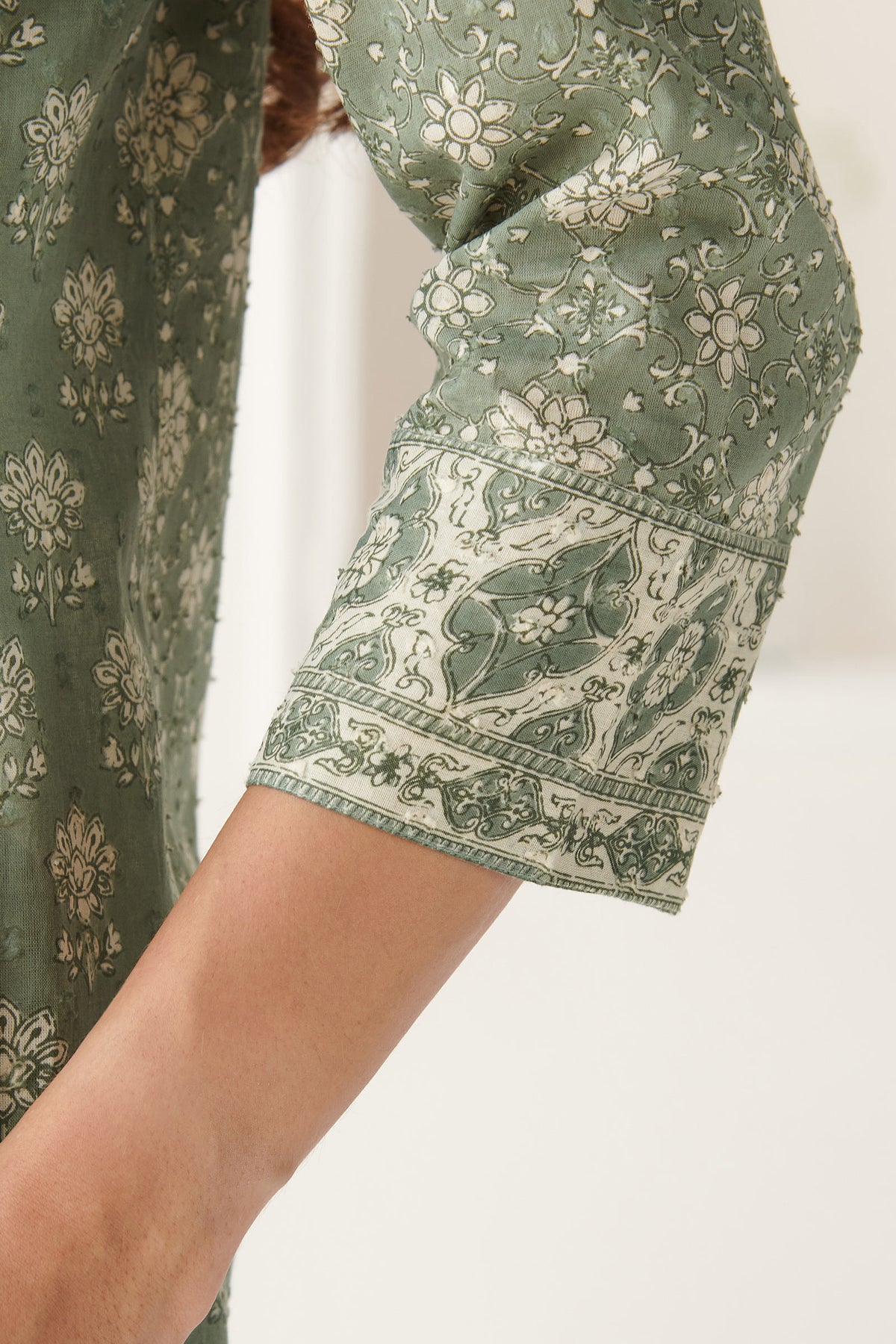
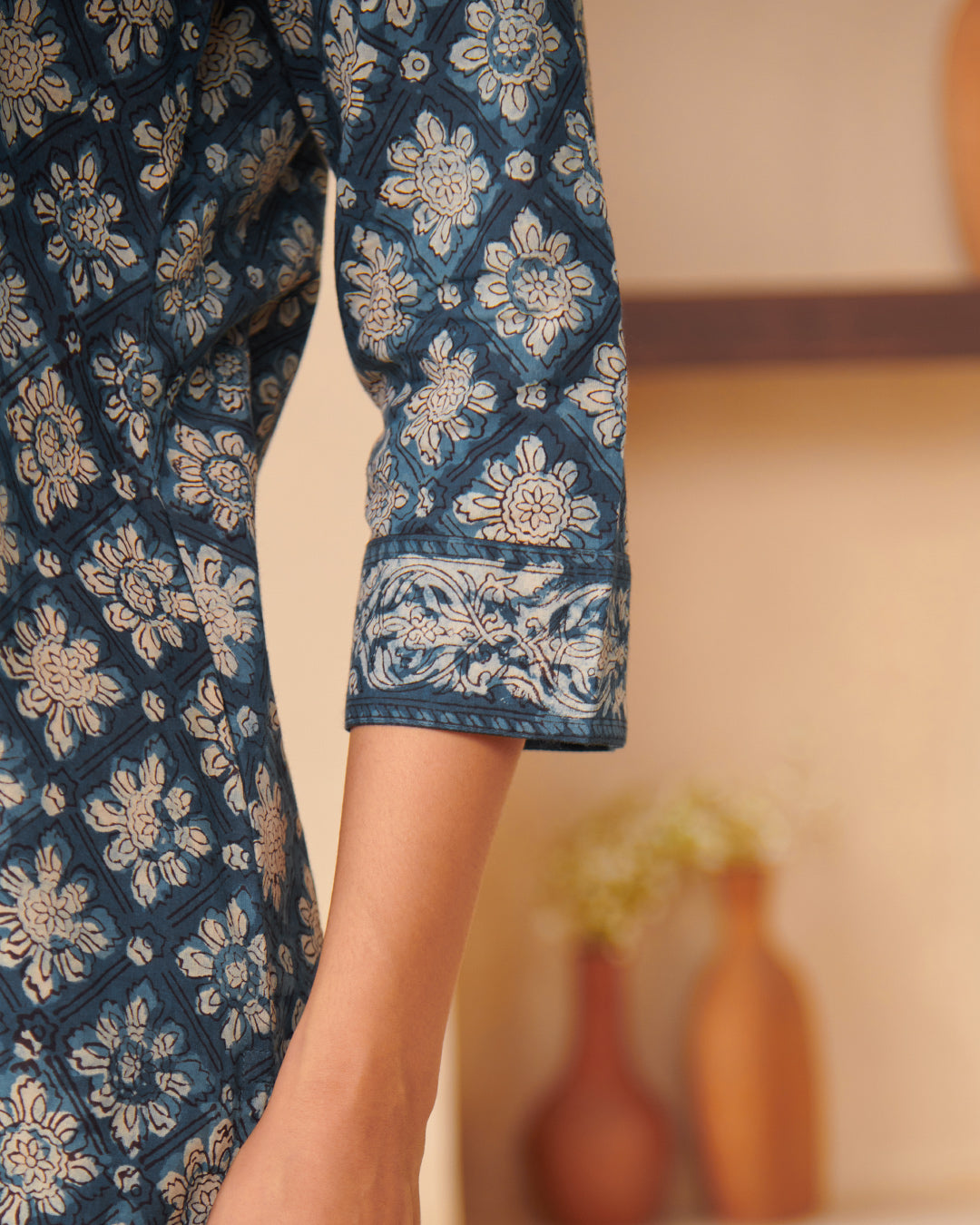
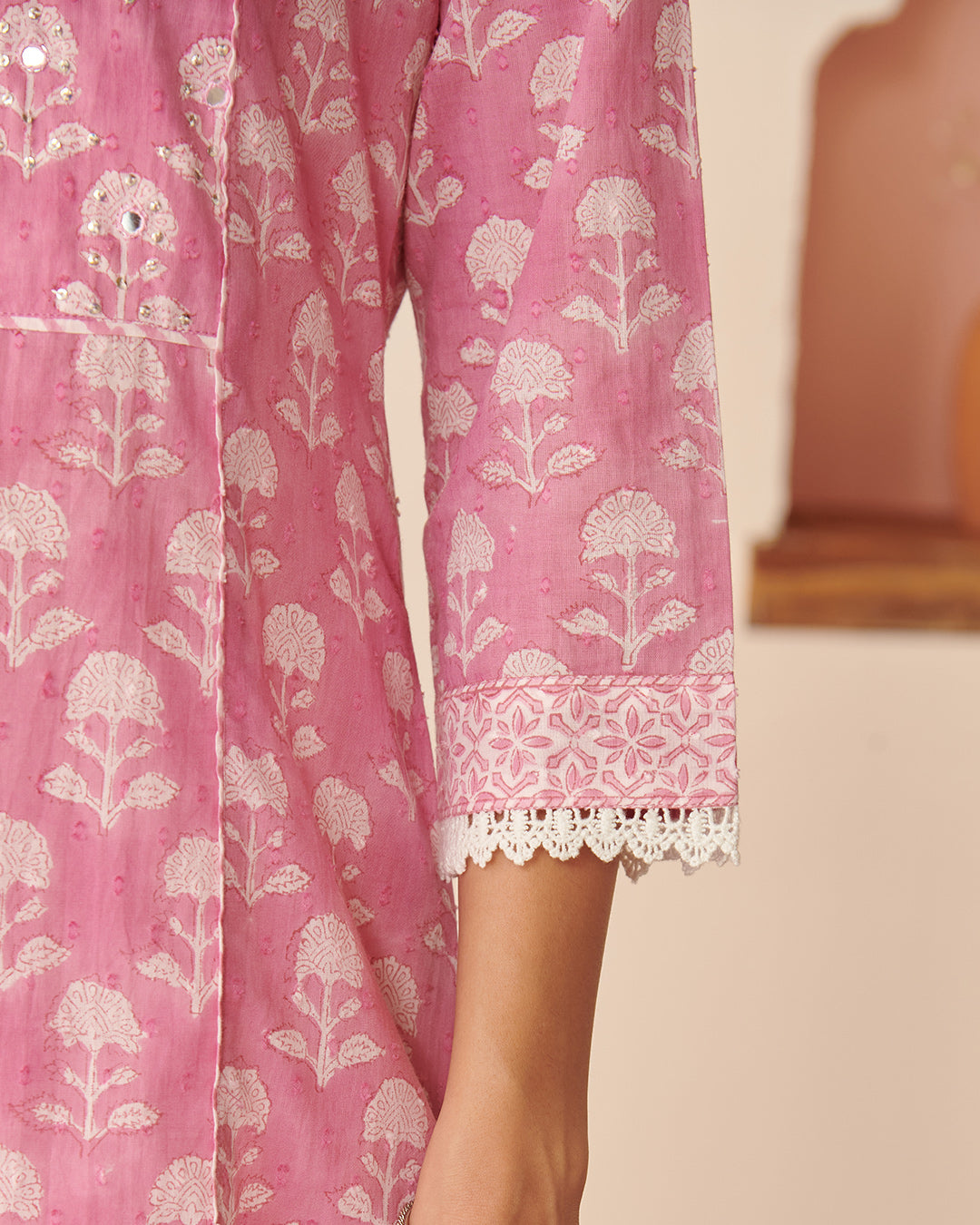
Indian prints carry memories of place and craft. Floral Sanganeri patterns, earthy Bagru motifs, and geometric Ajrakh designs each have their own visual language. They bring cultural depth to everyday clothing without making it feel overly formal.
Easy to Wear Across Seasons
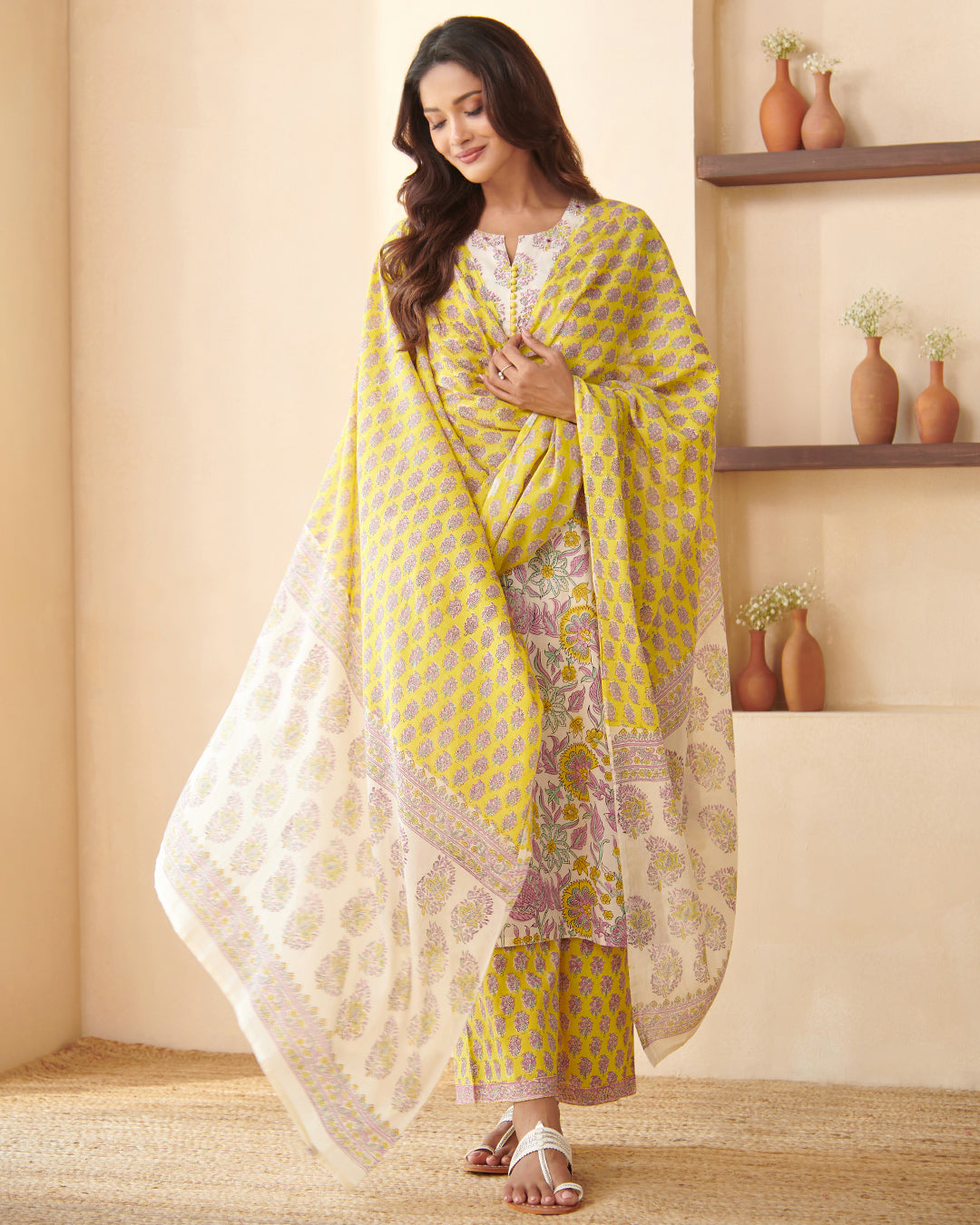
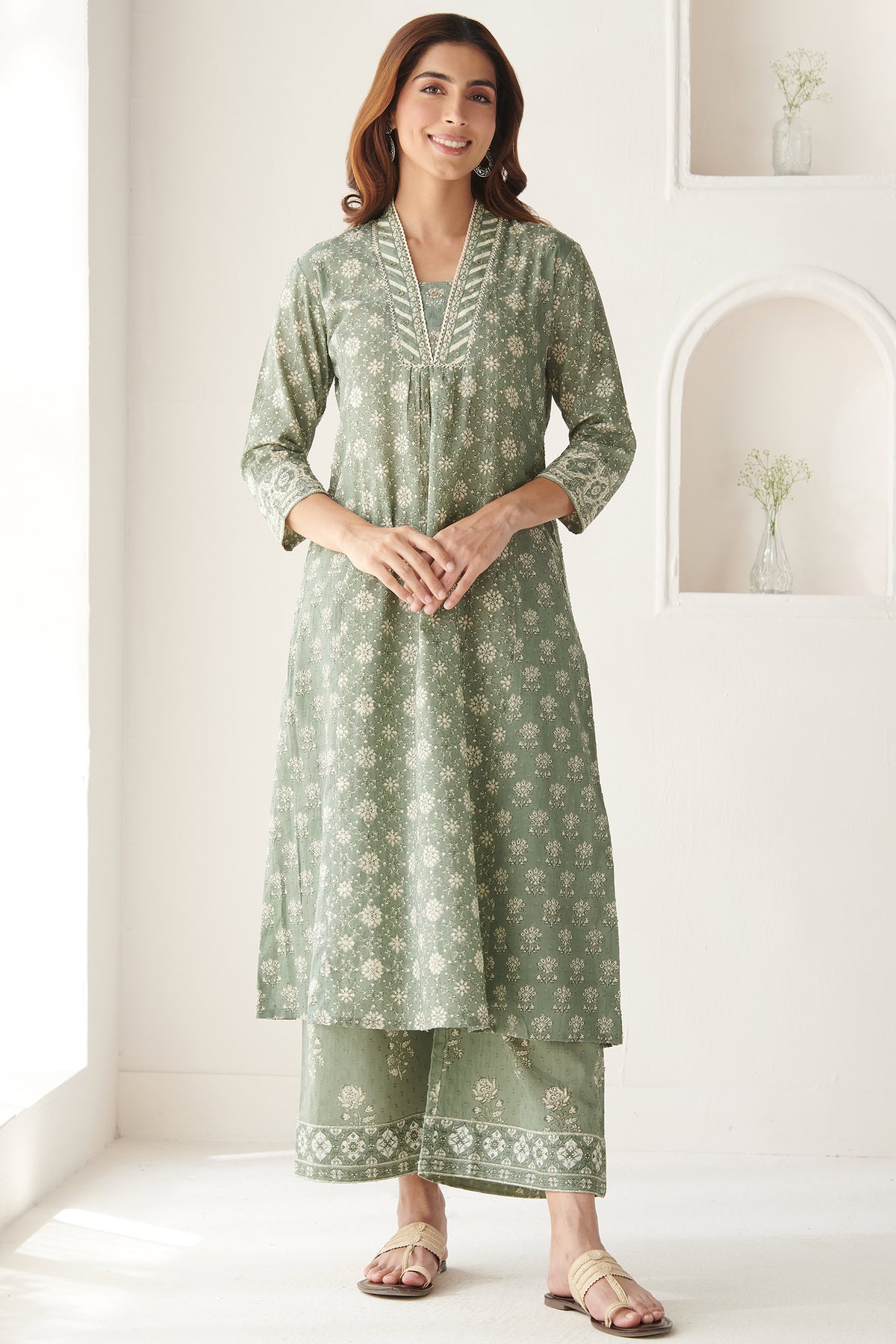
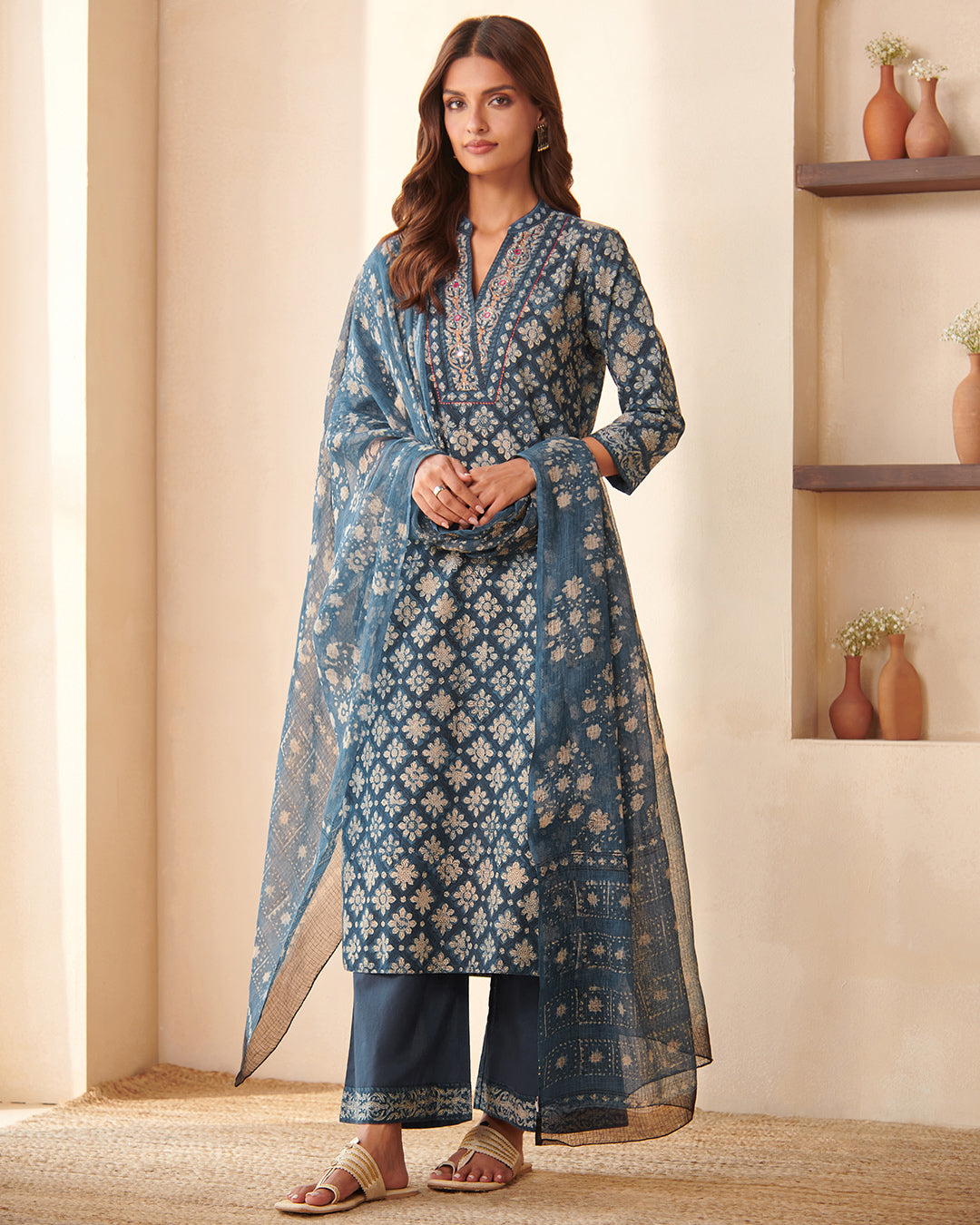
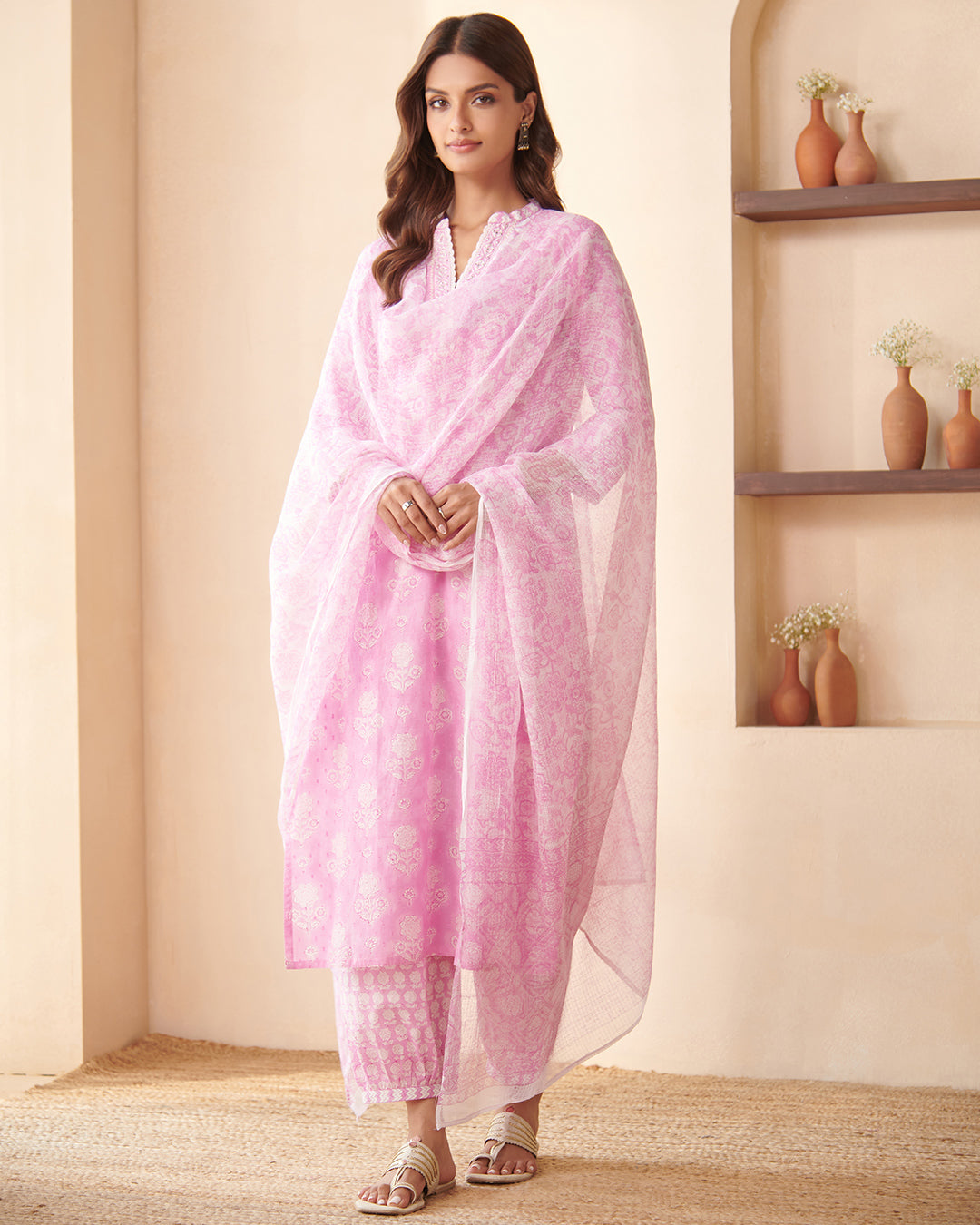
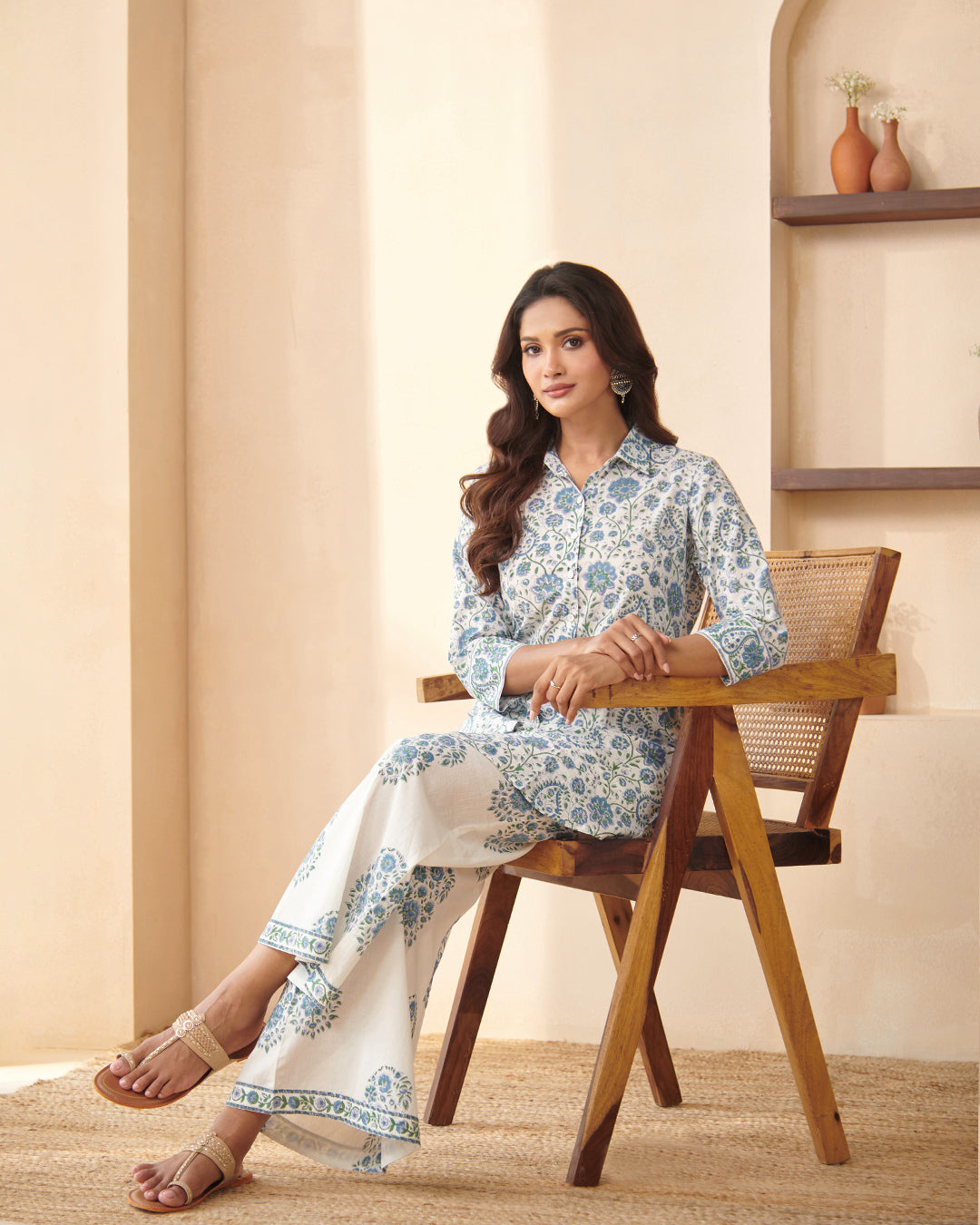
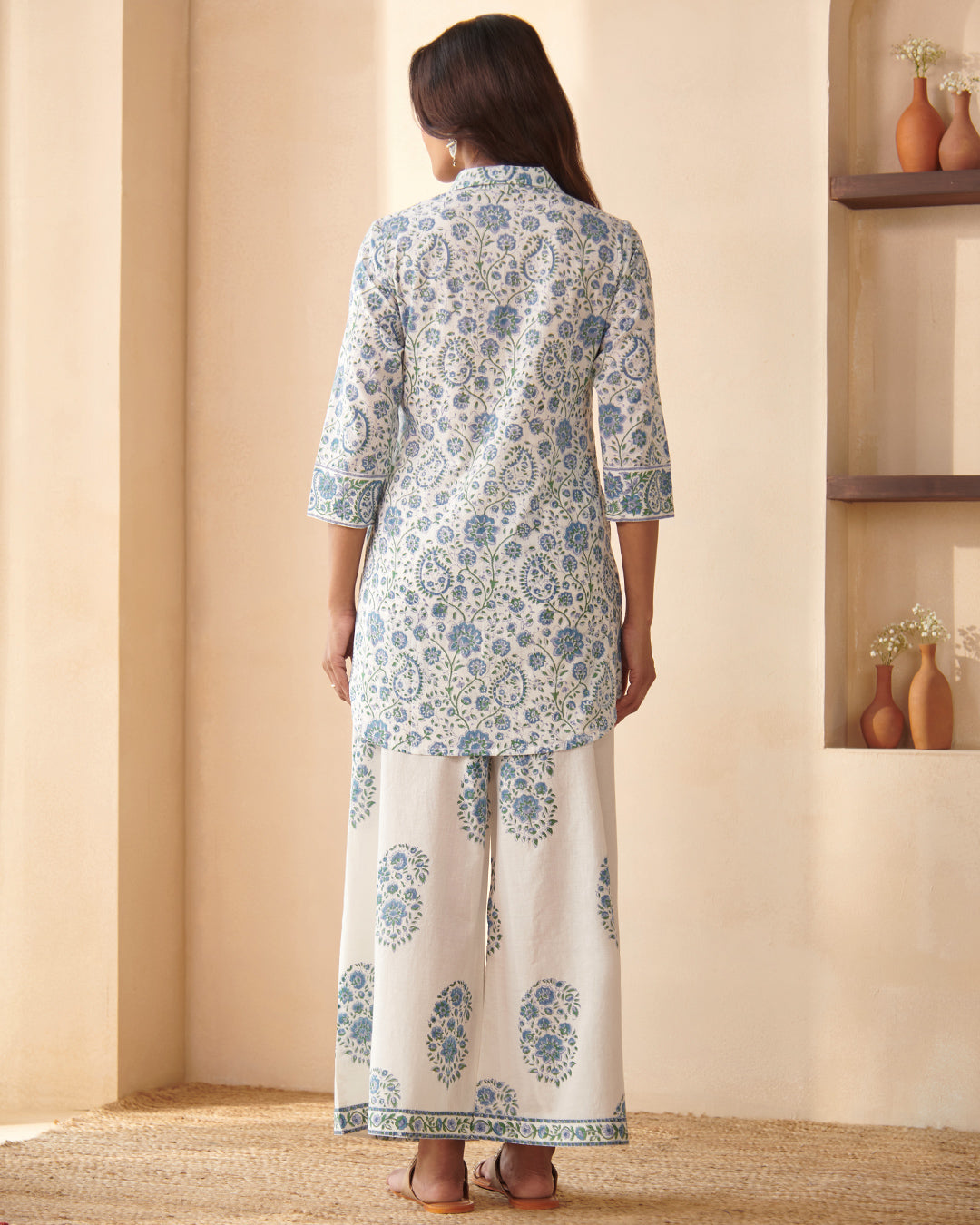
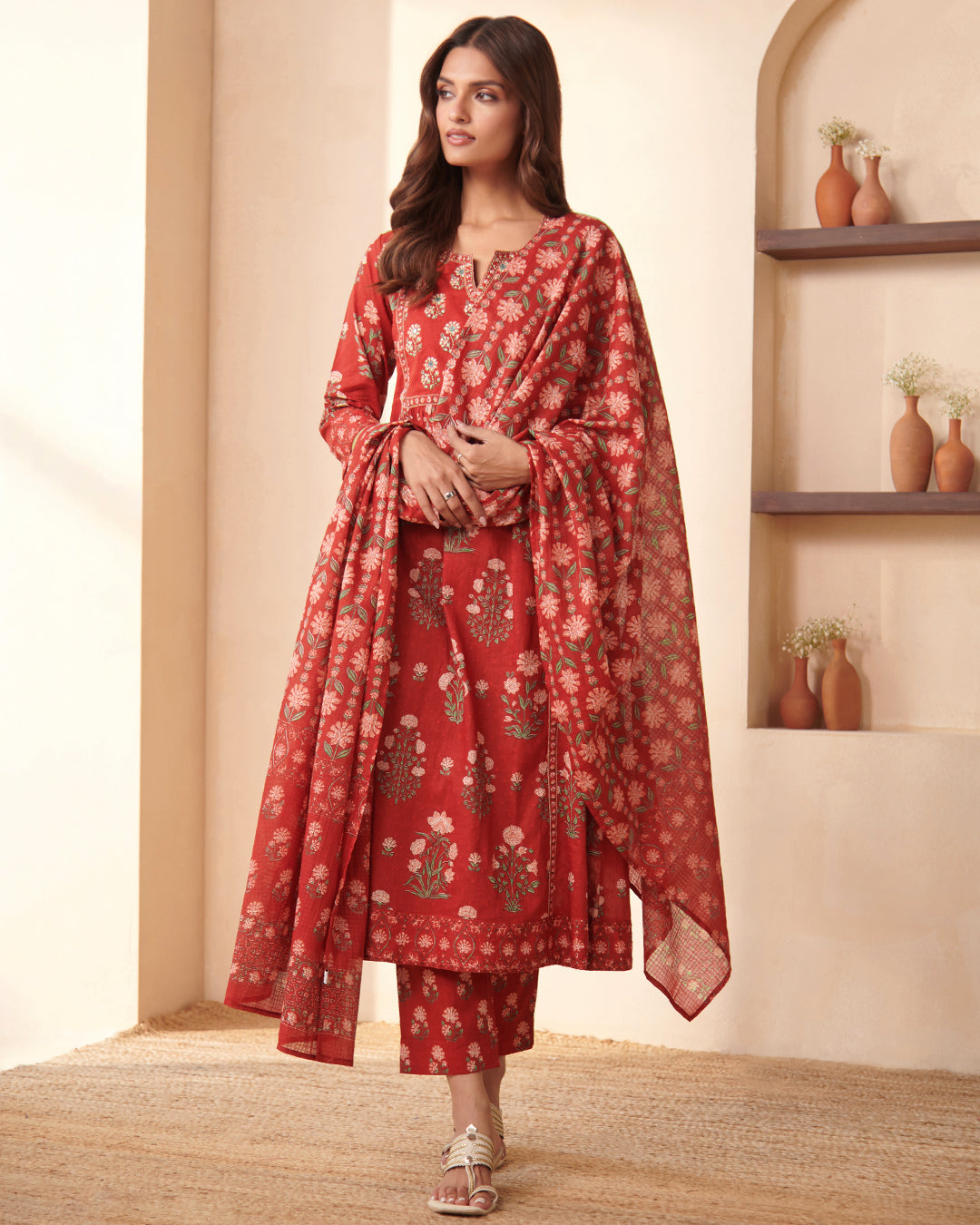
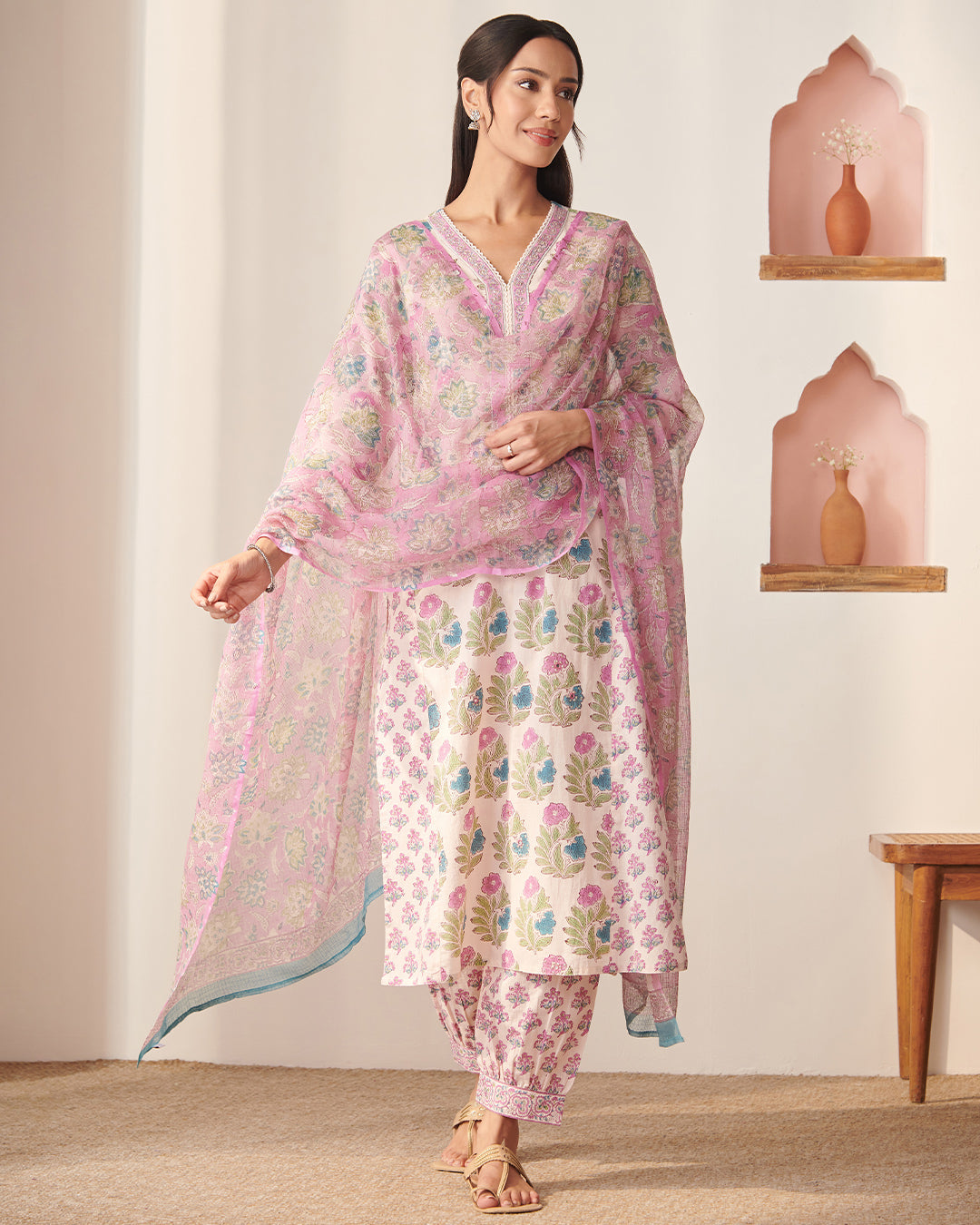
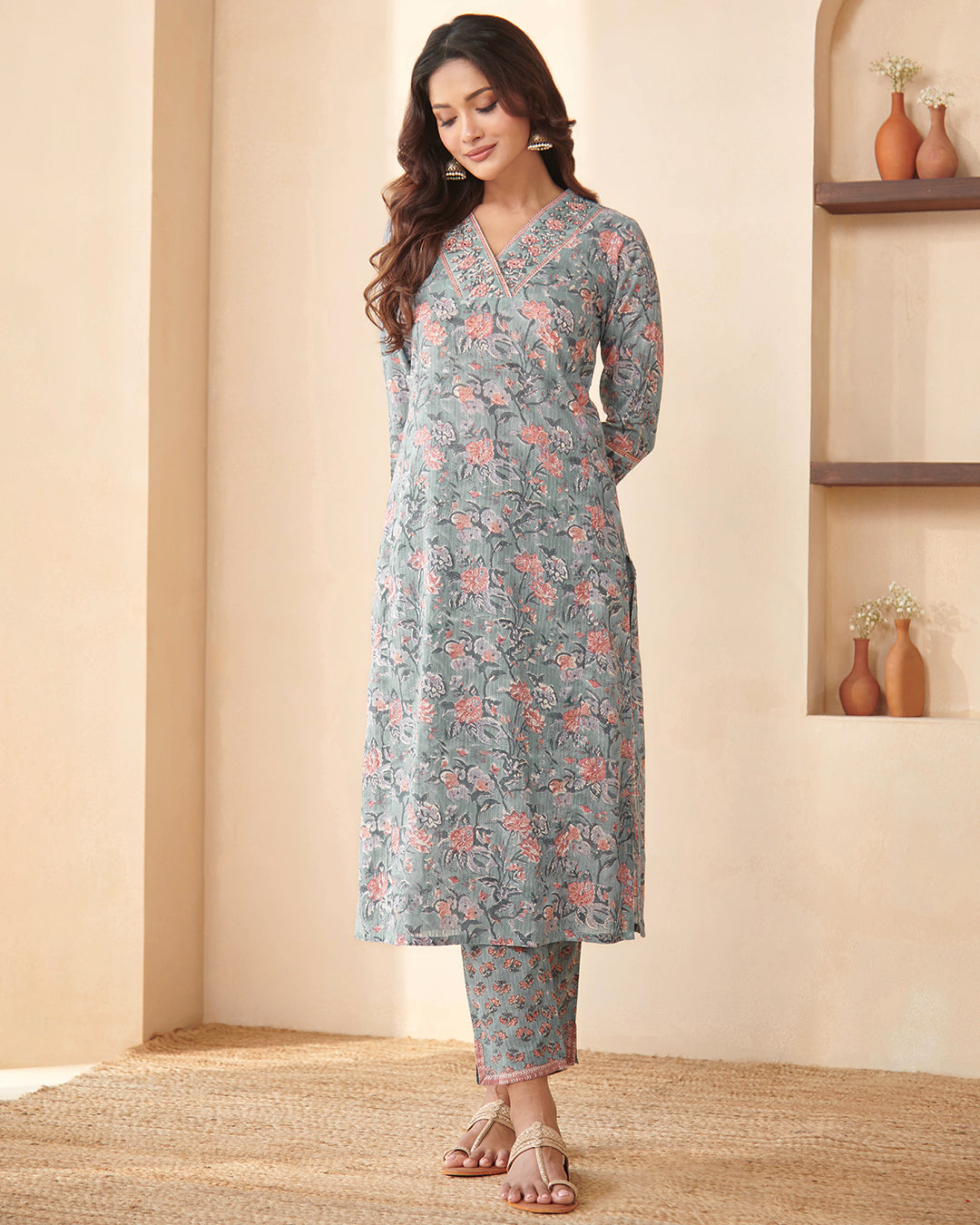
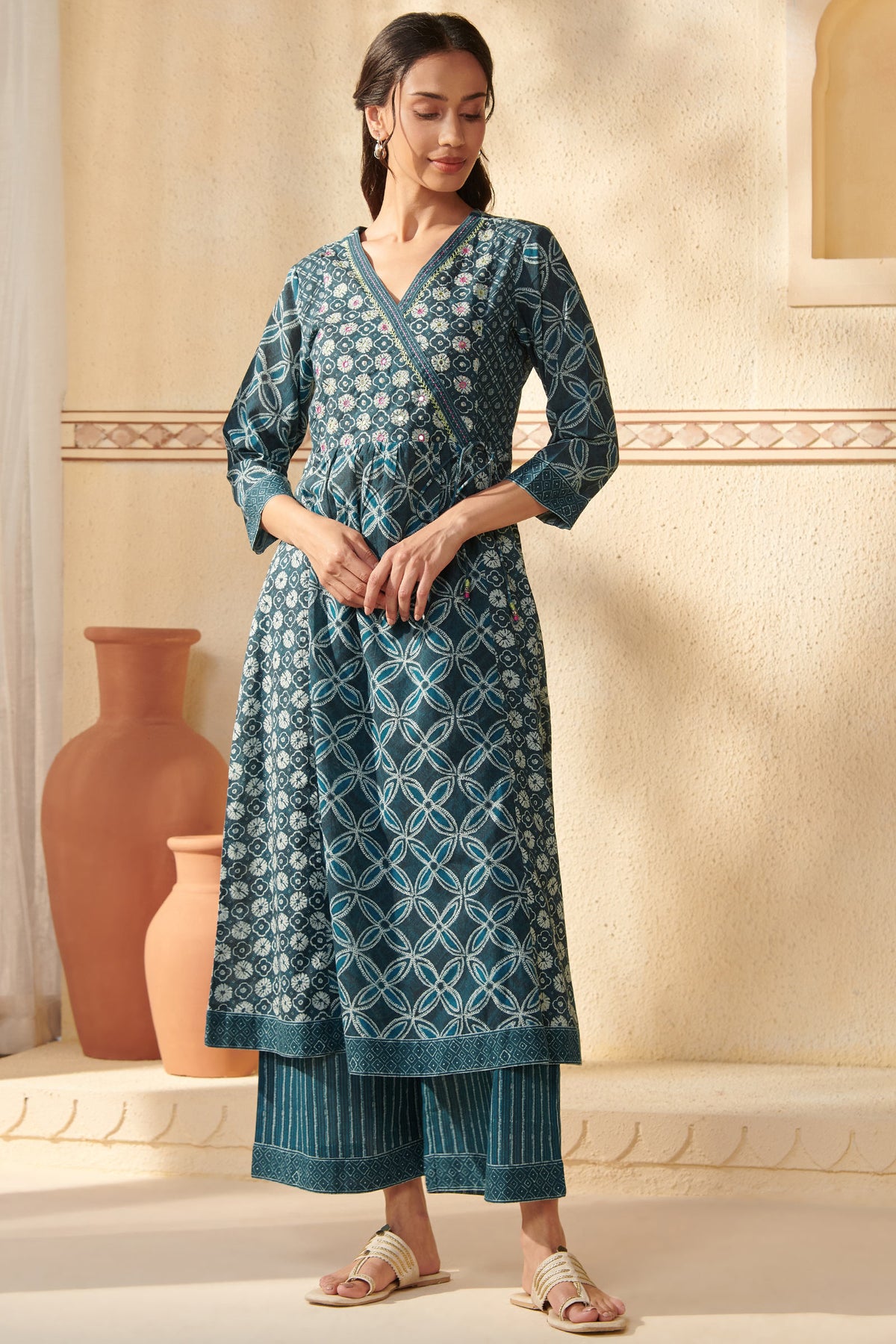
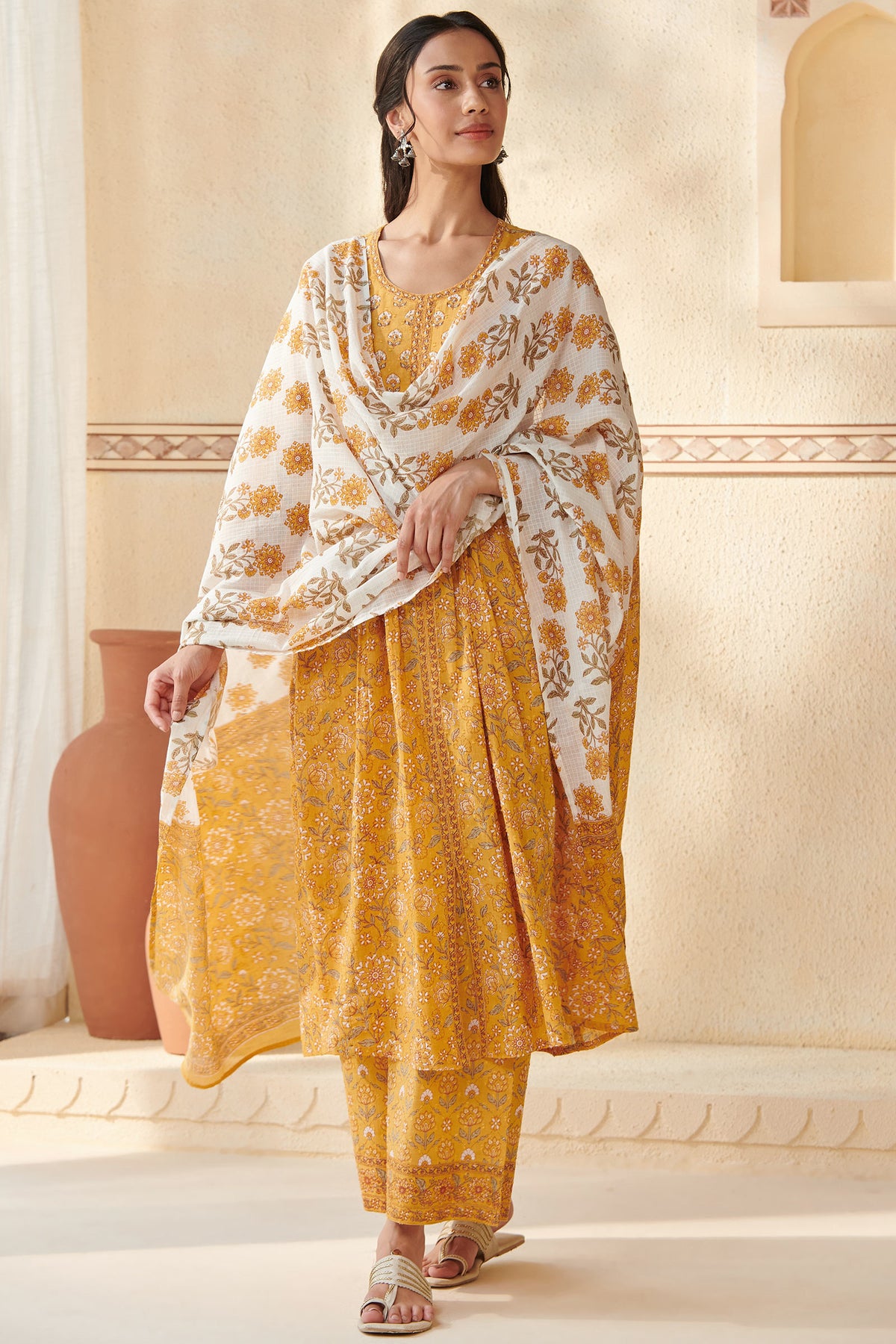
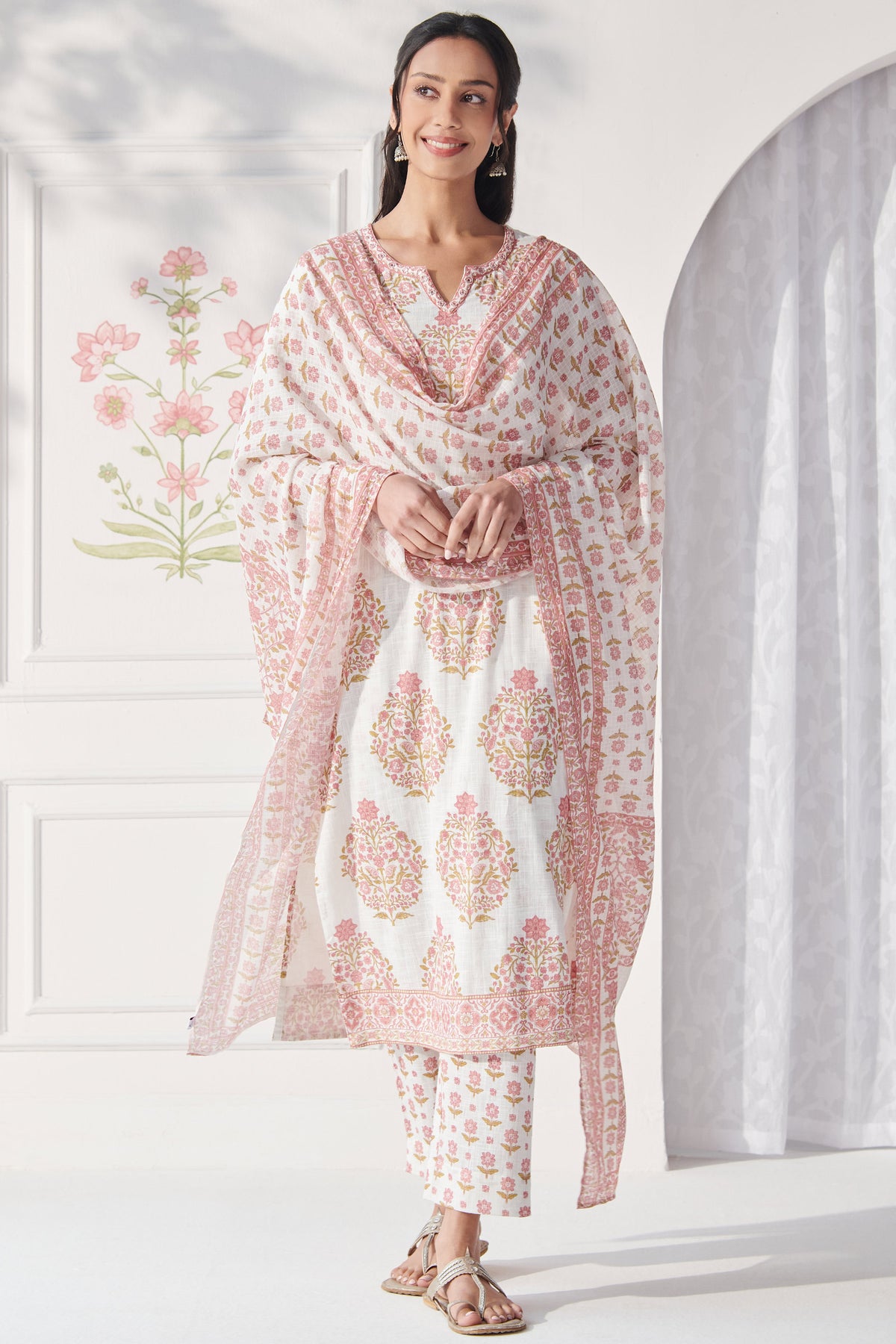
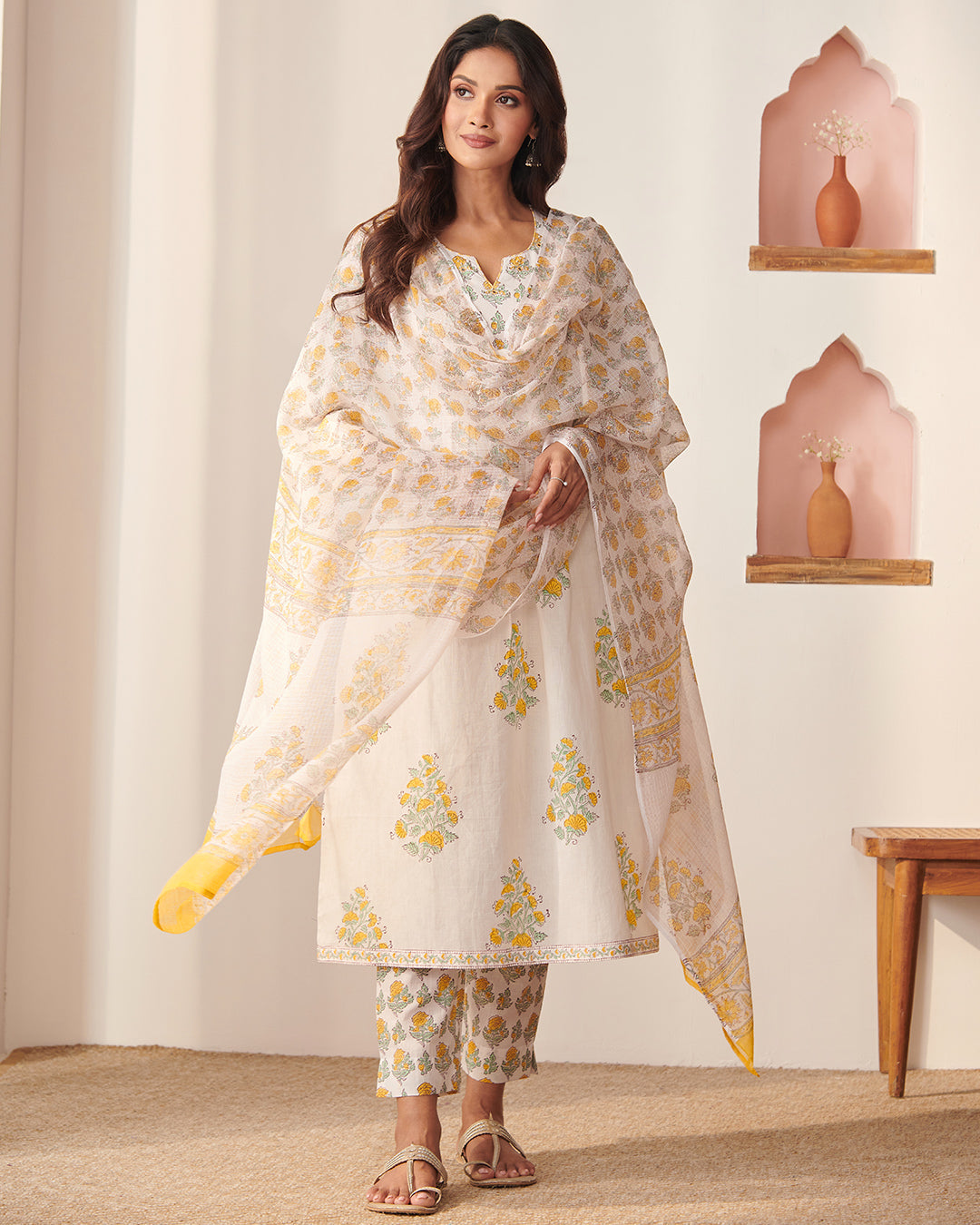
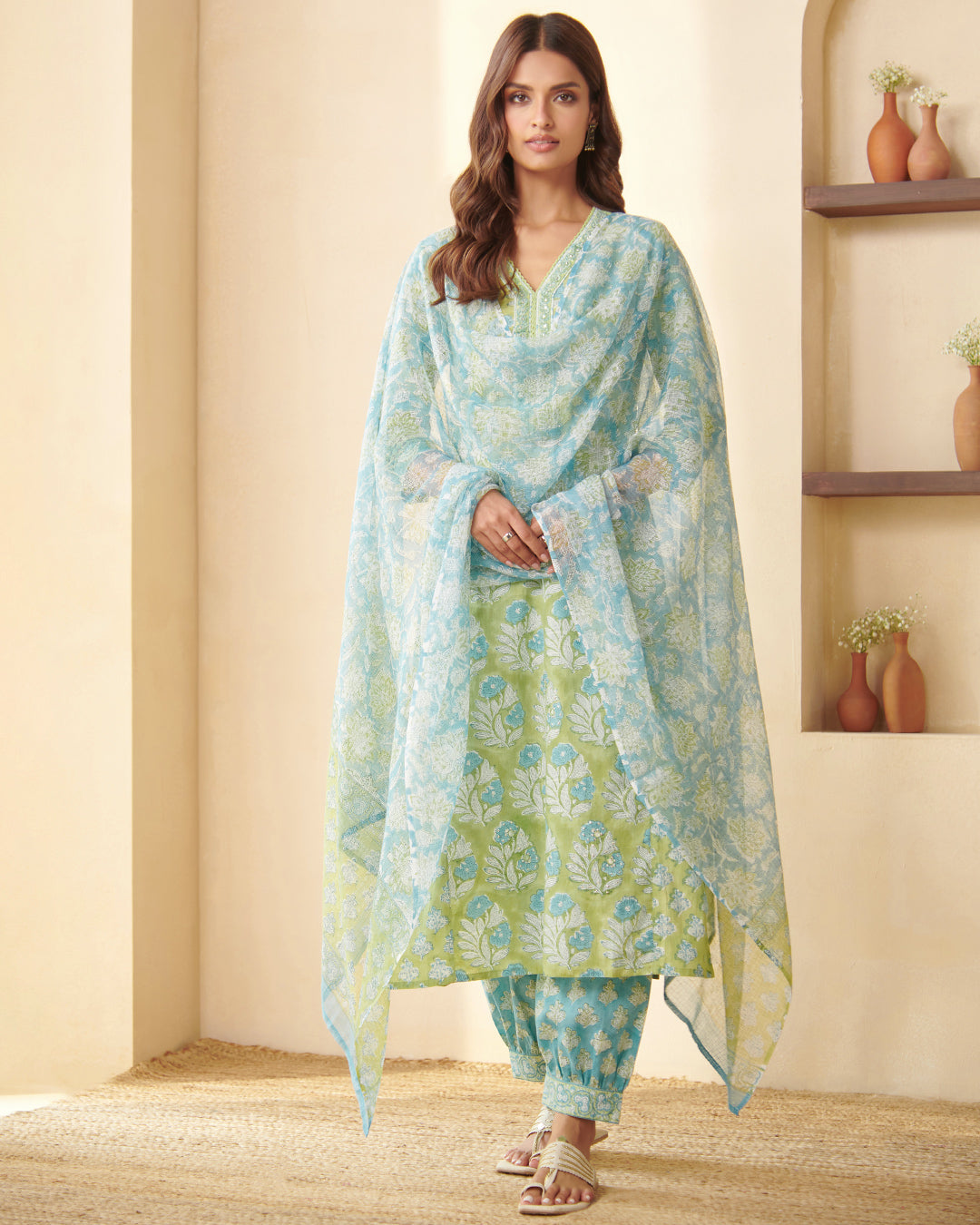
A thoughtfully printed kurta can move between seasons and occasions. Pair it with cotton pants in summer, layer it with a dupatta during cooler months, or wear it simply for an ordinary day. The print does much of the work without demanding elaborate styling.
Why Printed Kurtas Are a Timeless Wardrobe Investment
Printed kurtas have remained a familiar part of Indian wardrobes because they offer something rare: ease with character. They are comfortable enough for everyday life, yet distinctive enough to feel considered.
A Silhouette That Endures
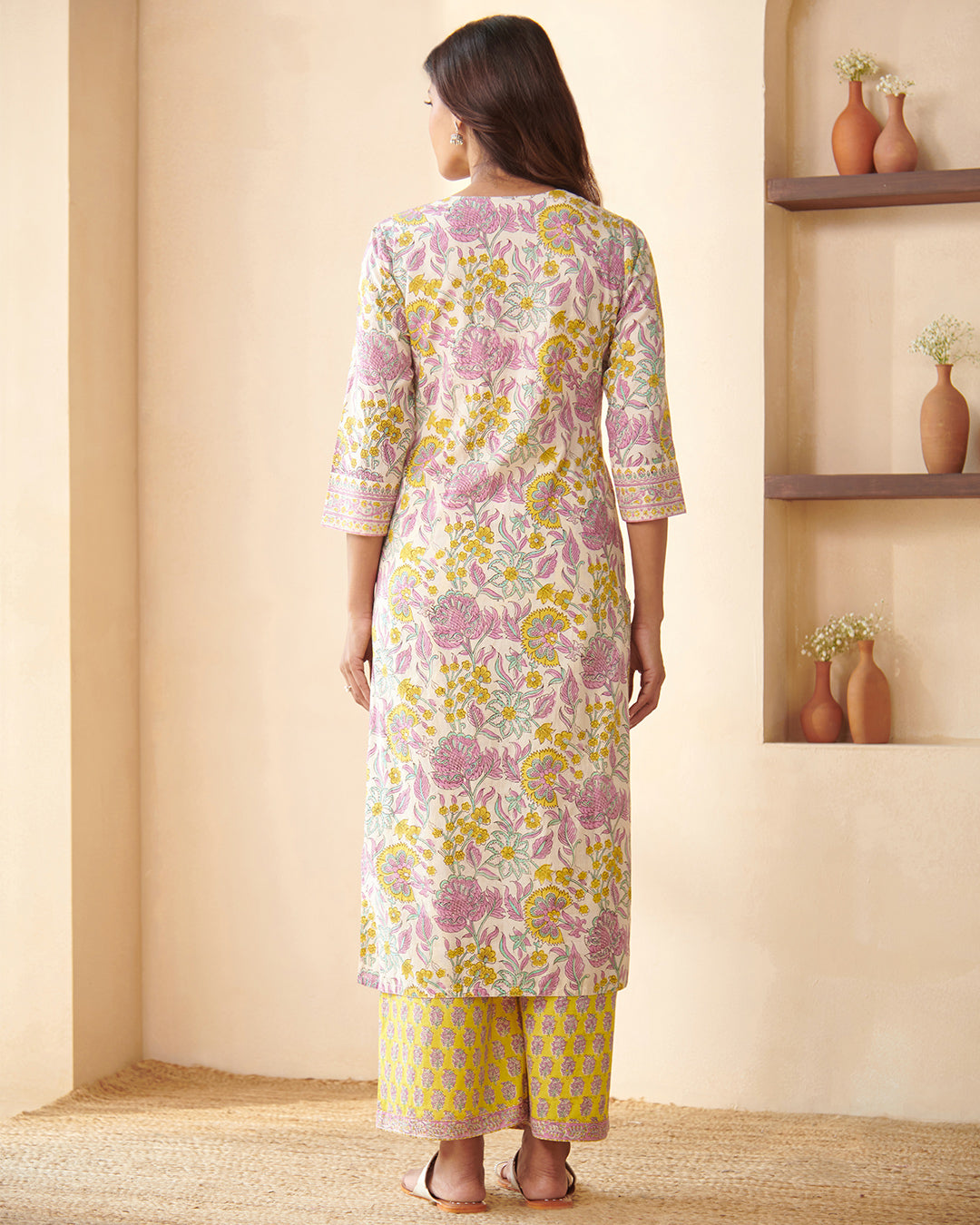
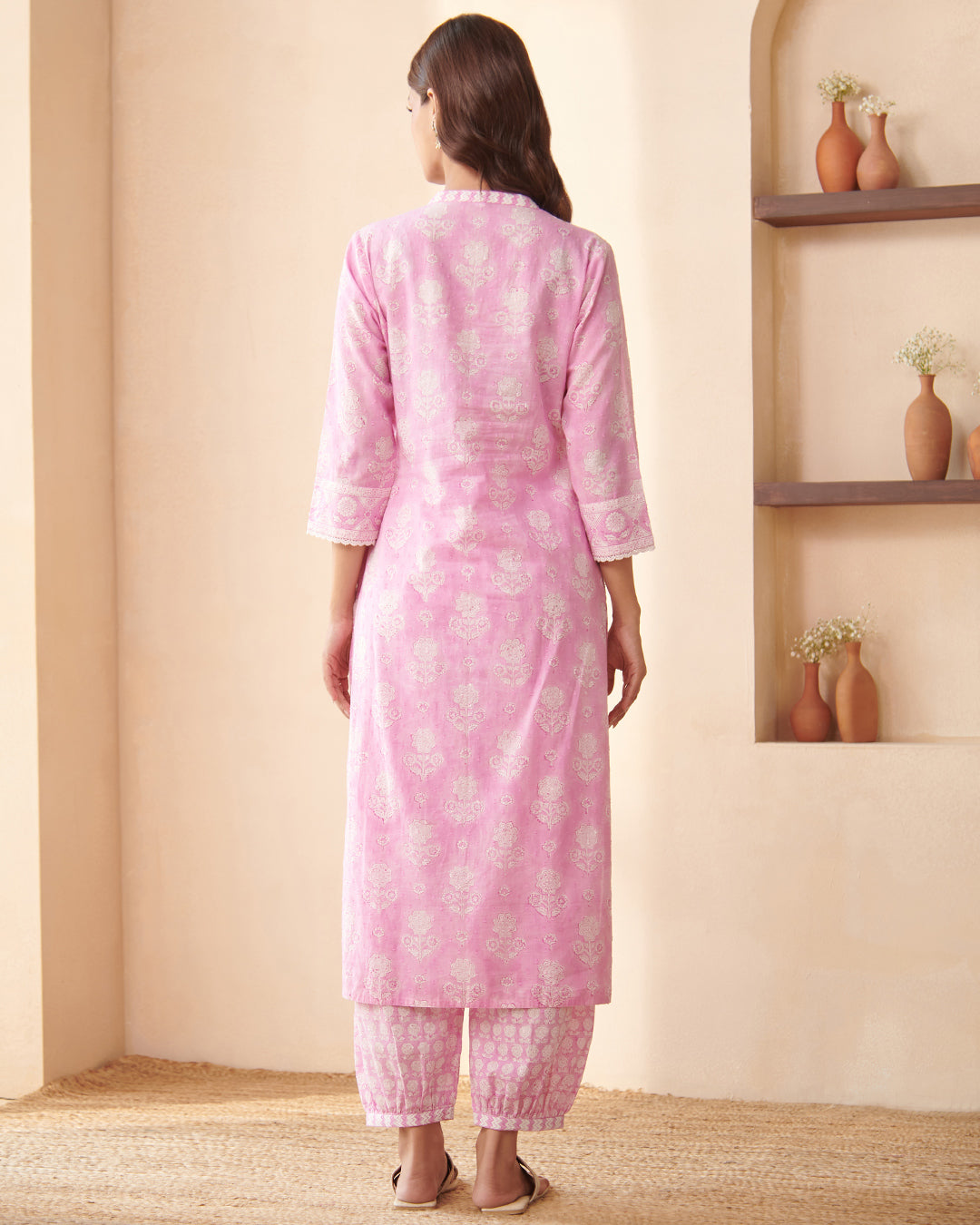
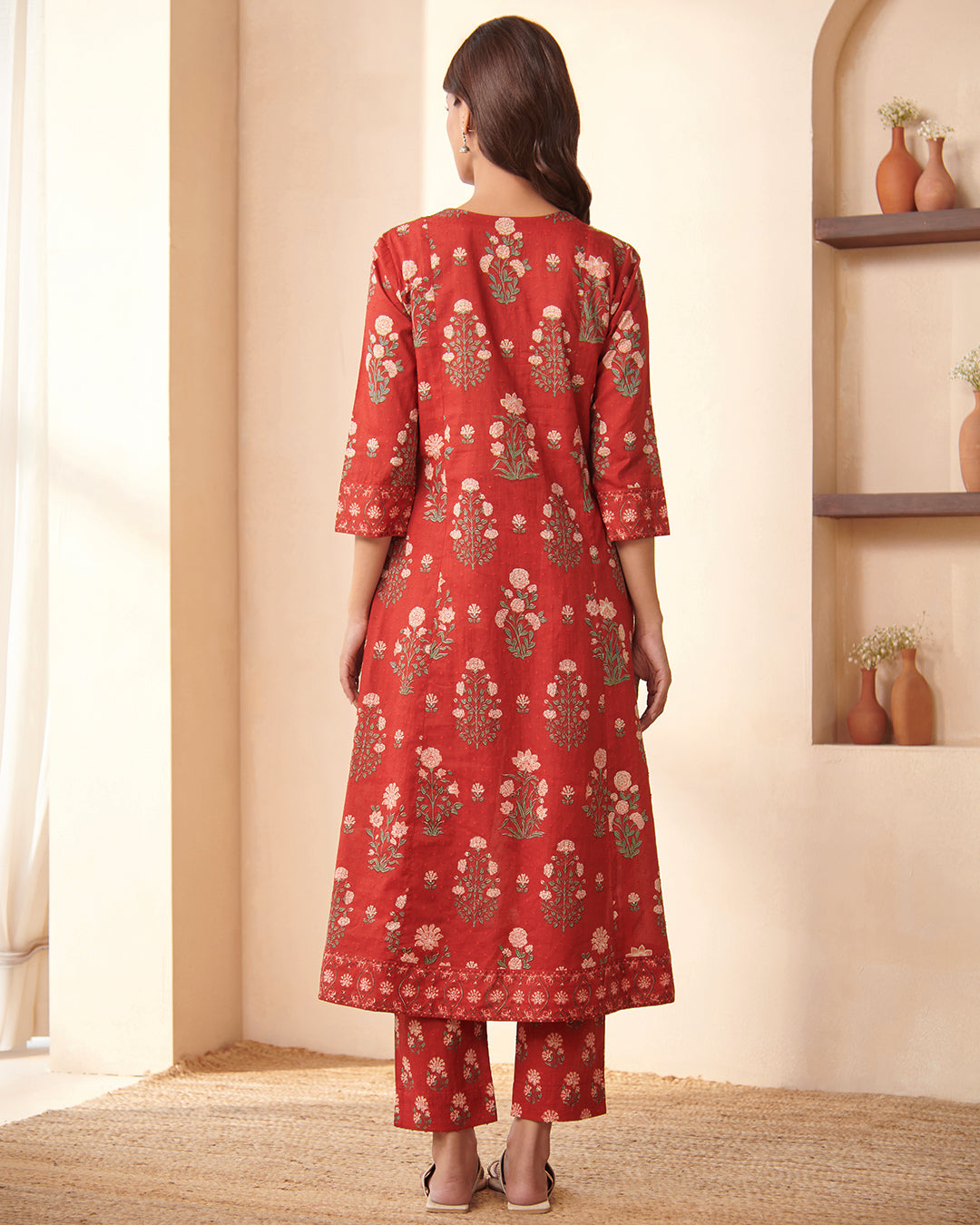
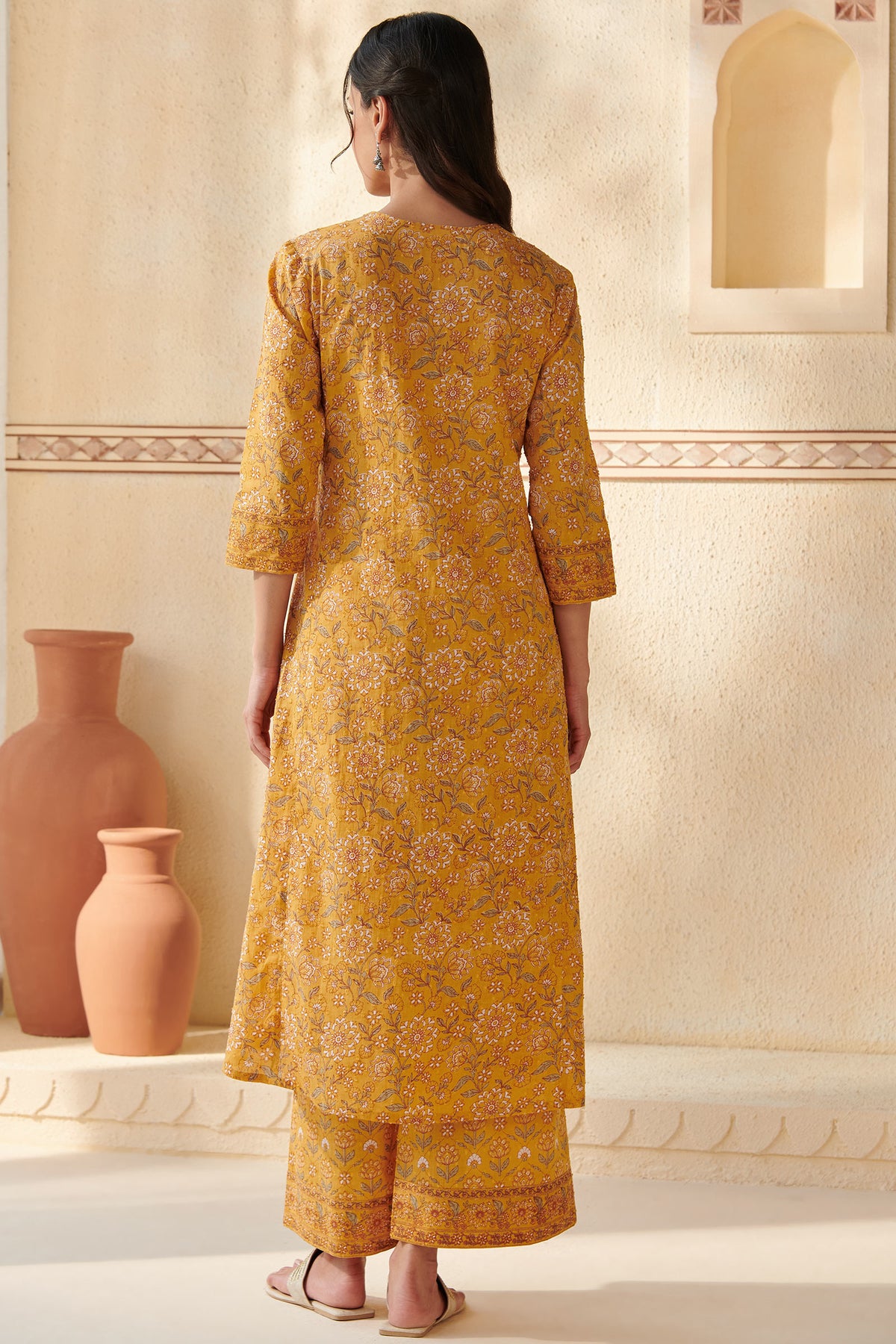
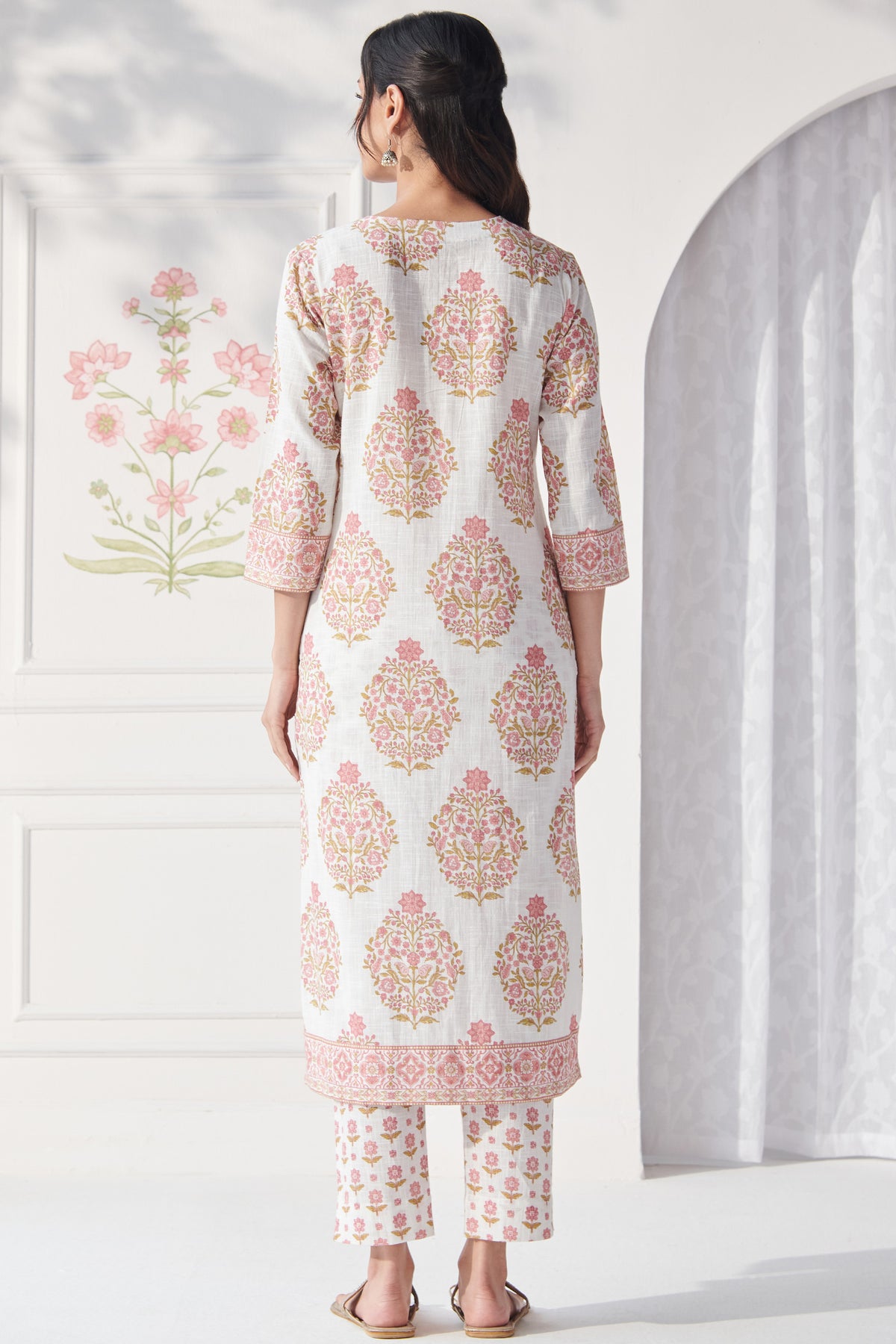
The kurta has never needed to follow changing fashion cycles too closely. Its straight, relaxed forms continue to work because they allow movement and suit different ways of dressing.
One Kurta, Many Moments
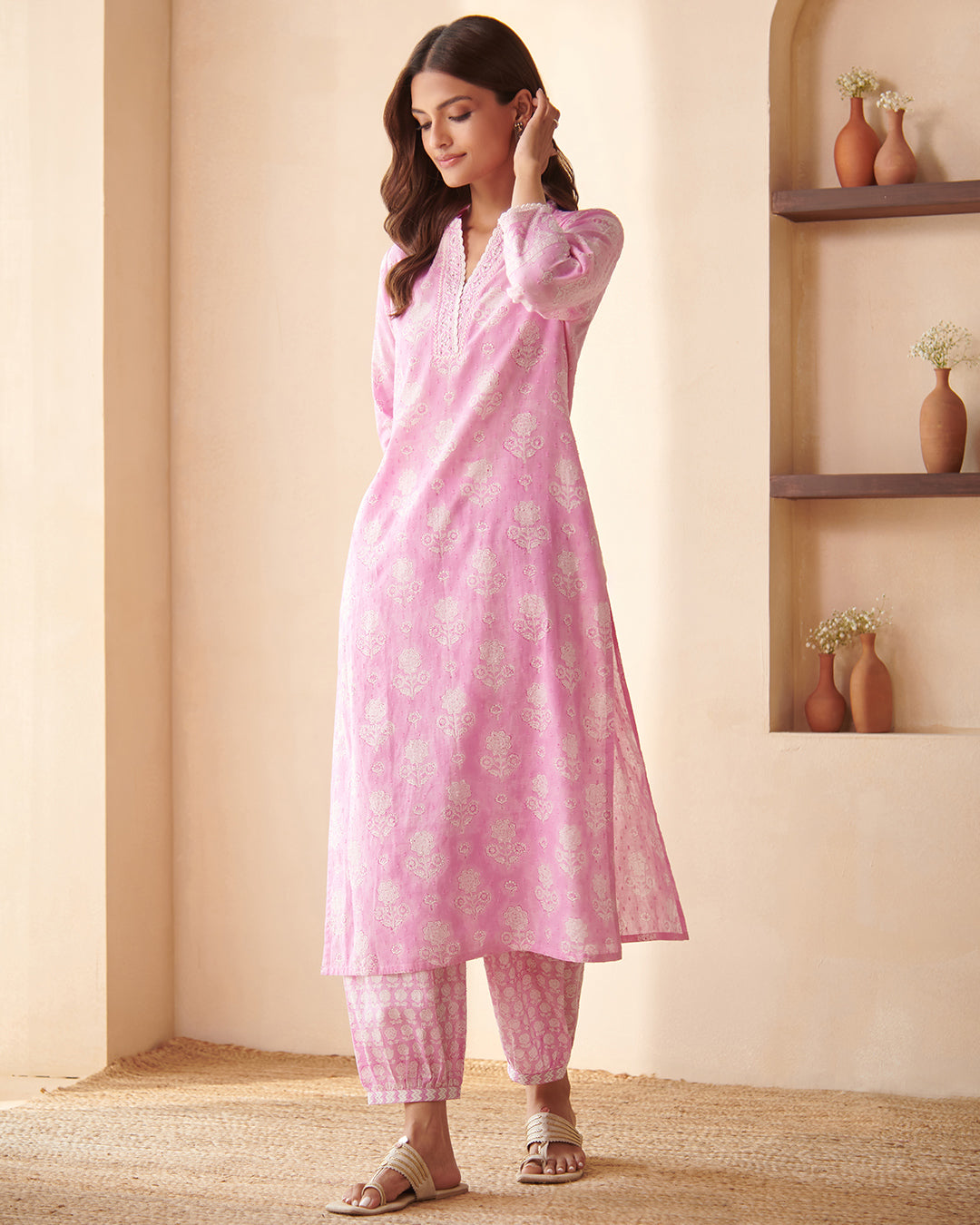
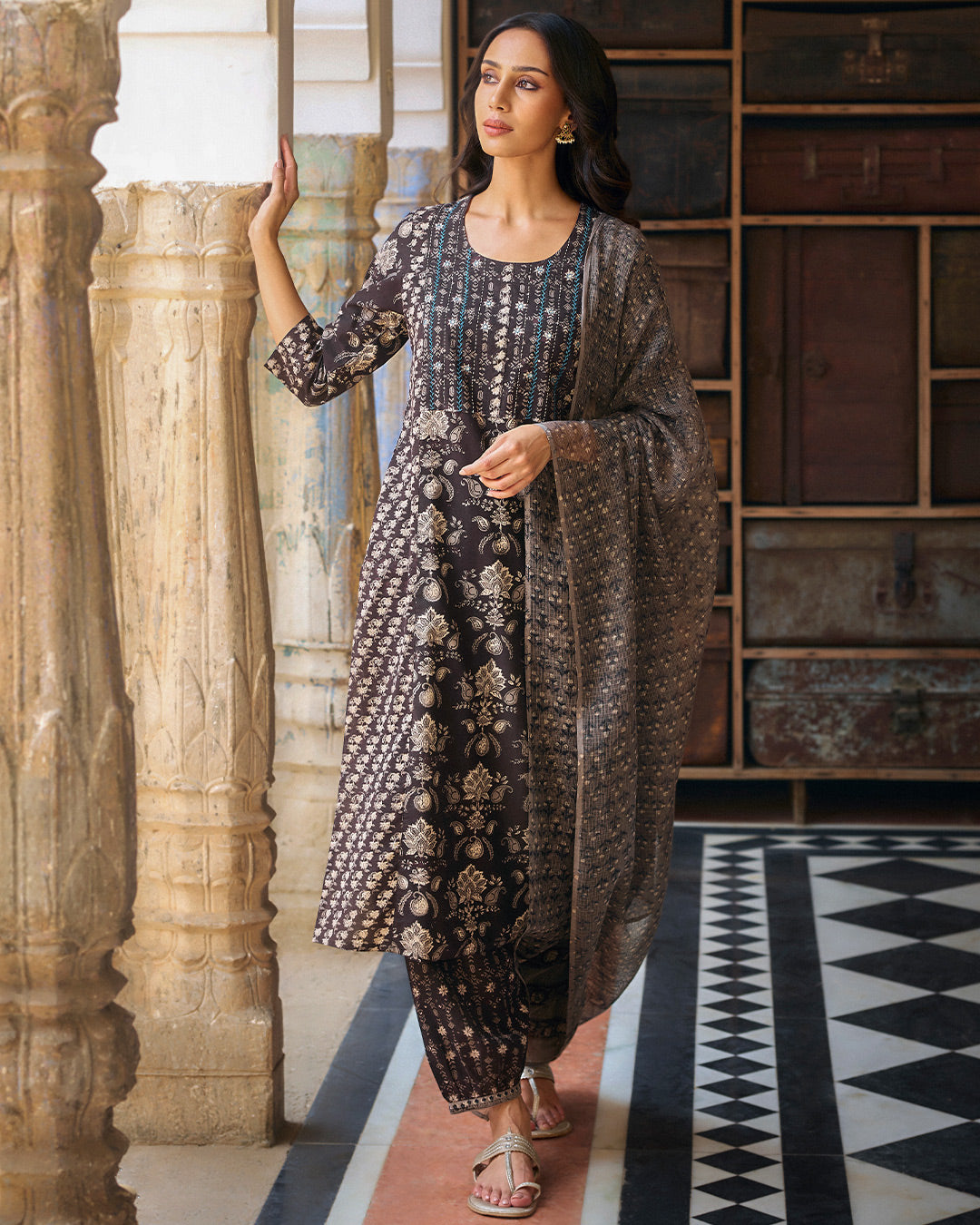
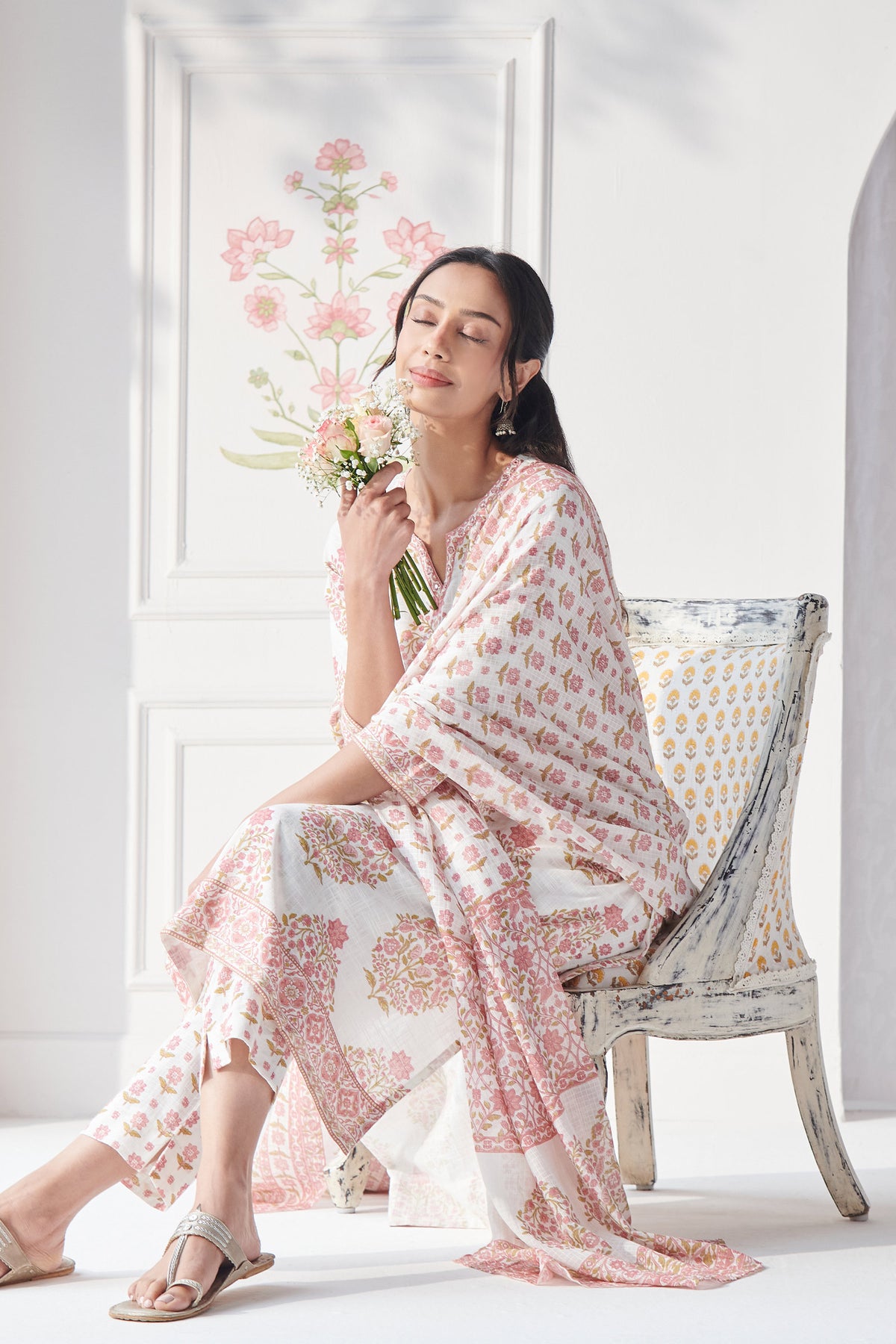
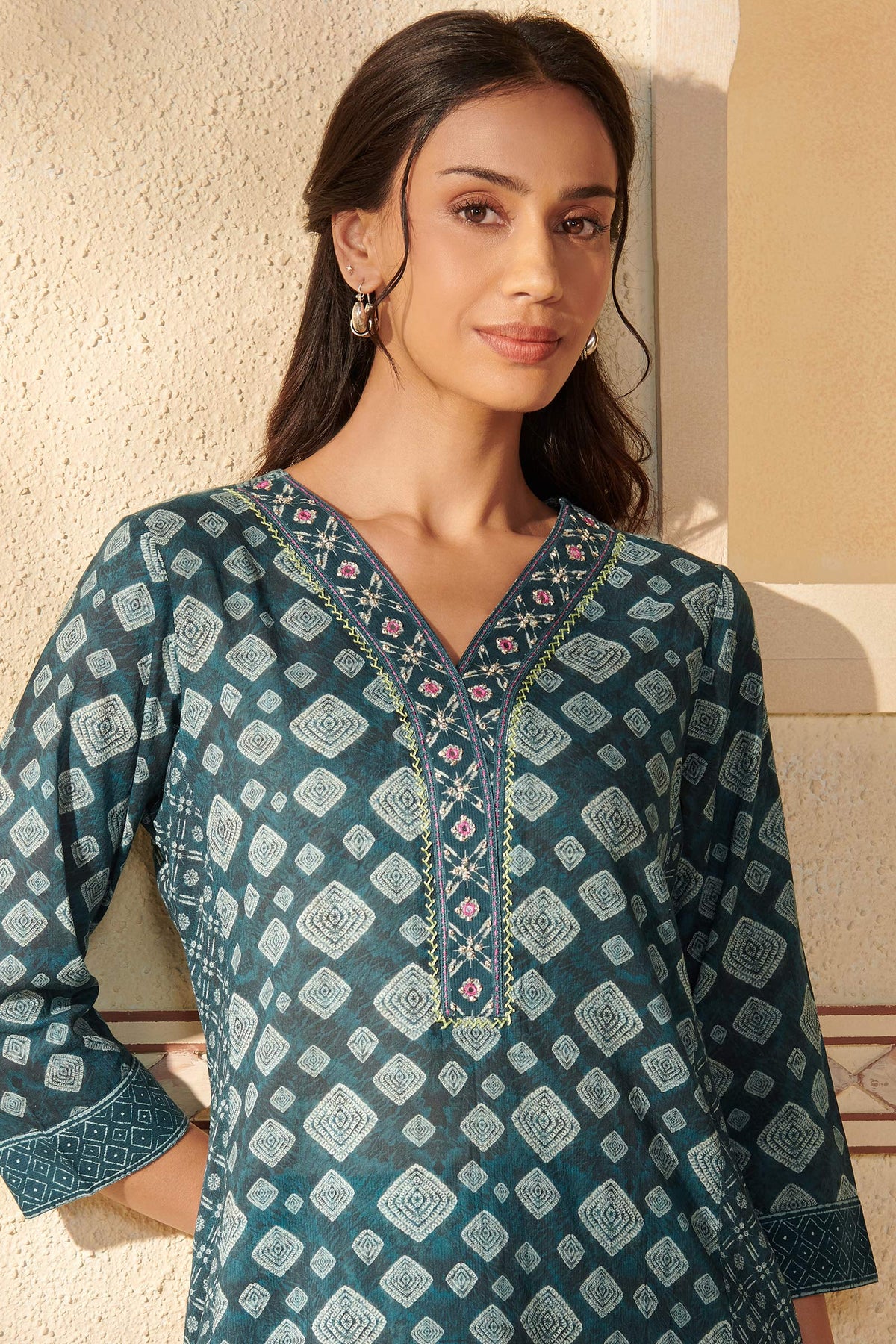
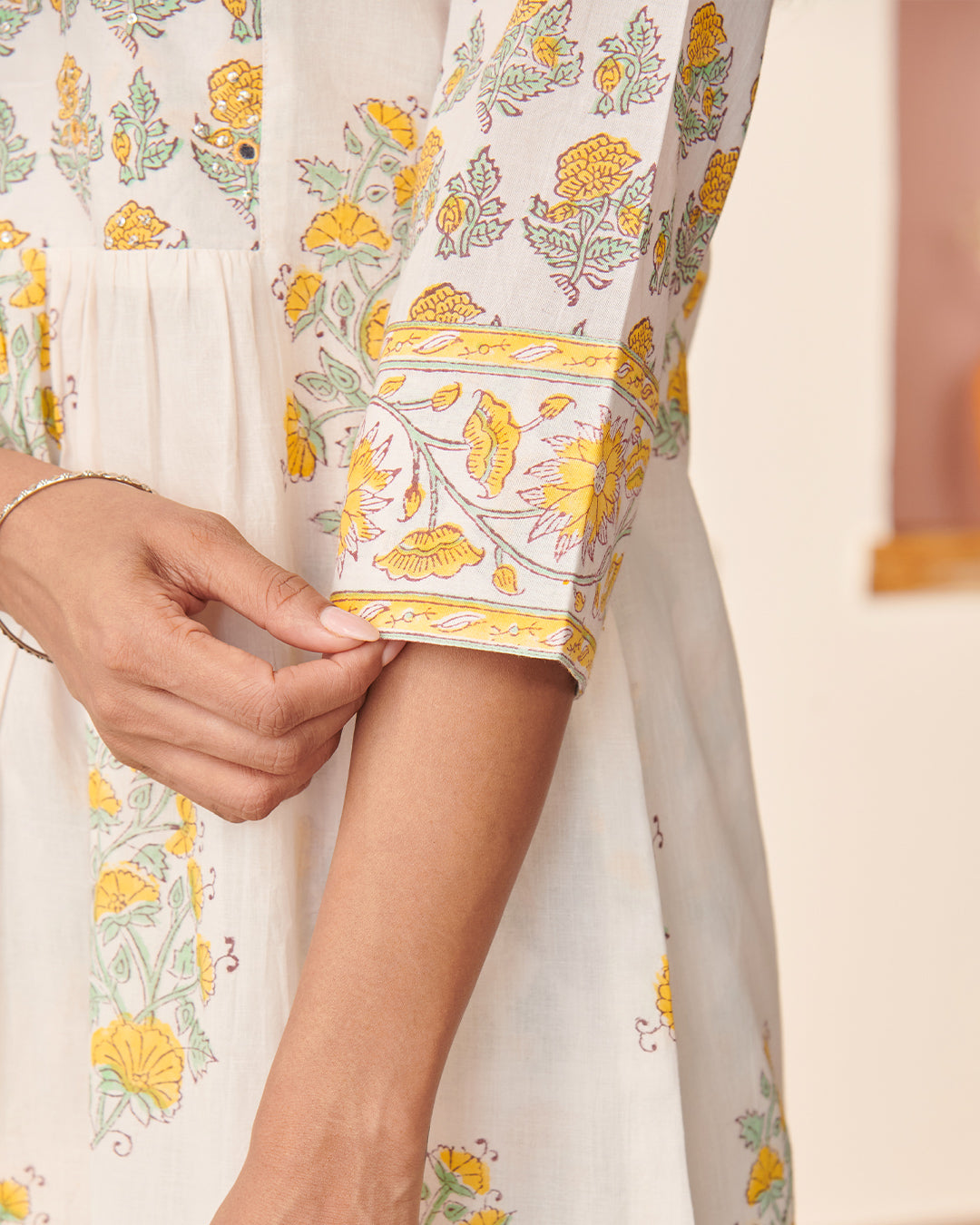
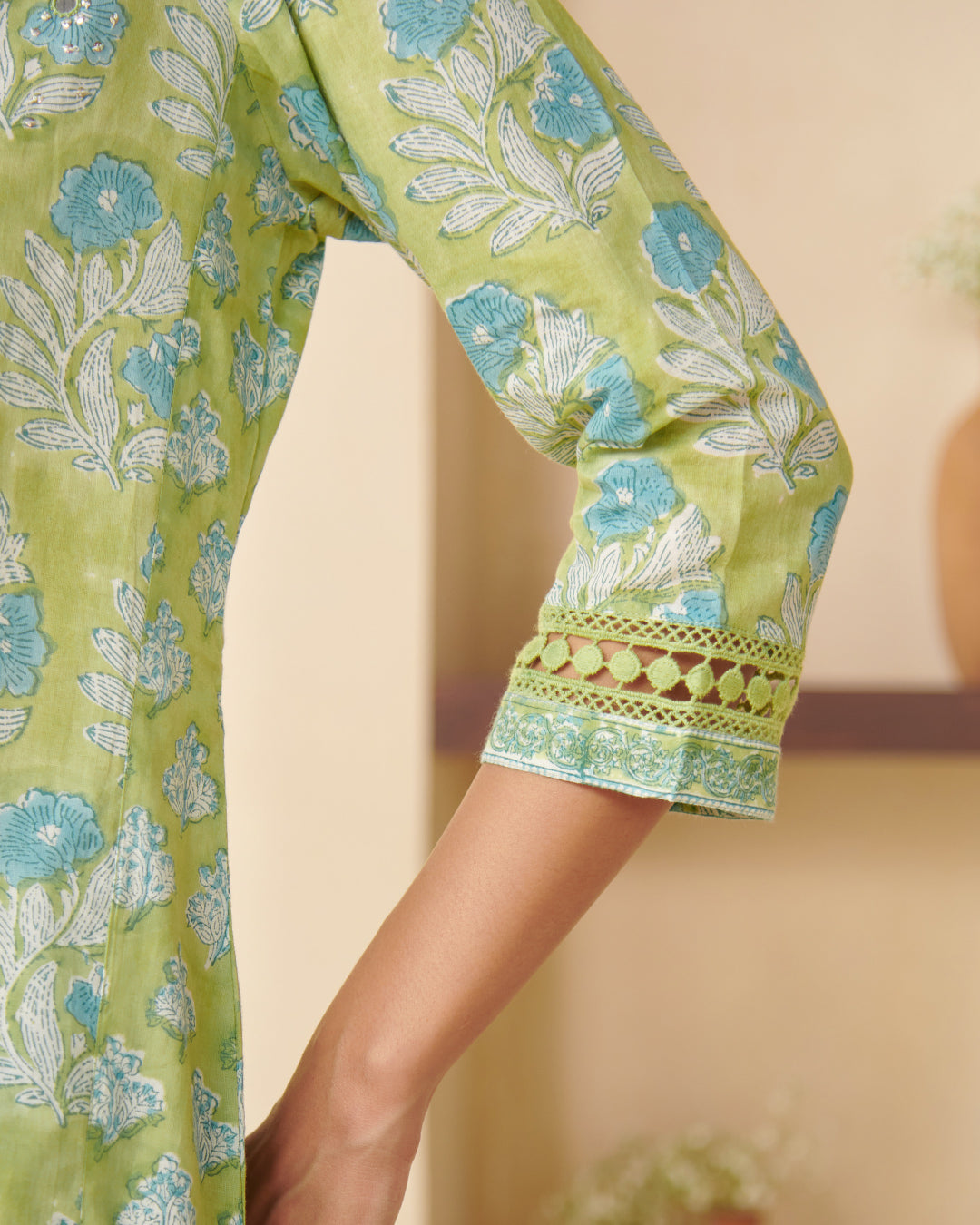
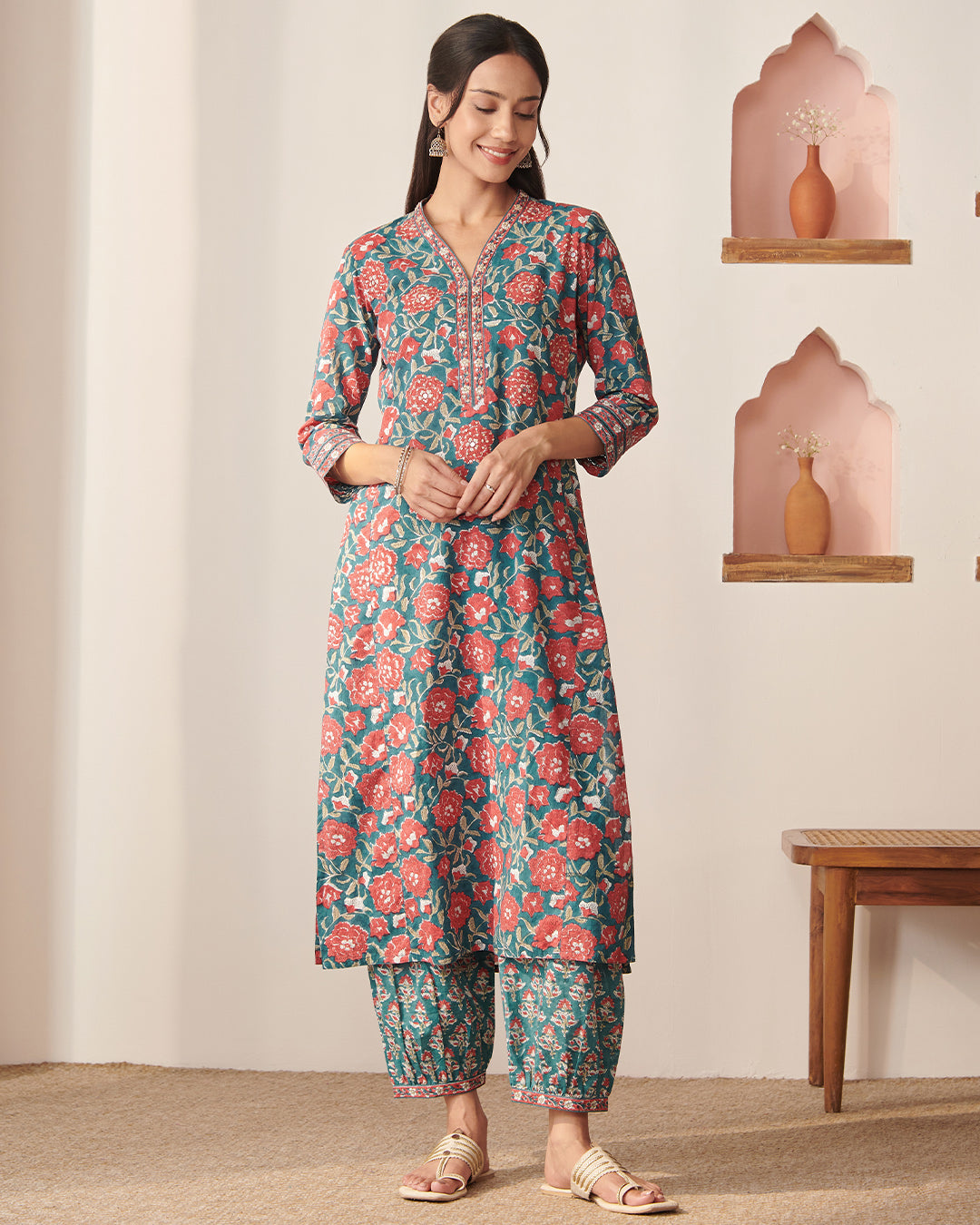
A hand printed cotton kurta can accompany a morning at work, a family lunch, or an evening gathering. Change the trousers, add a dupatta, or introduce a little jewellery, and the same piece takes on a different character.
Beauty That Becomes Familiar
The most valued clothes are often the ones we reach for without thinking. A favourite printed kurta becomes part of our routines, carrying the memory of occasions and ordinary days alike. That familiarity is part of what makes it worth keeping.
Traditional Printing and the Idea of Conscious Fashion
Traditional printing offers a different way of thinking about clothing. It asks us to notice how something was made, who made it, and why certain techniques have survived for generations.
Craft Over Uniformity
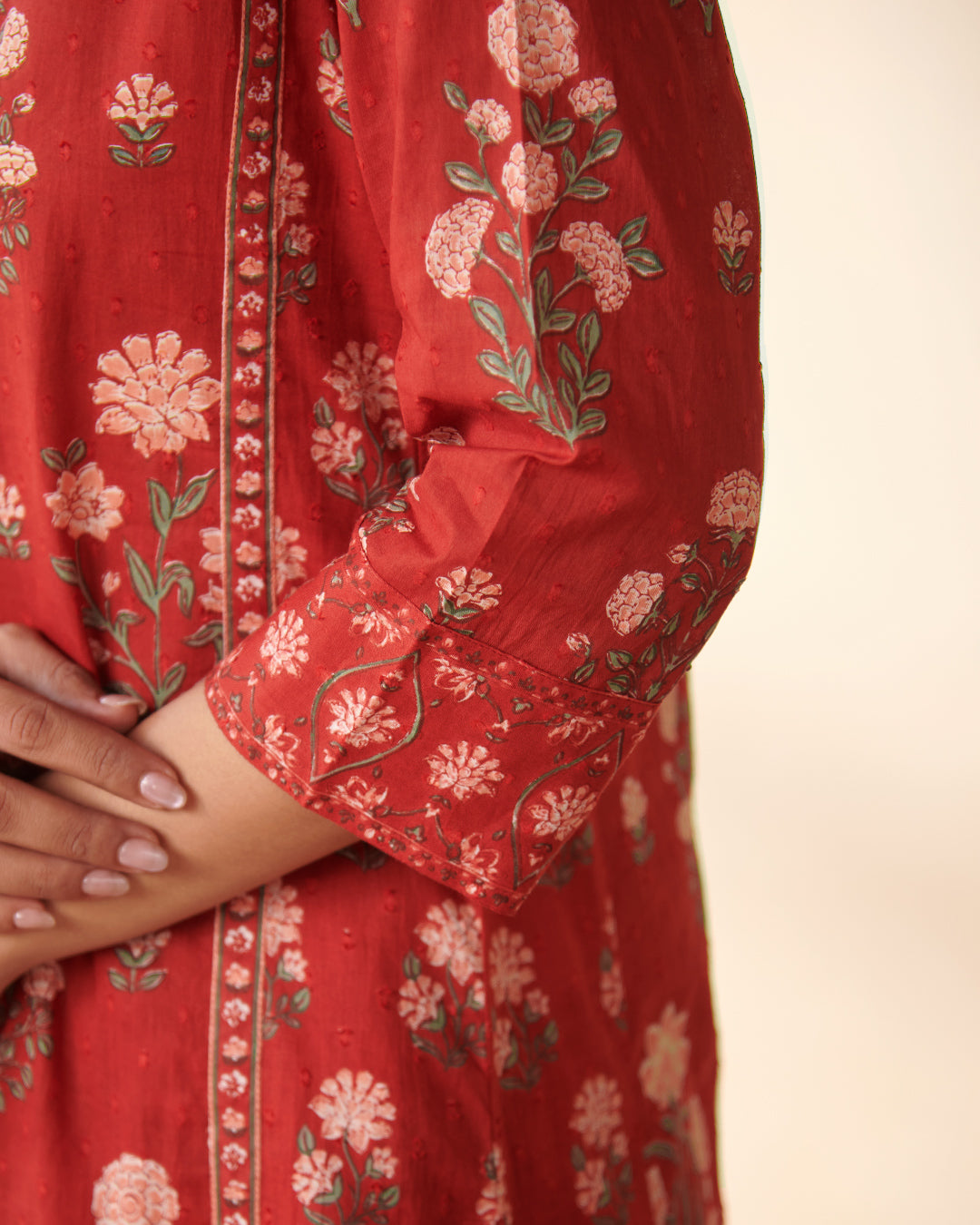
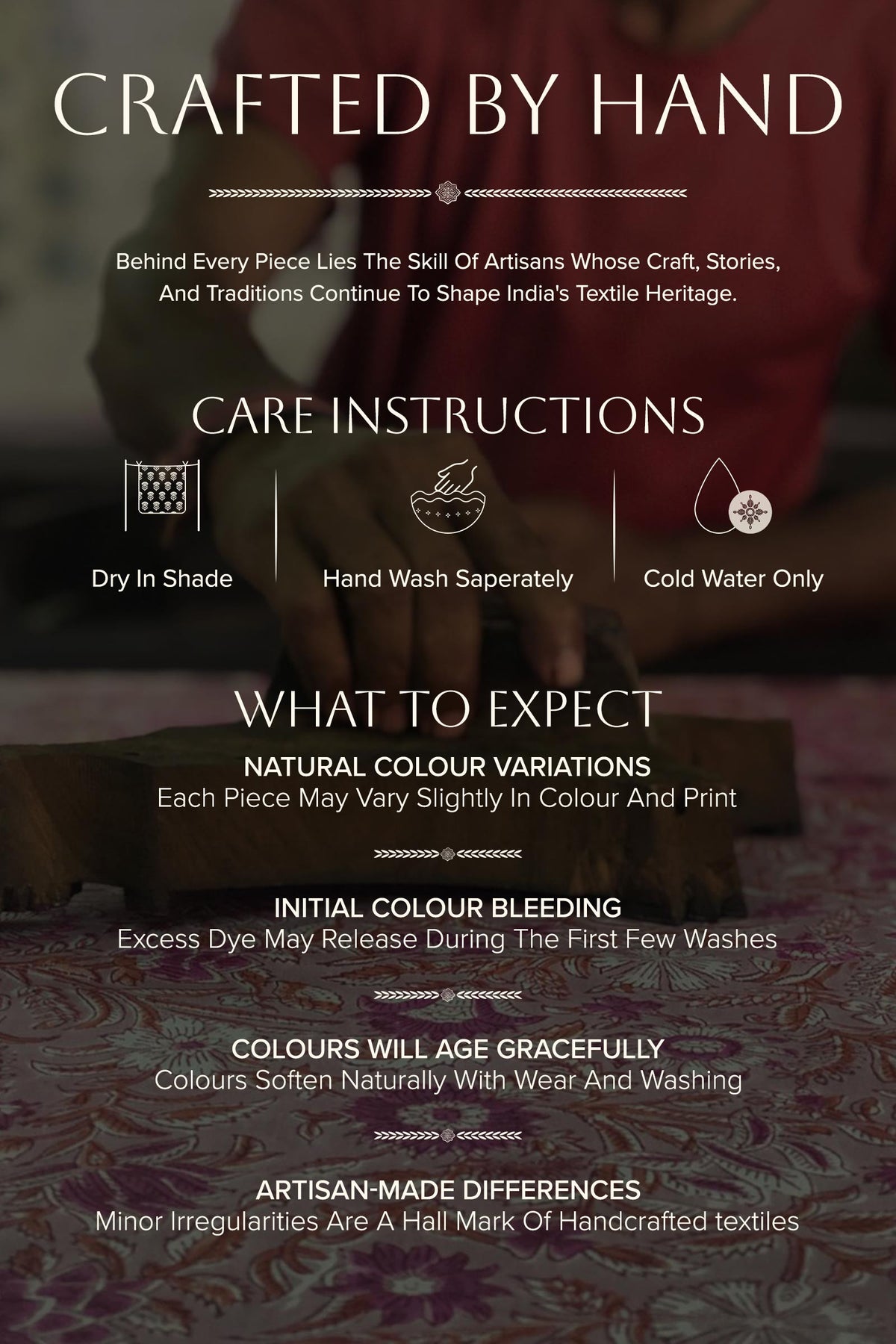
Hand printing does not aim for mechanical perfection. Small variations are part of the process and give each piece its individuality. They remind us that clothing can carry the presence of the hands that created it.
Fabrics Made to Be Lived In
Many traditional Indian prints are created on breathable natural fabrics such as cotton. These textiles suit the Indian climate and become softer with wear, making them practical as well as beautiful.
Keeping Craft in Everyday Life
Conscious fashion is not only about buying less. It is also about choosing pieces with meaning and longevity. When traditional printing remains part of everyday clothing, the skills behind it continue to have a place in contemporary life.
How to Identify Authentic Traditional Prints
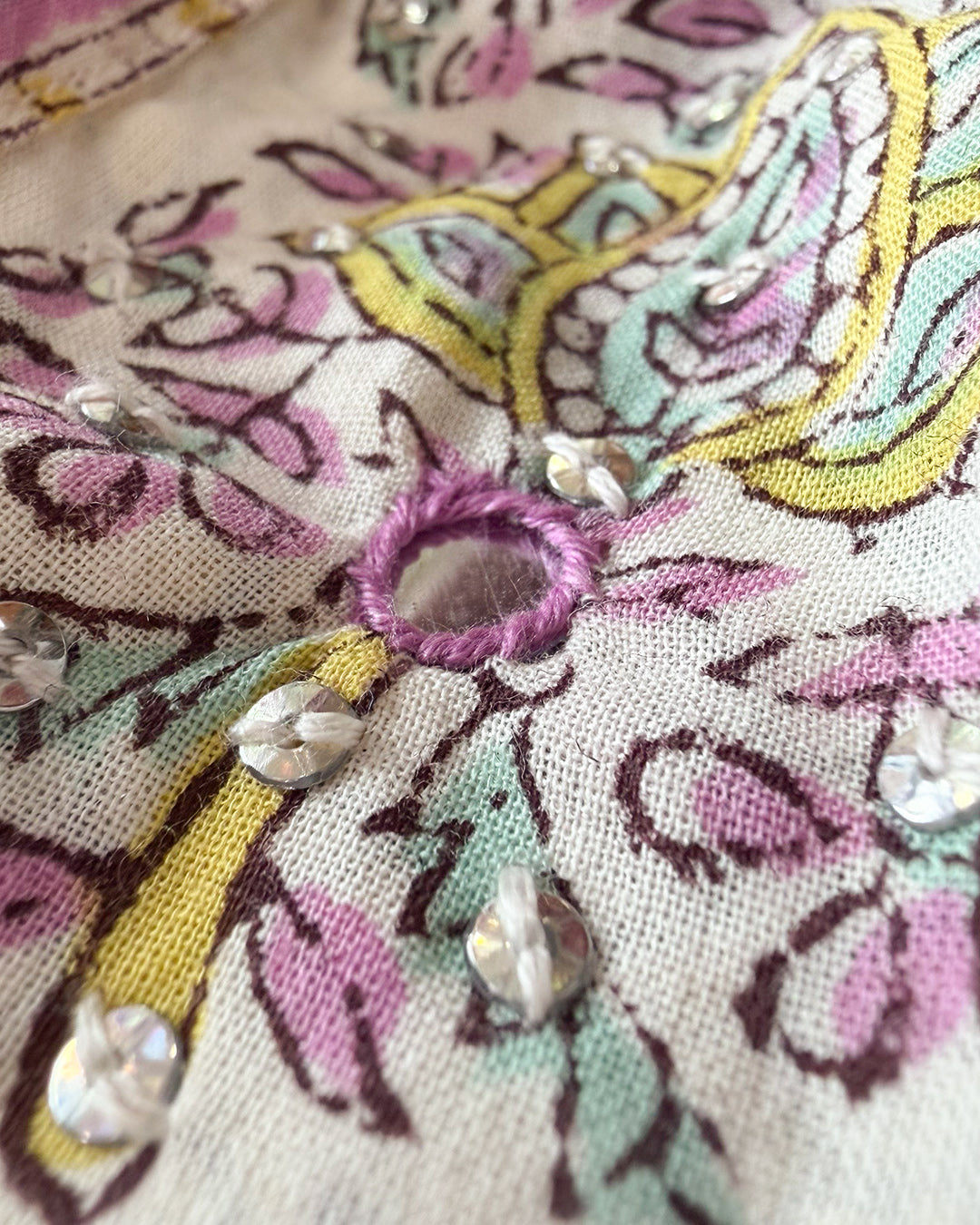
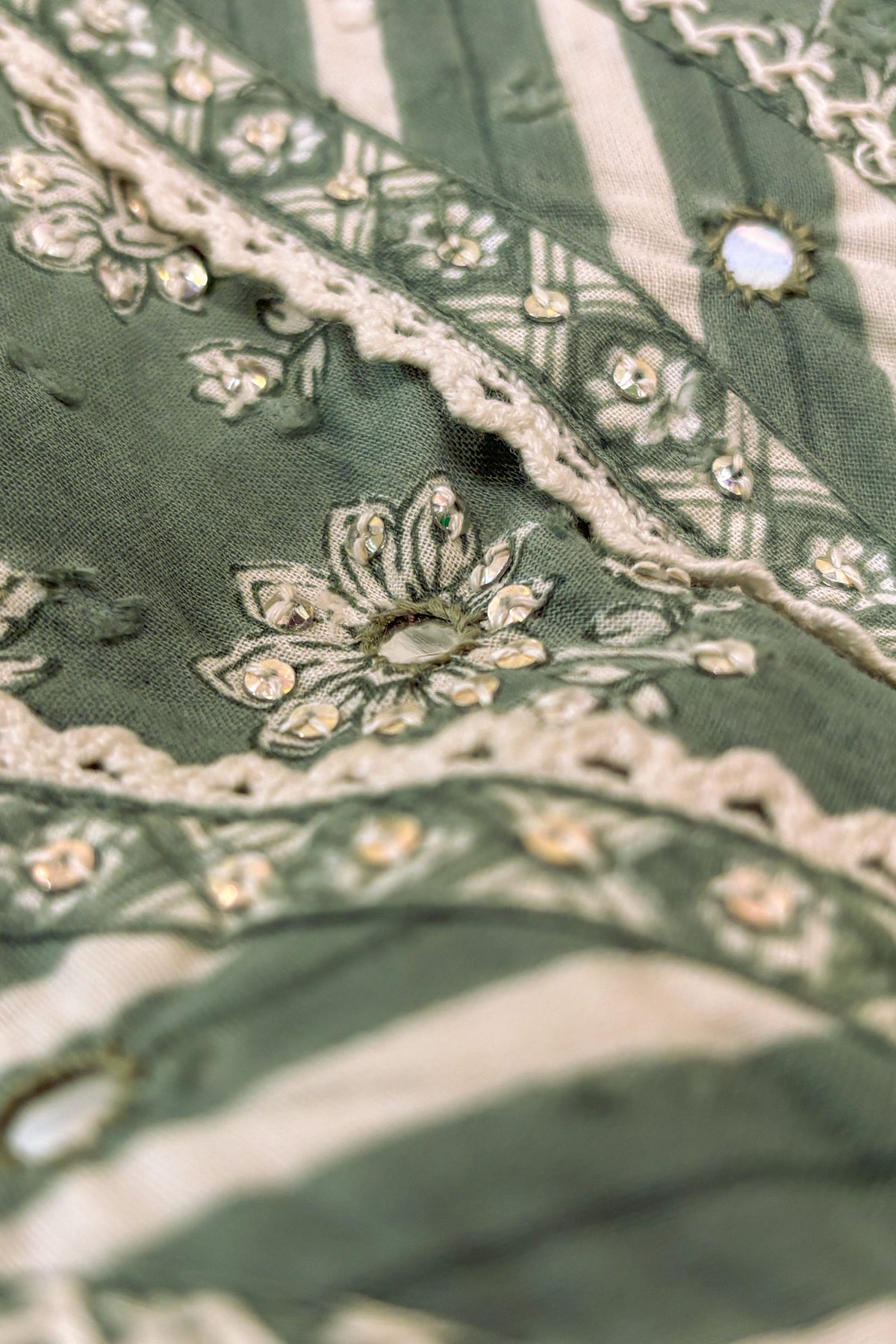
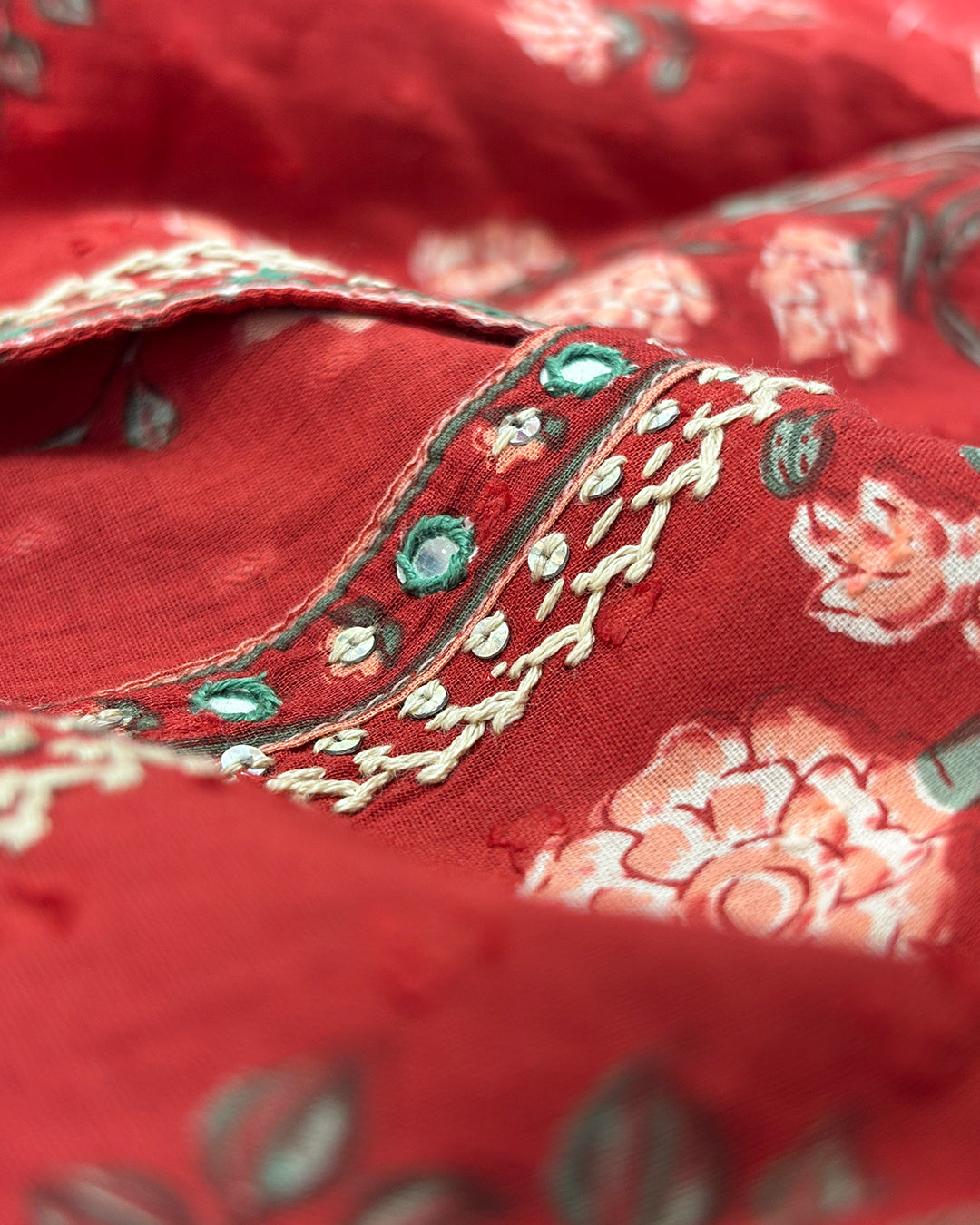
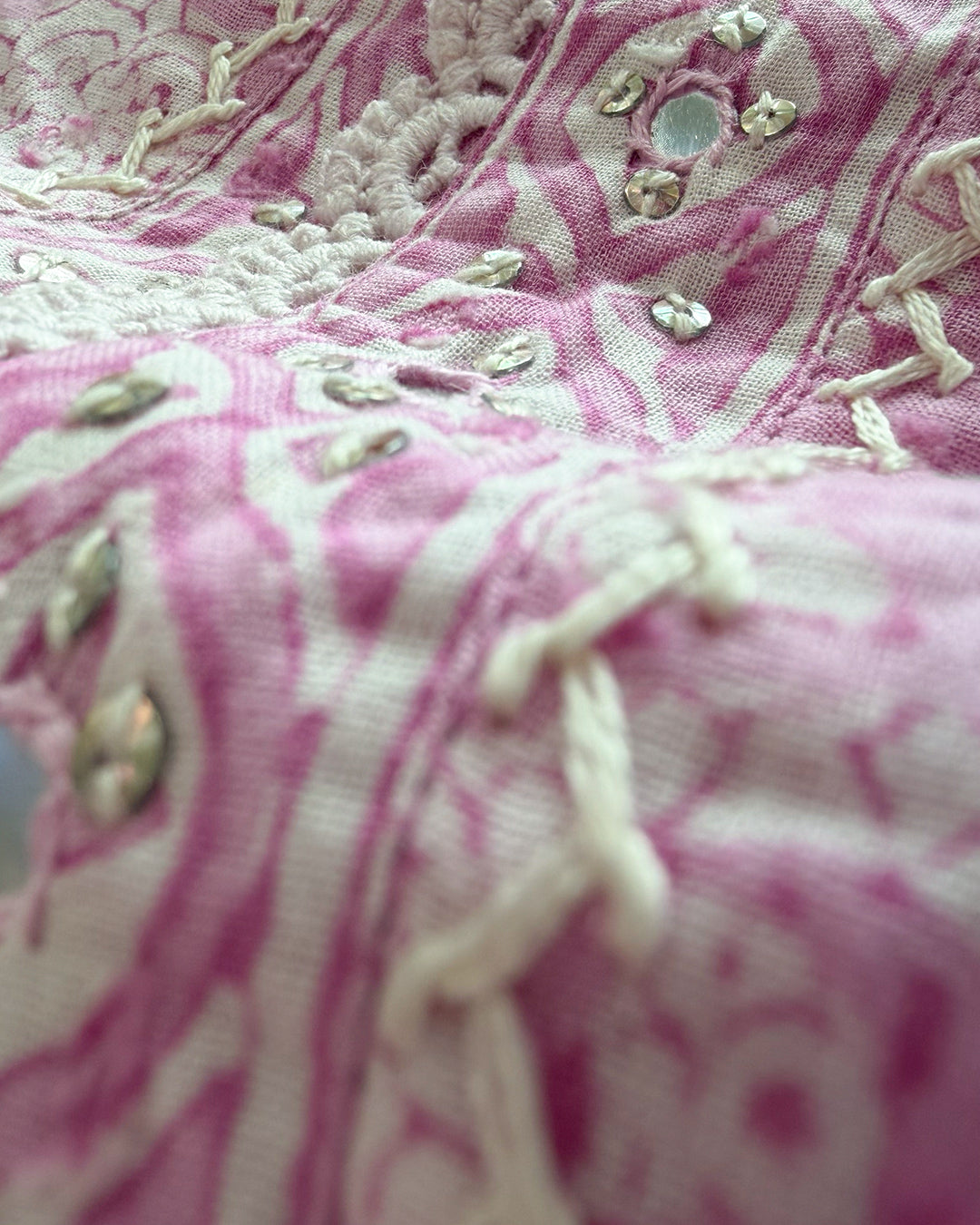
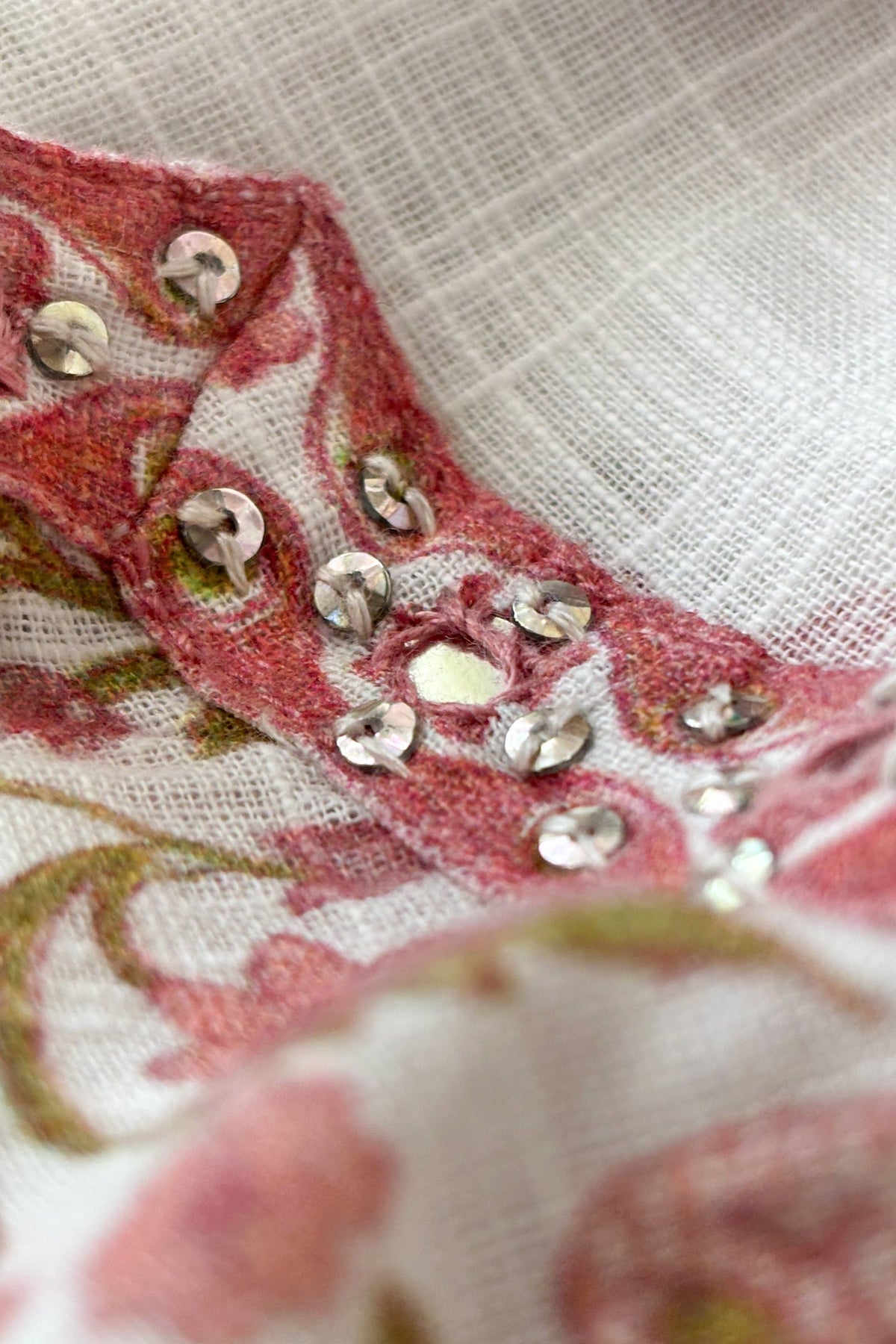
Authentic traditional prints often reveal themselves through their details. In hand block printing, the placement may not be perfectly uniform, and tiny variations in colour or alignment are natural. These are not flaws. They are signs of a process carried out by hand.
The design itself can also offer clues. Bagru, Ajrakh, Dabu, and Sanganeri printing each have distinctive motifs, colour palettes, and methods. Natural dyes may produce gentle variations, while repeated block impressions can show subtle shifts across the fabric.
Most importantly, look beyond the appearance of the print. Understanding its technique, region, fabric, and making process gives a deeper sense of whether a textile is genuinely rooted in its craft tradition.
Why Farida Gupta Celebrates Traditional Printing Techniques
At Farida Gupta, traditional printing is part of a larger relationship with Indian textile heritage. We are drawn to the quiet character of a hand block, the rhythm of repeated motifs, and the beauty that emerges when skilled hands work patiently with fabric.
These techniques have survived because they remain relevant. A block printed kurta does not belong only to the past. It can be worn to work, taken on a journey, shared at a family gathering, and returned to again and again.
For us, celebrating traditional printing means allowing these crafts to remain part of everyday Indian dressing. The artisans, techniques, motifs, and fabrics all have a story. Clothing gives that story a place to continue.
Final Thoughts
Traditional printing reminds us that timelessness does not come from avoiding change. It comes from making room for things that already carry meaning.
A hand printed textile holds the memory of a craft, a region, and the people who have kept its techniques alive. Its small imperfections make it human. Its familiar motifs give it continuity.
And perhaps that is why these prints continue to find their way into our wardrobes. They do not ask to be noticed for a season. They simply become part of us, one wearing at a time.

