








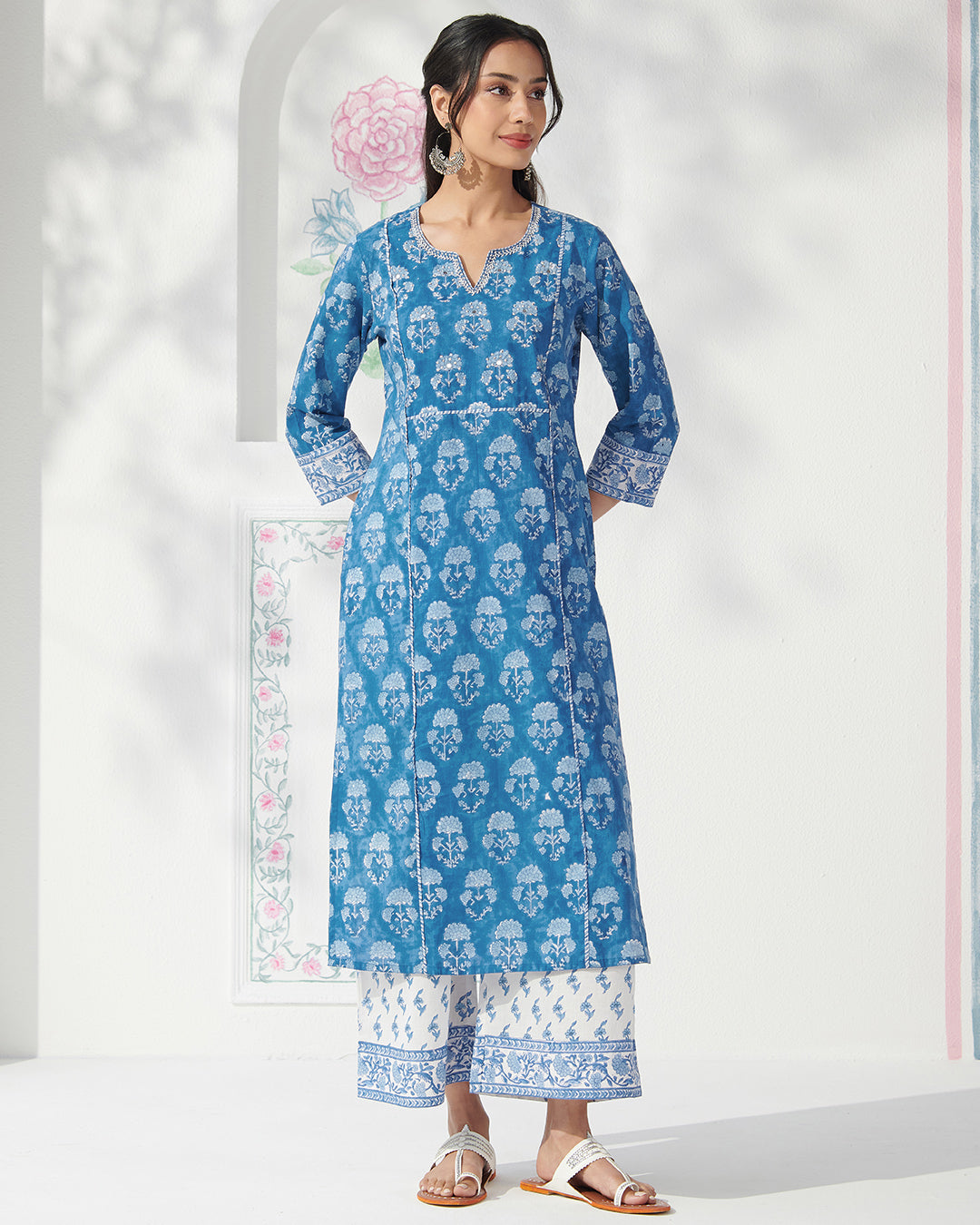
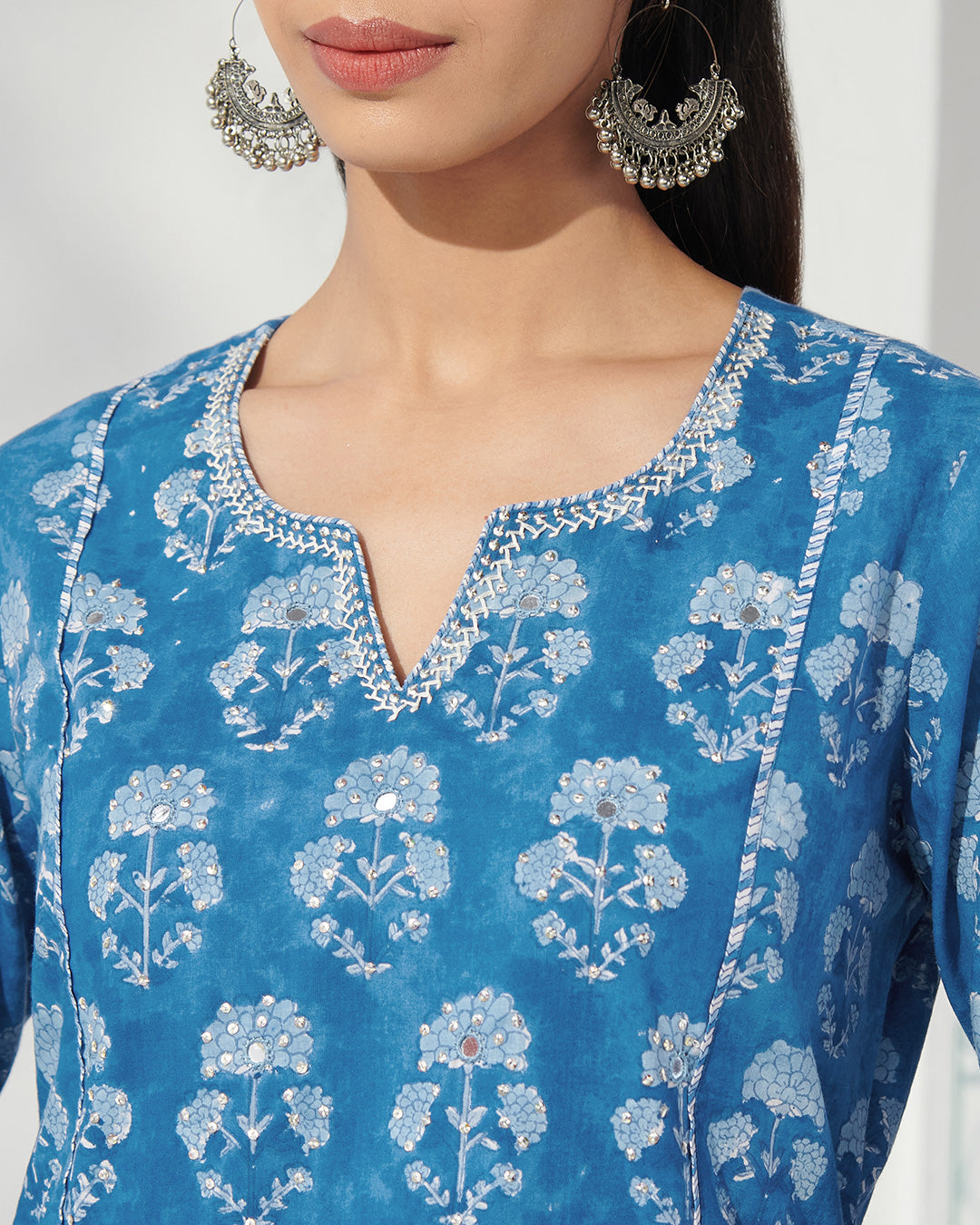
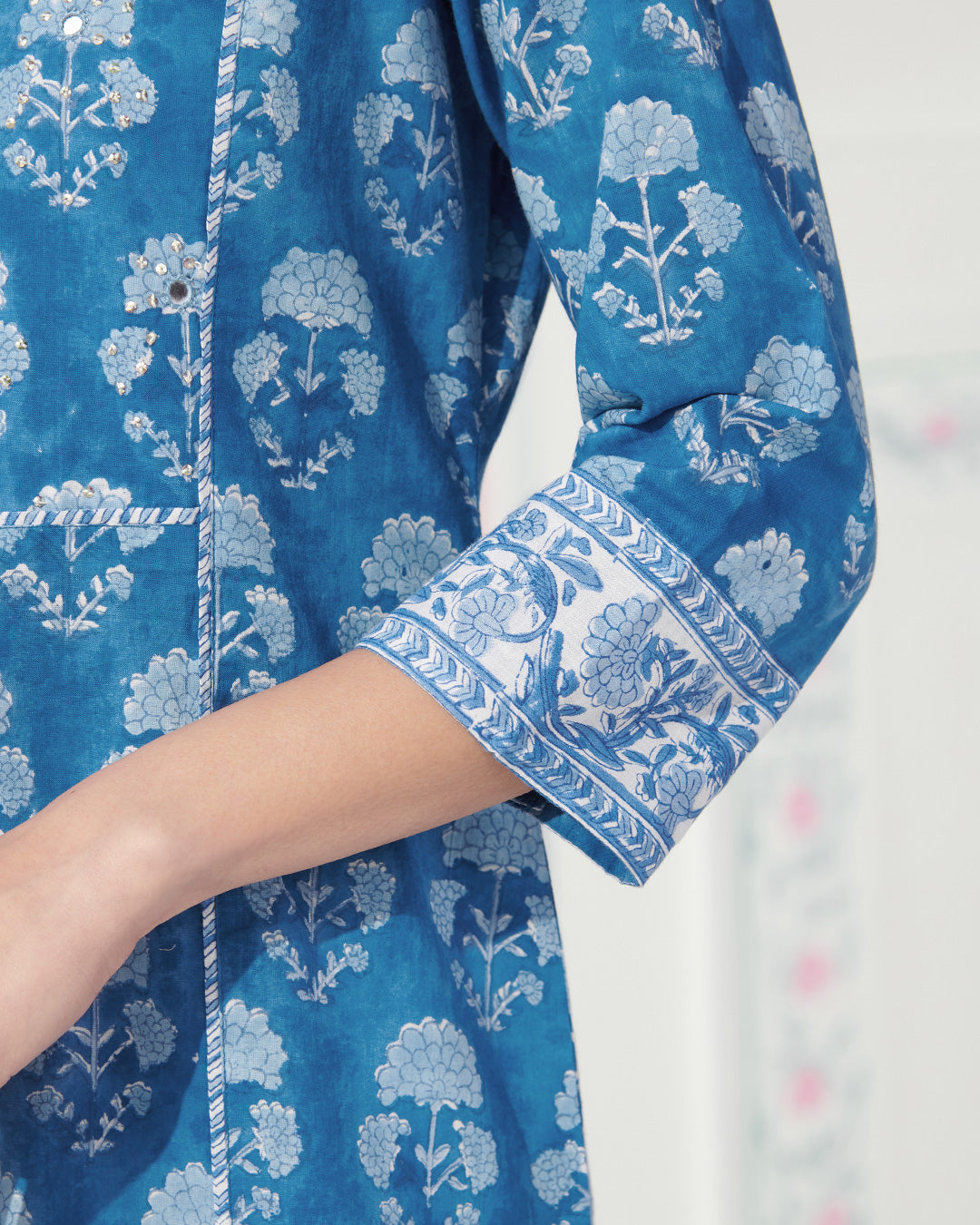
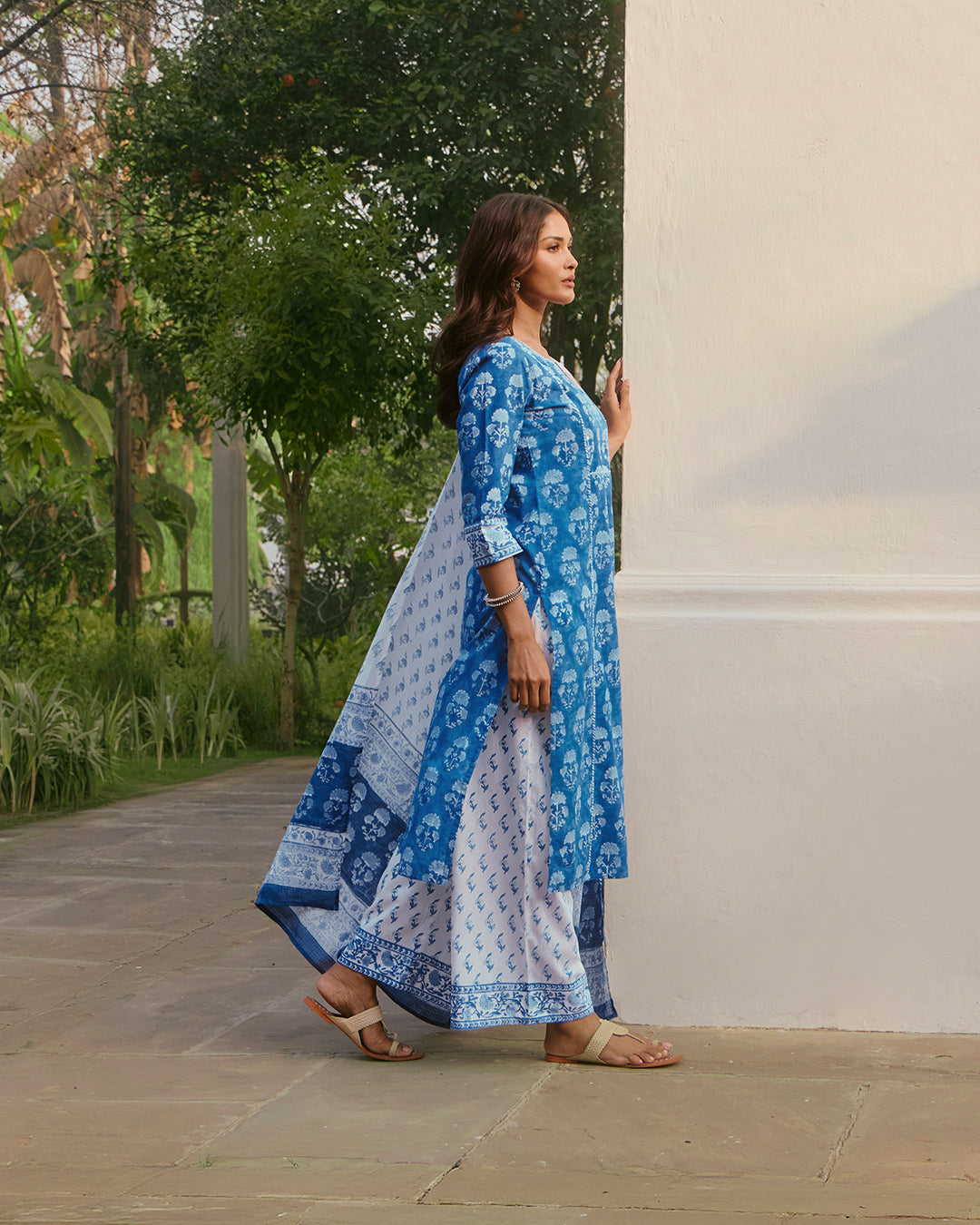
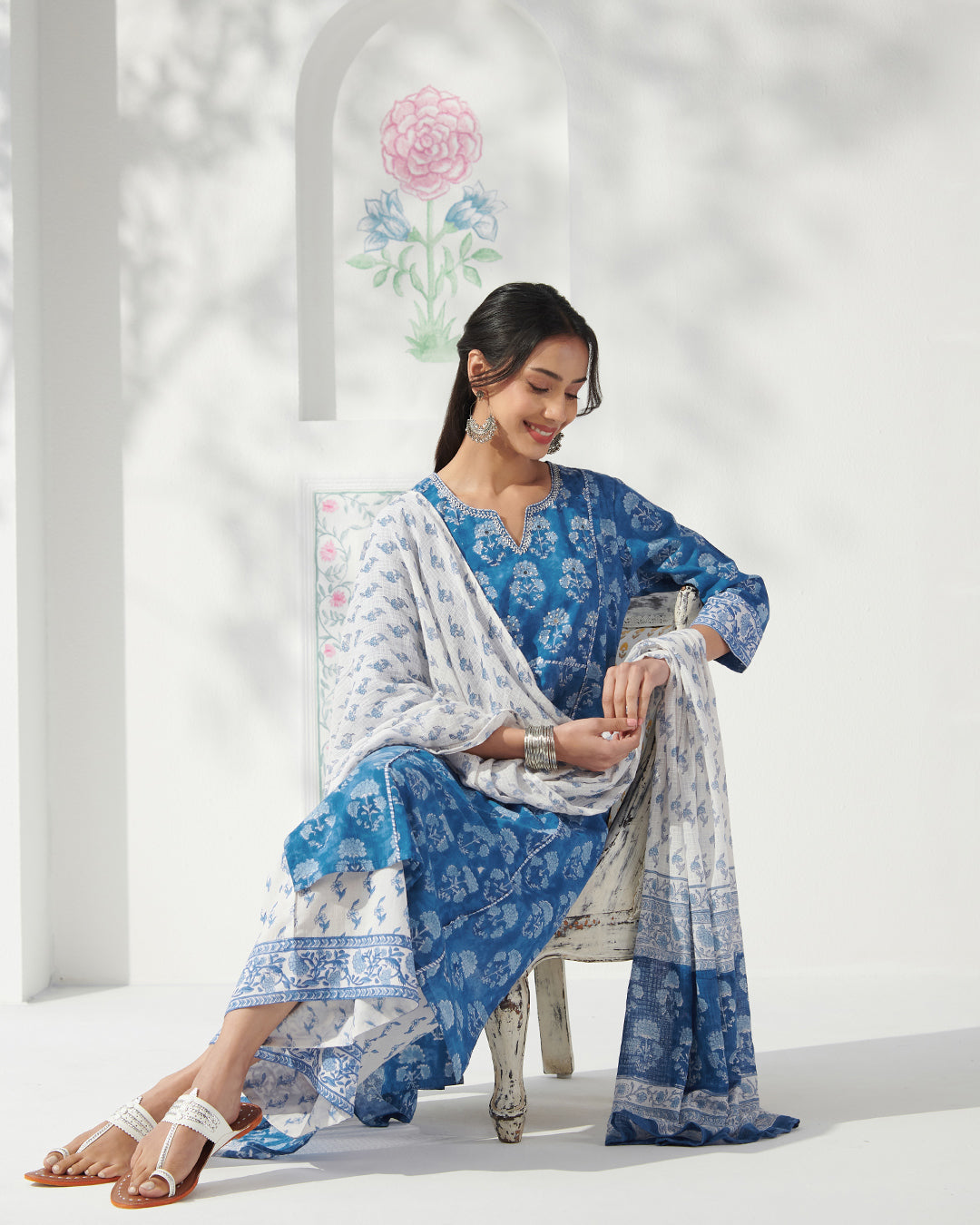
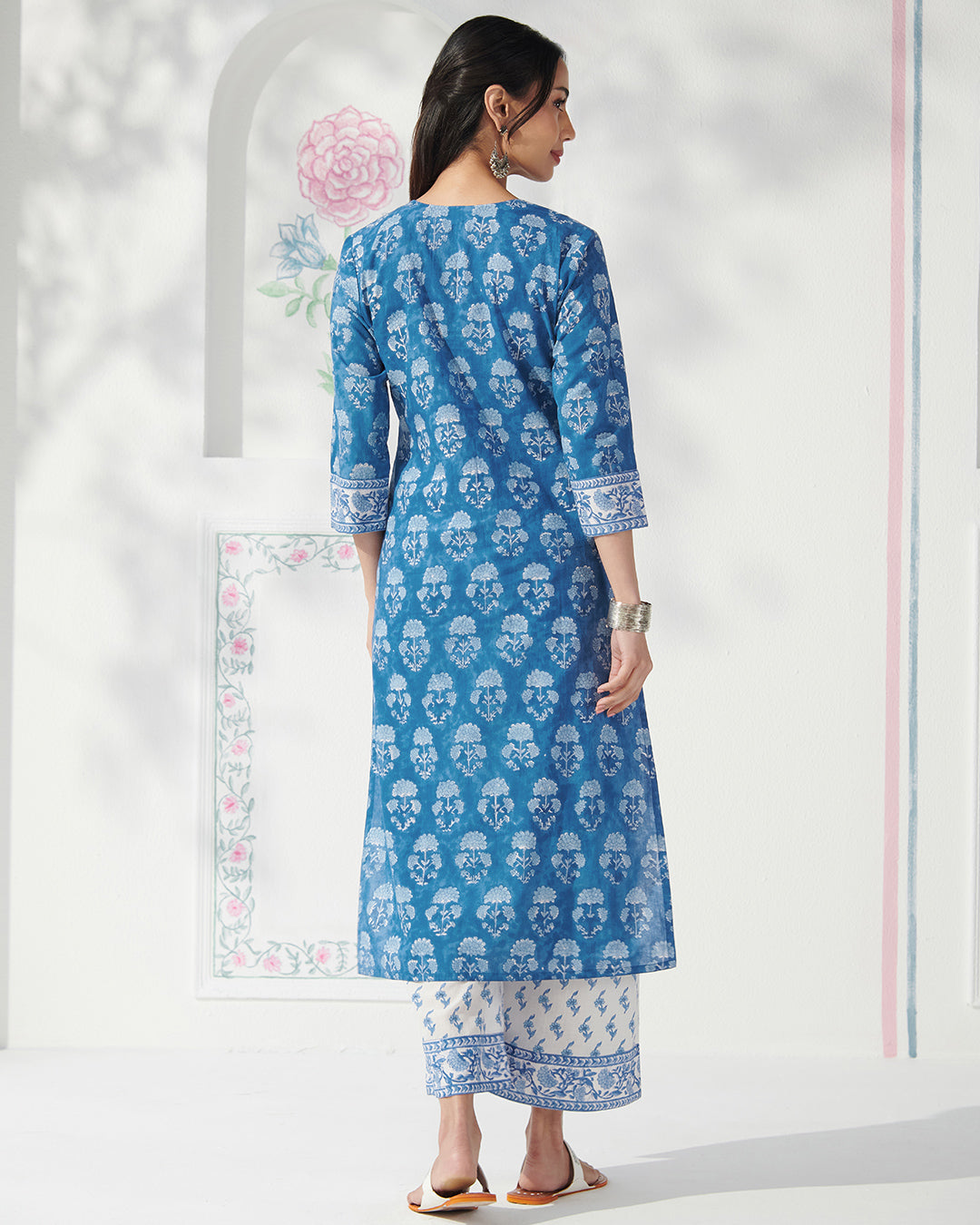
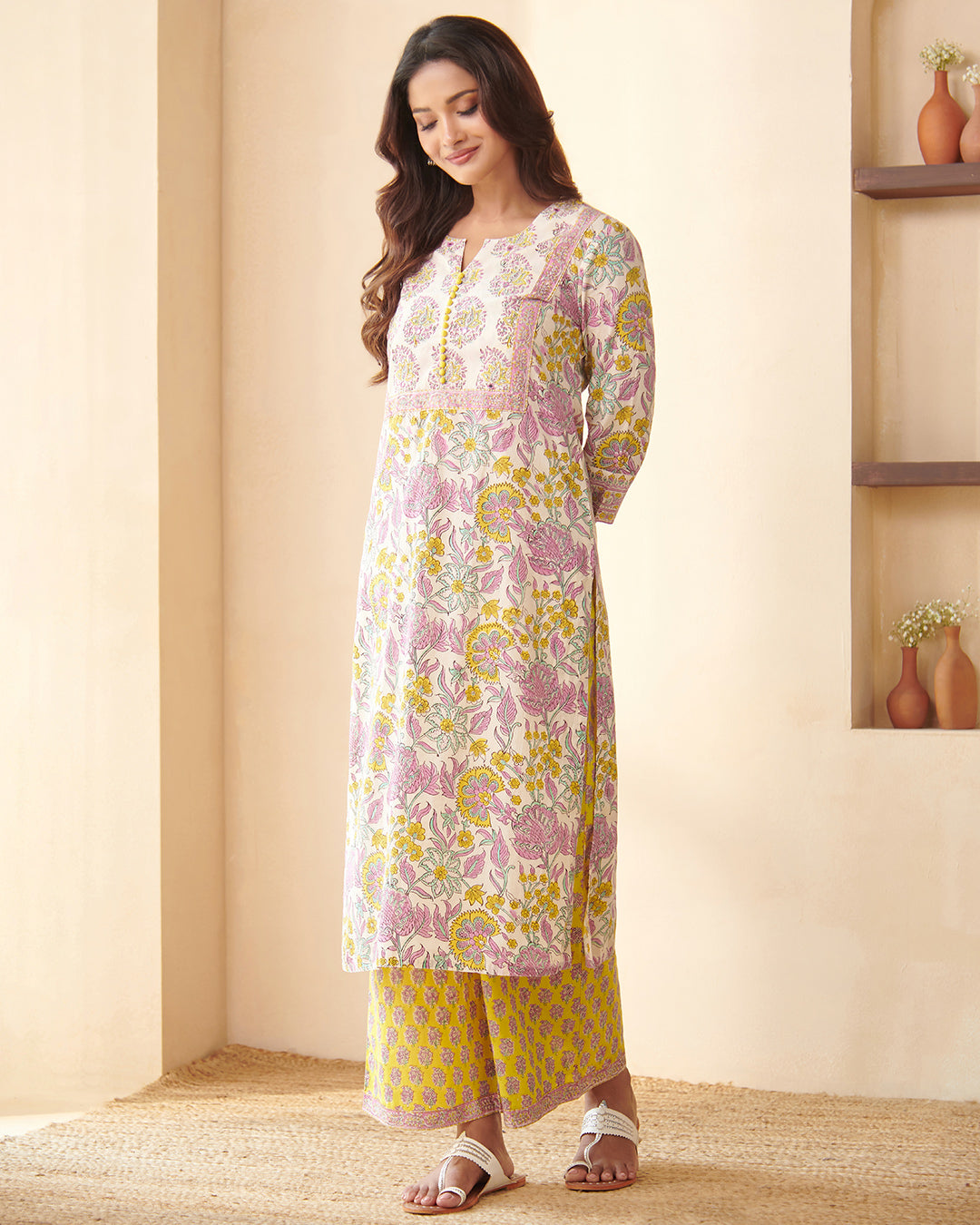
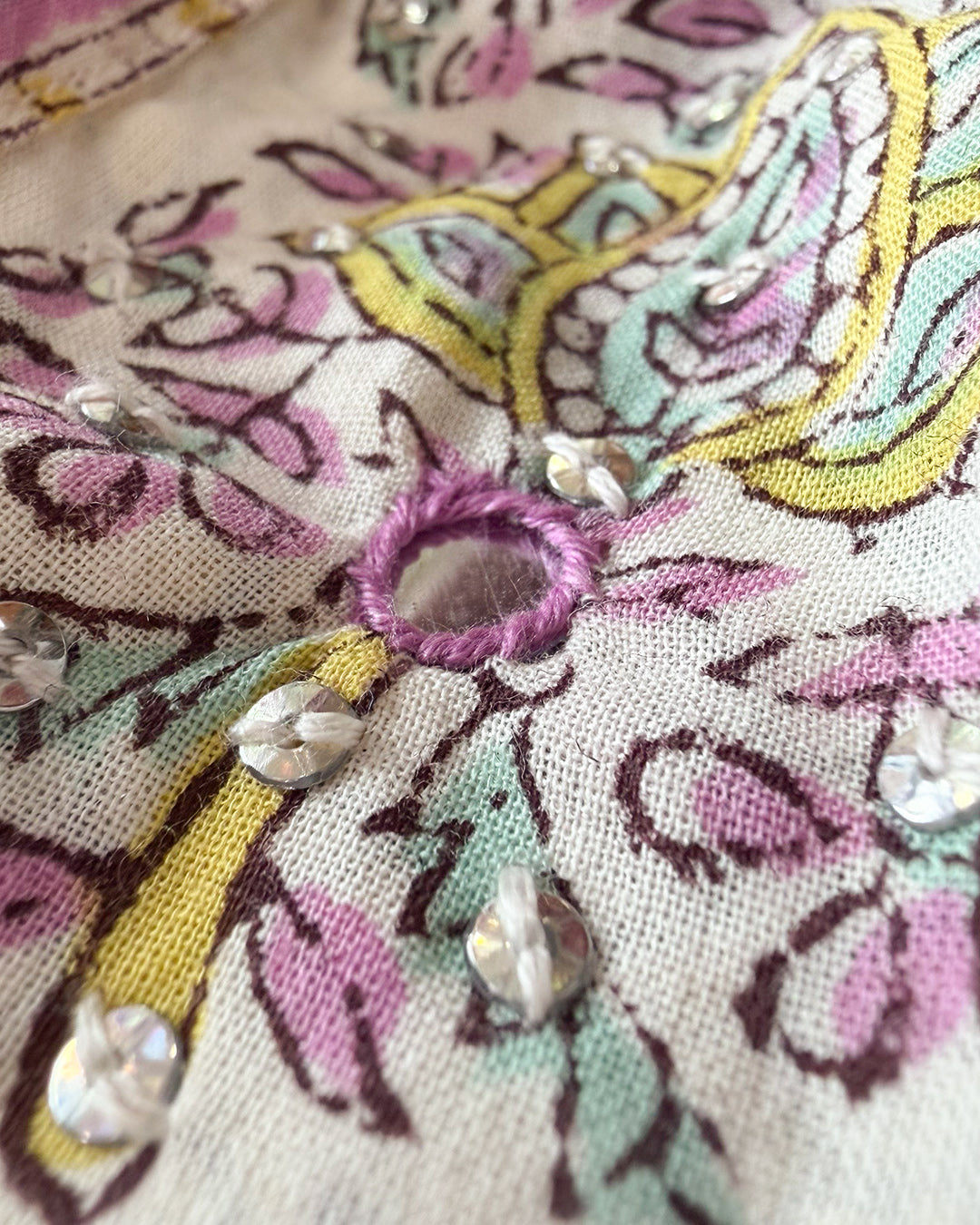
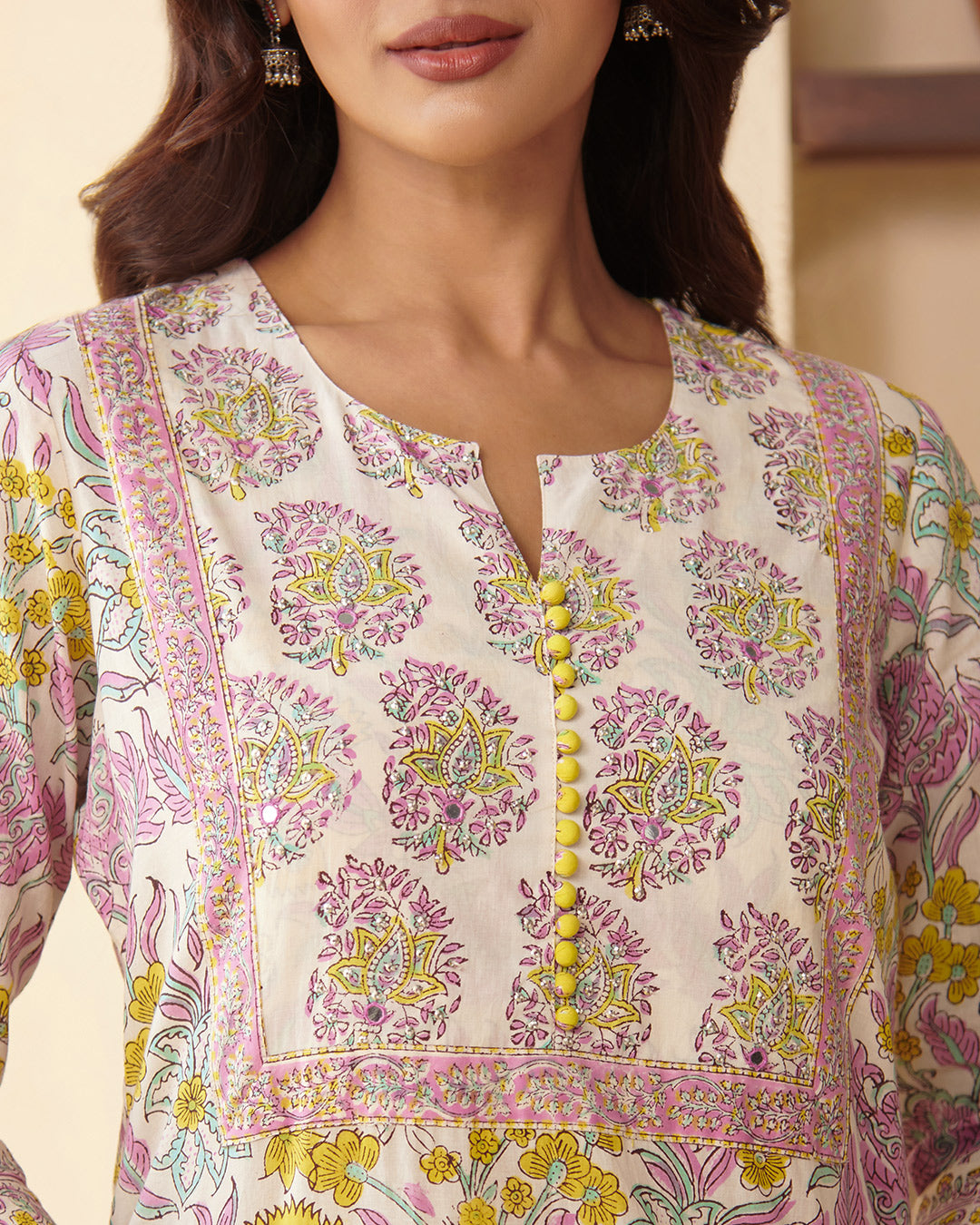
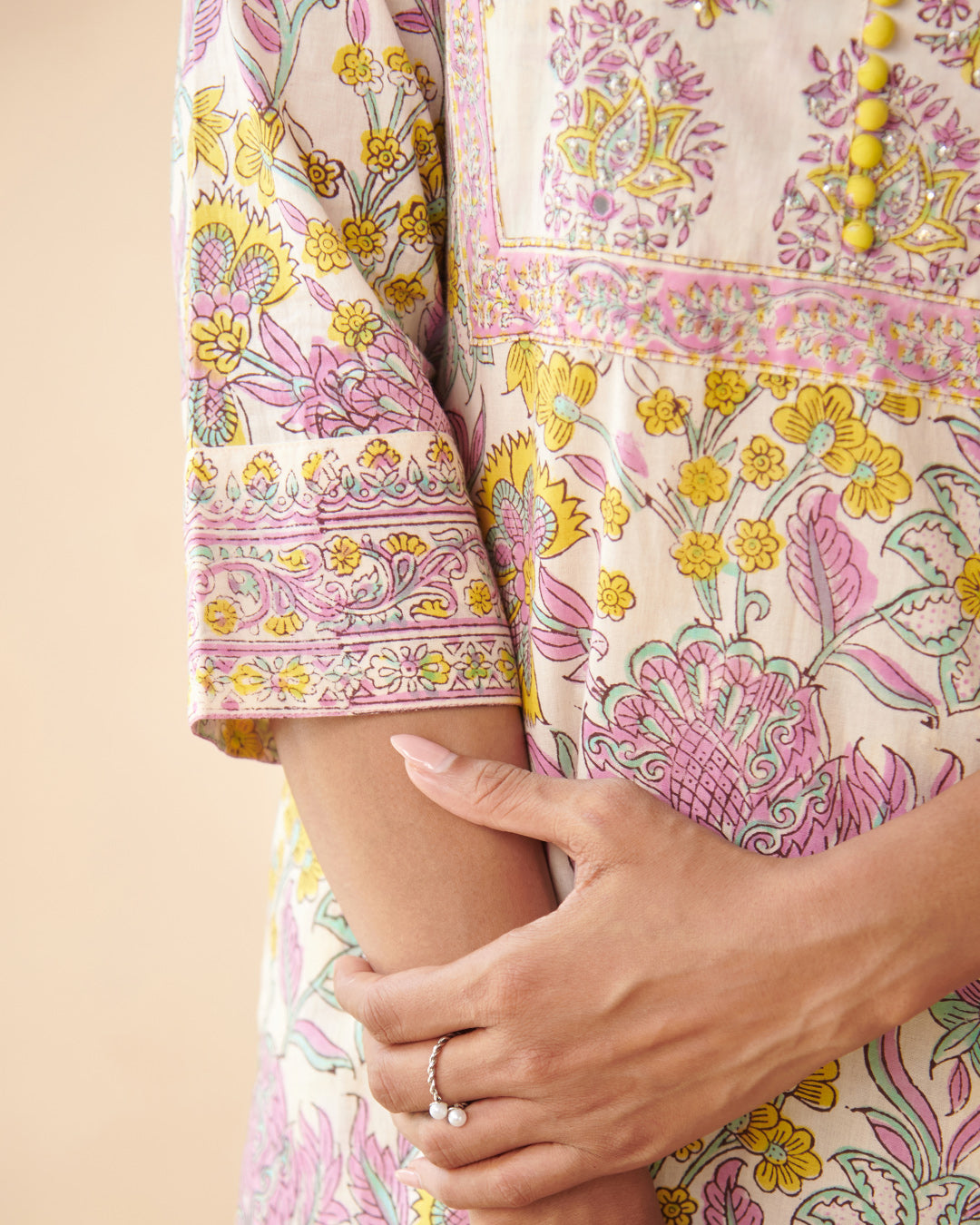
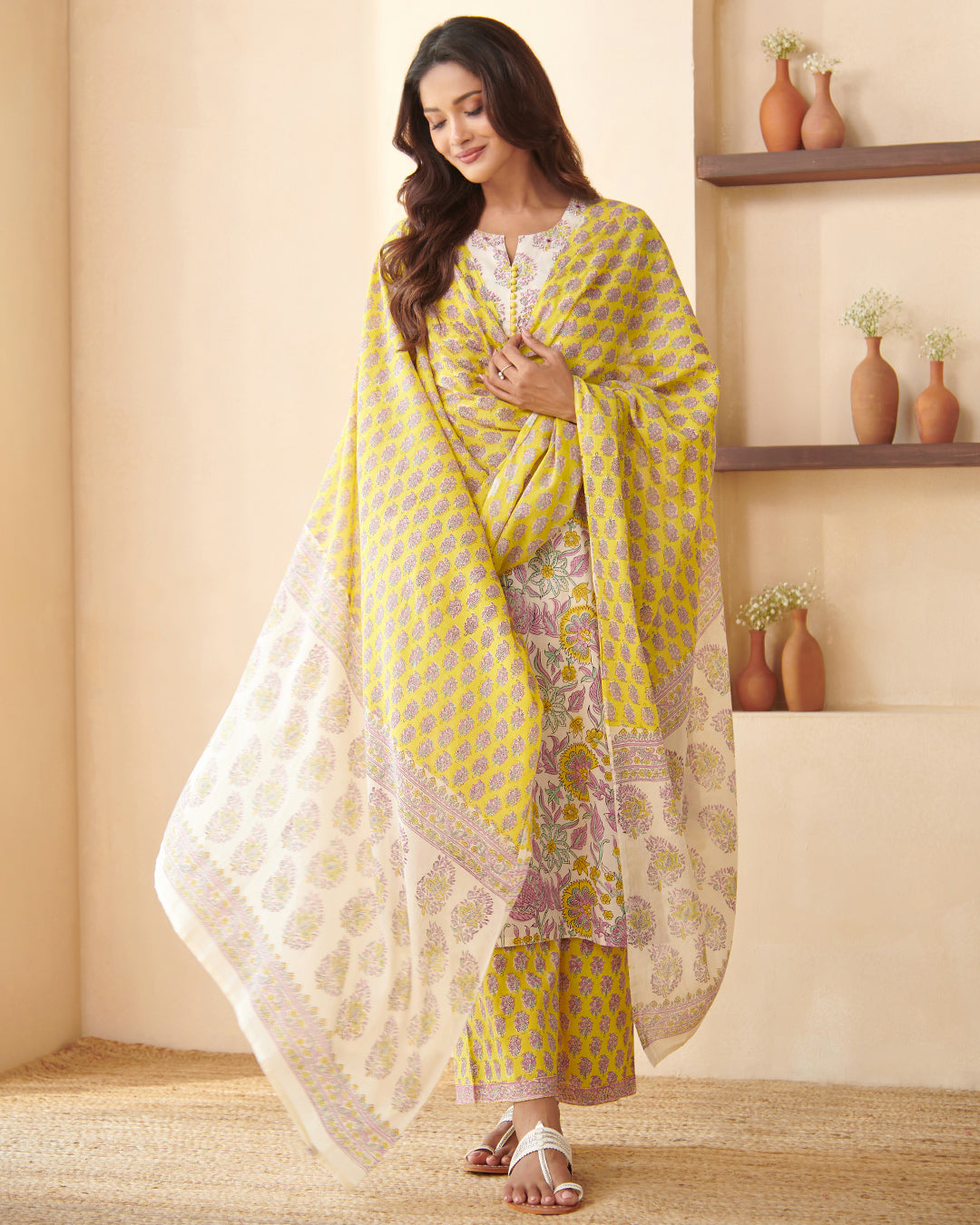
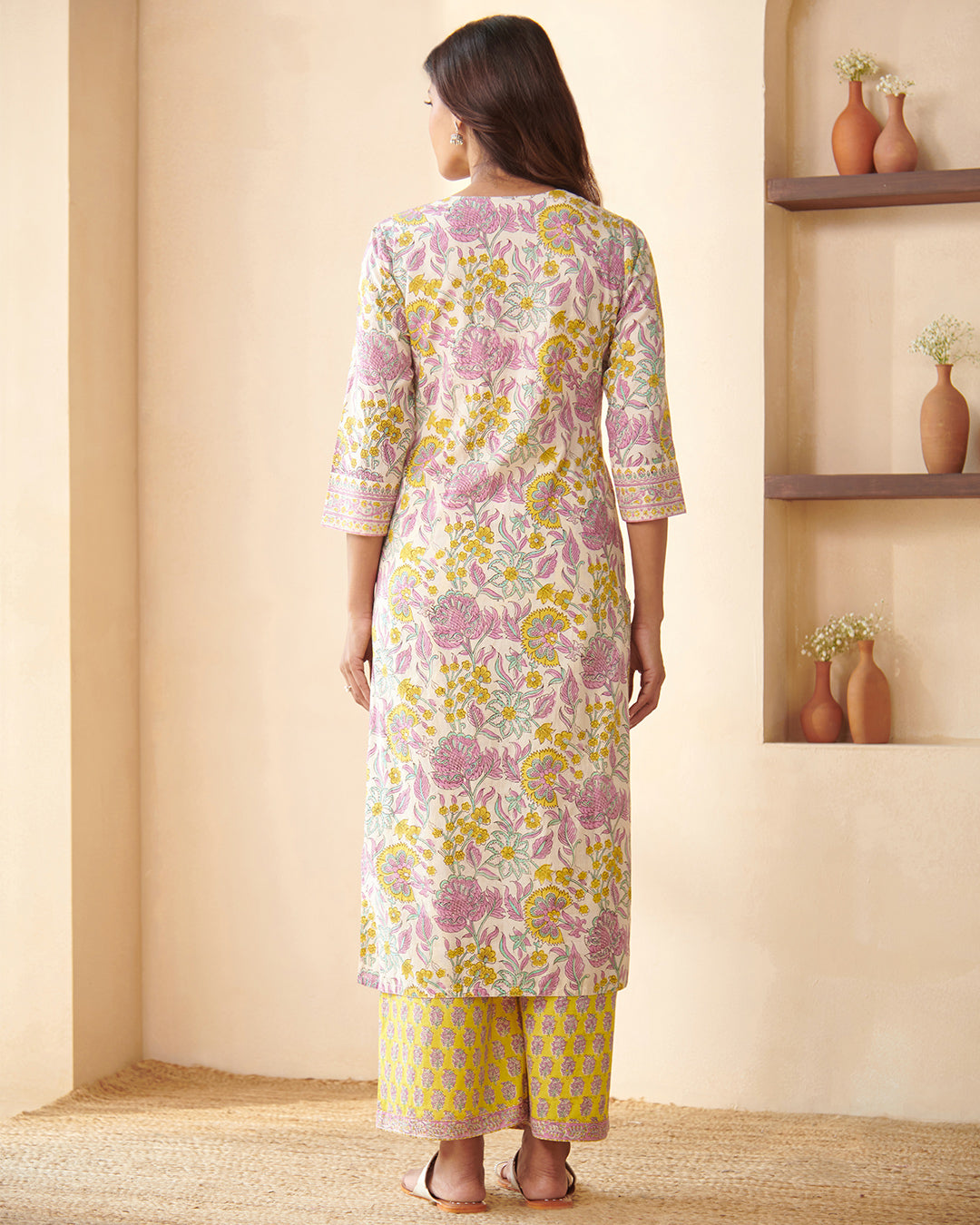
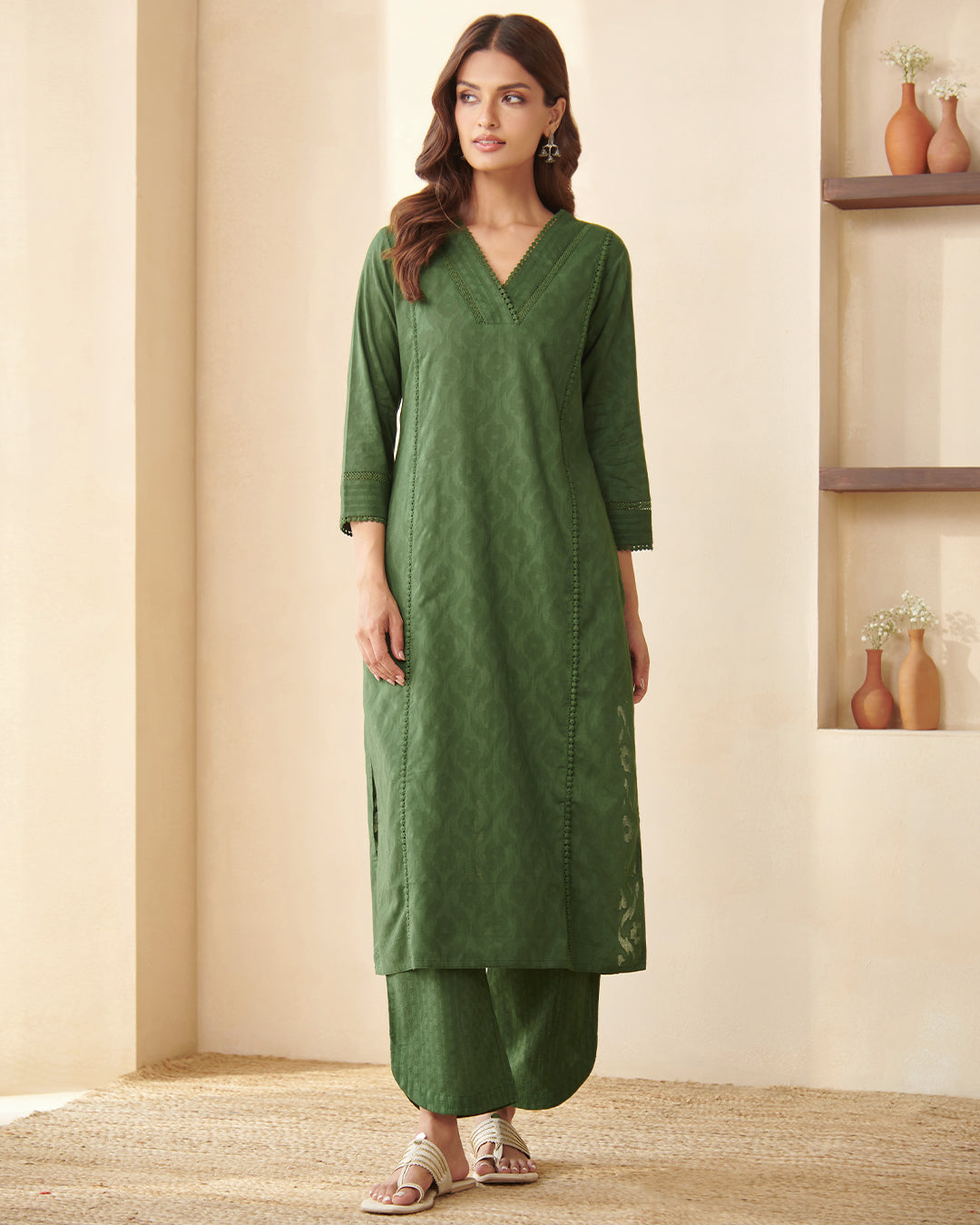
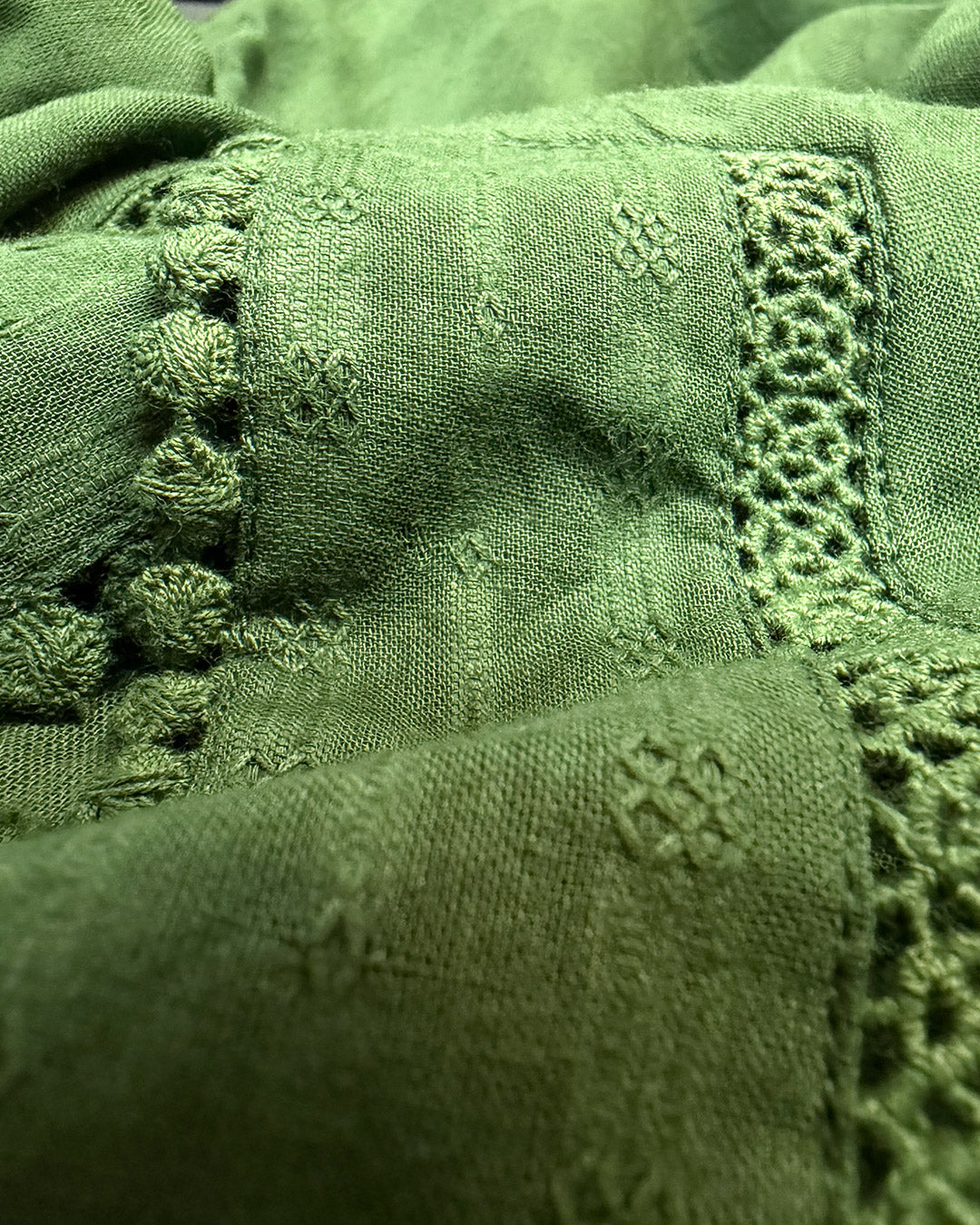


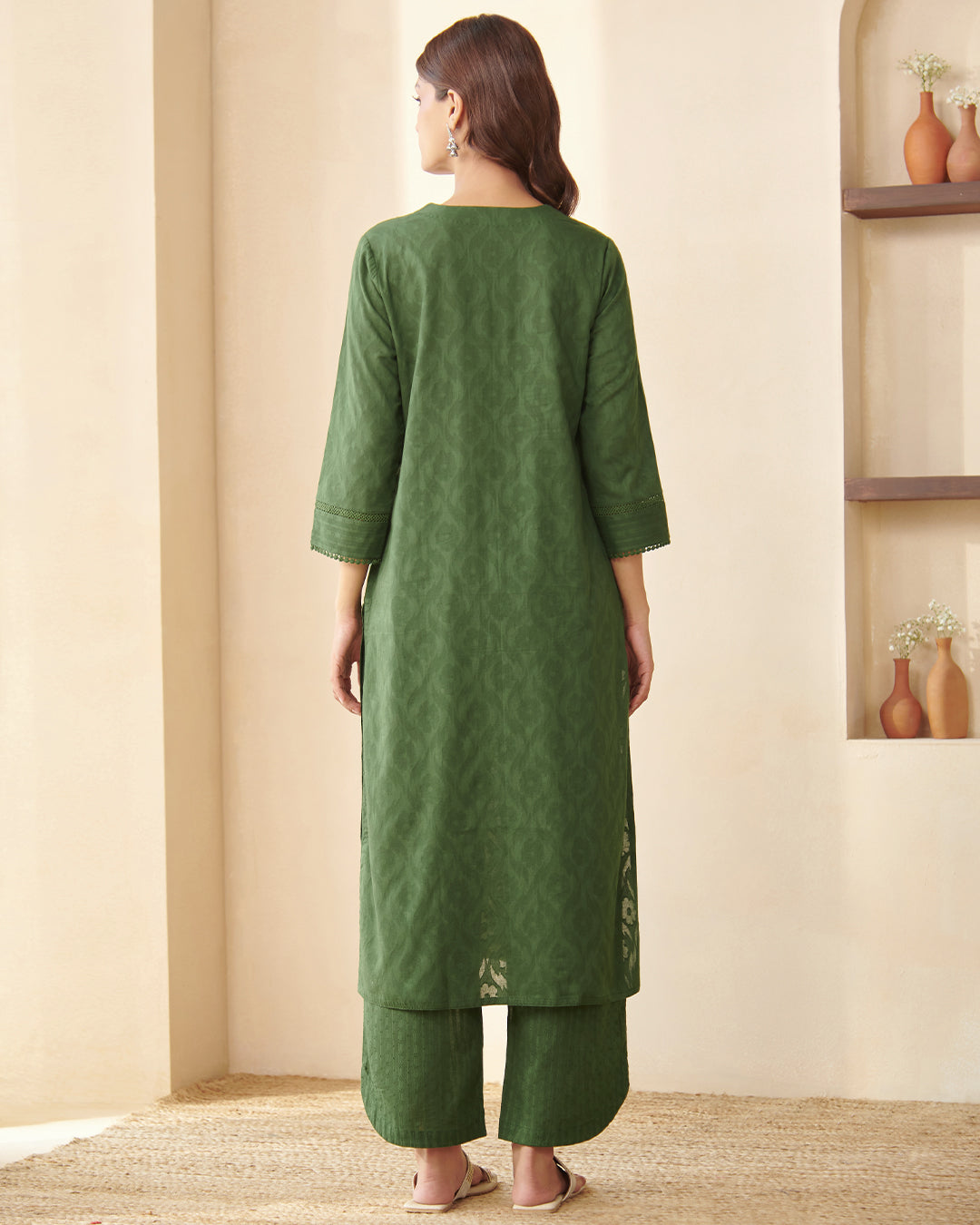
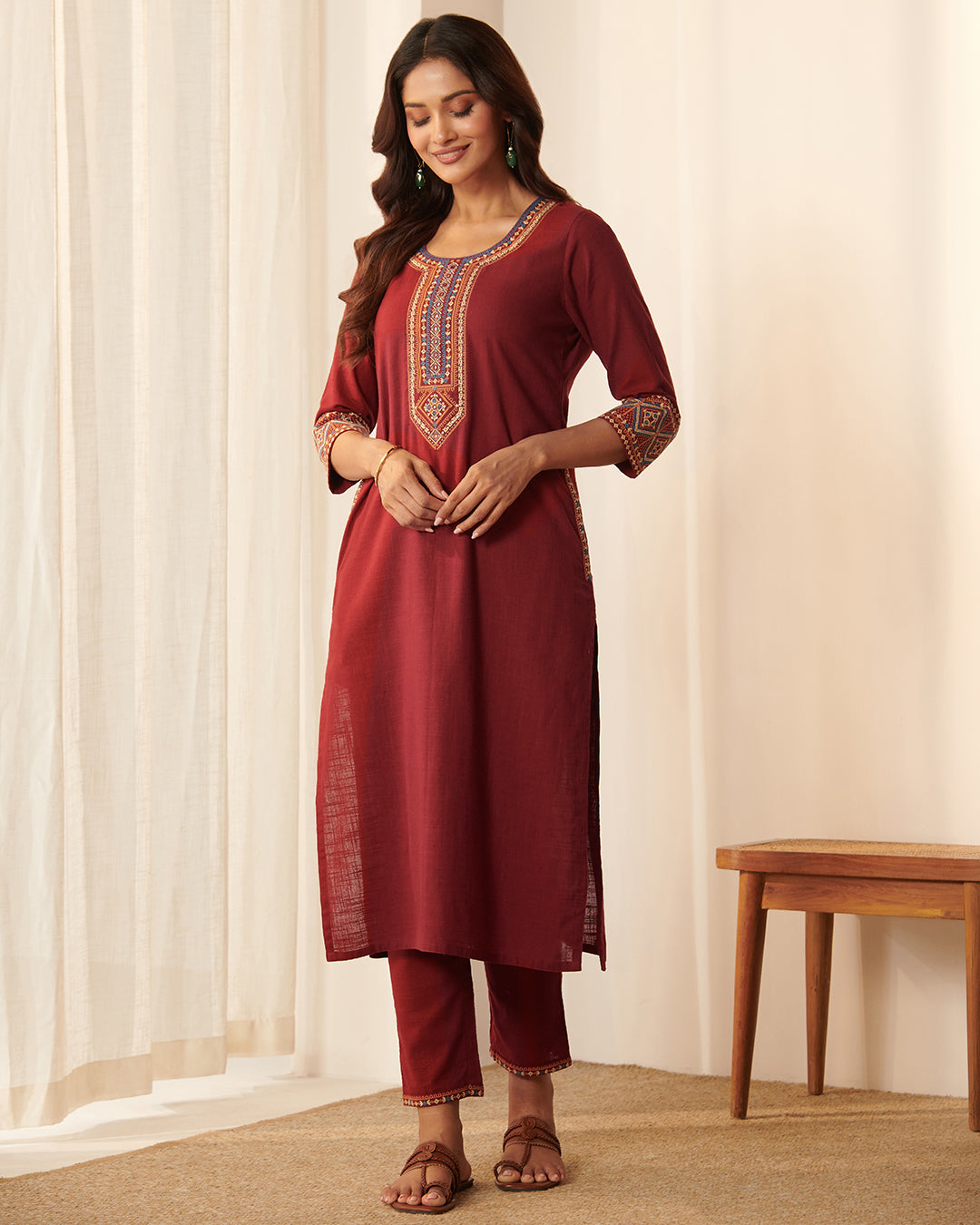



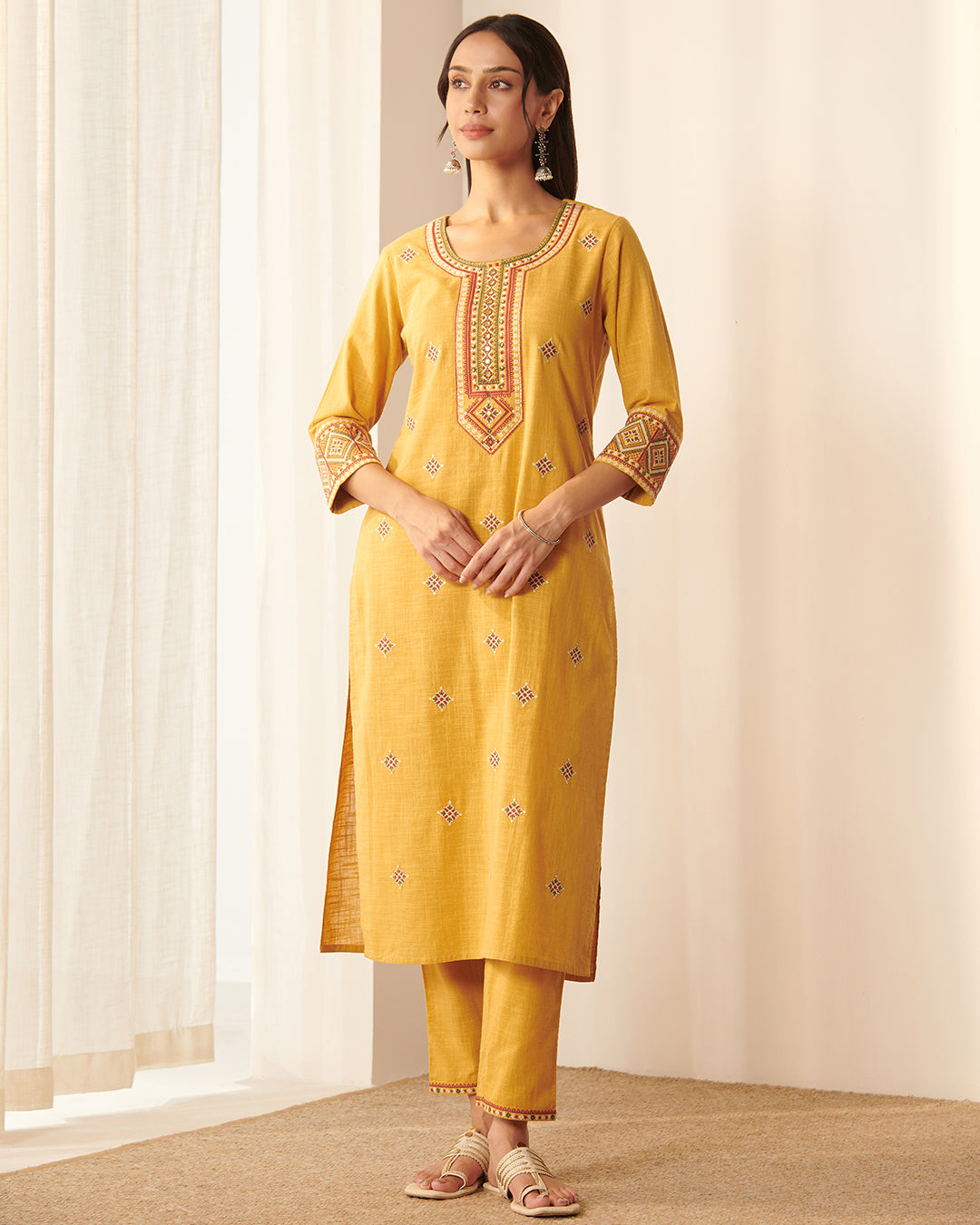
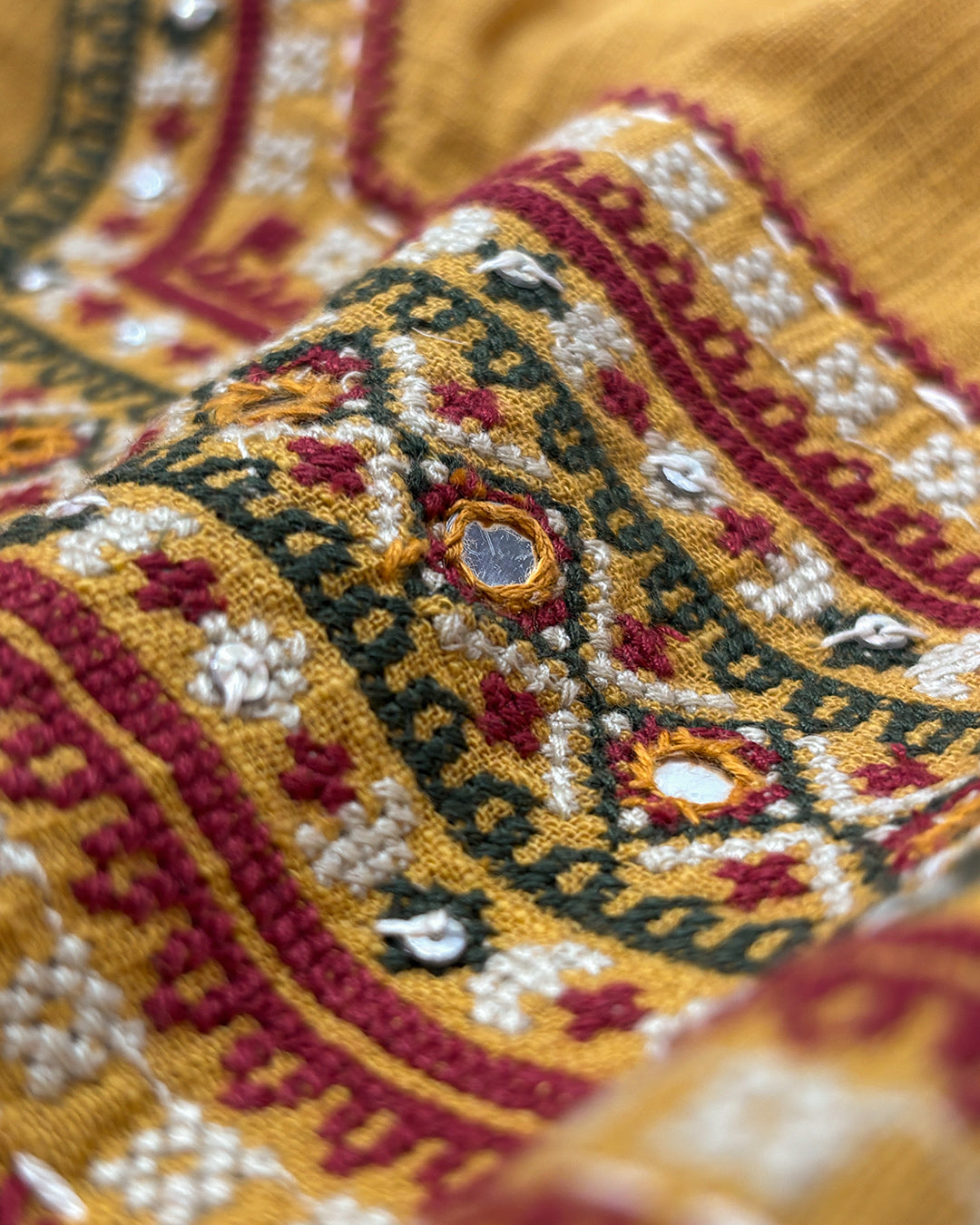
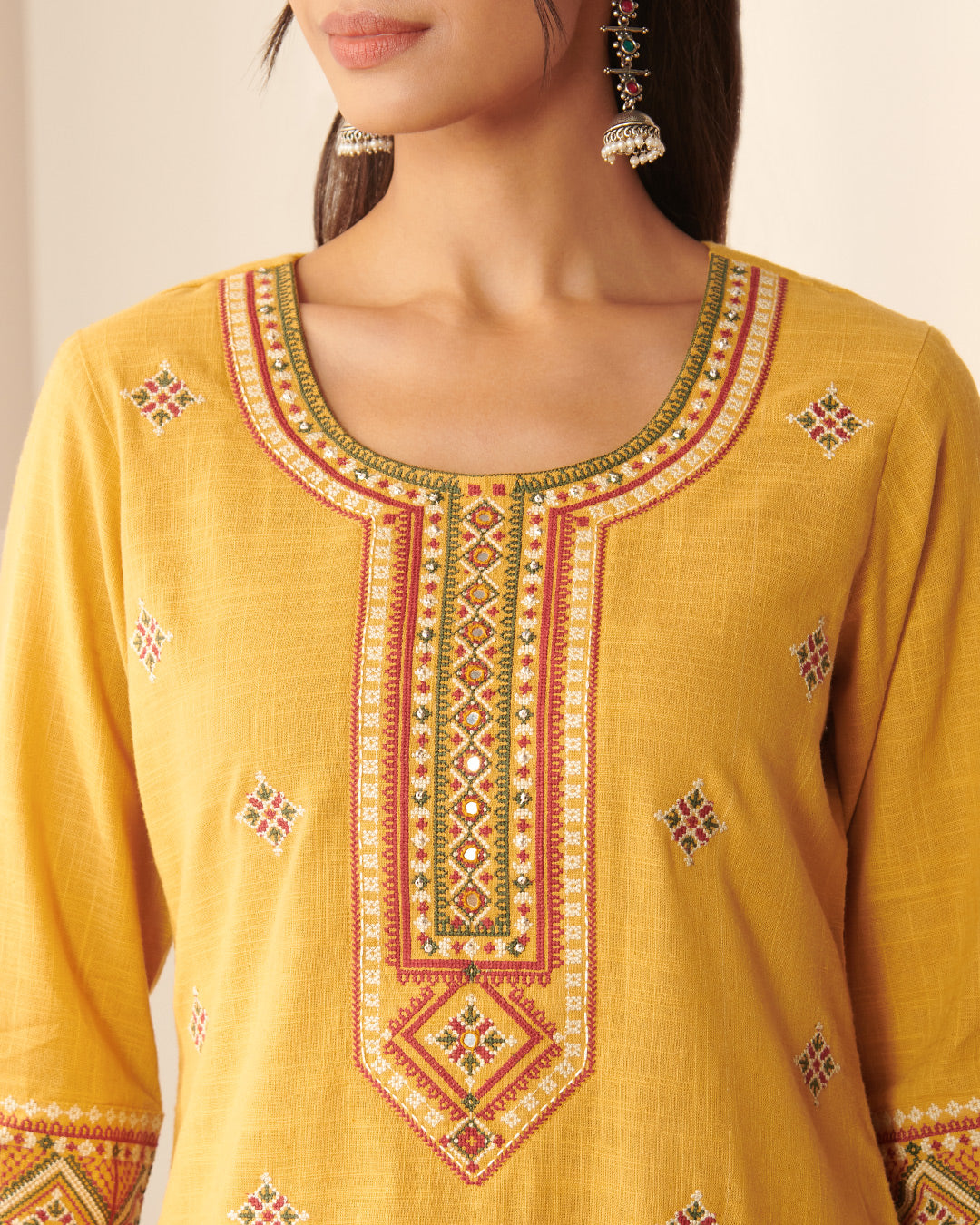
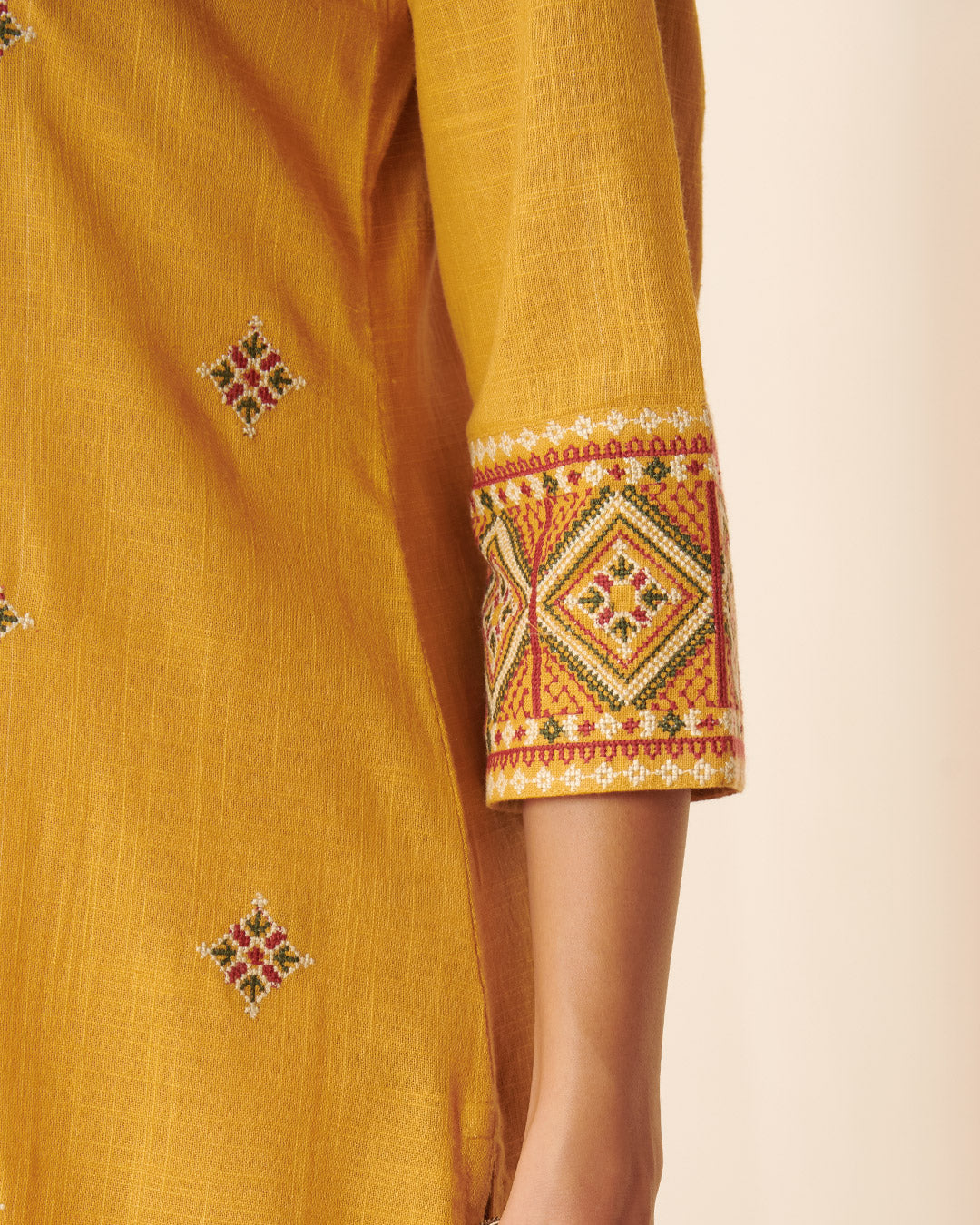


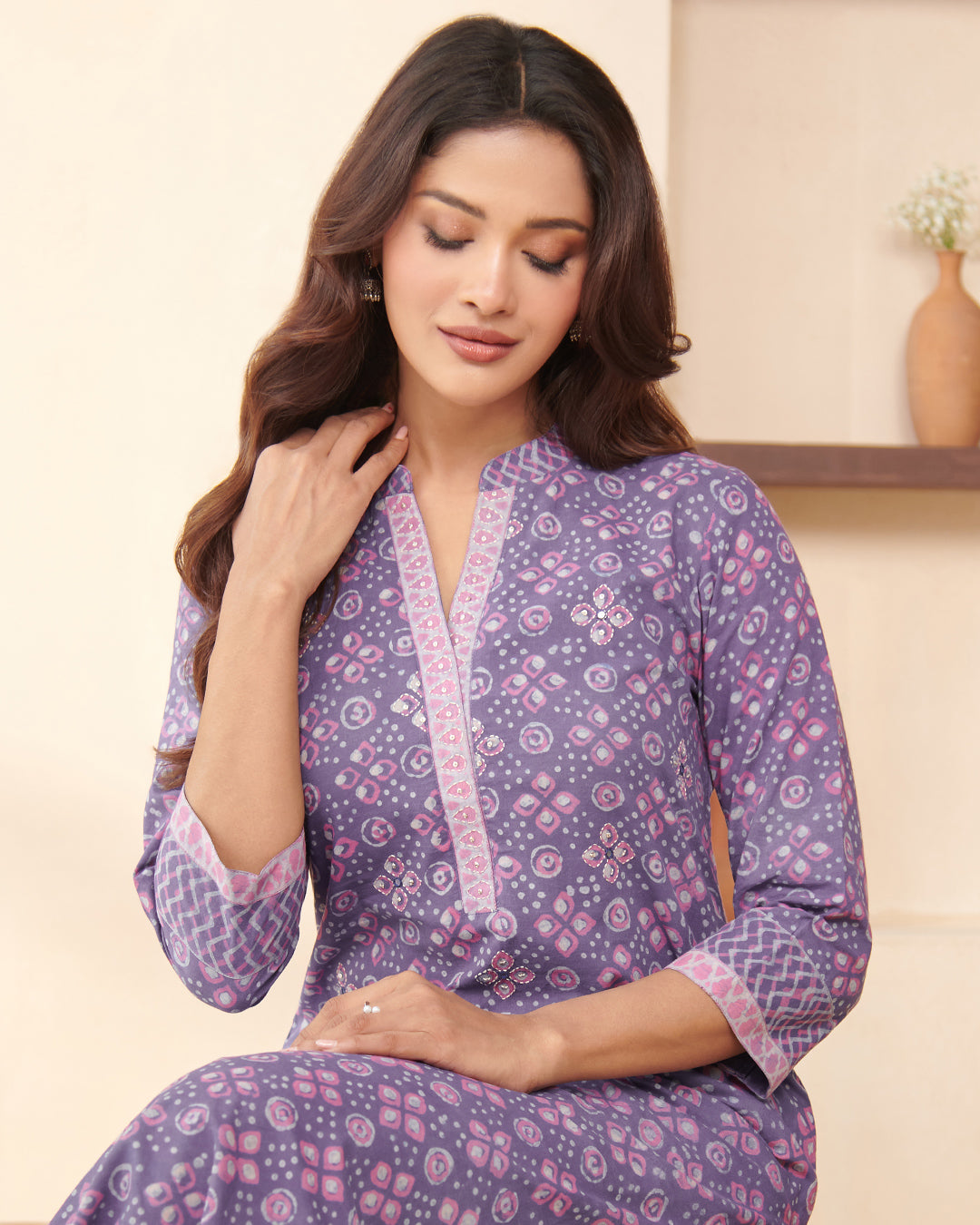
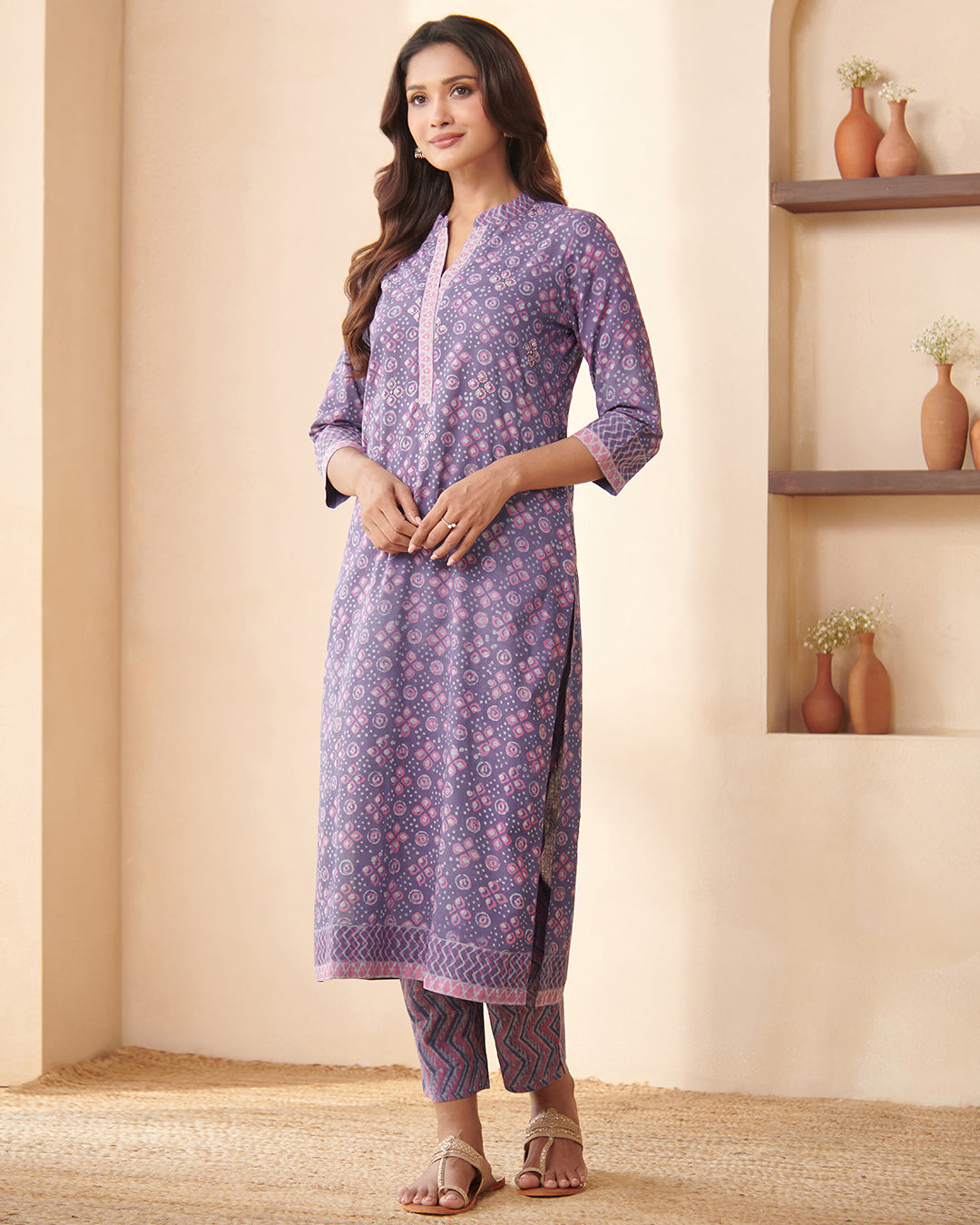
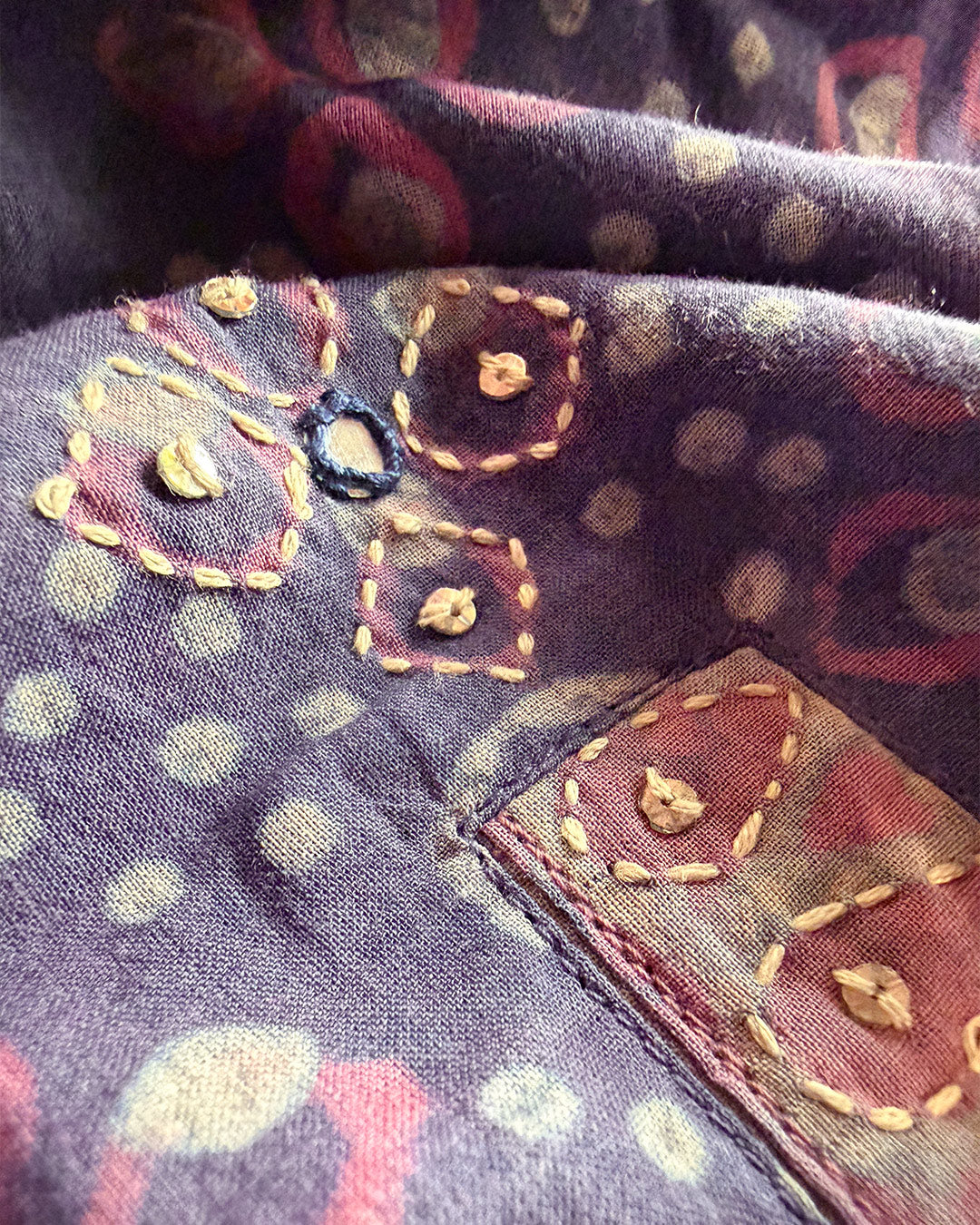
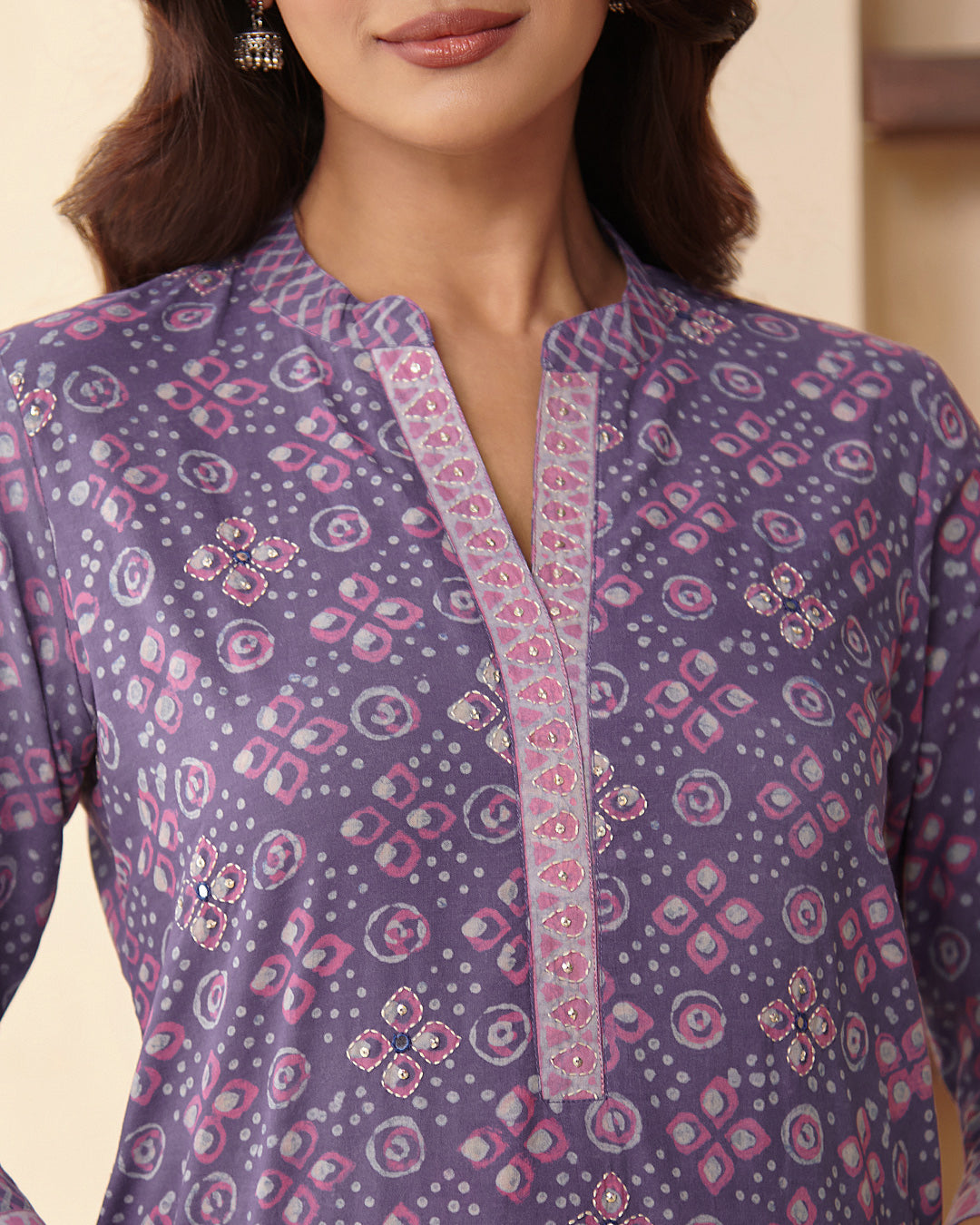
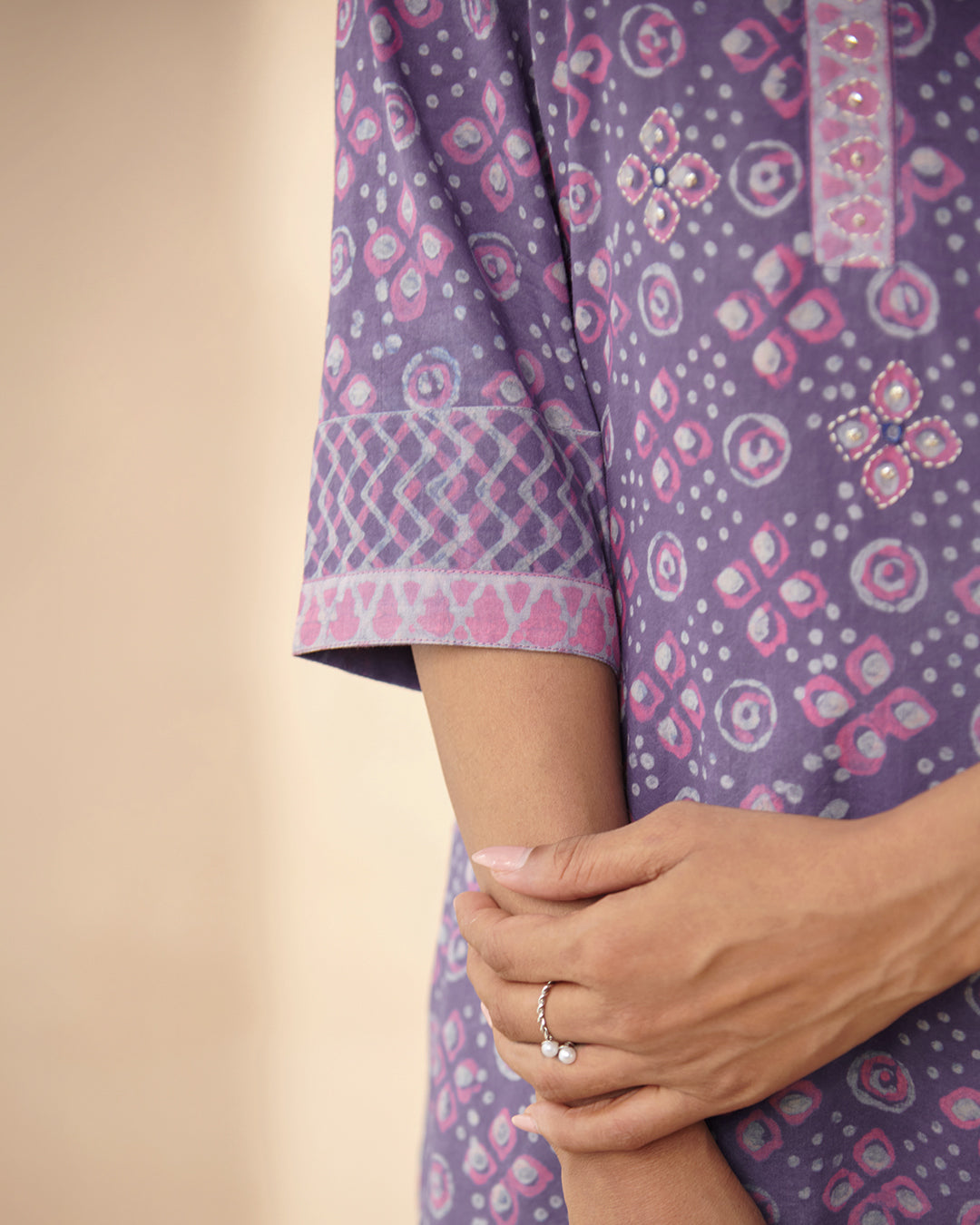
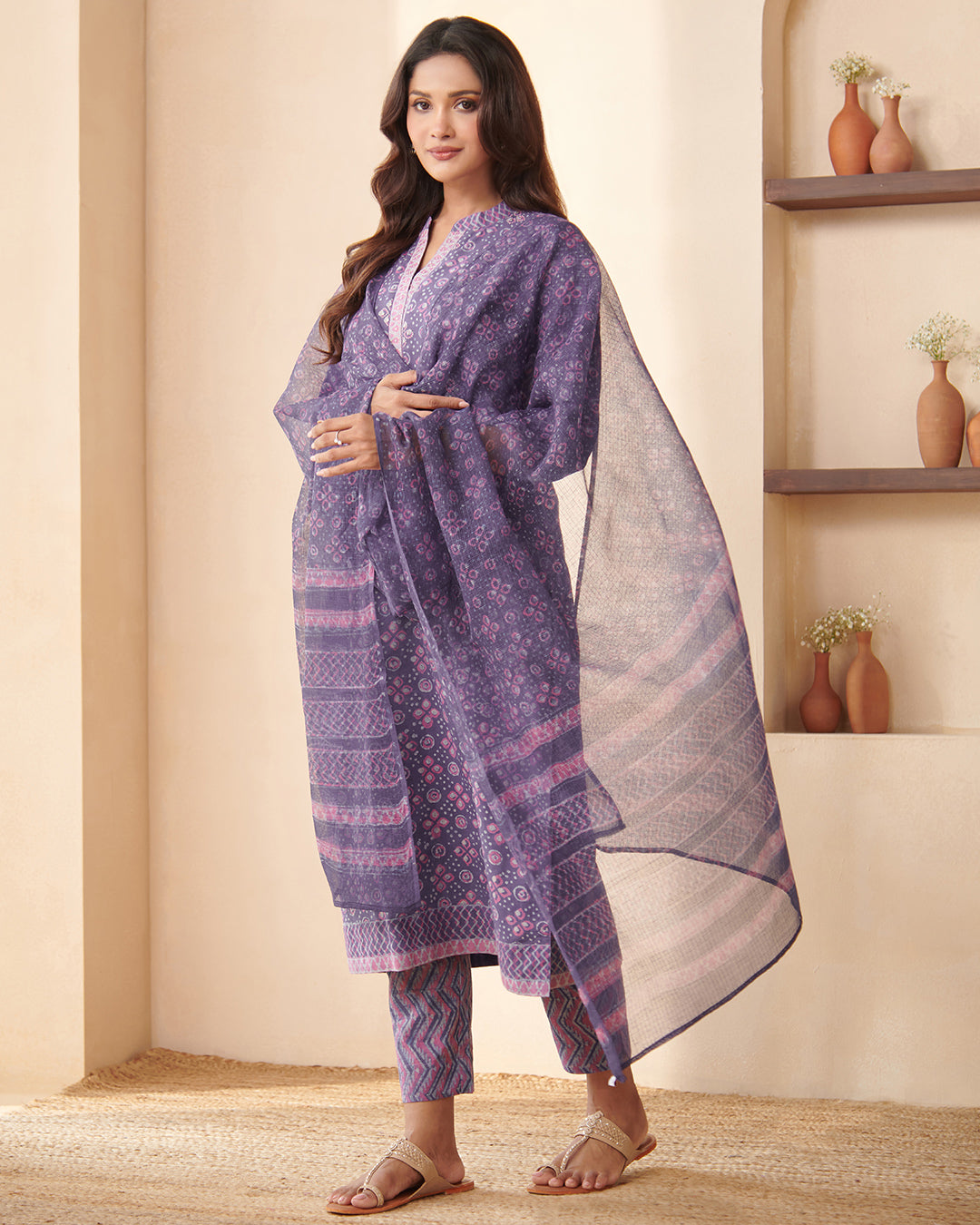
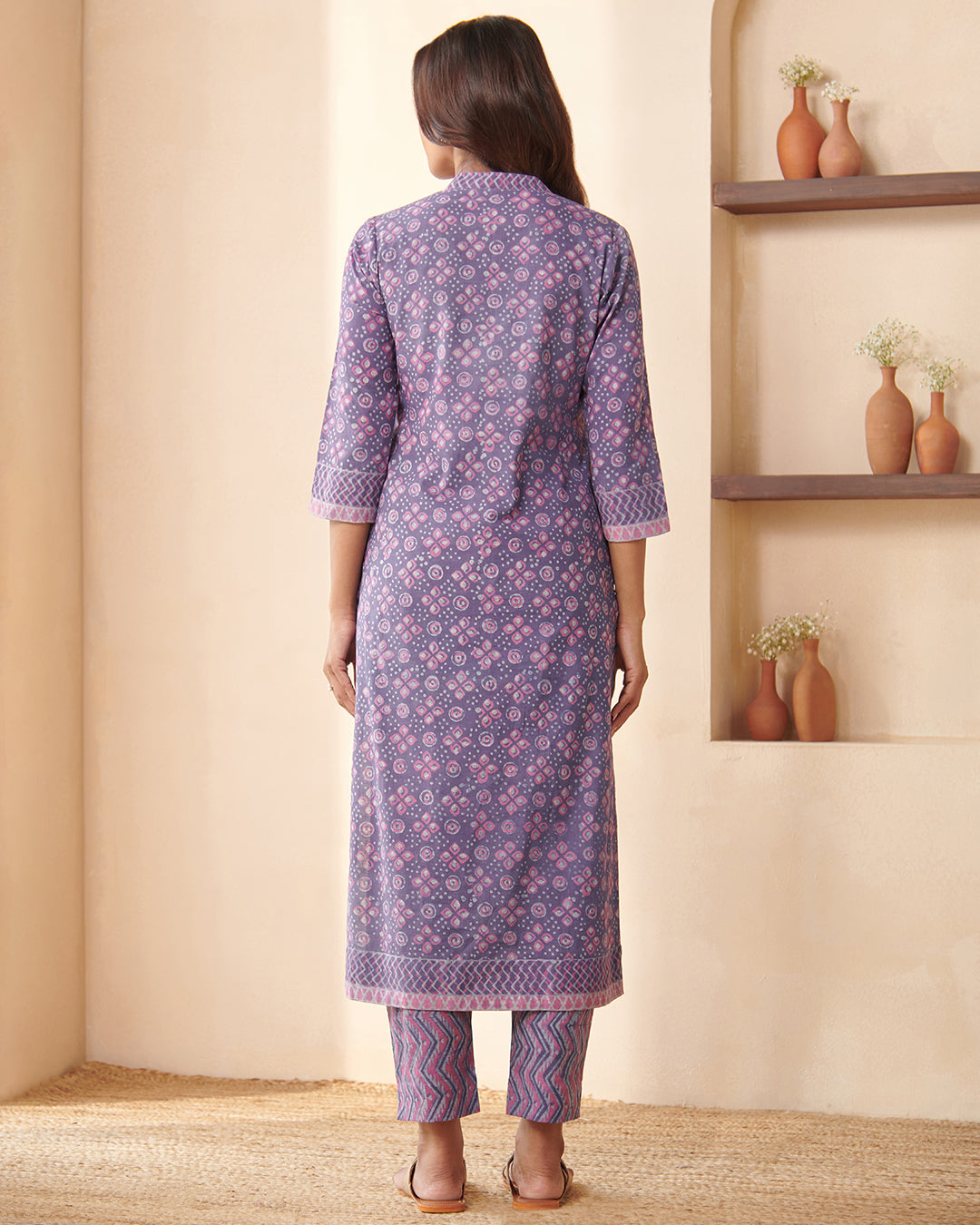

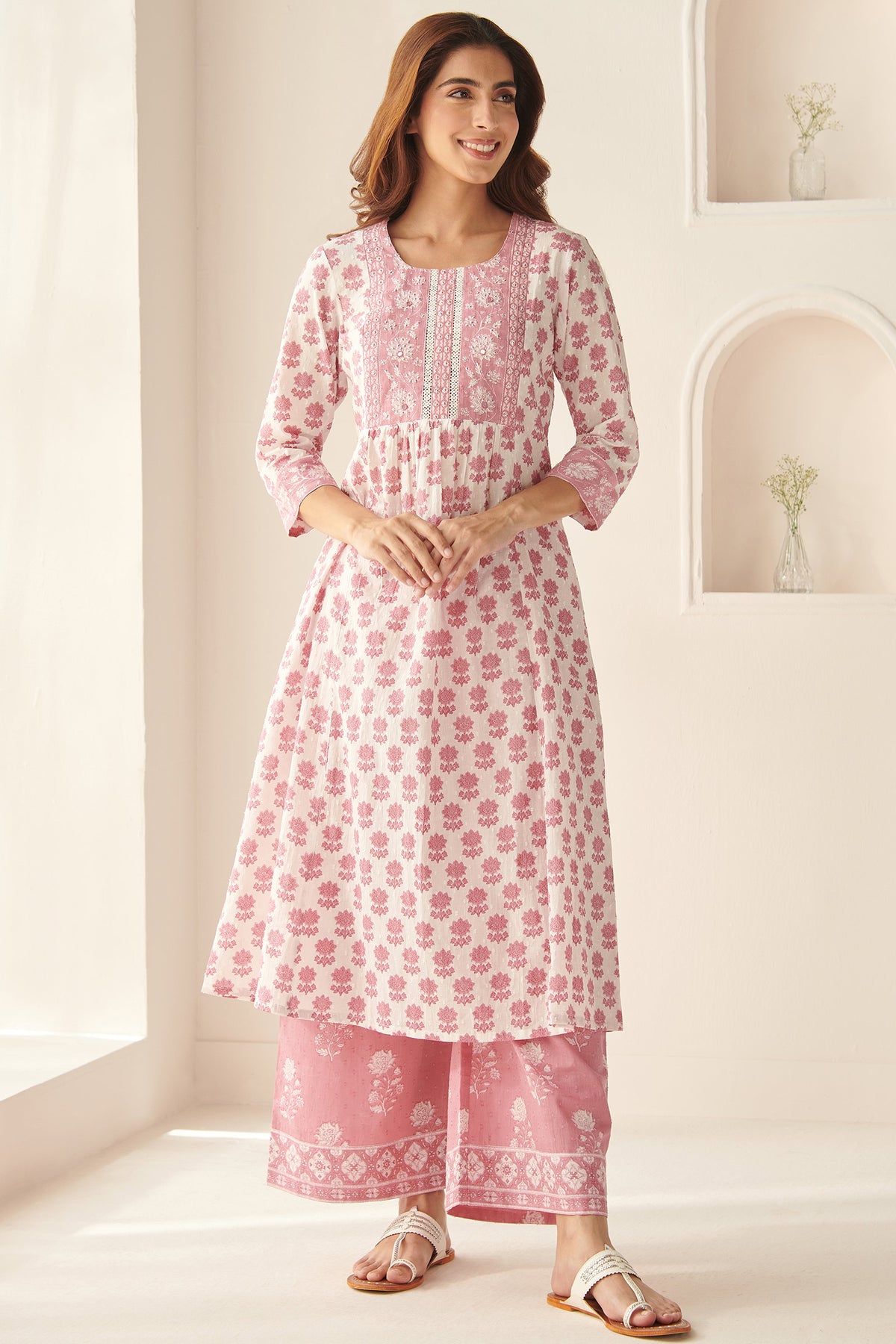
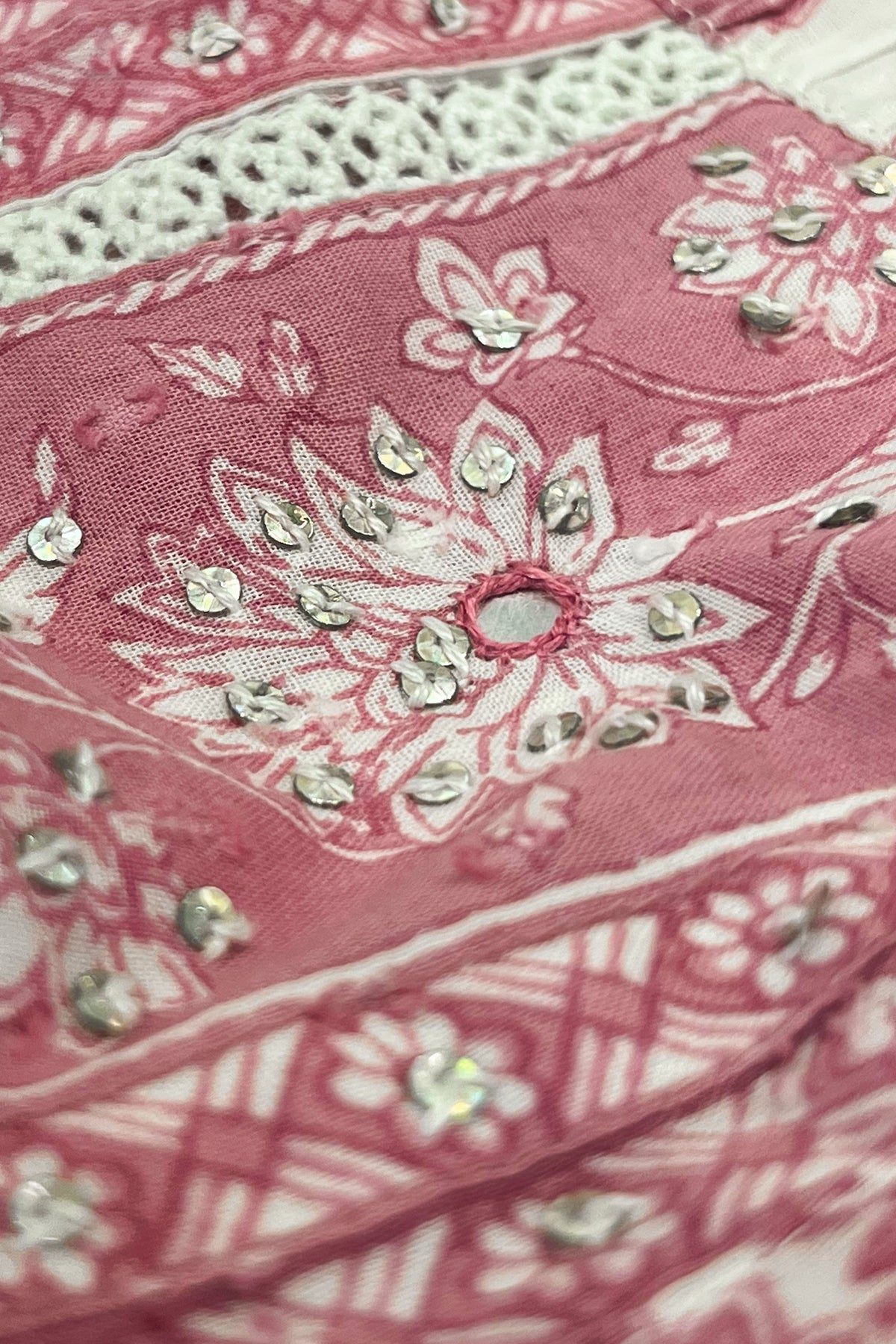
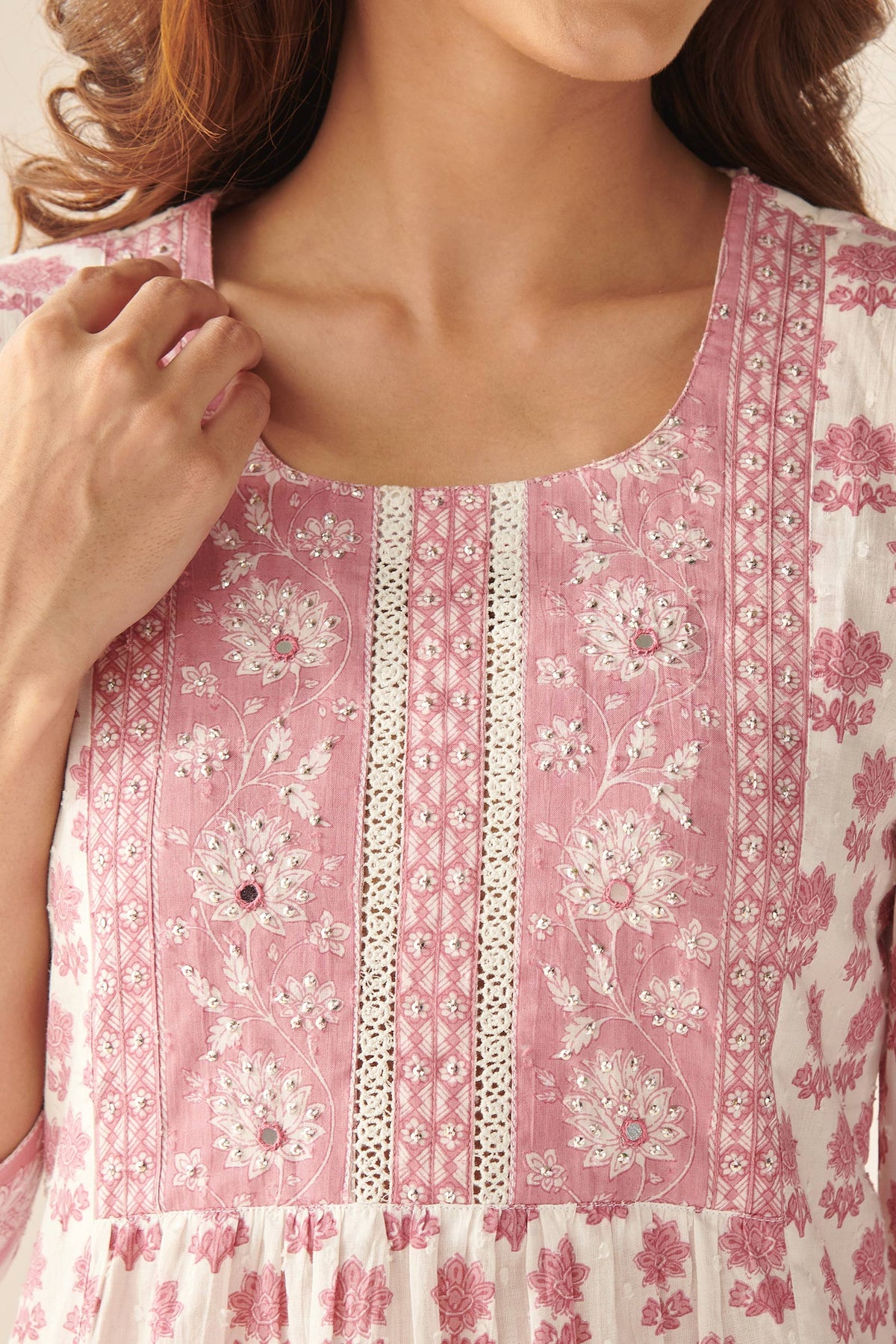
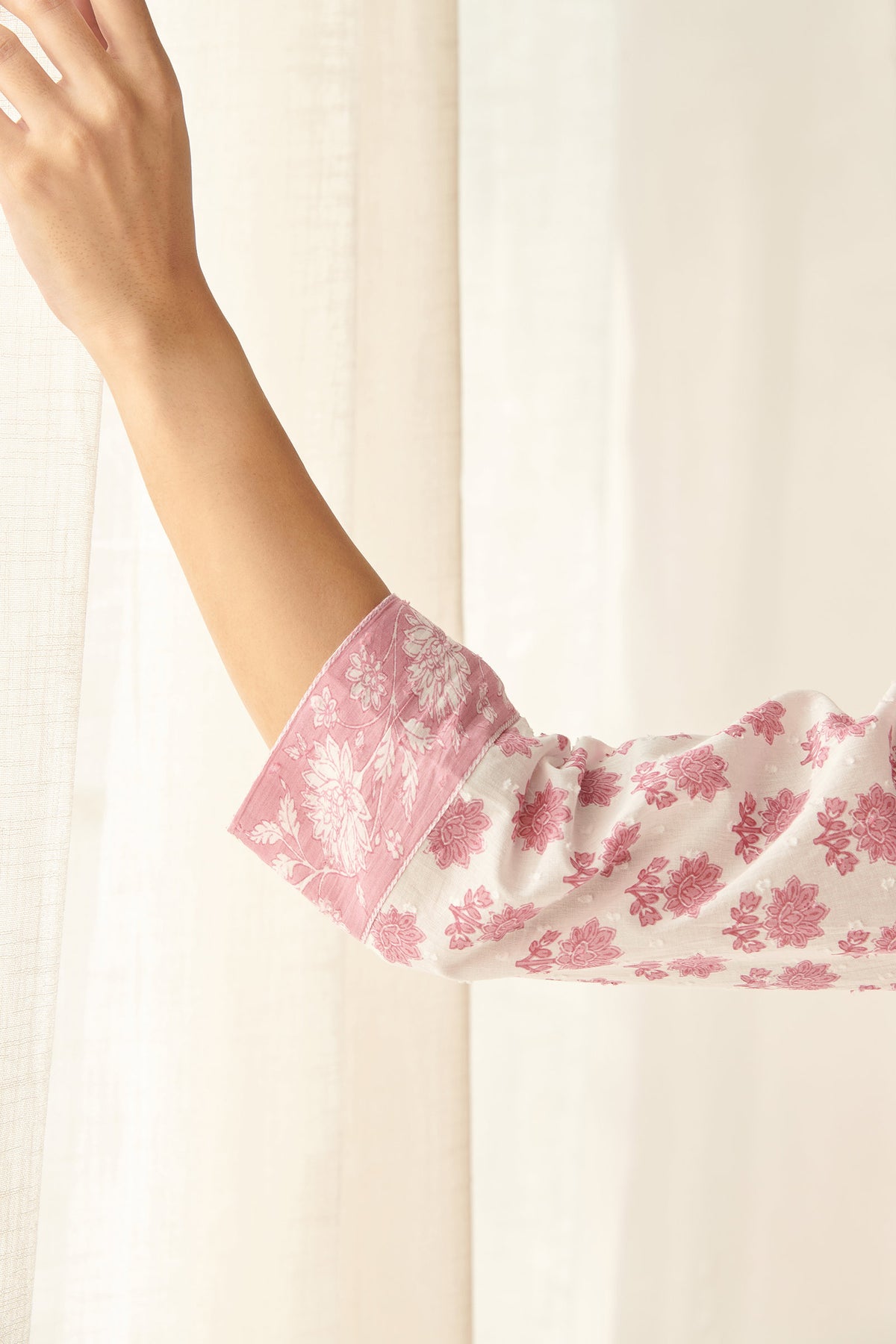
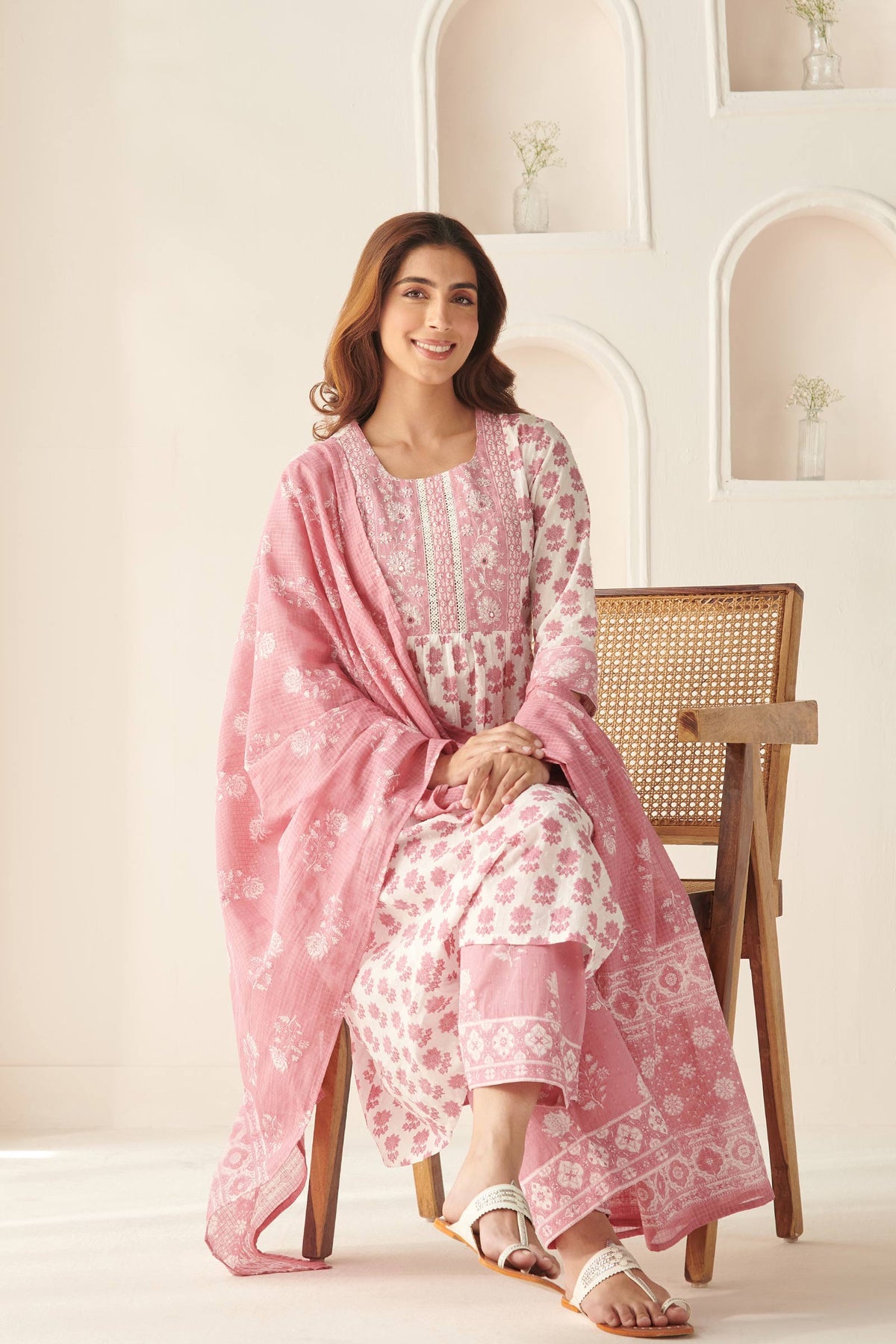
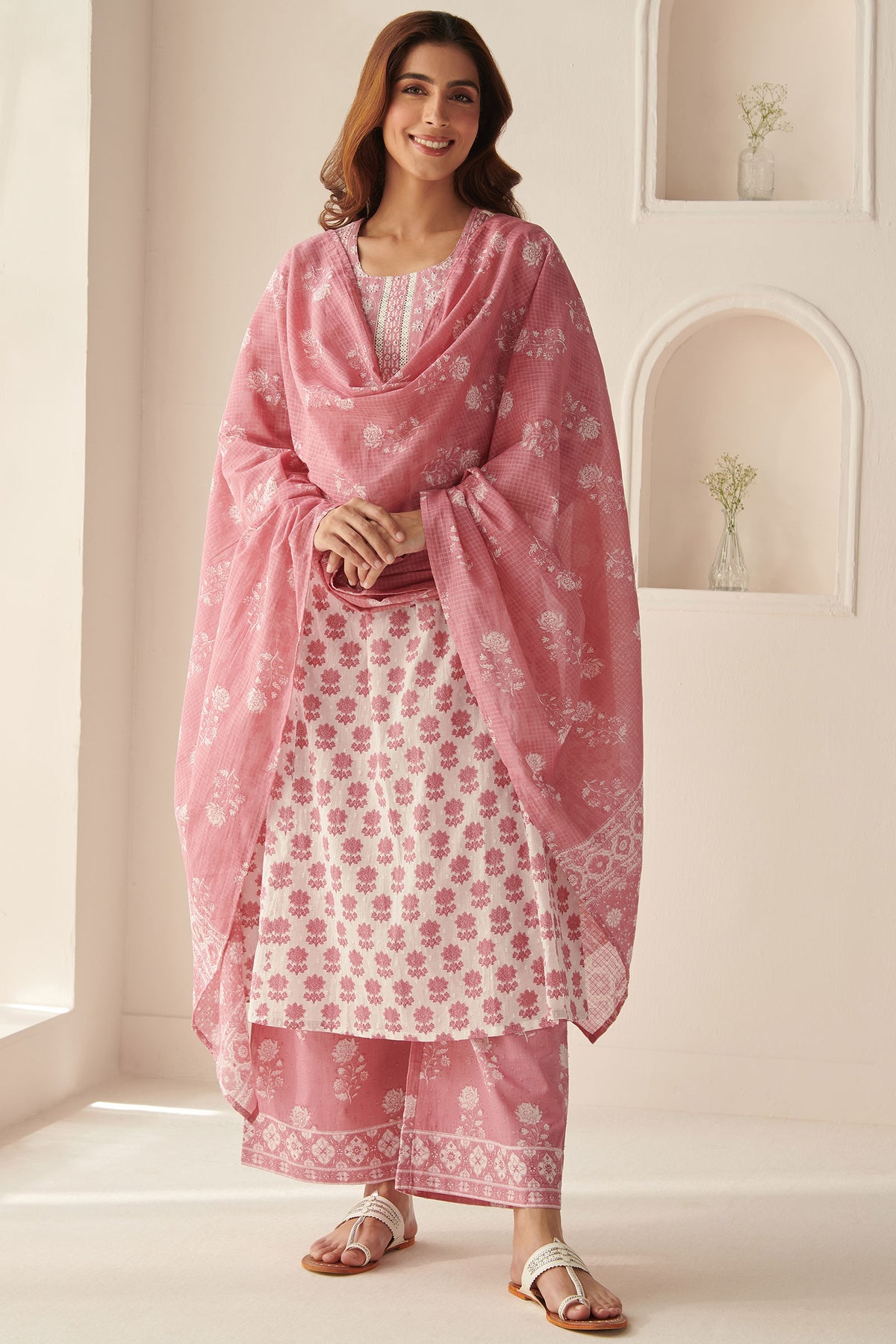
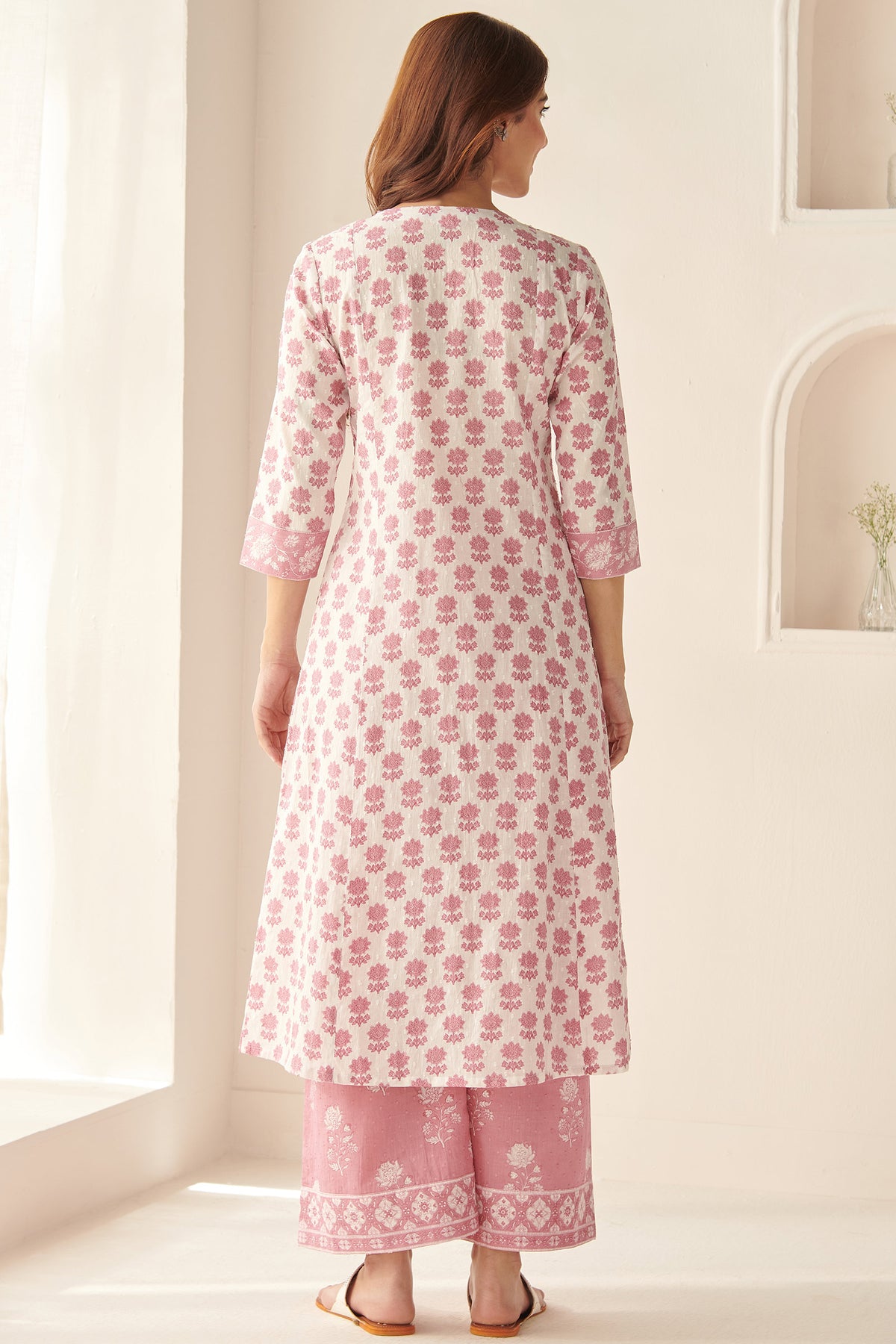







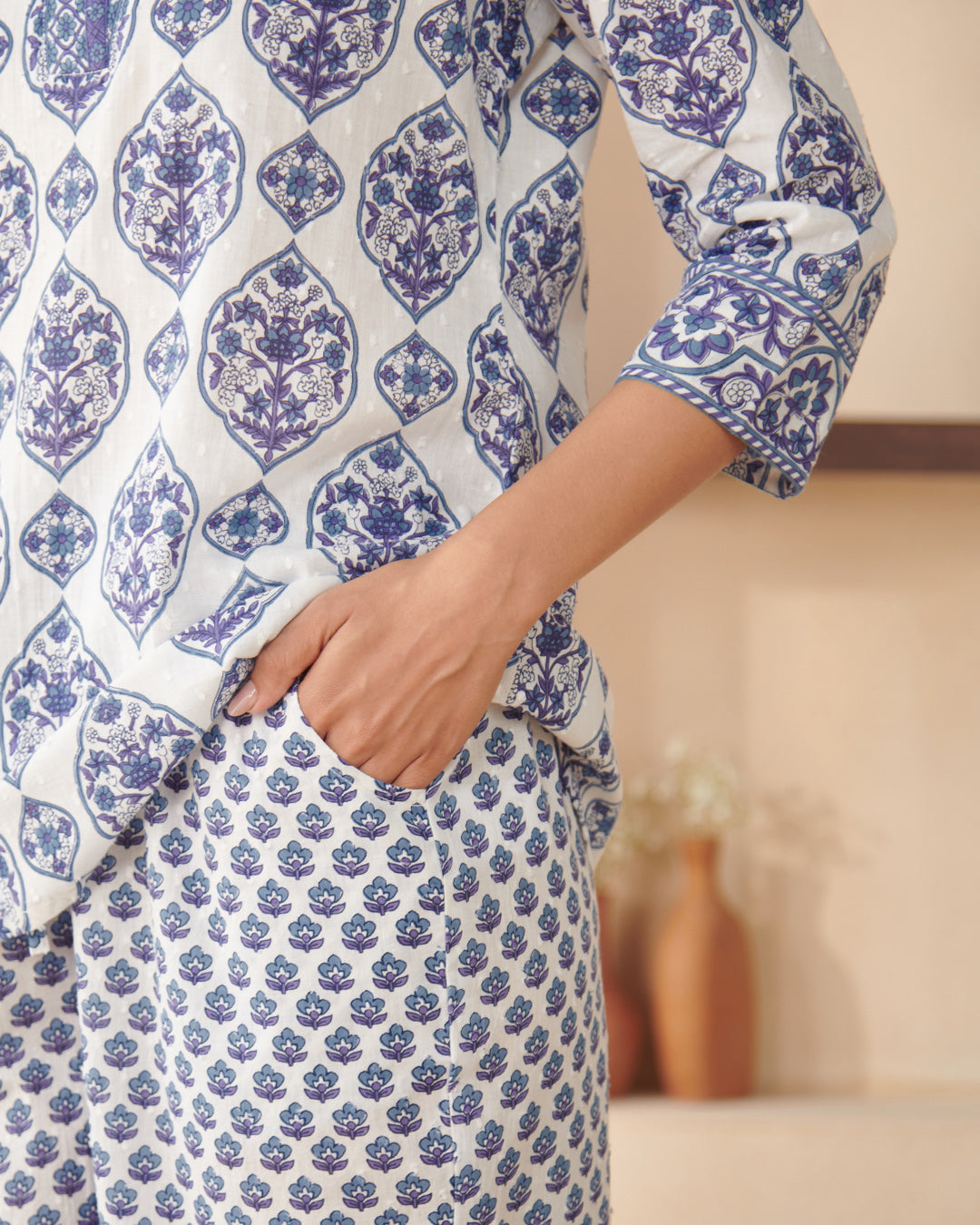


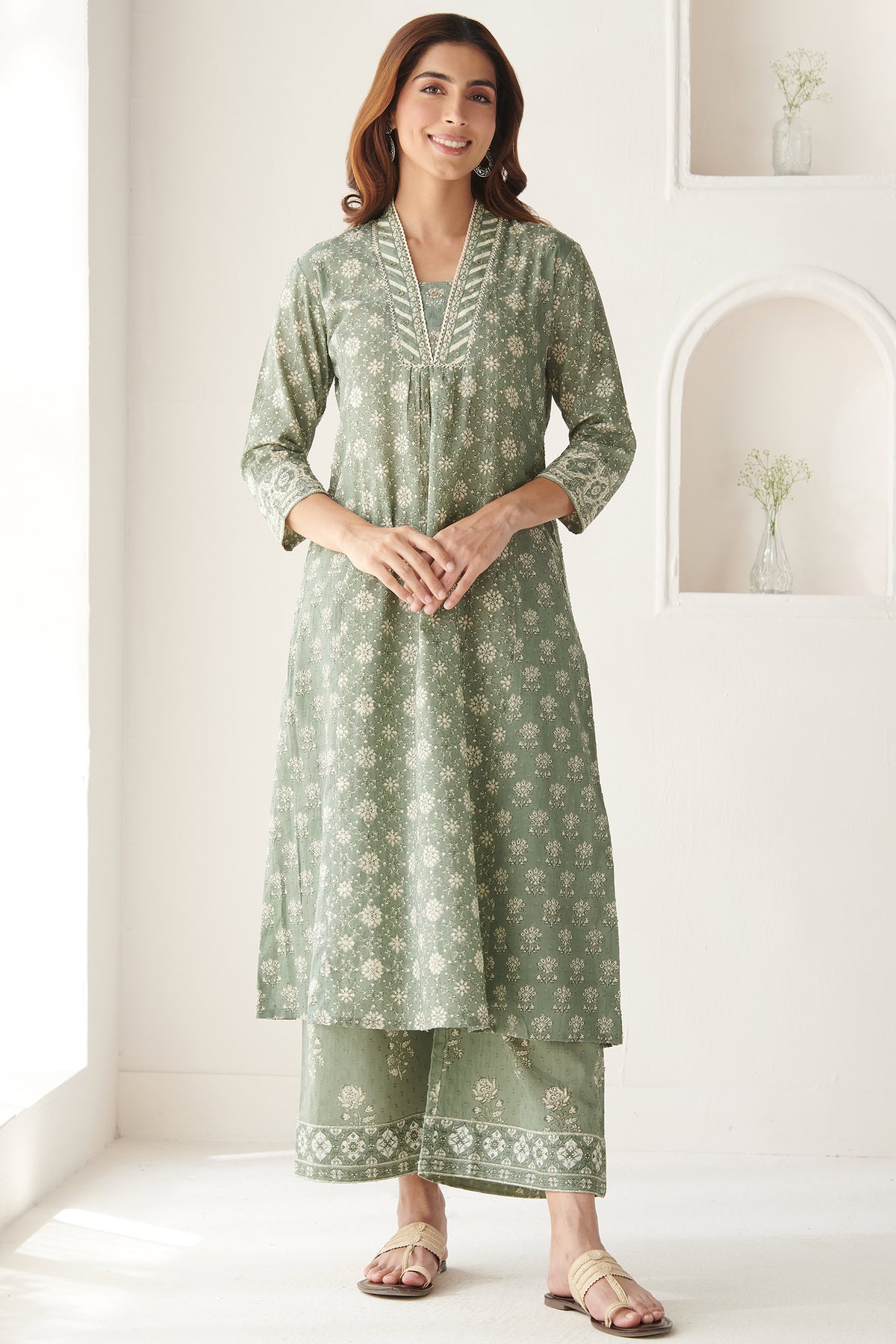
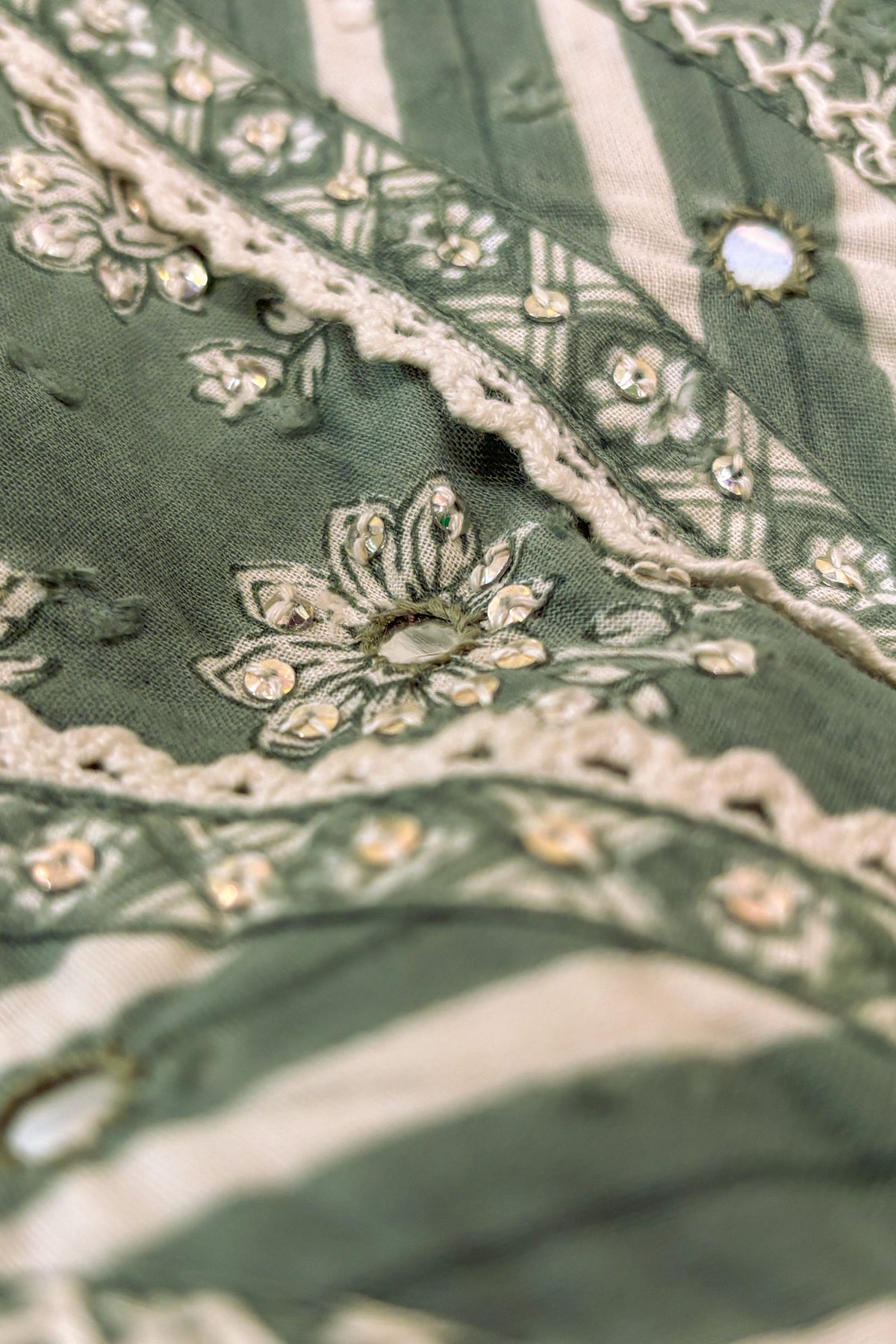
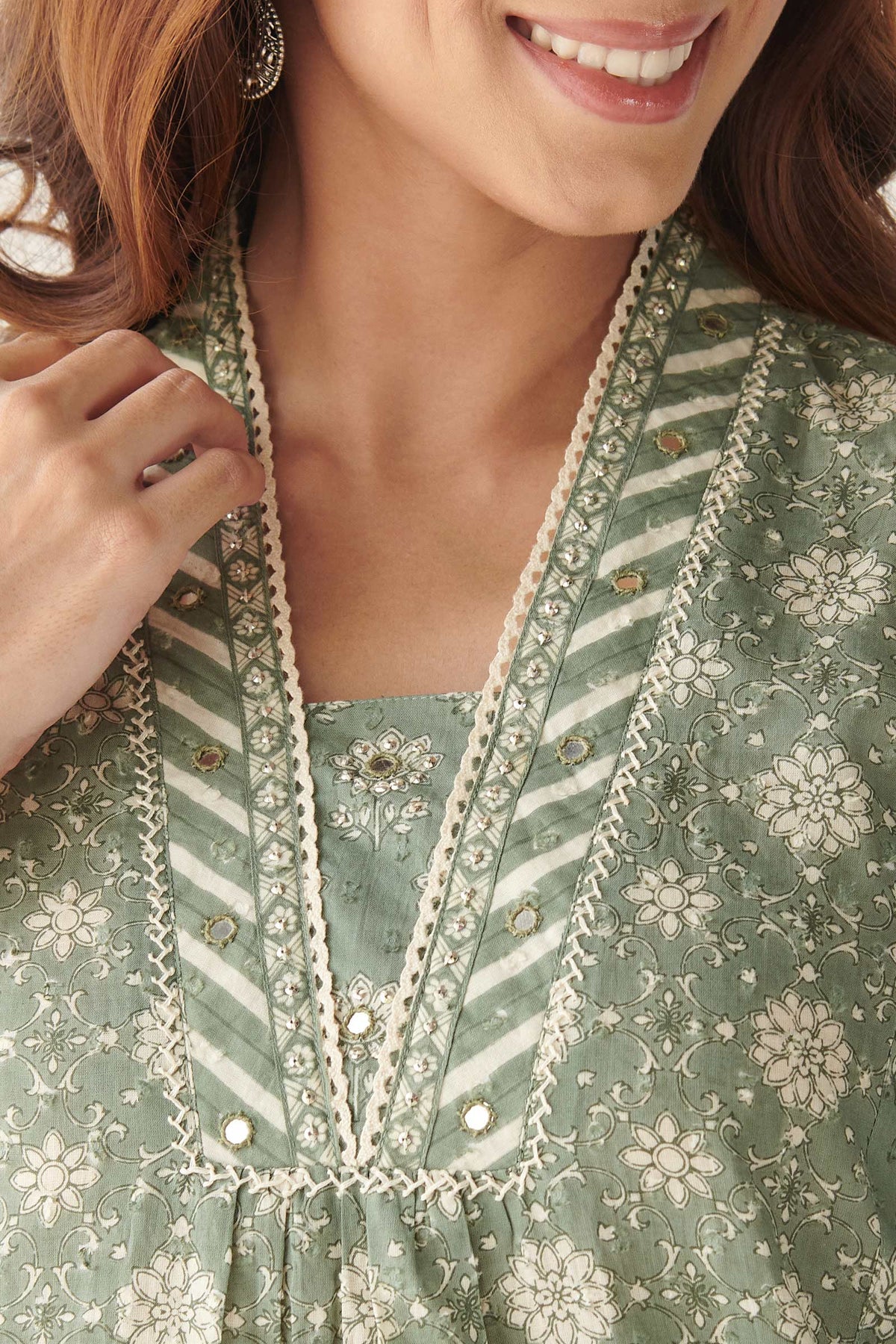
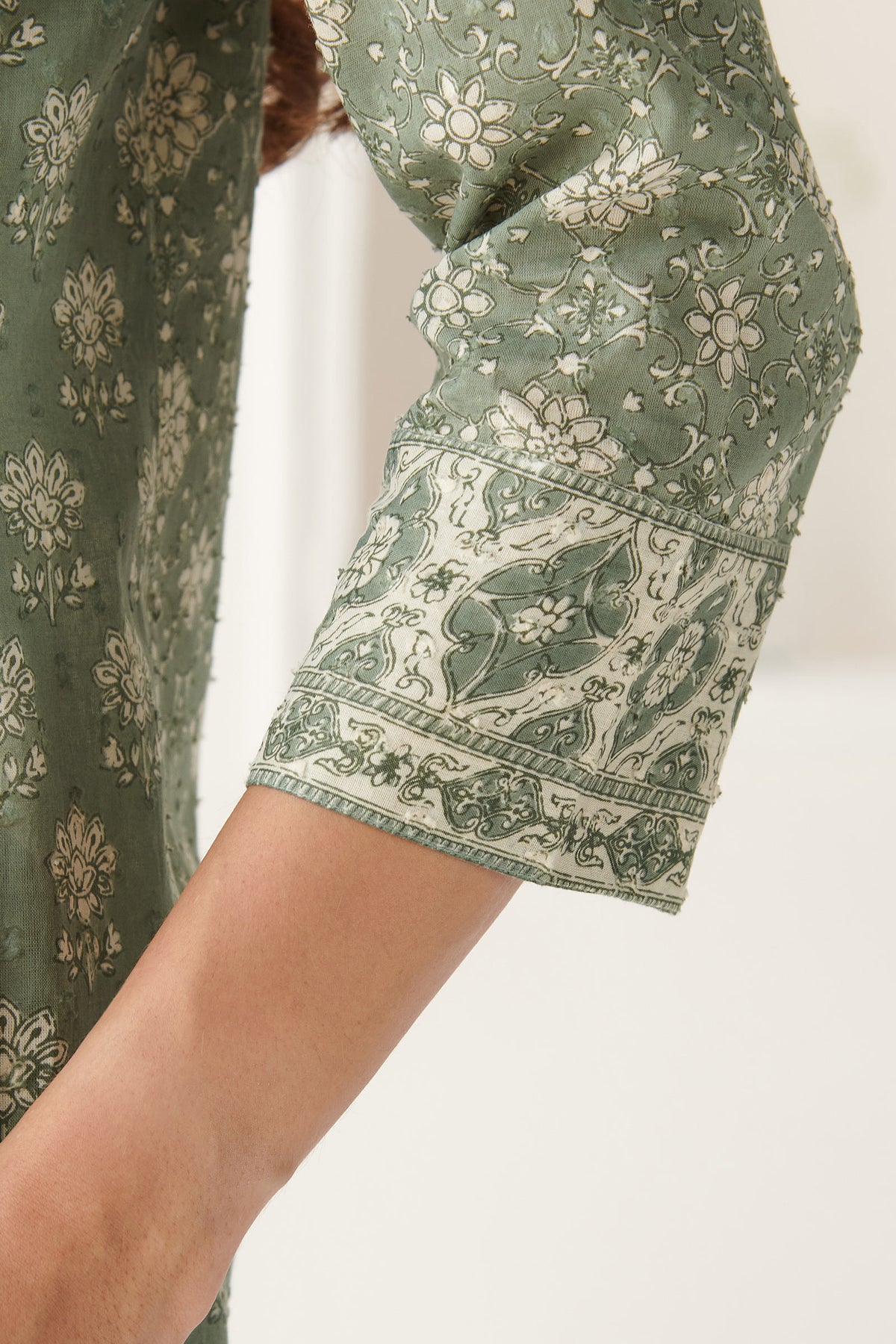

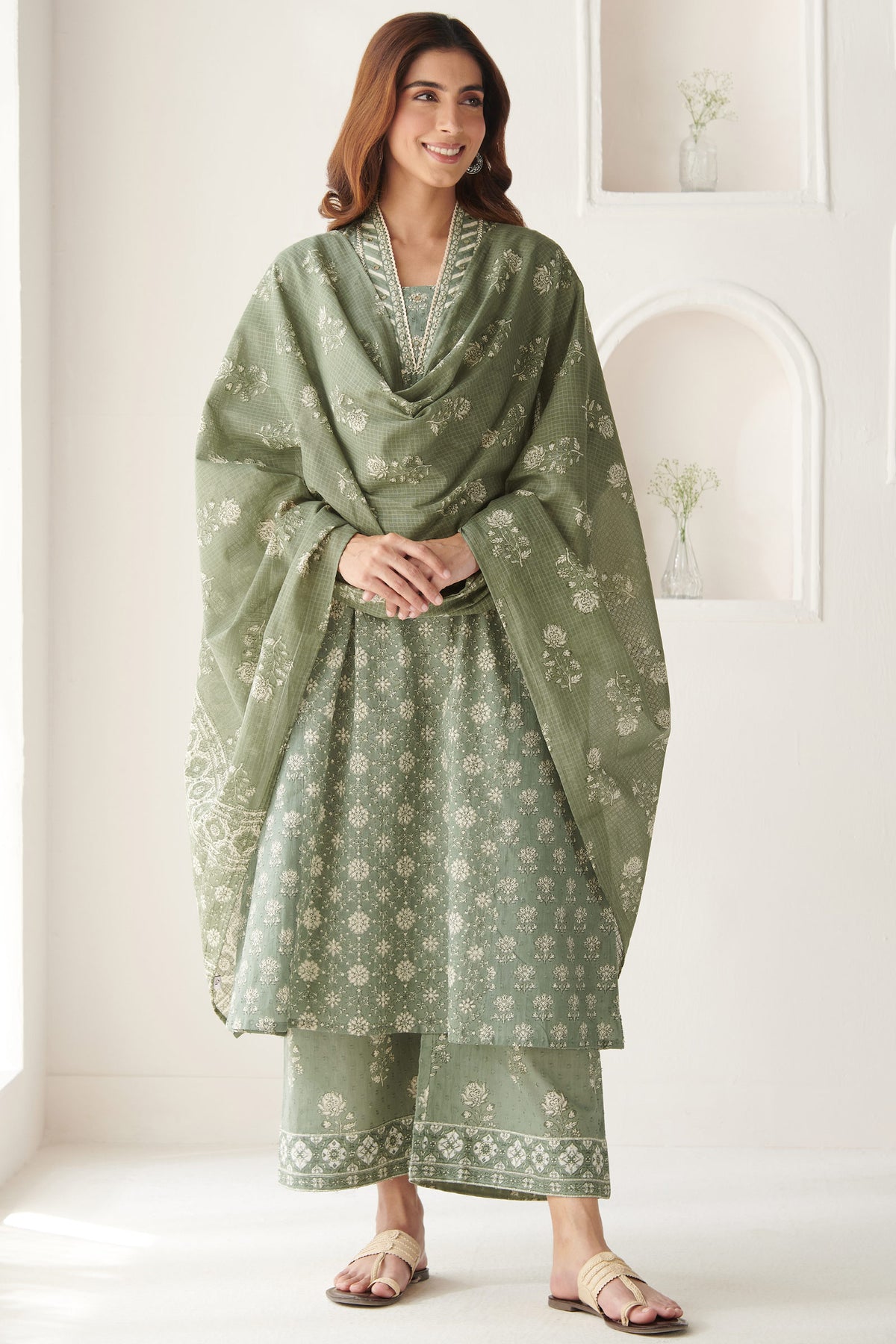
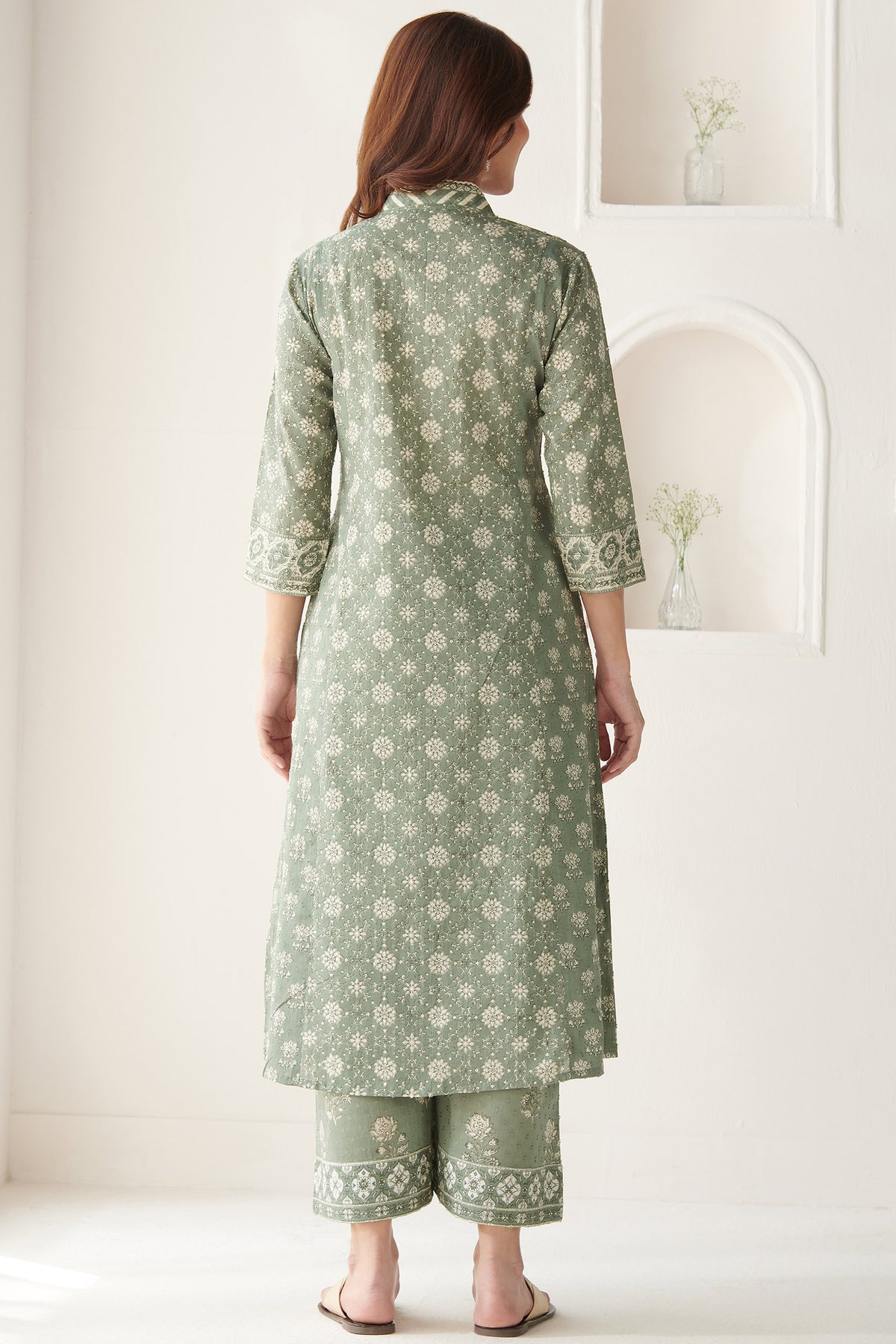

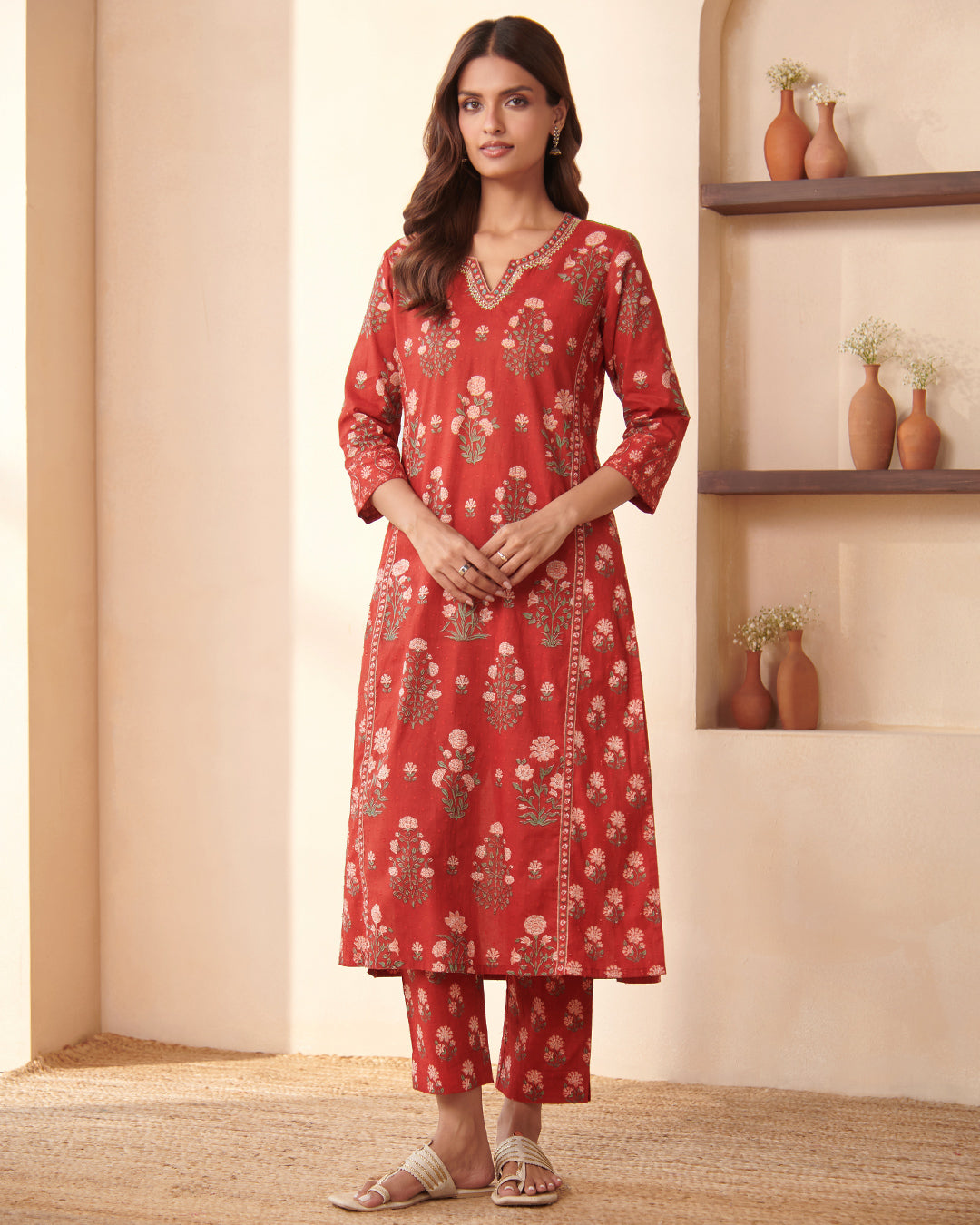
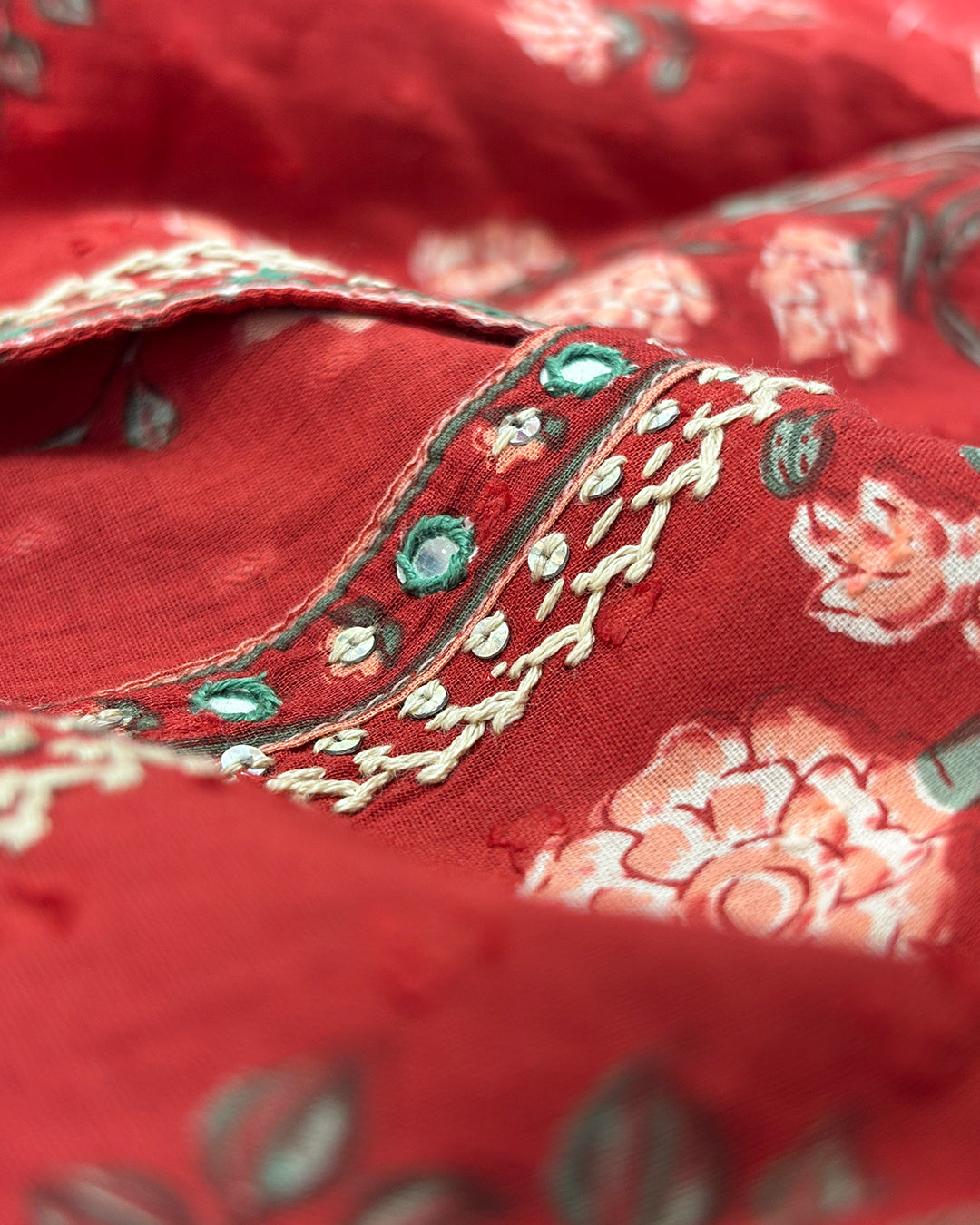
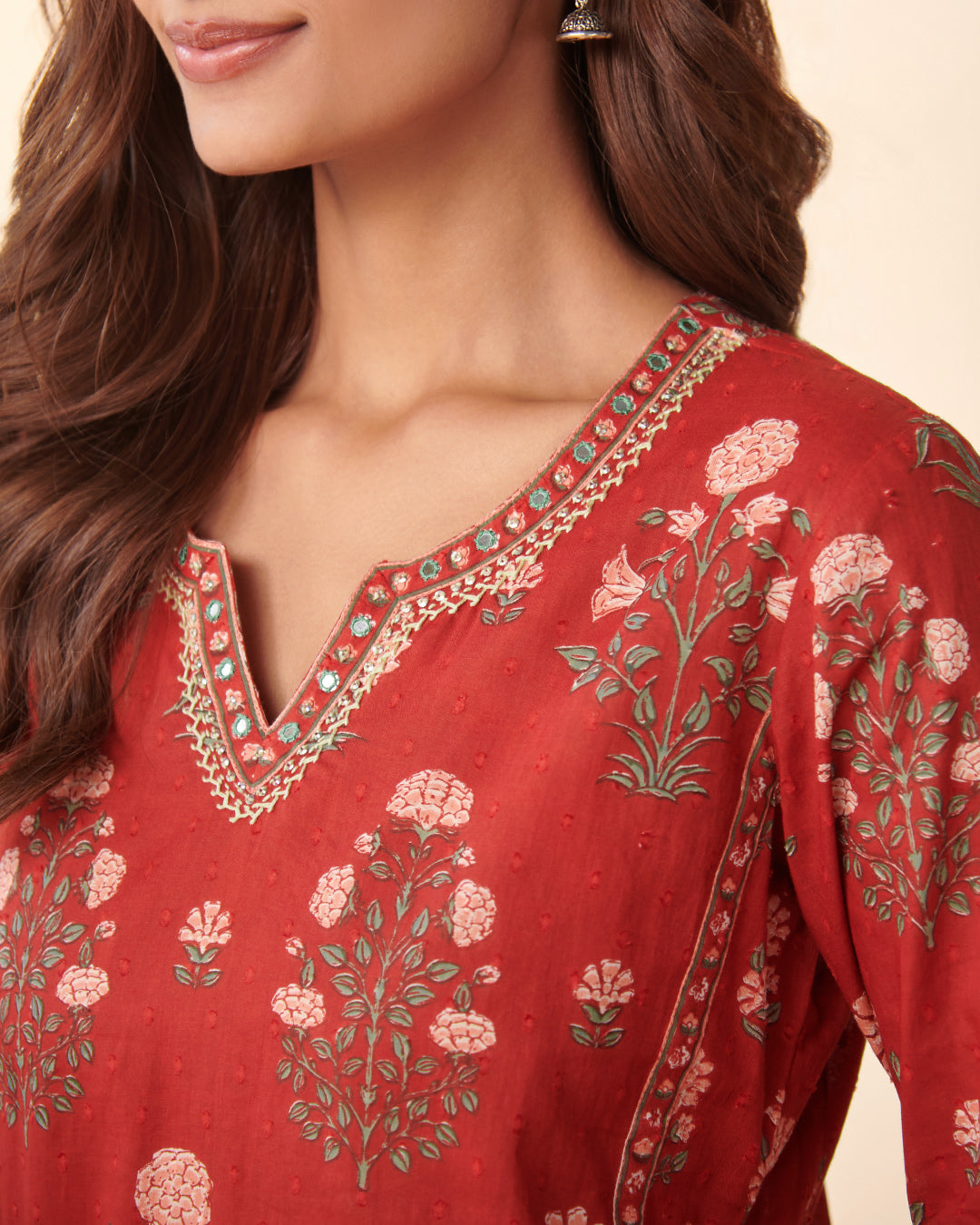
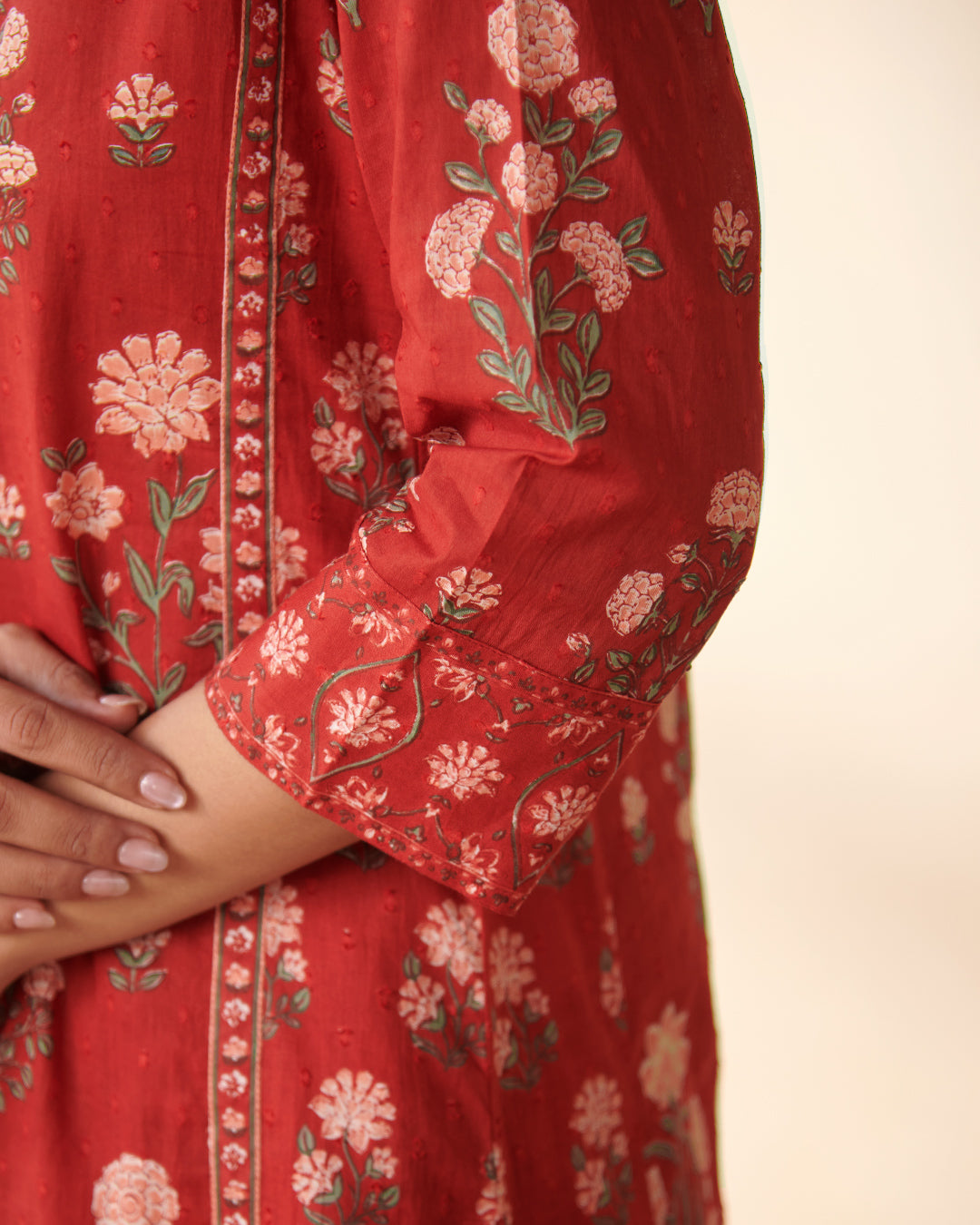
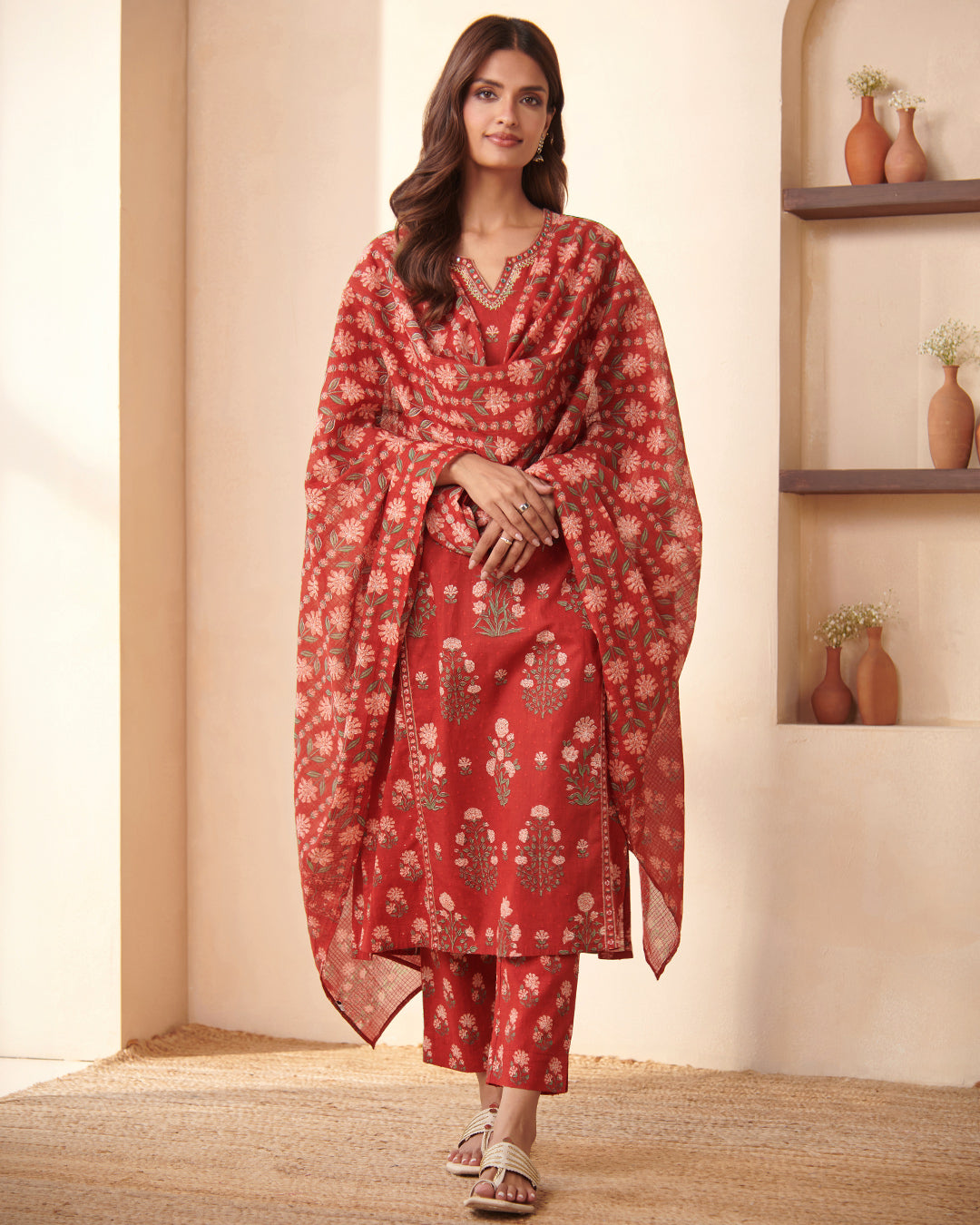
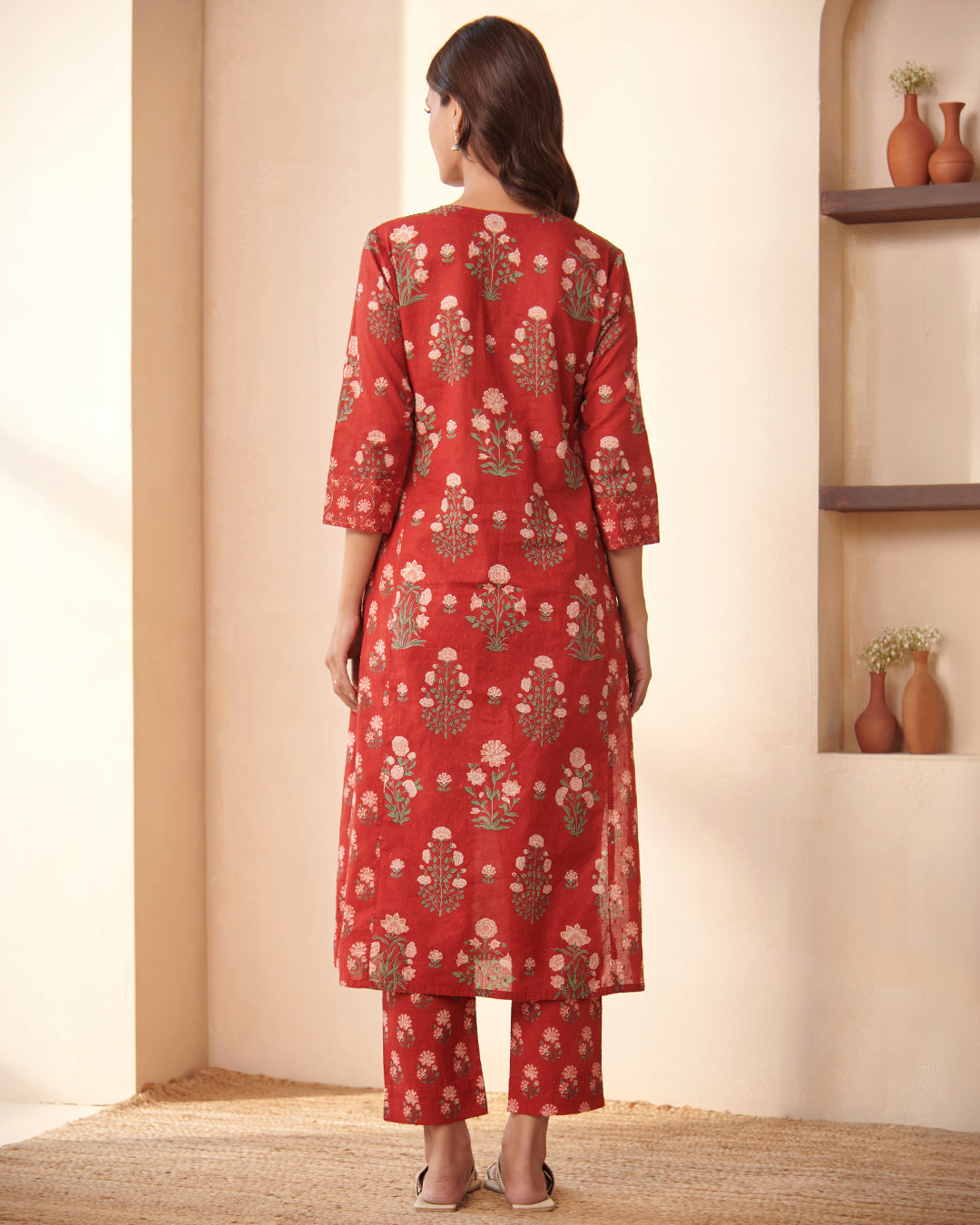


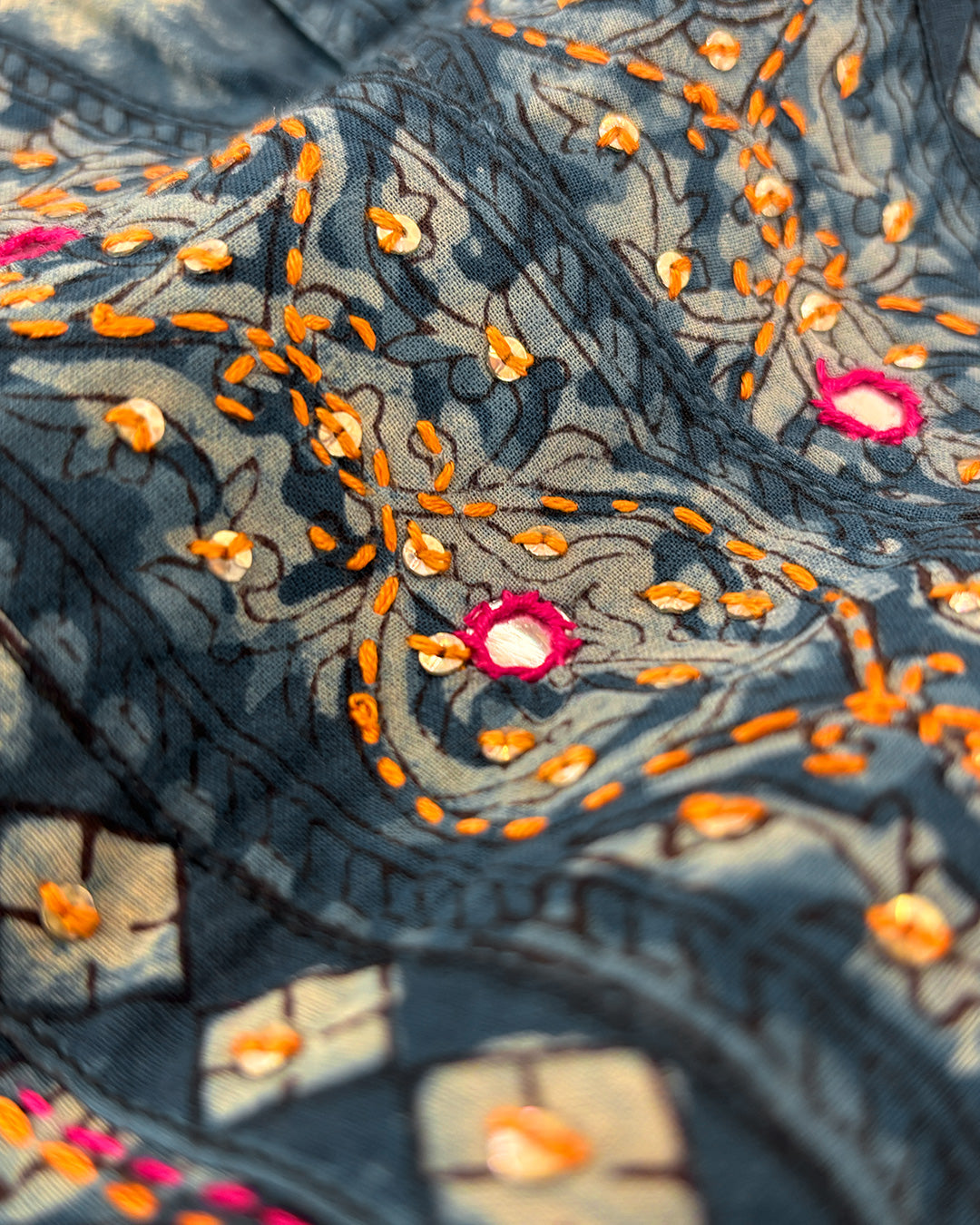
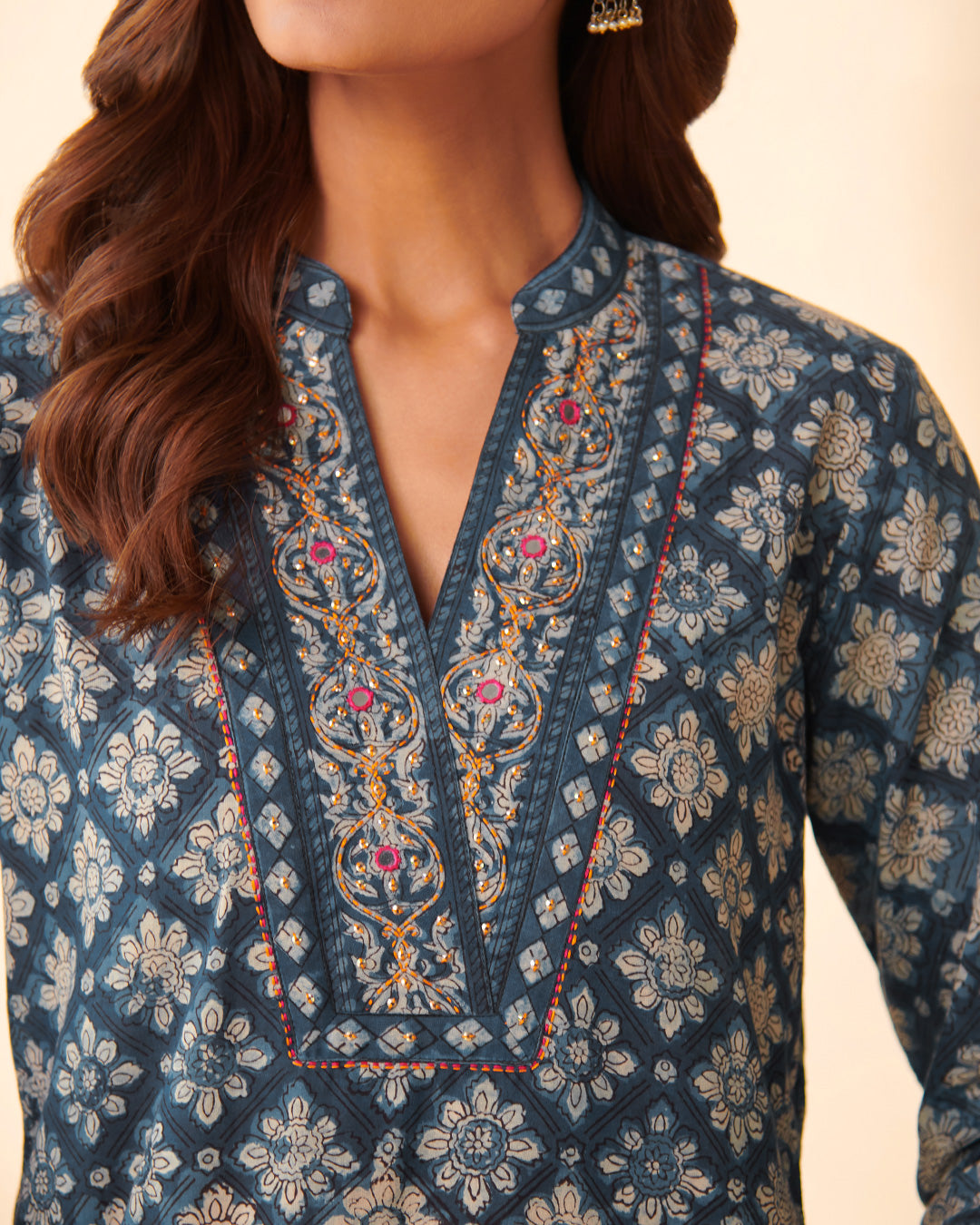
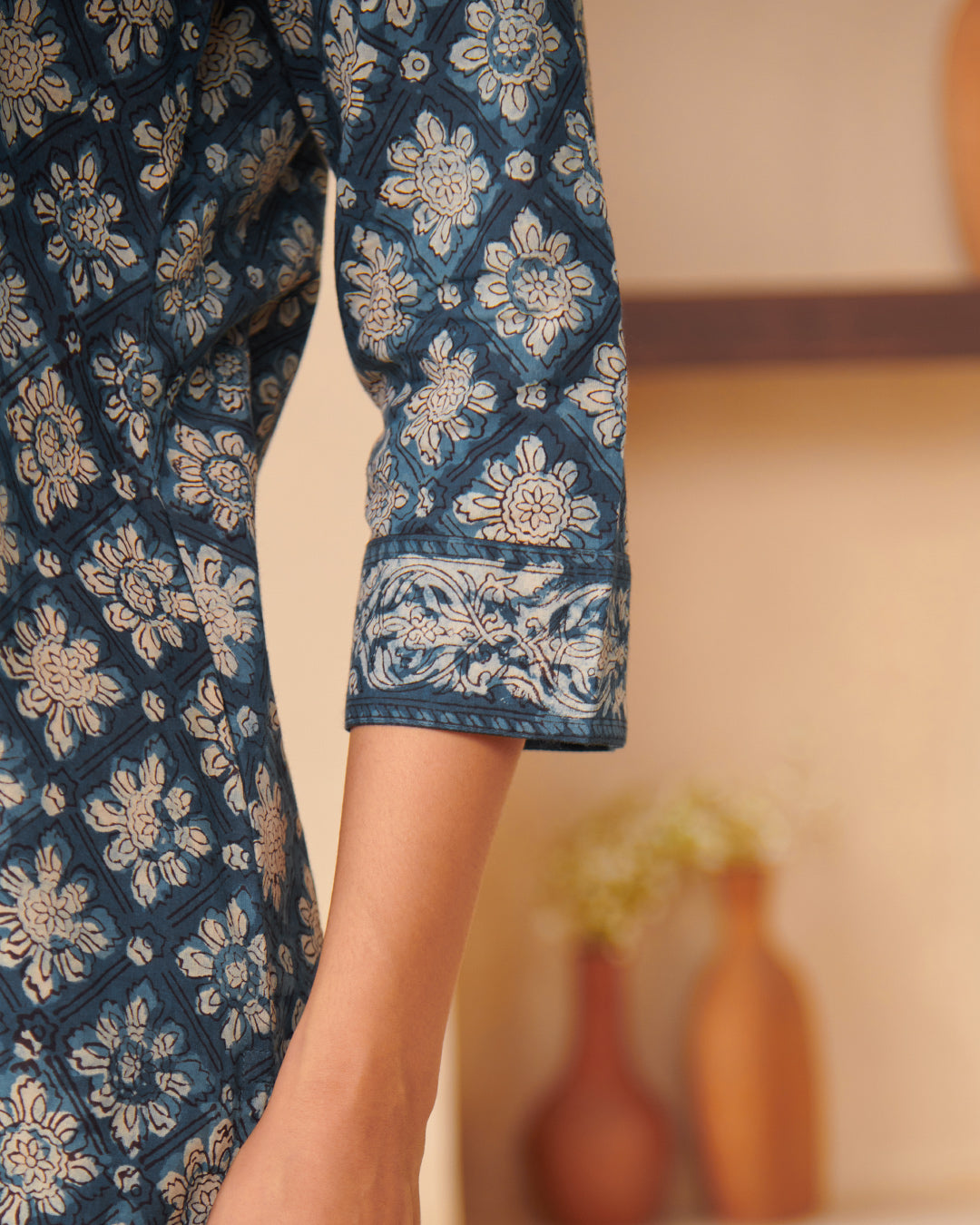


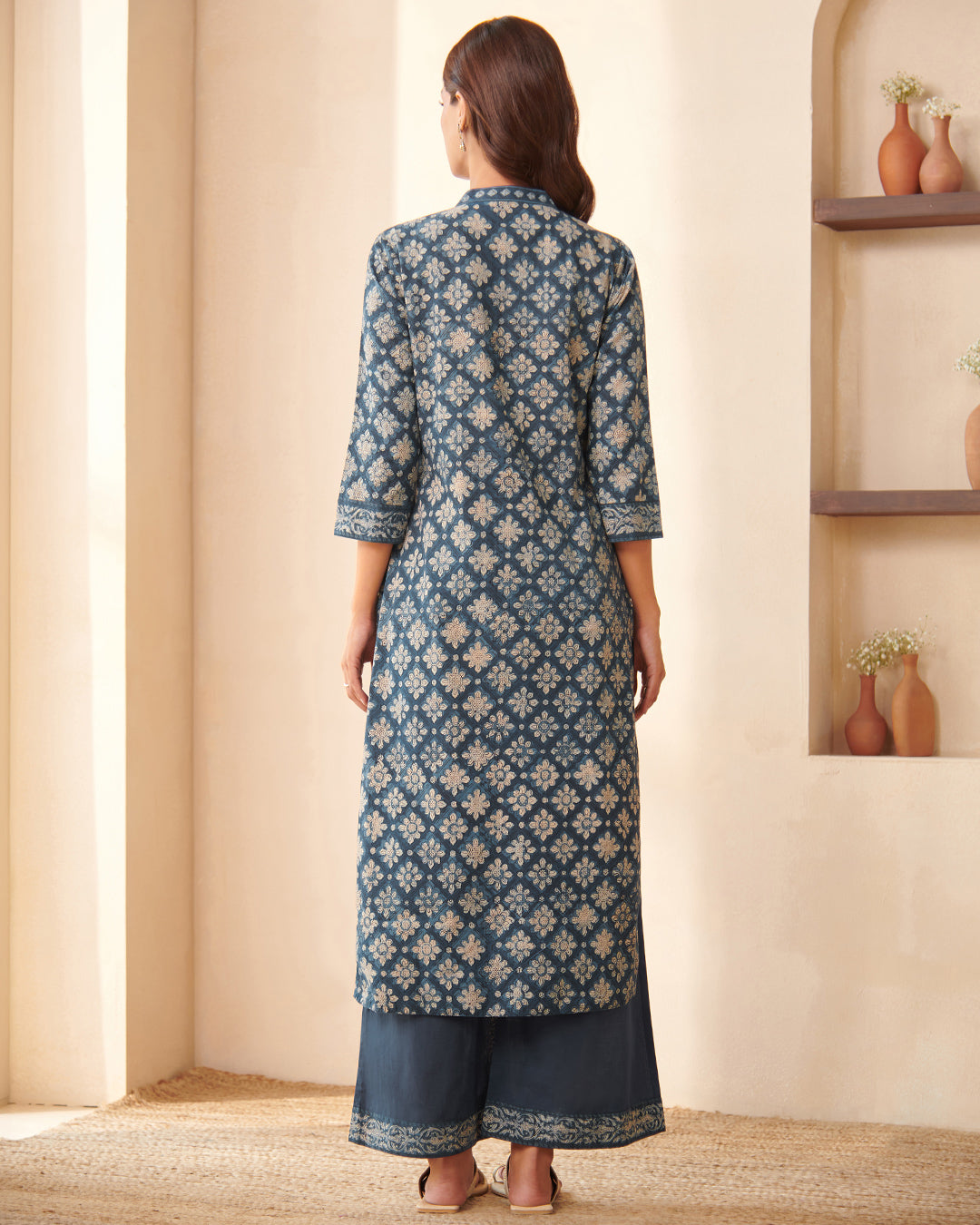





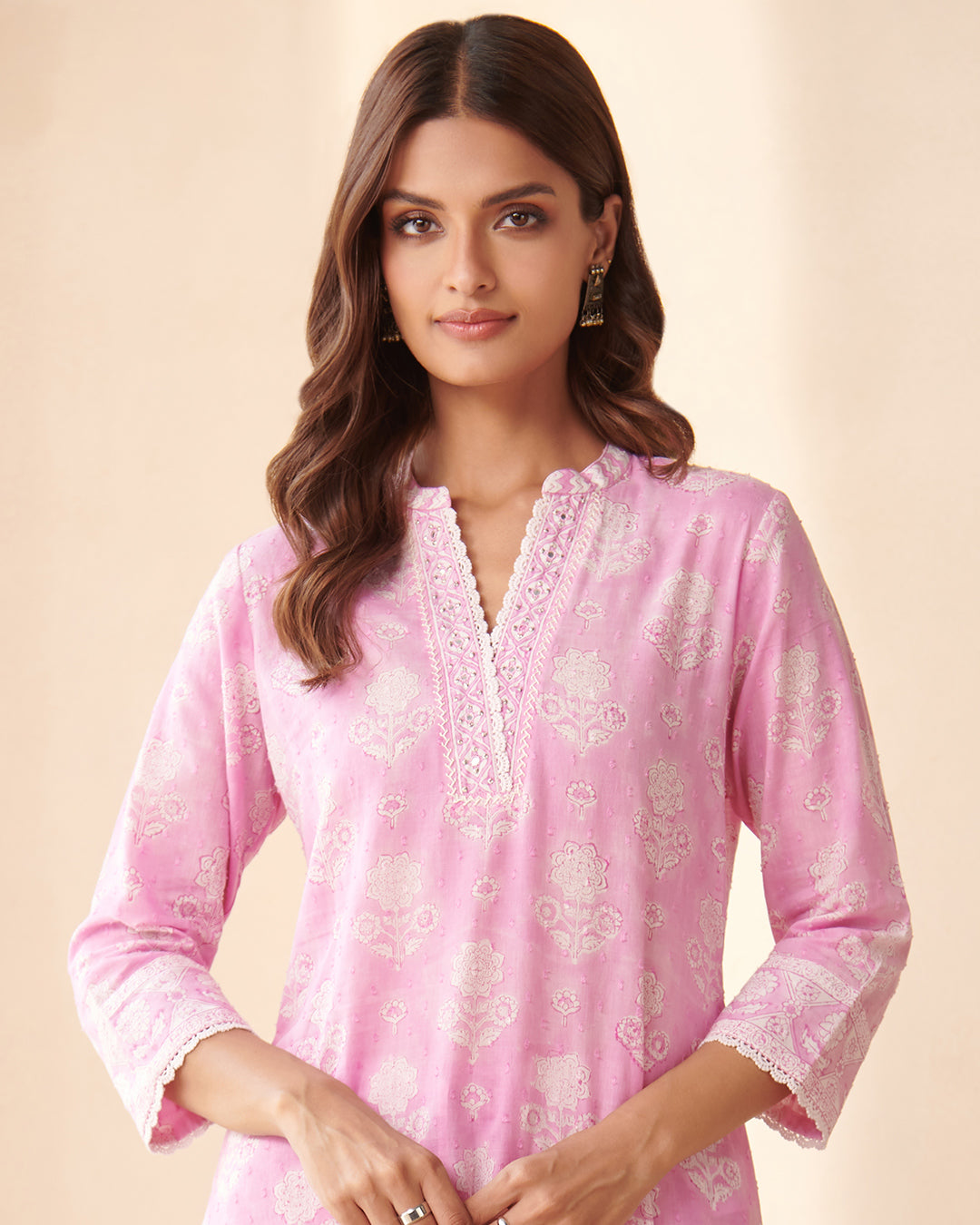
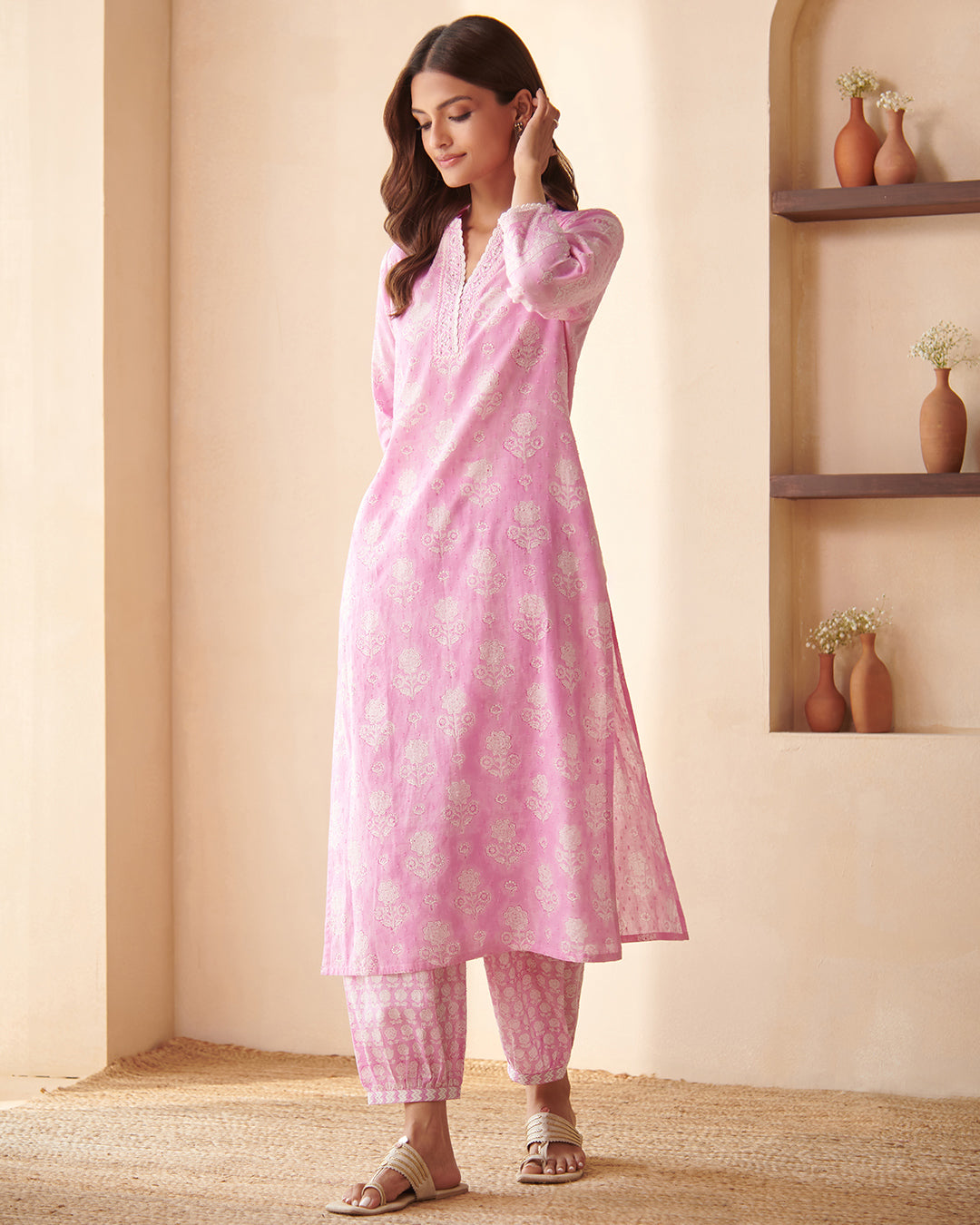
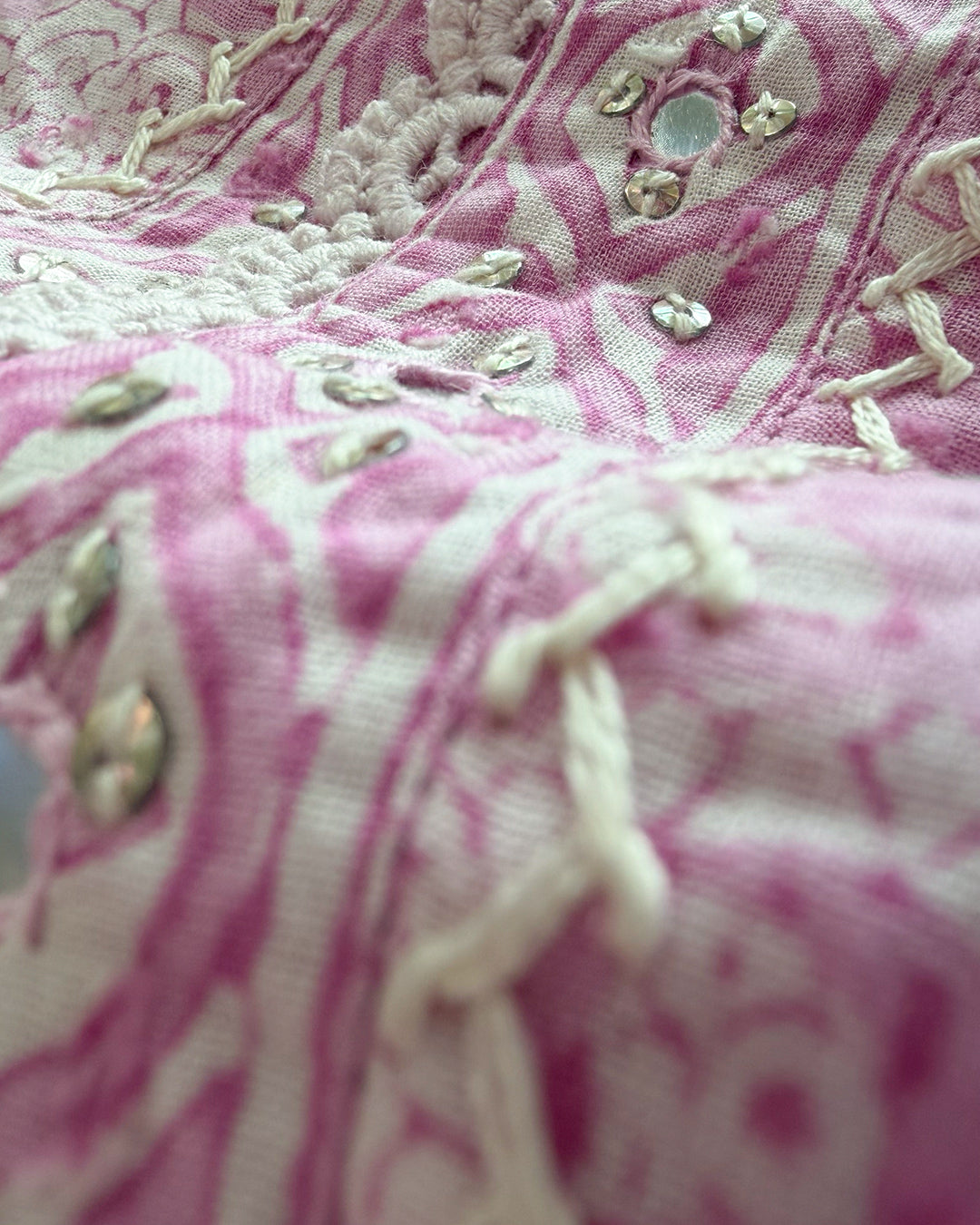

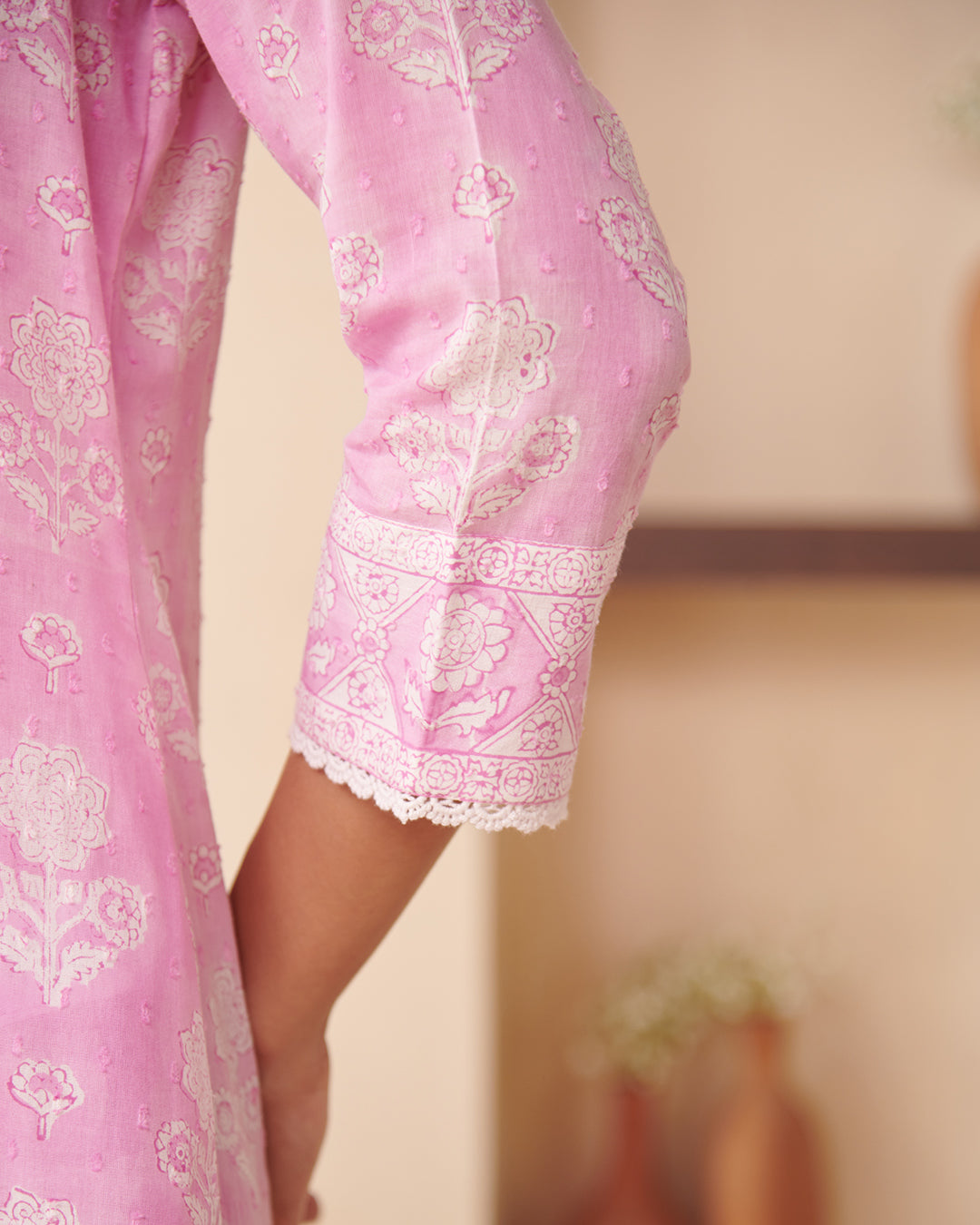
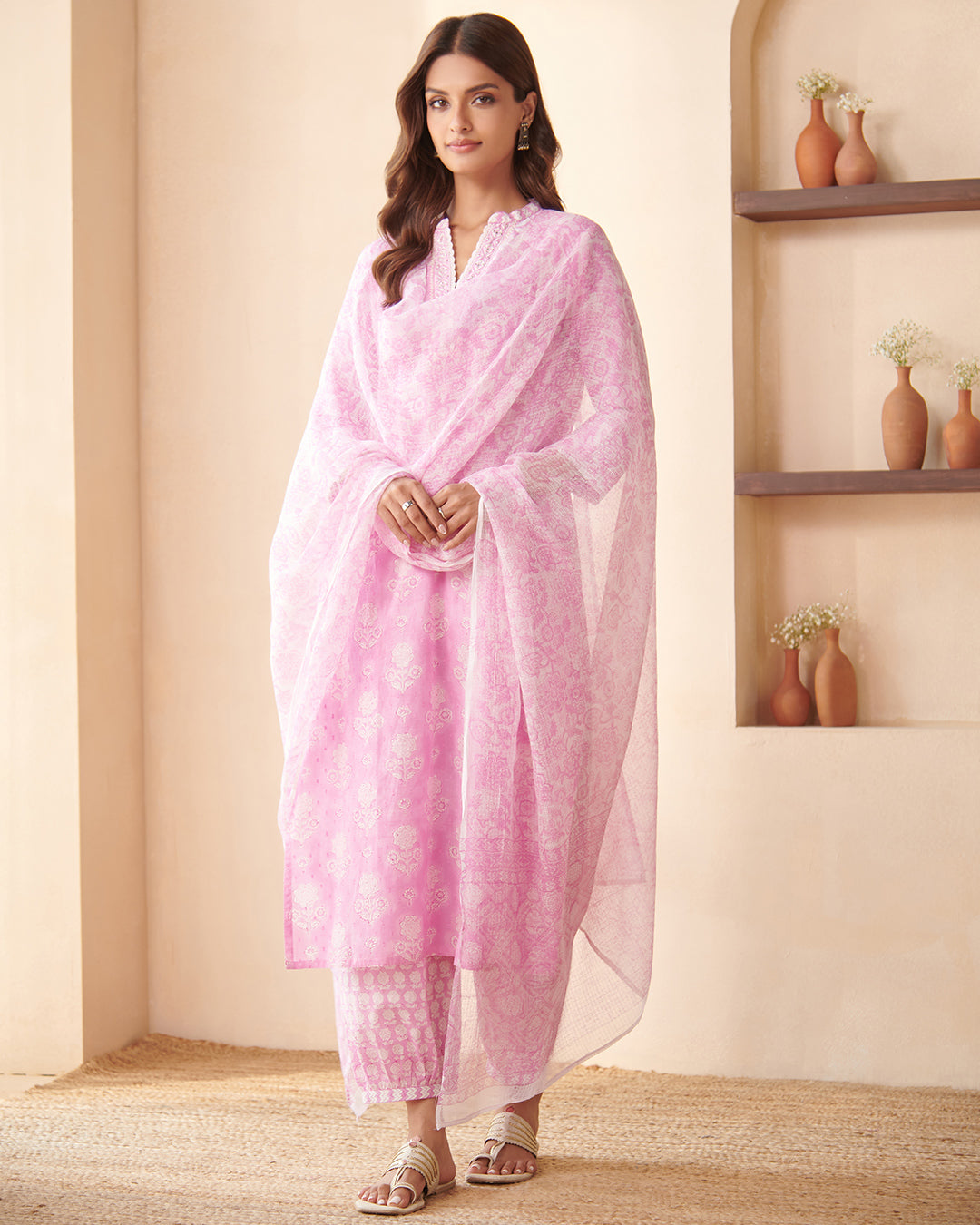
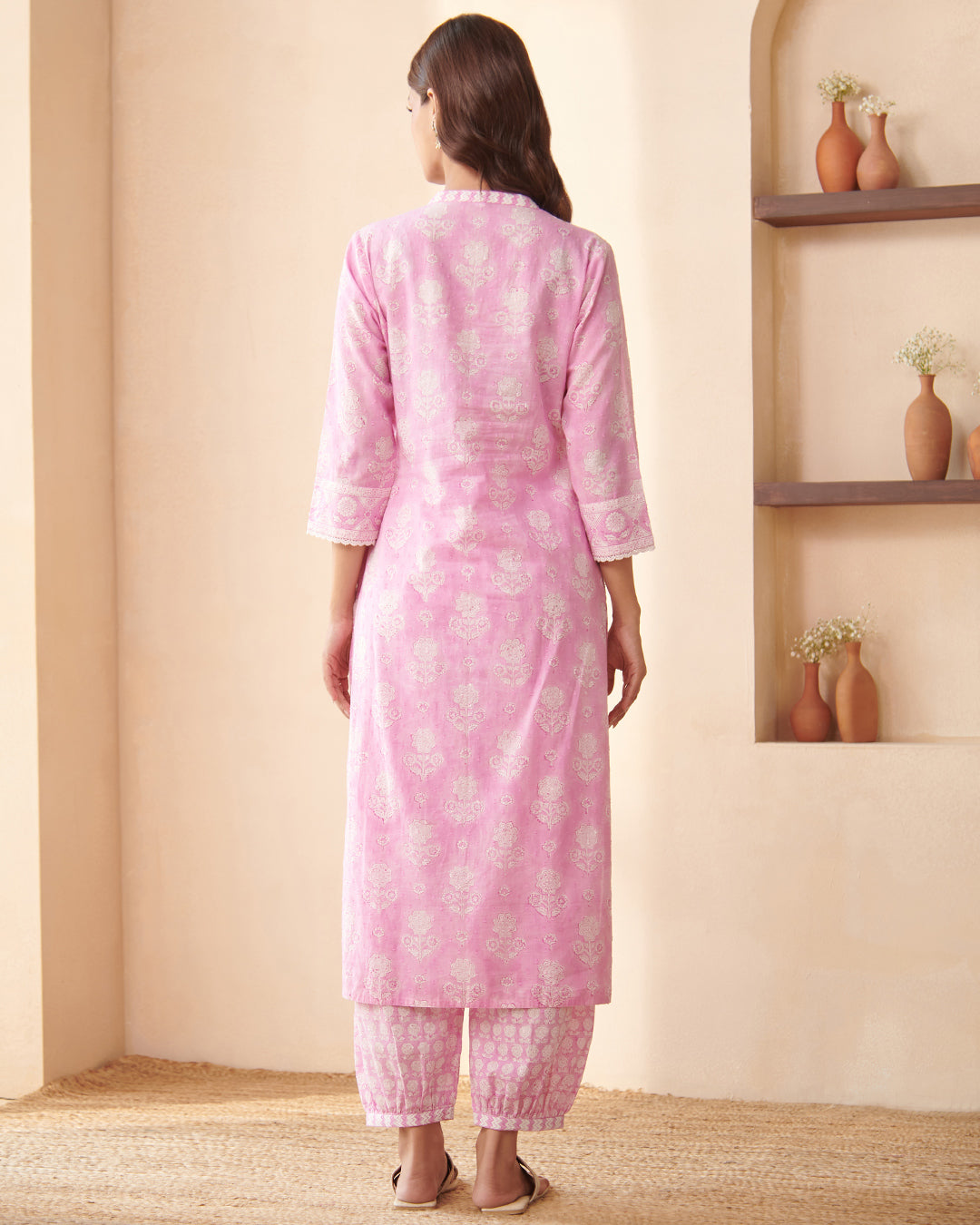

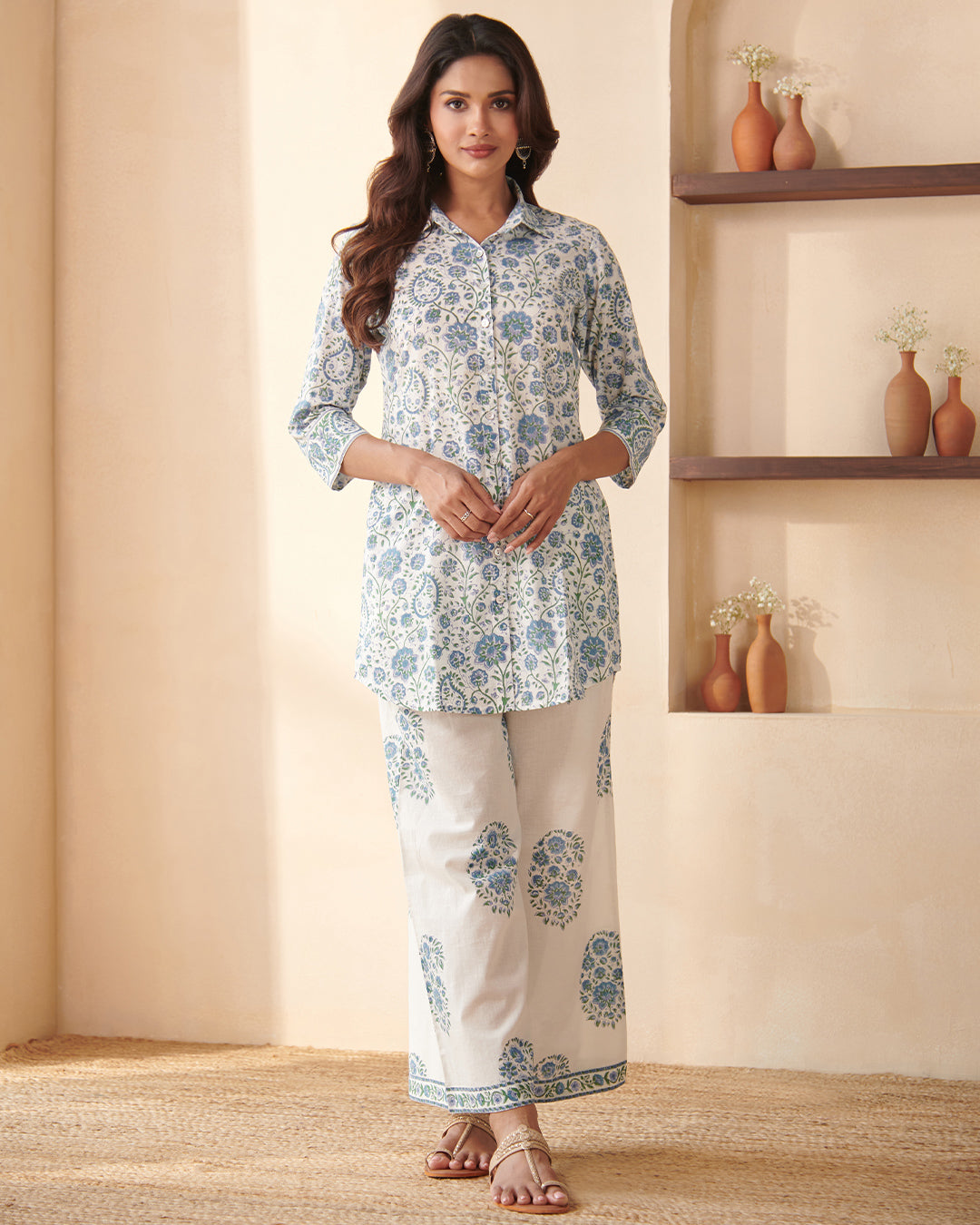
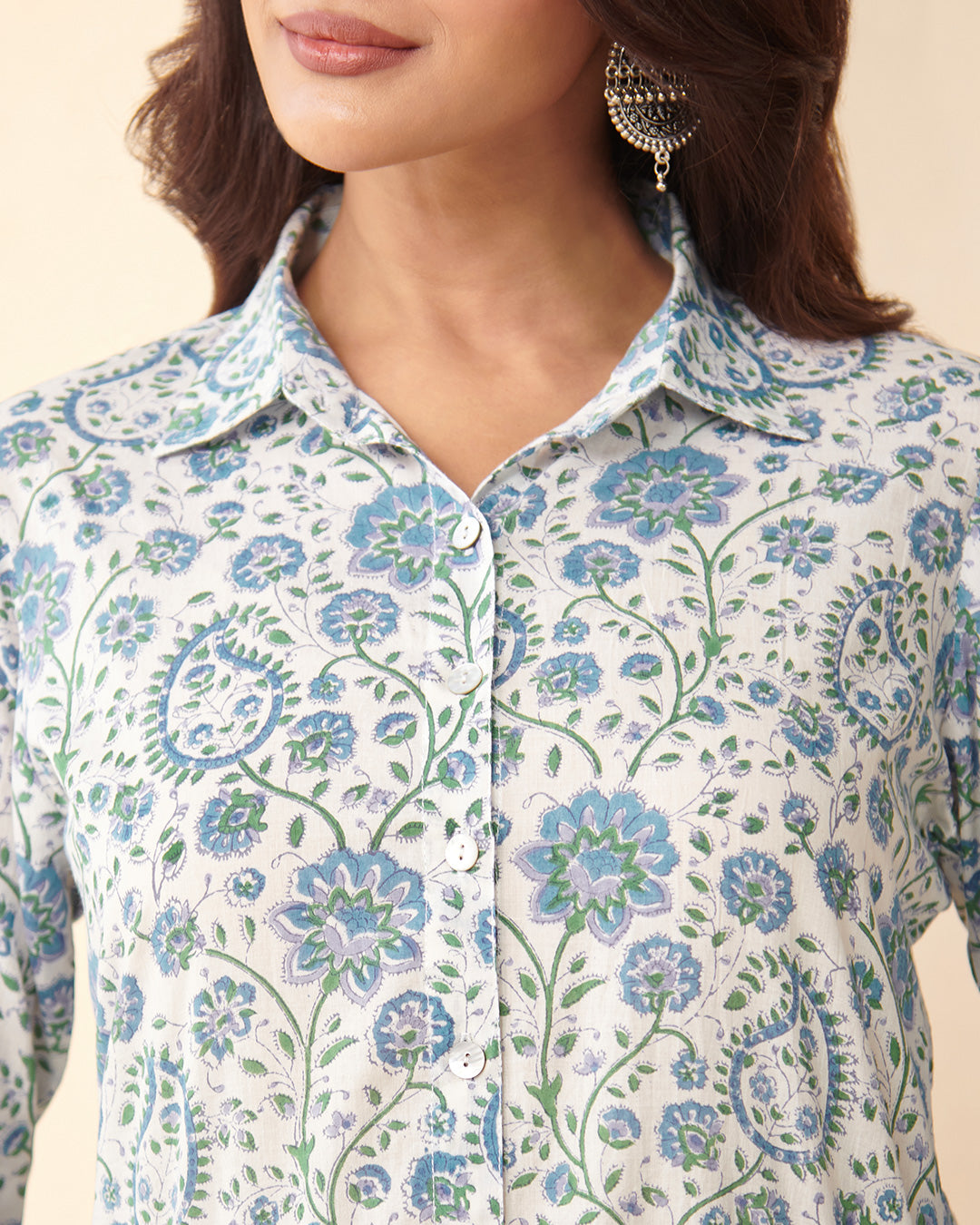
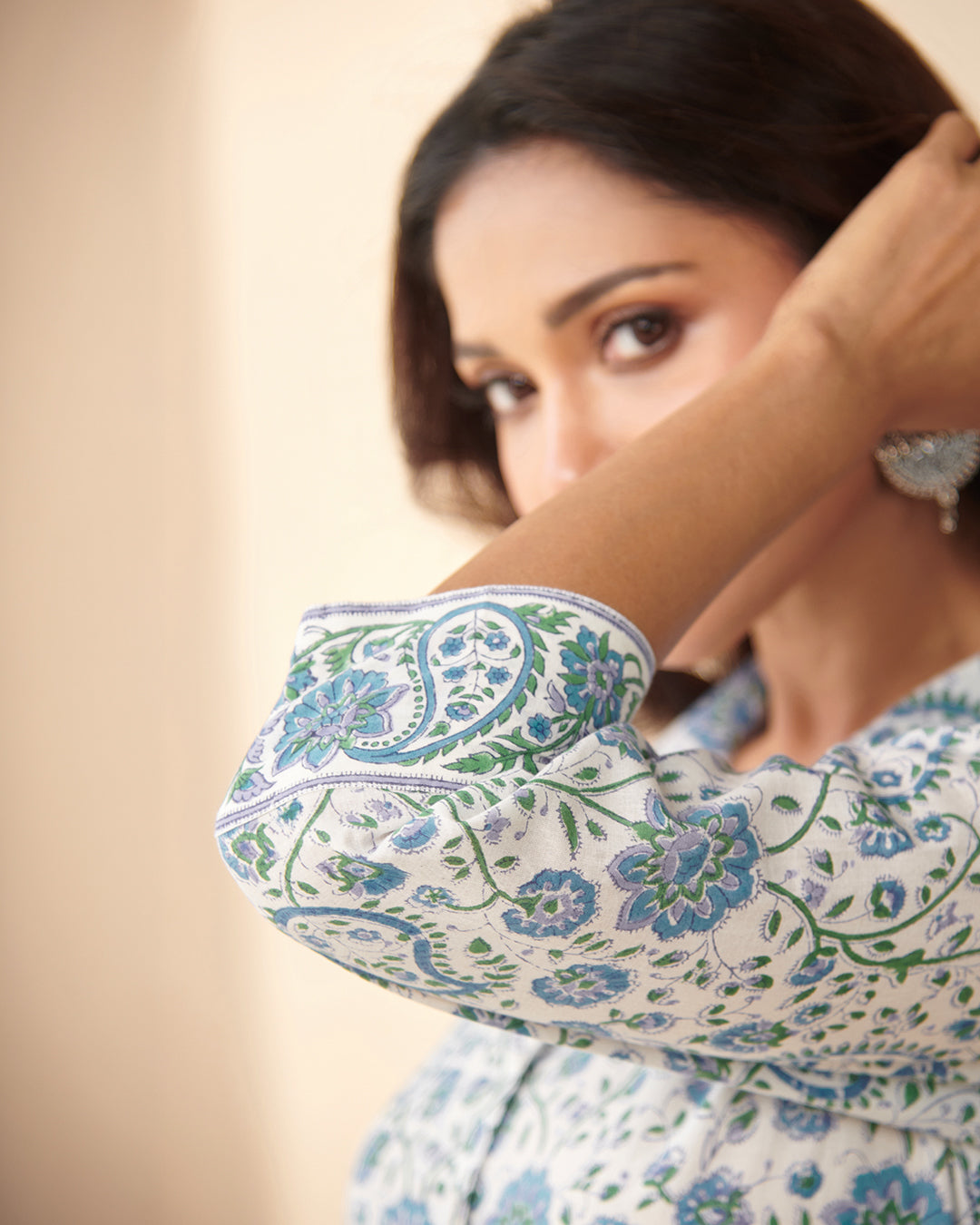
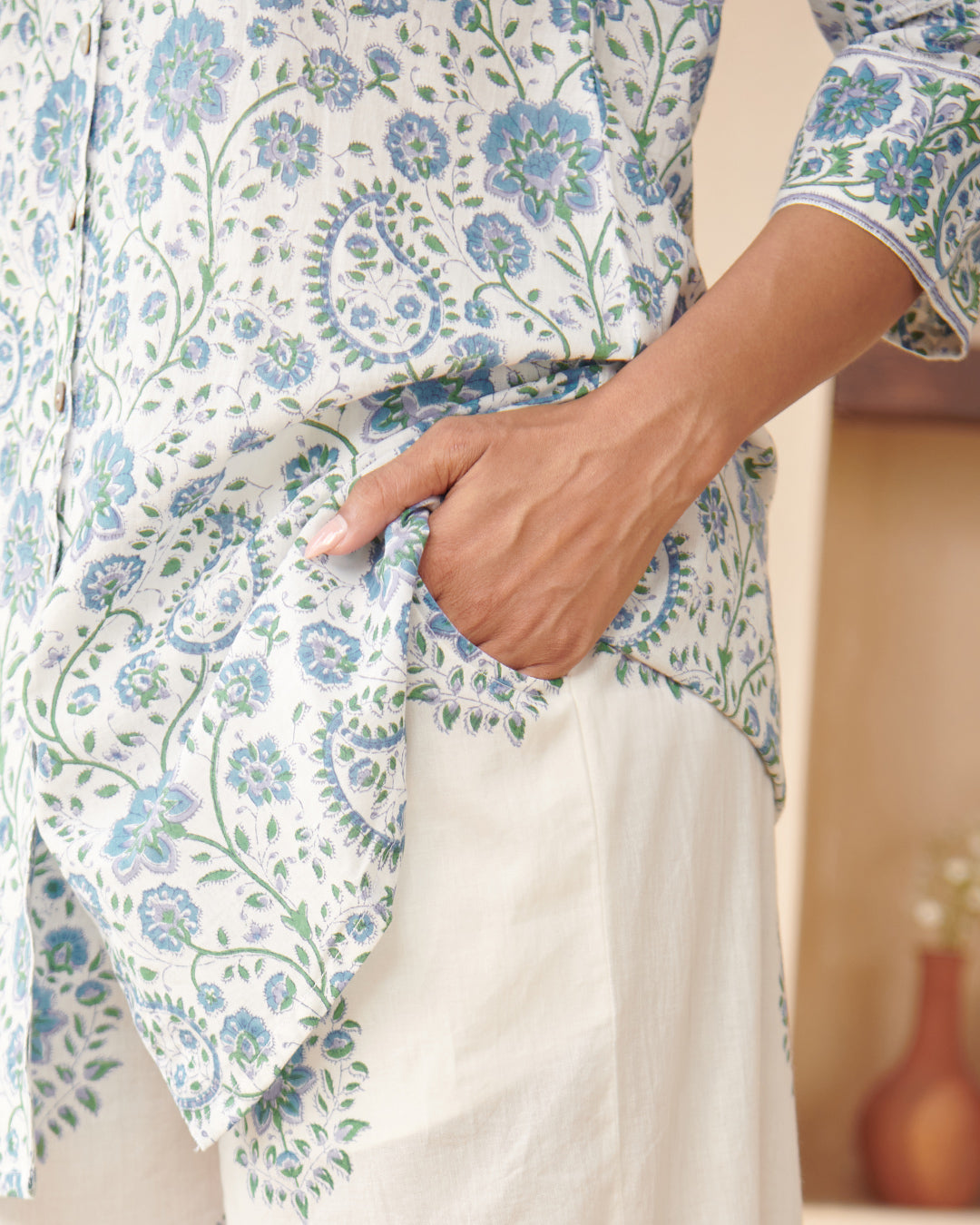
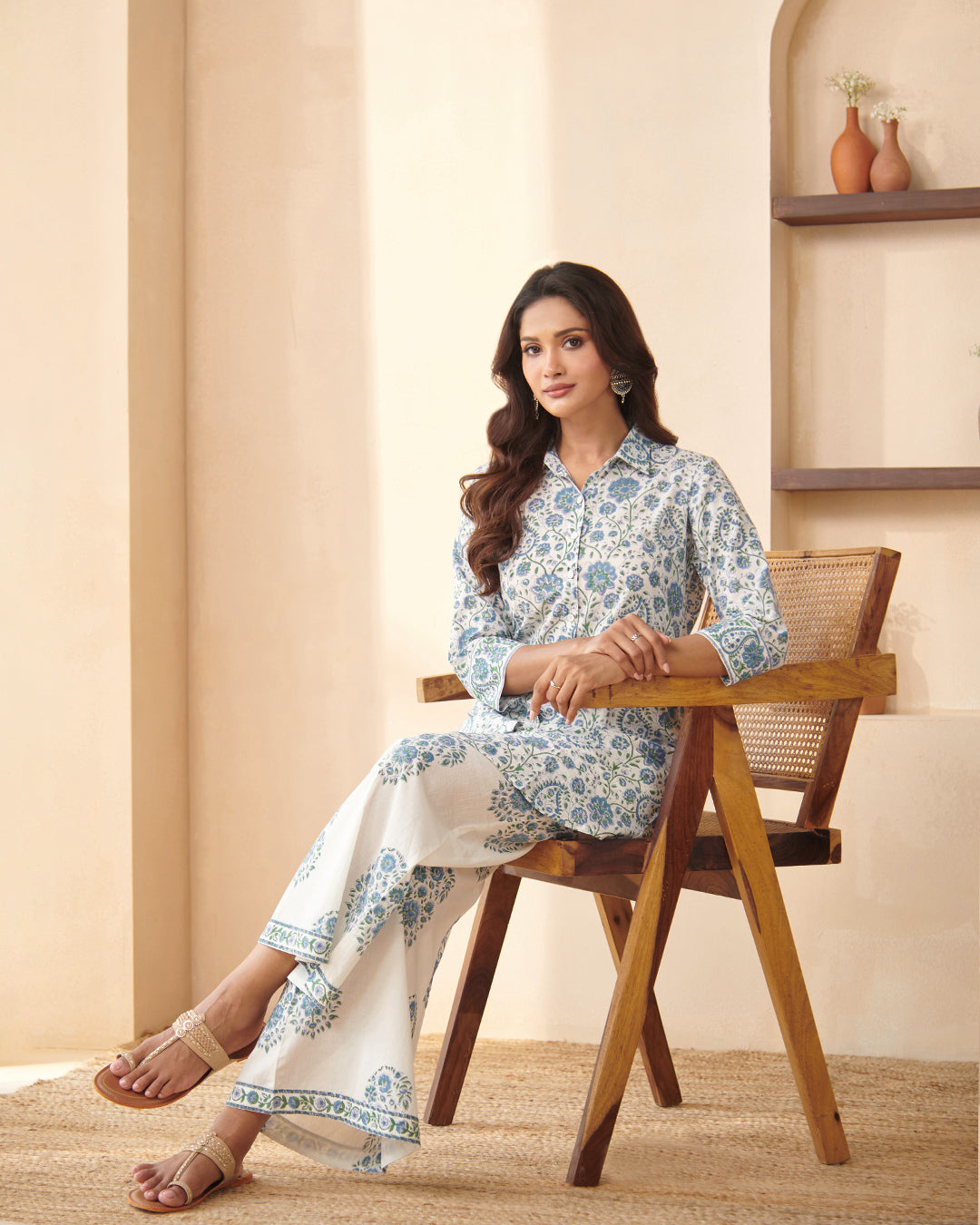

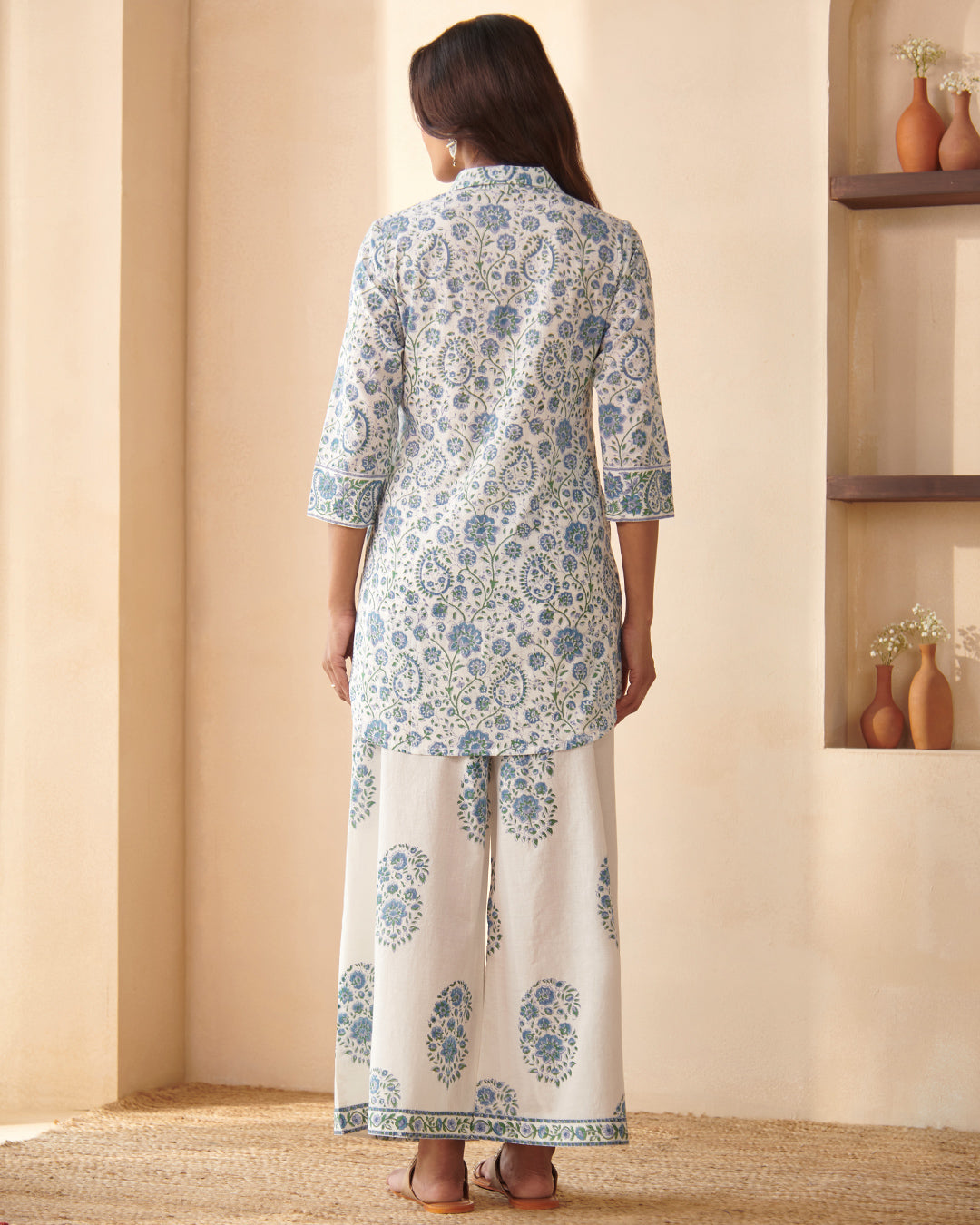

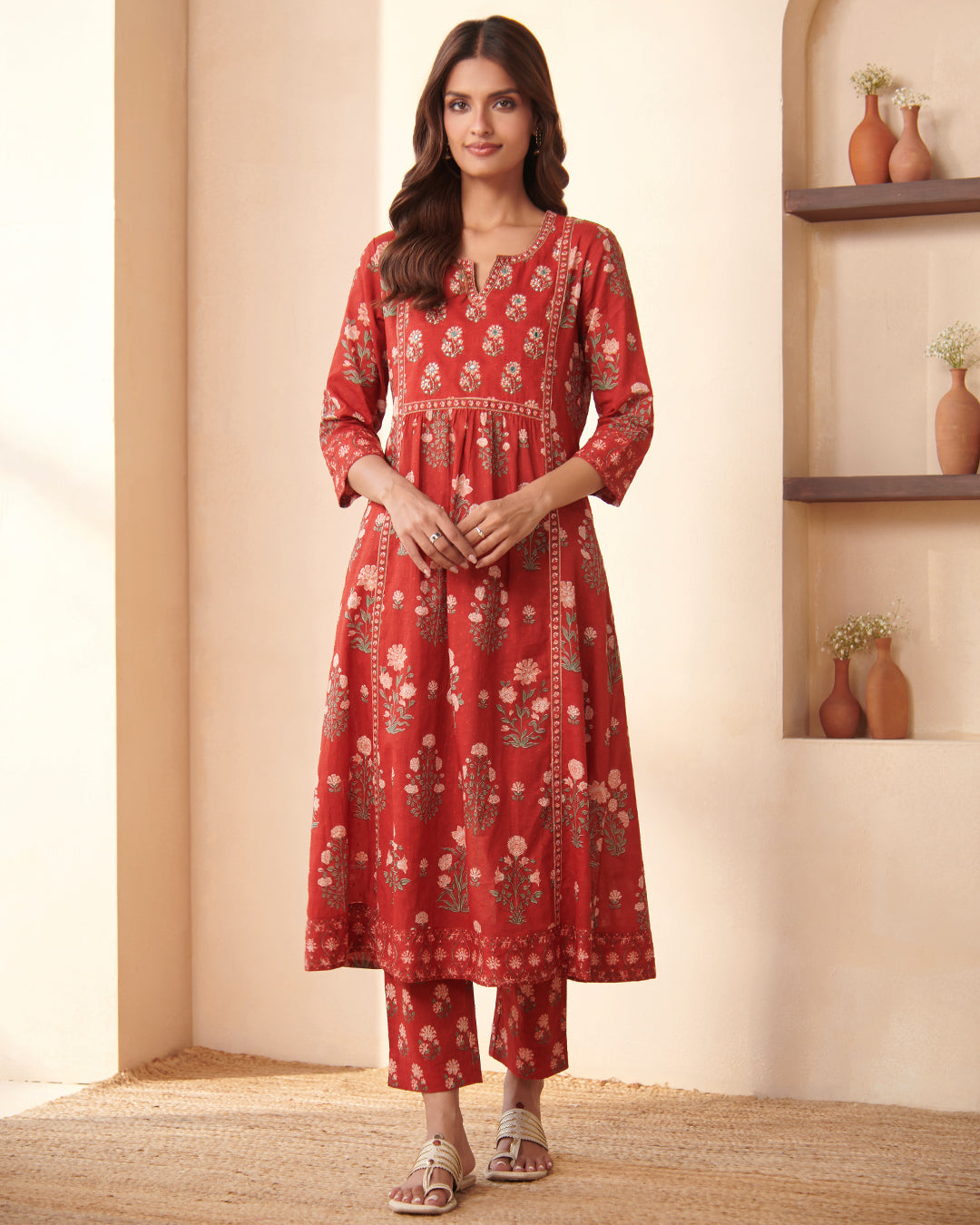
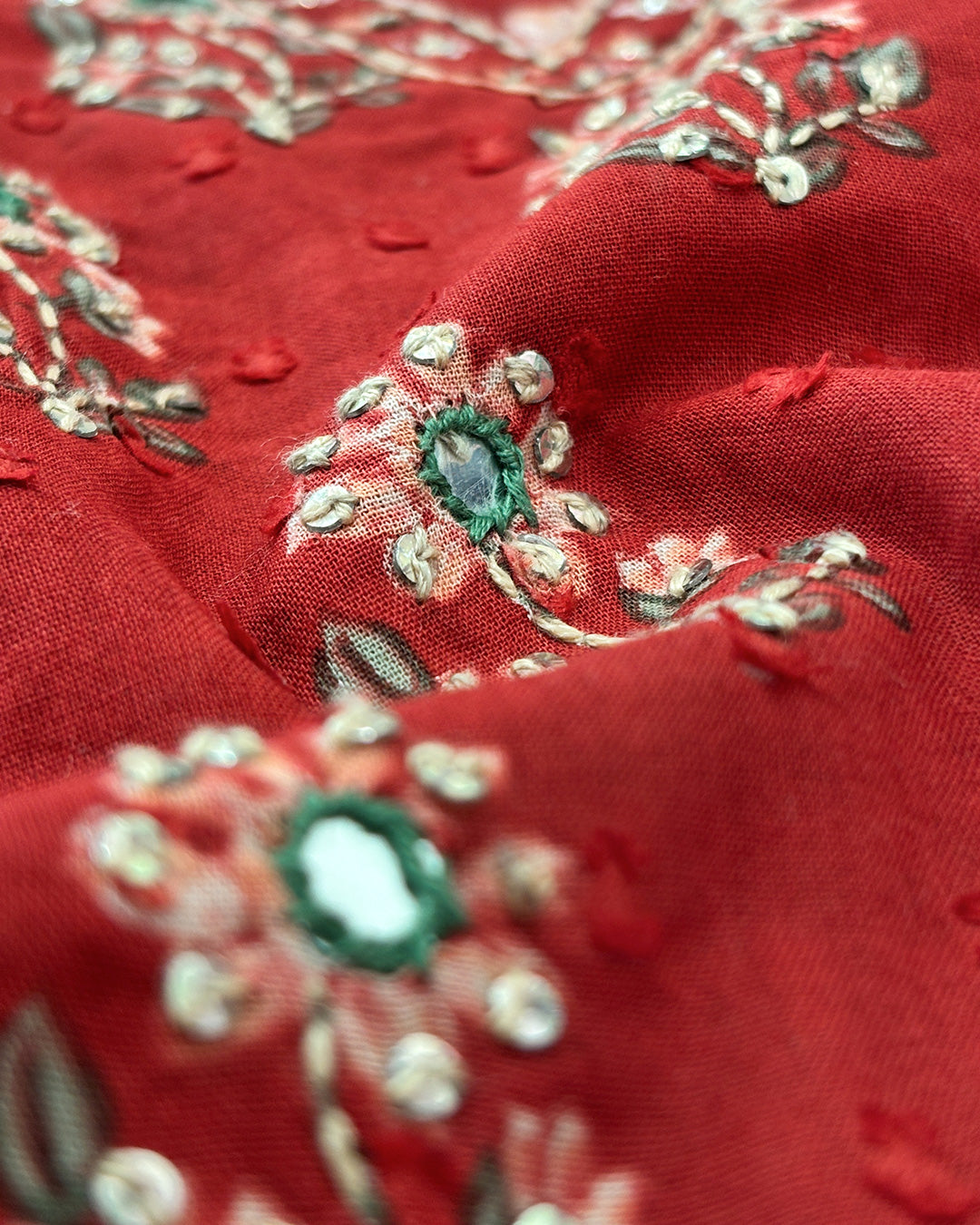
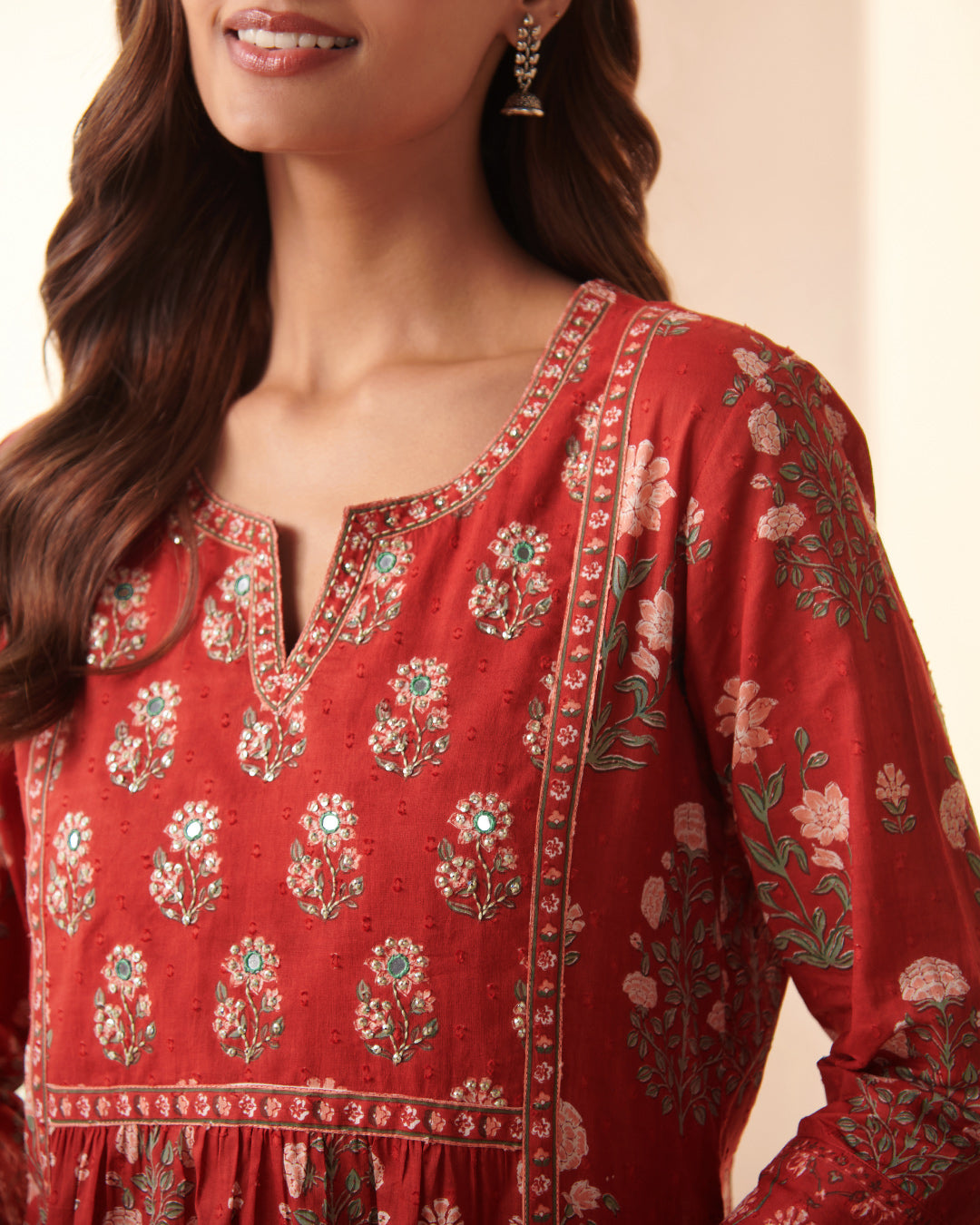
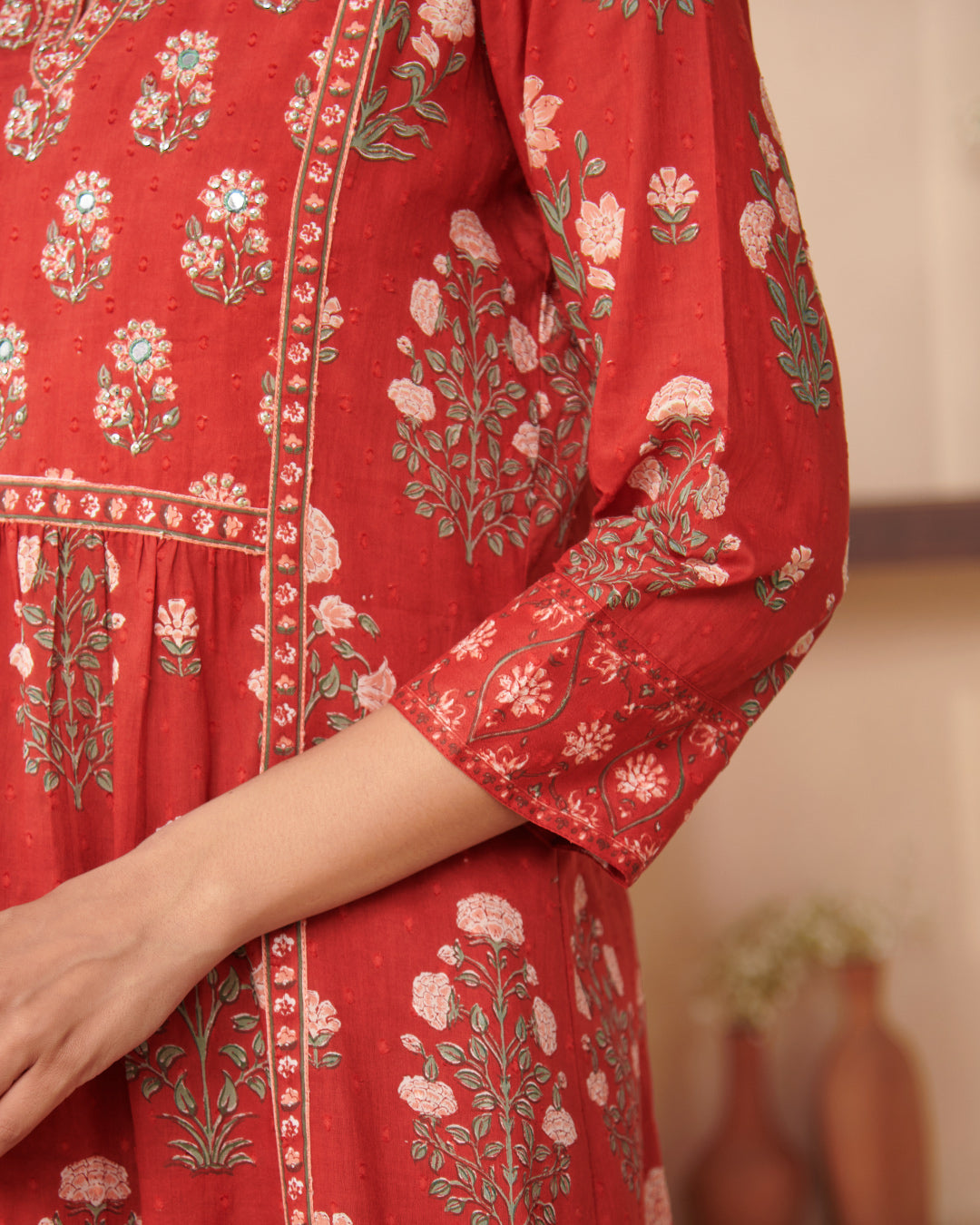
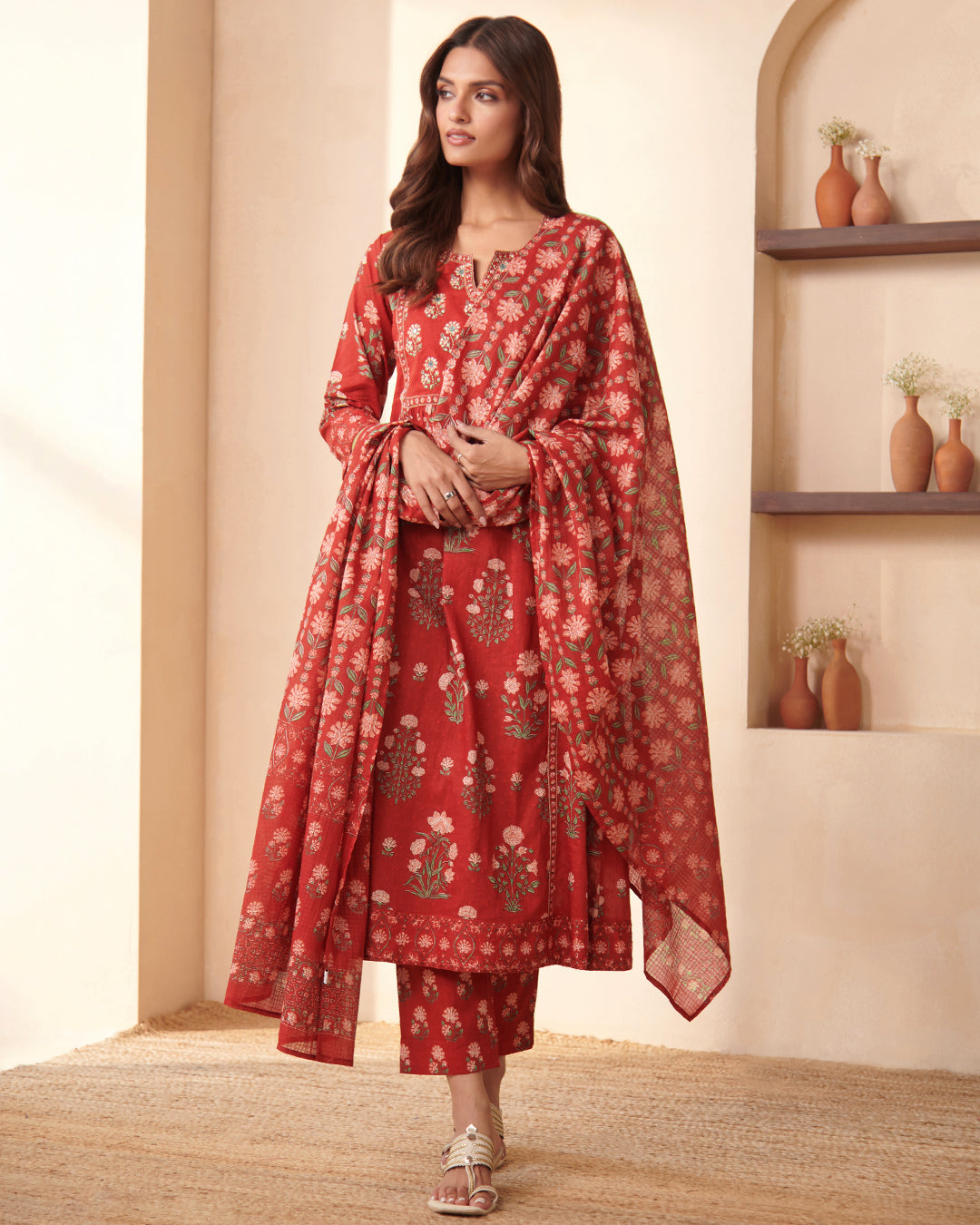
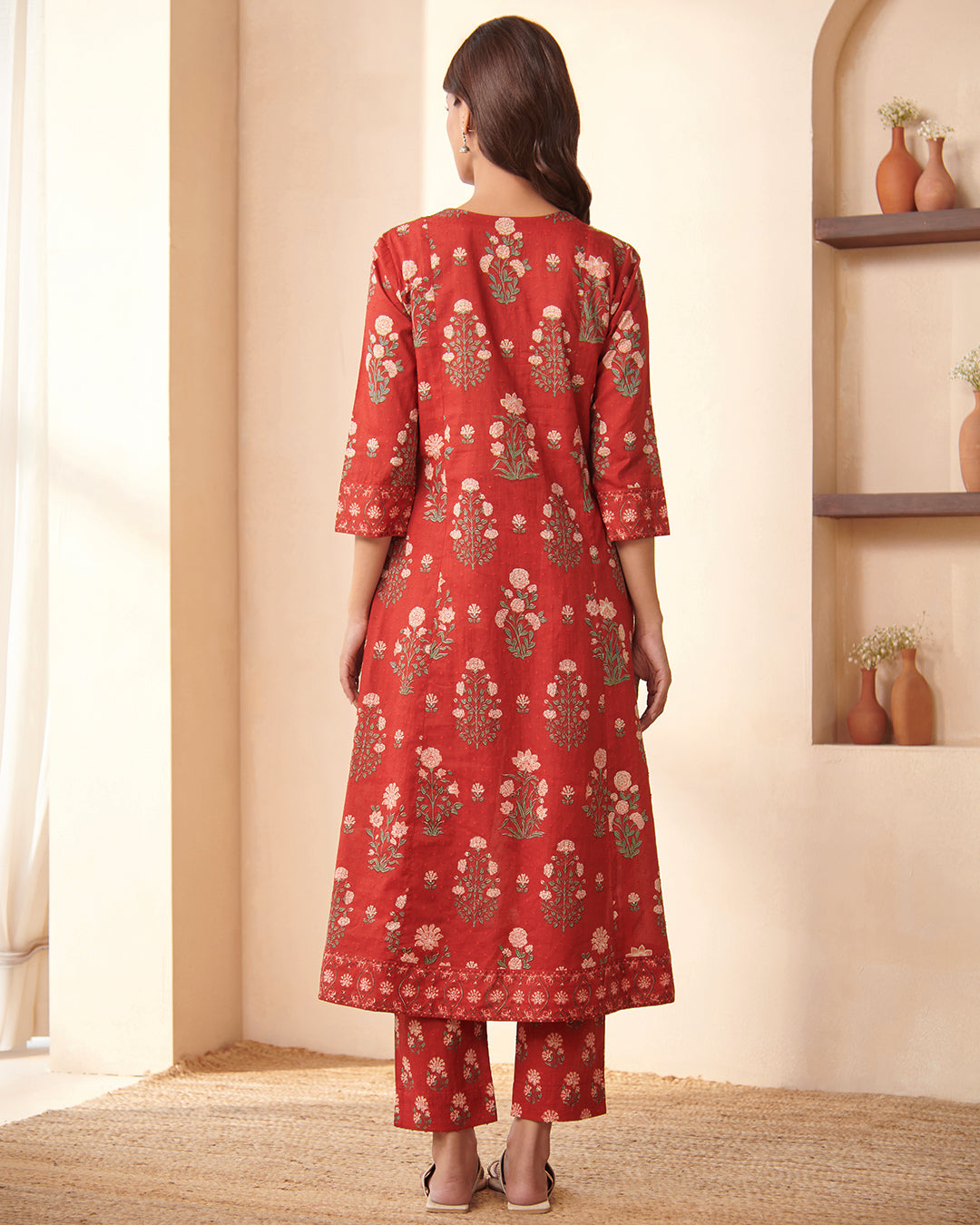

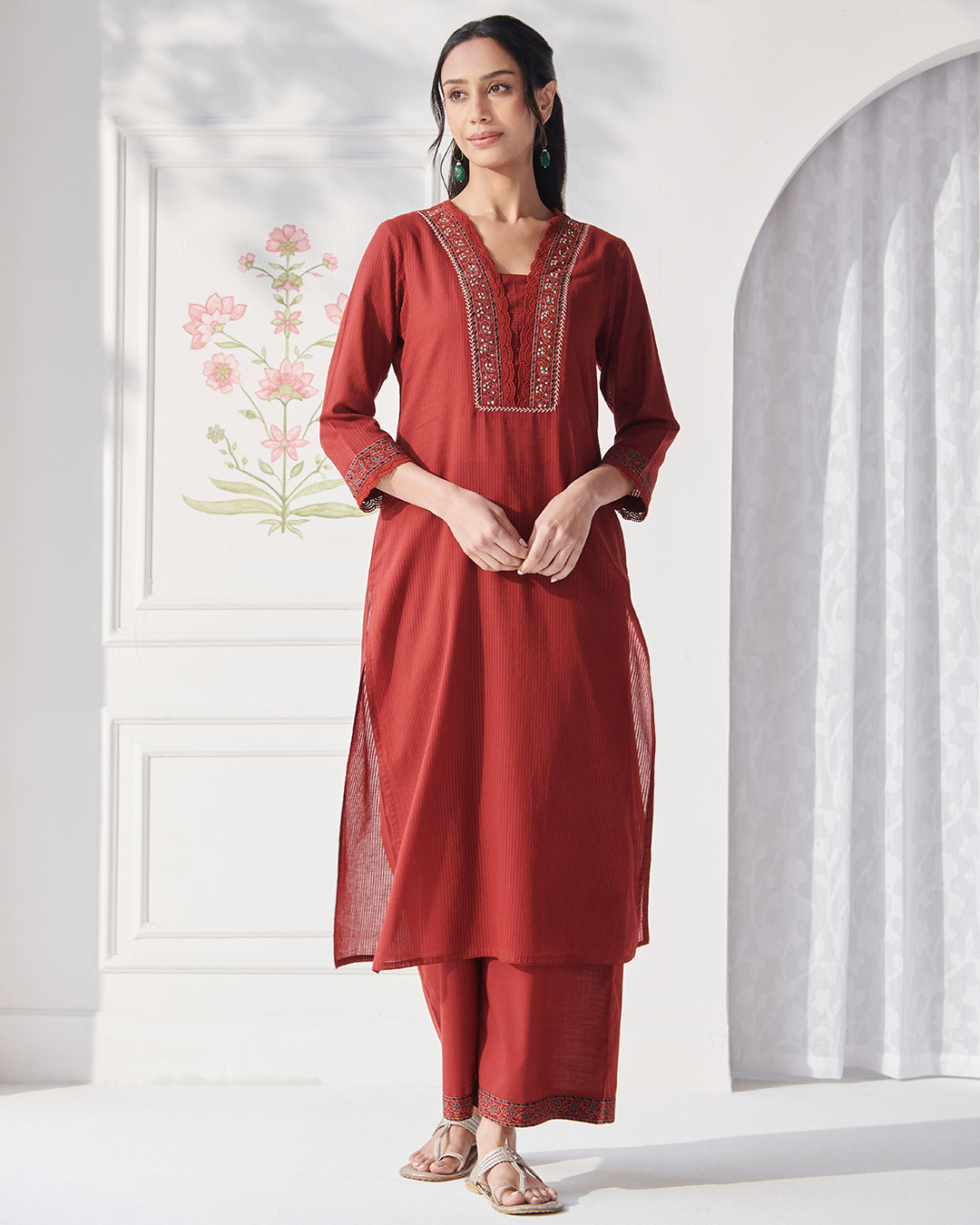
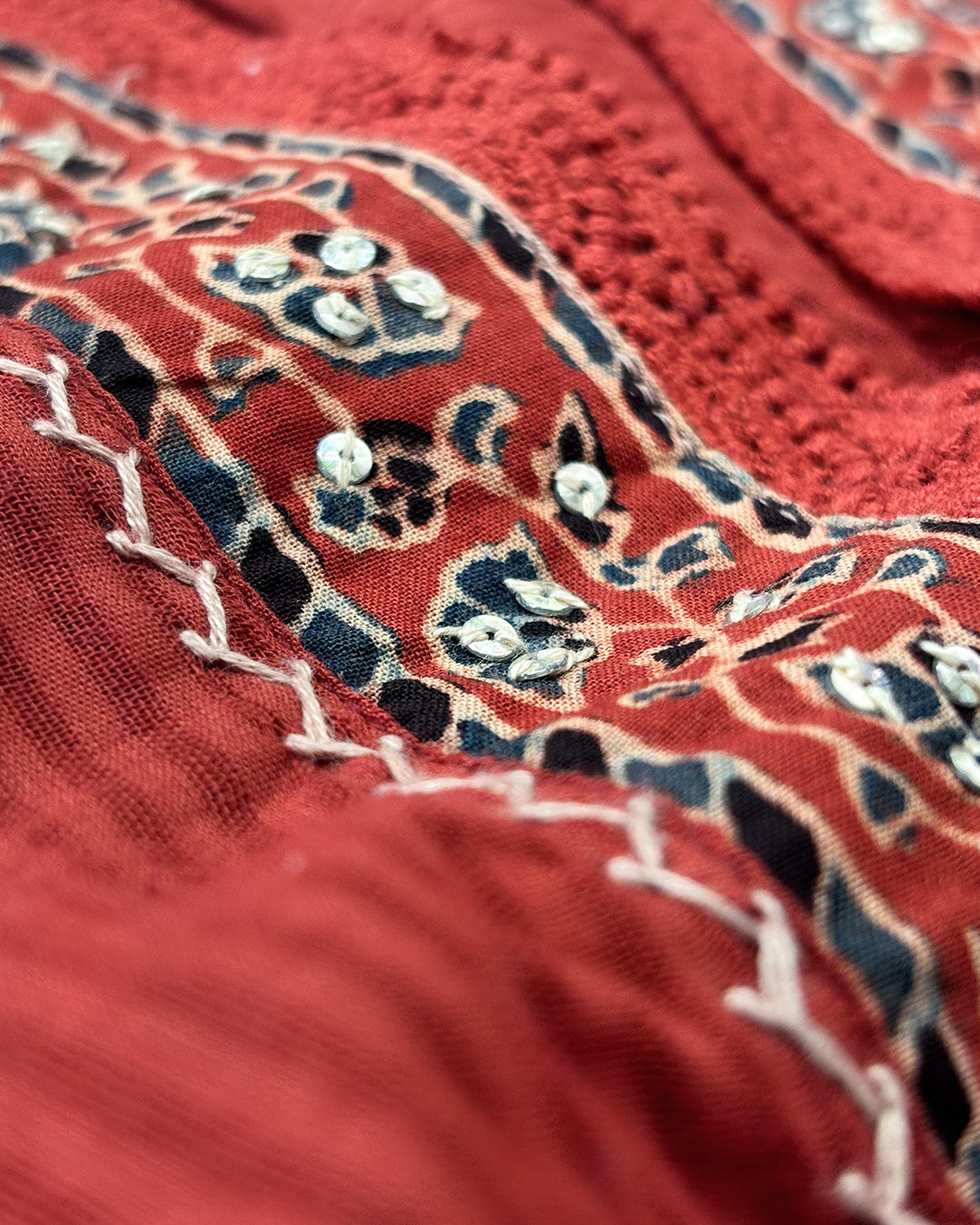
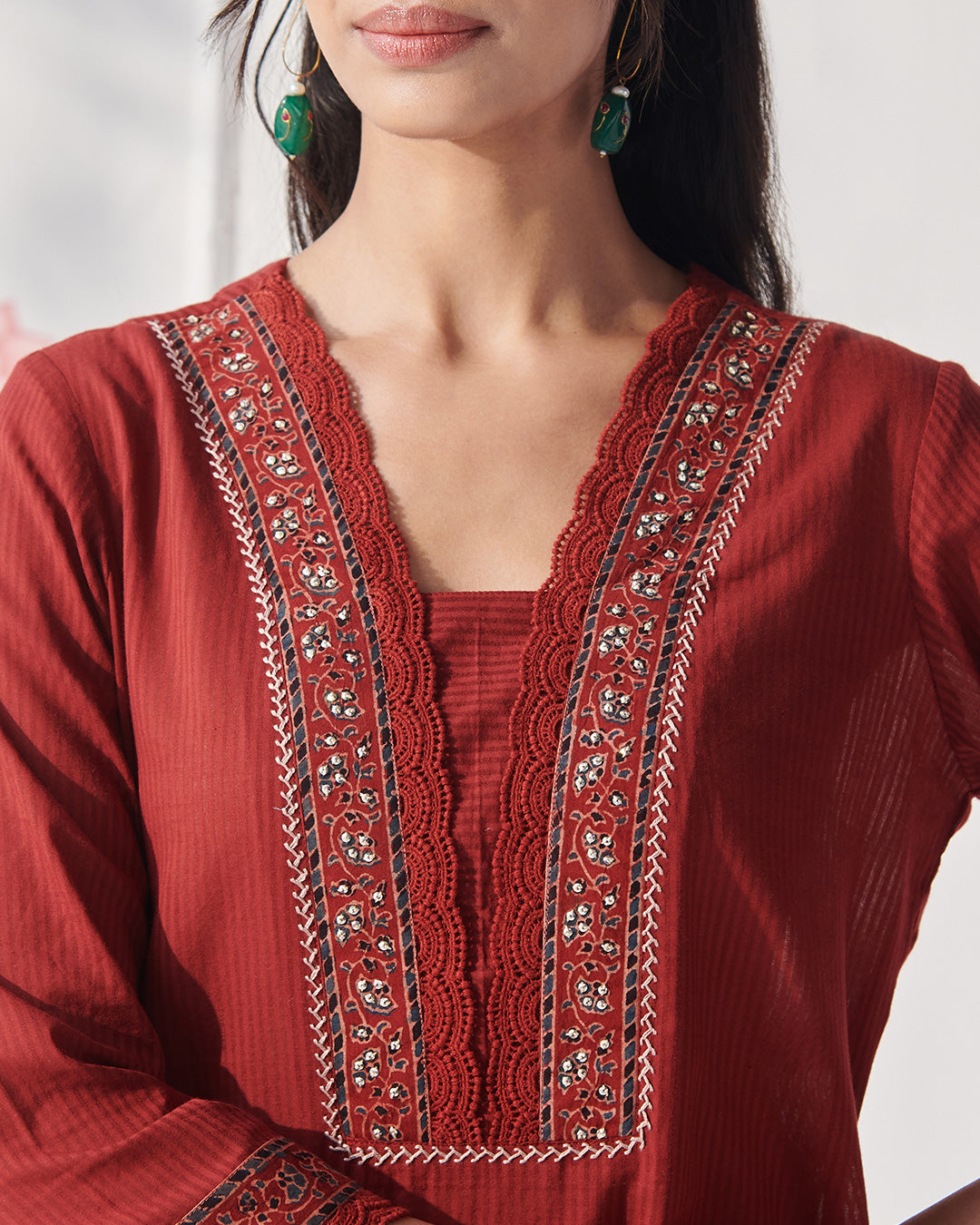
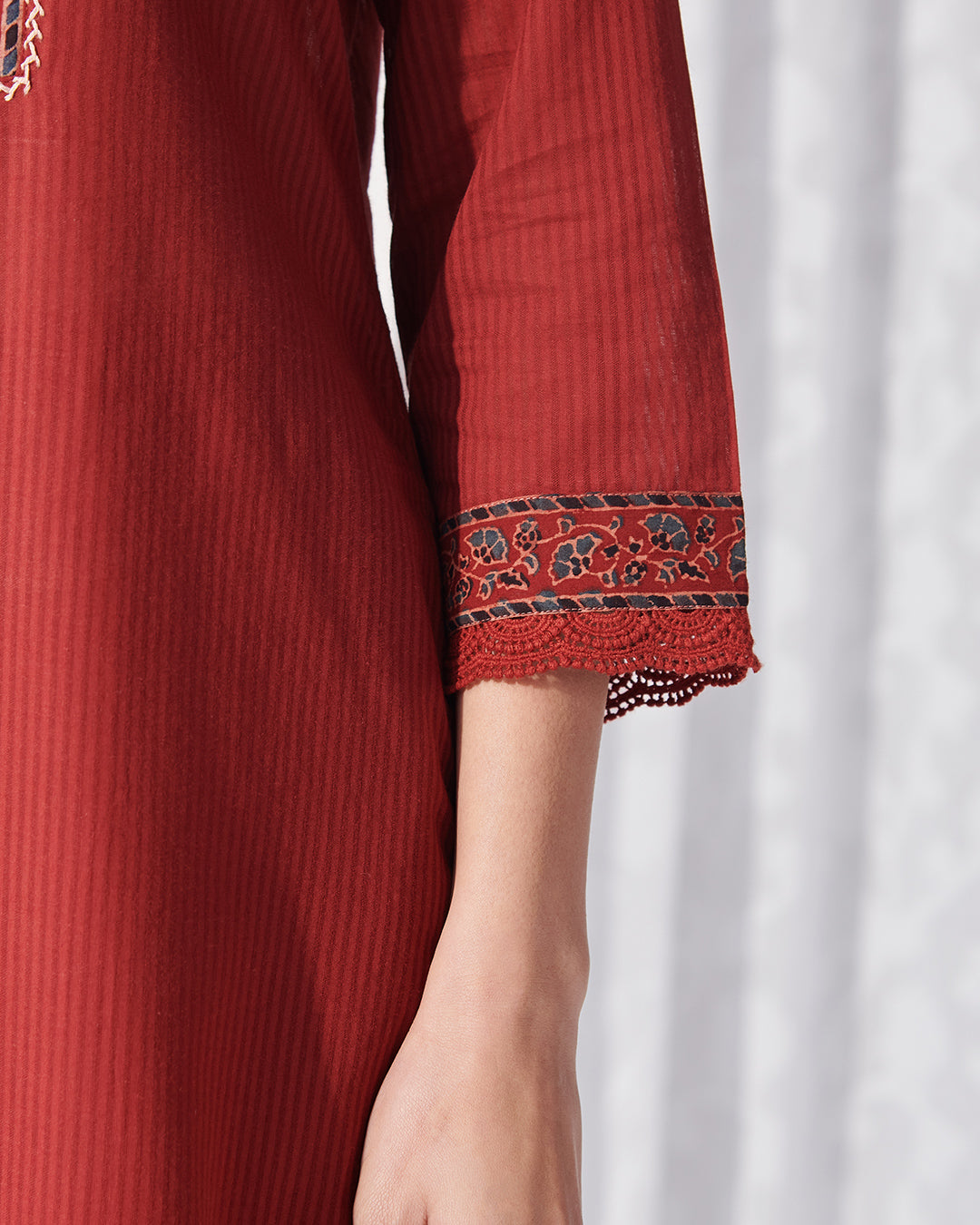
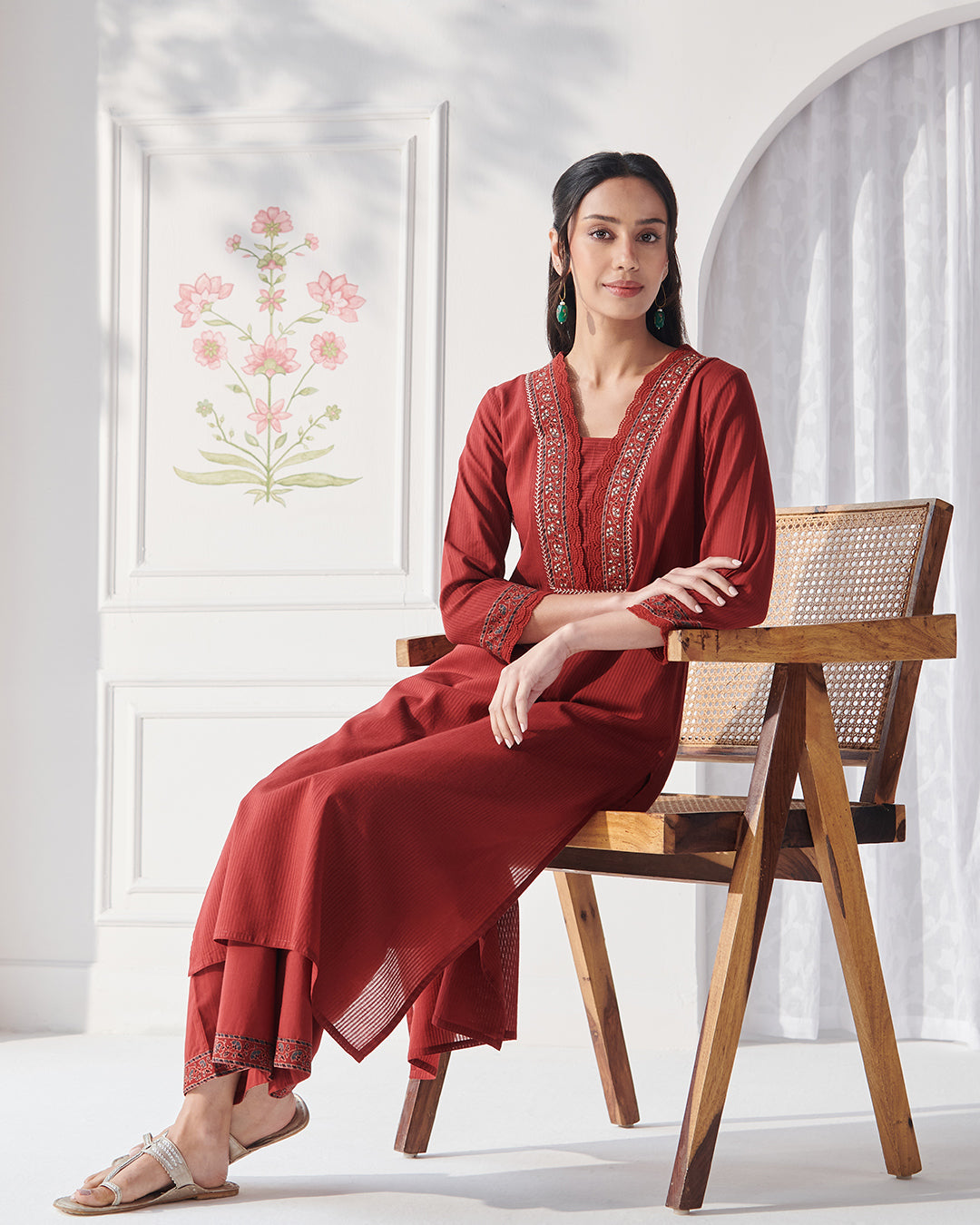
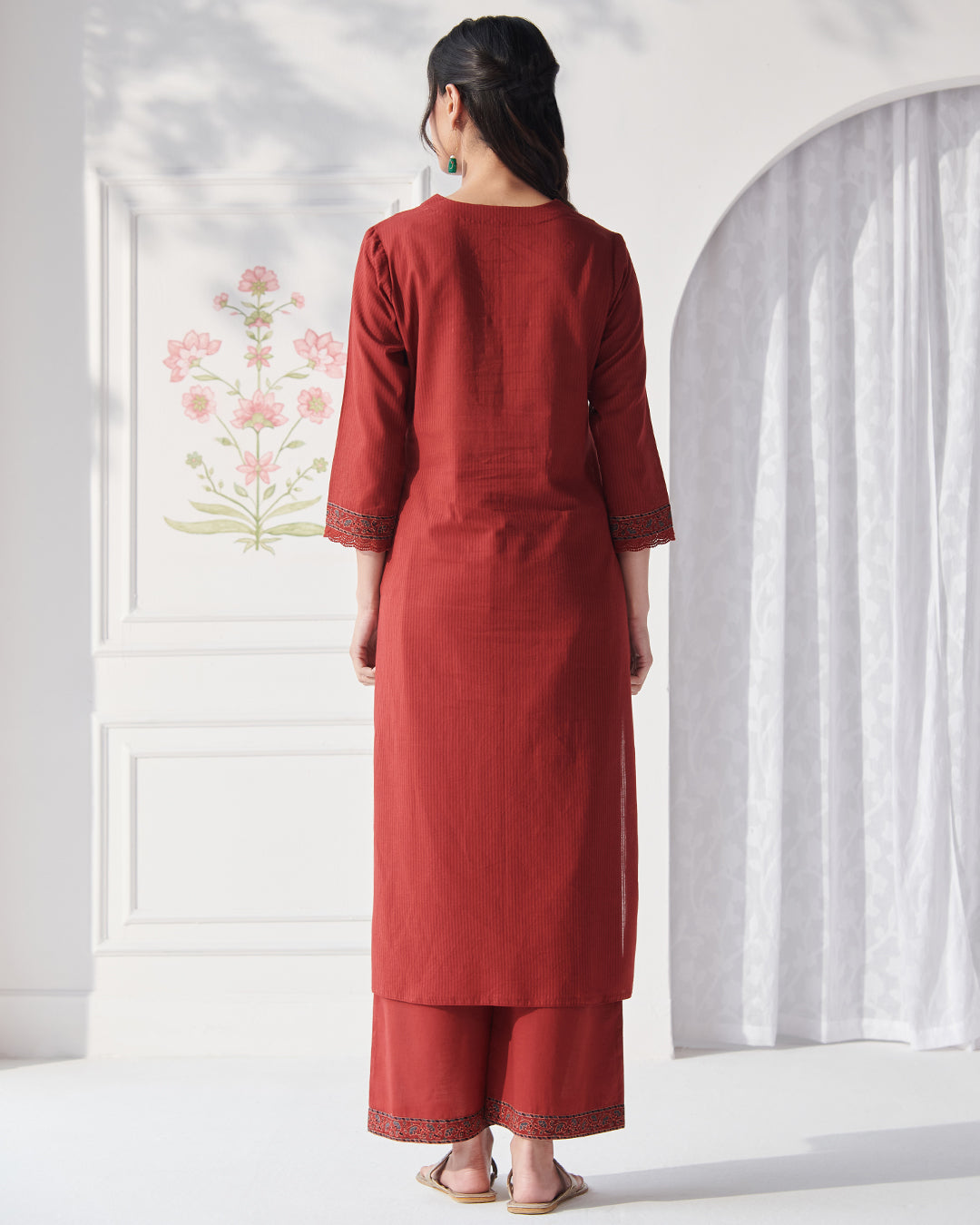


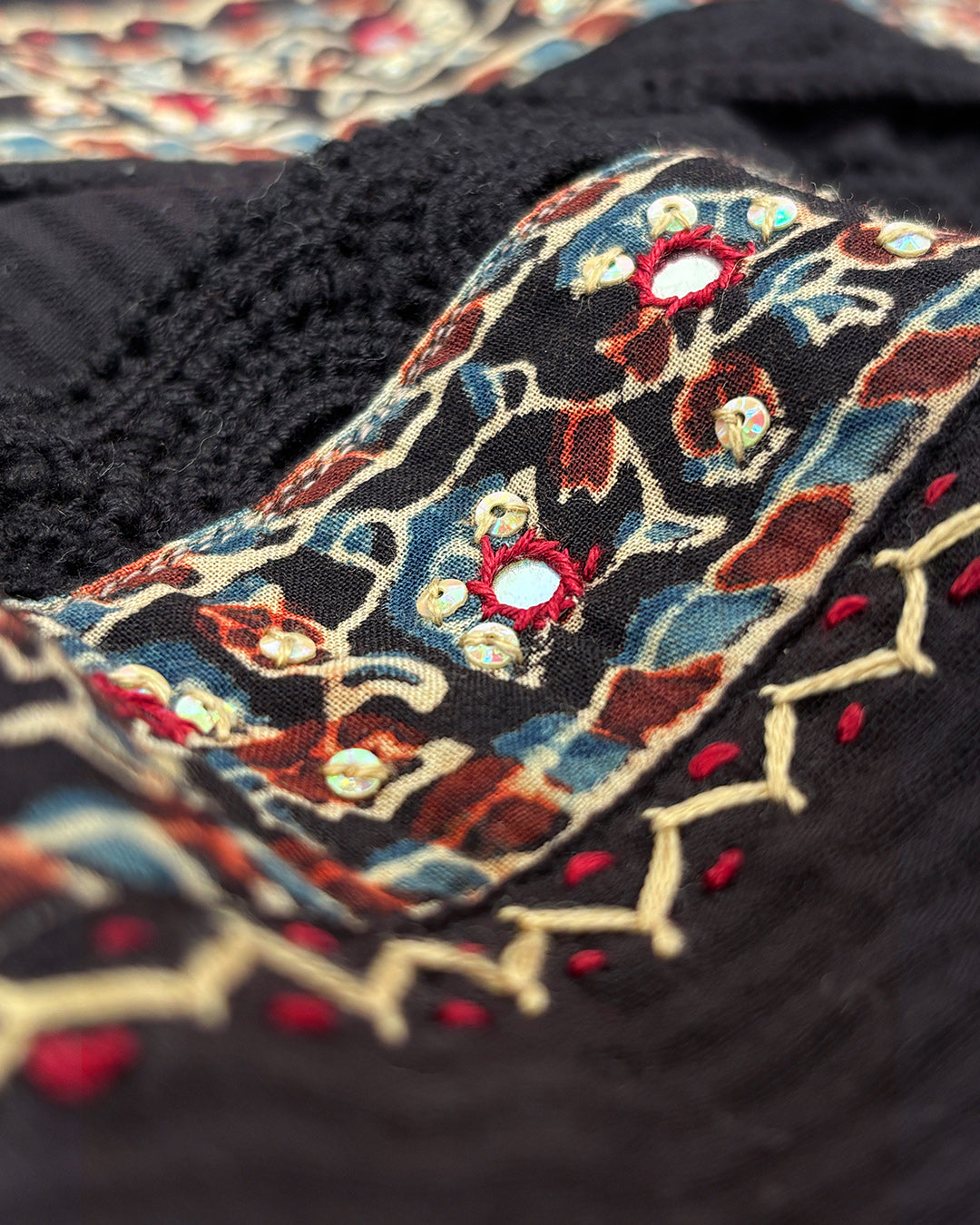
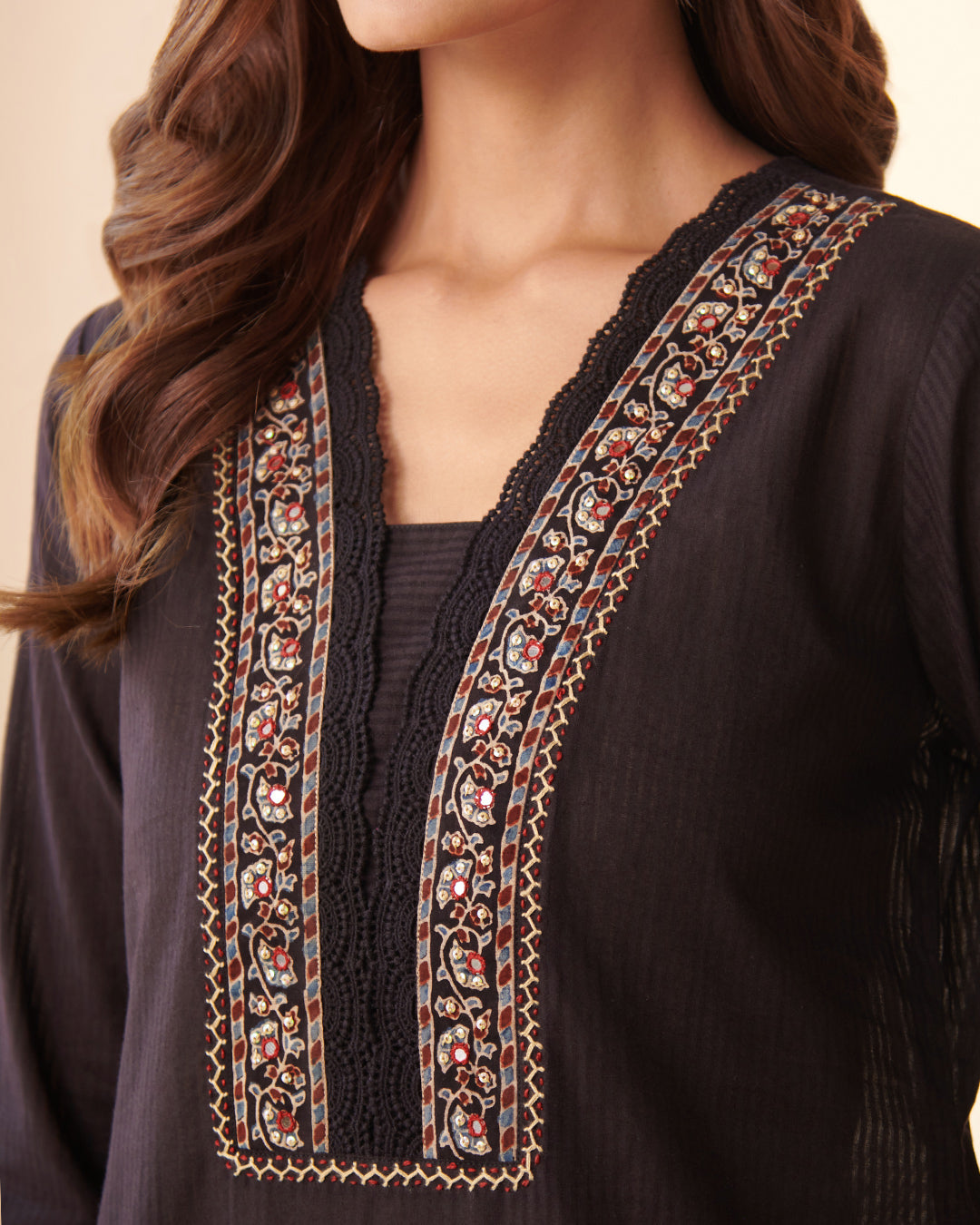
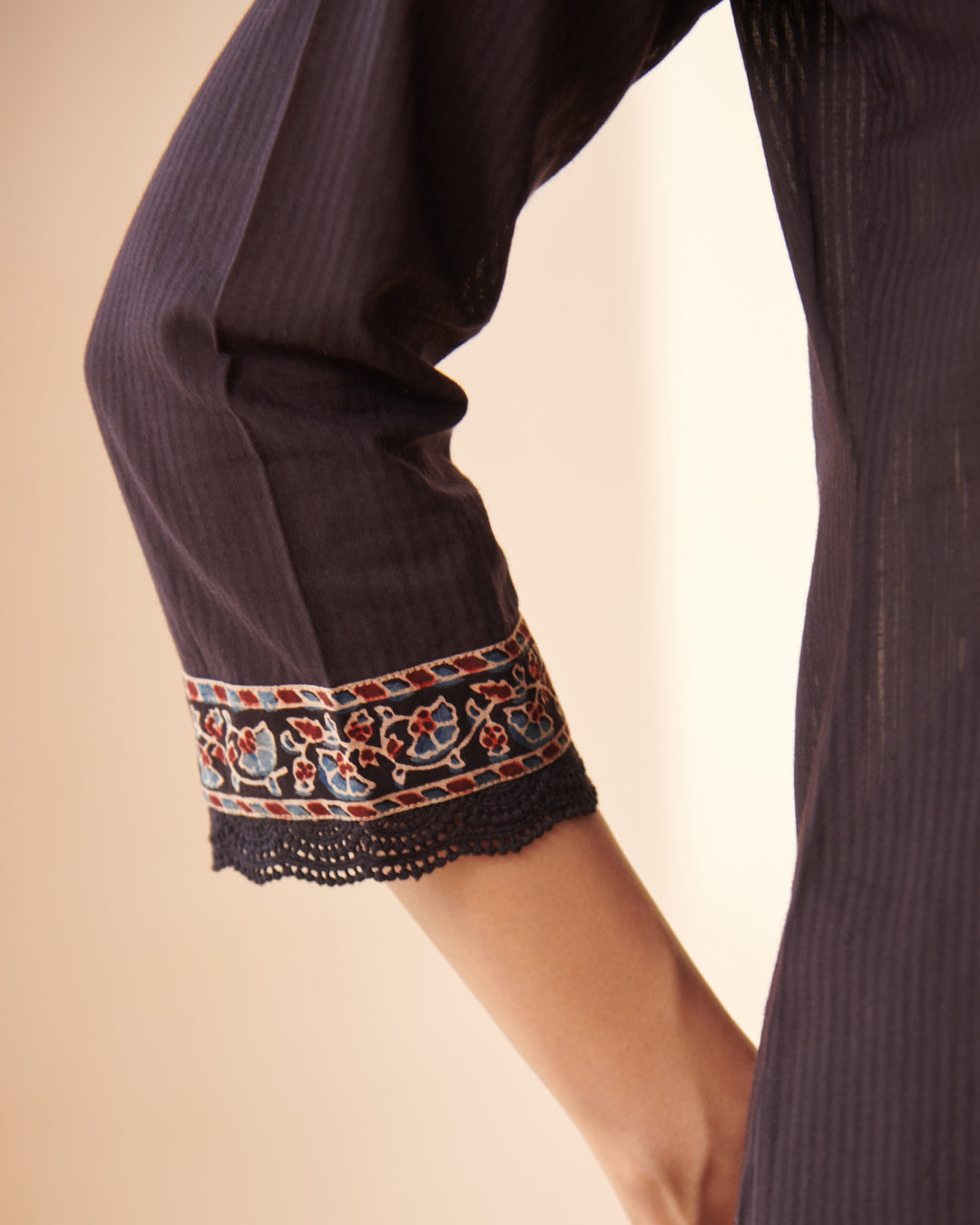


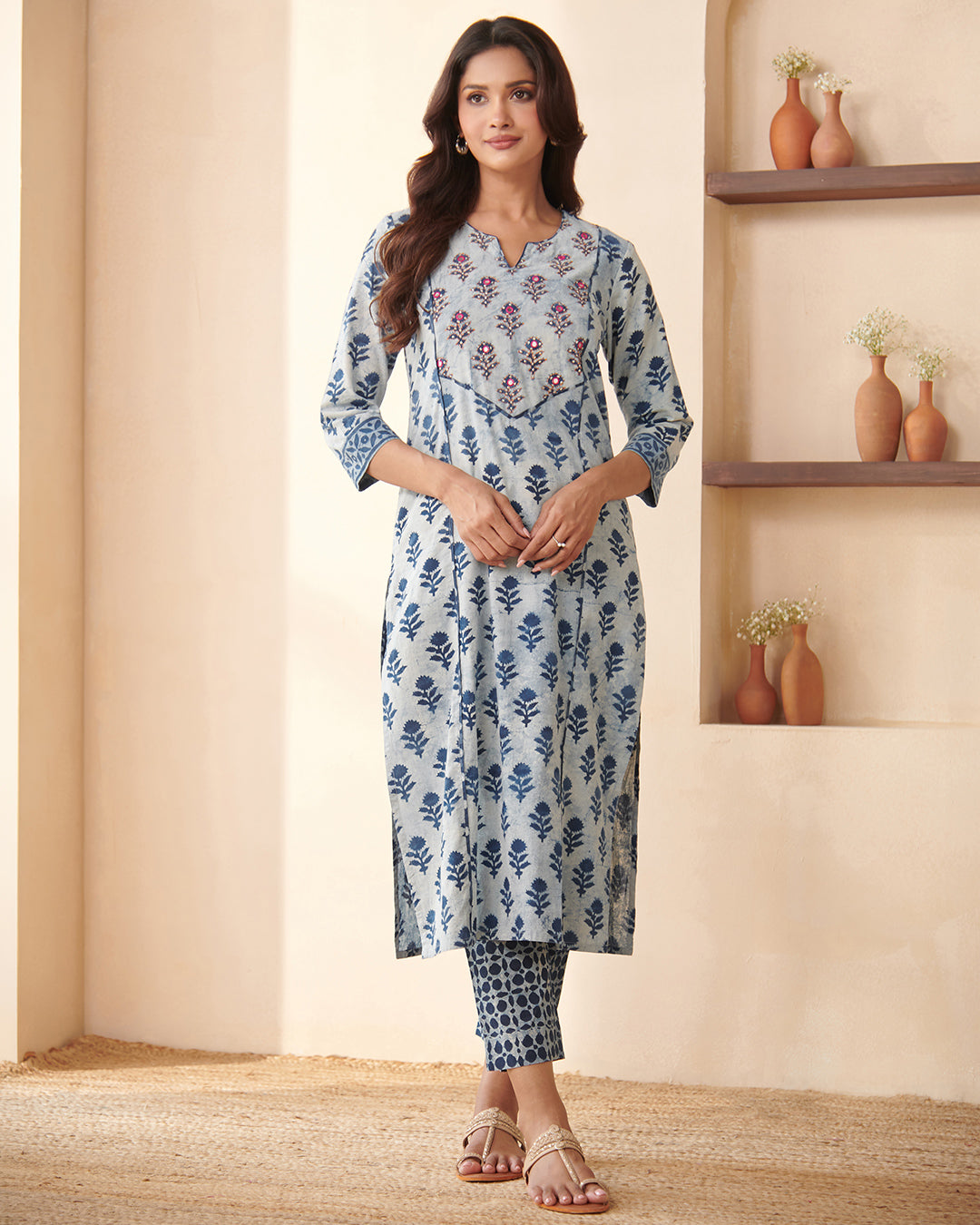
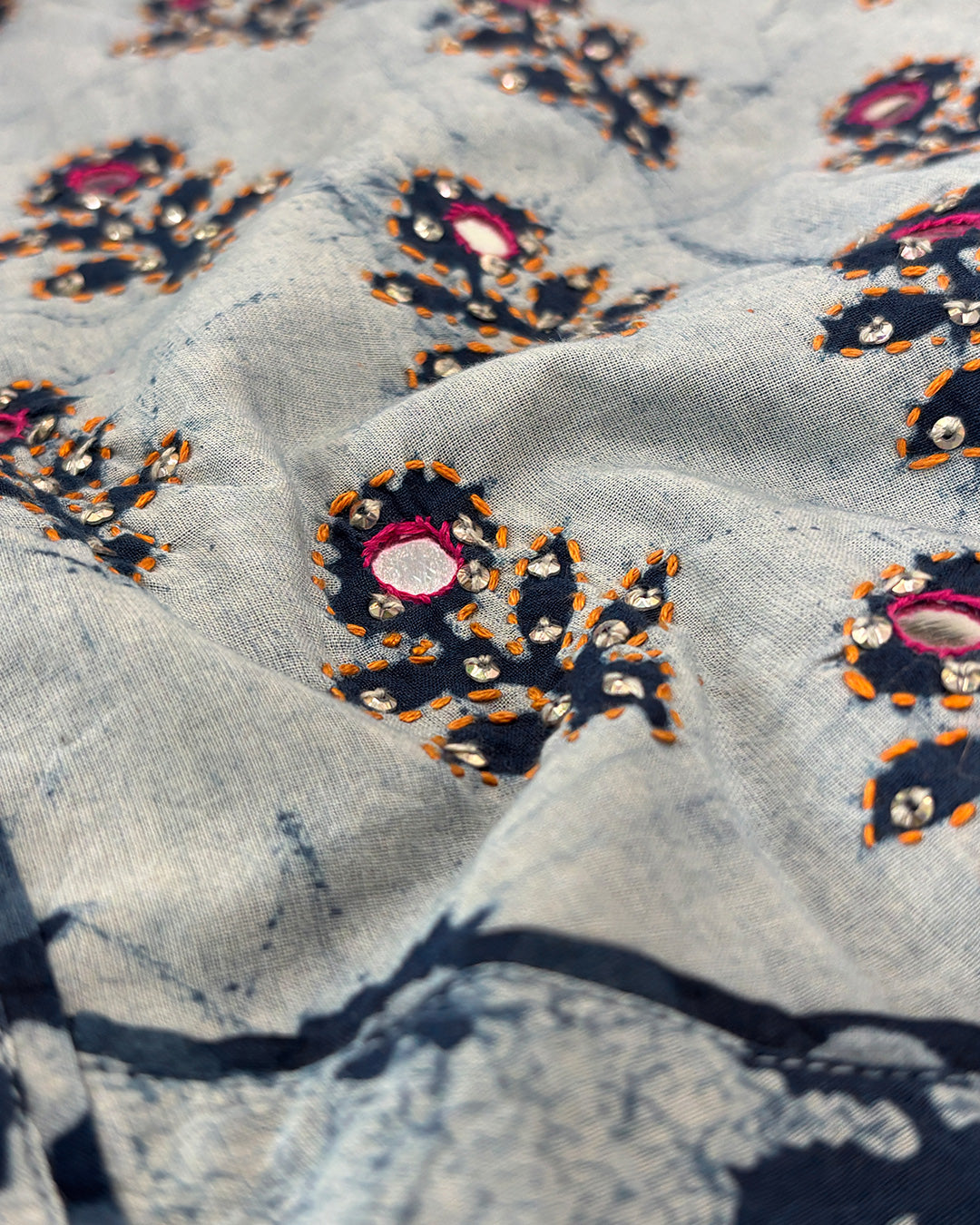
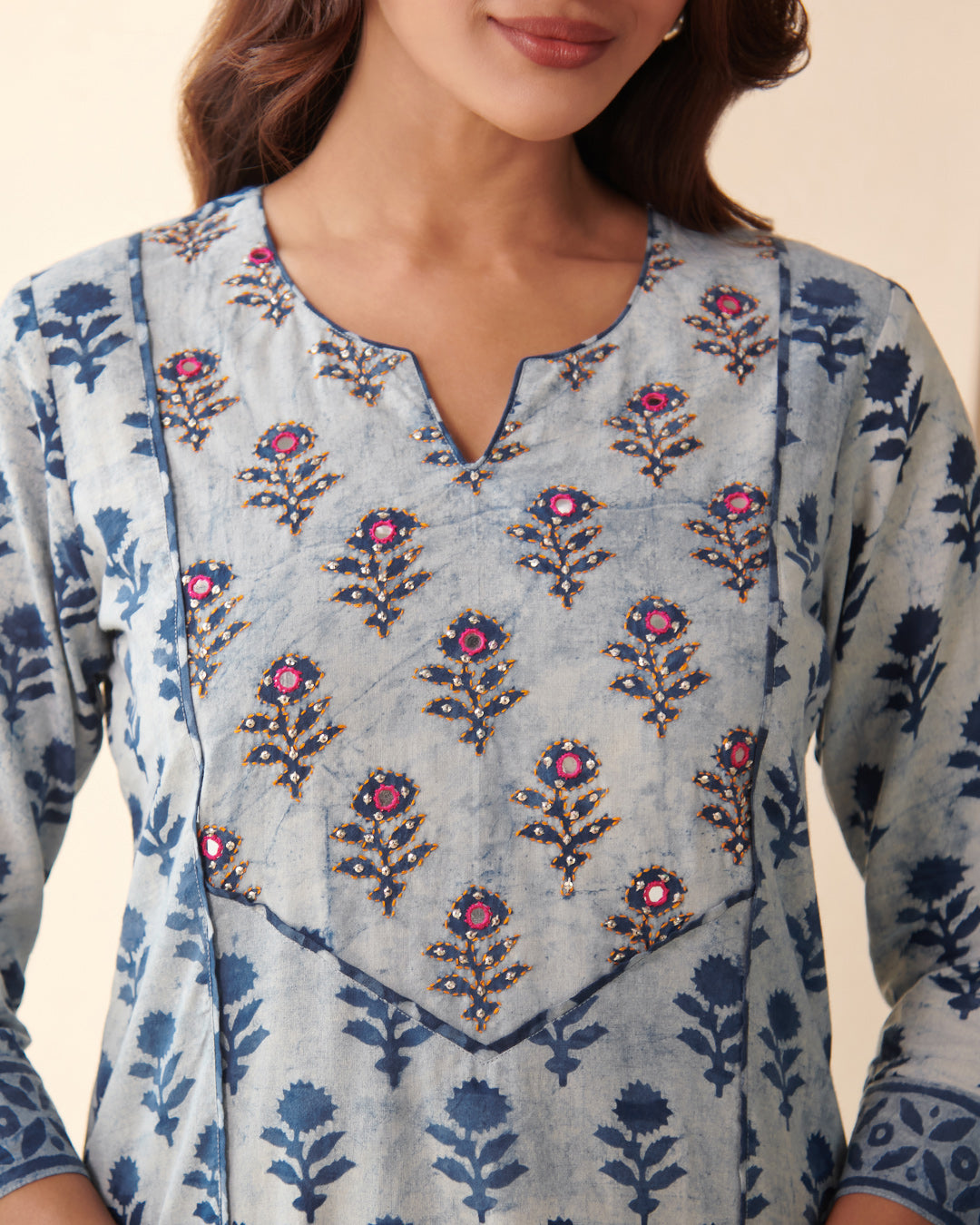

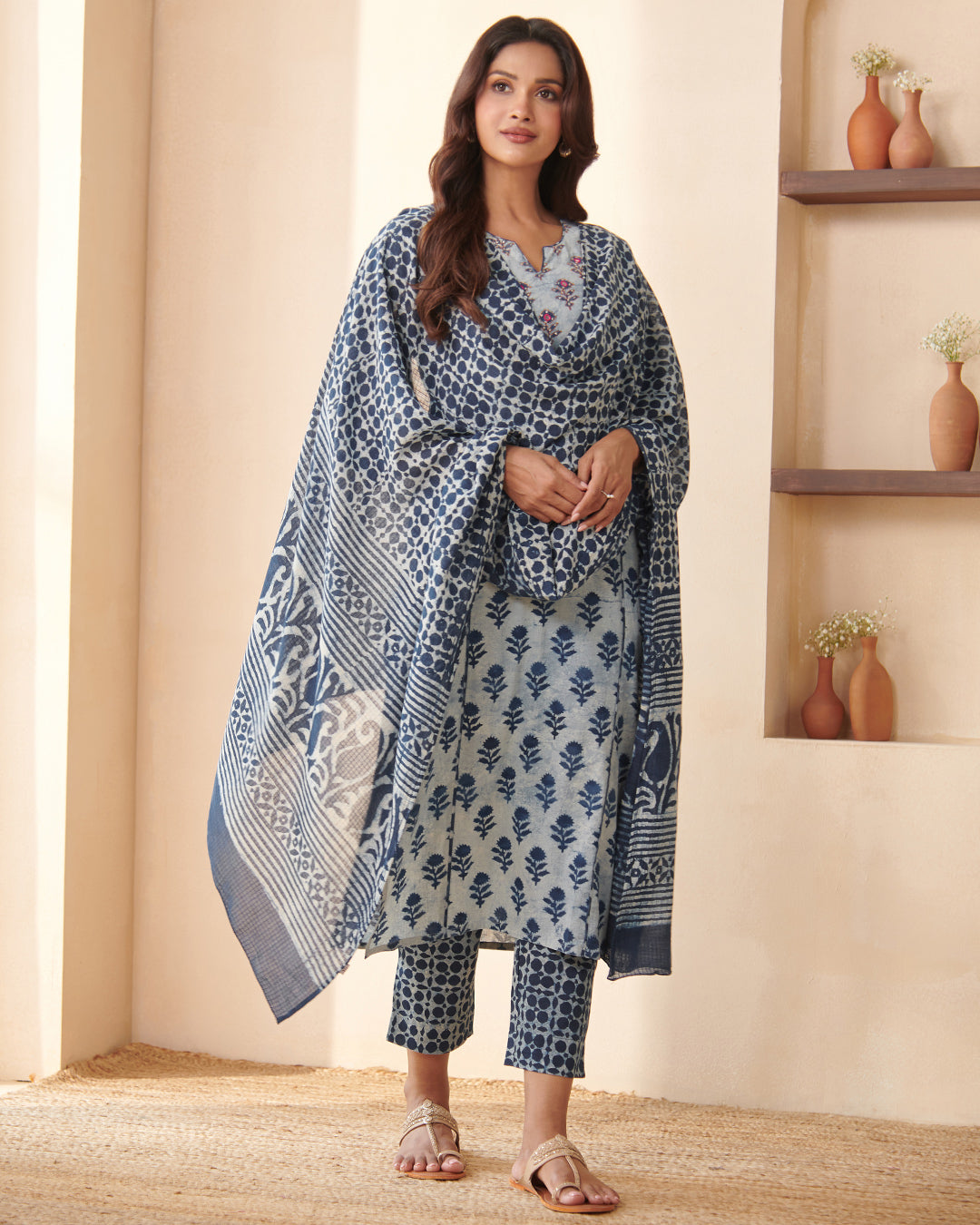
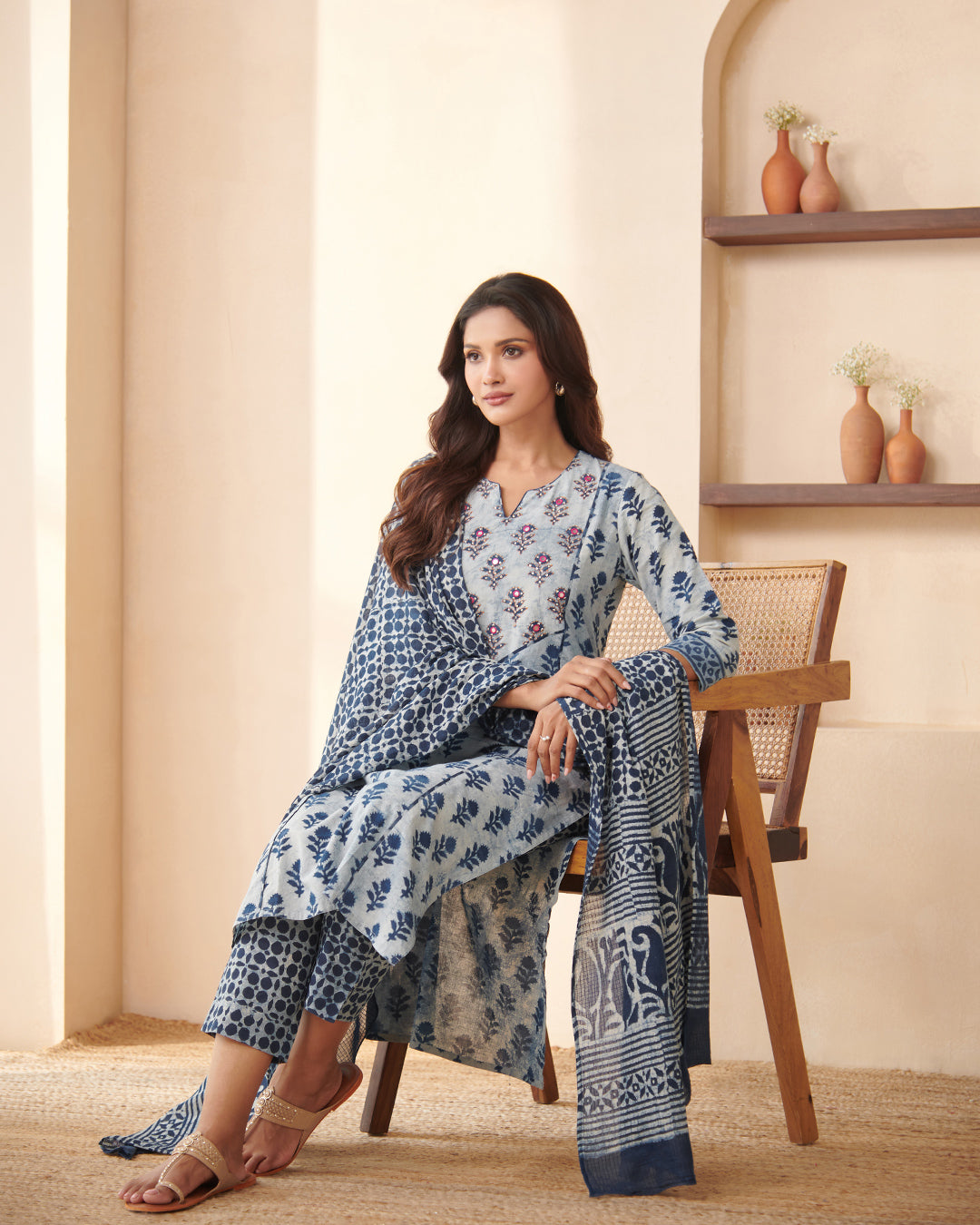
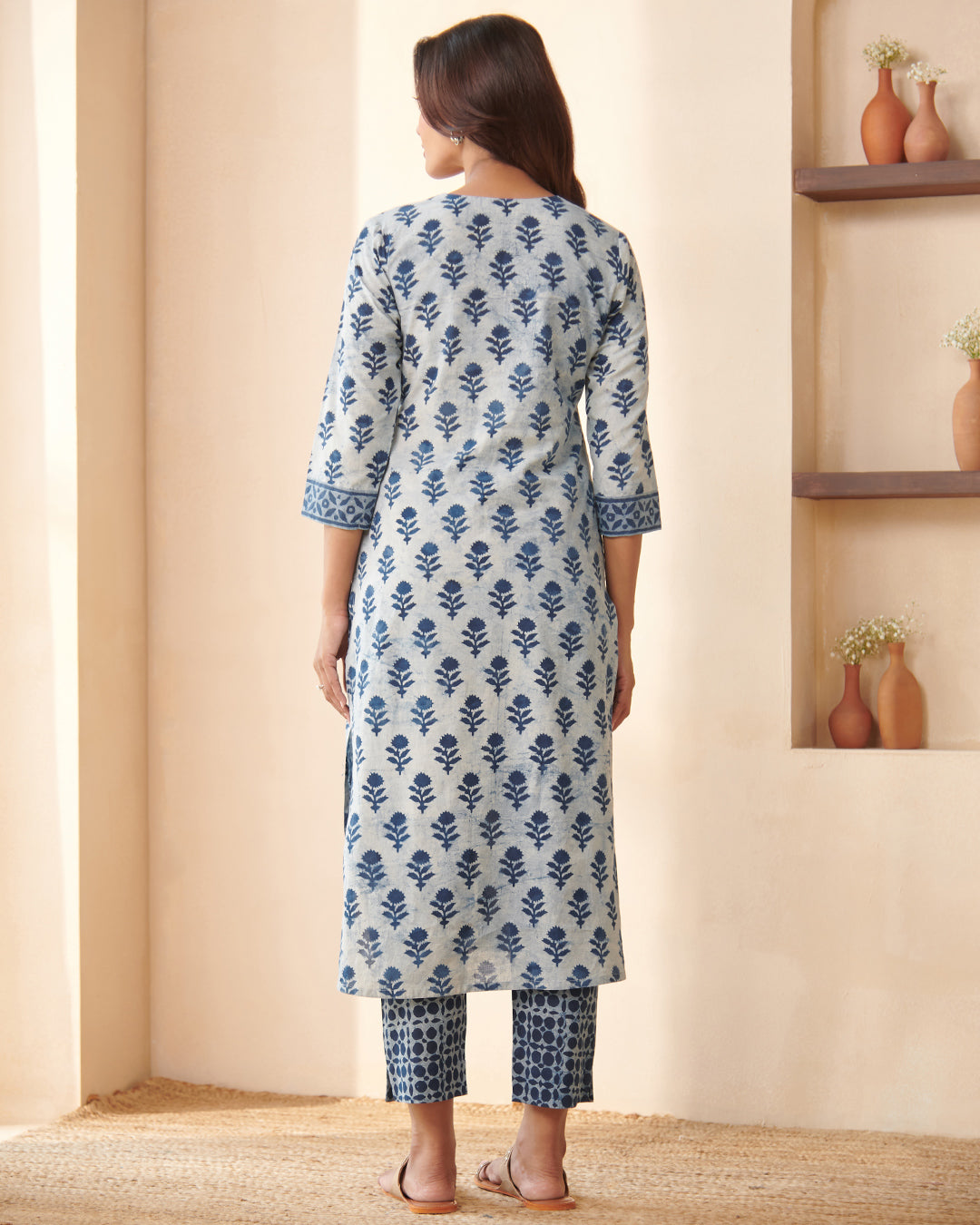

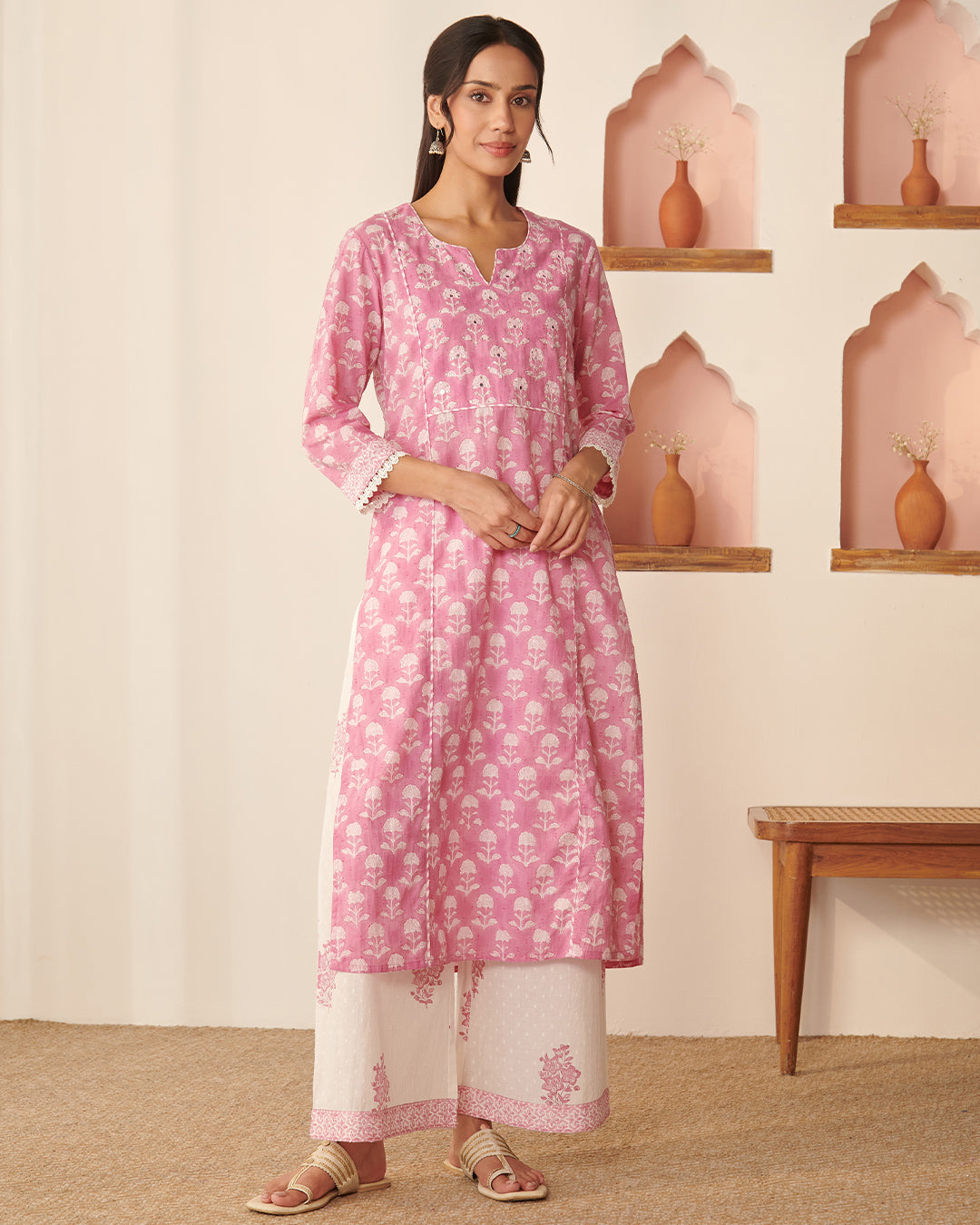
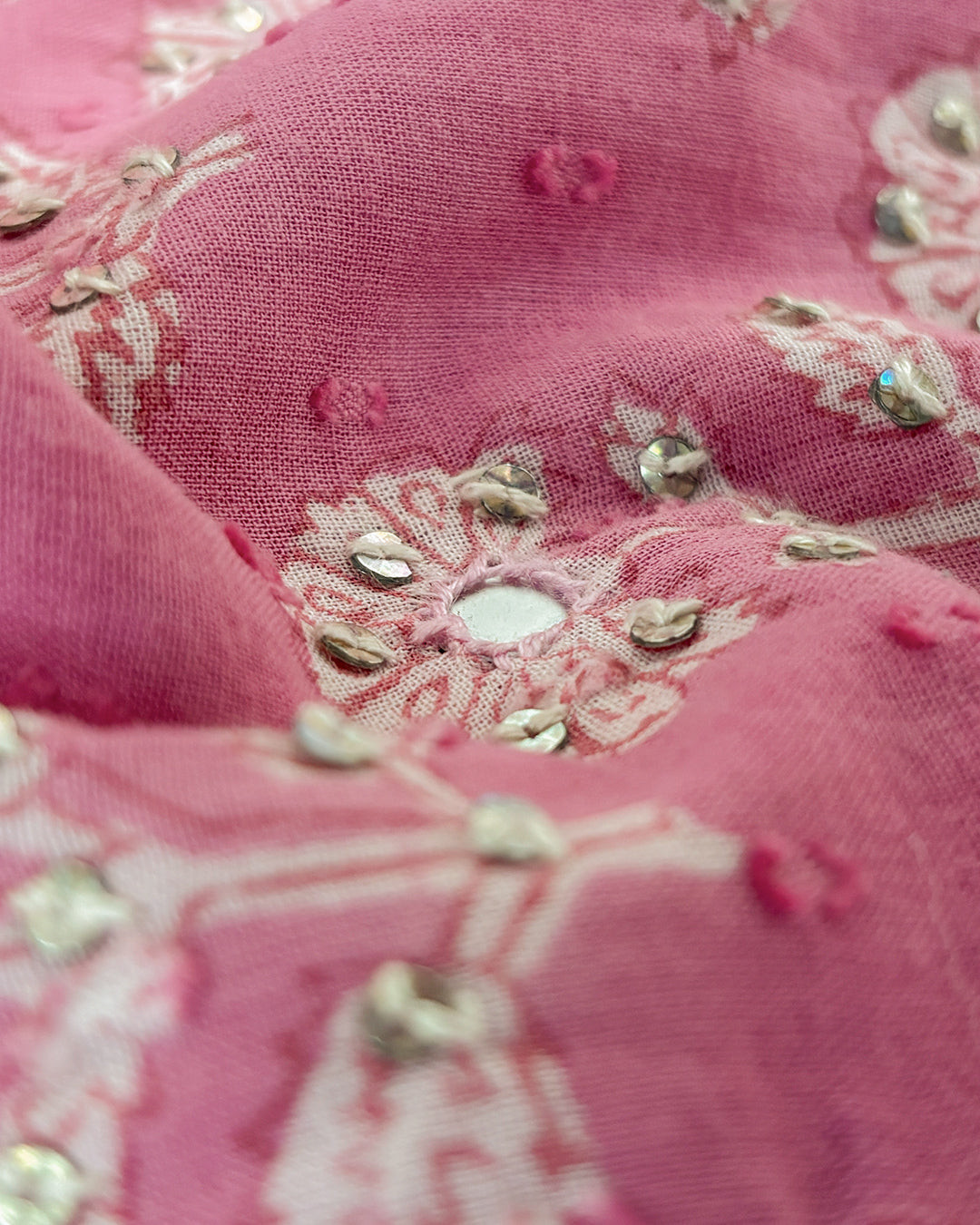
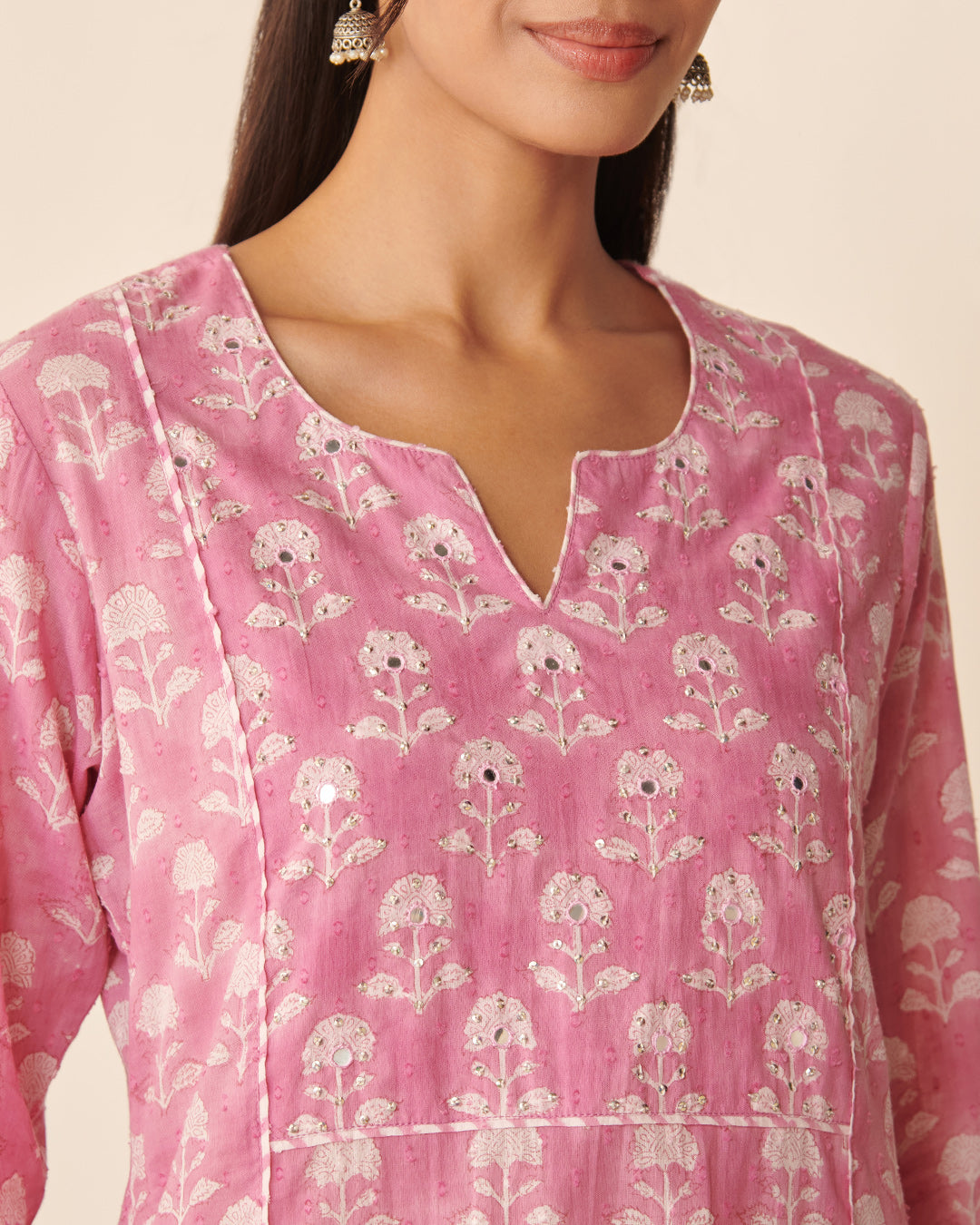
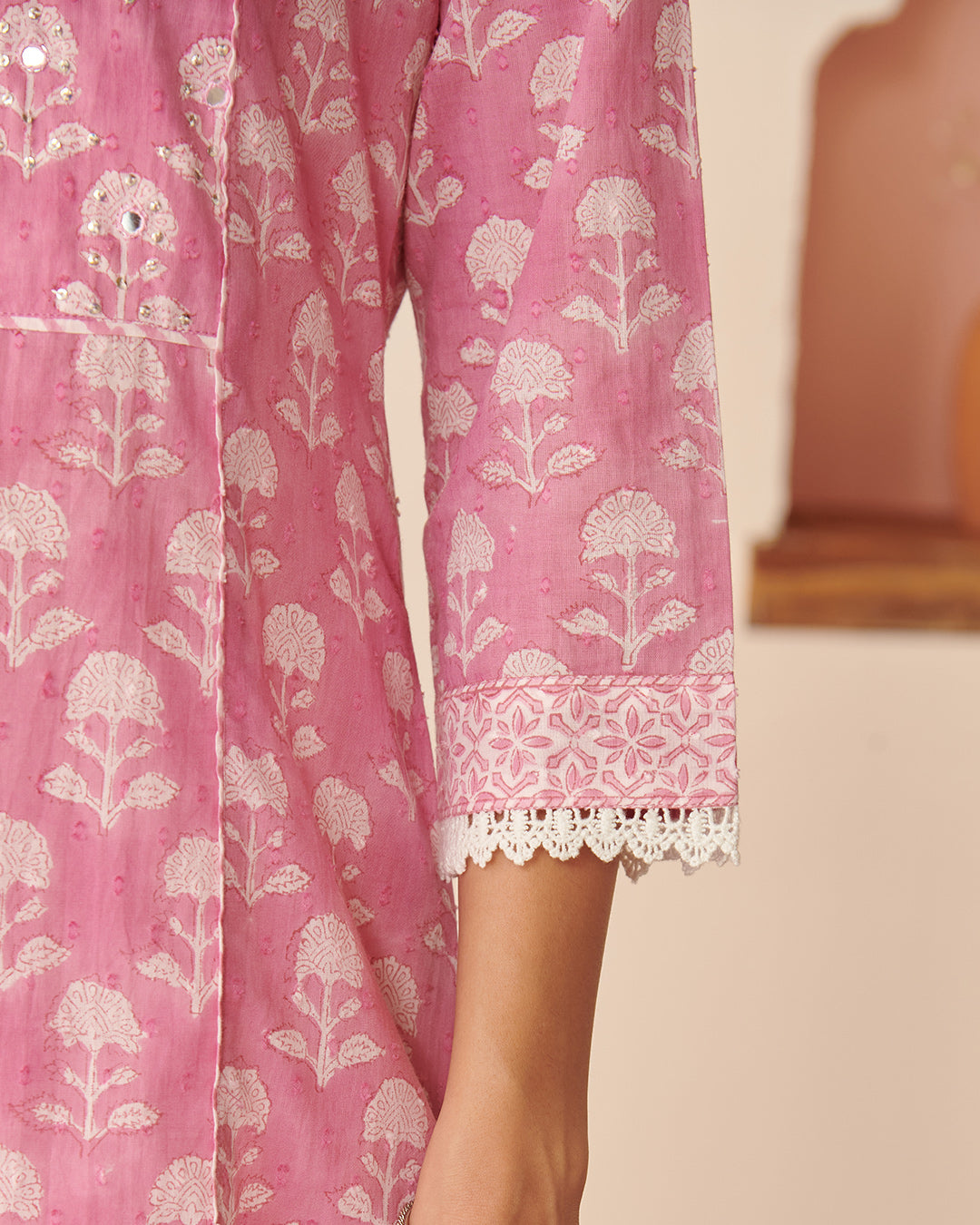
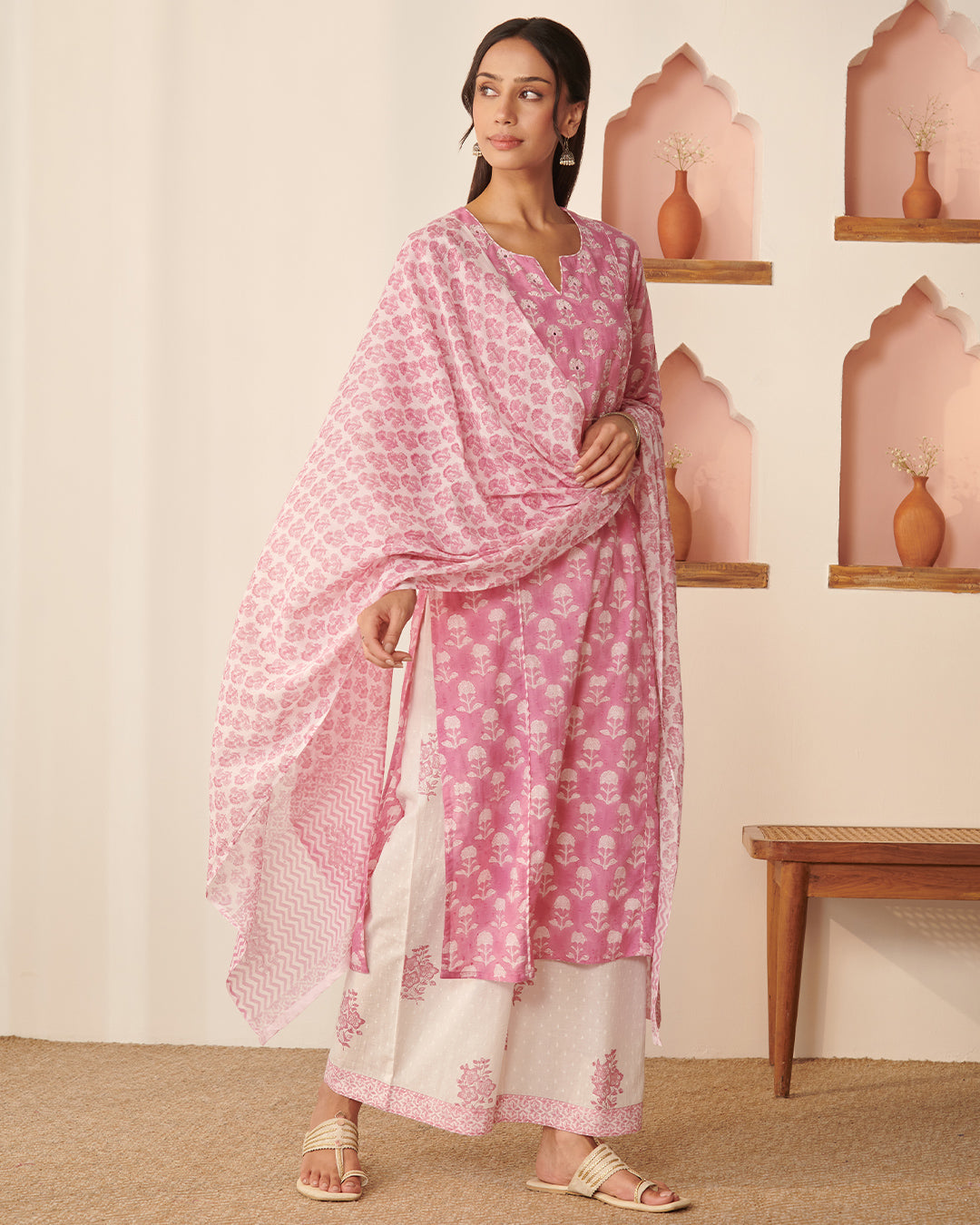
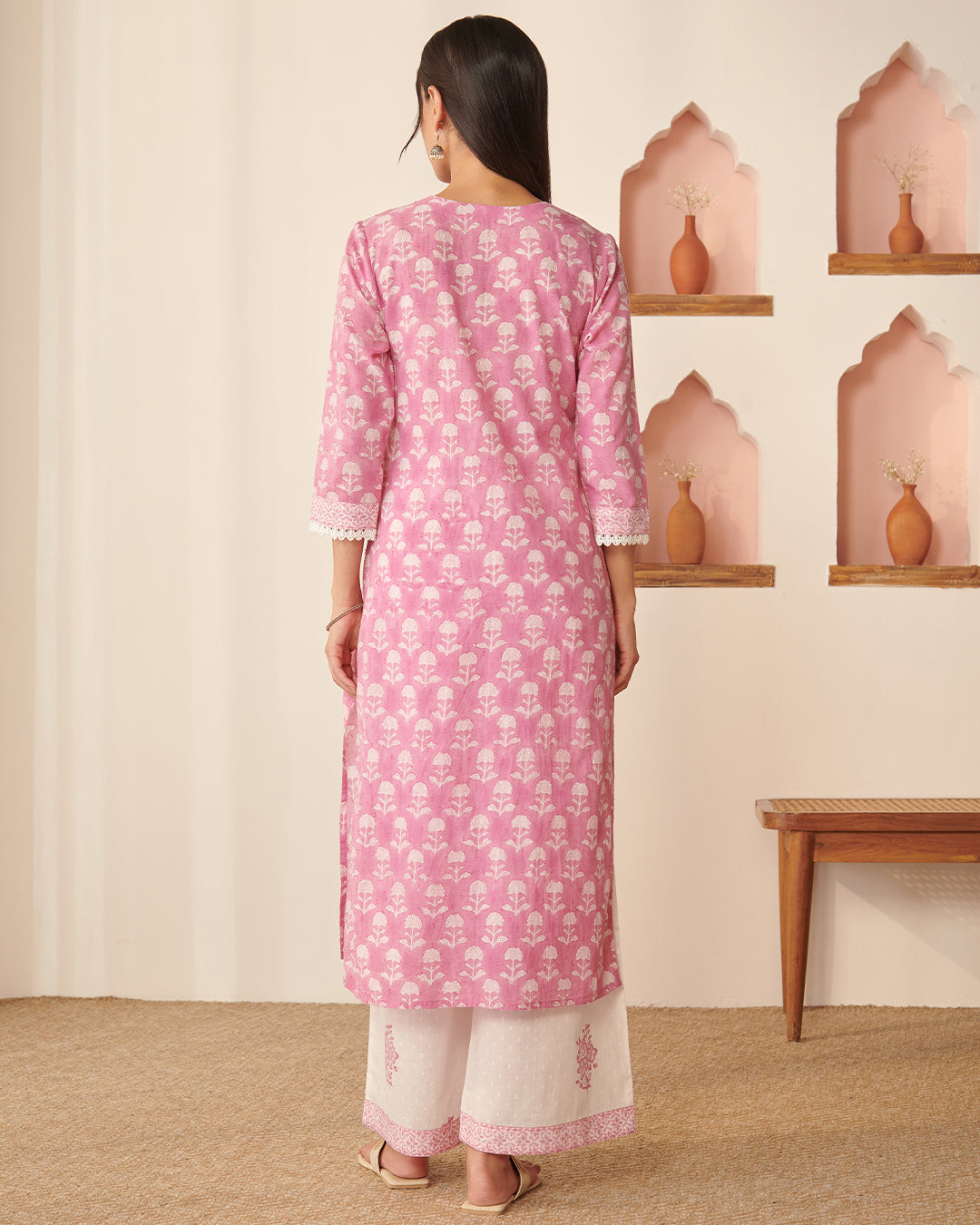

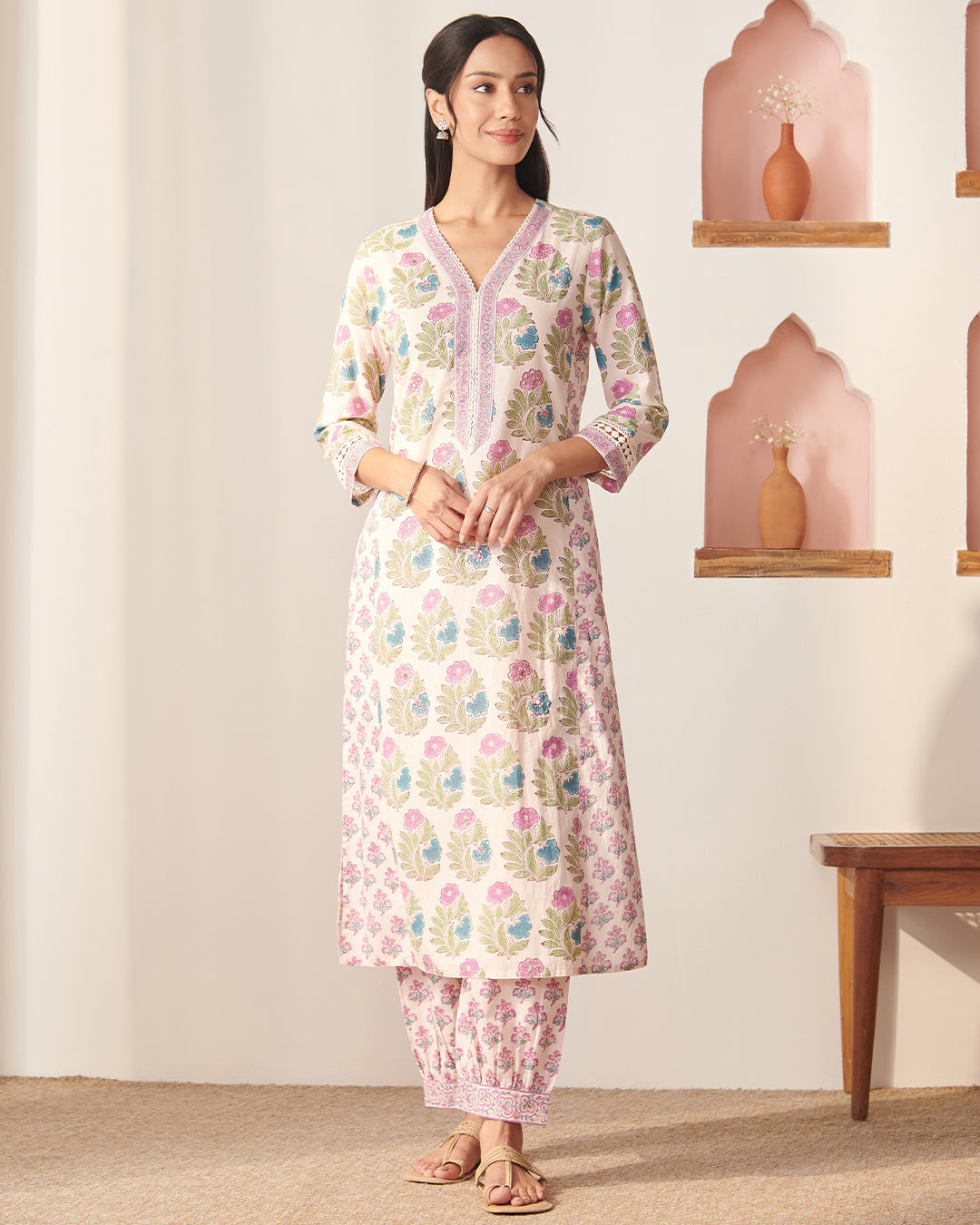
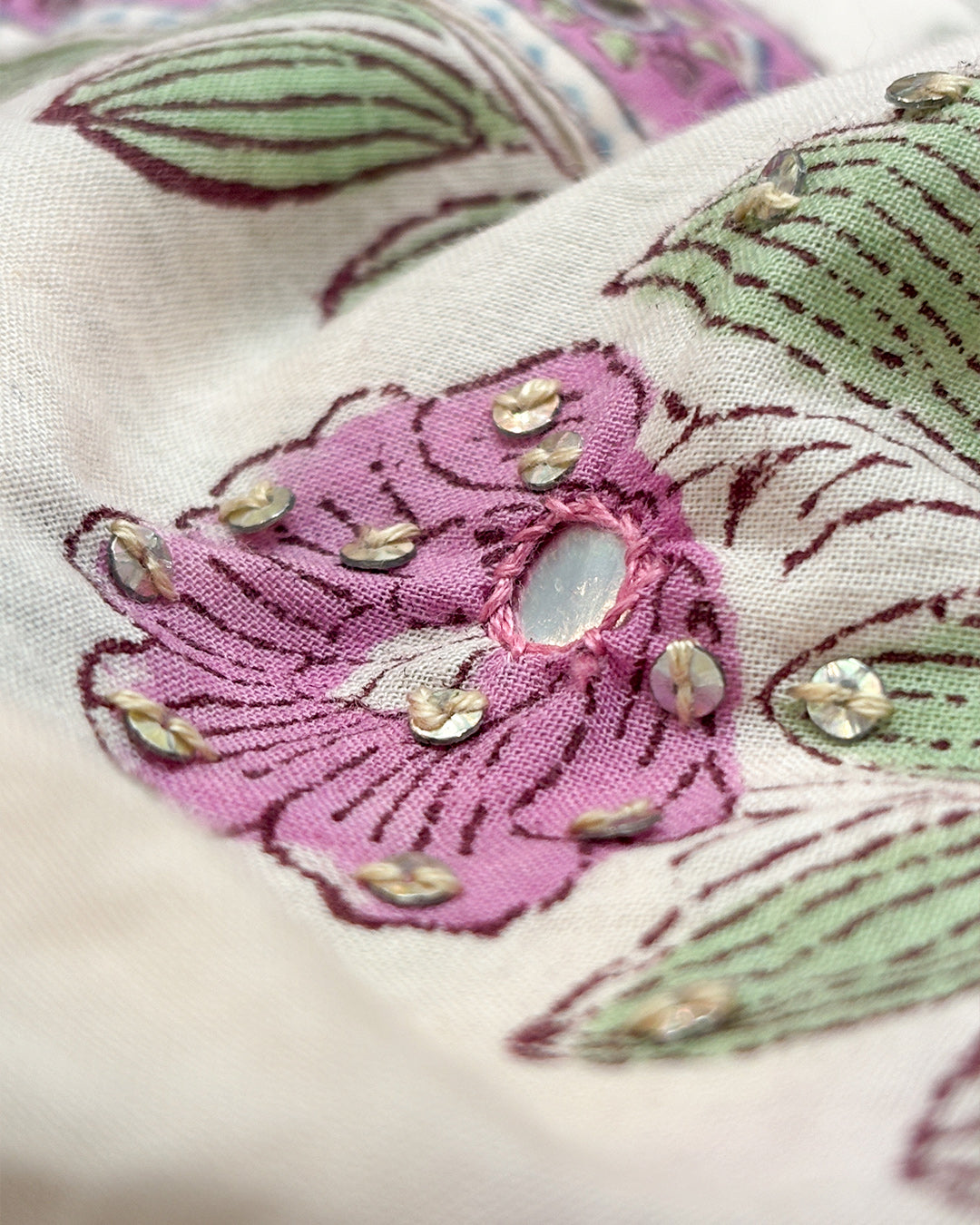
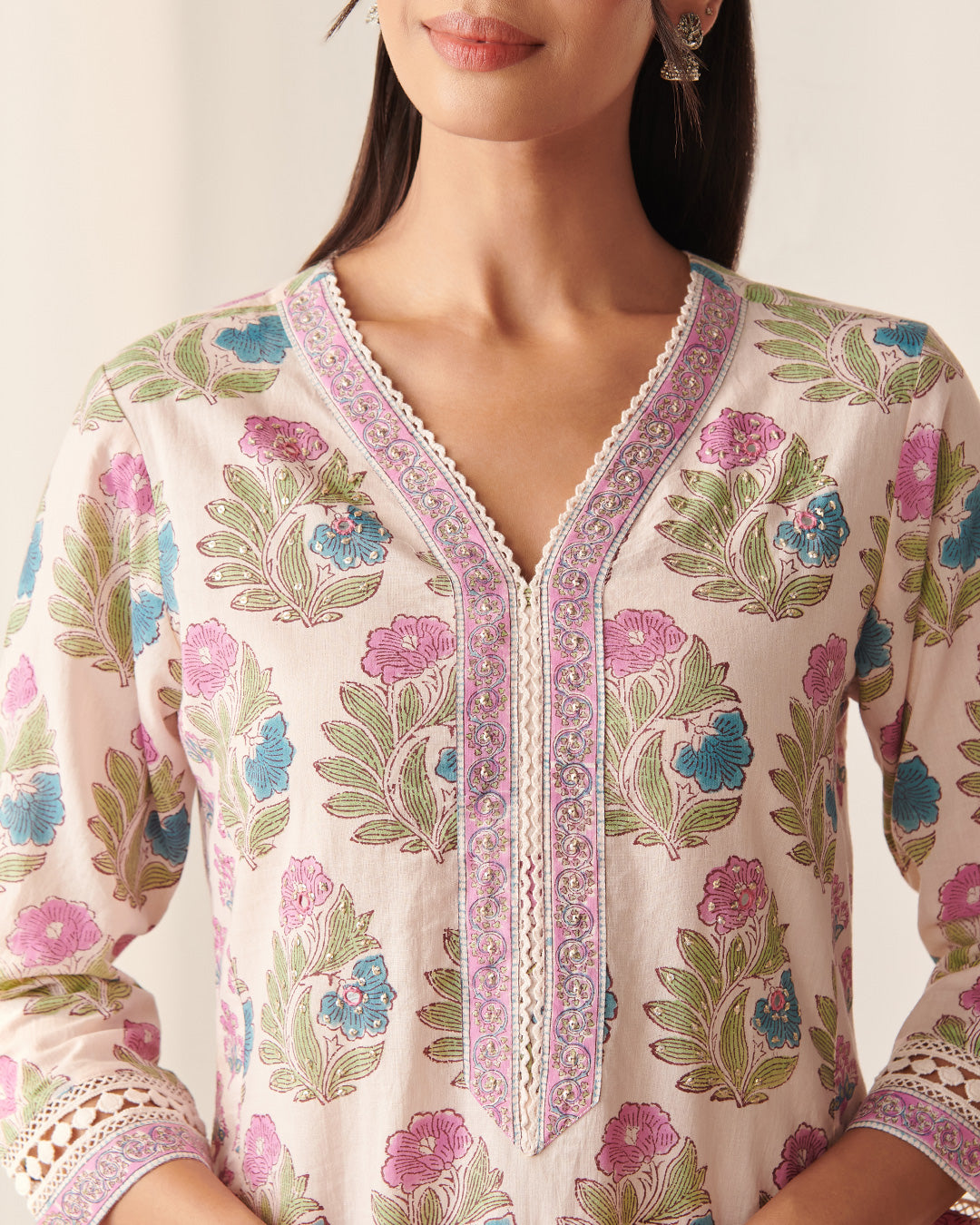
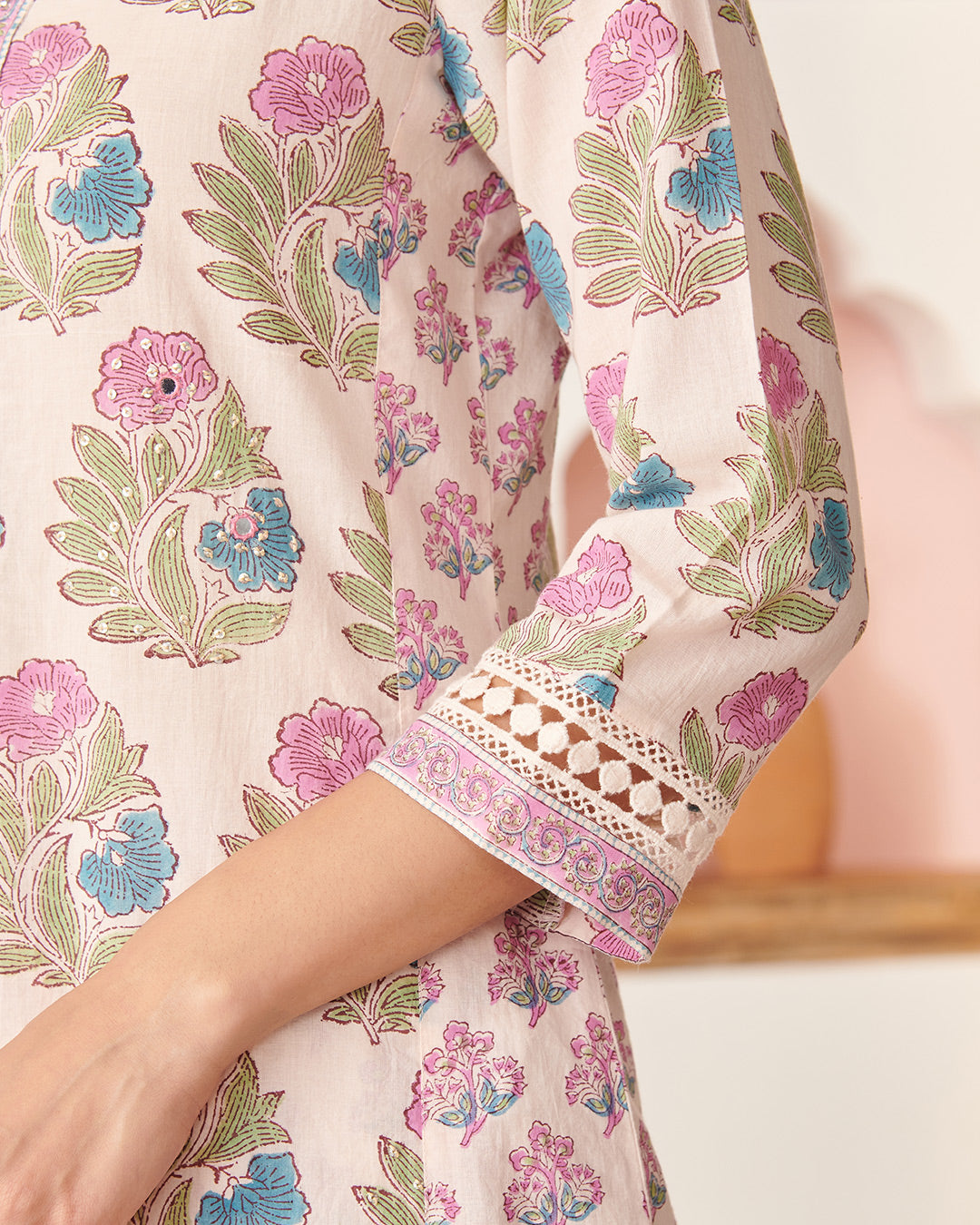
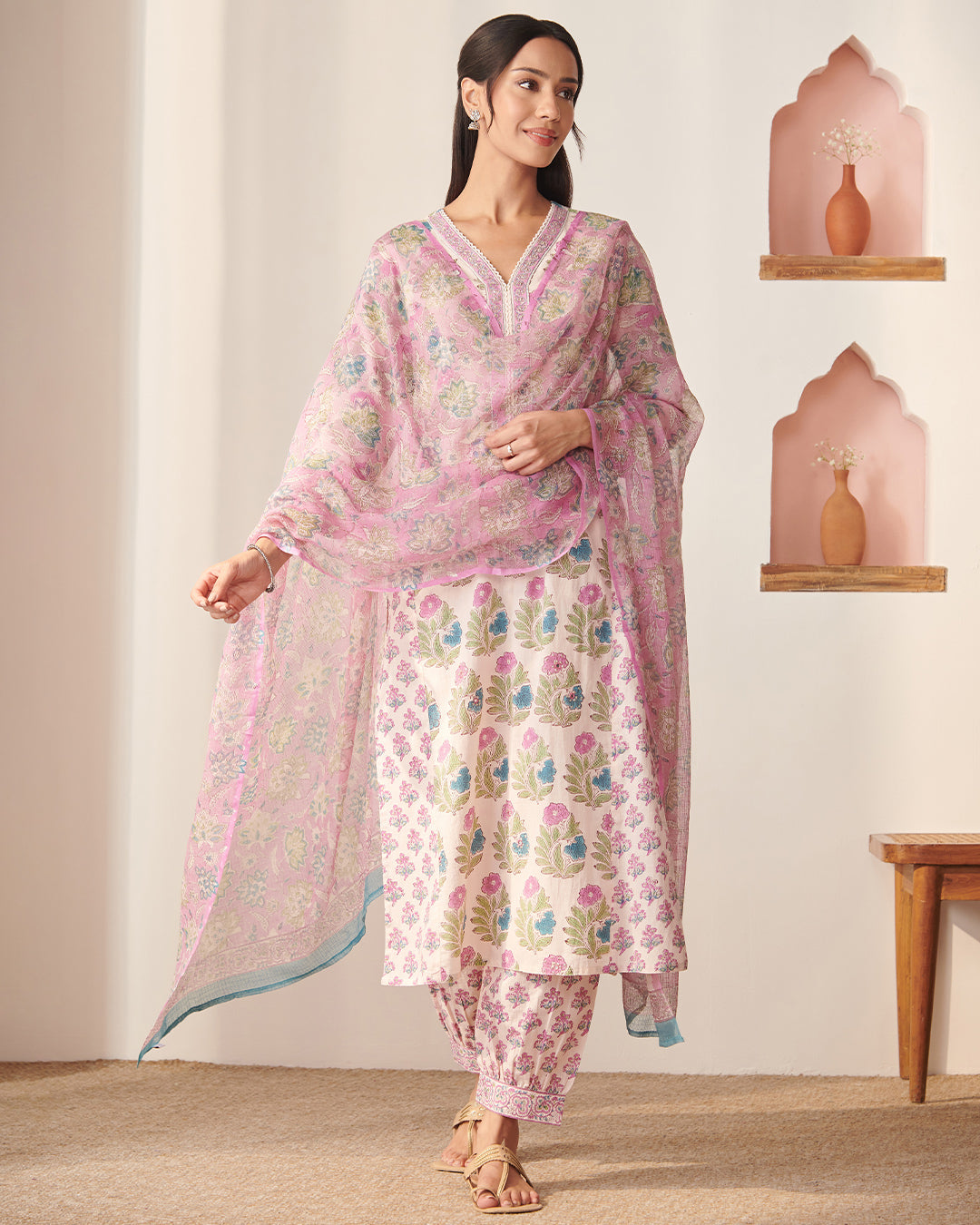

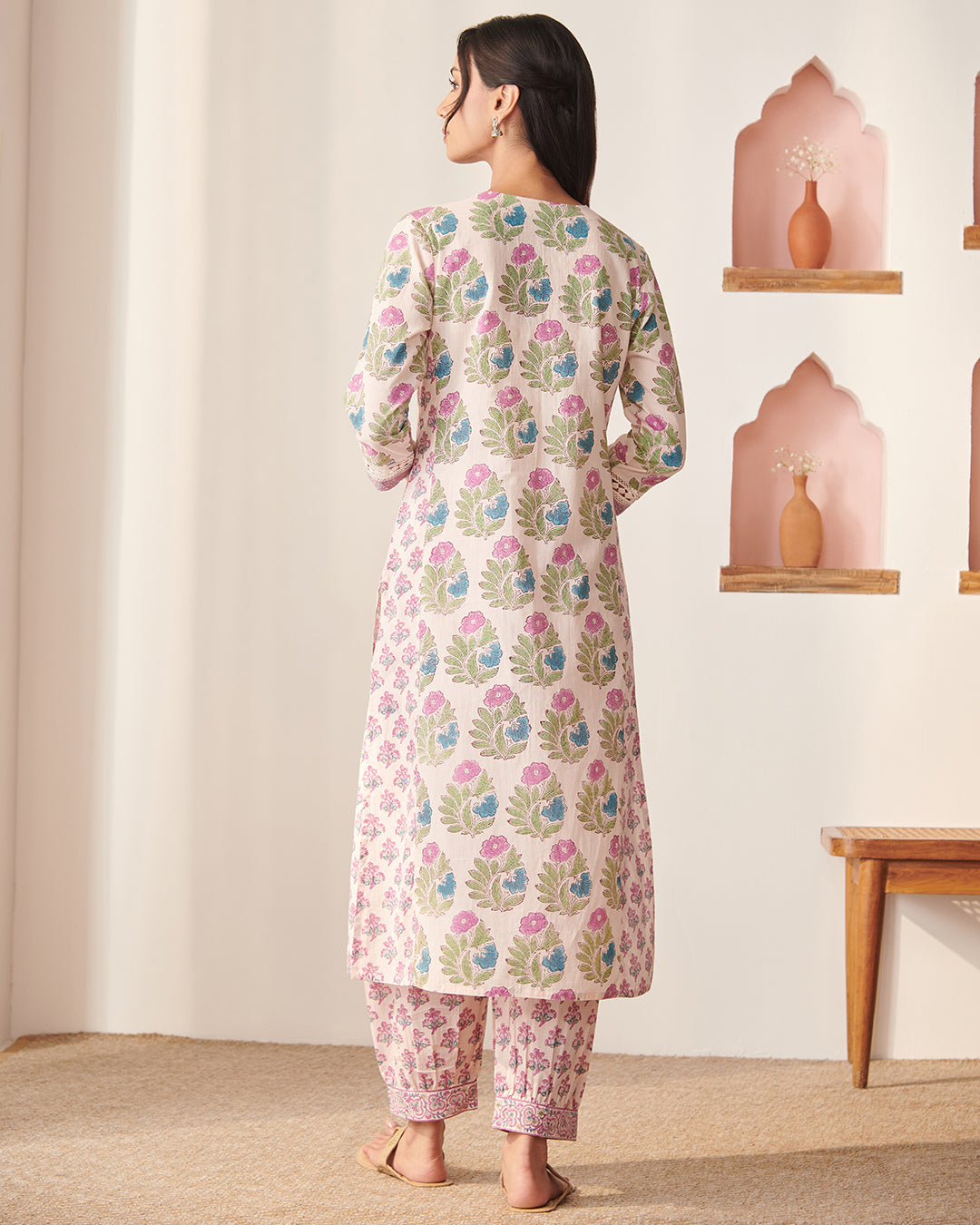
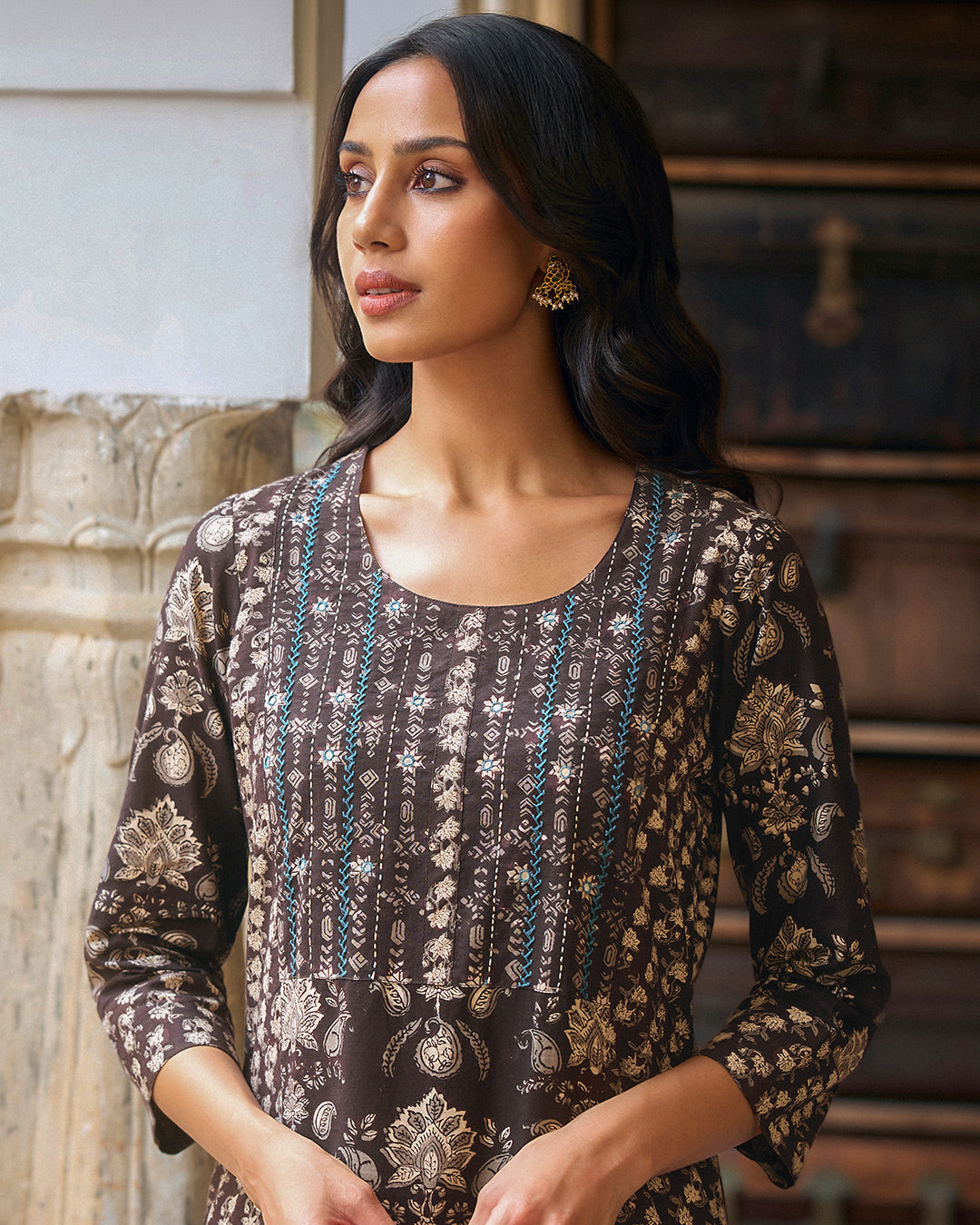
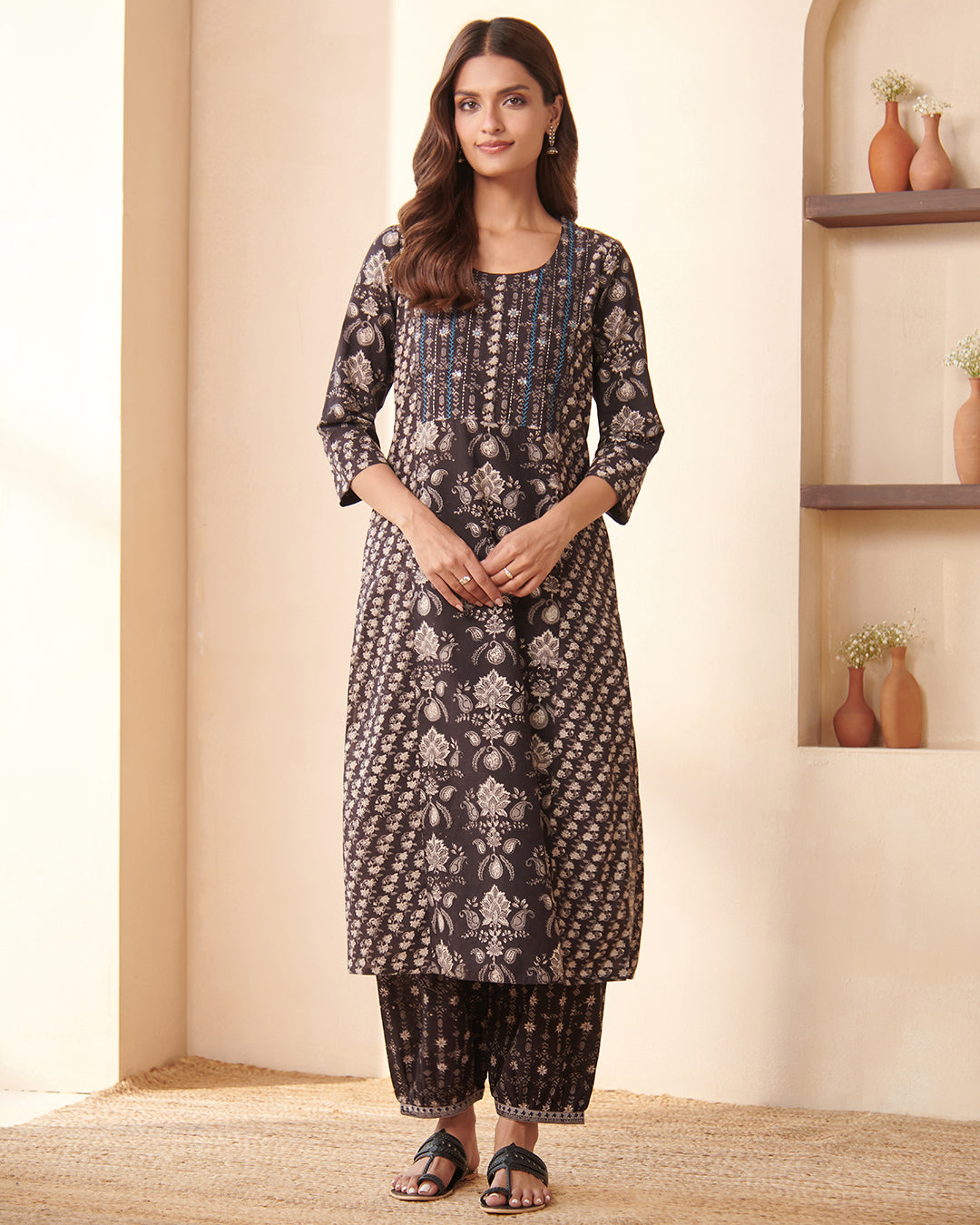
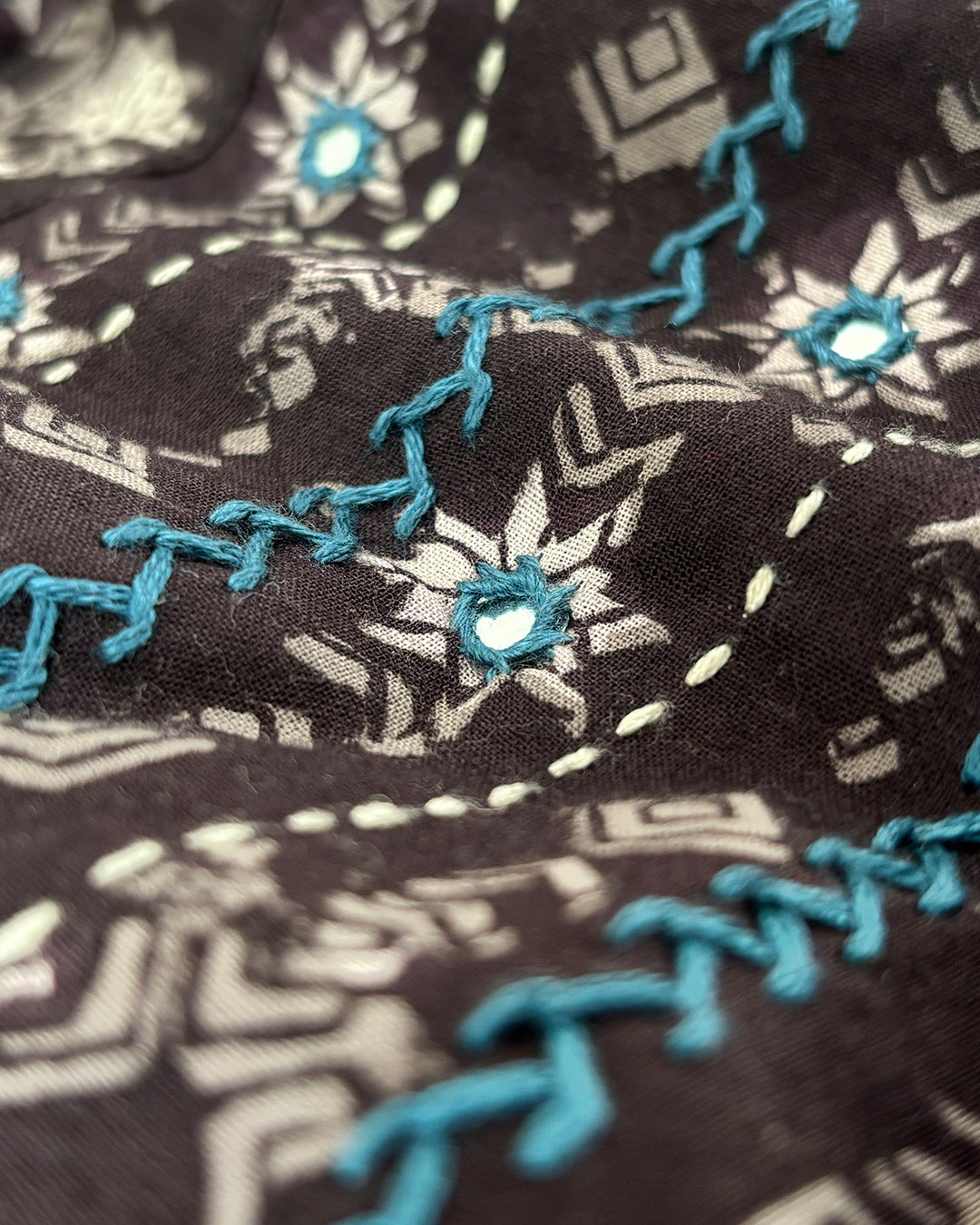
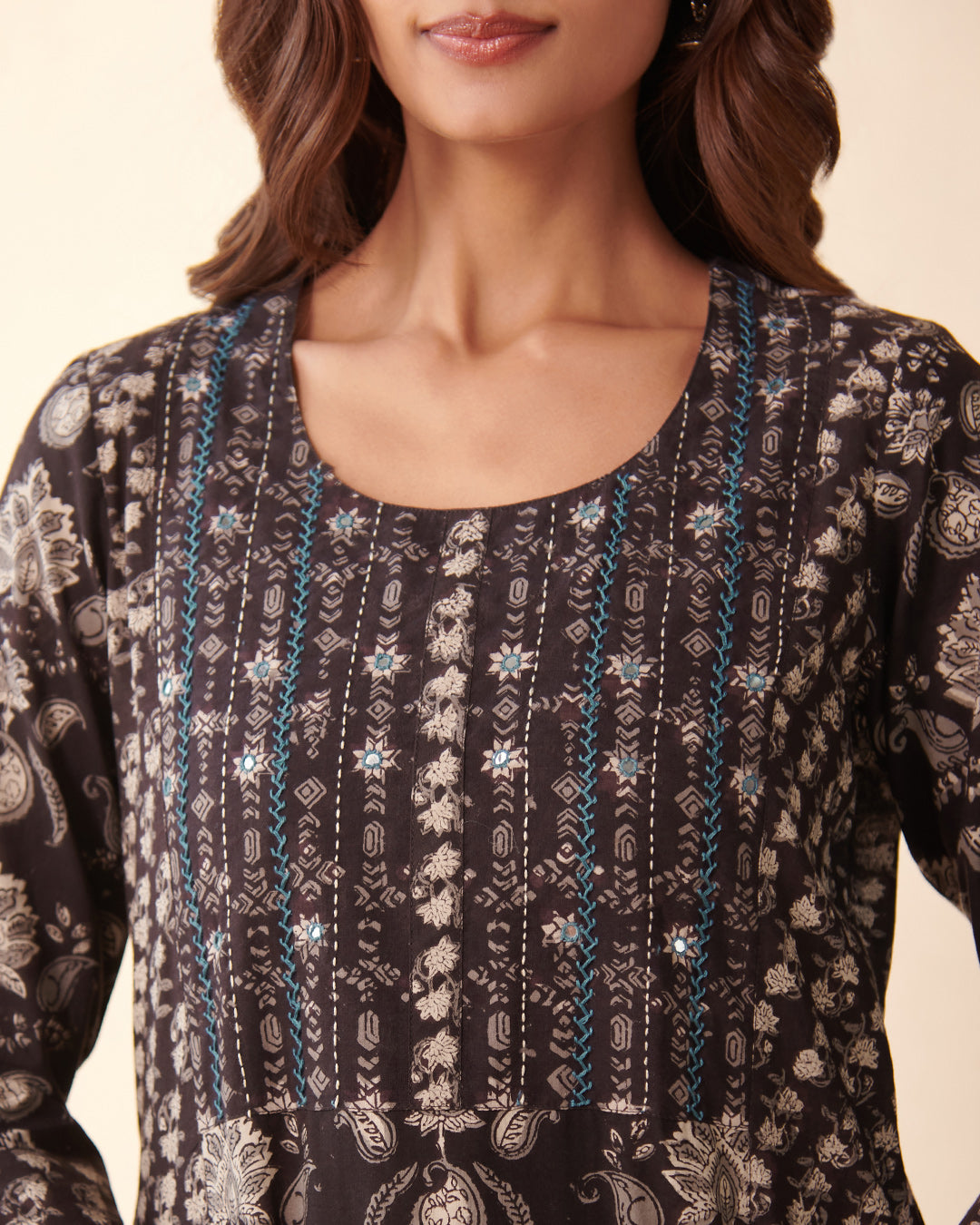
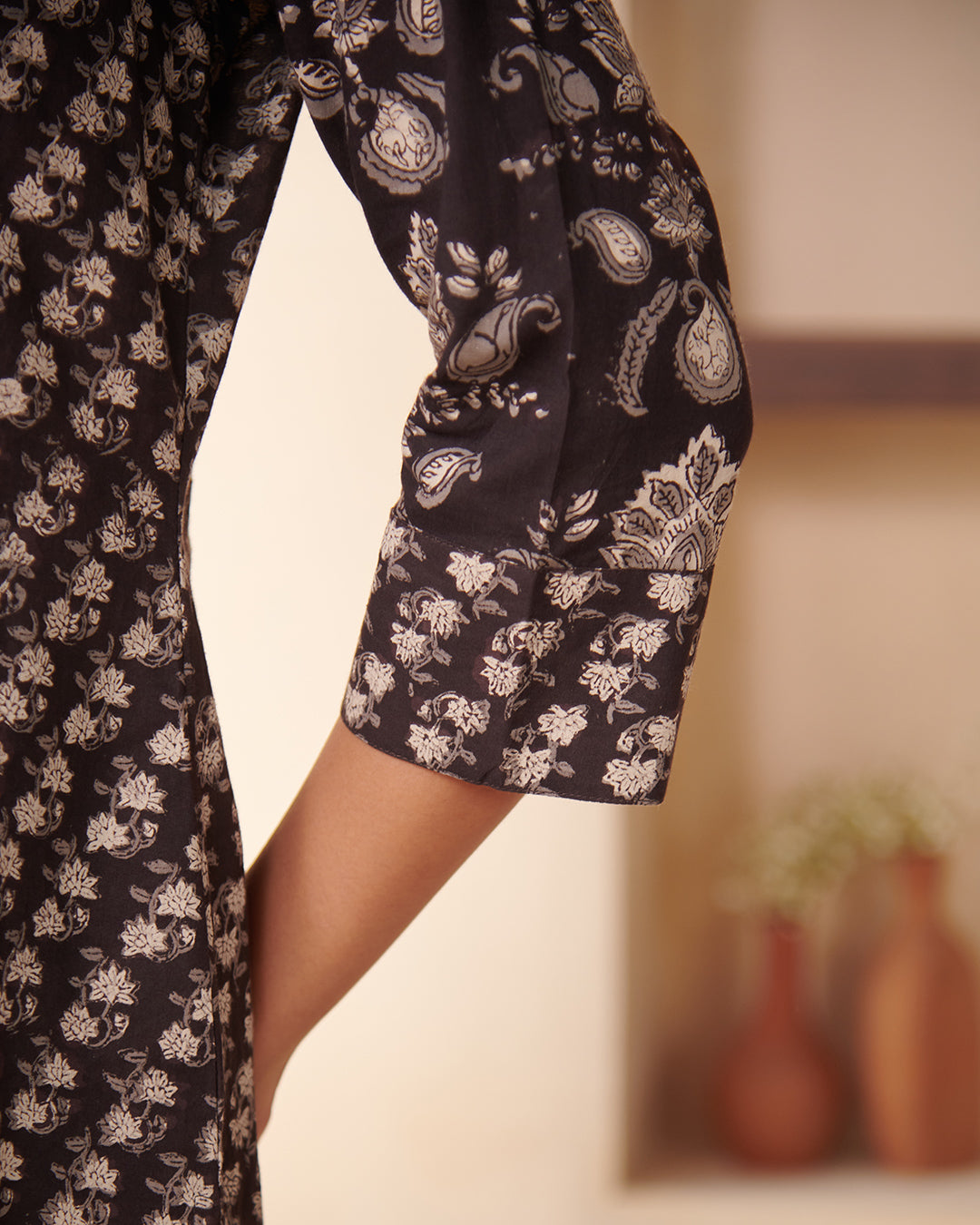
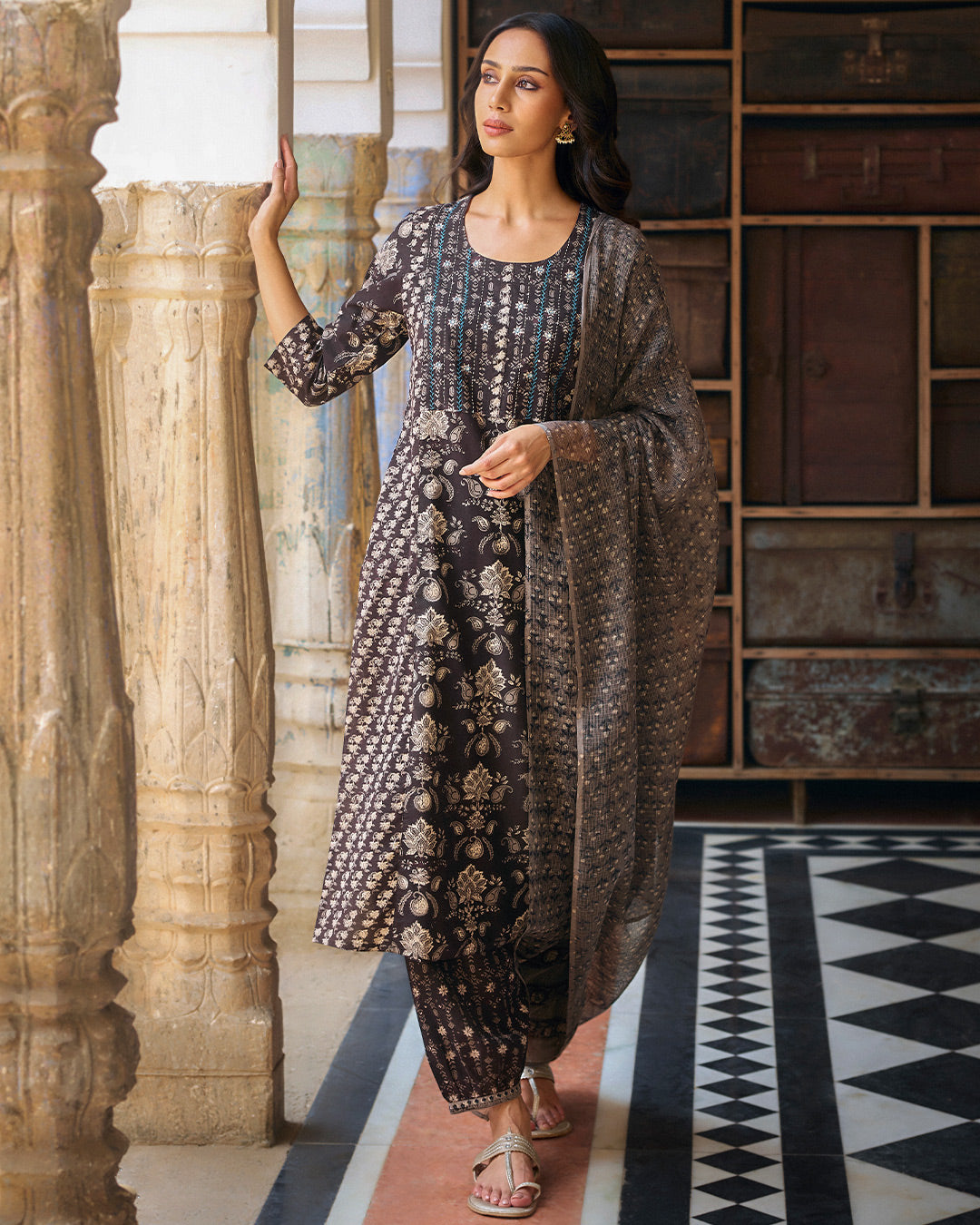
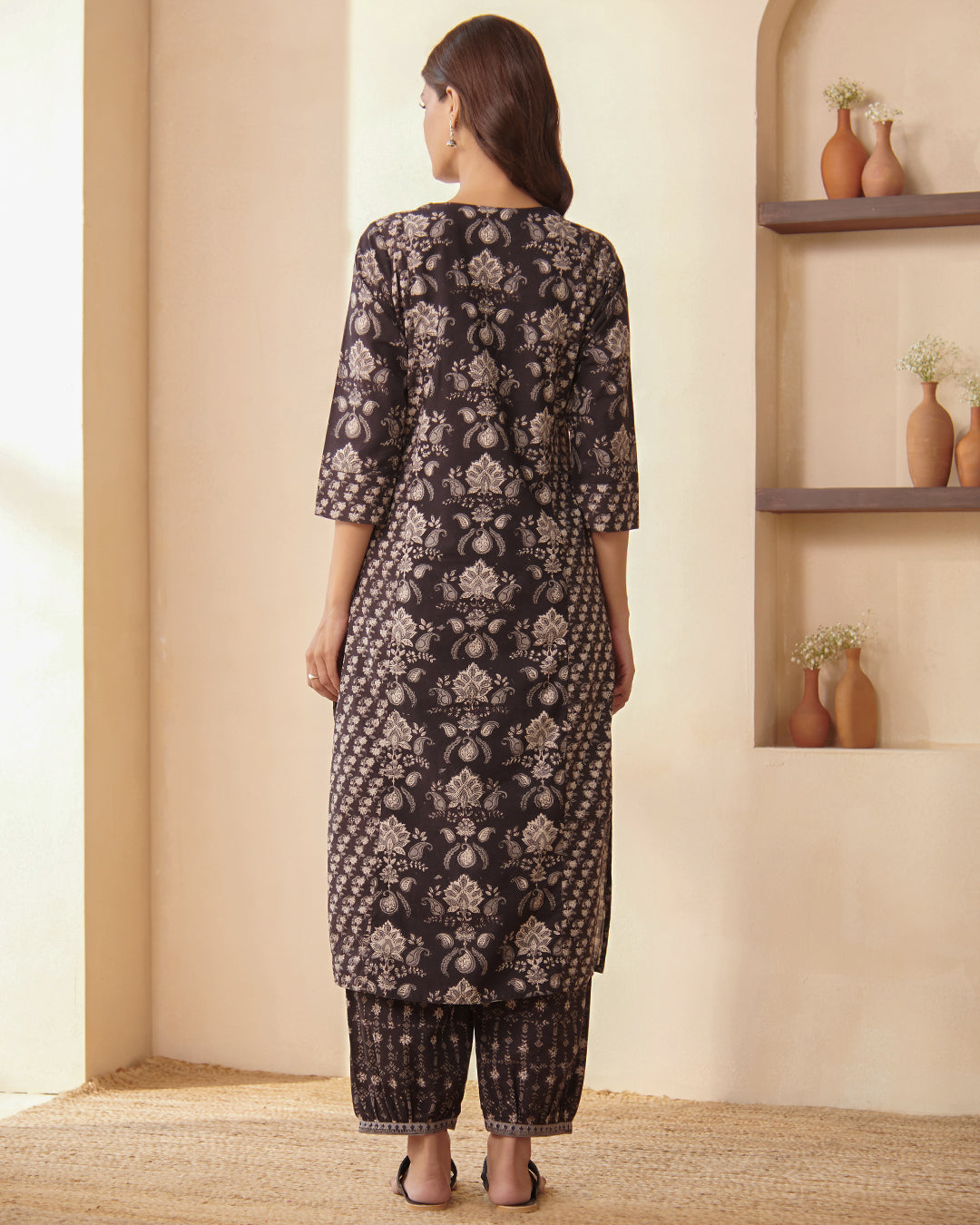

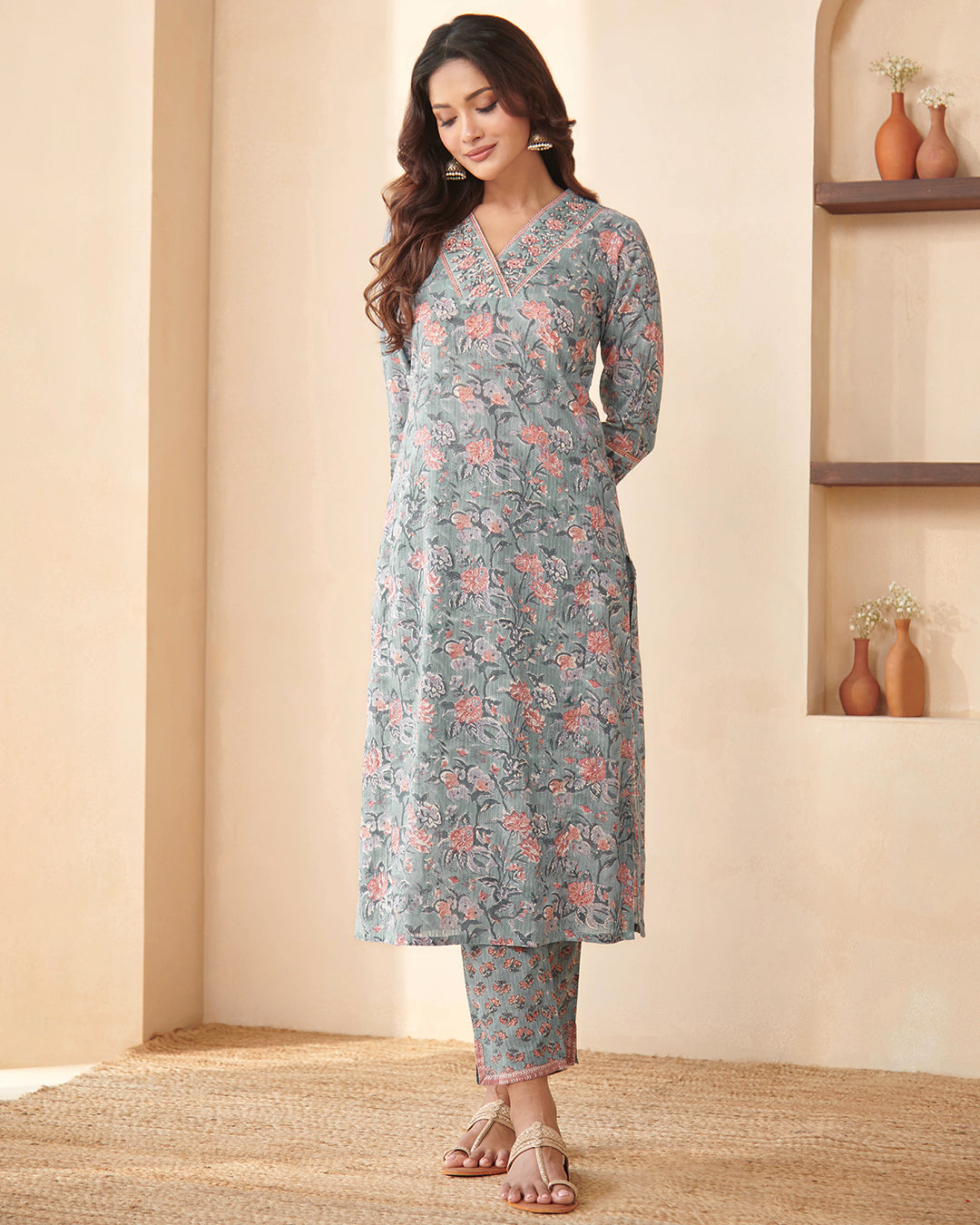
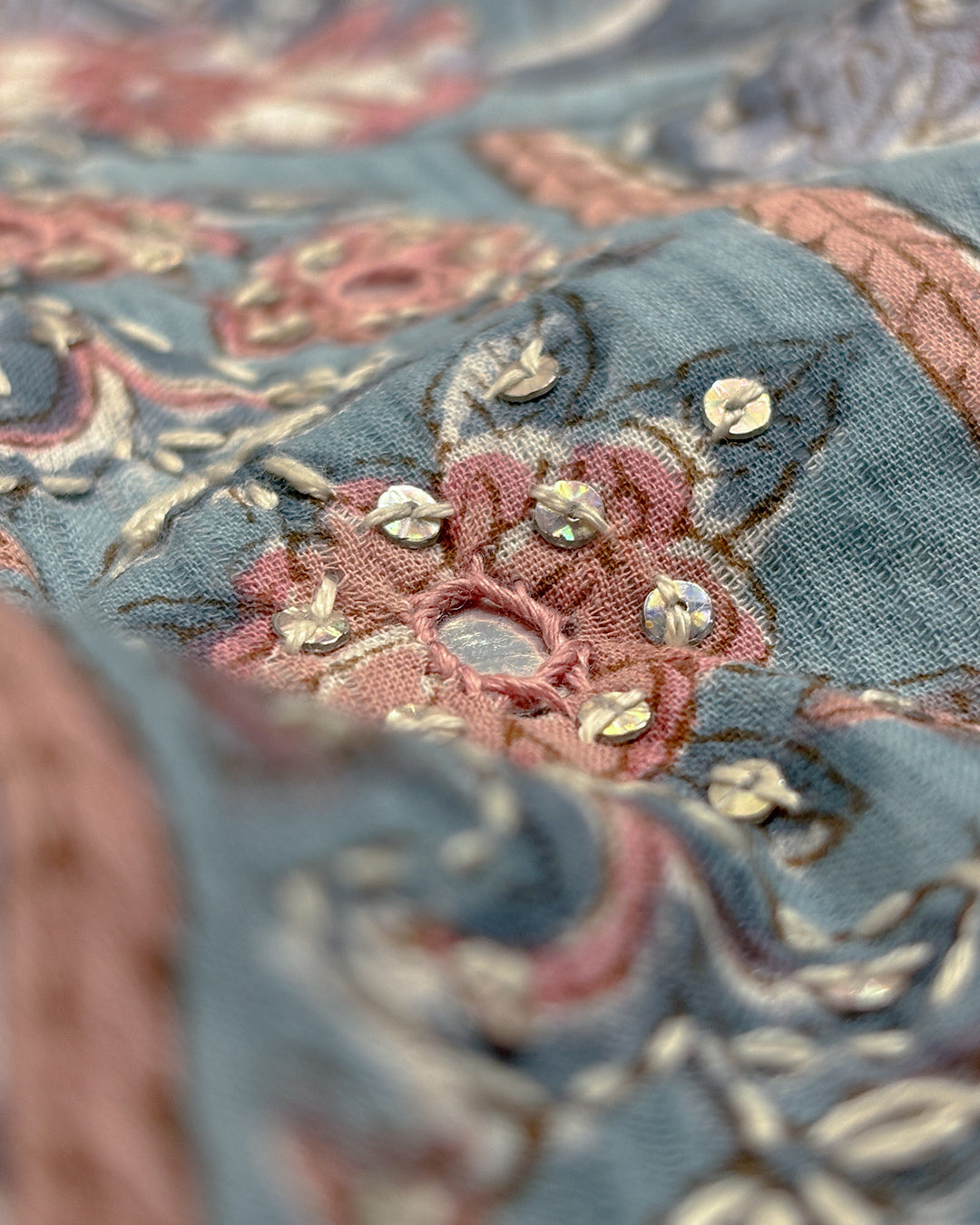
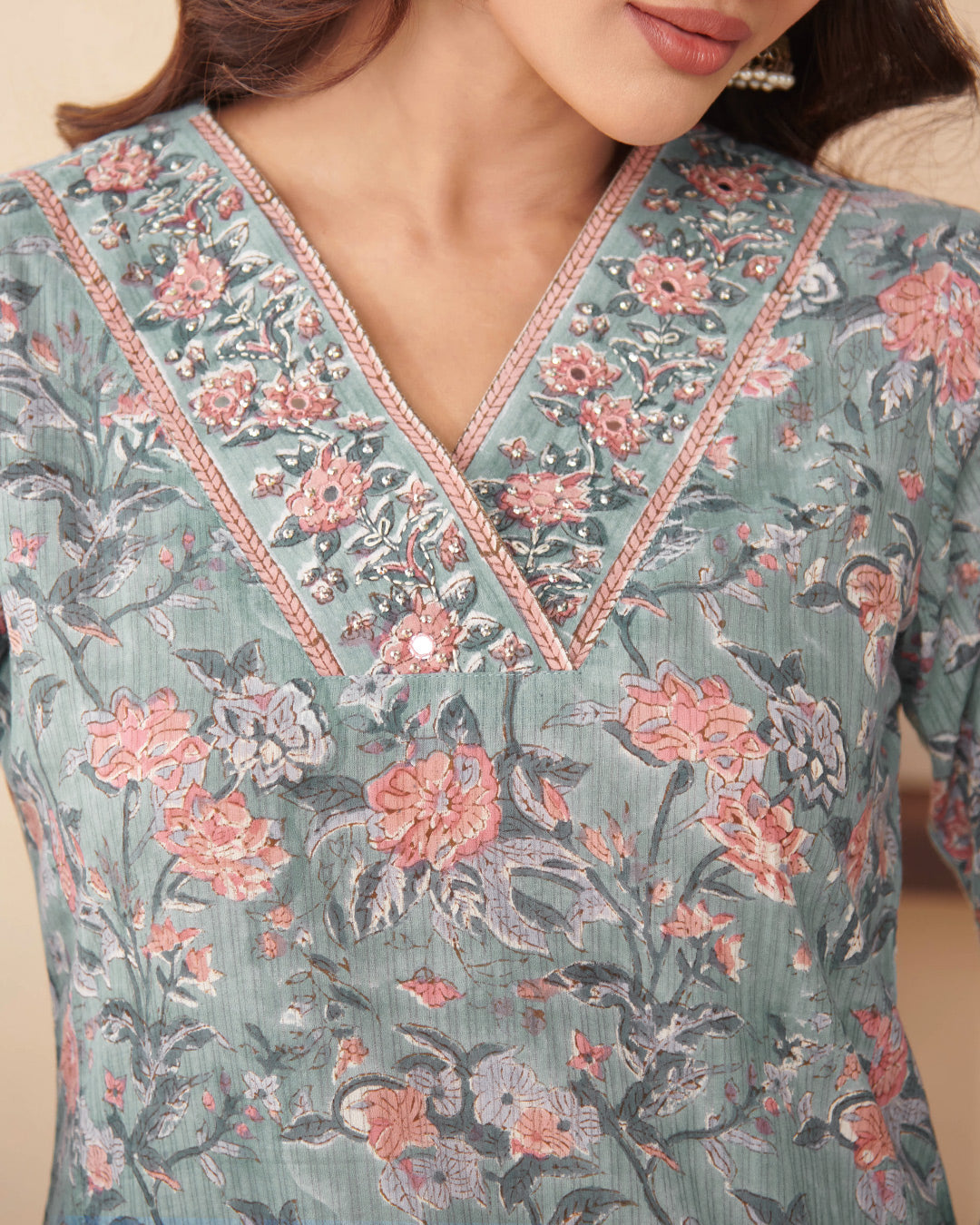
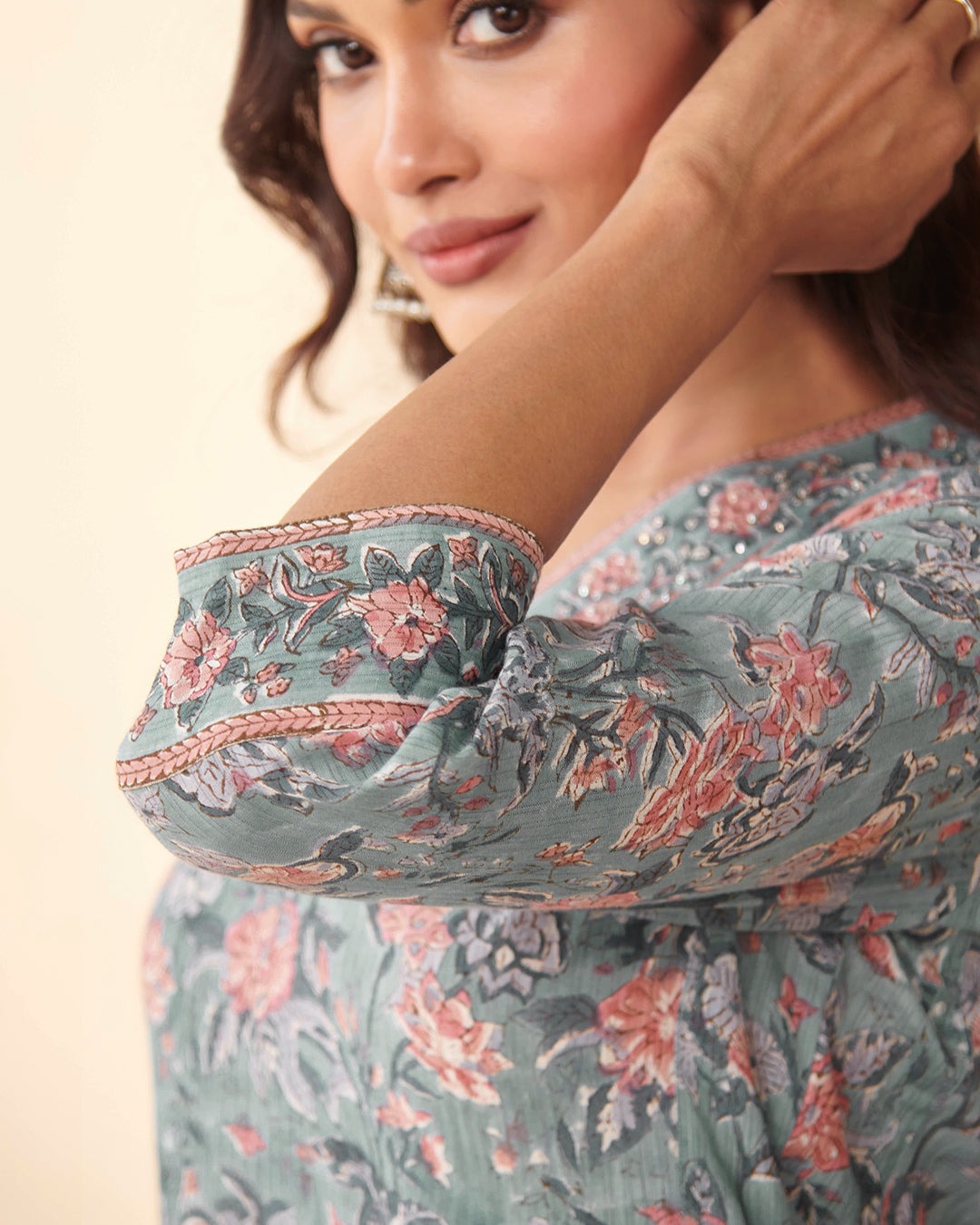
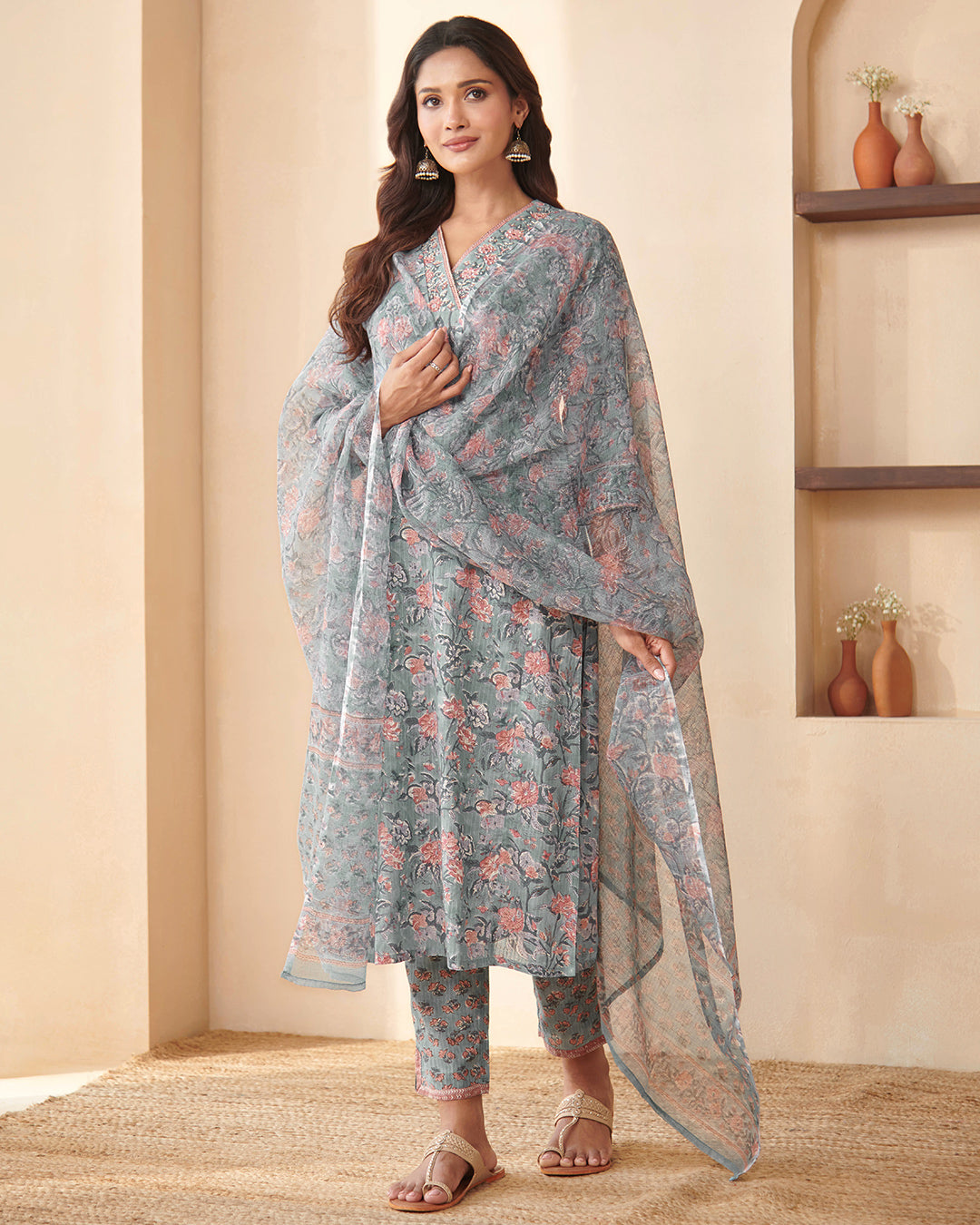
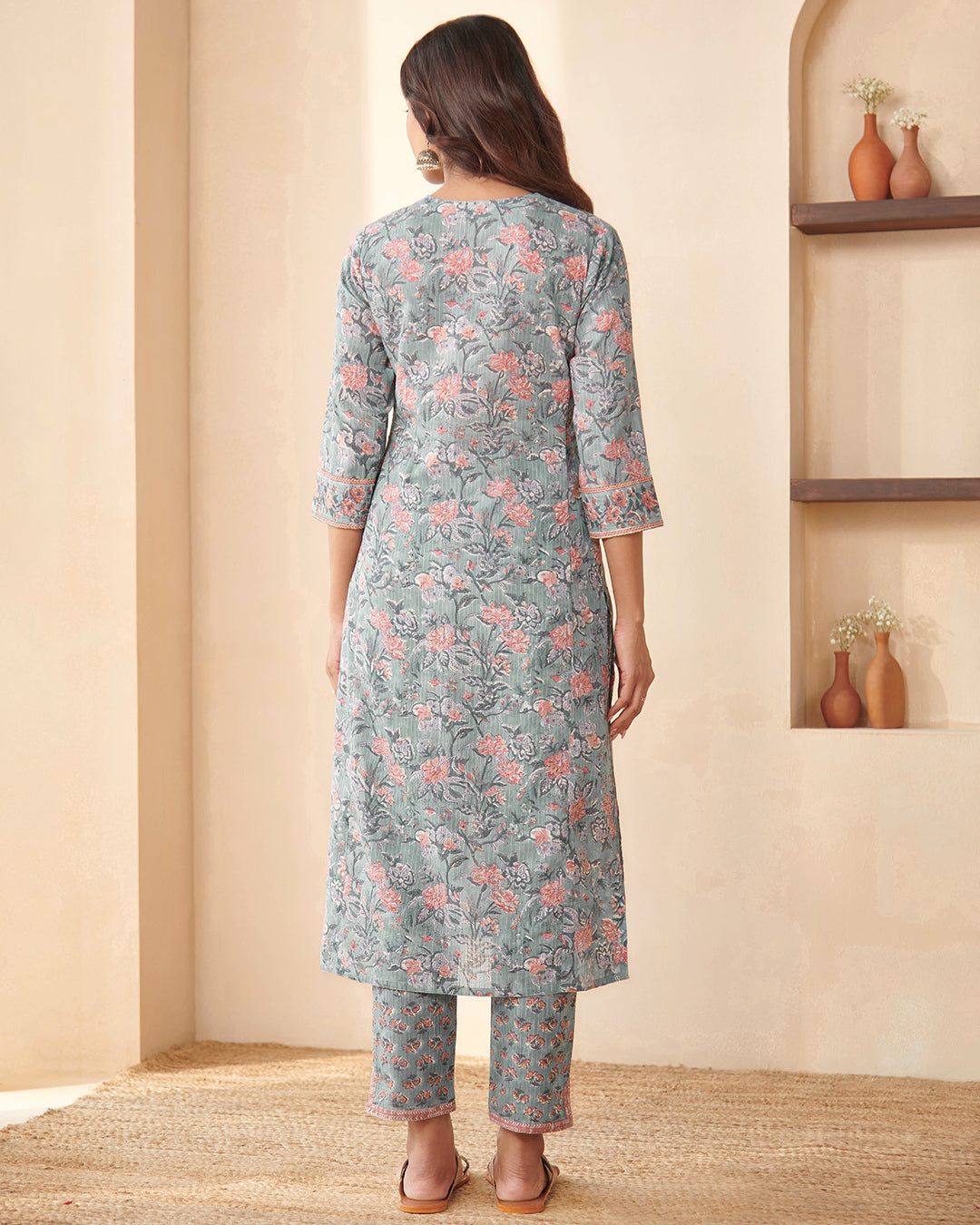


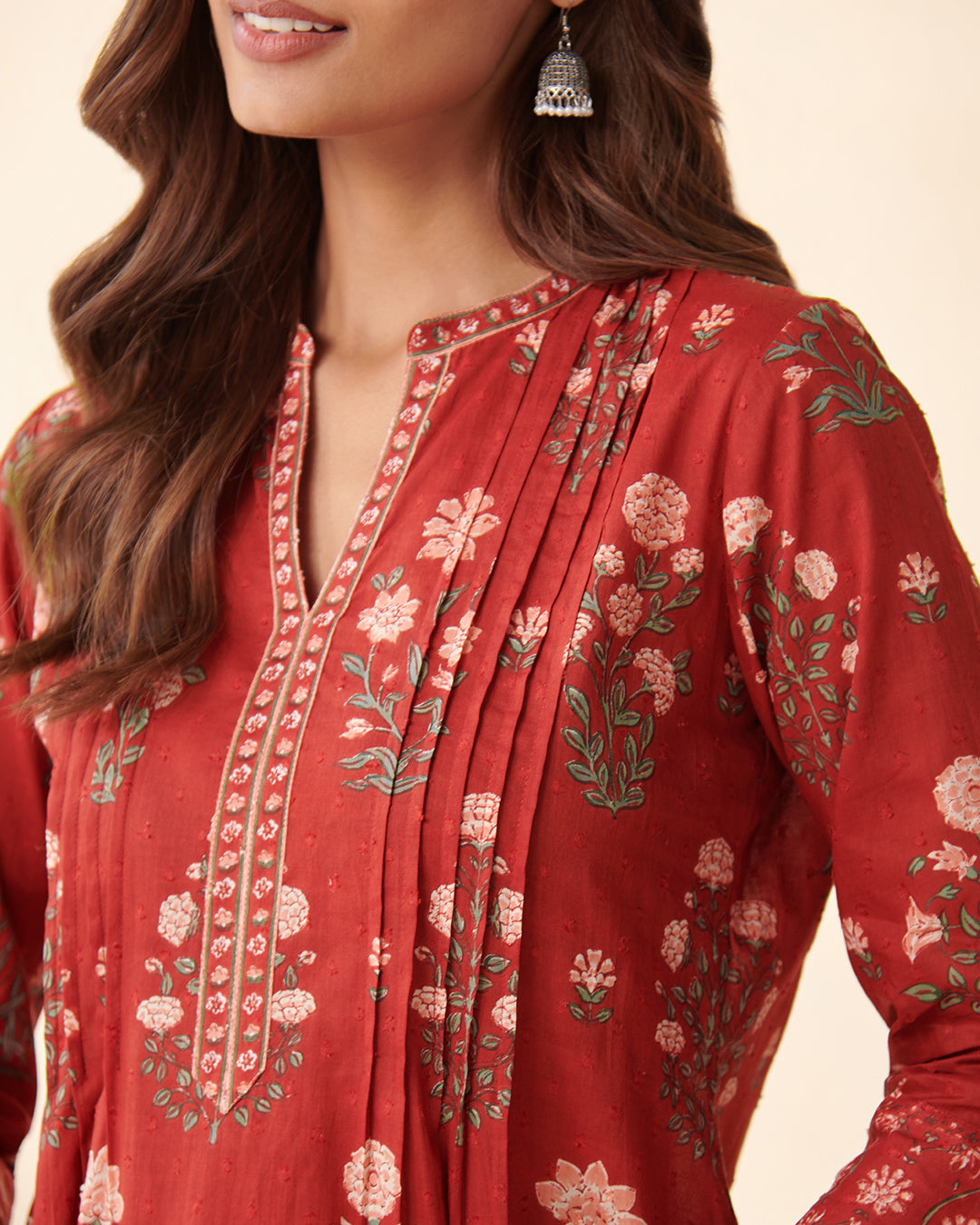
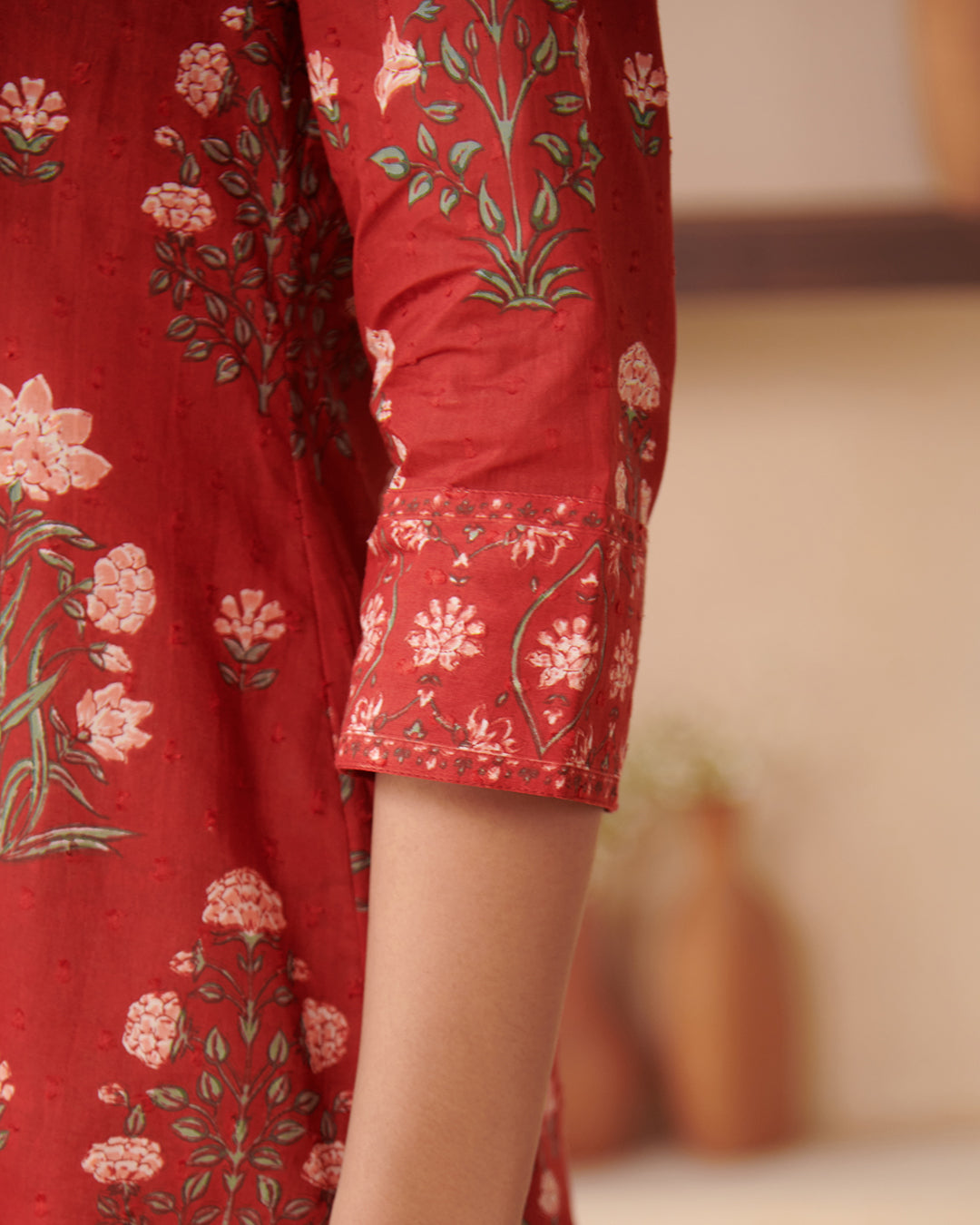
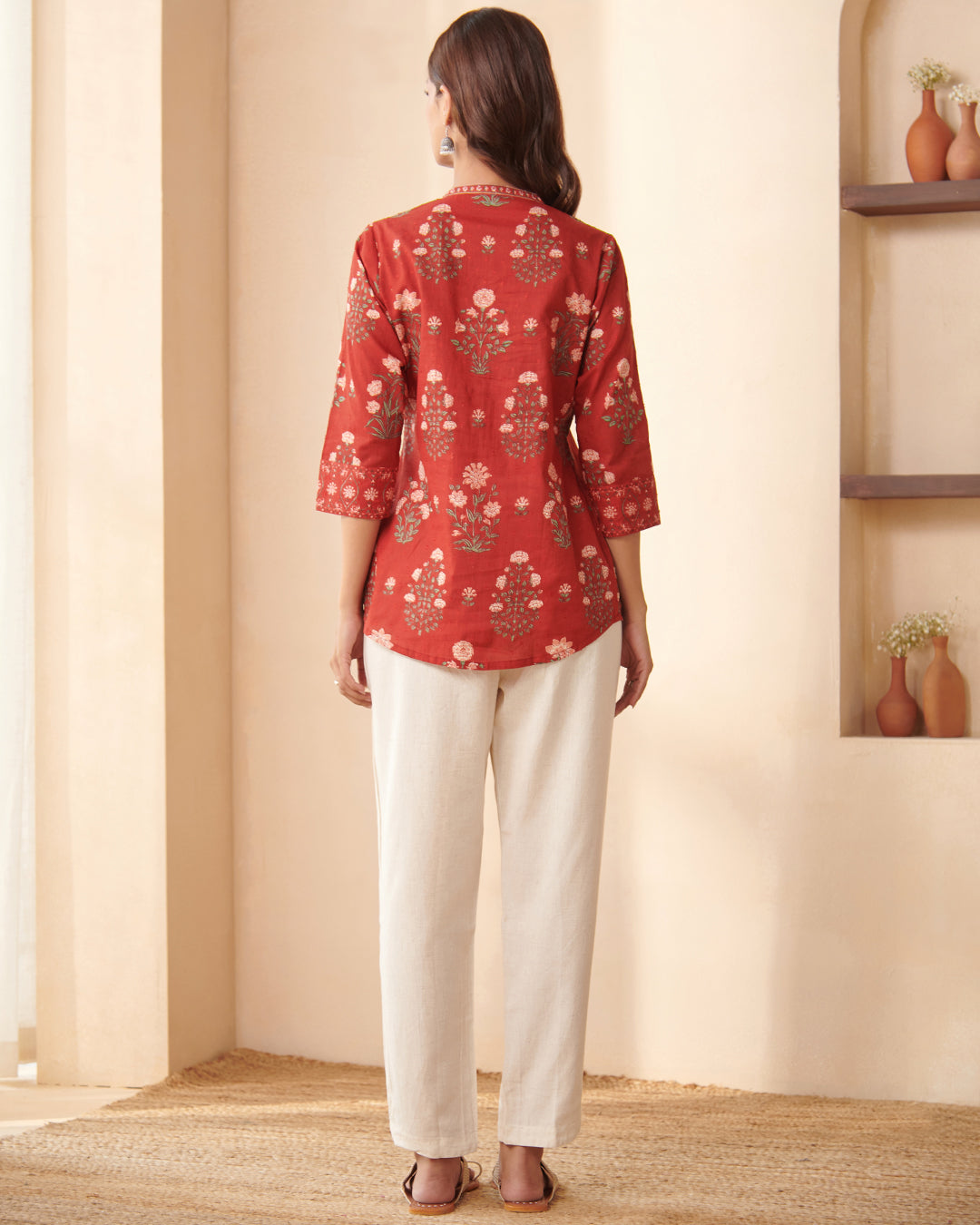
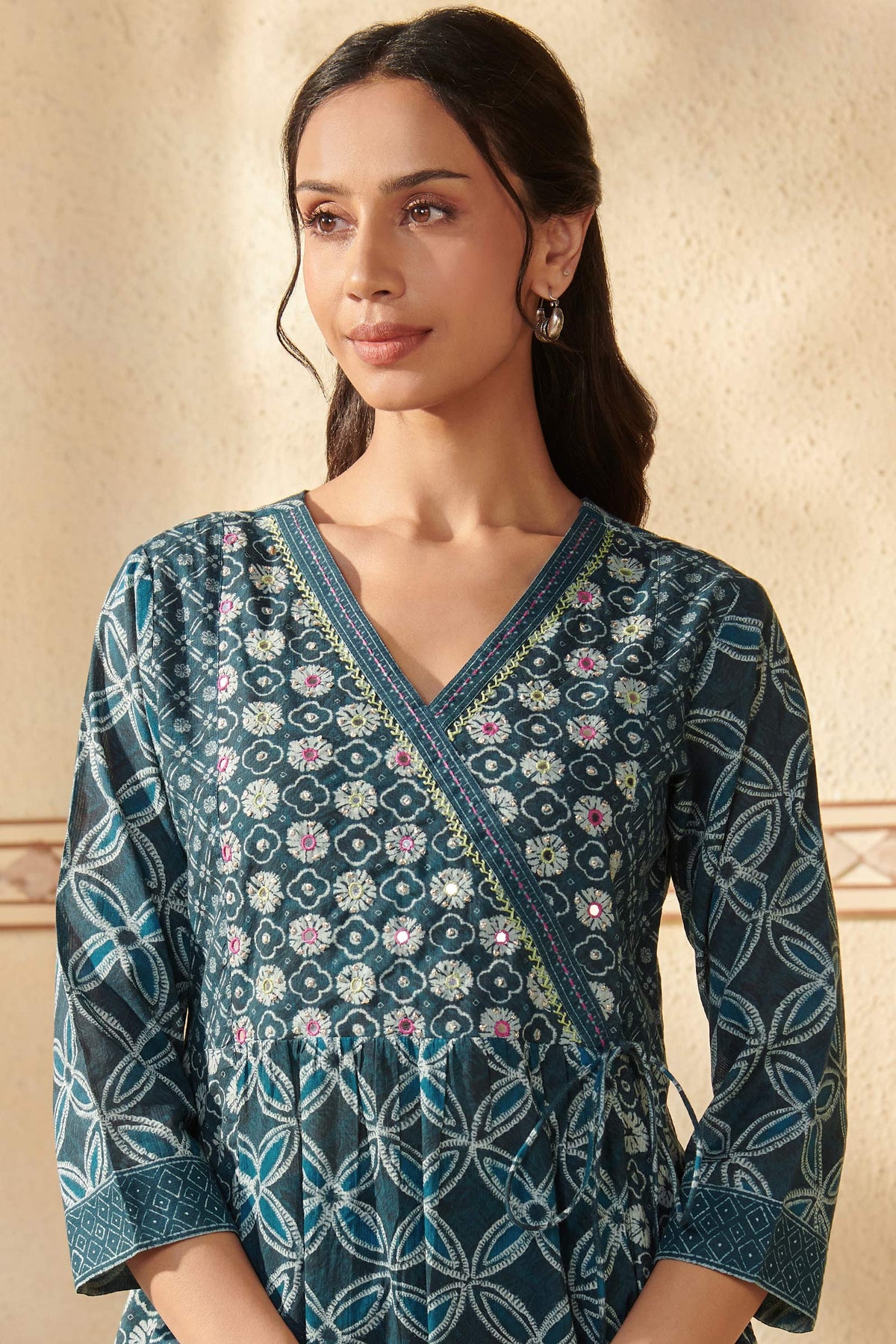
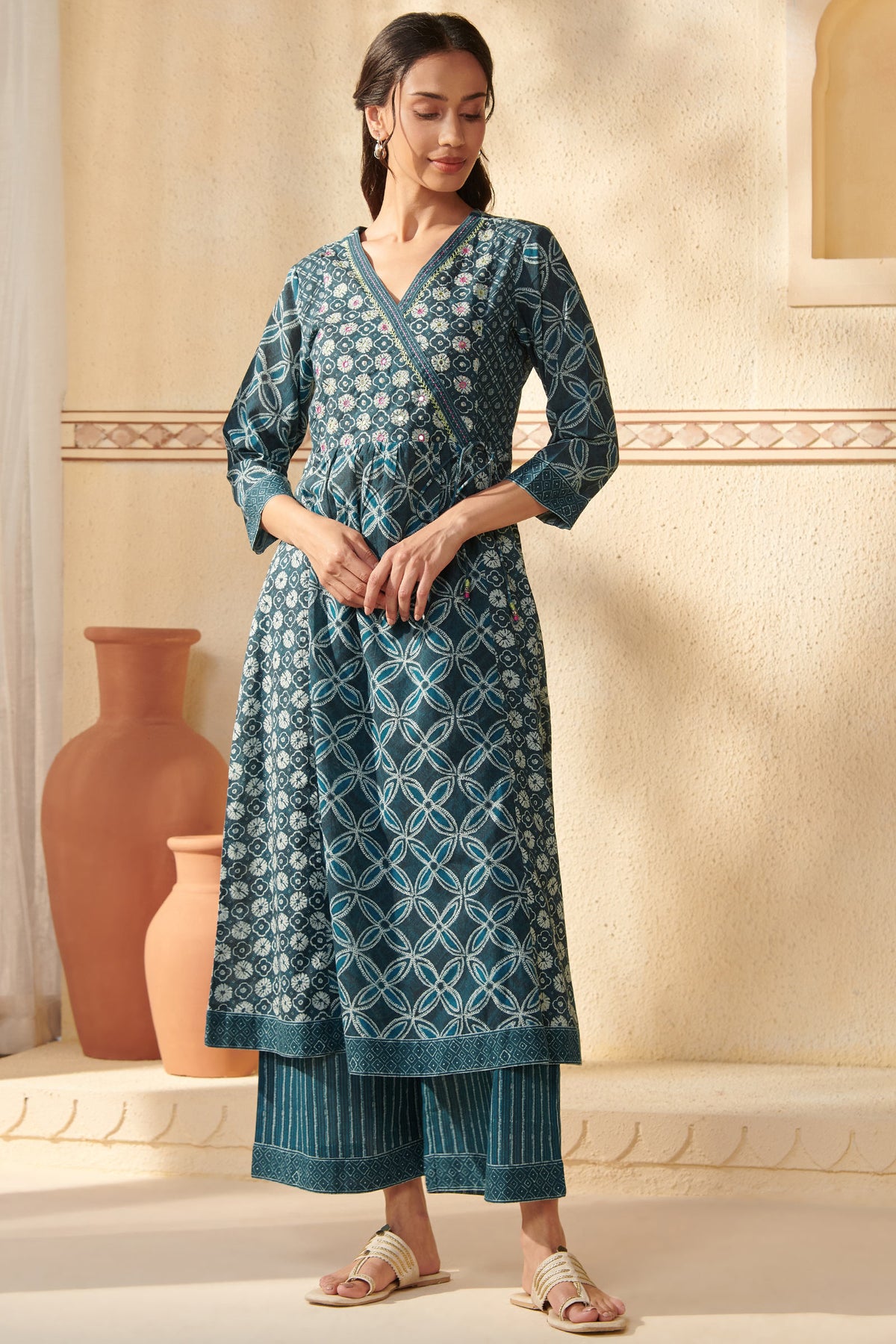
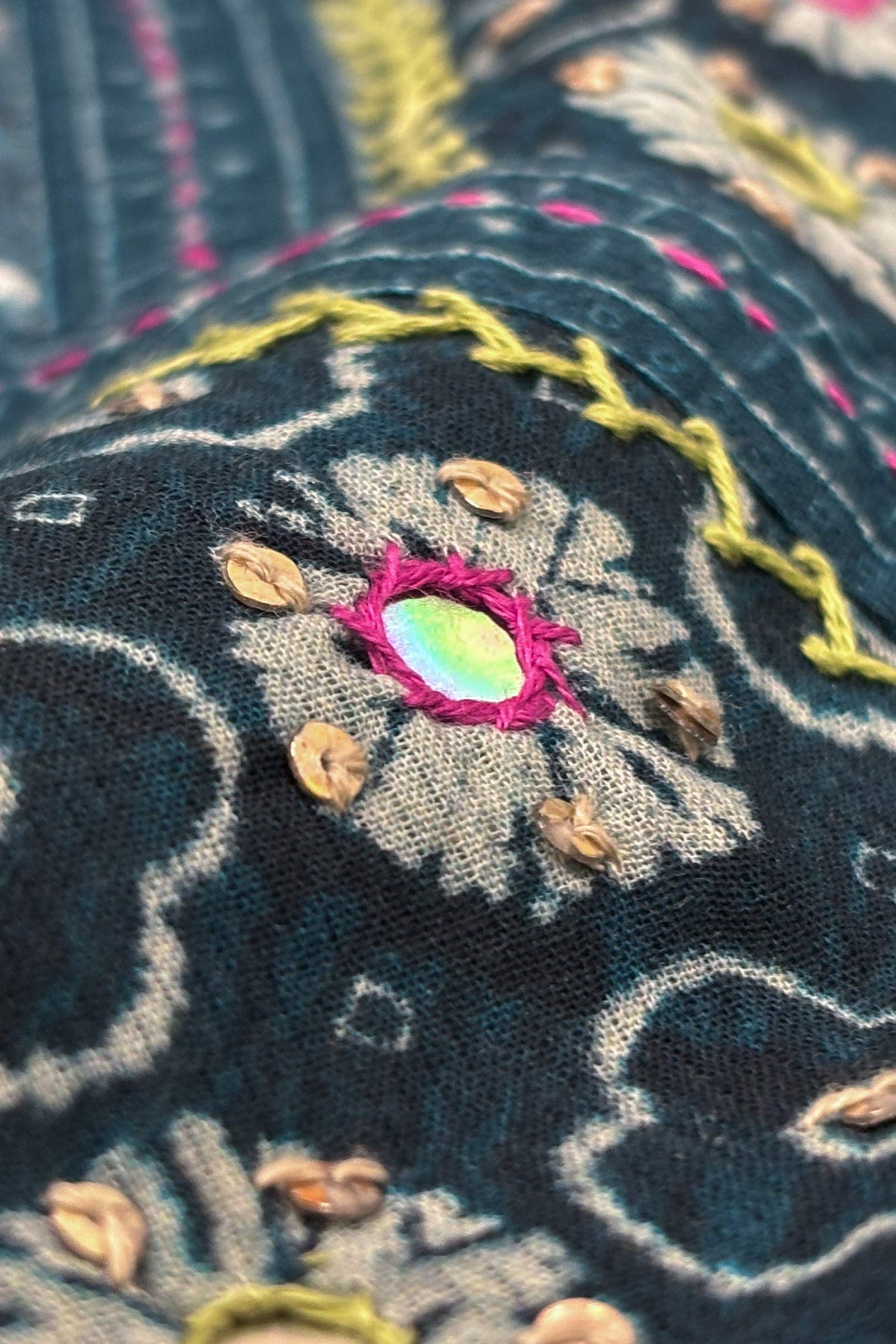
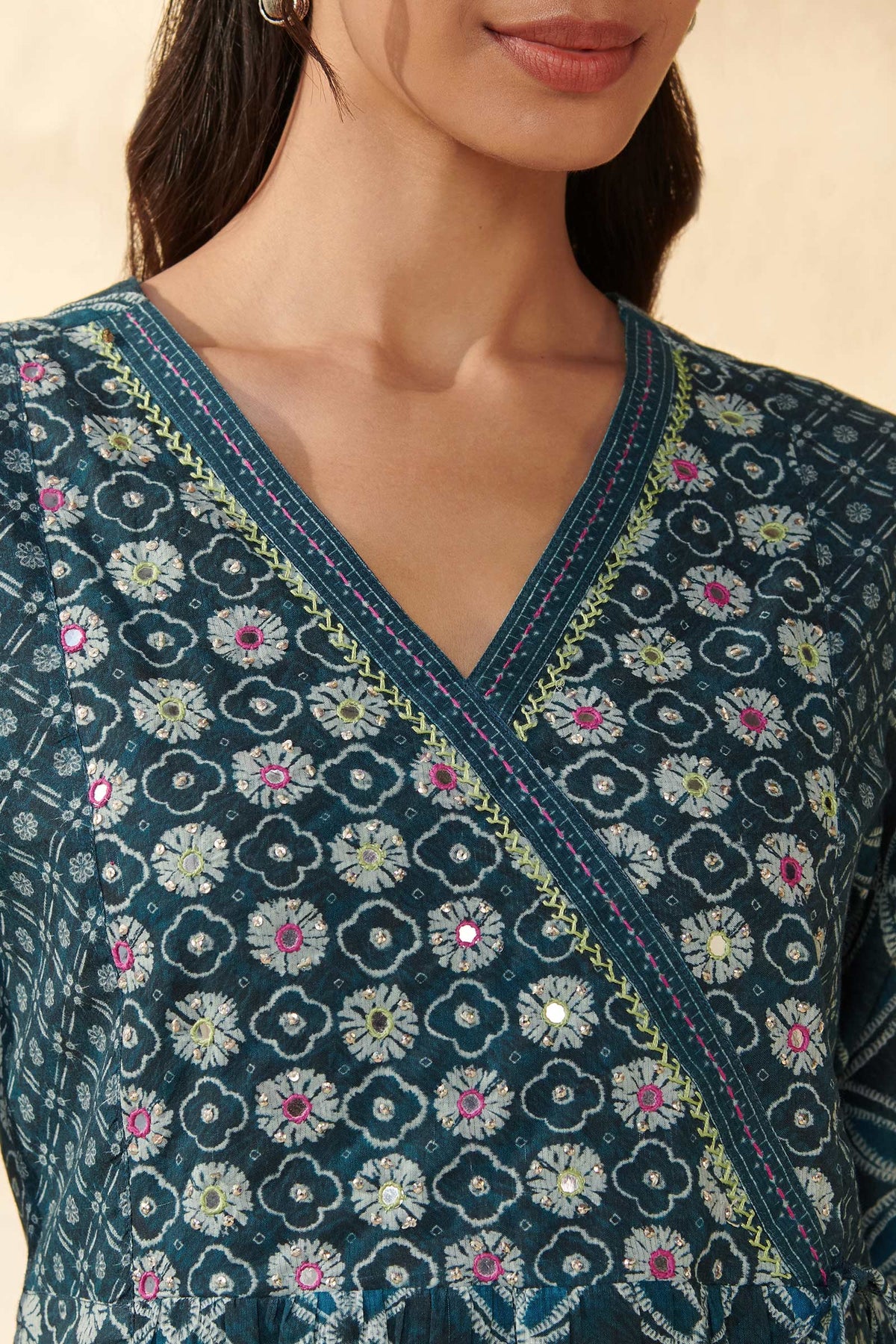
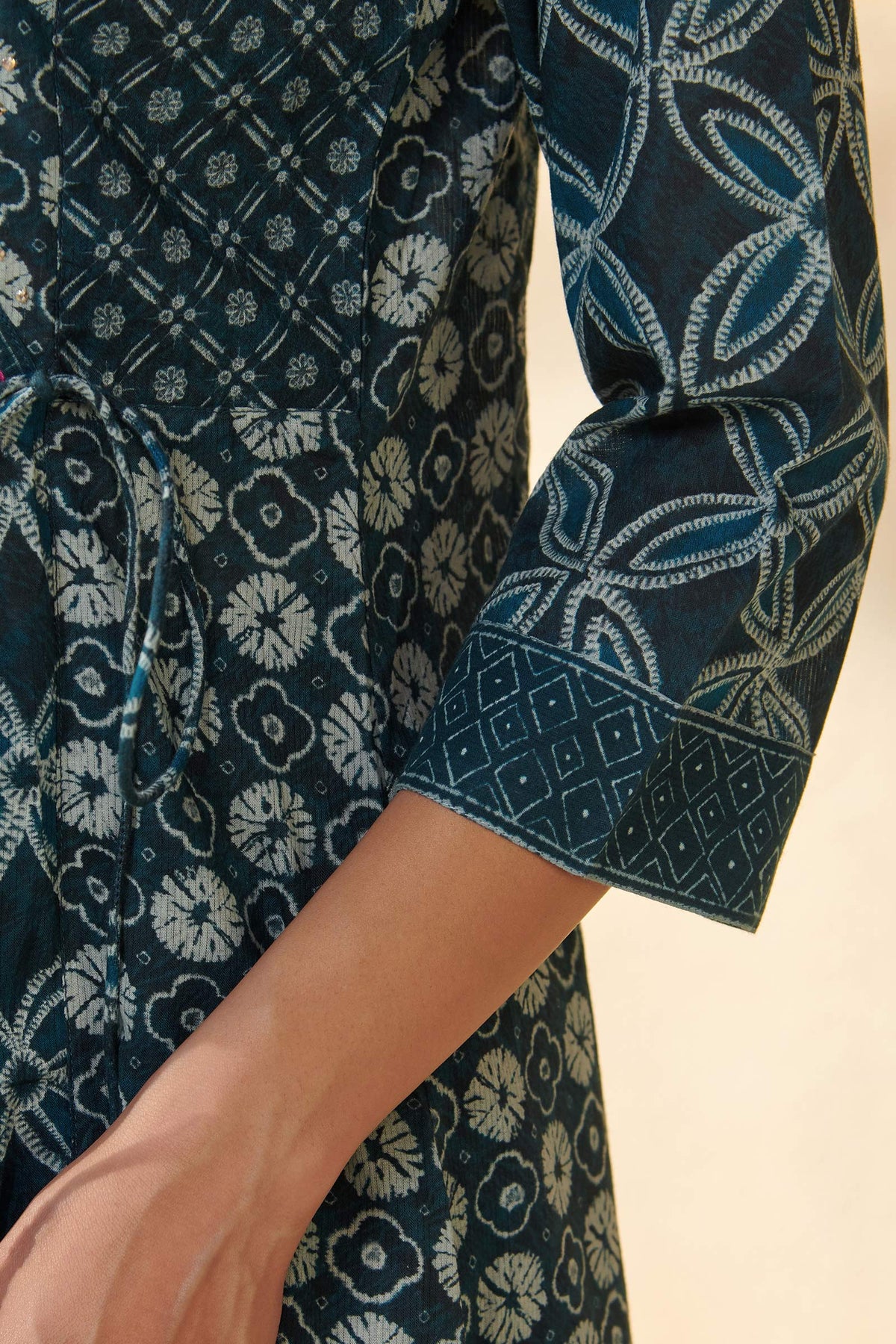

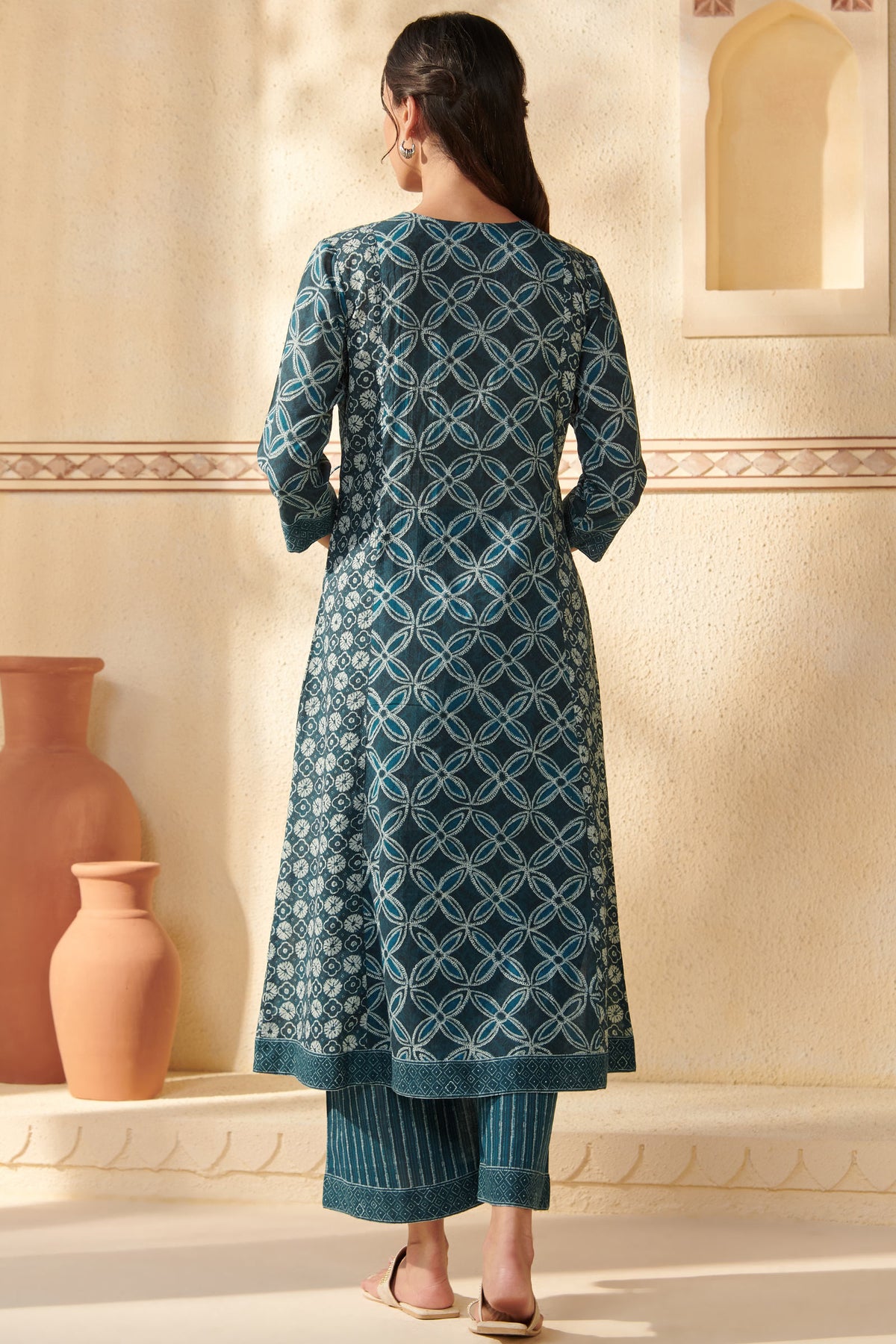

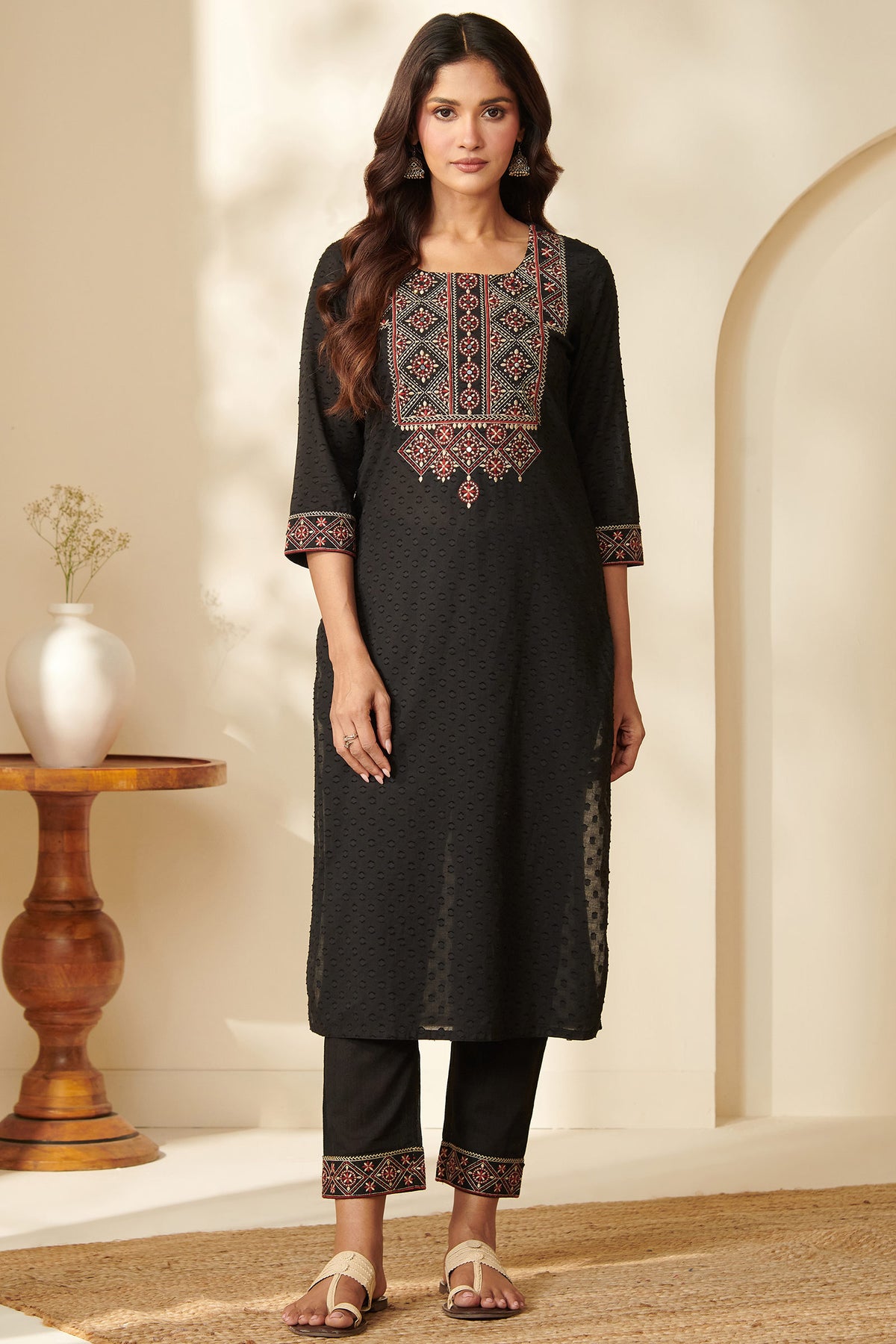
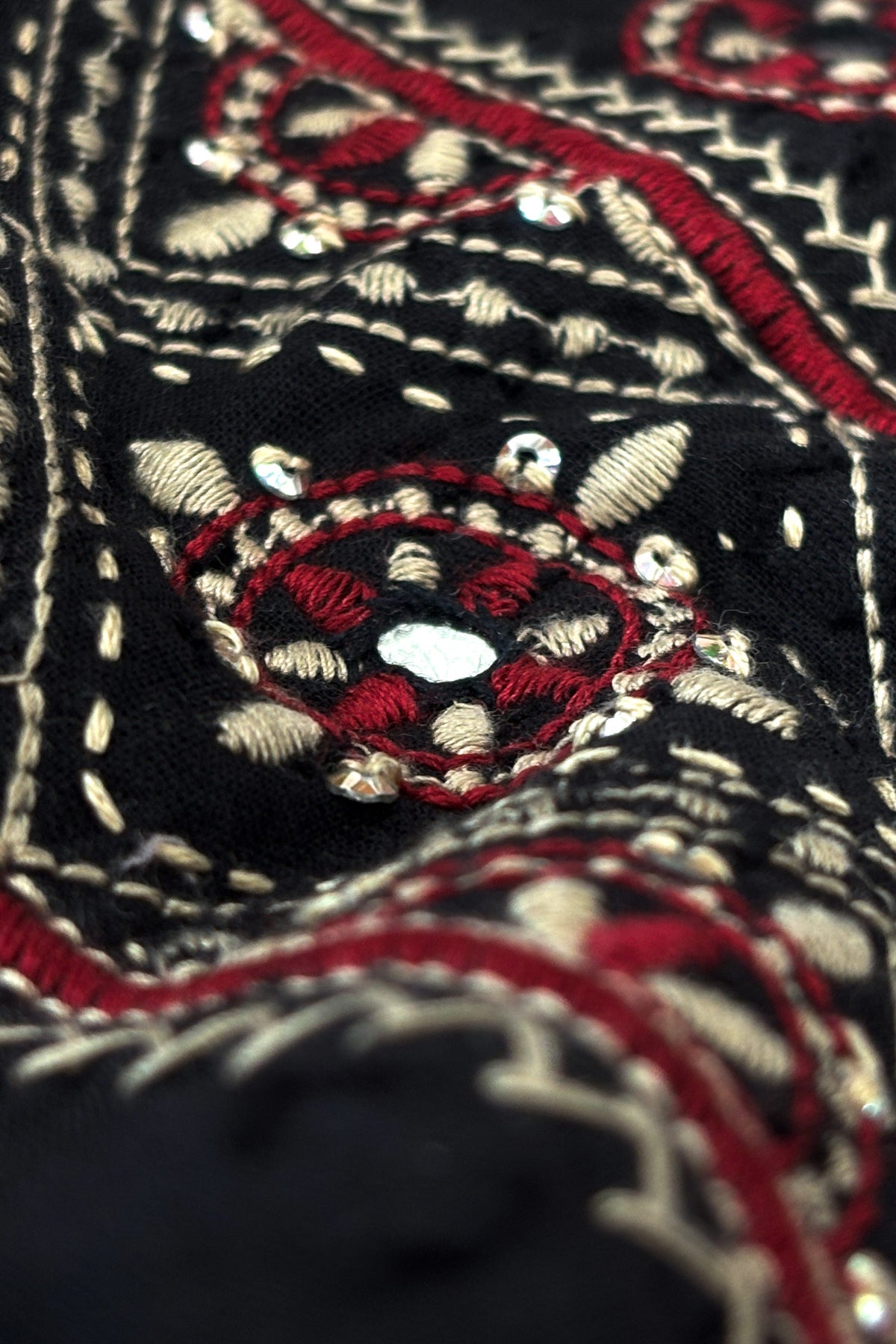
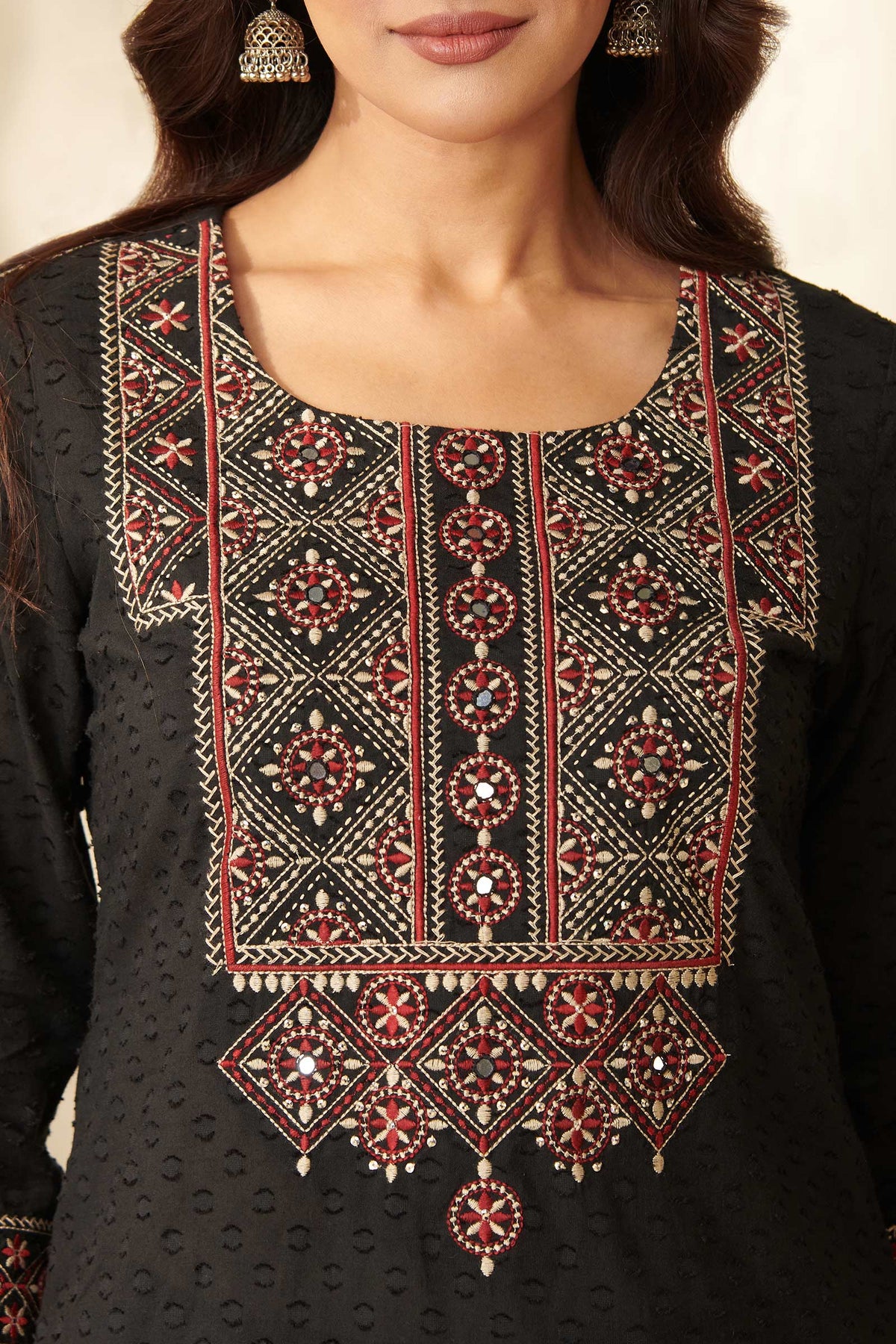
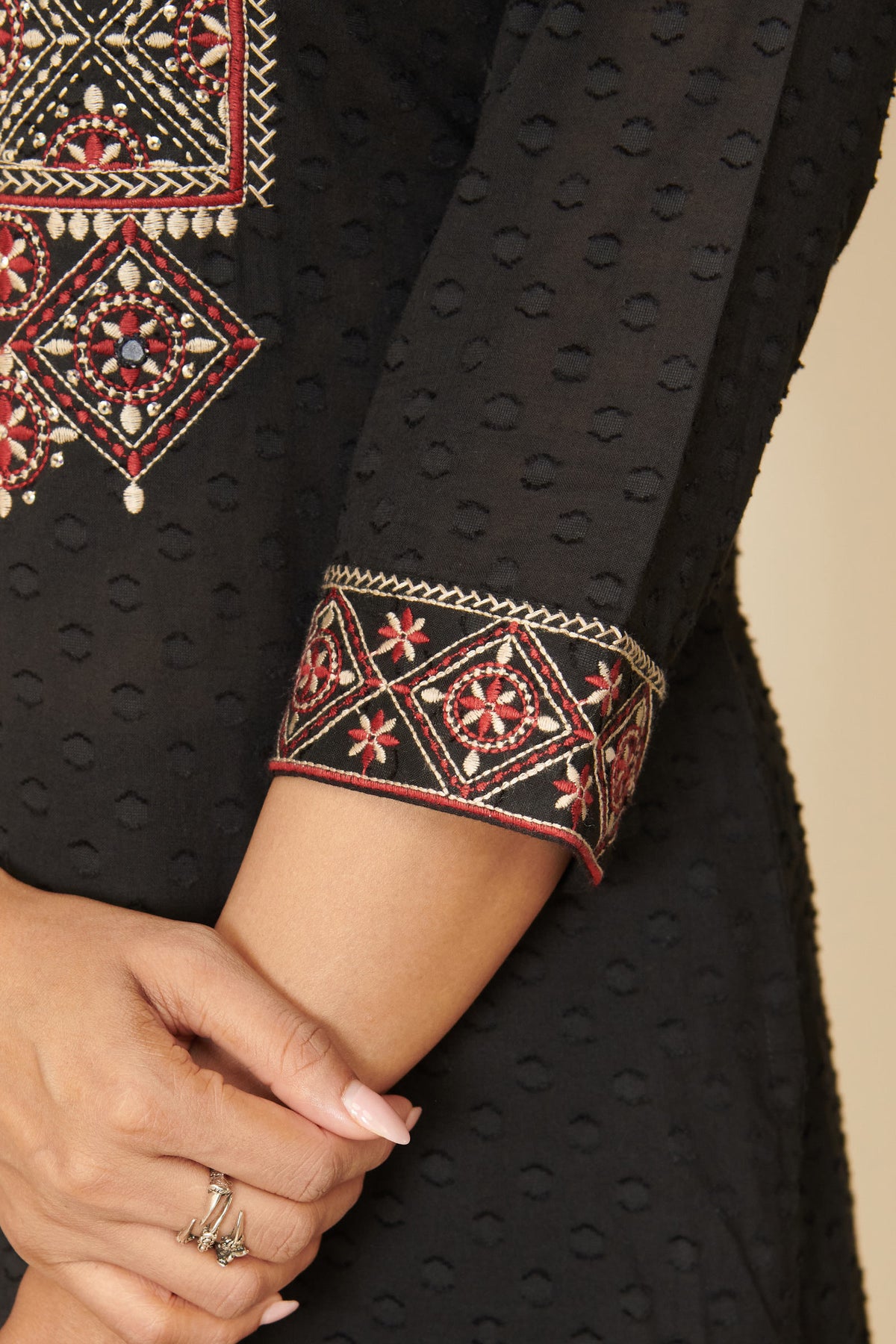
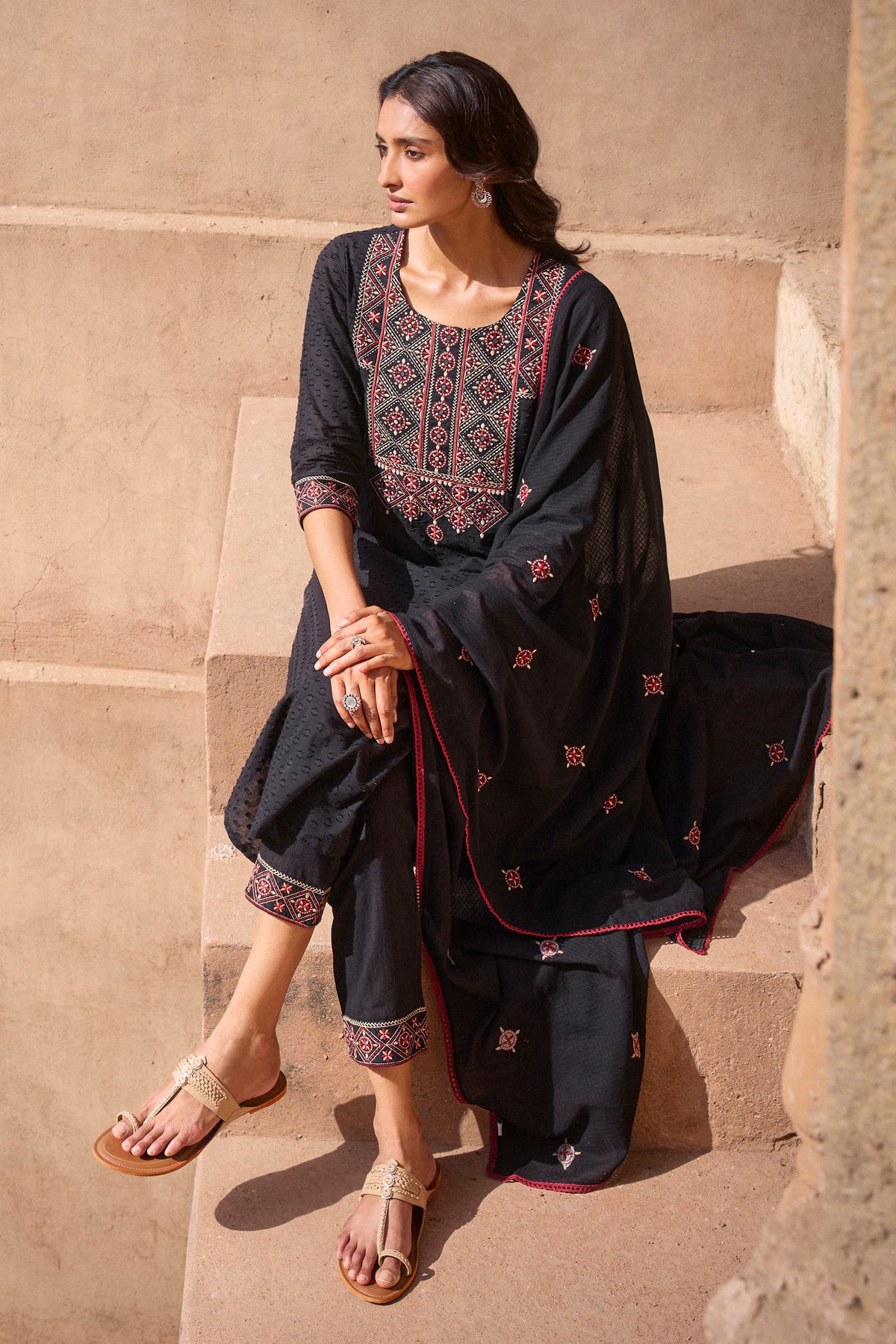
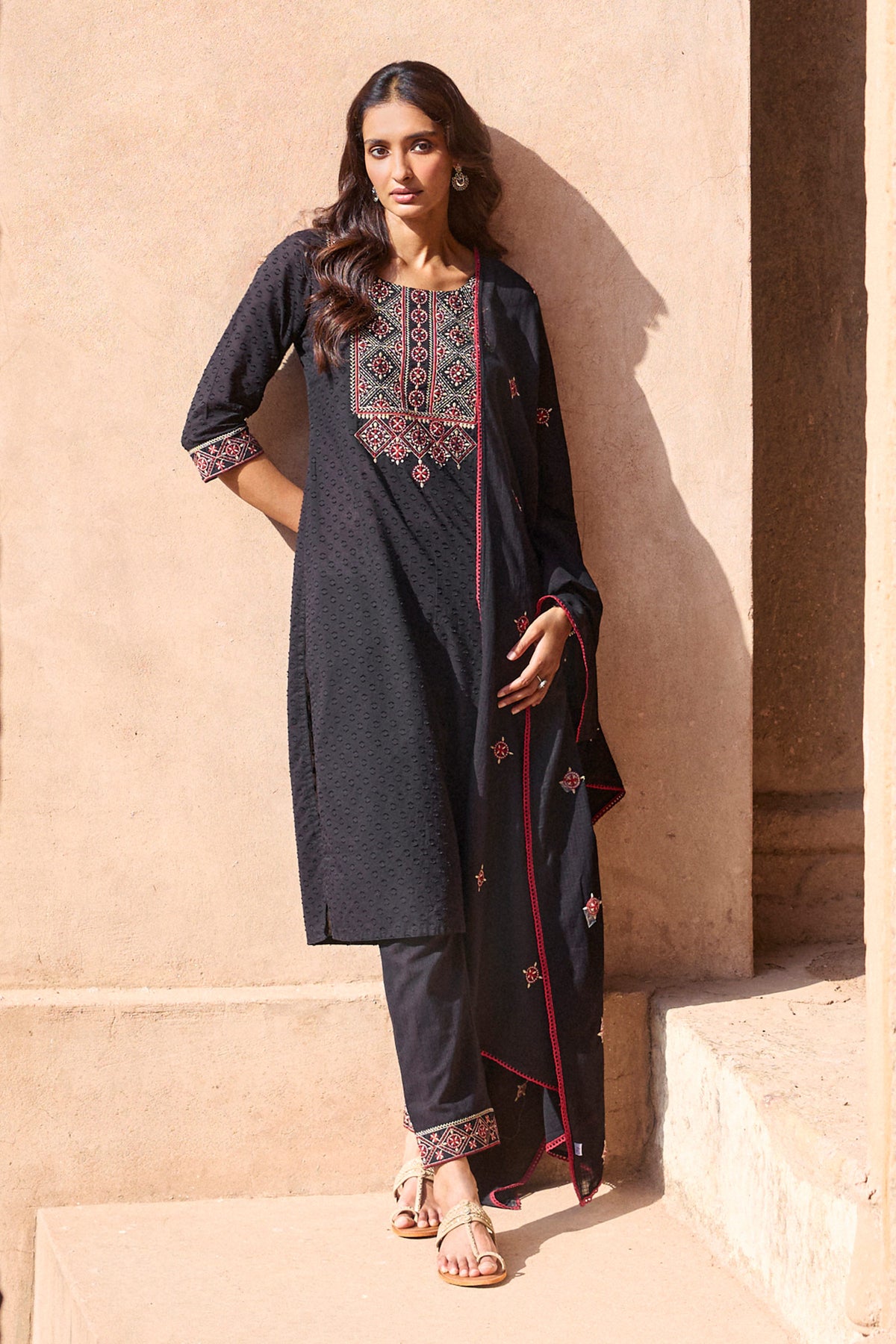
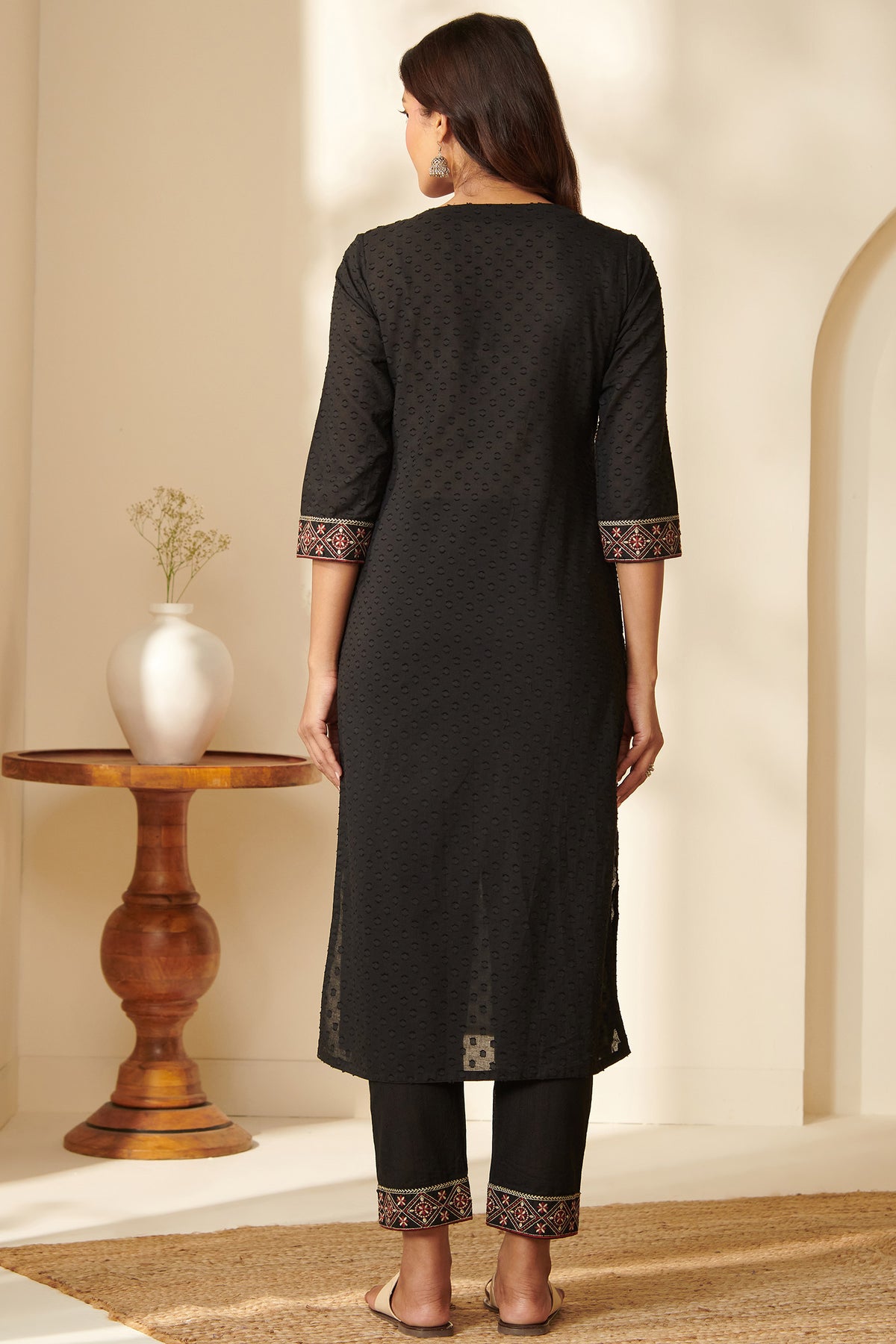



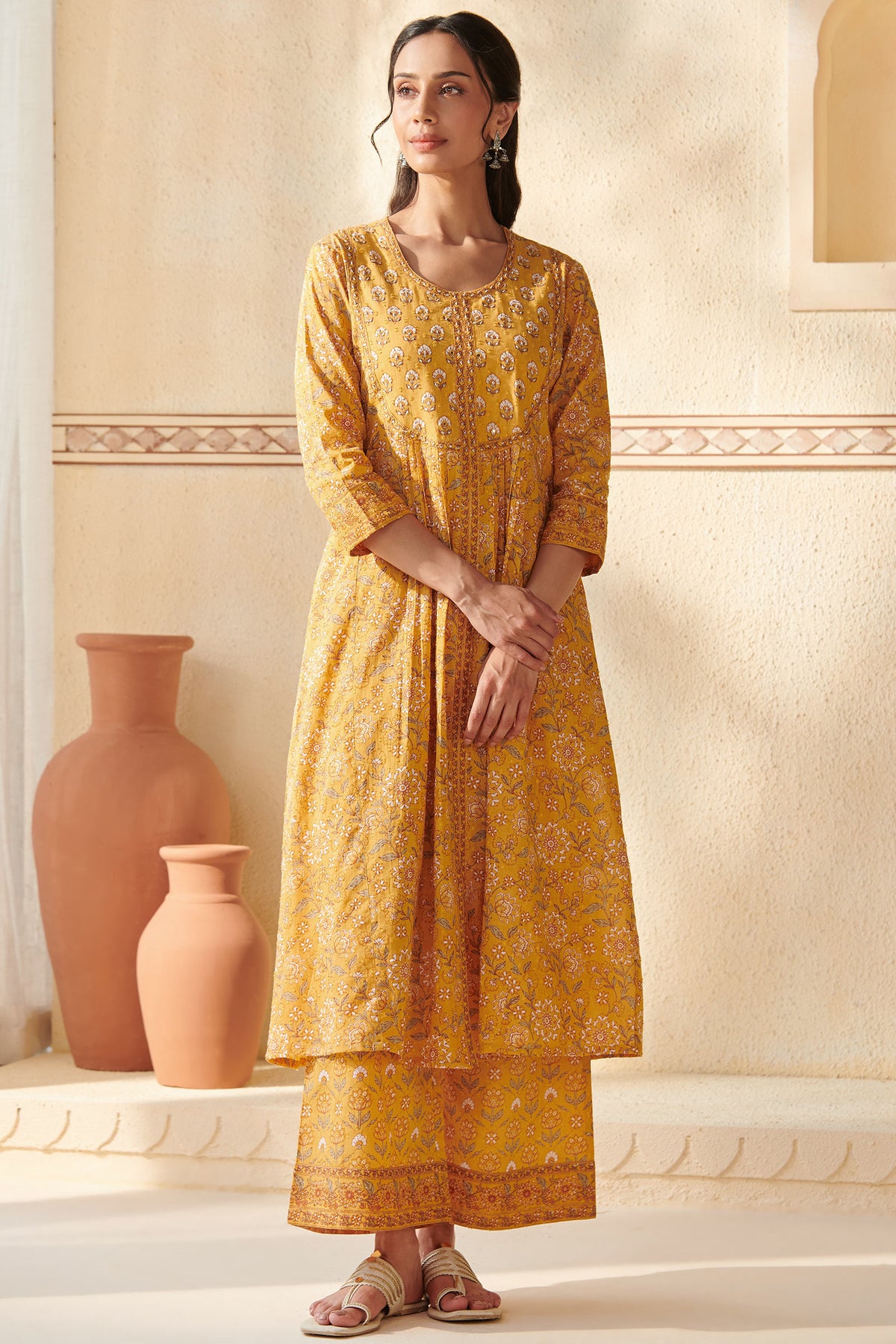
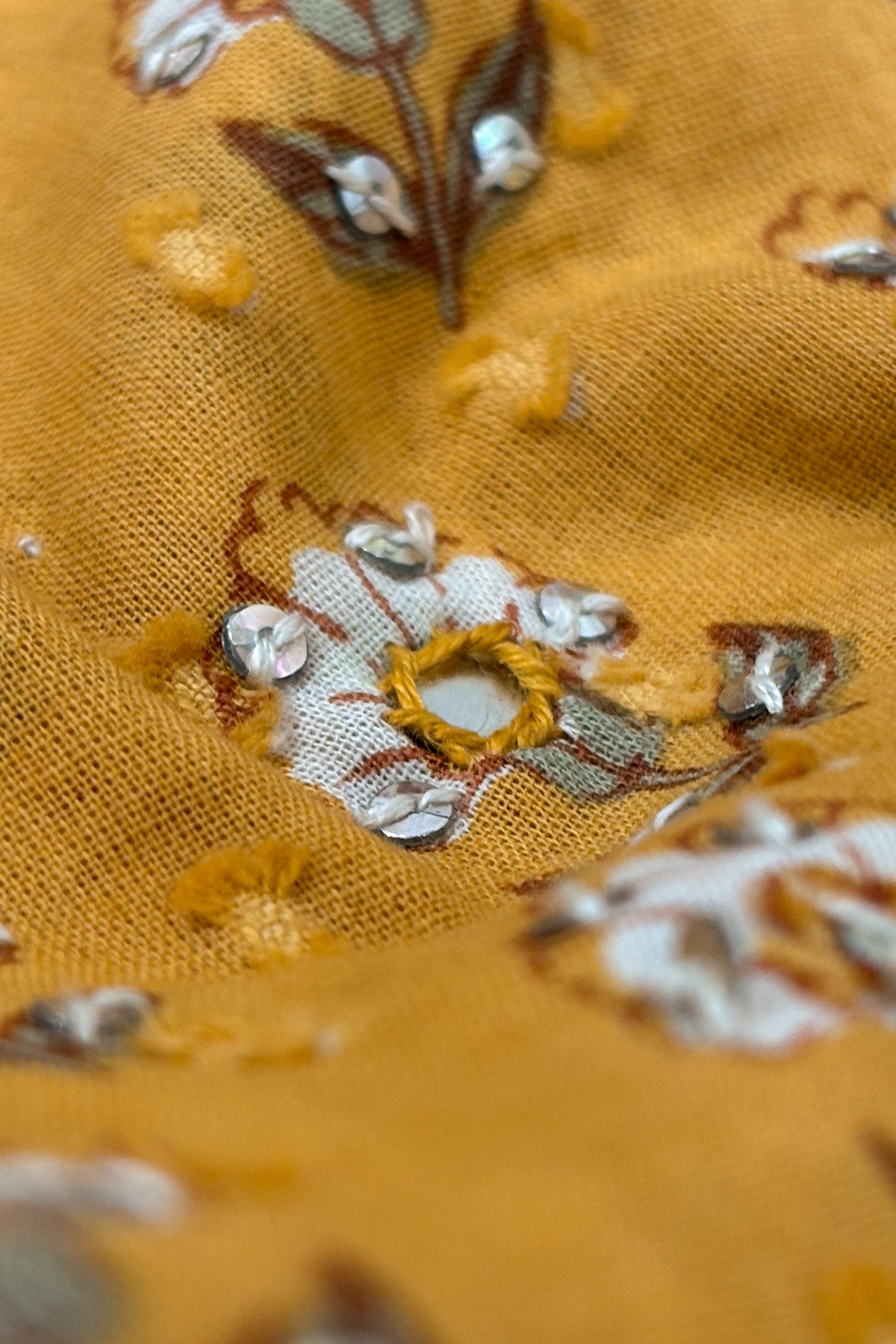

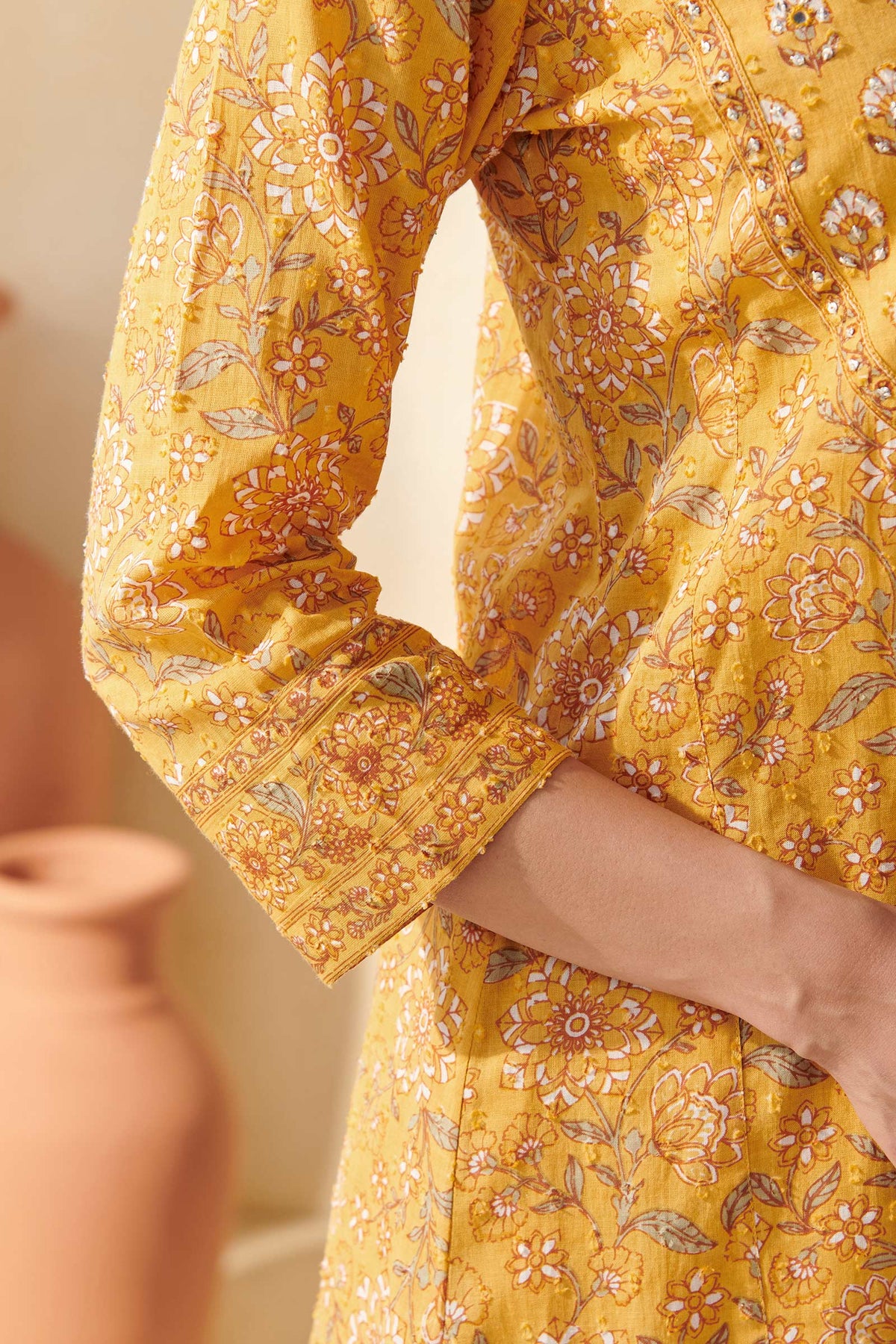
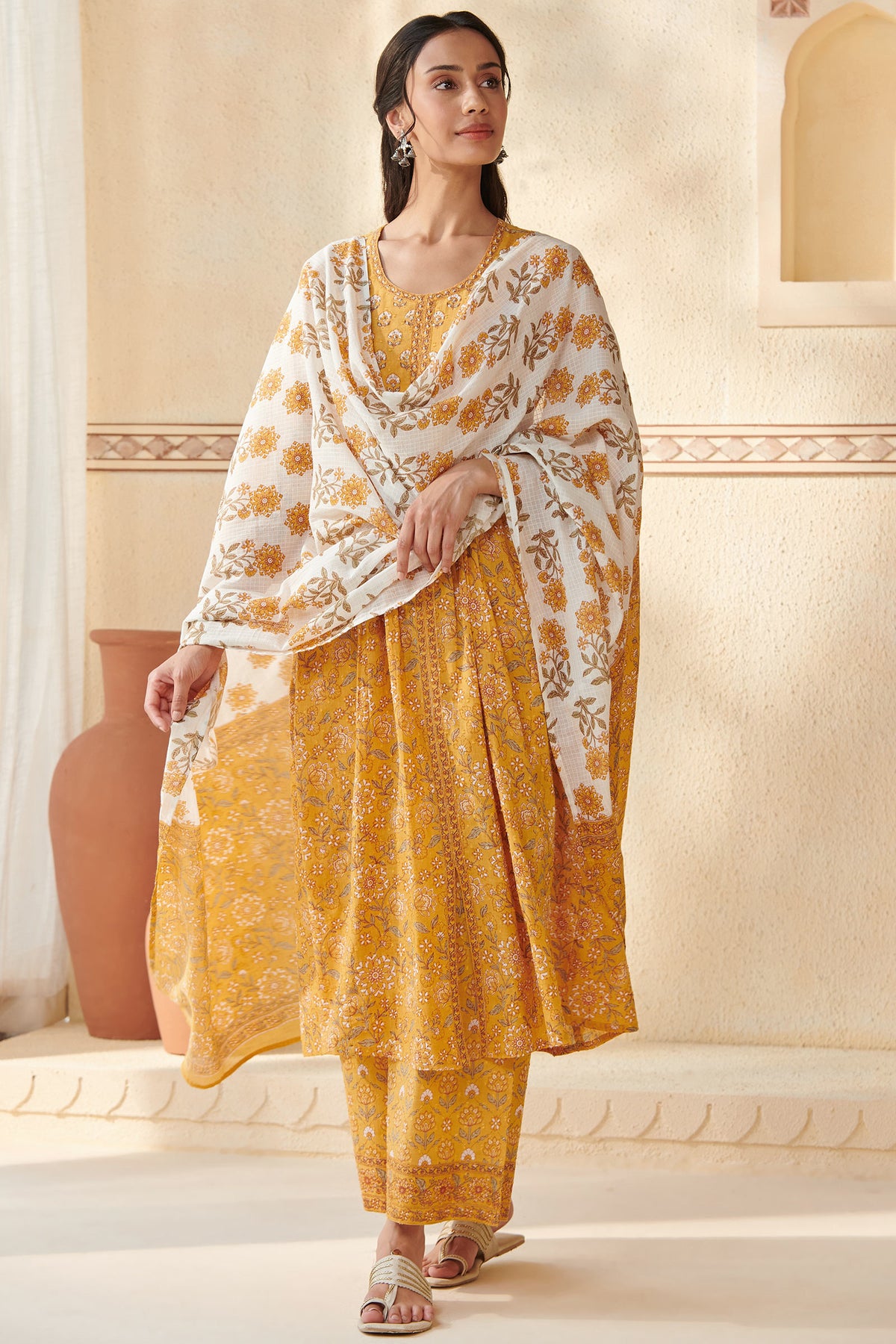
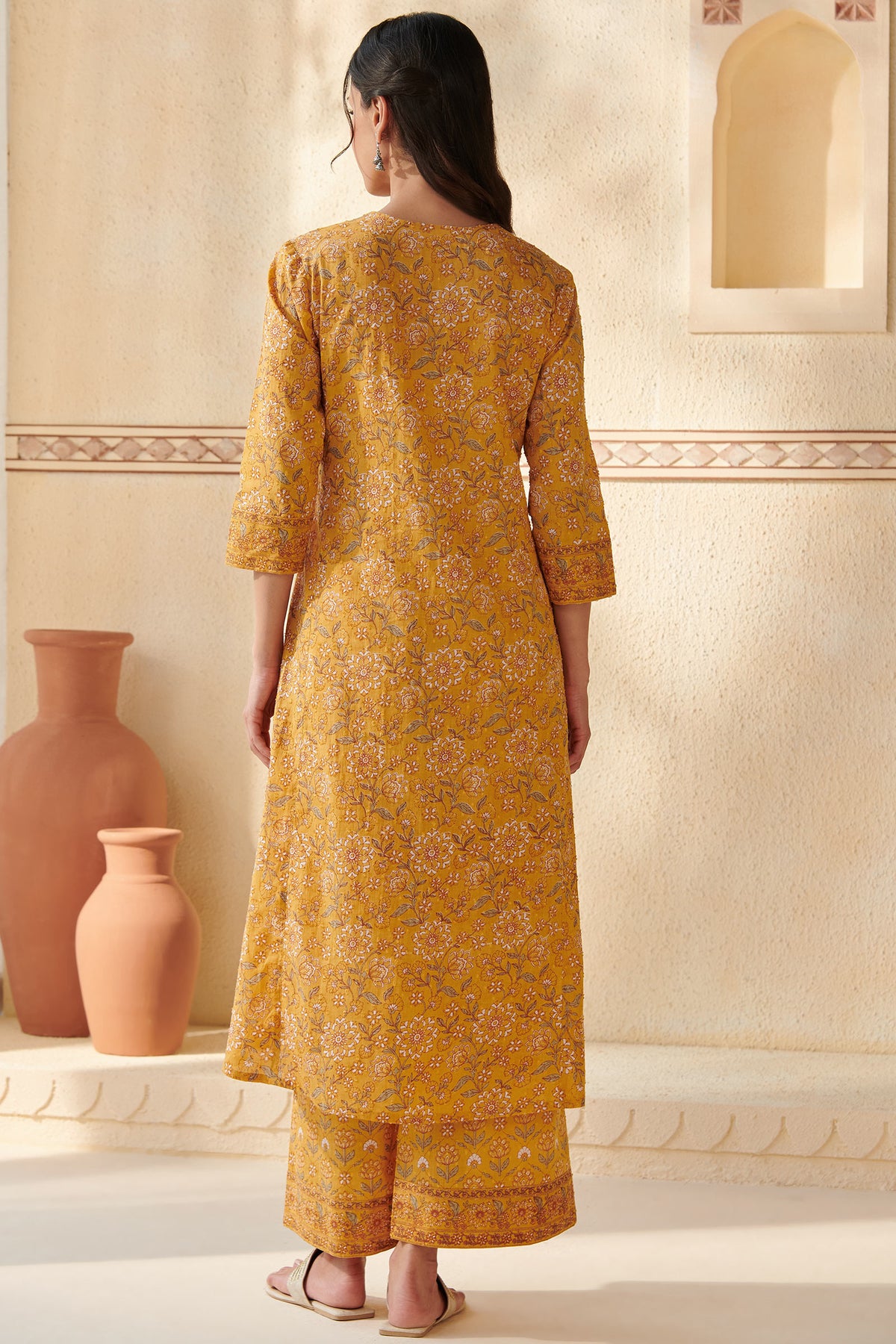


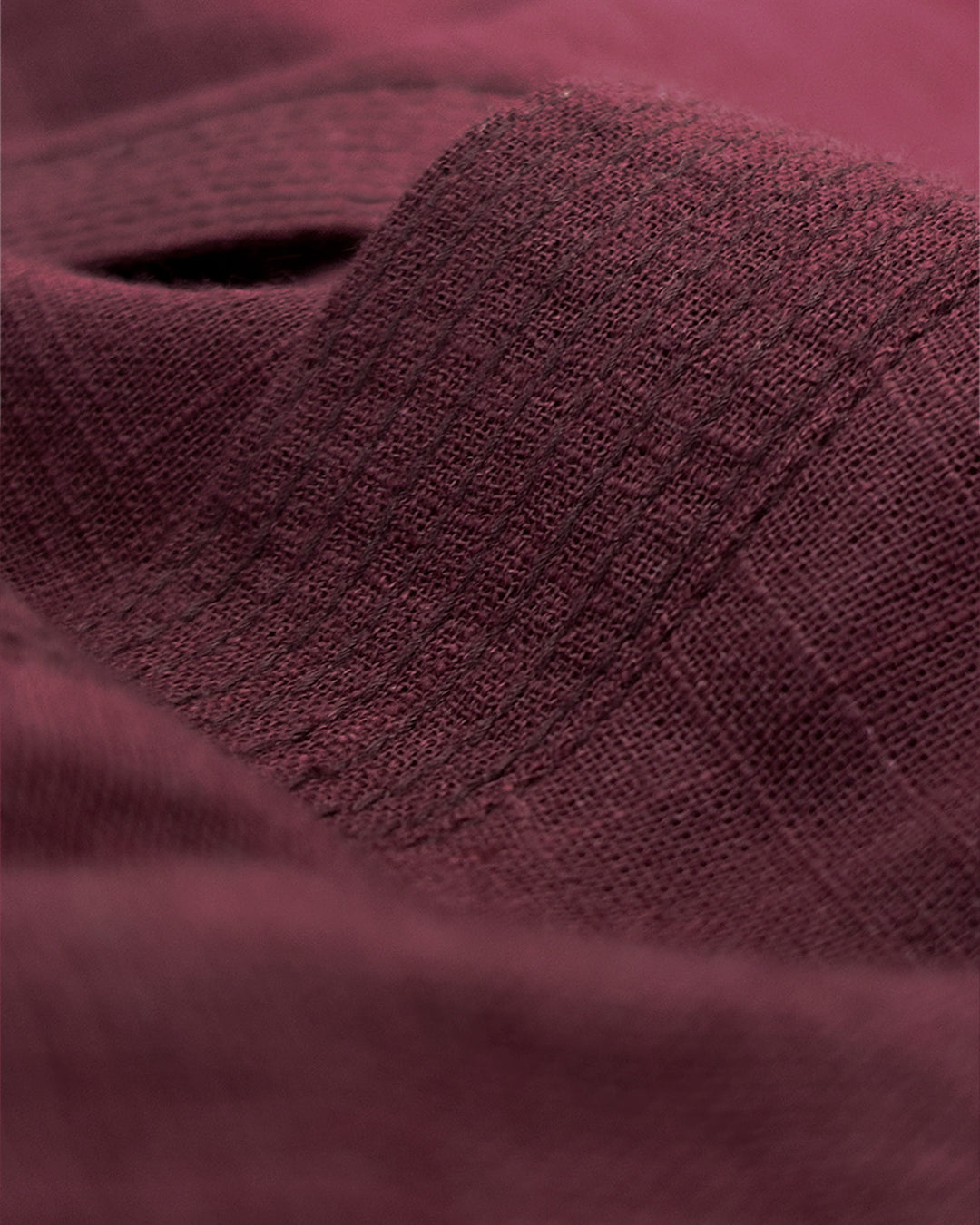



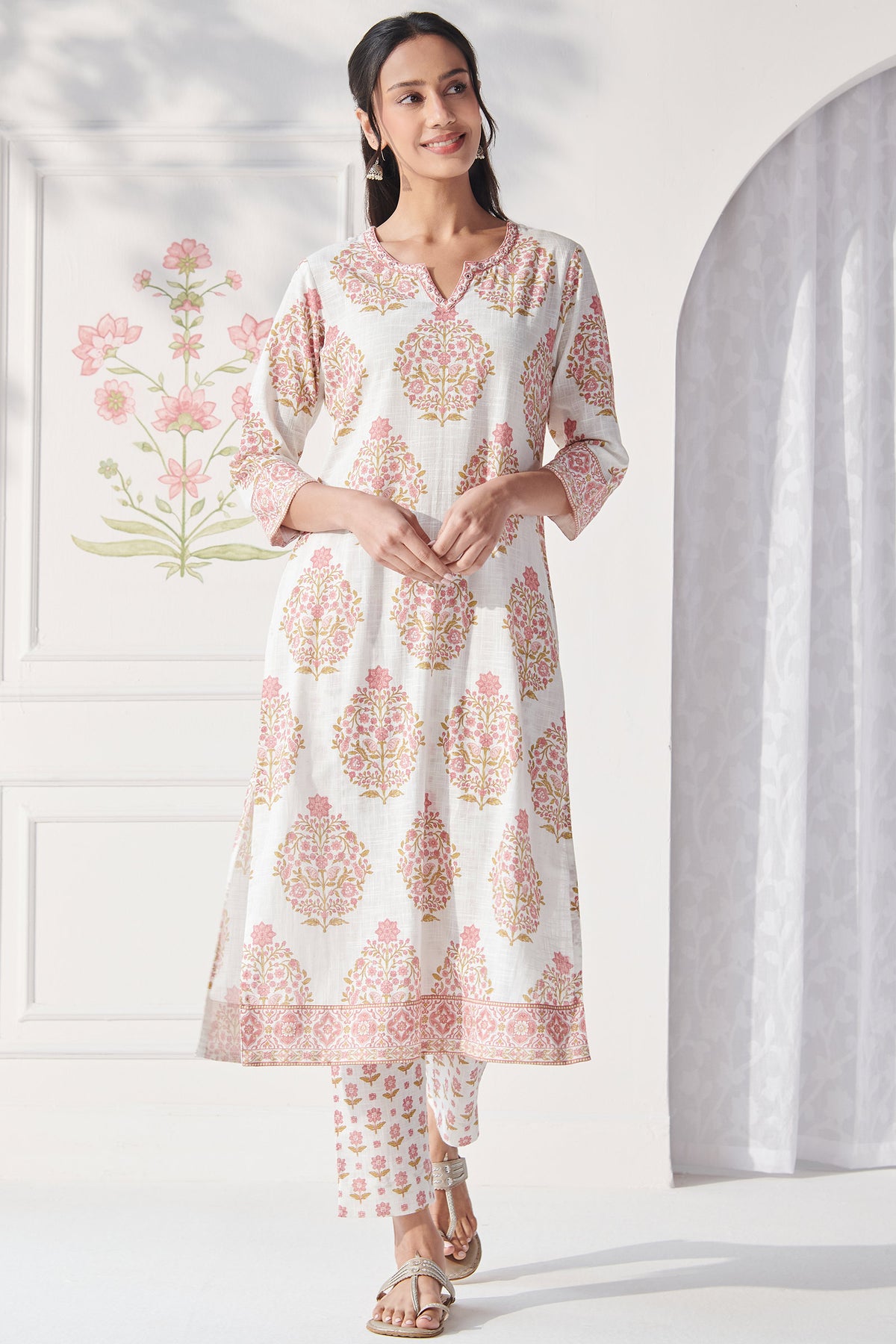
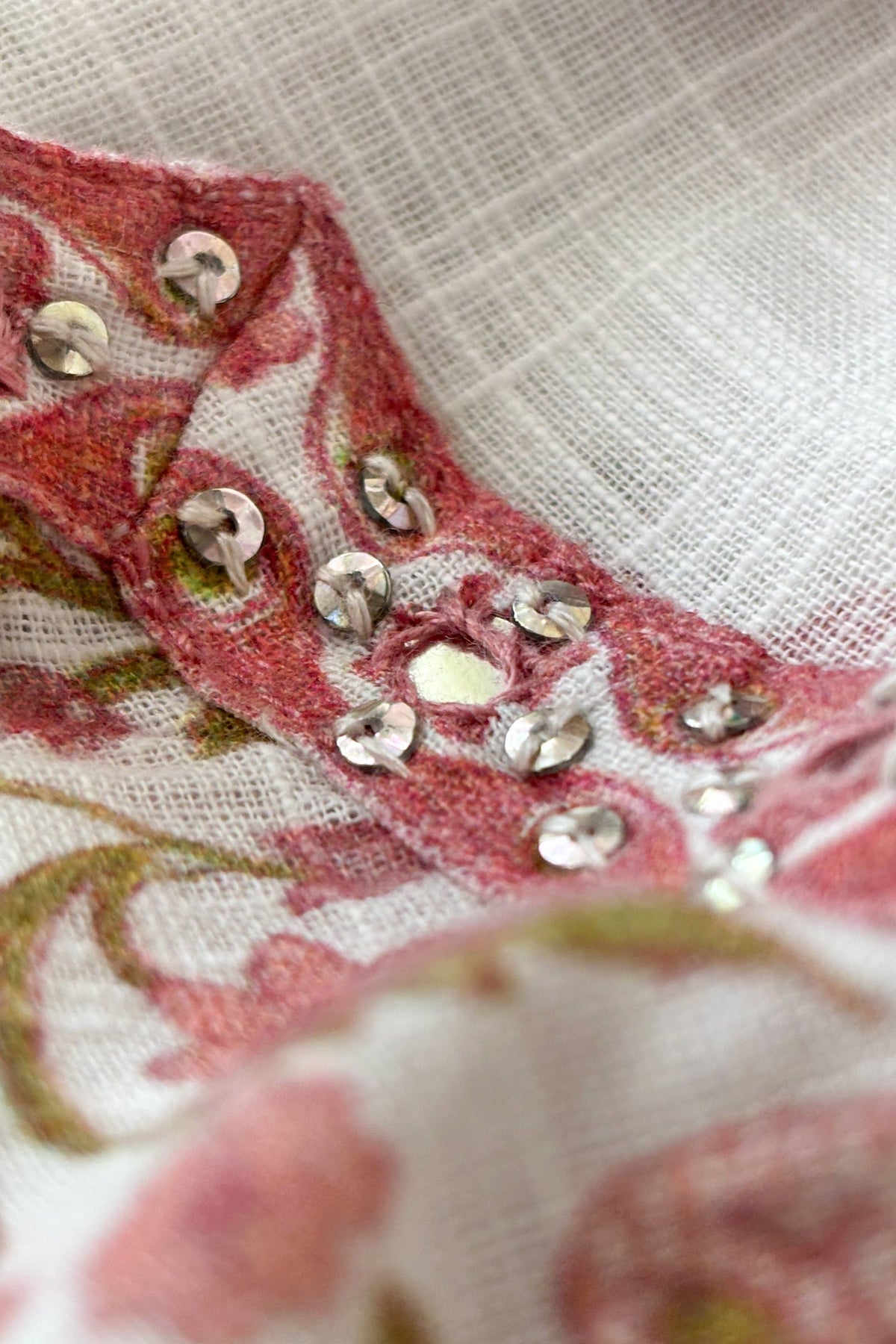
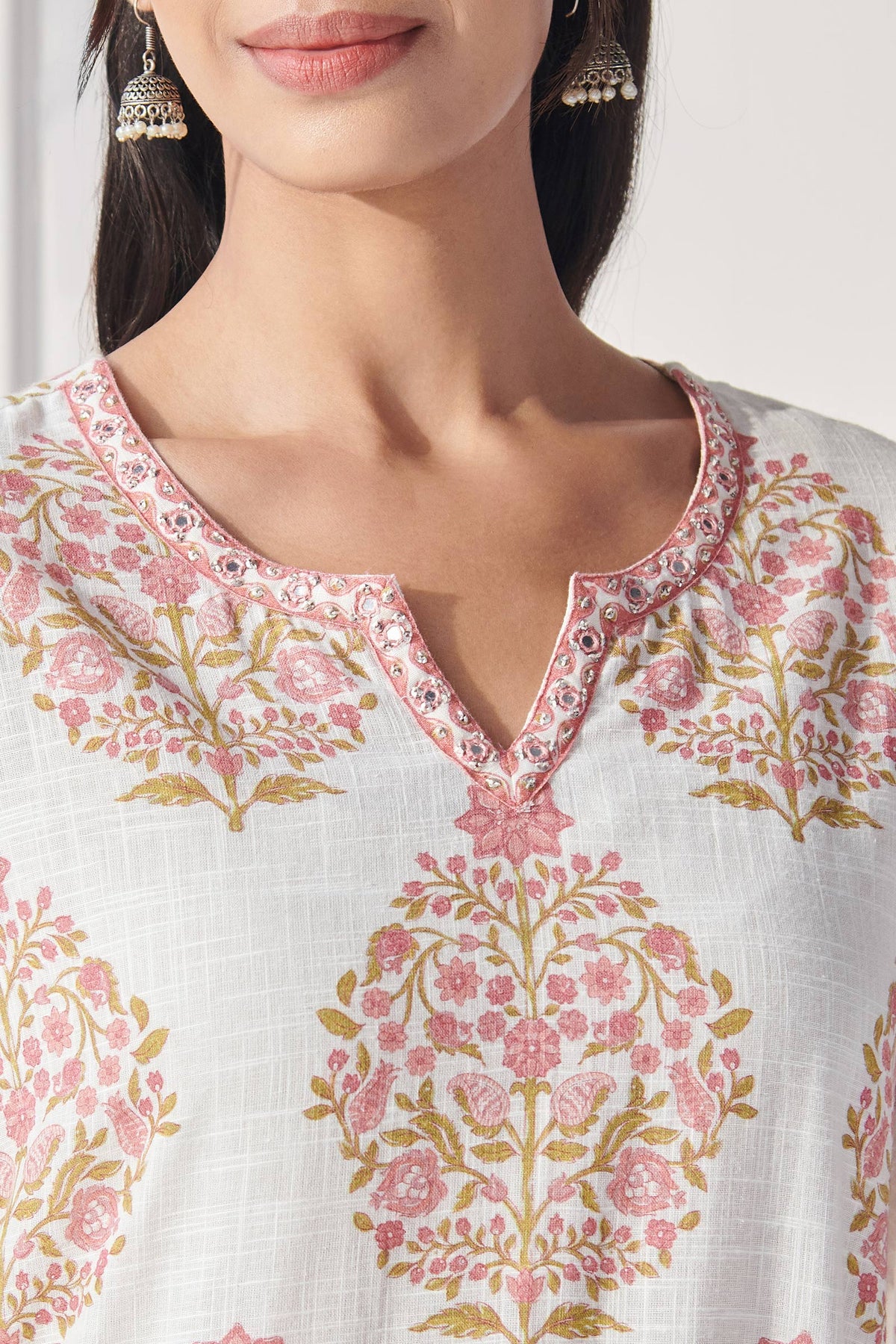
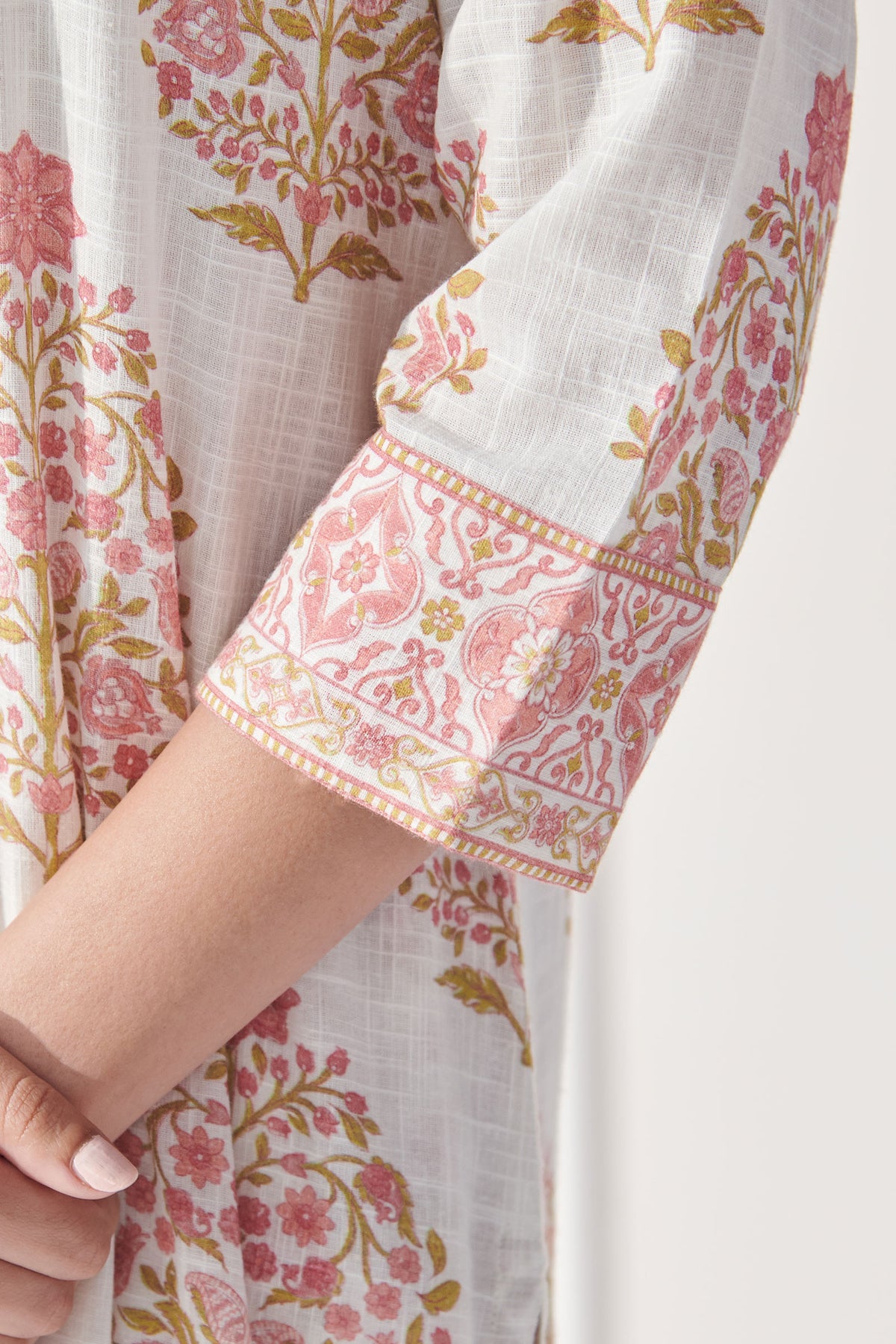

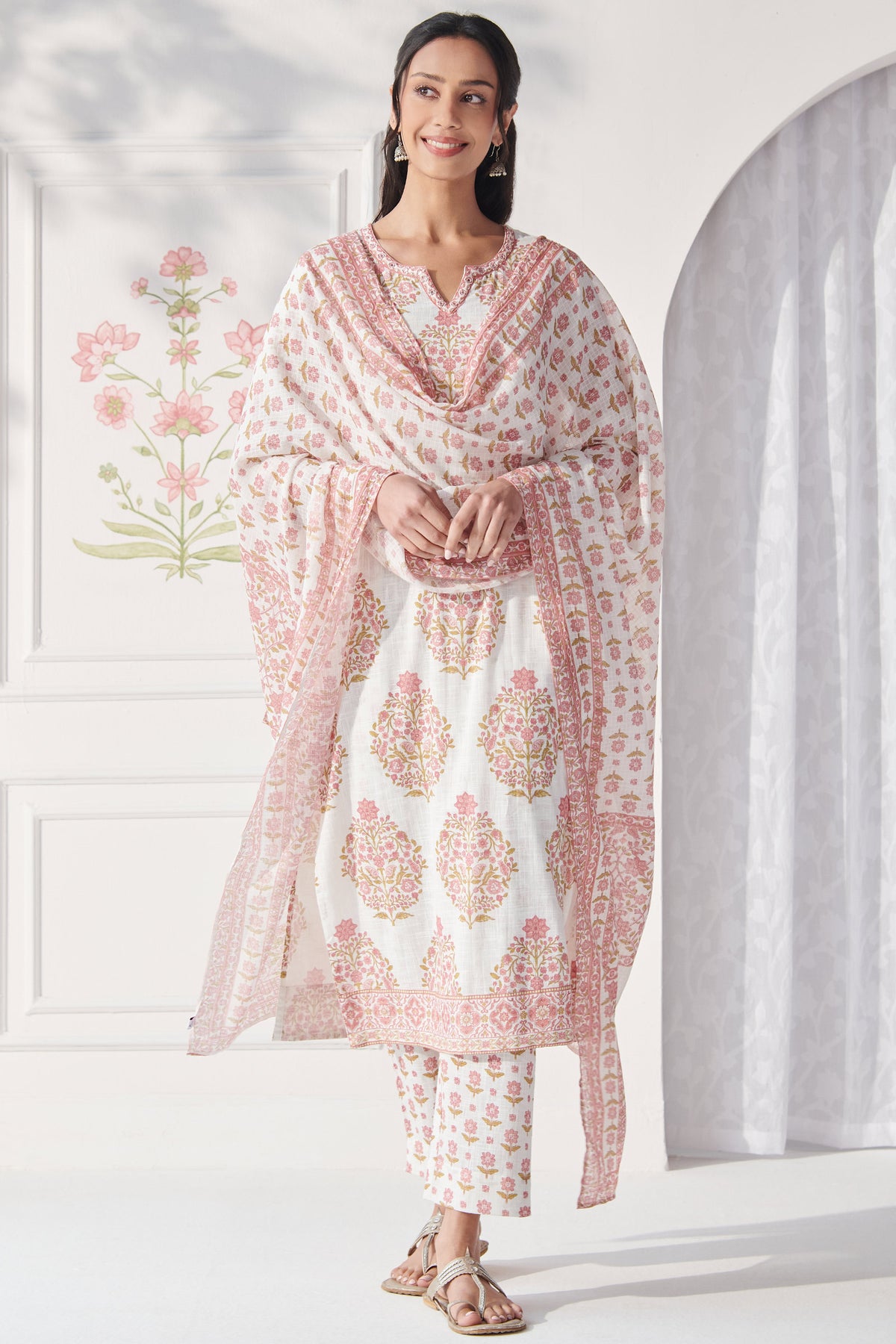
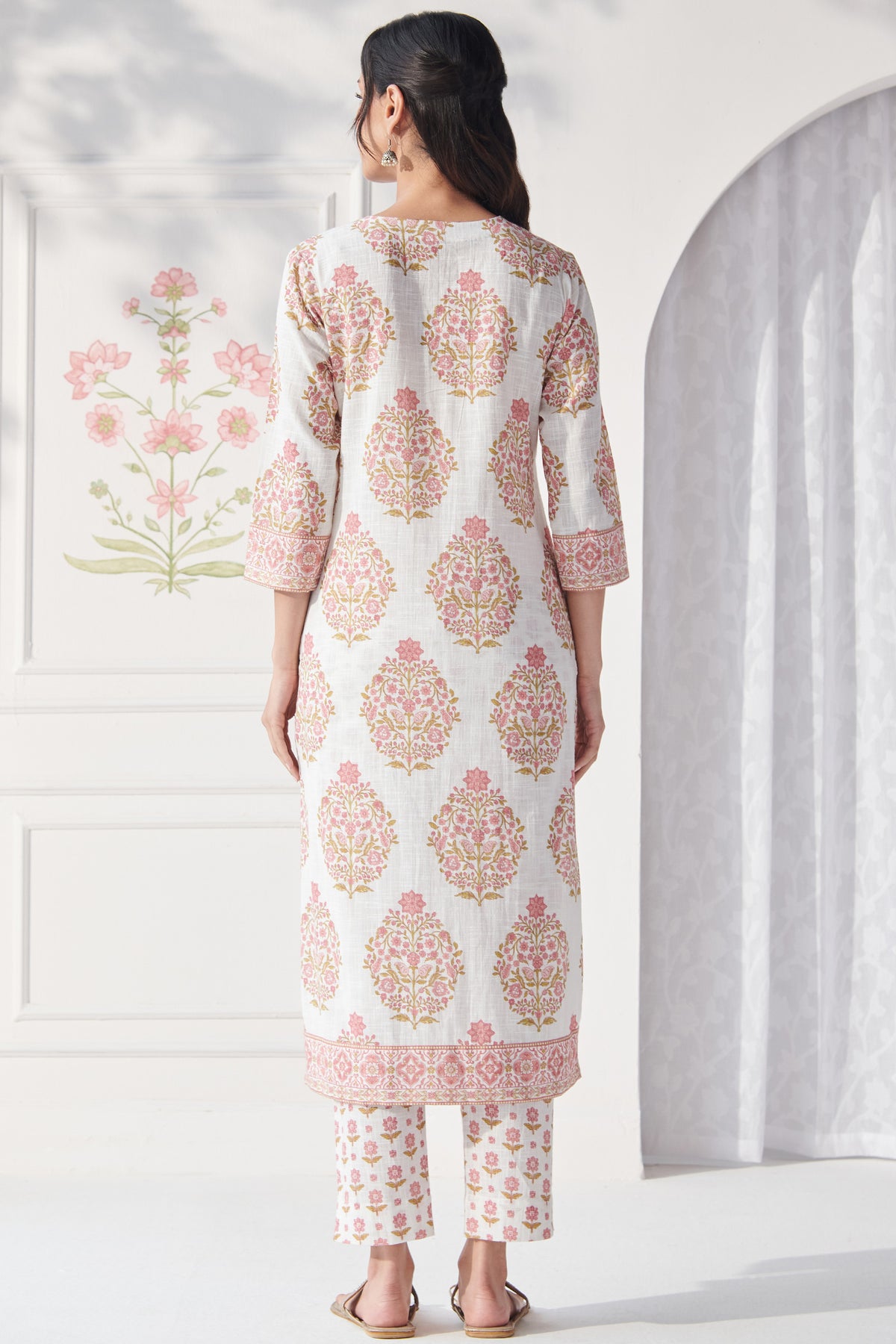


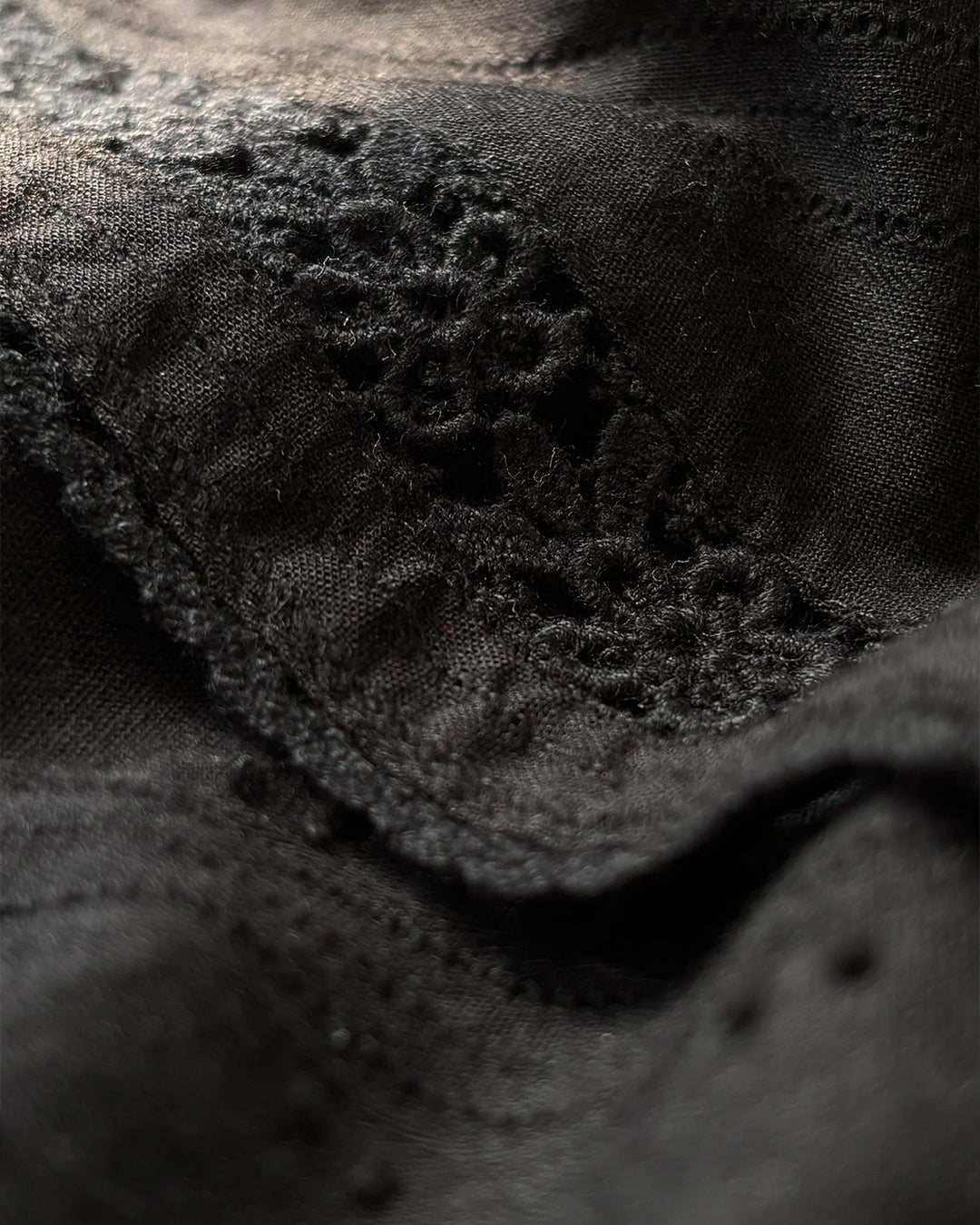

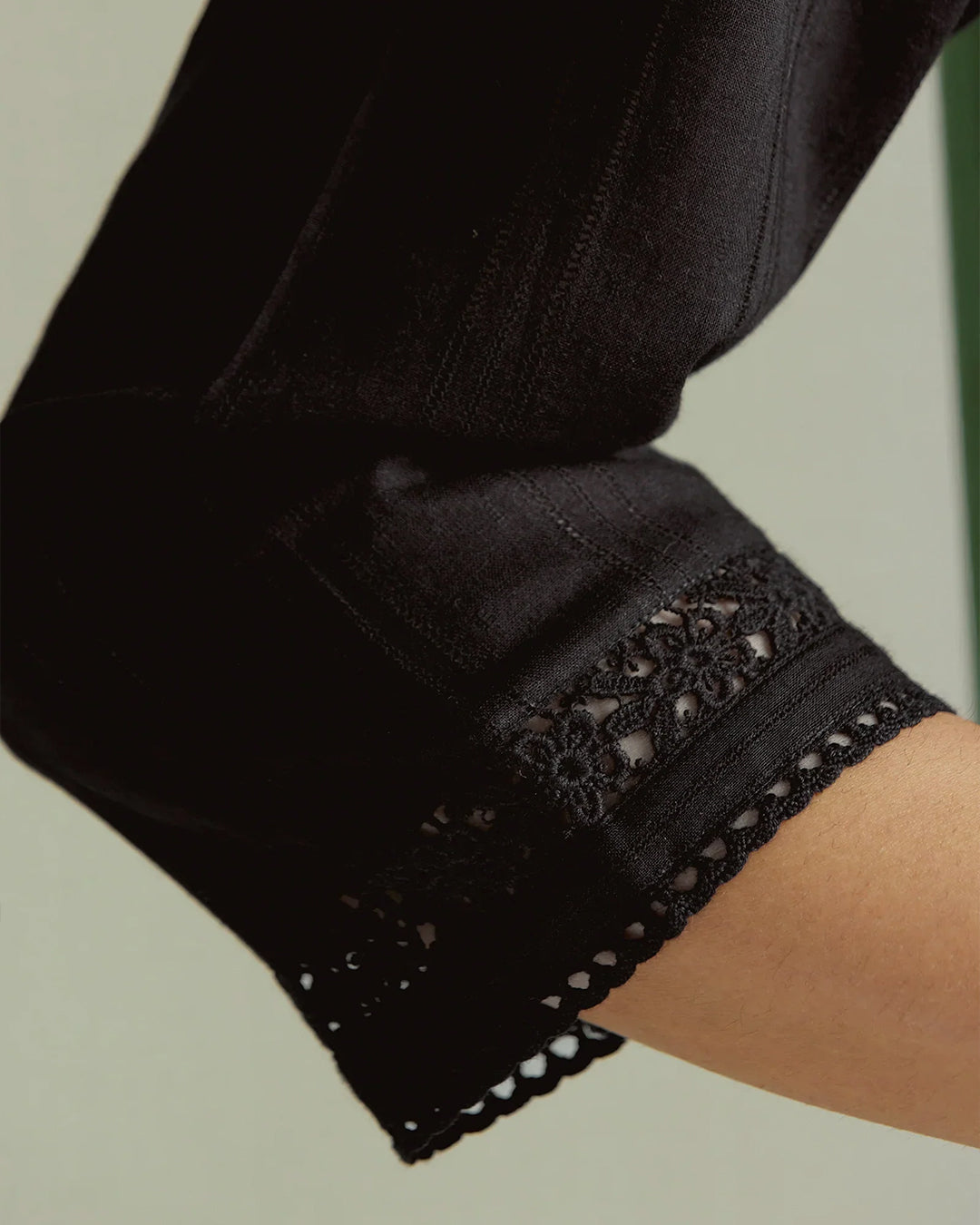

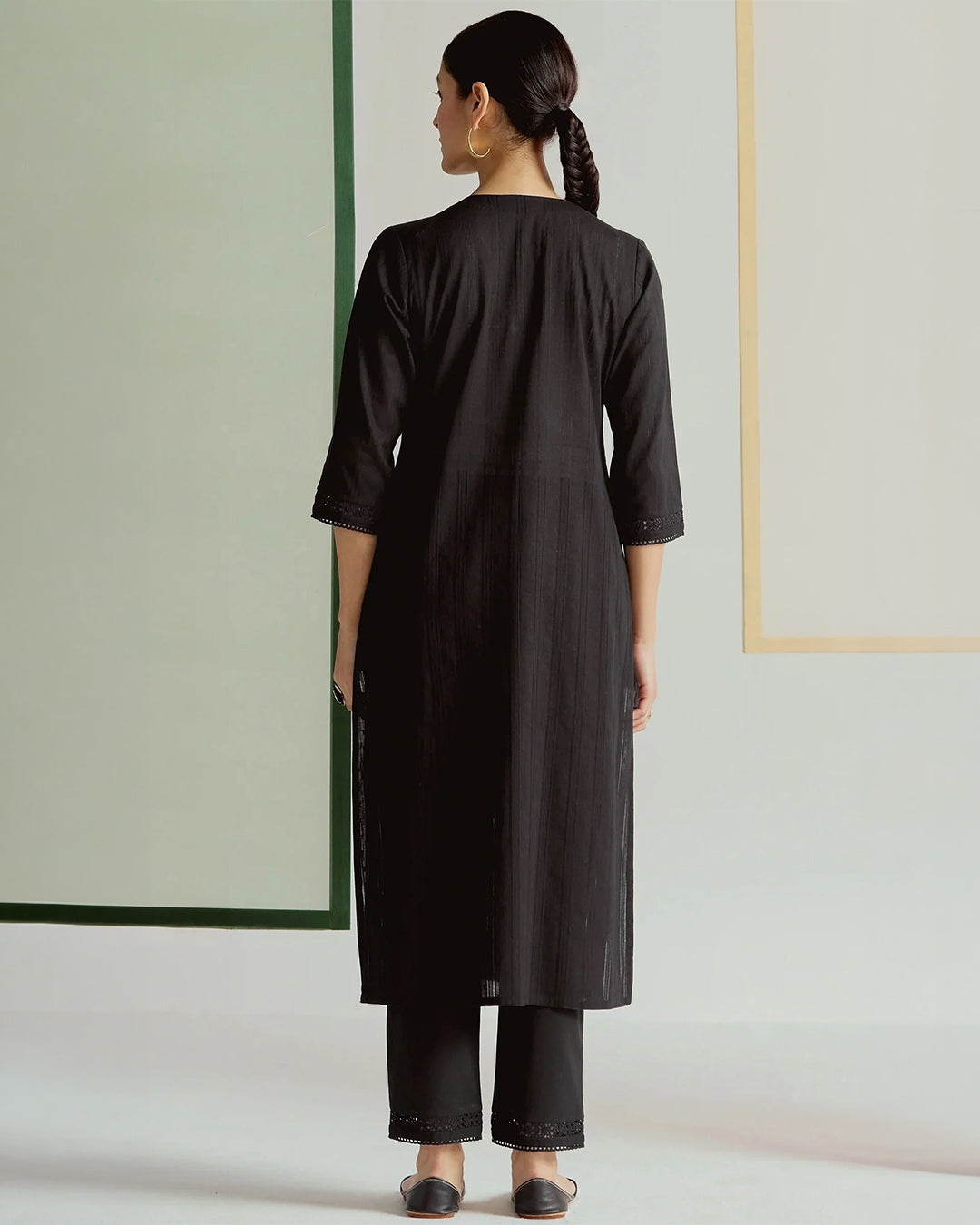

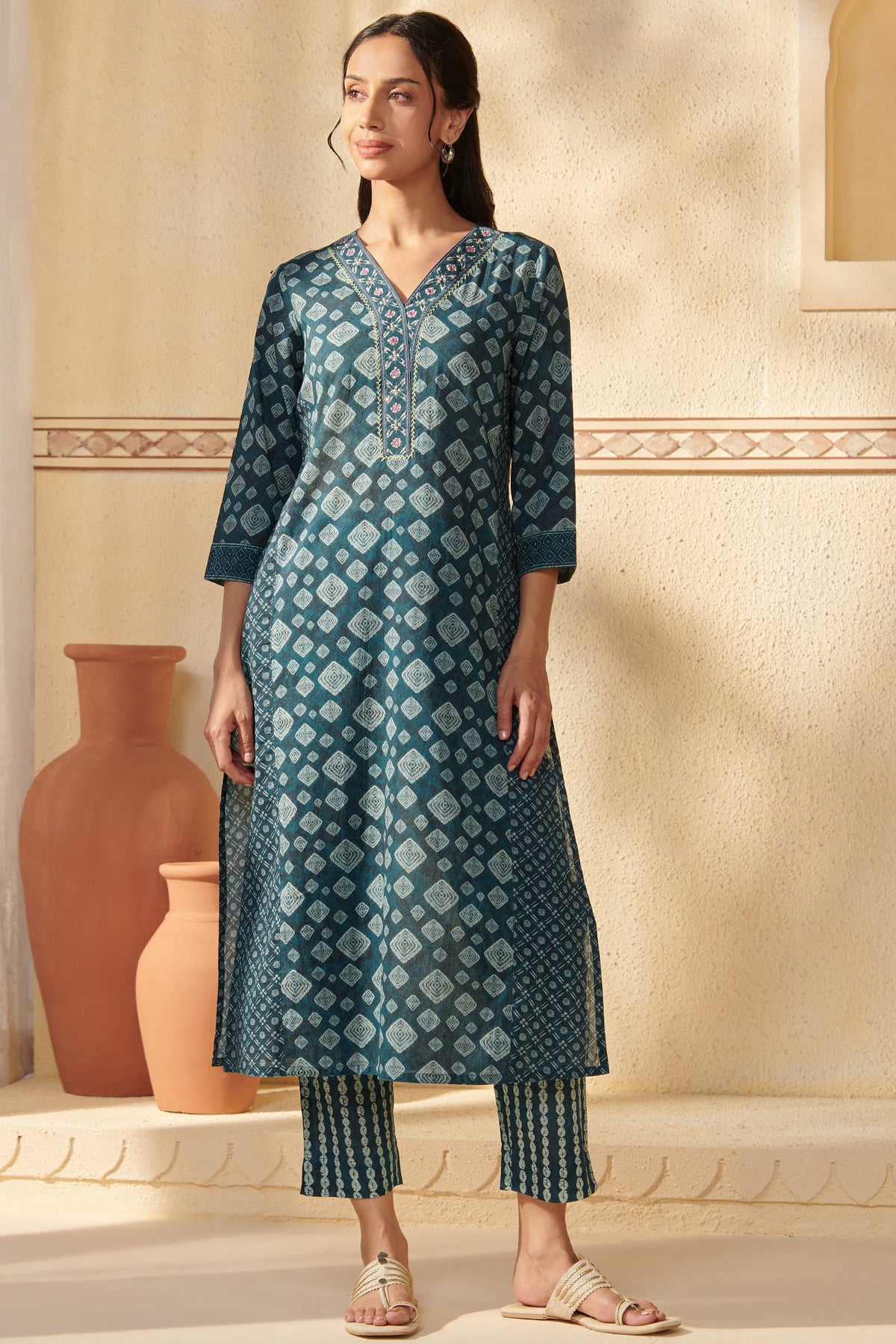
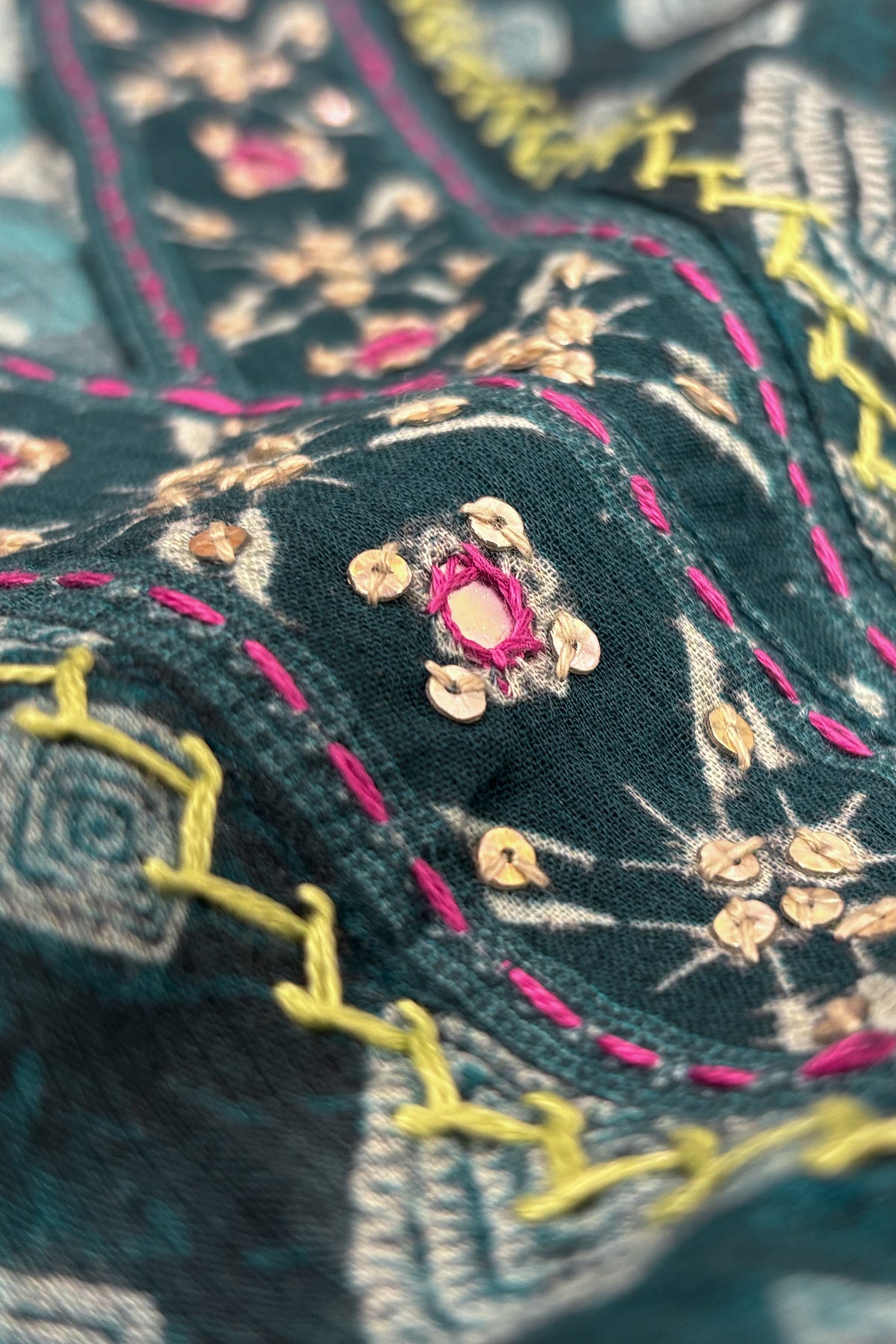
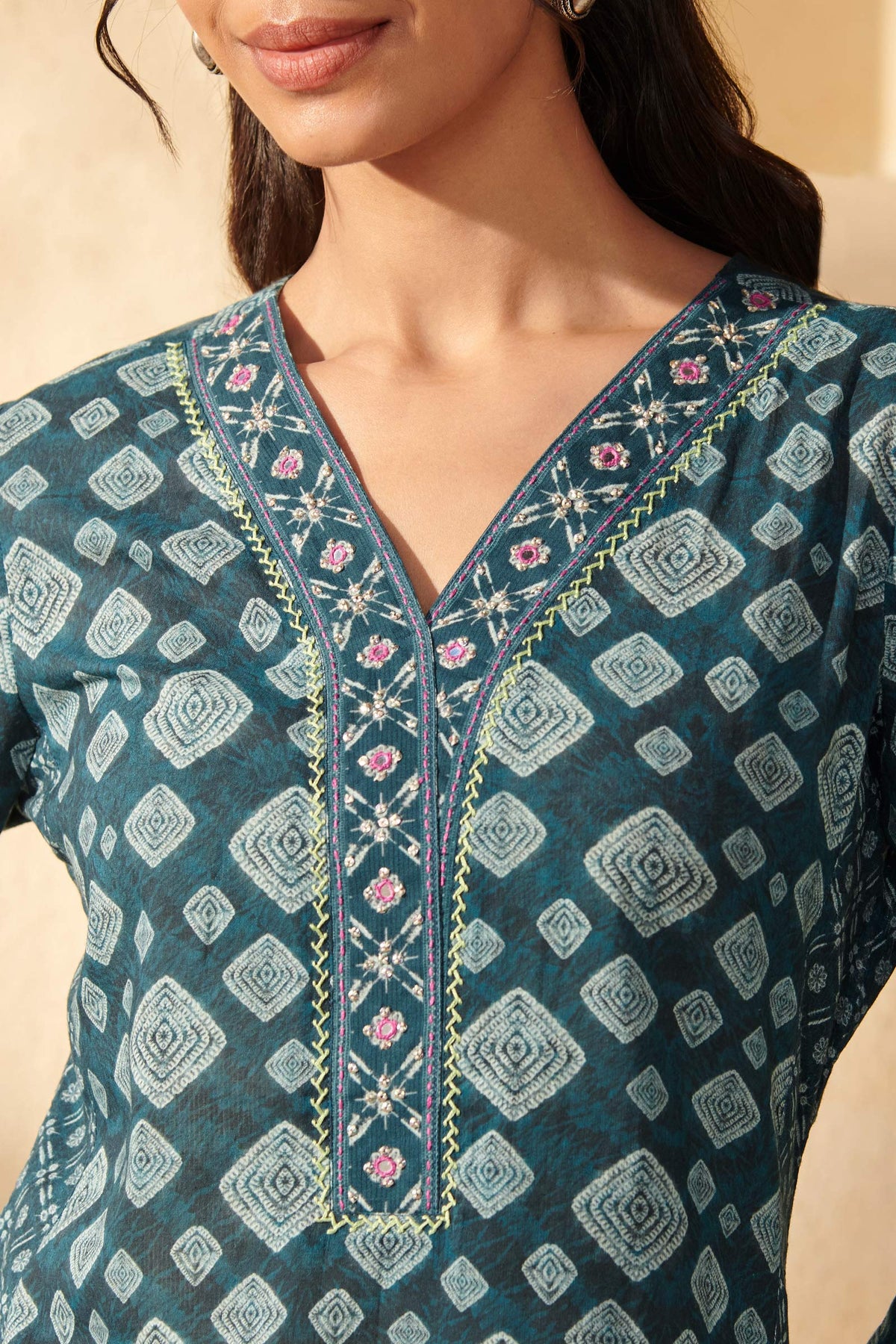
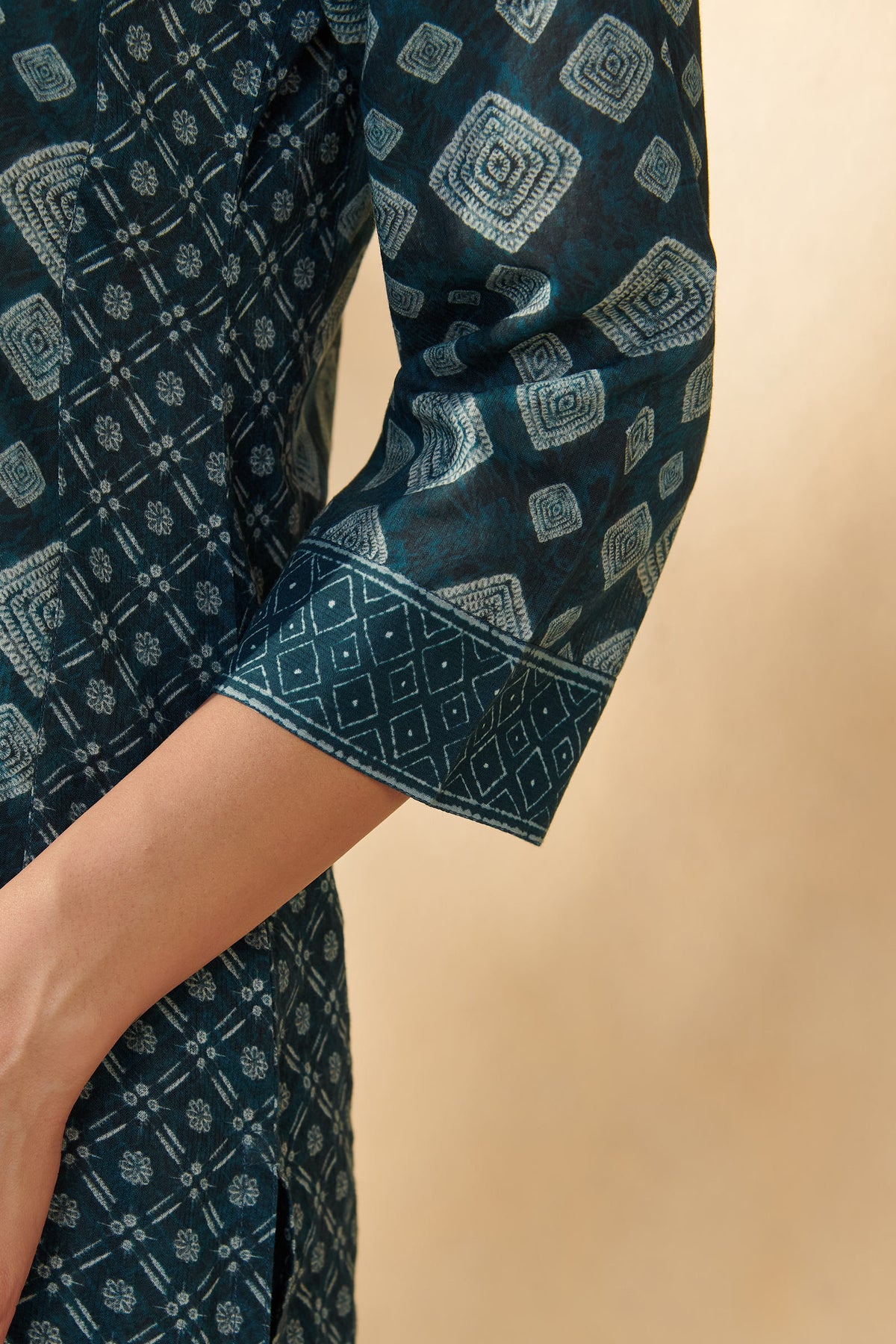
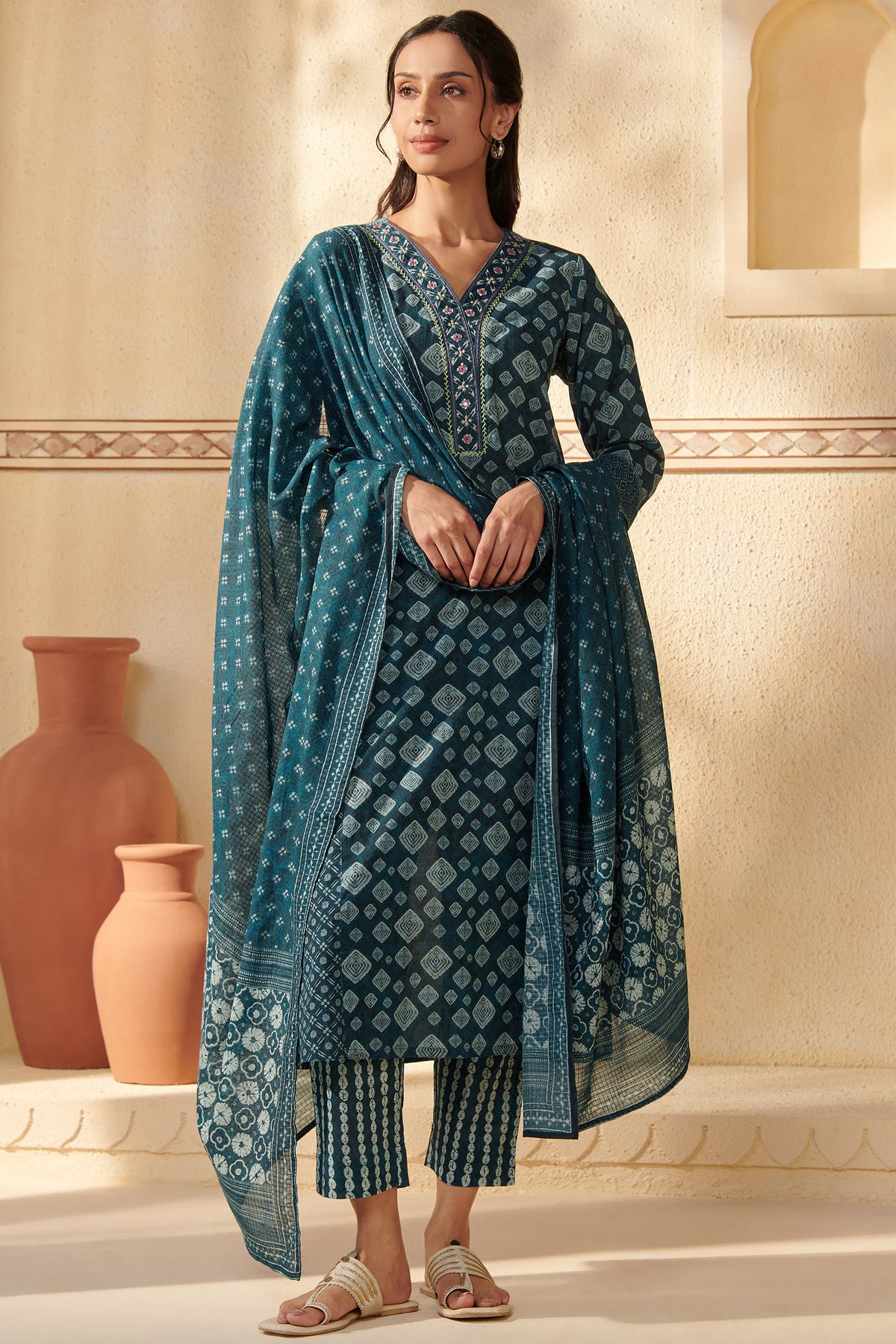
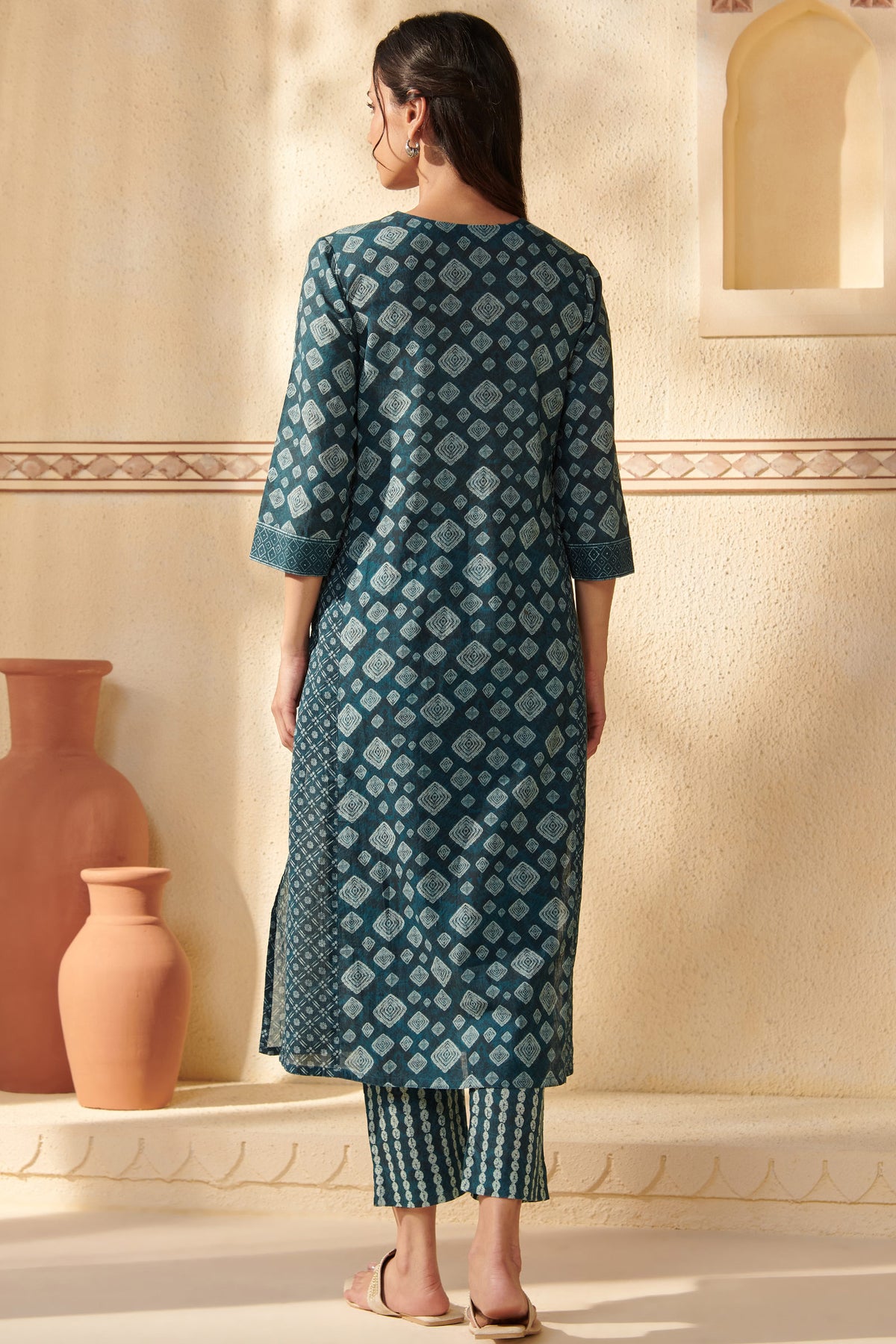


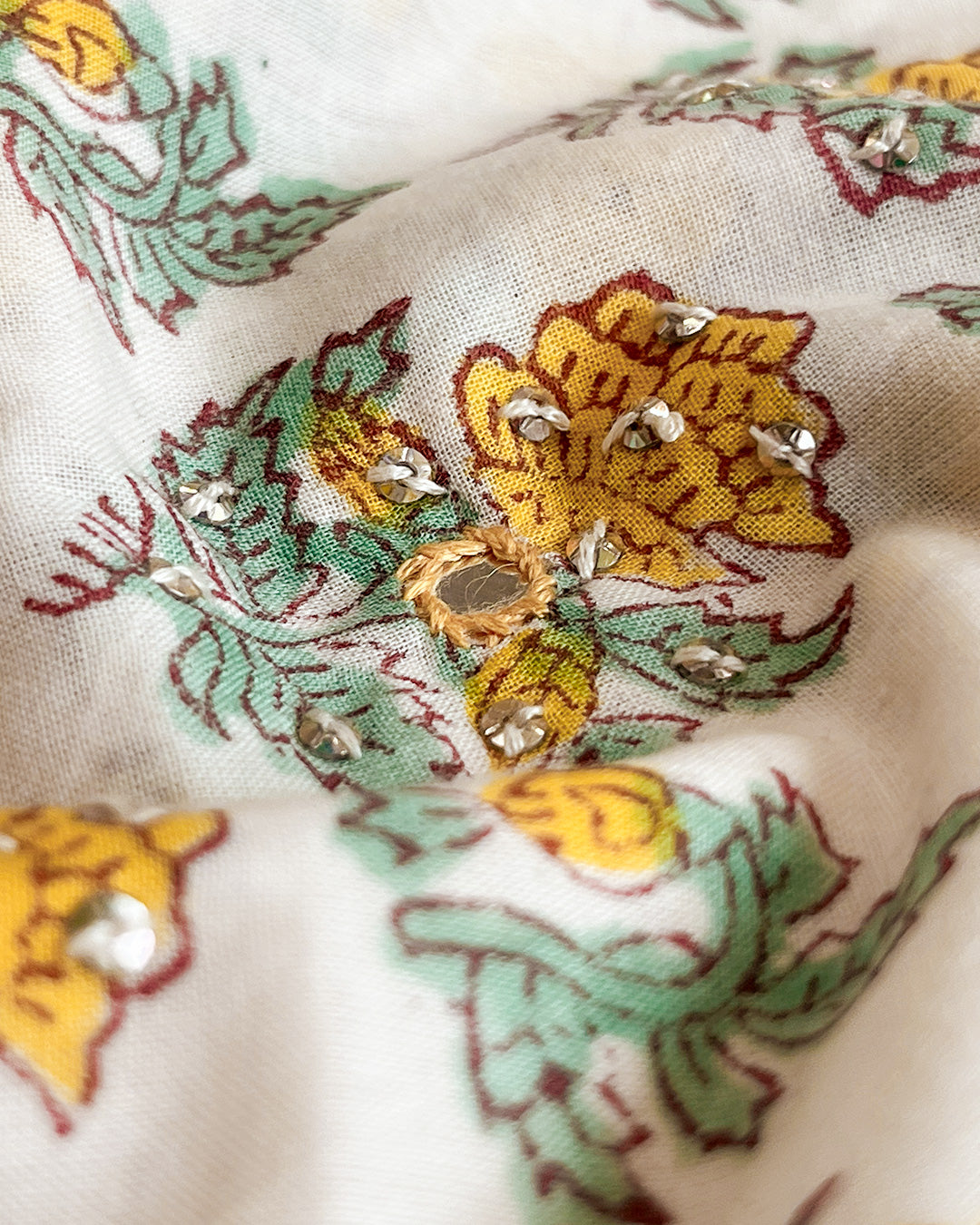
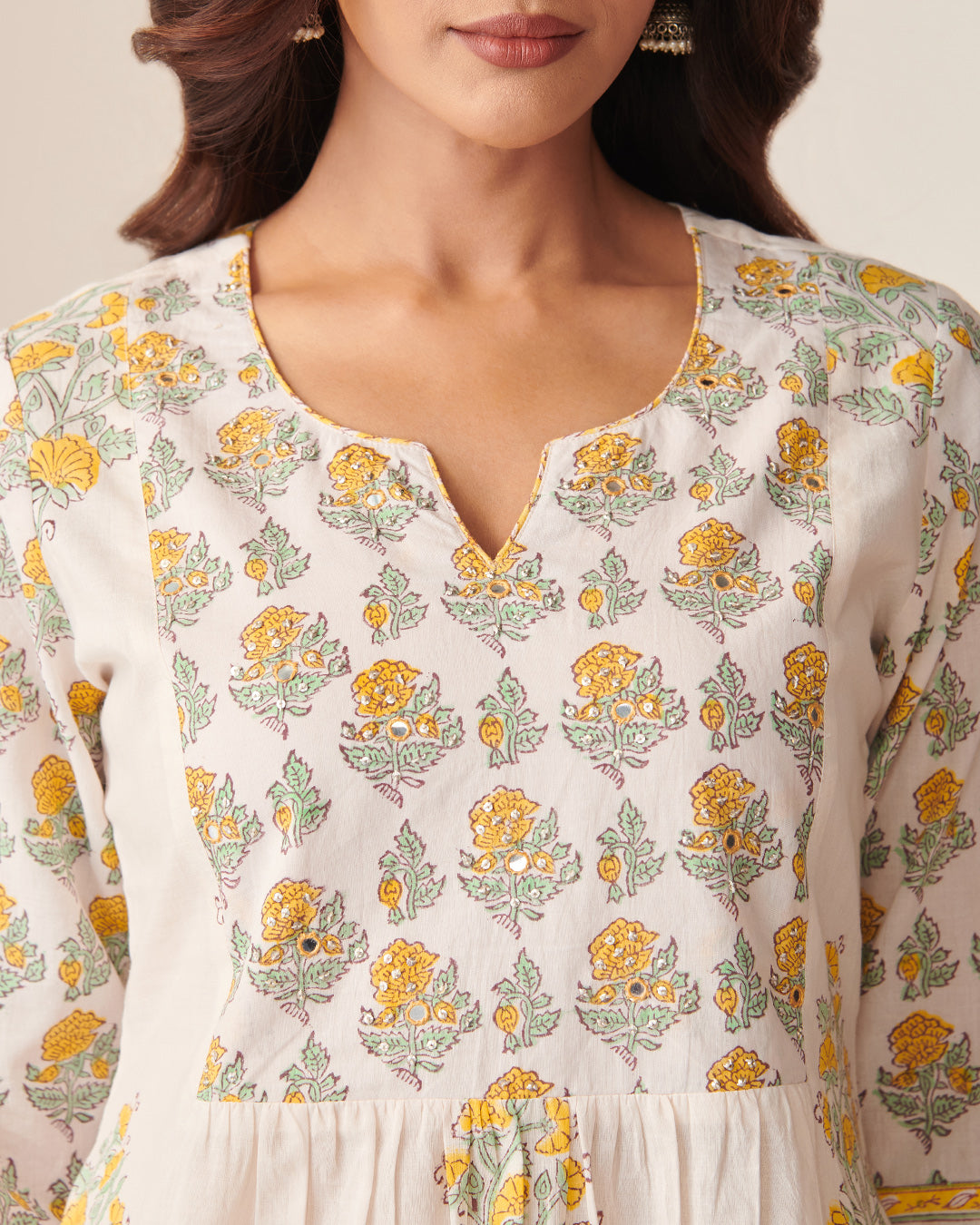
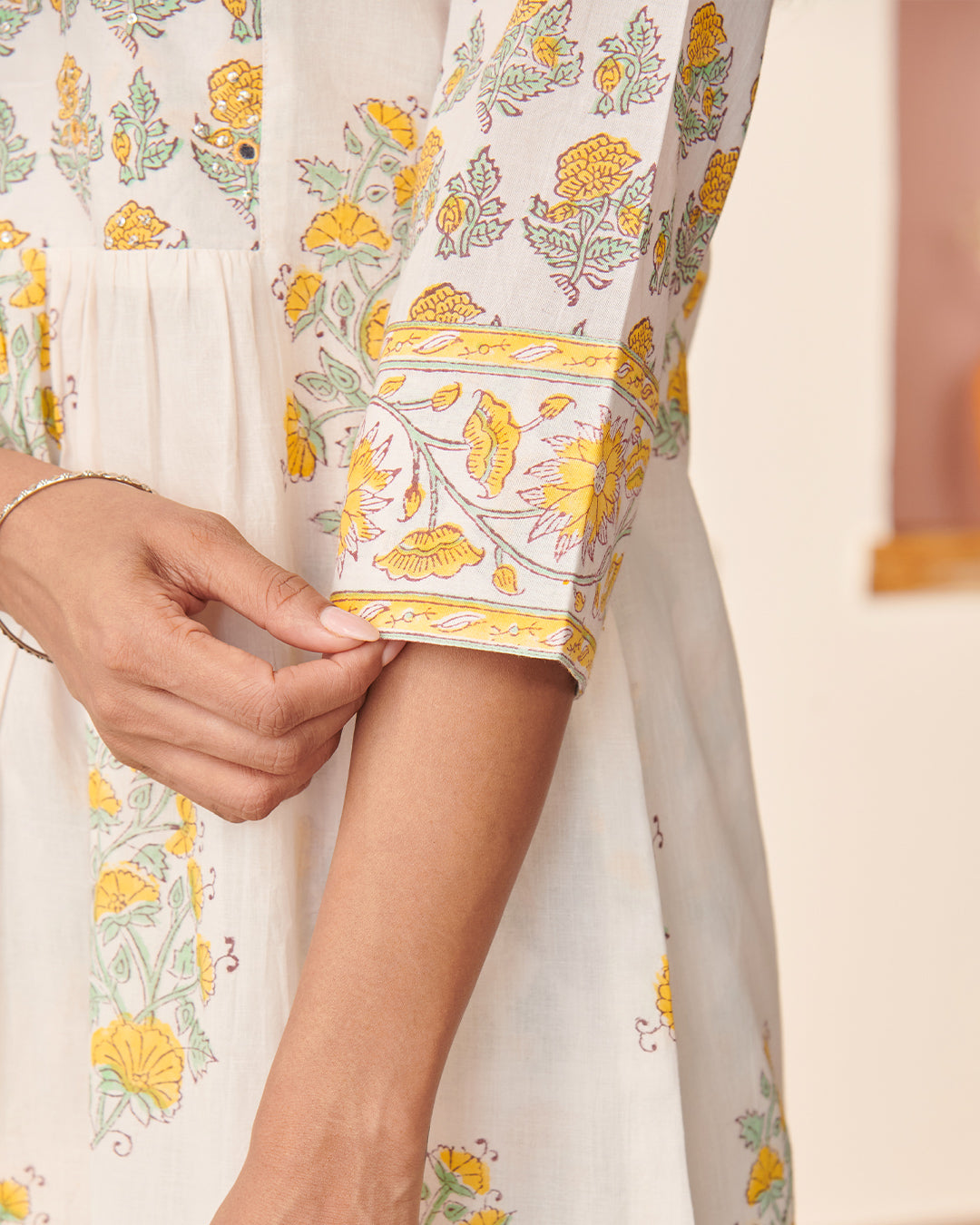
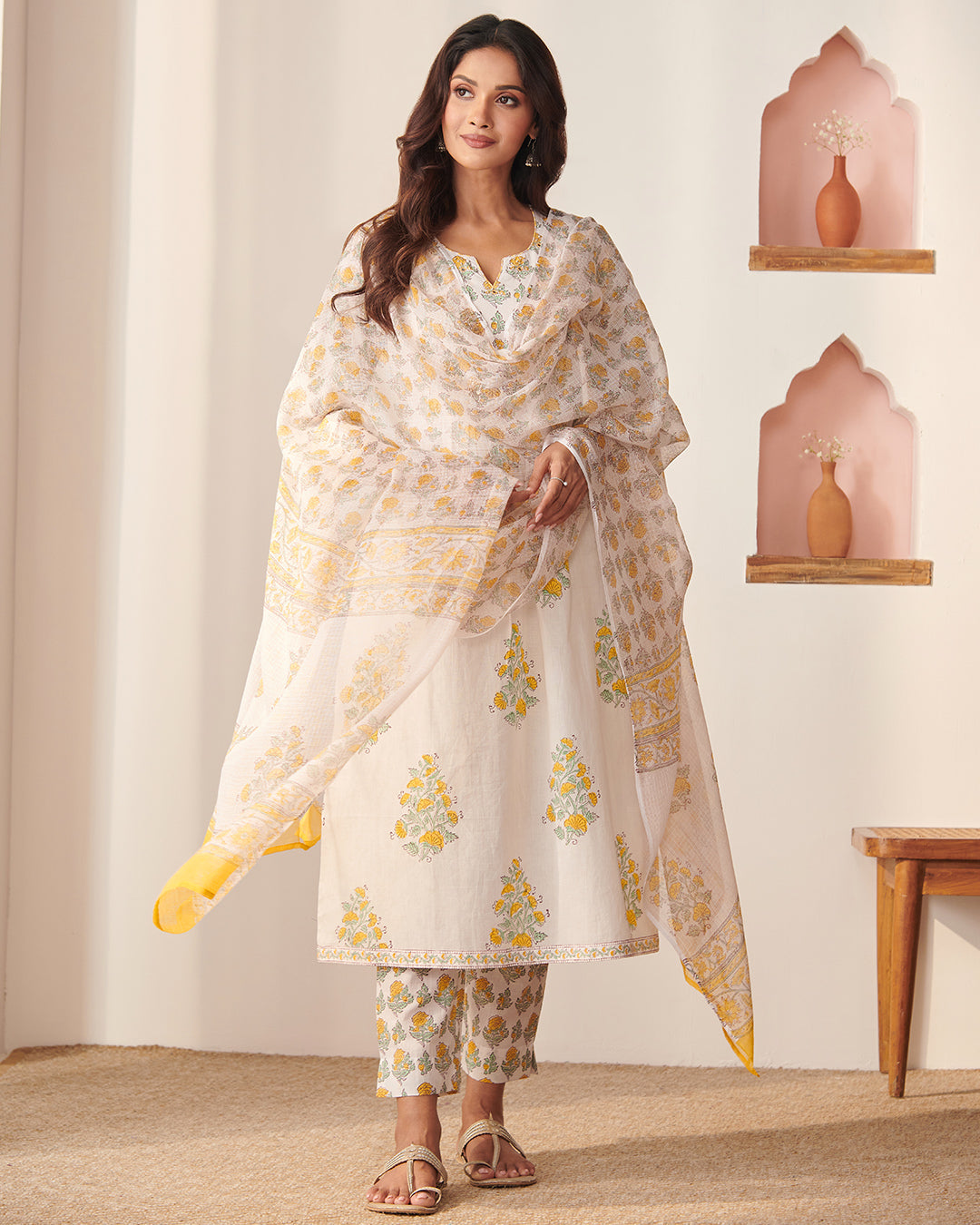

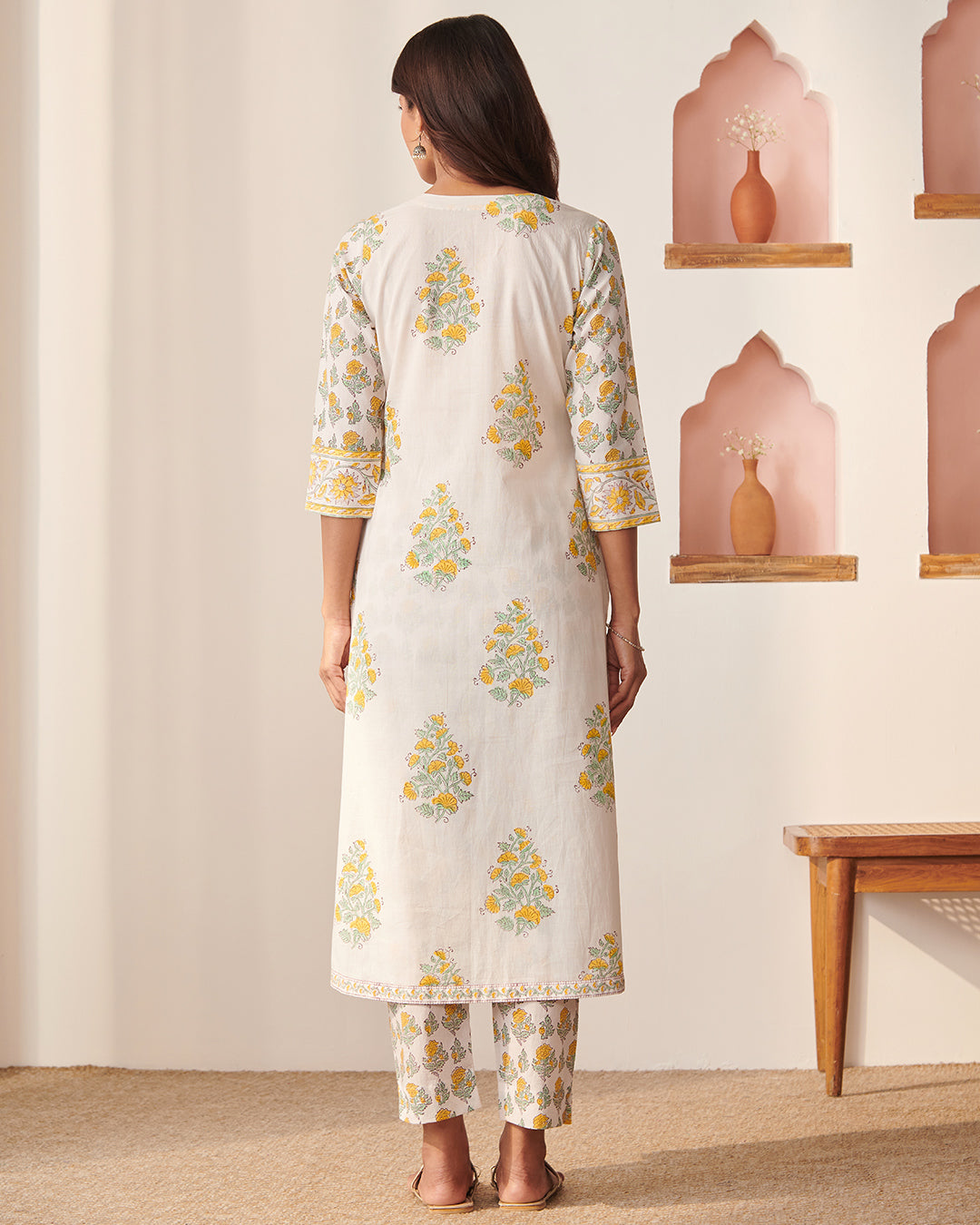

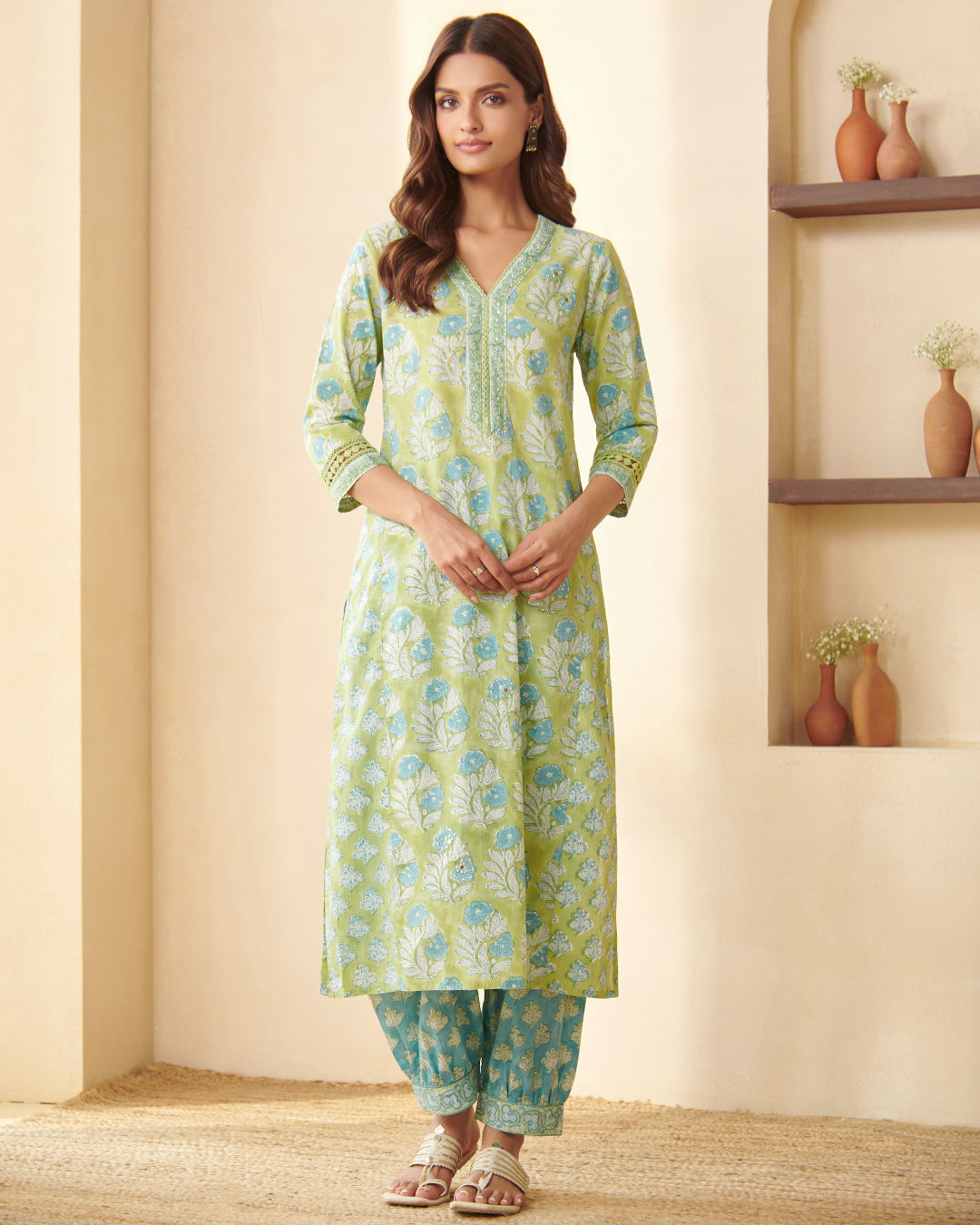
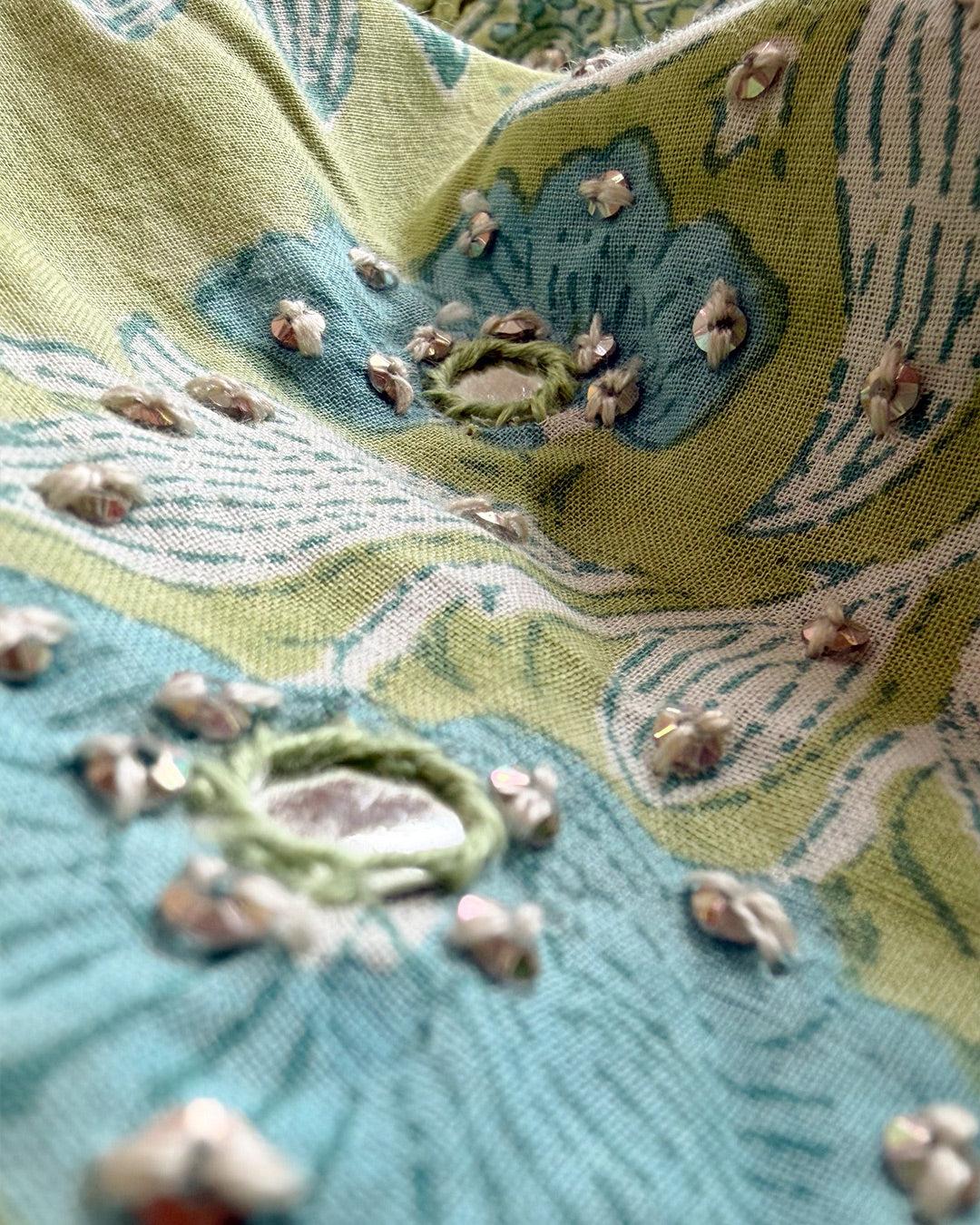
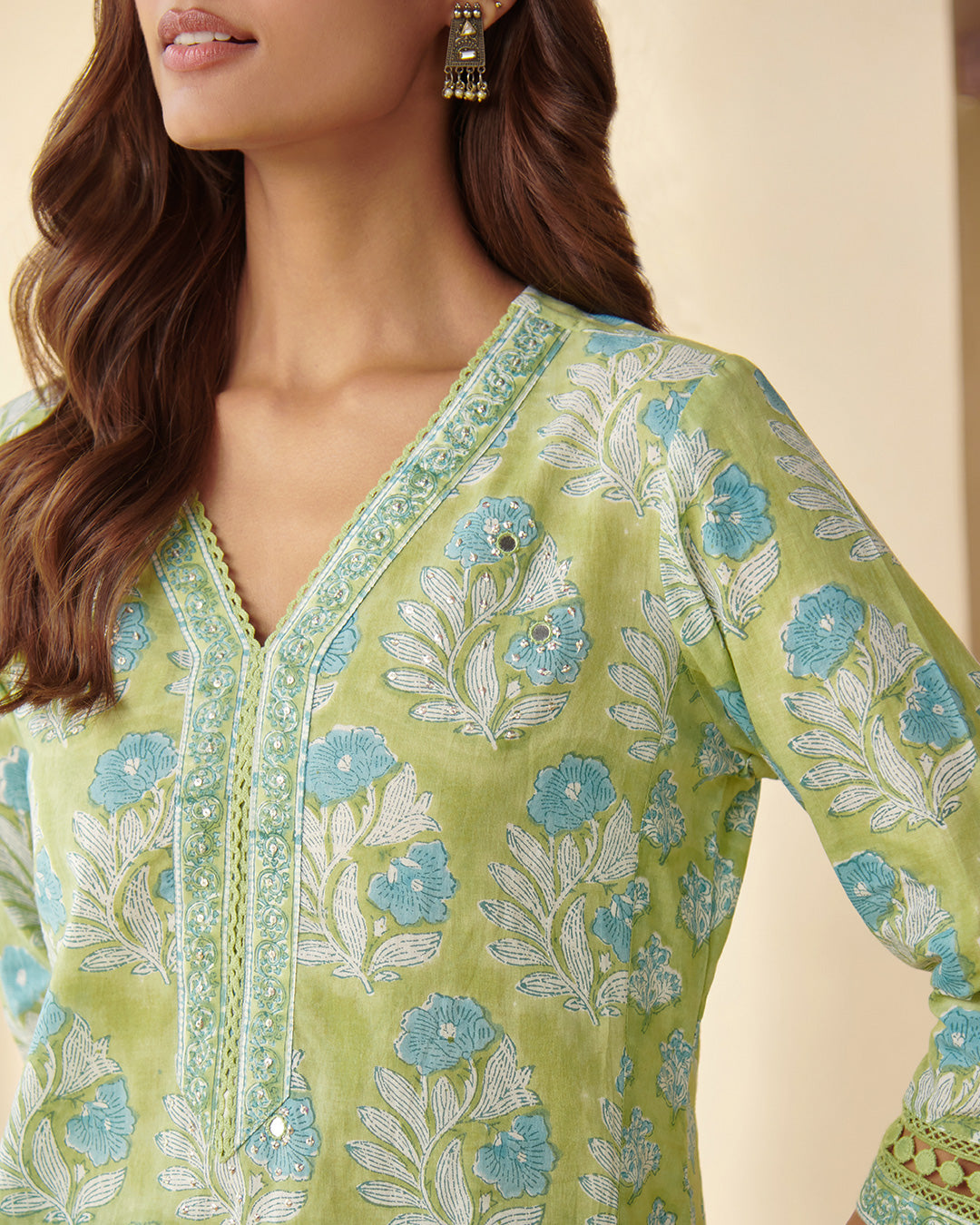
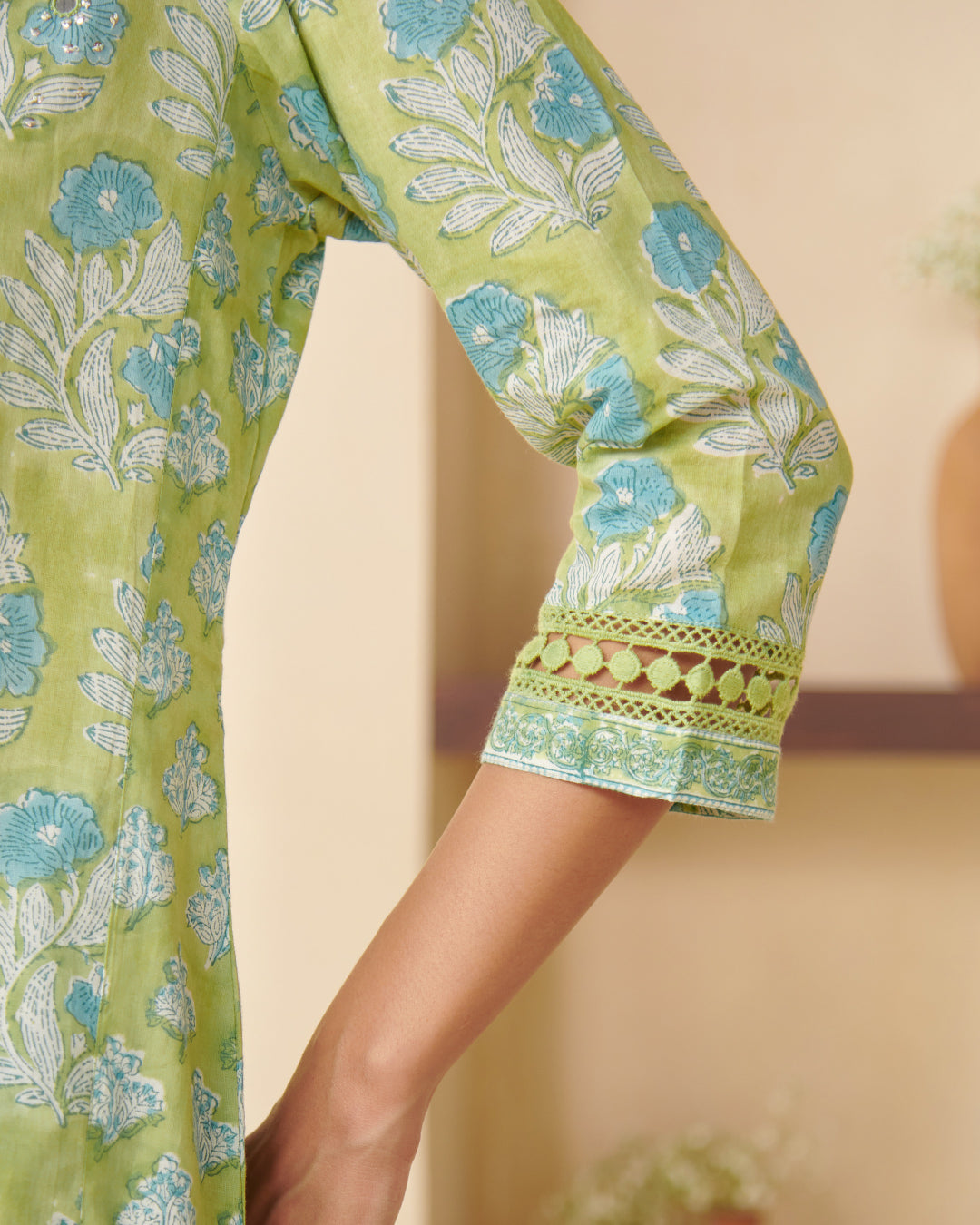
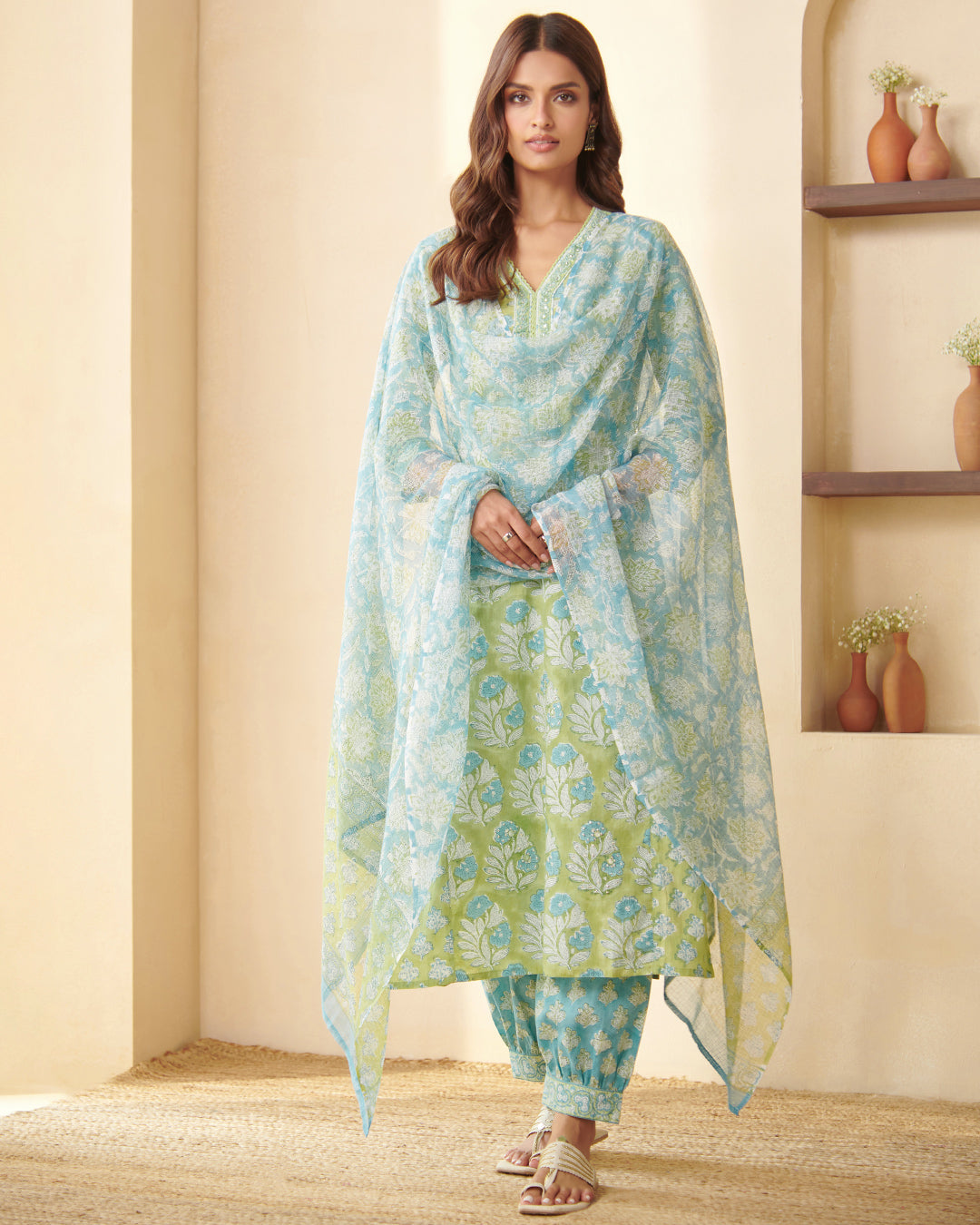
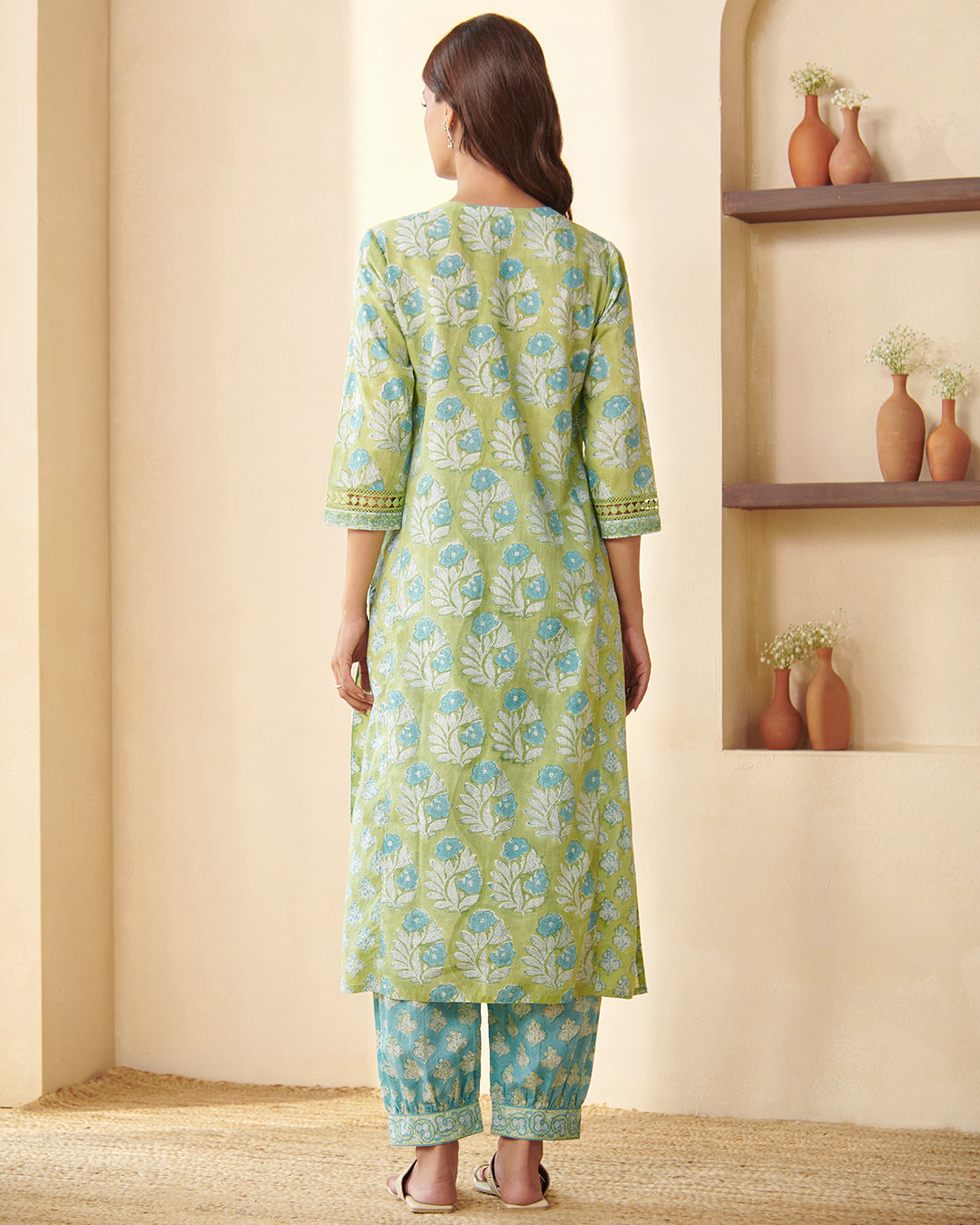

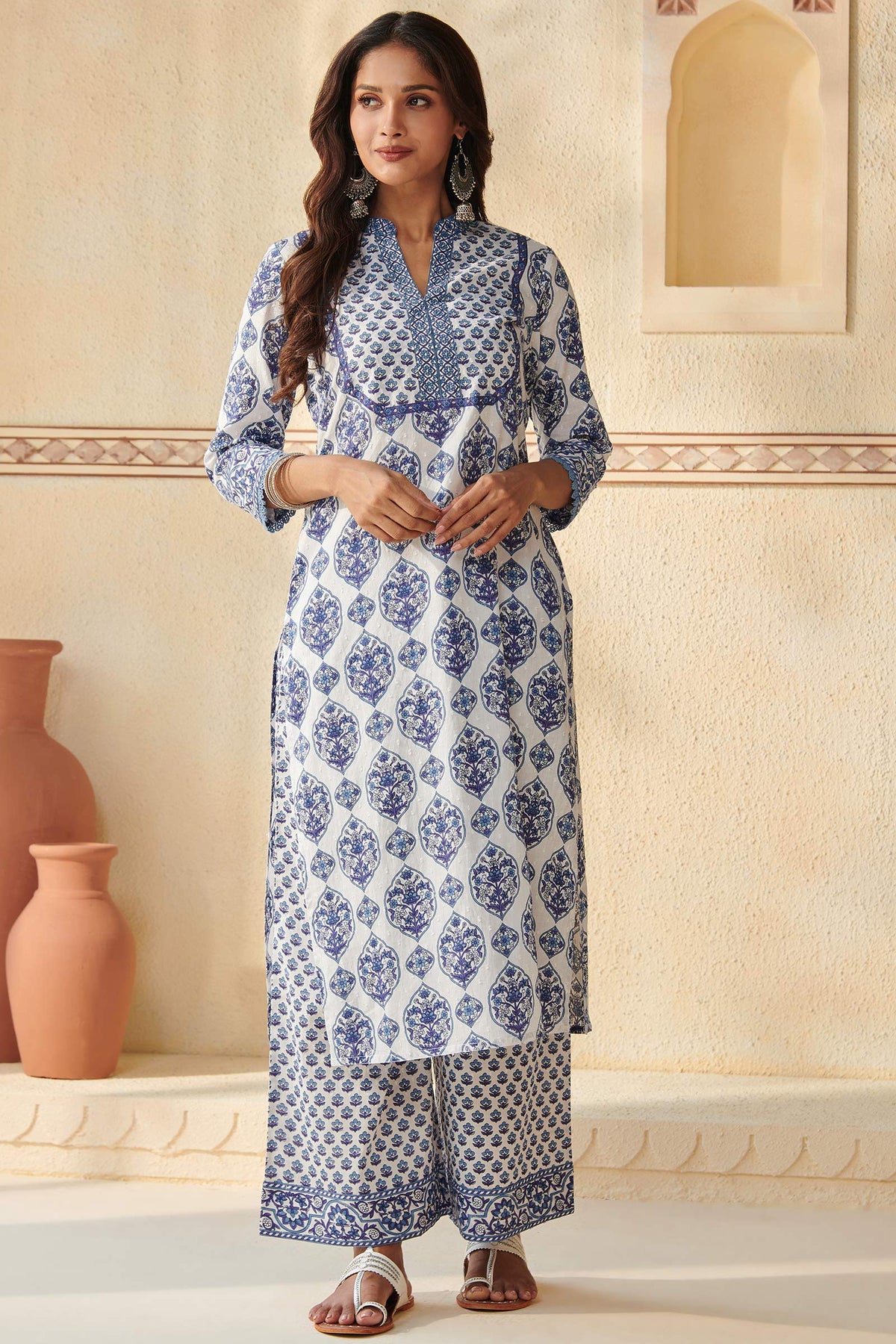
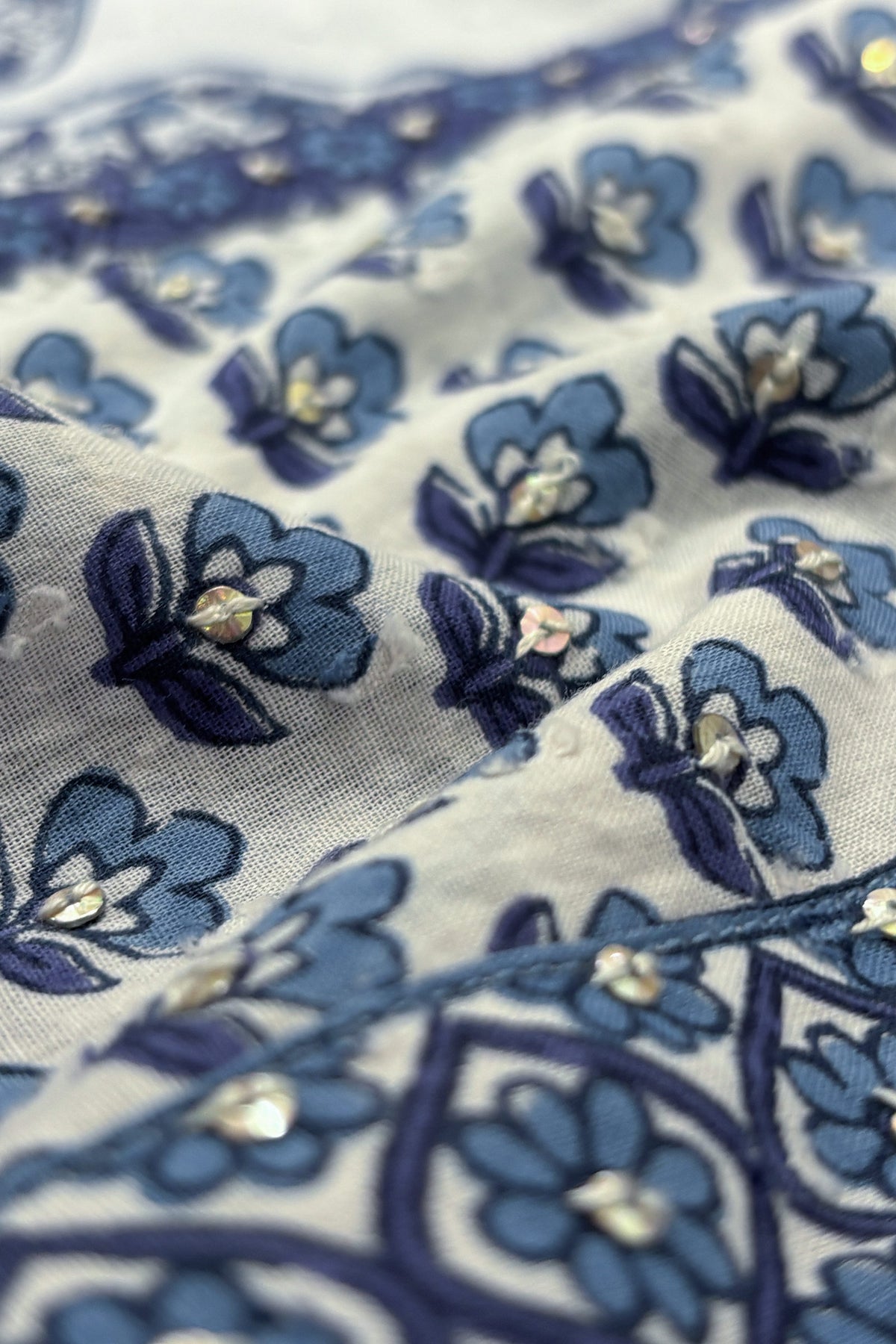
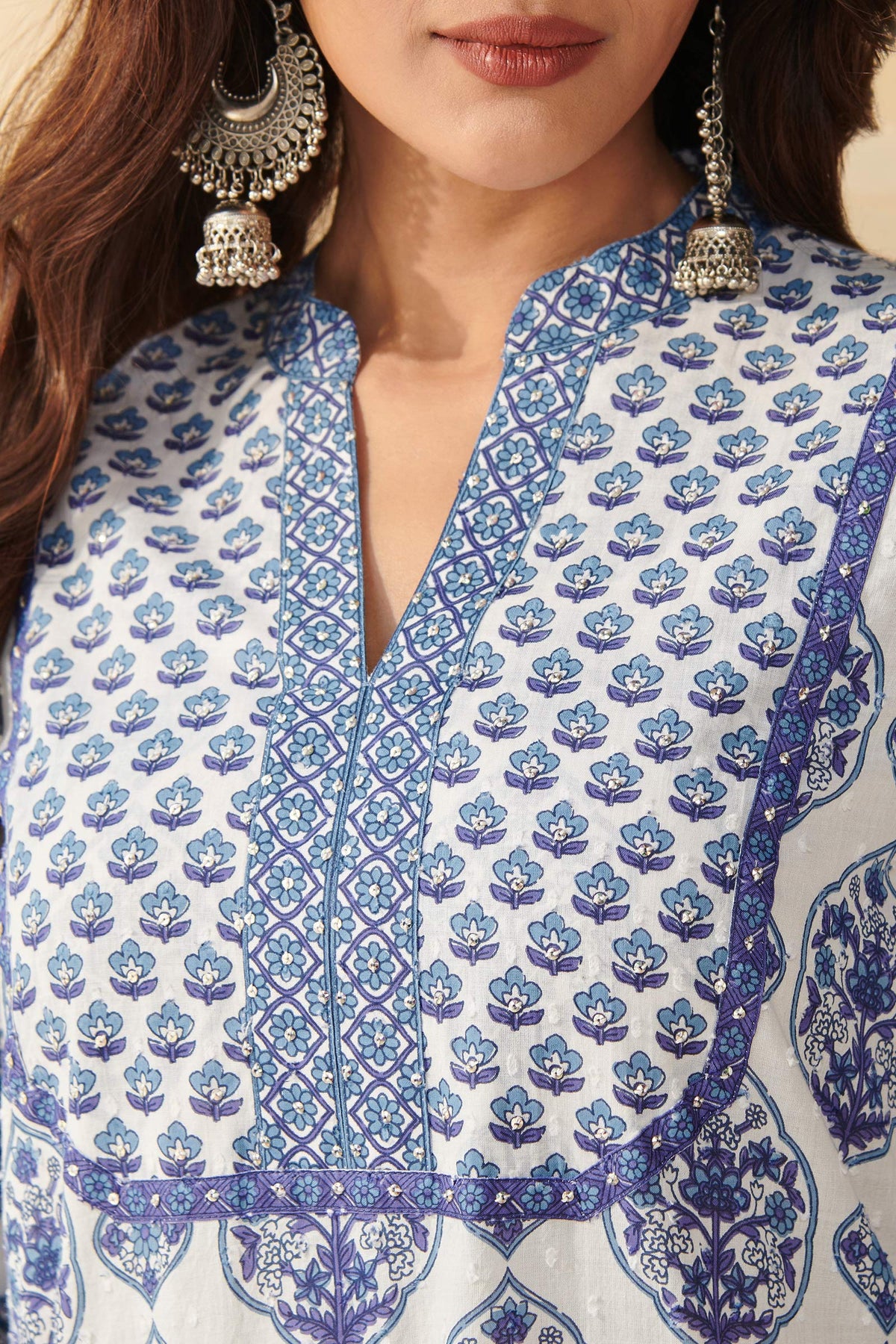
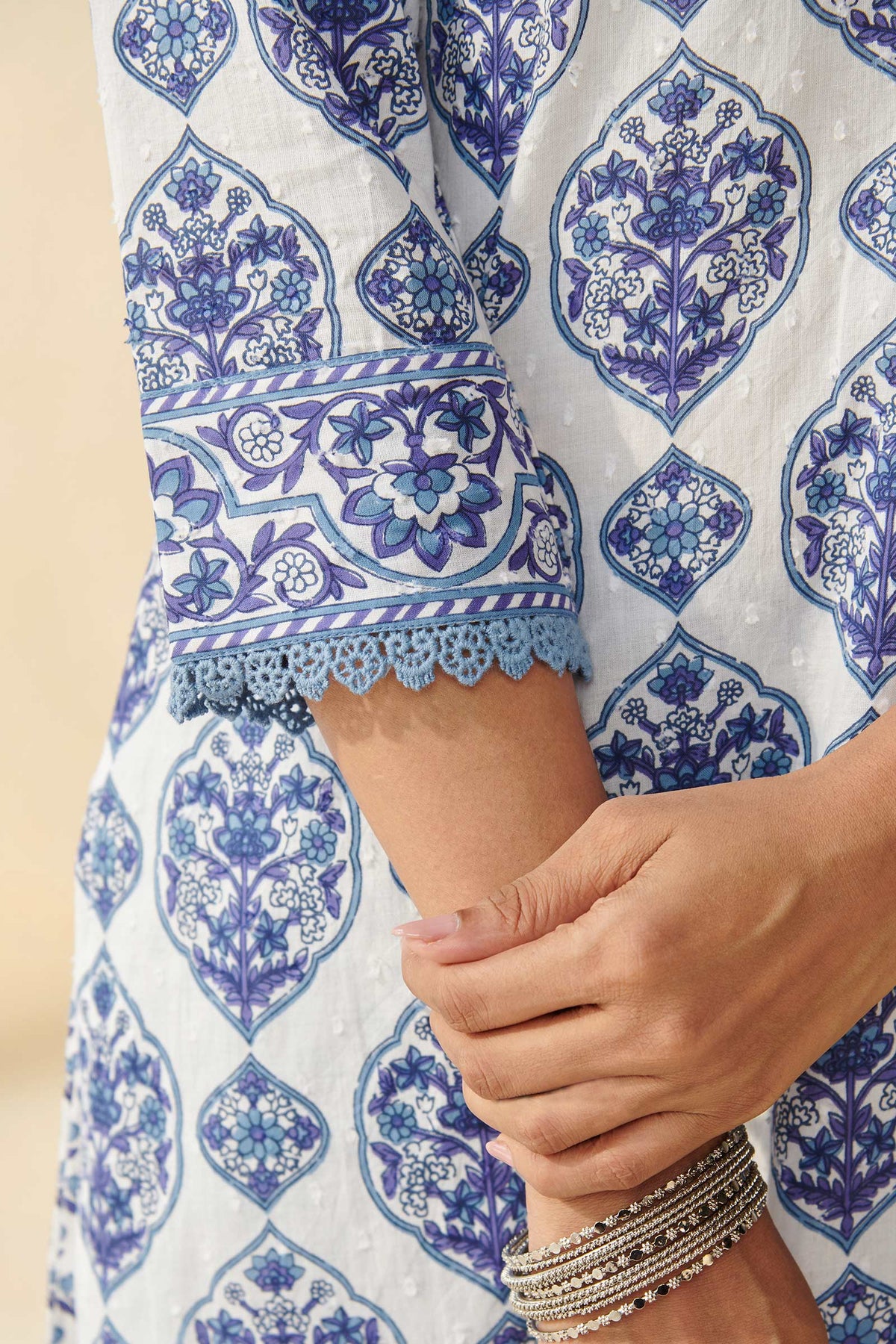


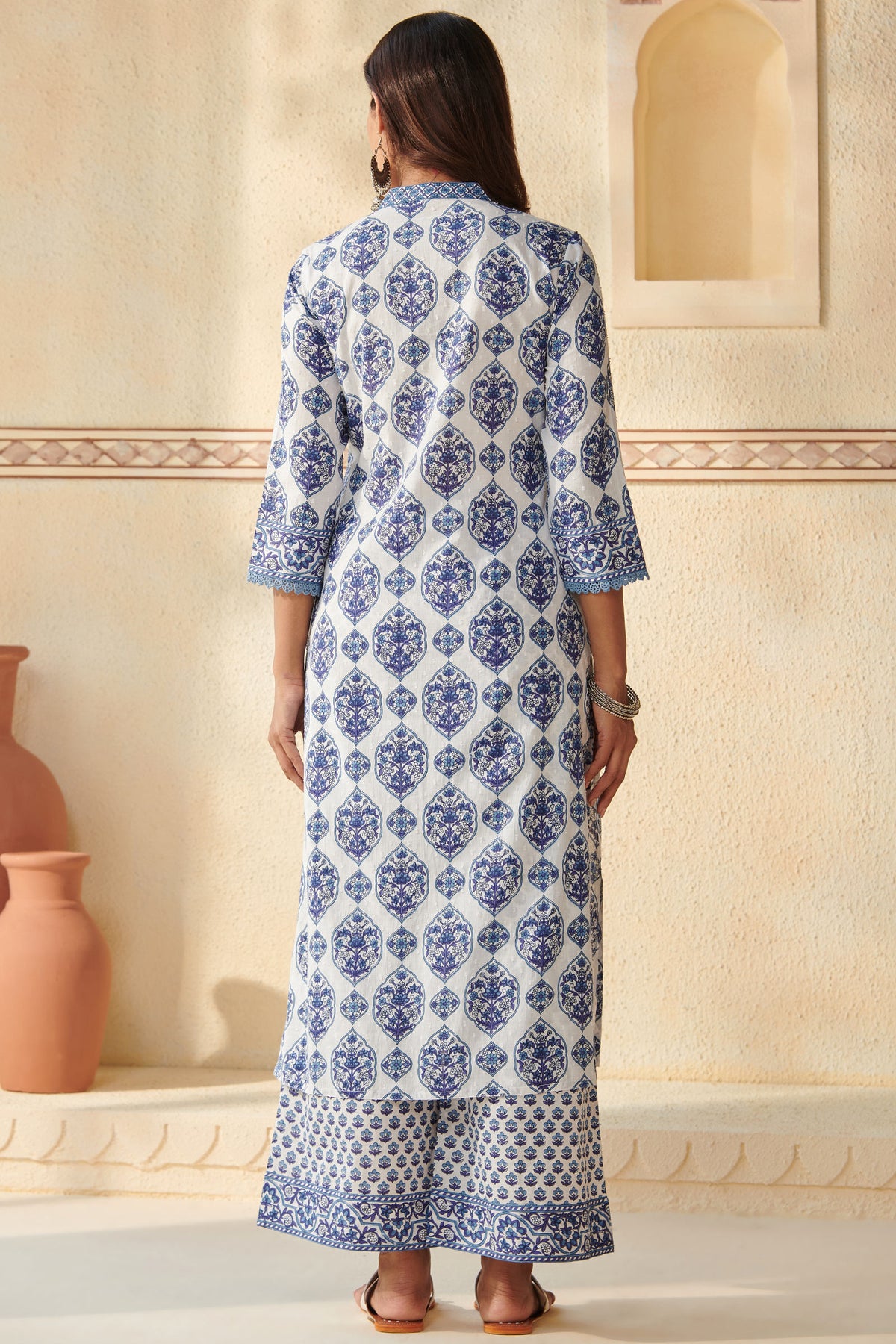

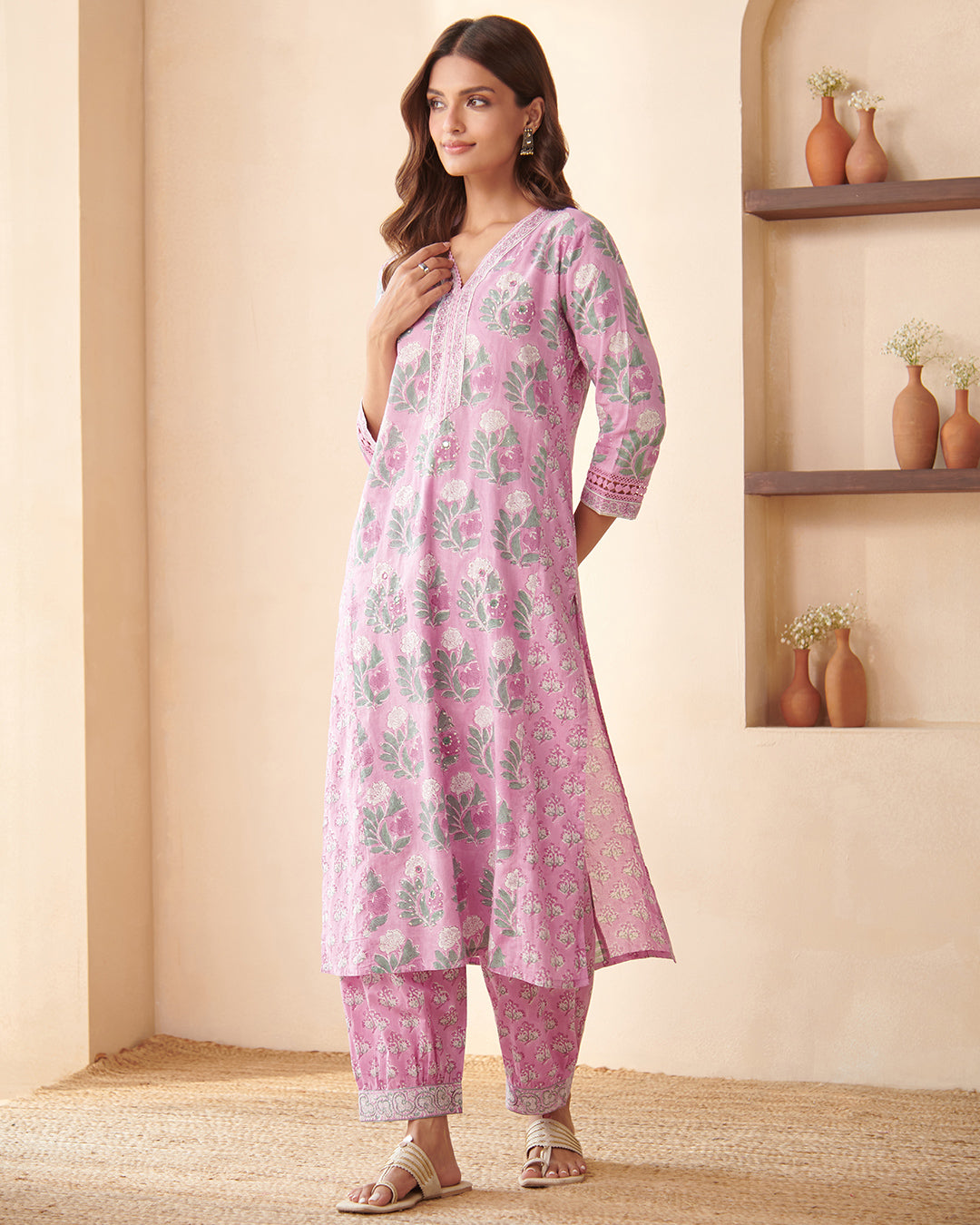
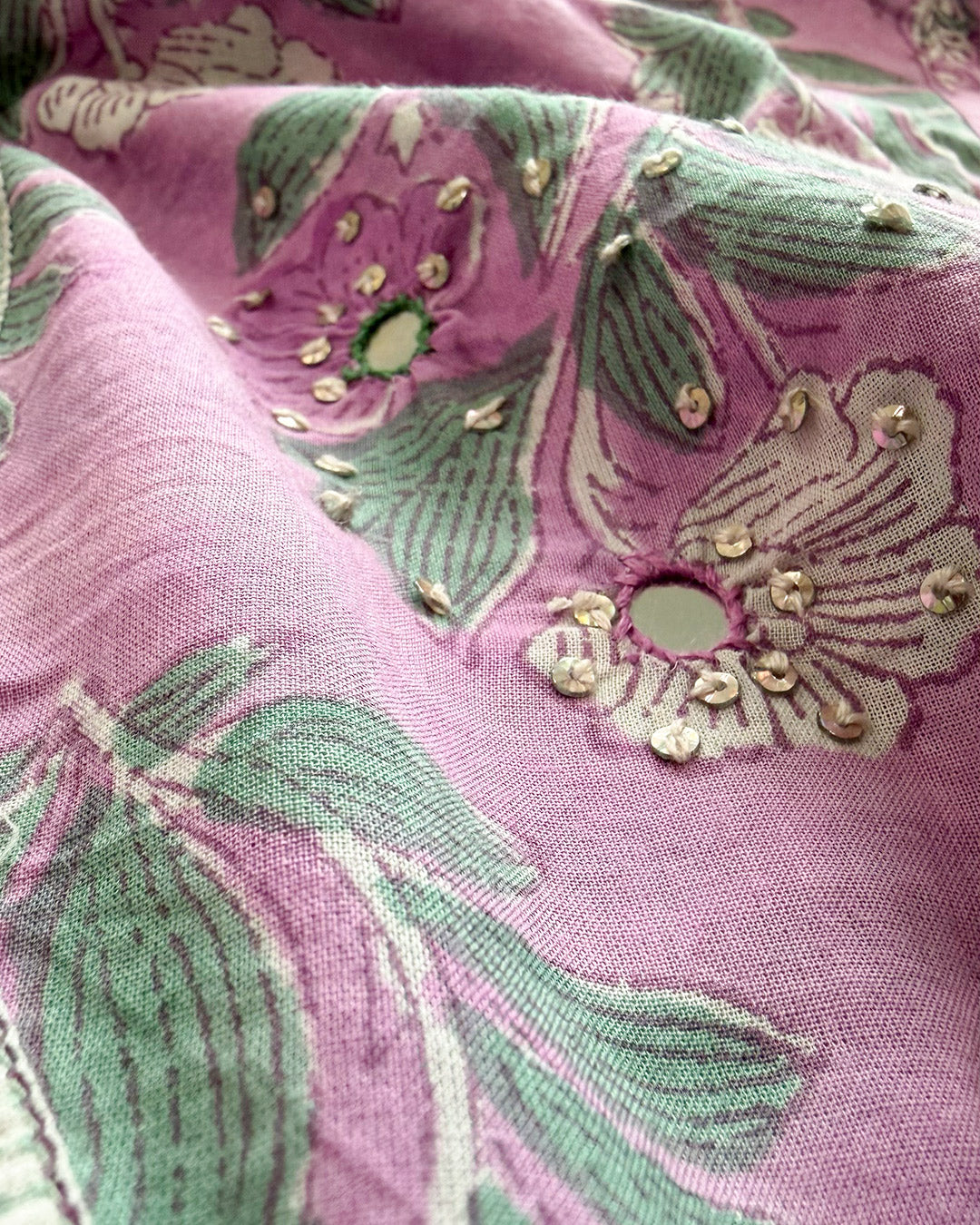
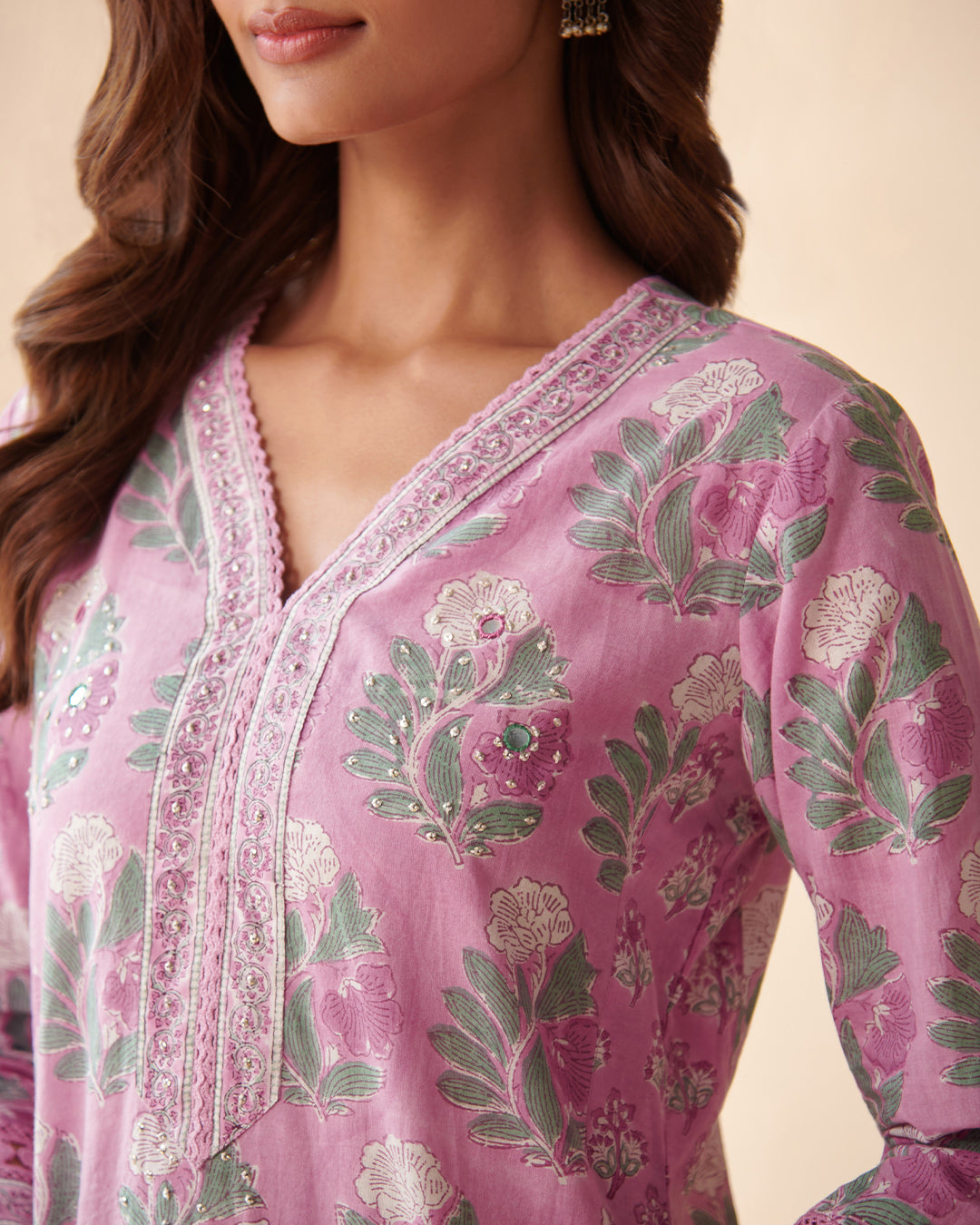
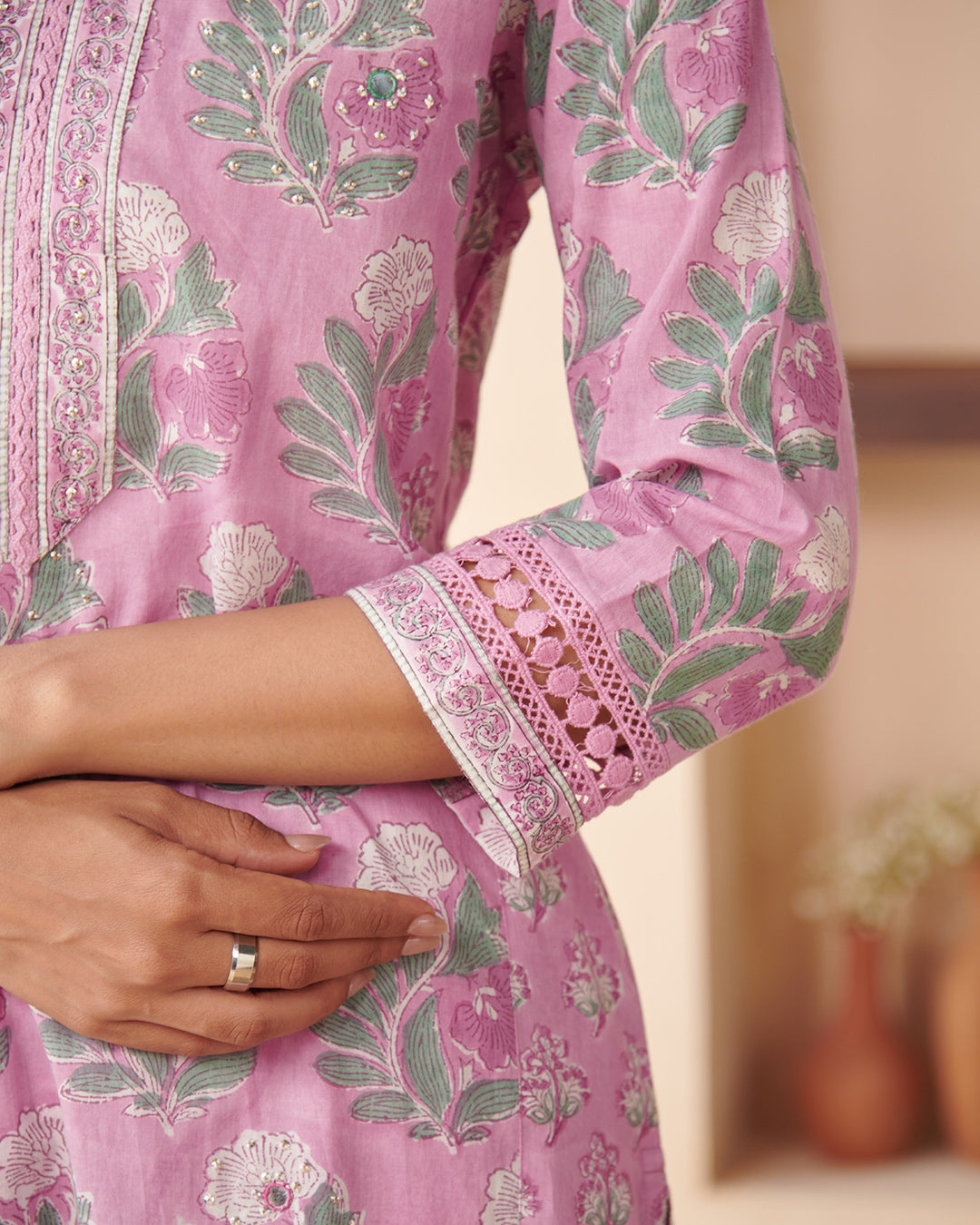
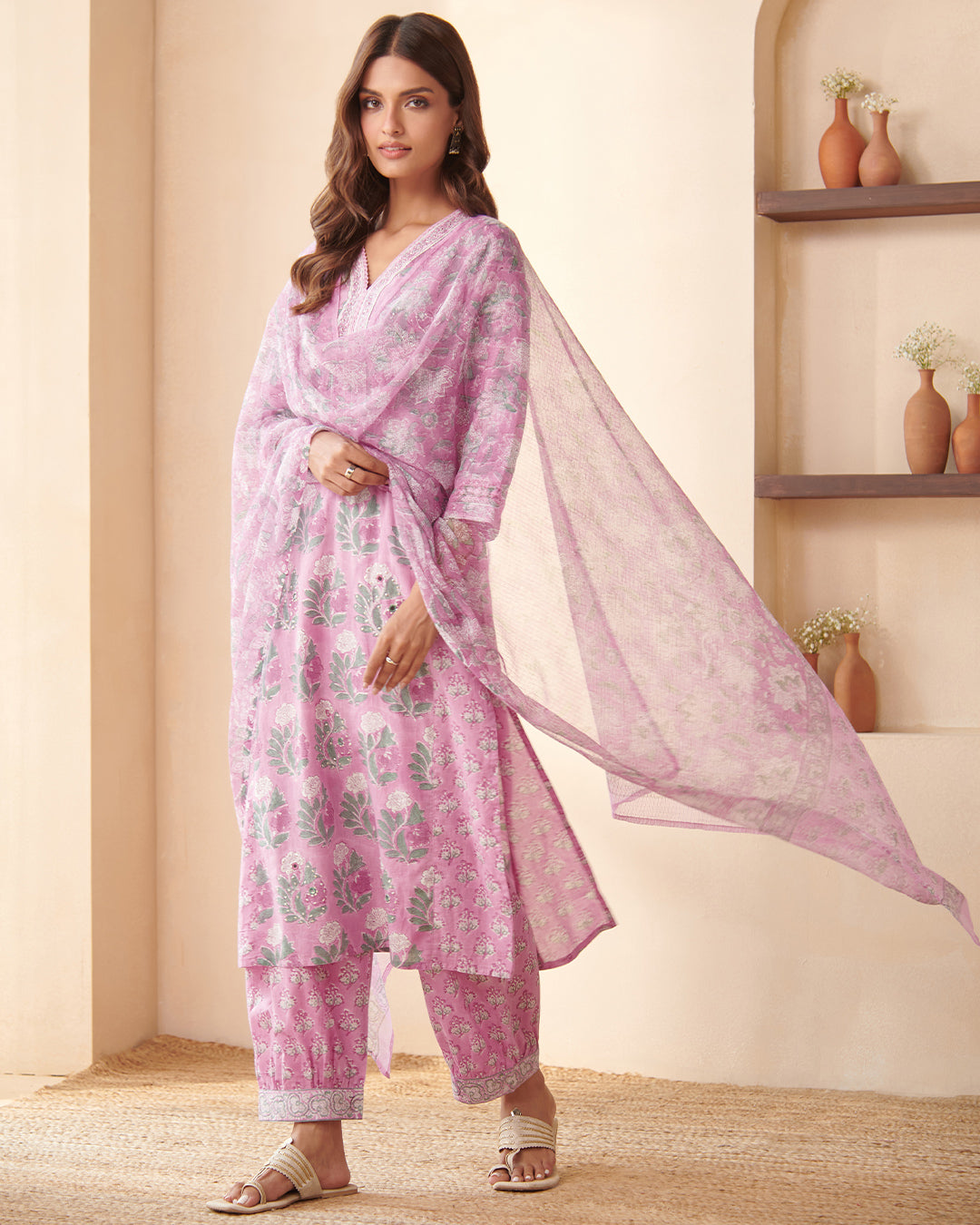
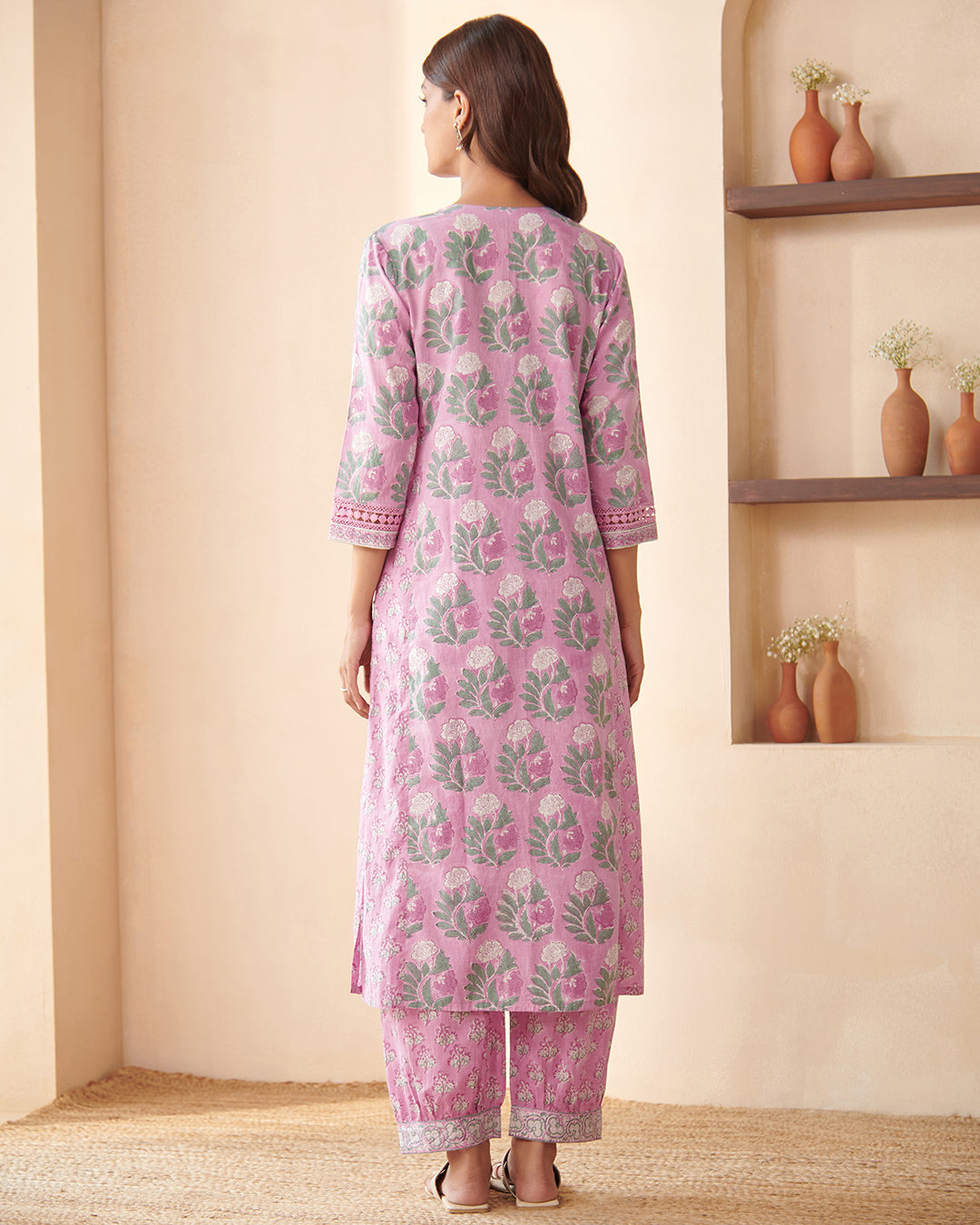

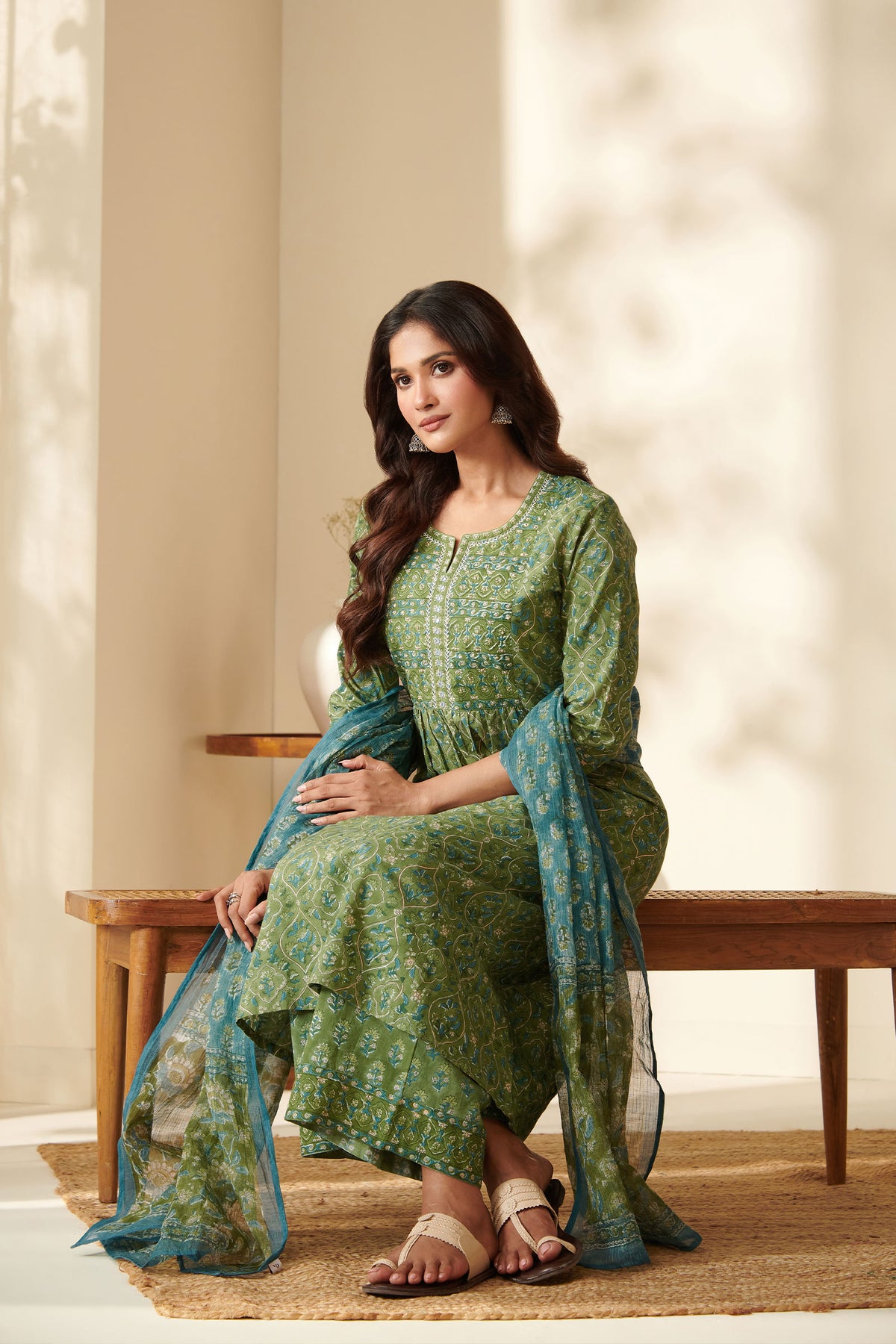
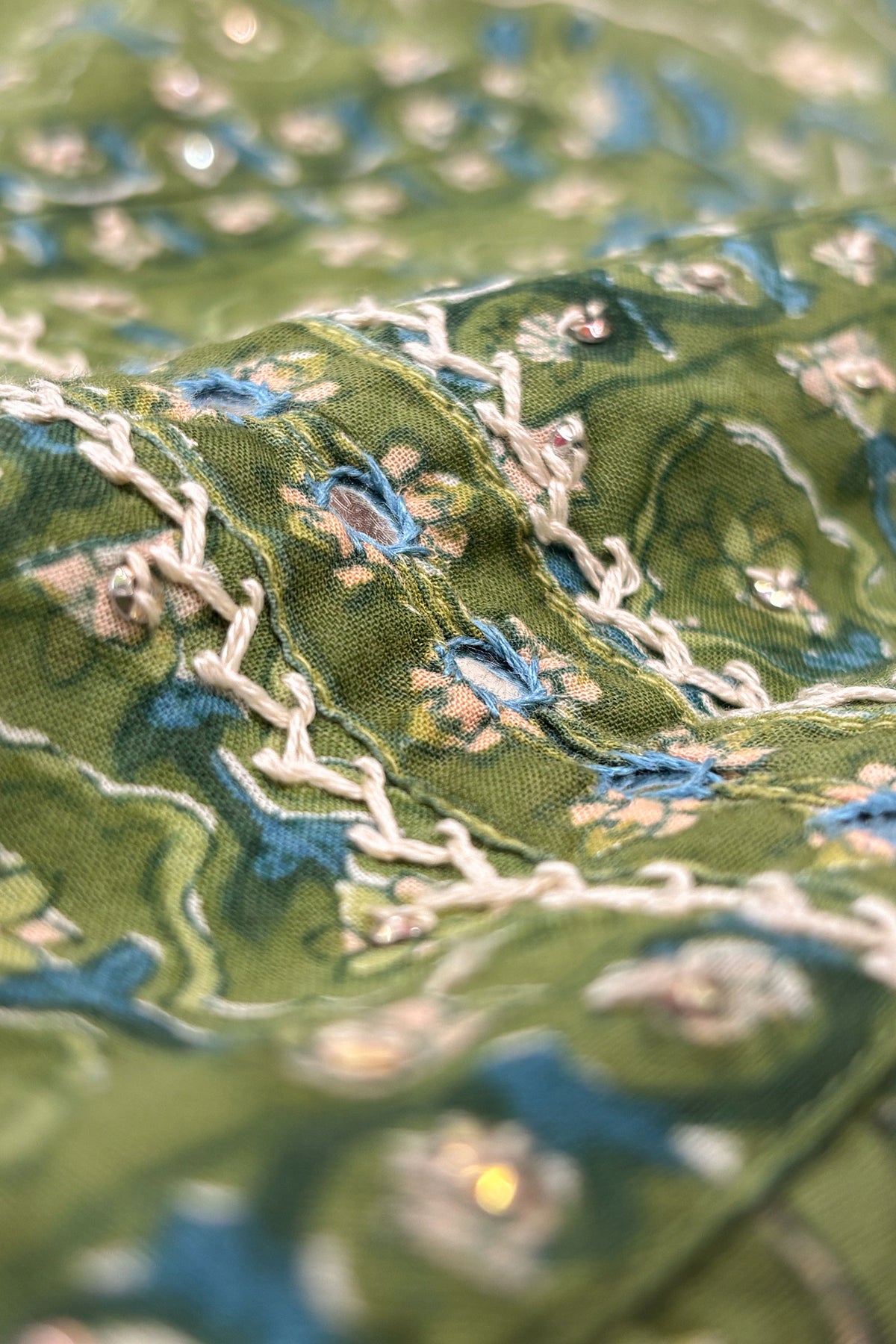

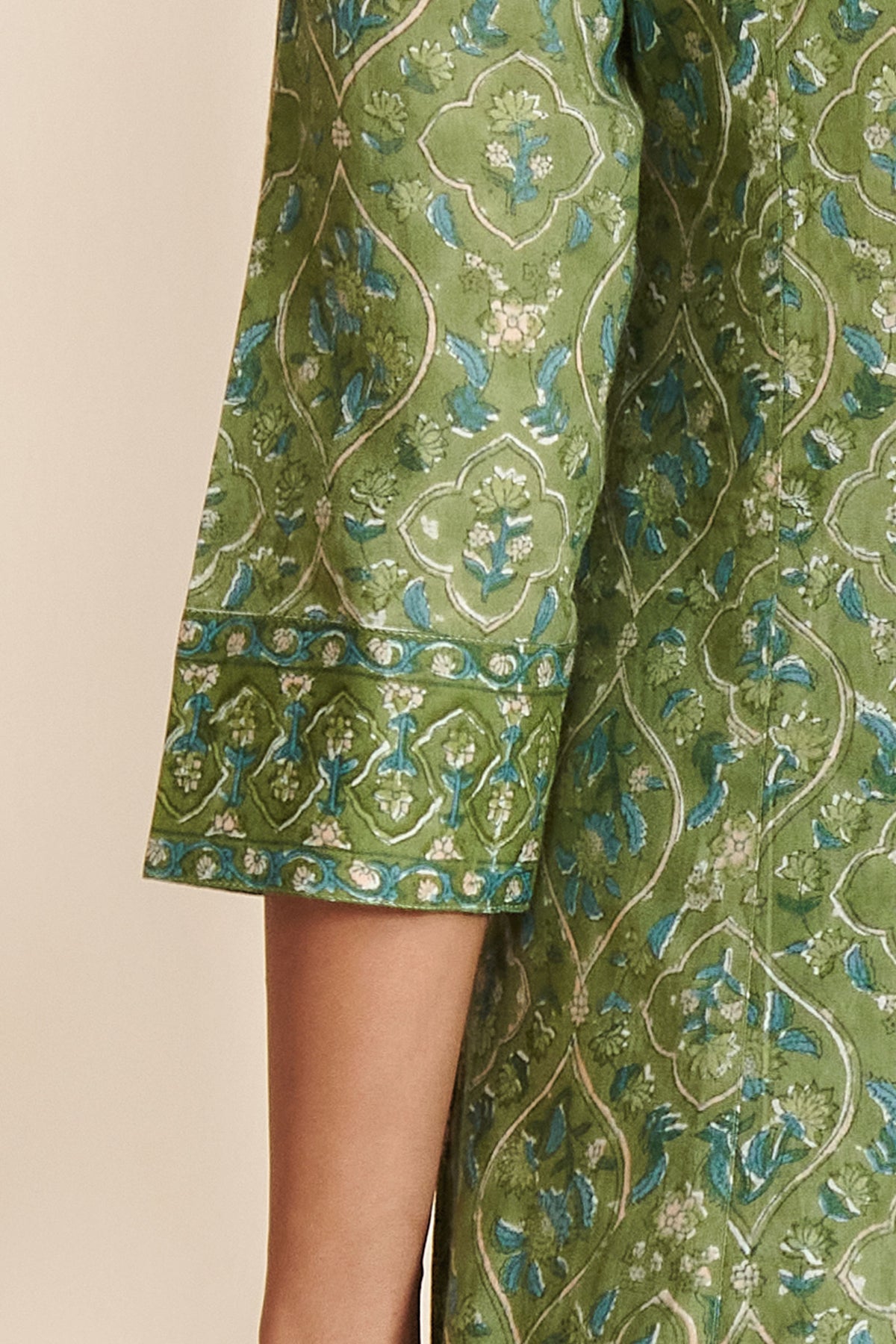
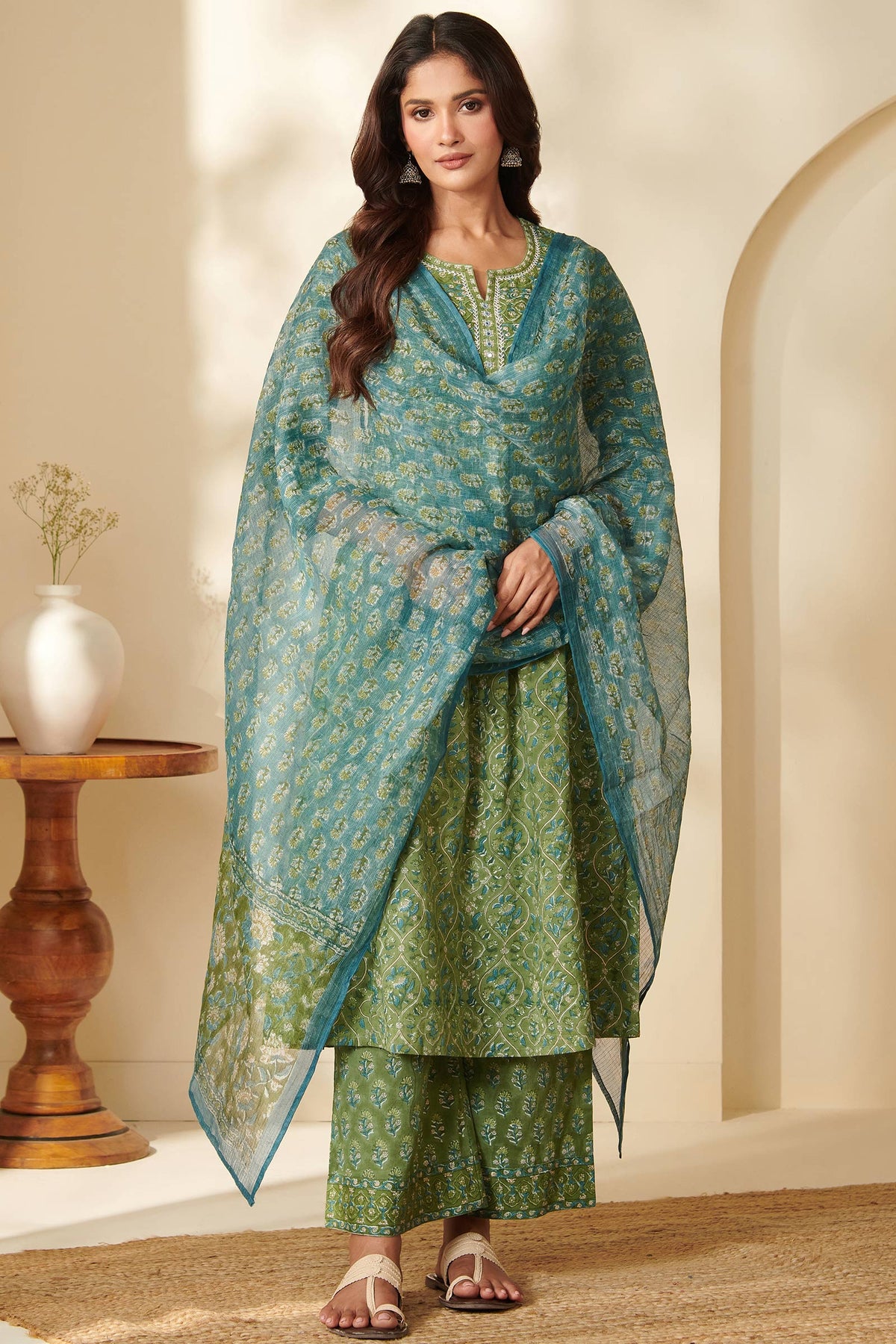
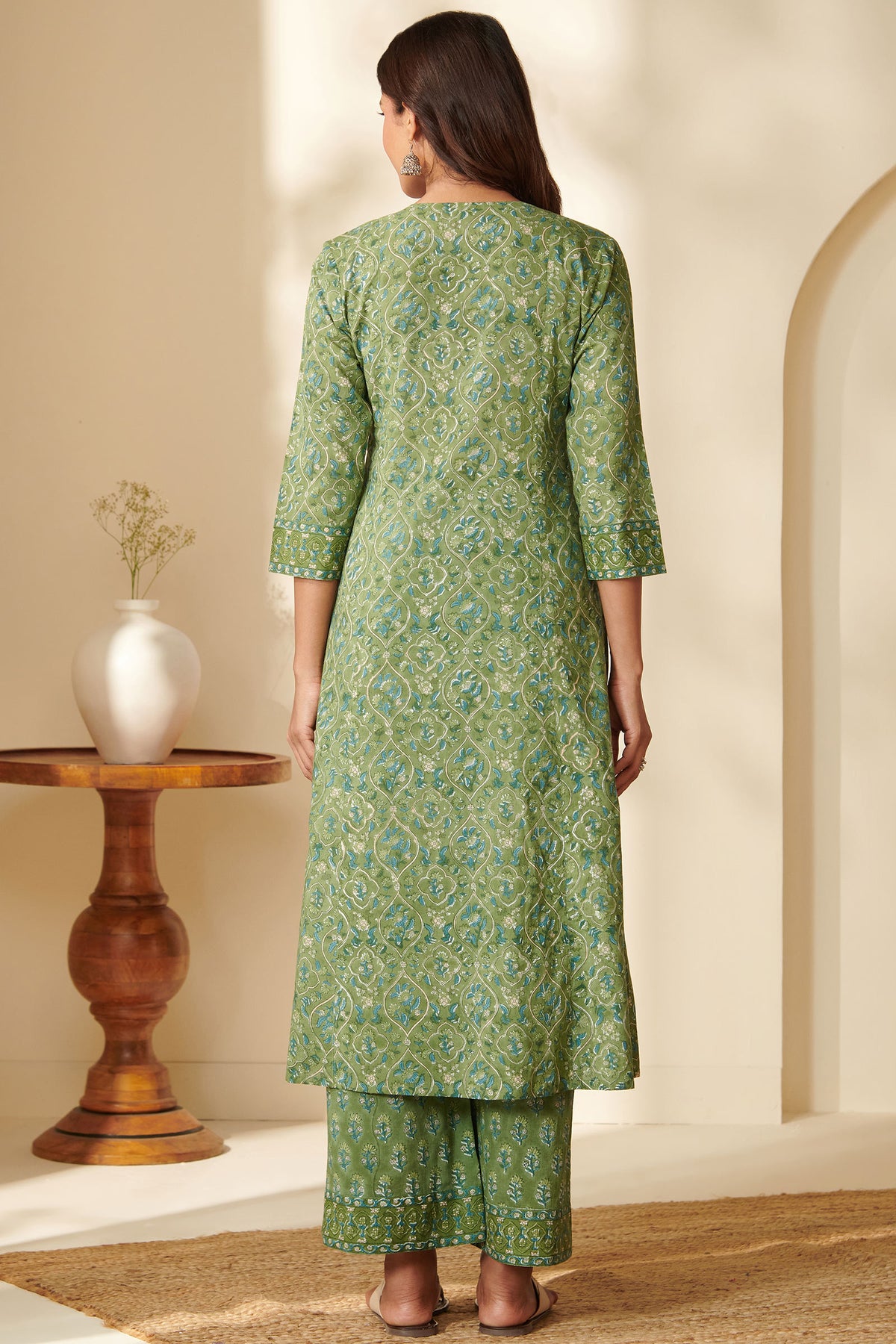

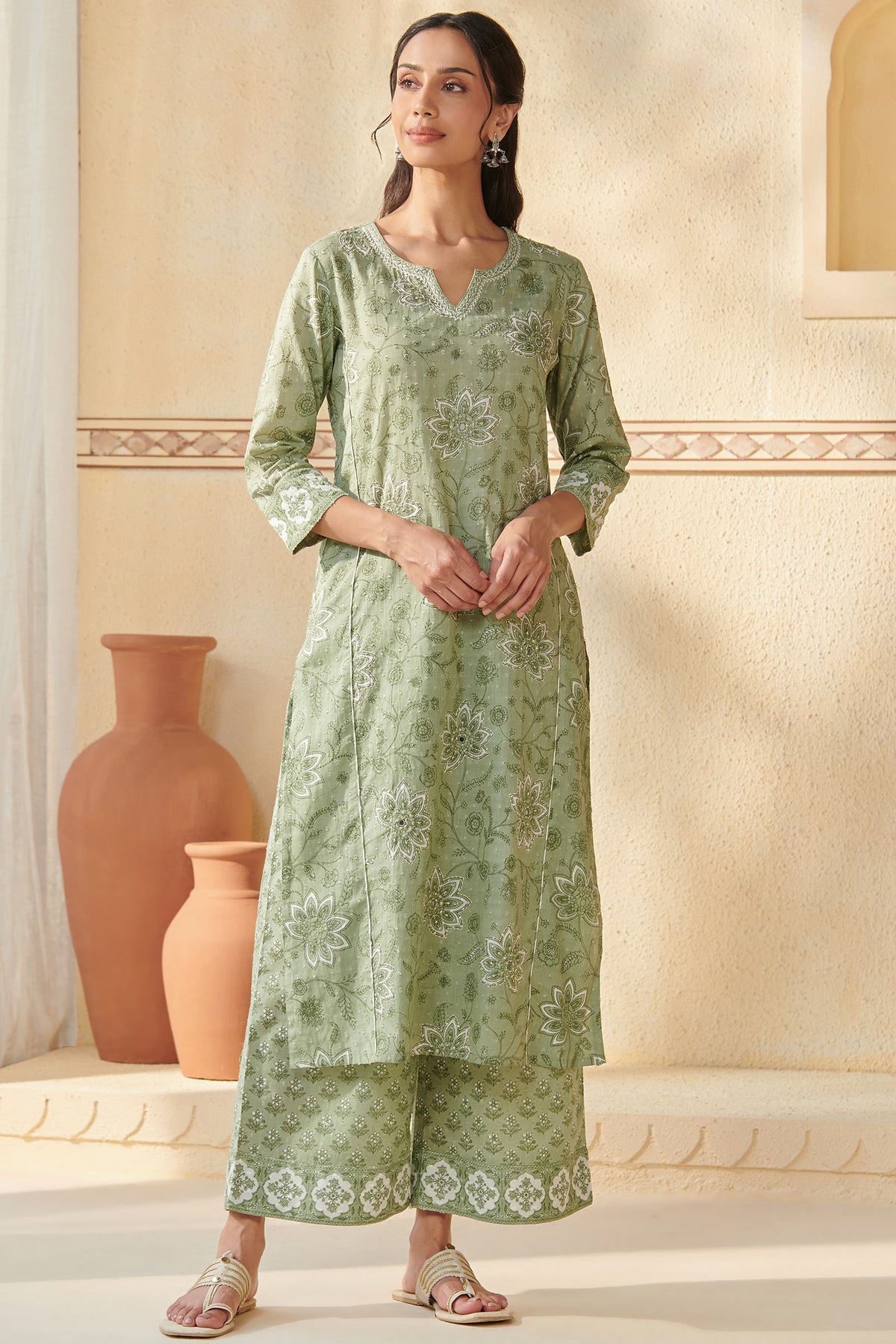
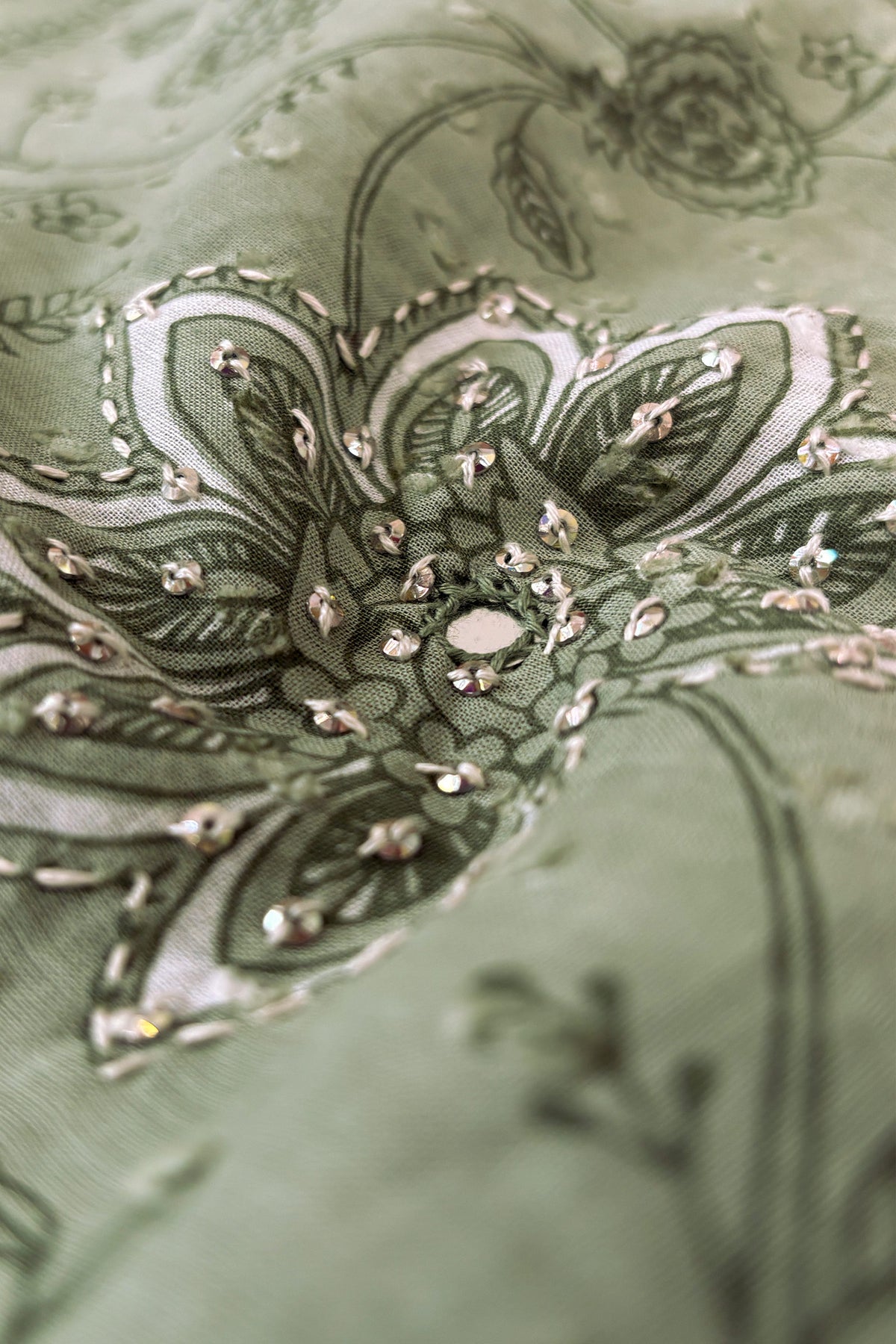
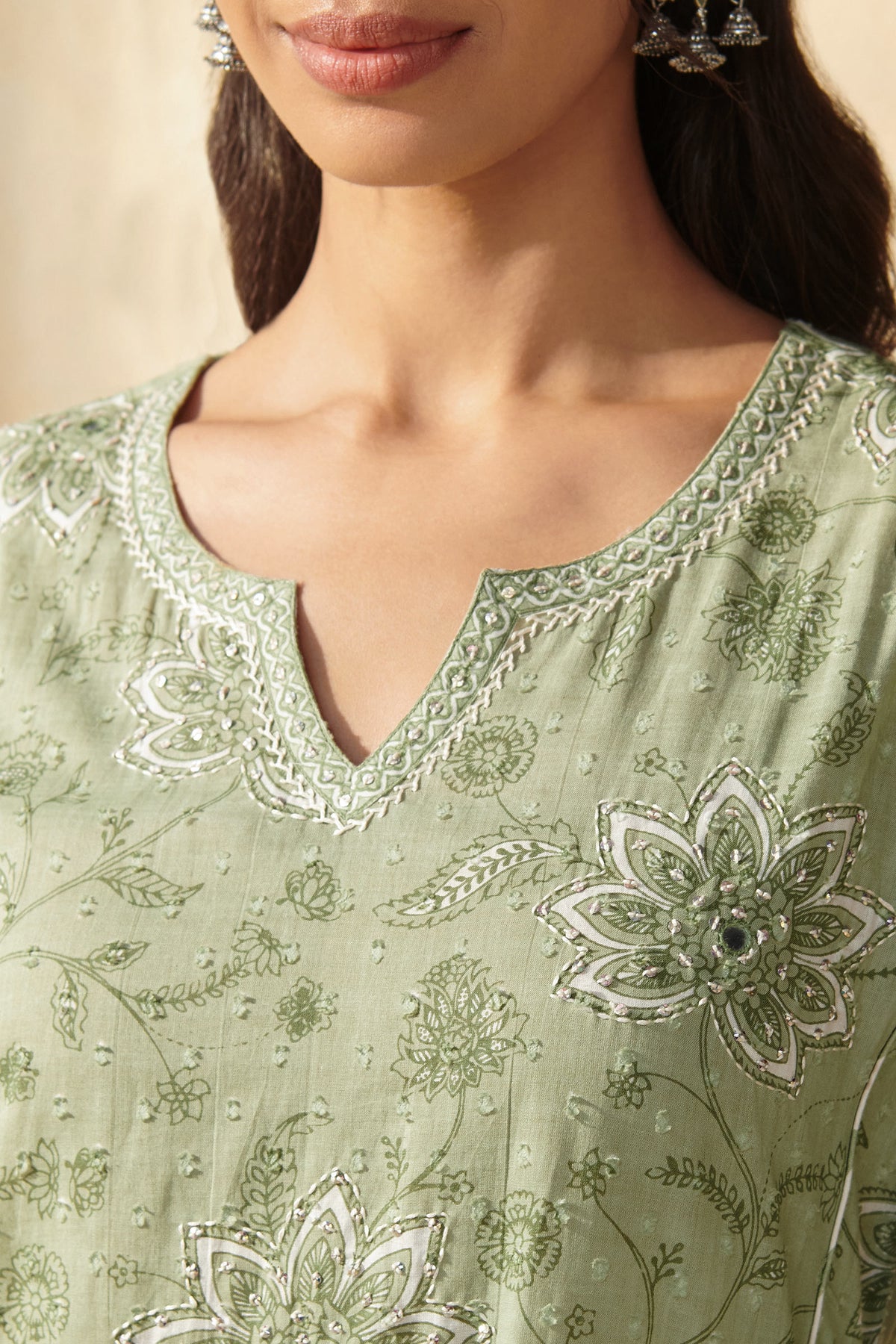
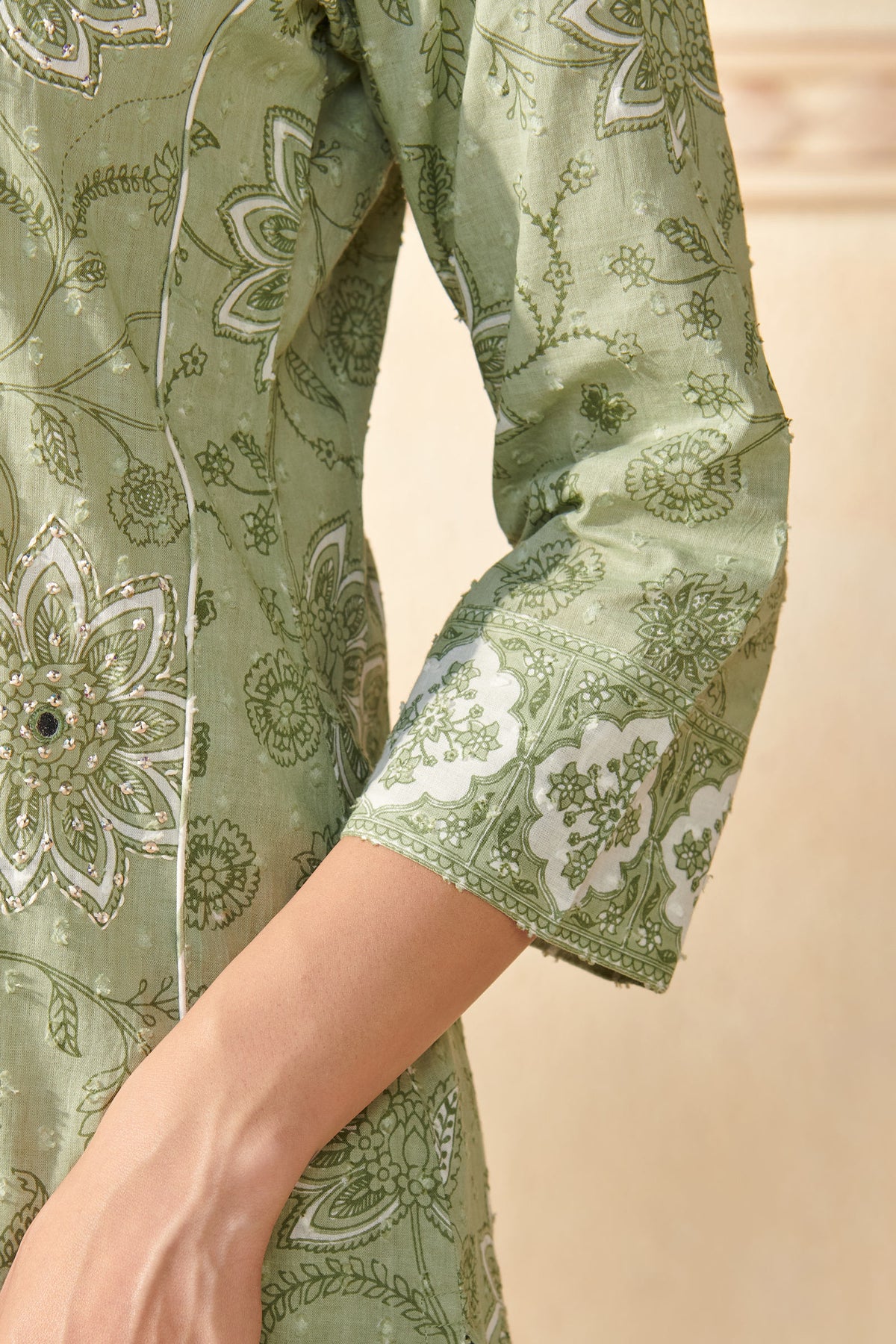

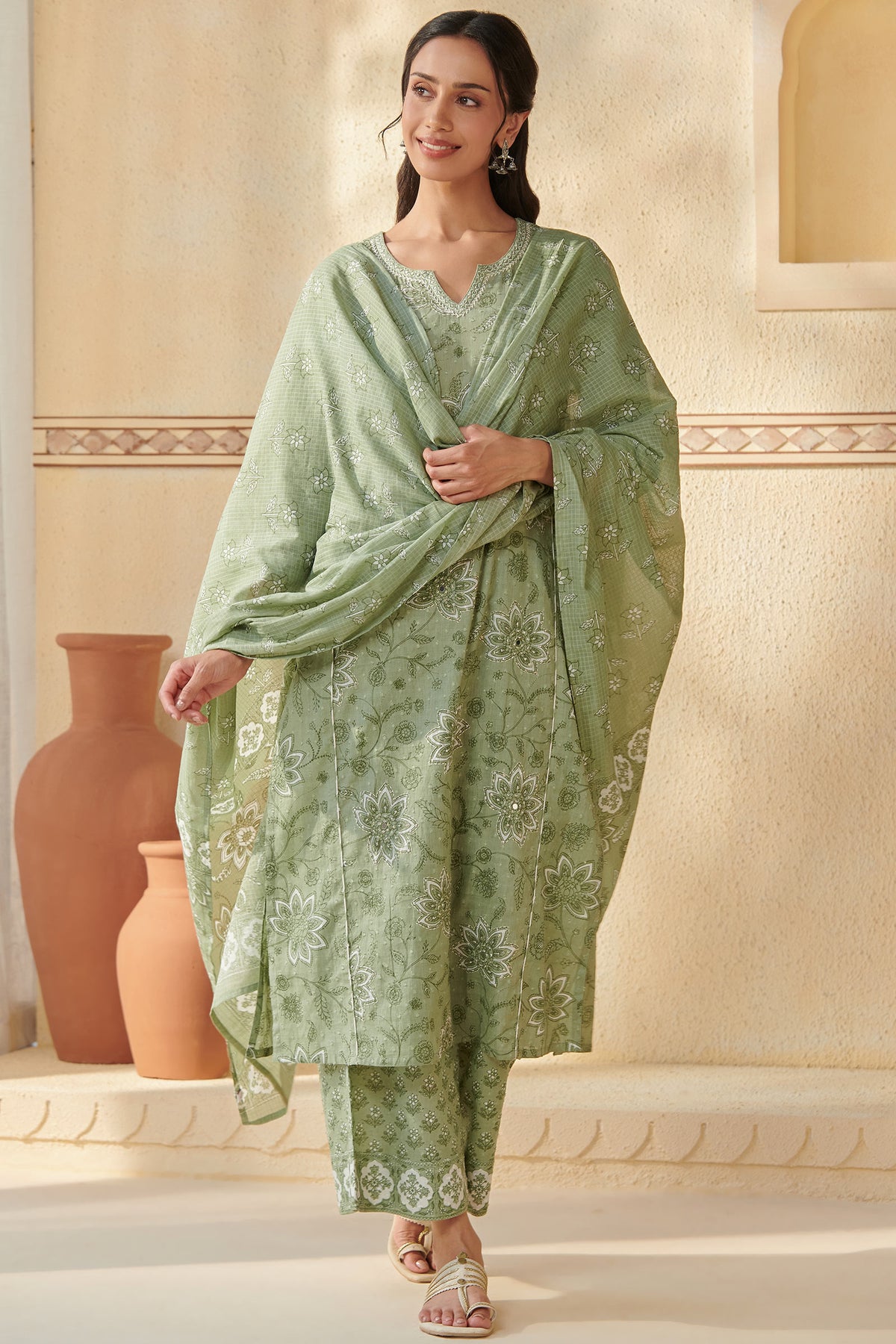
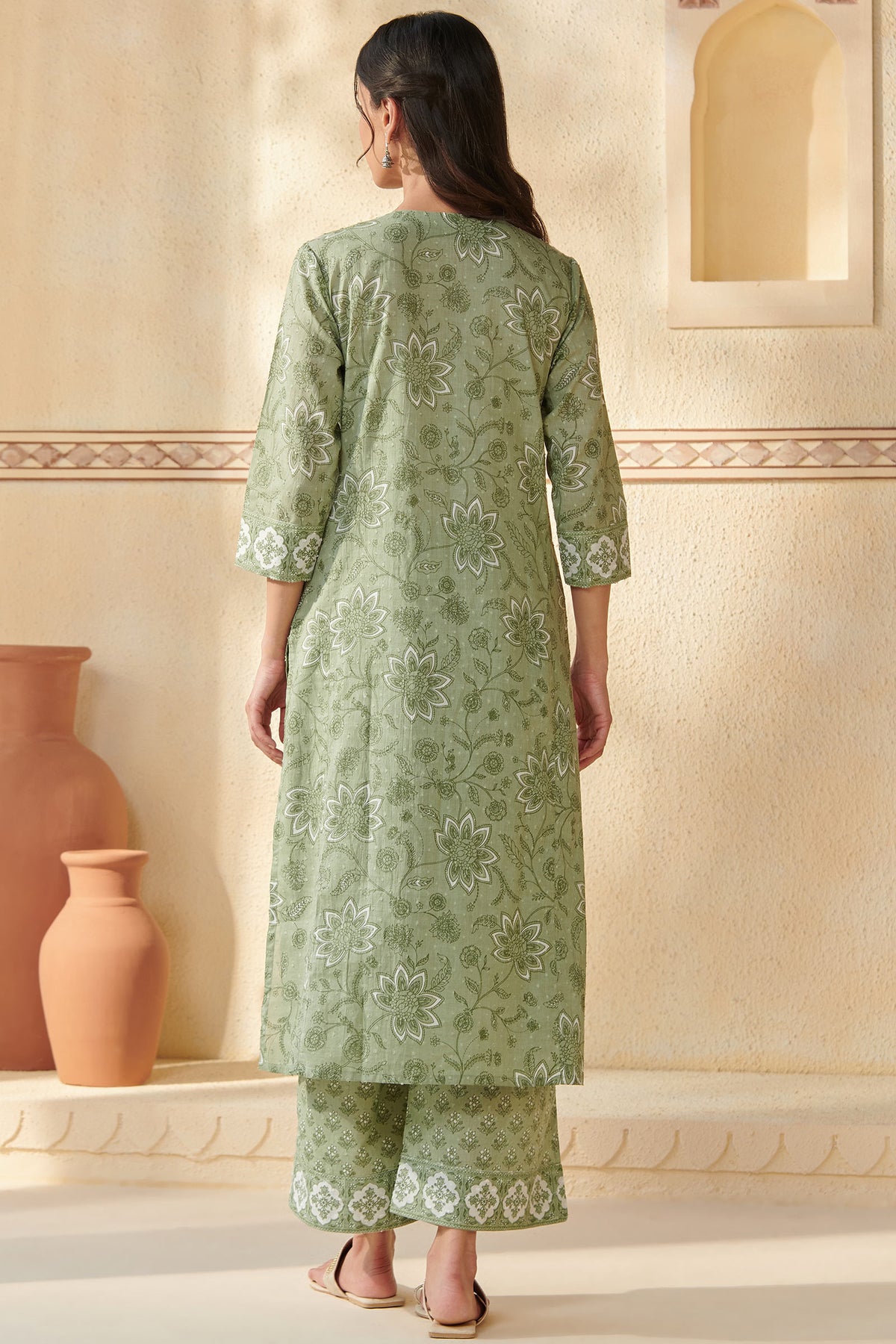


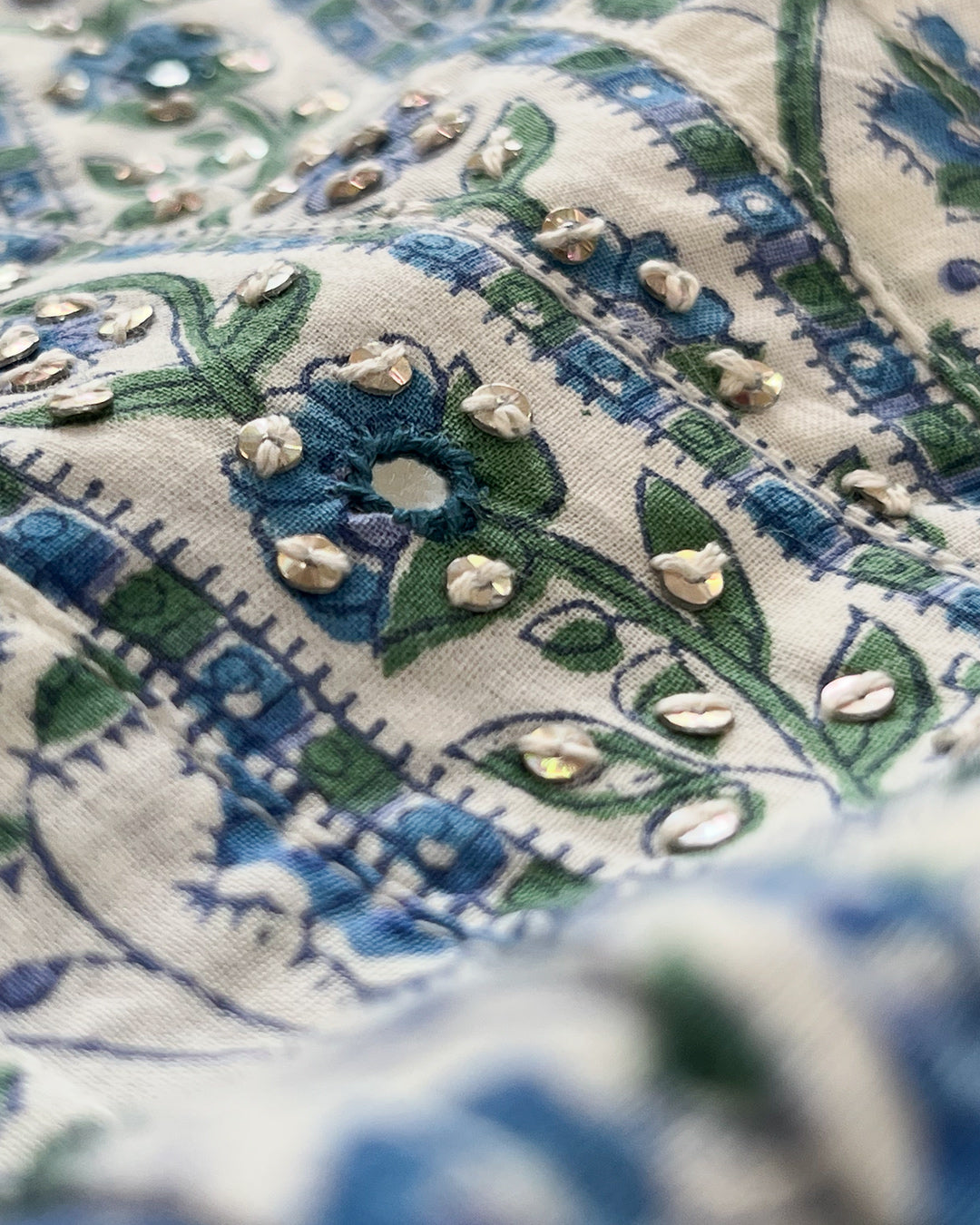

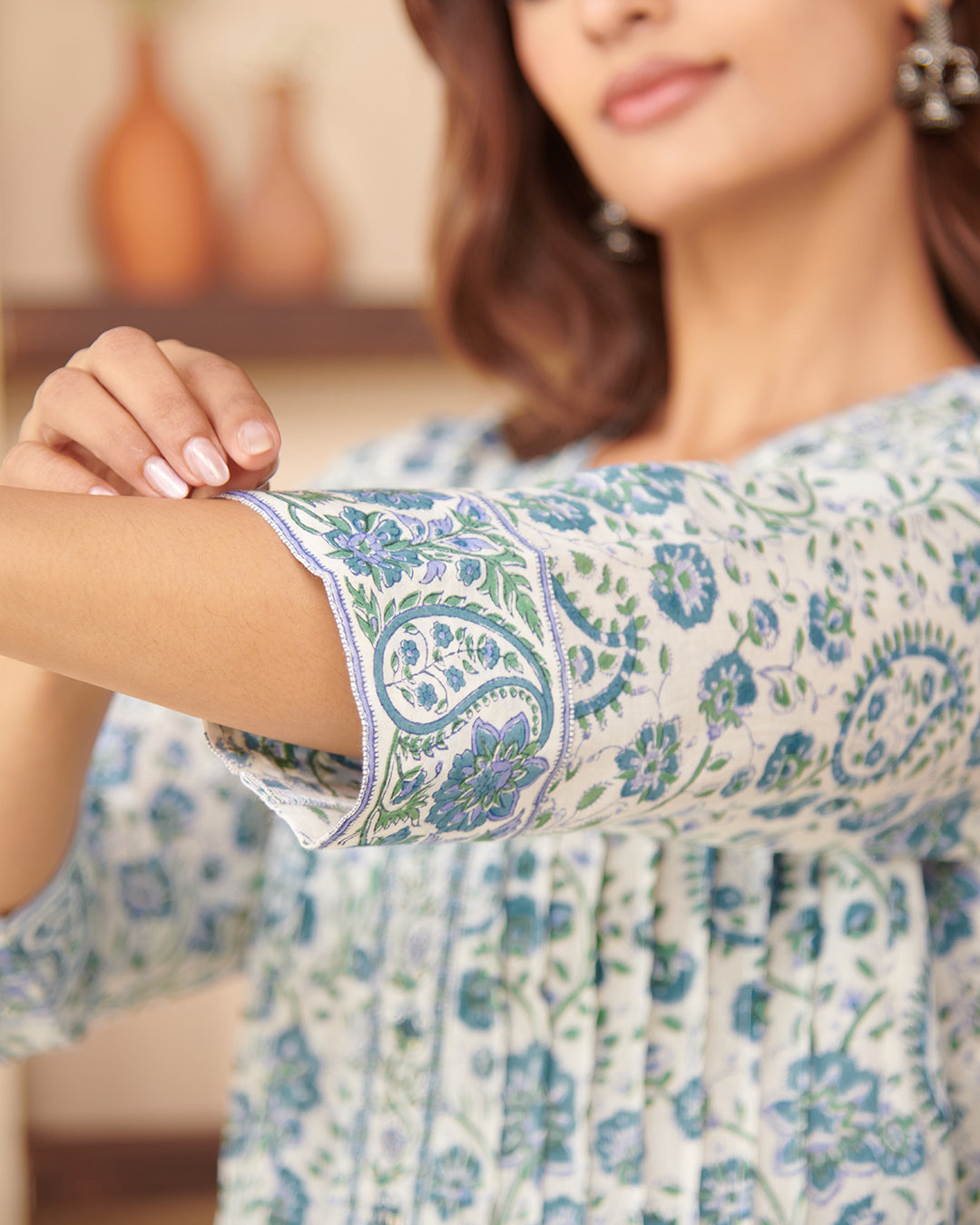
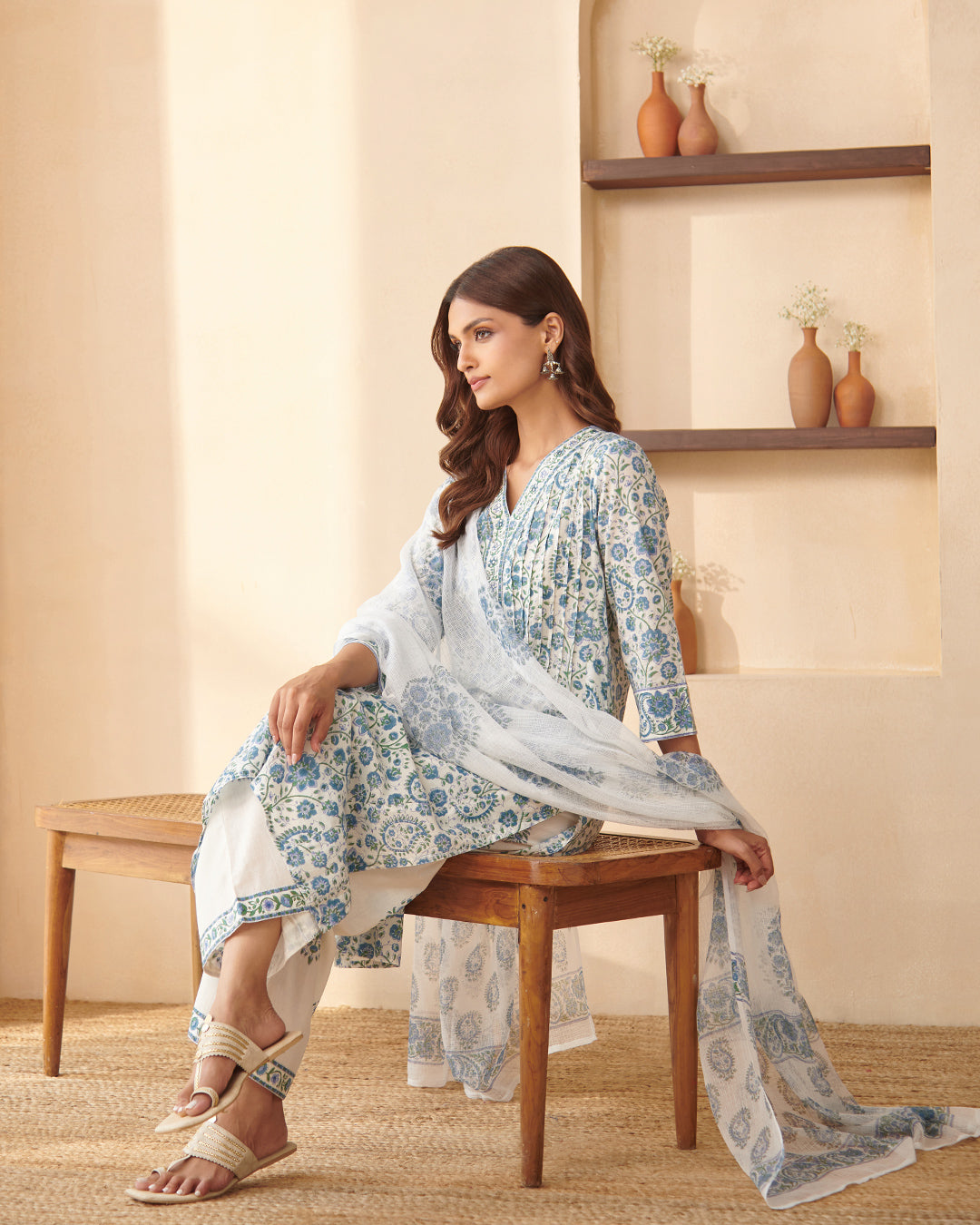
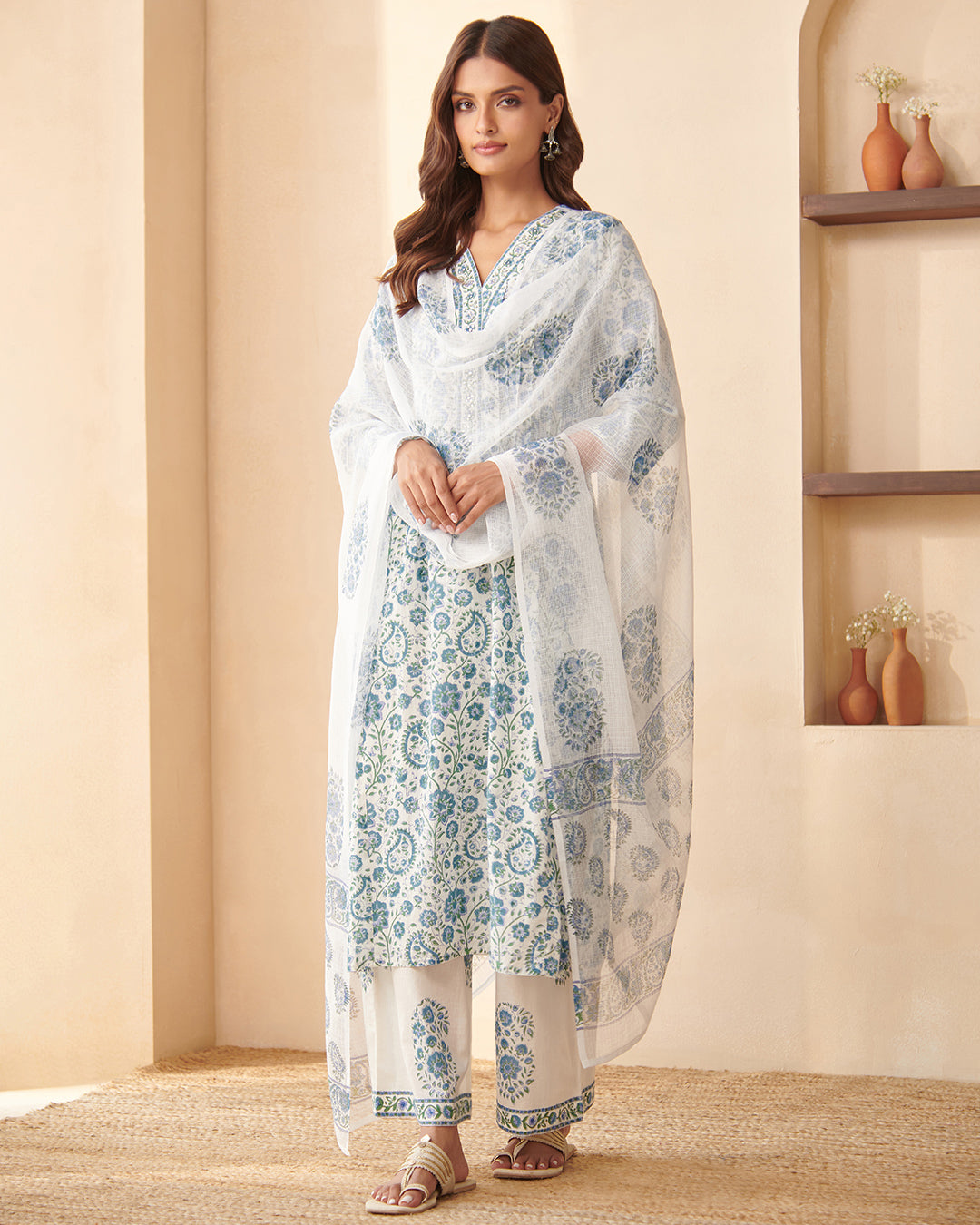
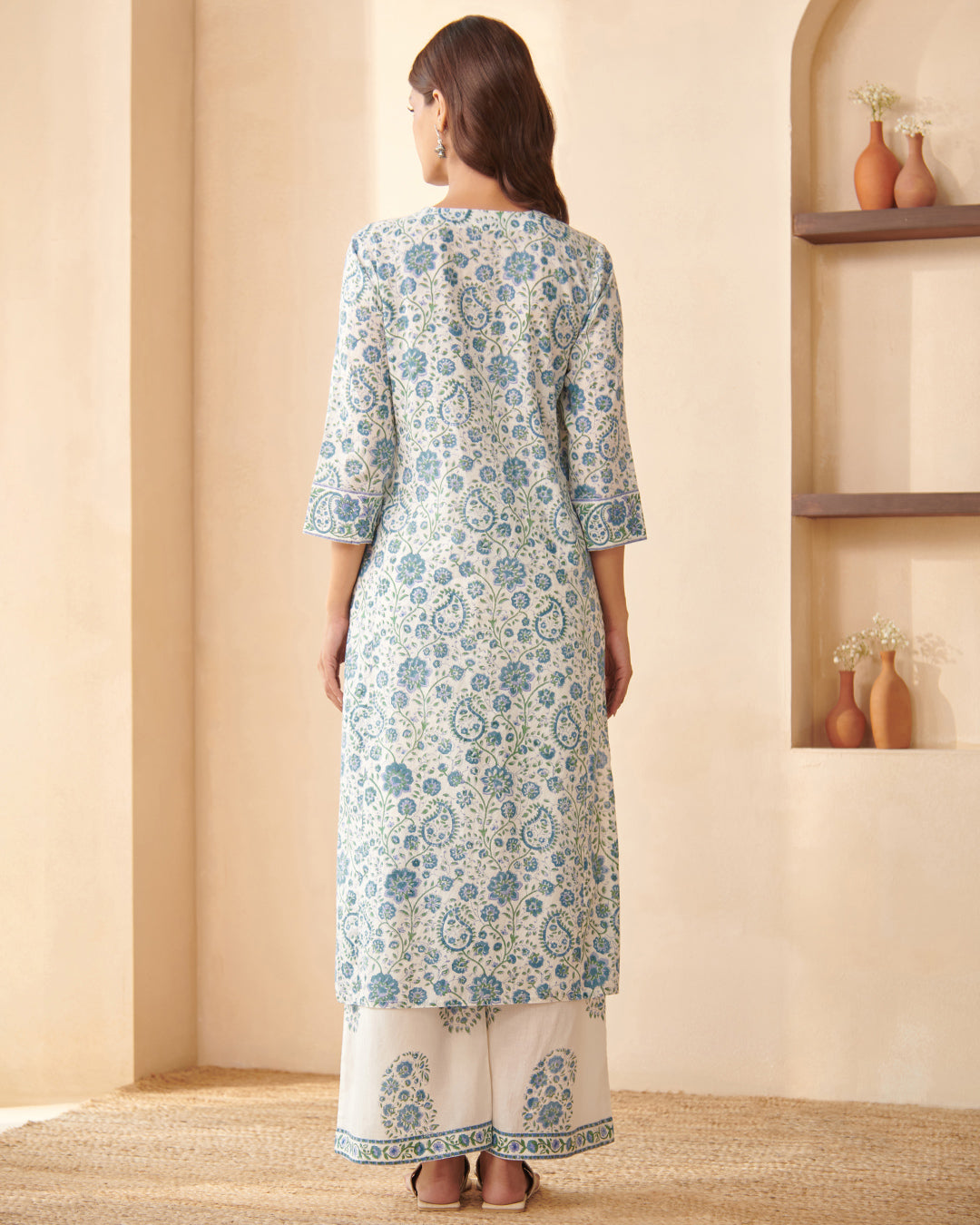


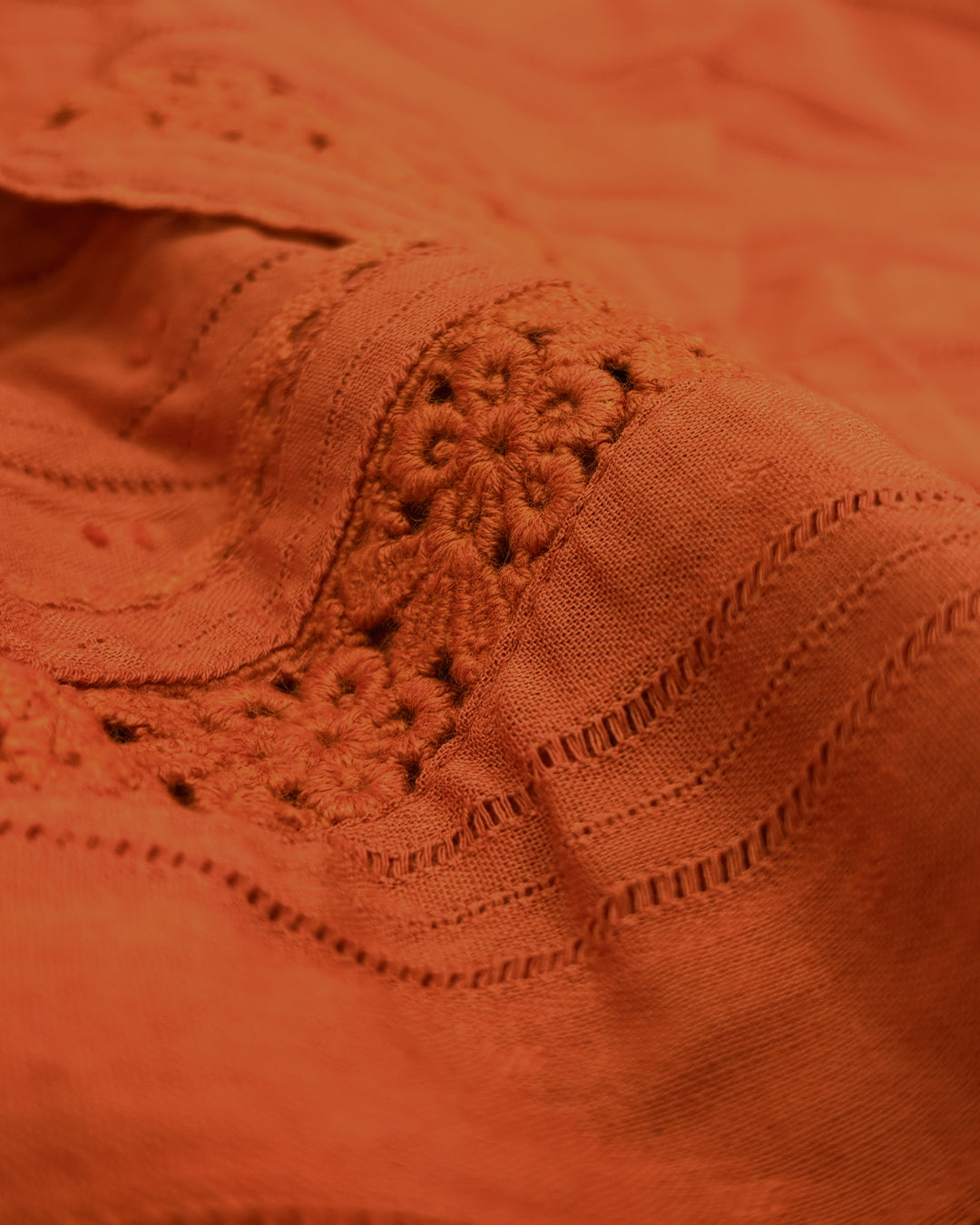

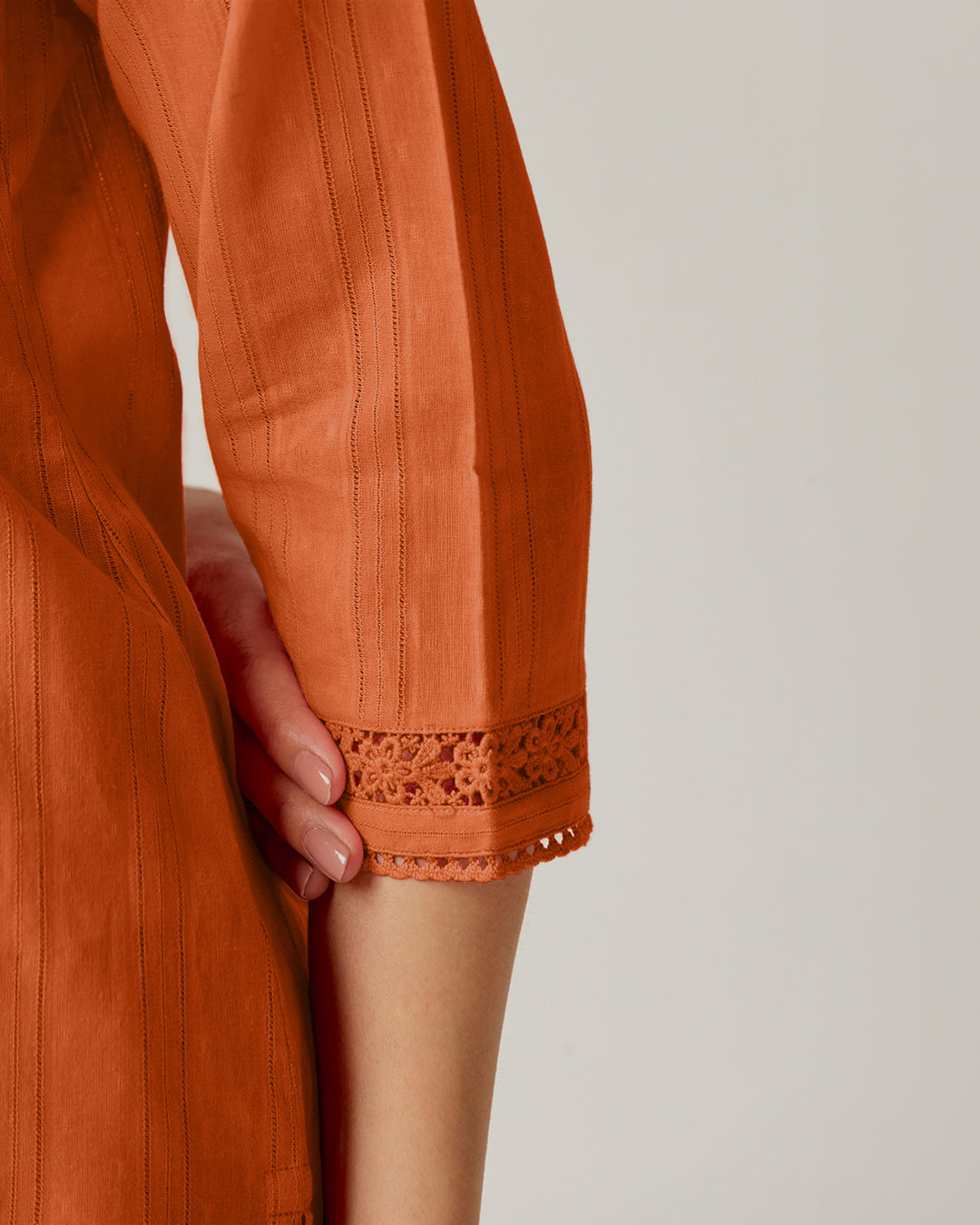
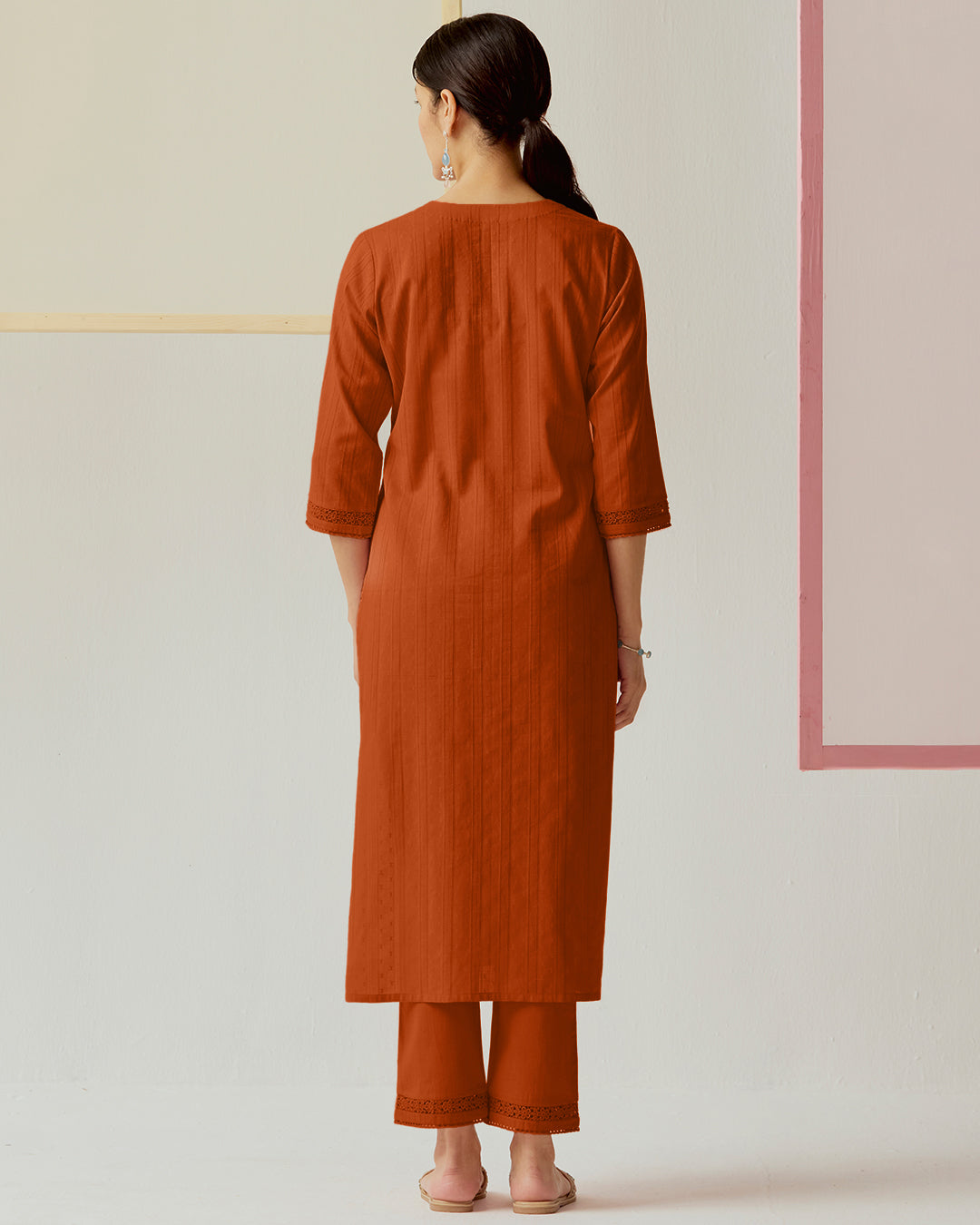
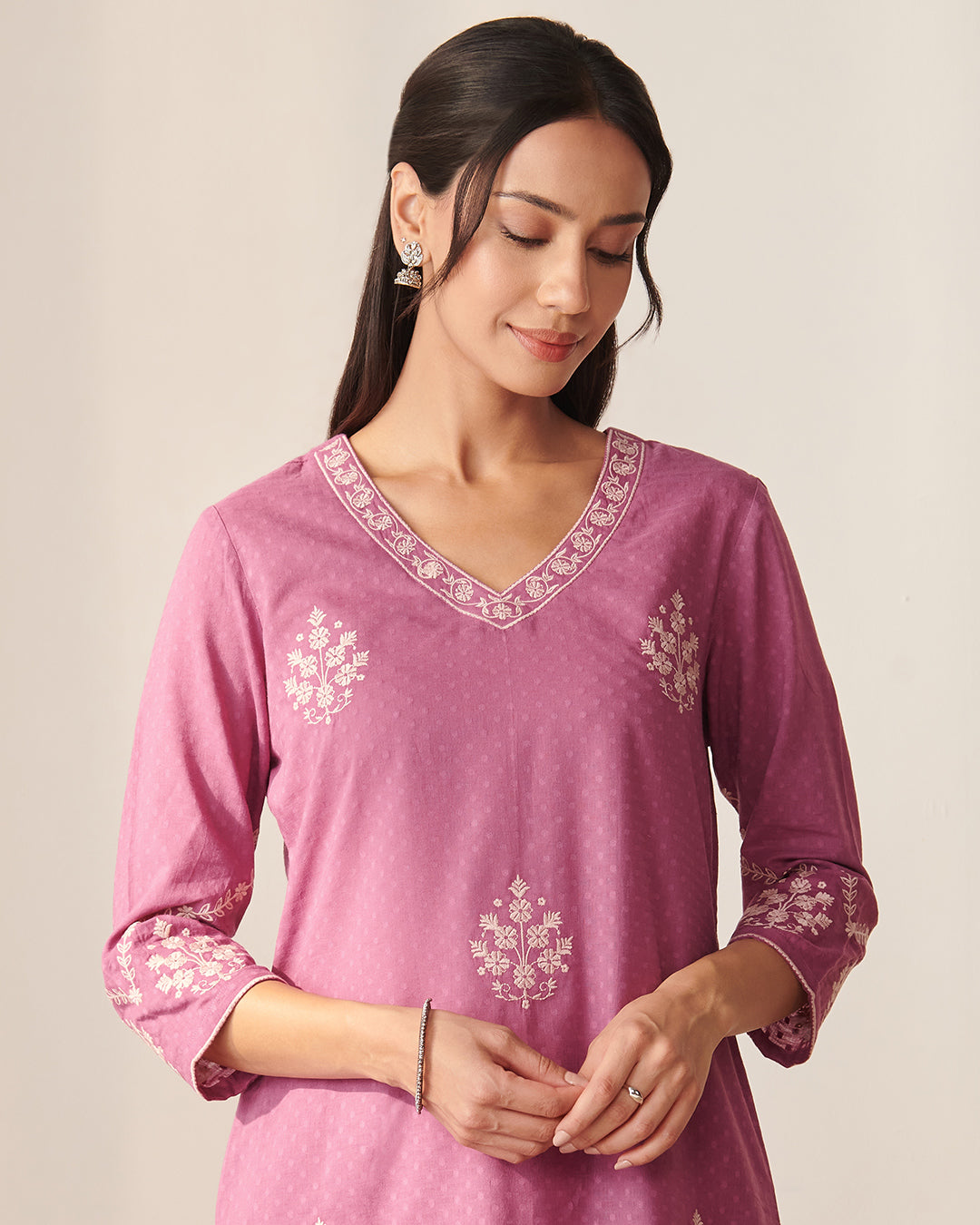
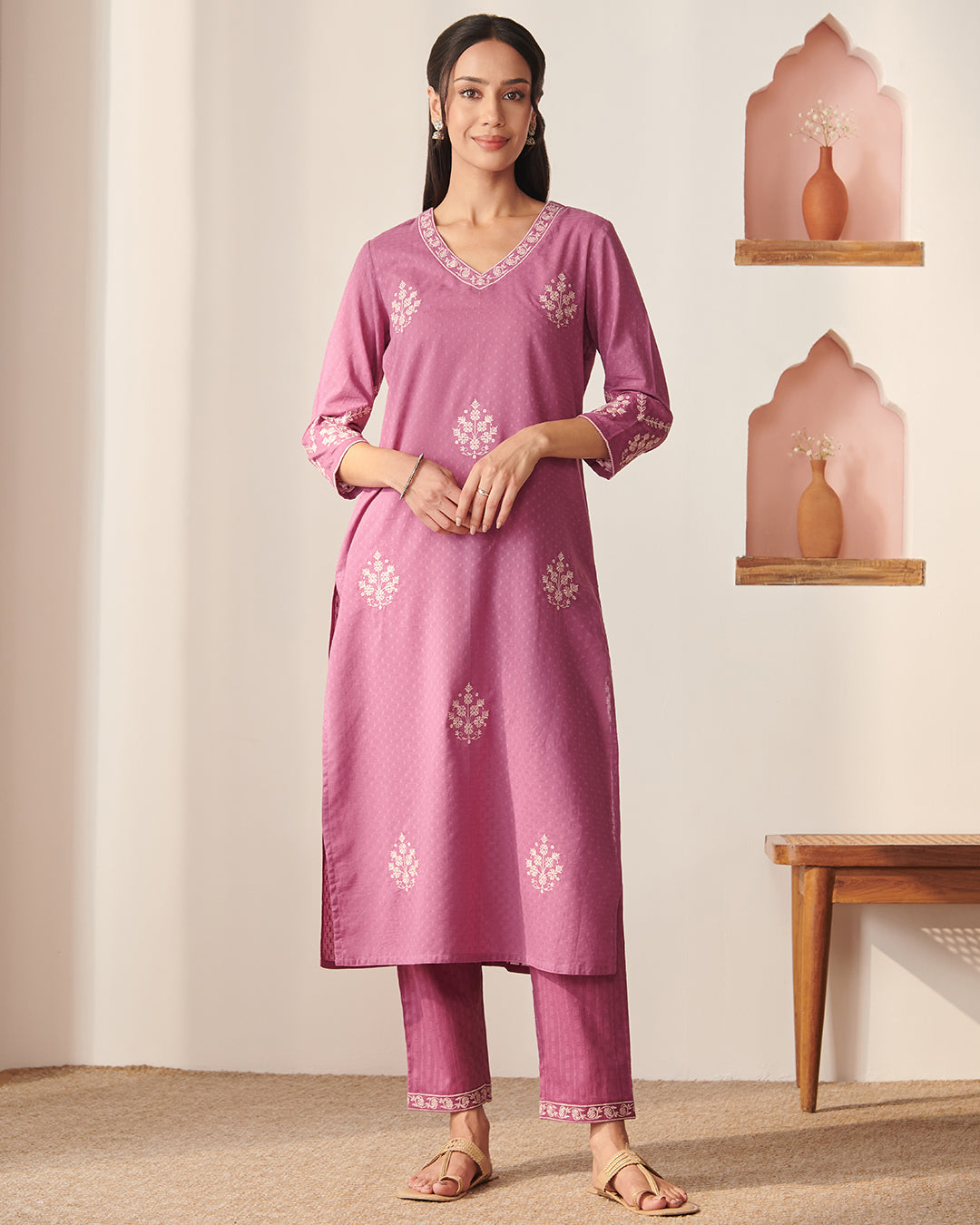
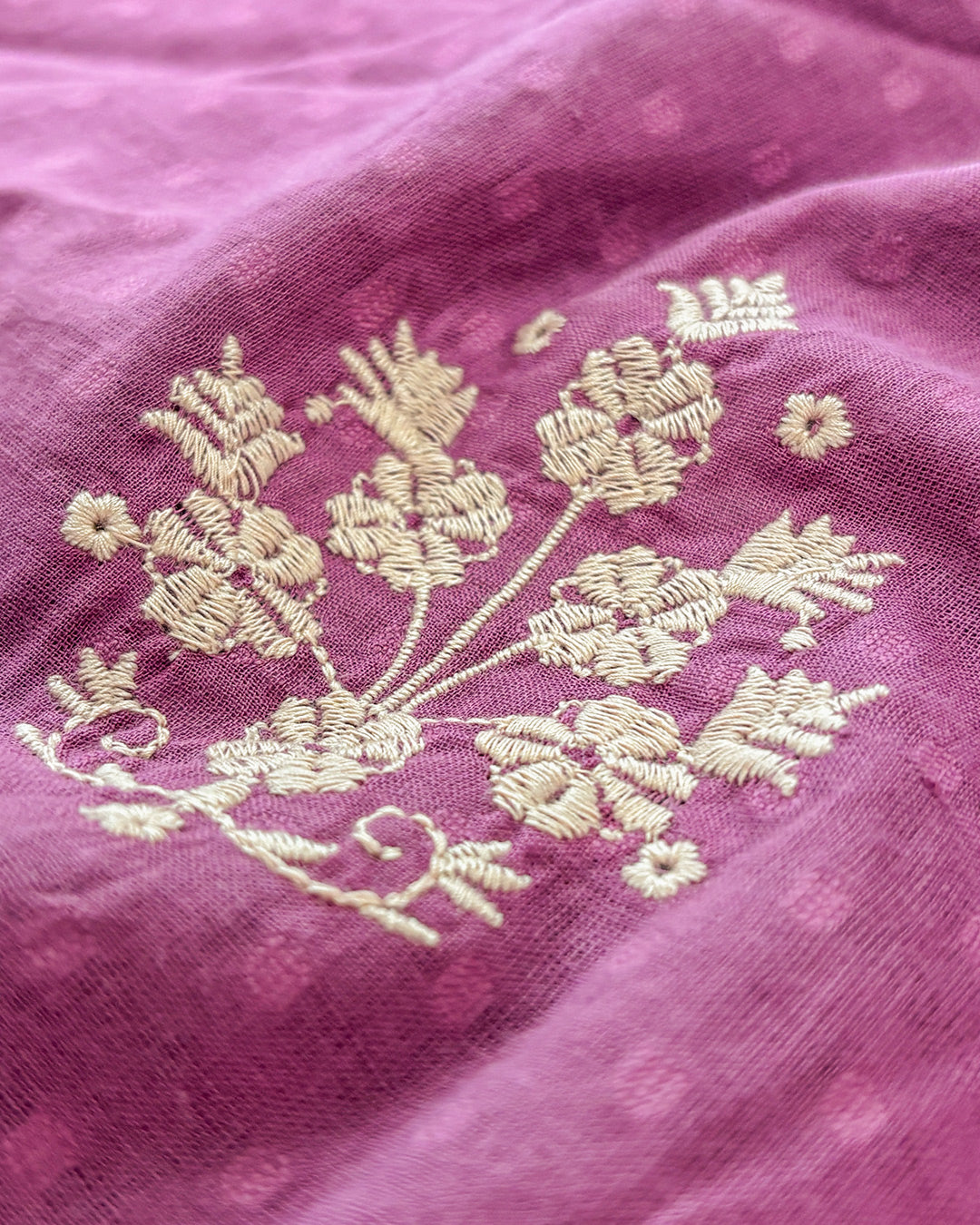
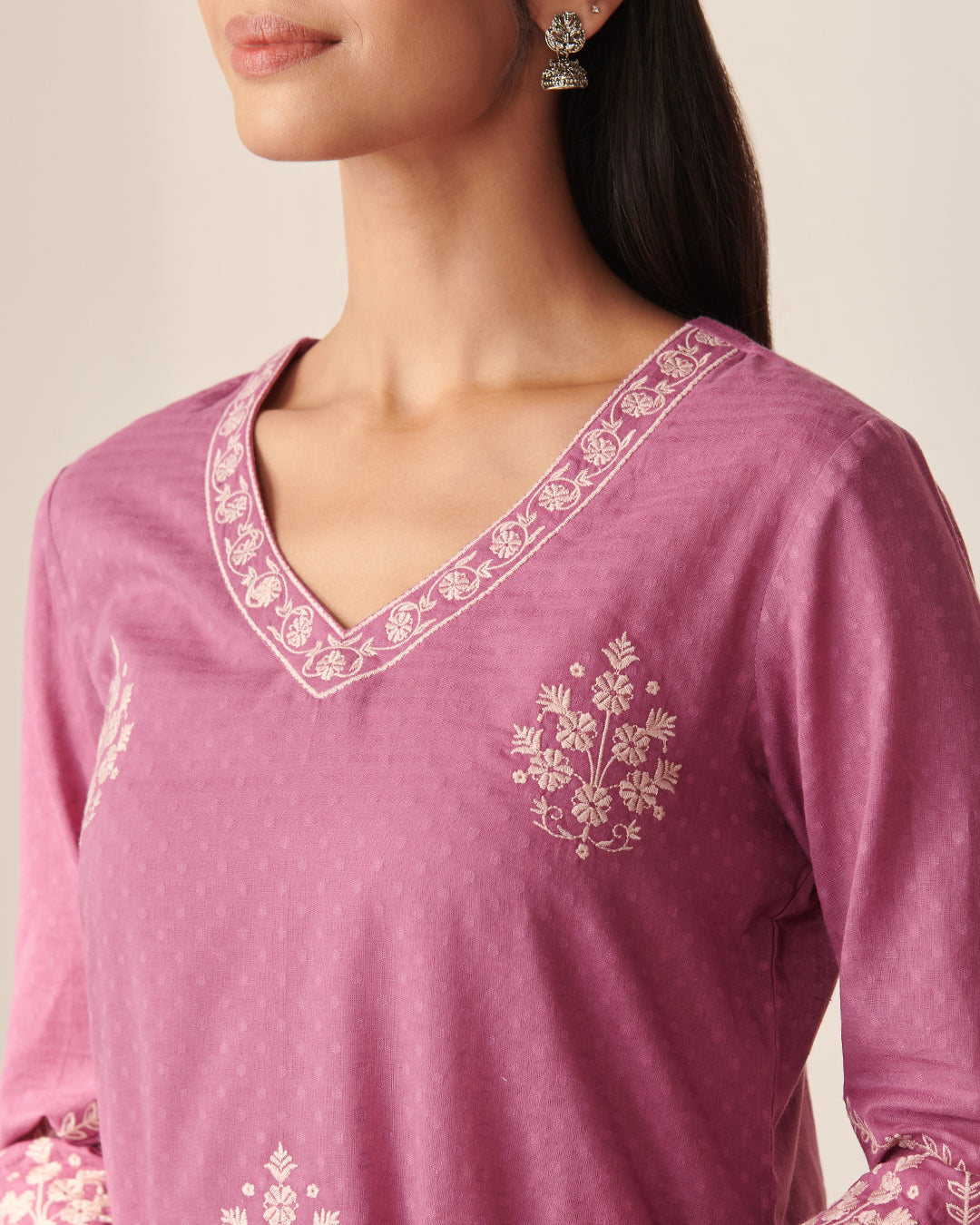
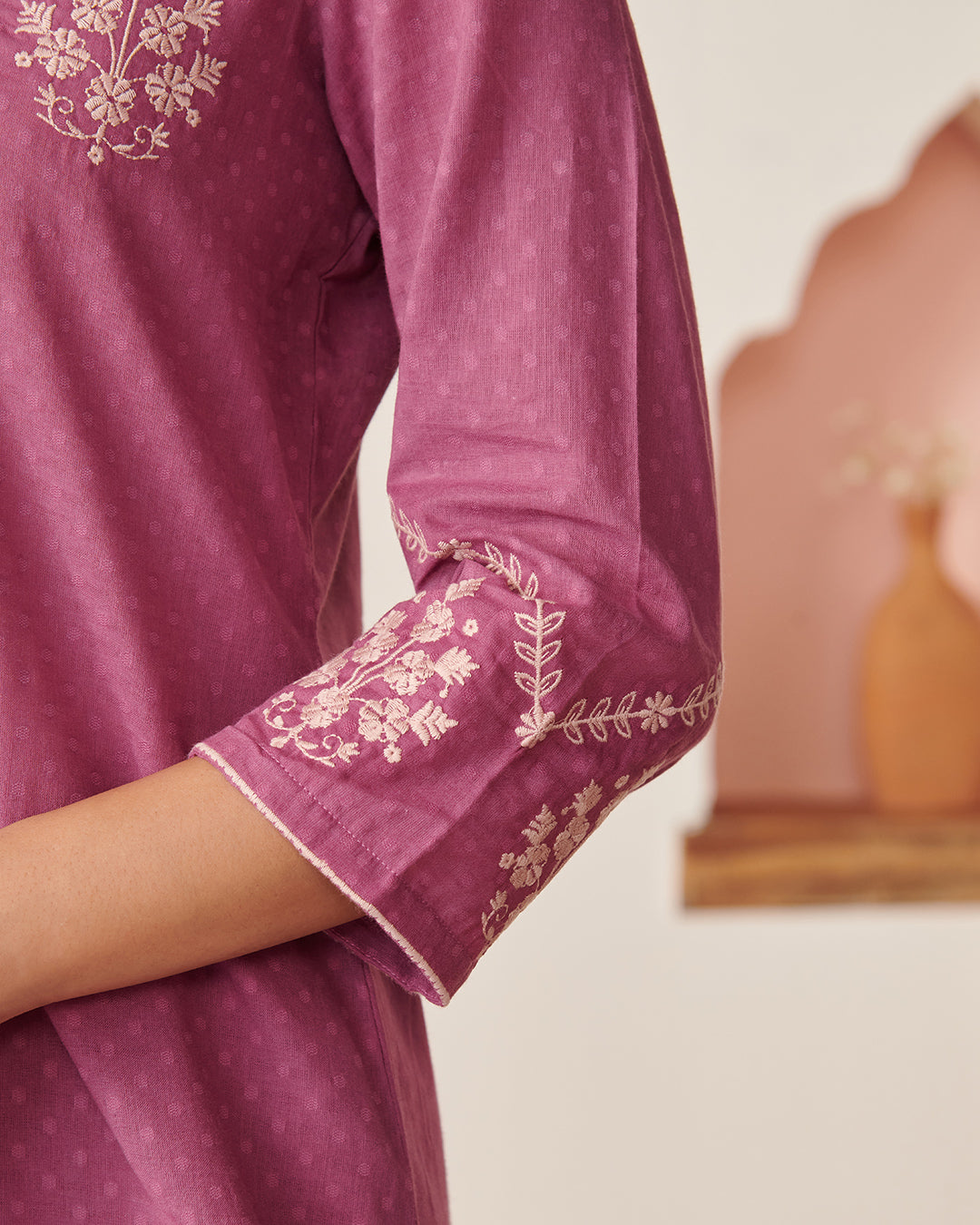
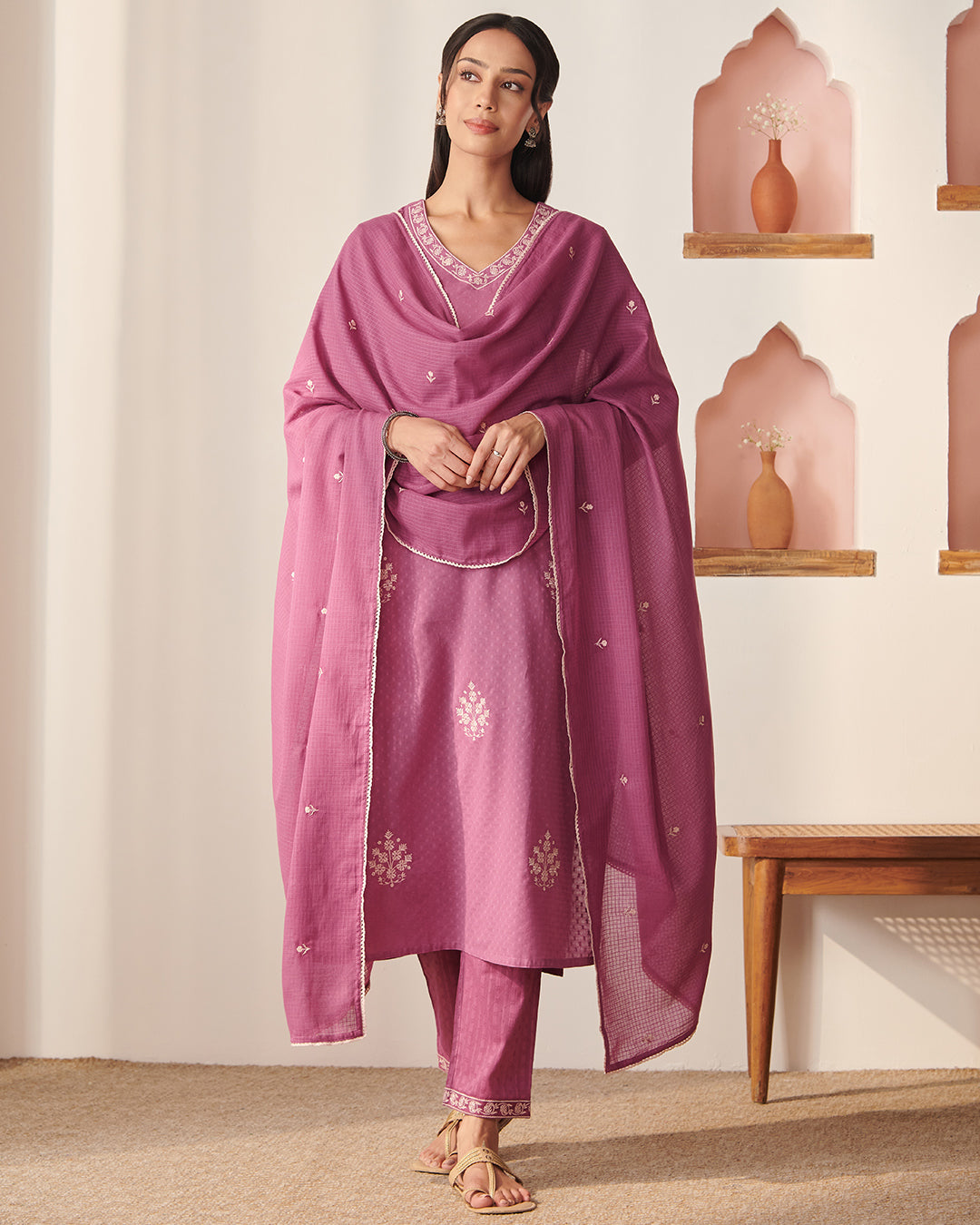
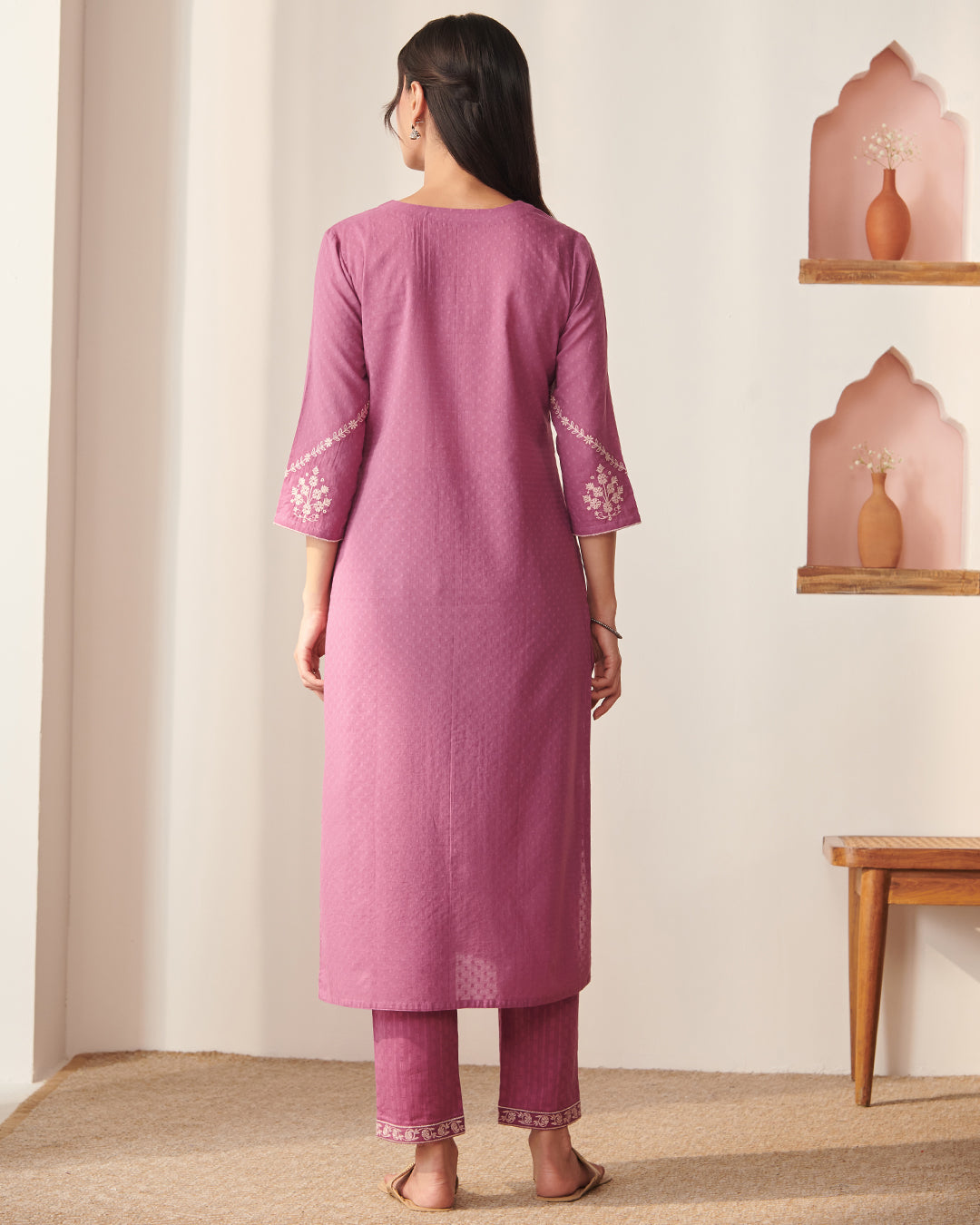

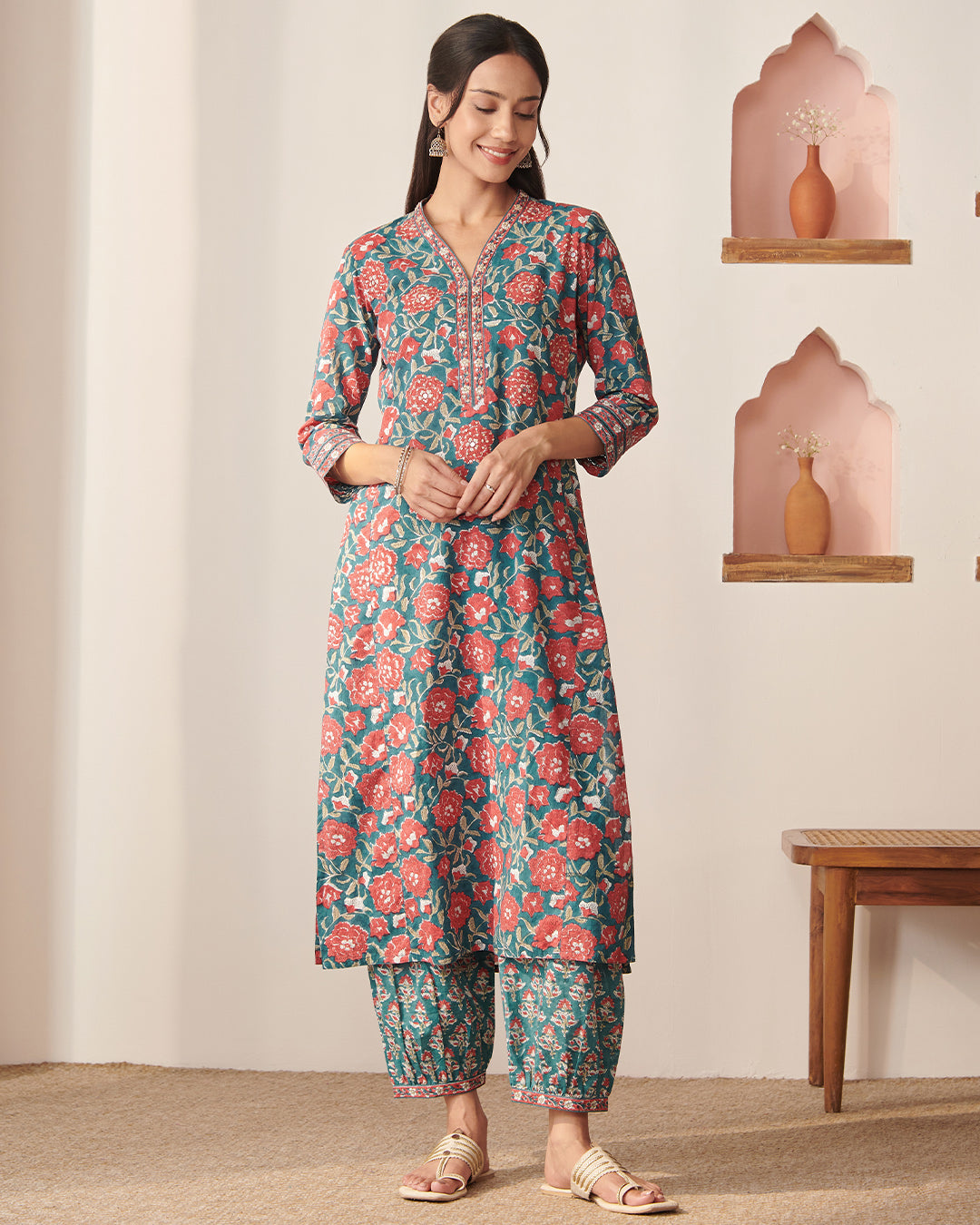
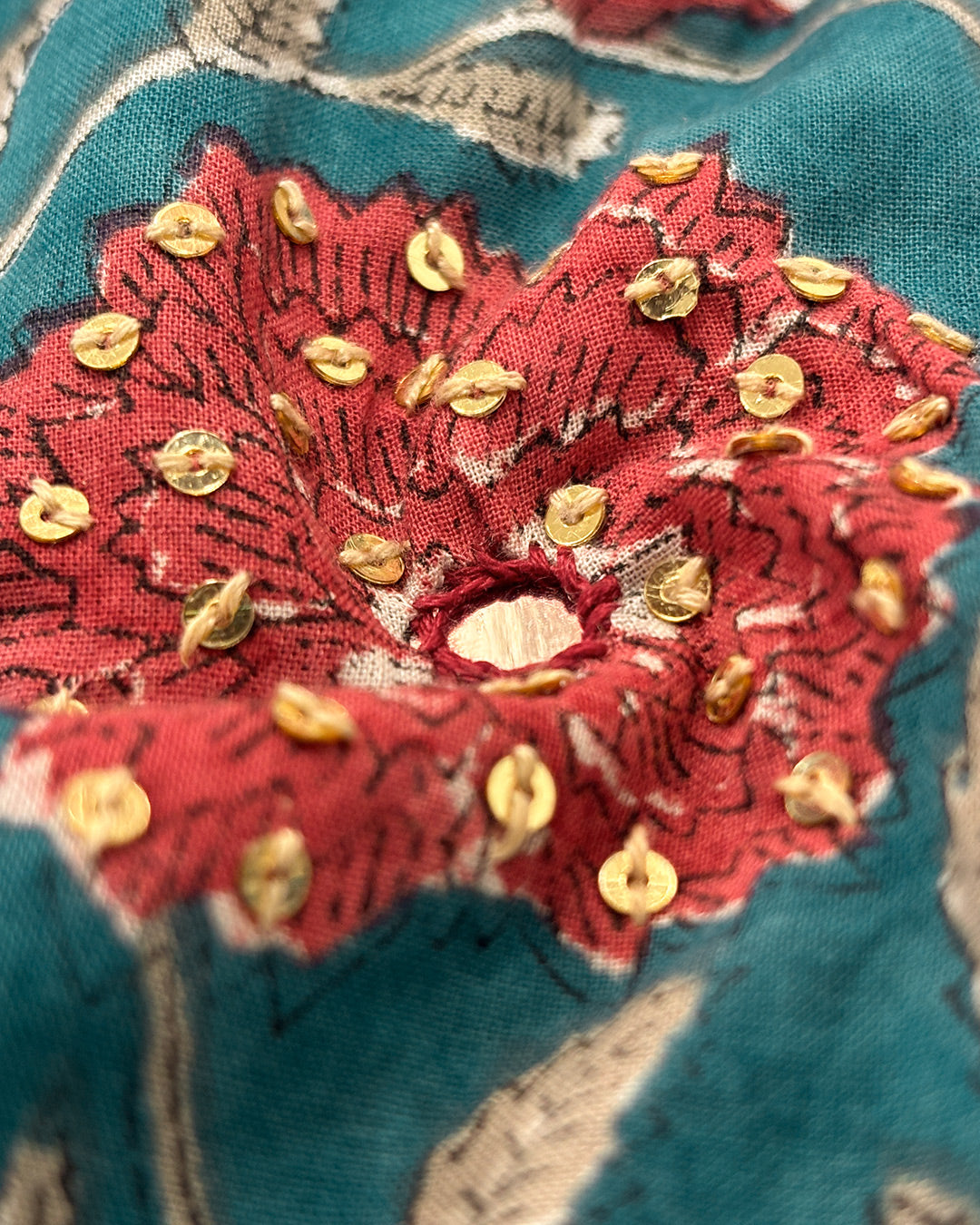
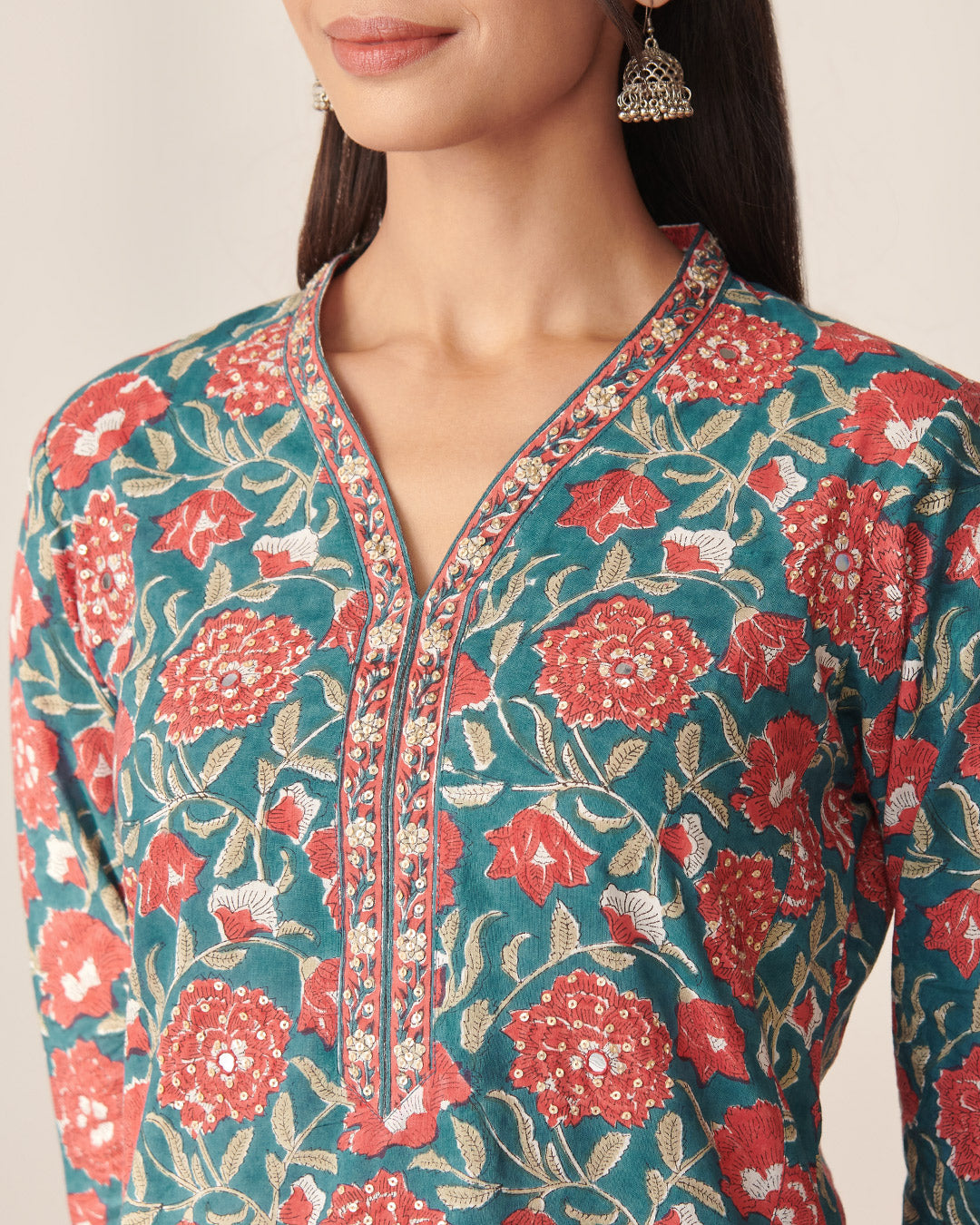
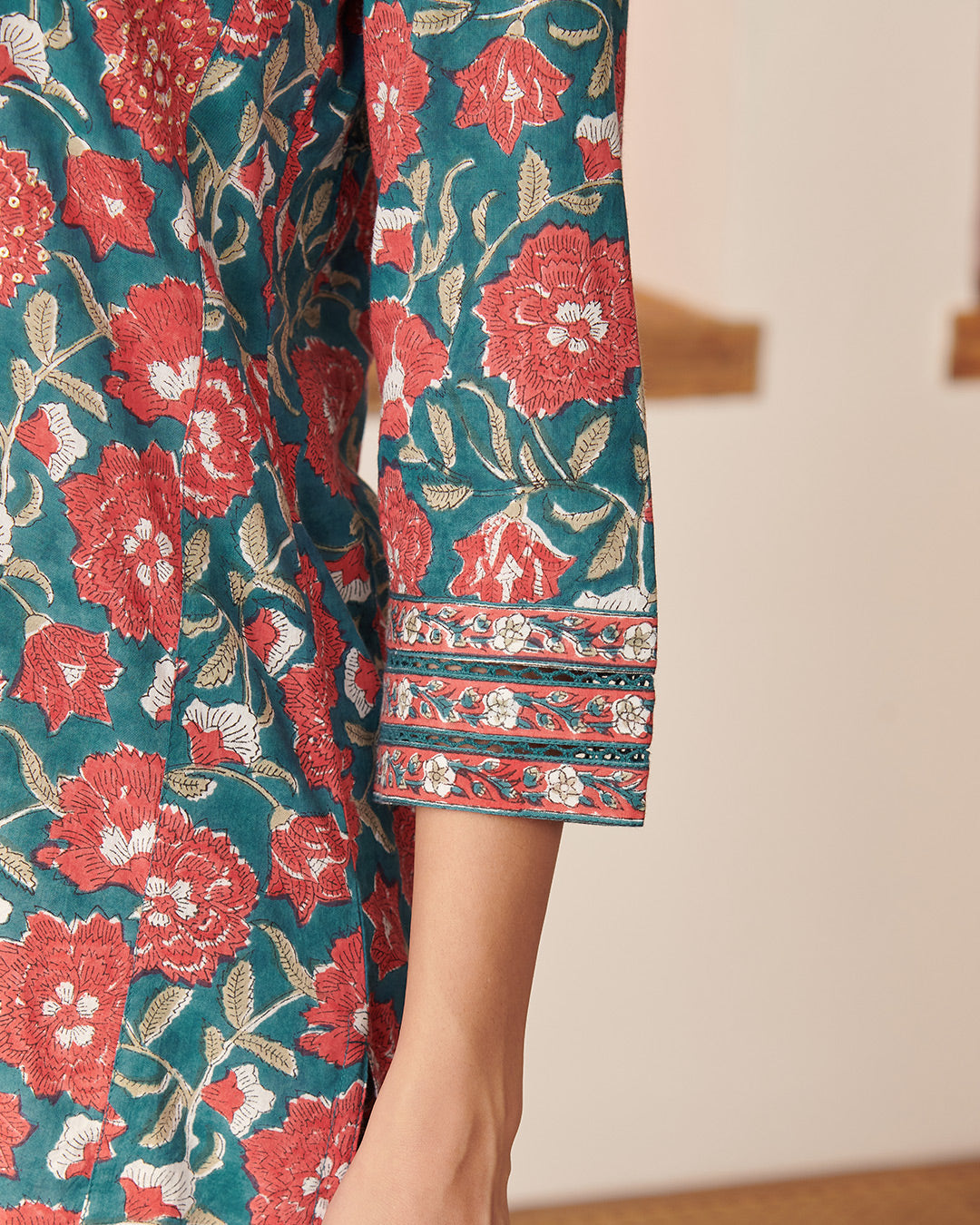
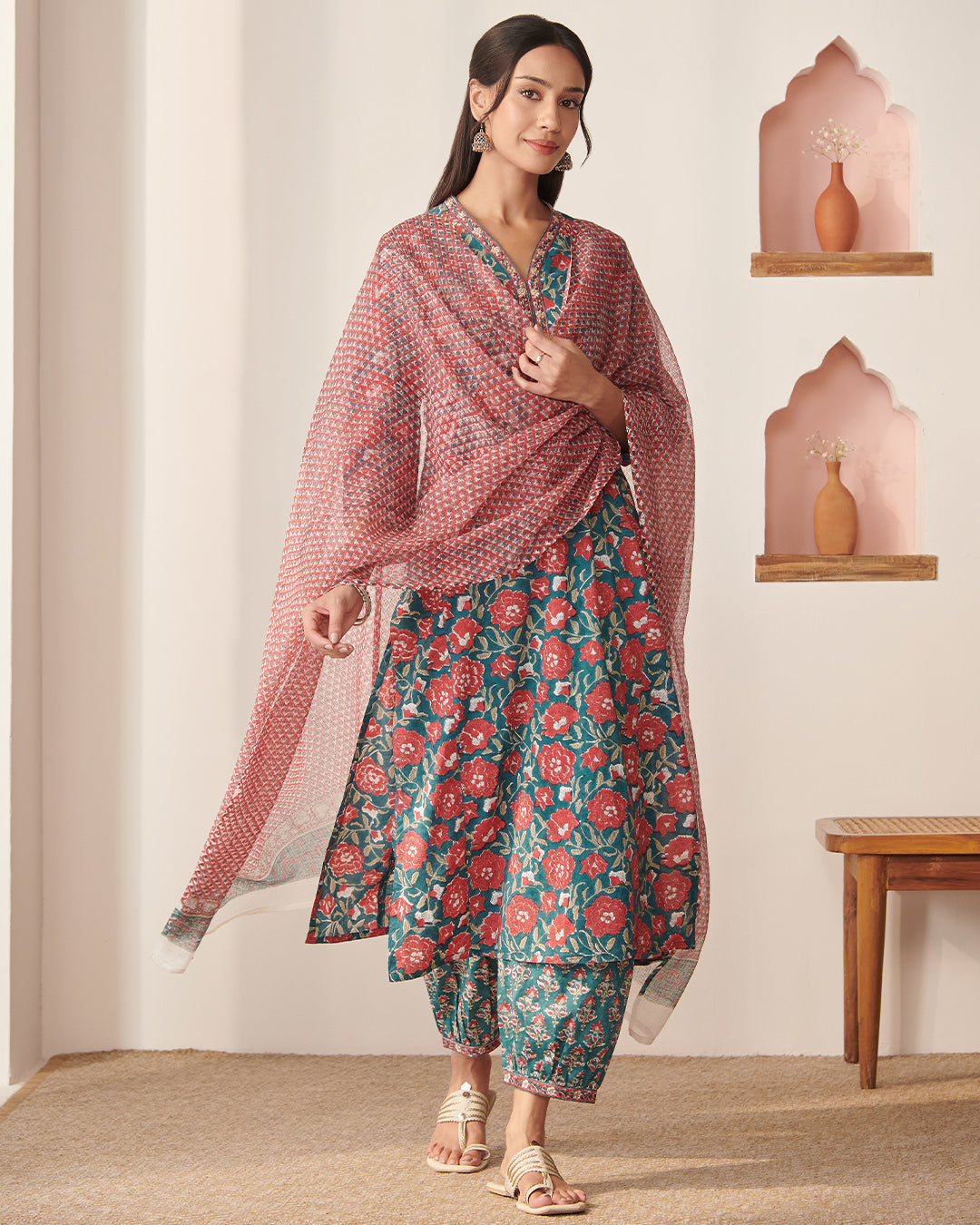

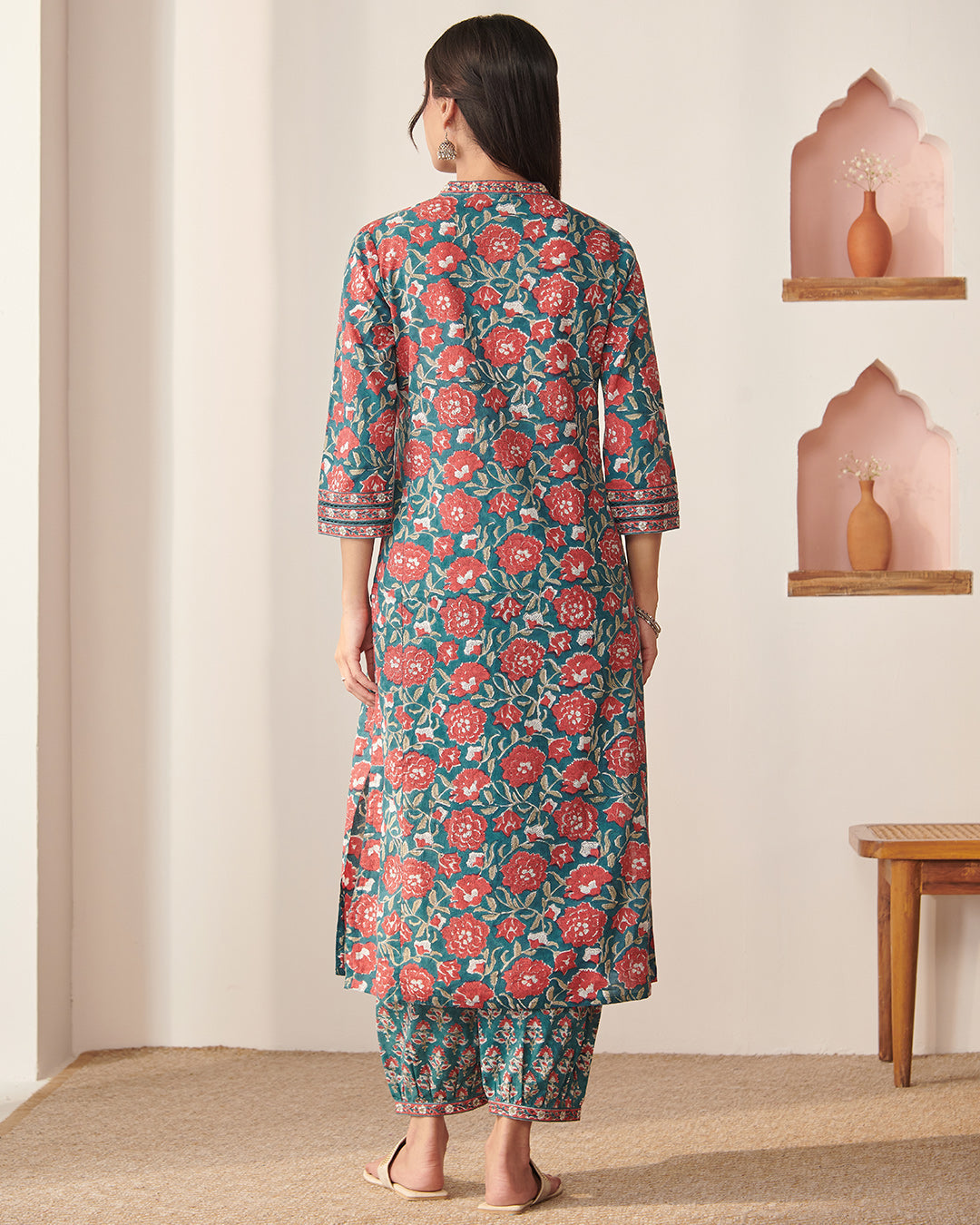


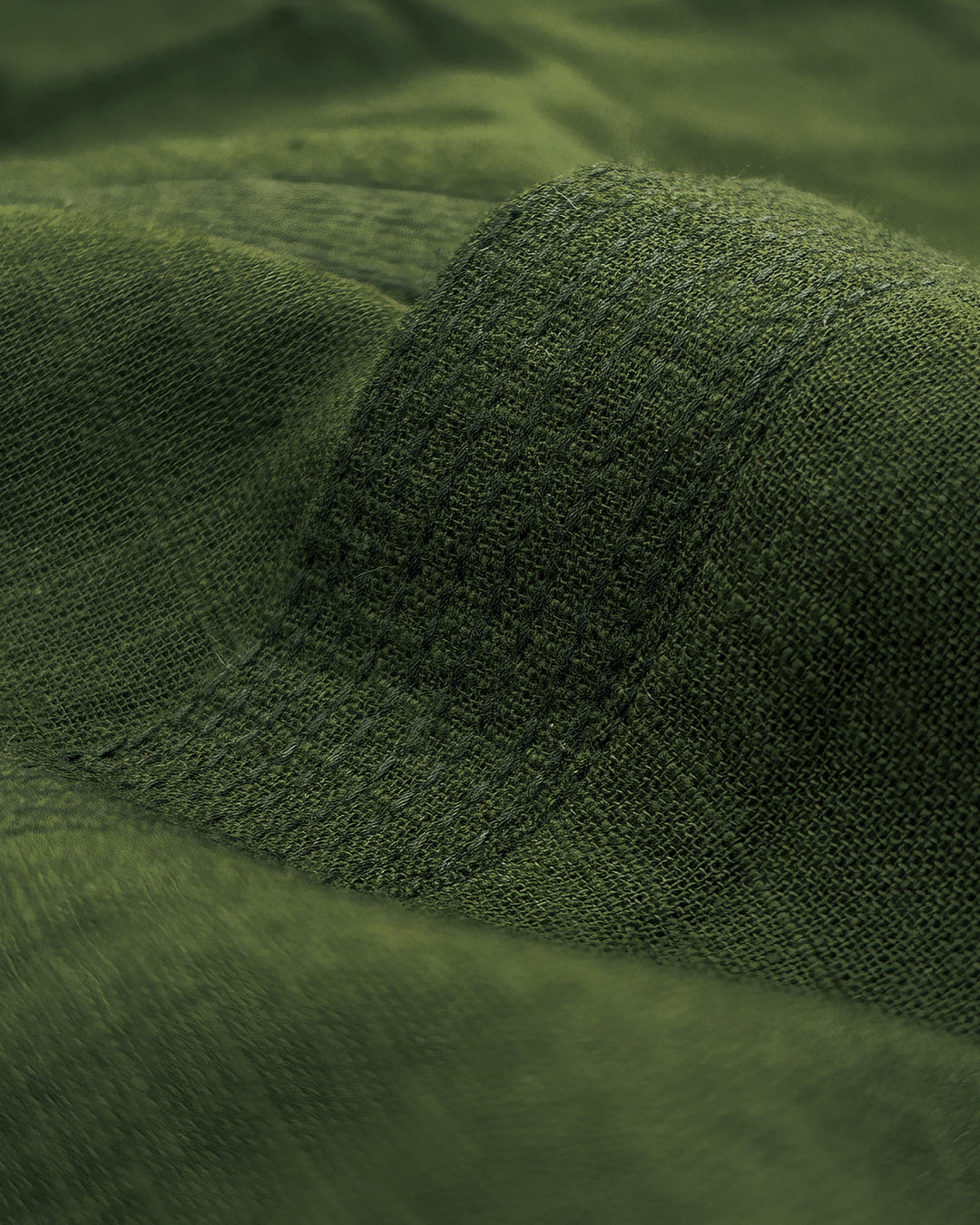

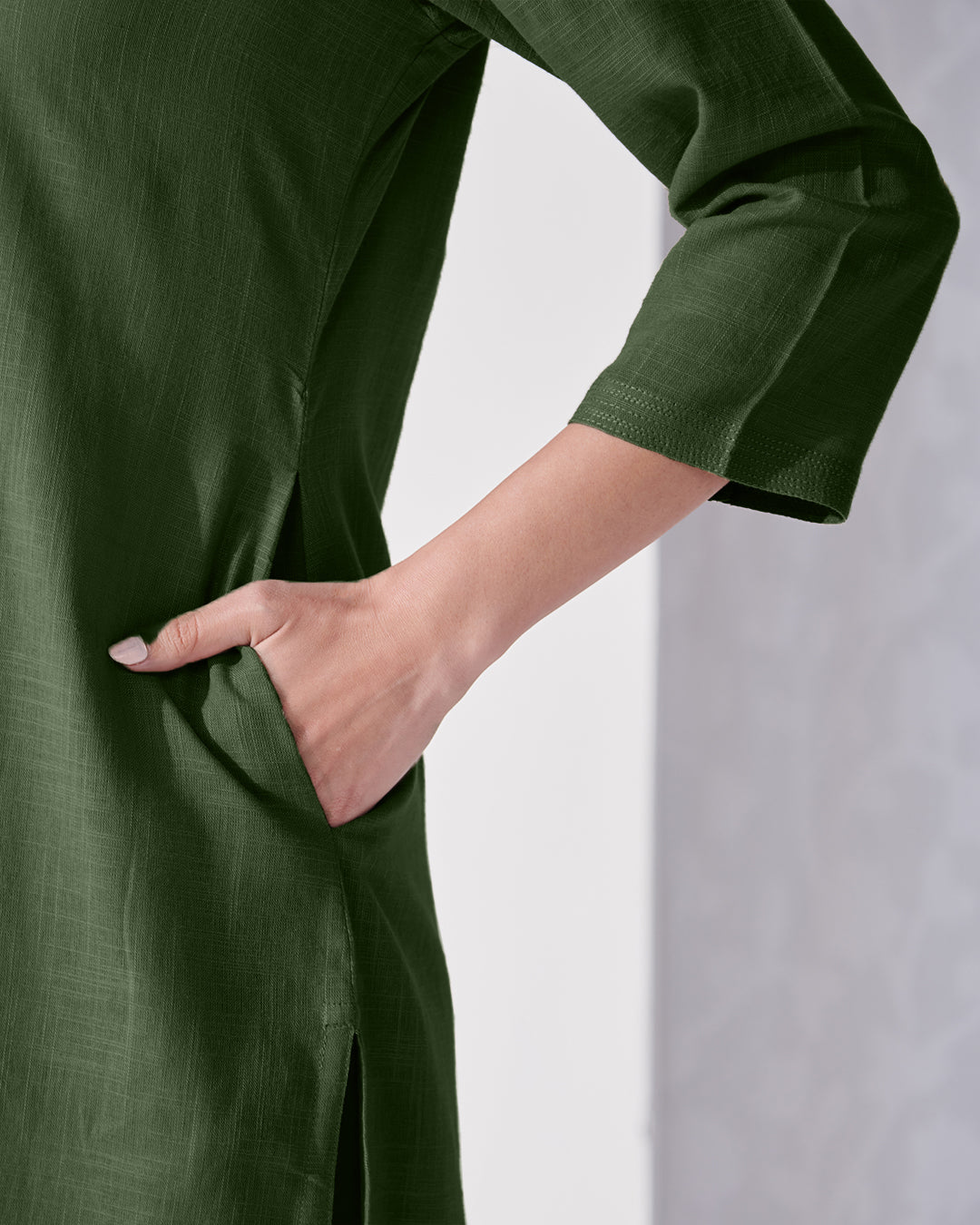

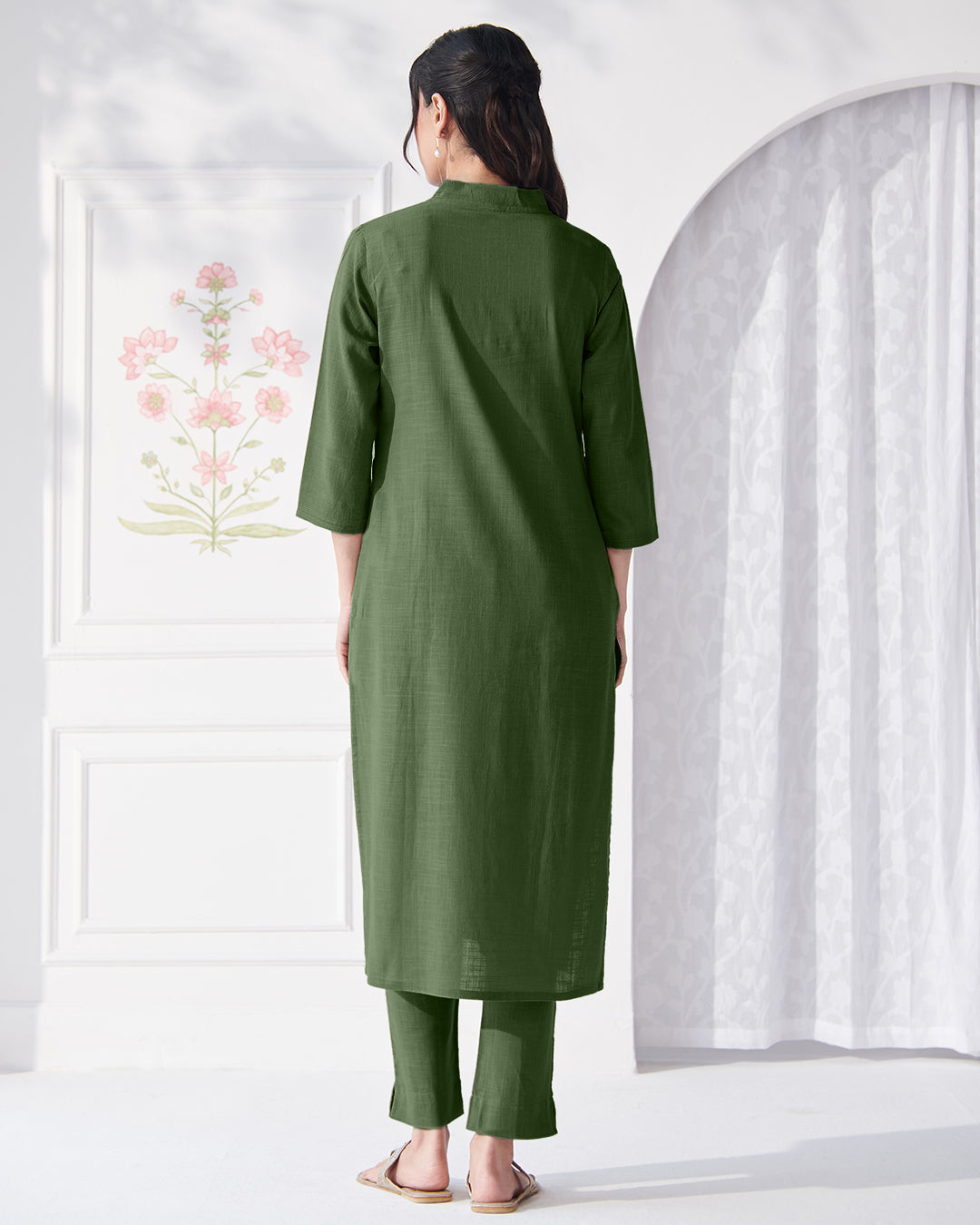

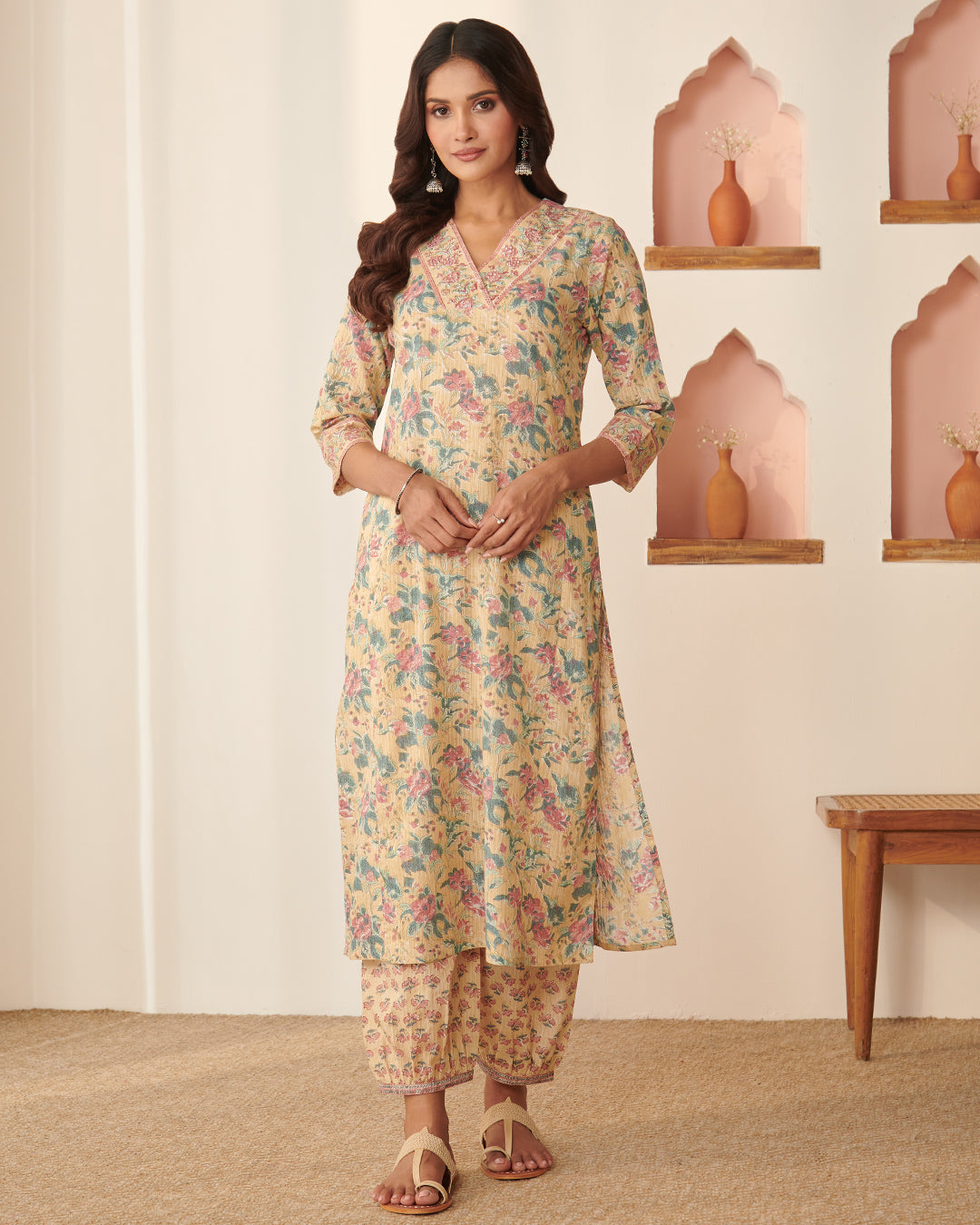
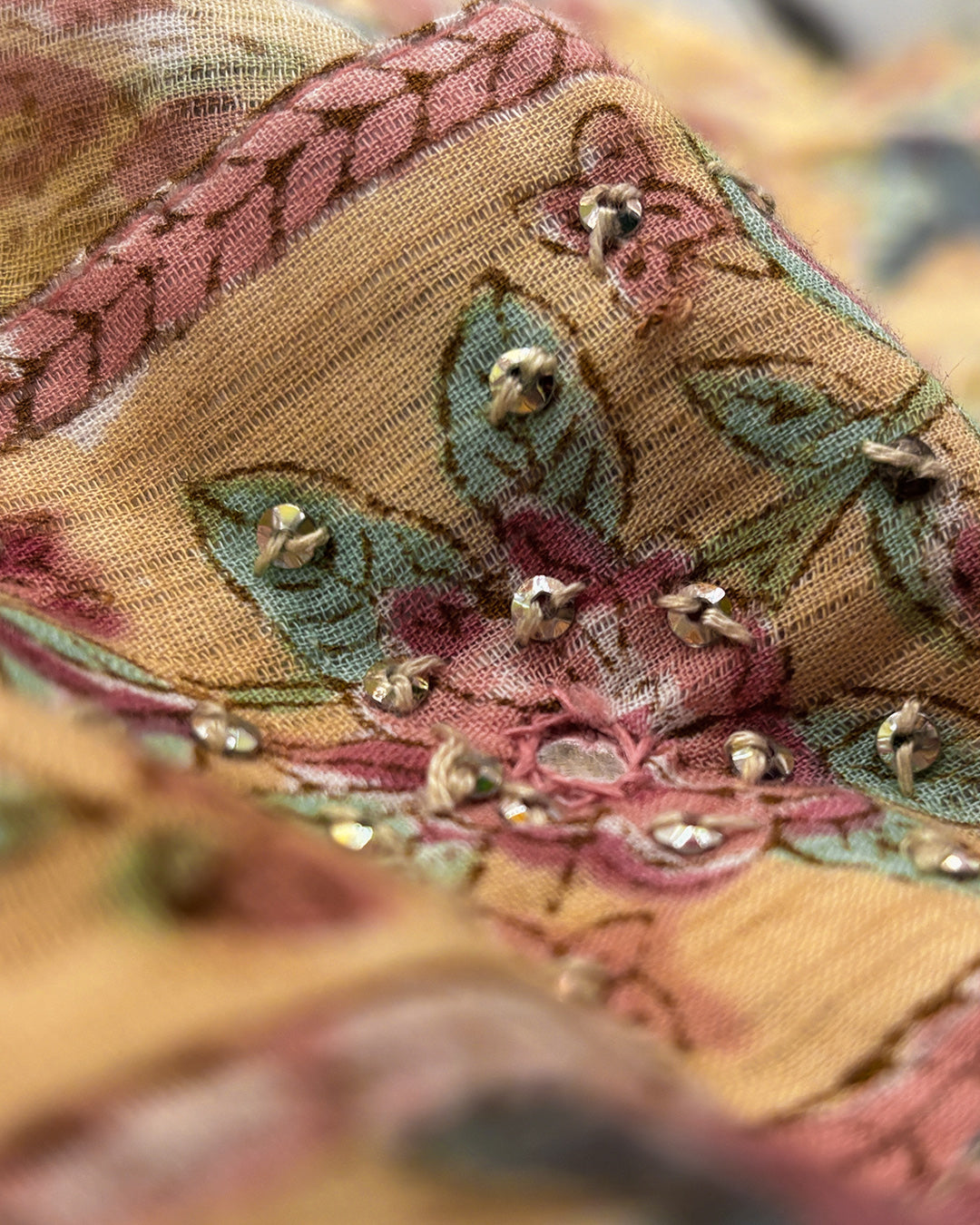
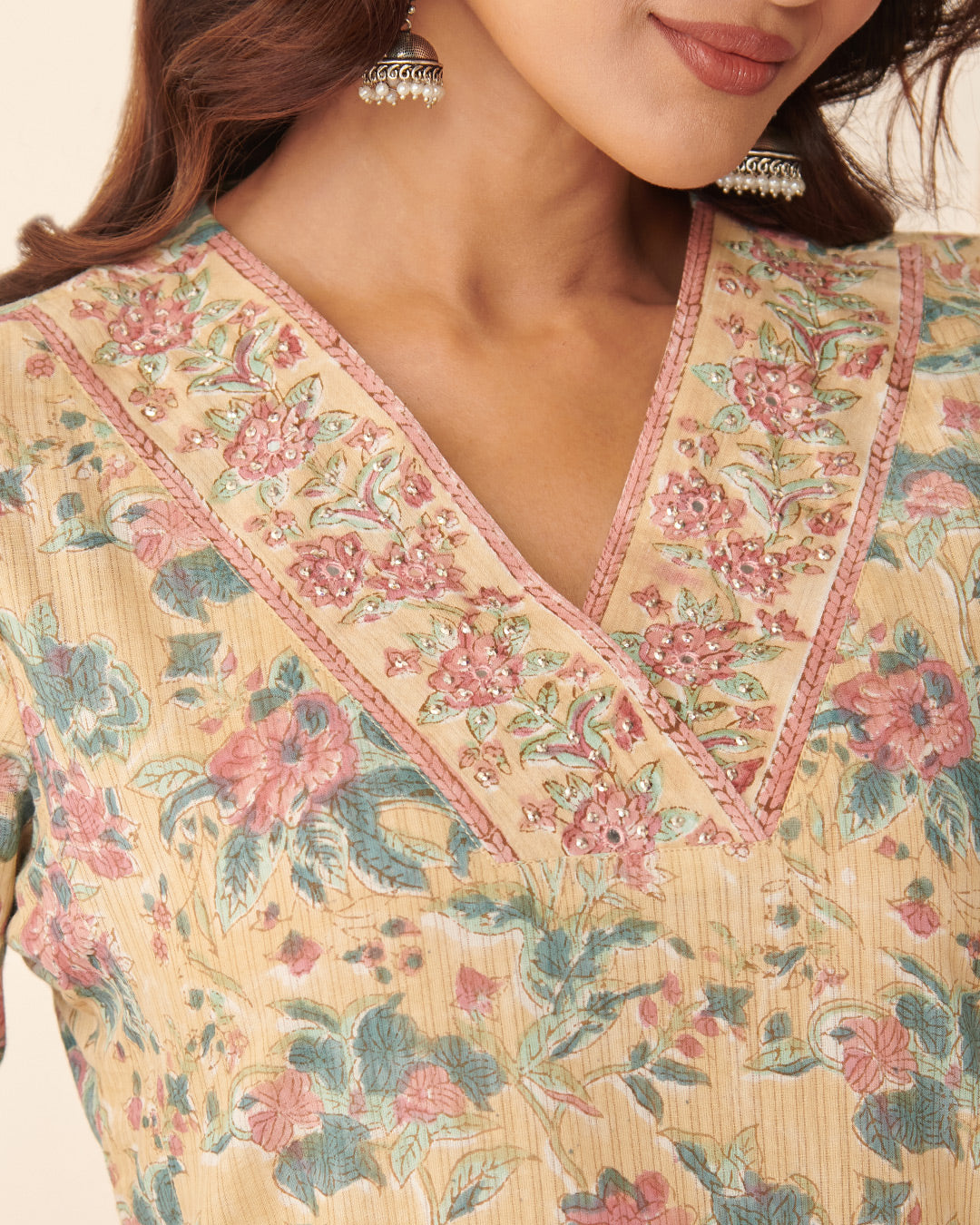
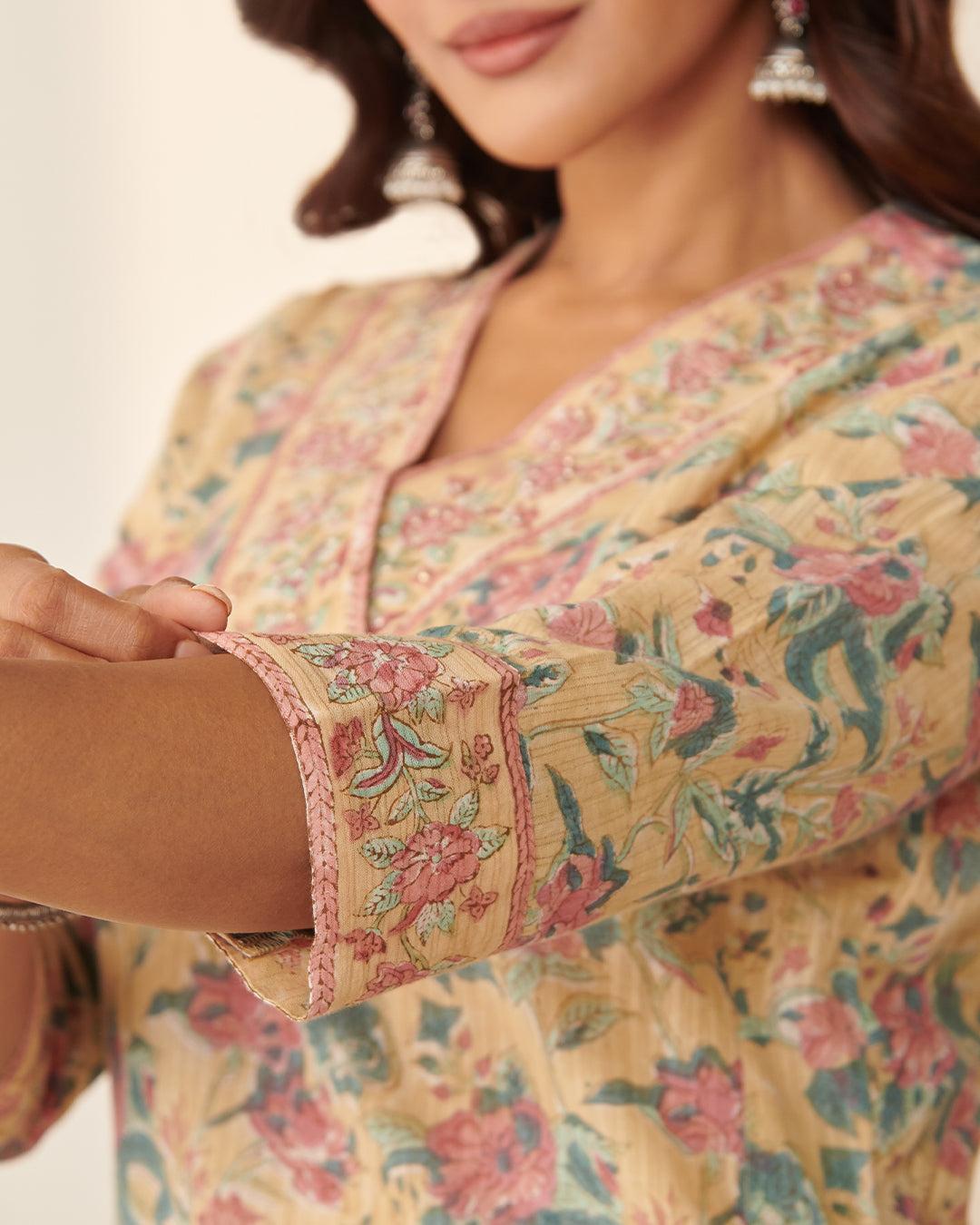
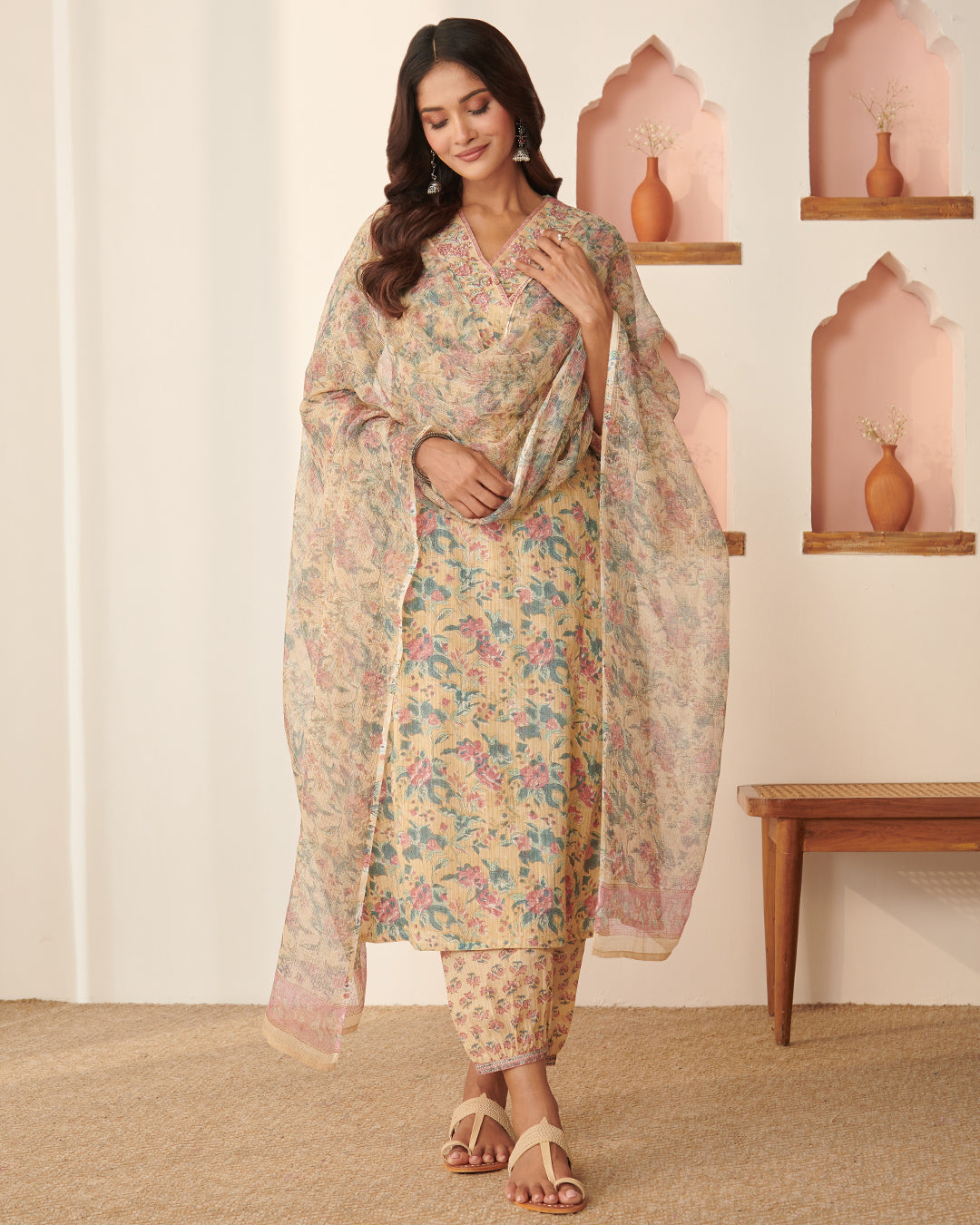
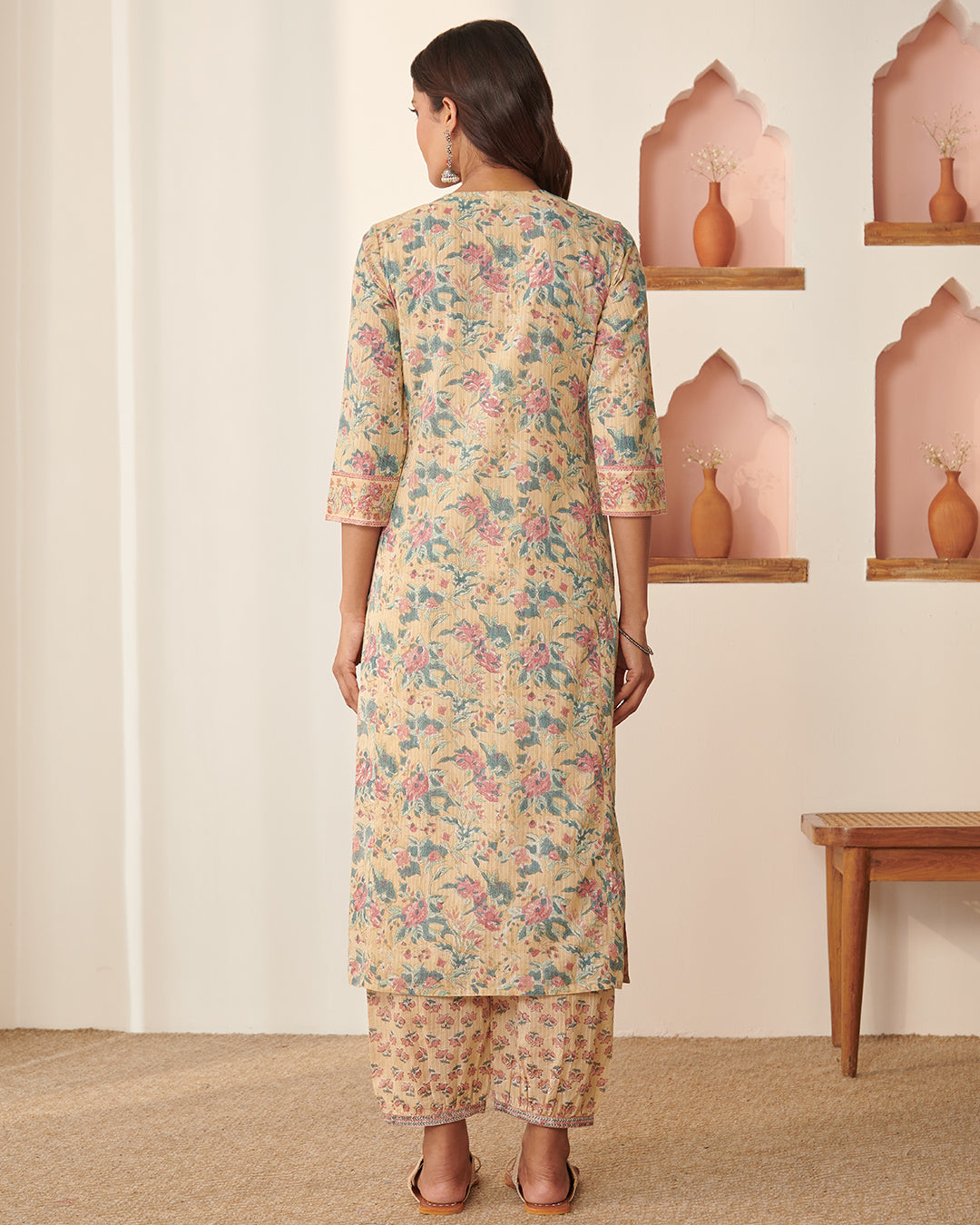
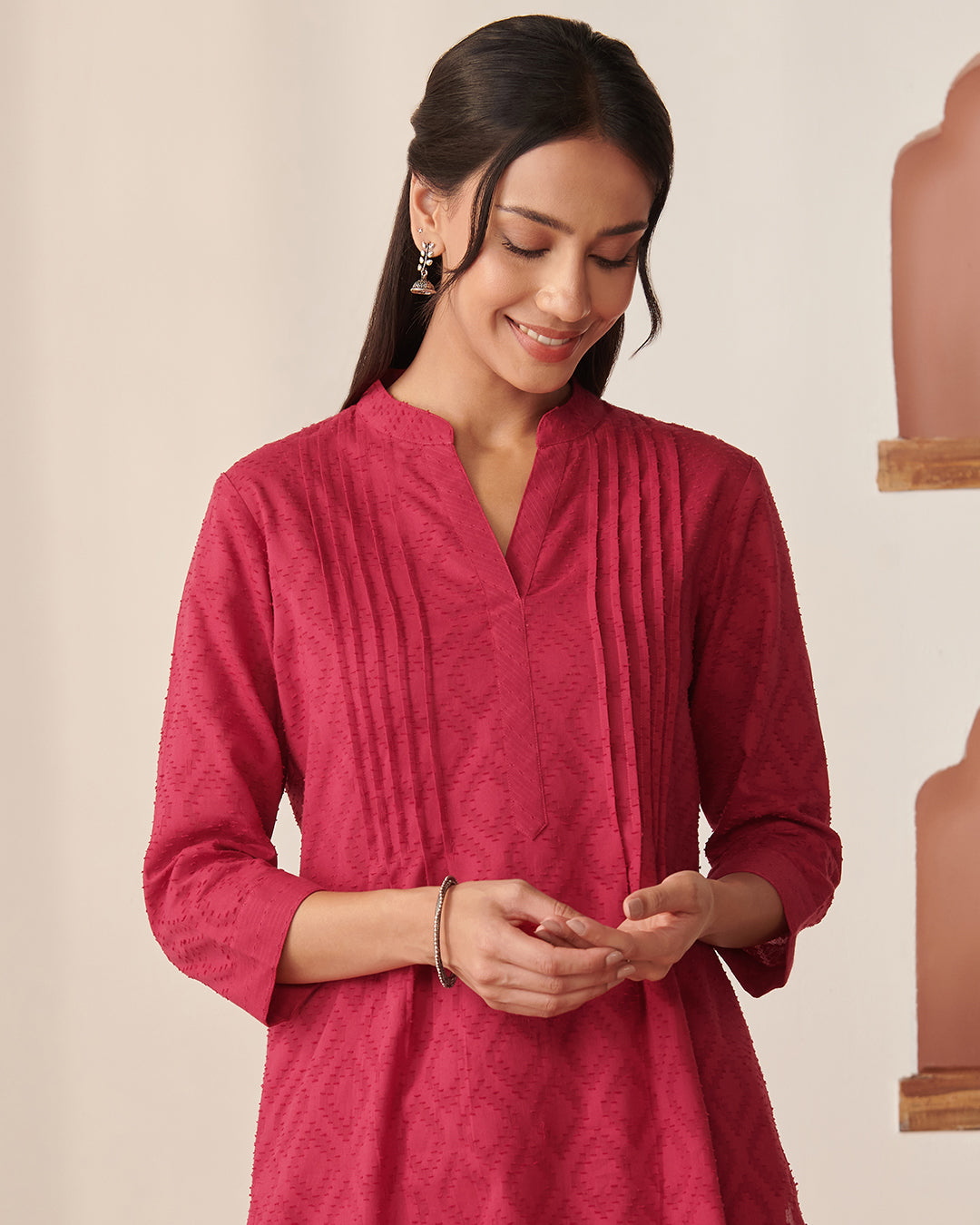
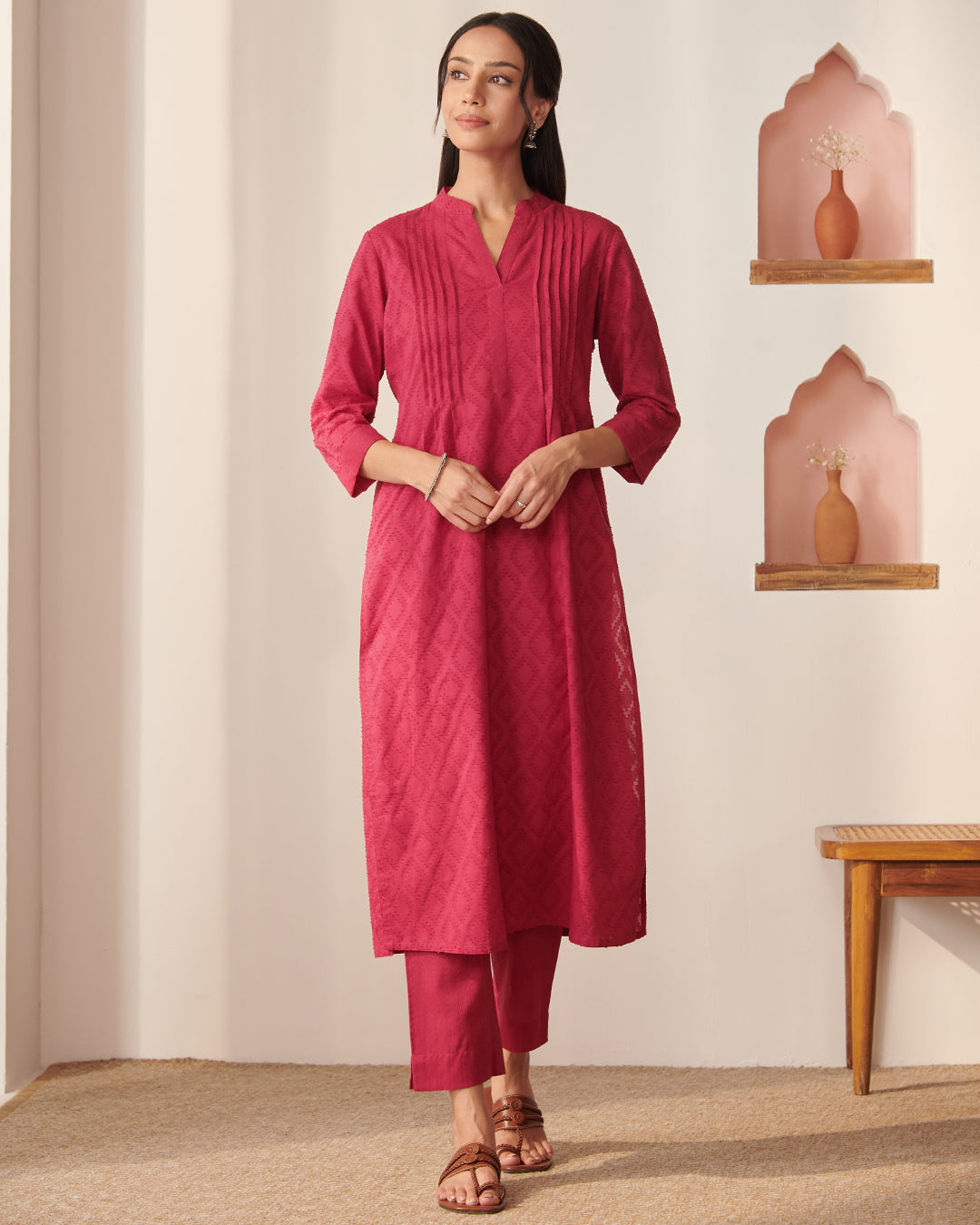
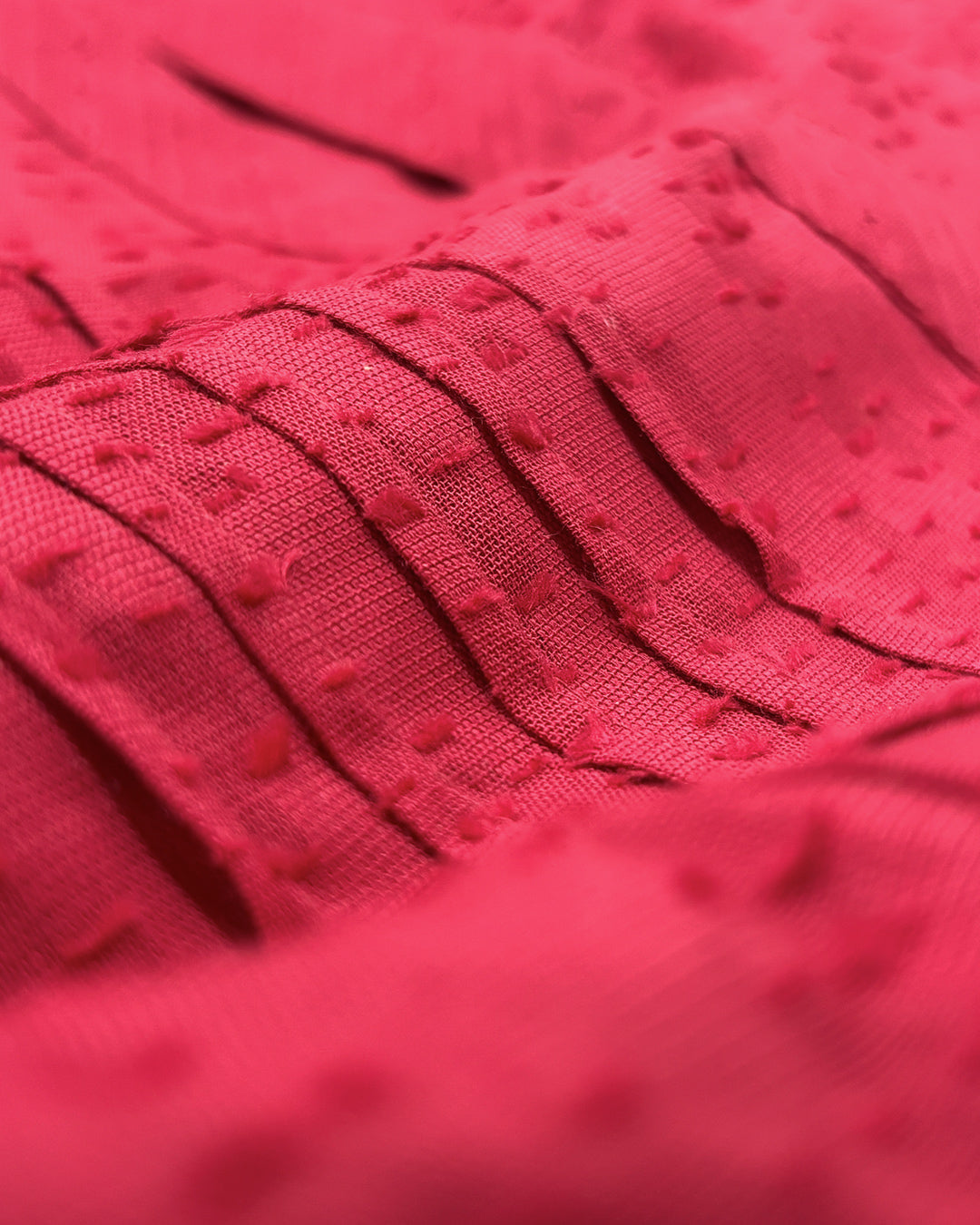
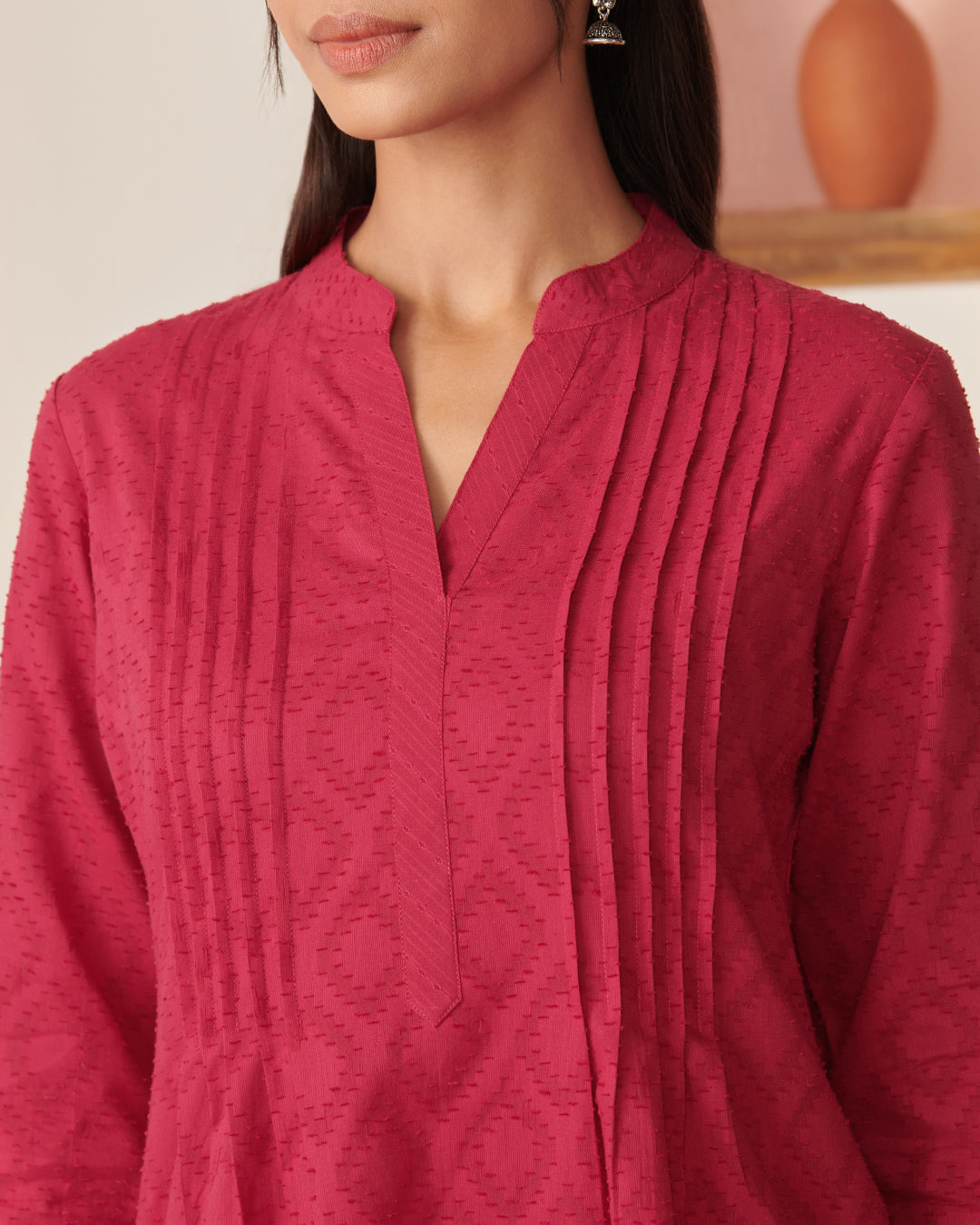
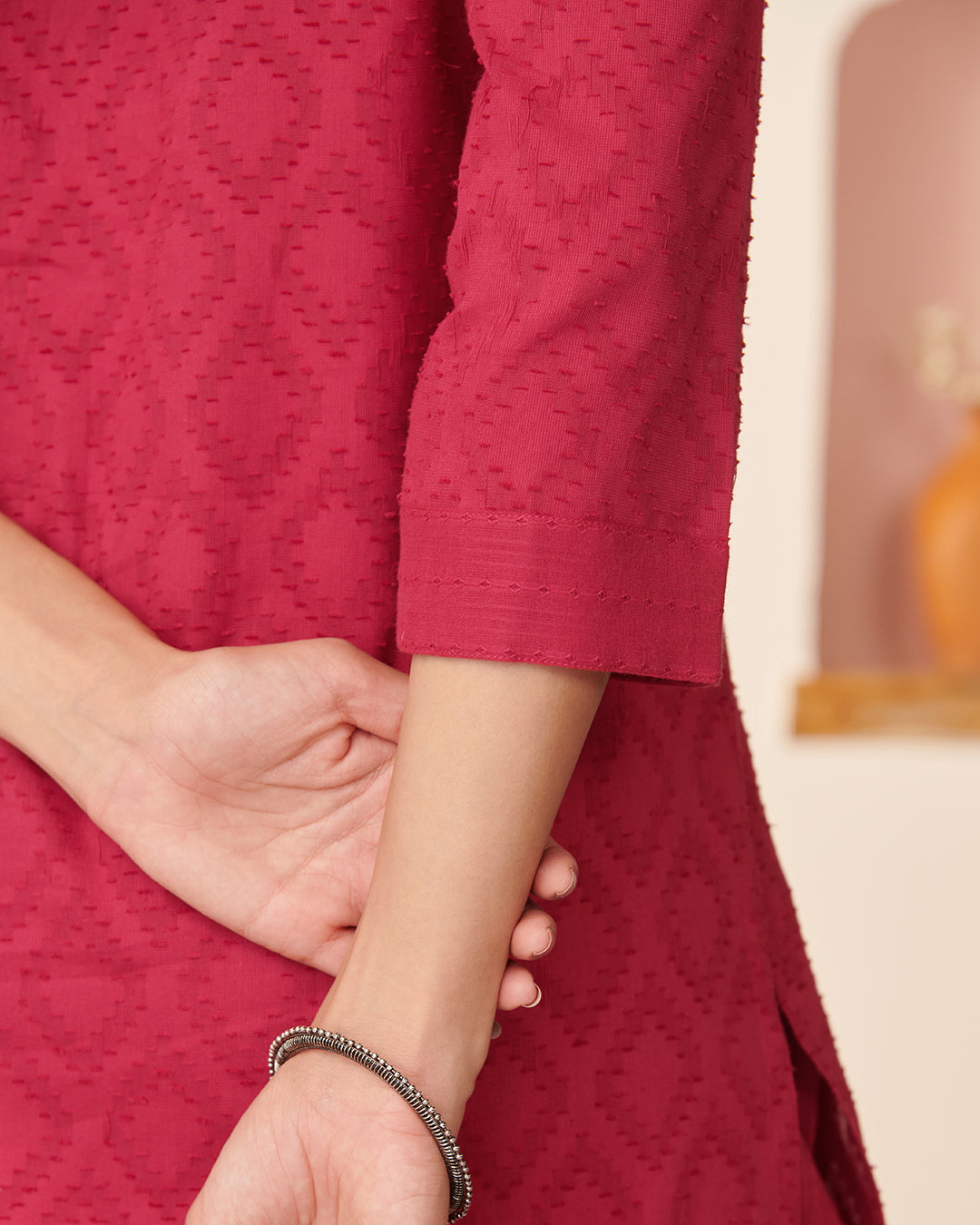
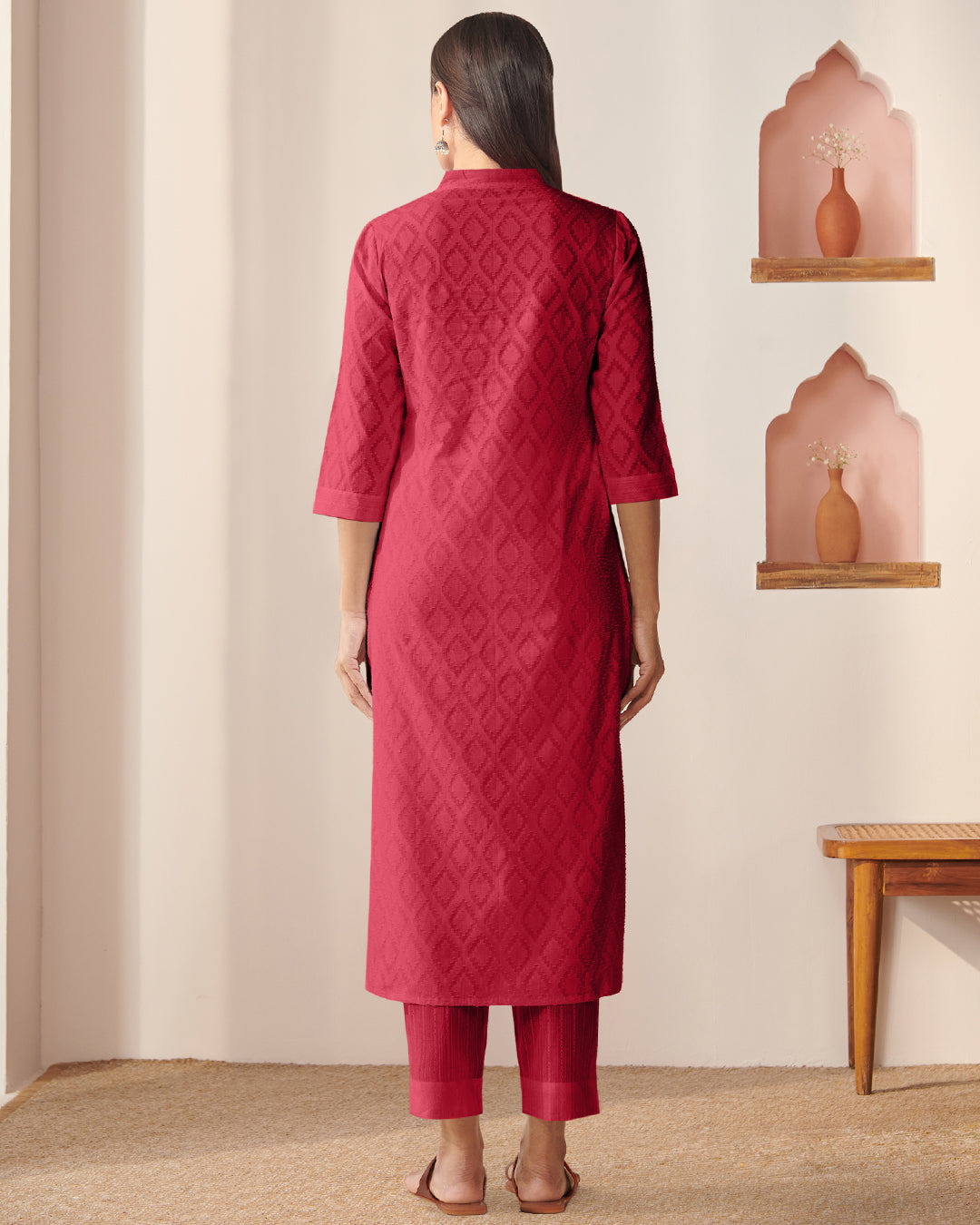


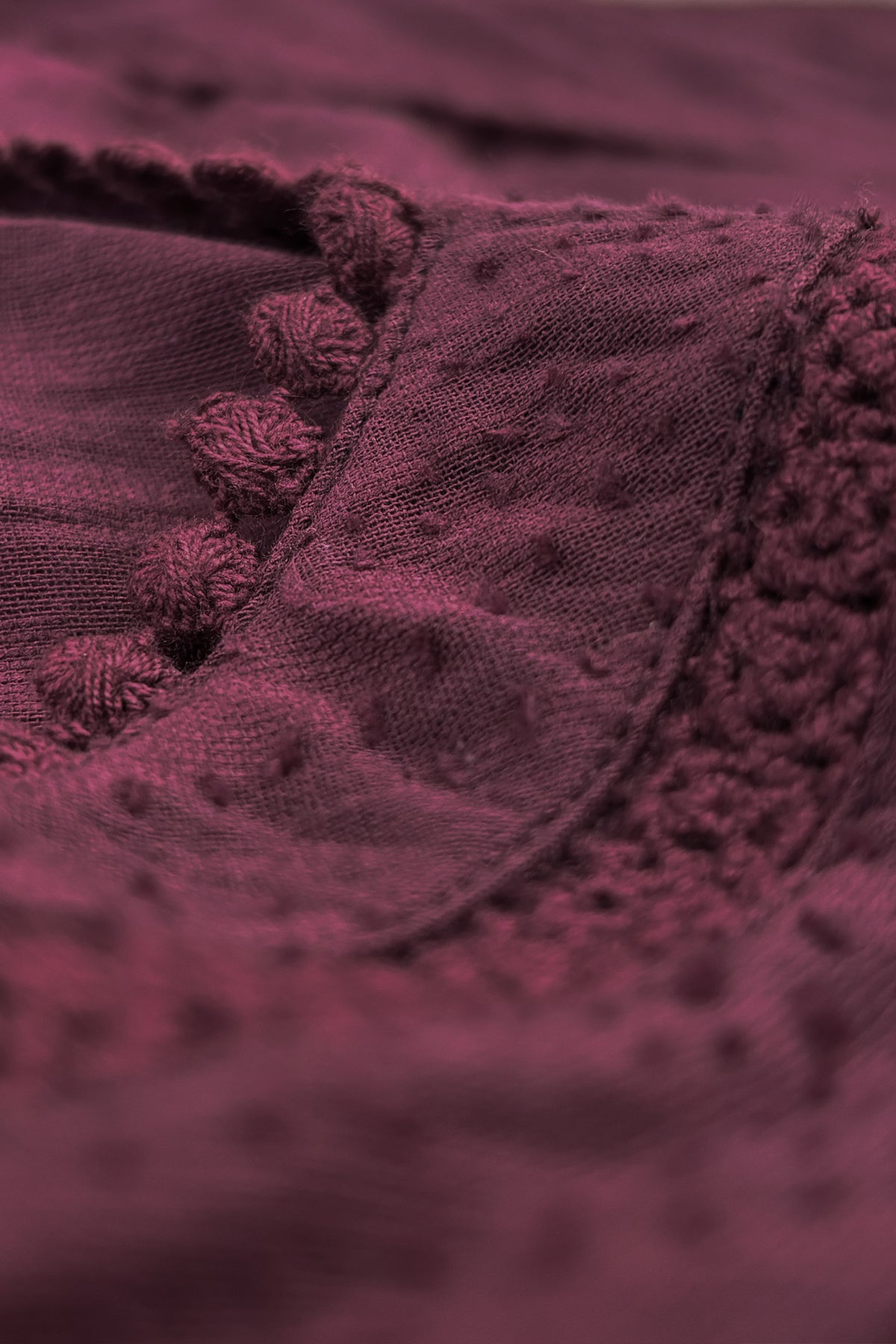
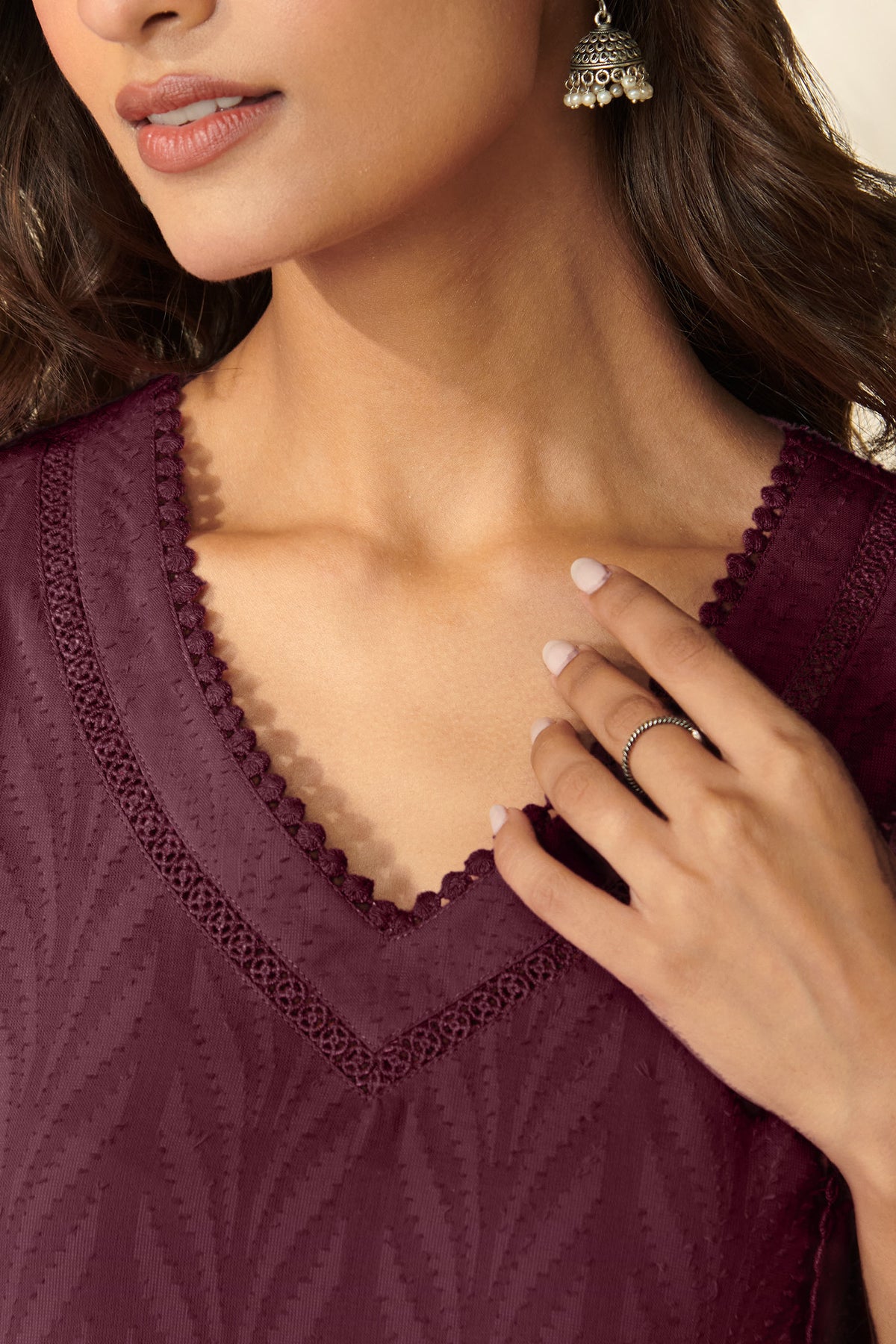
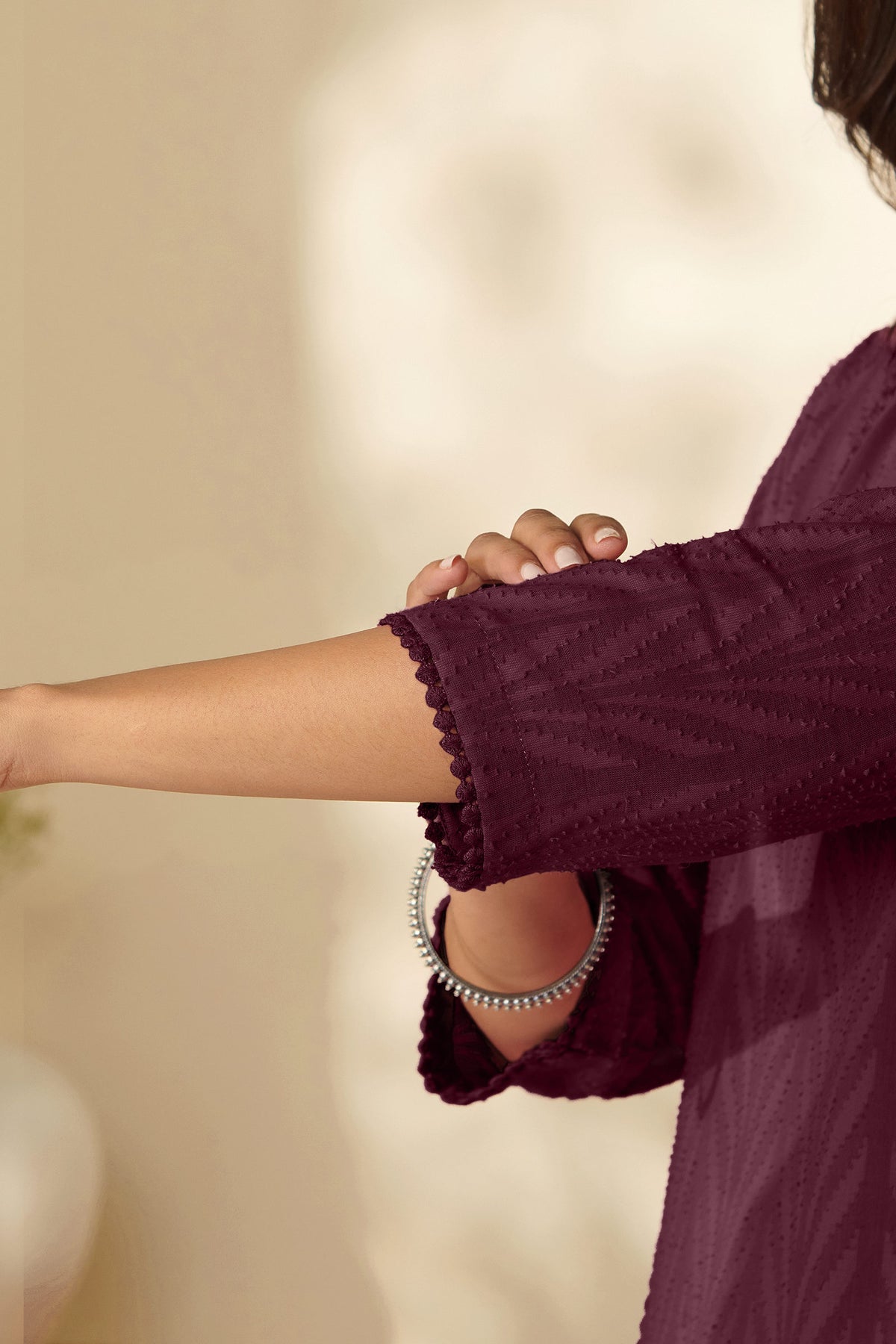


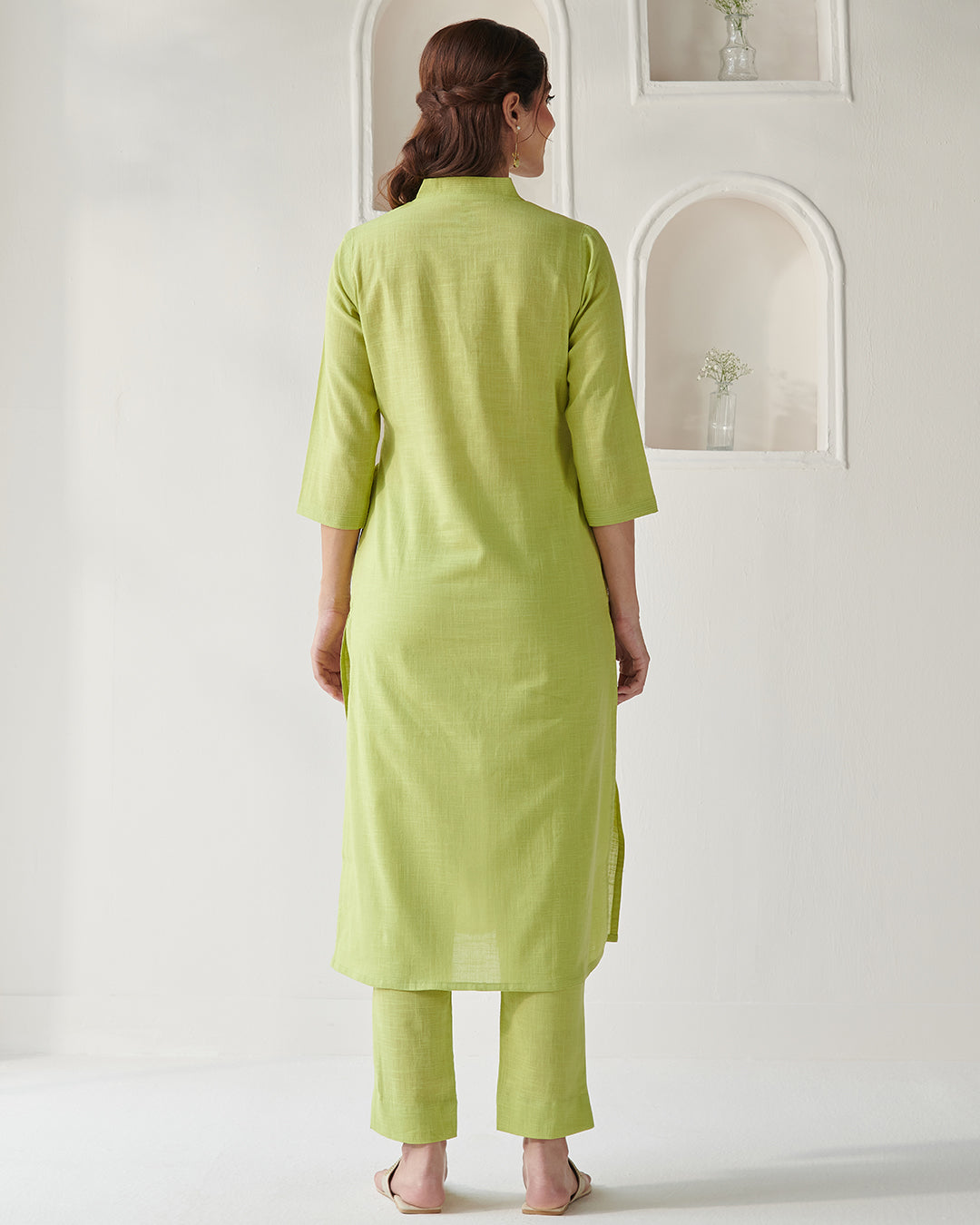


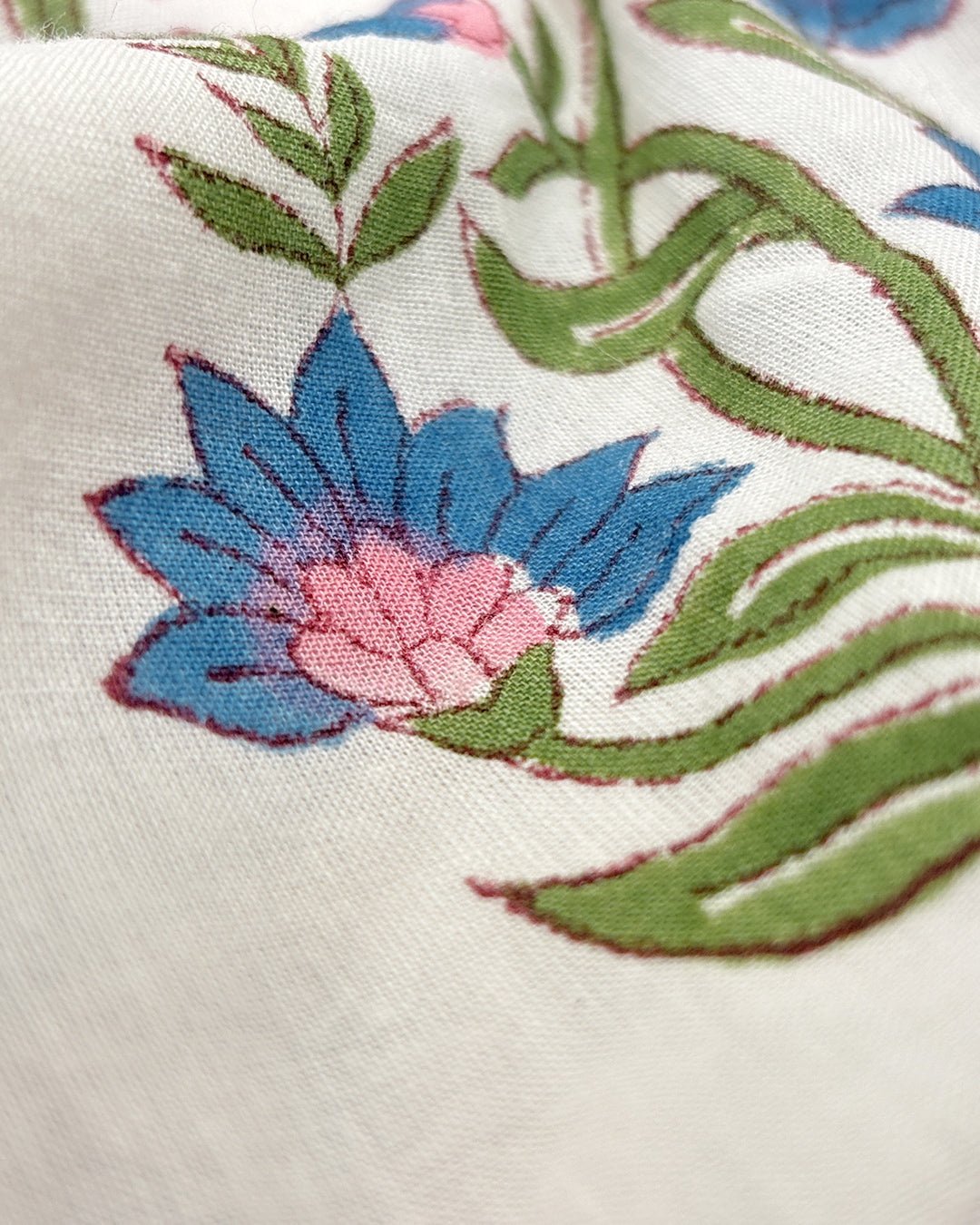
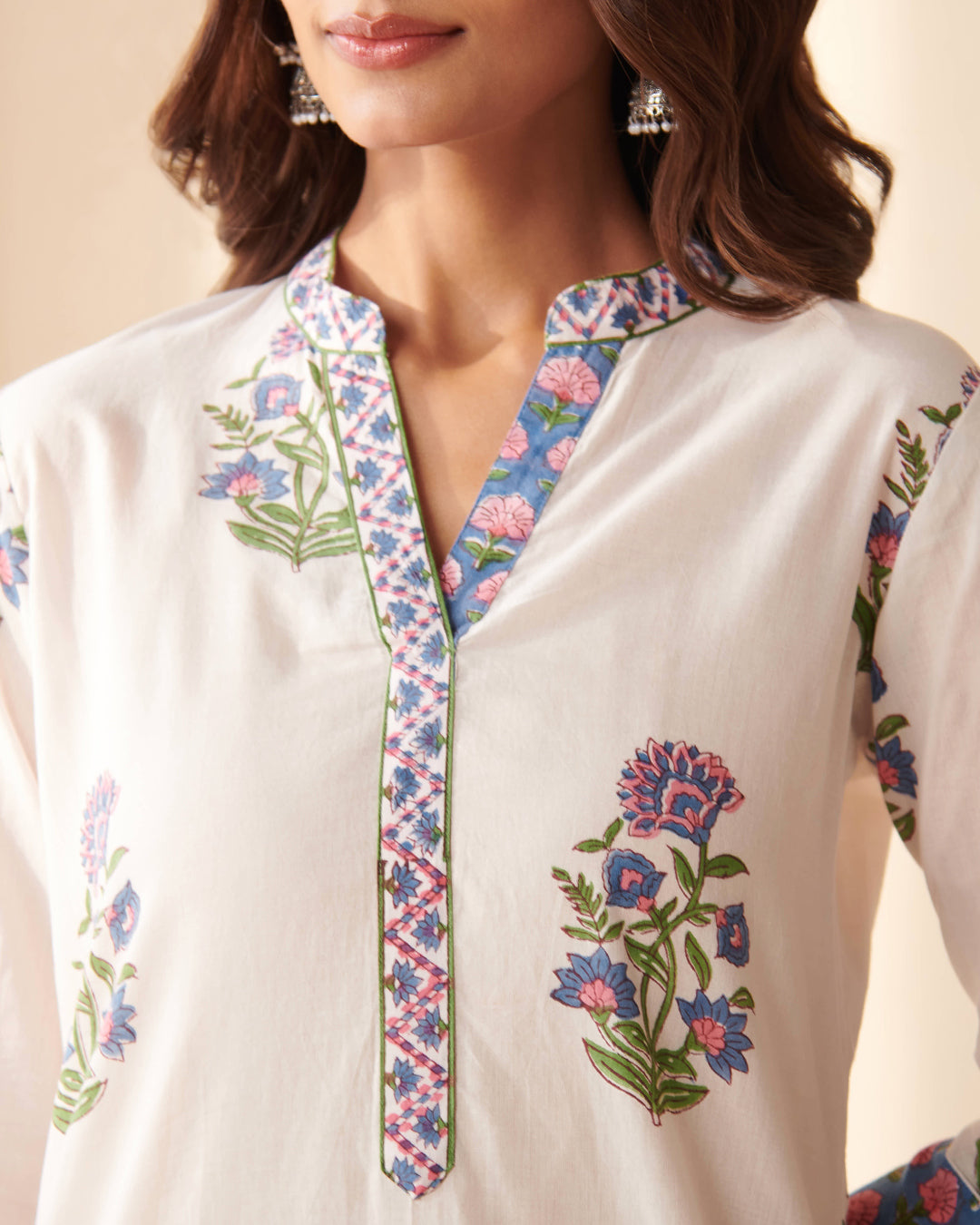
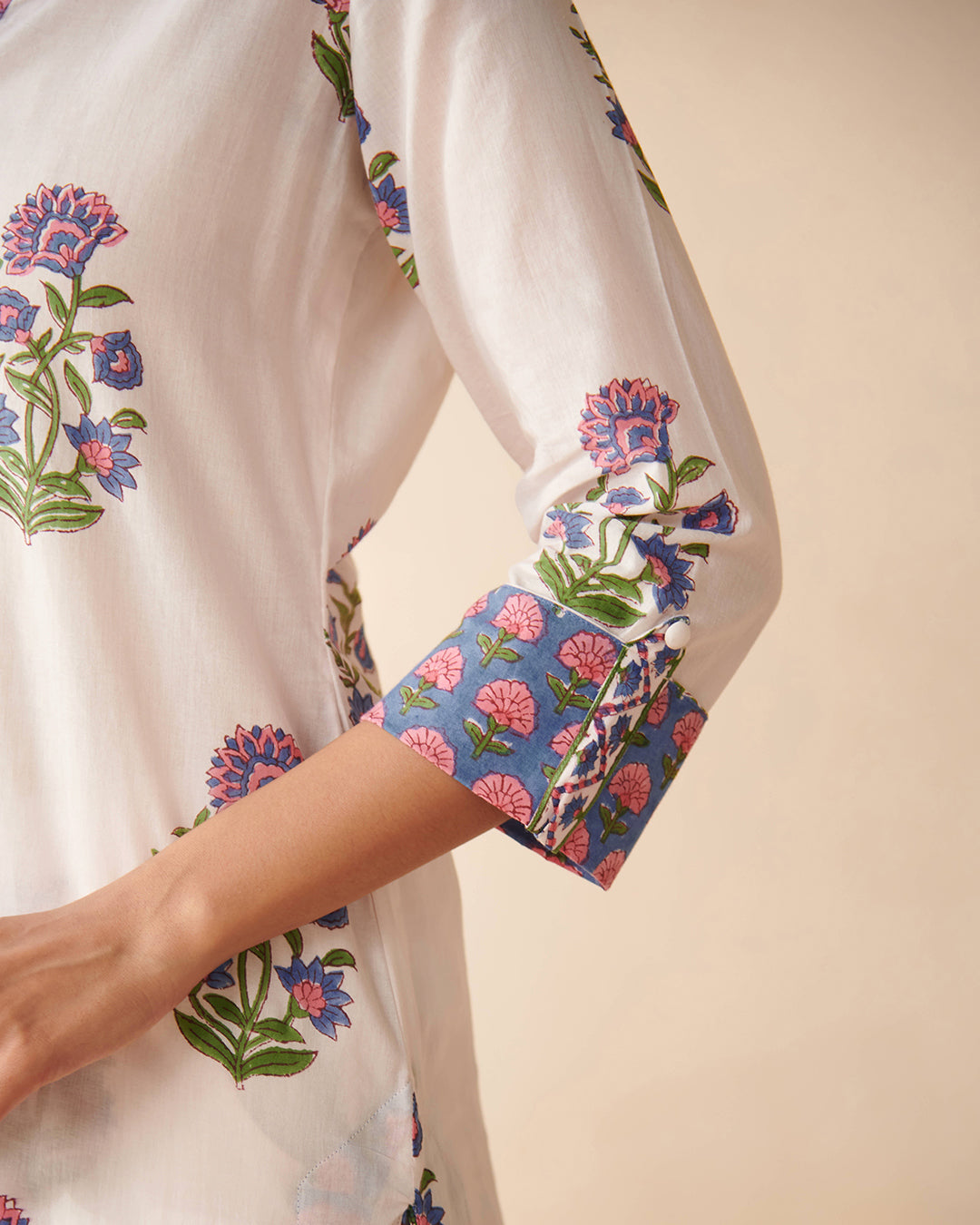
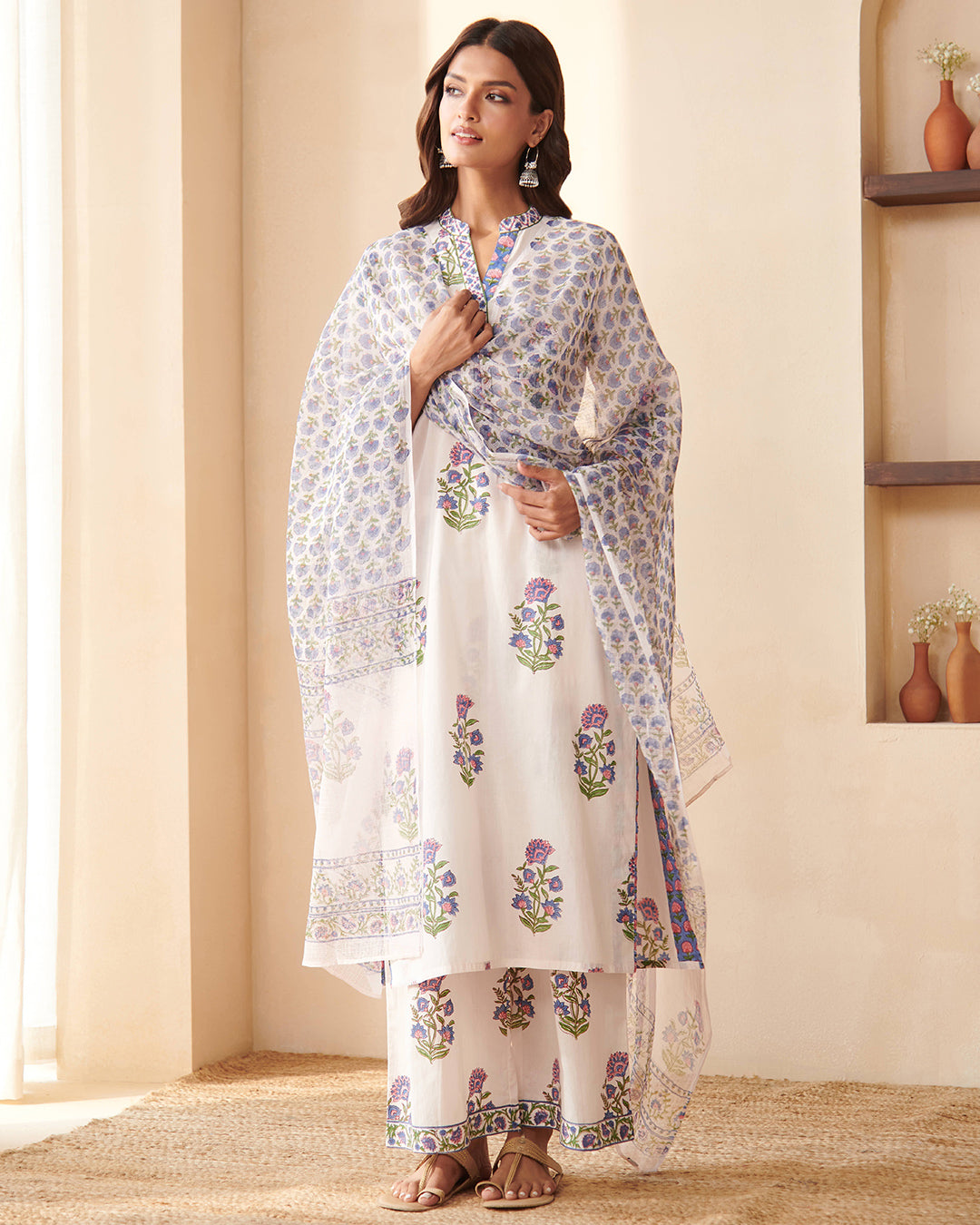
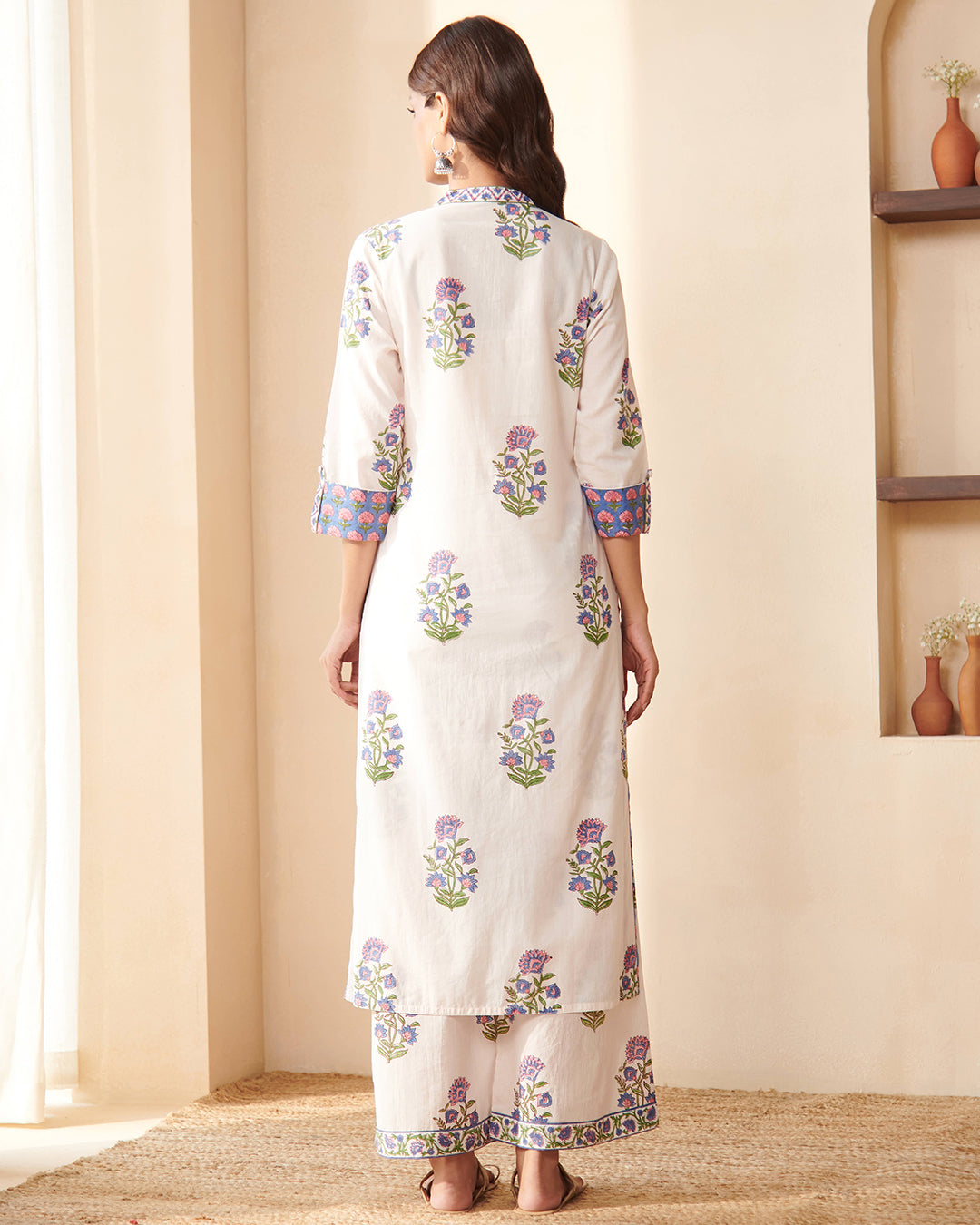


There is something quietly distinctive about Dabu print Akola fabrics. The colours have a depth to them, the motifs carry the character of handwork, and slight variations are part of what makes each piece feel connected to its making. With traditional textiles, care is not simply about keeping a garment looking new. It is about preserving the character of the print, the softness of the fabric, and the work that has gone into it.
Dabu prints, in particular, benefit from a gentler approach to washing. The right temperature, detergent, and handling can help reduce colour bleeding and keep the printed surface looking beautiful over time. A little attention during everyday care allows the fabric to retain its richness without taking away from its natural, lived-in quality.
Why Dabu and Akola Prints Need Special Care

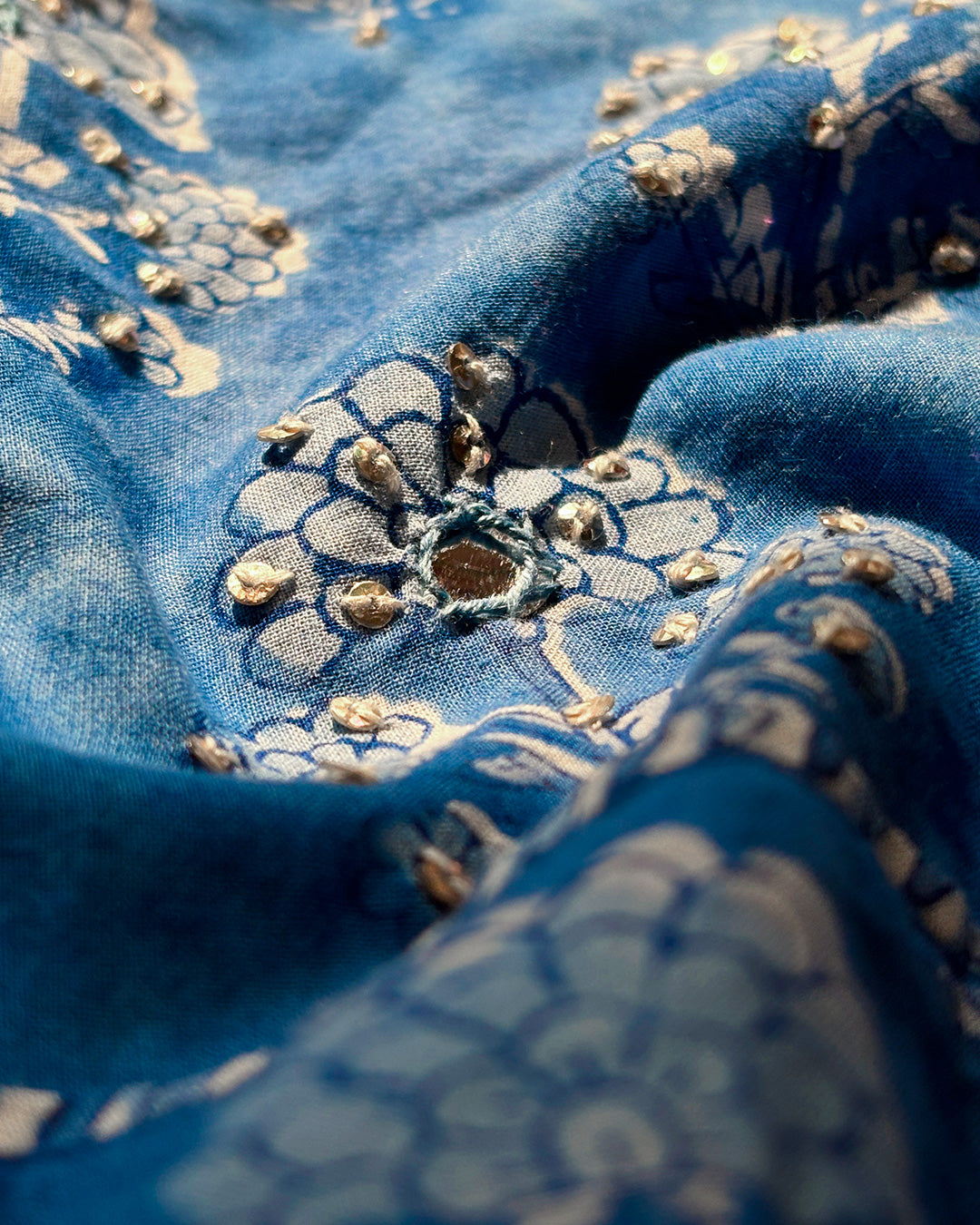
Dabu and Akola textiles are closely associated with traditional printing practices where colour, fabric, mud resist, and hand-applied processes come together. Unlike a perfectly uniform surface created by industrial printing, these fabrics often carry small differences in colour and pattern that speak to their handcrafted nature.
That is also why they should be treated with some consideration. Excessive heat, strong detergents, prolonged soaking, or rough washing can affect both the colour and the feel of the fabric.
Understanding the Traditional Printing Process
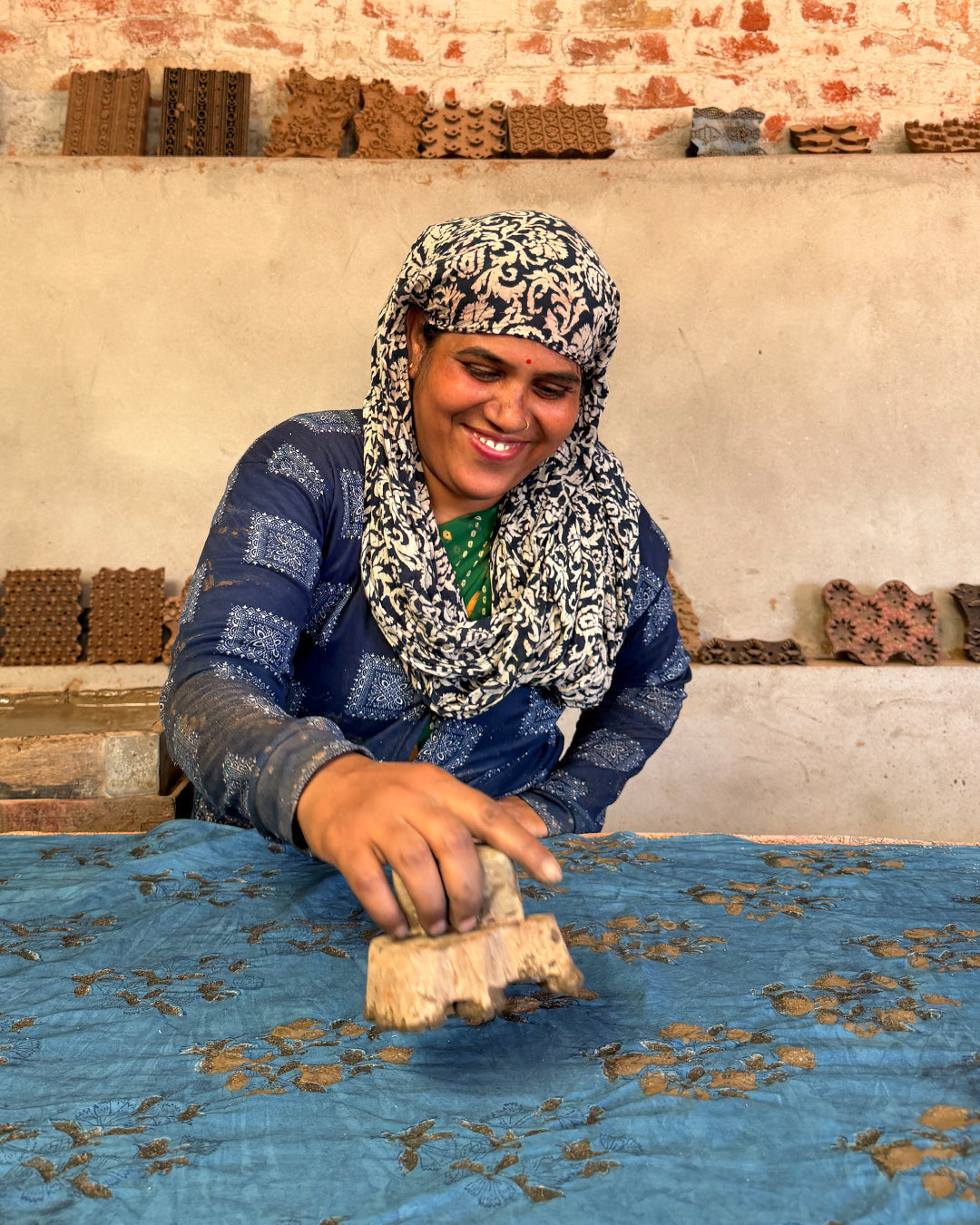
Dabu printing is a traditional resist printing technique from Rajasthan. A mud-based resist is applied to selected areas of the fabric before it is dyed. The resisted portions remain protected from the dye, creating the characteristic patterns associated with Dabu textiles. The fabric may then go through further dyeing and washing before the finished print emerges.
Akola, meanwhile, is known for its long association with traditional block printing in Rajasthan, particularly the use of hand-carved wooden blocks and natural-looking earthy colours. Depending on the textile and dyeing method, the final fabric can show subtle variations in tone and print placement.
These variations are not flaws. They are part of the visual language of handcrafted Indian textiles.
Why Colour Bleeding Can Occur
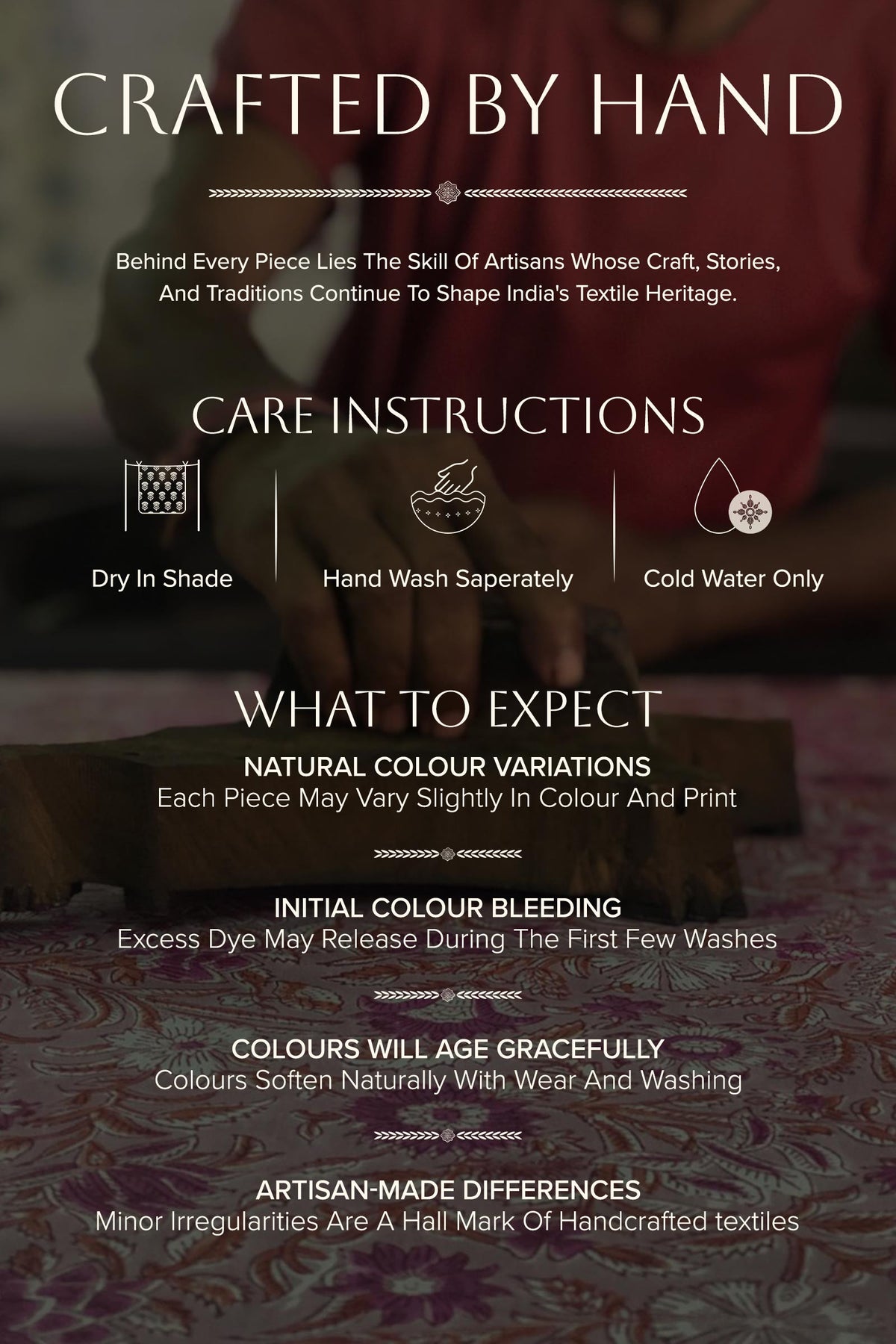
Colour bleeding happens when excess dye moves from one part of the fabric into water and then settles onto another area. It is more likely to be noticeable with rich, deep shades such as indigo, black, maroon, and red, especially during the first few washes.
The extent of bleeding can depend on the dye, the finishing process, the fabric, water temperature, detergent, and how long the garment remains wet. A small amount of colour release does not necessarily mean that a textile has been poorly made. Traditional fabrics can naturally release some excess colour when first washed.
Gentle washing helps manage this process without unnecessarily stressing the fabric.
How to Wash Dabu Print Akola Fabrics Without Fading

The simplest rule is to treat these textiles gently. Washing does not need to be complicated. In most cases, cooler water, a mild detergent, and minimal friction are enough to keep the fabric in good condition.
Always Check the Care Label First
Care instructions can vary depending on the fabric, dye, and finishing used for a particular garment. Always read the care label before washing.
If the label recommends hand washing or dry cleaning, follow that instruction rather than applying a general rule for all Dabu or Akola fabrics. When a garment is made from a particularly delicate material, the care requirement may differ from that of a cotton printed piece.
Use Cold or Cool Water
Cold or cool water is generally gentler on printed fabrics than hot water. High temperatures can encourage dyes to release more readily and may also affect the texture and shape of the fabric.
For a new Dabu or Akola garment, especially one in a deep shade, cool water is a sensible choice for the first few washes. It also helps keep everyday washing less stressful for the fibres.
Choose a Mild, Fabric-Friendly Detergent
A strong detergent is rarely necessary for everyday washing. Choose a mild detergent intended for delicate or coloured fabrics and use it in a moderate quantity.
Avoid treating the garment as though it needs aggressive cleaning. Gentle care is usually enough to remove everyday dust and perspiration while being kinder to the print and fabric.
Wash Dark and Light Colours Separately
This is especially important when washing richly coloured hand-printed textiles. Keep dark shades separate from pale or white garments to reduce the chance of transferred colour.
For the first few washes, it is worth being particularly careful. A deep indigo or red print may release some excess colour, so washing it separately can protect other clothes as well as the fabric itself.
Avoid Soaking the Fabric for Too Long
Prolonged soaking gives released dye more time to move through the water and settle elsewhere on the fabric. It can also leave the textile unnecessarily saturated.
Instead, keep the washing process relatively brief. Gently clean the garment, rinse it well, and move on to drying. There is no need to leave a printed cotton garment sitting in a bucket of detergent water for hours.
Reduce Friction During Washing
Rubbing, scrubbing, and twisting can gradually disturb the surface of a printed textile. This is particularly worth avoiding with hand-blocked fabrics, where the beauty lies partly in the softness and irregularity of the print.
Handle the garment gently. If there is a stained area, work on it carefully rather than scrubbing the entire fabric. The less unnecessary friction the textile experiences, the better it can retain its colour, texture, and character.
How to Dry Dabu Print and Akola Fabrics Properly

Washing is only part of caring for a Dabu print or Akola fabric. The way the fabric is dried also affects how well its colours and texture hold up over time. Since these prints often carry deep, earthy shades created through traditional resist printing and dyeing, a little gentleness after washing can make a noticeable difference.
Avoid Direct, Harsh Sunlight
Once washed, avoid placing Dabu or Akola fabrics in strong, direct sunlight for long periods. Intense sunlight can gradually affect the depth of dyed colours, particularly darker shades.
Instead, dry the fabric away from harsh afternoon sun. A bright, airy space with indirect light allows the fabric to dry without putting unnecessary stress on its colours.
Do Not Wring or Twist the Fabric
It is tempting to wring out a wet garment, especially when it feels heavy with water. With printed fabrics, however, twisting can put strain on the fibres and affect the surface of the print.
After washing, gently press out excess water. If needed, roll the fabric loosely inside a clean towel and press lightly. This removes moisture without the pulling and twisting that can distort the fabric.
Air Dry Naturally in a Shaded Area
Natural air drying is one of the simplest ways to care for Dabu and Akola textiles. Spread the fabric gently or hang it neatly in a shaded, well ventilated place, giving it enough room for air to move around it.
Avoid leaving damp fabric folded over itself for too long, as trapped moisture can lead to an unpleasant smell and, in some cases, affect the fabric. Once completely dry, it is ready to be folded and stored.
How to Prevent Colour Bleeding Over Time
The first few washes matter, but the way a Dabu print Akola fabric is treated over months and years matters just as much. Natural dyes and traditional prints respond best to gentle care. Small habits, such as using less detergent or avoiding unnecessary washing, can help the colours retain their depth without taking away from the character of the fabric.
Avoid Harsh Chemicals and Bleach
Bleach and strong stain removers can be particularly hard on printed fabrics. They may affect the colour of the print and alter the texture of the fabric itself.
For everyday marks, it is better to treat the area gently rather than applying a strong chemical to the whole garment. A mild detergent and careful washing are usually enough for regular wear.
Keep Printed Fabrics Away from Excessive Heat
Excessive heat can gradually affect both colour and fabric. This is why very hot water, high-heat drying and prolonged exposure to strong sunlight are best avoided.
Dabu print Akola fabrics are better allowed to dry naturally, away from intense heat. This slower approach helps preserve the depth and uneven beauty that is part of a traditional handprinted textile.
Wash Only When Necessary
Not every wearing calls for a full wash. If a garment has only been worn briefly and remains clean, airing it out in a shaded, well-ventilated space can be enough.
Washing less often also means less exposure to water, detergent and friction. Over time, this can help the print remain richer and the fabric retain its original feel.
Store Clean and Completely Dry
Always put Dabu and Akola fabrics away only after they are completely dry. Even slight moisture trapped between folded layers can lead to an unpleasant smell or, in some conditions, mildew.
Before storing, make sure the garment is clean, dry and free from any residue. Fold it neatly and keep it in a cool, dry cupboard where there is some room for the fabric to breathe.
How to Iron and Store Dabu Print Akola Fabrics
Care does not end once a fabric has been washed and dried. The final stages, ironing and storing, also shape how a handprinted textile ages.
Use the Right Heat Setting
A low to medium heat setting is generally a safer choice for printed cotton fabrics. If the care label gives a specific instruction, that should always take precedence.
It is also worth allowing the iron to reach the required temperature before placing it on the fabric. Too much heat in one area can affect the colour or leave the fabric looking pressed rather than naturally soft.
Iron on the Reverse Side When Possible
Turning the garment inside out before ironing creates a simple layer of protection between the iron and the printed surface. It helps reduce direct heat and repeated pressure on the print.
For pieces with particularly detailed handwork or delicate printed areas, ironing gently around those sections can help preserve their texture and definition.
Fold and Store in a Cool, Dry Place
Once the fabric has been ironed and is completely cool, fold it without pressing the creases too sharply. Store it in a clean, dry cupboard, away from damp walls, direct sunlight and excessive heat.
For pieces that are not worn often, it is useful to take them out occasionally, air them gently and refold them. This simple ritual keeps stored textiles fresh and gives us a chance to notice any signs of moisture before they become a problem.
How Farida Gupta Cares for Traditional Dabu and Akola Craft
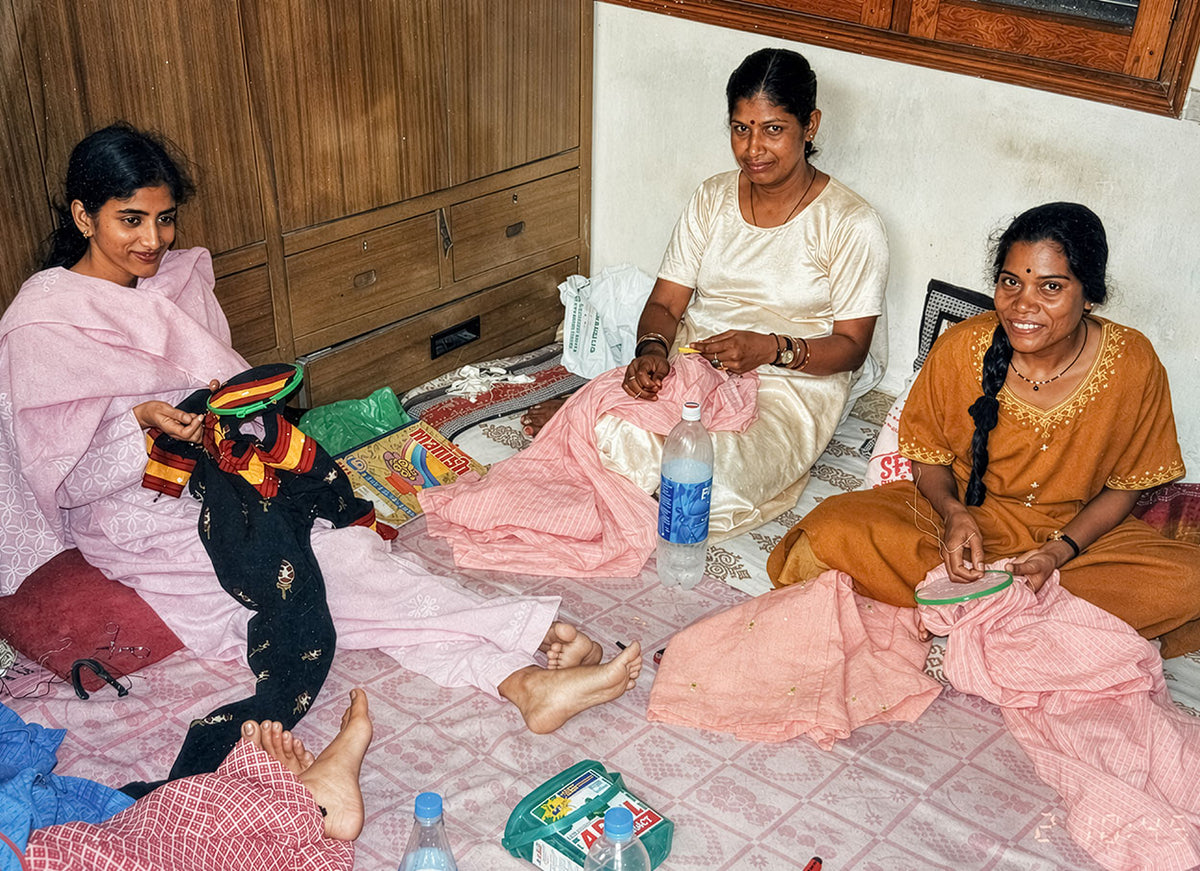
At Farida Gupta, traditional textiles are approached with patience. Dabu printing, with its mud resist technique and layers of colour, carries the marks of a process that cannot be rushed. The slight variations in print and colour are part of that process, not imperfections to be corrected.
Akola's printing traditions have been shaped by generations of artisans who understand how fabric, dye, mud and handwork come together. Caring for these textiles means respecting that knowledge beyond the moment of making them.
For us, this also means thinking about the life of a garment after it leaves the hands of the artisan. The way it is washed, dried, ironed and stored becomes part of its story. Gentle care allows the fabric to retain its softness and the print to develop with time, rather than losing its character through unnecessary wear.
There is something deeply Indian in this idea of care. We do not always treat clothing as something to be used and replaced. A familiar print can become associated with a particular season, a family gathering, a journey or simply years of ordinary mornings. Good care allows those associations to stay with the fabric.
Final Thoughts
Dabu print Akola fabrics do not need complicated care. They need consideration.
Cool water, mild detergent, less friction, shade and patience can go a long way. So can knowing when not to wash, when not to use heat, and when simply to let a garment rest.
With time, a handprinted fabric may soften, settle and change subtly. Those changes are part of its life. The aim is not to keep it untouched, but to let it age gracefully while preserving the craft that gave it meaning in the first place.
Because some prints are more than patterns. They are stories waiting to be worn

