



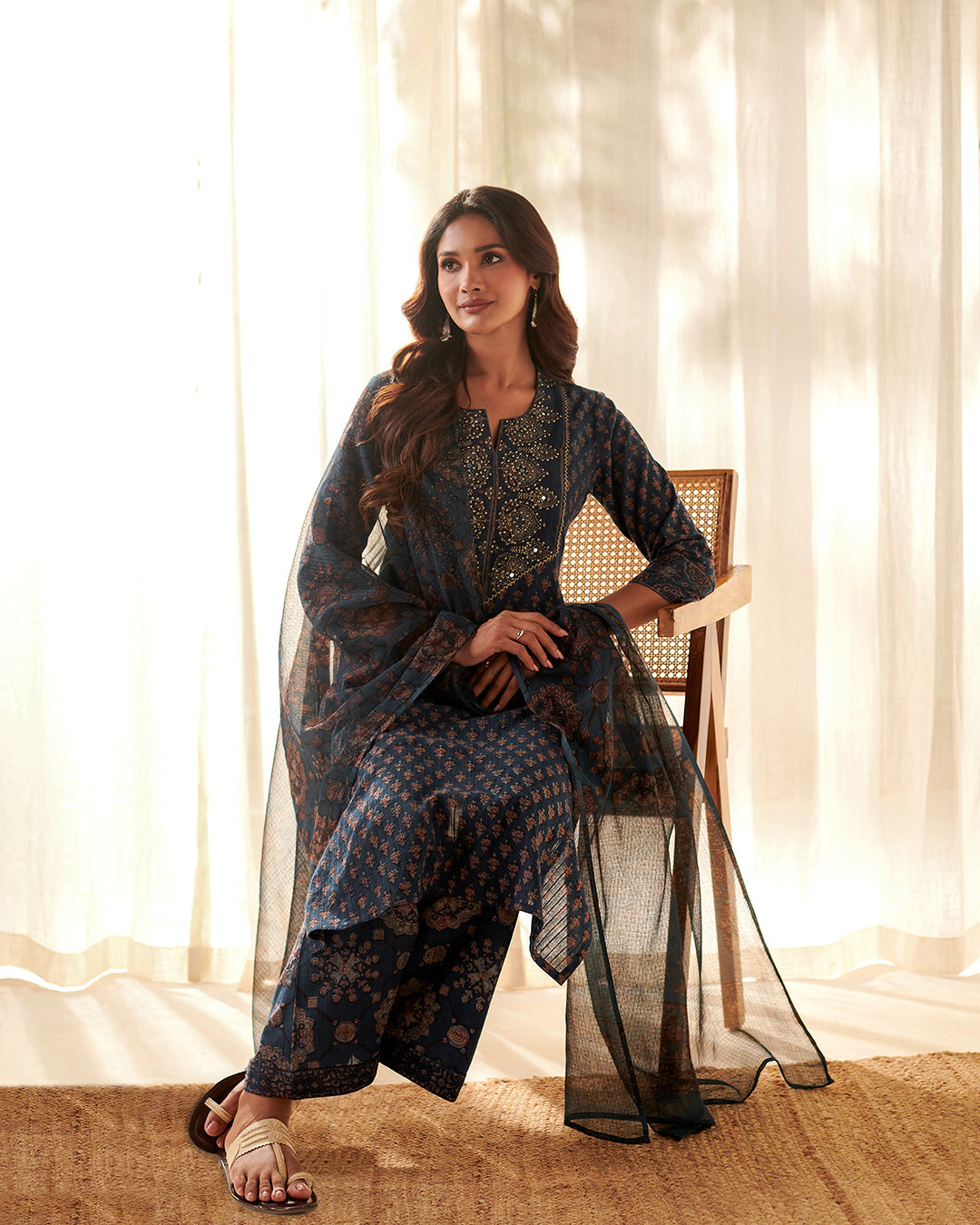
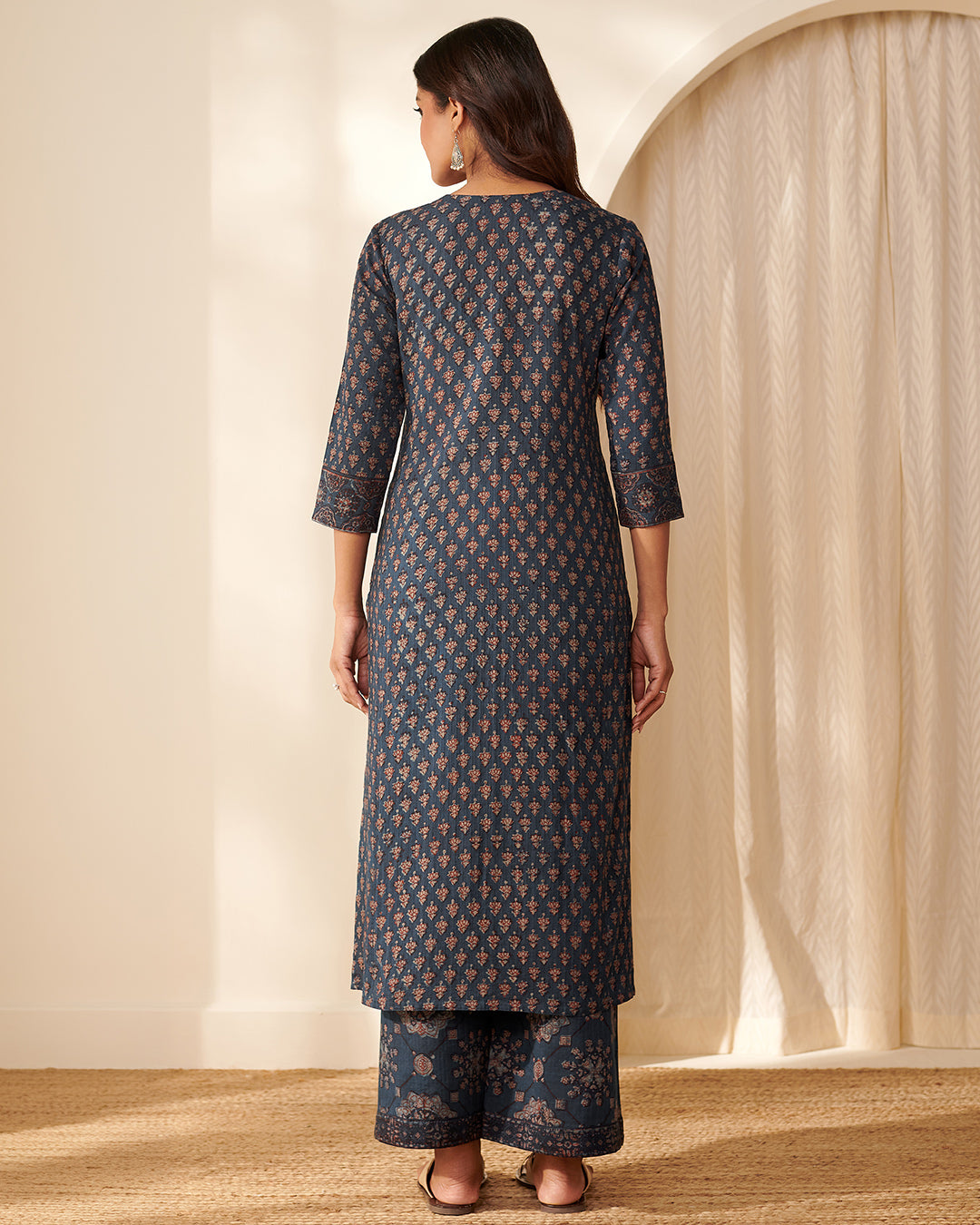


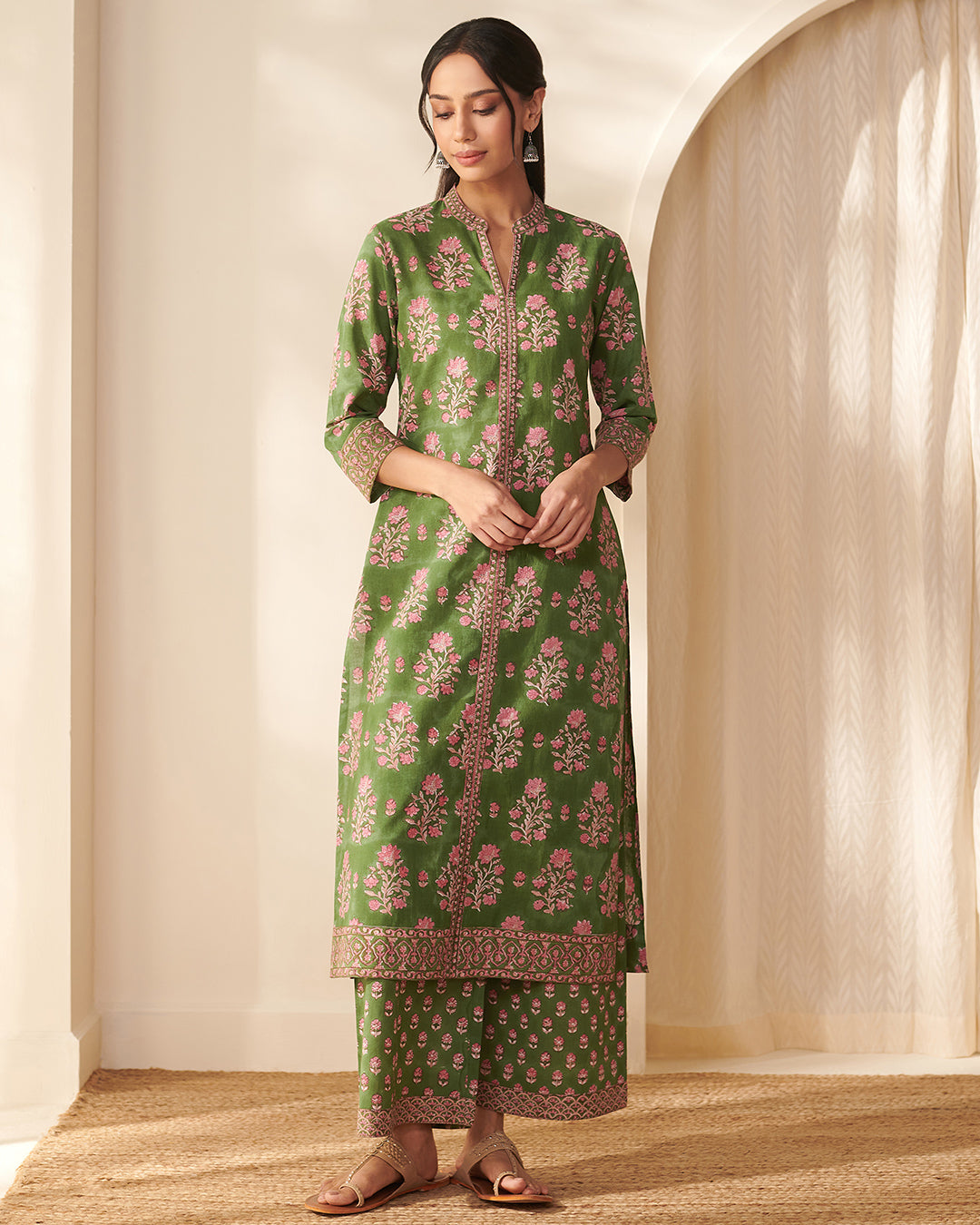
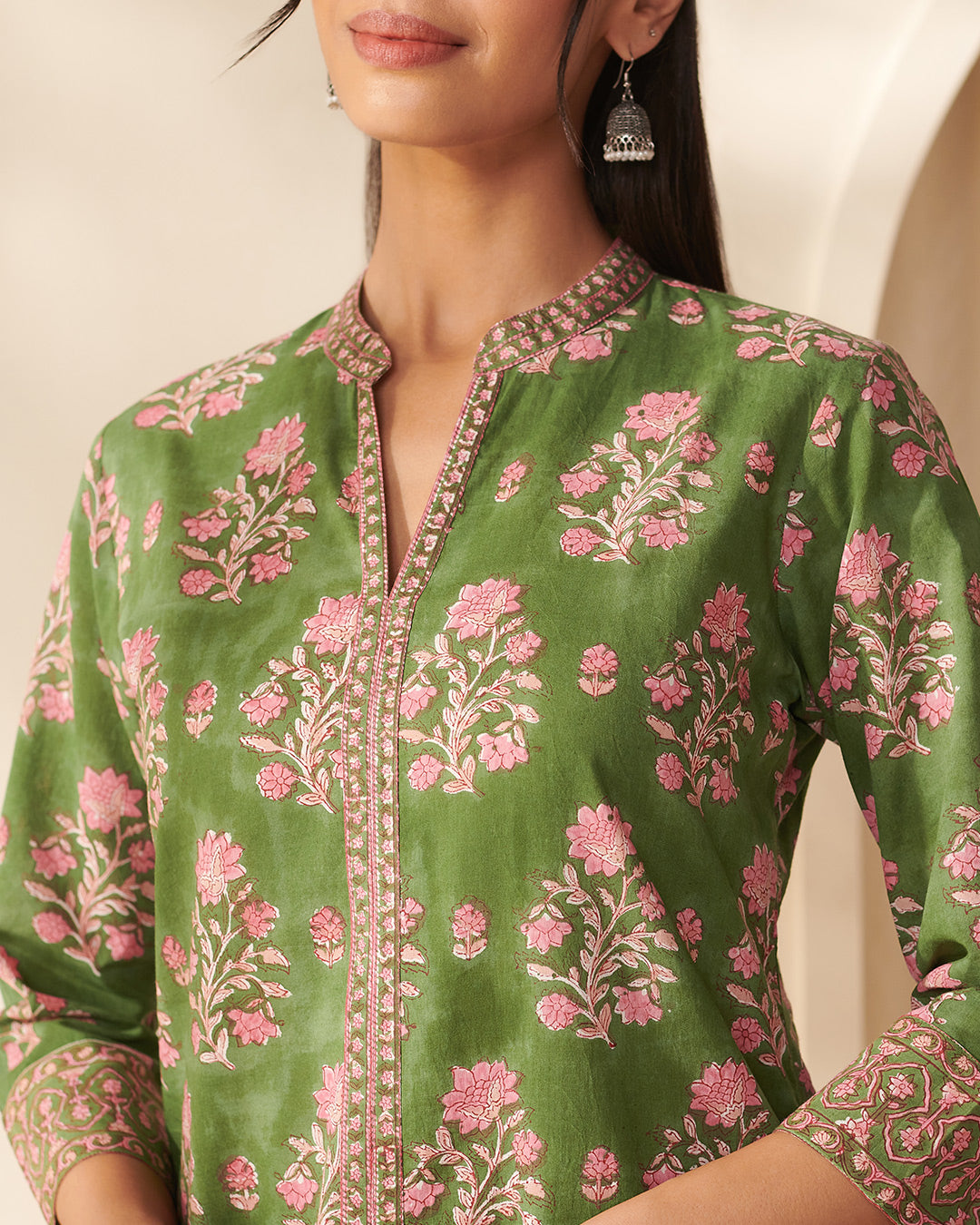
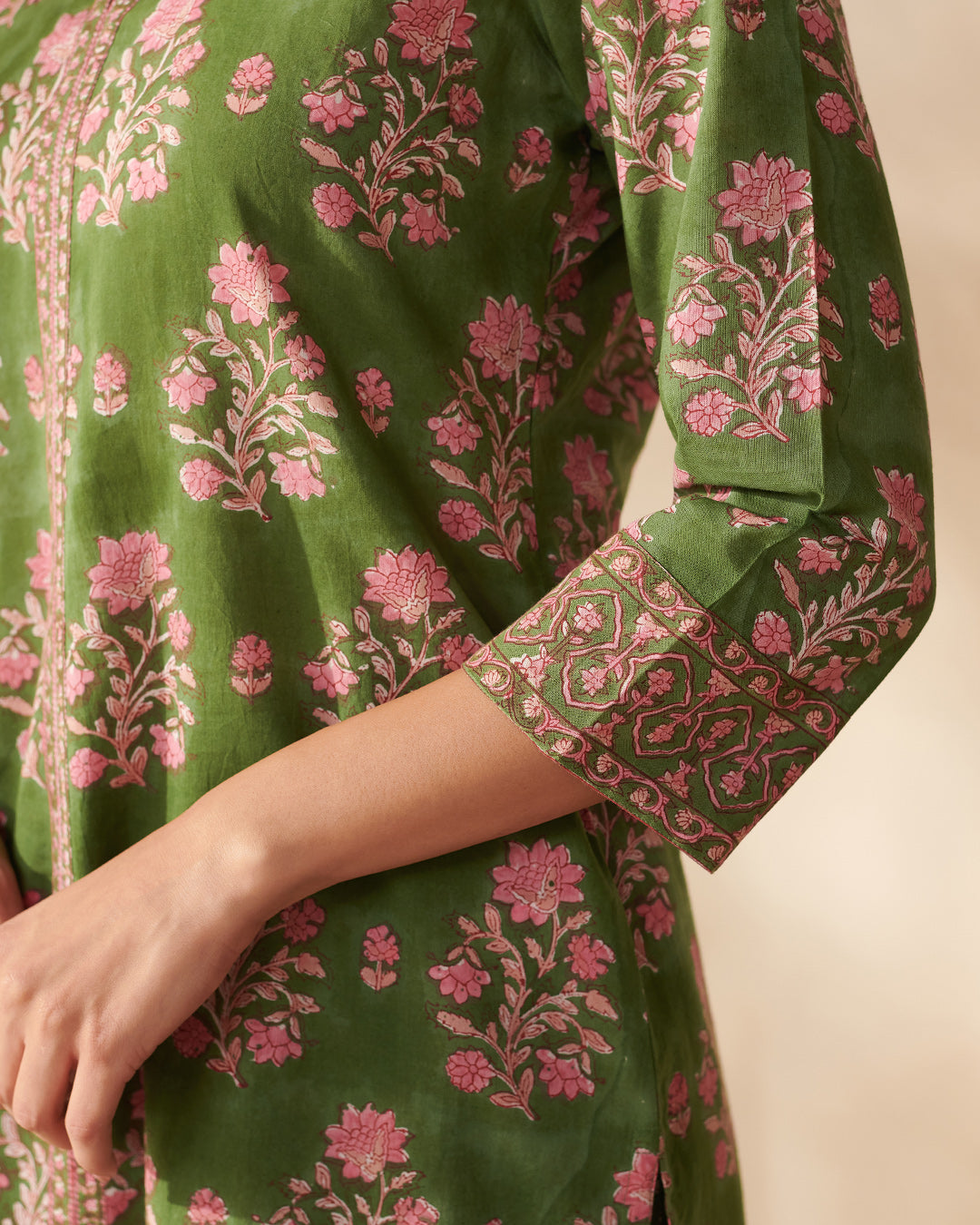
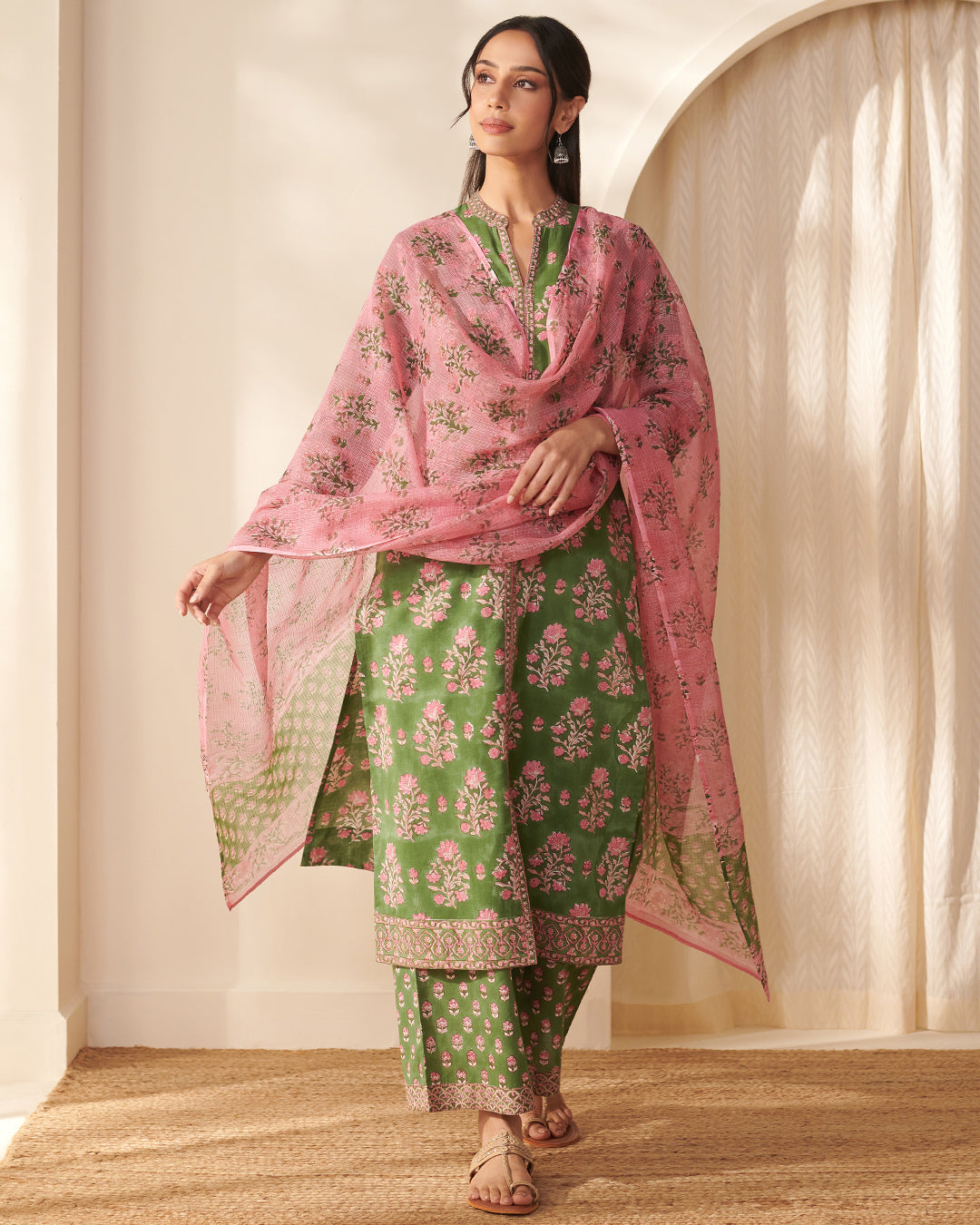
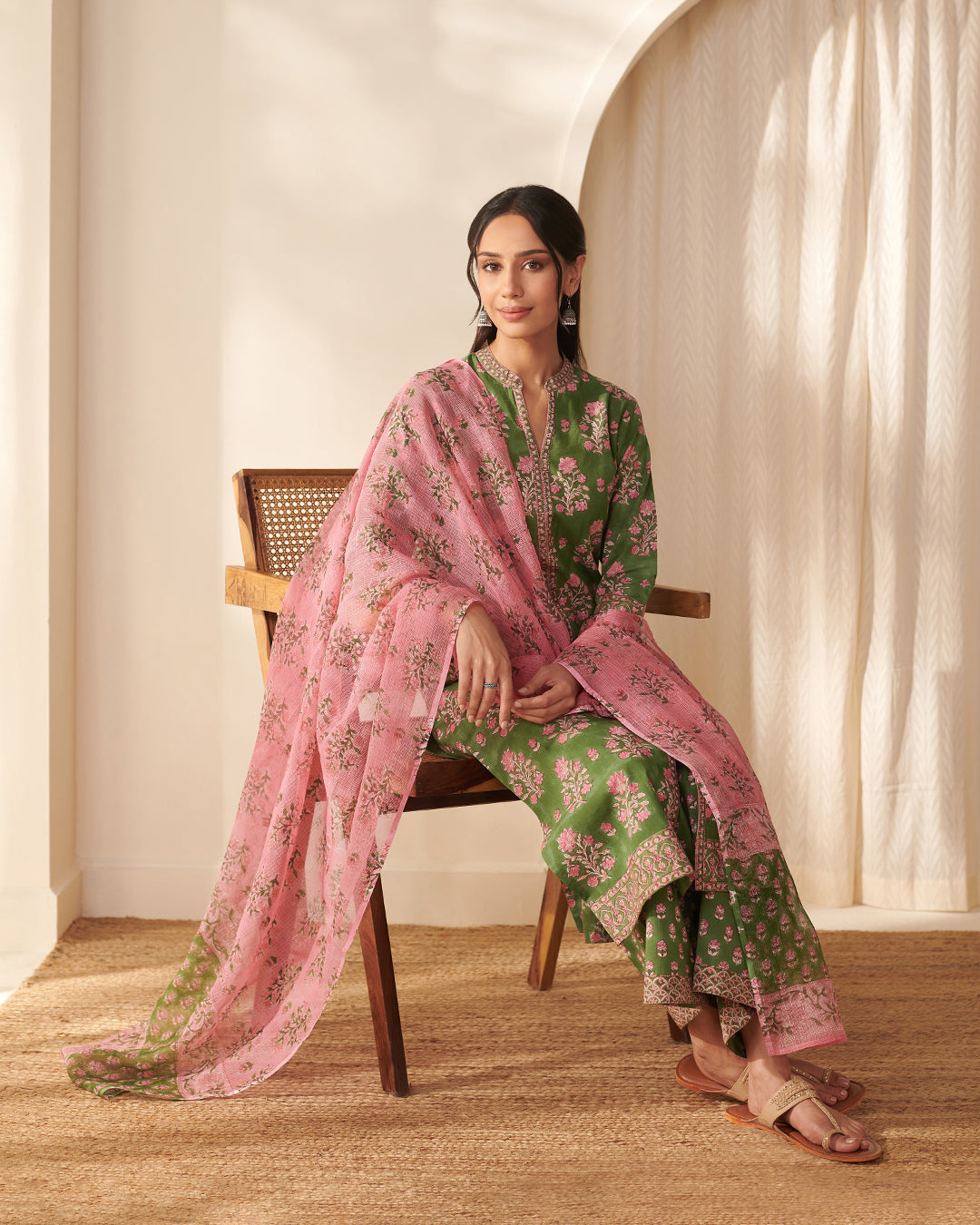
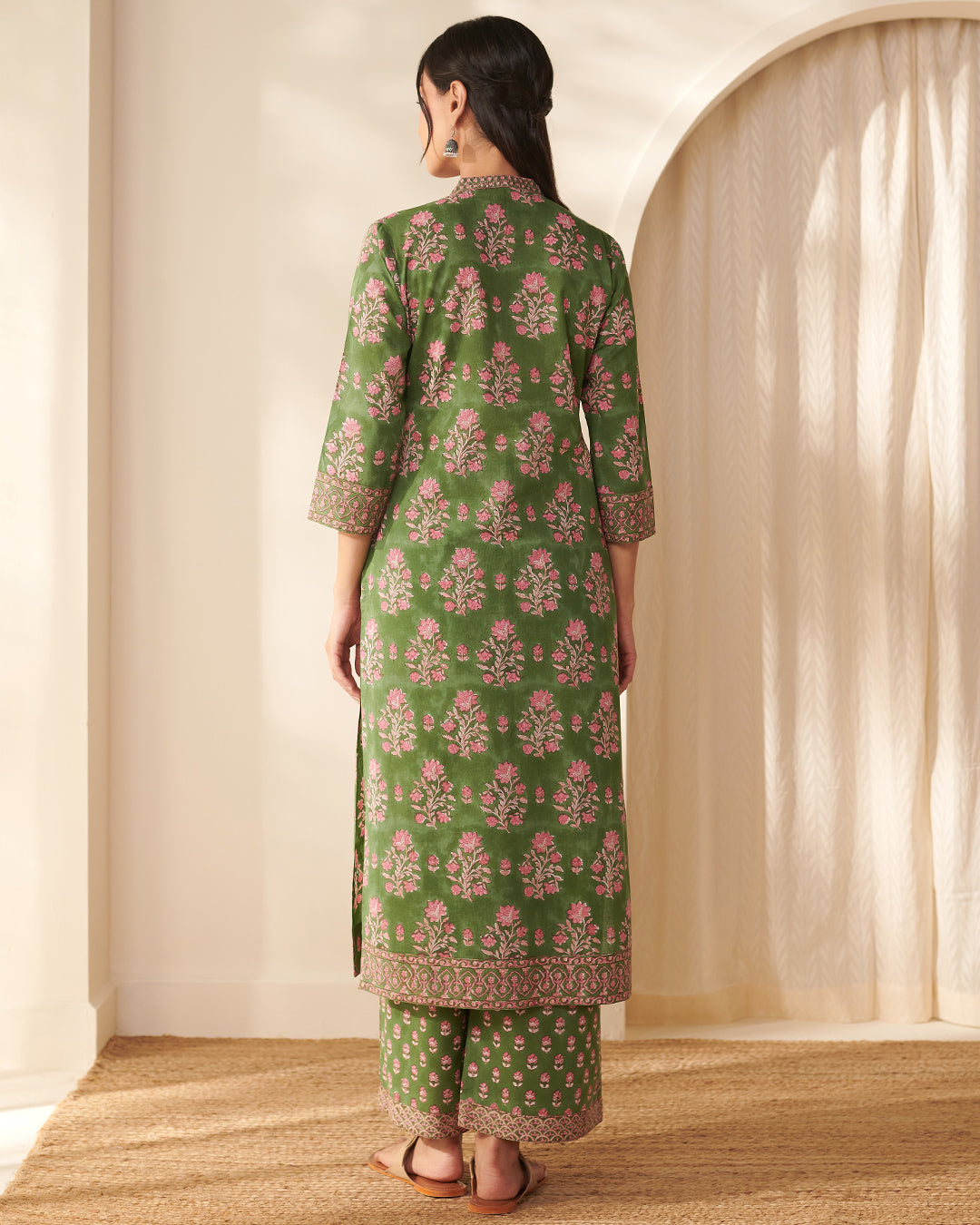
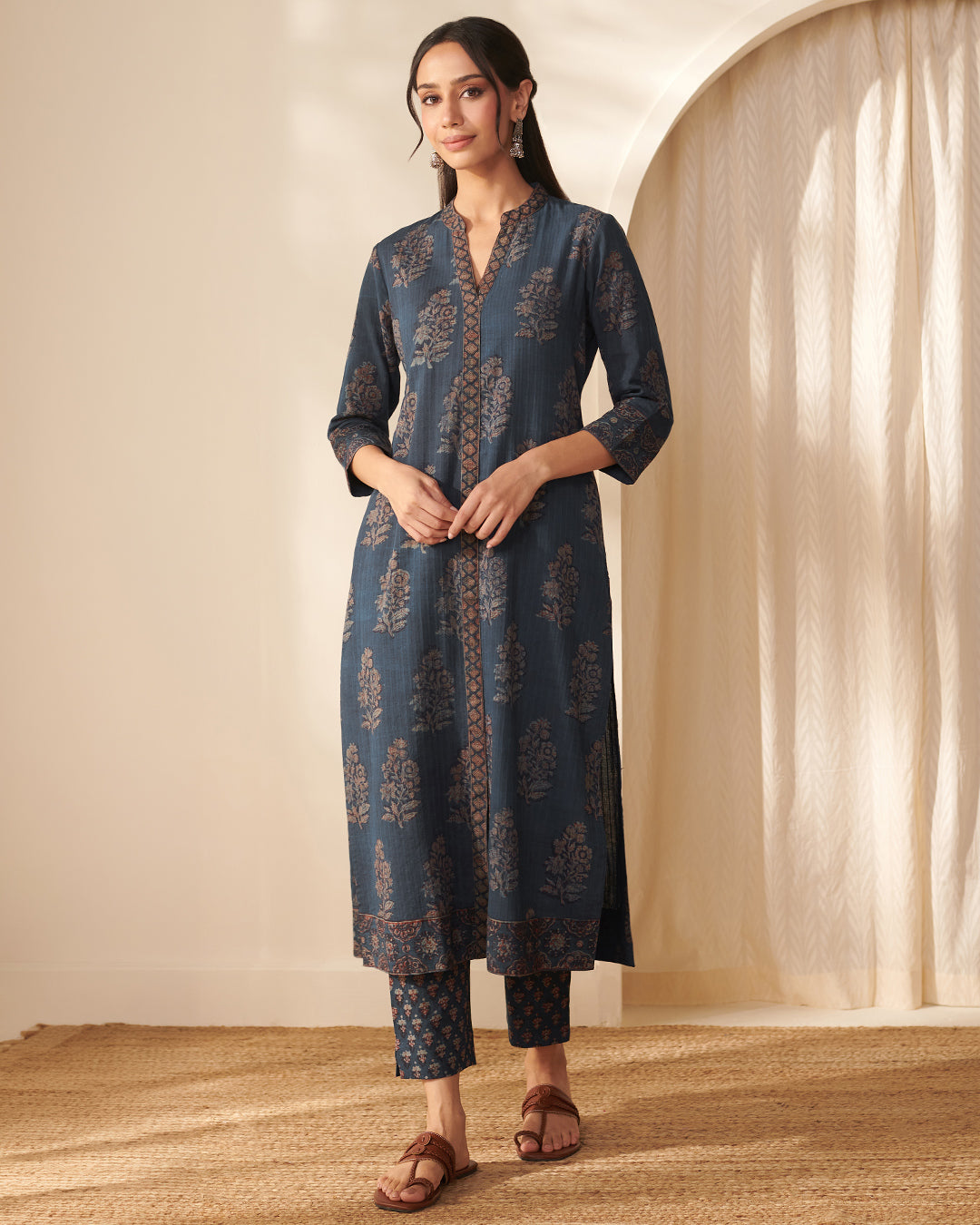
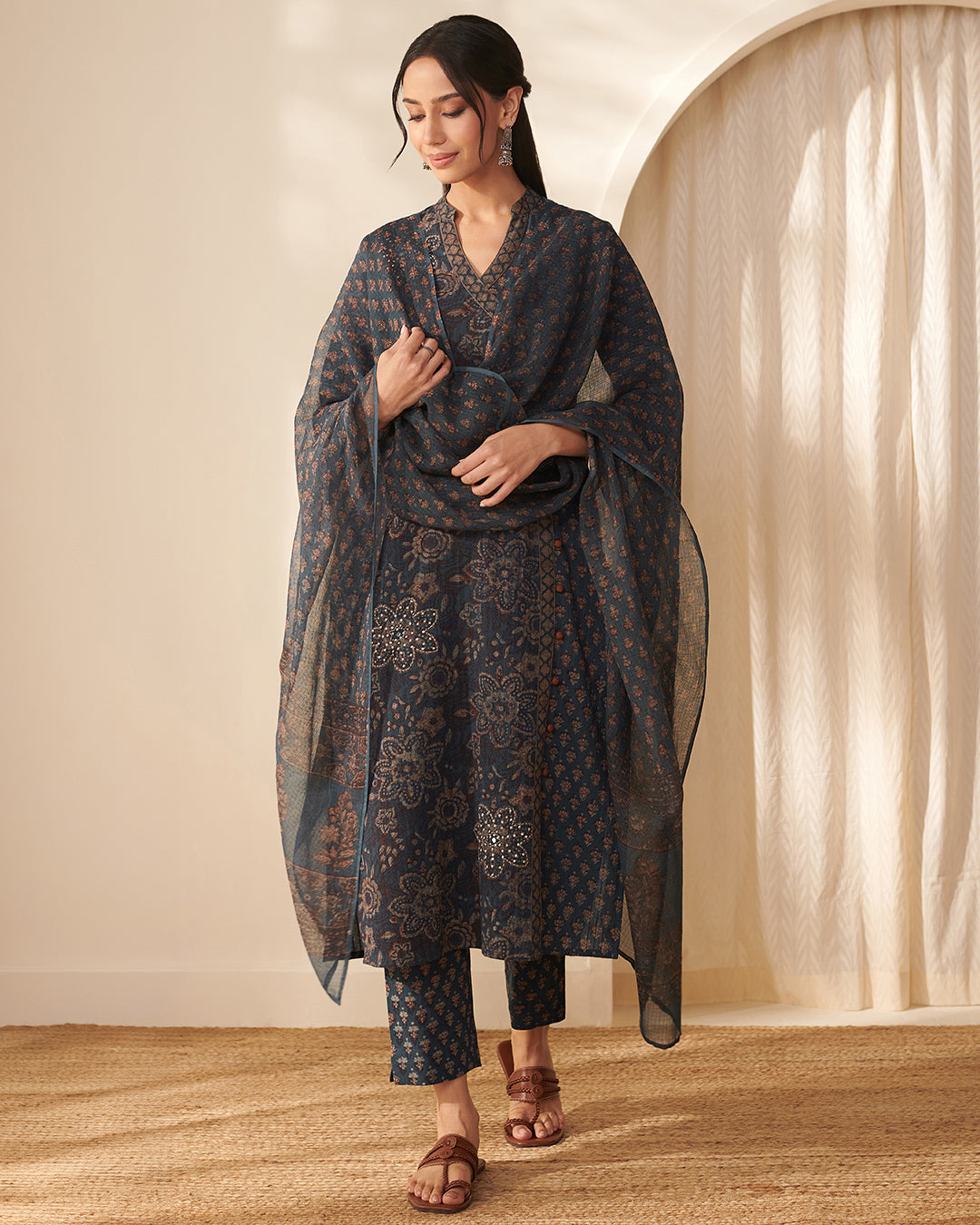
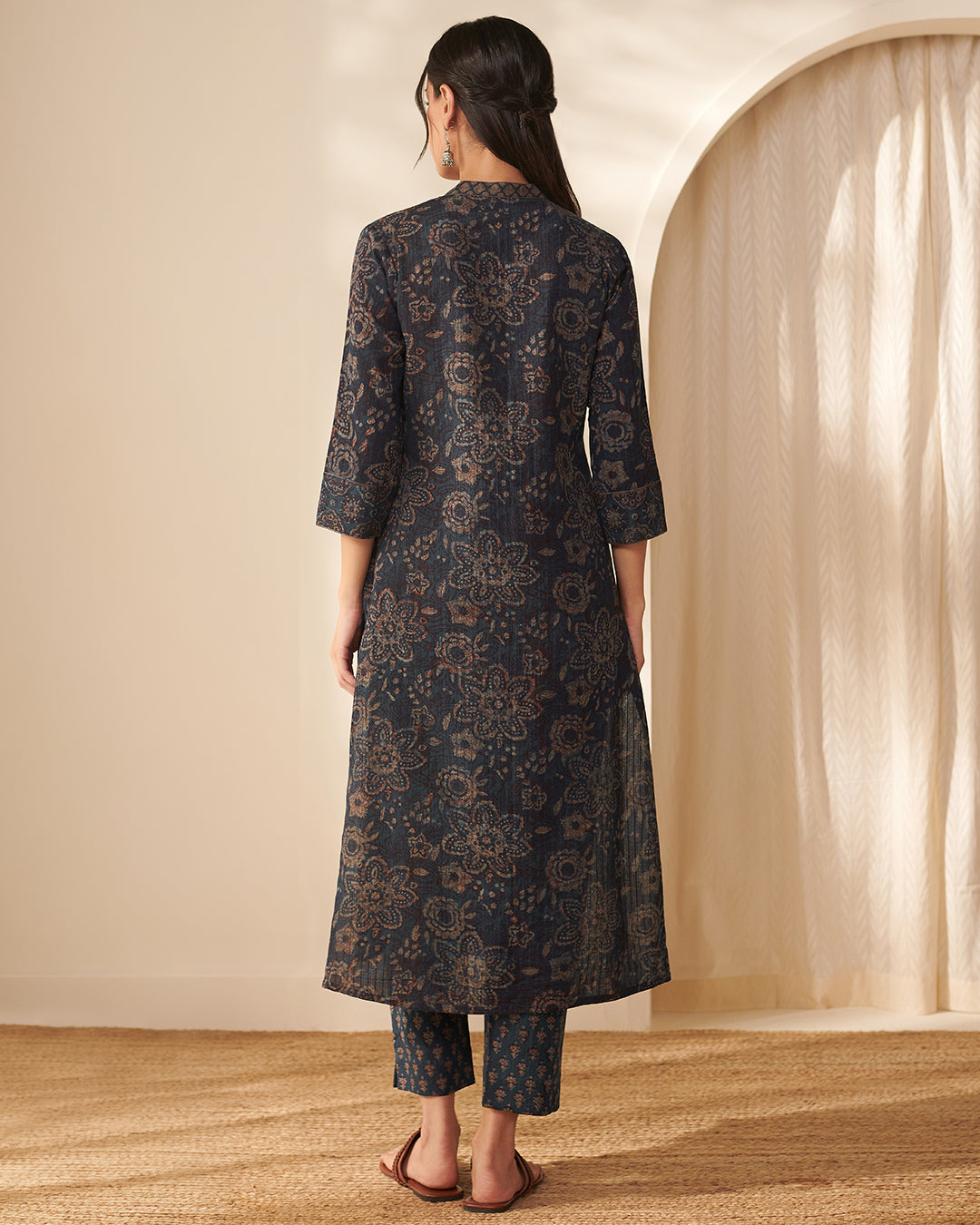
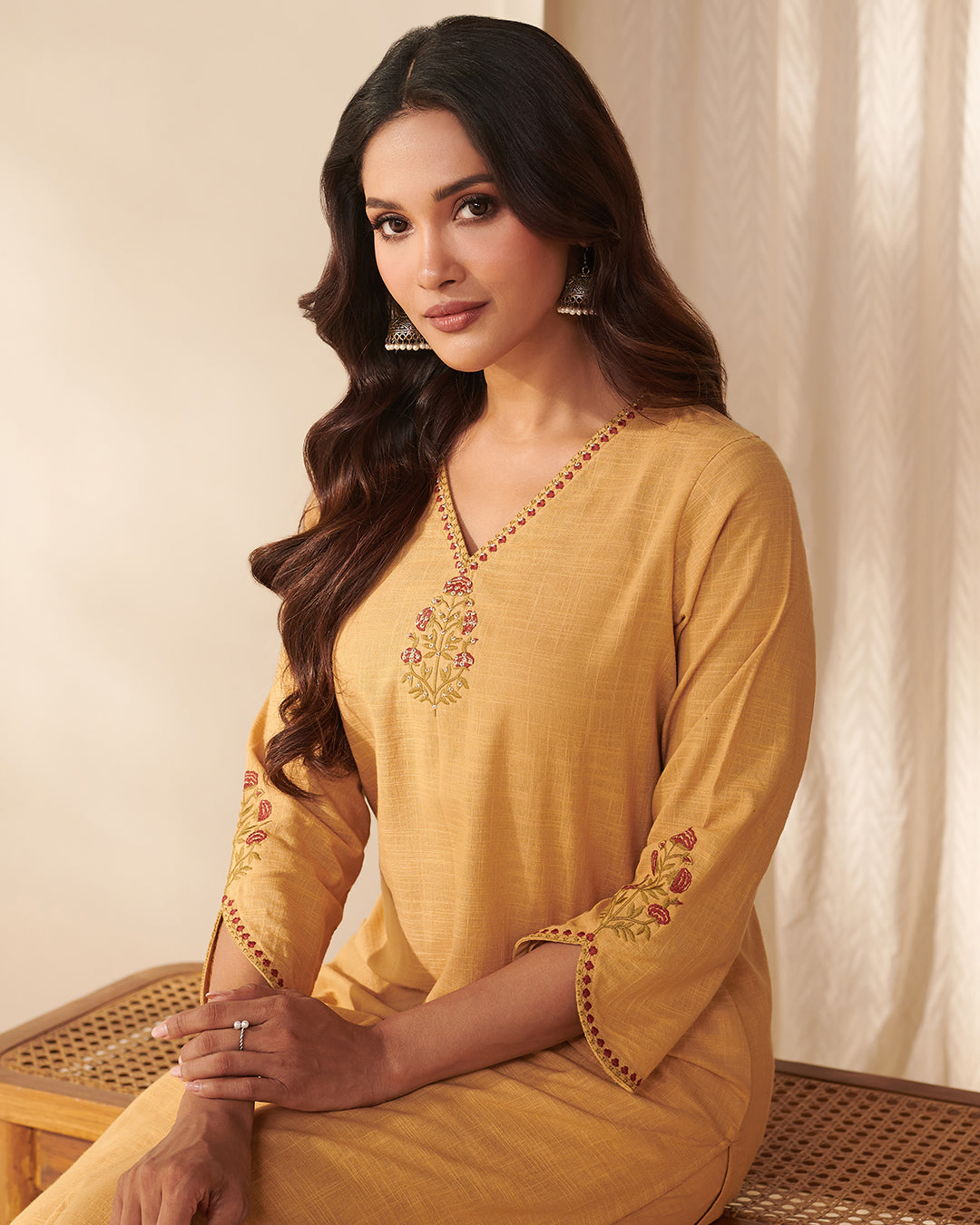
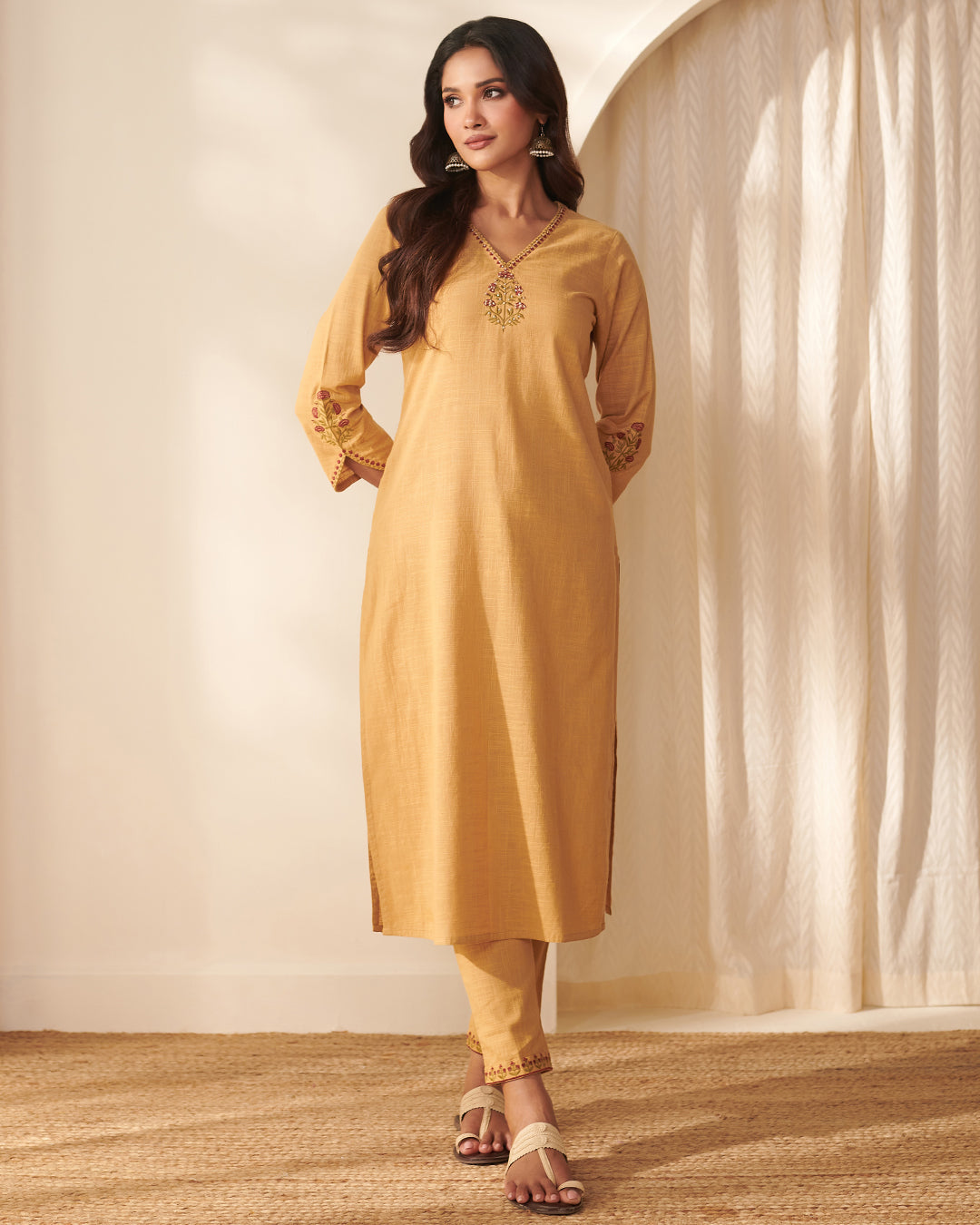
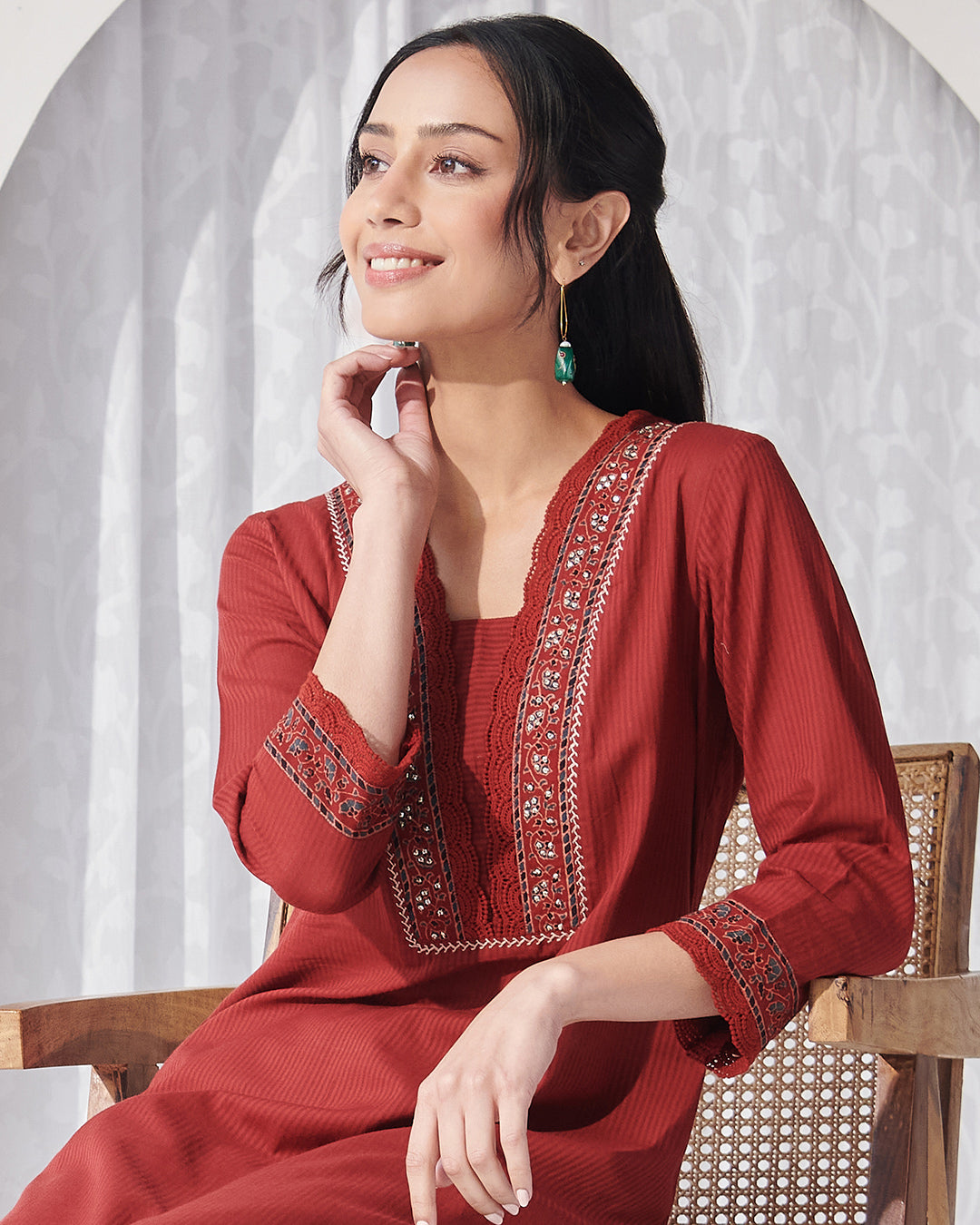
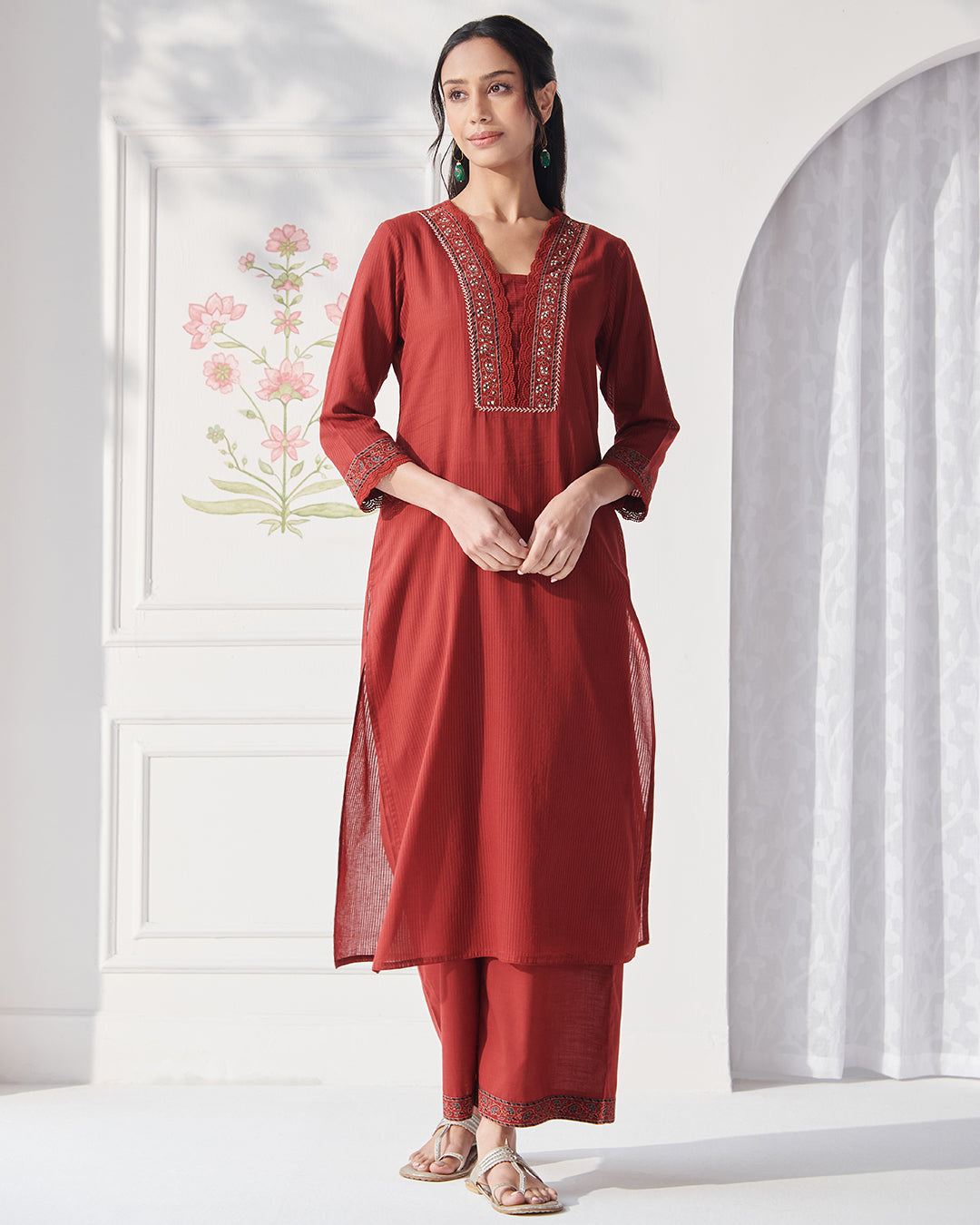
A piece of fabric may begin as something simple, but the hands that work on it can give it an entirely different character. Through traditional printing, delicate embroidery, thoughtful dyeing, and careful stitching, artisans transform plain textiles into garments that carry the beauty of Indian craftsmanship.
Each stage requires patience and an understanding of the material. The choice of fabric, the placement of a print, and even the smallest embroidered detail influence how the finished garment looks and feels. In Indian ethnicwear, these techniques do more than decorate fabric. They keep craft traditions alive while giving them a place in everyday life.
The Journey from Fabric to Wearable Art

Turning fabric into a finished garment is a gradual process. Every step builds on the one before it, bringing together the skill of the artisan and the character of the textile.
Step 1: Selecting the Right Fabric
The process begins with choosing a fabric that suits the intended design. Cotton is often valued for its breathability and softness, making it a natural choice for everyday kurtas and other comfortable ethnic garments. Mulmul offers a lighter feel, while silk and other textured fabrics can lend themselves to more elaborate designs.
Artisans and designers also consider how the fabric will respond to printing, dyeing, and embroidery. A closely woven textile may hold fine printed details well, while a softer fabric may need a gentler approach. The right choice allows the craft to stand out without compromising comfort.
Step 2: Preparing the Fabric for Crafting
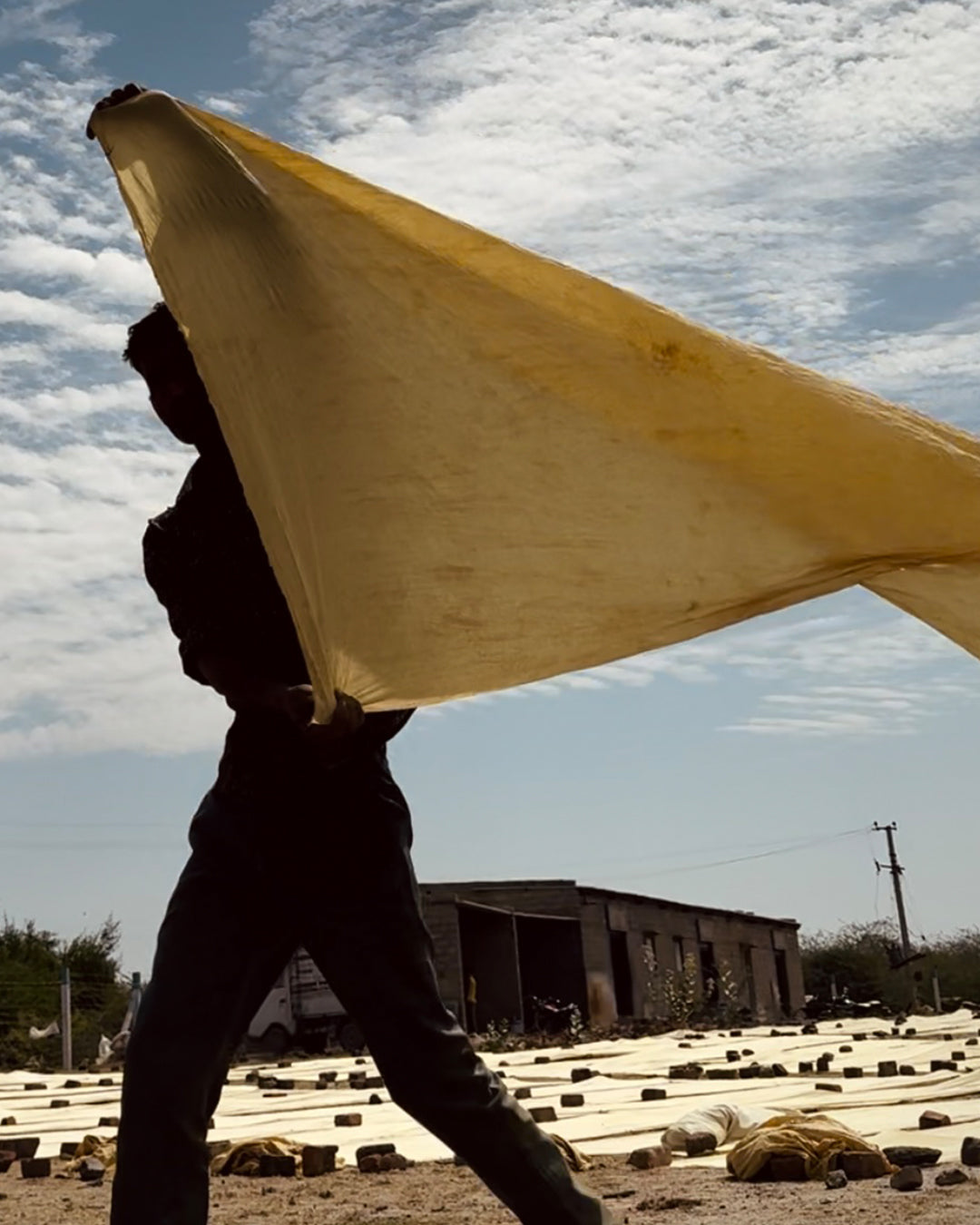
Before any design is applied, the fabric needs to be prepared. Depending on the textile and the technique being used, this may involve washing, scouring, drying, and stretching the material to remove impurities and prepare the surface.
In hand block printing, proper preparation helps the dye or pigment settle more evenly. It also reduces the risk of unwanted marks or uneven results later. This stage may not be visible in the finished garment, but it plays an important role in the quality of the work.
Step 3: Creating Patterns Through Hand Block Printing

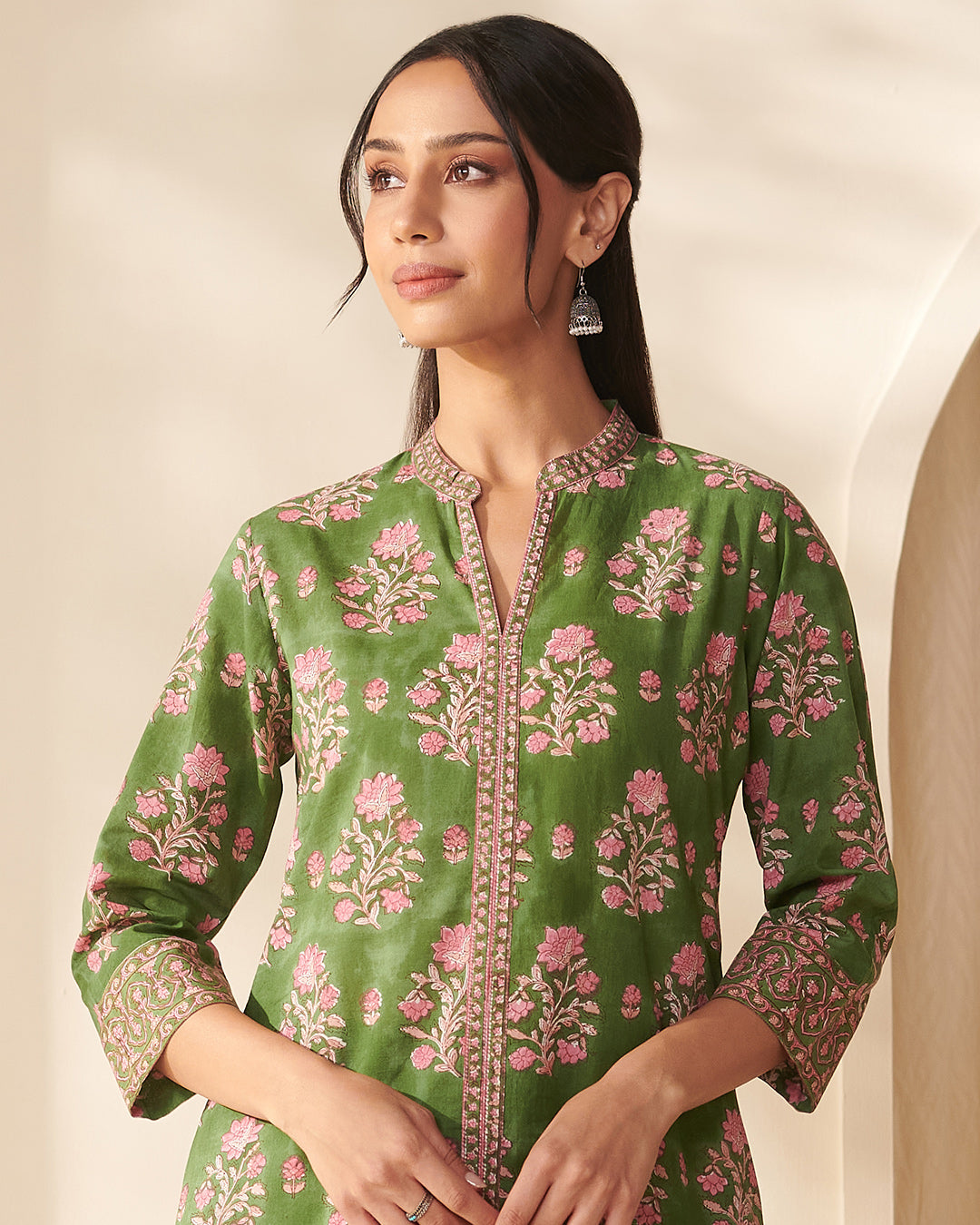
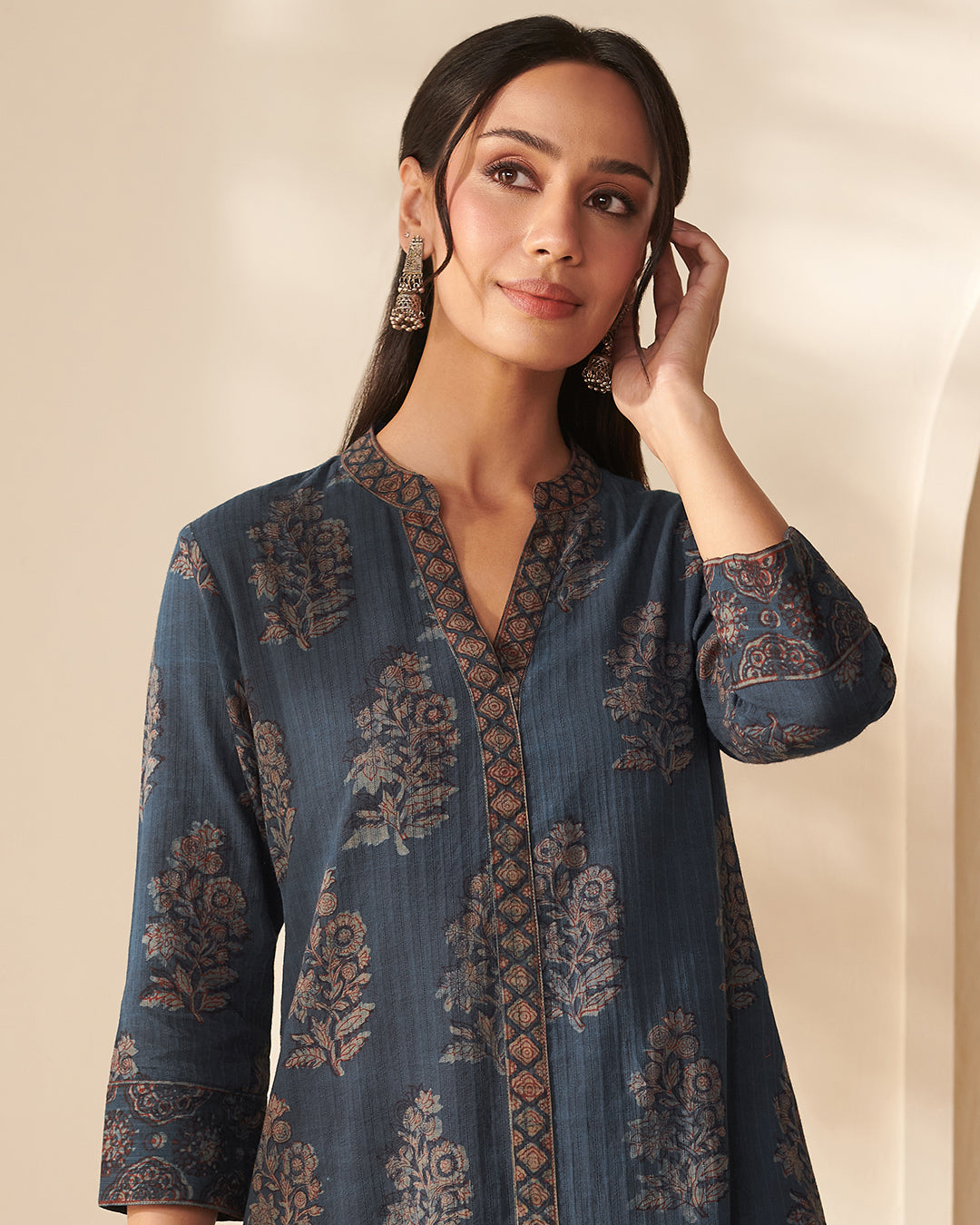
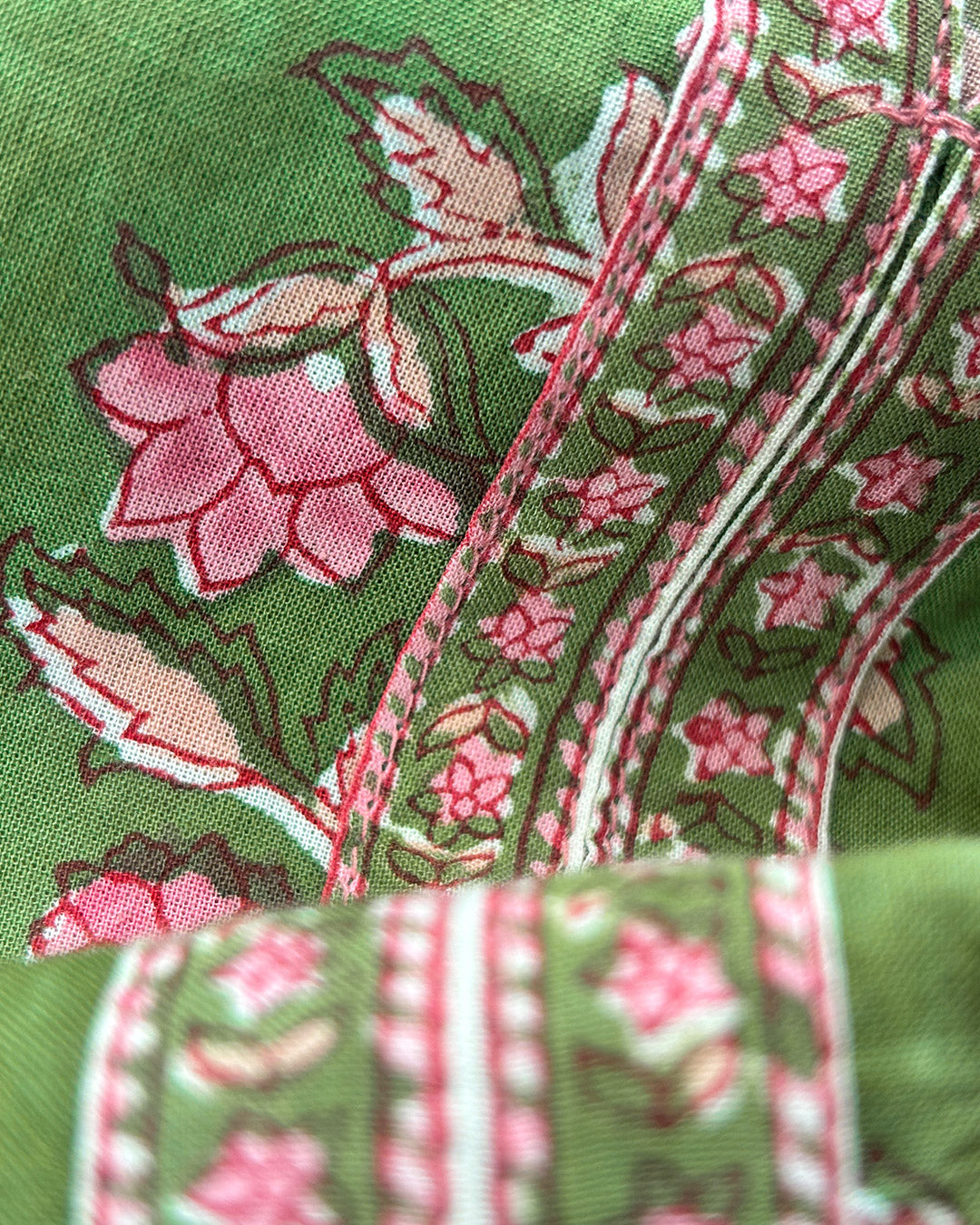
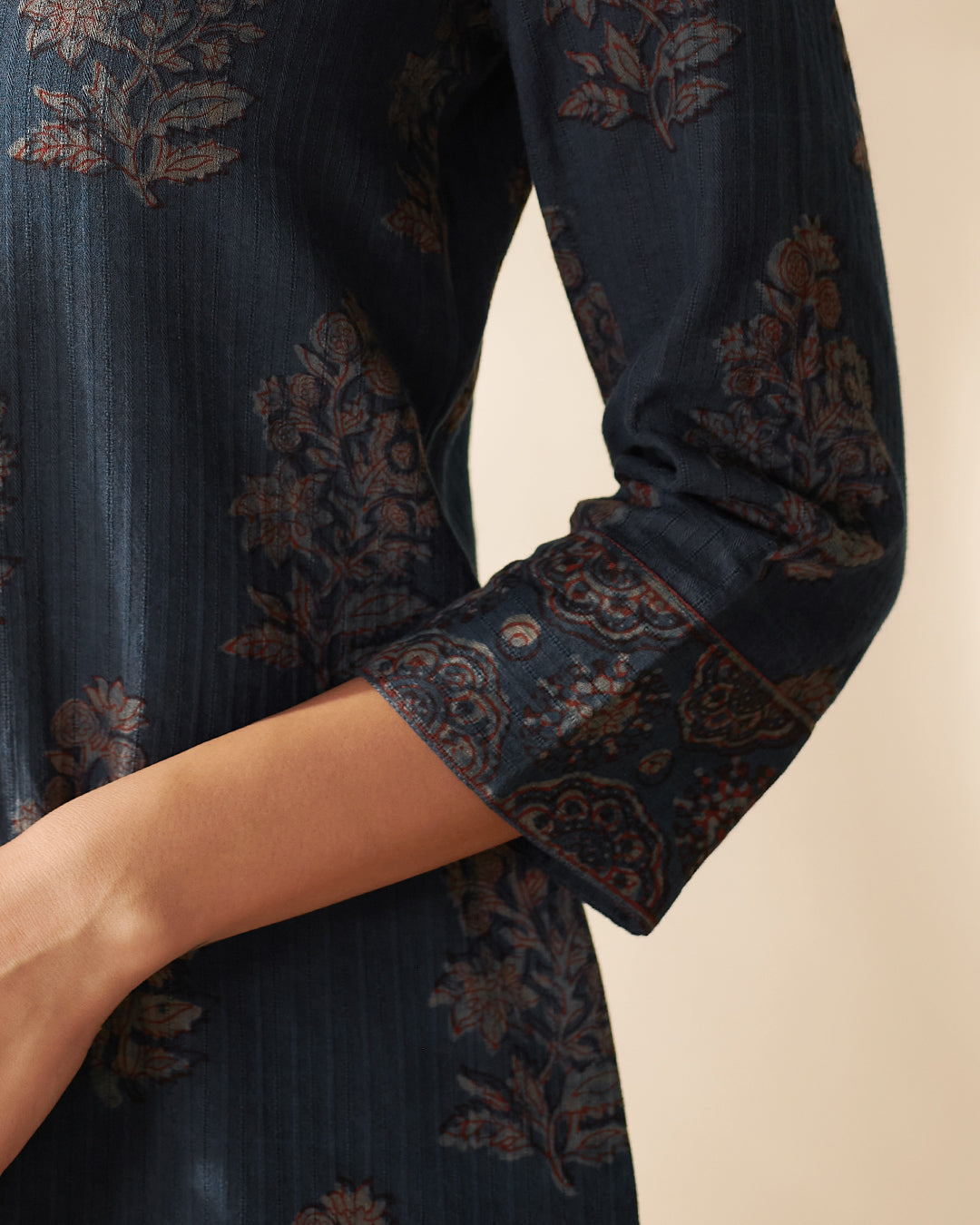
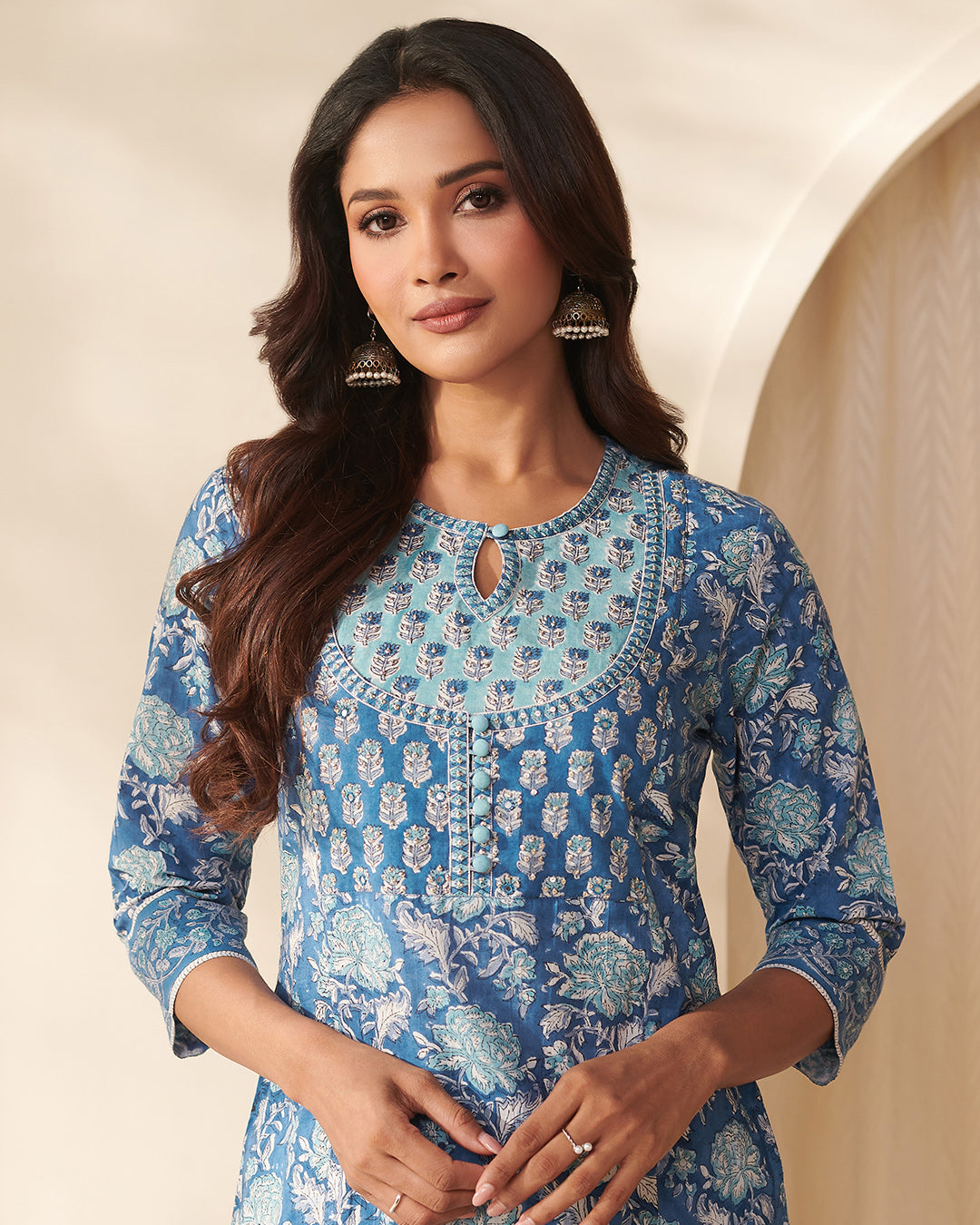
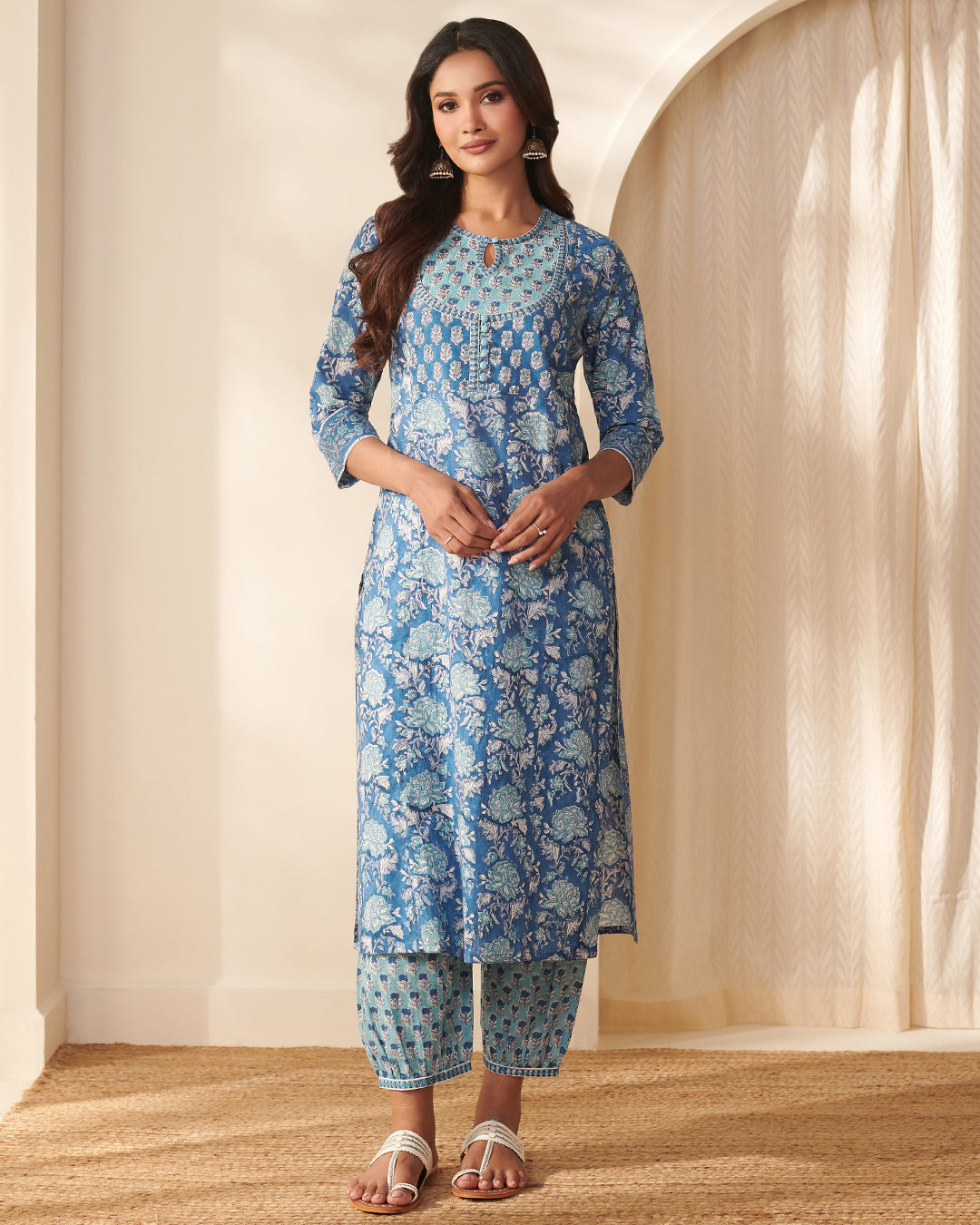
Hand block printing is one of India's treasured textile traditions, with distinctive practices found in regions such as Rajasthan and Gujarat. The process uses carved wooden blocks to transfer patterns onto fabric, often through repeated, carefully aligned impressions.
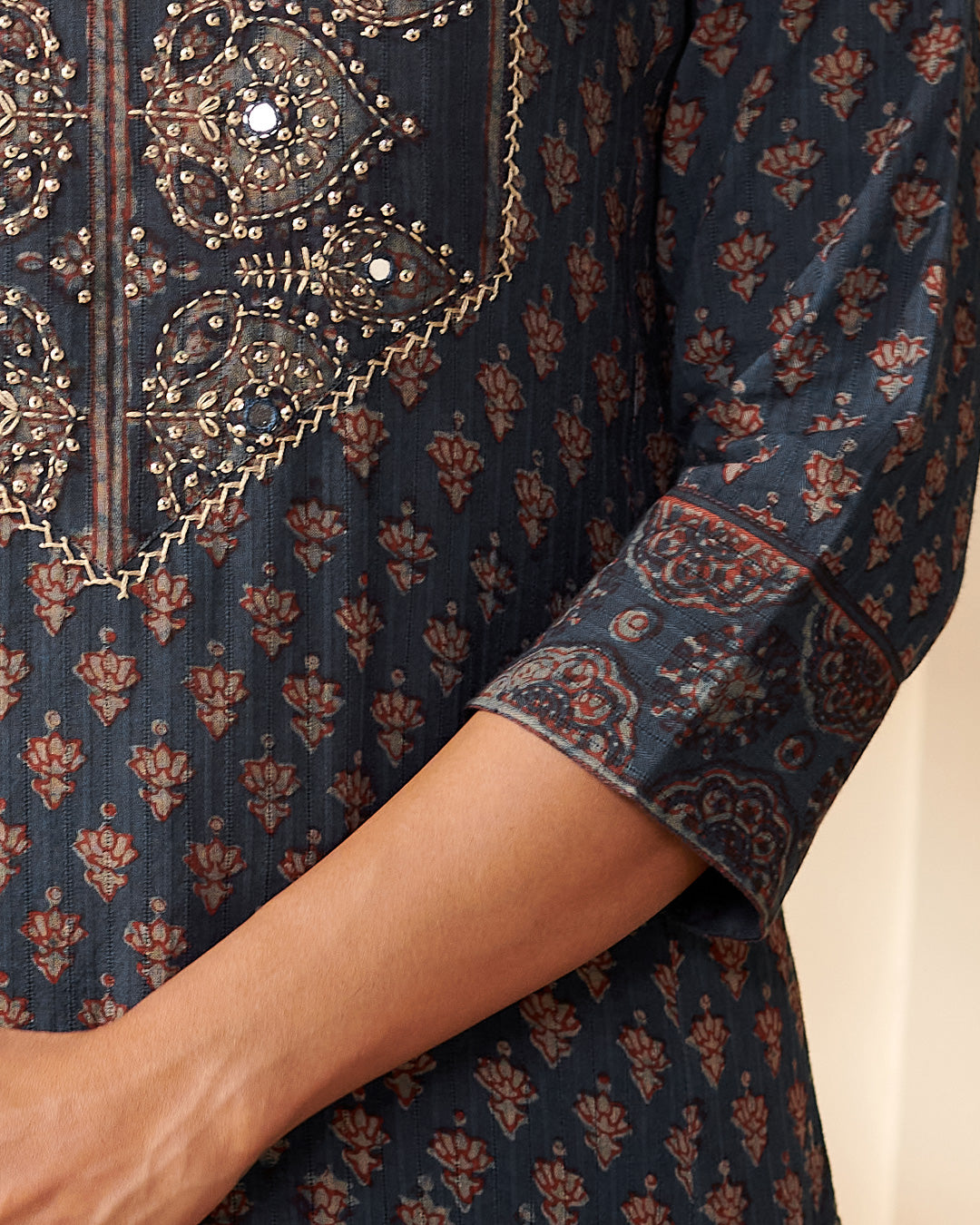
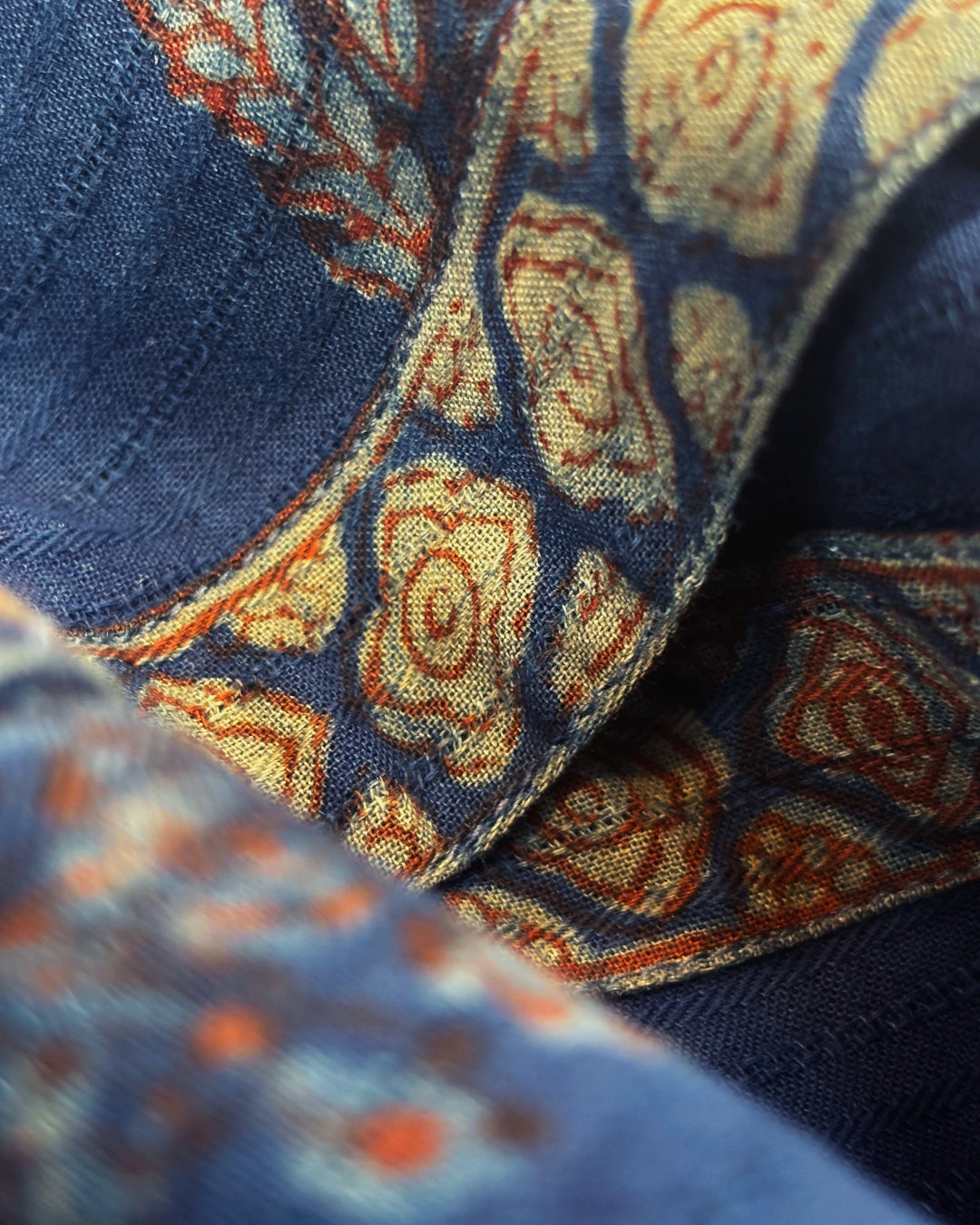
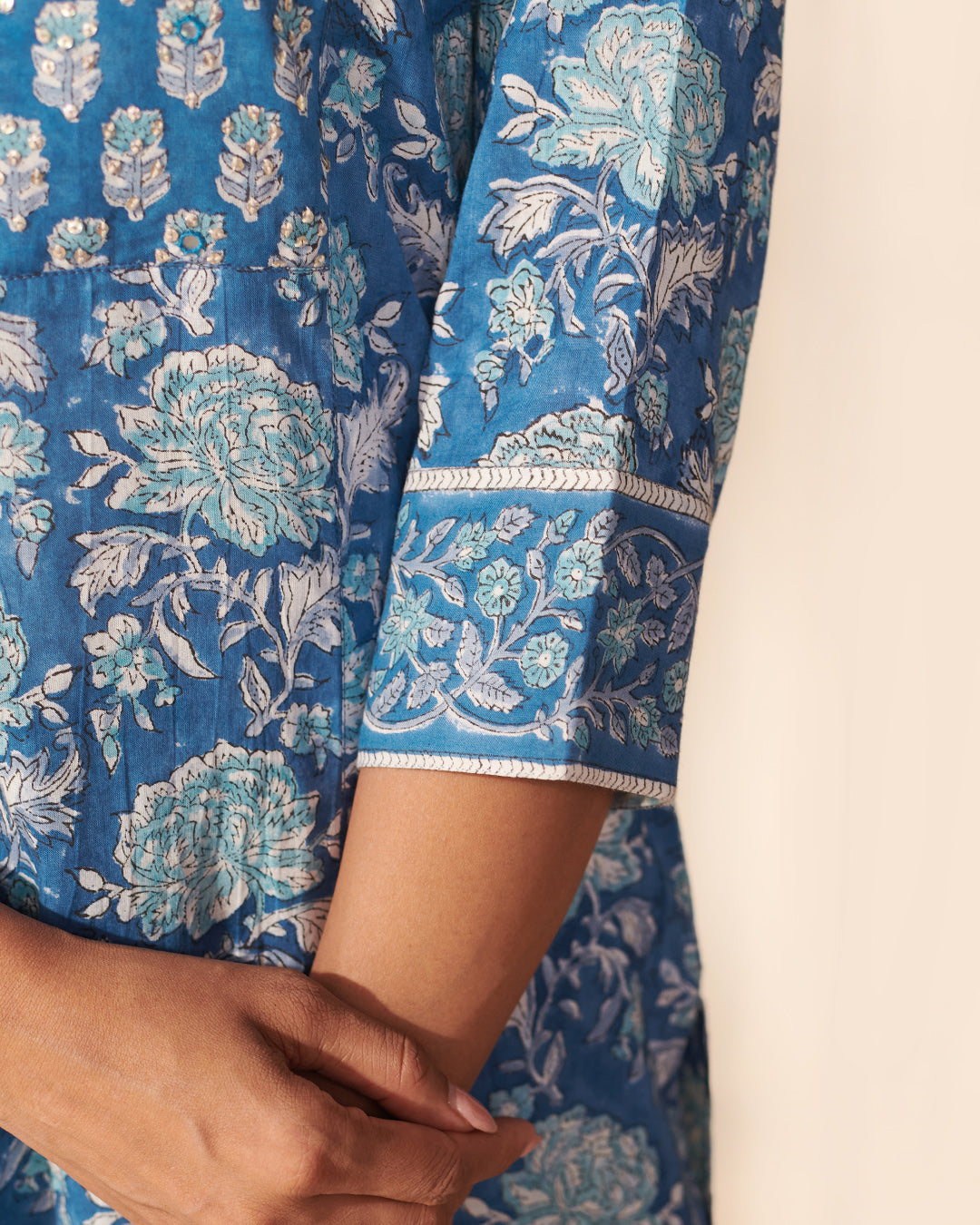
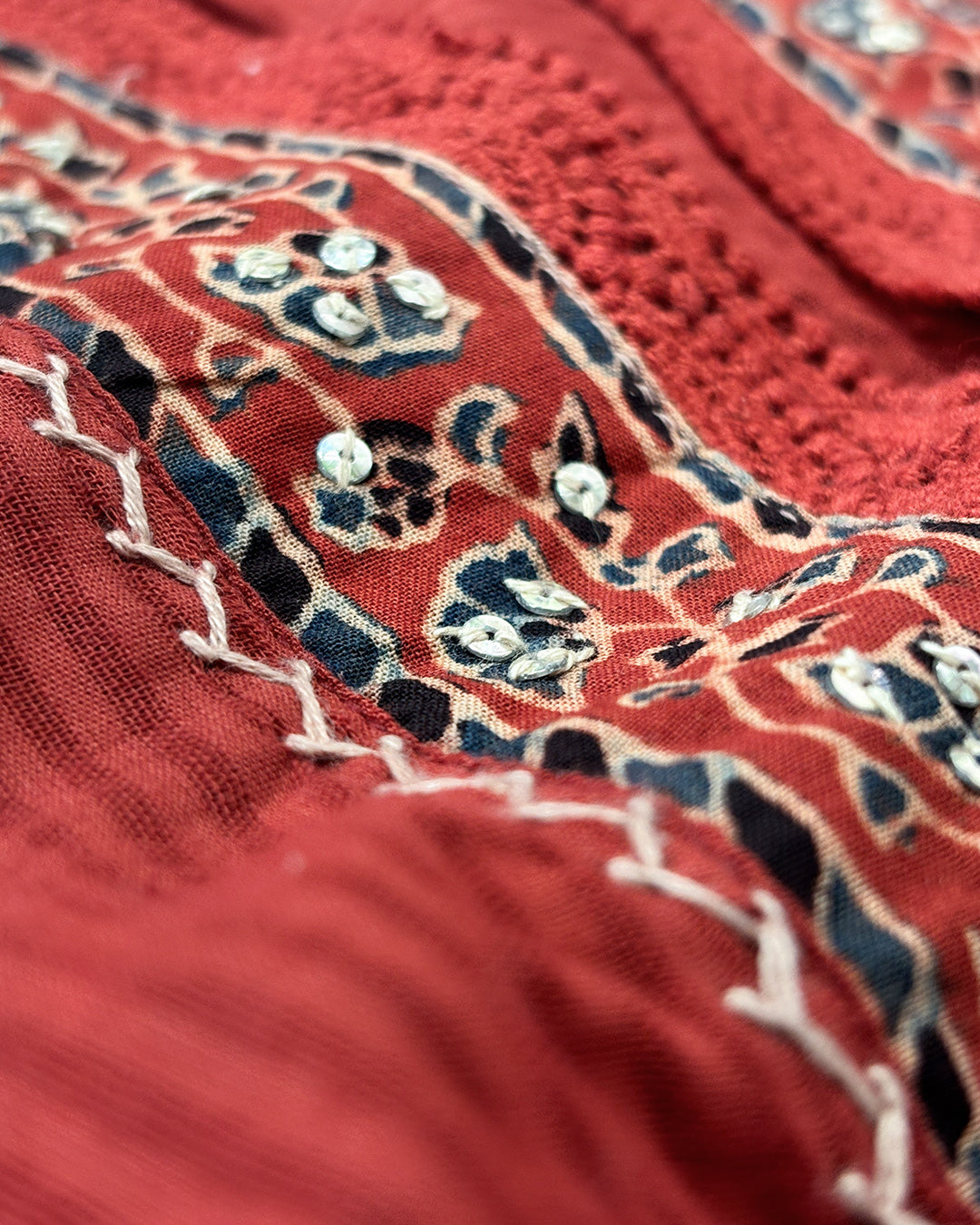
Each block is carved with attention to the smallest details, from floral forms and paisleys to geometric arrangements. The artisan applies colour to the block and presses it onto the fabric by hand, repeating the movement across the surface. Since every impression depends on the pressure, placement, and rhythm of the hand, slight variations may appear.
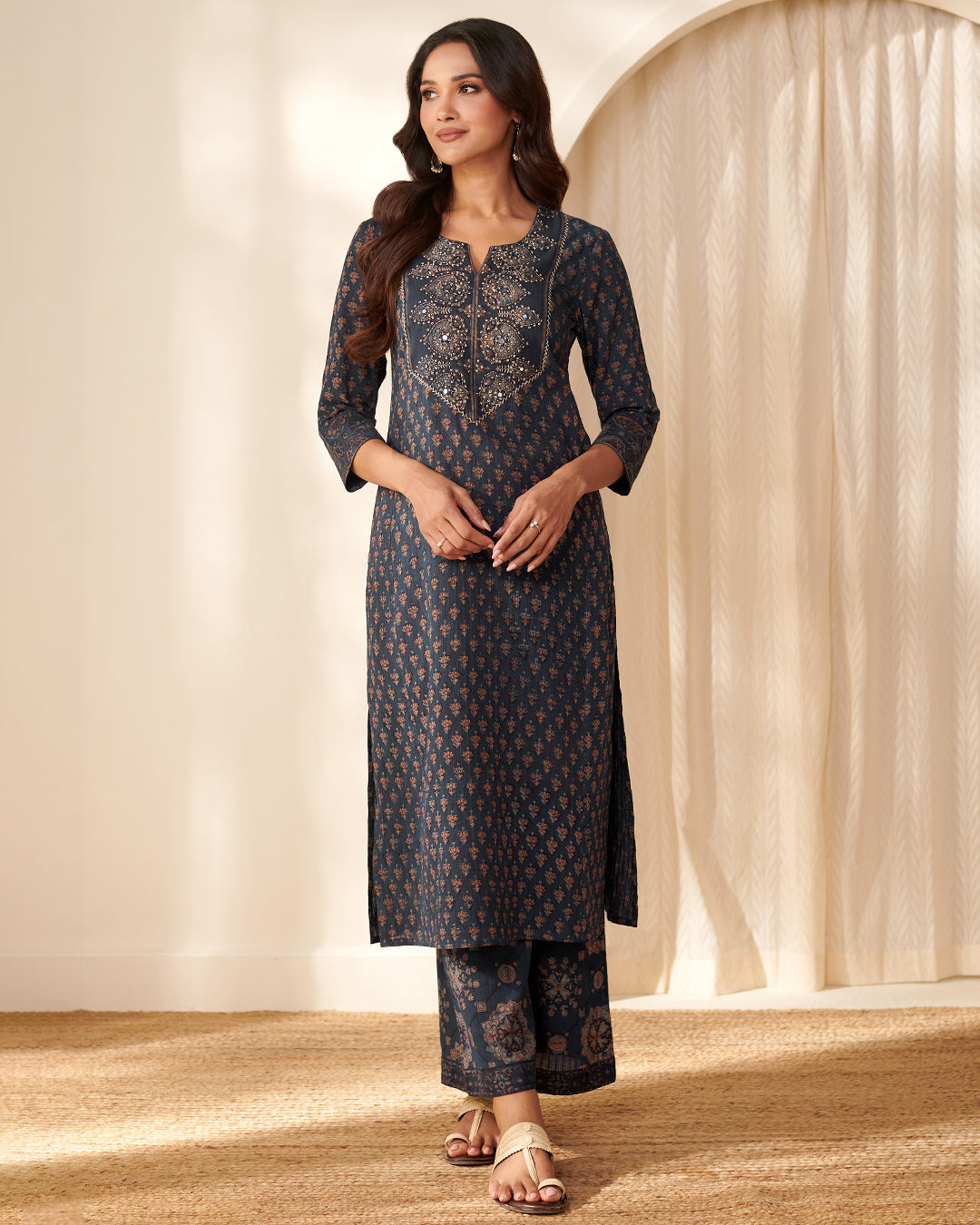
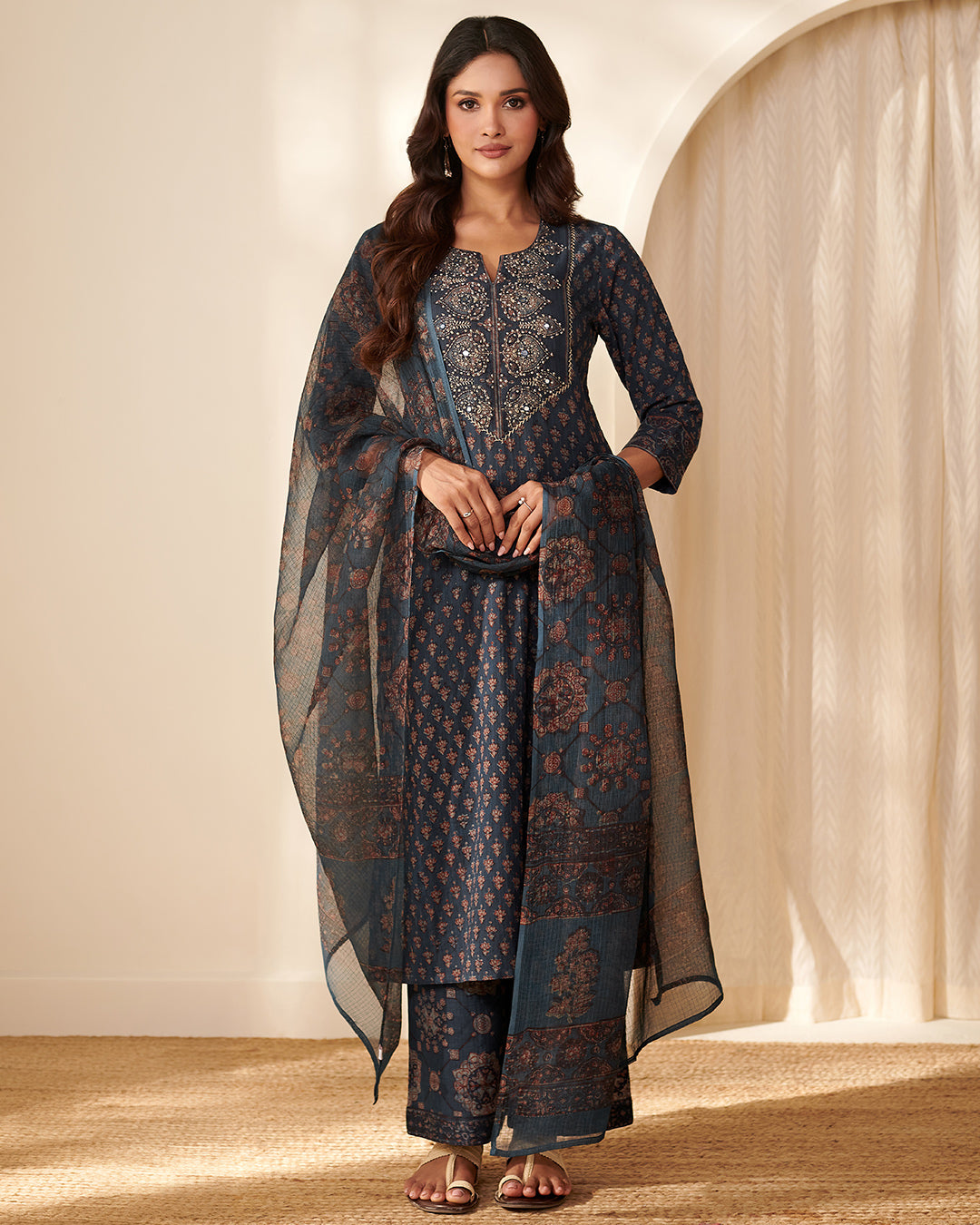
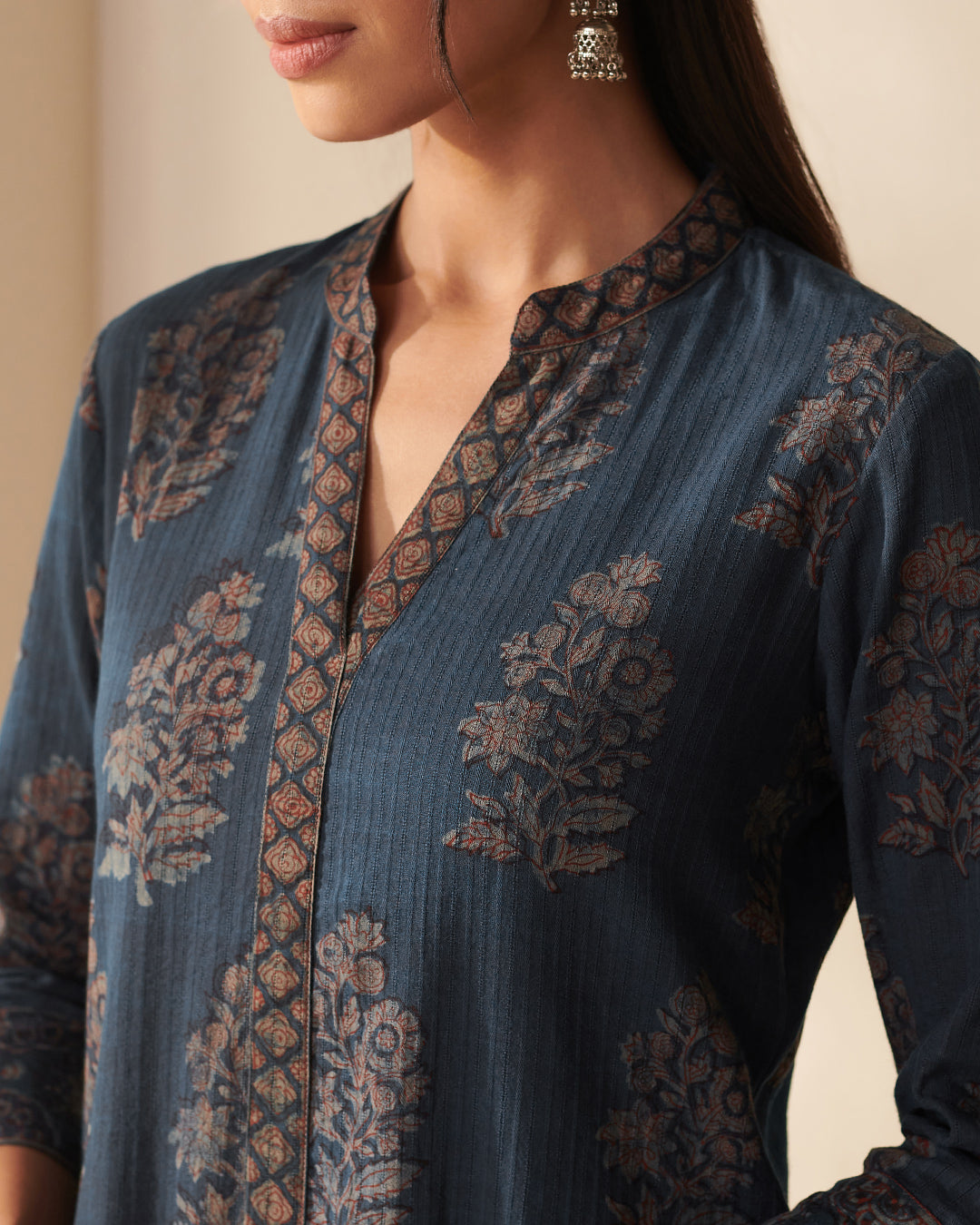
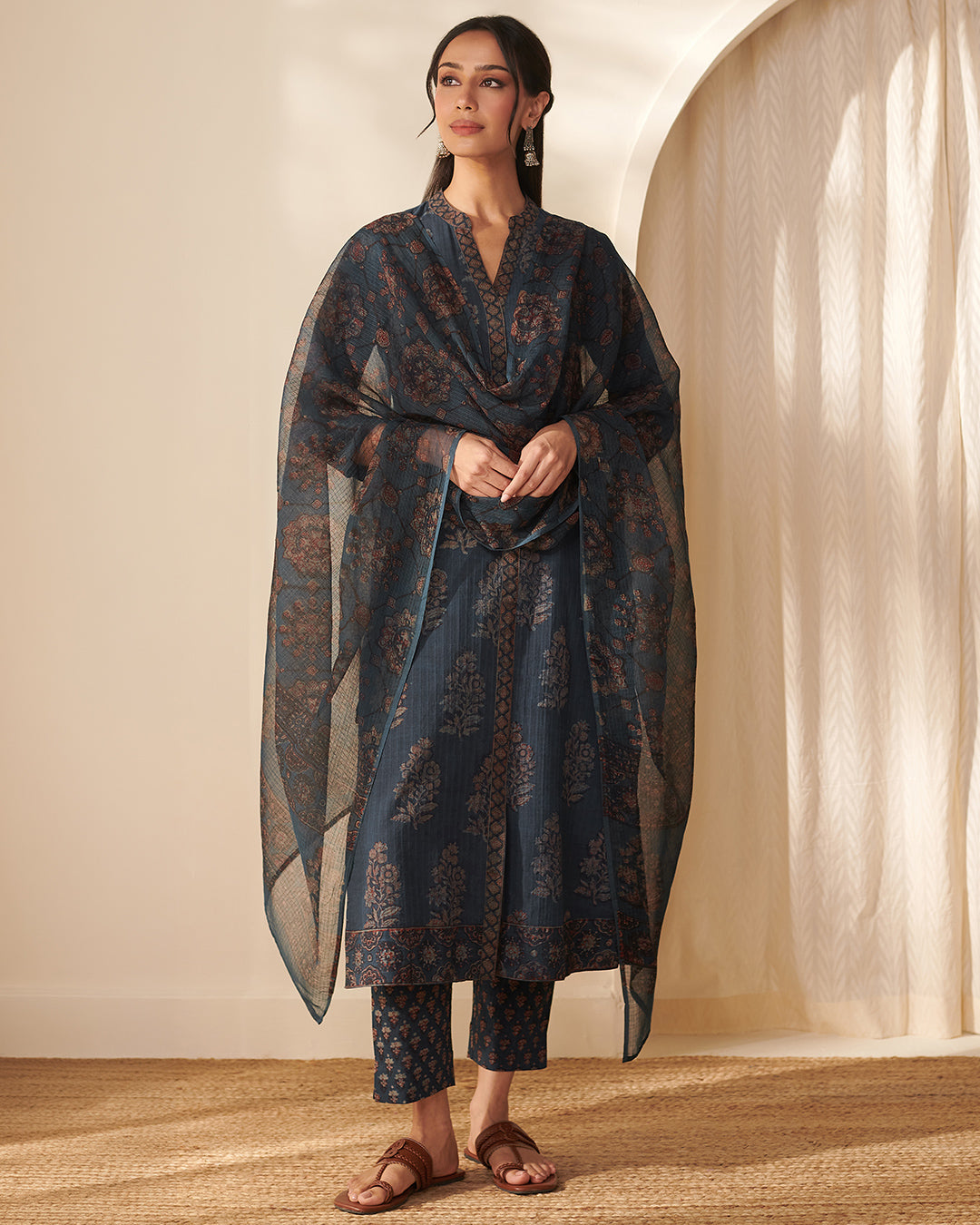
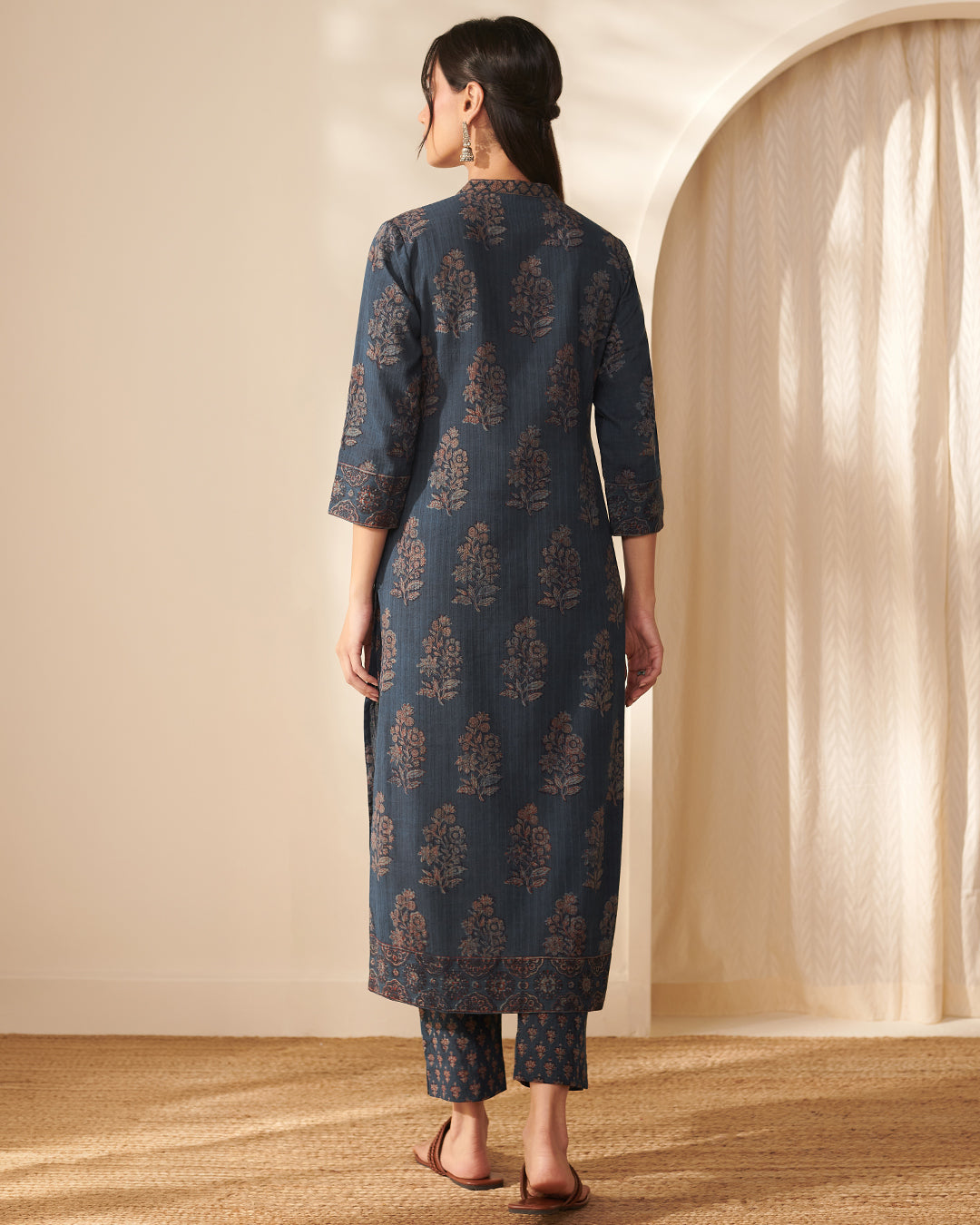
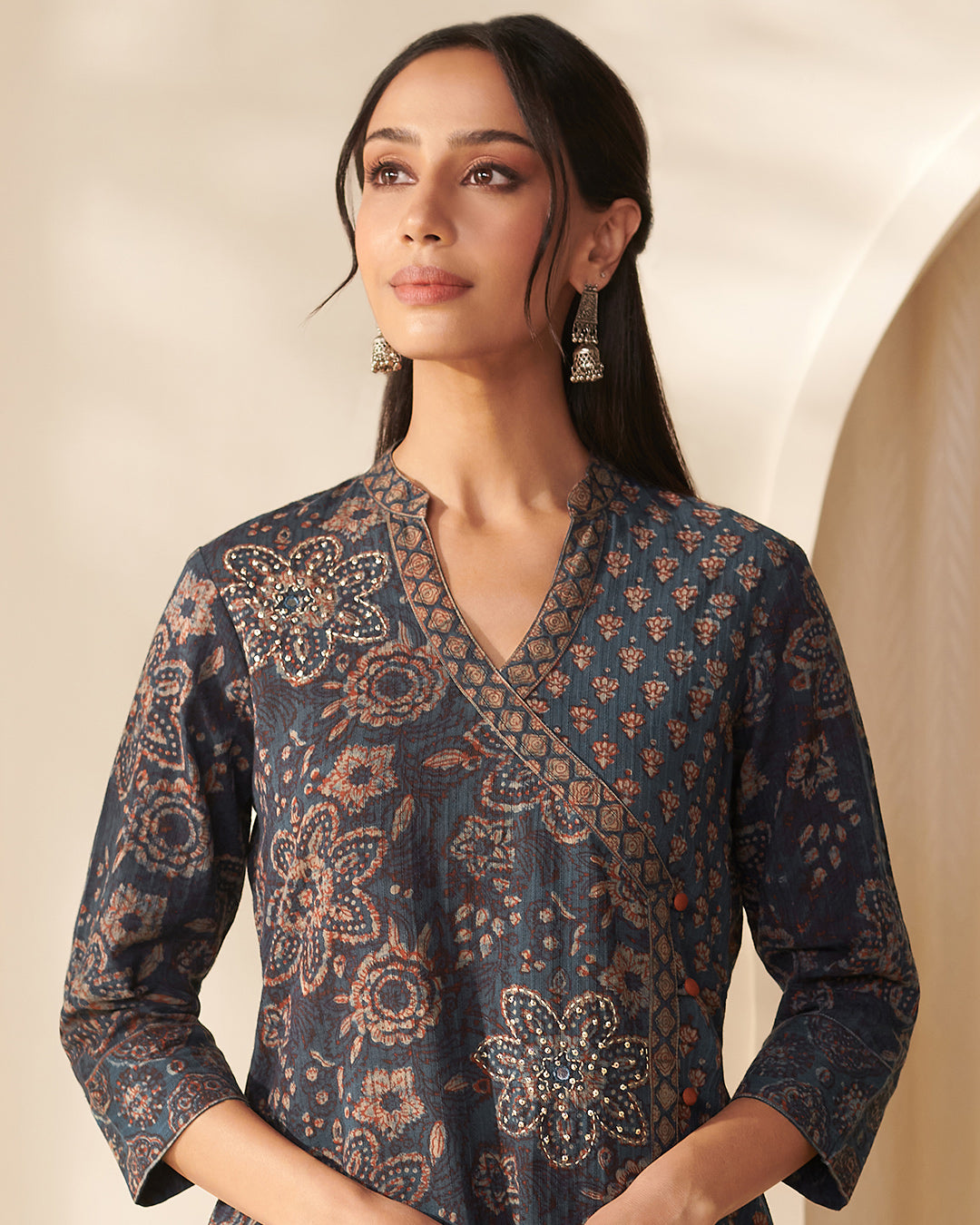
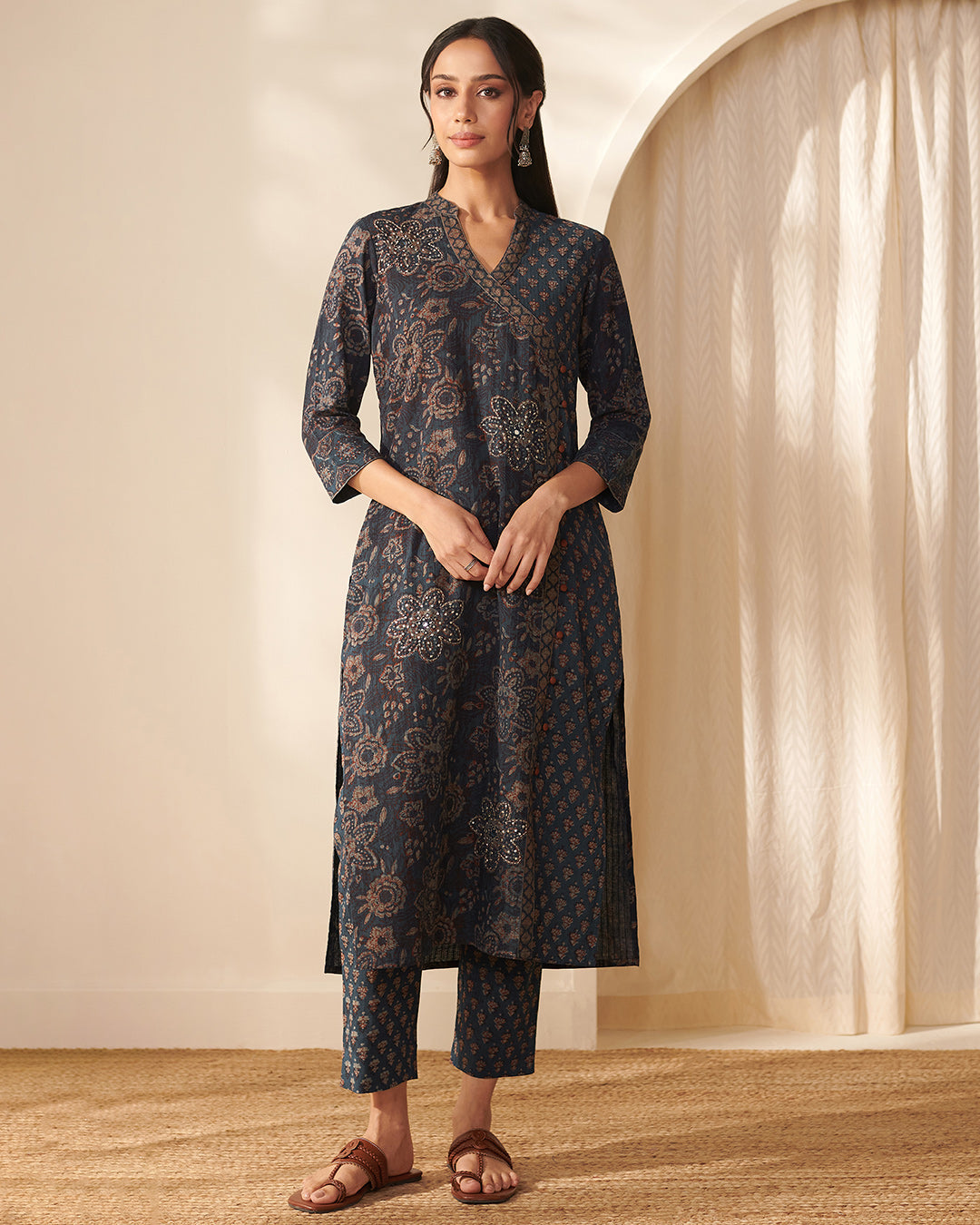
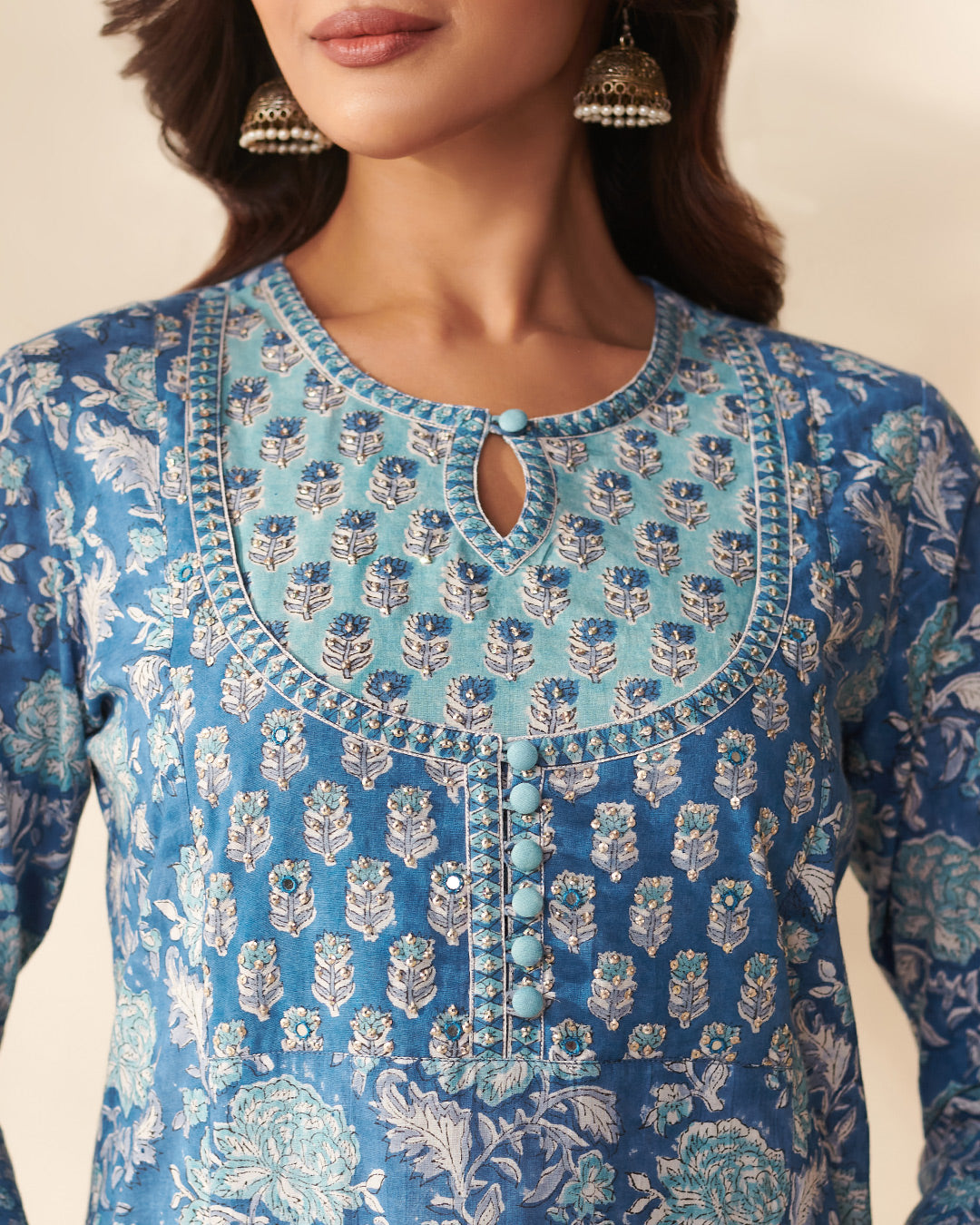
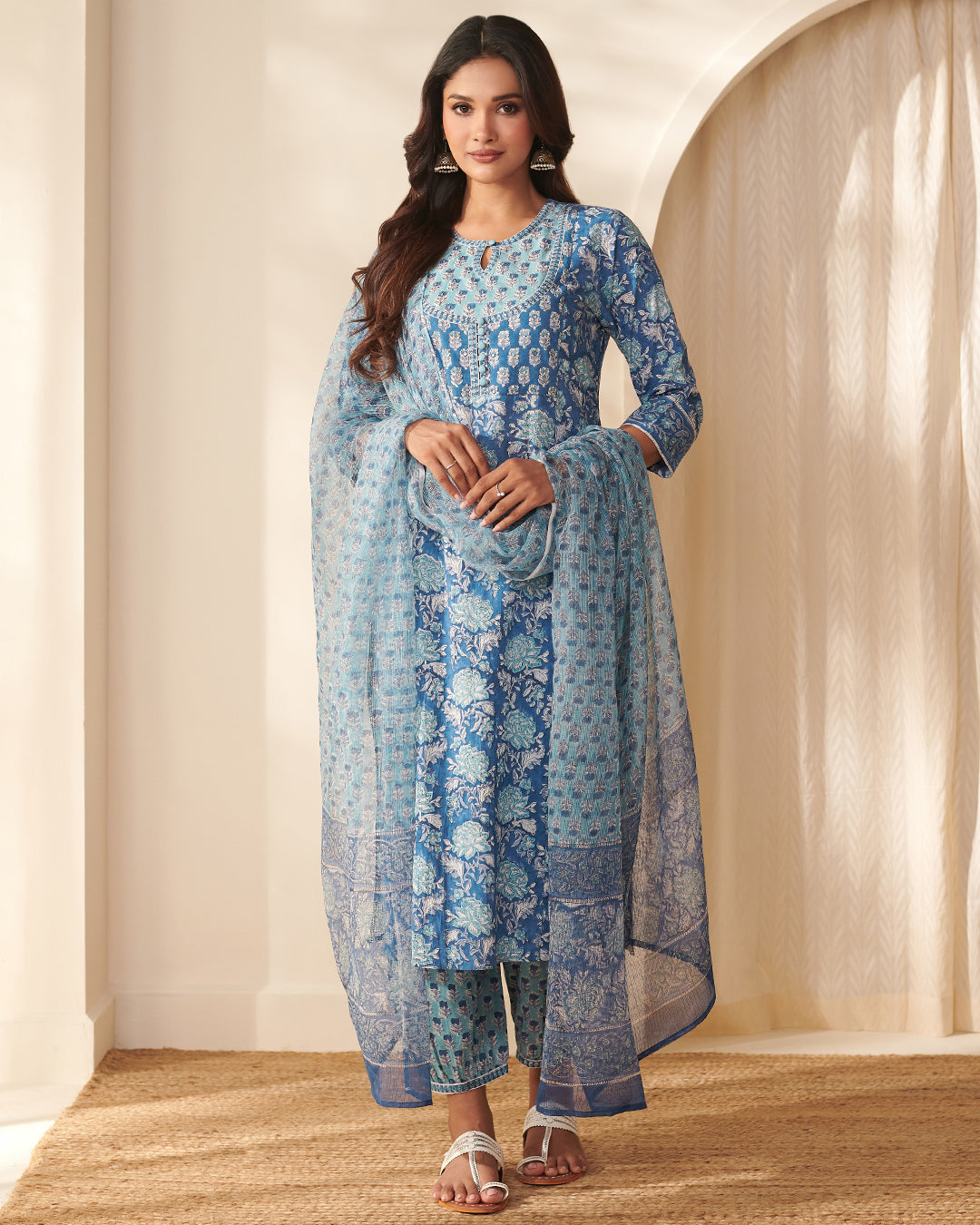
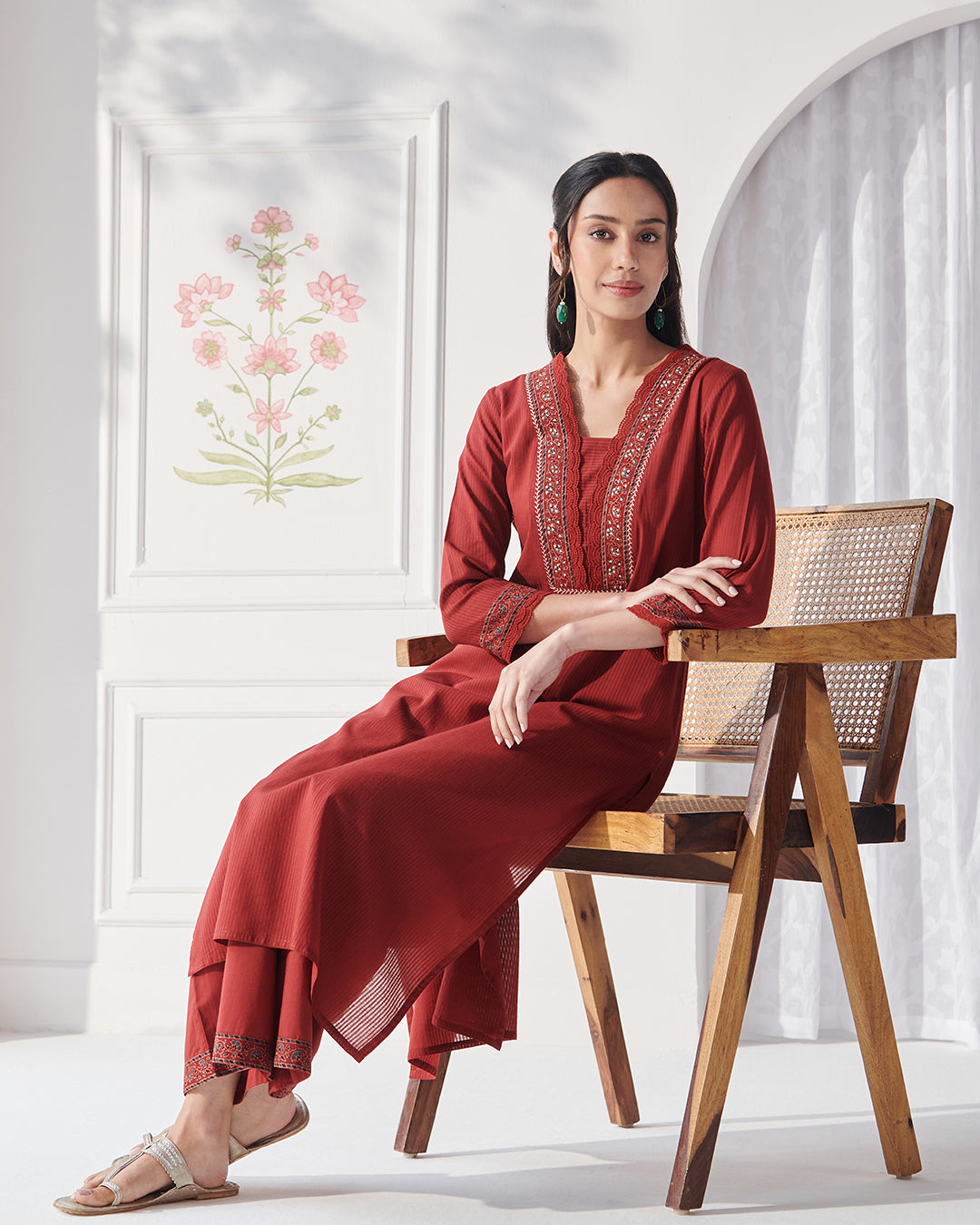
These subtle differences give hand block printed fabric its character. The patterns feel connected to the person who made them, rather than identical in every detail. When used in kurtas and other Indian ethnicwear, they bring traditional motifs into clothing that can be worn comfortably through ordinary days.
Step 4: Adding Hand Embroidery and Decorative Details
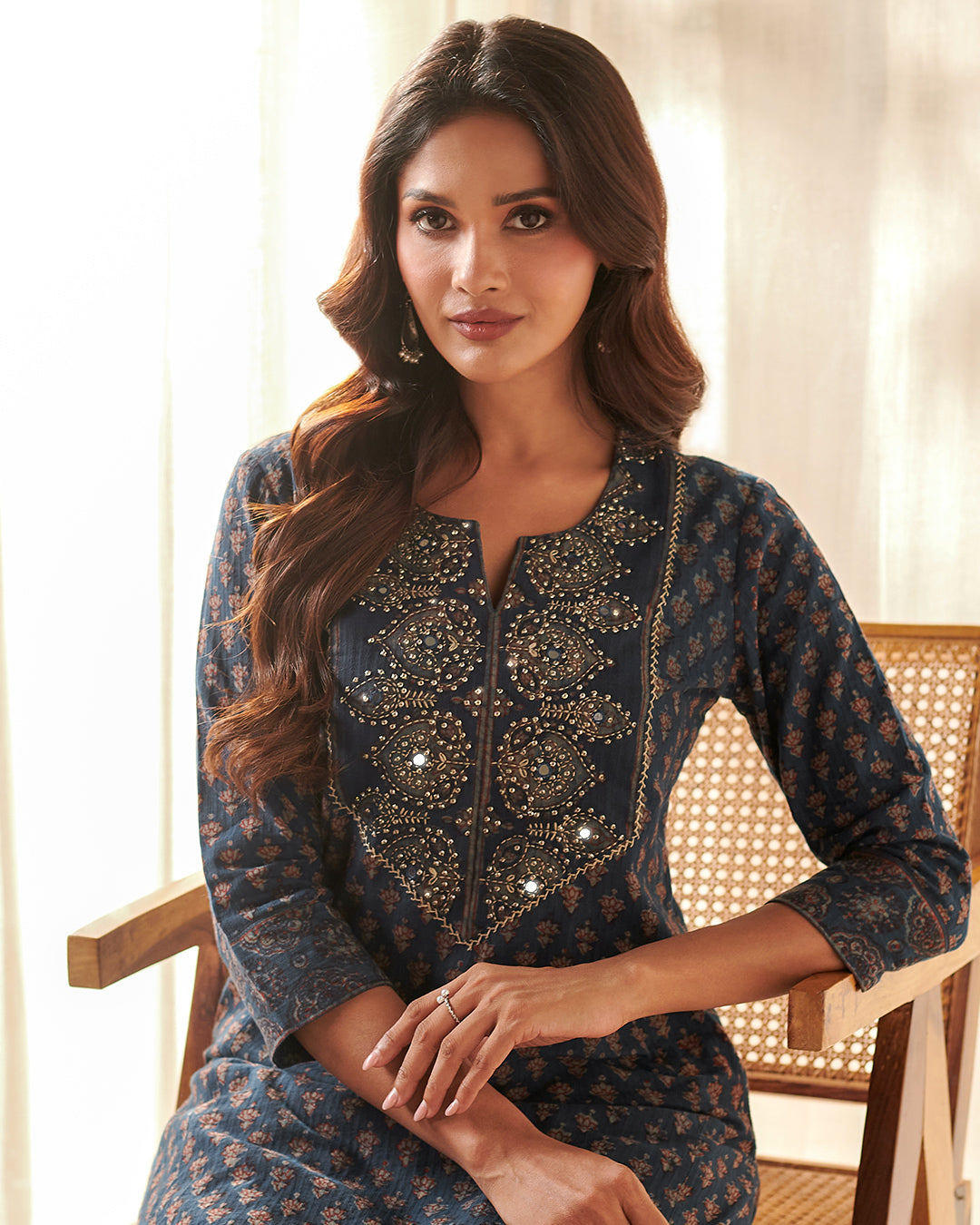
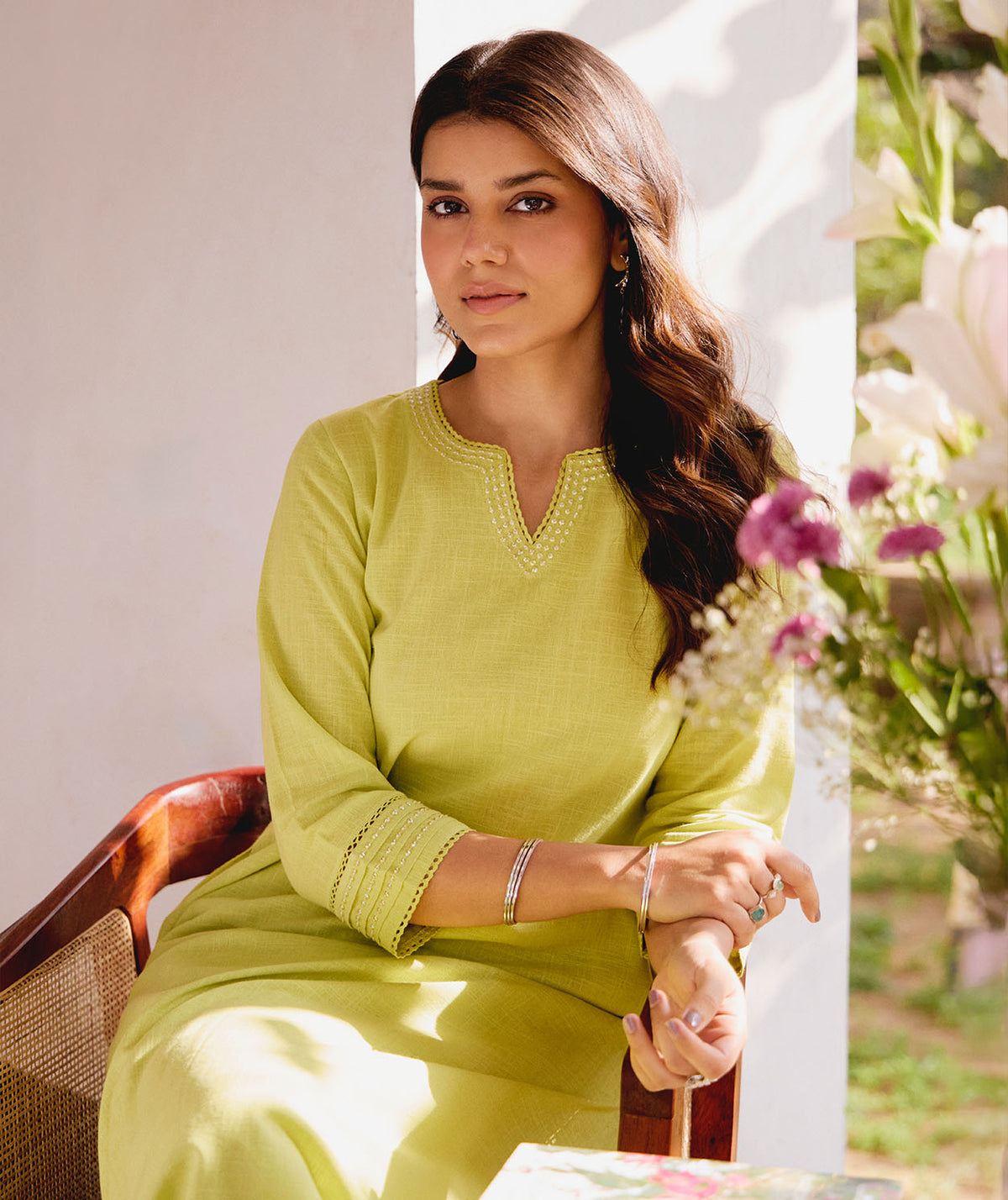
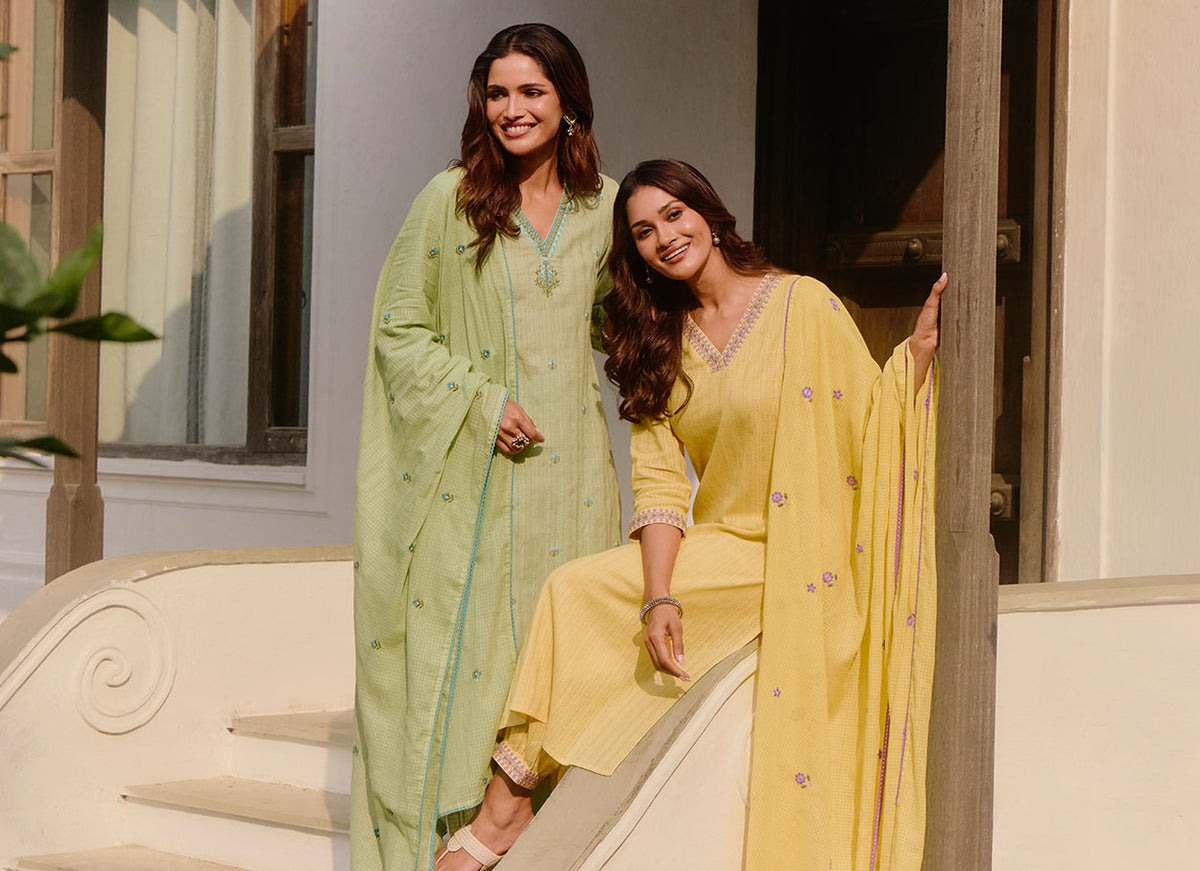
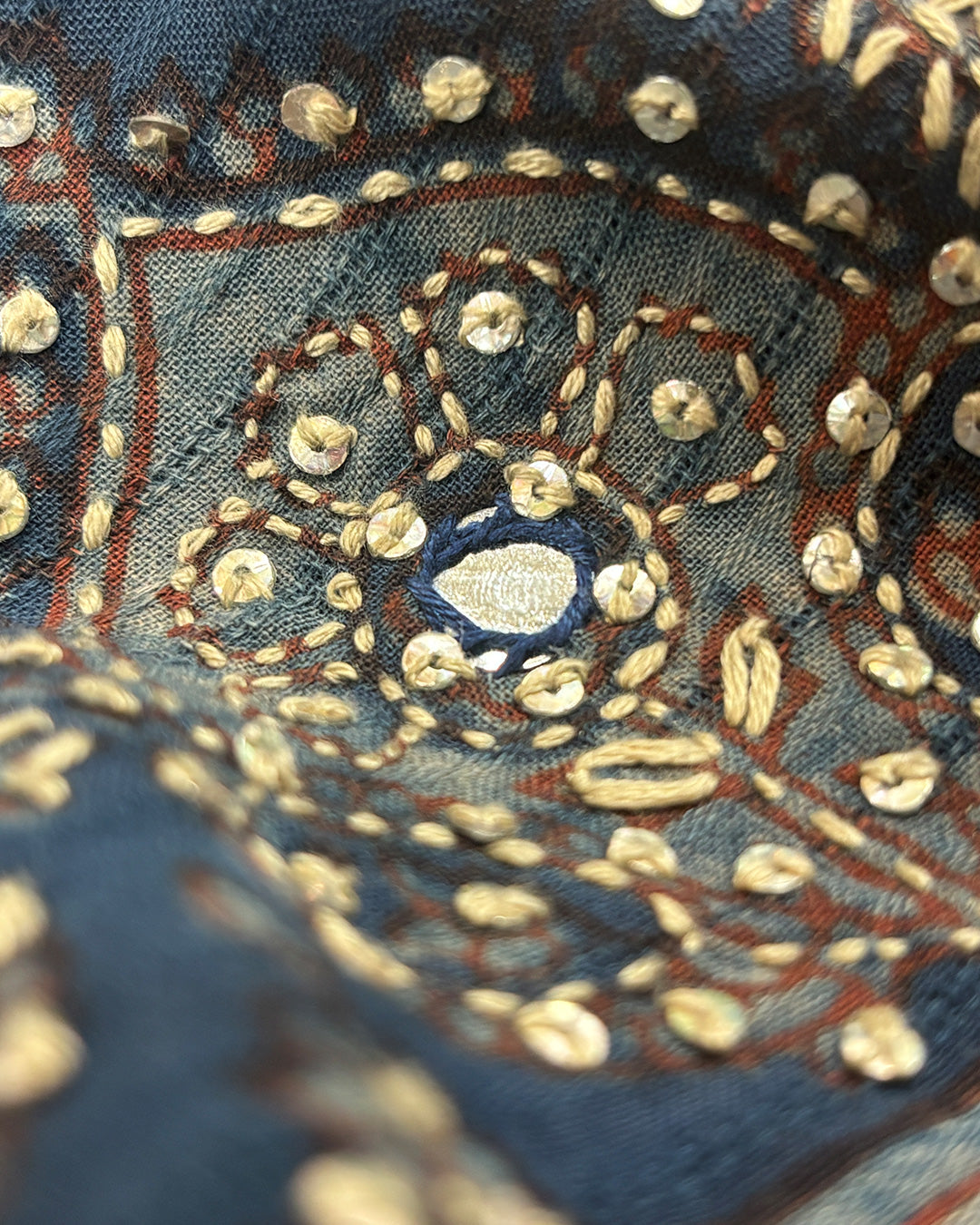
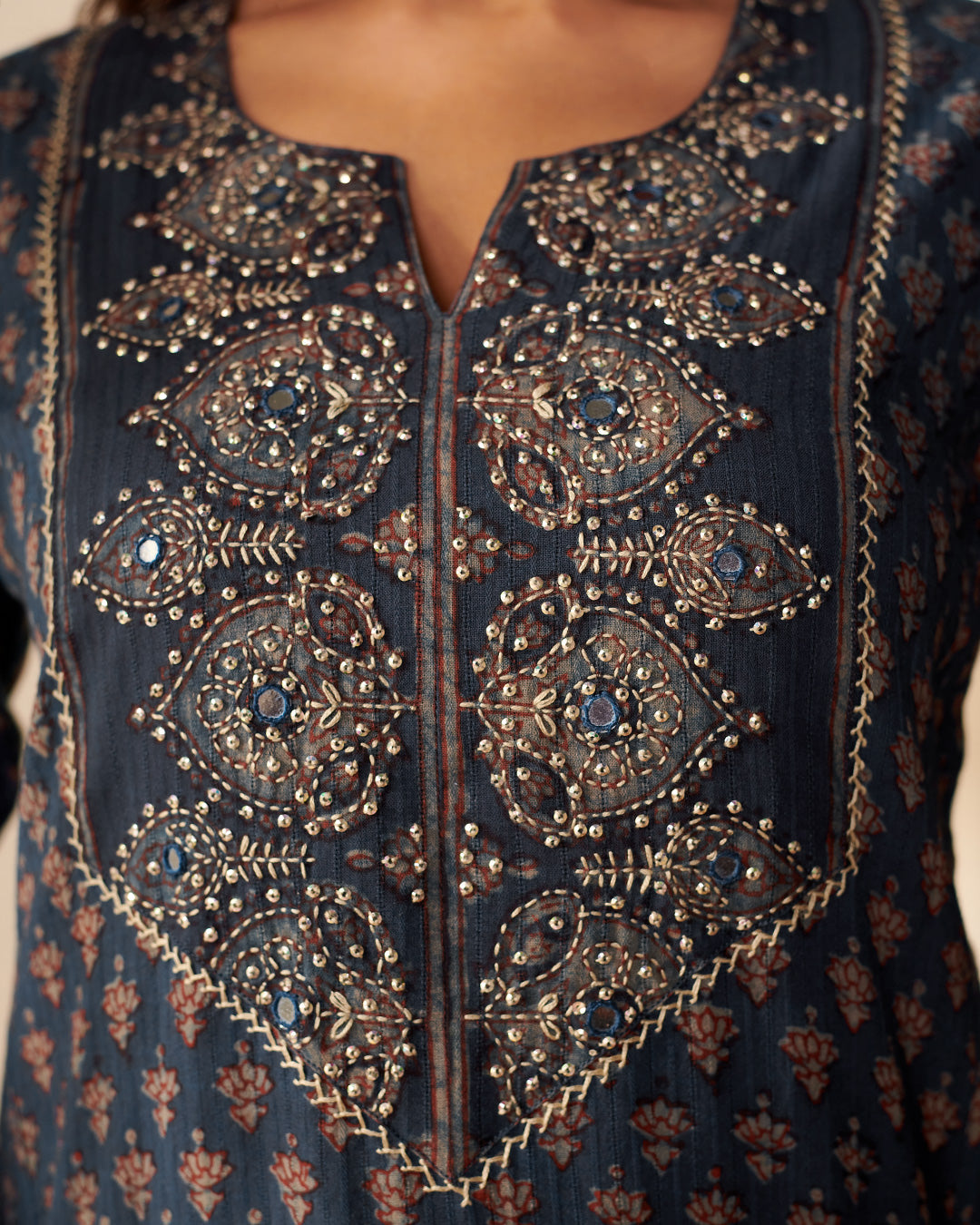
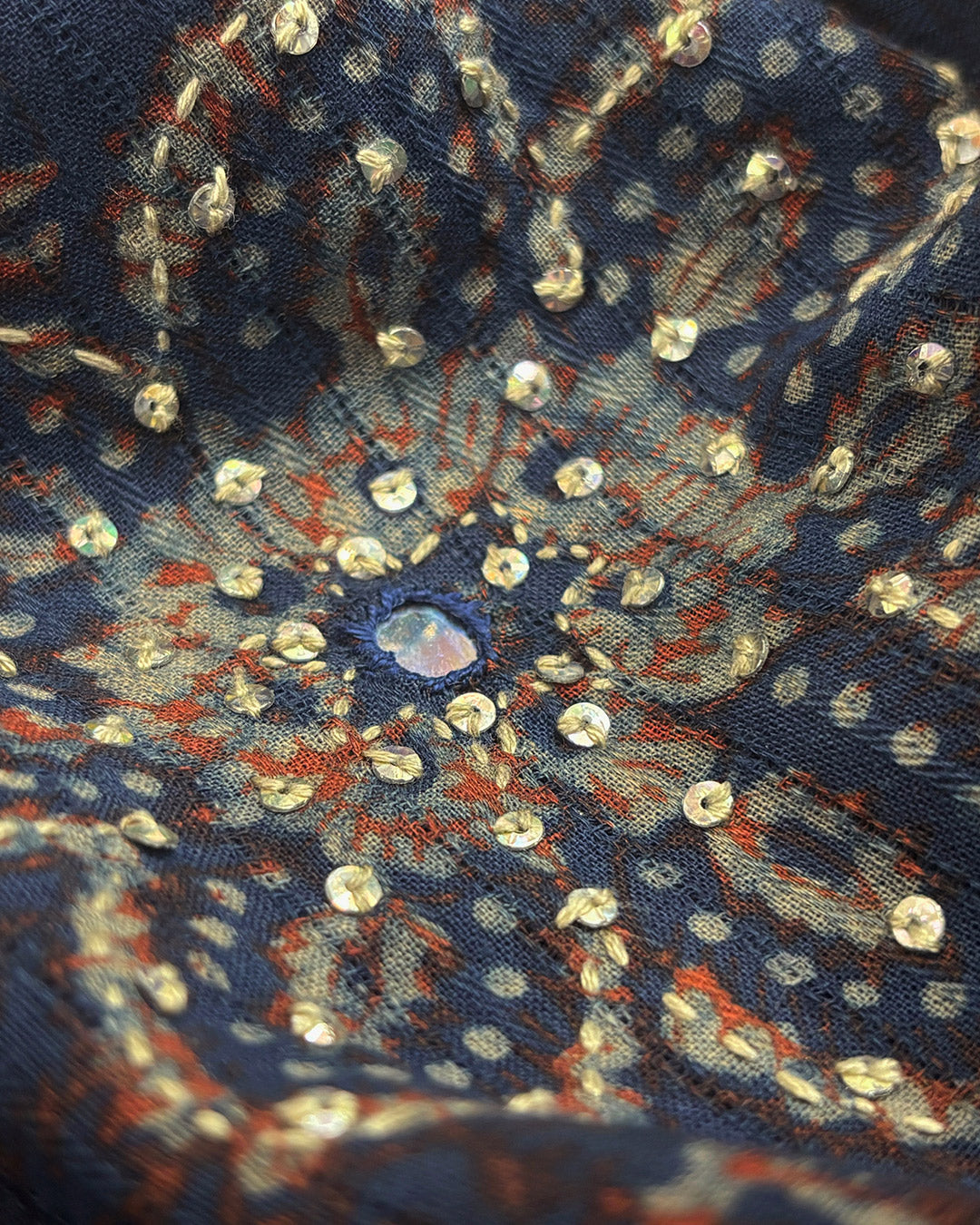
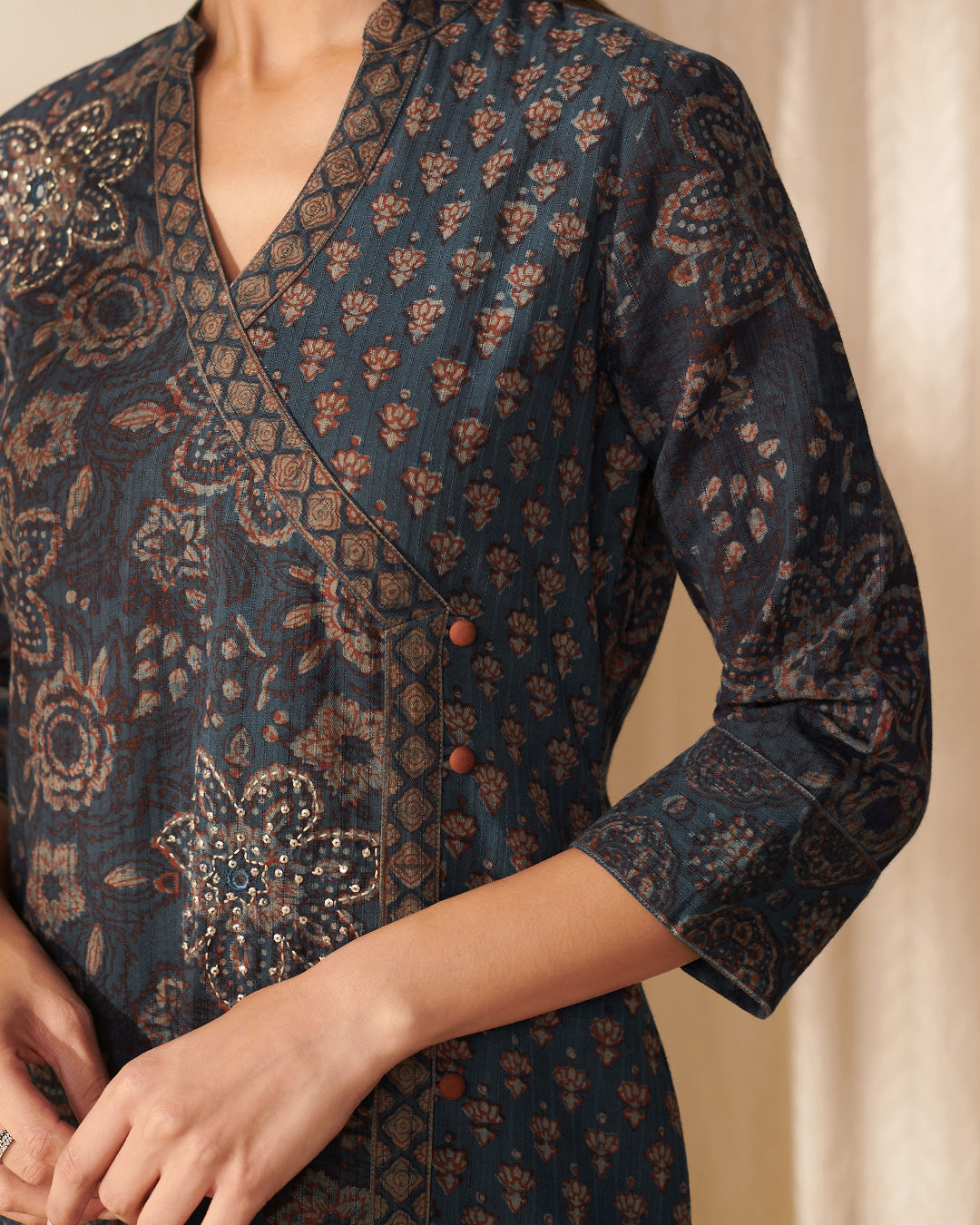
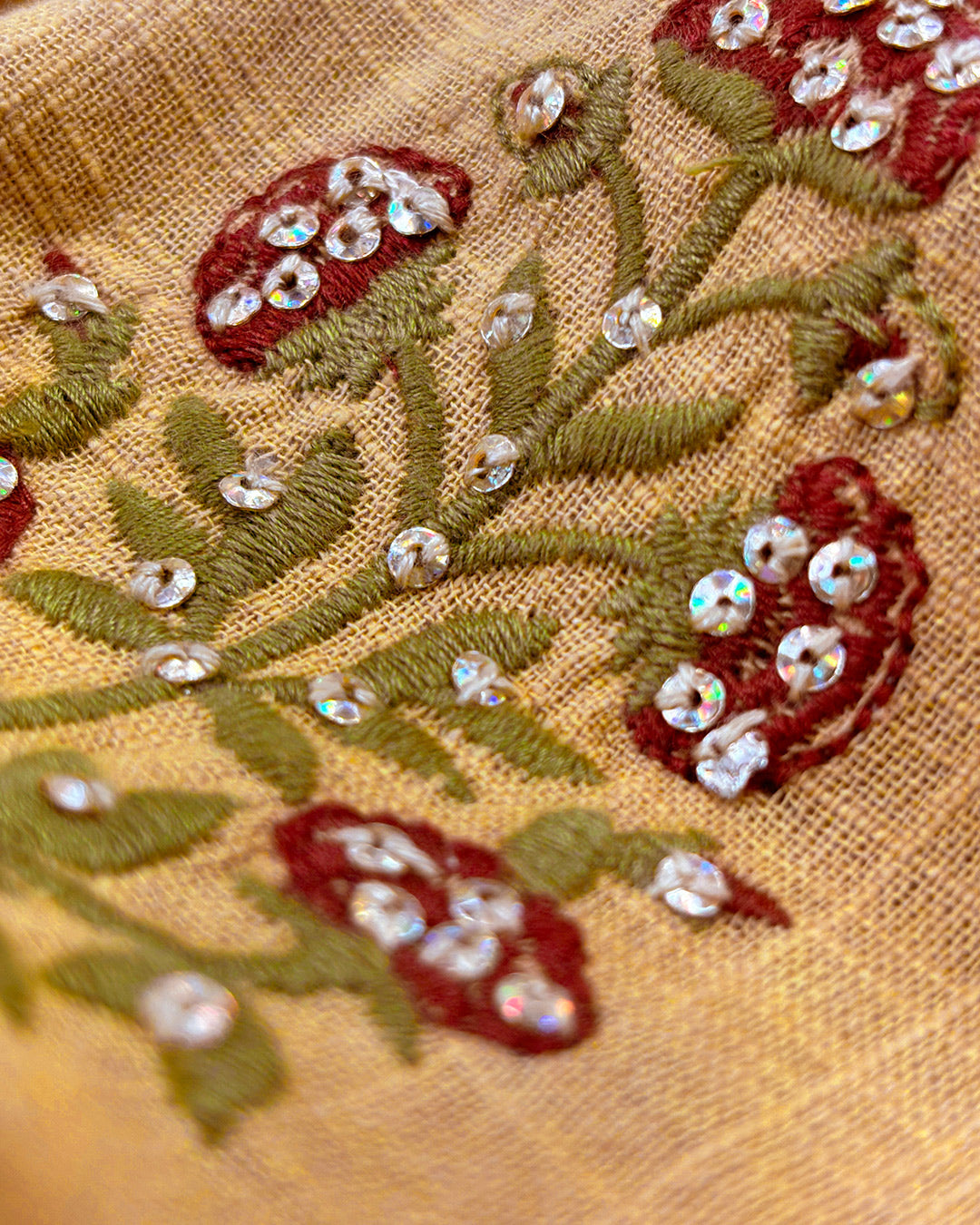
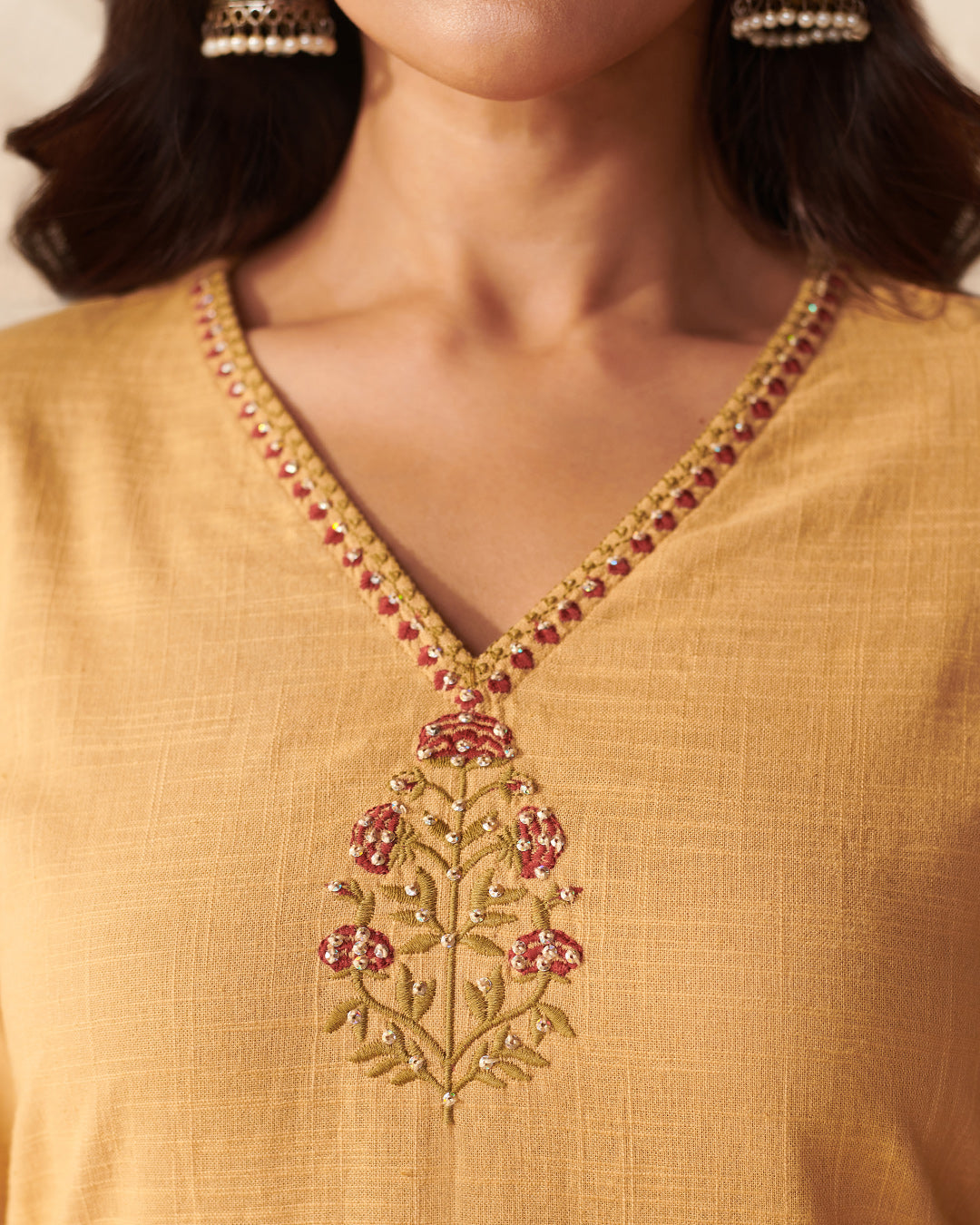
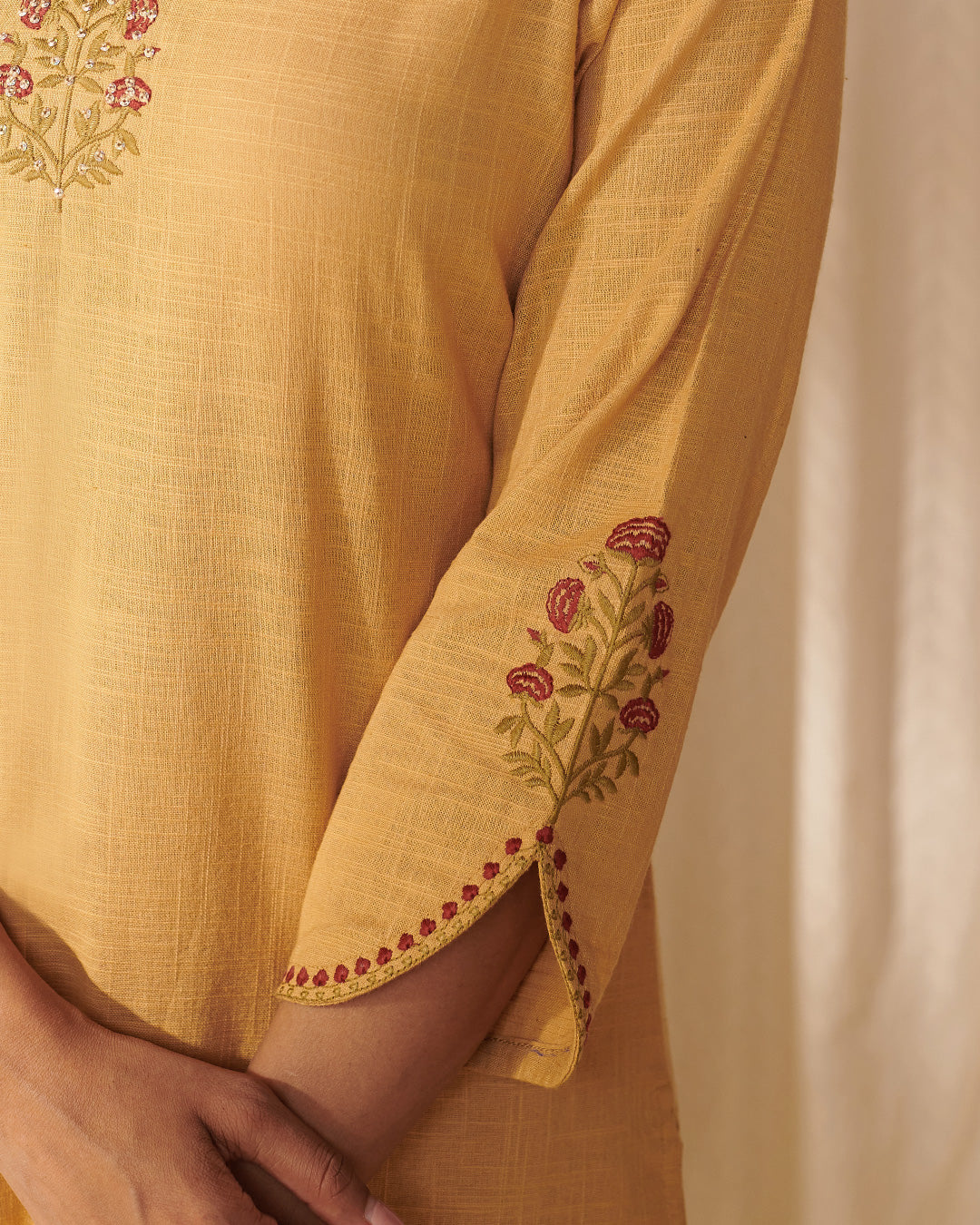
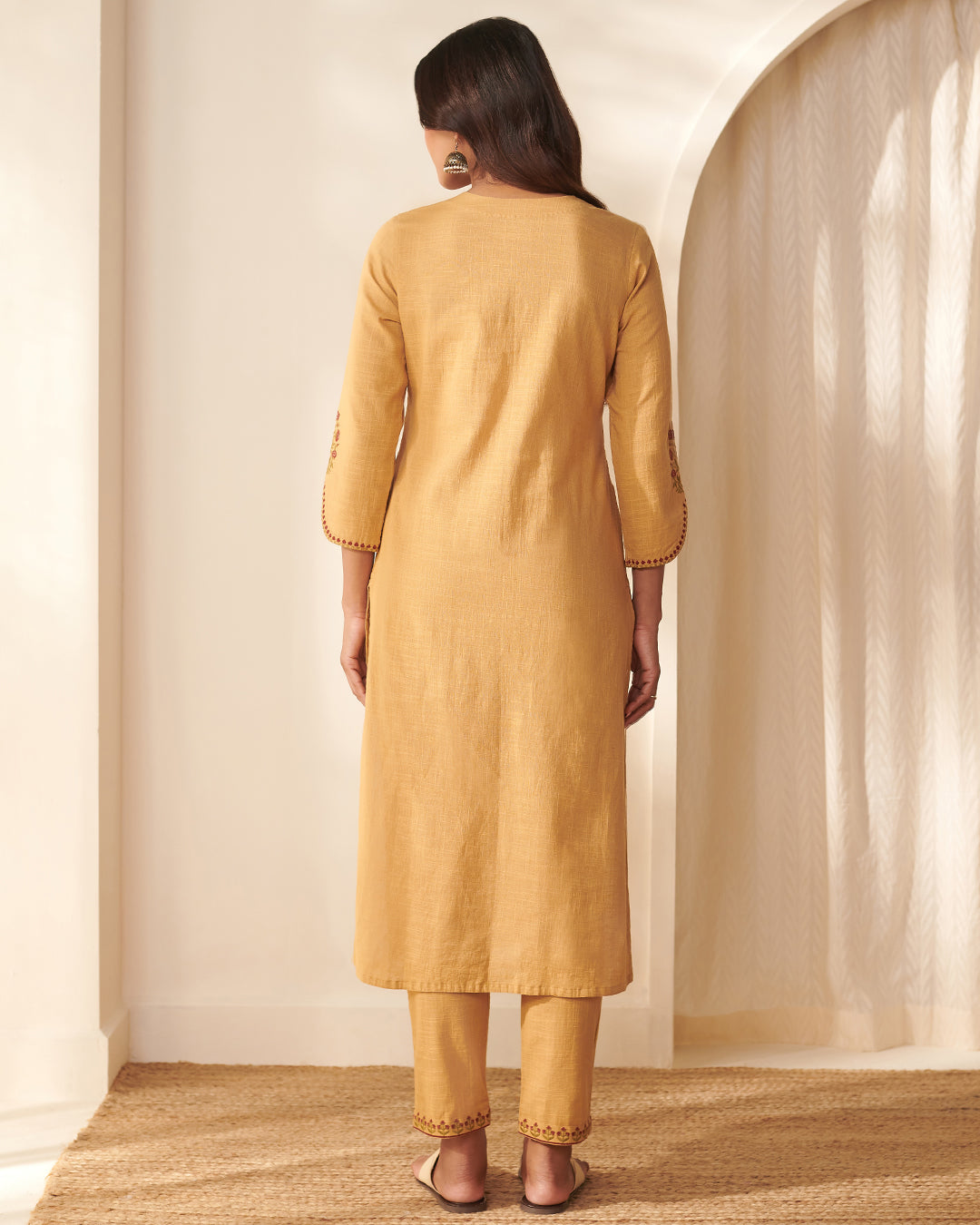
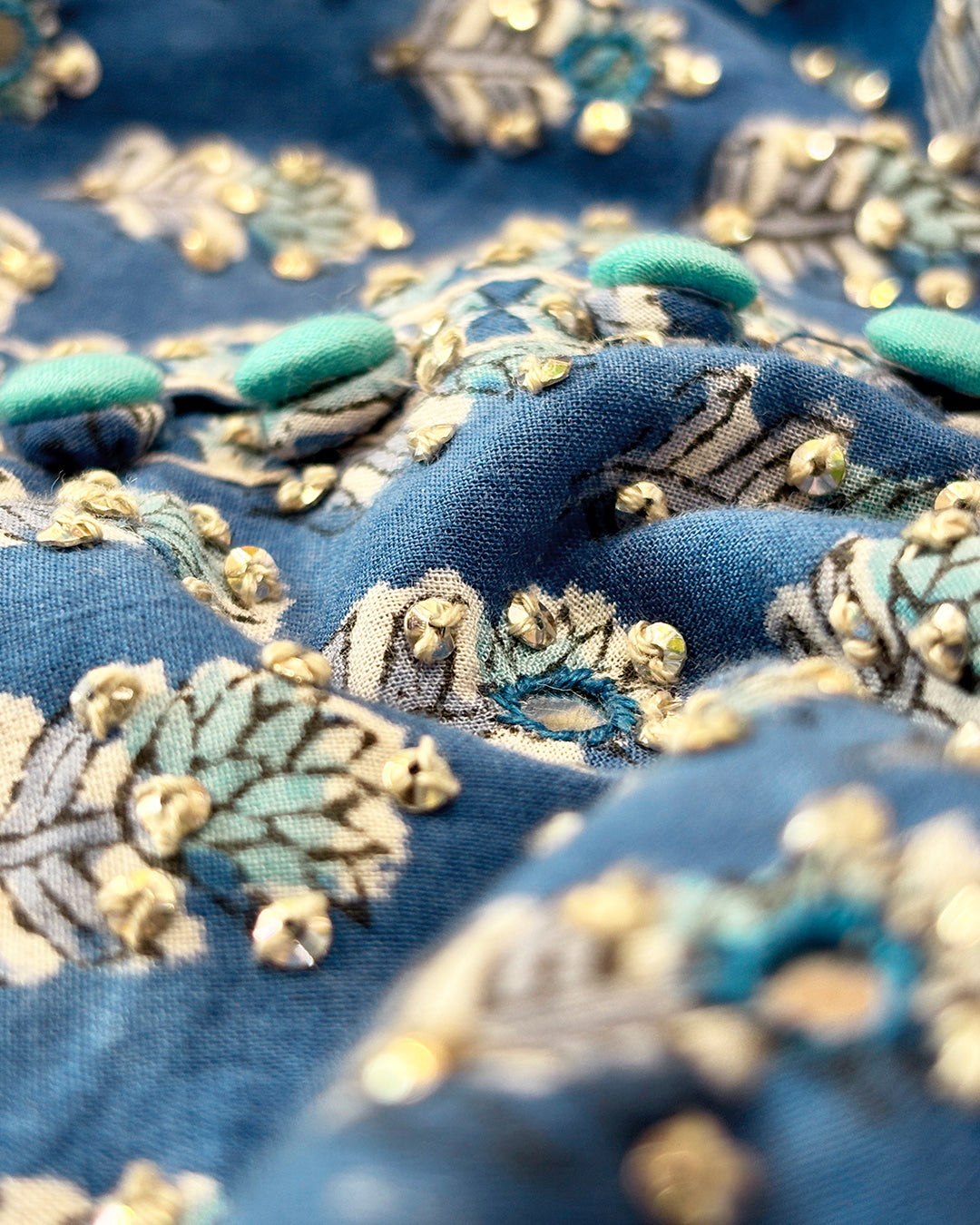
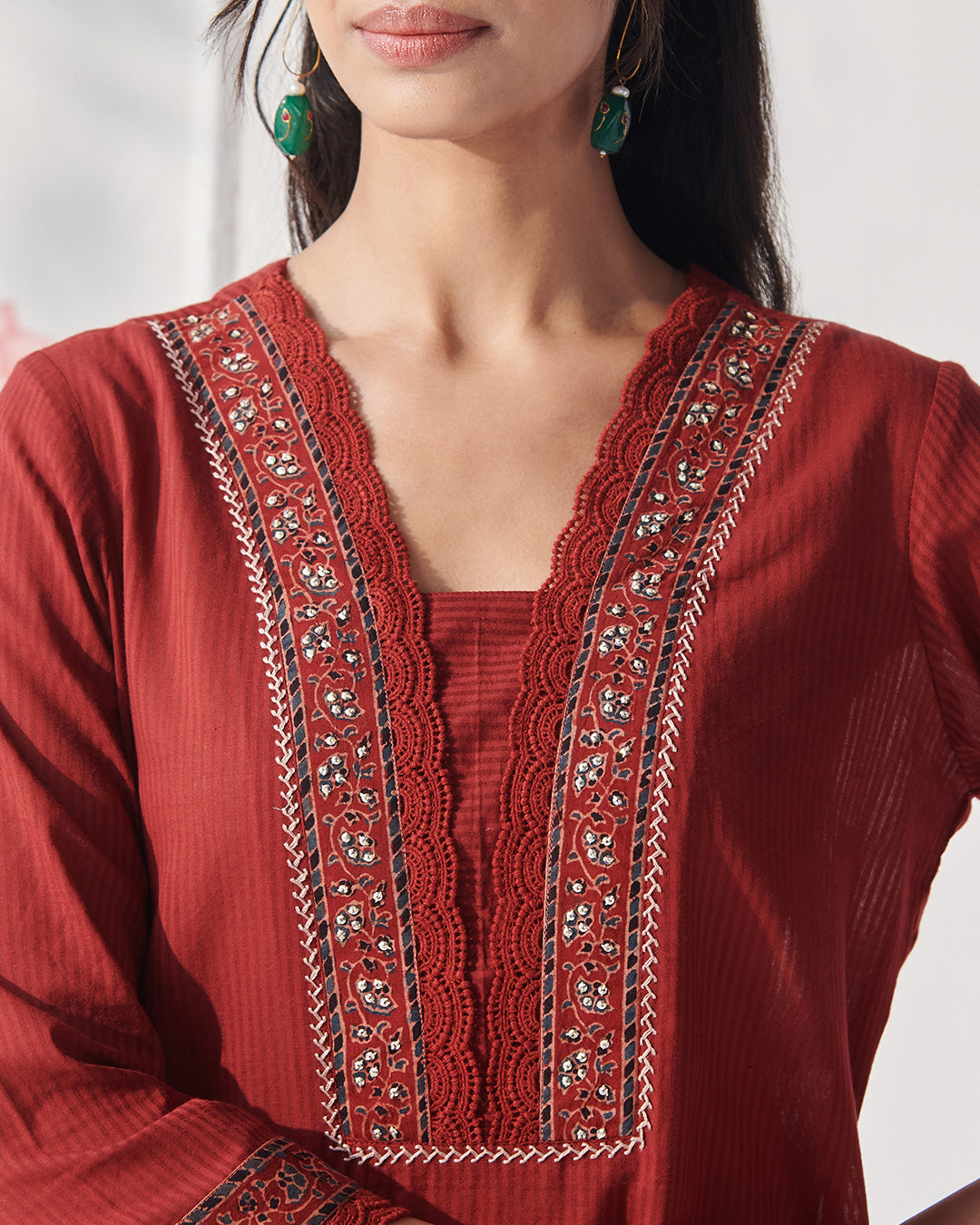
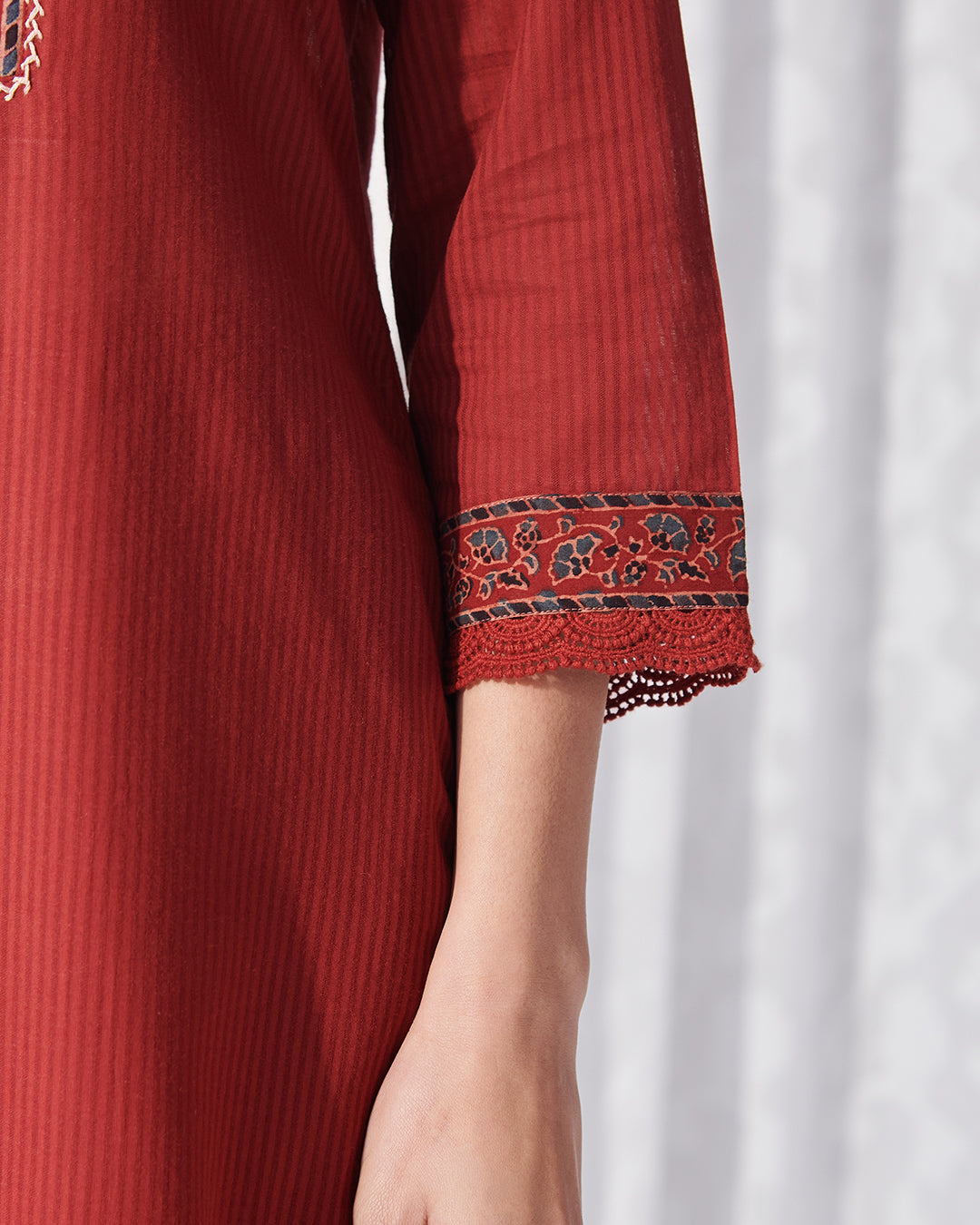
Some fabrics call for more than printed patterns. Hand embroidery adds texture, depth, and a quieter kind of detail. Depending on the design, artisans may use fine threadwork, small floral motifs, decorative borders, or delicate stitches around the neckline and sleeves.
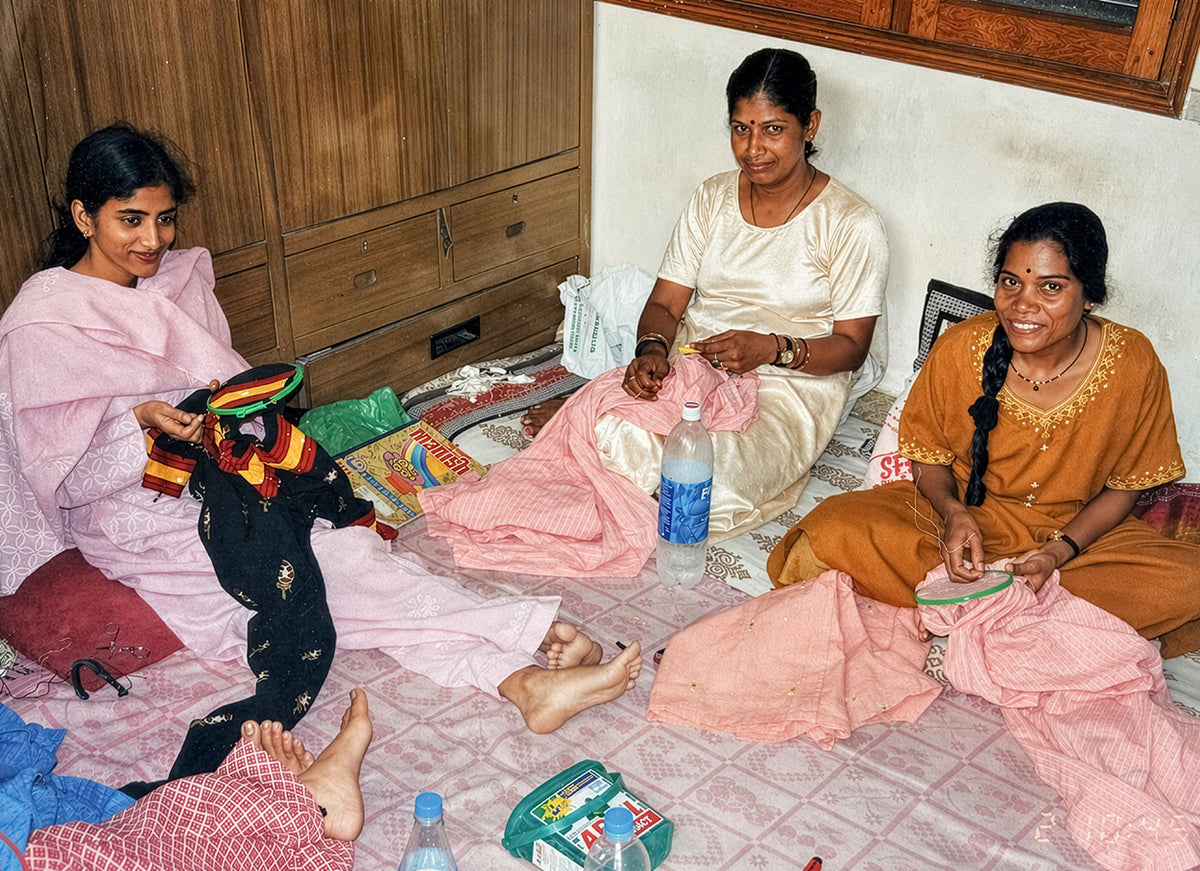
Embroidery requires a steady hand and close attention. The artisan must consider not only how the stitches look, but also how they sit on the fabric and feel against the skin. For everyday garments, restrained detailing can be especially effective, adding interest without making the piece feel heavy.
These details often reflect regional traditions and skills passed from one generation to another. Their value lies not simply in the finished appearance, but in the time, experience, and care held within each stitch.
Step 5: Dyeing the Fabric With Traditional Techniques
Colour shapes how a textile is experienced. Traditional Indian dyeing practices bring depth to fabric through carefully prepared dyes, considered colour combinations, and an understanding of how different materials absorb colour.
Depending on the craft, artisans may use natural dyes derived from plant sources or other established dyeing methods. Indigo, for instance, has a long history in Indian textile traditions, while madder has been used to create red hues. The result depends on factors such as the fibre, dye preparation, and method of application.
Dyeing may take place before or after printing, depending on the intended design. In some processes, colour is applied in stages to create layered patterns or distinctive effects. When done with care, the colours complement the print and texture, giving the fabric a sense of depth that develops from the process itself.
Step 6: Cutting and Stitching the Final Garment
Once the fabric is ready, the next task is to shape it into a garment. Cutting requires careful planning so that printed motifs, borders, and embroidered details fall in the right places. A misplaced cut can interrupt a pattern or waste a section of carefully crafted fabric.
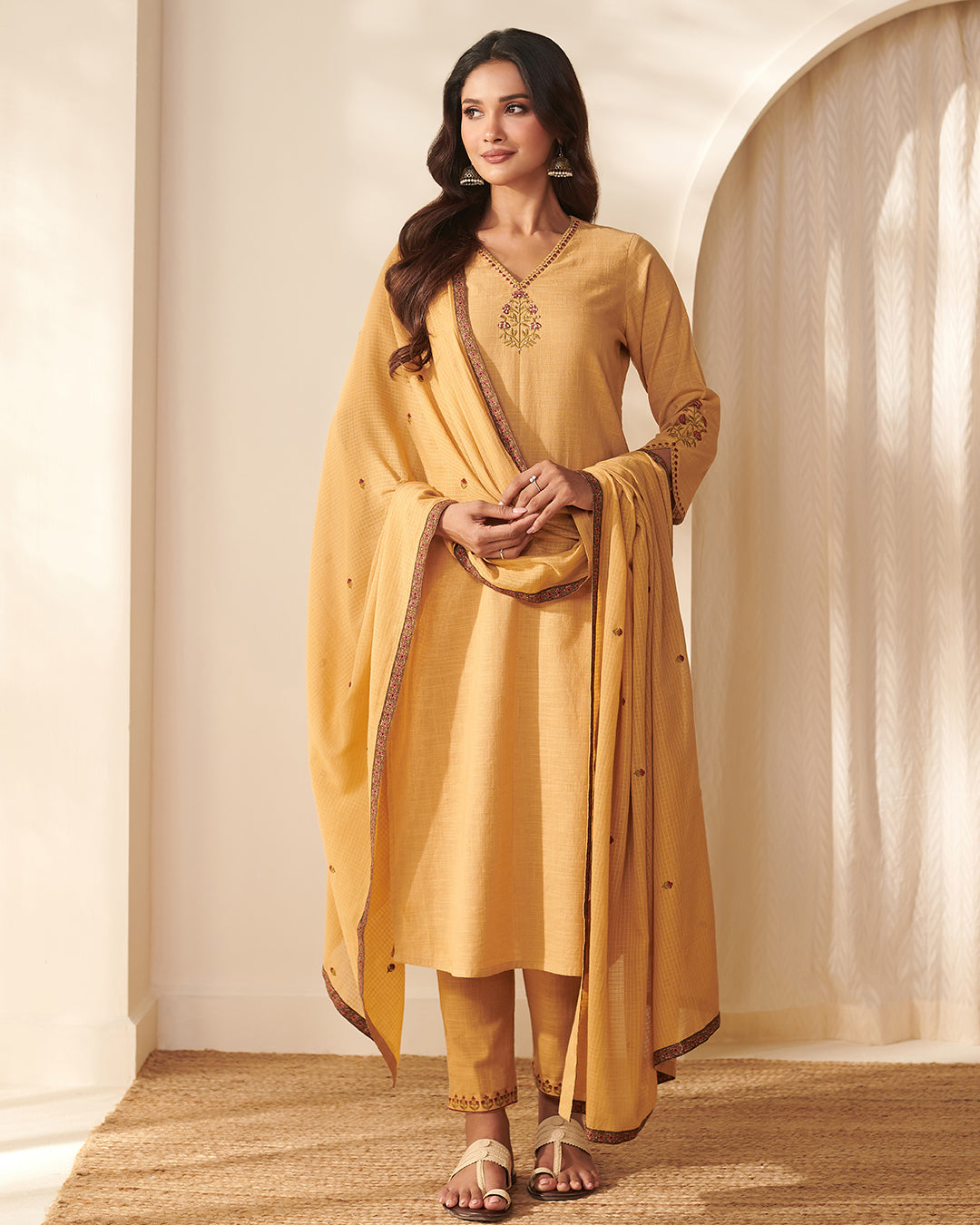
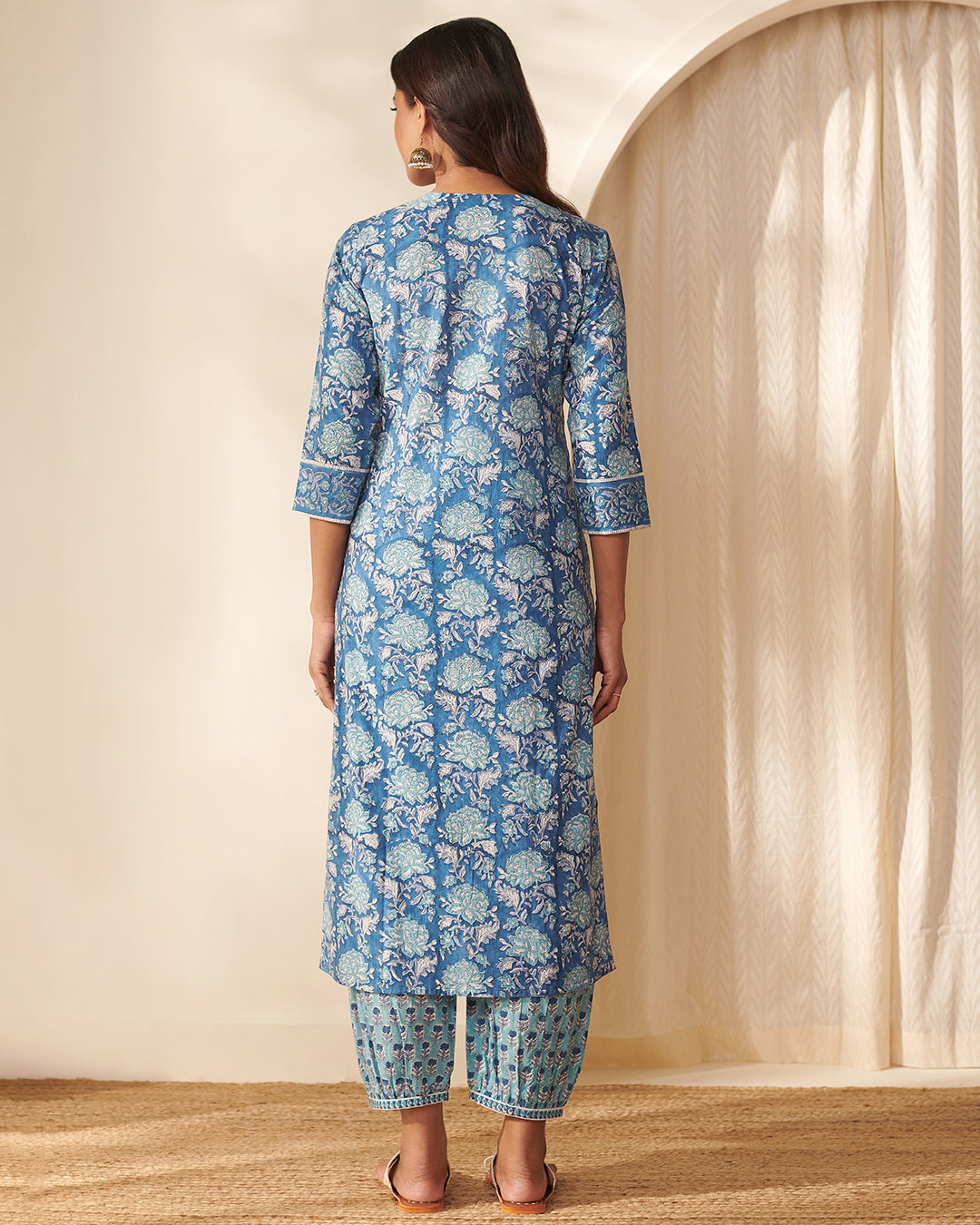
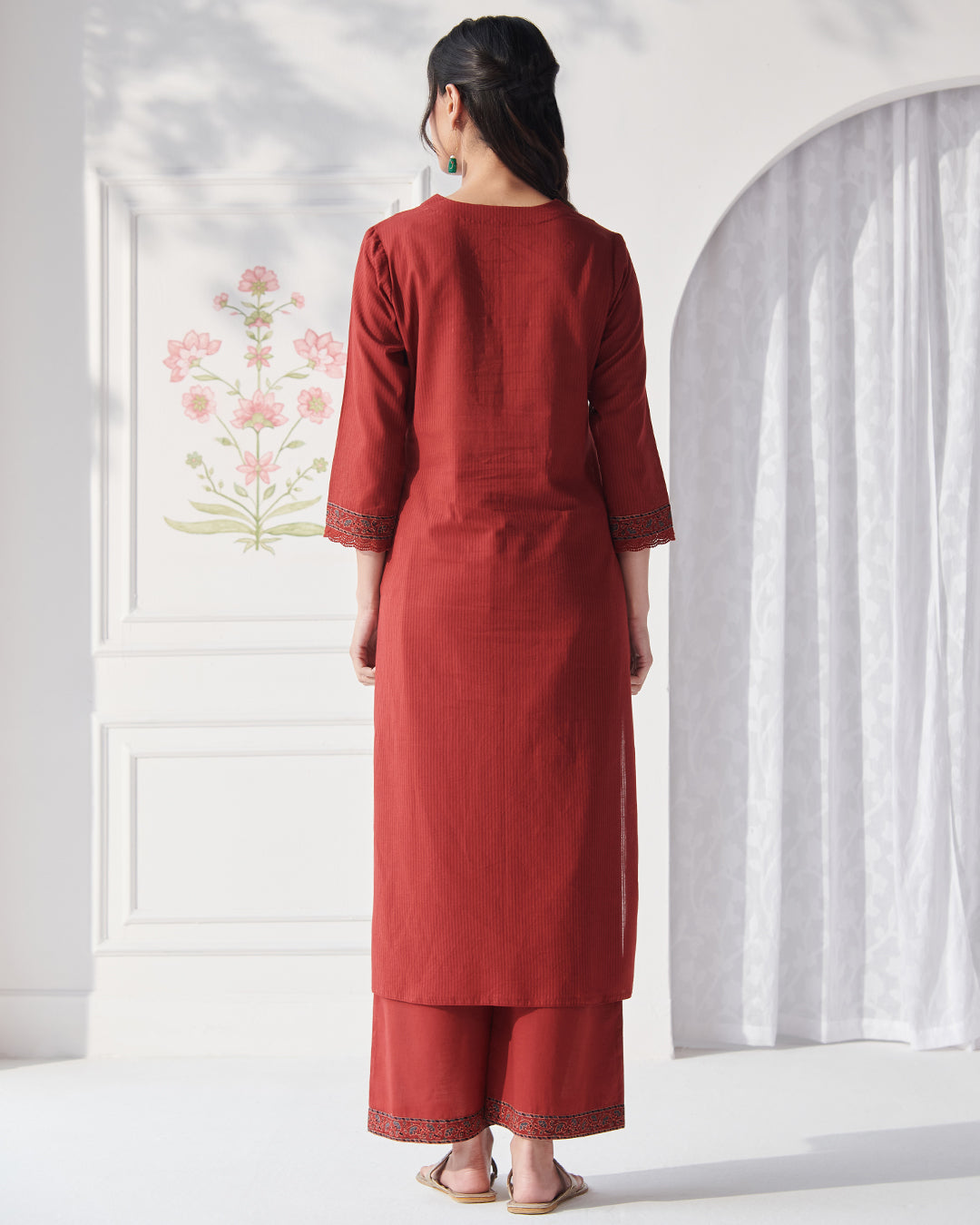
The garment is then stitched according to its design. For a kurta, this means considering the neckline, sleeve length, side seams, and overall fit. The stitching must support ease of movement while allowing the fabric and its craftsmanship to remain the focus.
This stage brings together artistic detail and practical design. A garment may be beautiful on a cutting table, but it must also feel comfortable when worn. Thoughtful construction helps preserve both.
Step 7: Quality Checks and Finishing Touches
Before a garment is ready, it goes through a final review. The fabric is checked for printing irregularities, loose threads, uneven seams, and other details that may need attention. Artisans and finishing teams also examine the placement of motifs and the neatness of embroidery.
Small corrections can make a meaningful difference. A loose stitch is secured, a seam is refined, or a finishing detail is adjusted to ensure the garment feels complete. Depending on the fabric, the final steps may also include pressing and careful folding.
Quality is not only about appearance. It also concerns how the garment feels against the skin, how comfortably it moves with the wearer, and how well it holds up through regular use. These finishing touches help ensure that the work invested in the fabric carries through to the finished piece.
The Artisans Behind Every Handmade Creation

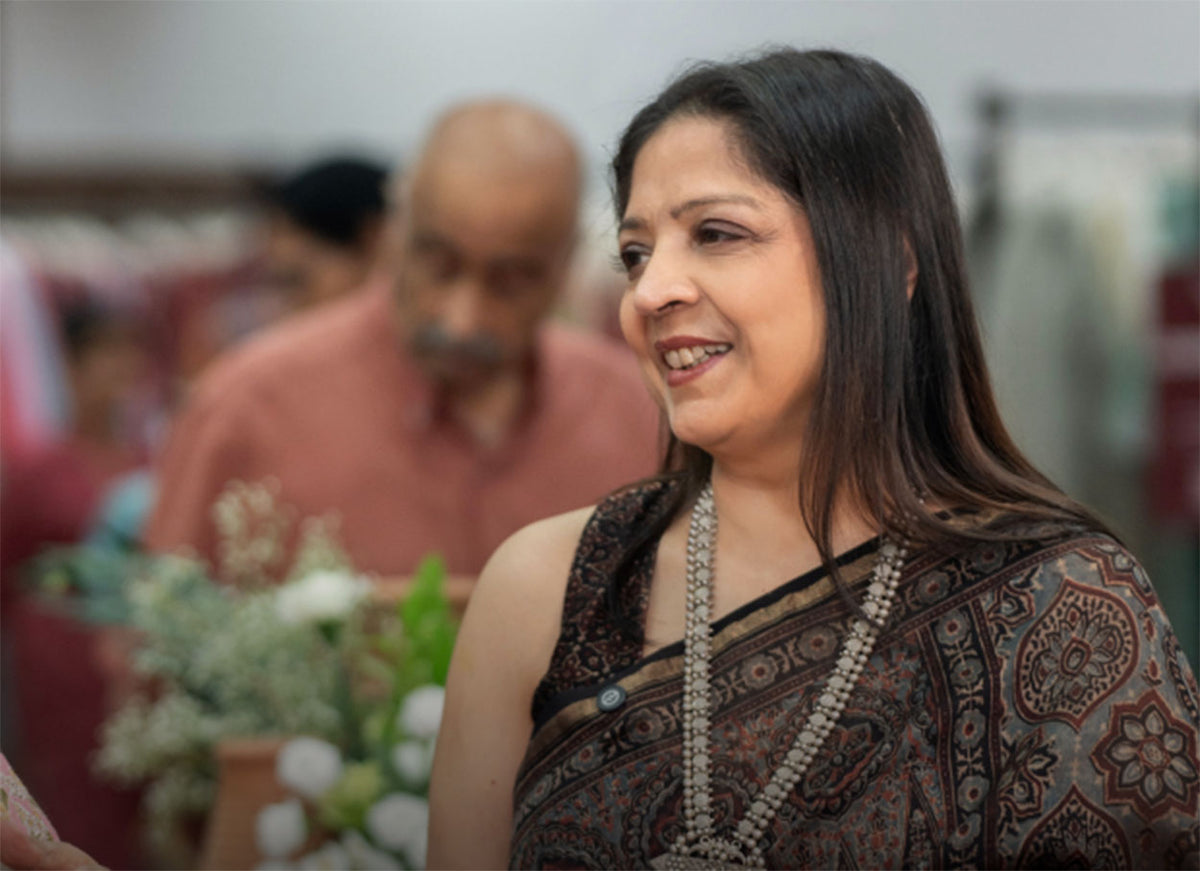
Behind every hand block printed motif and embroidered detail is an artisan whose skill has often been shaped by years of practice. Many traditional textile techniques are learned through observation and repetition, with knowledge passed between generations within families and craft communities.
A block printer learns to judge the amount of colour on a wooden block and the pressure needed for a clear impression. An embroiderer develops the patience to maintain consistent stitches across a detailed design. A tailor understands how to work around a motif so that the finished garment feels balanced.
Much of this expertise is expressed through small decisions that may go unnoticed at first glance. It is present in the spacing between prints, the neatness of a seam, and the way a garment falls when worn.
Handcrafted clothing also reflects the relationship between skill and time. Unlike a process built around identical results, handmade techniques can carry subtle variations from one piece to another. These differences are a natural part of the craft, giving each textile its own character.
When we wear such garments, we carry more than a pattern or a colour. We carry a connection to the people, places, and traditions that have shaped Indian textile craftsmanship. Recognising that connection means valuing the hands behind the work as much as the garment itself.
Conclusion
The journey from plain fabric to wearable art is shaped by many careful hands. From selecting the textile and preparing its surface to printing, embroidery, dyeing, and stitching, every stage contributes to the character of the finished garment.
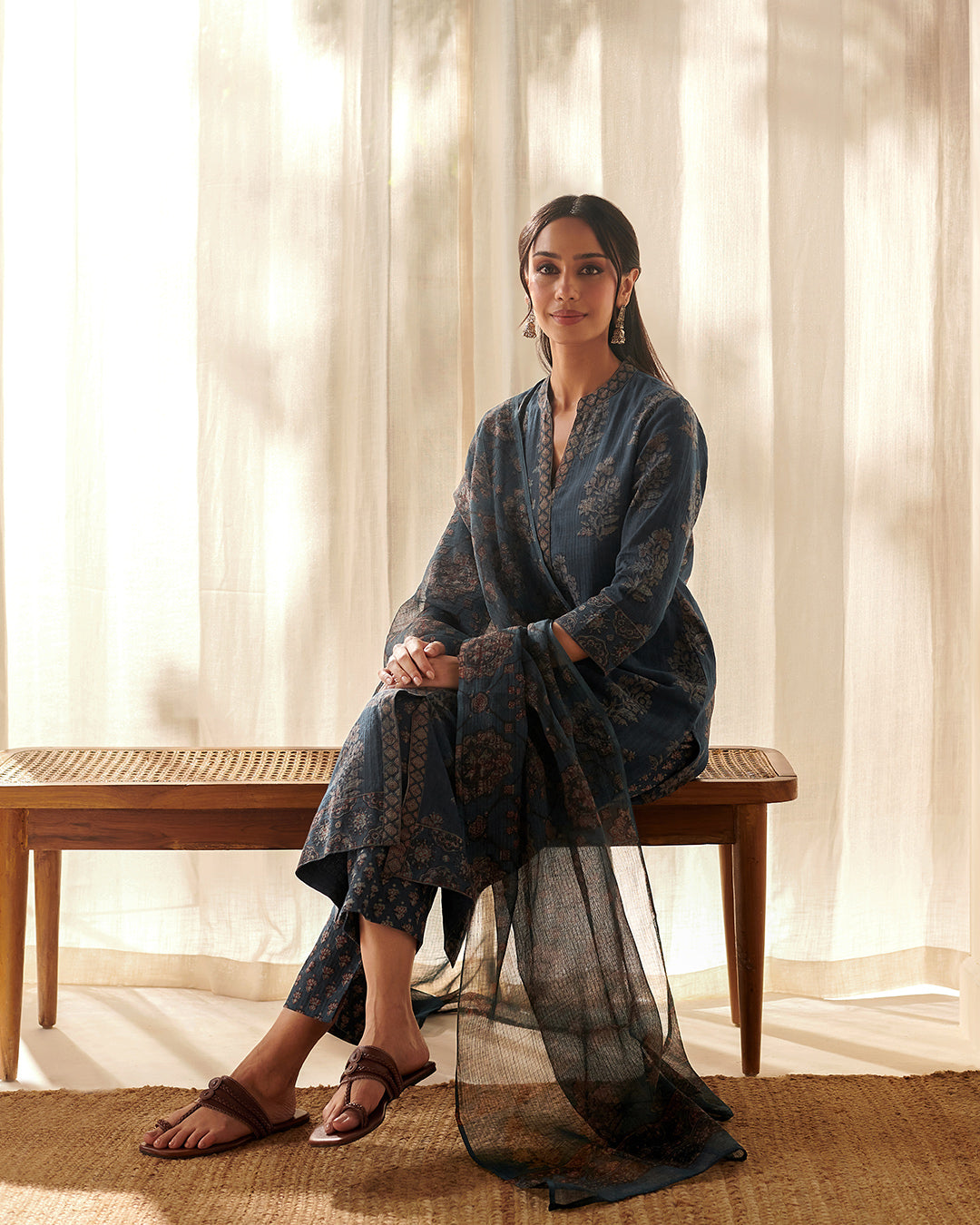
In Indian ethnic wear, these techniques allow traditional craftsmanship to remain part of everyday life. A hand block printed kurta or a garment finished with delicate embroidery can feel simple at first glance, yet hold generations of knowledge within its details.
The beauty of handmade clothing lies in this quiet meeting of skill, heritage, and comfort. The fabric may change shape, take on colour, and become something new, but the care behind its making remains.
Because some prints are more than patterns. They are stories waiting to be worn.

