







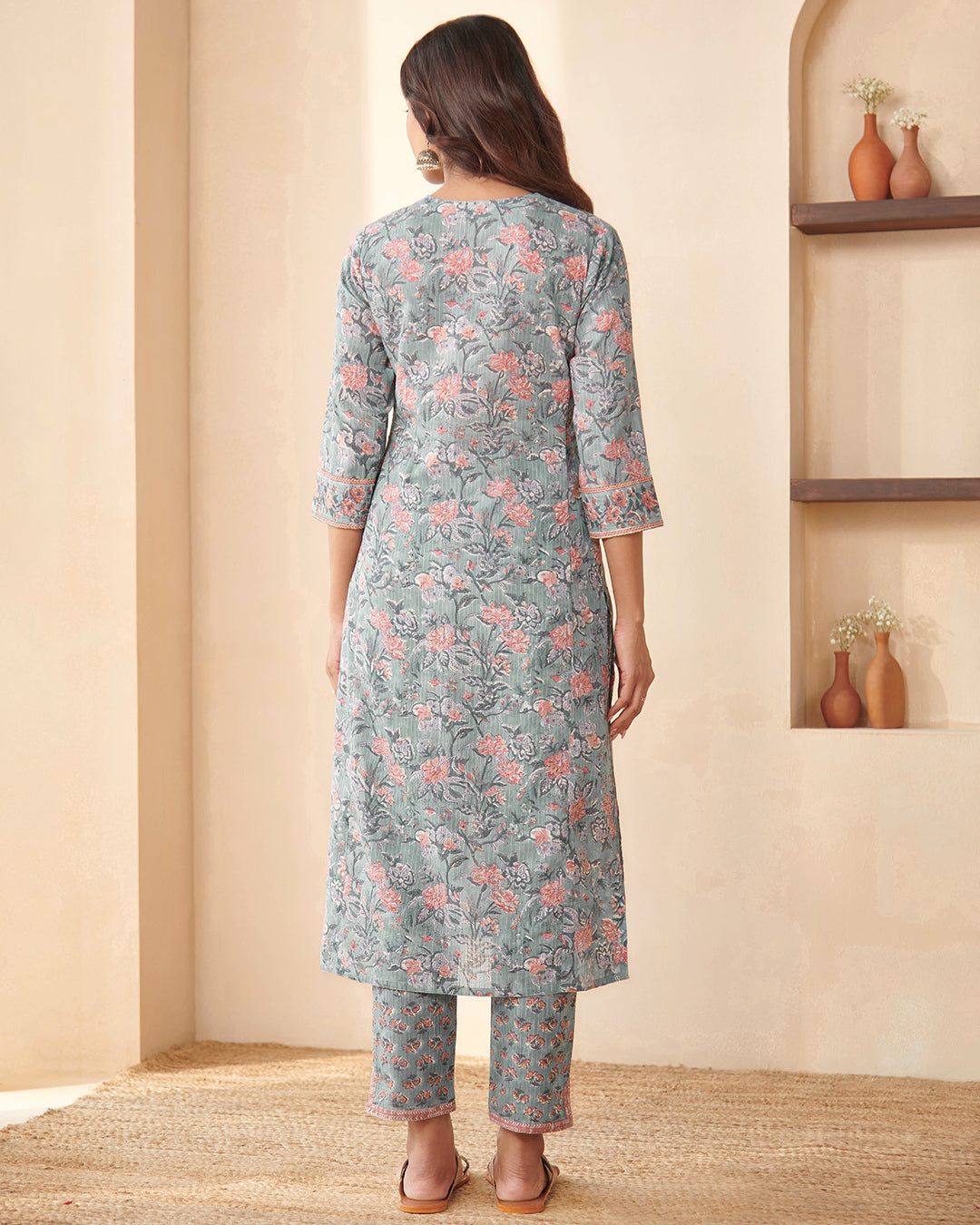





Festivals in India have their own colours. Yellow arrives with spring, red carries the warmth of celebration, green feels fresh and auspicious, while deeper shades like maroon and indigo bring a richness to evening gatherings.
A kurta becomes part of this language of colour. The right shade can reflect the spirit of a festival without making the outfit feel overly considered. From a light cotton kurta for a morning prayer to a richly printed piece for an evening celebration, colour often sets the mood before anything else does.
Choosing festive kurta colours is not only about following tradition. It is also about understanding the occasion, the time of day, and what feels natural to you.
How to Choose the Right Kurta Colour for a Festival

There is no single colour that belongs to every celebration. A thoughtful choice comes from looking at the festival itself and the way you plan to spend the day.
Consider the Meaning and Mood of the Festival
Colours have long held meaning in Indian traditions. Yellow is associated with spring, knowledge, and auspicious beginnings, while red is closely linked with celebration, love, and ceremony. Green often brings a sense of freshness and prosperity, and white carries simplicity and calm.
This does not mean every festival requires a particular shade. Instead, these associations can guide the mood you want your kurta to carry. A bright yellow may feel natural for Basant Panchami, while a deeper red or maroon can sit beautifully within the warmth of Diwali or a wedding celebration.
Think About the Time of Day
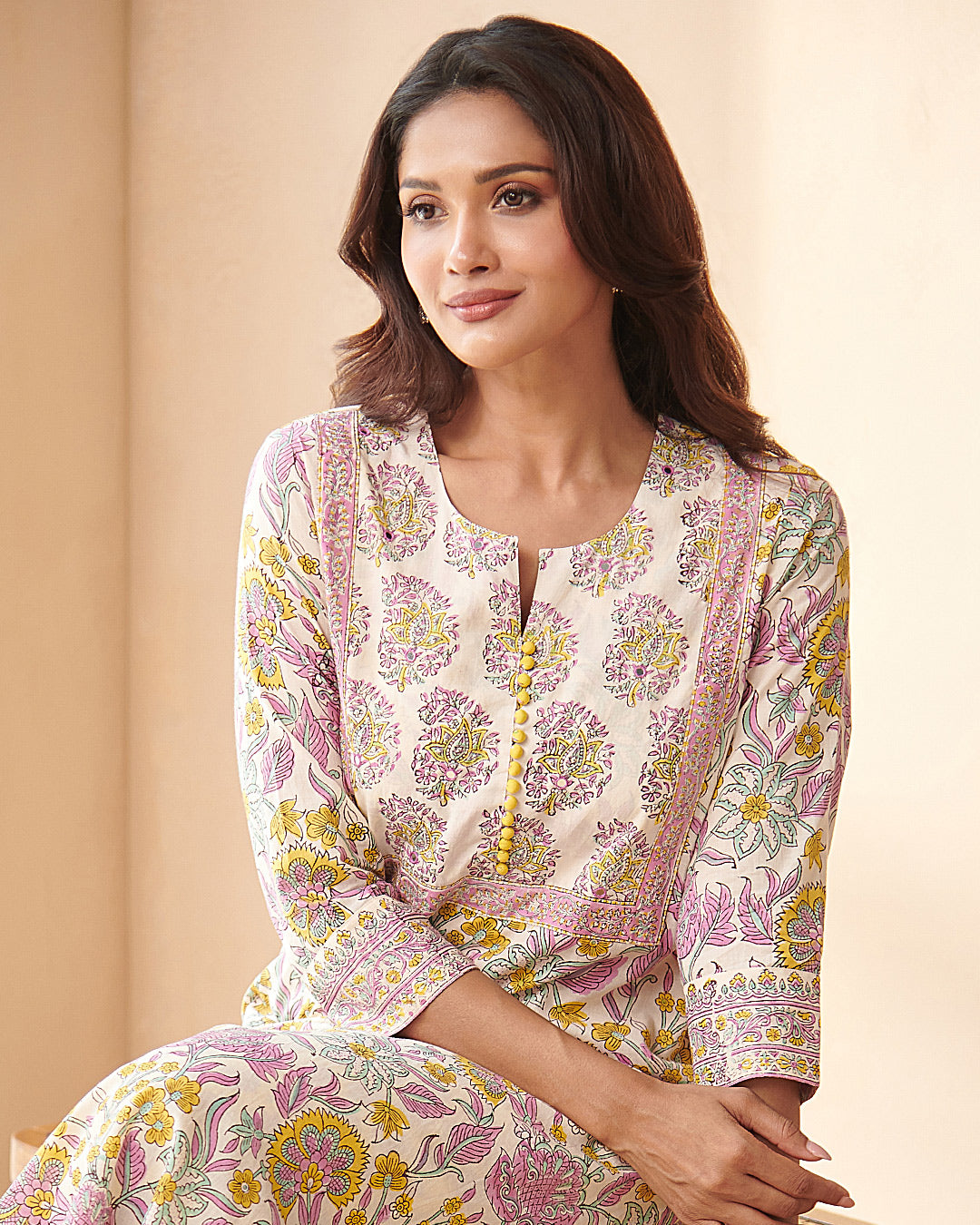
The same kurta colour can feel very different depending on when you wear it. Lighter shades such as ivory, soft pink, yellow, and powder blue work beautifully in daylight, particularly for summer celebrations and morning gatherings.
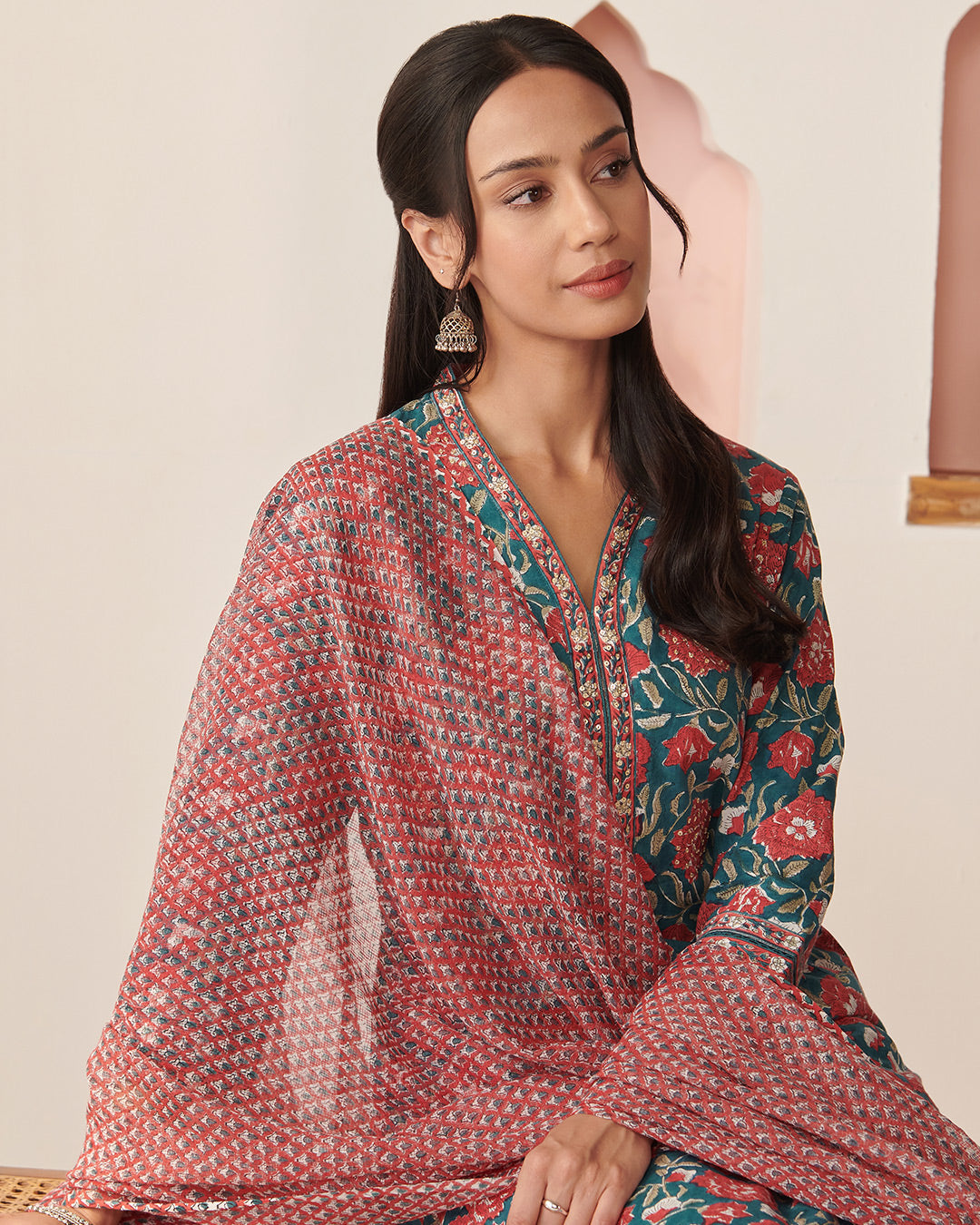
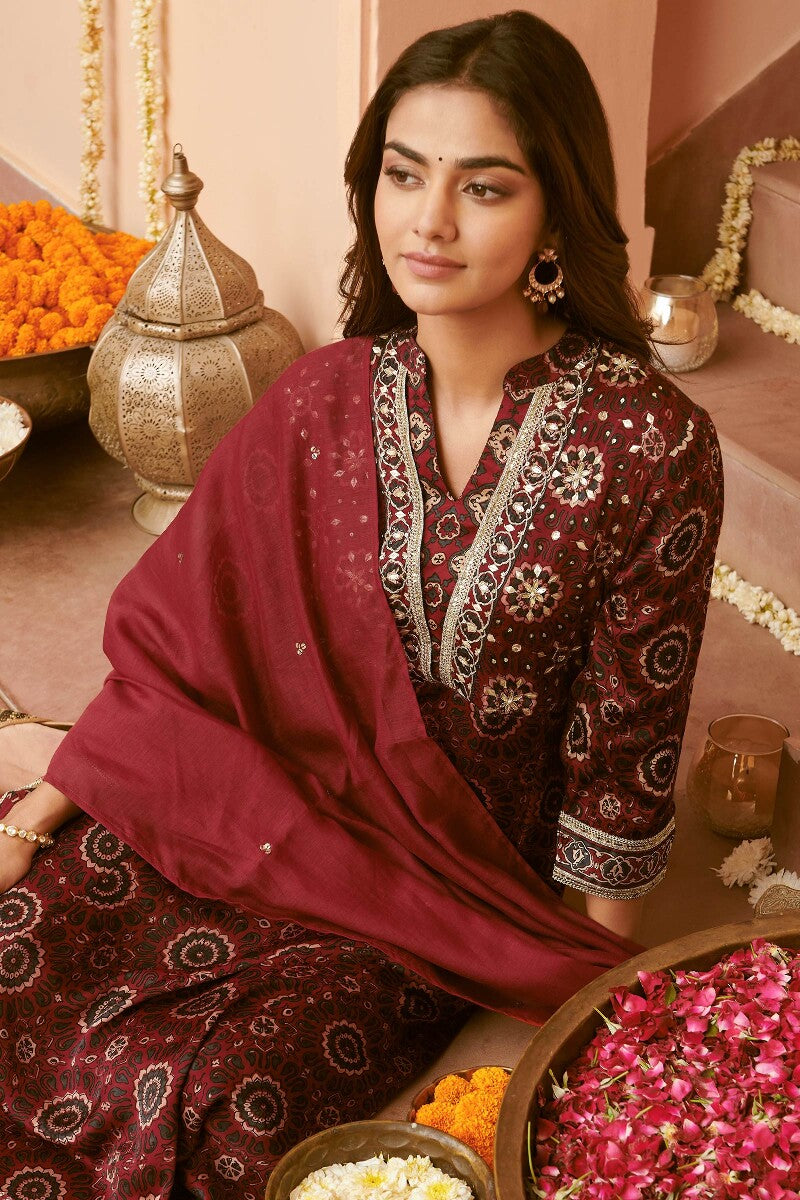
For evening festivities, richer colours such as maroon, indigo, deep green, purple, and red tend to have more depth. They sit well under warm lights and pair naturally with festive details such as hand block prints, embroidery, or a silk dupatta.
Match the Colour with Your Personal Style
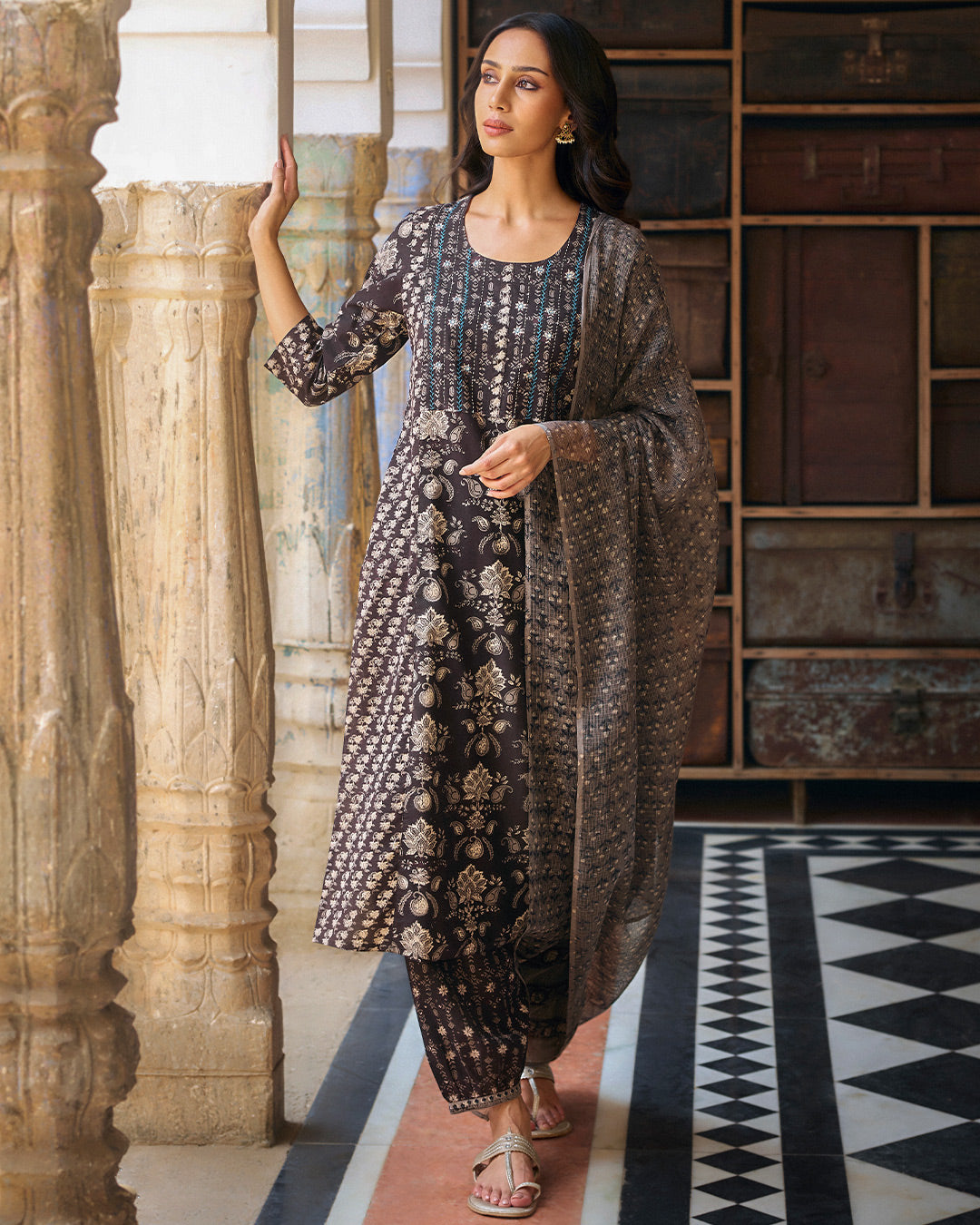
Festive dressing should still feel like you. If bright colours are part of your wardrobe, a vivid red or yellow kurta may feel effortless. If you prefer quieter tones, indigo, earthy brown, deep green, or muted pink can bring the same sense of occasion in a more understated way.
The beauty of Indian clothing is that there is room for both. A familiar colour, thoughtfully crafted and comfortably worn, often feels more special than something chosen simply because it is fashionable that season.
Best Kurta Colours for Major Indian Festivals

Yellow Kurtas for Haldi, Basant Panchami & Spring Celebrations
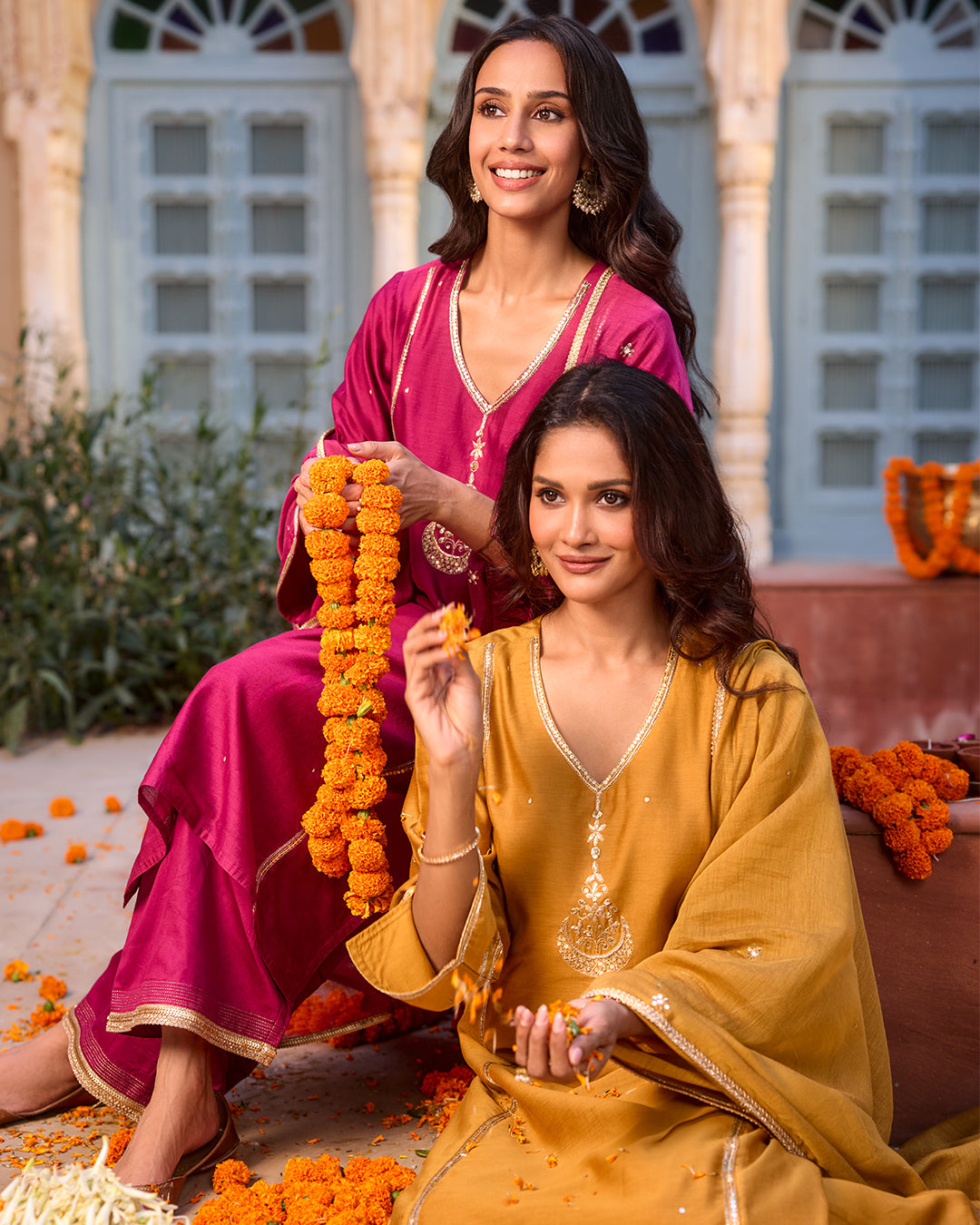
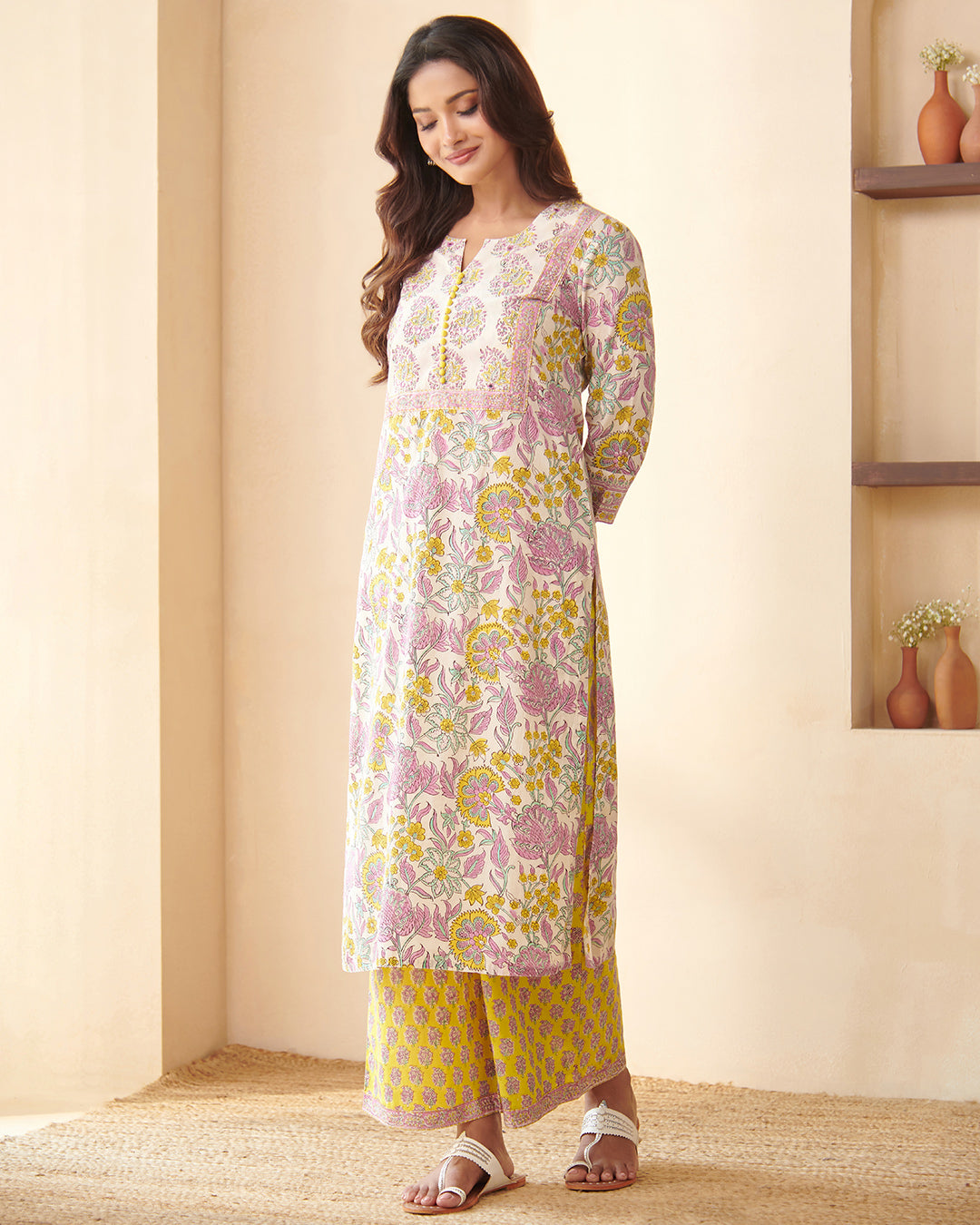
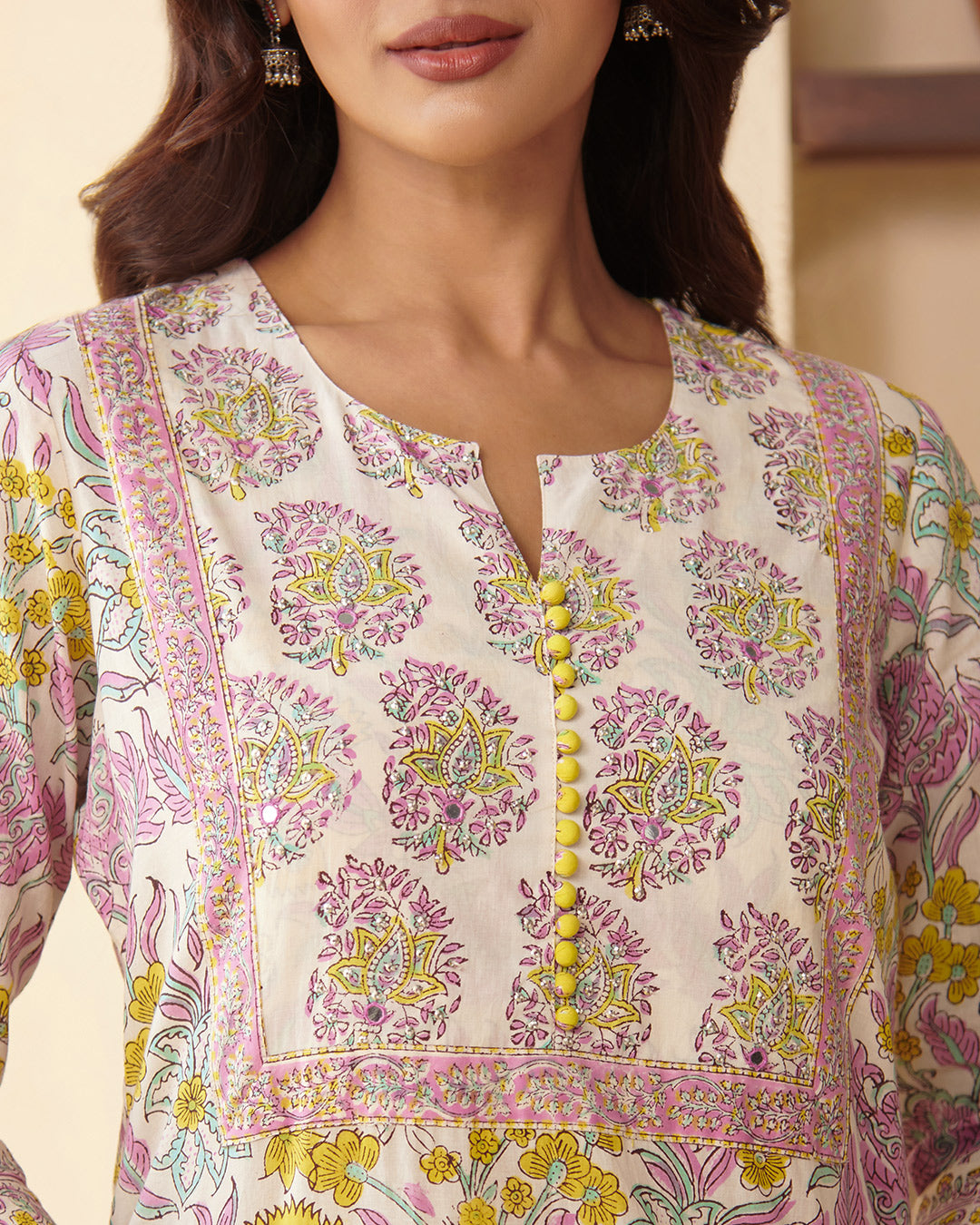
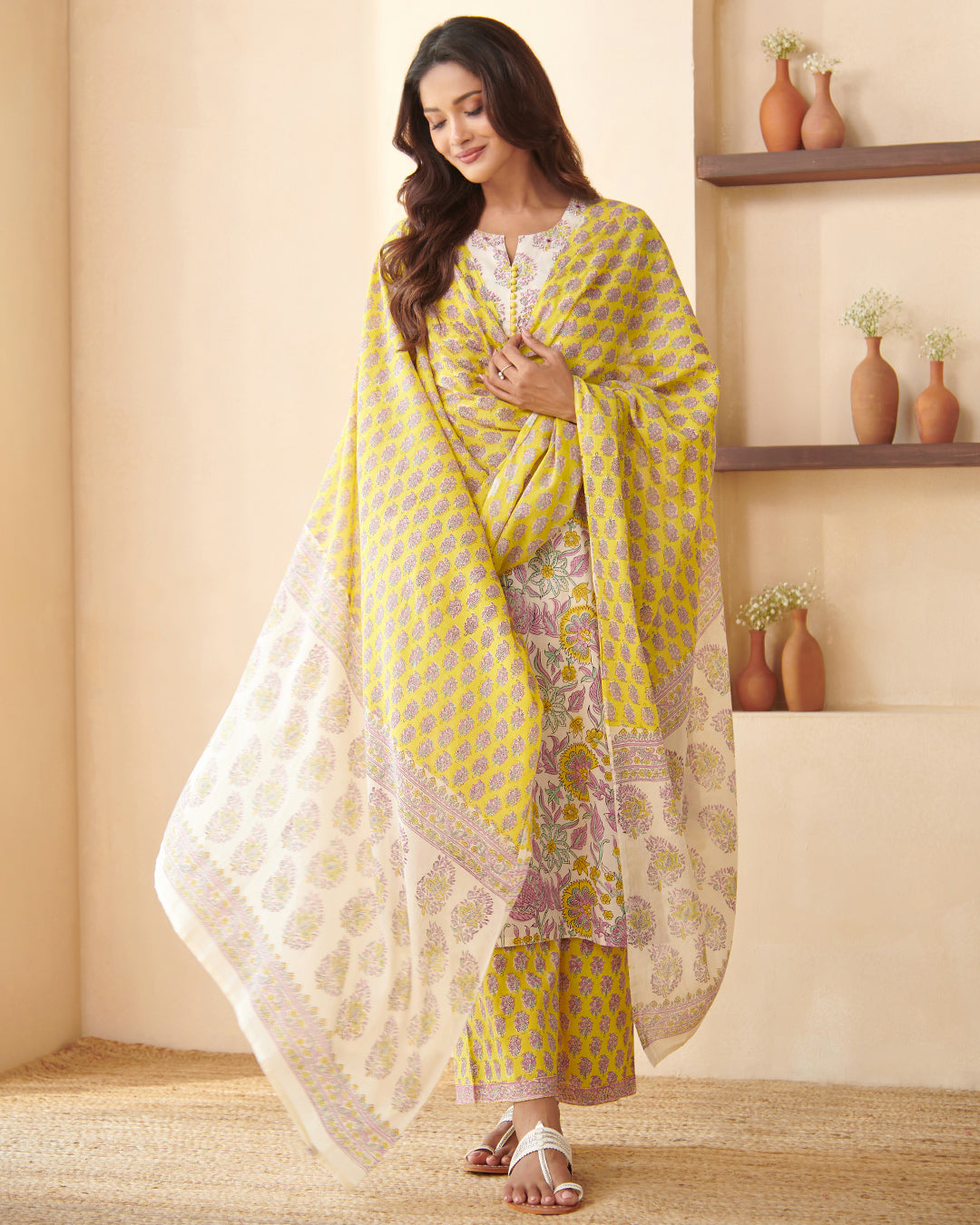
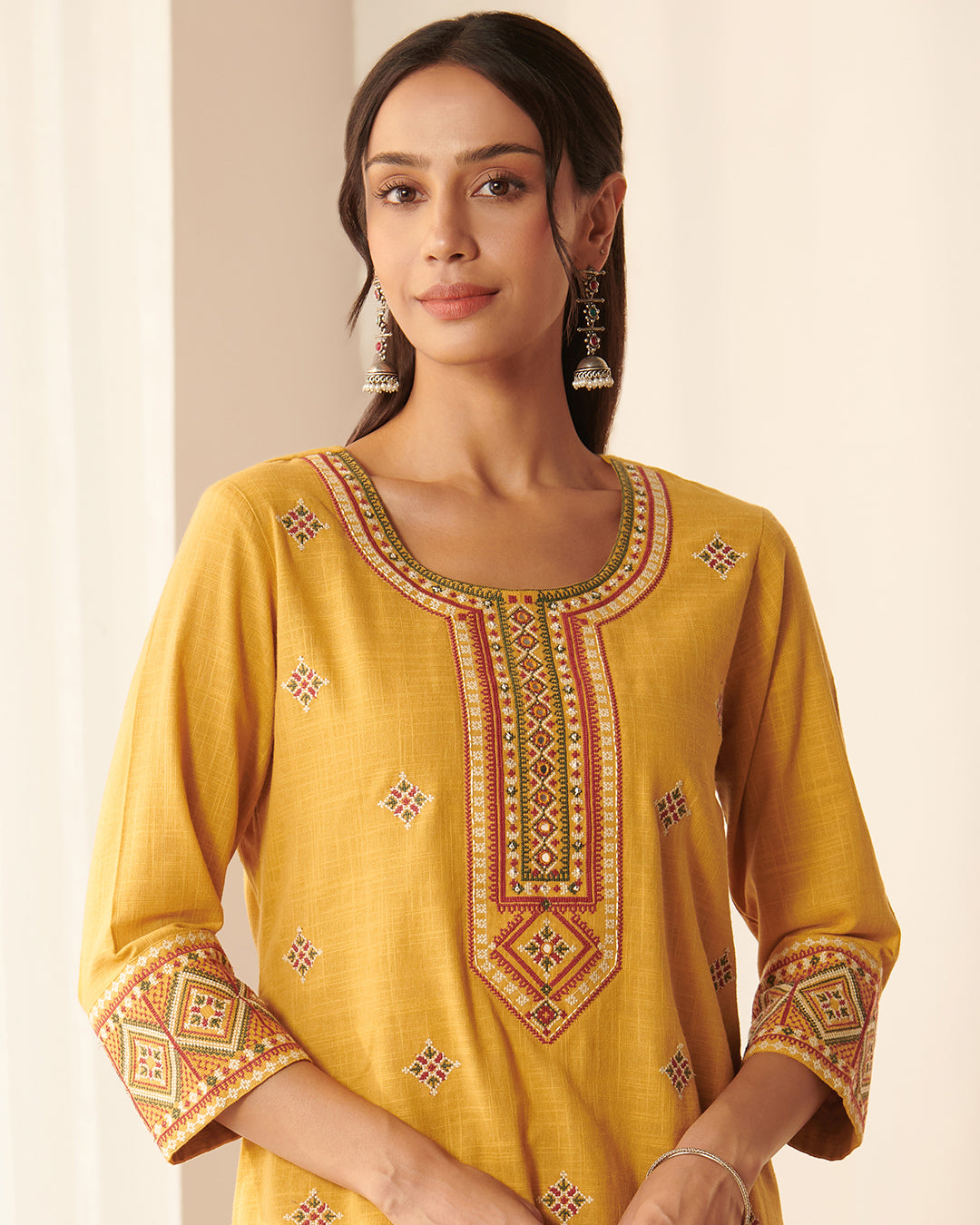
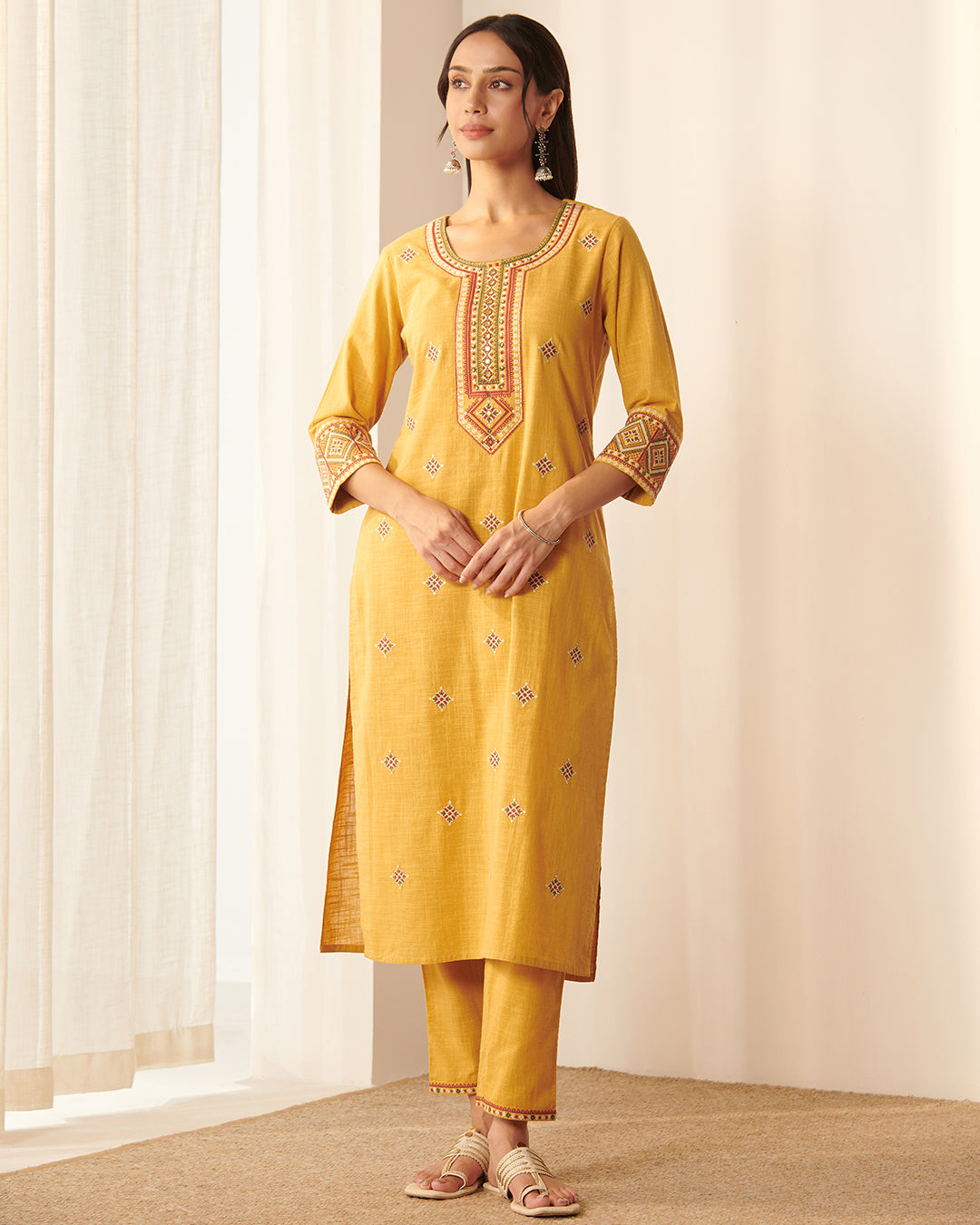
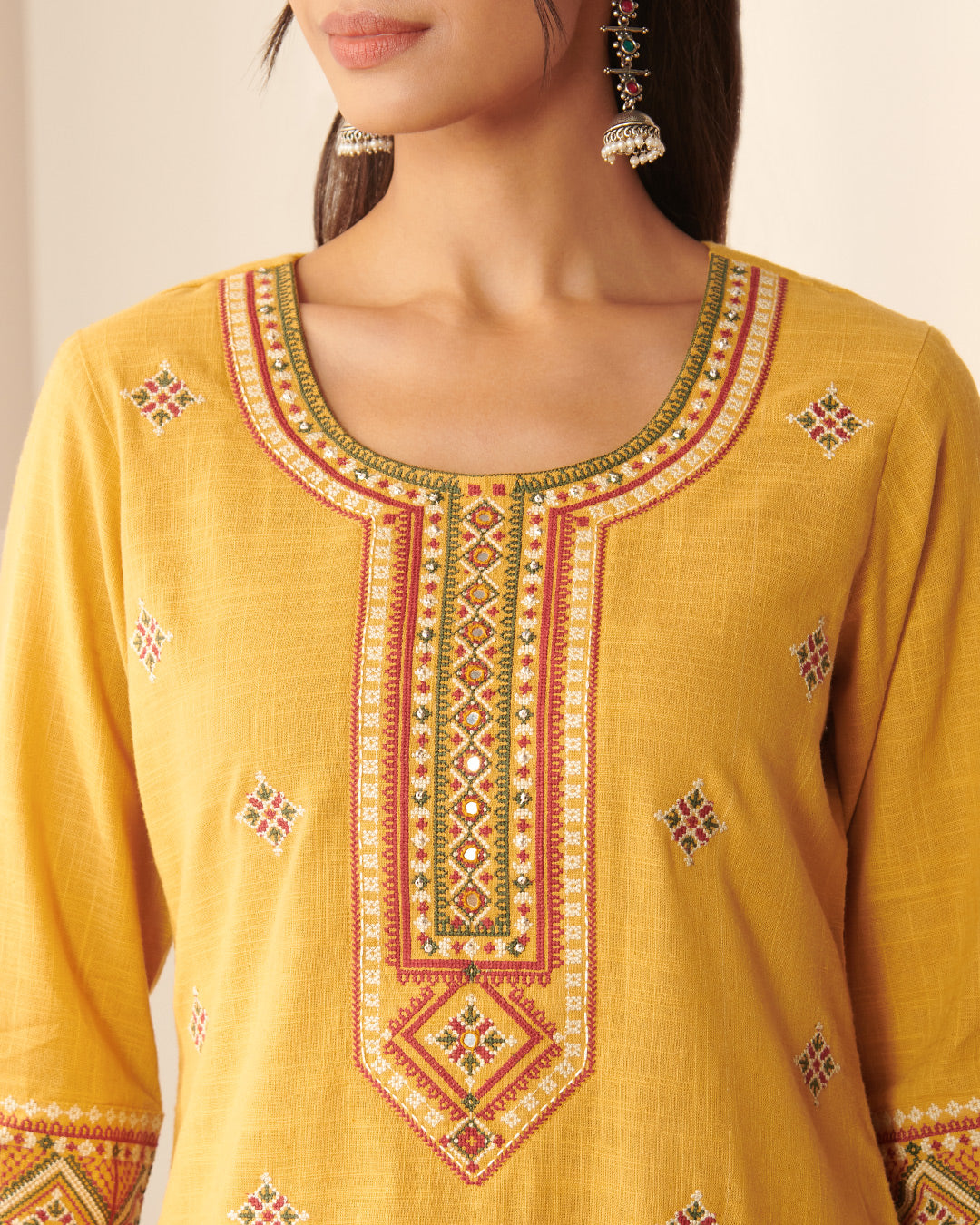
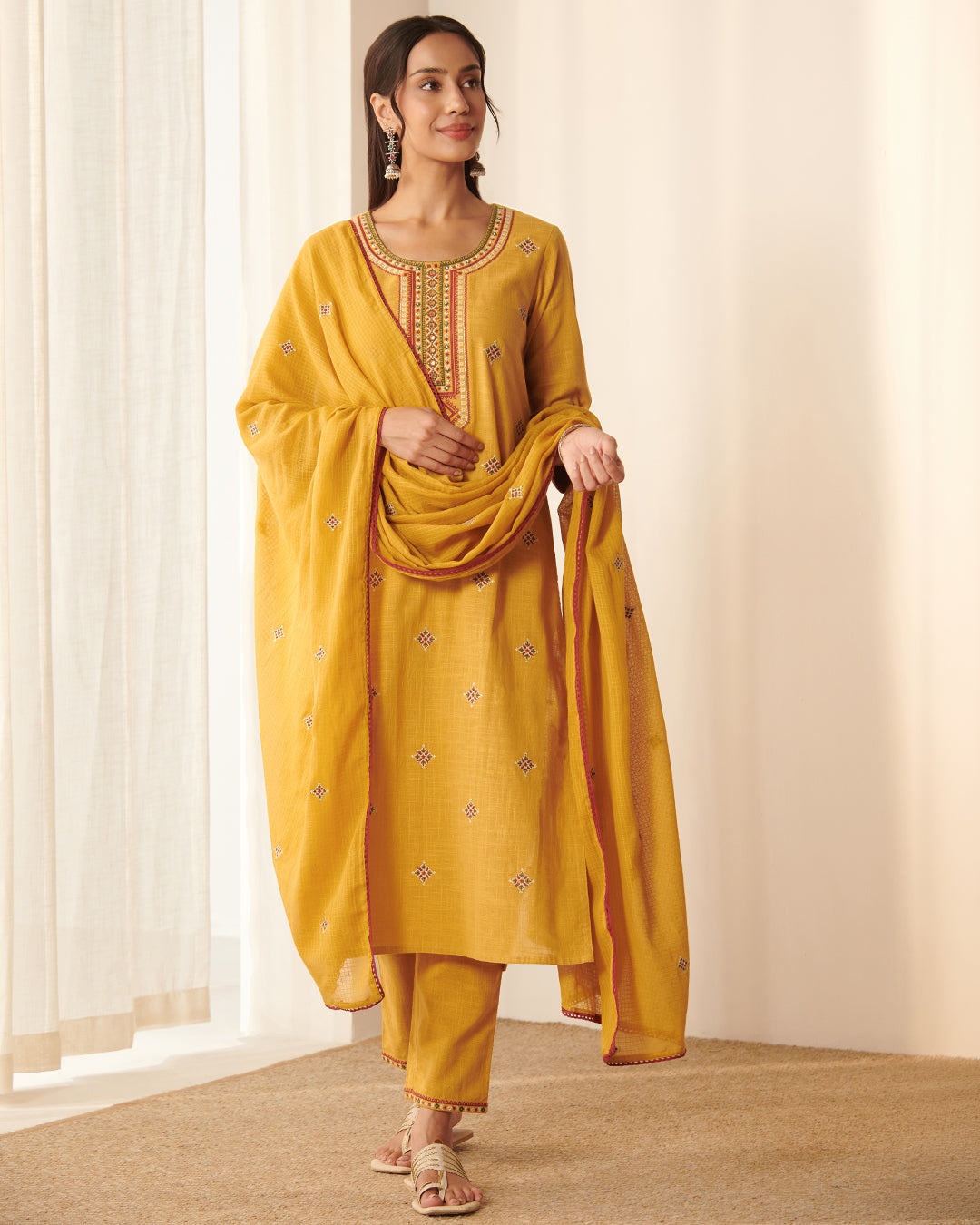
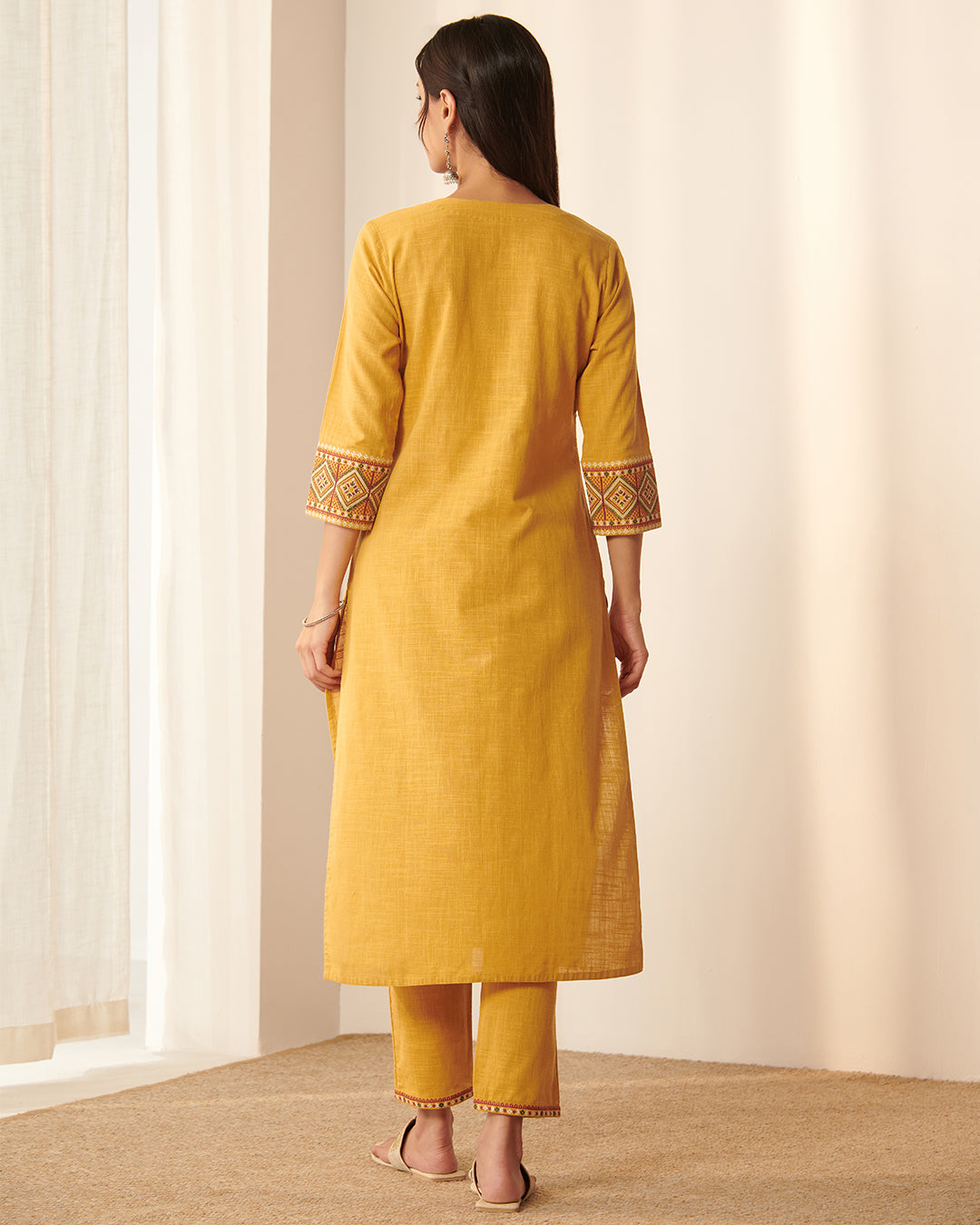
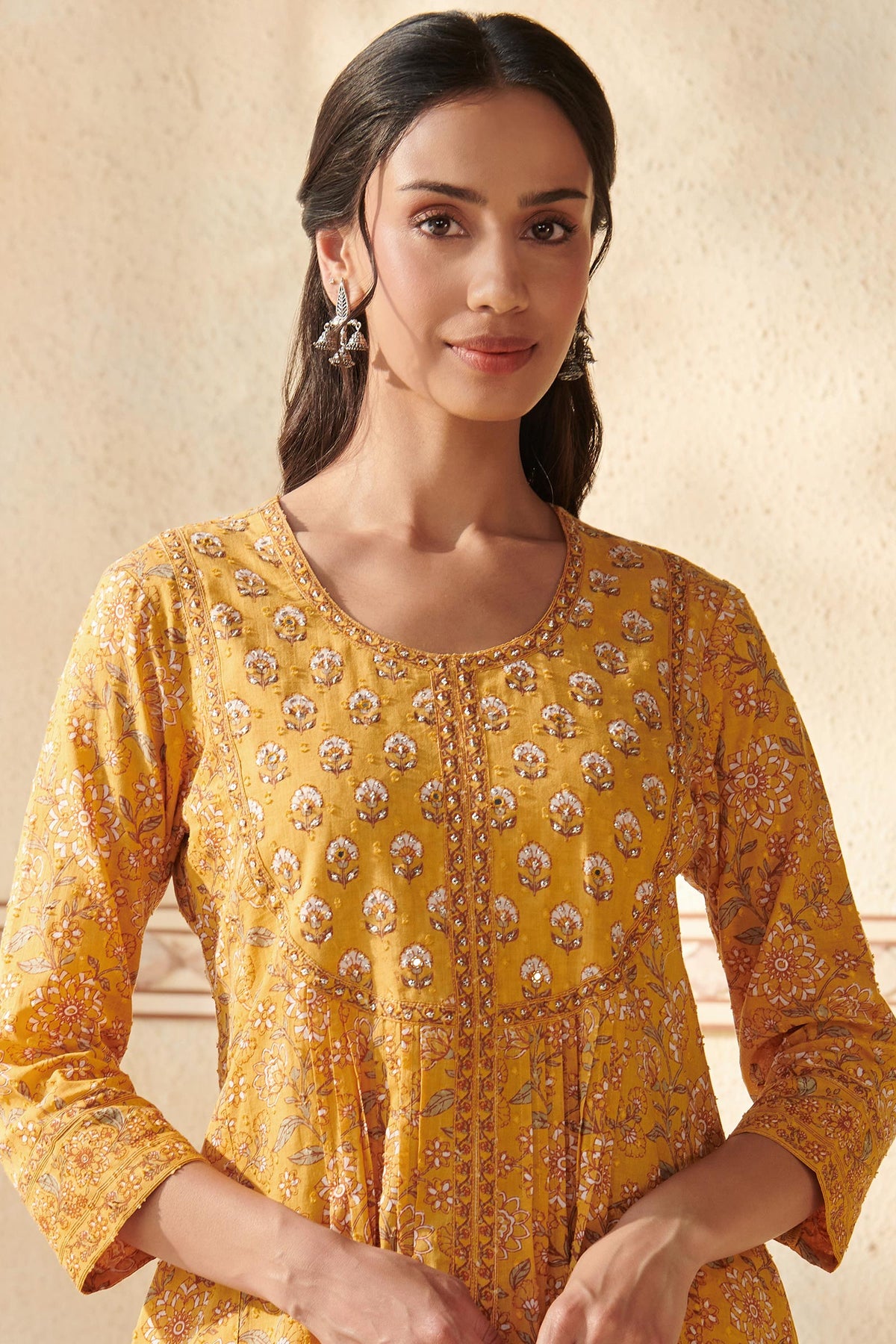
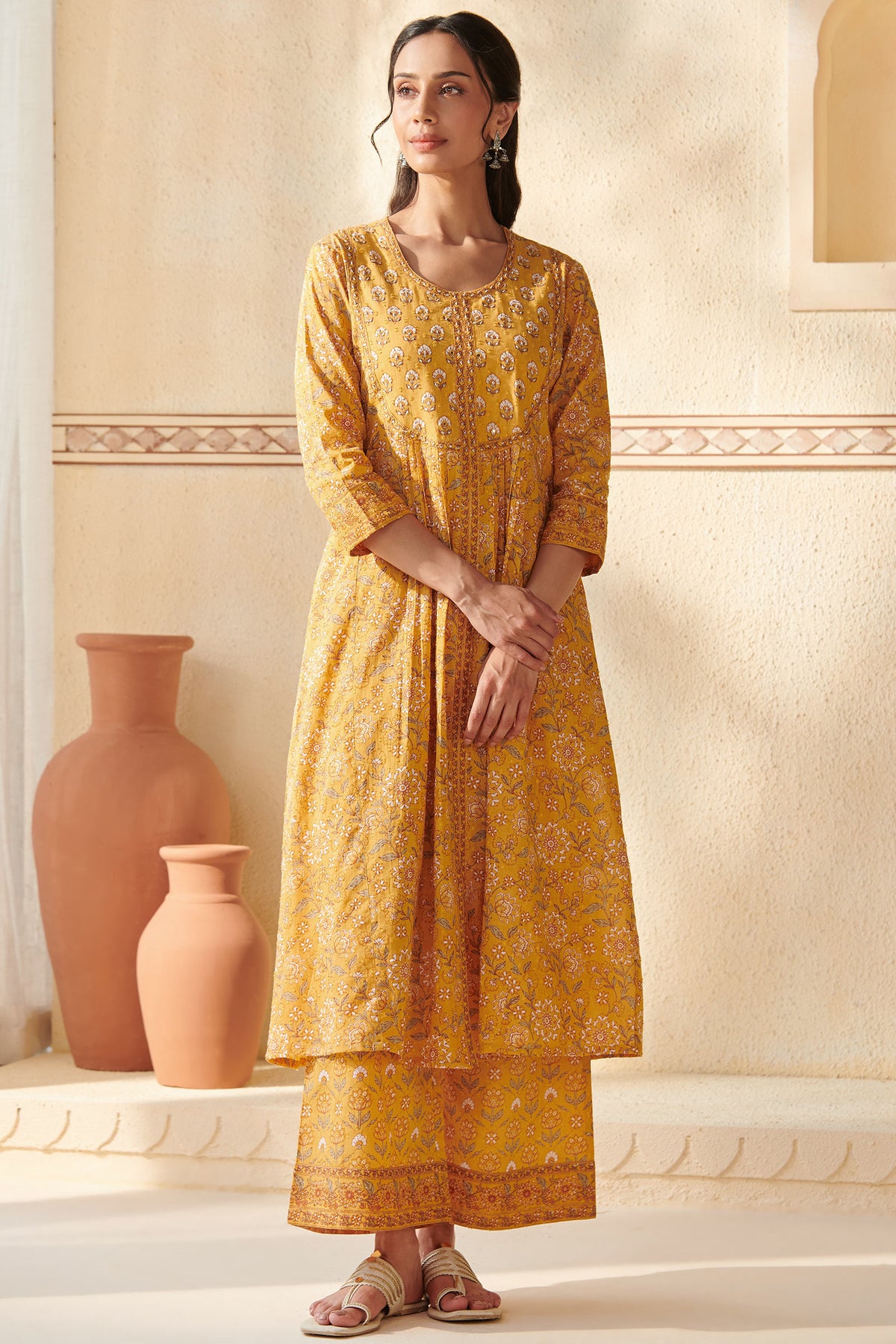
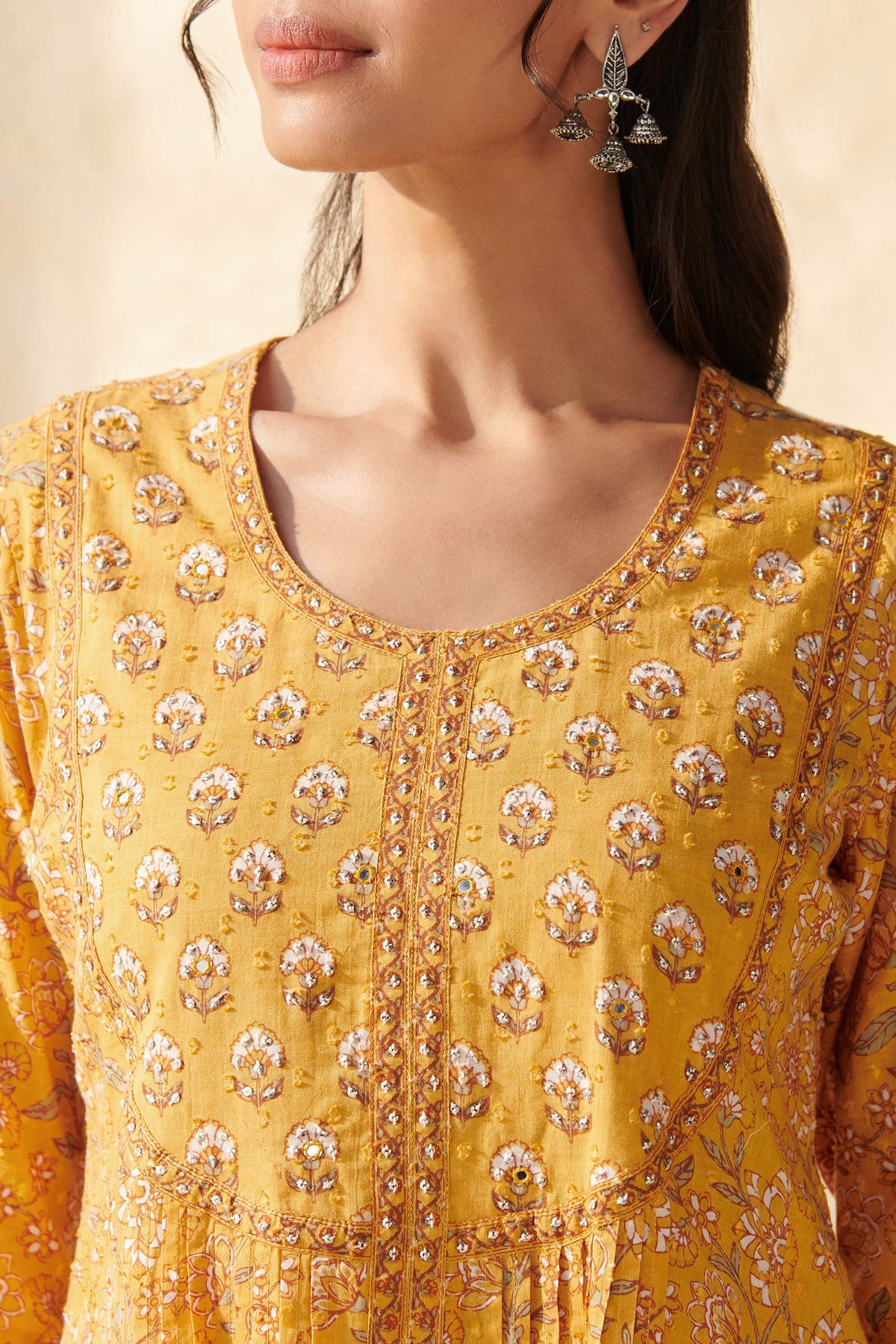
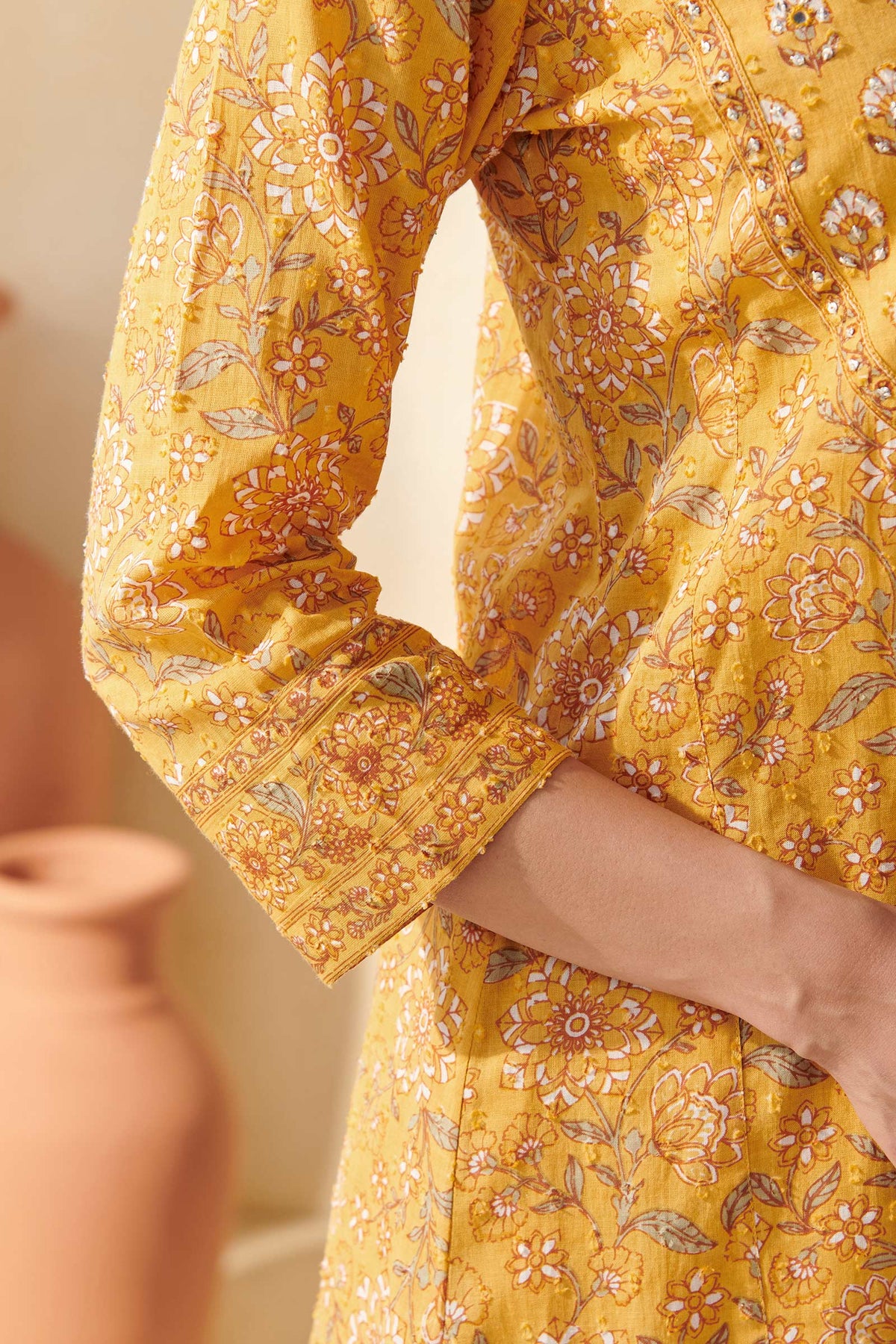
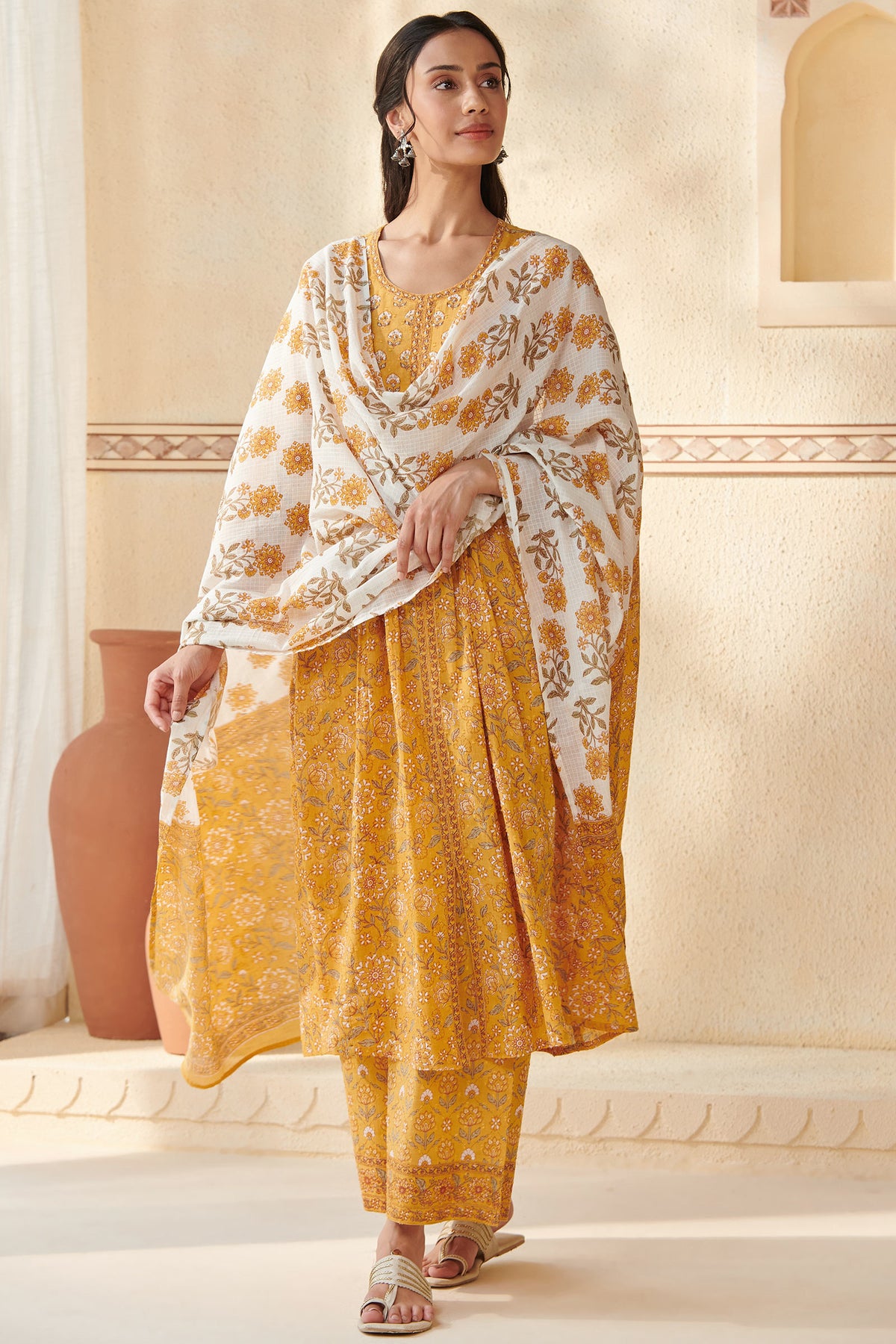
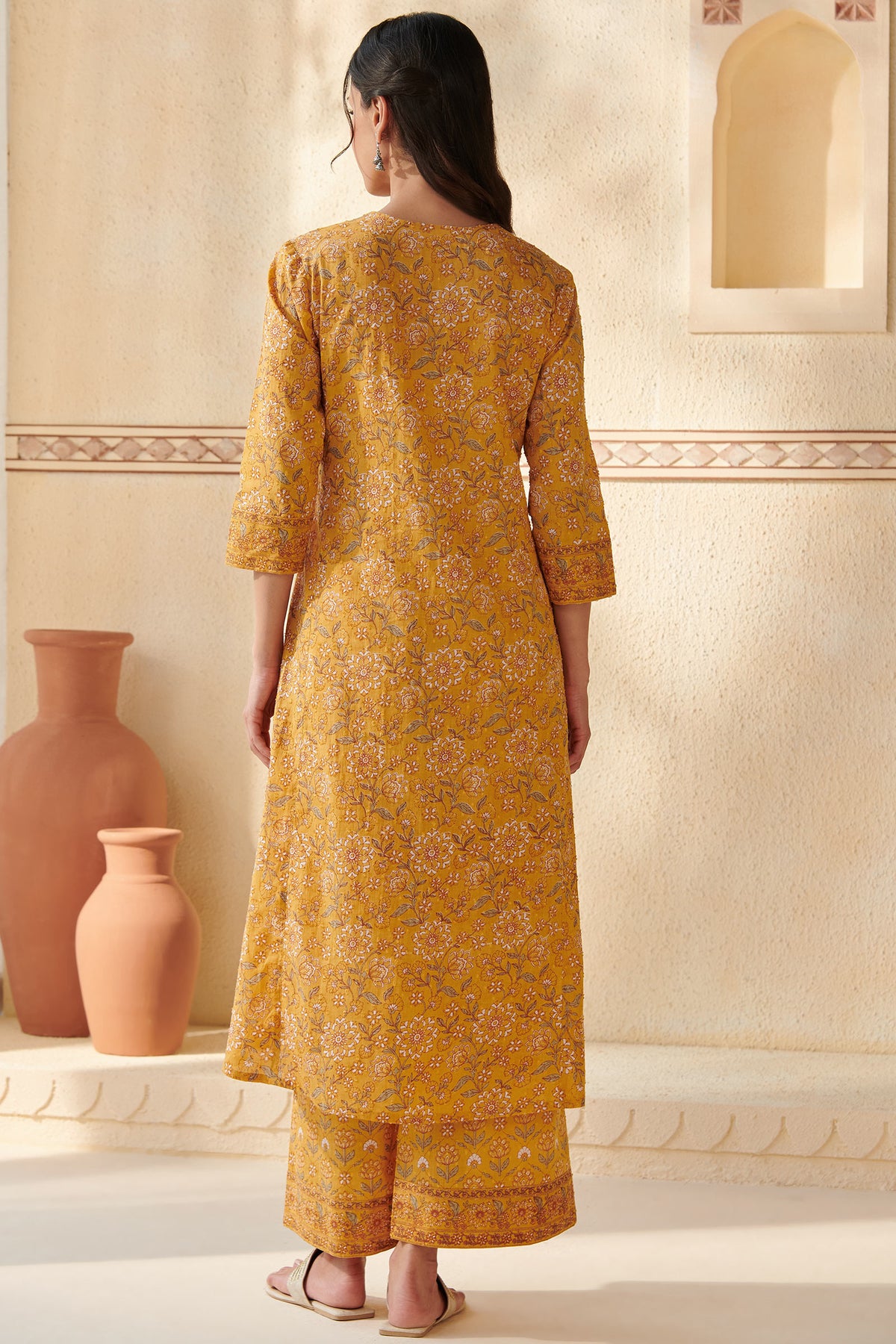
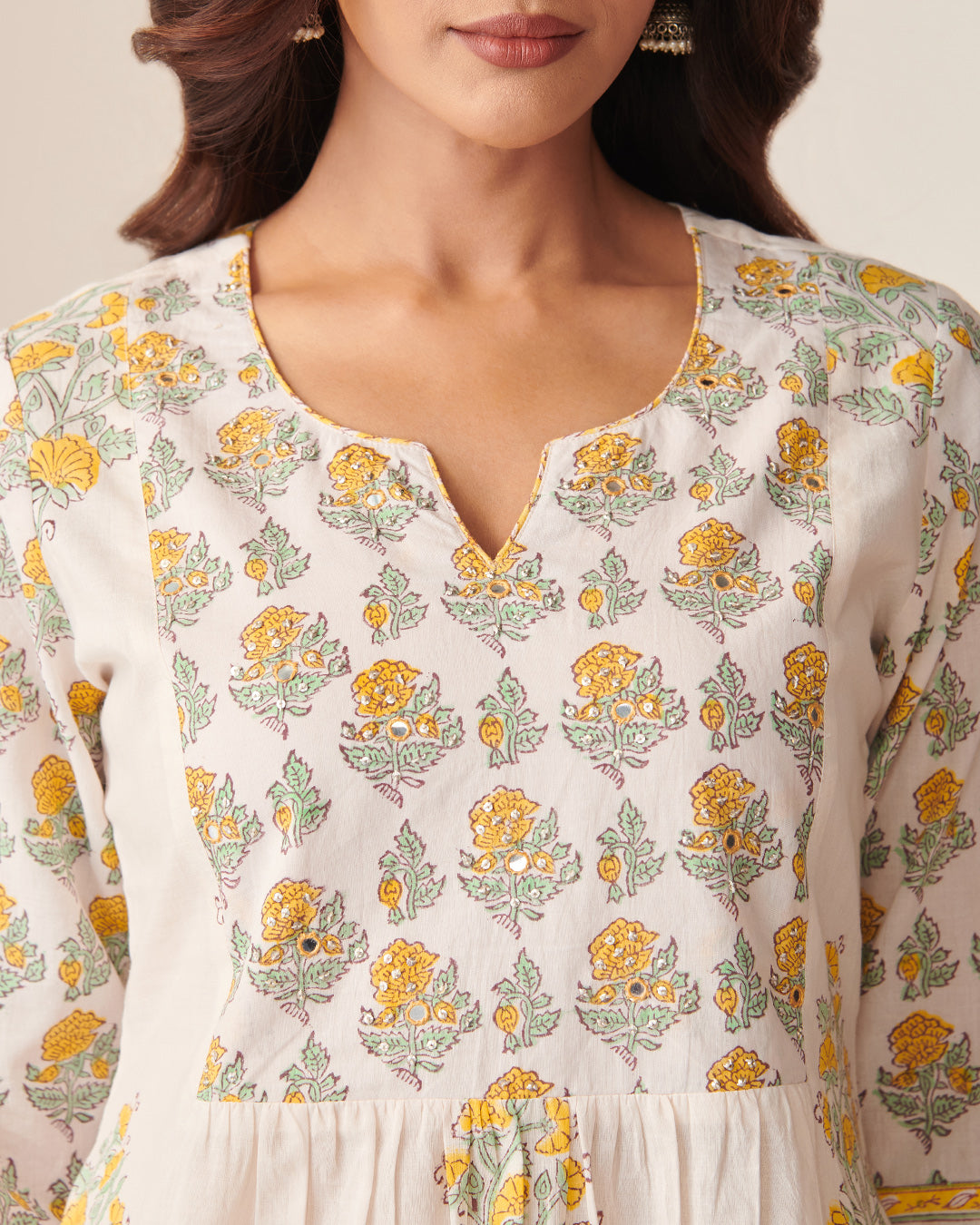
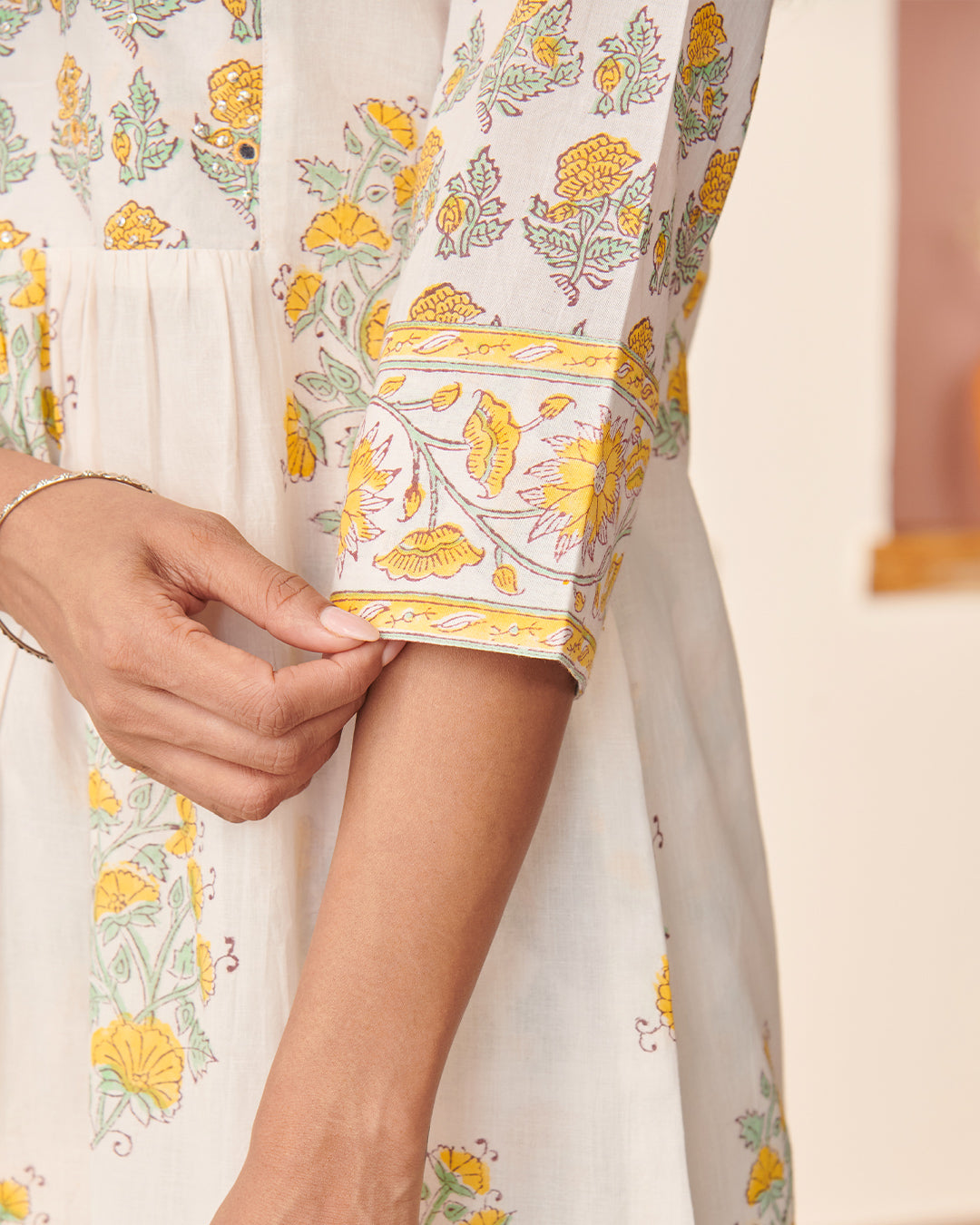
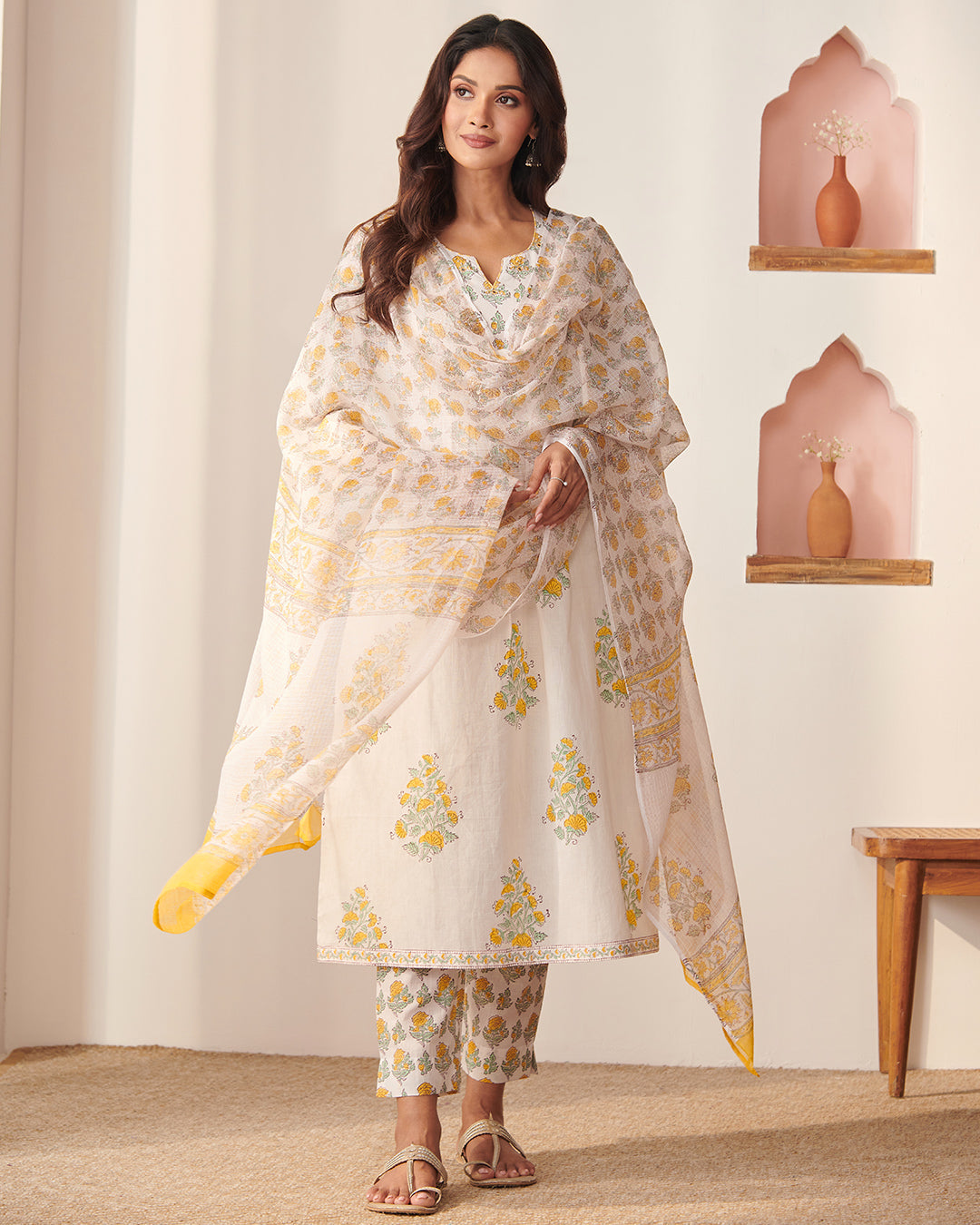
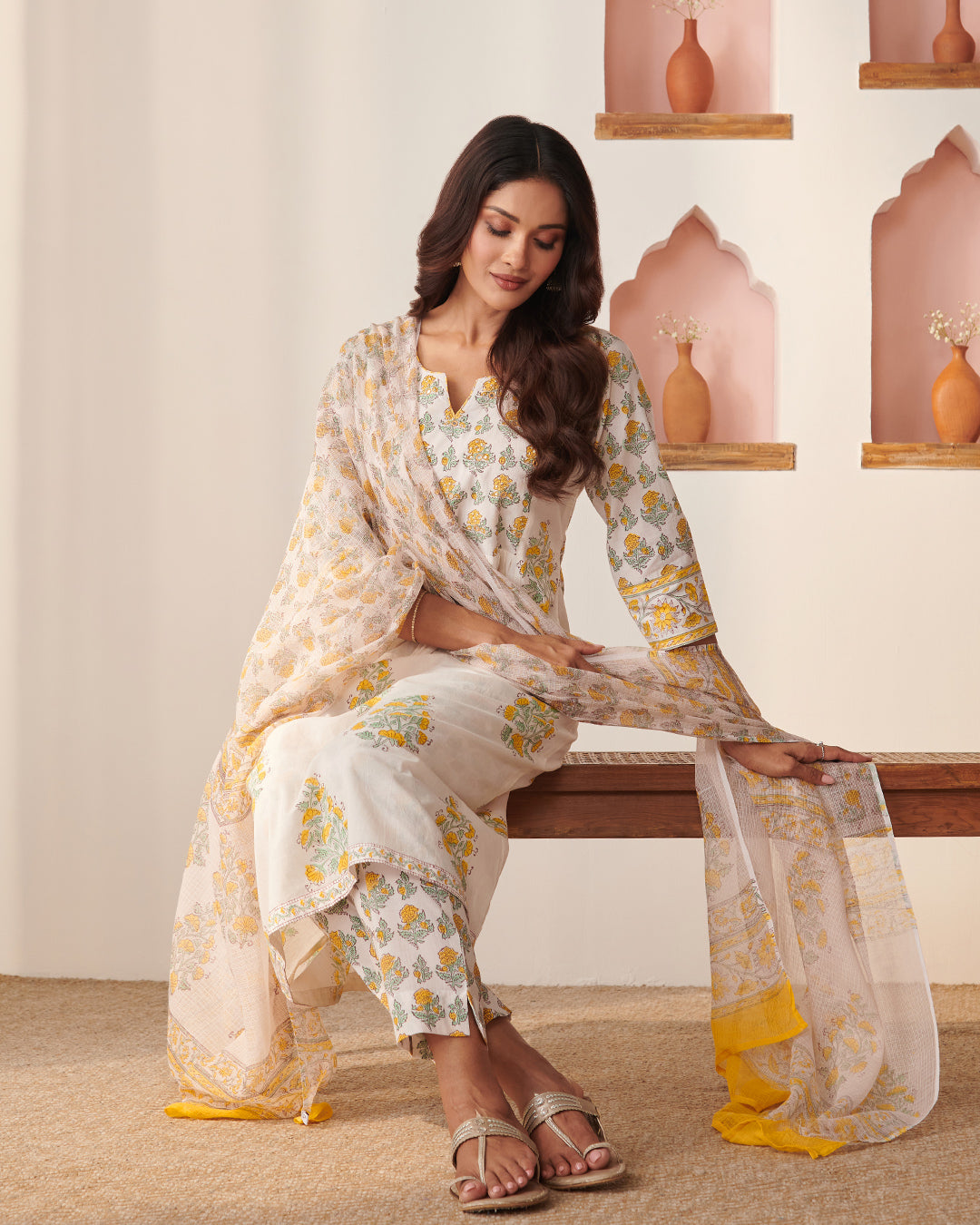
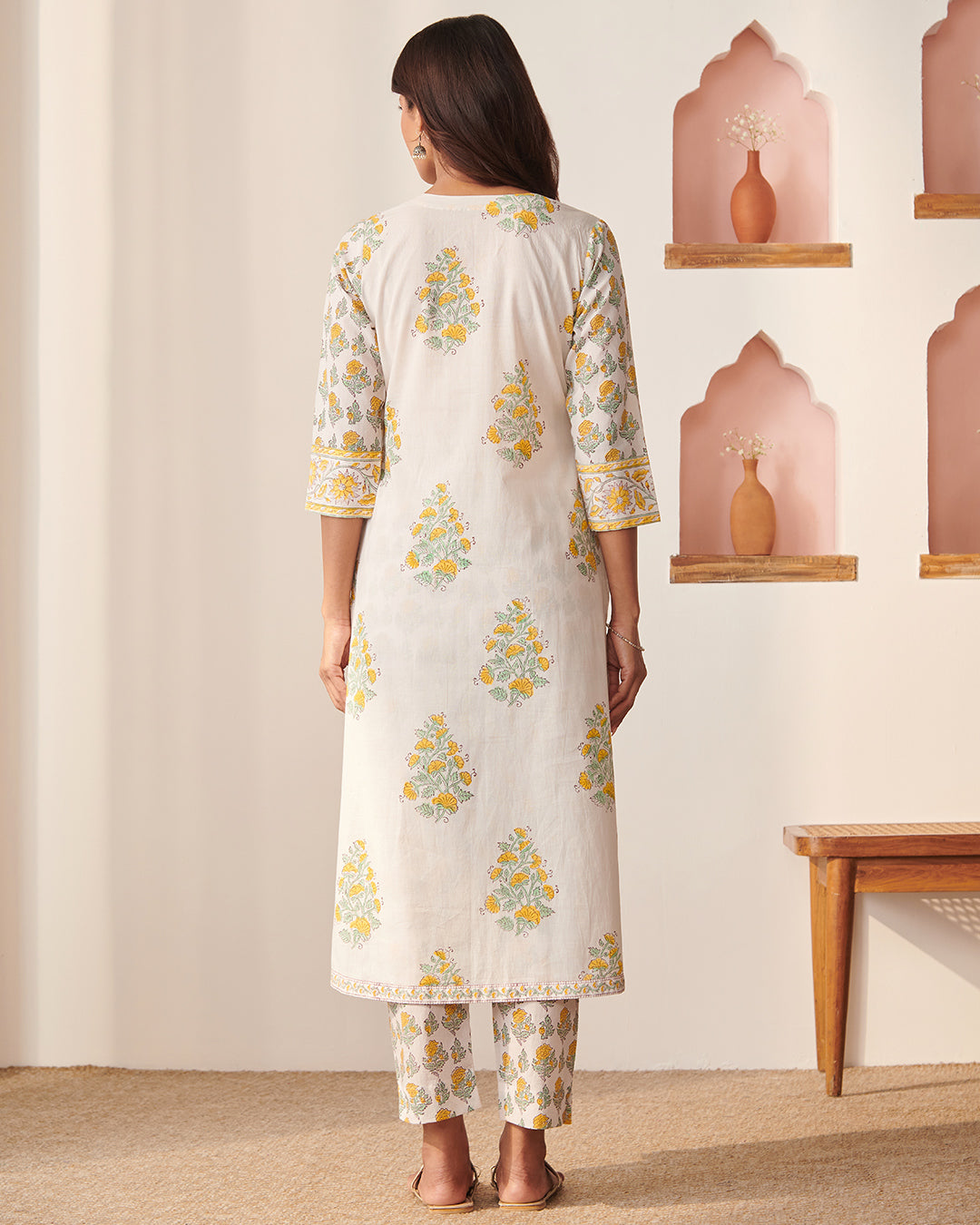
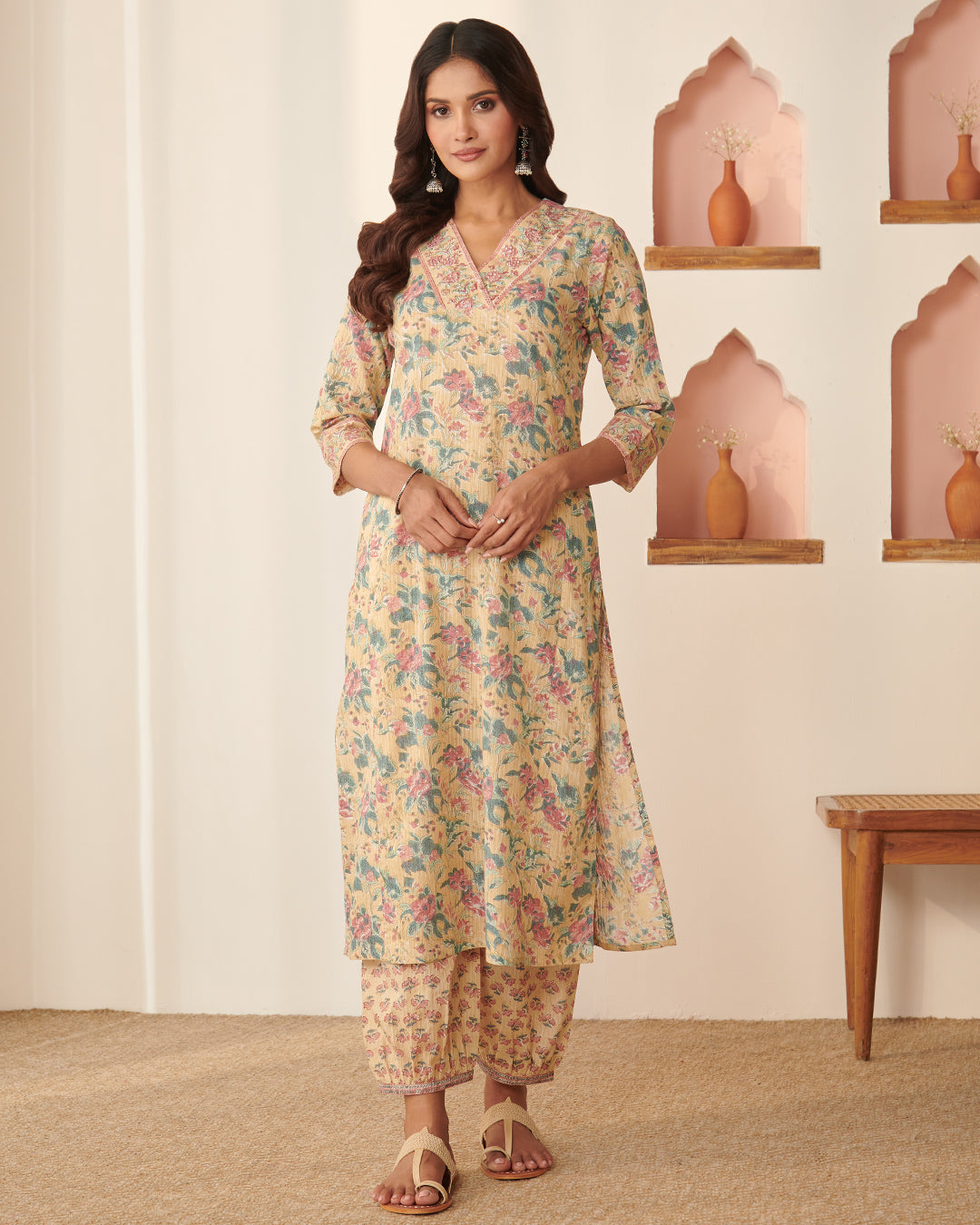
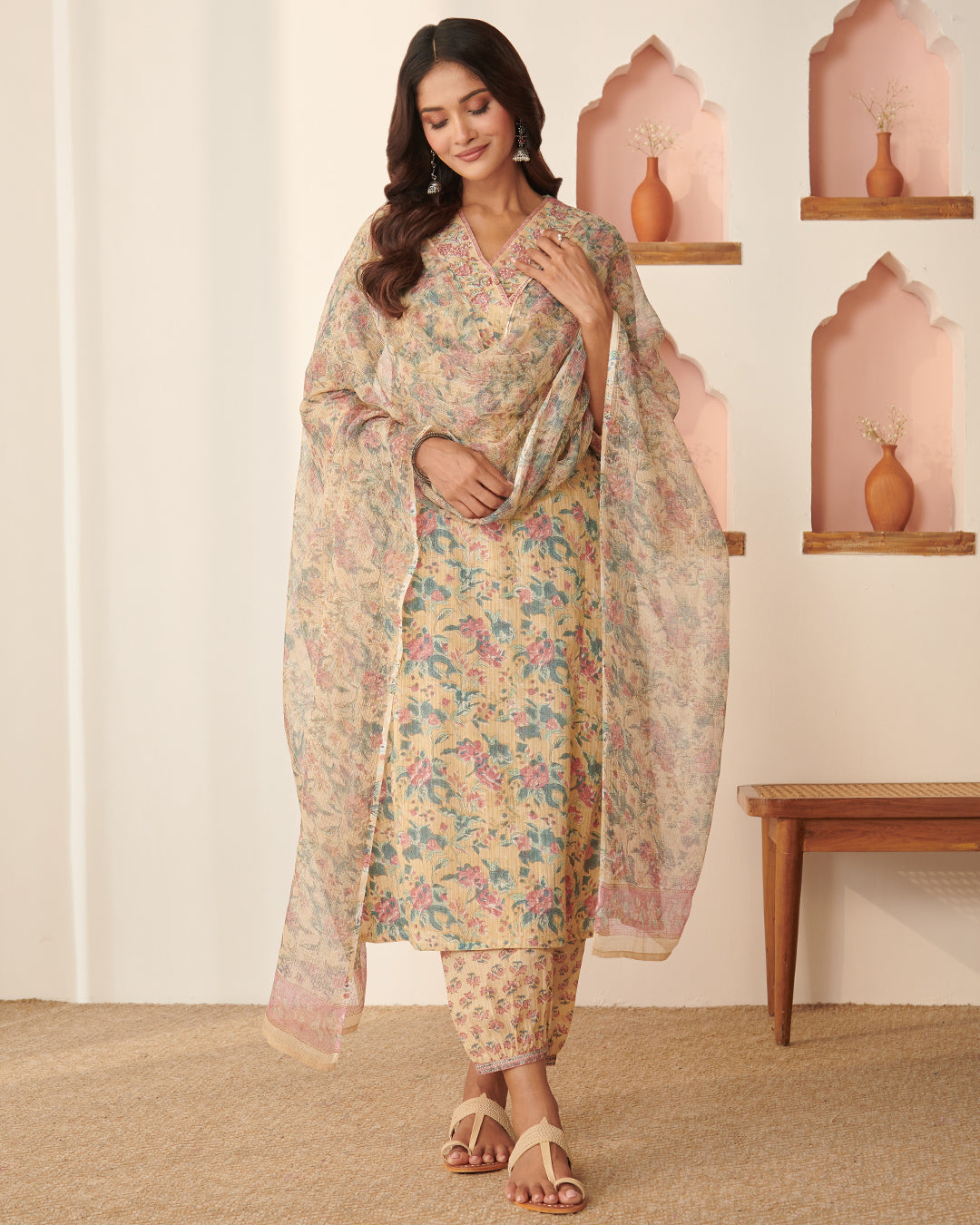
Yellow feels naturally at home in spring. It brings to mind marigolds, turmeric, sunlight, and the freshness of Basant Panchami. A yellow kurta for women works especially well for haldi ceremonies and daytime celebrations, where lighter shades such as mustard, turmeric, and soft yellow feel warm without being overwhelming.
Red Kurtas for Diwali, Weddings & Traditional Celebrations
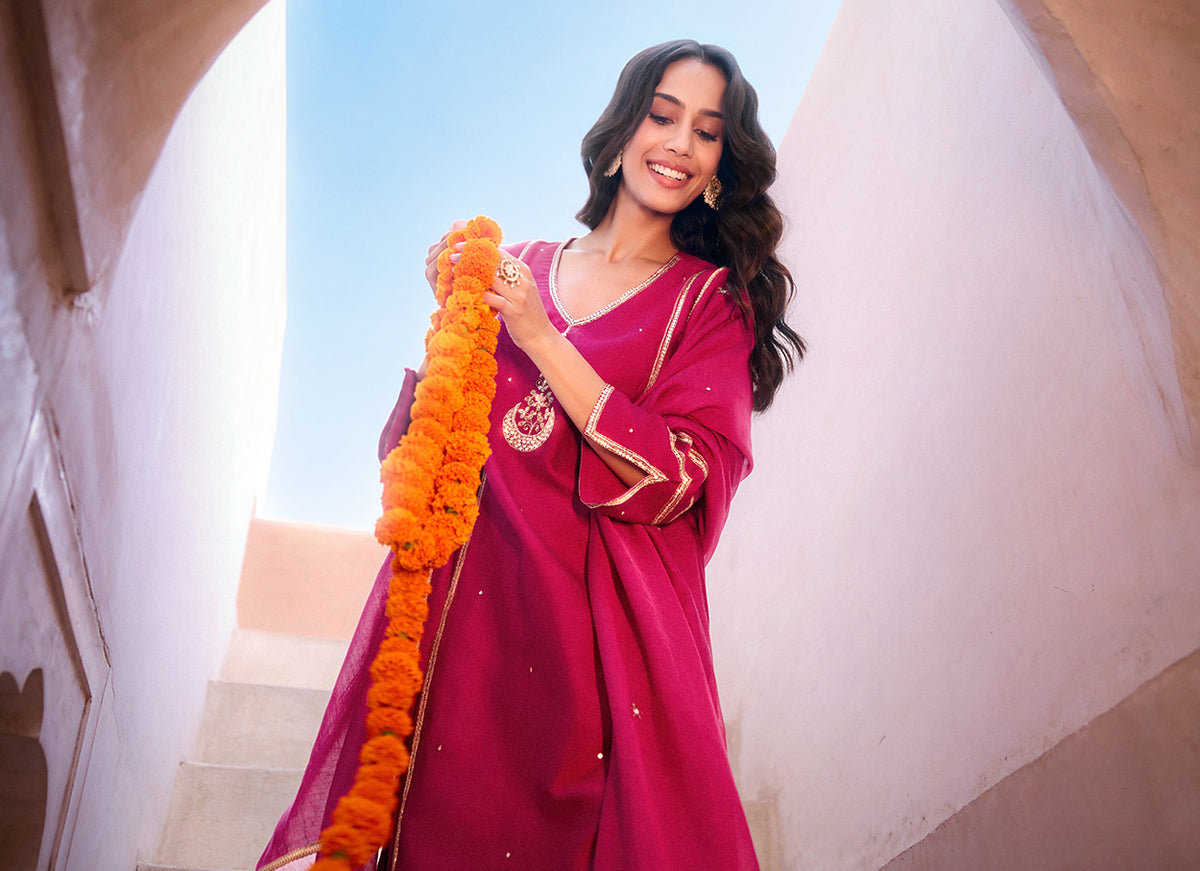
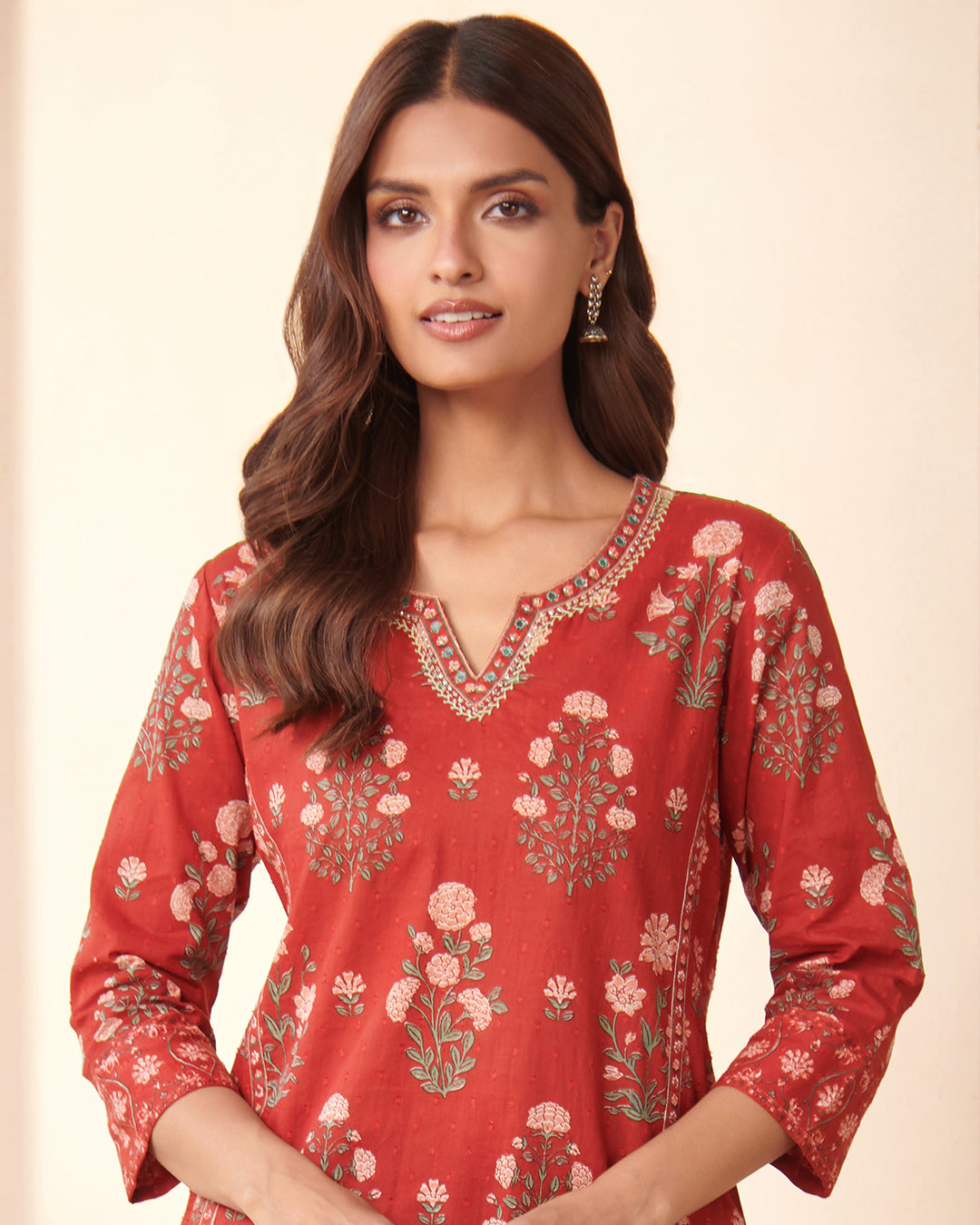
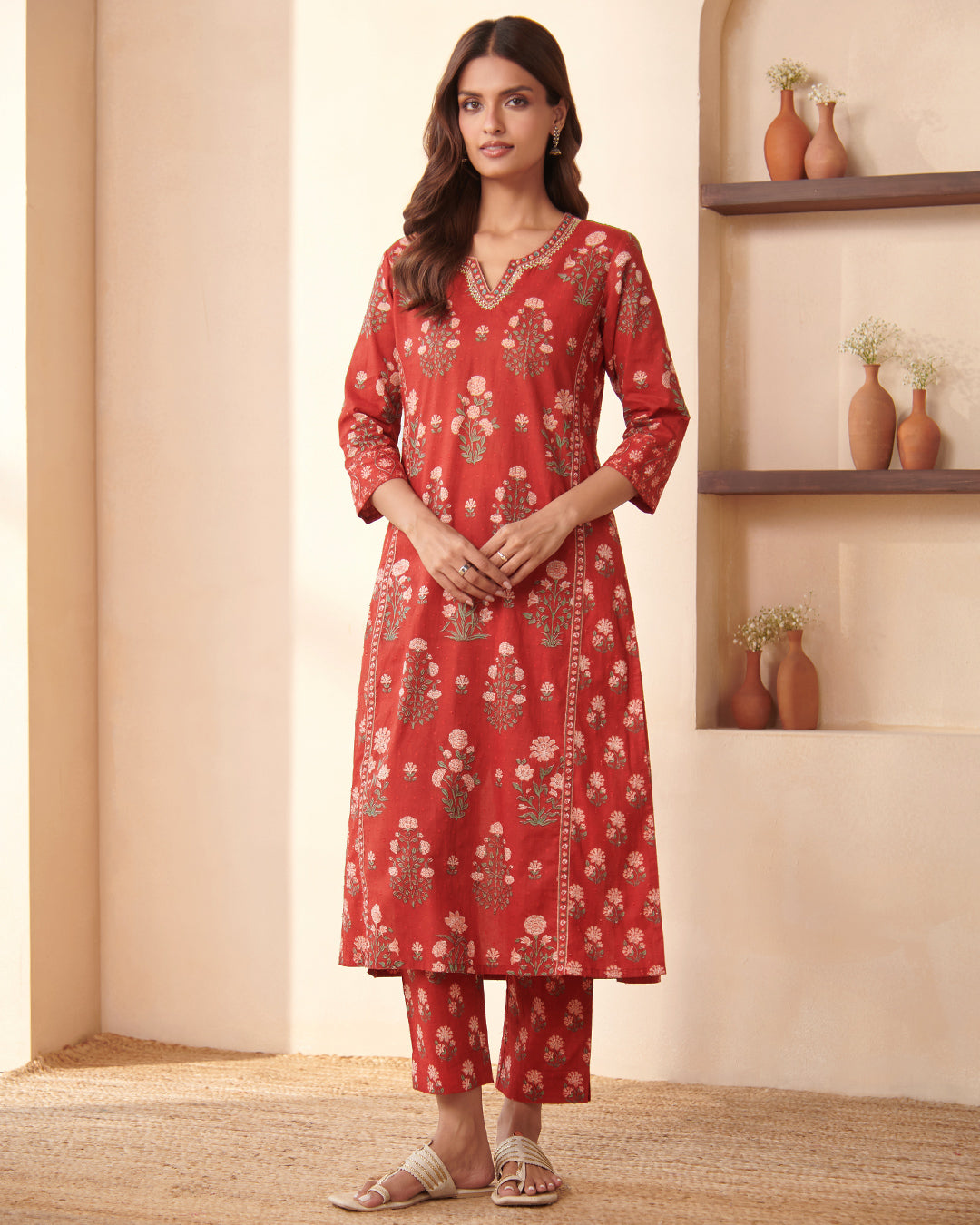
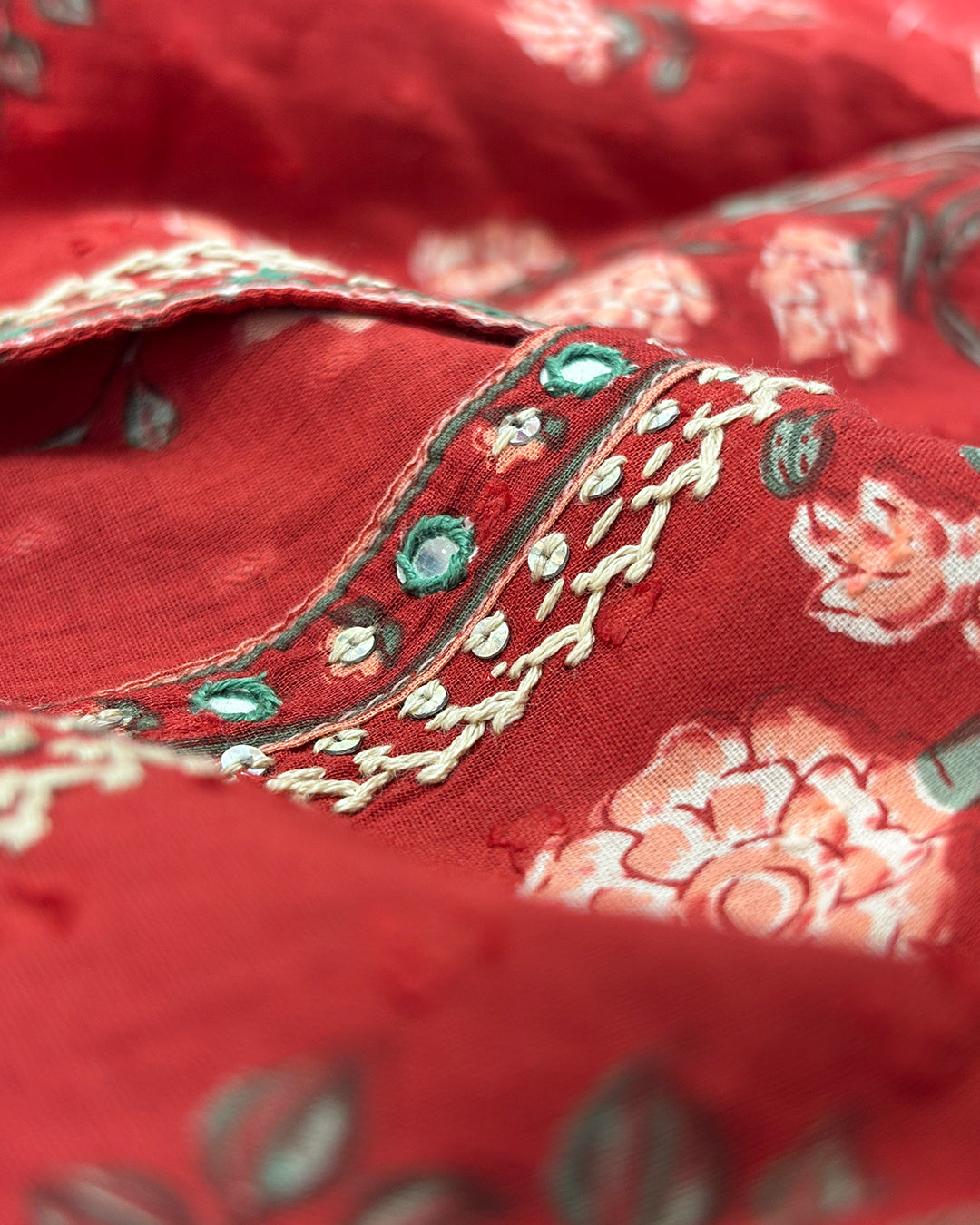
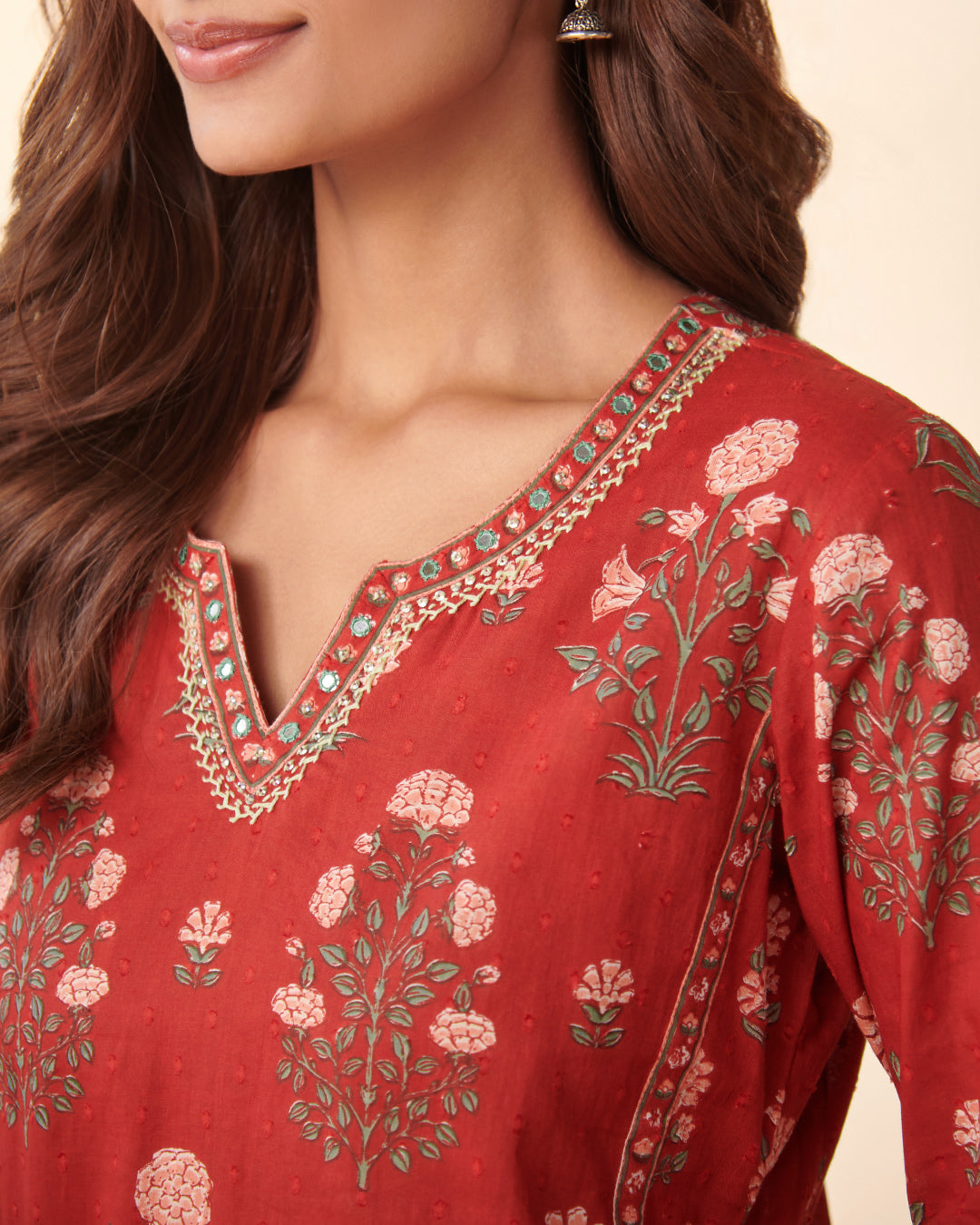
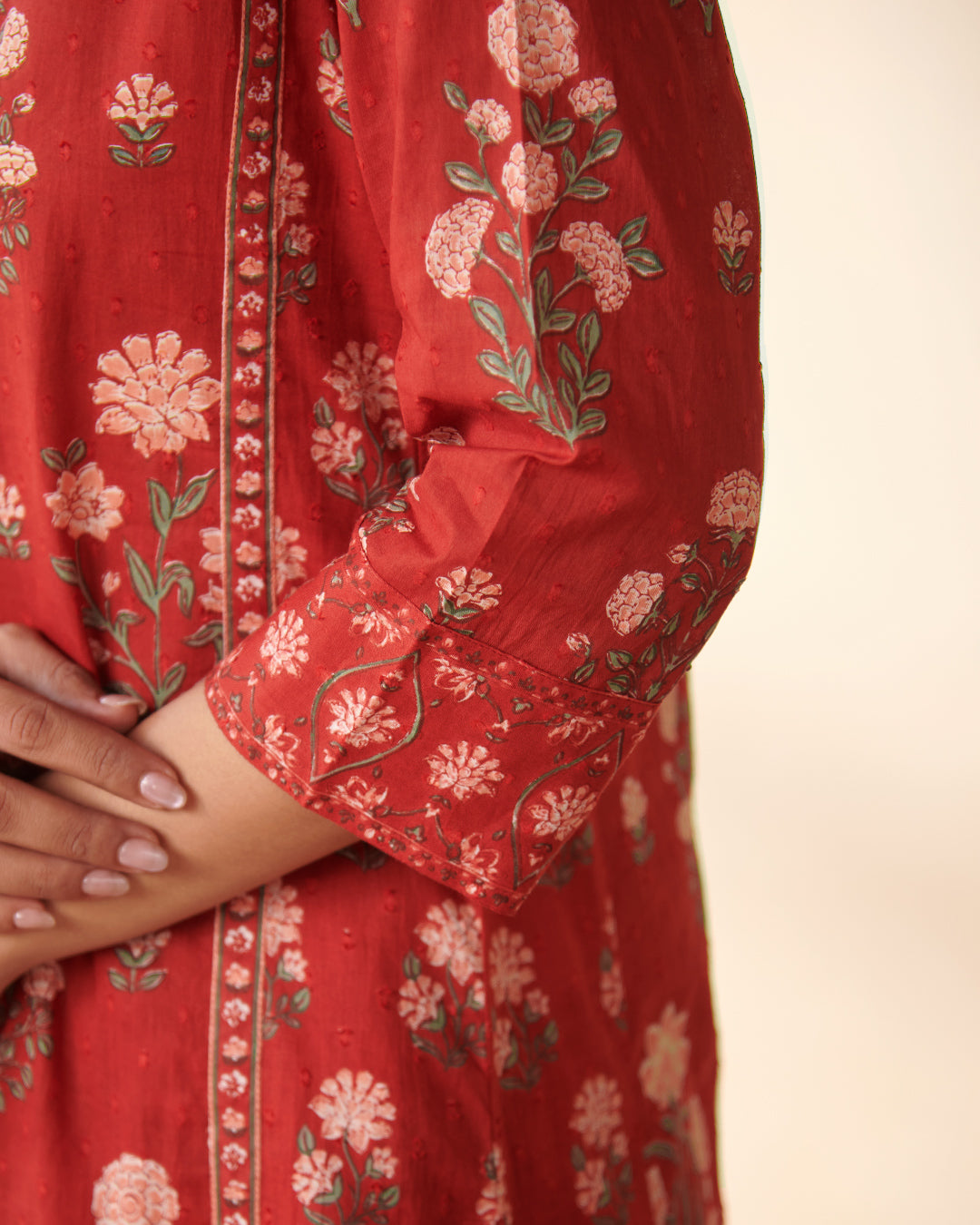
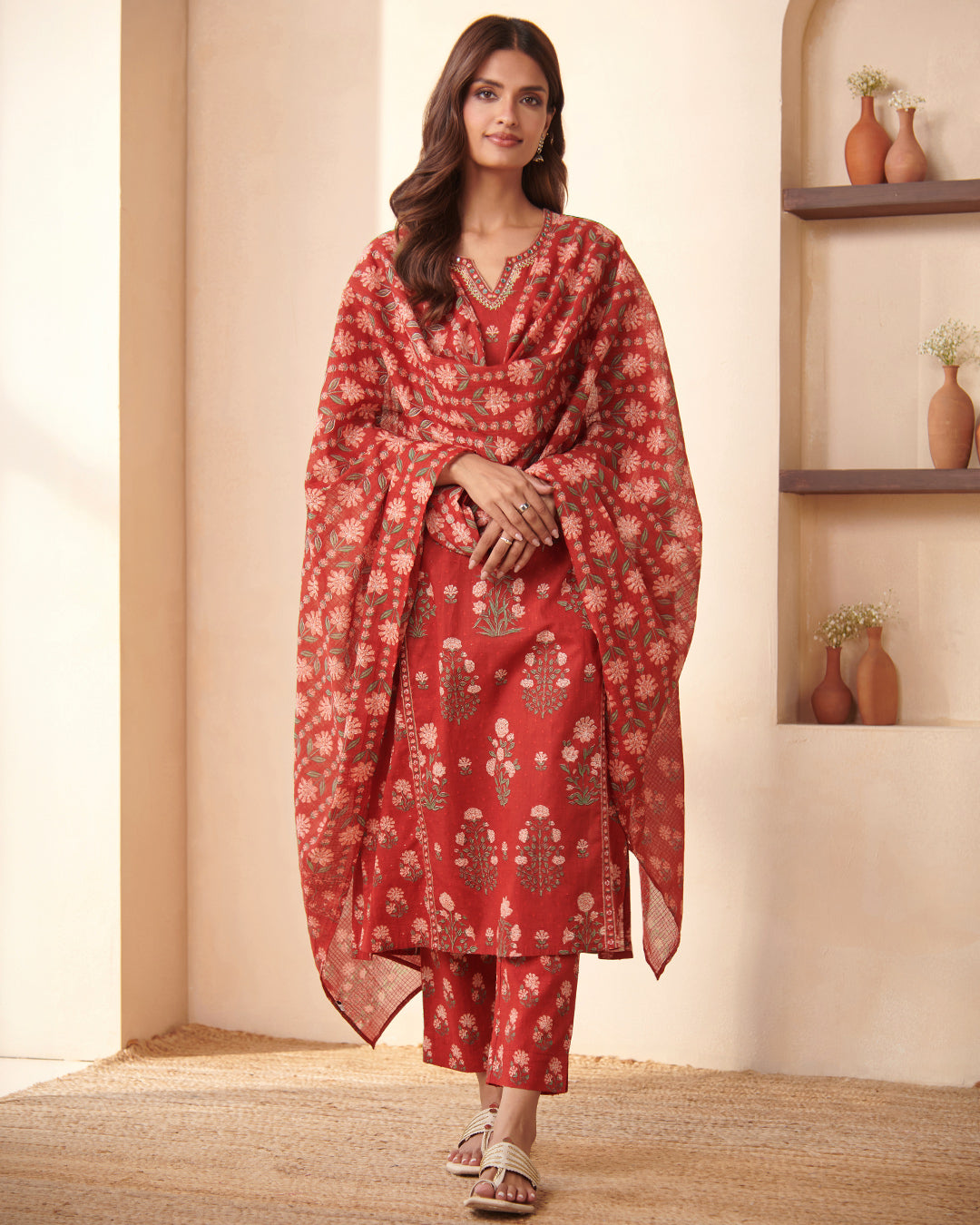
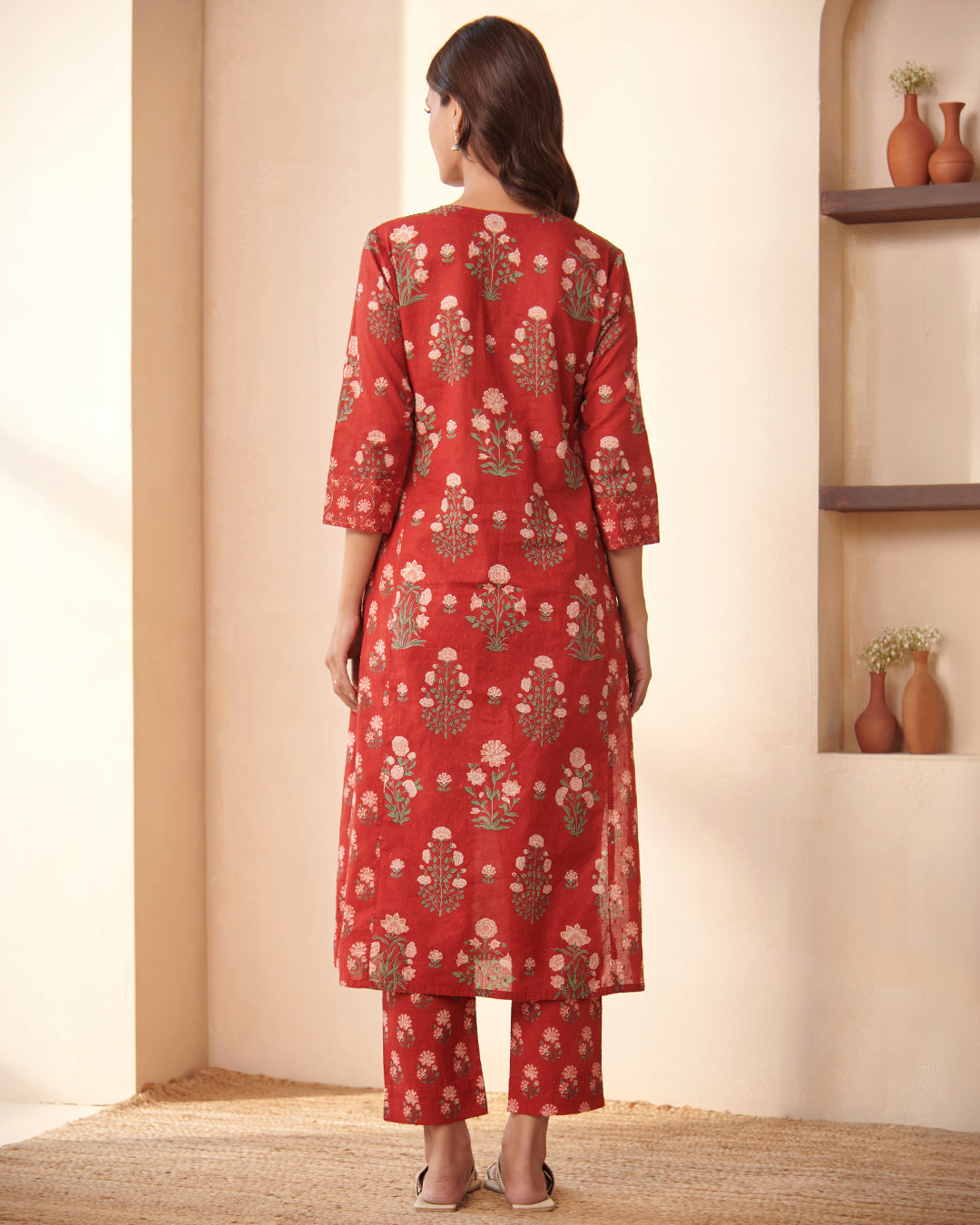
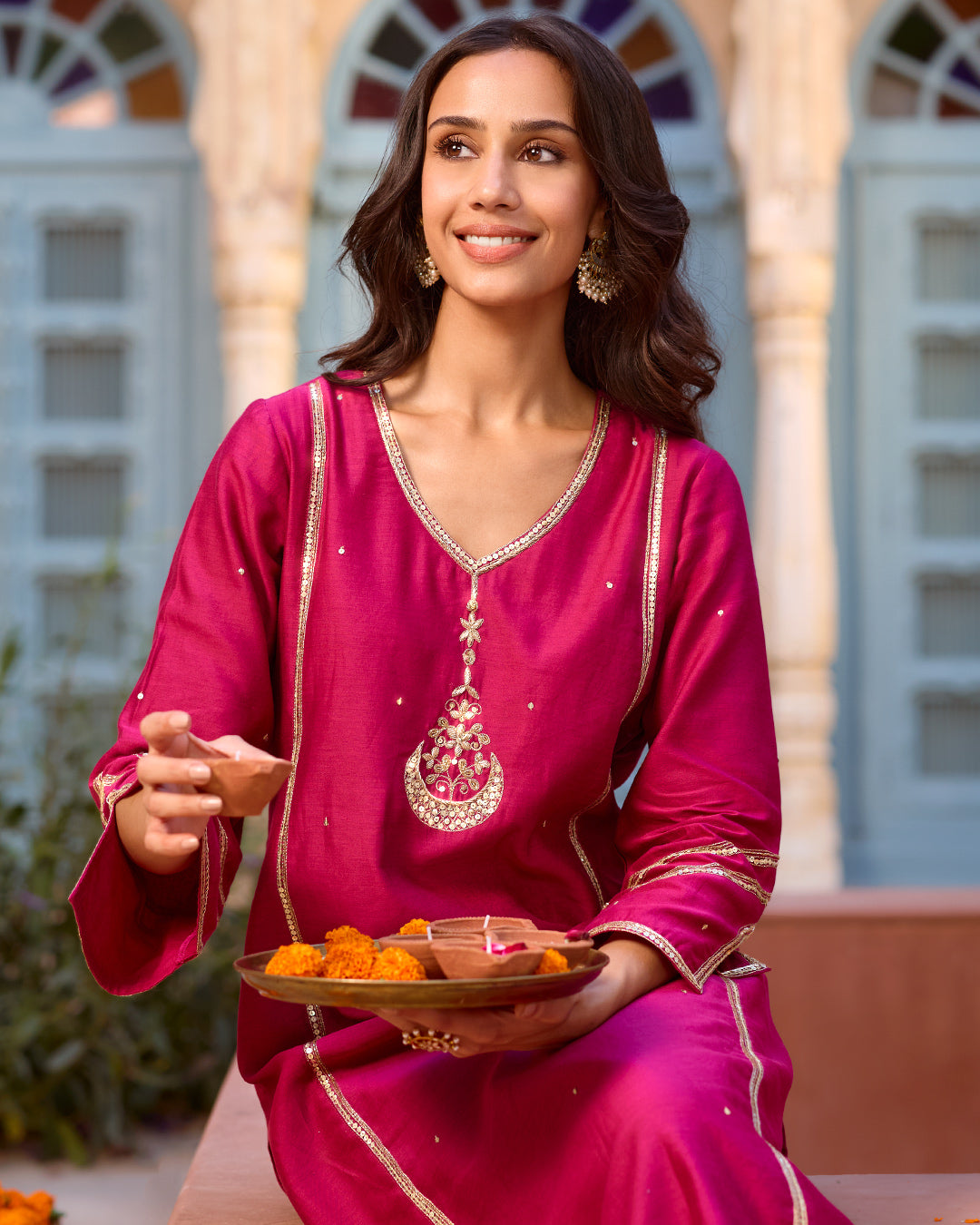
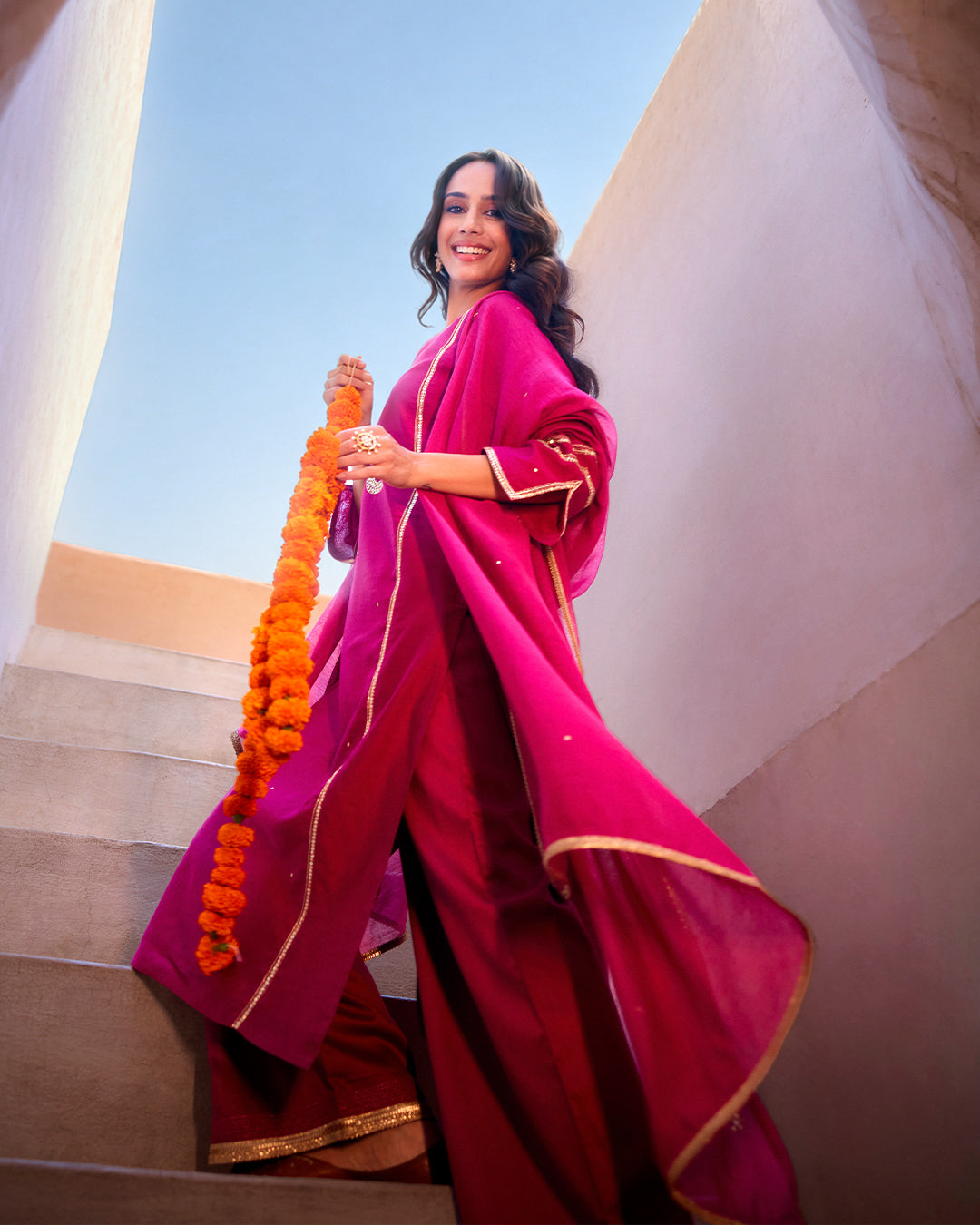
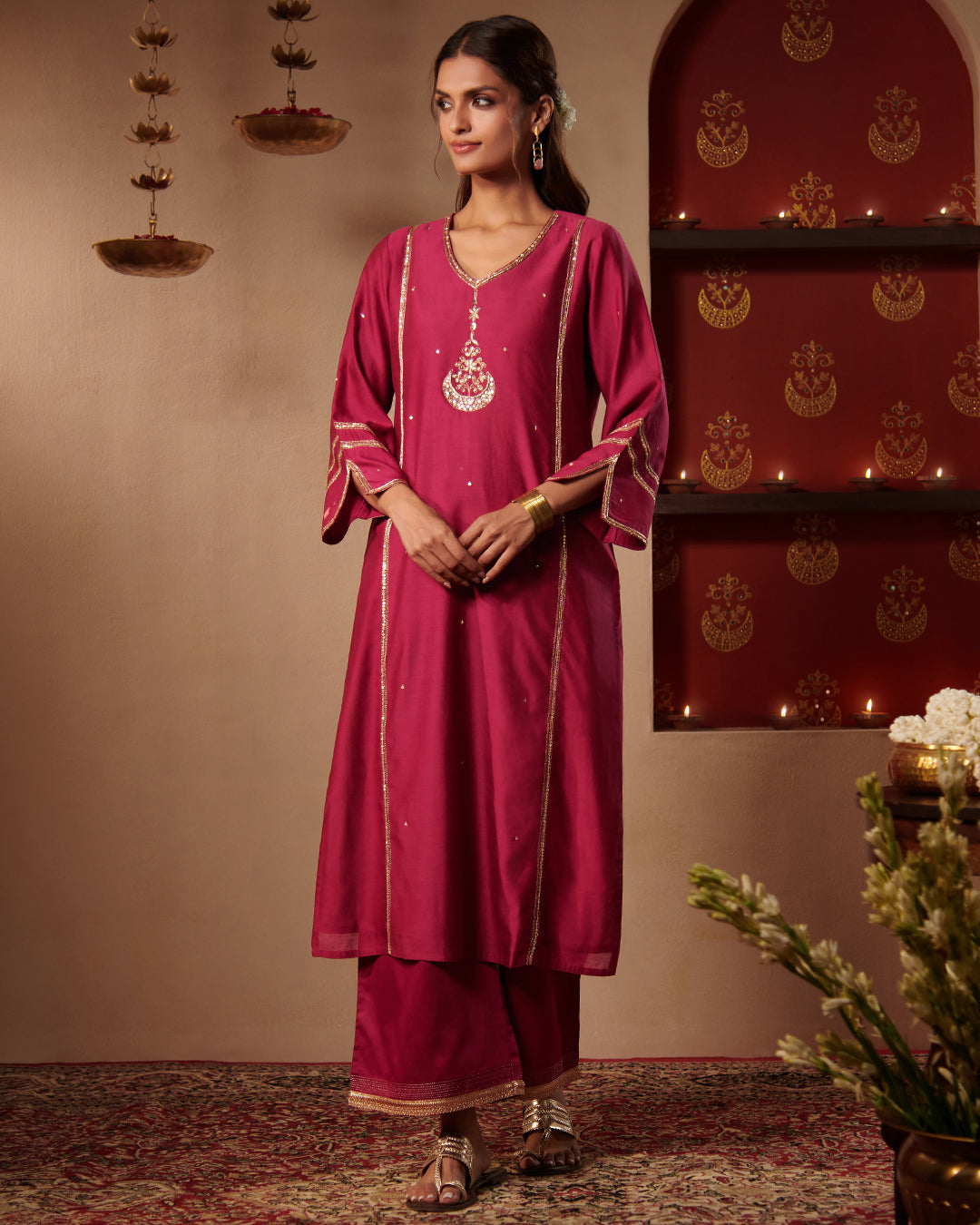
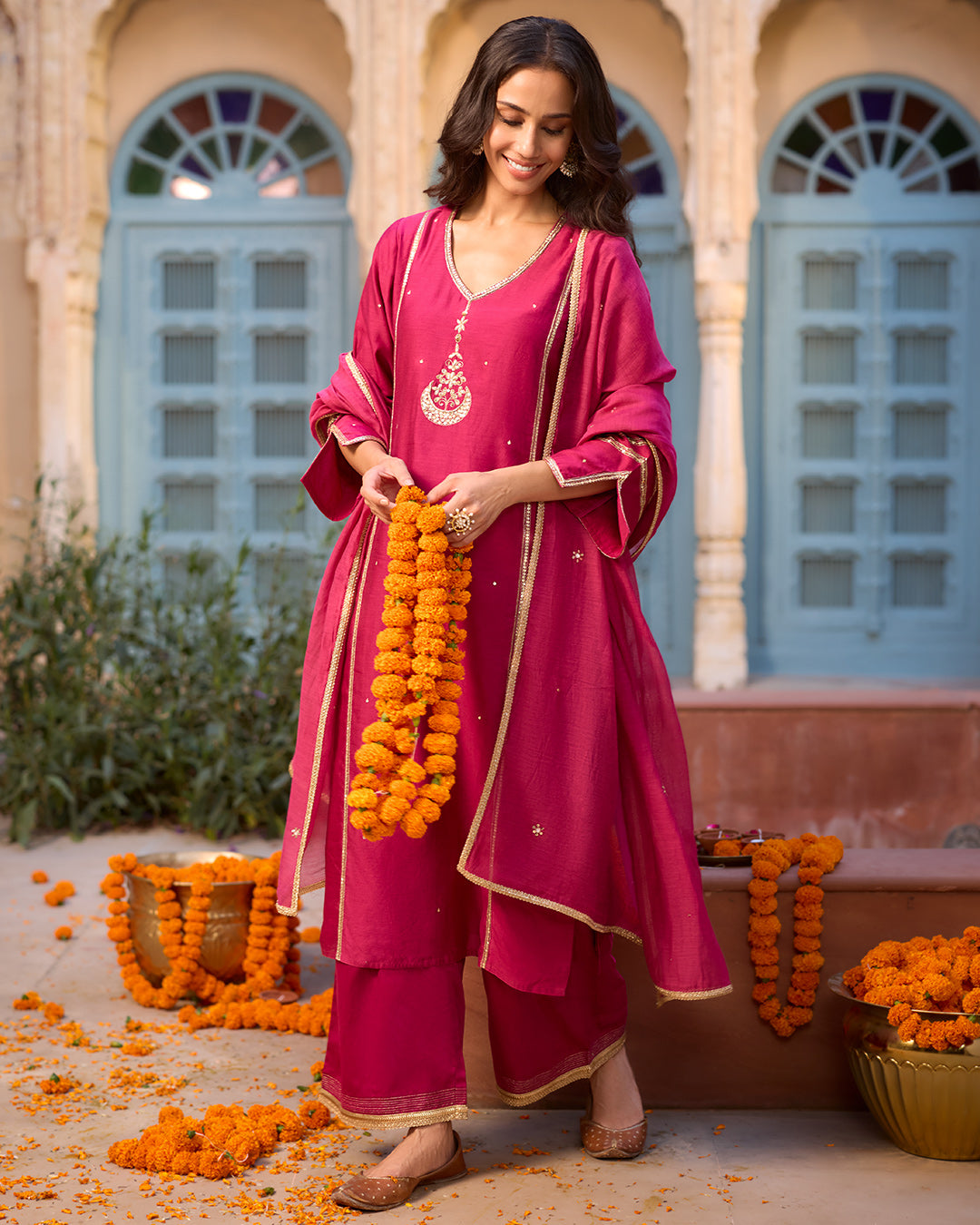
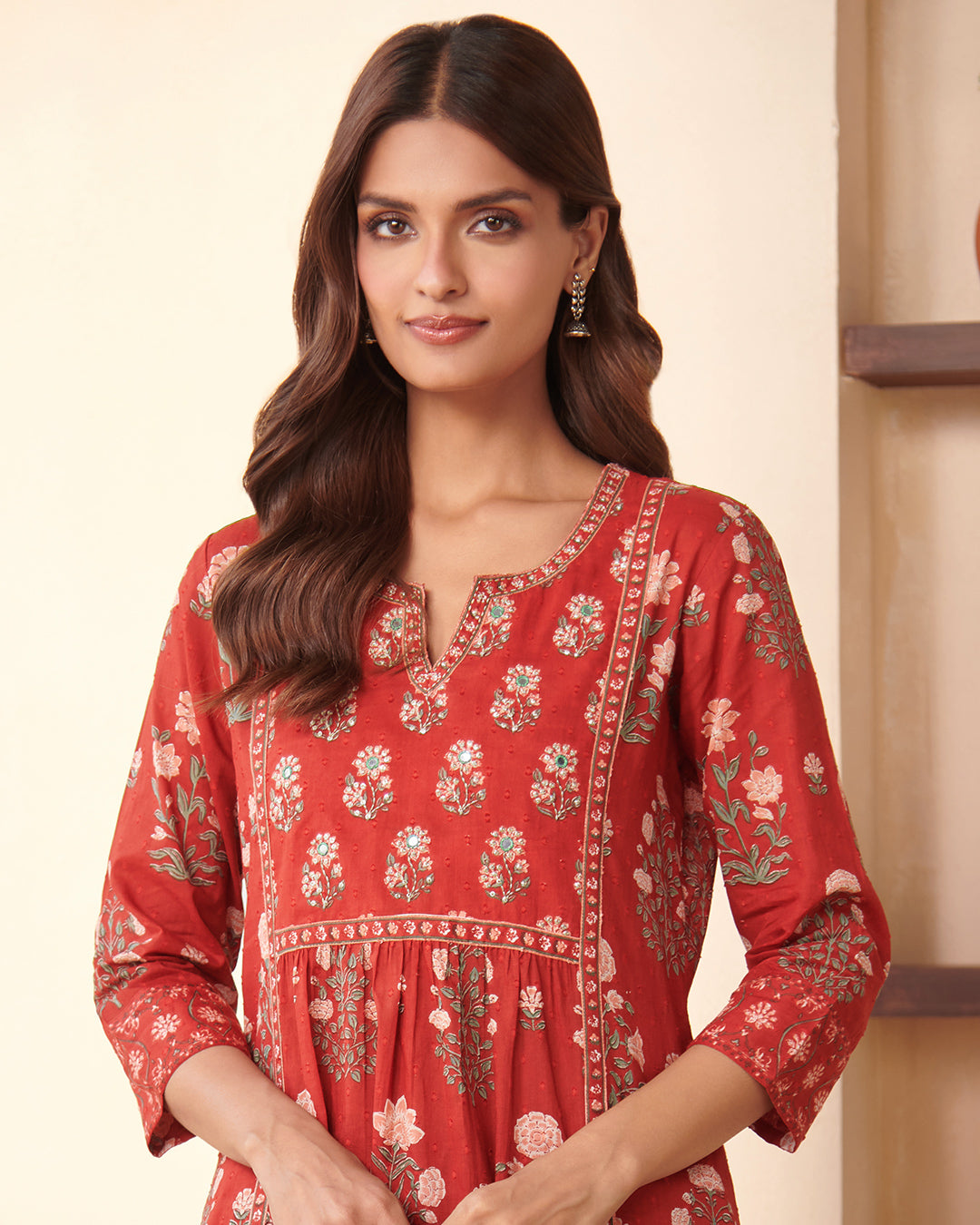
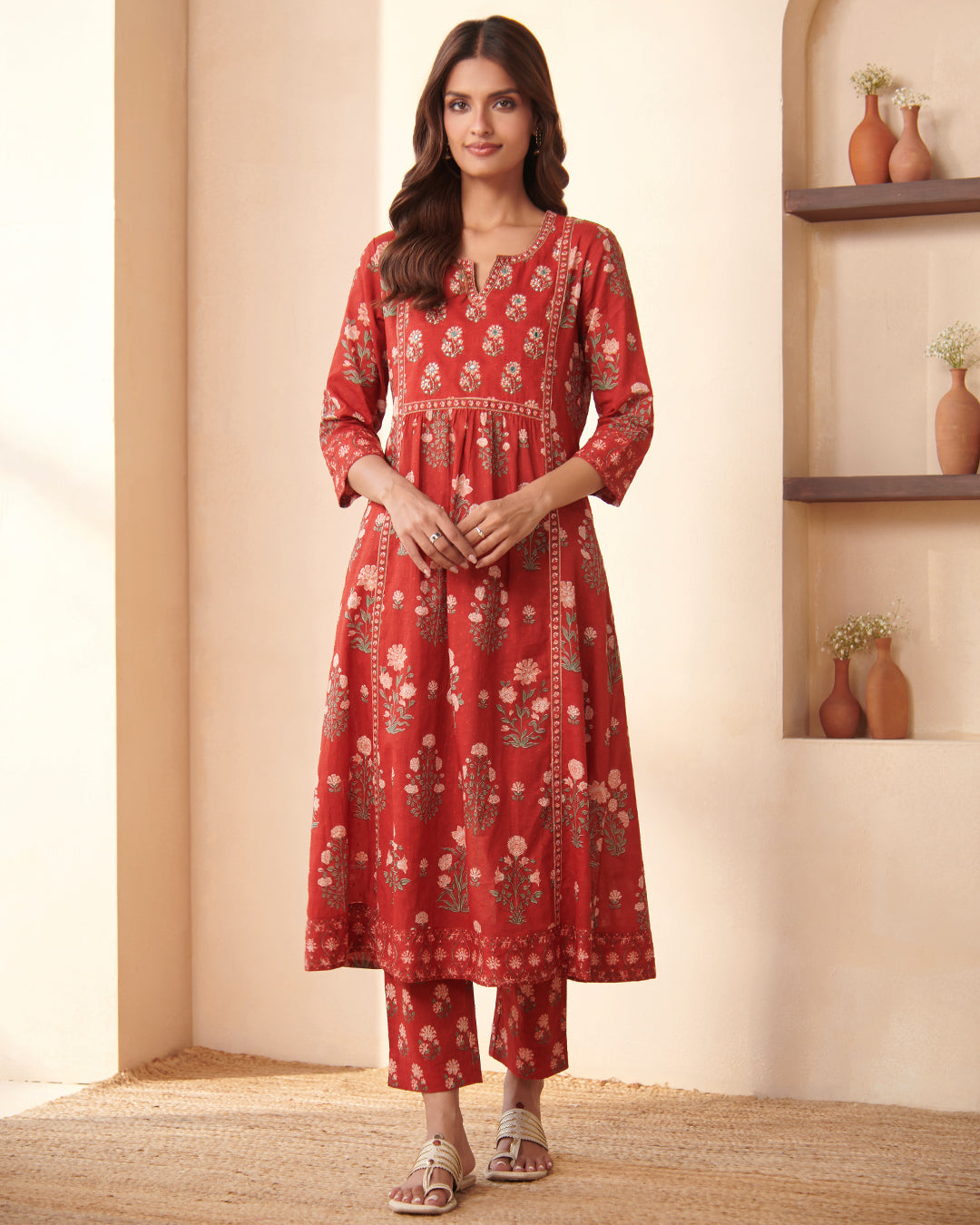
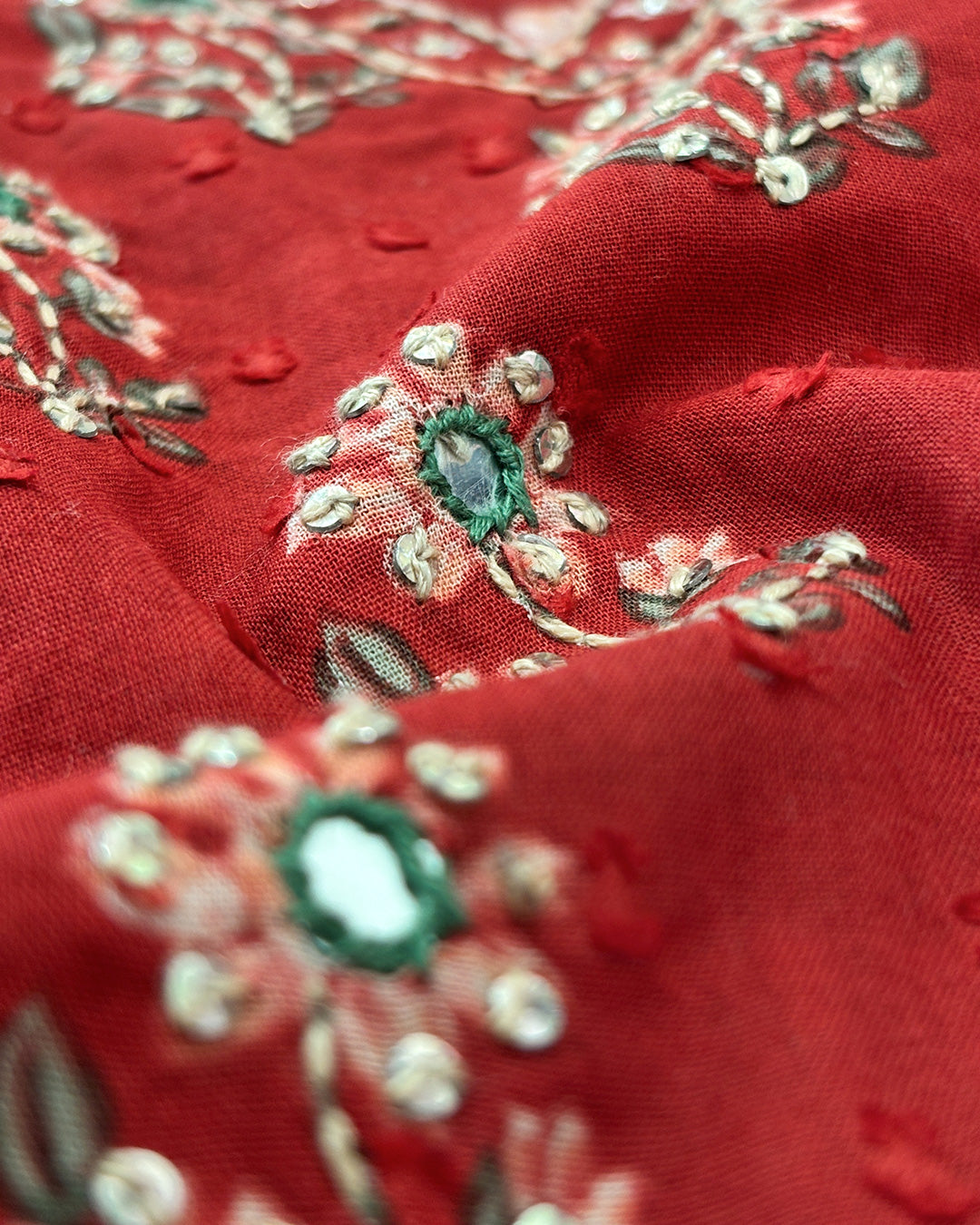
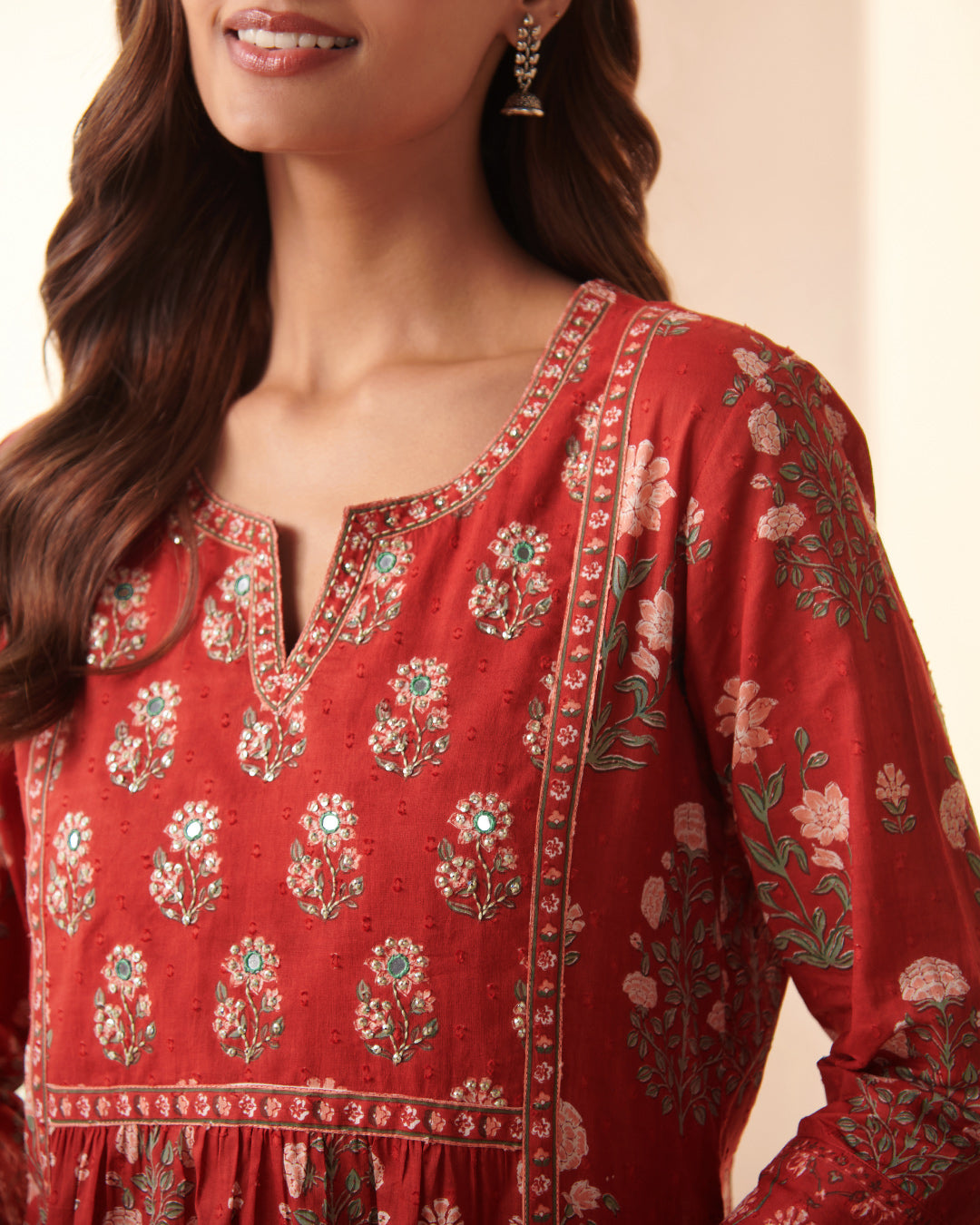
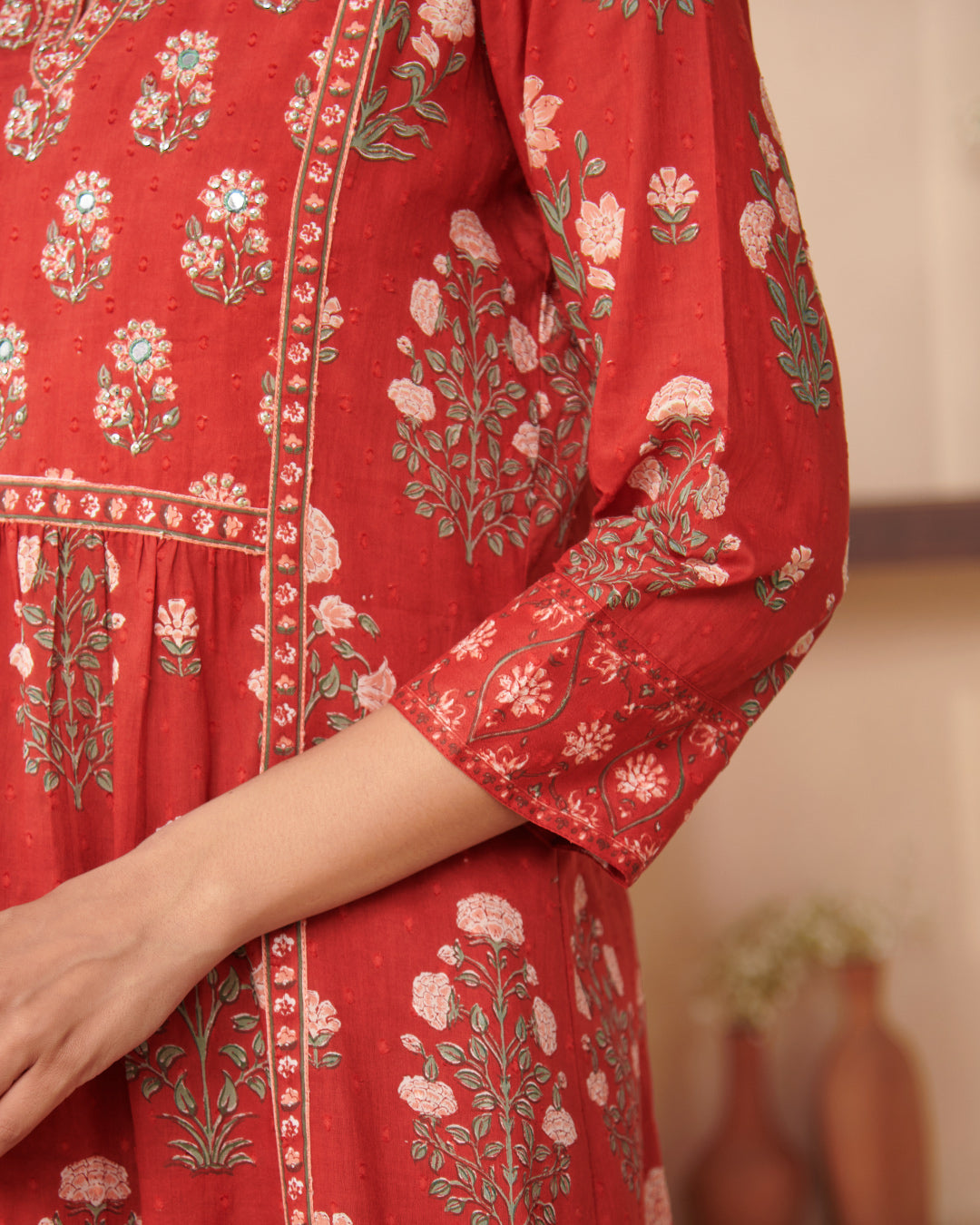
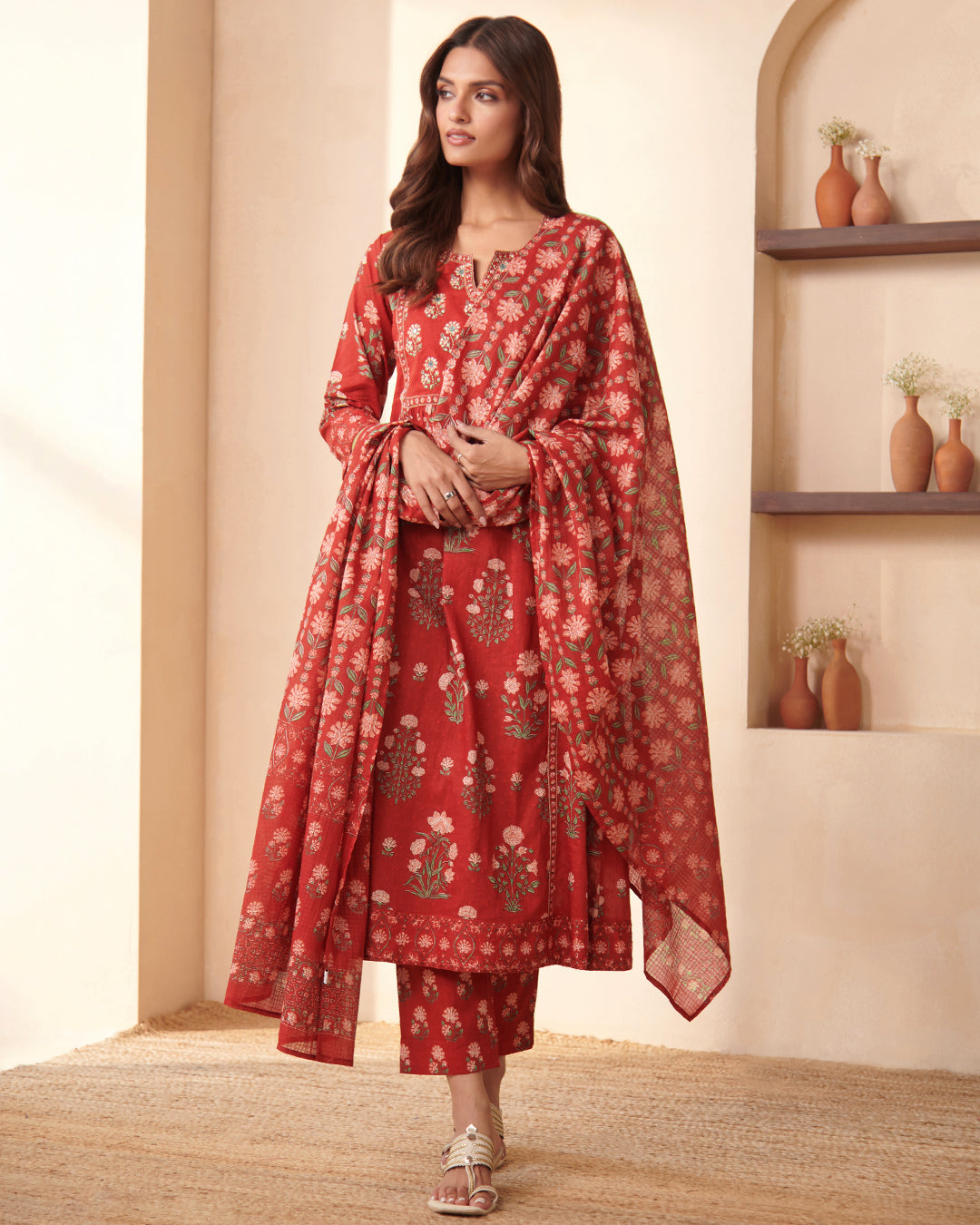
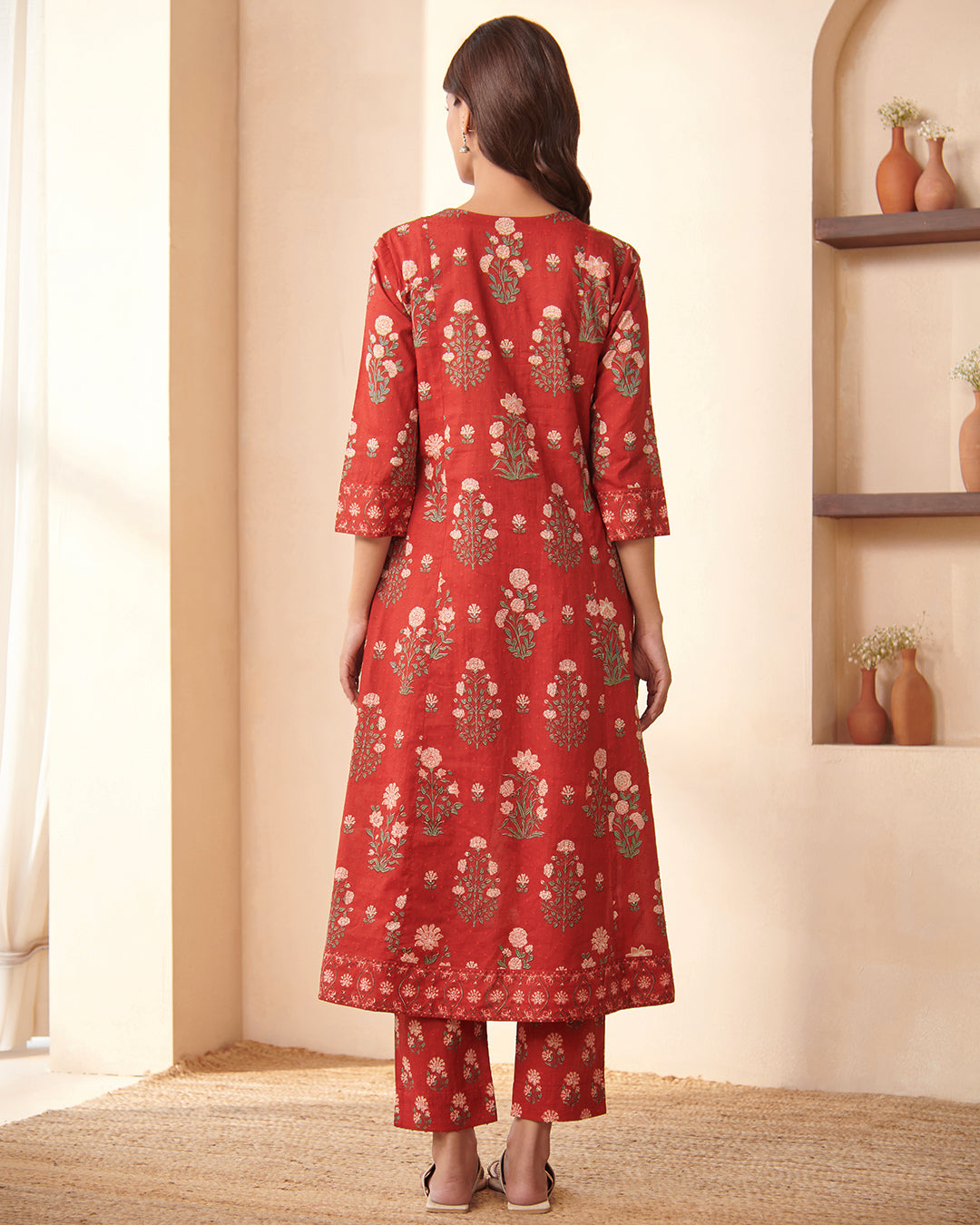
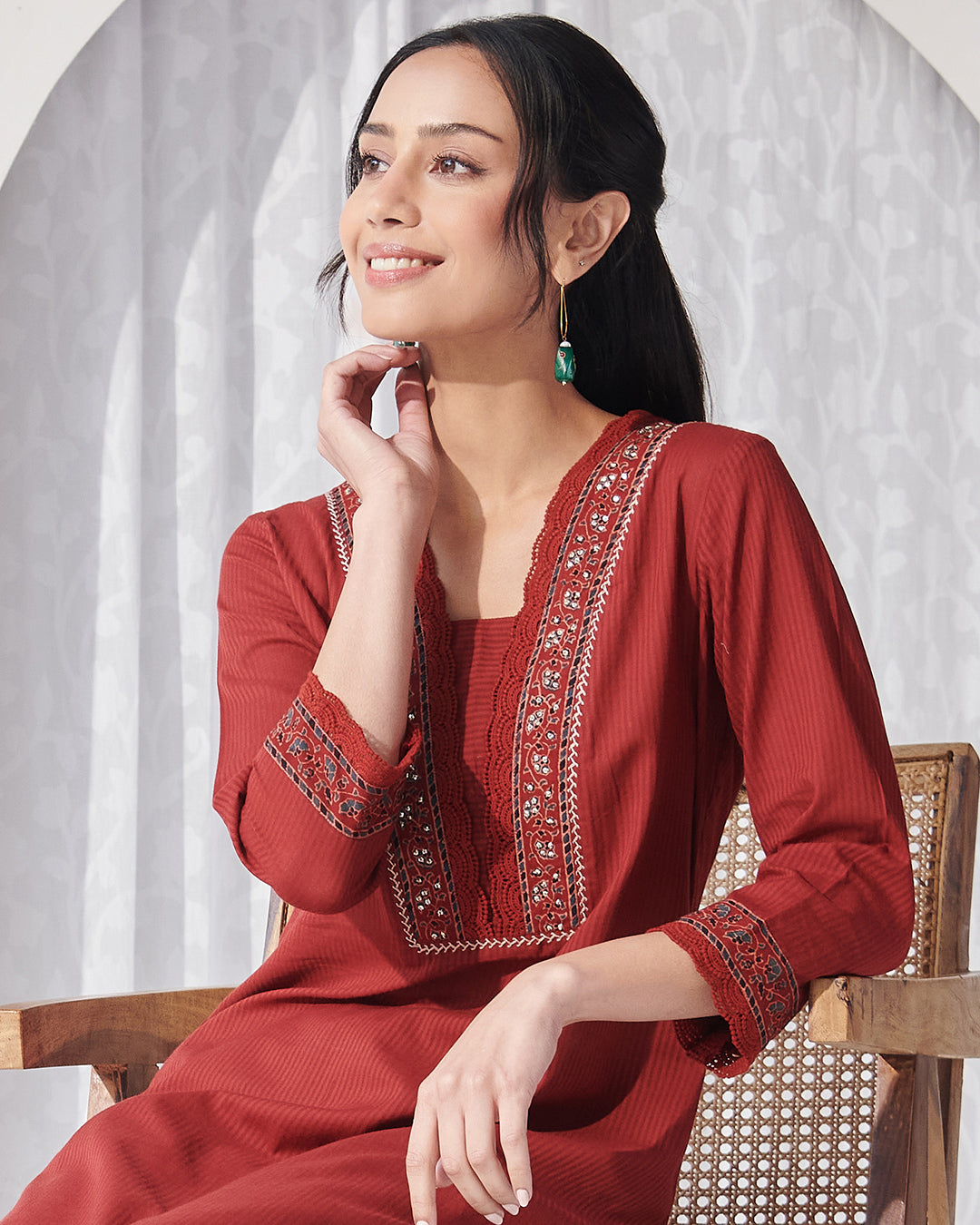
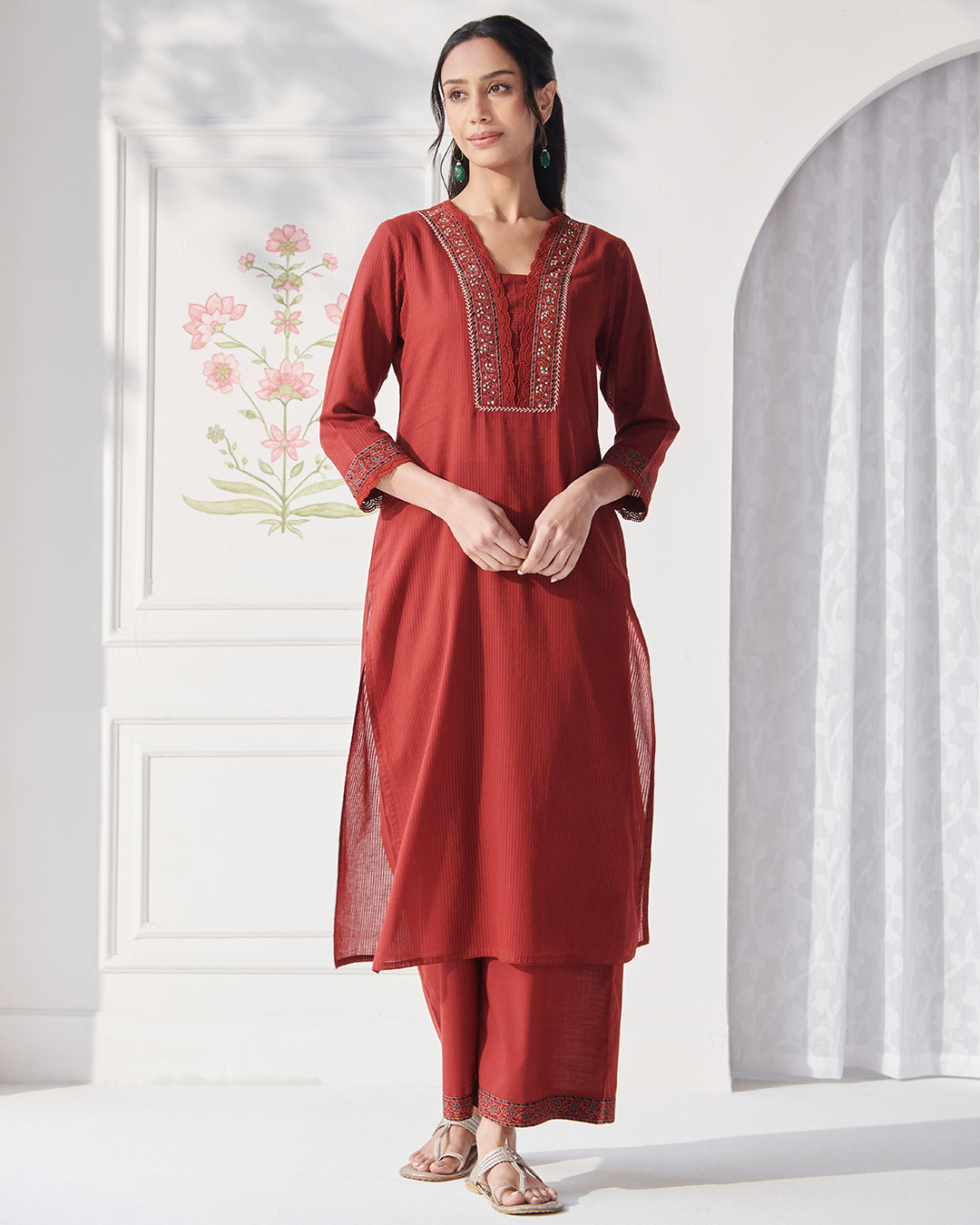
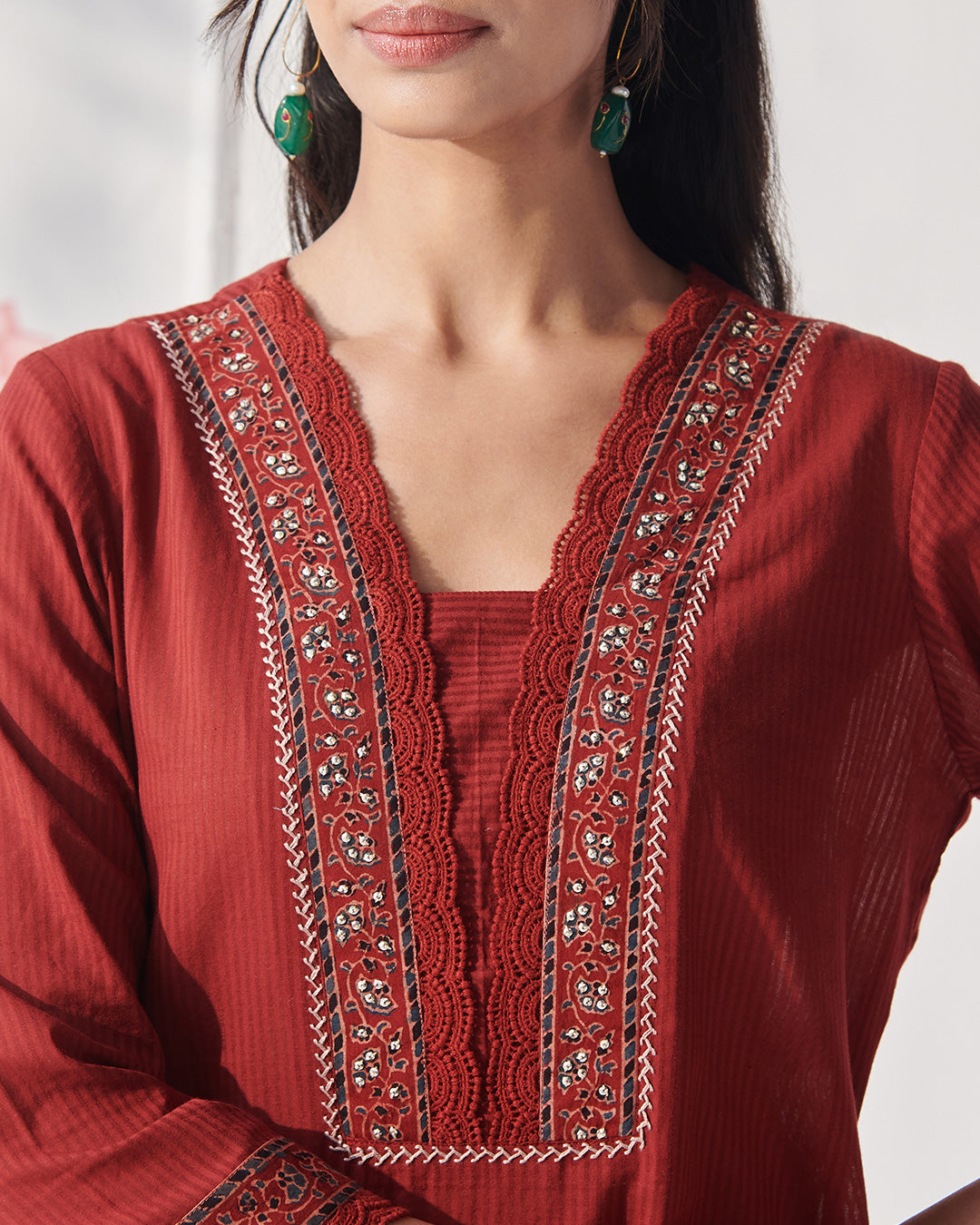
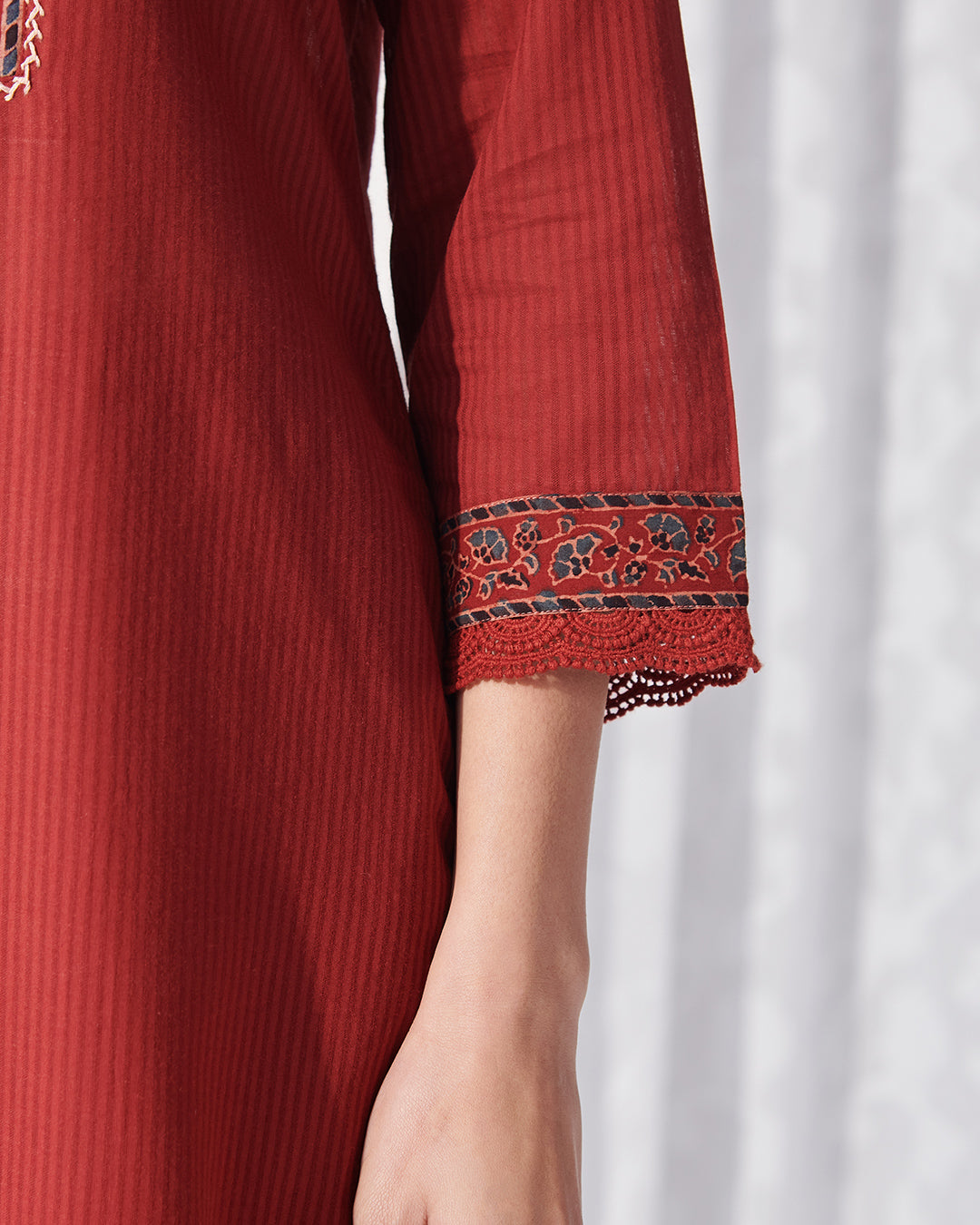
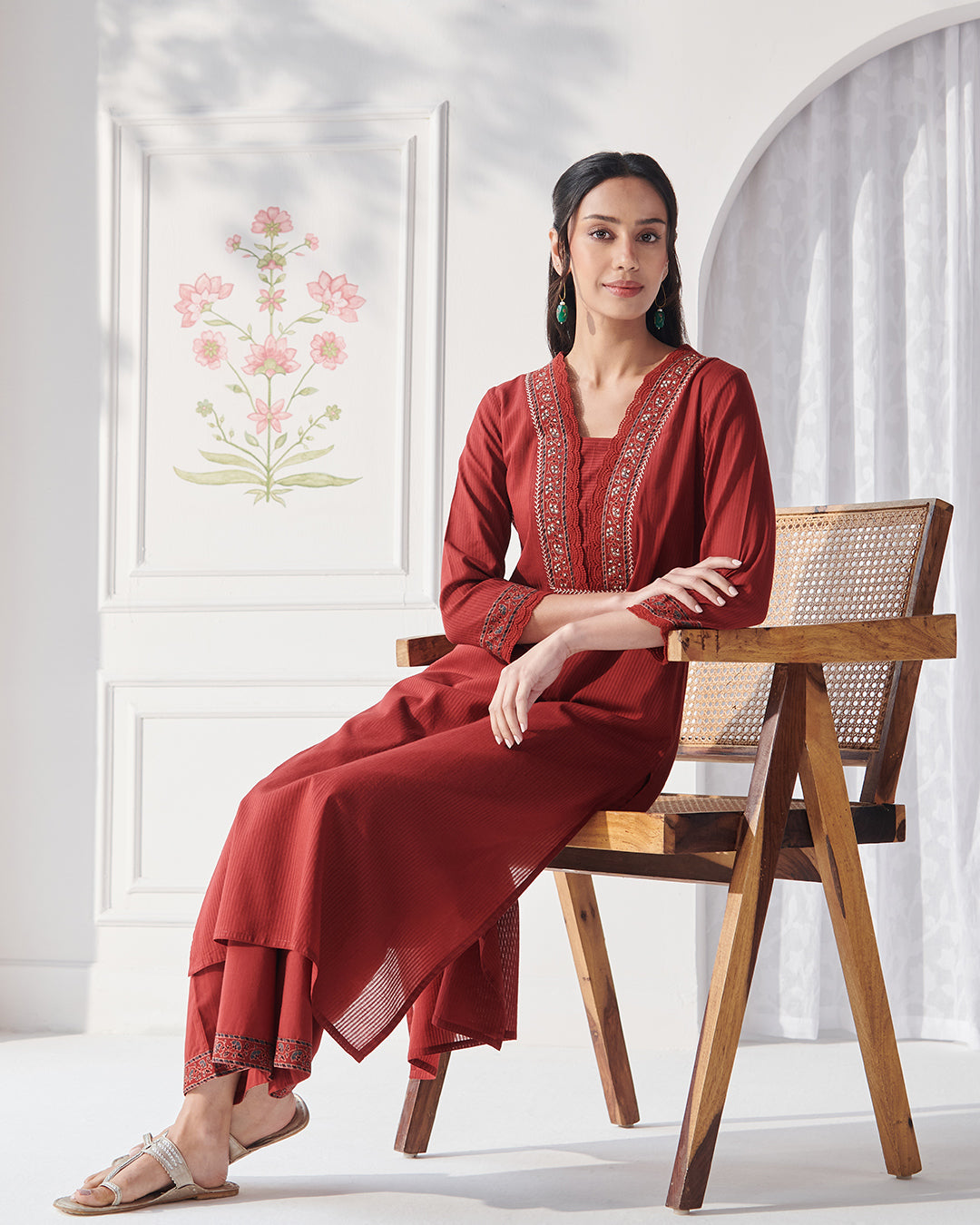
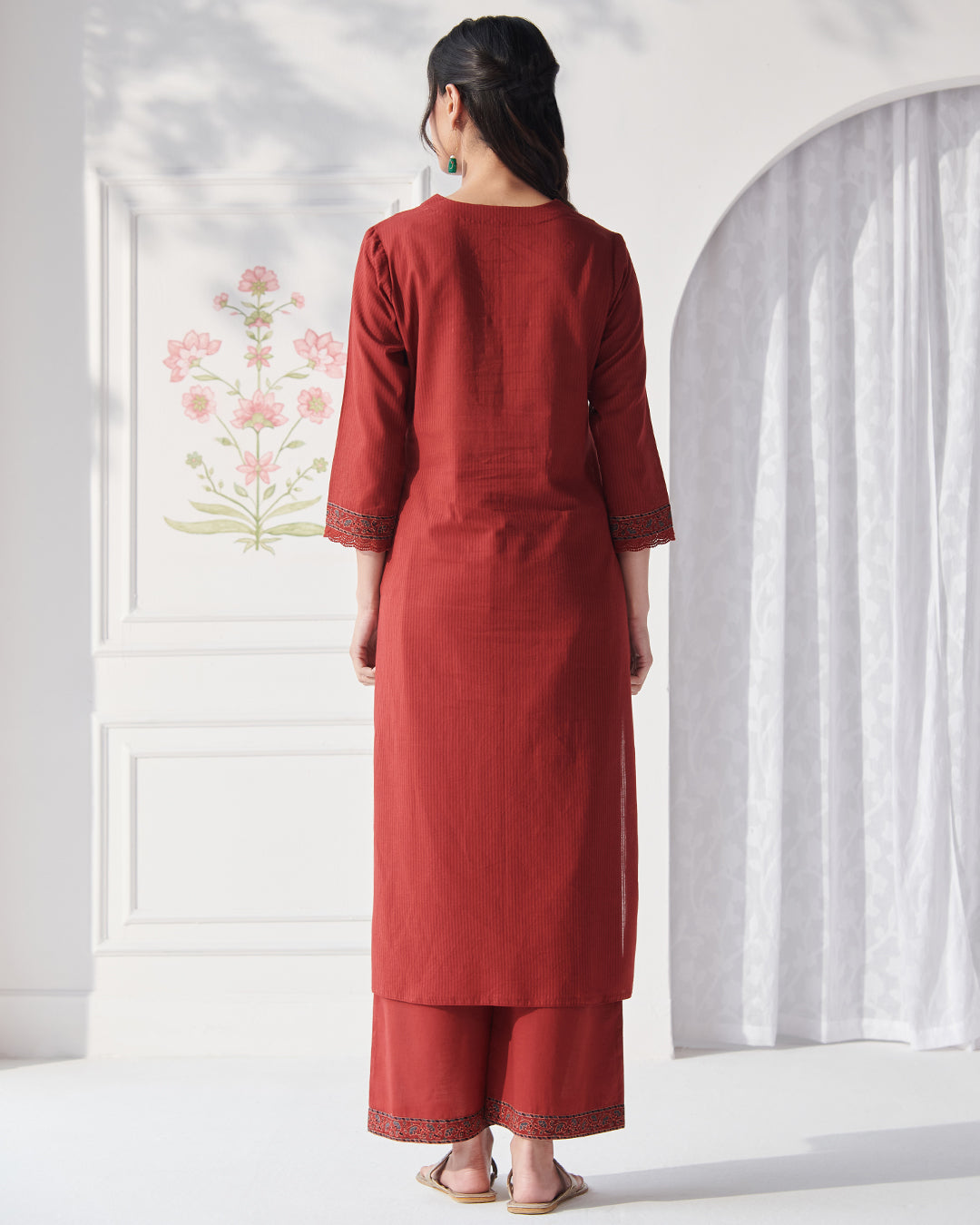
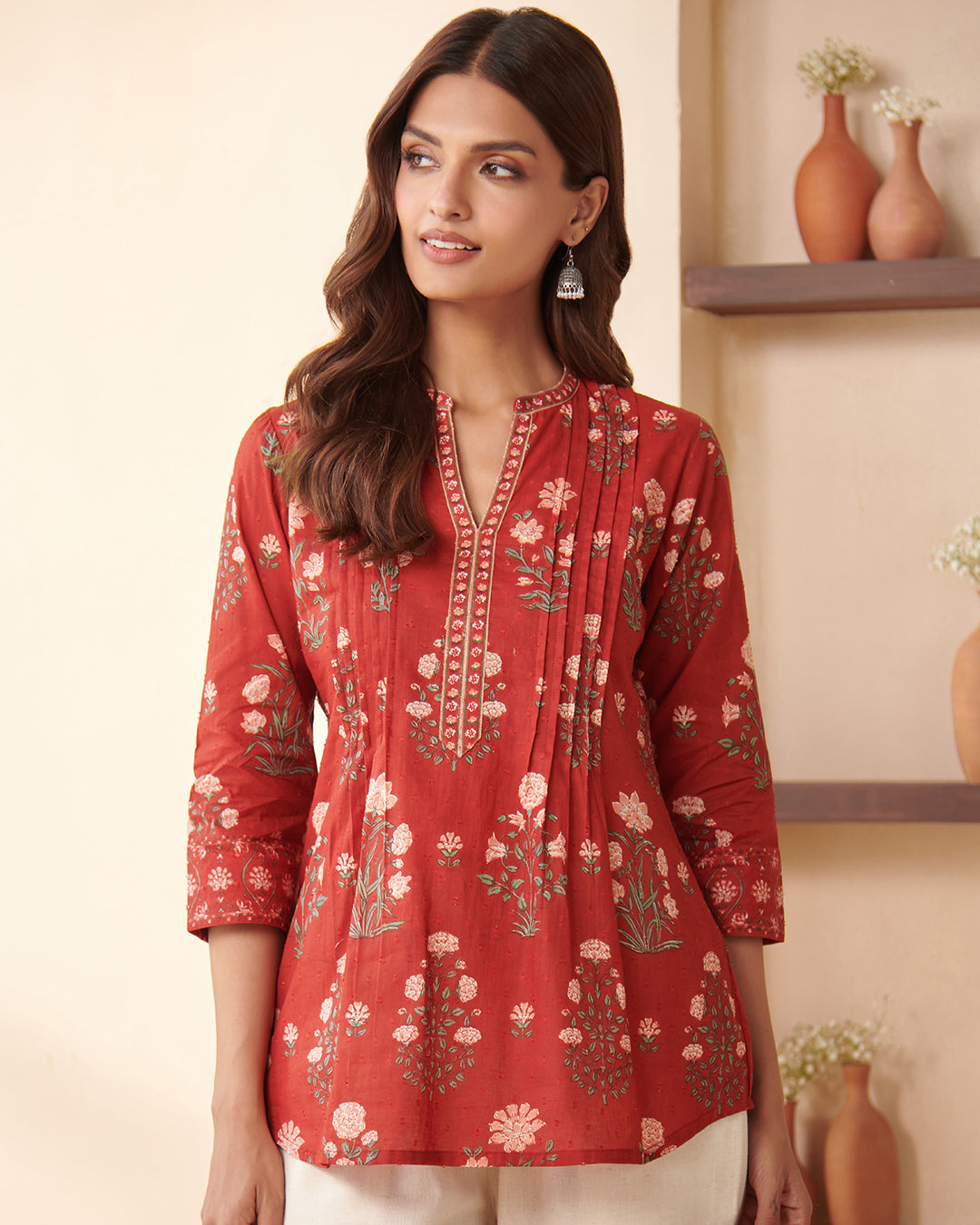
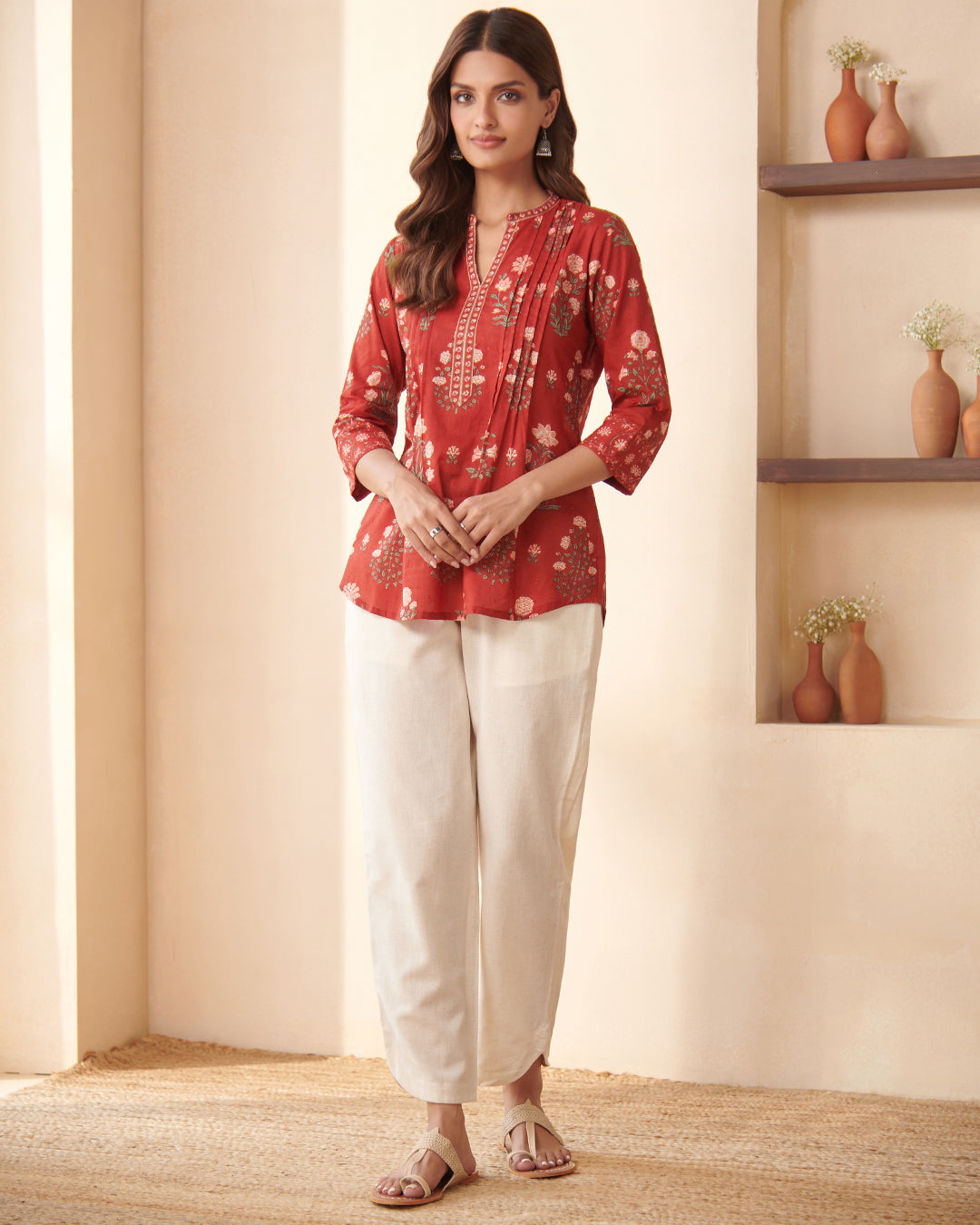
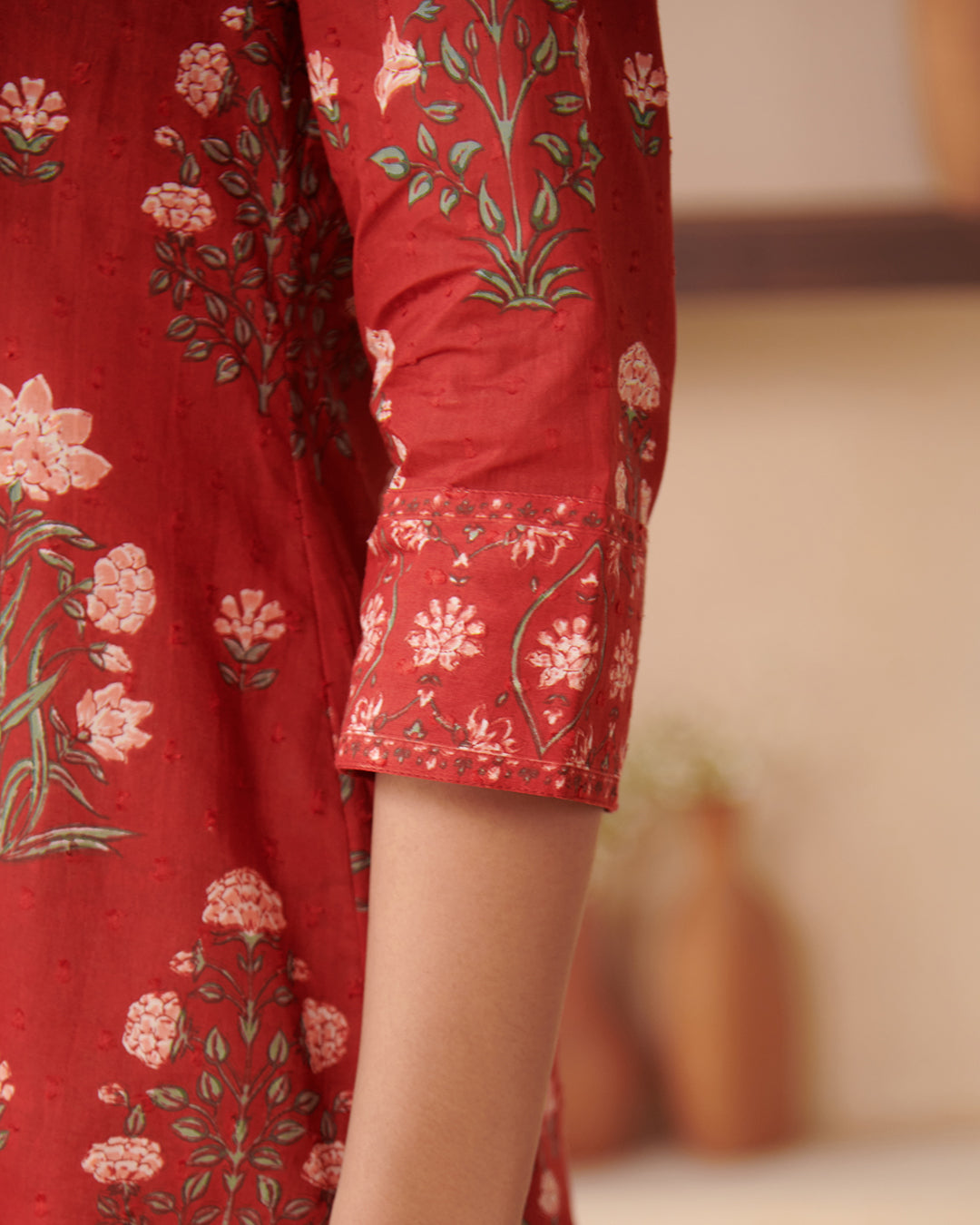
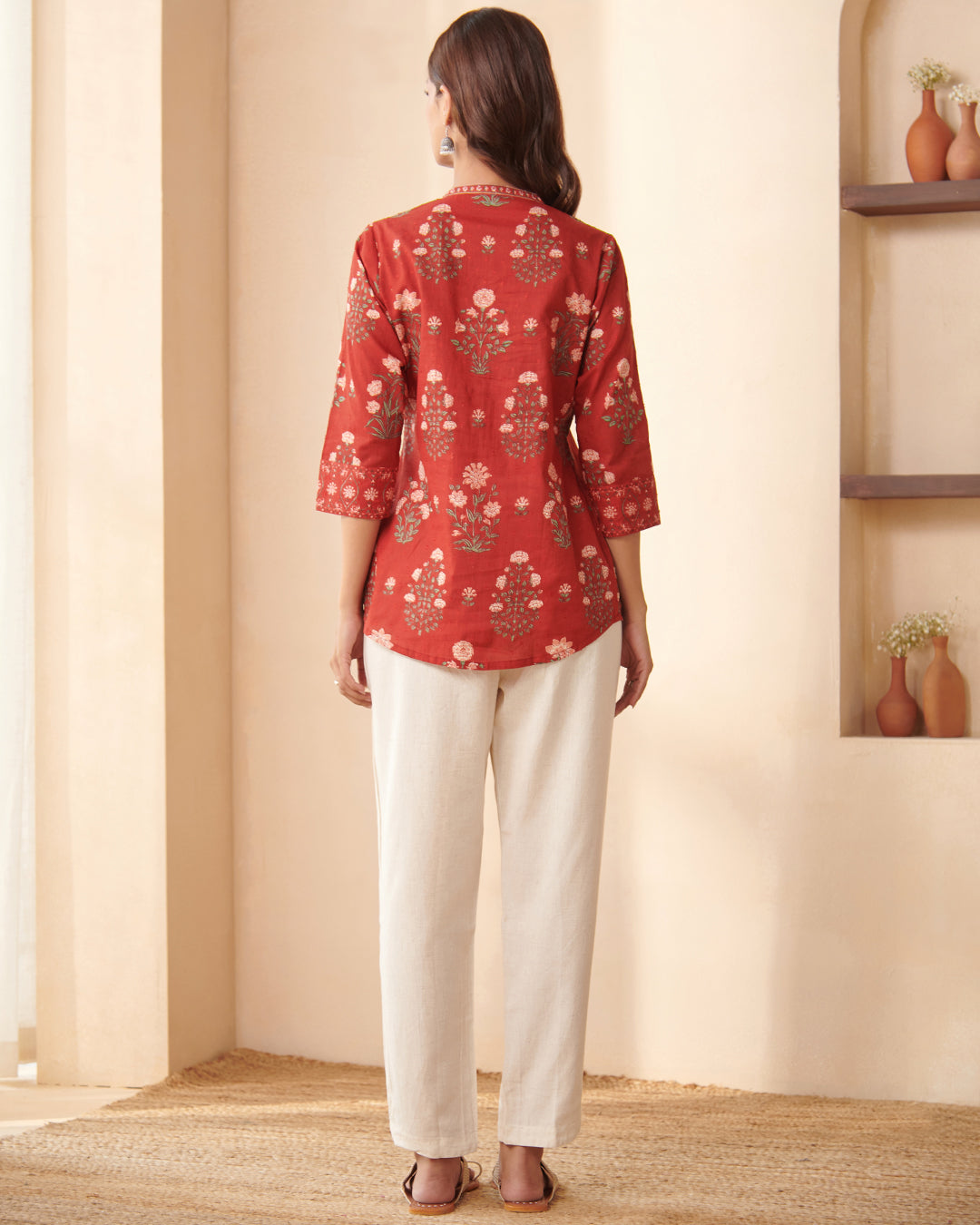
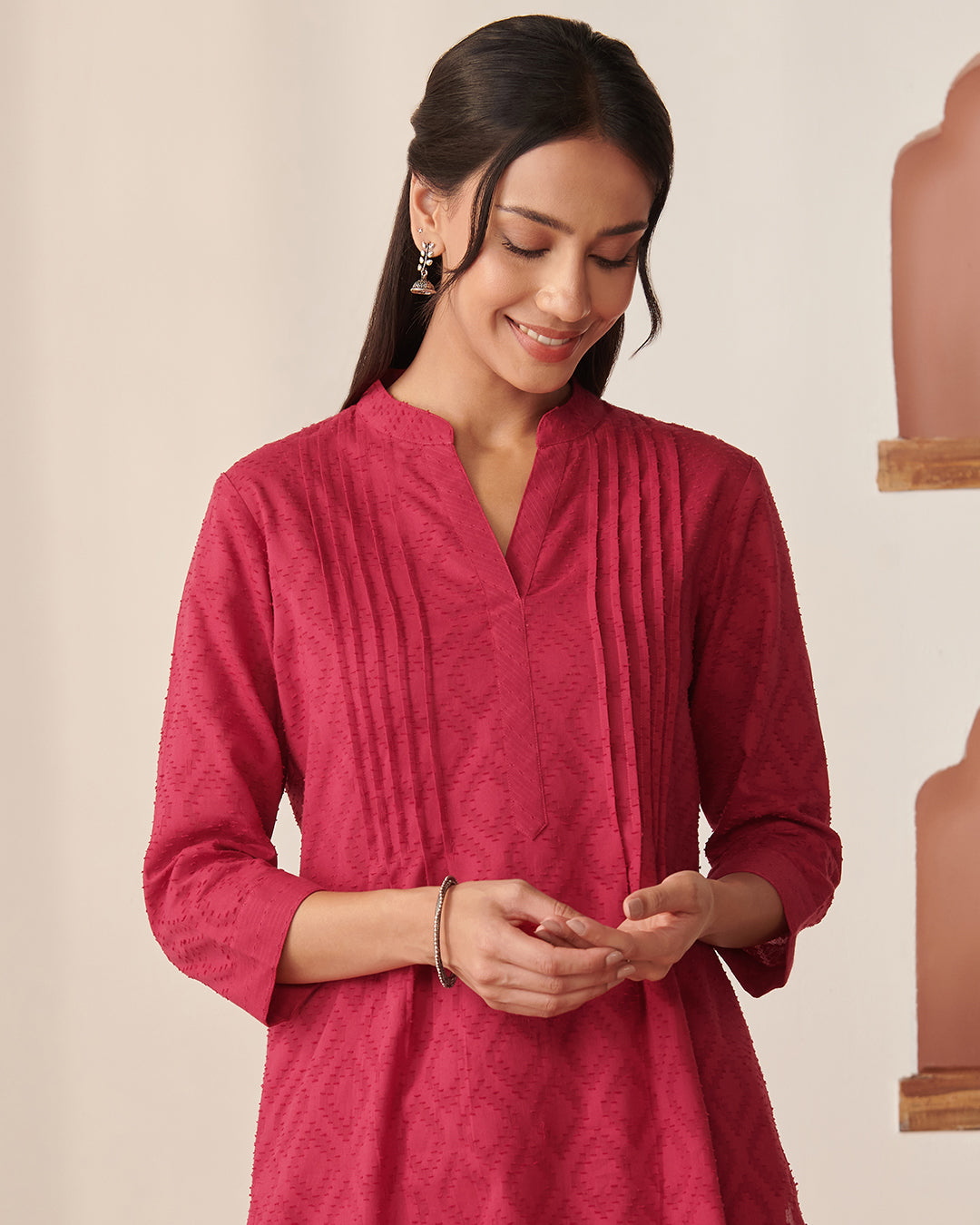
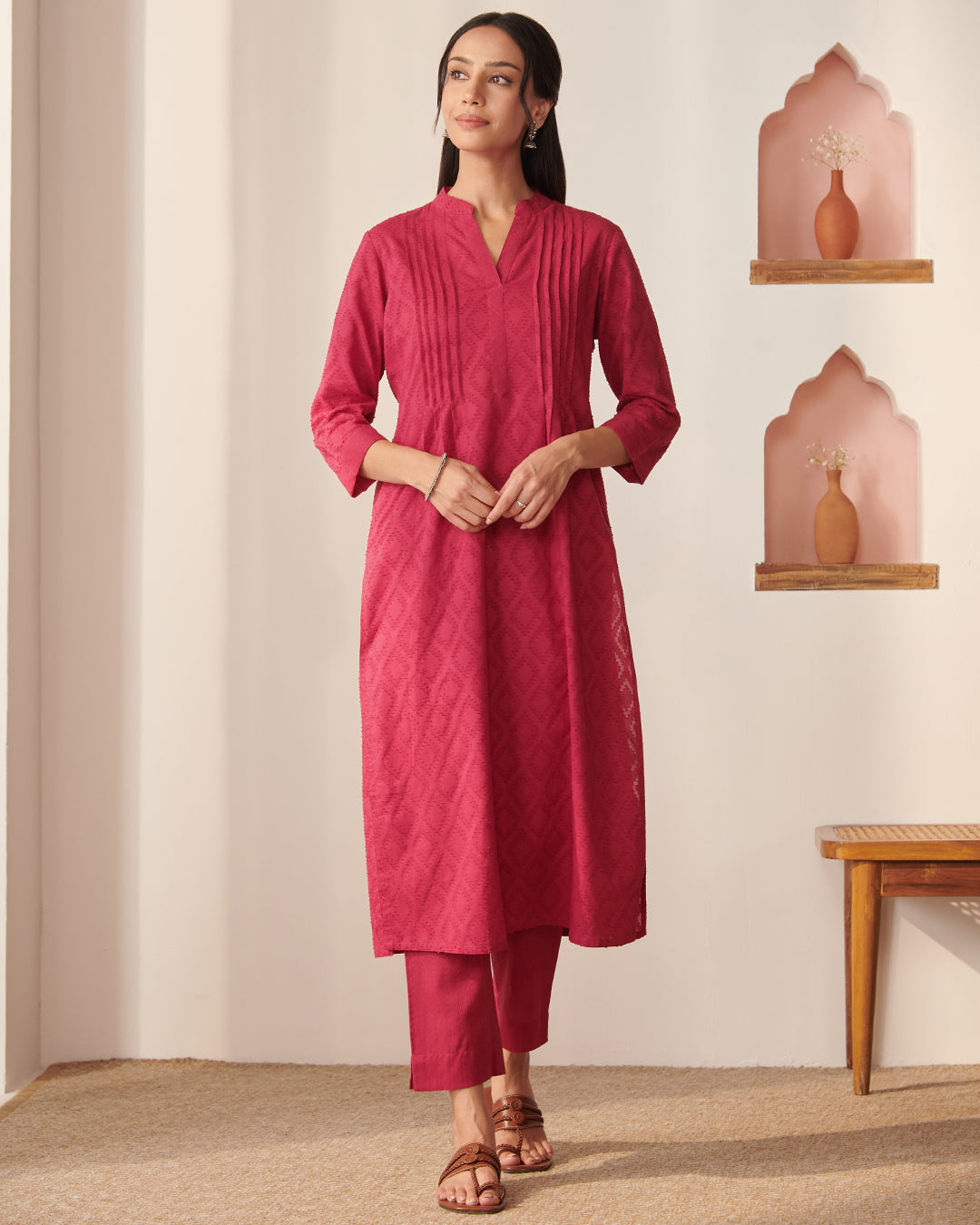
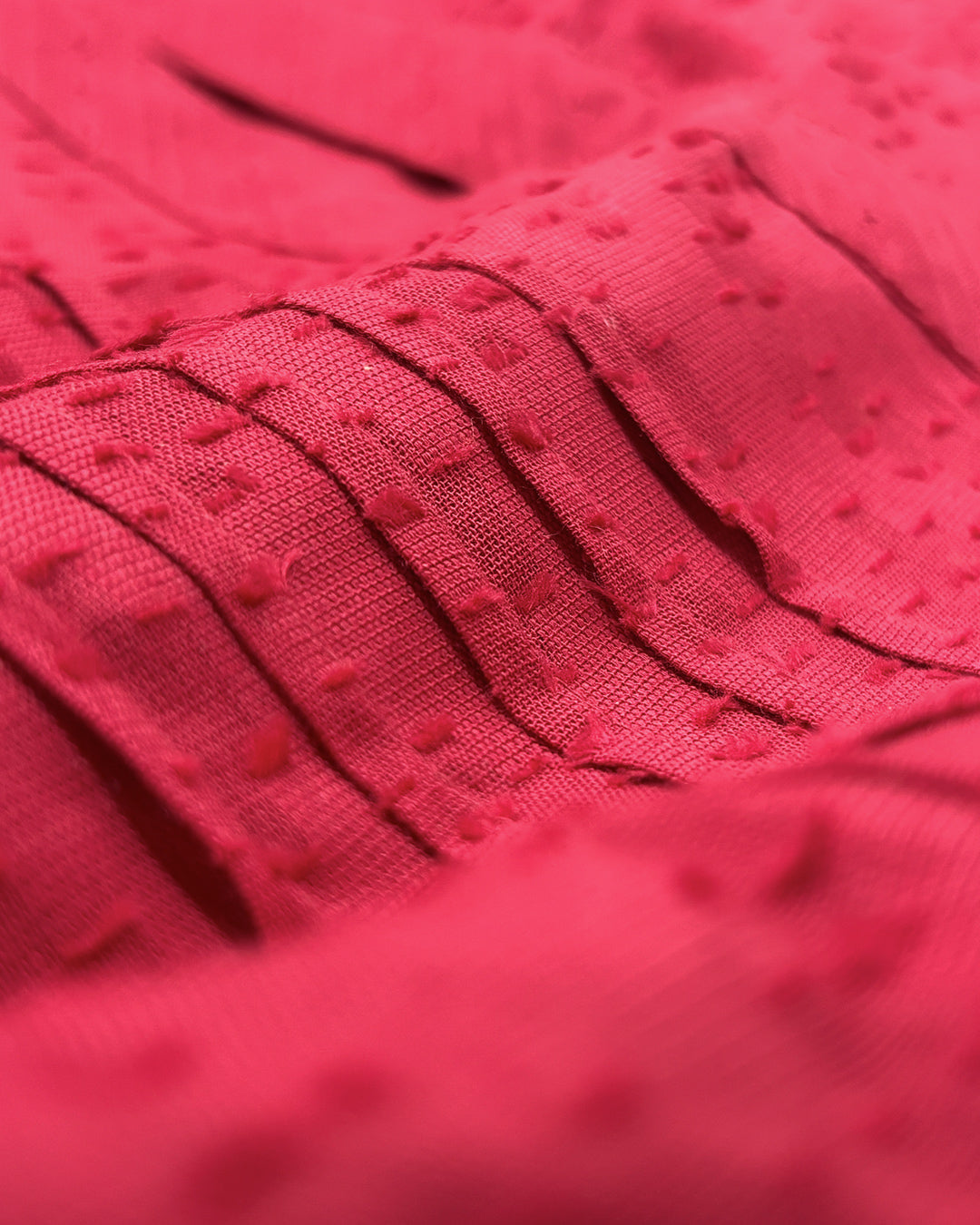
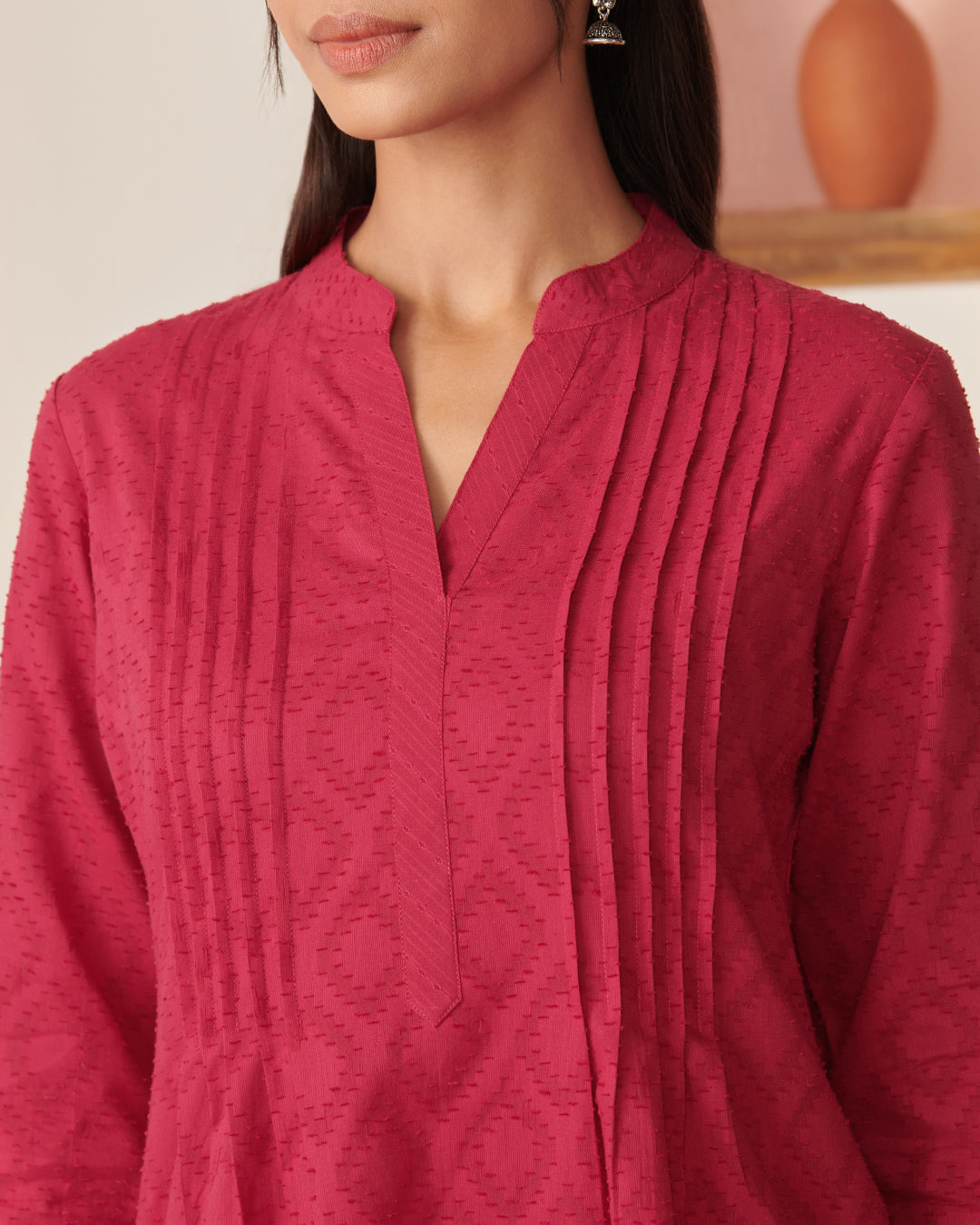
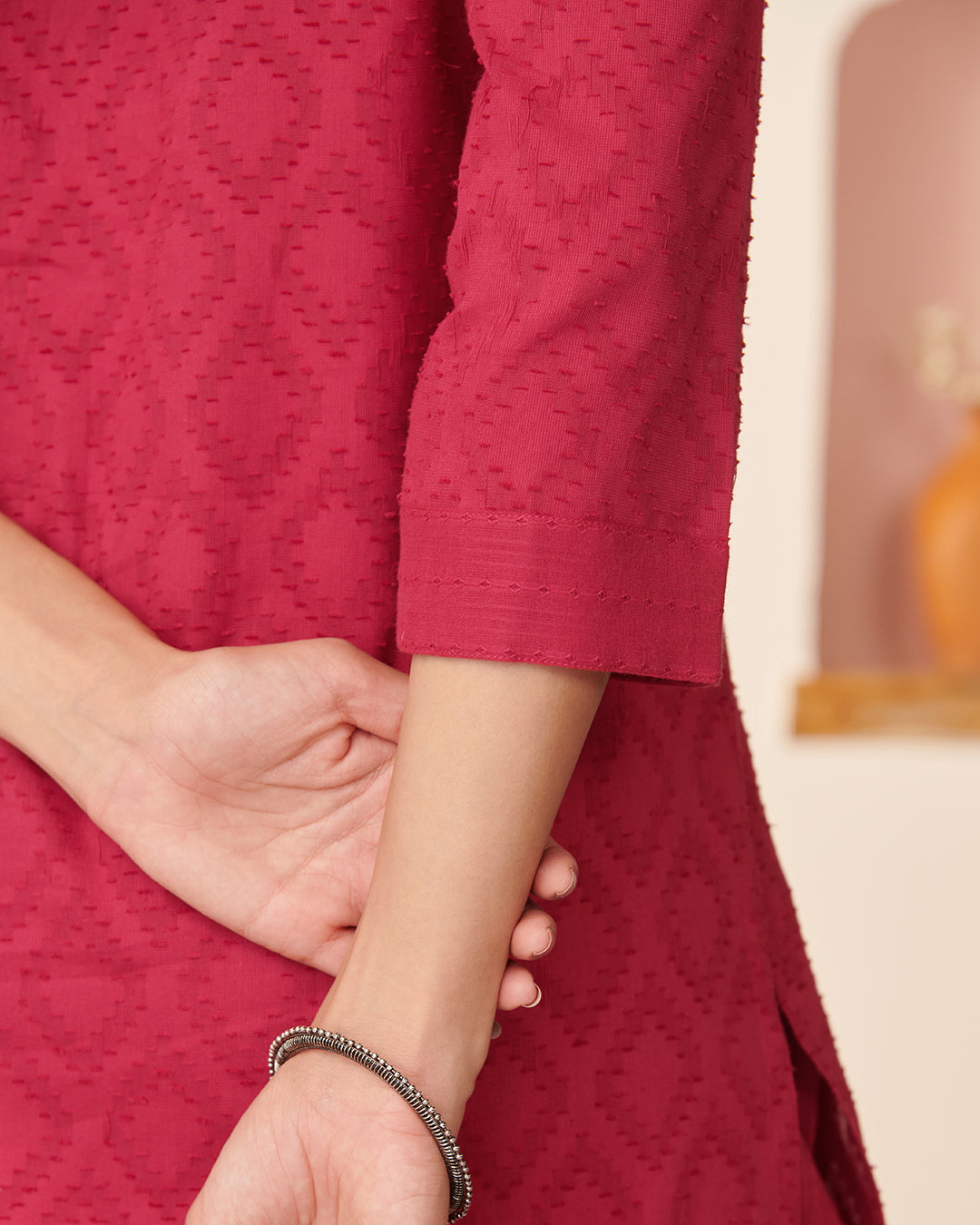
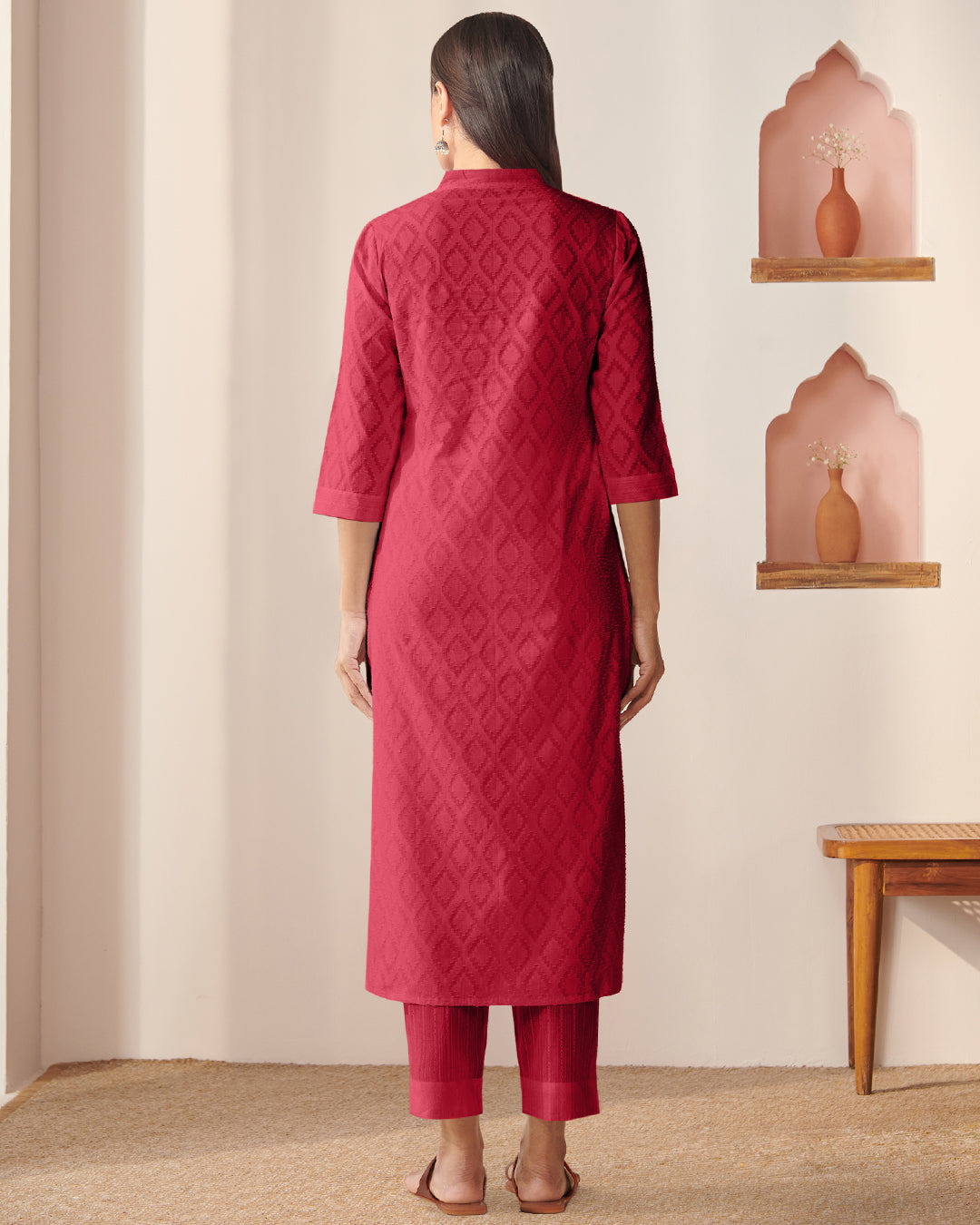
Red has a deep place in Indian festive dressing. It carries warmth, celebration, and tradition, making it a natural choice for Diwali, weddings, and family occasions. From bright vermilion to deeper crimson, a red kurta for women can be kept simple in cotton or made richer with block prints and delicate embroidery.
Green Kurtas for Eid, Diwali & Festive Gatherings
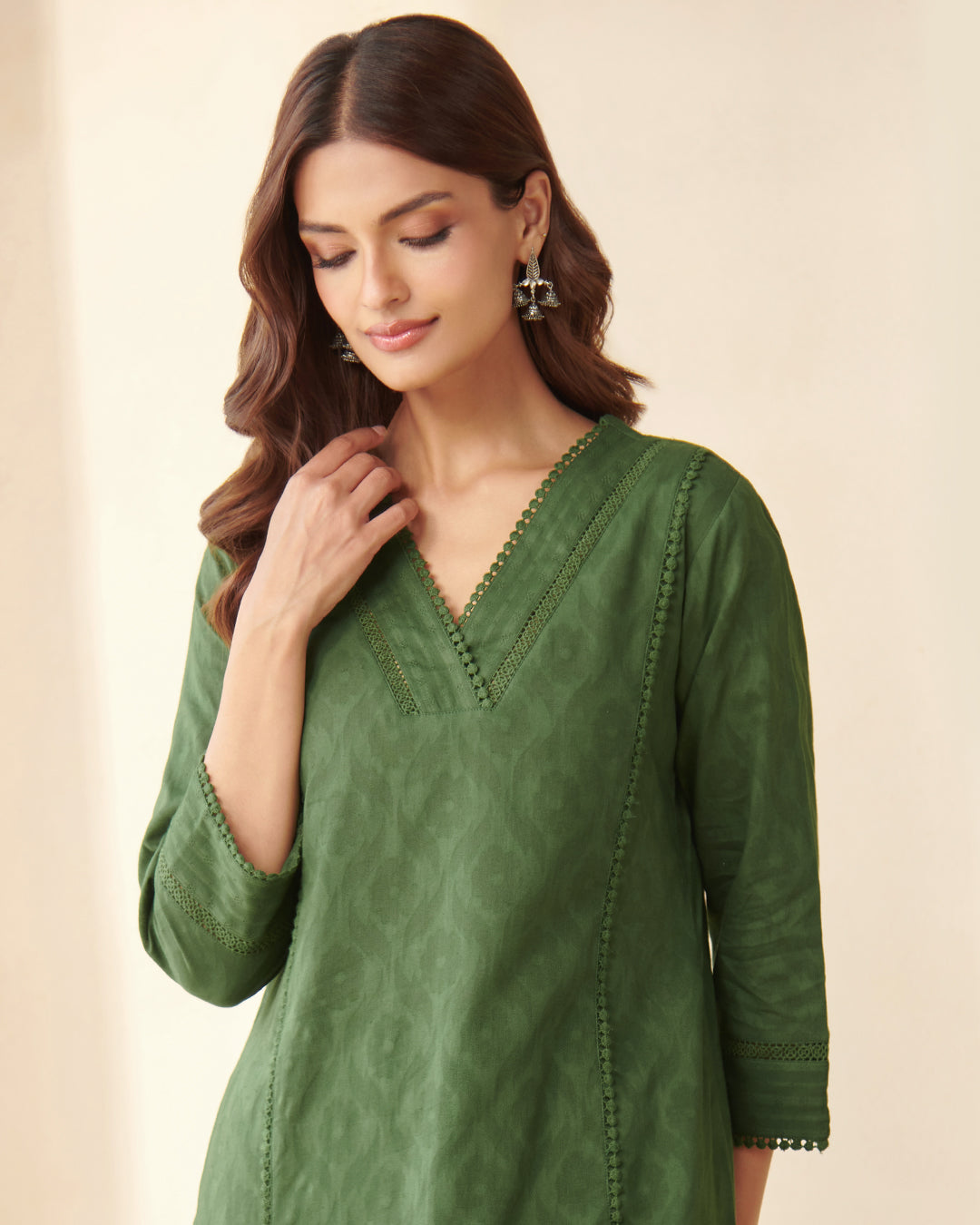
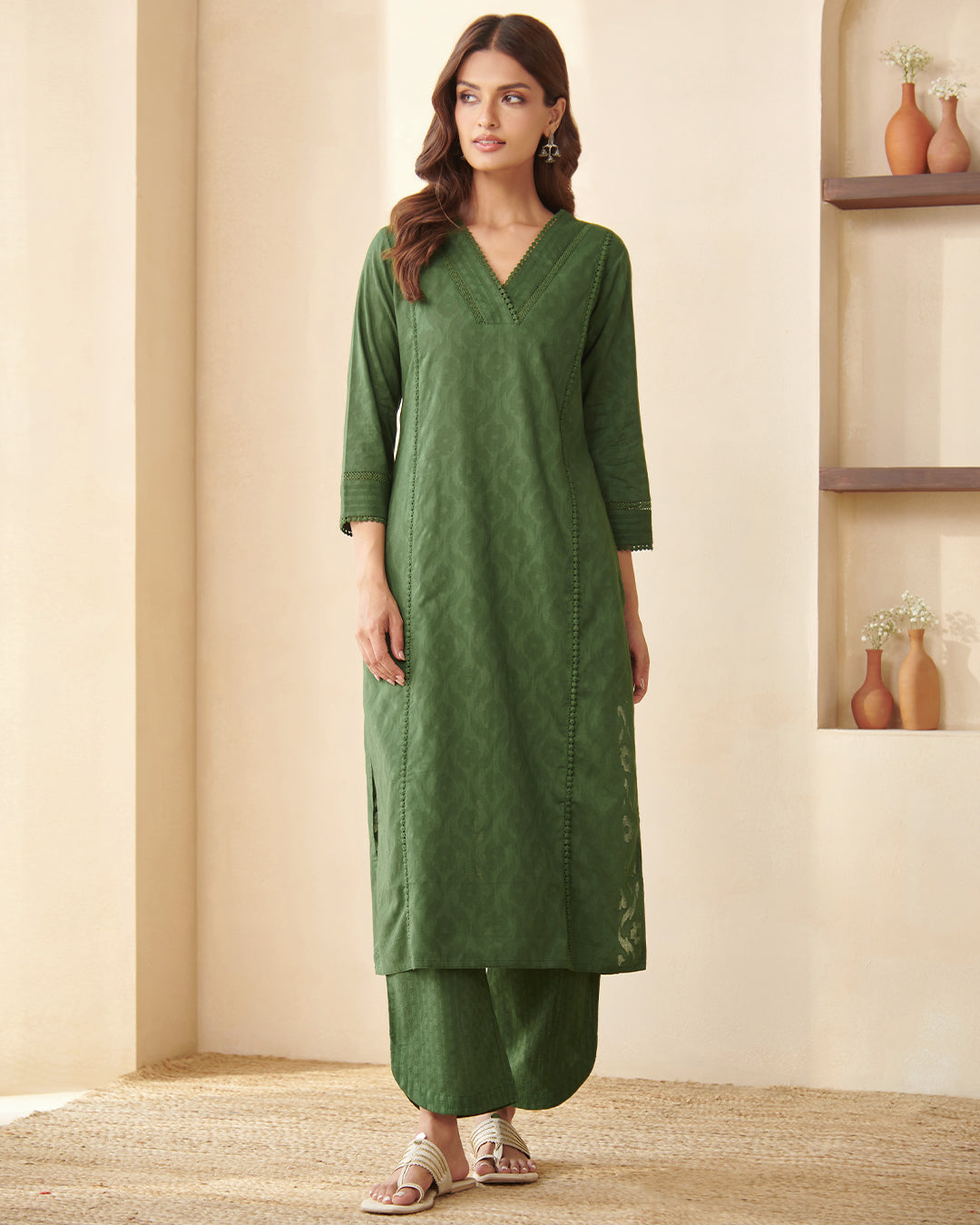
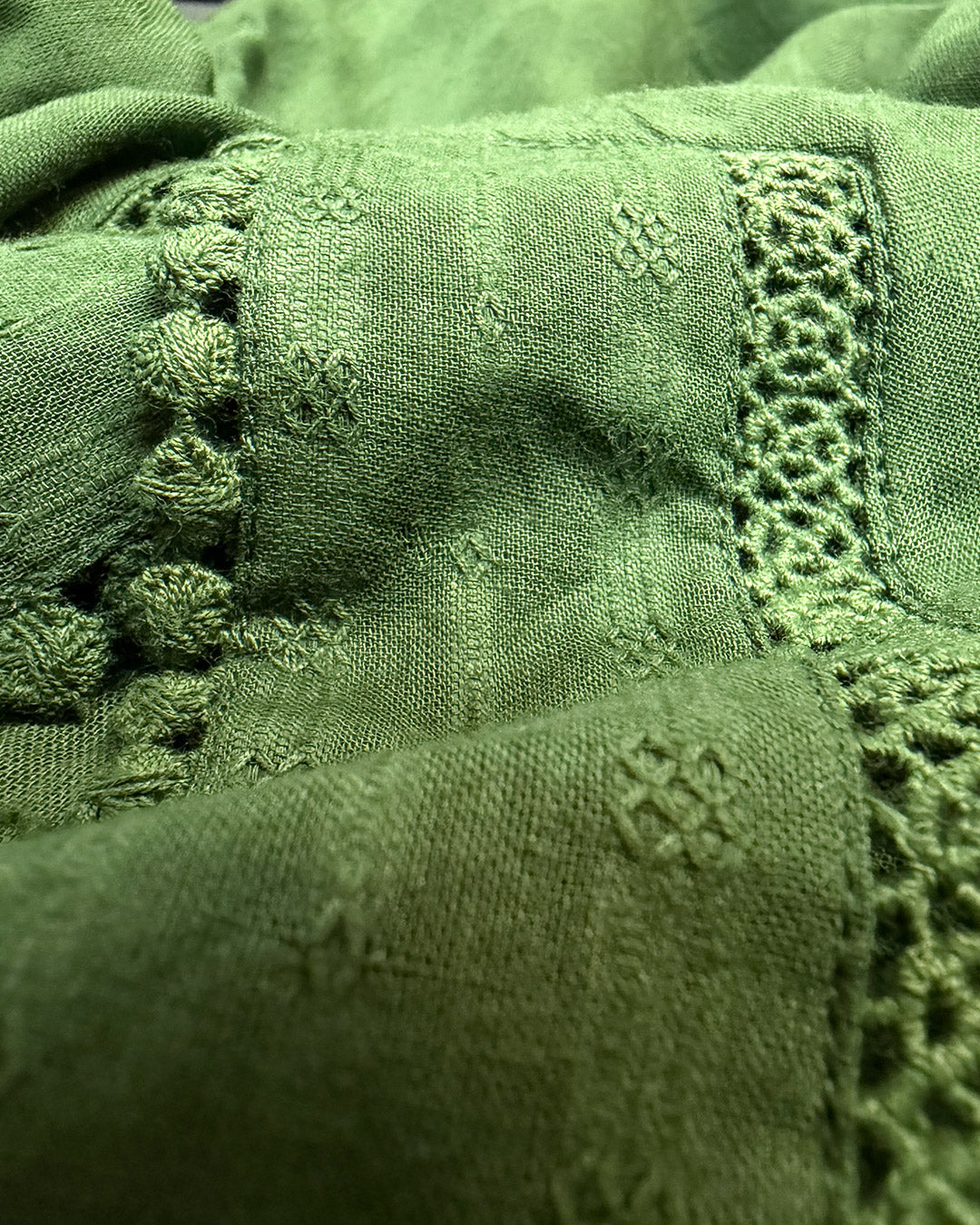
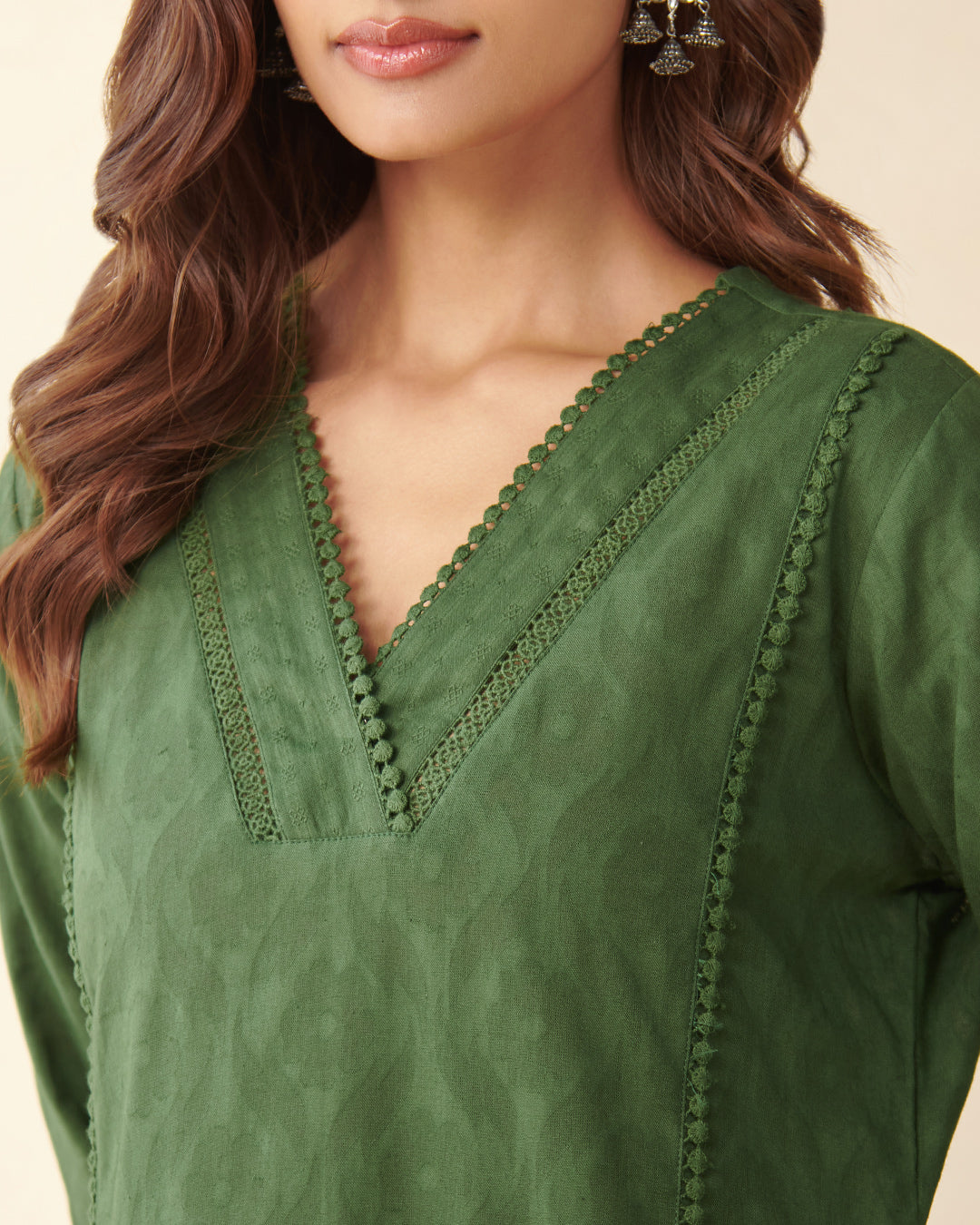
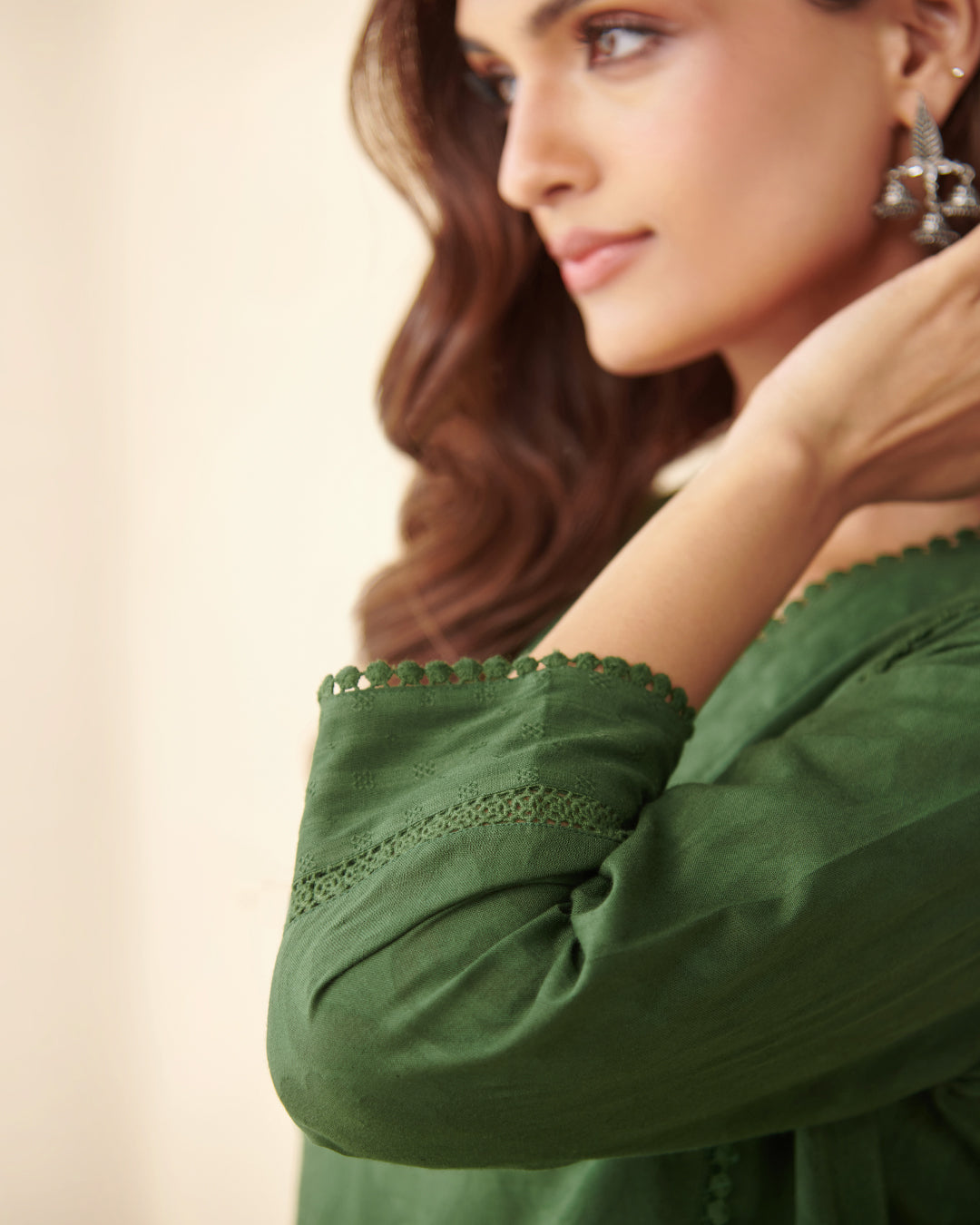
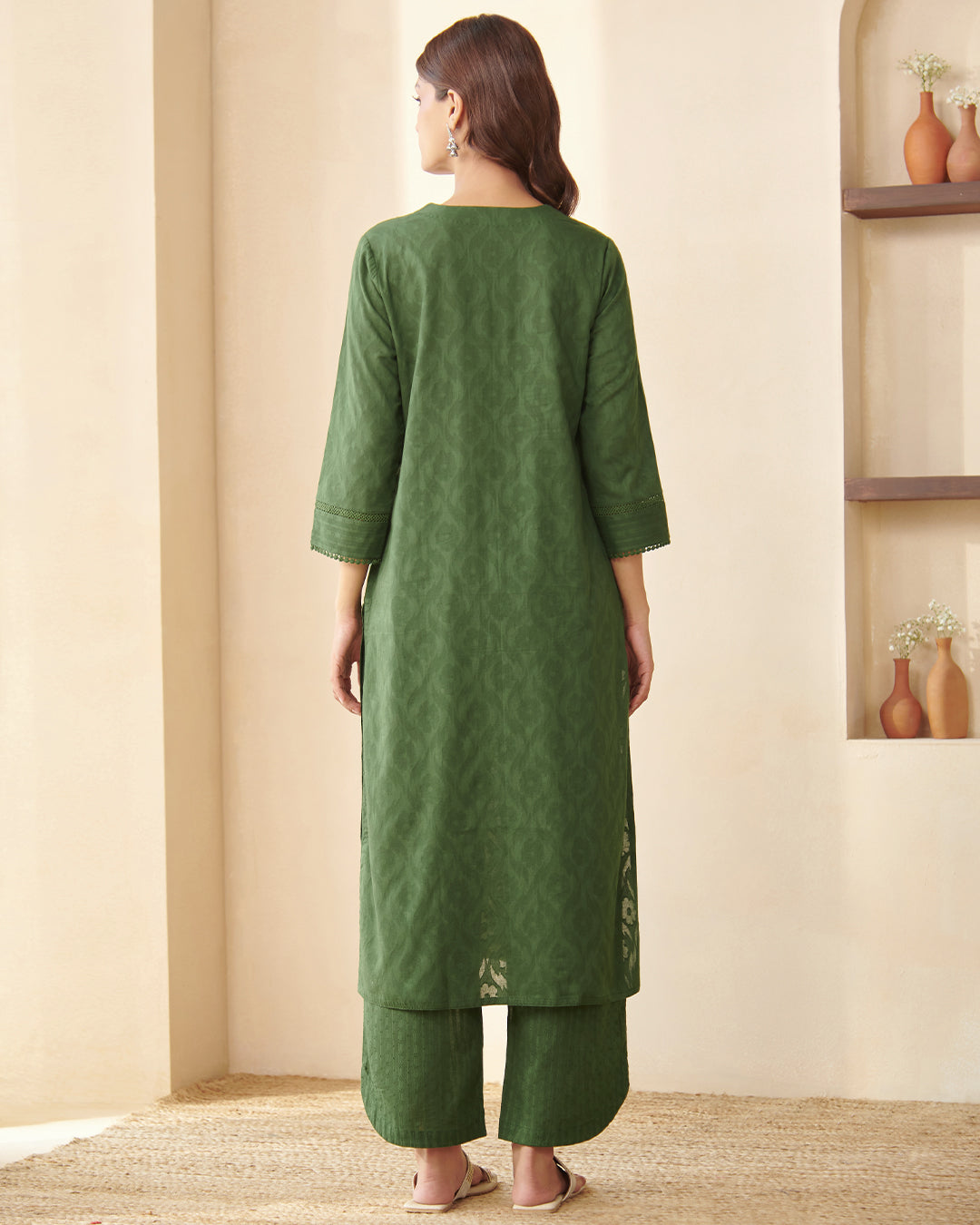
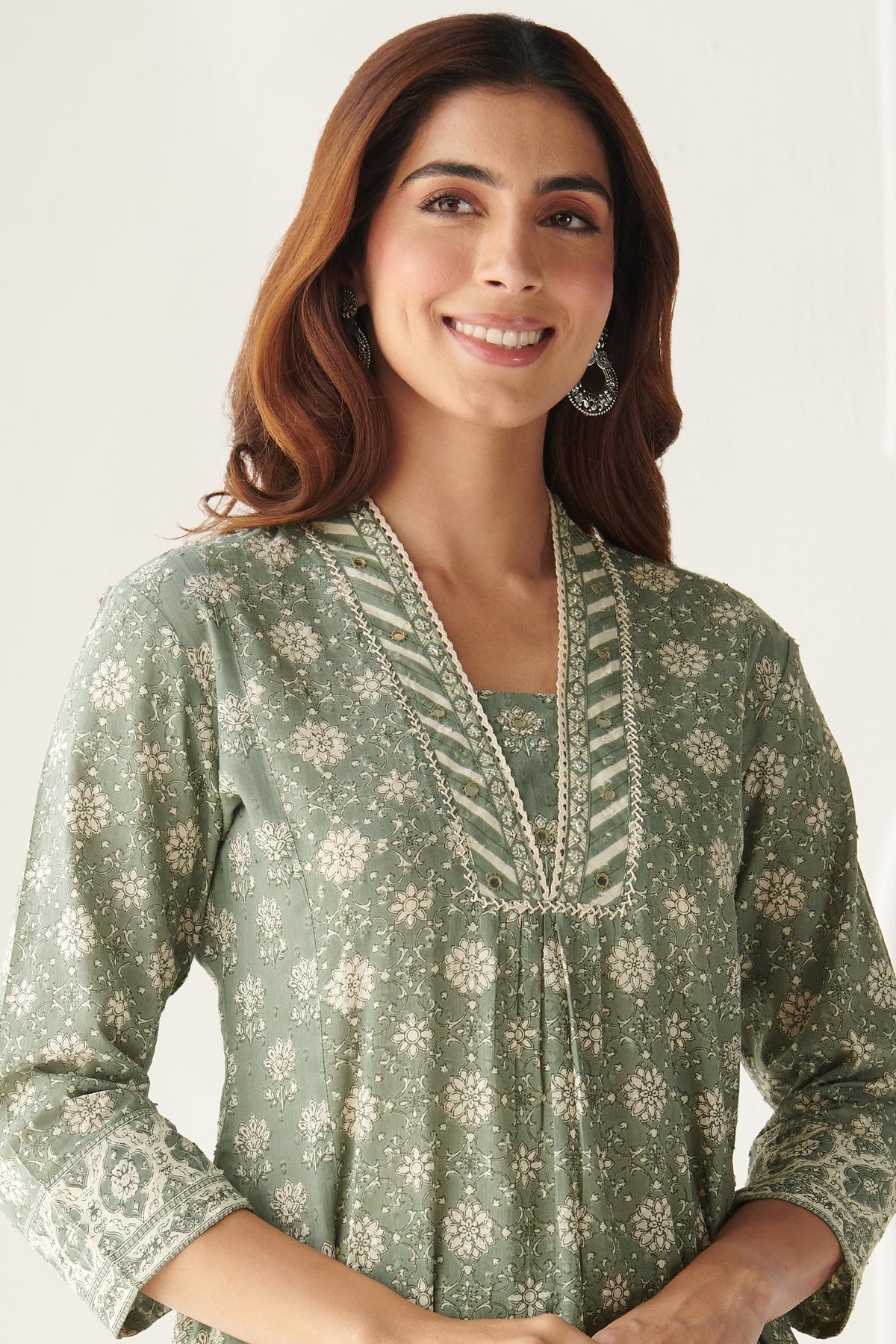
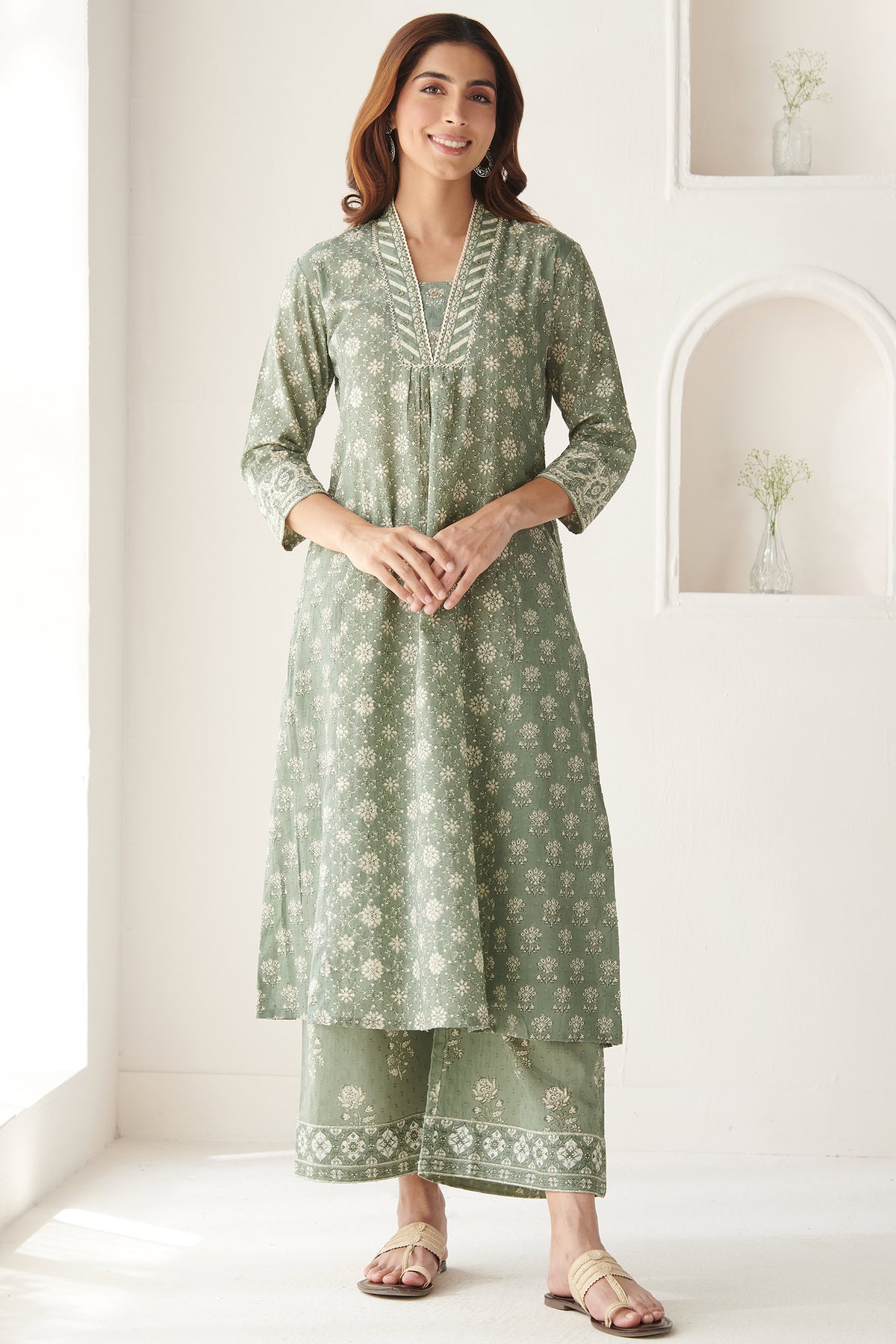
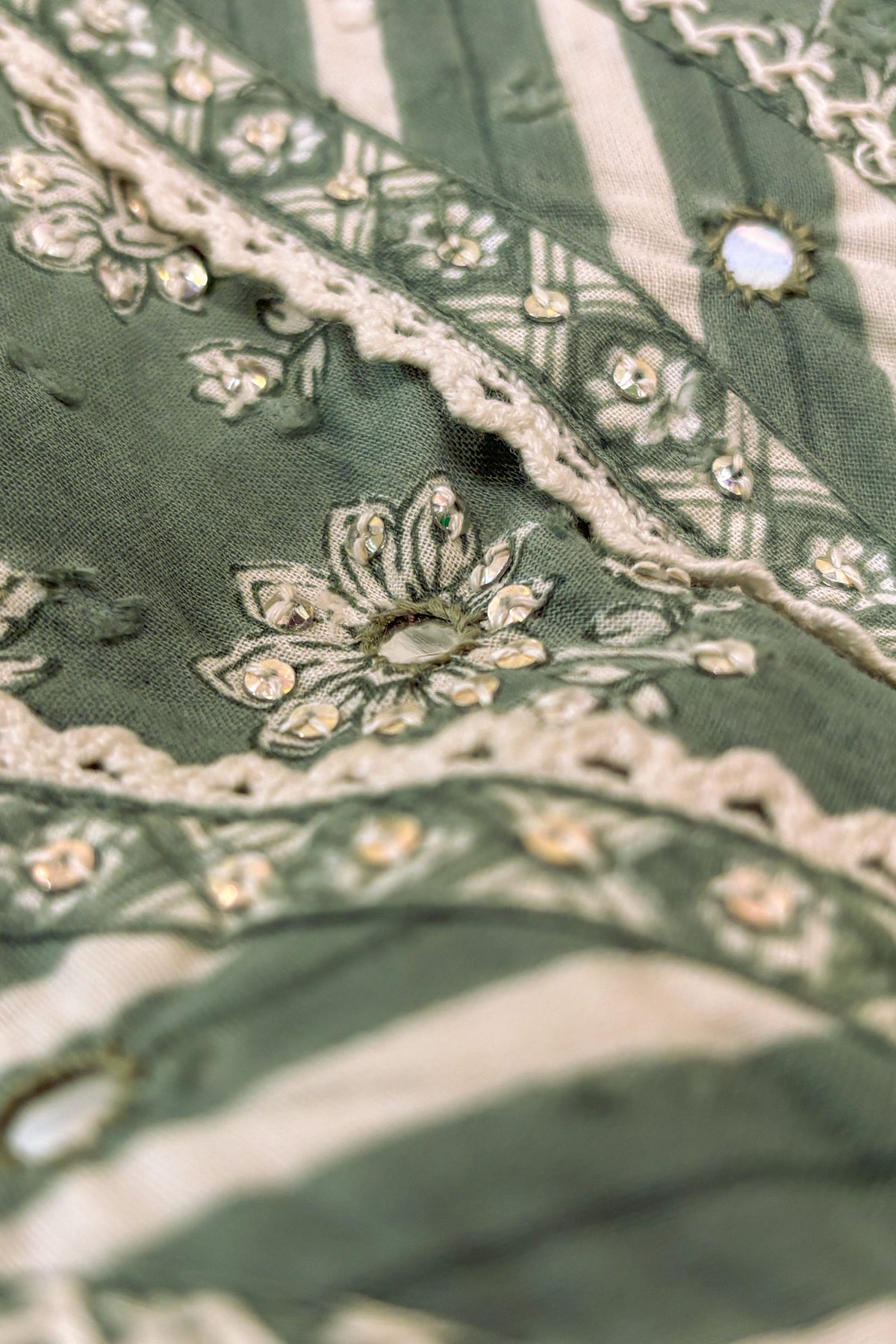
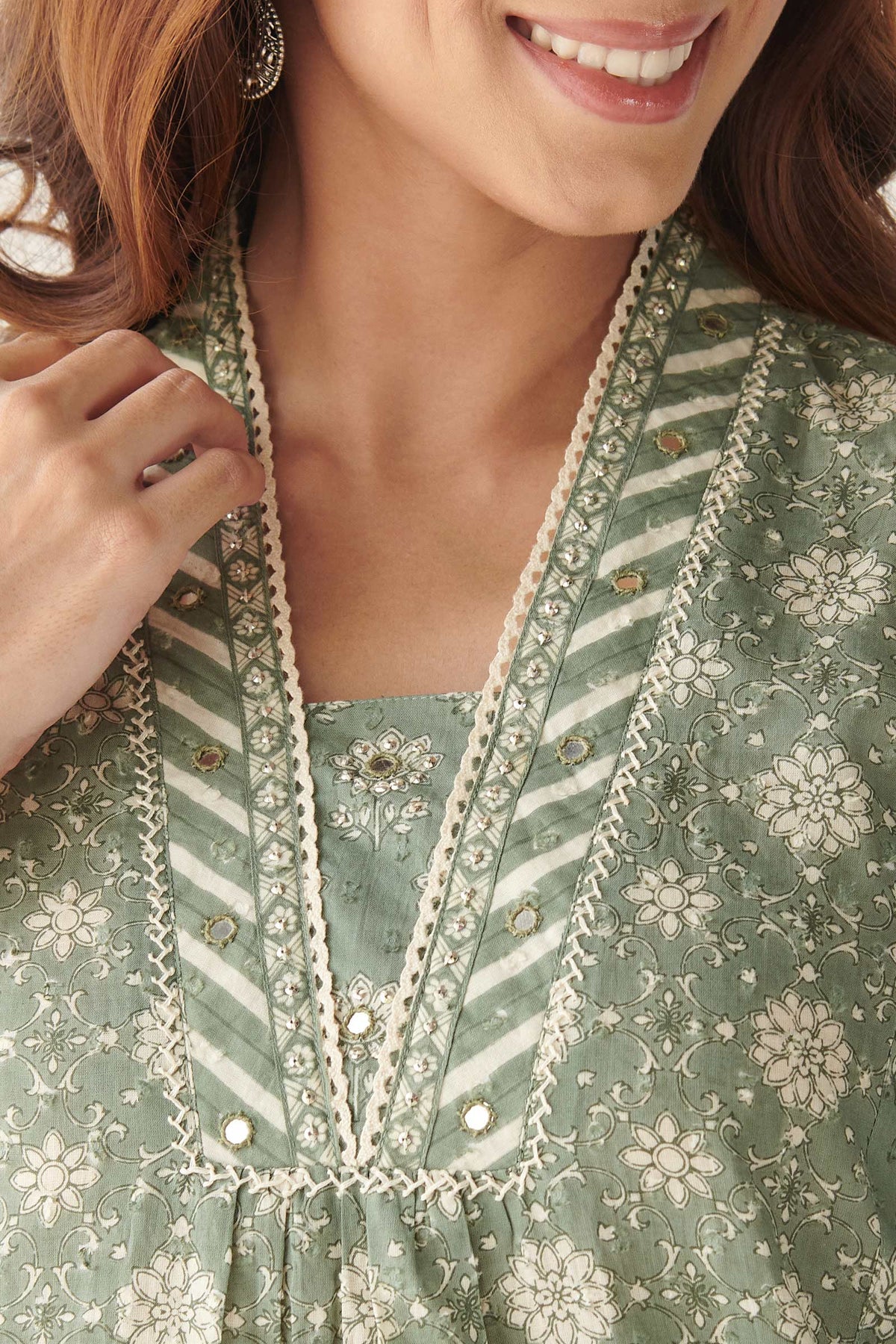
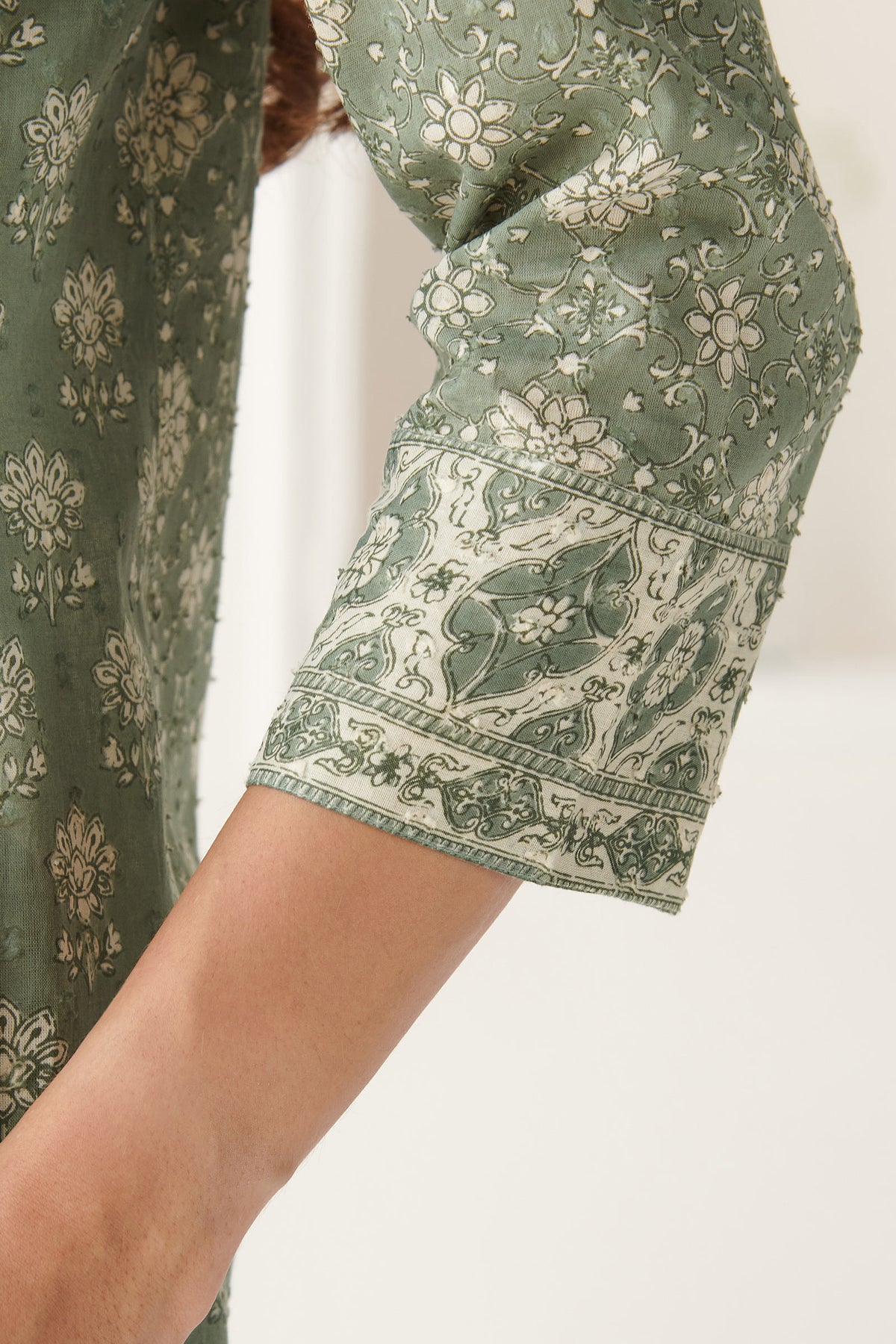
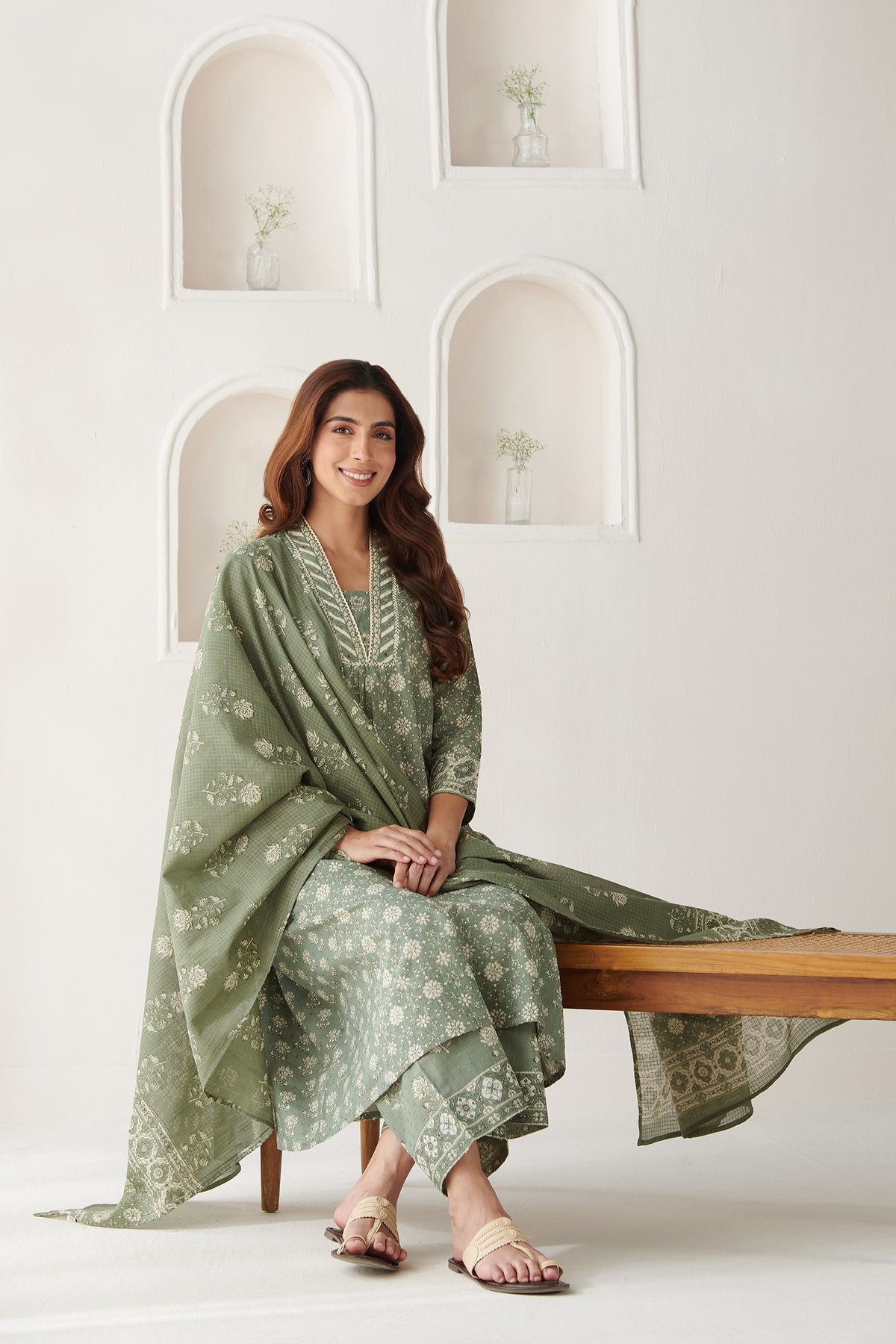
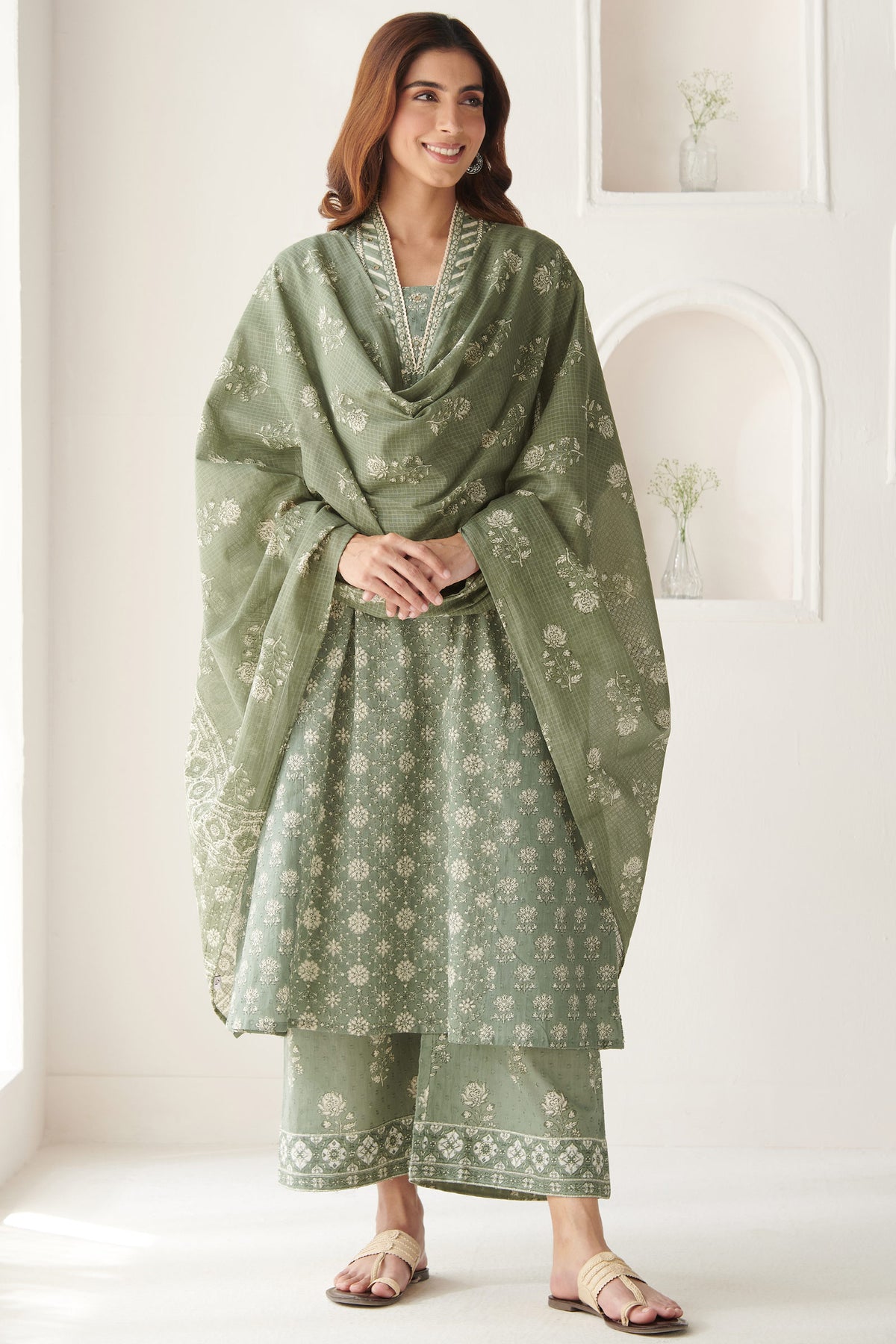
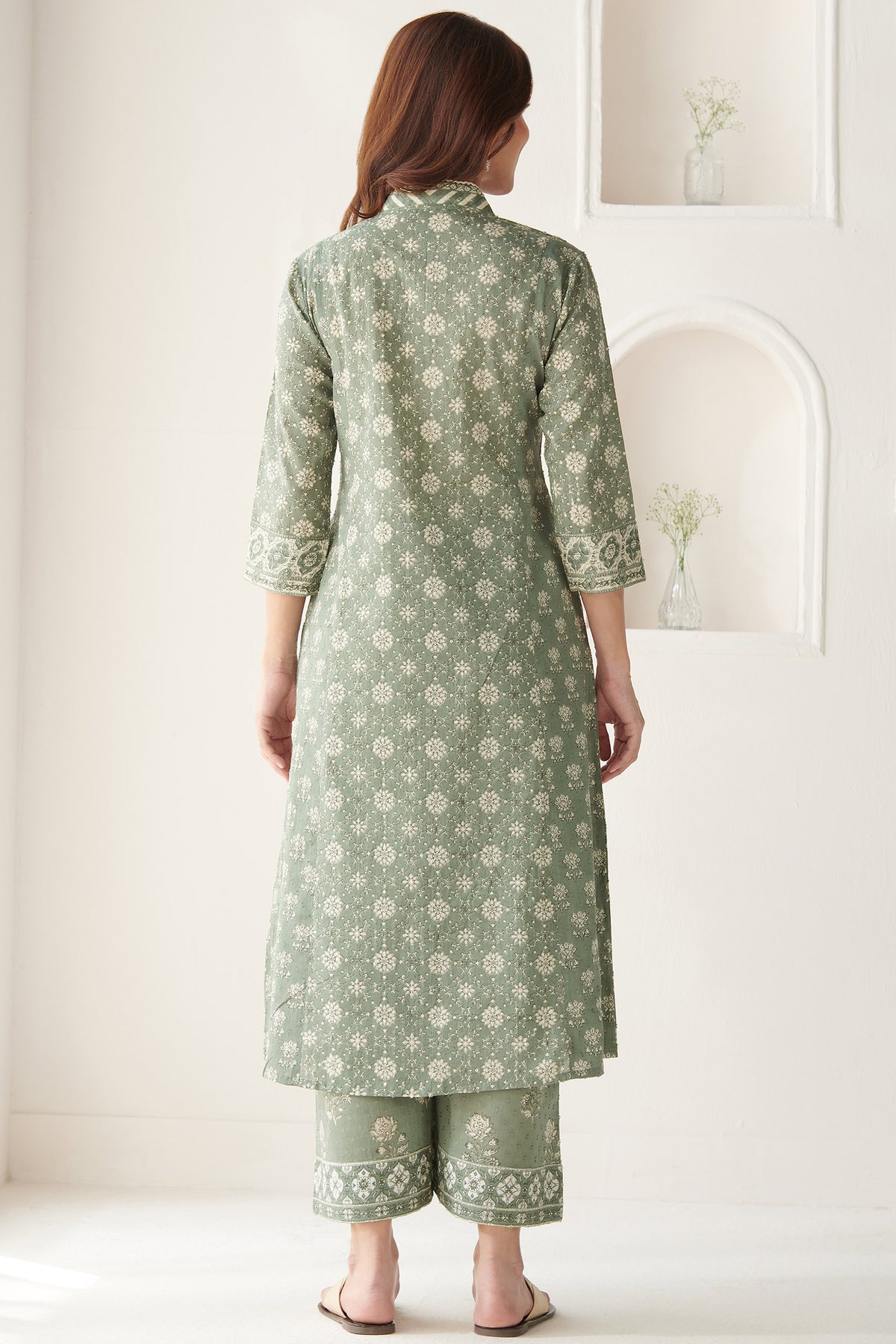
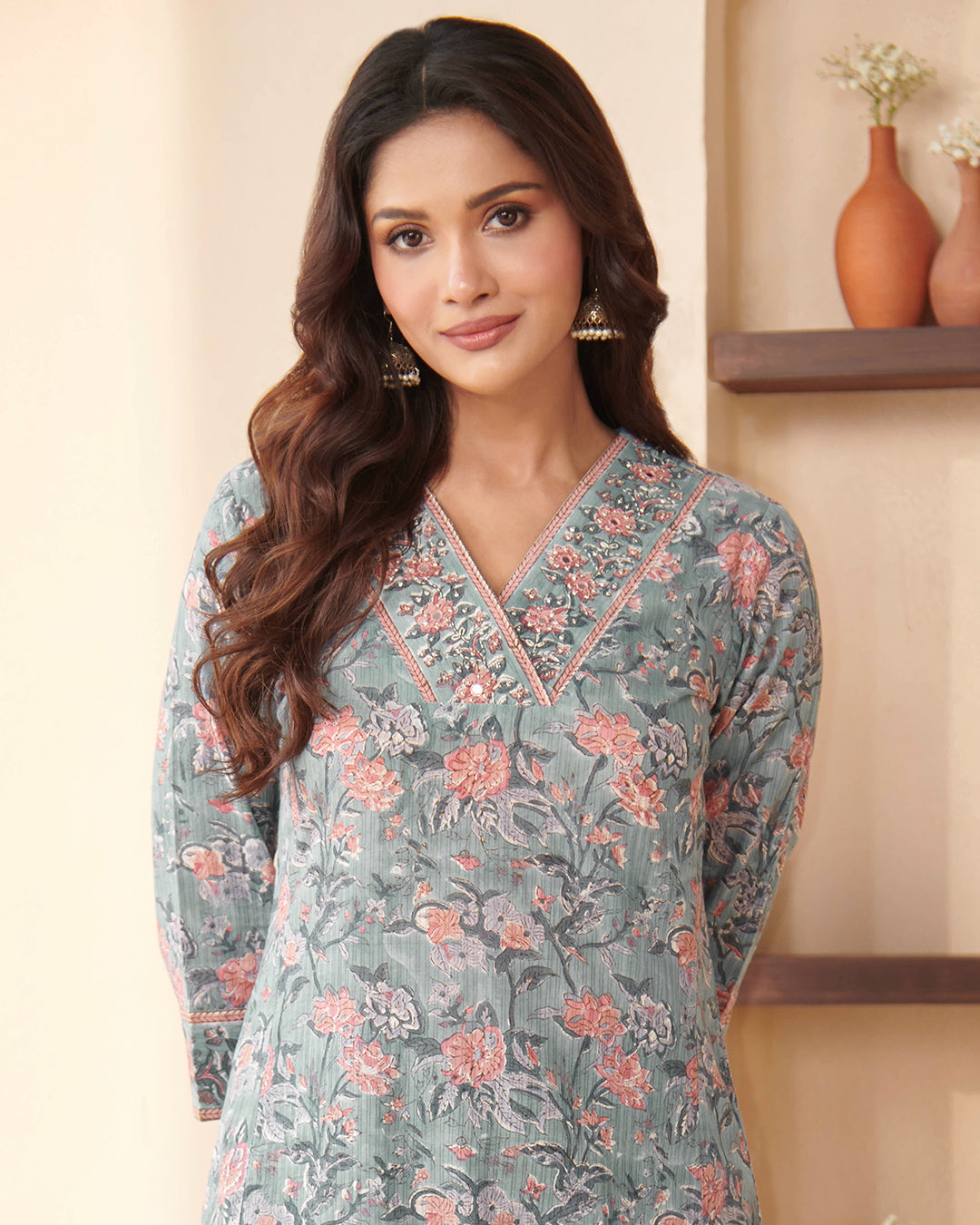
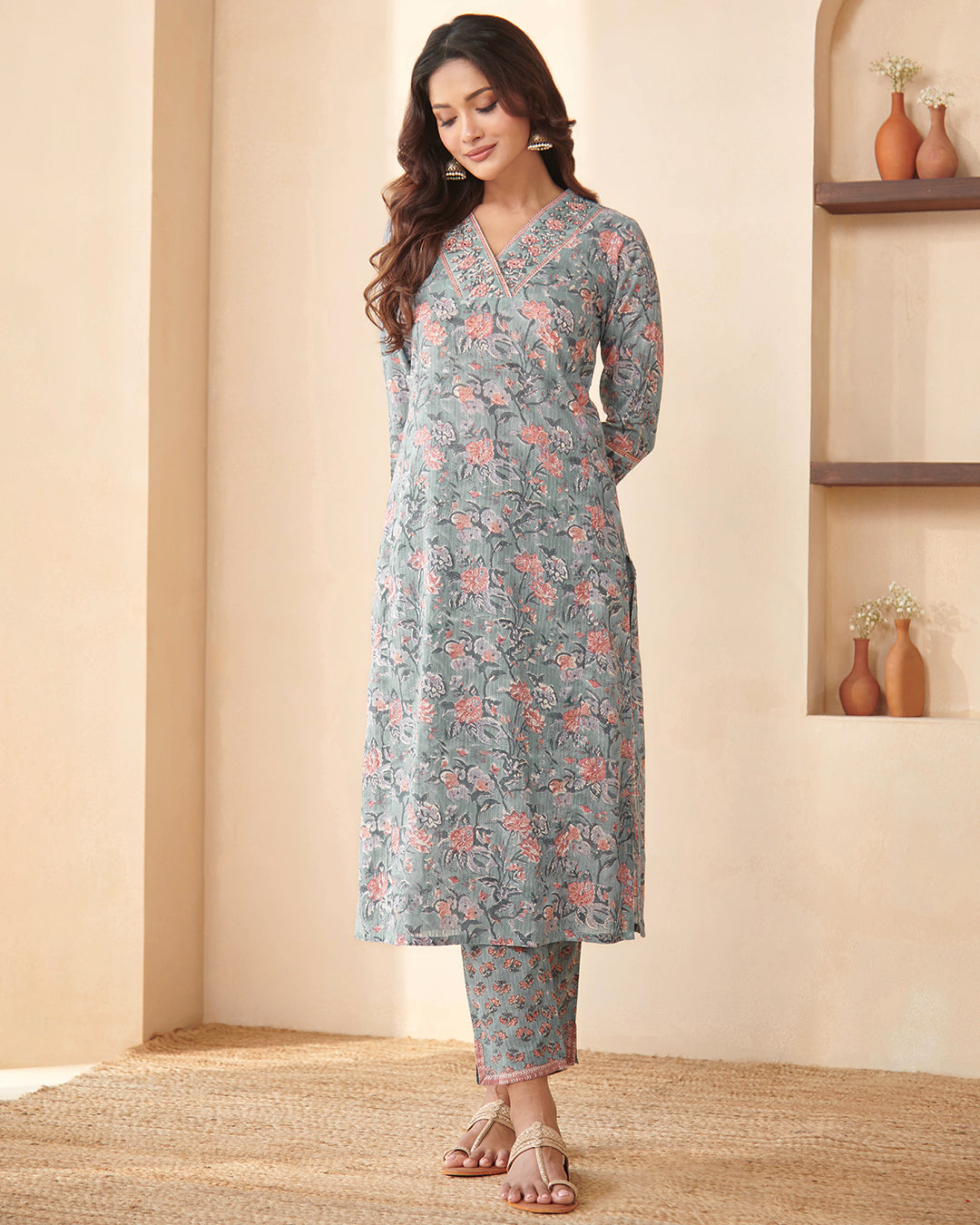
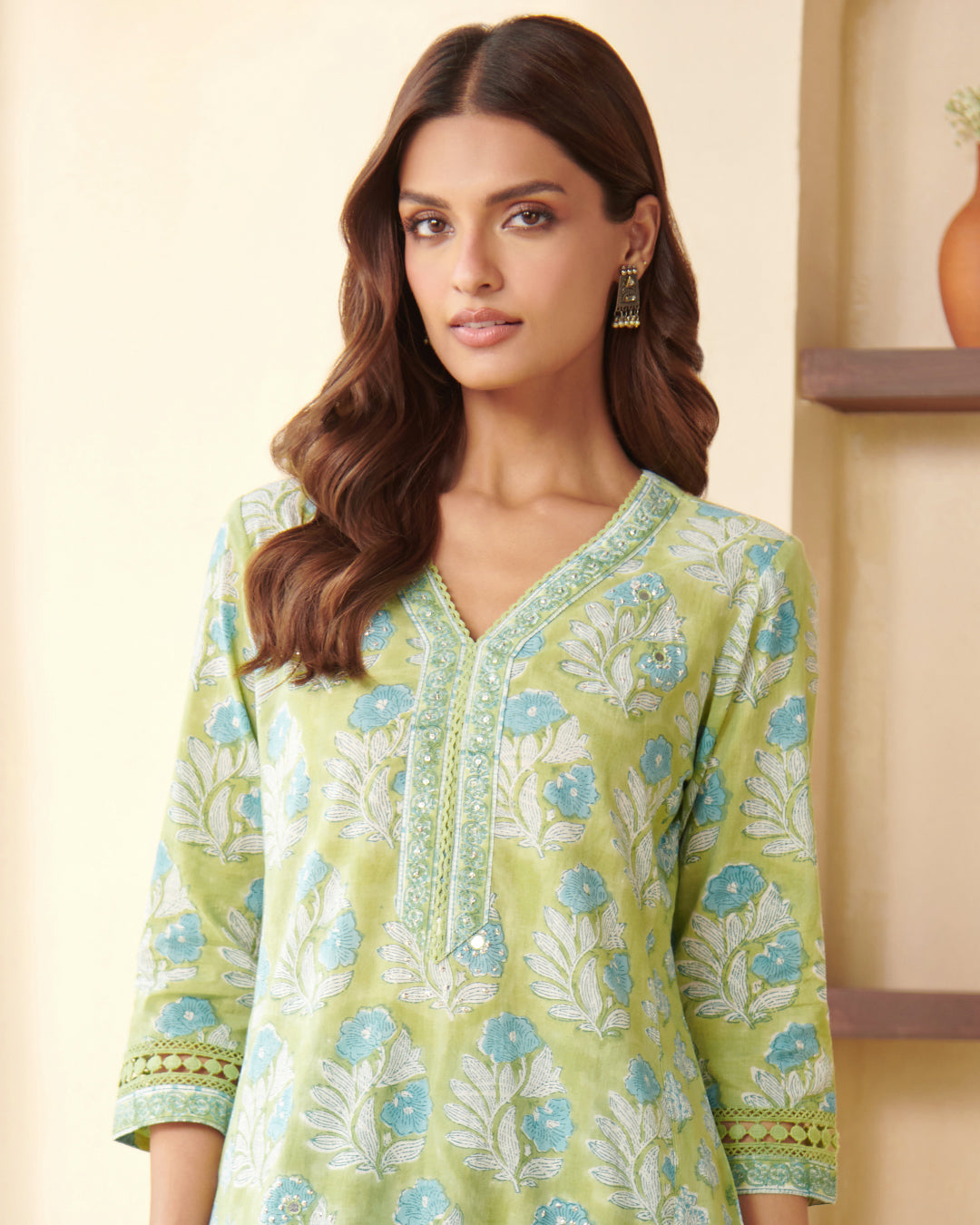
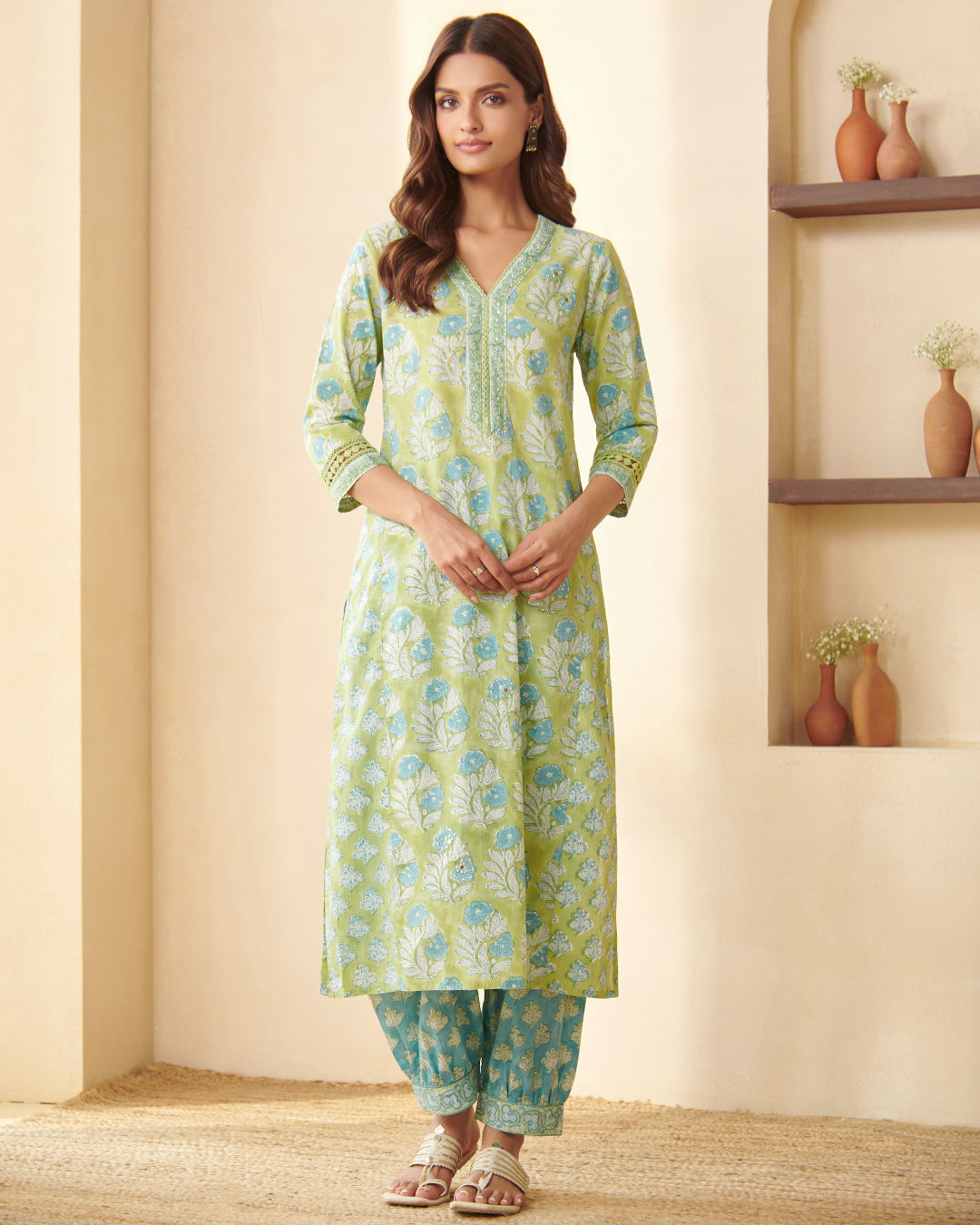
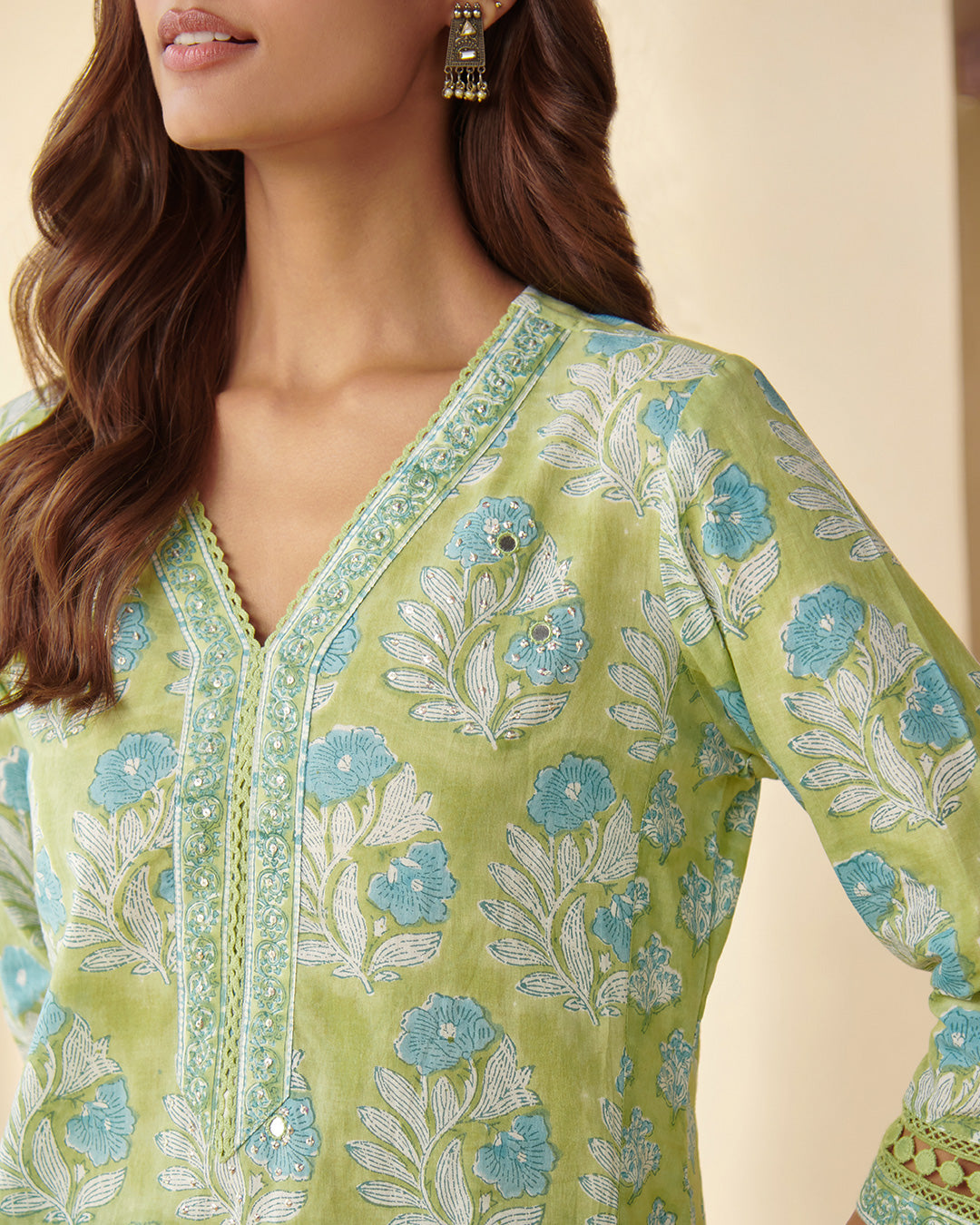
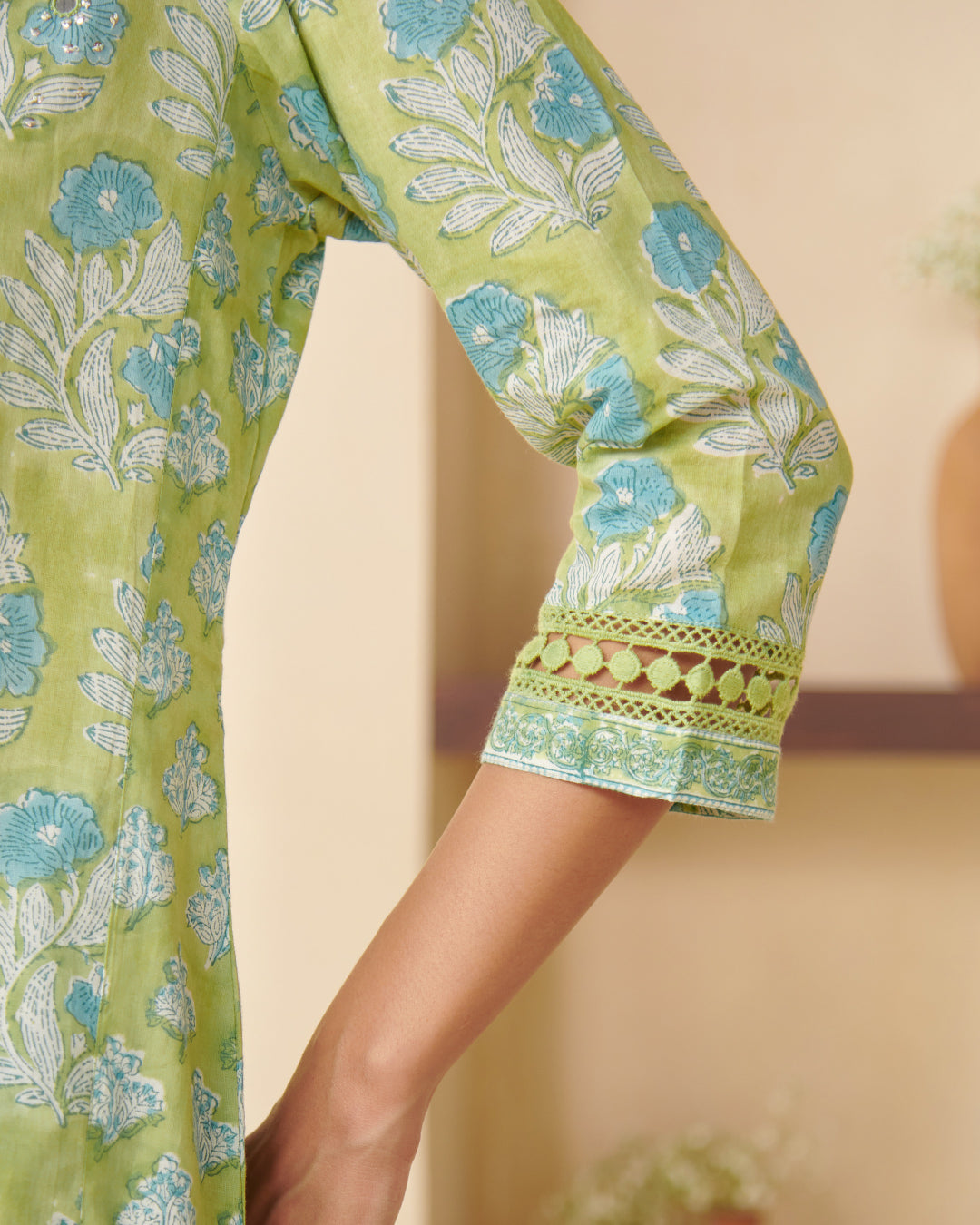
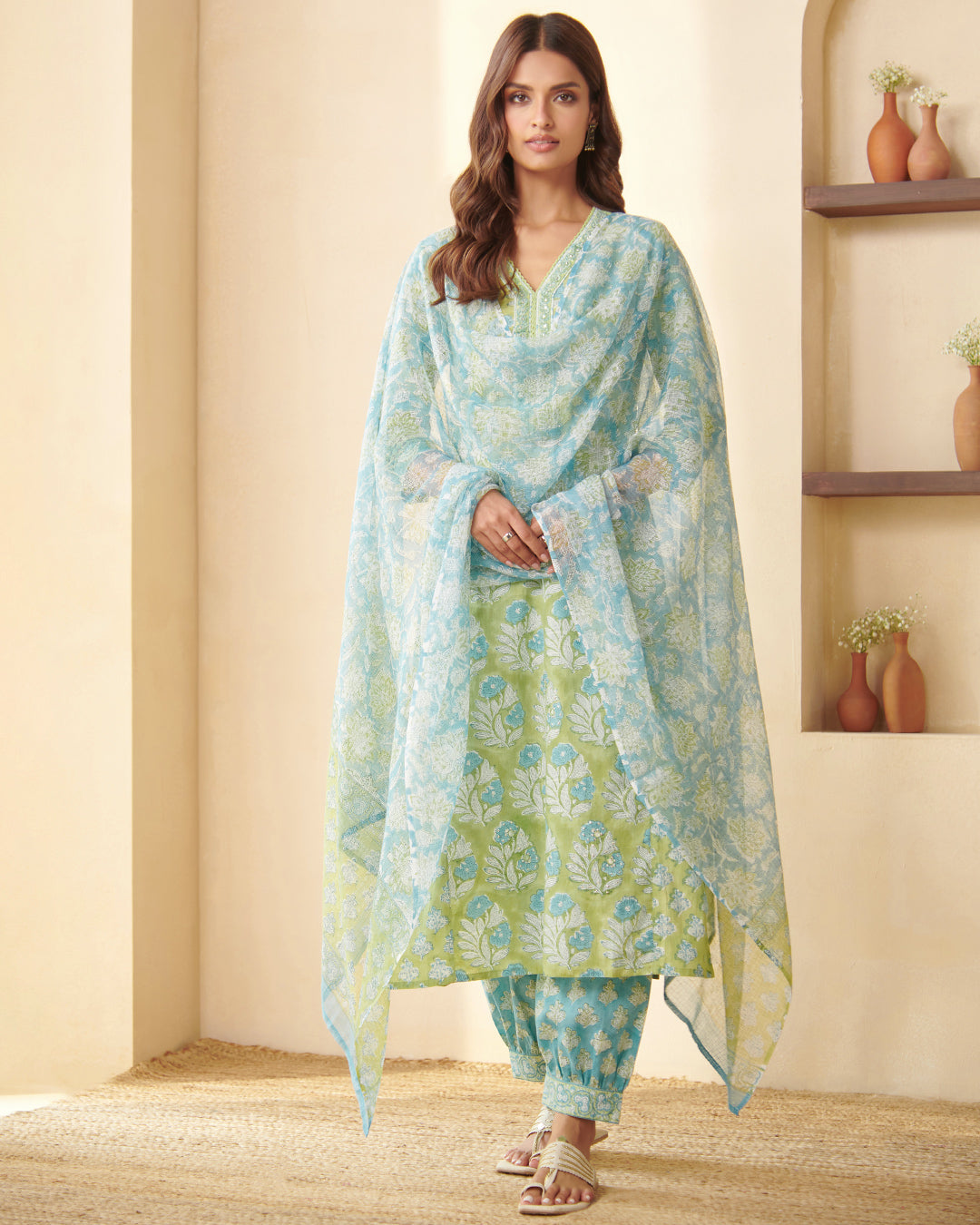
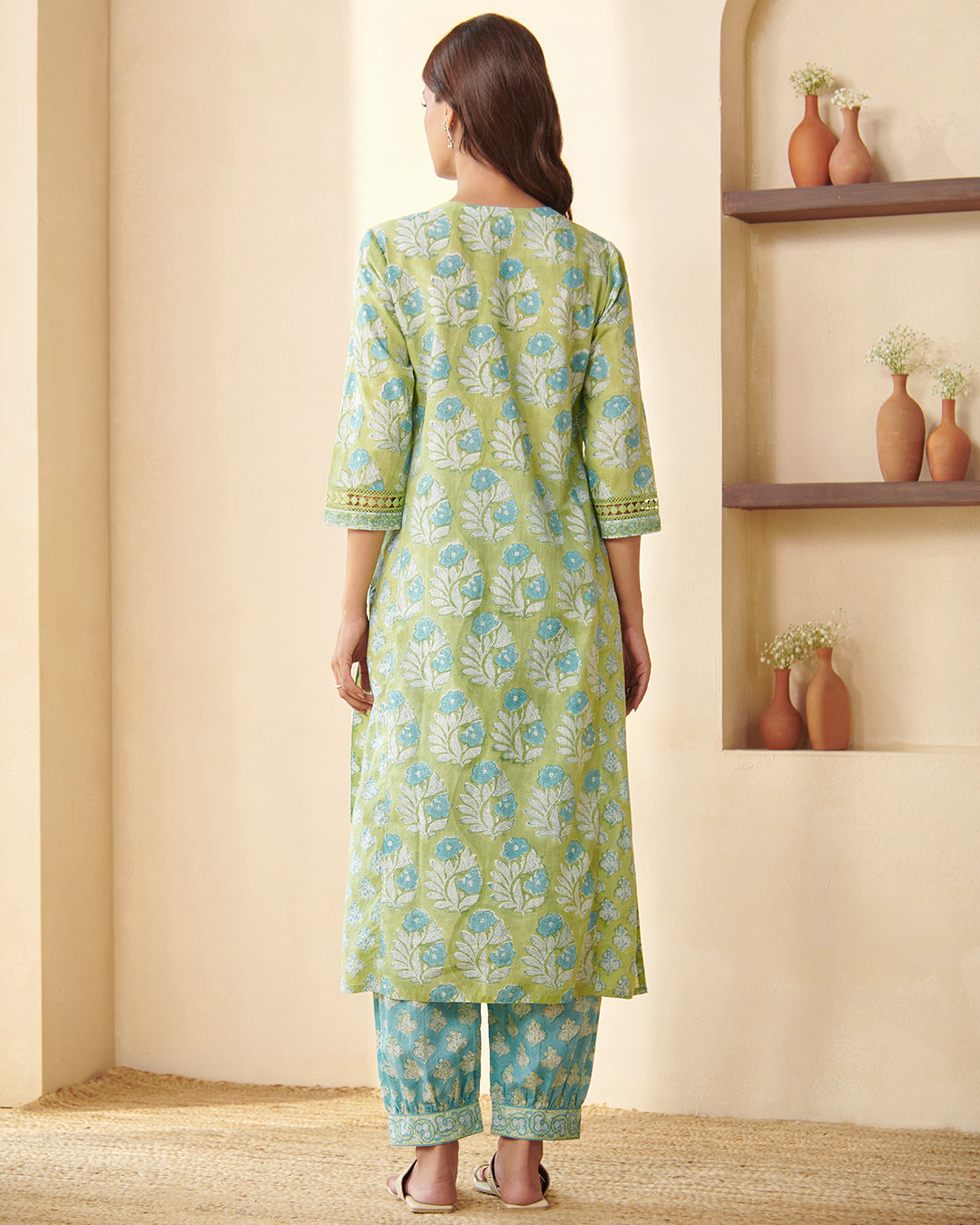
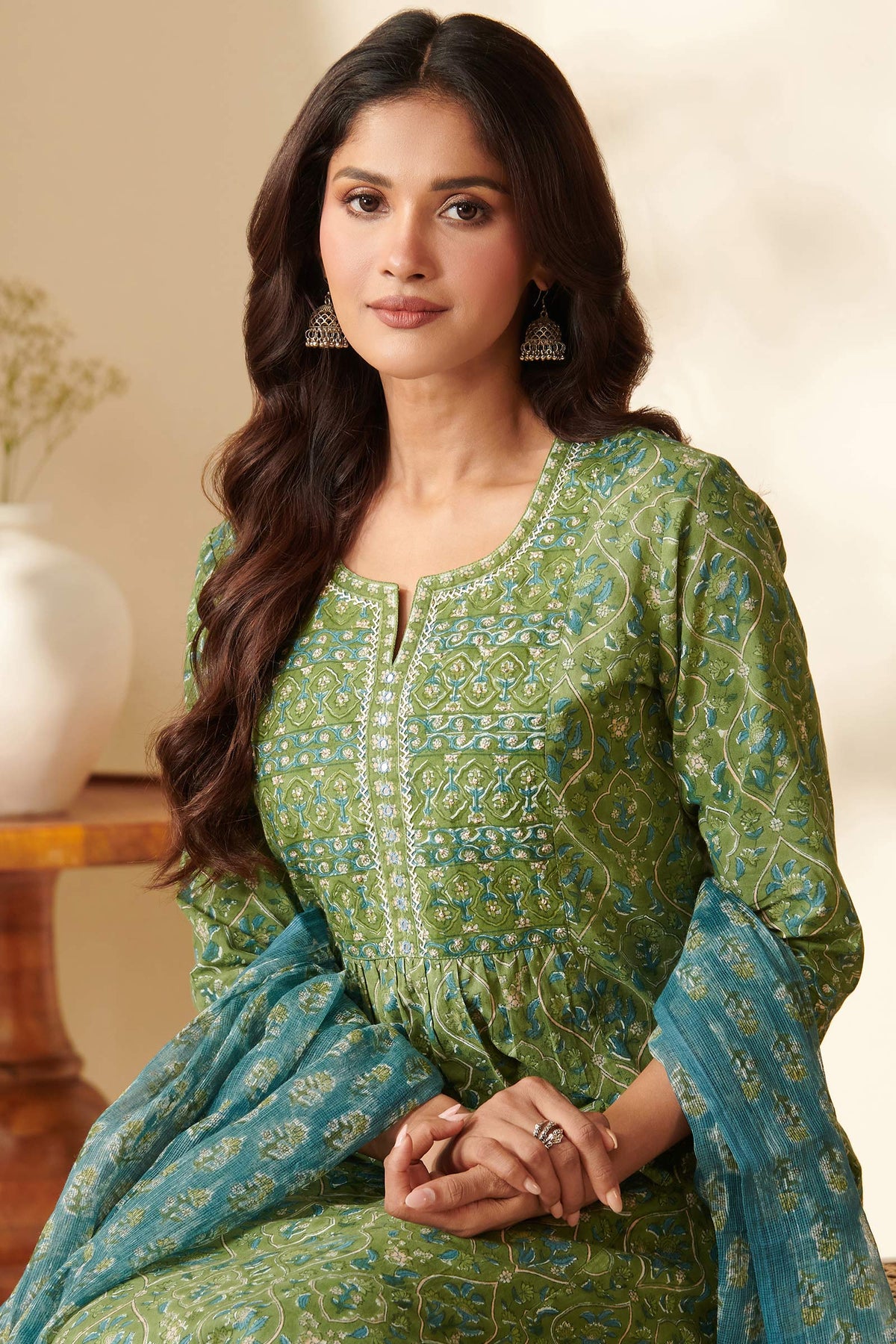
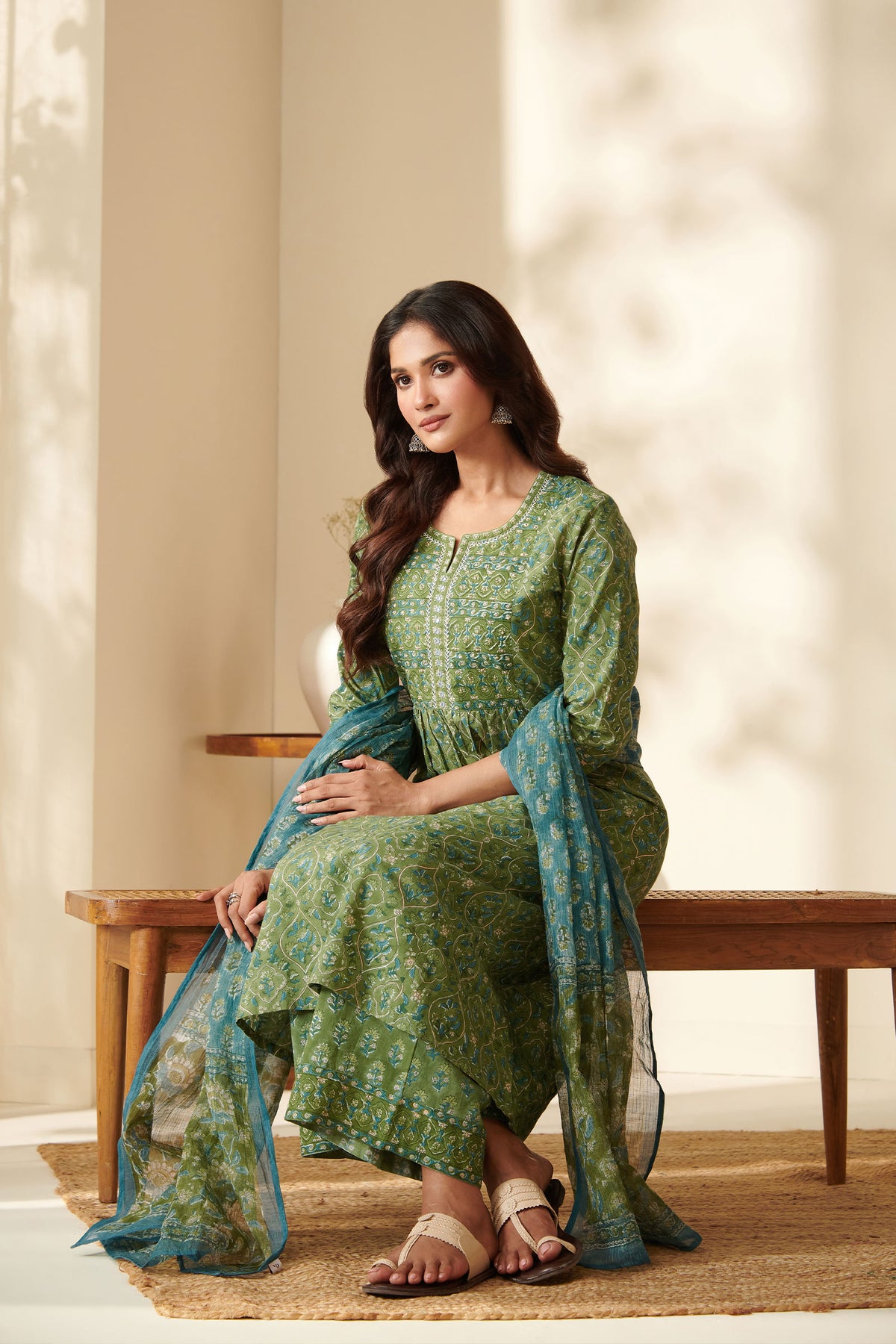
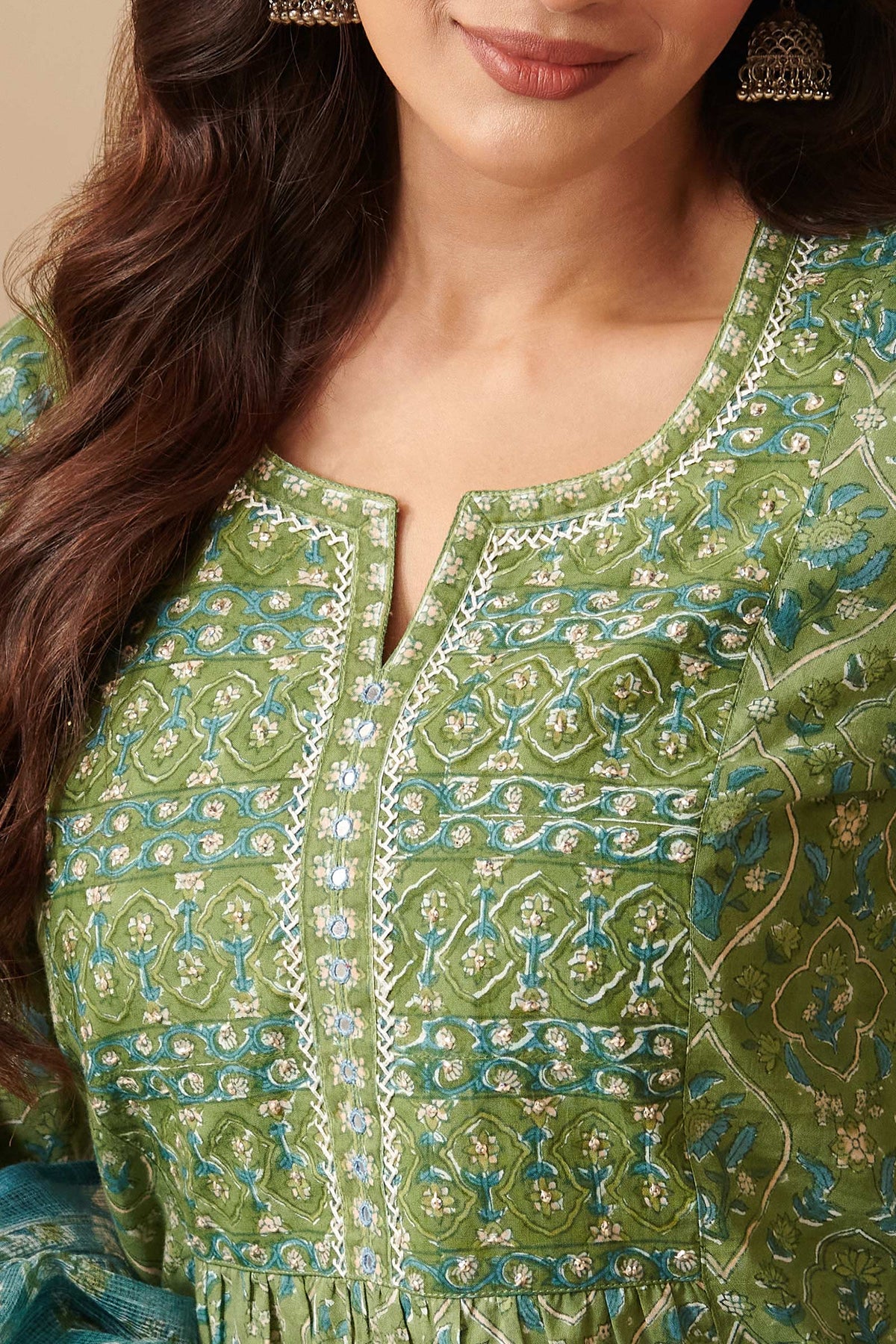
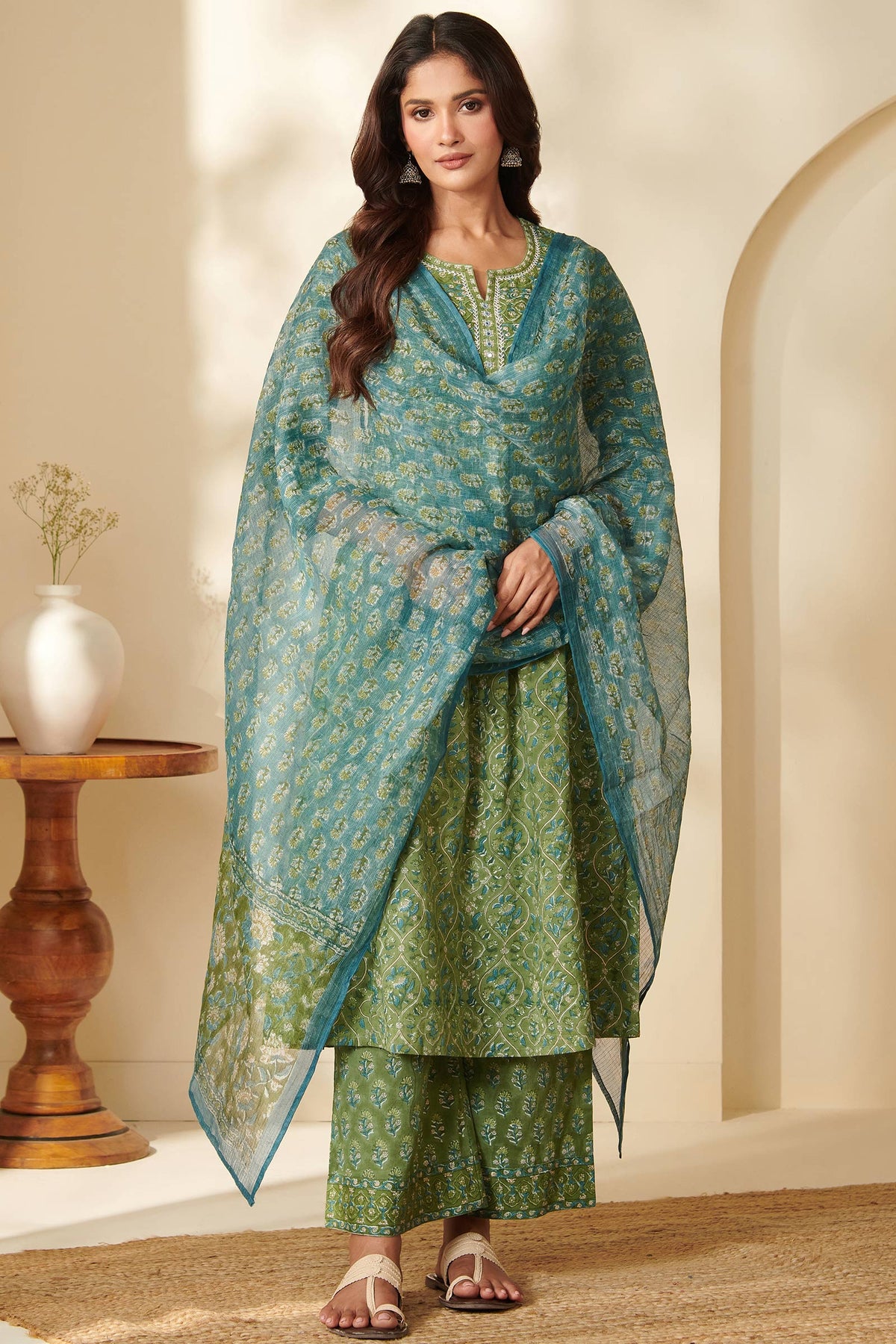
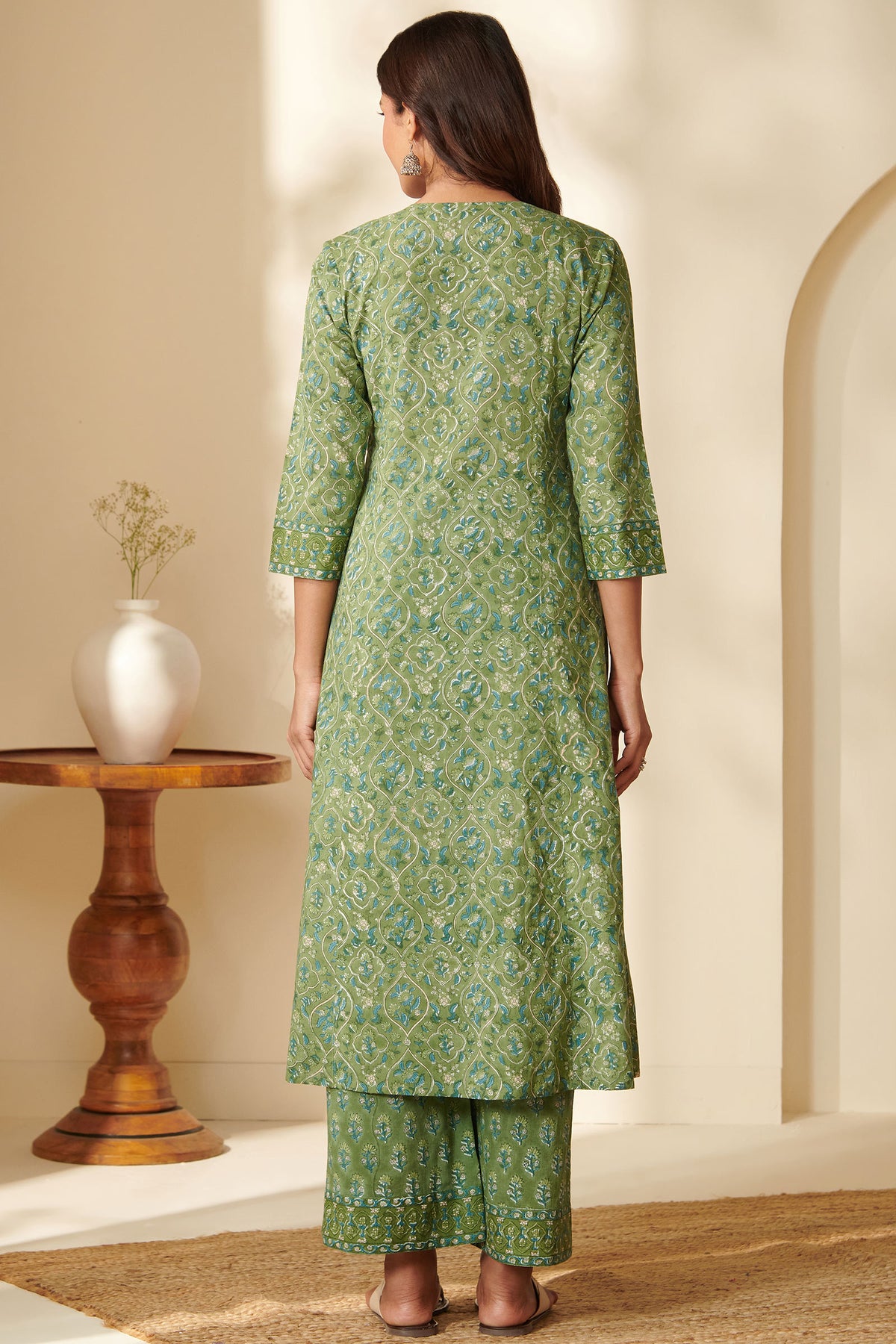
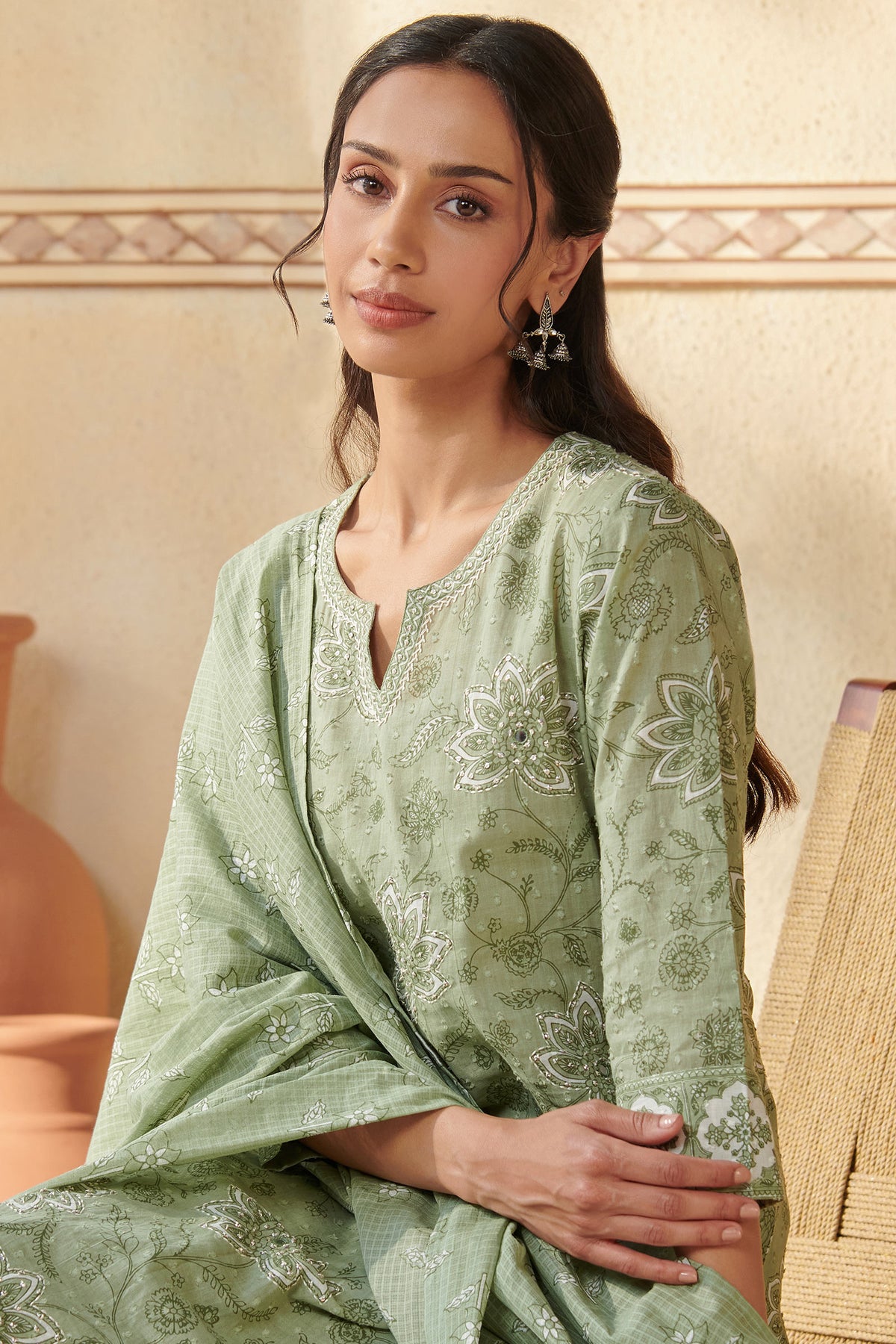
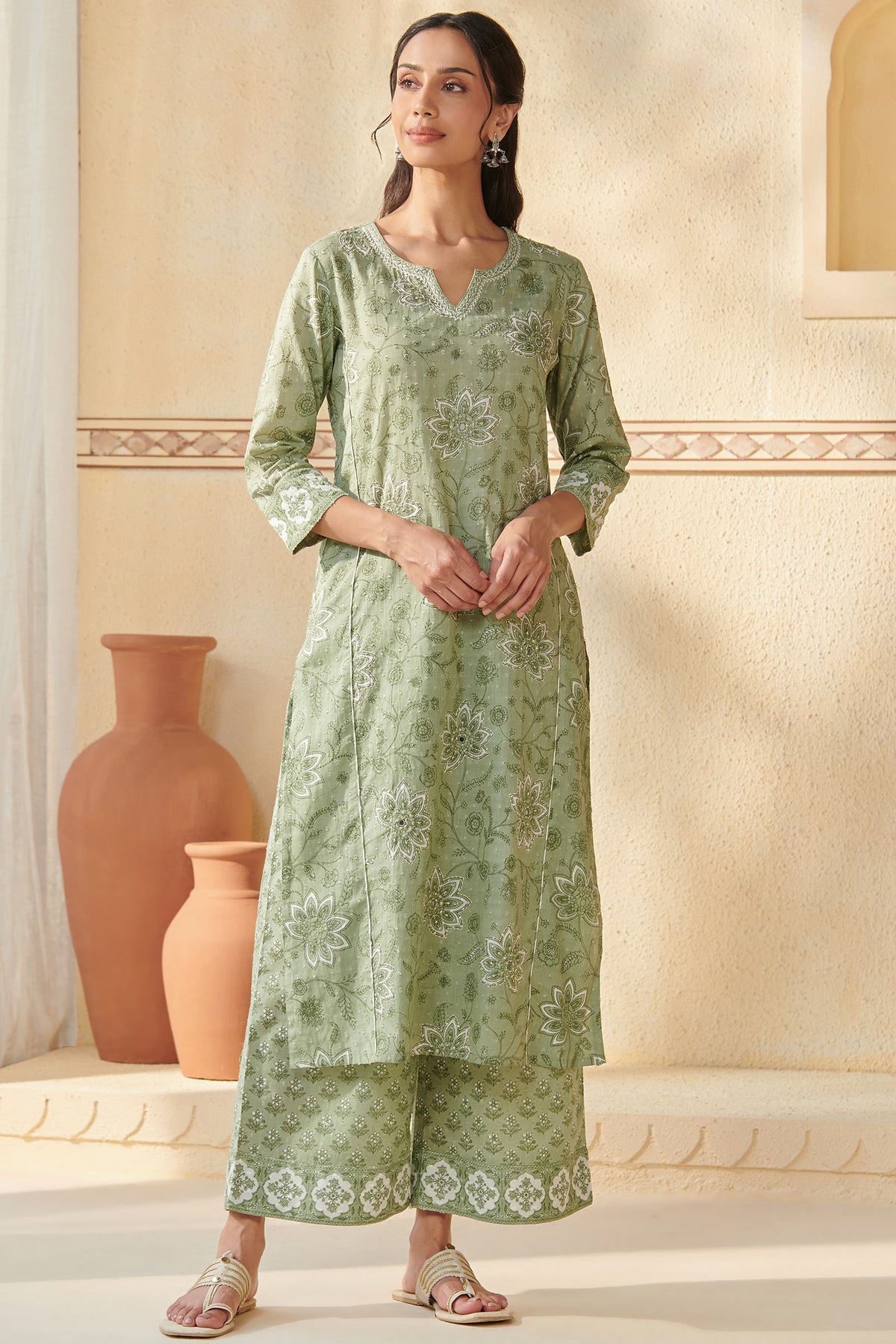
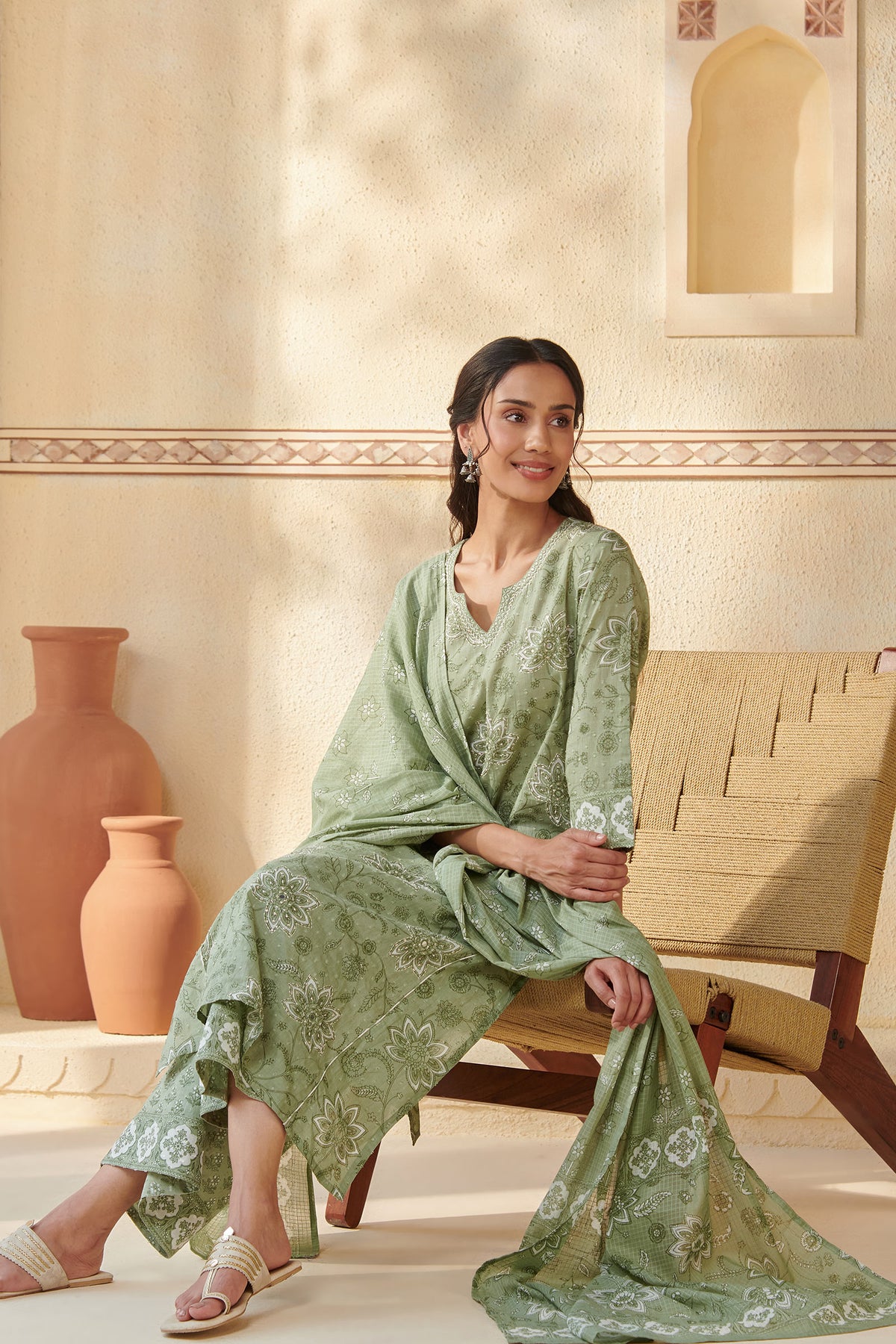
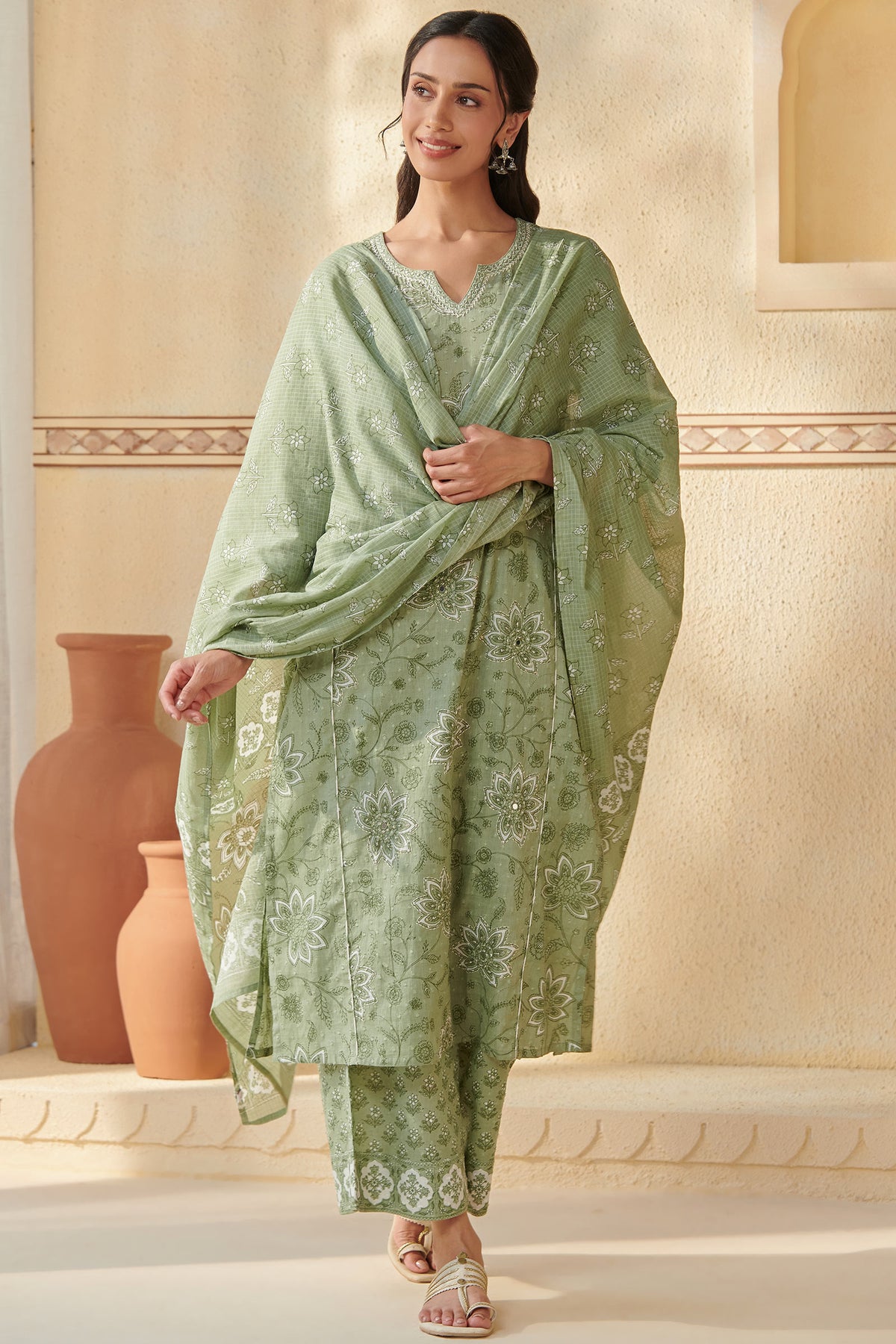
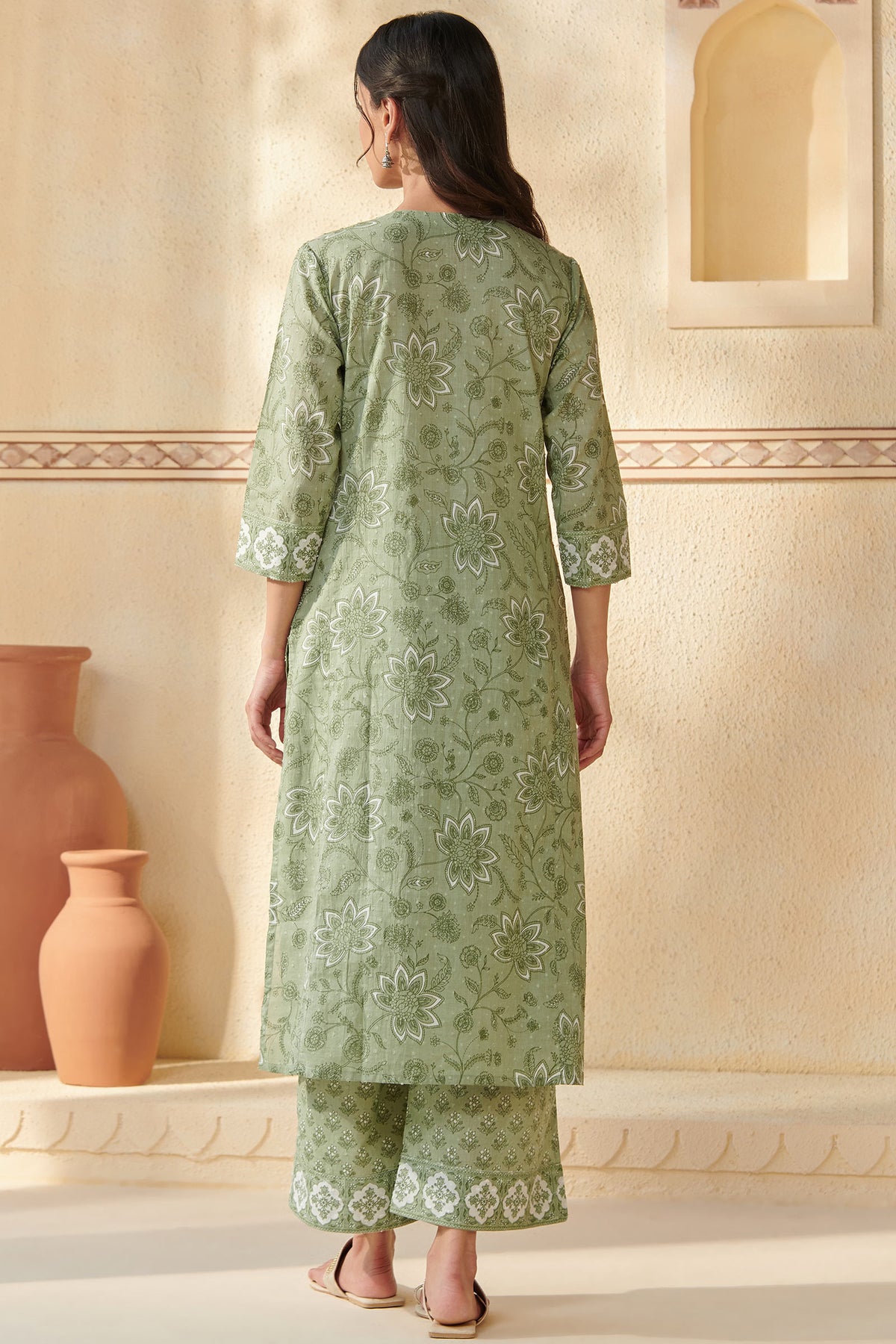
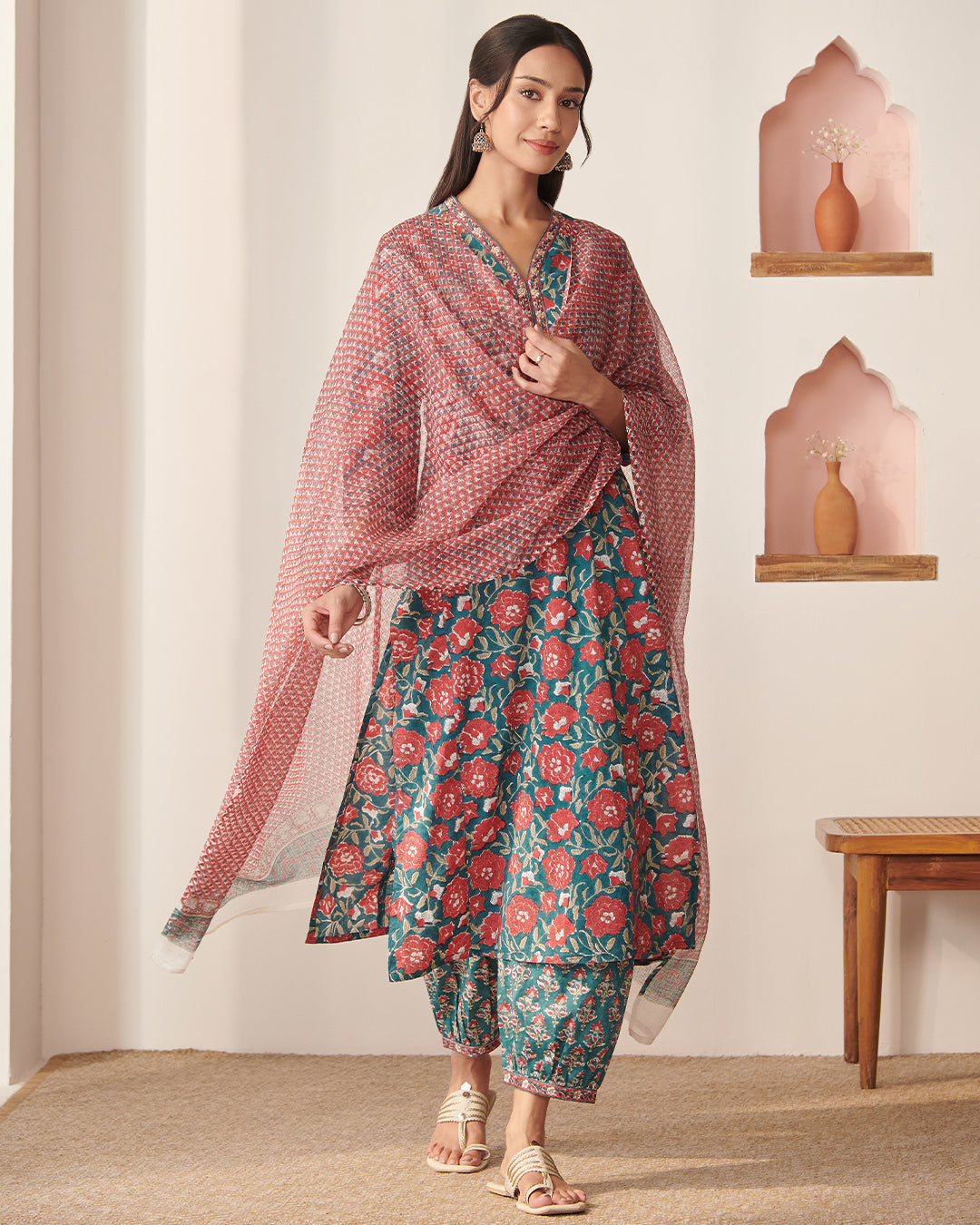
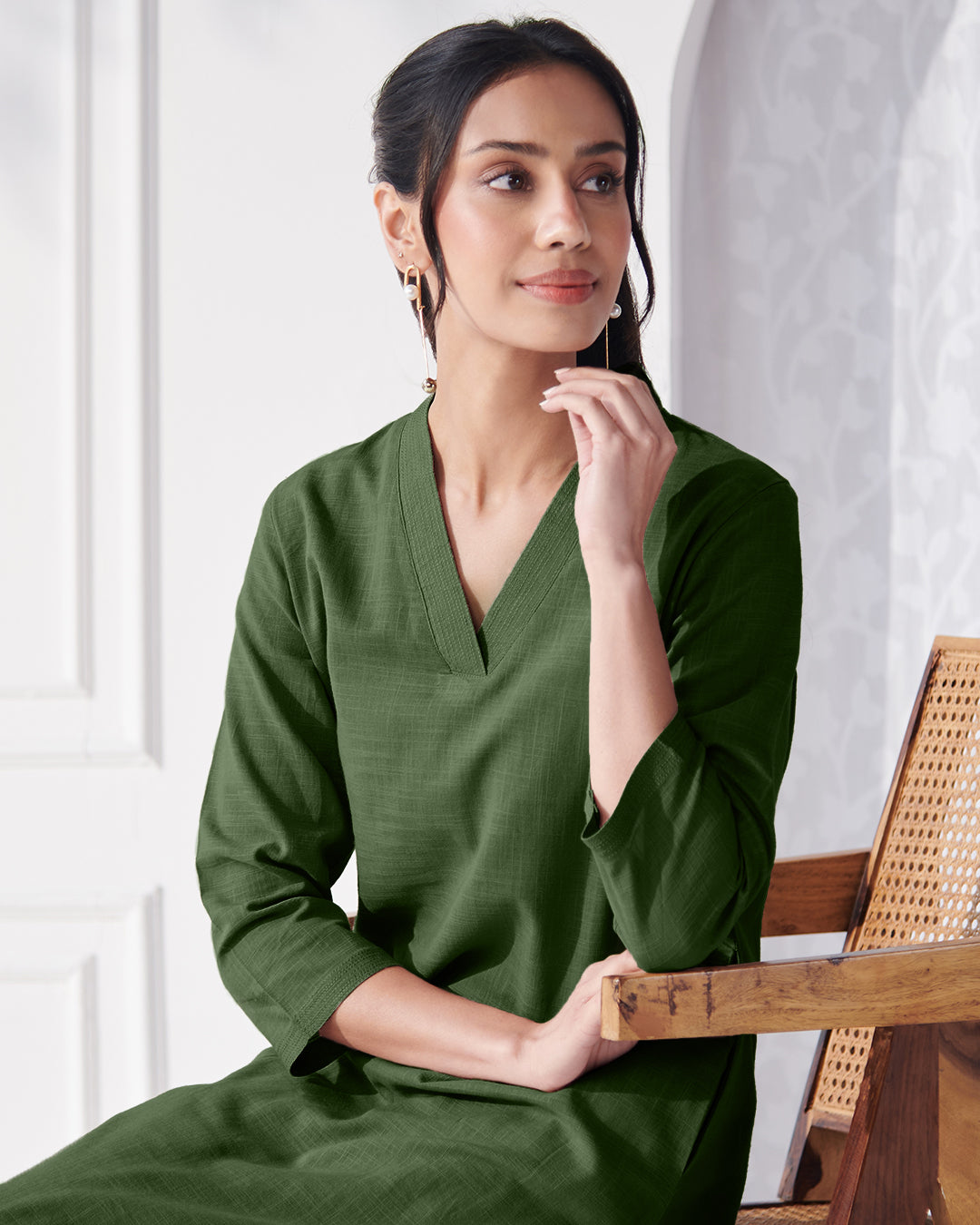
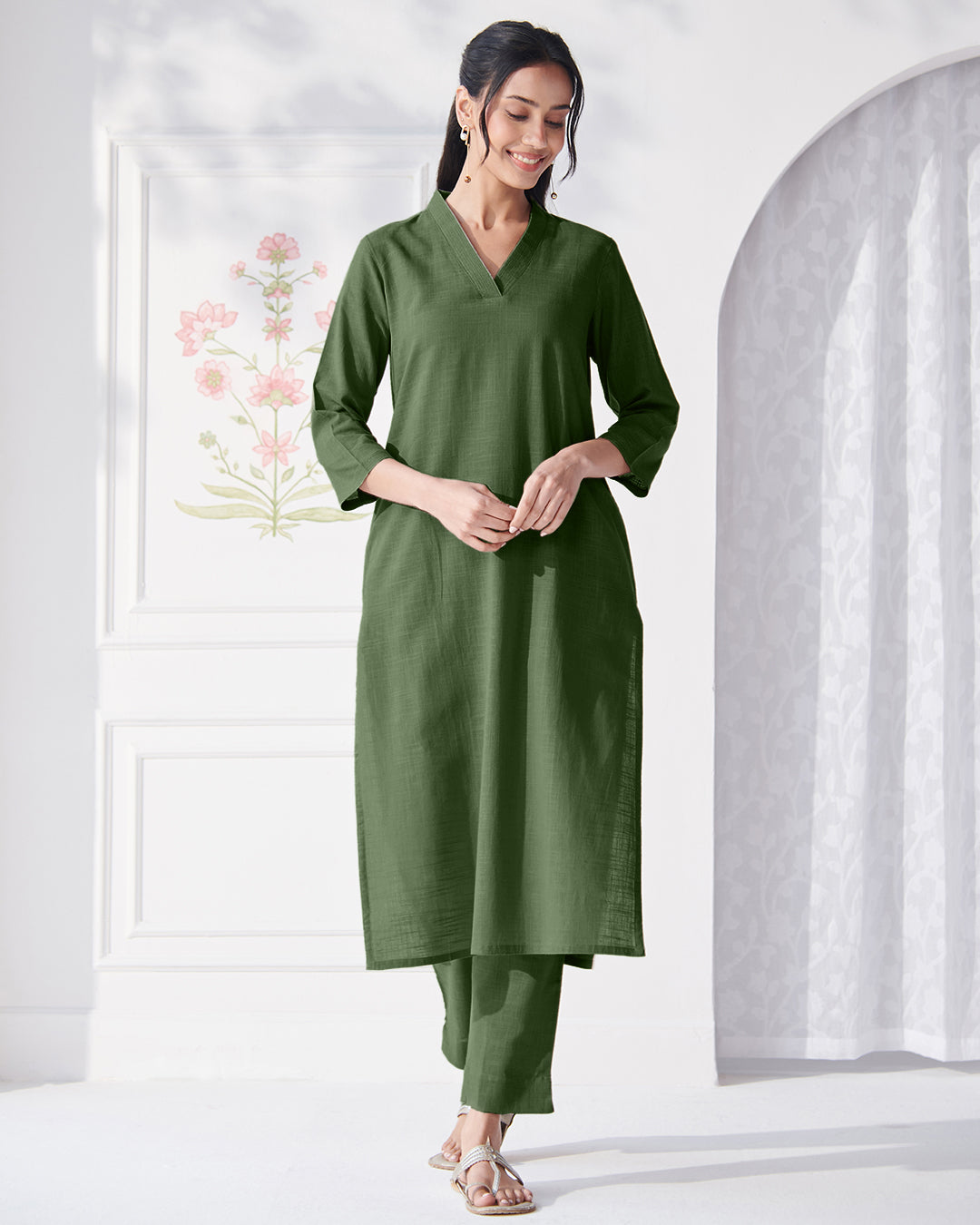
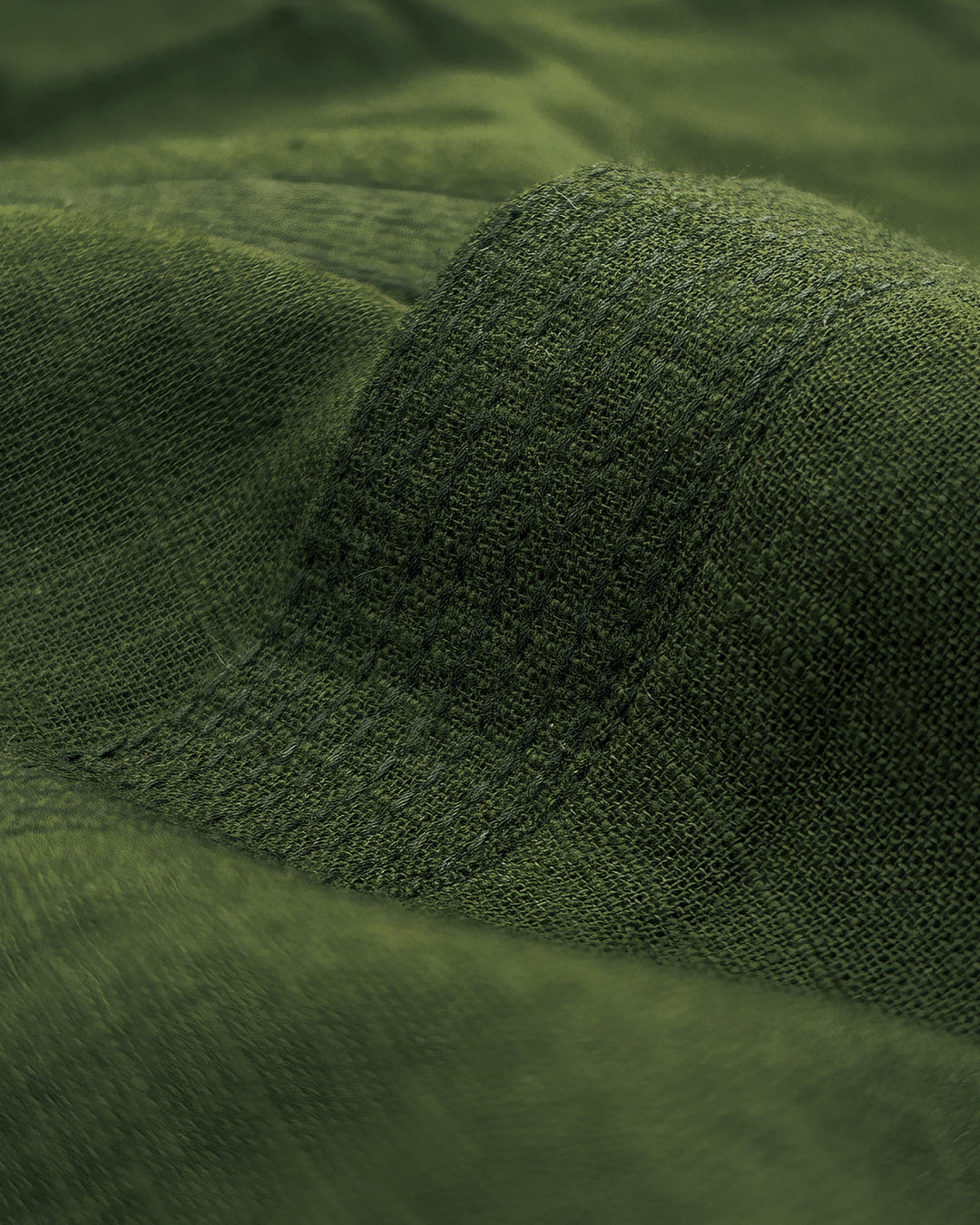
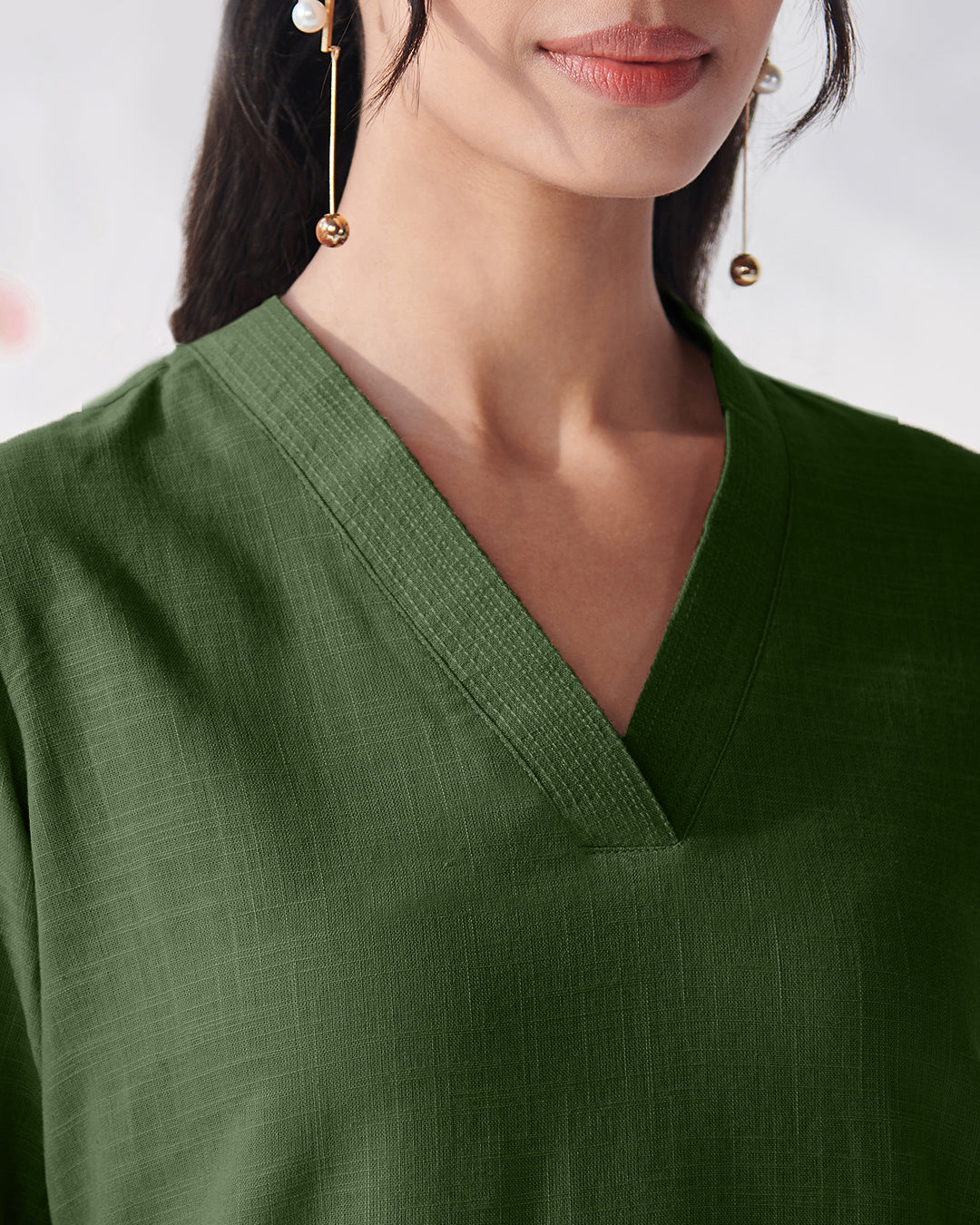
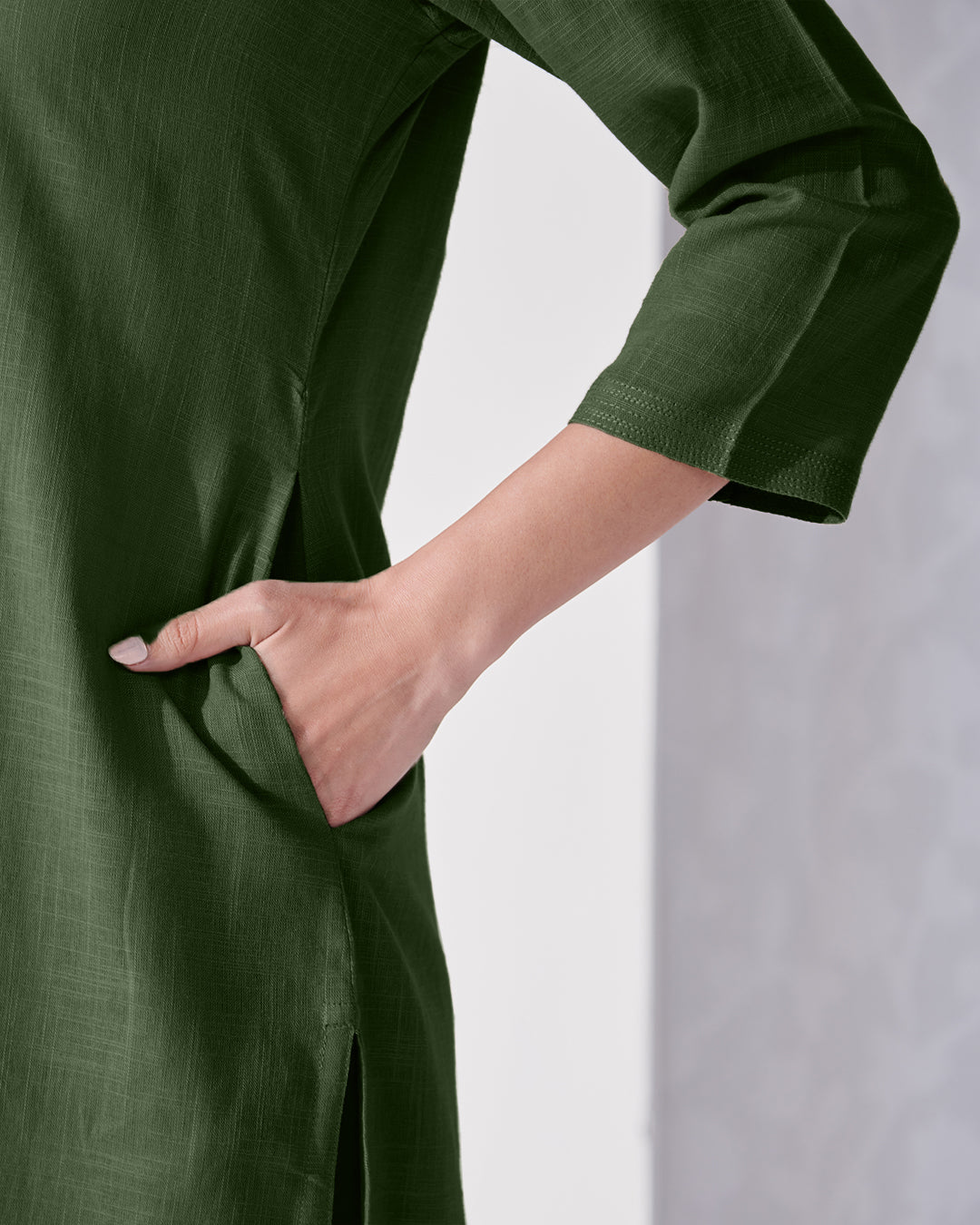
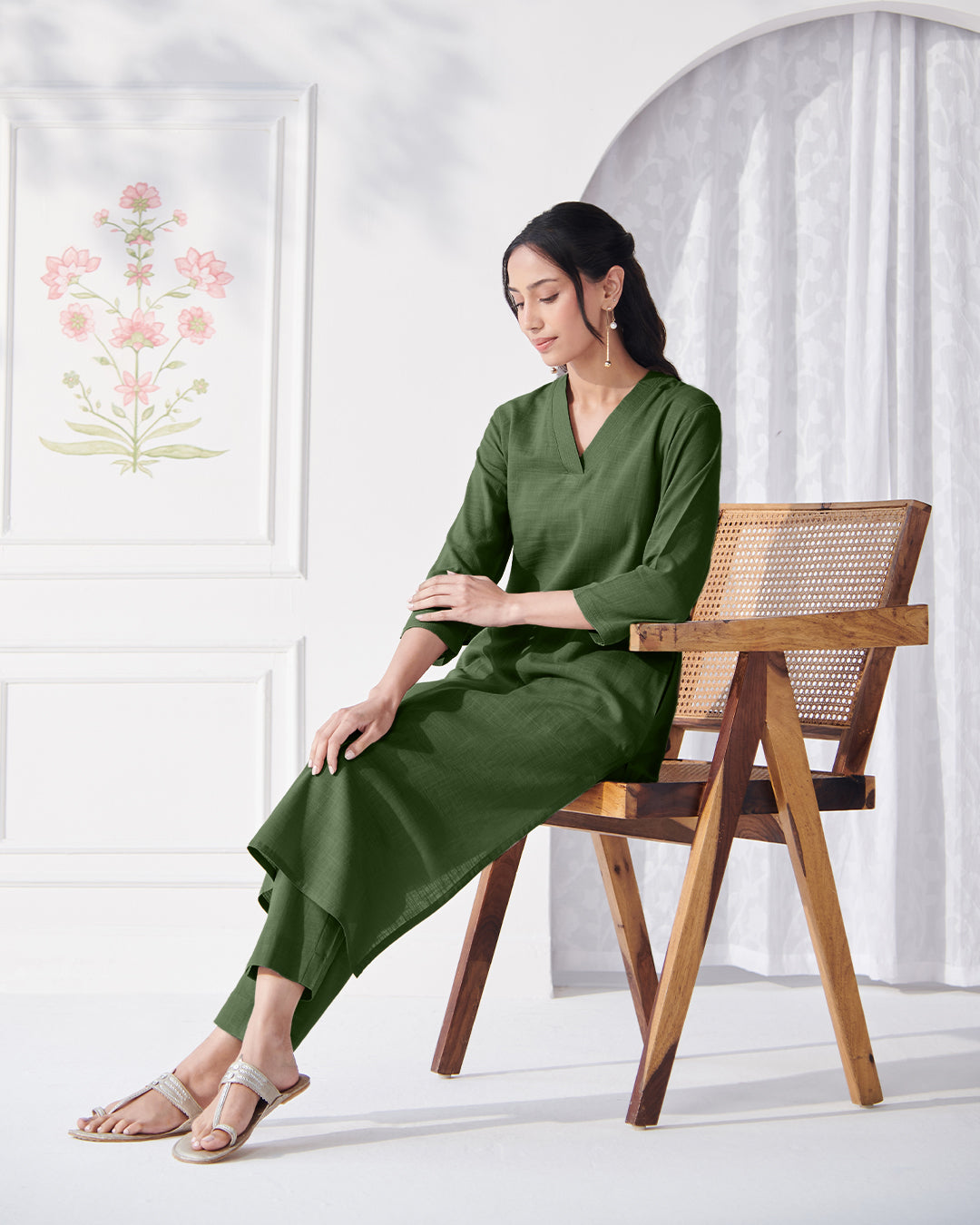
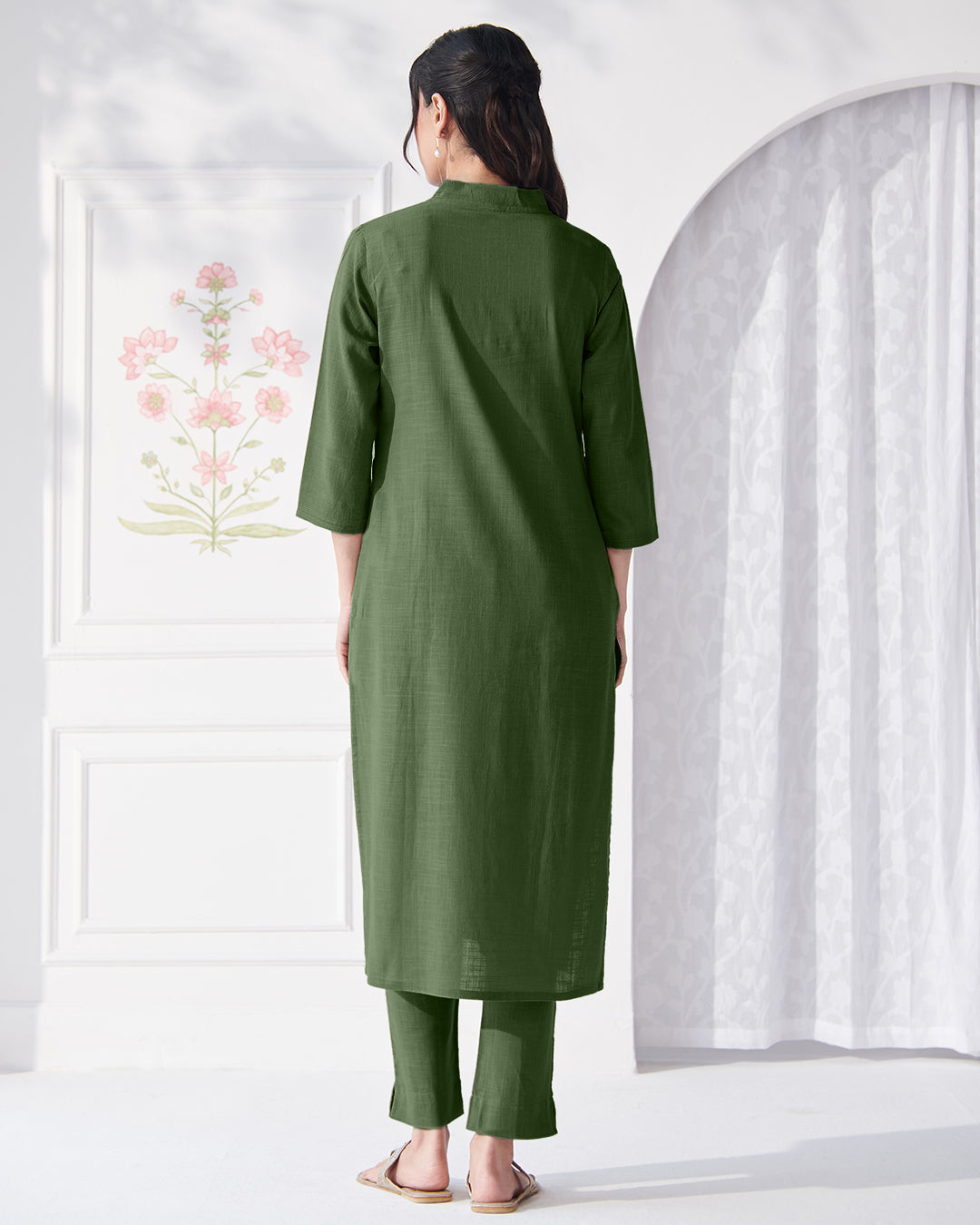
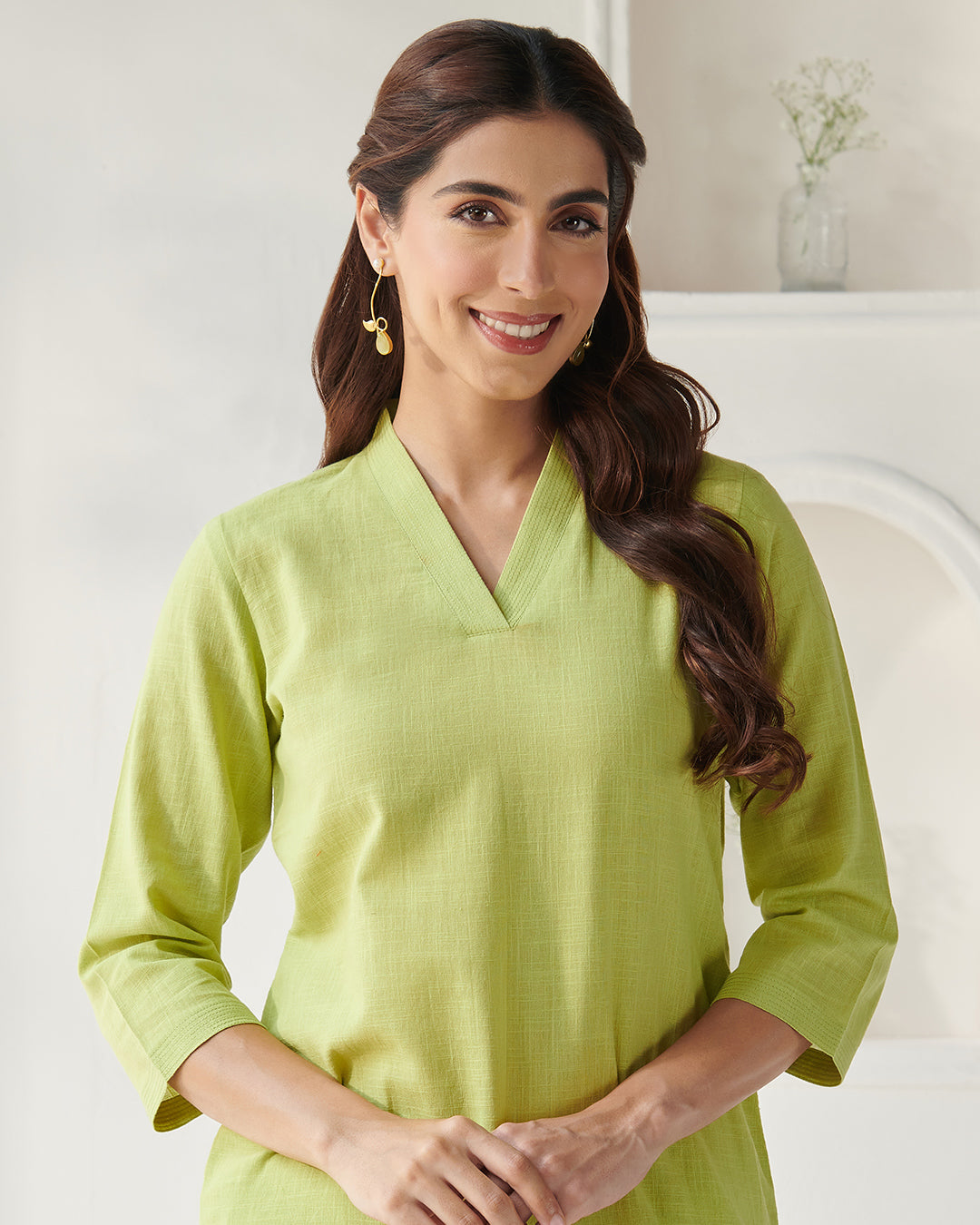
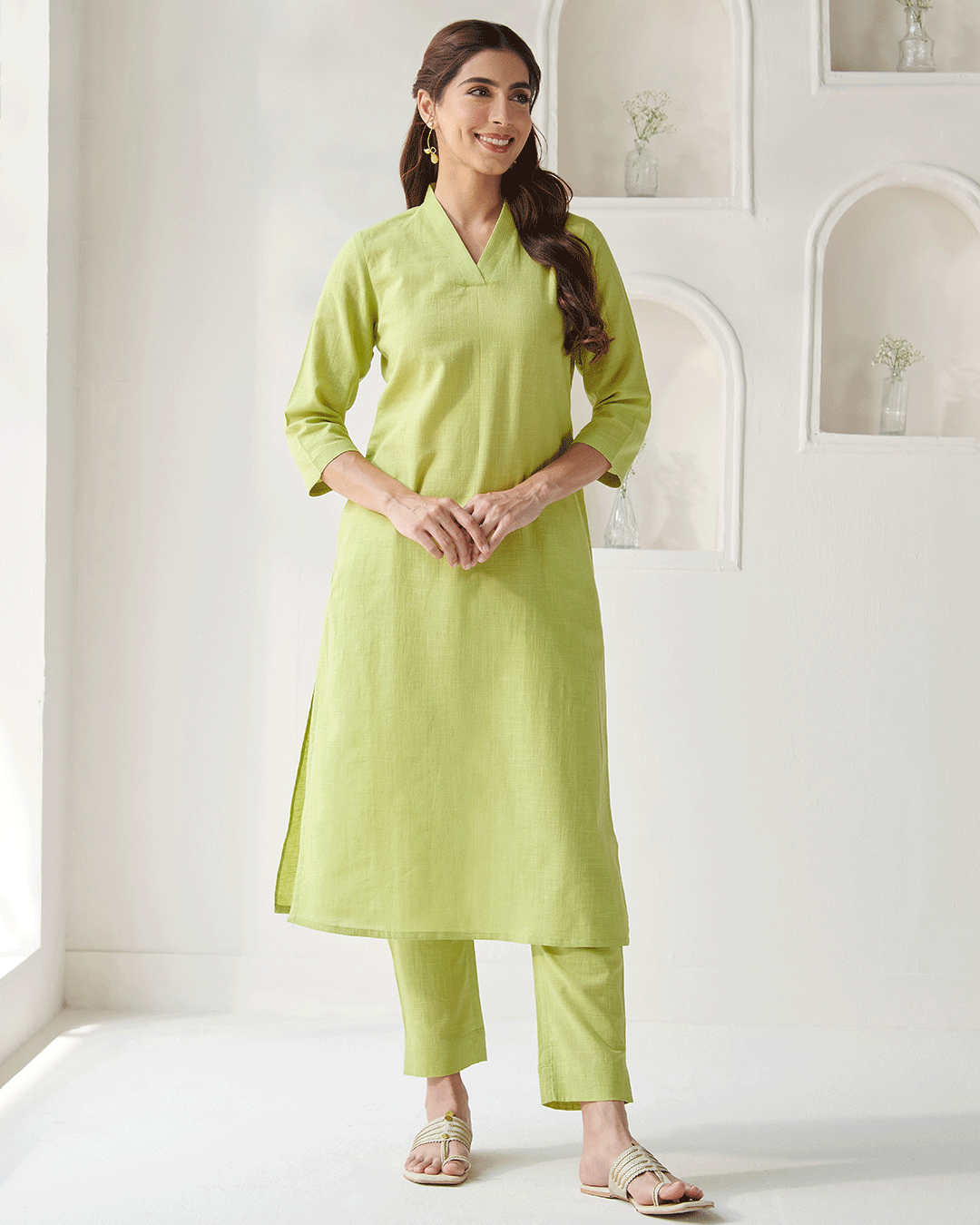
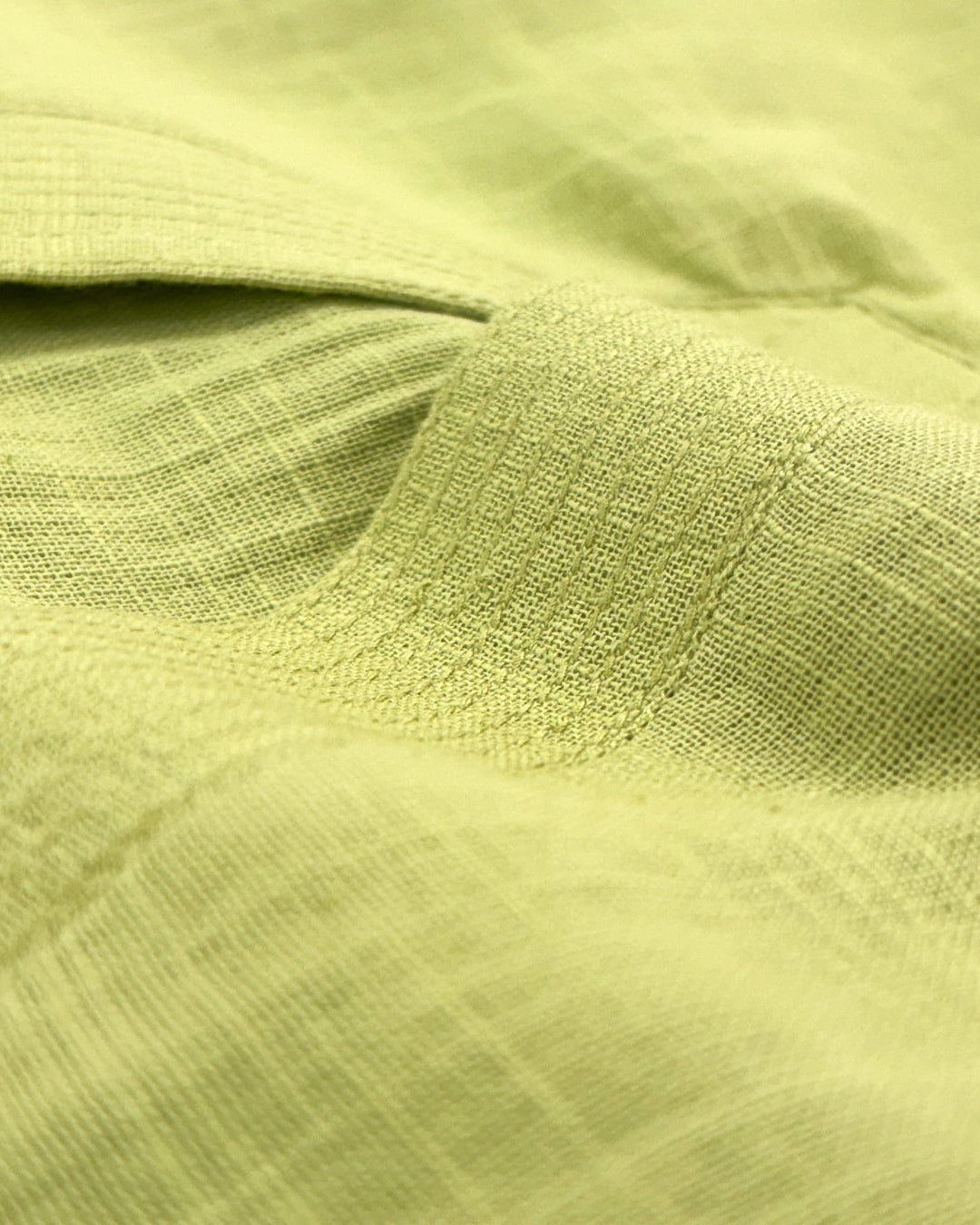
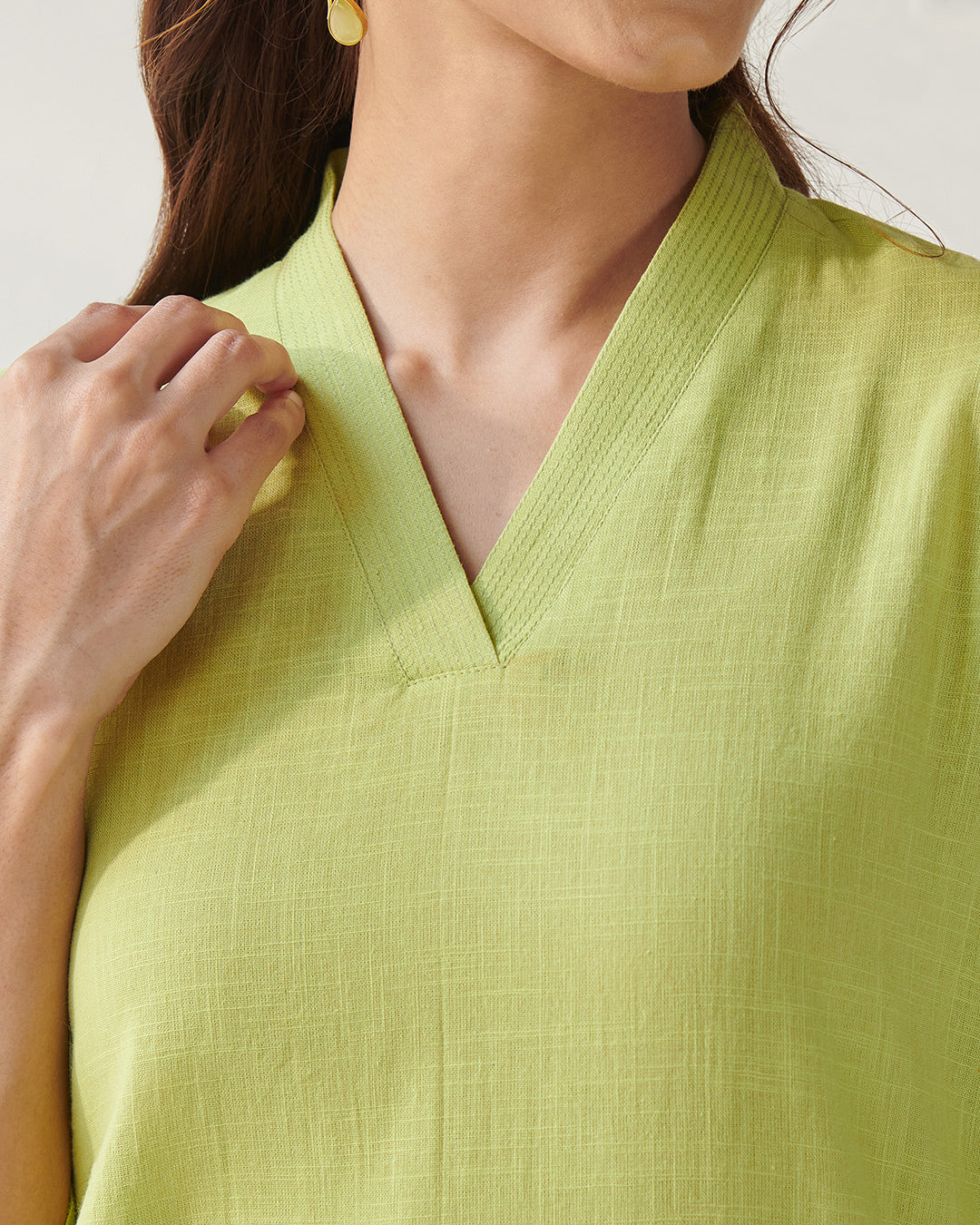
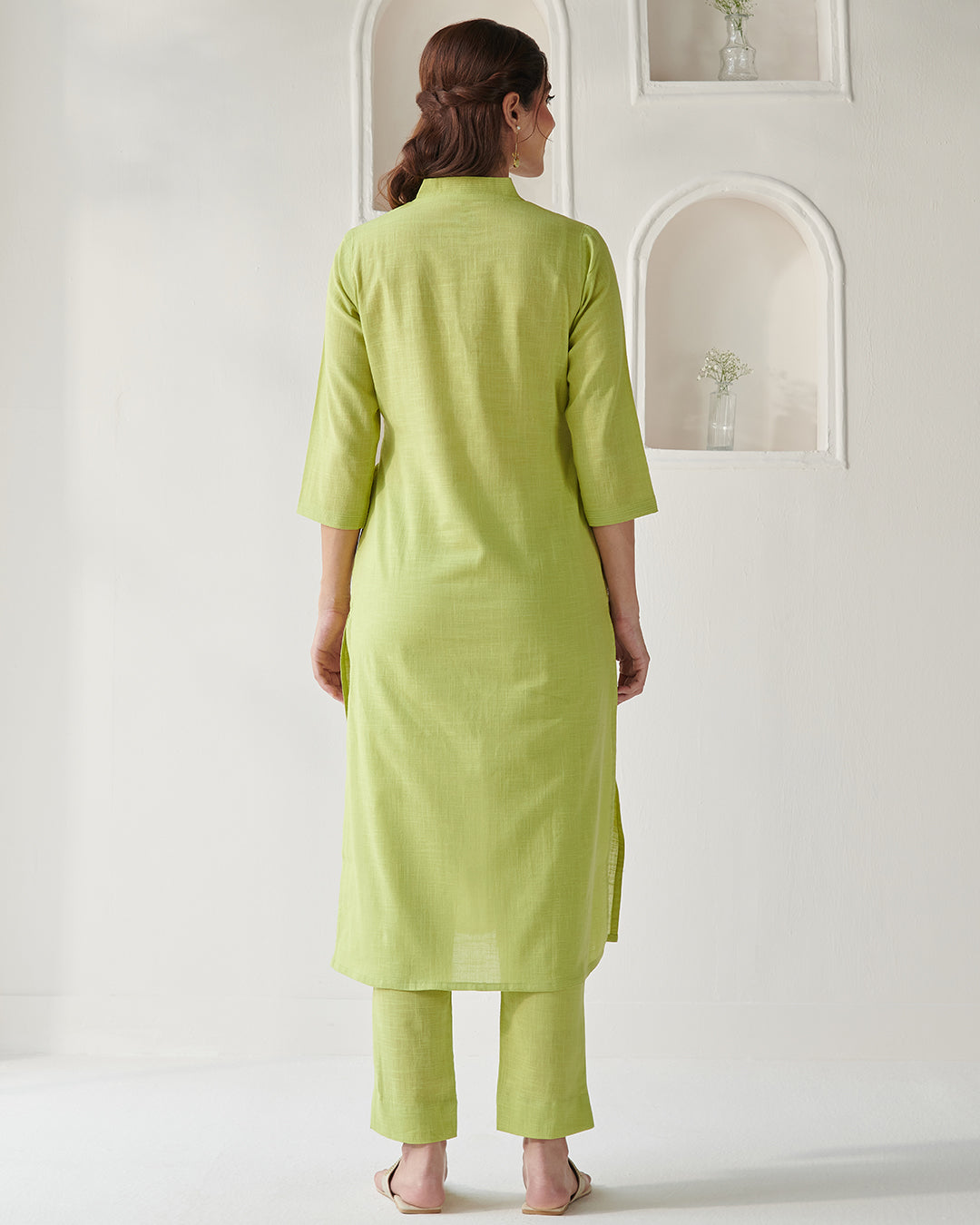
Green brings a sense of freshness to festive dressing. Shades such as emerald, bottle green, and muted sage can each create a different mood. A richly printed green kurta set works beautifully for Eid and Diwali, while softer greens feel graceful for daytime family gatherings.
Pink Kurtas for Holi, Teej & Daytime Festivities
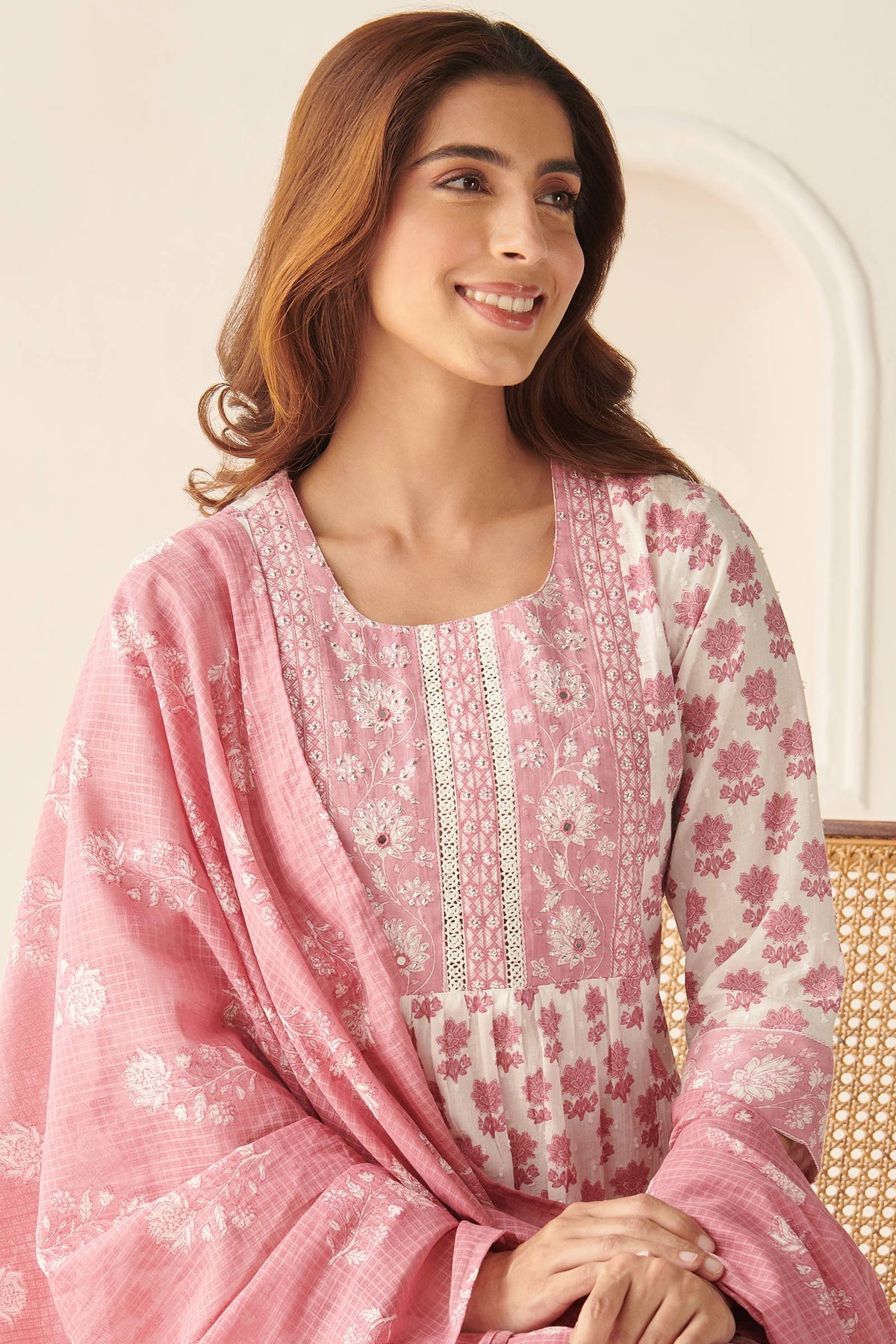
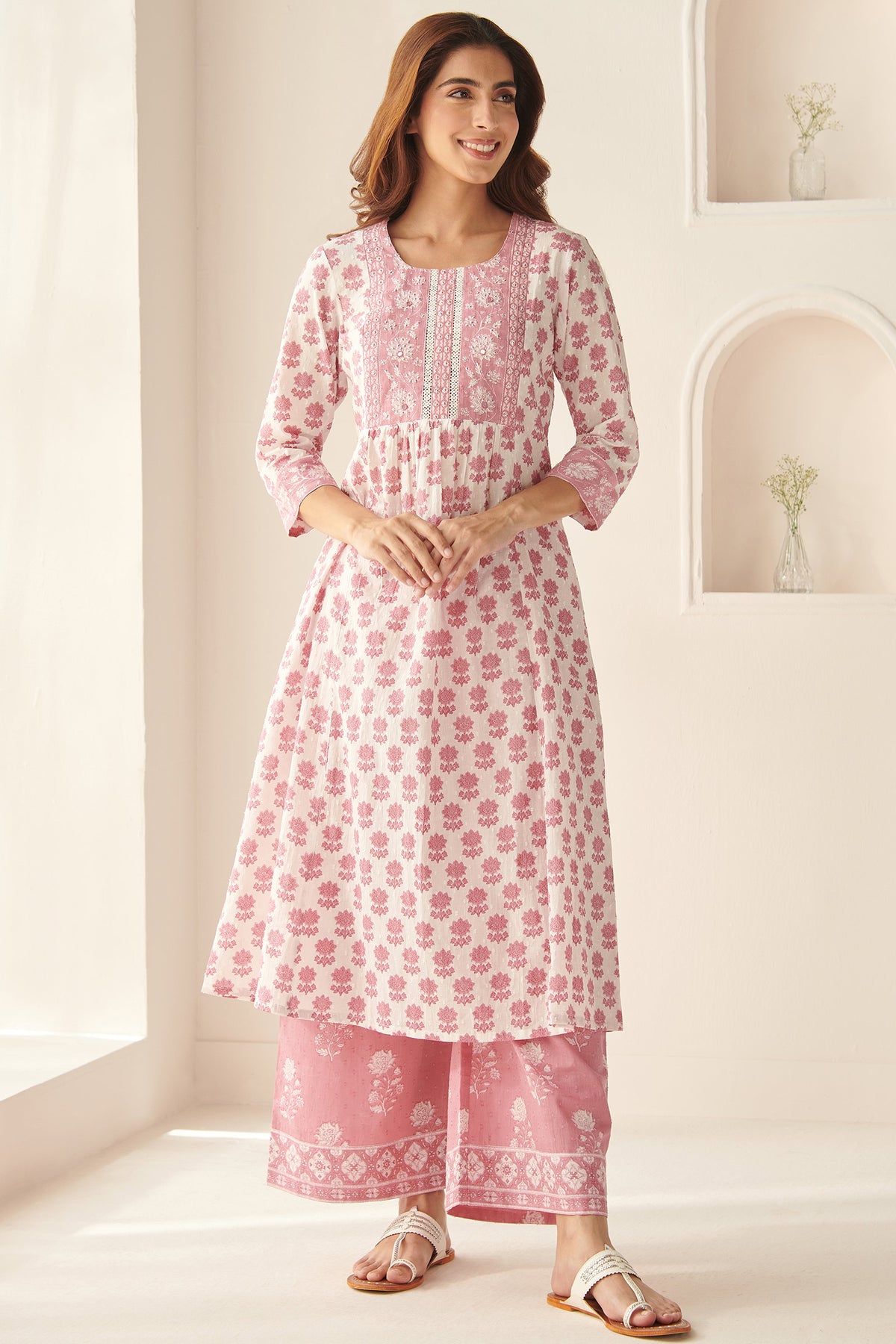
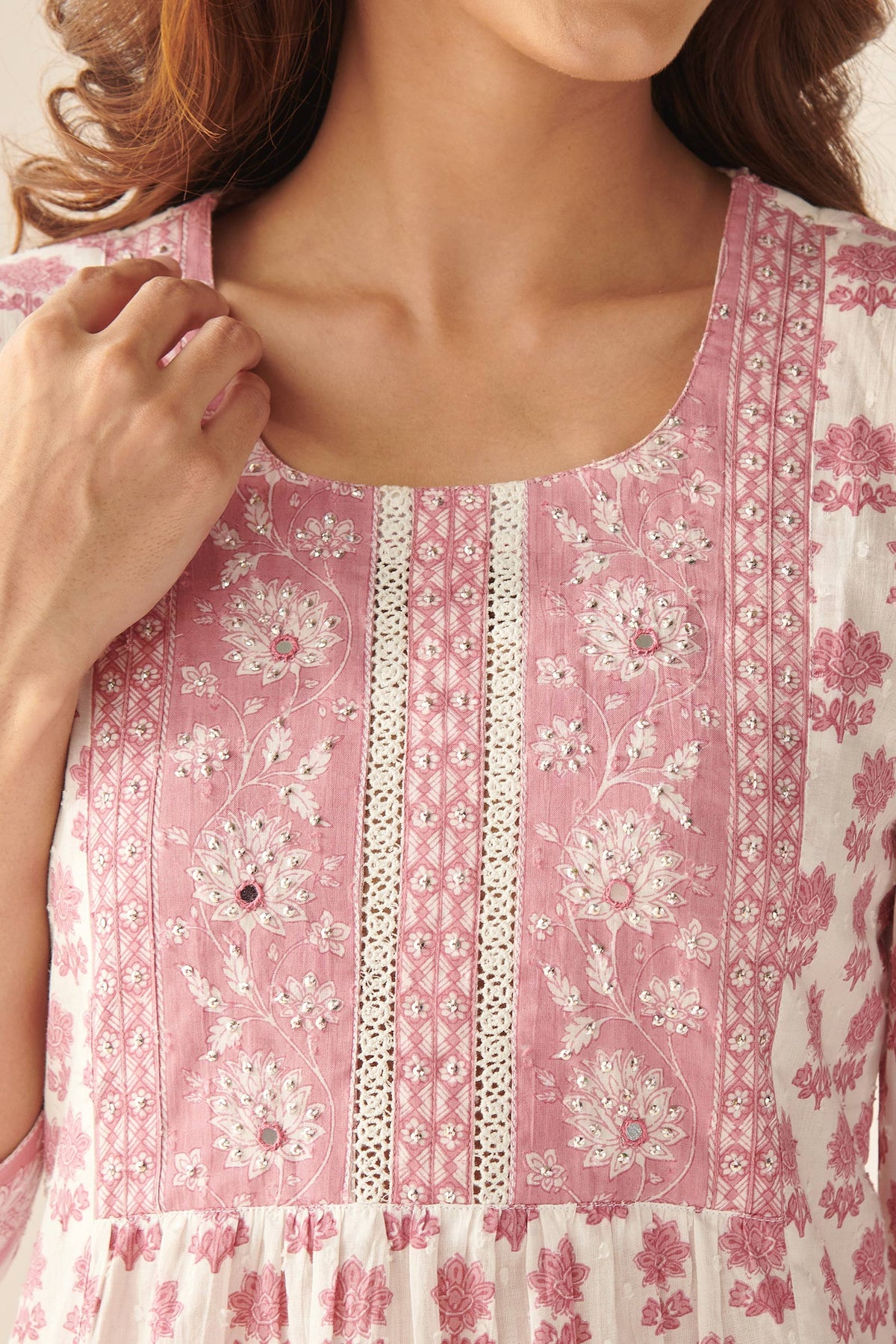
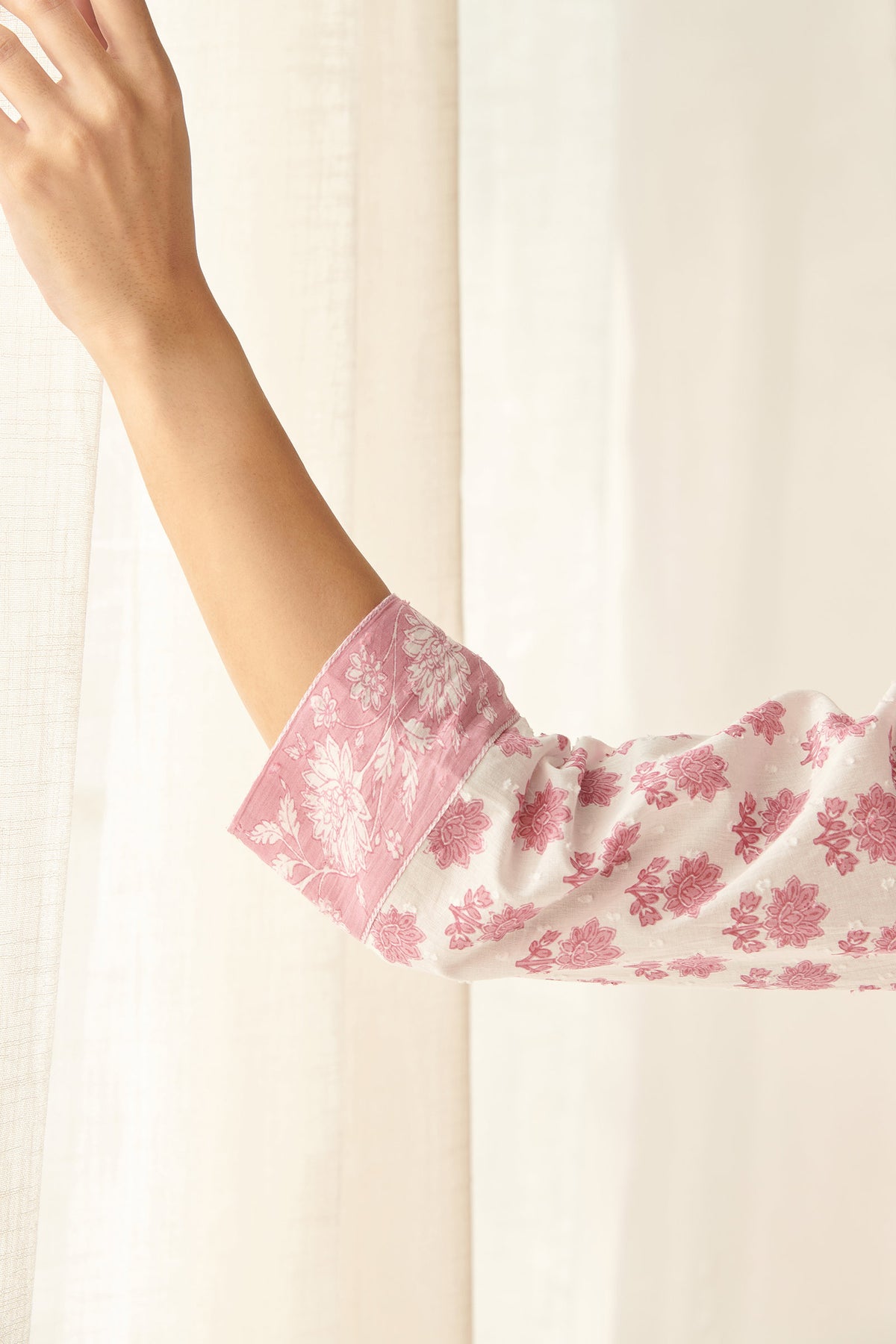
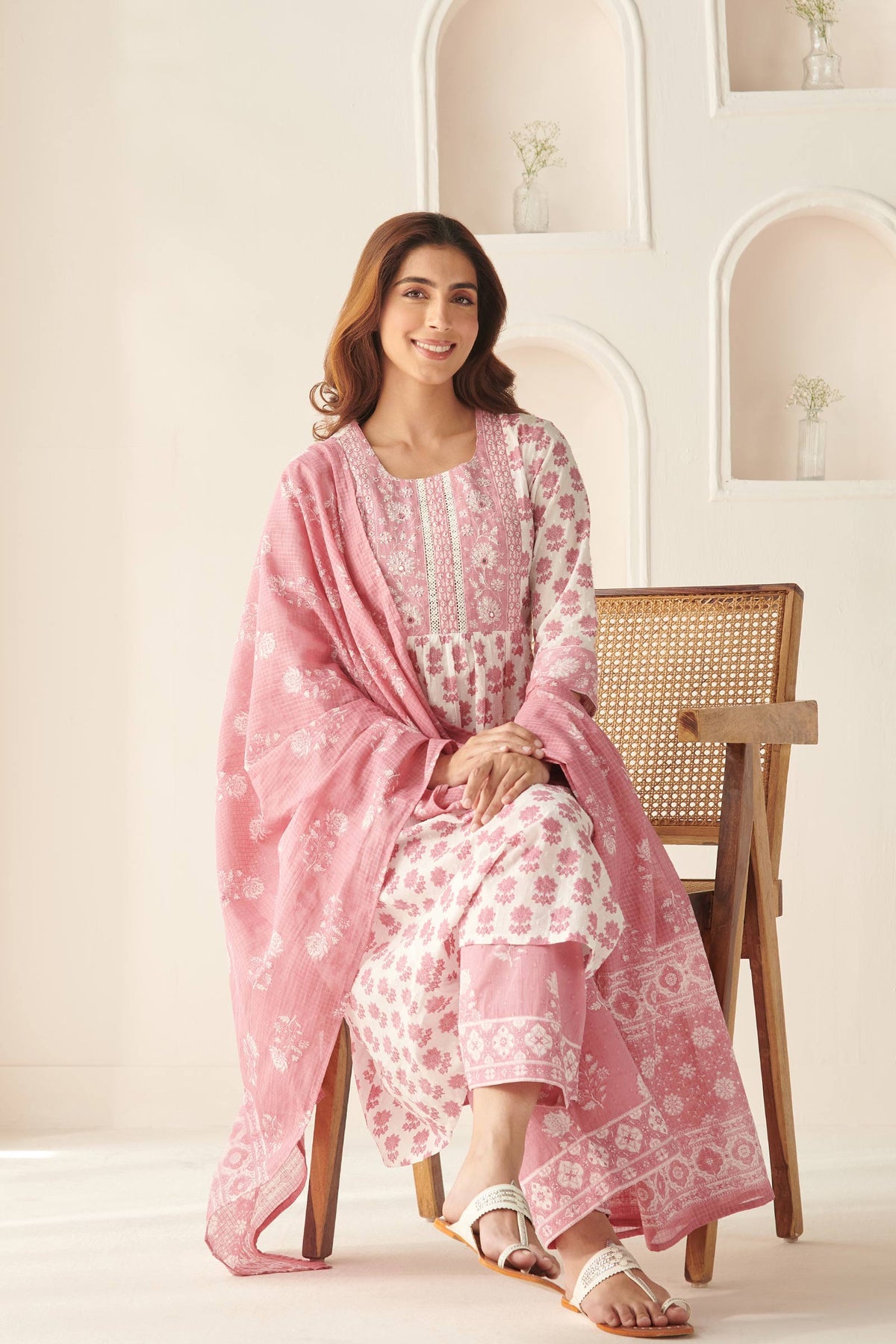
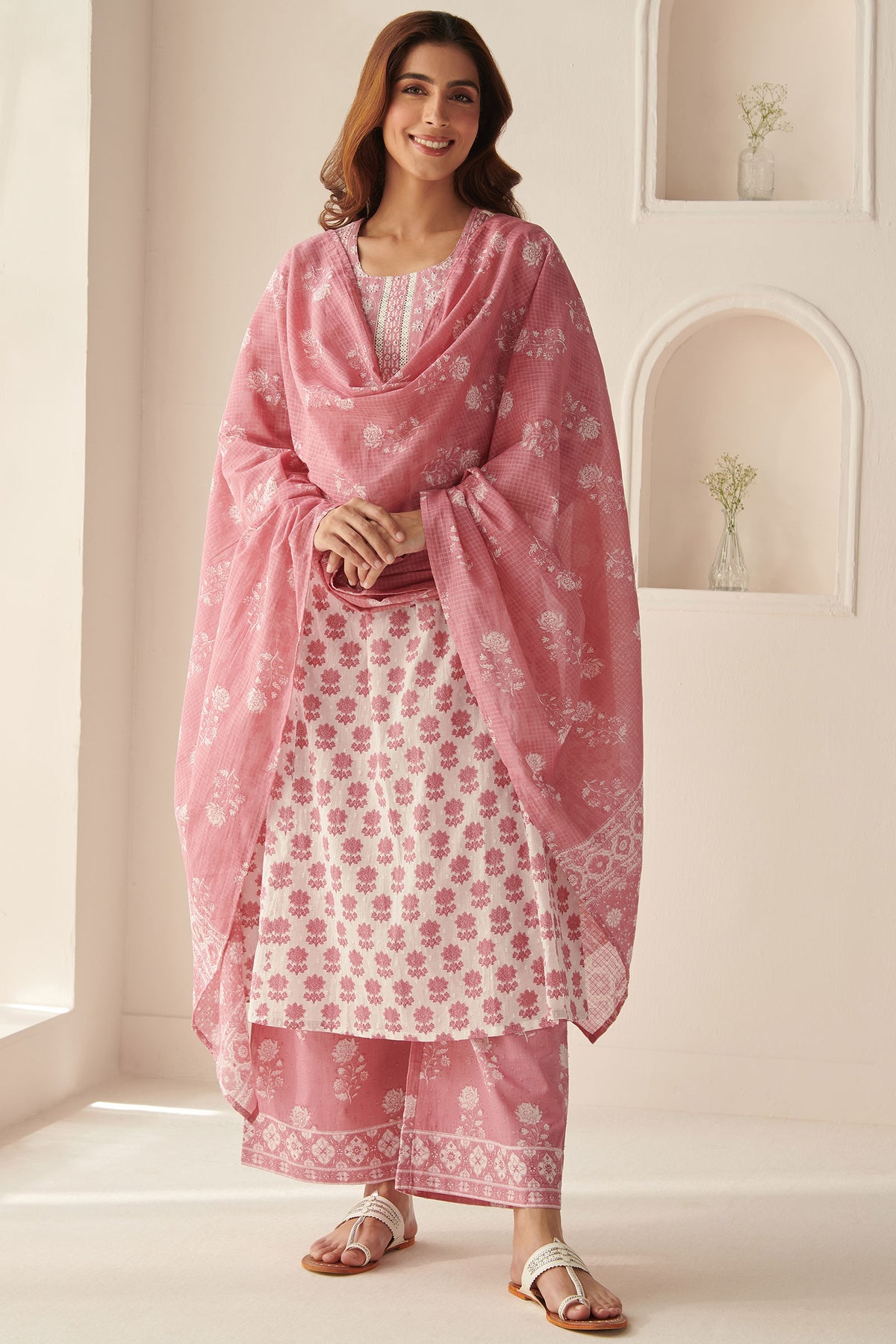
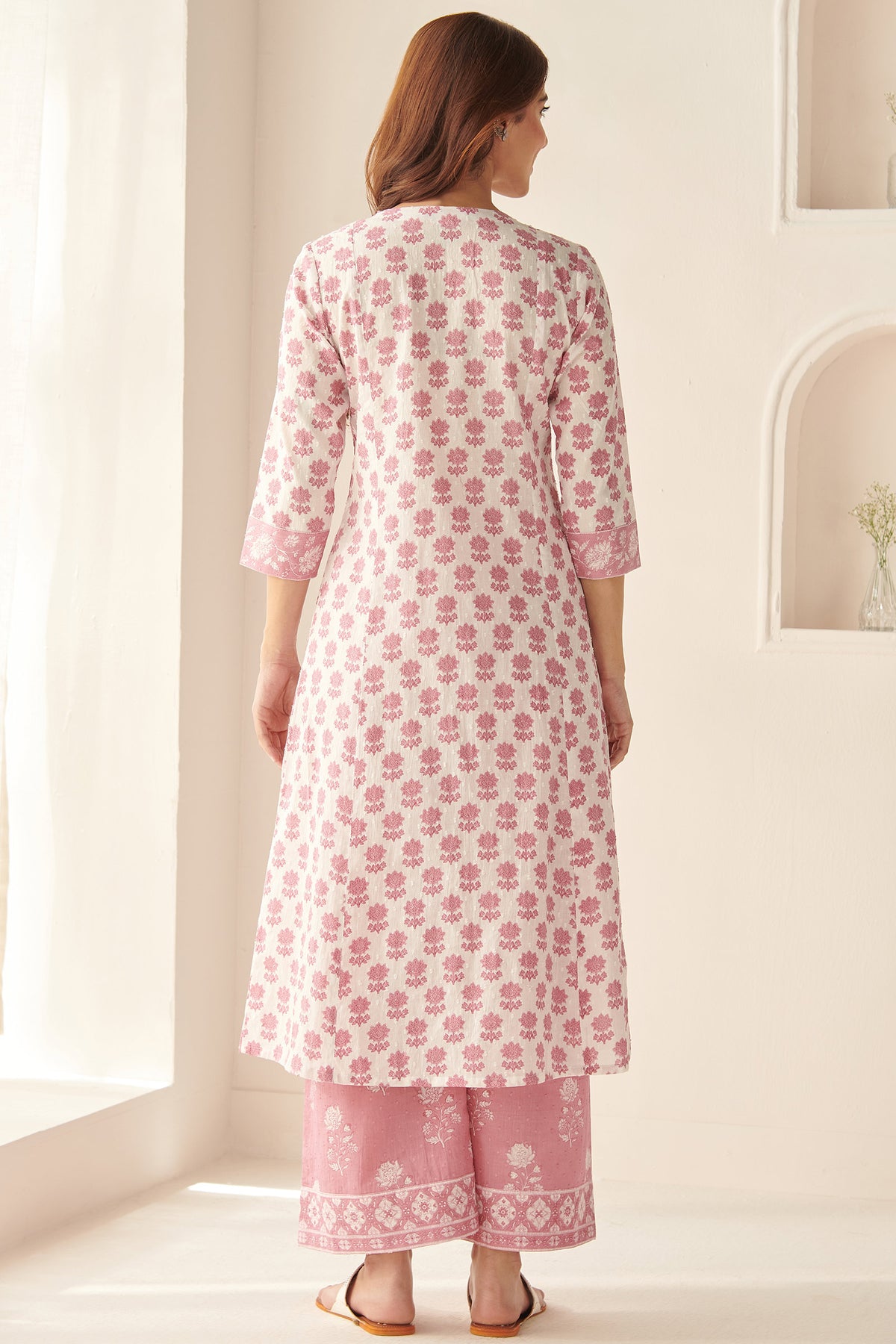
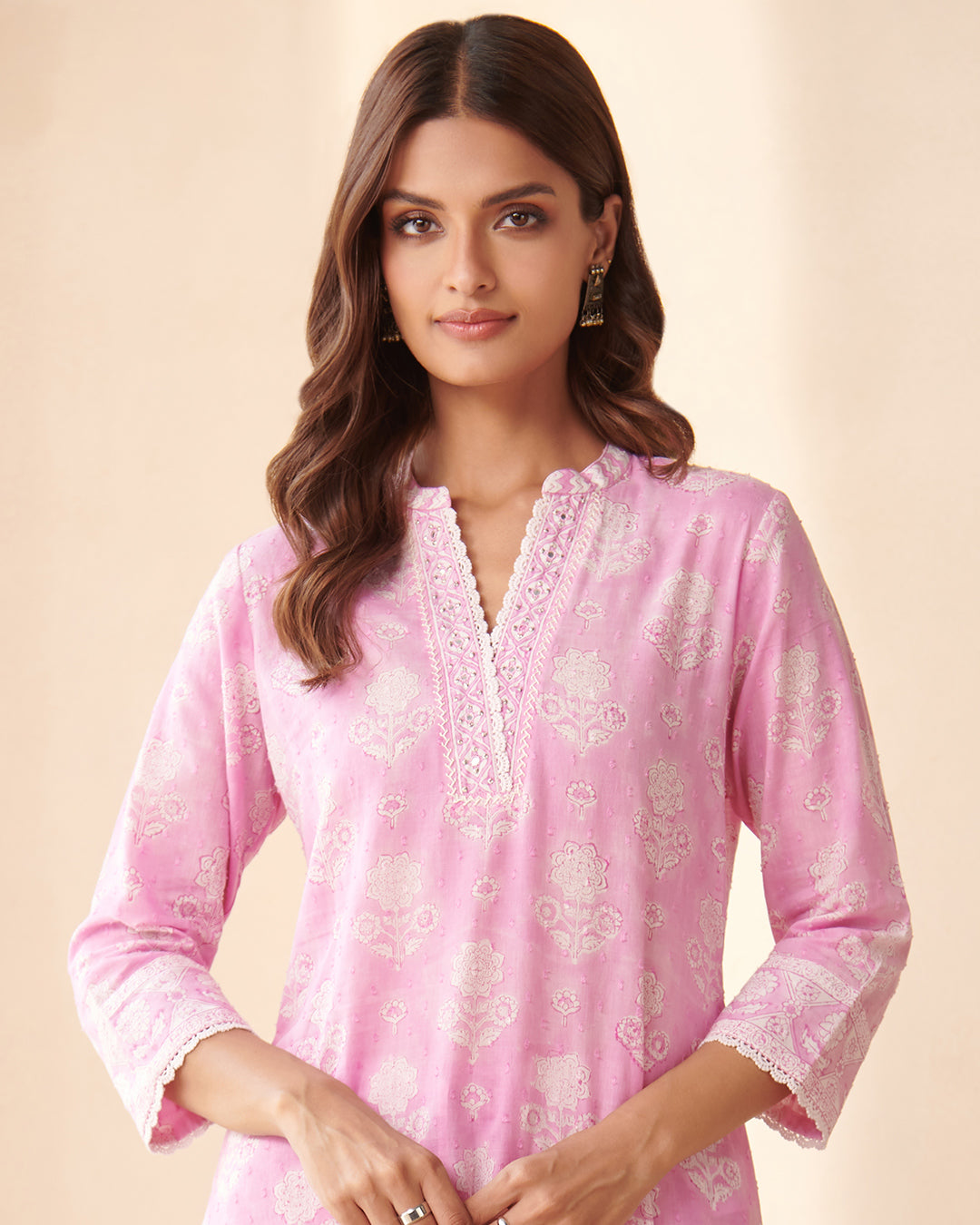
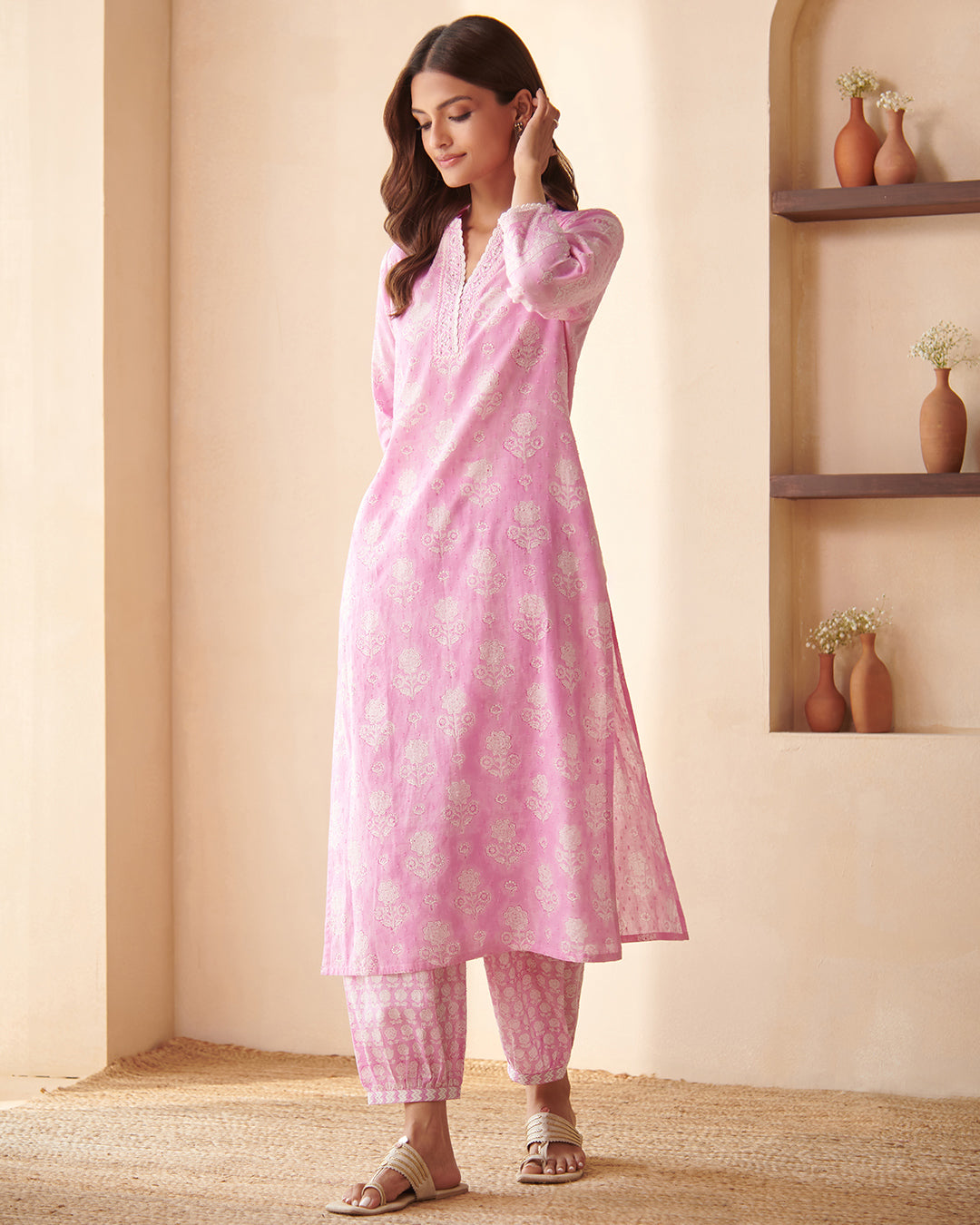
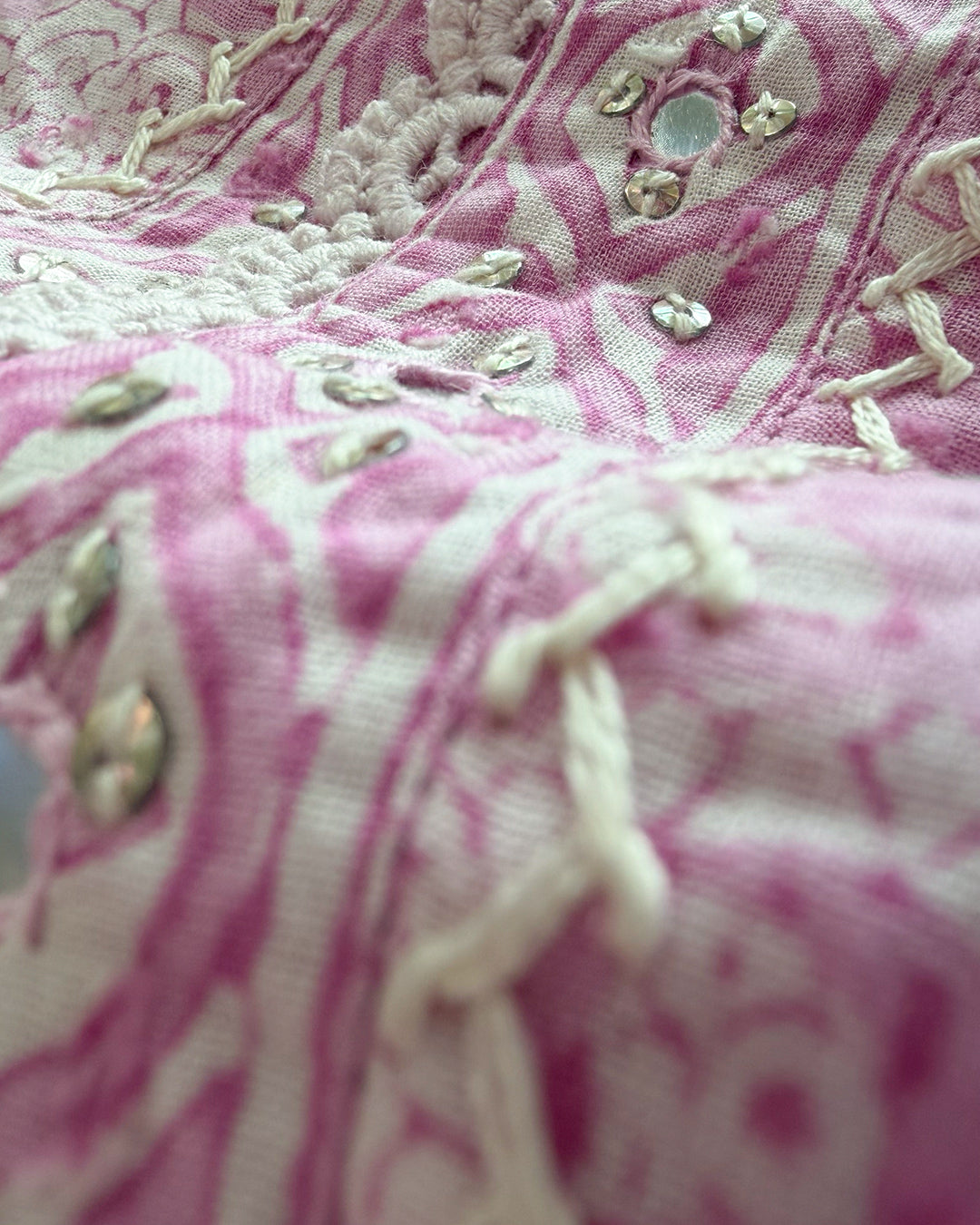
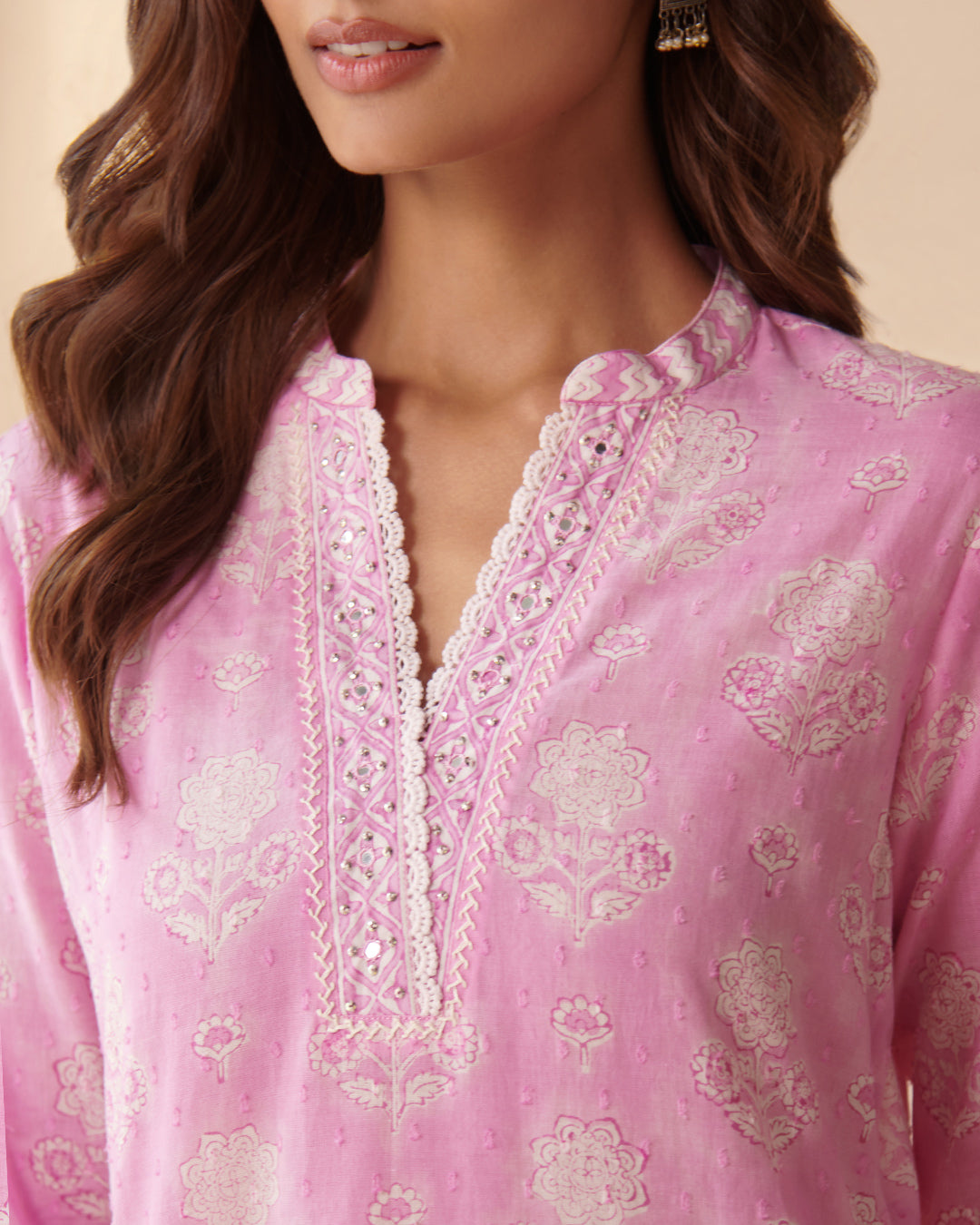
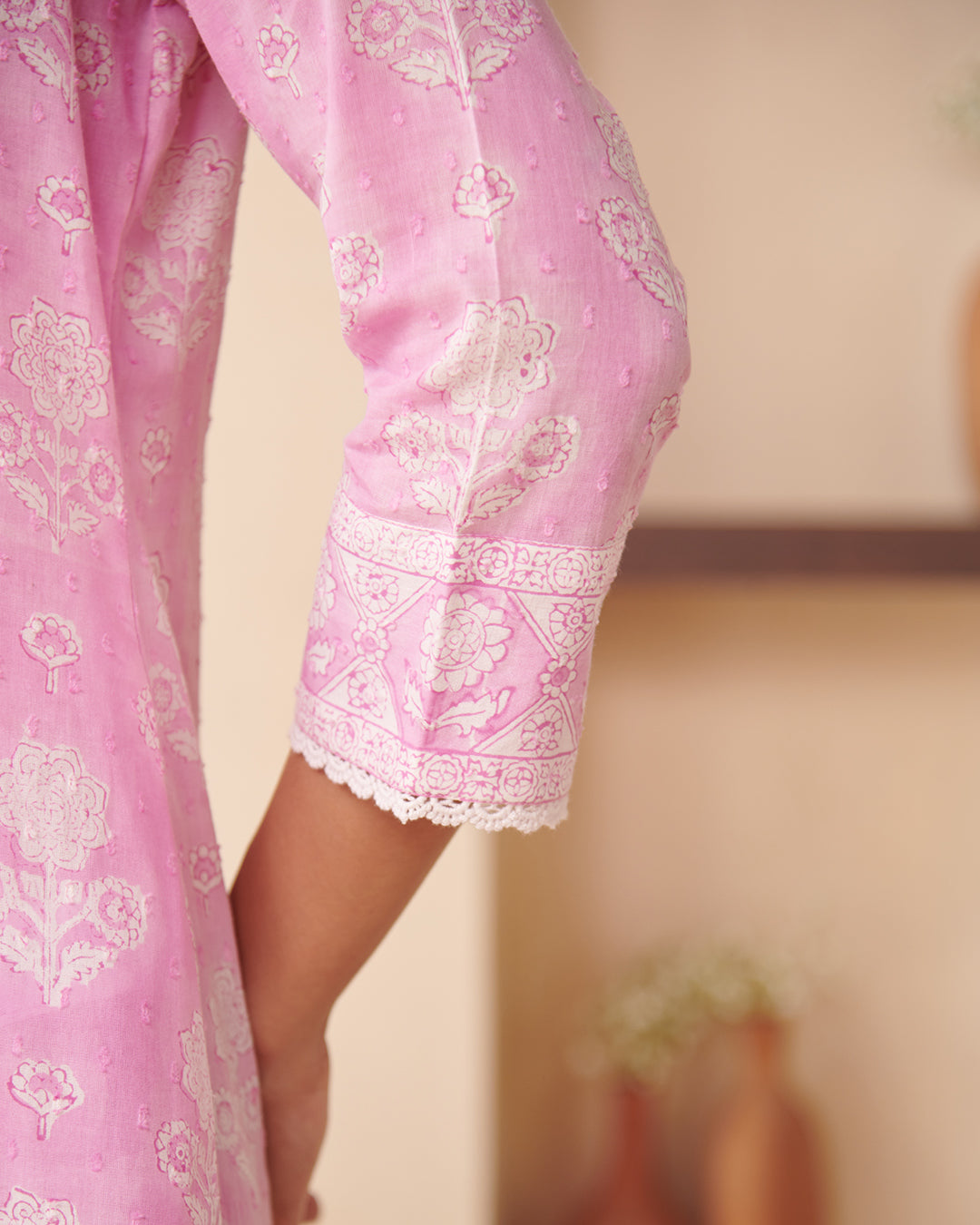
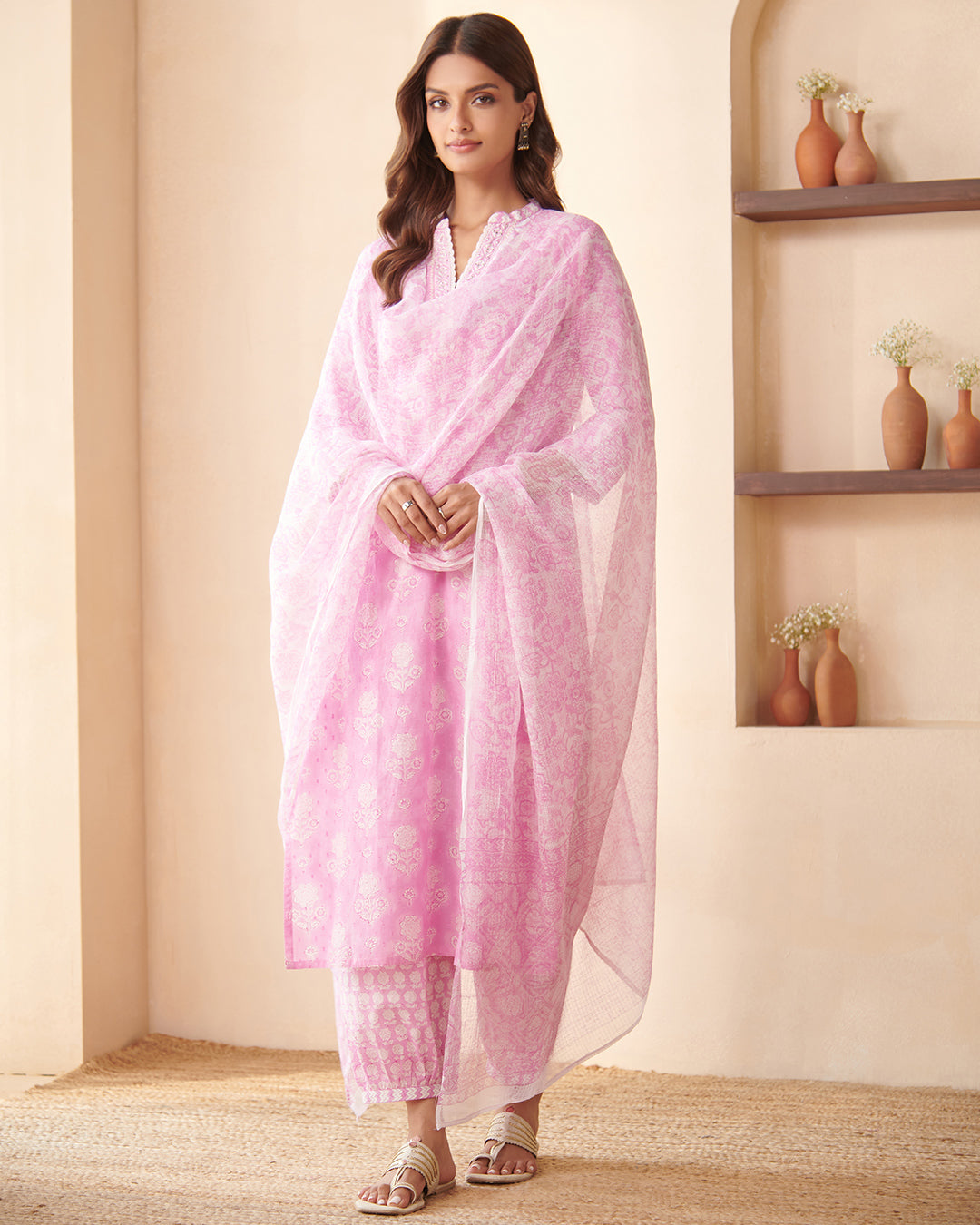
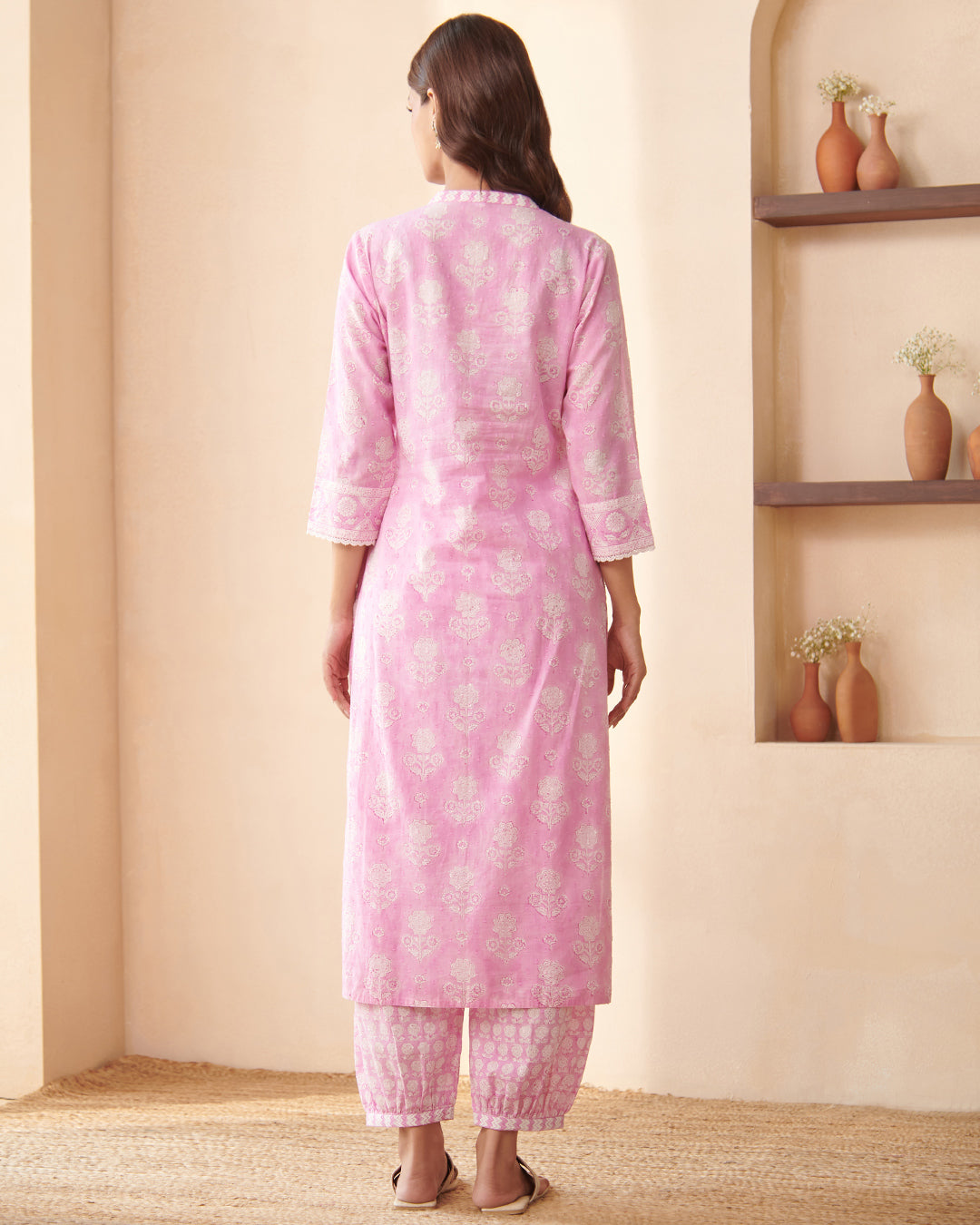
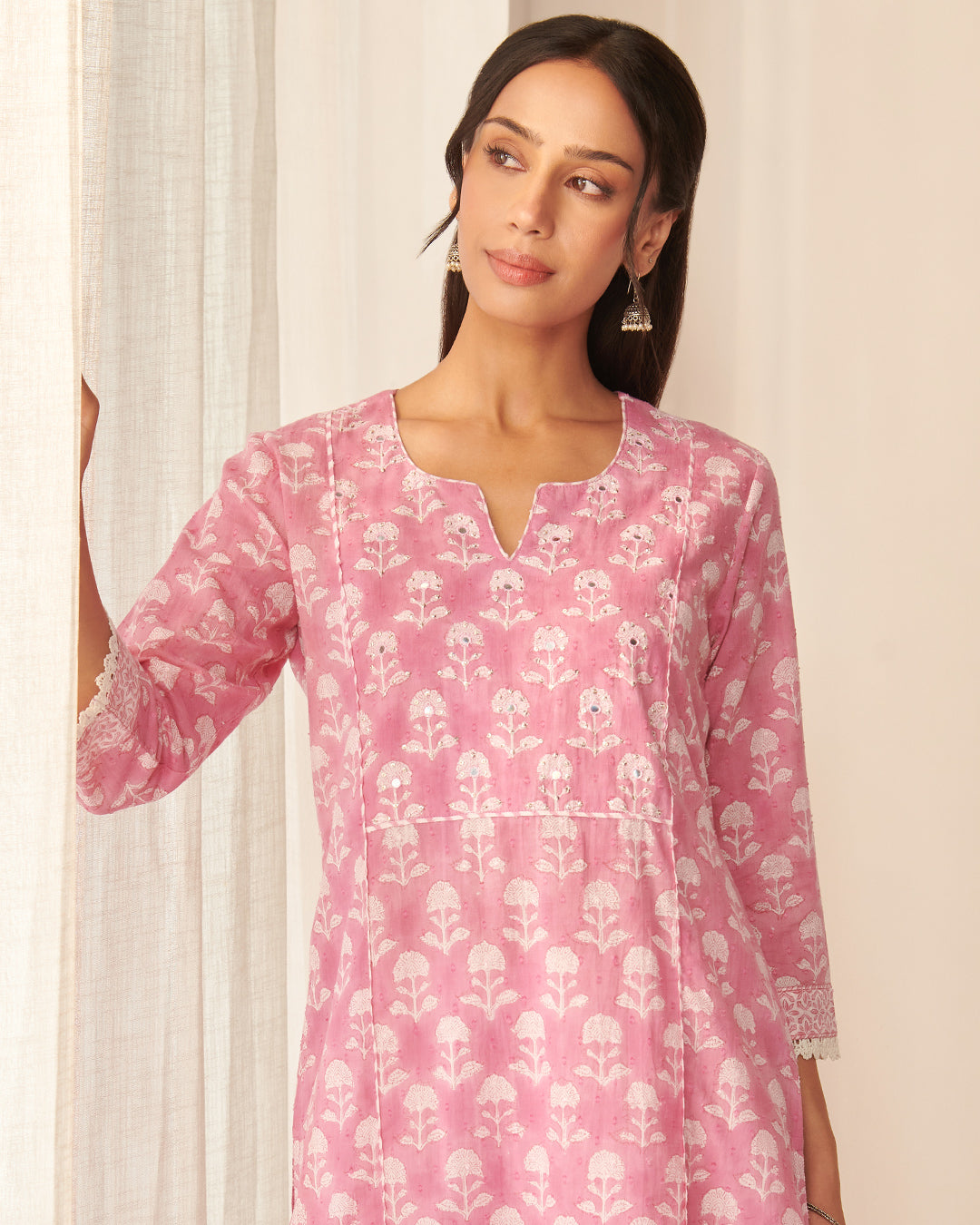
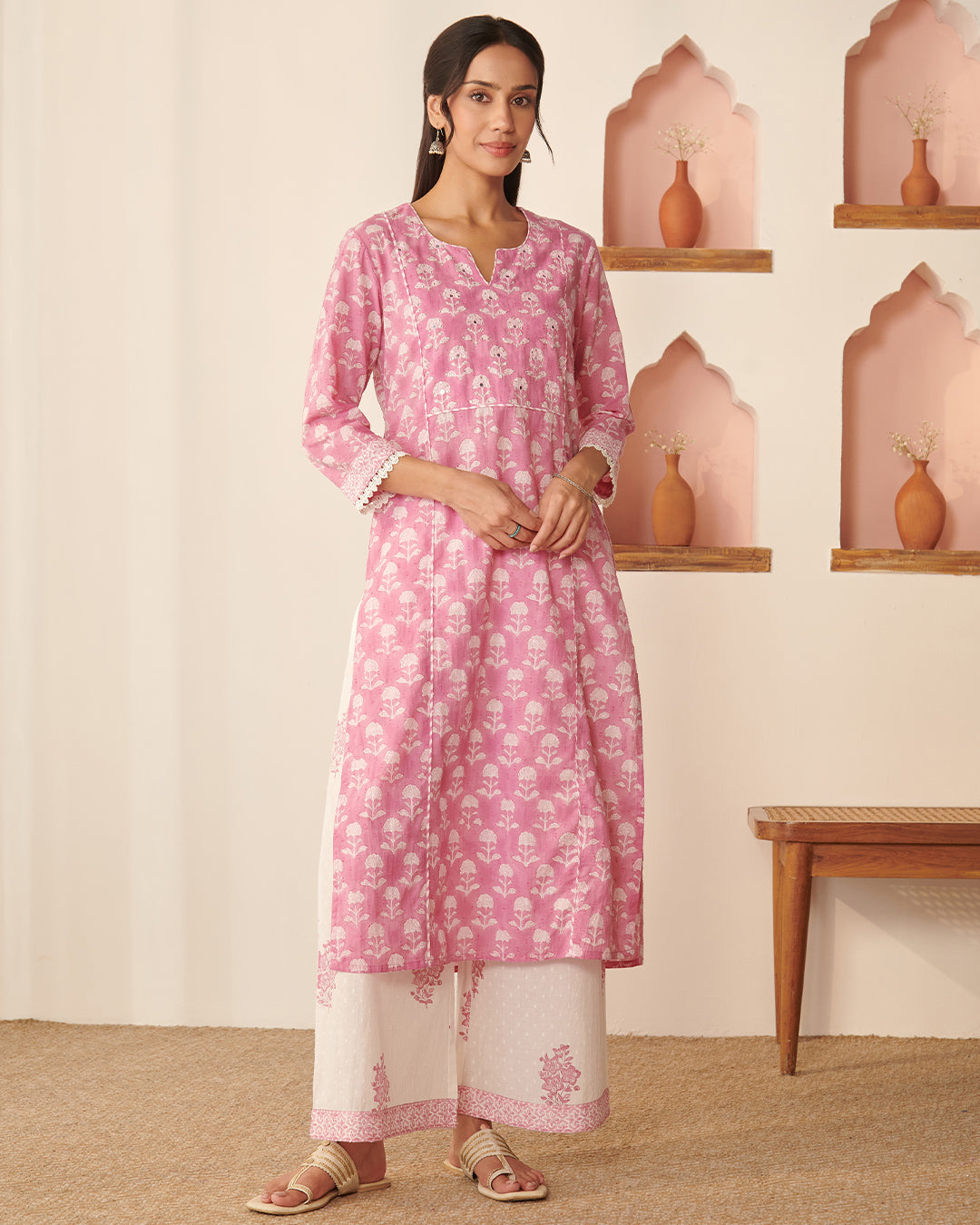
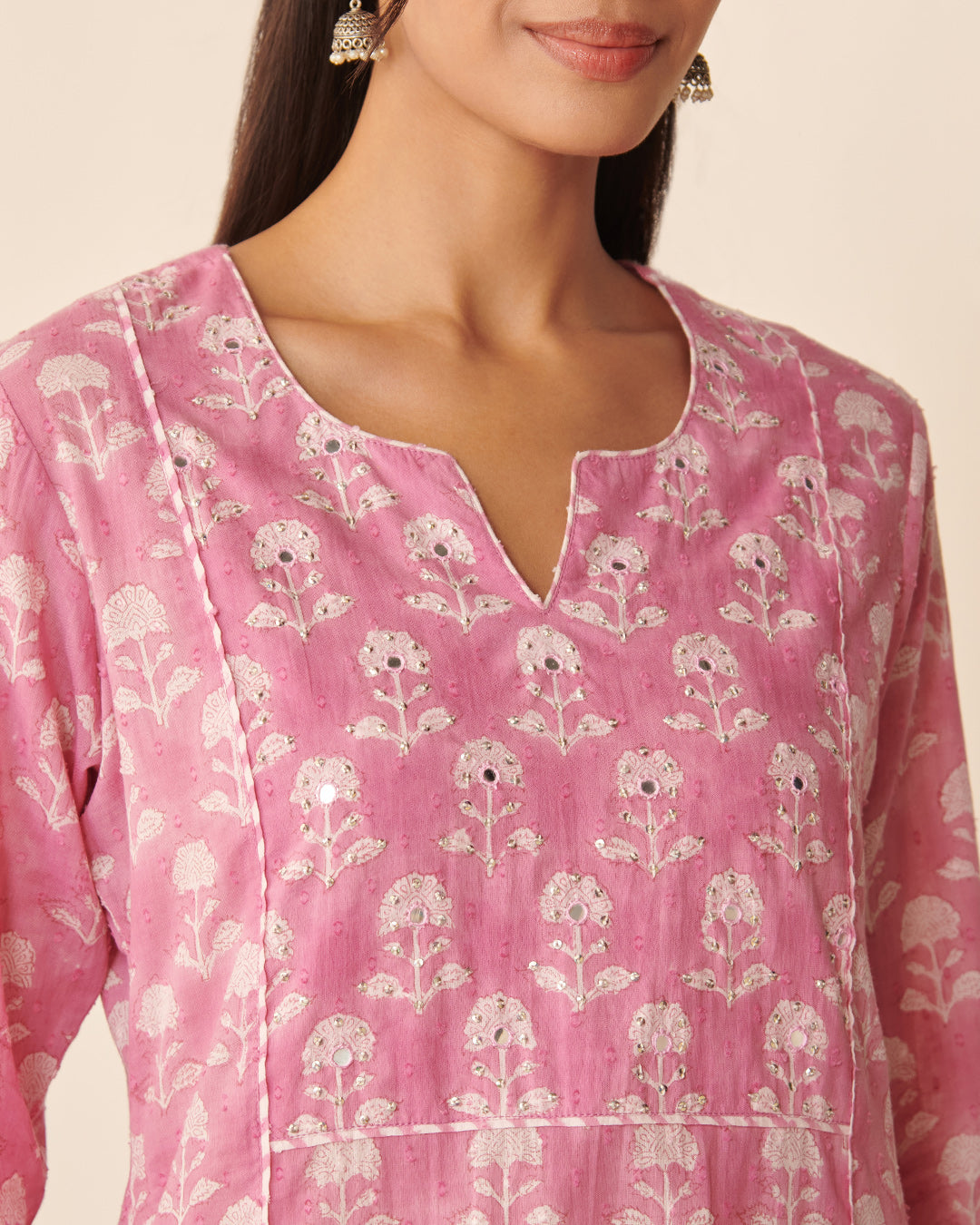
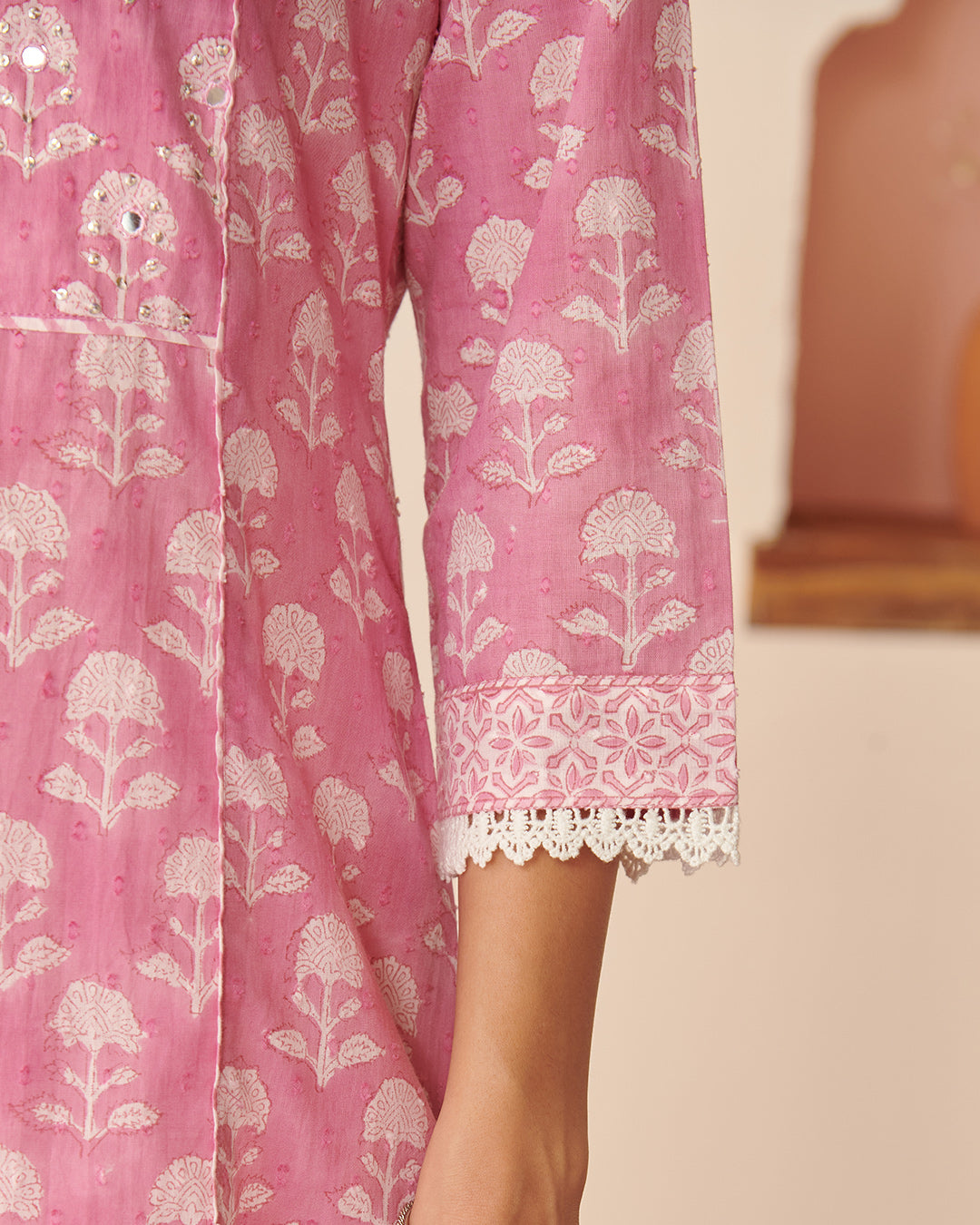
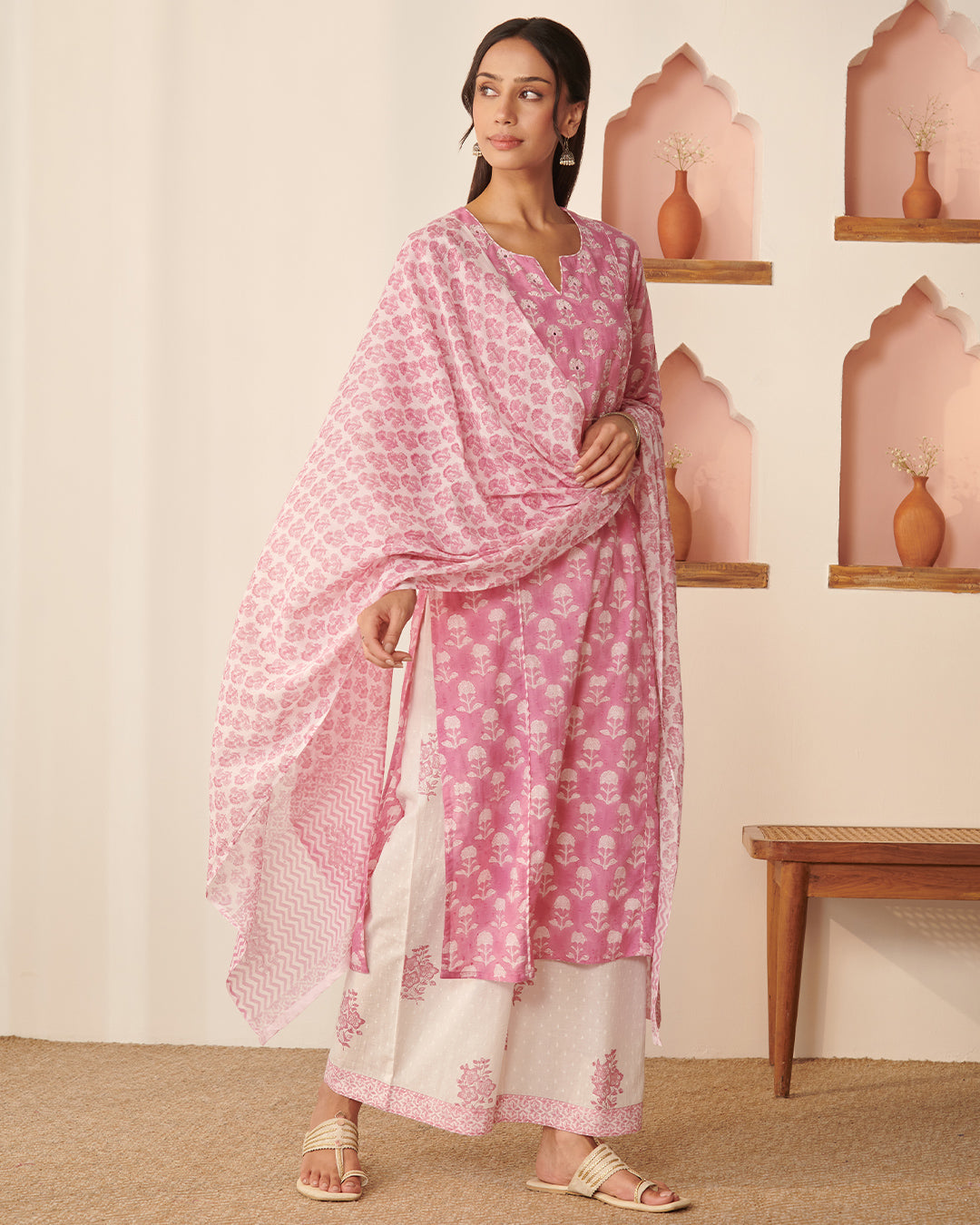
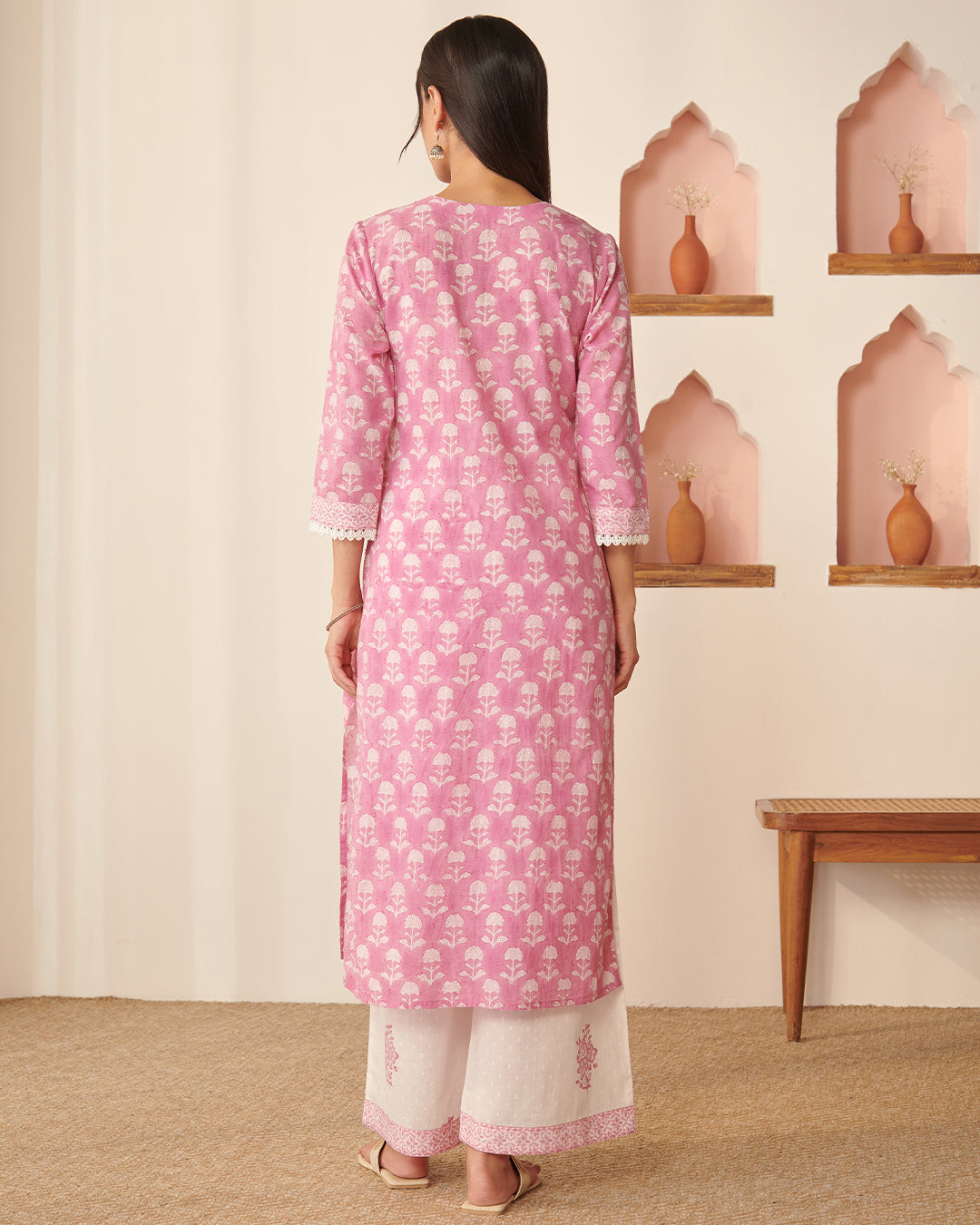
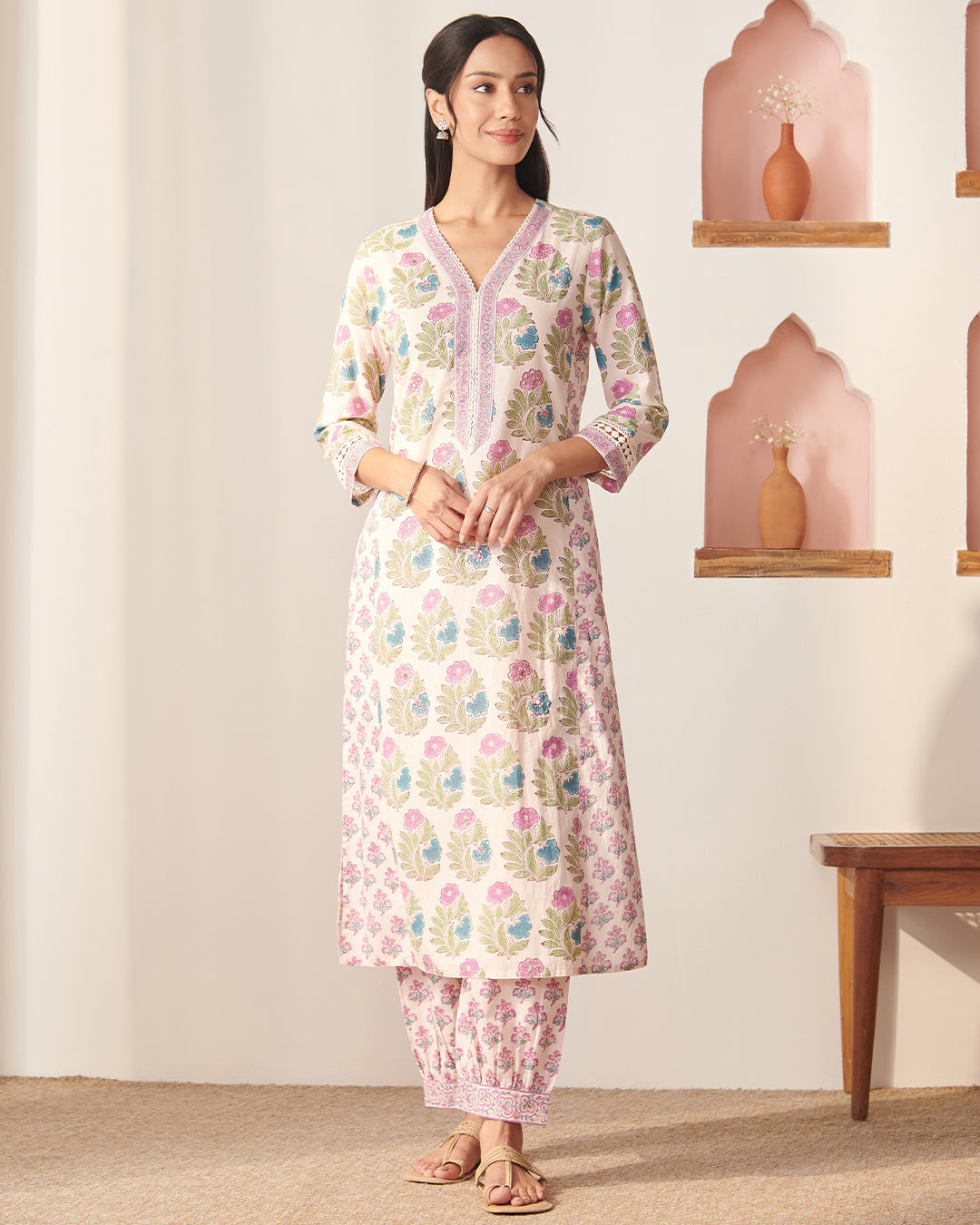
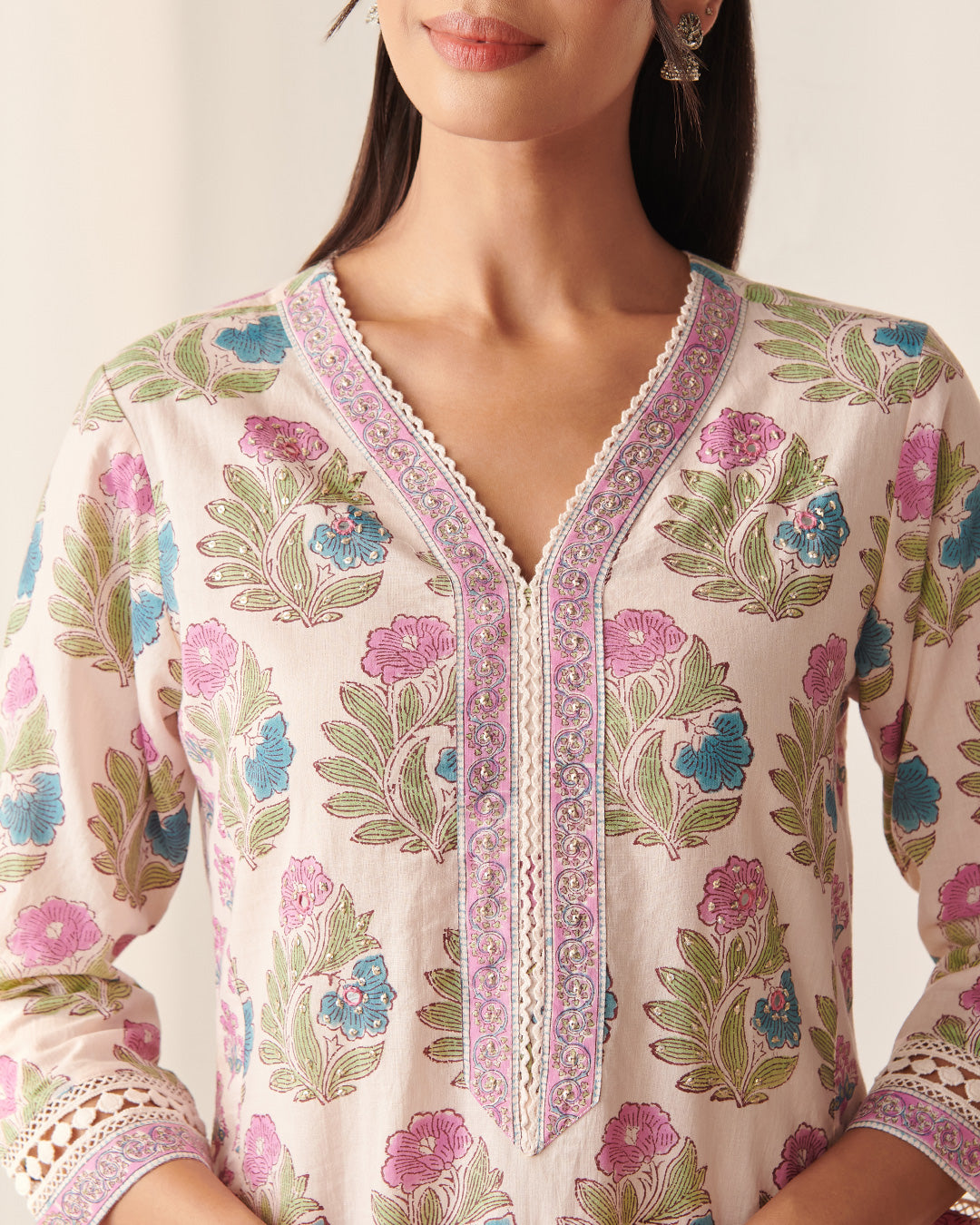
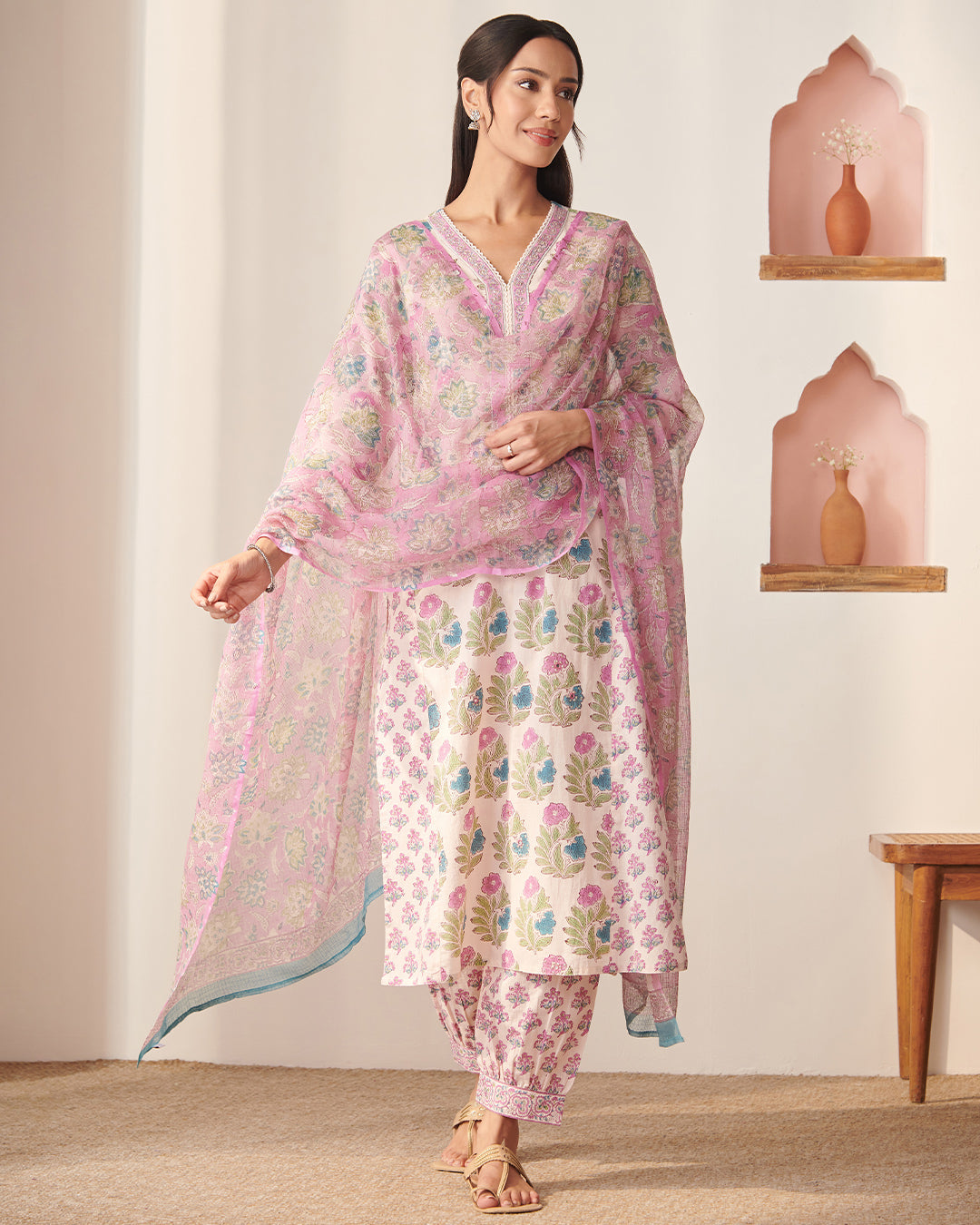
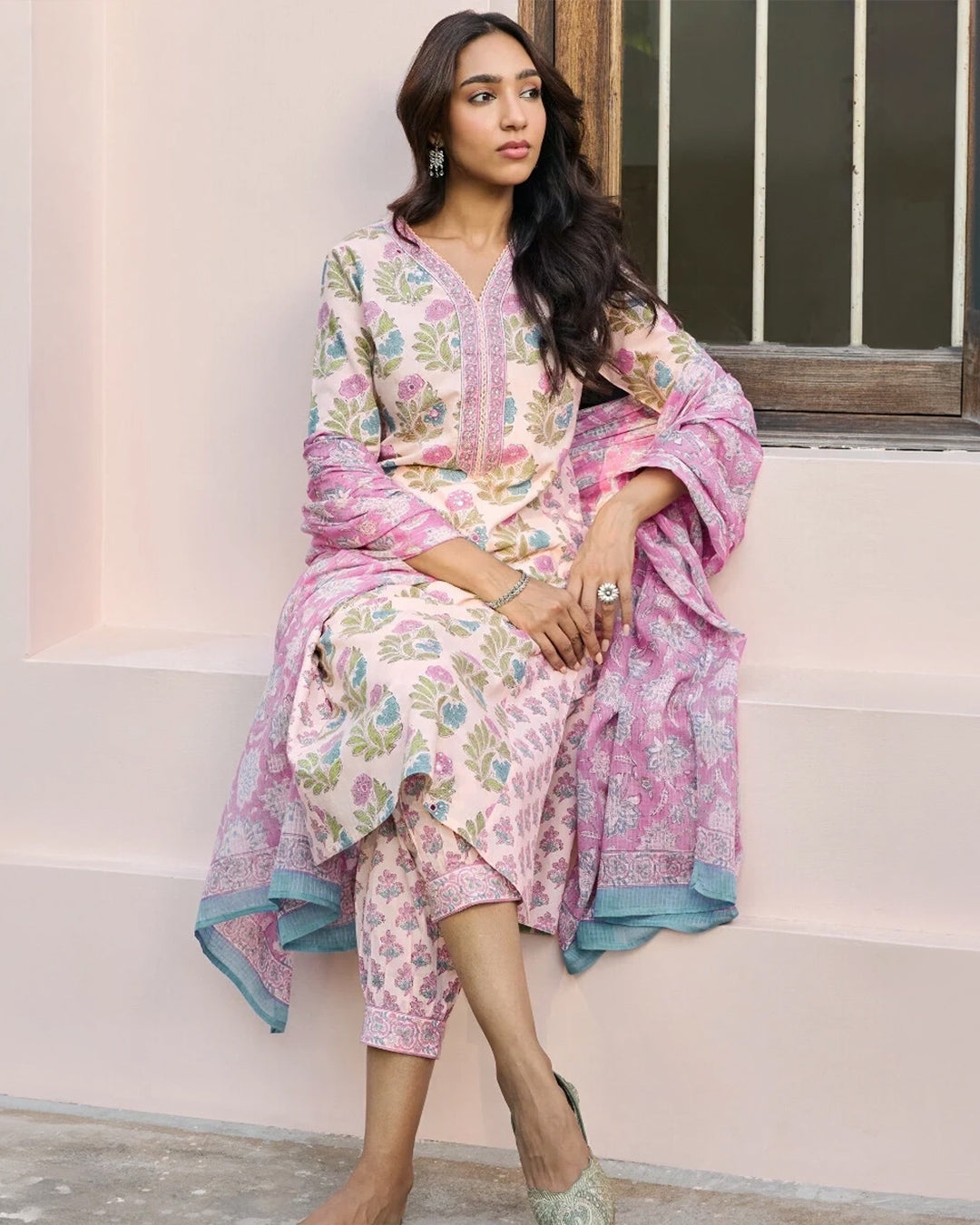
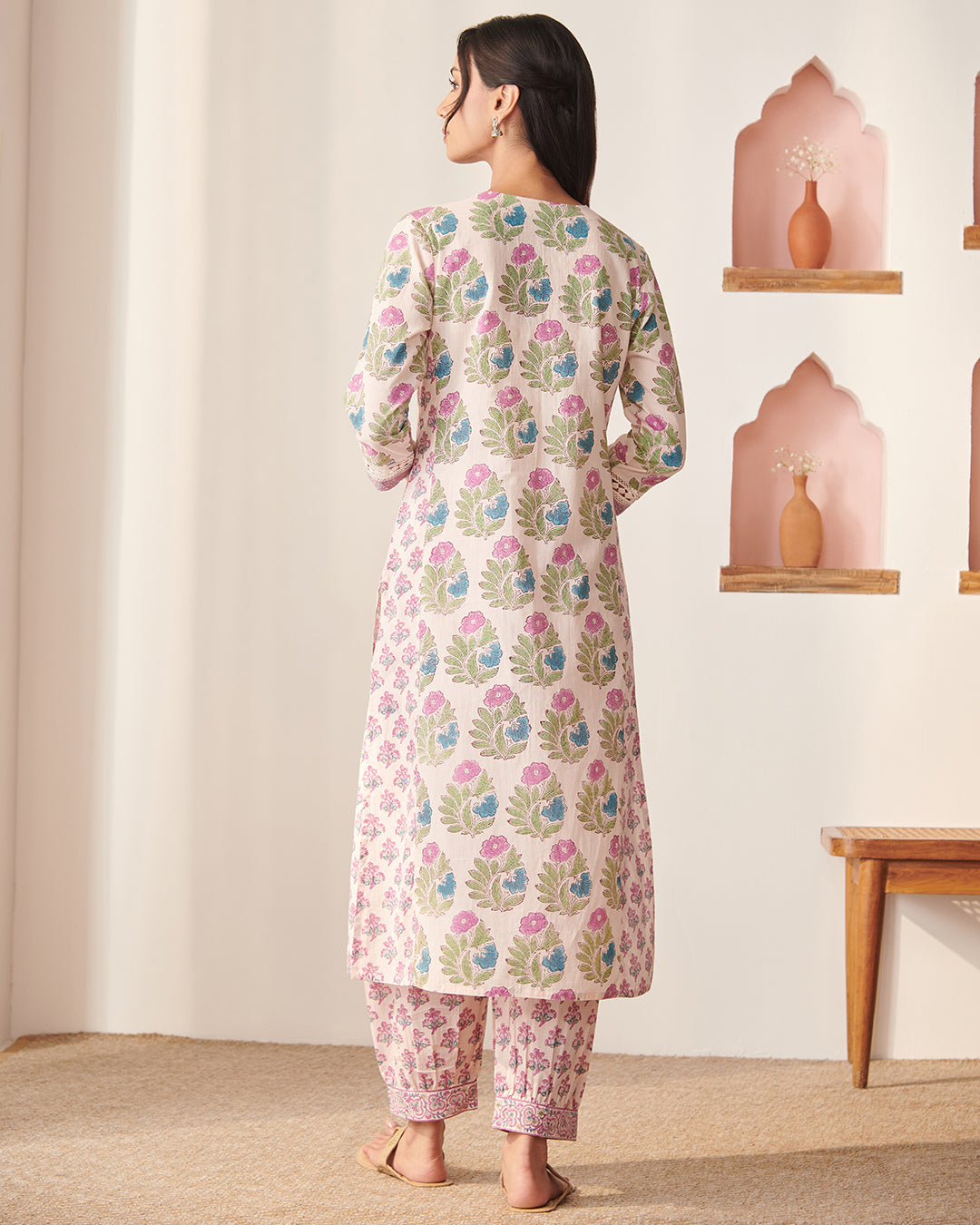
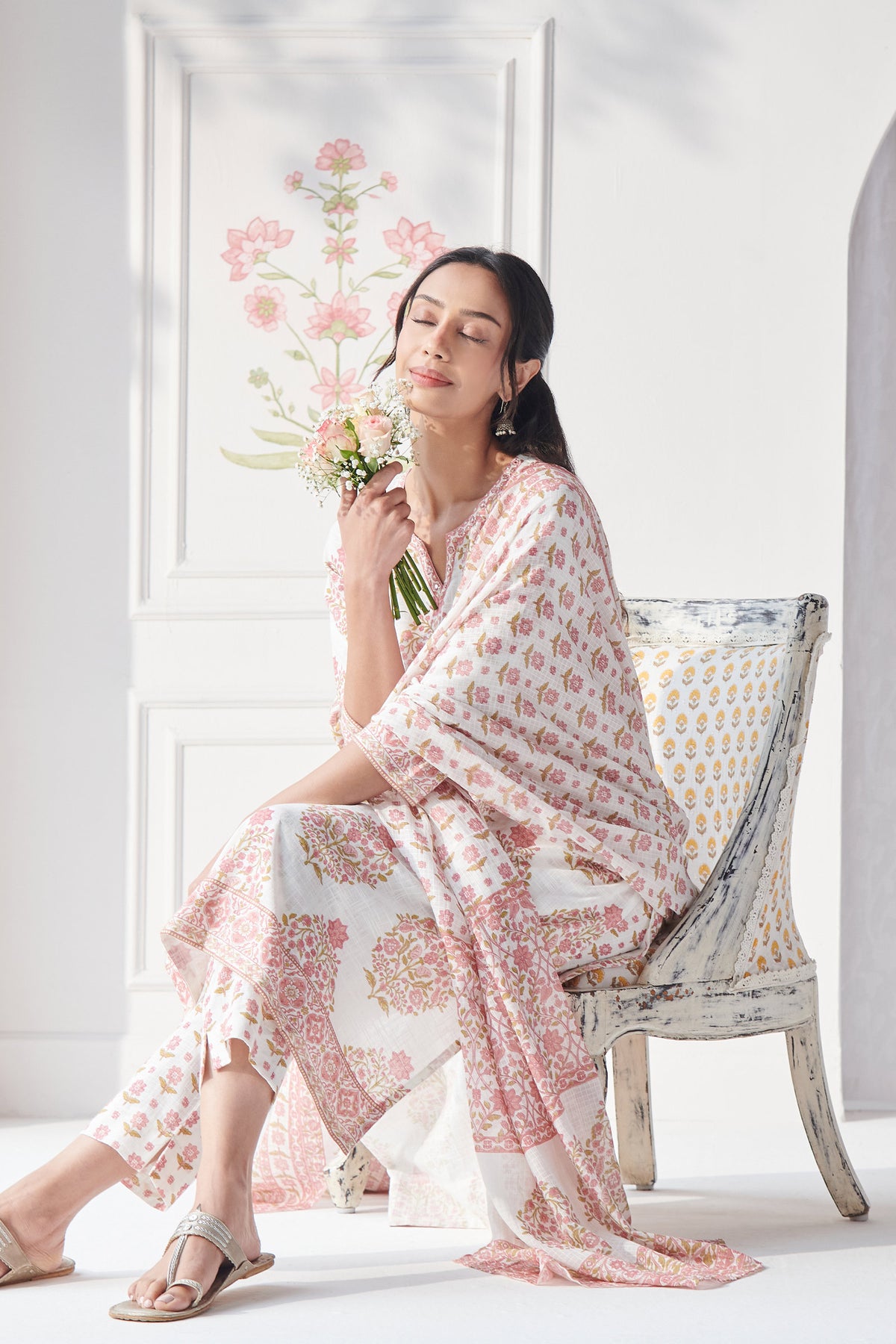
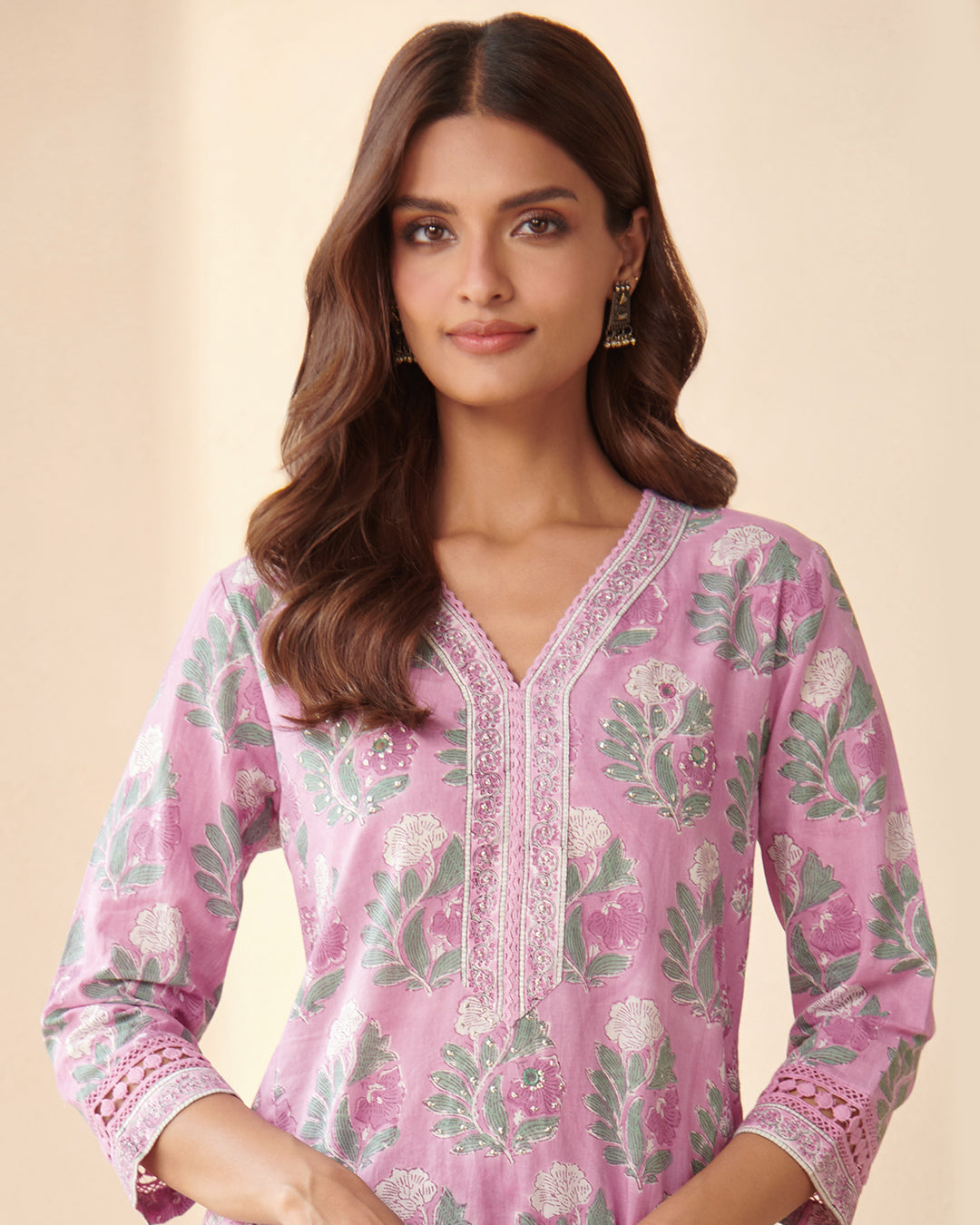
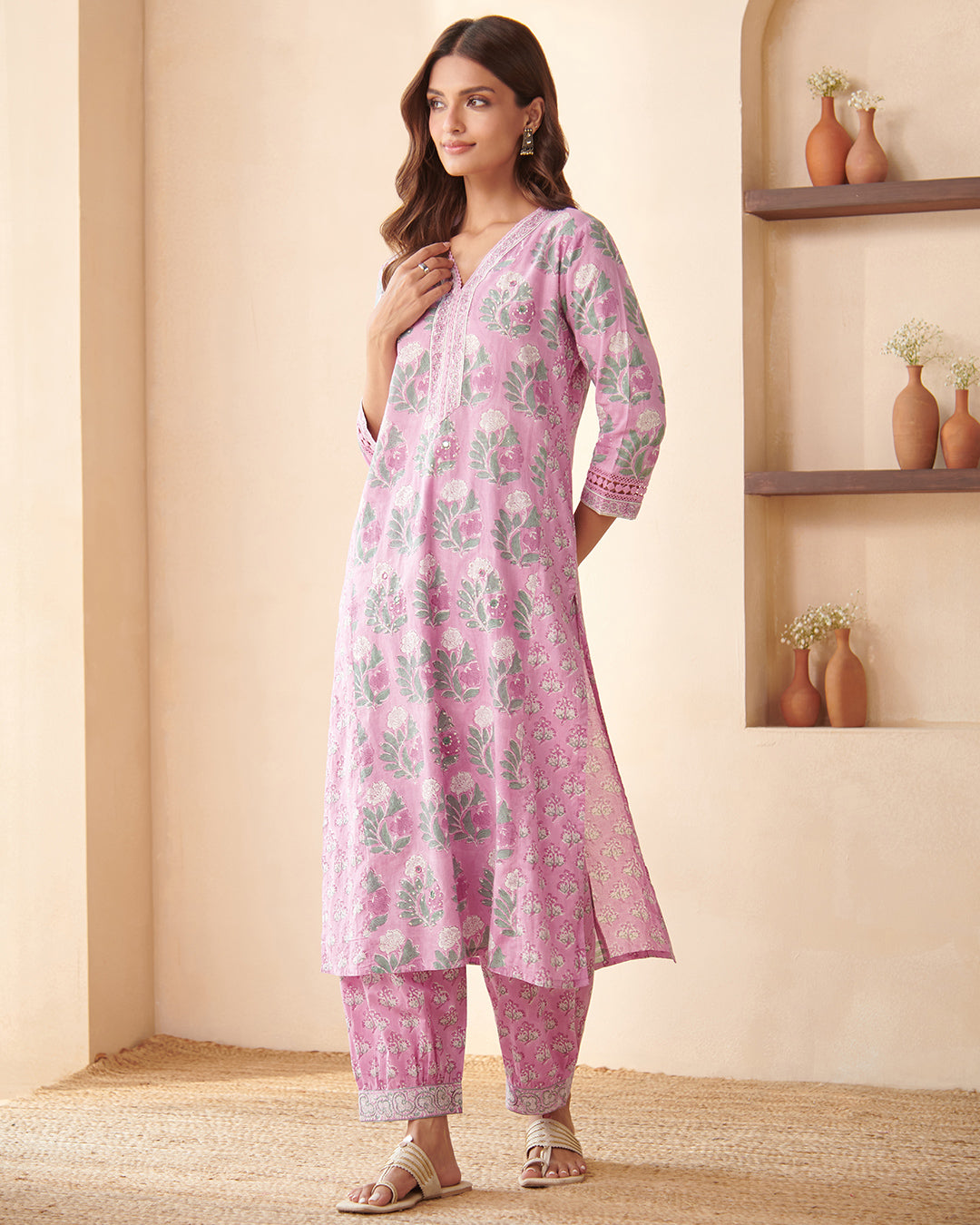
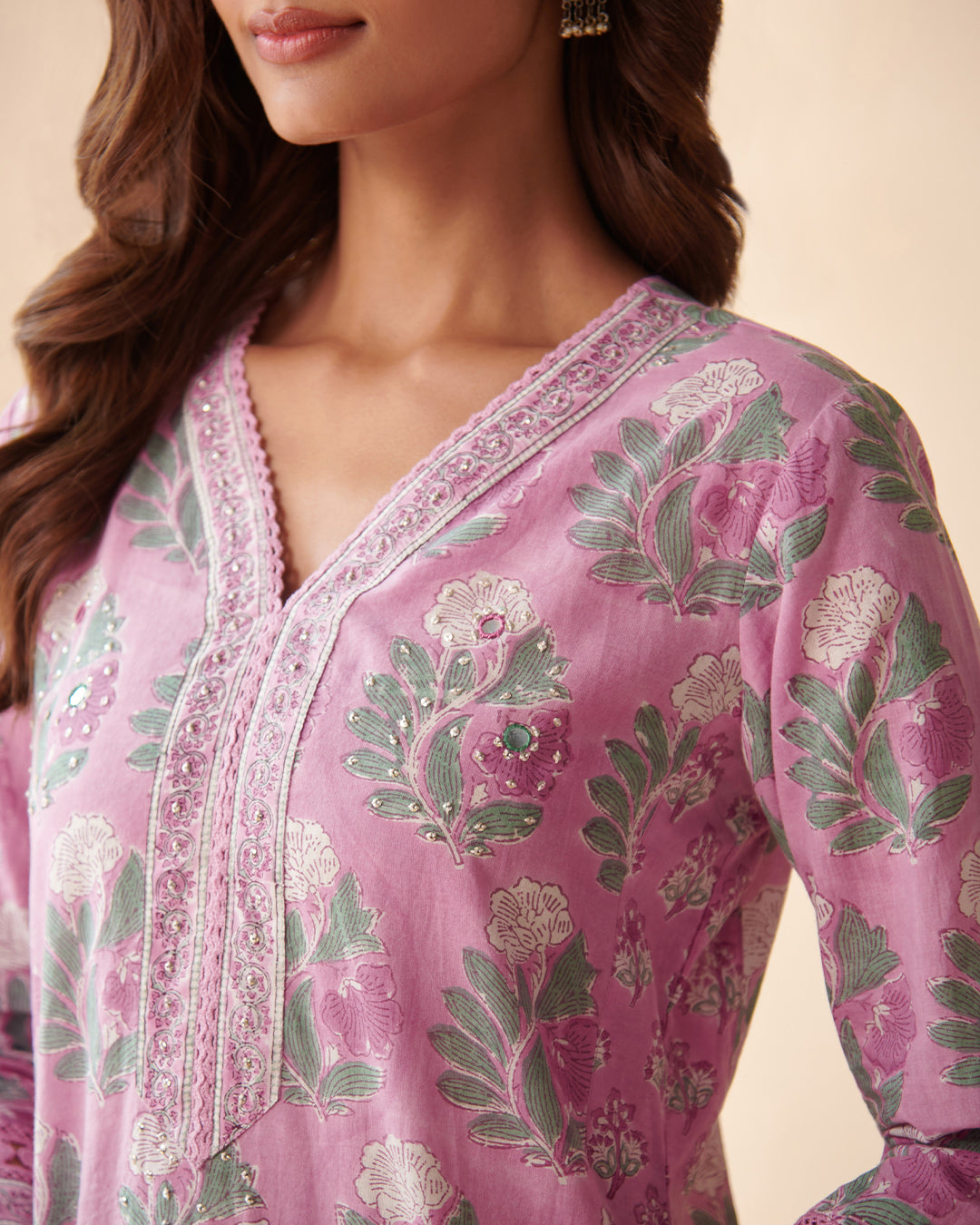
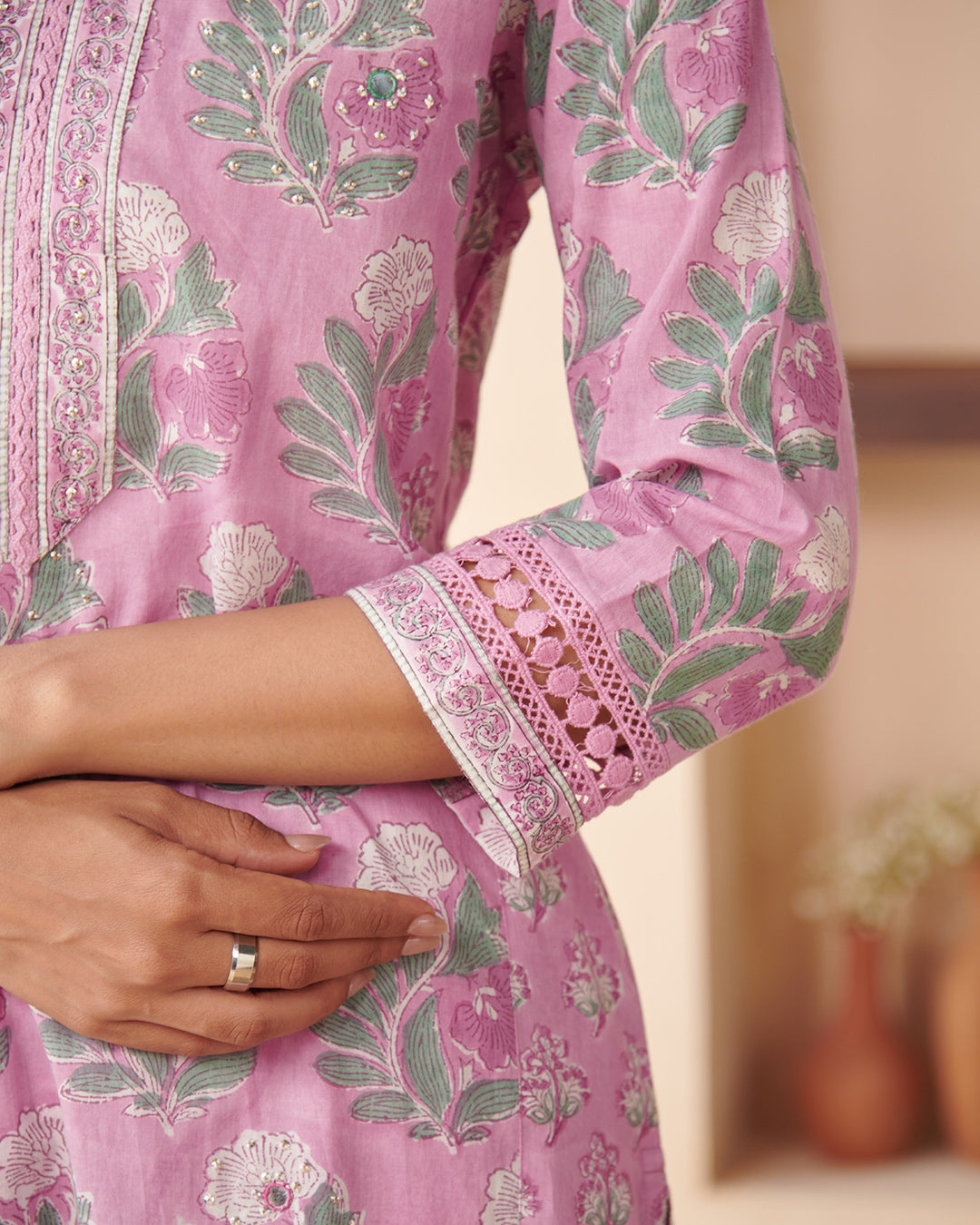
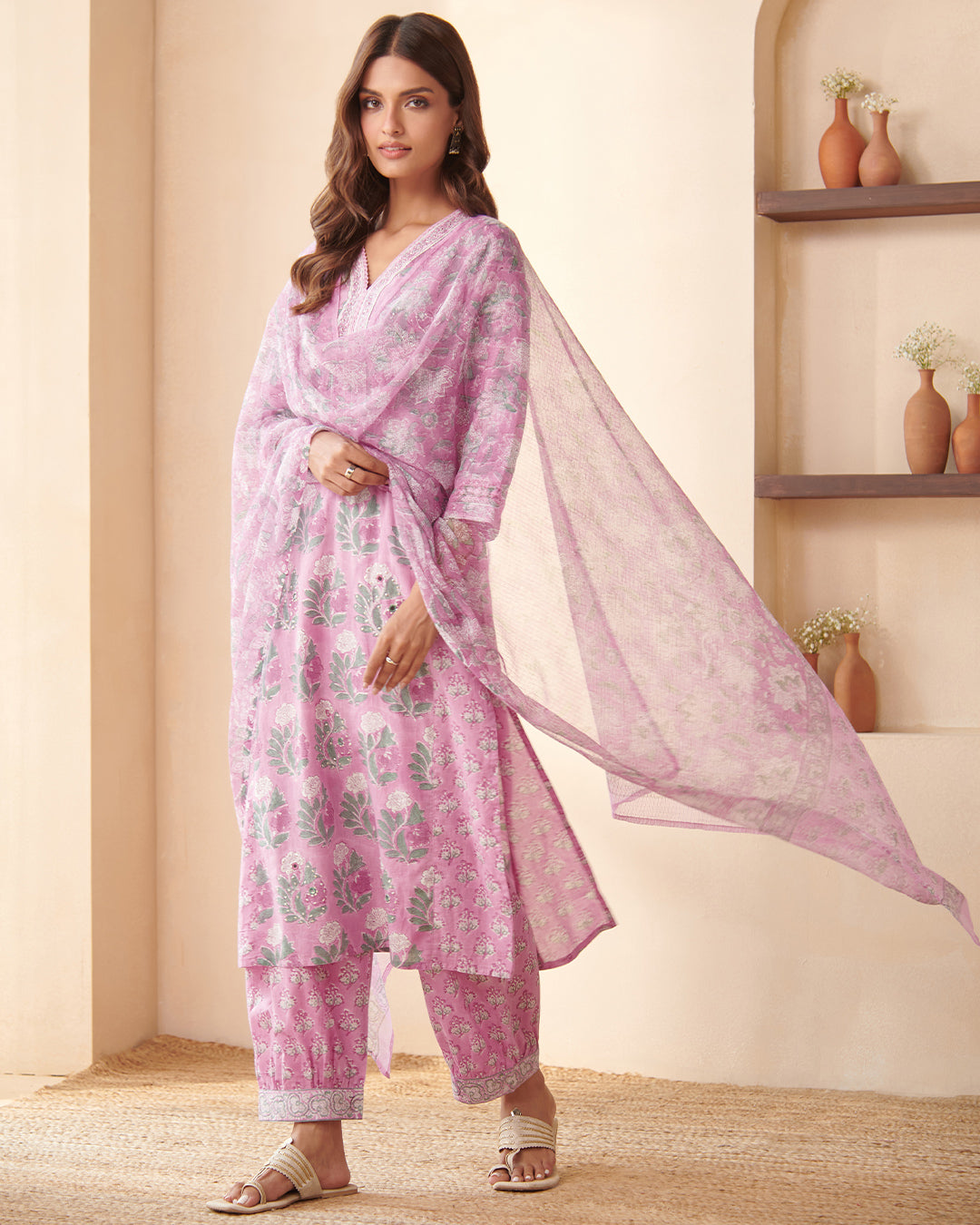
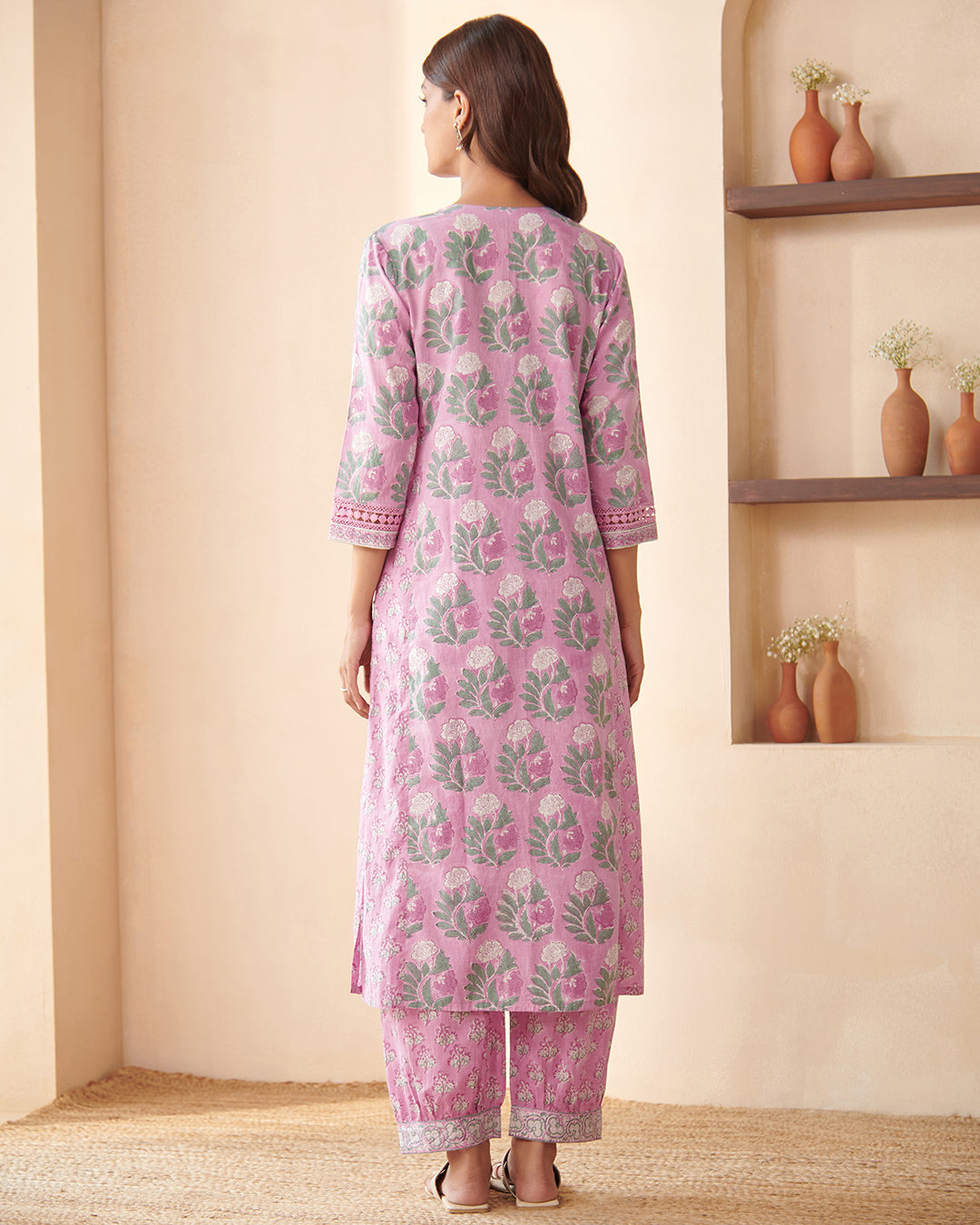
The pink kurta set lends itself beautifully to joyful daytime occasions. Rose, rani pink, dusty pink, and softer blush tones can all work for Holi, Teej, and intimate festive gatherings. A printed cotton kurta in pink feels particularly easy for warmer months.
White Kurtas for Elegant Diwali, Eid & Summer Celebrations
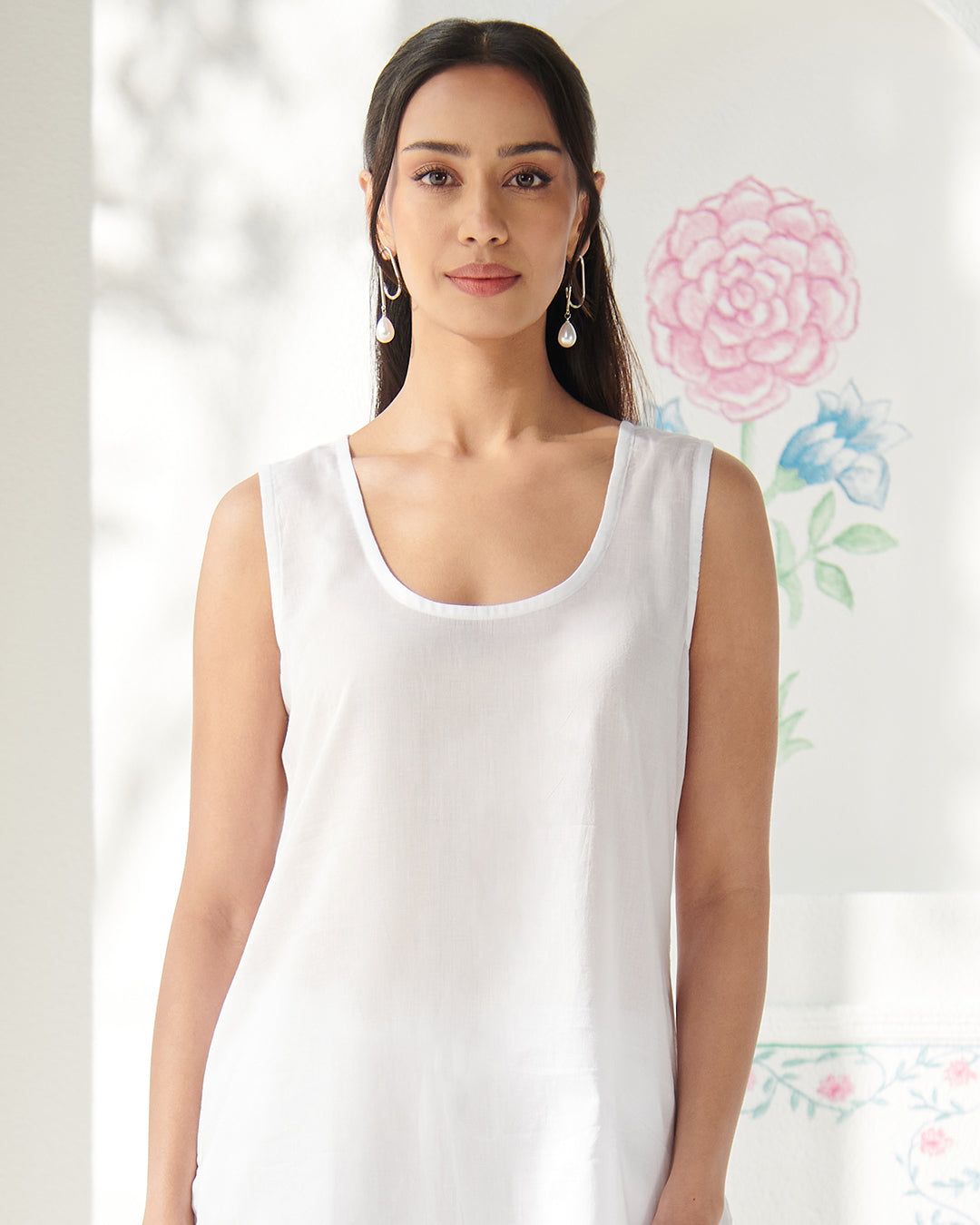
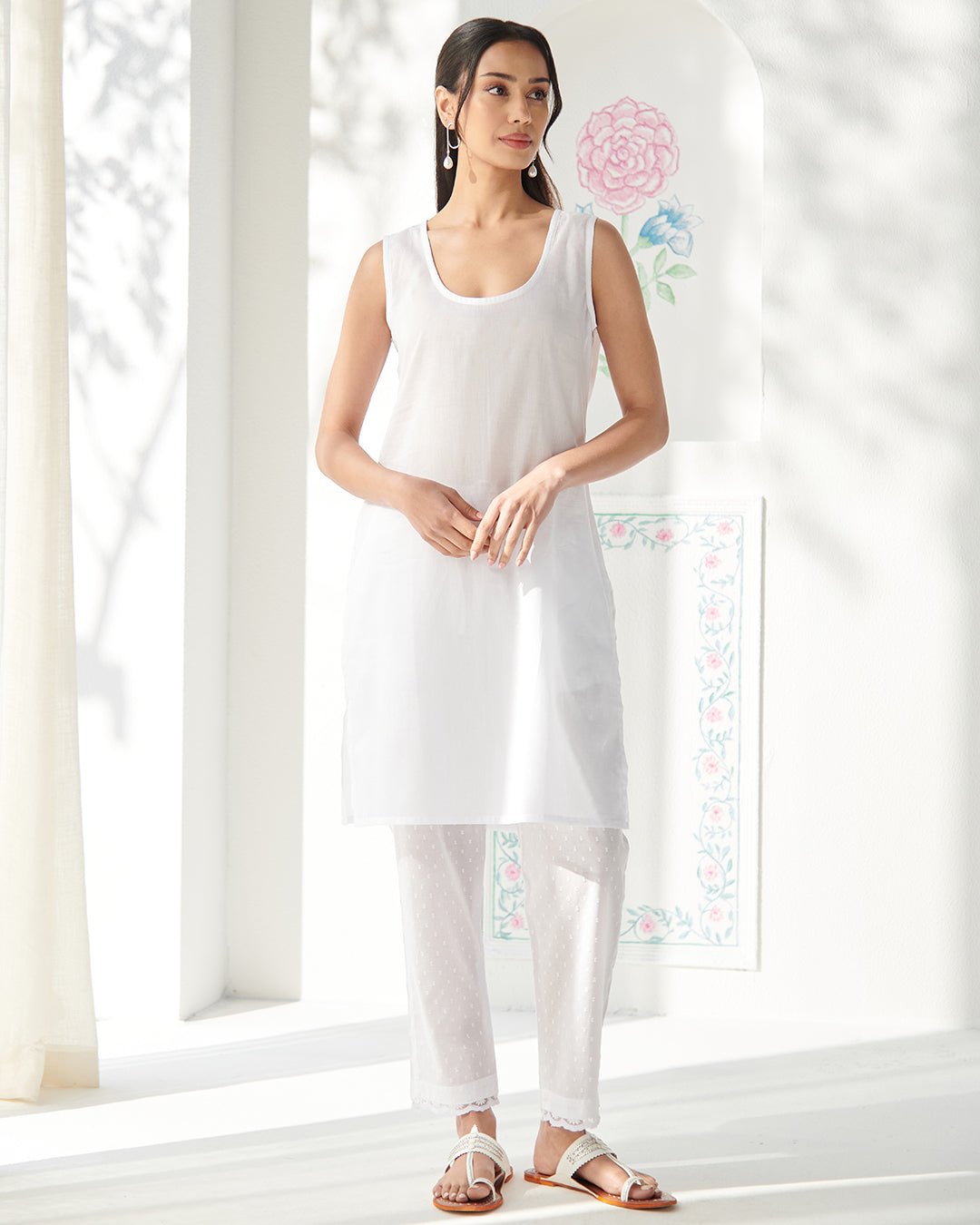
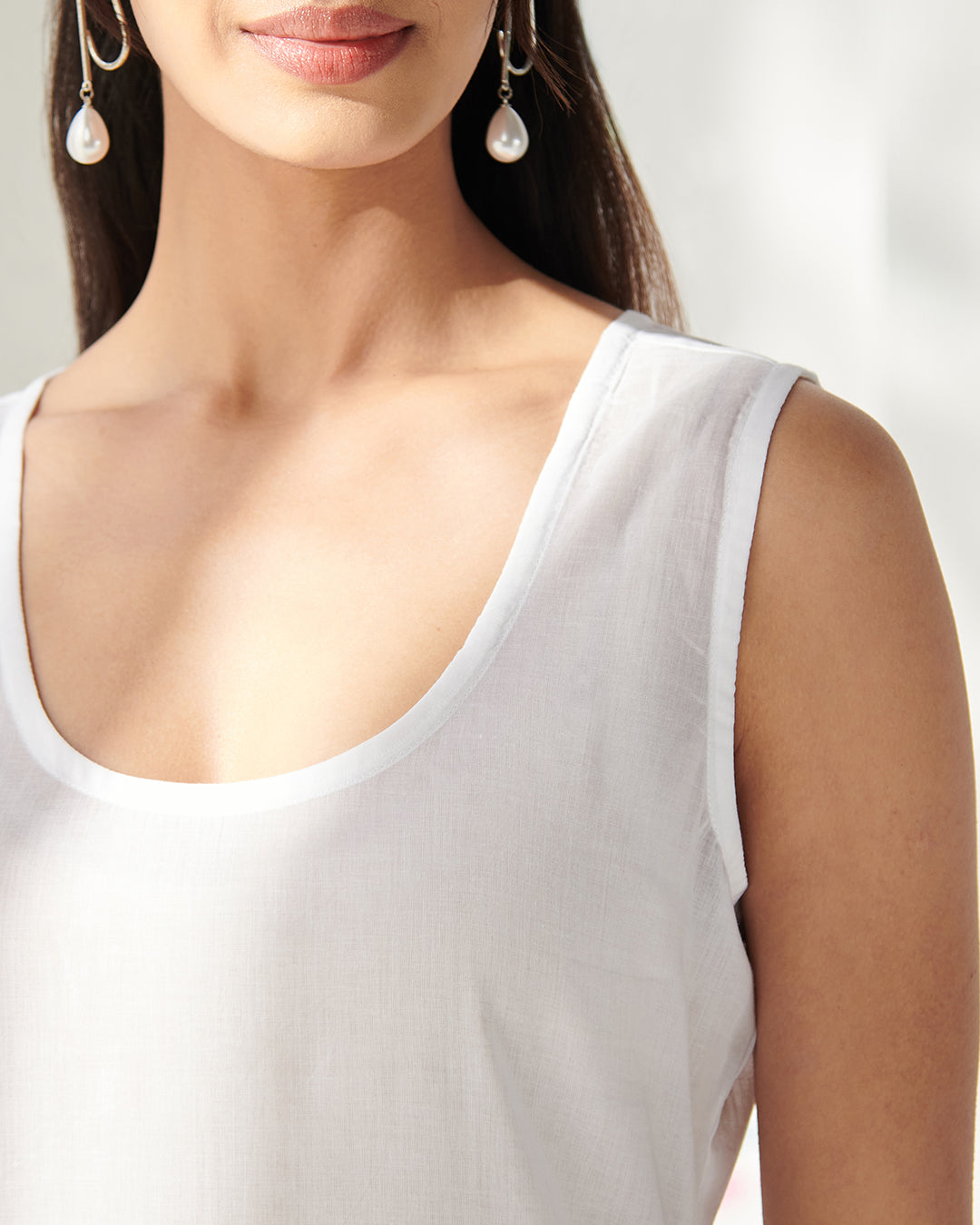
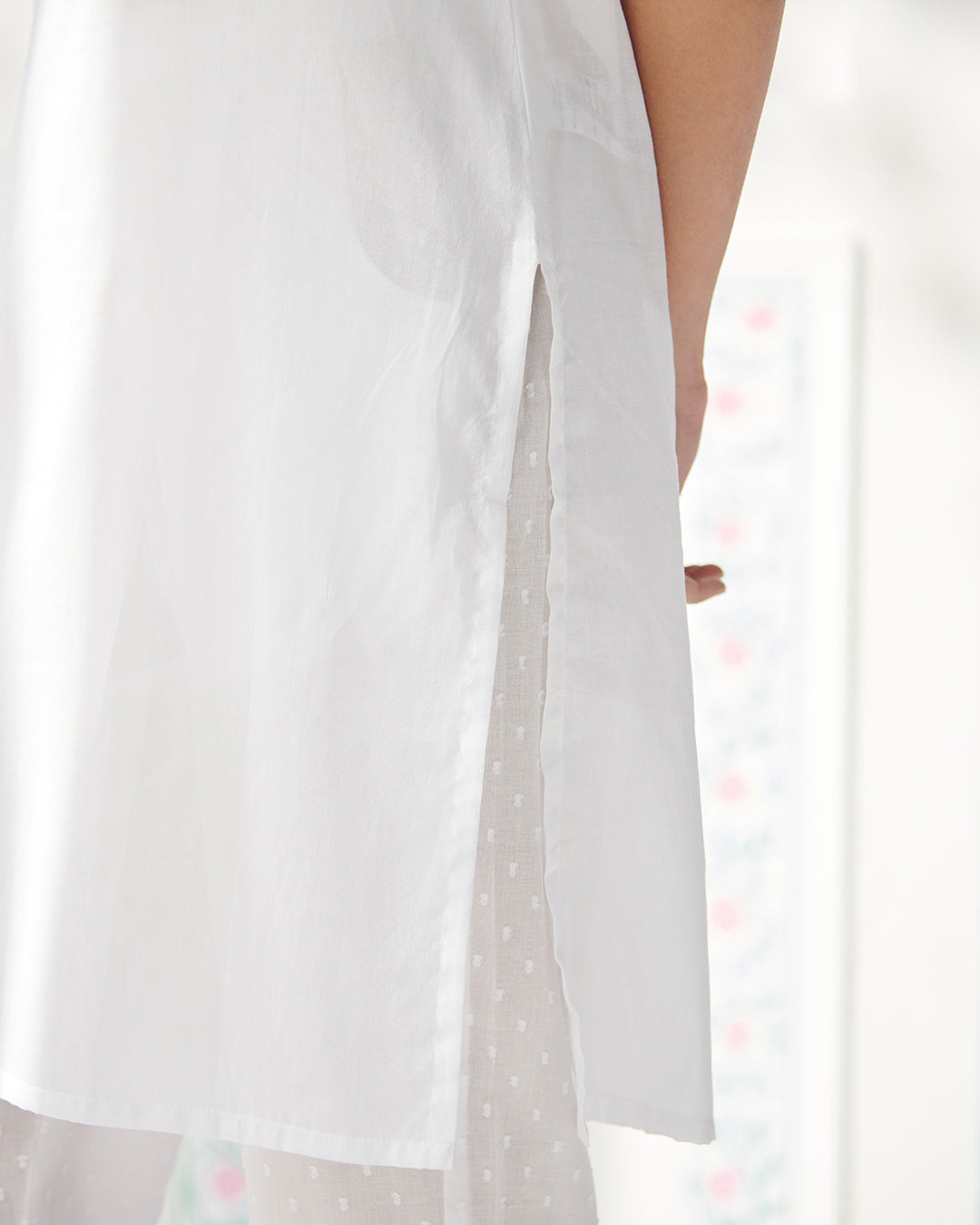
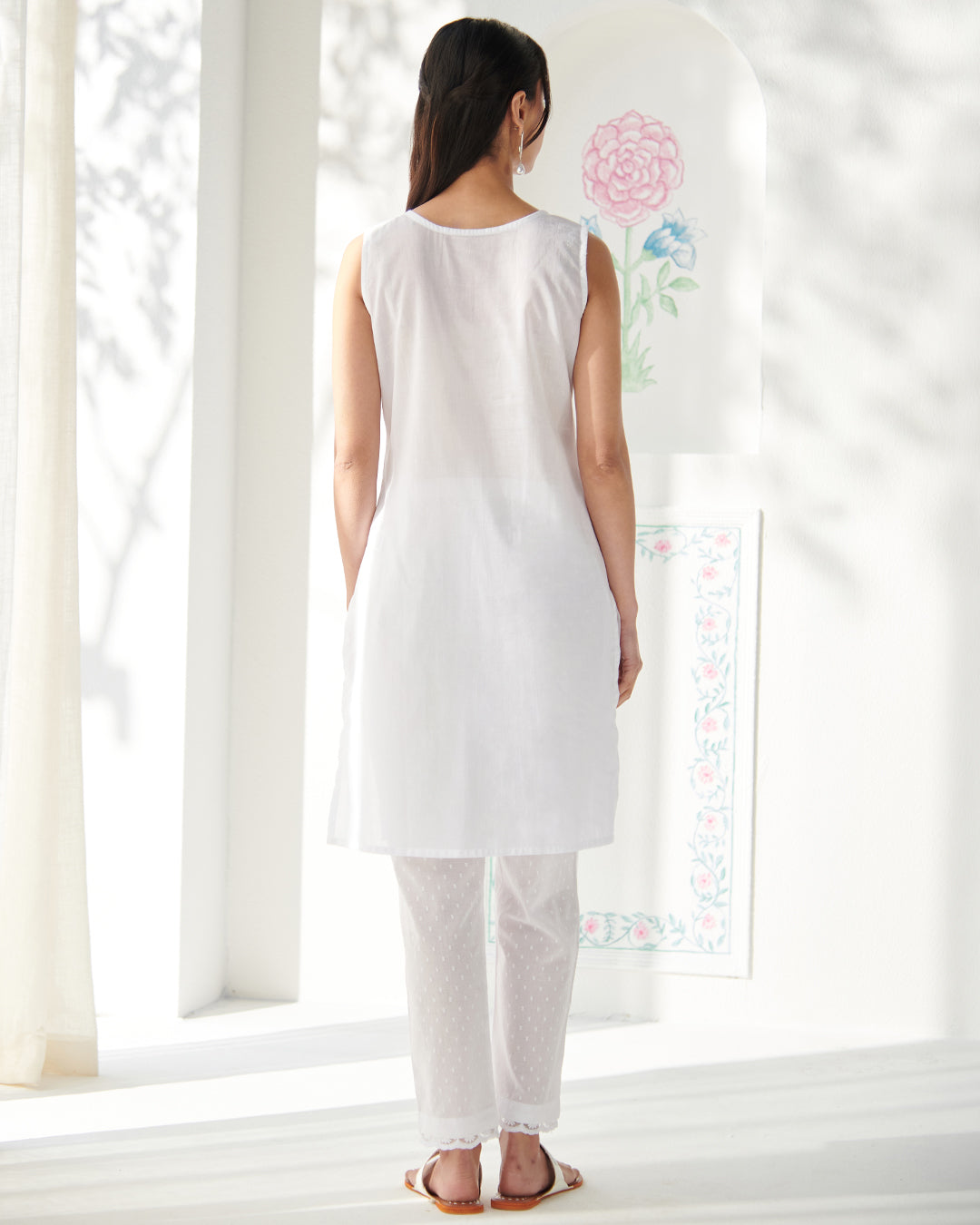
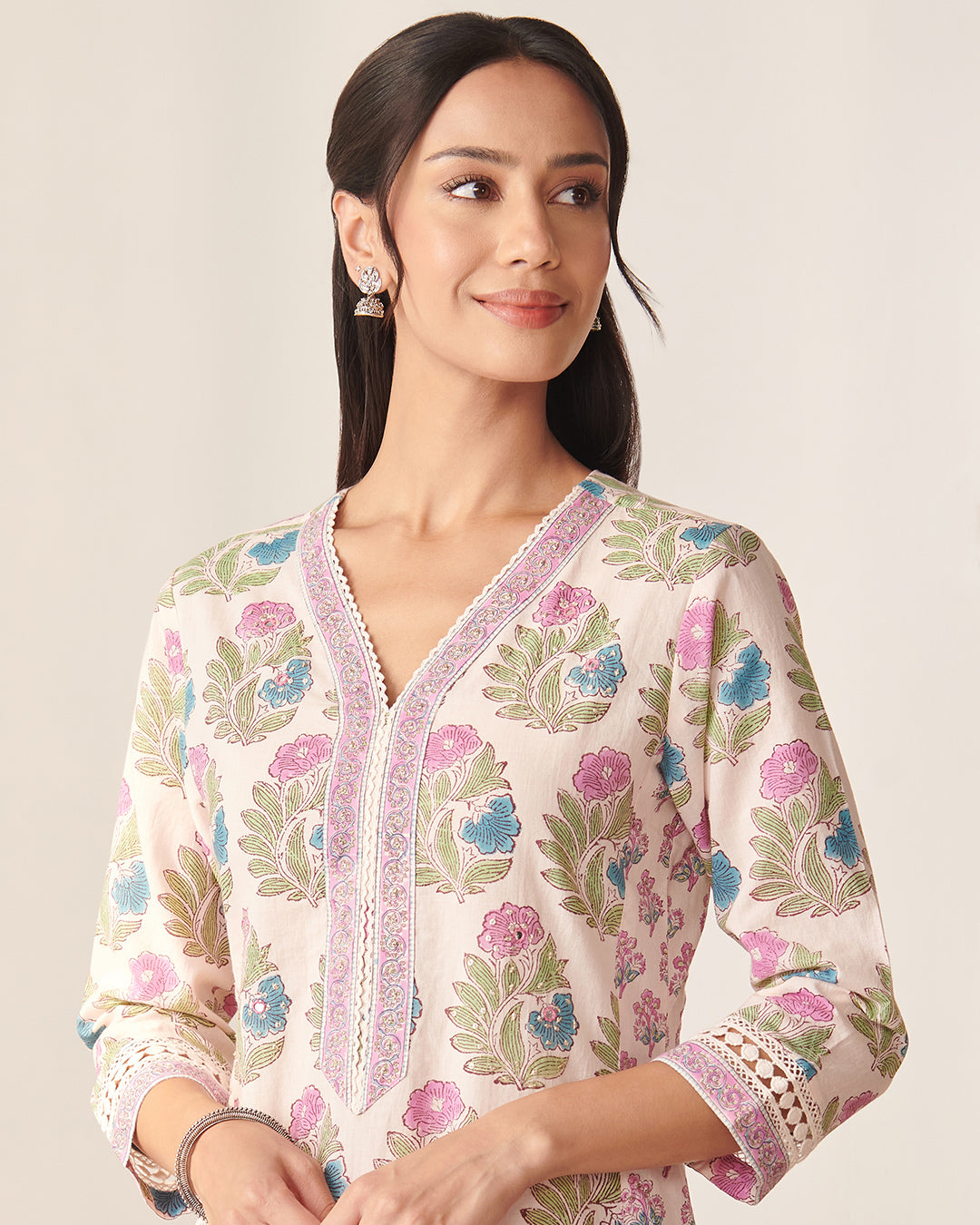
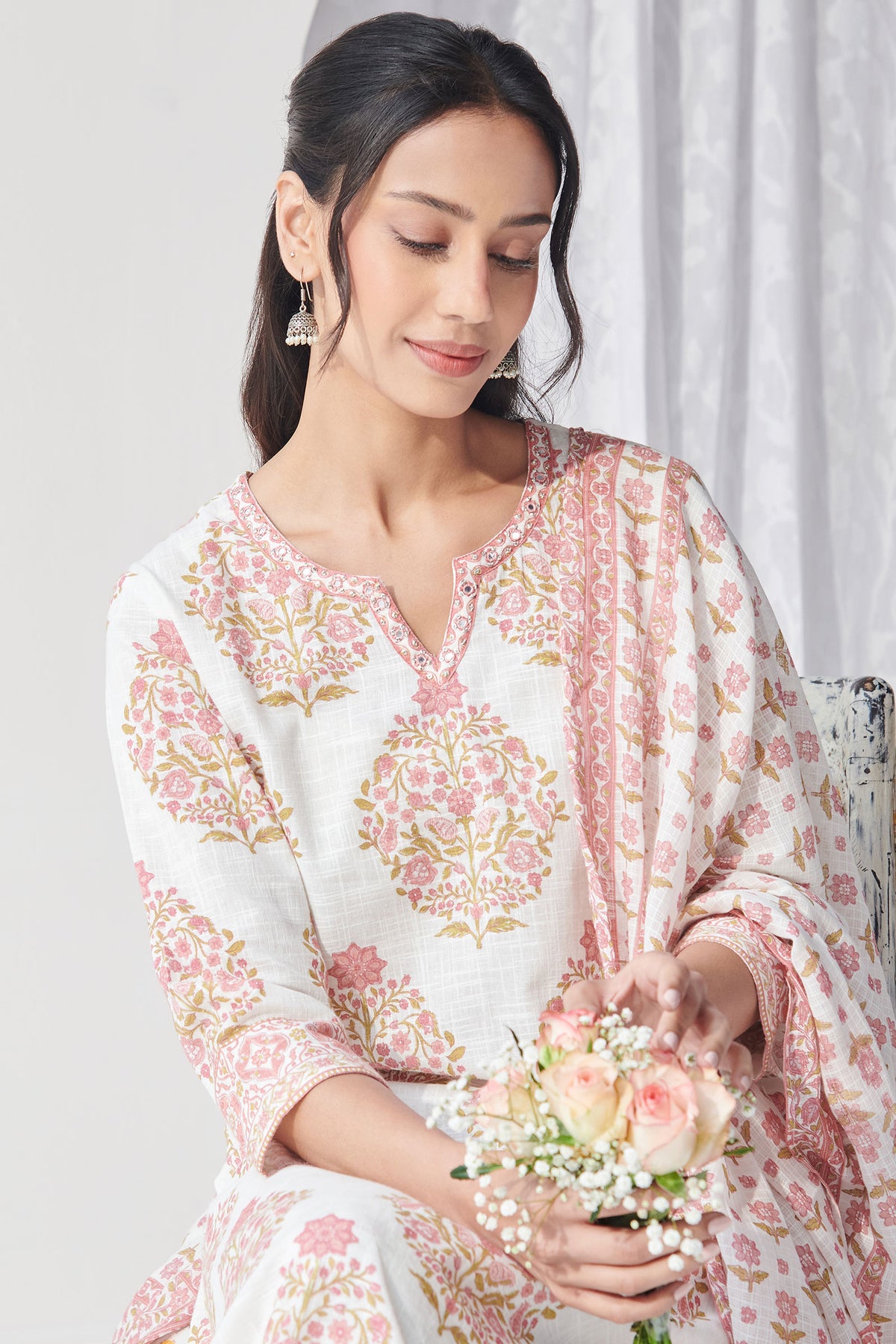
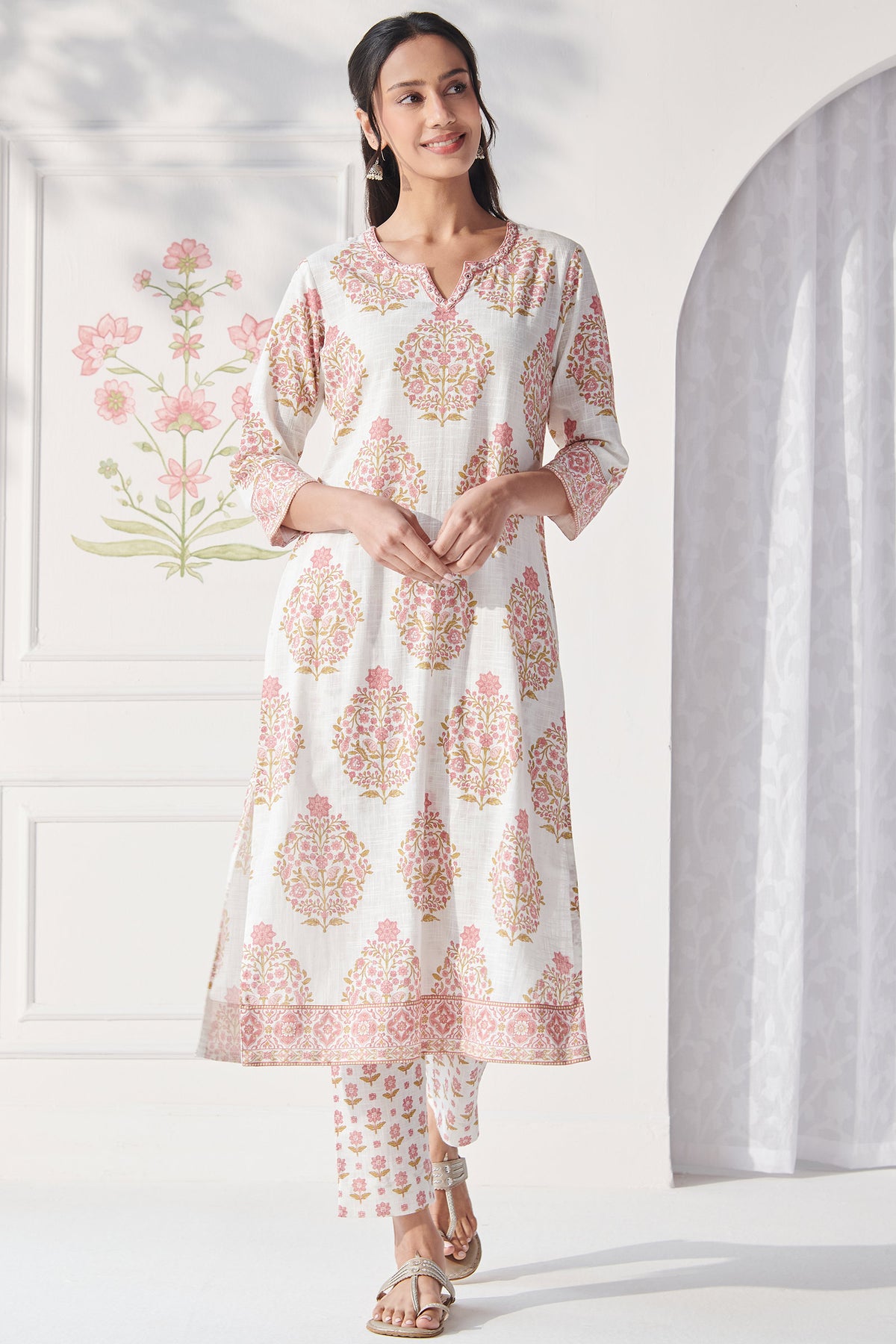
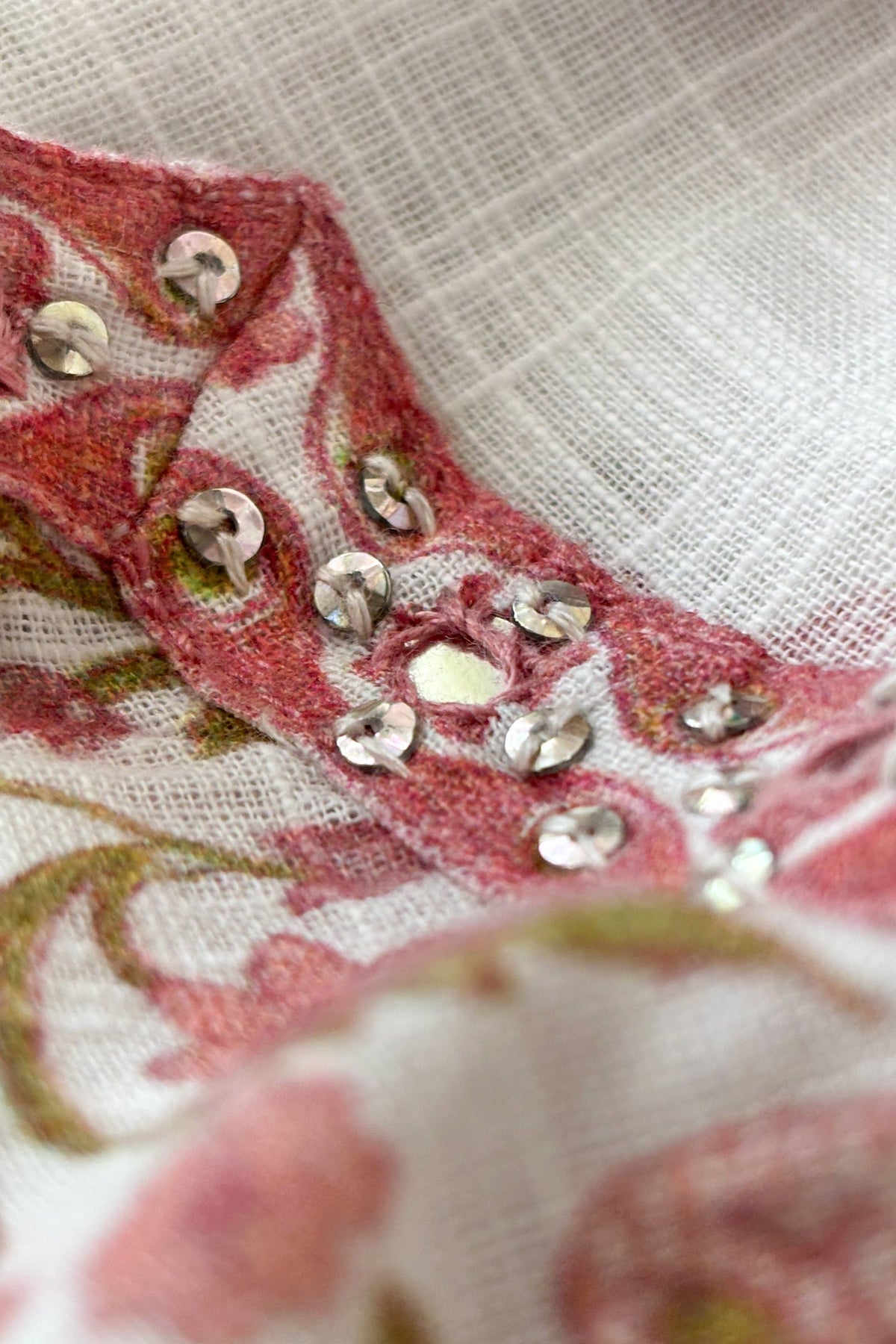
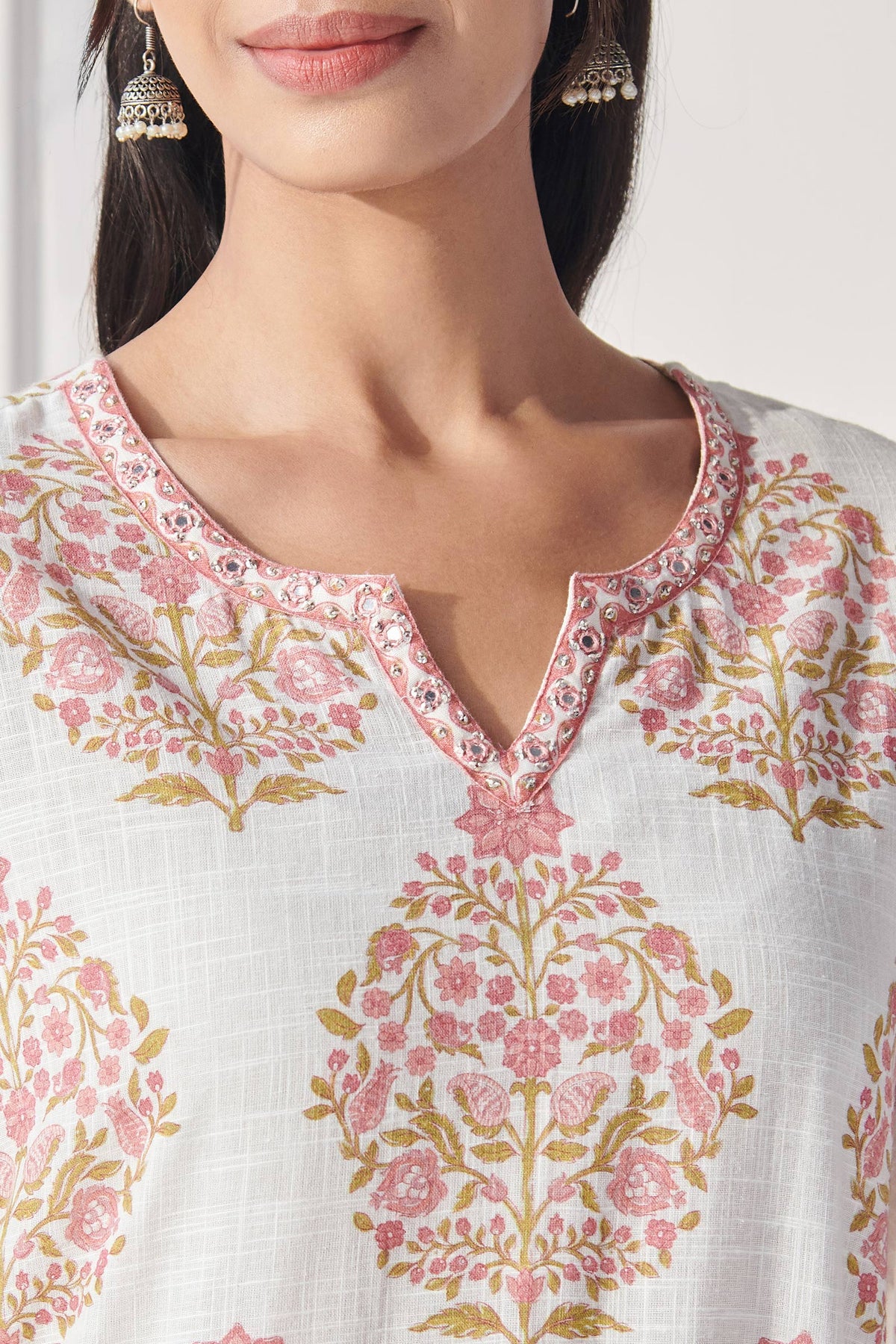
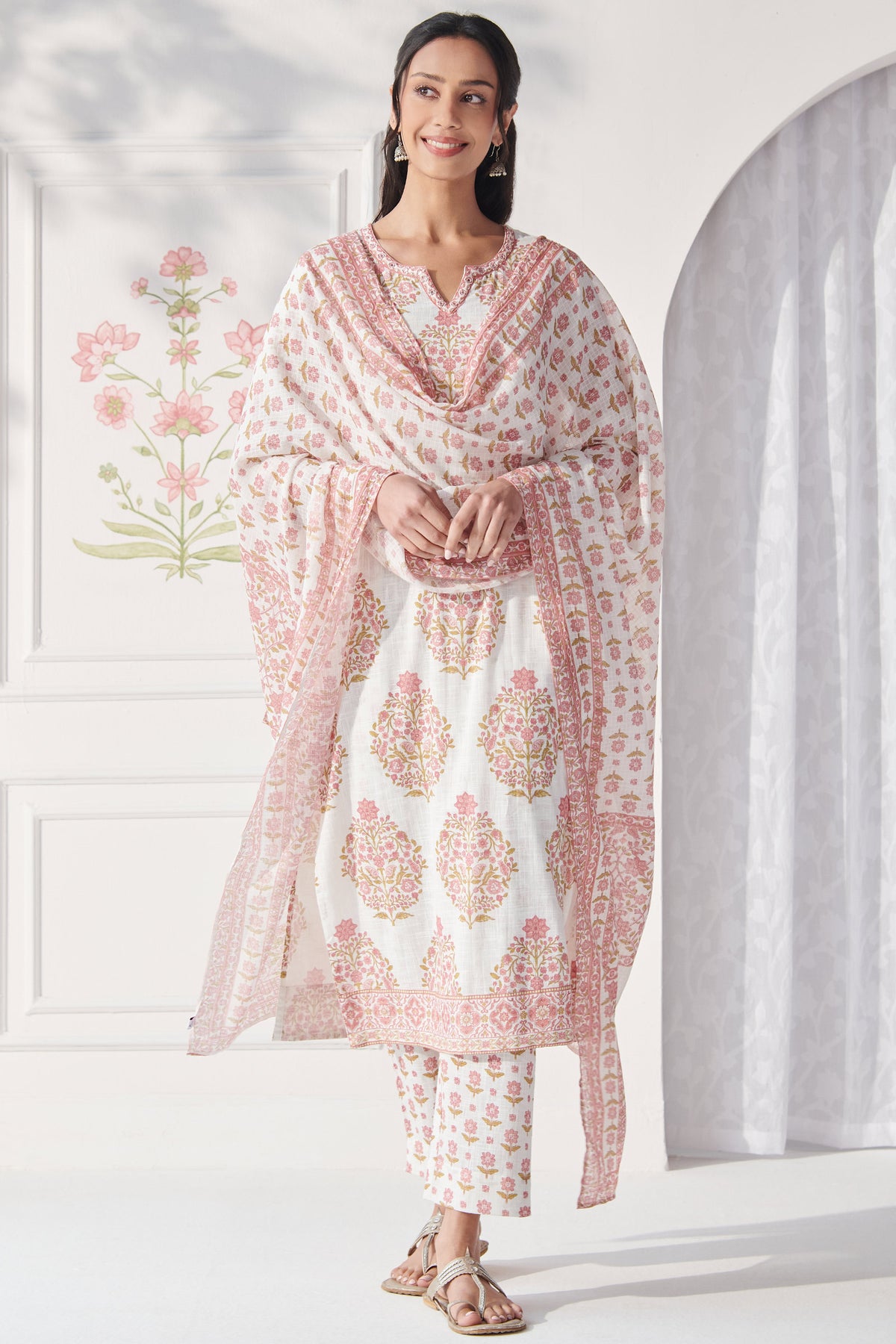
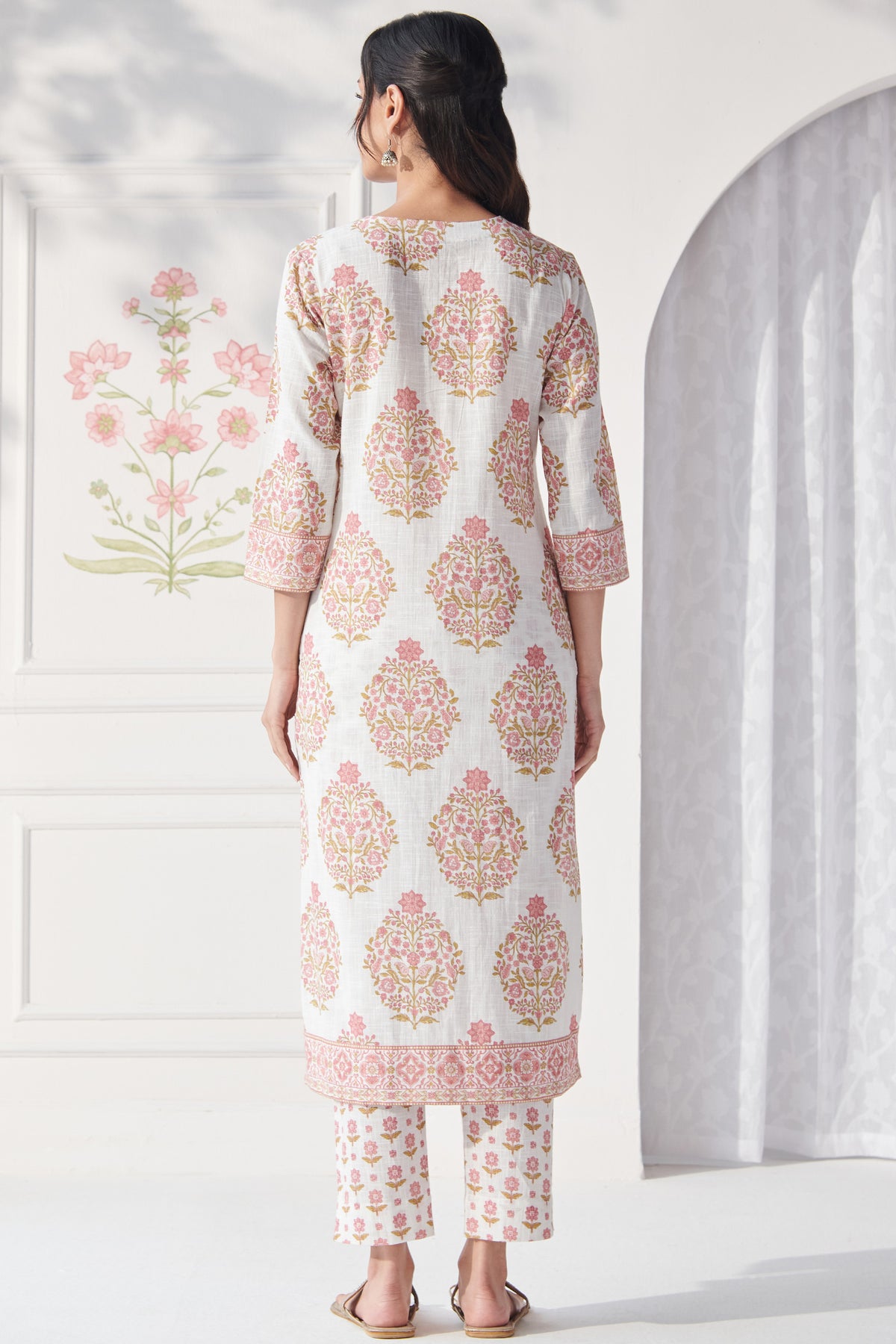
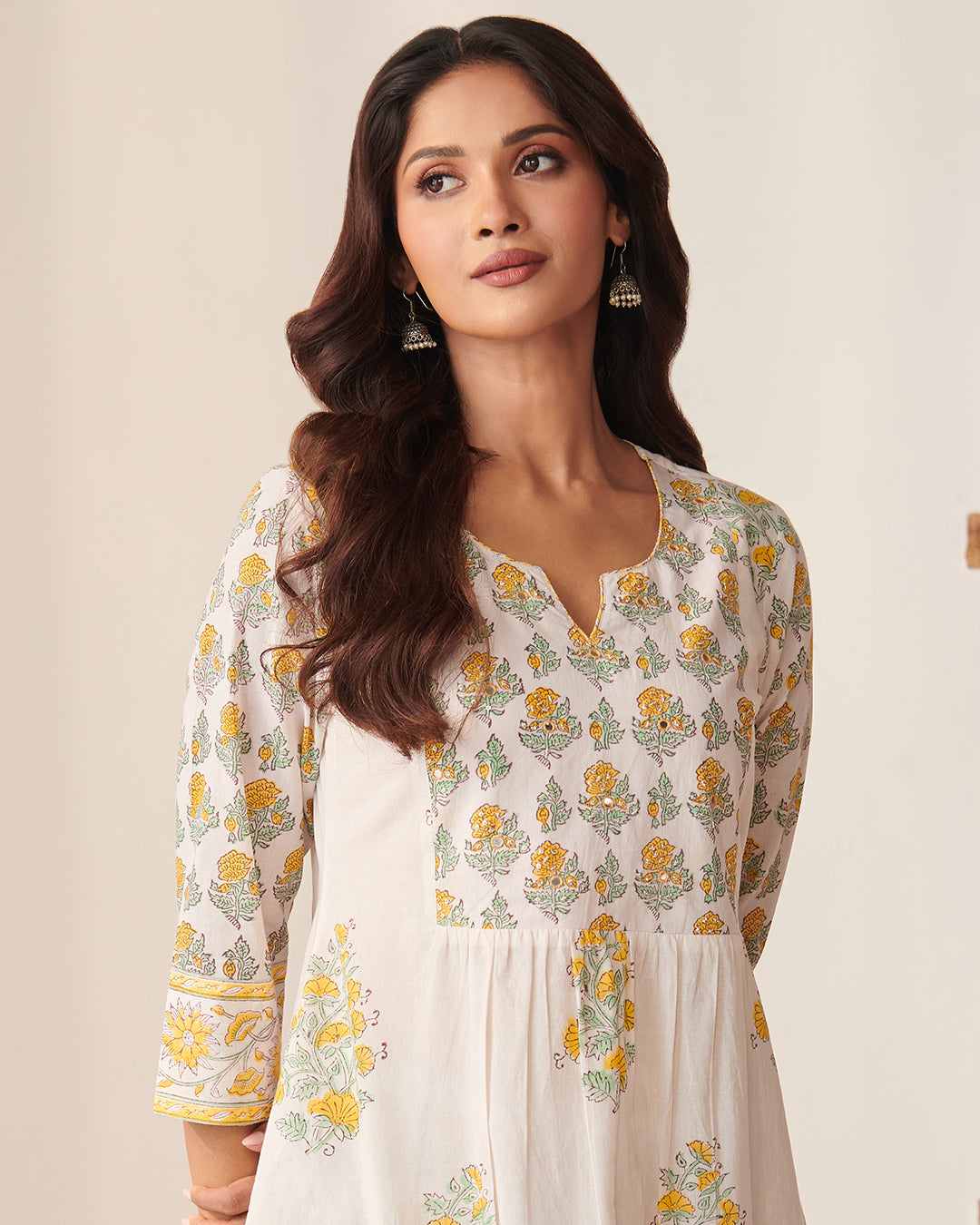
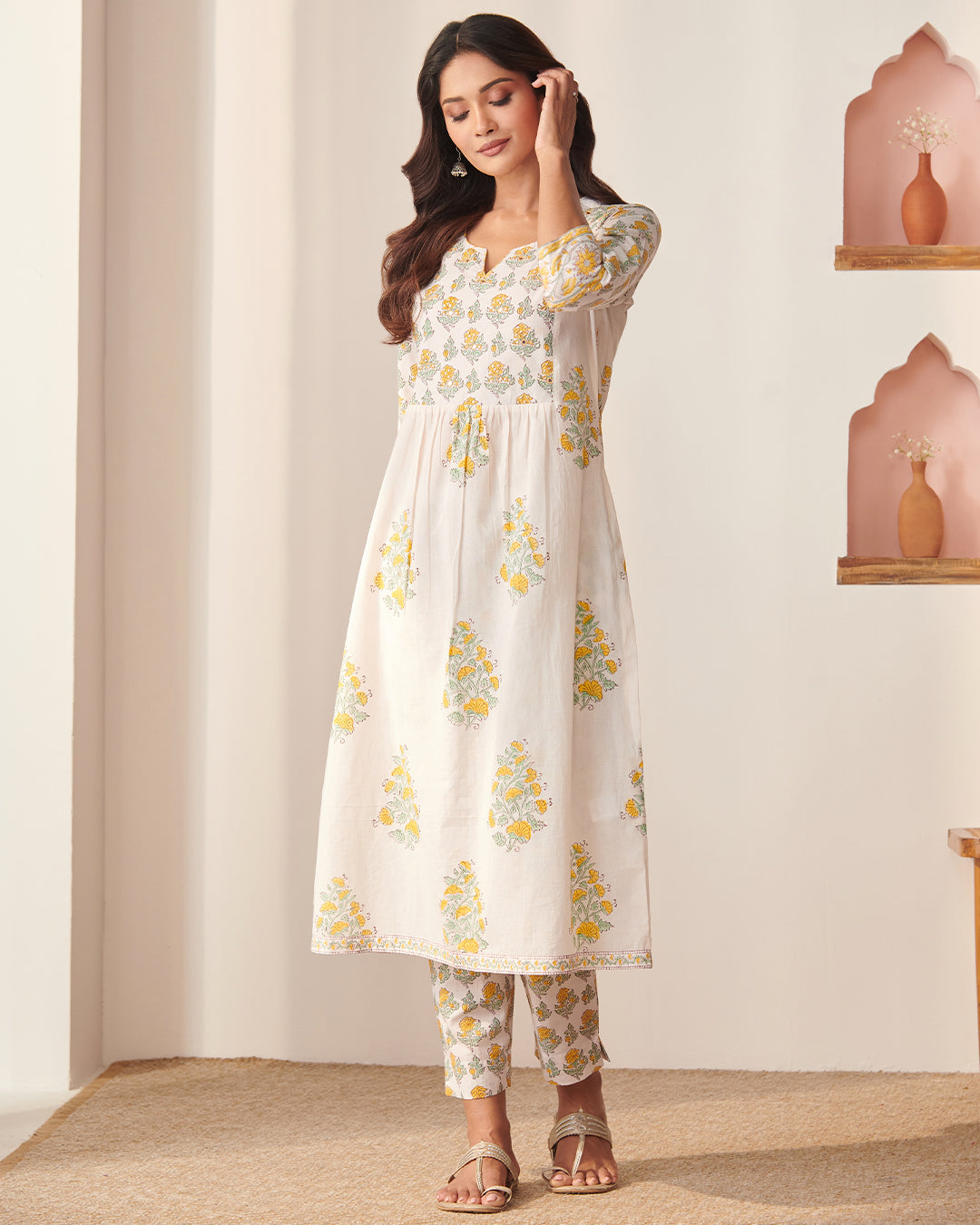
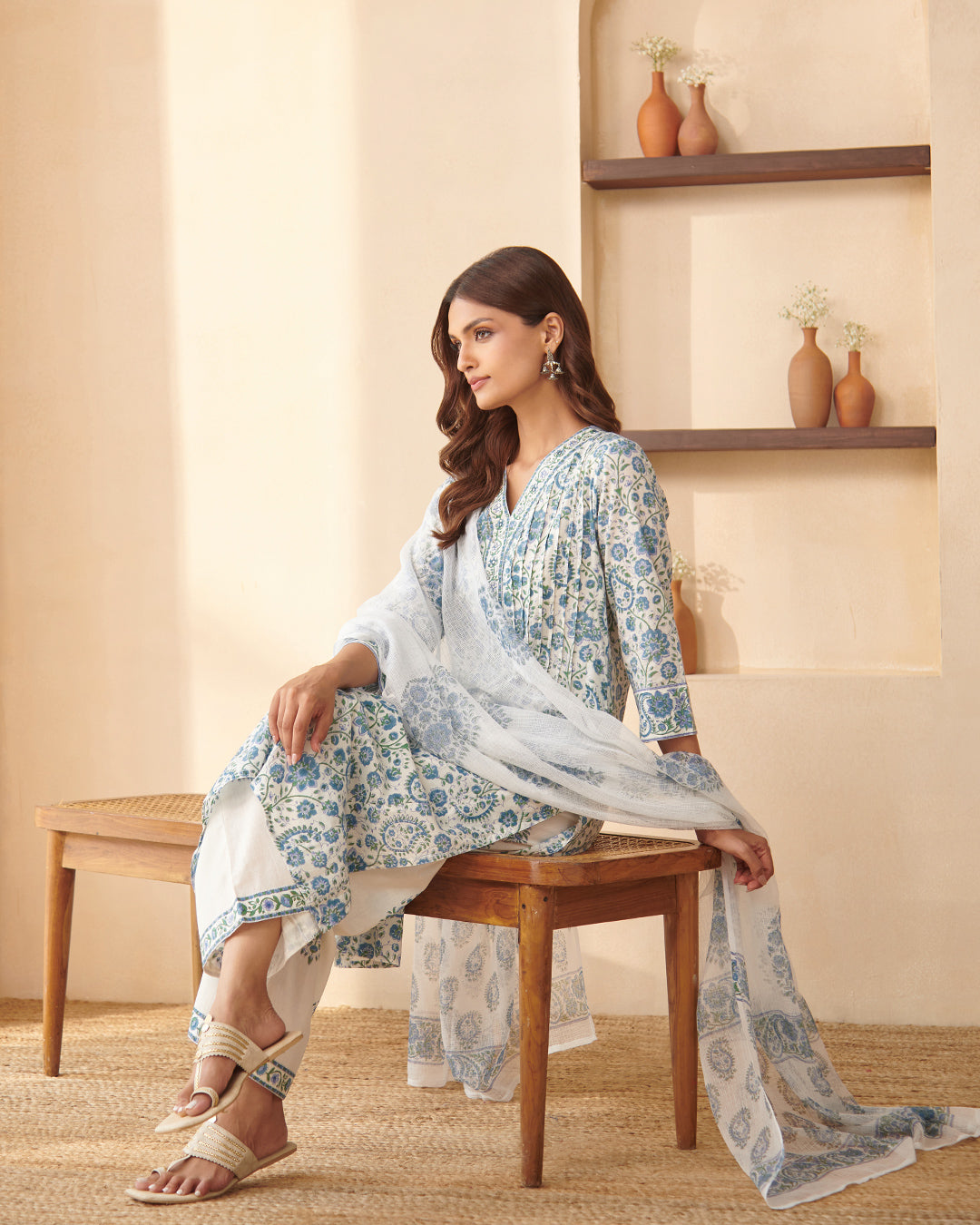
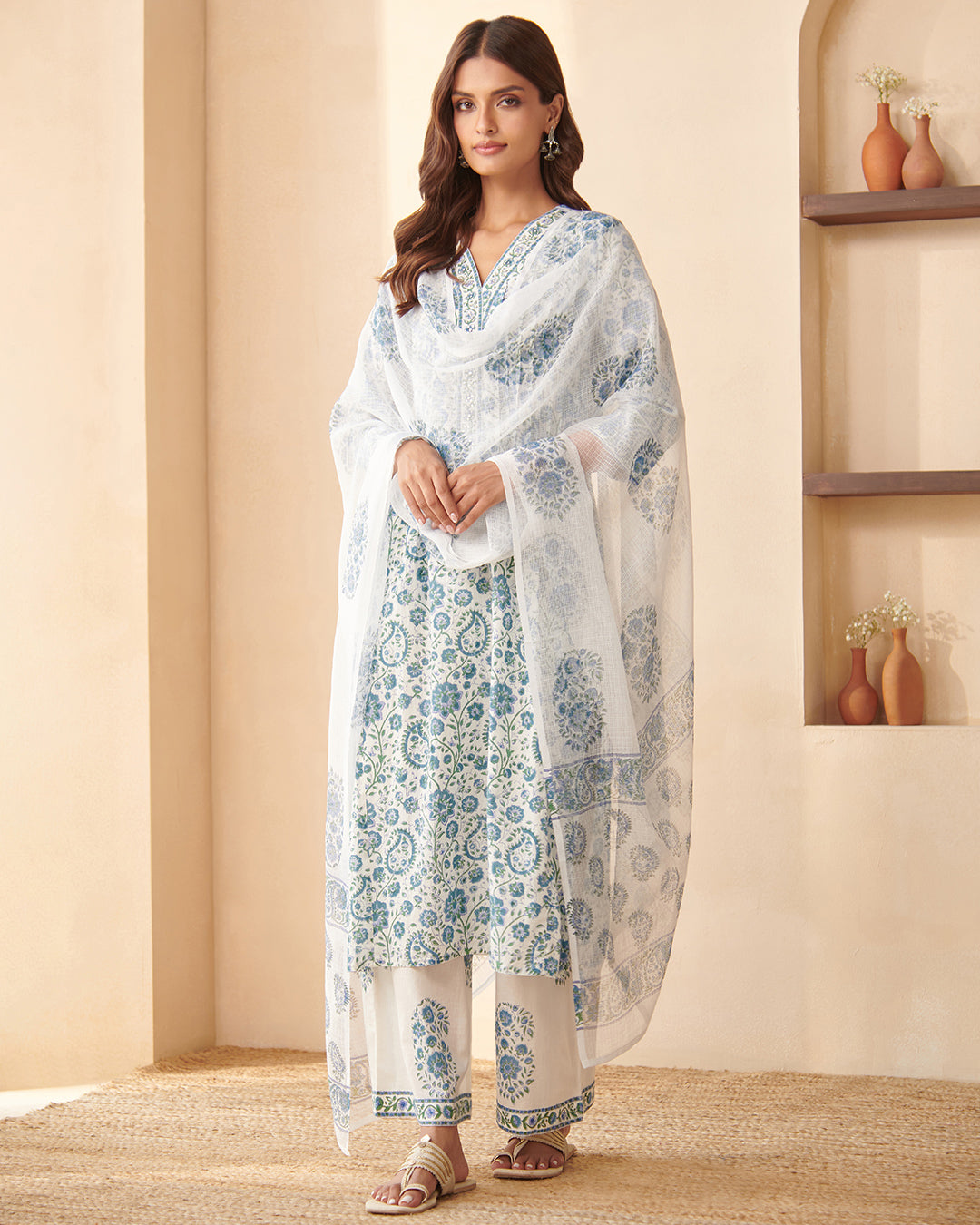
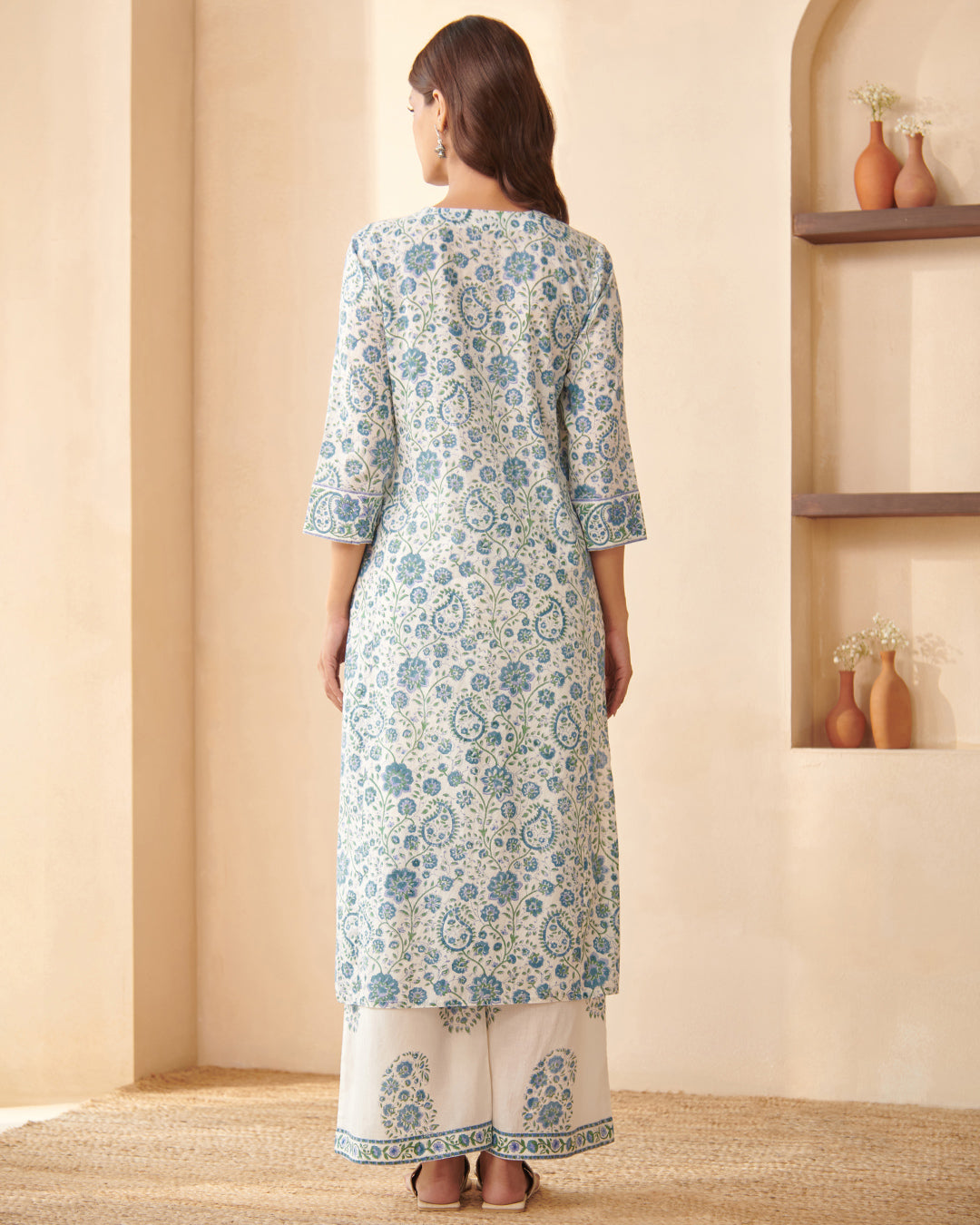
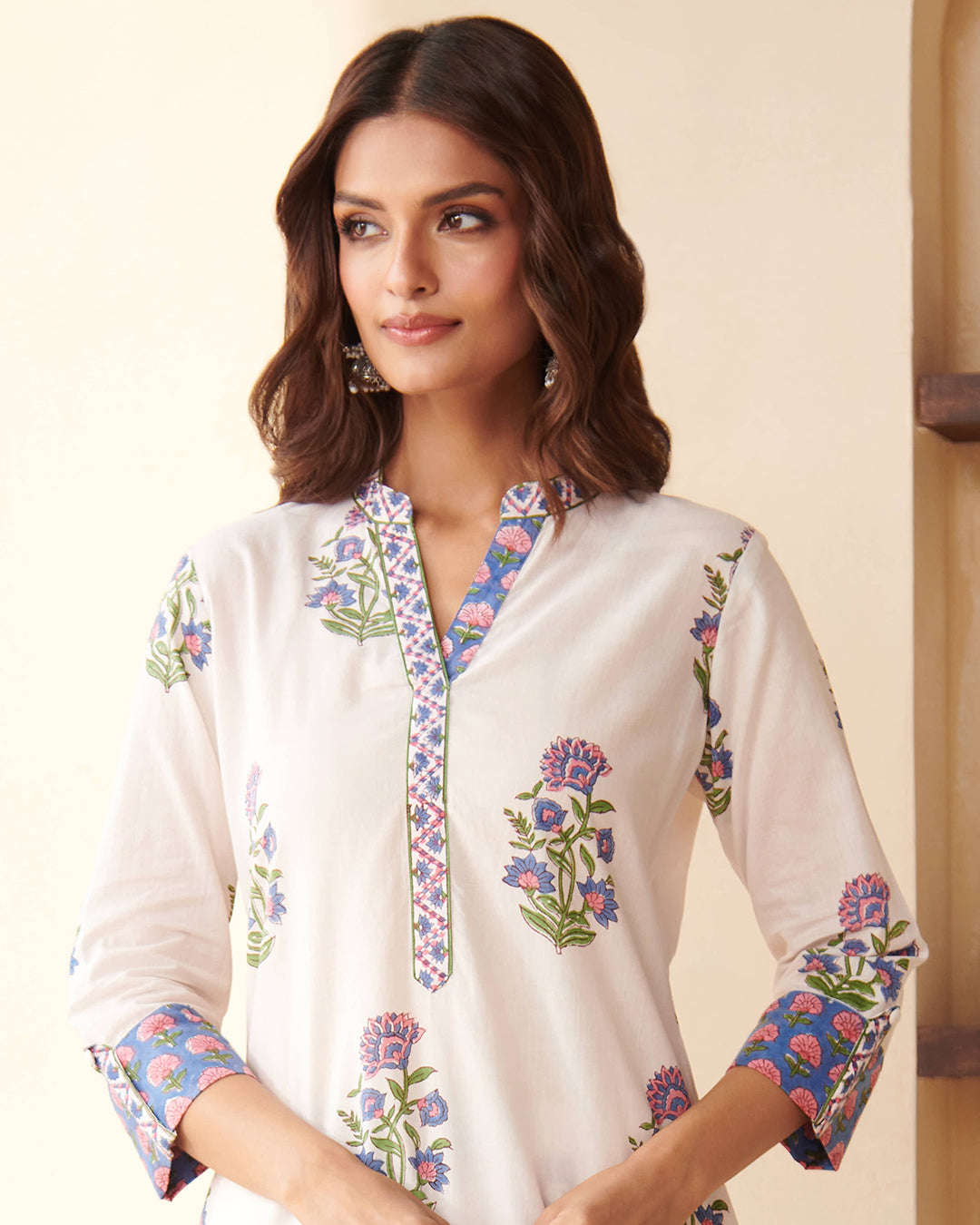
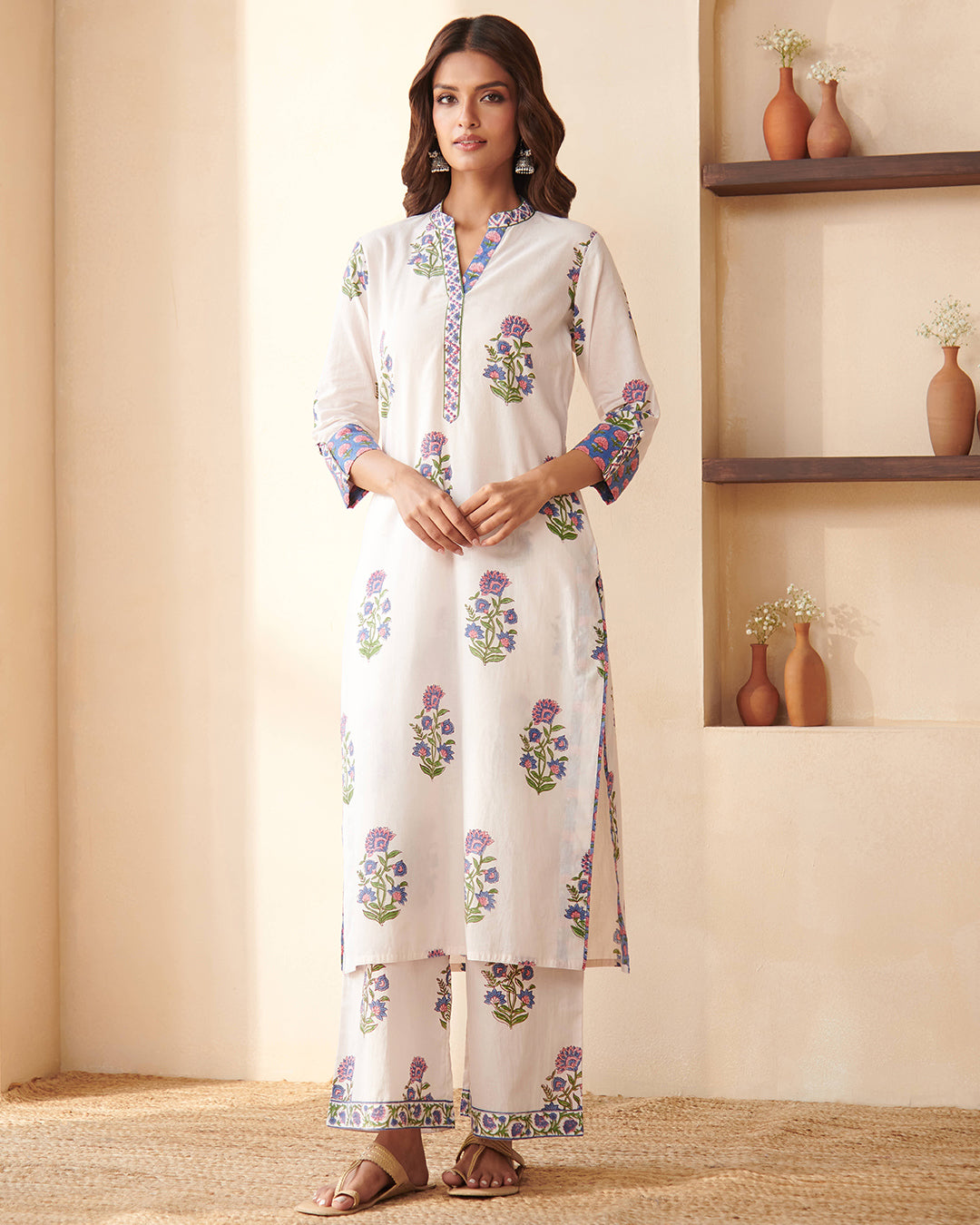
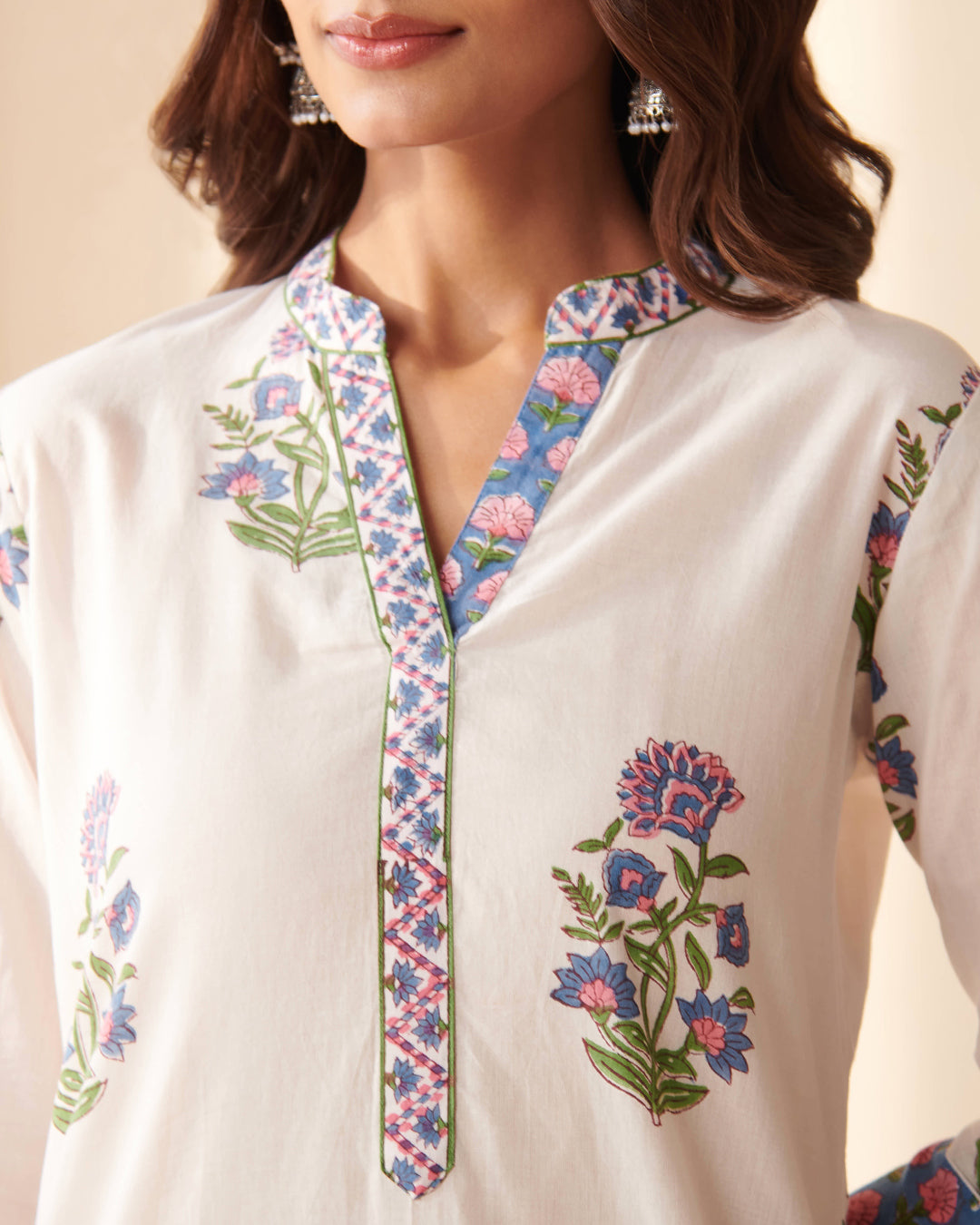
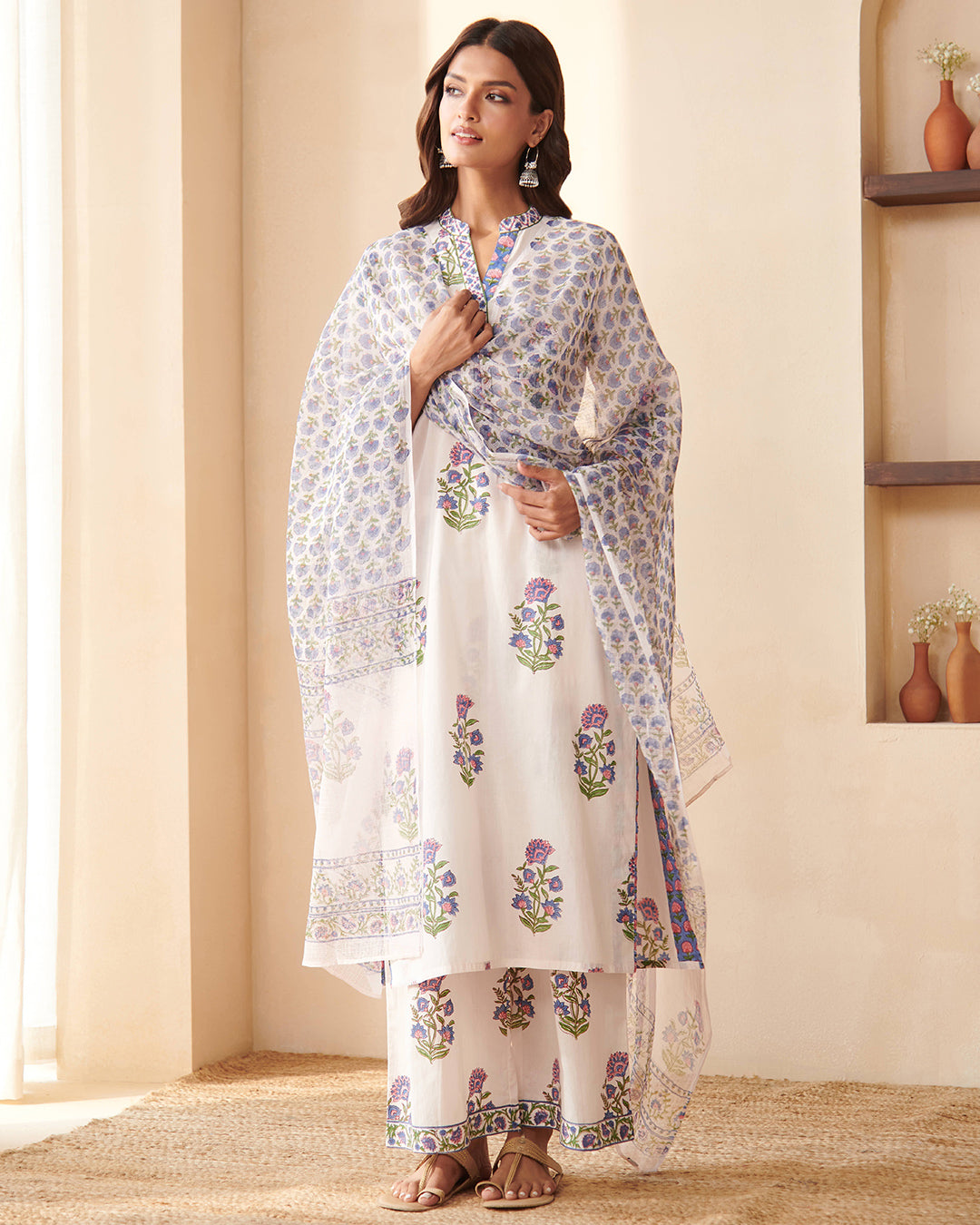
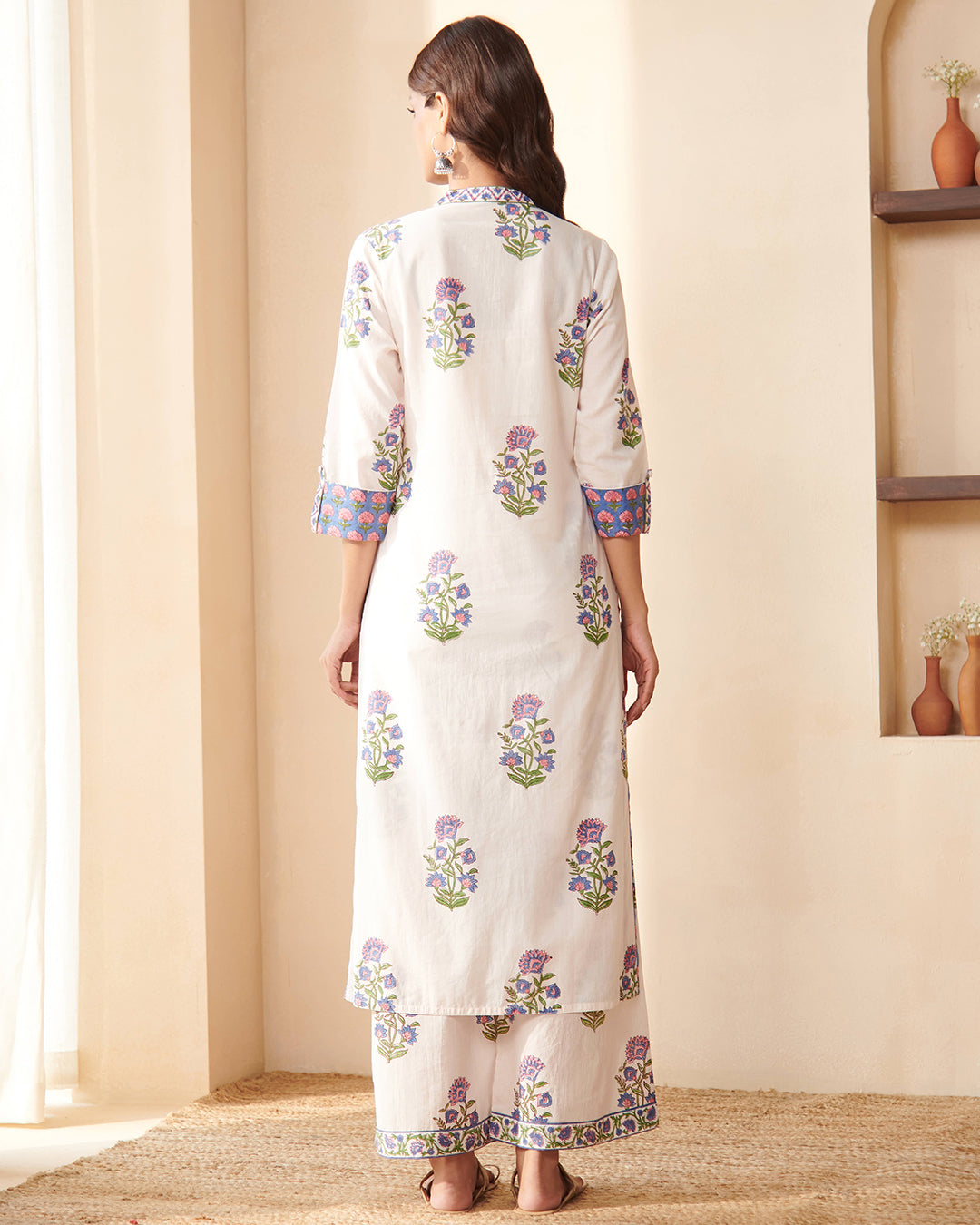
White kurta brings simplicity to festive dressing without feeling plain. It works beautifully for summer celebrations, Eid gatherings, and understated Diwali dressing. White cotton with hand block prints or fine embroidery adds just enough detail while allowing the fabric and craftsmanship to remain visible.
Maroon Kurtas for Weddings & Evening Festivities
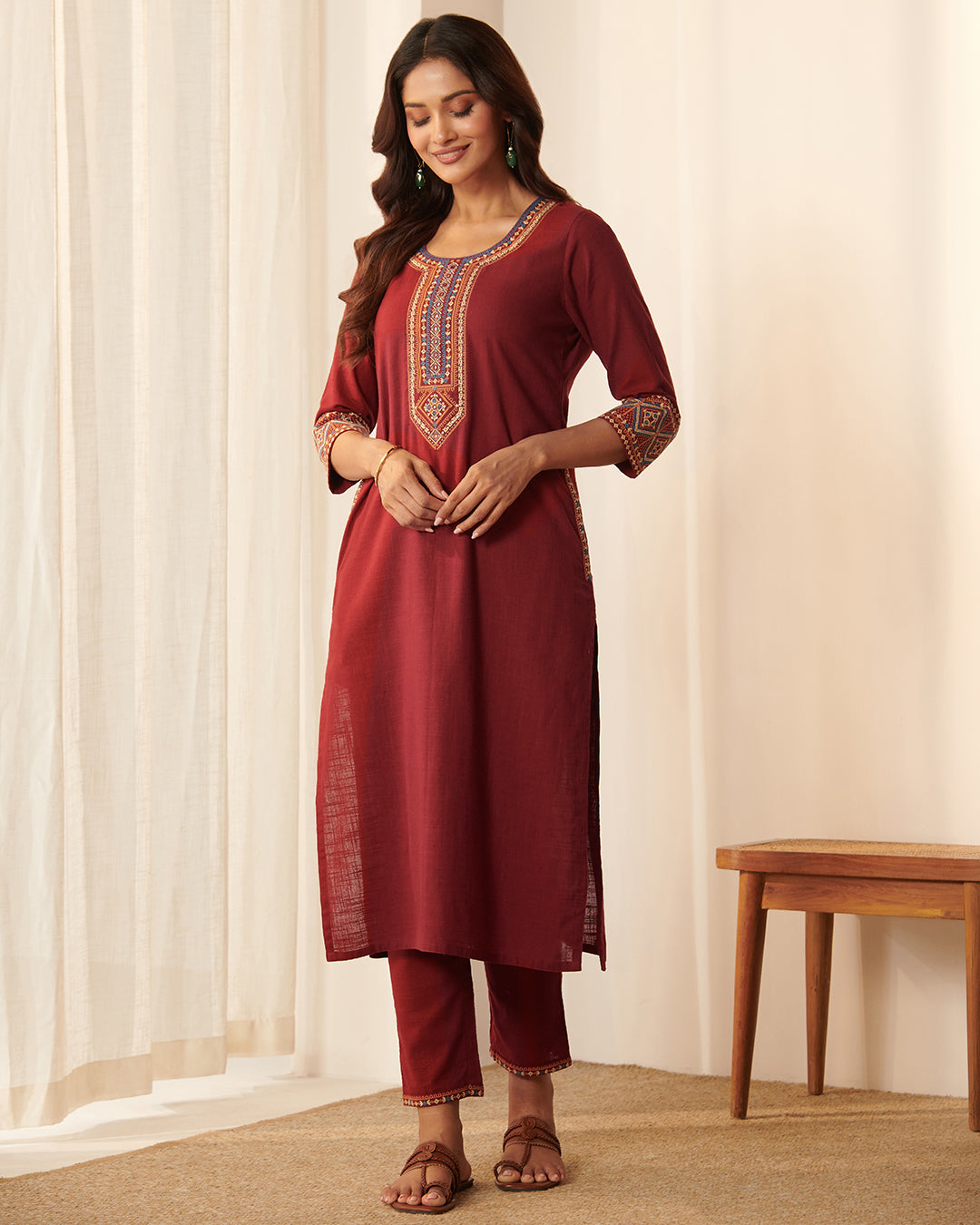
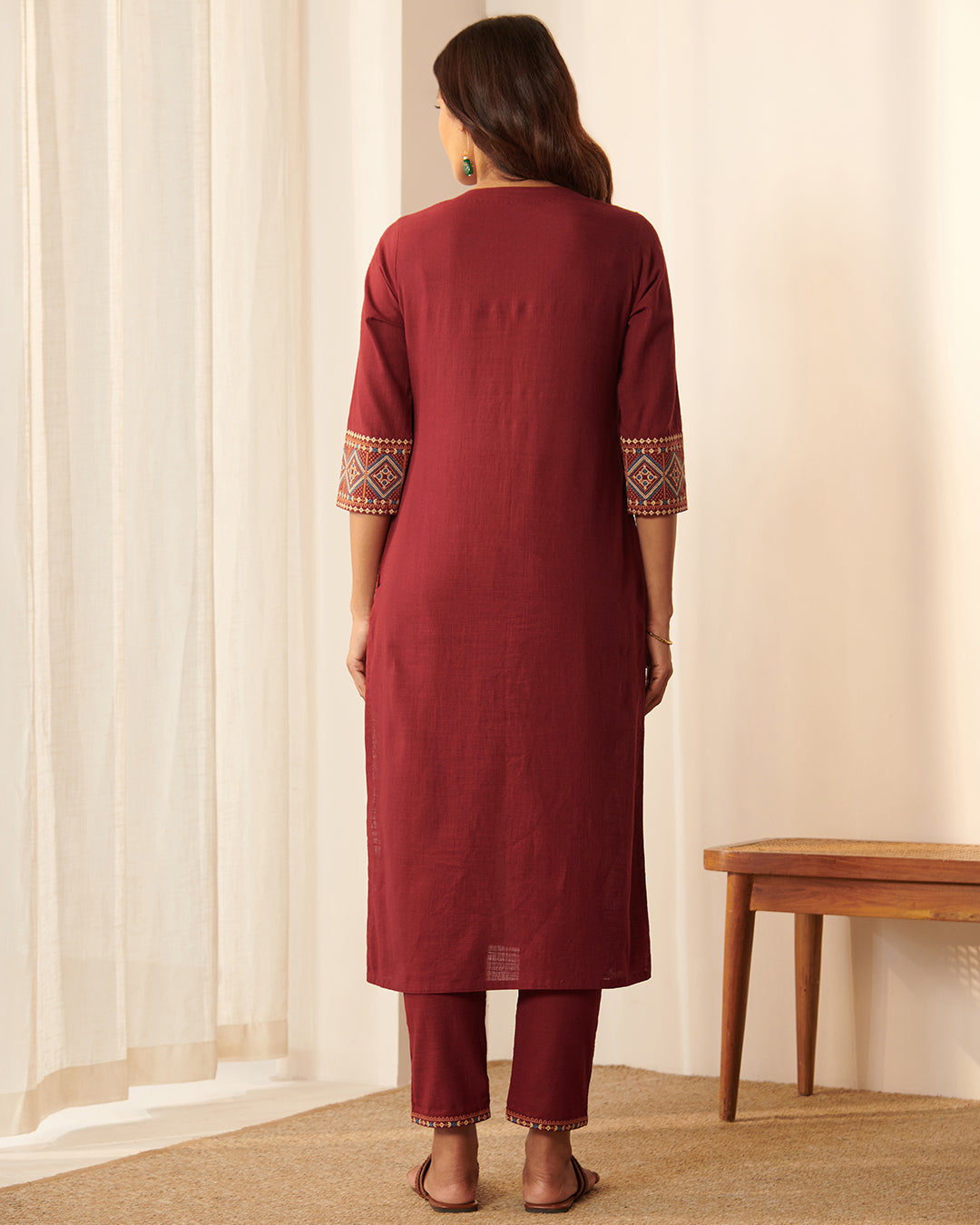
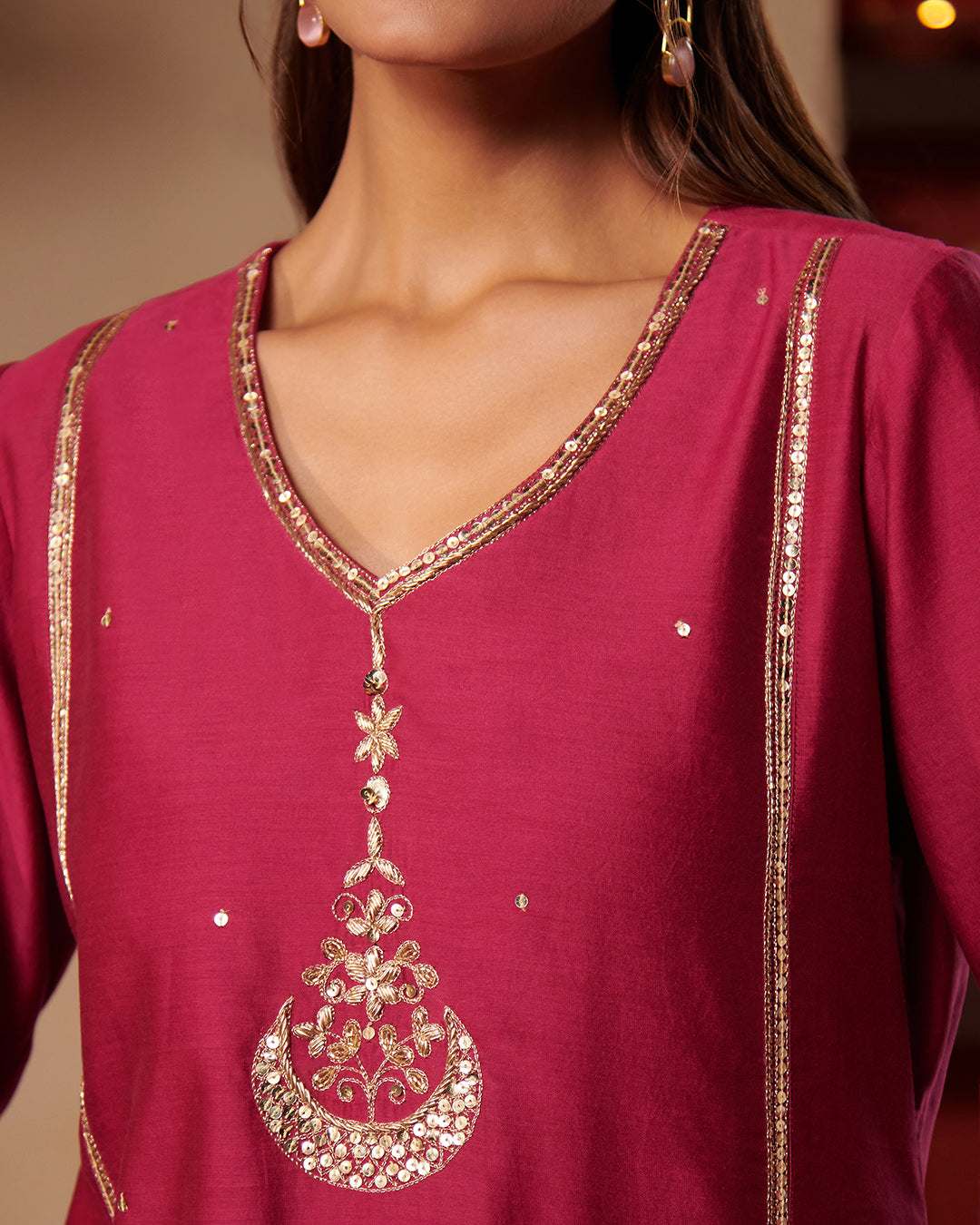
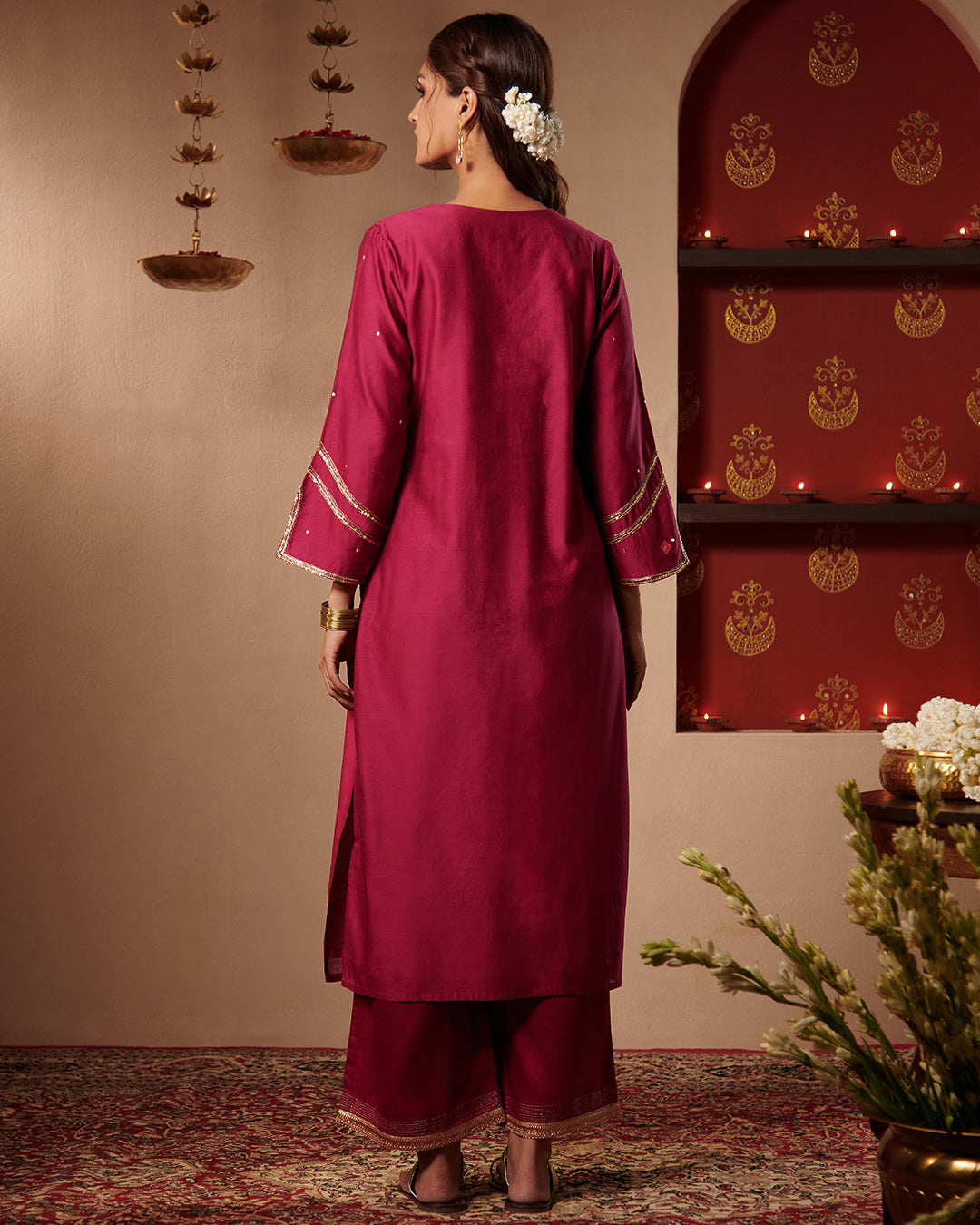
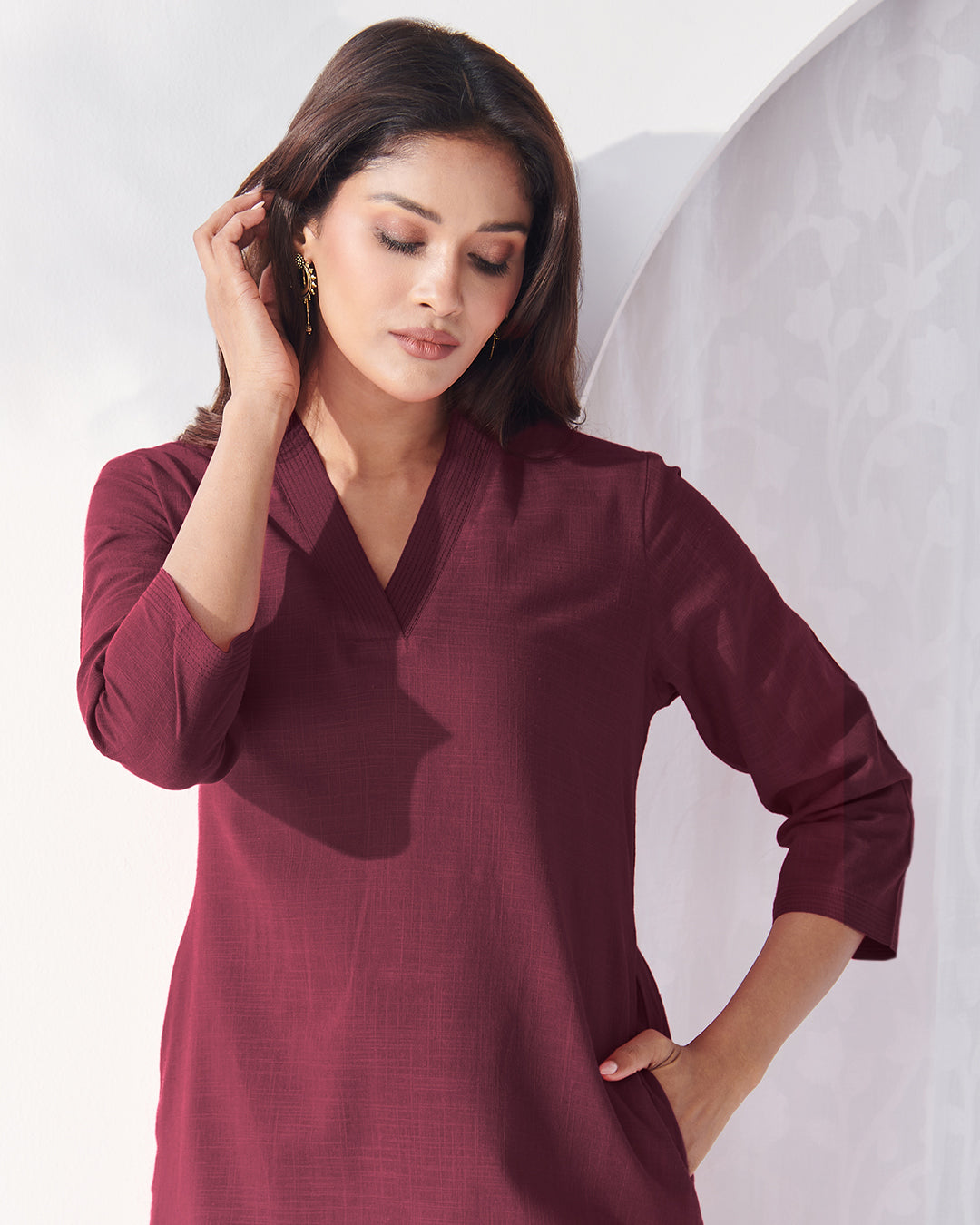
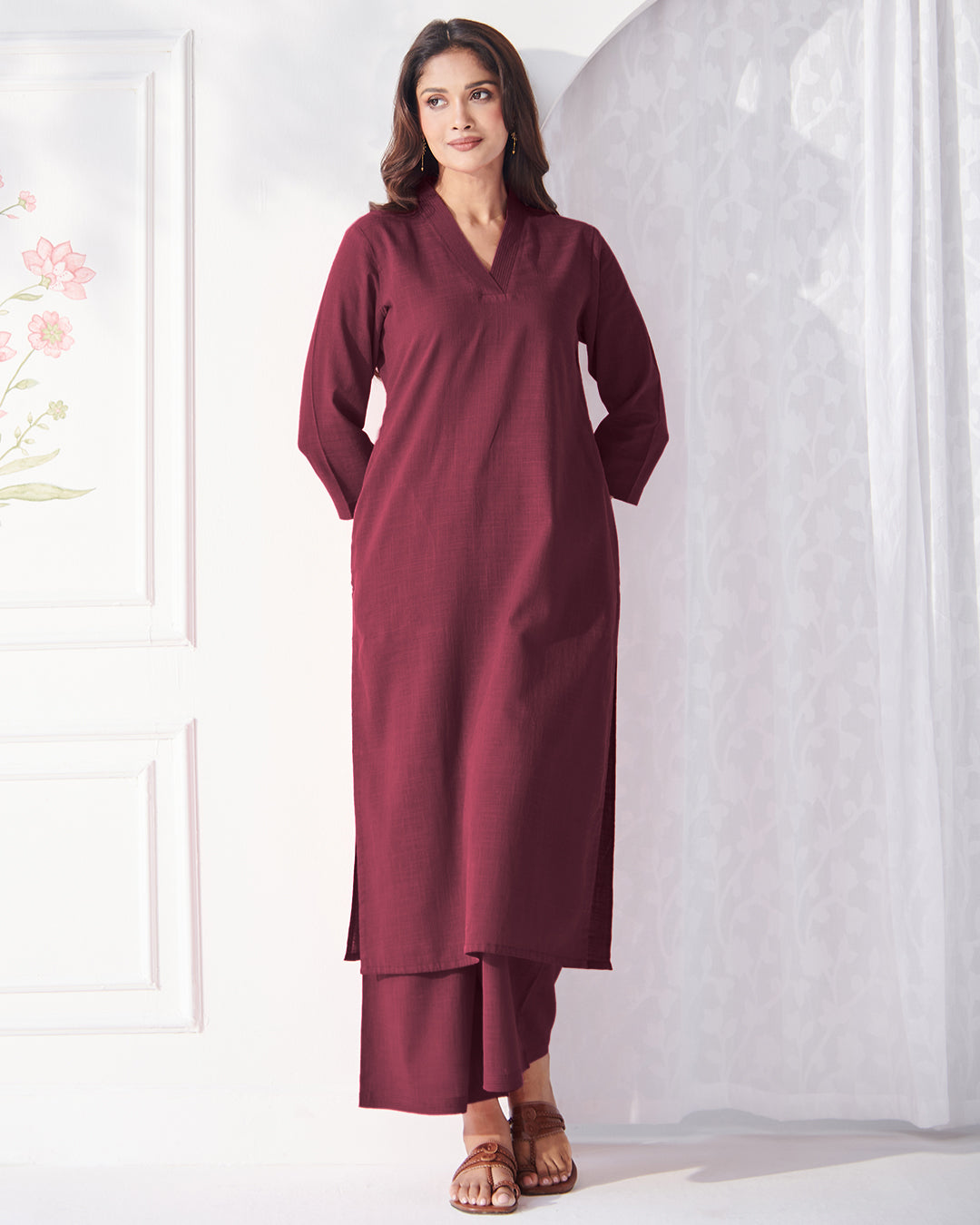
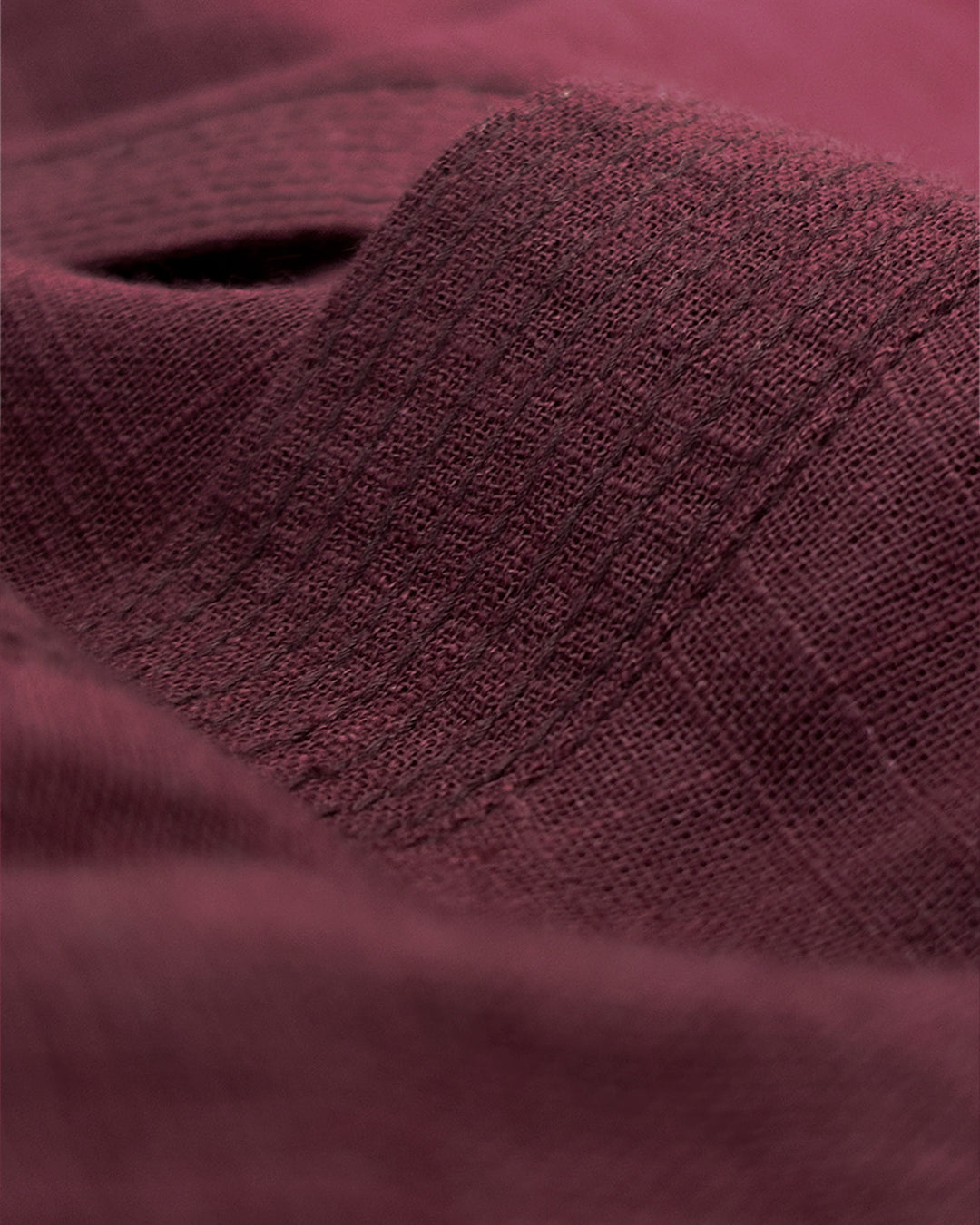
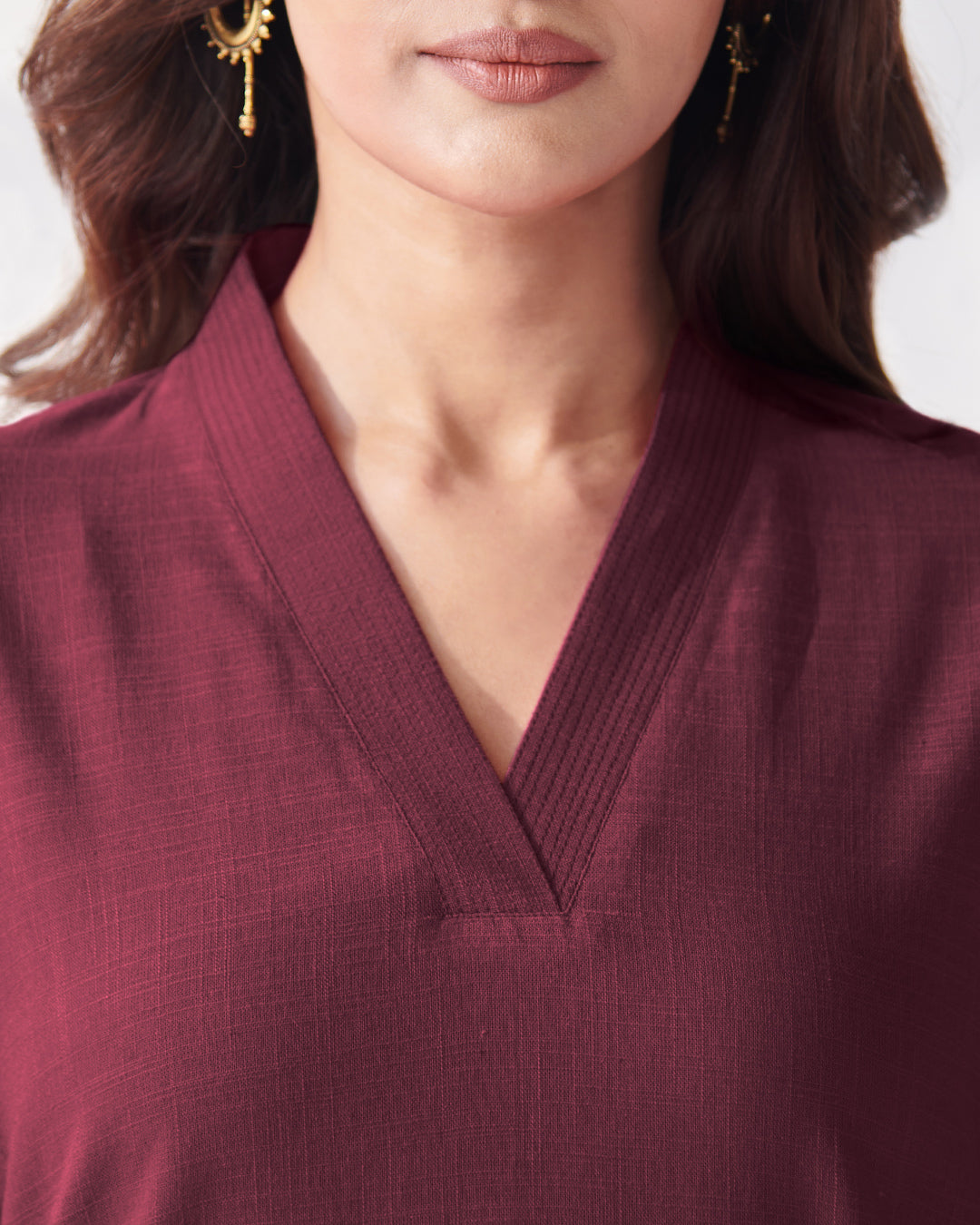
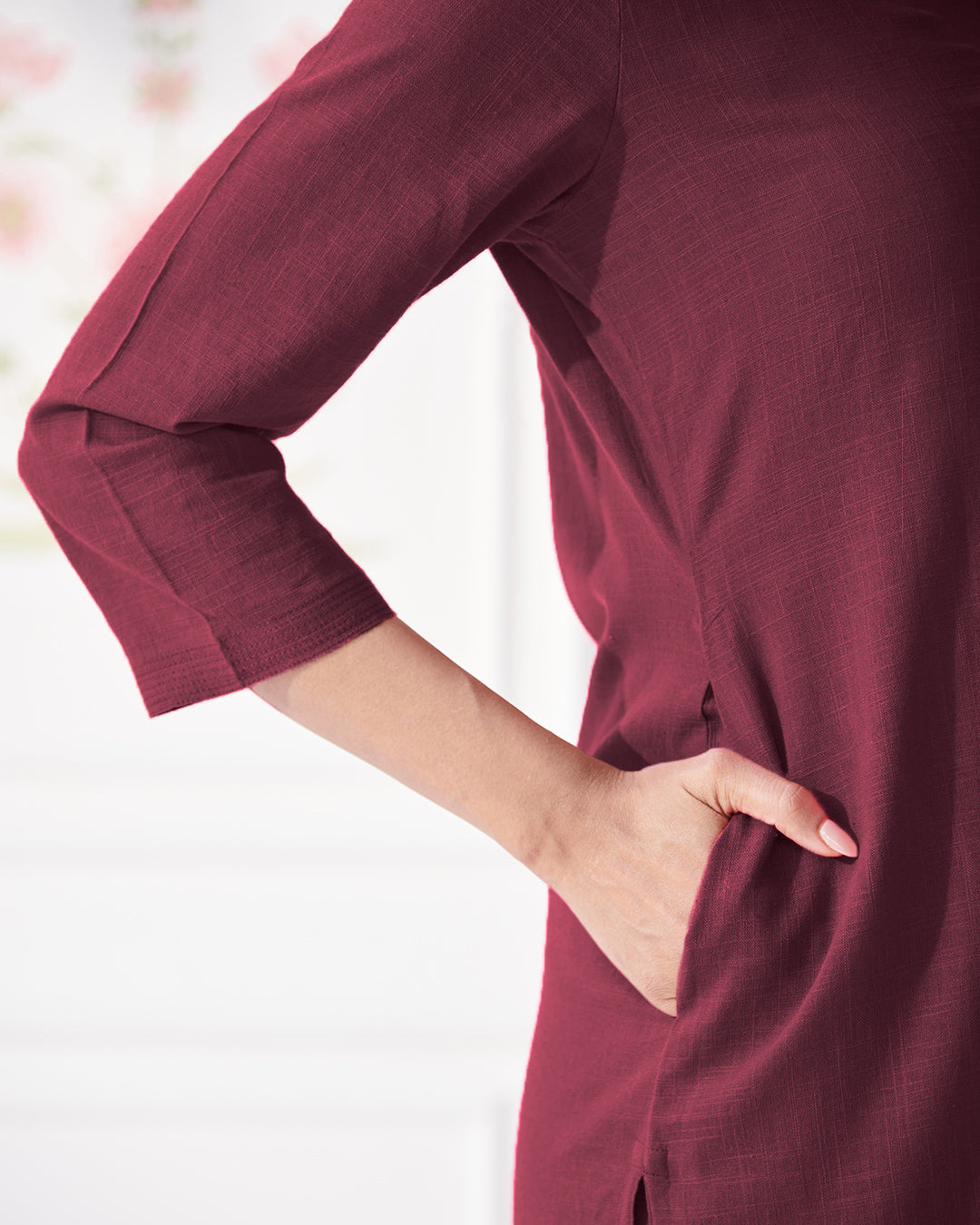
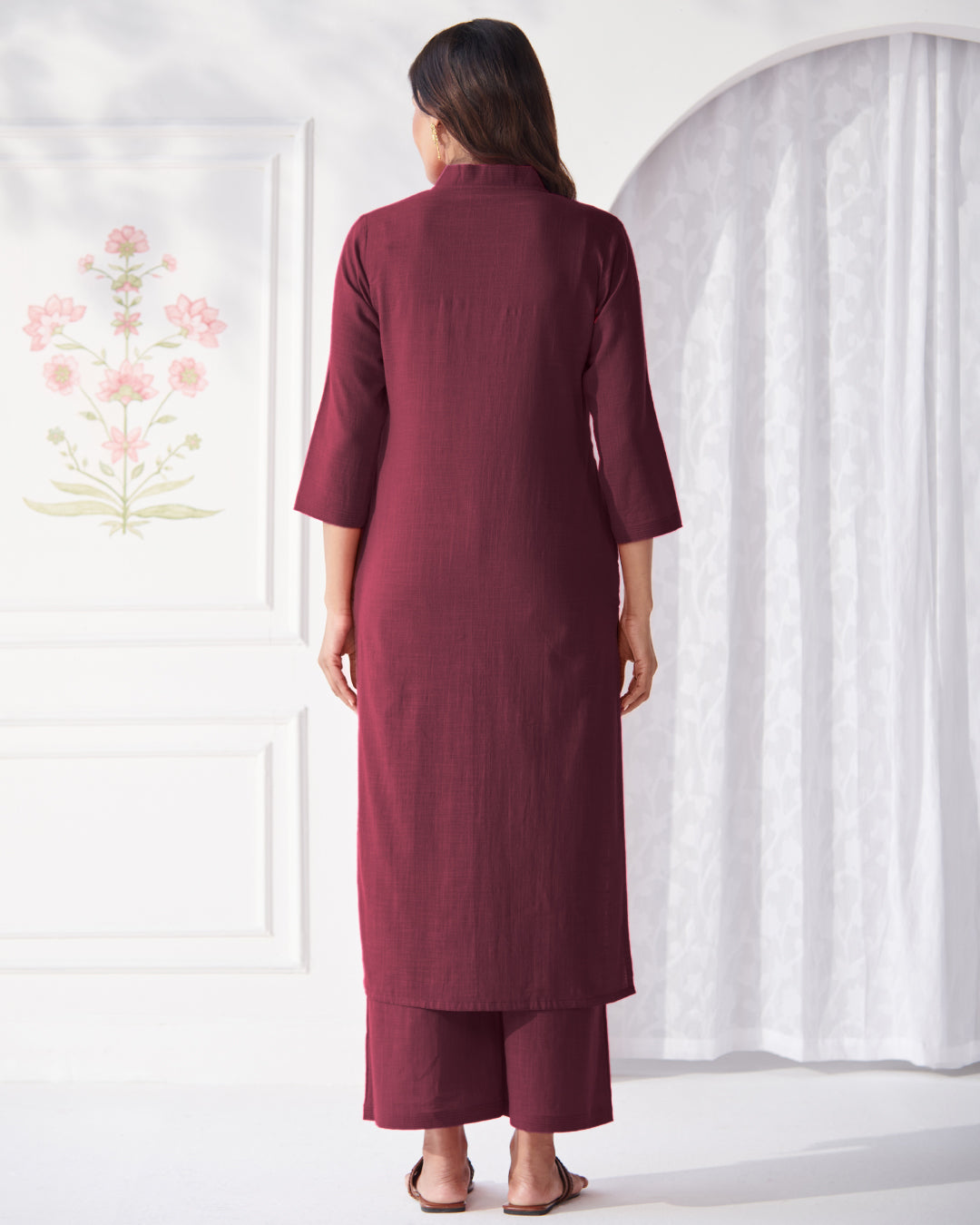
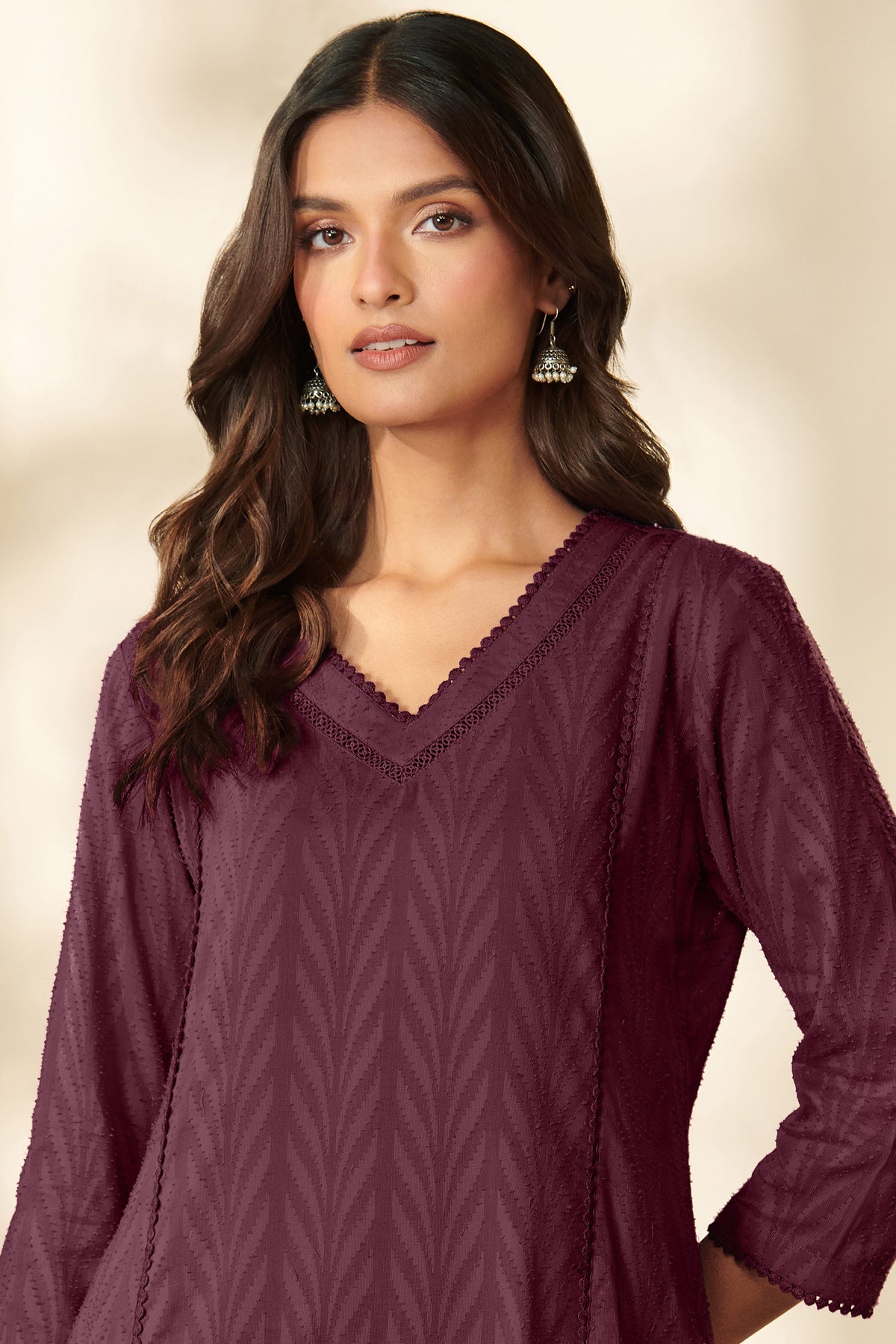
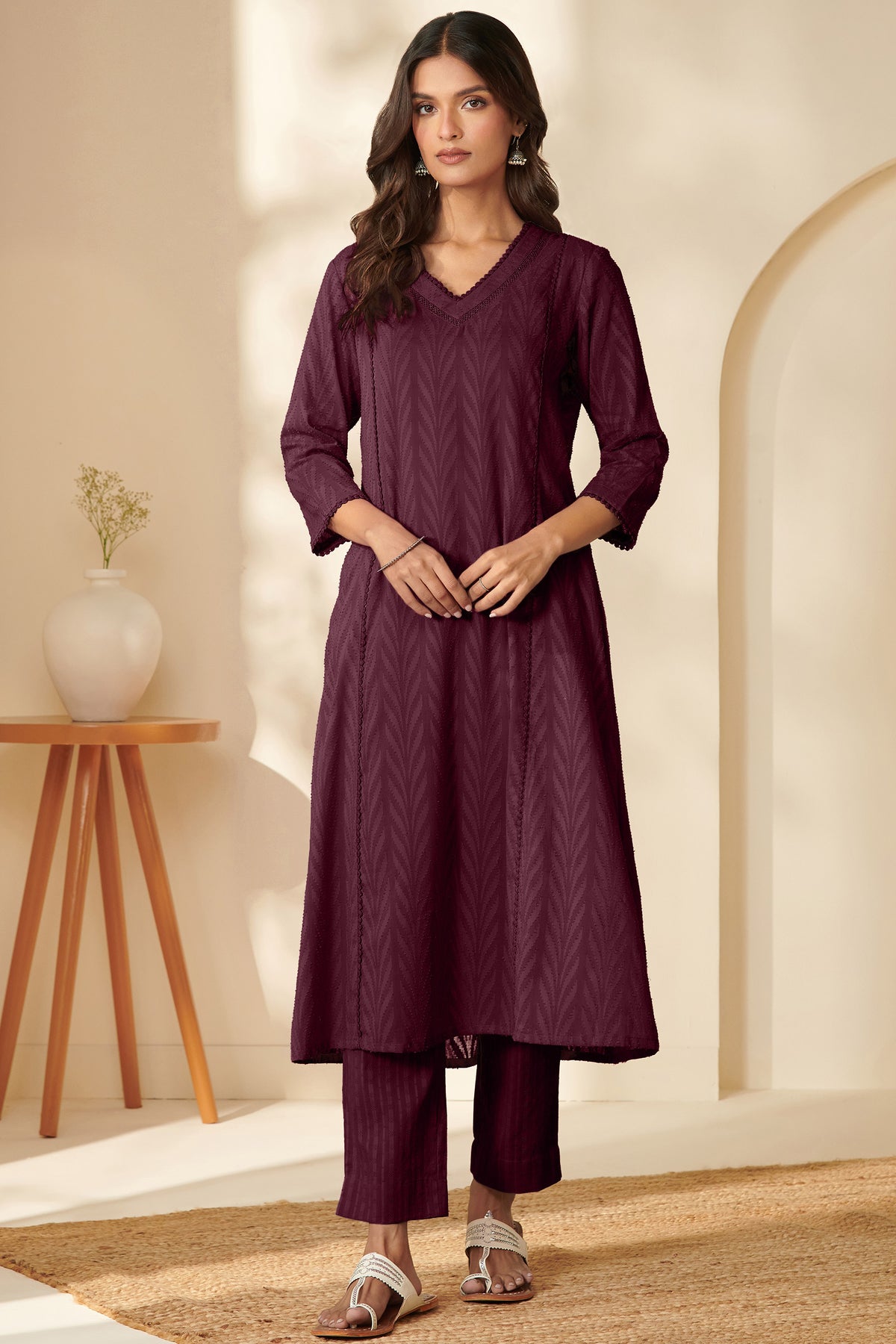
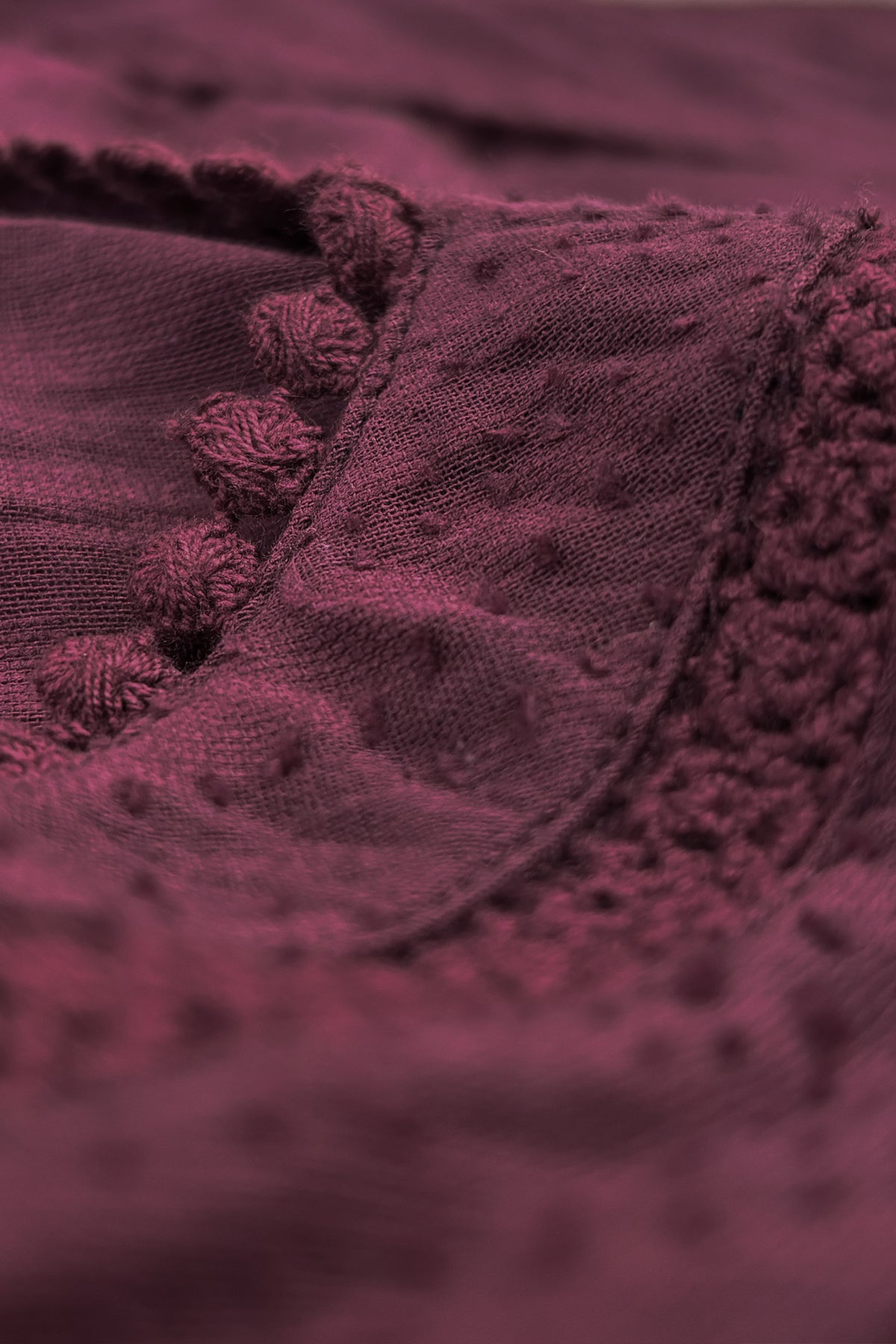
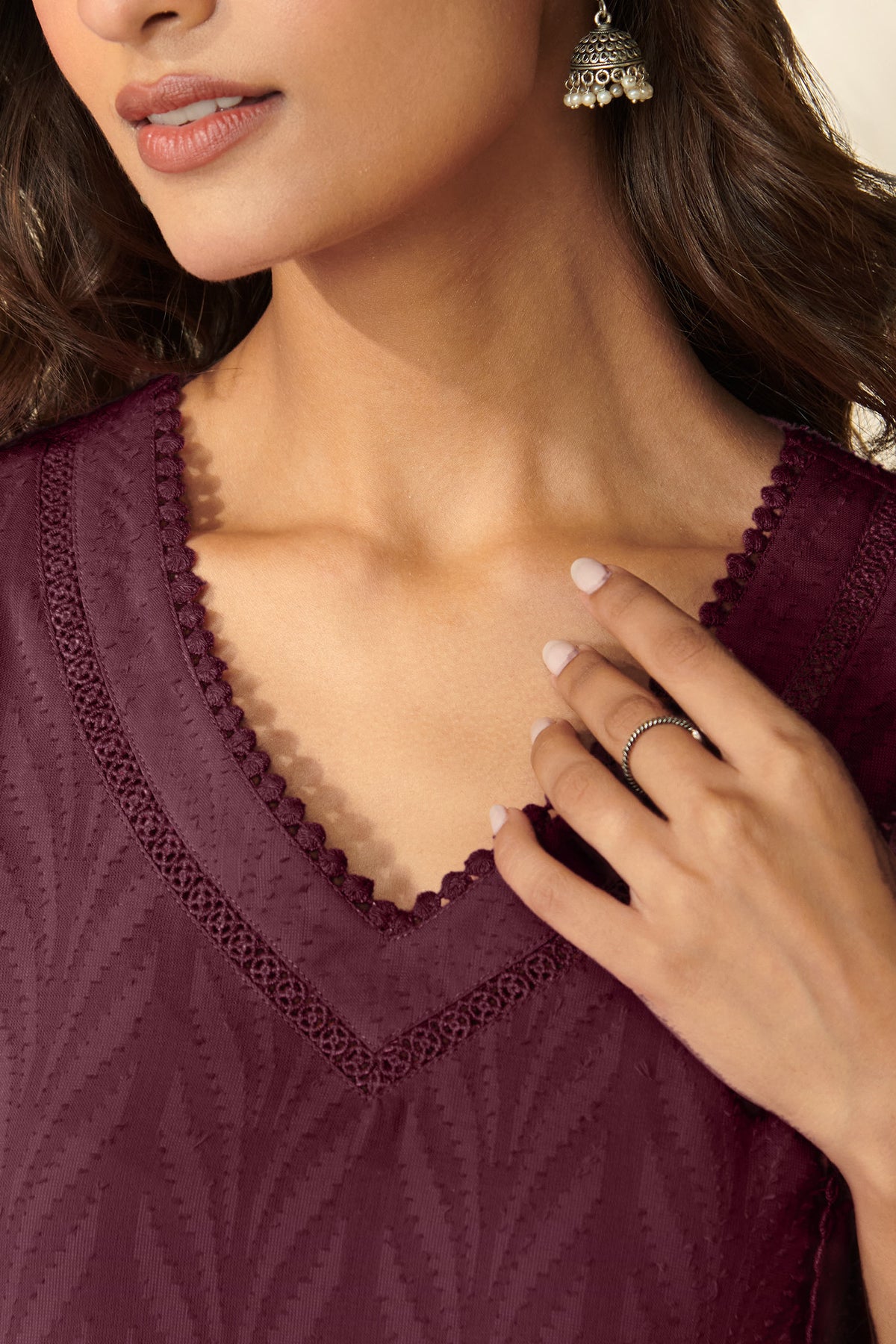
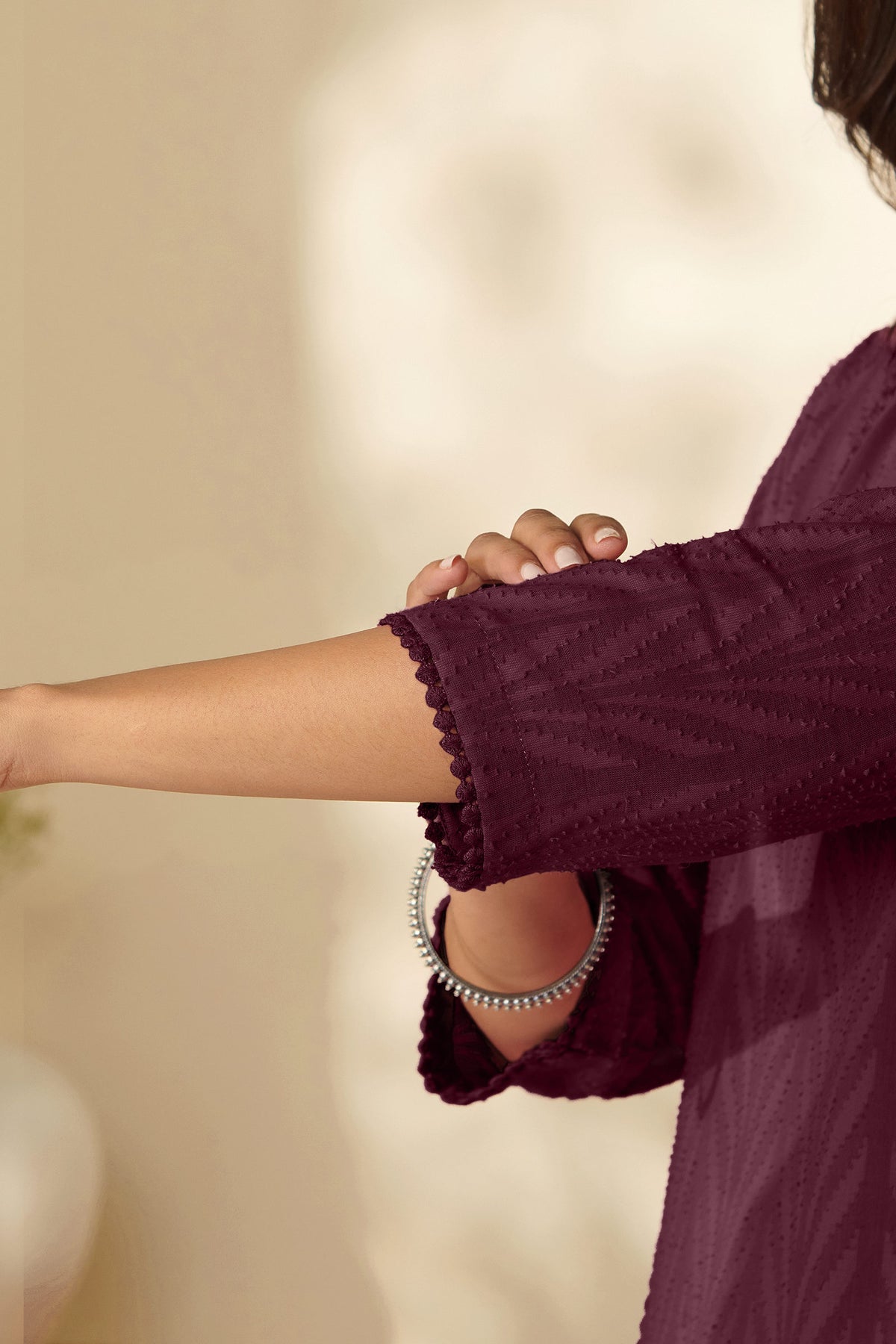
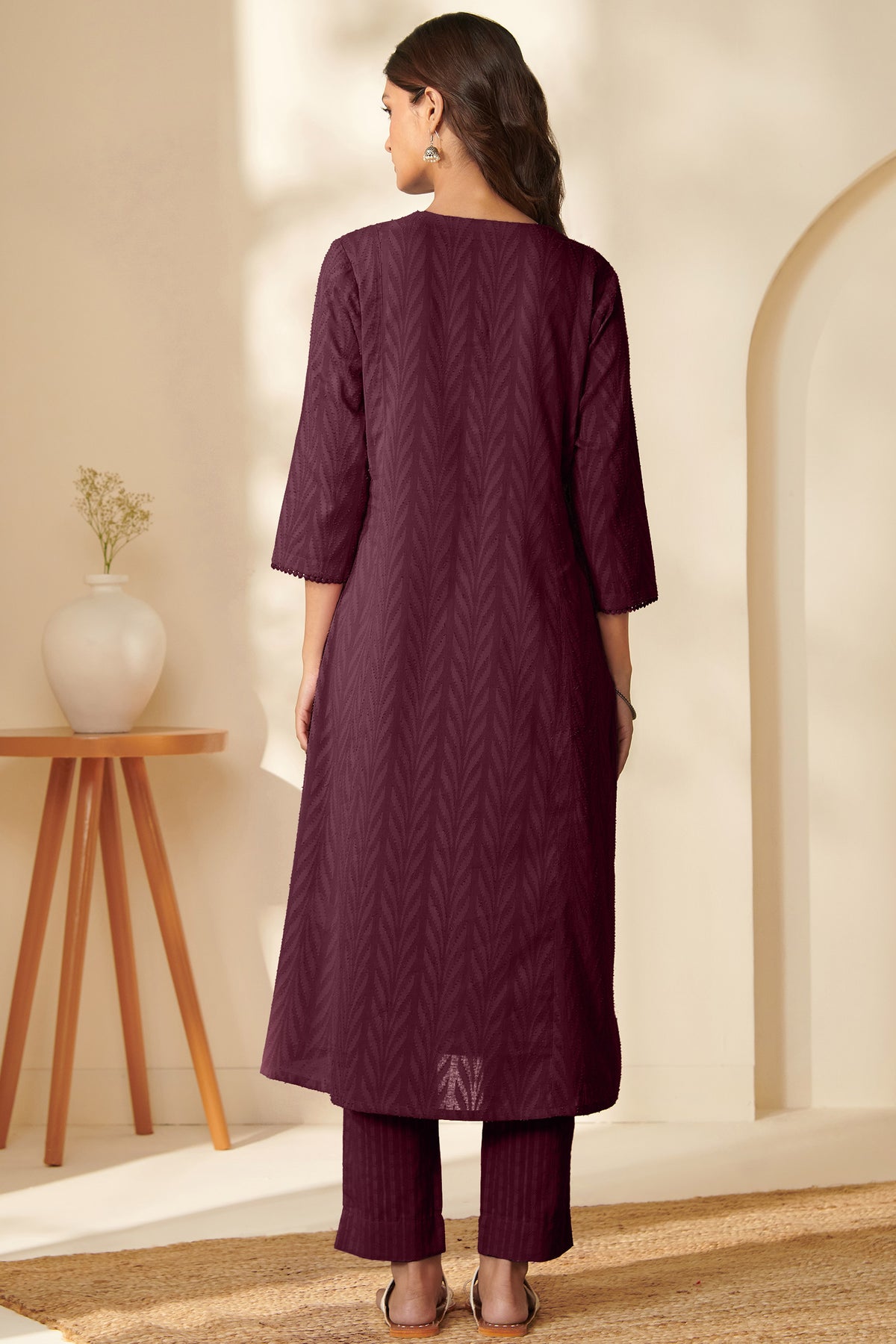
Maroon has a depth that suits evening celebrations particularly well. It feels rich without the brightness of traditional red. For weddings and festive dinners, a maroon kurta with subtle embroidery, woven details, or a complementary dupatta creates a composed and graceful look.
Purple Kurtas for Contemporary Festive Dressing
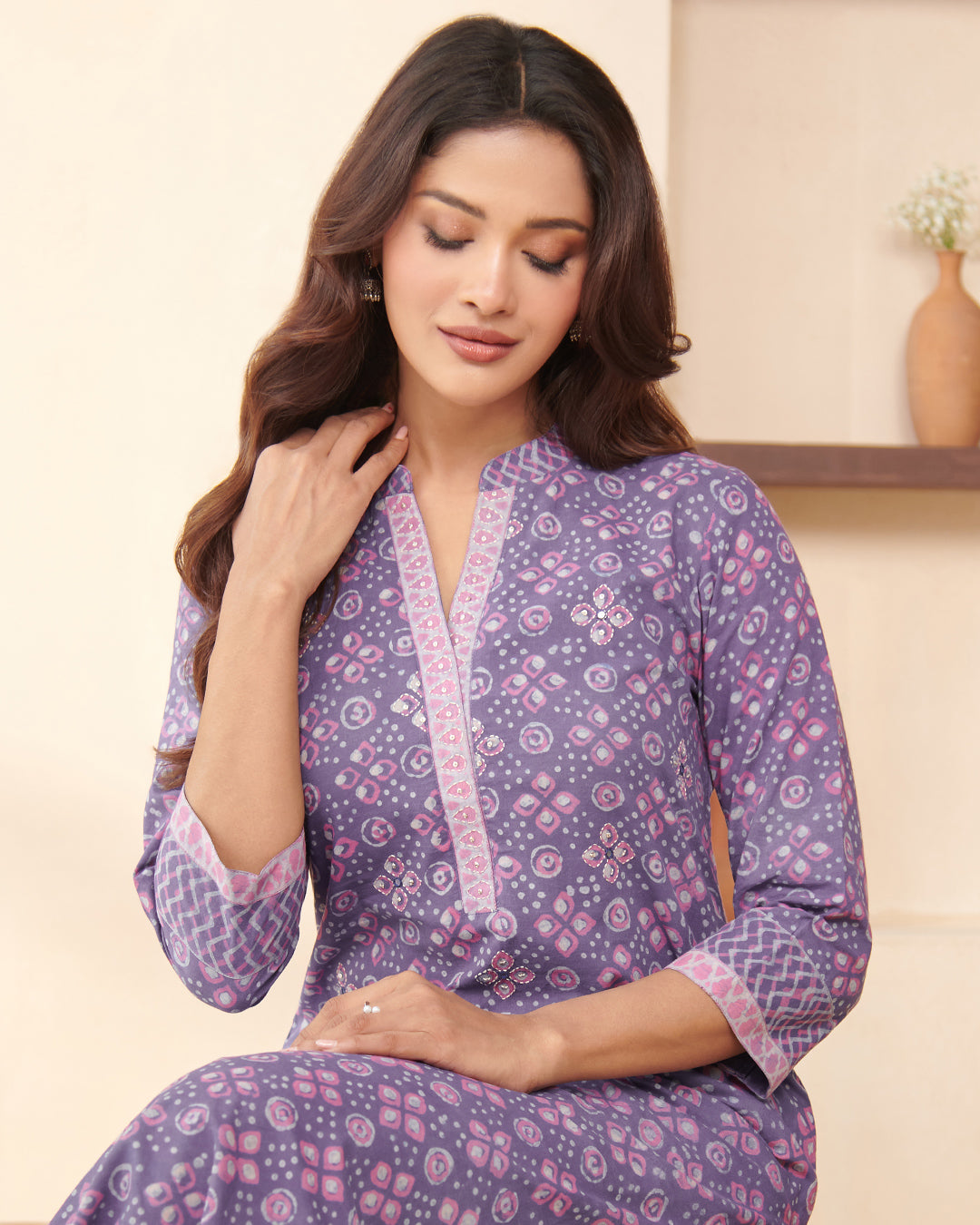
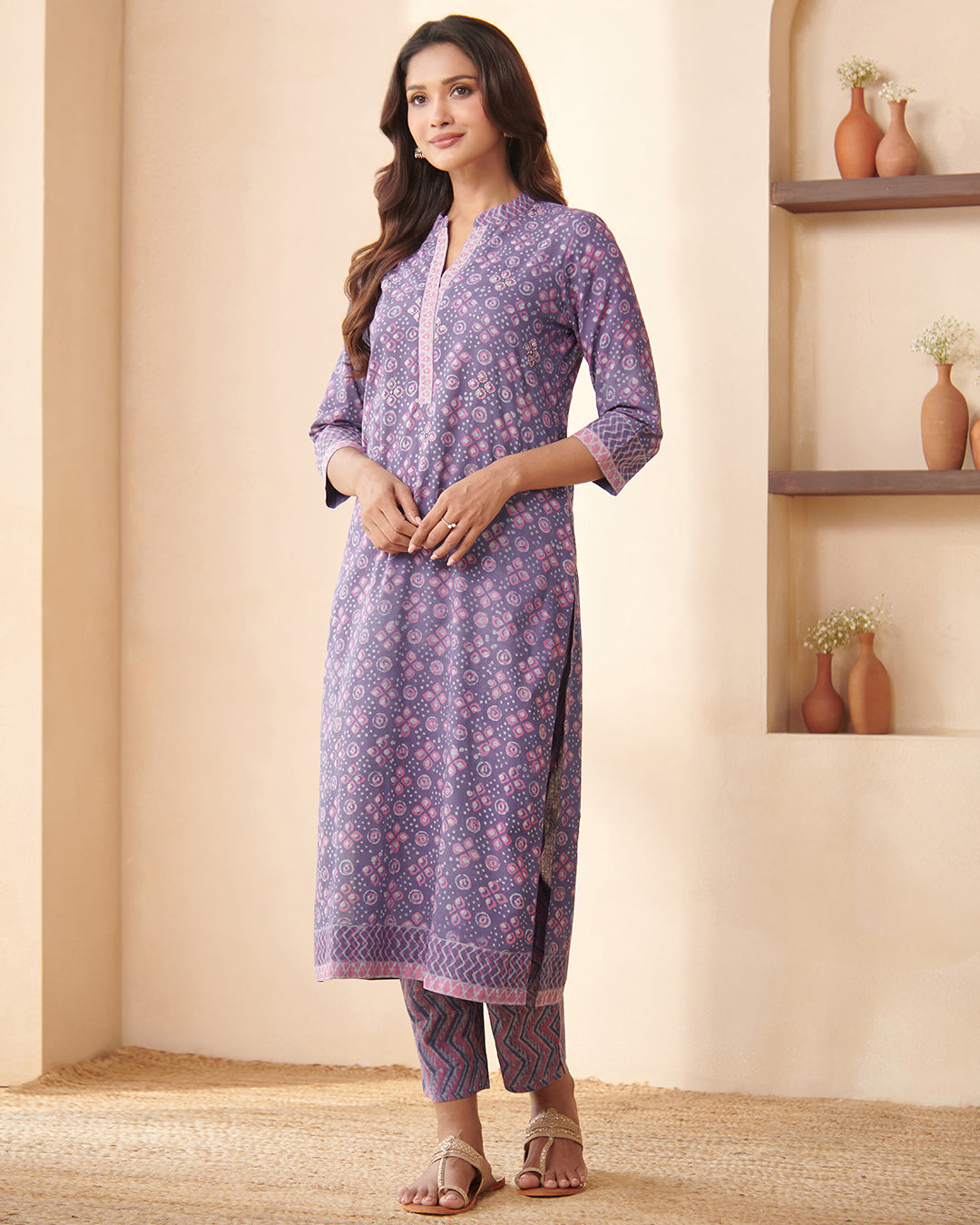
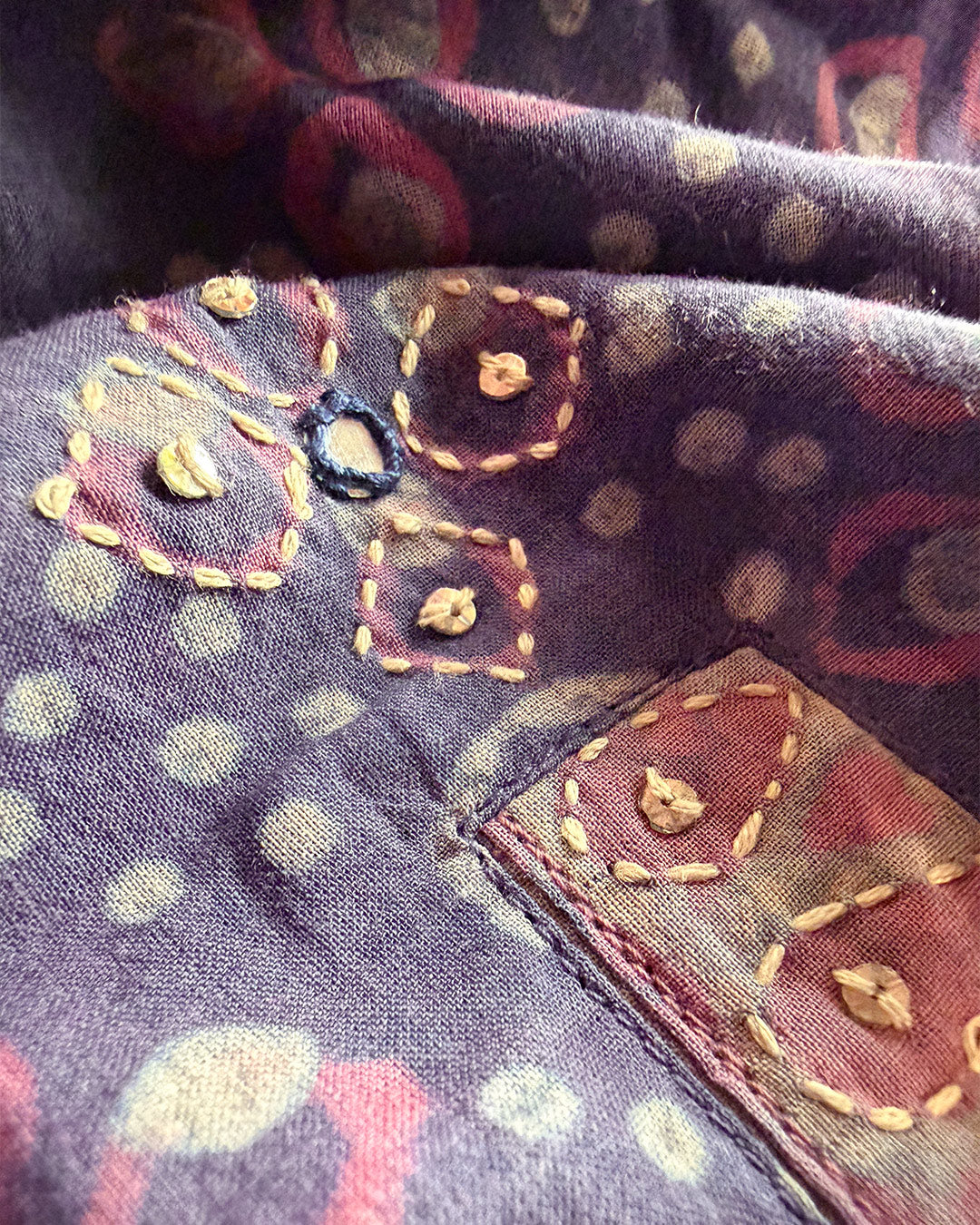
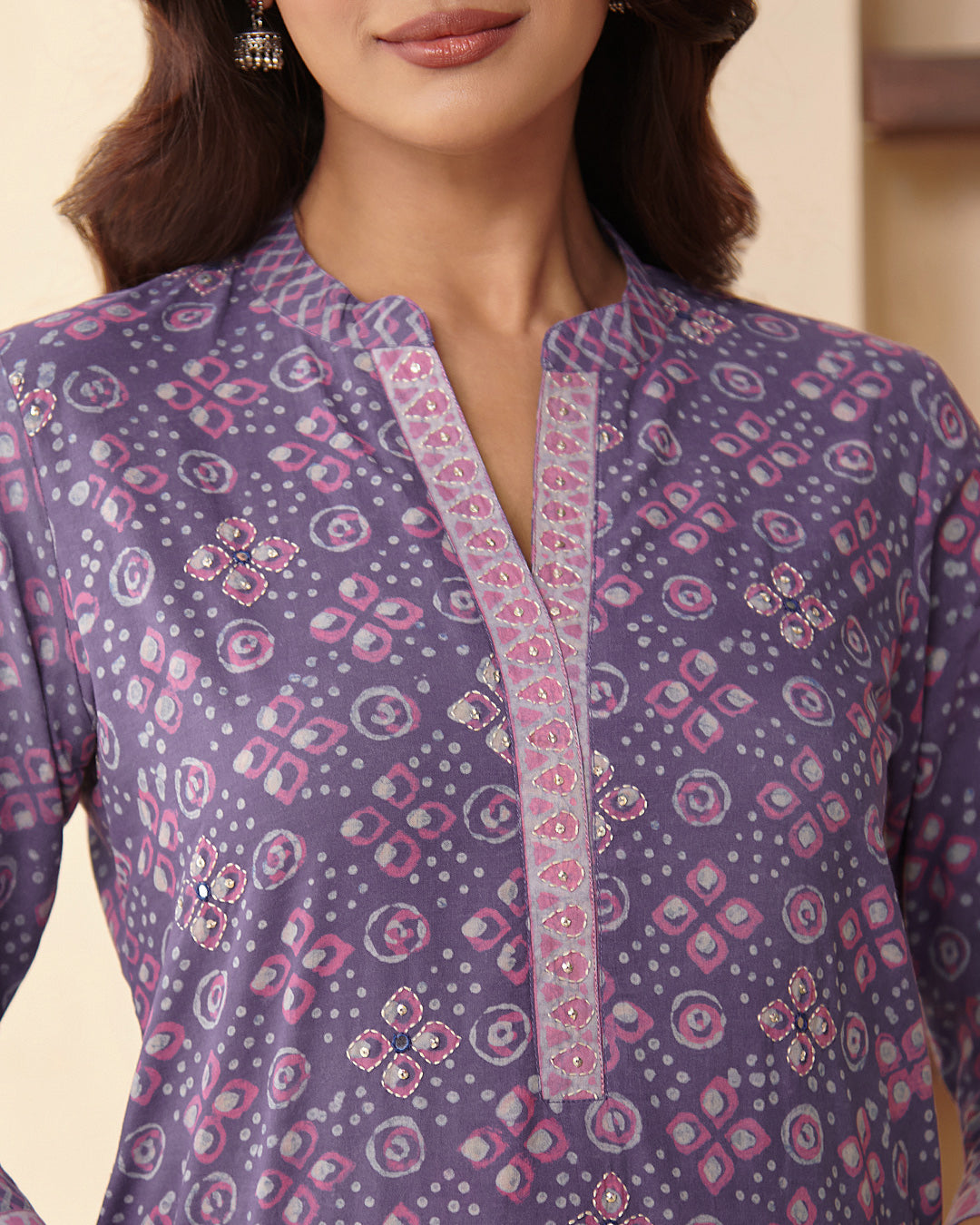
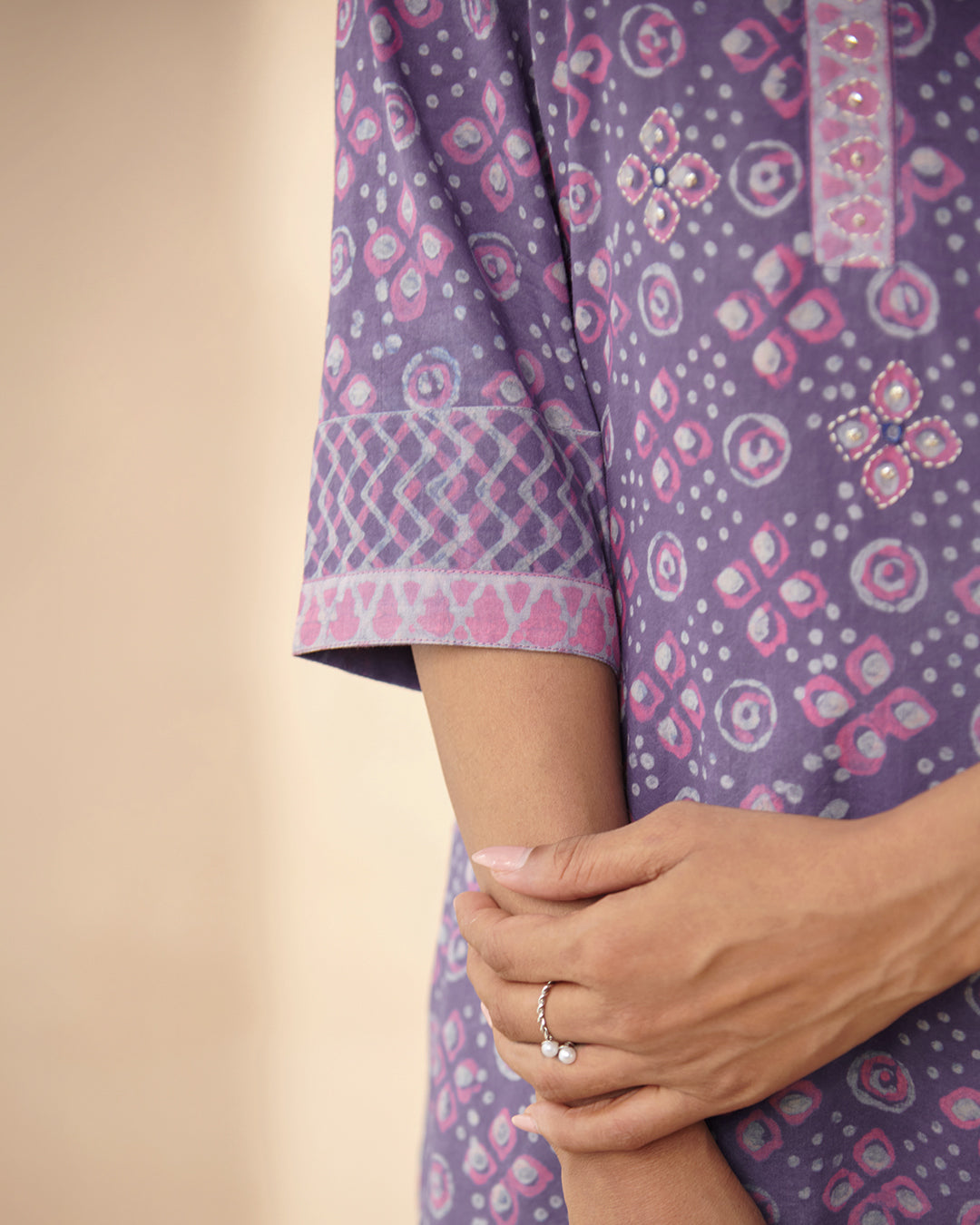
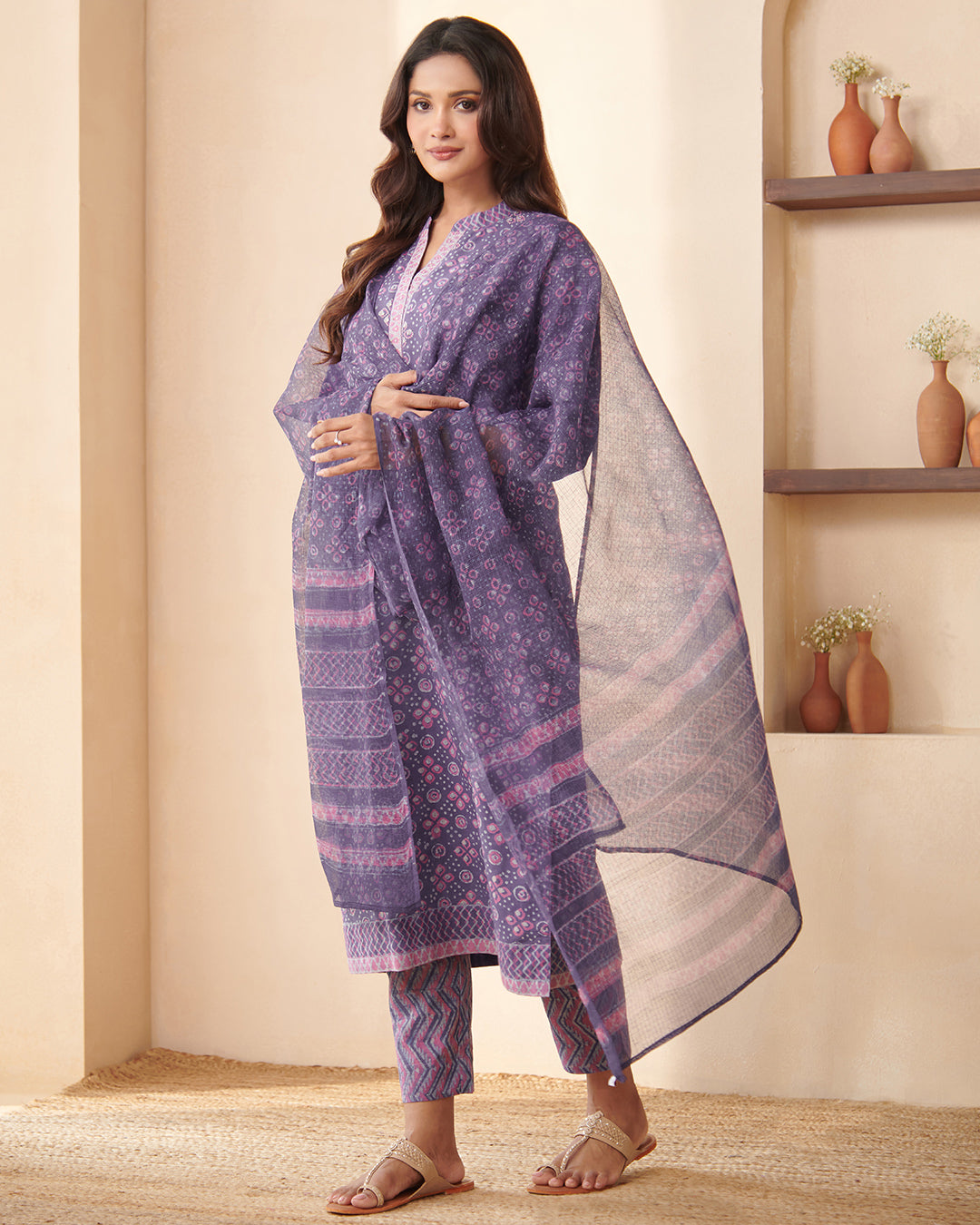
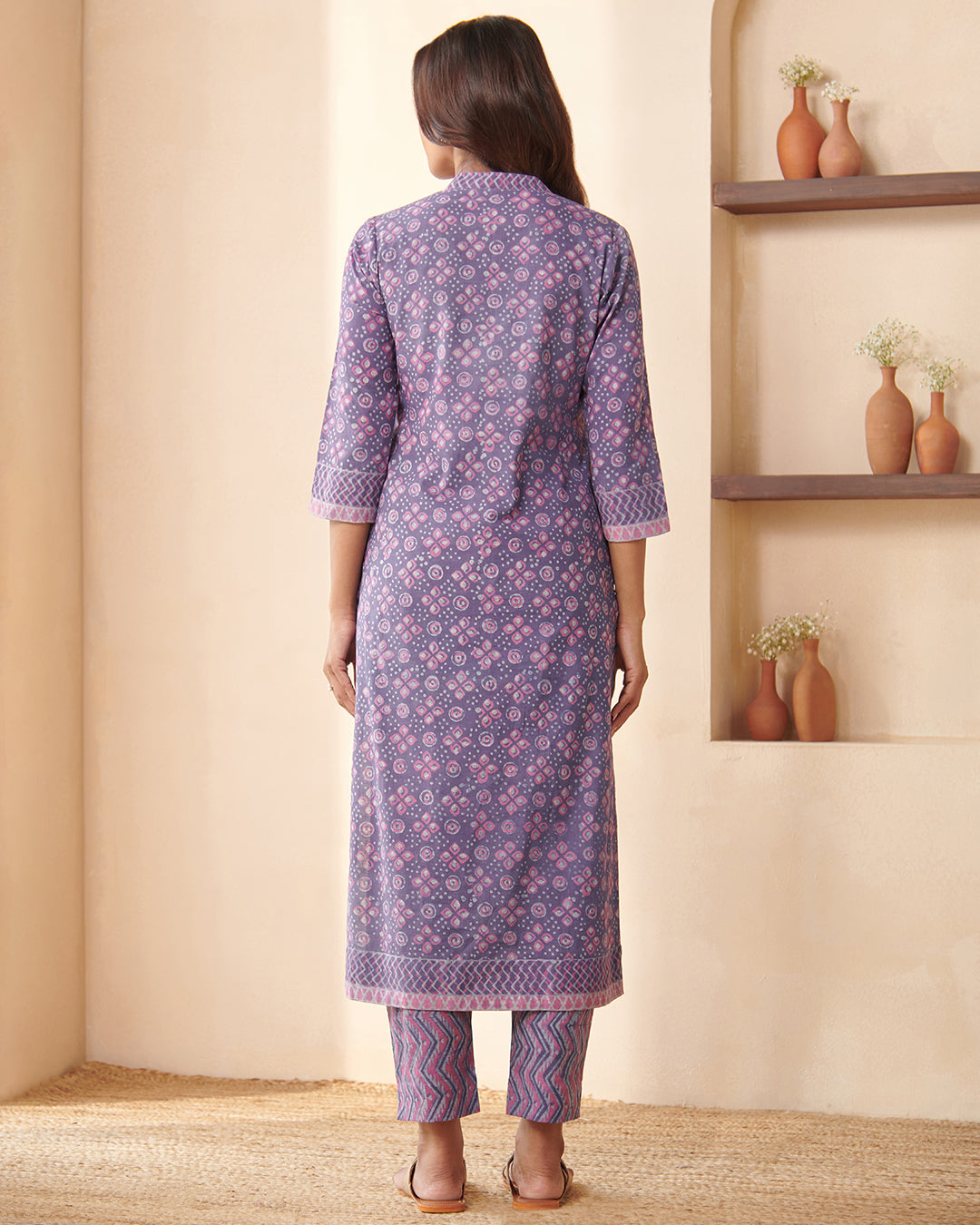
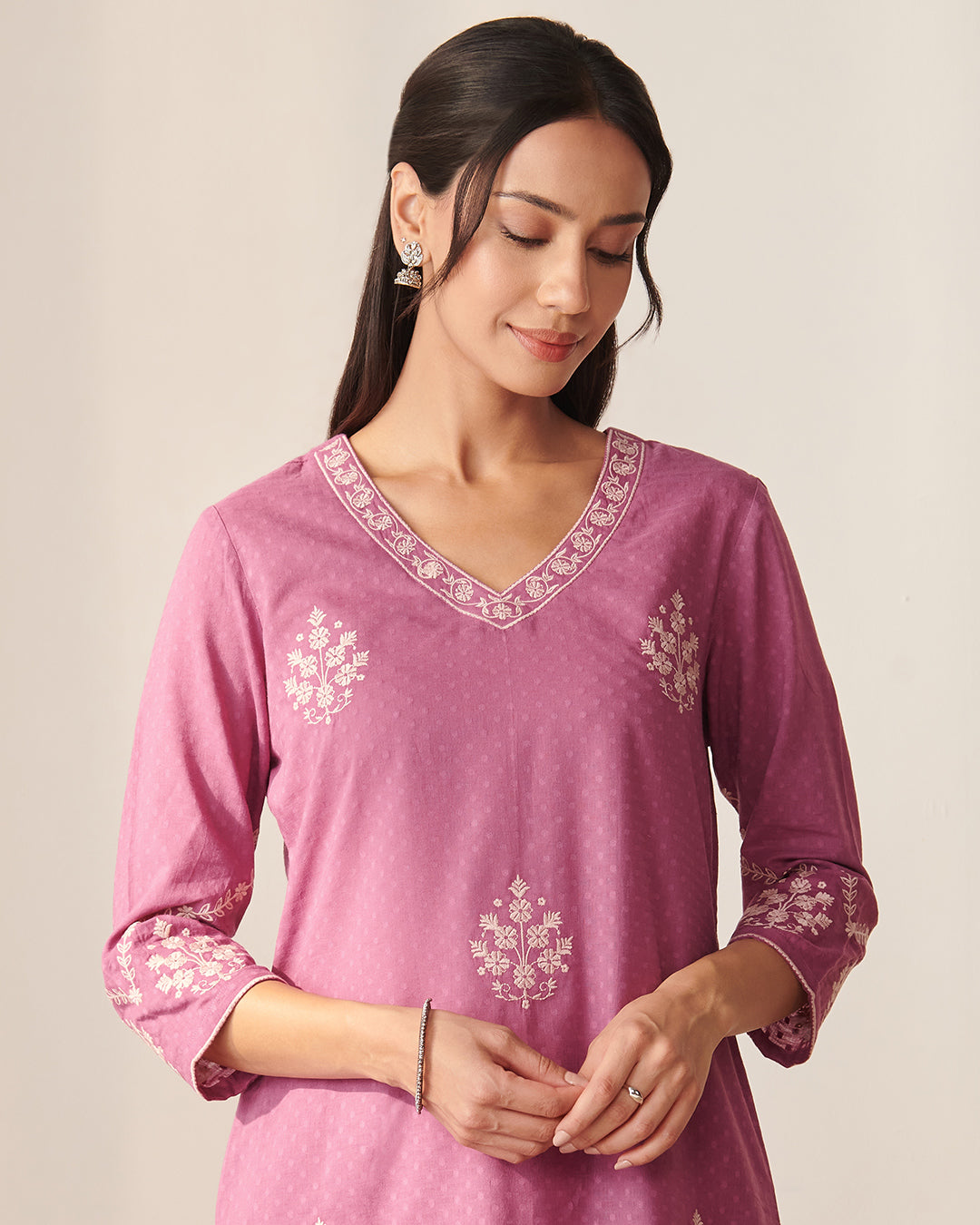
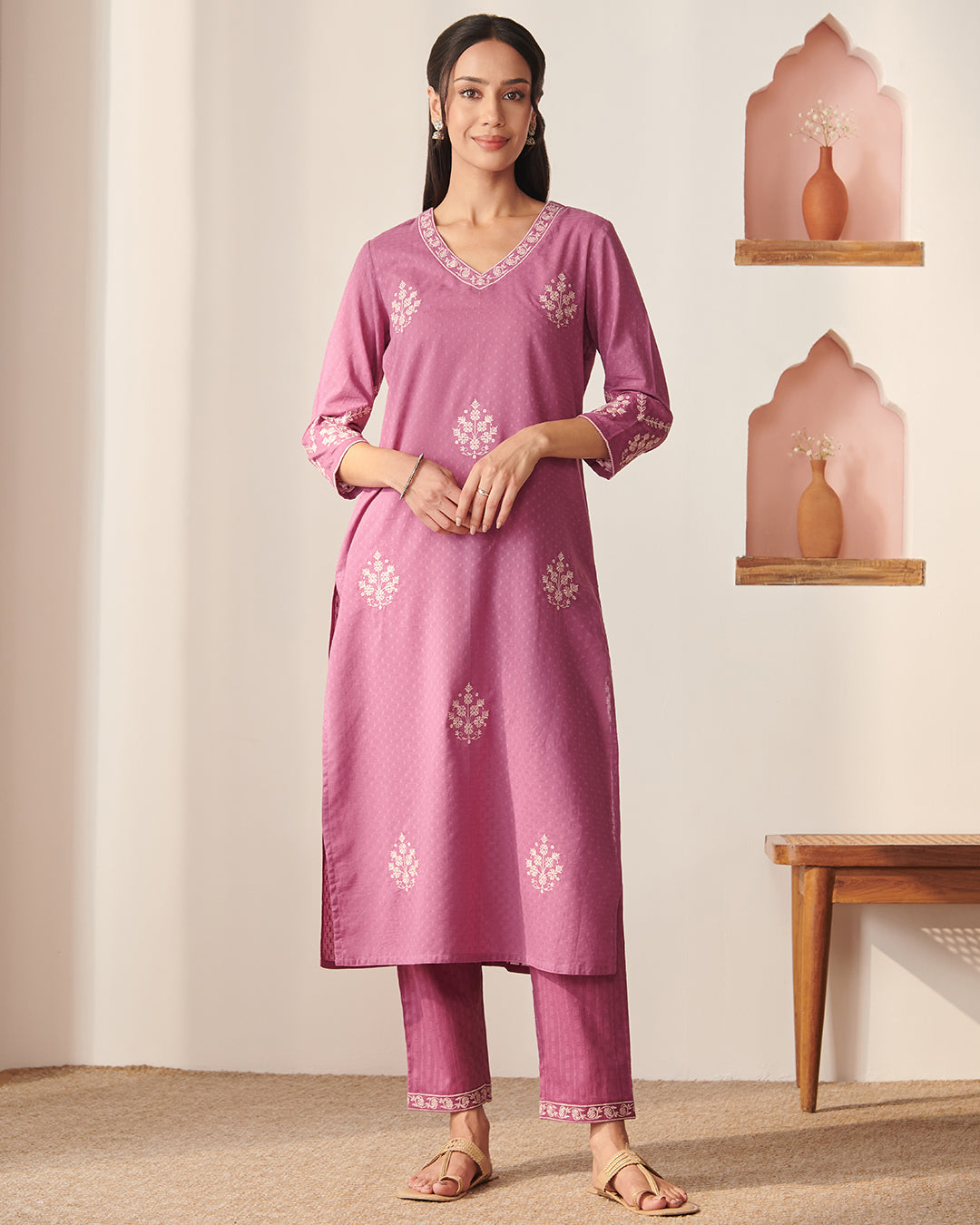
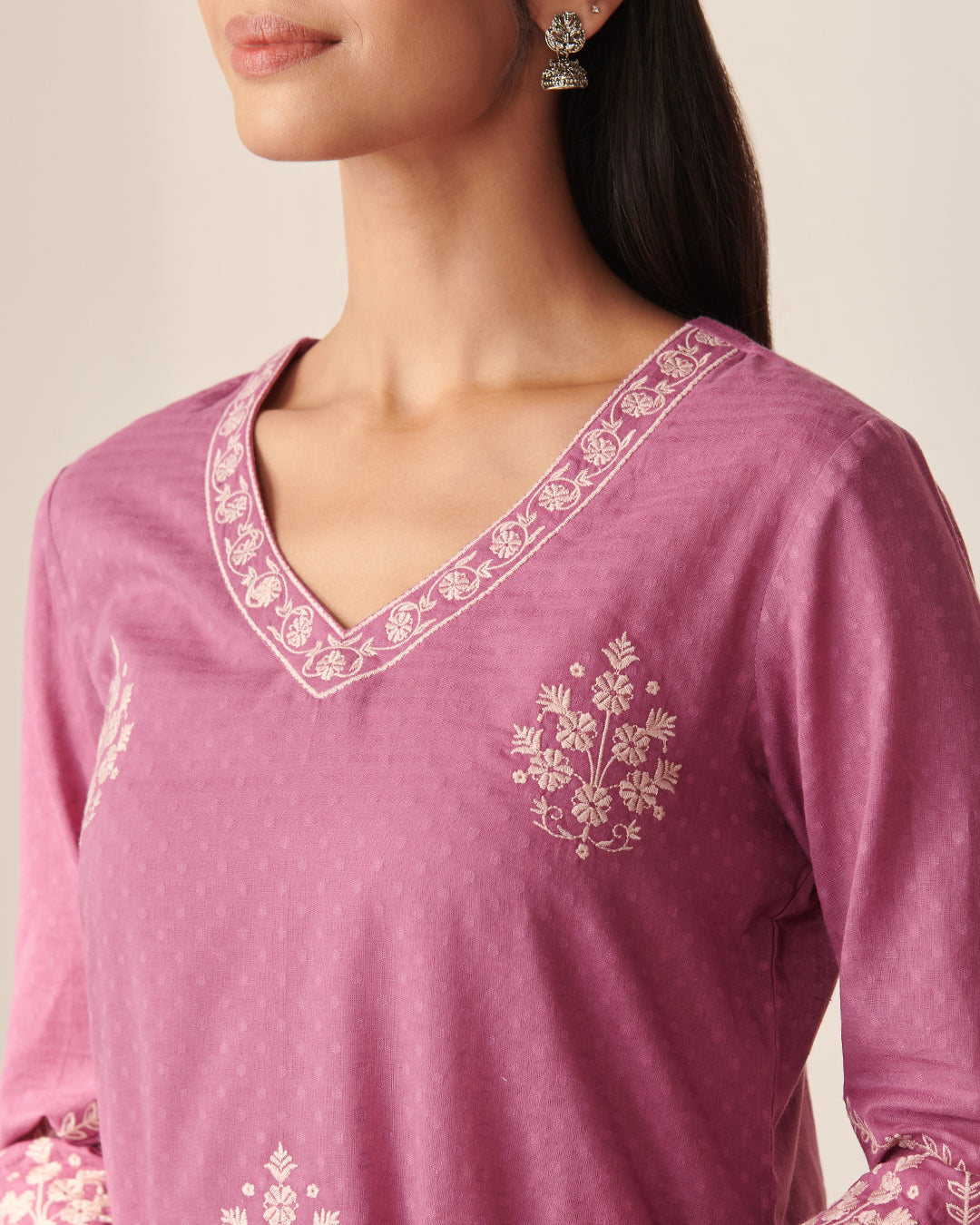
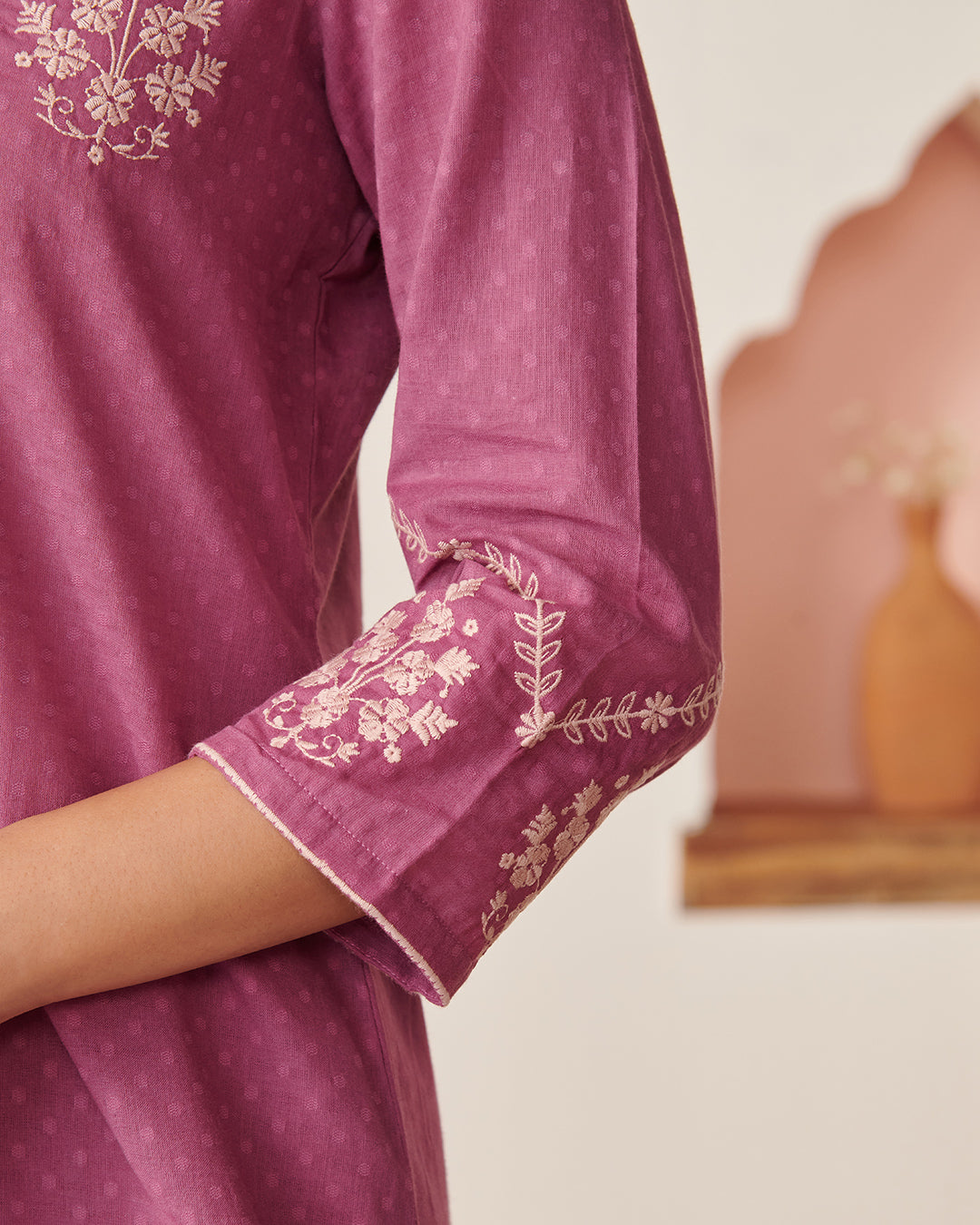
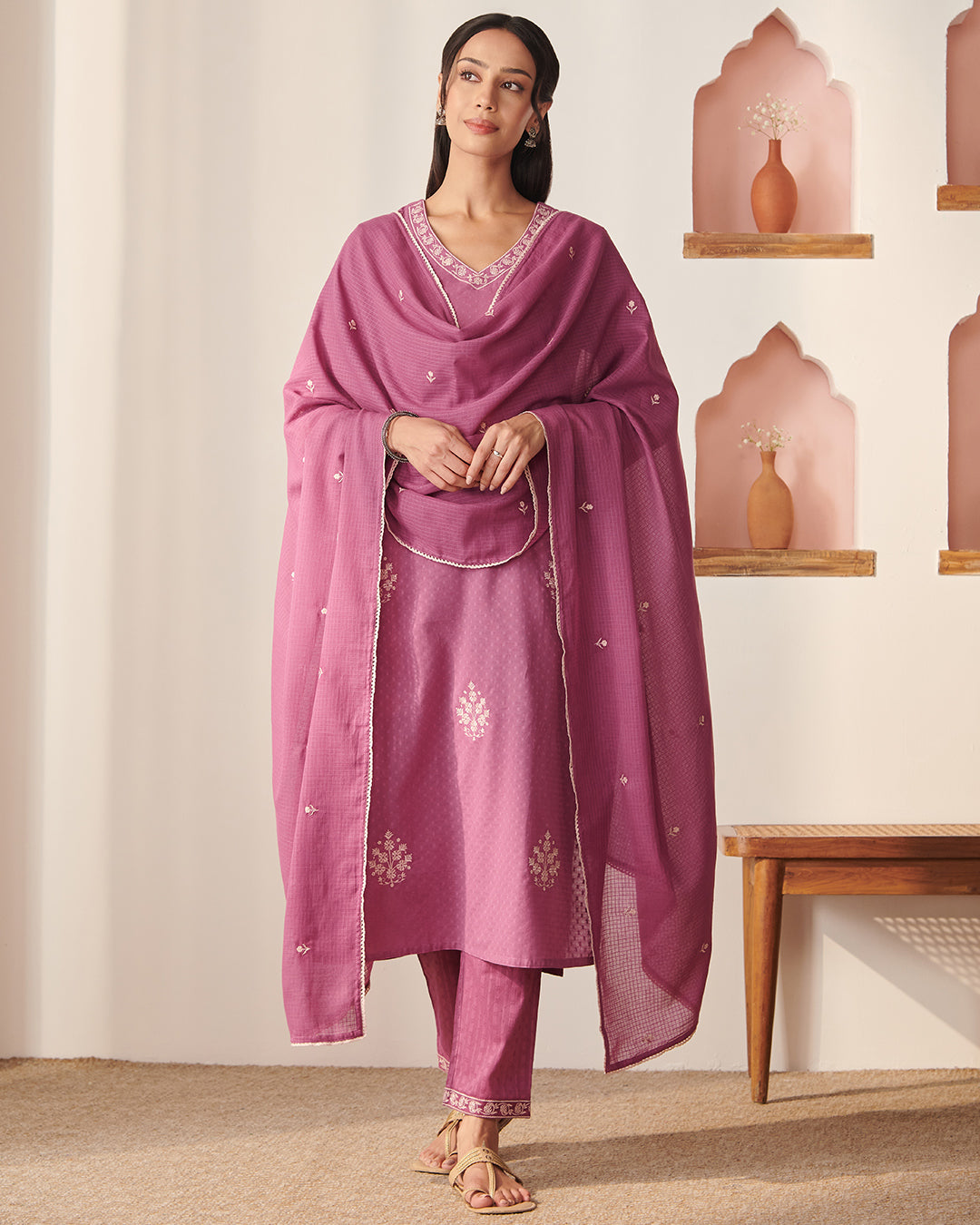
Purple kurta set offers a more unexpected take on traditional dressing. Shades ranging from plum and aubergine to softer lavender can bring a fresh quality to festive wear. It pairs particularly well with muted gold, ivory, and silver accents.
Indigo Kurtas for Traditional Celebrations with a Contemporary Feel
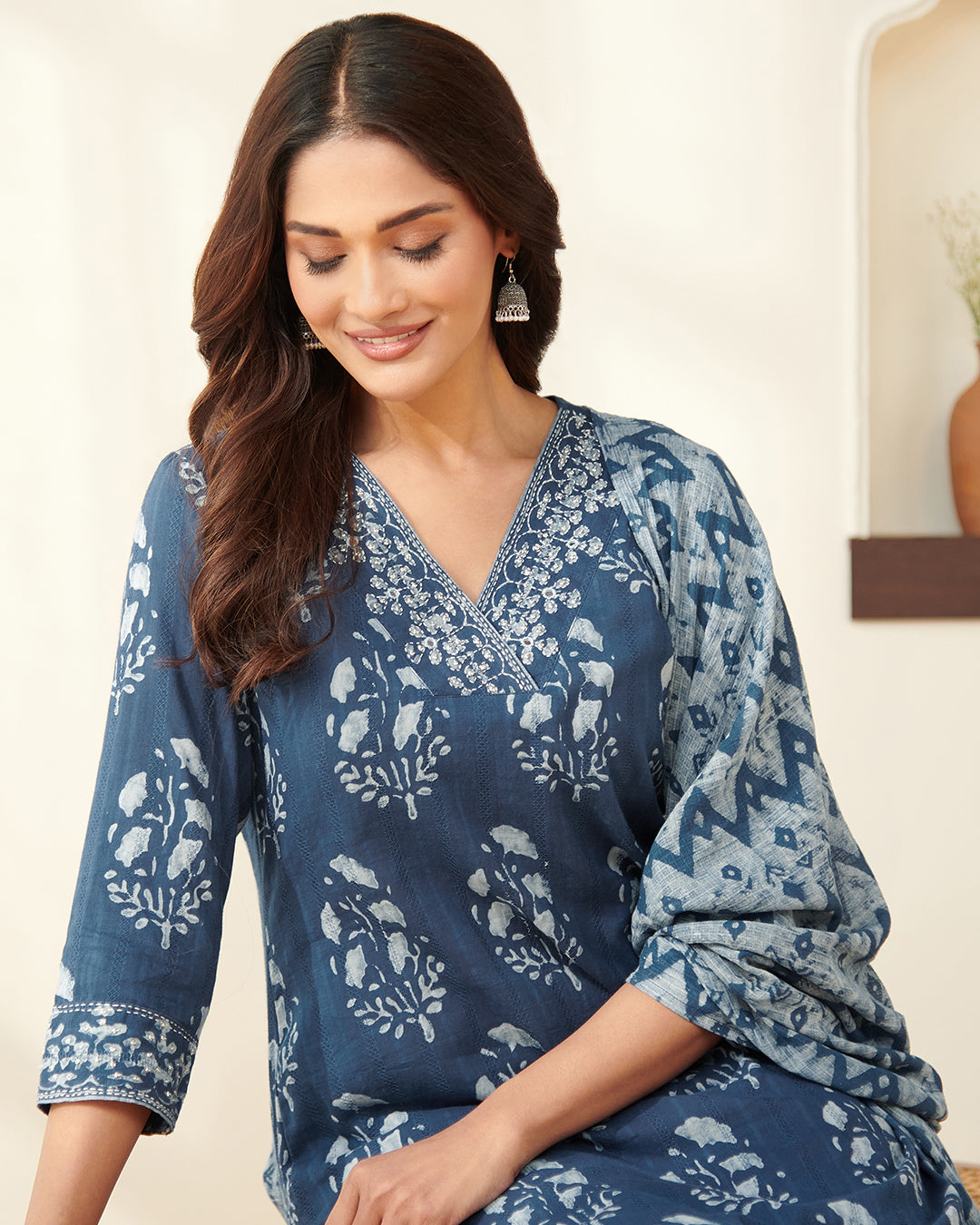
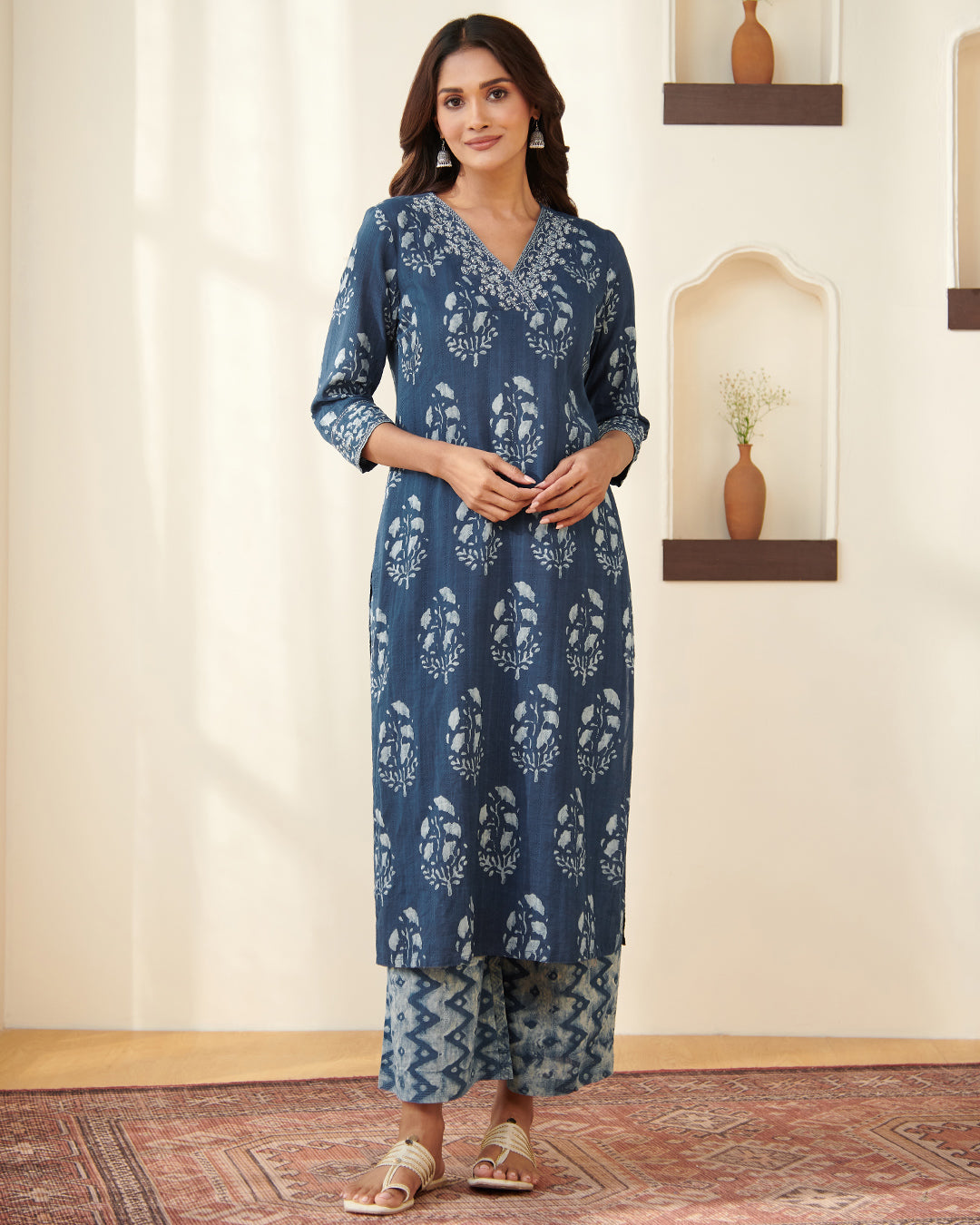
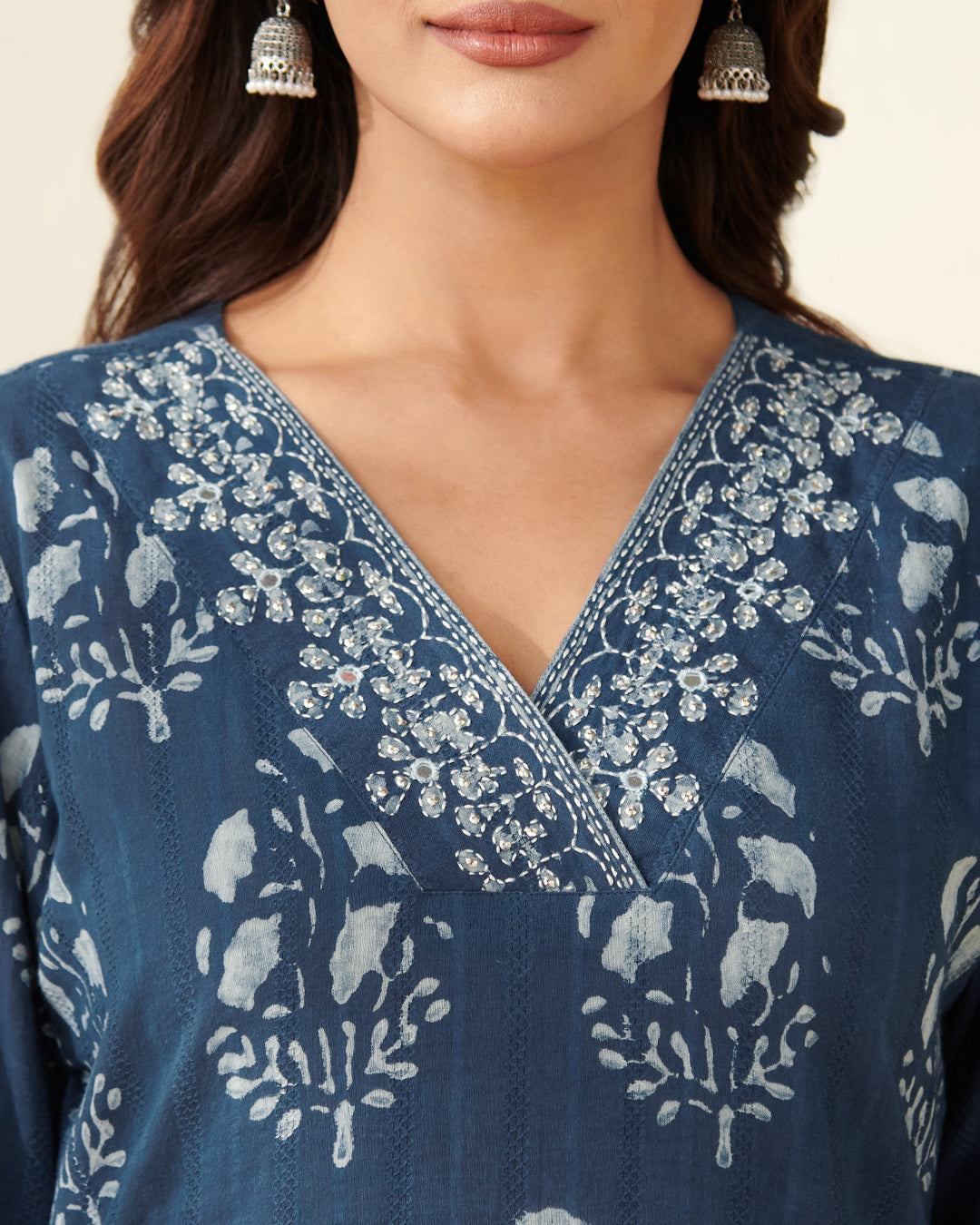
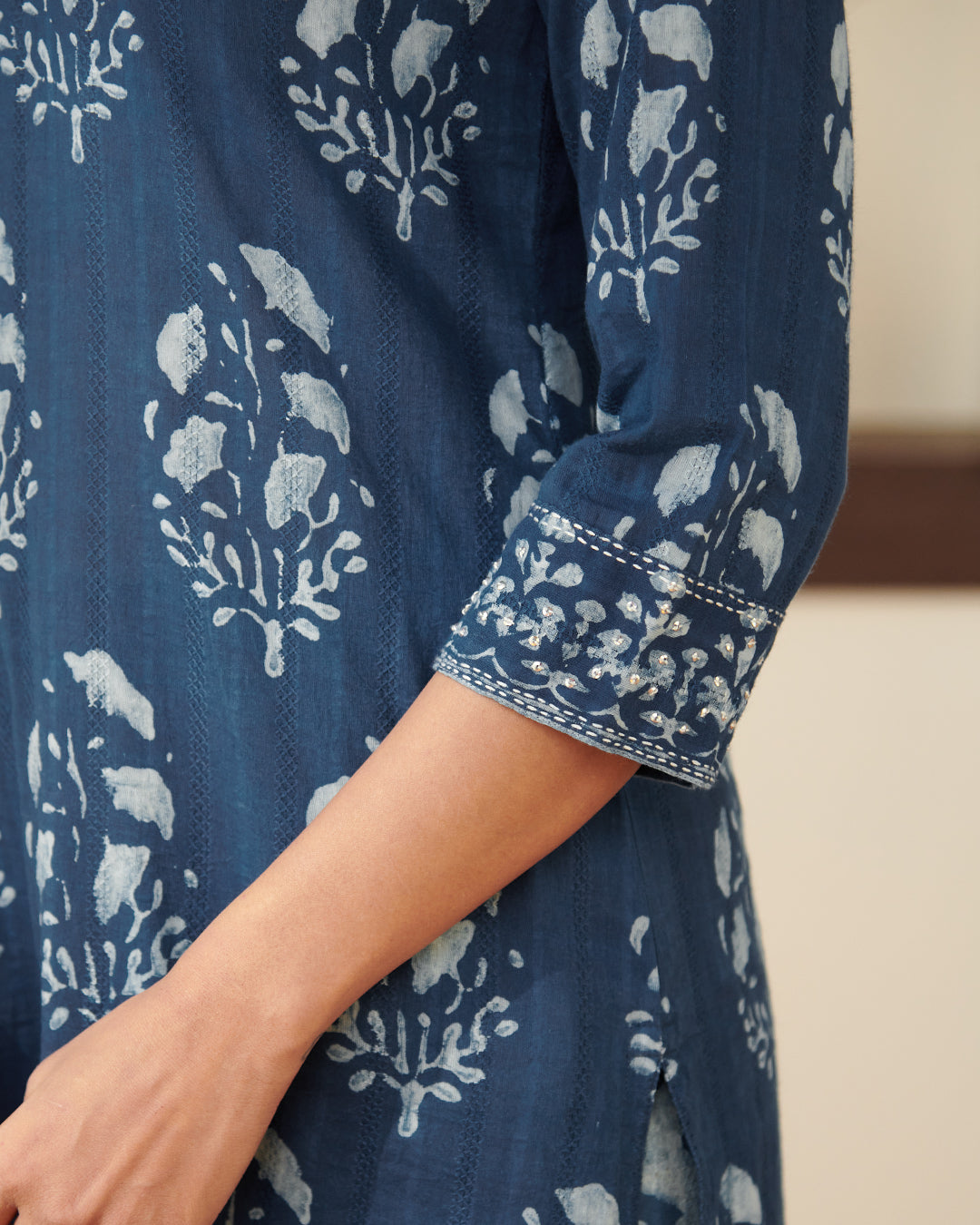
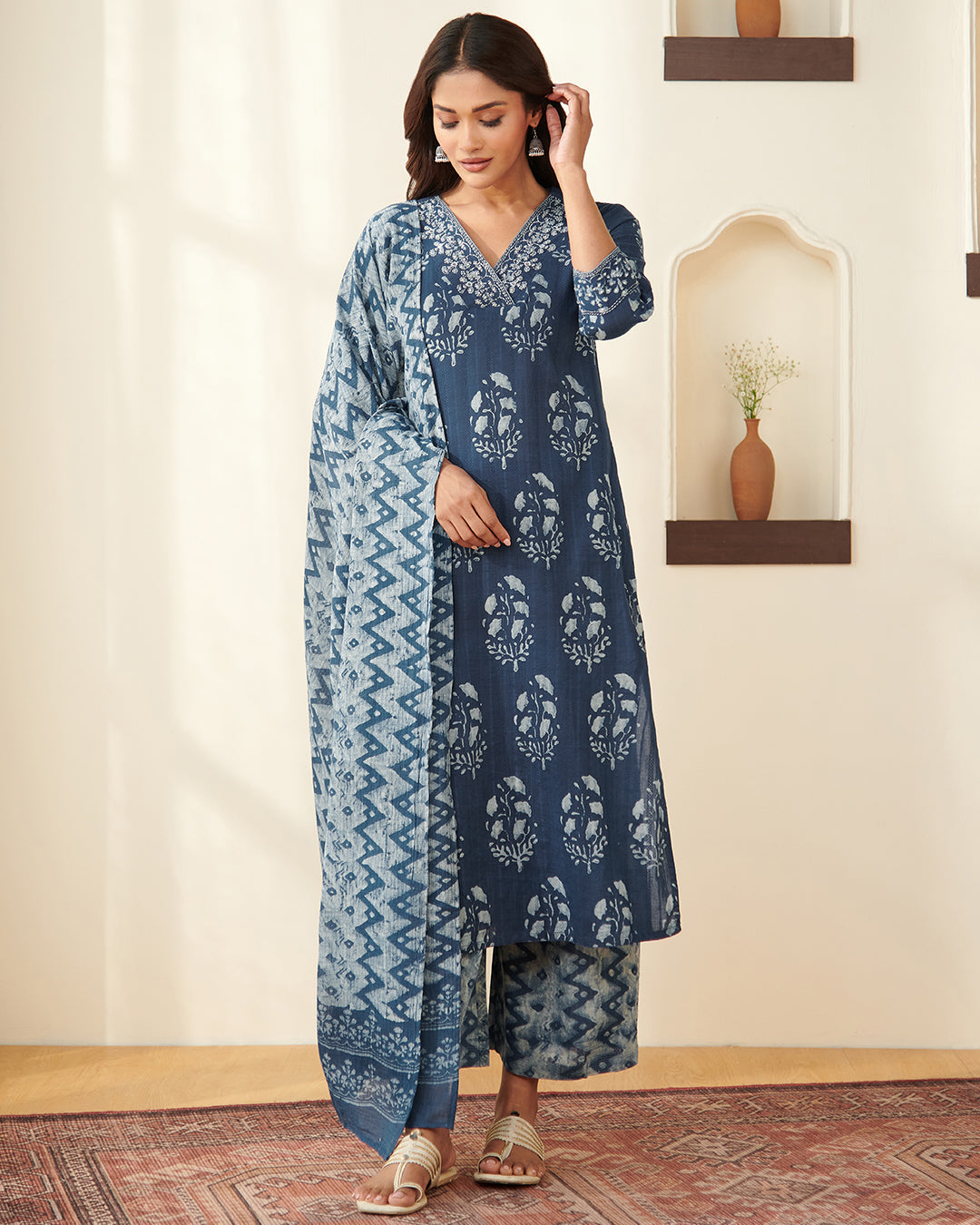
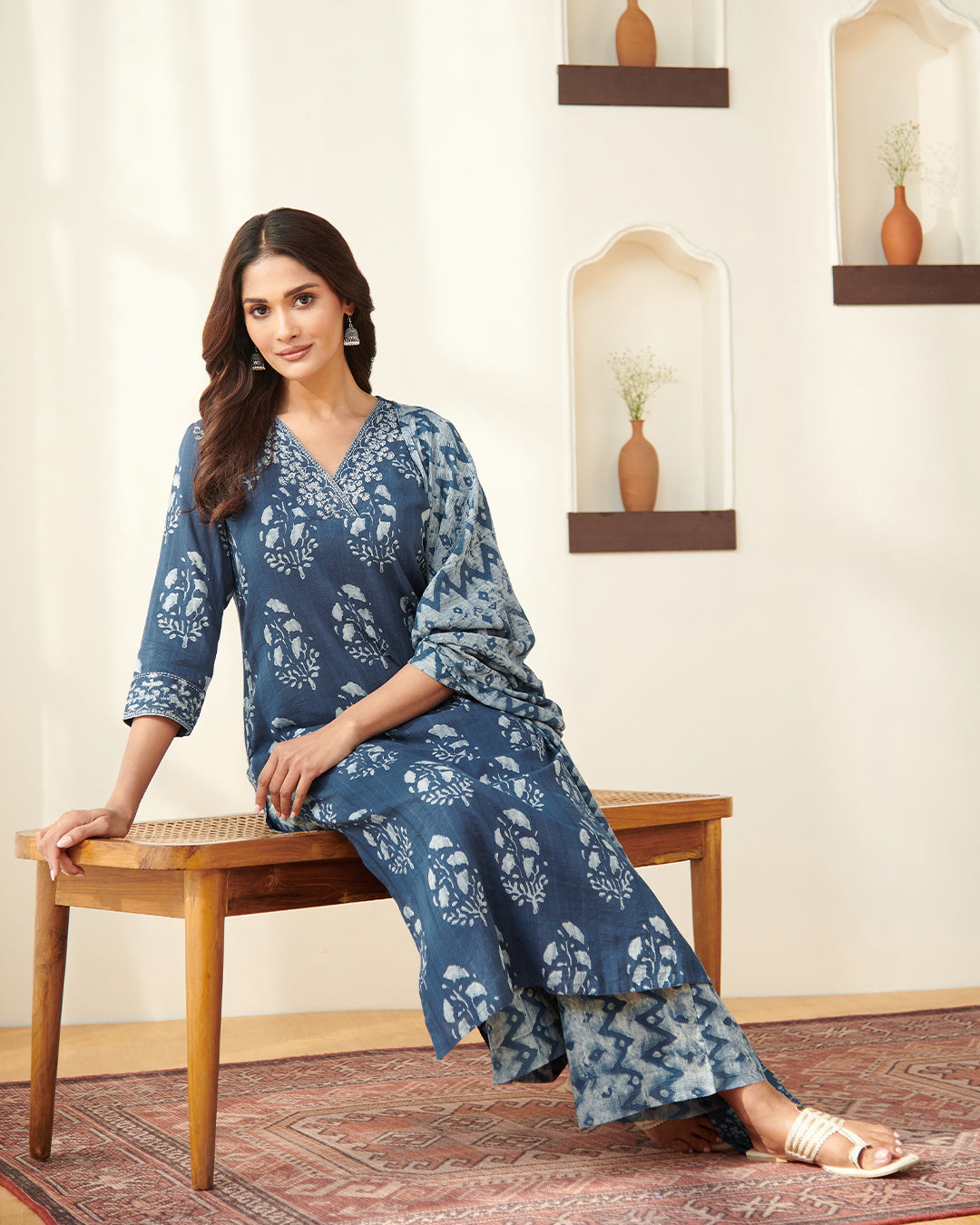
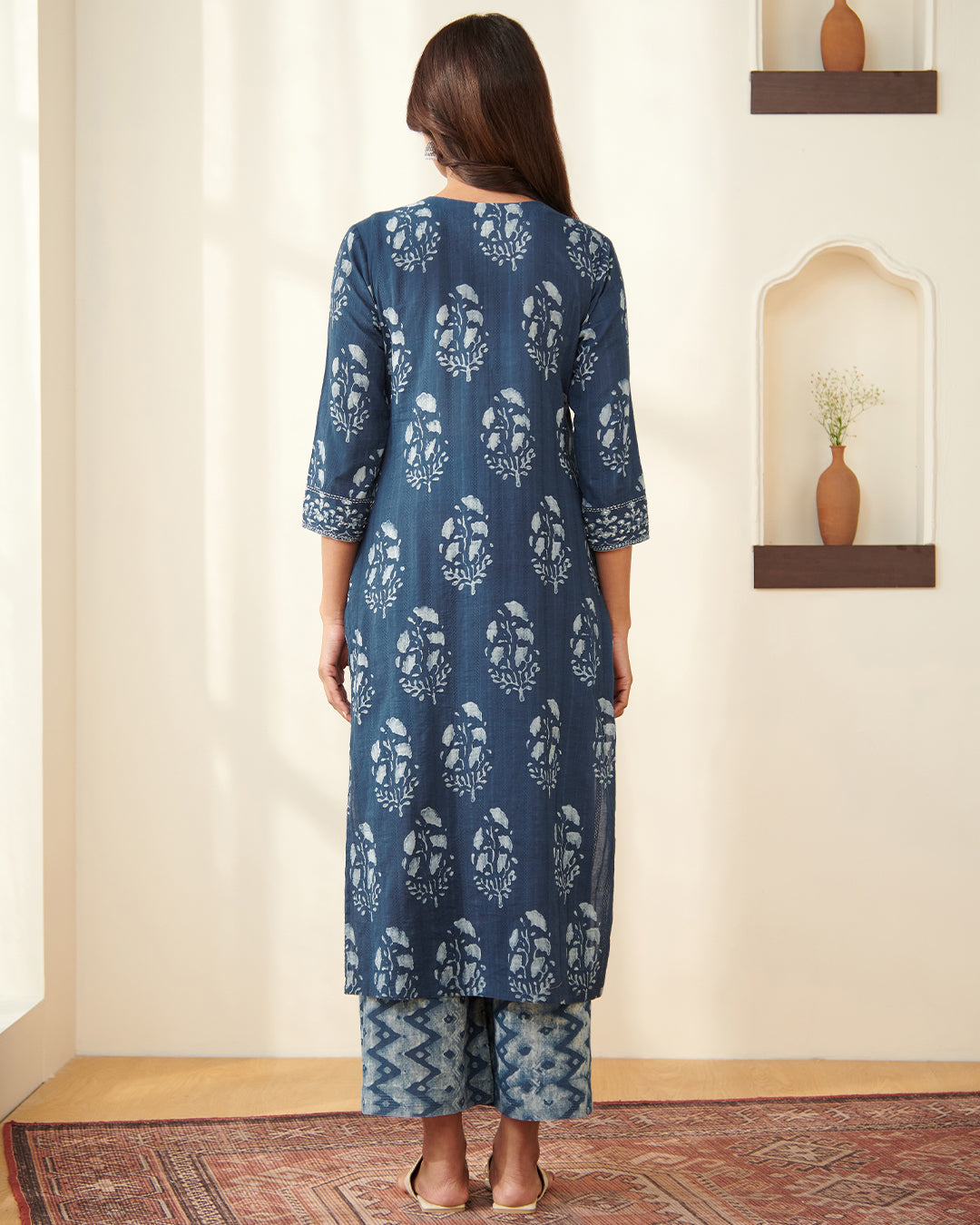
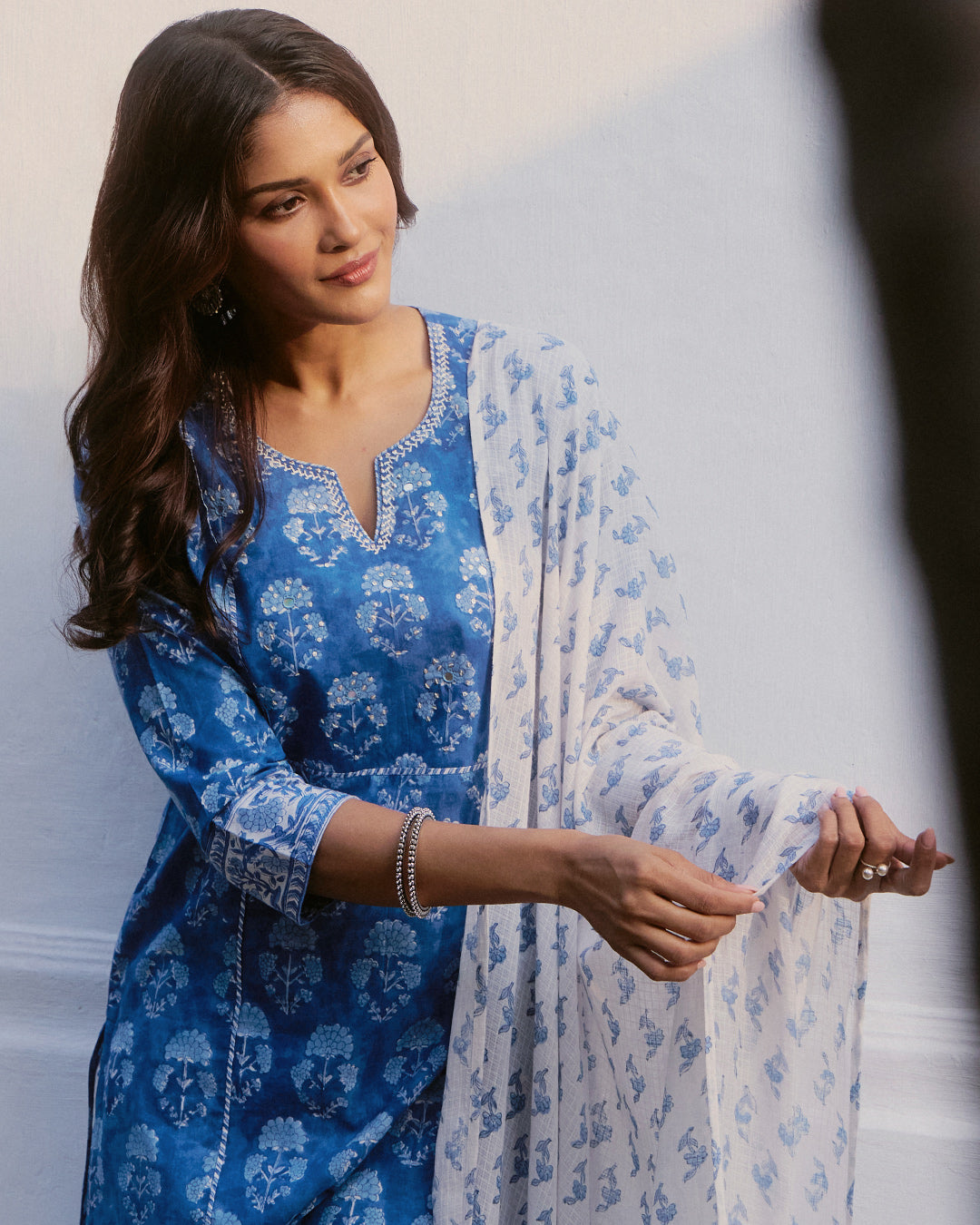
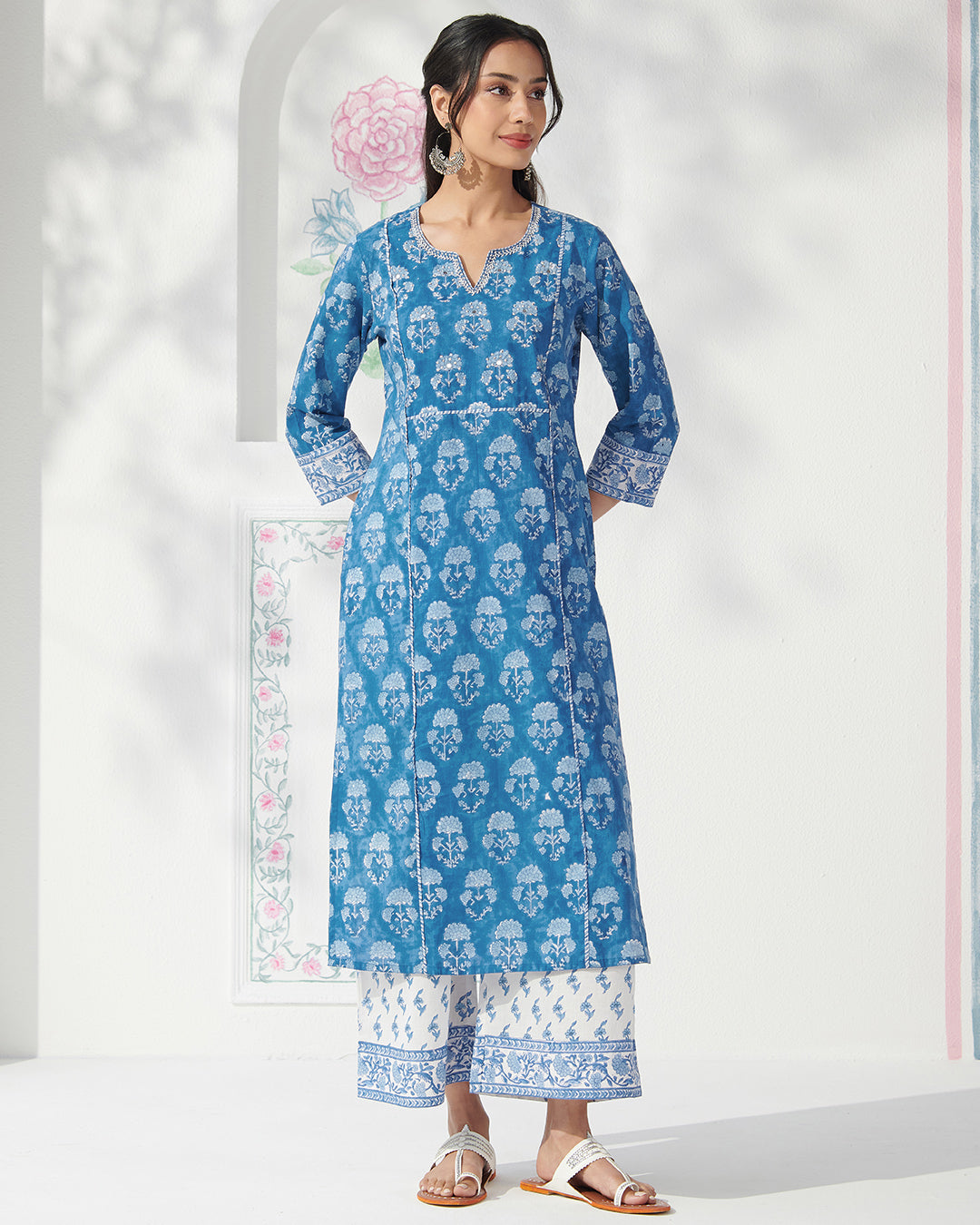
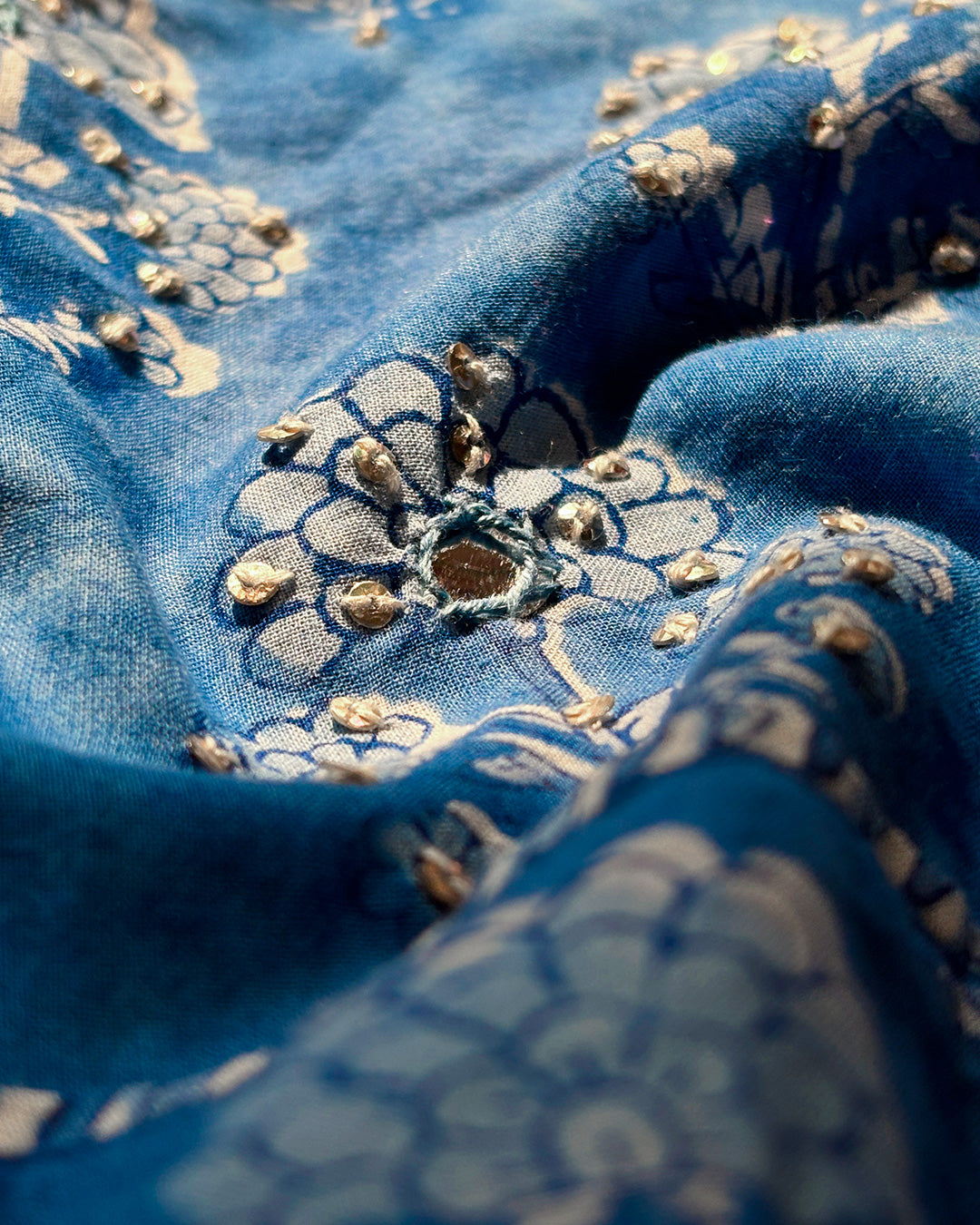
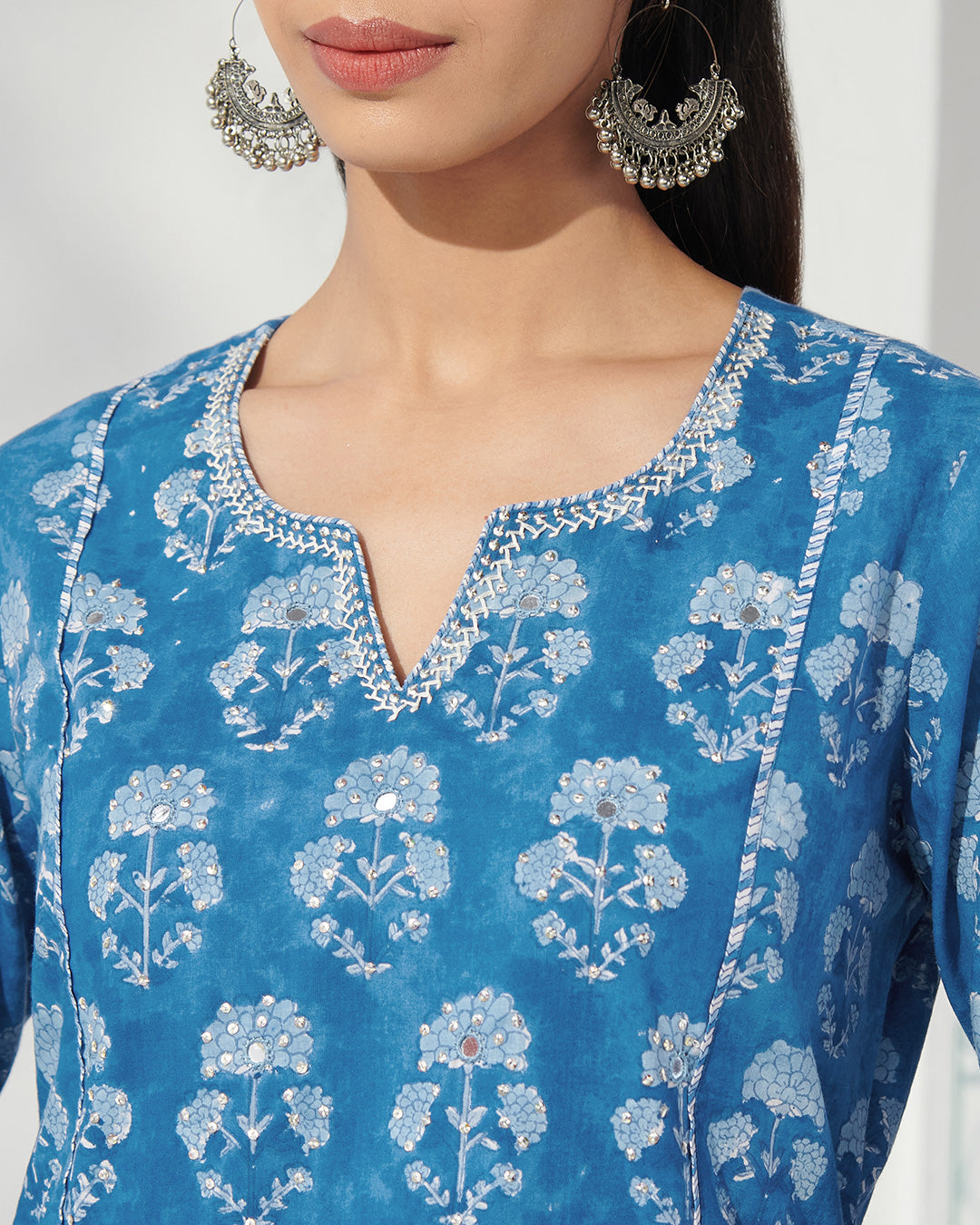
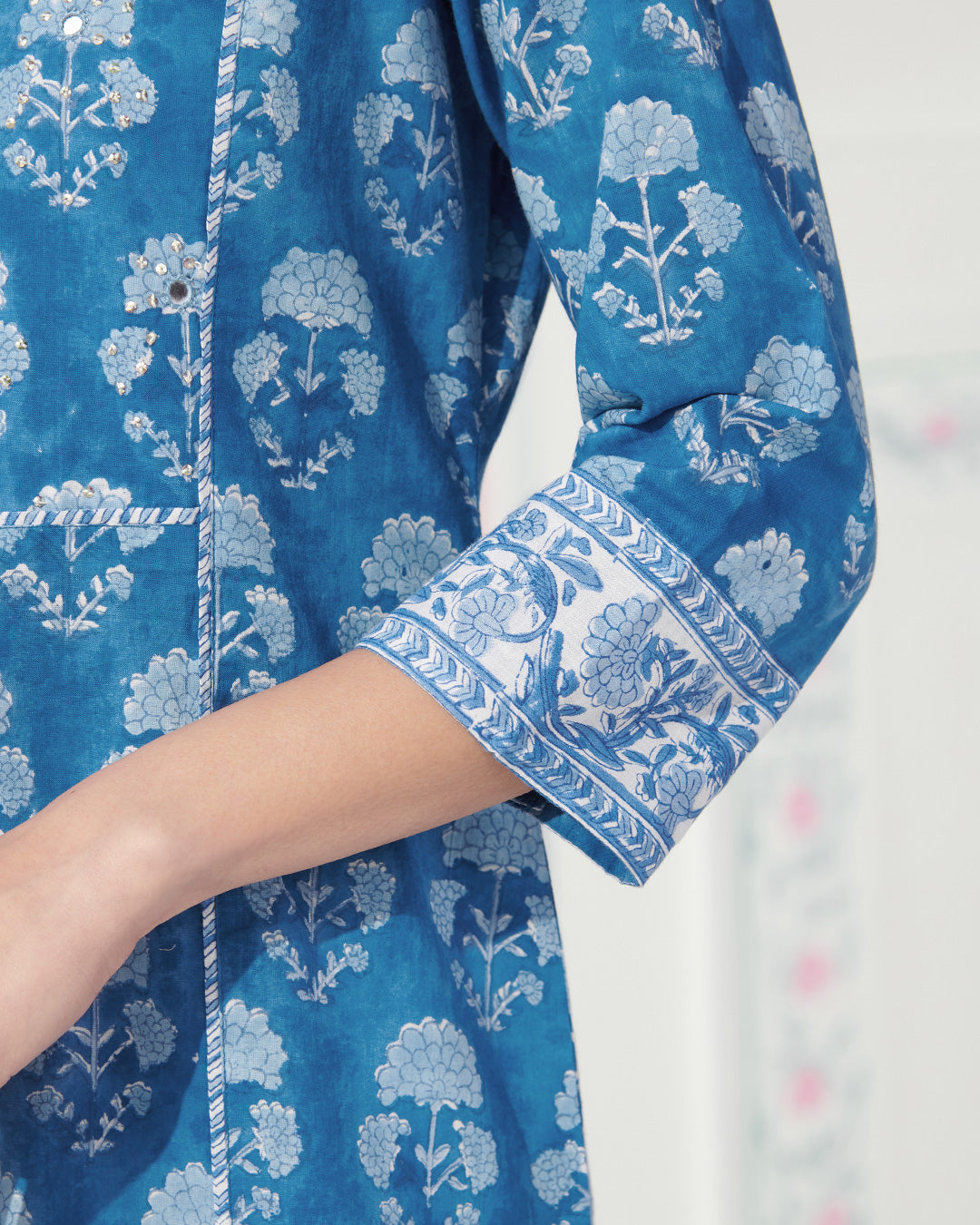
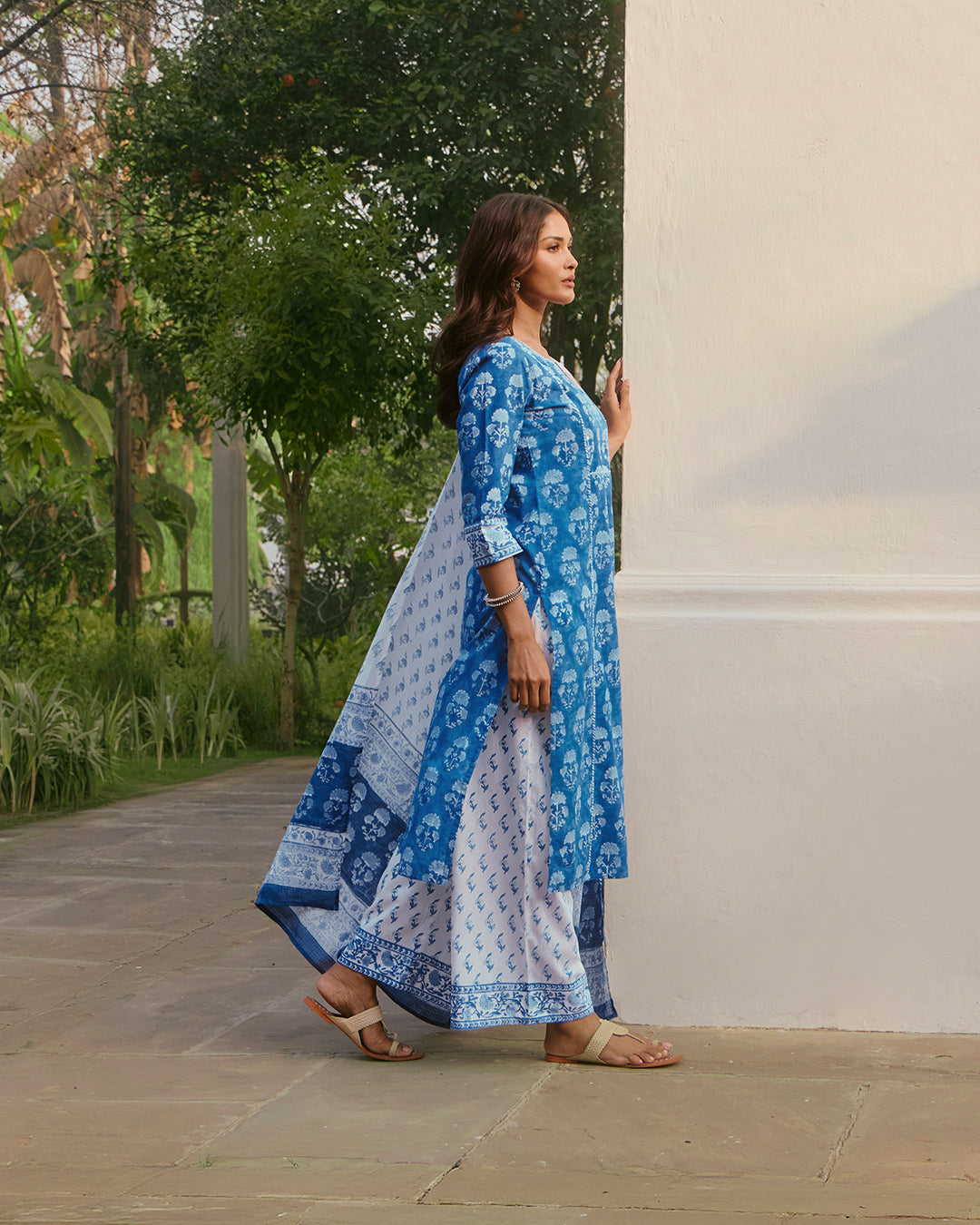
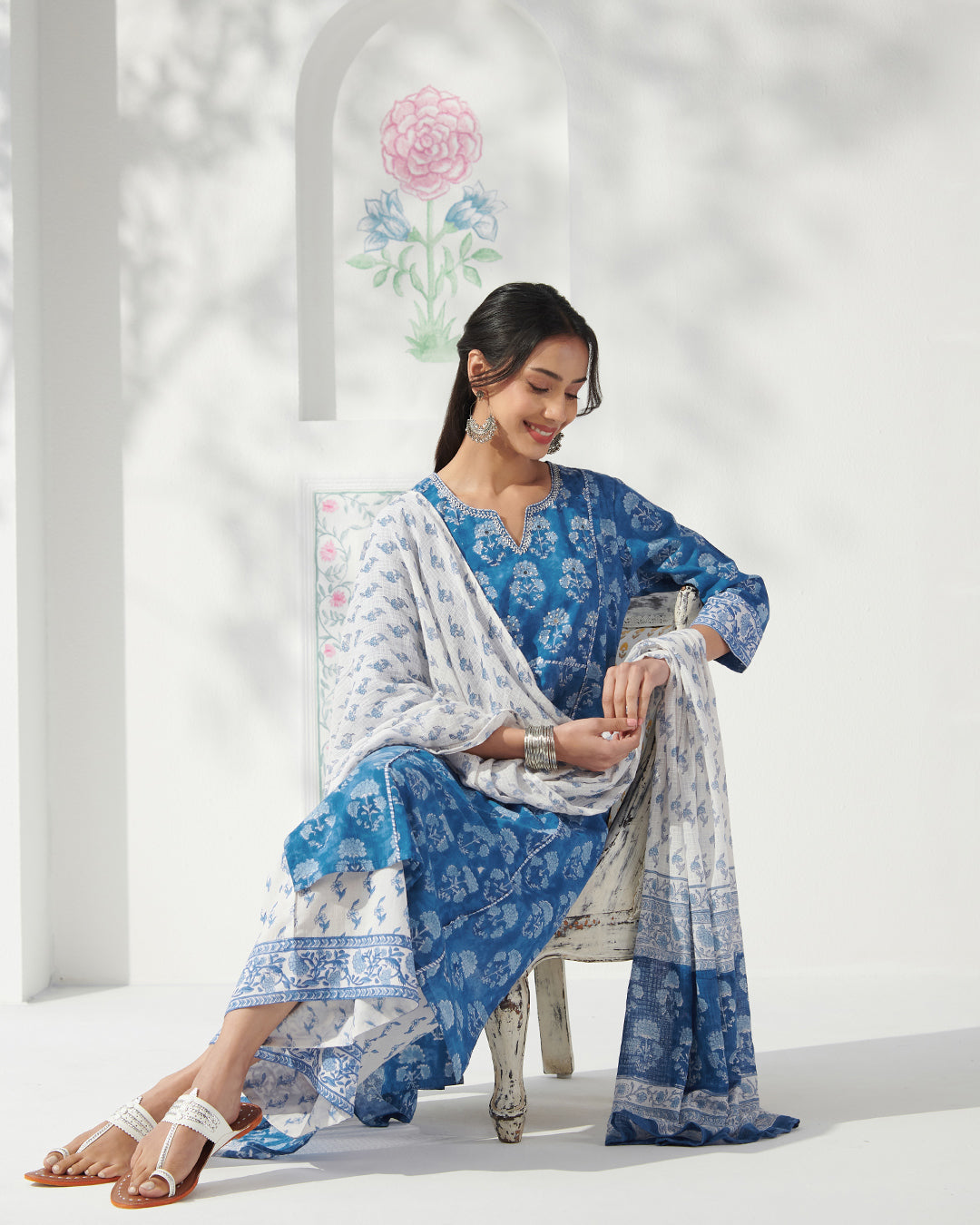
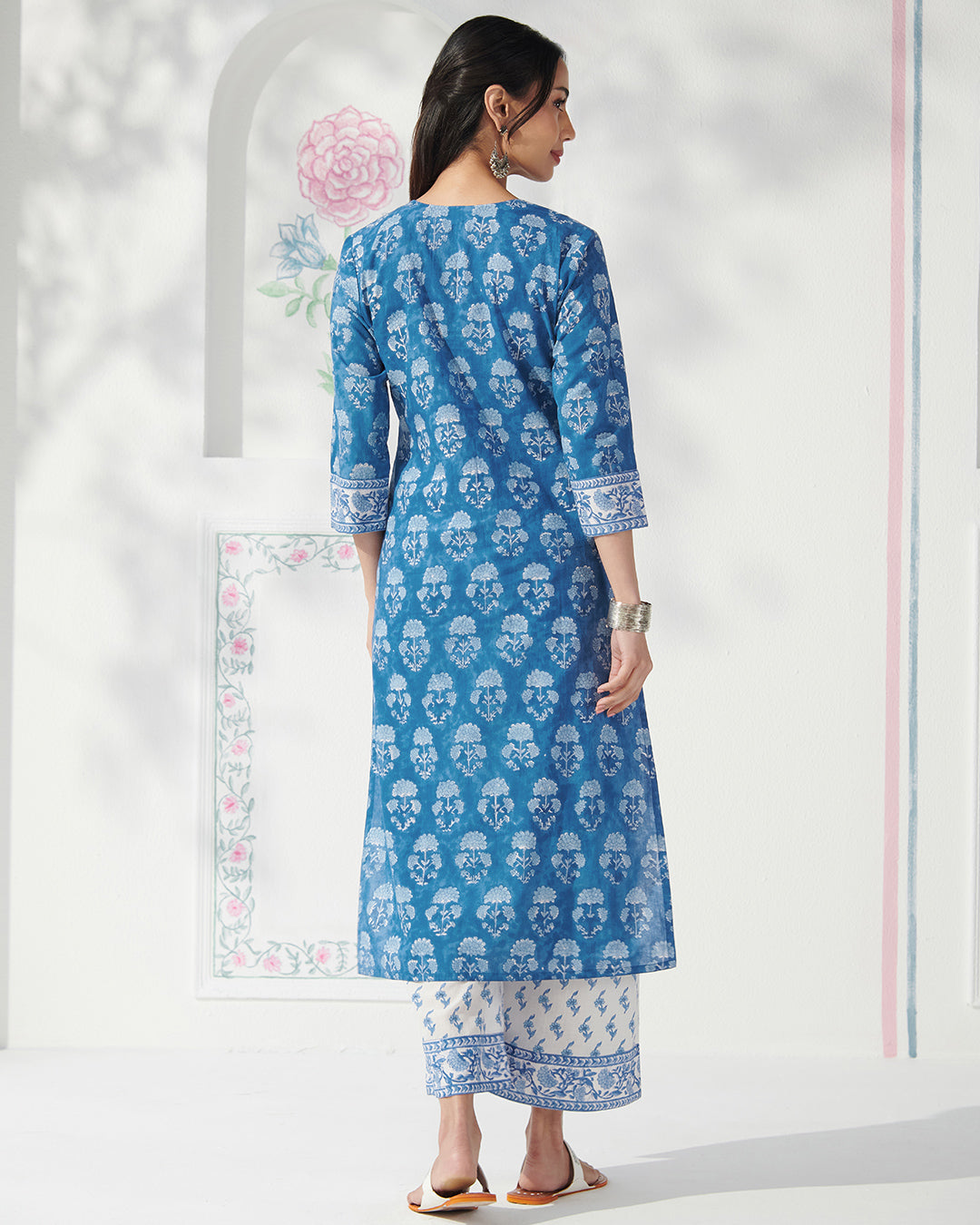
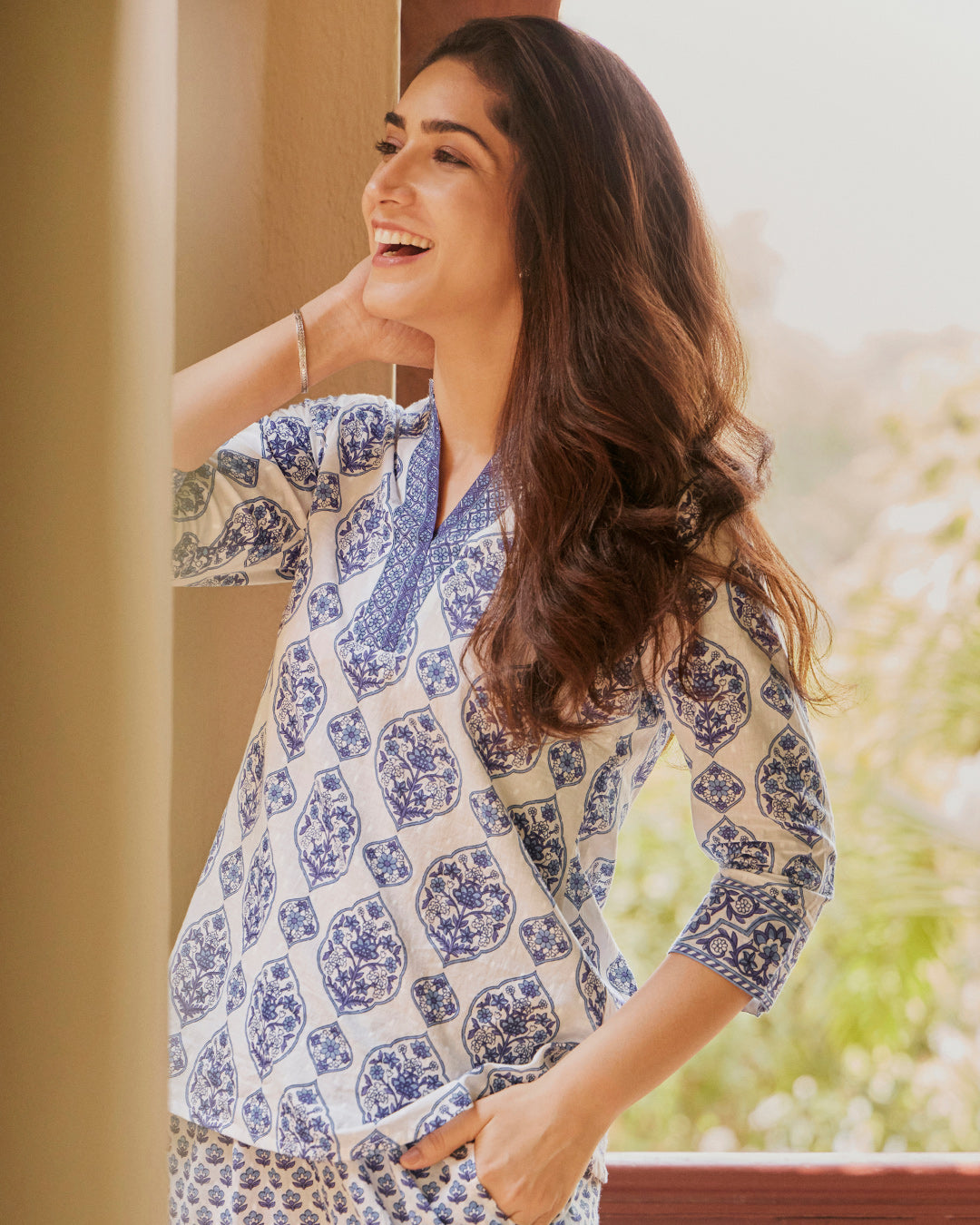
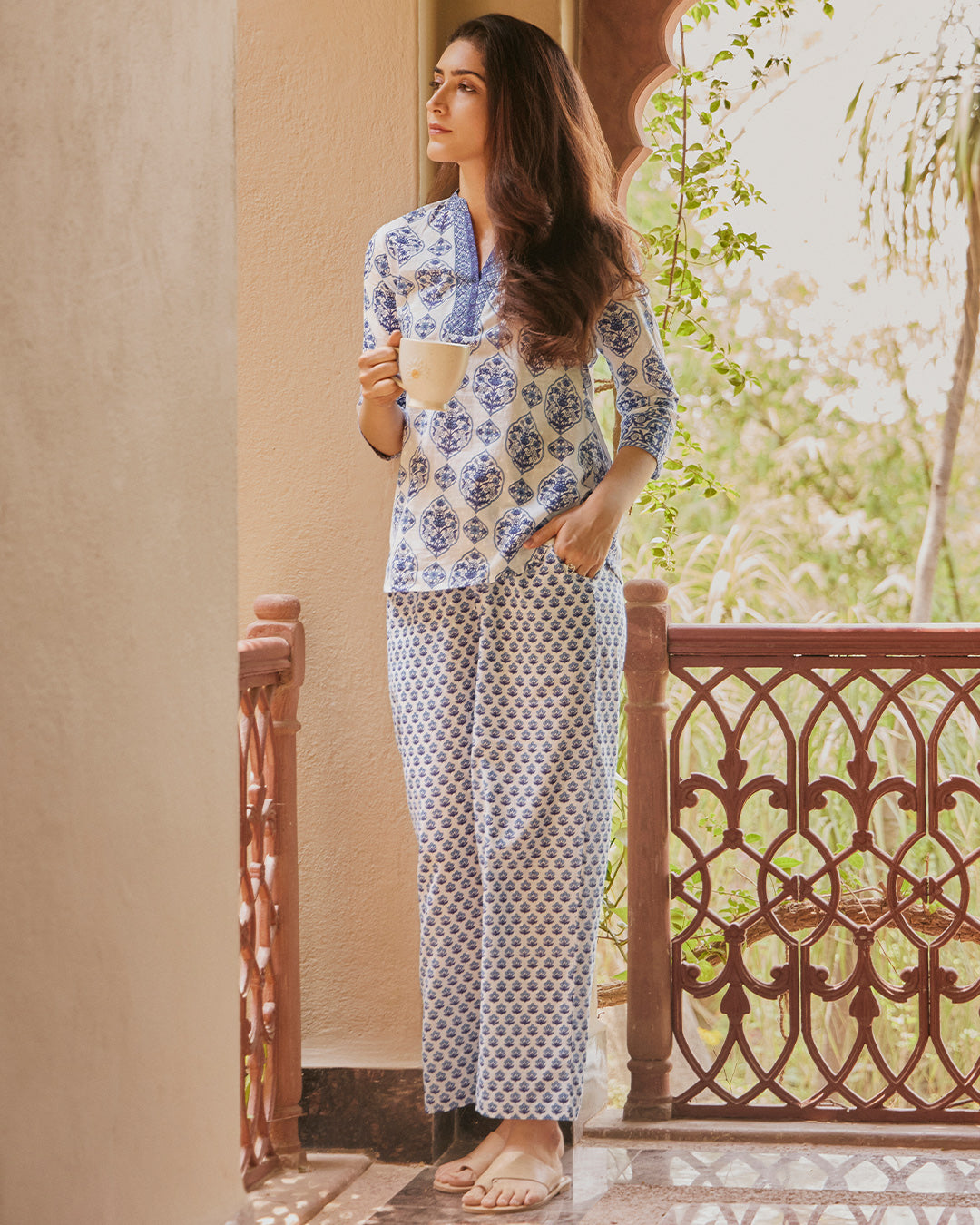
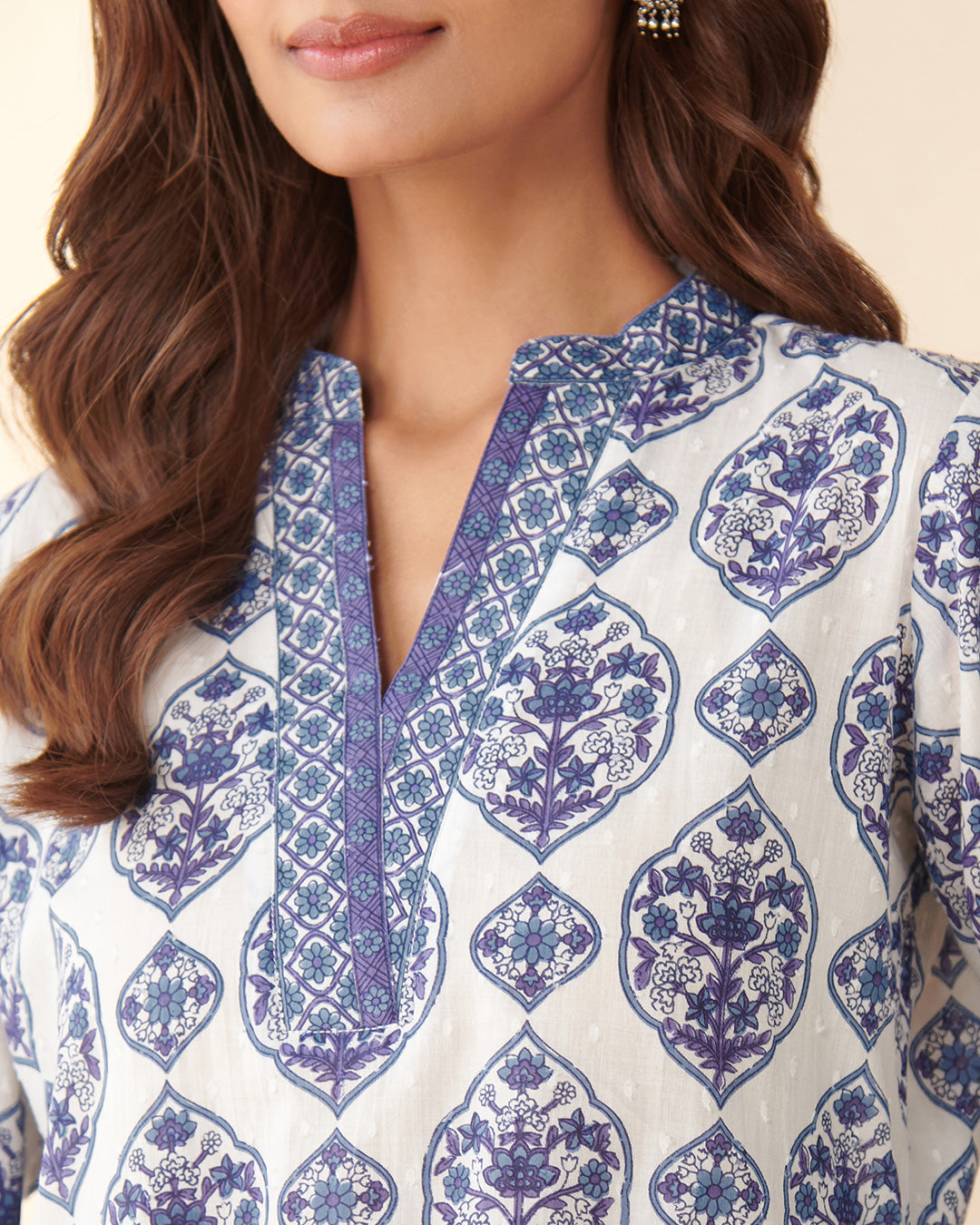
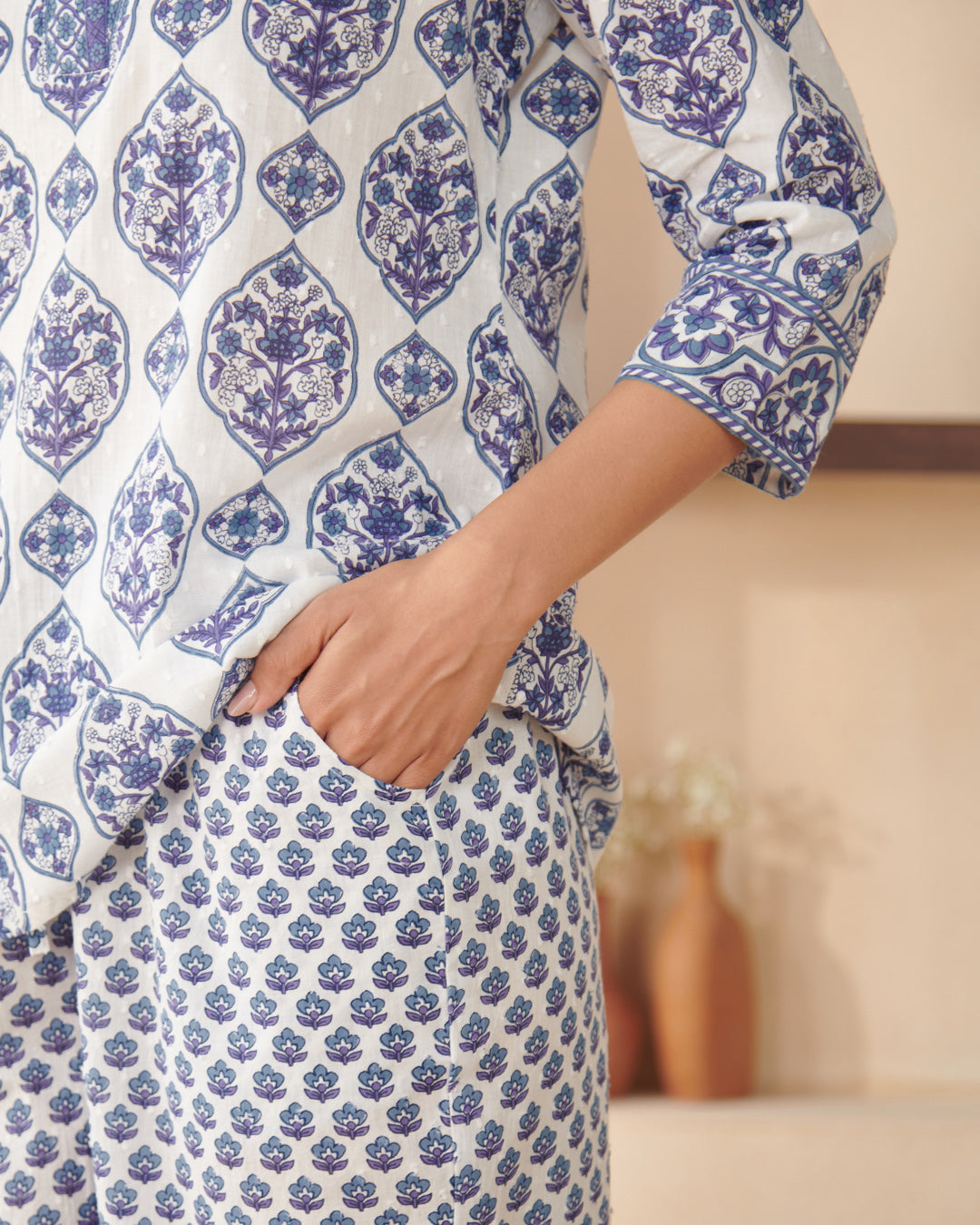
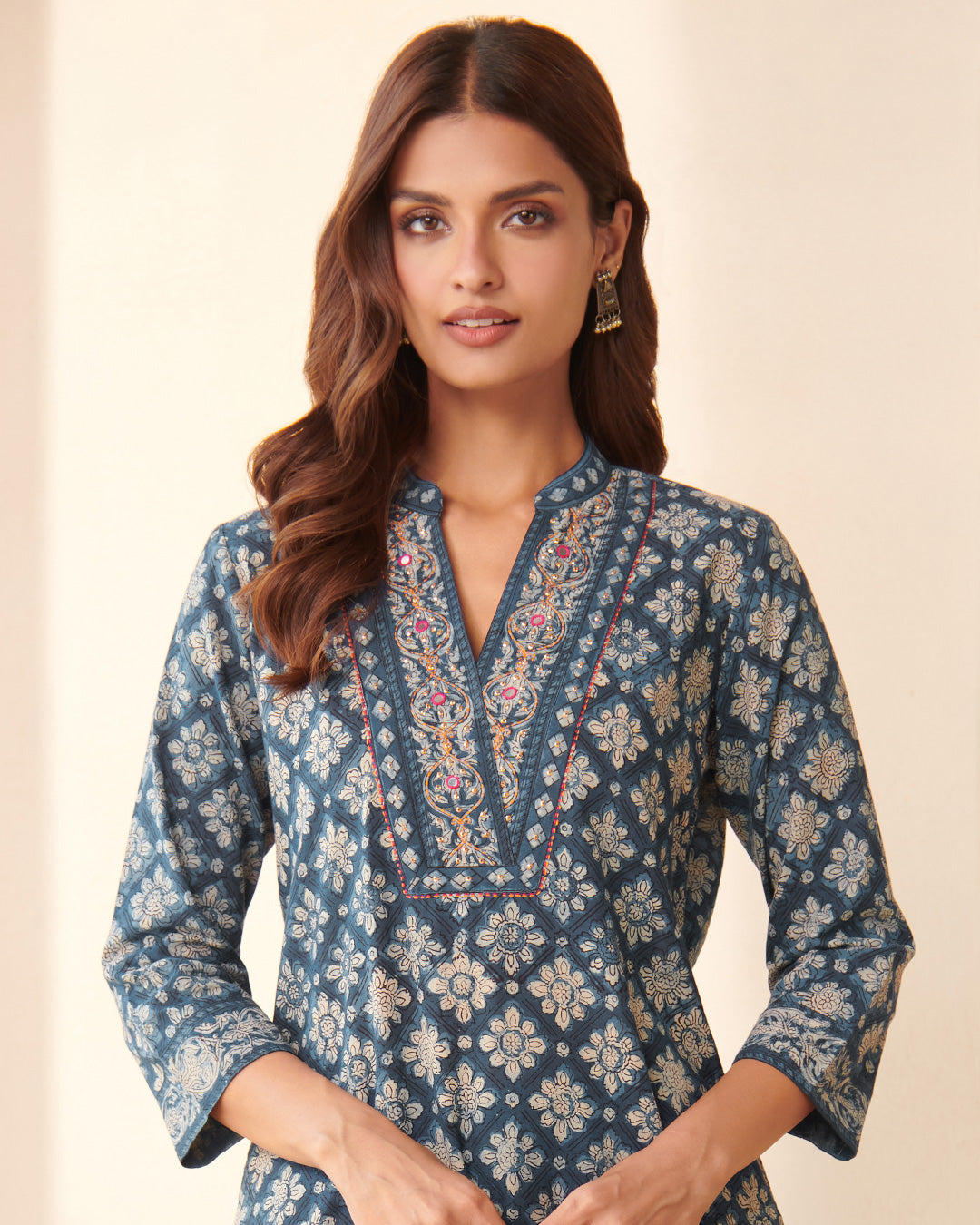
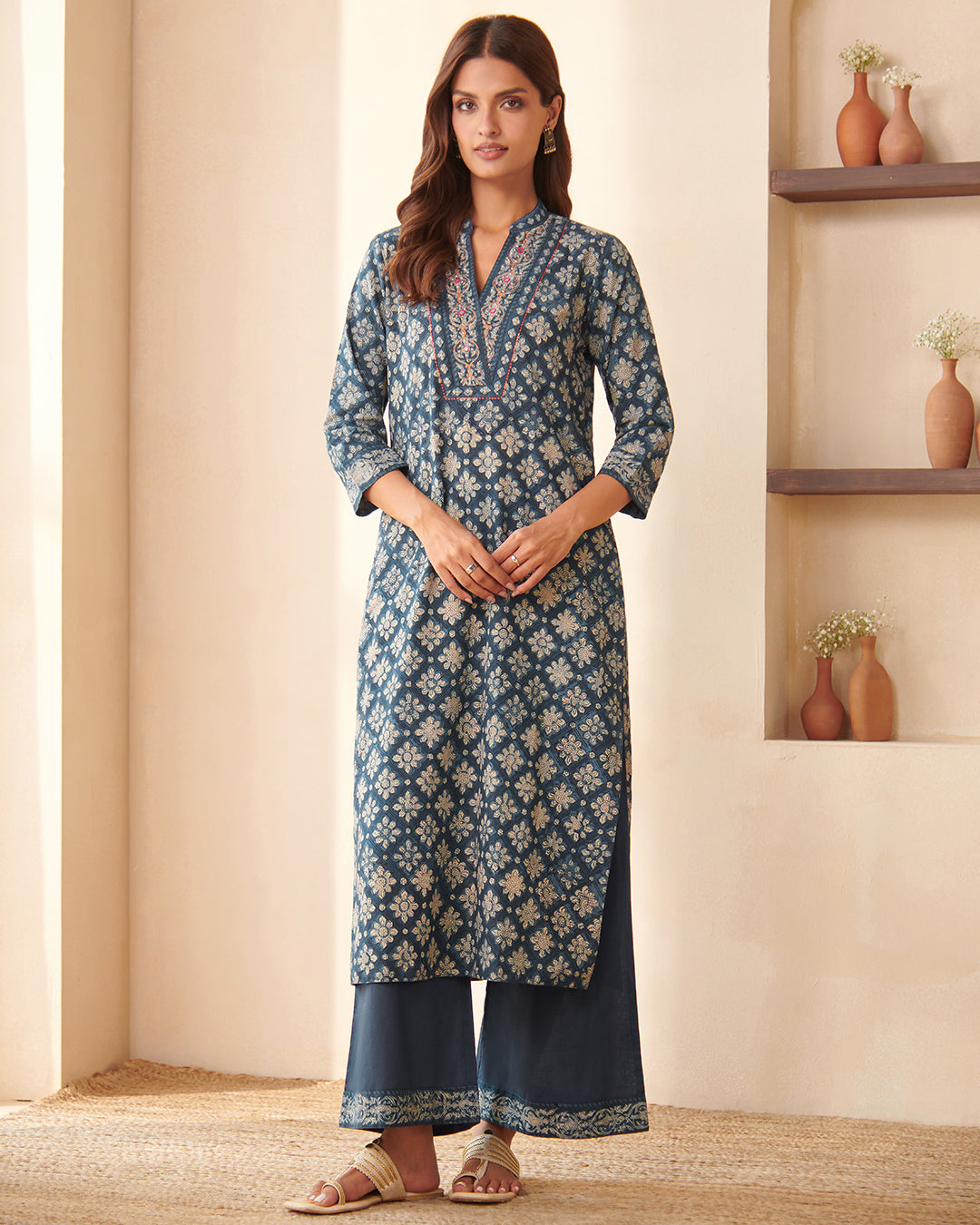
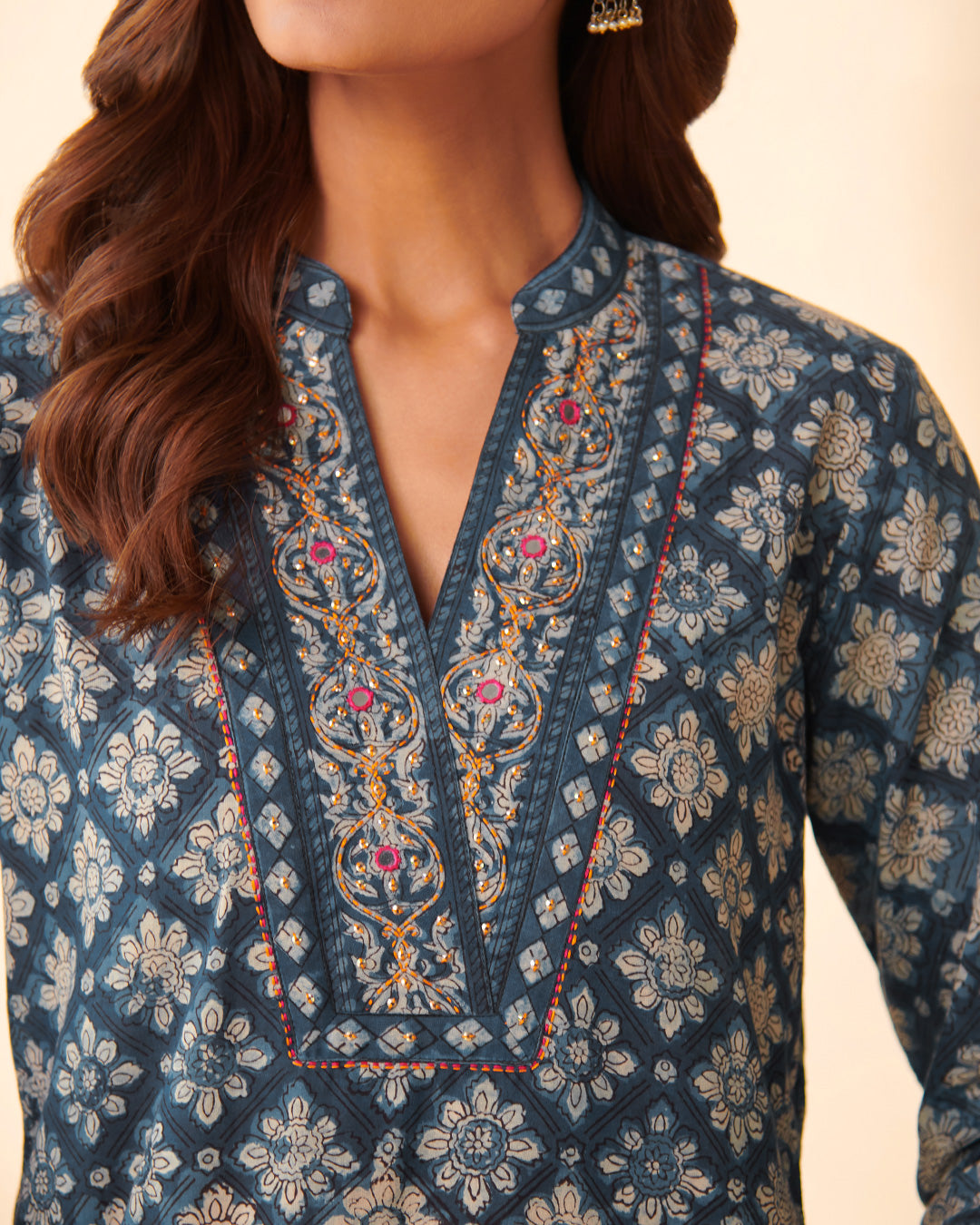
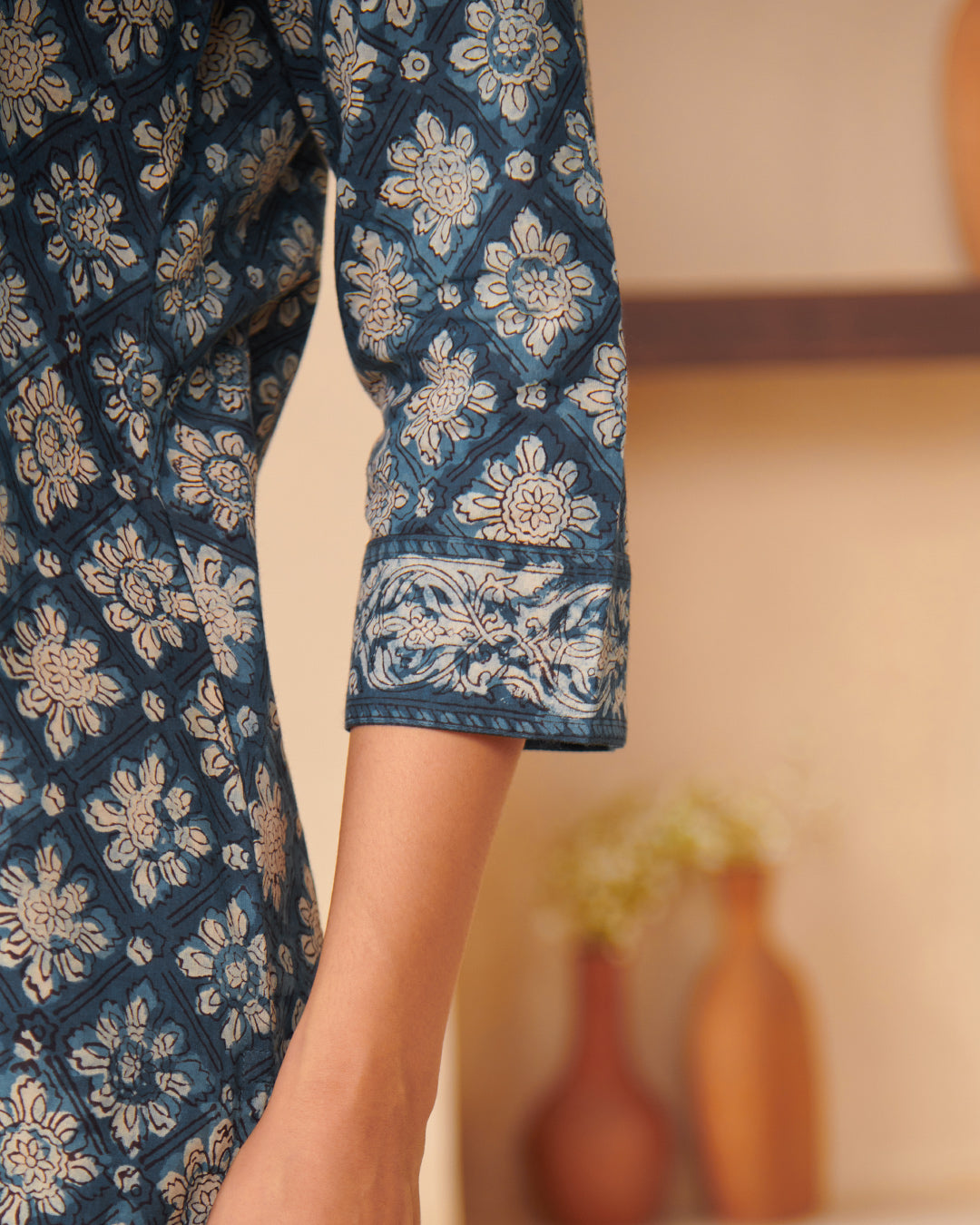
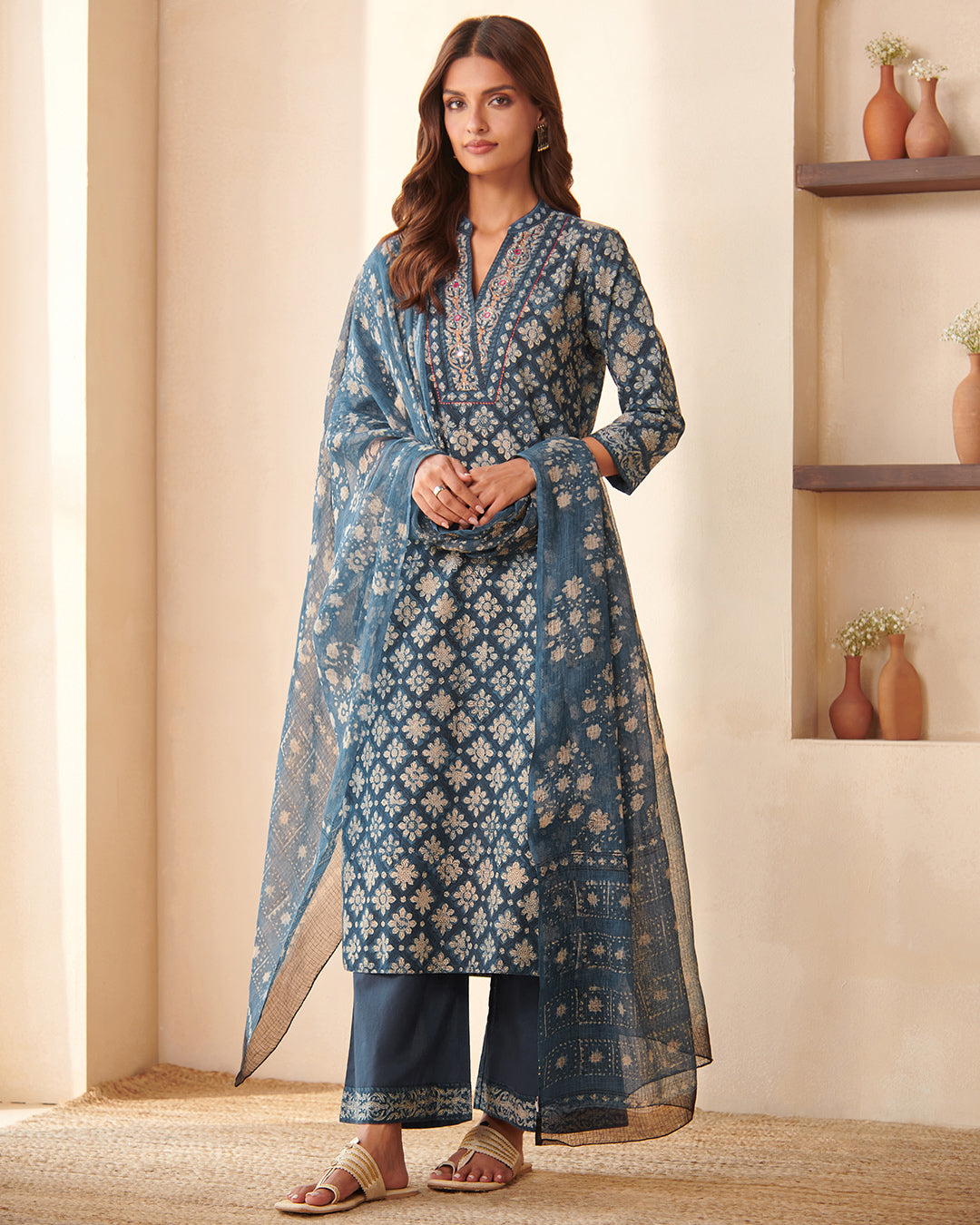
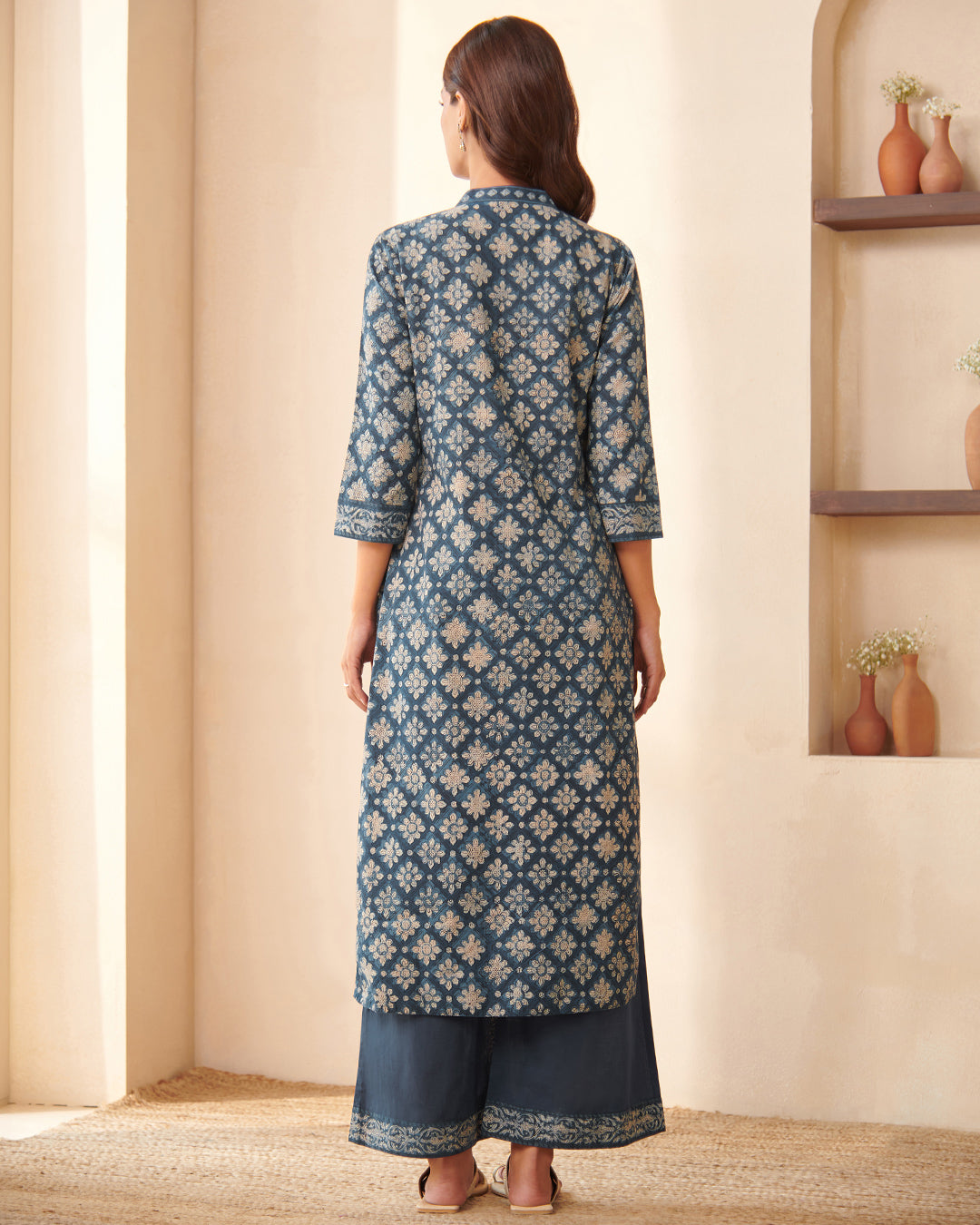
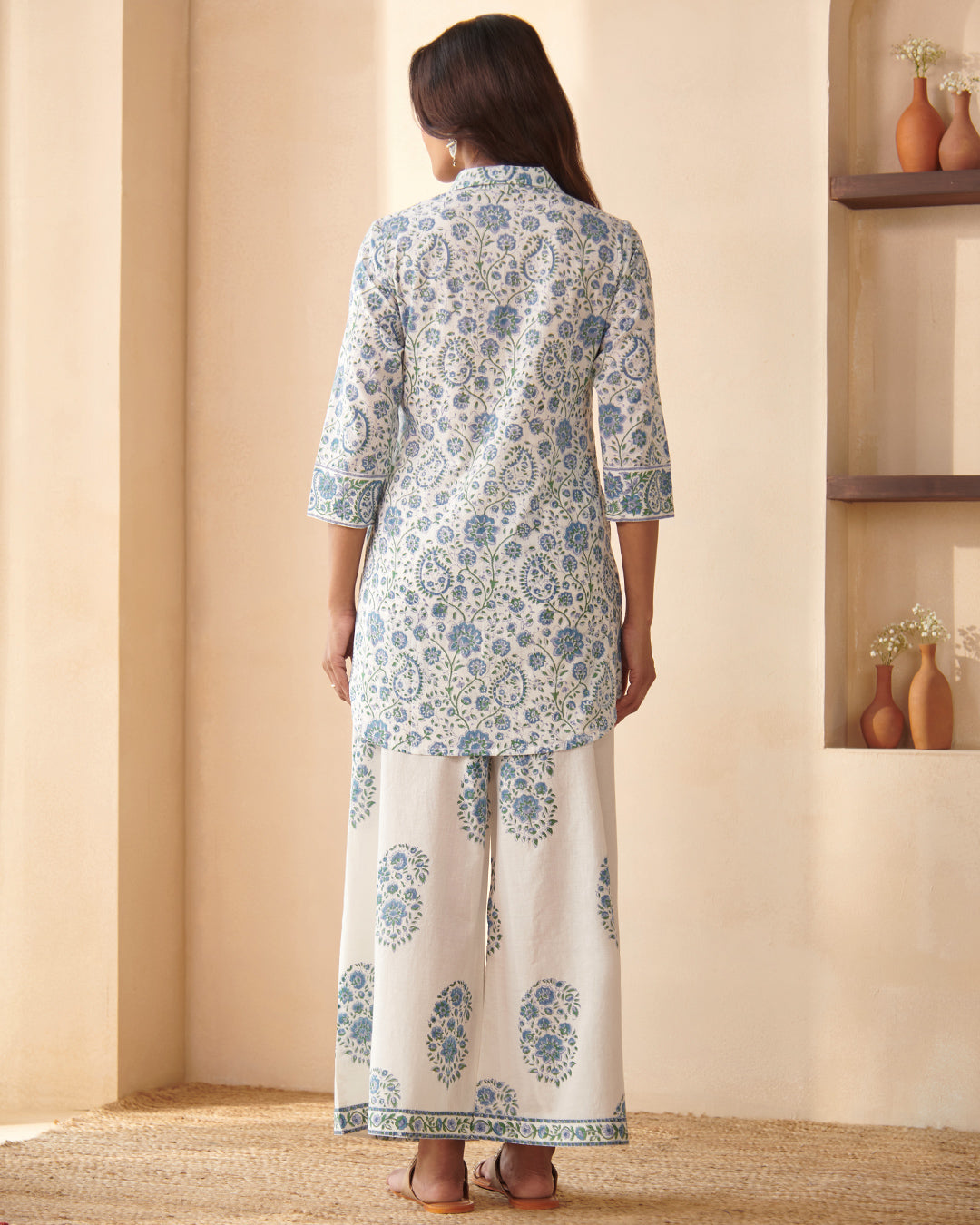
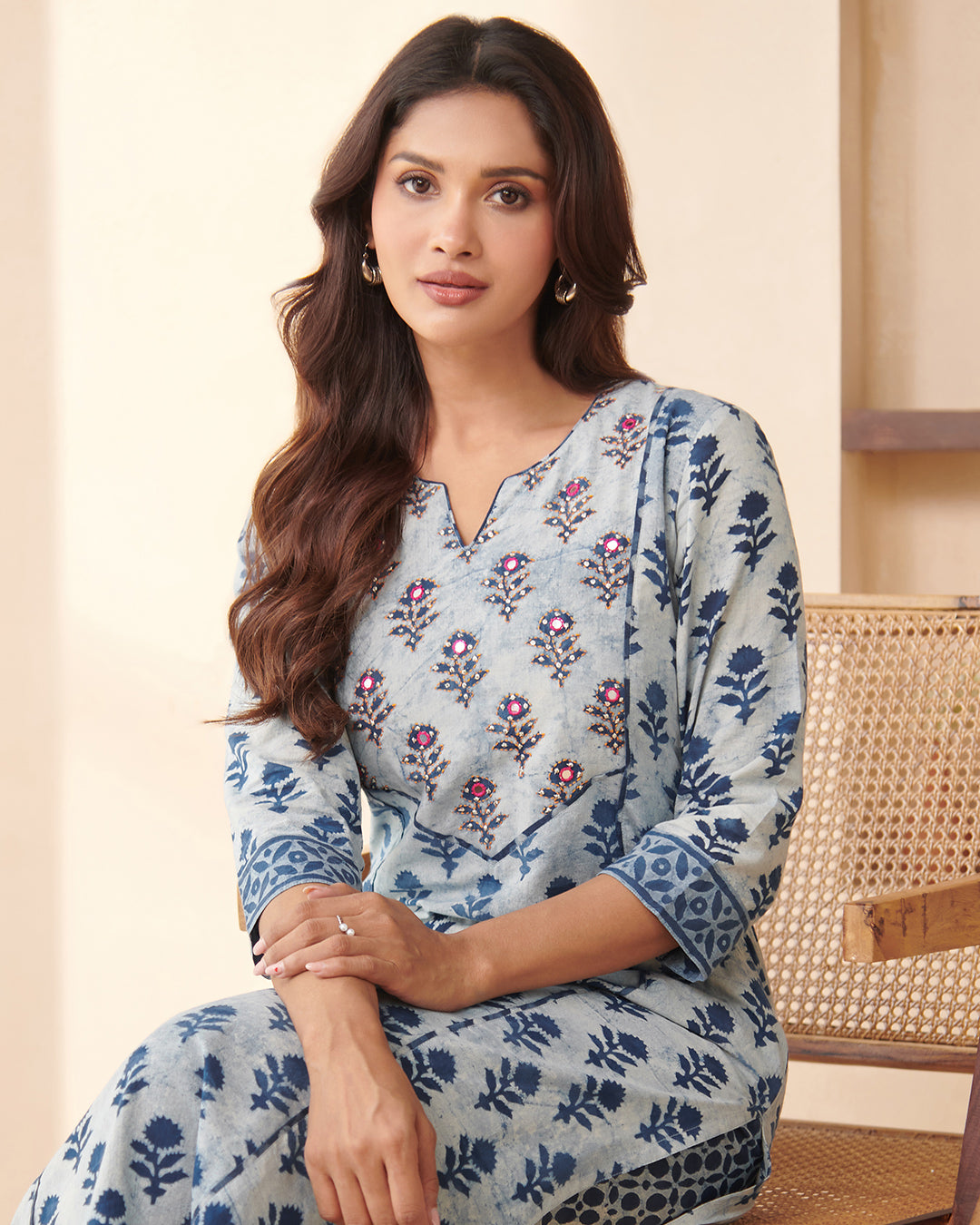
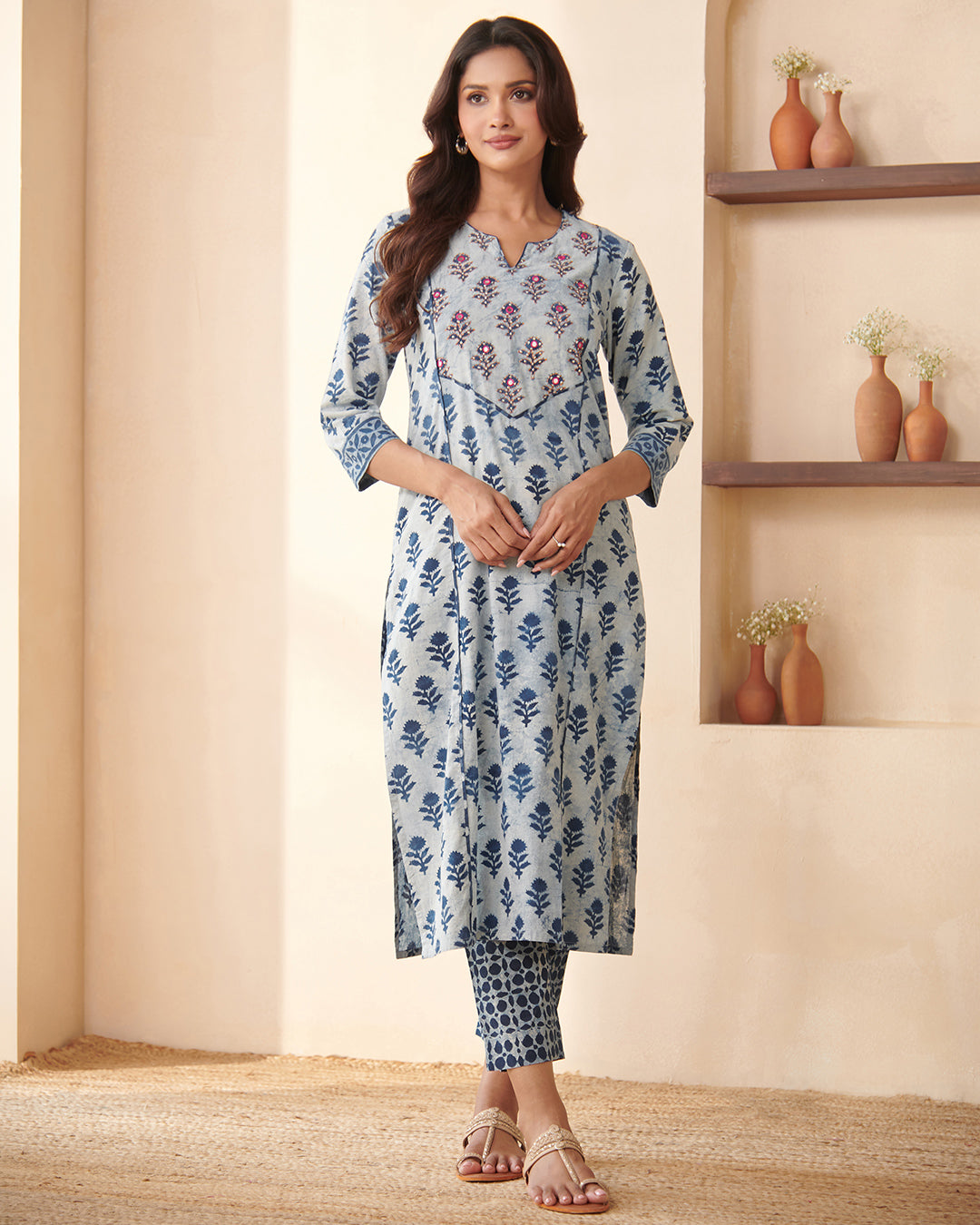
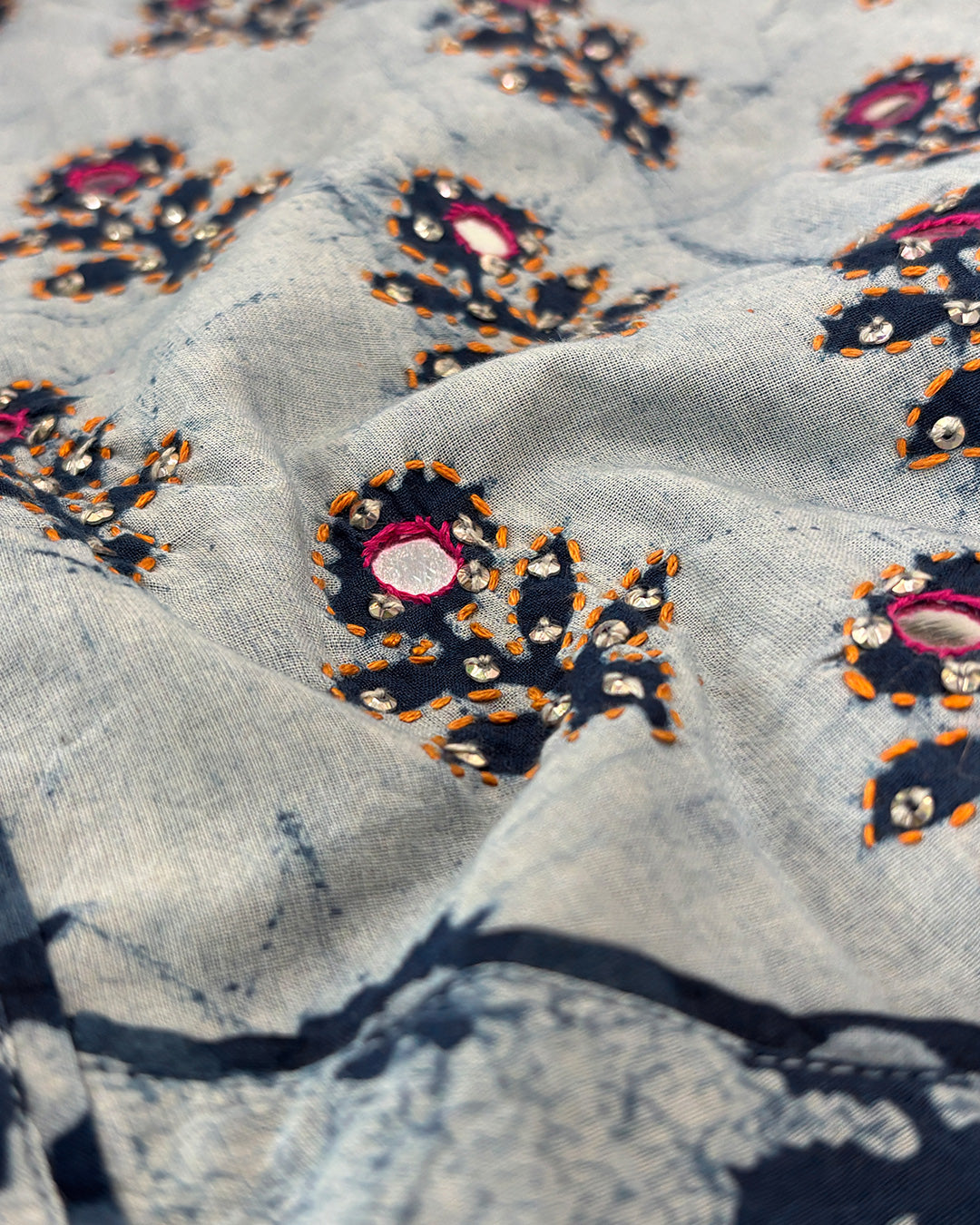
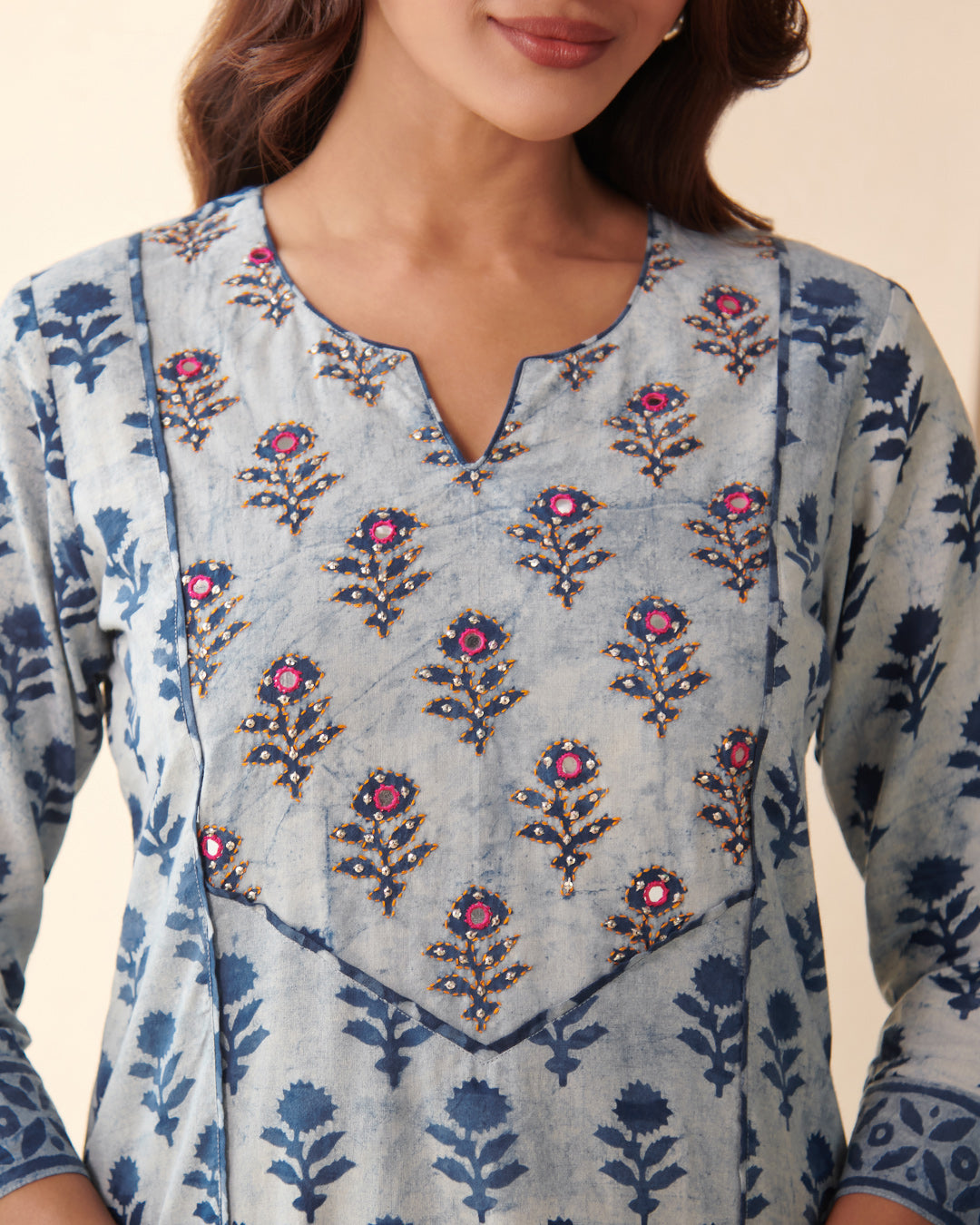
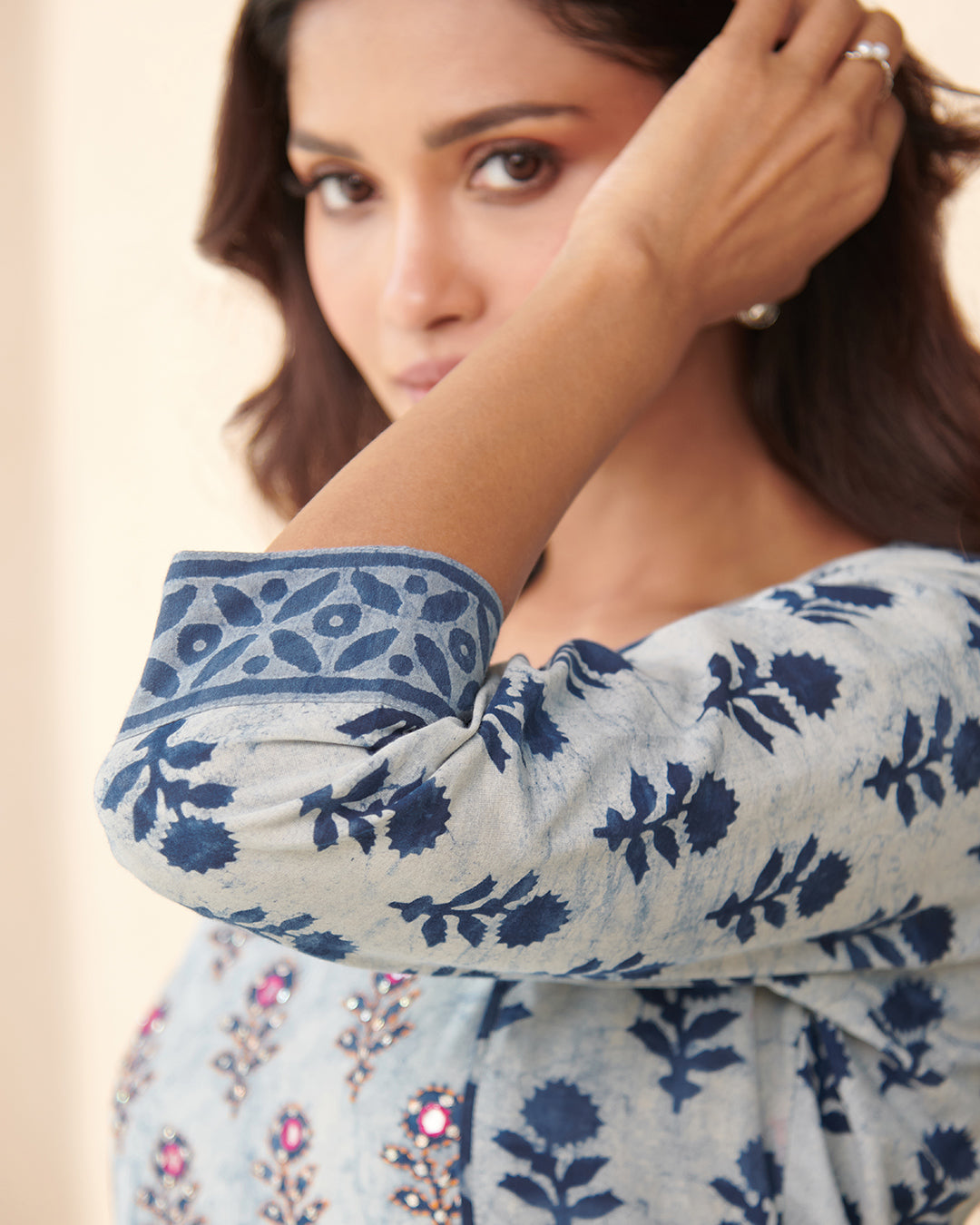
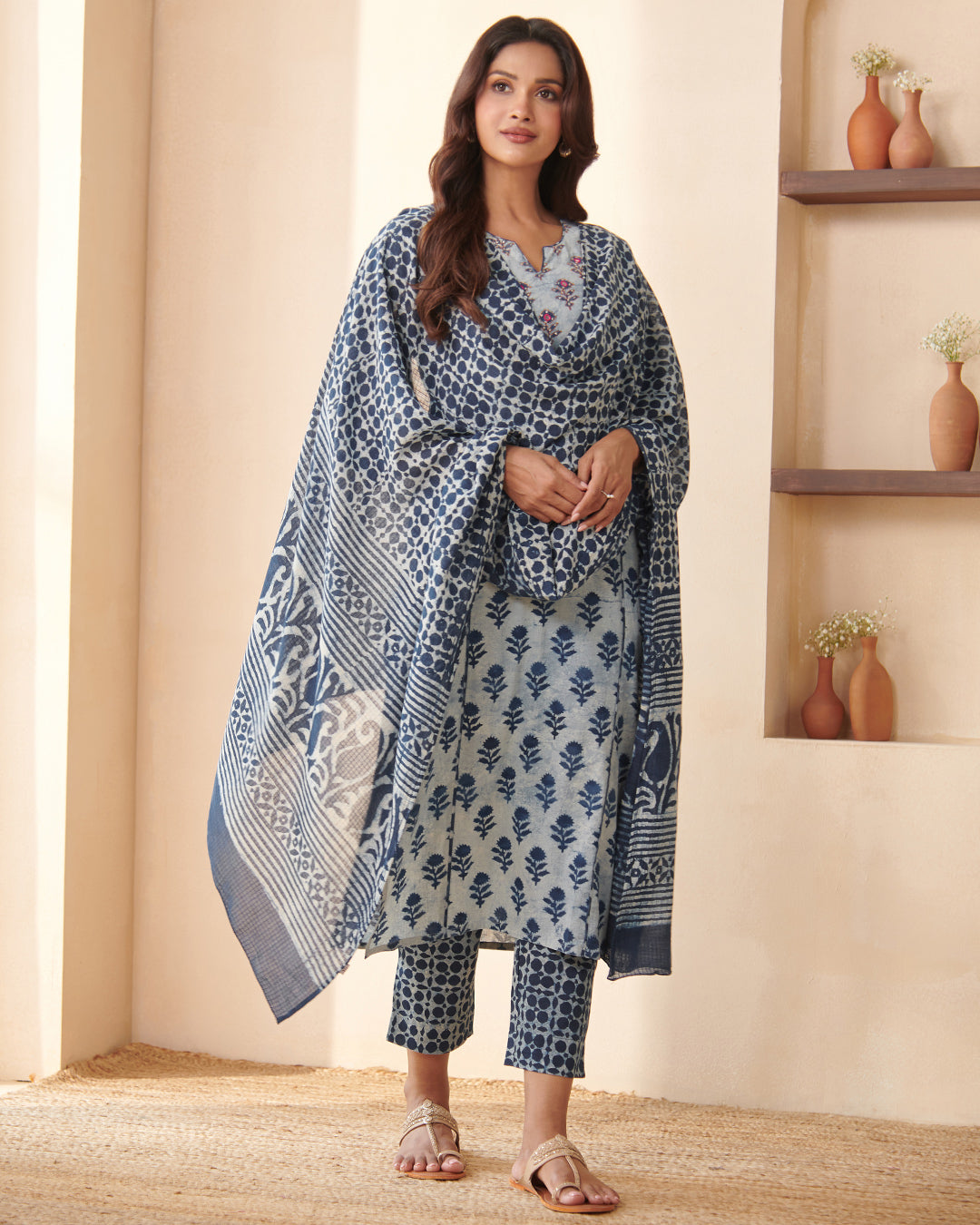
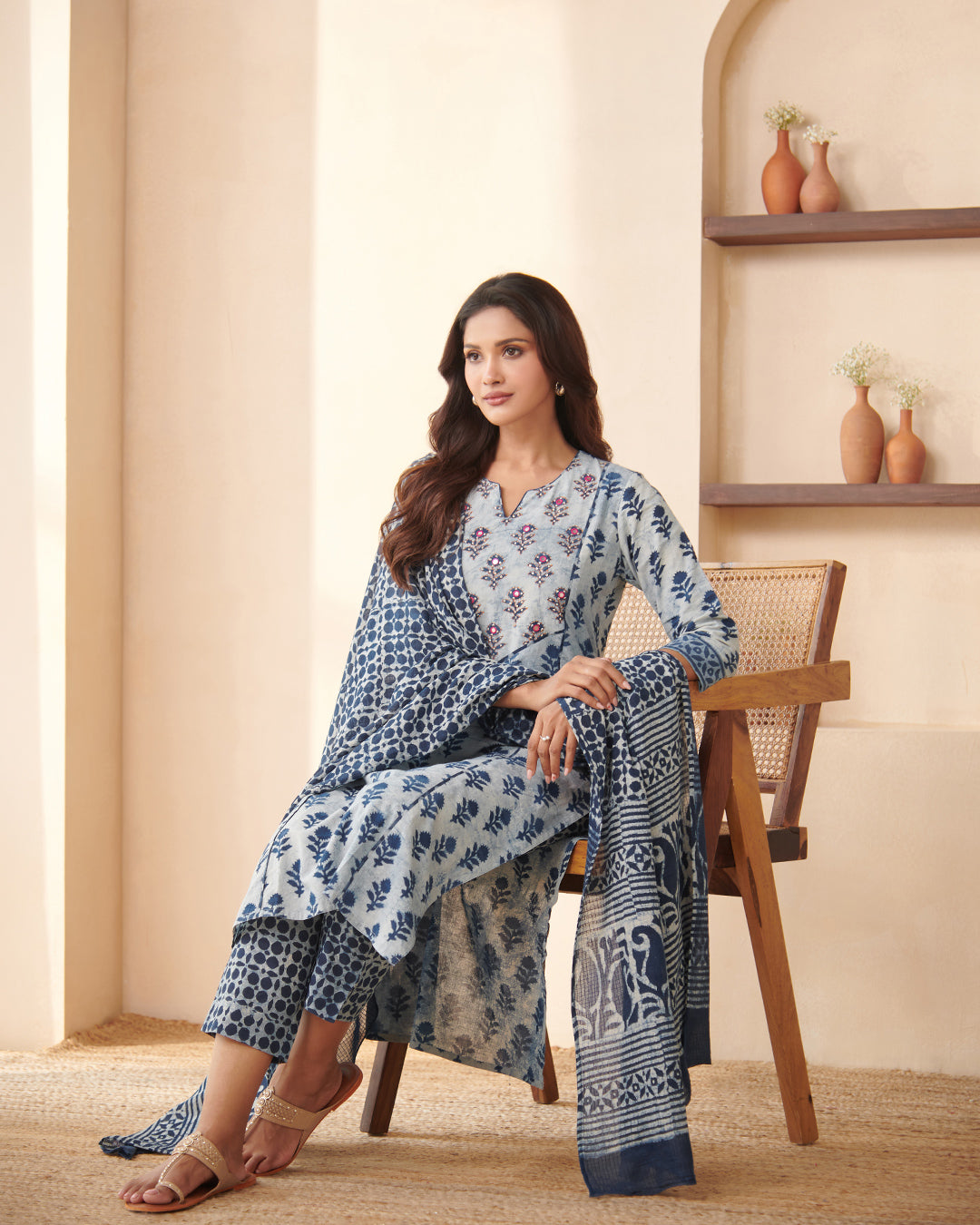
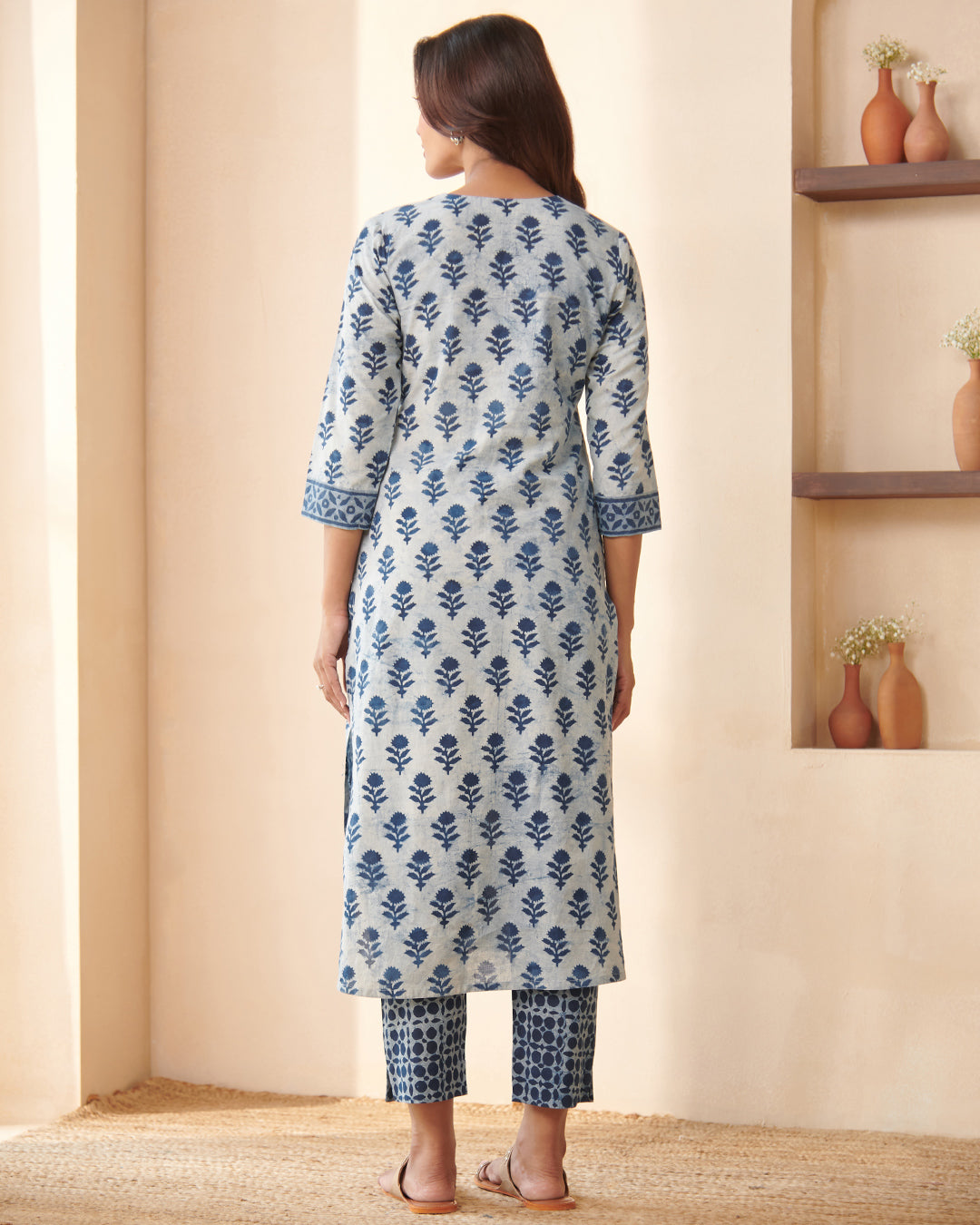
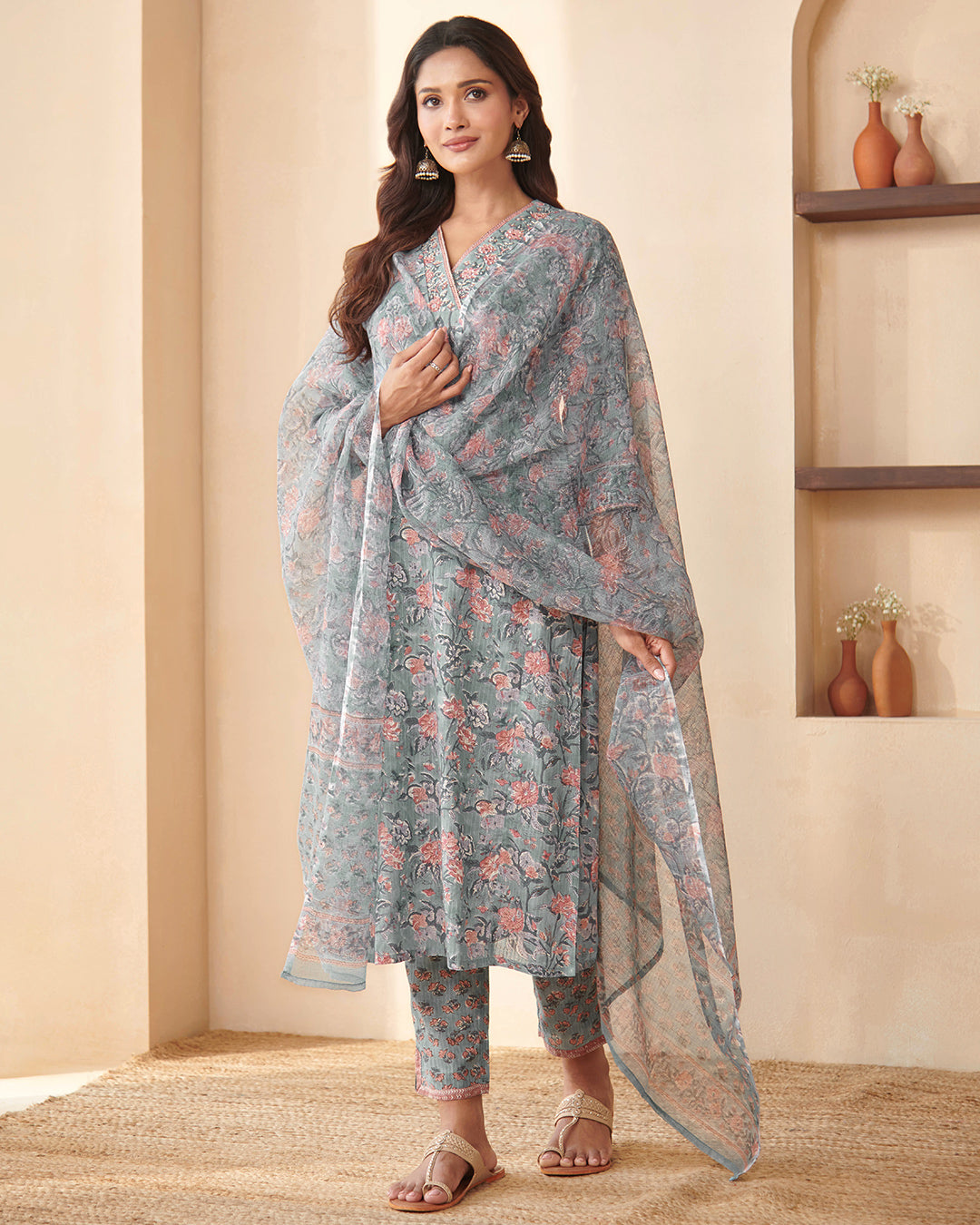
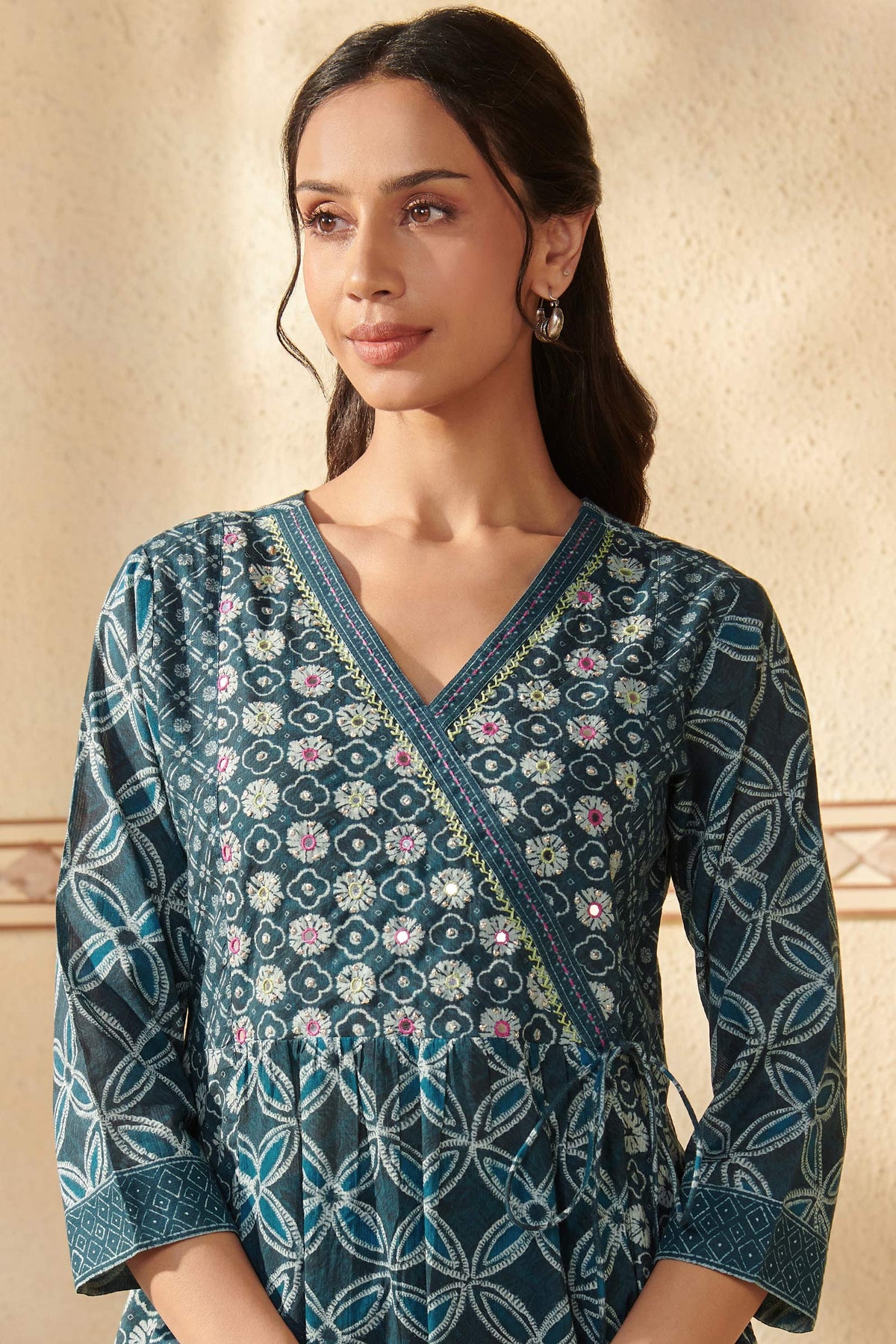
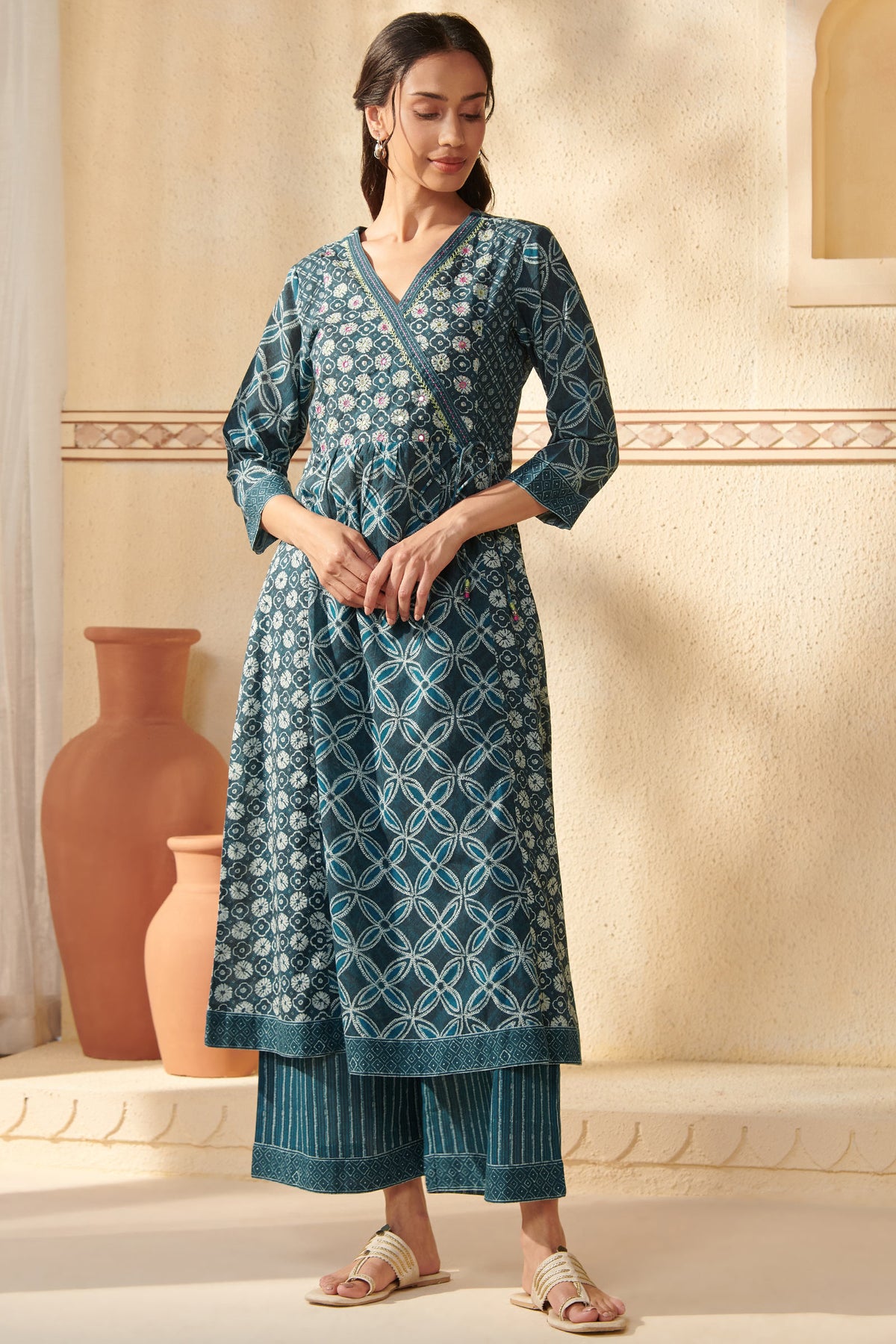
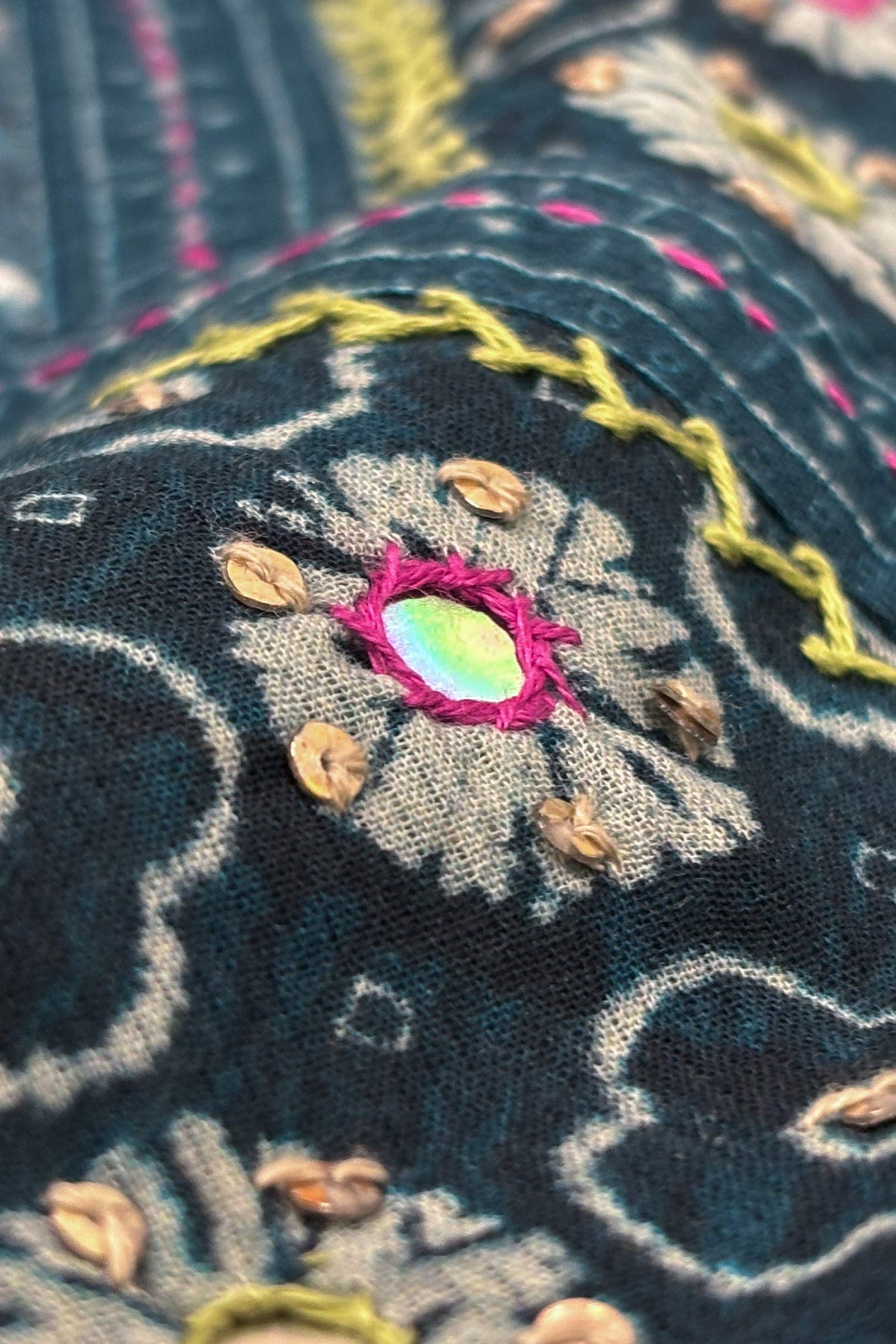
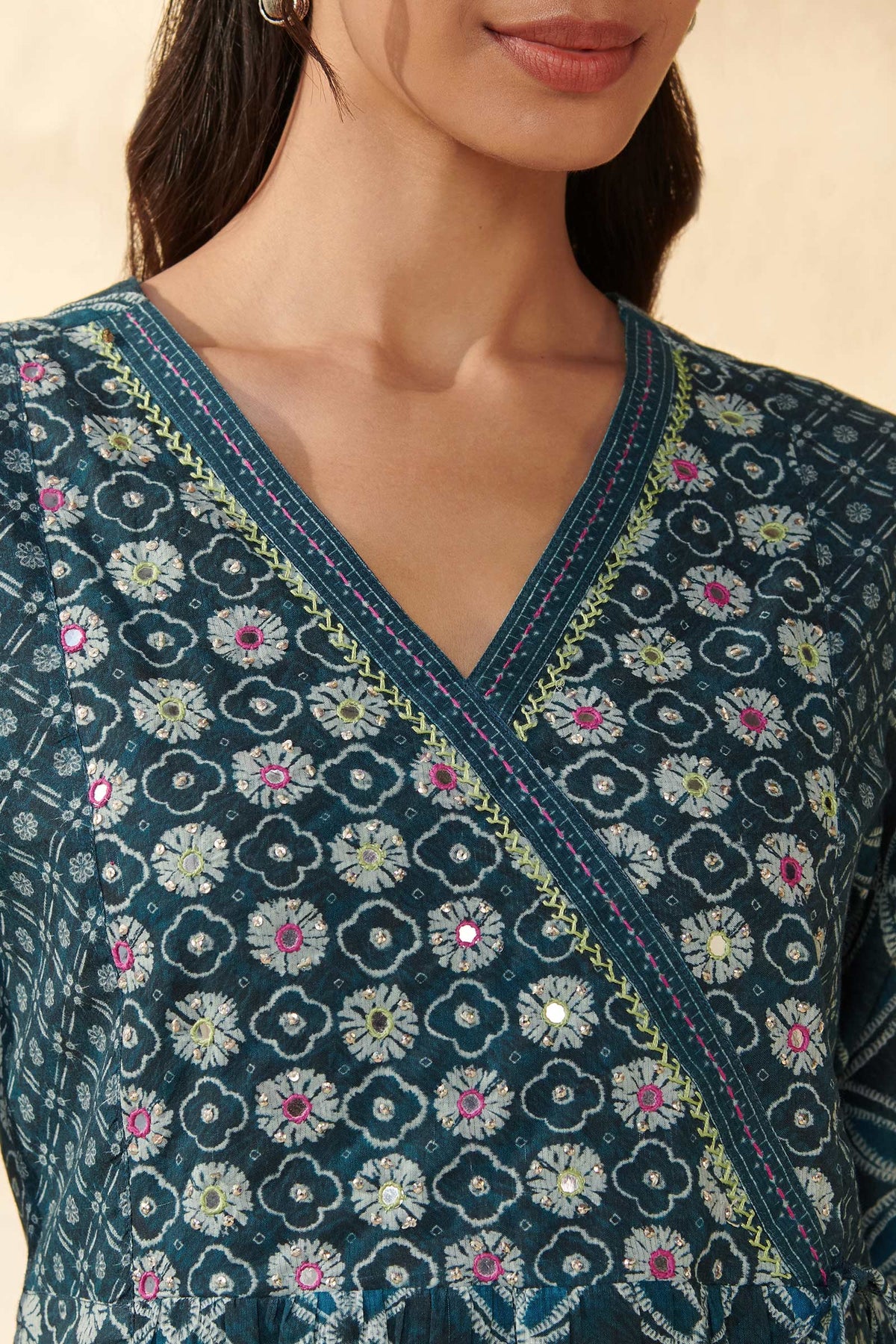
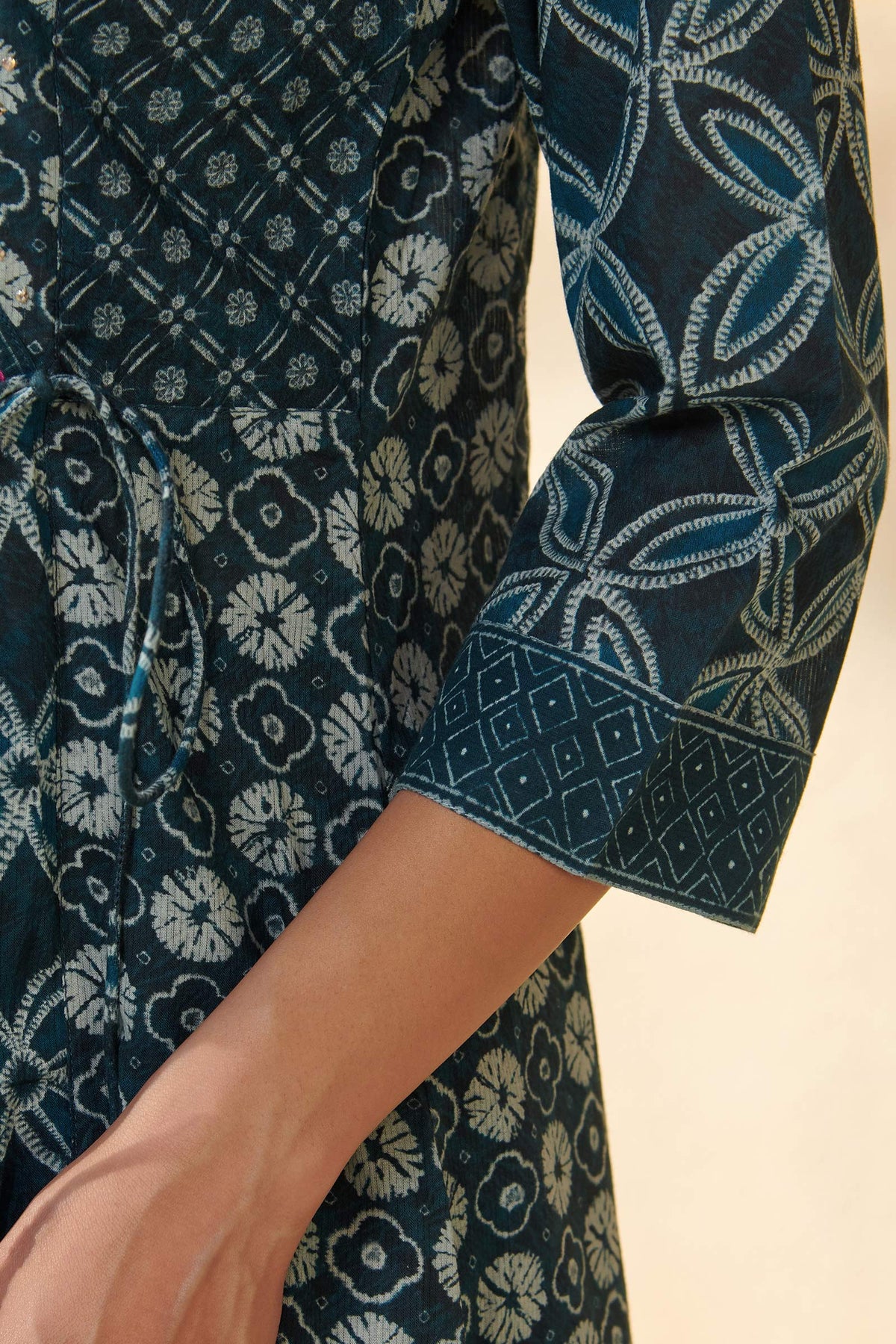
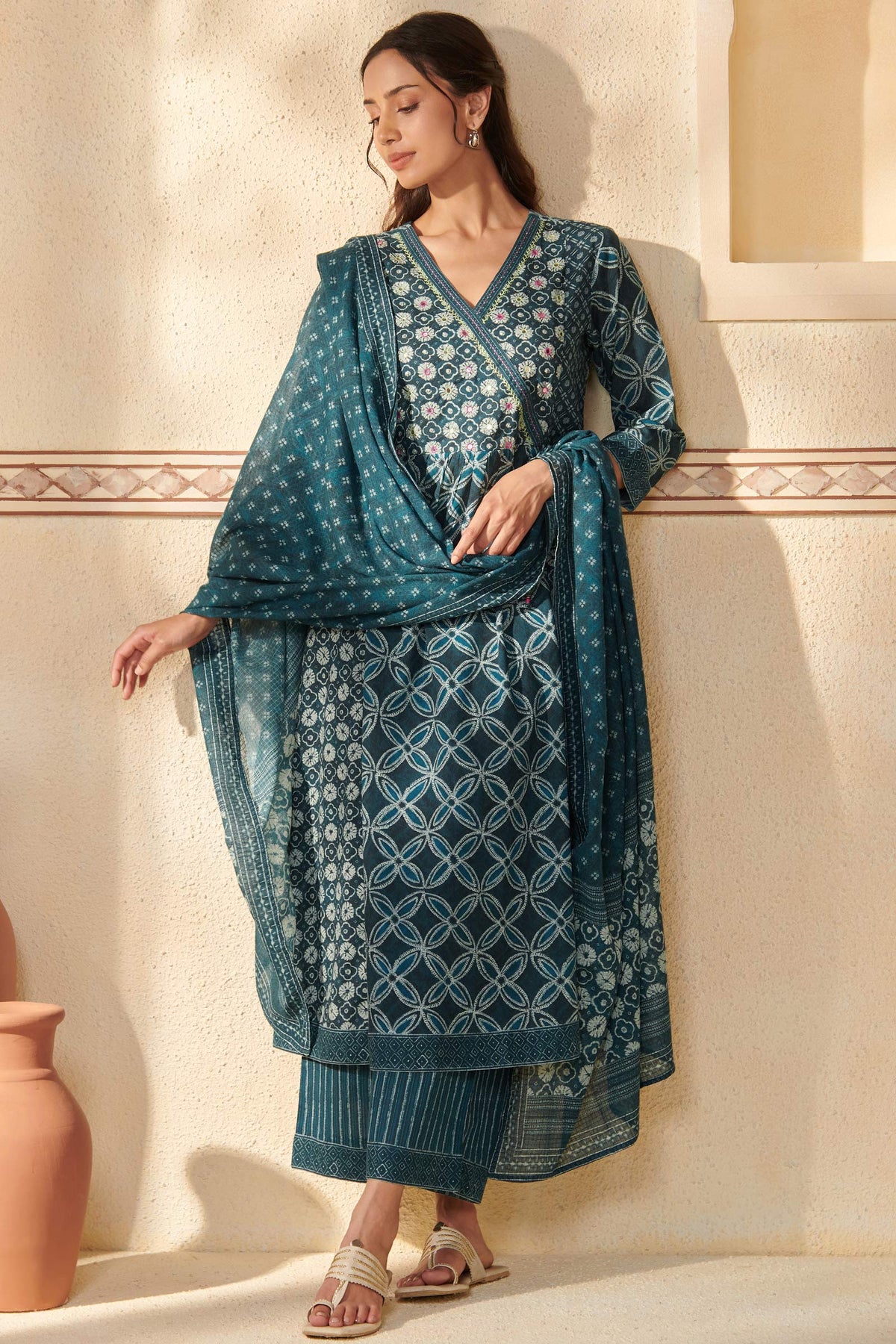
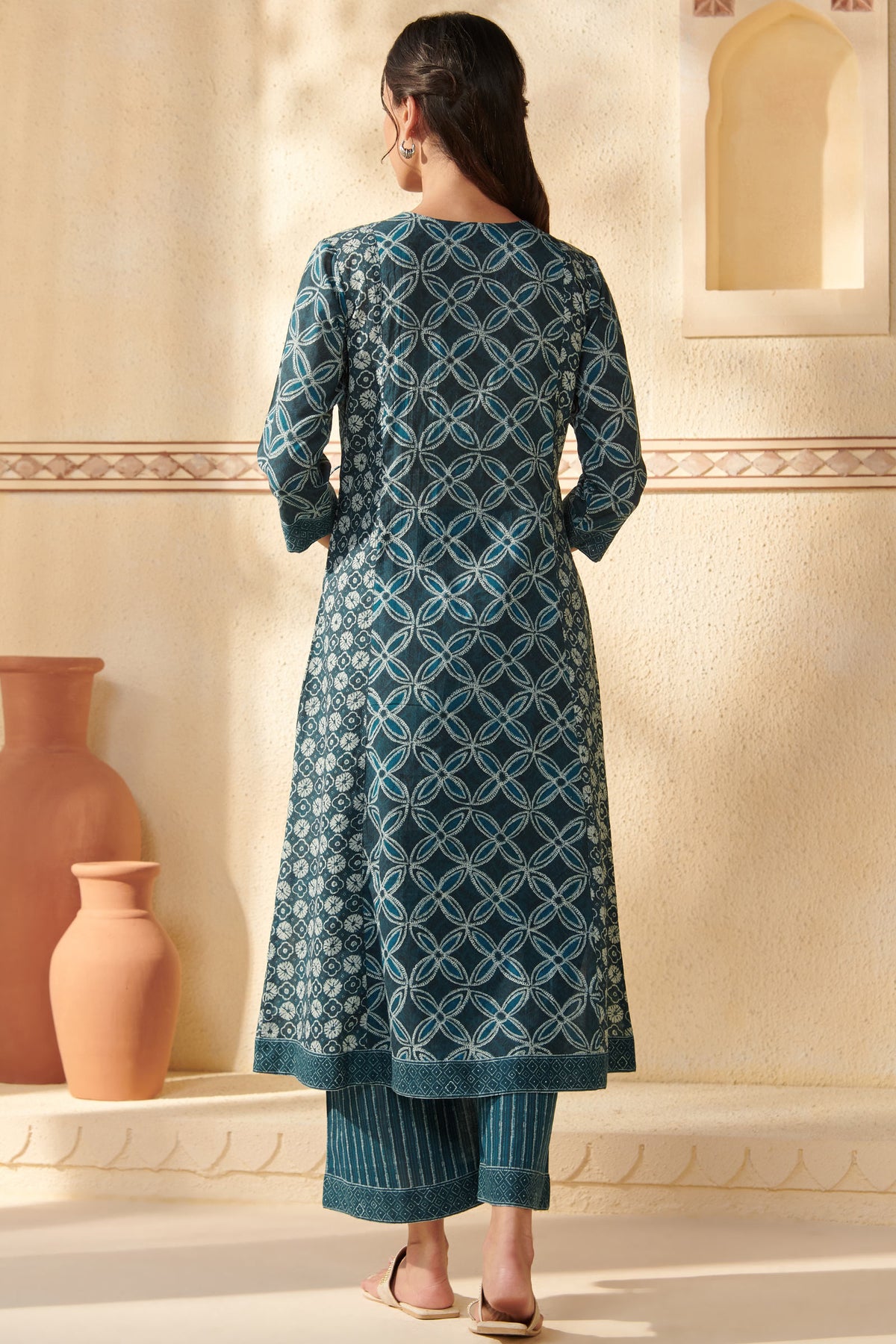
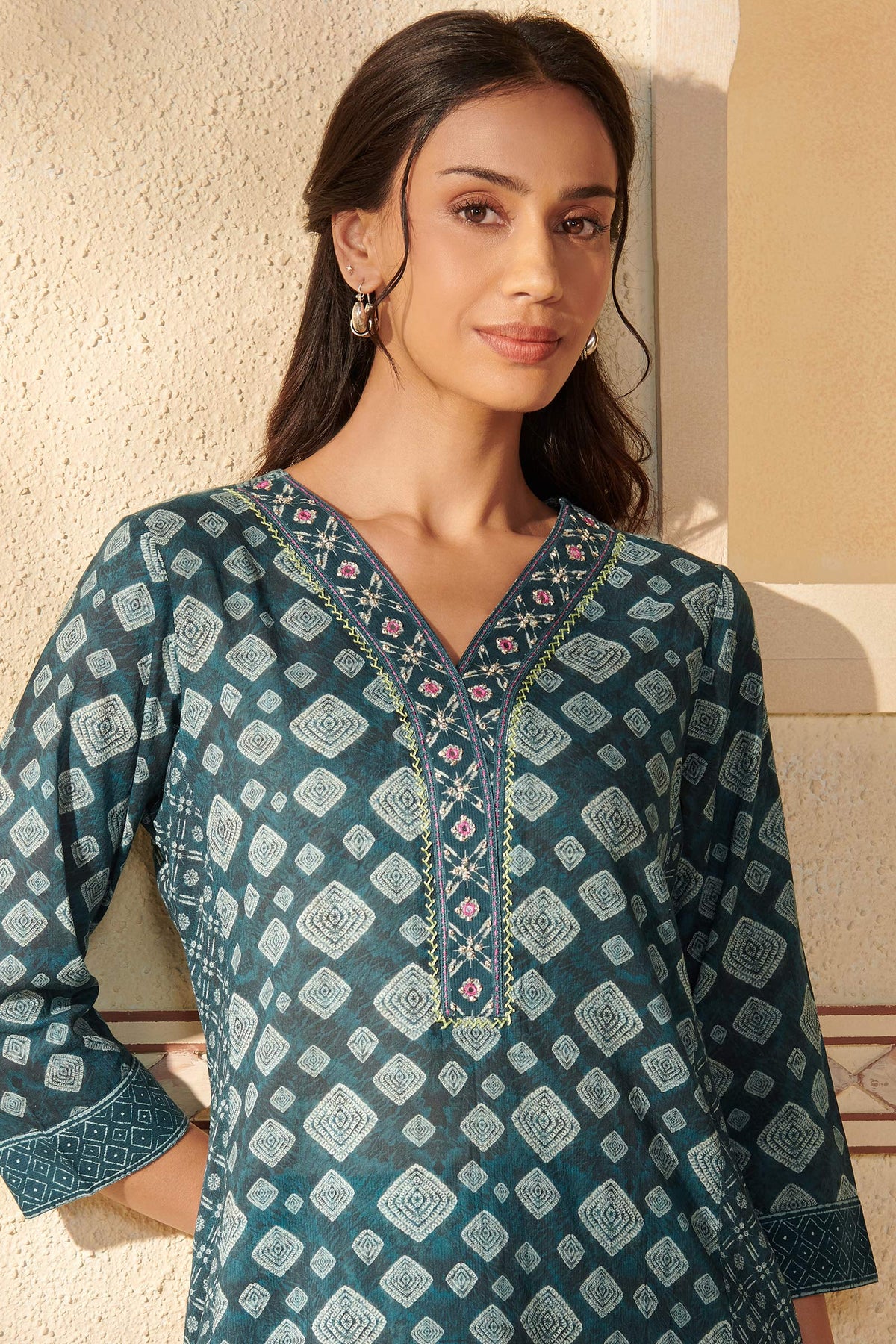
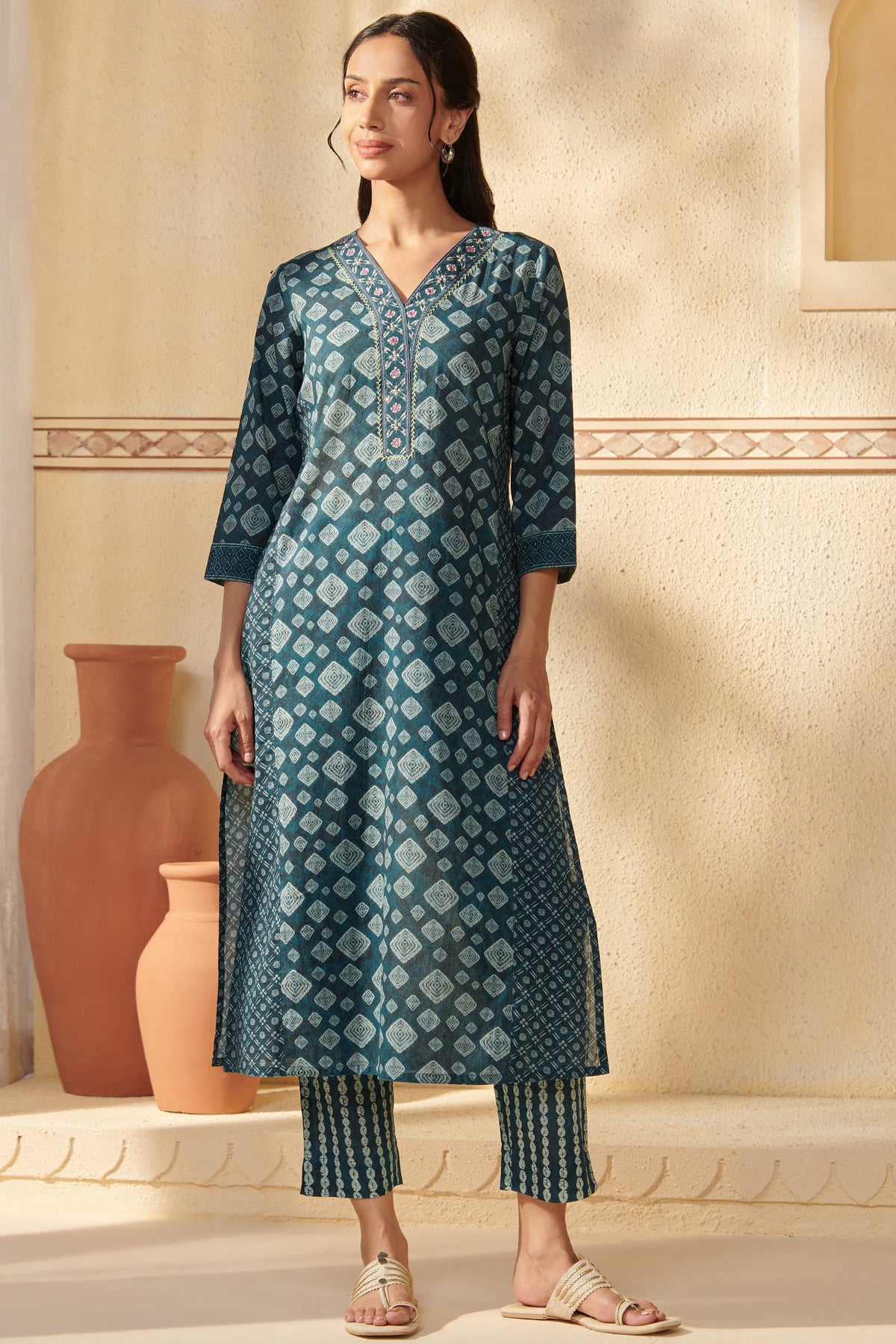
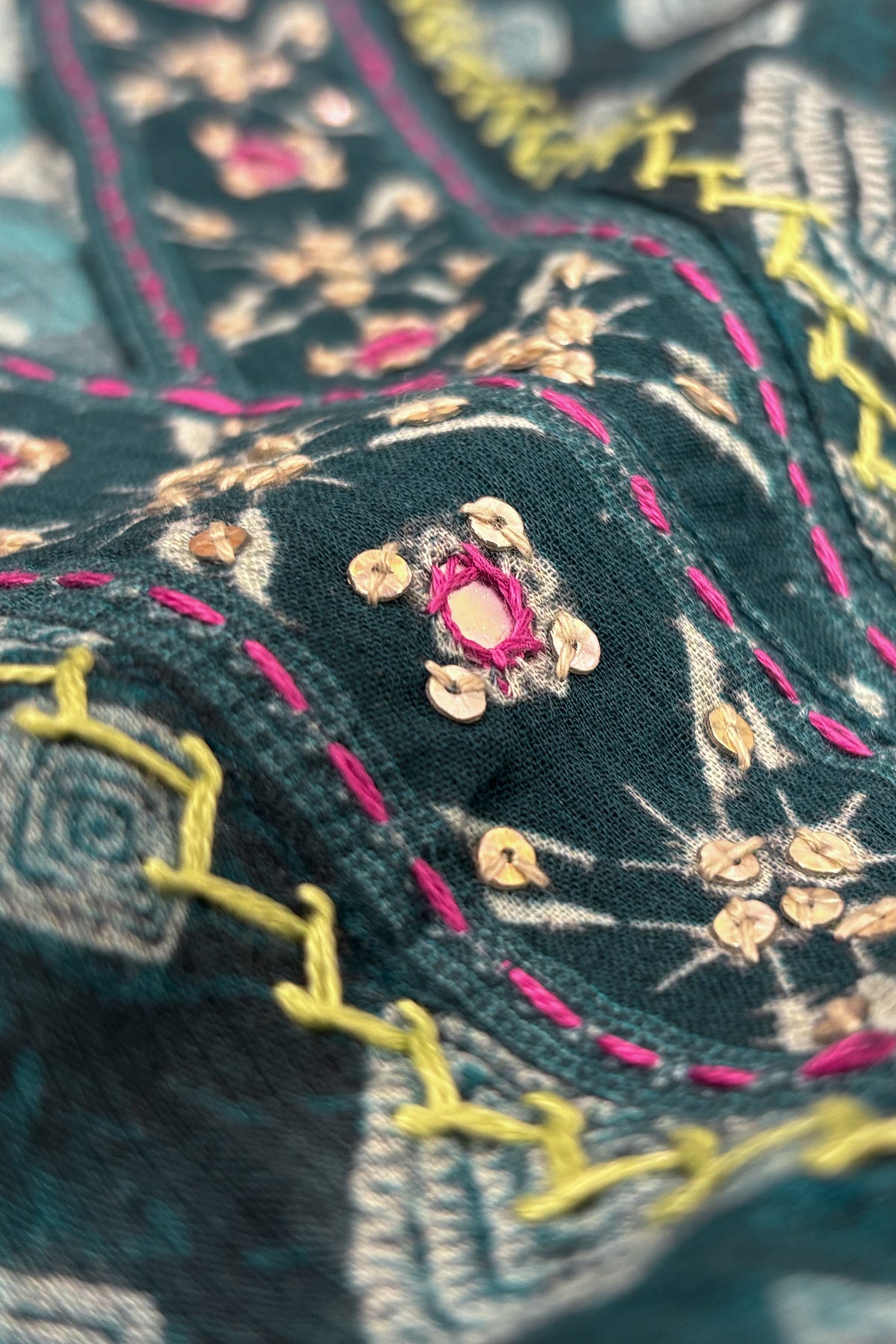
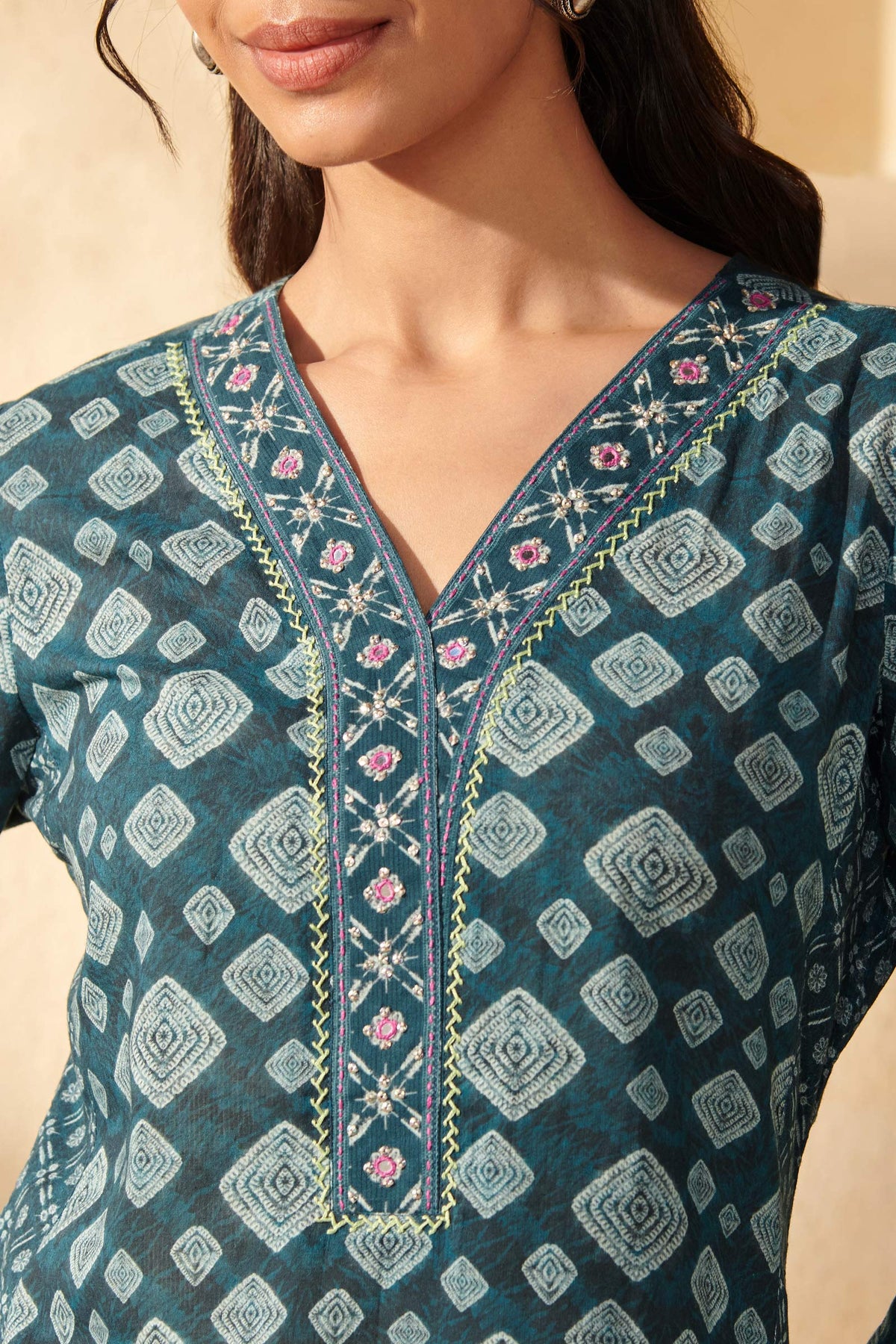
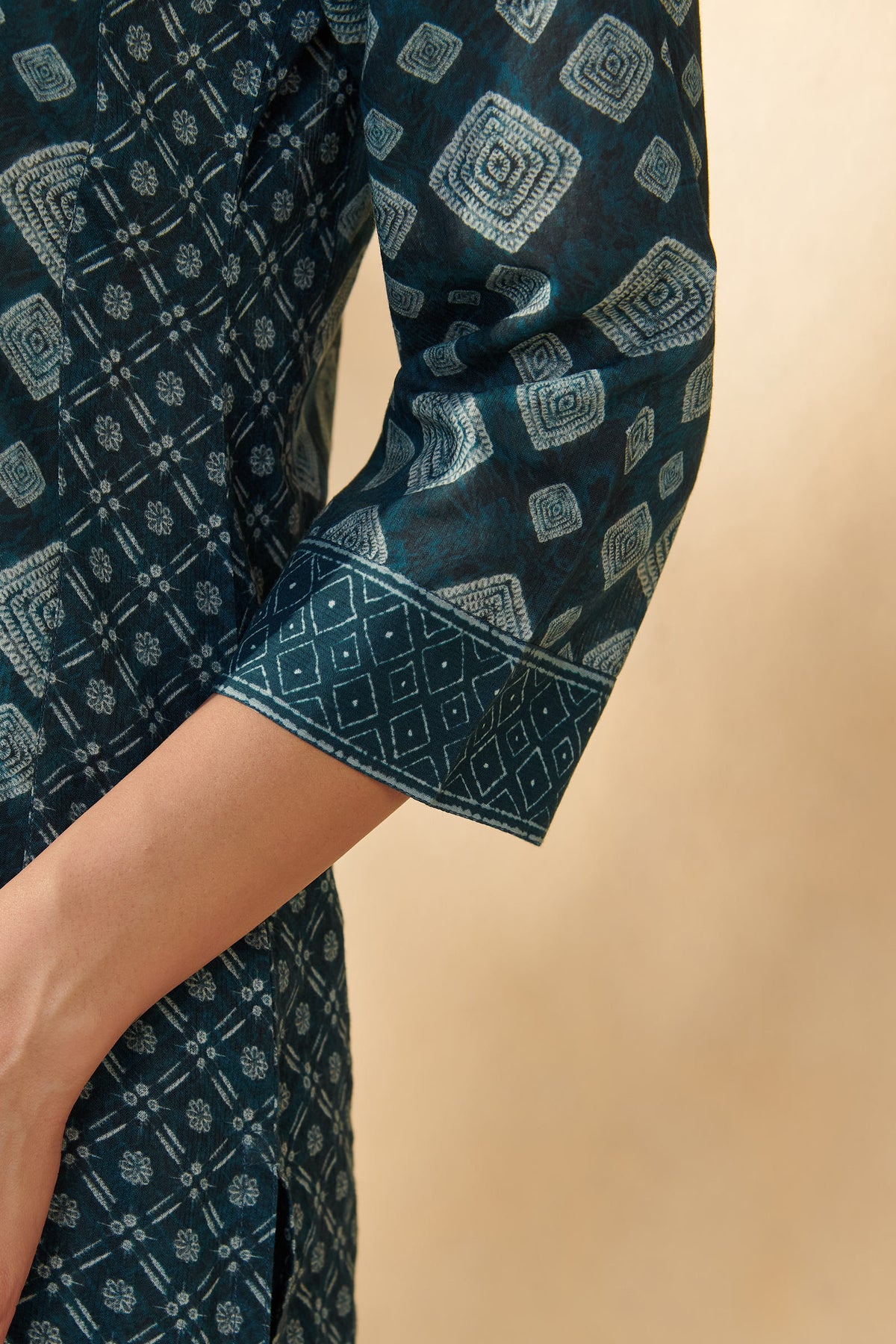
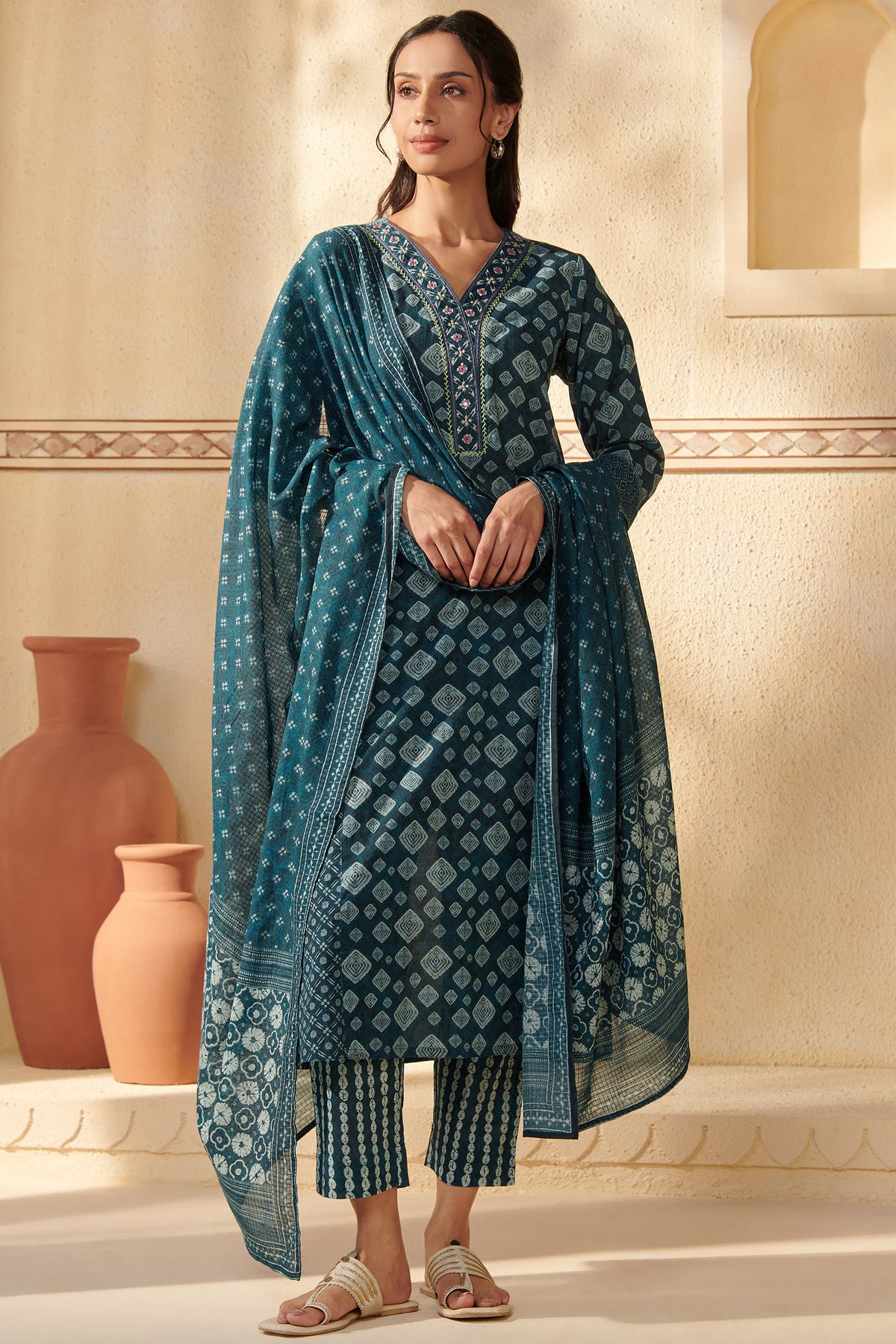
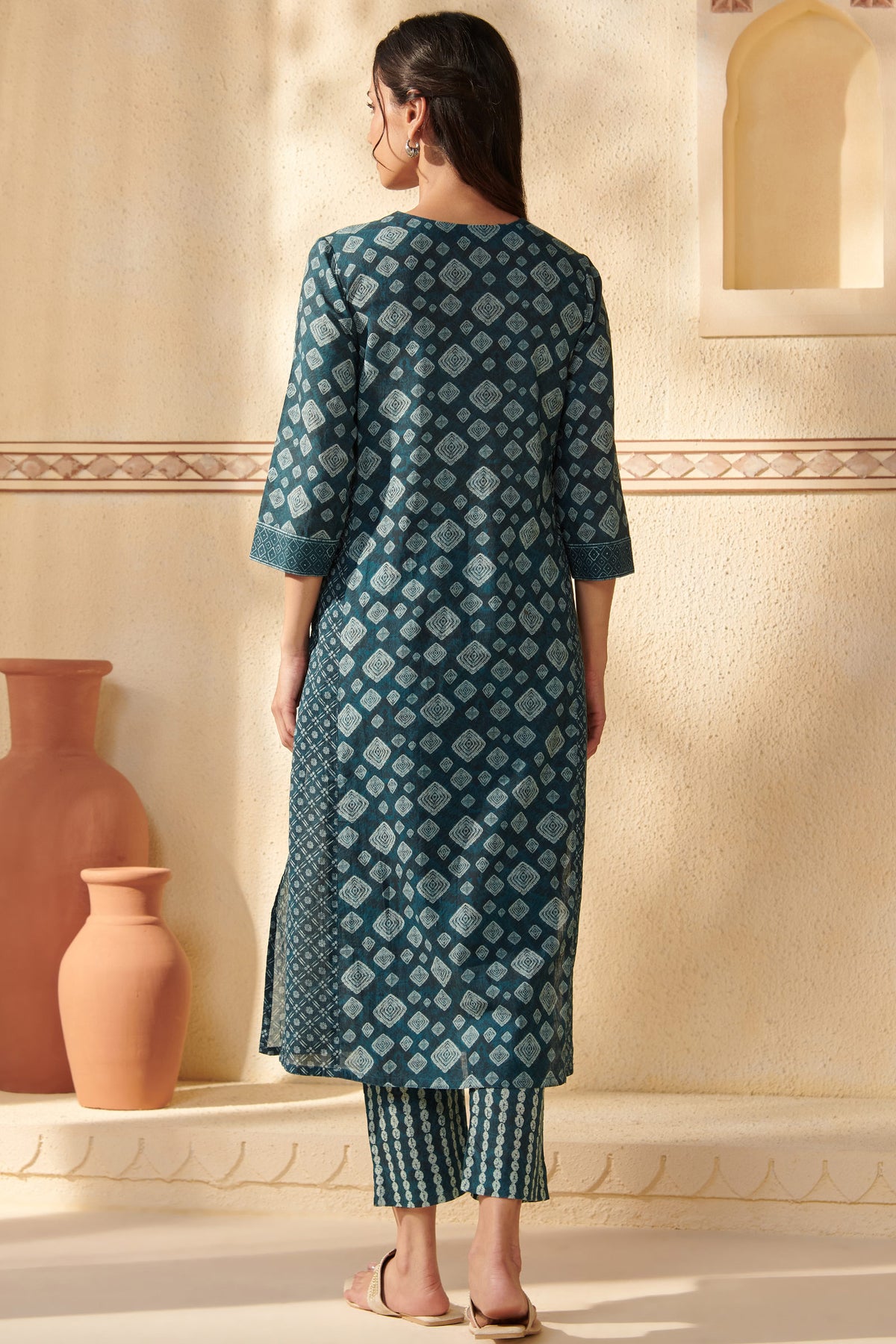
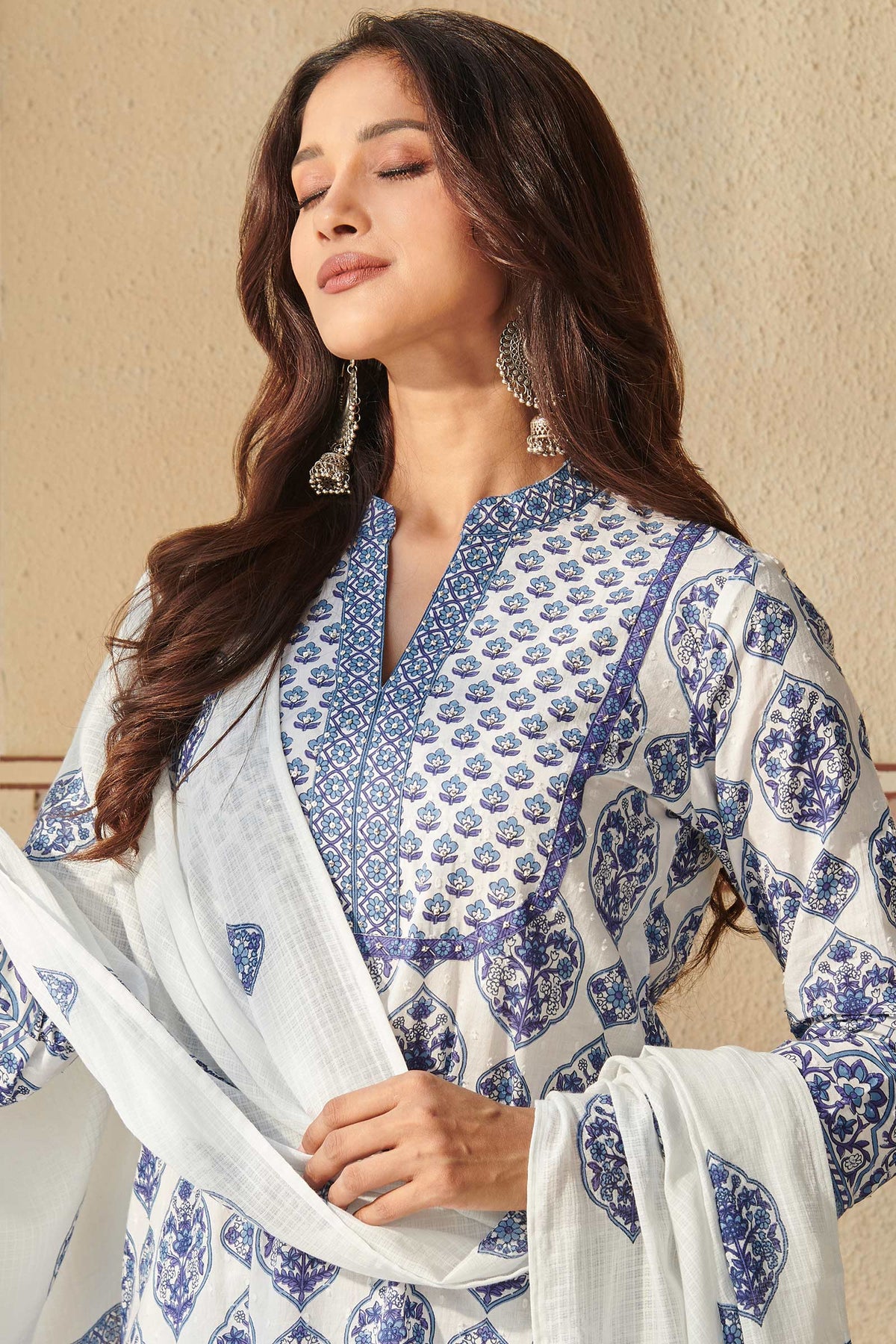
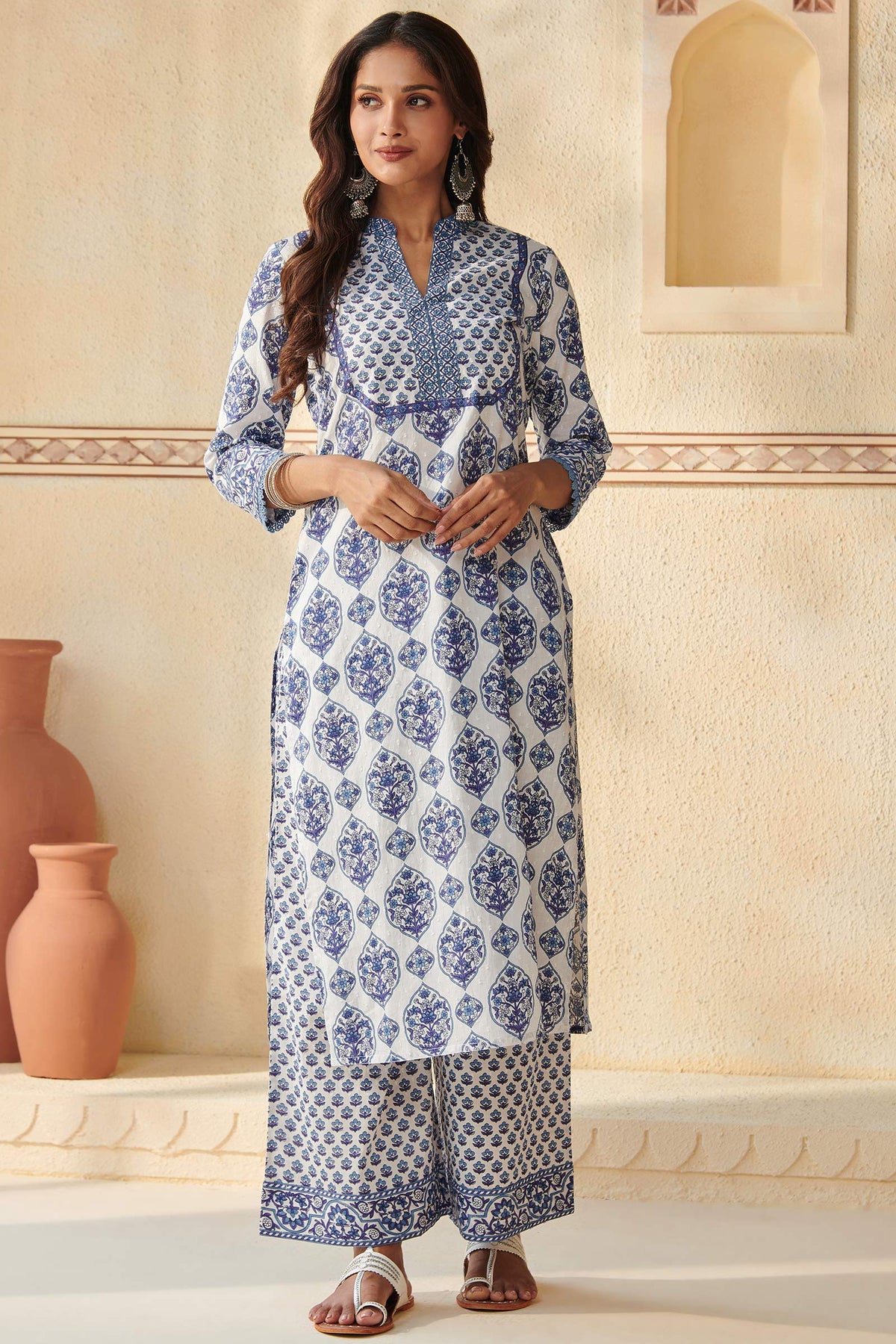
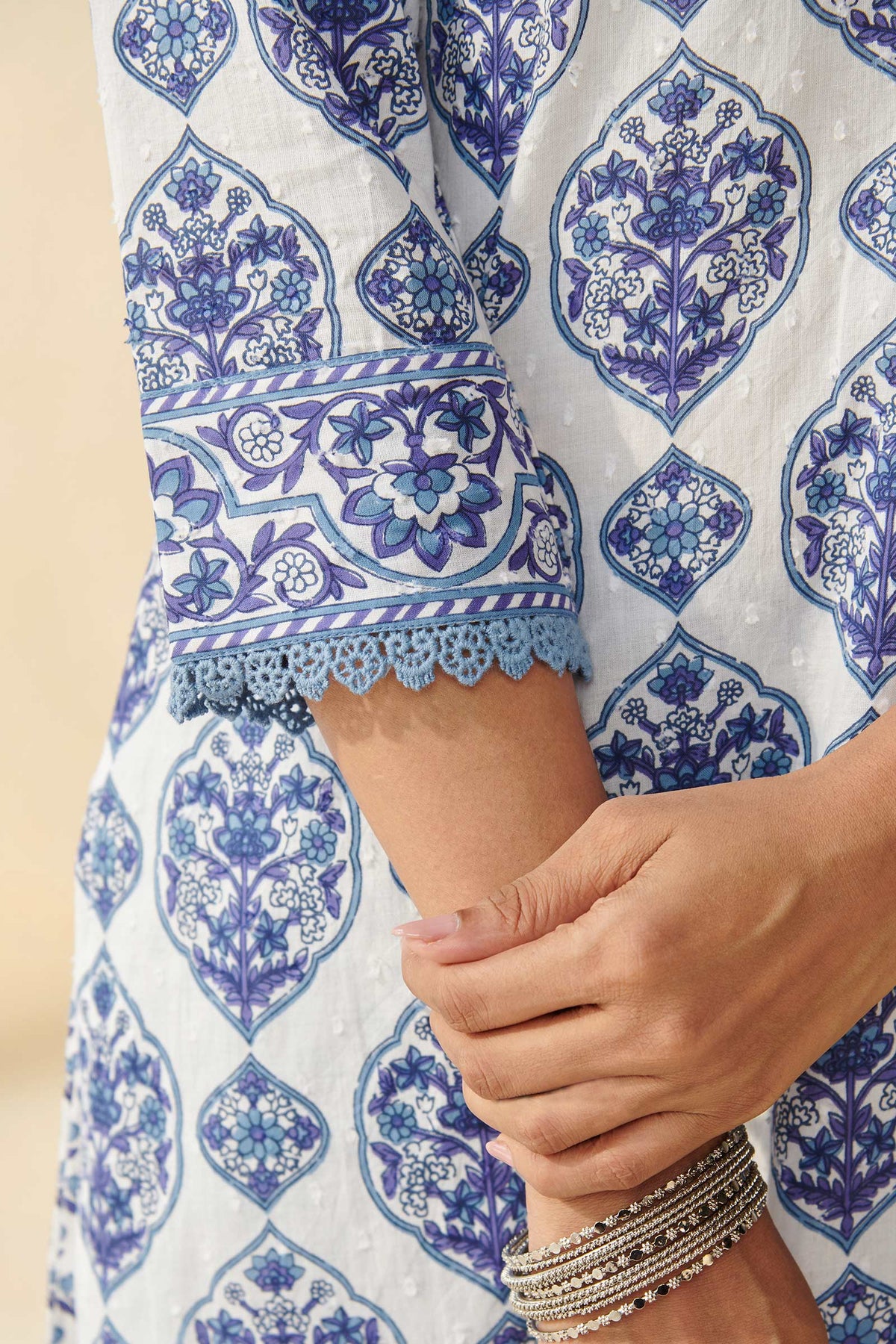
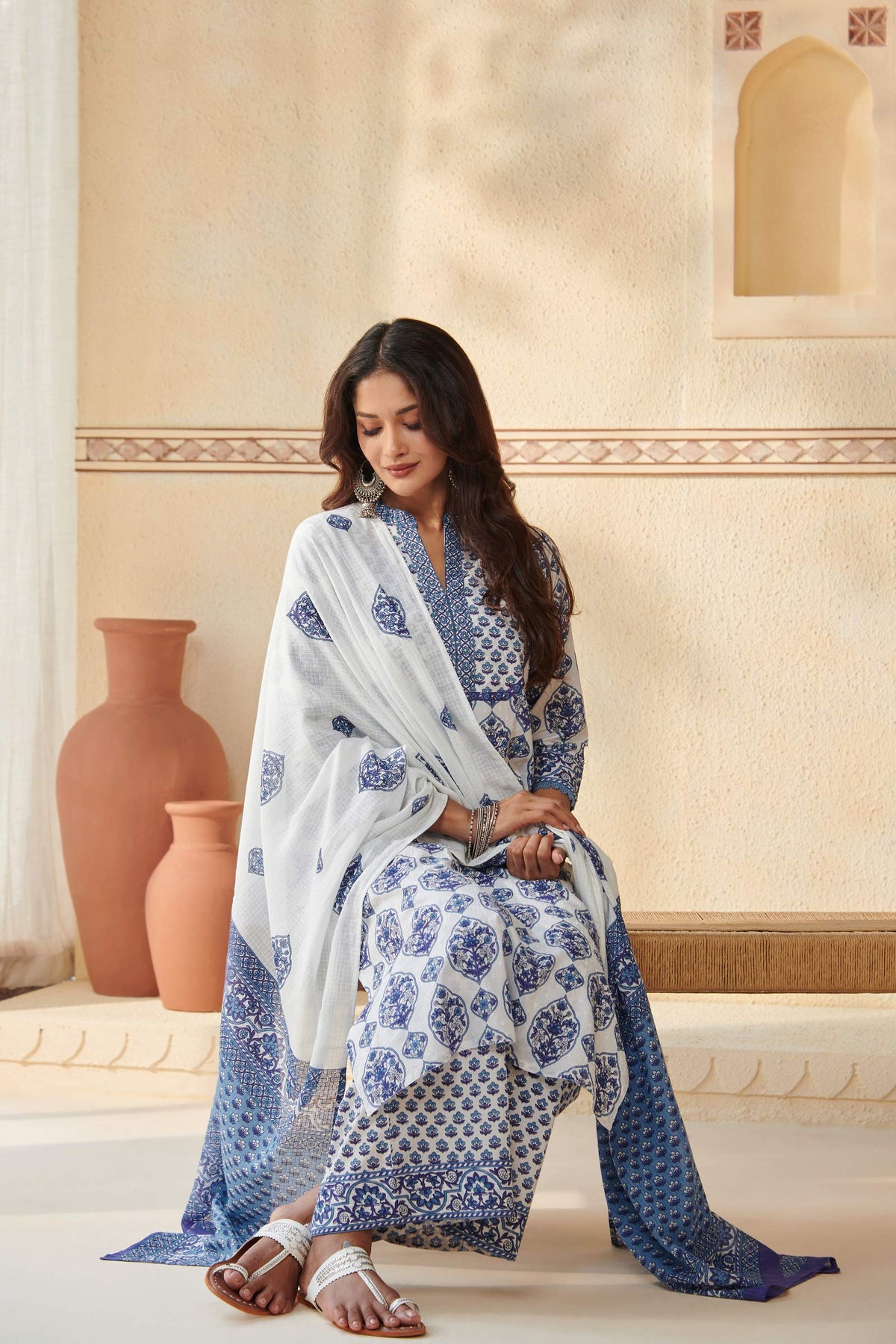
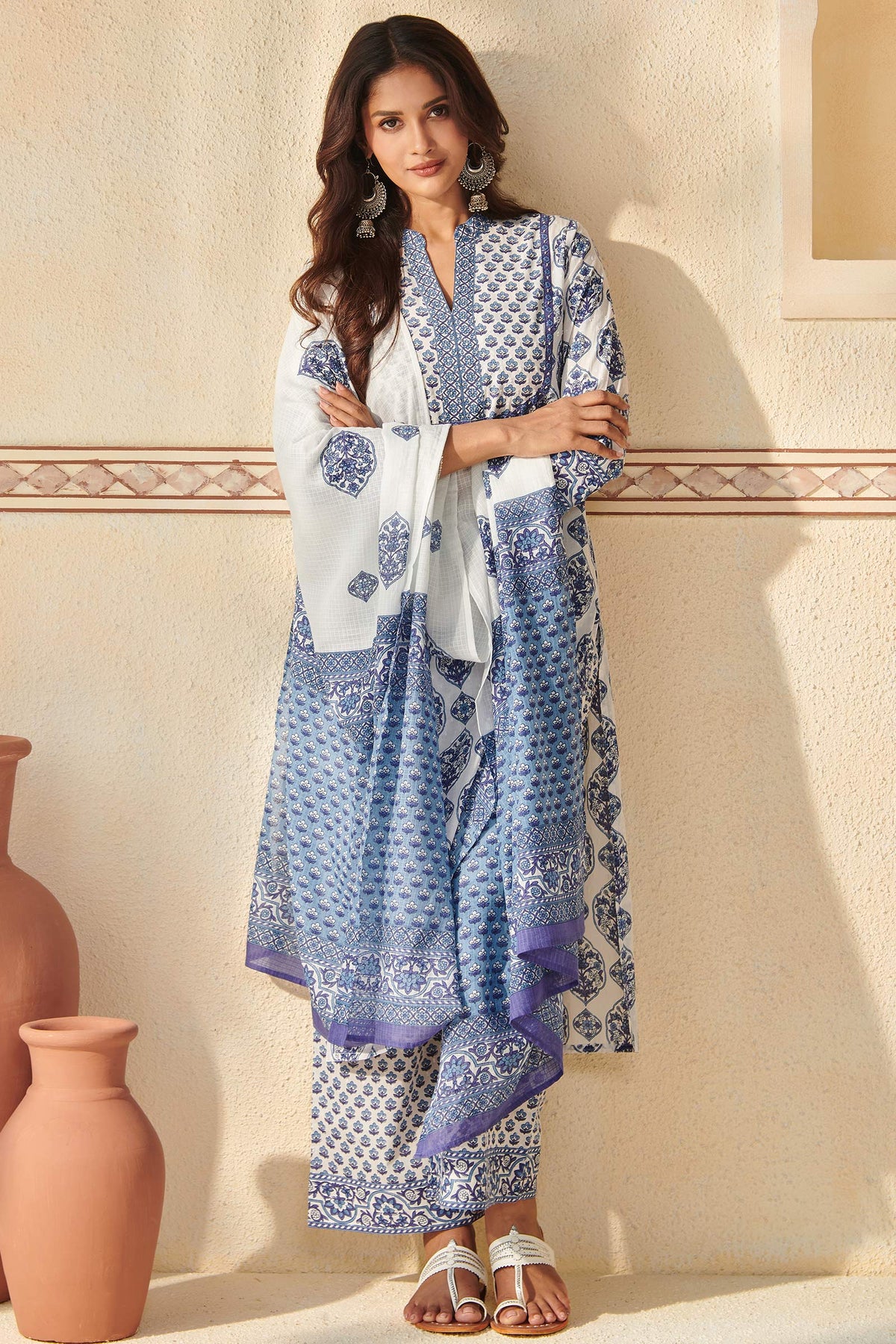
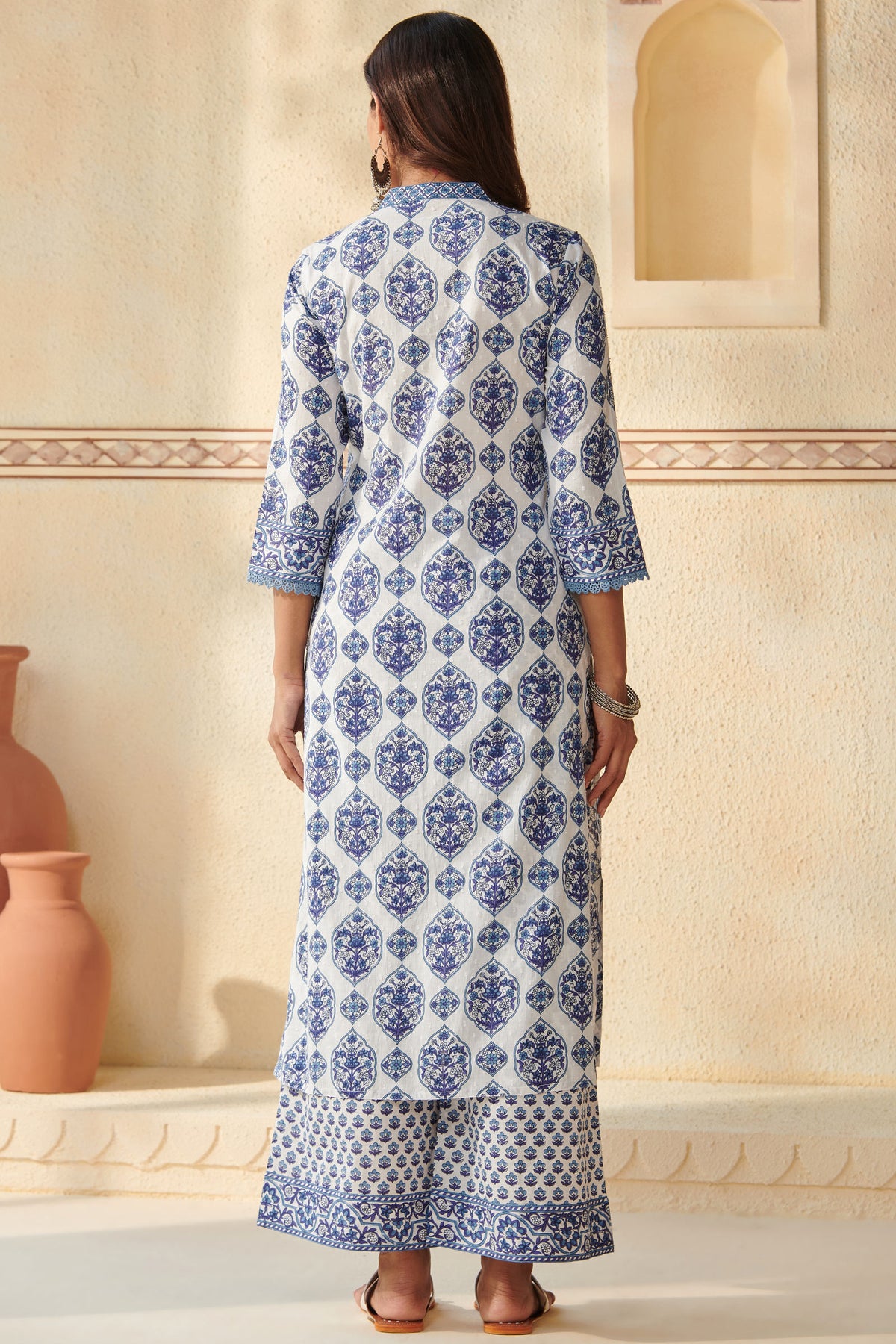
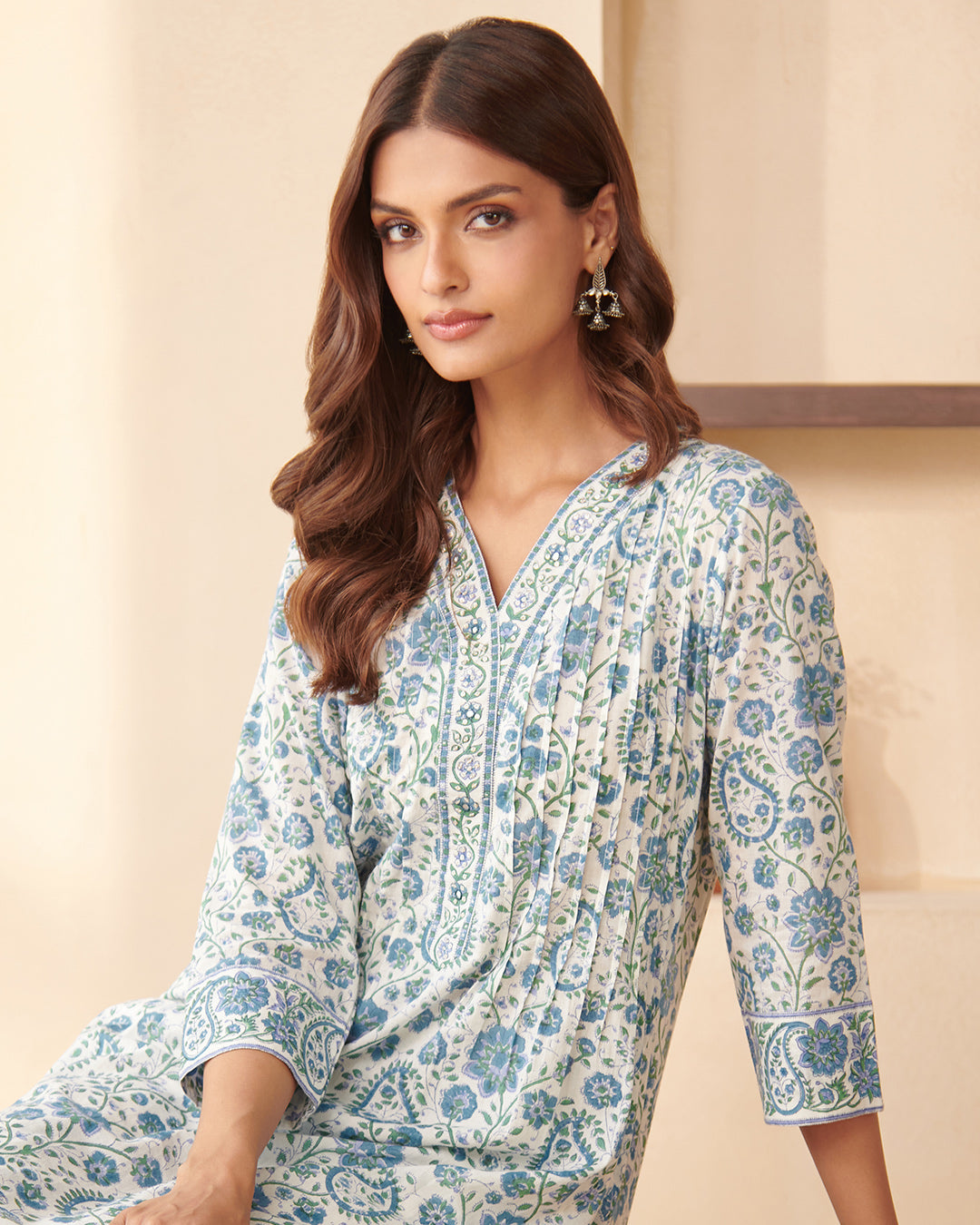
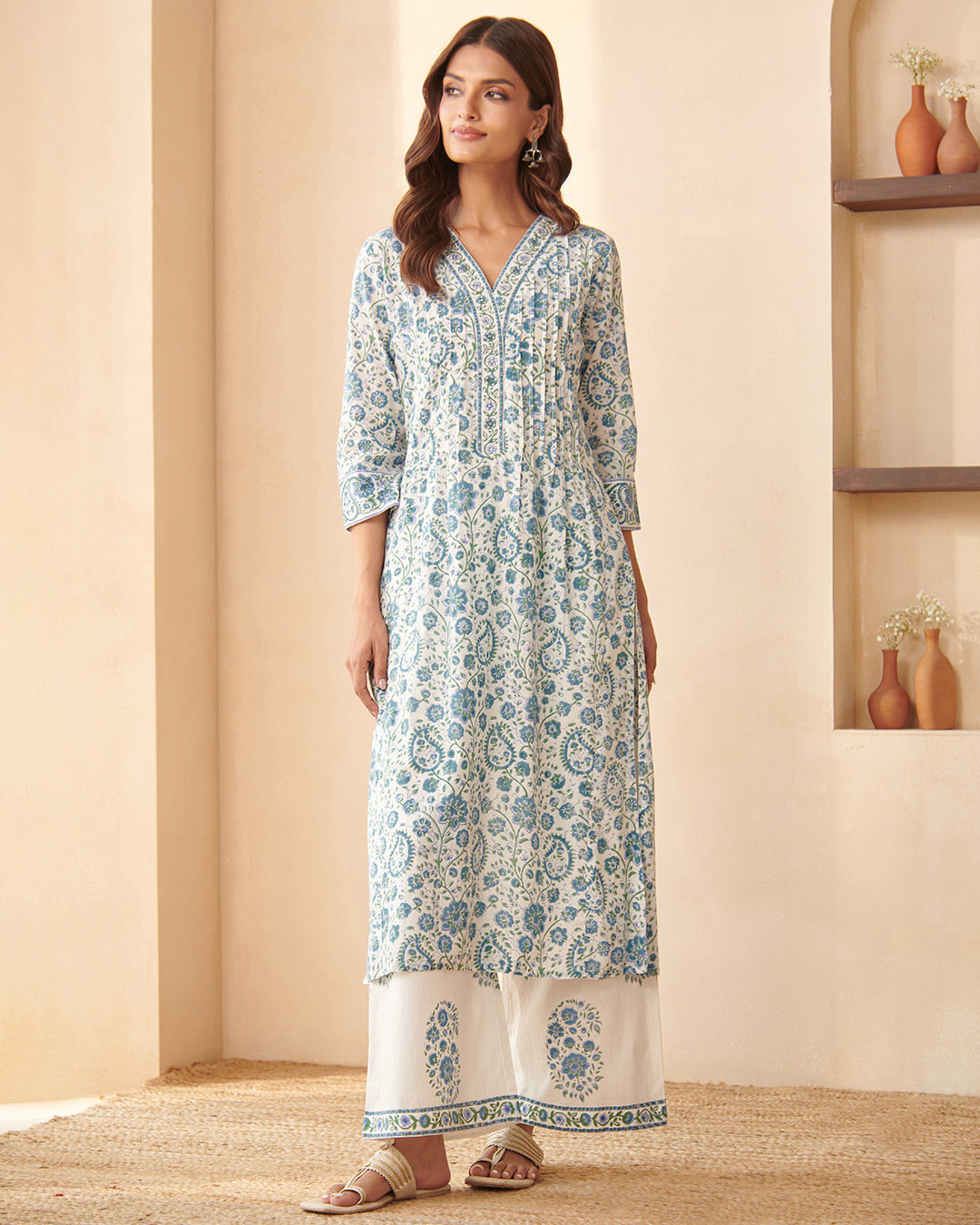
Indigo carries the beauty of Indian textile traditions, especially when paired with hand block printing. Its deep blue tone works beautifully with floral motifs, paisleys, and geometric prints. An indigo kurta feels rooted yet understated, making it suitable for festive lunches and evening gatherings alike.
Blue Kurtas for Versatile Festive & Family Gatherings
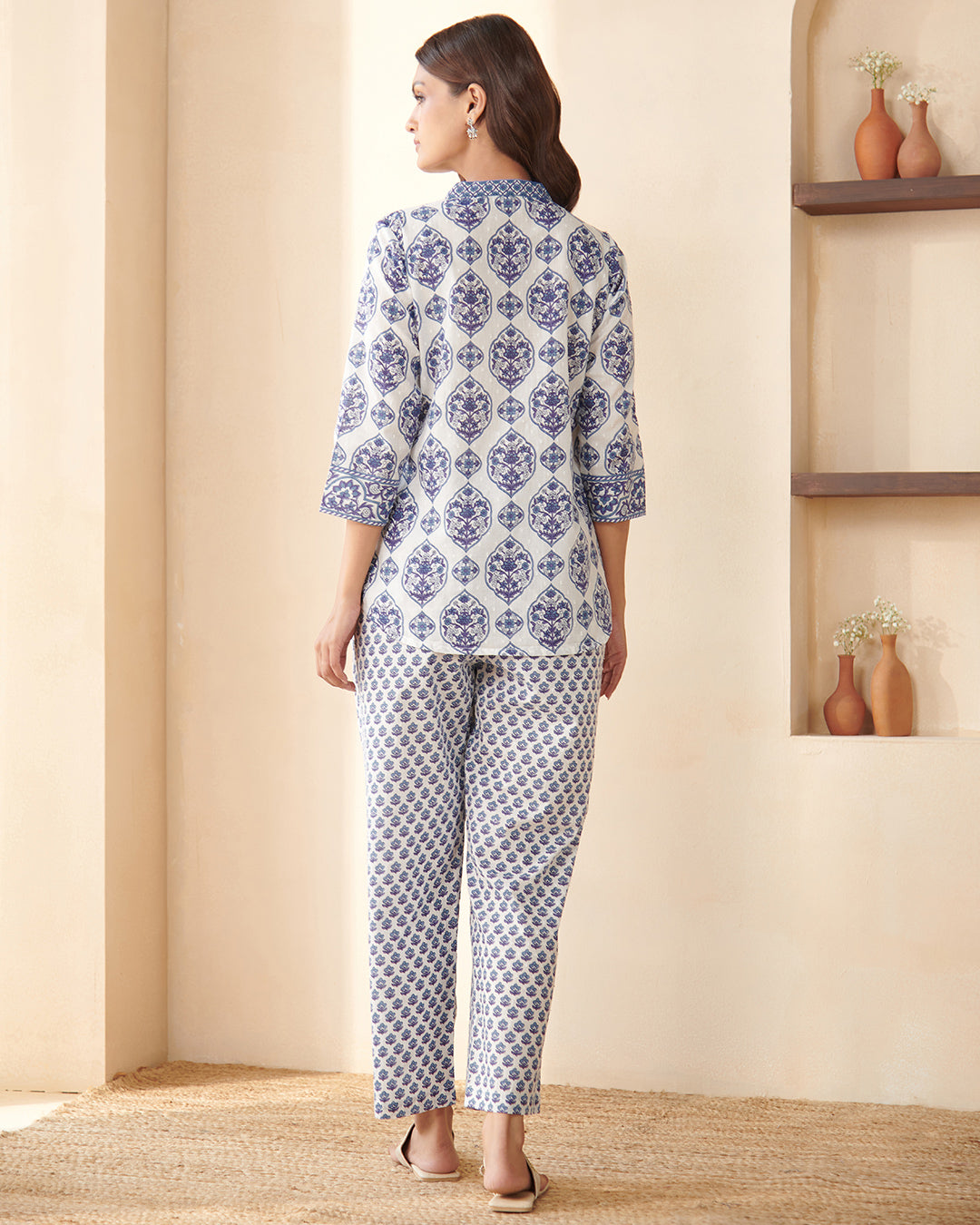
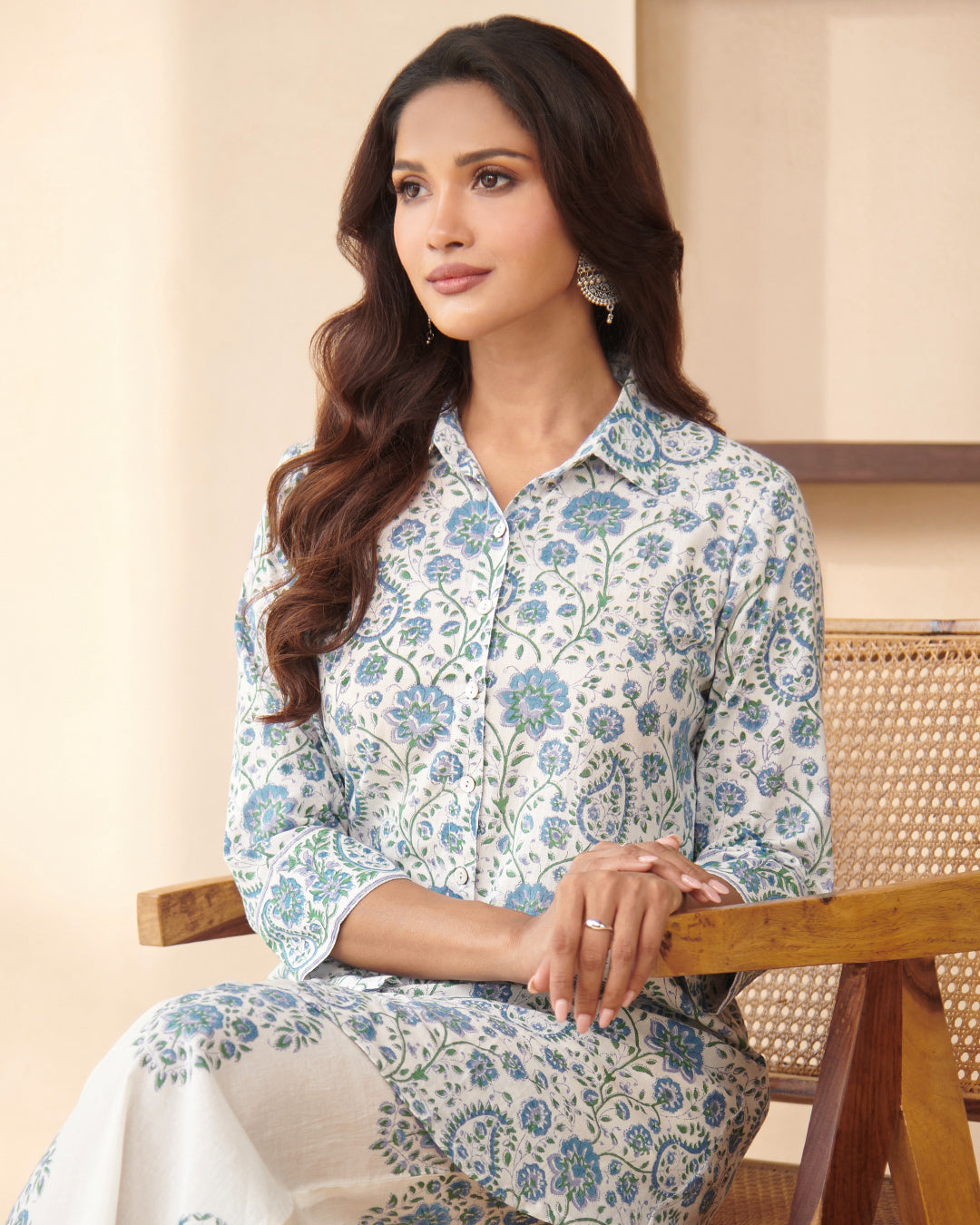
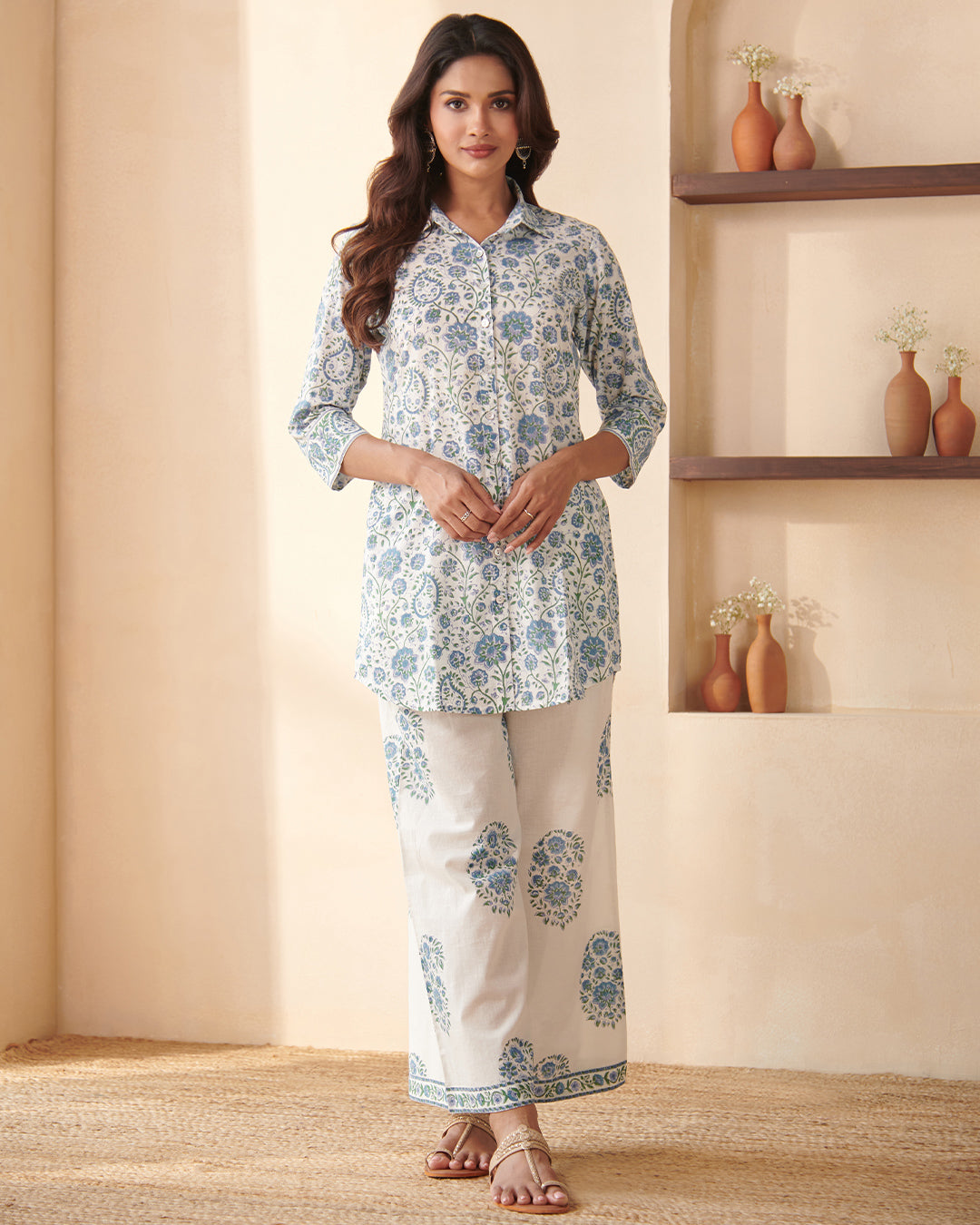
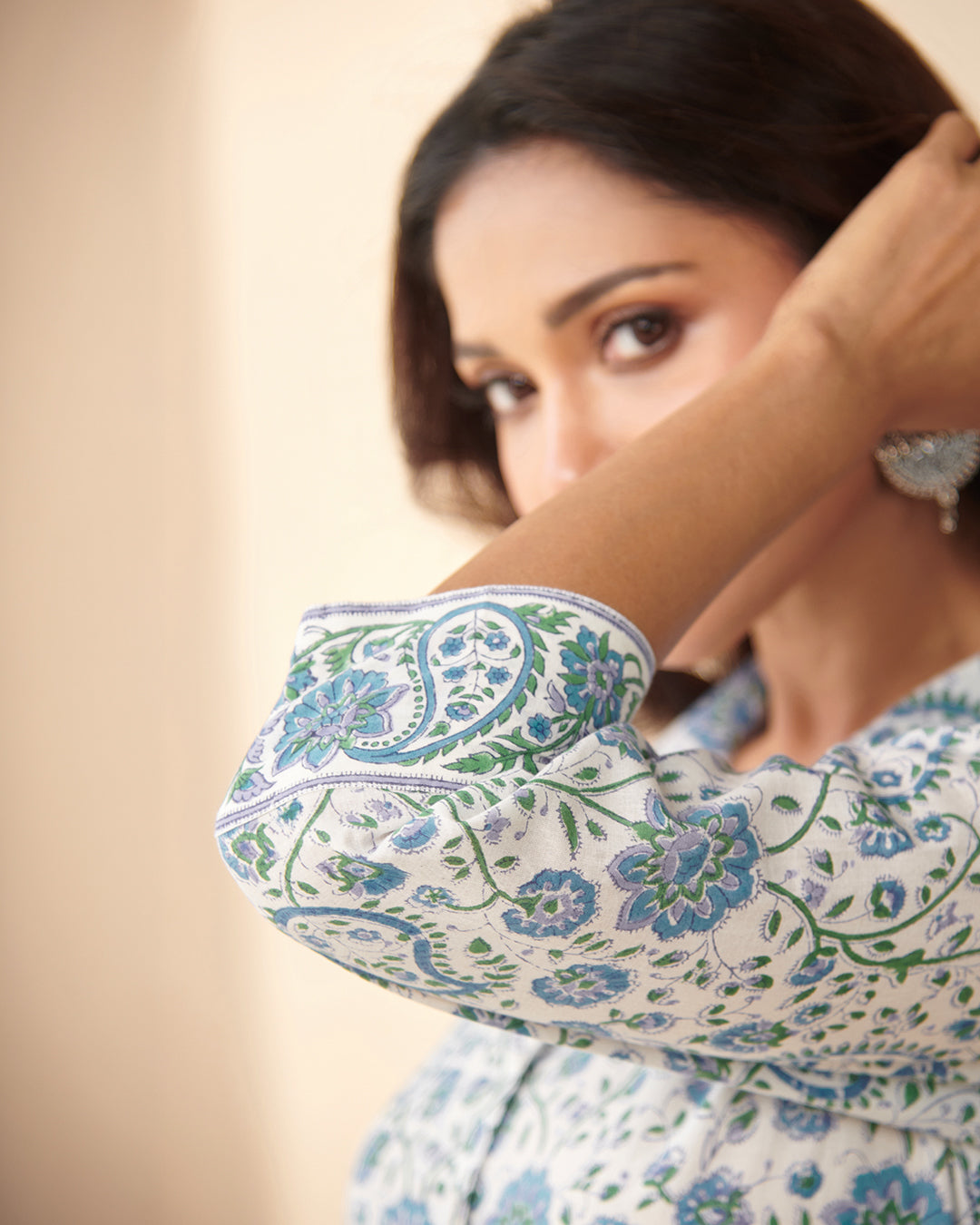
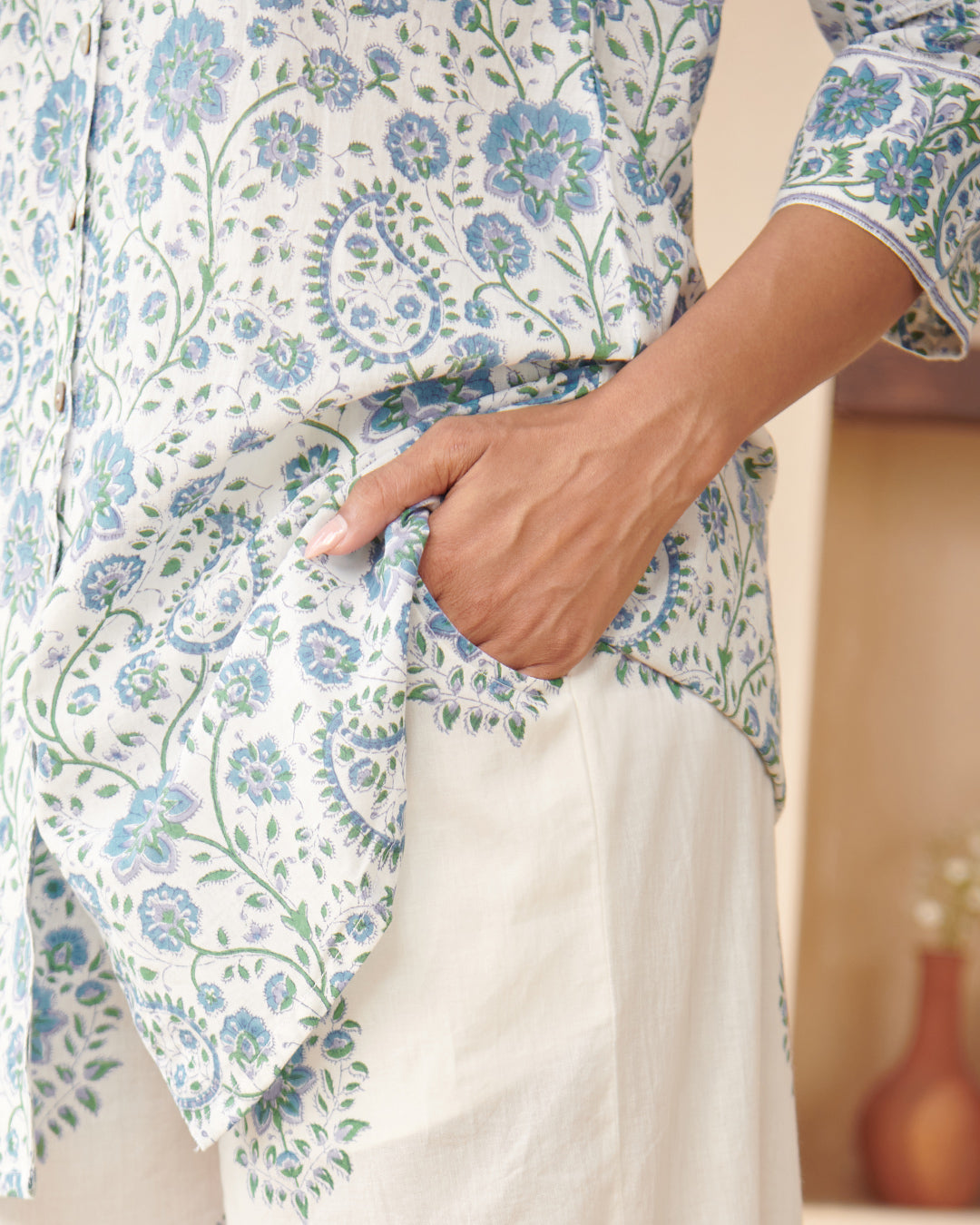
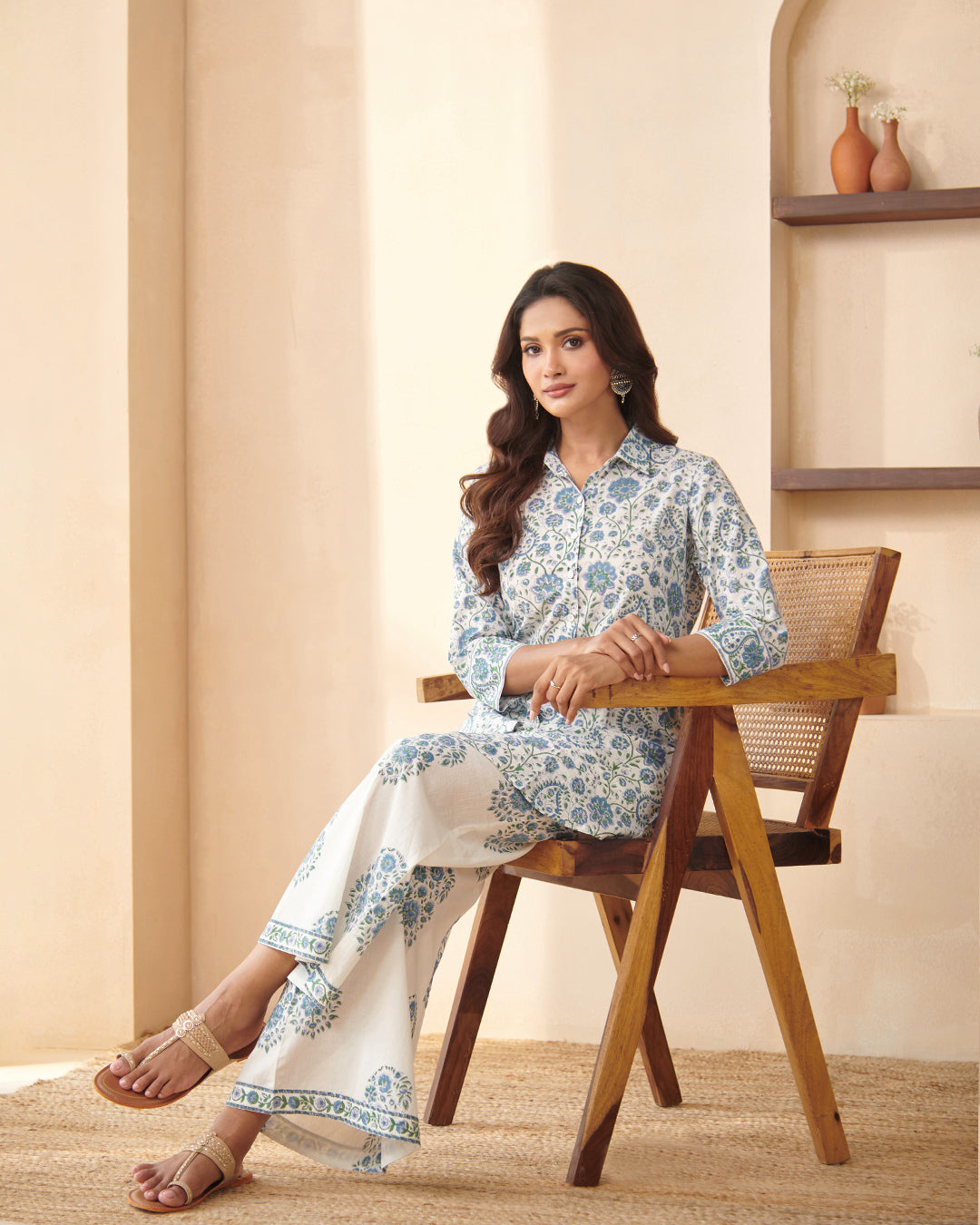
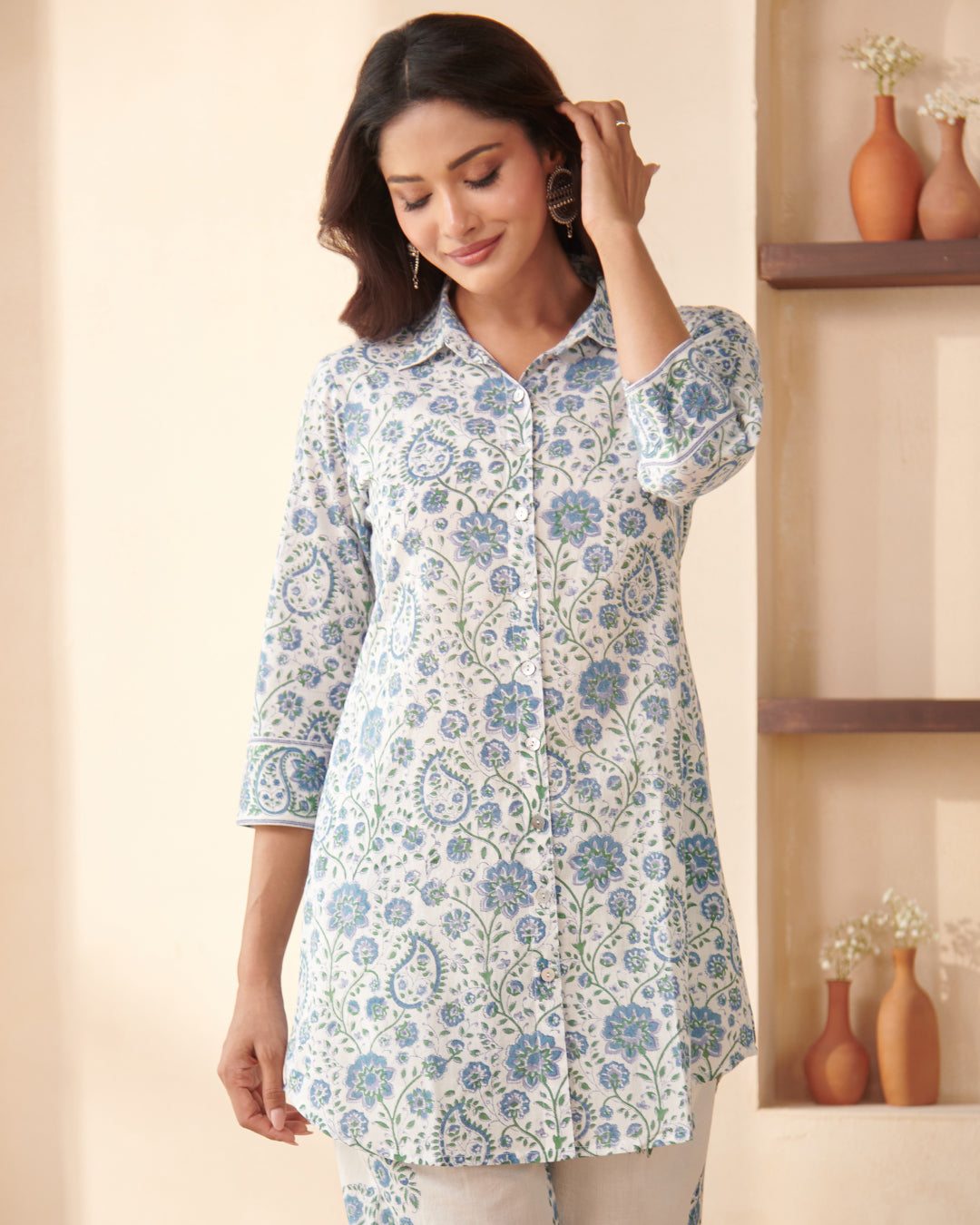
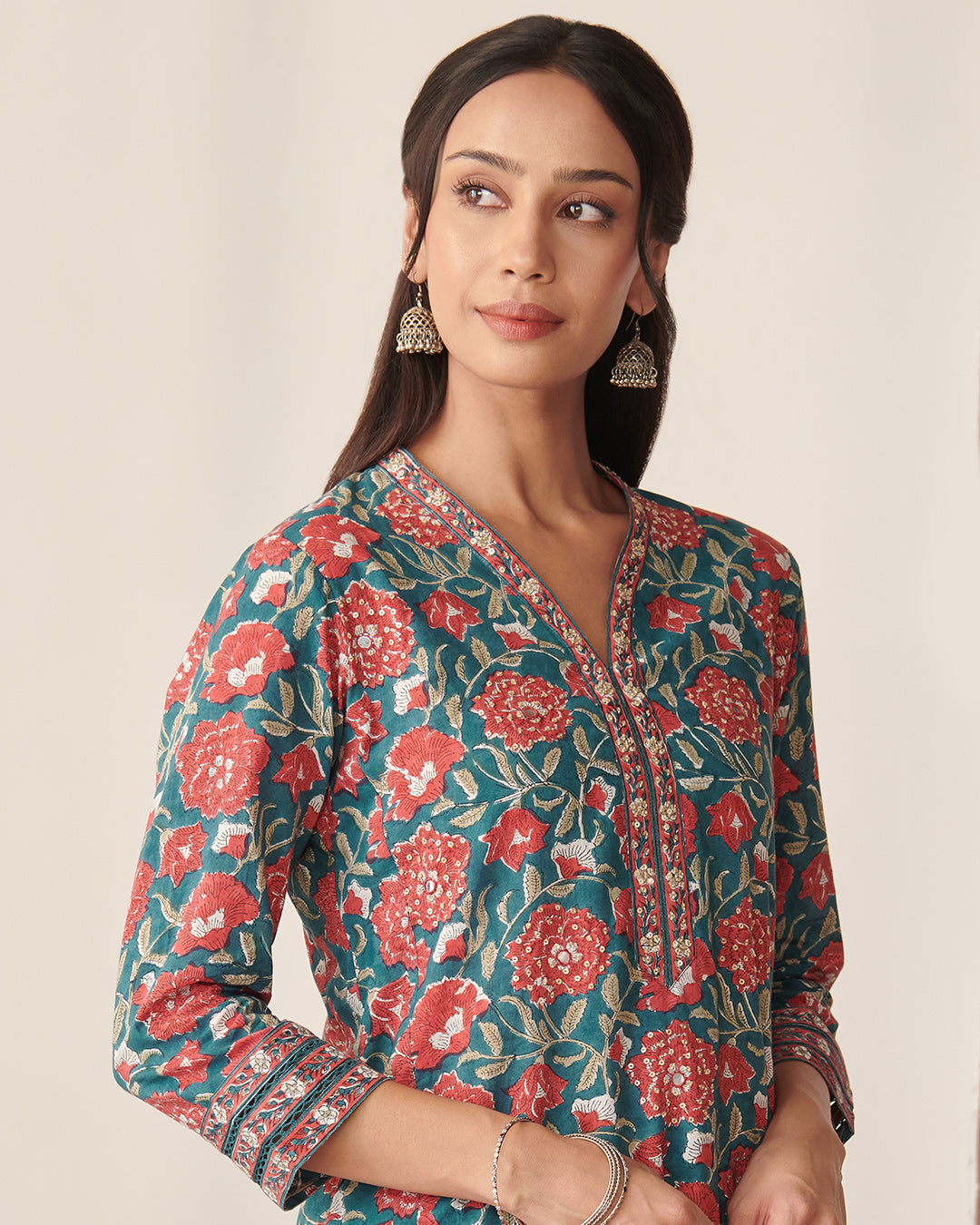
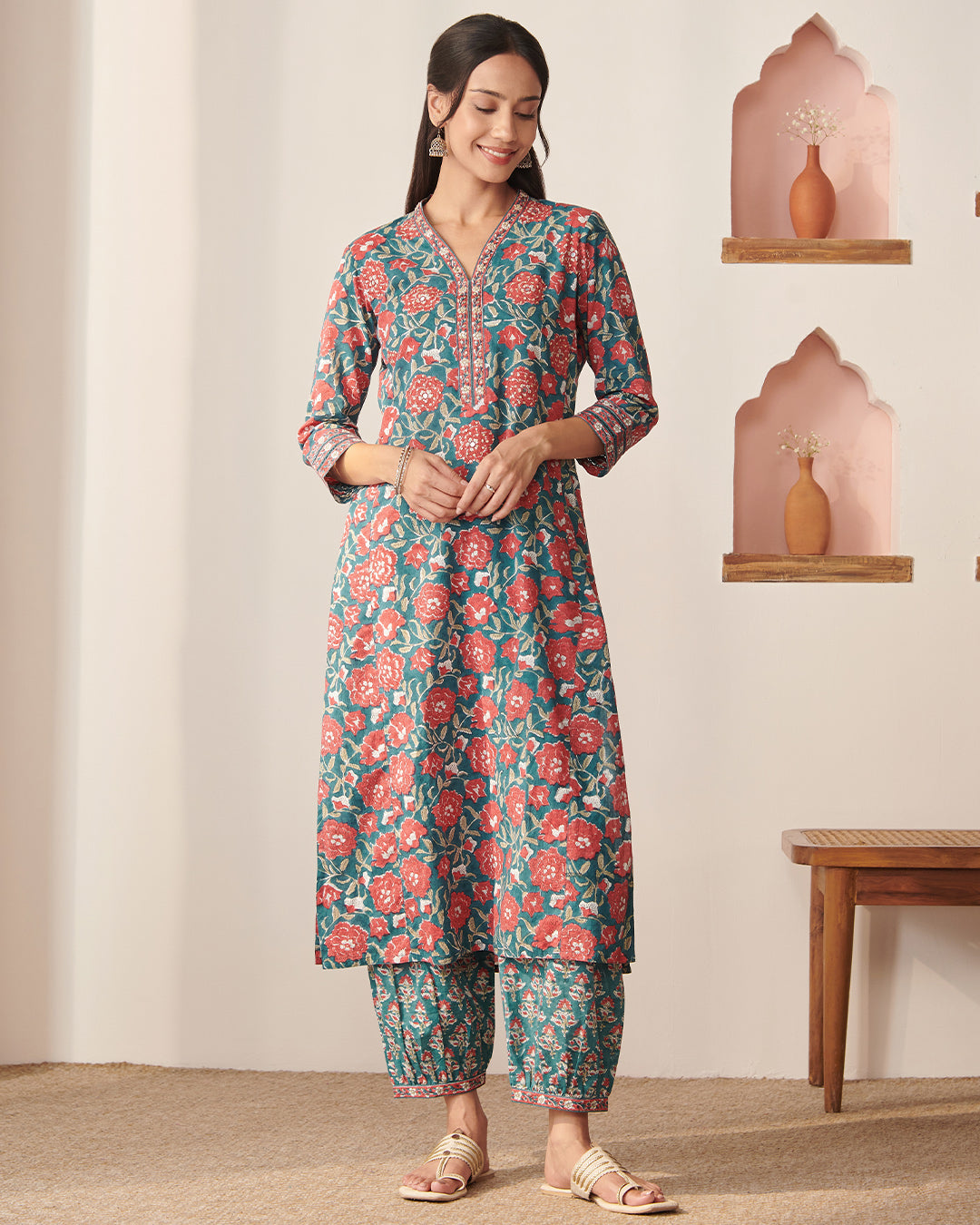
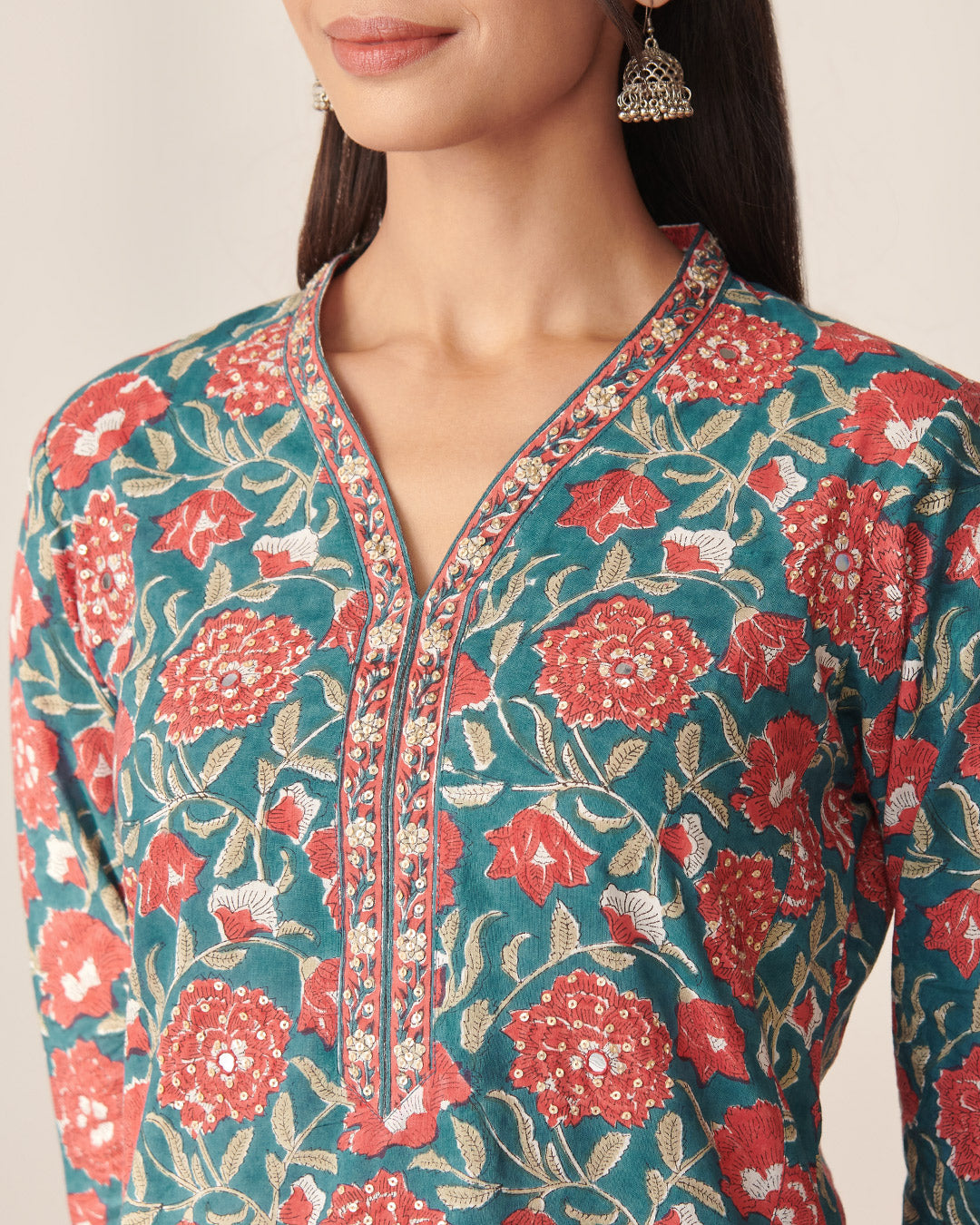
Blue is one of the easiest festive colours to return to. From powder blue and teal to navy and deeper royal tones, it offers plenty of room for personal style. A blue kurta set can be paired with ivory bottoms for daytime celebrations or deeper tones for an evening gathering.
Brown Kurtas for Earthy, Understated Festive Looks
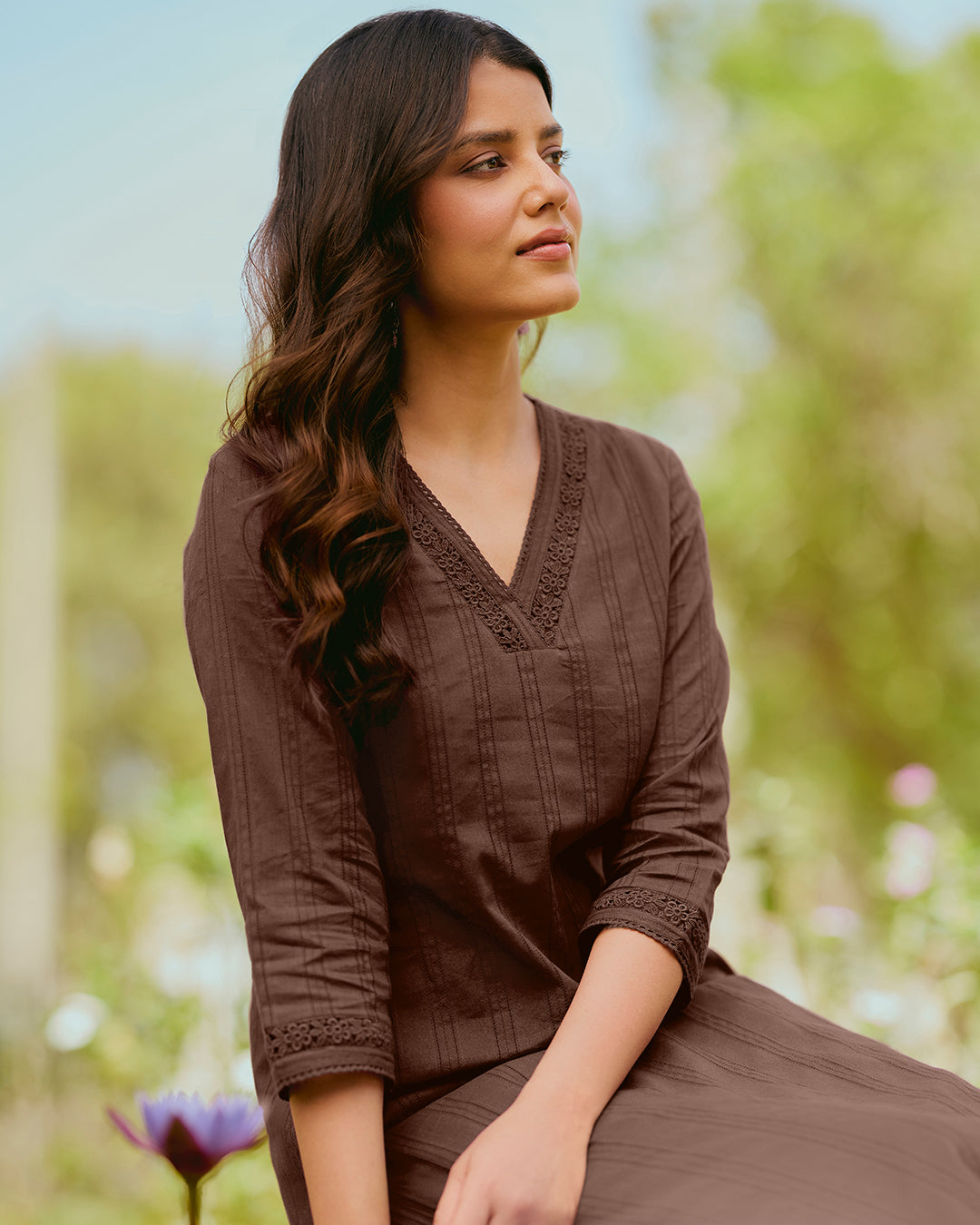
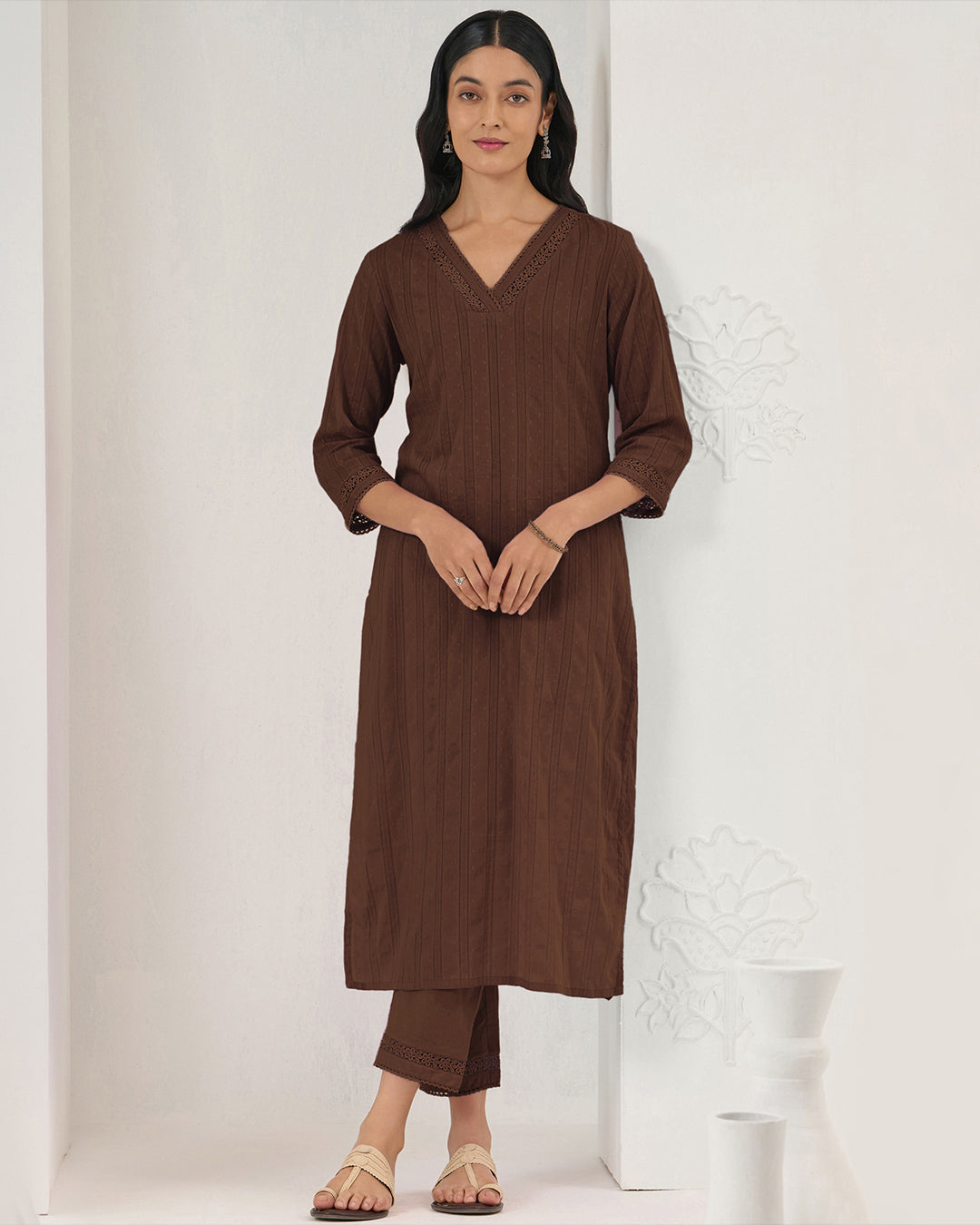
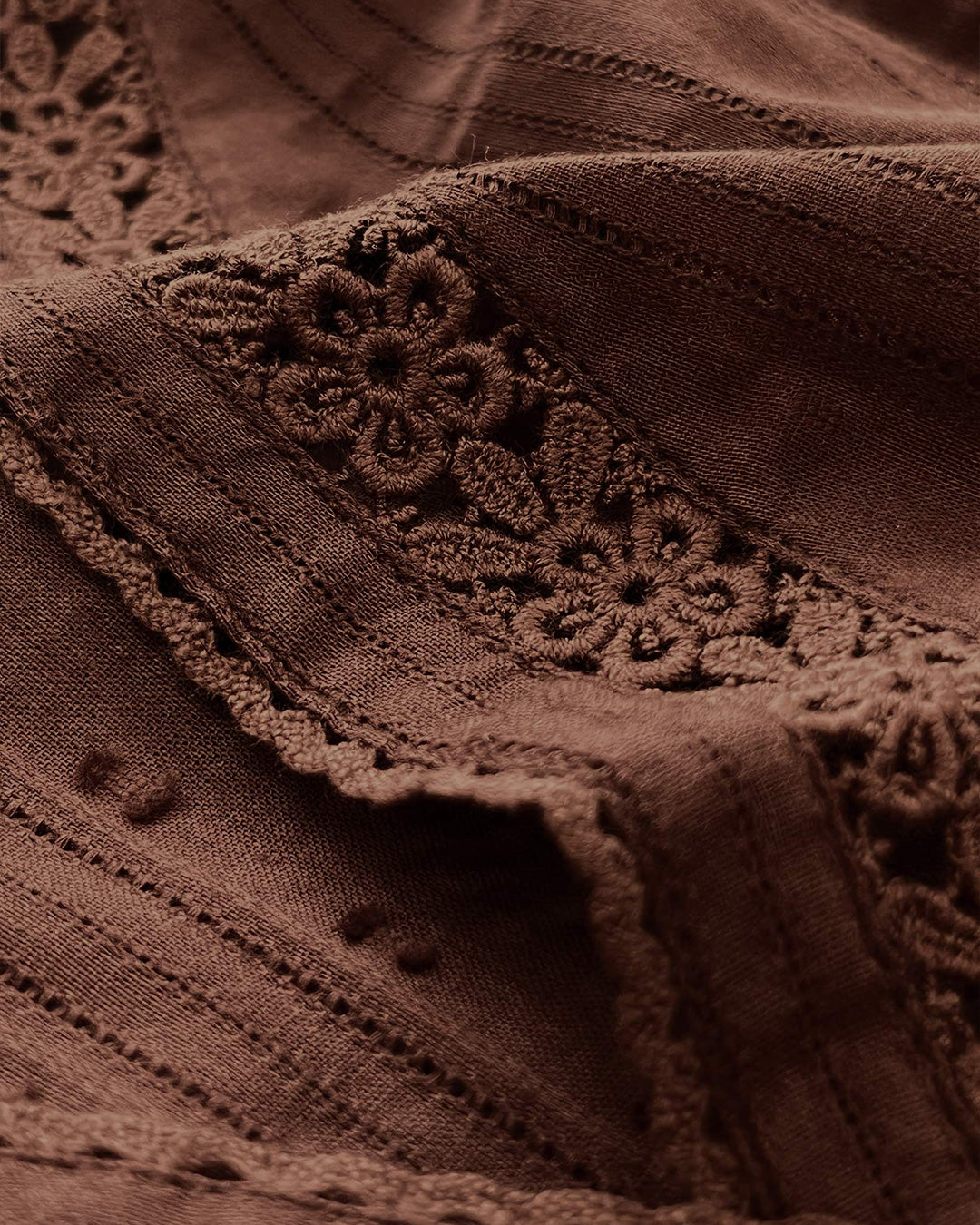
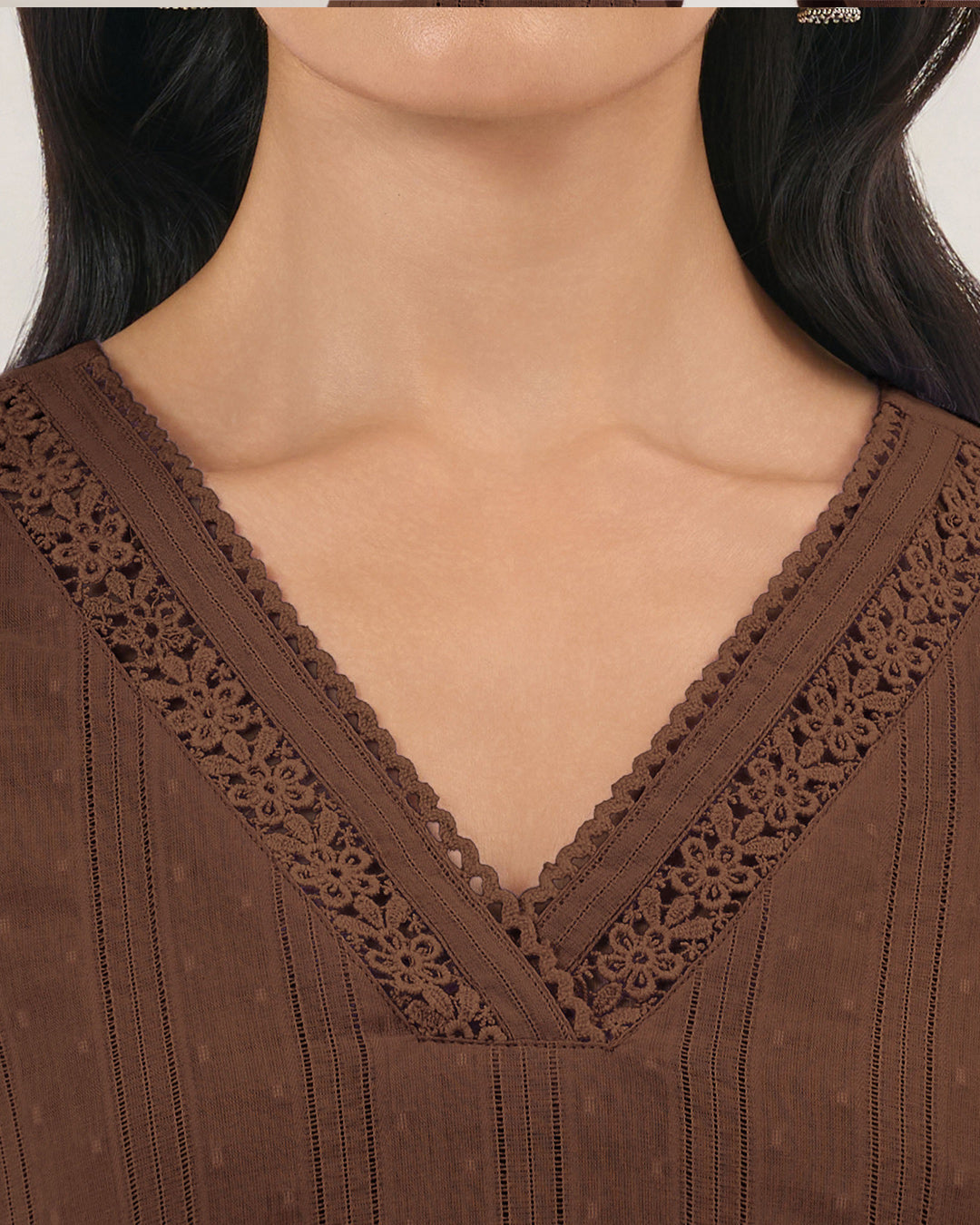
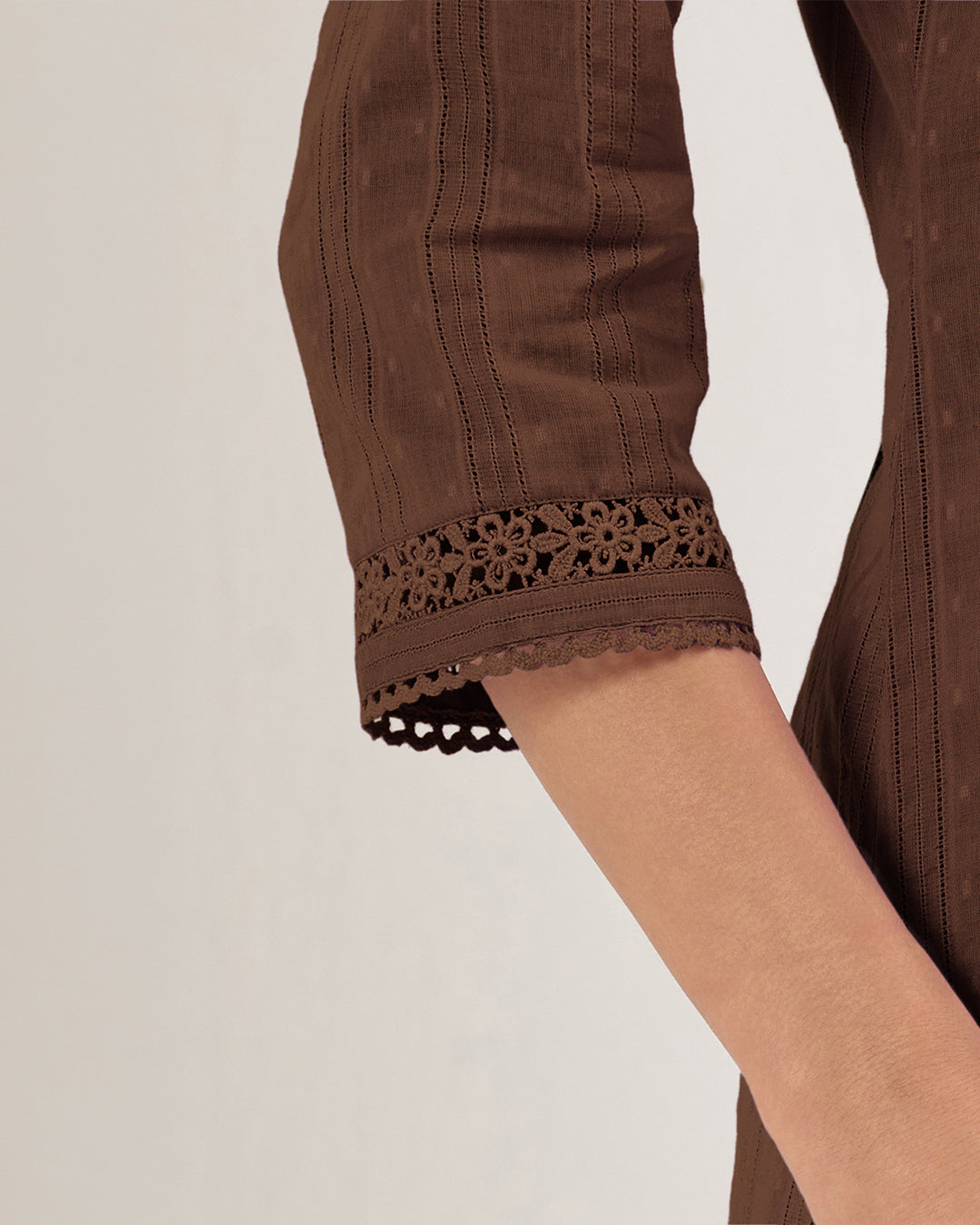
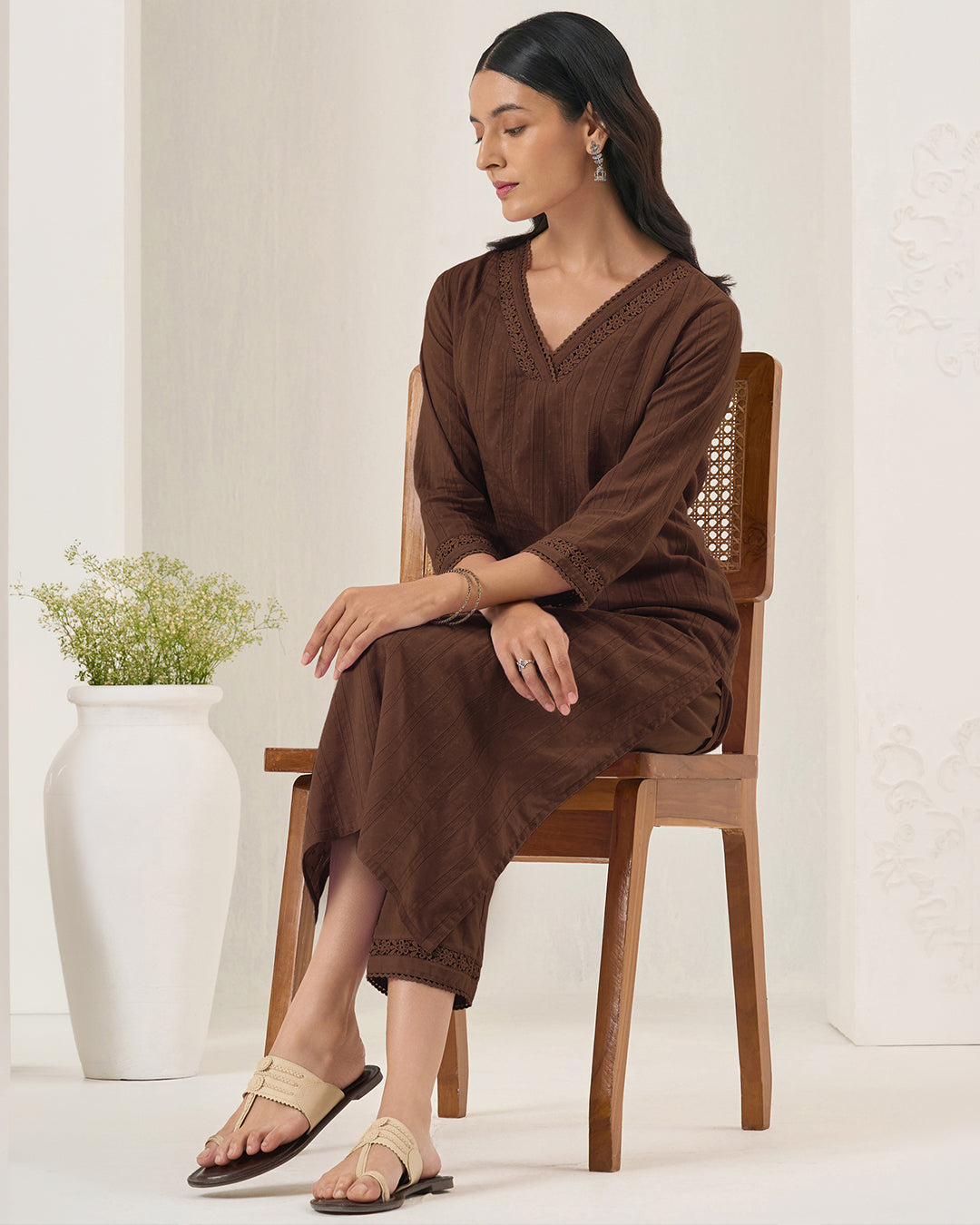
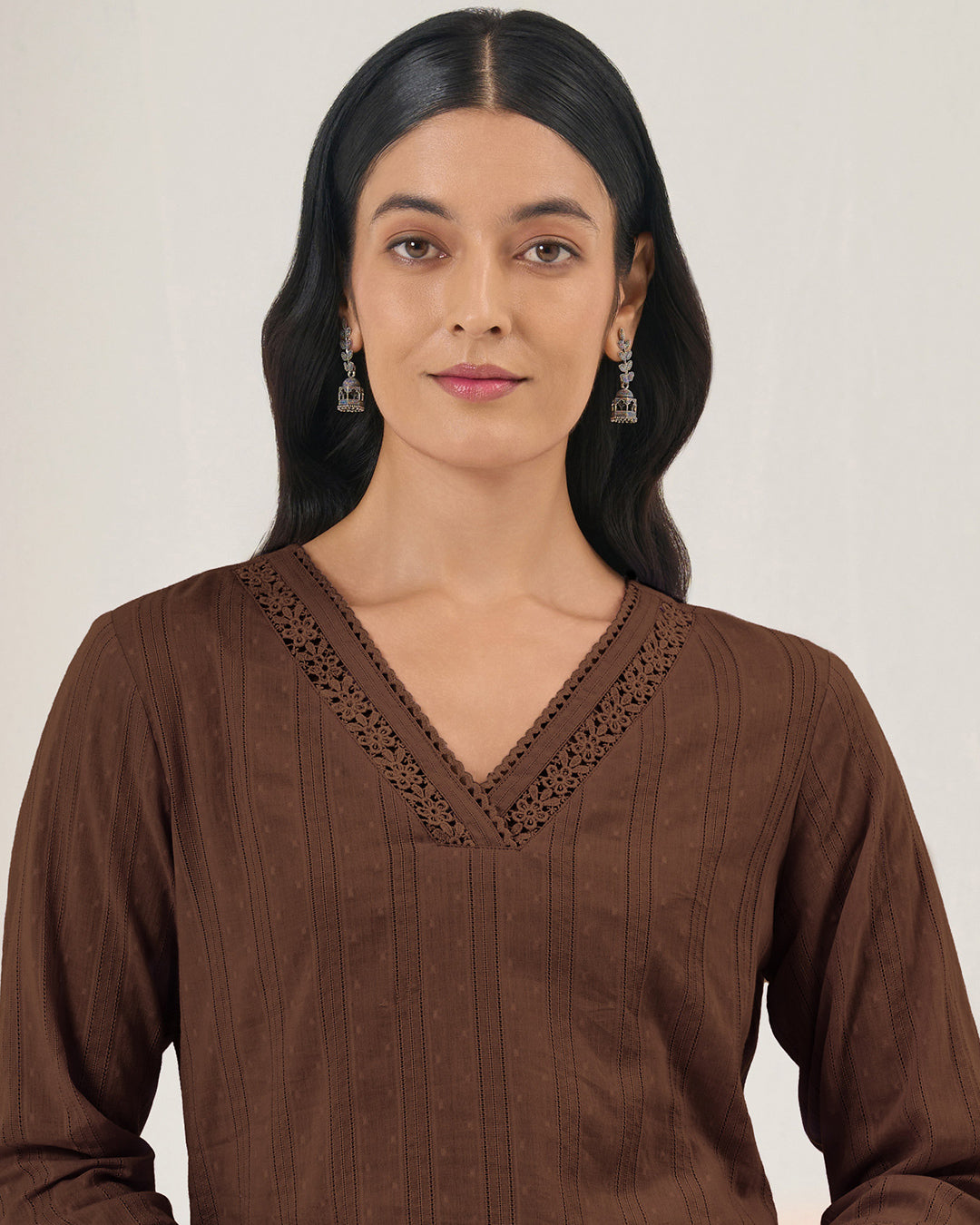
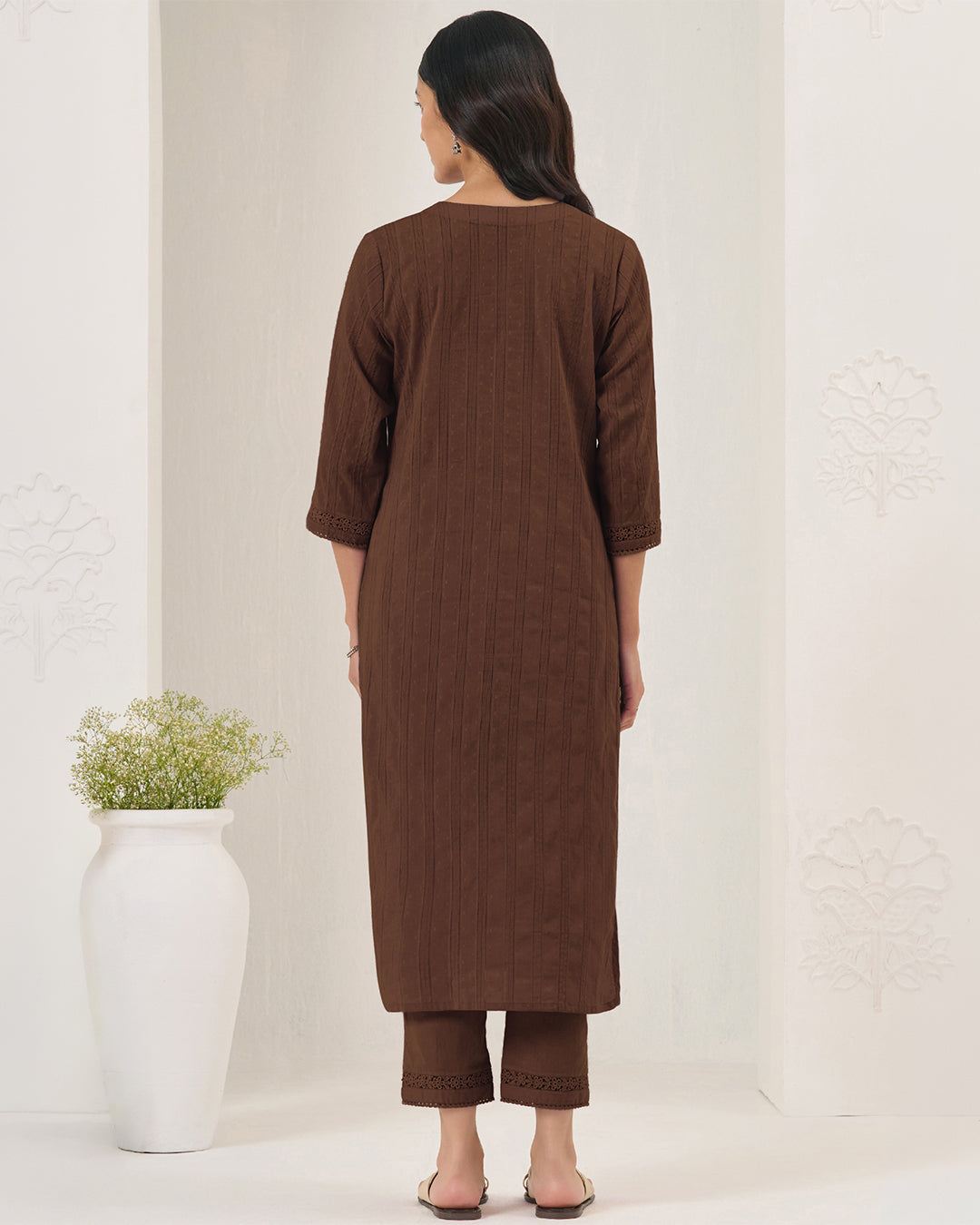
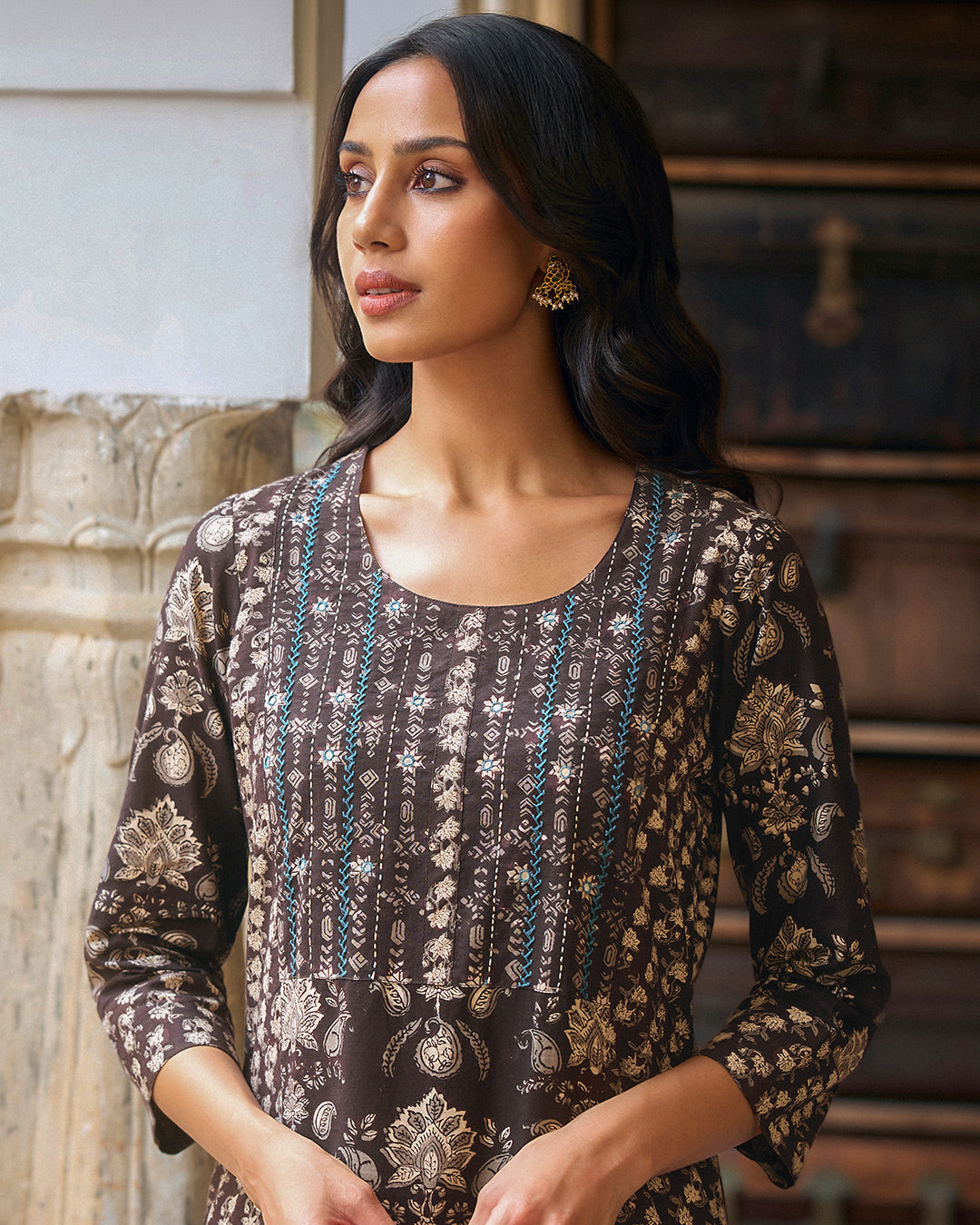
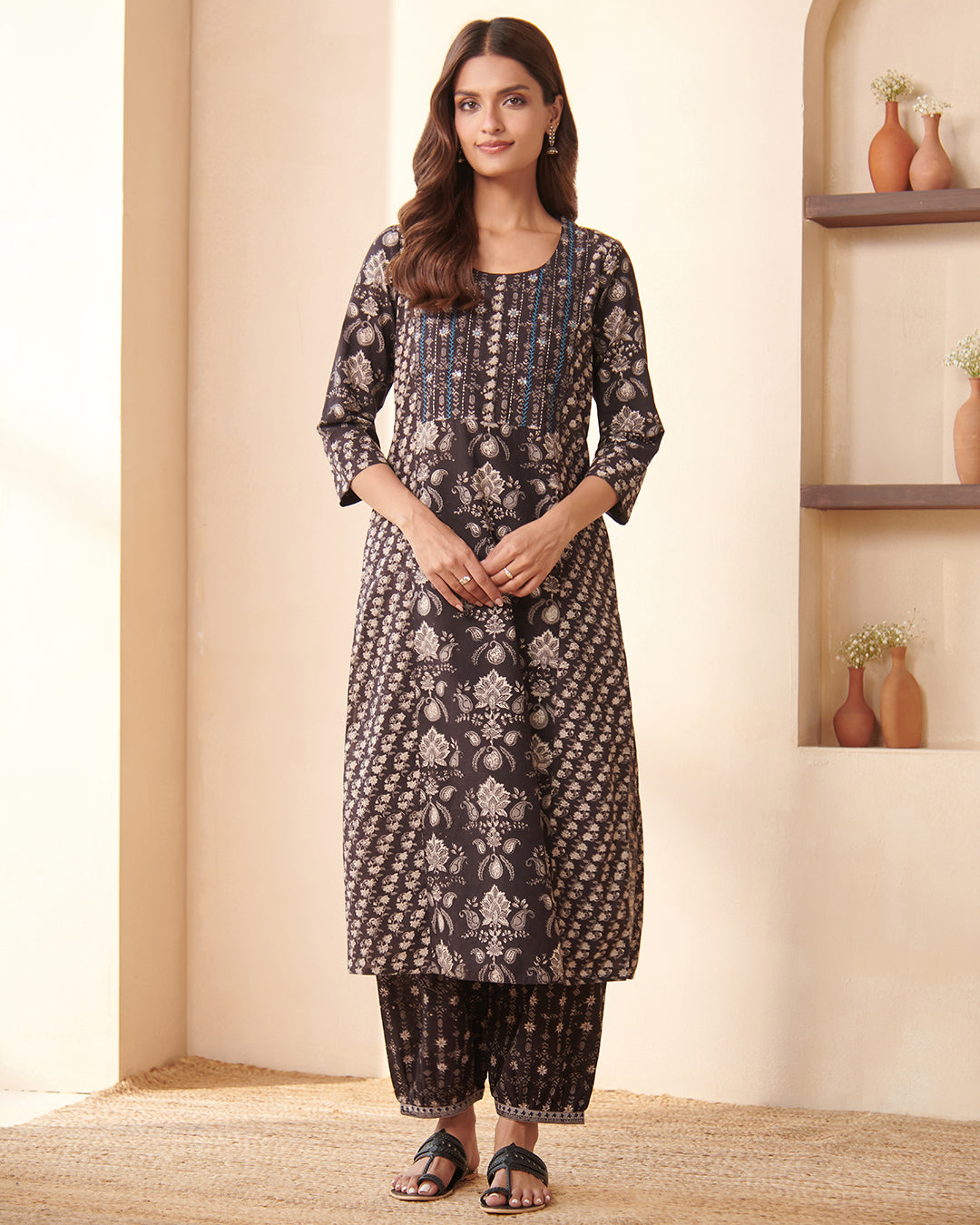
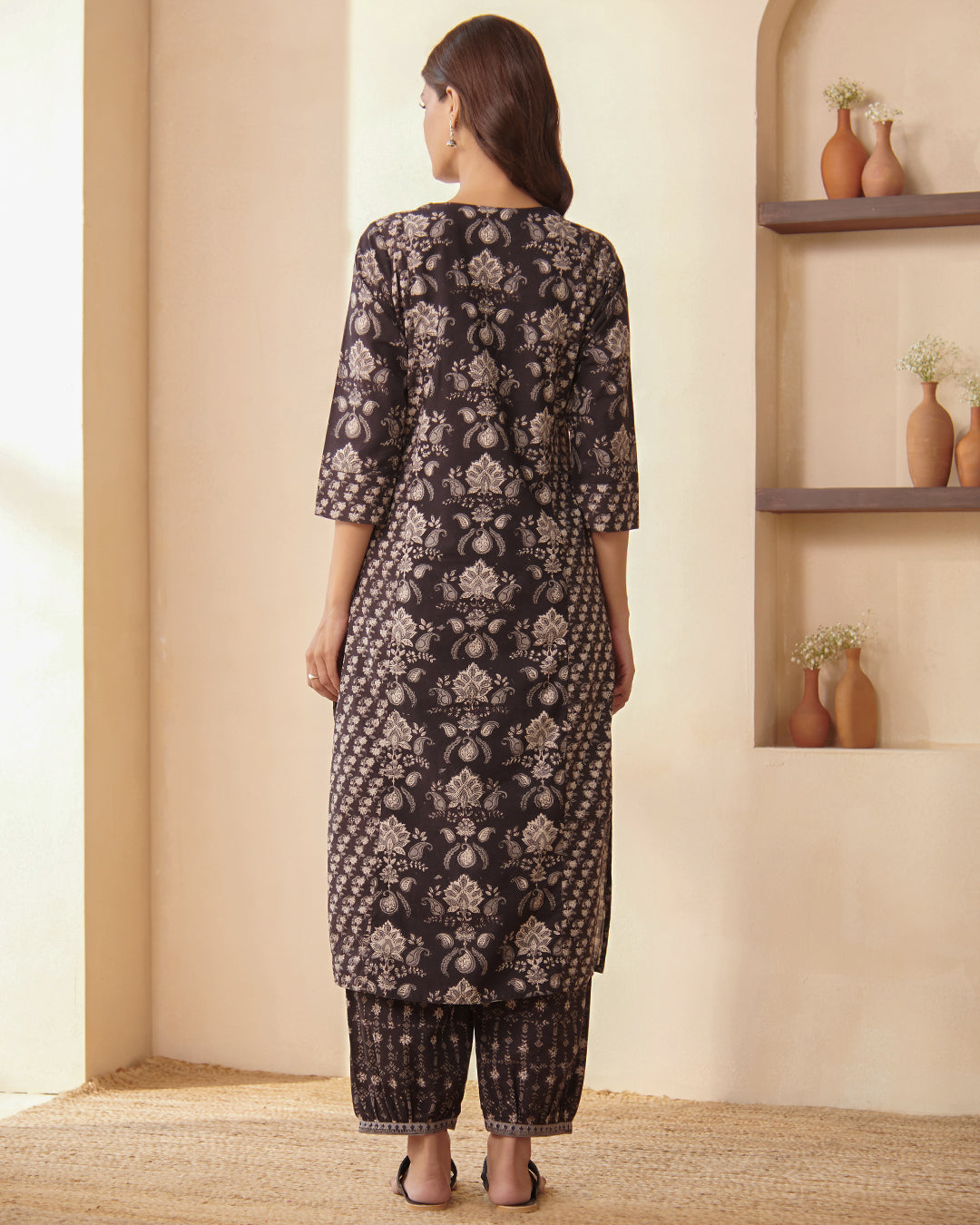
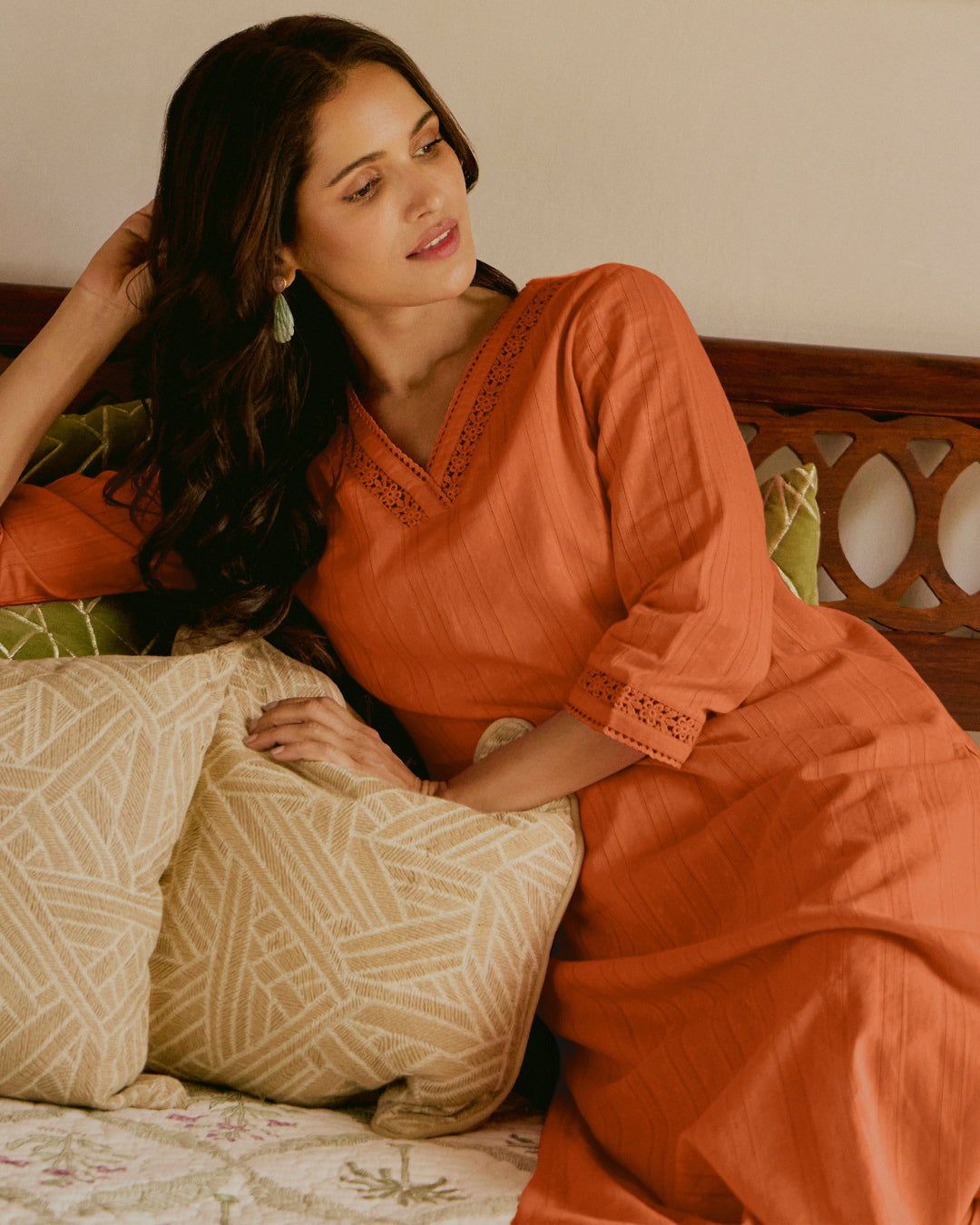
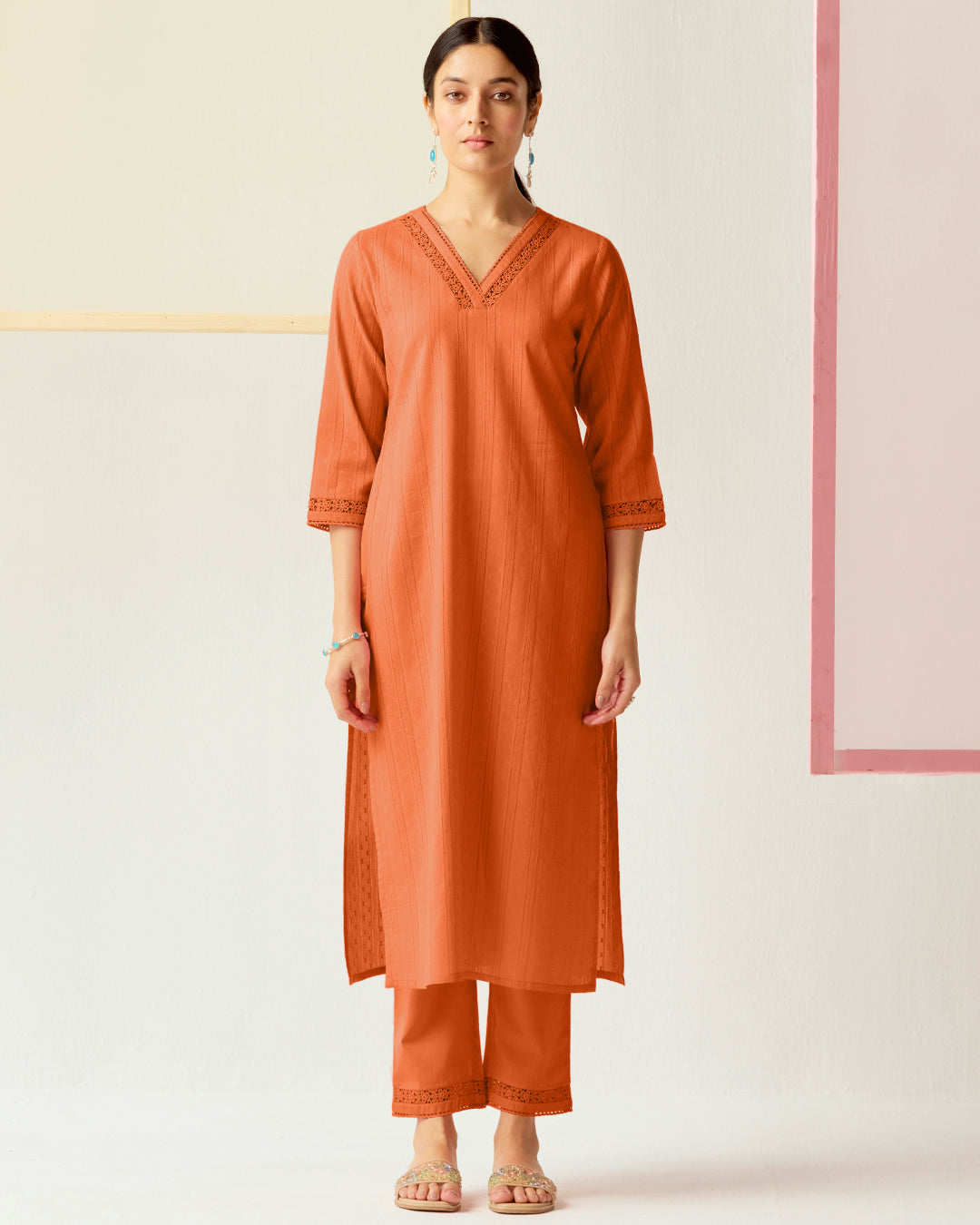
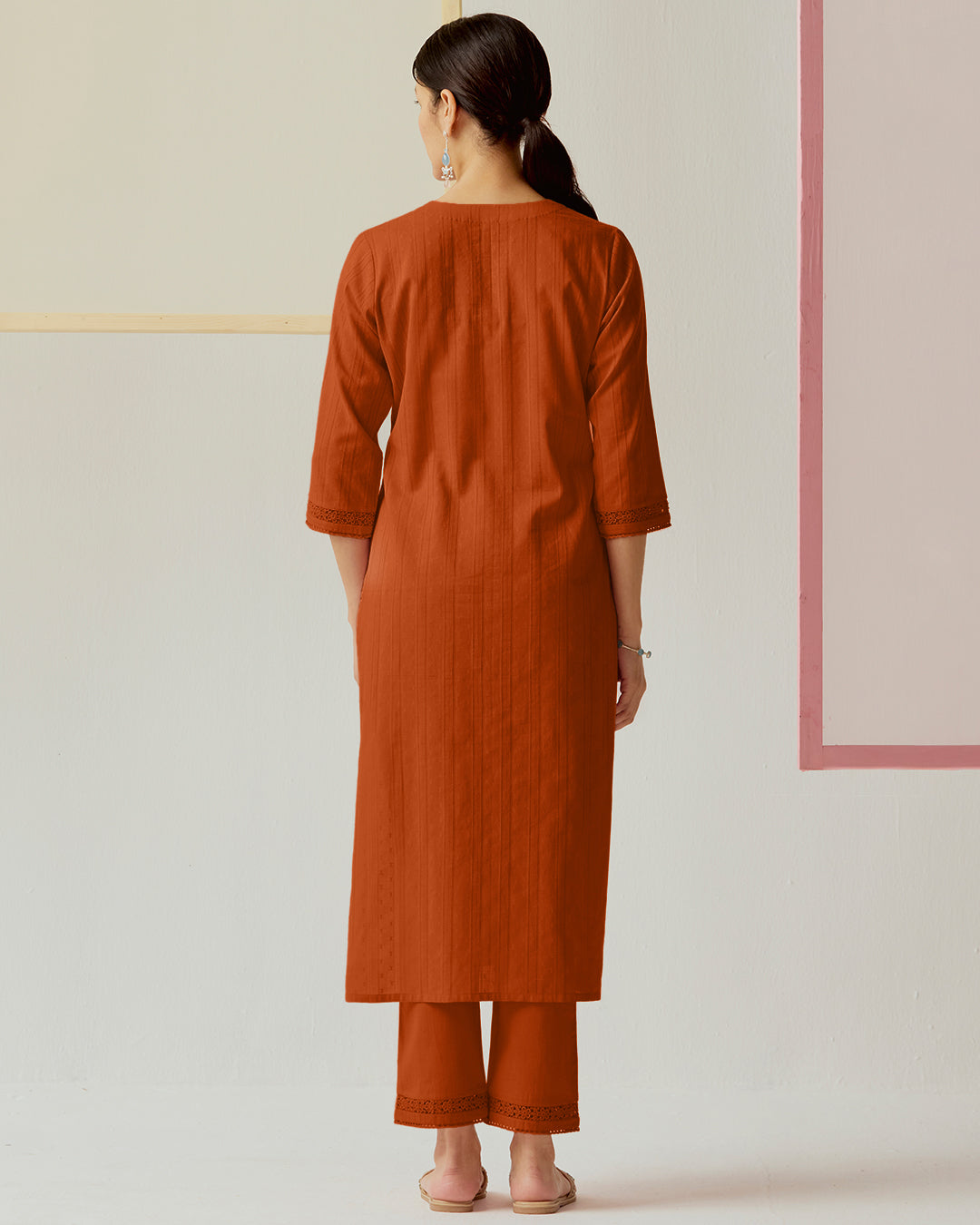
Brown kurta set brings a quieter warmth to festive dressing. Terracotta, chocolate, cinnamon, and earthy brown shades work especially well with handcrafted prints and natural fabrics. They are a thoughtful choice when the occasion calls for something festive but restrained.
Black Kurtas for Modern Evening Celebrations
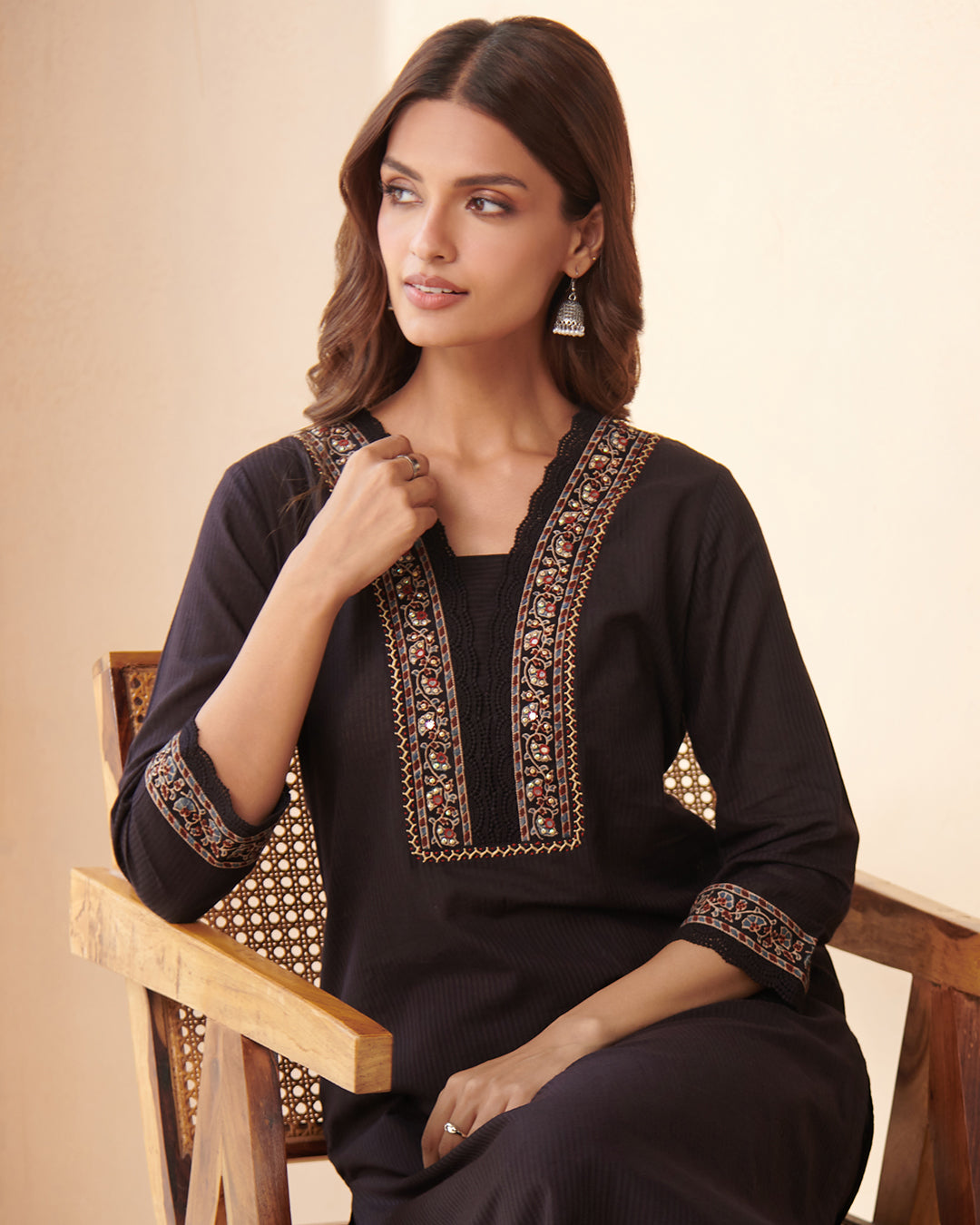
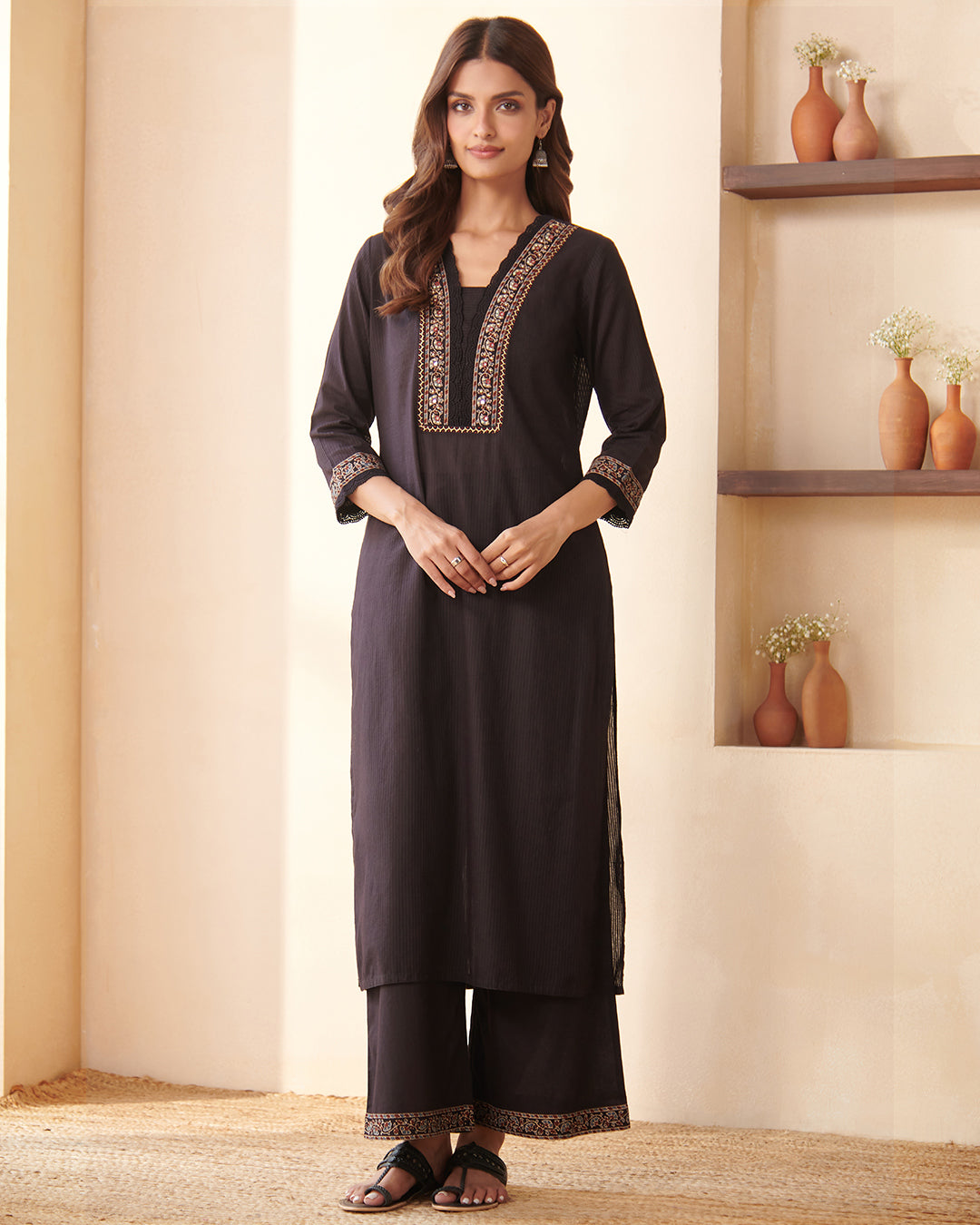
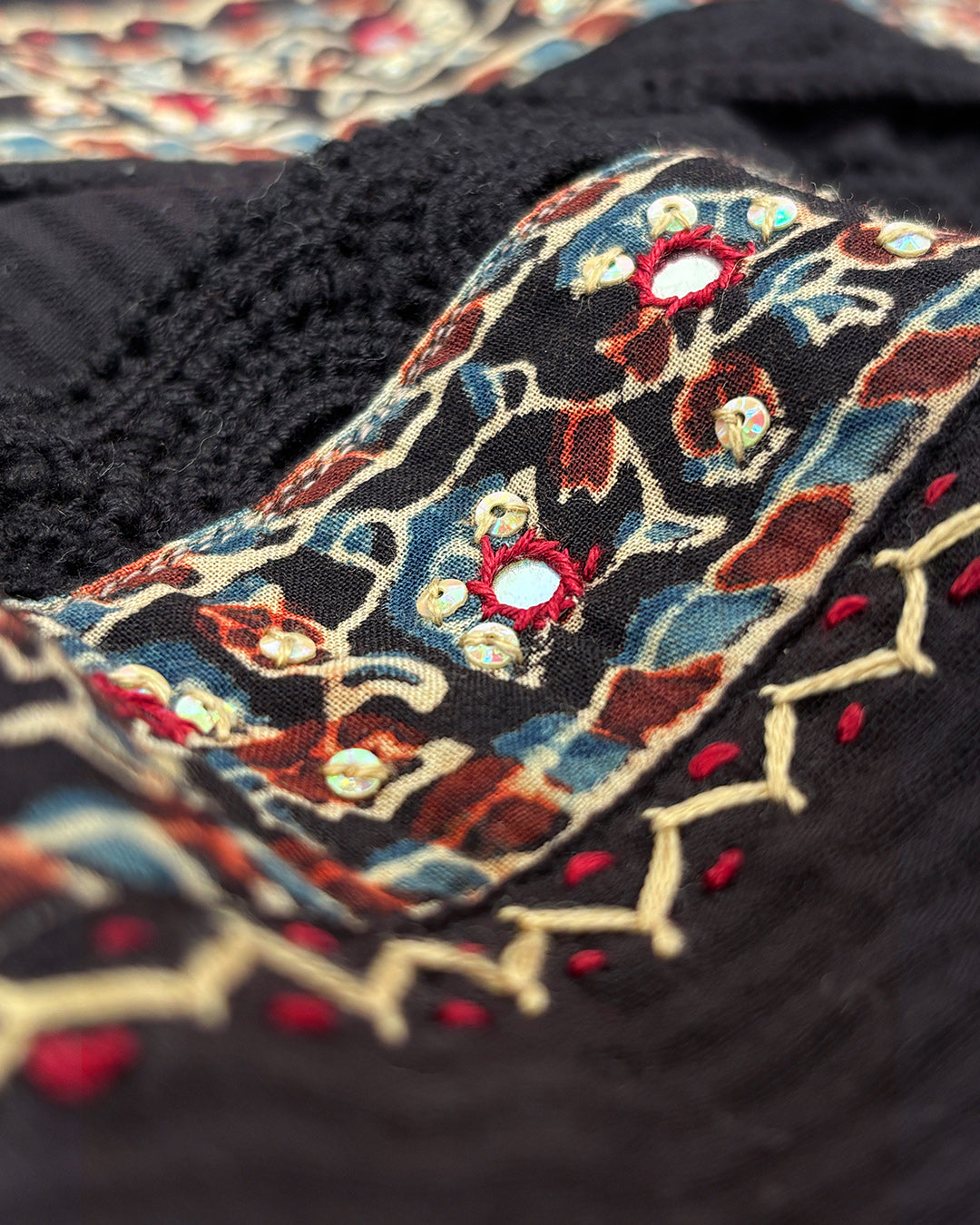
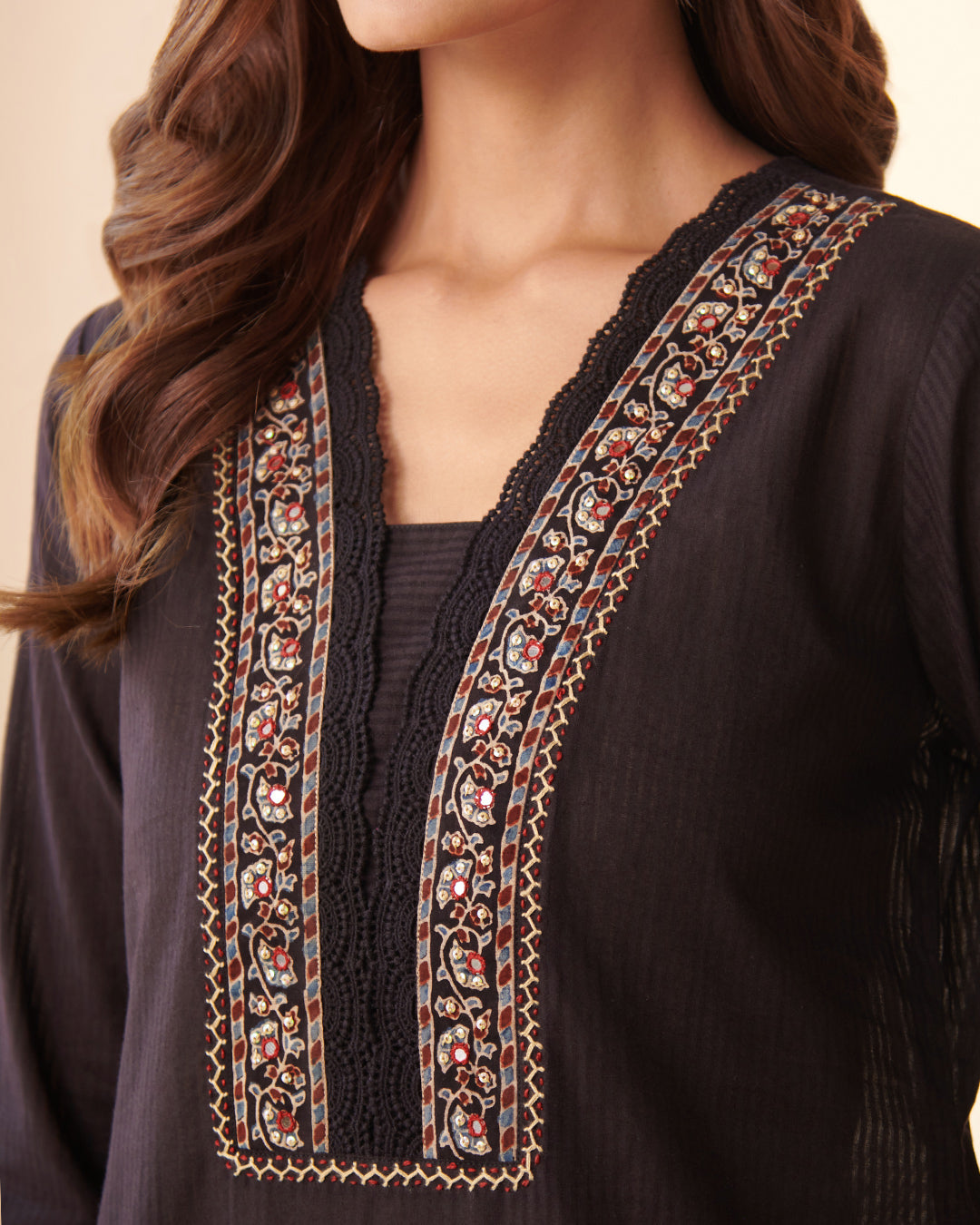
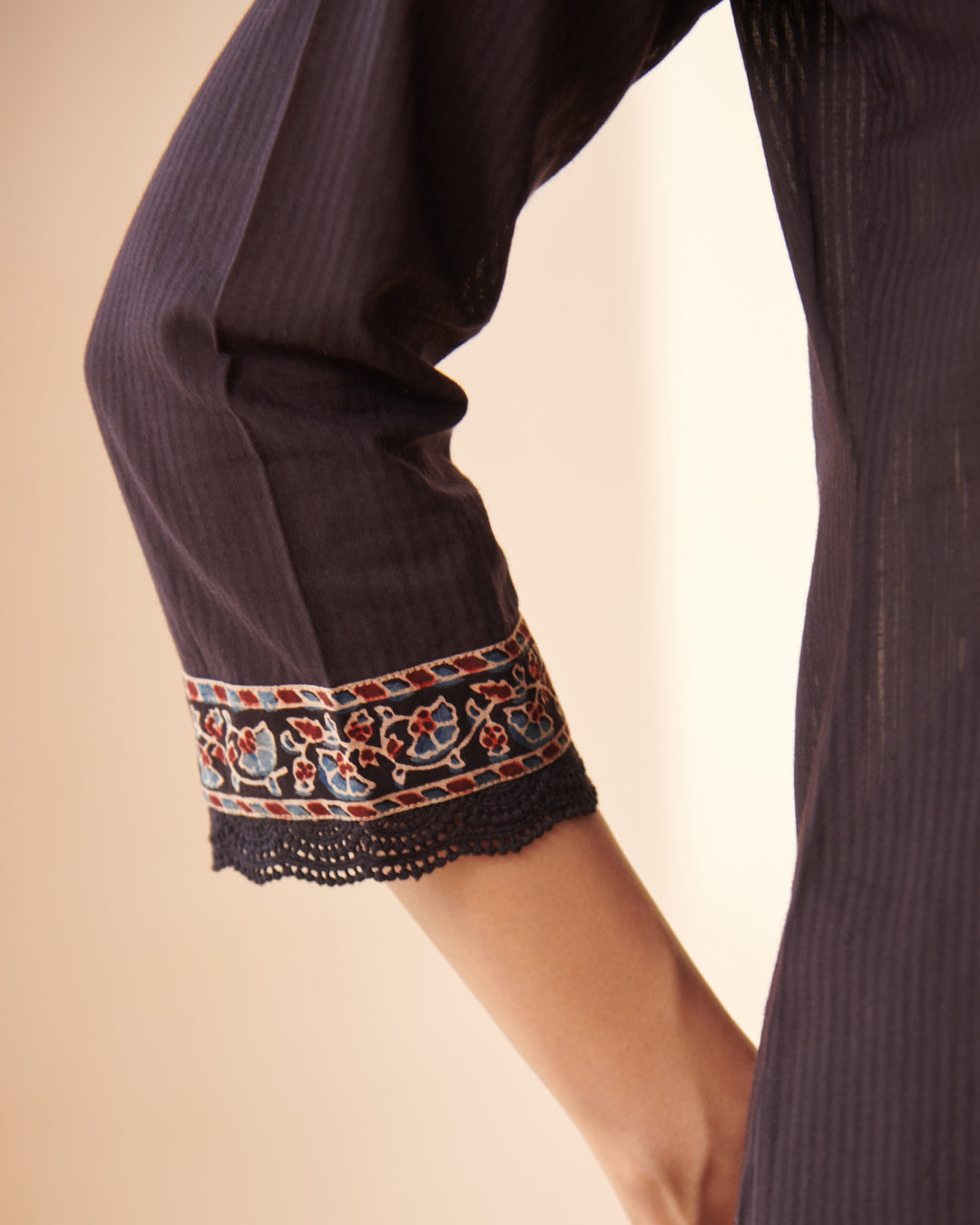
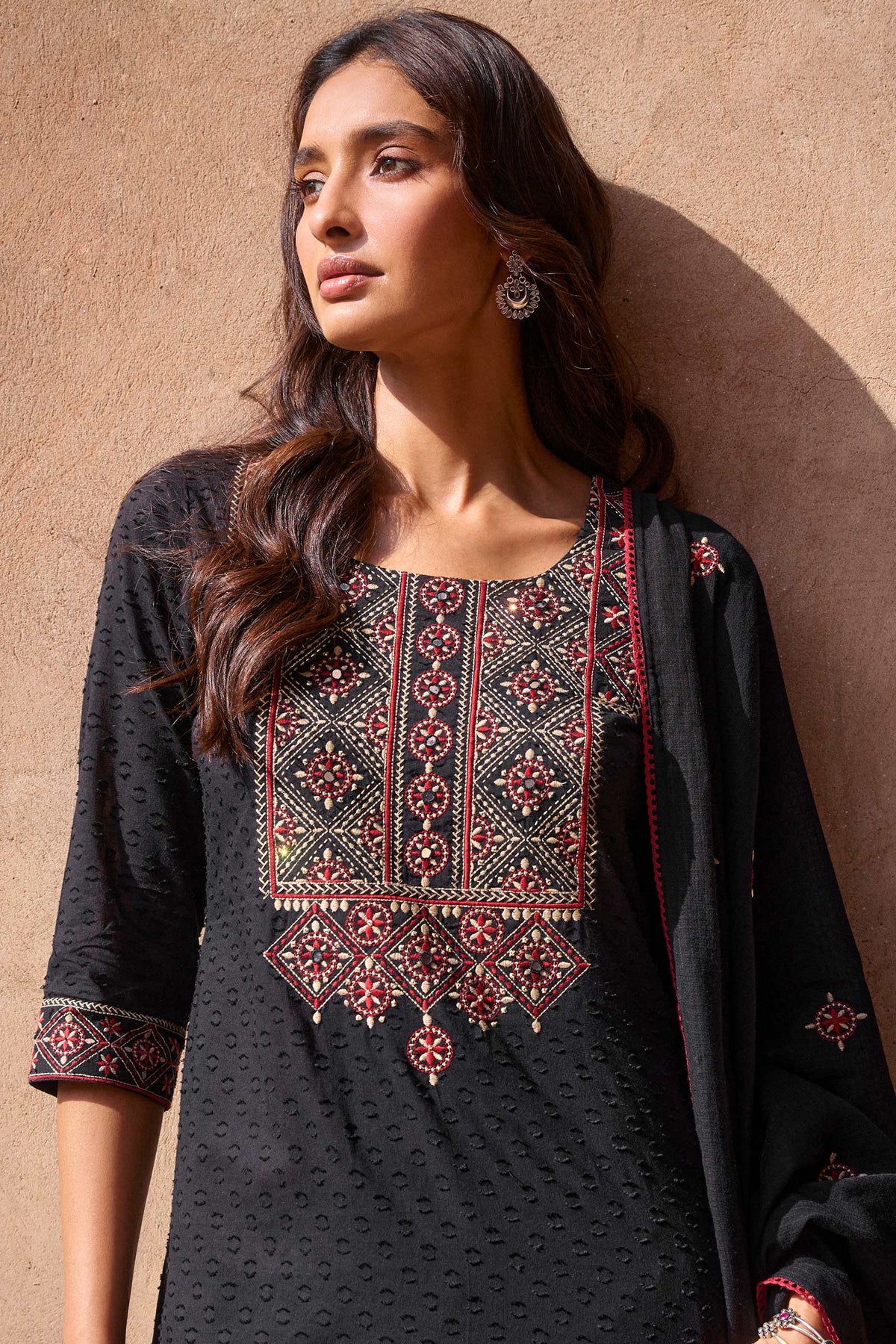
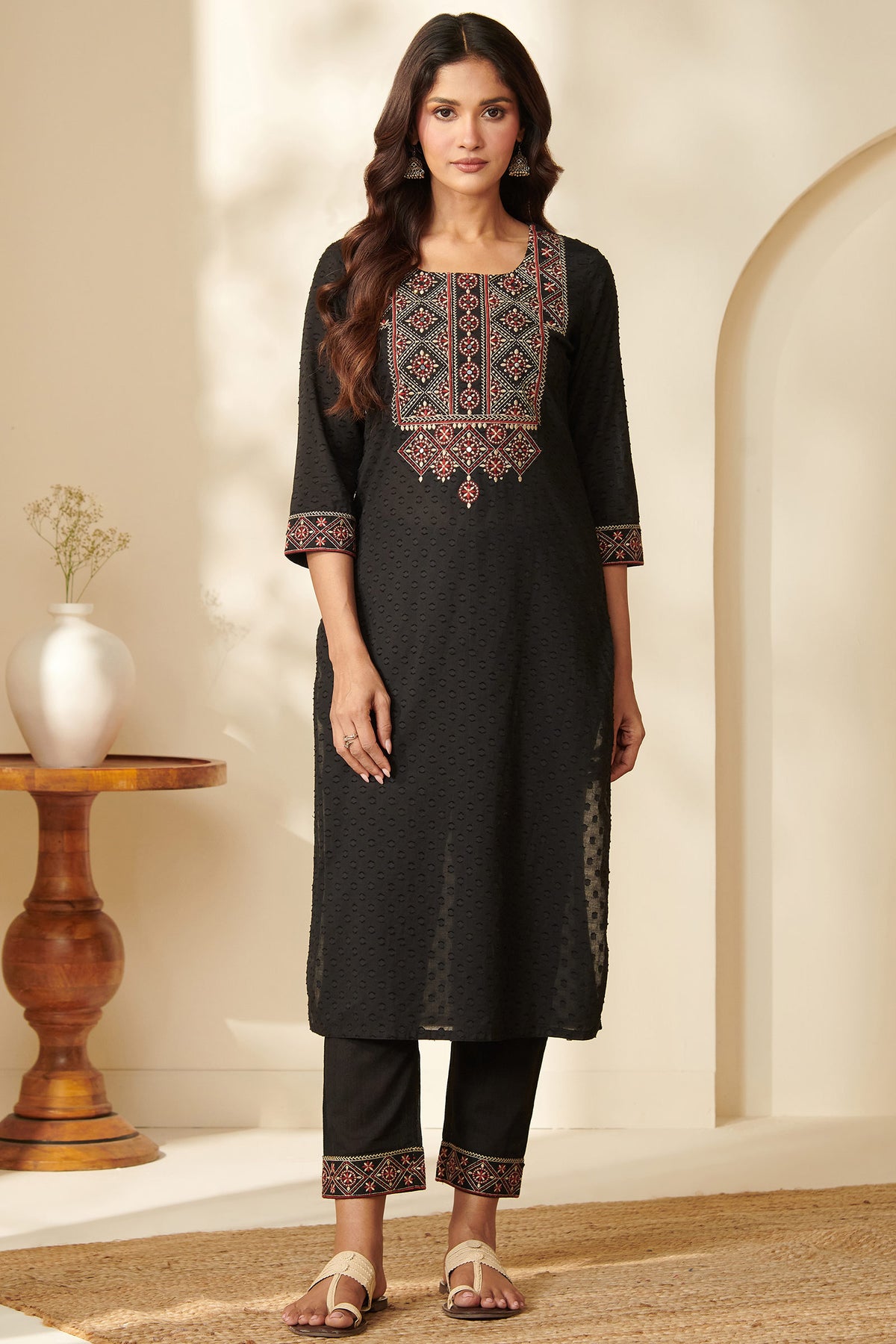
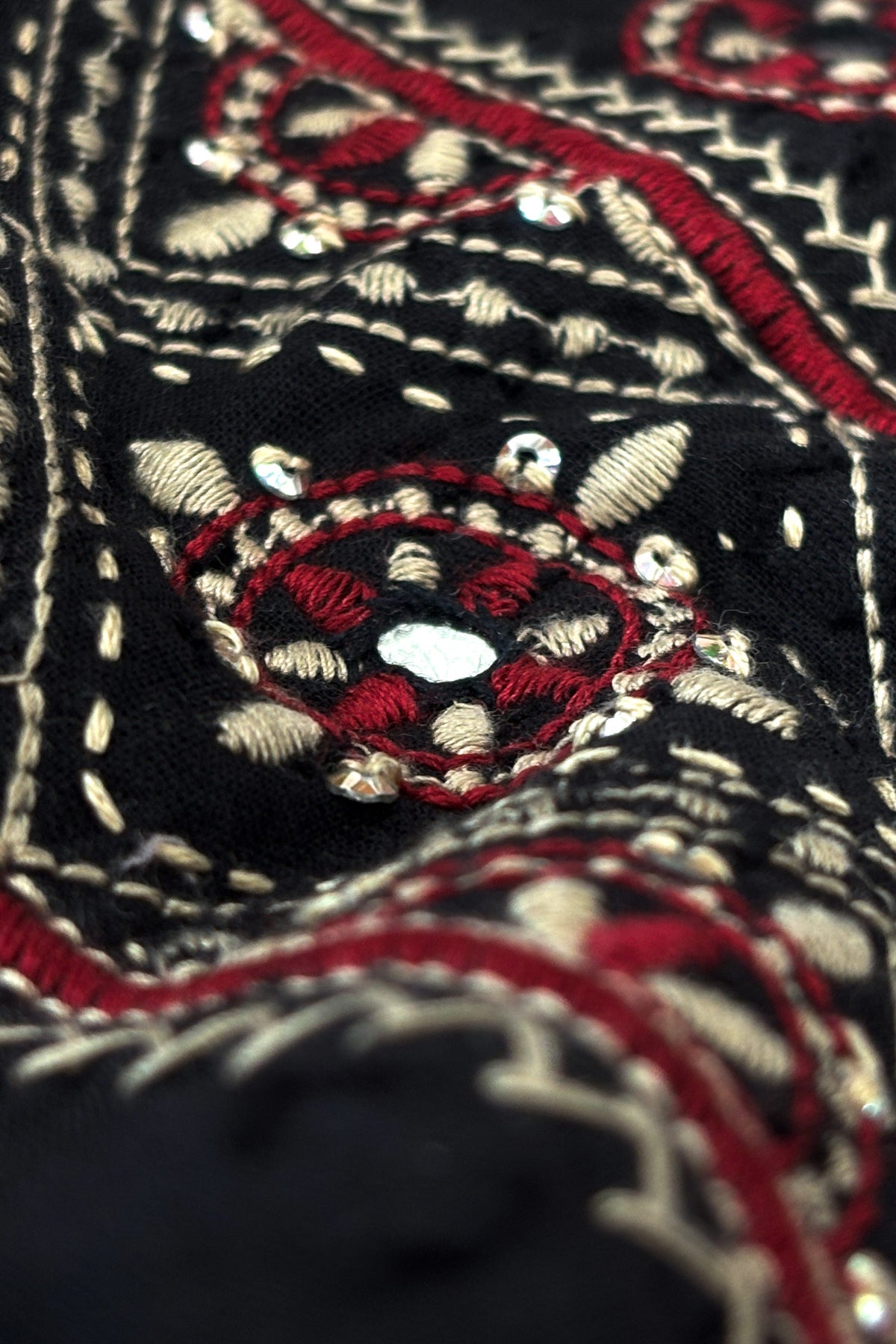
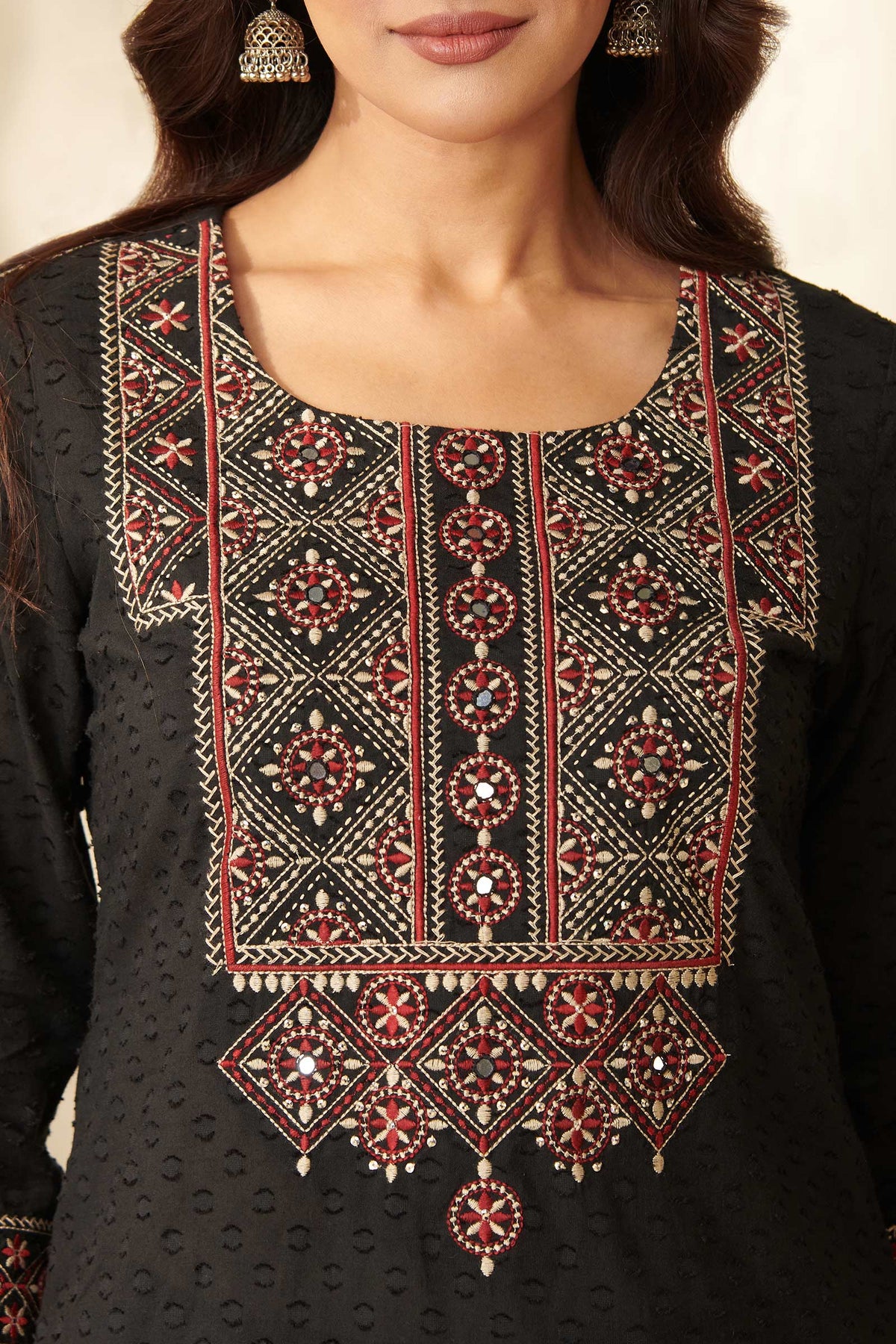
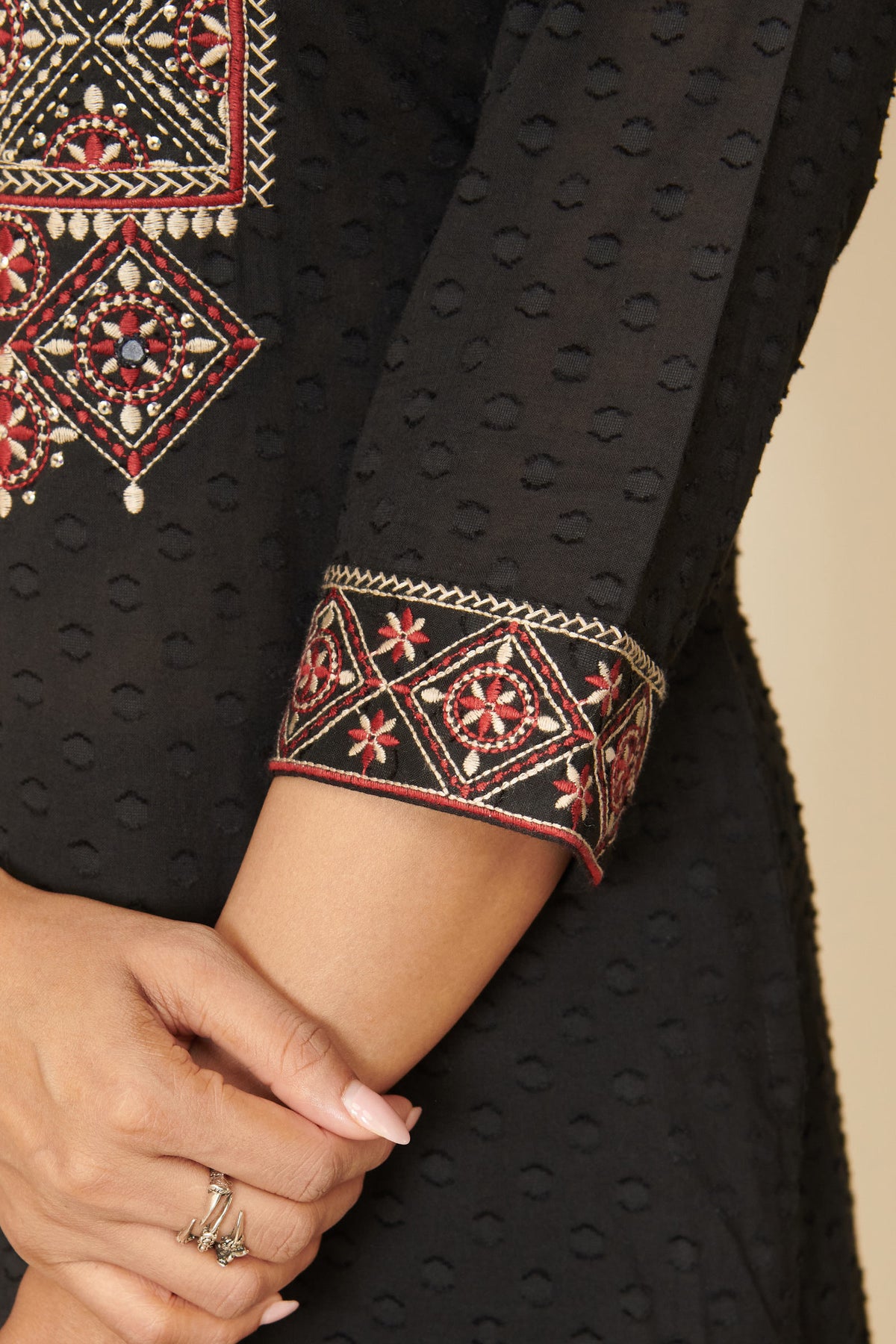
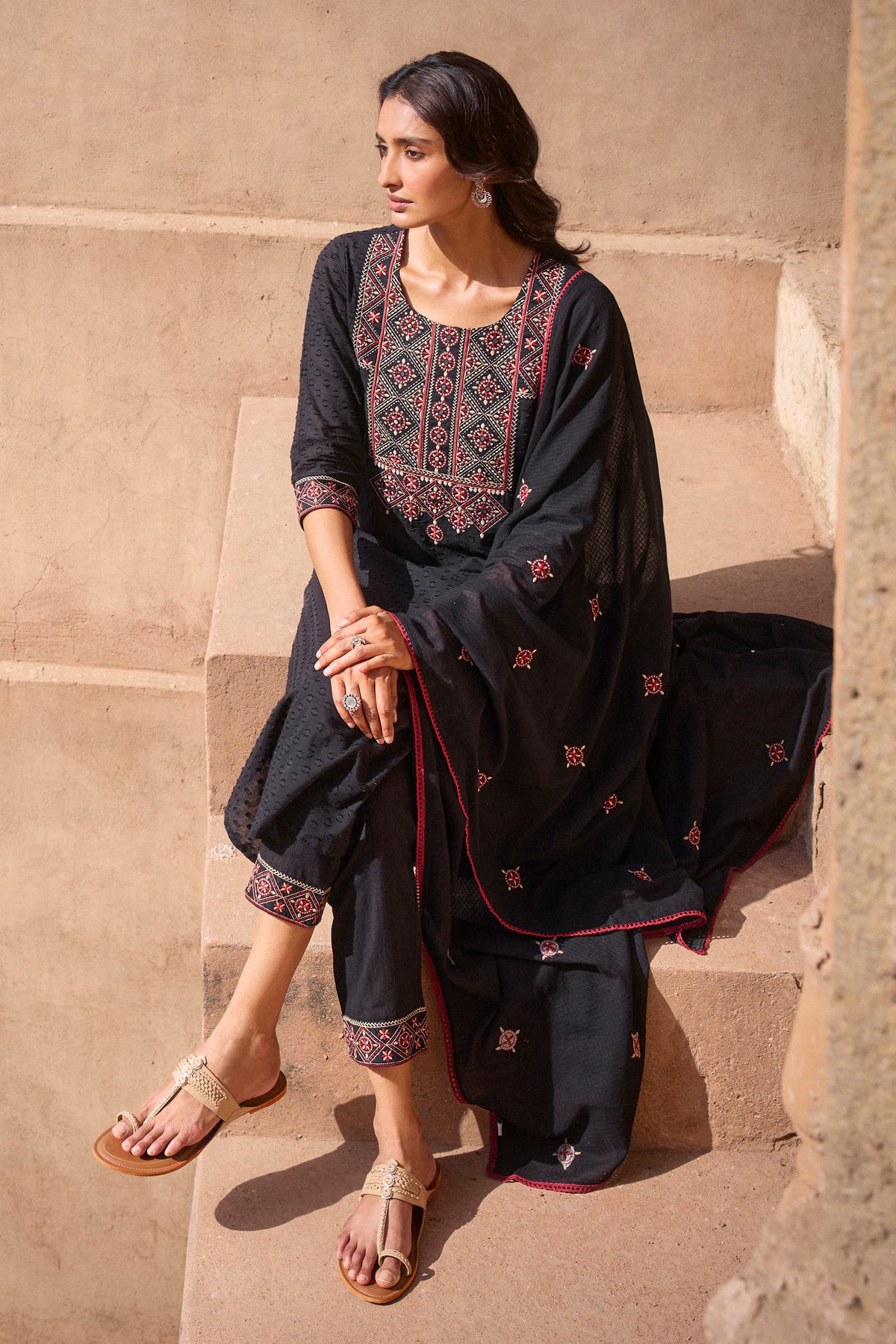
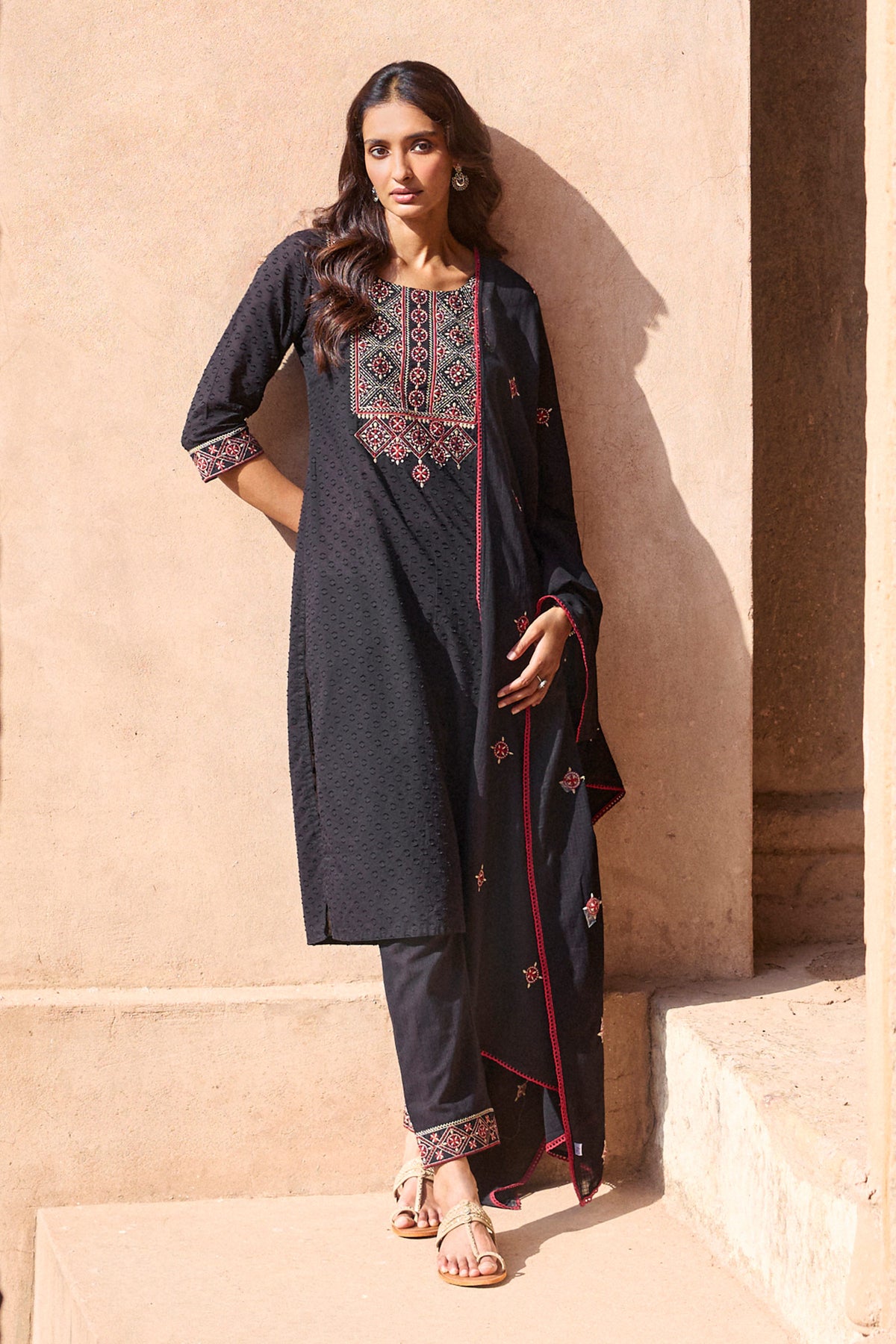
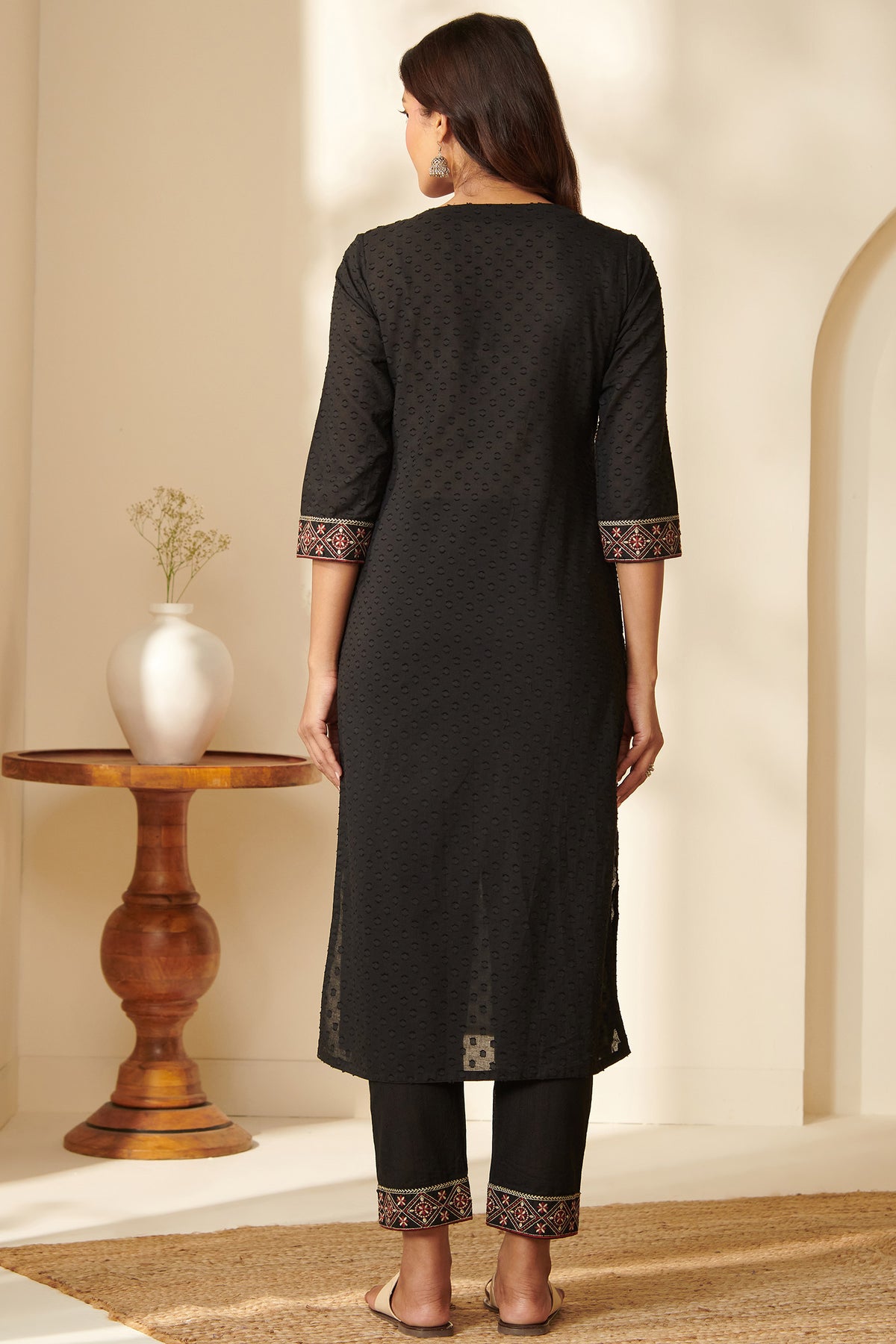
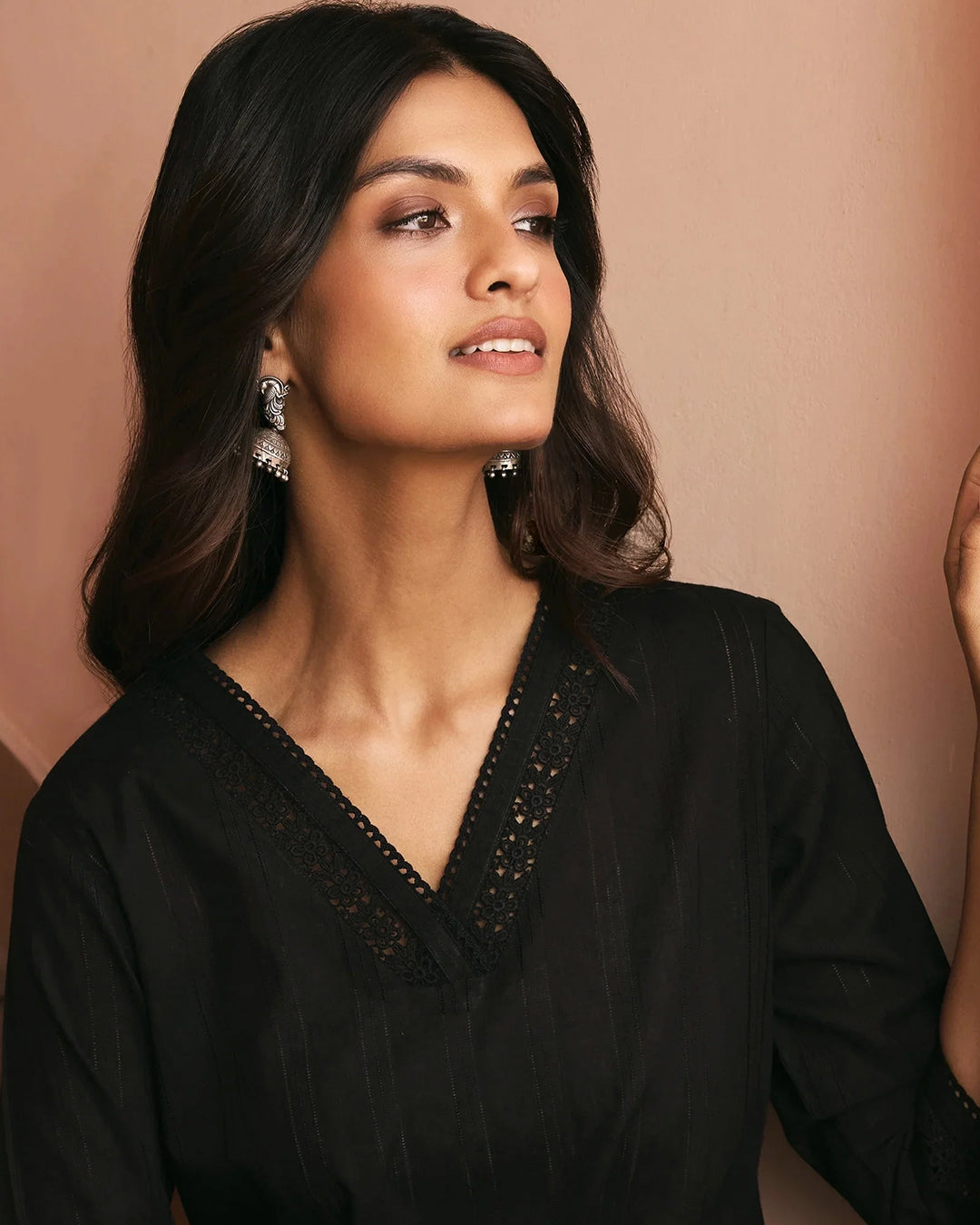
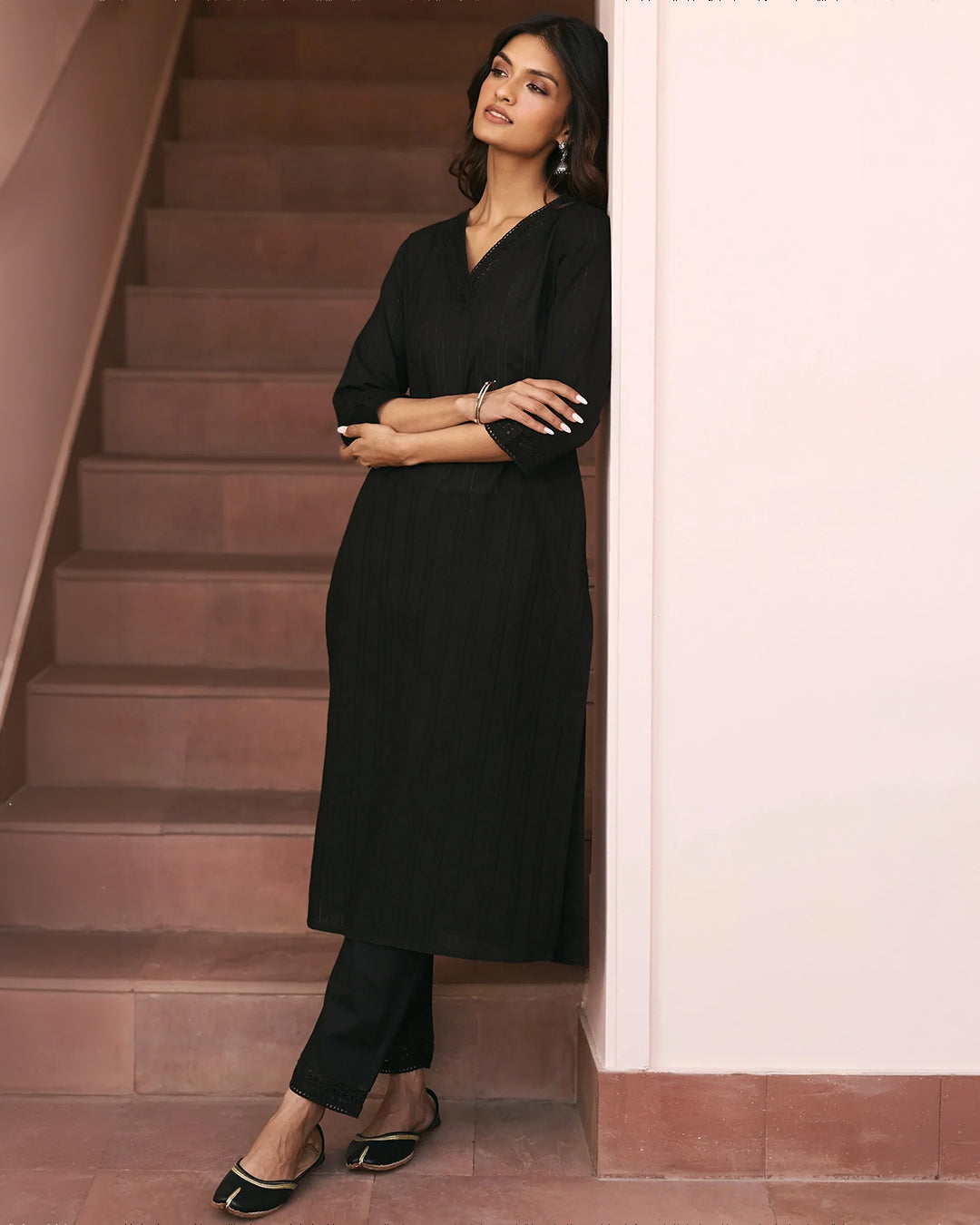
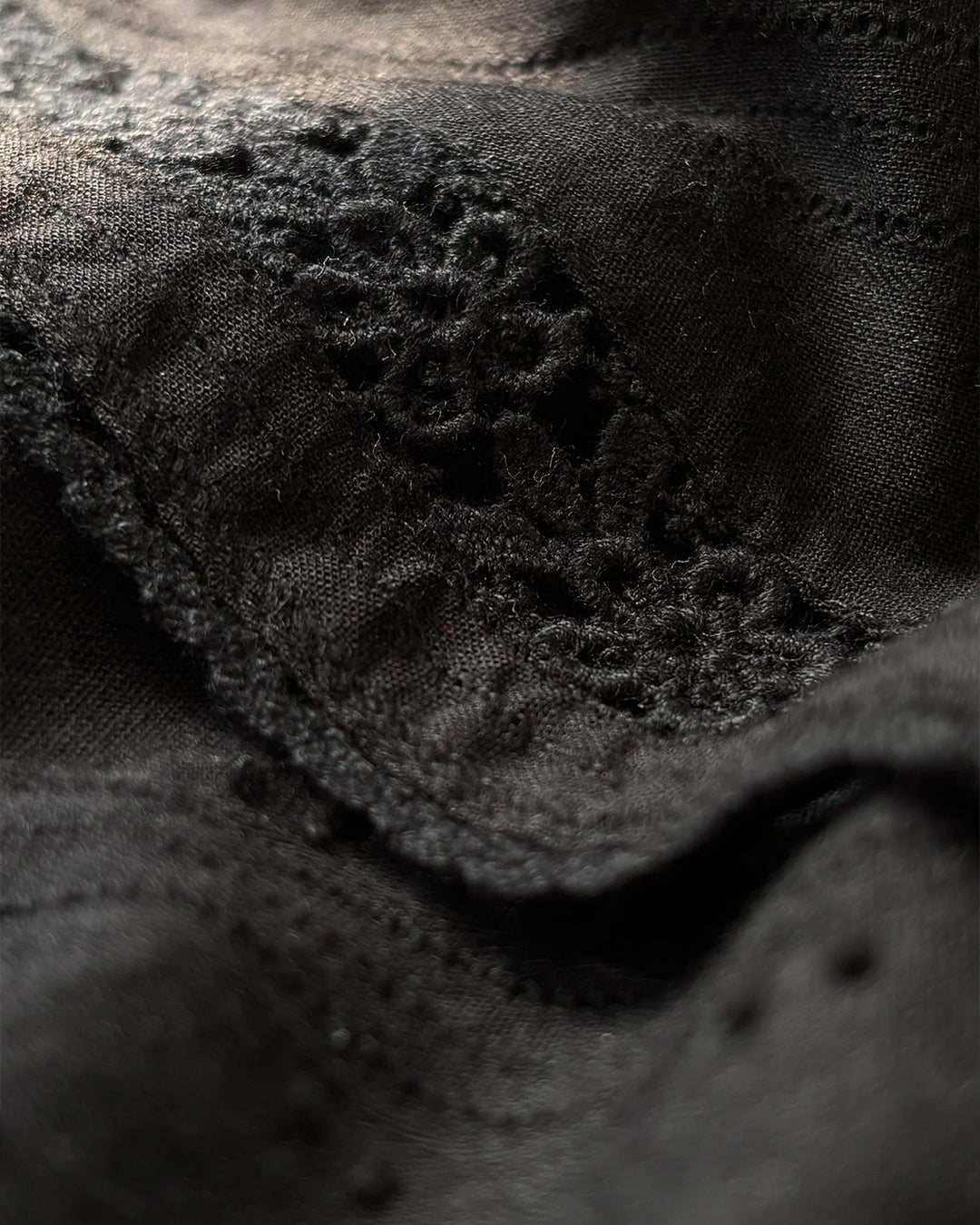
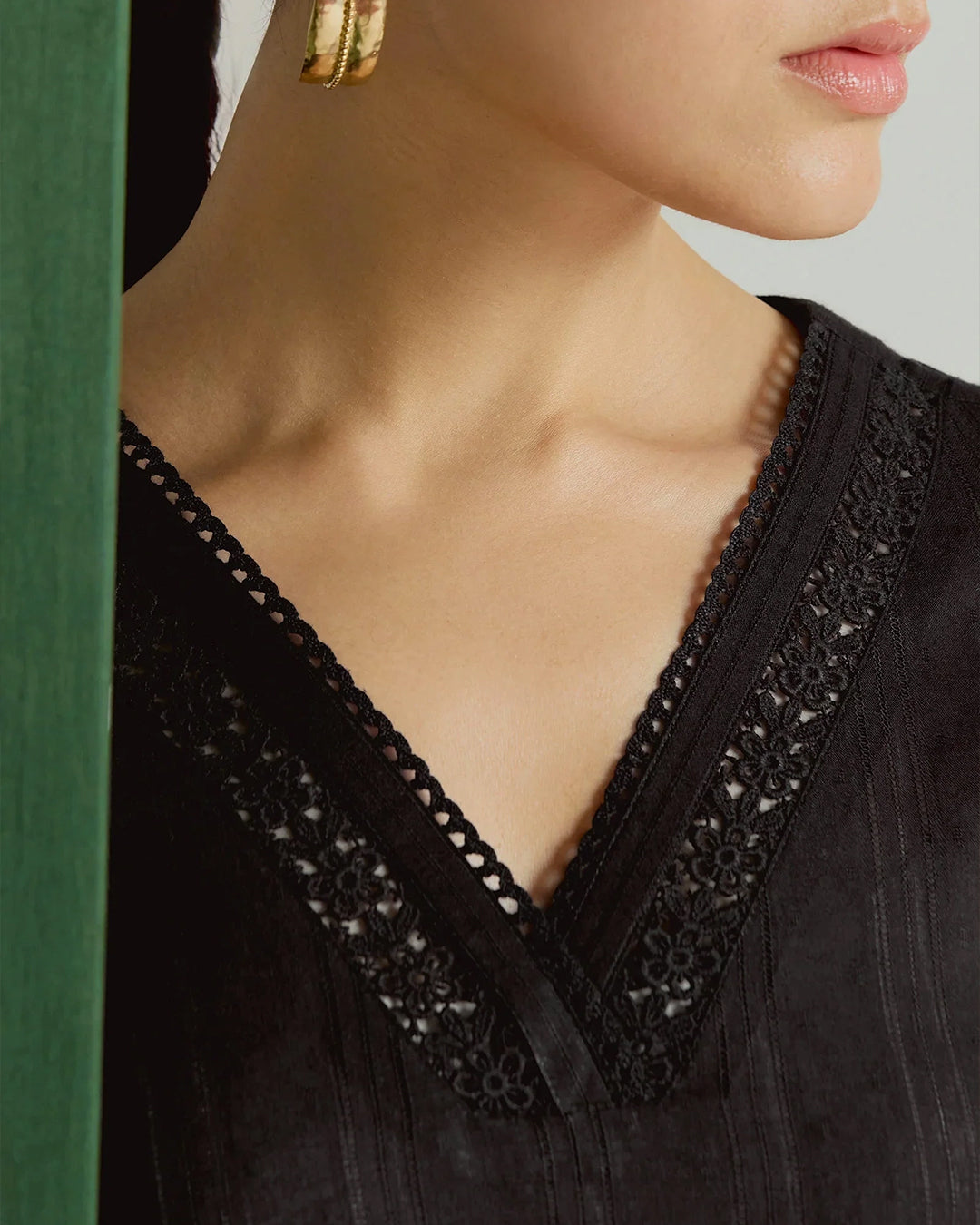
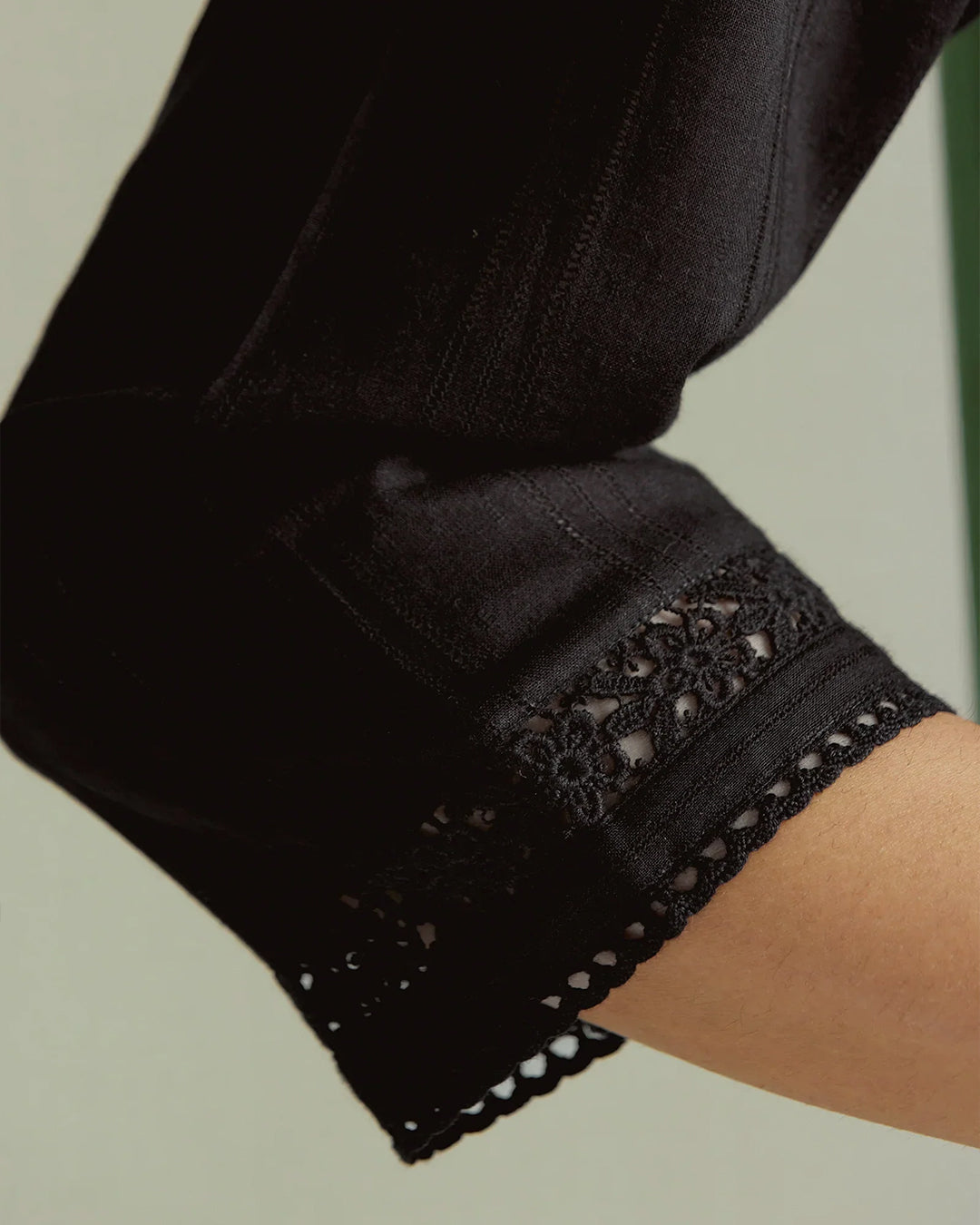
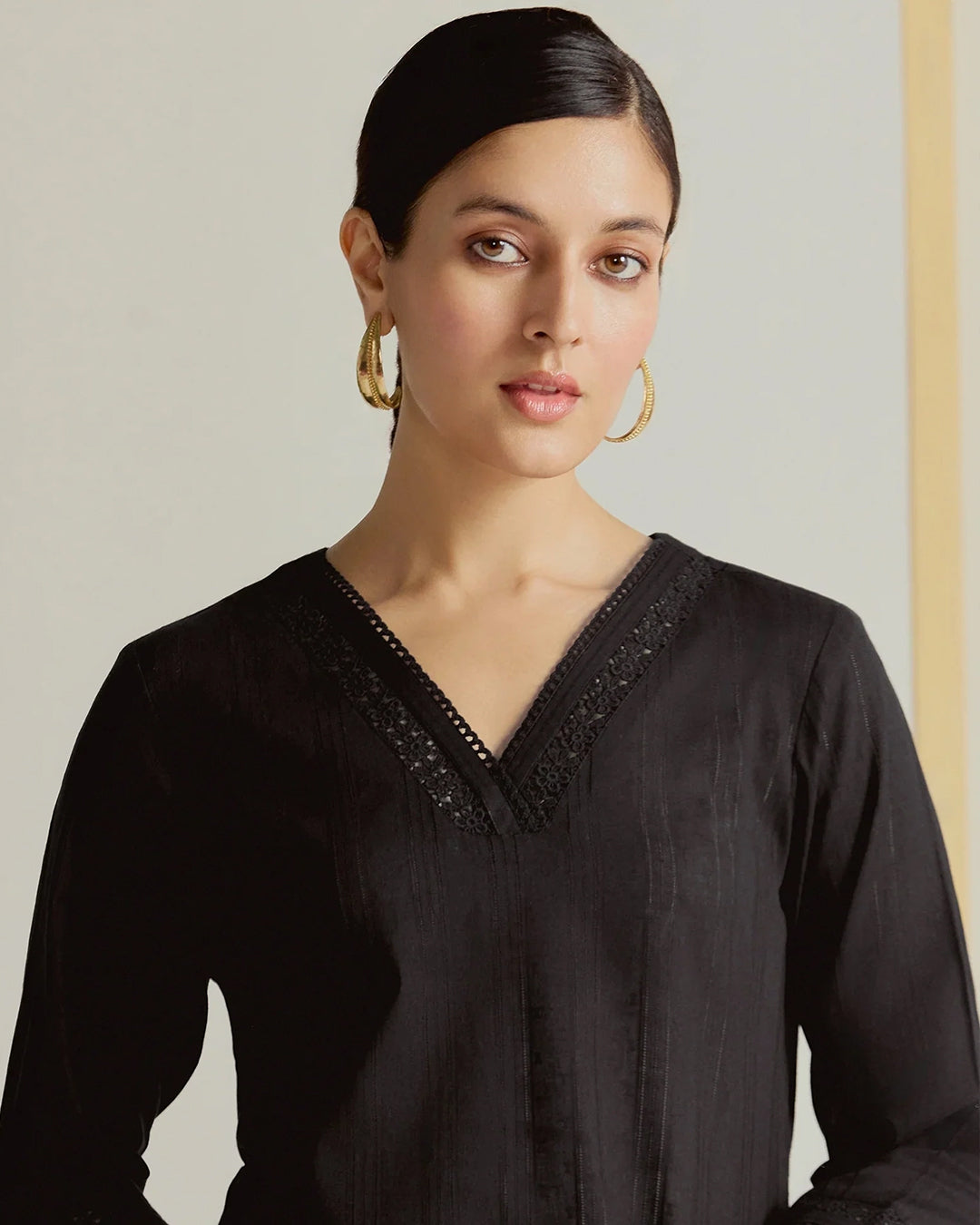
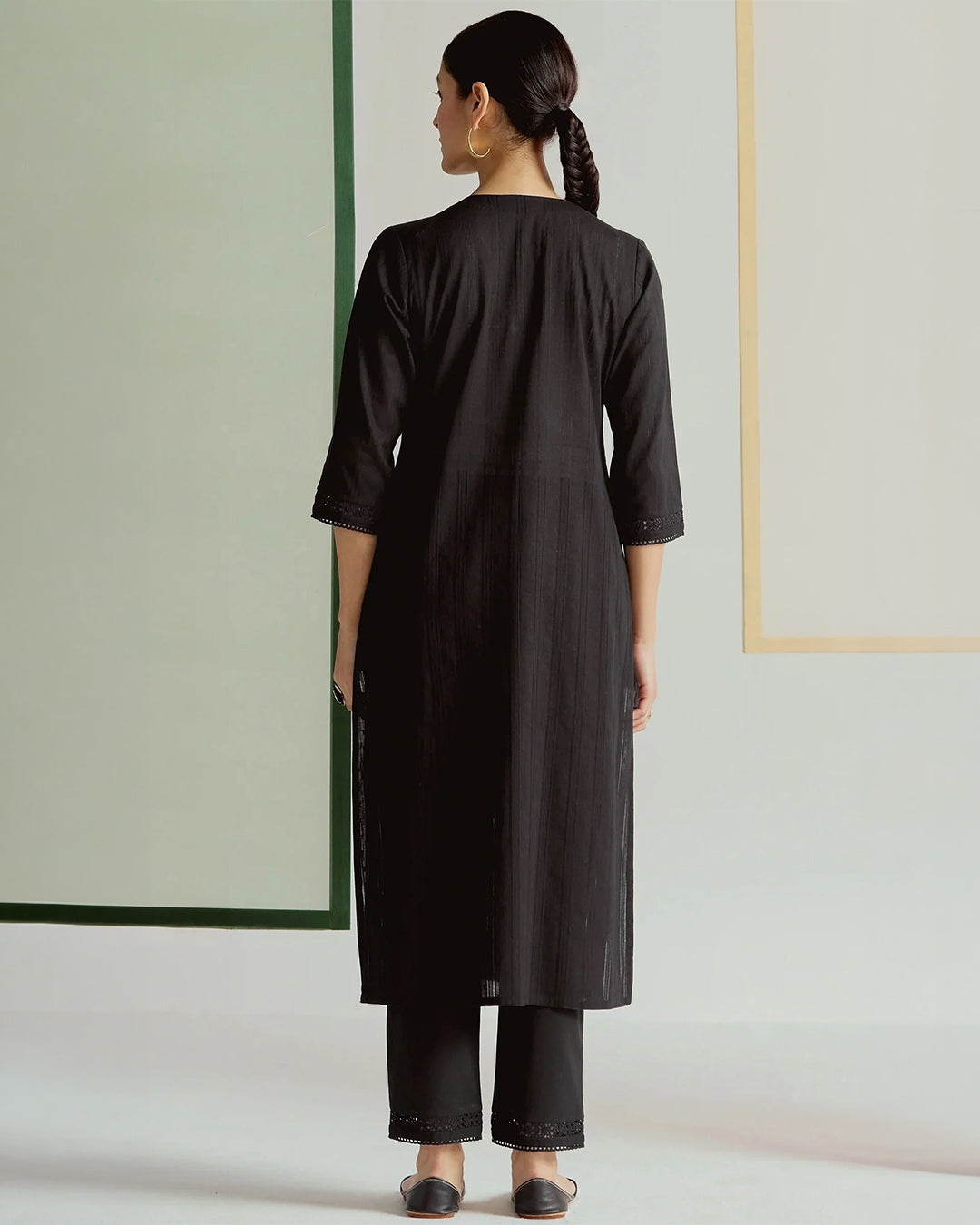
Black has a distinct elegance, particularly after sunset. A black kurta set with fine embroidery, printed detailing, or a textured fabric can feel refined without appearing overly formal. Paired with ivory or metallic accents, it becomes a graceful choice for intimate dinners and contemporary festive gatherings.
Best Kurta Colours for Festivals Throughout the Year

Why Colour and Craftsmanship Matter in a Festive Kurta
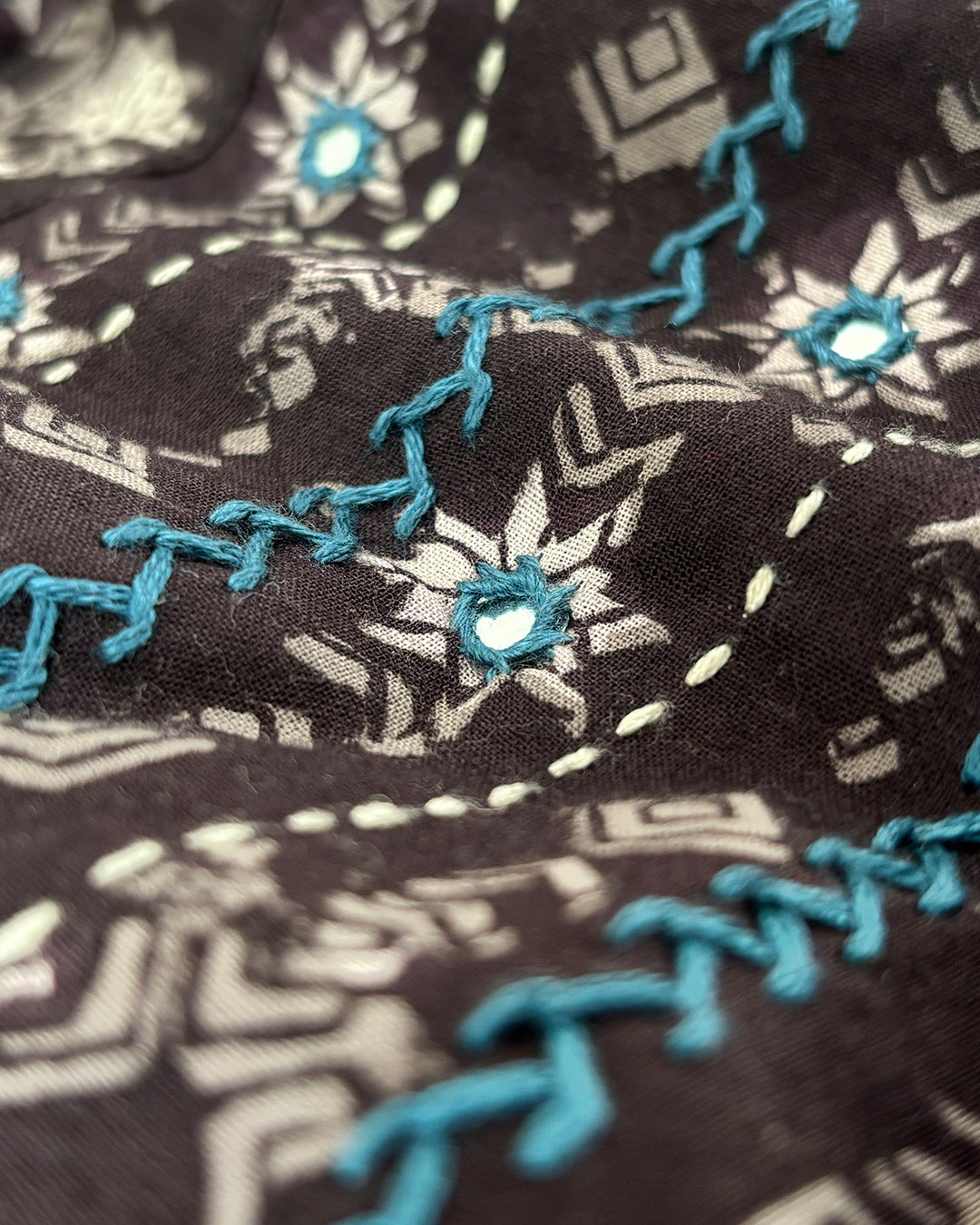
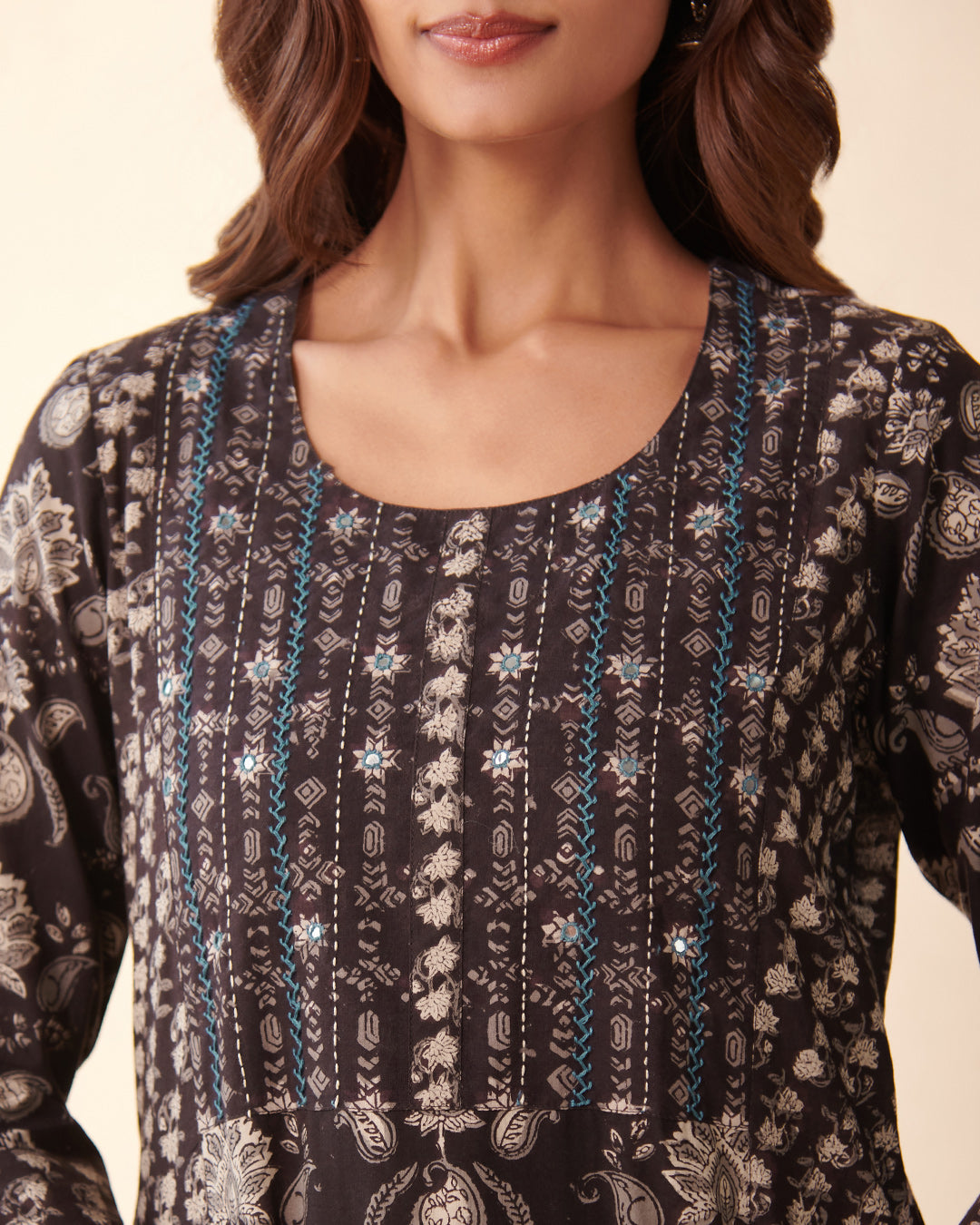
A festive kurta is shaped by more than its colour. The fabric, print, handwork, and way the garment is finished all influence how that colour comes alive.
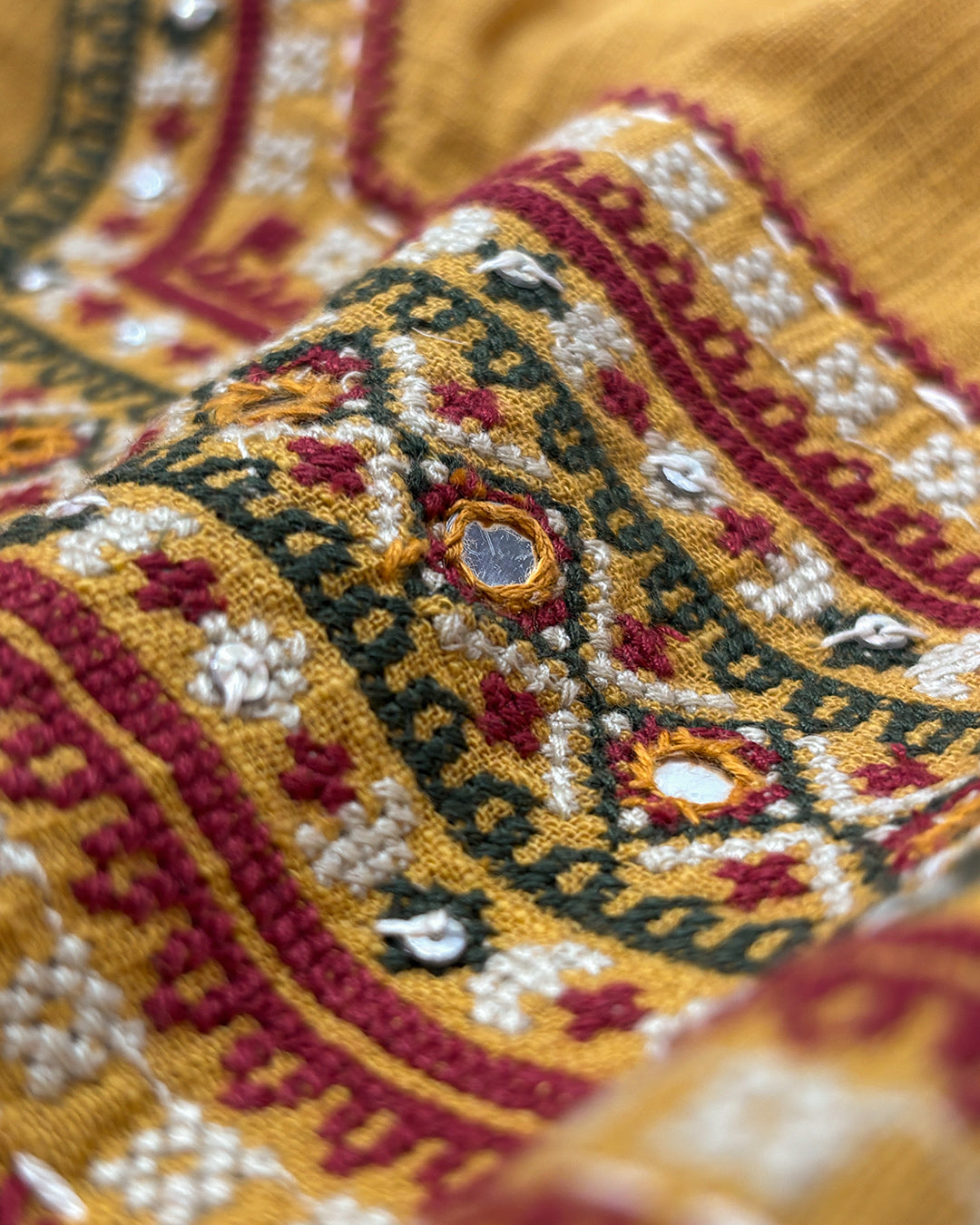
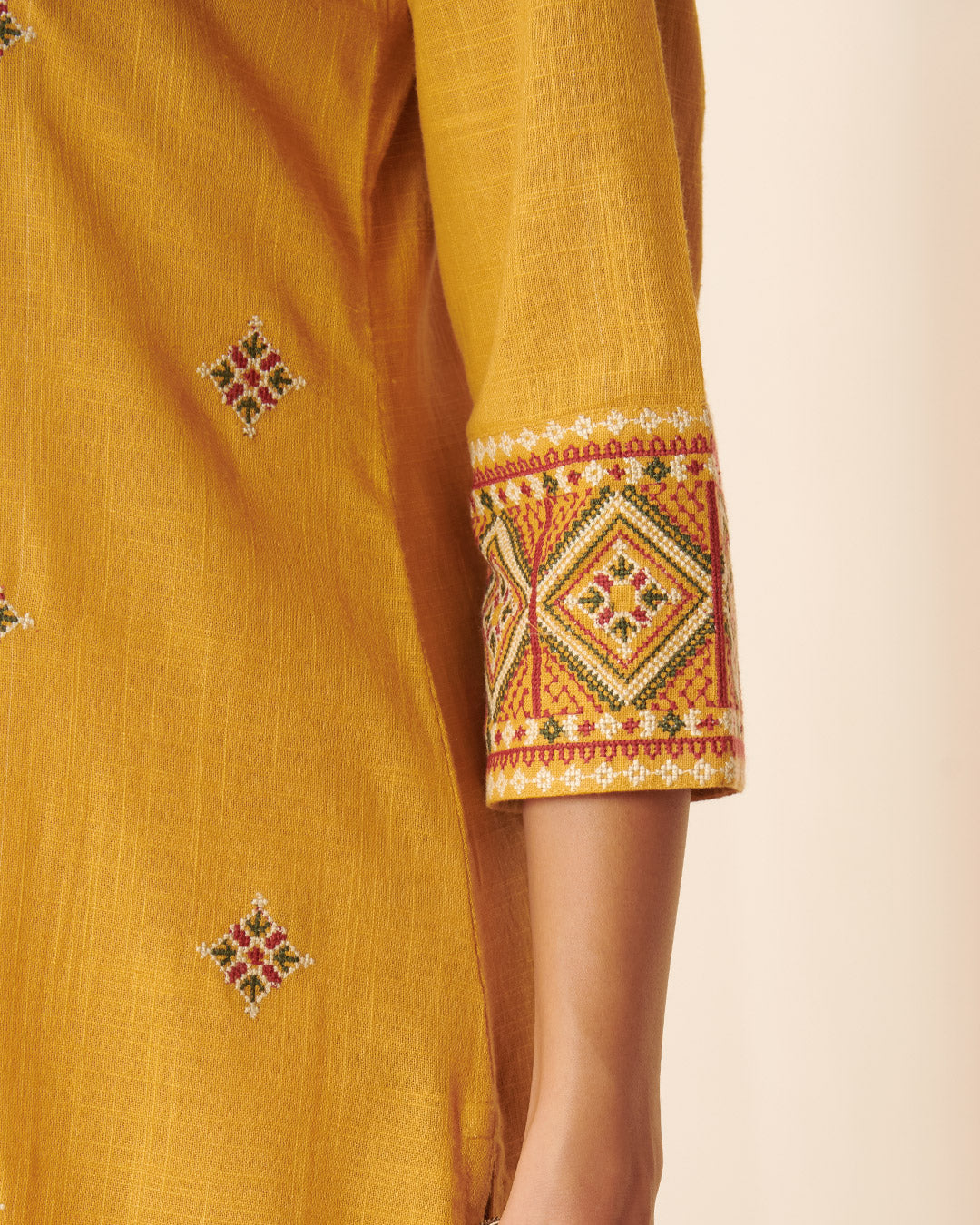
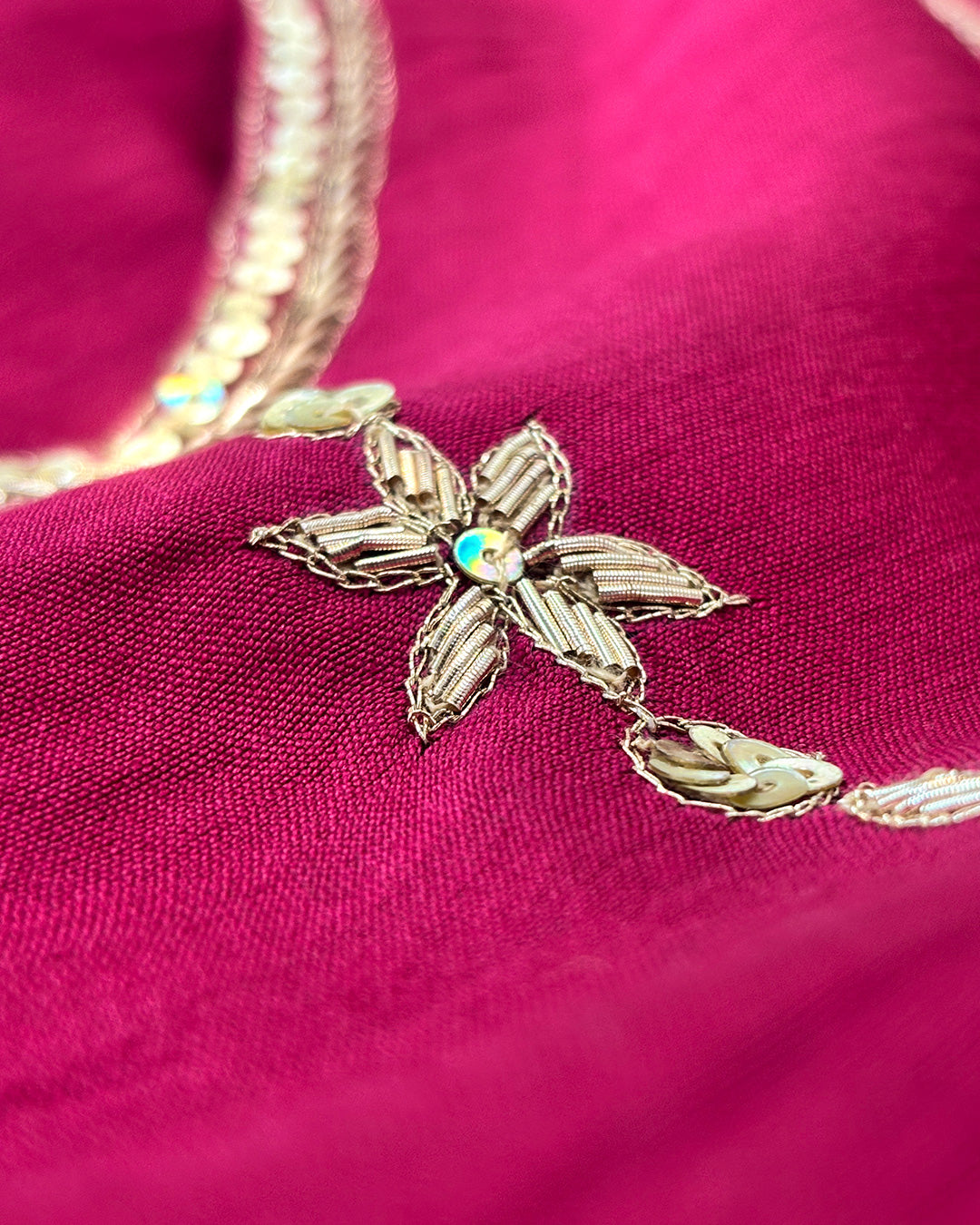
In Indian clothing, colour has always shared space with craftsmanship. A deep red can feel entirely different when brought to life through hand block printing. A soft yellow gains character through delicate floral motifs. Even a simple white kurta can feel special when the weave and detailing are thoughtfully chosen.
Handcrafted Prints Bring Colour to Life
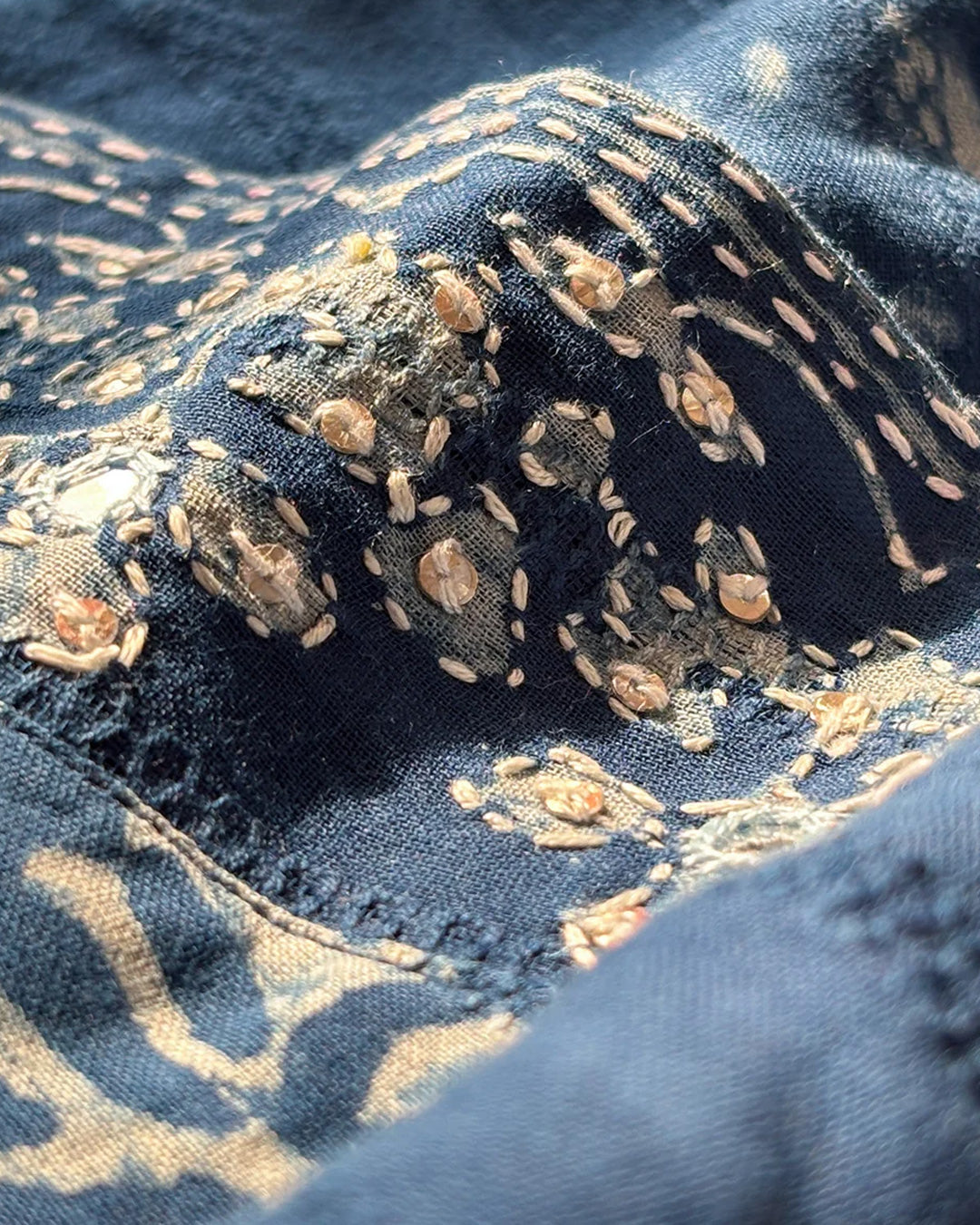
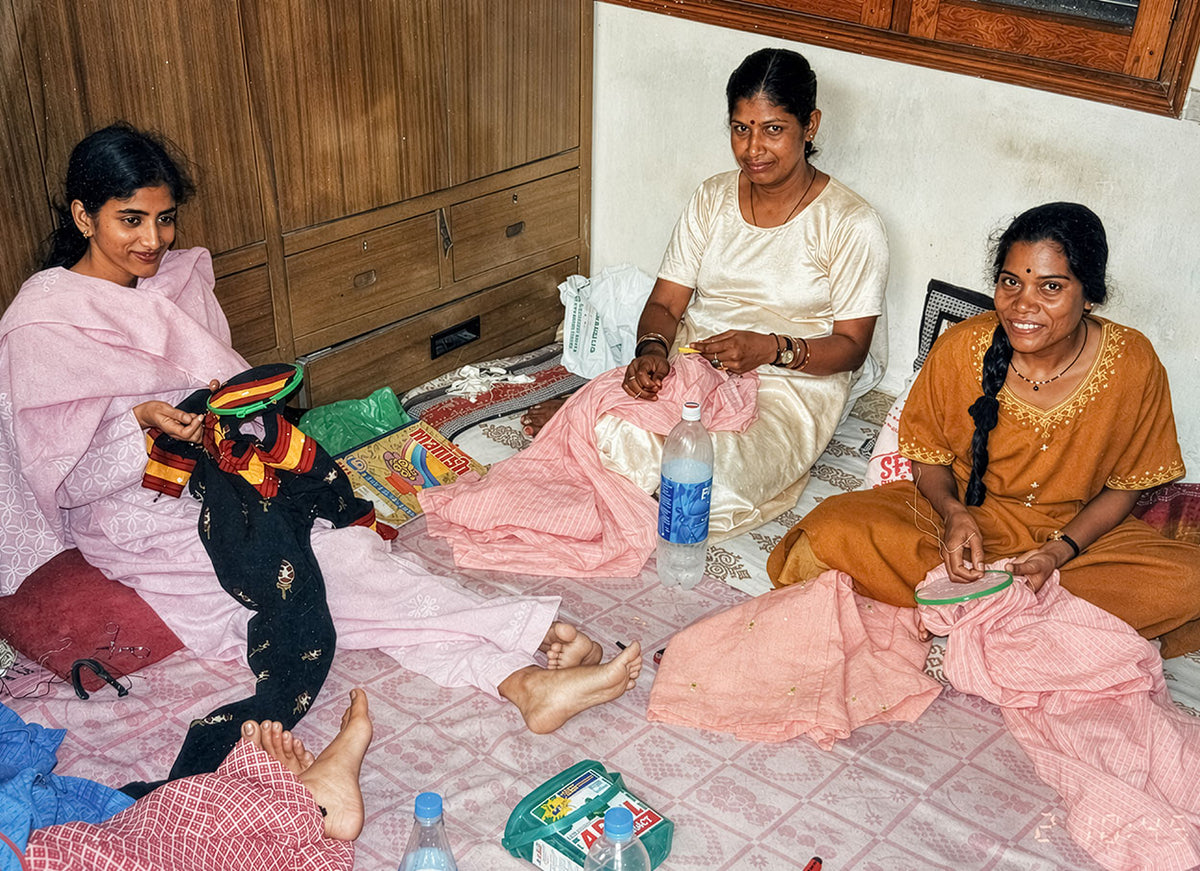
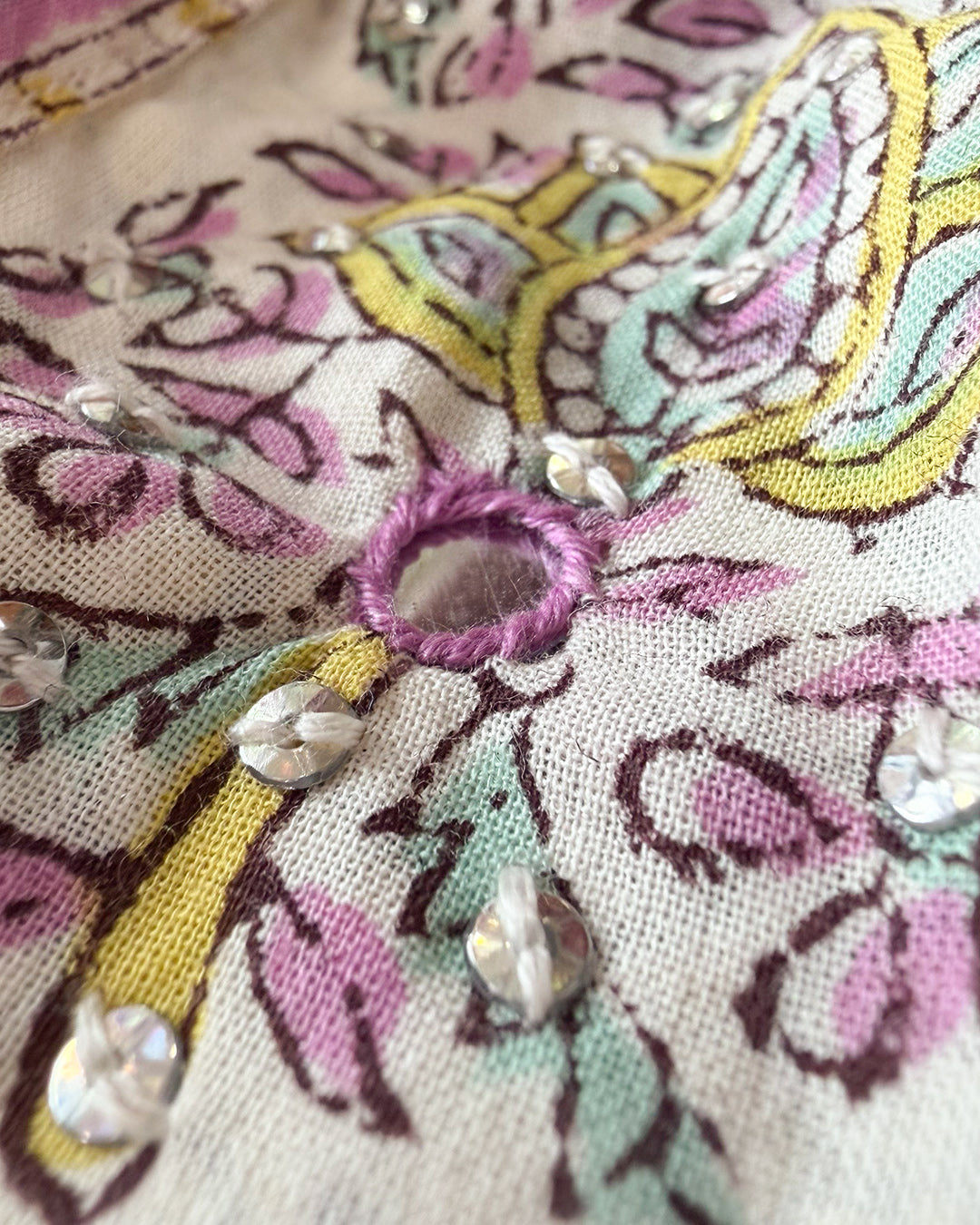
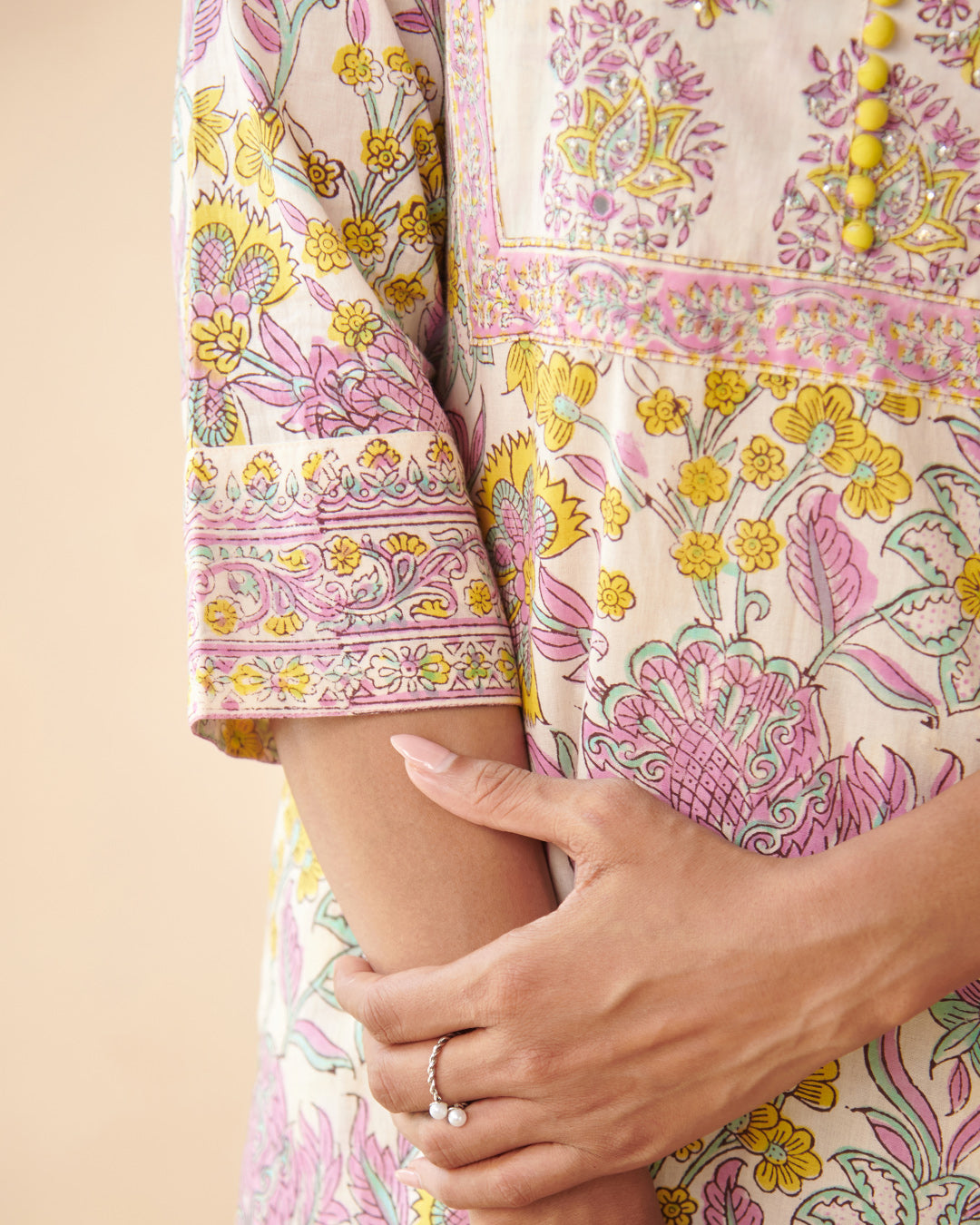
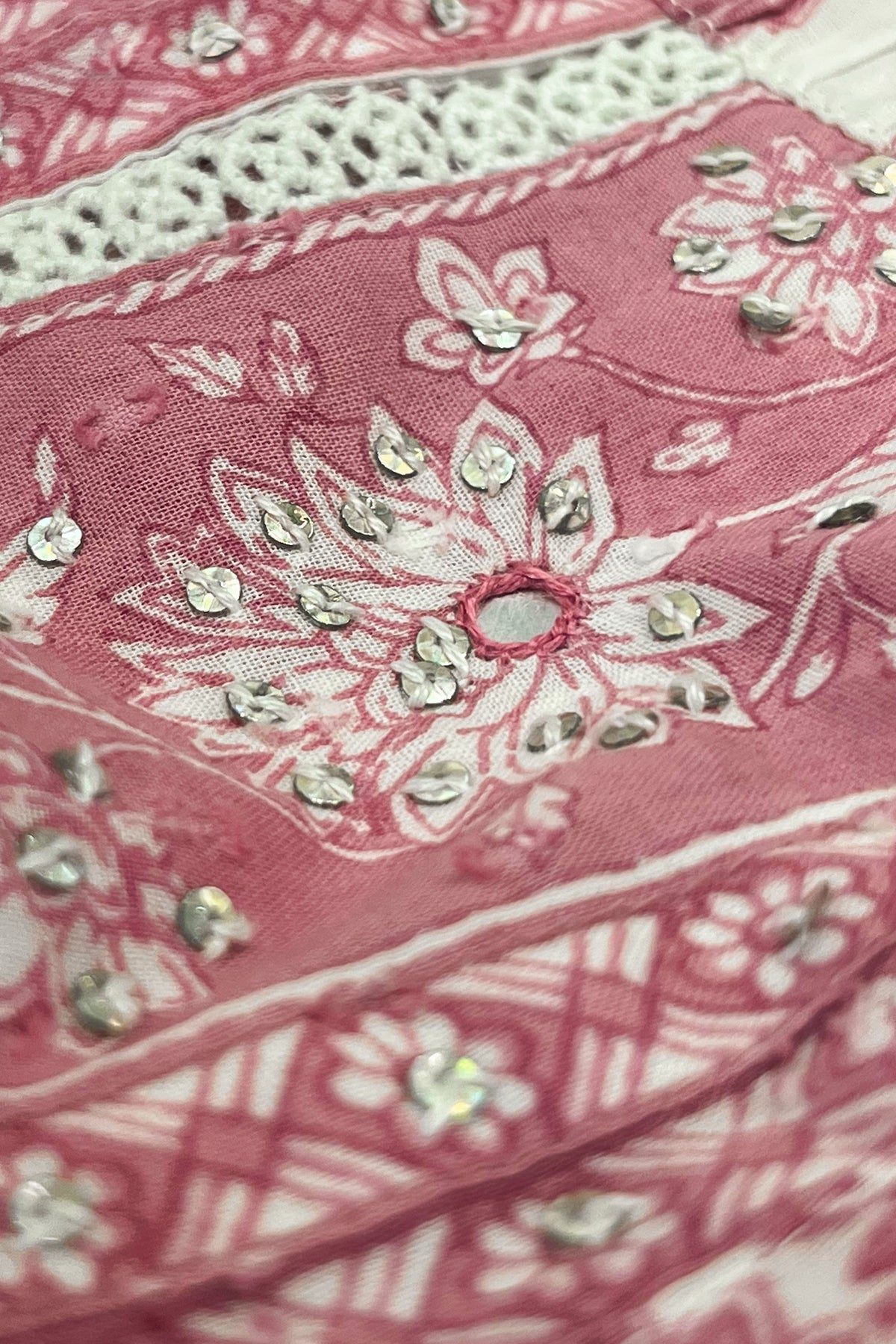
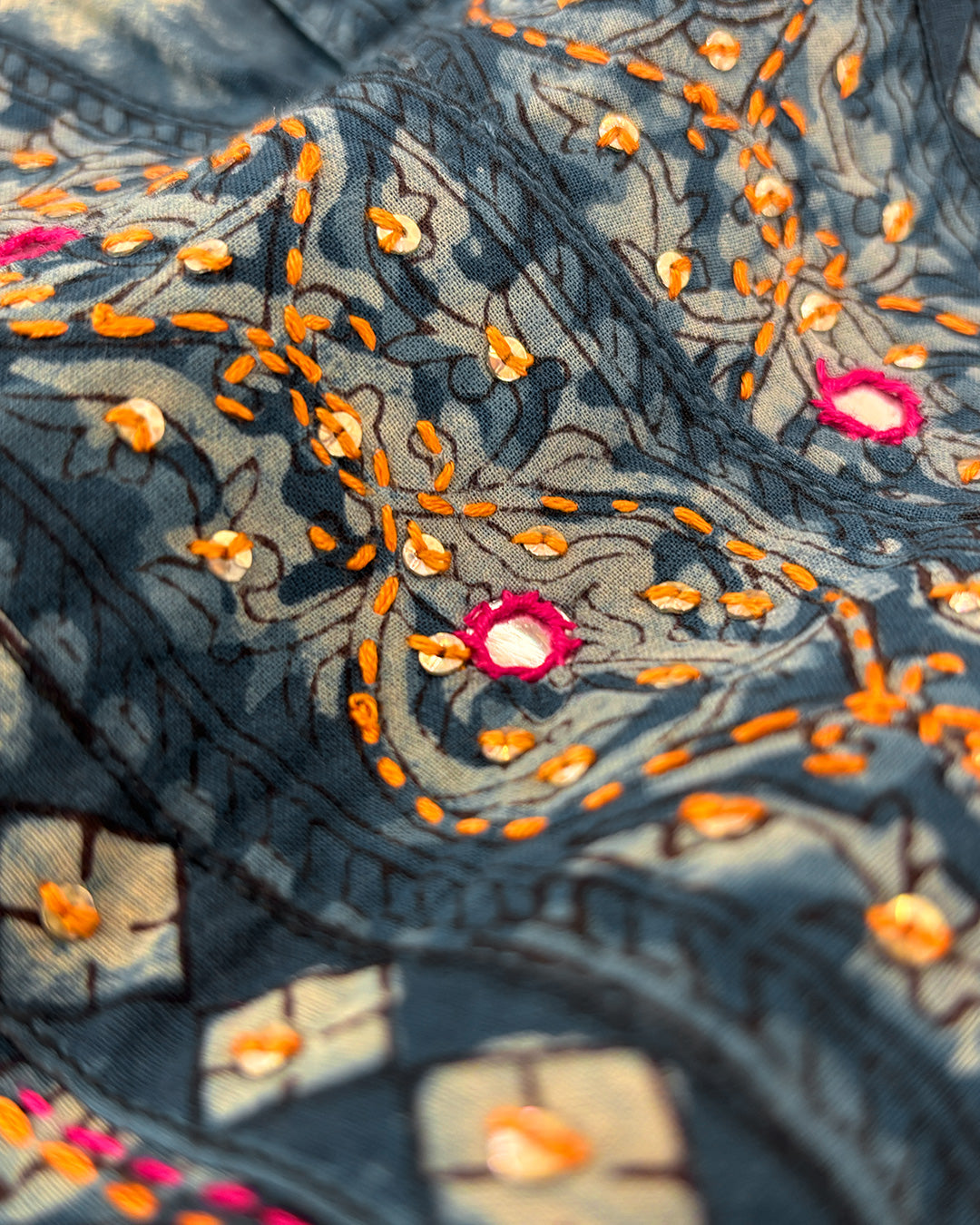
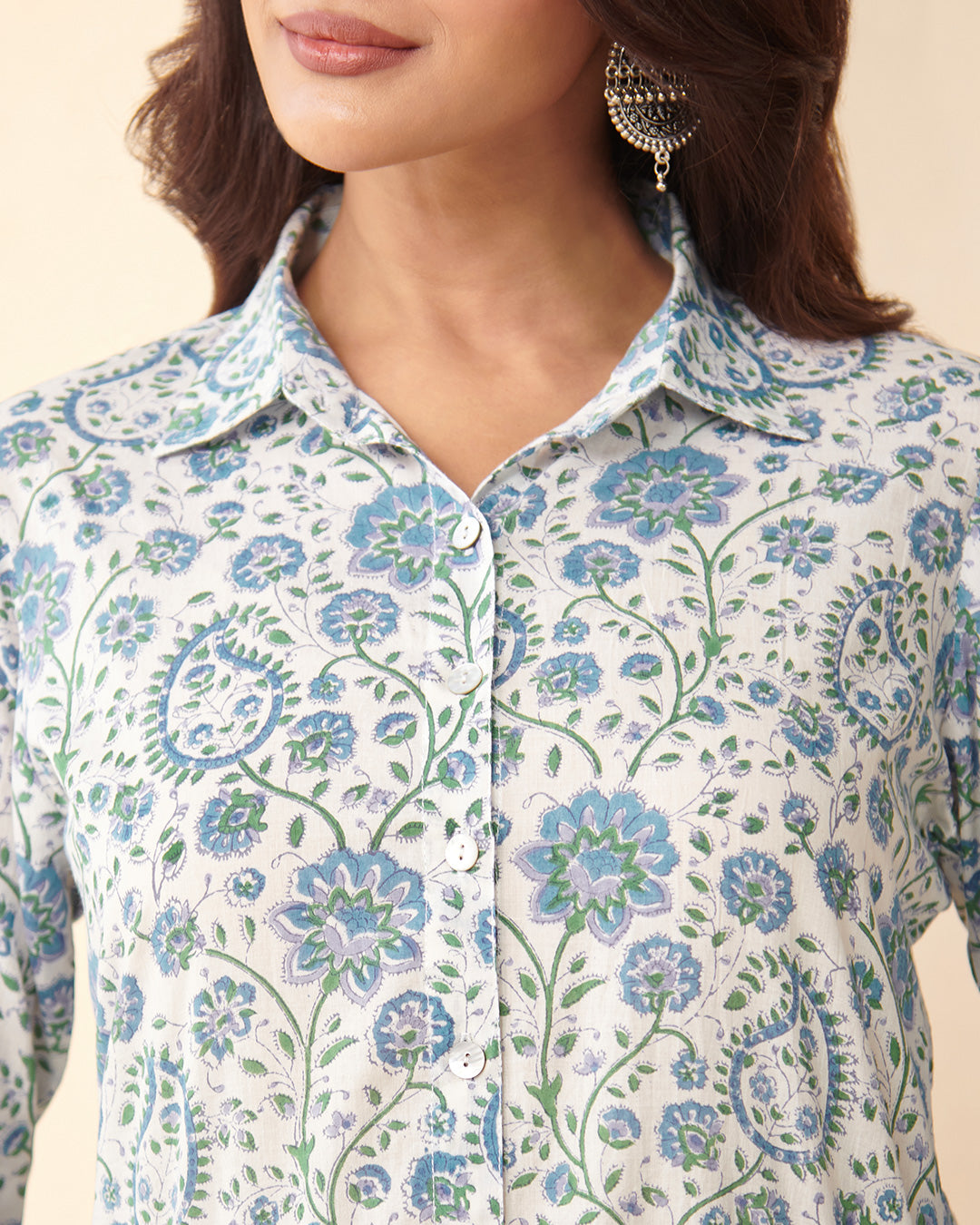
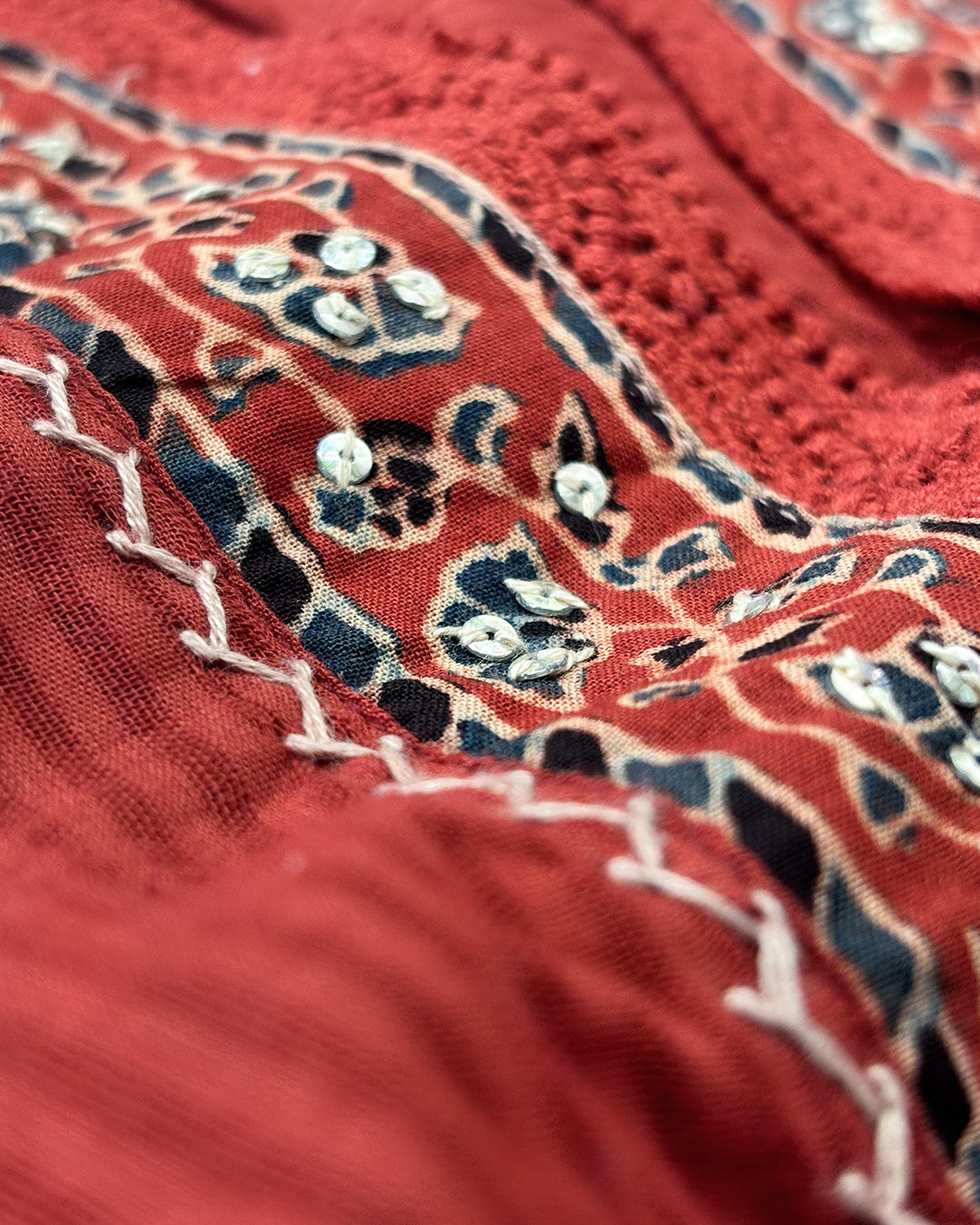
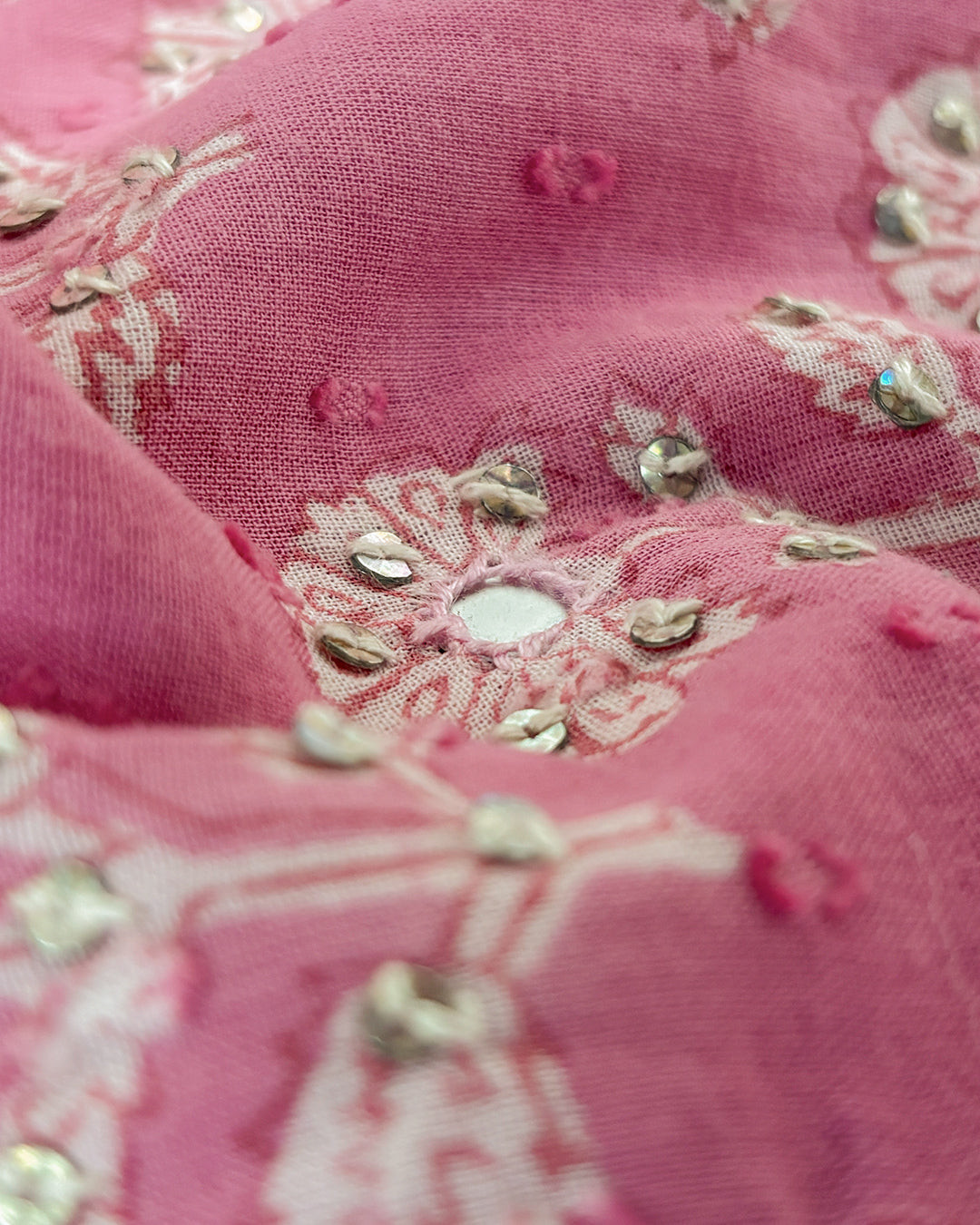
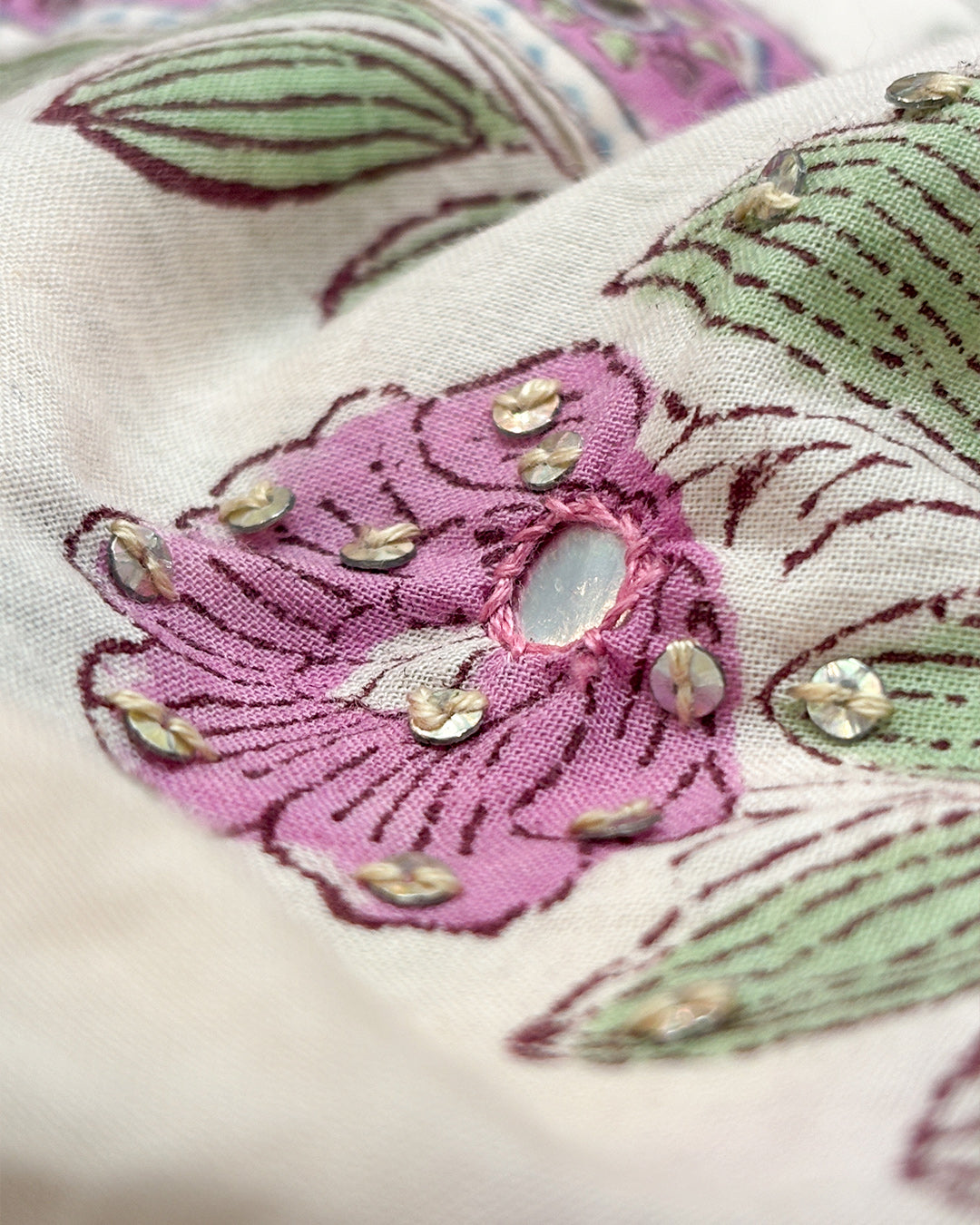
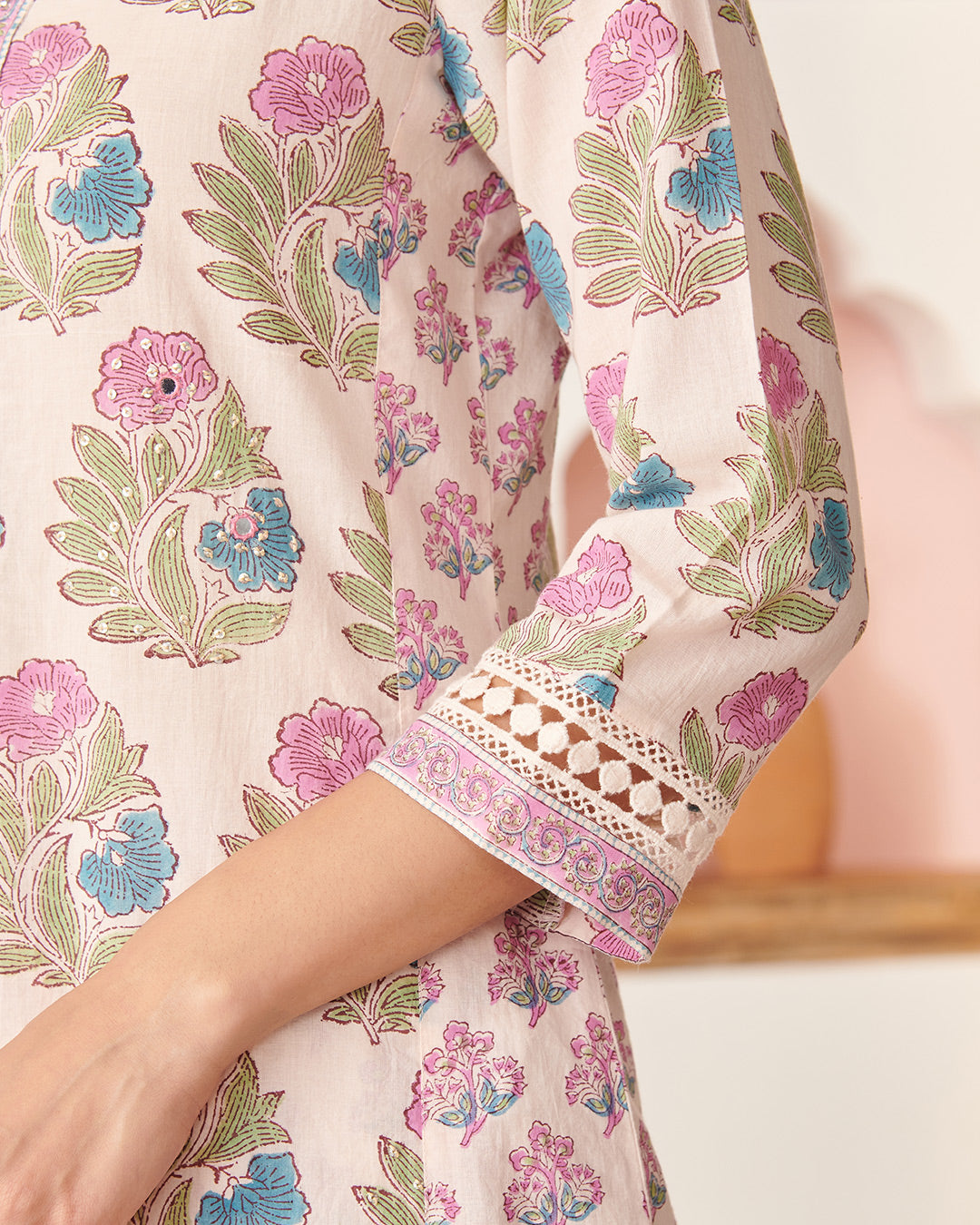
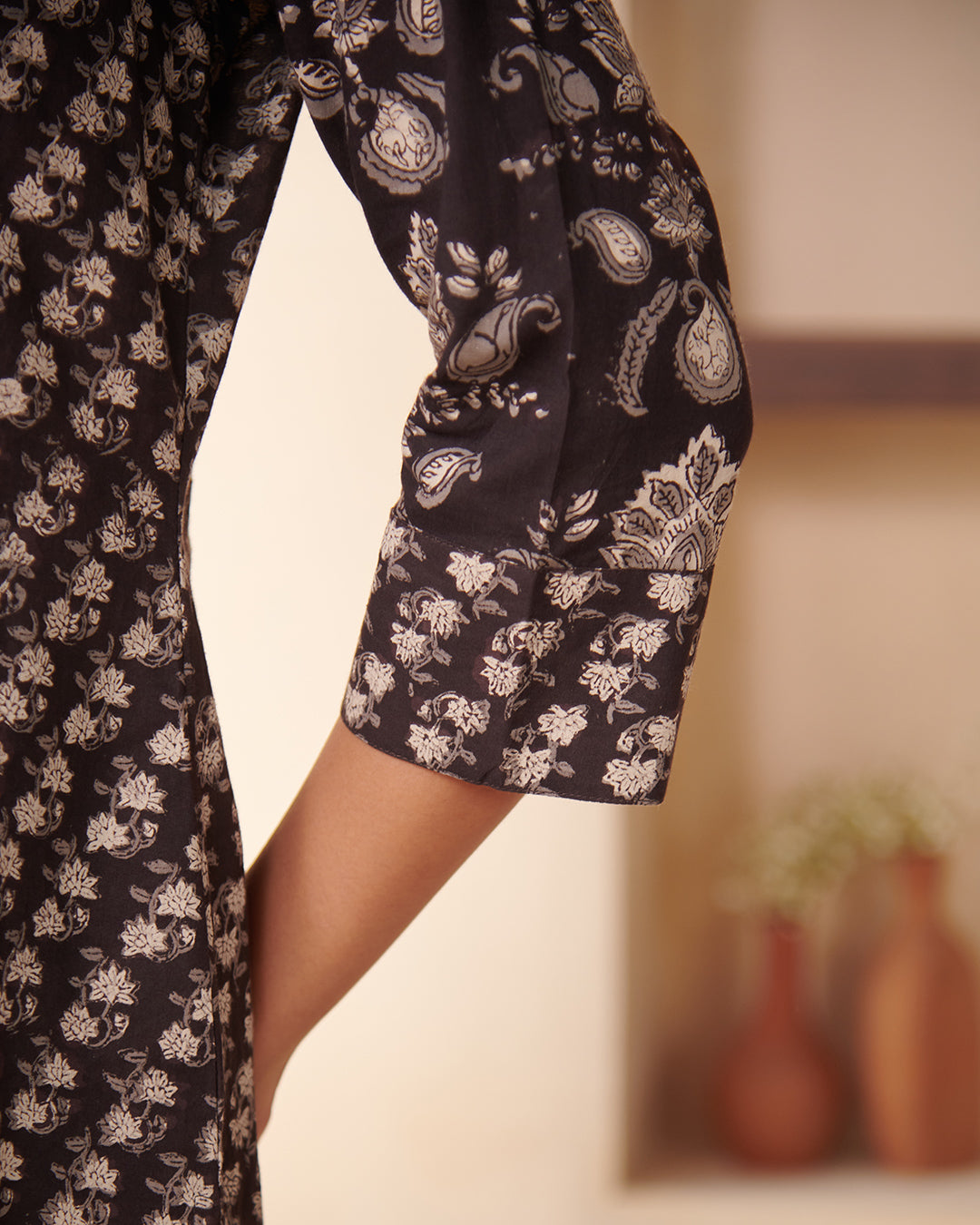
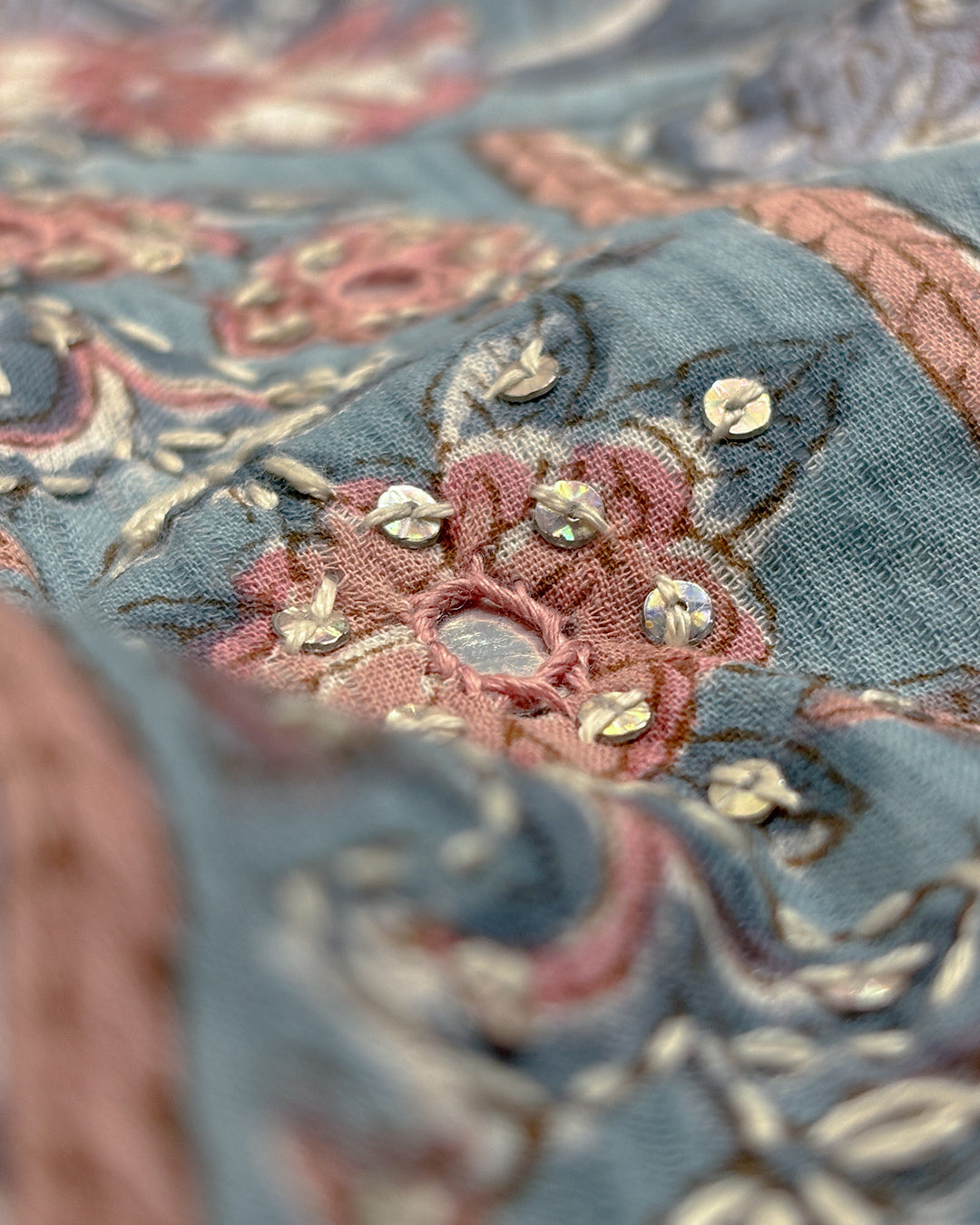
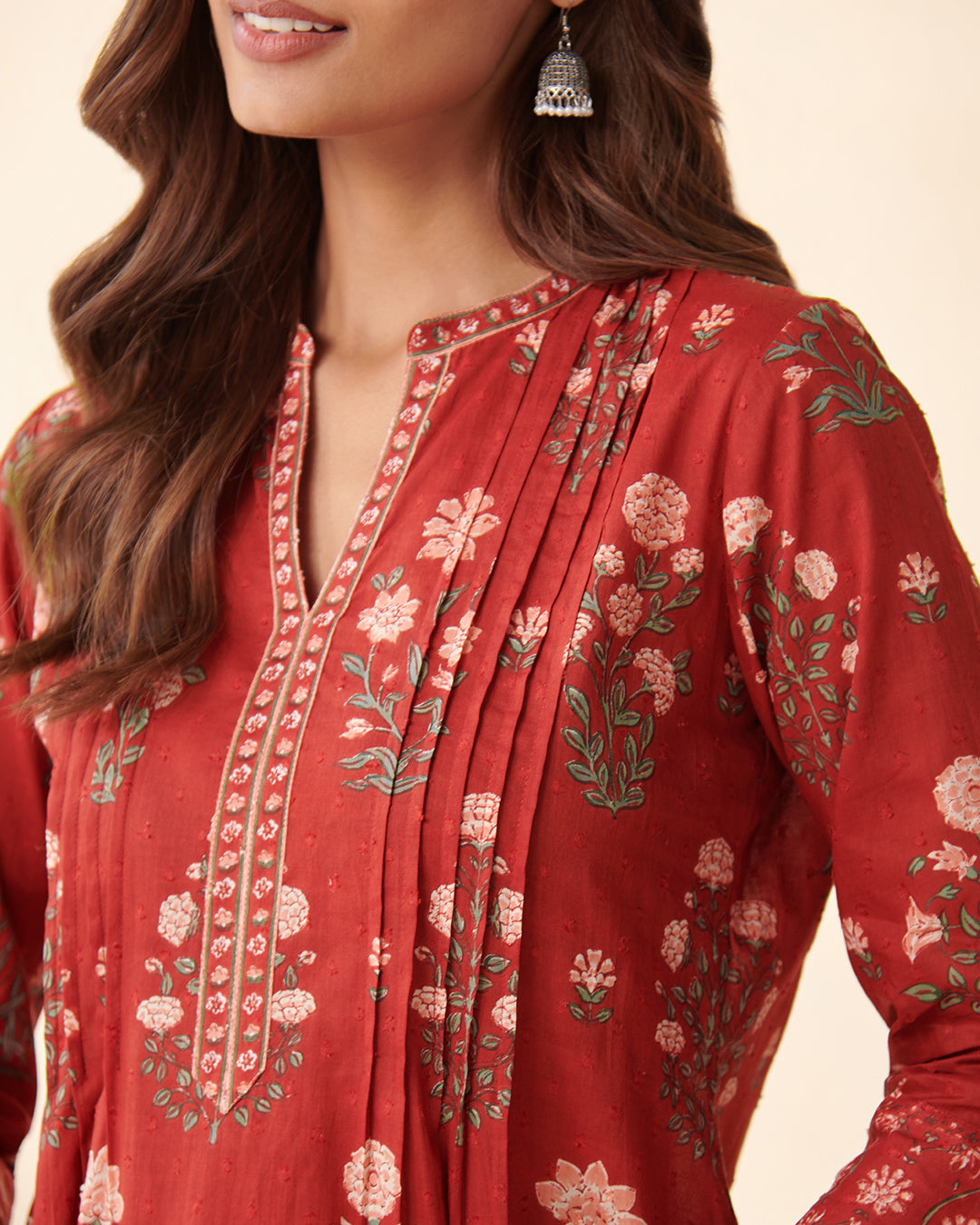
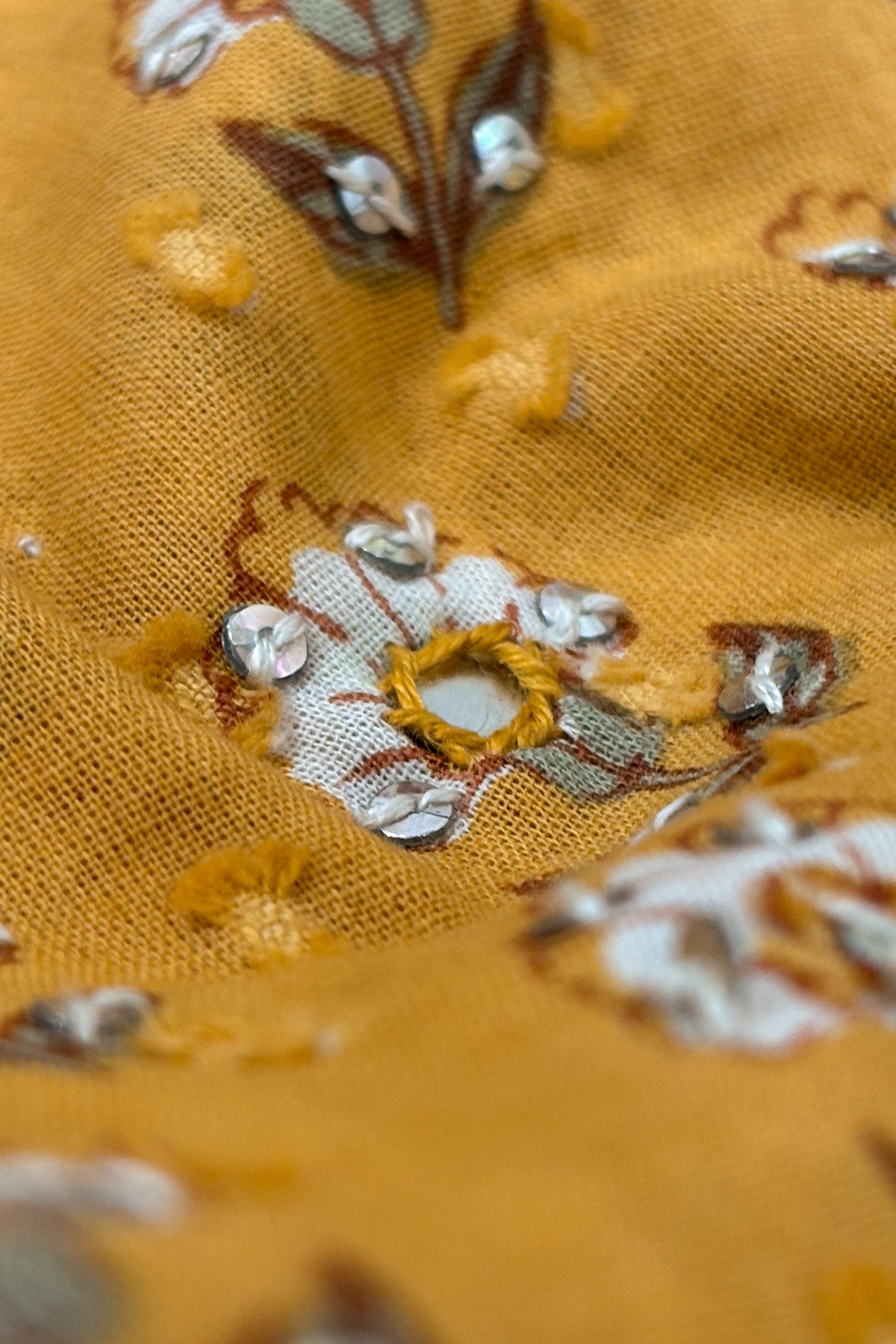
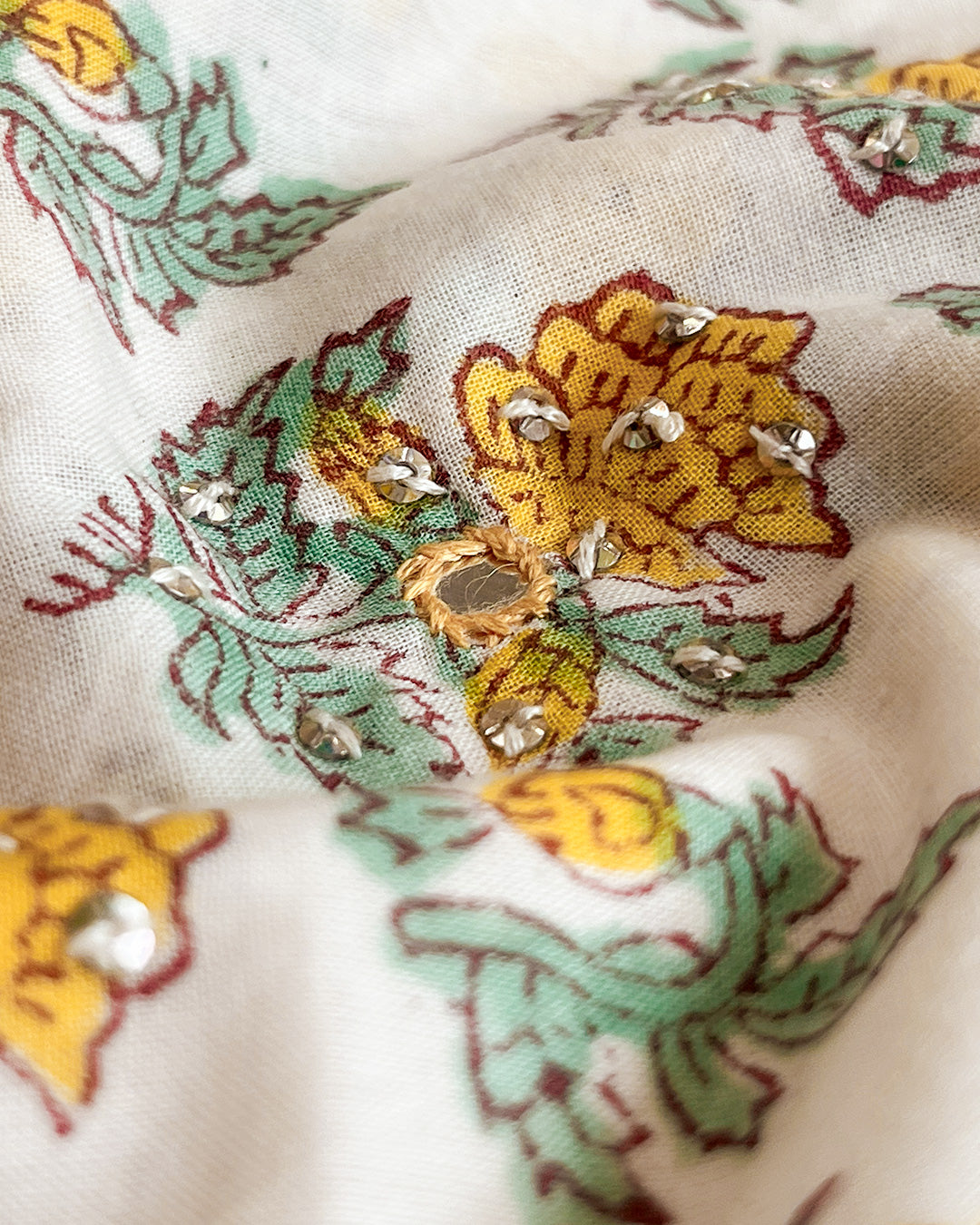
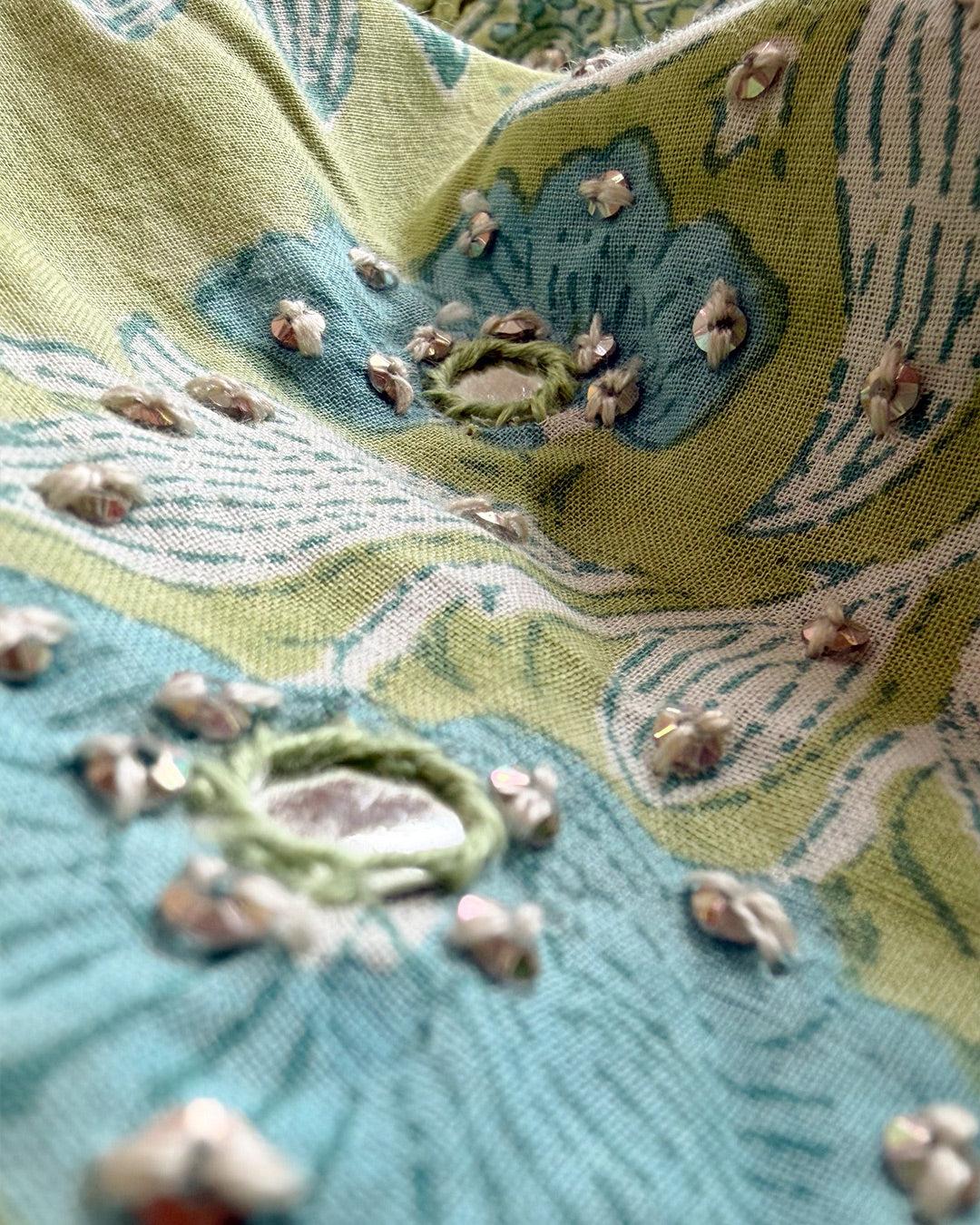
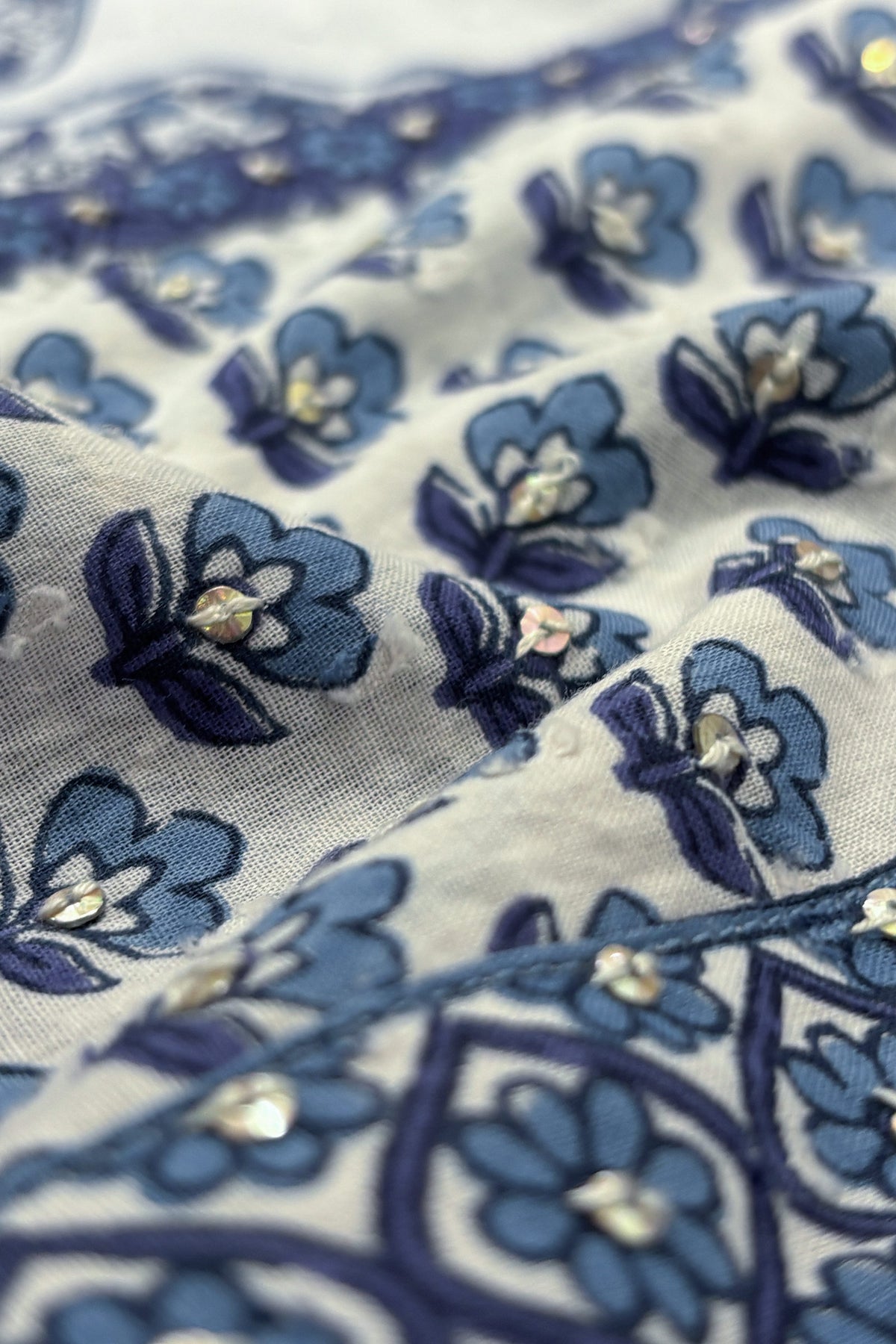
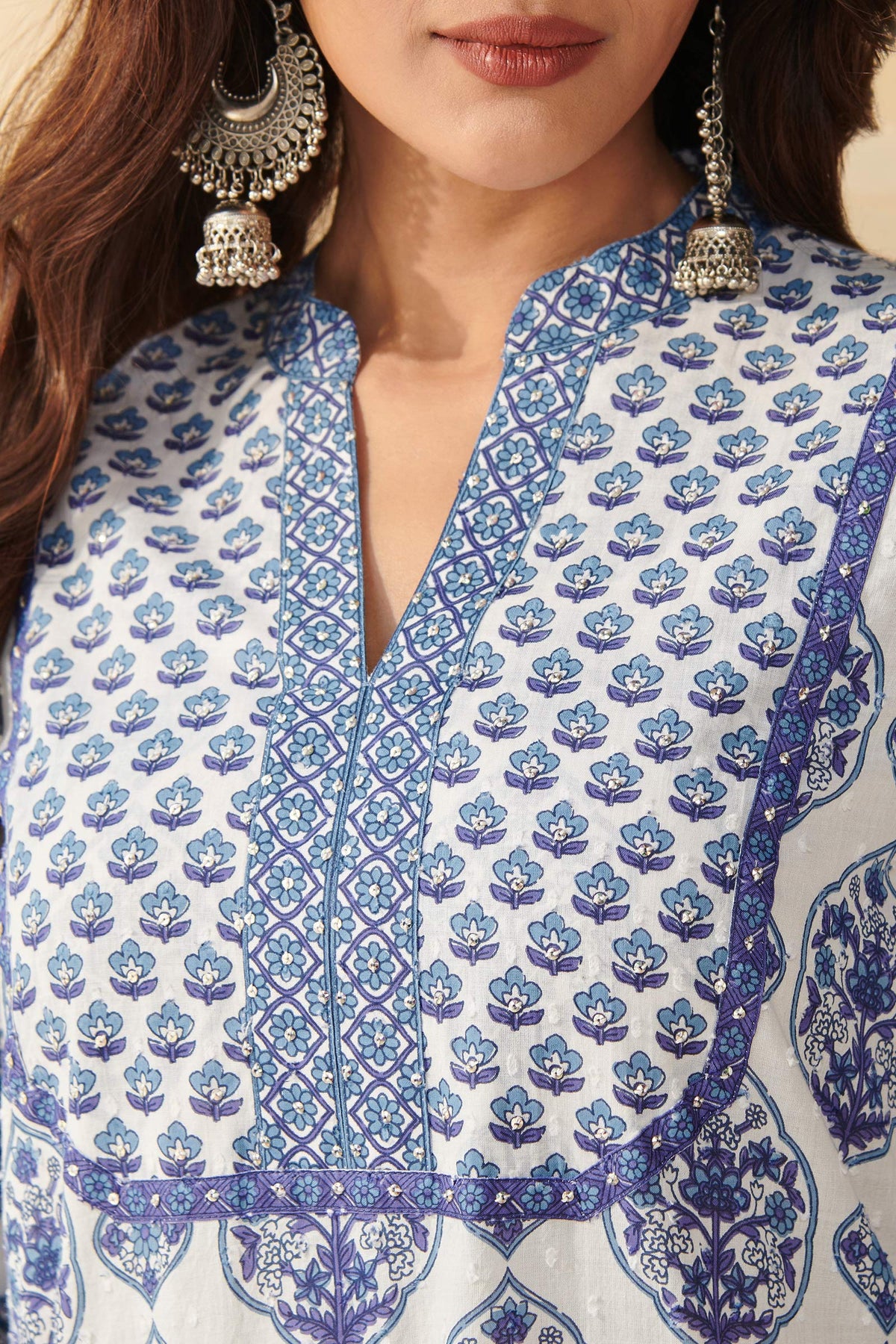
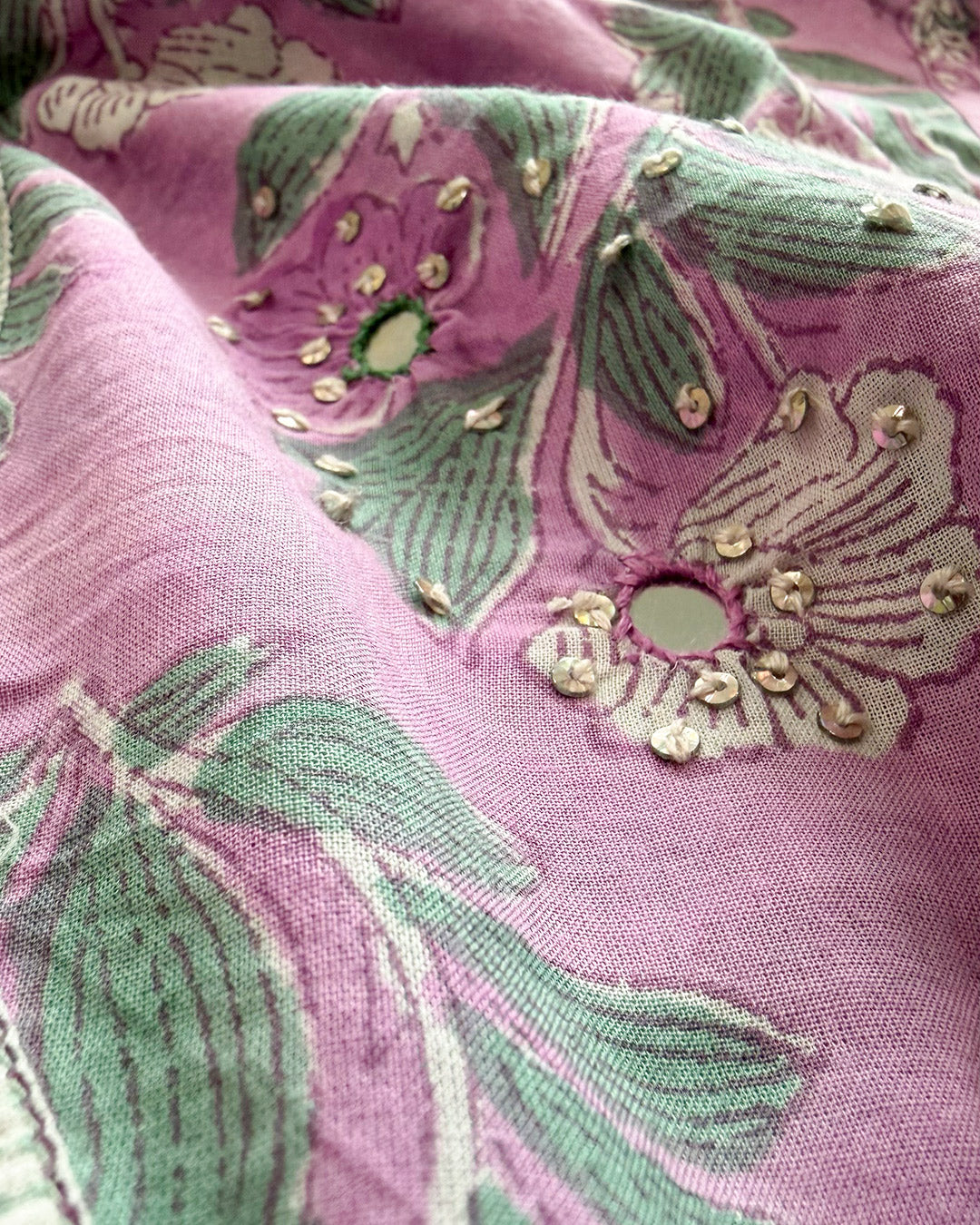
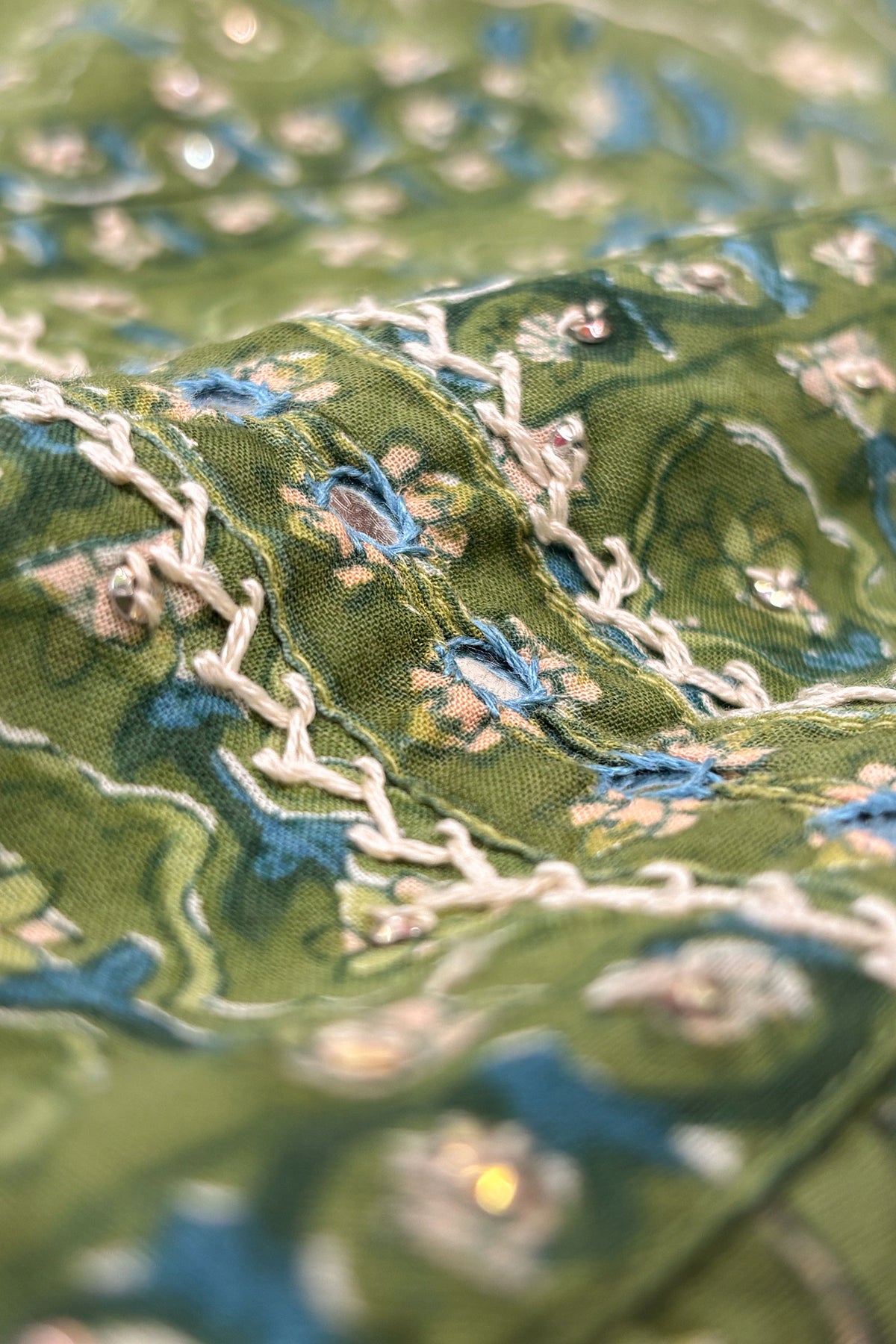
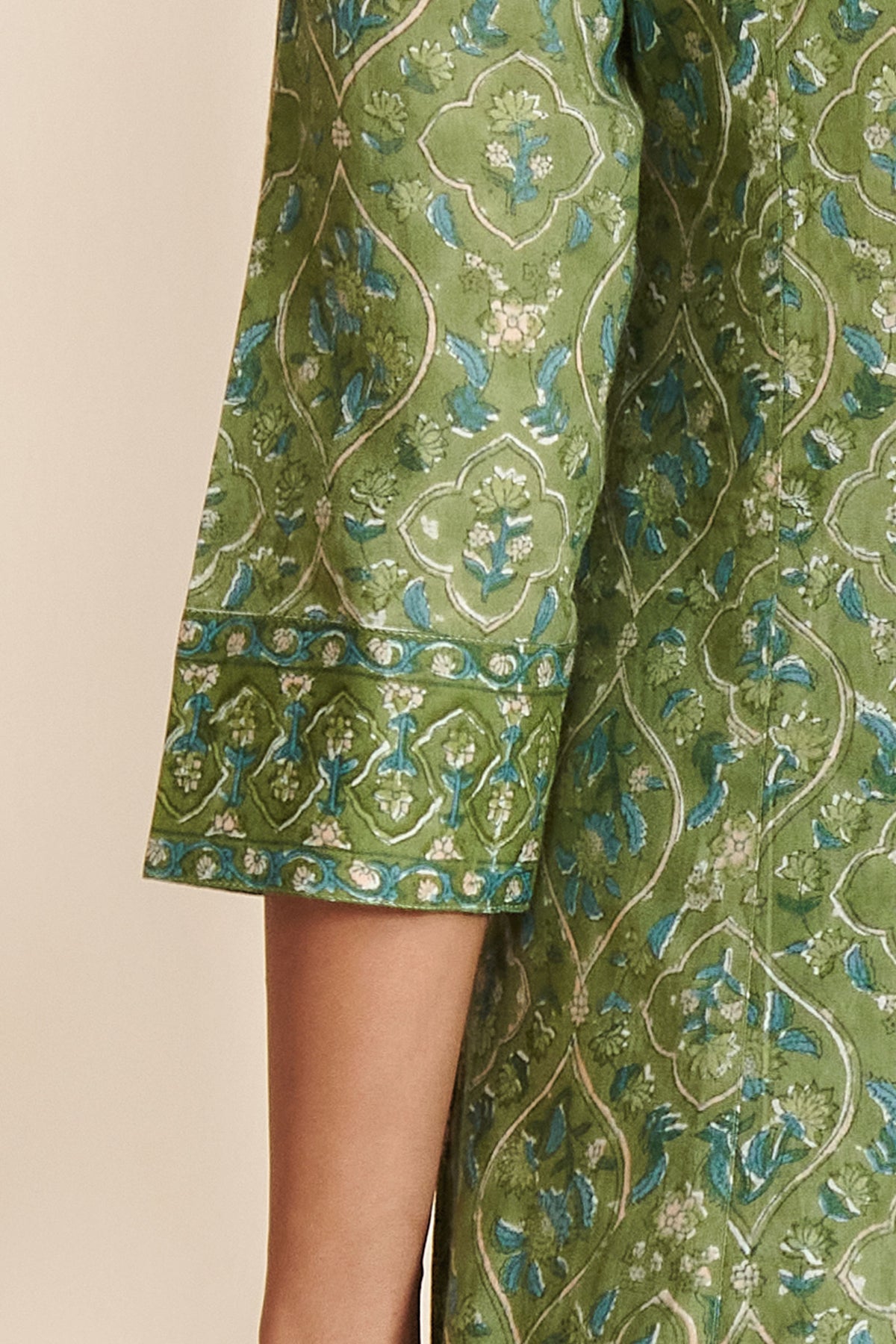
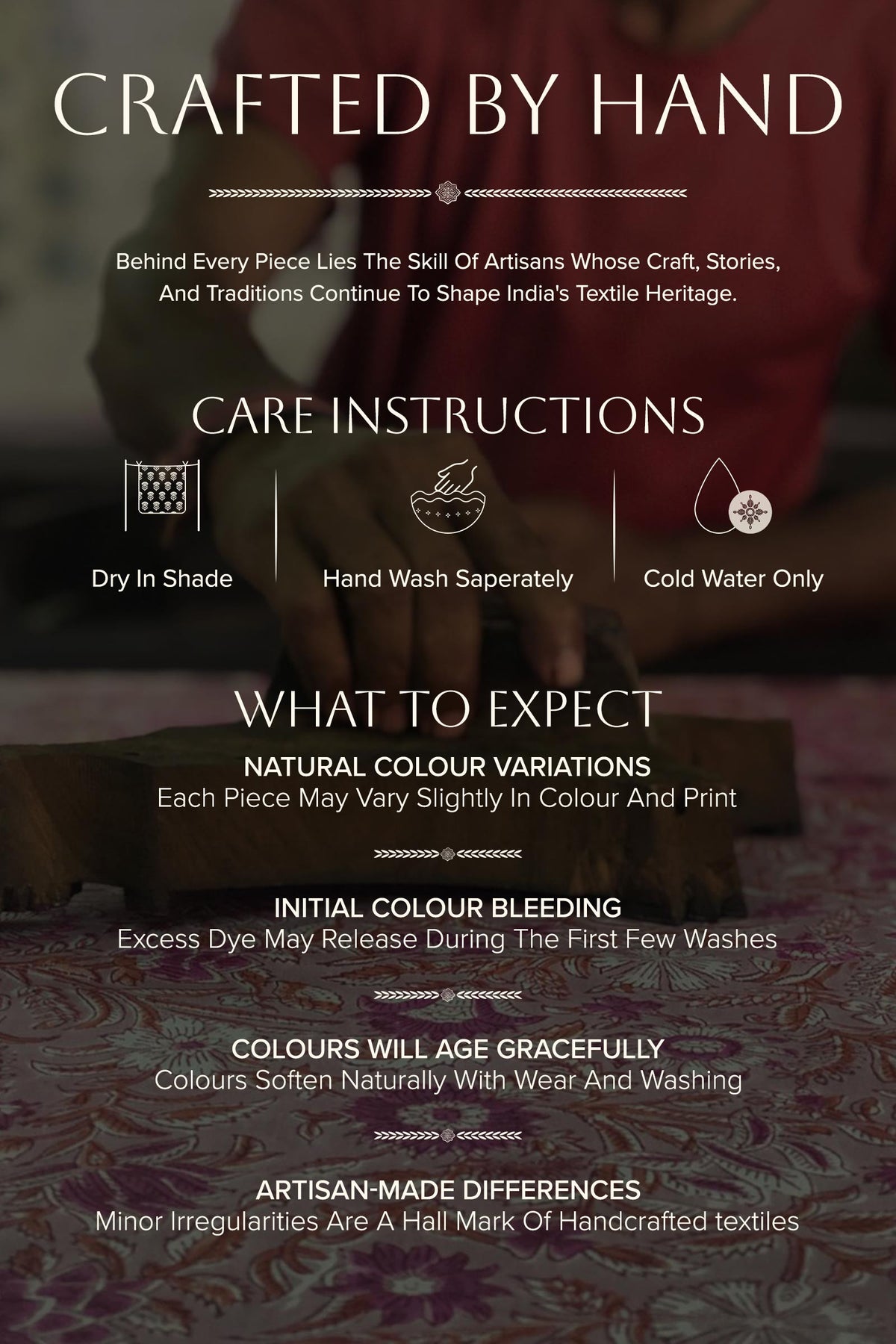
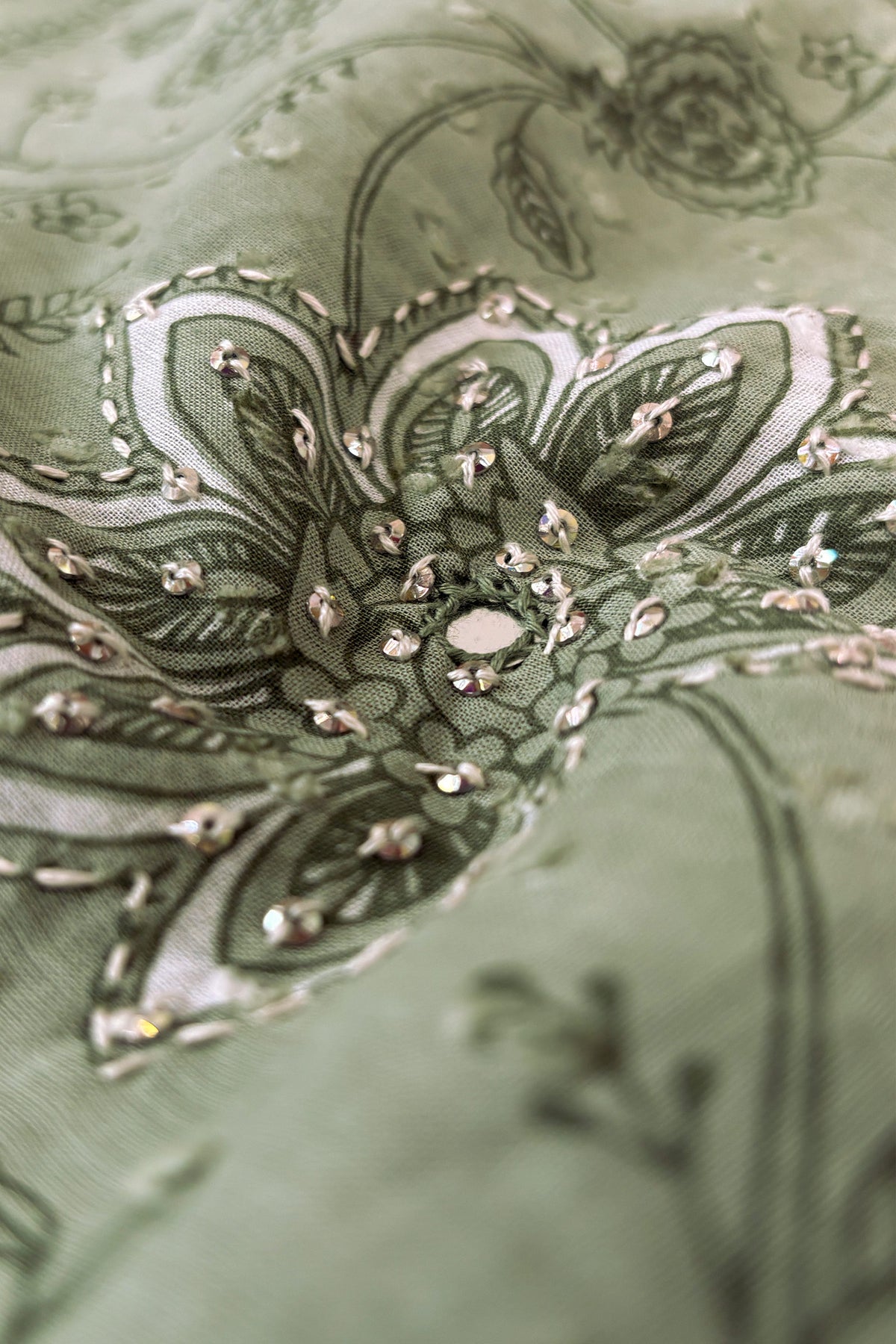
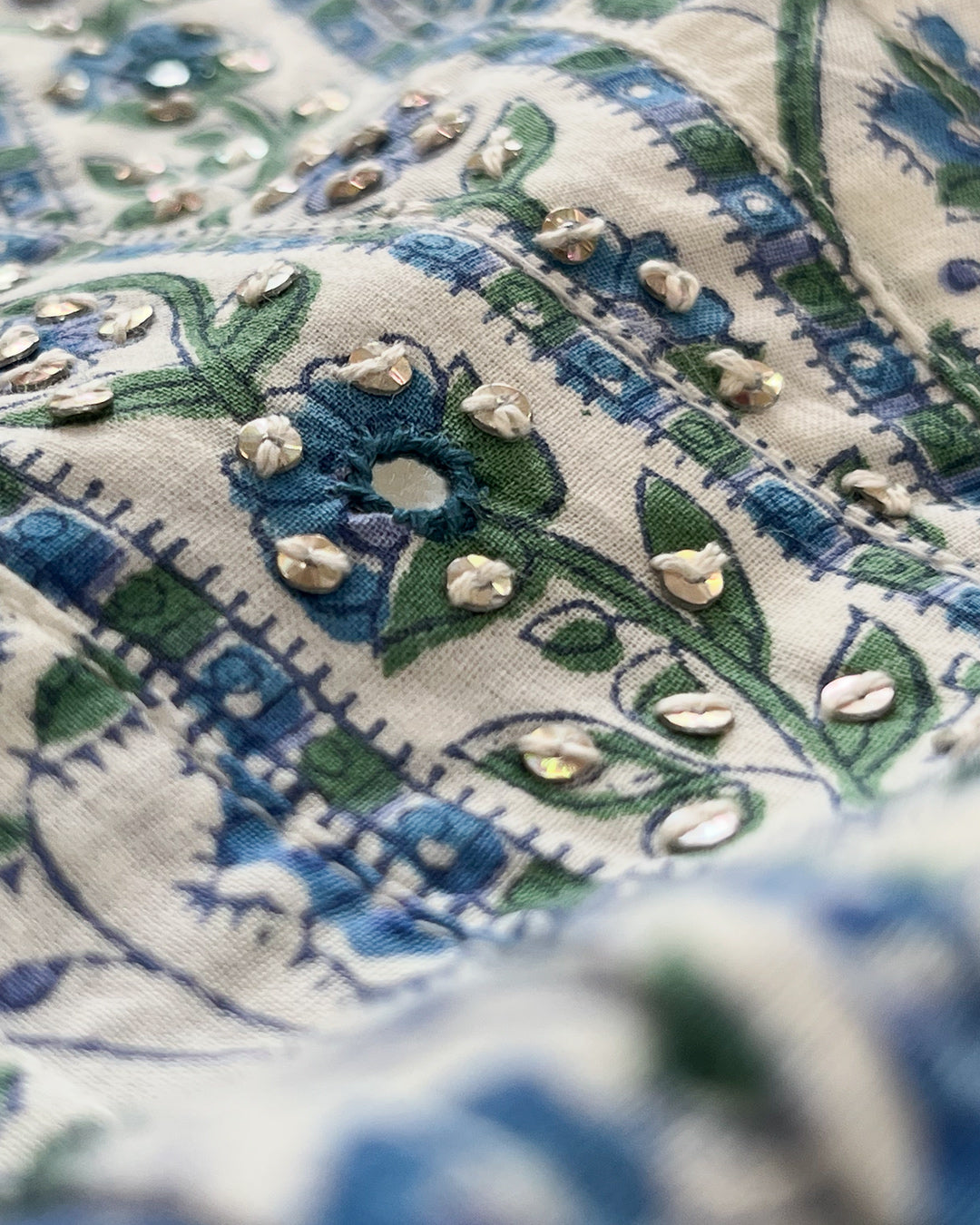
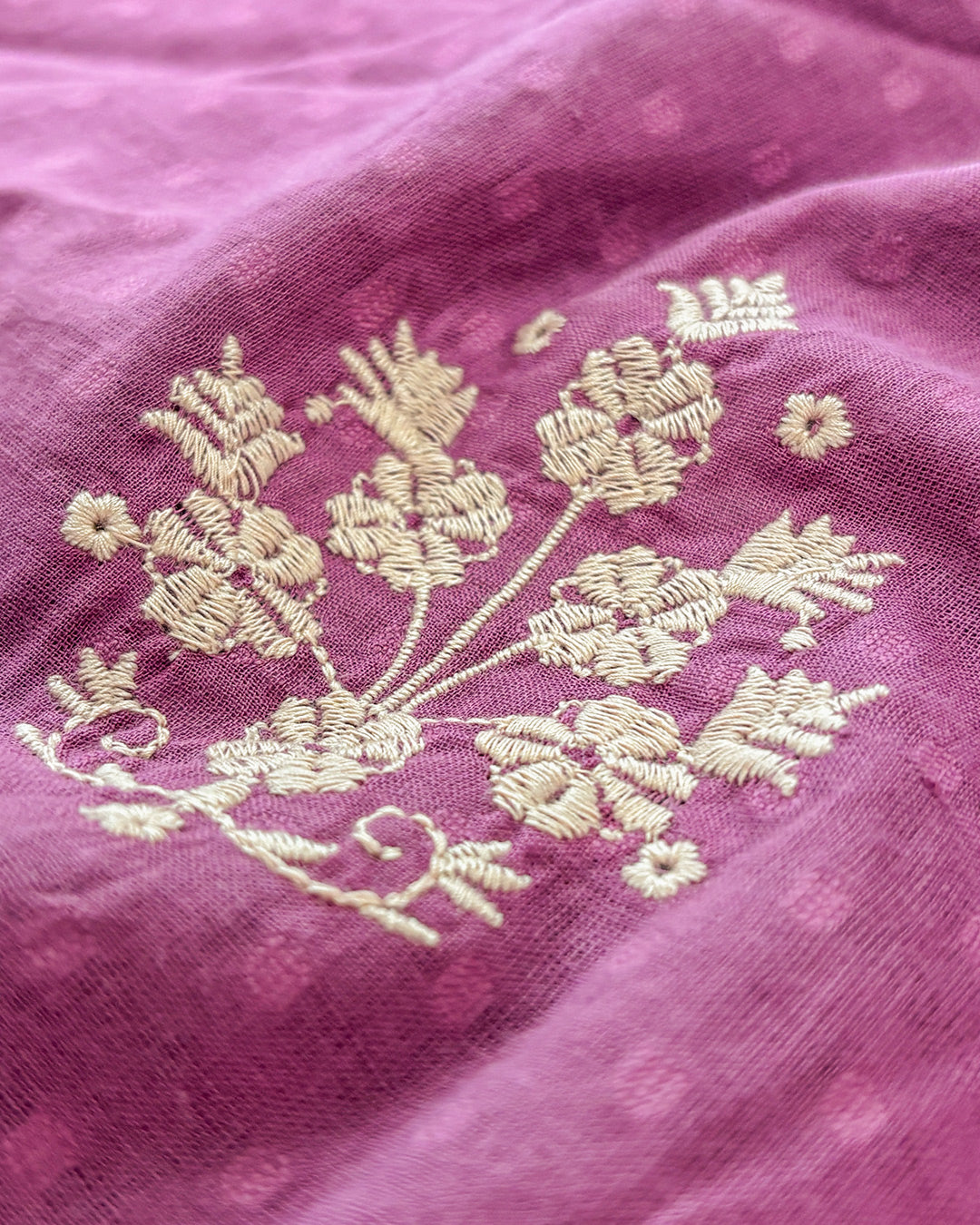
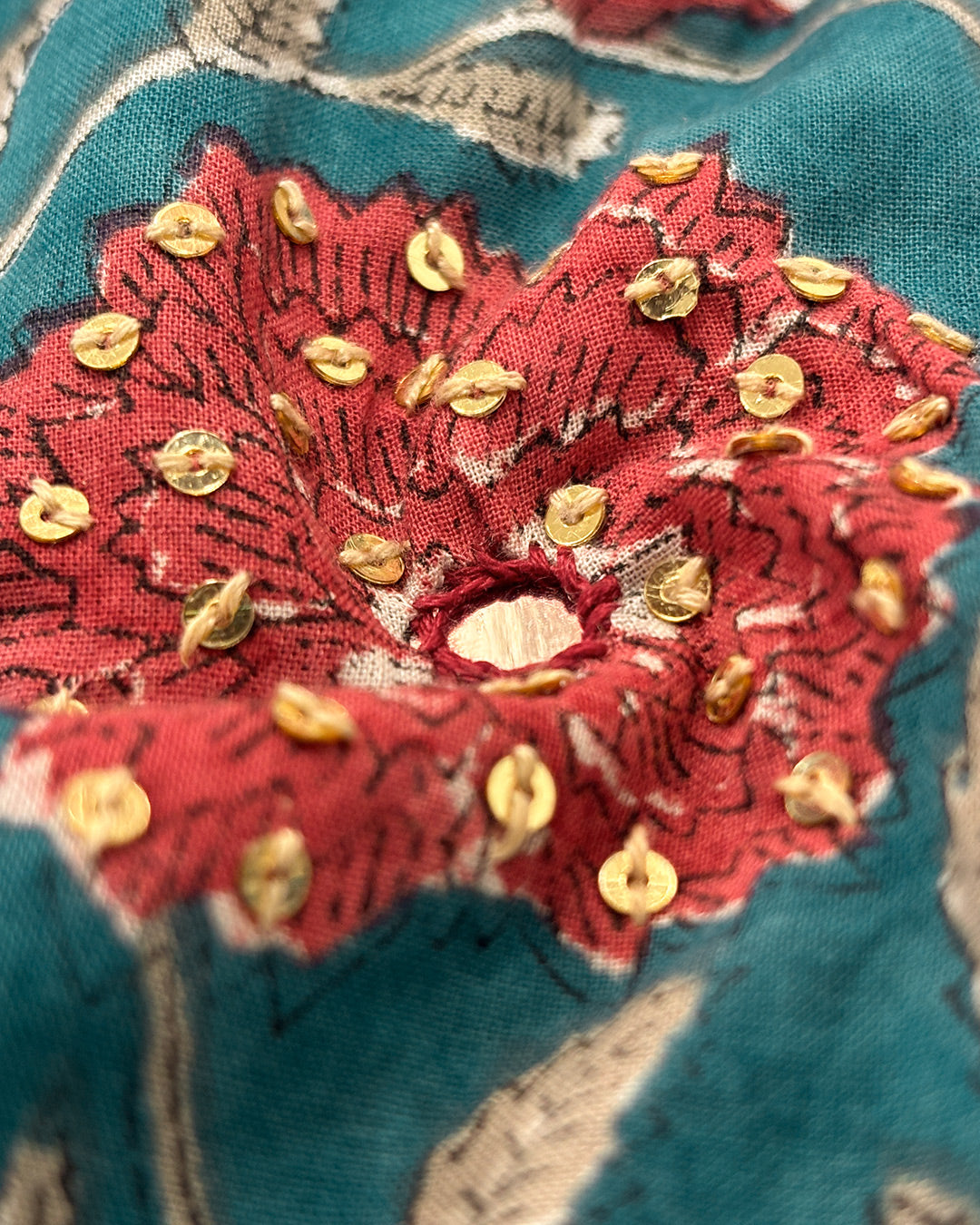
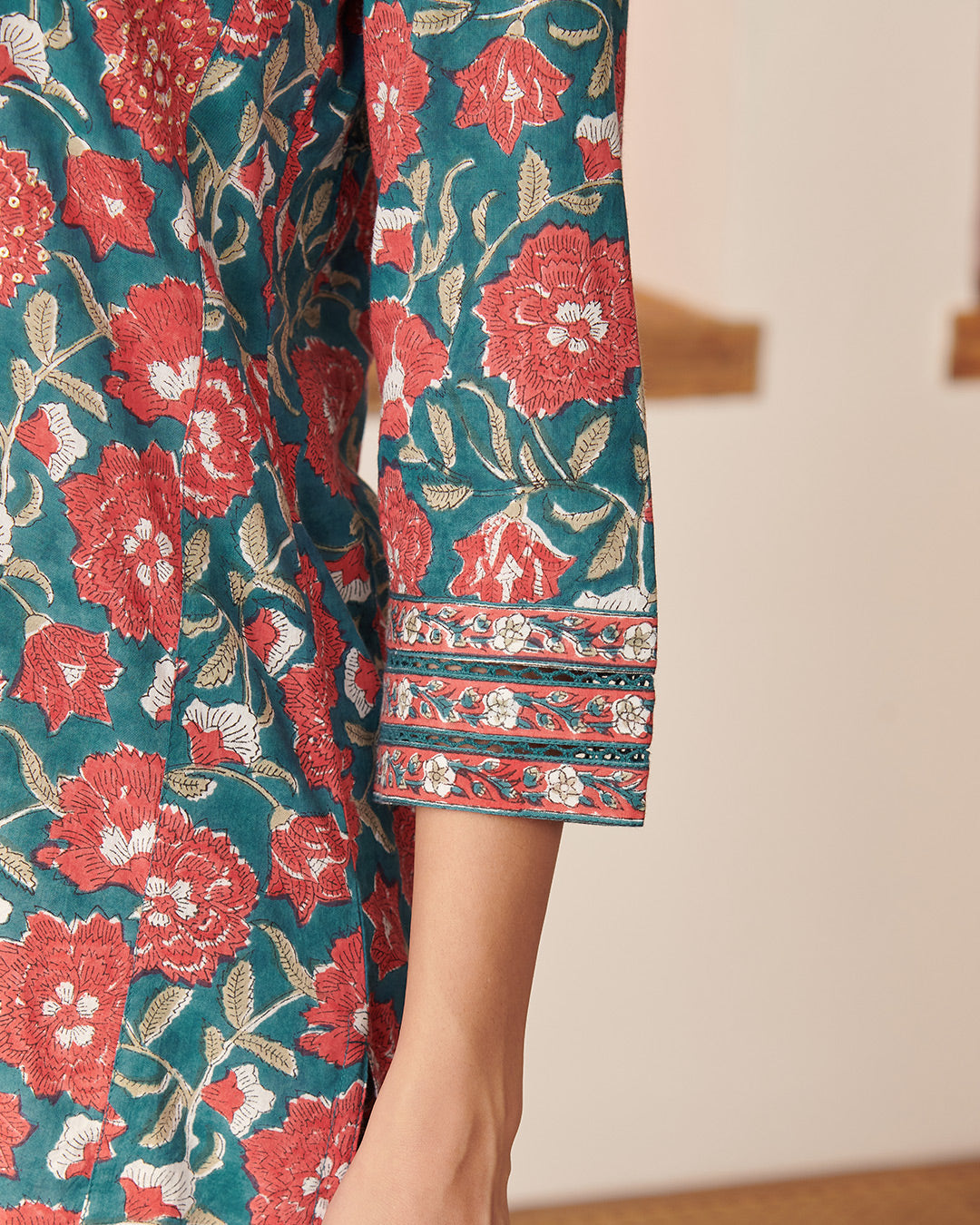
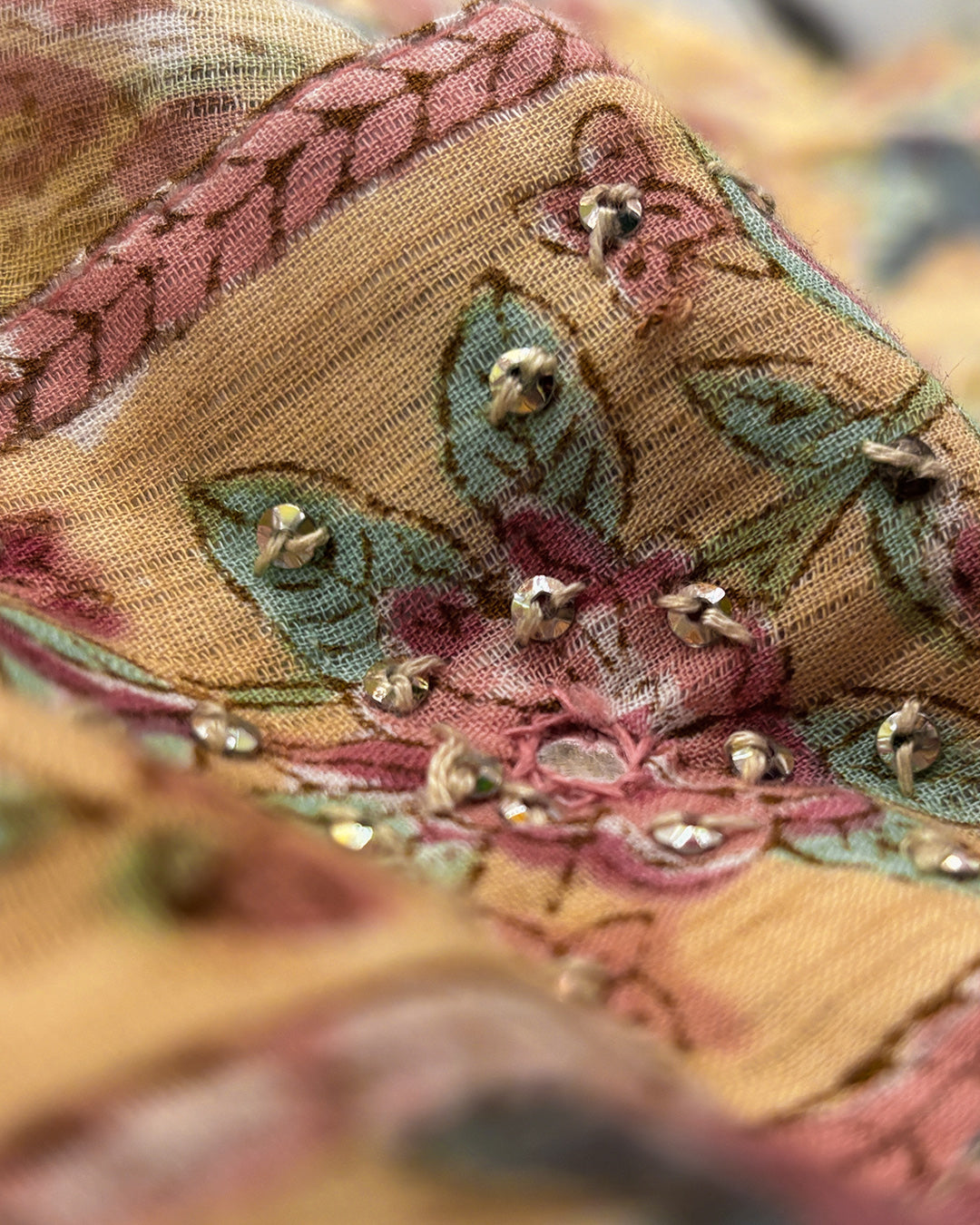
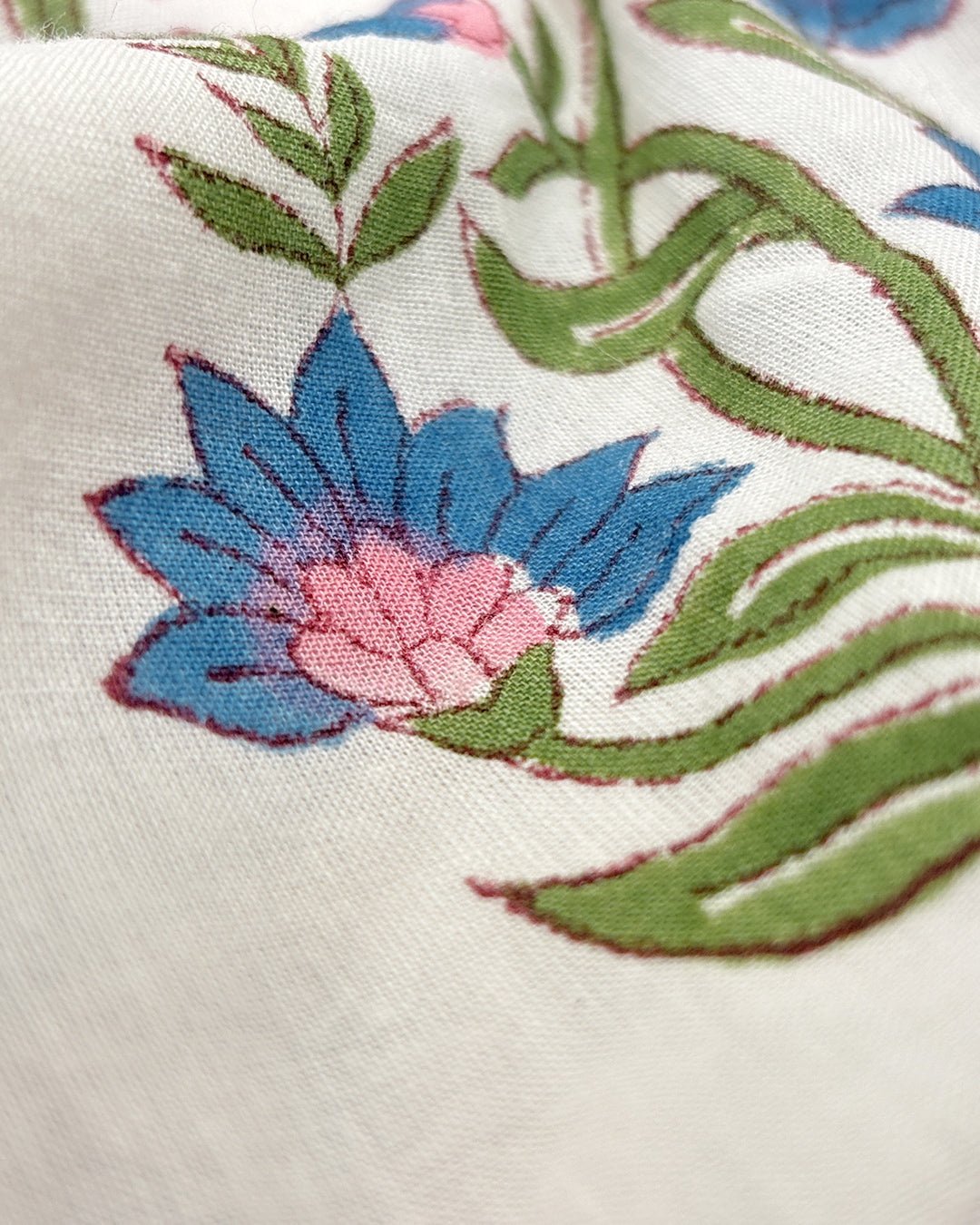
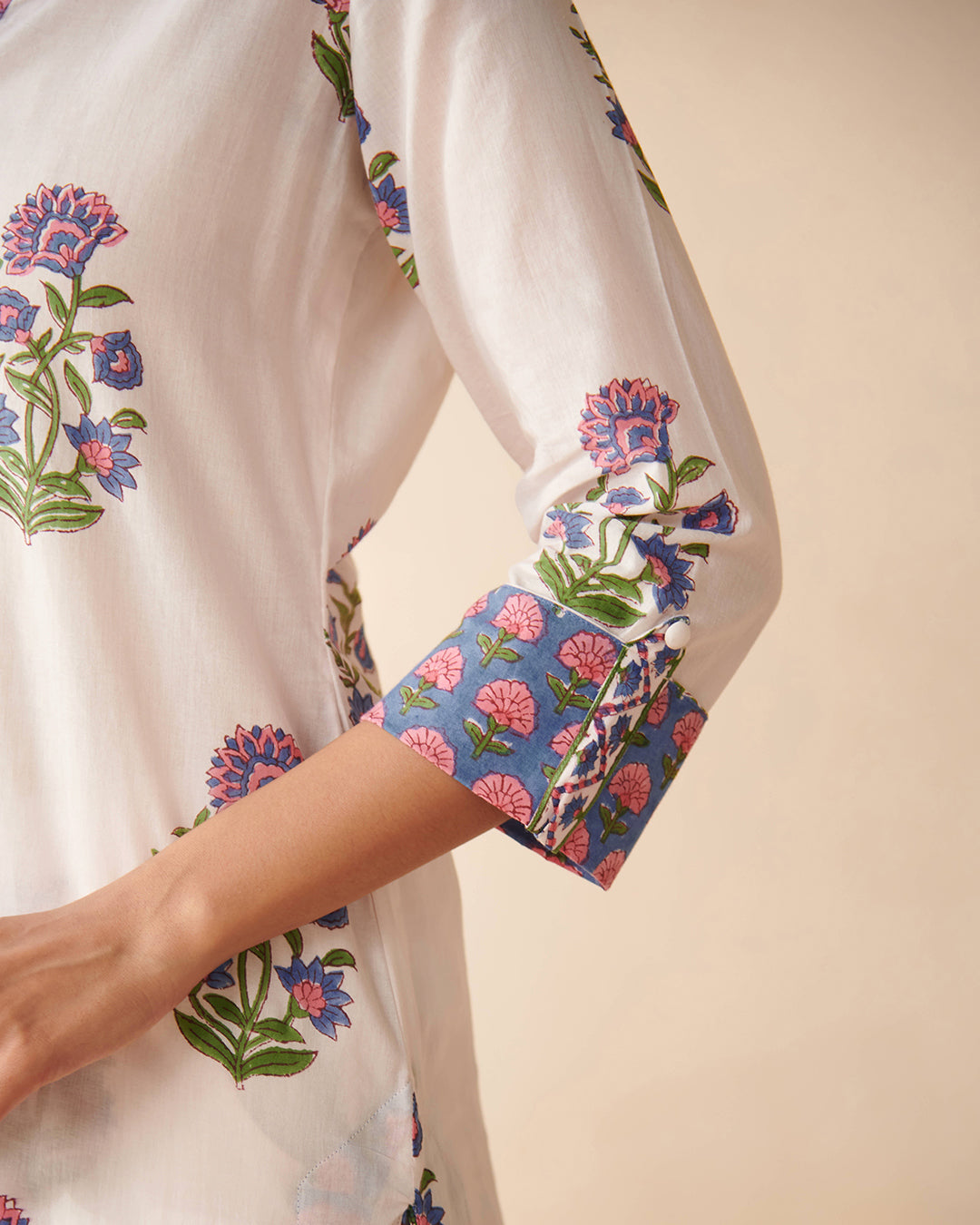
Handcrafted prints give colour a certain depth. With block printing, each impression carries the touch of the artisan, creating small variations that make the fabric feel alive.
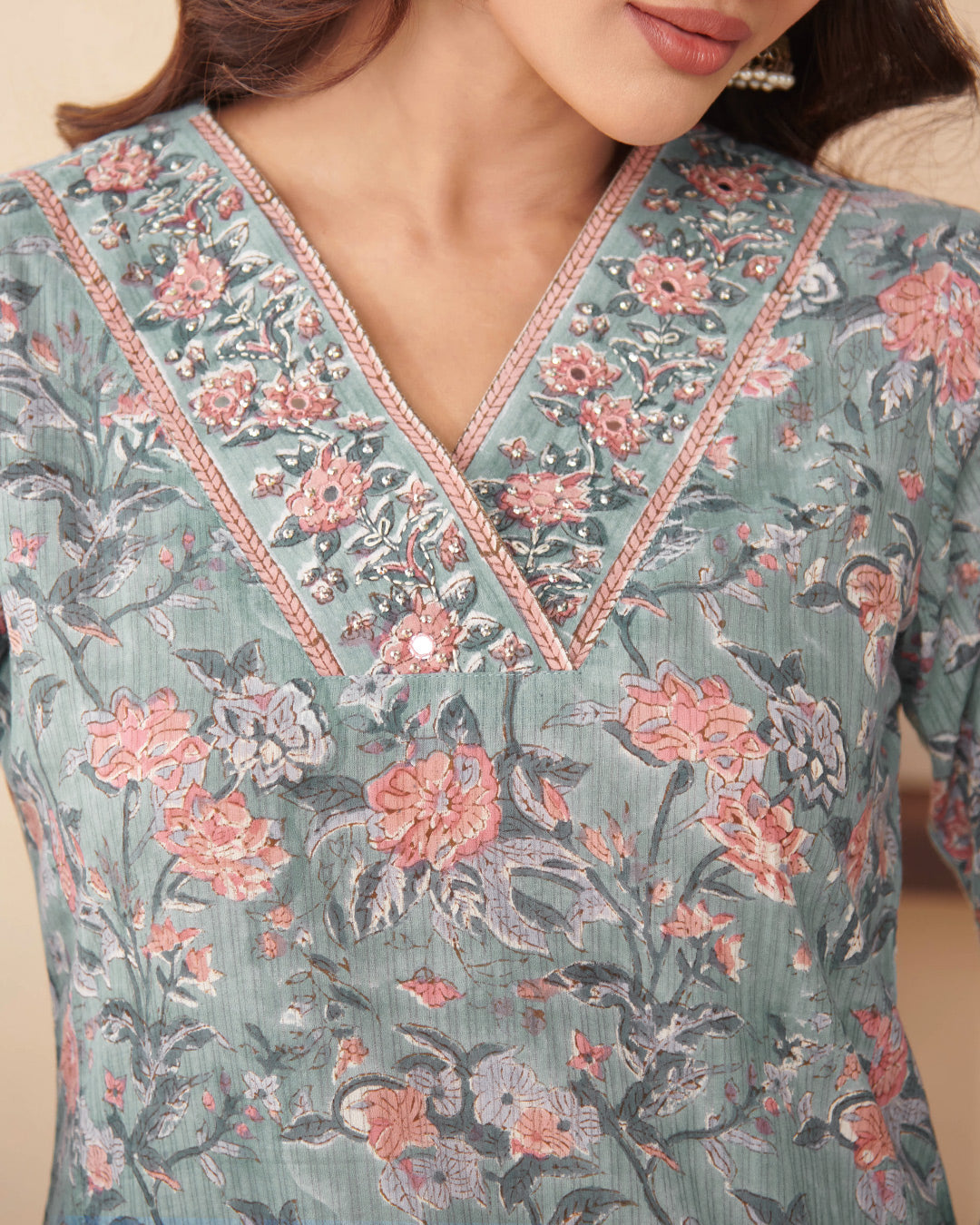
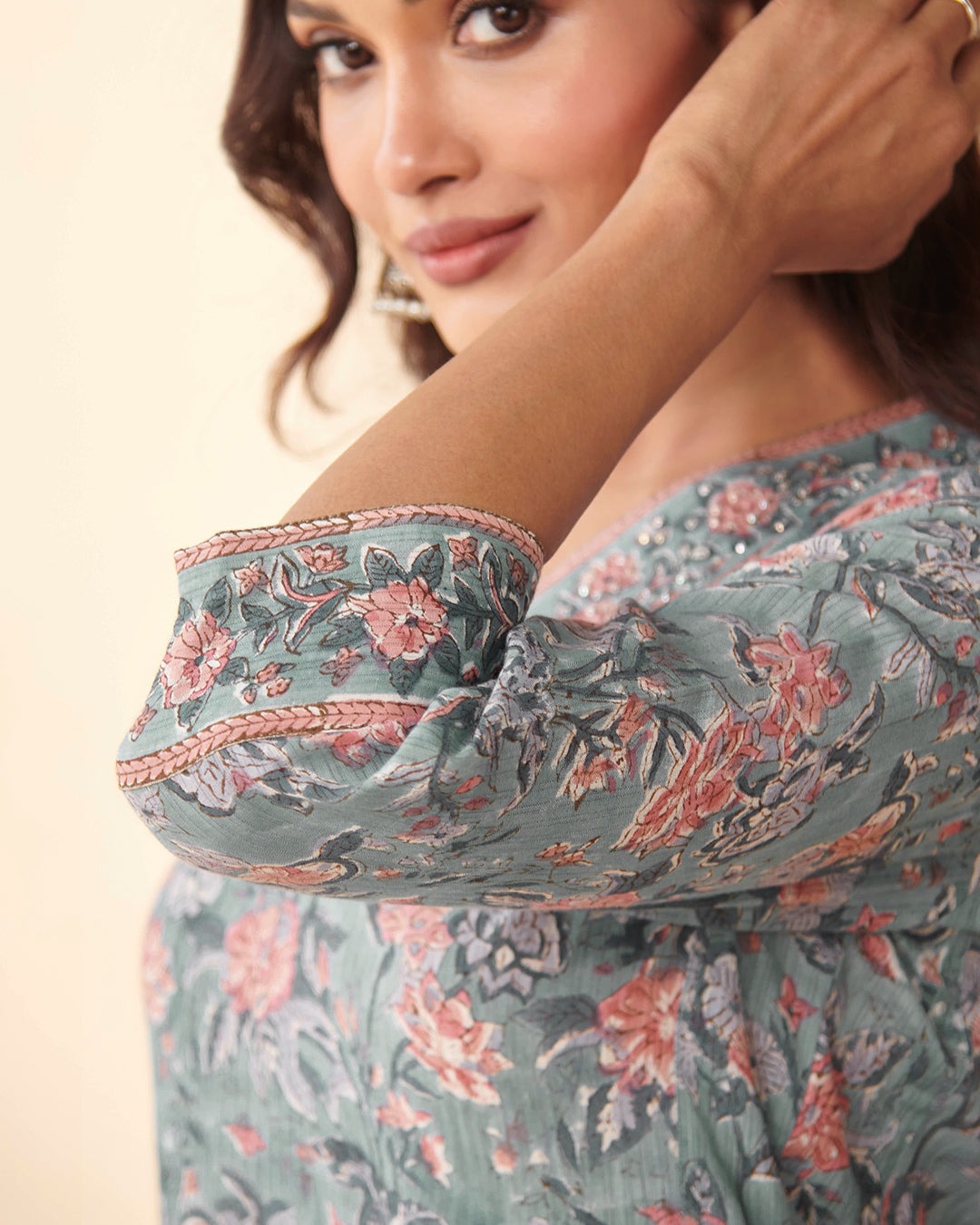
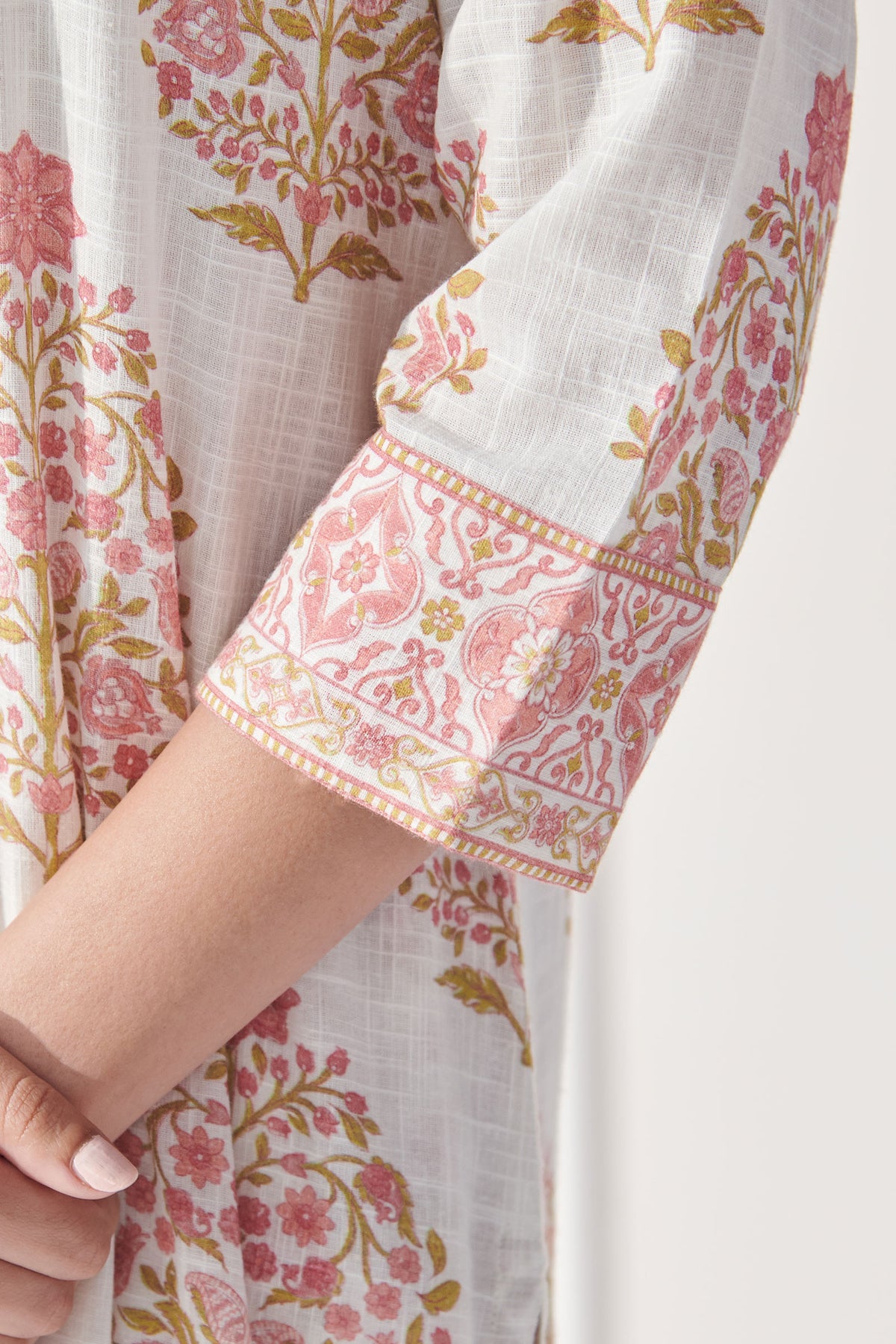
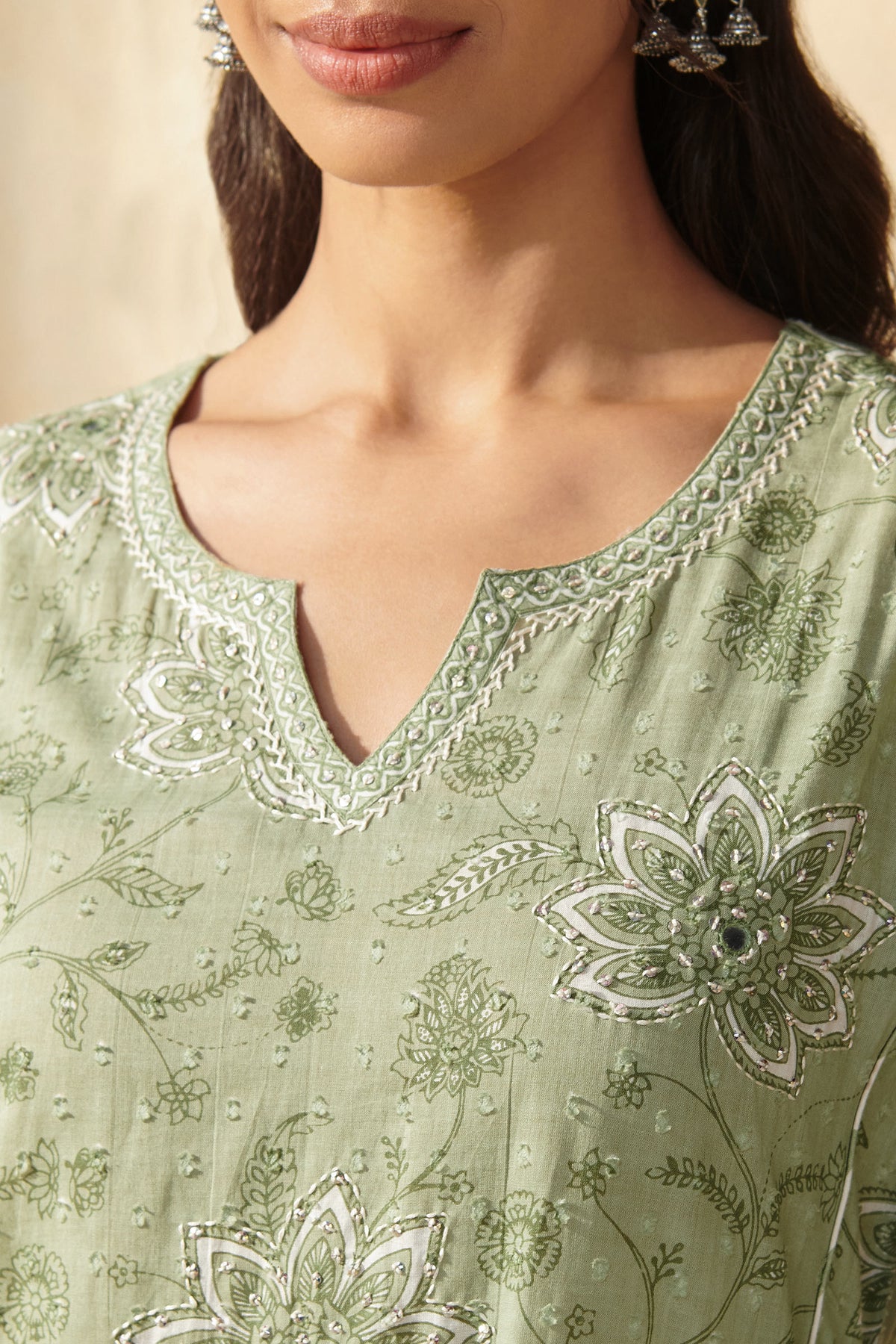
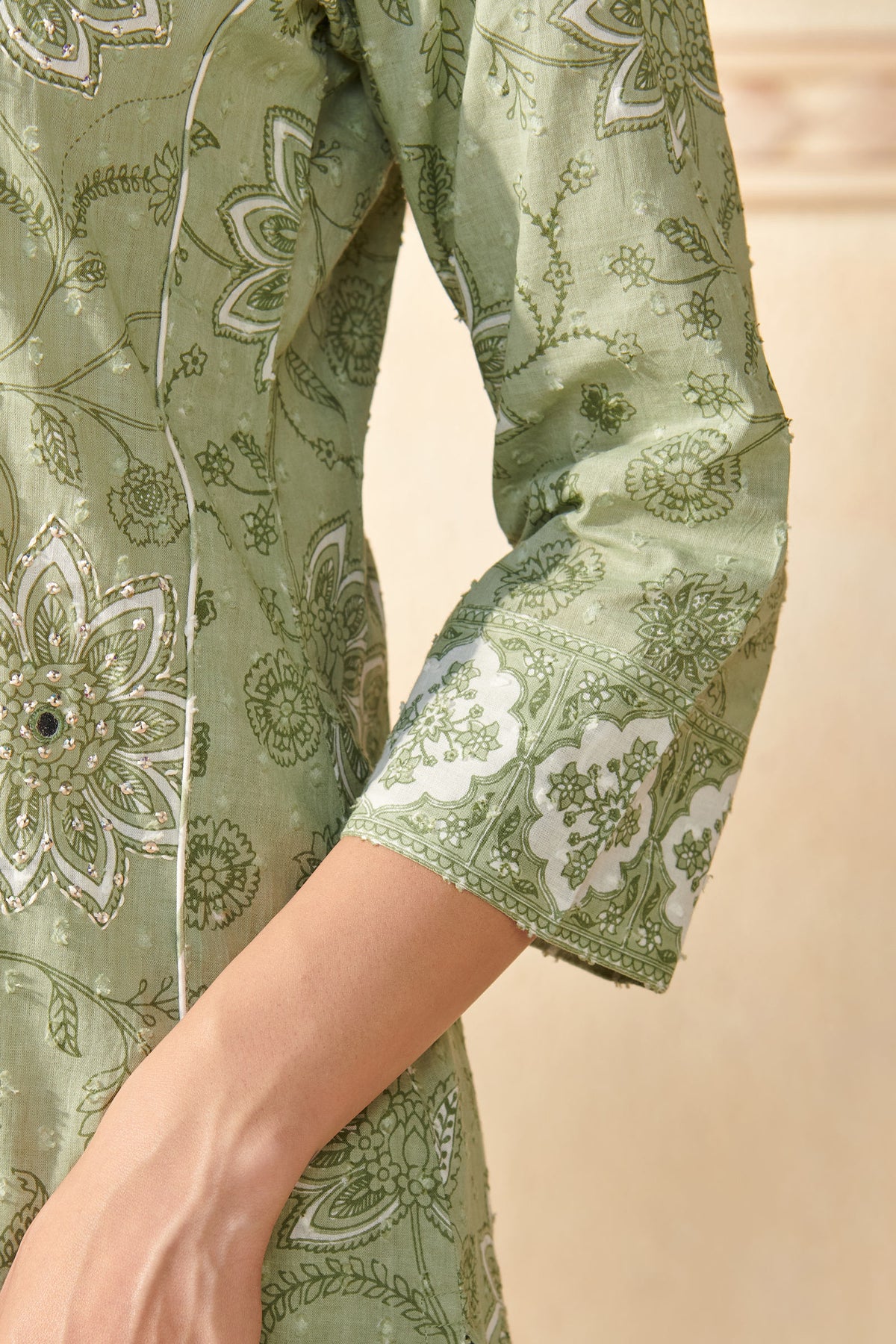
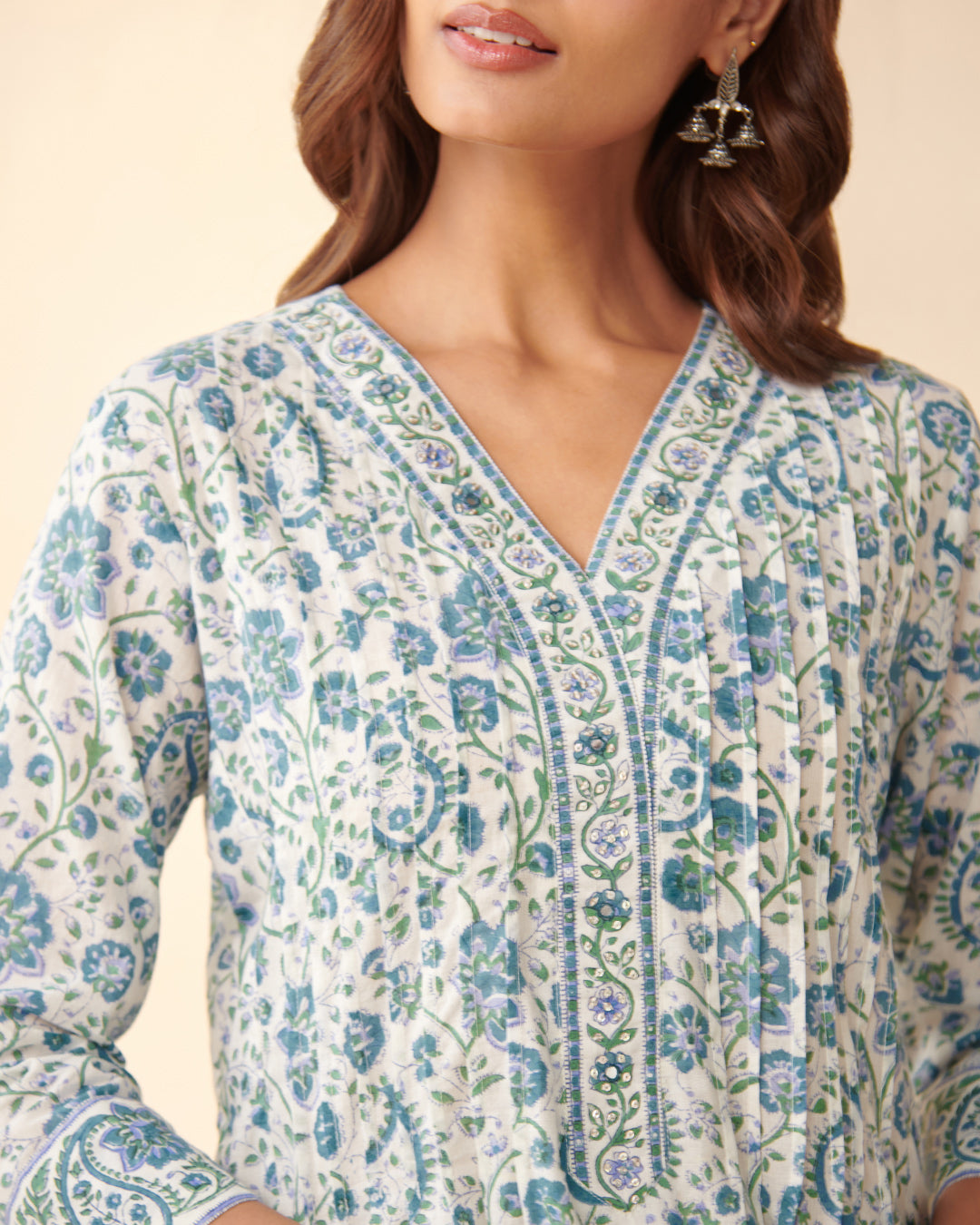
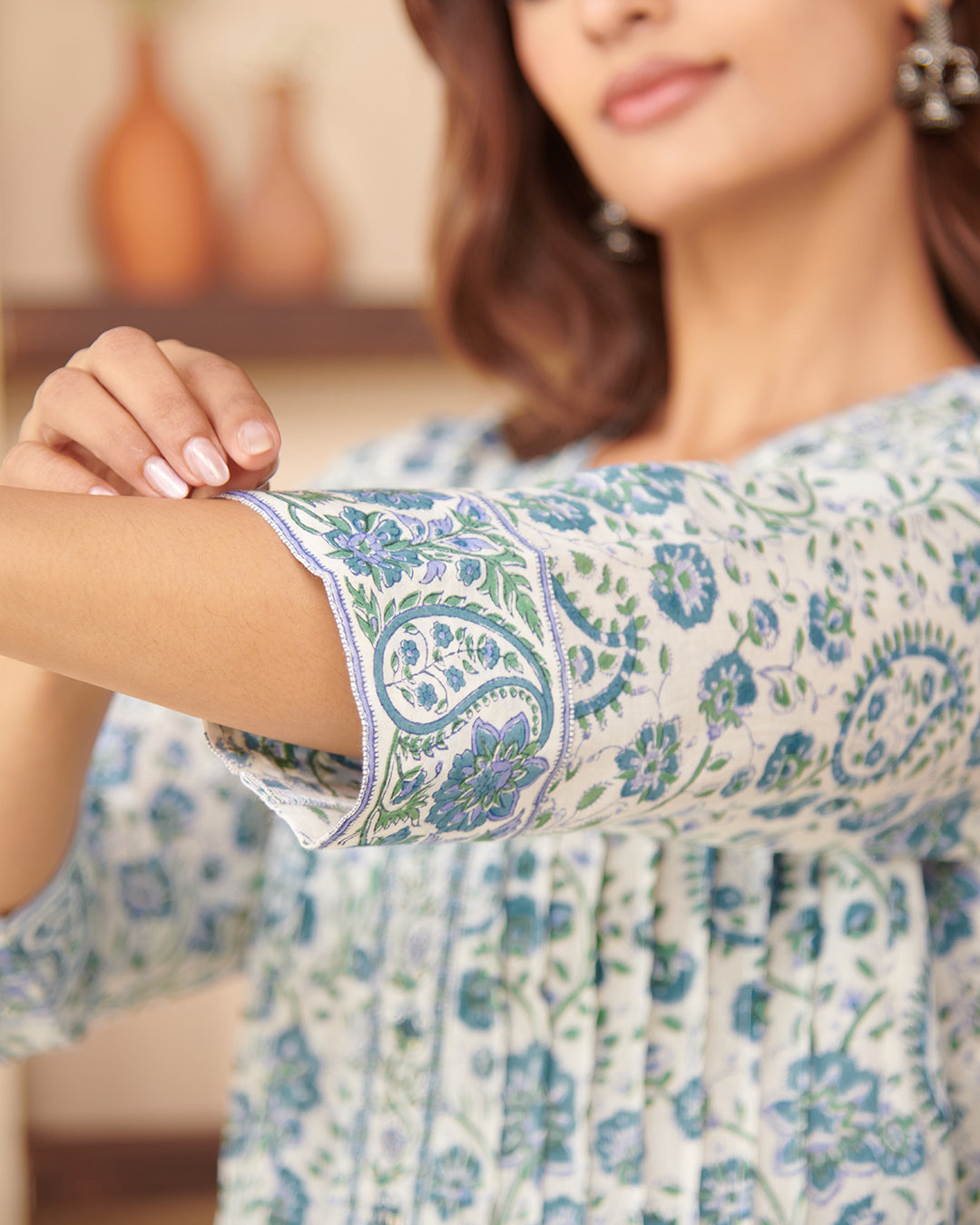
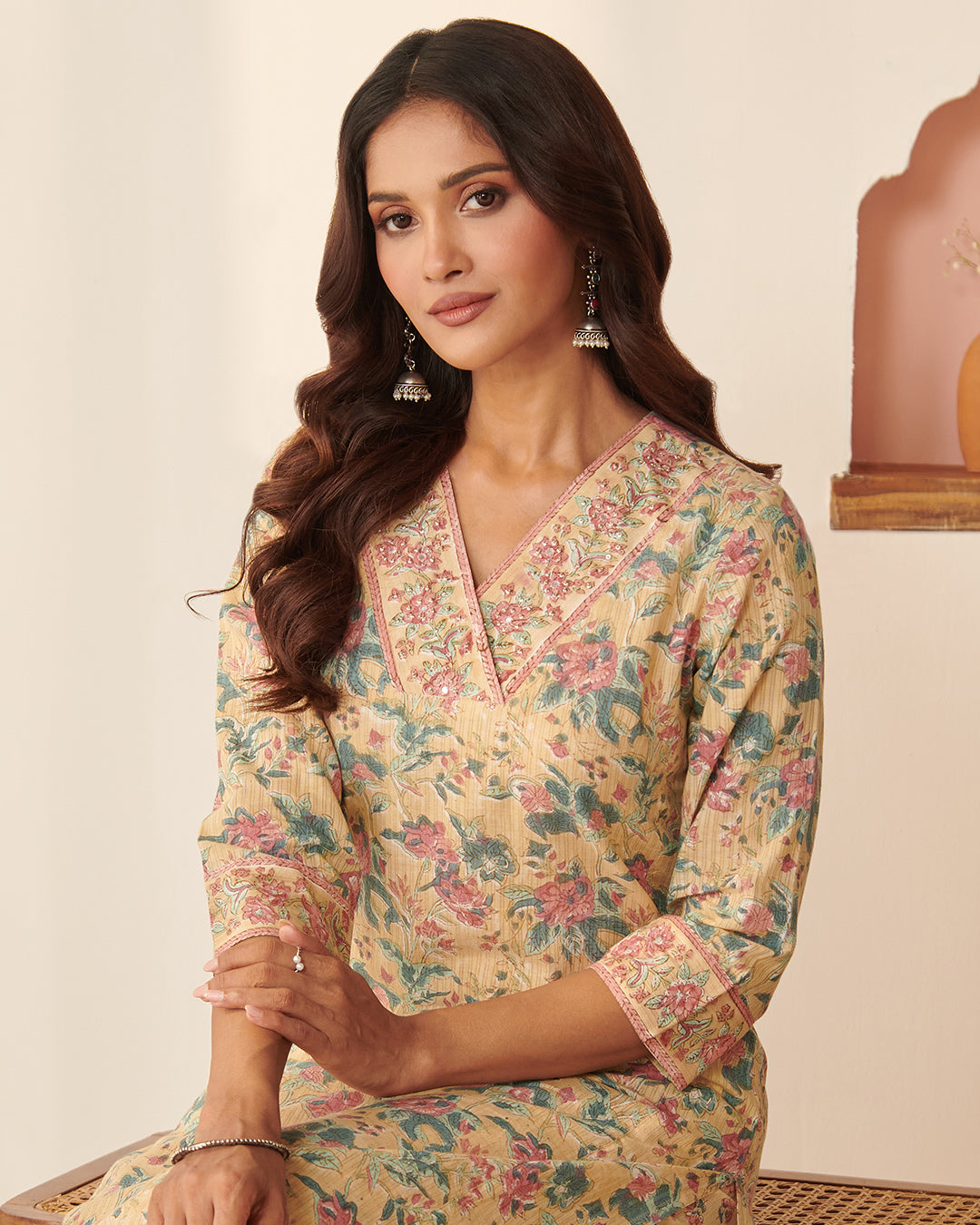
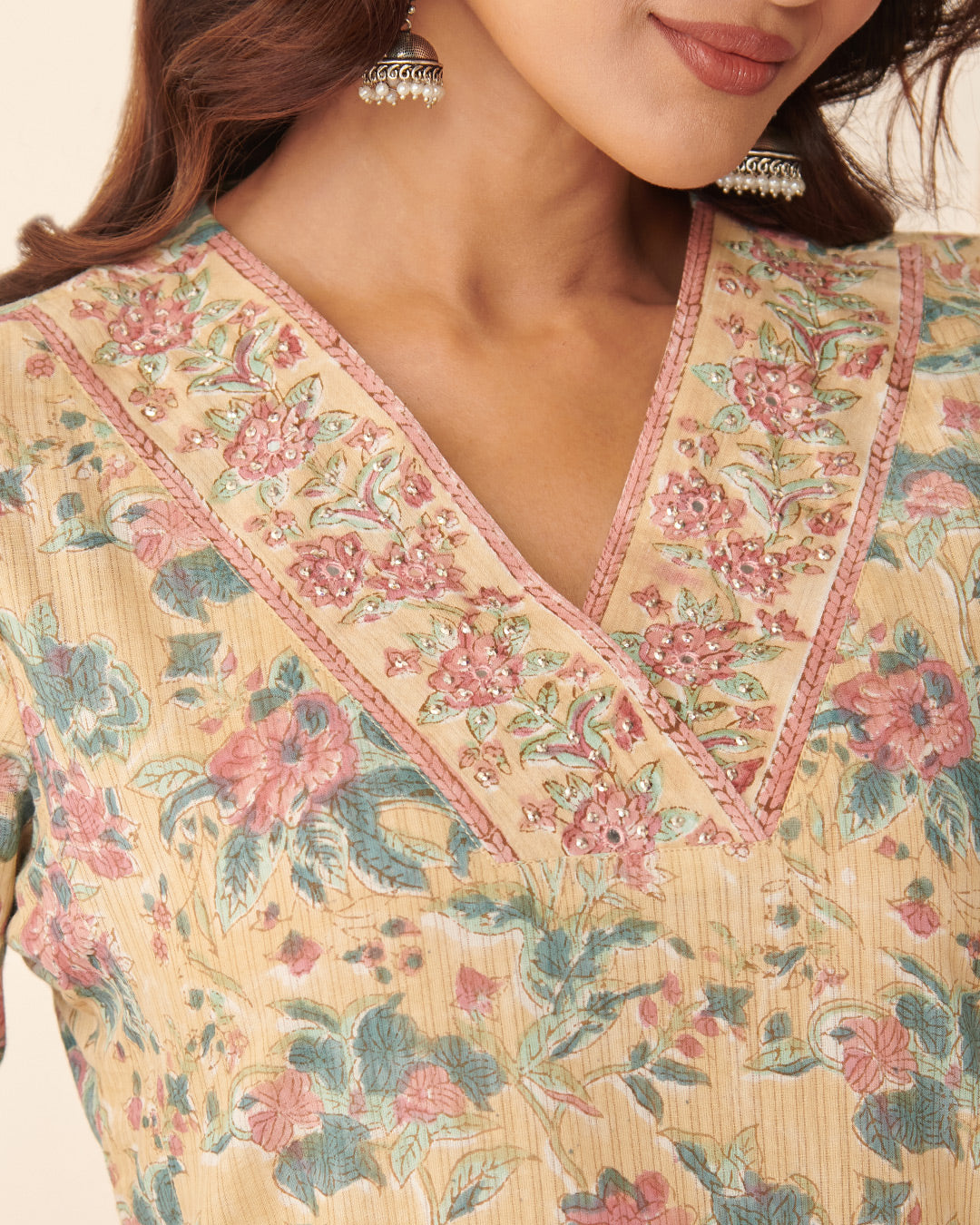
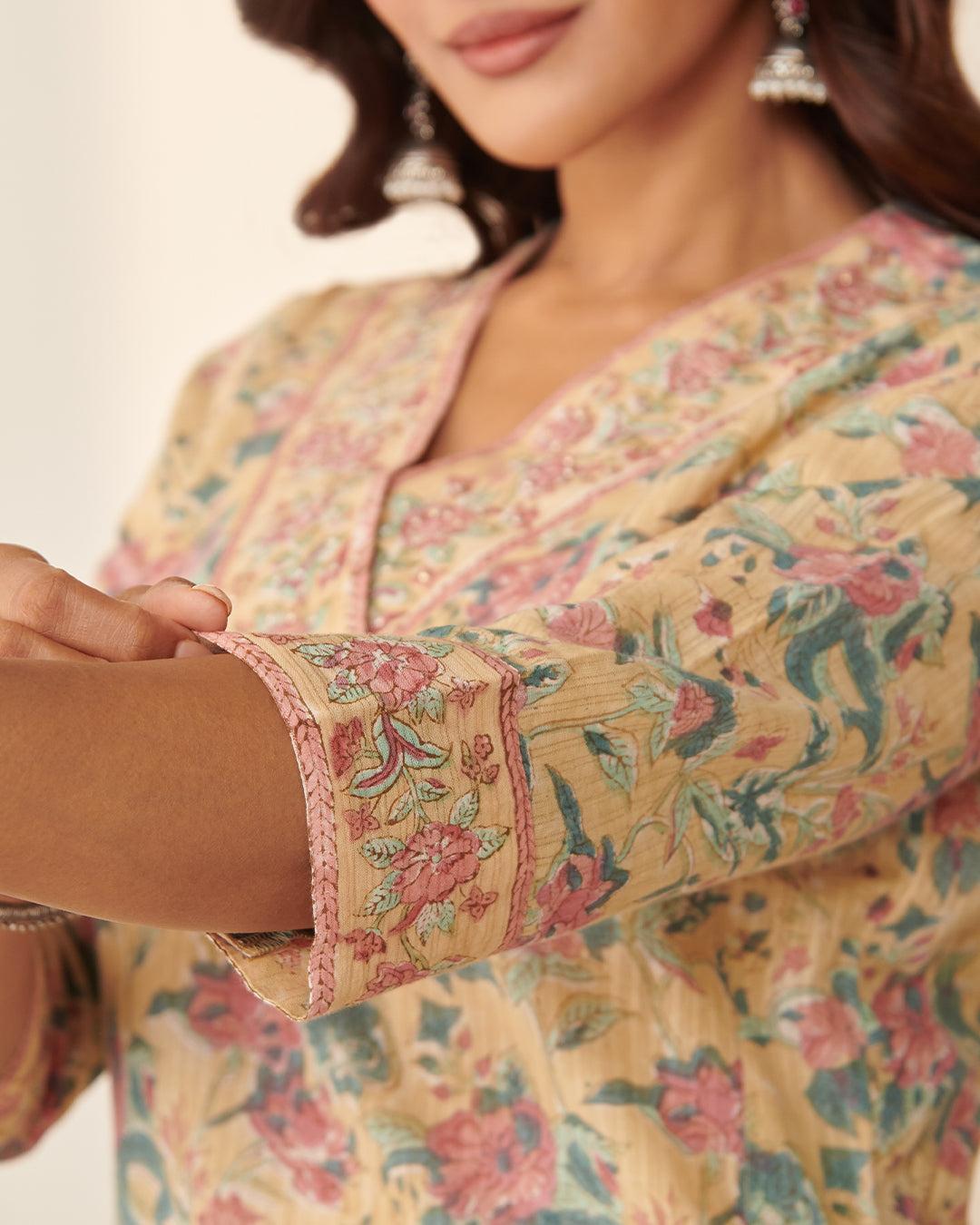
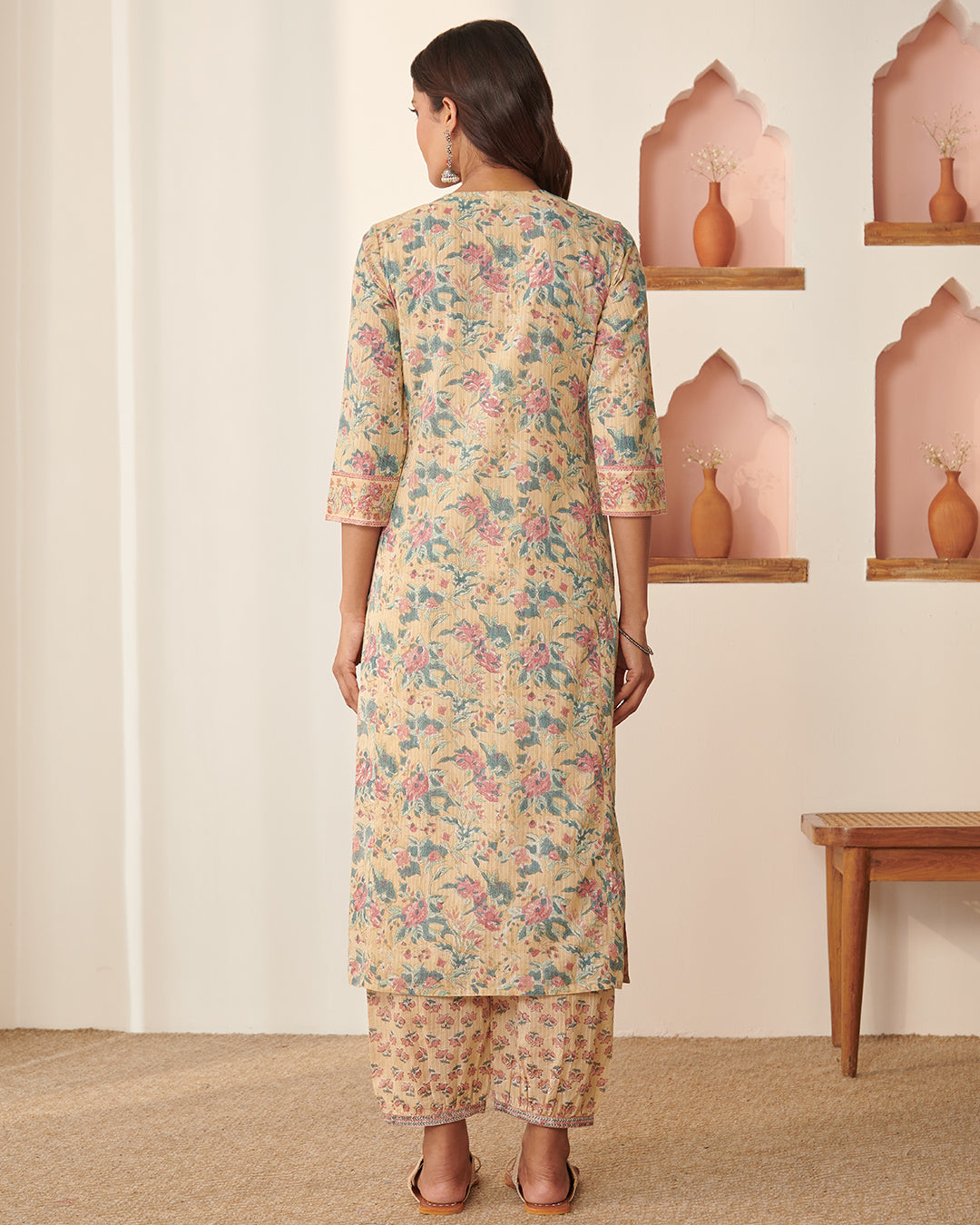
Floral butis, traditional borders, paisley forms, and nature inspired motifs can change the character of a colour without taking away from it. This is what makes a printed kurta for women feel personal rather than simply patterned.
Traditional Colours Meet Contemporary Silhouettes
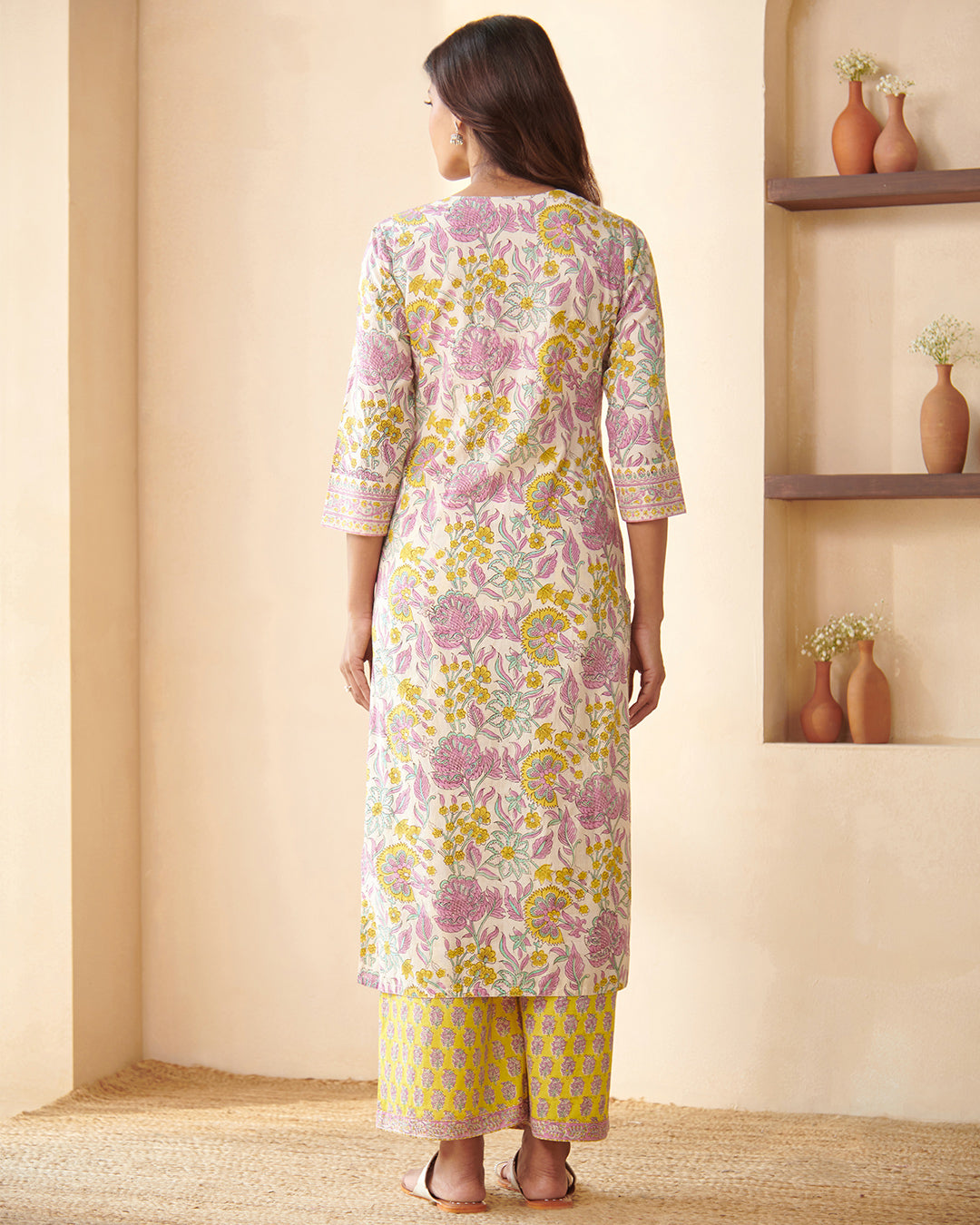
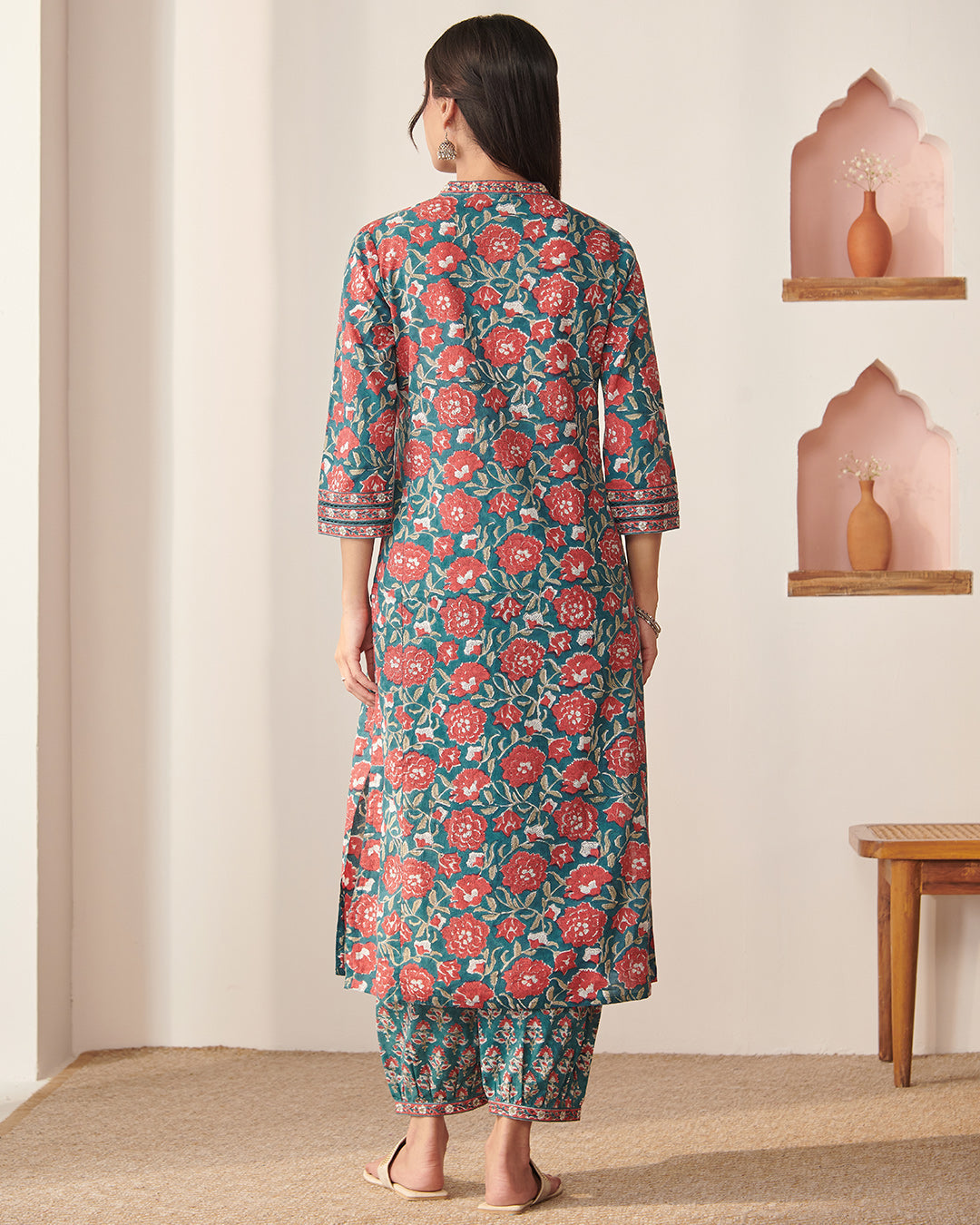
The colours we return to during festivals have deep roots, but the way we wear them continues to evolve. A traditional yellow or red can sit beautifully on a relaxed straight kurta, an easy A line silhouette, or a contemporary kurta set.
The balance is gentle. The colour carries the cultural familiarity, while the silhouette makes the garment comfortable for the way we dress today.
Choosing Timeless Colours Over Short-Lived Trends
Festive dressing does not always need the colour of the season. Colours such as red, yellow, green, pink, ivory, indigo, and maroon have remained part of Indian wardrobes for generations because they hold meaning beyond changing trends.
A well chosen colour, paired with thoughtful craftsmanship, can be worn across different celebrations and years. It becomes part of our festive memories rather than something we leave behind with a season.
Conclusion
Choosing a kurta colour for a festival is often a quiet personal decision. We think about the occasion, the season, the time of day, and sometimes even the memories attached to a particular colour.
But colour becomes truly meaningful when it meets good craftsmanship. A carefully printed fabric, a familiar motif, or the comfort of a well made silhouette can turn a simple kurta into something we remember wearing.
Festive clothing has always carried more than colour. It carries tradition, craft, and the feeling of coming together. The threads may age. The meaning never does.